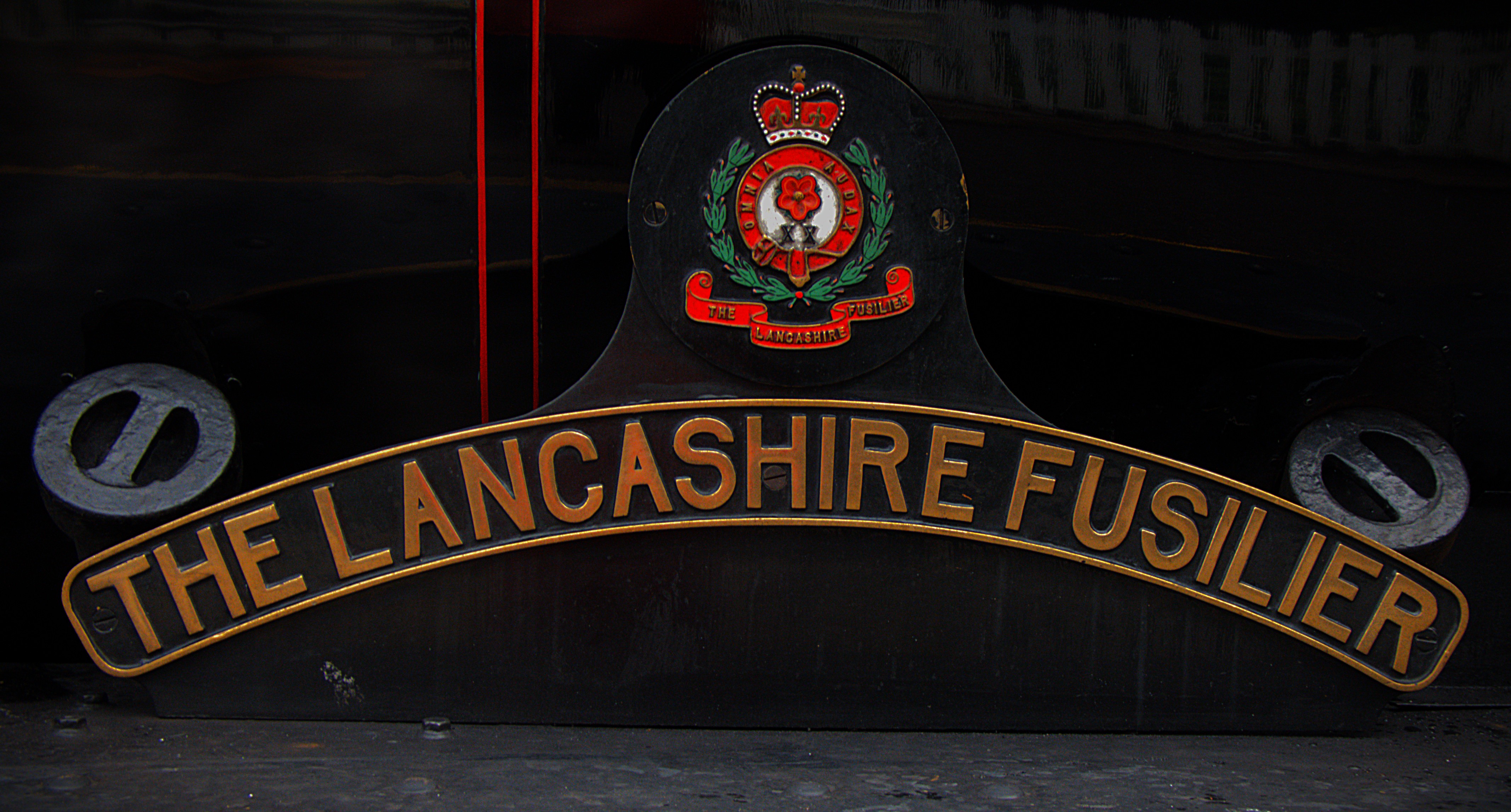
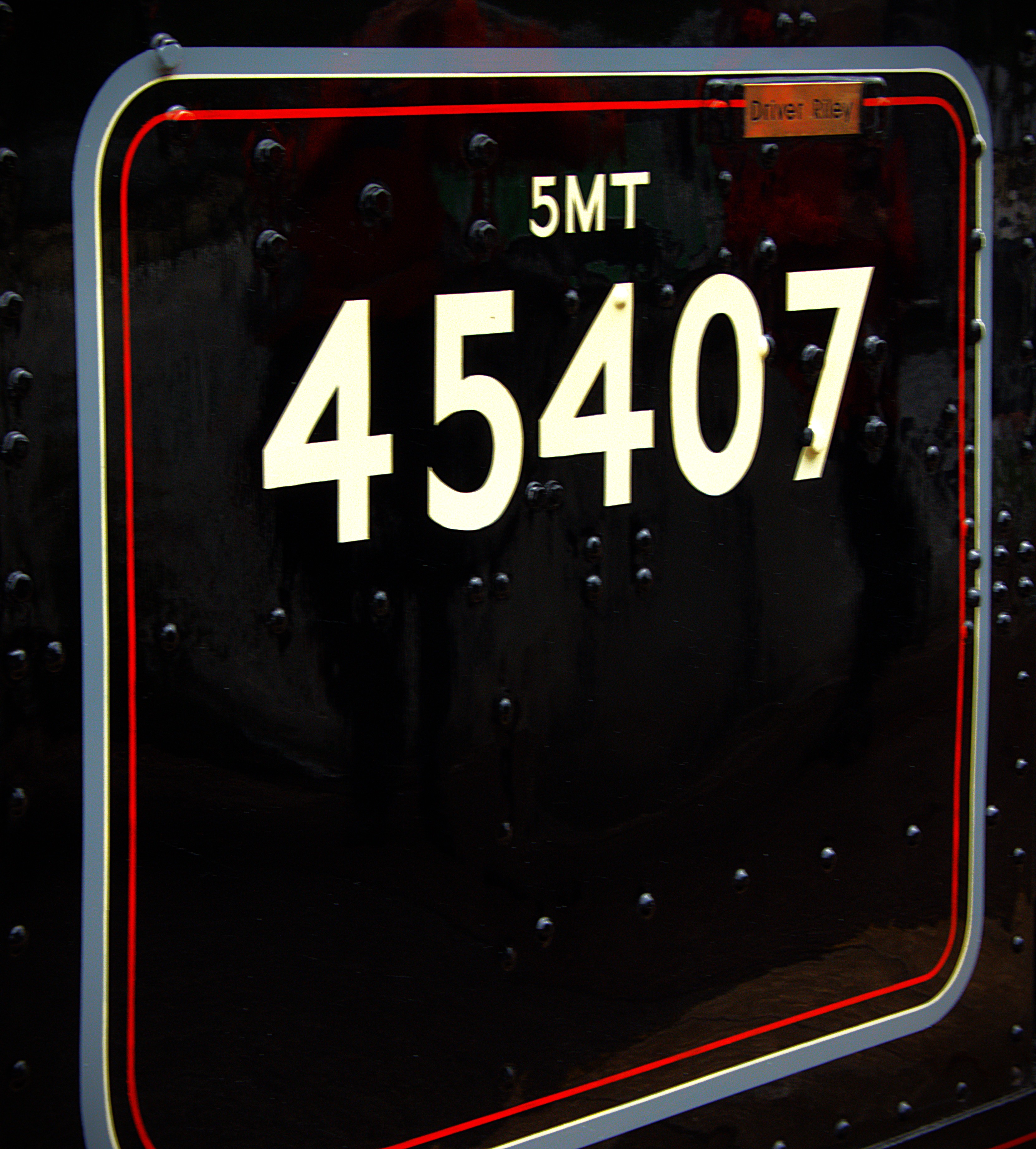
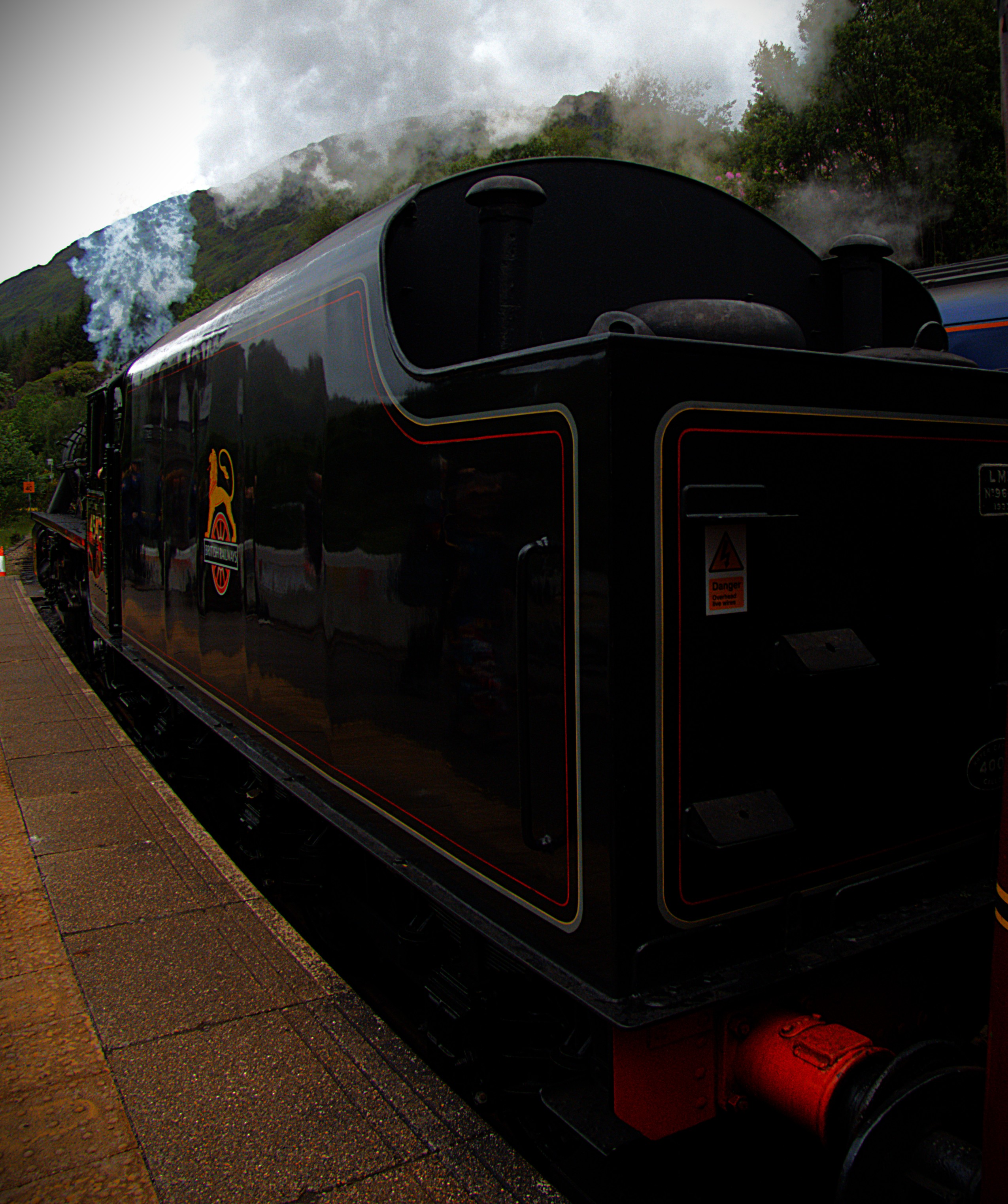
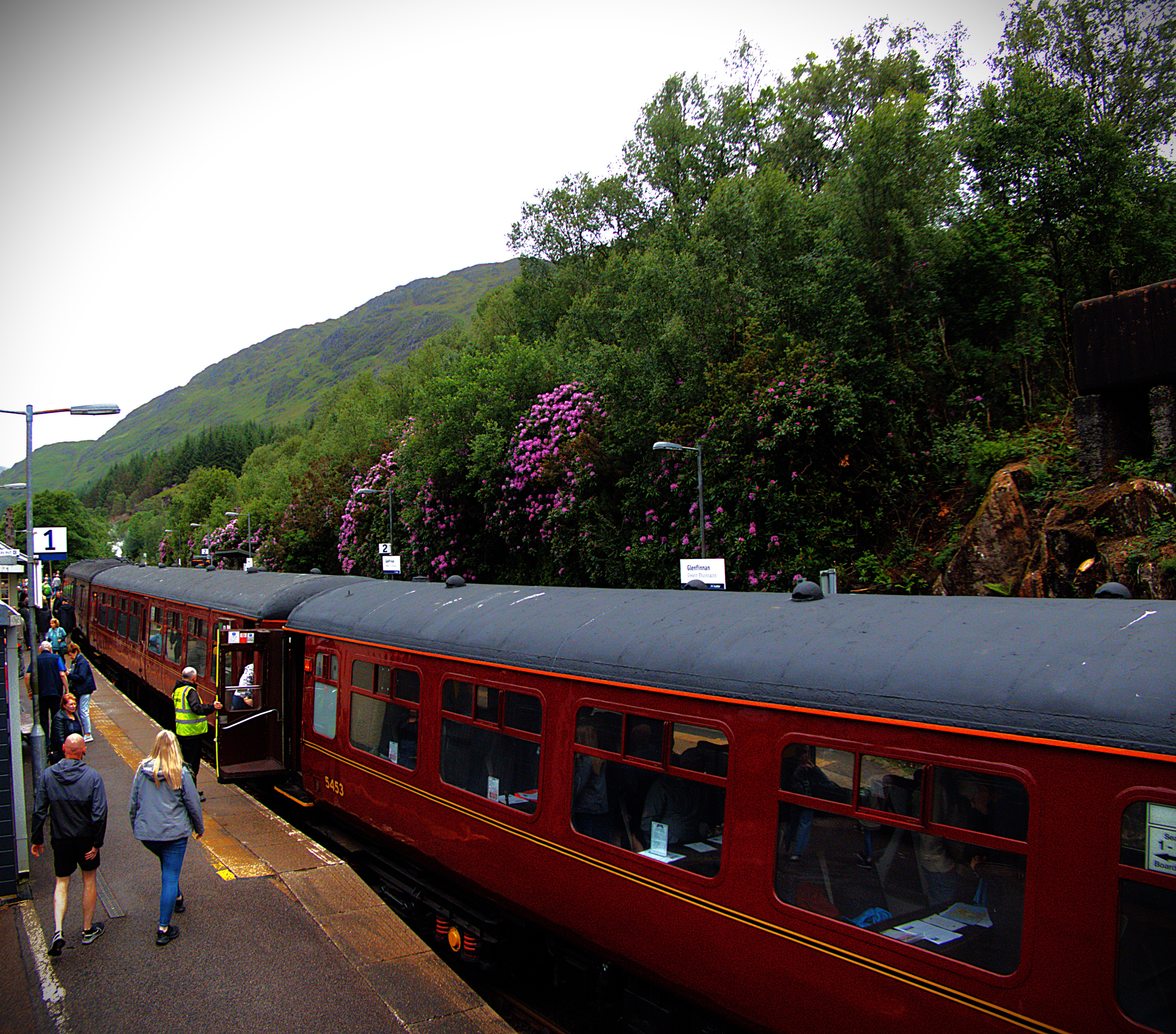
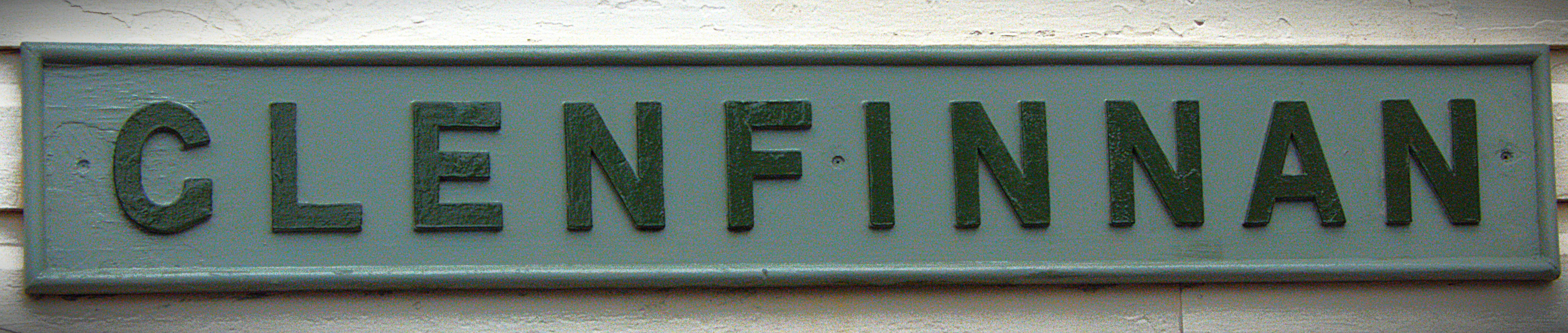
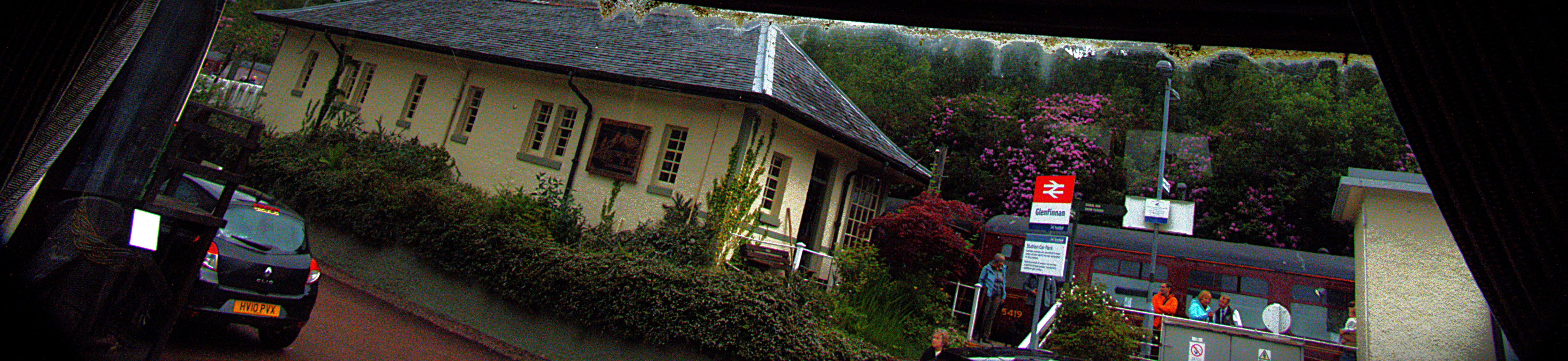
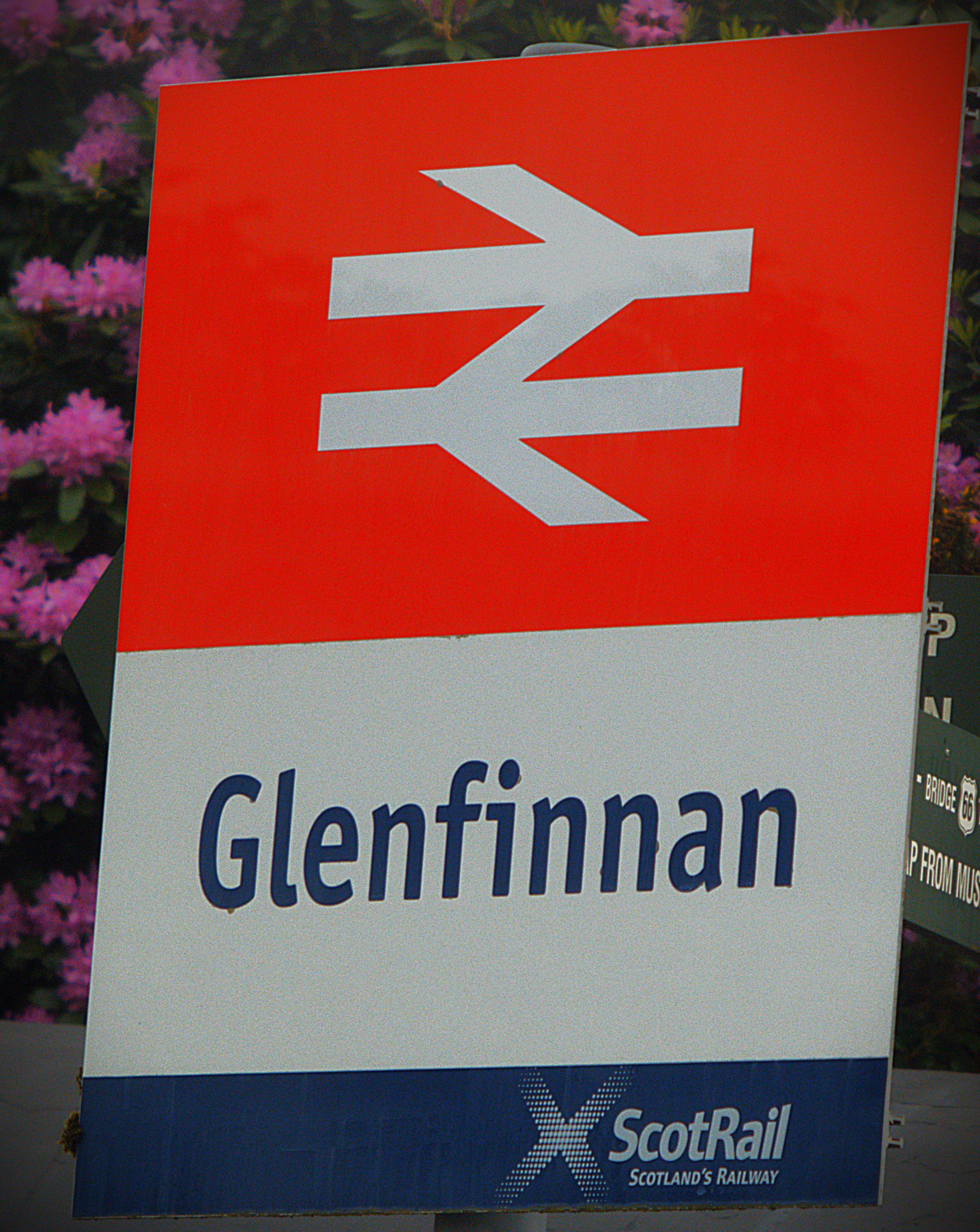
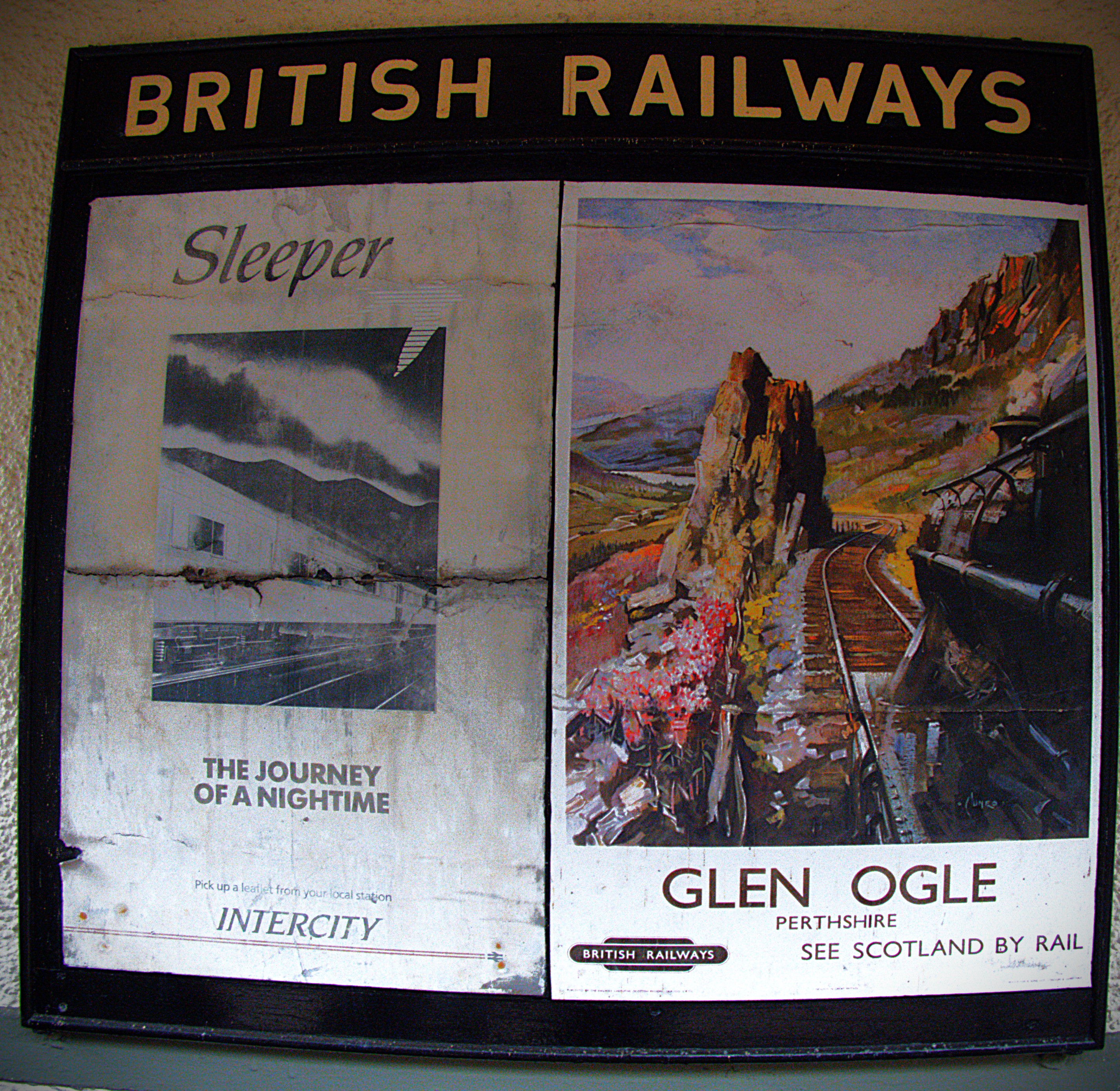
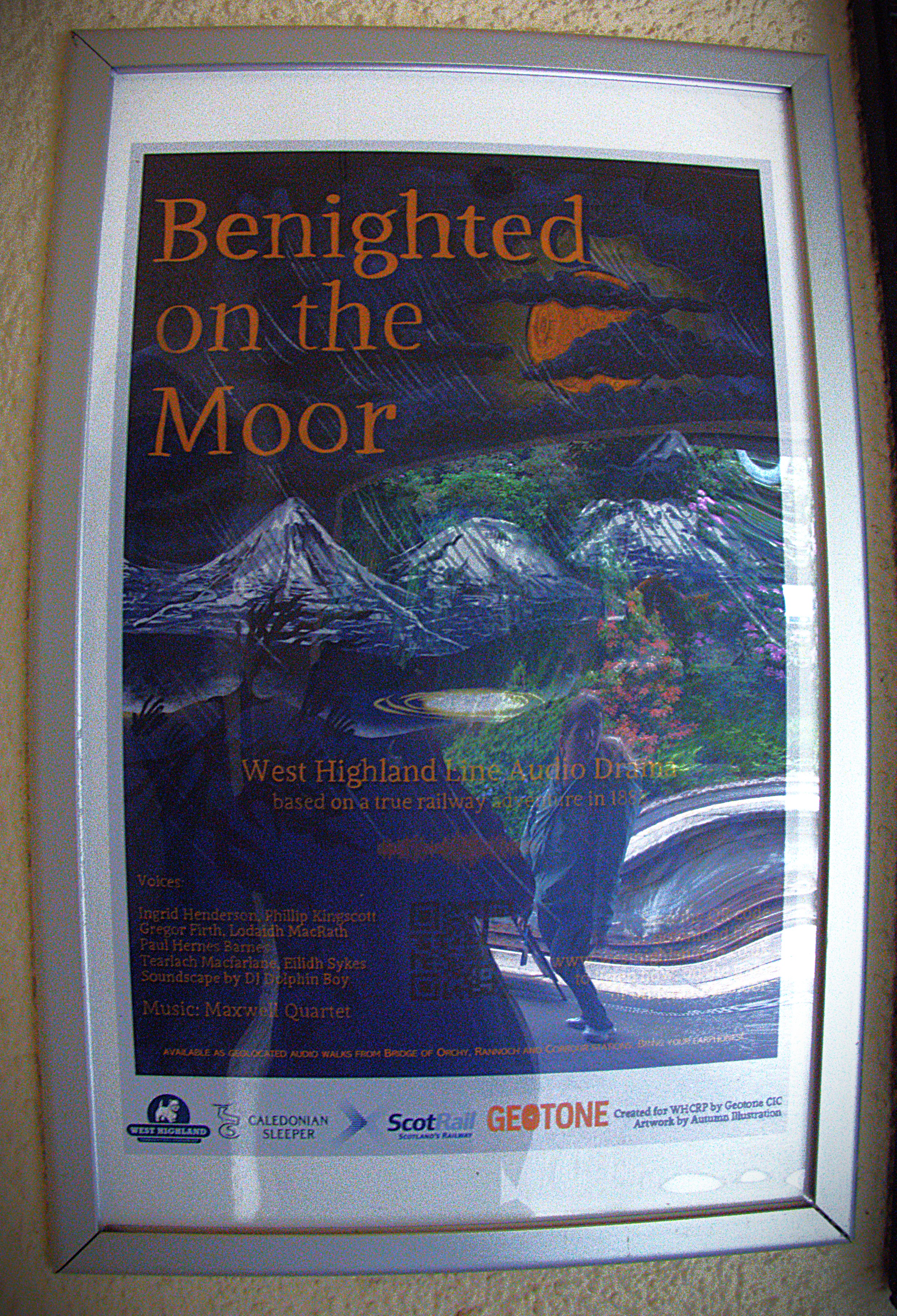
A look at Glenfinnan Station, as I continue the account of my Scottish holiday.
Welcome to the latest instalment in my series about my Scottish holiday (May 30th to June 6th). I started my coverage of the Thursday with a look at the journey from Arisaig to Glenfinnan. This post picks up where the previous one left off.
A MINOR STATION WITH MAJOR INTEREST
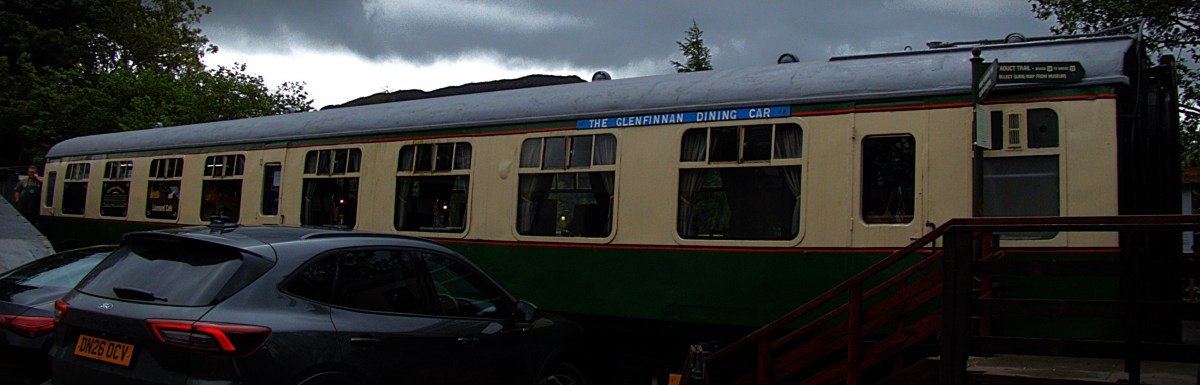
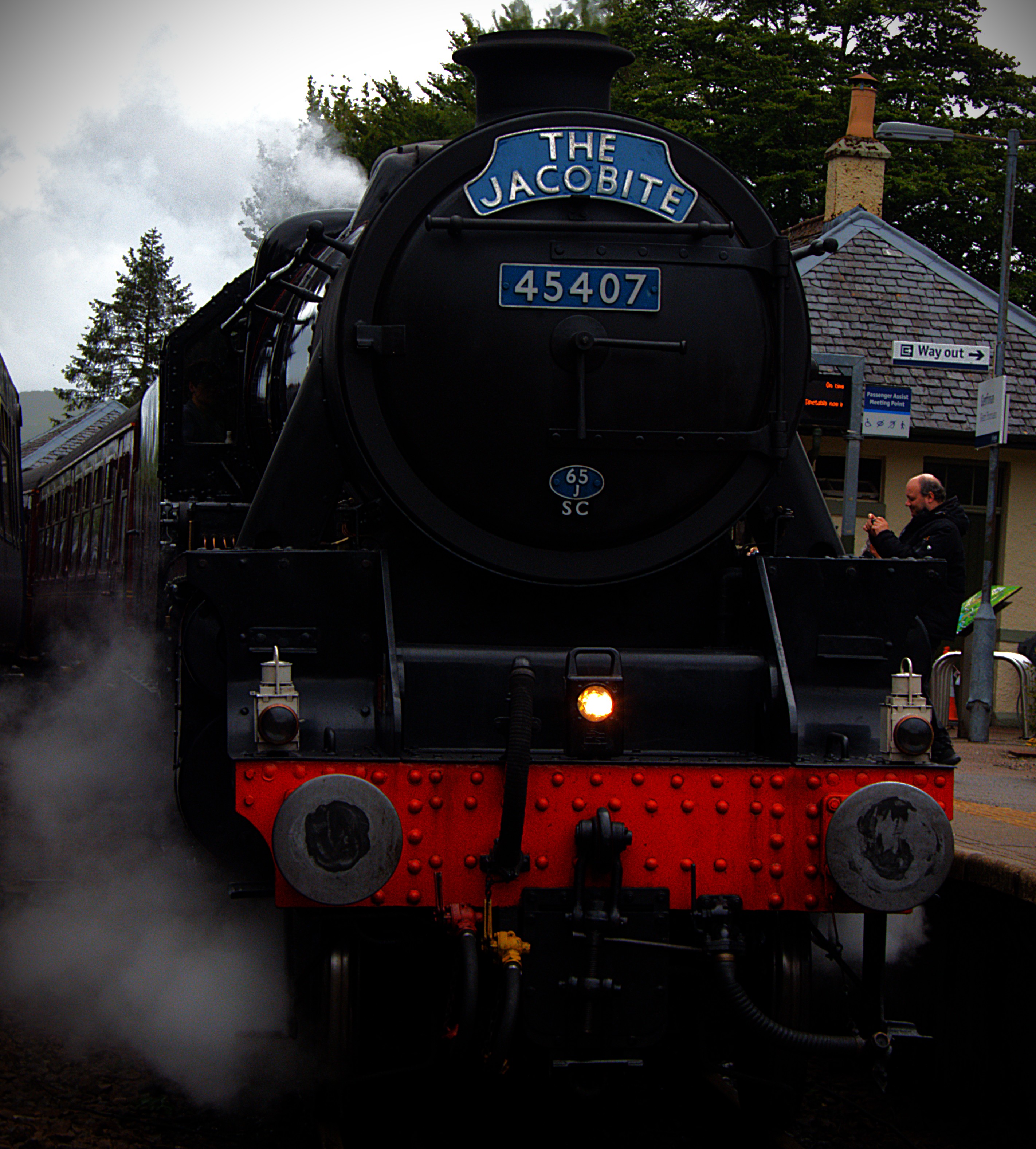
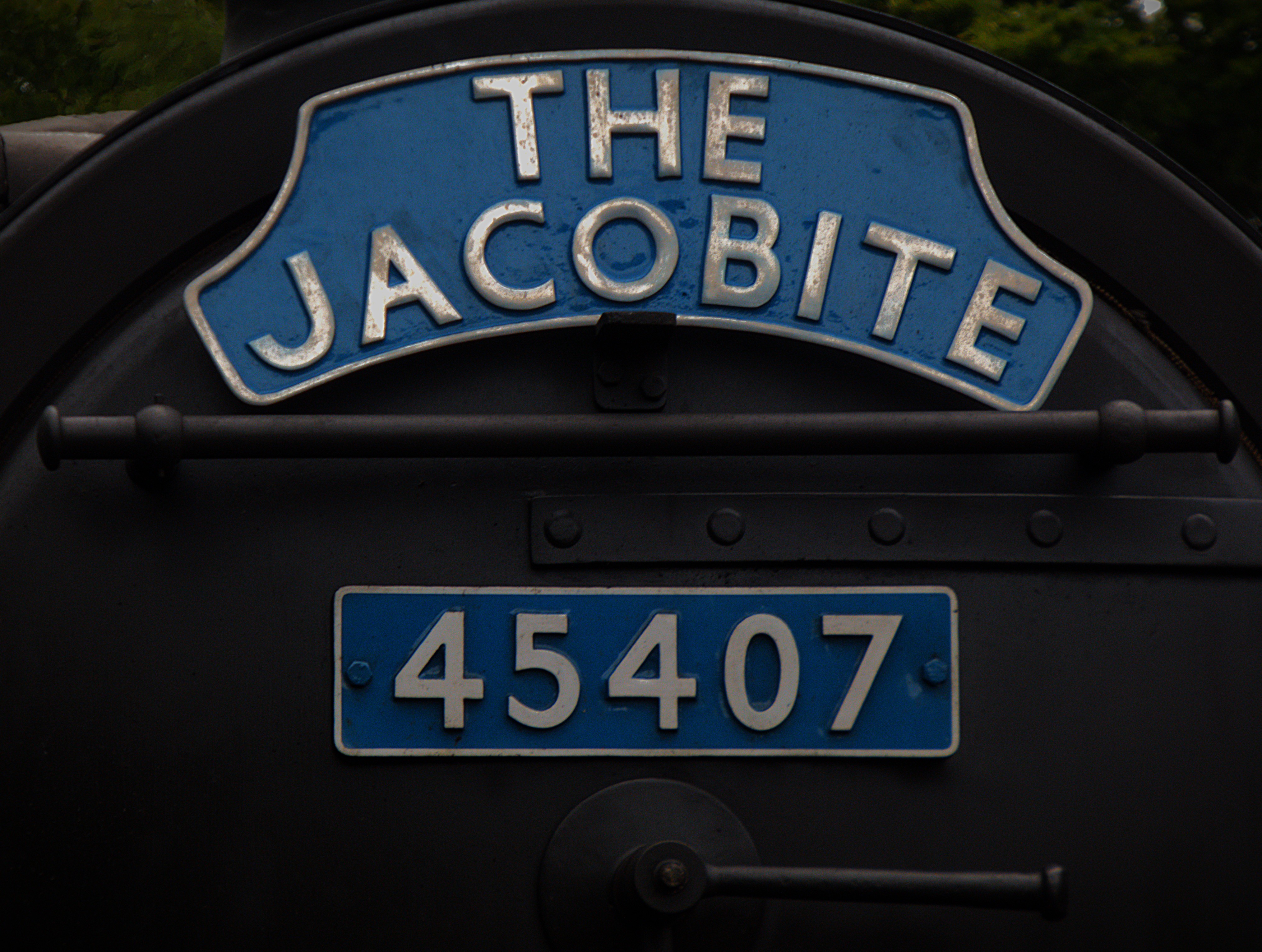
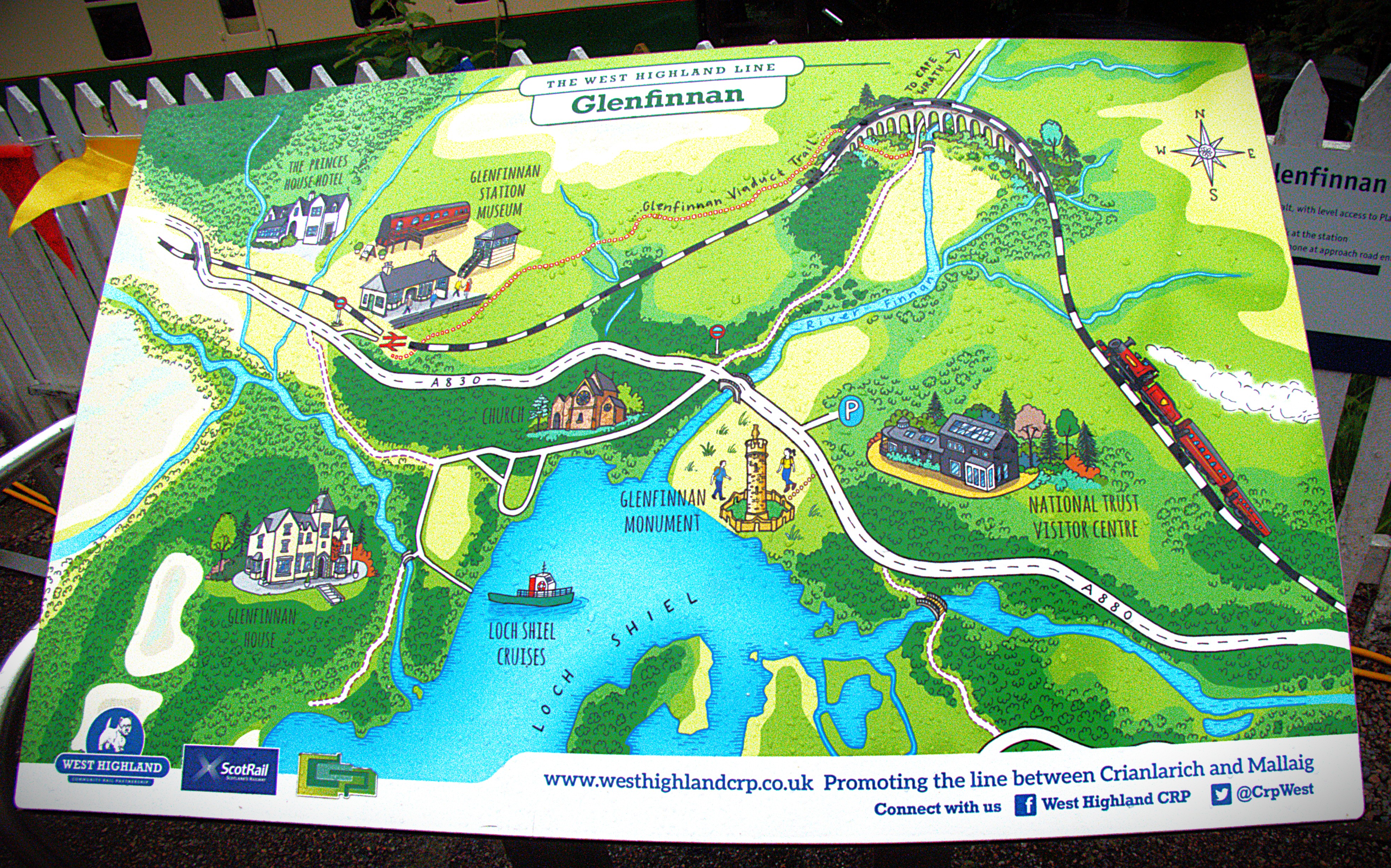
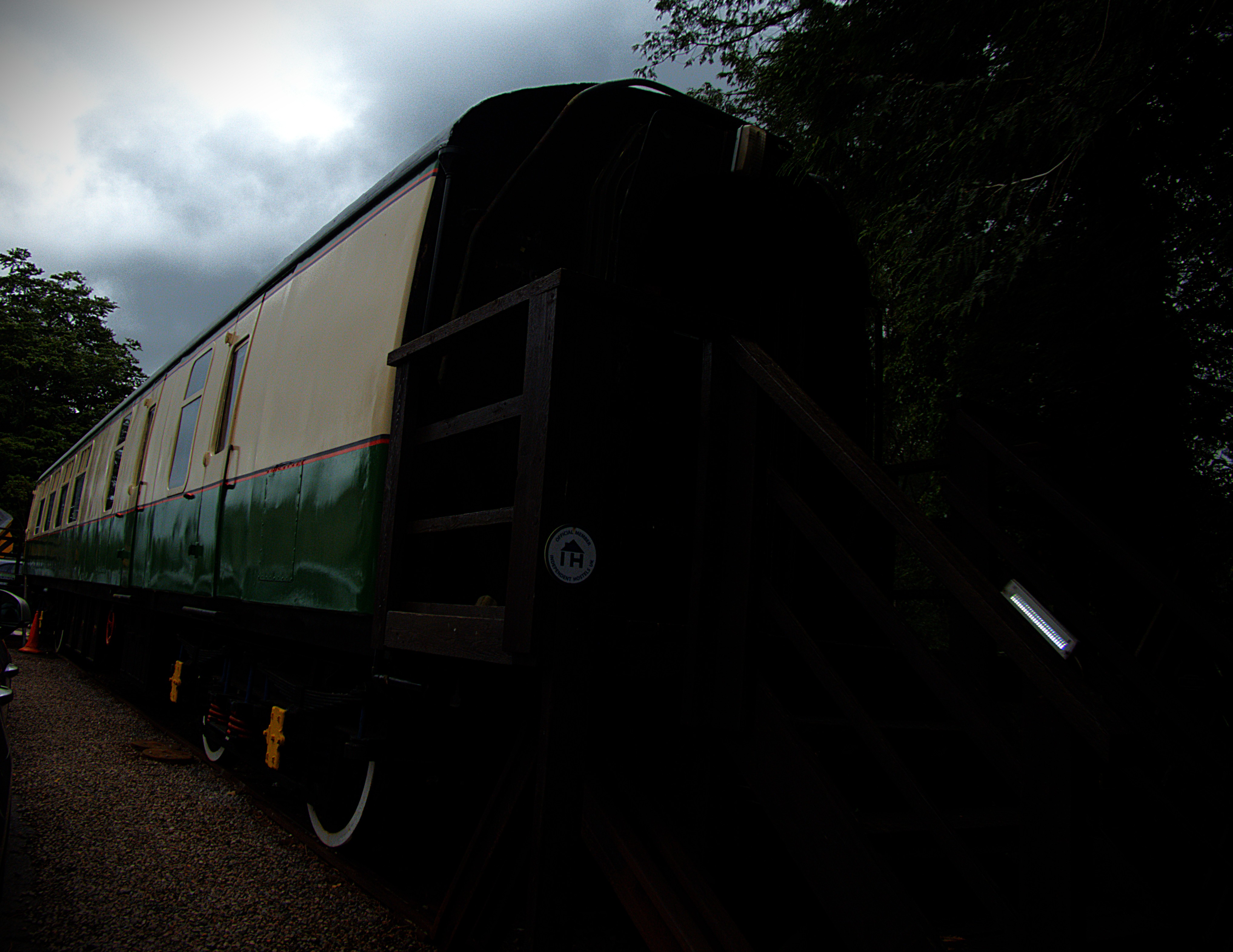
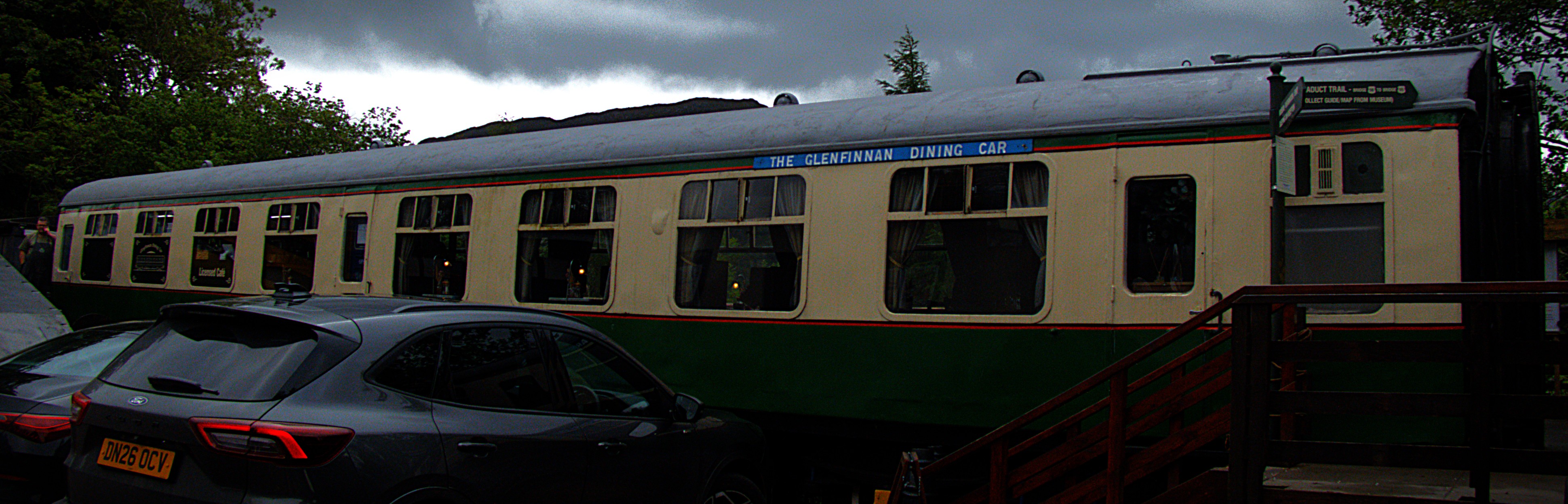
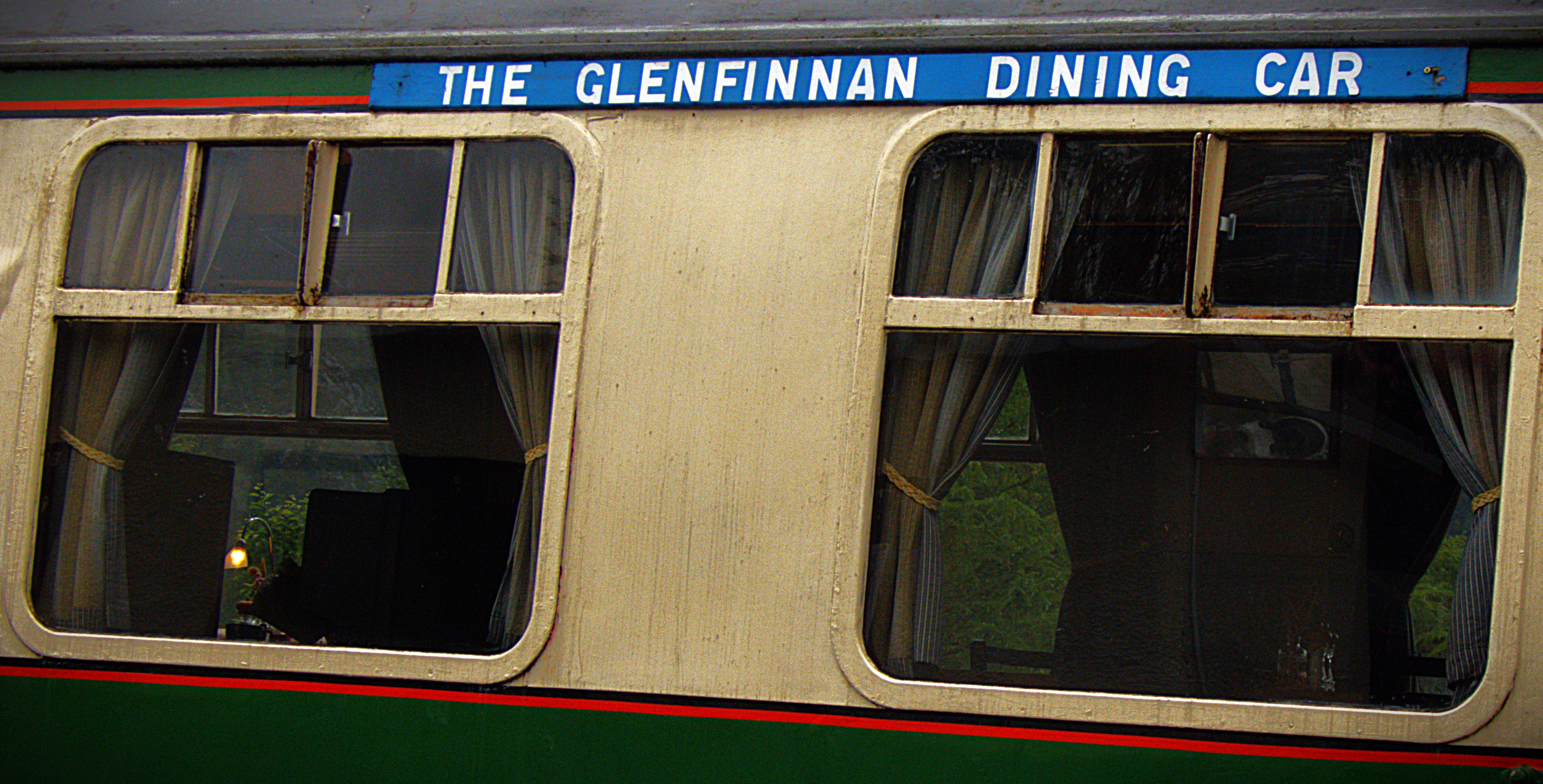
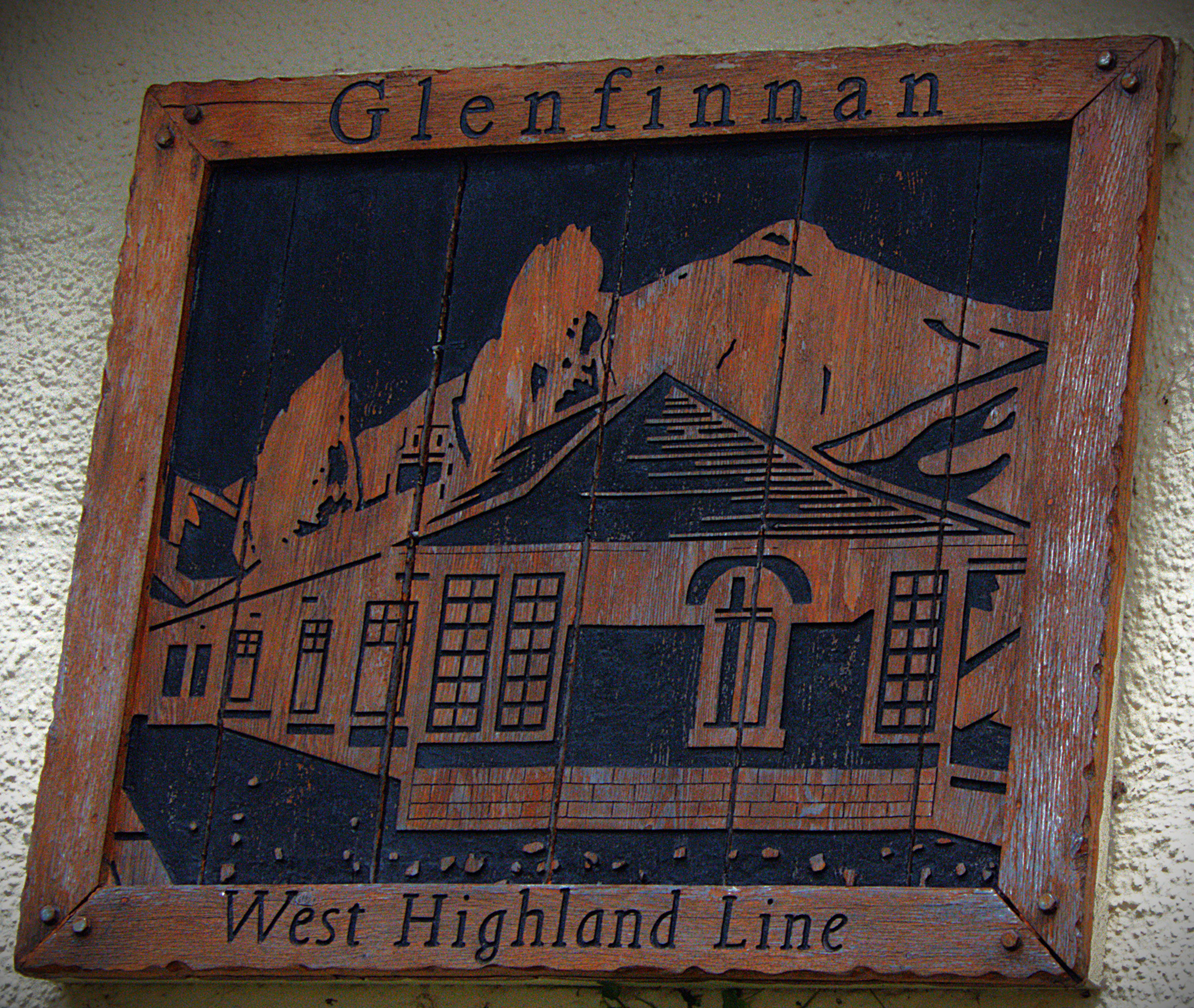
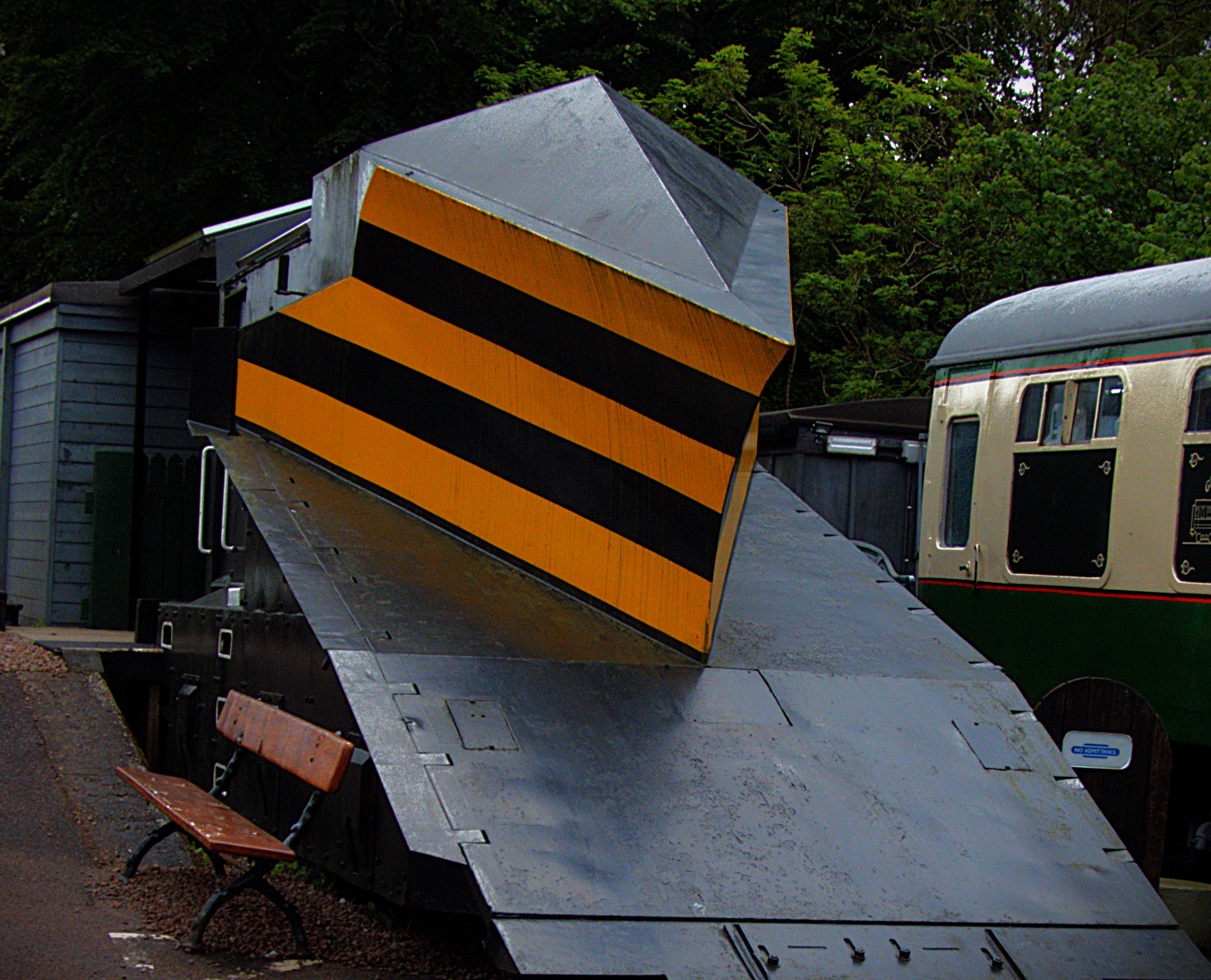
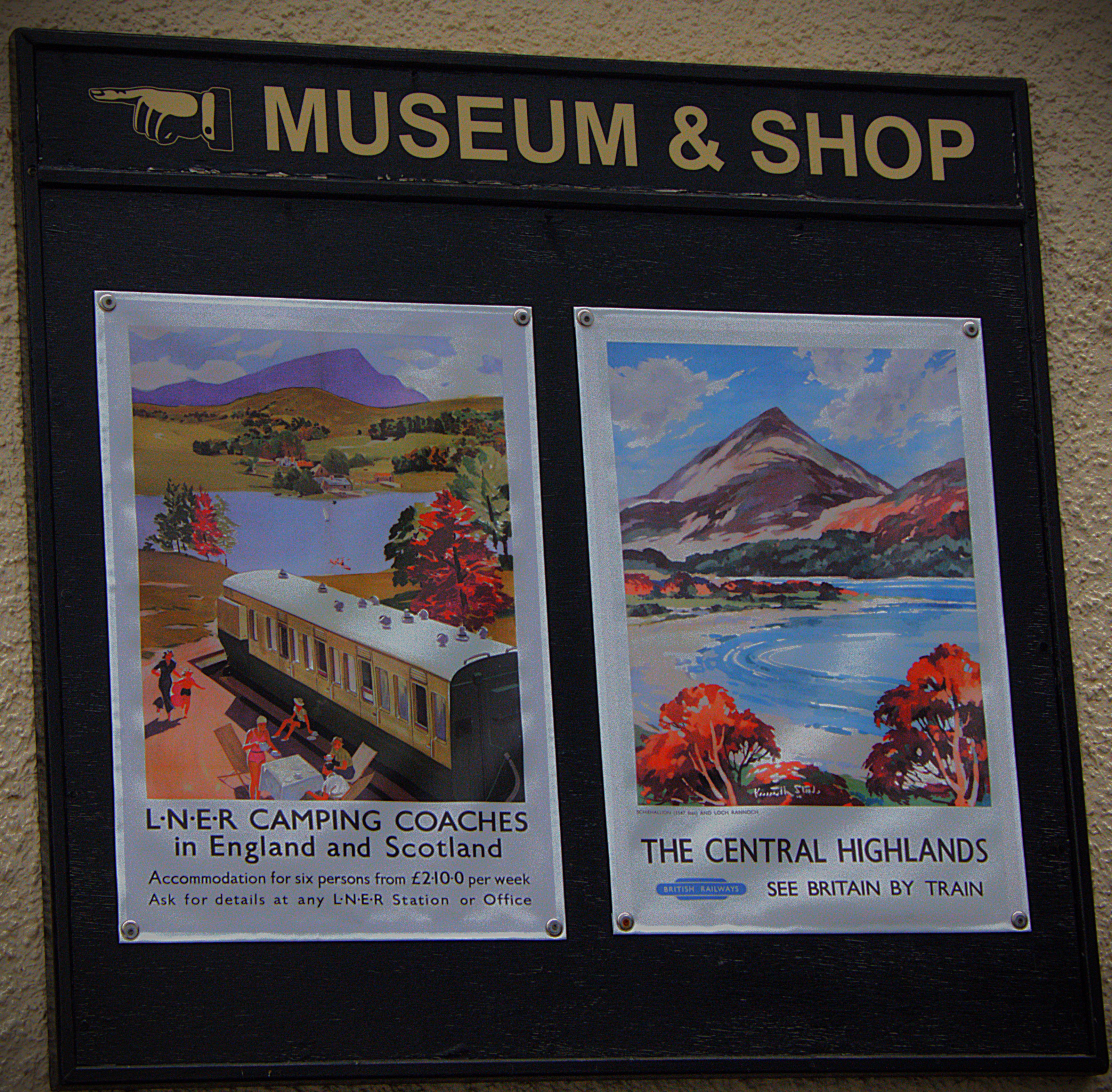
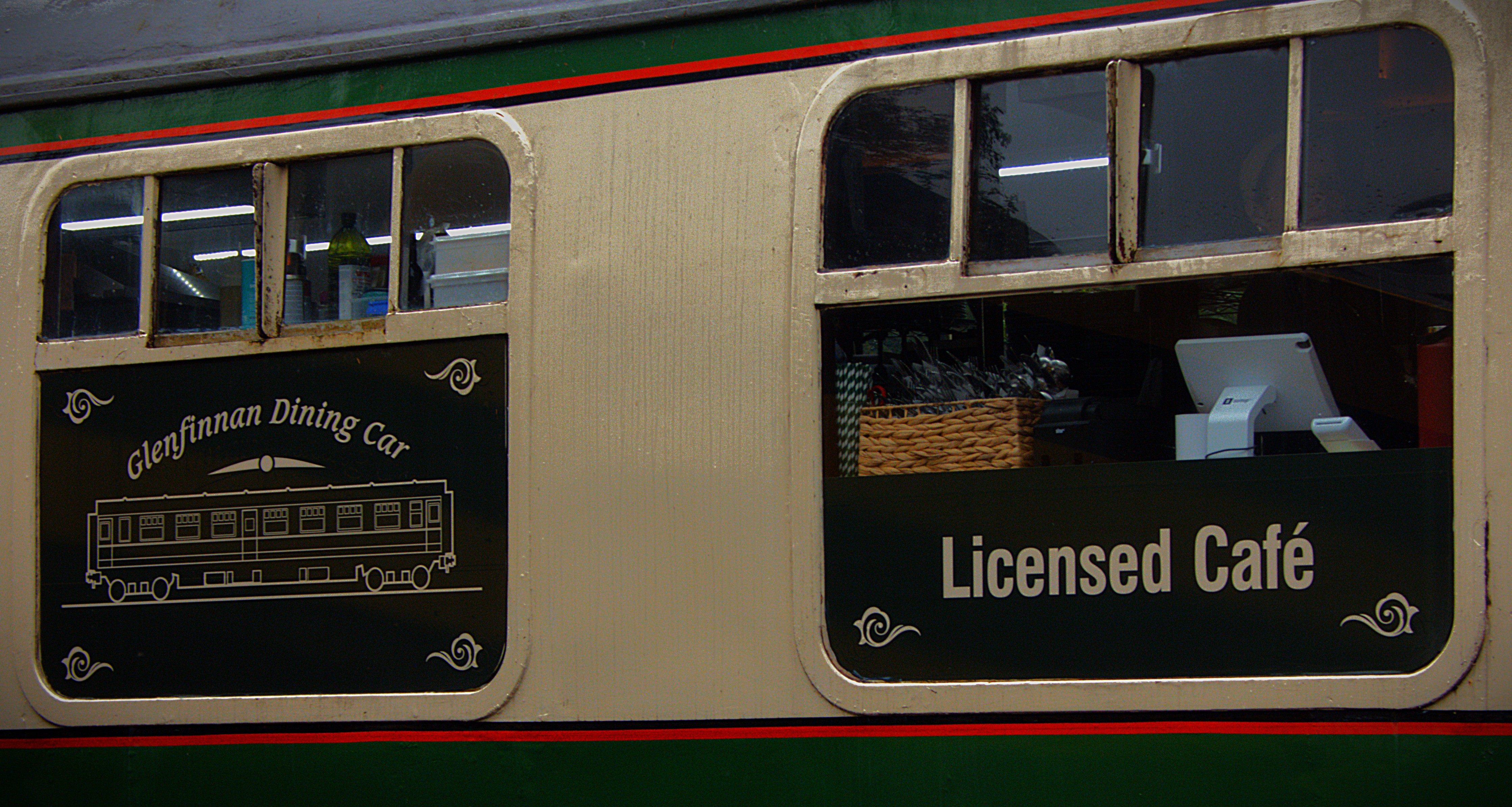
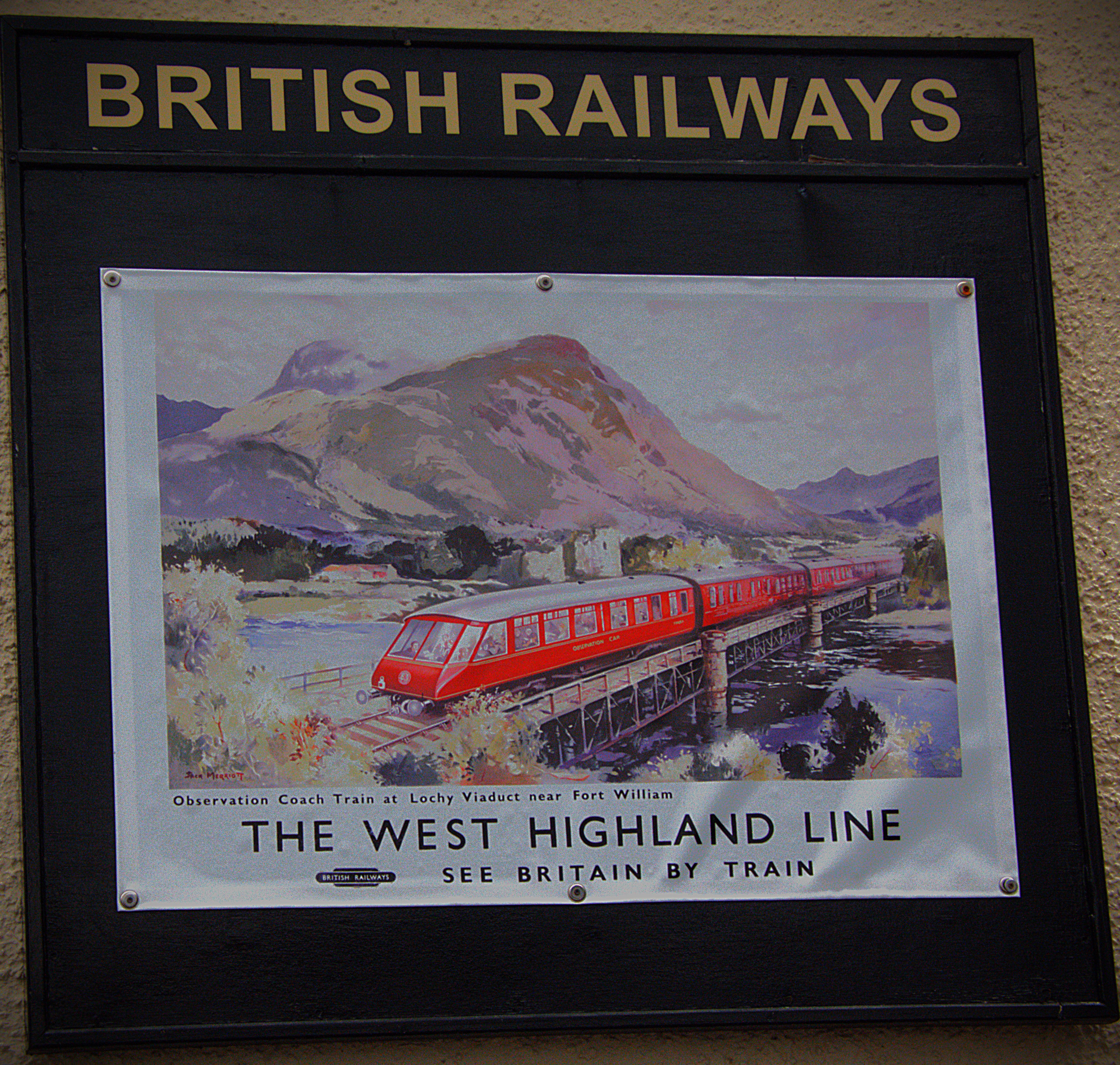
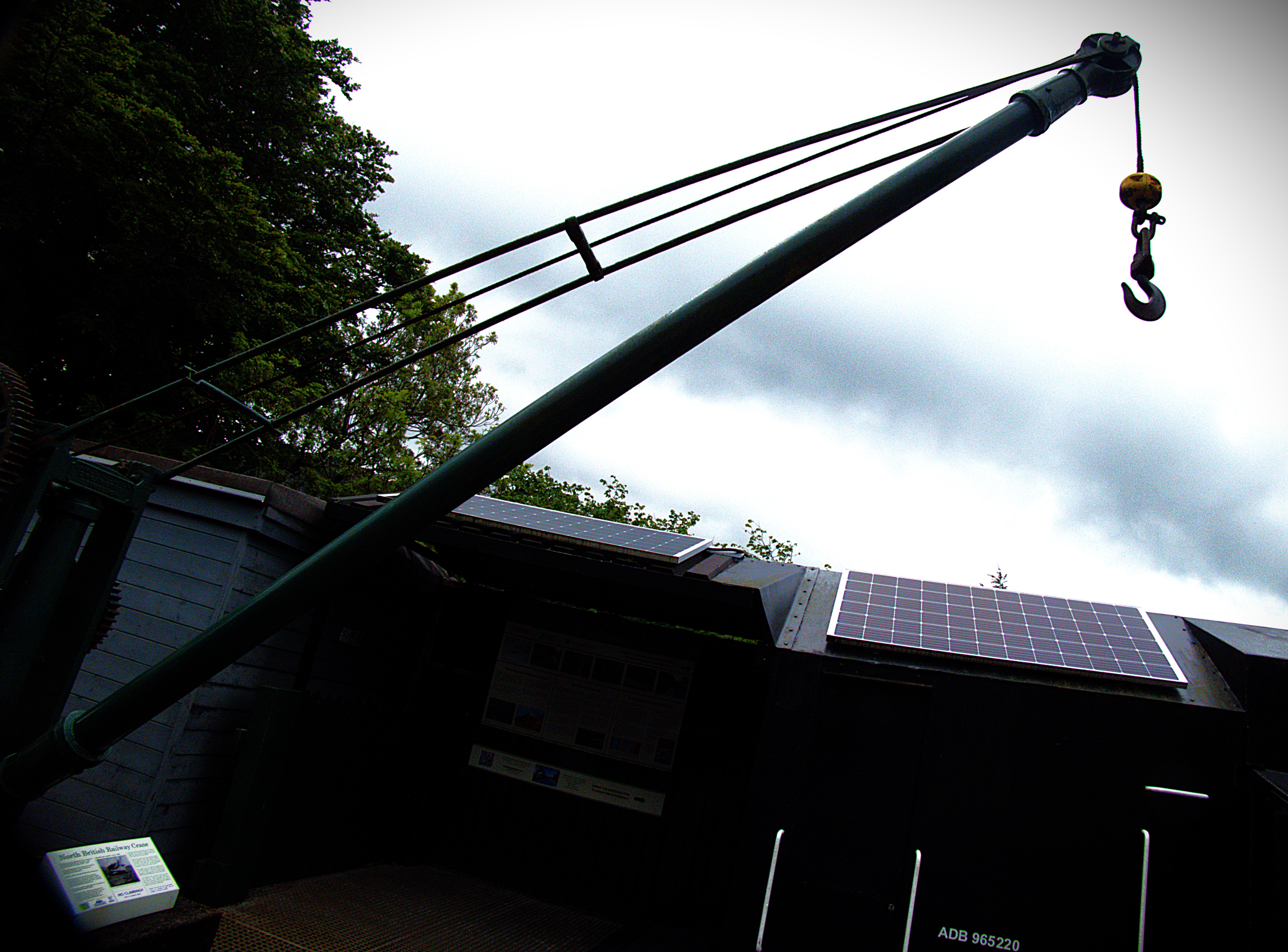
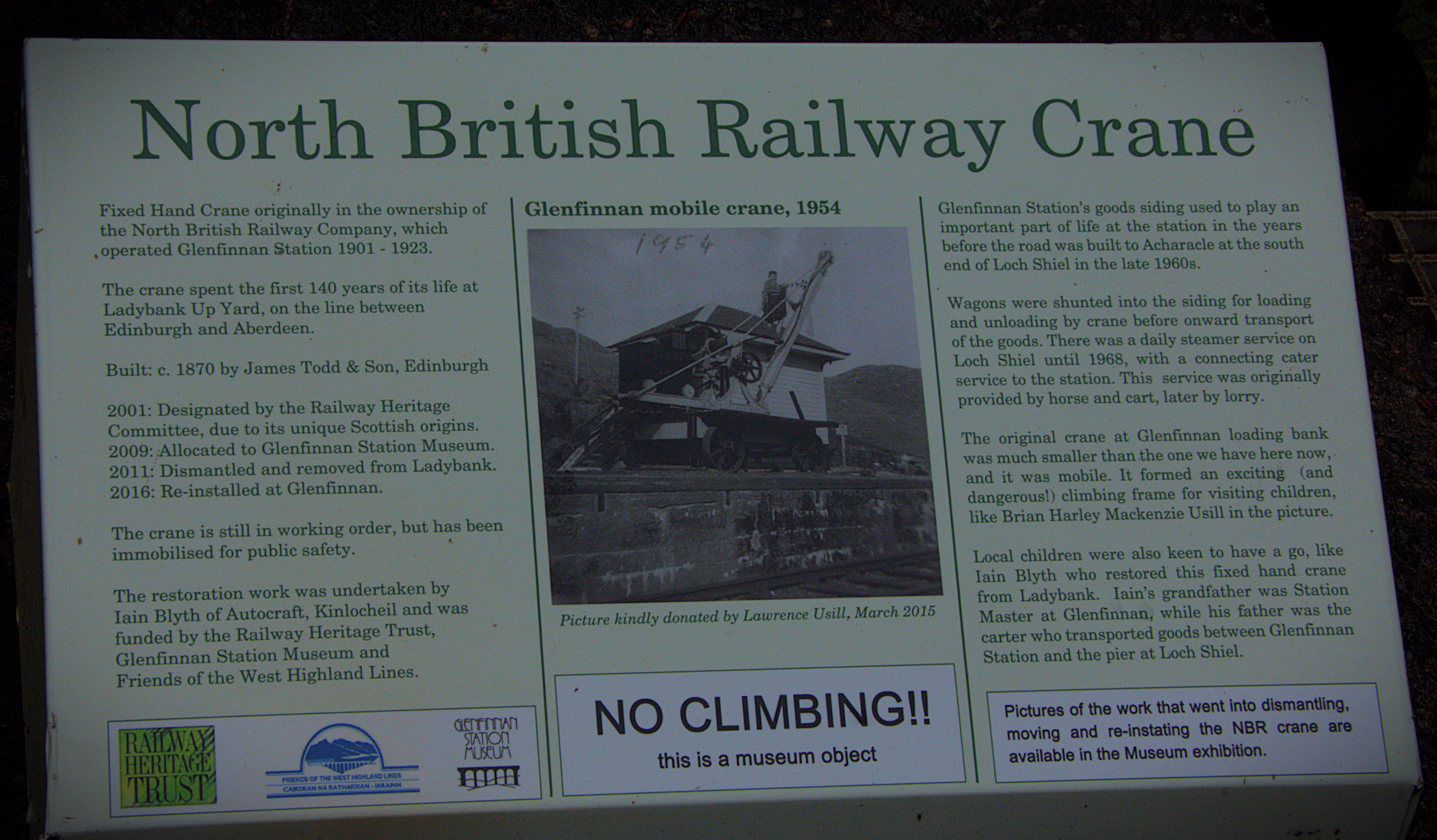
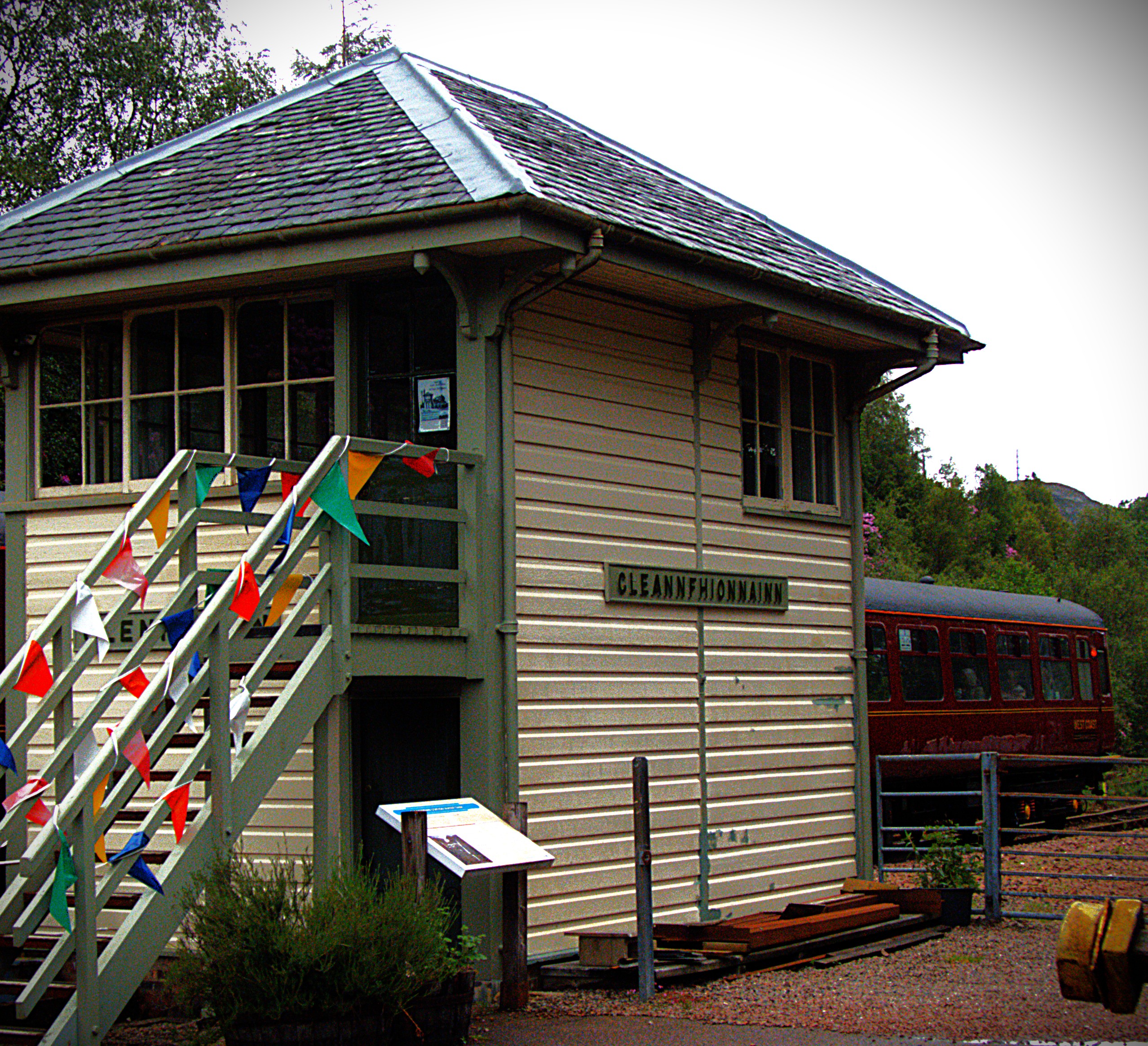
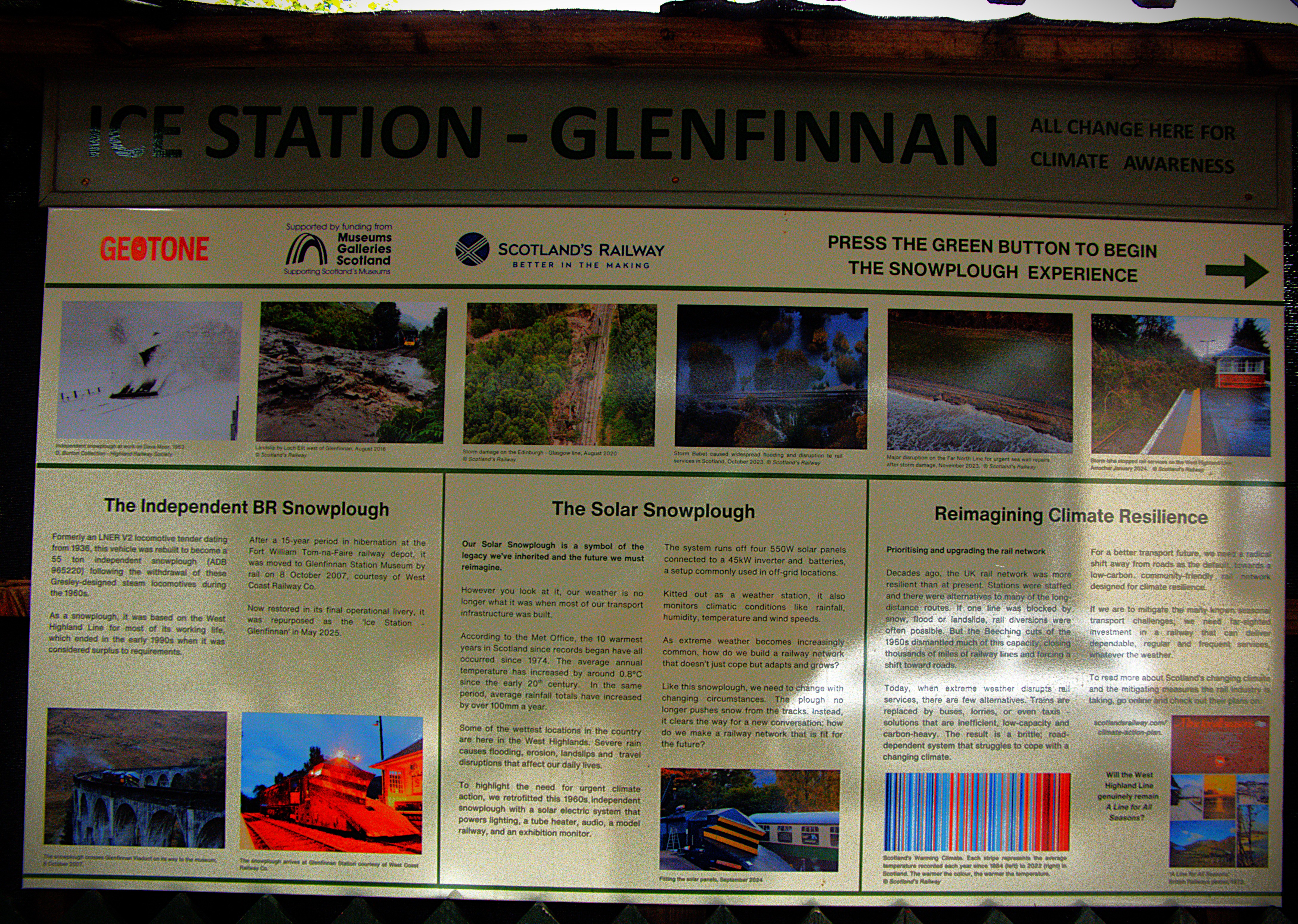
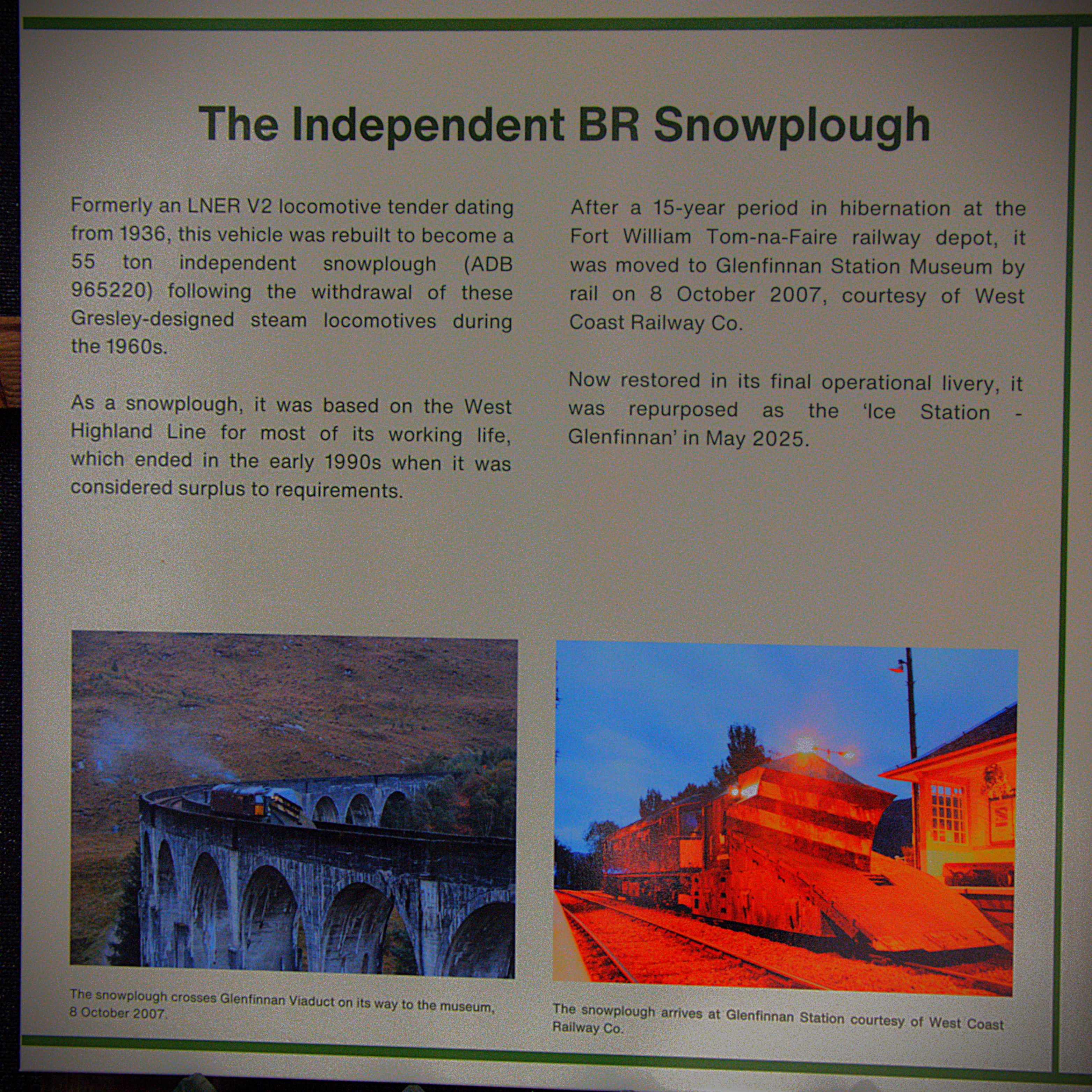
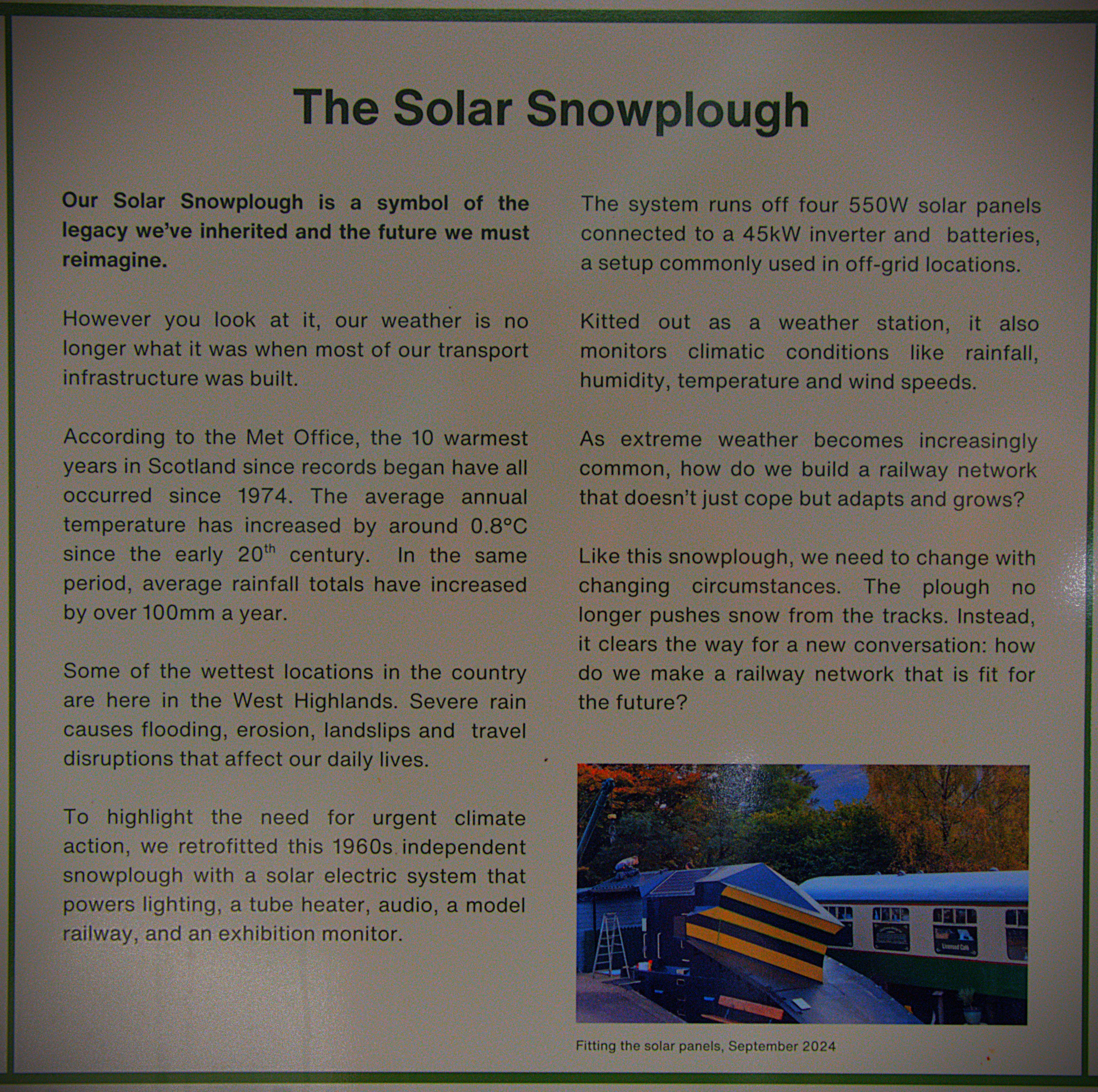
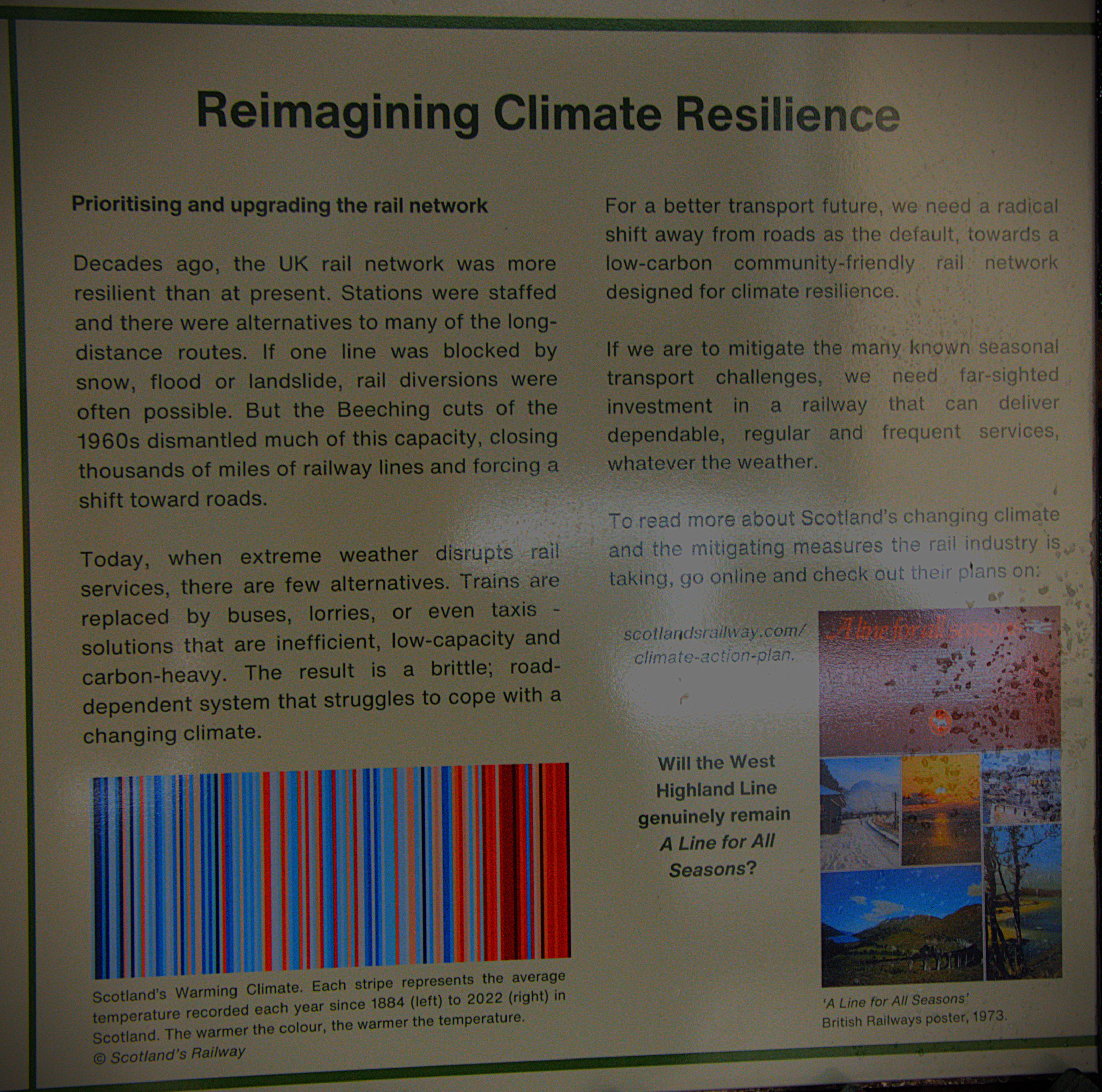
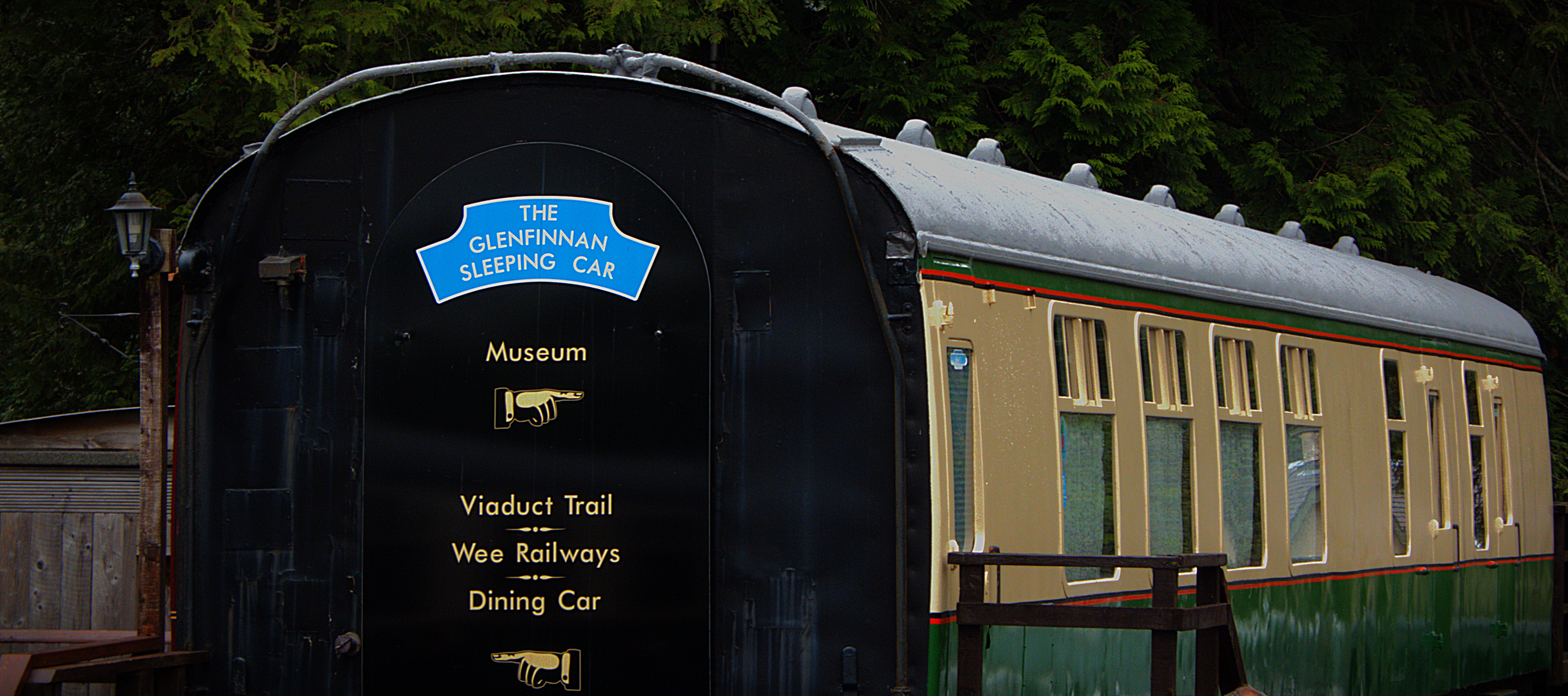
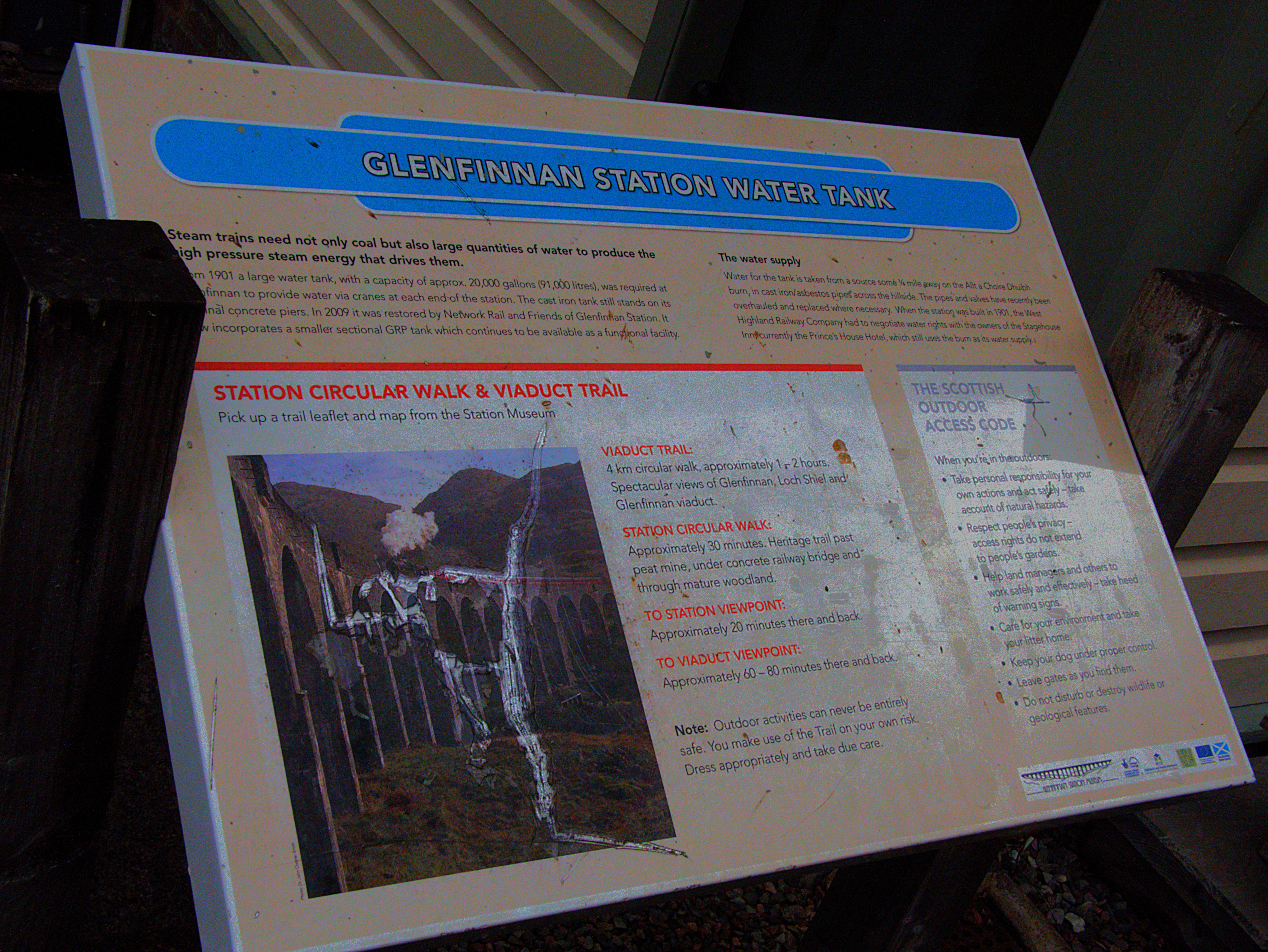
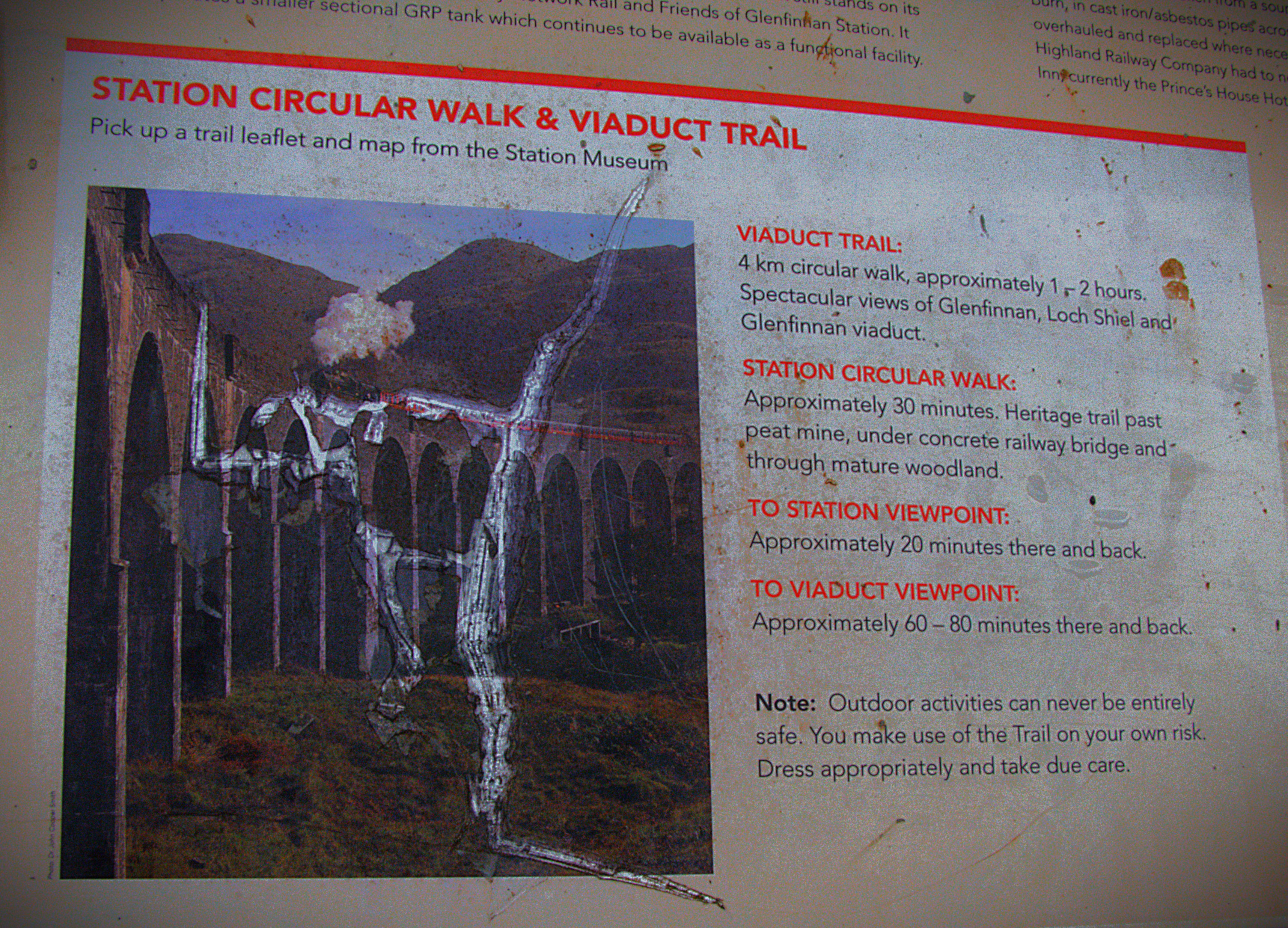
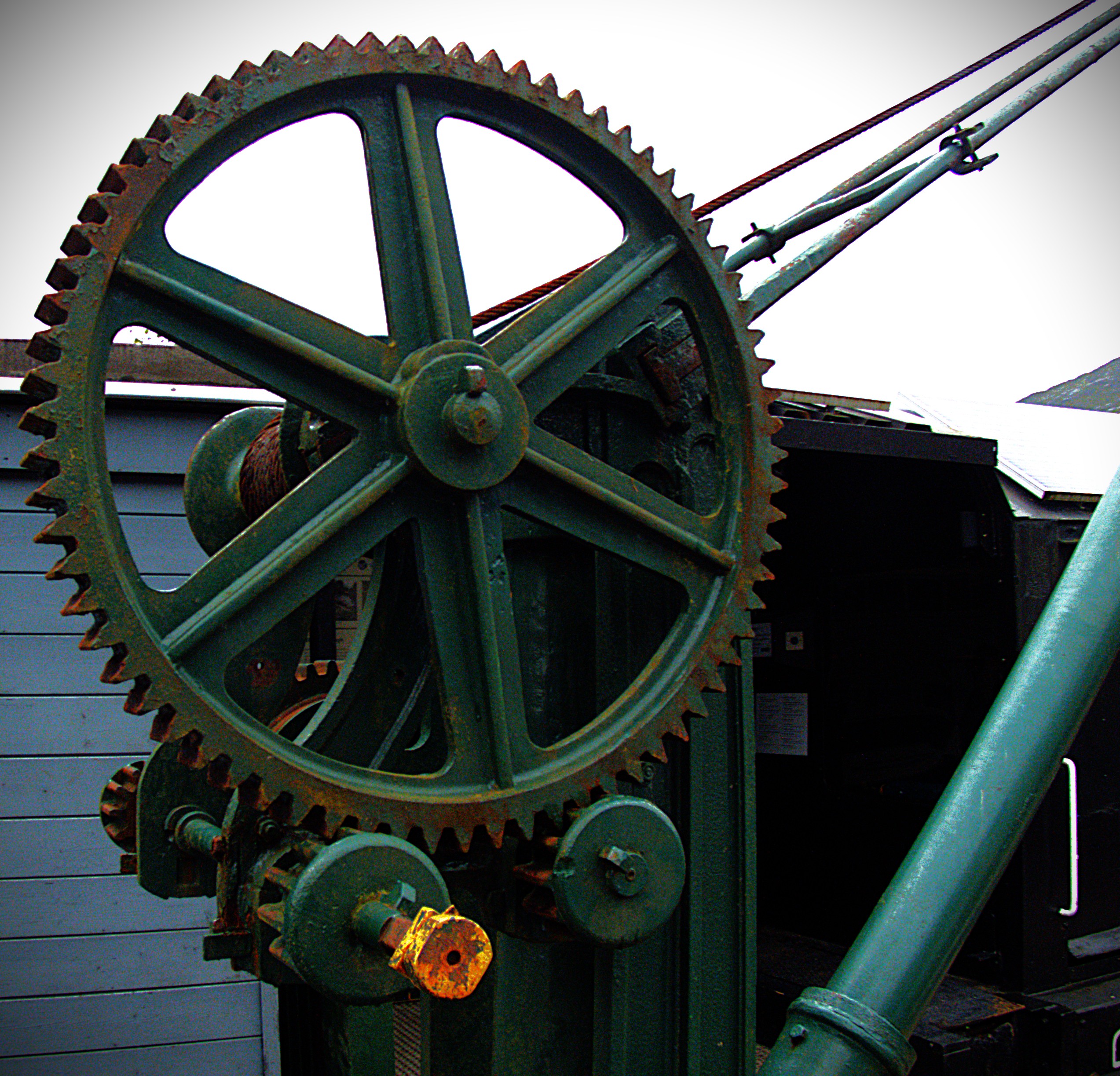
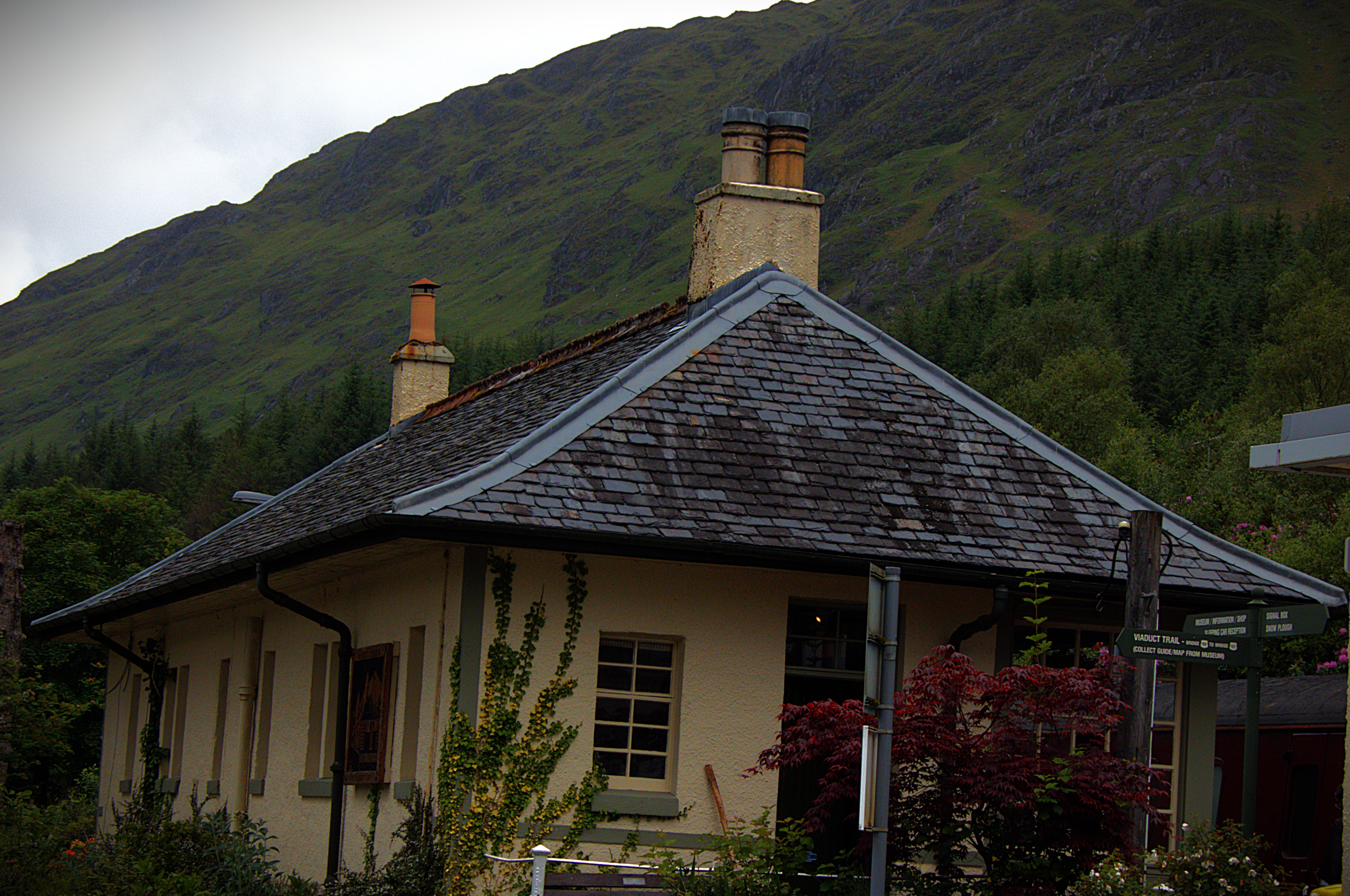
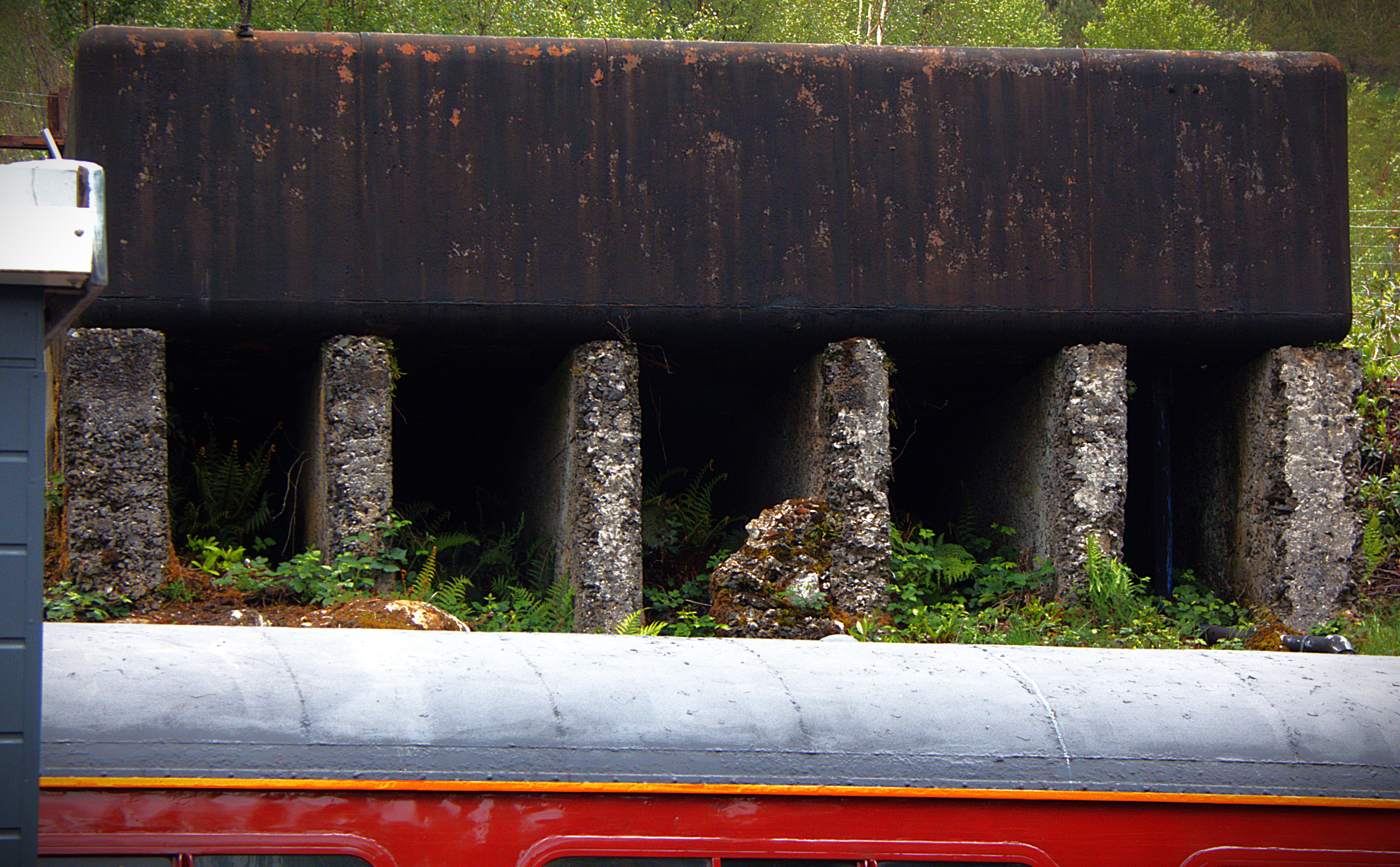
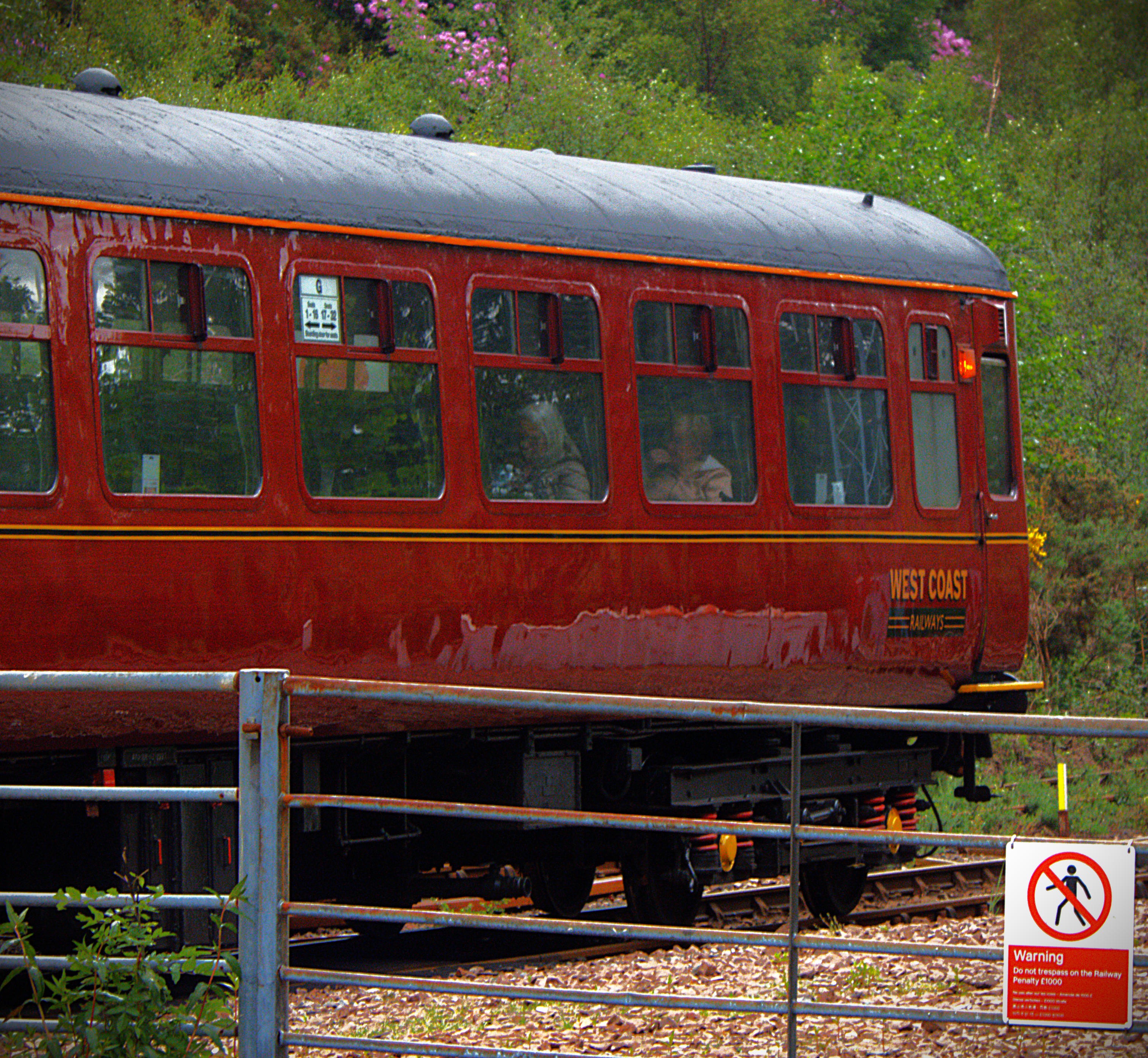
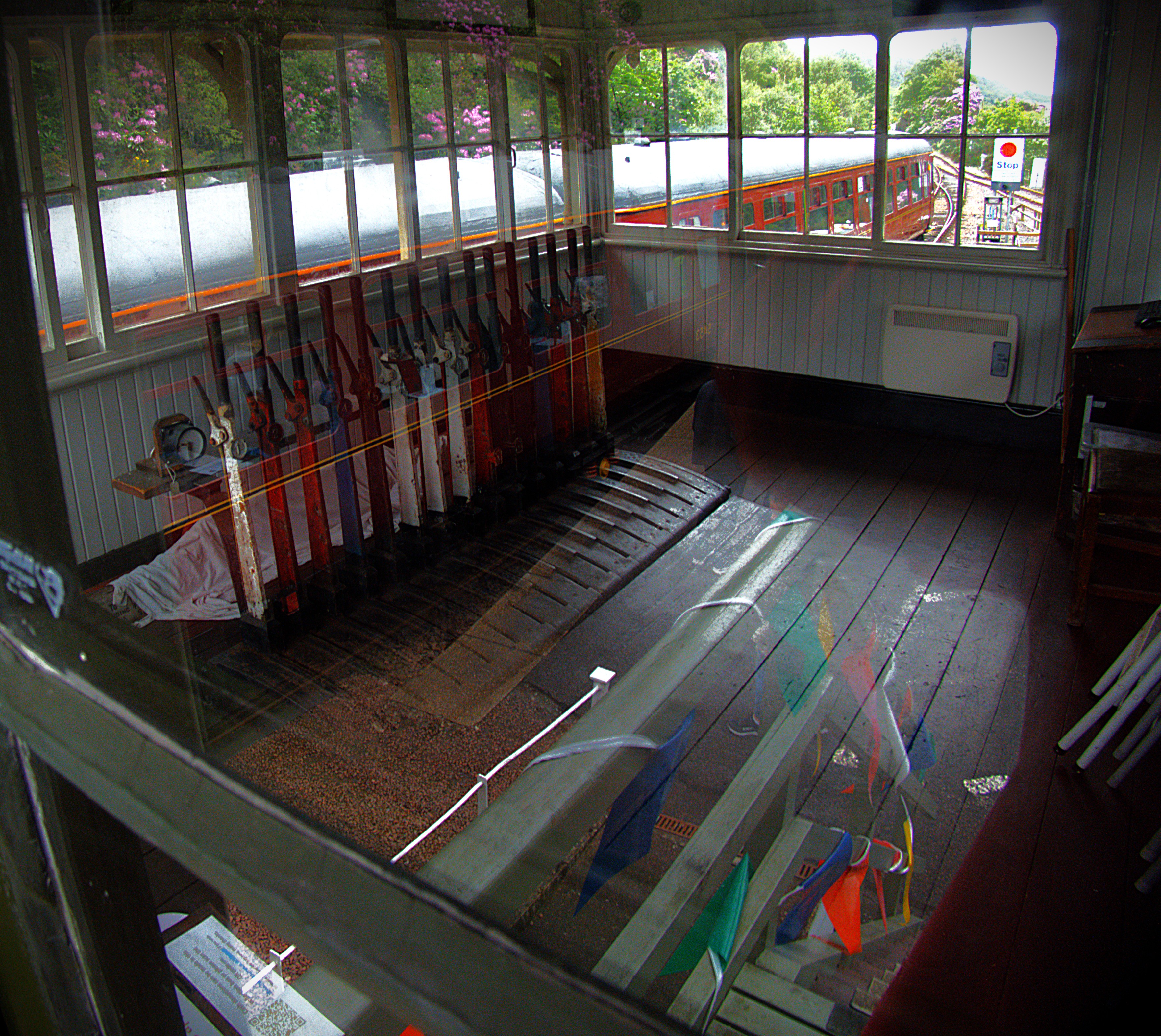
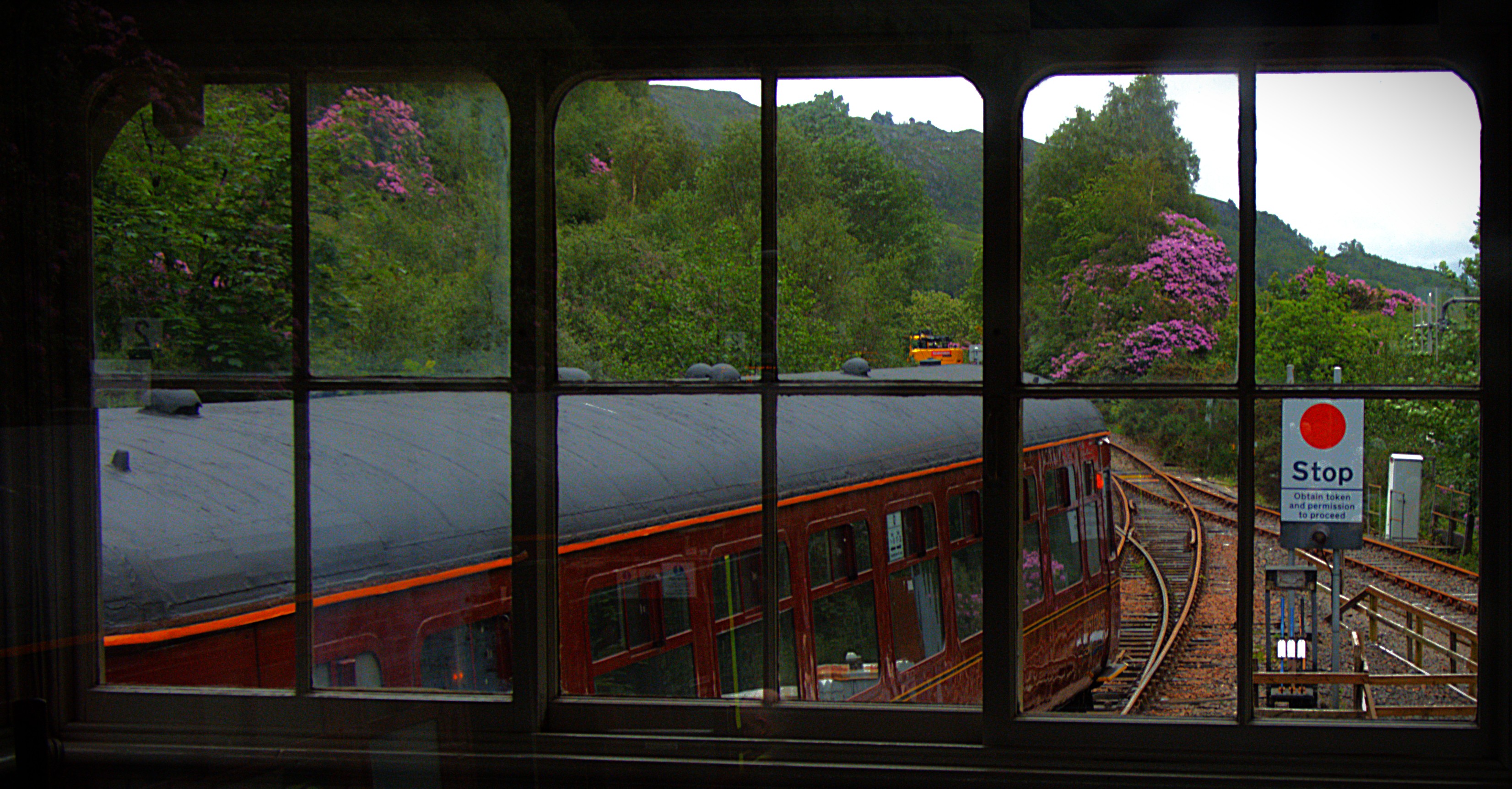
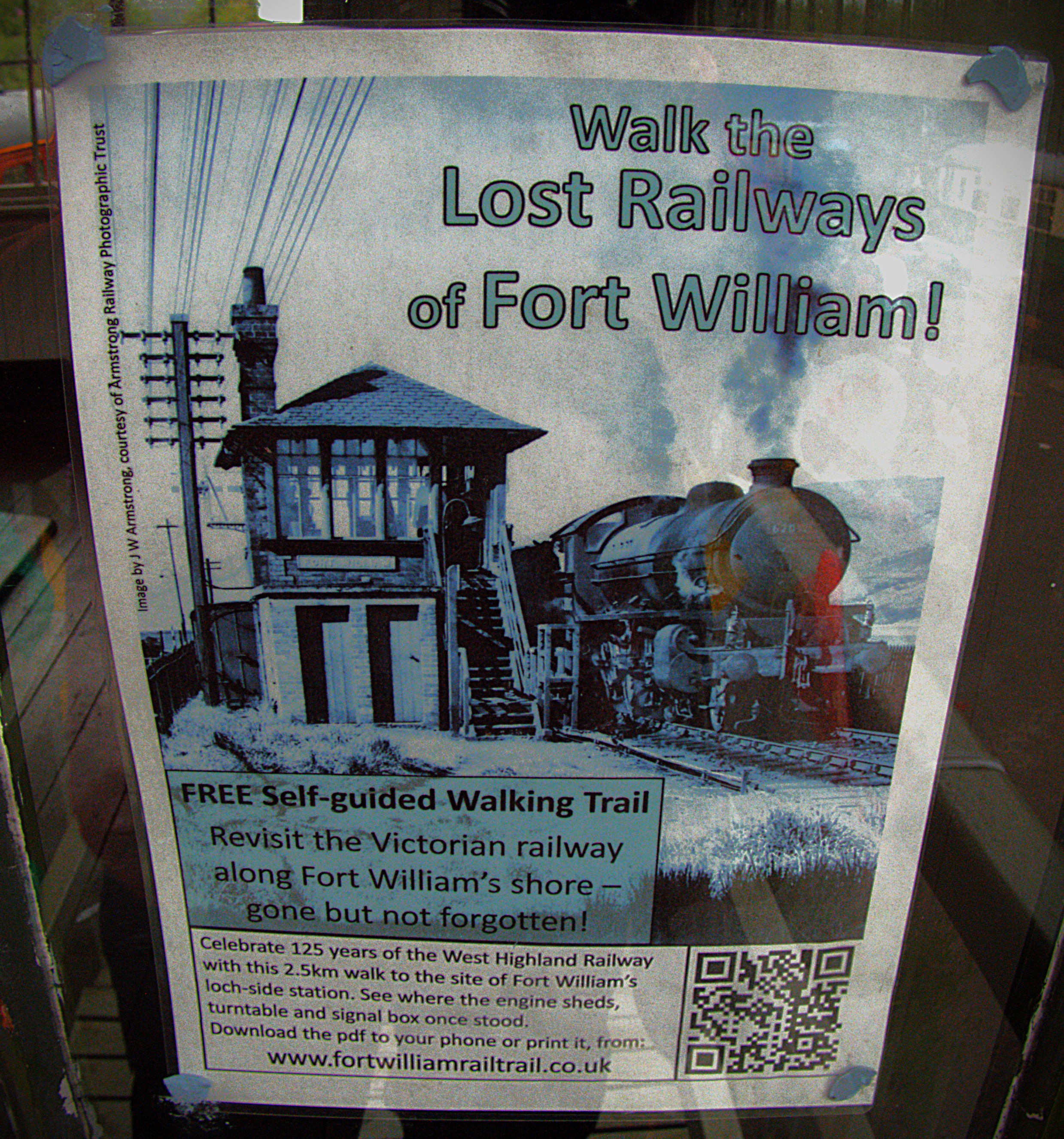
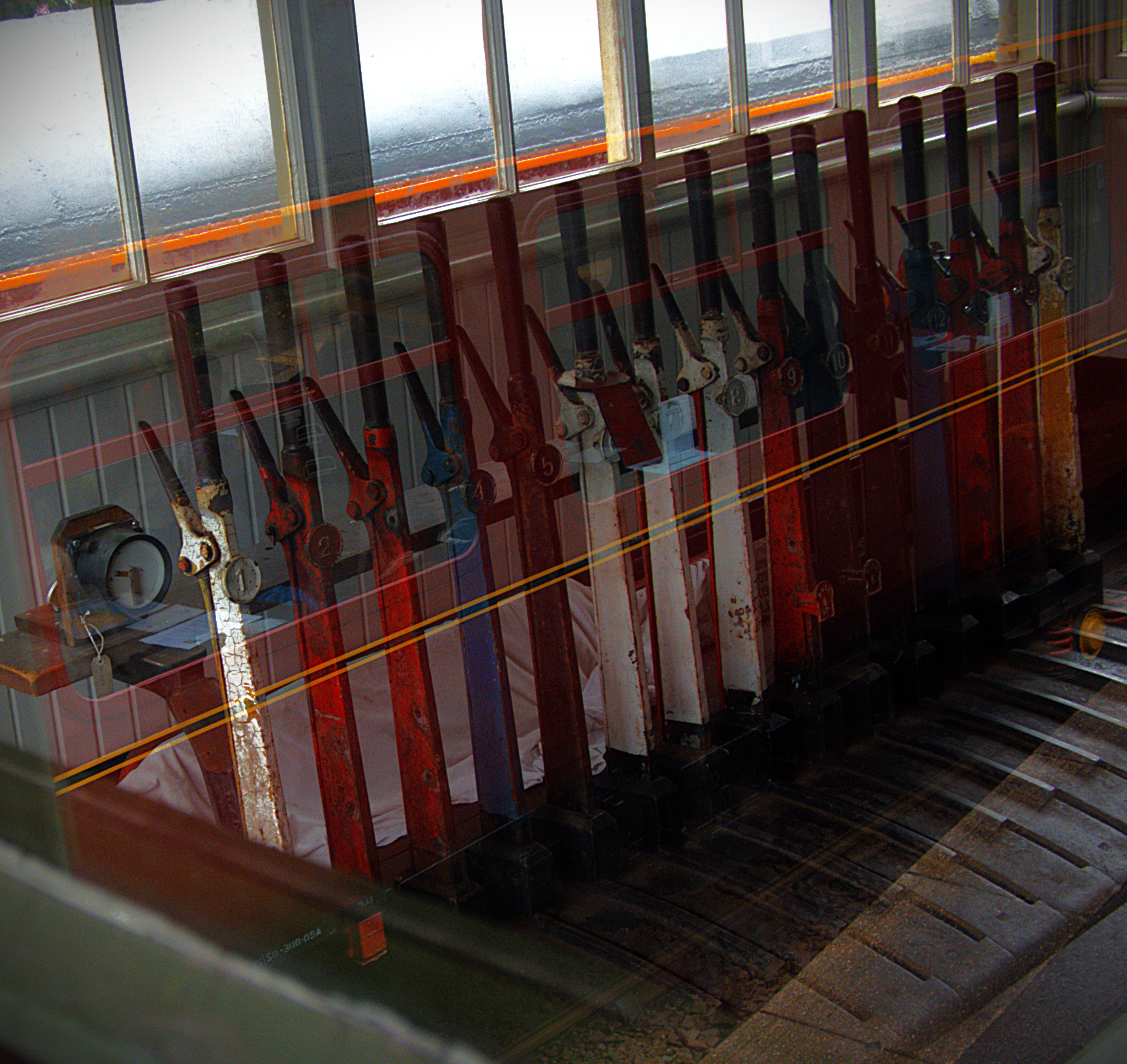
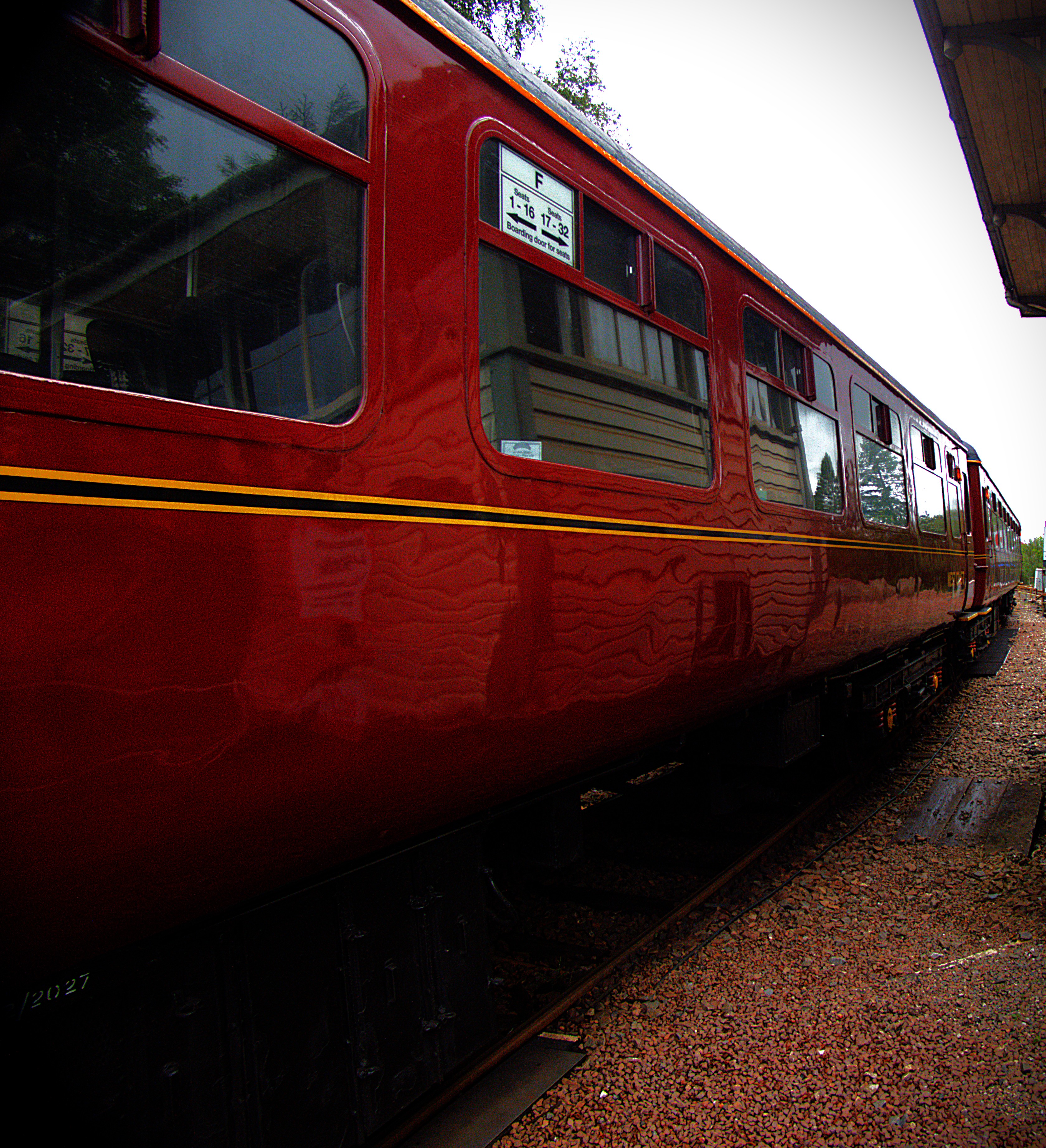
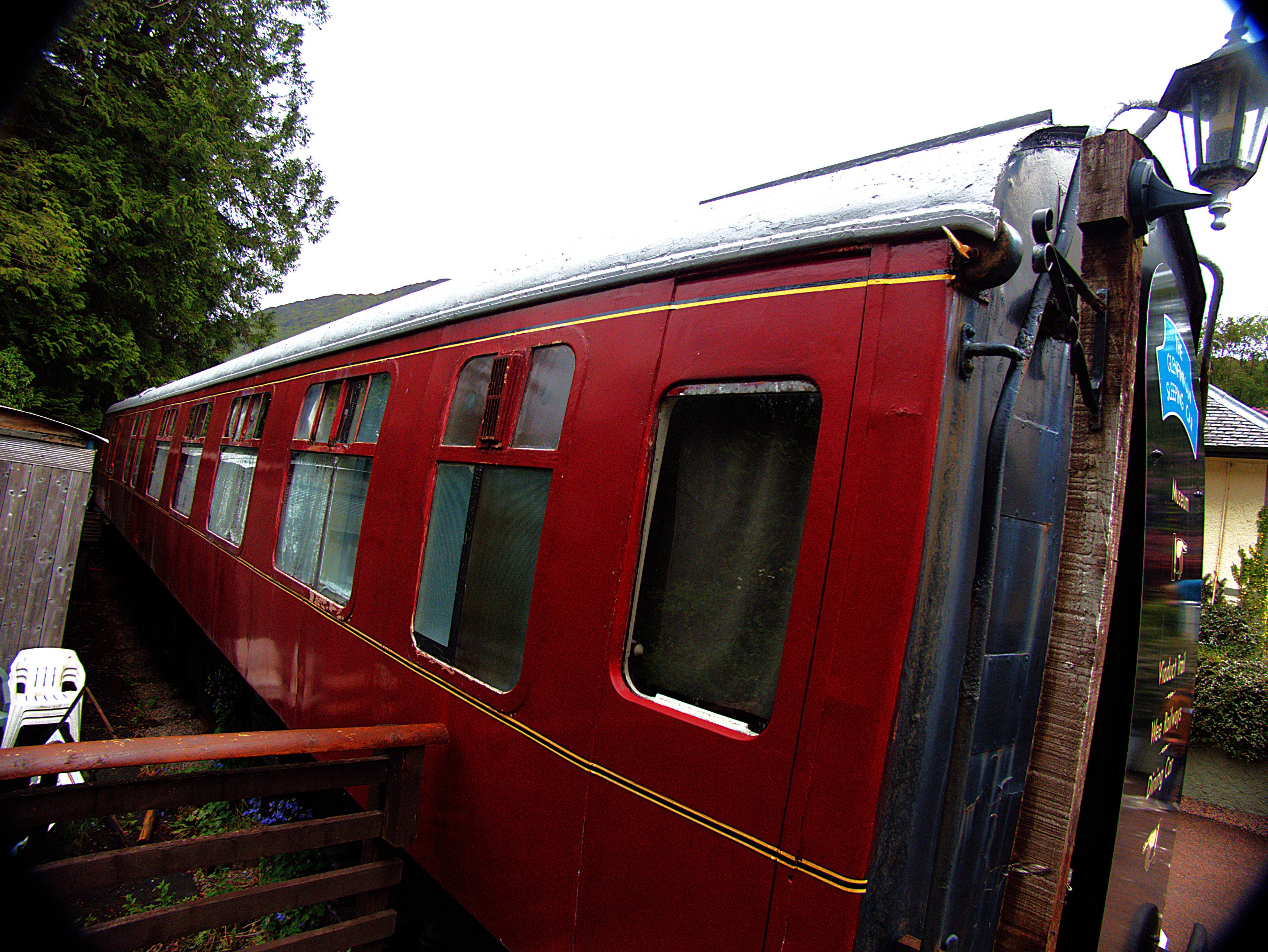
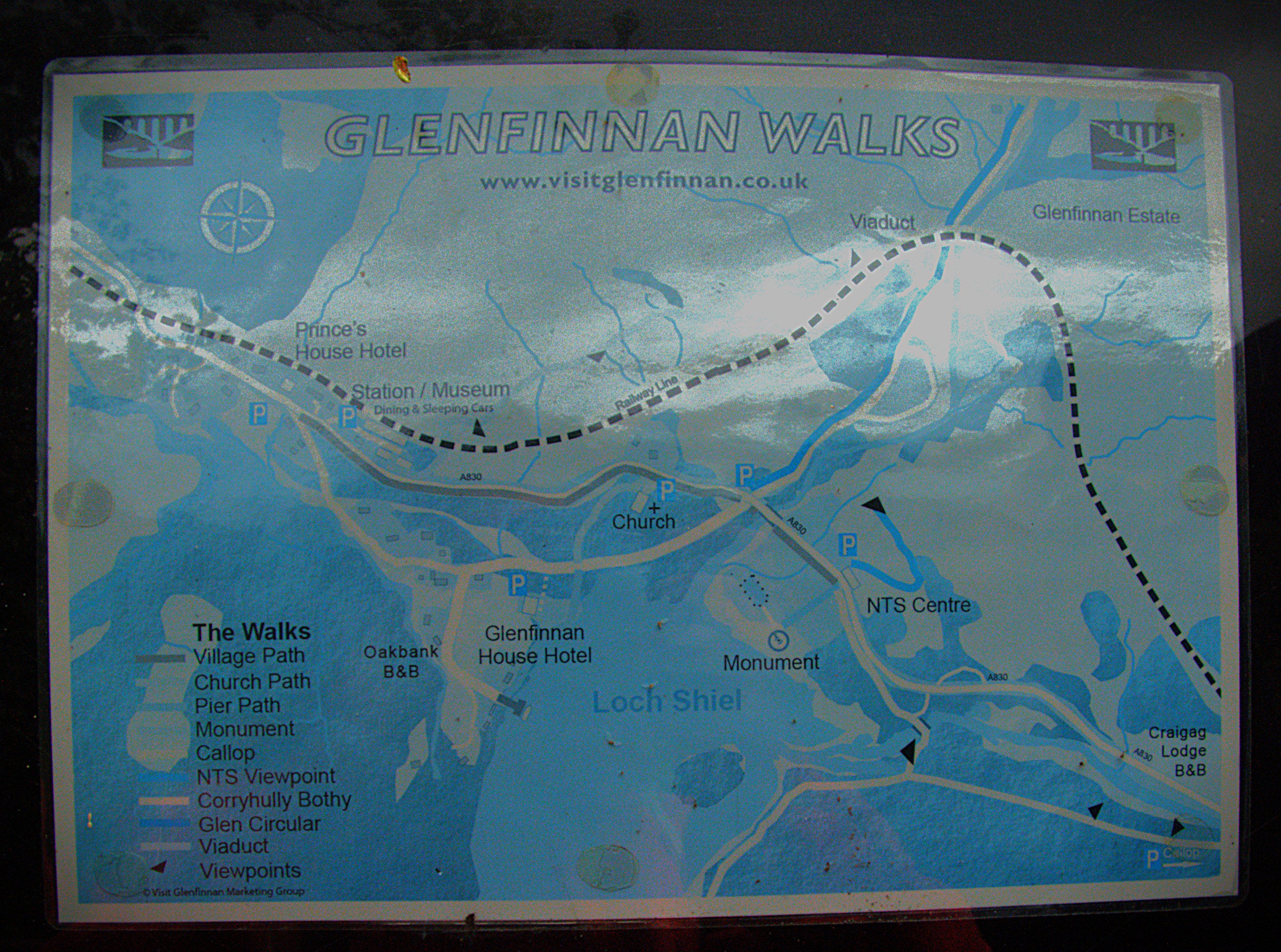
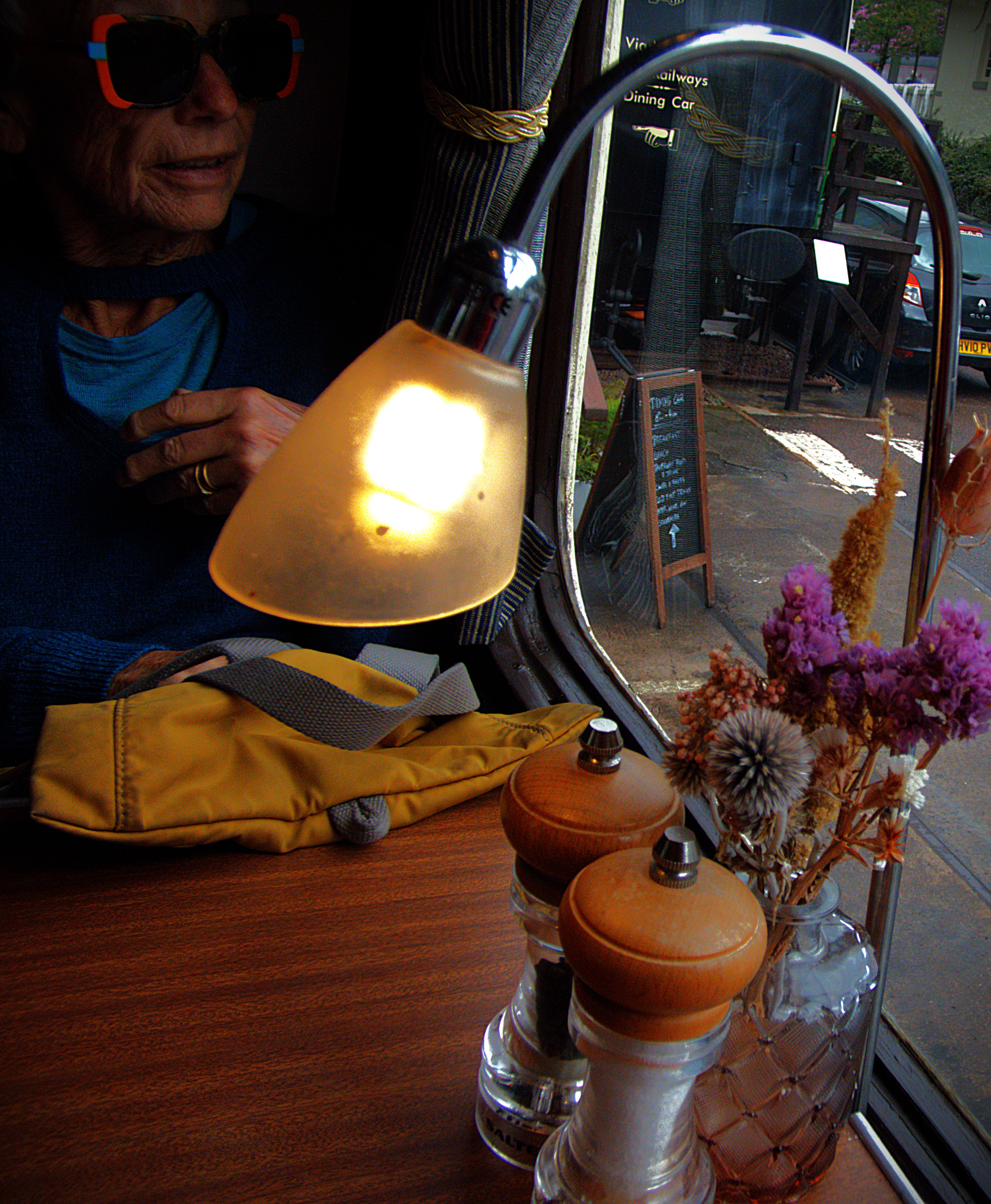
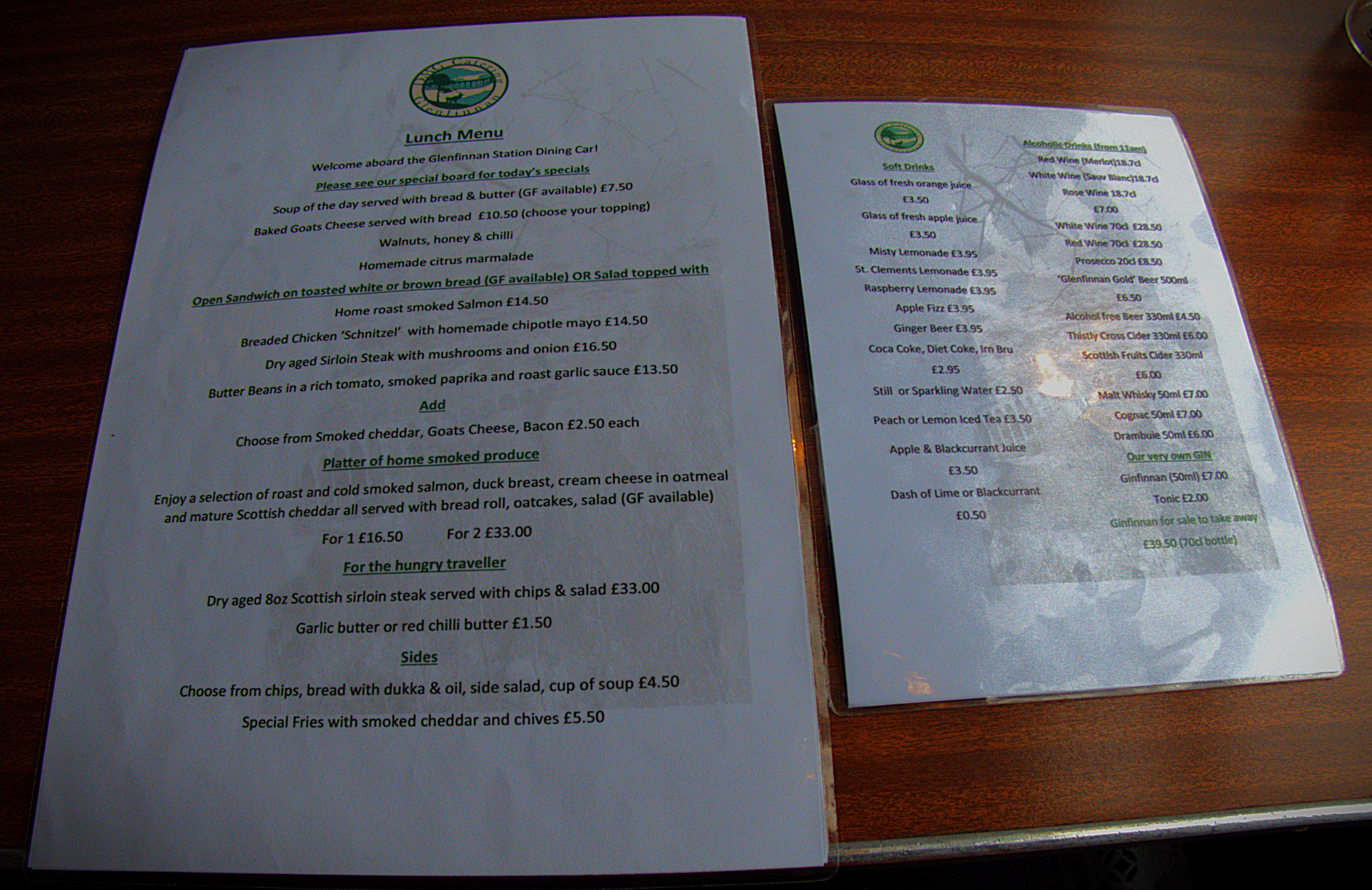
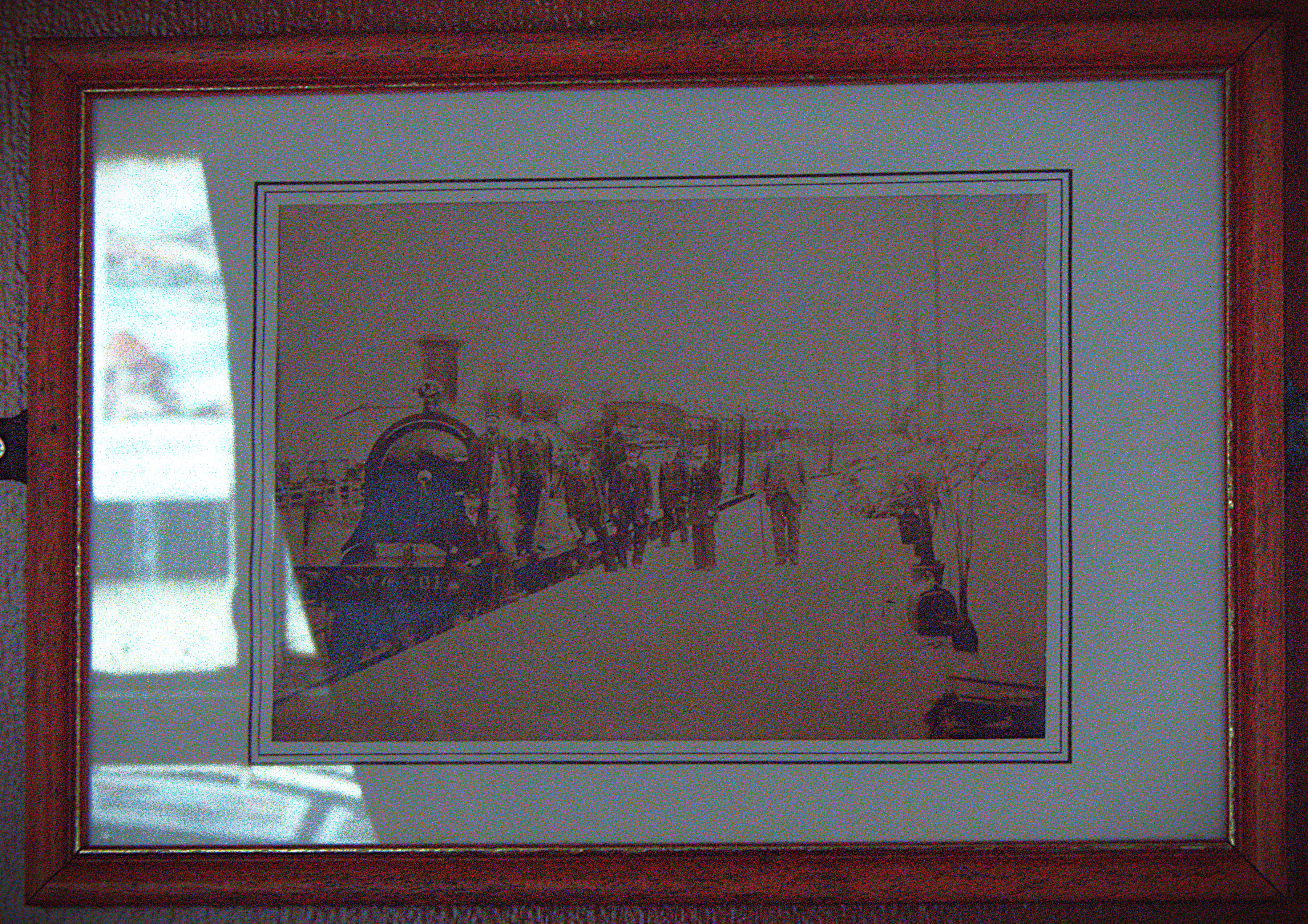
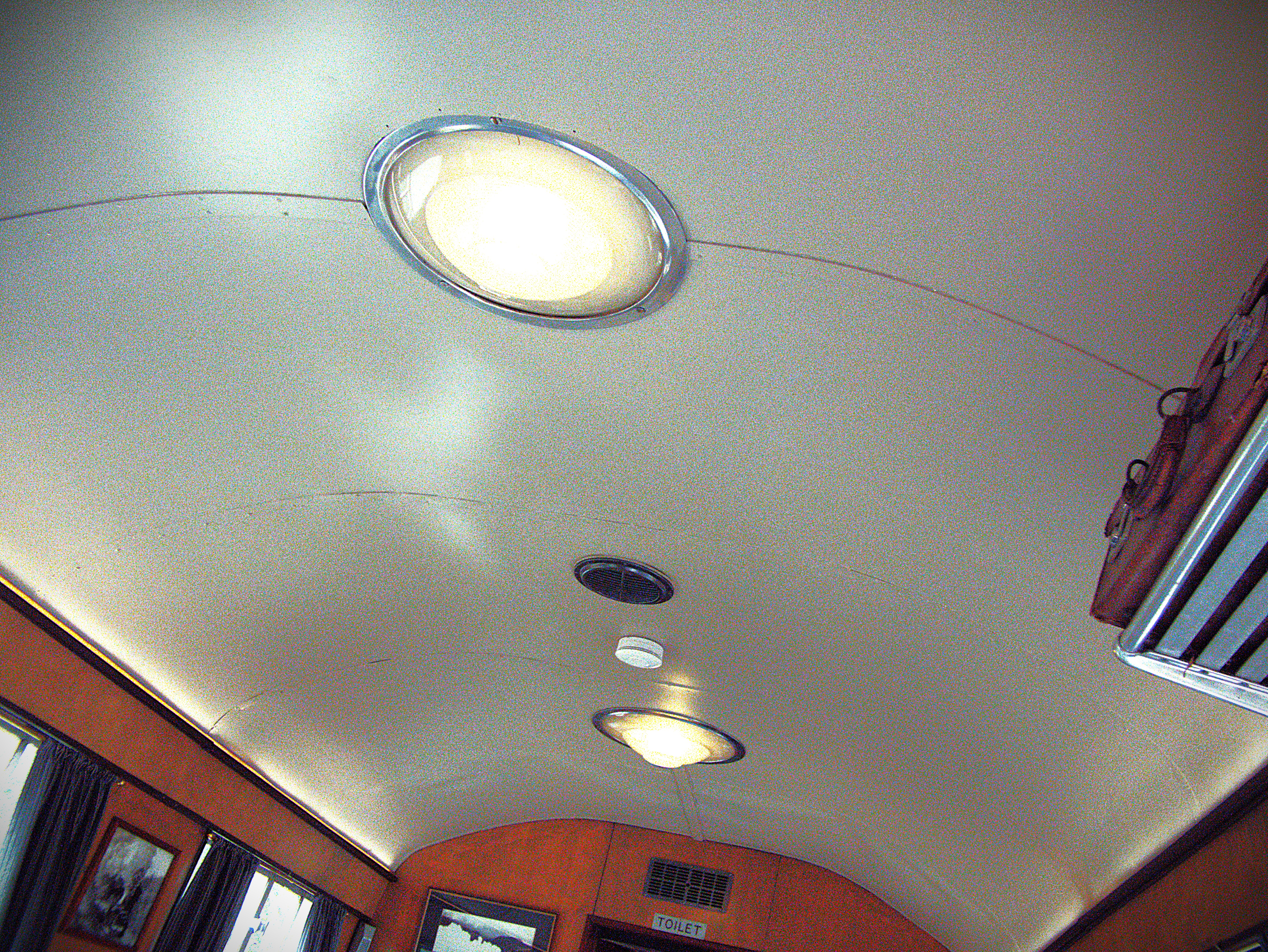
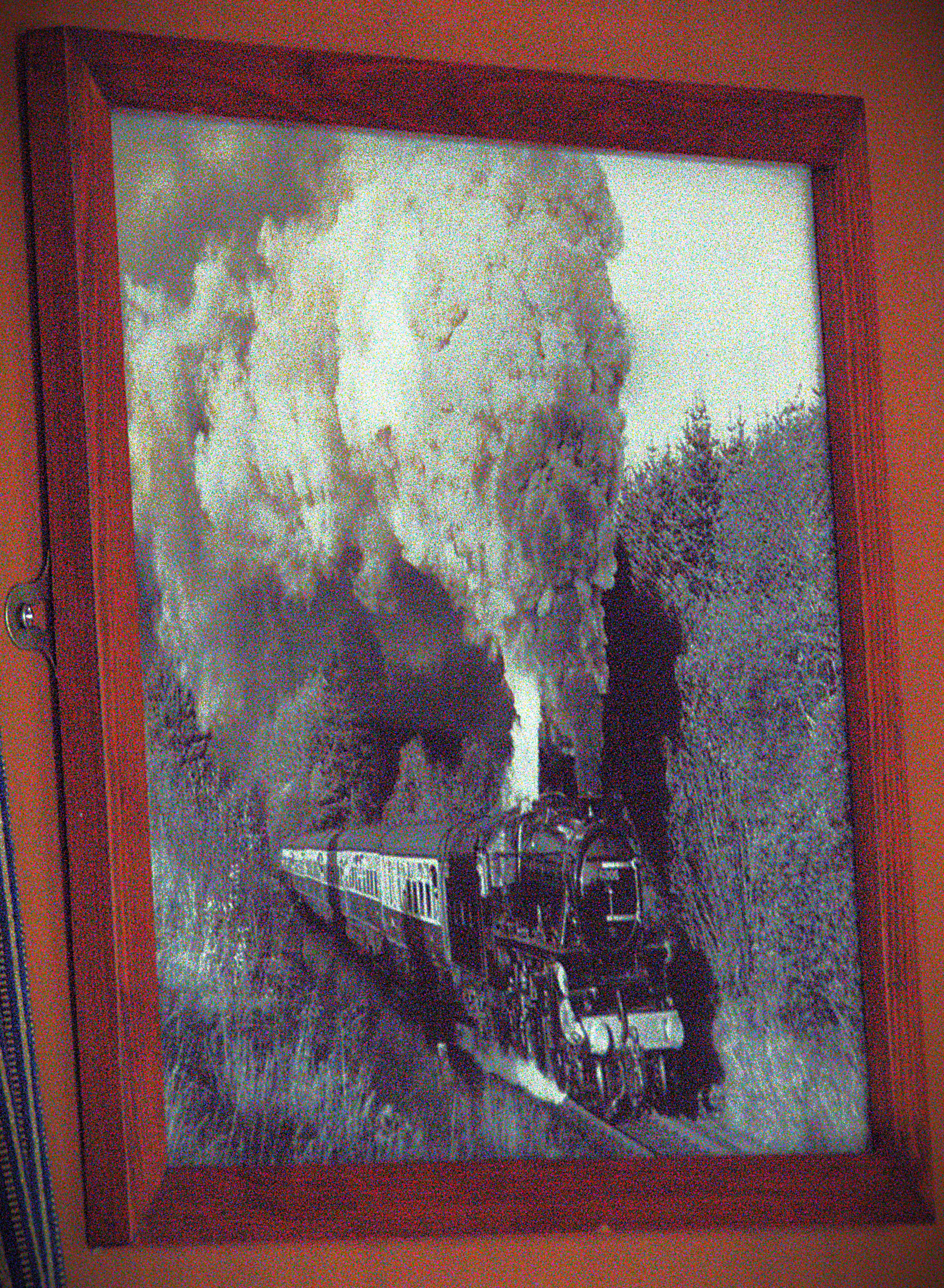
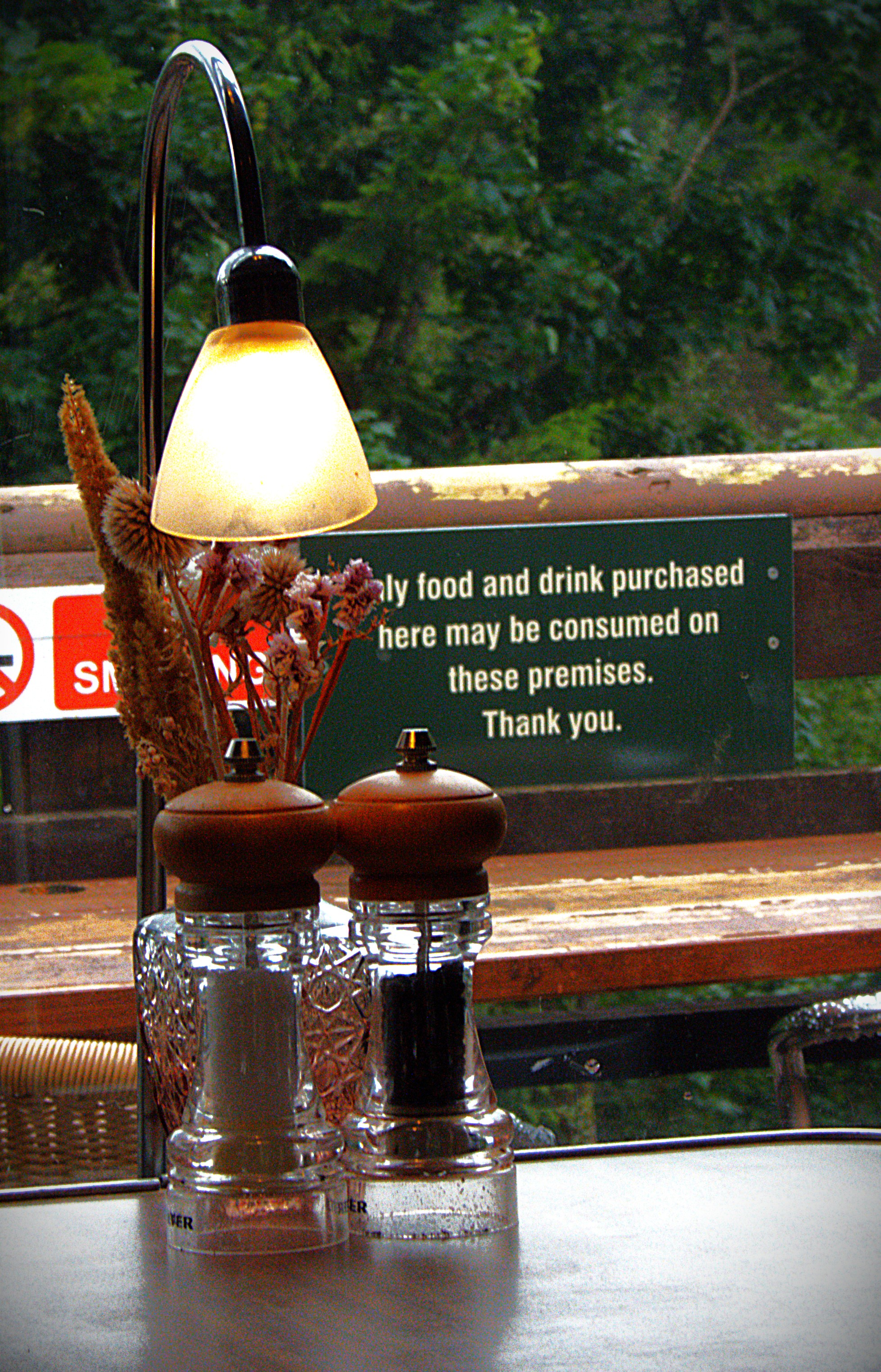
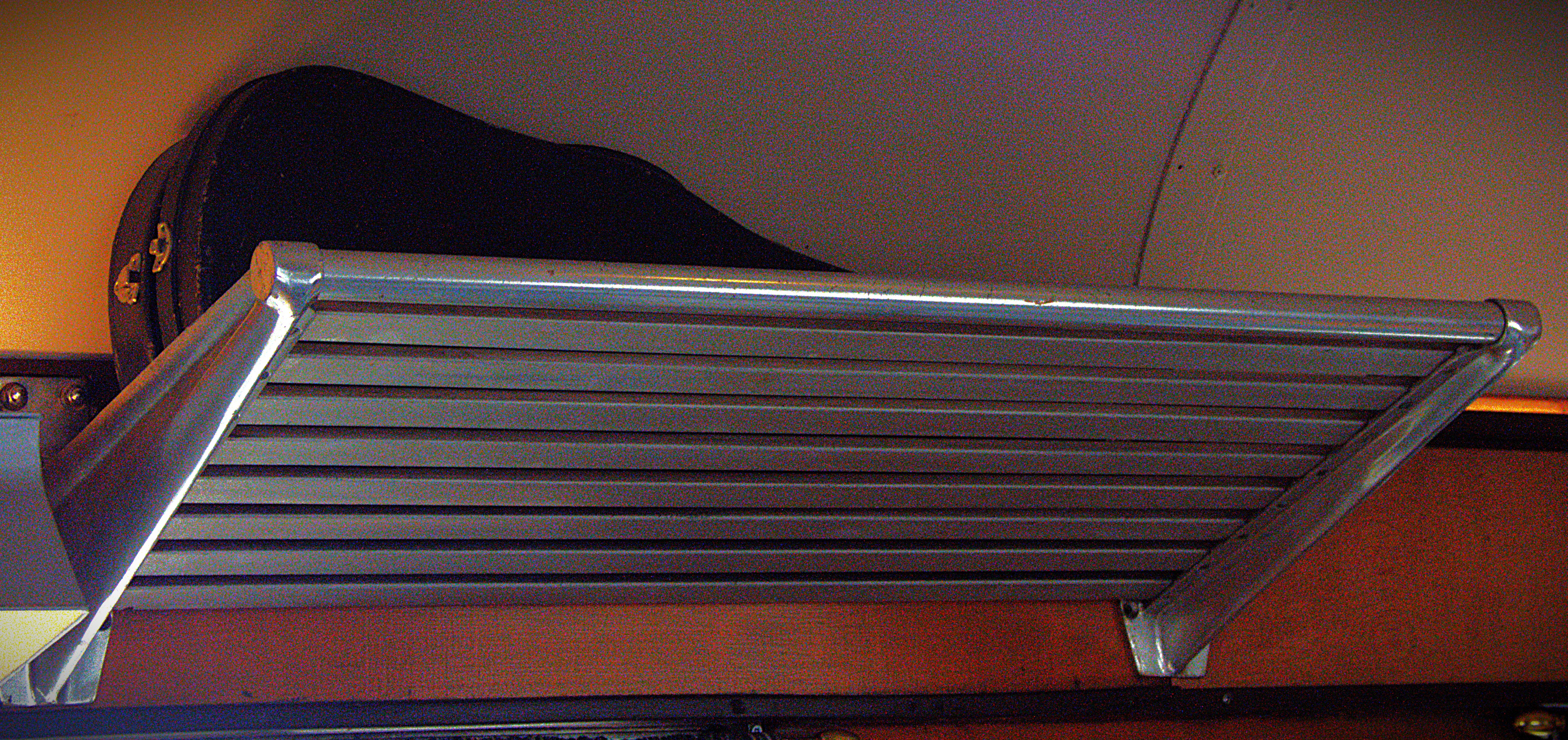
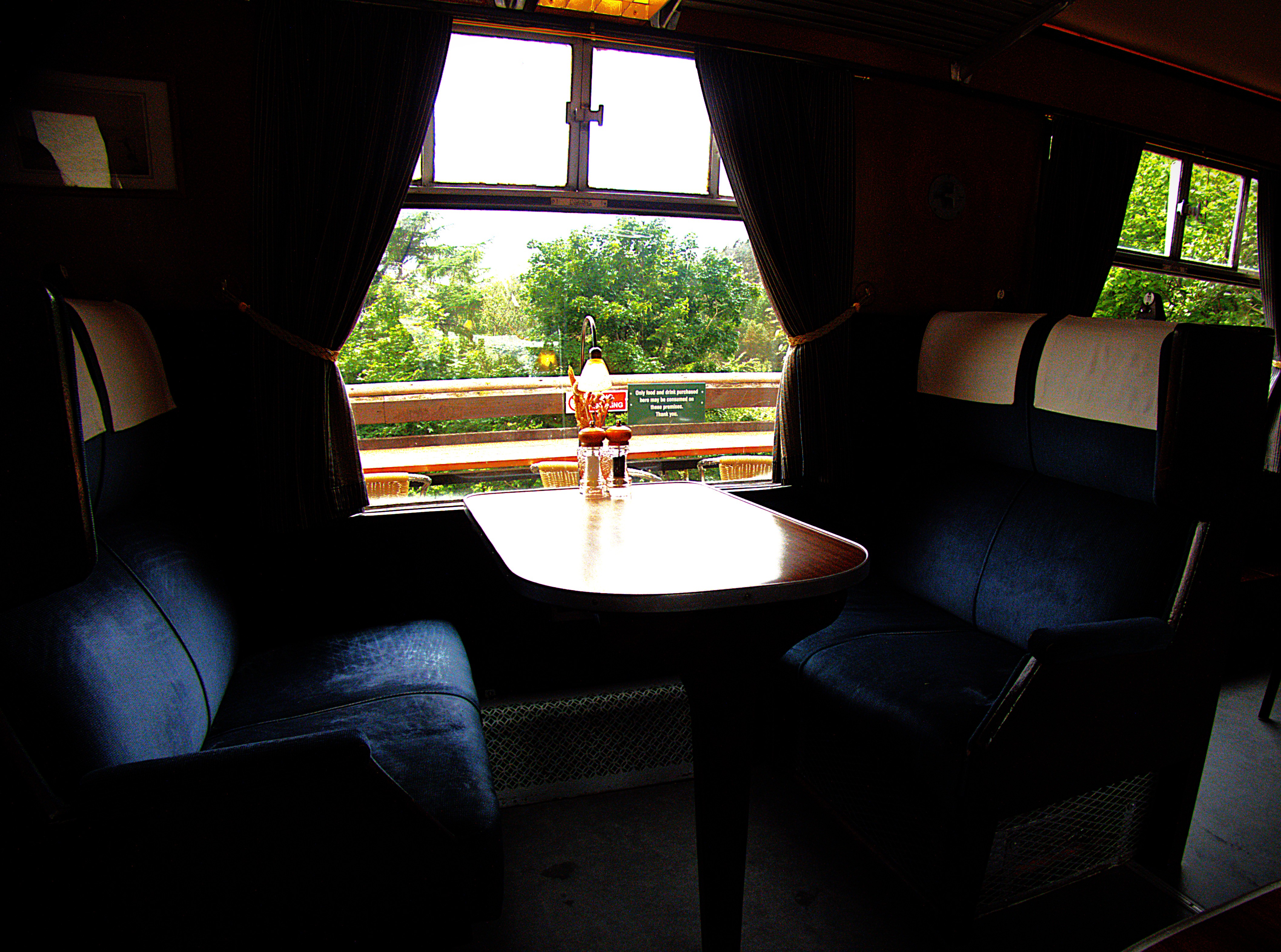
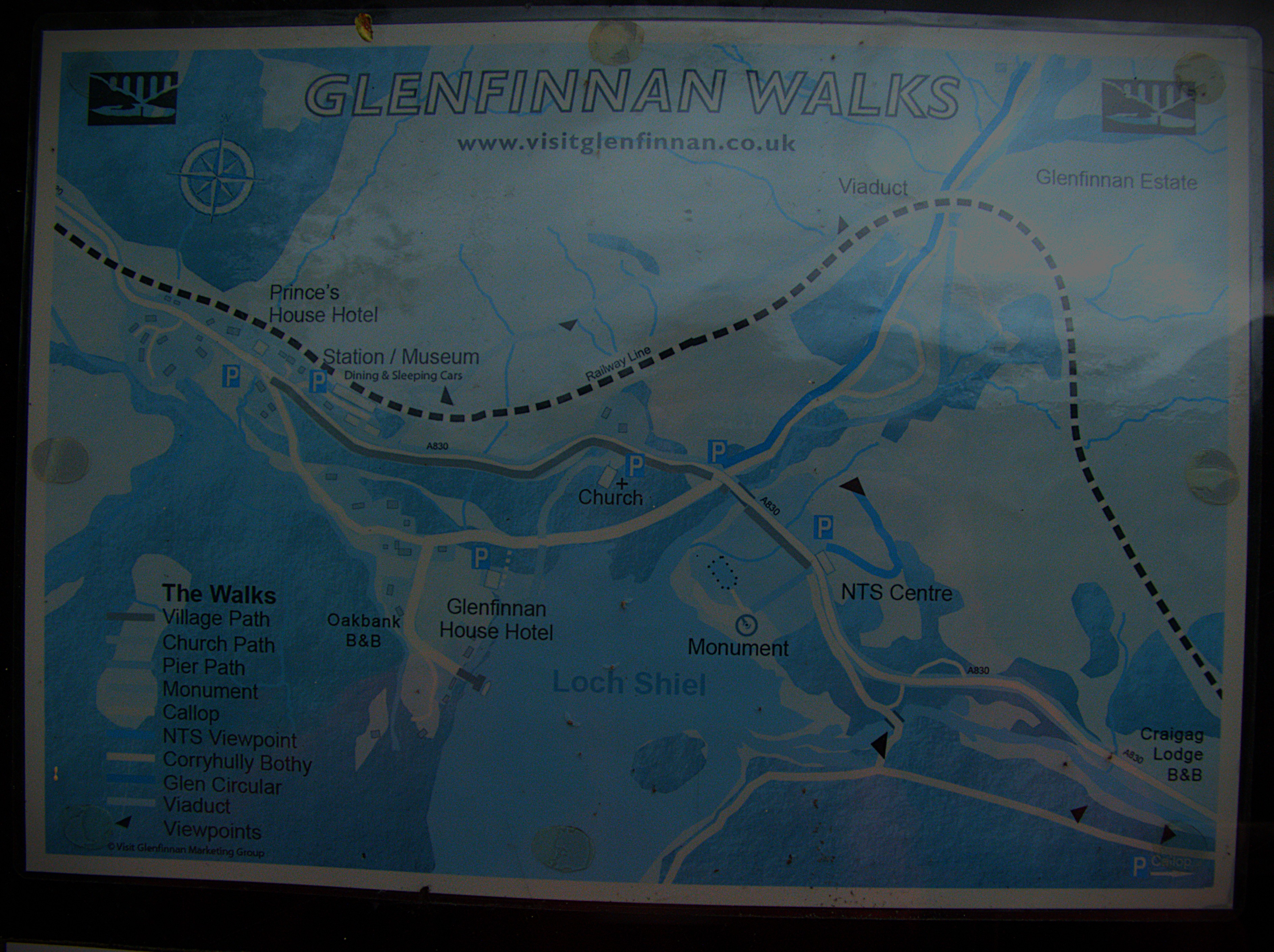
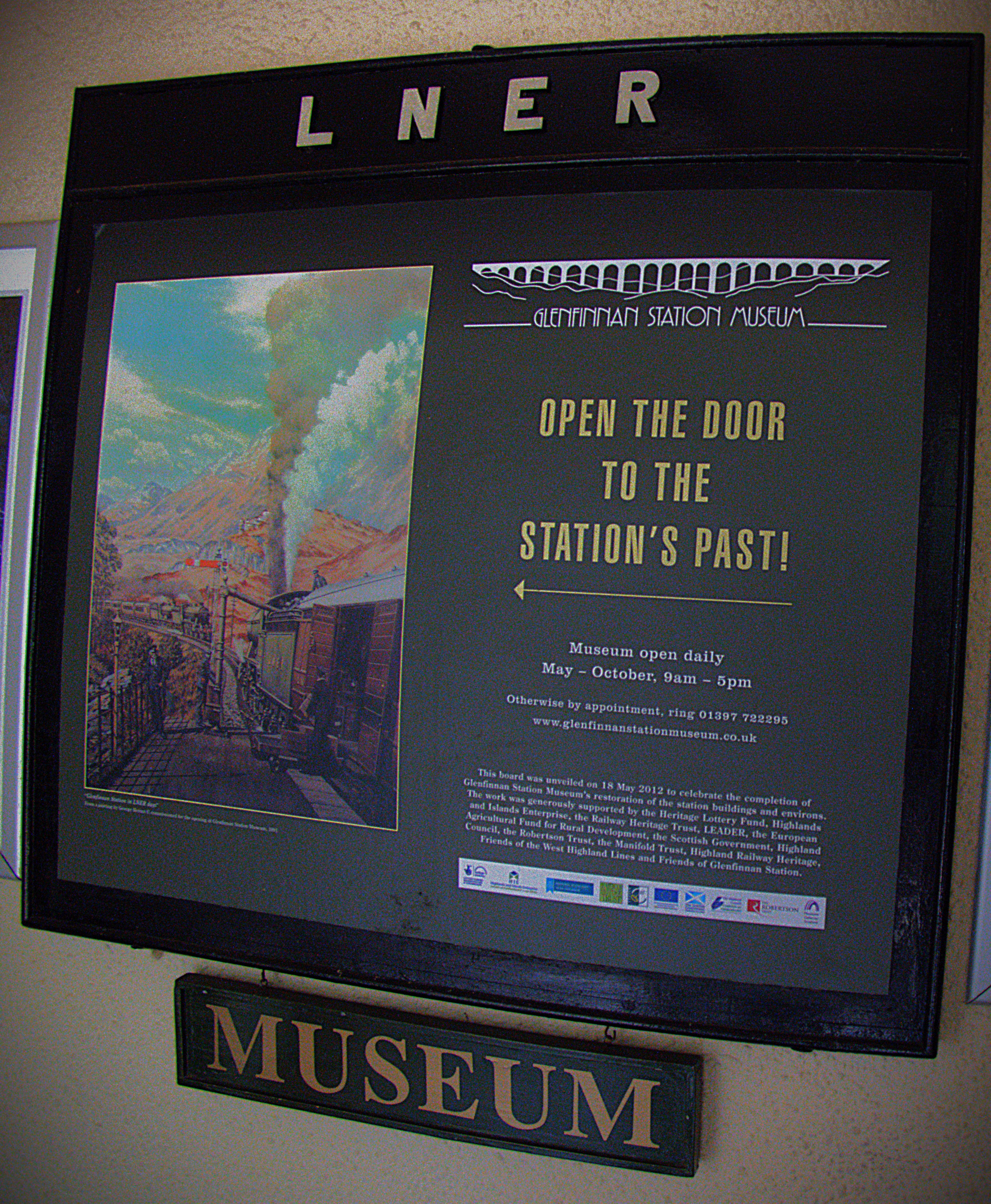
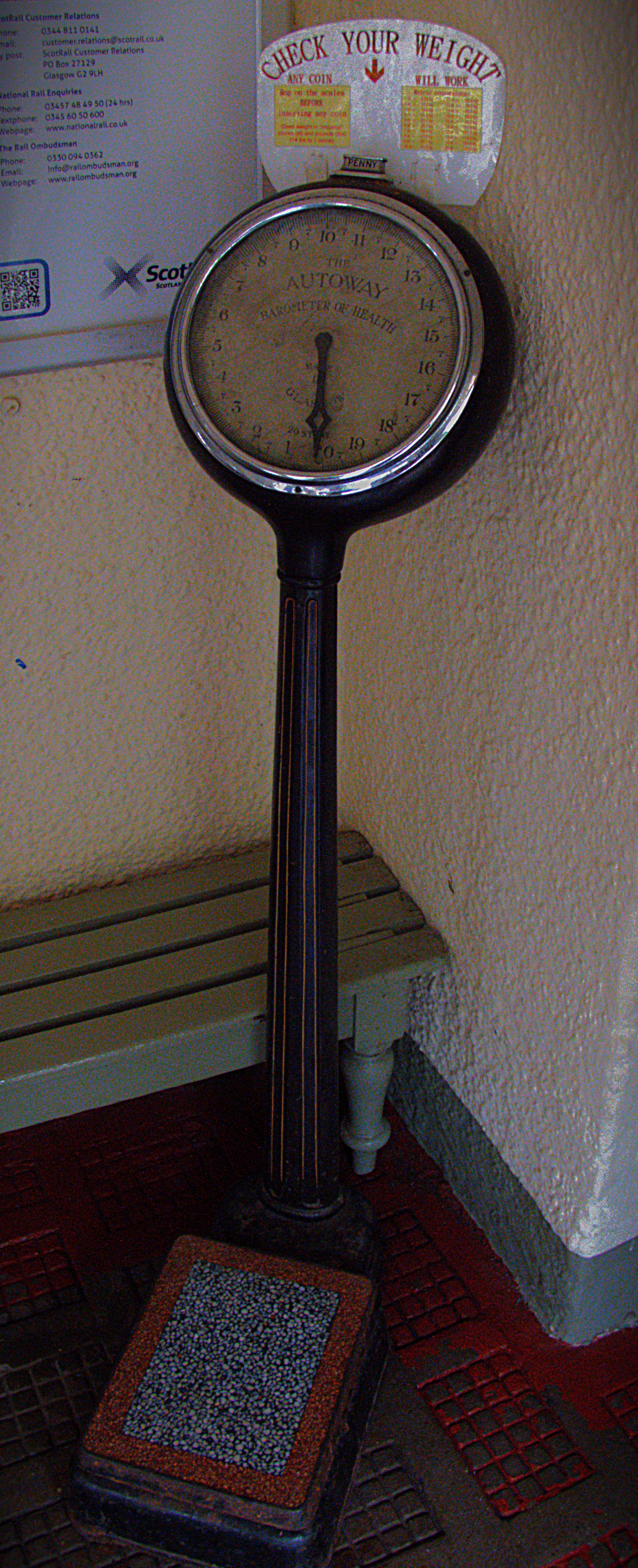
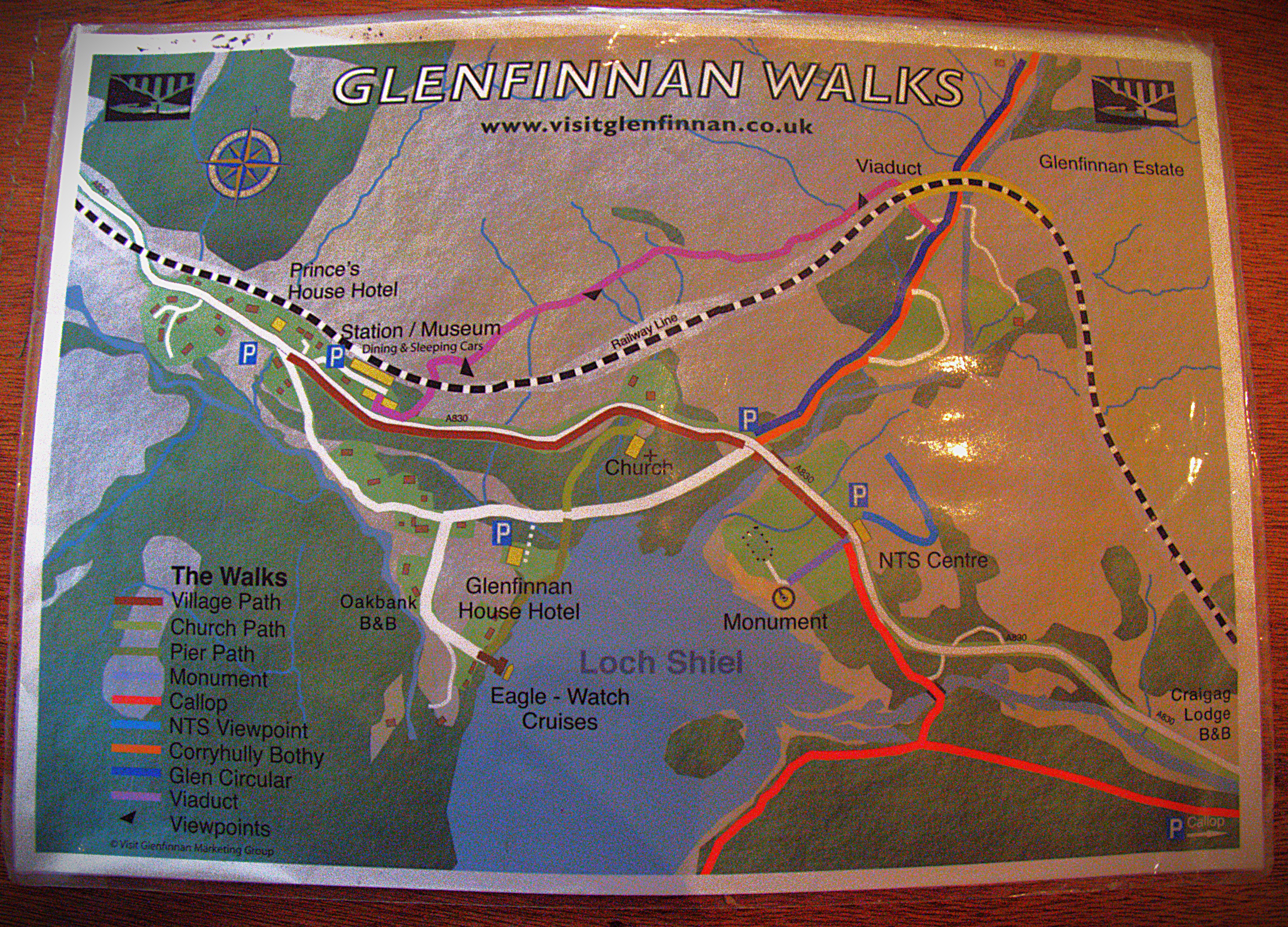
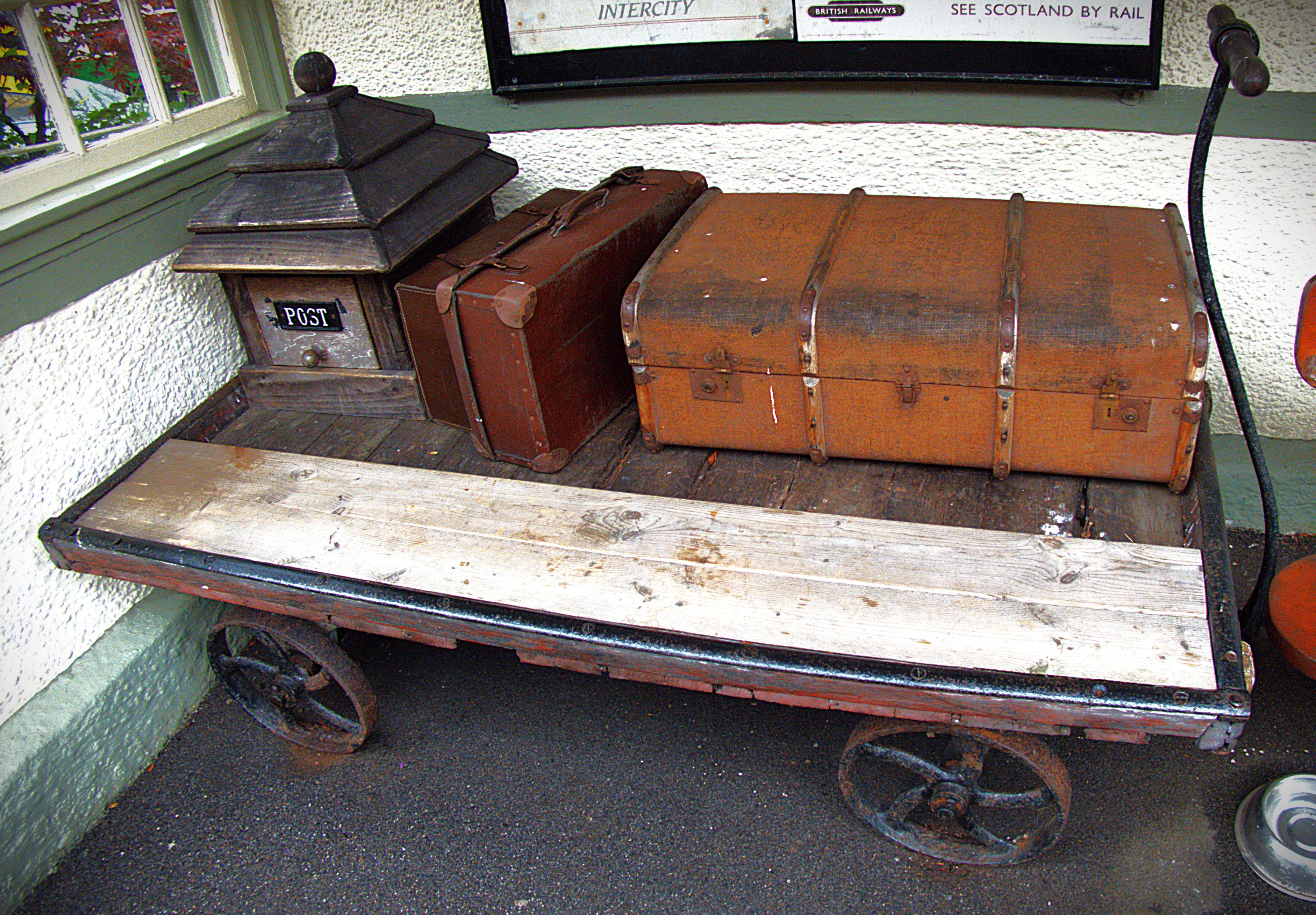
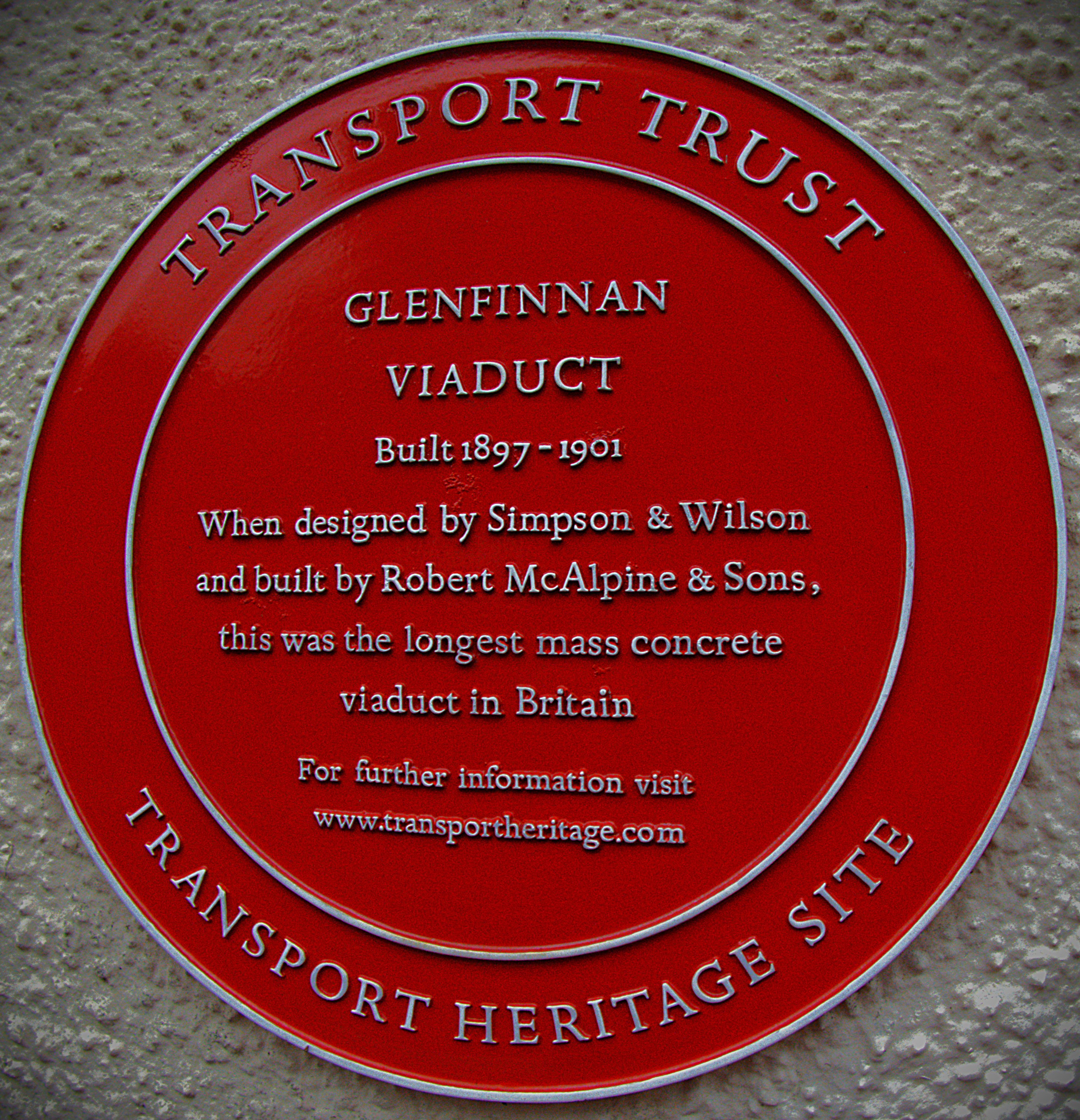
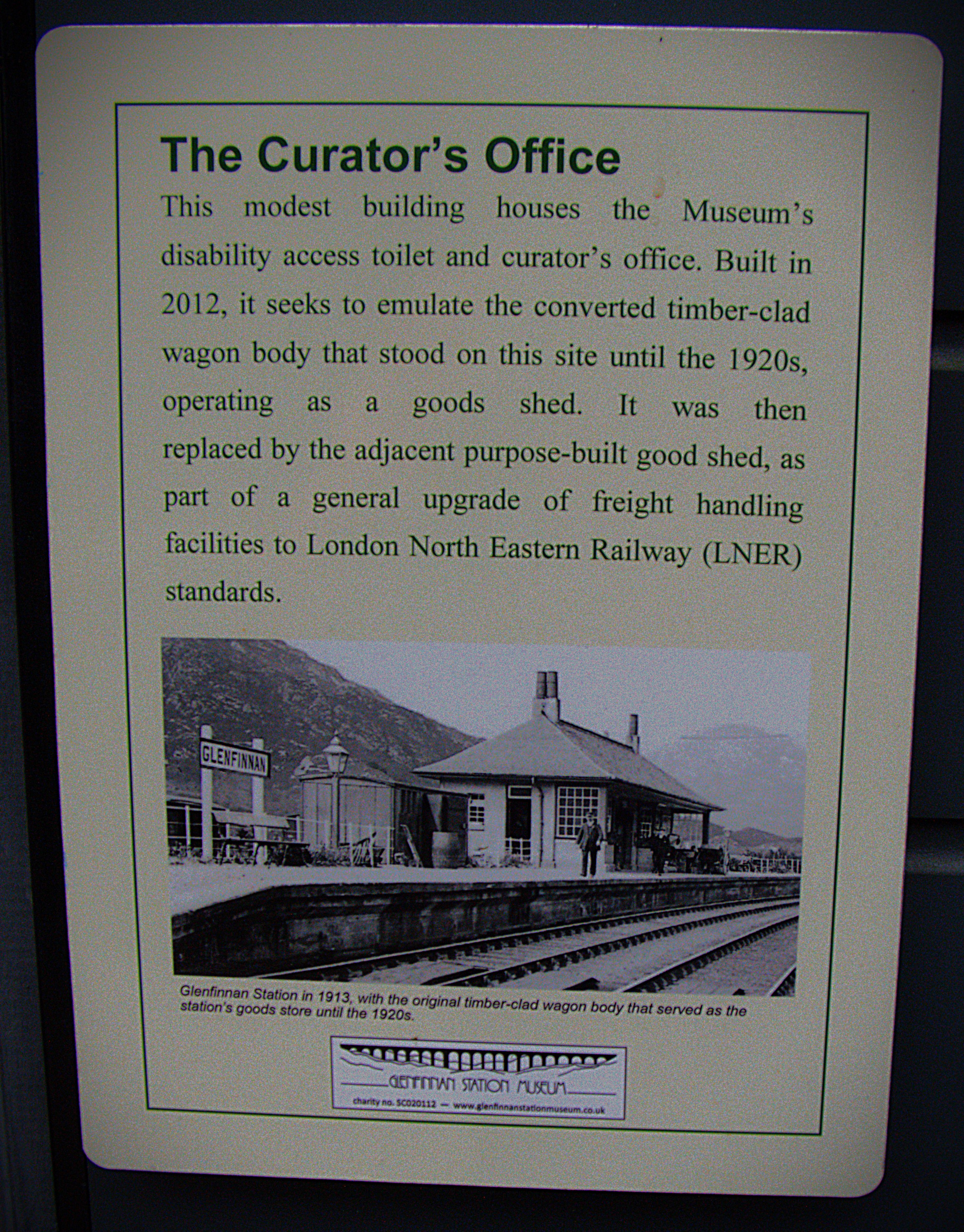
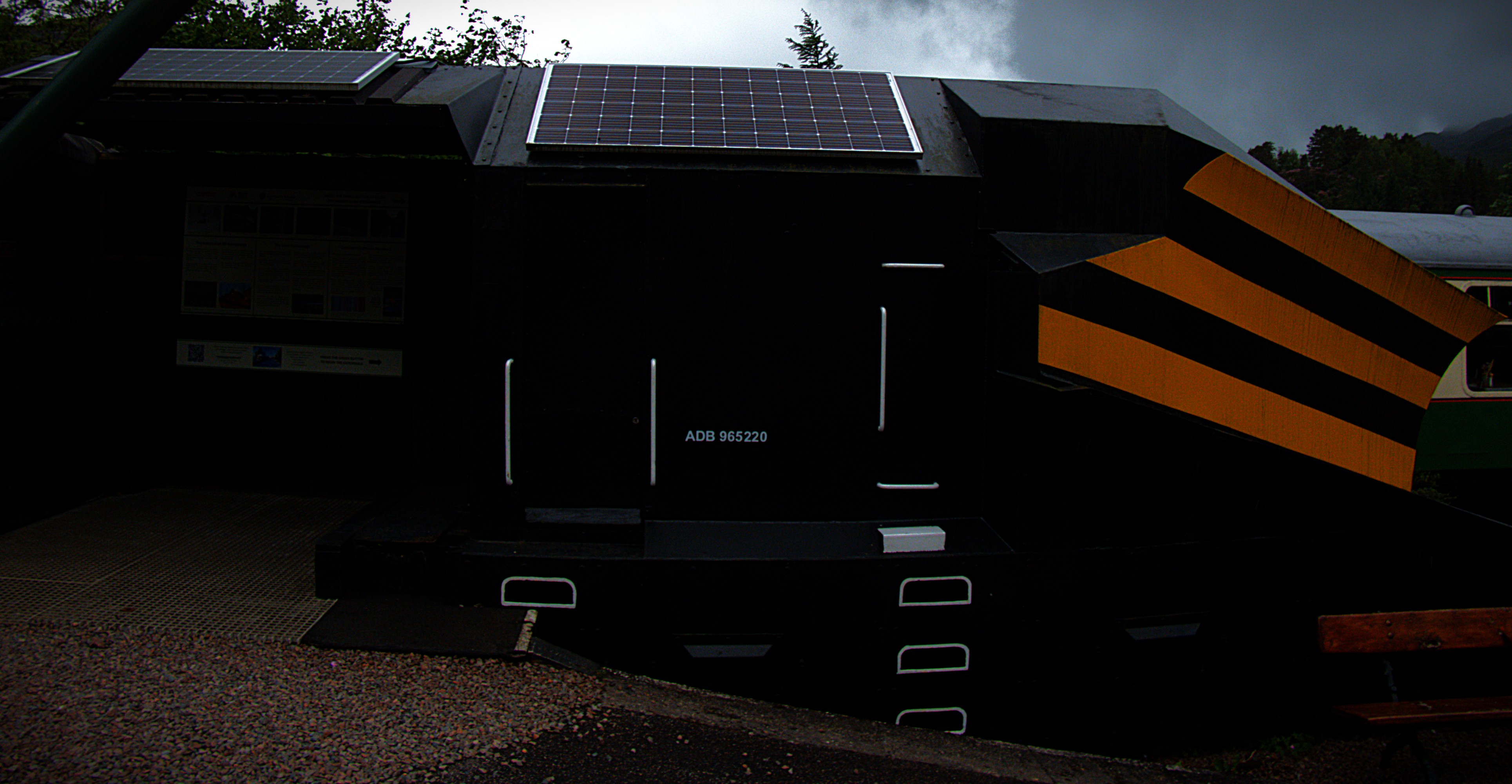
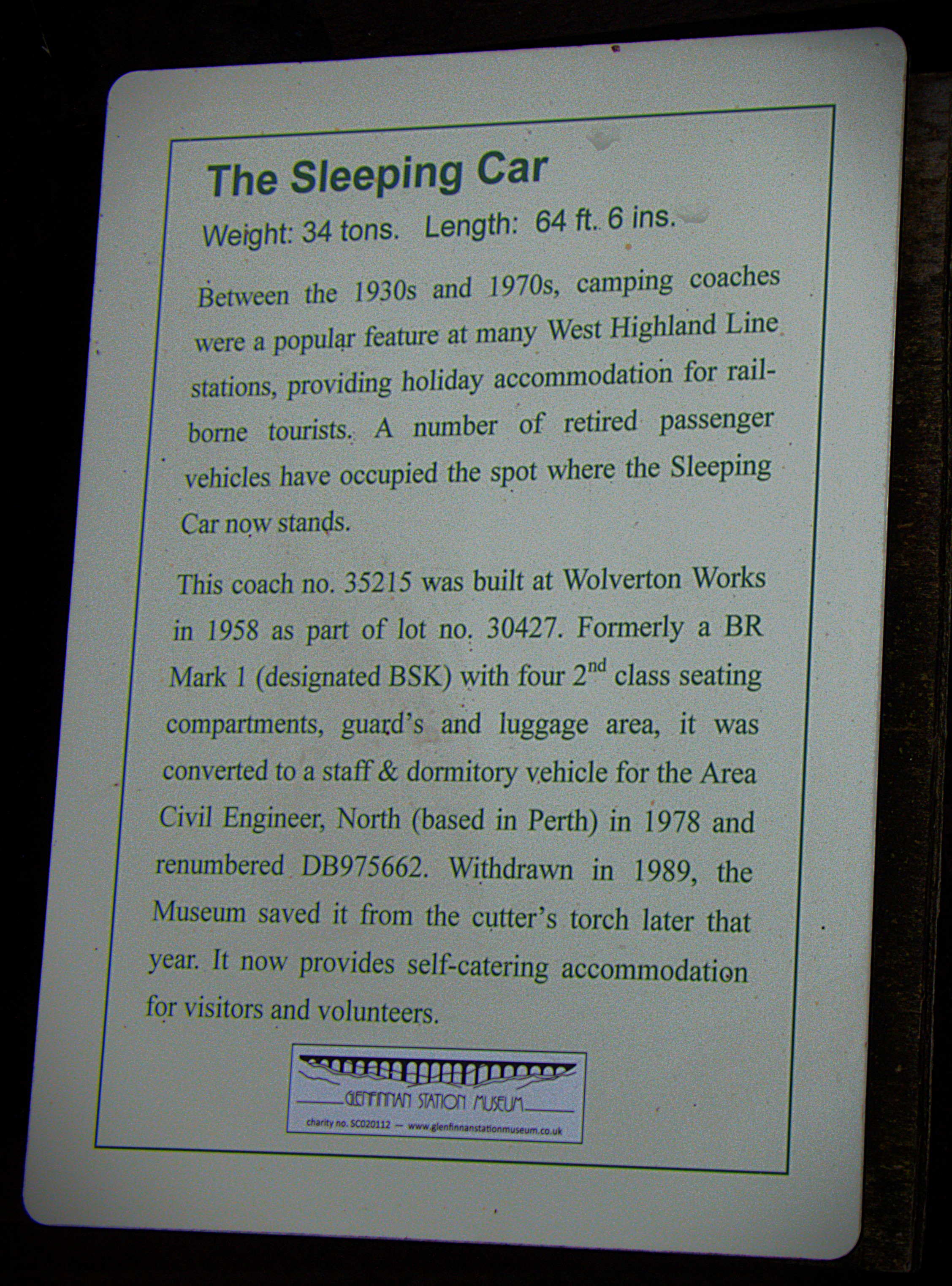
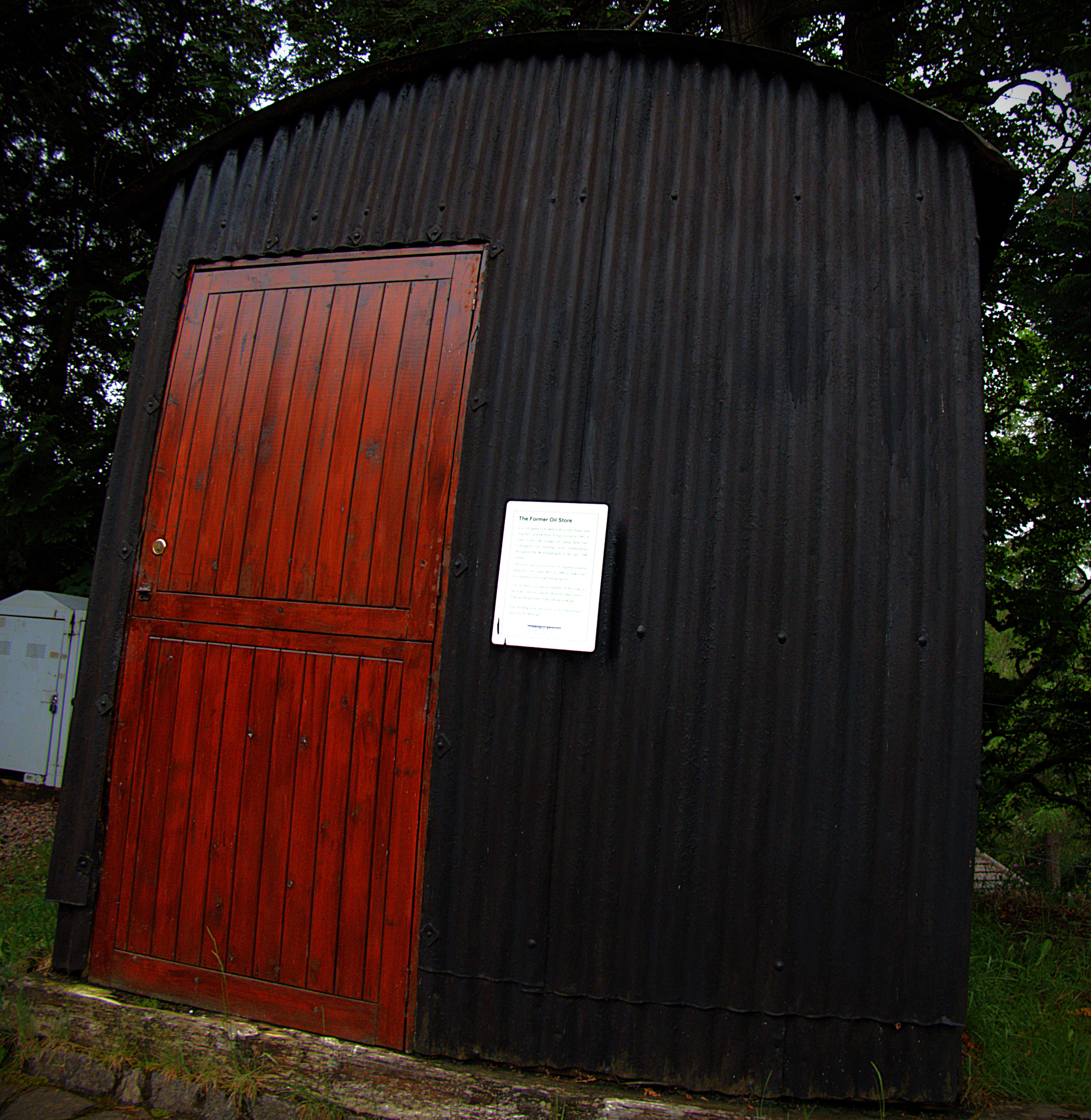
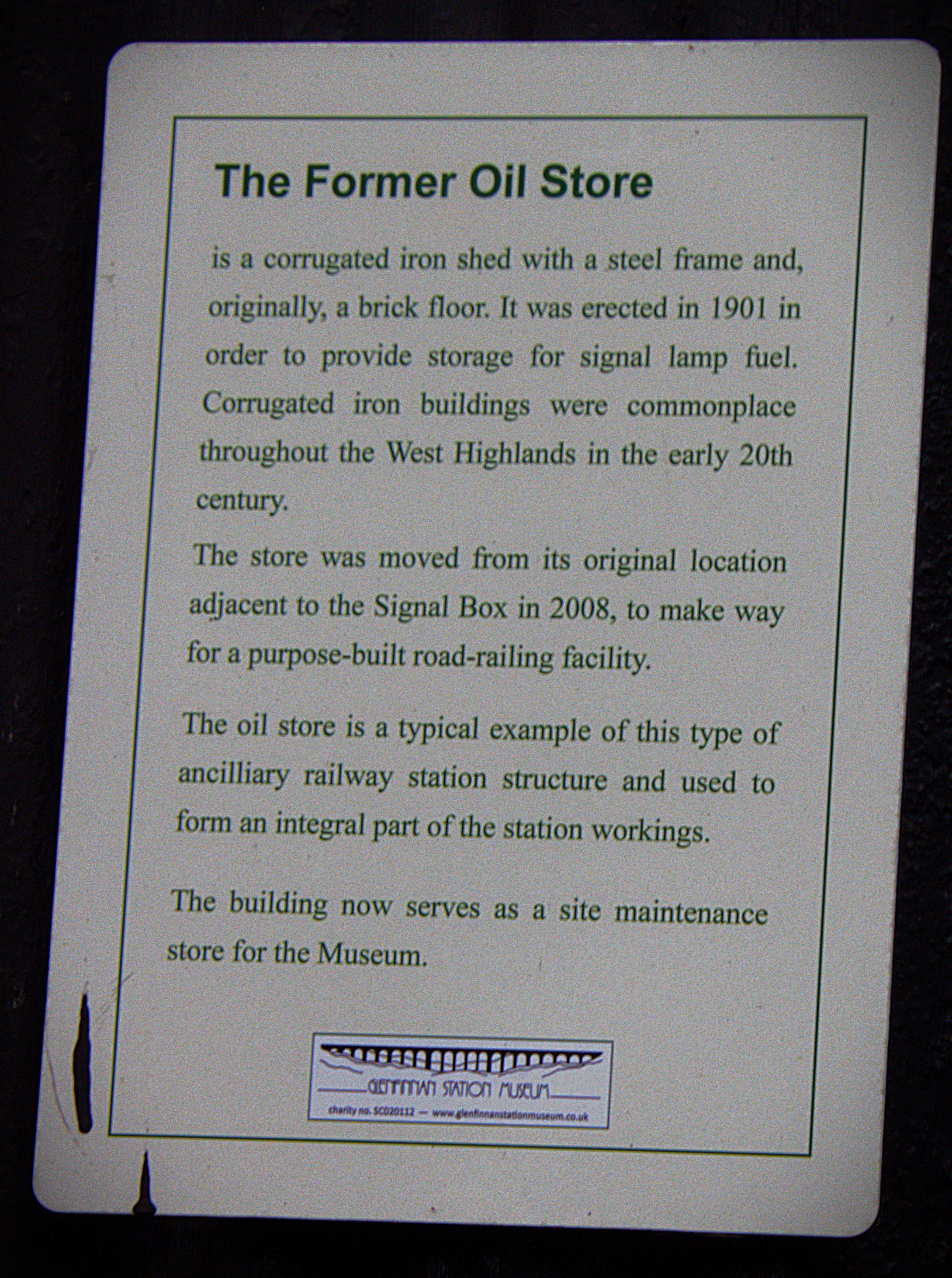
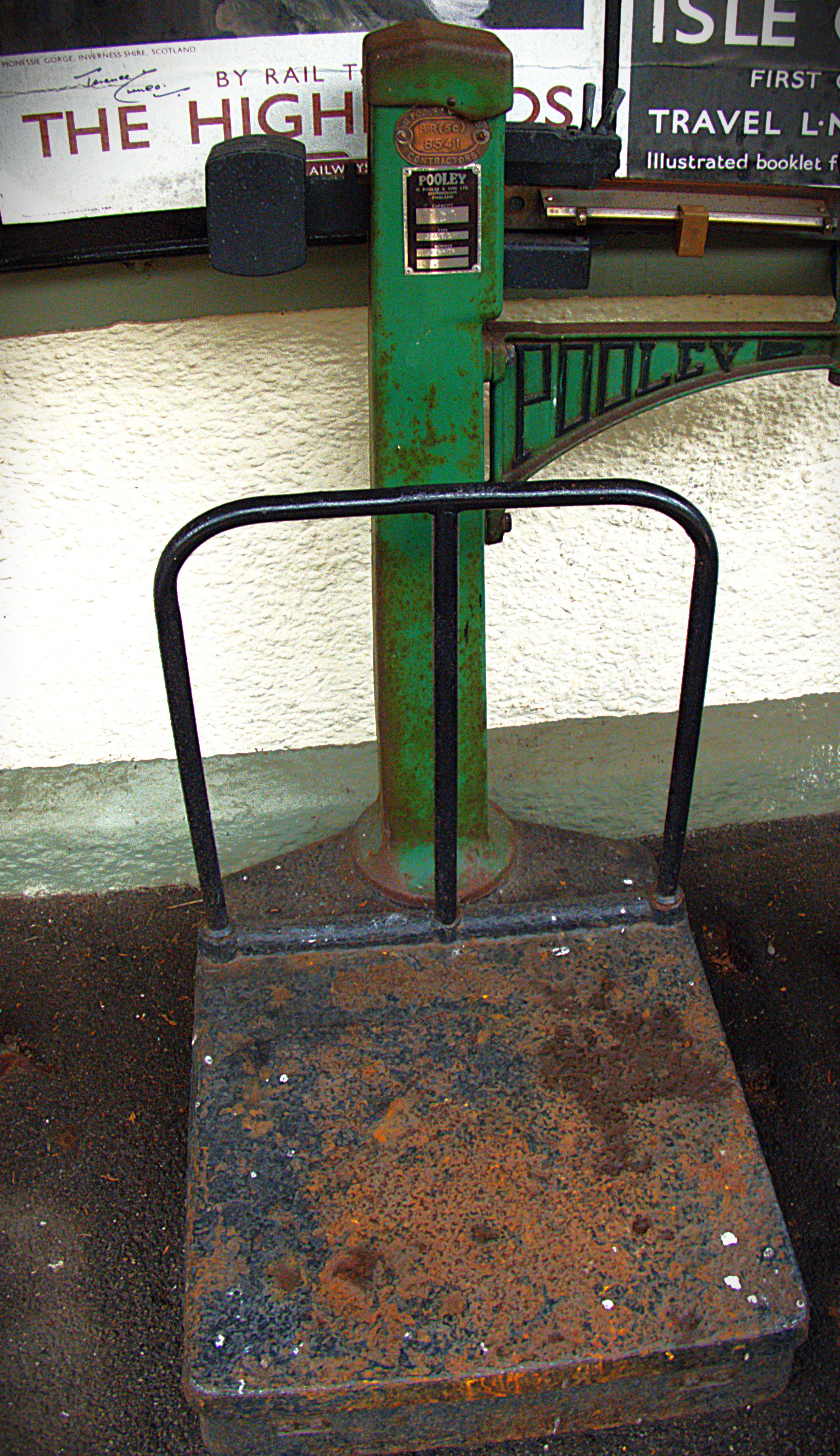
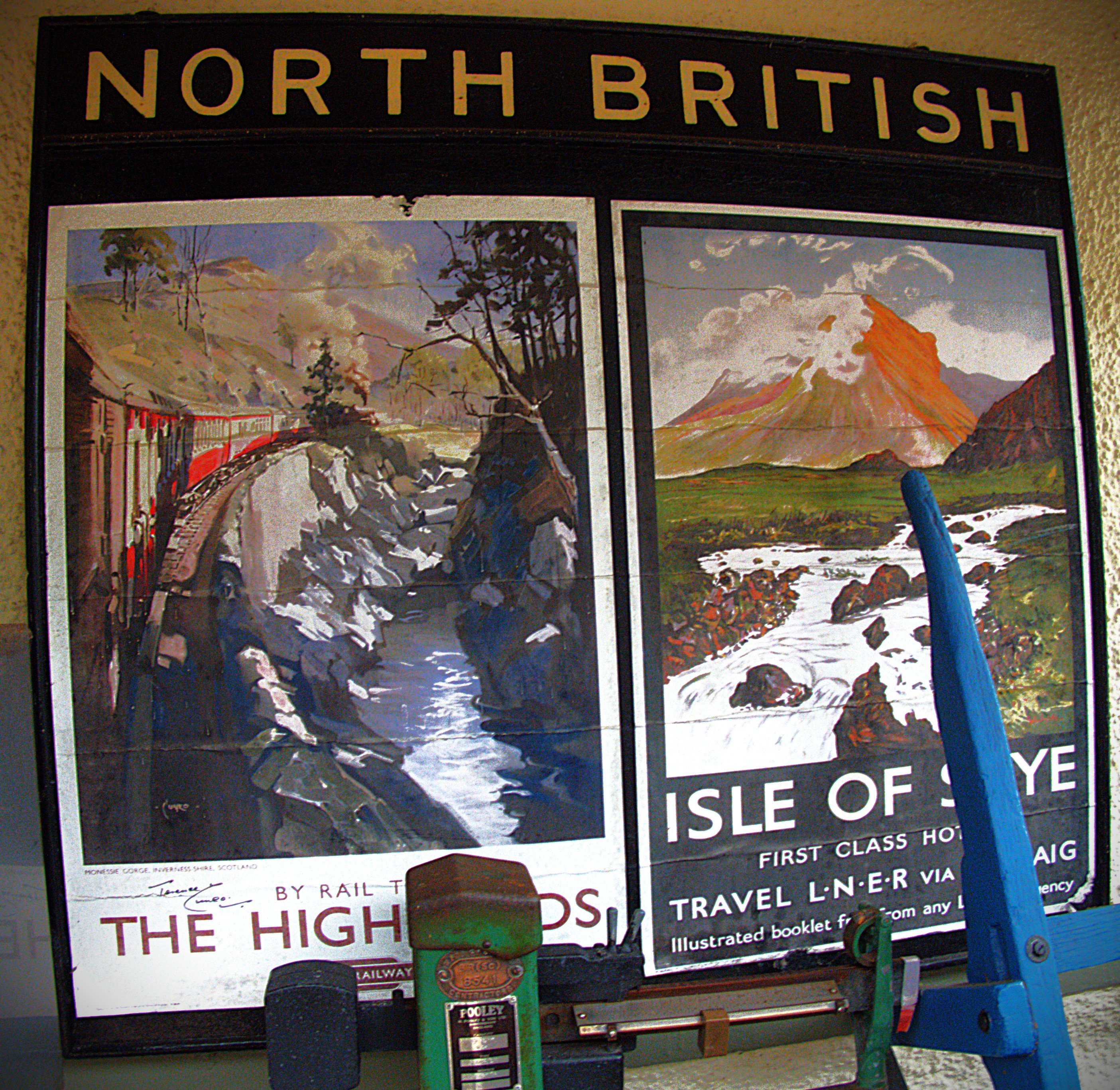
As you will see in the next post in this series Glenfinnan Station is home to a small museum that well repays a visit. It also boasts two old railway carriages, one a sleeper, which you can arrange to stay in for a price, and one a pullman style restaurant carriage in which you can get a splendid meal, as we did. There is also an old oil store, a solar powered snow plough, which saw serious action the winter of 1962-63, an old signal box which you can look at, and a crane. There are also various walks which take in the Glenfinnan Viaduct, though the weather stopped us from doing that. We also overlapped with the westbound Jacobite Express.
A look at a fascinating morning and early afternoon yesterday at Watatunga Wildlife Reserve, complete with photographs.
Yesterday four members of the West Norfolk Autism Group went to Watatunga Wildlife Reserve, four miles south of King’s Lynn, for what as supposed to be a get together of people from various charities with mental health connections and Watatunga management to discuss working together and making the Watatunga experience more accessible. As part of this we were to be shown the entire reserve by means of trailer rides.
LACK OF TAKE UP
In the event our group was the only group to show up, and the Watatunga people decided to do only one trailer ride and then we would talk over coffee. The Watatunga experience was thoroughly enjoyable, and we had a very constructive discussion afterwards.
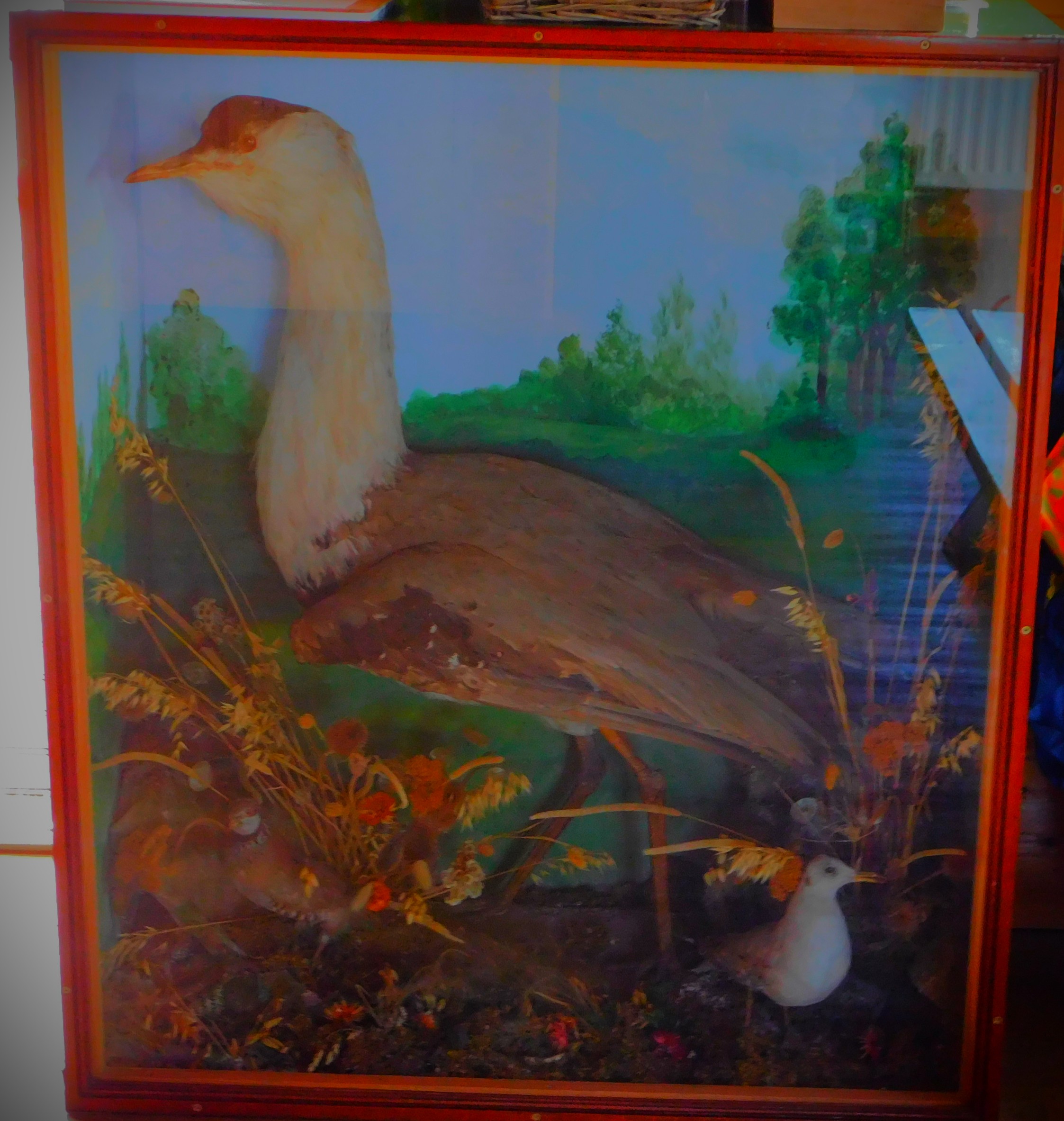
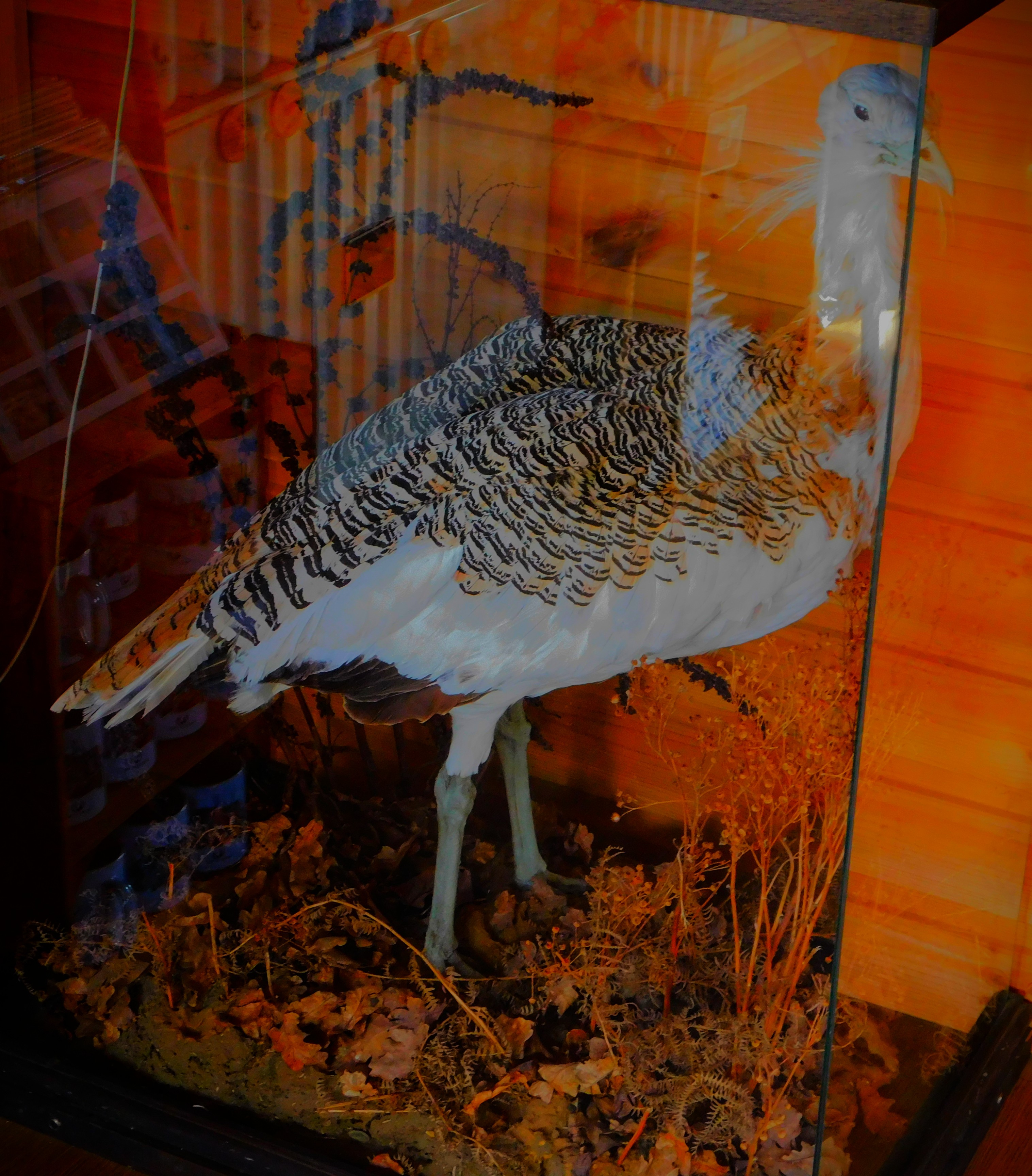
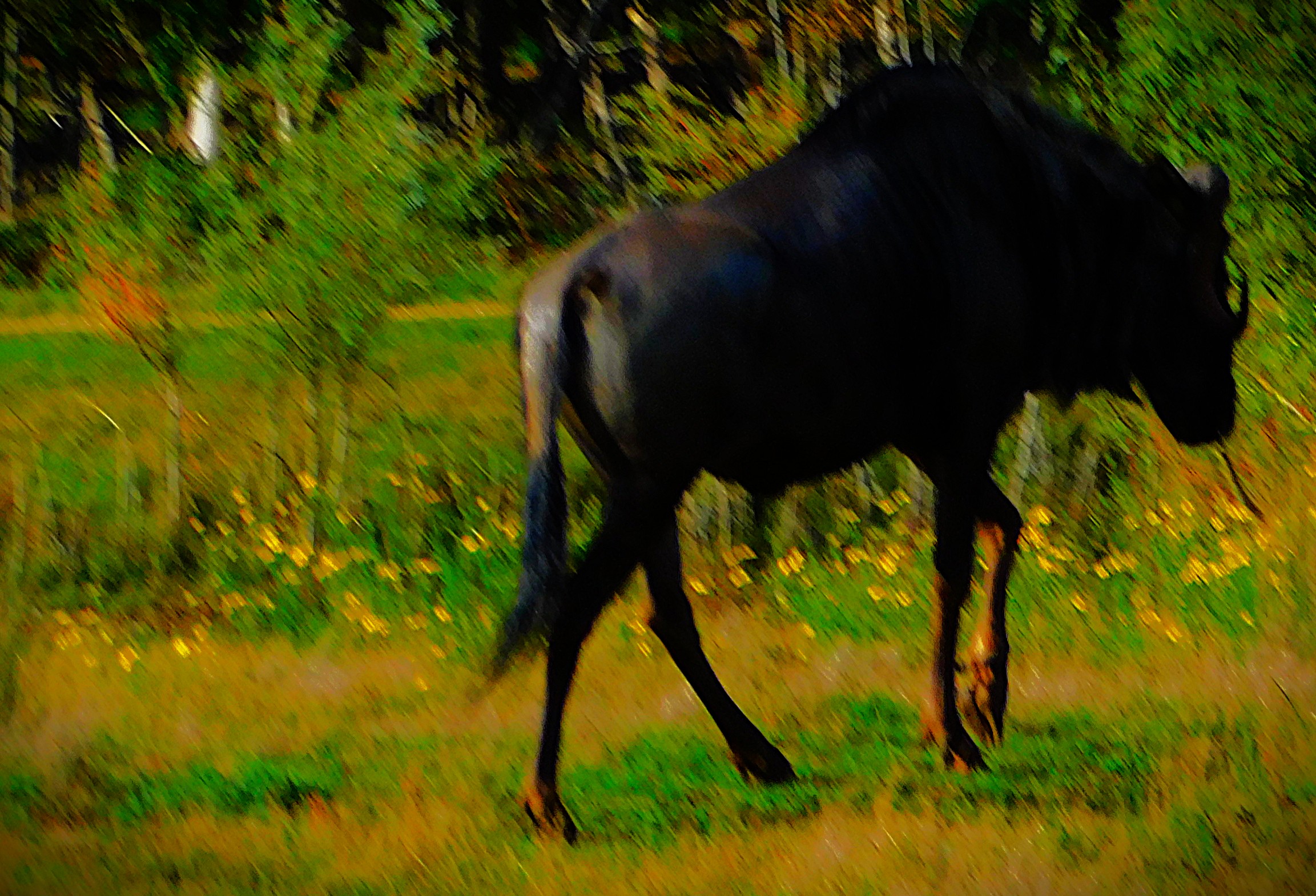
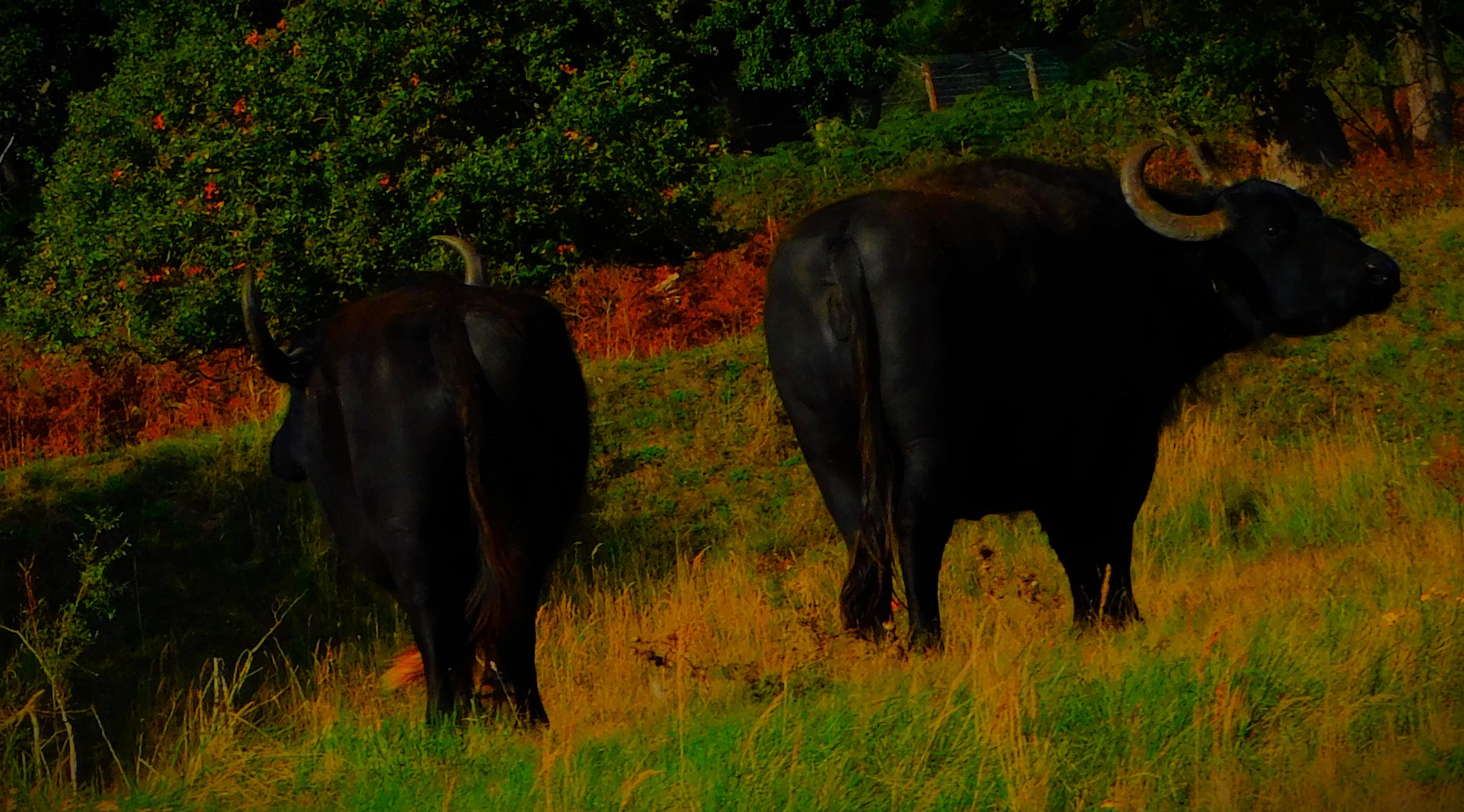
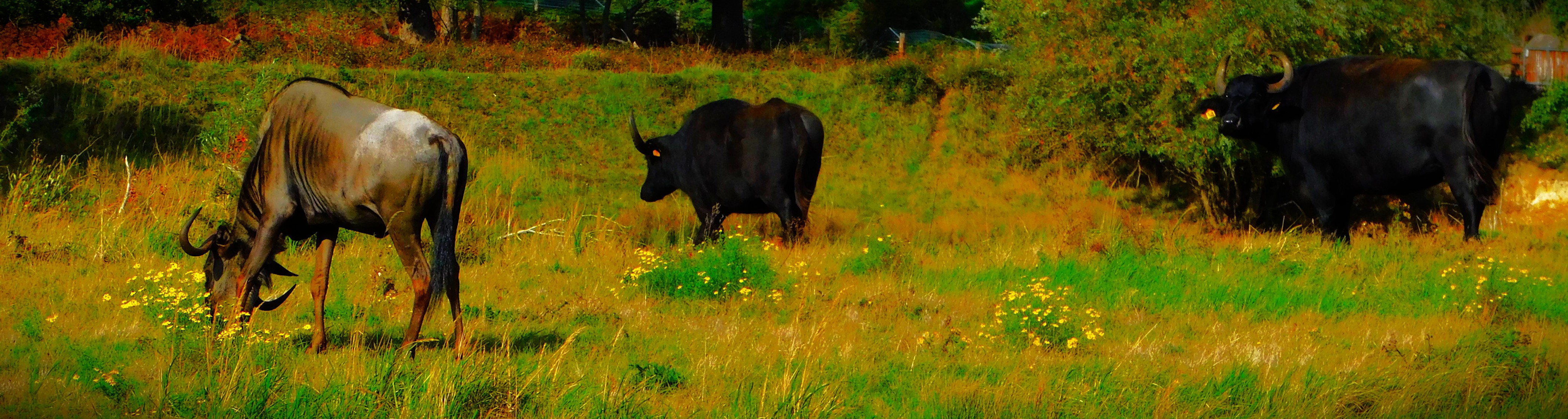
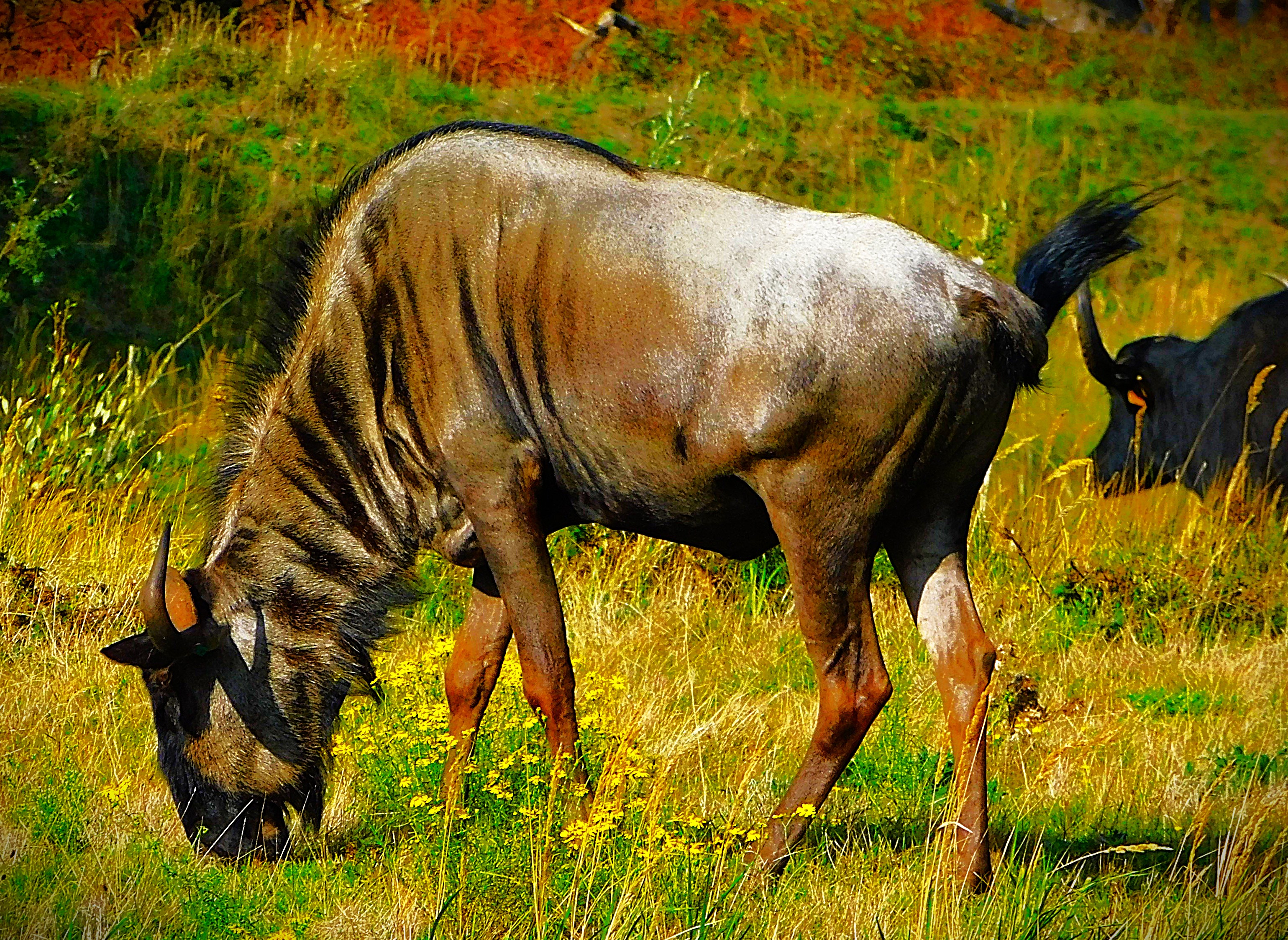
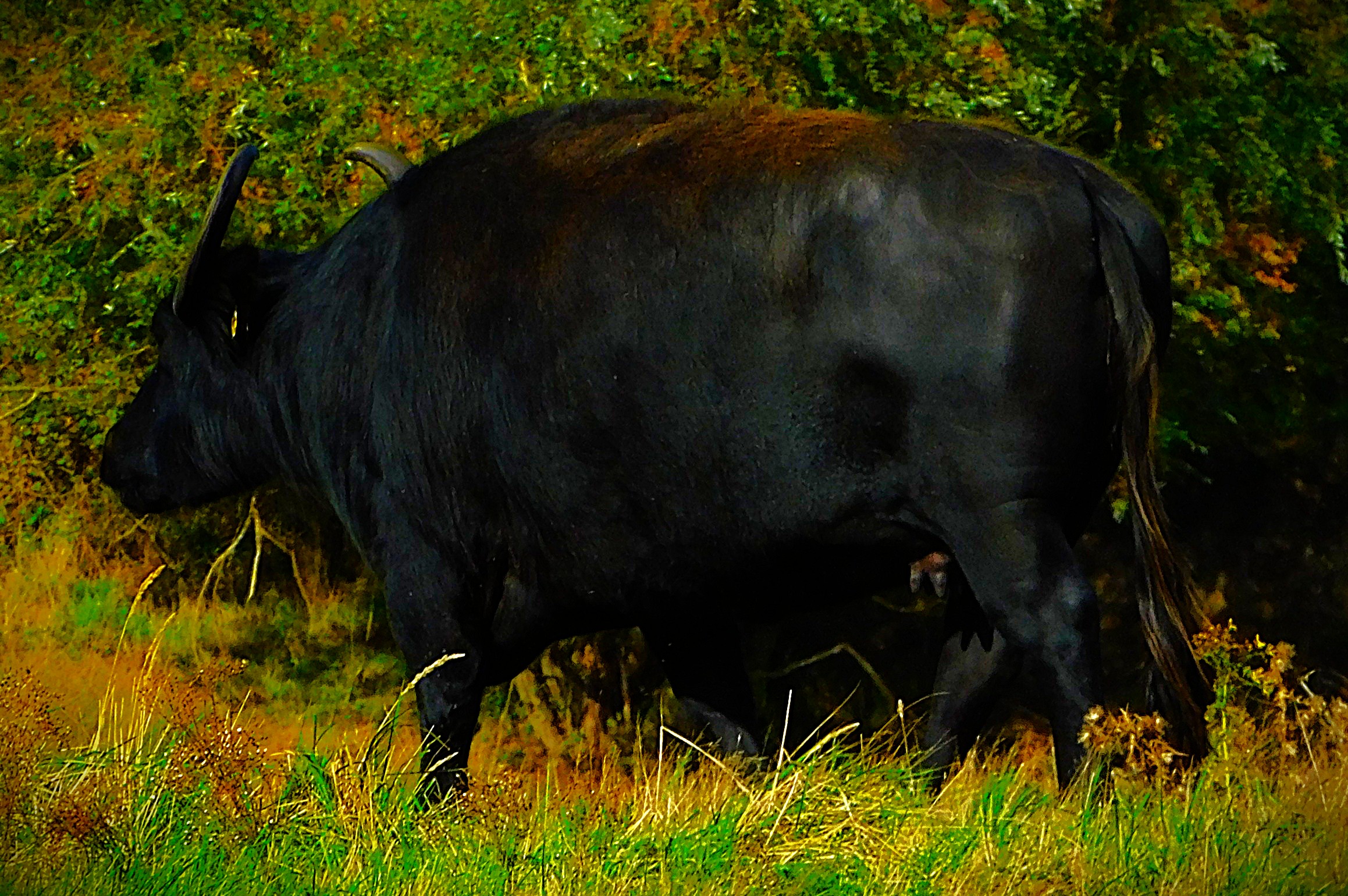
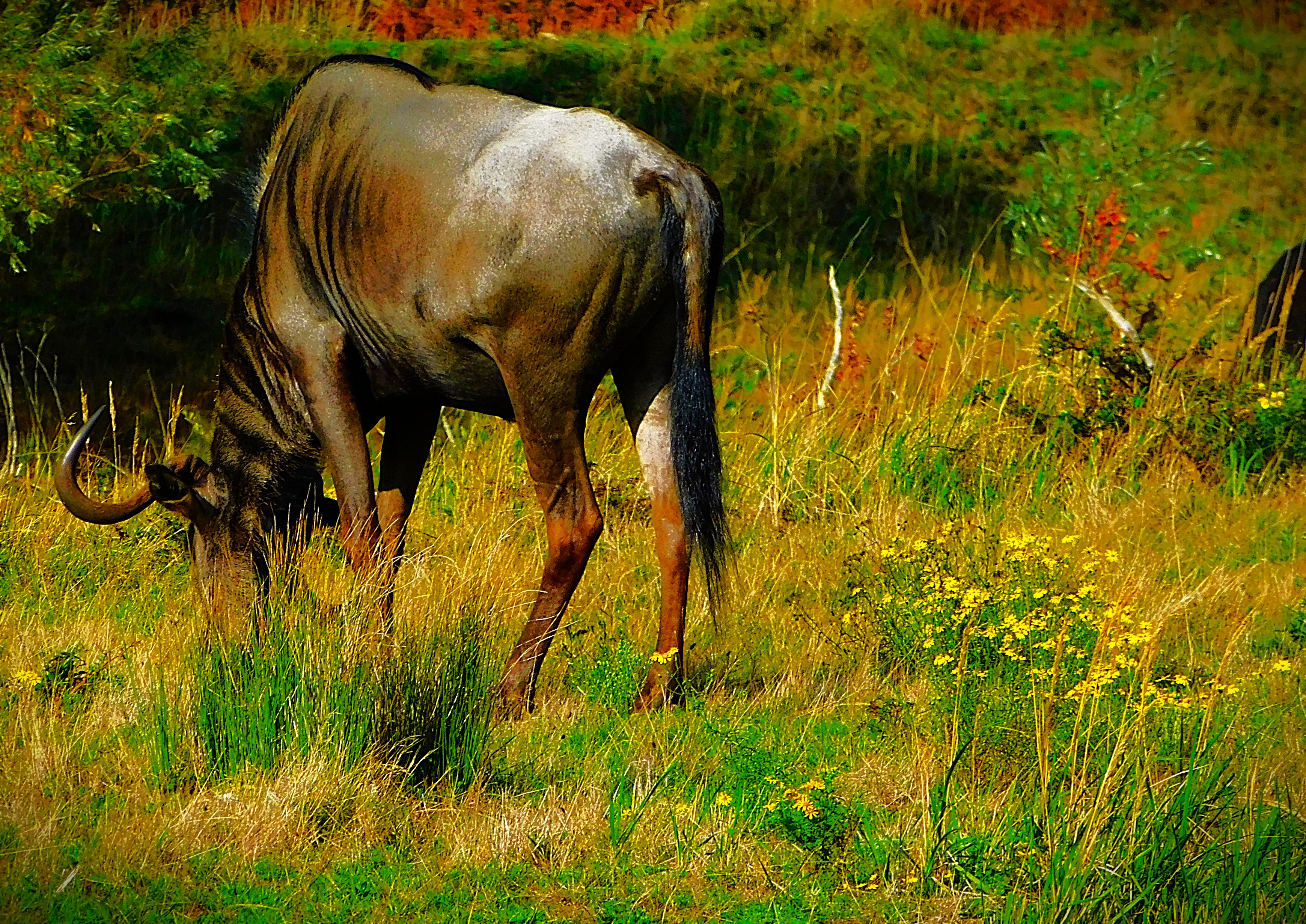
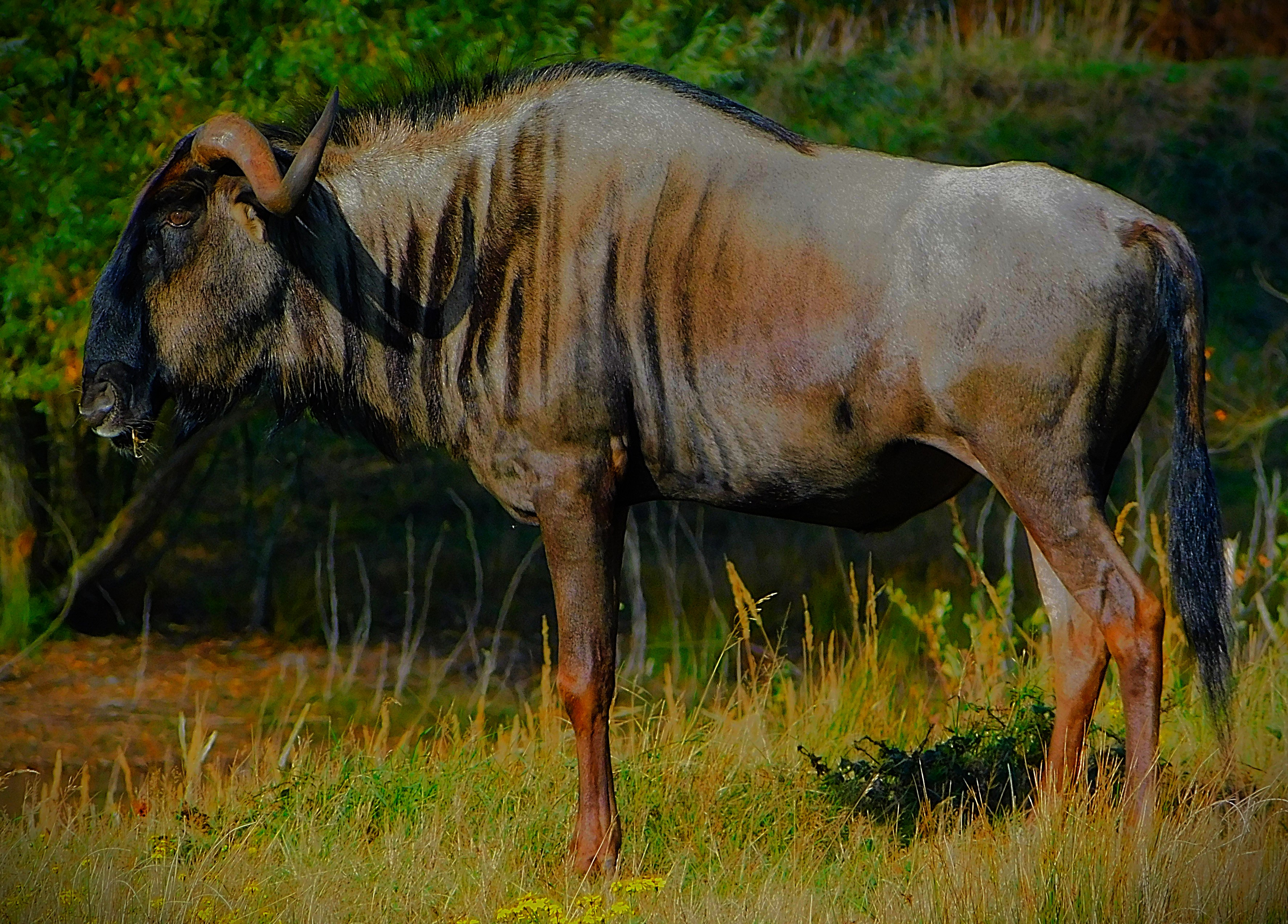
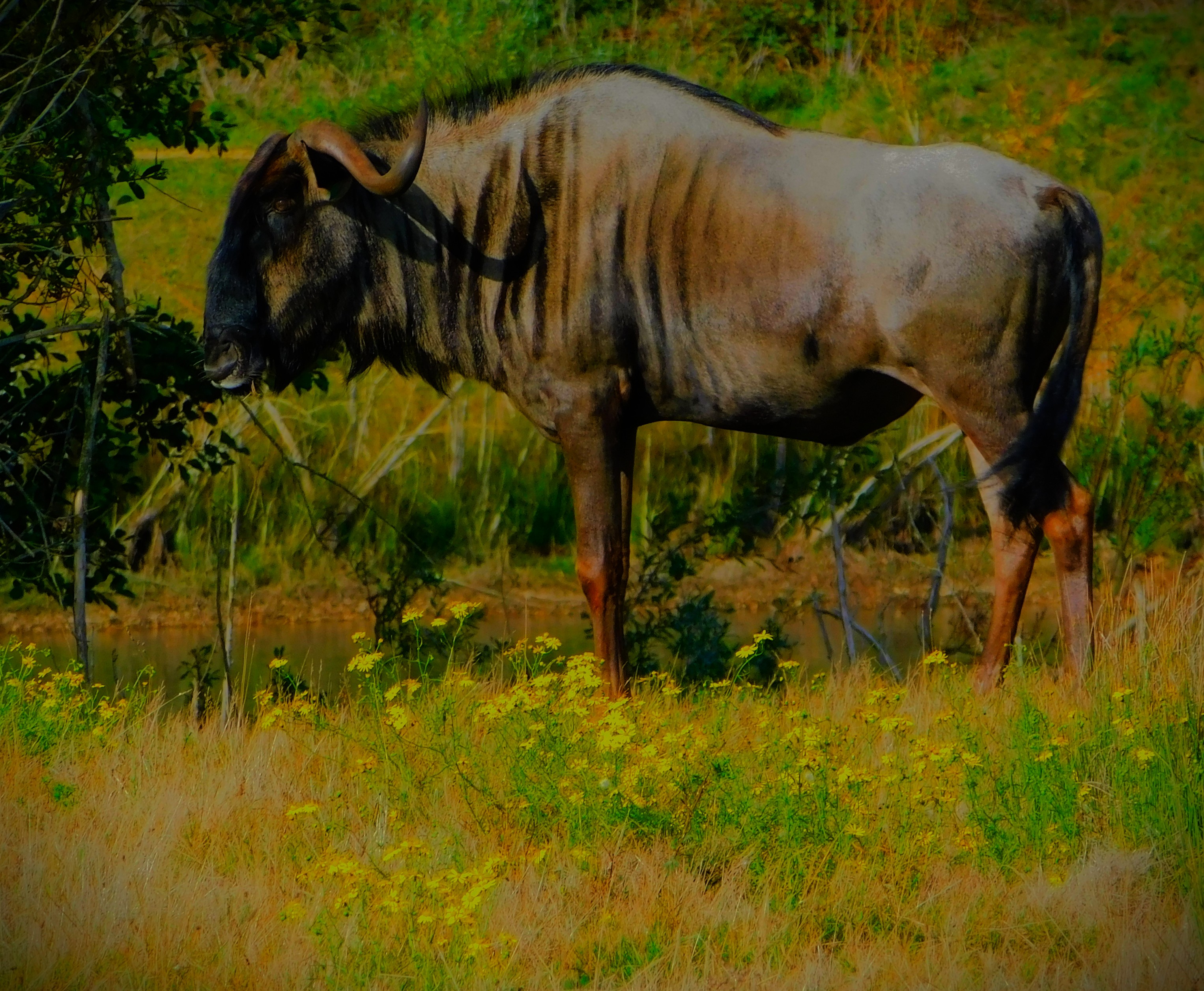
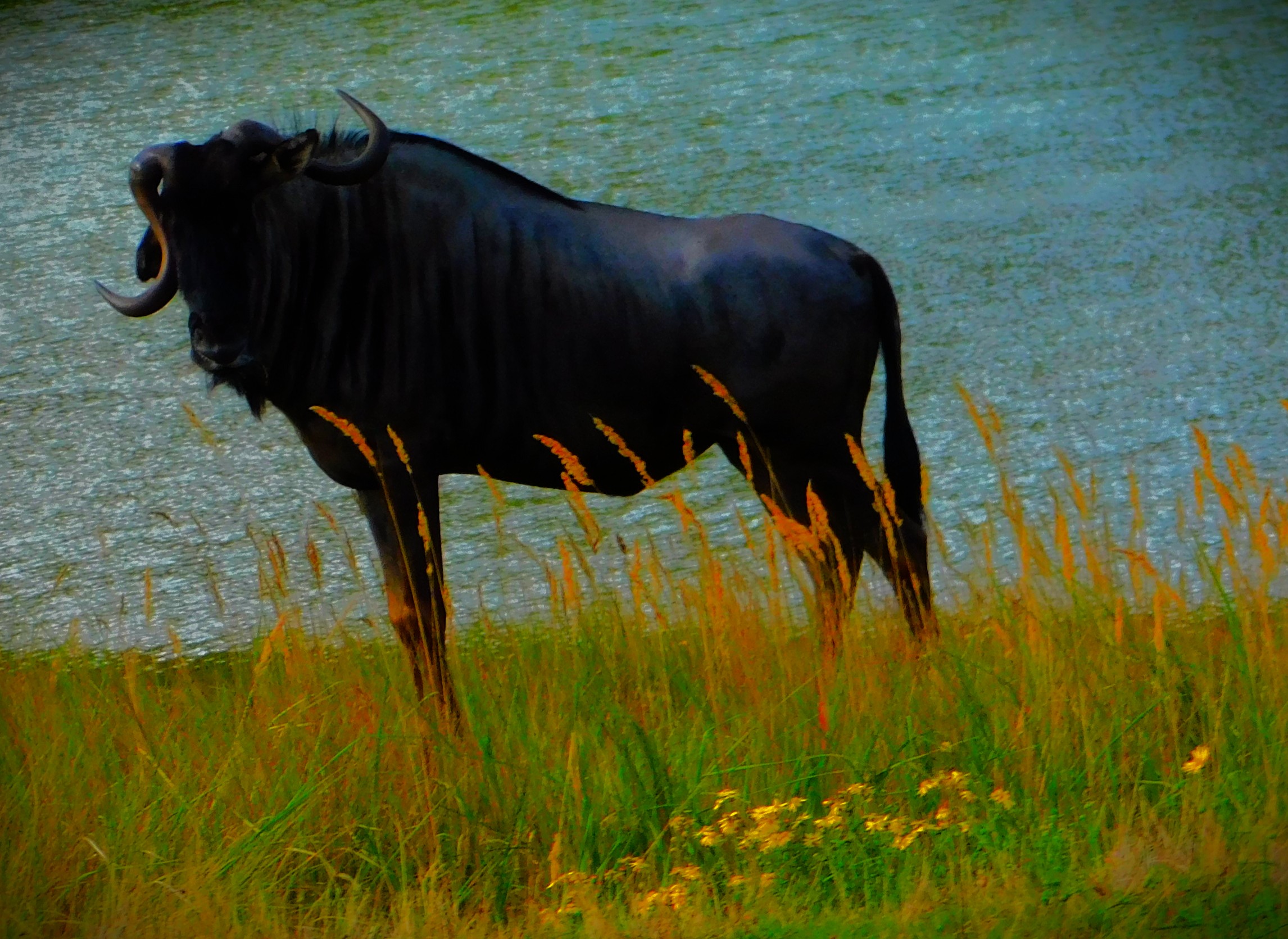
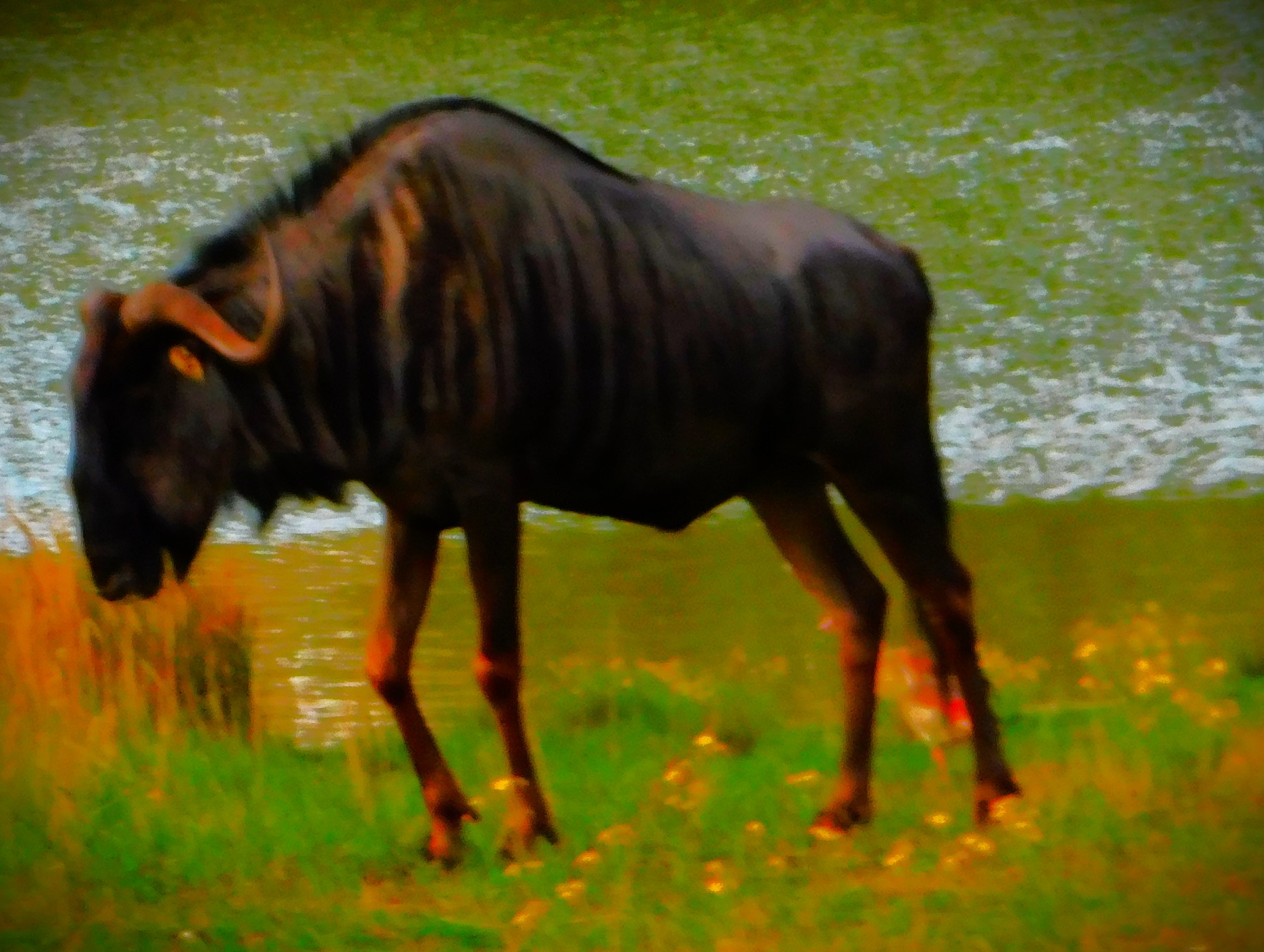
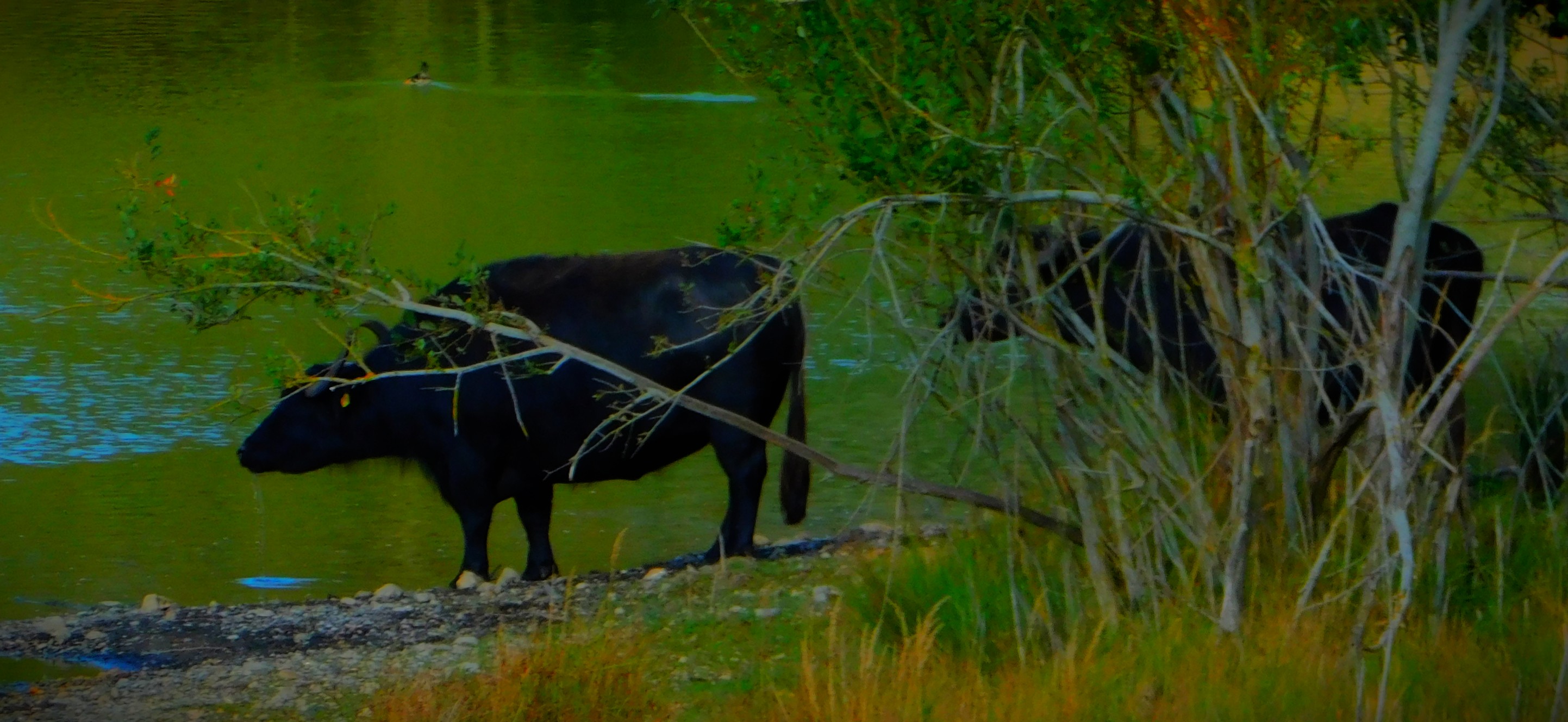
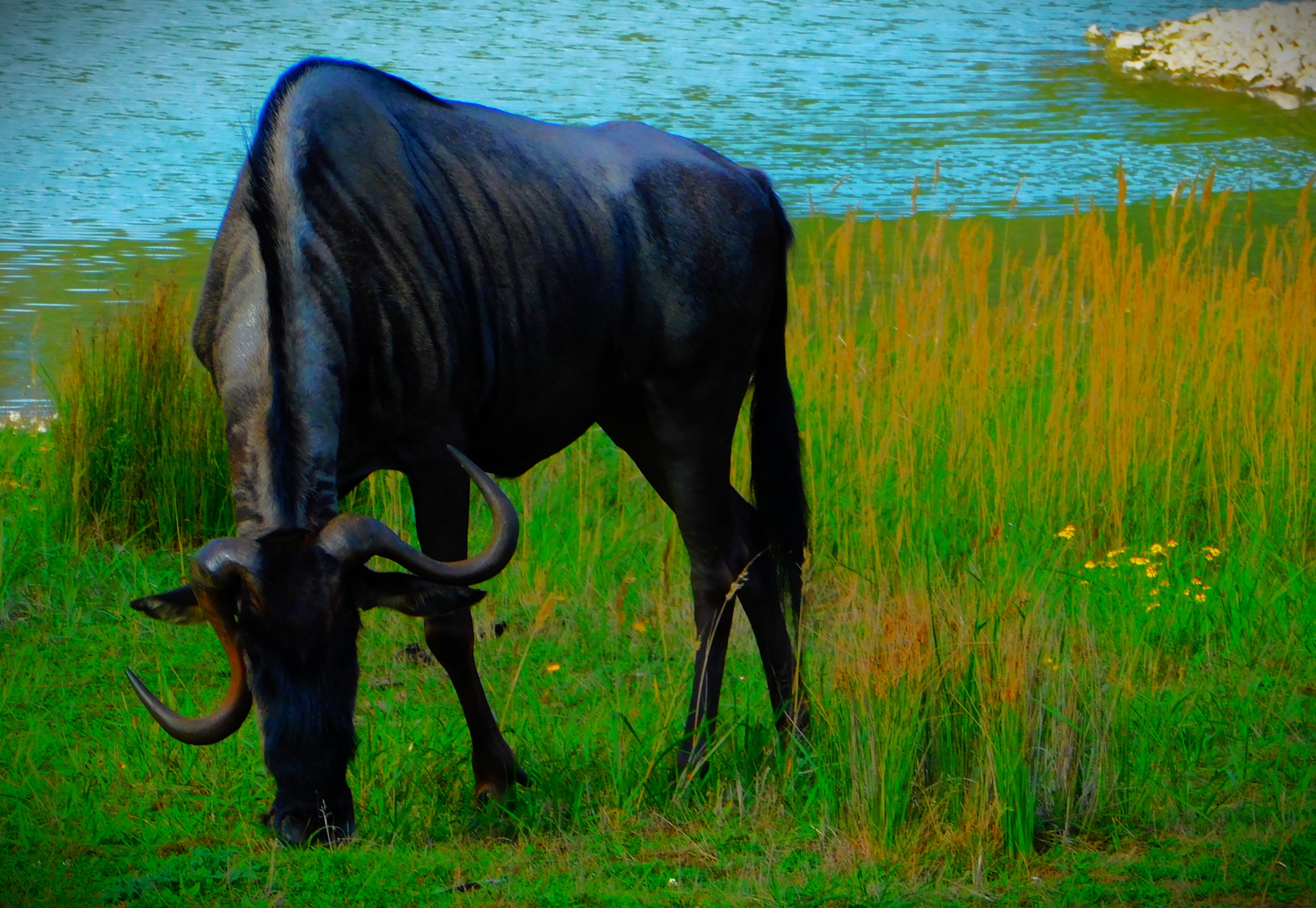
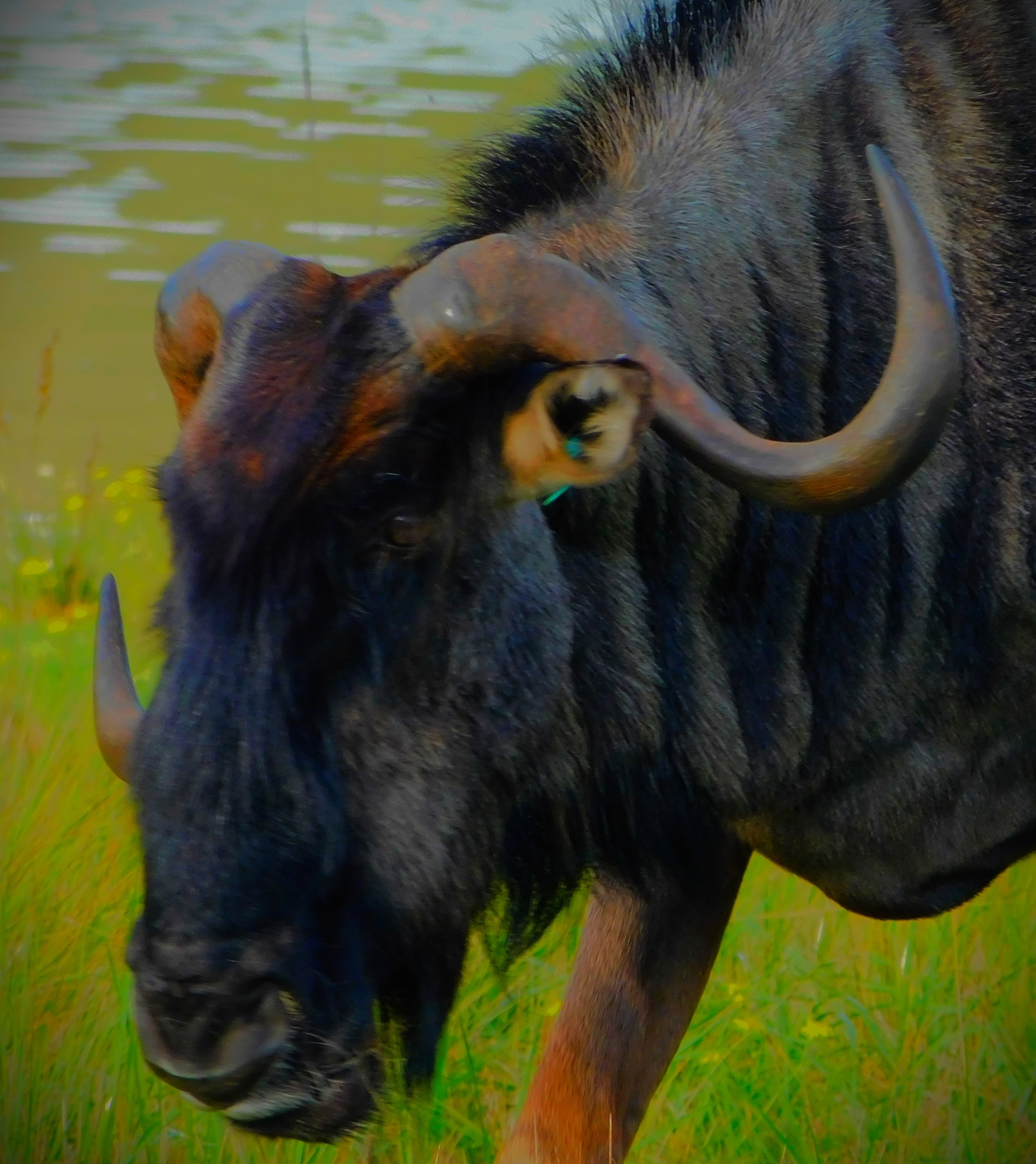
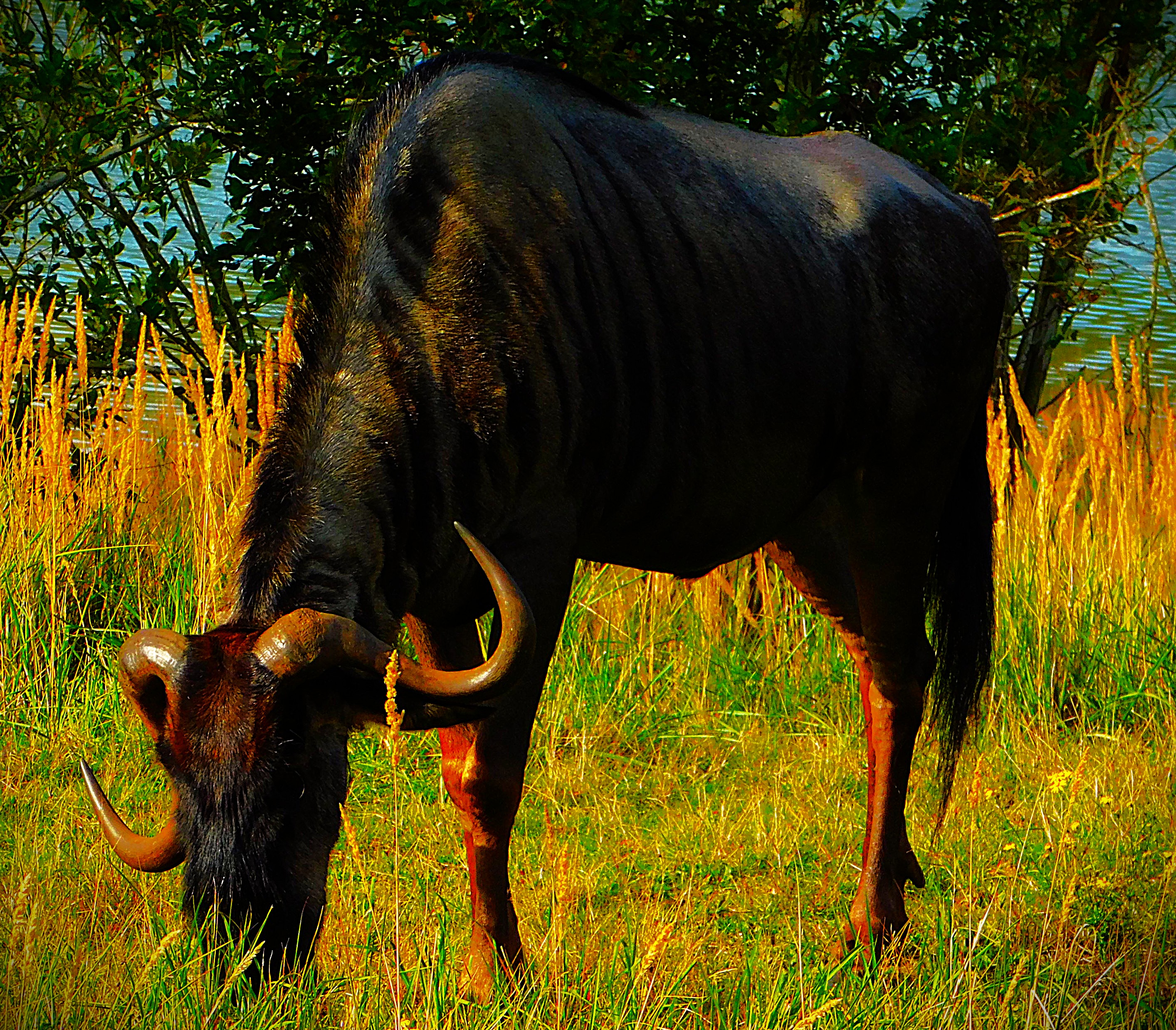
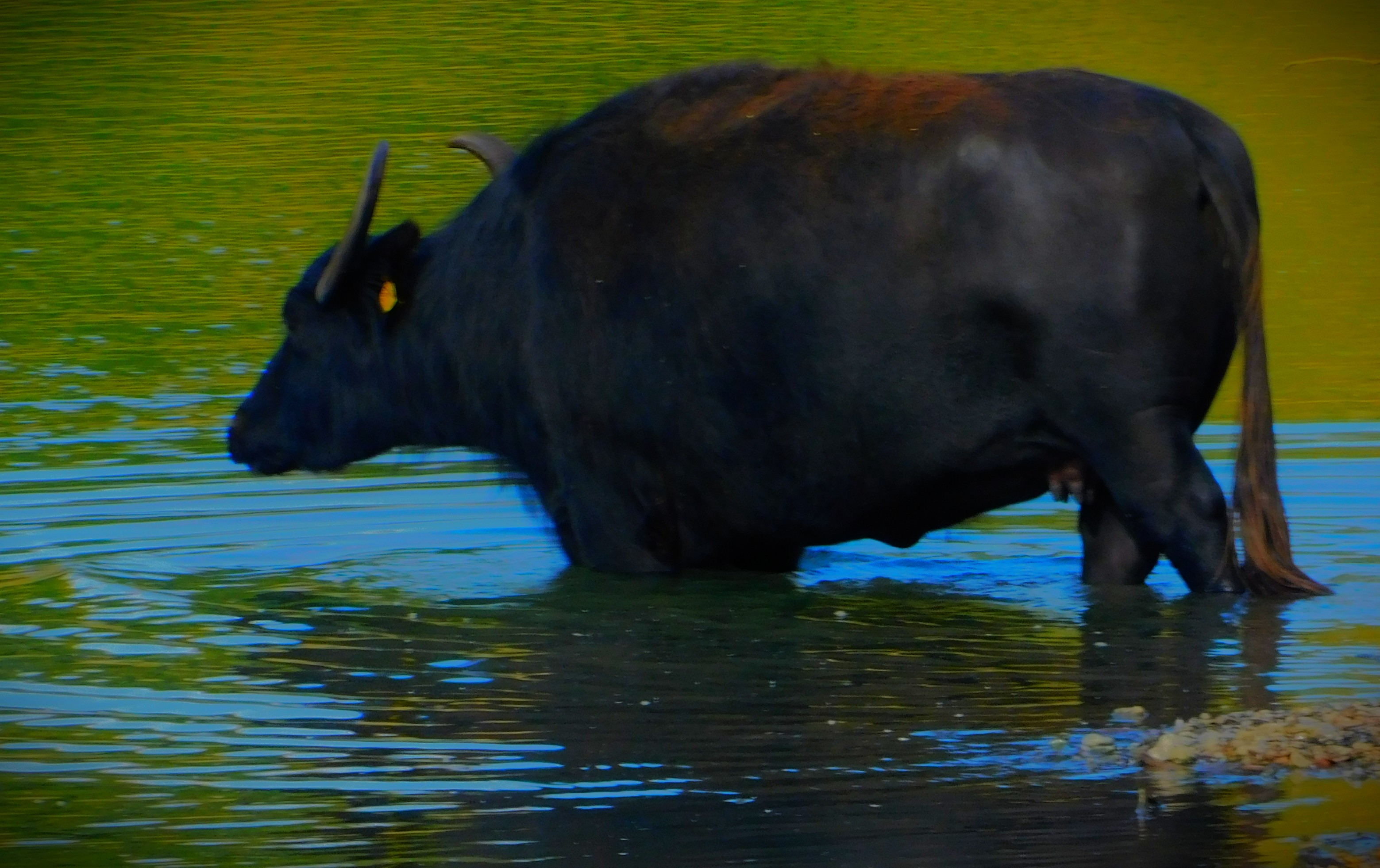
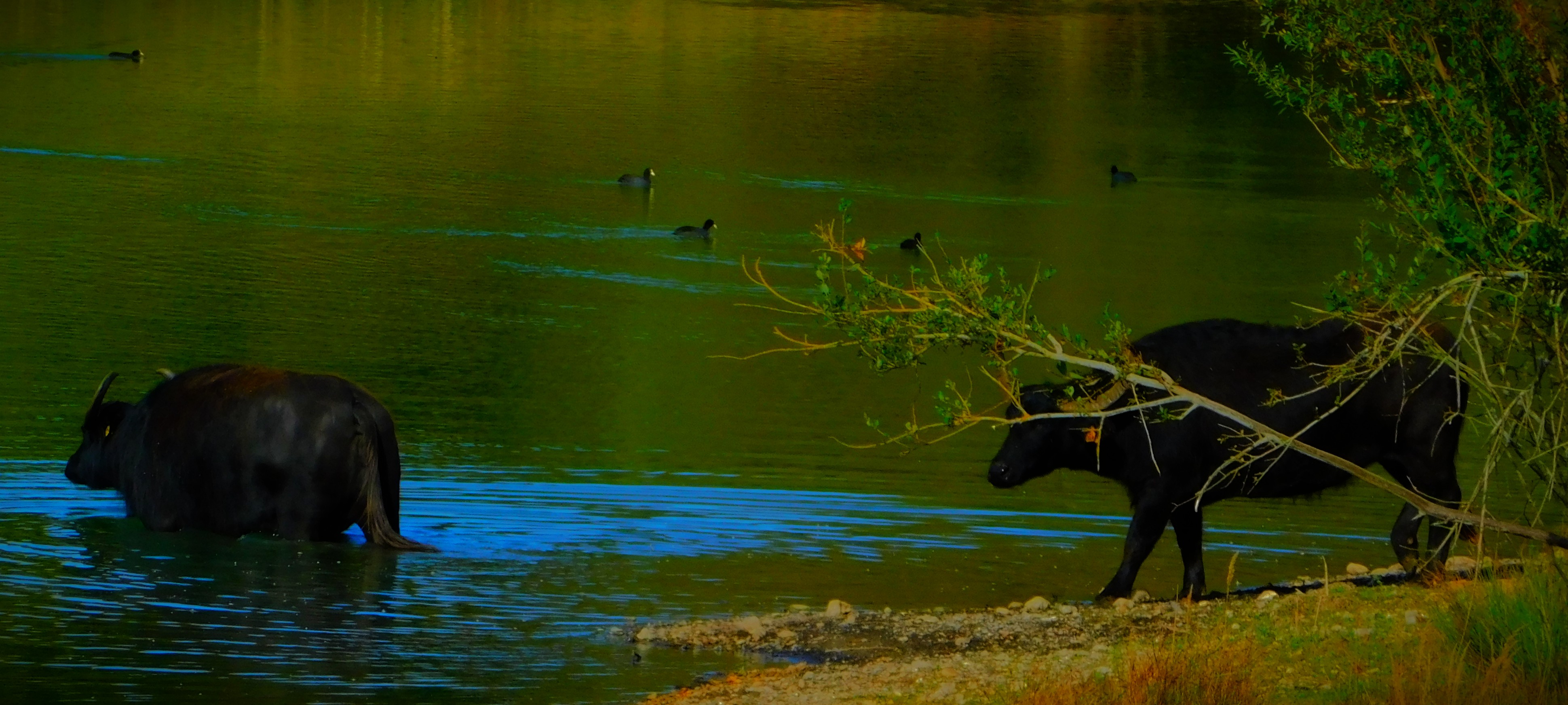
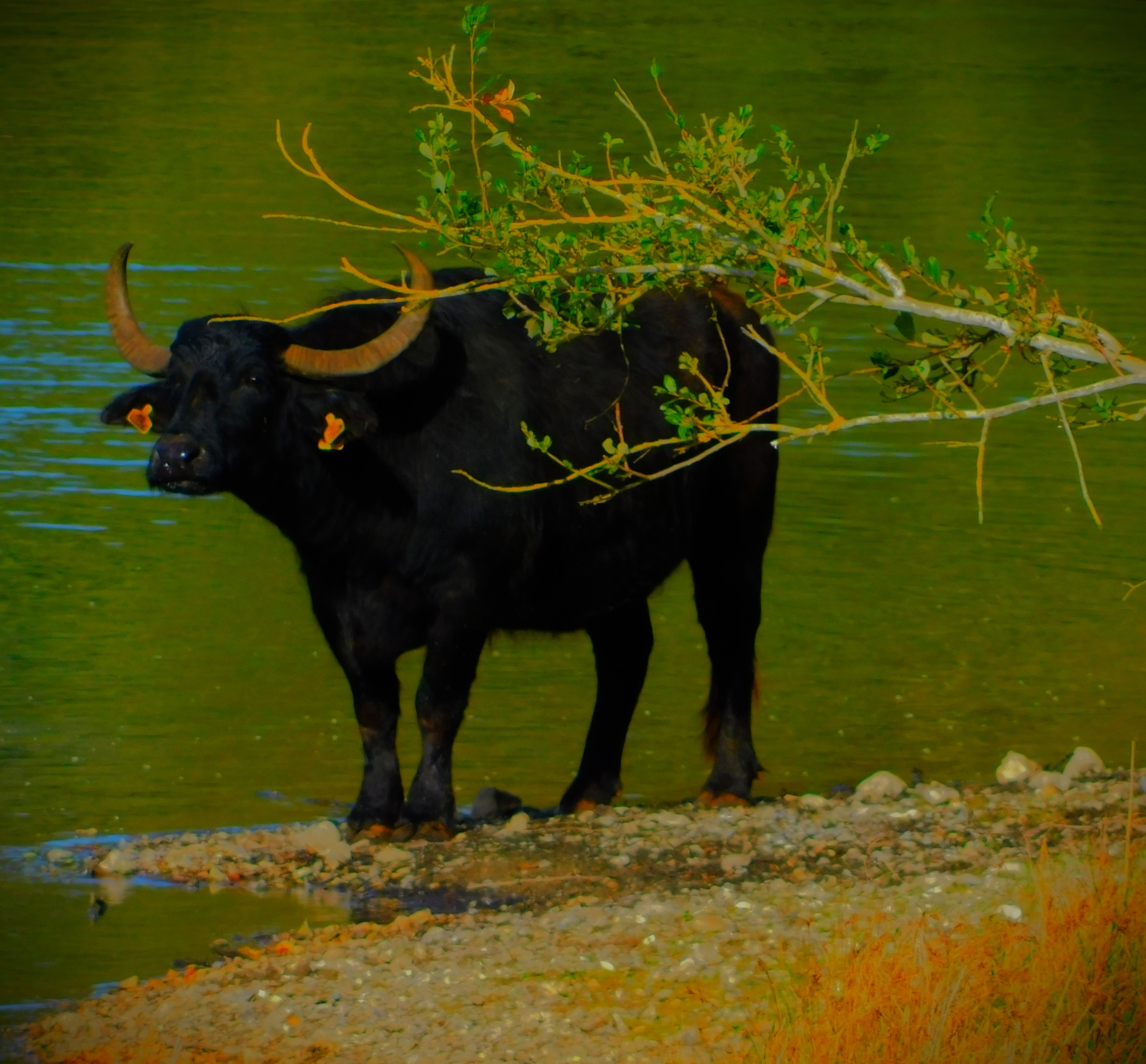
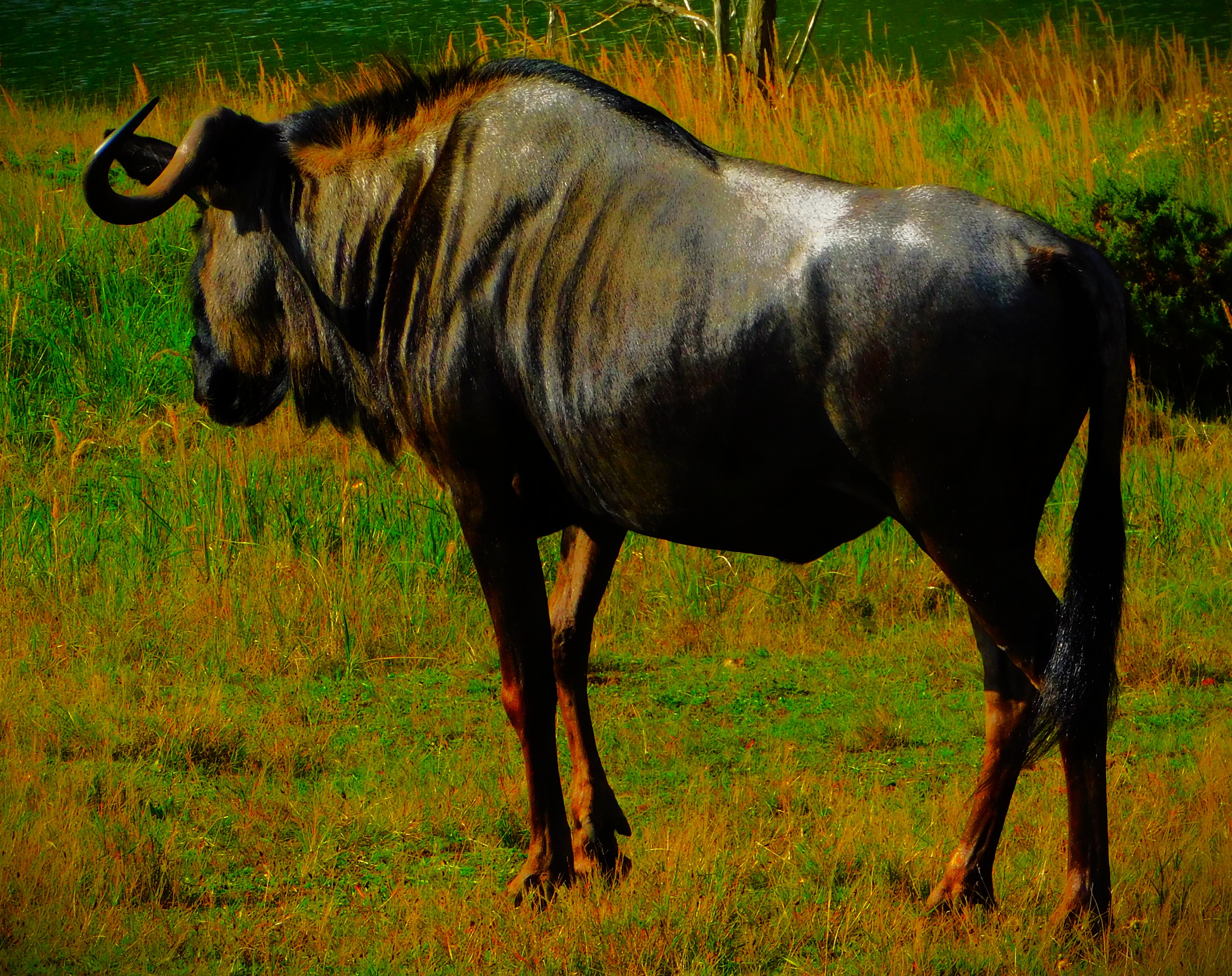
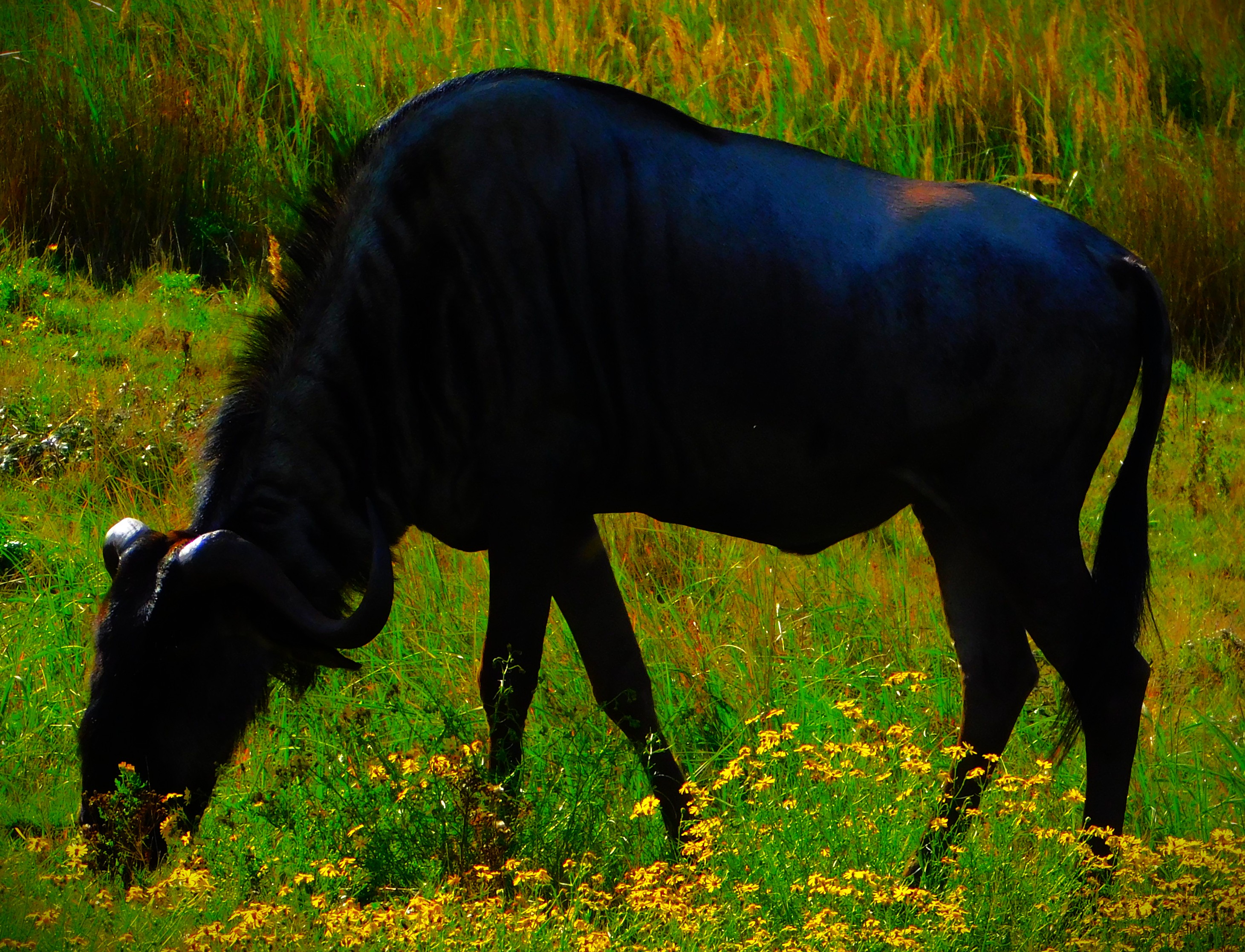
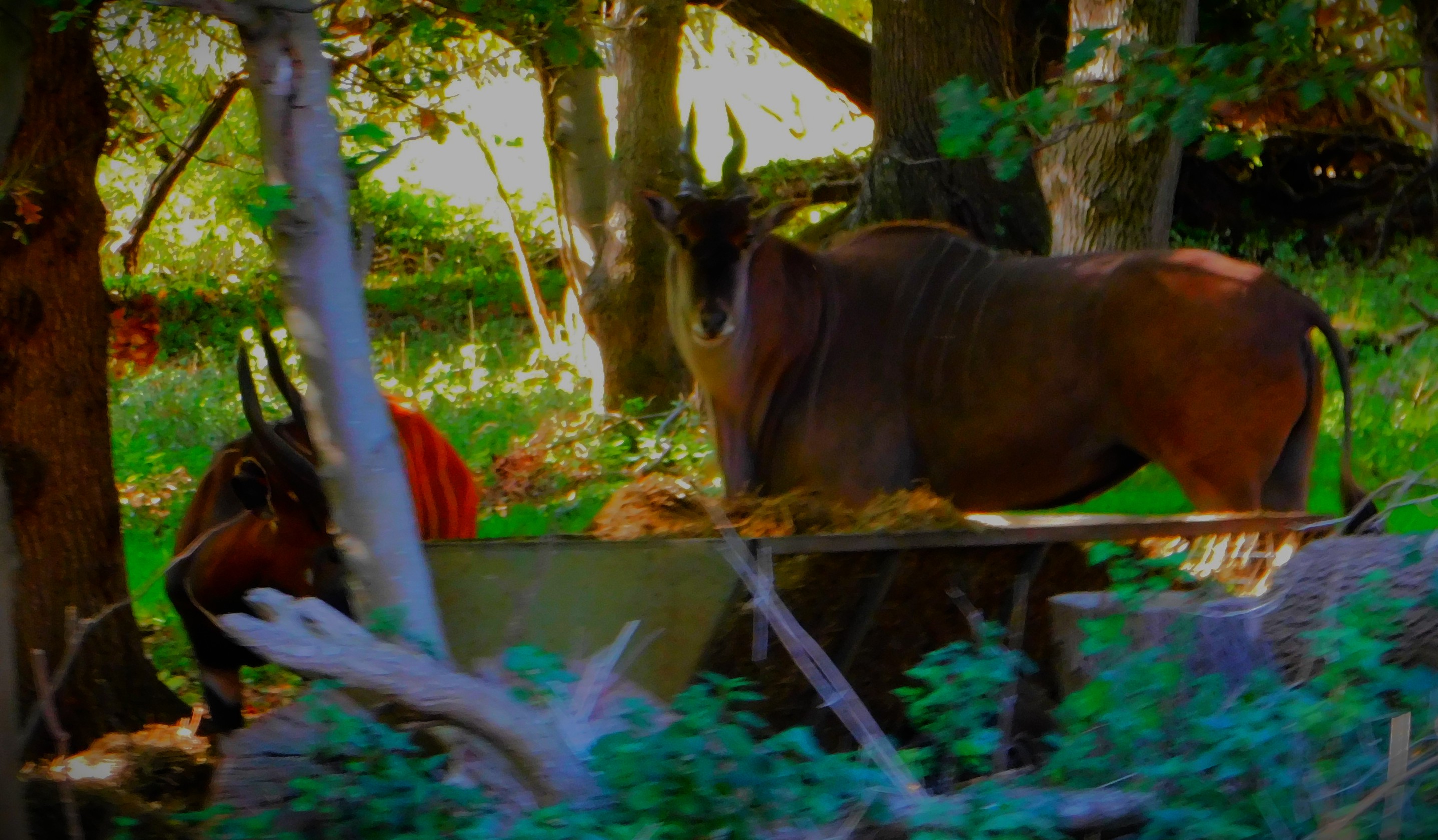
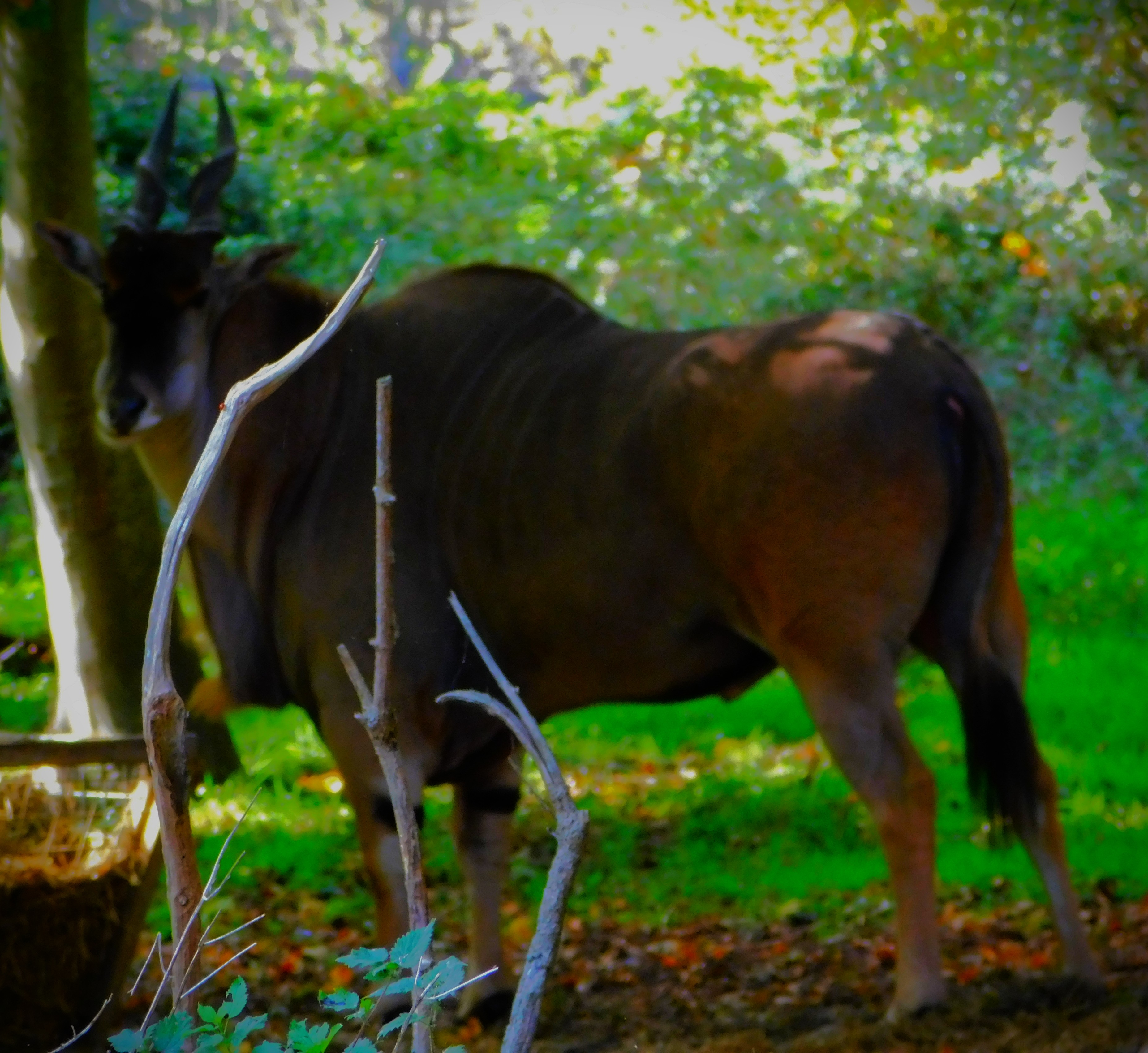
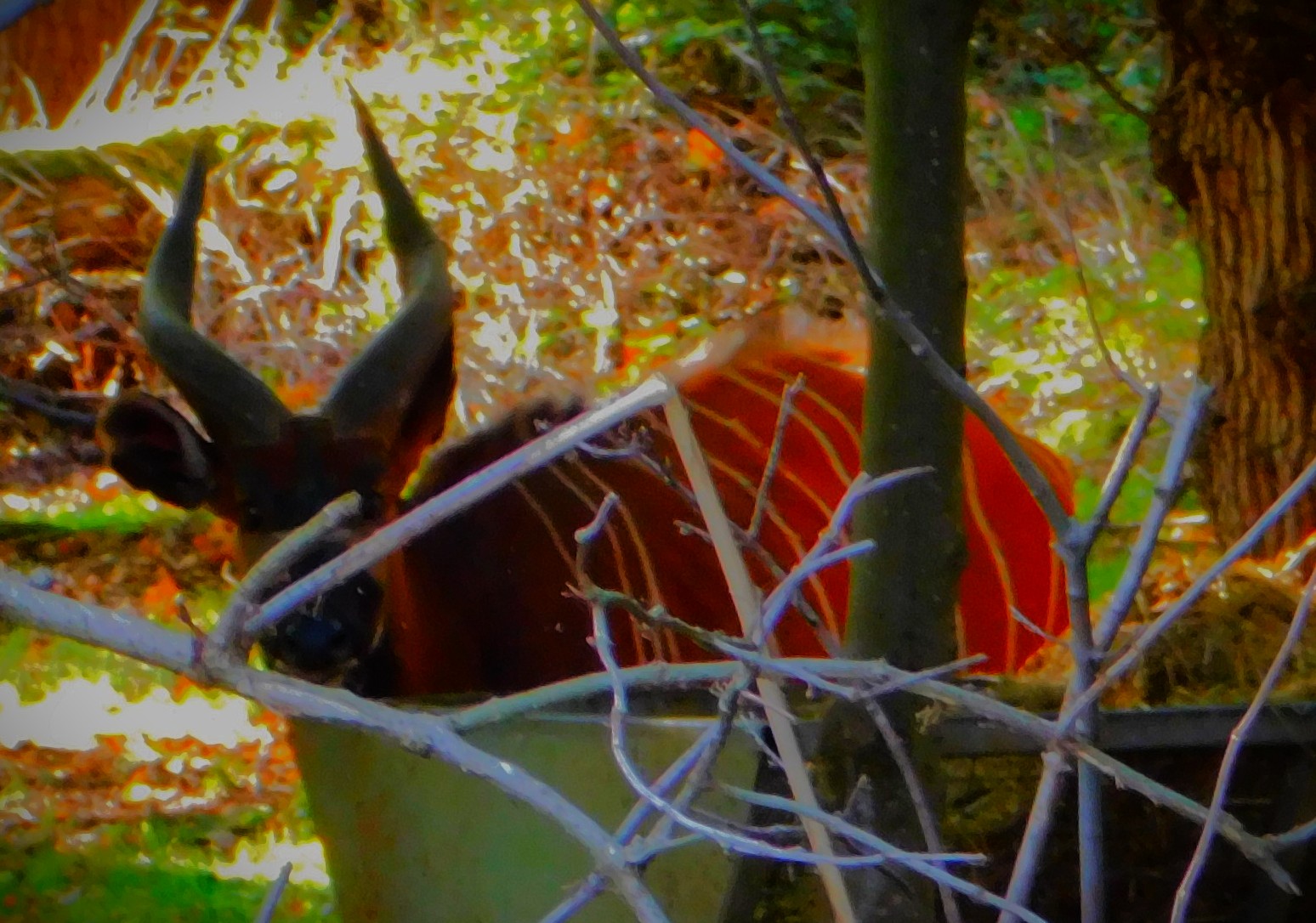
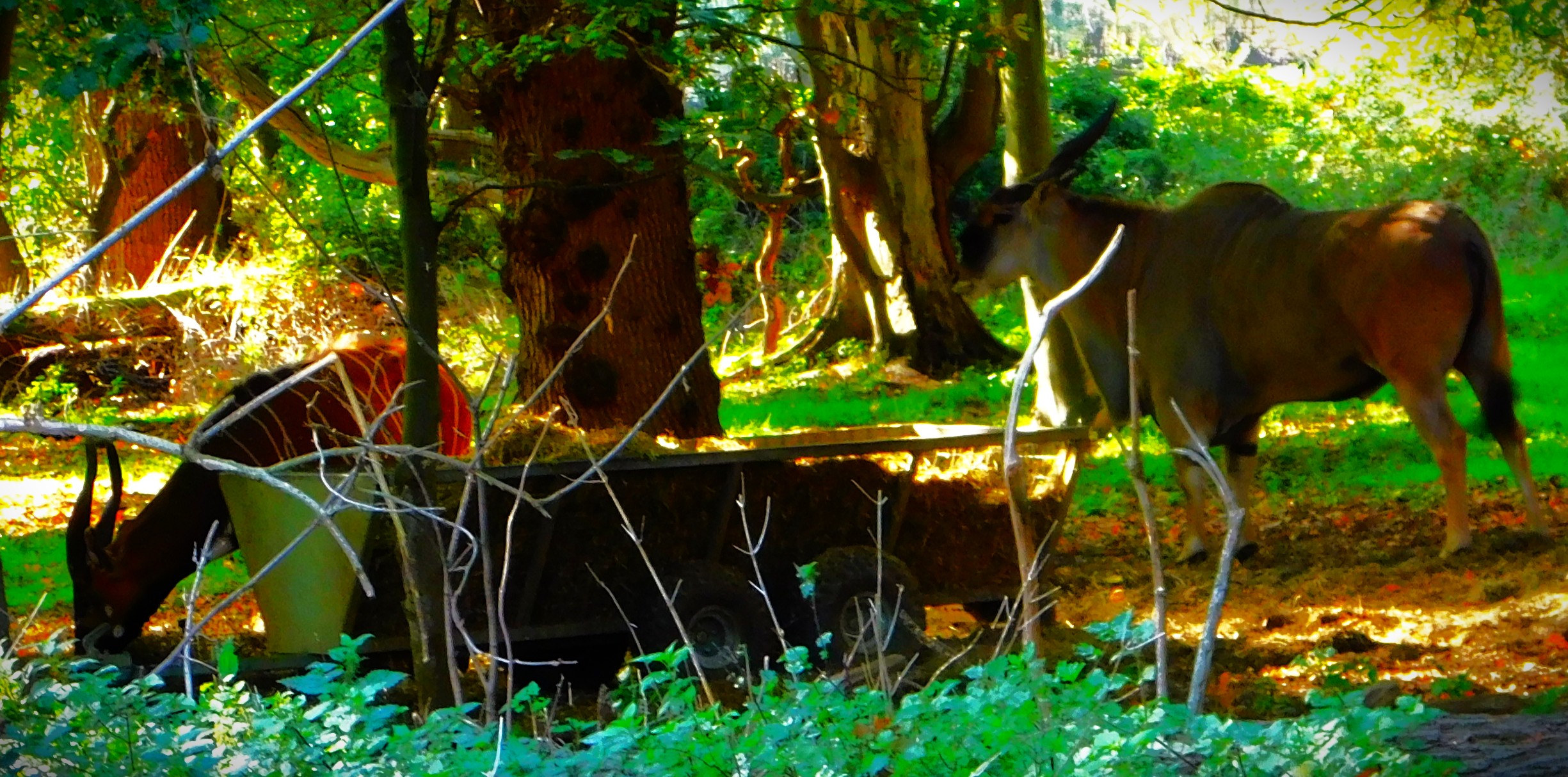
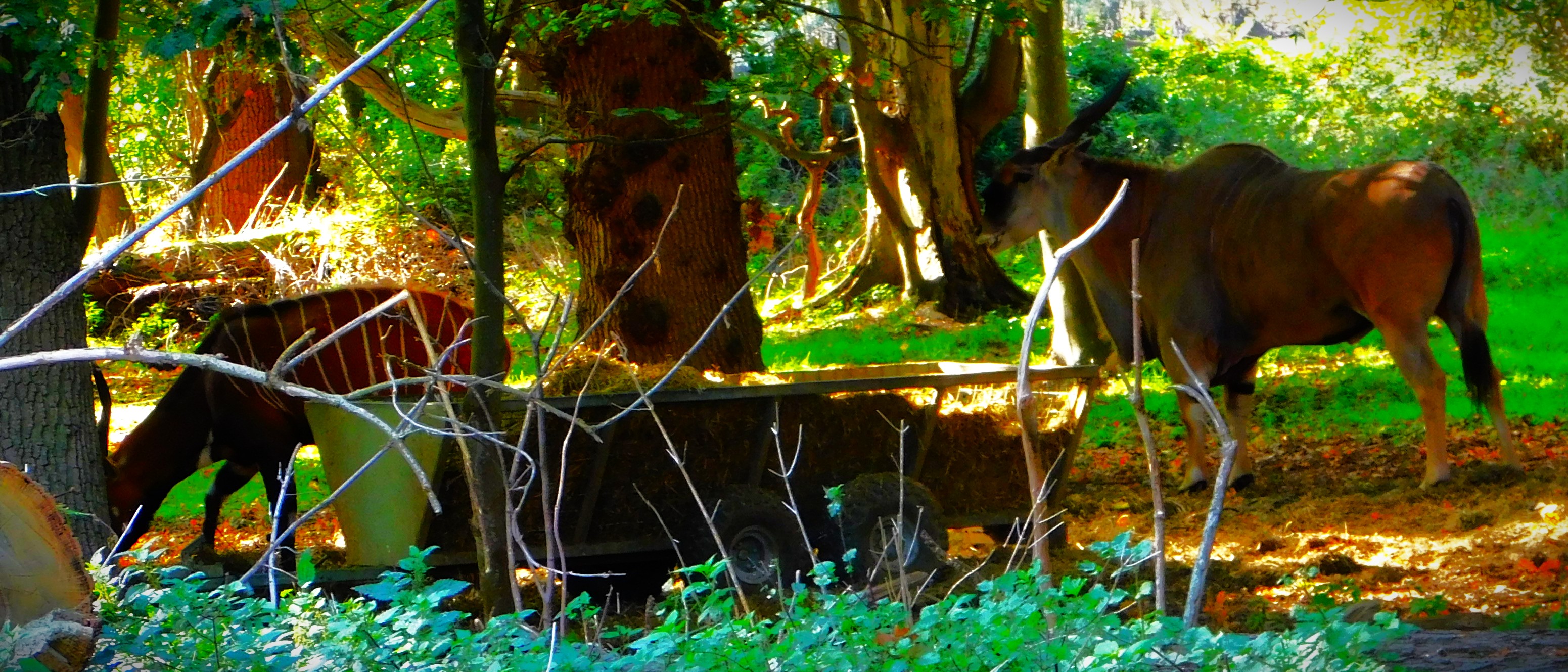
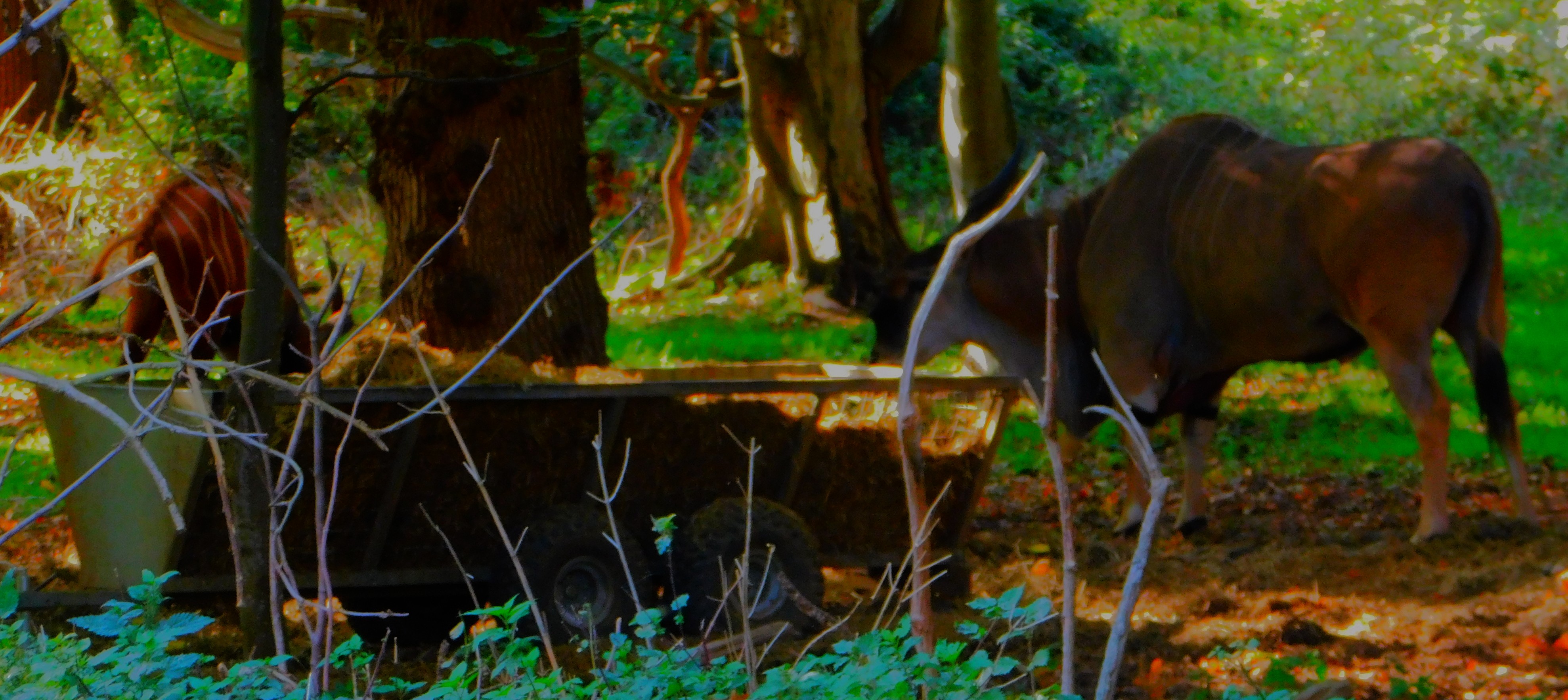
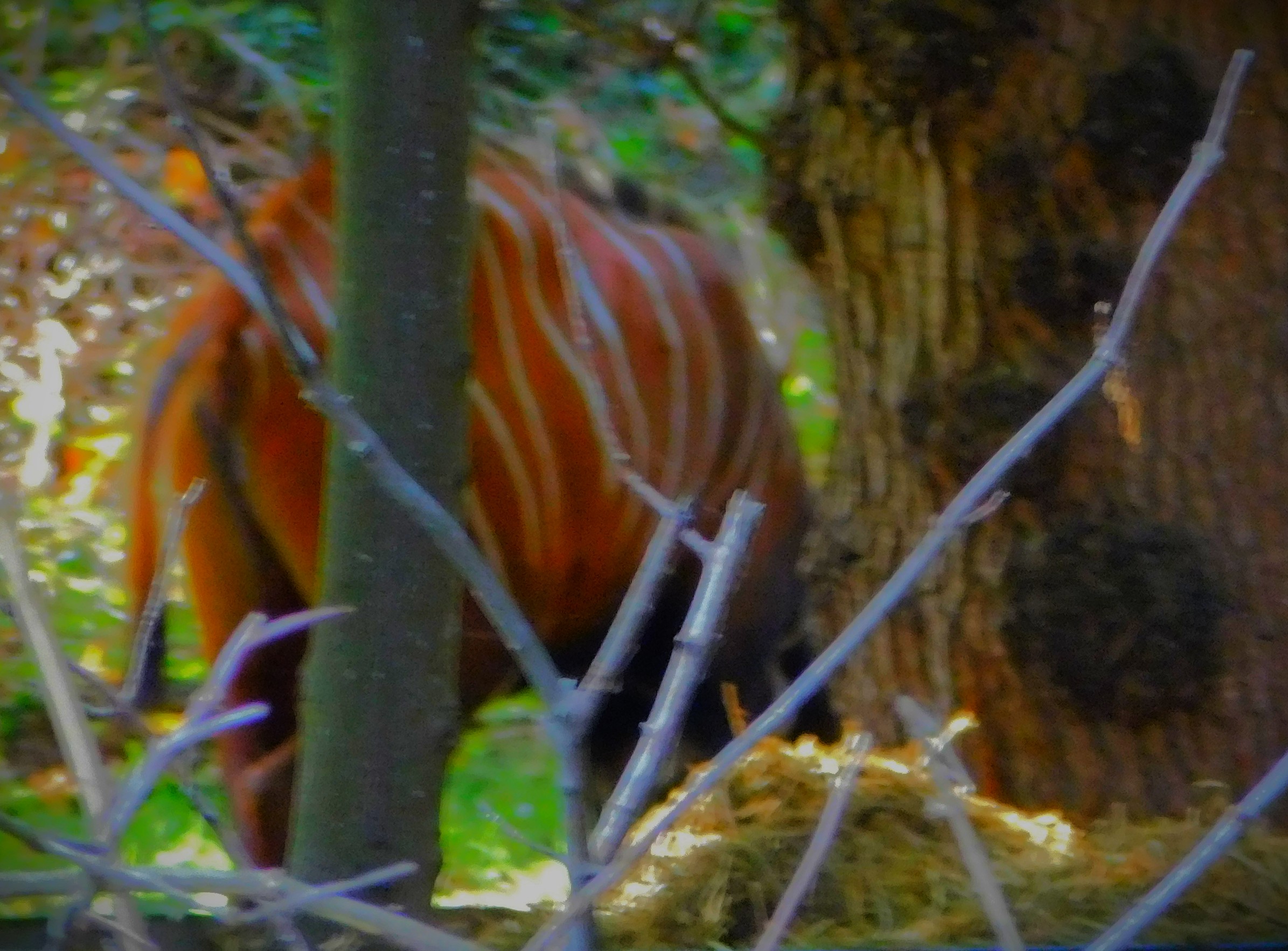
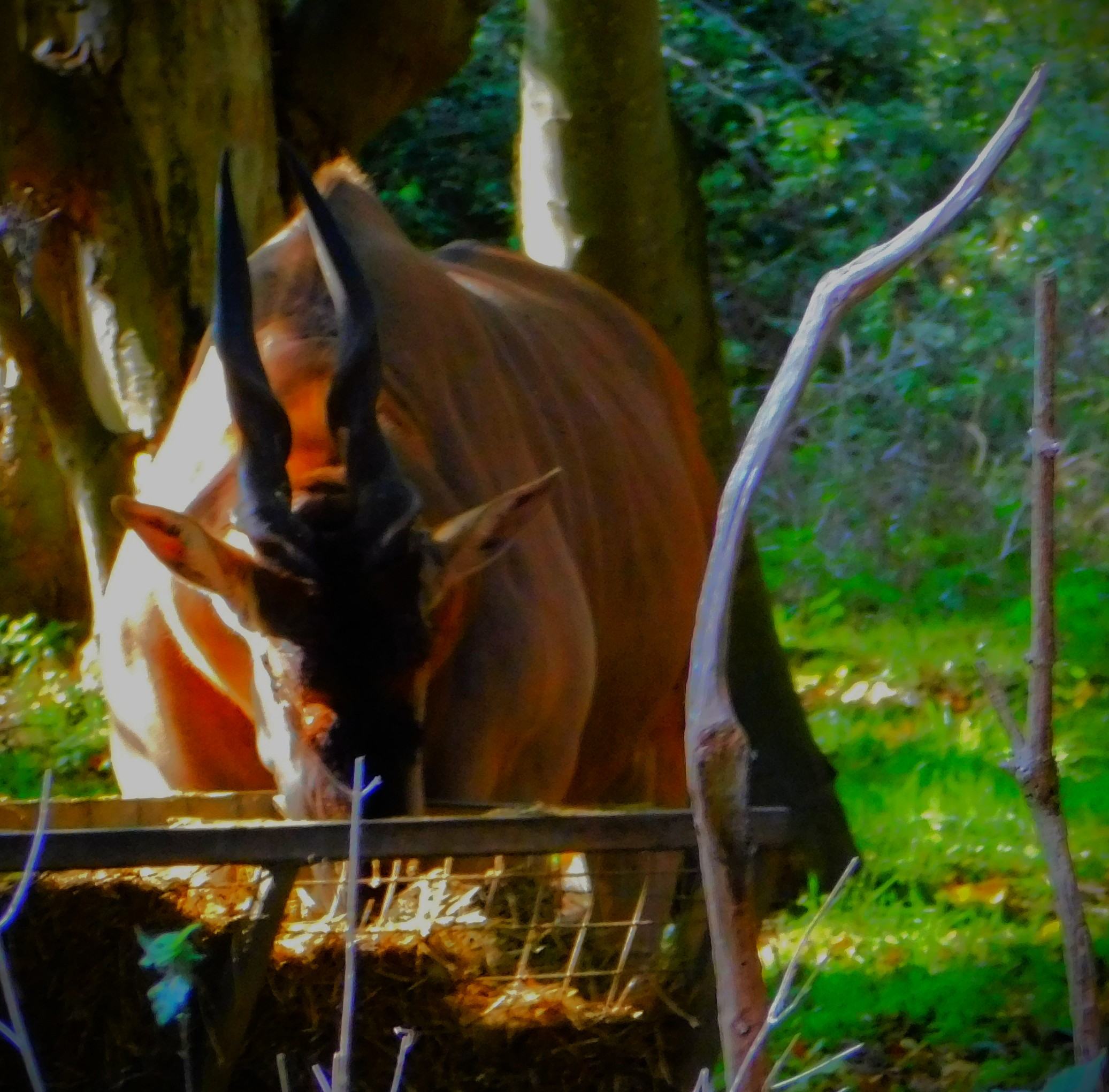
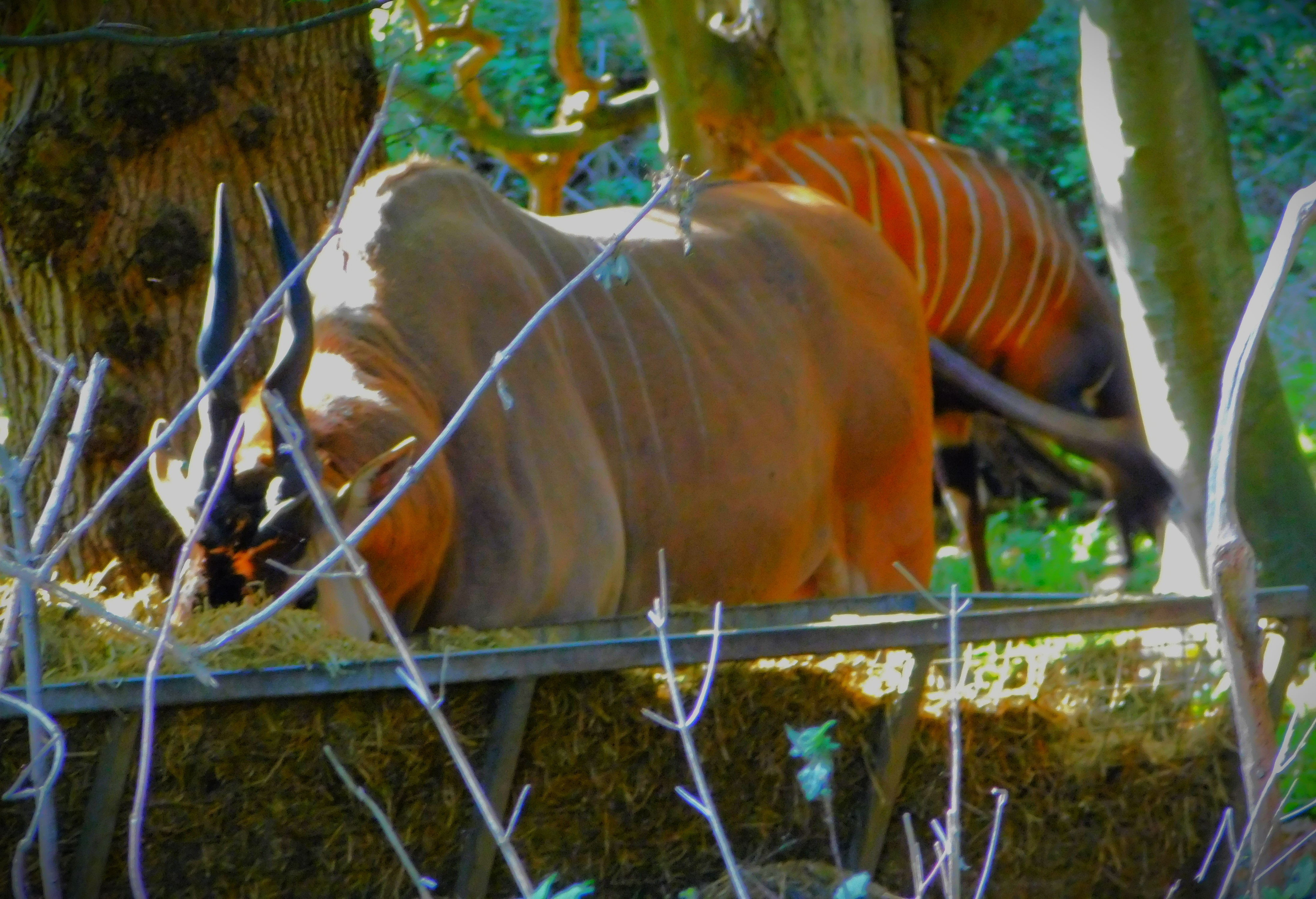
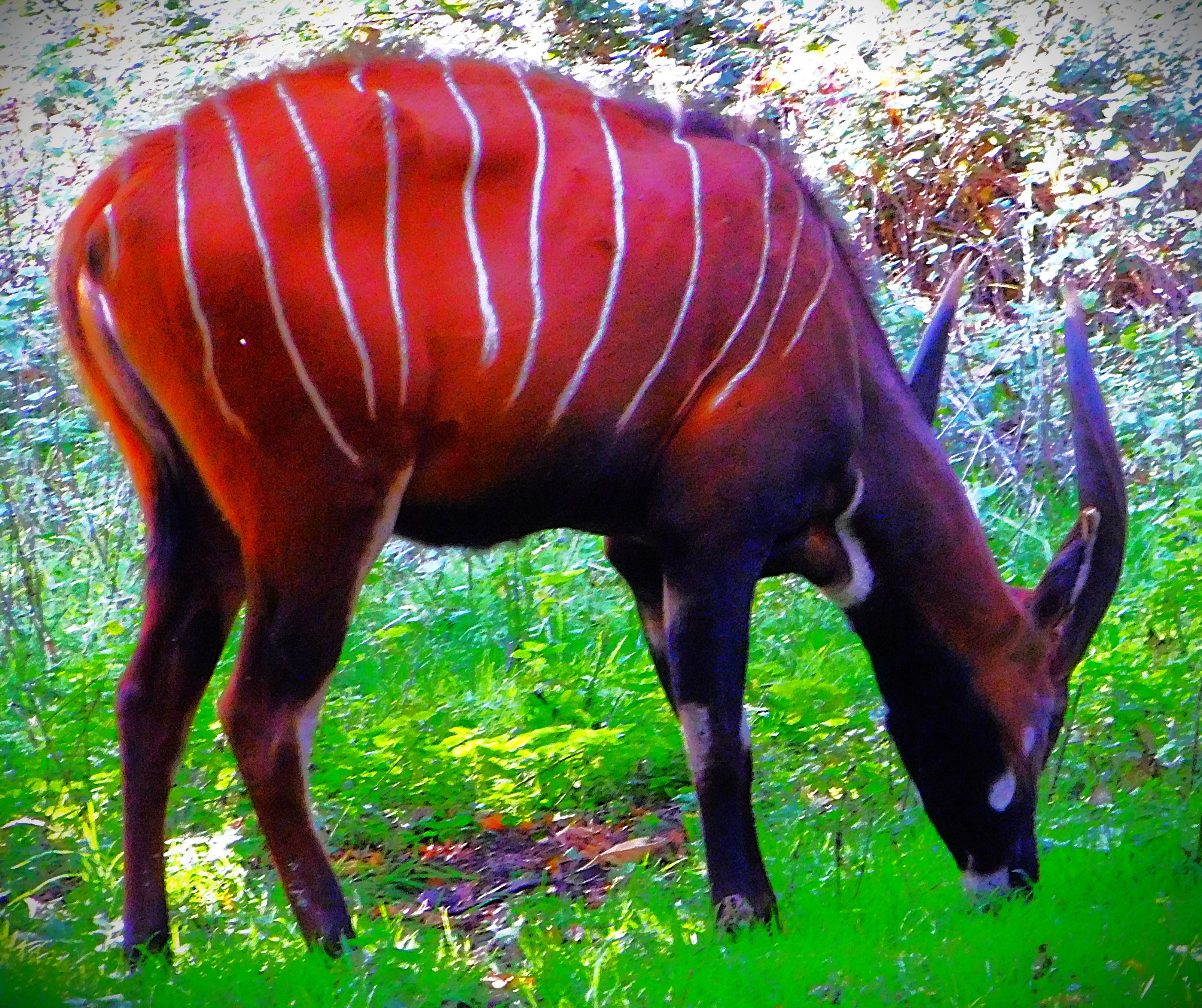
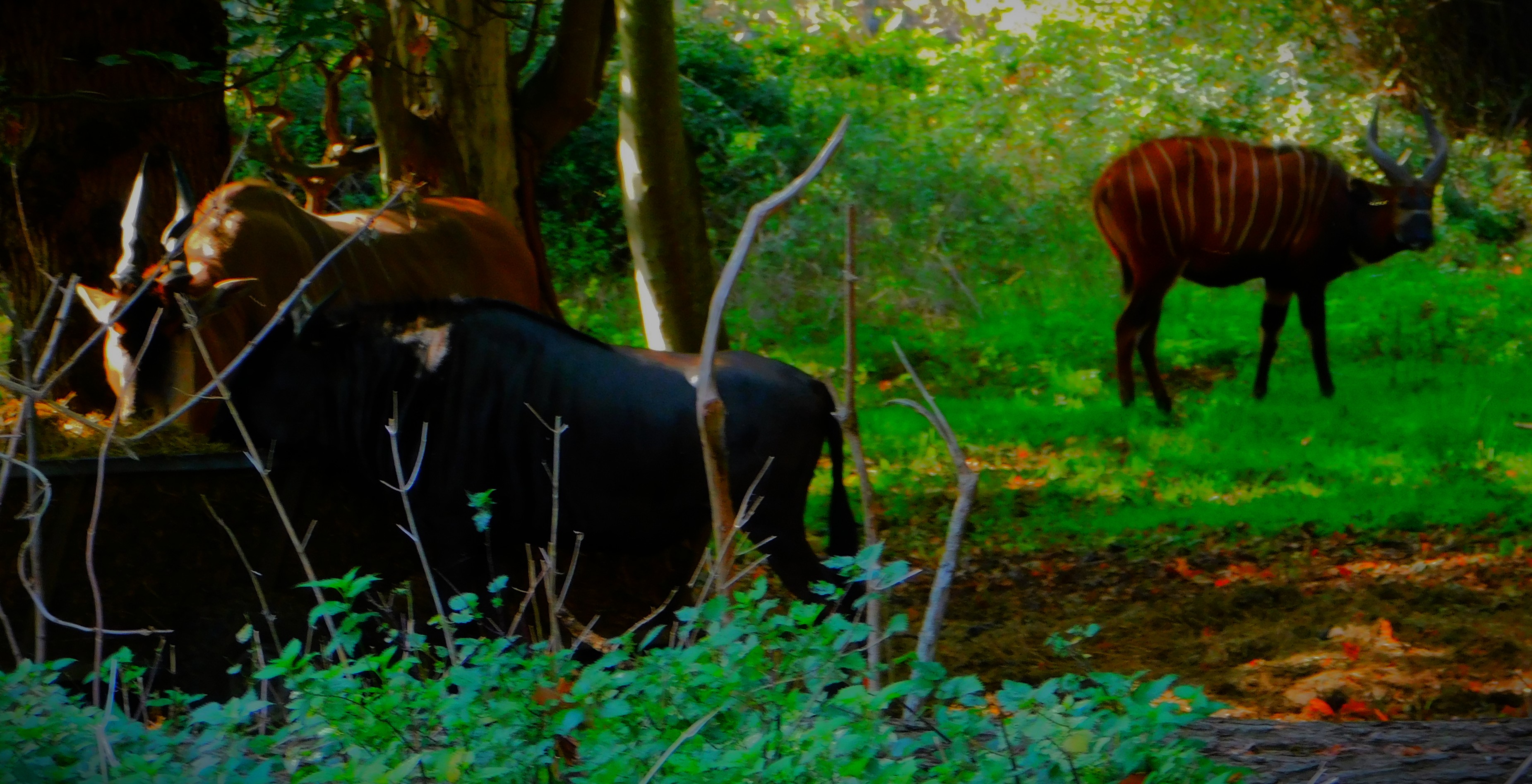
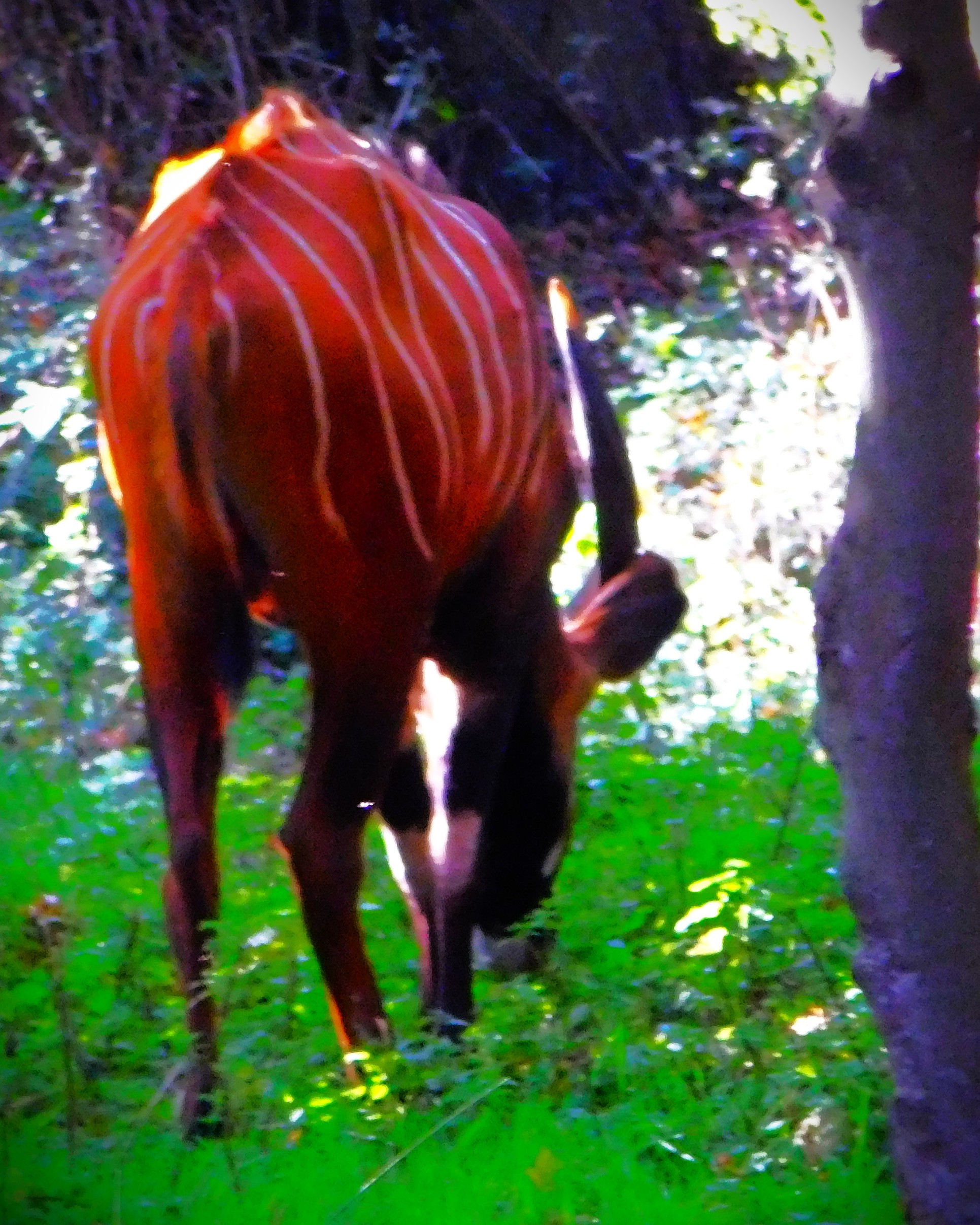
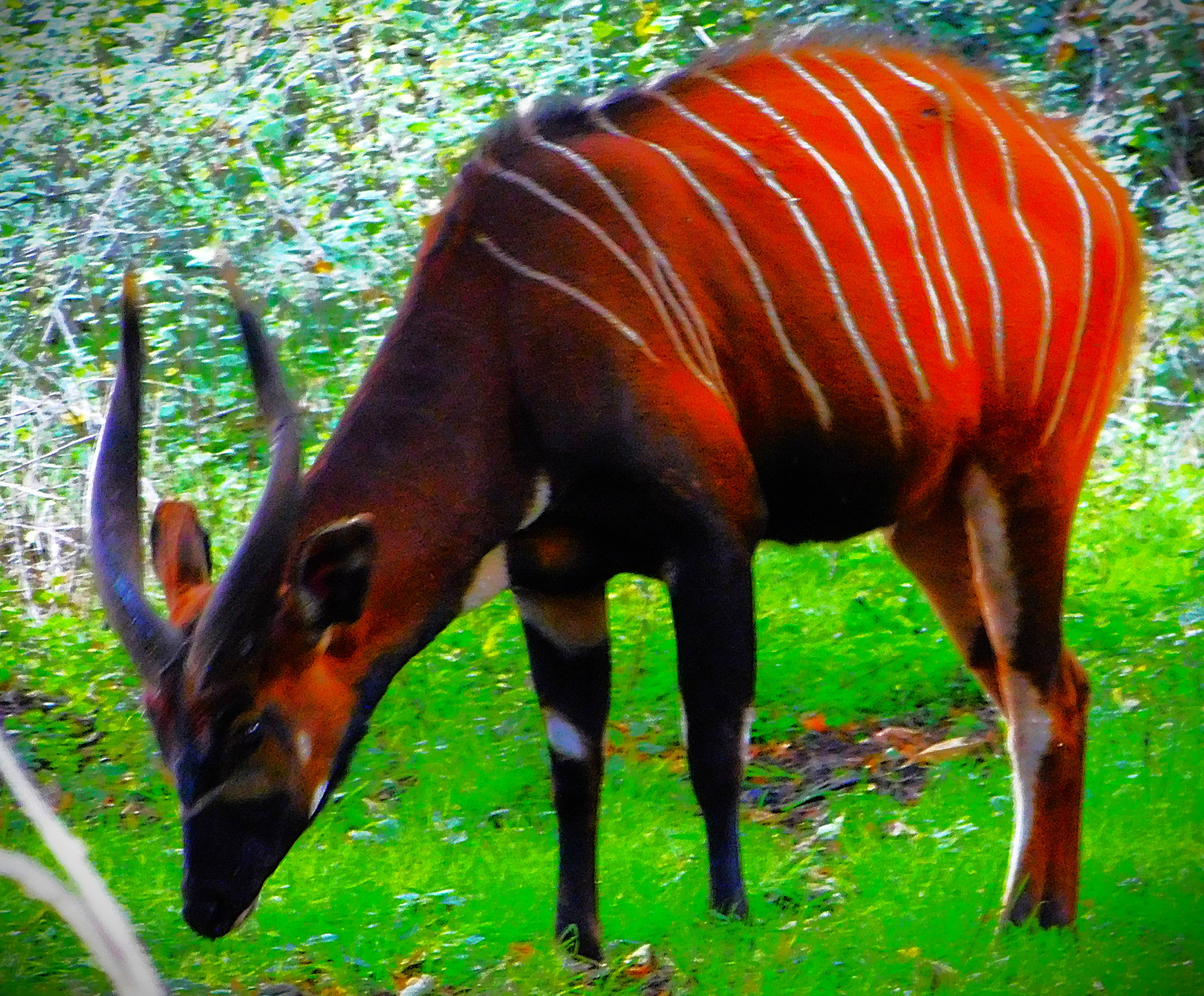
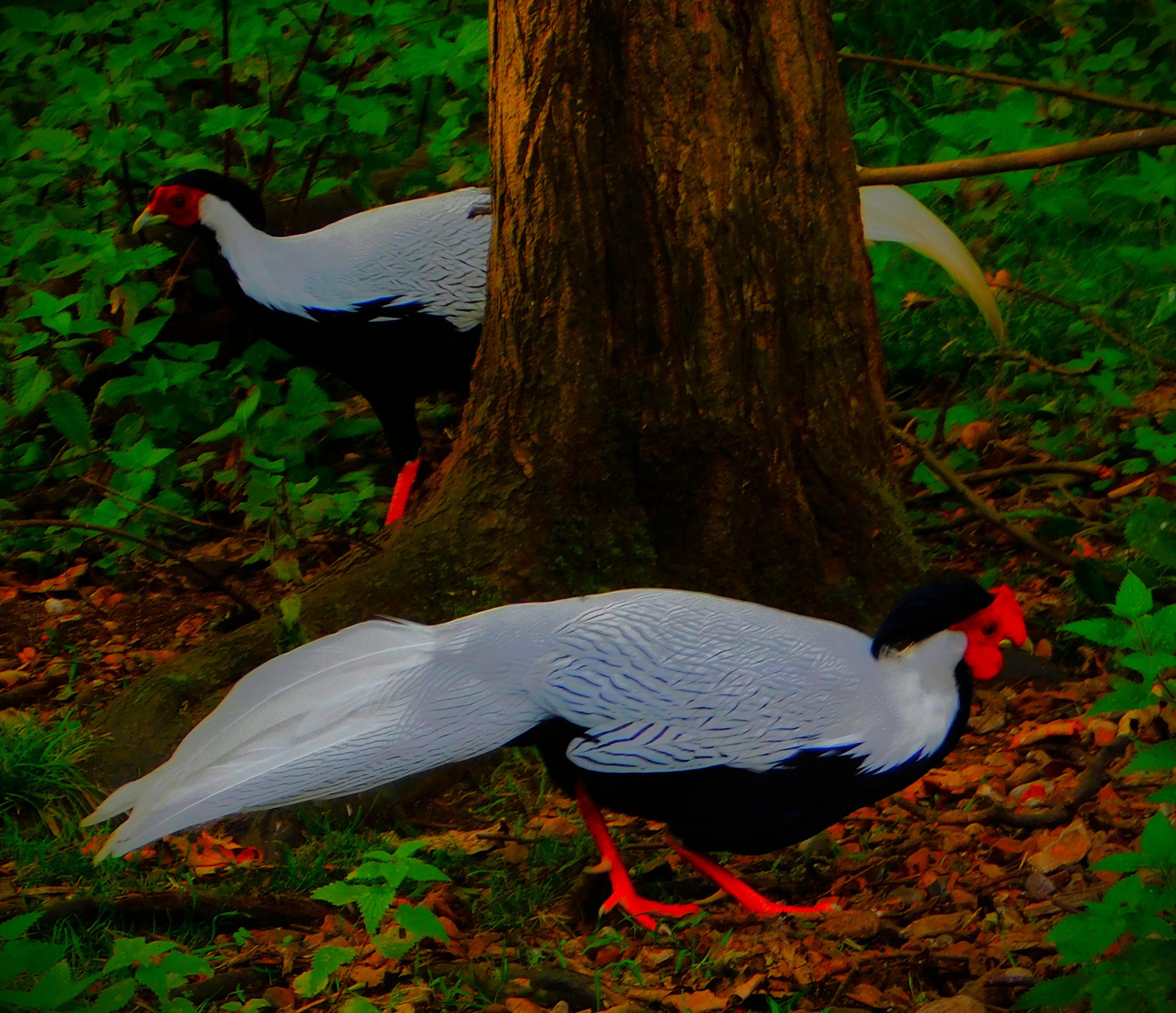
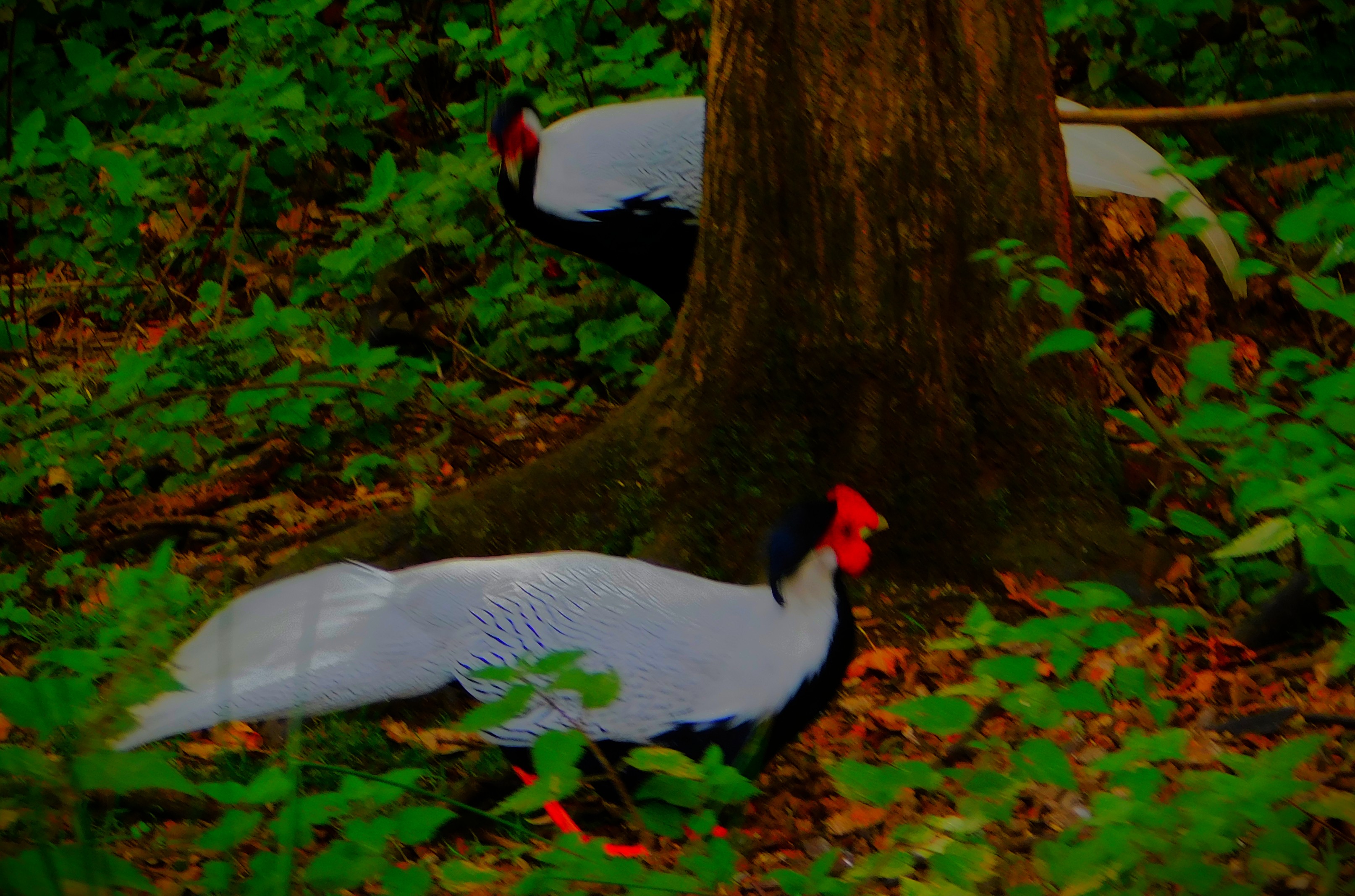
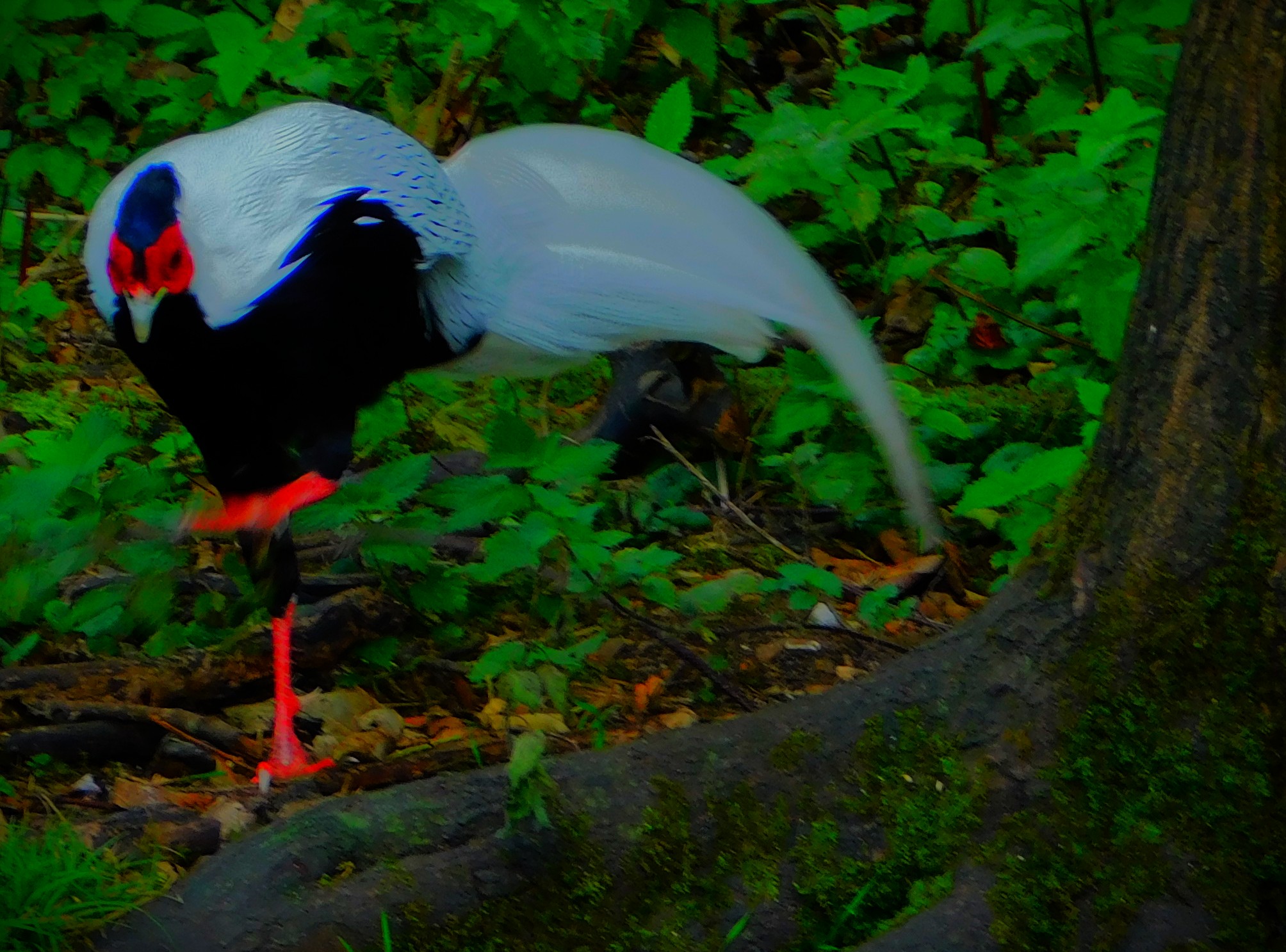
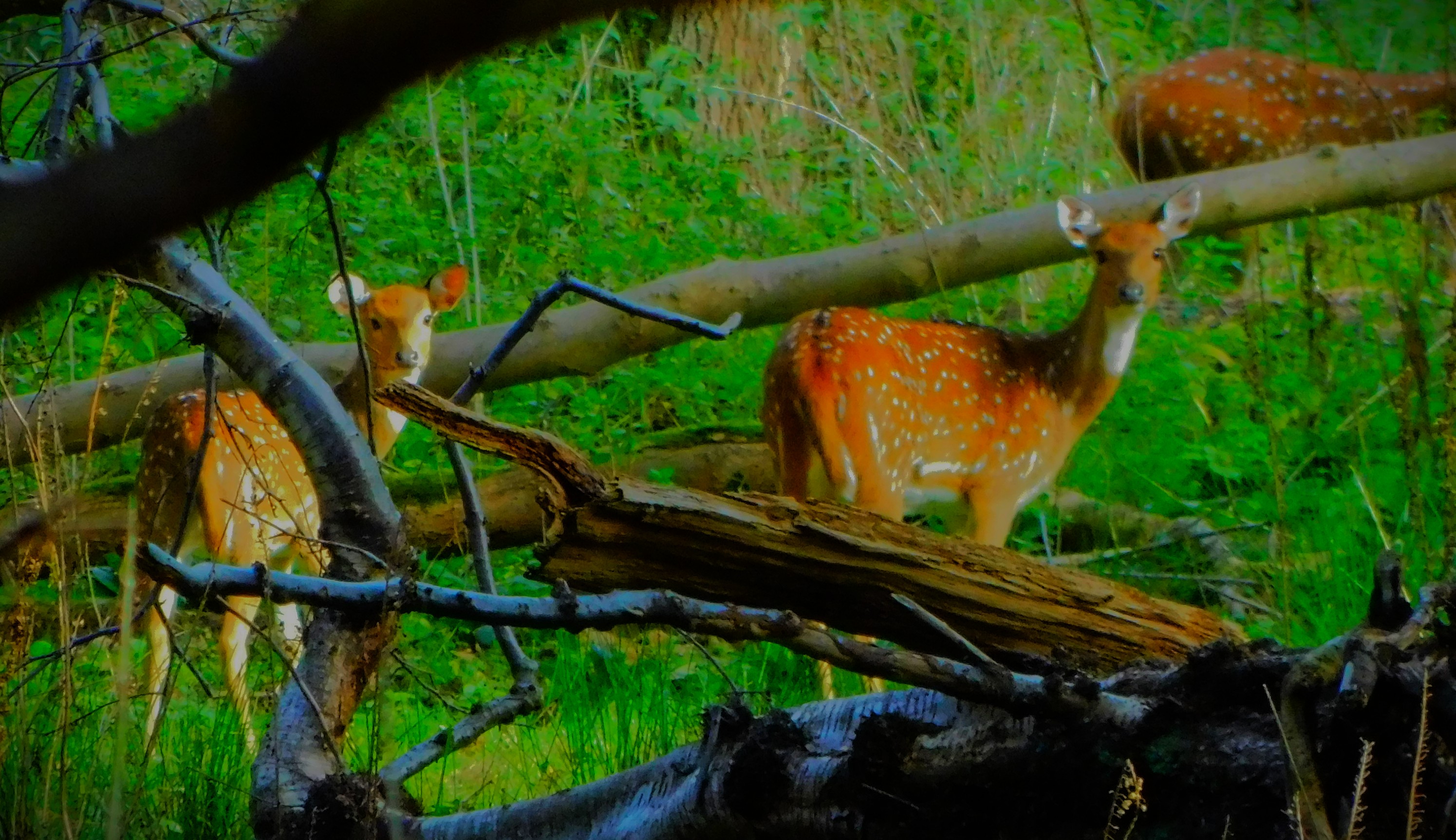
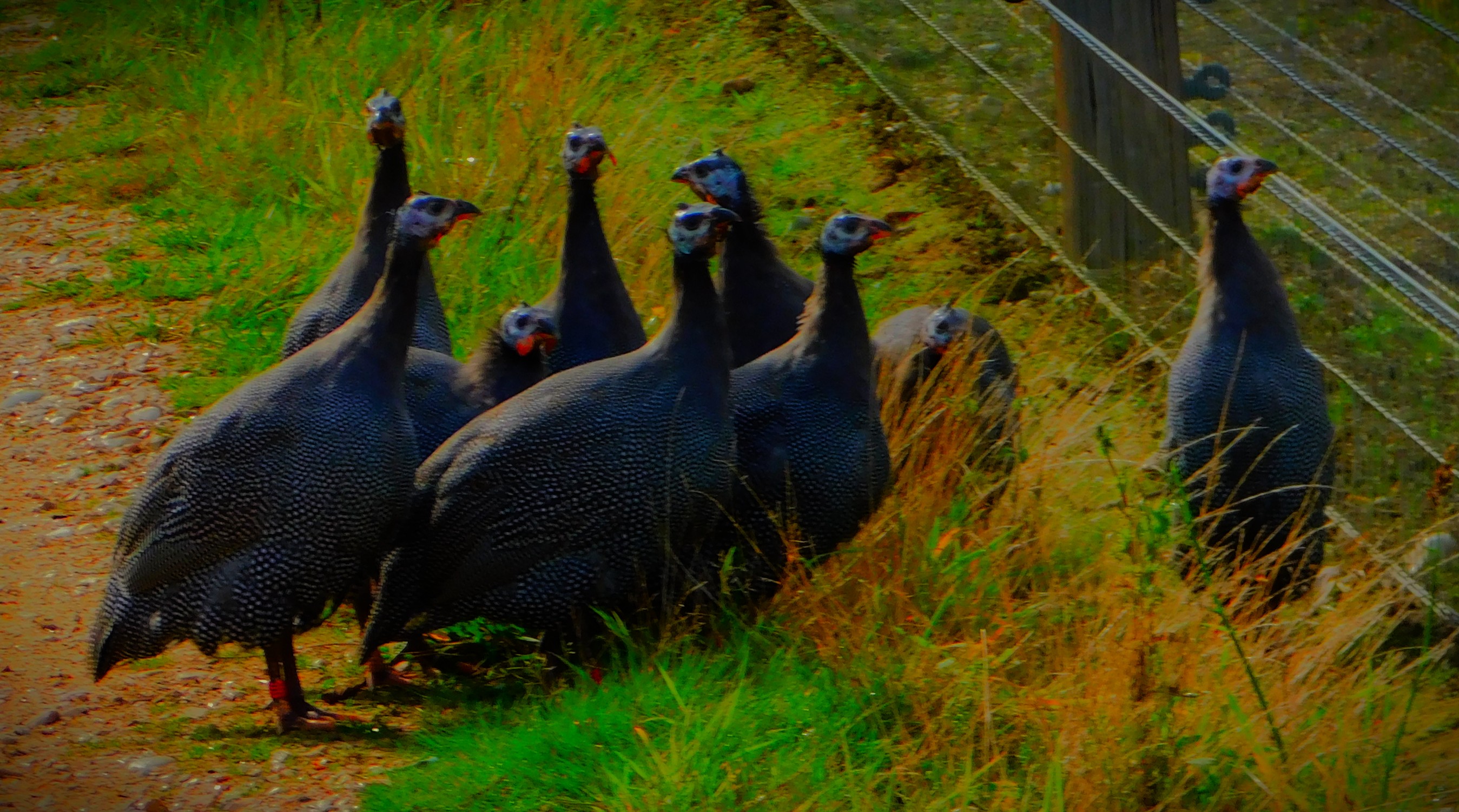
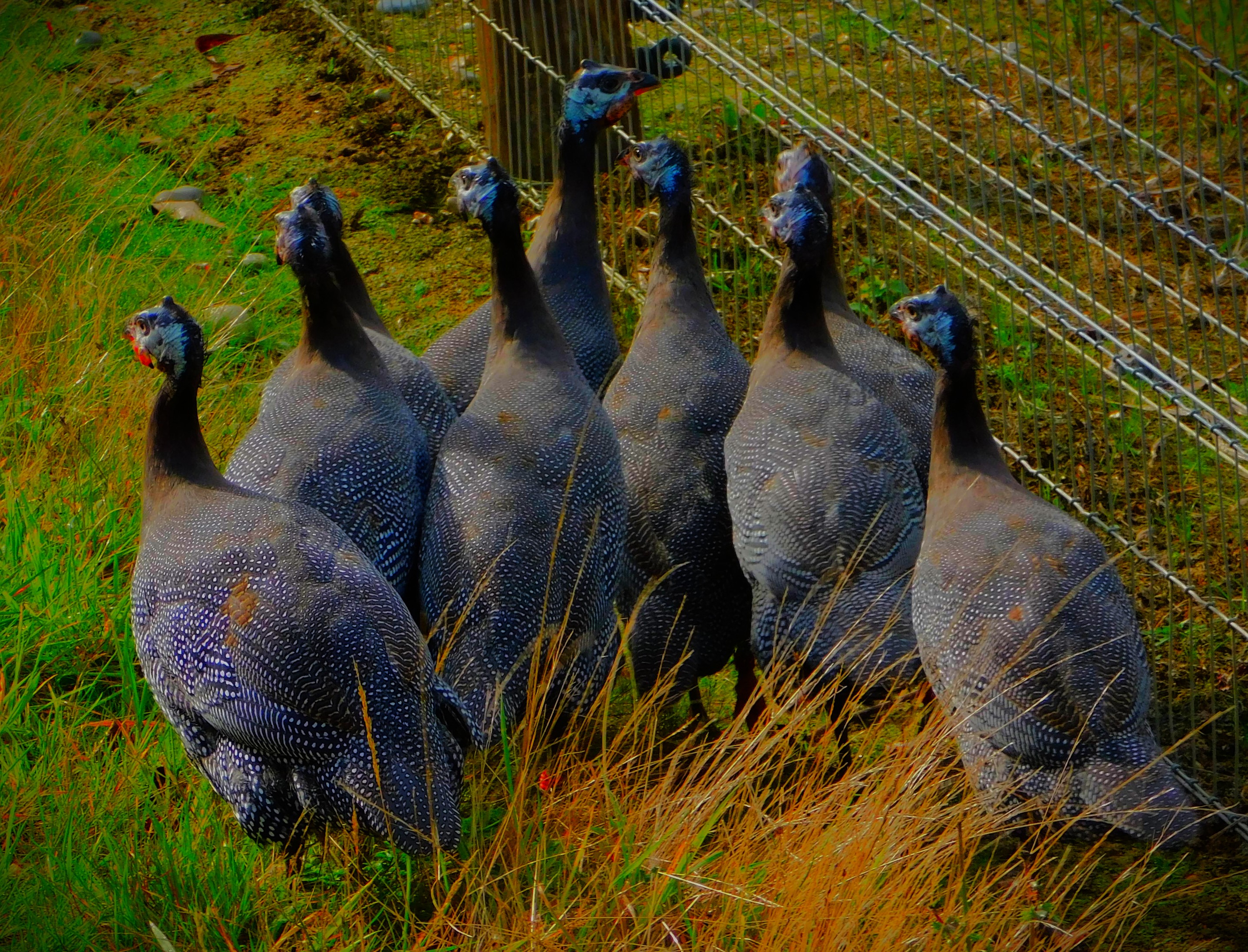
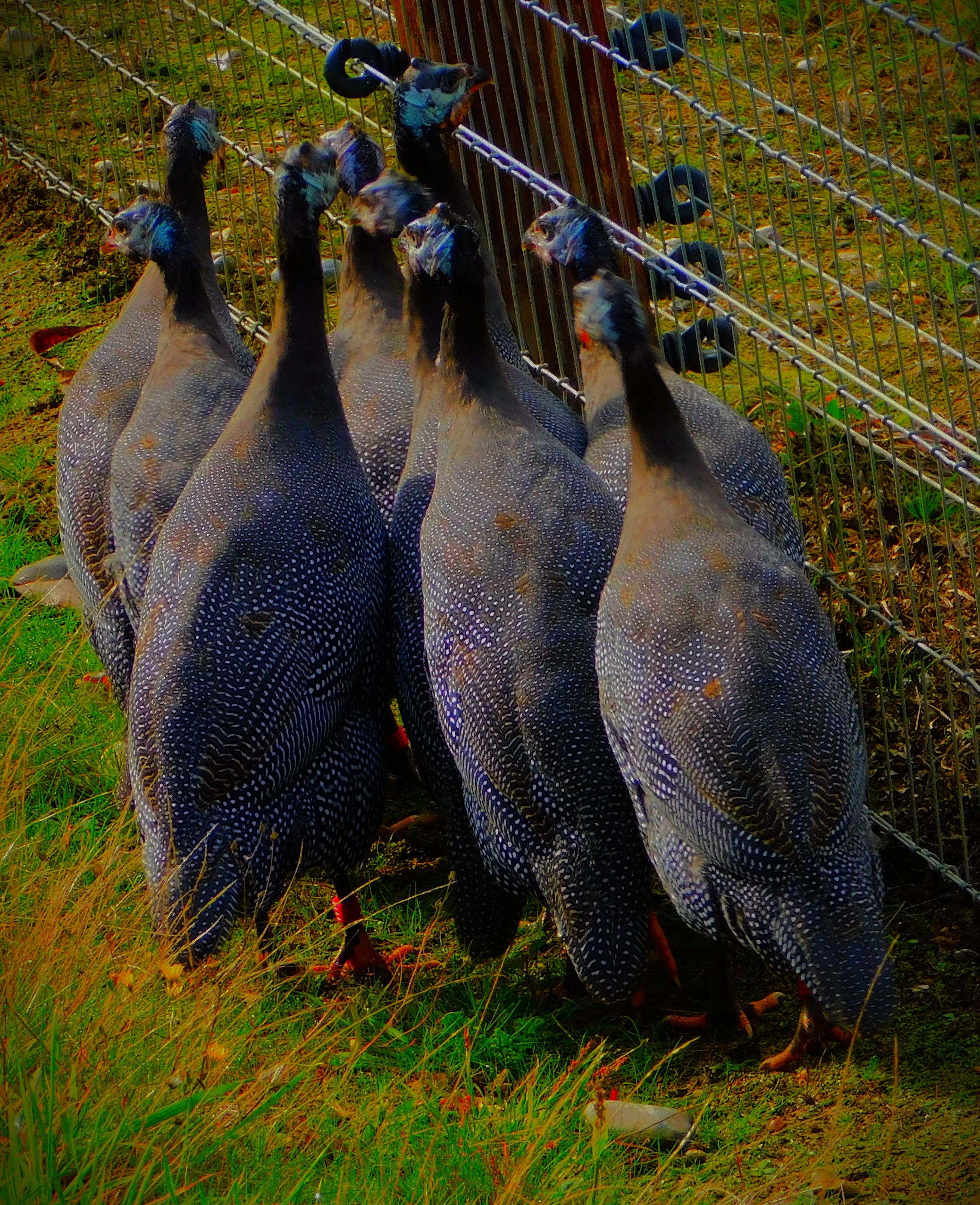
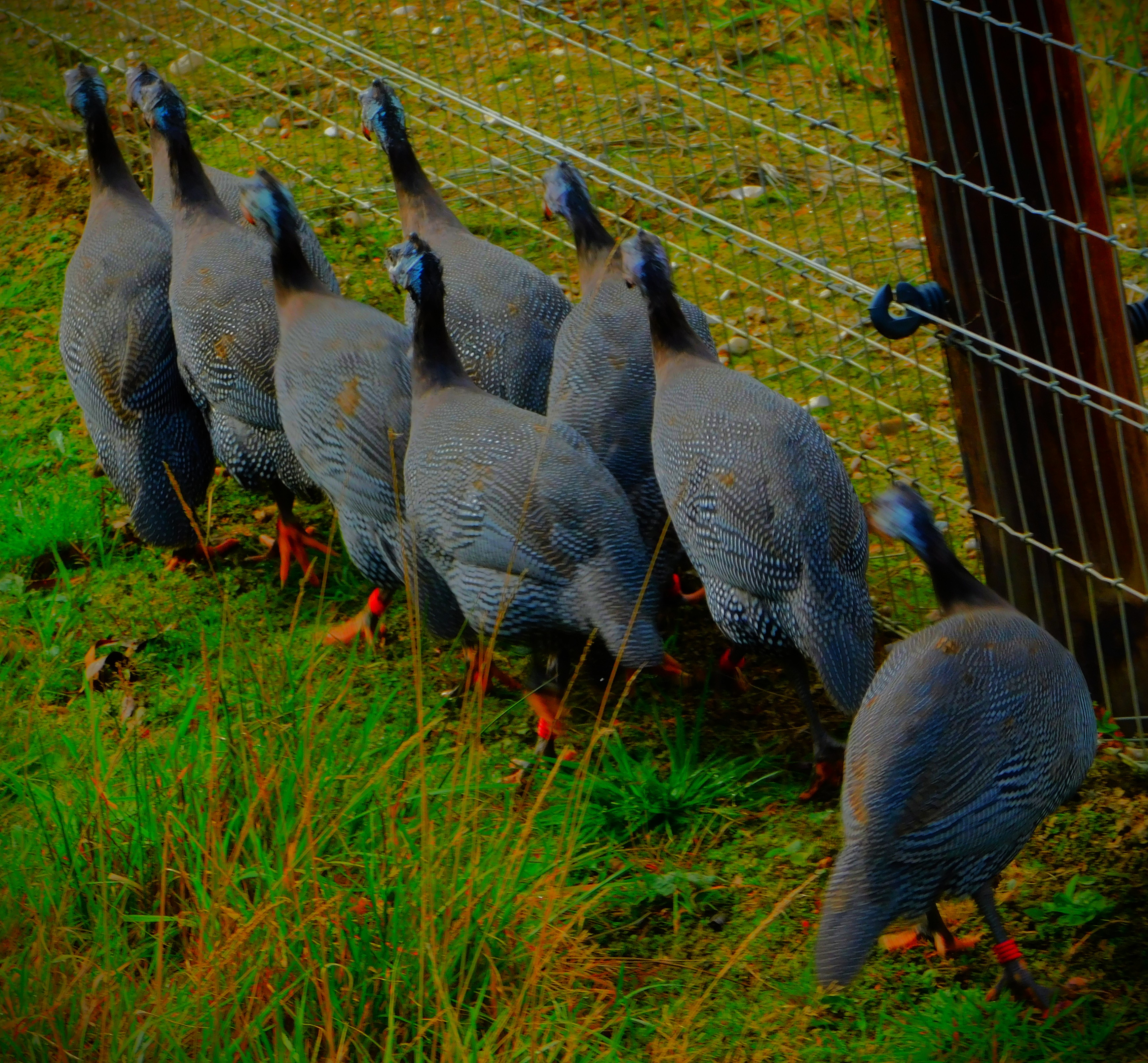
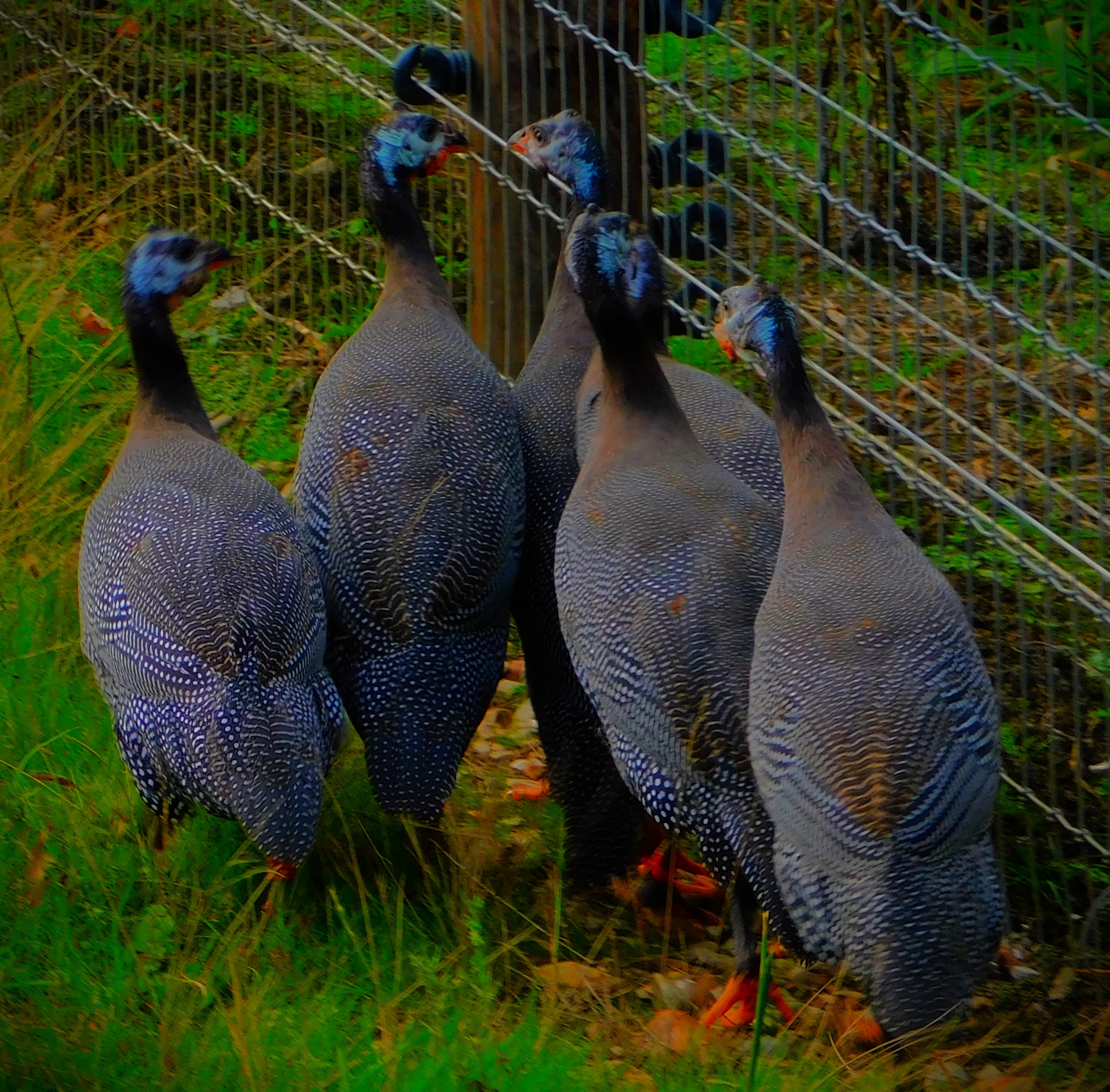
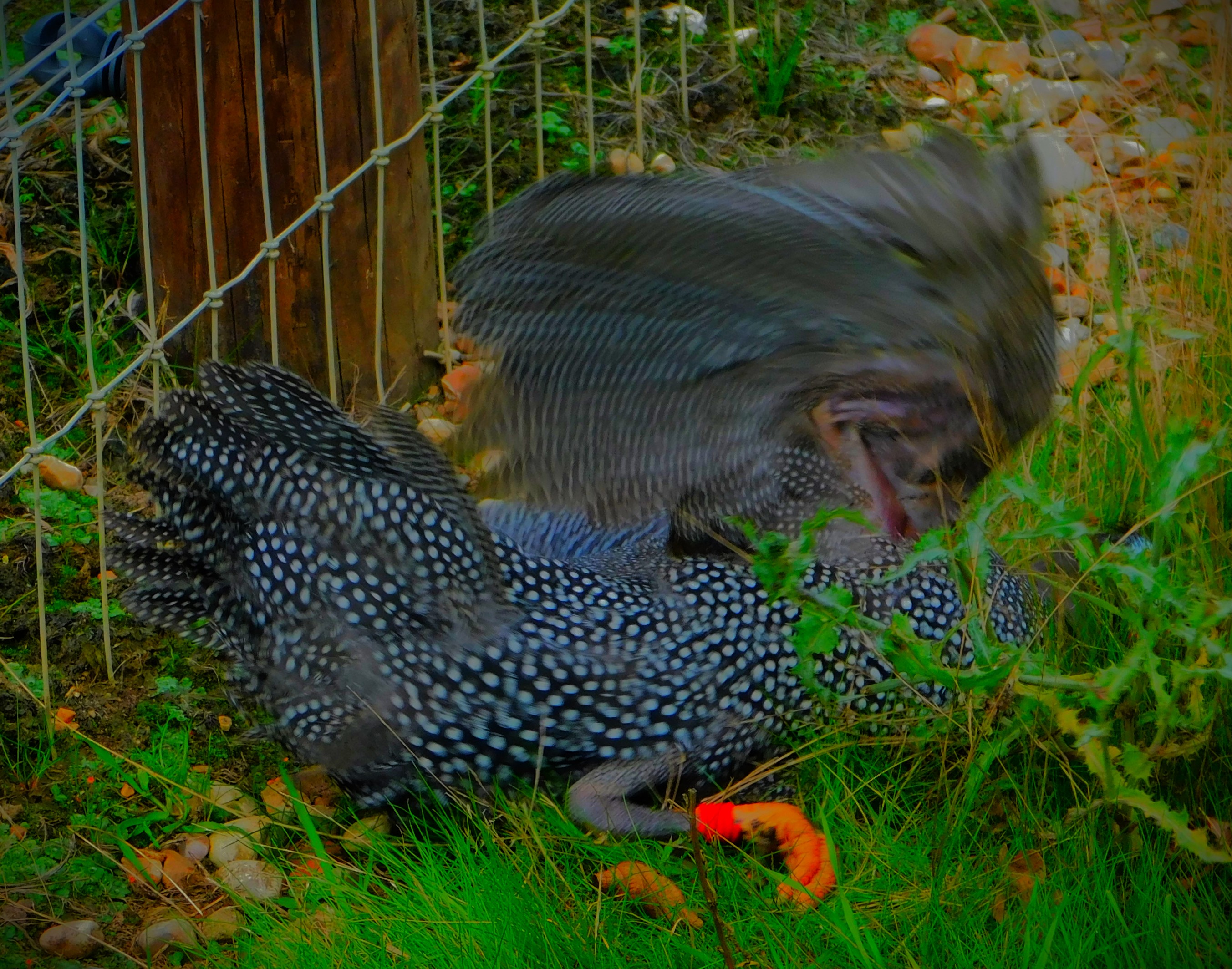
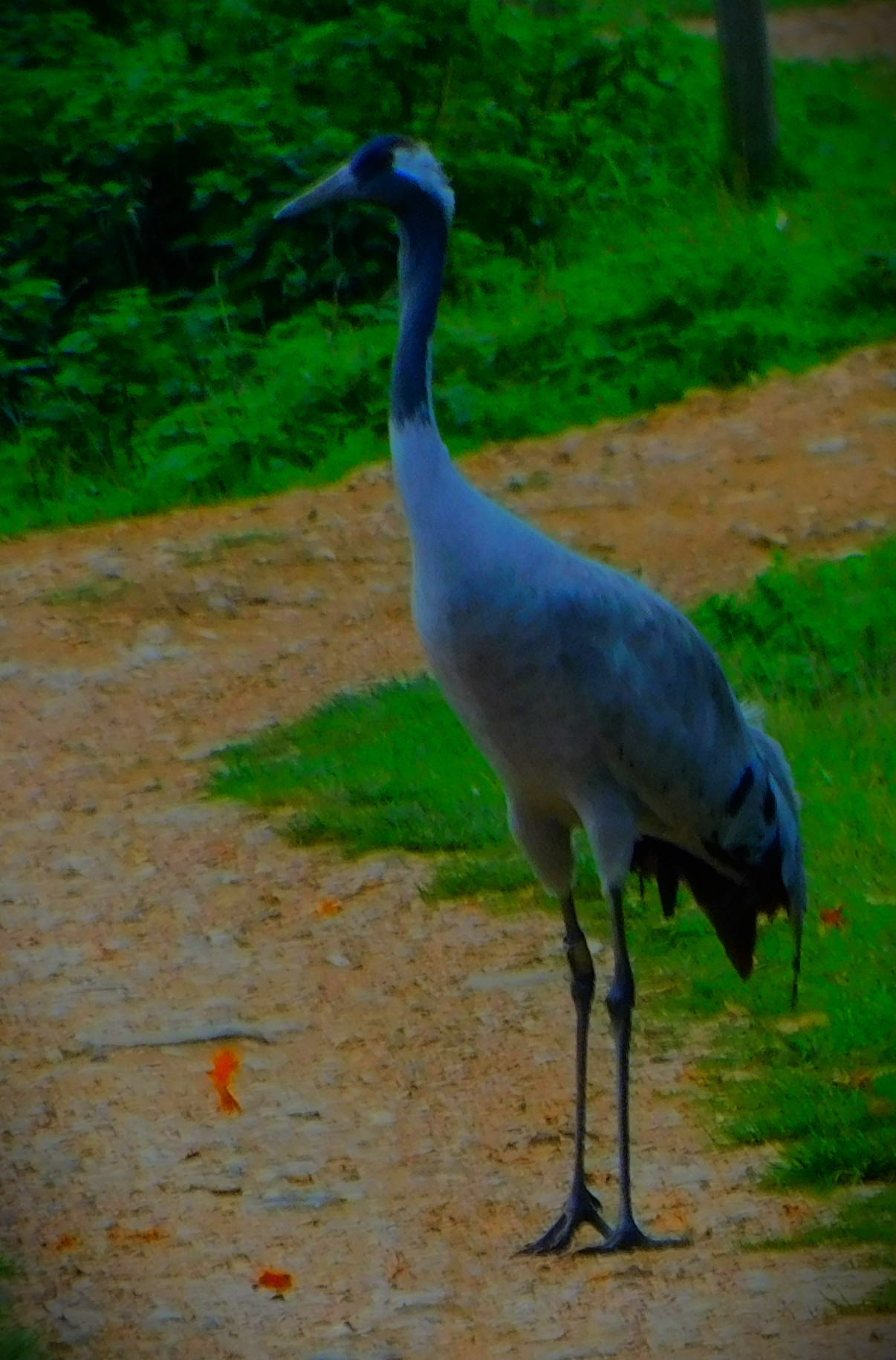
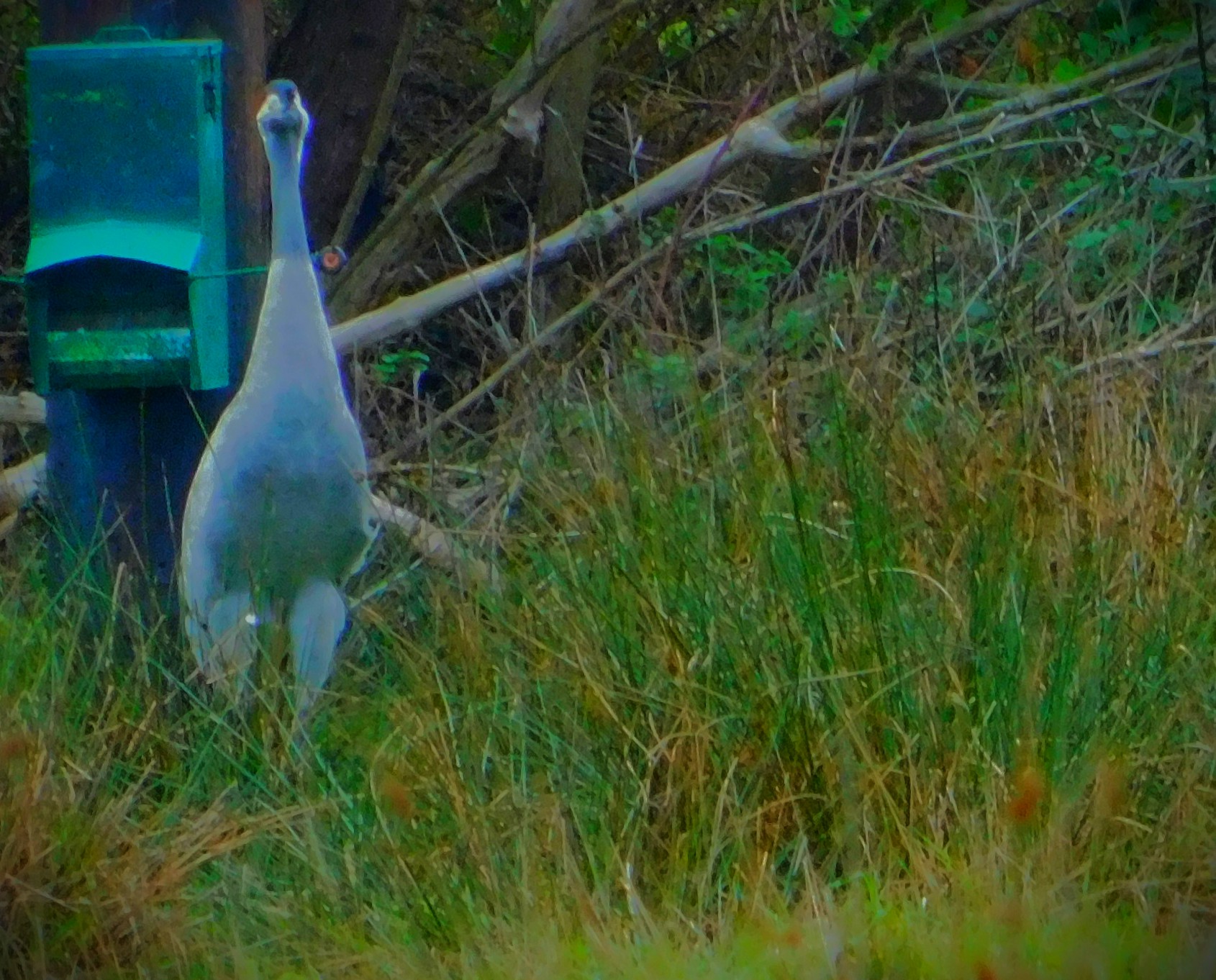
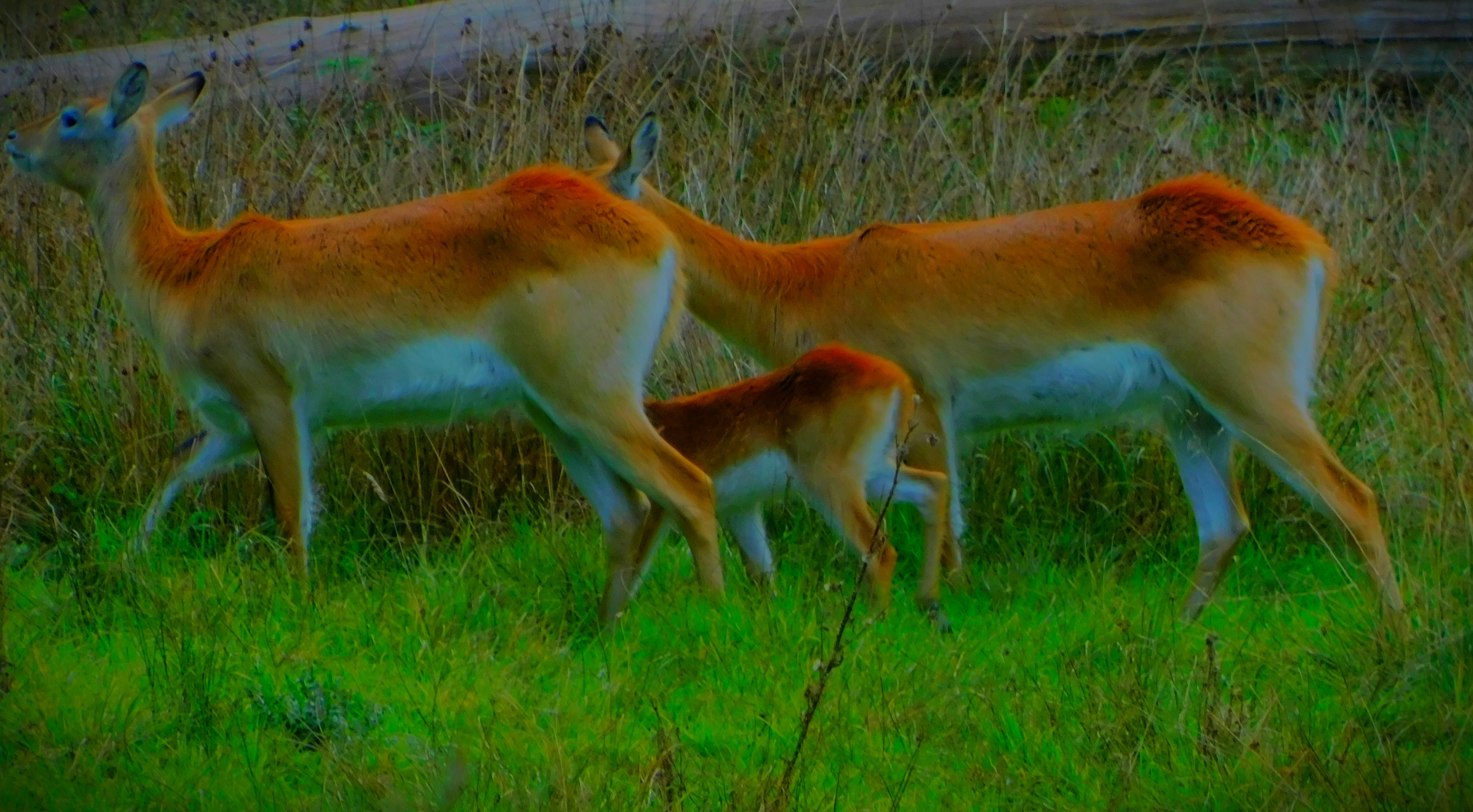
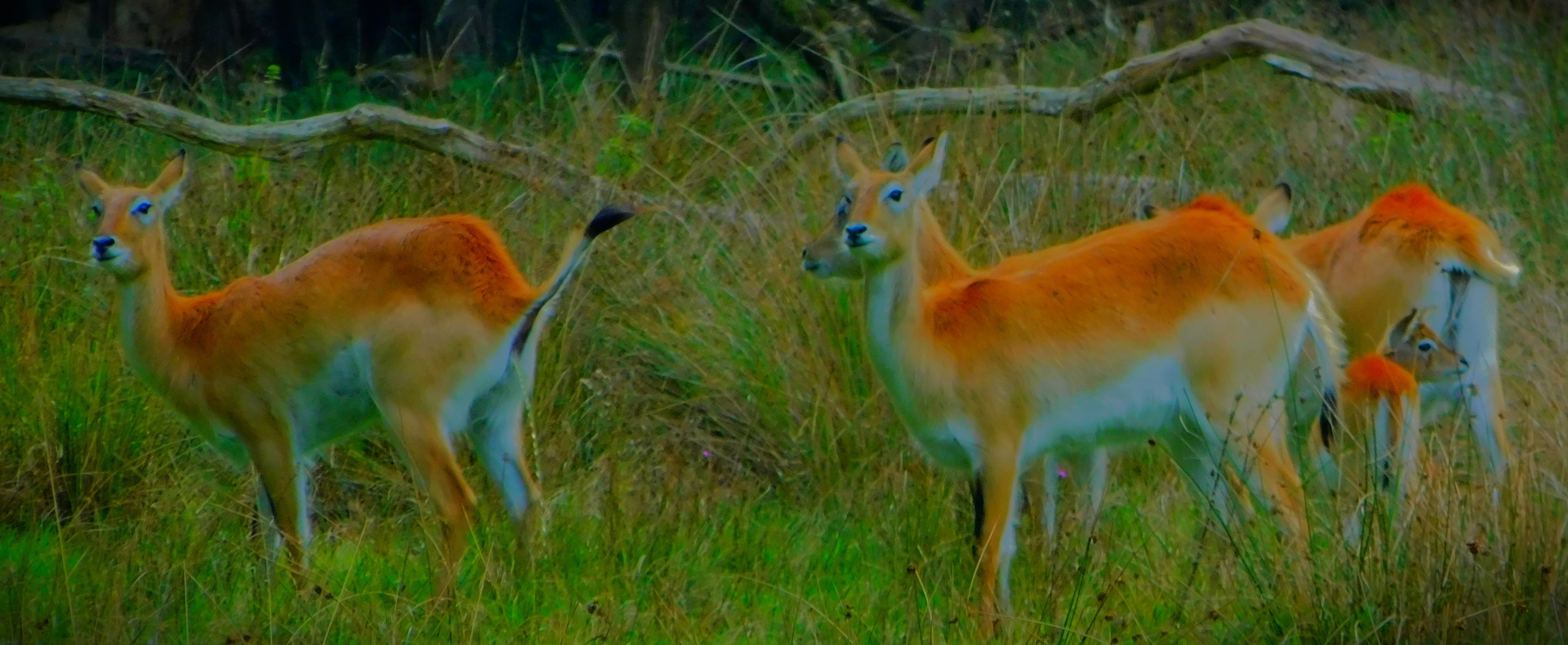
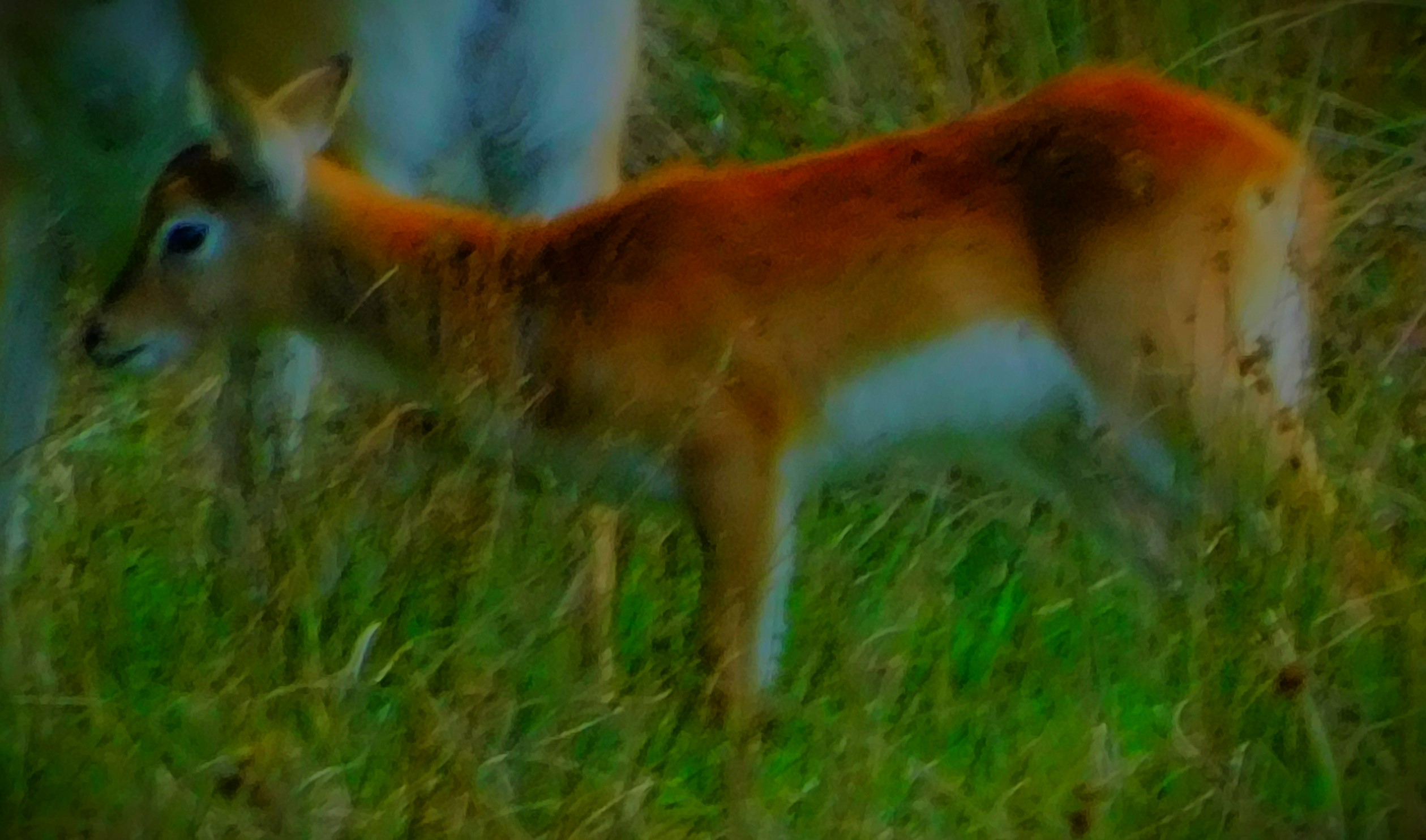
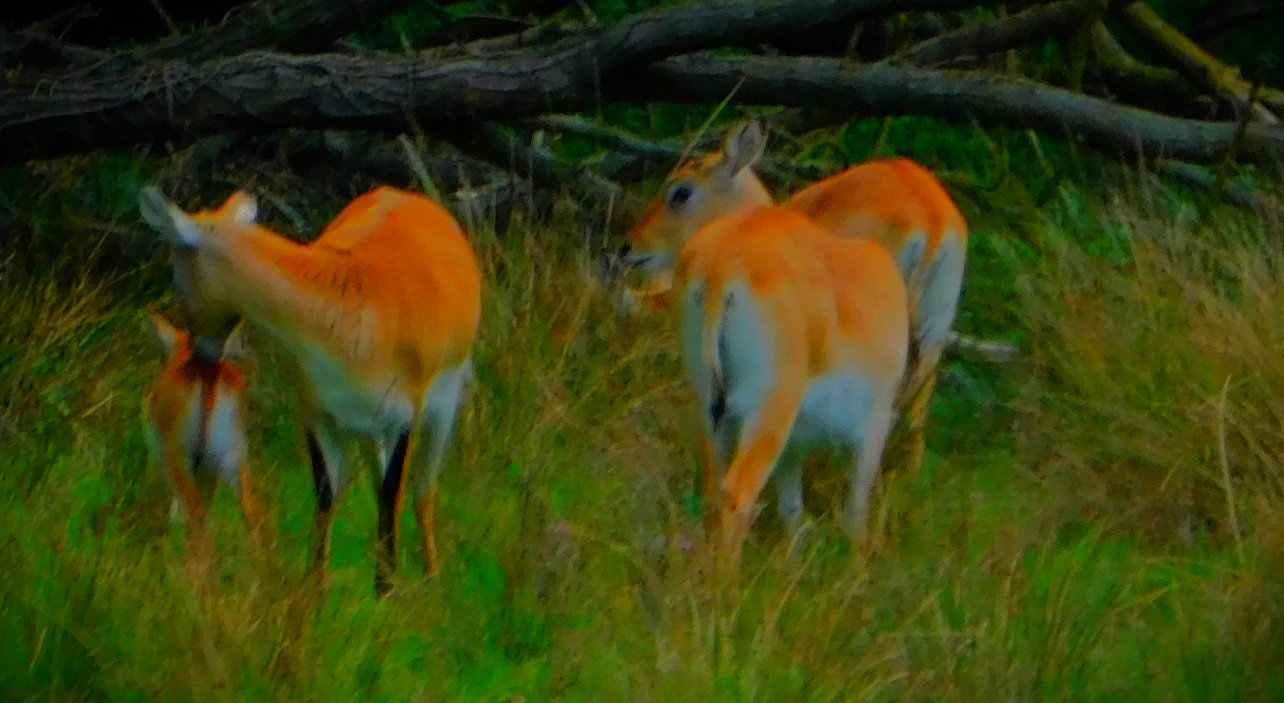
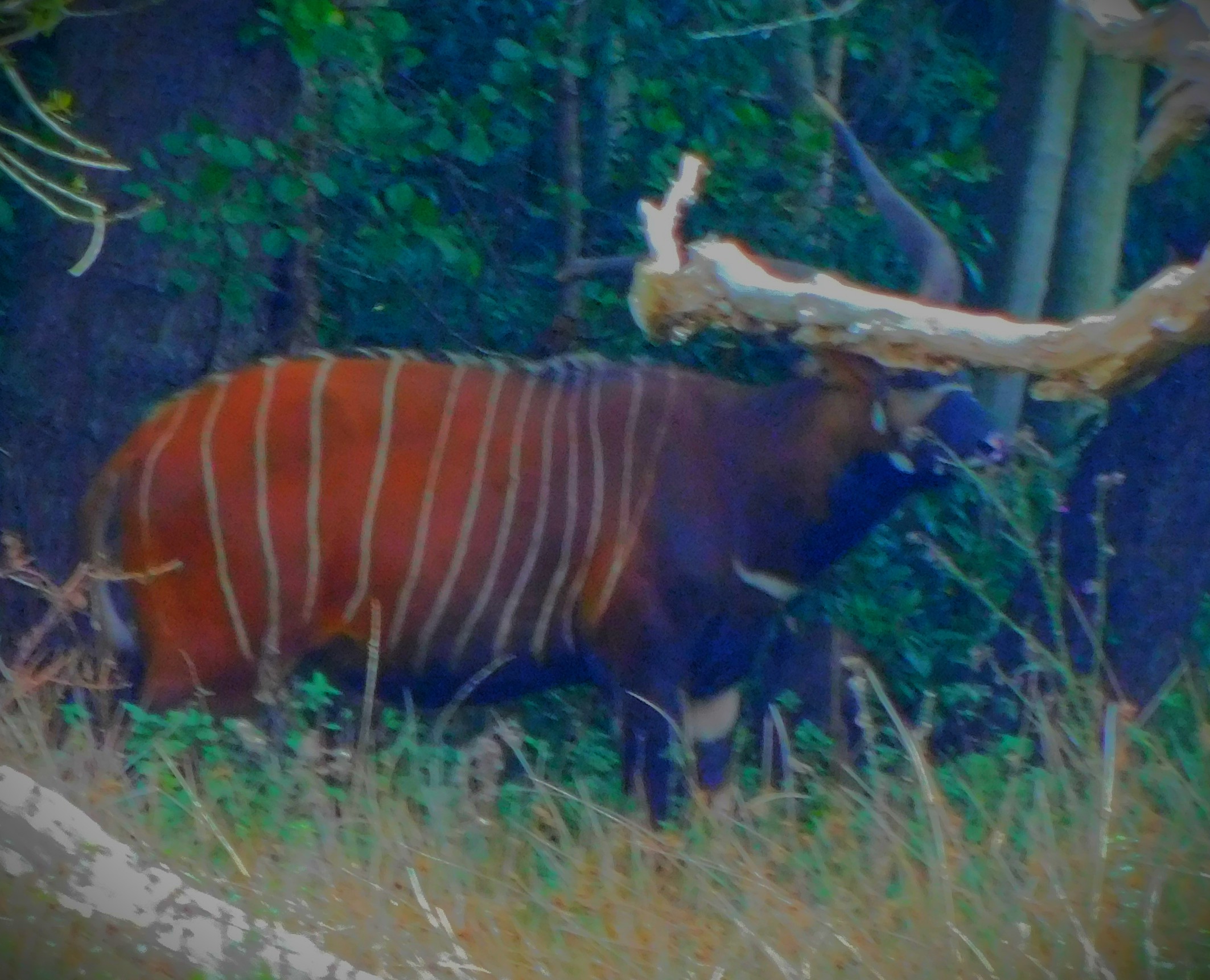
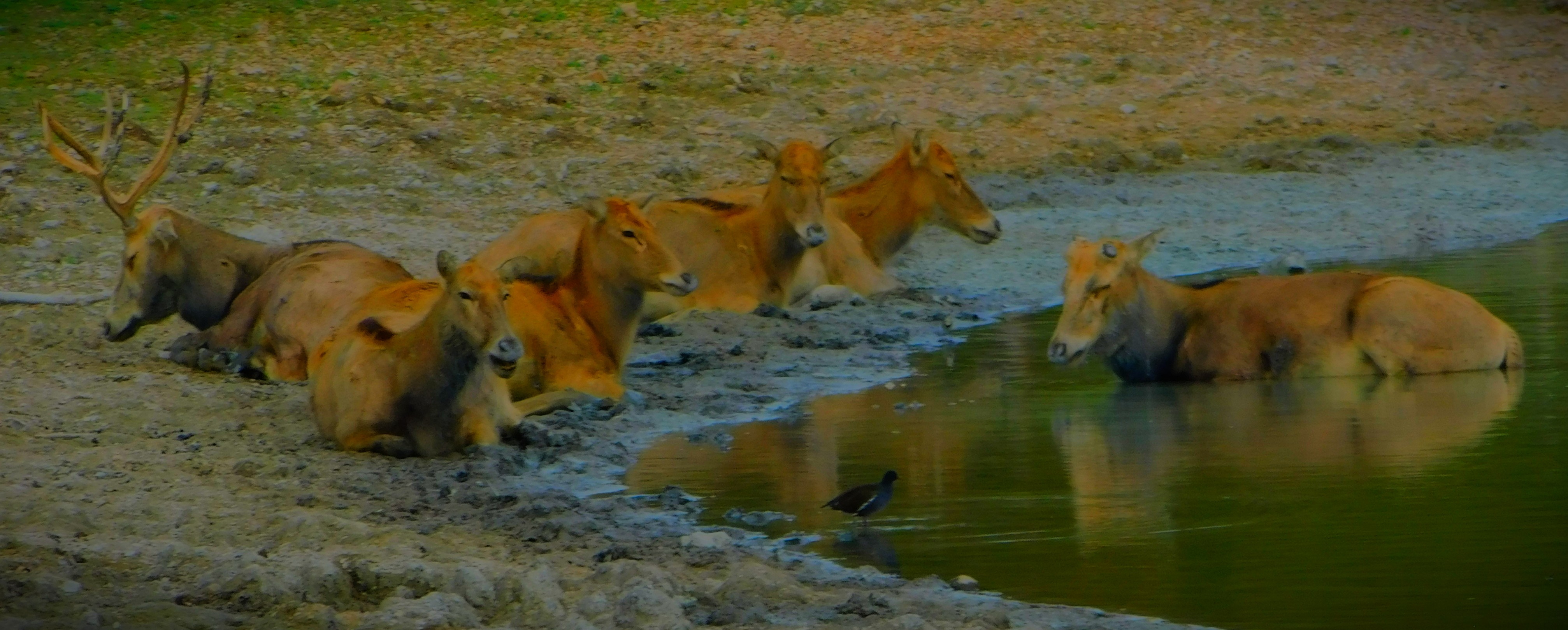
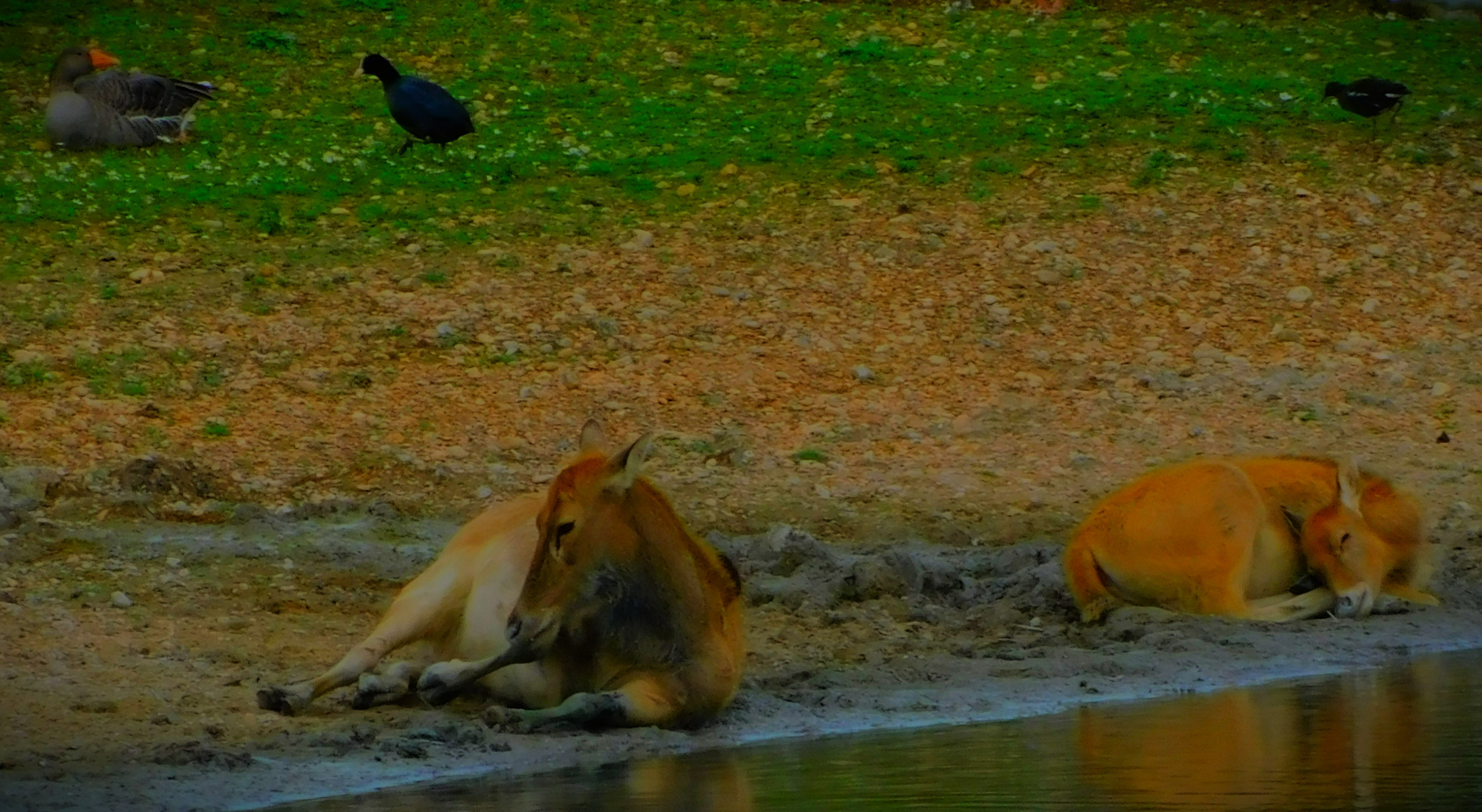
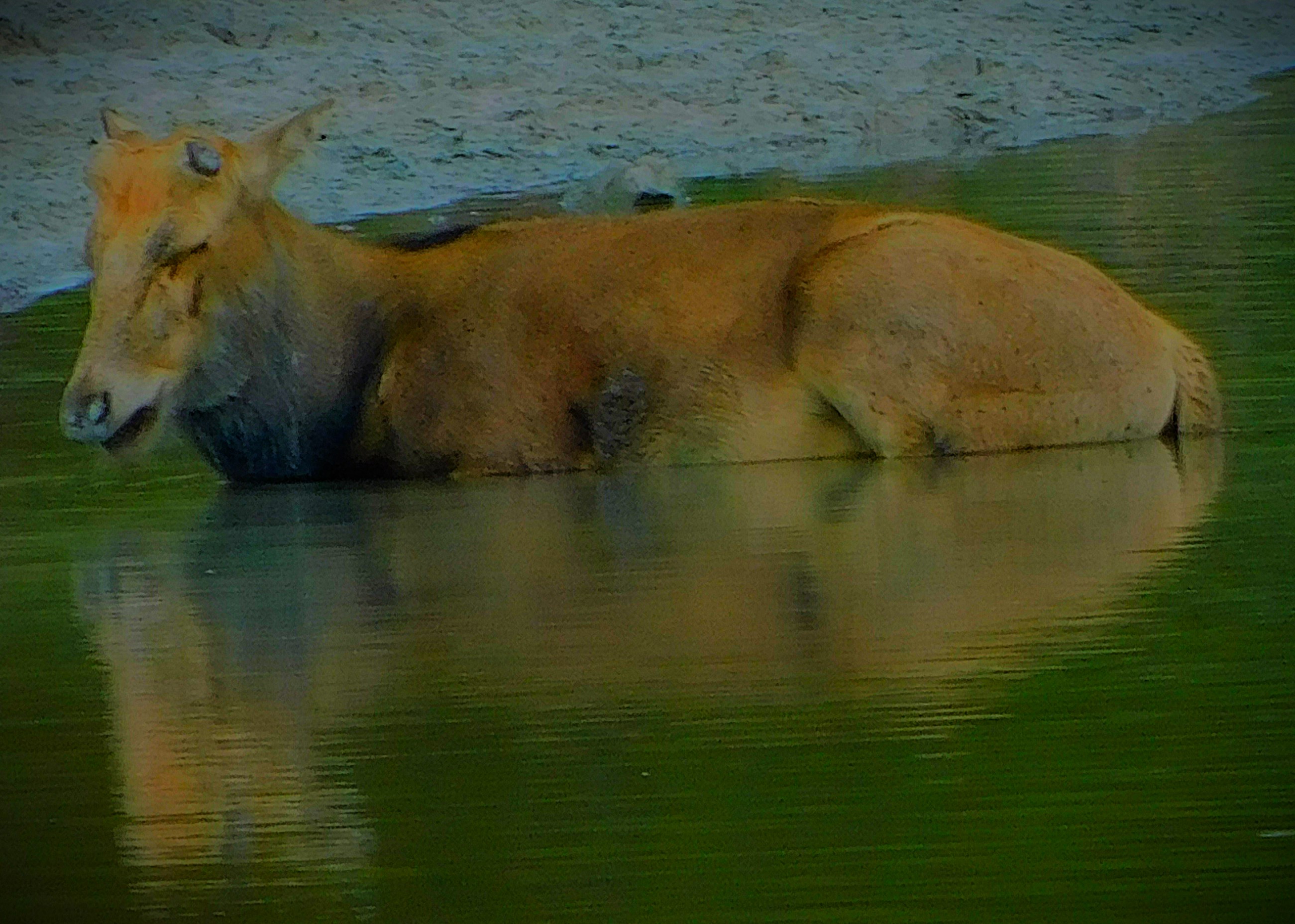
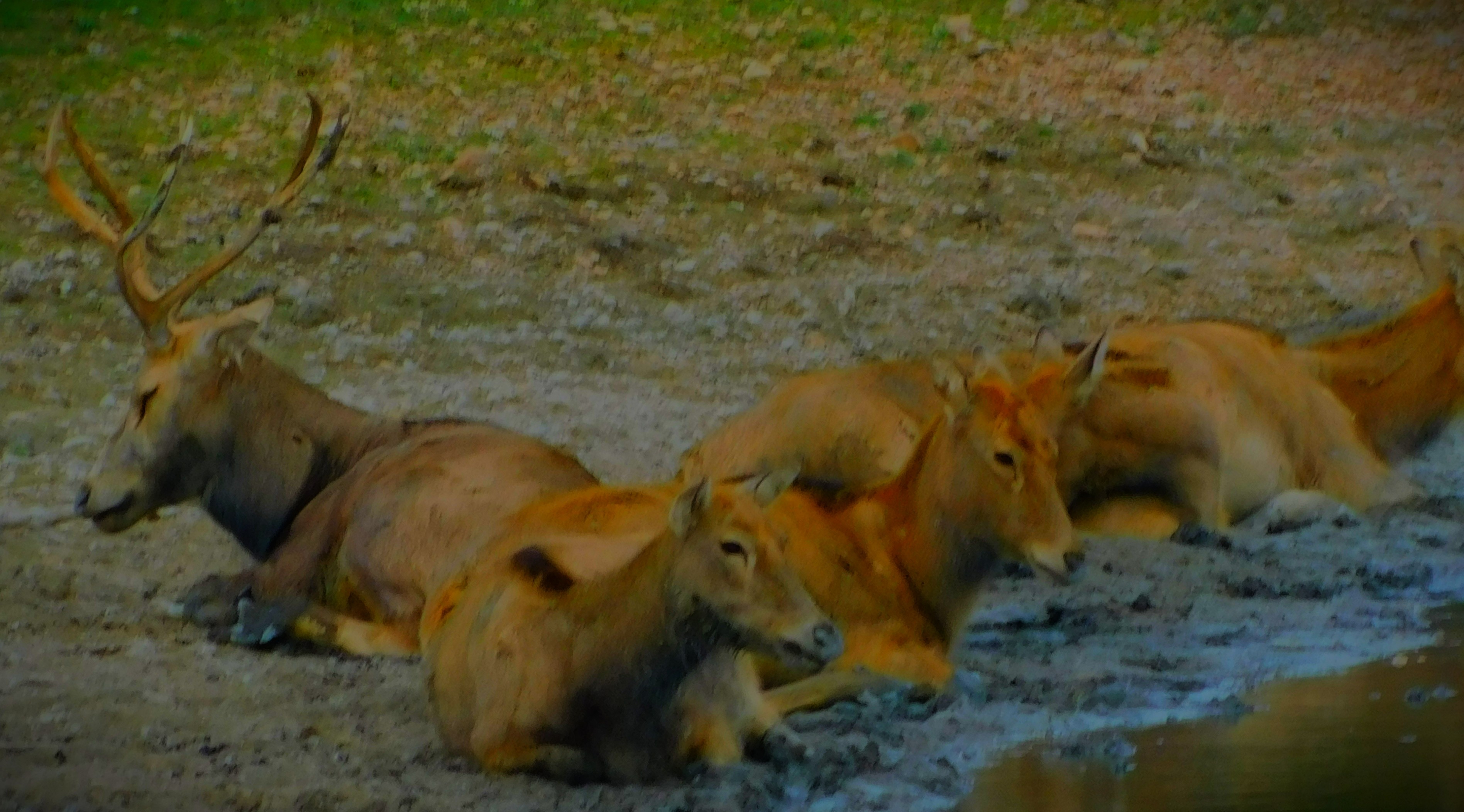
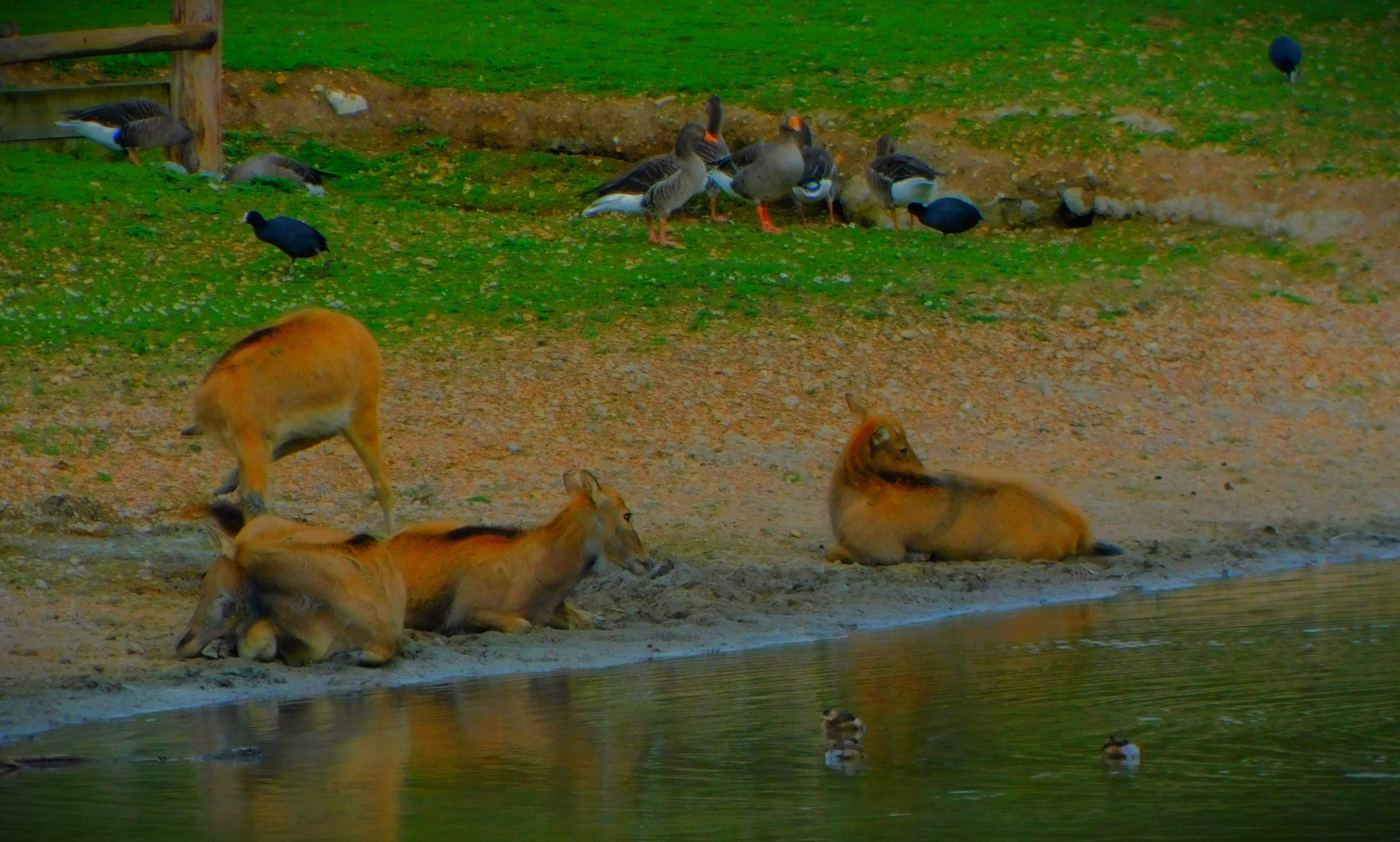
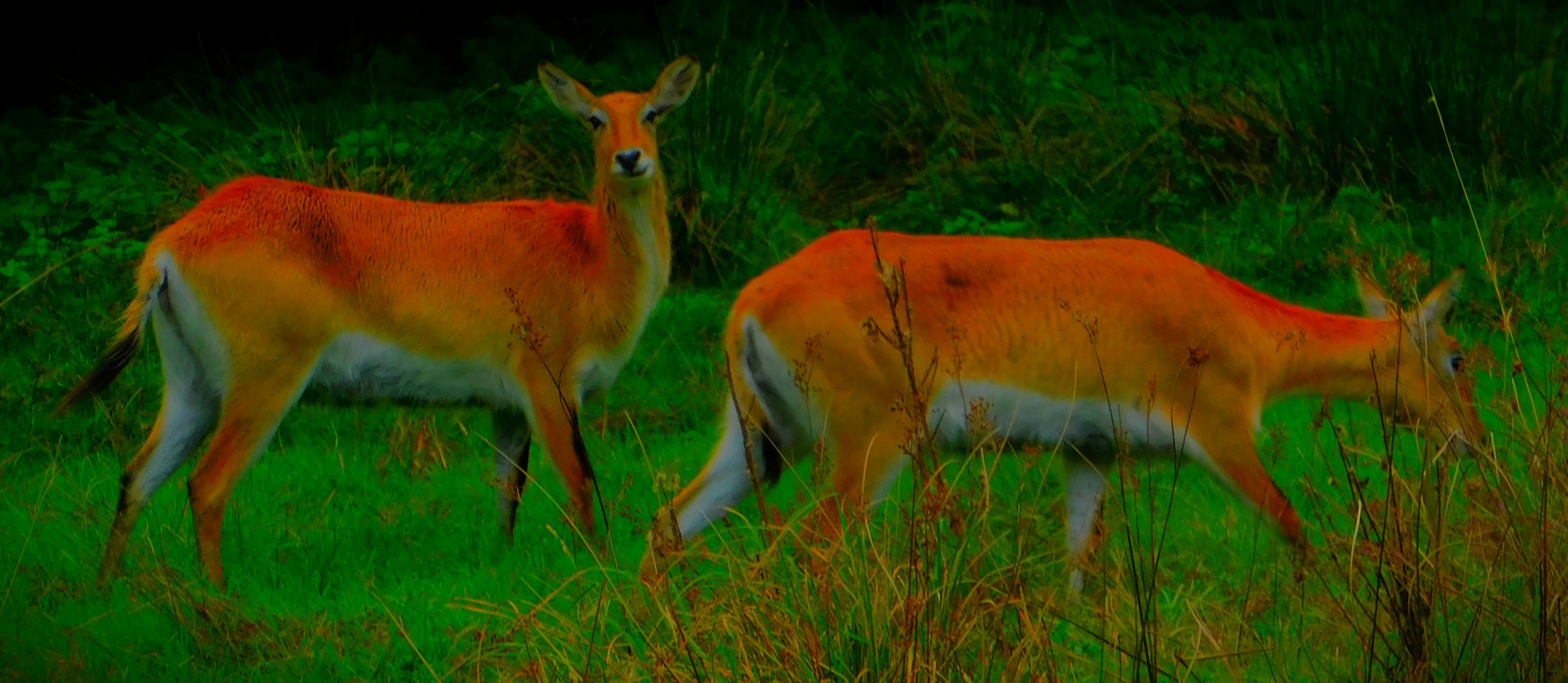
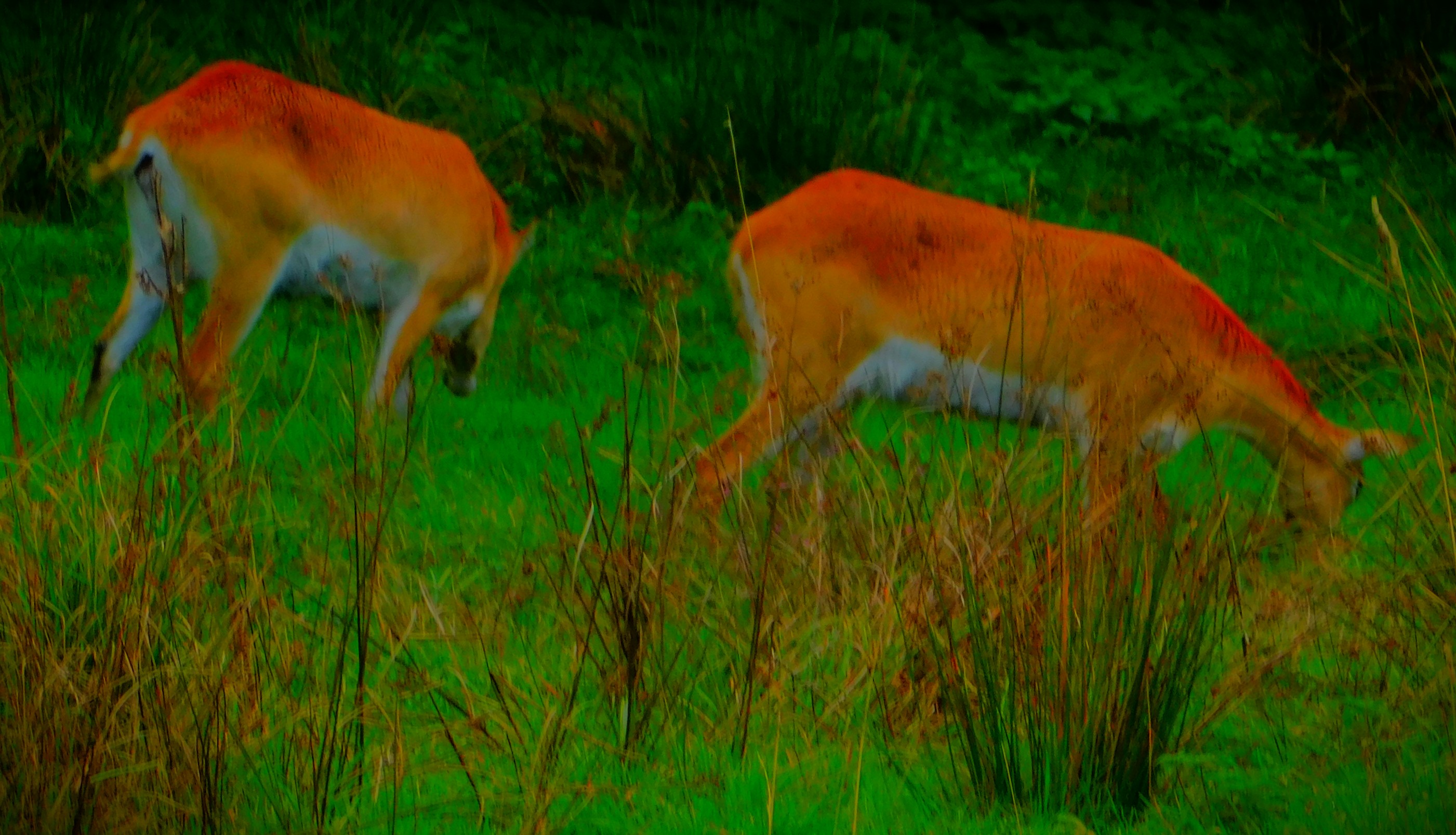
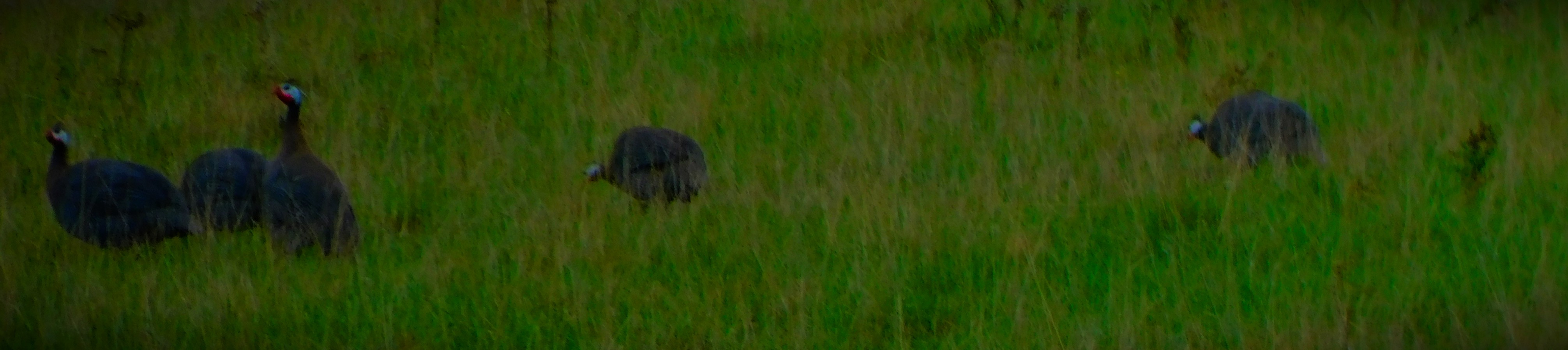
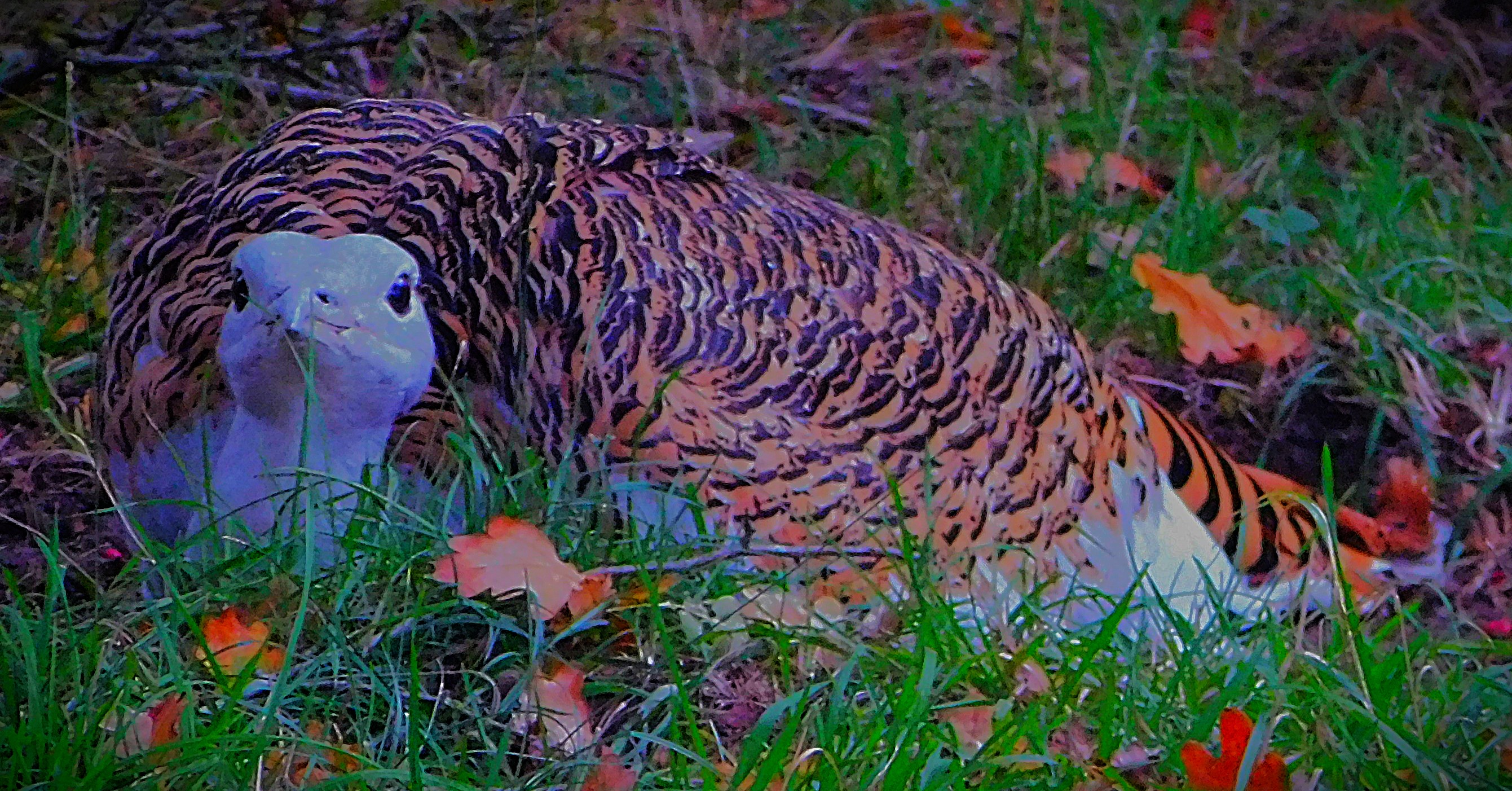
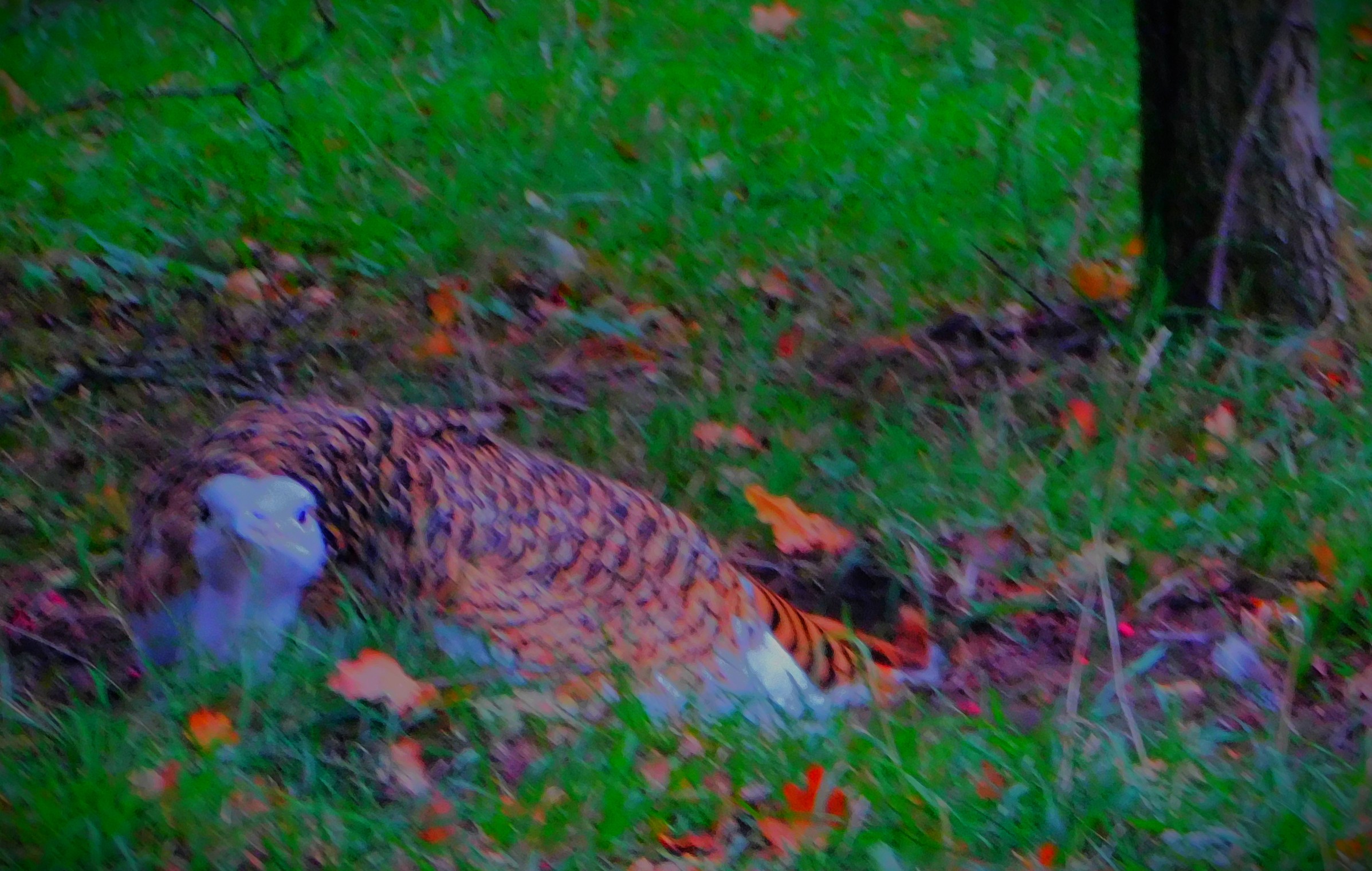
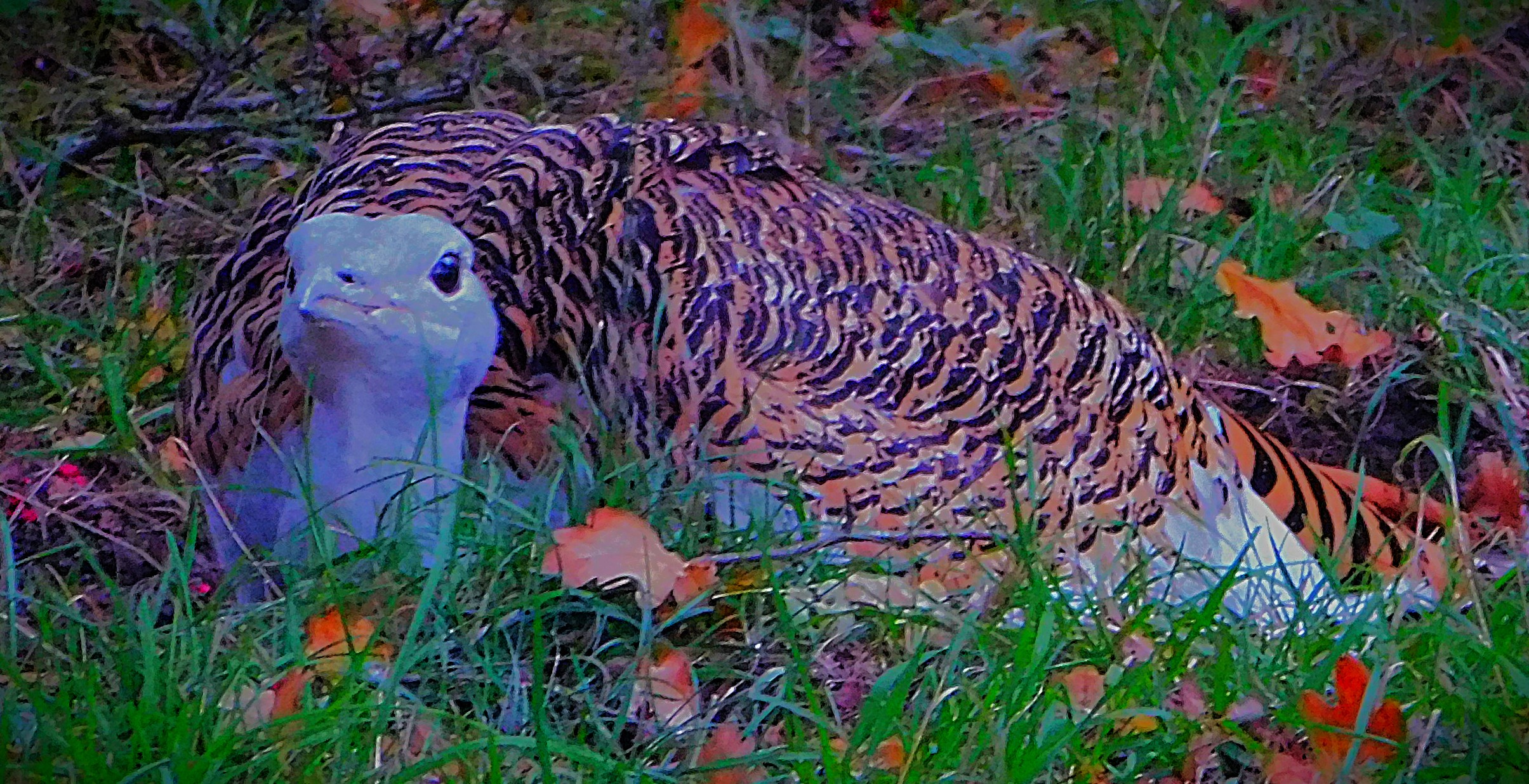
This is an Indian bustard, an even bigger beast of a bird……than this, which is a great bustard.The brindled wildebeest closer to the water than usual for such a creature, because he has made friends with some water buffalo, and although he won’t join them in the water he will go close to the edge when they are in the water.The brindled wildebeest has a name – William – and a nickname – Willy Wonka. This close up og his head shows the wonky horns that give him his nickname.Water buffalo doing water buffalo things, with coots in the background.This is an eastern Bongo – the silvery stripes make it very distinctive.This is a Cape Eland, the largest of all antelope species.Possibly the best picture I got of the bongo.Three species in a single picture – the brindled wildebeest, the Cape Eland and the bongo are all present.A Nilgaitwo male silver pheasants.The first of two guinea fowl species we would see.
WATATUNGAWILDLIFE
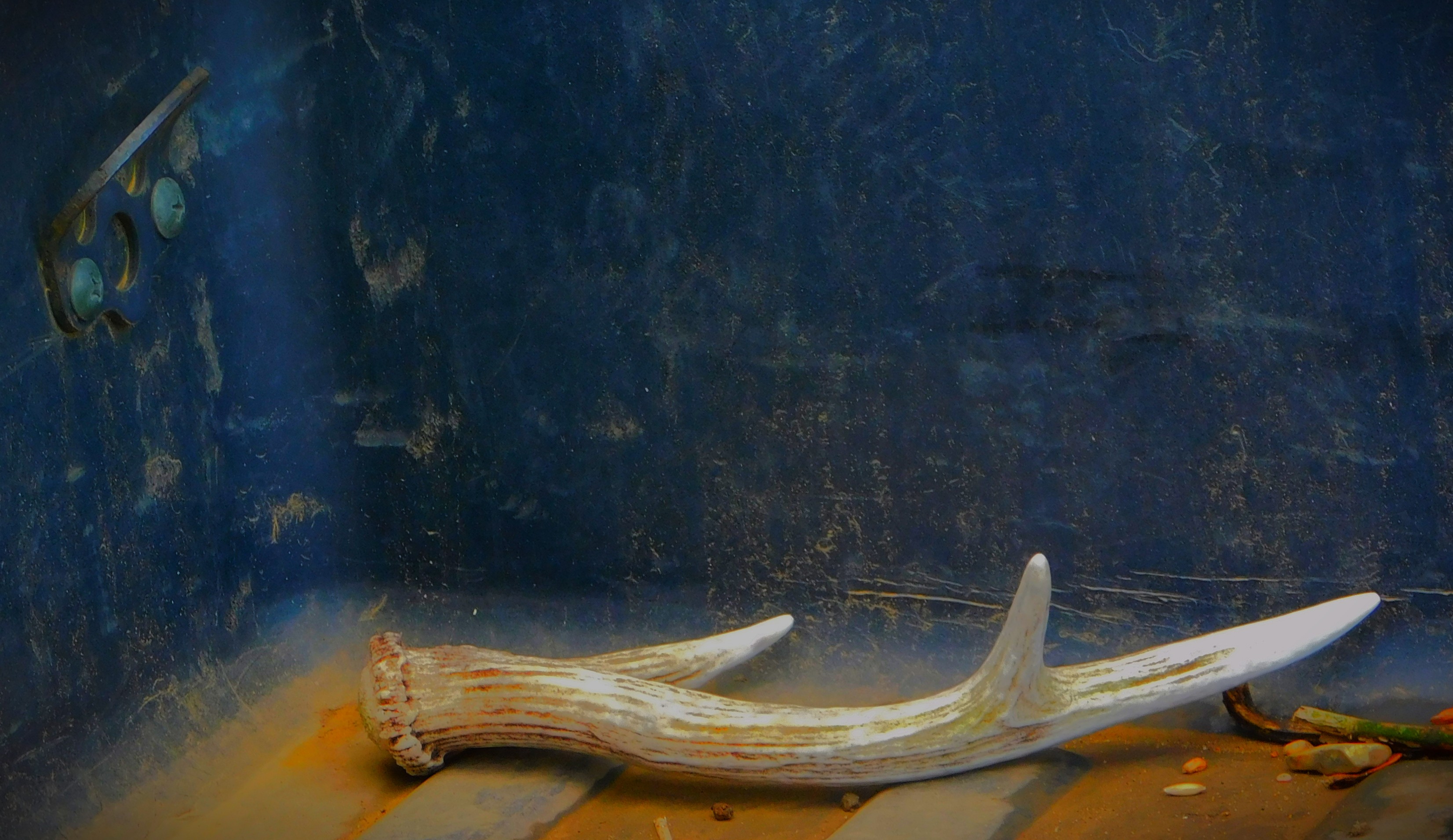
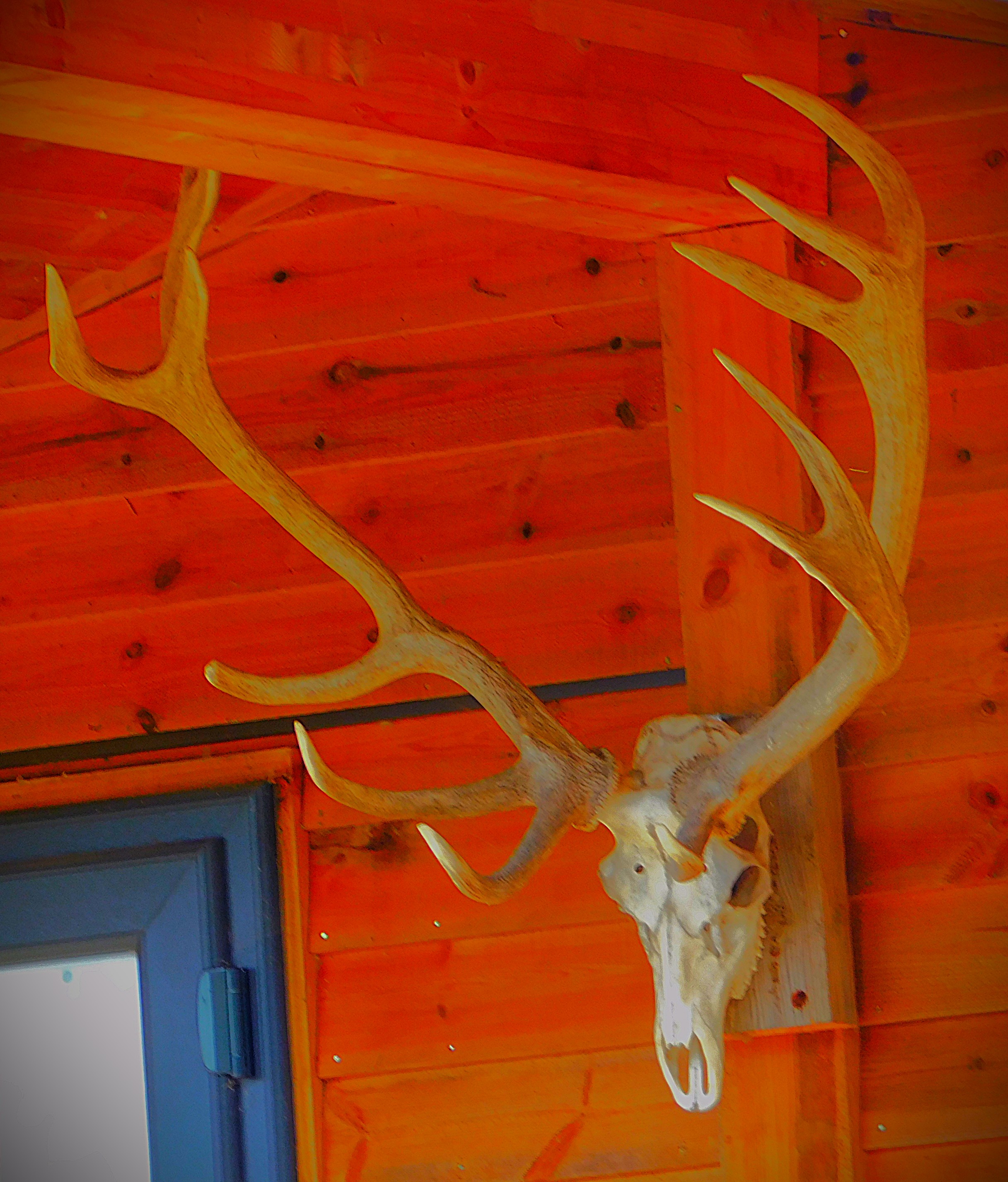
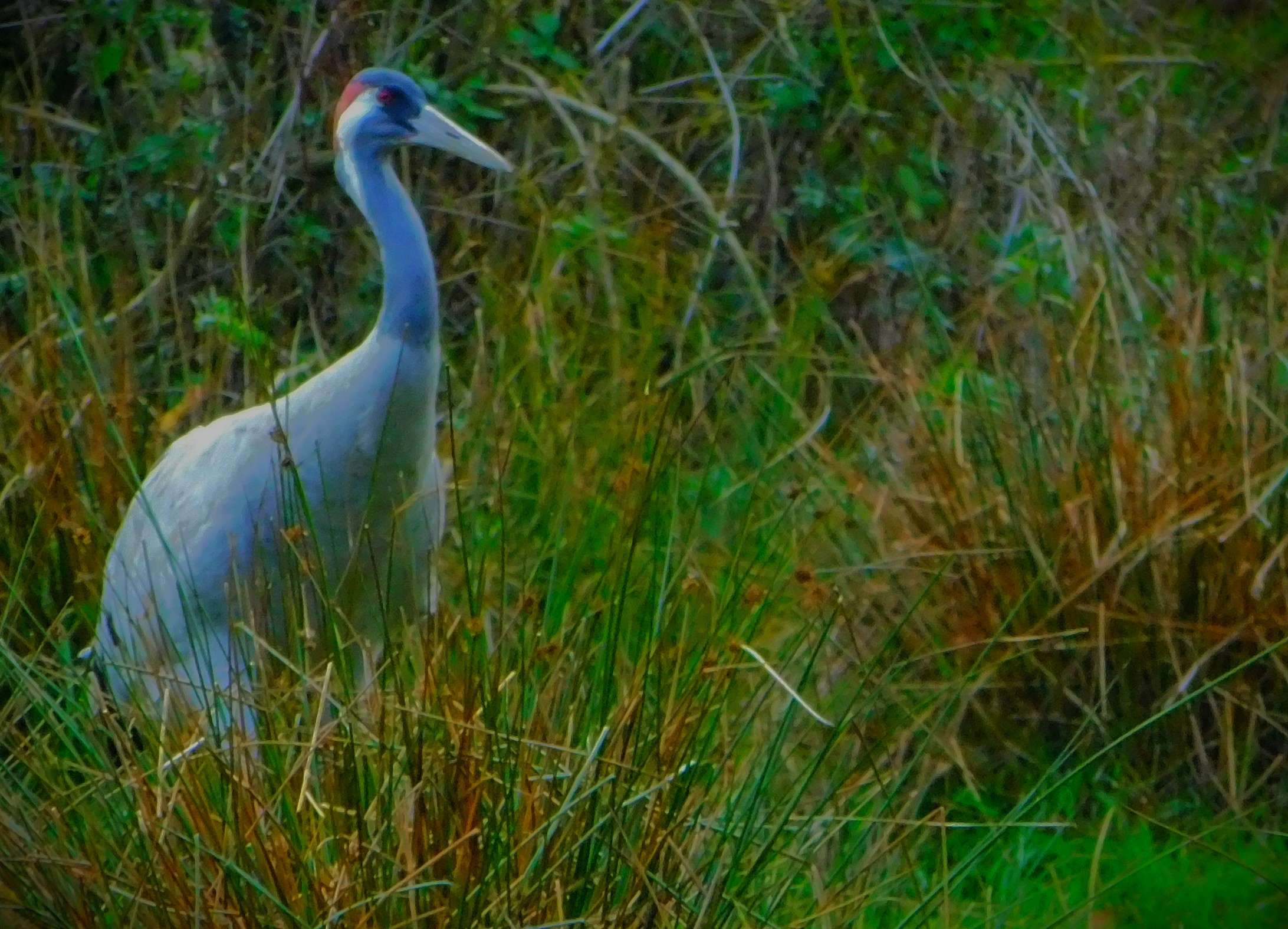
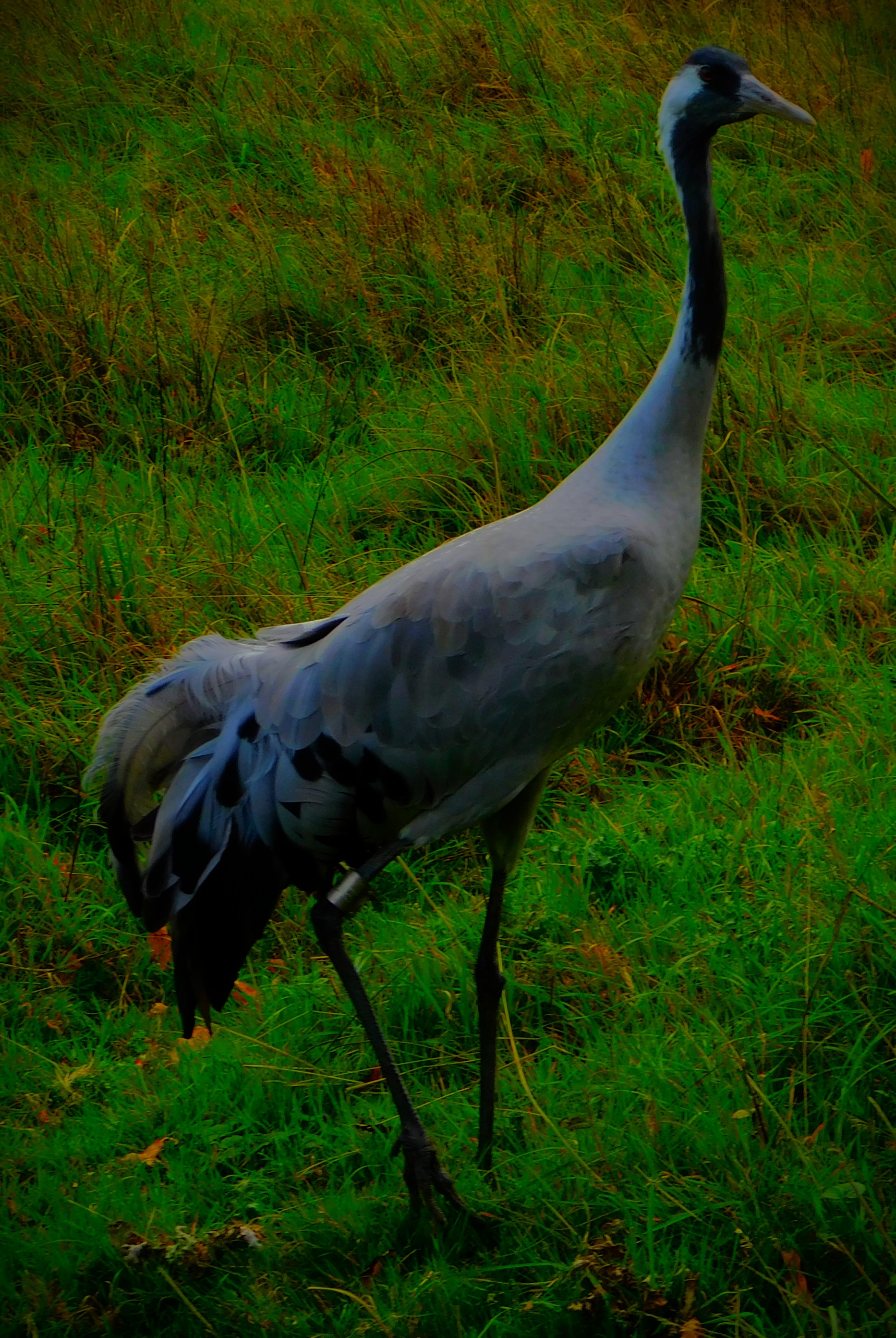
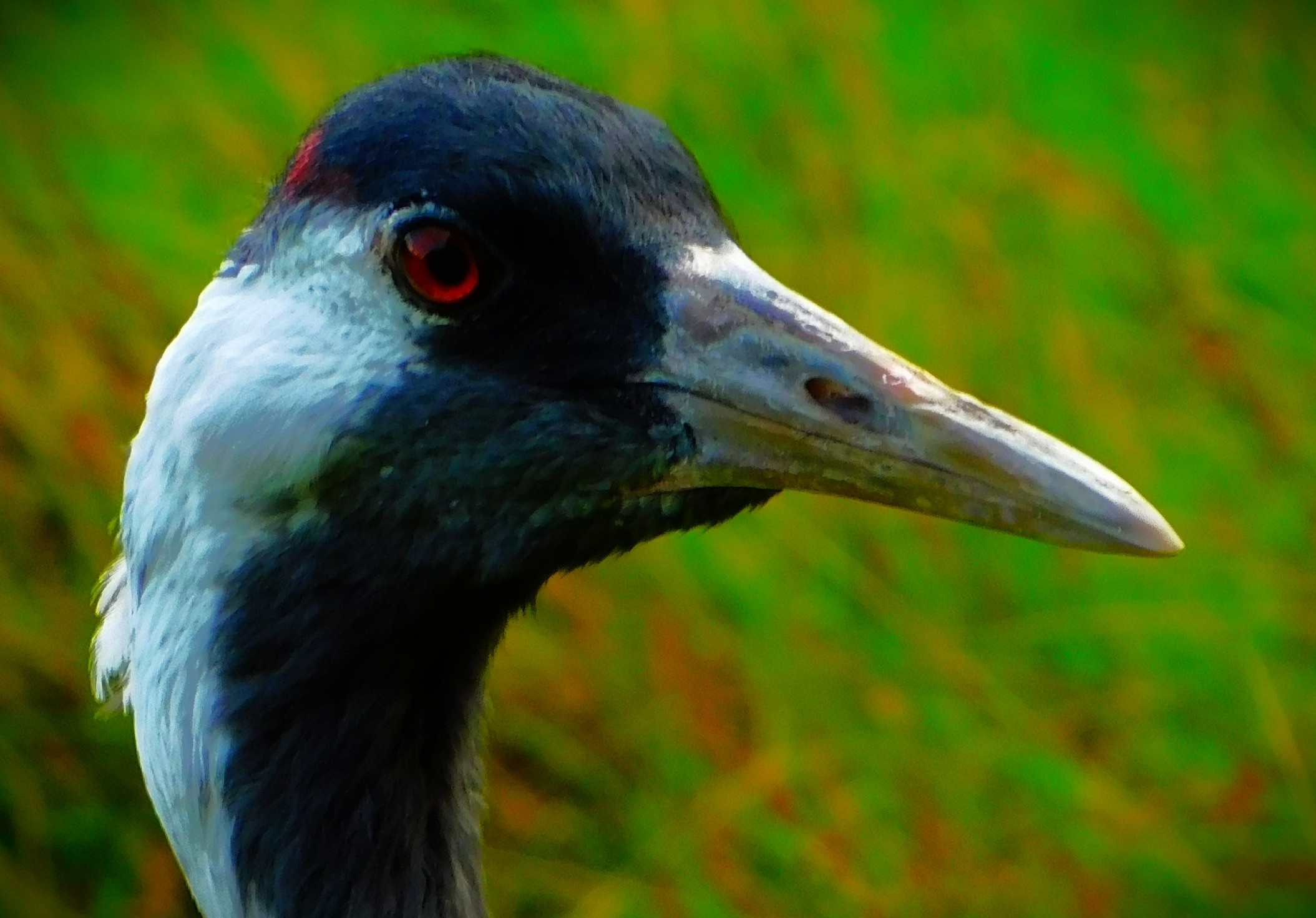
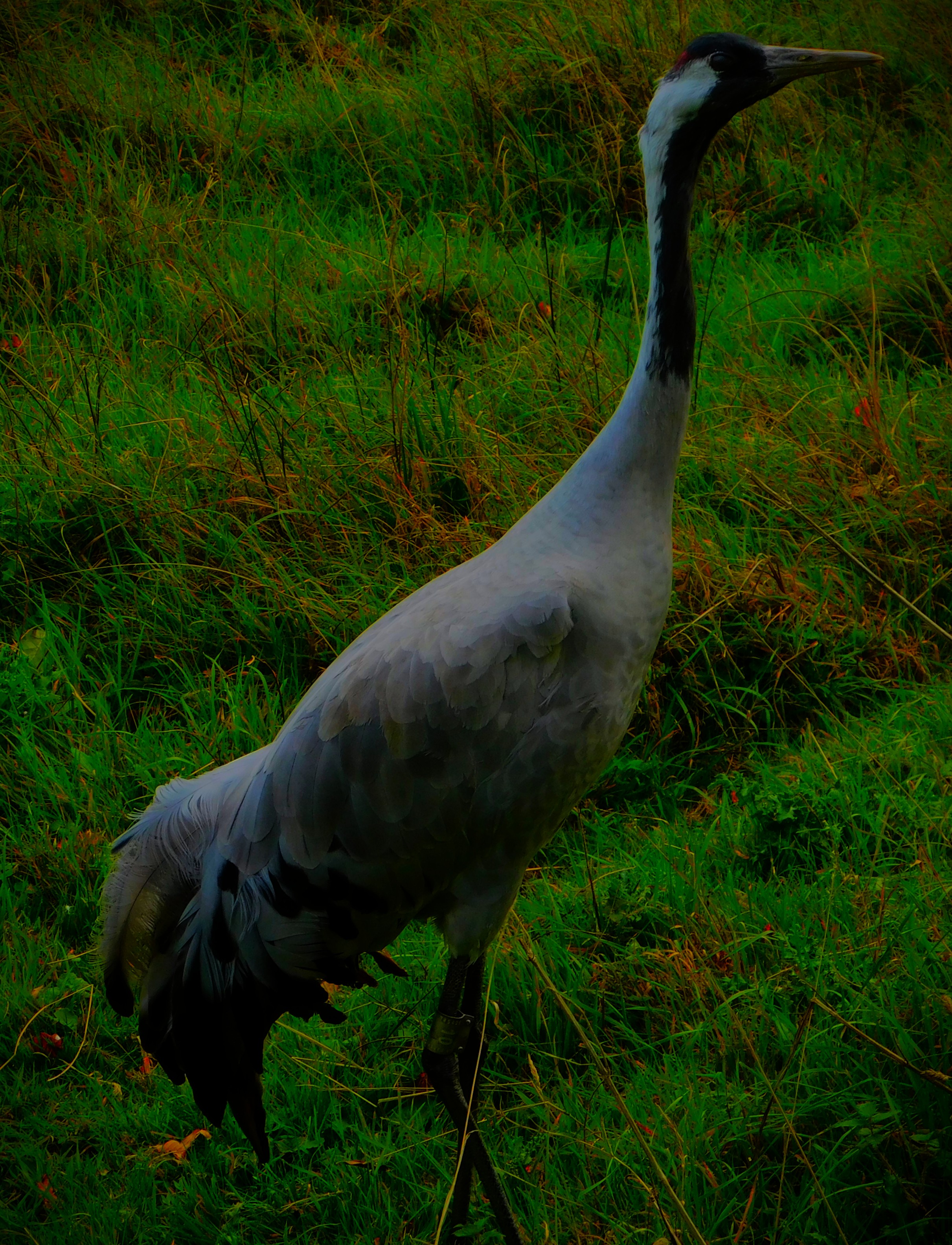
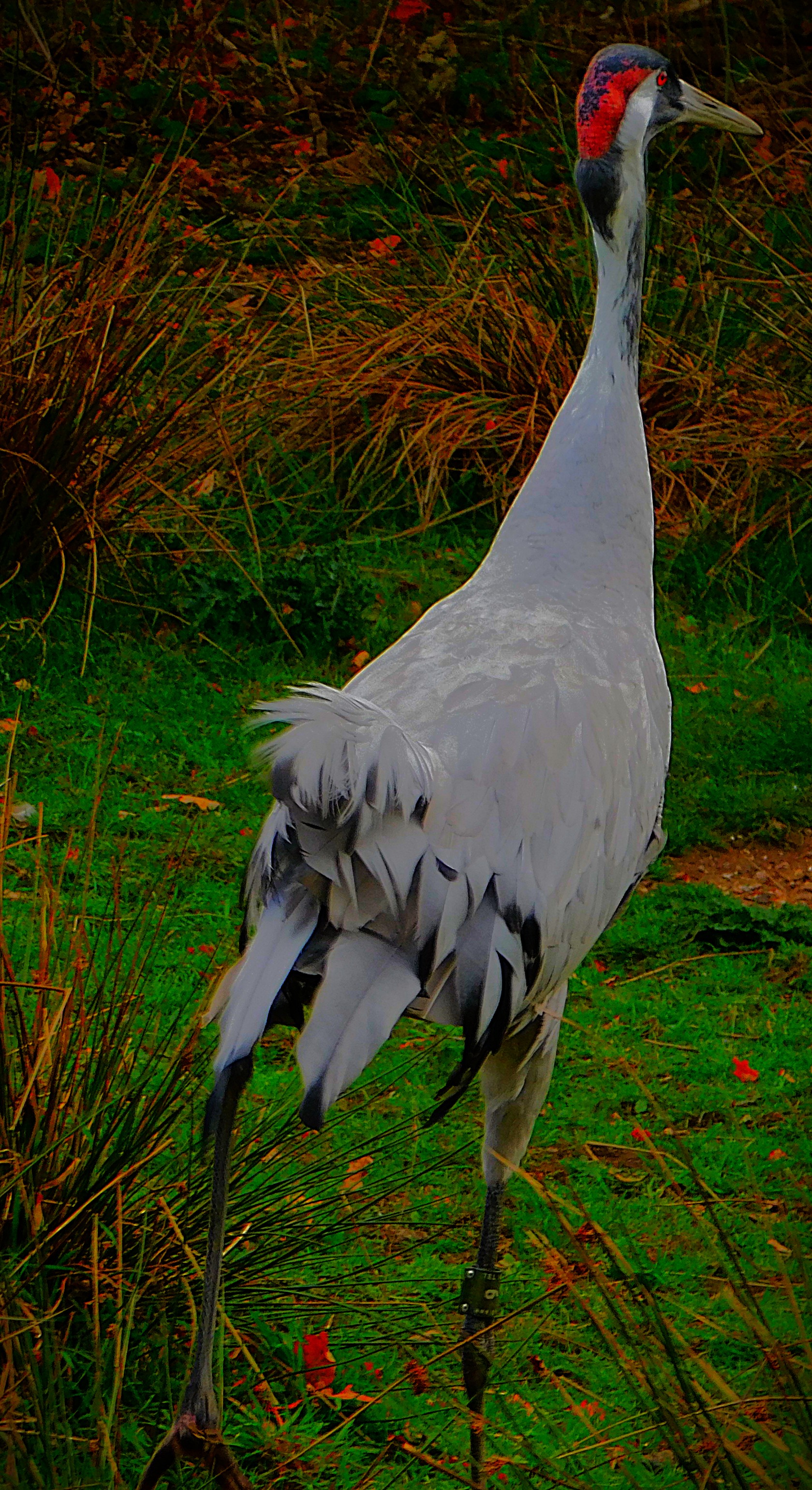
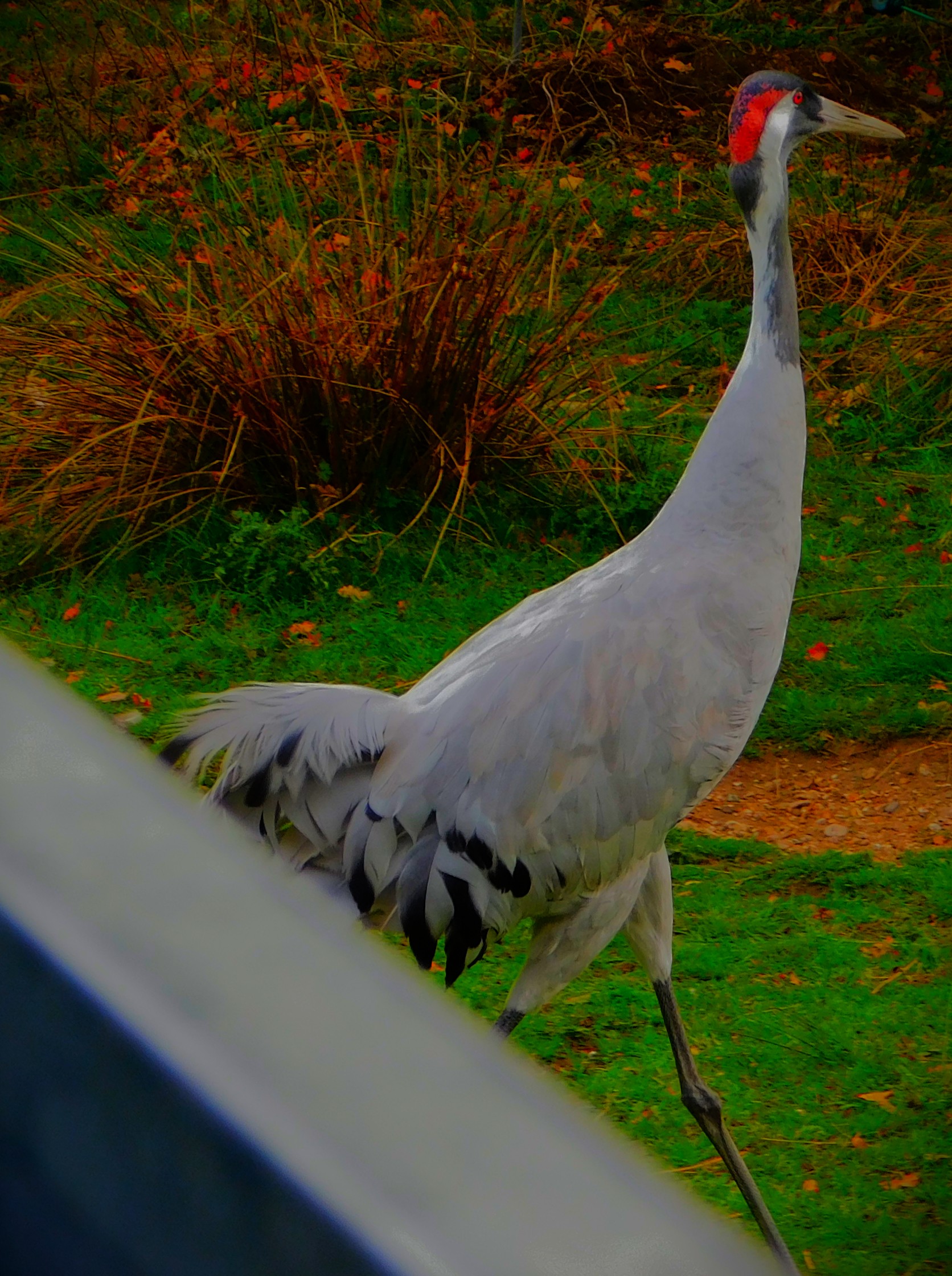
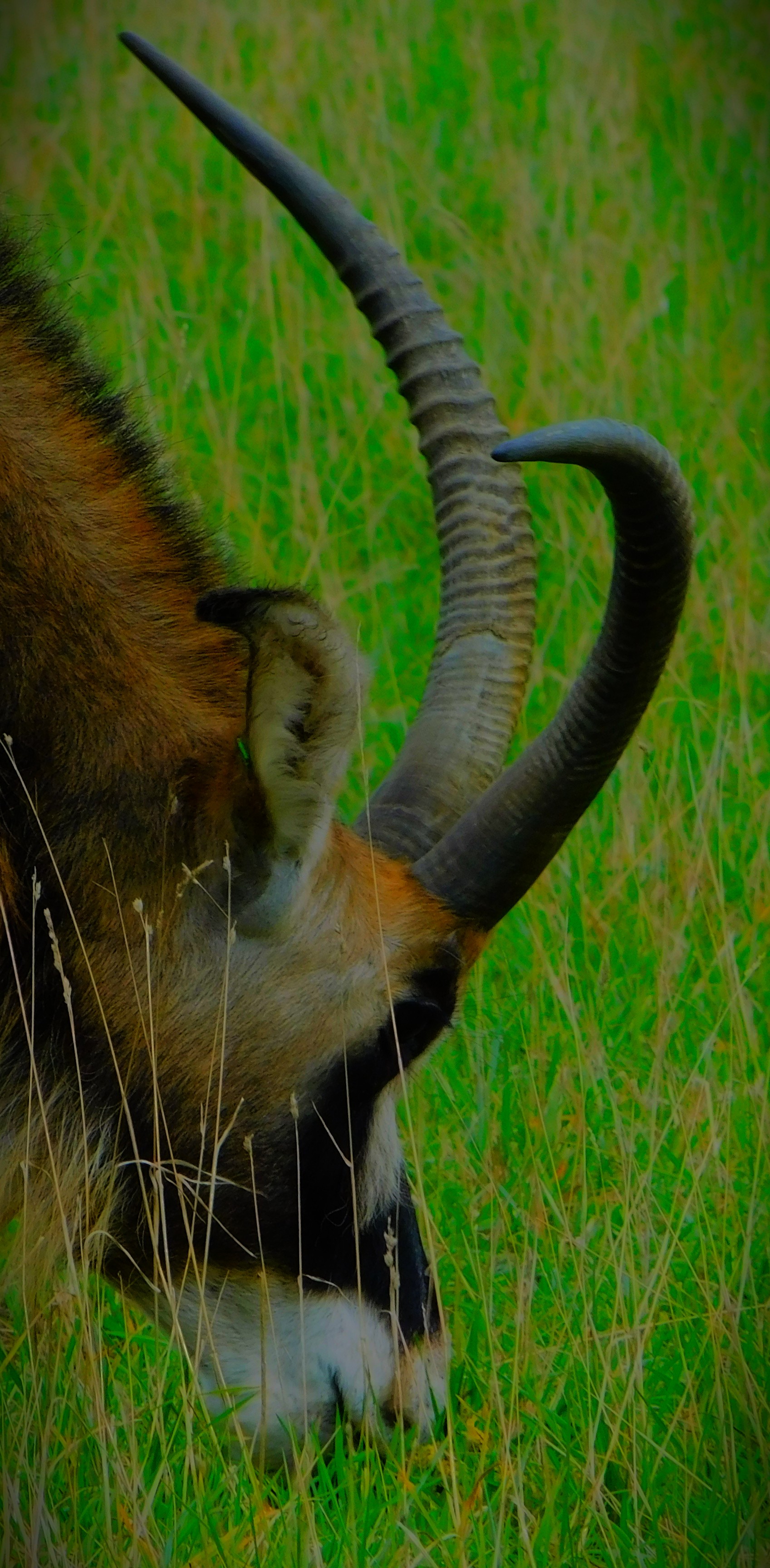
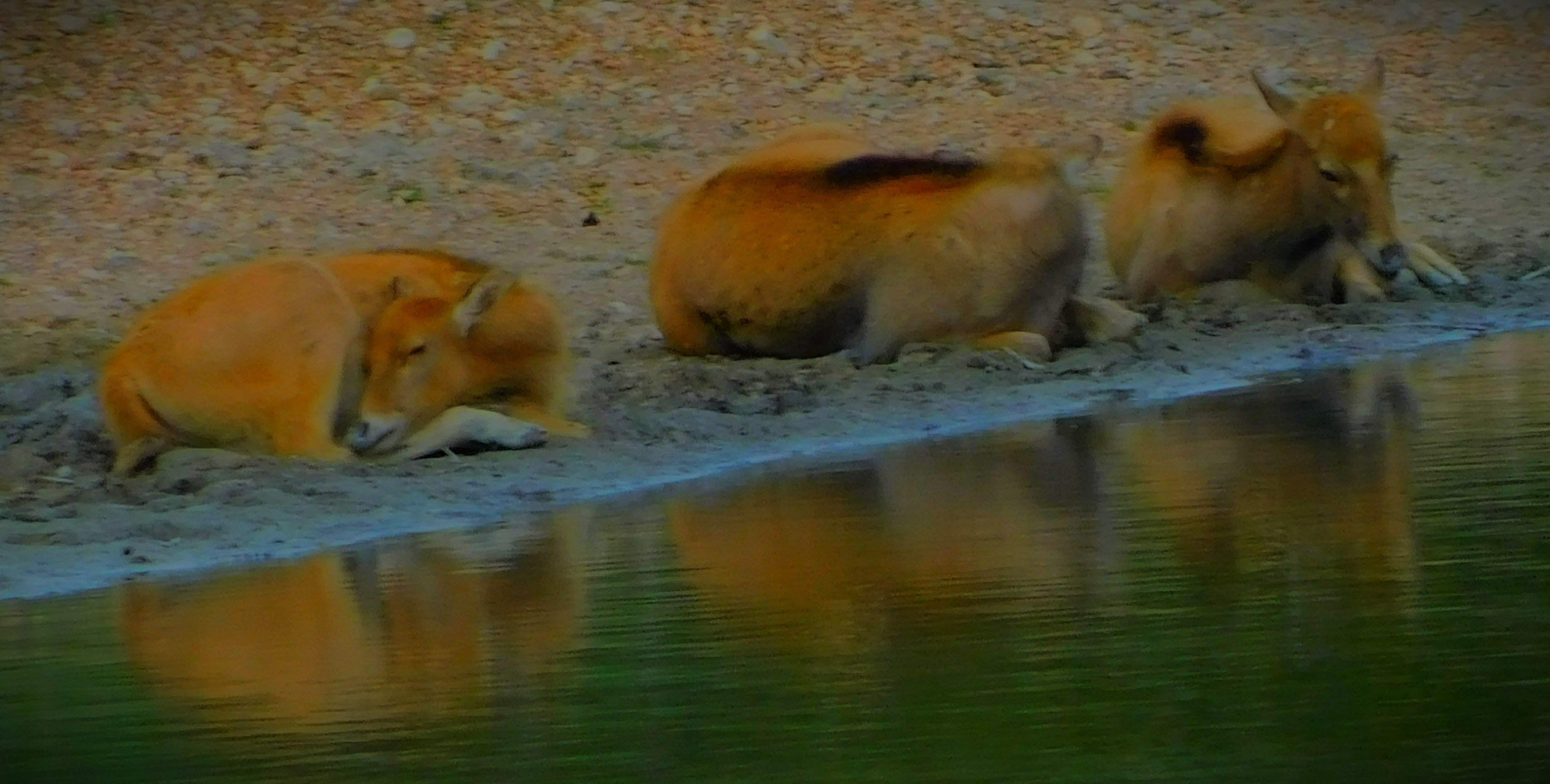
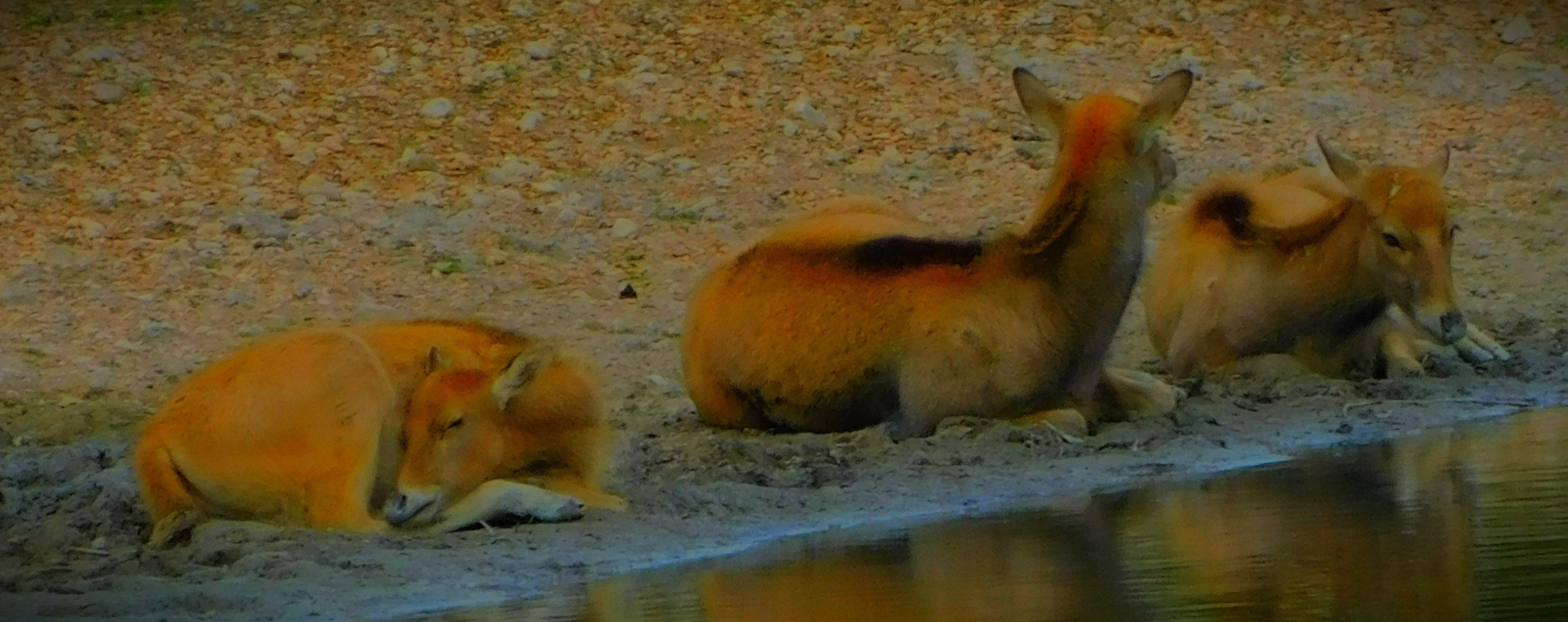
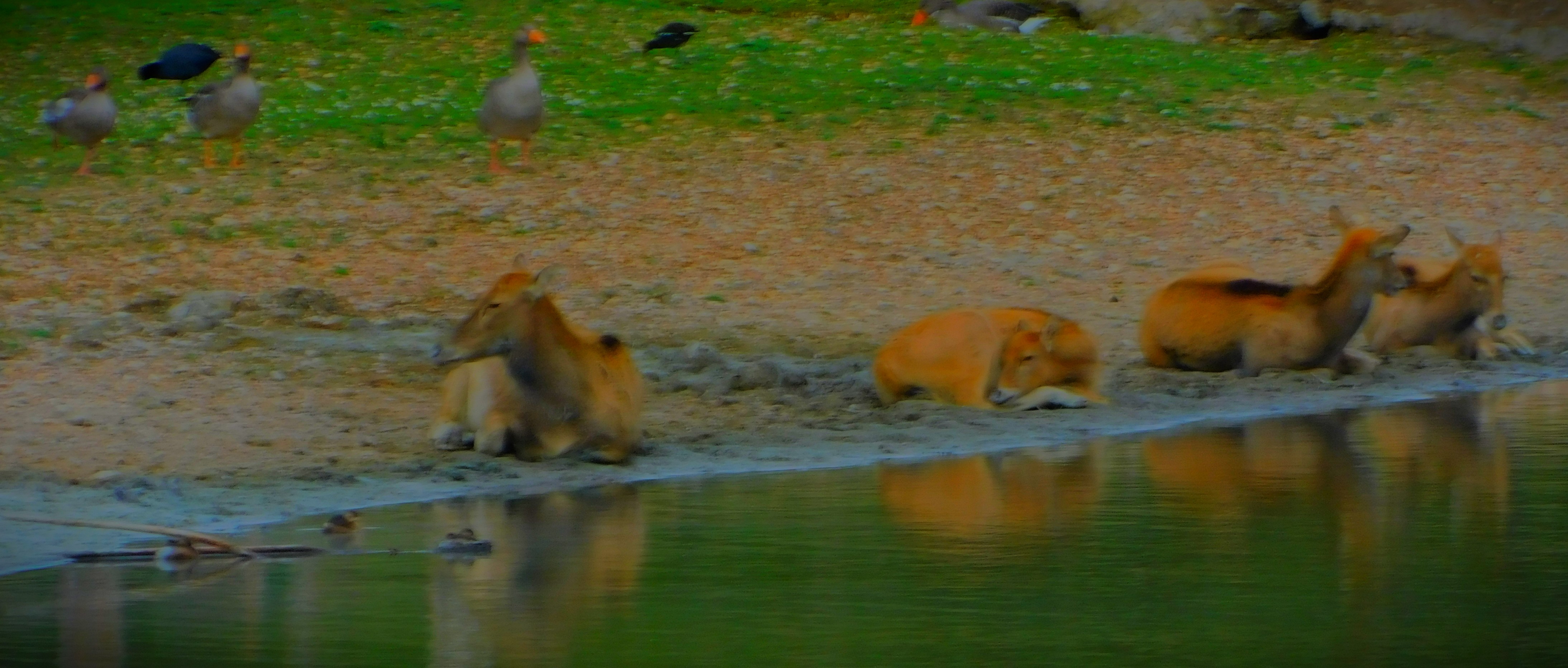
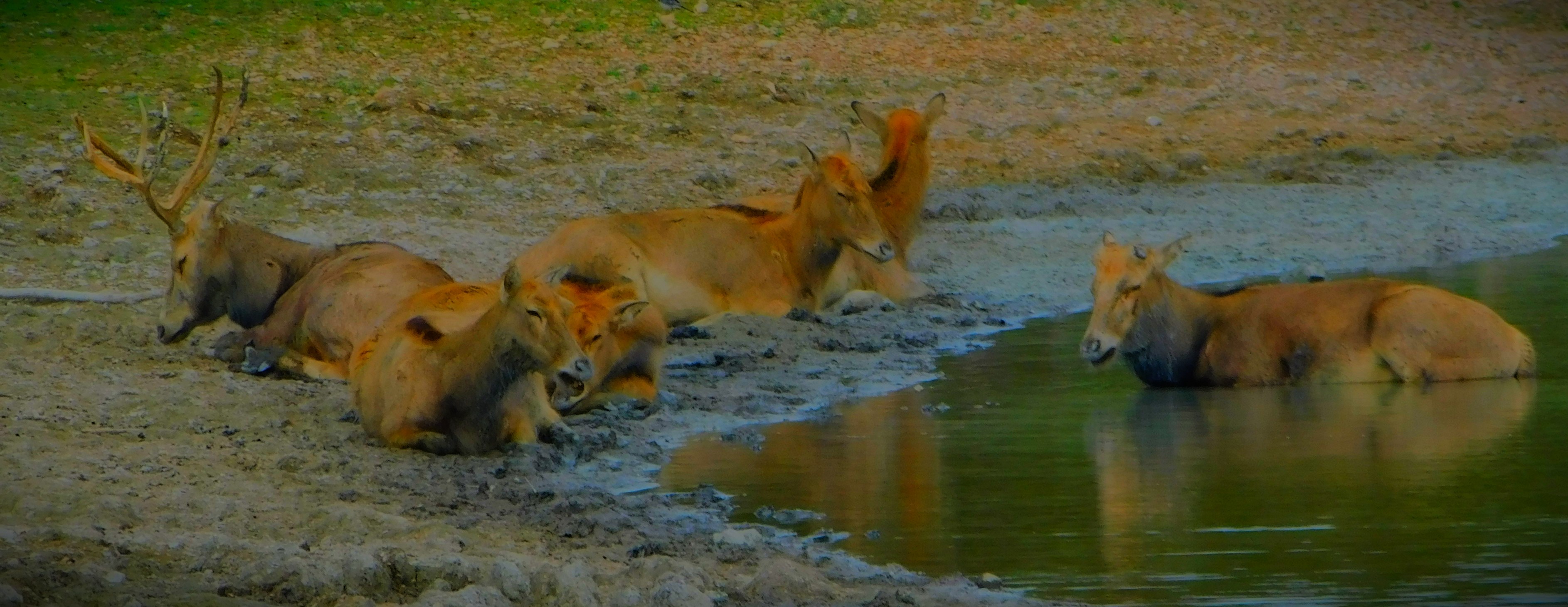
The name Watatunga has two elements, the ‘Wat’ part comes from Watlington, the nearest village to the reserve, while the ‘atatunga’ derives from Sitatunga, which is one of the species of ungulates there. Apart from the water buffalo, which are of course cattle and have horns the ungulates fall in to two main types – antelopes and their kin, which have horns, and deer which have antlers. As well as antlers being in general considerably more elaborate than horns there is a second key difference – horns are for life, whereas antlers are seasonal. This latter explains why William the brindled wildebeest has wonky horns – he took a knock before he was brought to Watatunga, and because horns are for life his horns are permanently misaligned. As well as the ungulates there are some exotic birds housed at Watatunga. The first part of the gallery above included cranes. We will be seeing other species in the second part of the gallery.
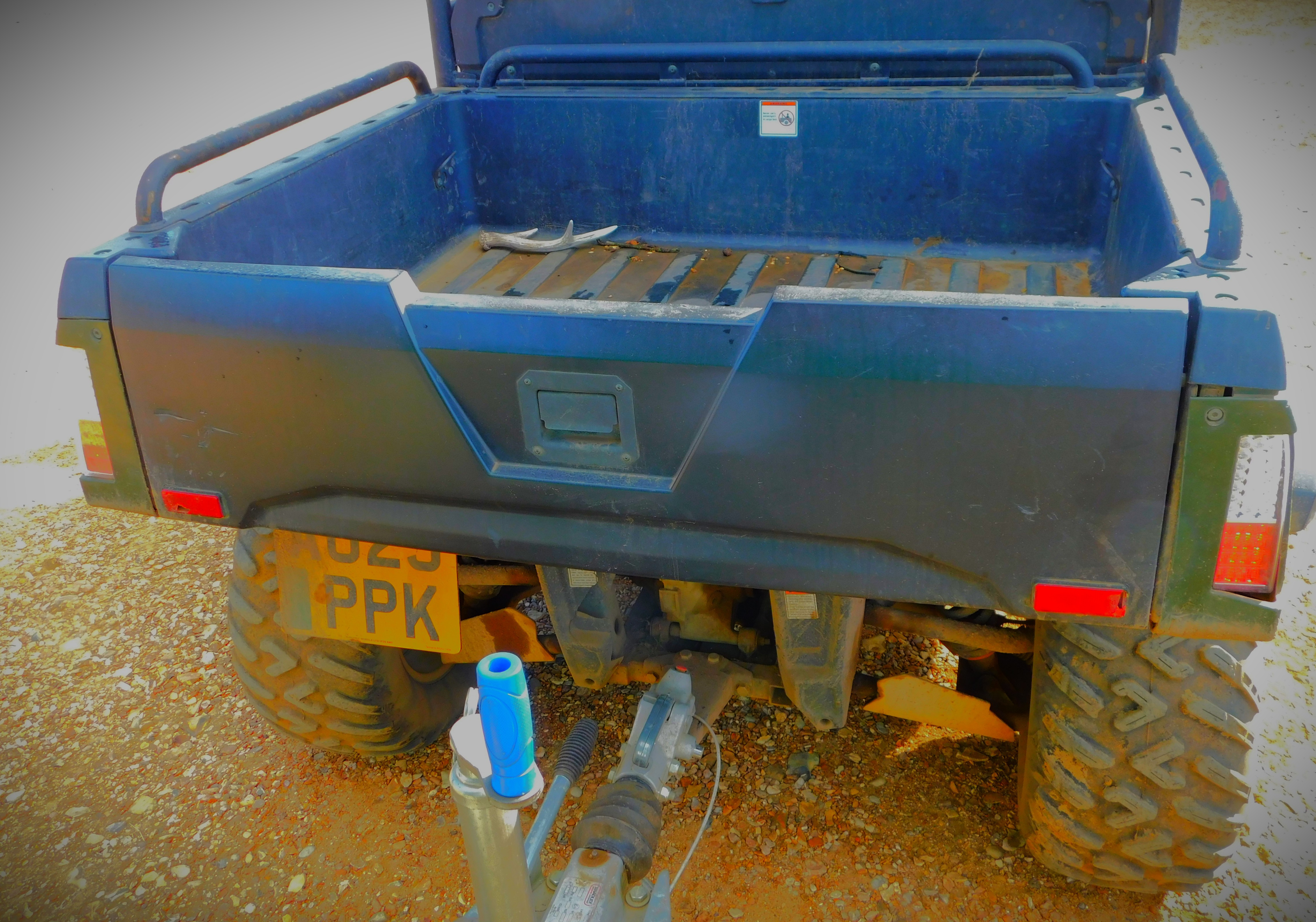
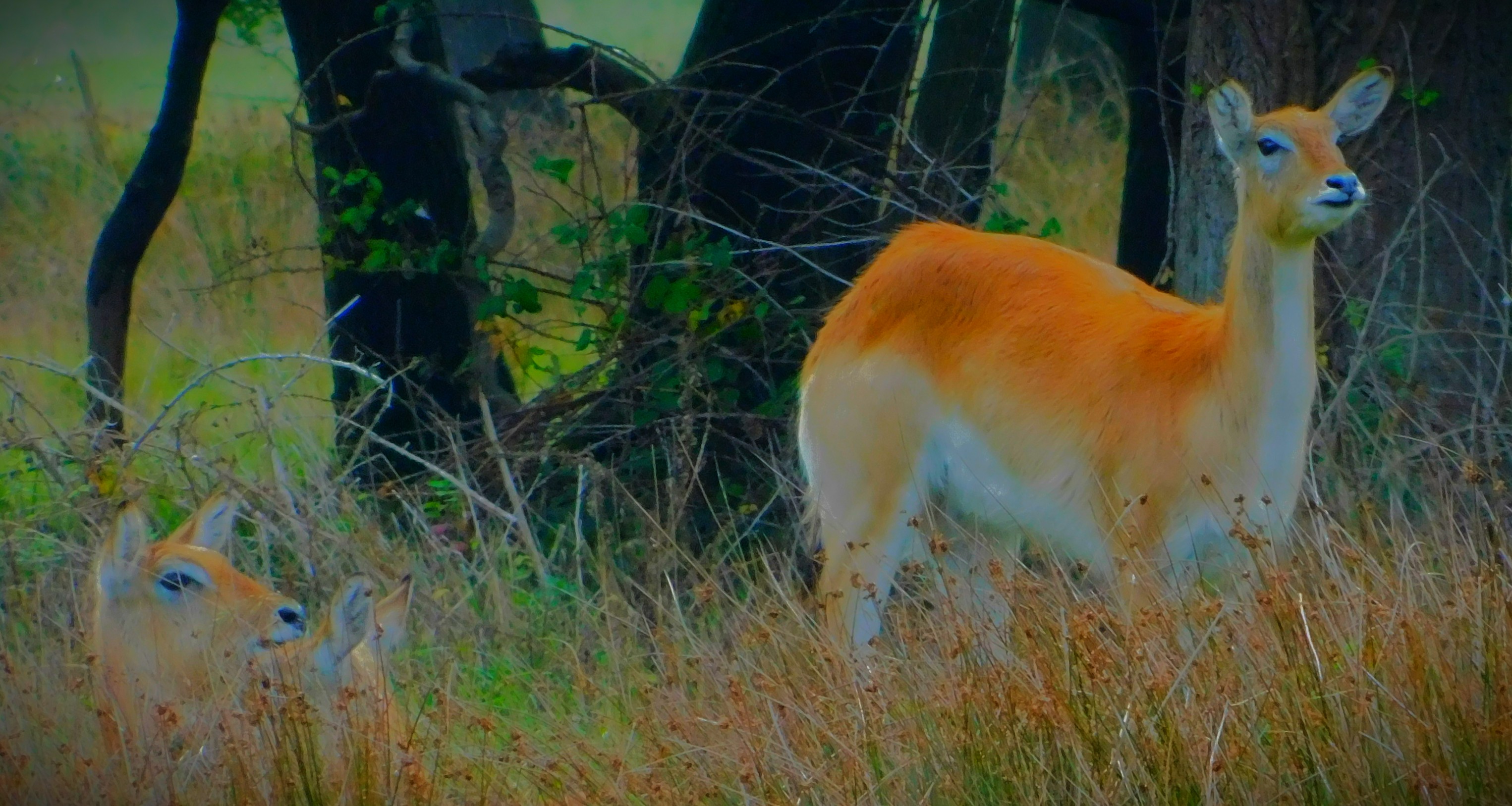
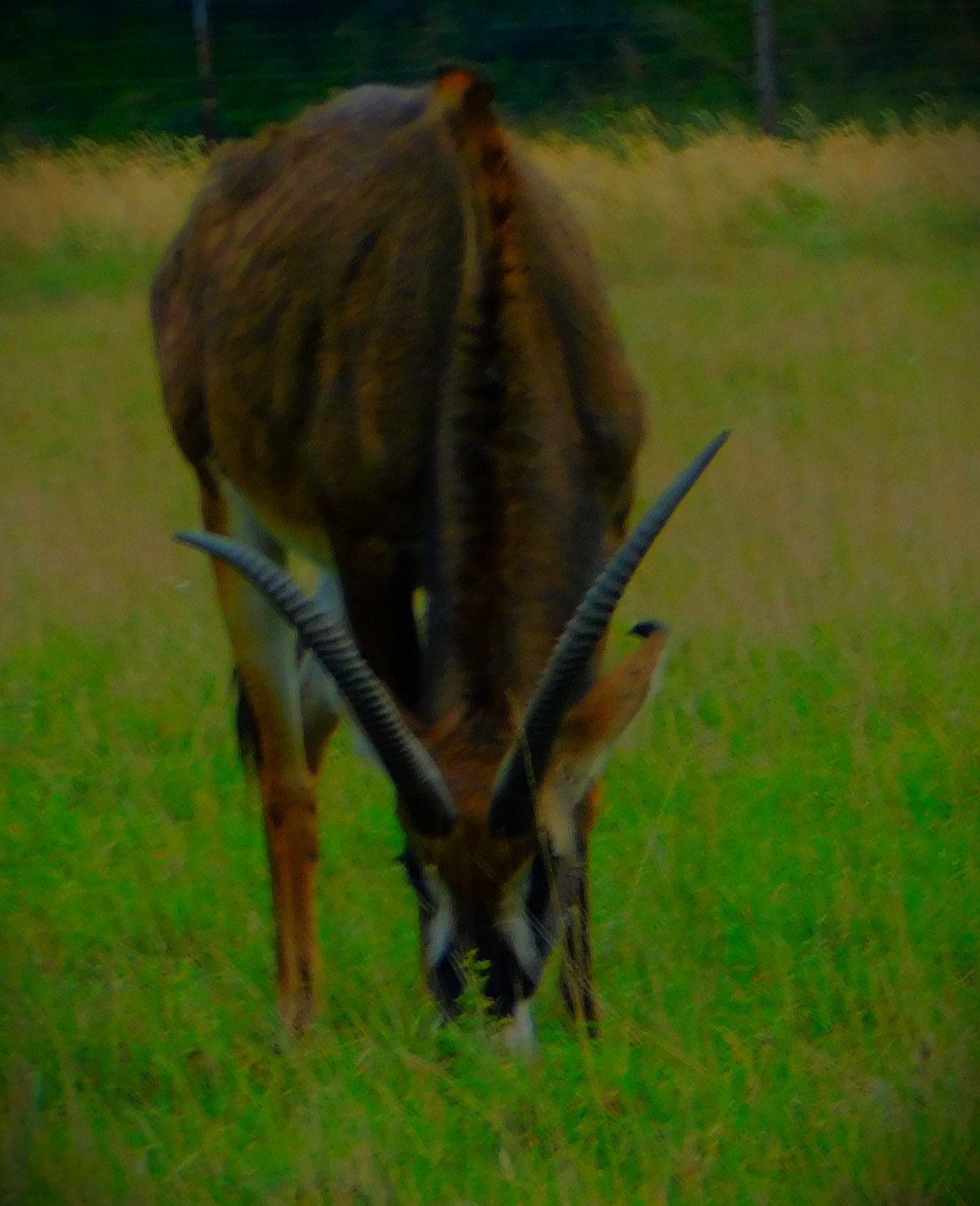
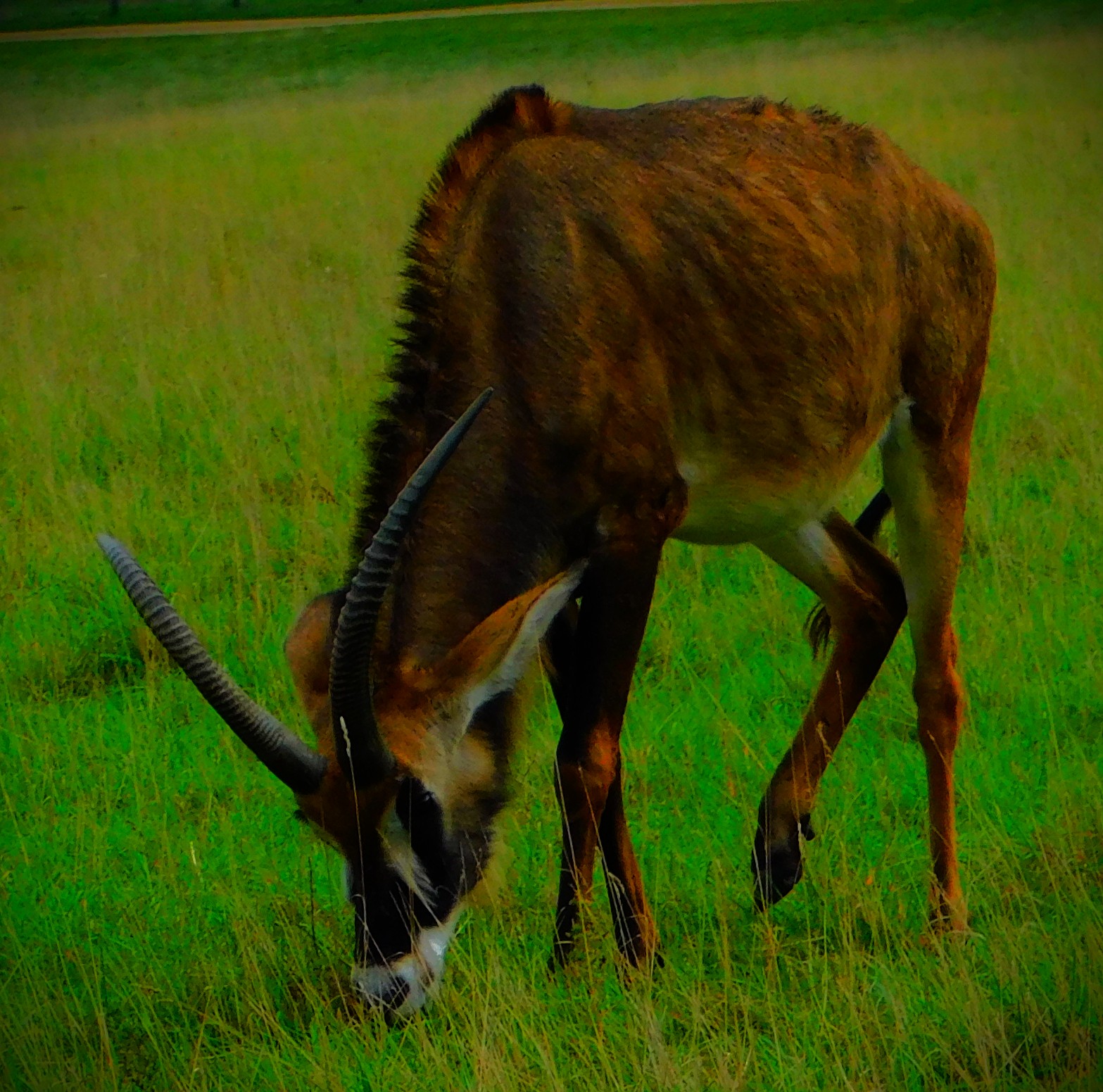
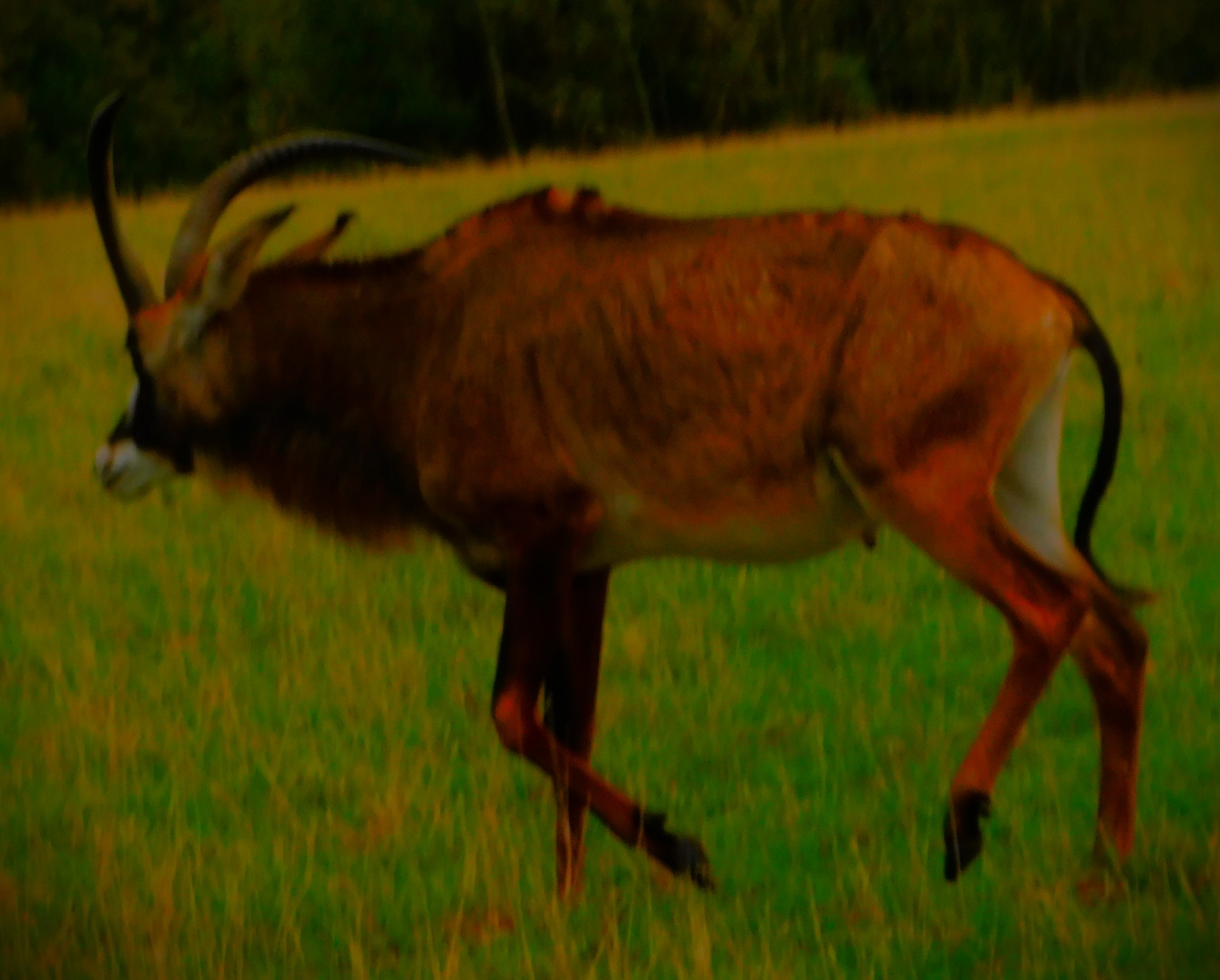
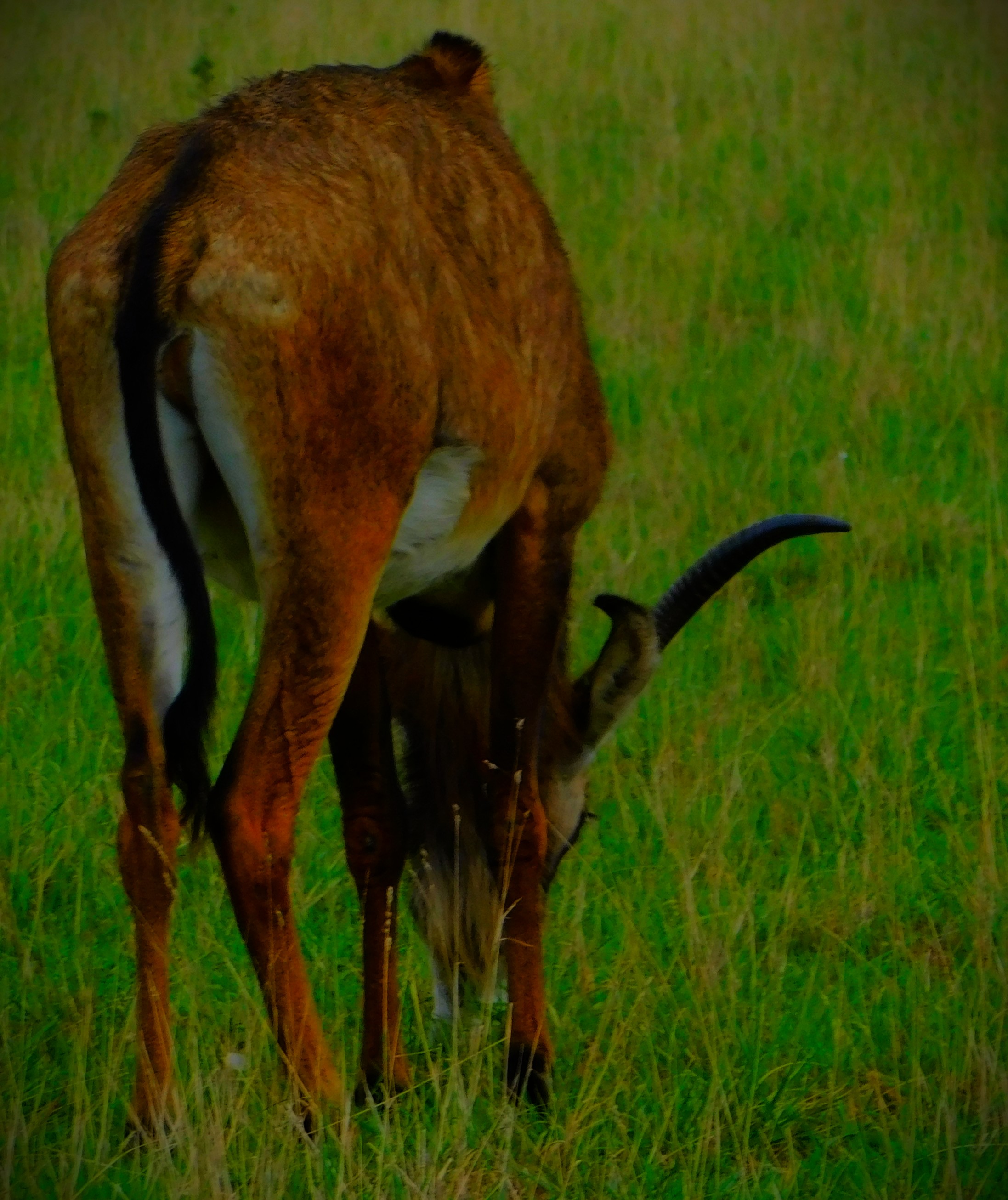
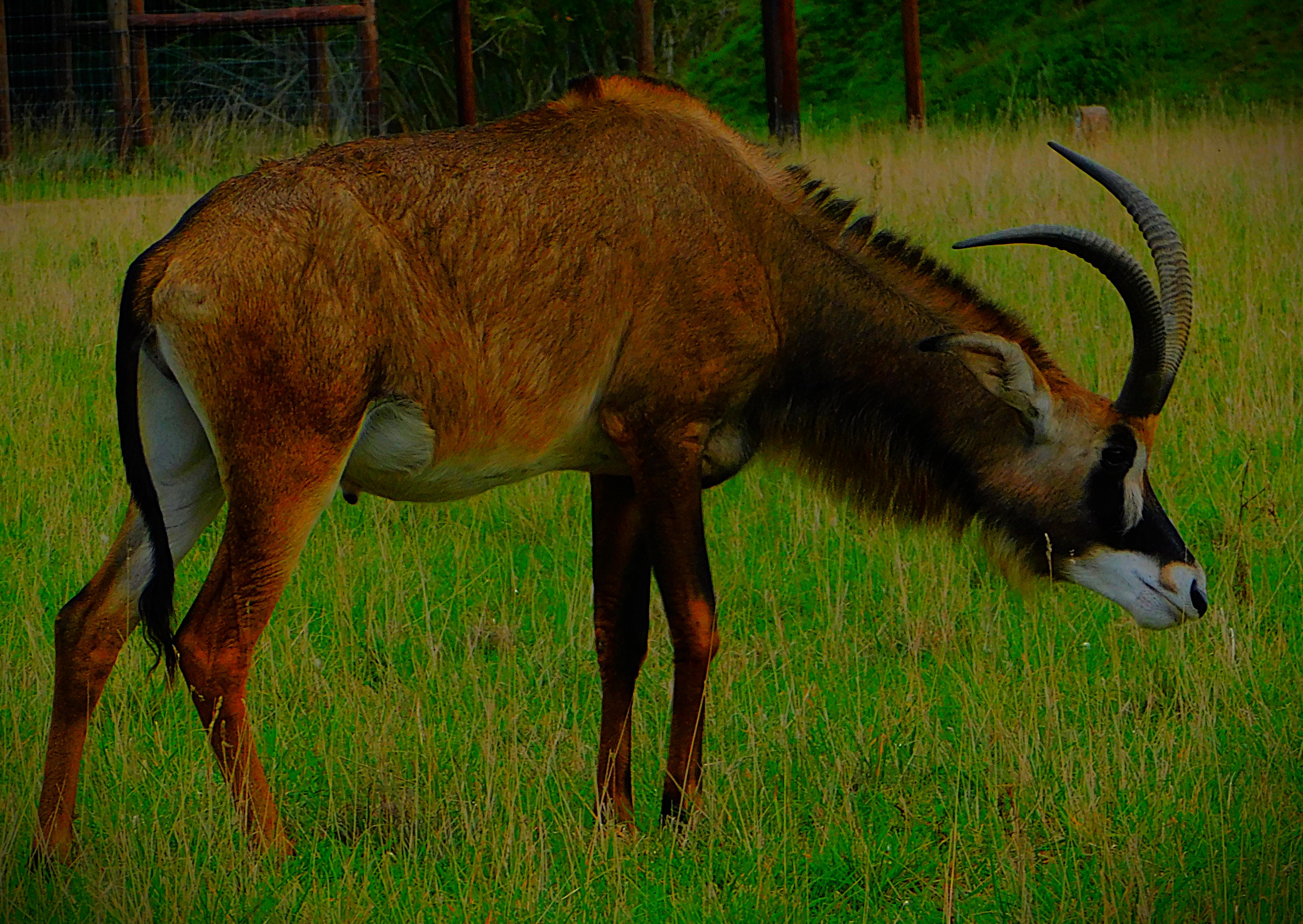
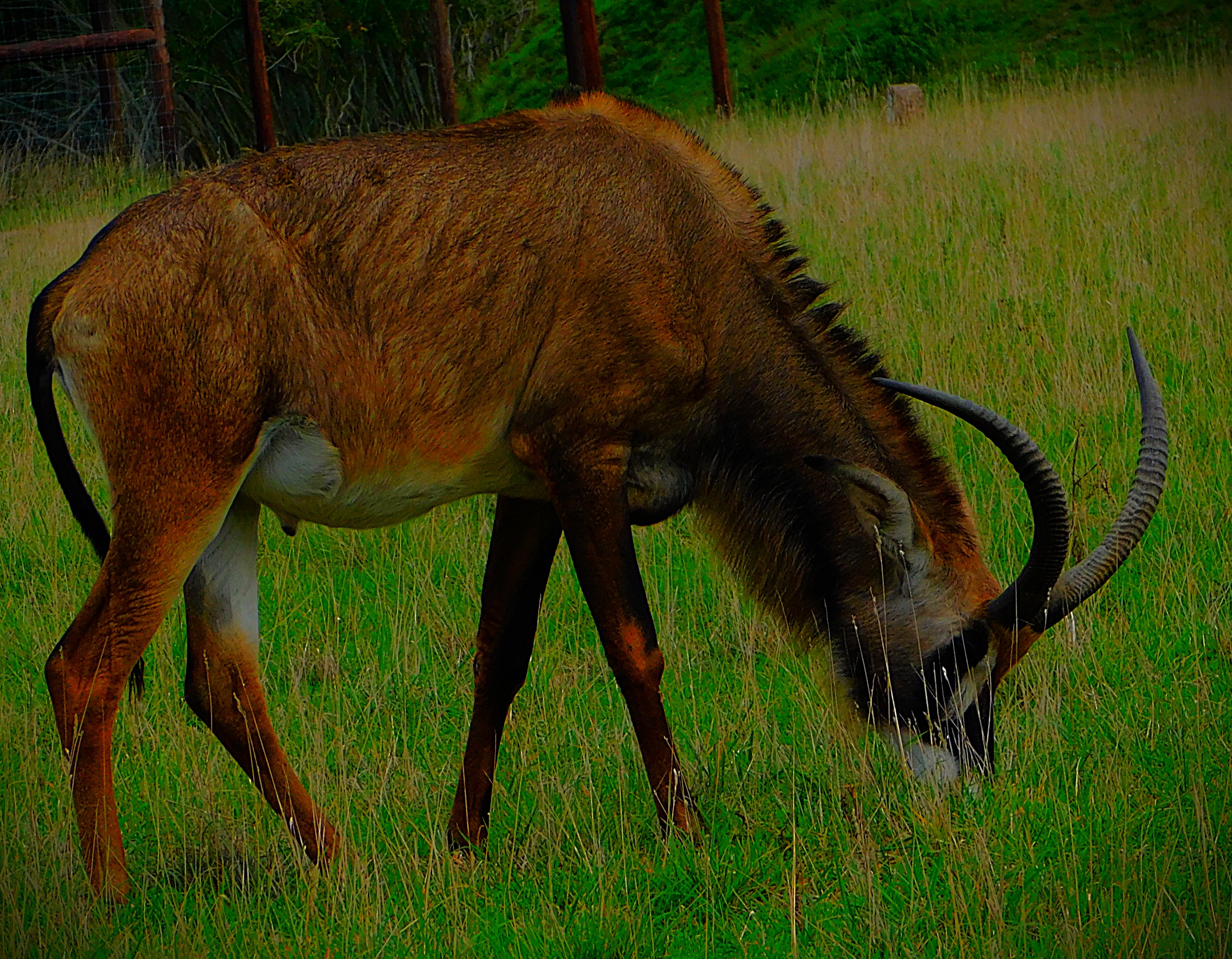
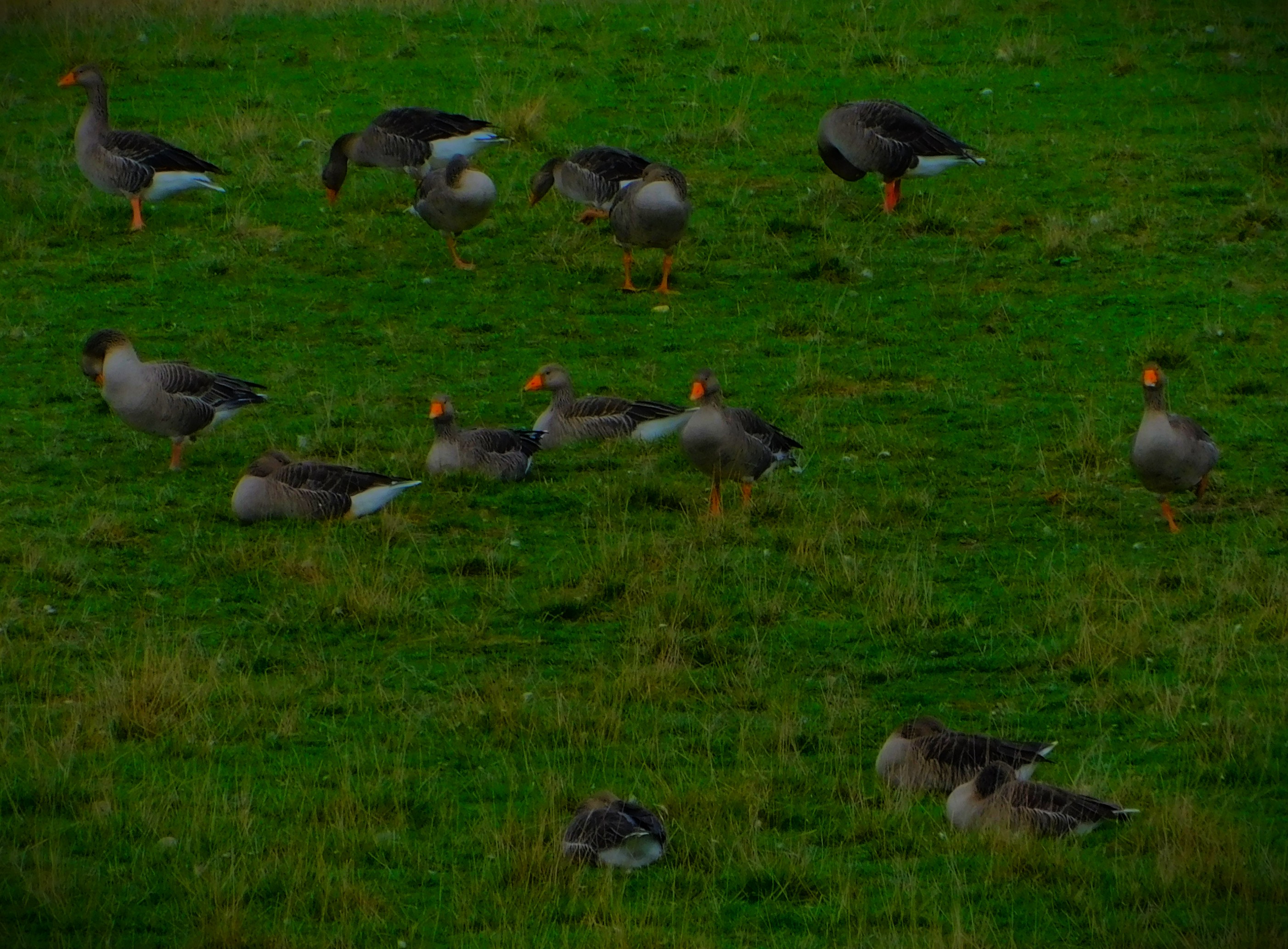
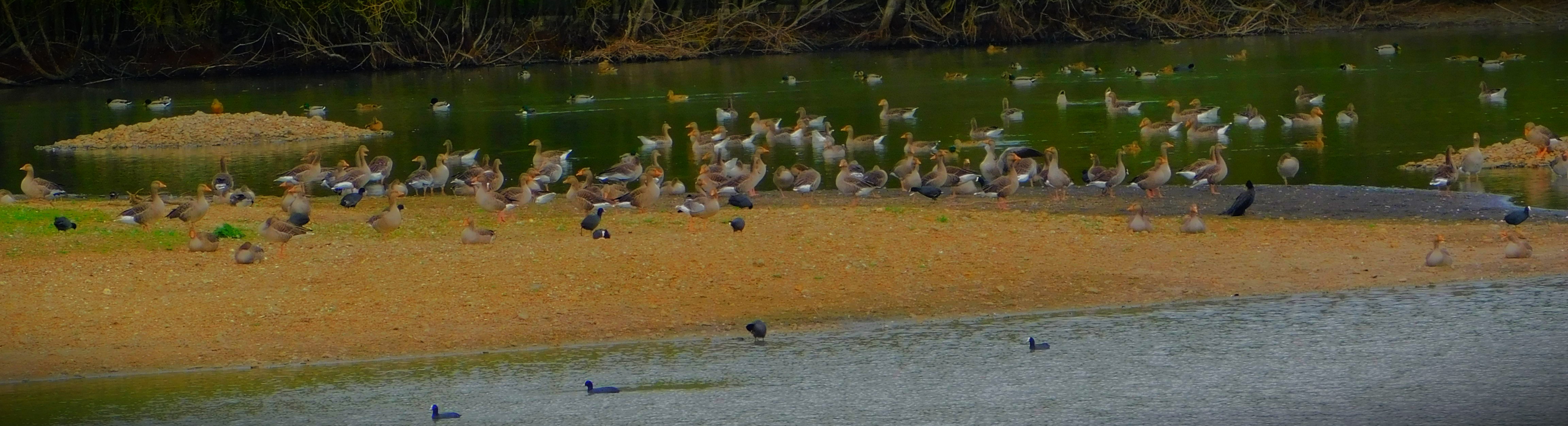
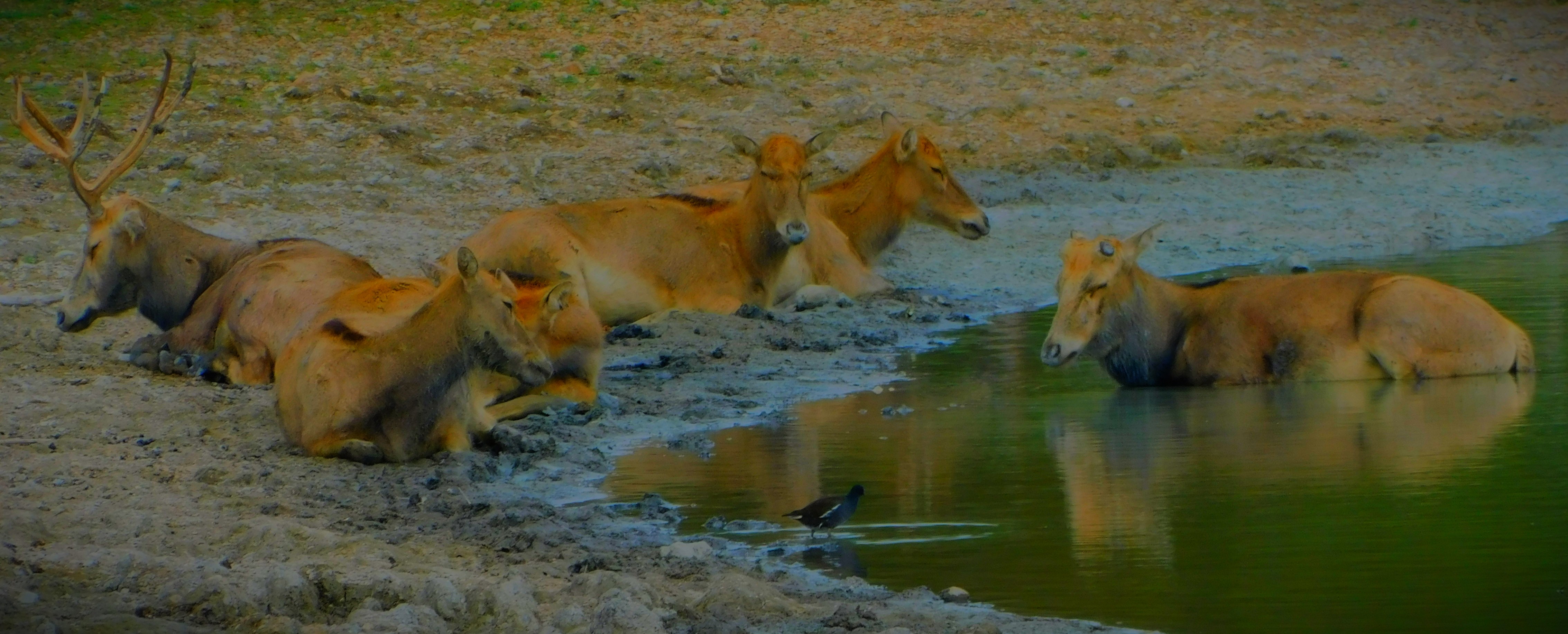
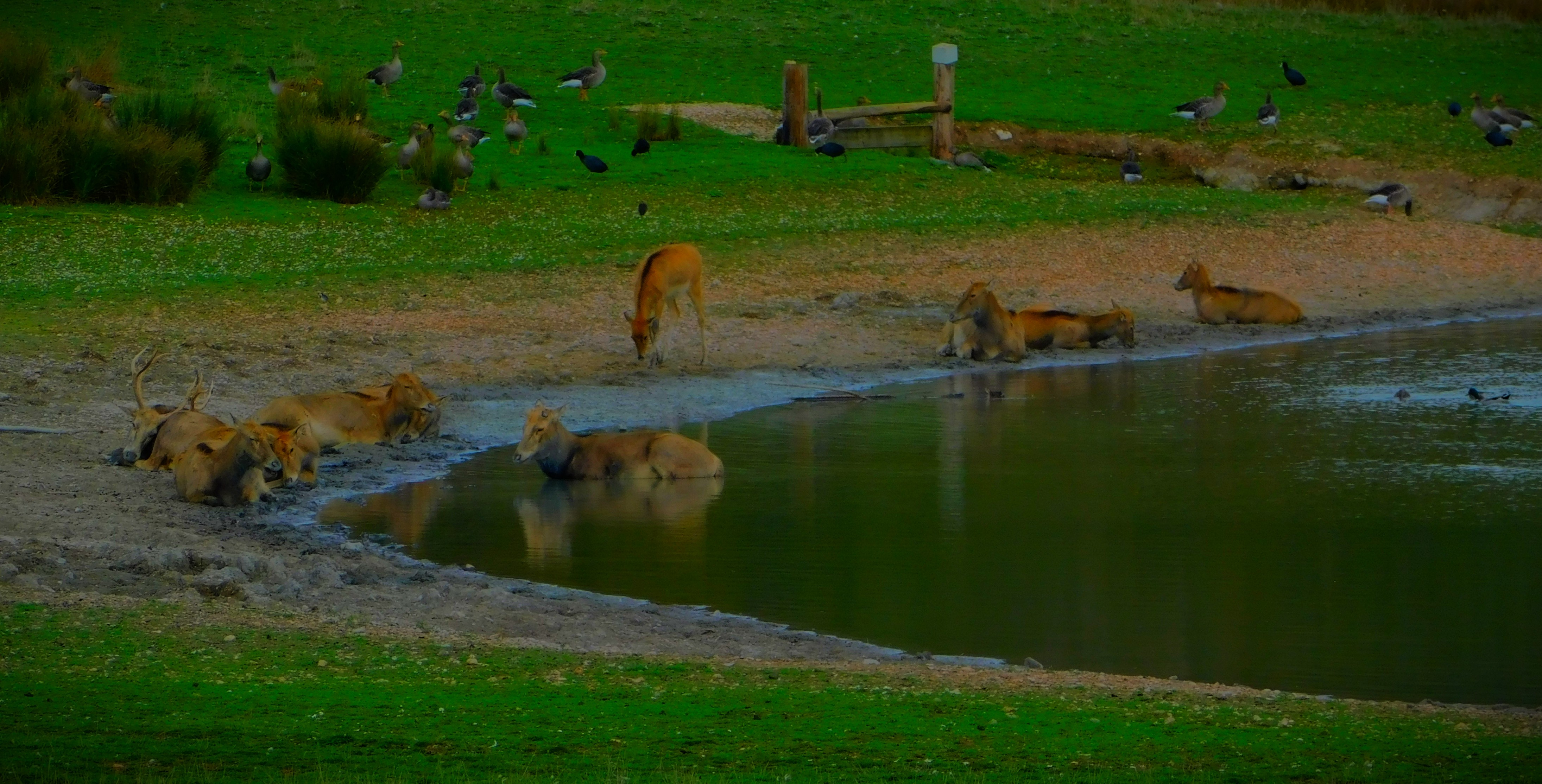
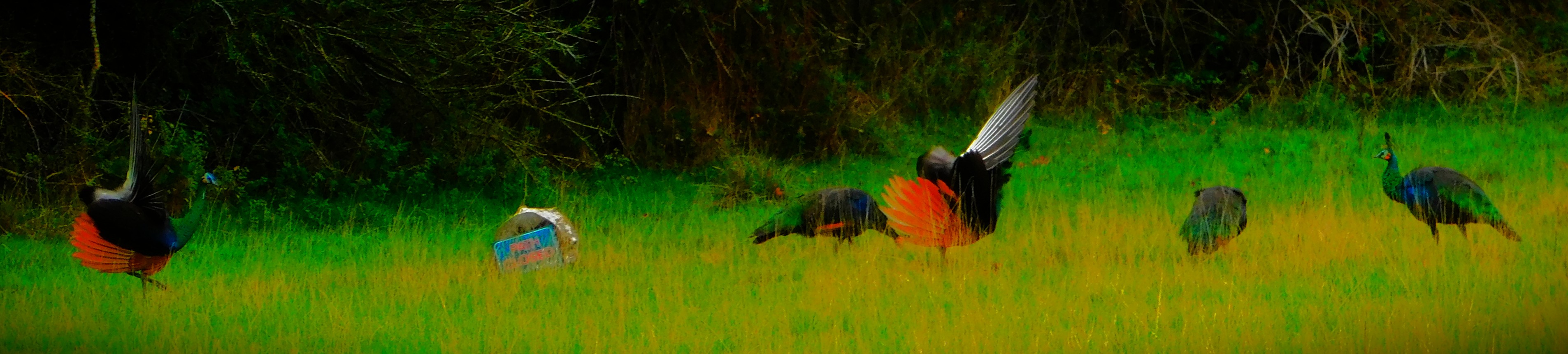
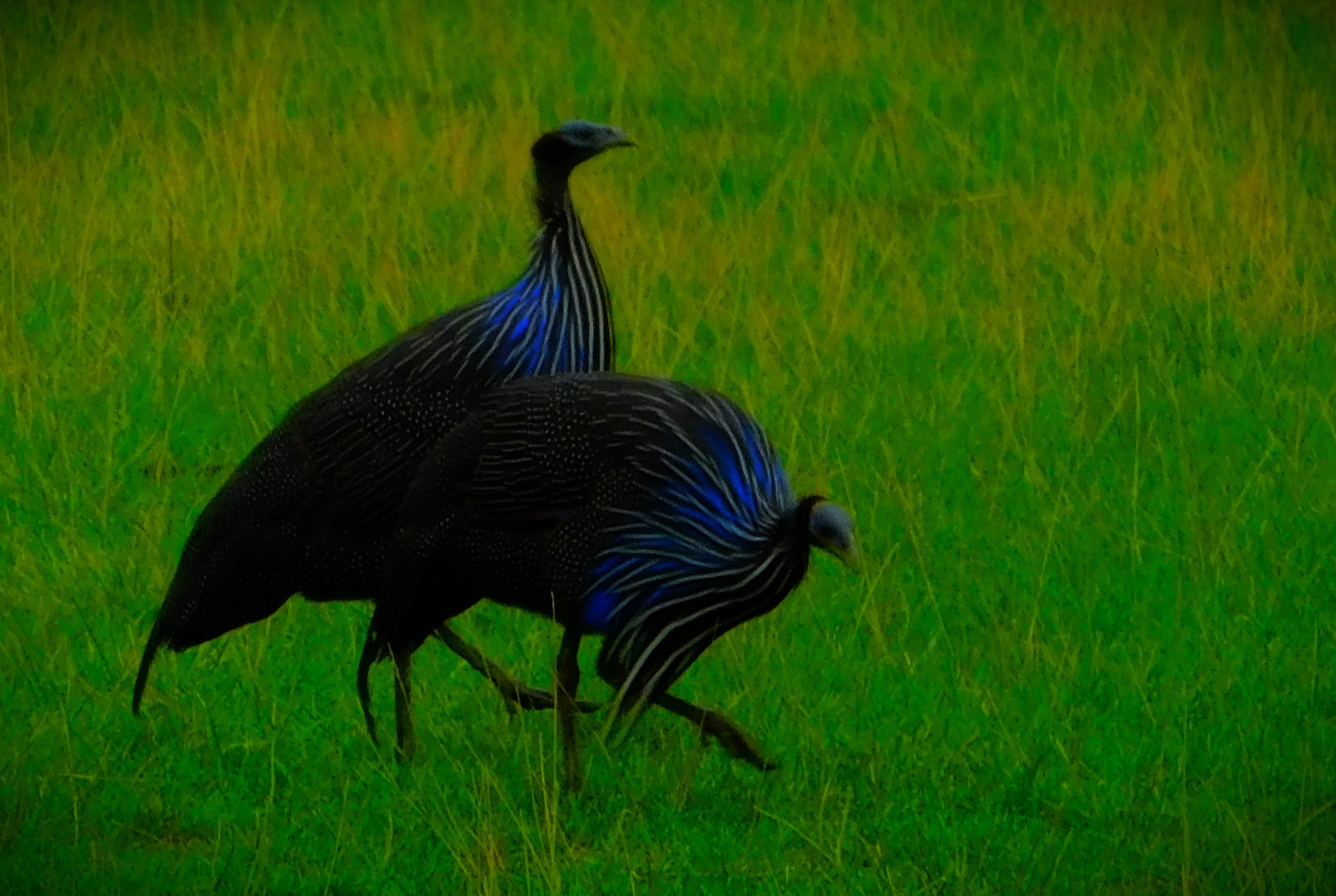
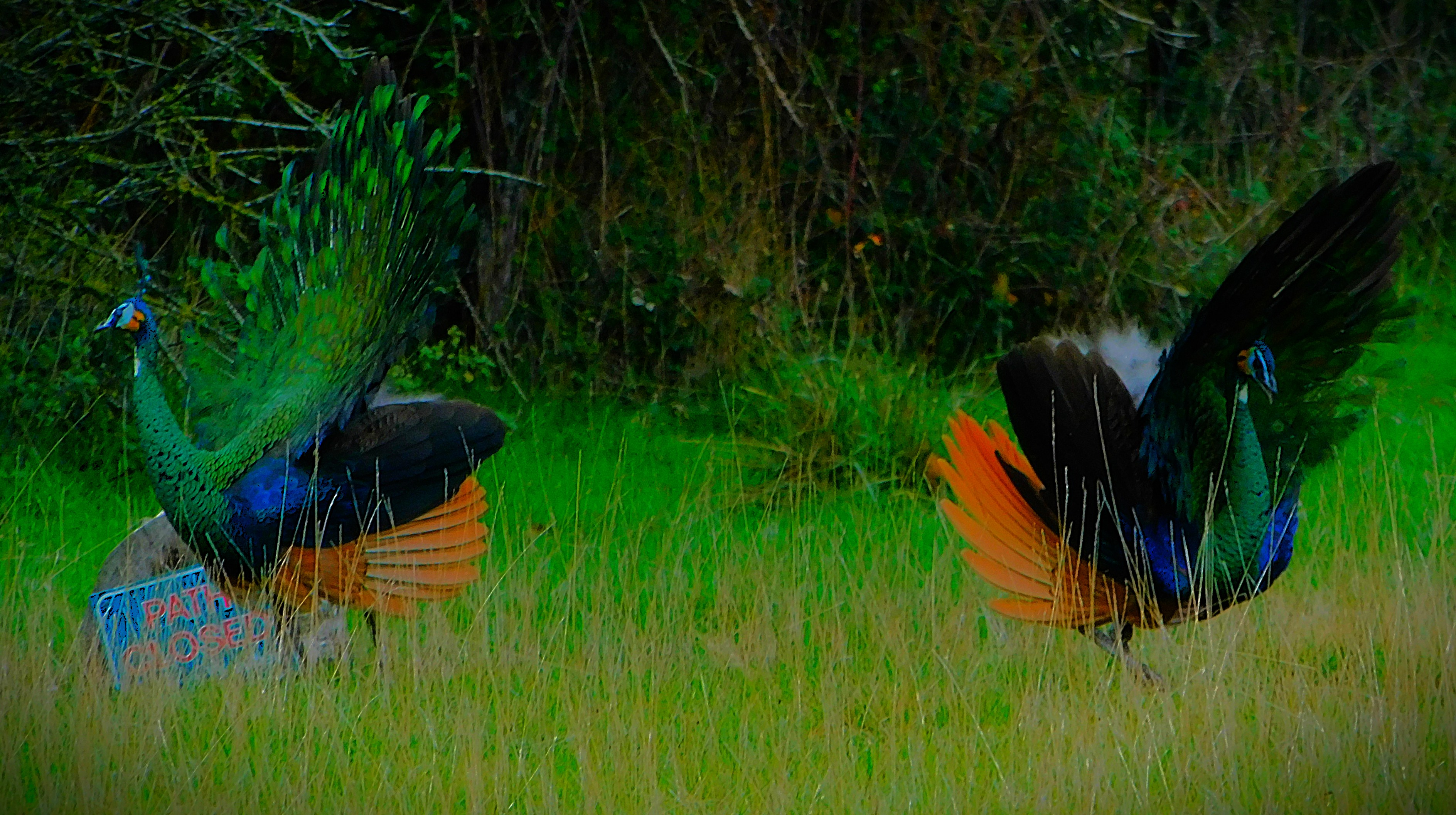
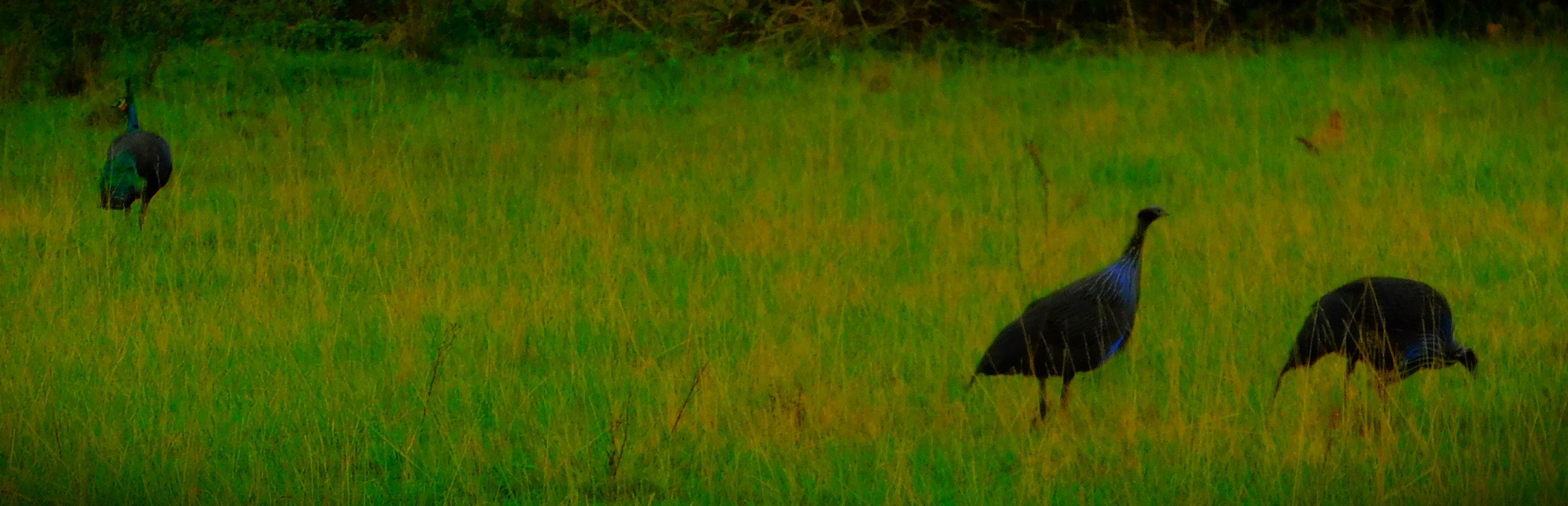
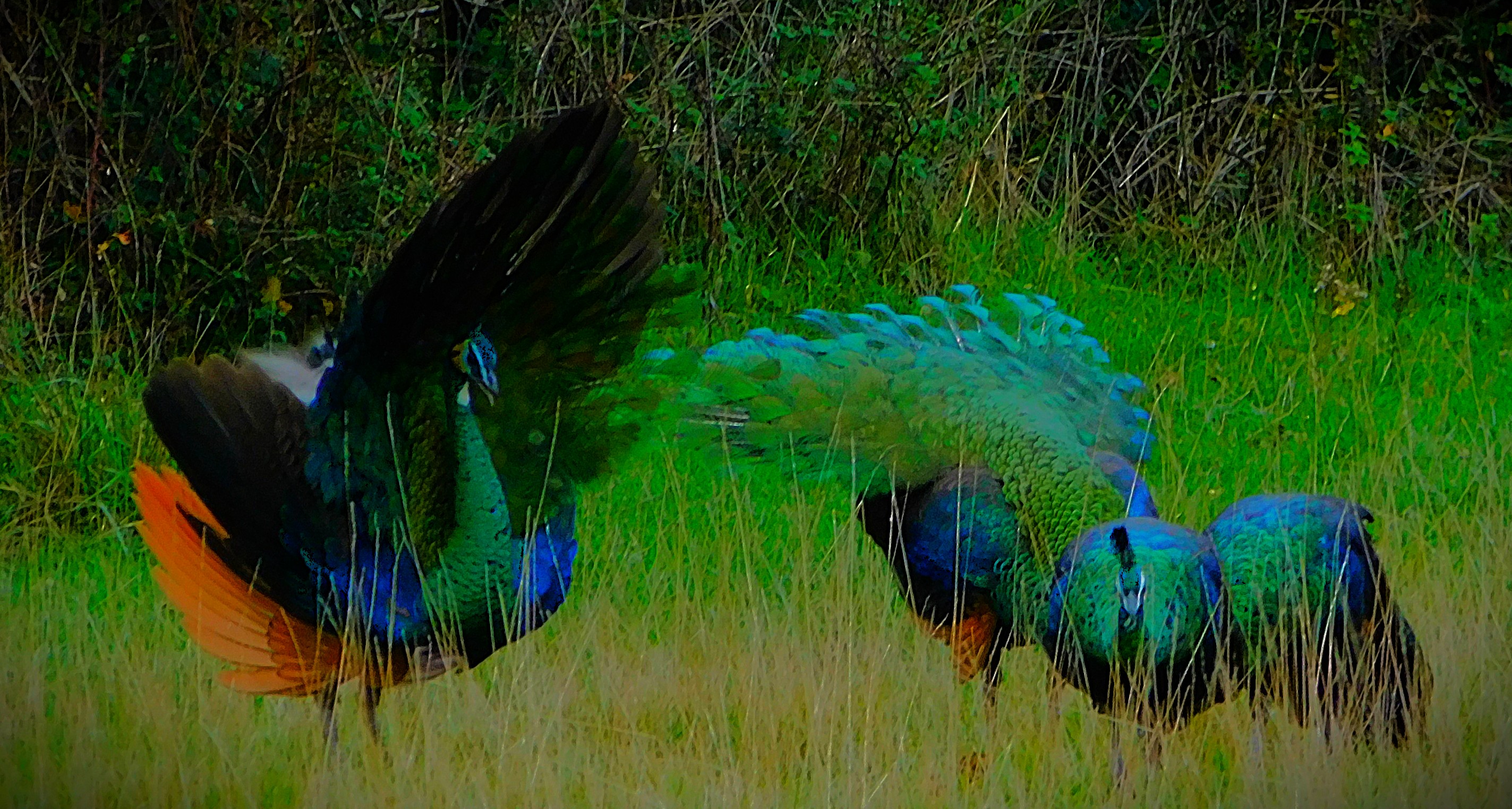
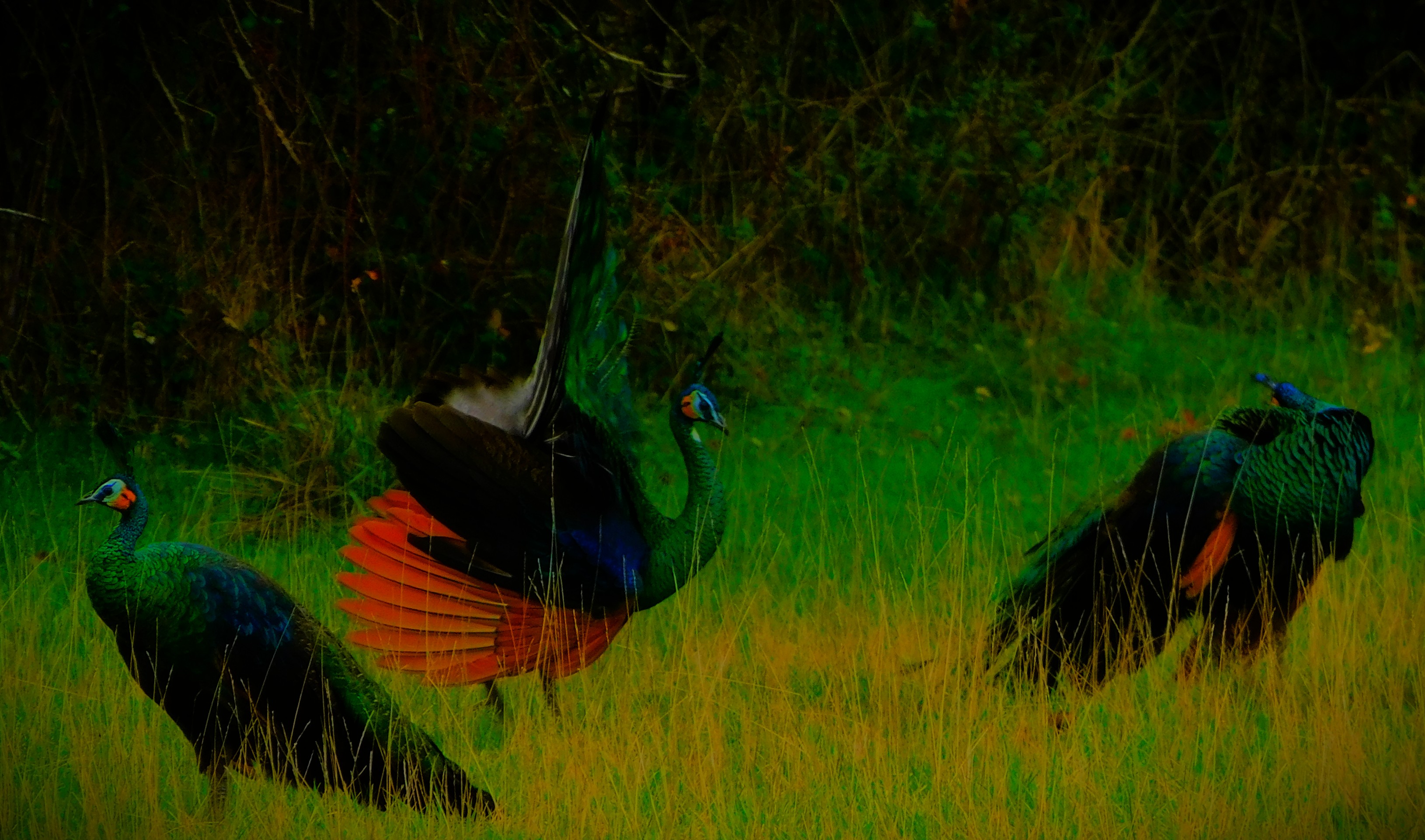
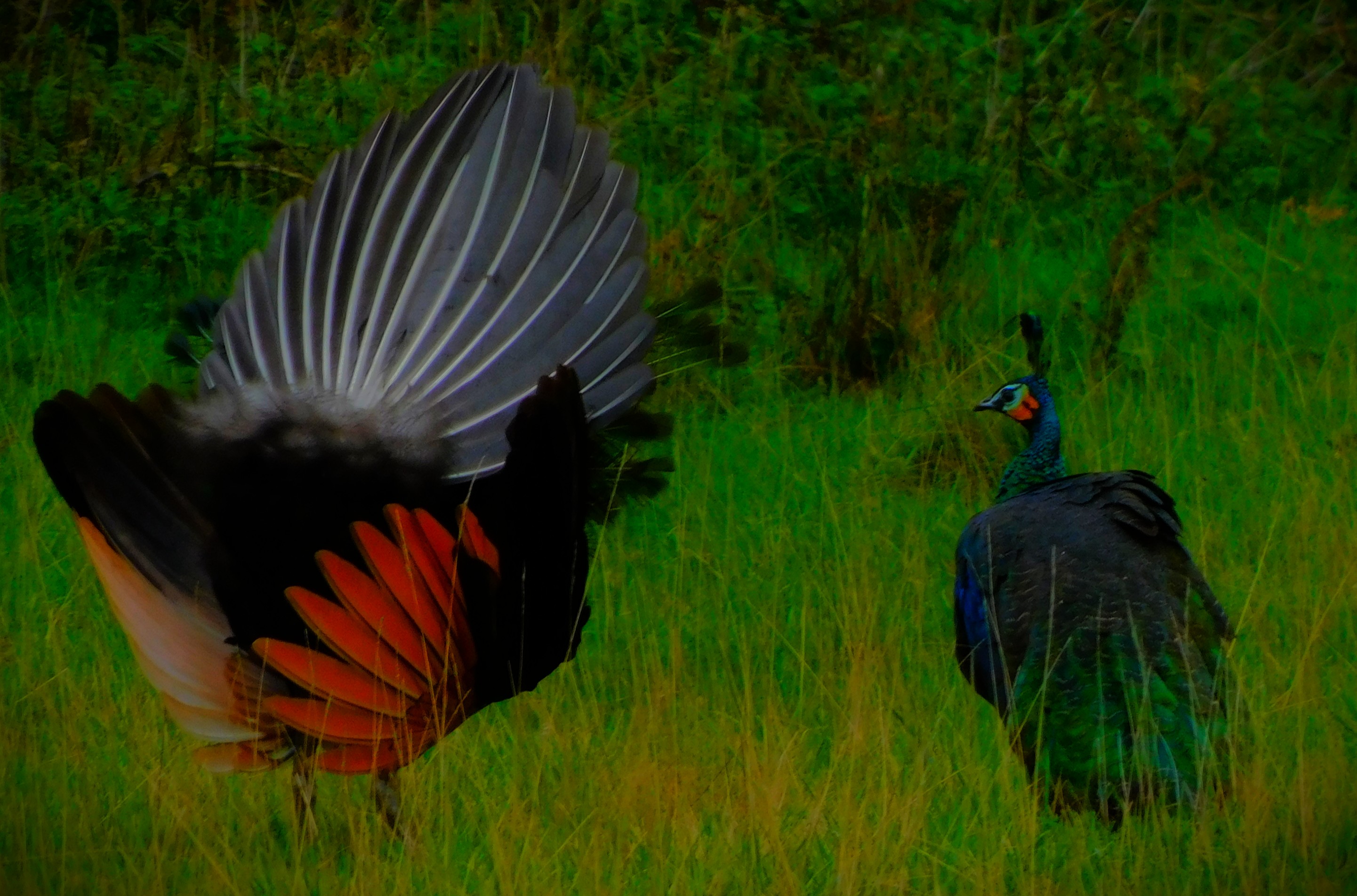
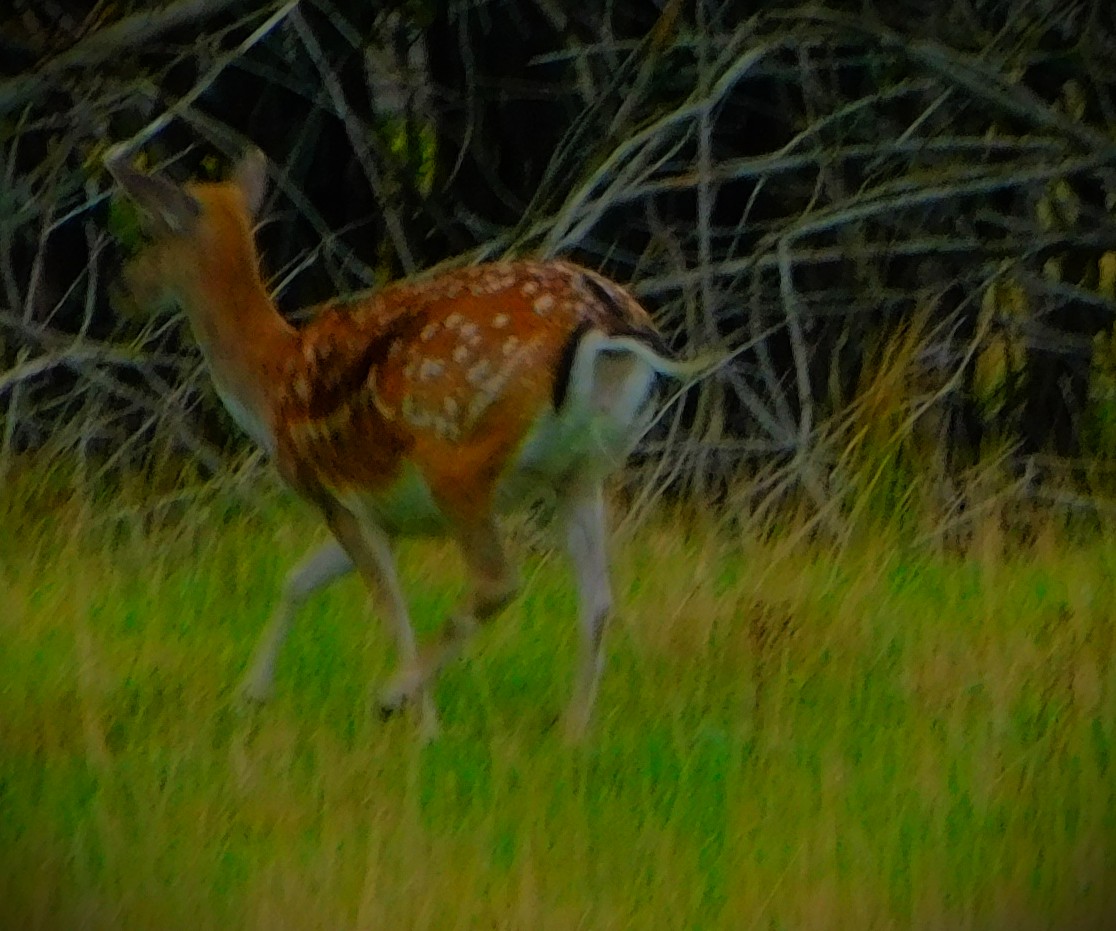
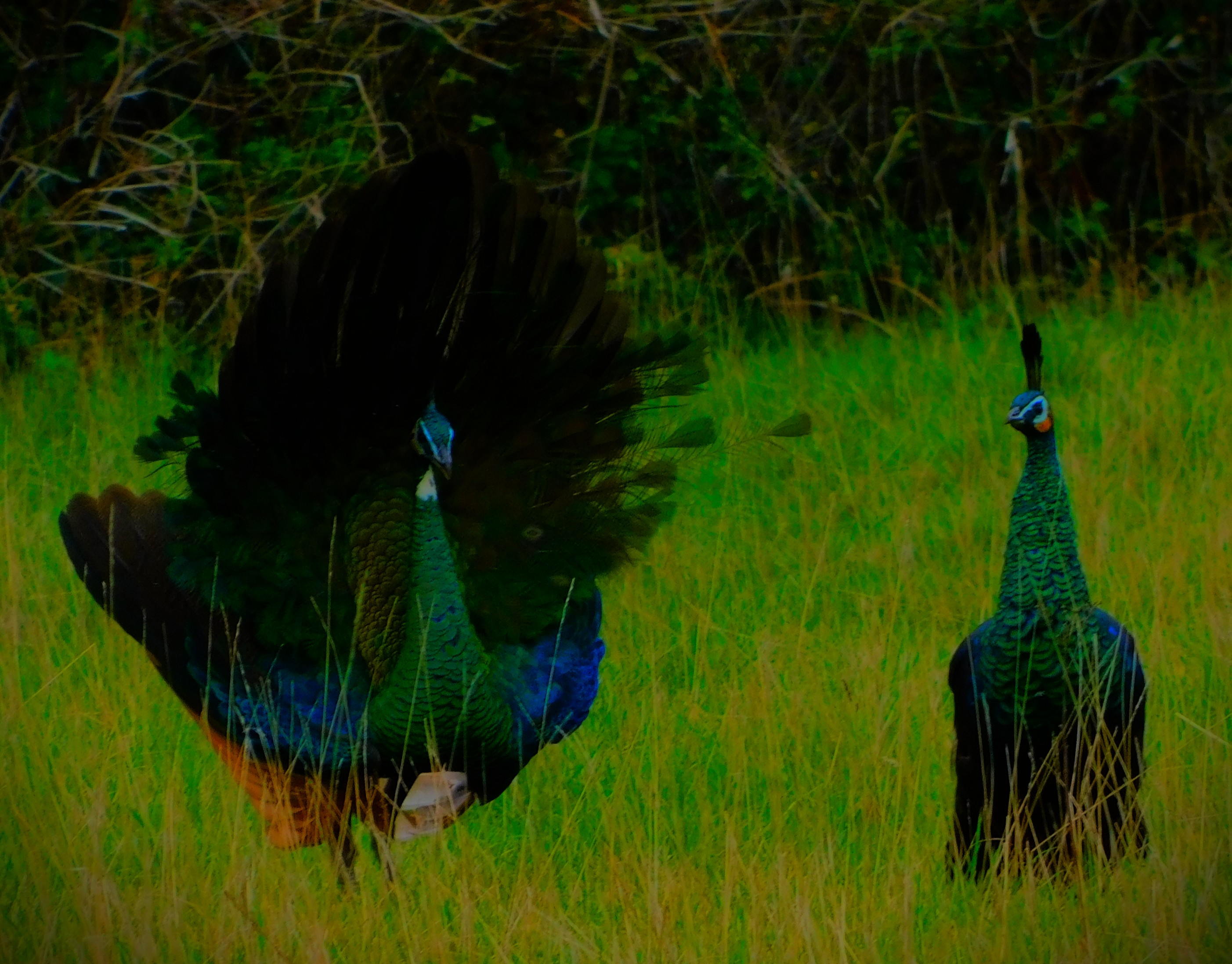
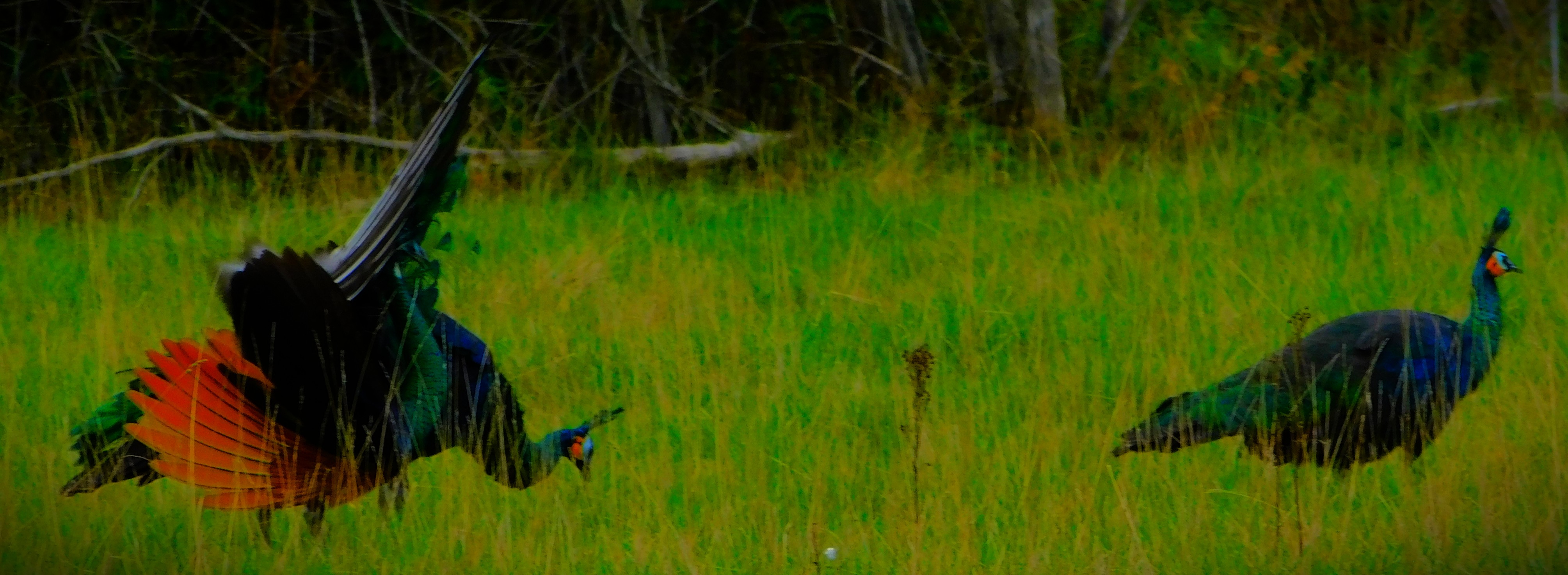
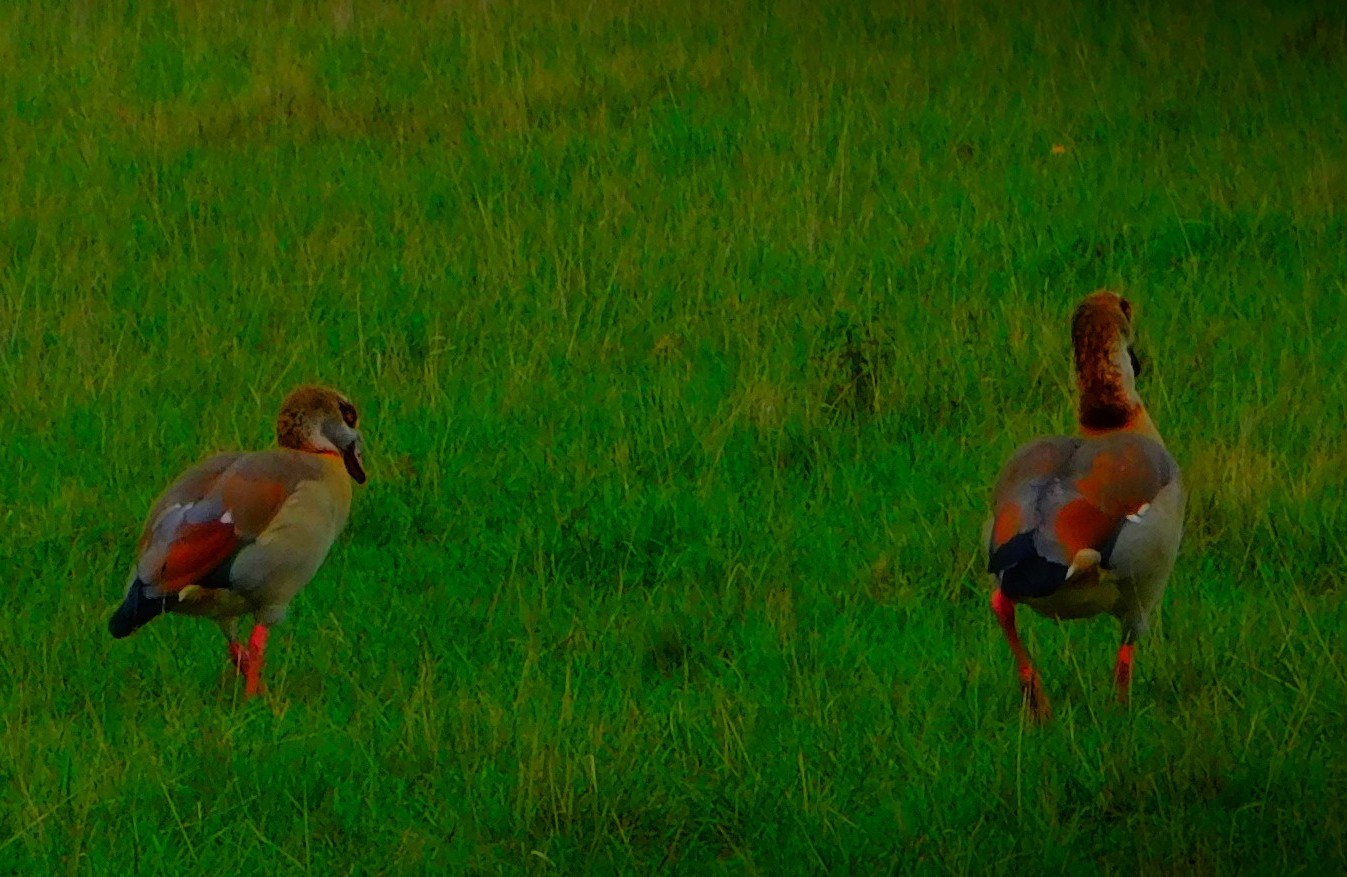
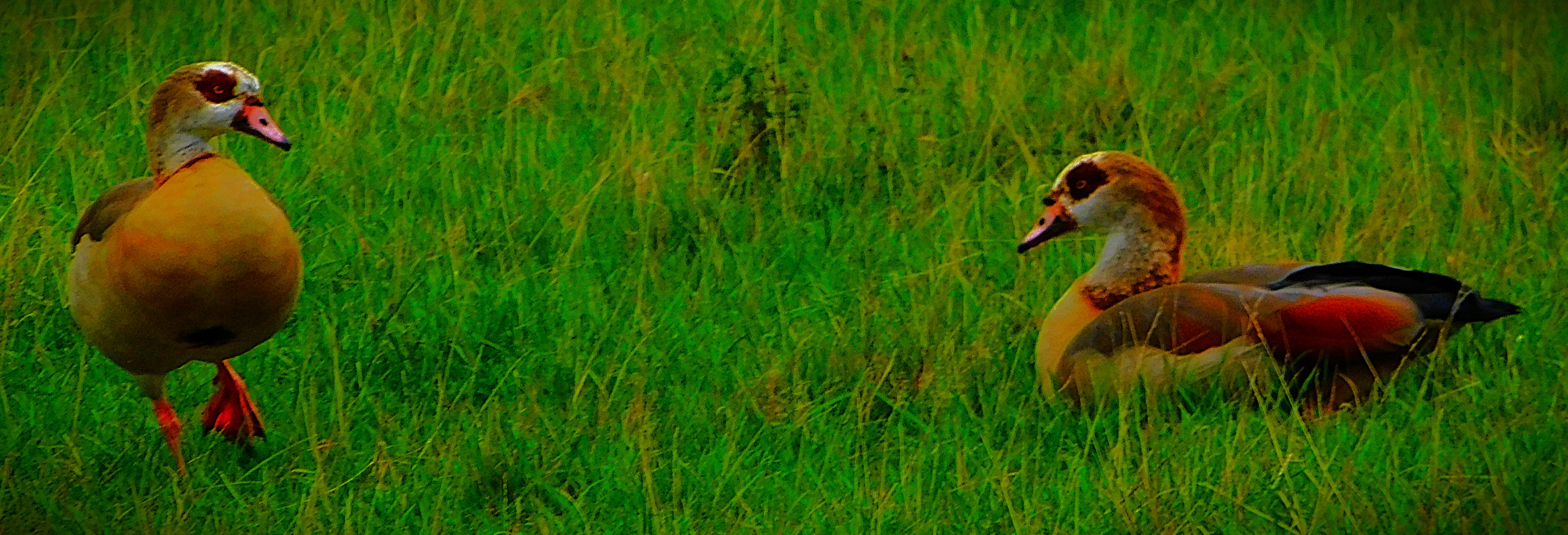
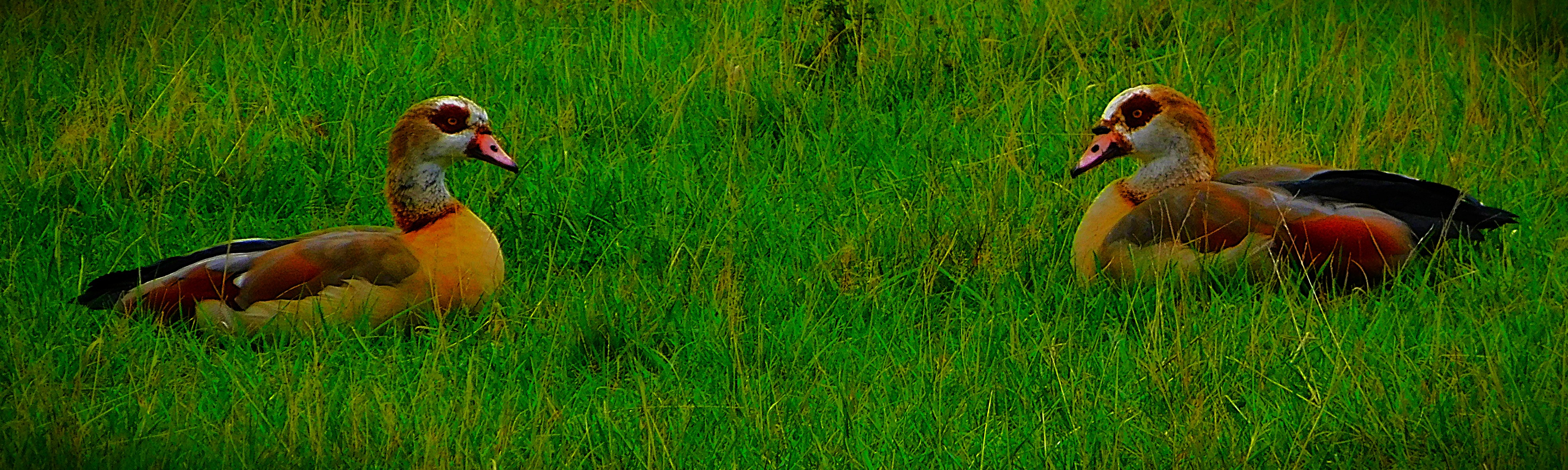
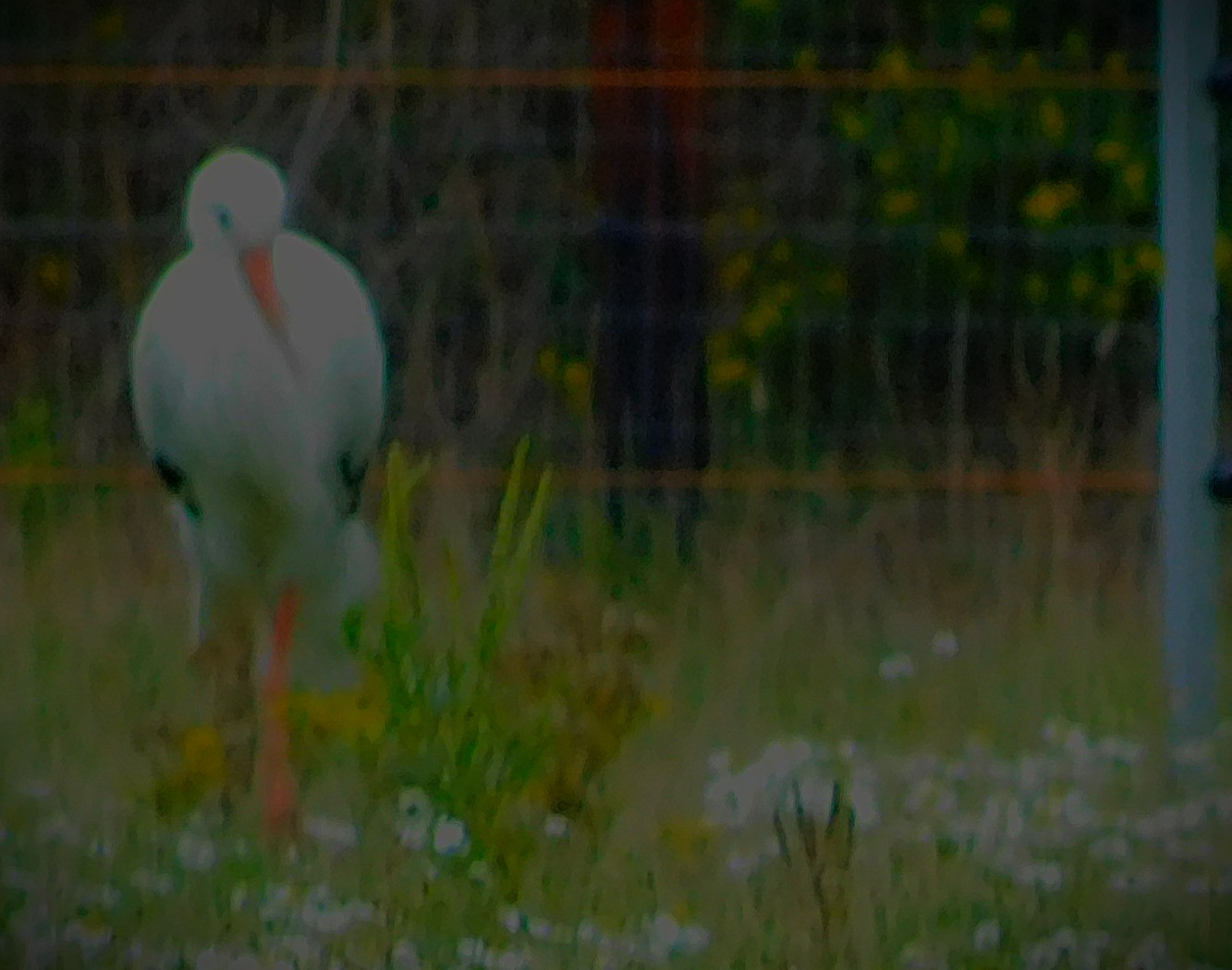
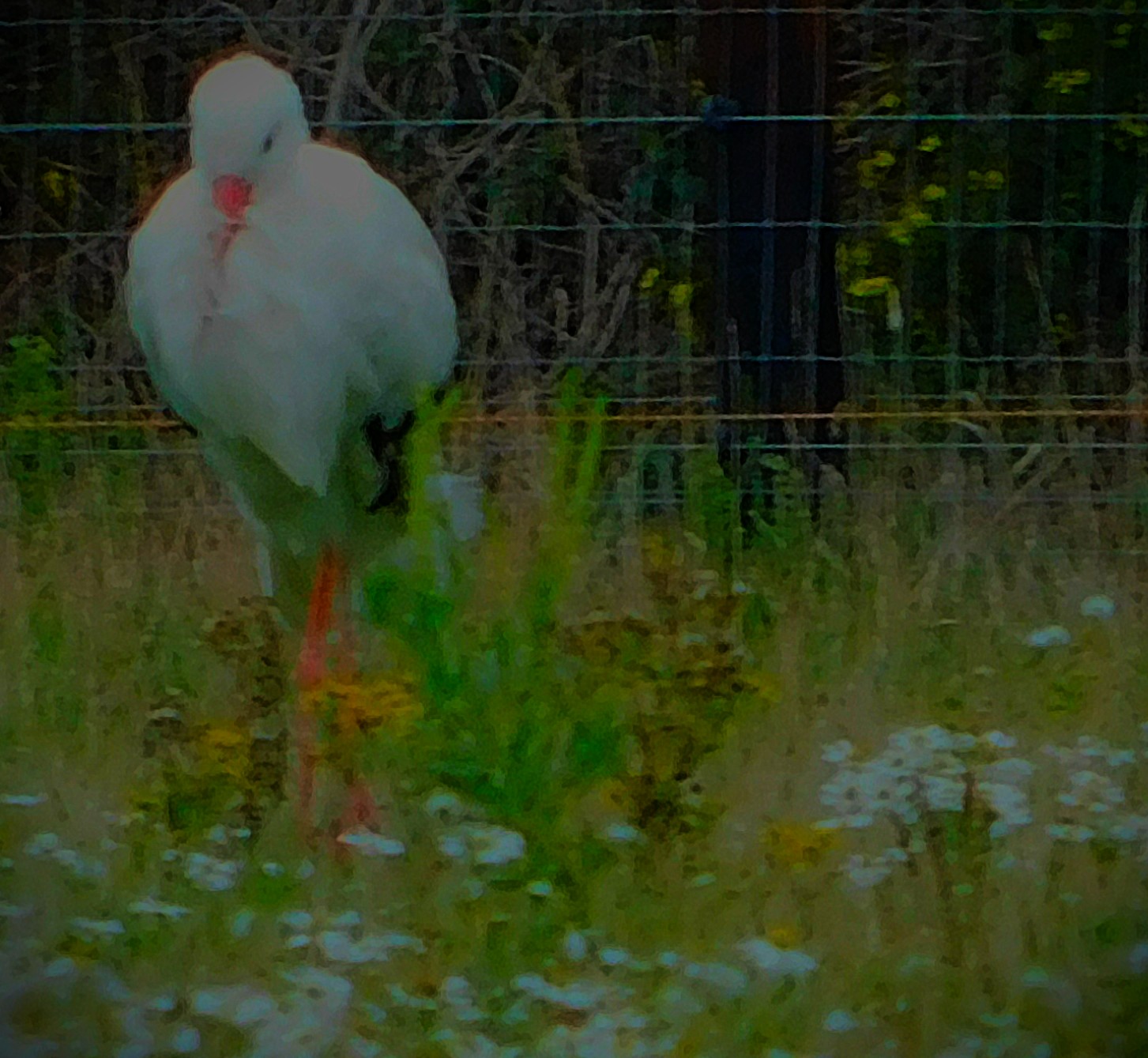
This is a roan antelope.Pere Davide’s DeerVulturine guinea fowl.Javan peafowl – these differ from the Indian variety in that the male and female have the same colouring, and that they are green rather than blue.The great bustard, ar rest. Your reminder that birds are feathered dinosaurs!These were not flagged up by our guides, but I reckon they are Egyptian geese.White stork.Our transport round the reserve.