A look ahead to the upcoming cricket season and a bumper photo gallery.
It is now less than a week until the English first class cricket season kicks off. In the meanwhile there has been some interesting action in the IPL, though I am following today’s game only through cricinfo, as this long weekend features Classic FM’s ‘Hall of Fame’ countdown – the 300 most popular pieces of classical music as voted for by listeners (you get to pick your top three if you choose to vote, and the pieces with the most votes make it into the charts) – and I always follow as much of this countdown as I can.
Surrey start the season as winners of the last two county championships. The last side to win three in a row were Yorkshire in the 1960s (1966, 1967, 1968). A decade earlier Surrey themselves set the all time record by winning seven in succession (1952-1958 inclusive).
I end this look ahead to the season by mentioning two youngsters who may well feature for England before the season is done. Somerset batter James Rew was simply magnificent last season, and if he can pick up where he left off he will have to picked. Surrey pacer Tom Lawes has shown considerable promise, and with Broad retired, Anderson surely nearing the end, Wood already 35 and with a history of injuries, Robinson’s fitness unreliable (to put it generously) there are more than likely to be vacancies in the pace bowling department.
PHOTOGRAPHS
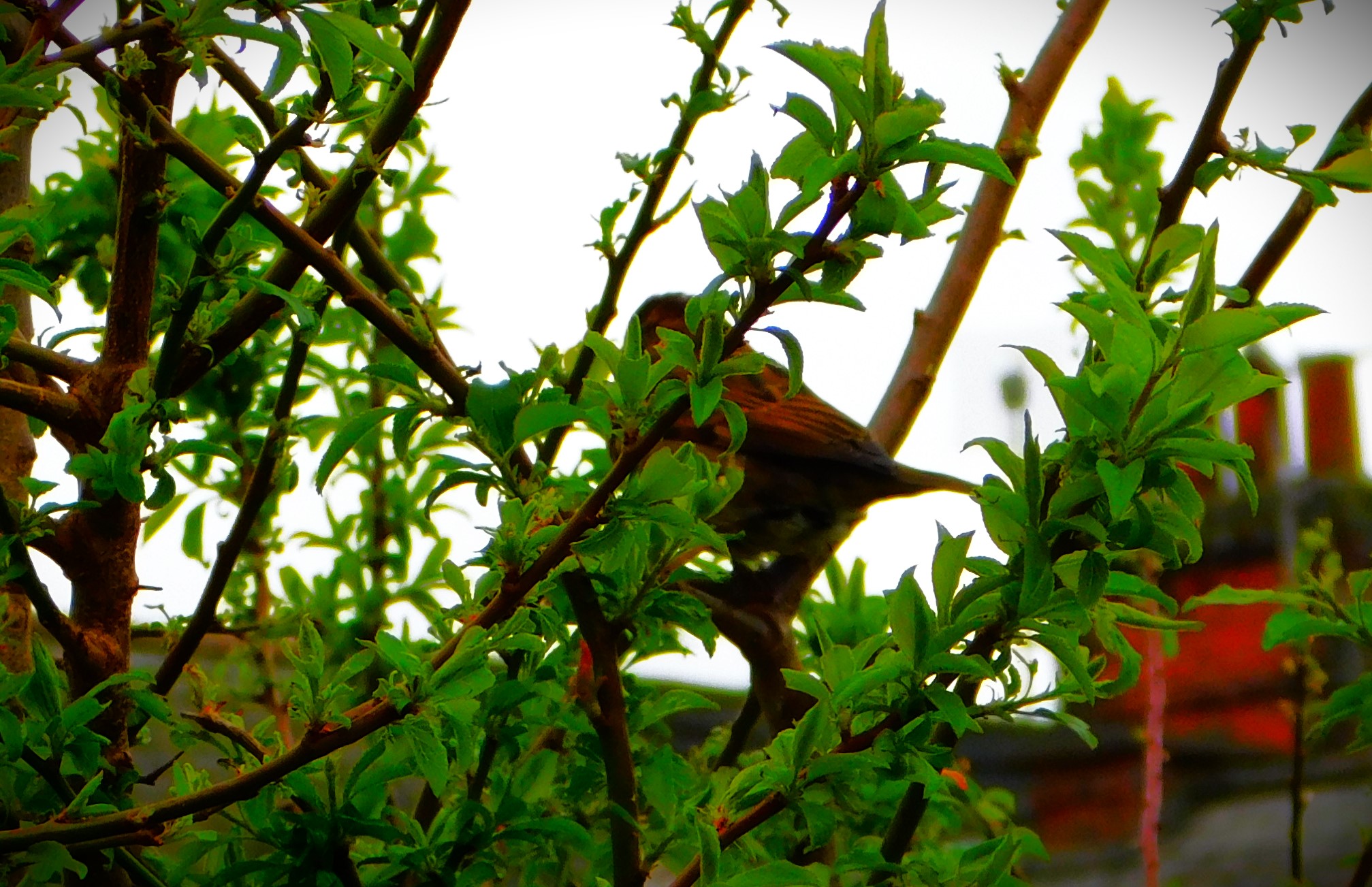
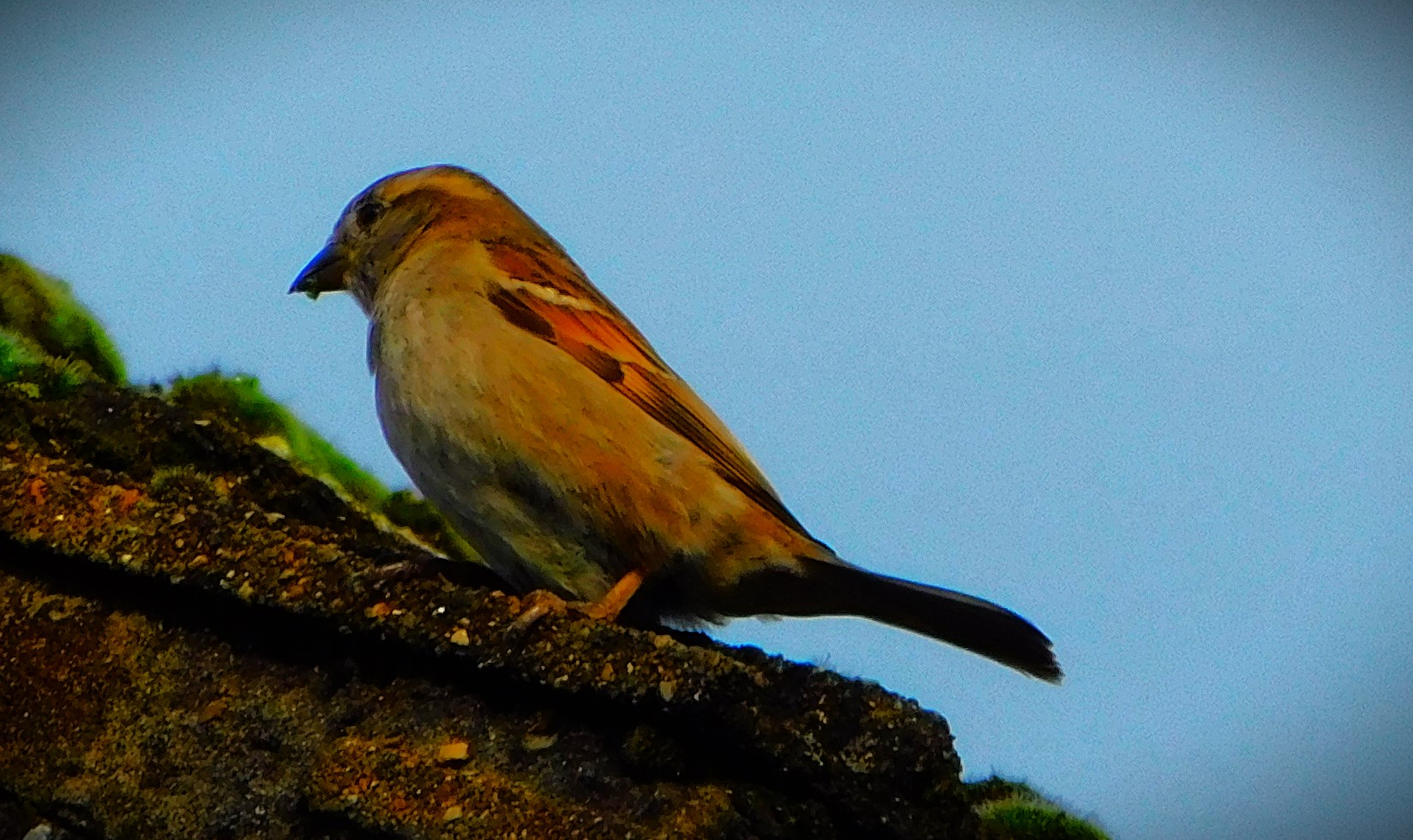
I have a bumper photo gallery to finish with – the weather has been very springlike in recent days…
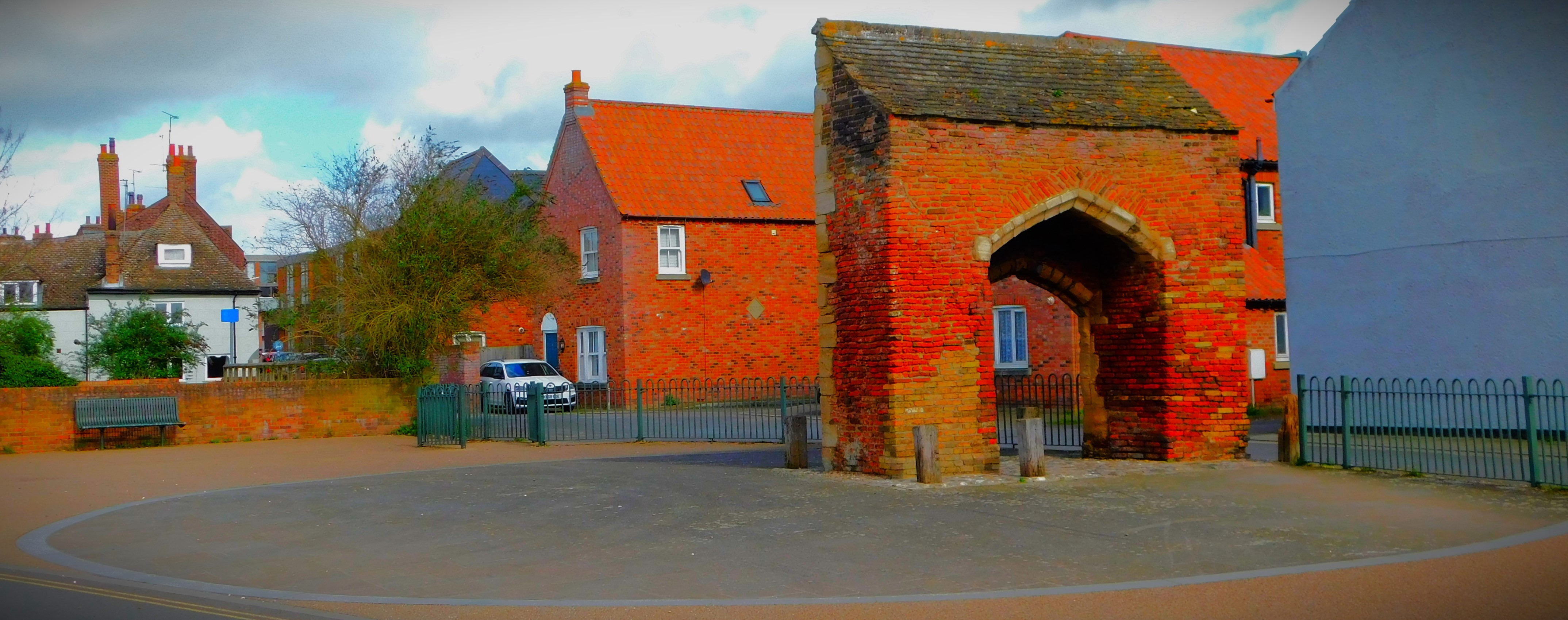
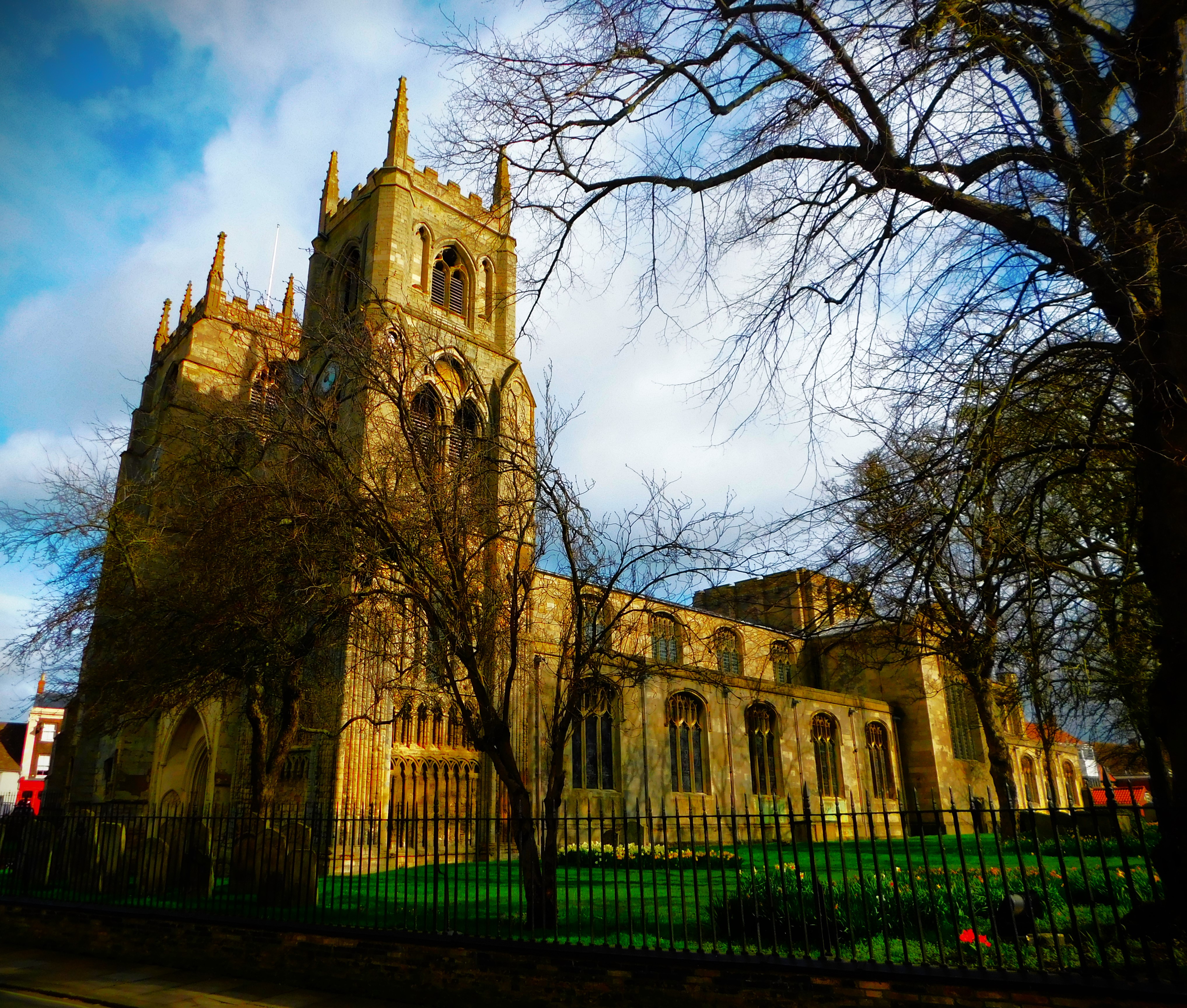
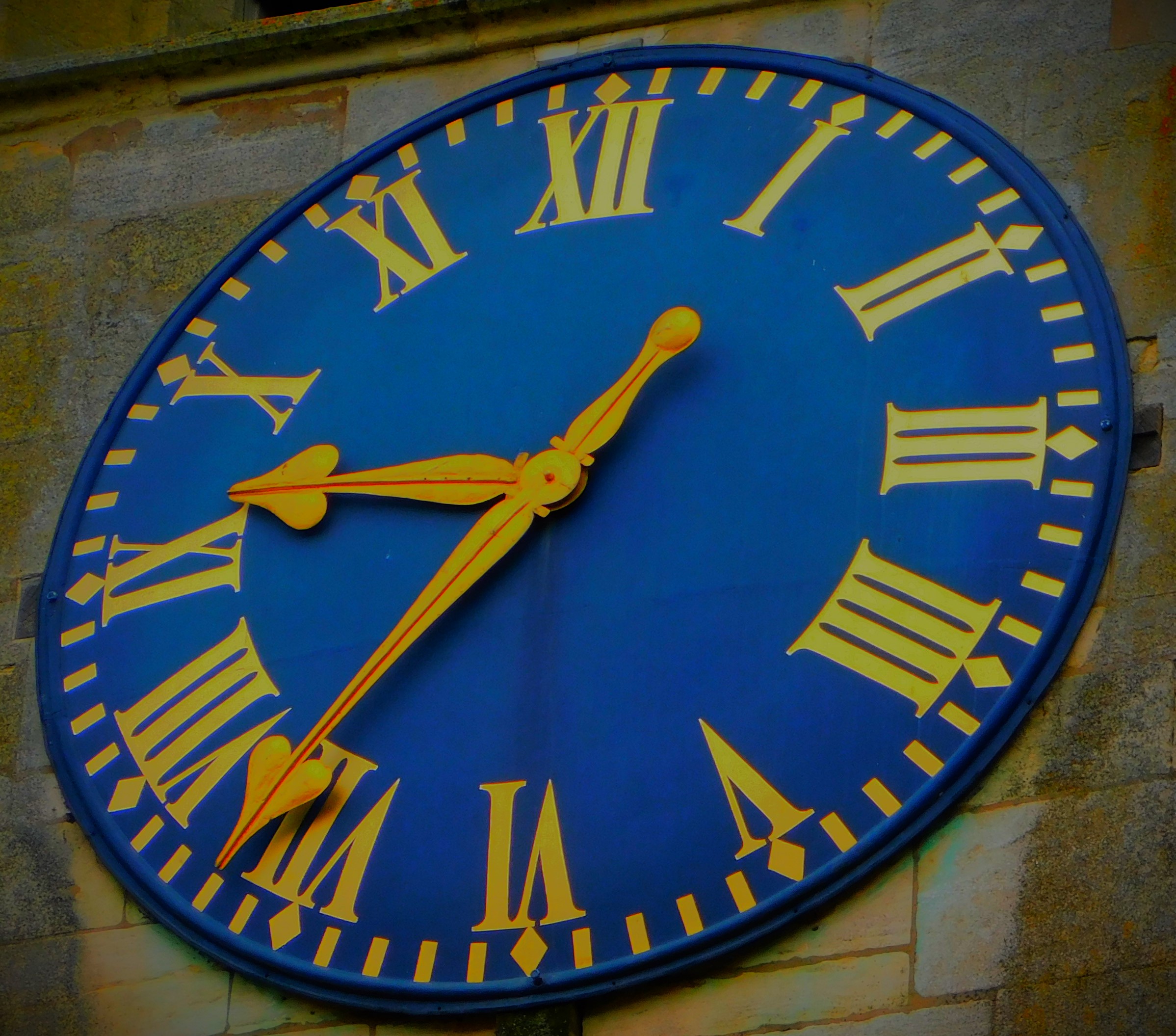
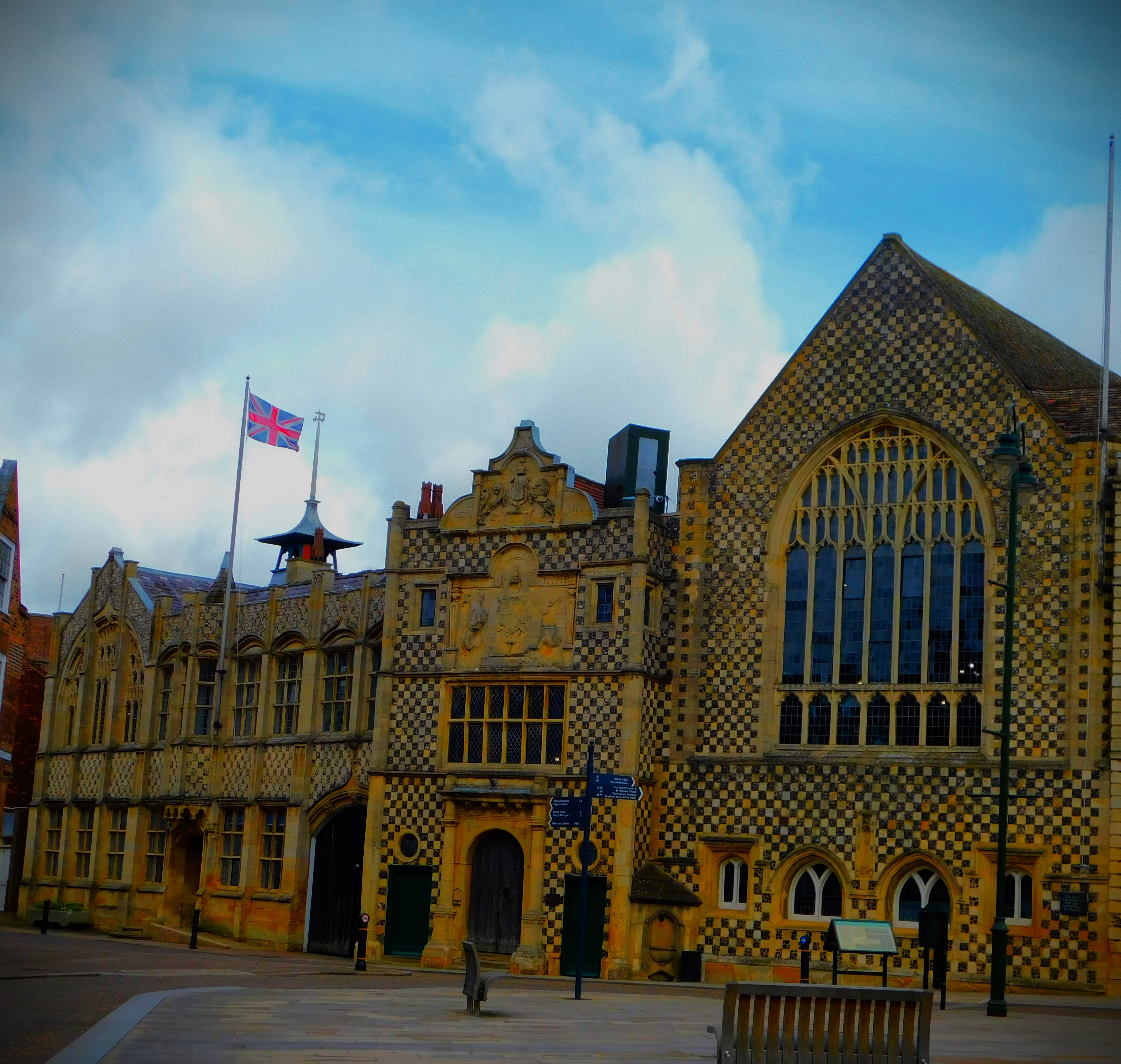
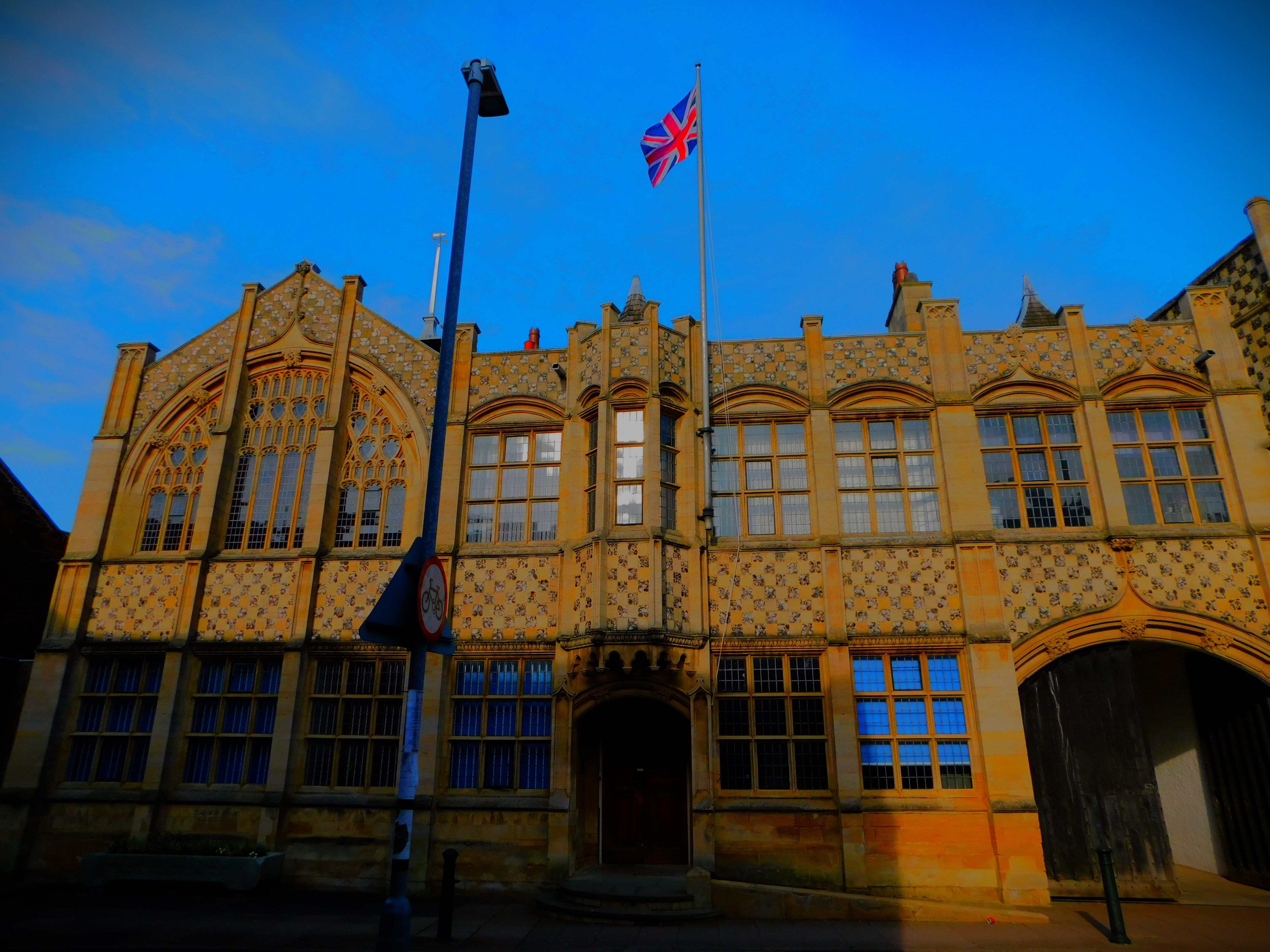
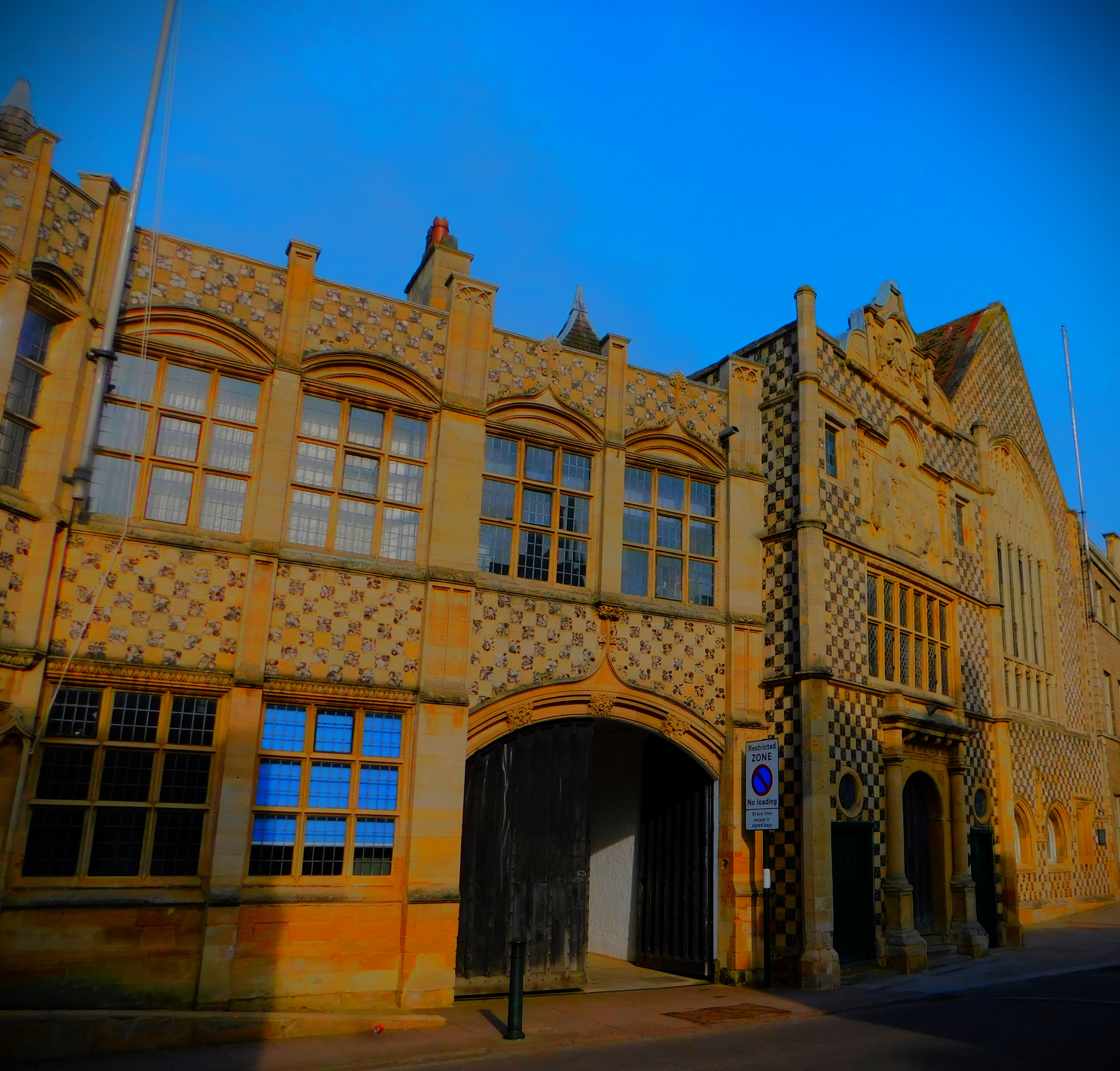
A view of King’s Lynn from the edge of Harding’s PitsGetting the whole frontage of the town hall in a single picture is a challenge, but I found one place from where it can be done today.
A look a two of test cricket’s daftest dismissals, the second of which happened yesterday. Also a huge photo gallery, making the most of the arrival of spring.
In the recent test match between Bangladesh and Sri Lanka two Sri Lankan batters scored centuries in both innings, and a Bangladeshi batter suffered the dismissal that prompted this little squib. I offer two contenders only, starting with…
LITTON DAS’ BRAINFADE
You are facing your first ball, with your side already reeling at 37-4. What do you do? If you are Litton Das you have an almighty heave and hole out in the deep, turning 37-4 into 37-5. Sadly, although this particular dismissal stands out for its sheer awfulness Bangladesh have had far too many moments of lack of application/ lack of mental toughness in their 24 years as a test playing nation, and such progress as they have made in that time is barely measurable.
WHY DID HE DO THAT!!!
You are Shannon Gabriel, specialist fast bowler with zero pretensions as a batter, and your side, the West Indies are nine wickets down with seven possible deliveries left in the match. At the other end, waiting to bat out the last over and leave the pitch with the draw secured, is Roston Chase with 110 not out to his name. What do you do? Mr Gabriel had a wild yahoo and succeeded in losing his wicket, handing the match, and with it the series, to Pakistan. The West Indian commentator’s agonized shout of “WHY DID HE DO THAT???!!!” is only too understandable in the circumstances.
MY VERDICT
On the one hand Litton Das is a proper batter and Shannon Gabriel one of the more genuine of genuine tail enders, which would seem to militate against the Bangladeshi. On the other hand Bangladesh were miles from any hope of escape in the match, whereas Gabriel knew that if he simply kept out one ball it would Roston Chase’s task to survive the remaining over, and he knew that Chase had a ton to his name and would be seeing it like a watermelon. Thus on the ground that the end goal was in plain sight for Gabriel and not remotely visible for Das, while acknowledging that Das had an absolute shocker, and that no one should have got out like that in that situation I give the verdict to Gabriel.
PHOTOGRAPHS
I have a massive photo gallery to share…
A large bee zeroes in on a nectar-rich flower head.A bee searching for flowers.
The third and final part of mini-series looking at South African cricket history. As usual I also have a fine photo gallery.
This is third part of a mini-series looking at South Africa’s cricket history (follow the links to part one and part two to complete the picture) looking at the period since they were readmitted to international cricket.
THE XI IN BATTING ORDER
*Graeme Smith (left handed opening batter, captain). A superb playing record and a very good win percentage as captain, a role he first took on at a much younger age than most test captains.
Herschelle Gibbs (right handed opening batter). To complement the decidedly functional left hander we have a rather more aesthetic right hander, but one who scored plenty of runs.
Hashim Amla (right handed batter). The only South Africa ever to score a test triple century, just one of many magnificent innings he played over the years.
AB de Villiers (right handed batter, occasional wicket keeper, occasional medium pacer). Best known for his deeds in limited overs cricket, Abraham Benjamin de Villiers was still good enough facing a red ball to average 50 with the bat at test level.
Jacques Kallis (right handed batter, right arm fast medium bowler). If one had to pick a single player as the greatest ever produced by South Africa most people would name this man.
Brian McMillan (right handed batter, right arm medium fast bowler). One of the best players of the period immediately after South Africa were readmitted. He was already close to 30 when the opportunity to play test cricket arose, but still averaged 40 with the bat at that level and took some useful wickets along the way.
+Mark Boucher (wicket keeper, right handed batter). One of the greatest keepers ever to play the game and a handy lower middle order batter.
Keshav Maharaj (left arm orthodox spinner, right handed batter). South Africa is not a country that many visiting spinners of recent times would have fond memories of, and his test record (158 wickets at 31.99 to date) has to be viewed through the lens of how difficult it is to bowl spin in that part of the world these days.
Kagiso Rabada (right arm fast bowler, right handed batter). At 28 years of age he has plenty of power to add to his achievements, and he has already achieved enough that he will rank among the greats of the game even if he does nothing more.
Allan Donald (right arm fast bowler, right handed batter). He had the opportunity to qualify for England through residence, playing county cricket for Warwickshire in the 1980s, but chose not to do so, believing that South Africa would be readmitted in time for him to play for them. They were, and although Donald was nearer 30 than 20 by the time the opportunity came he showed the world what followers of county cricket had already been well aware of – he was both seriously quick and seriously accurate.
Dale Steyn (right arm fast bowler, right handed batter). At his peak he was indisputably the best fast bowler in the world, and his record, as with Donald and Rabada, puts him among the finest ever.
This side has a powerful batting line up, three of the finest fast bowlers ever to play the game, a quality spinner, a great keeper, a great captain, and two of the six batters would be legitimate bowling options as well.
HONOURABLE MENTIONS
The biggest miss by far was Shaun Pollock. I do not like not having any spin available, and Boucher at six and Pollock at seven would be something of gamble. I always select with long form cricket in mind, so I want the best keeper. But for this latter I could get Pollock in on a minor gamble by playing Quinton de Kock as keeper, have him bat at six (dropping McMillan), Pollock at seven, one place above his most frequent slot for SA, and then my four chosen bowlers.
Dean Elgar was a gritty and determined left handed opener, but with Smith inked in I wanted my second opener to be right handed, so he missed out. Gary Kirsten, another tough left handed opener can have a coaching gig – another job he has done well.
Had Daryll Cullinan been able to handle Australian leg spinners as well as he did other bowlers he would have given me more pause than he actually did. He averaged six runs less per knock at test level than de Villiers to whom I gave his regular number four slot.
Francois ‘Faf’ Du Plessis was a good middle order batter, but South Africa’s power in that department over the years keeps him out. Also in his last innings against England he repeatedly handled the ball – England complained about it, but wrongly IMO did not use the ultimate sanction of appealing against him – the umpire would have had to raise the finger.
Ashwell Prince had a respectable test record but again the strength of the middle order keeps him out.
I would have liked to be able to include Paul ‘frog in a blender’ Adams, but his record was unfortunately not as remarkable as his bowling action.
Two seriously fast bowlers who had to miss out were Mornantau ‘Nantie’ Hayward who was to inconsistent to challenge my actual choices and Anrich Nortje who does not yet have the weight of achievement to merit selection.
A look at South African cricketers in that country’s period as a pariah nation. Also a bumper photo gallery.
In my previous post I looked at South Africa’s first incarnation as a test playing nation. Now I look at the period when the repugnant policies of the apartheid government finally caused South Africa to be banned from the international arena. Some of the players named in this XI did play test cricket, but in all cases they were prominent on the world stage at a time when playing for South Africa was not officially possible., and none played for any country other than South Africa.
THE XI IN BATTING ORDER
Barry Richards (right handed opening batter). Rated by Donald Bradman as the best right handed opener he ever saw in action.
Jimmy Cook (right handed opening batter). His three test appearances, after SA’s readmission, came too late for him to show his true skills at that level, but over 20,000 FC runs at 50 including 64 centuries indicate a player of class.
Ken McEwan (right handed batter). Essex fans of a certain vintage will recognize the name of one of the most talented batters they ever had at their disposal.
Eddie Barlow (right handed batter, right arm medium pacer). The man who singlehandedly breathed new life into a moribund Derbyshire in the 1970s. He was one of two possible captains for this XI, but I have decided he has to settle being vice captain.
Clive Rice (right handed batter, right arm fast medium bowler). A very long career, including many years service for Nottinghamshire, yielded him 26,000 runs at almost 41 and 930 Fc wickets at 22.5. A wicket taking rate of less than two per match (482 FC appearances in total) militates against him being labelled as a genuine all rounder but as you will see this side is not short of bowling resources.
+Lee Irvine (left handed batter, wicket keeper). Played SA’s last four tests before isolation, averaging 50 with the bat in that brief international career. He ended up just shy of 10,000 FC runs, at just over 40 a time, and held 240 catches and made seven stumpings as a keeper. He played for Essex at one time.
*Mike Procter (right arm fast bowler, occasional off spinner, right handed batter, captain). In first class cricket, including a long spell at Gloucestershire, he averaged 36 with the bat and 19 with the ball, and his aggression would make him a good fit for number seven in a powerful line up.
Stephen Jefferies (left arm fast medium bowler, left handed batter). Had an all ten in the course of his first class career, and once reduced an English one day cup final to near farce by ripping out the top four in the opposition line up in his opening burst, virtually settling the match before it was more than a few overs old. Good enough with the bat to have amassed 14 first class fifties and averaged 25 in that department.
Garth Le Roux (right arm fast bowler, right handed batter). A ferocious proposition, even on the docile surfaces that Hove (where he played a lot of his county cricket) generally produces. Like Jefferies he was a reasonably useful lower order batter, averaging 25 in that department, which in his case means that his averages are the right way round – he took his wickets at under 22 a piece.
Denys Hobson (leg spinner, right handed batter). Generally reckoned to be the best South African spinner of the period concerned, his 374 FC wickets came at 27.52 a piece. Hobson is the only member of this XI who never played county cricket, a detail that led to him missing out on World Series Cricket.
Vince van der Bijl (right arm fast medium bowler, right handed batter). His first class career yielded 767 wickets at 16.54 a piece, including a season at Middlesex where he was massively popular.
The batting line up is powerful, and there is plenty of depth with Procter a genuine AR and Jefferies and Le Roux as noted both handy lower order batters. The bowling, with a front line attack of Van der Bijl, Le Roux, Jefferies, Procter and Hobson plus Rice as sixth bowler, and Eddie Barlow unlikely ever to get a look in is simply awesome. The spin department is unquestionably light, with Procter’s off spin incarnation the only remotely serious support for Hobson’s leggies, but this attack should be well capable of capturing 20 opposition wickets on any surface nevertheless.
HONOURABLE MENTIONS
Graeme Pollock played on through the 1970s, but having (correctly IMO) named him in the first squad I decided to keep him out of this one. Other than that I have little to add to the above.
An XI from South Africa’s first period as a test playing nation and a huge photo gallery.
This is the first of what will be three posts about South African cricket – I will also cover the period of isolation and their second incarnation as a test nation. I have previously done an all time SA post (click here, although a current version would show some changes).
THE XI IN BATTING ORDER
Herby Taylor (right handed opening batter). The number of test match batters who could claim with any conviction to have mastered the great Syd Barnes totals one – this man, who in a series when Barnes took 49 wickets in four matches at less than 10 a piece before missing the fifth due to a dispute over terms and conditions scored 509 runs at 50.90.
Trevor Goddard (left handed batter, left arm medium paced bowler). He was a regular opener, averaging 35 with the bat at test level and taking his test wickets (123 in 41 matches) at 26 a piece.
Bruce Mitchell (right handed opening batter, occasional leg spinner). His bowling is not likely to be needed here as will be seen later. He 42 played matches over a 20 year span (split into two by WWII), scoring 3,471 runs at 48.88. He usually opened but I have put him one place lower in this XI to mix up the left and right handers.
Graeme Pollock (left handed batter). He played enough test matches before isolation for his greatness to be confirmed, and because he never played county cricket he was barred from playing in Packer’s World Series Cricket, so his deeds post 1970 were largely confined to those performed in his native land, hence my decision to pick him in this XI rather than the next.
*Dudley Nourse (right handed batter, captain). One of the legendary figures of South African cricket, averaging 53 at test level.
Aubrey Faulkner (right handed batter, leg spinner). The most genuine of genuine all rounders, and as such one of the first names on the team sheet.
+John Waite (wicket keeper, right handed batter). 141 dismissals in his 50 test appearances, and a good enough batter to average 30 at the highest level, with four centuries along the way, and that when he was often used as an opener, a tough ask for a keeper.
Bert Vogler (leg spinner, right handed batter). 64 wickets at 22.73 in his 15 test appearances, and good enough with the bat to average 17 at test level with two half centuries.
Hugh Tayfield (off spinner, right handed batter). One of the most economical of all test bowlers, once sending down 137 successive dot balls against England. He was also South Africa’s leading wicket taker of their first incarnation as a test nation with 170 scalps in 37 test matches at 25.91 a piece, and like Vogler he sometimes had his moments as a lower order batter.
Peter Pollock (right arm fast bowler, right handed batter). As the elder of two brothers he had to get his younger brother out if he wanted a bat on their backyard games as a child, and since that younger brother was Graeme Pollock this took a fair bit of doing. 116 wickets in 28 test matches at 24.18 confirms that he developed into a decidedly good bowler. He was also far from being a rabbit with the bat.
Neil Adcock (right arm fast bowler, right handed batter). A genuine number 11 with the bat, but 104 wickets at 21.10 each in 26 test matches confirms his greatness in his chosen department.
This side has great batting depth, with only Adcock absolutely incapable of assisting in that department and a well varied bowling attack. The seam department is a little light, with Goddard third in line in that department, but I would not anticipate this side struggling to take 20 opposition wickets.
HONOURABLE MENTIONS
I ruled out Barry Richards, reserving him for the 1970-91 side, as four test matches is an insufficient sample, and unlike RG Pollock he was seen all around the world after the enforced ending of his international career. That meant that other than my choices there were two serious candidates for the opening berths – Alan Melville and Eric Rowan. Melville, because of WWII, only got to play 11 test matches, though his record was outstanding in those matches. Rowan was nearly as awkward a customer for his team mates and the SA cricketing authorities as he was for opposition bowlers.
Two great figures from the early days of SA cricket, Jimmy Sinclair (their first ever test centurion) and Arthur William ‘Dave’ Nourse missed out because their records lacked sufficient substance to back up their legendary status.
The only rival for Faulkner’s slot was Eddie Barlow, but his test record was that of a batter who bowled, not an all rounder, so I opted for Faulkner as offering a more complete package. Some would have opted for Denis Lindsay as keeper, but he only had one really good series, whereas Waite was a consistent performer over a long period of time.
I regarded all my four specialist bowlers as having ironclad cases for inclusion. Of the quicker bowlers Peter Heine was the unluckiest to miss out based on concrete achievements. We have no way of knowing how great Krom Hendricks might have been if given the chance, and ‘Buster’ Nupen was superb on matting pitches but ineffective on turf, a disparity that is reflected in his modest test record. Athol Rowan was possibly an even more talented off spinner than Hugh Tayfield, but a knee injury sustained during WWII ruined his career.
An account of yesterday’s WPL final between Delhi Capitals and Royal Challengers Bangalore and a bumper photo gallery.
The final of the second edition of the Women’s Premier League took place yesterday afternoon UK time. The two teams to make it there were Delhi Capitals who had qualified by the direct route of topping the league stage, and Royal Challengers Bangalore who had had to go the long way round.
THE DELHI CAPITALS INNINGS
Aussie legend Meg Lanning and Indian star Shafali Verma opened the batting for Delhi, and they got away to a flier, scoring 61 from the six overs of Power Play without being separated. The seventh over stemmed the flow, and then the match took a dramatic turn in the eighth over – 64-0 becoming 64-3 in the space of four balls as Verma’s explosive innings ended caught in the deep, and then Jemimah Rodrigues and Alice Capsey both scored ducks. Ten runs later came a crucial moment as Shreyanka Patil pinned Lanning LBW, a decision that was sent upstairs in sheer desperation but confirmed as being out. The floodgates were well and truly open now for the RCB bowlers, and the scorecard soon read 87-7, at which point Radha Yadav and Arundhati Reddy offered a little resistance, ended by the run out of Yadav who had become only the third player of the innings to reach double figures. Patil completed the rout with the scalps in very quick succession of Reddy (the fourth and last double figure score of the innings) and wicket keeper Taniya Bhatia, to give her four wickets for the innings and put her at the top of the wicket takers list for the tournament. At high water mark Delhi Capitals had been 64-0, and they ended up all out for 113 – all ten wickets going for 49 runs. Other than the run out every wicket went to spin bowling – Molineux’s three that started the rout, Patil’s four and two for leg spinner Asha Sobhana.
THE RCB CHASE
RCB have had an IPL franchise since that competition started in 2008 and have never won the competition, and RCB women had not won only previous edition of this tournament. It was only the fact of RCB’s status as serial non-winners that could cause anyone to view of a chase of 114 as other than a formality, and in the end it was exactly that. Yes, victory was only achieved in the final over, but of greater significance than the exact time at which the winning run was scored was that RCB lost only two wickets, and were never really struggling with the run rate – the nearest they came to being so was when they need 29 from the last four overs, but the two batters together at that stage, Ellyse Perry, an Aussie legend to rival even Lanning, who only a few days earlier had shone with the other side of her game, becoming the first ever to take a six-wicket haul in a WPL game, and Richa Ghosh (India’s current first choice keeper, though she is rather more accomplished with the bat than with the gloves) stayed calm and took their side to a well merited victory. Sophie Molineux, whose triple wicket burst interrupted Delhi Capital’s momentum and changed the course of the match was named Player of the Match. Uttar Pradesh Warriorz and India off spinning all rounder Deepti Sharma was named Player of the Tournament. The Player of the Match award was unquestionably correct – statistically Molineux was outdone by Shreyanka Patil, but it was Molineux’s burst that derailed the Delhi Capitals when they appeared set for an enormous score. A full scorecard can be viewed here.
PHOTOGRAPHS
I have a splendid photo gallery – the first bees of the year are out and about, and not only did I have another sighting of the Brimstone Butterfly, I also got another butterfly, a Comma…
With precisely three weeks to go until the start of the English season I offer up an XI of county stalwarts who played in my lifetime. I also have a splendid photo gallery.
I present an XI of county stalwarts from my lifetime. I have allowed myself one overseas player only, and when it came to the home players the accent was on folk who were IMO treated shabbily by the England selectors. There will be a very brief honourable mentions section at the end. I also have a splendid photo gallery for you – the last couple of days have been genuinely springlike.
THE XI IN BATTING ORDER
Daryl Mitchell (Worcestershire, right handed opening batter, occasional medium pacer). While the current pairing at the top of the England order of Duckett and Crawley seems to be functioning fairly well there was a long period after the retirement of Andrew Strauss when England could not find an opener to score consistent runs as Alastair Cook’s partner. Somehow, in spite of scoring almost 14,000 FC runs at an average of 38 Mr Mitchell’s name never came to the attention of the selectors (nb the Daryl Mitchell who plays for NZ is a middle order batter and is eight years younger than the Worcestershire opener).
Chris Dent (Gloucestershire, left handed opening batter). Another, like Mitchell, who was superbly consistent (just over 11,000 FC runs at an average of 37, and no attention from the England selectors.
Graeme Hick (Worcestershire, right handed batter, occasional off spinner). The only batter ever to score triple centuries in three different decades (1980s, 19902, 2000s). His test returns were decidedly modest (he averaged 31 at that level and only managed five centuries in quite a number of matches), but he was an absolute destroyer of county bowling (Ollie Pope, the current England number three, is at risk of ending his career with a similar record of having destroyed county bowling and not quite done the business at test level, although he has time to rectify that, and has already done more at test level than Hick managed in his career – nevertheless, the wrong way round disparity between the record of Pope of Surrey and that of Pope of England is cause for concern).
James Hildreth (Somerset, right handed batter, occasional right arm medium pacer). It borders on ludicrous that a player who scored 18,000 FC runs at 44 finished his career without an international cap, but such was the fate of Somerset stroke maker James Hildreth.
David Sales (Northamptonshire, right handed batter). A 17 year old announces himself at first class level by scoring 210* on debut – surely a case if ever there was one for fast tracking, but no. Sales, who added a triple century and a 276* to that debut knock along the way and tallied almost 14,000 FC runs at an average of just over 39 would end his career uncapped by his country.
+Ben Foakes (Essex, Surrey, right handed batter, wicket keeper). The best keeper around in the men’s game today (the likes of Eleanor Threlkeld and Rhianna Southby are also superb practitioners of the stumpers art), and a fine middle order batter (Surrey habitually use him at number five, followed by a cluster of all rounders and bowlers). However, after a tour in which England suffered the fate of every recent visiting side from any country to India – namely got well beaten, there are already murmurs about England dropping him for the home summer. In this side, with a genuine all rounder, a bowling all rounder and a batter who bowls in the next three slots this wicket keeping all rounder is unlikely to find himself having to attempt to nurse along genuine tail enders as he did in each of the fourth and fifth tests of the recent tour.
Darren Stevens (Leicestershire, Kent, right handed batter, right arm medium pacer). In his Leicestershire days he was treated as a specialist batter and his record in that department did not merit an England call up. He was already past 30 years of age when his move to Kent saw him morph into a genuine all rounder, and his age always counted against him in terms of England selection, even when he kept on going and going into his middle 40s with no sign of his skills declining.
Richard Hadlee (Nottinghamshire, right arm fast bowler, left handed batter). I have deliberately chosen an overseas player who served one county for a number of years rather than one of the more modern foreign mercenaries who never develop any loyalties but play instead for whoever will pay them. The fact that he would be in any rational person’s top two or three overseas players of the period under consideration (1980s forward basically, given my age) gives him a strong case anyway. While batting was unquestionable the second string to the bow of one the greatest fast bowlers of all time, 12,000 FC runs at an average of 31 is definitely enough to class him as a bowling all rounder, as is the fact that in 1984 he achieved the season’s double of 1,000 runs and 100 wickets in first class matches, the first time anyone had achieved the feat since the reduction of the FC season in 1969 to make way for the John Player League, and achieved only once since then, by Franklyn Stephenson, also of Nottinghamshire. Of course in the 2020s 14 game FC season anyone achieveing this feat would be doing something on a par with George Hirst’s ‘double double’ – 2,000 runs and 200 wickets in first class matches for the season – of 1906.
*Phil Carrick (Yorkshire, left arm orthodox spinner, right handed batter, captain). He captained Yorkshire at a time when that job was the biggest poison chalice in cricket. He also took 1,081 FC wickets at 29.82, and scored 10,300 FC runs at 22.00 – a handy person to be coming in at number nine.
Steve Watkin (Glamorgan, right arm medium fast bowler, right handed batter). Many bowlers with far worse test averages than Watkin’s 27.72 got much more recognition than the tall Welsh seamer, who finished with three international caps. He was a workhorse for Glamorgan, at or near the top of the national bowling averages season after season. He did eventually gain the reward of being part of Glamorgan’s third (and to date last) ever championship winning side in 1996.
Jamie Porter (Essex, right arm medium fast bowler, right handed batter). Generally speaking if you want to see a champion side look at the bowling -Yorkshire in the 1900s and 1930s were a much stronger bowling side than theyb were with the bat, and they dominated both decades, Surrey owned the 1950s , again with a bowling dominant side. Similarly Essex dominated the second half of the 2010s, and there were three main reasons for this – Porter and Sam Cook with the new ball and Simon Harmer’s off spin. Porter is now approaching his 31st birthday, which probably means that he will remain uncapped by England, which given that he has 466 FC wickets at 23.75 looks nearly as bizarre as does Hildreth remaining uncapped.
This side has a powerful top five, plenty of scope for runs from the middle and lower middle order, with Foakes and Stevens genuinely front line batters, Hadlee almost so and even Carrick better than most number nines would be in that department. The bowling, with Hadlee’s pace, two very different types of high quality medium-fast in Porter and Watkin, Carrick’s spin and Steven’s medium pace should not struggle to take 20 wickets either. Though I have acknowledged the bowling capacities of some of the batters, I do not see any of them, with the possible exception of Hick on a fourth day pitch, being needed.
HONOURABLE MENTIONS
Those who read my county all time XIs back in 2020 would have noted from them that if I choose an overseas player I nearly always go for a bowler, and that being the case along with my desire to pick a long serving county player narrowed the potential choices down to two – Hadlee, who I actually opted for, and Malcolm Marshall (Hampshire). There is little to choose between two such outstanding cricketers, and I would be happy to see Marshall at number eight as well.
The spinner was a difficult choice, because with Hick in the ranks I preferred either a left armer or a leggie as my primary spinner. No English leggie has had a really good record in recent years (and Matt Parkinson, the nearest thing to such and animal, would have meant a genuine nine, ten, jack), and not many left armers have been that special either (and the two most obvious candidates, Tufnell and Panesar would cause the same worry as Parkinson batting wise). I could have found another English pacer, and picked Warne as overseas player, but I did not think his period at Hampshire was extensive enough to qualify.
Had I not been concentrating my attention on those who were badly treated by selectors then Marcus Trescothick (Somerset) would have had Chris Dent’s slot. Two men of Kent, Mark Benson (one England cap in 1986) and David Fulton (uncapped by England) were in with a shout for Mitchell’s slot.
Two other opening bowlers to be ignored by England in spite of excellent FC records were Ben Coad (Yorkshire) and Ben Sanderson (Northamptonshire).
PHOTOGRAPHS
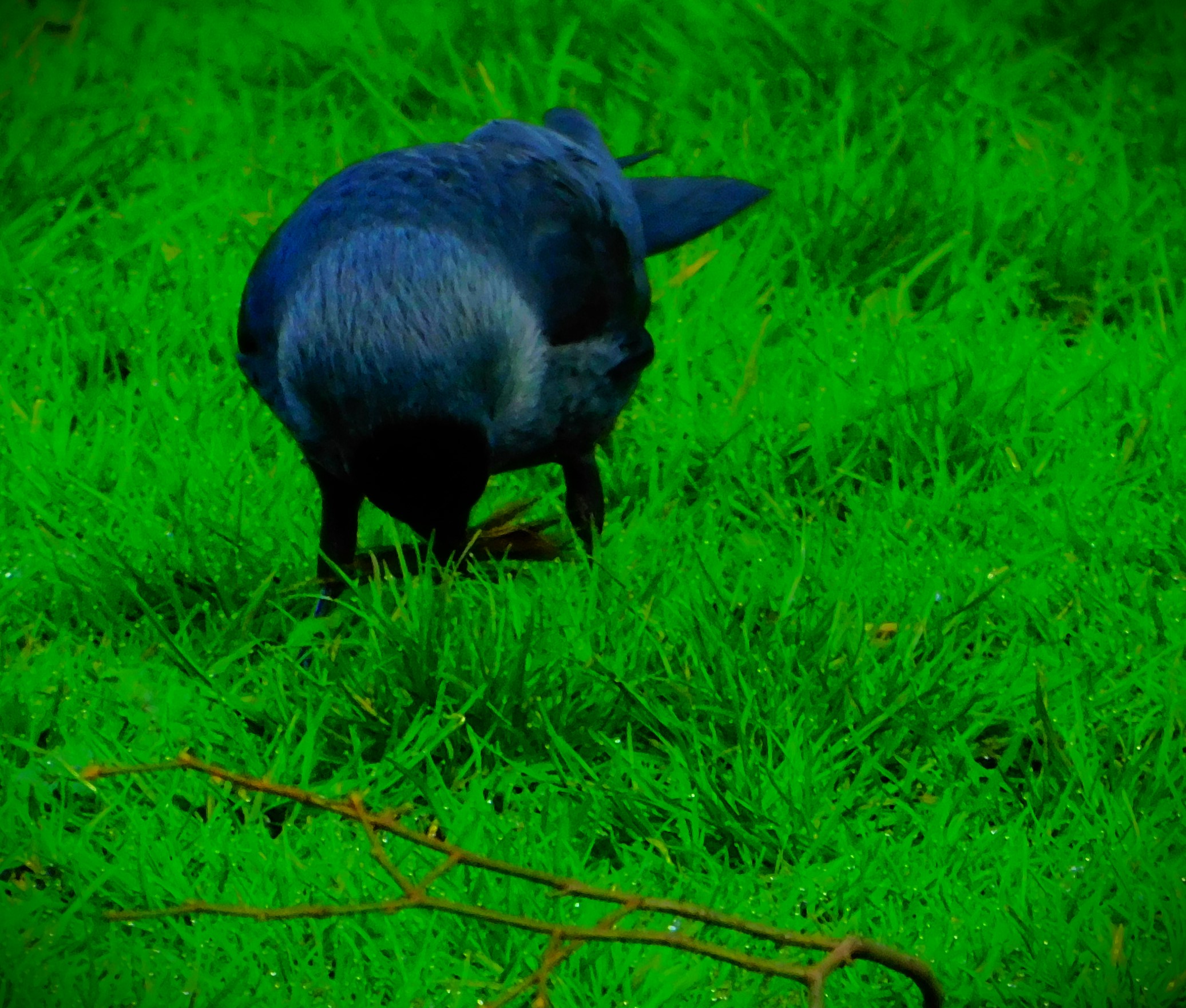
My usual sign off…
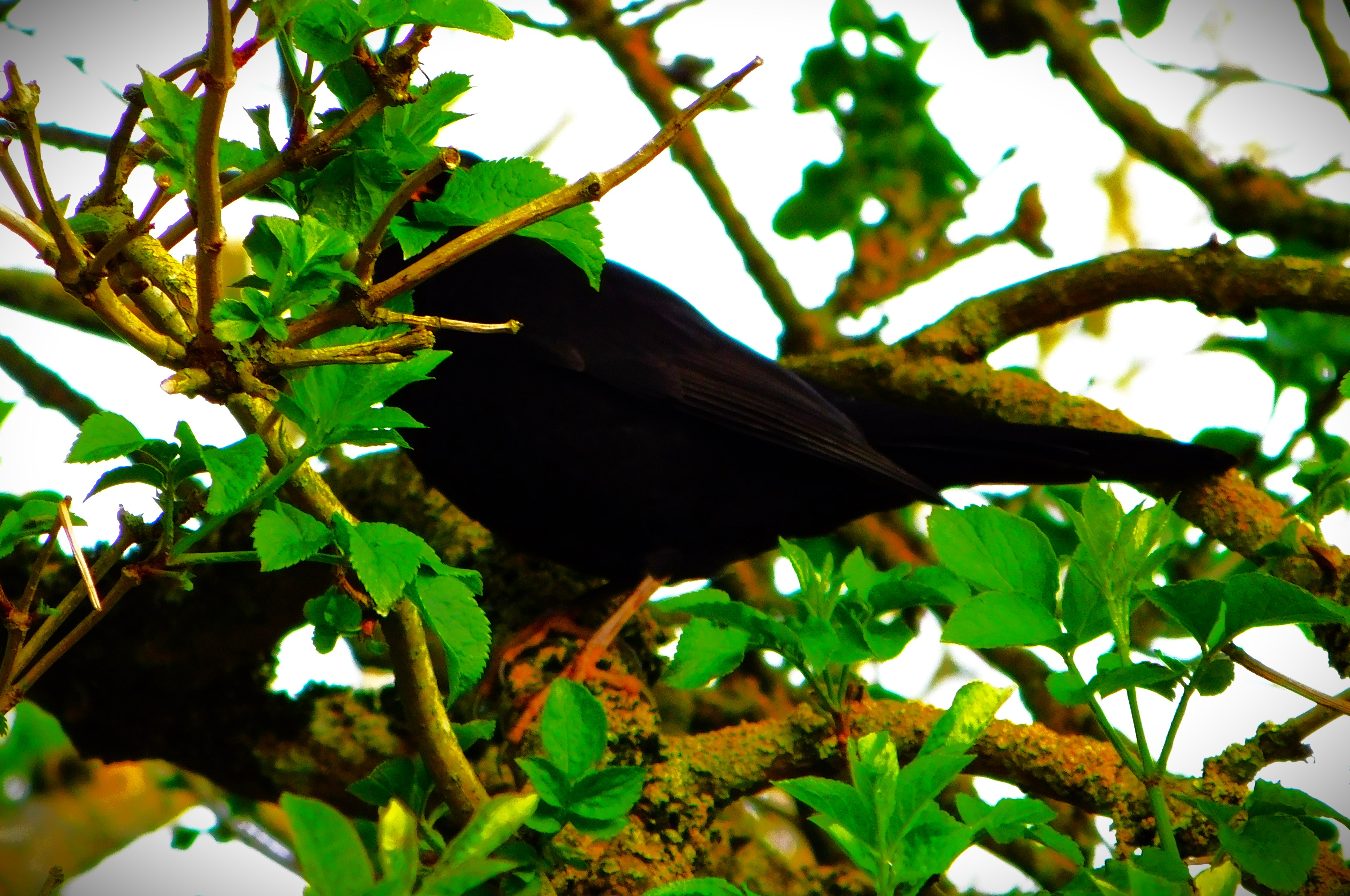
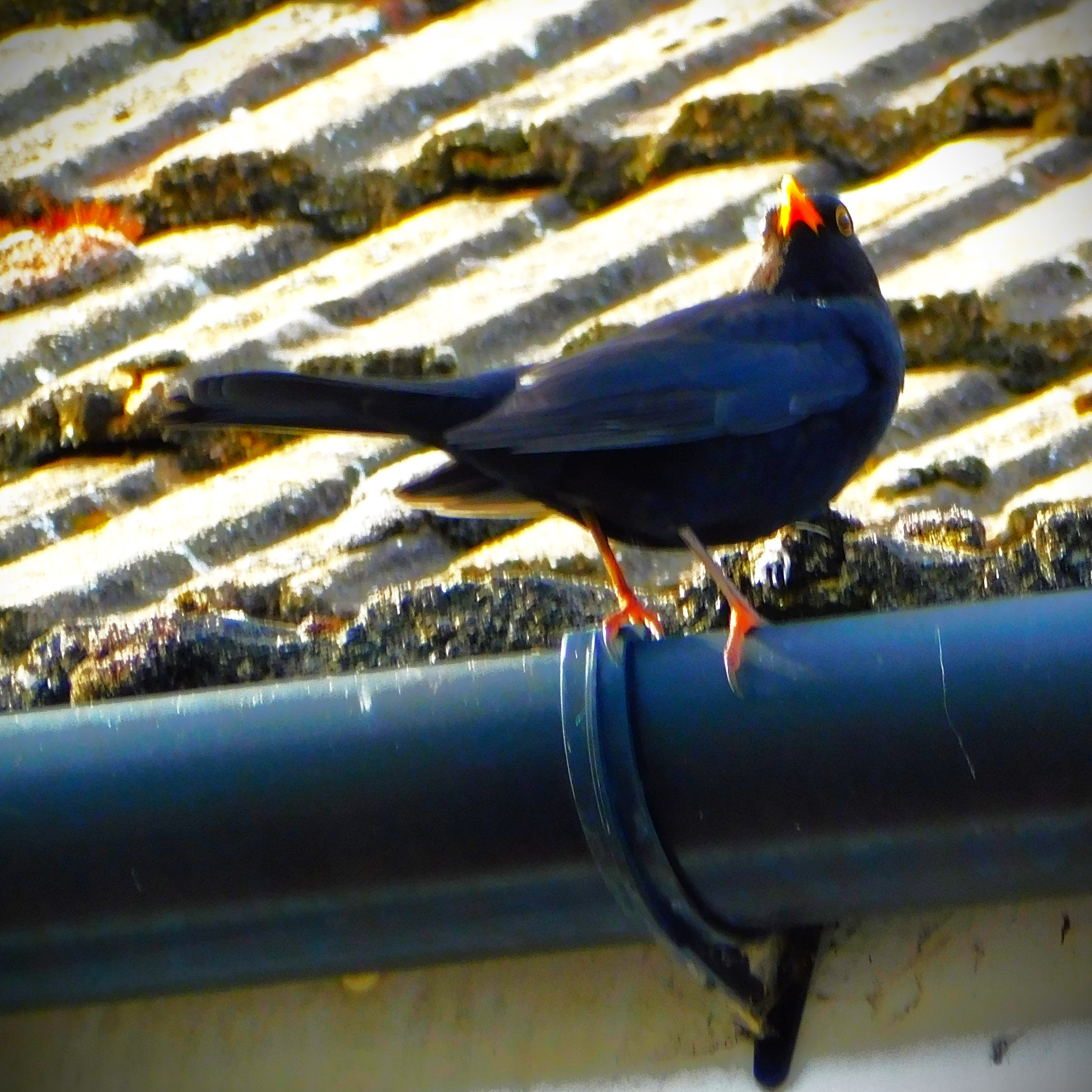
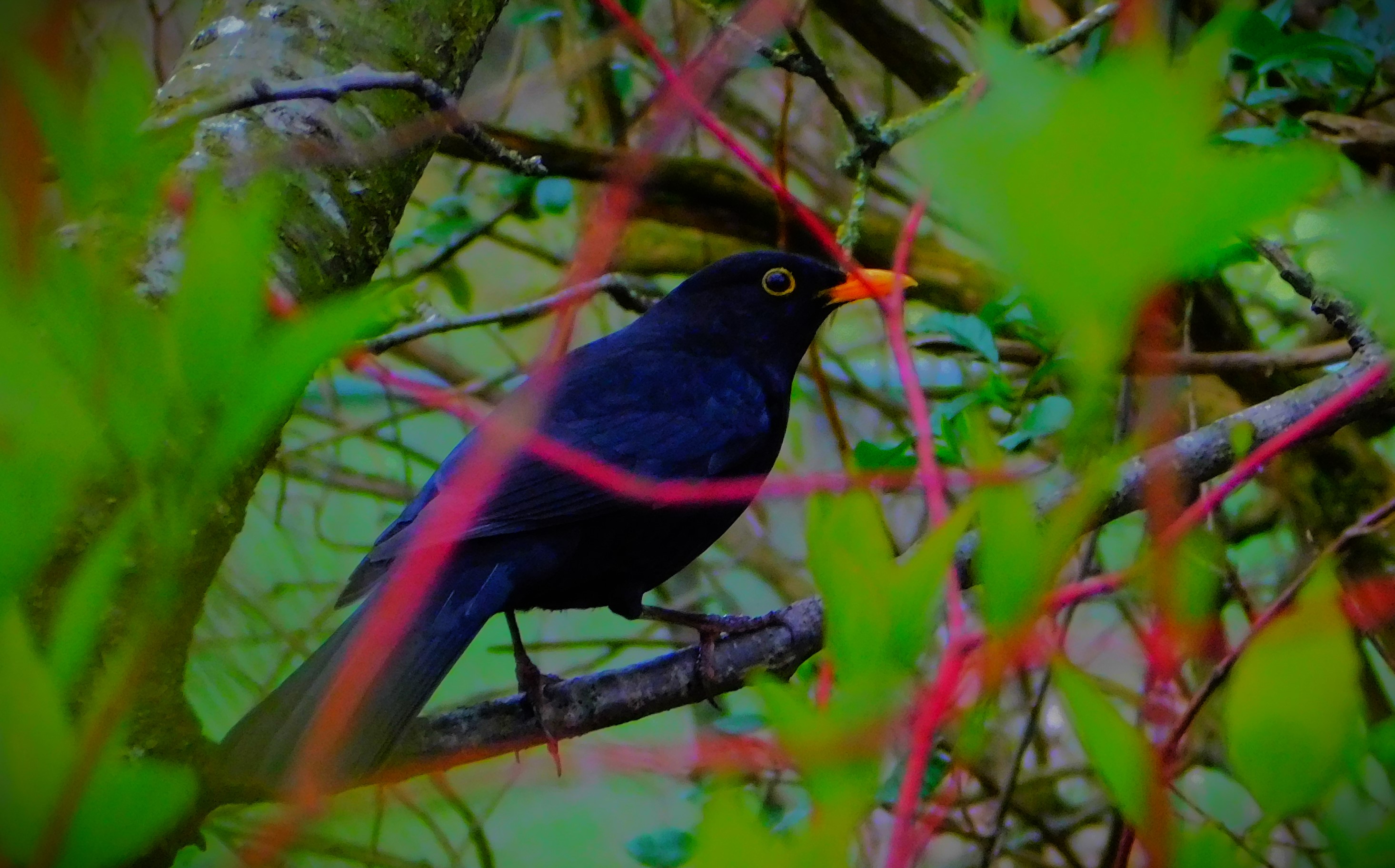
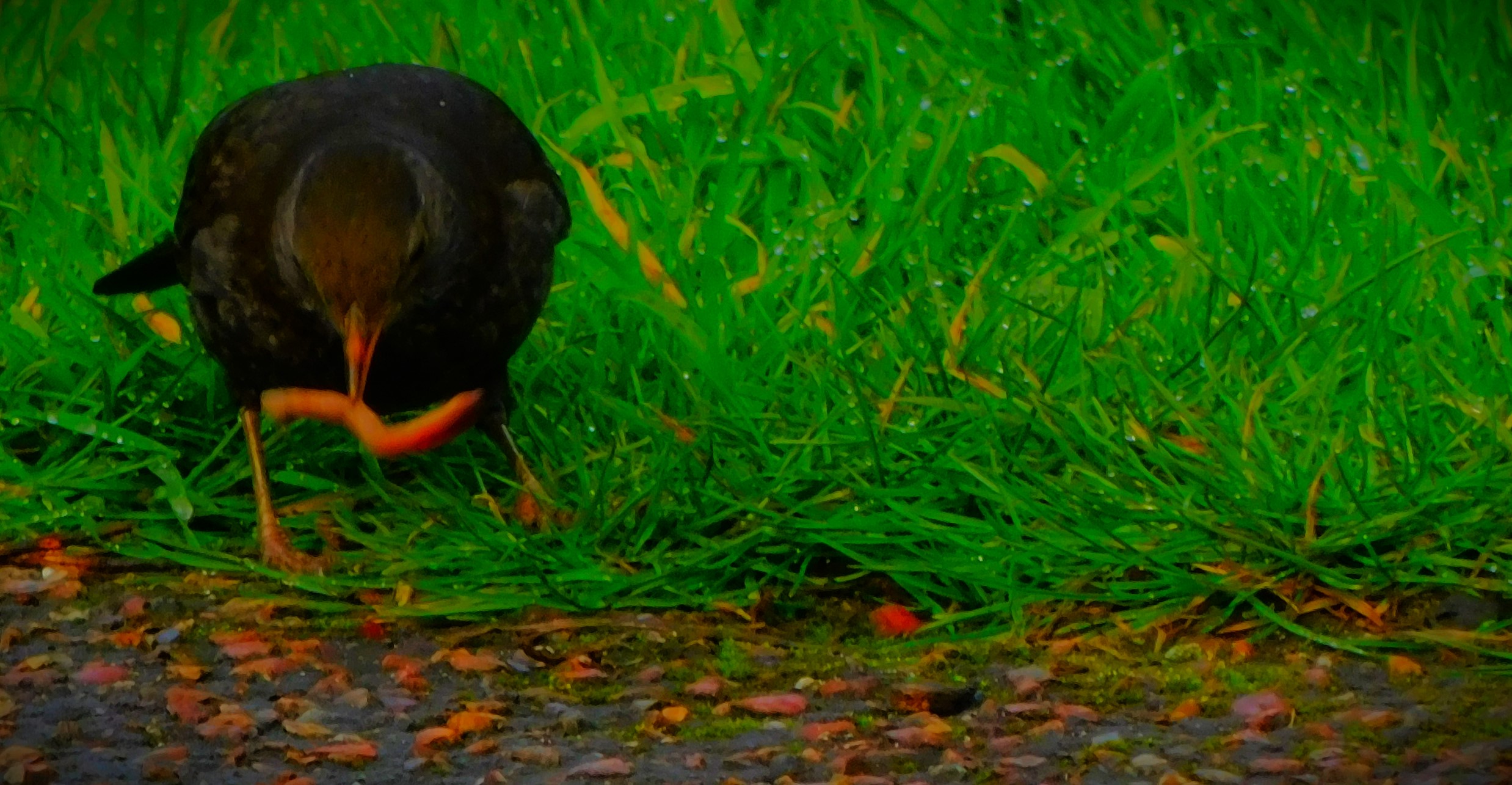
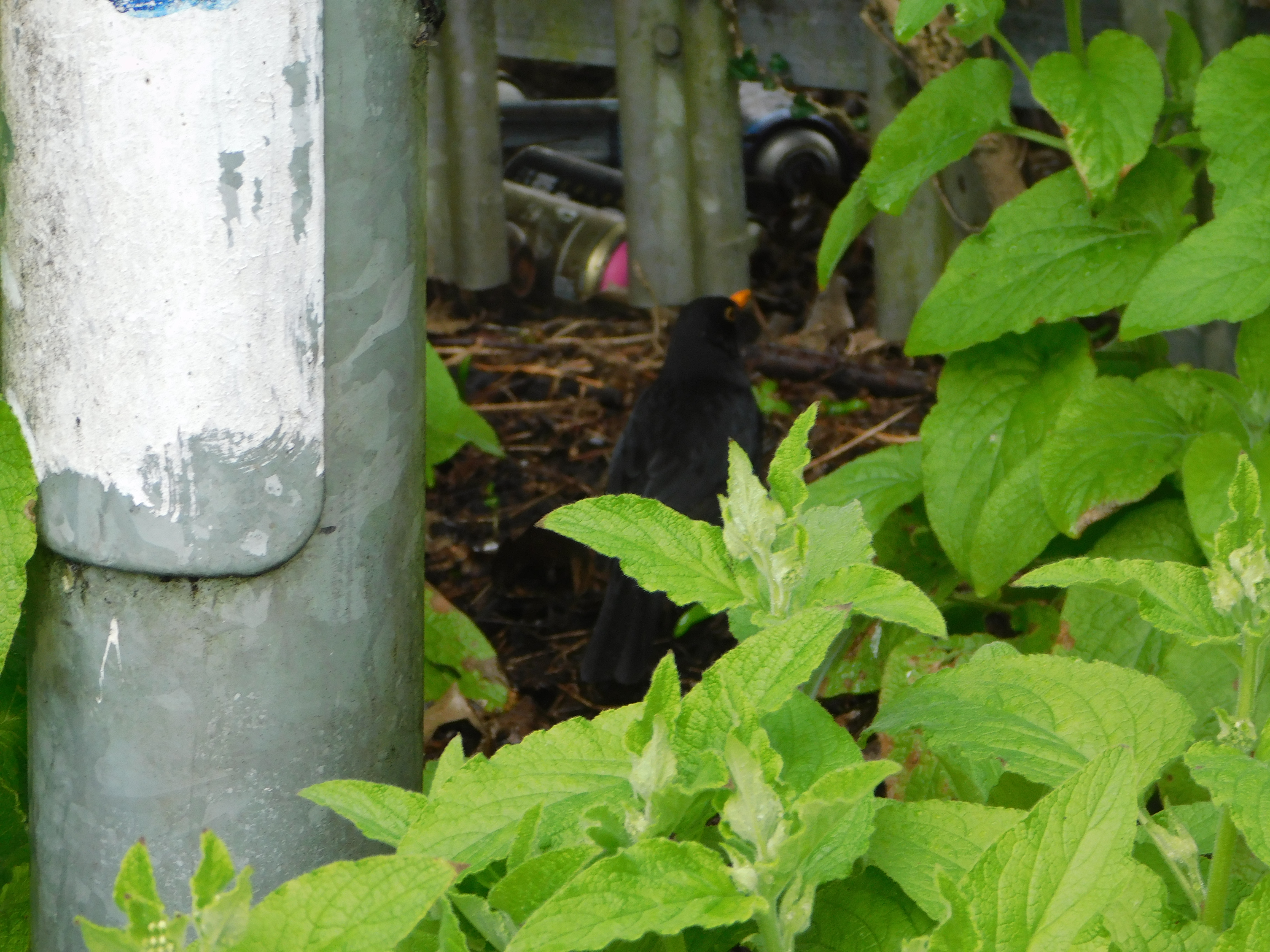
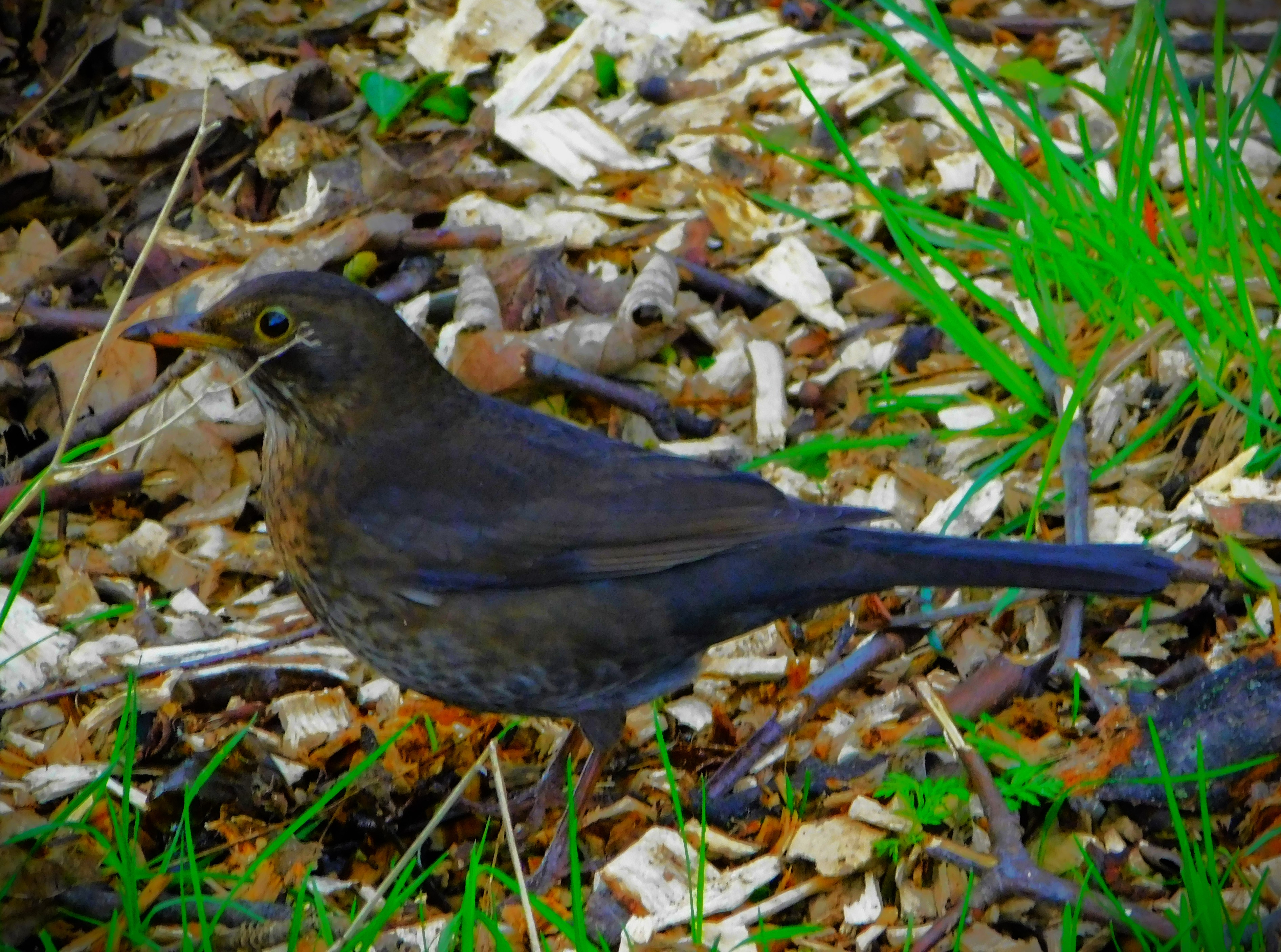
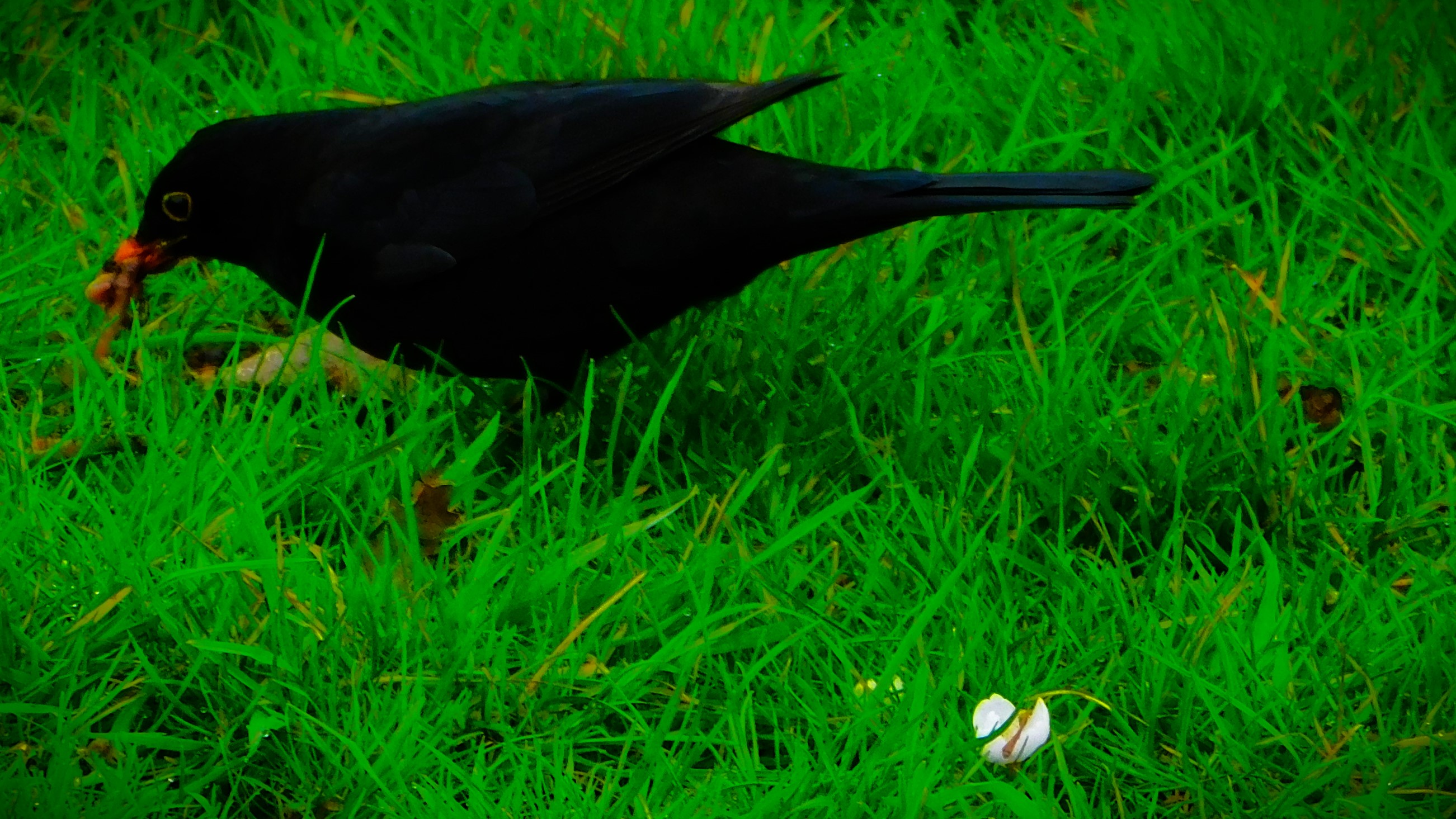
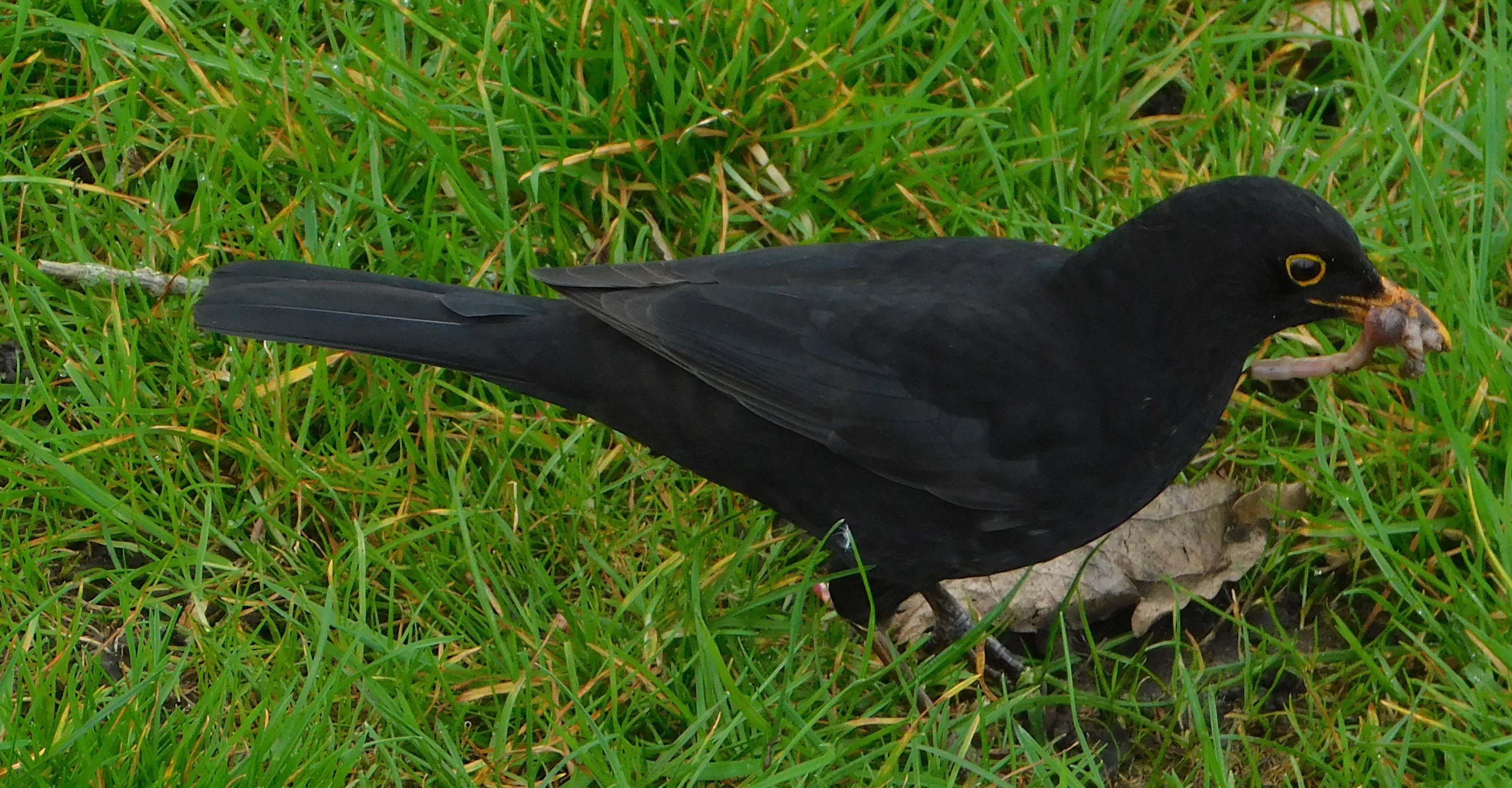
Early bird catches the worm(s)! This little blackbird was clearly having a successful morning.
An all time XI selected on a basis of juxtaposing ancient and modern – six players from way back, five players from the 21st century, interleaving with one another so that no two players from the same era are next to each other in the batting order, Also a bumper photo gallery.
In this post I present an all time XI selected using very specific criteria – my players are either from the long past or are players at least some of whose career took place in the 21st century, and the interleave so that no two players from the same era are next to each other in the line up.
THE XI IN BATTING ORDER
*WG Grace (England, right handed opening batter, right arm bowler of various styles through his career, captain). In spite of not getting to play test cricket until he was 32 years old he twice held the record individual score for England – 152 on debut in the first match on English soil in 1880, and 170 in the final match of the 1886 series, regaining the record from Arthur Shrewsbury who had set it the previous match with 164.
Yashavsi Jaiswal (India, left handed opening batter). Has just had an amazing series against England (712 runs including two double centuries), and looks set to have a long career for India.
Don Bradman (Australia, right handed batter). Quite simply the greatest test match batter the world has ever seen.
Brian Lara (West Indies, left handed batter). Succeeded everywhere and against every type of bowling, including 688 runs against Sri Lanka in Sri Lanka against peak Muralidaran (off spinners are supposed to cause left handers particular problems).
Aubrey Faulkner (South Africa, right handed batter, leg spinner). Has a case to be regarded as the most genuine of genuine all rounders, averaging 40.79 with the bat (just over 1,700 runs) and 26.58 with the ball (85 wickets). No one else to have played enough matches to qualify for consideration has ended with a batting average of over 40 and a bowling average of below 30.
Ben Stokes (England, left handed batter, right arm fast medium bowler). A talismanic figure for England in recent years, with a value to the side that goes far beyond his mediocre looking figures at test level.
+Leslie Ames (England, wicket keeper, right handed batter). The first test match class wicket keeper to also be a genuinely high class batter.
R Ashwin (India, off spinner, right handed batter). One of the greatest of all off spinners, and a useful lower order batter as well.
Syd Barnes (England, right arm fast medium bowler, right handed batter). 189 wickets in just 27 test appearances, at 16.43 a piece.
Jasprit Bumrah (India, right arm fast bowler, right handed batter). India’s greatest ever fast bowler, and one of the greatest of all time.
William Mycroft (Derbyshire, left arm fast bowler, right handed batter). Over 800 FC wickets at 12.09 a piece, but born just too early to play test cricket. In this XI he would probably come on first change after Barnes and Bumrah had done their stuff with the new ball.
This side has a powerhouse batting line up, and a bowling attack of Barnes, Bumrah and Mycroft to bowl pace/seam/swing and Ashwin and Faulkner to bowl spin, with Grace and Stokes in reserve, is not likely to have any great difficulty taking 20 opposition wickets. I will not produce an honourable mentions section on this occasion because it would have to be massive to do anything approaching justice to those who have missed out. Comments welcome, and if you are feeling really bold feel free to suggest an alternative XI selected on similar lines that you reckon could make a game of it with this one.
PHOTOGRAPHS
A bumper gallery for you today – while it has not been conspicuously sunny it has been reasonably pleasant outside…
An all time XI of some of the legends of county cricket, with the new season now 25 days away. Also a photo gallery.
Today I present an all time XI of players who all set records relating to English first class cricket, as an appetizer for the new season that is now a mere 25 days away. I have not included a specific overseas player although one of this XI was born abroad.
THE XI IN BATTING ORDER
*WG Grace (Gloucestershire, London County, right handed opening batter, right arm bowler of various styles, captain). Joint leading achiever of the feat of 1,000 runs in a first class season (28 times).
Wilfred Rhodes (Yorkshire, left arm orthodox spinner, right handed batter). No one took 100 first class wickets in a season more often than Rhodes (23 times), and no one achieved the double of 1,000 runs and 100 wickets in a season more often (16 times).
Frank Woolley (Kent, left handed batter, left arm orthodox spinner). Achieved the “batting all rounder’s double” of 2,000 runs and 100 wickets for the season a record four times, joint record holder for 1,000 runs in a season.
Denis Compton (Middlesex, right handed batter, occasional left arm wrist spinner). Most first class runs in an English season (3,816), and most first class centuries in an English season (18), both set in 1947.
Phil Mead (Hampshire, left handed batter). Most runs (48,809) and most centuries (138) for a single first class team.
George Hirst (Yorkshire, right handed batter, left arm fast medium bowler). The only player ever to score 2,000 first class runs and take 200 wickets in the same first class season (1906), record unbroken sequence of achieving a minimum of 1,000 and 100 (1902-12 inclusive).
+Les Ames (Kent, wicket keeper, right handed batter). The “wicket keeper’s double” of 1,000 runs and 100 dismissals in first class matches in the same season was only ever achieved four times, and three of those were by Ames (John Murray of Middlesex achieved the other).
Maurice Tate (Sussex, right arm medium fast bowler, right handed batter). The “bowling all rounder’s double” of at least 1,000 runs and 200 wickets in the same first class season was achieved by two people outside of Hirst’s 1906 ‘double double’, this man, and the guy one place below him in the order.
Albert Trott (Middlesex, right arm slow bowler, right handed batter). From 1899-1901 he was the best all rounder in the world, and even after his star faded in later years he produced the occasional outstanding performance, notably against Somerset in 1907.
Alfred Percy ‘Tich’ Freeman (Kent, leg spinner, right handed batter). In 1928 he achieved the only ever season’s haul of 300 first class wickets (304), and he took 200 or more in a record eight successive seasons including that one.
Tom Richardson (Surrey, right arm fast bowler, right handed batter). The most wickets in a season by anyone other than Freeman (290), and he has records for fewest matches to reach 1,000 FC scalps (134) and 2,000 (327).
This side has a powerhouse batting line up, with everyone down to Trott at number nine capable of being a matchwinner in that department, and with Richardson, Tate and Hirst to bowl seam/swing/pace, Freeman, Trott, Rhodes and Woolley as front line slow bowlers and Grace and Compton also available to bowl taking 20 wickets should not pose a problem on any surface.
HONOURABLE MENTIONS
I will limit myself to two of these: James H Parks (Sussex) was the only ever cricketer to score 3,000 first class runs and take 100 first class wickets in the same season. Herbert Sutcliffe (Yorkshire) also merits a mention for scoring 1,000 or more FC runs in every inter-war season (1919-39 inclusive).
A look back at the test match in Dharamsala and at the India v England series as a whole, and a composite XI for the series. Also a huge photo gallery.
The final test match of the India v England series at Dharamsala ended earlier today after barely half the allotted playing time, with India winning by an innings and 64 runs to take the series 4-1. This post looks back at the match (I missed two major chunks of play – on day one because it was a work day and on day two because the West Norfolk Autism Group had a committee meeting, but still got enough of the action to have a decent idea of what went on) and at the series, including naming a composite XI for the series.
THE PRELIMINARIES
Ollie Robinson’s injury forced one change on England, and they opted to recall Mark Wood rather than give Gus Atkinson a game, a mistake IMO, but one that had zero effect on the outcome. This meant that Jonathan Bairstow became without doubt the least deserving ever recipient of 100 test caps. India dropped Patidar (I choose to consider the official line about getting an ankle injury during training to be absolute BS) and brought in Devdutt Paddikal for a test debut, while Bumrah returned after a one match rest. England won the toss and opted to bat first on a flat looking pitch.
DAY ONE
England started well, with Crawley playing nicely and Duckett helping to push the score into the 60s before the first wicket fell. Pope never looked at home and was out to the daftest dismissal of the series, when he gave Kuldeep Yadav the charge, playing for spin that wasn’t there and walking straight past the ball to be stumped by a ridiculous margin. Root and Crawley took the score to 134 before Crawley’s innings ended for 79. Bairstow and Root had taken things to 175-3 but then came an epic collapse, and moments later the score read 183-8. Foakes, left for the second successive innings to attempt to shepherd Bashir and Anderson, did enough that England reached 218, still an obviously inadequate total. I missed most of the start of the Indian innings, but they ended day 1 on 135-1, Jaiswal having gone after taking his series aggregate to 712 runs.
DAY TWO
Rohit Sharma and Shubman Gill batted superbly and India were in to the lead with only one wicket down. Both these batters notched centuries and got out shortly thereafter, but the debutant Paddikal and Sarfaraz Khan continued to good work and at one stage India looked set for a really mammoth total. However, they lost wickets while I was out, and by the end of the day were 473-8. Shoaib Bashir having conceded 100 in his first 20 overs had hauled things back and was on 4-170 by the close. Anderson had claimed his 699th test wicket.
THE FINAL HUMILIATION
Anderson got his 700th test wicket, and Bashir ended the Indian innings by claiming his fifth wicket, his second test five-for in his debut series. There was little else for England to enjoy. Duckett suffered a crazy bowled dismissal, trying to charge Ashwin who took the new ball alongside Bumrah. Crawley failed cheaply as well, turning one from Ashwin into the hands of Sarfaraz Khan, and Pope fell to catch by Jaiswal off Ashwin. That was 36-3. Bairstow flashed his way to 39 off 30 balls before falling LBW to Kuldeep Yadav and that was 92-4. Right on the stroke of lunch Stokes concluded a wretched series with the bat (and he only bowled at all in this match, taking a wicket with his first ball in nine months but otherwise doing nothing of note) by being bowled by Ashwin, against whom he seemed to have not a scooby, for 2. England at 103-5 needed 147 more just to avoid the innings defeat. Foakes fell for 8, also bowled by Ashwin and it was 113-6. Tom Hartley offered Root some support, but he and Wood were both pinned LBW by Bumrah in the space of three balls (and if Wood knew anything about the intermediate delivery I am a Dutchman) and that was 141-8. Shoaib Bashir offered Root support, and the prospect a century for the Yorkshireman appeared on the horizon. However with the partnership with 48 a delivery from Jadeja kept low and bowled Bashir to make it 189-9. With Anderson at the other end Root aimed a big shot against Kuldeep Yadav and succeeded only in picking out Jasprit Bumrah to fall for 84. England 195 all out, Root 84. Kuldeep Yadav was named Player of the Match for his seven wickets, five of them taken in the first innings, and Yashavsi Jaiswal was named Player of the Series.
ANALYSIS
This series was played on excellent cricket wickets – these were not at any stage of any match raging turners, and everyone had the chance to get in the game. India won 4-1, and are in truth not flattered by that margin, because they have the better cricketers, and they generally played somewhere close to their best. Crawley’s series was reminiscent of the one Shane Watson had in the 2010-11 Ashes – respectable aggregate and average, but no really major innings, and like Watson he was part of a well beaten side. Duckett had his moments, including a superb century, and he and Crawley usually have England a solid start, while not coming close to being a latter day Hobbs and Sutcliffe. Where England failed abysmally was in the number 3-6 positions in the order. The 40 innings played by those players across the series (four players, 10 innings each) yielded exactly three major innings – Pope’s 196 in the first match, Root 122* at Ranchi and Root 84 in the second innings at Dharamsala. When the engine room of the batting is failing to that extent one cannot really expect other than a hammering. In the 1924-5 Ashes Hobbs and Sutcliffe both had superb series, but were largely unsupported by the rest of the order and England lost 4-1. Here Crawley and Duckett were not as good as Hobbs and Sutcliffe had been 99 years ago, and the middle order failed even worse. Only Anderson, who became only the third ever bowler and first ever seamer to record 700 test scalps, was remotely effective among England’s pace bowlers, but India’s pacers were not brilliant either. Hartley and Bashir as front line spinners did more than anyone could have expected of them, and Bashir especially looks hugely promising, but they were unsurprisingly outclassed by their rather more experienced Indian counterparts. Foakes kept impeccably through the series, but Dhruv Jurel also did superbly once he replaced the underachieving Srikar Bharat, and Jurel was a clear cut matchwinner at Ranchi. Thus India were, thanks to Jaiswal, somewhat ahead when it came to openers, in a different league from England in slots 3-6, ahead on pace (Bumrah being better in the series than the veteran Anderson) and ahead on spin, though less one-sidedly so than might have been expected, equal on keeping, and probably equal on captaincy, though to make up for his shocking series as a player Stokes would have had to captain like peak Brearley, and he certainly did not do so. I do not think that either Wood (now 35 and unlike Anderson seriously injury prone) or Oliver Edward Robinson (too many fitness issues) should feature for England again, and it is long past time to confine Bairstow’s activities to white ball cricket. I also feel England need a genuine number three – barring his one great innings at Hyderabad Pope has looked further at sea than Captain Nemo and the Nautilus in this series. Josh Bohannon is the best number three currently playing county cricket, while Jamie Smith (Surrey) and James Rew (Somerset) must in the reckoning to replace Bairstow at number five. Bashir should keep his place as should Anderson for the present. Among younger pace options Matthew Potts, Josh Tongue, Gus Atkinson and Tom Lawes should all be considered in the immediate term, and I would have half an eye on the progress of James T Langridge of Somerset who showed signs of promise when thrust into One Day Cup action as a 17 year old last season.
In terms of the team approach, I am all for attacking cricket, but what we saw far too much in this series was brainless batting – large numbers of wickets simply thrown away. Also some of the players public utterances (Duckett’s comments about Jaiswal learning from England’s approach being an example – almost as ridiculous in their way as was Pope’s first innings dismissal at Dharamsala in its way).
COMPOSITE XI FOR THE SERIES
Yashavsi Jaiswal (India, left handed opening batter). Only one Asian opener has ever scored more in a series than his 712 in this one: Sunil Manohar Gavaskar against the West Indies in 1970.
*Rohit Sharma (India, right handed opening batter, captain). His century in the final test and the fact that his rival skipper was effectively un-selectable on any honest reckoning get him in – I have commented on the efforts of Crawley and Duckett earlier in this post.
Shubman Gill (India, right handed batter). He came good as this series progressed, and outside of his Hyderabad display Pope scraped up a mere 117 runs in nine innings.
Joe Root (England, right handed batter, occasion off/ leg spinner). He did well in the fourth and fifth matches, and number four was a problem position for India. Paddikal made 65 in his debut innings, but that was the only innings he played, and Patidar was never remotely convincing. However, he needs to stop trying to play fancy, and settle, as he did in these last two matches, for using the traditional test match methods that have brought him 11,000 runs at 50.
Sarfaraz Khan (India, right handed batter). Solid performances in all matches that he has played.
Ravindra Jadeja (India, left handed batter, left arm orthodox spinner). The veteran Indian all rounder has had a fine series, while Stokes had a wretched one.
+Dhruv Jurel (India, wicket keeper, right handed batter). Both he and Ben Foakes kept very well. The tiebreaker is Ranchi, where Jurel was India’s matchwinner.
R Ashwin (India, off spinner, right handed batter). The veteran bowled better as the series progressed.
Kuldeep Yadav (India, left arm wrist spinner, left handed batter). Has had a superb series with the ball since coming in for Axar Patel, and has played some useful supporting innings with the bat.
Jasprit Bumrah (India, right arm fast bowler, right handed batter). The best quick bowler on display in this series.
James Anderson (England, right arm fast medium bowler, left handed batter). Still fit and firing at the age of 41, though England struggled to find anyone to share the new ball with him – neither Robinson nor Wood distinguished themselves in this series. I reckon he would fare better in this XI, with Bumrah at the other end, than he had the opportunity to do for England in this series.
























































































































































































































































































































































































































































































































































































































































































































































































































































































































































 aspiblog