Early Music Day at the Lynn Festival

A look back at yesterdays Early Music Day concerts at the Lynn Festival, a link from this day last year and lots of photographs.

Yesterday was Early Music Day at the Lynn Festival. This featured three concerts, all held at St Nicholas Chapel. This post looks at all three concerts.

CONCERT ONE: AN ORGAN RECITAL

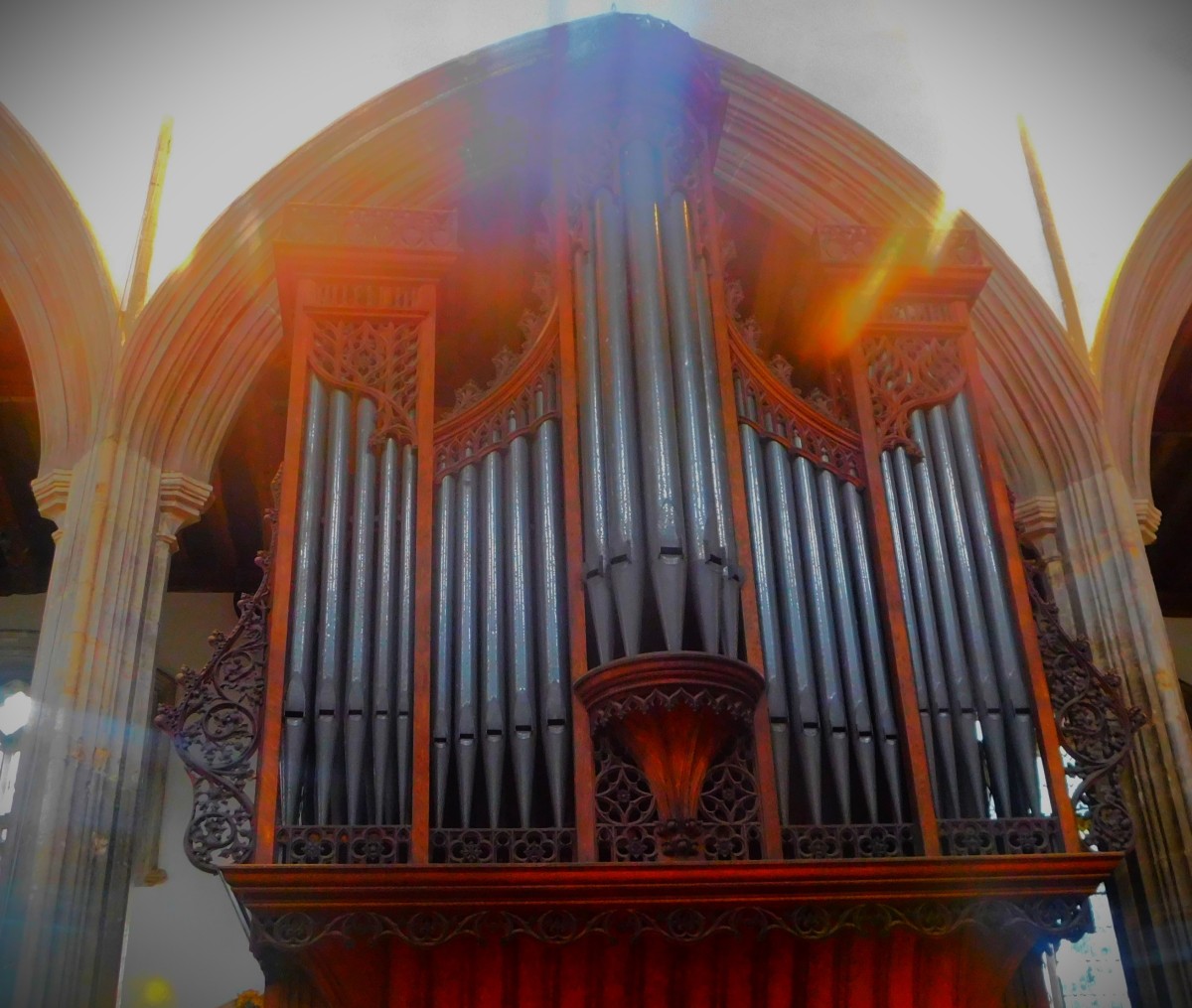
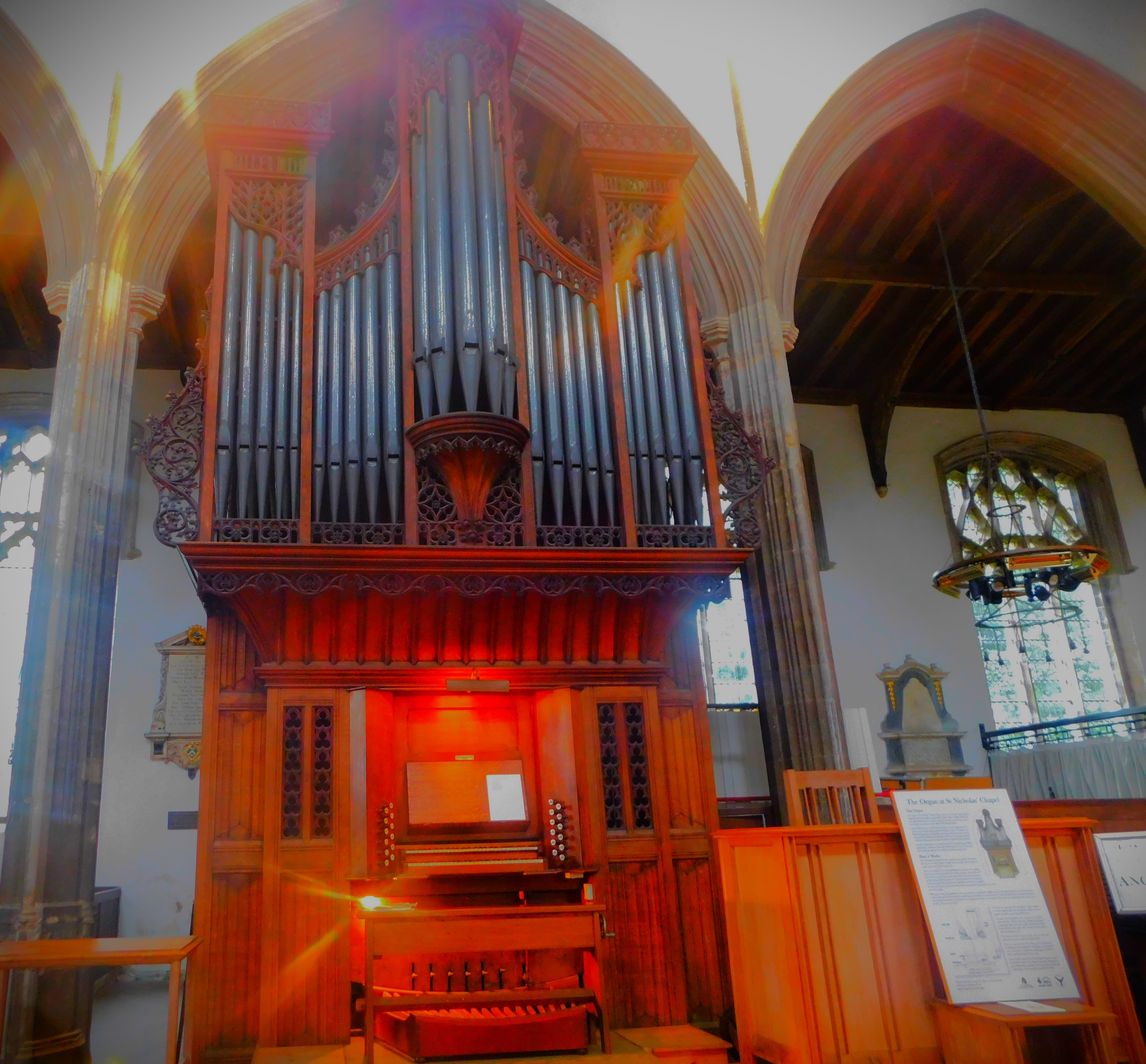
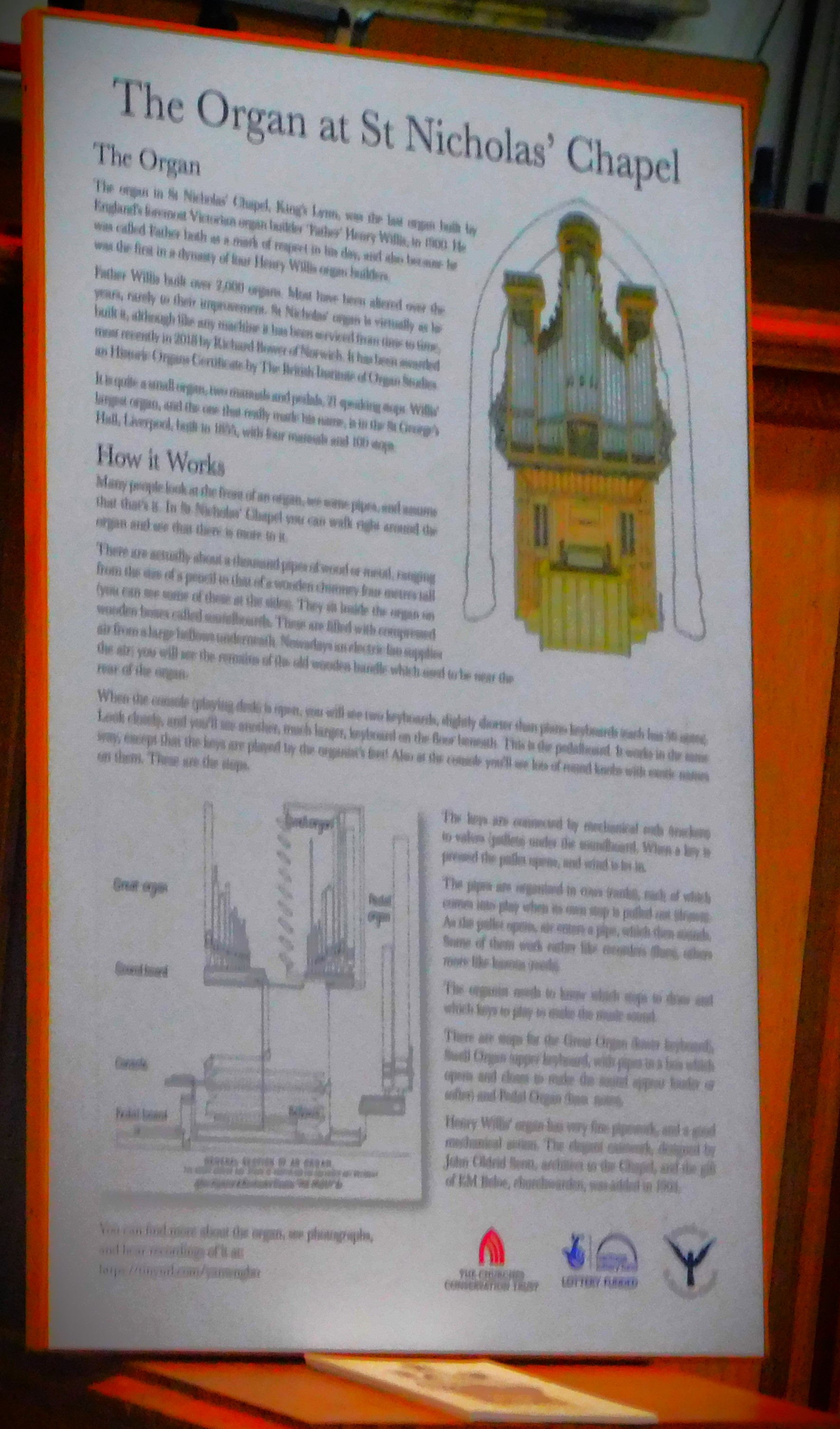
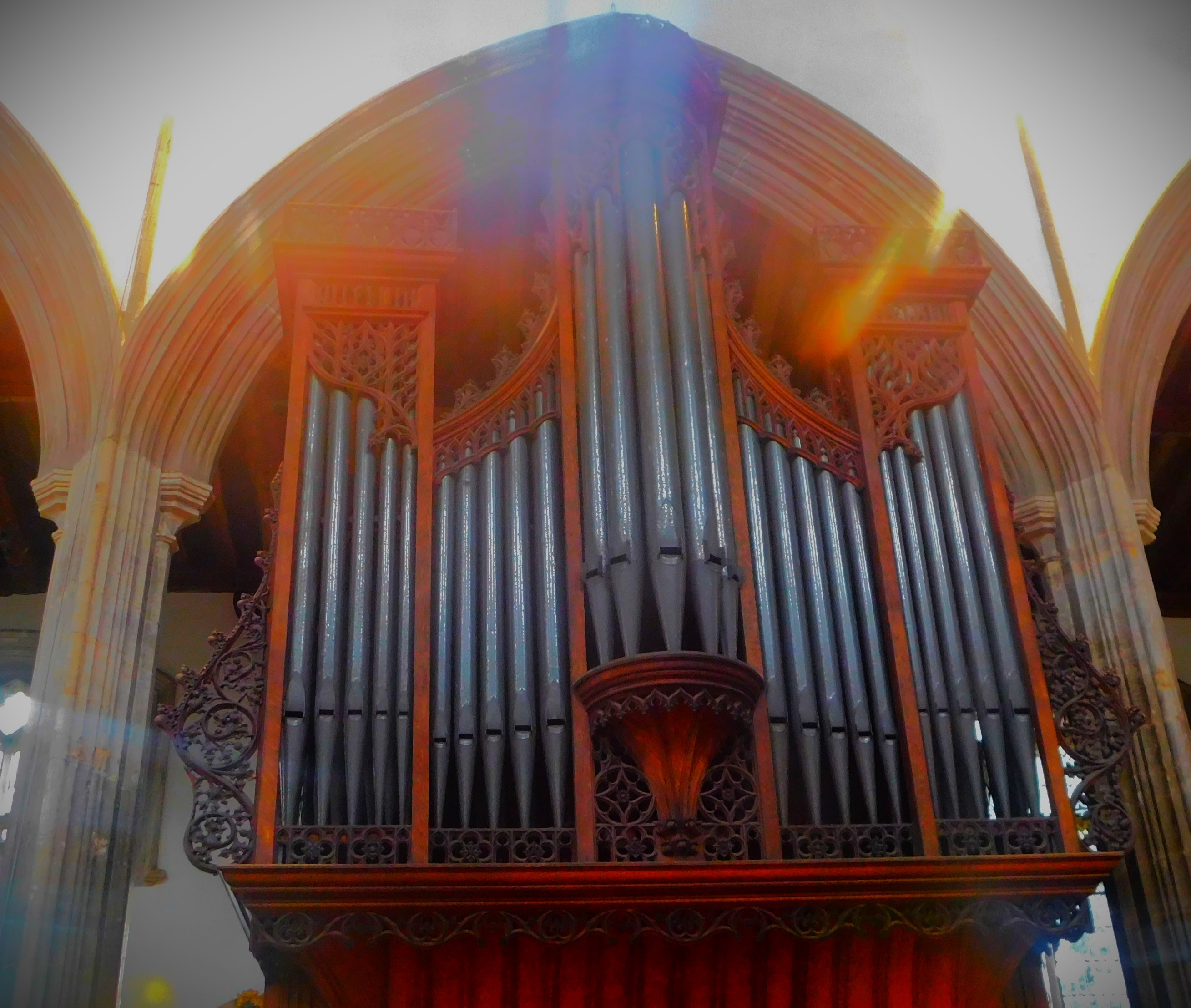
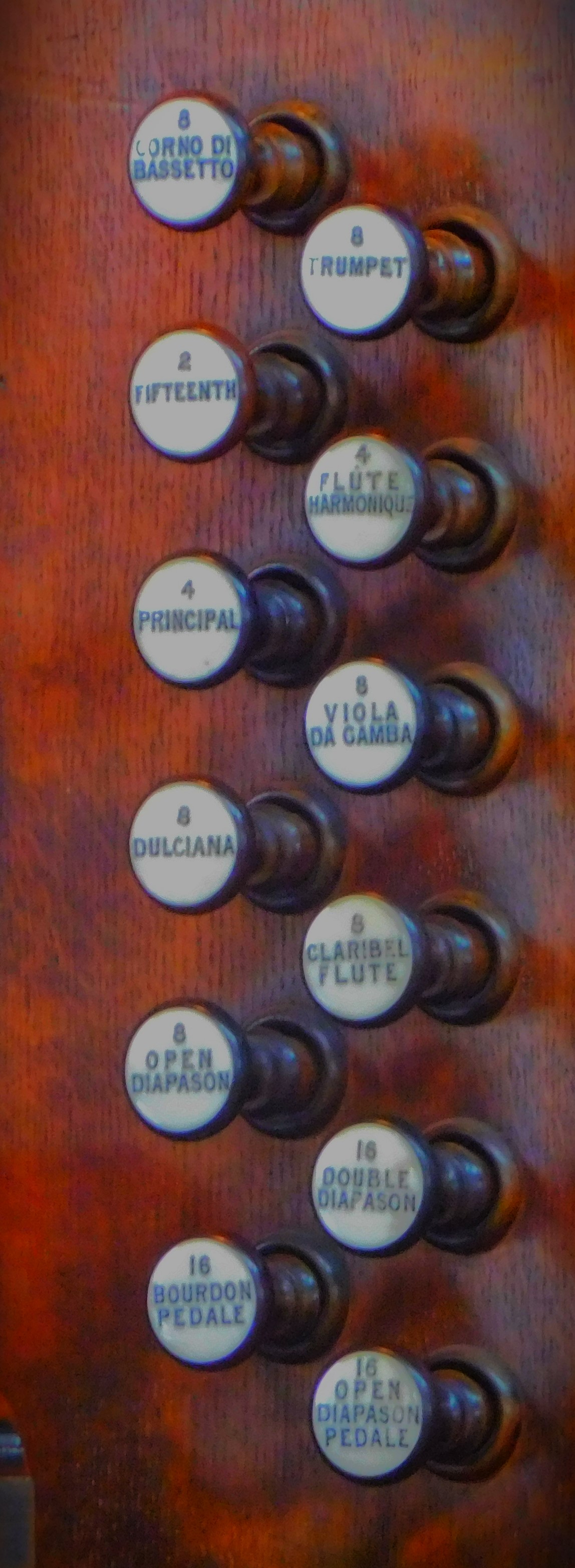
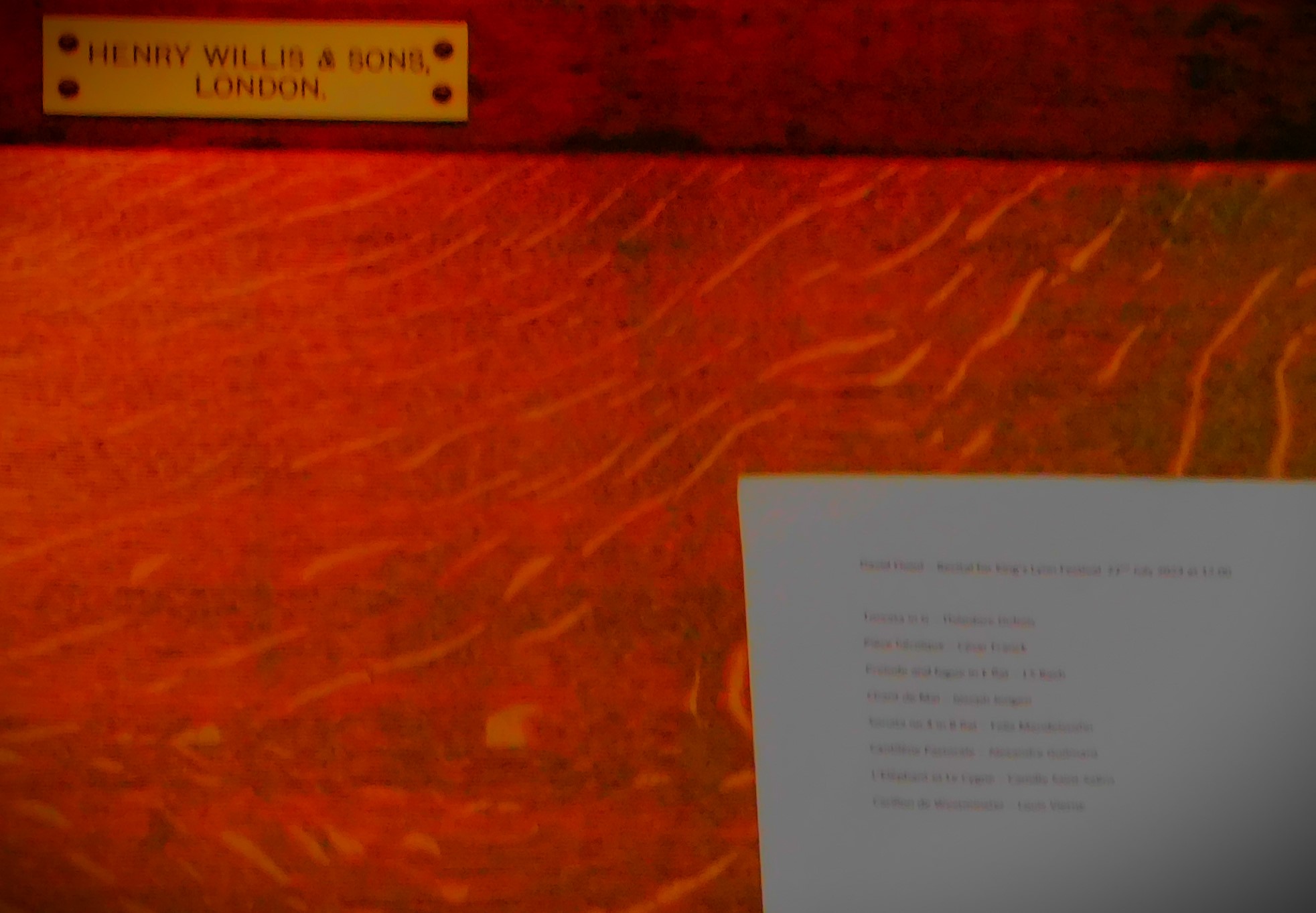
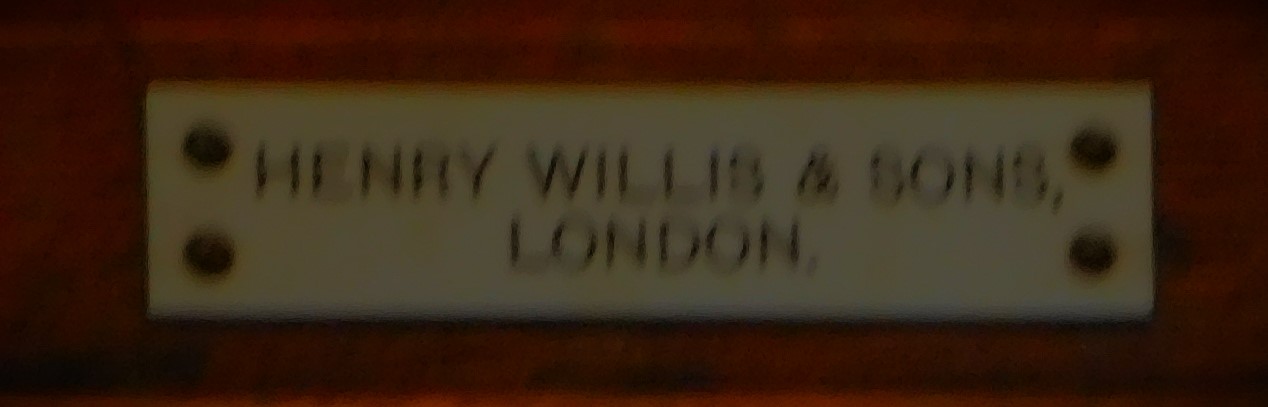
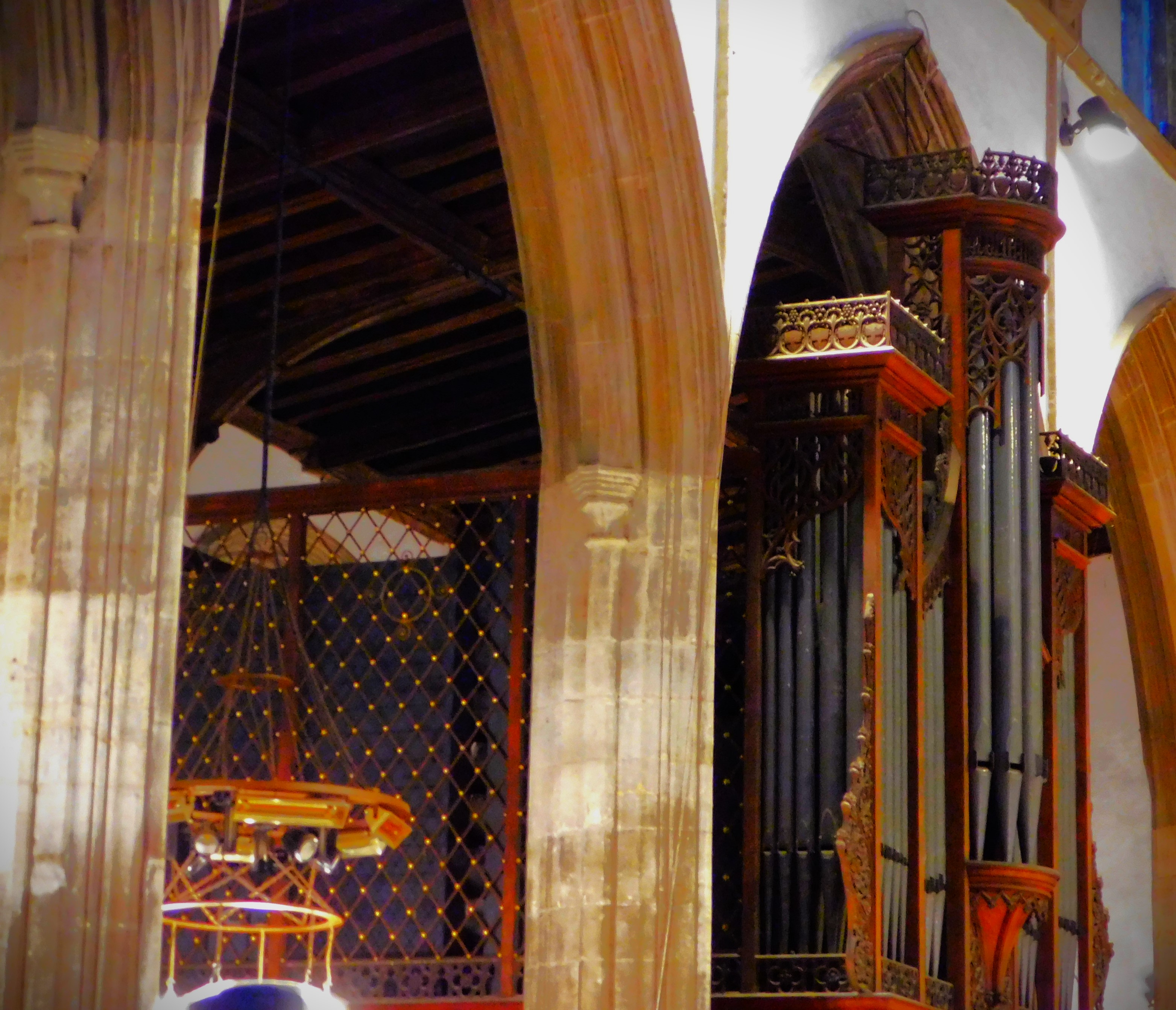
The Organ at St Nicholas Chapel is a truly magnificent instrument, designed and constructed by the London firm of Henry Willis & Son, and completed in 1900. David Flood proved to be a magnificent performer as well, and he chose pieces all of which could have been played on this organ when it was first completed in 1900.

CONCERT TWO: THE ORCHESTRA OF THE AGE OF ENLIGHTENMENT

This concert did not feature a full orchestra, it was a smaller ensemble, all of whom belong to this orchestra. This means that rather than a conductor being present they took their lead from the First Violinist. The concert was excellent, featuring some splendid music.

CONCERT THREE: HARPSICHORD AND VIOLA DA GAMBA

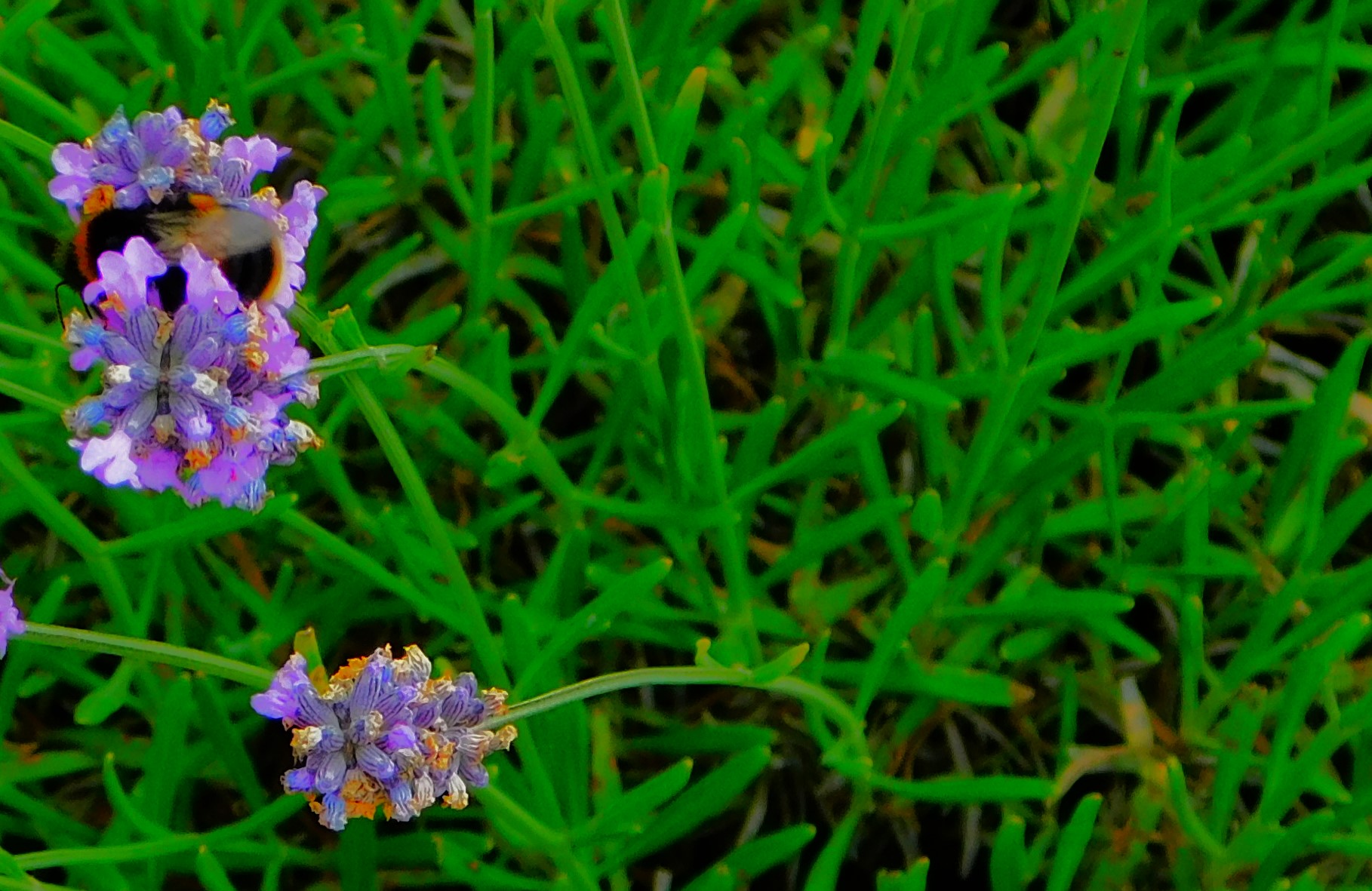
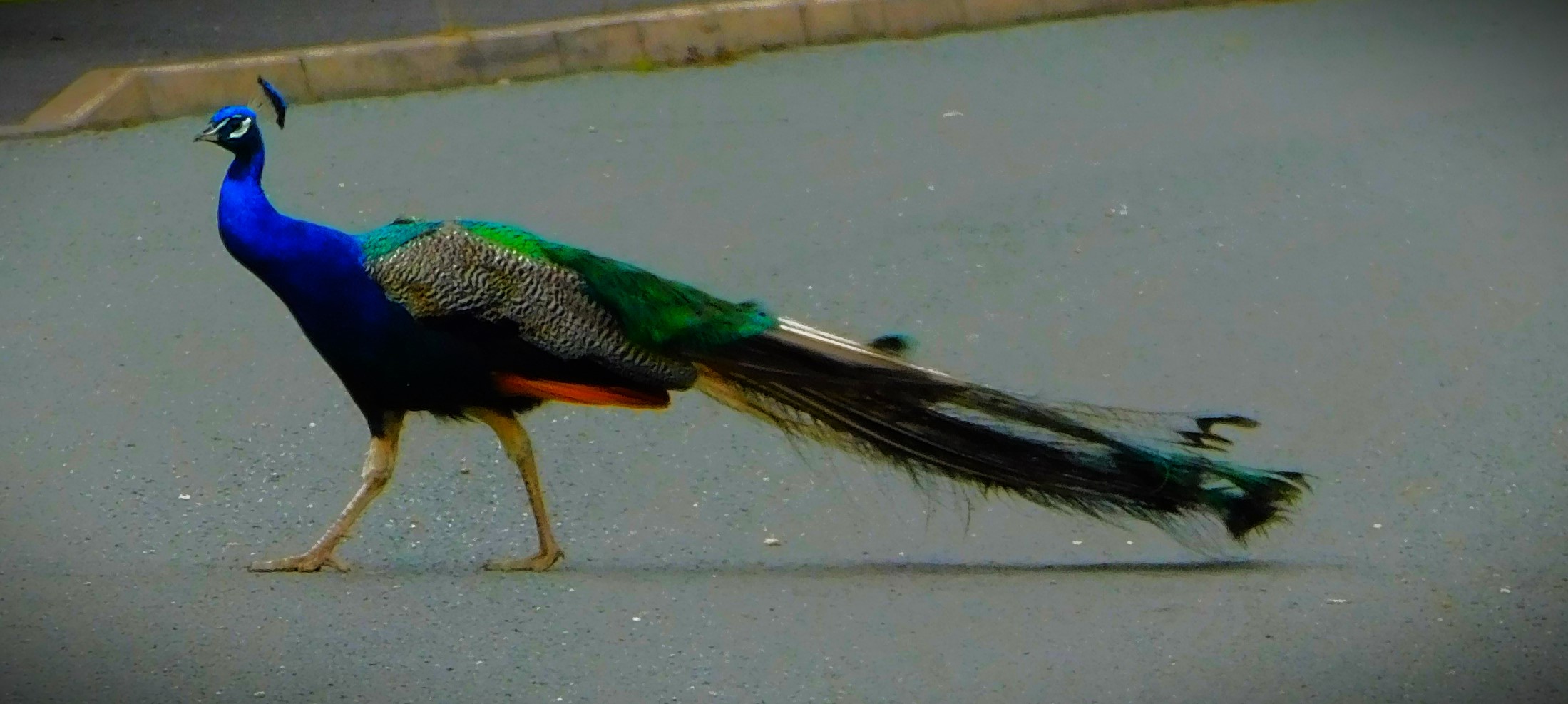
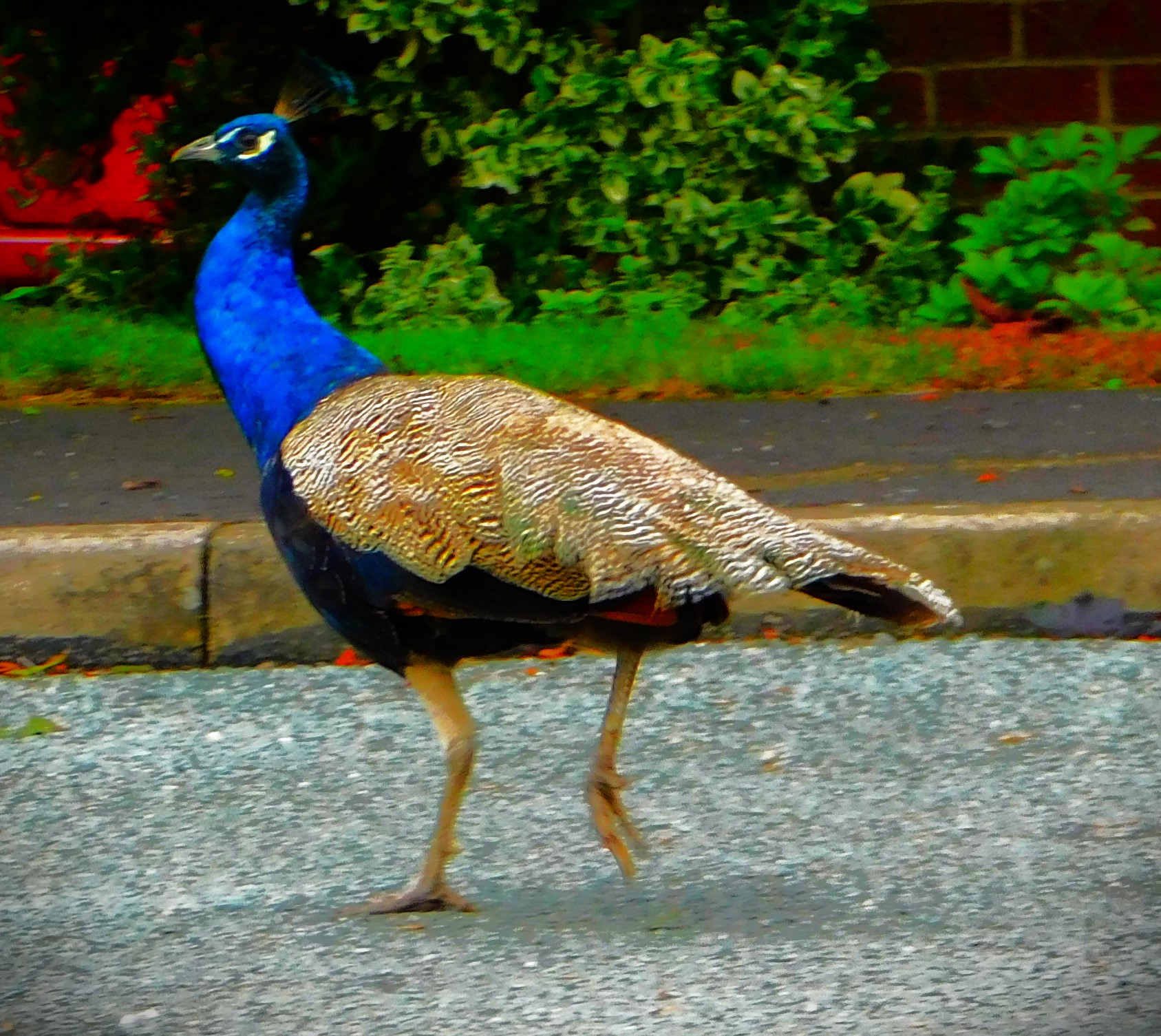
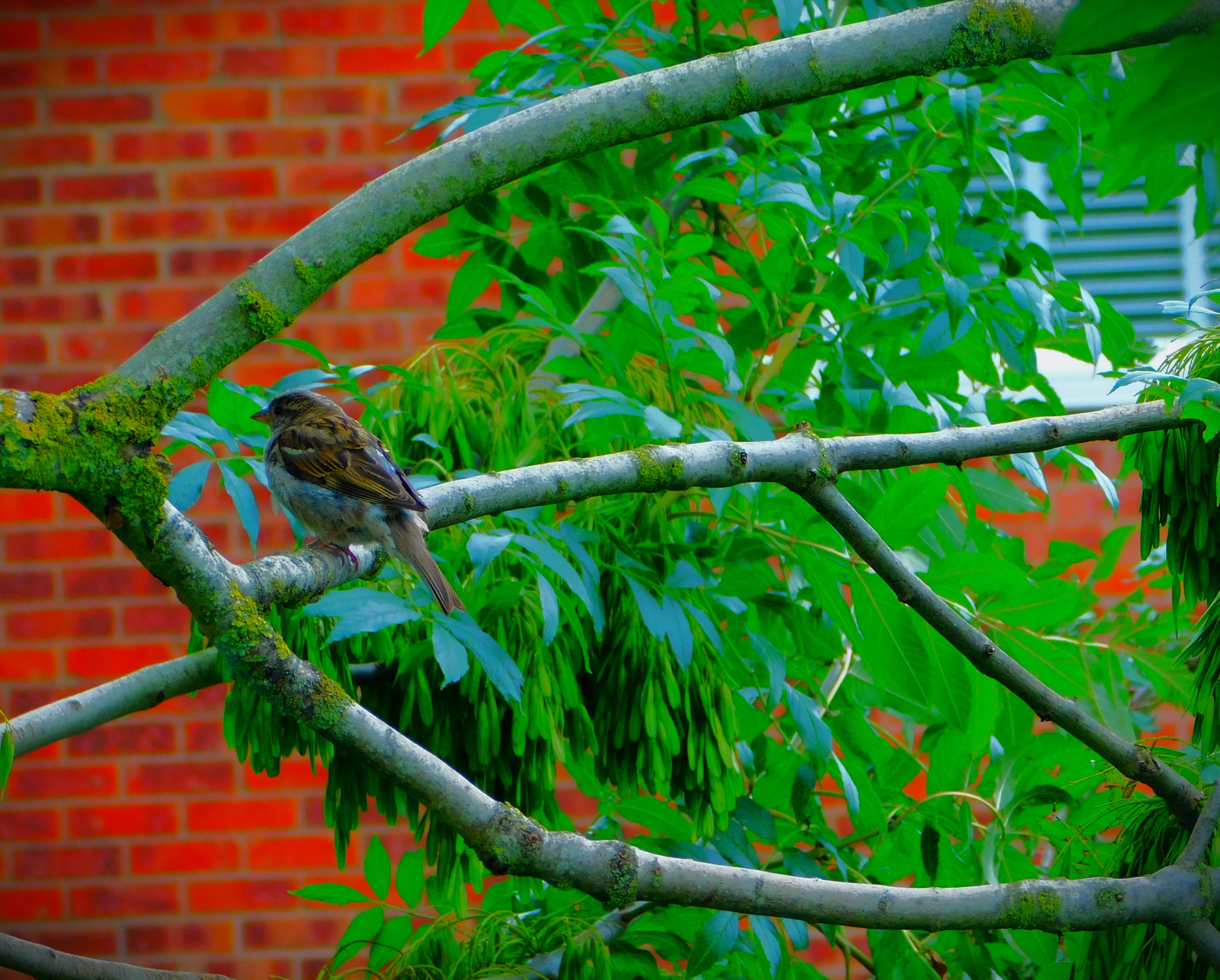
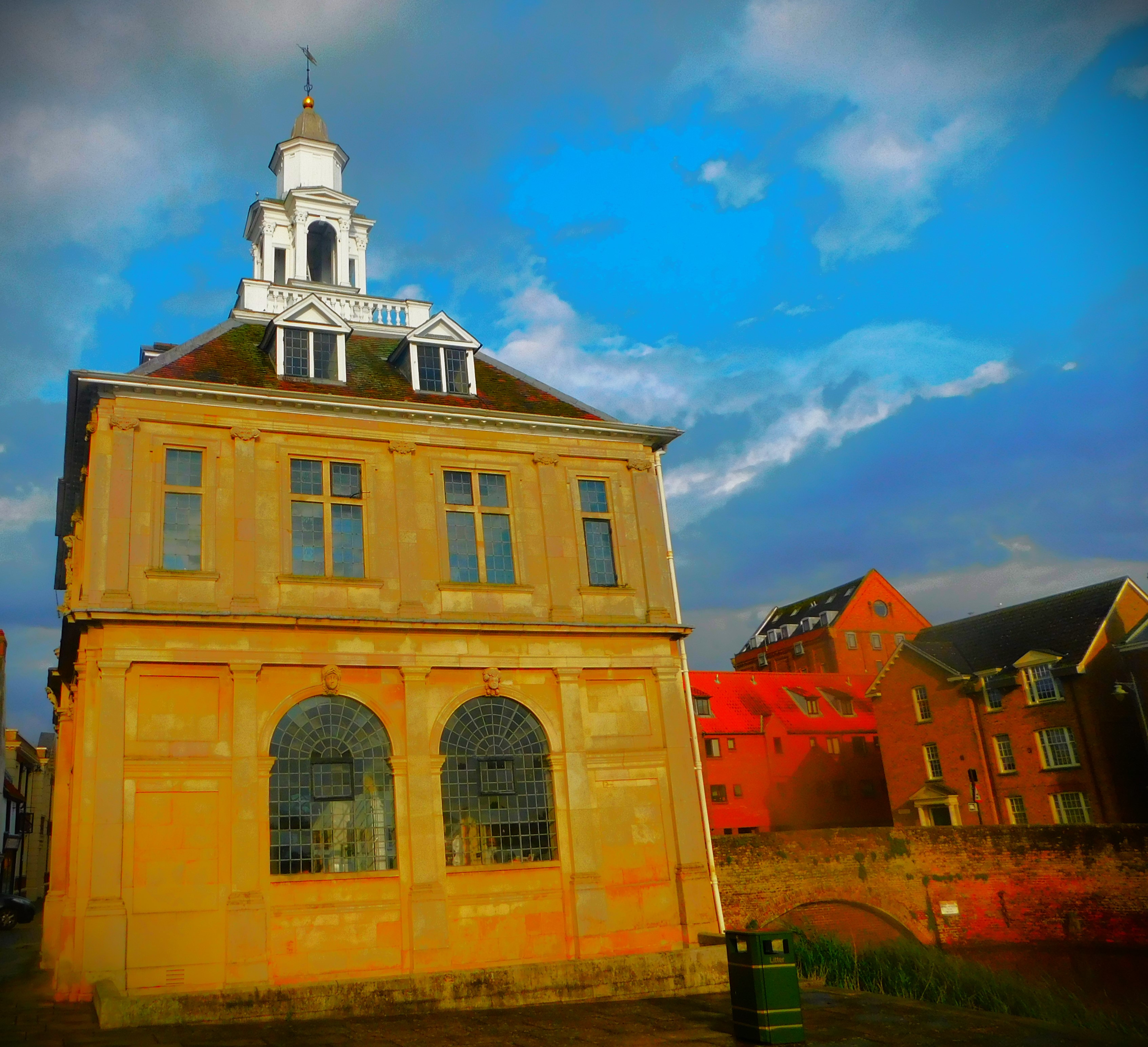
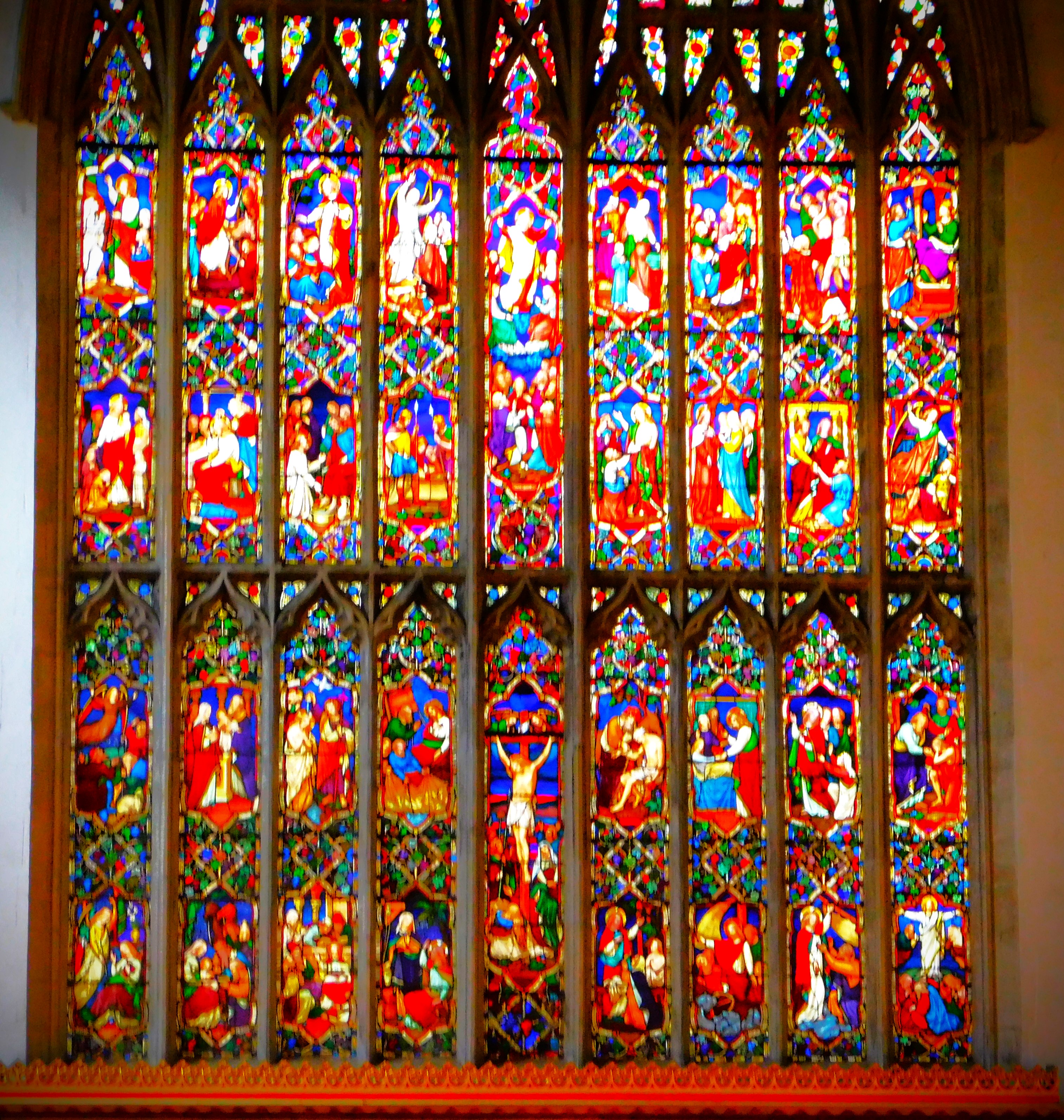
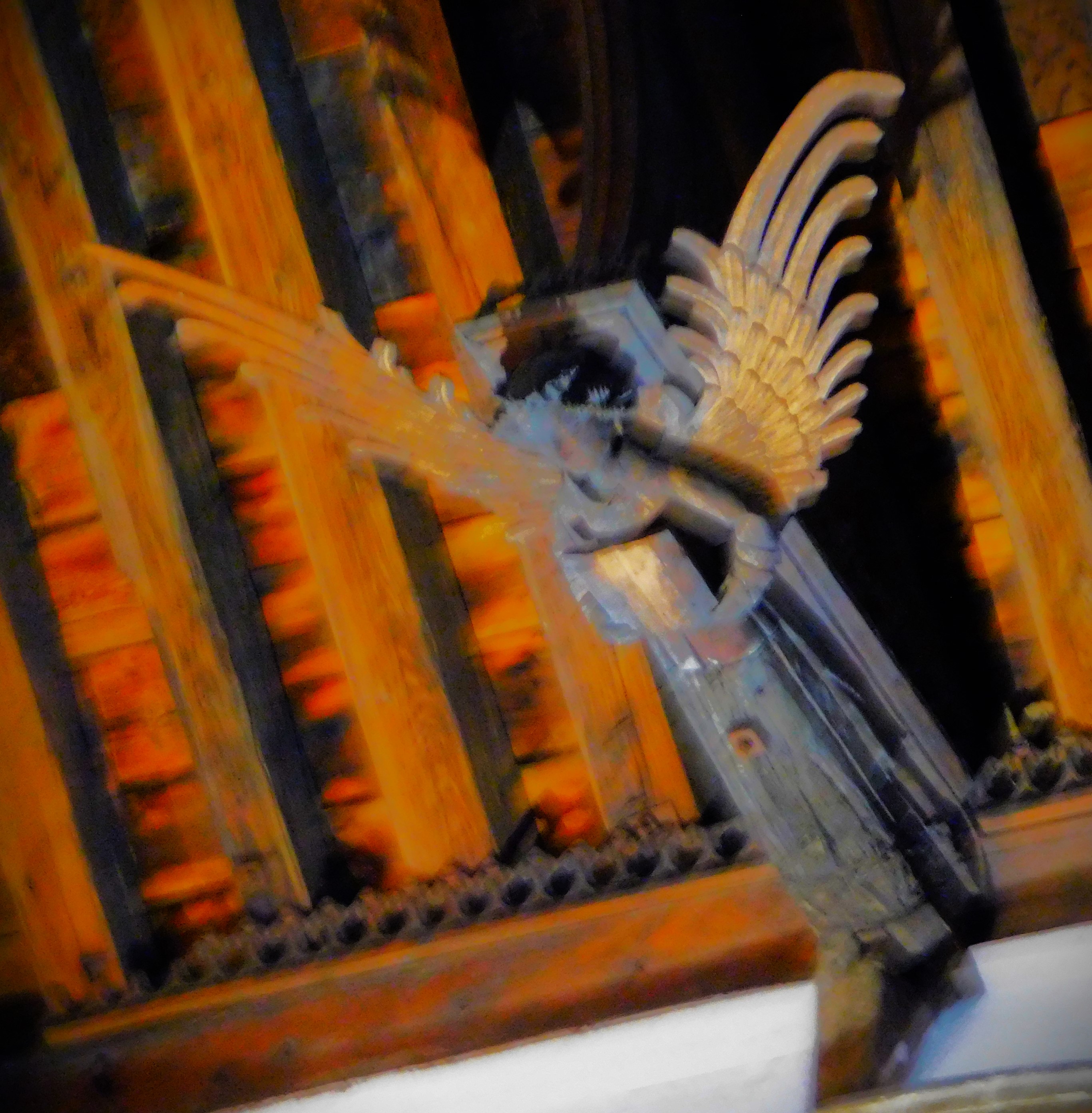
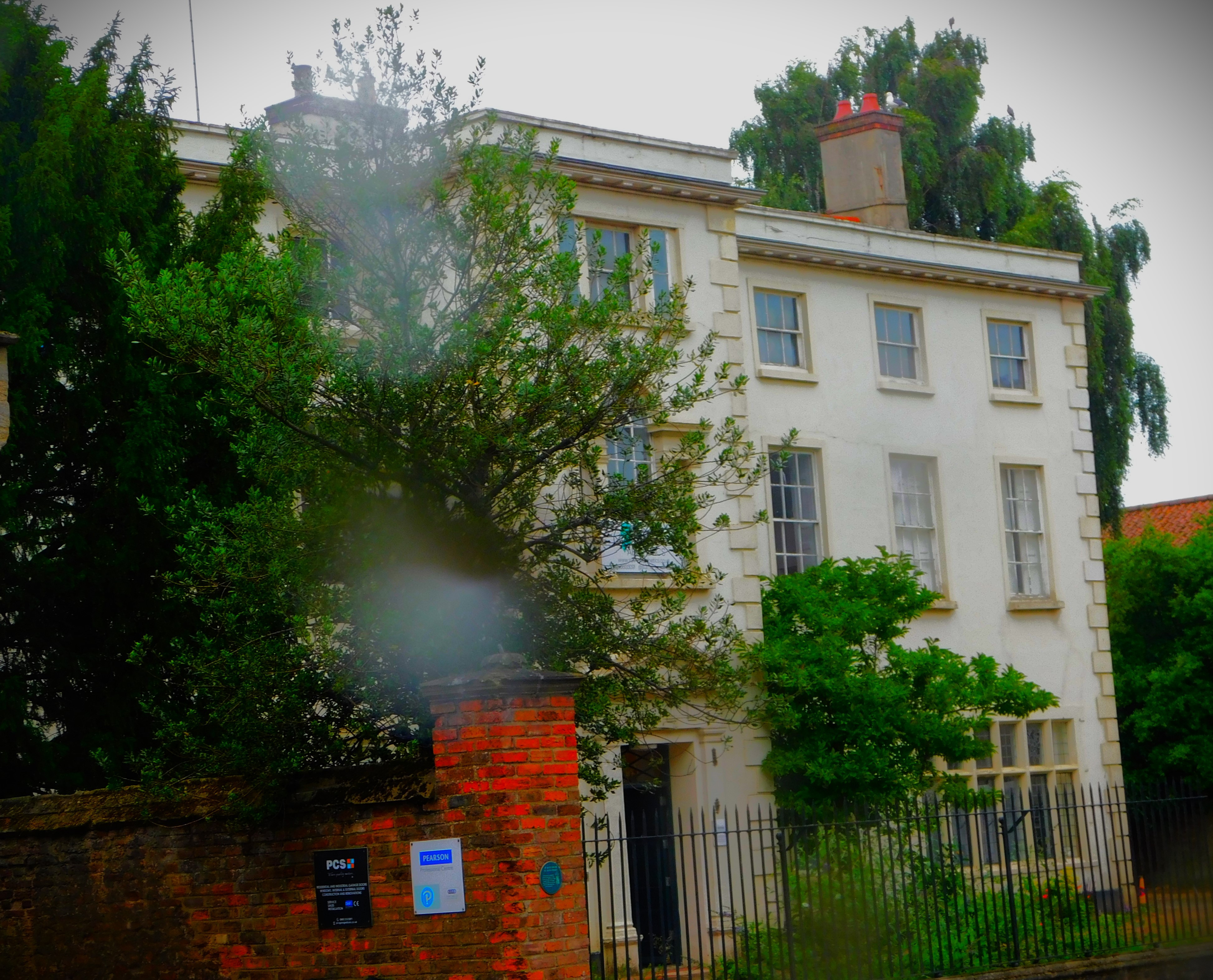
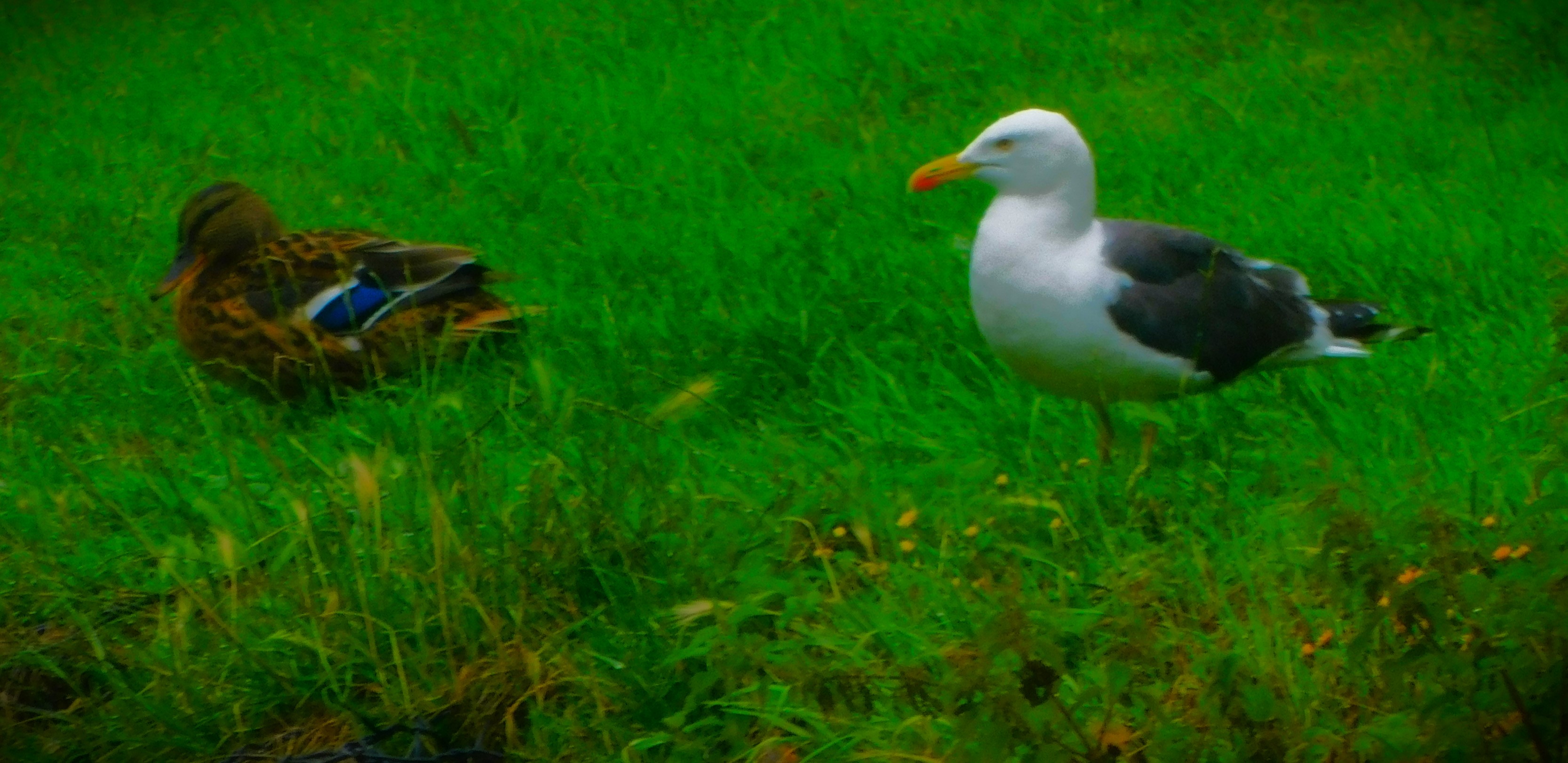
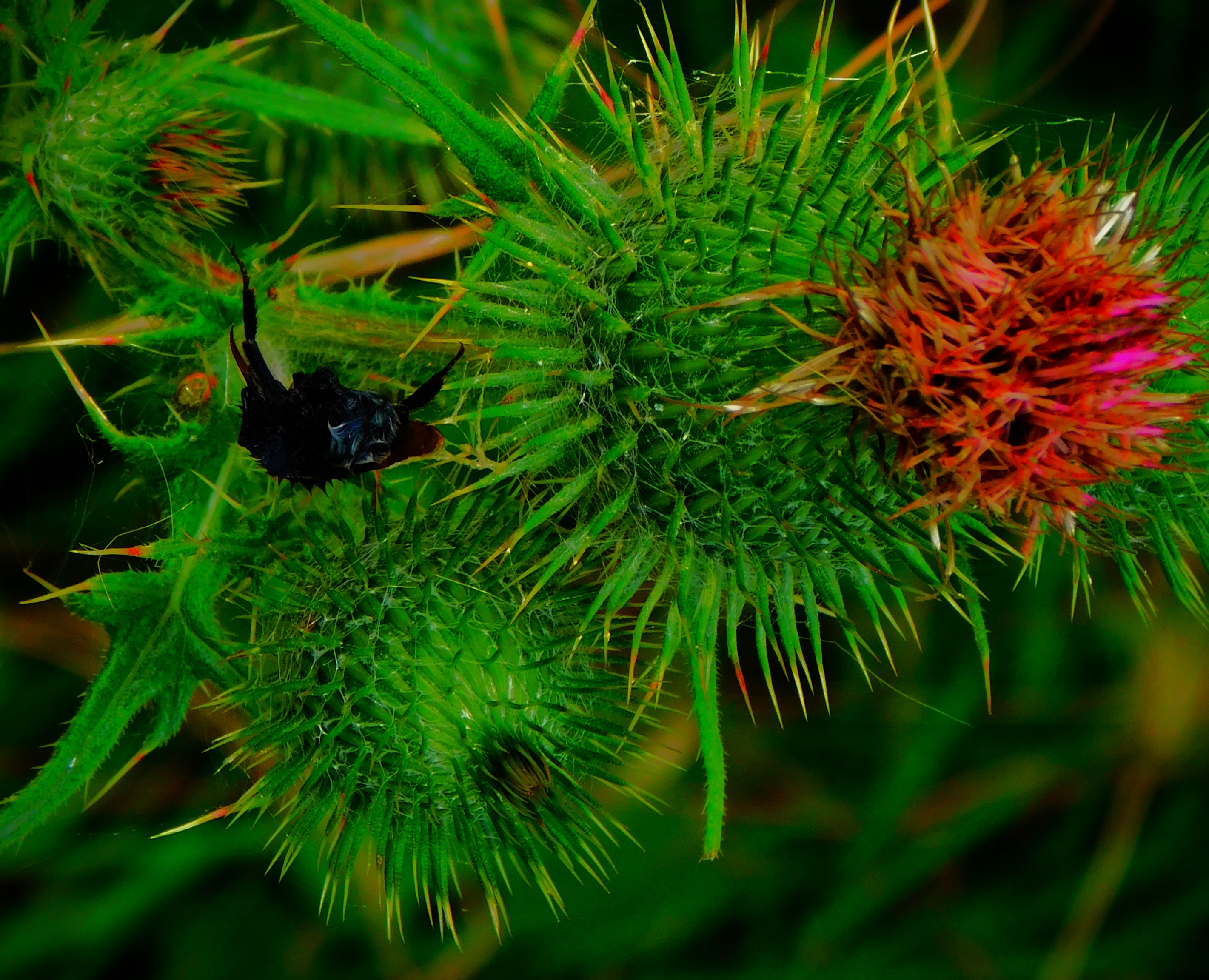
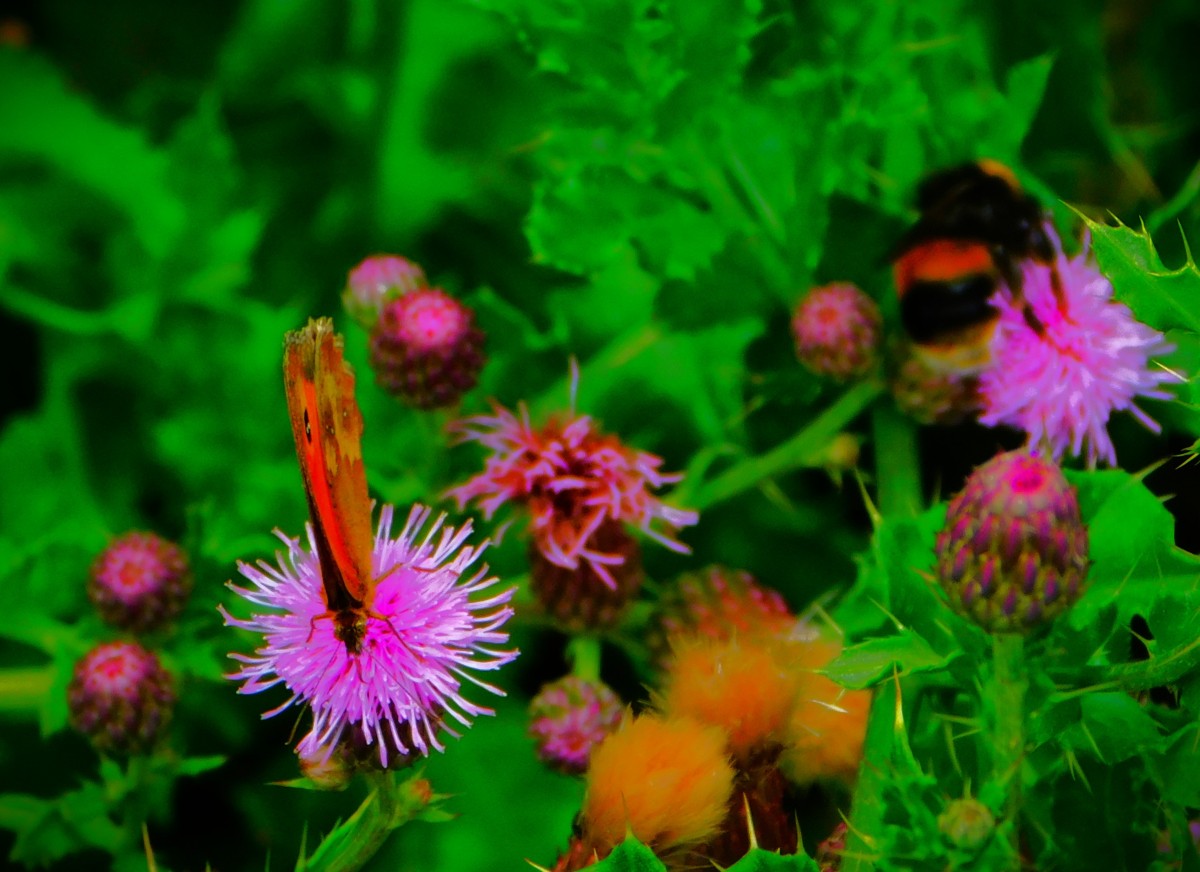
Masumi Yamamoto was on the harpsichord and Ibrahim Aziz on the viola da gamba, an instrument much closer in shape and size to a modern cello than it is to a viola, in spite of the name. The concert both started and ended with them playing together, but each also played solos in the middle. Here are some photographs (quick reminder, all photos can be viewed at full size by lcikcing on them) specifically relating to these concerts…

FROM THE ARCHIVE AND GENERAL PHOTOGRAPHY

A year ago today I published my all time XI of players whose surnames begin with the letter E. Since then a new name has appeared on the scene: Abhimanyu Easwaran produced a succession of big scores in Indian domestic cricket. I am not yet prepared to break up my opening pair of J Edrich and Elgar just yet, but the latter is under threat, especially if Easwaran gets his opportunity to perform at a higher level and delivers. Now for my usual sign off…

Men’s Ashes: Climax or Anti-climax

A look at development’s in the men’s Ashes as we wait for play to get underway on day four at Old Trafford.

Today is Early Music Day at the Lynn Festival (will be blogging about this in due time), and I am making use of the long break between the first and second concerts (the second and third are basically back to back, with insufficient time between the end of one and the start of the other to come home) to keep an eye on the cricket should there be any developments at all today and to post this.

THE MEN’S ASHES – THE STORY SO FAR

Australia won the first two matches, though England had good chances in both, and could blame poor catching, especially by Bairstow behind the stumps, for the fact that they were not at least 1-1. England won a thriller at Headingley, with Harry Brook scoring a vital 75 in the final innings. That brings us to…

THE FOURTH MATCH – OLD TRAFFORD

Penultimate matches of Ashes series at Old Trafford include 1896 (2nd match of a 3 match series, Australia won by three wickets after England staged a remarkable but unavailing fightback – Ranjitsinhji on test debut conjured 154* after England were made to follow on, which meant Australia needed 125 to win, and fast bowler Tom Richardson narrowly failed to pre-empt Bob Willis’s Headingley heroics by 85 years, taking 6-76 as Australia limped over the line), 1902, when an Australian win by three runs gave them the Ashes, “Laker’s Match” of 1956, when the off spinner’s 19-90 in the match gave England victory by an innings and 170 runs and guaranteed retention of the Ashes for them, 1981, when a blazing Botham century set up victory by 103 runs which guaranteed England a series win and retention of the Ashes, and on the debit side of the ledger the bore draw of 1964 when Aussie skipper Simpson, knowing that a draw was enough for his side, literally ensured this off his own bat, occupying the crease until the third morning as Australia scored 656-8 declared (Simpson 311), England then scoring 611 to utterly kill the game.

Australia blatantly selected their side for this match with a draw in mind – they picked no specialist spinner and had two seam bowling all rounders and keeper Carey batting at number eight. England, rather than bringing in any new played had Moeen Ali officially at number three, Bairstow continuing as keeper and an 8-11 of Woakes, Wood, Broad and Anderson. England won the toss and put Australia in. The pitch proved better for batting than either side had reckoned on, and Australia’s 317, lasting just into the second day, was a definite underachievement by them. Woakes was the bowling star with five wickets. England took the bull by the horns, and it was that rarity, Crawley’s day. The Kent opener rode his luck to score a very rapid 189, backed by good performances from Ali and Root. Bairstow became the second Yorkshireman with a surname beginning with B to score 99* in a test match, as Anderson was pinned LBW before he could reach the landmark. Bairstow’s knock took a mere 81 balls, rather a contrast to the other 99* by a Yorkshire ‘B’, Boycott’s knock at Perth in the 1979-80 mini-series. England had tallied 592, a first innings advantage of 275. Wood came to the party in Australia’s second innings, claiming three wickets as Australia closed the third day on 113-4, still 162 adrift of making England bat again. There has been no play so far today, as Old Trafford’s tutelary deity, Jupiter Pluvius, has put in an appearance. There is a pitch inspection happening as I type this. The last two covers have just come off, much to the disgruntlement of the Aussies, who were hoping for today to be entirely washed out (they are looking and playing like a side who are mentally shot, and their attitude to the covers coming off is further indication of that). If the rain holds off, play will commence at 2:45PM.

PHOTOGRAPHS

Before my usual sign off, here one year on from its creation is a link to my all-time Ds XI.

Women’s Ashes Series Ends All Square

An apology, a look at the last two matches of the Women’s Ashes, a team of that series and lots of photographs.

This post focuses mainly on the women’s Ashes series which concluded yesterday evening. However, before I get into the main meat of the post there is one necessary item to attend to…

A CORRECTION

On Monday I reblogged my All Time G’s XI to coincide with the 175th anniversary of the skipper’s birth. I was guilty of inattention – the anniversary day, and the date of the original post was of course July 18th, not July 17th. I should have done a proper post on Monday and reblogged the Gs on Tuesday. Here are some of a bountiful recent harvest of photos…

THE LAST TWO MATCHES OF THE WOMENS ASHES

Australia secured retention of the Ashes by winning the penultimate ODI on Sunday by three runs. Australia posted 282, 26 of them off the final over of the innings, bowled by Lauren Bell. England fought hard in response, with Natalie Sciver-Brunt scoring a superb century. She was on strike for the final ball of the innings, off which England needed six to win or four to tie. Unfortunately she could only manage a single.

While England could no longer win the Ashes they could draw the series by winning the last match, which took place at Taunton yesterday. England batted first, and with Sciver-Brunt hammering another century, her seventh in ODIs, four of which have come against Australia they reached 285 from their 50 overs. Rain intervened after 19.2 overs of the Australian innings, and the DLS adjustment left them needing 171 of24.4 overs. They never really looked like getting them, and England eventually won by 69 runs, to level the multi-format Ashes series at 8-8. They also became the first team win an ODI series against Australia in a decade, and had won four of the seven matches overall, the 8-8 score line being caused by the test match carrying double points. Although Australia keep the Ashes it is England who are the happier side – they have a lot of very talented cricketers who now know that they can go toe to toe with Australia.

Time for a second photo gallery…

A COMPOSITE WOMENS ASHES XI

This is my team of the series:

  1. Tammy Beaumont (England, right handed opener). A double century in the test match, a major contribution in the first ODI.
  2. Beth Mooney (Australia, left handed opener). Made a lot of significant contributions in all formats.
  3. *Heather Knight (England, right handed batter, occasional off spinner, captain). Had a fine series, and given the respective resources at their disposal I would reckon that tying the series is a greater achievement for her as captain than it is for Healy.
  4. Ellyse Perry (Australia, right handed batter, right arm fast medium bowler).
  5. Natalie Sciver-Brunt (England, right handed batter, right arm medium fast bowler). Even if she had done nothing else in the series (which is far from the case), those back to back centuries in the last two matches would be enough to justify her inclusion.
  6. Annabel Sutherland (Australia, right handed batter, right arm fast medium bowler). The 137* in the test match was the highlight of her series, but she contributed with both bat and ball all the way through the series.
  7. +Amy Jones (England, wicket keeper, right handed batter). Her opposite number didn’t have a great series (perhaps the triple role of captain, keeper and opener is simply too much – Alec Stewart struggled when he had the triple role), while she did. The greatest moment of her series came last night when she pulled off a miraculous stumping off the bowling of Sciver-Brunt.
  8. Ash Gardner (Australia, off spinner, right handed batter). Her eight-for to win the test match would qualify her all on its own, but she had other moments in the limited overs matches as well.
  9. Alana King (Australia, leg spinner, right handed lower orderbatter). This one was a tough call, with Georgia Wareham the challenger. However, I refuse to fill a bowling position based on lower order runs, so King gets the nod.
  10. Sophie Ecclestone (England, left arm orthodox spinner, right handed lower order batter). A heroic effort in the test match, a good T20 series, and her bowling was crucial to England’s success in the final ODI.
  11. Kate Cross (England, right arm fast medium bowler, right handed lower order batter). With Katherine Sciver-Brunt retiring she became the de facto leader of England’s seam attack, and she did her job superbly in this series.

This side has a superb batting line up, four genuinely front line seamers (Cross, Sutherland, Perry, Sciver-Brunt), three great and contrasting spinners, a fine captain and a superb keeper.

Blast Finals Day

A look at the second and third matches of Blast Finals Day, links to yesterday’s post and the post I put up OTD last year, and a photo gallery.

I covered the first match on T20 Blast Finals day, between Essex and Hampshire in yesterday’s post. Today I look briefly at the other two matches.

SOMERSET v SURREY

Things didn’t look especially great for Somerset when they they finished their 20 overs with a mere 142 on the board. However, Surrey, with all their strength in depth, soon found themselves in trouble, a position that they never managed to get out of. A number of batters made promising starts, but none were able to go on and make a major contribution, and nearly all the dismissals were self-inflicted – going for big shots and holing out to deep fielders. In the end Surrey were all out for a paltry 118, losing by 24 runs, giving Somerset a place in the final.

THE FINAL – ESSEX v SOMERSET

Somerset’s recent record in finals did not make pretty reading, and neither did their recent record in matches against Essex. Somerset found themselves batting first, and again they were not hugely impressive in that department, being all out to the last scheduled ball of their innings, with 145 on the board. However, they bowled very well, and although Essex had moments when things were going decently for them they never looked in command, and in the end they mustered 131, falling short by 14 runs. Most toss winning captains in T20 elect to chase, and Somerset twice found themselves setting the target, the less liked option in this format, and twice they produced a moderate batting performance and rescued themselves with the ball and in the field. While Surrey certainly donated plenty of wickets, bad batting played much less of a role in the Essex match. Ben Green of Somerset achieved a notable feat by taking his 30th wicket of the tournament, a rare landmark for single edition of this competition. Many would have expected Surrey and Hampshire to be the ones to make the final, and Surrey to run out winners, so credit to both finalists, and especial credit to Somerset for finally ending a bad run in finals by winning this one.

LINK AND PHOTOGRAPHS

A year ago today I published the second post in what went on to become the longest series on this blog, an all time XI with surnames beginning with B. Although I remain happy with the selection I add one caveat – if the pitch looks very spin friendly (think Ahmedabad!) I would bring Len Braund (leg spinning all rounder) in for Ian Botham, and replace leg spinner who could bat Benaud with Bishan Singh Bedi (left arm orthodox spinner) to balance the attack, with the new ball pair of Barnes and Bumrah now being backed by a spin trio of Bedi, Bates and Braund, the XI in this specific case reading: C Bannerman, SG Barnes, *DG Bradman, KF Barrington, AR Border, LC Braund, +Wasim Bari, *W Bates, SF Barnes, BS Bedi, JJ Bumrah.

Now for my usual sign off…

Essex in the T20 Blast Final

A brief look at the first semi-final of the T20 Blast, a reminder of ;ast year’s big blogging project, which started OTD in 2022, and a photo gallery.

Today is T20 Blast Finals Day – two semi-finals and a final all in one day. There has been some rain about but the first match has just ended in a victory for Essex. The second semi-final features Somerset and bookies favourites Surrey.

THE HAMPSHIRE INNINGS

Hampshire did some good things, but were never in compete control. They eventually mustered 170-7 from their 20n overs, a respectable but not necessarily winning total.

THE ESSEX INNINGS

The rain came after 2.5 overs of the Essex innings, and took enough time out of proceedings that Essex’s target was reduced to 115 off 12 overs. Both sides had periods when they looked in control, but ultimately it was Essex who prevailed, a six off the third last possible delivery getting them over the line. This win for Essex preserves a remarkable record – in the 20 year history of this competition no side has ever successfully defended the trophy.

LINK AND PHOTOGRAPHS

One year ago today I launched the most ambitious blogging project I have undertaken to date, a project that ended up spanning 92 posts. It all started with this selected all time XI of players whose surname begins with the letter A, a selection that still holds one year on: All Time XIs: The Letter A.

Now for my usual sign off…

All Time XIs – England ‘Bazball’

A quirky all time XI – an England XI picked to play in the style of the current one.

It is ‘all time XI’ time again. The brief for this one is to pick an all-attacking all time England XI which is as perfectly balance as I can make it. This is a team that would score its runs quickly and have no problem taking 20 wickets in a test match. Also, no two successive batters in the envisaged order bat with the same hand.

THE XI IN BATTING ORDER

  1. Ben Duckett (left handed opening batter, occasional wicket keeper). He has been doing splendidly since his recall under Stokes’ captaincy.
  2. *WG Grace (right handed opening batter, right arm bowler of various styles, captain). The only conceivable choice as right handed opener for this XI, someone who was always looking to score runs.
  3. Frank Woolley (left handed batter, left arm orthodox spinner). A stroke making batter, a fine bowler and the only non-keeper to have taken over 1,000 first class catches.
  4. Denis Compton (right handed batter, occasional left arm wrist spinner). A natural born entertainer if ever there was one, holder of the fastest ever first class triple century (got to that mark in 181 minutes in a tour match at Benoni, South Africa).
  5. David Gower (left handed batter). Ideally suited to a side of this nature.
  6. +Les Ames (right handed batter, wicket keeper). Averaged 40 with the bat at test level, scored over 100 FC hundreds, twice won the Lawrence trophy for the fastest first class hundred of the season. Over 1,100 first class dismissals including an all time record 418 stumpings.
  7. Ben Stokes (left handed batter, right arm fast medium bowler, vice captain and talisman). Had to be included in this side, and a nod had to be given to his leadership, hence the award of the vice captaincy.
  8. Billy Bates (off spinner, right handed batter). A great all rounder whose career was ended prematurely by the loss of an eye in a freak accident. His test career was brief, but his first class career averages of 21.57 with the bat and 17.13 with the ball – both figures would be higher today (probably 32 with the bat and 25 with the ball) – illustrate his credentials.
  9. Tom Emmett (left arm fast bowler, left handed batter). A great fast bowler and a good enough batter to have scored a first class hundred at a time when that was not particularly easy to do.
  10. Syd Barnes (right arm fast medium bowler, right handed batter). 189 test wickets at 16.43 a piece in just 27 test matches.
  11. James Anderson (right arm fast medium bowler, left handed batter). England’s all time leading test wicket taker, and though his position in this batting order is unarguable, he would probably get off the mark with a reverse sweep.

This side has great batting depth, and with Stokes, Woolley, Grace and at a push Compton all capable of backing up the front four there is a wealth of bowling as well. This side would win a lot of matches, lose a few and probably not draw any unless epic quantities of rain fell.

HONOURABLE MENTIONS

I will go through these in batting order. Bob Barber was a contender for the left handed opener’s slot I gave to Duckett, but his top level career was much briefer. Had I not wanted Grace as captain Charlie Barnett and Colin Milburn would both have merited attention for the right handed openers slot. Woolley’s role as second spinner meant that the number three slot was nailed down. I might have named several at number four: Hammond, Dexter, May, Cowdrey, Pietersen and Root were all in the mix. Gower at number five had few challengers – the two left handed middle order players with really substantial test records, Phil Mead and Graham Thorpe were both more sedate in approach, while Percy Chapman, undoubtedly aggressive in nature, was never really worth his England place as a player. Ames at six and with the gloves had few challengers – Jonny Bairstow is not good enough with the gloves for the dual role, though I might have considered Matt Prior. Stokes really had to get the number seven slot. I regretted not being to accommodate Gilbert Jessop, though he can be designated fielding sub. There were two challengers for the number eight slot: Graeme Swann and Greville Stevens (with Woolley inked in I wanted a second spinner who was not an SLA). With Barnes indispensable I had no way to accommodate Trueman.

PHOTOGRAPHS

A couple of links before my usual sign off:

  1. A Guardian article about a site that is due to be used as the marker for the dawn of the anthropocene.
  2. An excellent twitter thread by Richard Murphy.

Men’s and Women’s Ashes Series Both Well and Truly Alive

A look at a remarkable few days for the England men’s and women’s cricket teams, and two photo galleries.

The last few days have been excellent for both the England Men’s team and the England Women’s team. This post looks back at what both teams have done in that time.

THE MEN’S ASHES

England arrived at Headingley 0-2 down after two test matches, and with the Ashes currently in Australian hands that meant they needed to win all three remaining matches to take back the urn. England were ultimately set 251 to win in the final innings. They went into yesterday needing 224 with all ten wickets in hand. At various times it looked like Australia could do it, especially at 171-6, but then the largest England partnership of the match, between Brook and Woakes left England needing 21 with three wickets left, Brook falling for a splendid 75. That brought Mark Wood to the crease. With seven runs needed Carey dropped a chance offered by Wood, and that was the last sight Australia had of victory. At 3:45PM a boundary took England over the winning line with three wickets to spare. Wood, with seven wickets in the match and 40 runs in the two England innings was named Player of the Match.

Although England kept the series alive with this victory, all is not rosy in their garden. The number three position needs filling as a matter of urgency – England tried Brook in the first innings, and Ali in the second after Brook had looked like a cat on a hot tin roof batting there, and both failed. Also, Bairstow as keeper/ batter is proving disastrous – he has missed a load of chances and he has not been scoring runs since taking the gauntlets. Also Crawley twice tossed away promising starts with appalling choices of shot. Finally, Ali is not up to the task with either bat or ball. If England are to complete the miracle comeback all these issues need addressing. I would personally call up Dominic Sibley to open with Duckett (otherwise there would be two debutants in the top three, since I cannot countenance Crawley), select one of Bohannon or Abell to fill the number three shot (Bohannon has the better batting record, but Abell offers a back up seam option, which with Stokes unable to bowl could proved very useful). With Root and Stokes certain picks barring injury I would drop Bairstow to bring back Foakes as keeper, while the number eight slot either goes to Woakes if it looks like no spinner is needed or is a toss up between Rehan Ahmed and Liam Dawson if a spinner is deemed necessary. The 9,10 and 11 slots should go to Wood, Tongue and whichever of the two veterans Broad and Anderson is in better shape at the time.

PHOTOGRAPHS 1

THE WOMEN’S ASHES

The Women’s Ashes is played these days as a multi-format series, with the test match being worth four points and each other match being worth two points. England Women were in a similar position to the men’s team, having lost the test match and the first T20 match, which with Australia holding the urn meant that they also effectively needed to win every remaining game. They won both the second and third T20Is, the former being Australia’s first non-super over loss in the format since March 2021 and the latter being the first time Australia had lost two successive matches in any format since 2017 (also at England’s hands). This keeps England hopes alive going into the ODI element of the series.

The first of the two T20I victories was by only three runs, but it only became that close because with the match already settled Ellyse Perry hit the last two balls for sixes. The second was a more comfortable win for England.

PHOTOGRAPHS 2

Developments in the Ashes

A look at recent developments in the men’s and women’s Ashes and a substantial photo gallery.

It has been a few days since my last post, and a lot has happened in both the men’s and women’s ashes. This post looks at these various developments.

THE WOMEN’S ASHES

The brilliance of Tammy Beaumont (a new England women’s record score of 208 in their first innings) and Sophie Ecclestone (five wickets in each Australian innings) proved to be of no avail. England were bowled out for 178 in the final innings to lose by 89 runs, off spinner Ash Gardner taking 8-66. This is the first time in any test match, men’s or women’s that a losing side has featured both a double centurion and a taker of a 10 wicket match haul. The men’s game has provided three honourable mentions – in the tied test match between India and Australia at Chennai in 1986 Dean Jones had a double century and Greg Matthews took 10 wickets, while in England’s bottle-job at Adelaide in 2006 Collingwood scored 206 and Matthew Hoggard claimed eight wickets in the match, and finally, at the SCG in 1894 Syd Gregory scored 201 in the first innings, George Giffen had a match aggregate of over 200 runs AND claimed eight wickets in the match, and their side, Australia, lost by 10 runs.

THE MEN’S ASHES

Rehan Ahmed was added to the men’s squad in the run up to the second match of their series, which got underway at Lord’s today. In the event Ahmed was not picked, England going for an all seam attack. As was virtually dictated by this selection England put Australia in to bat, a decision that is not working out well. As I type this Australia are 181-2 with Smith and Labuschagne going well, the first named having gone past 9,000 runs in test cricket in the course of this innings. Both wickets have fallen to Josh Tongue. Broad and Anderson have had good moments but as yet no wickets, while Robinson has looked innocuous. Rehan Ahmed is on the field at present, as a substitute fielder.

PHOTOGRAPHS

My usual sign off…

Game on at Trent Bridge

A look at developments in the women’s test match at Trent Bridge and a photo gallery.

The Women’s Ashes test match at Trent Bridge is hotting up, as England bowlers get in among the wickets. This post looks at developments since yesterday.

THE REST OF YESTERDAY

During yesterday’s post I noted that Tammy Beaumont was hunting down records. She did break the Betty Snowball England record score that had stood since 1935, and she did complete her double century. She was finally last out for 208, the fifth highest score ever by a women’s test cricketer. England had tallied 463, a deficit of 10 on first innings. By the close Australia were 82-0 and it looked like they were in a very strong position.

TODAY

England bowled much better today, but Mooney and Litchfield pushed their opening stand up to 99 before the breakthrough occurred. Australia still looked in a very strong position at 178-3, but England have claimed four wickets in very quick time, and Australia are 198-7 with Alyssa Healy and Alana King batting together. For England Ecclestone has three wickets so far, giving her eight in the match, with veteran seamer Cross and young speedster Filer each claiming two scalps.

PHOTOGRAPHS

A small gallery today, but I hope a good one…

Beaumont Batting Beautifully

A look at developments in the Women’s Ashes test match and a large photo gallery.

Battle continues to rage in the Women’s Ashes test at Trent Bridge. This time yesterday I wrote about had happened up to that time (here), and now I continue the story.

THE REST OF YESTERDAY

England reached the close of yesterday on 218-2, Beaumont completing her century just before the close of play. It was a wonderful innings, and it was also historic: she became only the fourth English batter ever to score centuries in all three international formats, joining Heather Knight, Jos Buttler and Dawid Malan in this club.

TODAY SO FAR

Natalie Sciver-Brunt was England’s only casualty of the morning session, falling for 78. By lunch England were 308-3 with Beaumont 144 not out. Dunkley fell not long after the resumption, which brought Danni Wyatt to the crease for her test debut, 13 years after her white ball debut. On 152 Beaumont was given LBW, but a review showed the ball pitching outside leg stump. She is now on 164, with England 344-4. The next landmark is 168, her highest score in any form of international cricket, then Betty Snowball’s 189, the all time England record individual score, then the 201 she scored in the warm up match, then Perry’s 213* and finally if she can get there Amelia Kerr’s 232* for New Zealand v Ireland, the highest score in any form of women’s international cricket (and I think even Ms Kerr might concede that the Aussie bowling attack is a trifle more formidable than that of the emerald isle).

PHOTOGRAPHS

I have a splendid gallery for you…

While I have been preparing this post for publication England have moved past 350, and Beaumont on to 169.