Some ideas for the Ashes tour, a couple of links and some photographs.
This post is prompted by the recent behaviour of Engkand’s test selectors, and my increasing certainty that big changes are needed.
INJURIES AND REJECTS
Various players are hors de combat with injuries or due to other issues. Archer and Stone both have long term injuries that will keep them out of the Ashes, Broad is also injured and may not be able to play the Ashes, Stokes and Buttler have to be treated as not available for the Ashes given that Stokes has already said he is taking time out and Buttler does not want to be away for months on end with his wife about to have their second child. Also I do not believe that any of Ali, Bairstow, Crawley or Malan should be considered for this most demanding of all tours. The last of these four may yet convince me, having just been drafted into the squad, but at the moment that decision just looks like the latest in a series of regressive, backward looking calls the selectors have made recently.
THE CAPTAINCY
I think that Root needs to be relieved of the captaincy, and would at this point give the job to Rory Burns as a temporary measure, hoping that Tom Abell (my choice for number three and Somerset’s current captain) can establish himself at test level and then be given the captaincy.
THE BATTING
This of course is the biggest area of concern for England at present. With Sibley out of form and confidence I see little alternative to Burns and Hameed as openers, Abell would be my choice at three, and Root at four. Number five for me is between Lawrence and Pope, with my preference for the first named. I would give the gloves to Foakes with Buttler not available, with Bracey in the squad as reserve keeper. Foakes would bat six, putting an extra batter between him and the tail. At number seven I would want Chris Woakes in the all rounders role in most conditions. Bracey is cover not only for the keepers gloves but also the number three slot. On my radar as reserve batters are Liam Livingstone, Harry Brook, Jordan Cox, Matt Critchley and, as a gamble on a youngster who seems to have the right temperament, Lewis Goldsworthy. Critchley might be selected at seven in place of Woakes if a second spin option looks like being useful (he bowls a bit of leg spin).
THE BOWLING
Of the bowlers I am prepared to consider available (Wood is injured and there is no way of knowing how long he is out for, so although I am not absolutely ruling him out as I have some others I am for the moment placing him on the sidelines) my first choices are: Overton, Robinson, Leach and Anderson (I want at least one genuine spinner and Leach is first choice in that department). I hope Mark Wood will be recovered in time to make the trip. Other seam back up could be provided by Saqib Mahmood, George Garton or Sam Curran (he has looked fairly unthreatening with the ball of late which is why I have him well down the pecking order). The spin situation, partly dictated by the fact that English off spinners have only rarely done well in Australia, is less happy looking. Although it would be unlikely that he and Leach would be picked in the same XI the next nearest thing England have to a spinner in Leach’s class is Matt Parkinson, the Lancashire leg spinner who currently has 86 FC wickets at 23.69, though his wickets per game rate is on the low side at just a tick over three. Direct back up for Leach is not really available unless one gambles on four first class appearances telling a true story and name Dan Moriarty in the party. However, Liam Patterson-White has a respectable record, and can bat, which would give England two ways of selecting two spinners of differing methods without both being bunnies with the bat – Either Critchley at seven and Leach at 10, or a 7, 8, 9, 10, 11 of Woakes, Patterson-White, Robinson, Anderson, Parkinson.
WRAPPING IT UP
Until and unless they get tried there is no way of knowing whether the above ideas will work, but the selectors continuing with their current approach has one likely result in terms of The Ashes: 5-0 to Australia.
An XI of southpaws for World Left Handers Day. Plus of course some photographs.
Today is World Left Handers Day, so I put together an XI of players who did everything cricket wise left handed. This means a lot of famous names are missing because they performed one discipline right handed. My chosen wicket keeper bowled six deliveries in a professional career that spans 470 matches across formats to date, and I have been unable to establish for sure which hand he bowled them with.
THE XI IN BATTING ORDER
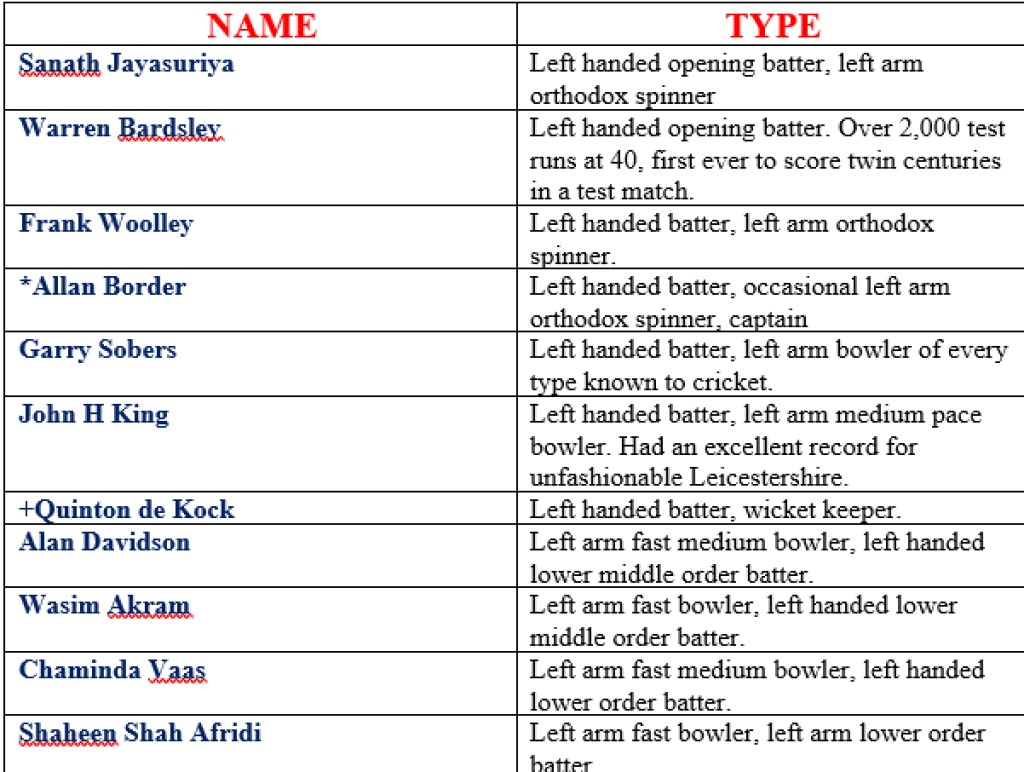
Sanath Jayasuriya: left handed opening batter, left arm orthodox spinner. In 1996 he was the MVP at the World Cup. Two years later at The Oval he scored 213 in Sri Lanka’s first innings, the highest individual score of the match.
Warren Bardsley: left handed opening batter. The gritty Aussie scored over 2,000 test runs at an average above 40. He was the first to score twin centuries in a test match, at The Oval in 1909. In first class cricket he tallied 17,000 runs at 49 including 53 centuries. He scored 29 of those 53 centuries in England, proving that he was definitely not a ‘home track bully’.
Frank Woolley: left handed batting, left arm orthodox spinner. The only person to have achieved the career treble of 10,000 runs, 1,000 wickets and 1,000 catches in first class cricket.
*Allan Border: left handed batter, occasional left arm orthodox spinner, captain. Another gritty Aussie, he was the first to the milestone of 11,000 test runs, having been the second after SM Gavaskar to reach 10,000. The first and greatest of four long serving Aussie captains with magnificent winning records to appear in my lifetime – he passed the baton to Mark Taylor, who was succeeded by Steve Waugh and then Ricky Ponting, who oversaw a regression back towards the mean in his last years in the job.
Garry Sobers: left handed batter, left arm bowler of every type known to cricket. Fortunately the most complete cricketer ever to have played the game did everything cricket wise left handed, and is therefore a shoo-in for this team.
John H King: left handed batter, left arm medium pace bowler. A stalwart all rounder for Leicestershire he suffered from ‘unfashionable county syndrome’ to the extent that in spite of a highly impressive record at FC level he was a one cap wonder for England.
+Quinton de Kock: left handed batter, wicket keeper. He has a magnificent record in all formats of the game.
Alan Davidson: left arm fast medium bowler (also occasional orthodox spin), left handed lower middle order batter. 186 test wickets at 20.53 secure his place in this side.
Wasim Akram: left arm fast bowler, left handed lower middle order batter. Fast tracked into his national side when then captain Imran Khan saw him bowling in the nets and liked what he saw he established himself as one of the greatest of left arm pace bowlers and a more than useful batter.
Chaminda Vaas: left arm fast medium bowler, left handed lower order batter. The Sri Lankan never had pace bowling support of the same class at the other end (indeed for most of his career the only other bowler of unquestioned top class in the side was the off spinner, Muralitharan) but still established a fine test record.
Shaheen Shah Afridi: left arm fast bowler, left arm lower order batter. The young Pakistani has already established a remarkable record in his brief career to date, and I expect many more highlights before his time at the top is done.
Below is a condensed version of the above in graphic form:
EVALUATION OF RESOURCES
The side has a strong and deep batting order – Wasim Akram at nine would satisfy even England’s selectors as to depth, while Jayasuriya, Bardsley, Woolley, Border, Sobers and de Kock are all bona fide greats, and King, the all rounder, would probably have averaged 40 had he played on today’s pitches, though he would also have paid more for his wickets. The bowling resources are awesome, with Afridi, Akram, Davidson, Sobers and King to provide pace/ swing/ seam bowling, and Woolley, Jayasuriya and Sobers able to provide top quality spin. Sobers is the only wrist spin option, but there are very few left arm wrist spinners with commanding records. The depth of spin available means that Border, with a 10 wicket haul in a test match to his credit, would almost certainly never get a bowl. This southpaw squad would take a lot of beating.
PHOTOGRAPHS
My usual sign off…
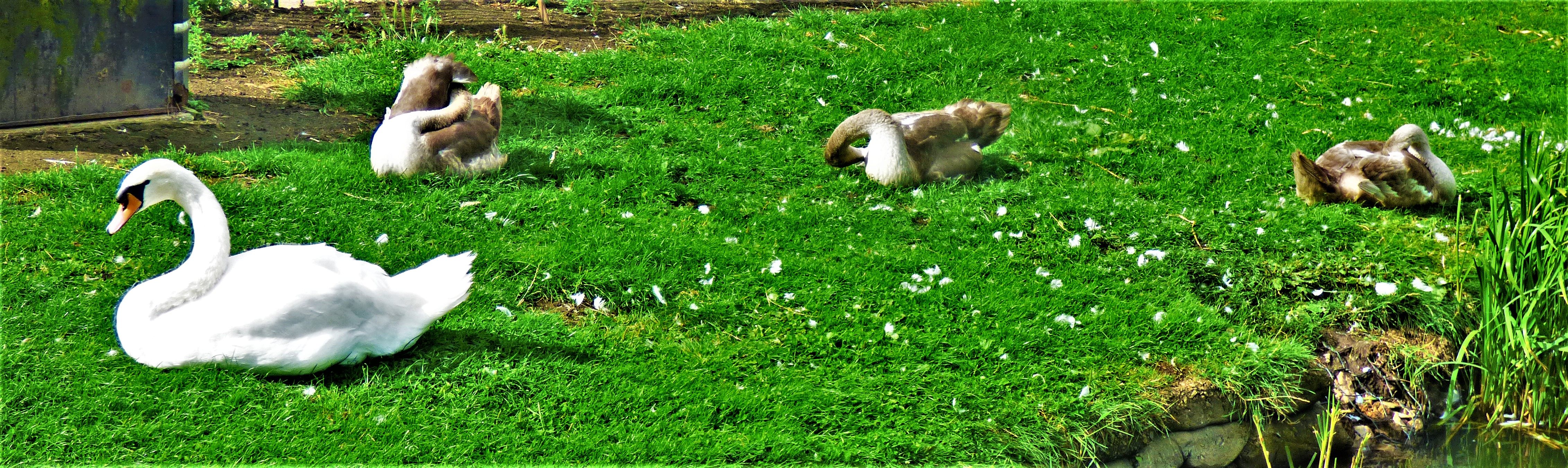
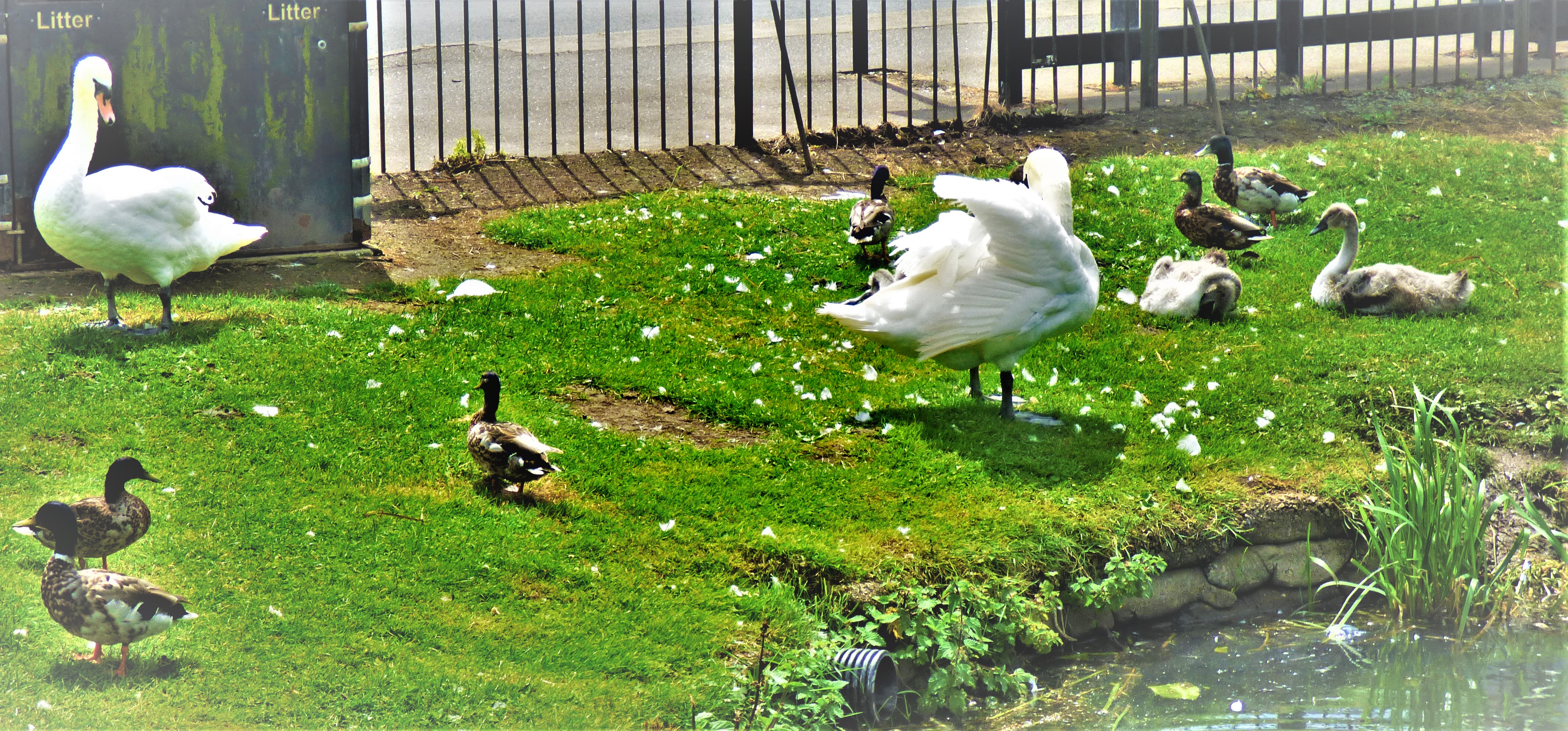
A comma butterfly. The ragged looking wings are the result of evolution, not injury.
A look at the latest craziness to emanate from the ECB’s ivory tower – the naming of Moeen Ali as a spin bowling option in the test squad based on his recent form in The Hundred.
It has been confirmed this morning that Moeen Ali has been added to England’s squad for the second test against India. In this post I explain just how flawed this move is.
RECENT SUCCESS DOUBLY IRRELEVANT
Moeen Ali has been going well in The Hundred, an ultra short form competition massively removed from the long haul of test cricket. He has also been especially notable for his batting successes, coming in high in the order and throwing the bat as one has to in that competition. His bowling in that competition amounts to combined figures of 4-115 in five matches, and it is as a spinner that England will play him if they do play him. In other words, he has been succeeding in the form of the game furthest removed from test cricket and not in the department in which England would make most use of him at test level.
TACKLING THE WRONG PROBLEM
England are not short of bowling options but are suffering at the top end of the batting order, with Crawley definitely proven as inadequate at test level, Sibley questionable and even Burns not bombproof. Moeen Ali is therefore a ‘solution’ to a ‘problem’ that exists only in the minds of the England selectors.
DISRESPECT TO SPINNERS ALREADY IN THE SQUAD
England already have two front line spinners available to them, Jack Leach and Dom Bess. Bess is a slightly questionable inclusion in the squad, but Leach from the mere 16 matches he has been given has 62 wickets at 29.98, 3.875 wickets per match. For comparison, Ali takes 3.1 wickets per match and pays 36.24 a piece for them. Frankly the way England’s #1 spinner (Leach) is being treated by the selectors is nothing short of a disgrace.
SHORT SIGHTED AS WELL AS RETROGRADE
Additionally, one must look ahead to England’s next tour, which is the toughest of all – Australia. As I demonstrate in this piece, English off spinners have historically been of limited value in Australia, while left arm orthodox spinners have been very important. England’s two best ever Ashes tours, in 1928-9 and 1932-3 both featured a left arm spinner and a leg spinner in the party (Farmer White and Tich Freeman in the first, Hedley Verity and Tommy Mitchell in the second). Leach is the principal candidate for the left arm spinner’s role, while Matt Parkinson (86 FC wickets at 23.69) is the obvious candidate for the leg spinner’s place. Dan Moriarty with 31 wickets from four FC games at 19.77 a piece is a left arm spinner who might be in the mix, and Liam Patterson-White, who takes his FC wickets at 30.13 and averages 23.12 with the bat may yet make the grade. Also in the wings is Lewis Goldsworthy of Somerset. As a more radical idea, Sophie Ecclestone at the age of 22 has 125 international wickets across formats at 19.49 each. I would rather see any of the players I have just named than yet another recall for Moeen Ali. The latter’s last test was against India in India, and although he took wickets in the end he also bowled England into a losing position by leaking almost five an over in conditions that were helpful to a bowler of his type.
ENGLAND XI FOR THURSDAY
From the players in the squad I select as follows:
Rory Burns
Dom Sibley
Haseeb Hameed (Crawley’s time at the top level is done)
*Joe Root
Dan Lawrence
+Jos Buttler
Sam Curran
Ollie Robinson
Mark Wood
Jack Leach
James Anderson
If one wants more batting depth, Overton could replace Wood, and then there would be a 7, 8, 9 of Curran, Overton and Robinson, which should be depth enough for anyone. I prefer Wood because his presence provides some express pace to go with the seam and swing options, which with Curran’s left arm and Robinson’s extra height are well varied (Broad was ordinary in the first test, so I rest him rather than Anderson for this one). There is also England’s best spinner in there, as there should be.
A look at the opening exchanges in the England v India test series which got under way at 11:00 today.
The five match test series between England and India is under way, the first match at Trent Bridge having started at 11:00AM. This post looks at early developments.
ENGLAND SELECTIONS
England’s plans were thrown into confusion when Ben Stokes announced that he would be taking a break from cricket for mental health related reasons. I do not know when or even whether Stokes will return to competitive action – he should take as much time as he needs. However, neither that nor an injury to Ollie Pope excuse England’s actual selection. They have gone hypernegative, selecting only four front line bowlers none of whom is a spinner and none of whom is an out and out speedster. The team they have chosen is Burns, Sibley, Crawley, *Root, Bairstow, Lawrence, +Buttler, S Curran, Robinson, Broad, Anderson. I would have selected Hameed in place of Crawley, with him and Sibley then being in a bat off for who keeps their place in the side when Tom Abell, the man best equipped to bat three for England in this format, is fit again. I would not have selected Bairstow at all, going with Buttler at six and five genuine bowling options. My preferred line up from those available would have been Burns, Sibley, Hameed, *Root, Lawrence, +Buttler, S Curran, Robinson, Wood, Leach, Anderson. I regard the non-selection of Leach as criminal. In 16 test matches he has taken 62 wickets at 29.98 – that is his bowling average is the right side of 30 (only just admittedly) and he takes 3.875 wickets per match, which is around the par mark – most sides have five serious bowling options and to win you need to take 20 wickets, and 20/5 = 4. When then add in leaving out the only genuine speedster available, Wood, you have an attack that has no depth (only four front line options), and very little variety (three right arm fast mediums, all over six feet in height, with the only serious variation Curran’s left arm fast medium – no variation in pace whatsoever).
The side England have named has “picked to avoid defeat” rather than “picked to win” written all over it in bold capitals.
INDIAN SELECTIONS
Far fewer problems for the visitors although they somewhat surprisingly left out Ashwin, probably the best finger spinner in the world at the moment. They decided, again on ground of batting strength to rely on Jadeja as their sole spin option, with Thakur at eight and the three specialist quicks, Siraj, Bumrah and Shami at 9, 10 and 11. The alternative once they had decided on four seamers would have been take a chance an Ashwin at seven. While debatable this selection is not definitively wrong as some of England’s are.
THE PLAY SO FAR
England won the toss and chose to bat, the right thing to do on a sunny morning with clouds forecast for later in the match. They were off to a dreadful start when Burns fell in the first over. Sibley and Crawley held out for a while before Crawley was removed for 27. That brought Root to the crease and he and Sibley saw things through to lunch at 61-2. Sibley’s typically patient innings ended just after lunch, for 18,making the score 66-3. Root and Bairstow are still together at 73-3. Root is on 18, while Bairstow has reached two and has survived 15 balls which is quite impressive by his recent test standards. Bairstow has just scored a four off Bumrah to make it 77-3. Bumrah, Shami and Siraj have a wicket a piece.
PHOTOGRAPHS
My usual sign off – the butterflies are out in force at the moment…
As I publish this post England are on 82-3, Root on 23 and Bairstow on 6.
I pick my England XI (constrained by the squad from which it will be picked) for the first test match v India which starts on Wednesday.
The first test in the England v India series for the Pataudi Trophy (The senior Nawab of Pataudi, Iftikhar Ali Khan, played for both England and India, playing for the former in 1932-3 and the latter in 1946 when he was captain, while his son, Mansur Ali Khan, played for India) starts on Wednesday. With that in mind I devote this post to selecting an England XI for that match. The squad from which the XI has to be chosen can be viewed here.
THE TOP THREE
The openers are open and shut – Burns and Sibley will occupy those slots. On the face of it there are several options for no3: Zak Crawley is the incumbent, Jonathan Bairstow has batted there in the past and Haseeb Hameed, in good form at the moment and with a century for a County Select XI v The Indians under his belt into the bargain would also be a logical choice. Restricting ourselves to these three, Crawley is in no sort of form and has played only one major test innings, the 267 against Pakistan which is receding ever further into the past. Bairstow’s recent test record is dire – since the start of 2018 he averages less than 25 at that level. Therefore, with the most obvious candidate for England no 3, Tom Abell, injured at present I go with Hameed, reckoning that he and Sibley are in a bat off for who opens alongside Burns once Abell can come into the side.
THE MIDDLE ORDER
Numbers four and five are clear cut, Root and Stokes. Number six is between Pope and Lawrence, and is a very close call. I plump for Lawrence – Pope at test level has developed an unfortunate habit of making impressive starts but then getting himself out before he manages a significant score. At no7, and keeping wicket in the absence of the injured Foakes, is Jos Buttler.
THE BOWLERS
There are two logical candidates for no8, Ollie Robinson and Sam Curran. Although the latter’s left arm creates an extra bowling variation I plump for the former because I see him as more likely to take wickets at test level. At no9 I opt for Mark Wood, the only express pace bowler in the squad, and as such an automatic pick for me. Number 10 and sole specialist spinner is Jack Leach, who is the only serious candidate for that role at present (although there are some promising youngsters starting to emerge at county level). Rounding out the order is England’s all time leading test wicket taker, James Anderson. My feeling is that it would be foolhardy to select both veterans in the first match of a five test series, and I opt for Anderson ahead of Broad (the latter will then get fired up by his omission!).
THE XI IN BATTING ORDER
Tying all this together I present the XI in likeliest batting order as per the above text (I have no truck with XIs being presented in alphabetical order, which is meaningless in a cricketing context – it may be acceptable to present a squad from which the XI is selected in alphabetical order, but never the XI):
A look at cricket’s newest format, The Hundred and some photographs.
It has been a while since I last posted here, and it is time to rectify that omission. The new cricket competition, The Hundred got underway on Thursday evening, and I now offer my early thoughts on it.
ABOUT THE HUNDRED
The Hundred differs from other formats of cricket in the following ways:
No overs – there are blocks of five balls, a bowler may bowl either five balls or 10 balls at a stretch depending on the captain’s decision, and the players change ends every 10 balls. The total innings duration is 100 balls per side, hence the name. Commentator Dan Norcross made an intriguing Paris Metro based suggestion for naming these blocks – tickets on that transport are purchasable in blocks of five or ten and the word for such a block is ‘carnet’, pronounced ‘Car-nay’.
Each bowler may bowl up to 20 balls in the course of the innings.
The fielding captain is permitted to take one strategic time out lasting two and a half minutes at any time after the first 25 balls.
The first 25 balls are a Power Play in which only two fielders may be placed more than 30 yards from the bat, while for the rest of the innings five may be placed deep
If the fielding side have not started the last set of five balls by a certain preset tine they are punished by being required to bring one extra fielder in close.
PROS AND CONS
Many readers will be aware that when it was first mooted I was strongly opposed to The Hundred. I still think that it is cluttering up an already overcrowded calendar, and still have concerns about the absolute marginalization of the county championship, and I also feel that some of those pushing this competition have been unnecessarily antagonistic towards existing fans in their search for new ones. However, it is here to stay, it is very enjoyable. Also, it has undoubtedly been a huge boon for women’s cricket, with the women’s games an integral part of the tournament rather than a sideshow. On Saturday over 21,000 spectators watched the two women’s games, being respectively the largest and second largest ever audiences for a women’s domestic game in this country.
SOME OF THE MATCHES
The highest score of the competition to date came from Jemimah Rodrigues, who with the top order crumbling around her so that the score at one point was 19-4 chasing 131 to win scored 94 not out off 42 balls to carry her side to victory. Alice Capsey, the youngest player involved in the tournament, lit up Lord’s on Saturday morning with a glorious 59 off 41 balls. Yesterday at Manchester saw a bowling dominated day – in the women’s match Birmngham Phoenix tallied 113 batting first, which proved enough to win by 20 runs. Then in the men’s match Phoenix became the first side to be bowled out inside 100 balls, managing a measly 87 off 86 balls. Matt Parkinson for the home side, the Manchester Originals, took 4-9 from 19 balls, finishing the innings by taking three in four balls including as good a ball as a bowler of his type can produce – pitched on leg stump it tilted the middle stump backwards. Just to ensure that the total would never trouble the Originals Phil Salt gave the reply a flying start with 22 off 11 balls, as half the required runs were knocked off in the 25 ball Power Play. Thereafter there was no way for Phoenix to apply any pressure, although Benny Howell, a crafty medium pacer, bowled well for them.
YOUNGSTERS TO THE FORE
At the same time as the new competition is going on, so is the Royal London Cup 50 overs per side competition. With so many first choice players not available to them the counties have had no option but to select quite a number of youngsters. Yesterday’s match between Yorkshire and Leicestershire saw Harry Duke at the age of 19 rack up his first professional century, helping his side to a convincing victory.
My thoughts on the new ODI squad that England have had to select, and some photographs.
The original England ODI squad for the upcoming series against Pakistan has had to go into self isolation due to seven positive covid-19 tests among their number. A new squad, to be captained by Ben Stokes, who was originally being eased back from injury and had therefore not been called up. In this post I look at the new squad, and provide some thoughts on it. This is the worst disruption faced by England cricket in my lifetime, beating even that caused by the rebel tours of Apartheid South Africa in 1982 and 1989, and overall the ECB have handled it well.
THE NEW SQUAD
The 18 names in the new squad are as follows (courtesy of the ECB website):
Ben Stokes (Durham, captain) Jake Ball (Nottinghamshire) Danny Briggs (Warwickshire) Brydon Carse (Durham) Zak Crawley (Kent) Ben Duckett (Nottinghamshire) Lewis Gregory (Somerset) Tom Helm (Middlesex) Will Jacks (Surrey) Dan Lawrence (Essex) Saqib Mahmood (Lancashire) Dawid Malan (Yorkshire) Craig Overton (Somerset) Matt Parkinson (Lancashire) David Payne (Gloucestershire) Phil Salt (Sussex) John Simpson (Middlesex) James Vince (Hampshire)
Most of these names are fairly uncontroversial in the circumstances. The strangest selection among the 18 is John Simpson, a good cricketer but not my idea of international quality. I am also mistrustful of James Vince, whose England record is not impressive. Brydon Carse is a hugely exciting selection – he is in the same pace bracket as his county colleague Mark Wood and can handle a bat. Danny Briggs has a good limited overs record but I would preferred to see Dan Moriarty capped.
The omission of Sam Hain who averages almost 60 and has a strike rate of 86 in List A cricket almost defies understanding. I would have liked to see a call up for the veteran Darren Stevens. Also the ECB would do themselves a favour if they actually fronted up and said in as many words that they will not pick Alex Hales – the announcement of this squad makes it clear what their actual attitude is and it is just silly to keep pretending that the door has not been shut on an England recall for him.
PICKING AN XI
This XI will almost certainly not happen, but this is the way I would from the selected squad:
My opening pair would be Will Jacks and Phil Salt, with the latter keeping wicket, while the former’s off spin may well enter the equation. At number three I would have Dawid Malan, batting in his best position. Dan Lawrence, needed on ground of prior international experience would bat four. Skipper Stokes gets the no5 slot. In view of the make up of the squad I would play Gregory at six, Carse at seven and Craig Overton at eight (all three can bat very effectively), David Payne whose left arm pace offers a variation would be at nine, with Mahmood and Parkinson rounding out the order.
England are by no means out of this series even after having to select a completely new squad just before it starts.
A look back at two great cricketing occasions – the women’s test between England and India and the World Test Championship final between India and New Zealand.
Now that I have finished my series about my Scottish holiday (all posts therein can be accessed from here) it is time to tackle other things. In this post I look back two great cricket matches which overlapped (poor organization there). I start with:
ENGLAND WOMEN V INDIA WOMEN
This test match, the first women’s test match in two years and the first involving India Women for seven years was played between the 16th and 19th of June at Bristol. Not only do the women play very little test cricket, their domestic structure does not include long form cricket.
England were 269-6 at the close of the first day, having at one point been 230-2. Heather Knight, the captain, scored 95, Tammy Beaumont 66 and Nat Sciver 42. In occupation overnight were debutant Sophia Dunkley and veteran Katherine Brunt. Brunt fell early on the second morning to make ti 270-7 but Dunkley found excellent partners in Sophie Ecclestone who helped the eighth wicket to add 56 and then Anya Shrubsole who scored a blazing 47 as a further 70 accrued for the ninth wicket. At Shrubsole’s dismissal the score was 396-9 and Knight declared, leaving Dunkley with a debut innings of 74 not out to look back on. Sneh Rana, an off spinner, had 4-131 from 39.2 overs for India.
Smriti Mandhana and Shafali Verma gave the Indian first innings a magnificent start, putting on 167 before Verma, at the age 17, was out for 96 just missing a debut century. Some good bowling by England in the closing stages of the second day and an odd decision by skipper Mithali Raj to send in a nightwatcher with quite a lot of time left in the day (both the nightwatcher, Shikha Pandey, and Raj herself, obliged to go in anyway, fell in the closing stages) put India in trouble, a situation that got rapidly worse at the start of day three as more quick wickets fell. At one stage the score read 197-8, meaning that eight wickets had fallen for 30 runs. The ninth wicket provided some resistance and forced the taking of the second new ball. It took an absolute beauty from Katherine Brunt to break the stand, and no11 Jhulan Goswami got another good ball, this time from Anya Shrubsole, to end the innings at 231, meaning that, this being a four match, England were able to enforce the follow-on, which they quite correctly did. Ecclestone had taken 4-88 with her left arm spin.
Mandhana fell cheaply at the start of the Indian second innings, but Deepti Sharma, an off spinning all rounder who had batted well in the first Indian innings (she it was who orchestrated the tail end resistance), was promoted to no3 second time round, and by the end of day three she and Verma were still in occupation, with the score 83-1. After 16 runs had been added on the third morning Verma’s wonderful debut finally ended as she fell for 63, giving her 159 runs in the match. Just before lunch Deepti Sharma after the longest innings of her life finally fell for 54, making it 171-3, and the innings defeat avoided. The question now was could India hold out long enough to prevent England from being able to chase the runs down. Punam Raut dropped anchor at one end, but at the other Mithali Raj, Harmanpreet Kaur and Pooja Vastrakar all came and went fairly cheaply, with Raut being dismissed in between Kaur and Vastrakar. When Vastrakar fell India were 199-7, still only 34 to the good. Shikha Pandey joined Sneh Rana, and they put on 41, but even at that stage England seemed likely to win. However, Taniya Bhatia, the Indian wicket keeper, now joined Rana and they staunchly resisted everything England could produce. Rana was on 80 not out and might have had half an eye on a century and Bhatia 44 not out and definitely eyeing up a fifty, with the stand worth an unbeaten 104, only three short of the all time ninth wicket record in women’s test cricket when the umpires intervened, deciding it was too dark to continue (given how few overs were left, the draw had long since been certain). Ecclestone had again taken four wickets, although she also took some punishment as she tired in the closing stages, finishing with 4-118 this time. Shafali Verma’s two great innings on debut earned her player of the match, although Sneh Rana, and on the England side Knight (95 and wickets in both innings as well as being captain) and Ecclestone might also have been considered.
Both sides played well, and India showed tremendous fighting spirit to secure the draw the way they did at the end. A full scorecard can be viewed here.
WTC FINAL: NZ V IND
The inaugural World Test Championship had ended with India and New Zealand at the top, so these two teams convened at Southampton for the final. Six days were allotted, although the sixth would only come into play if weather interruptions necessitated it. In the end such was the weather between 18 and 23 June that even a sixth day was only just sufficient.
The first day was entirely washed out, and on day two New Zealand decided to go in without any spin options, picking three specialist pacers in Boult, Wagner and Southee plus a fast bowling all rounder in Jamieson and also at no7 Colin de Grandhomme who bowls medium pace. When they won the toss it was almost inevitable that they would choose to bowl with that team, and they duly did so. The truncated second day ended with India 146-3 and seemingly somewhat ahead of the game. New Zealand bowled fantastically on the third morning to reduce India to 217 all out, and by the close of the third day they were 101-2 in response, the second wicket having fallen just before the close. The fourth day, like the first, saw no play at all. Fortunately the fifth day dawned bright and clear. When NZ were 135-5, India looked to have wrested the initiative back, but the last five kiwi wickets put on a further 114 to give them a first innings lead of 32. India batted poorly in their second innings, with a number of poor dismissals. Rishabh Pant top scored with 41, as they managed a mere 170, leaving NZ just 139 to win. R Ashwin accounted for both openers with his off spin but there was to be no further success for India as Kane Williamson and Ross Taylor saw their side home, with Williamson racking up only the second individual 50+ score of the match in the process, giving him a match aggregate of 101 for once out (49 and 52 not out, the second and third highest scores of the match behind Devon Conway’s first innings 54). Kyle Jamieson with match figures of 7-61 from 46 overs, the most economical by a pace bowler in a test in England since Joel Garner in 1980, and a crucial 20 in his only innings was named Player of the Match. New Zealand thoroughly deserved their victory. While all of the kiwis bowled well, Ishant Sharma and Jasprit Bumrah were both below their best for India, Ashwin was not helped by the conditions, though he put in a fine effort and Jadeja as a bowler was a virtual passenger on that pitch and in those conditions.
I like the concept of the WTC but I think the following changes are necessary for it to work:
Every team to play the same number of matches in each cycle.
All series to count towards the WTC (immediately before the final England and New Zealand played a non-WTC series, which New Zealand won and won well).
A look at Surrey v Gloucestershire, a mathematical teaser, an article and some photographs.
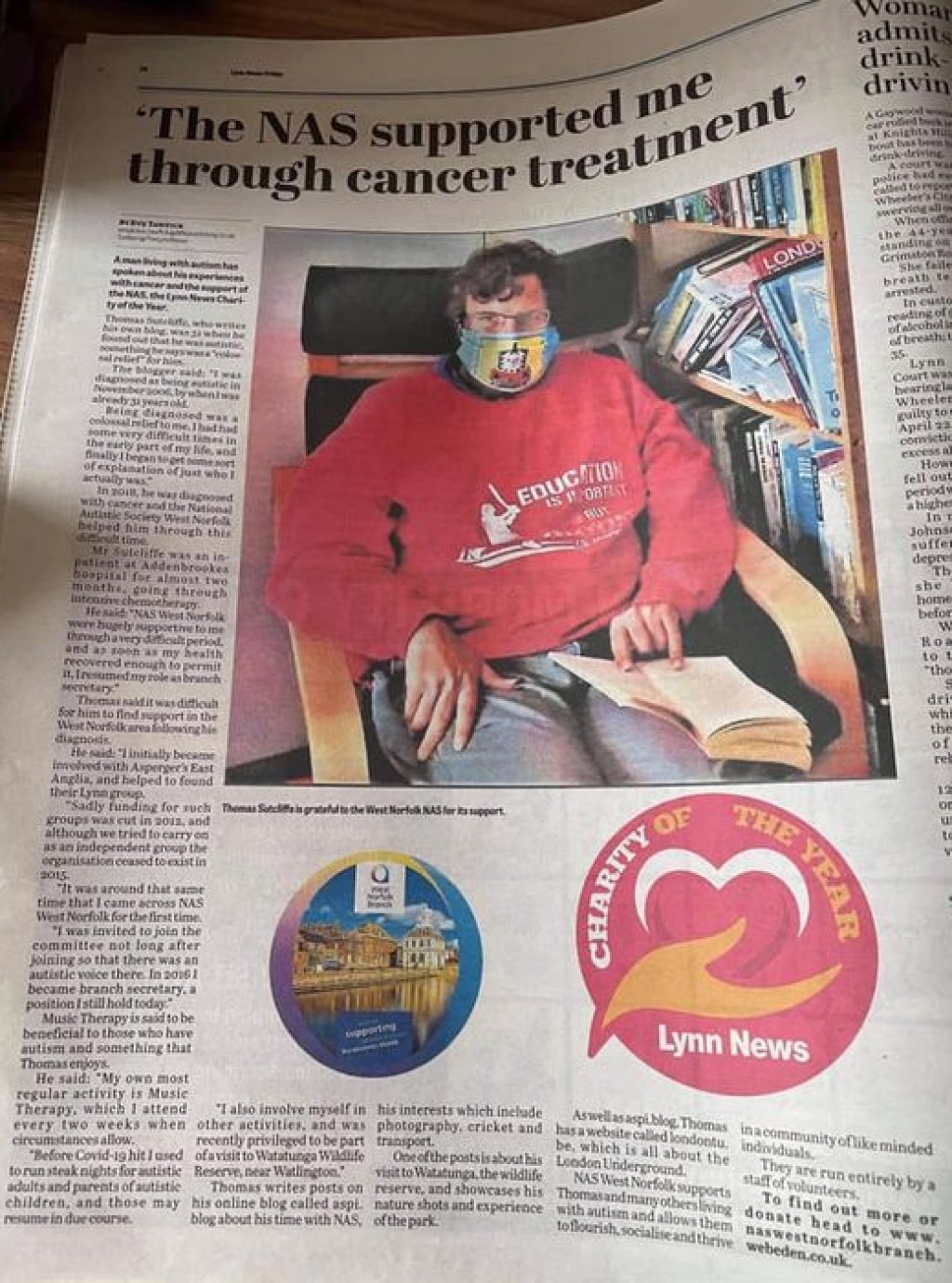
Although I am giving some details from a cricket match and have used that as my title this is not exclusively a cricket article. I also wish to take the opportunity to welcome any new readers who may come to the site as a result of an article about me in the Lynn News, a screenshot of which is the feature image of this post. Also, I am going off on holiday later today, to northern Scotland (I will be travelling on an overnight train for some of the journey), and posting may be limited for the next eight days for that reason.
SURREY V GLOUCESTERSHIRE
This match has seen some dramatic swings in the just over four sessions it has been going for. At 105-1 Surrey looked in control, at 183-5 the pendulum had swung towards Gloucestershire, and by the close yesterday at 285-5 it was evenly poised. Hashim Amla, the former South African international, had a ton to his name by the close and Jamie Overton at n07 reached 50 off the final ball of the day. Overton fell to the first ball of the morning, which brought Sean Abbott to the crease. Gloucestershire then made a very odd call, seeking to keep Amla off strike to attack Abbott who is a decent lower order batter and had been sent in ahead of someone with 10,000 FC career runs to his name. This backfired horribly, Abbott making 40 out of a stand of 61. His dismissal at 346 brought Rikki Clarke (he of the 10,000 FC runs) to the crease, and at the moment he and Amla are still together. The score is now 385-7, with Amla closing in on 150. To come are the two specialist spinners, Virdi and Moriarty. Gloucestershire have been excellent thus far this season, but it is hard to see any way for them to win this game from here.
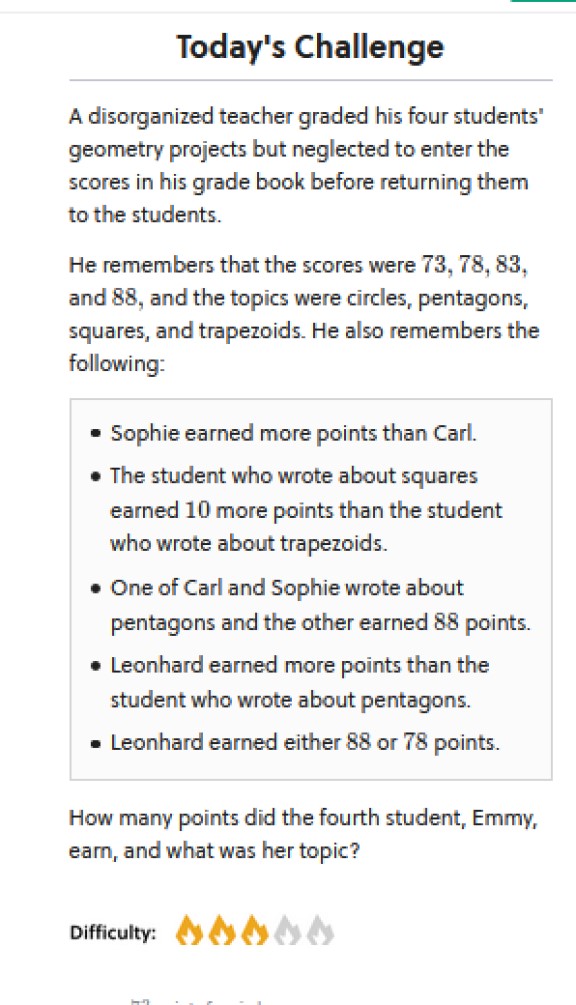
A MATHEMATICAL TEASER
I regularly feature problems I have encountered on the website http://www.brilliant.org here, sometimes adapated, and I do so again today:
A small additional question: can you identify the four mathematicians after whom Carl, Leonhard, Emmy and Sophie are named (answers to both parts of this question in my next post).
PHOTOGRAPHS
I always include photographs in my blog posts, and I have some for you now:
A look at the England number three position where for once there are a number of good options, the reverse of the usual situation through my time following the team.
In this post I deal with a topic well known to all who have followed the England men’s cricket team for any length of time: who will bat at number three going forward? However, this is time the question is apposite for the reverse of the usual reason.
ENGLAND’S NUMBER THREE
The number three position has traditionally been a very tough one for England to fill. In the 1960s it was usually either Dexter at three and Barrington at four or vice versa, but since then it has been an almost continual problem. David Steele did well there in 1975-6, Chris Tavare did what was asked of him in the early 1980s – namely give the order something in the way of backbone, David Gower had one superb series there against Australia in 1985, Michael Vaughan made the position his own in the early 2000s, and a decade later Jonathan Trott was as good a number three as England have had in my lifetime. More recently we have seen Joe Denly there playing a holding role to ensure that the opposition bowlers were not instantly into England’s middle order, and this winter in India with Burns recently returned from a layoff we saw Jonathan Bairstow batting there and failing horribly. Suddenly however there appear to be a wealth of options.
NUMBER THREE PRESENT AND FUTURE
The current incumbent is Zak Crawley, who will bat there against New Zealand behind the opening pair of Burns and Sibley. Crawley scored 267 from no three against Pakistan last summer, but has done little since with Lasith Embuldeniya having his number in the Sri Lanka series, and save for one fifty India giving him a thoroughly miserable time. If Crawley does not produce significant runs against NZ then his place is definitely in jeopardy. There are at least three players who are in the running for his slot by dint of batting superbly there for their counties:
Tom Abell: The Somerset captain was placed at number three with two other Toms, Banton and Lammonby, opening at the start of this season. Banton has already been dropped from opening though did subsequently feature as keeper in one match. Lammonby has played one decent innings this season, and his strong start in first class cricket (459 runs at 51.00 in his first six matches) has been badly tarnished. He is young enough to bounce back, but currently an England call up looks a long way away. Abell at number three, and often with the innings beginning to disintegrate around him has scored over 500 runs this season at an average of better than 60 and is looking every inch an England number three in waiting.
James Bracey: The Gloucestershire batter and occasional wicket keeper was on the fringes of the England squad last season, spending a lot of time in bio-secure bubbles as a reserve. He has continued to impress from number three this season and has been named in the squad for the New Zealand series.
Nick Gubbins: The gritty Middlesex batter has had a superb season batting at three, and his masterly 124 on the final day of the last match against Surrey turned a situation in which Middlesex were hoping to avoid defeat and fearing the worst into one in which Middlesex had a definite sniff of victory before the rain made its final intervention, rendering the chase just too steep.
Of the three named, Abell and Bracey (already in the squad) are both in with a strong chance of being selected. Gubbins is an outside shot, but there seems little doubt that given the opportunity he could do a solid job for England.
SOLUTION TO A TEASER
In my last post I included the following teaser, adapted from brilliant.org:
This post looks at such play as there has been in the latest round of championship fixtures, which have been heavily affected by the weather – there have been bands of rain sweeping across Britain, coming in from the west although by some freak my corner of northwest Norfolk has largely escaped, with only Friday being really wet.
THE EARLY GAME
Hampshire v Leciestershire was supposed to run from Wednesday to Saturday. In fact only a tiny amount of cricket was possible. Hampshire scored 233 in the first innings, bowled Leicestershire out for 84, and forfeited their second innings, leaving Leicestershire 22 overs to score 150 to win. Leicestershire made no serious effort to take on this chase on the game was drawn.
AROUND THE GROUNDS
A number of games have been so badly hammered by the weather that there is no real chance of a result. Kent v Glamorgan and Northamptonshire v Lancashire have already been confirmed as draws, though the former saw an amazing performance from Darren Stevens. Kent at low water mark were 93-7 in their first innings, but ended up tallying 307. Stevens, at the age of 45 scored 190, with 15 sixes and 15 fours. He shared a ninth wicket stand of 166 with Miguel Cummins, whose share of that partnership was one not out. Stevens then added the wicket of Marnus Labuschagne to his share of the spoils. Nottinghamshire v Worcestershire, Durham v Derbyshire and Essex v Warwickshire are all headed the same way, and it will take miracles for any of those games to yield definite results. Gloucestershire v Somerset is likely to be a draw as well, but the way Gloucestershire are collapsing means that it is not dead yet – Somerset scored 300-8 declared, with Tom Abell scoring his first century of the season (overall he now has over 500 runs at an average of more than 60 for the season), and Gloucestershire are 27-6 in reply. That leaves the London derby, in which the Surrey openers, Burns and Stoneman have been utterly dominant – they put on 135 in each innings, equalling the highest ever identical opening stands in FC history, a record set in 1979 by Kepler Wessels and John Barclay of Sussex. Surrey declared just before lunch today at 259-2, setting Middlesex 290 (full scores, Surrey 190 and 259-2 dec, Middlesex 160 and 28-1). Burns completed his first century of the season.
A POTENTIAL ENGLAND NO3
Somerset started this season with a plan for their top order – three guys all answering to Tom, Lammonby, Banton and Abell at 1,2 and 3. Banton has already fallen by the wayside, his career as a first class opener over almost before it began. Lammonby has managed one good score all season, and his dismissal in the game currently in progress, run out going for one that was never there, was the product of a scrambled mind. The one to prosper has been Tom Abell who is handling batting at no3 like one born to perform that task. Crawley remains the man in possession for England, but if he does not score runs against NZ then England may decide that change is needed, and Abell would surely be the logical person to turn to in that case: he is just entering the prime years of a cricketer’s career, he is batting superbly at no3 and several of his best scores have come in very testing situations, all of which give him the appearance of a test no3 in waiting.
A MATHEMATICAL TEASER
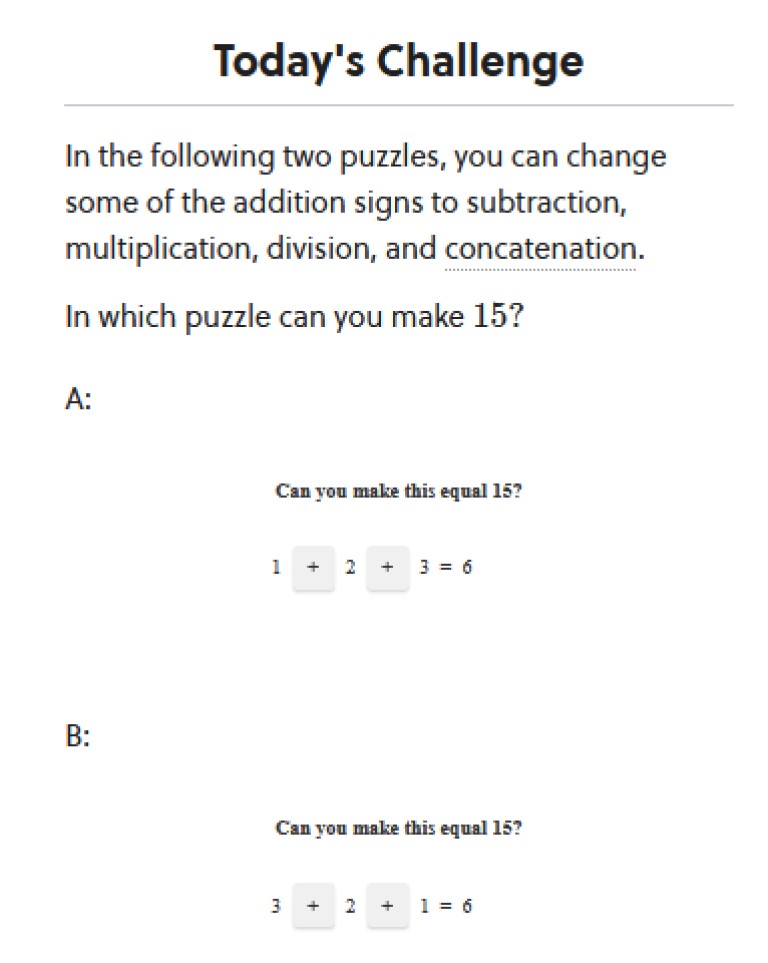
This problem comes from brilliant.org, but I have added a bonus element as well as slightly tweaking the setting:
A brief note on ‘concatenation’: in a mathematical context it is represented by an equals sign flipped through 90 degrees and it means that the two digits between which it appears are joined to form a single number.
Additional ‘bonus’ question: Once you have worked out the answer to the main problem, if one of the two sums cannot be solved under the given conditions what extra operations would need to be permitted to make it solvable? Full explanation in my next blog post.
The first part is quite easy: problem A is resolved simply by using the concatenation symbol to turn the 1 and 2 into 12 and adding the three to get 15. Problem B cannot be resolved (the biggest number you can get without concatenation is 7 (3 x 2 +1 = 6+1 = 7) and the only numbers you can generate by concatenating are 321 (all numbers used, obviously hopeless), 32 which leaves with with one which enables you to finish with either 31, 32 or 33 and 21, which leaves the three, which appears at the beginning. The only integers you can generate with the three and the 21 this way round are 24 or -18.
For the second part you need to allow a minimum of three more operators: square roots and floor or ceiling functions (you only need the latter, but the two operations come as a package). The floor and ceiling functions are respectively the nearest integer below an actual answer and the nearest integer above an actual answer. With these you can concatenate the two and the one to form 21, the square root of 21 is approximately 4.58, the ceiling function of which is 5, and you have the three unused to multiply and make 15.












































































































































































































































































































































































































 aspiblog