A look back at the auction that happened at James and Sons earlier this week and a look ahead to the July auction. Also a bumper photo ga;llery.
Although James and Sons, for whom I work, have just had one auction, there is another ready to go, almost a month before it actually happens. This post looks back at the auction that happened this week and forward to the next one.
THIS WEEKS AUCTION
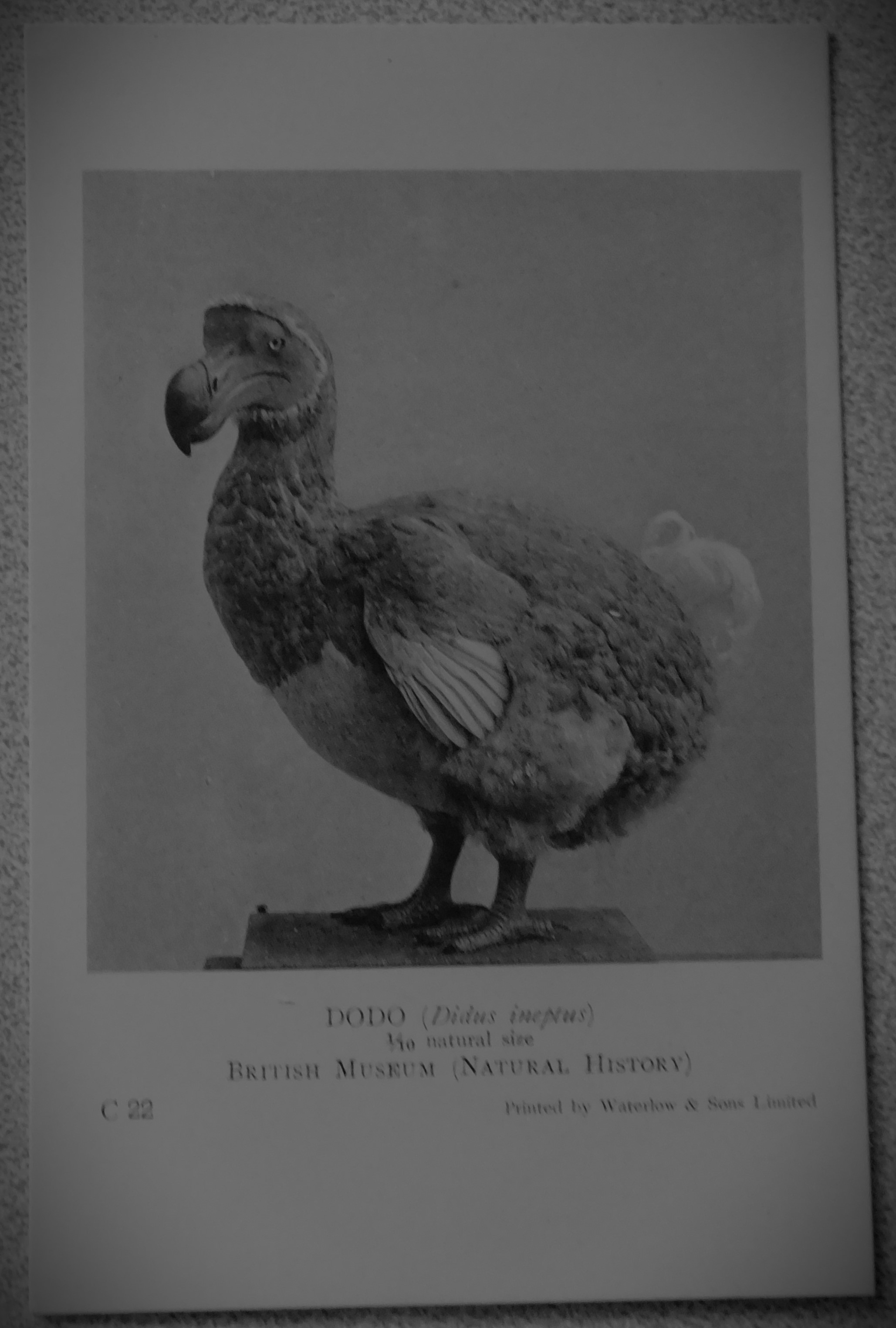
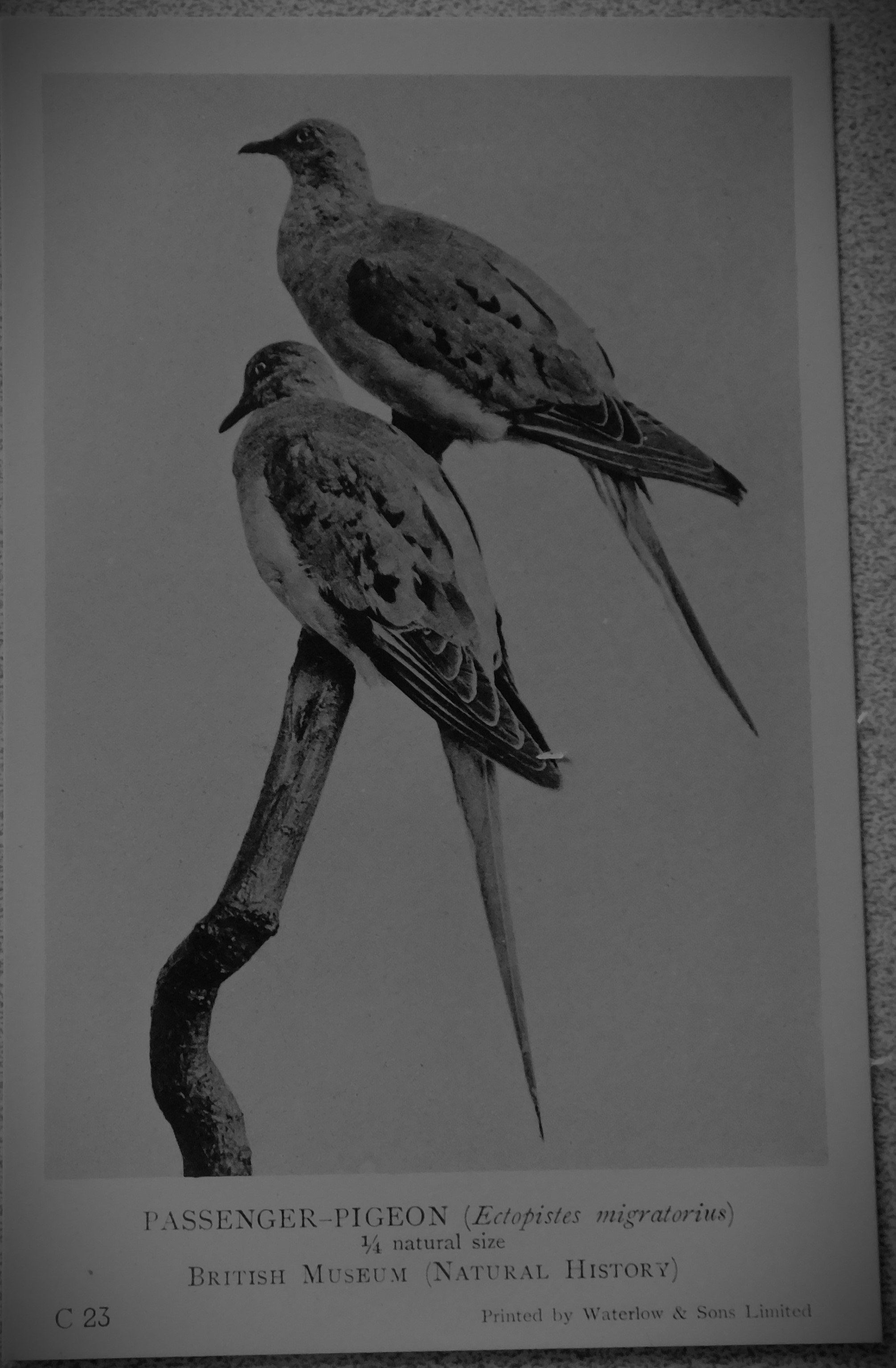
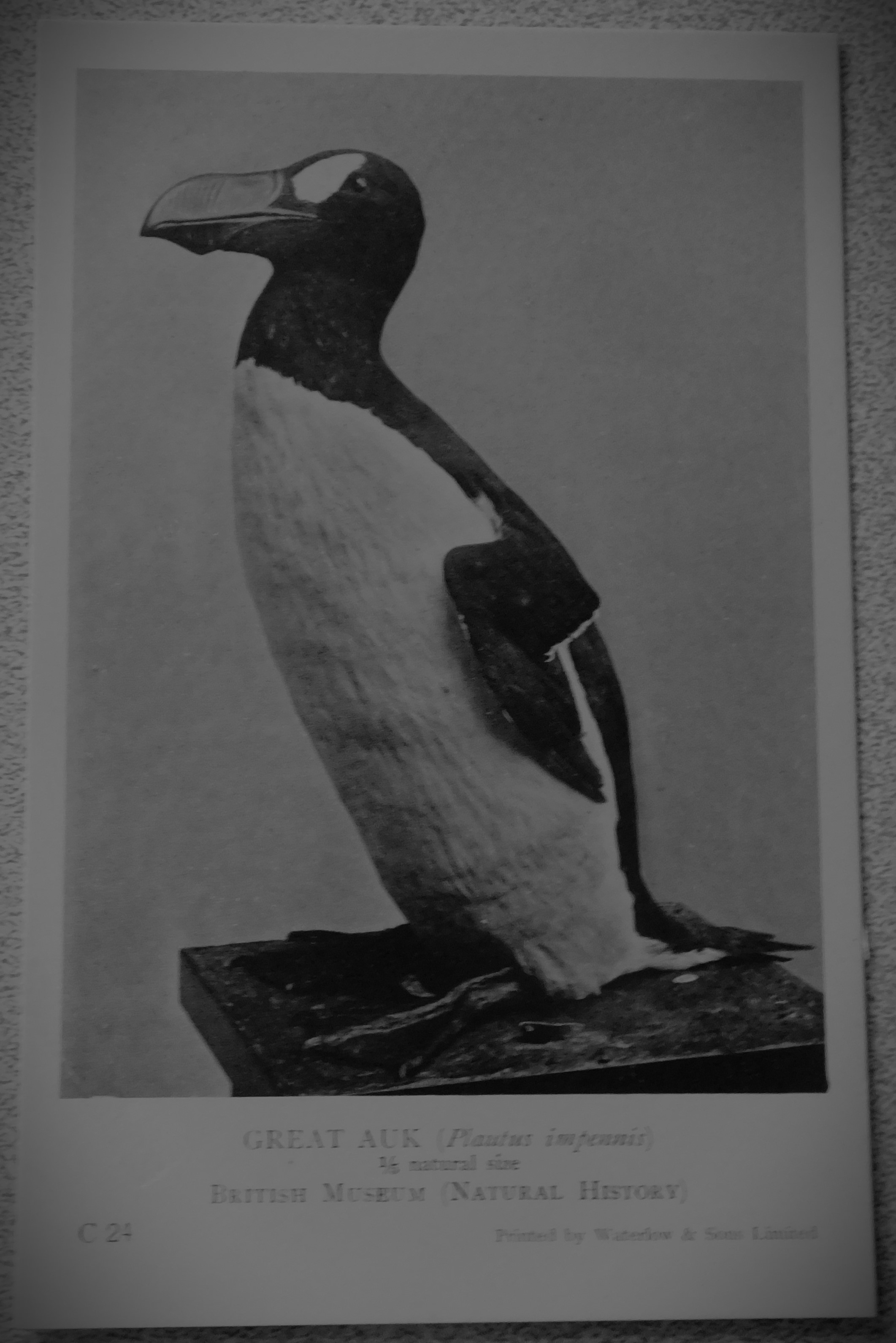
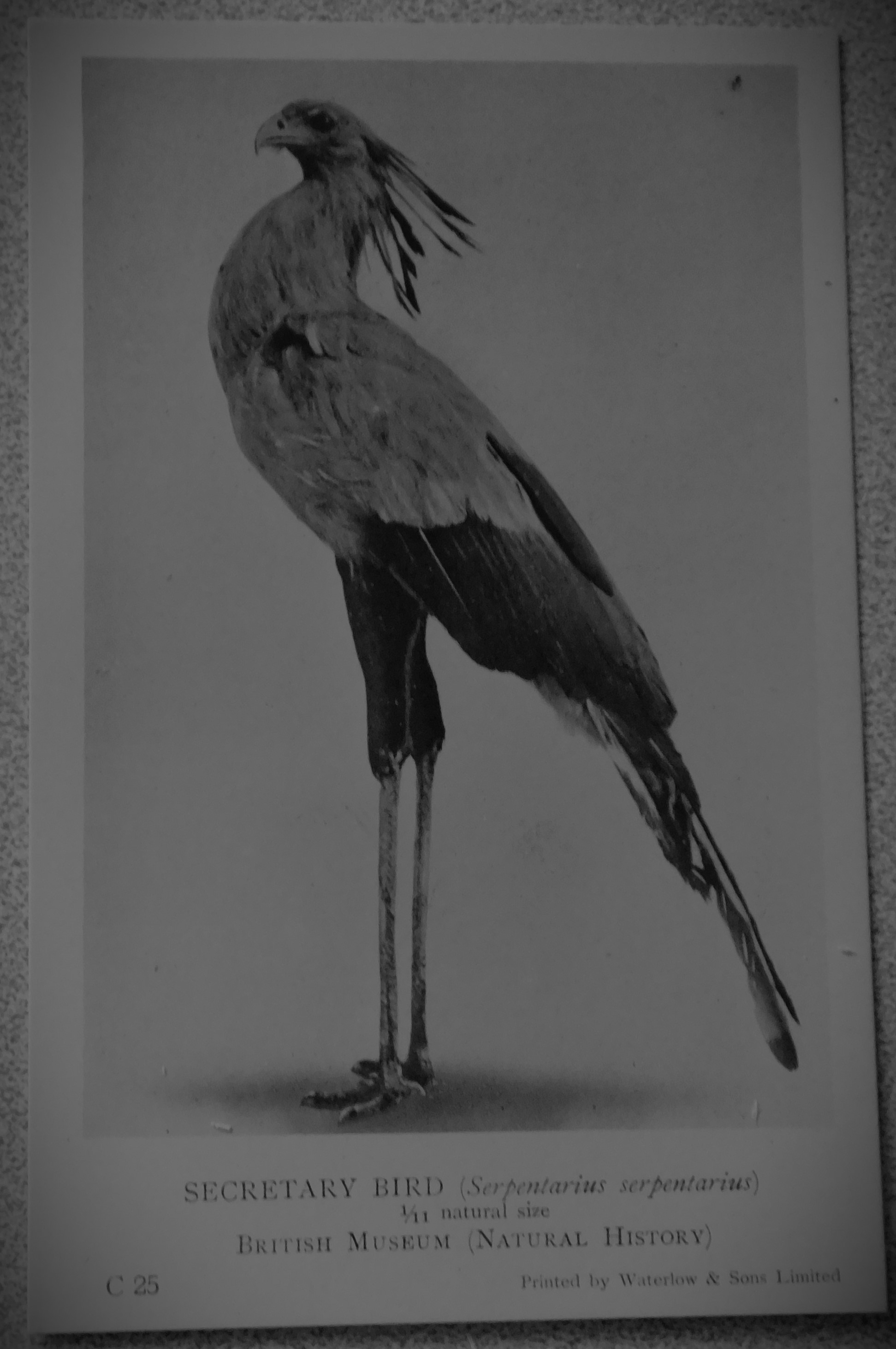
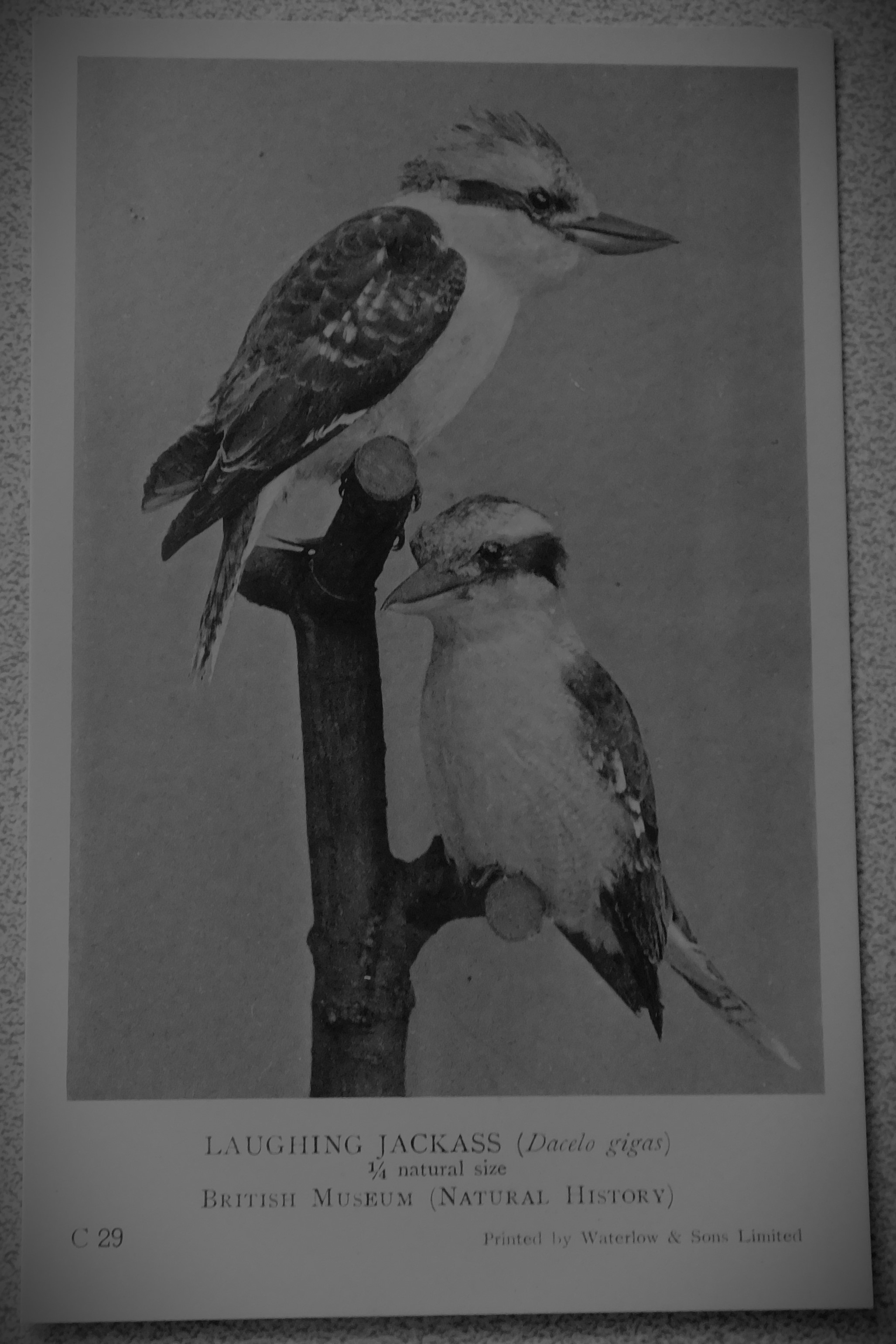
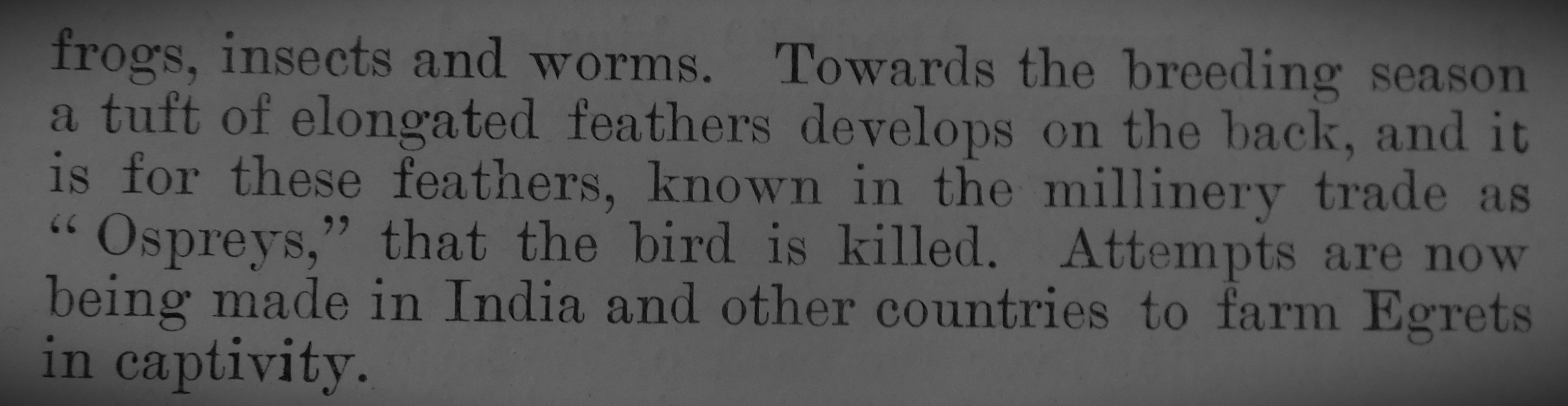
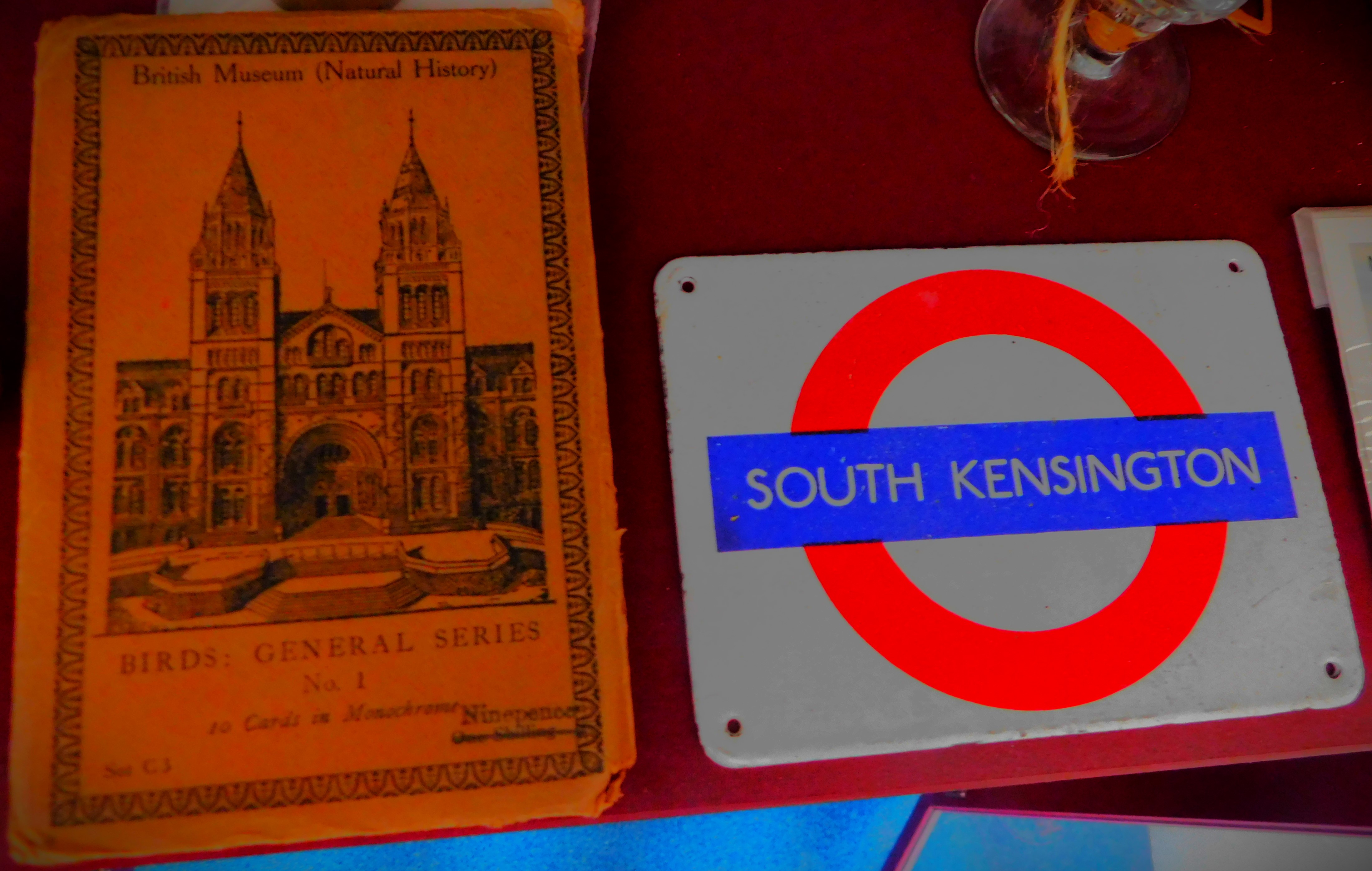
There were 427 lots under the hammer at the auction that happened this Wednesday. It was overall successful. The headline lot, a lifetime collection of real photographic postcards of Swaffham (Swaffham is a market town, more or less forming the right angle of a right angle triangle of which the three corners are King’s Lynn, Fakenham and Swaffham – the hypoteneuse of this triangle is the King’s Lynn-Fakenham side, which measures 22 miles or about 35 kilometres, so it was an item of local interest) housed in an album and all in splendid condition. This sold for £850. I got lucky with lot 611, a set of postcards made from black and white photographs of birds, missing one card, but still in its British Museum (Natural History) wallet and with the accompanying mini-guide to the cards. The designation of the museum in this lot indicates its age – it is a long time since the Natural History Museum was affiliated to the British Museum. Below are my pictures of the lot since acquiring it…
The lot laid out in full display.The wallet/ envelopeIndividual images of the cards in ascending number order.Details of the missing card from the guide (two images)The item in its assigned place in the cabinet of curiosities.
THE NEXT AUCTION
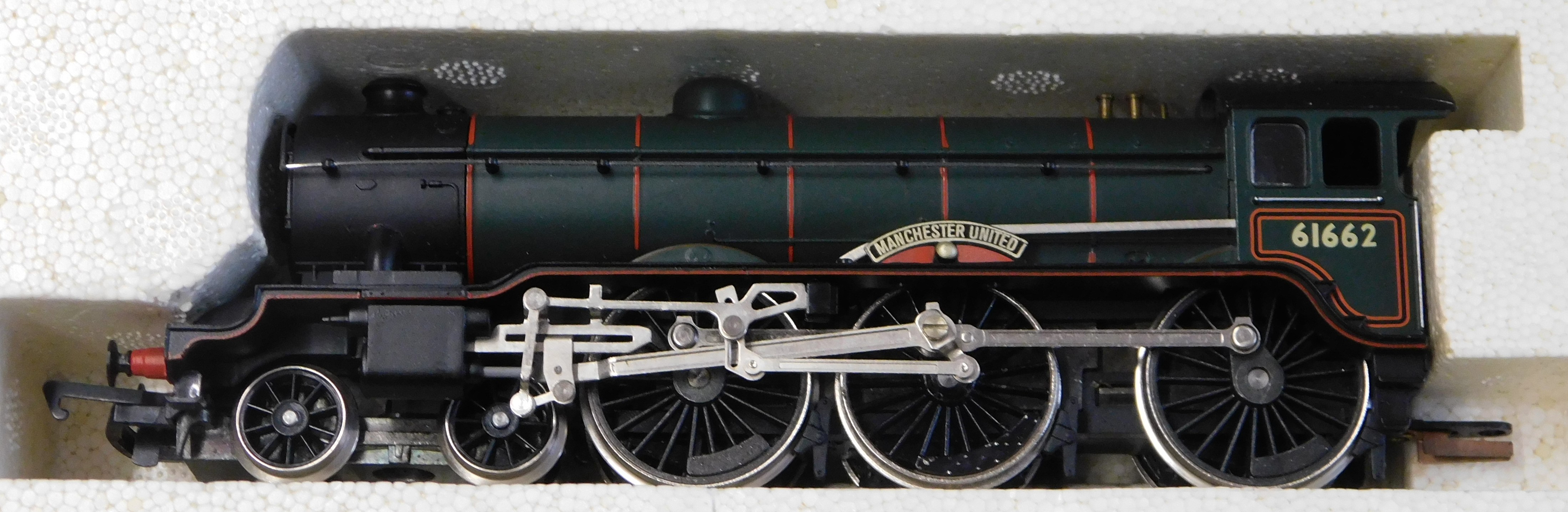
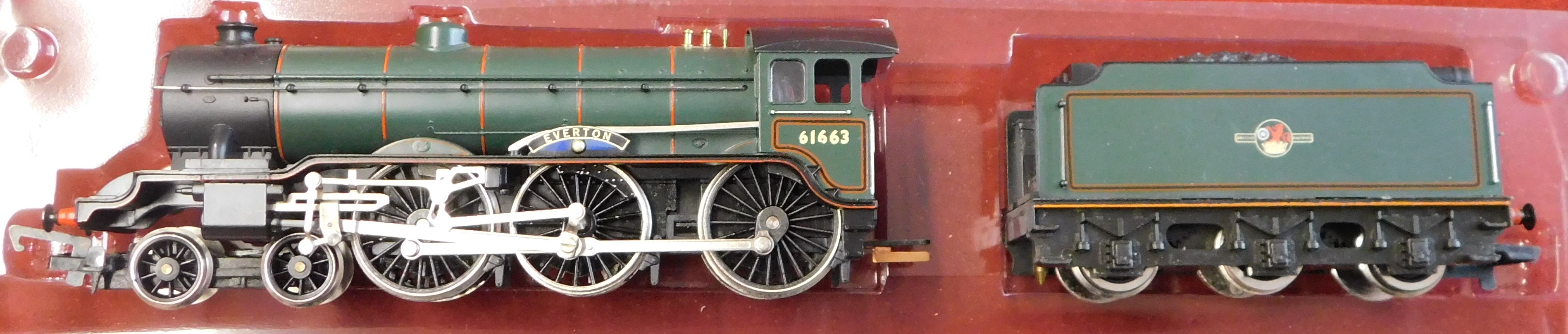
We have two auctions in late July. On Tuesday the 23rd a collection of sporting memorabilia will be going under the hammer, but I have hardly had anything to do with that sale. On Wednesday the 24th over 500 lots of collectors models, mostly trains, but some buses and lorries as well, will be going under the hammer. Imaging for this auction has been my focus for a while (the job is by no means complete, but many more have been imaged than not. The printed catalogue for this auction arrived at our premises this week, and it is already viewable on both our online platforms – links below.
This is from lot 600. My preferred platform for bidding and following the progress of auctions is easyliveauction. The train lots start at lot 501.….the other online platform we use is the-saleroom.com. This image is part of the gallery for lot 603 (almost all of these items are still in their original boxes).As before, the train lots start in the 50os.
PHOTOGRAPHS
I have a bumper gallery of my regular photos to end with…
A brief look back at the closing stages of the first ODI between England Women and Pakistan Women, which took place yesterday.
Yesterday saw the first ODI between the England and Pakistan women’s sides (the day before should have seen a T20I between the men’s sides but unremitting rain all day long led to the authorities at Headingley concluding an hour before the scheduled start time that it would not be possible to get the match on and abandoning it). I was at work for the majority of yesterday’s game, but did get the closing stages.
A SCRAPPY SUCCESS
Pakistan look in with a chance for over half their batting innings, but having got the target below 100 at what should have been a manageable rate with six wickets standing they lost both incumbent batters in quick succession. The over that killed any prospect of a Pakistan revival was a wicket maiden by Sophie Ecclestone which meant that after nine of her ten overs she had figures of 3-24. Although the Pakistan tail reduced the deficit they never looked like challenging in the closing overs. They survived until the final over, but by the time the last ball was bowled they needed 38 from it to win the match, and only scored one of them, so England won by 37 runs. However, it was undeniably slipshod from England’s bowlers, with Extras contributing 40 to Pakistan’s total, including 31 in wides, and a better side than Pakistan would certainly have punished them for this. I missed the batting efforts, but that no one got to 50 (Capsey’s 44 was the highest score of the match) tells a story. So far in three T20Is and one ODI between these sides there has been one individual half century – Wyatt’s 87 in the third T20I, and she was dropped on 12 in that innings. Ecclestone’s 3-26 from 10 overs secured her the Player of the Match award. Full scorecard here.
PHOTOGRAPHS
I have a fine photo gallery to share today…
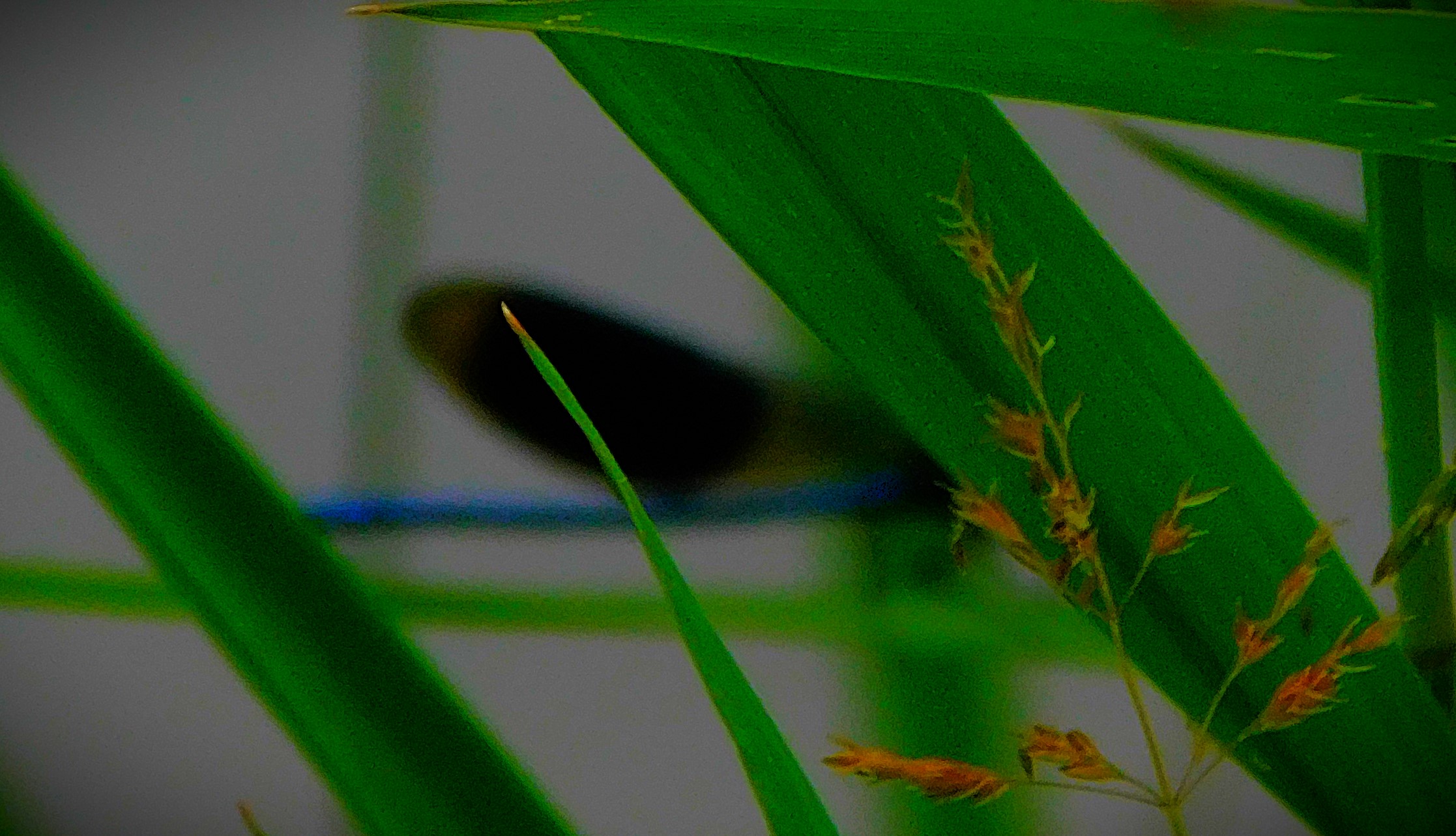
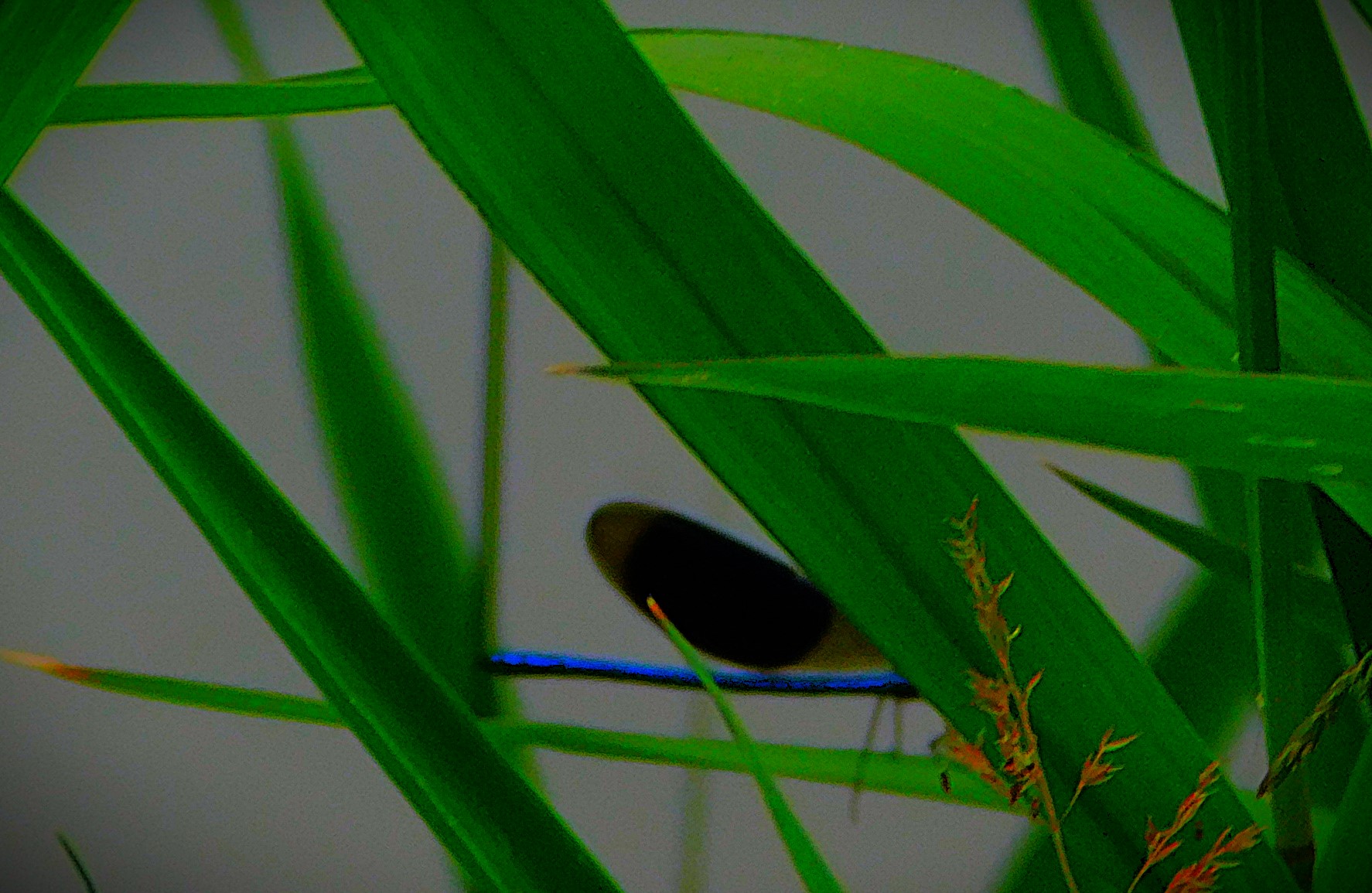
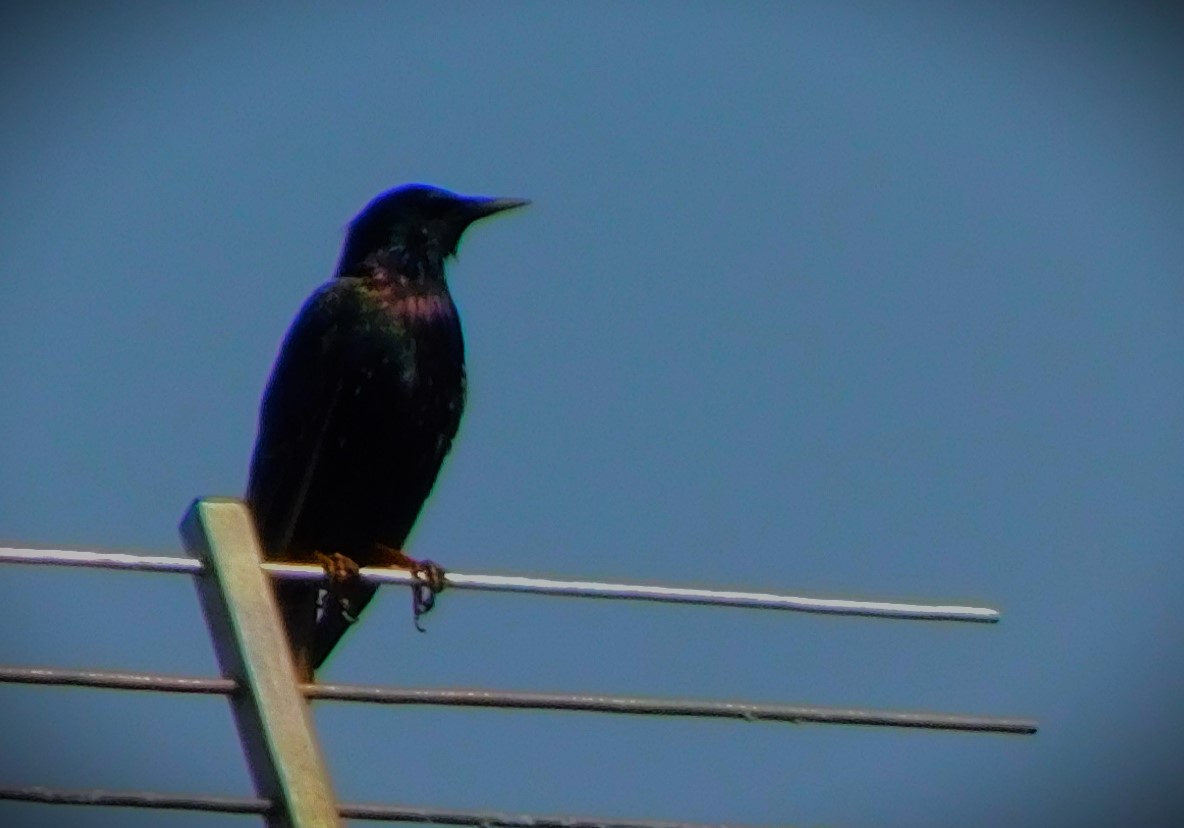
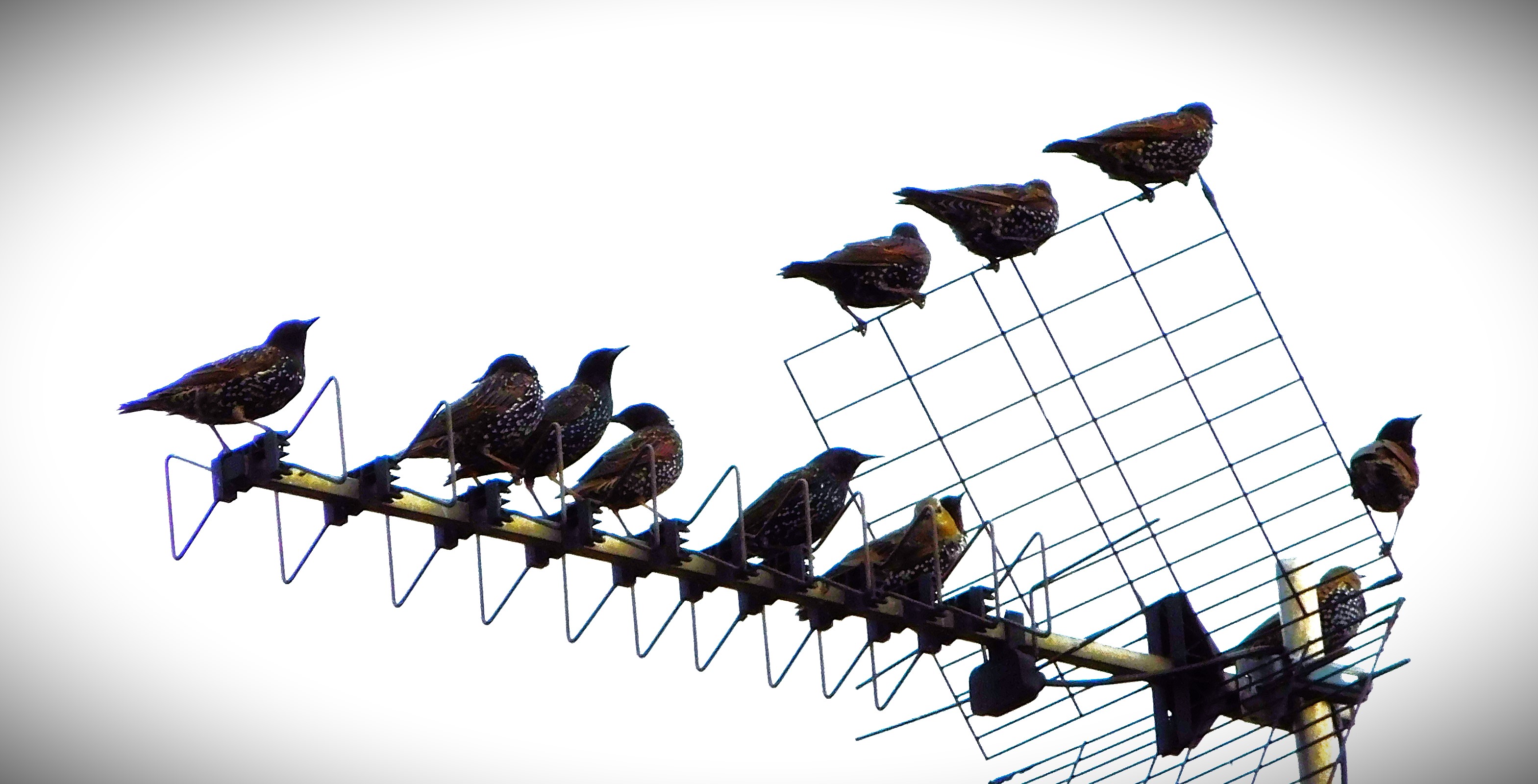
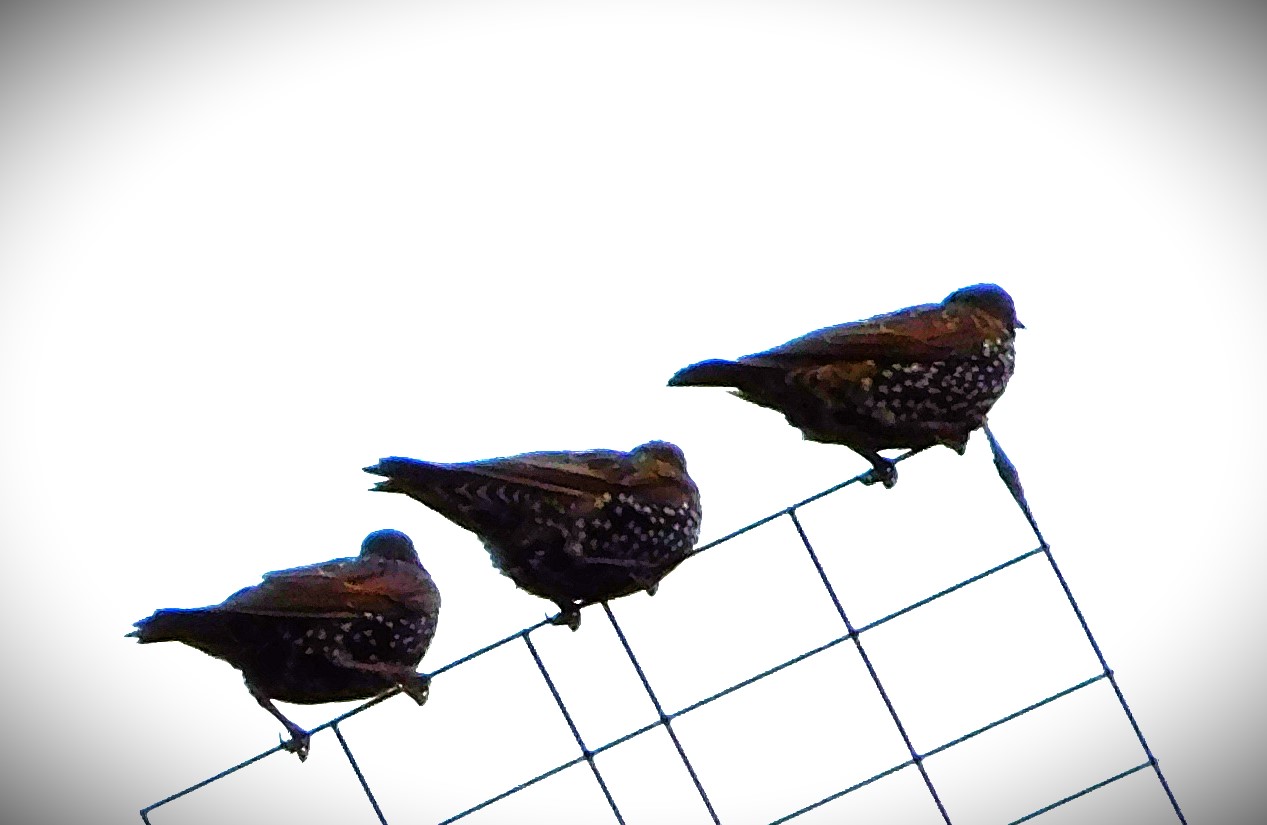
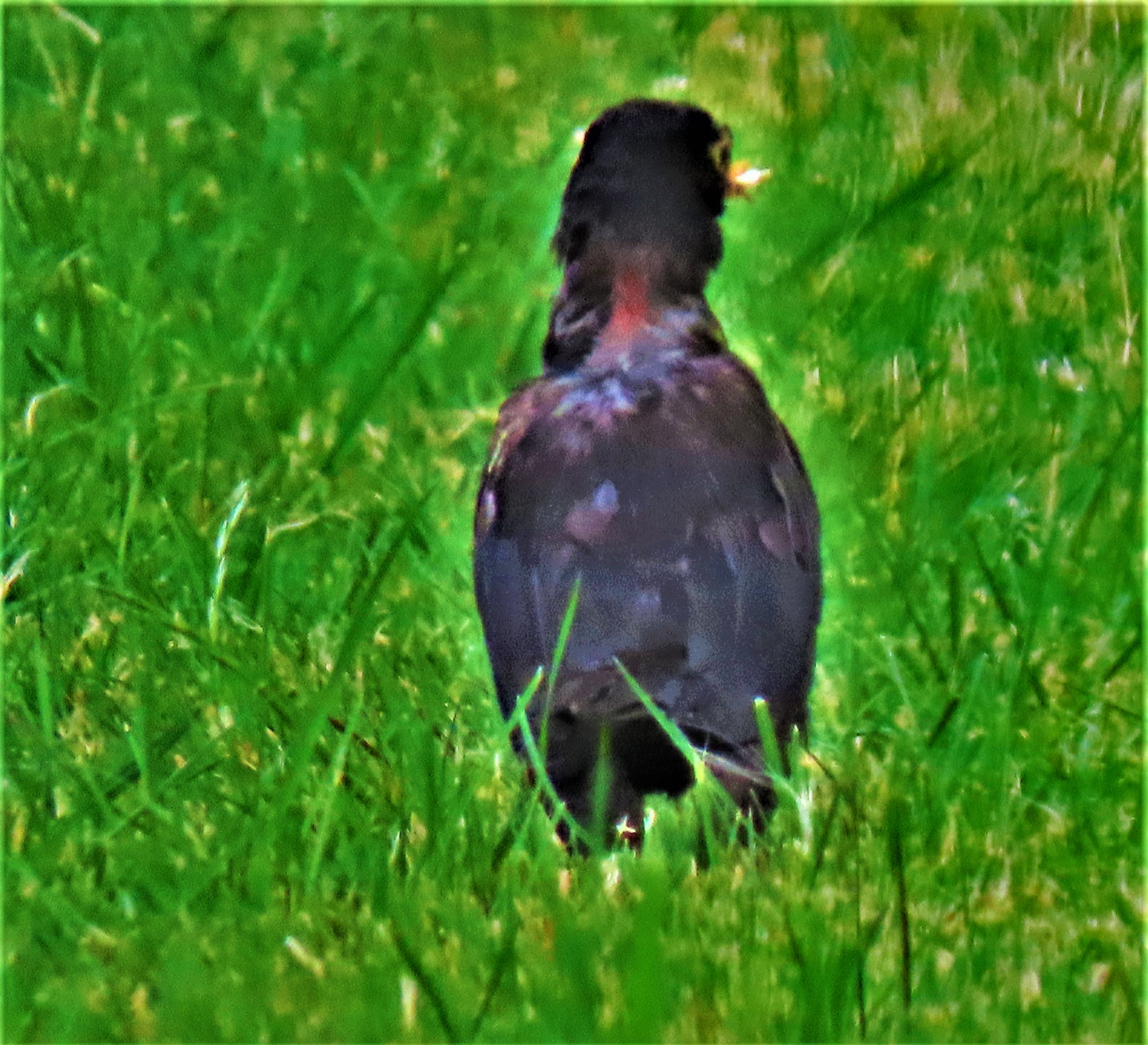
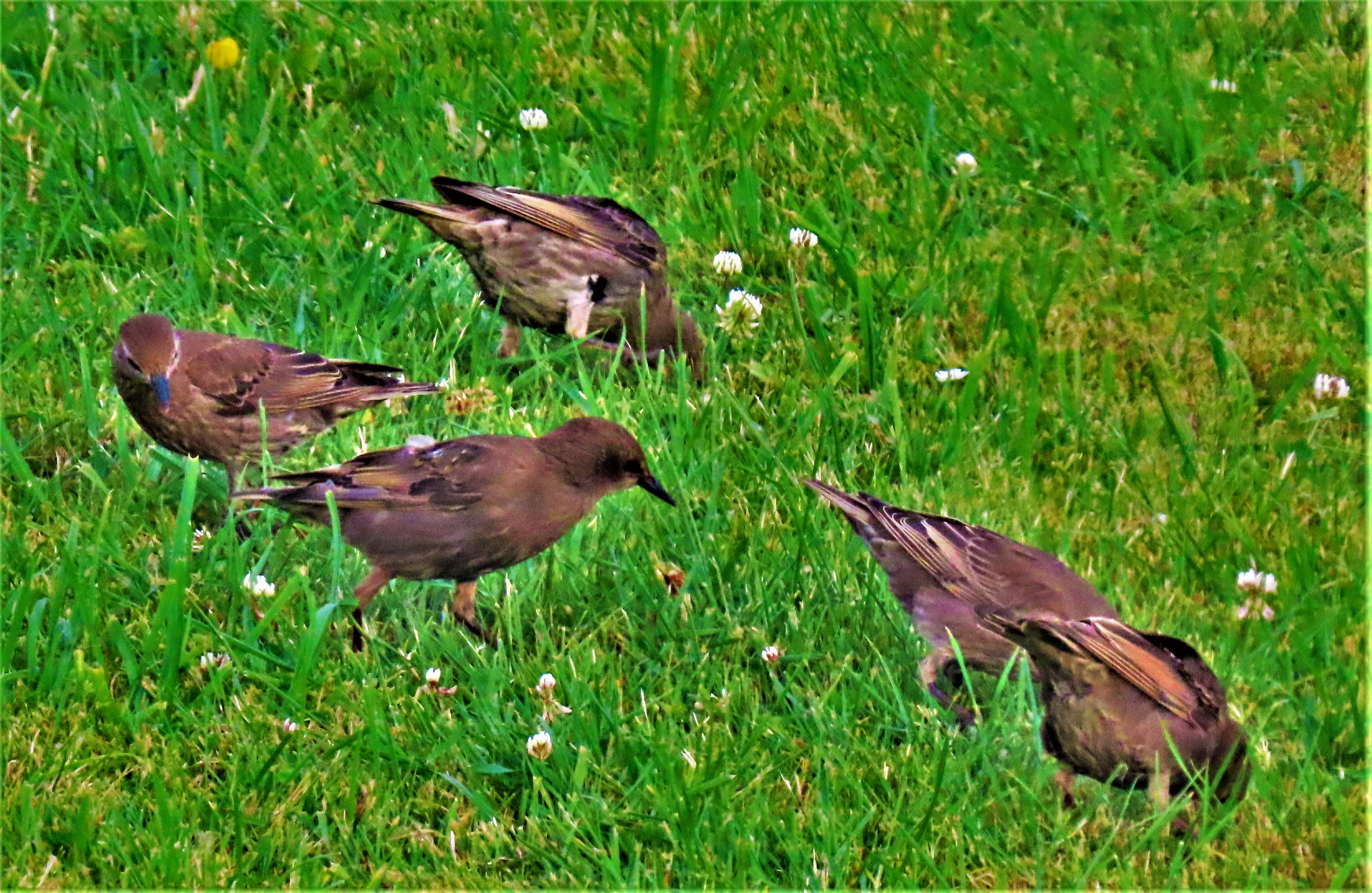
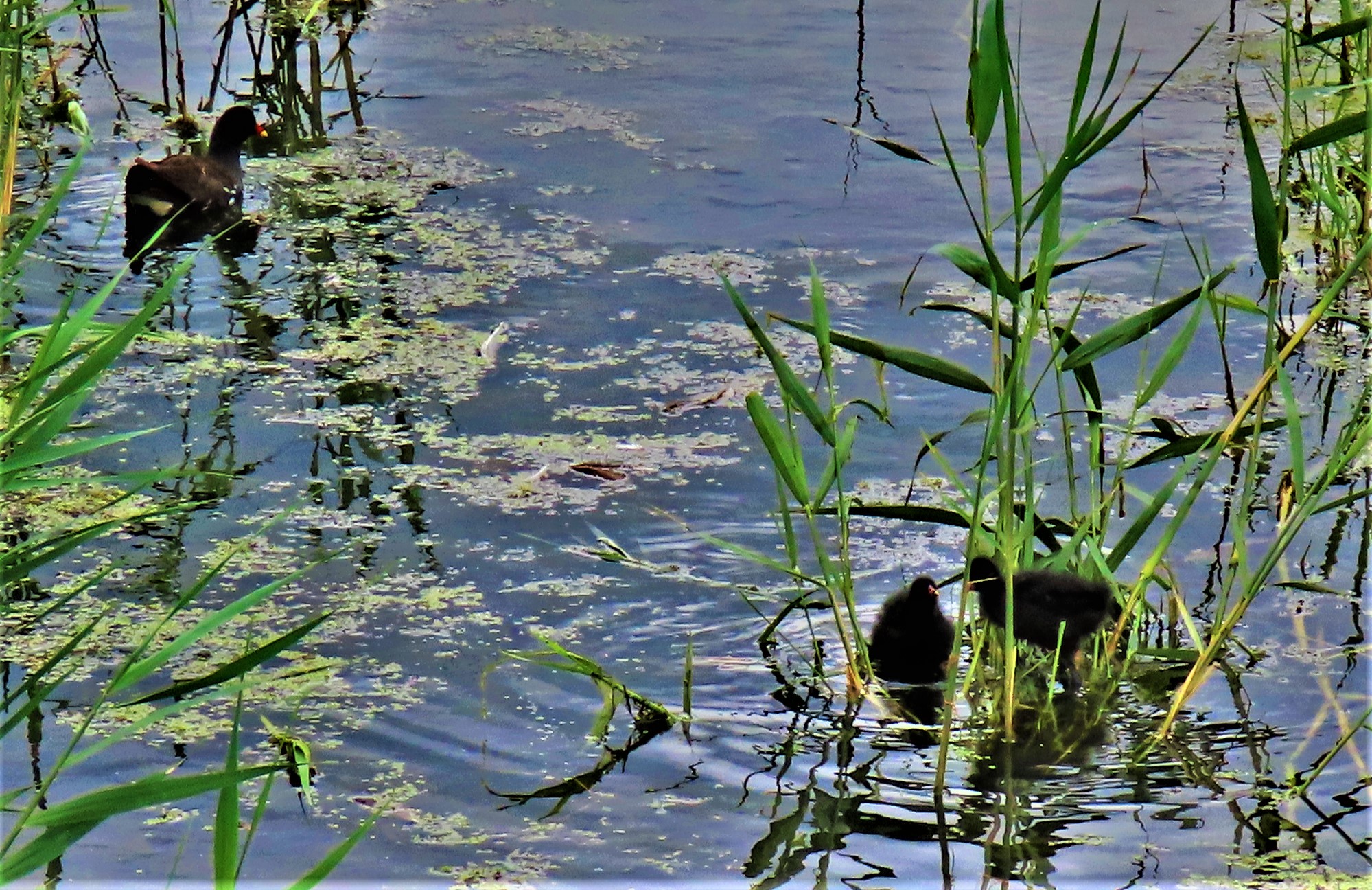
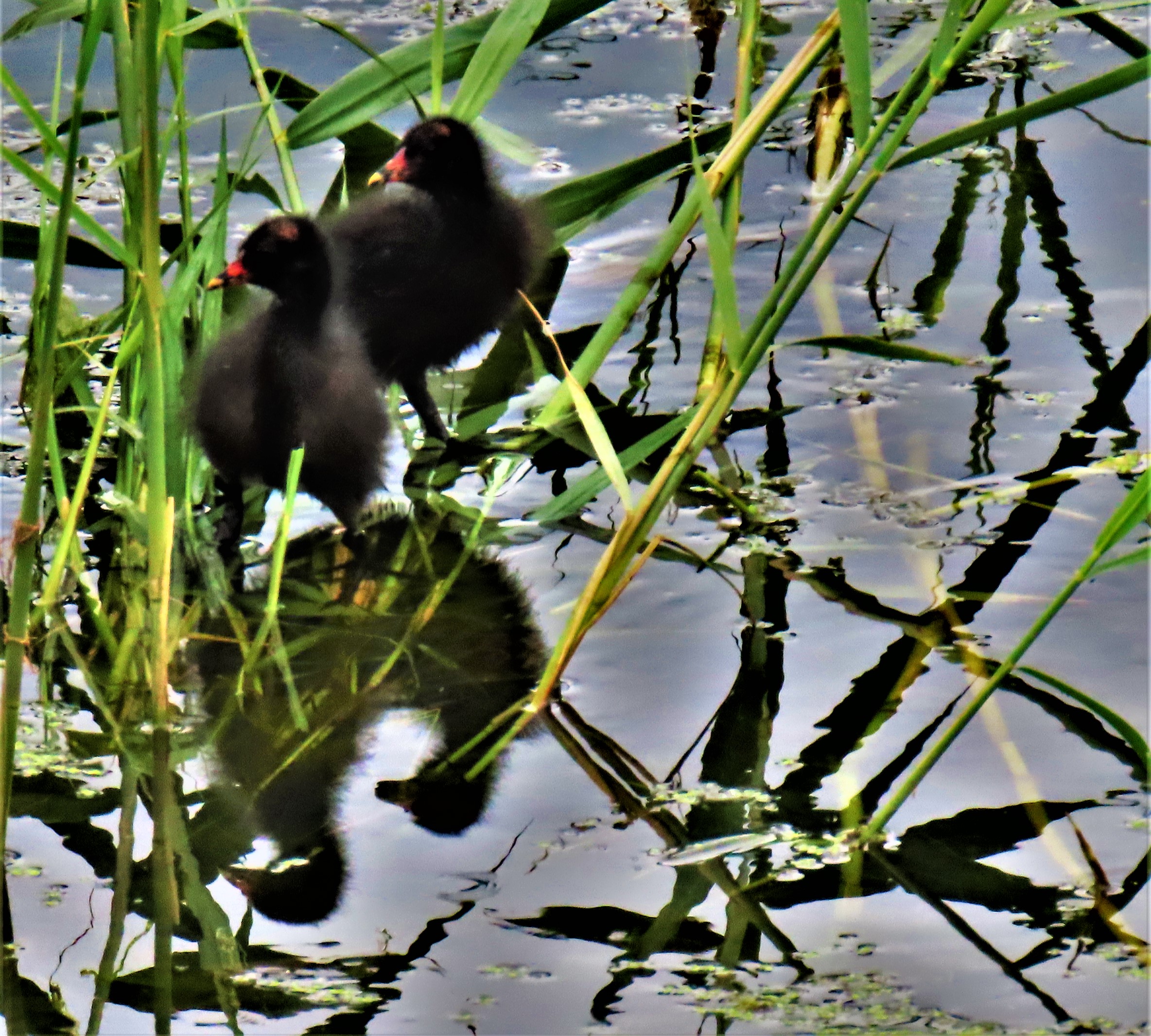
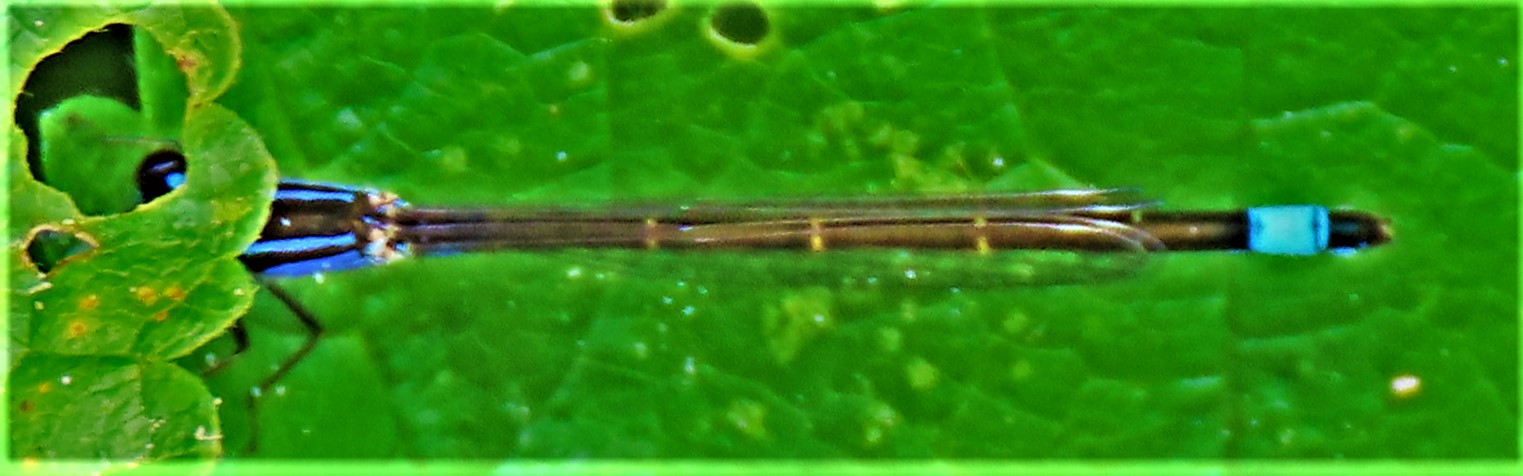
This is some variety of Frog Leg Beetle.This ‘mint humbug’ type snail was resting on the outside of my front door.A floating moorhen nest.I think this is a female cranefly.This was the first photo I took on my out this morning.No two photos of starlings look the same – their appearance changes according to how the light strikes them.Perhaps the best Frog Leg Beetle image I have yet produced.My first Red Admiral of 2024.Some variety of damselfly, spotted near a stretch of Bawsey Drain (three images).
An XI comprising pairs of players (and one threesome) who have similar names but are otherwise different and a fine photo gallery.
This XI comprises players (mainly pairs and one threesome) who share at least a surname but are otherwise very different. I disallowed most of the really common surnames such as Smith or Jones, and similarly ignored names such as Khan, Mohammad or Singh. Also, with the exception of two members of threesome none of these cricketers come from the same family.
THE XI IN BATTING ORDER
Bert Sutcliffe (New Zealand, left handed opening batter). An attack minded opening batter who was capable of utter dominance on his day. The New Zealand first class record is his with 385, in a total of 500 all out.
Herbert Sutcliffe (England, right handed opening batter). Much more defensively minded than his opening partner, a complete contrast in style.
CAG ‘Jack’ Russell (England, right handed batter). We will meet the other ‘Jack’ Russell further down the order. This one had a fine but very brief test career in the course of which he became the first English batter to score twin tons in a test match.
JT Brown, Driffield (Right handed batter, England). The other JT Brown, from Darfield, who will be meeting later actually overlapped with this one. This JT Brown was the first Yorkshire batter ever to top 300, and his test highlights include a match and Ashes winning innings of 140 at the end of the 1894-5 series, which was played from this position in the order, though he usually opened for Yorkshire. He also scored a superb 163 for the Players against the Gentlemen at Lord’s in 1900, the top individual score in a successful chase of 501.
Syd Gregory (Australia, right handed batter, superb fielder). He was the second player ever to score a test double hundred, though his came in ultimately losing cause at Sydney in 1894.
*James Langridge the elder (England, left handed batter, left arm orthodox spin bowler). We will be meeting James Langridge the younger further down the order. This James Langridge averaged 35 with the bat and 22 with the ball in FC cricket, though his England opportunities were limited by the presence of Hedley Verity who always had first dibs on the left arm spinner’s slot. I nominate this James Langridge as captain of the XI.
+RC ‘Jack’ Russell (England, left handed batter, wicket keeper). A great wicket keeper, and a far better bat than he was often given credit for.
Jack Gregory (Australia, left handed batter, right arm fast bowler). One of the finest bowling all rounders ever to play the game, part of the first great pair of fast bowlers to feature at test level, along with Ted McDonald and his batting highlights included a 70 minute century against South Africa.
Danielle Gregory (Surrey, leg spin bowler, right handed lower order batter). The last three players in this order haven’t got an international cap between them, but Gregory is one of the two who could still change that. She is a fine bowler, but England women are extremely well equipped in the spin bowling department.
James Langridge the younger (Somerset, left arm medium pacer, left handed batter). Made his first team debut in the current edition of the One Day Cup.
JT Brown, Darfield (right arm fast bowler, right handed tail end batter). A brief career of 30 matches which yielded him 97 wickets at 21.35, with a best of 8-40.
This side has a good batting line up, with everyone down to Jack Gregory at eight capable of major contributions, and the bowling line up, with Jack Gregory, James Langridge the younger and JT Brown, Darfield to bowl seam/ pace and Danielle Gregory and James Langridge the elder a contrasting pair of spinners also looks good.
HONOURABLE MENTIONS
Adam Gilchrist and West Indies fast bowler Roy Gilchrist were a possible alternative way to fill the keeper’s slot, but even it was a nickname in each case rather than a given one I thought that the two ‘Jack Russells’ was more in keeping with the spirit of the exercise, and also Roy Gilchrist’s discipline was a cause for concern which could only have been addressed by cheating slightly and including Frank Worrell as captain with the other half of the pairing being Australian seamer Daniel Worrall. A. nother possible quibble cook was Bobby Abel and Tom Abell. I could have had a pair of Nottingham born all rounders in John and Jenny Gunn, but felt that Jenny’s bowling was unlikely to be serious factor and that her batting was not enough to warrant selection on its own. I mentioned in the introduction that I tried to avoid really common names, with the exception of the two JT Browns who shared initials as well as a surname, and were usually distinguished by reference to their localities, Driffield and Darfield as I did.
FINISHING TOUCHES
While I have been typing this a match in the Hundred (Women’s) has been going on between Welsh Fire and Trent Rockets. Fire batted first and scored a massive 181-4, an innings dominated by Tammy Beaumont whose 118 is the highest score by anyone, male or female, in the history of the competition. Rockets have got away to a fast start in response, so we may have a classic in the making.
I am starting my usual sign off with a single standalone picture that comes with a story…
This creature, a dragonfly or damselfly of some description had got itself stuck in my house, and I helped it to extricate itself, opening the window closest to where it had ended up and ushering in the direction of said window. When it flew out and away I closed the window. Now for the rest of my usual sign off…
A look at developments so far in the women’s Ashes and a substantial photo gallery.
Yesterday morning the Women’s Ashes got underway with day one of a five day test match (this move being not before time – see here). This post looks at the action so far.
THE PRELIMINARIES
The warm up matches (England v Australia A and England A v Australia) both went better for England than Australia. England’s chosen XI included an international debutant in Lauren Filer and a test debutant in Danni Wyatt. Filer was part of seam/ pace trio alongside veteran Kate Cross and the tall swing bowler Lauren Bell, while the front line spinner was inevitably Sophie Ecclestone. In addition to these Natalie Sciver-Brunt’s medium pace, Sophia Dunkley’s leg spin and Heather Knight’s off spin were also available as back up options. Australia’s side included Ellyse Perry, adding to her many entries in the record books by taking part in a tenth Women’s Ashes series. They opted for two front line spinner, Ashleigh Gardner and Alana King. They also had such strength in the batting department that Annabel Sutherland, a regular number three in Australian domestic cricket and coming off the back of a century in her warm up game was at number eight (she is a seam bowling all rounder, and has a better record at the age of 21 than Perry did when she was that age. Australia won the toss and chose to bat.
DAY ONE
Yesterday was a work day for me, so I missed a lot of the action, but tuned in just in time to catch Sophie Ecclestone’s second wicket. Two balls later Aussie skipper Alyssa Healy was out for duck and it was 226-5. That was as good as it got for England, and by the end of the day Australia were 328-7, with Sutherland going well.
DAY TWO
The second morning definitely belonged to Australia. Bell claimed the wicket of Alana King, but Kim Garth has providing staunch support for the brilliant Sutherland since then. Australia have just reached 450, with Sutherland now on 121. Ecclestone has been by far the best of the England bowlers, and now has figures of 44-9-115-3, with the rest of the attack going at closer to five an over than four – rather a contrast to the men’s test, when England’s supposed front line spinner was the one getting smacked around while the seamers were significantly more economical (on a side note, the England men’s selectors seem to have realized that persisting with Ali is not on – Rehan Ahmed has just been added to their squad). Although Australia are in a very strong position England are themselves a powerful batting side, with an opener, Beaumont, coming off a double century in her warm up match and a few others in good form. As I type this Garth has just been given LBW to Ecclestone, though she has reviewed it, it has been confirmed as out and Australia are 457-9, Ecclestone has 4-120 in her 45th over of the innings. Darcie Brown, the sole member of this Aussie XI with no batting pedigree has joined Sutherland at the crease.
PHOTOGRAPHS
The first four pictures in today’s gallery were taken a few days earlier than any of the others, which all date from the last couple of days. To view a photo at full size just click on it.
Today’s all time XIscricket post, probably the penultimate in the series, gives the limelight to some of the best players not to have graced the test arena.
INTRODUCTION
Today’s installment in my ‘all time XIs’ cricket series is envisaged to be the penultimate one – I have already selected my teams for tomorrow, and on Thursday I shall be writing about the resumption of test cricket, with one full day and part of the second to provide me with material if all goes well (overlapping the finish of this series with the restart of test cricket is part waiting for developments in the test match and part insurance policy in case of rain. Today we have a team of players who flourished too early and/or in the wrong country to play test cricket and a team of players whose selectors overlooked them in spite of consistent success at first class level.
SYDNEY SMITH’S XI
John Thewlis – right handed opening batter. He finished just before test cricket started. He scored the first first class century ever for Yorkshire, thereby inking himself indelibly into cricket’s history.
Ephraim Lockwood – right handed opening batter. He was called up by Yorkshire in emergency as a teenager. When he walked out to open the innings with his uncle, the aforementioned Thewlis, he was jeered by spectators because he did not have the correct kit. They had plenty of time to amuse themselves at the expense of his sartorial inadequacy since he contributed 91 to an opening stand of 176. In August 1876 he was captaining Yorkshire against Gloucestershire at Clifton, with WG Grace coming off the back of 344 for MCC against Kent and 177 against Notts in his last two innings leading the home county. Grace won the toss, batted, and allegedly said in appreciation of the pitch “I shan;t get myself out today, you will have to get me”. He proceeded to make a chanceless triple century, his second in less than a week, driving the Yorkshire fielders and bowlers to the brink of mutiny. At one point Allen Hill flatly refused to bowl when asked to do by his captain.
Mahadevan Sathasivam – right handed batter. He only got to play in 11 first class matches, spread over five years, and he averaged 41.83, several decades before his country, Sri Lanka, attained test status.
Steve Tikolo – right handed batter. Kenya’s finest ever batter, he played in the 1996 world cup, being part of the historic win against the West Indies and also making 96 against Sri Lanka in a defeat. His first class average of 48 was much better than his limited overs record and suggests that he would have been well suited to test cricket.
Ryan ten Doeschate – right handed batter, right arm medium fast bowler. The finest cricketer The Netherlands have ever had, he was a stalwart for Essex through most of the first two decades of the 21st century. His first class figures are excellent, his ODI record makes breathtaking reading, even allowing for the weakness of some of the opponents he faced in that format.
*Sydney Smith – left handed batter, left arm orthodox spinner. A West Indian, he qualified by residence for Northamptonshire in 1909, did the double in his first season and went on to a distinguished first class career, averaging 31 with the bat and 18 with ball (approx equivalents on today’s flatter pitches, 46 and 27). Inspired by his presence Northamptonshire, promoted to first class status in 1905 and previously known only for taking hammerings, finished second in 1912, a position that 108 years on they have not improved on.
+Fred Wyld – wicket keeper, right handed batter. A good enough batter to have a first class hundred to his name. His career ended just before test cricket in England started – he was part of the MCC side that played Australia in the game at Lord’s in 1878 that produced the lowest aggregate ever for a completed first class match – 105 runs for 31 wickets. In the second innings he and Flowers, also of Notts, shared a stand that accounted for 15 of MCC’s 19 all out.
Bart King – right arm fast bowler. The greatest of all USian cricketers, but not quite great enough to propel them to test match status (it was talked about at one point). He had a credit balance between his batting and bowling averages, averaging 20 with the bat and 15 with the ball in first class cricket.
Palwankar Baloo– left arm orthodox spinner. He took his first class wickets at 15 a piece, playing a decade or so before his country gained test status. As a low caste commoner he could not, unlike ‘Ranji’, ‘Duleep’ and the elder Nawab of Pataudi light out for England and establish himself there. Indeed caste prejudice delayed his selection for The Hindus in what was then the Bombay Quadrangular, and which later became the Bombay Pentangular and later still was abolished.
Sandeep Lamichhane– leg spinner. The Nepali has made a big name for himself playing franchise and limited overs cricket, and I hope that he will eventually get to play regular first class cricket. There is little chance of him ever being a test player, because Nepal are not currently close to being strong enough as a whole to compete at that level, and such elevations need to managed carefully – Bangladesh and Zimbabwe both suffered from ill-timed promotions to the top table, as in a different way have Ireland, while Afghanistan’s promotion was properly managed.
William Mycroft– left arm fast bowler. He was just too old to catch the start of test cricket, being born in 1841. He took 863 wickets in 138 first class appearances at 12.09.
This side has a strong top five, a genuine all rounder at six, a keeper who can bat and four excellent and well varied bowlers. Mycroft and King look an excellent new ball pairing, with ten Doeschate as support seamer if needed, and Lamichhane, Baloo and Smith to bowl spin.
CEC PEPPER’S XI
John Langridge – right handed opening batter. He amassed 76 centuries in his long first class career, but was never once selected for England. He also pouched 788 catches in the field.
Alan Jones – right handed opening batter. He was selected for England against the Rest of the World in the hastily arranged series of 1970 which took the place of the planned visit by South Africa, but that series was not accorded test status (although illogically certain later matches between Australia and non-national XIs have been given test status and contribute to, to give just one example, Shane Warne’s wicket tally. He scored more first class runs, 36,049 of them including 56 centuries, than anyone else who never to got to play test cricket.
Percy Perrin – right handed batter. He amassed 66 first centuries, including a best of 343 not out, which at the time he compiled it was the fifth highest score ever in first class cricket. His driving off the front foot was so fierce that opposition teams would regularly have four fielders posted in the deep to reduce his scoring rate from such shots. Yet the England selectors ignored him completely. Ironically once his own career was done he became a selector himself, and was at one stage chairman of selectors.
Jamie Siddons– right handed batter. His career began in the mid 1980s and ended at the start of the 21st century. In that period he scored just over 11,000 first class runs at an average of 45, a very impressive record, but not quite enough to secure him a baggy green.
Tony Cottey – right handed batter, occasional off spinner. The 5’4″ Swansea native scored almost 15,000 first class runs at an average of 36. He also tended to produce when his side really needed it – he would be far more likely to make a hundred if he came in at 30-3 than from 300-3. However, England selectors have always seemed to have great difficulty comprehending what is going on to their west, and Cottey was a victim of this, somehow being entirely overlooked at a time when the England middle order was not generally noted for its solidity.
Basil D’Oliveira – right handed batter, right arm medium fast bowler. He did get to play test cricket eventually, but his international career started for England when he was in his mid-thirties, instead of for his native land a decade earlier. His performances in the cricket he was allowed to play in his native land, and for the SACBOC XI, the only remotely representative South African side to be selected prior to the 1990s (there were no whites involved, but not because they were excluded – they chose not to participate) give a hint of what the world missed because of this. While I acknowledge, as I did yesterday, the misfortunes of those such as Graeme Pollock, whose careers were ended prematurely by their country’s isolation I am far more concerned for the likes of Krom Hendricks and others who were deprived of the opportunity to forge an international career purely because of the colour of their skin, and my selection of Basil D’Oliveira, a man who in spite of being well past his cricketing prime by the time he got to play test cricket averaged 40 at that level and took some important wickets (notably that of Barry Jarman at The Oval in 1968 in the game in which he scored 158 in the first innings, which opened up the tail for Derek Underwood) is an acknowledgement of their plight.
*Cec Pepper – leg spinner, right handed batter. He averaged 29.64 with the bat and 29.35 with the ball in a 44 match first class career. He was also a highly regarded Lancashire League pro, having decided that he was not going to be selected for his native Australia. Once his playing days were finished he became an umpire.
+Colin Metson – wicket keeper, right handed batter. An excellent keeper for many years, but England were always looking for a better batter to do the job. It was true that Metson was no great shakes with the willow, but he did score useful runs on occasion (and nearly all of his runs were useful – like Cottey he responded well to his side being in need).
Don Shepherd – off spinner. He took more first class wickets than any other bowler who never played test cricket (2,218 at 21.32). It must be acknowledged that England had a wealth of good off spinners at the time, with Appleyard and Laker overlapping the early part of his career, Illingworth, Titmus, David Allen and John Mortimore being around during the latter part of his career, but nevertheless it does look odd that he never got picked at all.
Eddie Gilbert – right arm fast bowler. Playing for Queensland against NSW he once produced a spell that included inflicting on Bradman what the great man himself described as “the luckiest duck I ever made.” NSW were dug out of trouble on that occasion by Stan McCabe who scored a double century. Bowling against Jardine in one of the minor matches of the 1932-3 Ashes tour he scored a hit on the England skipper’s hip which according to eyewitness Bill Bowes left a discoloured area the size of a soup plate. Had Australia decided to fight fire with fire, he along with ‘Bull’ Alexander, Laurie Nash and Jack Scott was one of the fast bowlers they might have turned to. As it happened Australia went for the moral high ground, and for firing of whingy cables to the MCC headquarters in London (nb the first complaining cable was sent when Australia were headed for heavy defeat in the third match of the series at Adelaide – no complaints after the opener in Sydney when McCabe made runs in an Aussie defeat, nor after the second at Melbourne when Bradman made a ton in an Aussie win, but only once it was obvious that England were taking a firm grip on the series did the complaining start). Eddie Gilbert may well have been a victim of prejudice – he was aboriginal, and the first player of acknowledged aboriginal descent to don the baggy green was Jason Gillespie in the 1990s.
George Dennett– left arm orthodox spinner. 2,151 first class wickets at 19.82 for the Gloucestershire man, and never an England cap. When he was in his absolute prime in the years running up to world war 1, first Wilfred Rhodes and then Colin Blythe (2,503 first class wickets at 16) were the left arm spinners of choice for England, and with Woolley a regular pick for his batting and also a fine left arm spinner there was simply no vacancy for a second specialist in that role.
This side has a strong top six, a genuine all rounder at seven, a splendid keeper and three excellent specialist bowlers. The pace department is weak, but George Dennett regularly took the new ball for Gloucestershire, and Pepper as a Lancashire League pro must have done so on occasions as well. I might have strengthened the pace bowling department by including Tony Nicholson (879 wickets at 19.76 each for Yorkshire), but I wanted Pepper as captain, and felt that Dennett and Shepherd had irrefutable cases for selection and that I could not afford to drop a batter to accommodate Nicholson.
PHOTOGRAPHS
Time for my usual sign off…
A damselfly of some description on a leaf
you can just see the folded wings, pressed right against the long body in these two close ups.
Some thoughts about a piece of particularly vile “journalistic” malice that was brought to my attention yesterday.
INTRODUCTION
The main body of this post is inspired by the recent behaviour of a publication with whose name I will not sully this site, which has been despicable even by their standards. I also have a special photo section at the end.
THE STOKES STORY
Britain’s most notorious rag recently descended from its customary residence in the gutter to the most stinking, foetid depths of the sewers with a hit piece raking up details from events that occurred over 30 years in the life of the Stokes family. Apart from raking up and old tragedy they were also according Ben Stokes himself inaccurate in various ways, which again is par for the course for this particular rag.
Several things are needed to deal with so called “newspapers” which behave in this fashion:
IPSO, a toothless paper tiger of an organization, needs to be abolished, and all publications and websites which describe themselves as being about news should be required to sign up to IMPRESS, giving them one month in which to have achieved this or else be closed down.
A serious code of practice, with serious penalties up to an including a permanent ban from publication needs to be introduced and enforced (I am not a fan of making legislation retroactive, although that would certainly eliminate from the scene both the publication that inspired this piece and at least one other so called ‘newspaper’.
The kind of malice masquerading as “journalism” that this filthy rag perpetrated at the expense of the Stokes family can only be dealt with properly if seriously harsh measures are available to punish such wrongdoers (Stokes may well win a fairly hefty amount in damages but this will bother neither the hacks involved nor the owner of their publication, as it will not be sufficient to hurt them). Also, because there are no specifications about corrections and apologies (which should be required to be given at least as much prominence as the original story), even in the unlikely event of IPSO bestirring itself do anything in that regard you can be sure that any correction will be buried deep in an anonymous middle page in tiny type.
I also think that the ECB and Test Match Special should be taking action – the latter should make it clear to everyone who works for the rag in question that they are now persona non gratae at all English cricket grounds, while Test Match Special should exclude anyone from the rag from any of their media panels and from appearing as part of the commentary team.
CALENDAR SELECTIONS
I have picked out the pictures from which the final selection for my 2020 wall calendar will be made, and I present them here:
My thoughts on the changes to the England squad for the upcoming 4th Ashes Test and lots of photographs (do let me know of any you think calendar worthy!)
INTRODUCTION
England have made a couple of changes for the upcoming (and crucial) fourth Ashes test match at Old Trafford. This post looks at those changes and at England’s hopes, and optimistic as ever, discounts in the interests of simplicity the possibility of the Manchester weather emerging victorious.
SETTING THE SCENE
This is probably the most important Manchester test since the equivalent match in the 1902 series (when Australia won by 3 runs to clinch the Ashes). Again, a win for Australia would secure them the Ashes, since as holders a drawn series is enough for them, and that would be all England could do, while a win for England would leave them needing a draw at The Oval to secure the urn (as in 2005, when thanks to the second most significant 158 by a South African born England batter – Basil D-Oliveira’s 1968 effort being #1 in that category the necessary was achieved). In 1956 England needed a win at Manchester to secure the Ashes and Australia, thoroughly spooked by Jim Laker, failed to capitalize on the assistance of a number of weather interruptions, the final margin being an innings and 170 runs in England’s favour. In 1981 England were 2-1 to the good going into the penultimate match at Old Trafford, and won courtesy of Ian Botham’s second ton of the series. Finally, for the historical comparisons, in 1964 a draw was all Australia required from the equivalent match, being one up and holders, and on a pitch which needed white lines down the middle Bobby Simpson ensured that quite literally off his own bat, not being dislodged until the third morning of the match, for 311 in 762 minutes. Australia eventually declared at 656-8, England replying with 611 (Barrington256, Dexter 174) and the few overs that remained before the draw could be officially confirmed were bowled by Barrington and Titmus with an old ball.
ENGLAND’S CHANGES
Jason Roy and Joe Denly have changed places in the batting order, Denly moving up to open and Roy dropping to no 4, while Craig Overton of Somerset replaces Chris Woakes. While I think switching Roy and Denly was the least England could do in the agttempt to address the problems at the top of their batting order I do not believe it goes far enough (readers of this blog will be aware of my own radical solution, first proposed a year ago when Cook as approaching retirement and Jennings’ inadequacy was all too obvious), and I feel that a no 3 has also to be located somewhere, as Joe Root is clearly not relishing the position. Overton for Woakes is uncontroversial, though I would have preferred another Somerset man, Lewis Gregory, to have got the nod. Denly has a low initial bar to clear – get England’s batting off to a better start than they have been managing of late – a three-legged elephant would probably have a chance of clearing a bar that low. Having made their calls, England need to back their judgement, and if they win the toss they should choose to bat first and hope to score enough to put Australia under pressure. If the Denly-Roy switch works out (and it can hardly turn out worse than the previous arrangement!), then a big total is a genuine possibility. As England have been discovering lately it is hard if you are starting each innings effectively already two wickets down. If England win they will go to The Oval as favourites, a draw still leaves them with a chance (look up 1926, 1930, 1934 and 1953 for examples of an Ashes deciding victory happening at The Oval) but defeat means curtains. However, even a defeat might be used to benefit England in the long term – with the Ashes gone it would be an opportunity/ necessity for England to experiment (I would expect a second front line spinner to be named in the squad for that match regardless of the result of the upcoming one, because pitches in South London so often offer turn).
PHOTOGRAPHS
My usual sign off…
This azure damselfly seems an appropriate picture to use to point out that I am thinking about pictures for use in the aspi.blog 2020 wall calendar – I have a few ideas already, and would welcome suggestions from readers.
A red dragon fly in flight.
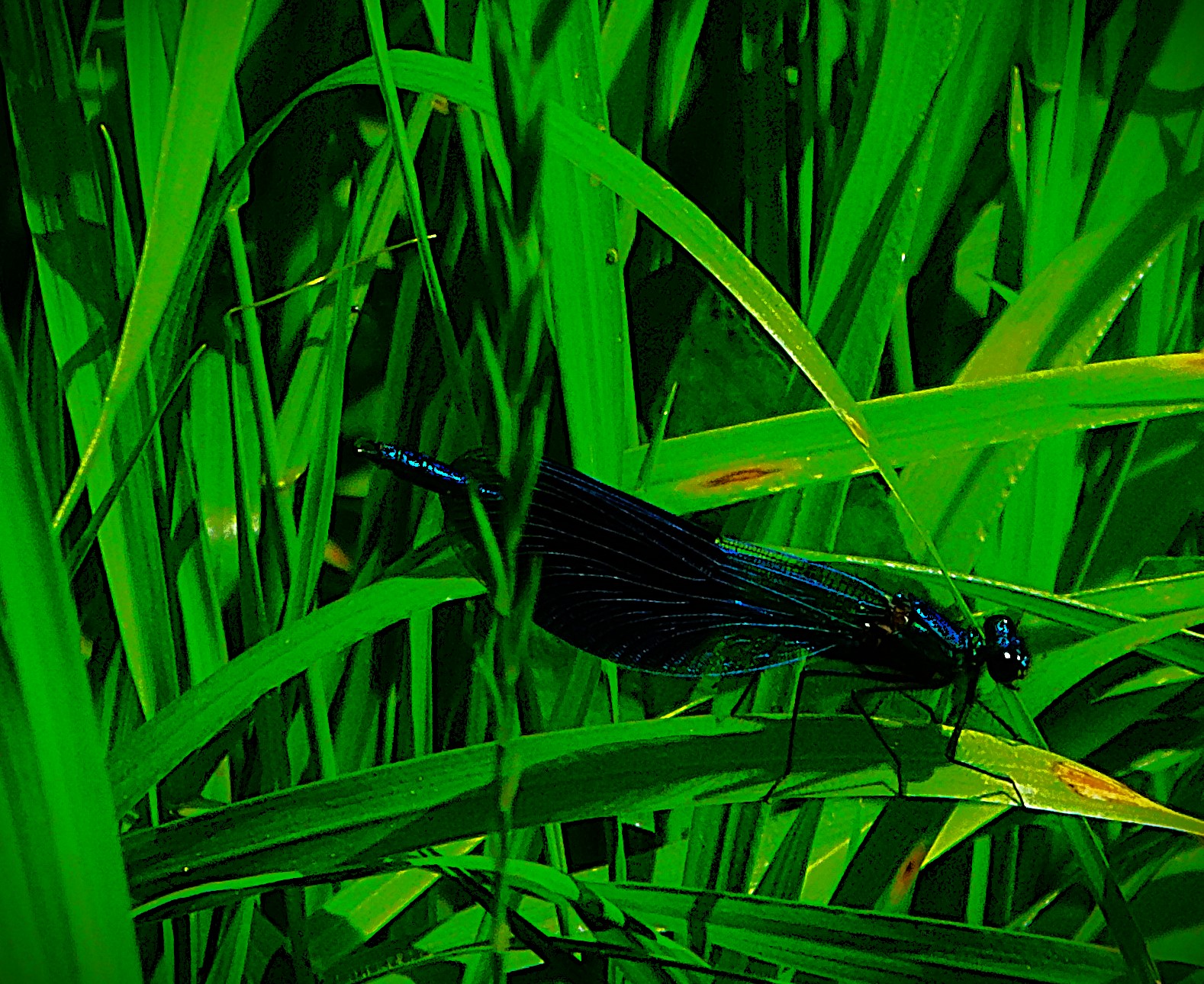
A two for on damselflies! (five pics to choose from)
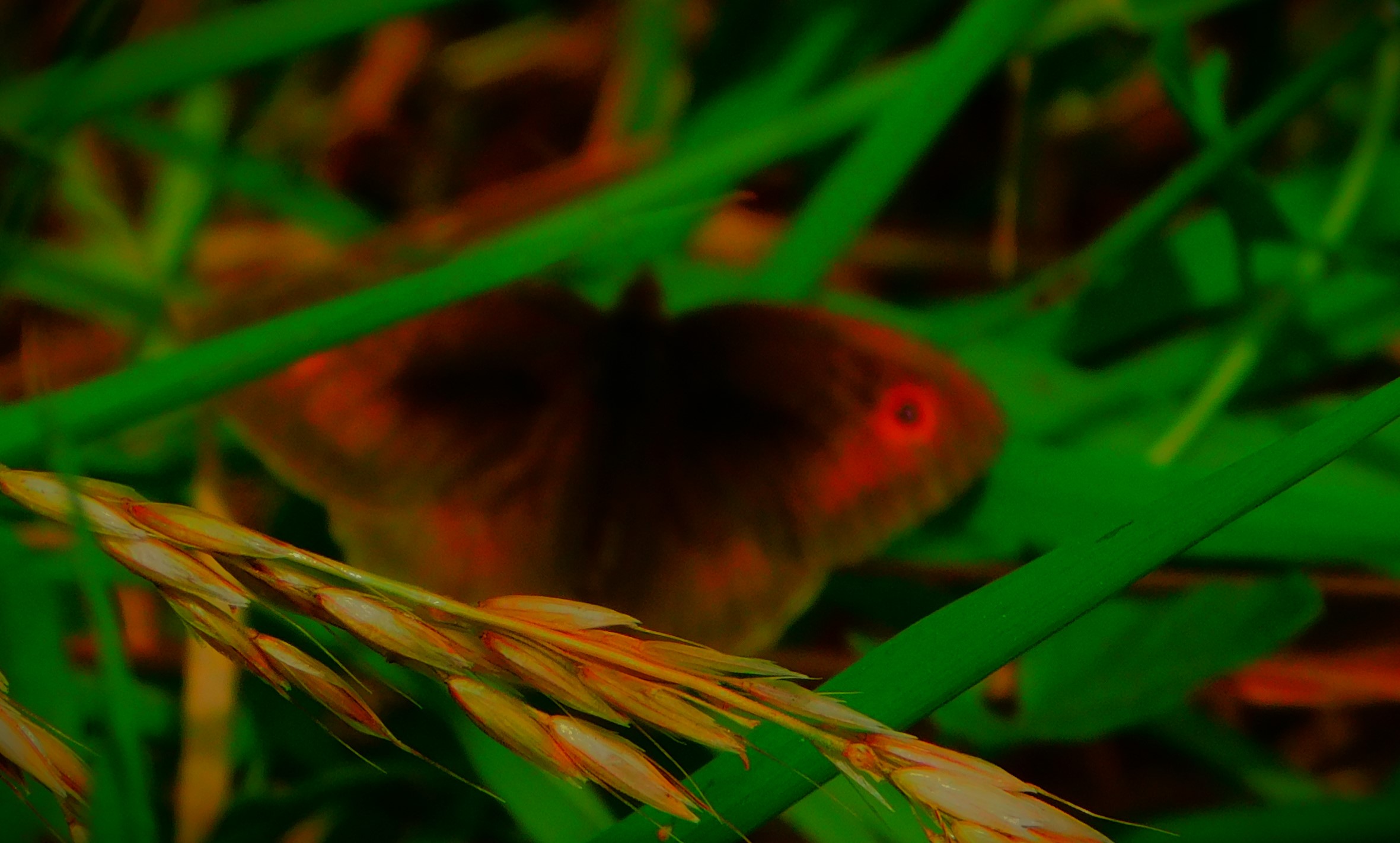
Not often in easy view – a water vole seen near the centre of King’s Lynn today.









































































































































































































































































































 aspiblog