A look at who could/ should be appointed to the recently vacated roles of coach and captain of the England women’s team, plus a photo gallery including a splendid comma butterfly.
Two announcements have come out in recent days, neither remotely surprising to any follower of cricket. John Lewis has been fired as coach of the England Women’s team after overseeing the disastrous recent women’s Ashes tour, and the captain of nine years, Heather Knight, has resigned that role. This post looks at possible replacements.
THE COACH
This is a short section since Charlotte Edwards, who has established an outstanding record as a coach since the ending of her own legendary playing career, is apparently interested in the job. If those recruiting have their heads screwed on the process should thus be very straightforward – “name your price, Charlotte” or words to that effect.
THE CAPTAIN
There is no immediately obvious successor here. Natalie Sciver-Brunt, the current vice-captain, is of similar vintage to Knight, and cannot be considered a long term option. Similarly Tammy Beaumont and Danni Wyatt-Hodge are both too old to be considered anything other than short term fixes. I can see two candidates who have enough experience while also being likely to be around for years to come, and both of whose places in the side as players are beyond question. Charlie Dean, off spinner and useful lower order batter, would be my choice for the role. The other candidate who I consider to be in the mix is Sophie Ecclestone, the best in the world at what she does and clearly possessor of a good cricket brain.
PRELUDE TO PHOTO GALLERY – COMMA
I was nearing the end of my morning excursion when a glance at the giant buddleia bush near the Eastgate Bridge over the Gaywood River was rewarded with the sight of a comma butterfly basking in the sun (today is the first official day of northern hemisphere spring, and by that point I was warm enough that my jumper was in my bag and I was in short sleeves).
A look back at the batting of the England Women against South Africa Women in their ODI in Kimberly today (I had a commitment which meant I missed the South African chase) and a photo gallery.
Kimberly in South Africa is home to the world’s largest man made hole, and by the halfway stage of today’s WODI there the England women were in a similarly sized metaphorical hole largely of their own making. I did not get to witness the South African chase due to having to go to the West Norfolk Eye Centre, in the grounds of Queen Elizabeth Hospital for my annual experience of the set of tortures collectively known as Glaucoma tests, a journey that as the weather though dull was not especially cold by December standards I opted to make on foot, rather than spend money on a bus fare (as it happened, even though it was pitch dark by then I also made the return journey on foot), however I was entirely unsurprised to find when I arrived back home that they had won at a canter. This post looks at the woes of the England innings.
A TERRIBLE START
Tammy Beaumont was dropped in the first over of the match, the other opener Sophia Dunkley struck one emphatic boundary, but was then caught at slip playing a terrible shot in that same opening over. Kapp also accounted for Beaumont, bowled for 11, again playing a very poor shot. Nat Sciver-Brunt was the third early victim, LBW and for my money culpable on two grounds – first it was yet another poor shot, and second she burned a review attempting to overturn it. Danni Wyatt-Hodge was fourth out, LBW to Nadine de Klerk, and the first not to be culpable in her own dismissal – it was a genuinely good ball. However she cannot be totally acquitted – she burned England’s last review, and it was stone dead. True the point of impact was above the knee roll of the pad, but Wyatt-Hodge is a fairly small woman, for all the power with which she can hit the ball on her many good days, so not much should have been read into that. Heather Knight and Amy Jones looked to be steadying the ship until Jones went on to the attack against Annerie Dercksen and succeeded only in picking out Chloe Tryon, a superb fielder who duly completed a fine catch to make it 77-5. The wickets continued to tumble, and when Knight was LBW to left arm spinner Nonkululeko Mlaba (the same way Alice Capsey had gone to be sixth out) for 40 it was 106-7. Charlie Dean and Sophie Ecclestone, the two great England spinners, fought hard, putting on 67 together for the eighth wicket. Dean battled her way to the top England score of the day, an unbeaten 47, raising the total to 186, still dismal, but not as bad as it had looked like being. While England are still ahead overall in the multi-format series they need to realize that in a 50 over innings there are occasions when all out aggression is not the right approach. Dunkley in particular got out in a way that suggested an inflexible commitment to unbridled aggression. Marizanne Kapp is a model of consistency with the ball, and her opening spell in the next ODI will probably pretty much match this one ball for ball – and England need make sure it does not do so wicket for wicket as well.
PHOTOGRAPHS
Some of these pictures come from yesterday either side of work, but most were taken during this morning’s walk, when the weather behaved rather curiously – it started bright and sunny and then became very misty – usually when one gets mist and sunshine on the same day it happens the reverse way around, mist first, then the sun breaks it up…
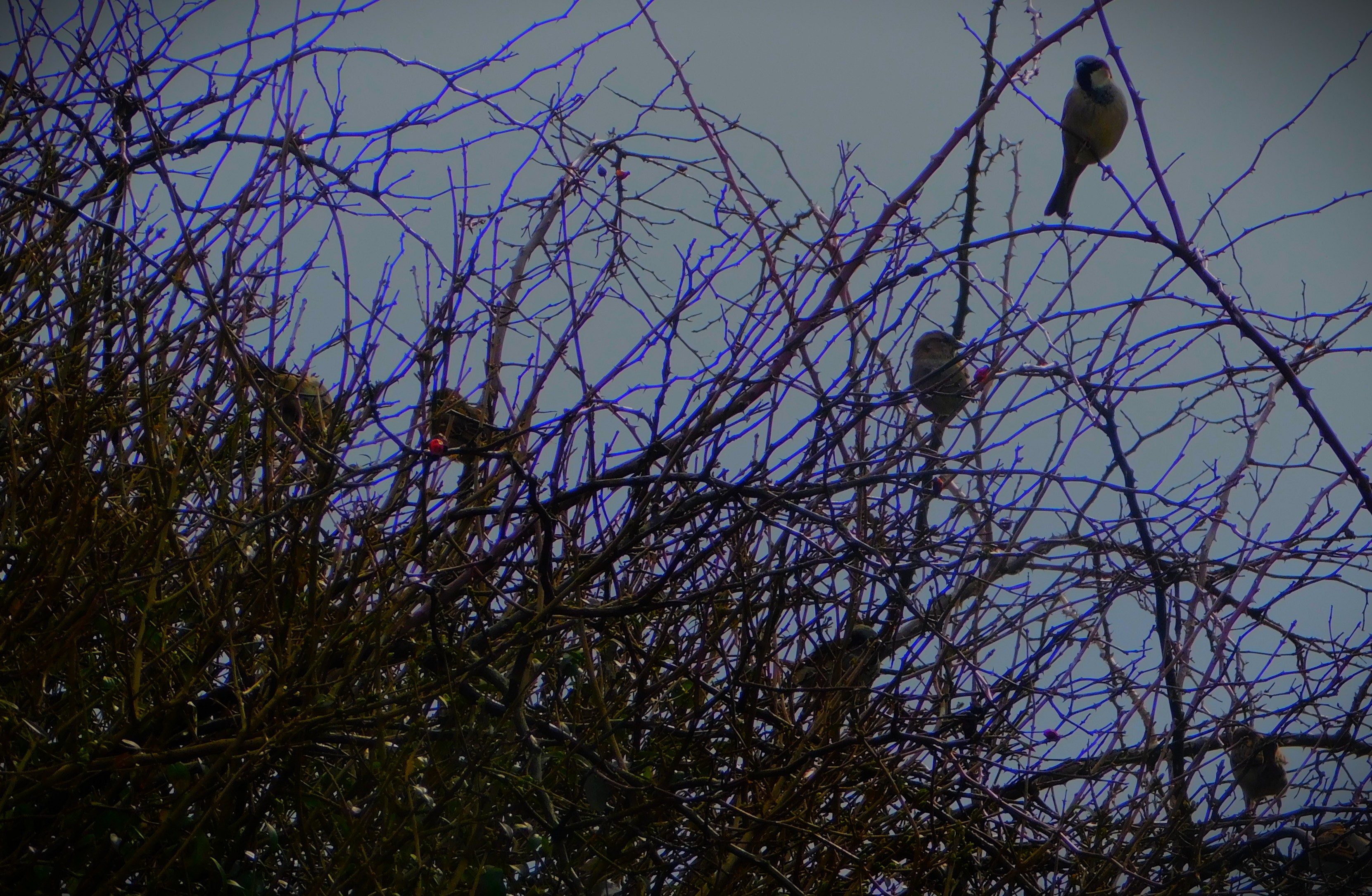
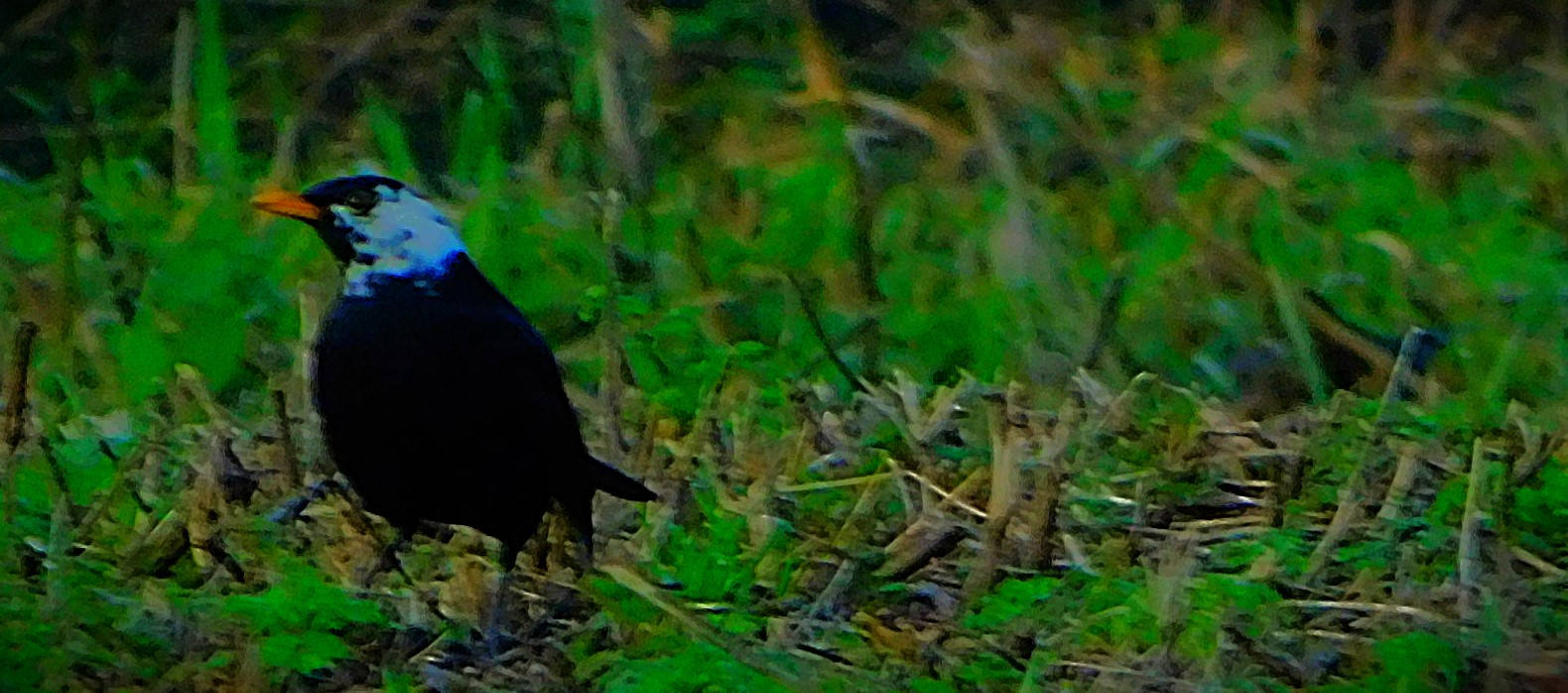
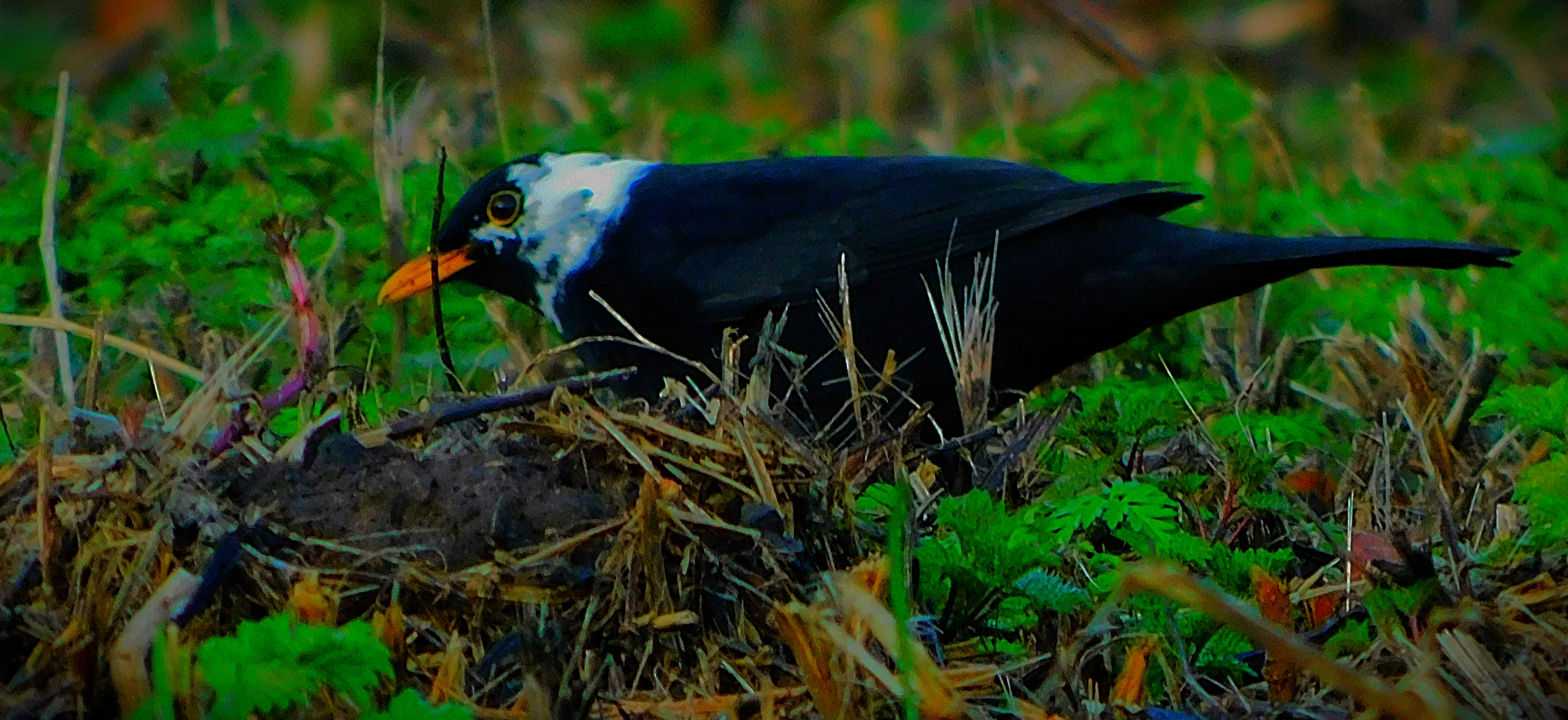
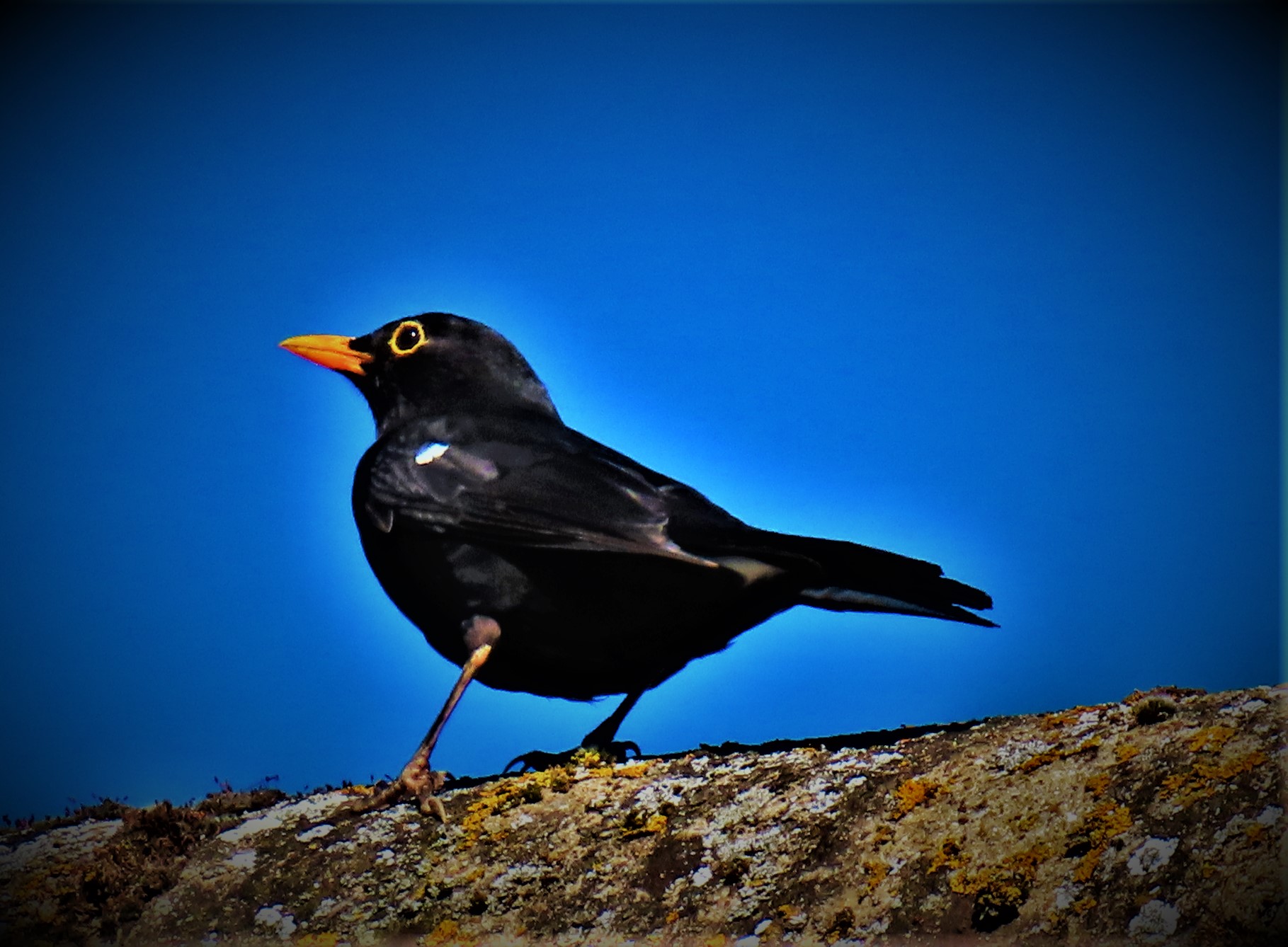
Todays pictures start here.A blackbird with a distinctive white patch around its throat.By the time I had reached the vicinity of ‘cormorant platform’ the mist was making its presence felt in no uncertain terms.
A brief look back at the closing stages of the first ODI between England Women and Pakistan Women, which took place yesterday.
Yesterday saw the first ODI between the England and Pakistan women’s sides (the day before should have seen a T20I between the men’s sides but unremitting rain all day long led to the authorities at Headingley concluding an hour before the scheduled start time that it would not be possible to get the match on and abandoning it). I was at work for the majority of yesterday’s game, but did get the closing stages.
A SCRAPPY SUCCESS
Pakistan look in with a chance for over half their batting innings, but having got the target below 100 at what should have been a manageable rate with six wickets standing they lost both incumbent batters in quick succession. The over that killed any prospect of a Pakistan revival was a wicket maiden by Sophie Ecclestone which meant that after nine of her ten overs she had figures of 3-24. Although the Pakistan tail reduced the deficit they never looked like challenging in the closing overs. They survived until the final over, but by the time the last ball was bowled they needed 38 from it to win the match, and only scored one of them, so England won by 37 runs. However, it was undeniably slipshod from England’s bowlers, with Extras contributing 40 to Pakistan’s total, including 31 in wides, and a better side than Pakistan would certainly have punished them for this. I missed the batting efforts, but that no one got to 50 (Capsey’s 44 was the highest score of the match) tells a story. So far in three T20Is and one ODI between these sides there has been one individual half century – Wyatt’s 87 in the third T20I, and she was dropped on 12 in that innings. Ecclestone’s 3-26 from 10 overs secured her the Player of the Match award. Full scorecard here.
PHOTOGRAPHS
I have a fine photo gallery to share today…
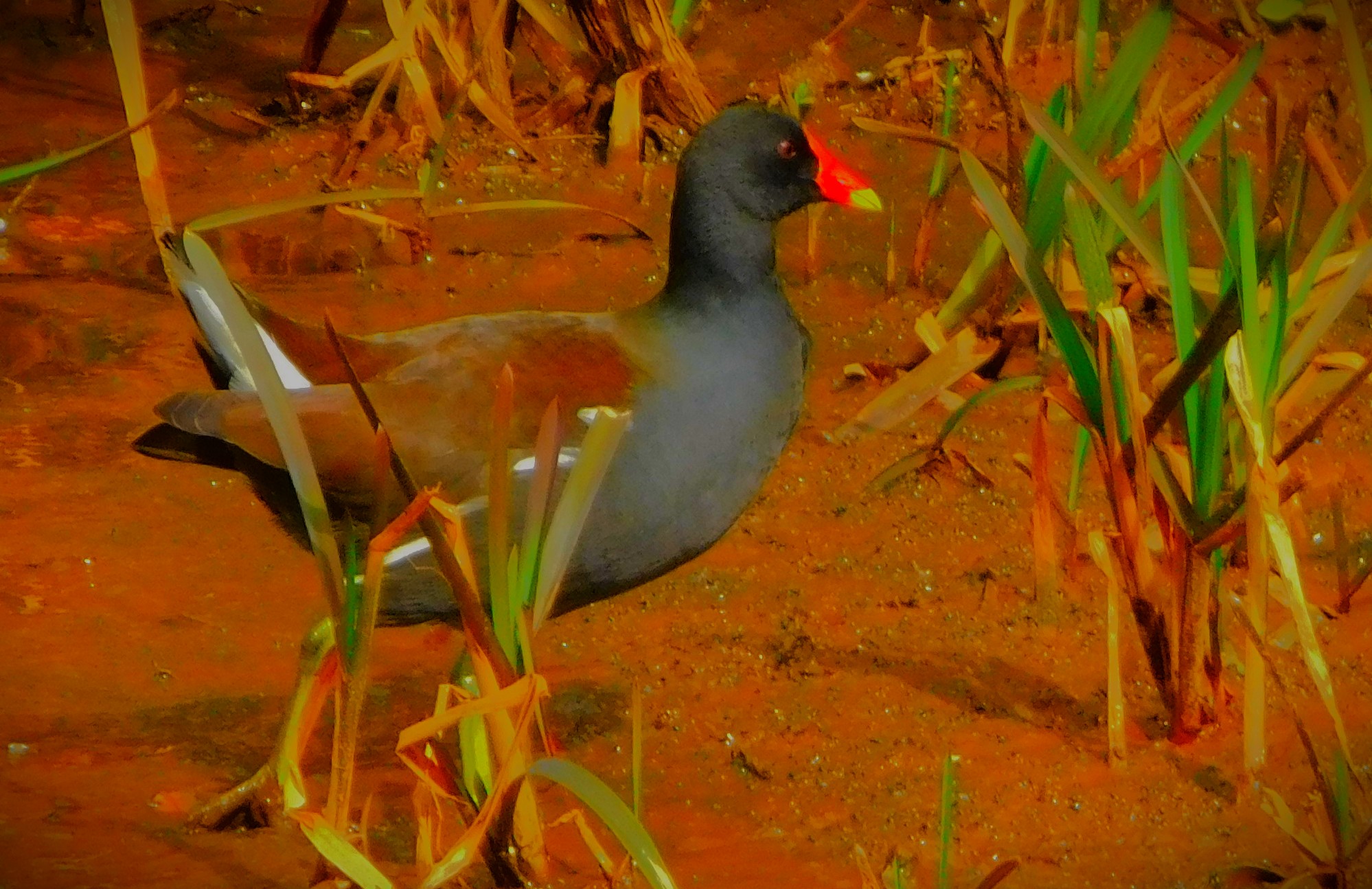
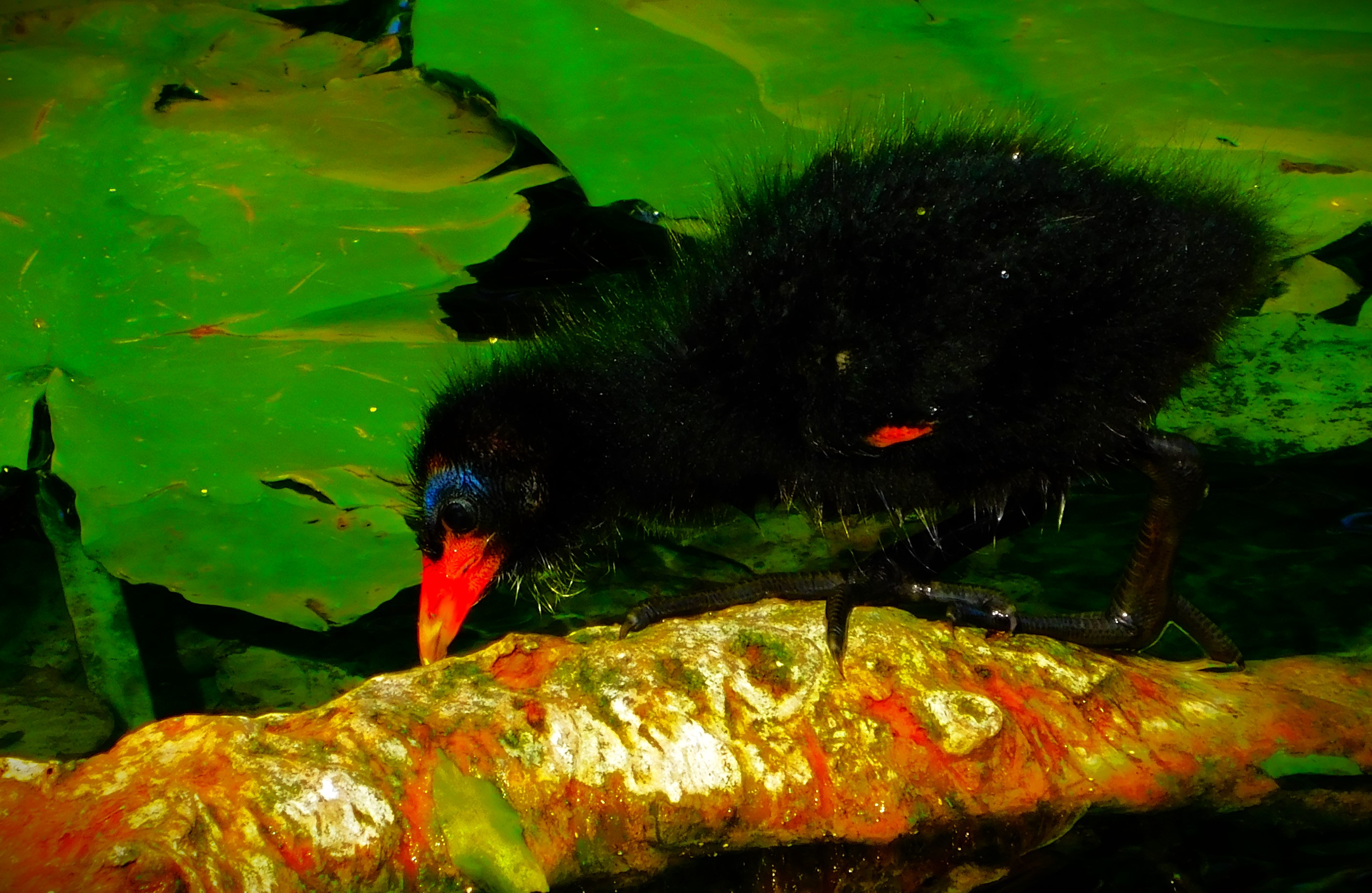
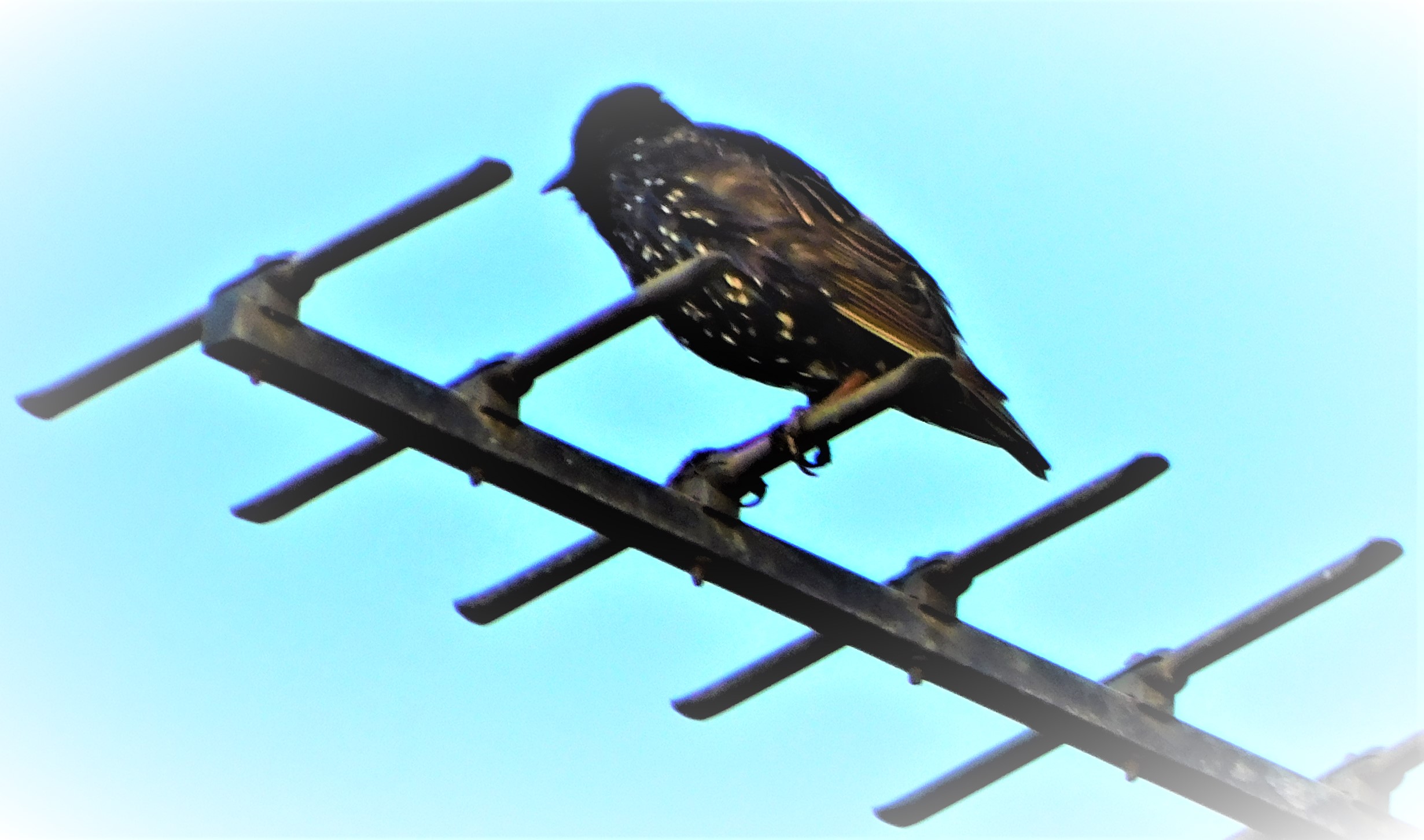
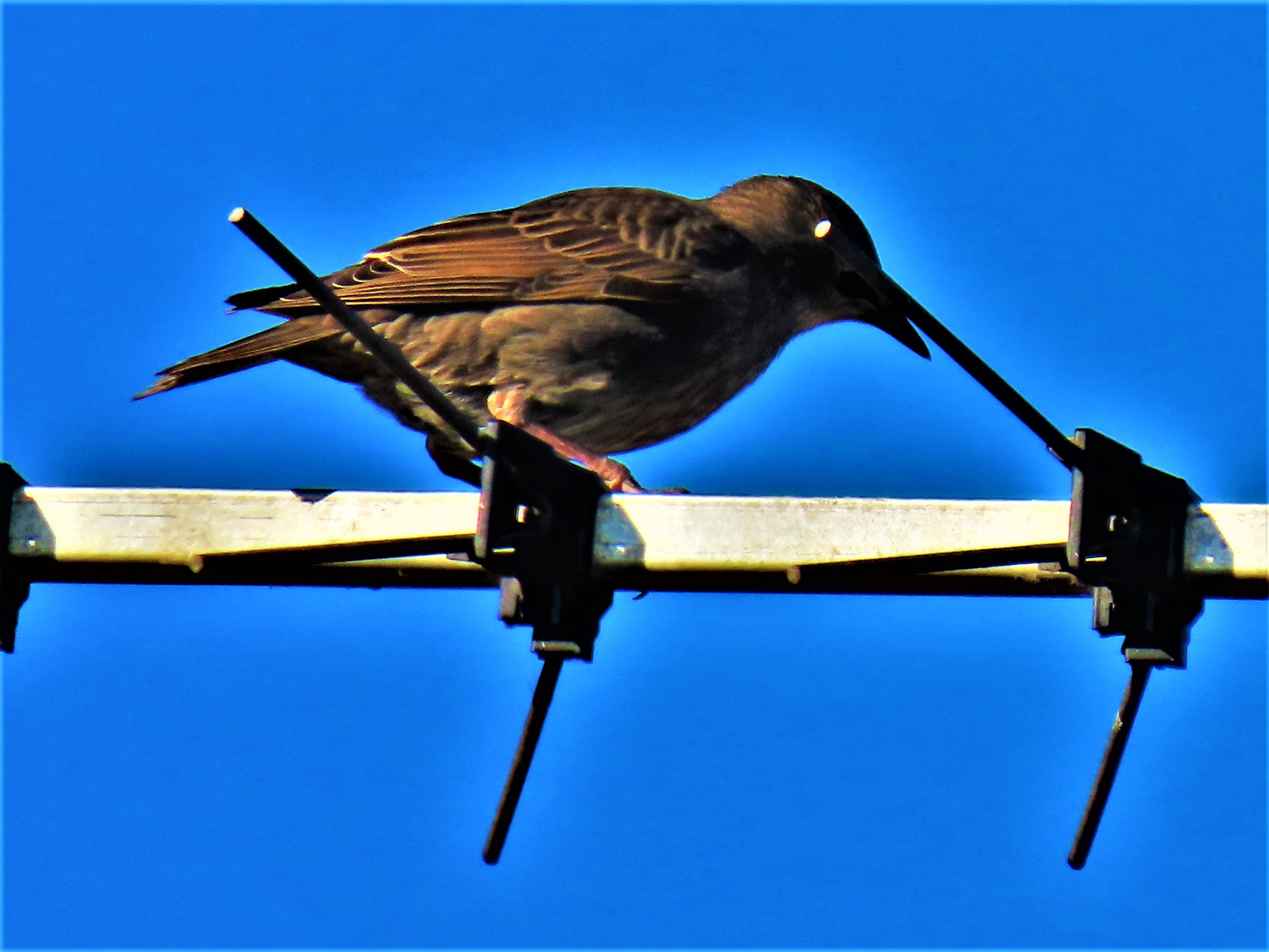
This is some variety of Frog Leg Beetle.This ‘mint humbug’ type snail was resting on the outside of my front door.A floating moorhen nest.I think this is a female cranefly.This was the first photo I took on my out this morning.No two photos of starlings look the same – their appearance changes according to how the light strikes them.Perhaps the best Frog Leg Beetle image I have yet produced.My first Red Admiral of 2024.Some variety of damselfly, spotted near a stretch of Bawsey Drain (three images).
An account of England Women’s victory over Pakistan Women earlier today, a victory which gave them a 3-0 series sweep. Also a photo gallery.
While Surrey were pushing for victory over Worcestershire – duly completed a few minutes ago – my attention was elsewhere for a period in the middle of the day – the third and final T20I between the England and Pakistan women’s teams got underway at 1:00PM. This post looks back at that match.
THE ENGLAND INNINGS
England again found themselves batting first. They started slowly but accelerated well, initially through Danni Wyatt, who was lucky on 12, when Muneeba Ali failed to hold on to a catch behind the stumps, and punished Pakistan heavily for the lapse, ultimately scoring 87 off 49 balls. Amy Jones scored some quick runs late on, and the innings had a farcical ending when there was almost a run out when the batters came back two on the final ball, and then an actual run out when they took on a third to celebrate the reprieve. England were 176 all out to the last scheduled ball of their innings.
THE PAKISTAN REPLY
Pakistan started solidly, though a bit slowly, the openers passing 50 together. However, they both fell in the space of a few balls and two more wickets fell quickly as 60-0 became 73-4. The fifth wicket pair batted well up to a point, but were always falling further and further behind the required rate. Eventually 39 were needed off the last over, and with Sophie Ecclestone to bowl it there could only be one outcome. The final margin was 34 runs, and England had won the series 3-0. Wyatt was Player of the Match for her scintillating innings, and Amy Jones was Player of the Series.
PHOTOGRAPHS
My usual sign off…
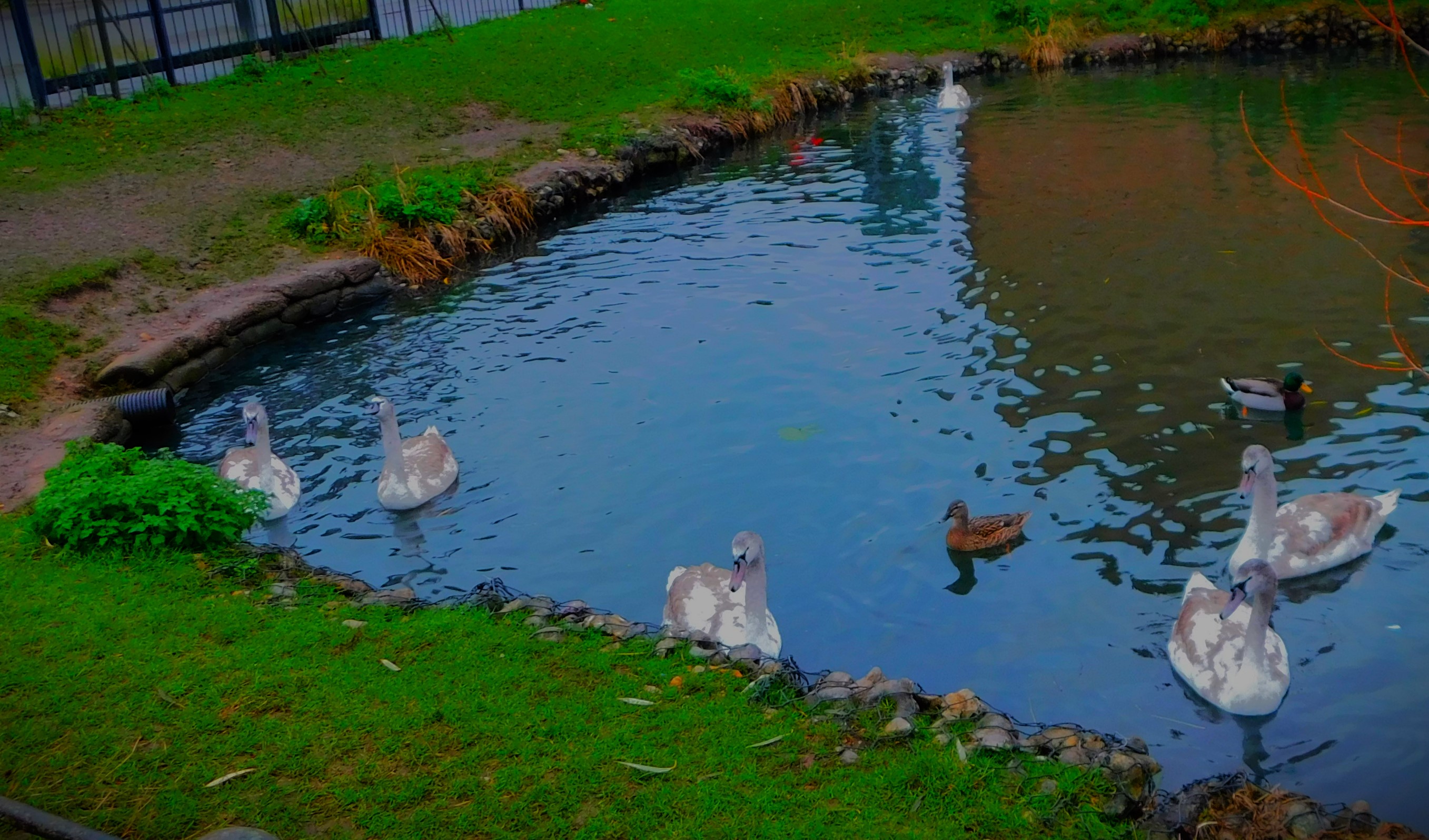
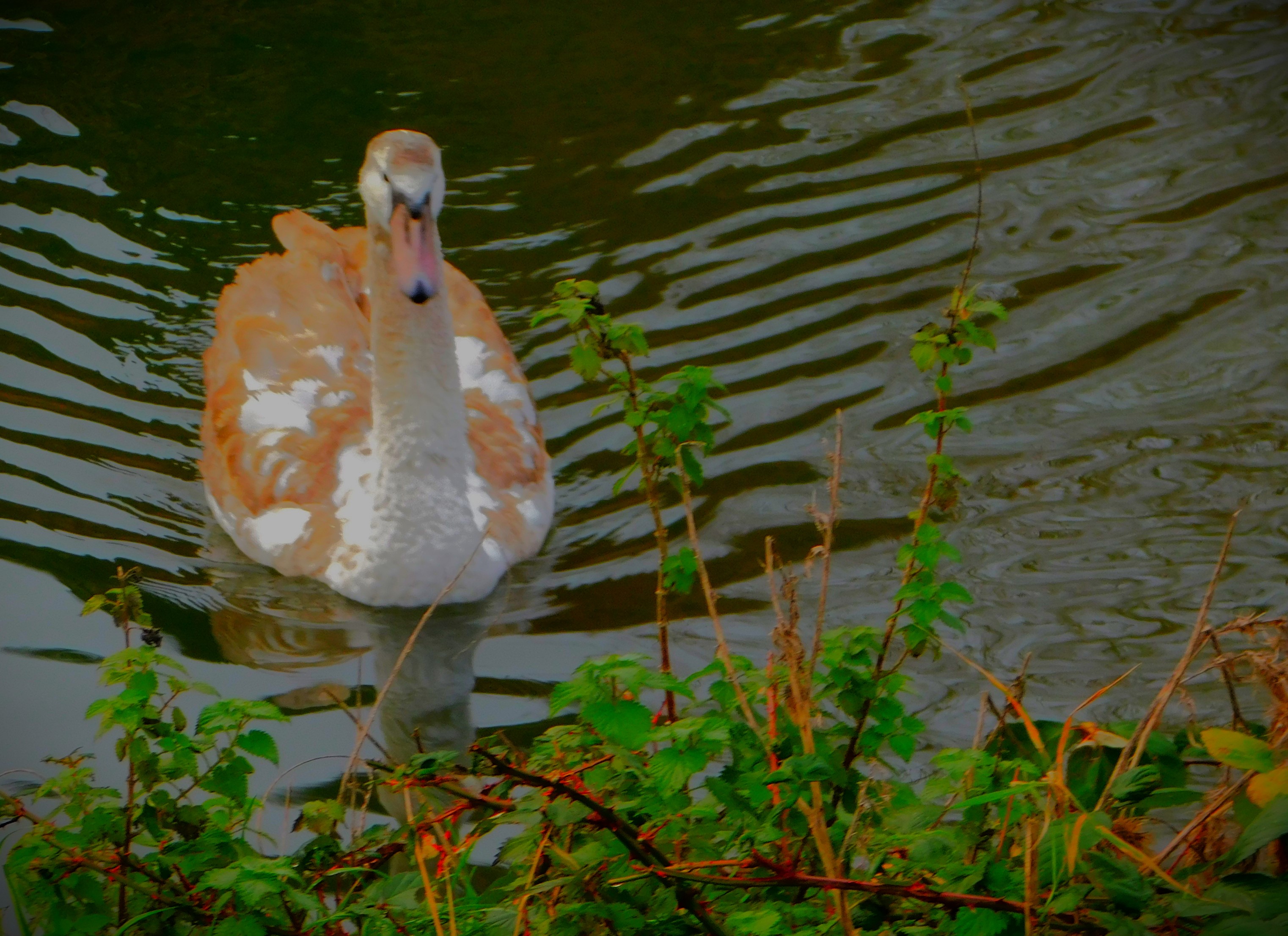
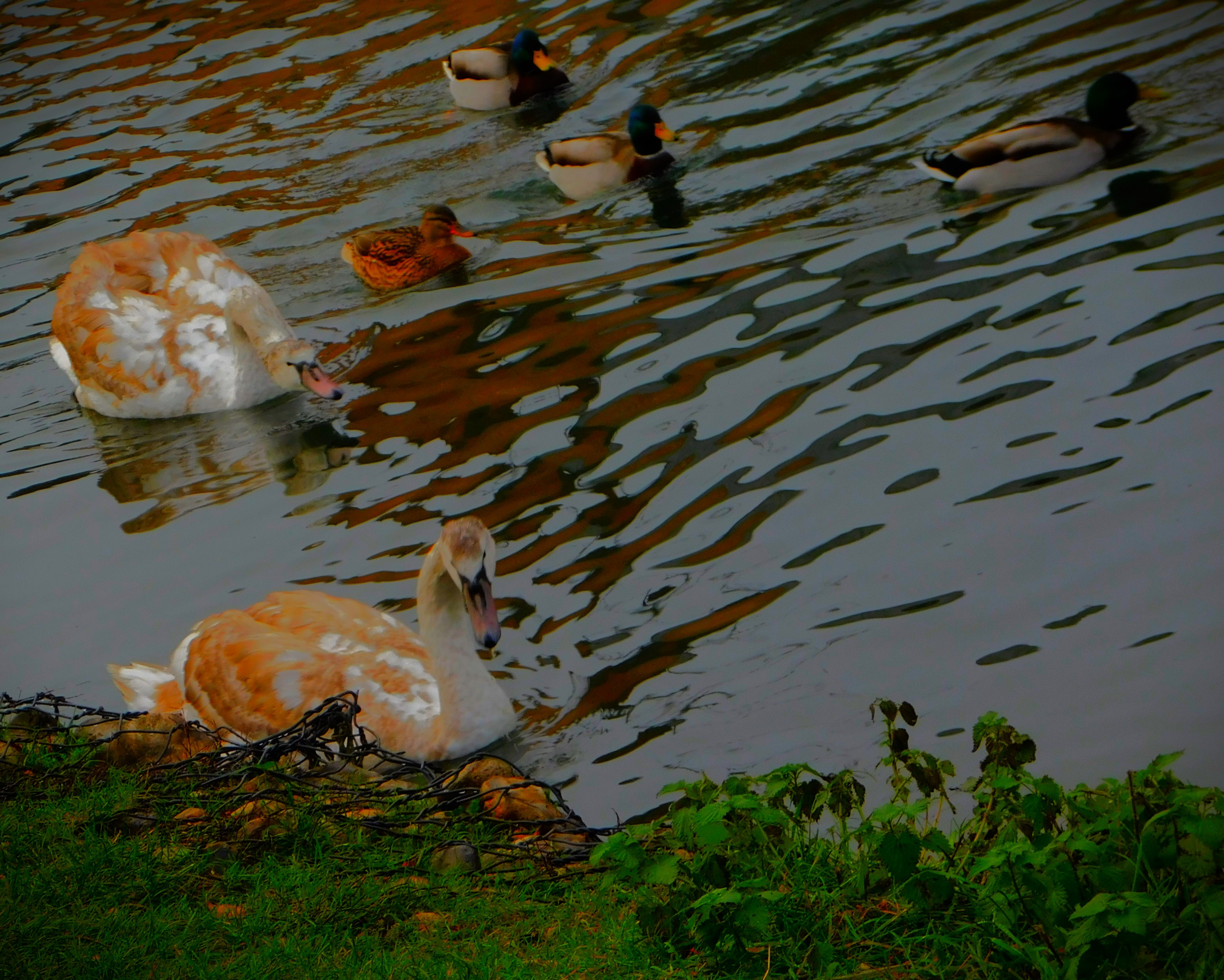
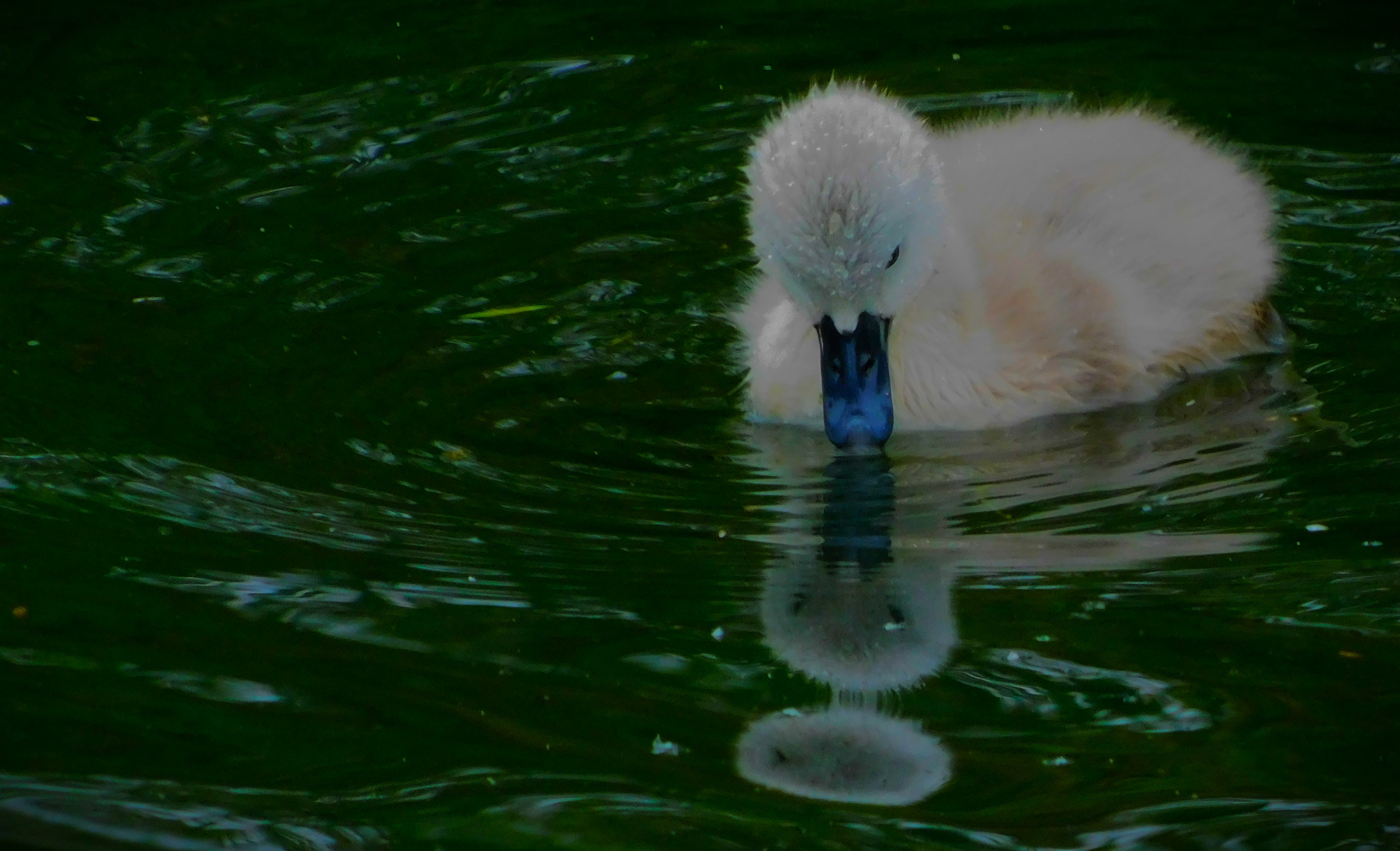
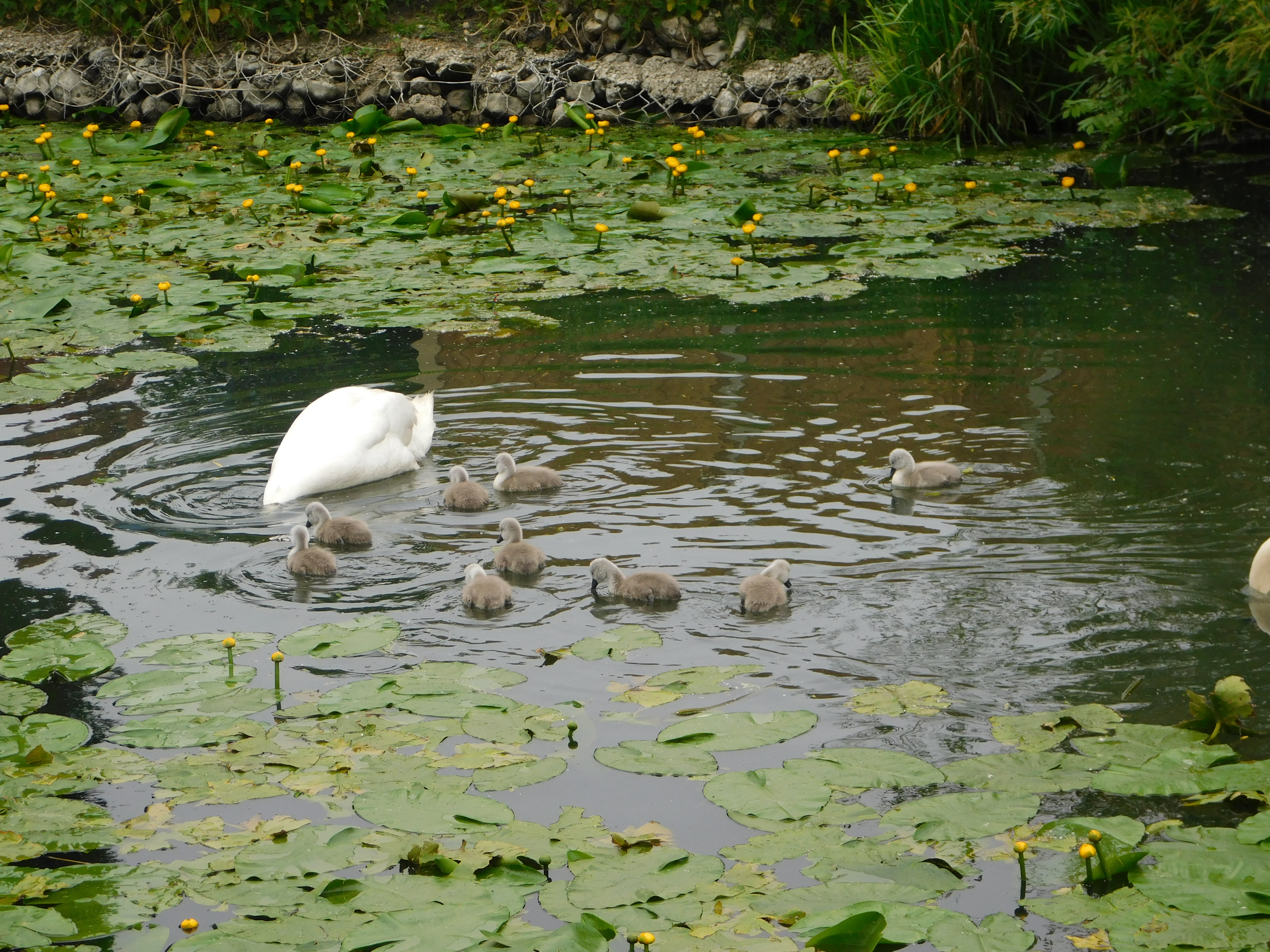
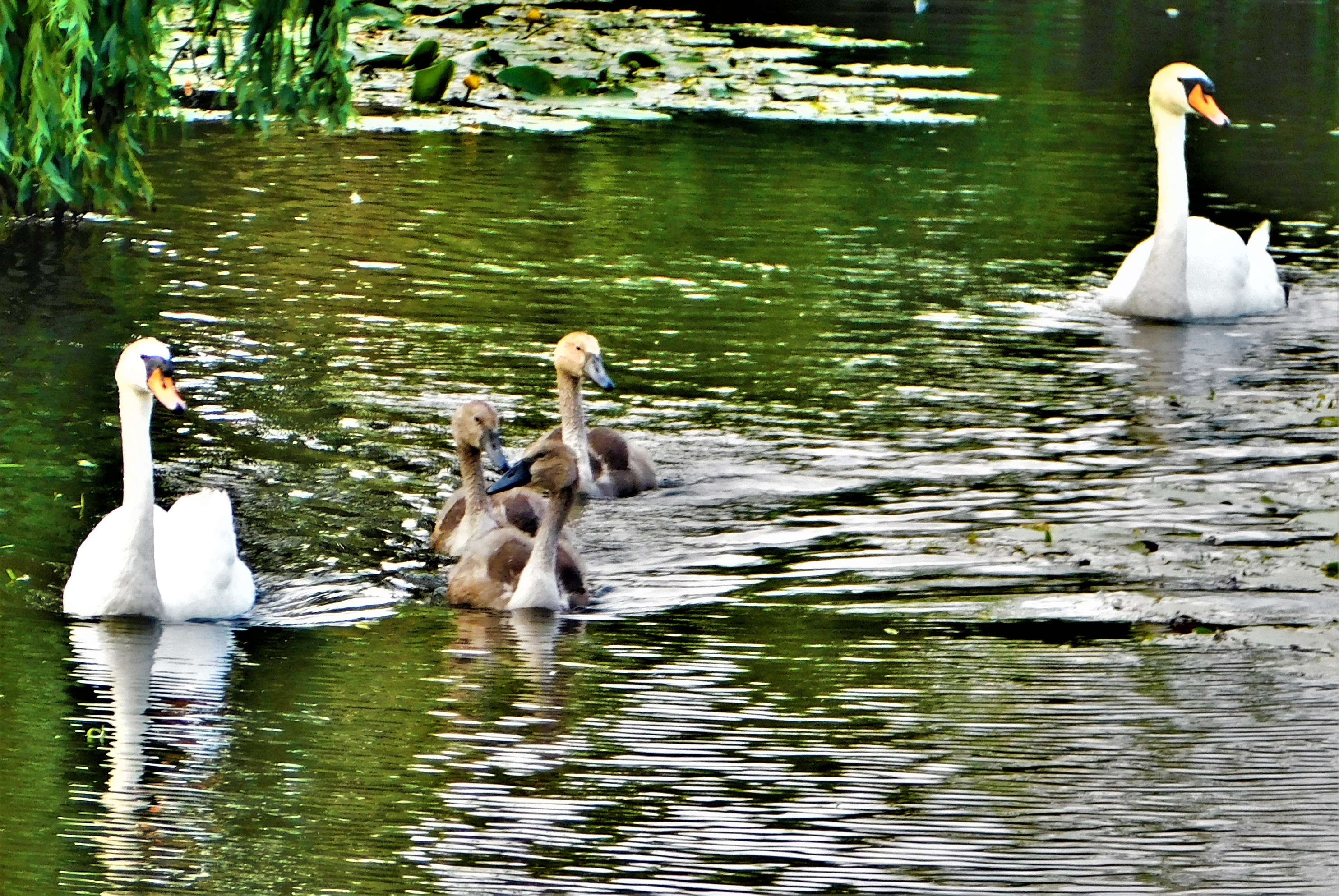
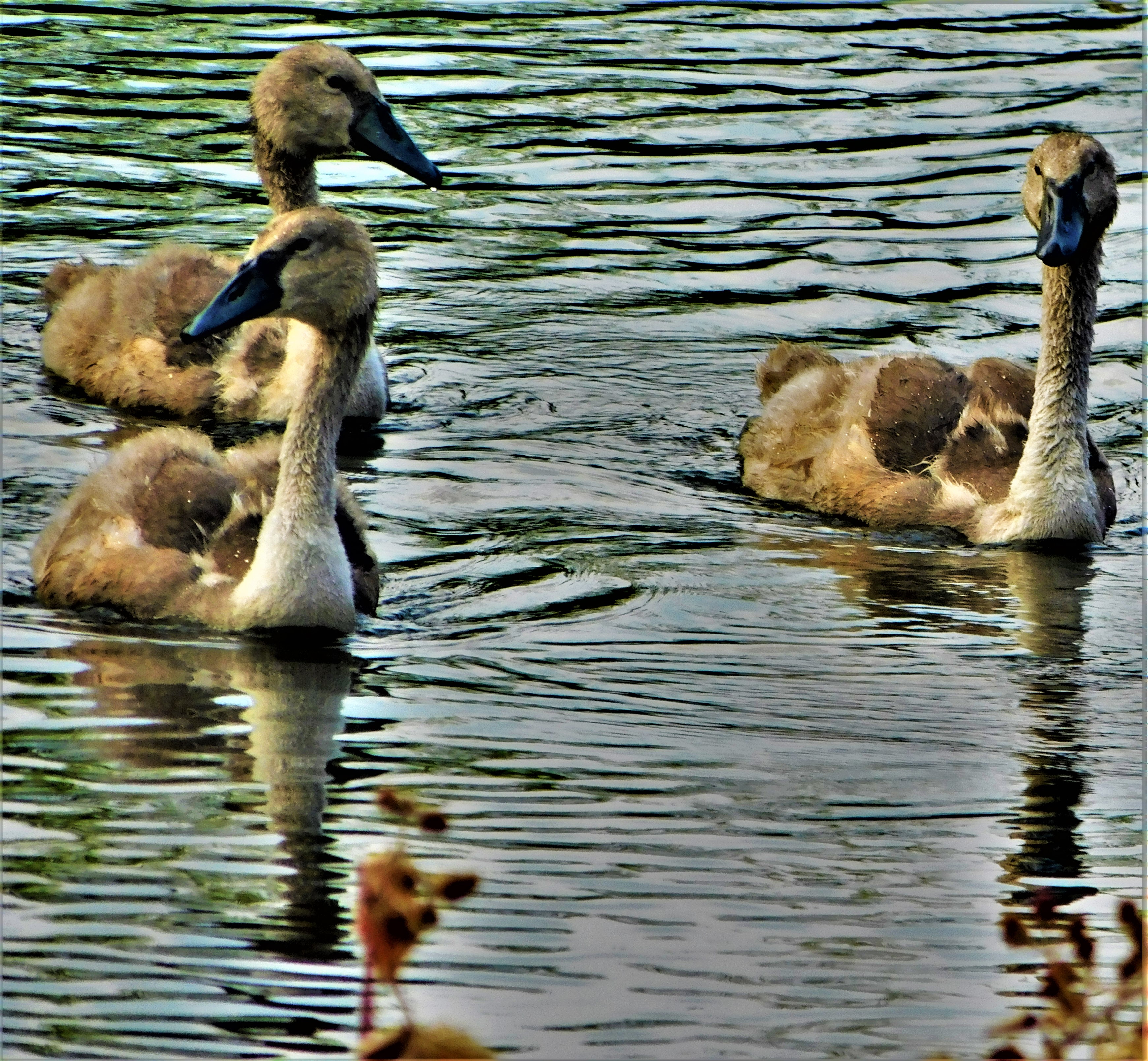
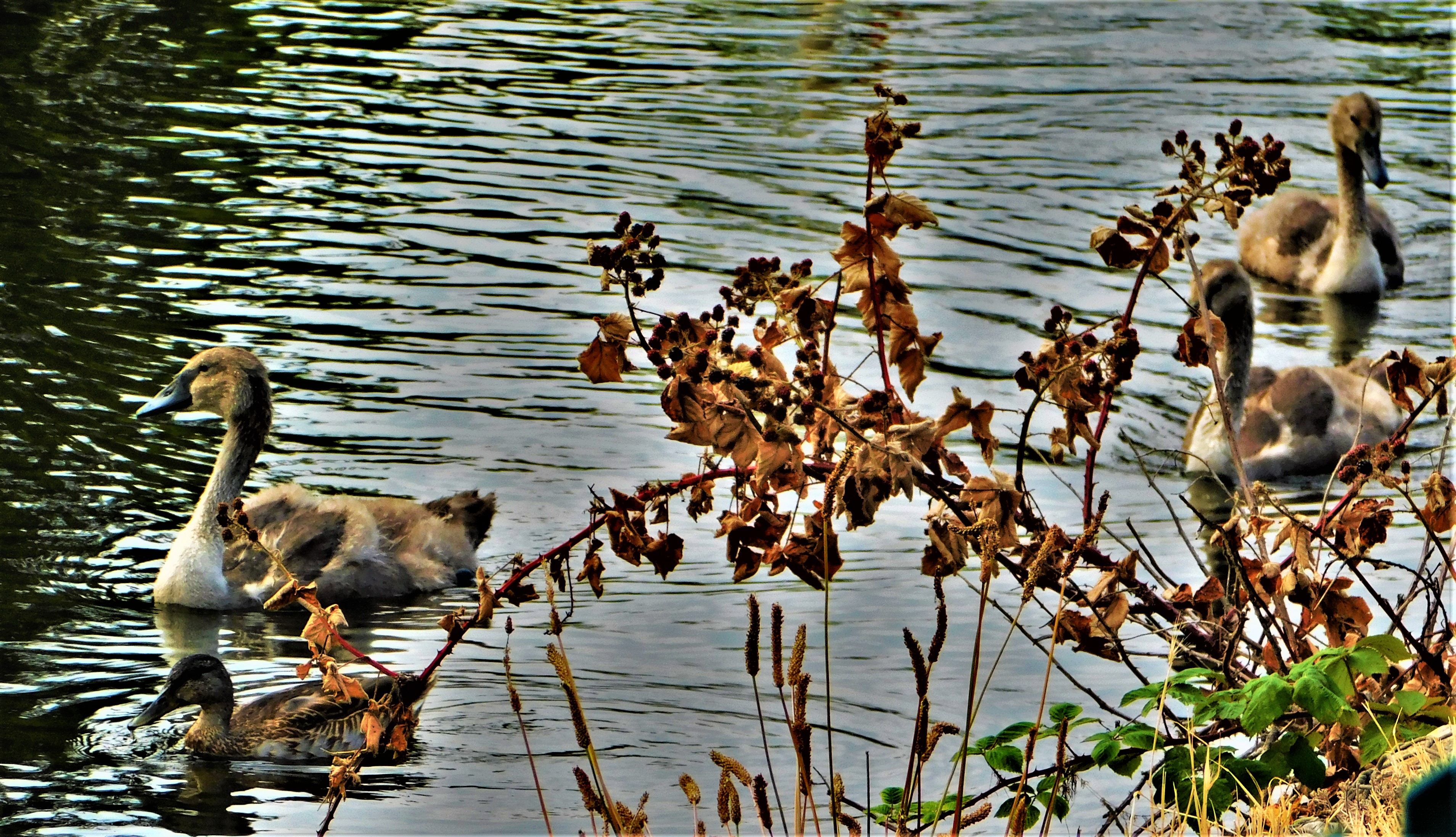
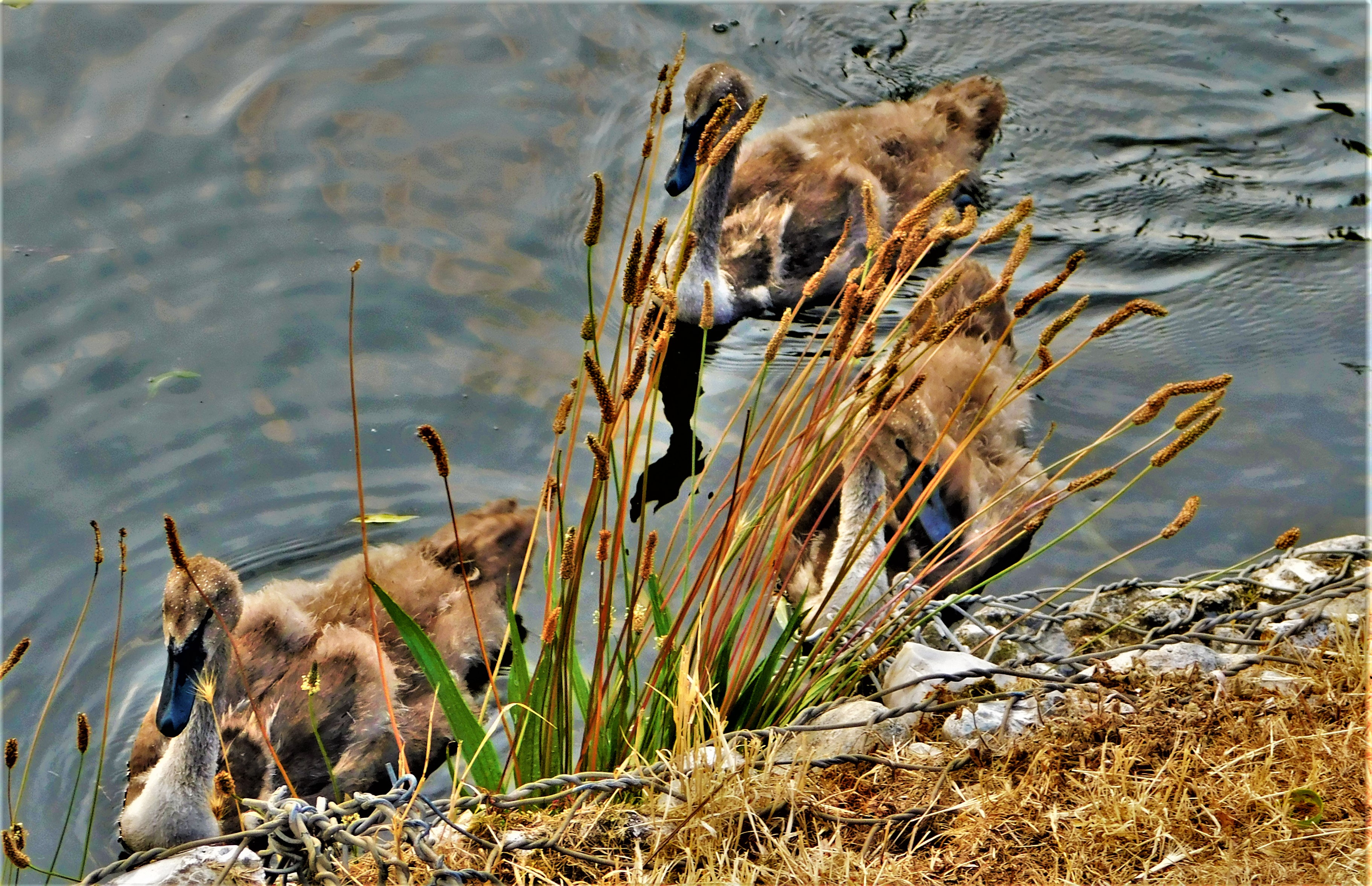
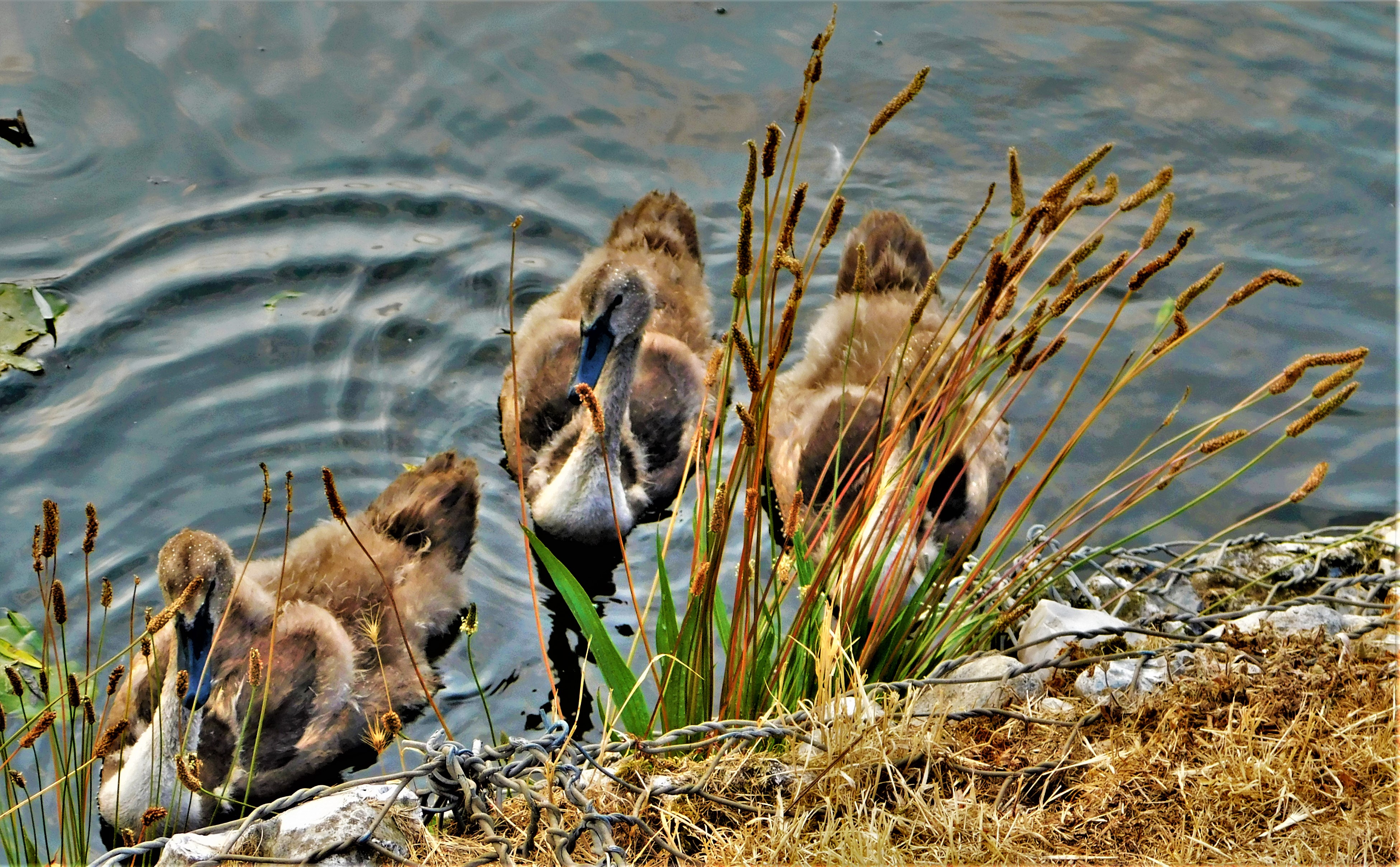
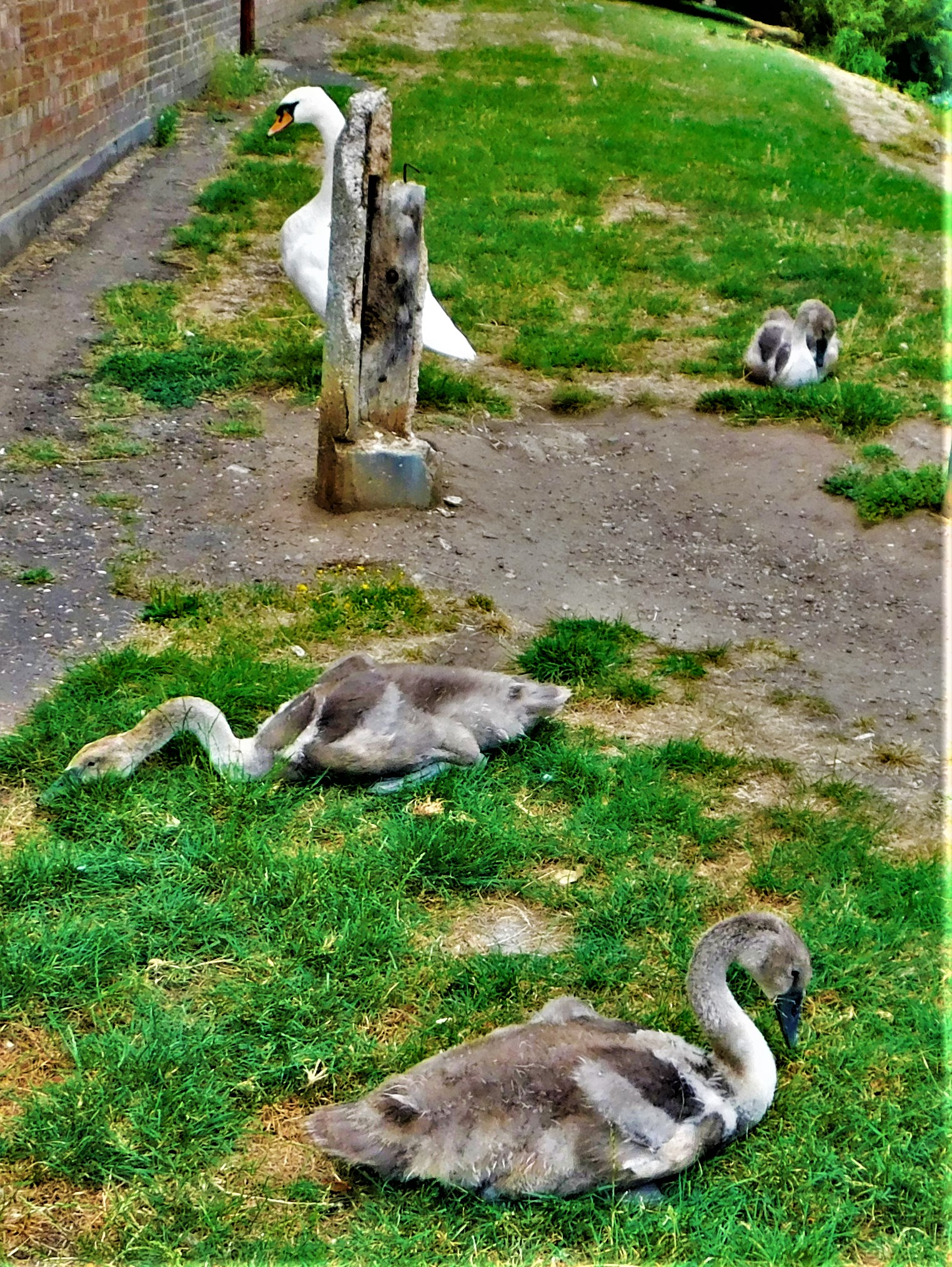
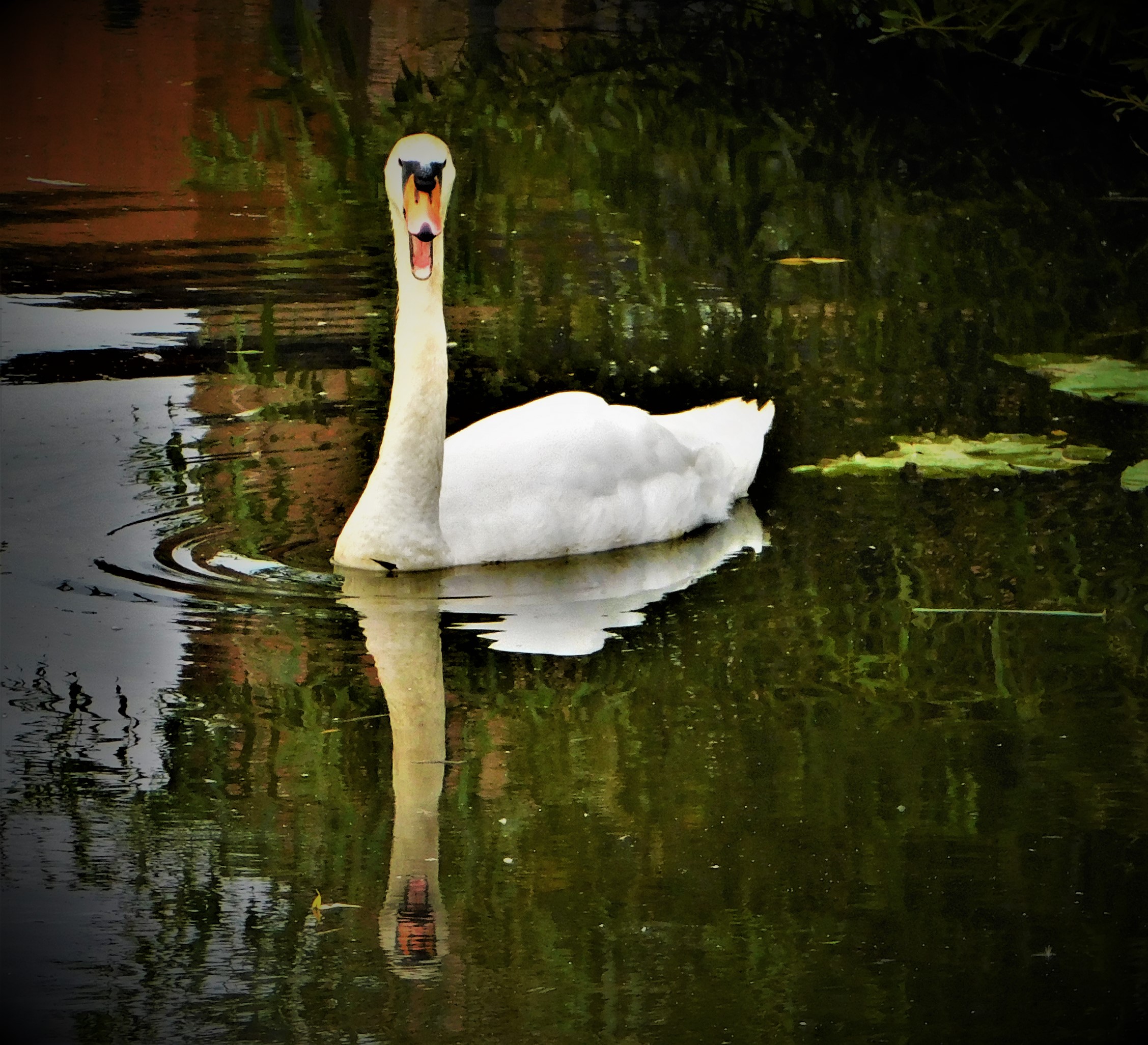
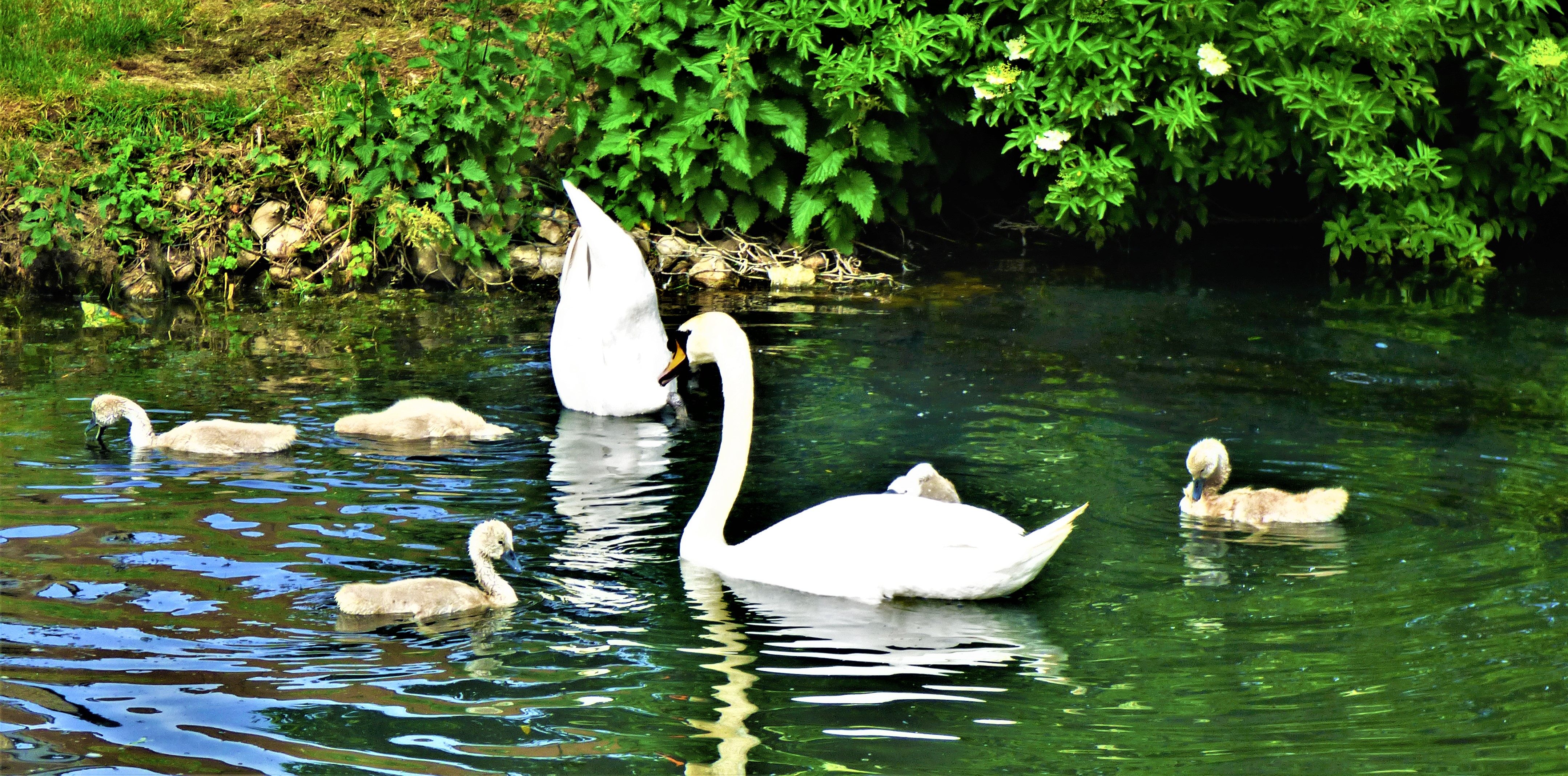
Swan parents with cygnets (eught images). A floating moorhen nest.
A look at the second T20I of the three match series between England Women and Pakistan Women, and a large photo gallery.
Yesterday night saw the second match of the three match T20I series between the England and Pakistan women’s sides. England had won the opener comfortably.
THE ENGLAND INNINGS
Natalie Sciver-Brunt returned to the England XI after missing the series opener. Diana Baig (the first name came about because her mother was a fan of Princess Diana) returned to the Pakistan XI. In spite of England’s dreadful start with the bat in the first game Heather Knight had no hesitation in opting to bat when she won the toss at Wantage Road. England were not entirely convincing, and for most of the innings it didn’t look like they would get much beyond 130. However 17 runs off the last five balls of the innings (Ecclestone scoring 7* off three balls and Danielle Gibson then hitting the last two balls of the innings for four and six to finish with 18* off 10 balls) pushed the total to 144.
THE PAKISTAN REPLY
Pakistan were soon 9-2, but then Sidra Ameen and Muneeba Ali had a respectable partnership. Ali gave Ecclestone a return catch which made the left armer, at a mere 25 years of age, England’s all time leading wicket taker in the format, surpassing Katherine Sciver-Brunt. All rounder Nida Dar (the overall all time leading wicket taker in the format) then fell LBW to Sarah Glenn for 1 and it was 41-4 and Pakistan were in deep trouble. Sidra Ameen and Aliya Riaz then put on 19 together before Sidra Ameen was run out after a mix-up and it was 60-5. From that point on it was all England. Heather Knight having noted that the spinners were proving more testing than the seamers gave Alice Capsey a bowl (though the skipper’s own off spin was not deployed). Capsey picked up the wickets of Aliya Riaz for 19 and Diana Baig for a duck in her first over, and Pakistan were 71-7, with Capsey looking at figures of 2-1. Sarah Glenn then accounted for Fatima Sana for 8 to make it 72-8. The ninth scraped at seven runs, three of them off Capsey, before Ecclestone got both the last two wickets in the space of three balls as Pakistan ended up 79 all out, beaten by 65 runs, a record margin for a T20I at the ground. Ecclestone finished with 3-11, while Capsey’s all round contribution of 31 and 2-4 won her the Player of the Match award. A full scorecard can be viewed here and amore detailed look at the numbers thrown up by this match can be seen here.
PHOTOGRAPHS
My usual sign off…
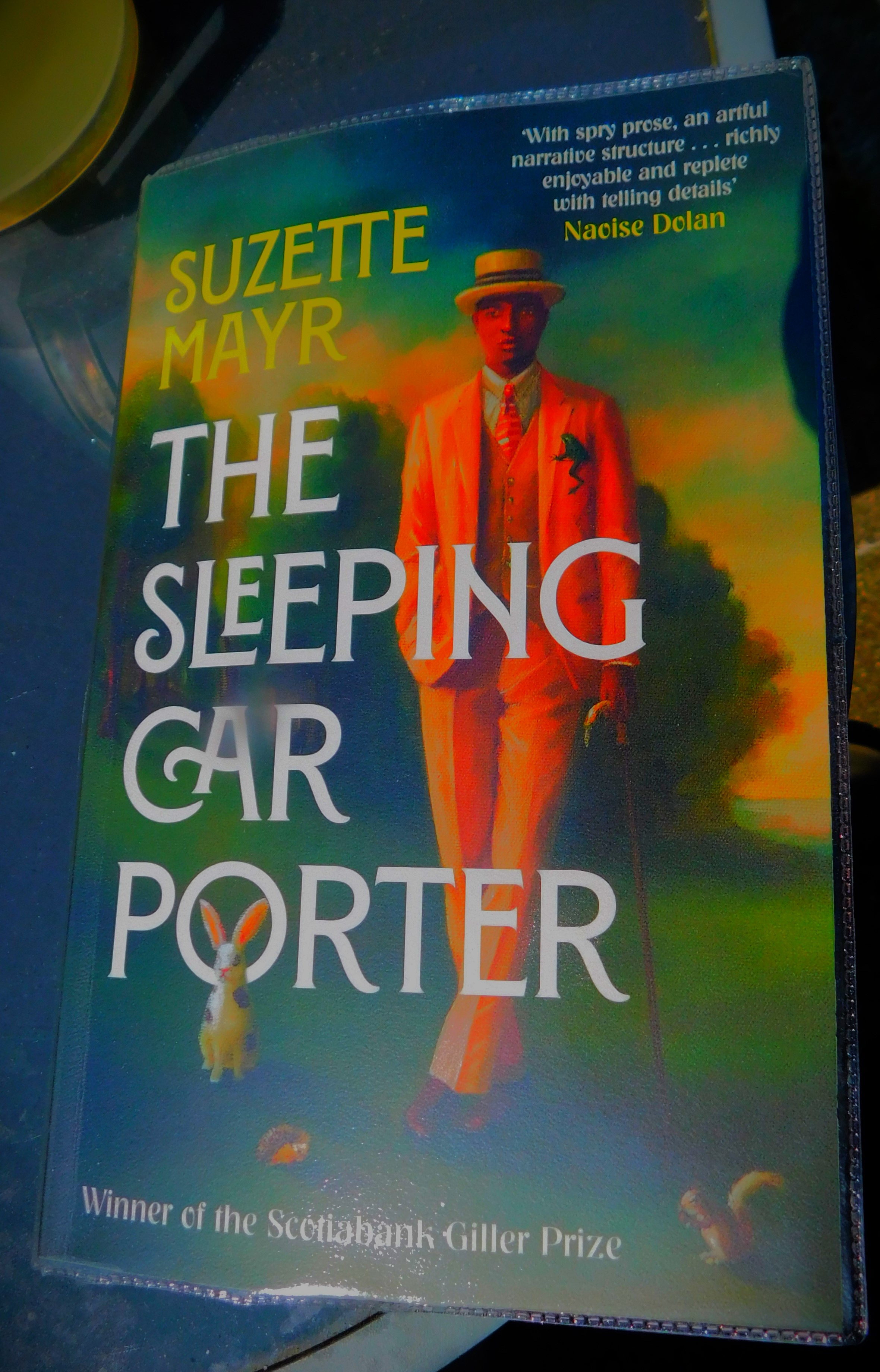
This pic and the next two come from a library book I read and enjoyed.Another library find – one of two I have recently read by DV Bishop, set in 16th century Florence.
A look at yesterday’s T20I between the England and Pakistan women’s teams, the curtain raiser for the home international summer. Also a vast photo gallery (I have two more ready to go, a third at the pre-editing stage and more pictures on my camera).
The international cricket summer got underway yesterday with a T20 international between the England and Pakistan Women’s teams. This post looks at what happened in that match.
ENGLAND FIGHT BACK FROM ABYSMAL START
I missed the early part of the match due to a West Norfolk Autism Group commitment, so I cannot comment on the nature of the dismissals suffered by England near the start. However, I do know that at low water mark they were 11-4, not a position from which many sides have recovered in a T20I. By the time I was able to tune in Heather Knight and Amy Jones were restoring the situation (Knight made 49, Jones 37), and their good work was continued by Danielle Gibson and Sophie Ecclestone, Gibson in particular playing a superb innings to score 41* off just 21 balls. Ecclestone finished on 18*, also scored very quickly, and in the end England has 163-6 from their 20 overs. Not a mammoth total in a T20I, but more than Pakistan Women had ever successfully chased, and quite remarkable after such a dreadful start.
GLENN THE BOWLING HERO
Pakistan started brightly, but wickets began to fall too early for comfort. The slow decline of the Pakistan innings became a crash when Sarah Glenn came into the attack. Glenn took 4-12 from her four overs, a new career best in the format for her, and Pakistan were almost out of it at 89-9. The crash of wickets included a horror spell of three balls for the Pakistan skipper, in the course of which she ran her batting partner out, and then lost her own wicket to a poor shot. The tenth wicket pair did their best, but with over 70 runs needed and them being already well behind the clock it was always a matter ‘when’ and not ‘if’. They cobbled together a stand of 21, before the last wicket went down, giving England a win by 53 runs. England won comfortably in the end, but Pakistan had given them a scare or two along the way – definitively winning the Power Play overs in the England innings and arguably winning that same period of their own innings. Ultimately Knight, Jones, Gibson and Ecclestone rescued England from an awful start with the bat, and Glenn’s outstanding spell with the ball was the clincher when Pakistan batted.
PHOTOGRAPHS
I have absolutely masses of photographs to share, having been posting about the trip to Pensthorpe for the last week, while gathering many more pictures in this splendid Norfolk spring weather (as I type this I am sat outside in shorts and t-shirt, with the temperature officially 24 degrees, and a light breeze blowing, and temperatures have been hitting the low 20s consistently for some days)…
A brief mention of last night’s heroics by the England women, and a continuation of the all-time XIs theme with a look at the letter D.
I continue my All Time XIs theme with a look at the letter D. Before getting to the main meat of my post I have a piece of cricket news to pass on that is not entirely inappropriate to my overall theme.
ENGLAND WOMEN SECURE SERIES WIN AGAINST SA
Yesterday evening saw a T20I between England Women and South Africa Women. England dominated the game from the word go, and one of the two heroes may in future years merit consideration for the squad I am selecting here – after South Africa had limped to 111 from their 20 overs with Katherine Brunt taking a T20I best 4-15, England knocked the runs off very easily, Sophia Dunkley leading the way with an imperious 59 opening the batting. One of the three sixes she hit voided any discussion of boundary placements since it went right out of the ground. England’s win made them uncatchable in the multi-format series putting them 10-2 up with only four more points to play for.
THE XI IN BATTING ORDER
Chris Dent (Gloucestershire). Finding openers for this side was a challenge, but the left hander from Gloucestershire has scored over 10,000 FC runs at an average of 38 and can be trusted to do a solid job in this position.
Stewie Dempster (Leicestershire and New Zealand). His brief international career, before he moved to Leicestershire yielded a batting average of 65.72.
Rahul Dravid (India). No argument about this slot, since we have at our disposal one of the greatest number threes in cricket history, averaging over 50 through a very long test career. He was technically excellent and possessed limitless patience.
Martin Donnelly (New Zealand). Another like his compatriot Dempster whose career at the highest level was short, and for similar reasons, but he did enough in that brief time to justify his place. One of only two cricketers along with Percy Chapman, also left handed, to achieve the triple feat of Lord’s centuries in The Varsity Match, Gentlemen versus Players match and a test match (206 in 1949 in this latter).
Kumar Shri Duleepsinhji (Sussex, England). His career was shortened by ill health, but he averaged 58 in his brief test career, including 173 against Australia at Lord’s in 1930.
Basil D’Oliveira (Worcestershire, England). Usually I reserve this position for a genuine all rounder, and based on his first class and test records D’Oliveira was a batter who bowled rather than a true all rounder. However, by the time he got the show what he could do on a stage worthy of his talents he was past his cricketing prime, being well into his 30s when he made his FC debut, and officially 35 but actually probably older by the time the test call came, and in the cricket he played in his native land before moving to England he was a genuine all rounder, so here he is at number six in this line up.
+Jeff Dujon (West Indies). An elegant, attack minded, middle order batter good enough to score four test centuries, and superb at keeping to fast bowling. There is, due to his prime coinciding with the era of West Indies speed quartets, a question mark over how we would have handled keeping to top class spin, but his athleticism was such that I am prepared to believe he would have coped without undue difficulty.
Alan Davidson (Australia). A demon left arm bowler, generally operating at pace but capable of turning his hand to spin at need, a fielder of such brilliance that he earned the nickname ‘the claw’ and a useful lower order batter. 186 test wickets at 20.53 tells its own story about how good he was.
Wayne Daniel (Middlesex, West Indies). He never quite established himself at test level, but he was sensational for Middlesex. West Indies were spoilt for fast bowling options when he was in his prime, and he was far from the only top notch pacer not play as much at the very highest level as he ought to have done.
Allan Donald (Warwickshire, South Africa). South Africa’s first great fast bowler on their return to the fold from sporting isolation, and probably still part of most people’s modern era South Africa pace trio (I would have him, Dale Steyn and Kagiso Rabada in these three slots). Although his decision to wait for SA to be readmitted to test cricket, rather than qualify by residence for England, meant a latish start at test level he still took 330 wickets in 72 test matches.
*George Dennett (Gloucestershire). He did not get to play test cricket, because when he was in his pomp as a left arm spinner so too were Wilfred Rhodes and Colin Blythe. 401 FC matches yielded him 2,151 wickets at 19.82 a piece. I have named him as captain, believing that he would do the job well, although in his playing days the obsession with “amateur” captains meant he never actually had the job.
This XI has a strong top six, one of the all time great keeper batters, one of the greatest of all ‘bowlers who can bat’ and three superb specialist bowlers. A bowling attack of Davidson, Donald, Daniel and Dennett backed up by D’Oliveira should not have any trouble capturing 20 opposition wickets either.
HONOURABLE MENTIONS
Abraham Benjamin ‘AB’ De Villiers is without doubt the greatest player I have left out, and had I been picking a limited overs side he would have definitely have been in there. As it is I had strong positive reasons for my selections of Donnelly, Duleepsinhji and D’Oliveira. Ted Dexter was also close to selection, but his natural slot is number three and I would laugh outright if anyone suggested that he was a better than Rahul Dravid. Many Indians would have named Mahendra Singh Dhoni as both keeper and captain, but I considered my batting to be deep enough to enable the selection of the best keeper, and I consider Dujon to be that. Once again, had I been picking with white ball in mind, Dhoni would have been in the XI. Quinton de Kock will feature later in this series – the letter Q is so tough that a certain amount of trickery is required. Johnny Douglas would be some people’s pick for the all rounders slot that I gave to D’Oliveira. There might have been a second West Indian speedster in the line up, but I preferred picking a spinner, Dennett, rather than going for an all out pace battery with Winston Davis in the line up. Joe Denly might have had the slot I awarded to Chris Dent, but unlike Dent he did appear at test level and an average of precisely 30, while it places him above his county colleague Crawley, also confirms him as not quite good enough. Mark Davies, formerly of Durham, is a ‘what might have been’ – his career was ruined by injuries, but he did enough while not injured to finish with an FC bowling average of 22. Similarly, Alonzo Drake, who was sensational for Yorkshire as a left arm spinner and middle order batter in the run up to WWI, but died before FC cricket resumed in 1919, didn’t quite have a weight enough record to claim a place. I mentioned Dunkley while covering England Women’s triumph of last night, and a second spinner who would contrast with Dennett would be off spinner Charlie Dean, beginning to make a name for herself in the England women’s side. A combination of injuries and the selectorial caprices of the 1980s meant that Graham Dilley was short of qualifying for a pace bowling slot.
A look back at two great cricketing occasions – the women’s test between England and India and the World Test Championship final between India and New Zealand.
Now that I have finished my series about my Scottish holiday (all posts therein can be accessed from here) it is time to tackle other things. In this post I look back two great cricket matches which overlapped (poor organization there). I start with:
ENGLAND WOMEN V INDIA WOMEN
This test match, the first women’s test match in two years and the first involving India Women for seven years was played between the 16th and 19th of June at Bristol. Not only do the women play very little test cricket, their domestic structure does not include long form cricket.
England were 269-6 at the close of the first day, having at one point been 230-2. Heather Knight, the captain, scored 95, Tammy Beaumont 66 and Nat Sciver 42. In occupation overnight were debutant Sophia Dunkley and veteran Katherine Brunt. Brunt fell early on the second morning to make ti 270-7 but Dunkley found excellent partners in Sophie Ecclestone who helped the eighth wicket to add 56 and then Anya Shrubsole who scored a blazing 47 as a further 70 accrued for the ninth wicket. At Shrubsole’s dismissal the score was 396-9 and Knight declared, leaving Dunkley with a debut innings of 74 not out to look back on. Sneh Rana, an off spinner, had 4-131 from 39.2 overs for India.
Smriti Mandhana and Shafali Verma gave the Indian first innings a magnificent start, putting on 167 before Verma, at the age 17, was out for 96 just missing a debut century. Some good bowling by England in the closing stages of the second day and an odd decision by skipper Mithali Raj to send in a nightwatcher with quite a lot of time left in the day (both the nightwatcher, Shikha Pandey, and Raj herself, obliged to go in anyway, fell in the closing stages) put India in trouble, a situation that got rapidly worse at the start of day three as more quick wickets fell. At one stage the score read 197-8, meaning that eight wickets had fallen for 30 runs. The ninth wicket provided some resistance and forced the taking of the second new ball. It took an absolute beauty from Katherine Brunt to break the stand, and no11 Jhulan Goswami got another good ball, this time from Anya Shrubsole, to end the innings at 231, meaning that, this being a four match, England were able to enforce the follow-on, which they quite correctly did. Ecclestone had taken 4-88 with her left arm spin.
Mandhana fell cheaply at the start of the Indian second innings, but Deepti Sharma, an off spinning all rounder who had batted well in the first Indian innings (she it was who orchestrated the tail end resistance), was promoted to no3 second time round, and by the end of day three she and Verma were still in occupation, with the score 83-1. After 16 runs had been added on the third morning Verma’s wonderful debut finally ended as she fell for 63, giving her 159 runs in the match. Just before lunch Deepti Sharma after the longest innings of her life finally fell for 54, making it 171-3, and the innings defeat avoided. The question now was could India hold out long enough to prevent England from being able to chase the runs down. Punam Raut dropped anchor at one end, but at the other Mithali Raj, Harmanpreet Kaur and Pooja Vastrakar all came and went fairly cheaply, with Raut being dismissed in between Kaur and Vastrakar. When Vastrakar fell India were 199-7, still only 34 to the good. Shikha Pandey joined Sneh Rana, and they put on 41, but even at that stage England seemed likely to win. However, Taniya Bhatia, the Indian wicket keeper, now joined Rana and they staunchly resisted everything England could produce. Rana was on 80 not out and might have had half an eye on a century and Bhatia 44 not out and definitely eyeing up a fifty, with the stand worth an unbeaten 104, only three short of the all time ninth wicket record in women’s test cricket when the umpires intervened, deciding it was too dark to continue (given how few overs were left, the draw had long since been certain). Ecclestone had again taken four wickets, although she also took some punishment as she tired in the closing stages, finishing with 4-118 this time. Shafali Verma’s two great innings on debut earned her player of the match, although Sneh Rana, and on the England side Knight (95 and wickets in both innings as well as being captain) and Ecclestone might also have been considered.
Both sides played well, and India showed tremendous fighting spirit to secure the draw the way they did at the end. A full scorecard can be viewed here.
WTC FINAL: NZ V IND
The inaugural World Test Championship had ended with India and New Zealand at the top, so these two teams convened at Southampton for the final. Six days were allotted, although the sixth would only come into play if weather interruptions necessitated it. In the end such was the weather between 18 and 23 June that even a sixth day was only just sufficient.
The first day was entirely washed out, and on day two New Zealand decided to go in without any spin options, picking three specialist pacers in Boult, Wagner and Southee plus a fast bowling all rounder in Jamieson and also at no7 Colin de Grandhomme who bowls medium pace. When they won the toss it was almost inevitable that they would choose to bowl with that team, and they duly did so. The truncated second day ended with India 146-3 and seemingly somewhat ahead of the game. New Zealand bowled fantastically on the third morning to reduce India to 217 all out, and by the close of the third day they were 101-2 in response, the second wicket having fallen just before the close. The fourth day, like the first, saw no play at all. Fortunately the fifth day dawned bright and clear. When NZ were 135-5, India looked to have wrested the initiative back, but the last five kiwi wickets put on a further 114 to give them a first innings lead of 32. India batted poorly in their second innings, with a number of poor dismissals. Rishabh Pant top scored with 41, as they managed a mere 170, leaving NZ just 139 to win. R Ashwin accounted for both openers with his off spin but there was to be no further success for India as Kane Williamson and Ross Taylor saw their side home, with Williamson racking up only the second individual 50+ score of the match in the process, giving him a match aggregate of 101 for once out (49 and 52 not out, the second and third highest scores of the match behind Devon Conway’s first innings 54). Kyle Jamieson with match figures of 7-61 from 46 overs, the most economical by a pace bowler in a test in England since Joel Garner in 1980, and a crucial 20 in his only innings was named Player of the Match. New Zealand thoroughly deserved their victory. While all of the kiwis bowled well, Ishant Sharma and Jasprit Bumrah were both below their best for India, Ashwin was not helped by the conditions, though he put in a fine effort and Jadeja as a bowler was a virtual passenger on that pitch and in those conditions.
I like the concept of the WTC but I think the following changes are necessary for it to work:
Every team to play the same number of matches in each cycle.
All series to count towards the WTC (immediately before the final England and New Zealand played a non-WTC series, which New Zealand won and won well).
Today we look at the England Women for our ‘all time XI’ cricket themed post.
INTRODUCTION
Welcome to the latest installment in my ‘all time XI‘ cricket series. Today is Monday,, which means that it is tipme to look at an international set up, and today’s subject is the England Women’s set up.
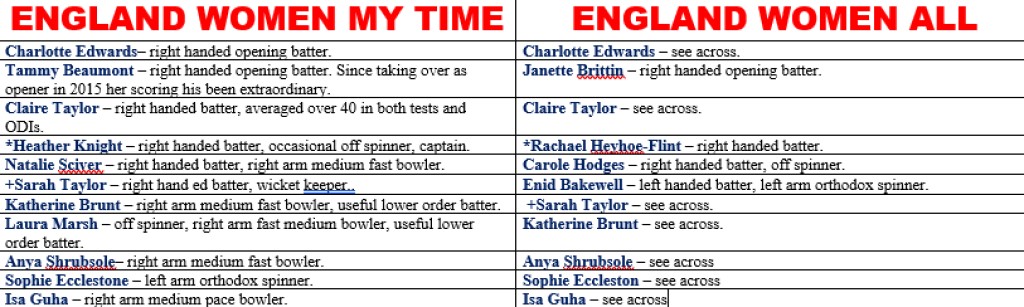
ENGLAND WOMEN IN MY LIFETIME
Charlotte Edwards – right handed opening batter. She was an England regular for two decades, and her departure from the international scene caused some controversy when it final;y happened. However, it was undoubtedly the right decision, and within a short time the England Women had reaped rich rewards for making it. I first saw her in action as a teenager, when her more experienced team mates were by and large unable to offer any kind of resistance to Australia, and she chiselled out 74.
Tammy Beaumont – right handed opening batter. She was moved up to the top of the order after Edwards’ departure and almost immediately began making big scores there. Regular readers of this blog will know that back in 2018, with Cook obviously due to retire soon and Jennings due for the chop (having replaced the proven international failure Mark Stoneman) I advocated that she be given an opportunity to play alongside the men. As it happened Rory Burns who had made an unanswerable case for selection came in, Jennings stayed on for the winter, and Joe Denly got given his test chance. After a disastrous experiment with Jason Roy as red ball opener and a summer of top order strife England subsequently turned to Dominic Sibley who had made a clear case for inclusion and also elevated Zak Crawley on rather less firm ground. I expect that when test cricket resumes post covid-19 the England men’s top three will read Sibley, Burns, Crawley, as it should, and that top three would be the most solid looking England have boasted since Strauss, Cook and Trott were in their prime.
Claire Taylor– right handed batter. She averaged over 40 in both test cricket and ODIs, and no 3 was her regular position.
*Heather Knight – right handed batter, occasional off spinner, captain. She has proven an outstanding captain since being given the job in succession to Edwards, and he record with the bat is excellent as well, while she has taken important wickets with her off spin.
Natalie Sciver – right handed batter, right arm medium pacer. The Tokyo born all rounder has been one of the first names on the team sheet ever since first being picked for the side.
+Sarah Taylor – right handed batter, wicket keeper. One of the two finest keepers I have ever personally seen in action (the other being Ben Foakes) and a magnificent batter as well. Her presence, plus the batting abilities of the next two in the order enables to the selection of five top line bowlers.
Katherine Brunt– right arm medium fast bowler, useful lower middle order batter. She was a pure bowler when she came into the side, but has developed her batting, not quite in the manner of Ellyse Perry and Kiwi Sophie Devine to the point where it is arguably more important to the side than her bowling, but certainly to a sufficient extent to justify selection at no7.
Laura Marsh – off spinner, right arm fast medium bowler, useful lower order batter. A multi-purpose bowler, and perfectly capable of batting for long periods in support of a more established batter, as she demonstrated famously in partnership with Heather Knight.
Anya Shrubsole – right arm medium fast bowler. Brunt’s regular new ball partner. She was the hero of the 2017 Women’s World Cup final, taking six wickets to enable England to defend a fairly modest total against India, an achievement that saw her become the first female to appear on the front cover of Wisden.
Sophie Ecclestone – left arm orthodox spinner. The best of the collection of young spinners currently doing well for England Women, which also features the likes of Kirstie Gordon, Linsey Smith, Sarah Glenn and Sophia Dunkley, with others such as Helen Fenby on the fringes.
Isa Guha – right arm medium pacer. She made her international debut at the age of 17, bagging three cheap wickets to begin a journey that would see her at one time rated the best female bowler on the planet. She is probably better known today as an entertaining commentator who is a regular and welcome part of TMS. She did most of her international bowling into the wind, with Brunt often bowling with the wind at the other end.
This team has a formidable top six, including an incredible wicket keeper, and a collection of five bowlers who between them tick every box save leg spin.
ADDITIONS TO THE ALL TIME XI
Janette Brittin – right handed opening batter. Her record demands inclusion, although Beaumont still has time in which to change that.
*Rachael Heyhoe-Flint – right handed batter. Amagnificent captain, and a batter who averaged 45.54 in test cricket and just over 58 in ODIs.
Carole Hodges – right handed batter, off spinner. A magnificent all-rounder, whose feats included an ODI performance in which she scored 96 with the bat and her bowling figures included a hat trick.
Enid Bakewell – left handed batter, left arm orthodox spinner. An extraordinary all round record, averaging almost 60 with the bat and under 17 with the ball, including being the firsst player of either sex to score a century and claim a 10-wicket haul in the same test match.
Rejigging the team to include these legends gives us a batting line of Edwards, Brittin, C Taylor, *Heyhoe-Flint, Hodges, Bakewell, +S Taylor, Brunt, Shrubsole, Ecclestone, Guha. This makes the batting formidably strong, and gives us three front line seamers in Brunt, Shrubsole and Guha backed by three topline spinners, Ecclestone, Bakewell and Hodges. The similarity in bowling style between Bakewell and Ecclestone can be coped with.
HONOURABLE MENTIONS
I have already mentioned the phalanx of young spinners currently available to England Women, and I add to that list Alex Hartley, who was part of the 2017 World Cup winning squad, and up-and-coming off spinner Mady Villiers. Isabelle Wong, still in her teens, is quicker by some way (and actually styles herself as a fast bowler, as does her Aussie contemporary Tayla Vlaemink) than any of the seamers I have picked, and I fully expect her to force her way into consideration sooner rather than later. There has been one previous player of Chinese ancetsry to play international cricket, Ellis Achong after whome the ‘chinaman’ was named, and there was also a Sheffield Shield player many years ago by the name of Hunter Poon, while in my brief umpiring career I saw a boy who I believe to have been of Korean descent, named Kim (but no relation AFAIK to the ruling family of North Korea!) take 6-6 in a spell. Three fine all rounders who I could not find space for were Jo Chamberlain, player of the match in a world cup final back in the day, Melissa Reynard, an unglamorous but mighty effective middle order accumlator and bowler of medium pace, and Jenny Gunn, possessor of the slowest ‘slower ball’ yet seen in international cricket. Danielle Wyatt would be a shoe-in for a T20 side, but her record in other formats is not good enough for her be given serious consideration in this exercise.
WOMEN PLAYING ALONGSIDE THE MEN
I reckon that a female playing alongside the men at the highest level is something that will be seen before too many more years has elapsed. Arran Brindle nee Thompson scored a century in men’s league fixture a few years ago. While it is unlikely that a female could ever bowl as fast the quickest men, batting does not depend solely or even principally on power – timing and placement are key, and there is also no reason why a female spinner should not prove deadly, and I have named a female wicket keeper as one of the best I have ever seen in that department. Of course women who can hold their own alongside the top men,if we do see such, will always be rarities, but I refuse to accept that the possibility should be ruled out entirely.
AN INVITATION
One of mytwitterfollowers, Iain Davidson McKane, suggested that I might offer to produce these to fill third party requests. So, keeping things sensible (perhaps study previous posts in this series to see what I have already done), I now ask readers who have an ‘all time XI’ idea for me to suggest it in the comments. If you have a blog of your own and mention that as well then if your idea works and I can produce a post about it I will link to your blog.
PHOTOGRAPHS
And it is time for my usual sign off…
For the first time in over two months I have been somewhere other than my bungalow and its bit of garden – not very far afield (I don’t trust this government an iota, and although I am prepared to go out walking now I remain exceedingly cautious).
The latest in my “100 cricketers” series, dealing with the opening batters in my fifth XI and a couple of other bits of business. Also features some og my photographs.
INTRODUCTION
Welcome to the latest installment in my “100 cricketers” series. Having spent most of the afternoon getting care arrangements sorted I now have time to attend to this and am delighted to do so. My introduction to this series can be seen here, and the most recent post, in which I introduce the fifth XI in batting order can be seen here. First however there is a bit of business to attend to…
ENGLAND MAKE IT 3-0 IN STYLE
The third and final match of the ODI series between Sri Lanka Women and England Women took place this morning. After a clinical bowling and fielding effort had restricted Sri Lanka to 177 from their 50 overs thbis modest total was made to look positively risible by Amy Jones (76 off 58 balls, her third successive fifty plus score), Tammy Beaumont (63 off 66 balls), Lauren Winfield (29 not out off 28 finishing the chase with a six) and a walk-on for captain Heather Knight (3 not out at the end), the target being chased down with 23.5 of a possible 50 overs unused. The wickets had been shared around, with Cross (2-25 from her full 10 overs – another fine effort in what has been a good recent run for her), Shrubsole (2-30 from nine) and Hartley (2-39 from eight) each picking up two and three run outs being achieved (Sciver, Wilson and Winfield being the successful fielders, the work of the latter two being completed by keeper Jones). A full scorecard can be viewed here and an official report here.
When I mentioned Duanne Olivier while covering “Kolpak” players in a piece devoted to Jonathan Trott I implied based on the fact that he had already played for the full South African side that he did not intend to make his skills available to England. It appears that I was wrong about this(though not about Jacques Rudolph or Kyle Abbott, the other two players I mentioned in that context) and if he really means it about wanting to play for England I hope he succeeds in attaining that ambition. I still stand by what I said overall regarding “Kolpak” players, and especially those who do not intend to make their expertise available to England, but it appears that Olivier has the right intentions whatever one might think of someone who has already played for one country seeking to do so for another, hence this little section.
Two fine innings against England in the 2017 Womens World Cup (90 in a winning cause in the first match of the tournament, 86 in a losing cause in the final, when she eventually became one of Anya Shrubsole’s six victims) showed how good a player she is. Her approach suggests that had she had the opportunity (like so many of the women she has not) she would do well in test cricket as well. Although Harleen Deol has done little to impress in her brief tenure as opener, Jemimah Rodrigues looks to pose a stronger challenge to Raut’s continued presence in the team (Smriti Mandhana – see this post for more – has one opening berth absolutely nailed down but I expect to hear and read more of Raut before she is finished.
LAURA WOLVAART
At 19 years of age she has already played 41 ODIs and averages 43 in that form of that game, with two centuries (best 149). Her 13 T20I appearances have been less impressive, and is so often the case with the women she has not as yet had the opportunity to show what she can do in the test arena. I for one believe that even more than in the case of most of the others in her current position she would fare well there given the opportunity – the fact the she sppears to positively relish playing long innings points success in that arena.
With a strong middle order (subject of the next post in this series) to follow the opening pair she would have every opportunity to bat for considerable periods of time.
I expect plenty more big scores from her in the not too distant future.



















































































































































































































































































































































































































































































 aspiblog