A look at goings on in the county championship, with the focus on Surrey v Somerset. Also a bumper photo gallery, including some interesting butterflies.
The second round of county championship matches is reaching its conclusion, and this post looks at what has been going on, with the focus principally on Surrey v Somerset.
A GREAT FIGHTBACK BY SOMERSET
Surrey led by 143 on first innings, and when Lewis Goldsworthy’s brave resistance ended yesterday the score was 162-6, a mere 19 runs ahead. However Lewis Gregory, supported first by the highly impressive youngster Kasey Aldridge and then by Craig Overton looked to have saved Somerset time ticked on (some bad weather which took the first hour out of the day’s play also helped Somerset). His dismissal for 80 was the first of three very quick wickets to end the innings, as Migael Pretorius played a truly awful shot, and Shoaib Bashir was pinned LBW. All three of these wickets went to Cam Steel, giving hjim five for the innings, nine for the match, 14 for the season and 51 in all first class cricket. That left Surrey needing 209 in 20 overs, however the start of the Surrey second innings has been delayed by more bad weather. Surrey clearly intend to have a go when the innings is allowed to start – Jamie Smith and Dan Lawrence opening the batting.
ELSEWHERE
Between the weather and the tall scoring almost every other game is either confirmed as a draw or soon will be. However Essex still have a chance of outright victory in the Thames Estuary derby (Kent will be delighted to escape with a draw if they manage it). Gloucestershire and Yorkshire are also still duking it out, with the latter just about in with a chance of winning, although four wickets is a good many to take in not much time.
PHOTOGRAPHS
My usual sign off…
This heron took wing as I was preparing to photograph it, but I did manage tio capture it.A closer crop of the flying heron.This small blue butterfly was moving too fast for me to zoom in really closely.This white butterfly with a black body has a very intricate veining pattern on its wings.An orange tipViewed close up (next pic is even clser) the tips that give it its name segue from orange to brown at the extreme edge and there is the faintest hint of blue in the head area.A large brood of ducklings.
While I was preparing this for publication Surrey scored 50 off the first five overs of their innings – the weather may stop them, but it doesn’t look like Somerset can.
A look at goings on in the second round of the 2024 County Championship with the main focus on Surrey v Somerset. Also a short section on the Kookaburra experiment, and of course a photo gallery.
We are at the halfway stage of the second round of County Championship matches for 2024. My main focus is on Surrey v Somerset, but I will also mention other games.
DAY ONE
Surrey won the toss and elected to bowl first. At 196-1 with Renshaw and especially Lammonby going very well it wasn’t looking great for the home side. However a run out accounted for Renshaw for 87, and Lammonby fell immediately after reaching three figures (a bit of an issue for him – he now has a double figure tally of FC hundreds but has yet to go on even as far as 120). That got Surrey on a roll, and Somerset soon found themselves 216-8. A bit of a revival, spearheaded by Lewis Gregory, boosted the final total to 285, which looked at least 100 below par given the flatness of the pitch and the fact of the Kookaburra ball being in use. Cam Steel, treated by his first county, Durham, as a specialist batter claimed four wickets to follow his five against Lancashire, and ended the innings with an FC bowling average of below 30 for the first time in his career. Gus Atkinson had 3-57 from 19 overs, proving that not all seamers are completely emasculated by the Kookaburra (see also Sam Cook’s cheap 6-for v Nottinghamshire in the first round of fixtures). Surrey reached the close on 42-0, with no Somerset bowler posing a threat, and both Burns and Sibley looking comfortable.
DAY TWO
Surrey batted sensibly, and never had anything approaching a collapse. Gregory looked an unthreatening medium pacer, Craig Overton was decent but not massively threatening and it was the two youngest Somerset bowlers, Bashir with his off spin and right arm fast medium bowler Kasey Aldridge who by far the most impressive. Sibley reached three figures, Burns just missed that mark, Jamie Smith played a little gem of an innings and Foakes made a solid half century. Dan Lawrence’s first innings for his new county was a failure, but Cam Steel followed his good bowling by settling in nicely with the bat, and Surrey closed day two on 358-6, 73 runs to the good with four wickets standing (and Jamie Overton is probably the best number nine batter in current county cricket while number 10 Gus Atkinson is far from being a mug with the bat).
DAY THREE SO FAR
There is no sign of any early trouble for Surrey as yet, and they have added six to their overnight total for no loss.
ELSEWHERE
Durham, after not getting on the field at home for their opening game, had a deeply chastening experience at Edgbaston, putting their hosts into bat and watching them amass 698-3 declared, with all of the top three passing 150 (skipper Alex Davies leading the rampage with 256). Middlesex also suffered horribly at Northamptonshire, the home side’s 552-6 declared meaning that the two first innings that Middlesex have bowled through so far have a combined aggregate of 1172-9. Derbyshire and Glamorgan are locked in a low scoring battle which proves that wicket taking is possible with the Kookaburra. Off spinning all rounder Alex Thomson has a 10 wicket match haul for the home side. The Thames Estuary derby between Essex and Kent looks like being a high scoring draw, but the Nottinghamshire v Worcestershire and Hampshire v Lancashire games look less batter dominated. The county of my birth, Gloucestershire, are currently having somewhat the worse of their match against Yorkshire. While I have been typing this Aldridge has claimed a thoroughly deserved third wicket of the Surrey innings, dismissing Jordan Clark. We are about to witness twin against twin – Craig Overton bowling to Jamie Overton.
THE KOOKABURRA EXPERIMENT
Many are bemoaning the absence of seriously low scoring April games which used to be a feature of the championship with the Duke ball in use. I am not among them, and nor am I rushing to judgement on the experiment. The purpose of using the Kookaburra in place of the Duke at the extremes of the season is to lessen the influence of those who have been making a living nipping the Duke around at 75mph – such bowlers will never succeed at test level, and increase the variety of bowling on show. The efforts of Sam Cook, Gus Atkinson and Kasey Aldridge shows that high quality seamers can still do it with the Kookaburra (only Atkinson of this trio is capable of touching the sort of speeds that would be considered genuinely fast, and even for him that kind of pace is the exception rather than the rule), while spinners never used to feature this early in the season, and the performances of Thomson, Steel and a few others are showing that these bowlers now get a look in early in the year. One season is not enough to form a definite judgement, so even I was unimpressed with the Kookaburra experiment I would want it to continue. As it is I see no reason to believe that it cannot work, and I hope it is persevered with.
A look at the points system in use in this year’s county championship and its main problem (the over generous reward for drawn games).
The second round of county championship matches gets underway on Friday (there is an IPL commentary today, which is just getting underway). This post looks into the rights and wrongs of the points system used in the county championship.
THE POINTS SYSTEM
The points system in use for this season is as follows: 16 Points for an outright win 8 points for a draw
In addition bonus points are awarded in the first 110 overs of each side’s first innings as follows: batting – 1 point for 250 runs, 2 for 300, 3 for 350, 4 for 400 and 5 for 450 and bowling – 1 point for three wickets, 2 points for six wickets and 3 points for nine wickets.
PROS AND CONS
I approve of the 16 points for a win, and though I accept that it adds a degree of complexity I also largely approve of the bonus point system. I have a problems with the allocation of eight points for a draw (it used to be five last season). Two matches in different ways illustrate the problems with rewarding a draw so highly. At Lord’s neither Middlesex nor Glamorgan were within a country mile of winning – the pitch won hands down, and there is no certainty that there would have been a result had that match been allocated eight days rather than the regulation four. At Hove Sussex utterly outplayed Northamptonshire but bad light forced an end with Sussex highly likely to win had it not done so, and Northamptonshire gained eight points which they had done precious little to earn. I do not go so far as legendary Somerset skipper of yesteryear Sammy Woods who was once heard to say “draws…they’re for bathing in” – I have witnessed some classic drawn matches, including the Old Trafford test match of 2005 and a match between Surrey and Hampshire, when with no chance of anything more than a draw for Surrey former South Africa test batter Hashim Amla batted the whole of the final day to shepherd his side to that draw. However I also do not particularly want to encourage sides to play safe and look to avoid defeat, and I feel that awarding as many as eight points for a draw (which if it comes with full batting and bowling points thus means 16 in total) is likely to encourage negative tactics. I think five points is ample for a draw. A further problem with eight points for a draw is exemplified by the fact that Durham and Hampshire have eight points a piece for four days of doing nothing because the outfield was always deemed too wet for cricket. Surrey meanwhile have 11 points because in just over 80 overs of cricket at Old Trafford they managed to bowl their hosts out for 202, and were 15-0 in reply.
PHOTOGRAPHS
I have a bumper photo gallery, particularly notable for the variety of butterflies featured…
A Tortiseshell butterflyA Peacock butterflyThe most exotic butterfly of the year so far – an Orange Tip Peacock butterflyPeacock butterflyA shieldbug.Tortiseshell butterfly.A peacock butterflyA comma butterfly (two edits).
A look at the main events of the first round of County Championship 2024 fixtures. A new young batting talent announced itself at Edgbaston. and a bowler staked an England claim at Trent Bridge. Also a substantial photo gallery.
The umpires at Hove have just confirmed that the game there between Sussex and Northamptonshire is a draw due to bad light, which means that the first round of county championship 2024 fixtures is done and dusted. This post looks at events of the last four days.
TWO COMPLETE NON-EVENTS
Many matches were adversely affected by rain, bad light or the cumulative effects of long periods of continuous rainfall. Two, Derbyshire v Gloucestershire and Durham v Hampshire saw not a single ball bowled on any of the four scheduled days. I am not sure about the Derbyshire game, but there was not actually much rain during the four days themselves at Durham, but owing to several months of near continuous rain in the region it was not possible for the ground staff to get the outfield dry enough to be safe for play.
REMEMBER THE NAME: KASHIF ALI
Kashif Ali was making his debut for Worcestershire, and they had opted to give him the number three slot, which might be seen as big ask for a young and inexperienced player (he is 26 and had played only eight previous FC matches). He came into the match against neighbours and fierce rivals Warwickshire without a first class century to his name – and departed Edgbaston four days later with two to his credit – 110 in the first Worcestershire innings and 133 in the second. Weather interventions on the third and fourth days saved Warwickshire’s blushes, forcing the visitors to accept the better of a drawn match. Full scorecard here.
THE NEW ‘CHEF’
At the end of last season Sir Alastair Cook, aka ‘Chef’ called time on a long and distinguished professional career. That enabled the nickname to passed on to a new and worthy recipient, right arm fast medium bowler Sam Cook, previously known as ‘Little Chef’. While Cook’s partner in destruction, Jamie Porter, is probably too old for an England call up (a casualty of Broad and Anderson’s long domination of England seam bowling) Cook at 26 is well and truly still in the picture, and his 6-14 today against Nottinghamshire to secure one of the few outright wins of this opening round (Porter 3-43, and Essex third seamer Shane Snater 1-23) may just have placed him where he belongs on England’s radar. Those six wickets mean he currently has 275 first class wickets at 19.48 a piece after 75 matches. Full scorecard here.
A RUN GLUT AT LORD’S
I mentioned Sam Northeast’s new ground record 335* in a total of 620-3 declared in an earlier post. Well in proof that was more the pitch than him I provide the fact that not only did Glamorgan not win, they actually conceded a first innings lead to Middlesex, who racked up 655. Ryan Higgins, normally considered a ‘bowling all rounder’ – a crafty right arm medium pacer and a good (but hardly great) middle order batter contributed 221 to the north London cause, while number 10 Tom Helm managed 64. Shrewd observers will realize why I have rated Kashif Ali’s twin tons above the huge scores from this match. Though it was, as Patrick Murphy described the absurd Bombay v Maharashtra game that saw 2376 scored across the four innings, a “meaningless fiesta for Frindalls” a full scorecard is here.
OTHER NOTES
Somerset fared well against Kent, with James Rew scoring a fluent 50 as they took a big first innings lead, though Kent comfortably drew the game. When weather is making itself felt in English cricket Old Trafford rarely escapes, and indeed the Lancashire v Surrey match was heavily effected – Surrey dismissed the hosts for 202, and reached 15-0 in reply but that was the full extent of play over the four days.
A look at goings on in the county championship with the main focus on the west midlands derby. Also a bumper photo gallery with a very special feature image.
The county championship season is into its second day, and most matches have now had some action. I continue to follow the west midlands derby, which shows every sign of being a classic game. Elsewhere, Sam Northeast is cashing in on the feebleness of Middlesex’s bowling – he now has the highest ever first class score at Lord’s, having surpassed Graham Gooch’s 333 for England v India in 1990.
WARWICKSHIRE V WORCESTERSHIRE
Warwickshire fought their way back into things in the later stages of yesterday, and by the close Worcestershire were 316-7 after 93 overs (bad light curtailed play with three overs not bowled, but we were by then half an hour past the scheduled close due to the preponderance of seam bowling on display. This morning Worcestershire advance their score to 360, a fine effort for a side sent into bat. Veteran seamer Joe Leach took a wicket for Worcestershire, but Warwickshire are going nicely at 94-1, skipper Alex Davies on a solid 32*, Will Rhodes a punchier 33*, with Rob Yates out for 26. Yates was once on England’s radar after a superb breakthrough season, but he has done little recently, and a score of 26 with a few nice strokes is not really what is required of an opener in first class cricket. Alex Davies has gone while I was preparing this post for publication – a good started wasted through a poor shot. Will Rhodes is still there, and Ed Barnard has joined him, and got underway with a six.
ELSEWHERE
Lancashire v Surrey saw no play at all yesterday, but they have managed to make a start today – Lancashire are 61-1 in the 24th over. The wicket, that of failed England opener Keaton Jennings, has gone to Dan Lawrence via a return catch. Somerset have five Kent wickets down so far, but Harry Finch and Joey Evison are offering resistance for Kent. Lewis Gregory has three wickets to his credit. The county of my birth, Gloucestershire are involved in one of two fixtures not to have had any play on the first two days (day two washouts already confirmed in both cases), the Derbyshire ground staff, like their Durham counterparts for the match against Northamptonshire being unable to render the surface playable. Glamorgan have decided that 620-3, with Northeast 335*, is enough for them and have declared.
PHOTOGRAPHS
I have a bumper photo gallery for you (don’t forget to click on images to view them at a larger size)…
Mama duck escorts the youngsters.Four bees in a single shot – this is the original before any sort of editing……this is cropped but not otherwise edited……and this is cropped and edited……while this is an even closer crop focussing on the three ‘loose’ bees……and this focuses on the bee of a different species that as already picked a flowers.
My view (as a keen cricket fan who works for an auctioneer) on bidding at IPL auctions, with some pungent observations about what happened with Mitchell Starc.
Today I look at the workings of IPL auctions. There is a particular signing at the most recent such auction that will feature later as (IMO) a clear cut example of folk losing their heads.
HOW AN IPL AUCTION WORKS
Each franchise has a total budget for assembling their squad of 90 crore rupees, with the pay of the players they retain from the previous edition deducted from that. There are 25 spaces available in each squad, with a minimum of 18 of those spaces having to be filled. The starting XI can contain up to four overseas players and the full squad is allowed to contain eight such players.
AN EXAMPLE OF HEADS BEING LOST AT AUCTION
Australian left arm pacer Mitchell Starc sold for 24 crore at the last IPL auction – over a quarter of the successful bidder’s total available budget for one player. This is a signing that almost cannot end up being a good one – if he has a stella tournament (and figures after two of 14 group games of 8-0-100-0 suggest otherwise to put it politely) then so he should at that price, while anything less represents failure. Also, with that much of the budget blown on one player there are bound to be weaknesses elsewhere in the squad.
HOW I WOULD HANDLE BIDDING AT AN IPL AUCTION
I would set myself limits beyond which I would not bid no matter how much I wanted to secure the player concerned. I would probably never venture beyond 10 crore for anyone, and even if I suspected I was bidding for a reincarnation of Garry Sobers I would limit myself to 15 crore. I would also concentrate a lot of my attention on players who other franchises seem to be ignoring, rather than being over eager to join in bidding frenzies. I would not want to spend massive money on specialist batters – bowlers up to a certain point yes, and all rounders are obviously always valuable when you have to have at least five bowlers in your XI (and six would be recommended, just so that if someone is getting absolutely smoked you don’t have to give them their full four overs). Mitchell Starc has 12 group games, plus KOs if his team qualifies for those in which to improve his current figures for this tournament, but I cannot see any way in which even he, magnificent bowler though he is, can justify that ridiculous fee. At the moment with those cumulative figures to date of 8-0-100-0 and coming at that astronomical fee he is on course to be the worst flop in IPL history.
PHOTOGRAPHS
My usual sign off…
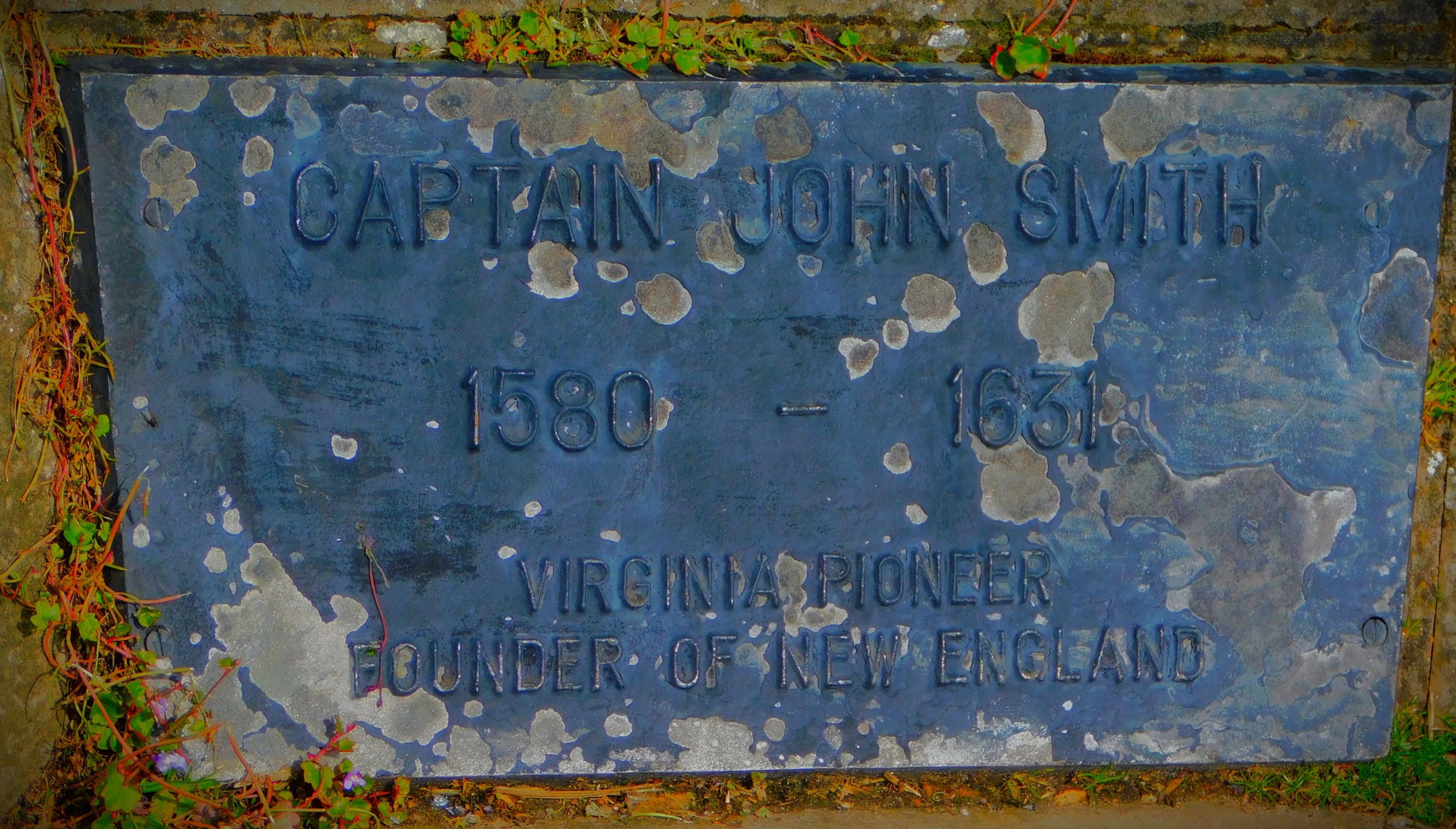
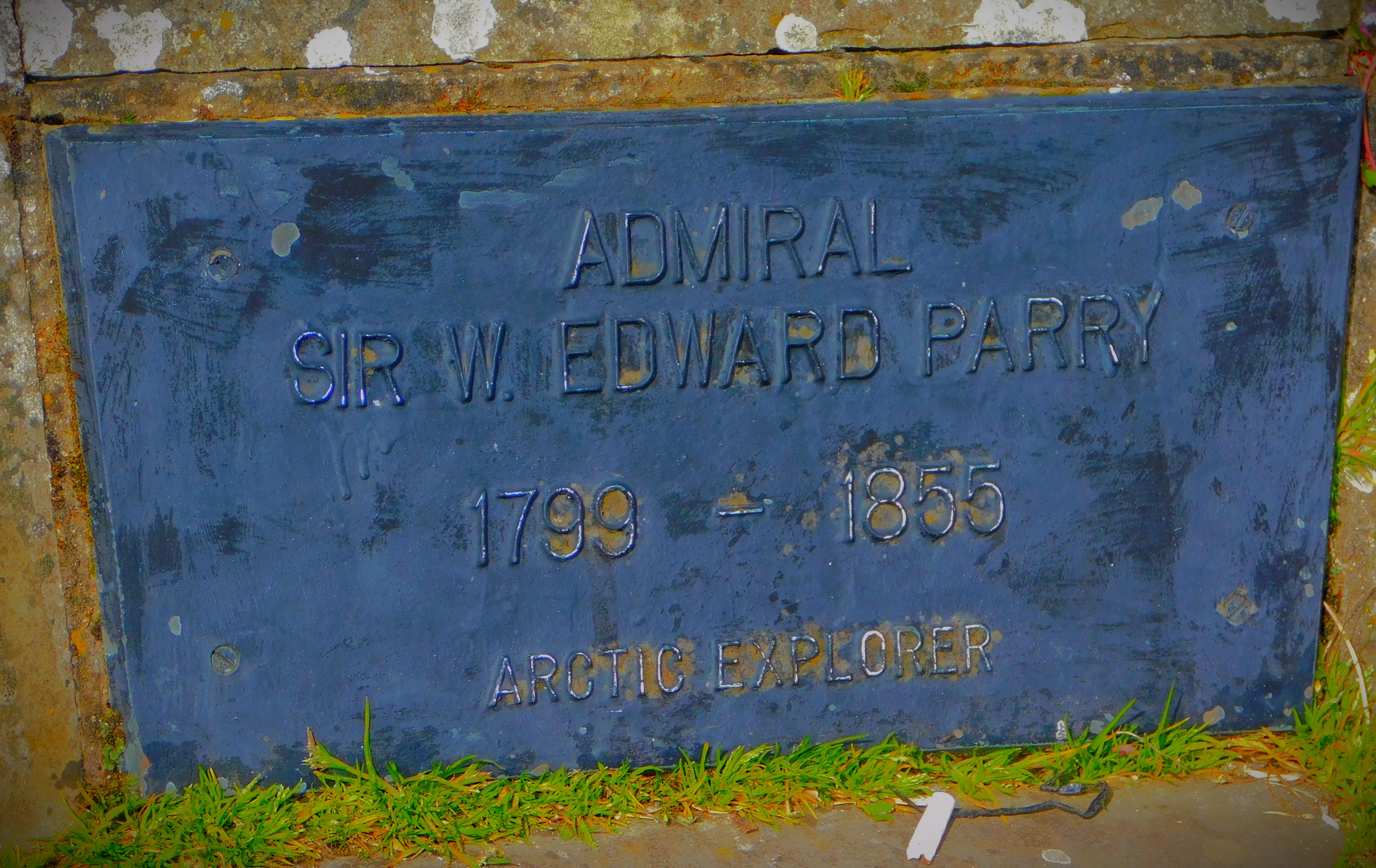
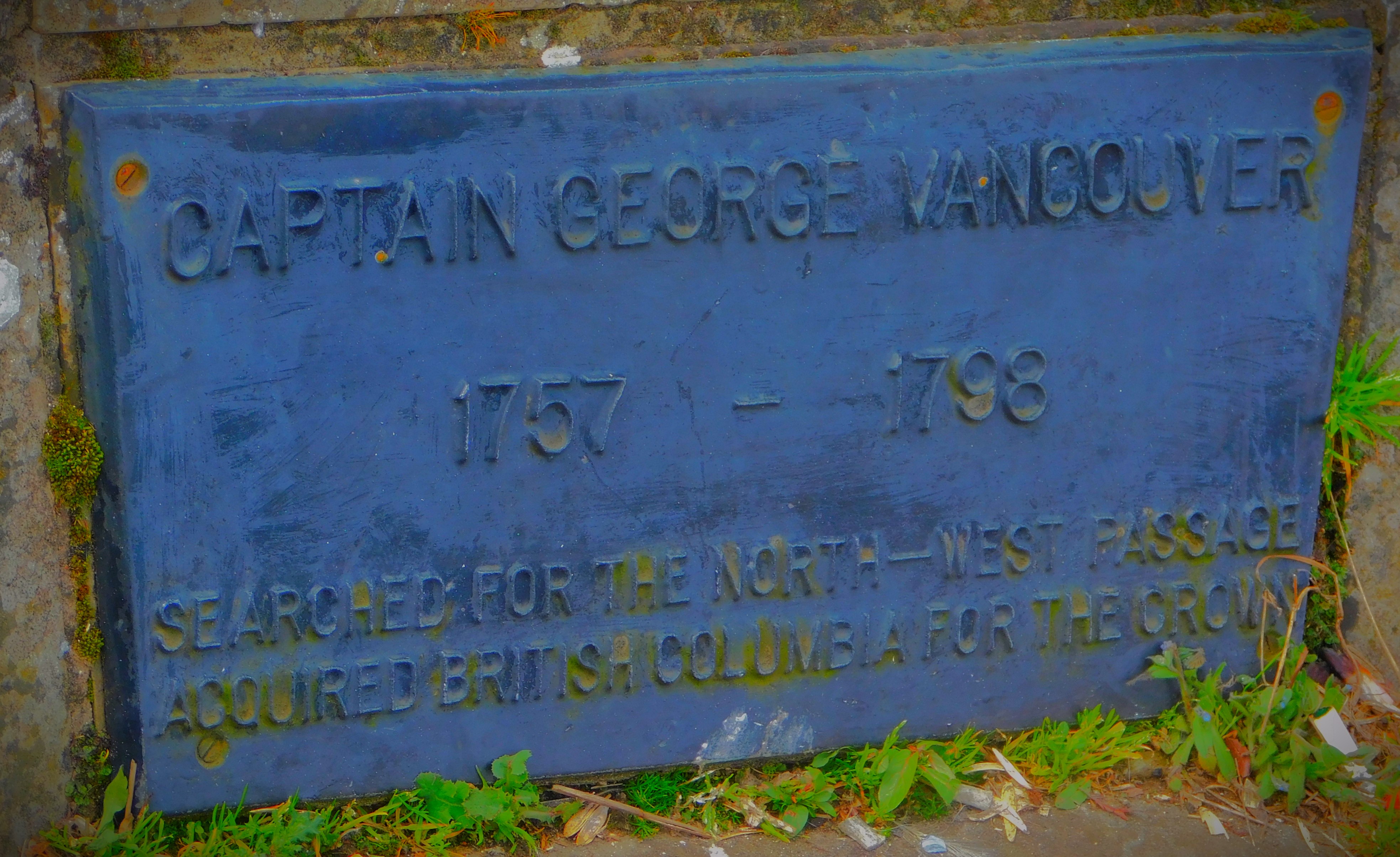
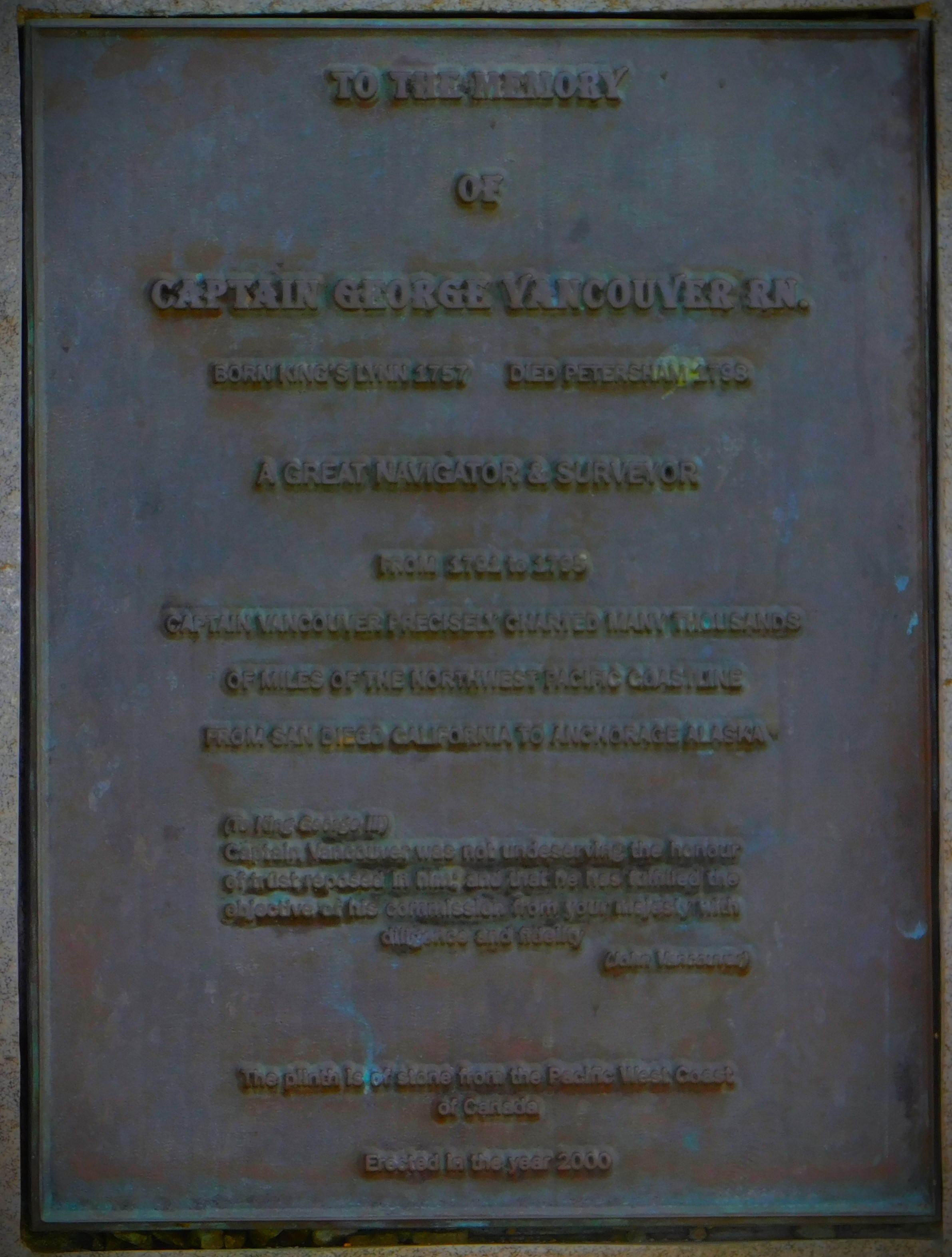
The South Gate from the town side.The South Gate from the outside.The iconic Custom House.The statue of George Vancouver.
A look ahead to the upcoming cricket season and a bumper photo gallery.
It is now less than a week until the English first class cricket season kicks off. In the meanwhile there has been some interesting action in the IPL, though I am following today’s game only through cricinfo, as this long weekend features Classic FM’s ‘Hall of Fame’ countdown – the 300 most popular pieces of classical music as voted for by listeners (you get to pick your top three if you choose to vote, and the pieces with the most votes make it into the charts) – and I always follow as much of this countdown as I can.
Surrey start the season as winners of the last two county championships. The last side to win three in a row were Yorkshire in the 1960s (1966, 1967, 1968). A decade earlier Surrey themselves set the all time record by winning seven in succession (1952-1958 inclusive).
I end this look ahead to the season by mentioning two youngsters who may well feature for England before the season is done. Somerset batter James Rew was simply magnificent last season, and if he can pick up where he left off he will have to picked. Surrey pacer Tom Lawes has shown considerable promise, and with Broad retired, Anderson surely nearing the end, Wood already 35 and with a history of injuries, Robinson’s fitness unreliable (to put it generously) there are more than likely to be vacancies in the pace bowling department.
PHOTOGRAPHS
I have a bumper photo gallery to finish with – the weather has been very springlike in recent days…
A view of King’s Lynn from the edge of Harding’s PitsGetting the whole frontage of the town hall in a single picture is a challenge, but I found one place from where it can be done today.
A look a two of test cricket’s daftest dismissals, the second of which happened yesterday. Also a huge photo gallery, making the most of the arrival of spring.
In the recent test match between Bangladesh and Sri Lanka two Sri Lankan batters scored centuries in both innings, and a Bangladeshi batter suffered the dismissal that prompted this little squib. I offer two contenders only, starting with…
LITTON DAS’ BRAINFADE
You are facing your first ball, with your side already reeling at 37-4. What do you do? If you are Litton Das you have an almighty heave and hole out in the deep, turning 37-4 into 37-5. Sadly, although this particular dismissal stands out for its sheer awfulness Bangladesh have had far too many moments of lack of application/ lack of mental toughness in their 24 years as a test playing nation, and such progress as they have made in that time is barely measurable.
WHY DID HE DO THAT!!!
You are Shannon Gabriel, specialist fast bowler with zero pretensions as a batter, and your side, the West Indies are nine wickets down with seven possible deliveries left in the match. At the other end, waiting to bat out the last over and leave the pitch with the draw secured, is Roston Chase with 110 not out to his name. What do you do? Mr Gabriel had a wild yahoo and succeeded in losing his wicket, handing the match, and with it the series, to Pakistan. The West Indian commentator’s agonized shout of “WHY DID HE DO THAT???!!!” is only too understandable in the circumstances.
MY VERDICT
On the one hand Litton Das is a proper batter and Shannon Gabriel one of the more genuine of genuine tail enders, which would seem to militate against the Bangladeshi. On the other hand Bangladesh were miles from any hope of escape in the match, whereas Gabriel knew that if he simply kept out one ball it would Roston Chase’s task to survive the remaining over, and he knew that Chase had a ton to his name and would be seeing it like a watermelon. Thus on the ground that the end goal was in plain sight for Gabriel and not remotely visible for Das, while acknowledging that Das had an absolute shocker, and that no one should have got out like that in that situation I give the verdict to Gabriel.
PHOTOGRAPHS
I have a massive photo gallery to share…
A large bee zeroes in on a nectar-rich flower head.A bee searching for flowers.
The third and final part of mini-series looking at South African cricket history. As usual I also have a fine photo gallery.
This is third part of a mini-series looking at South Africa’s cricket history (follow the links to part one and part two to complete the picture) looking at the period since they were readmitted to international cricket.
THE XI IN BATTING ORDER
*Graeme Smith (left handed opening batter, captain). A superb playing record and a very good win percentage as captain, a role he first took on at a much younger age than most test captains.
Herschelle Gibbs (right handed opening batter). To complement the decidedly functional left hander we have a rather more aesthetic right hander, but one who scored plenty of runs.
Hashim Amla (right handed batter). The only South Africa ever to score a test triple century, just one of many magnificent innings he played over the years.
AB de Villiers (right handed batter, occasional wicket keeper, occasional medium pacer). Best known for his deeds in limited overs cricket, Abraham Benjamin de Villiers was still good enough facing a red ball to average 50 with the bat at test level.
Jacques Kallis (right handed batter, right arm fast medium bowler). If one had to pick a single player as the greatest ever produced by South Africa most people would name this man.
Brian McMillan (right handed batter, right arm medium fast bowler). One of the best players of the period immediately after South Africa were readmitted. He was already close to 30 when the opportunity to play test cricket arose, but still averaged 40 with the bat at that level and took some useful wickets along the way.
+Mark Boucher (wicket keeper, right handed batter). One of the greatest keepers ever to play the game and a handy lower middle order batter.
Keshav Maharaj (left arm orthodox spinner, right handed batter). South Africa is not a country that many visiting spinners of recent times would have fond memories of, and his test record (158 wickets at 31.99 to date) has to be viewed through the lens of how difficult it is to bowl spin in that part of the world these days.
Kagiso Rabada (right arm fast bowler, right handed batter). At 28 years of age he has plenty of power to add to his achievements, and he has already achieved enough that he will rank among the greats of the game even if he does nothing more.
Allan Donald (right arm fast bowler, right handed batter). He had the opportunity to qualify for England through residence, playing county cricket for Warwickshire in the 1980s, but chose not to do so, believing that South Africa would be readmitted in time for him to play for them. They were, and although Donald was nearer 30 than 20 by the time the opportunity came he showed the world what followers of county cricket had already been well aware of – he was both seriously quick and seriously accurate.
Dale Steyn (right arm fast bowler, right handed batter). At his peak he was indisputably the best fast bowler in the world, and his record, as with Donald and Rabada, puts him among the finest ever.
This side has a powerful batting line up, three of the finest fast bowlers ever to play the game, a quality spinner, a great keeper, a great captain, and two of the six batters would be legitimate bowling options as well.
HONOURABLE MENTIONS
The biggest miss by far was Shaun Pollock. I do not like not having any spin available, and Boucher at six and Pollock at seven would be something of gamble. I always select with long form cricket in mind, so I want the best keeper. But for this latter I could get Pollock in on a minor gamble by playing Quinton de Kock as keeper, have him bat at six (dropping McMillan), Pollock at seven, one place above his most frequent slot for SA, and then my four chosen bowlers.
Dean Elgar was a gritty and determined left handed opener, but with Smith inked in I wanted my second opener to be right handed, so he missed out. Gary Kirsten, another tough left handed opener can have a coaching gig – another job he has done well.
Had Daryll Cullinan been able to handle Australian leg spinners as well as he did other bowlers he would have given me more pause than he actually did. He averaged six runs less per knock at test level than de Villiers to whom I gave his regular number four slot.
Francois ‘Faf’ Du Plessis was a good middle order batter, but South Africa’s power in that department over the years keeps him out. Also in his last innings against England he repeatedly handled the ball – England complained about it, but wrongly IMO did not use the ultimate sanction of appealing against him – the umpire would have had to raise the finger.
Ashwell Prince had a respectable test record but again the strength of the middle order keeps him out.
I would have liked to be able to include Paul ‘frog in a blender’ Adams, but his record was unfortunately not as remarkable as his bowling action.
Two seriously fast bowlers who had to miss out were Mornantau ‘Nantie’ Hayward who was to inconsistent to challenge my actual choices and Anrich Nortje who does not yet have the weight of achievement to merit selection.




















































































































































































































































































































































































































































































































































































































































































































































































































































































































































































































 aspiblog