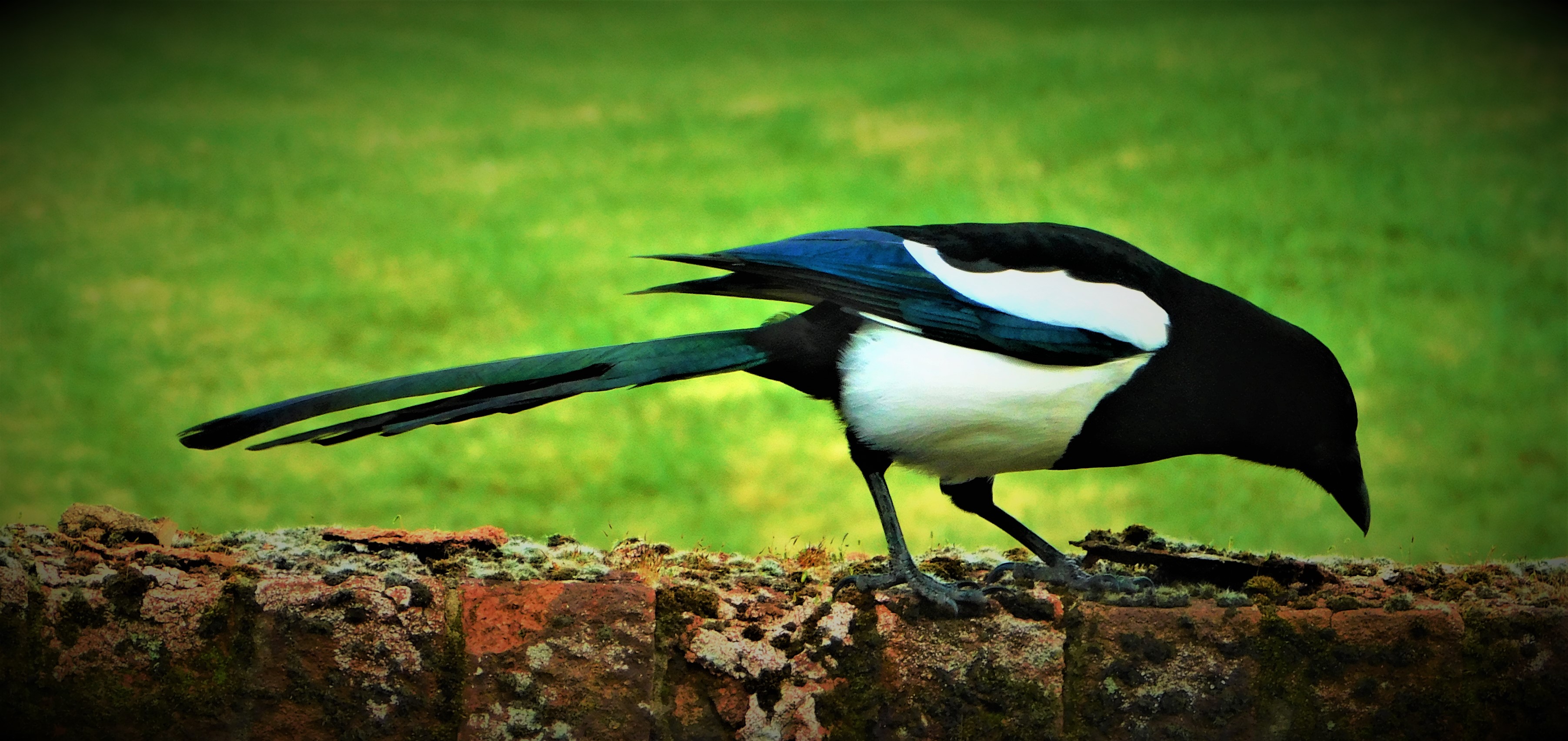
The J Team

An all time XI all of whom have given names beginning with J. There was a massive embarrassment of riches available for this letter, so the honourable mentions section is large. There is also a photo gallery of course.

Today, in a post the will feature a huge list of honourable mentions, our XI are linked by having given names beginning with J.

  1. Jack Hobbs (England, right handed opening batter, occasional right arm medium pacer). One of the greatest ever to play the game, unchallengeable for this spot.
  2. John Edrich (England, left handed opening batter). A member of the ‘hundred hundreds’ club and someone with a superb test record. Scores of 310* v New Zealand and 175 & 164 v Australia show his ability to really cash in on a good start.
  3. Javed Miandad (Pakistan, right handed batter, occasional leg spinner). In the whole of his long test career his average never dipped below 50. Many would still name him as his country’s all time number one batter.
  4. Joe Root (England, right handed batter, occasional off/ leg spinner). Undoubtedly one of the greatest batters England has ever produced.
  5. Jacques Kallis (South Africa, right handed batter, right arm fast medium bowler). An absolute champion cricketer. Garry Sobers mastered a greater range of skills, one could argue that the likes of Aubrey Faulkner, Keith Miller and Imran Khan were truer all rounders, and one can list batters (though not very many) who were better and a greater number of bowlers who were better, but it would be brave person to state unequivocally that anyone has been a better cricketer than the South African.
  6. James Langridge (England, left handed batter, left arm orthodox spinner). He got few opportunities at test level due to overlapping with Hedley Verity, though he did take a seven-for on debut at that level. In a long and distinguished first class career he averaged 35 with the bat and 21 with the ball.
  7. +James Foster (England, wicket keeper, right handed batter). The most heavily contested slot in the entire XI, as you will see when we look at the honourable mentions, but the person I have chosen was a magnificent keeper, a good middle order batter and was badly treated by the England selectors of his day.
  8. *Jason Holder (West Indies, right arm medium fast bowler, right handed batter, captain). An impressive captain, in spite of never having had the luxury of having a really strong side under his command, and his averages are the right way round.
  9. Jim Laker (England, off spinner, right handed batter). One of the greatest off spinners ever to play the game. In 46 test appearances he took 193 wickets at 21.24 each, which included the best innings and match figures in test history, 10-53 and 19-90, at Old Trafford in 1956 against the oldest enemy.
  10. James Anderson (England, right arm fast medium bowler, left handed batter). England’s all time leading test wicket taker, more test wickets than any other non-spinner, and still going in his 40s.
  11. Jasprit Bumrah (India, right arm fast bowler, right handed batter). One of the leading contemporary pace bowlers, and probably the best pace bowler his country has ever produced.

This side has an awesomely strong top five, a genuine all rounder, a keeper who was also a good batter, a bowling all rounder and three all time great specialist bowlers. The bowling, with Bumrah, Anderson and Holder to bowl pace, Laker and Langridge to bowl spin, Kallis as sixth bowler and in the unlikely event of them being needed Hobbs, Miandad and Root available as back up options is both strong and well varied, and should have little trouble taking 20 opposition wickets on even the flattest of pitches.

Jack Robertson is the only obvious challenger for an opening role. The middle order was studded with options: Johnny Tyldesley, Joe Darling, Jack Ryder and Jesse Ryder being the four most obvious to miss out. James Hildreth had a magnificent record for Somerset but never got picked for England. I would expect James Rew to avoid Hildreth’s fate, but at the moment he is one for the future. James H Parks and James M Parks would both also have their advocates. The two legendary Hambledonians James Aylward and John Small have to be relegated to the honourable mentions due to lack of sufficient detail about the career records.

Jack Gregory might have had the slot I gave to Jason Holder but I wanted the latter’s captaincy as well as his playing skills. Jacob Oram of New Zealand was a fine all rounder, but I wanted a spinning all rounder, given that Kallis’ selection was set in stone and I also wanted Holder in the number eight slot. Johnny Douglas, both an England cricket captain and an Olympic gold medallist at middleweight boxing, cannot be completely ignored.

There was a logjam of keepers to consider, even after disqualifying Robert Charles ‘Jack’ Russell and Clifton James ‘Jack’ Richards is in neither case was Jack either their given name or derived from John. John Murray, Jackie Hendriks, Jeff Dujon, Junior Murray, Jack Blackham, Jimmy Binks and Jim Kelly are the seven most obvious potential keepers that I had to overlook.

There was if anything an even greater wealth of seam/ pace bowling talent. Josh Hazlewood is probably the most obvious miss to a contemporary audience, but two other Aussies, Jeff Thomson and Jason Gillespie were also formidable in this department. Jack Cowie, probably New Zealand’s best pre-Hadlee quick, also merits a mention. John Wisden has to be mentioned for historical significance, and a later Sussex pacer, John Snow also had a fine test record. Javagal Srinath, the first genuinely fast Indian bowler I ever saw in action, was another candidate. James Broadbridge was one half of the first truly great bowling partnership in cricket history, along with William Lillywhite, but it was the latter who was the greater bowler.

James Lillywhite Jnr, England’s first ever test skipper, was one of the spinners I had to overlook. Jason Krejza once took 12 wickets in a test for Australia, but he conceded 358 runs while doing so. Jim Sims was a good enough leg spinner to be selected for England and a useful lower order batter. Jemma Barsby, who bowls both off spin and left arm orthodox spin, and has recently helped the Adelaide Strikers to win a second successive WBBL title was another I considered. Jack Noreiga remains in a club of one as a West Indian to have test match nine-for. Jim Higgs had some successes as a leg spinner for Australia. Jack Saunders, who bowled left arm spin and seam for Australia in the early 20th century had a fine record as well. Two left arm spinners, Johnny Briggs and Johnny Wardle, both had excellent test records. Jimmy Matthews once took a hat trick in each innings of a test match, but those six scalps were almost half his career tally of test wickets and he never took more than four in an innings at that level.

I have doubtless missed a few.

My usual sign off…

All Time XIs – England Every Decade

A quirky all time XI and some photographs.

Welcome to another quirky take on the all time XIs theme. This time I pick an England XI (plus twelfthy) in which every decade of test history is represented at least once.

  1. Jack Hobbs (right handed opening batter, 1900s-1930s). At the time of his retirement he was the leading run scorer in test history, and he still holds the England records for Ashes runs (3,636) and centuries (12).
  2. Herbert Sutcliffe (right handed opening batter, 1920s-30s). The only England batter to finish a career that spanned at least 20 test matches with an average above 60 (60.73).
  3. *WG Grace (right handed batter, right arm bowler of various types through bhis career, captain, 1880s-1890s). Made his debut for England in the first ever test match on English soil in 1880, and although he was already 32 by then he remained a formidable opponent for the next 19 years.
  4. Ken Barrington (right handed batter, occasional leg spinner, 1950s-60s). Averaged just short of 59 with the bat, including a career best of 256 against Australia.
  5. Wally Hammond (right handed batter, right arm medium fast bowler, ace slip fielder, 1920s-1940s). The first ever to score as many as 7,000 test runs. In the 1928-9 Ashes he scored 905 runs at 113.125, four years later he was joint leading run scorer for the series with 440 at 55.00, a performance followed up by scoring 227 and then 336* in two tests in New Zealand.
  6. +Les Ames (wicket keeper, right handed batter, 1930s). He averaged over 40 with the bat in test cricket and was also a top notch wicket keeper. Late in his career lumbago prevented him from keeping wicket, but he played on for Kent as a specialist batter, with Godfrey Evans maintaining the succession of great Kent keepers, going back to Tylecote in the 1880s.
  7. Ian Botham (right handed batter, right arm fast medium bowler, ace slip fielder, 1970s-1990s). I have placed him in the position from which he scored both of his legendary centuries in the 1981 Ashes. His last bow at international level was the 1992 World Cup – he retired from all competitive cricket part way through the 1993 home season when he realized that England would not be picking him again.
  8. Jim Laker (off spinner, right handed lower order batter, 1940s-50s). Perhaps the greatest of all orthodox off spinners, most famous for his destruction of the 1956 Australians. It is also noteworthy, especially in view of the generally awful record of English off spinners down under, that he took 15 economical wickets for a thoroughly beaten England in 1958-9.
  9. Syd Barnes (right arm fast-medium bowler , right handed lower order batter, 1900s-1910s). 189 wickets at 16.43 in just 27 test matches makes its own case for his inclusion.
  10. Hedley Verity (left arm orthodox spinner, right handed lower order batter, 1930s). Even in a decade of doped pitches and Bradman’s batting he claimed 144 test wickets at 24 each, while in FC cricket he was an absolute destroyer, paying less than 15 a piece for his wickets.
  11. James Anderson (right arm fast medium bowler, left handed lower order batter, 2000s-2020s). England’s all time leading test wicket taker.
  12. George Ulyett (right handed batter, right arm fast bowler, 1870s-1880s). The fast bowling all rounder was part of the earliest period of England’s international cricket history and could replace anyone save Ames without massively weakening the side – he once scored 149 in a test match, opening the batting, while his best bowling figures at that level were 7-36.

This side has a powerful batting line up, and a strong and well varied bowling attack. There is no front line leg spinner, and no left arm quick bowler, and no genuinely fast bowler, but nonetheless it is a pretty good side.

A two part photo gallery today…

All Time XIs: Consistent Come Rain or Shine

An all time XI of cricketers who achieved on a massively consistent basis in the county championship.

This is a sort of follow up to the post I have just published – I pick a team of players who were consistently great in the county championship over very long periods, with one single exception – a kind of wild card pick I allowed myself, which I will tackle more fully when I come to him. This is an all-English XI.

THE XI IN BATTING ORDER

  1. Jack Hobbs (right handed opening batter, outstanding cover fielder, occasional medium pacer). The scorer of more first class runs and more first class hundreds than anyone else in history.
  2. Herbert Sutcliffe (right handed opening batter). Although he was even better at test level than at county level he still has a case to be regarded as the greatest of all county championship batters, as I argued in the previous post.
  3. Walter Hammond (right handed batter, ace slip fielder, right arm medium fast bowler). The third leading scorer of first class hundreds, and one of seven players to have scored over 50,000 runs in first class cricket.
  4. Phil Mead (left handed batter). The fourth leading scorer of first class runs and first class hundreds.
  5. Patsy Hendren (right handed batter, outstanding fielder). The second leading scorer of first class hundreds, the third leading scorer of first class runs.
  6. George Hirst (right handed batter, left arm fast medium bowler, outstanding fielder). Rated by his skipper Lord Hawke as the finest of all county cricketers, he achieved the season’s double of 1,000 runs and 100 wickets on 14 occasions, including the only ever ‘double double’ of 2,000 runs and 200 wickets. 10 of those 14 doubles were achieved in successive seasons, the greatest display of all round consistency in the history of cricket.
  7. Vallance Jupp (right handed batter, off spinner). He achieved the double eight times in succession in the 1920s, second only Hirst’s great sequence mentioned above.
  8. +Bob Taylor (wicket keeper, right handed batter). More dismissals than any other keeper in first class history.
  9. Frank Tyson (right arm fast bowler, right handed lower order batter). The wildcard pick, probably the fastest bowler England has ever produced, and a few brief years he did brilliantly, including blitzing the Aussies in their own backyard in 1954-5.
  10. *Wilfred Rhodes (left arm orthodox spinner, right handed lower order batter). Rhodes had an amazing career comprising at least five distinct phases – specialist bowler, all rounder, specialist batter, all rounder, specialist bowler – but it his bowling that this side needs, and it as the taker of more first class wickets than anyone else that I have selected him. I have also named him as captain, reckoning that he would be an outstanding skipper had he had the chance. He once said of an England skipper “aye ‘ee wor a good un – he allus did what me and Jack (Hobbs) telt him”.
  11. Derek Shackleton (right arm medium fast bowler, right handed lower order batter). Only one bowler managed to take 100 or more first class wickets in each of 20 successive seasons, and it was him. Rhodes achieved the feat 23 times in all in his astonishing career.

This side has a super powerful top five, two outstanding all rounders at six and seven, a great keeper who was a better bat than he was often given credit for being and a well varied trio of great bowlers to round out the order. A bowling attack that has Tyson, Shackleton and Hirst to bowl seam, Rhodes and Jupp to bowl spin and Hammond as sixth bowler is more than amply equipped to claim 20 wickets.

HONOURABLE MENTIONS

This section has multiple subsections, starting with:

WG GRACE – AN EXPLANATION

This post is about cricketers who were in their prime when the championship was on an organized footing, and as mentioned in the previous post WG was past his prime by 1890.

SPECIAL MENTION: FRANK WOOLLEY

Frank Woolley had a truly outstanding record, and I would not argue against selecting him. It was a coin toss between him and Mead and I went for Mead.

ACKNOWLEDGEMENT: SIR LEONARD HUTTON

A very great batter, but I felt the Hobbs/ Sutcliffe combo, the greatest opening pair in history, had to be kept together.

ANTI-ACKNOWLEDGEMENT: GEOFFREY BOYCOTT

While his record with the bat was outstanding, it was too often not accompanied by success for his team, and for that reason he had to be disqualified.

TICH FREEMAN

The second leading wicket taker in first class history, the only bowler to take three first class all-tens, the only bowler to take 300 first class wickets in a season. However, while he habitually destroyed the ‘rest’ there was a notable falling off in his record even against the strongest counties – he paid over twice as much for his Surrey and Lancashire wickets as he did for his Northamptonshire and Somerset ones.

OTHERS

Had I been going to pick a specialist captain I would have gone with Stuart Surridge, who captained Surrey for five seasons and won five county championships, but I felt I could not accommodate a specialist skipper in this XI. Had I not decided to allow myself the wildcard pick of Frank Tyson I would have had two choices for a fast bowler who had a very long and consistent career: Tom Richardson or Fred Trueman. Maurice Tate might be considered unlucky to miss out, and everyone will have their favourites who they feel I have neglected.

PHOTOGRAPHS

My usual sign off…

What Makes A Great County Championship Batter?

This post, the first of two related posts I shall be producing today, was prompted by a piece I saw via social media about just who was the greatest of all county championship batters. I was not satisfied with the methodology used in that piece, so decided to do my own version.

SETTING SOME BASIC CRITERIA

The first requirement is obviously to have a great record over a long period of time. Secondly, the County Championship was only put on an official footing in 1890, so we are looking at careers after that year only. Thirdly, cricket is a team game, so runs that contribute to championships count for more than other runs.

ELIMINATING POTENTIAL CANDIDATES

Although he had an outstanding season in 1895 and a very good one in 1896 WG Grace’s greatest days were done by the time there was actually a county championship, so he is not eligible.

Geoffrey Boycott twice averaged over 100 for an English season, but both these tall scoring years have a massive asterisk against them – on each Yorkshire fared worse in those seasons than they had done the year before when Boycott was less prolific – a nine place drop from 4th to 13th in the first of them, and a smaller drop from 4th to 7th in the second.

Jack Hobbs had an outstanding record, but Surrey didn’t win many championships during his playing career.

Walter Hammond never won a county championship for all his great record with the bat, and his poor captaincy was partly to blame for that.

Phil Mead of Hampshire likewise never helped his side to win a championship, though he holds the records for most runs and most centuries for a single first class team.

MY NOMINEE

Herbert Sutcliffe had his entry into first class cricket delayed by one world war and his first class career terminated by the outbreak of the other. In the 20 years he did play he was a consistent, huge run scorer, more often than not top of the Yorkshire batting averages, although as I have pointed out elsewhere his test record was better than his overall first class record, and his Ashes record was better still. In keeping with this ‘big occasion’ temperament, nine of his championship centuries came at the expense of bitter rivals Lancashire. Also, if we turn to the element of contributing to championship success, Yorkshire were champions in 1919, won four successive titles in the 1920s, and won the championship a further seven times in the course of the 1930s, giving Sutcliffe a playing role in the winning of 12 county championships. I end this section with one example of Sutcliffe scoring runs that altered the outcome of the match. The match in question was against Kent, whose bowling was dominated at that time by leg spinner Tich Freeman. In the final innings of a low scoring affair Yorkshire needed 192 on a pitch that had not previously allowed a total that high. Yorkshire won by two wickets, and 110 of those 192 came from the bat of Herbert Sutcliffe, with the only other innings of significance coming from skipper Sellers (34 not out at the death).

OTHER GREATS

Leonard Hutton, who shared some of Sutcliffe’s triumphs in the 1930s and was the best English batter of the immediate post-war era was probably the closest rival to Sutcliffe, though Peter May scores well when it comes to helping his side win titles. Most overseas players would not qualify due to not playing enough, although three who did were Roy Marshall and Barry Richards (both Hampshire) and Mike Hussey (several counties in the recent past). Most of the best present-day English batters would be unlikely to qualify because international commitments restrict them to only a few championship appearances in any given season.

PHOTOGRAPHS

Even with two blog posts to cater for I have a big photo gallery (please note I will out for most of tomorrow, on a West Norfolk Autism Group outing to Pensthorpe, where I expect to get some particularly impressive photos).

All Time XIs: Greenery

A ‘greenery’ XI and a photo gallery in two parts.

As my photo galleries indicate I enjoy spending time in and around greenery, so for today I am creating an XI of cricketers whose names connect with greenery in some way, shape or form.

THE XI IN BATTING ORDER

  1. John Berry Hobbs (right handed opening batter, outstanding cover fielder, occasional right arm medium pace bowler). More commonly known as Jack Hobbs, aka ‘The Master’, but it is that middle name ‘Berry’ that qualifies him for this XI.
  2. Les Berry (right handed opening batter). A long and distinguished career for Leicestershire, though typically for a player at an ‘unfashionable’ county scant recognition from the England selectors.
  3. *Andrew Flower (left handed batter, occasional wicket keeper, occasional off spinner, captain). At the height of his career the world number one ranked batter. Also had a distinguished coaching career, albeit England’s rise to number one in the test rankings under his stewardship was accompanied by a number of the players suffering in terms of personal well being.
  4. Grant Flower (right handed batter, left arm orthodox spinner). A fine batter and a useful bowler, well worth his place in this side.
  5. James H Parks (right handed batter, right arm slow medium bowler). The only cricketer ever to score 3,000 runs and take 100 wickets in the same first class season. I have included his middle initial to distinguish him from his son James M Parks, a batter/ keeper.
  6. Cameron Green (right handed batter, right arm fast bowler). Still young, but the tall Aussie is very rapidly establishing himself as a multi-format star.
  7. Wilfred Flowers (right handed batter, off spinner). A good enough all rounder to have done the season’s double five times in the course of his career and to have had a respectable test record.
  8. +Dick Lilley (wicket keeper, right handed batter). A long serving England keeper of the late 19th and early 20th century and a useful lower order batter. Although the plant is spelt differently it is of course the lily that gets him in.
  9. William Lillywhite (right arm fast bowler, right handed batter). The ‘nonpareil’, one of the first masters of ’round arm’, the bowling style that developed from under arm and led to over arm, along with his county colleague James Broadbridge. Again it is the lily that gets him in.
  10. Dennis Lillee (right arm fast bowler, right handed batter). The lily gives the side another great opening bowler.
  11. Eric Hollies (leg spinner, right handed batter). Our line up is completed with a leg spinner, using the fact that his surname looks like the plural of ‘holly’.

This XI has a powerful line batting line up and a varied bowling attack – Lillee, Lillywhite, Green and Parks to provide pace, seam and swing, and Hollies, Flowers and G Flower providing a full range of spin options

HONOURABLE MENTIONS

Graham Rose, the Somerset bowling all rounder, was a clear candidate. James M Parks, like his father James H would have his advocates, but I preferred the finer keeper in Lilley. Had Grant Flower not had a place already then left arm spinner Holly Colvin, a former world cup winner for England Women, would have been up for consideration. Another Holly who some might have considered was Aussie Women’s pacer Holly Ferling. Arthur Bush, Gloucestershire wicket keeper in WG Grace’s early days (and best man at the latter’s wedding as well), was not quite good enough to displace Lilley. New Zealand women’s seamer Lea Tahuhu could have been included by way of her first name – lea is a poetic word for meadow.

PHOTOGRAPHS

My usual sign off comes in two parts because today was a Just a Cuppa Autism Acceptance morning at King’s Lynn Library. As an autistic person, a founder member of the West Norfolk Autism Group and a big library user I enjoy these mornings hugely – my preferred activity during them is lego architecture…

Now for my regular pictures…

A Combined Surrey/ Hampshire XI

A combined Surrey/ Hampshire XI for the ages and a substantial photo gallery.

With the match I am following between Surrey and Hampshire heading for a great finish I pick a combined Surrey/ Hampshire XI for the ages. Because I want to showcase both counties I have shown a little bias towards players associated with both. My XIs for each county individually can be seen here and here.

THE XI IN BATTING ORDER

  1. Jack Hobbs (Surrey, right handed opening batter, occasional medium pacer). The Master has an irrefutable case for selection.
  2. John Edrich (Surrey, left handed opening batter). Those who remember my original Hampshire XI (or who have followed the link in the introductory paragraph to check it out) will have noted that the opening slots were the toughest to fill for that county, whereas I was spoiled for choice in this area when it came to Surrey. Only Yorkshire, with Herbert Sutcliffe and Len Hutton, and possibly Gloucestershire with WG Grace in their historic ranks would be able to claim this slot in a combined XI with Surrey.
  3. CB Fry (Hampshire, right handed top order batter). When I originally selected my county all time XIs I assigned him to Sussex, but after Sussex he spent a few years with Hampshire, and since his FC career began at Surrey and he was born in southwest London I felt it appropriate to include him here.
  4. Phil Mead (Hampshire, left handed batter). He failed to impress Surrey, and moved south to Hampshire in consequence. He ended his career as the fourth leading scorer of both FC runs and hundreds, and the leading scorer of both for any one team.
  5. Kevin Pietersen (Hampshire and Surrey, right handed batter, occasional off spinner). Had an outstanding record, though his departure from Hampshire was as acrimonious as his earlier departure from Nottinghamshire had been. The fact that he had associations with both counties got him the nod over Peter May who also had a formidable record.
  6. +Ben Foakes (Surrey, wicket keeper, right handed batter). A shoo-in for this slot – a superb keeper and a genuine front line batter.
  7. *Percy Fender (Surrey, leg spinner, right handed batter). His approach to batting would make him an ideal choice for number seven in an XI of this nature and he was a fine bowler and a very astute captain.
  8. Malcolm Marshall (Hampshire, right arm fast bowler, right handed batter). Even at test level as he was almost good enough with the bat to be considered an all rounder, and Hampshire treated him as such. Probably the greatest fast bowler of the great age of West Indies fast bowling, and an obvious choice for the overseas slot.
  9. Jim Laker (Surrey, off spinner, right handed batter). Possibly the greatest of all off spinners. His peak came in 1956 with 46 Ashes wickets at 9.60 in the five test series and an all-ten for Surrey v The Australians in a tour match.
  10. Derek Shackleton (Hampshire, right arm medium fast, right handed batter). Only one bowler ever took at least 100 first class wickets in each of 20 successive seasons, and that bowler was Derek Shackleton. Only Wilfred Rhodes who achieved the feat 23 times in his extraordinary career has managed 100 wickets for the season more often than Shackleton. He played the inaugural season of the John Player League, and with in the year of his 45th birthday managed to bowl 80 overs for just 168 runs in this 40 overs per side tournament.
  11. Tom Richardson (right arm fast bowler, right handed batter). Between the start of the 1894 season and the end of the 1897 season the fast bowler claimed 1,005 wickets, including a then season’s record tally of 290. The 88 wickets he claimed in 14 test appearances provide the proof that he could do it against the best opposition around.

This side has a formidably powerful batting line up, a great keeper and a very strong and well balanced bowling attack – there wouldn’t be many runs available against Marshall, Richardson, Shackleton, Laker and Fender on any surface.

HONOURABLE MENTIONS

I refer folks to my honourable mentions sections for each individual county for full detail, and add the following:

Ken Barrington, Robin Smith and Peter May were the unluckiest of the batters who I picked for their individual county XIs but not this one, with Graham Thorpe also worth a mention here.

No keeper for either county could challenge Foakes.

Among the seamers two giants of the game with the forename Alec were the biggest misses: Bedser of Surrey and Kennedy of Hampshire. Bill Lockwood and George Lohmann, both Surrey, were also huge names to leave out.

For the spinners two left armers, Tony Lock (Surrey) and Stuart Boyes (Hampshire) were the big misses. Laker was a lock for the off spinners place, and in view of my desire to have Fender captain and the fact that the best leg spinner to have played for either county, Shane Warne, was an overseas player and could not displace Marshall no leg spinner could be accommodated.

PHOTOGRAPHS

I have a fine photo gallery for you…

All Time XIs: One Player Per County

An XI in which each player represented a different county. Also a large photo gallery.

With the second round of county championship 2023 fixtures starting tomorrow I set myself a little challenge for today’s blog…

THE BRIEF

The rules I set myself for this particular XI were: every player must represent a different county and all players must be England qualified. I do not for one instant claim that this team contains the 11 best cricketers produced by the counties down the years, or even that every chosen player would be described as their county’s all time number one, though all are unequivocal greats of the game.

THE XI IN BATTING ORDER

  1. *WG Grace (Gloucestershire, right handed opening batter, right arm bowler of various types, excellent close fielder, captain). Cricket’s first superstar, absolutely dominant in his absolute pomp in the 1870s, and still capable of outstanding performances for many years after his pomp – his third and last first class triple century was scored in 1896 at the age of 48, while his last FC century was scored on his 56th birthday.
  2. Jack Hobbs (Surrey, right handed opening batter, outstanding cover fielder, occasional medium pacer). The Master. Almost half of his vast tally of first class hundreds were scored after he had turned 40.
  3. Johnny Tyldesley (Lancashire, right handed batter). One of the best bad wicket batters ever to play the game. In the first decade of the 20th century only two professionals were sufficiently accomplished willow wielders to be picked for England purely on the strength of their skill in that department, the other being David Denton of Yorkshire.
  4. Philip Mead (Hampshire, left handed batter). Most runs and most centuries for a single team of anyone (48,809 and 135), 4th leading run scorer overall in FC history and 4th leading centurion as well.
  5. Patsy Hendren (Middlesex, right handed batter, superb fielder). The second leading scorer of first class centuries (170) and third leading scorer of FC runs (57,611) in history. 74 of his centuries were scored at Lord’s, the most at single ground by anyone.
  6. George Hirst (Yorkshire, right handed middle order batter, left arm fast medium bowler, outstanding mid off fielder). He achieved the season’s double of 1,000 runs and 100 wickets 14 times, including ten times in a row. In 1904 and 1905 he had 2,000 runs to go with his 100 wickets, and in 1906, uniquely in first class history he managed the ‘double double’ – 2,385 runs and 208 wickets. This included the only ever instance of a cricketer scoring centuries in each of his sides’ innings and taking five-fors in each of the opposition’s. His Yorkshire skipper, Lord Hawke, reckoned him the greatest of all county cricketers. It was a common tactic in his day for bowlers to rub the ball in the dirt to remove the shine and make it easier to grip. Hirst, one of the pioneers of swing and cut, was also the first to make a point of shining the new ball so that it would do more.
  7. +Les Ames (Kent, right handed batter, wicket keeper). Over 100 FC centuries, and over 1,100 FC dismissals, including an all time record 418 stumpings. His approach to batting, exemplified by the fact that he twice won the Lawrence trophy for the fastest first class hundred of the season makes him an ideal number seven in a very strong line up.
  8. Vallance Jupp (Sussex, Northamptonshire, right handed batter, off spinner). It was after he moved north from Sussex and qualified by residence for his new county that his career took off. In the 1920s he did the double in each of eight successive seasons.
  9. Harold Larwood (Nottinghamshire, right arm fast bowler, right handed lower order batter). Australians are wont to point out that outside the 1932-3 Ashes (where he claimed 33 cheap wickets) his test stats were ordinary, but his record for his county was outstanding.
  10. William Mycroft (Derbyshire, left arm fast bowler, right handed tail end batter). Over 800 FC wickets at 12.09 a piece.
  11. Eric Hollies (Warwickshire, leg spinner, right handed tail end batter). More wickets taken than runs scored in first class history. Although he did not get to play a huge amount of test cricket he did play his part in that format’s most famous ever duck “…Bradman bowled Hollies 0…bowled Hollies 0…”, which took the little Aussie’s batting average down from 101.29 to 99.94.

The XI has a formidably strong line batting line up (a run packed top five, genuine multidimensional players at six, seven and eight and a number nine who was good enough with the bat to have a test match 98 to his credit. The bowling, with Larwood, Mycroft and Hirst to bowl pace/ seam/ swing, two great and contrasting spinners in Jupp and Hollies and the redoubtable WG as sixth bowling option is if anything even more formidably strong than the batting and it would take a mighty XI to beat this one.

INVITING COMMENTS

This section is usually devoted to honourable mentions, but these would be too numerous to list in this post. I merely remind people of the criteria (ultra harsh judges would disqualify Mead because of his early attempt to make the grade at Surrey) and make my invariable point in this situations: if you have a favourite you want included please consider how their presence would alter the balance of the XI, and if they play for the same county as a current member of the XI with a different skill set how do you replace that person?

PHOTOGRAPHS

I have a splendid gallery for you today…

All Time XIs: Lancashire and Surrey Combined

A combined Lancashire and Surrey XI in honour of the match I am currently listening to in the 2023 County Championship, and a substantial photo gallery.

With my attention focussed on Lancashire v Surrey in the opening round of the 2023 County Championship I am today picking an all time combined XI for the two counties (tomorrow I will write about this match, when I know the result). In keeping with my policy in the original All Time XIs series of 2020 I am restricting myself to one overseas player. Have a look at the Lancashire and Surrey pieces, noting that since 2020 Foakes has displaced Stewart as keeper in the Surrey XI.

THE XI IN BATTING ORDER

  1. Jack Hobbs (Surrey, right handed opening batter, outstanding cover fielder, occasional medium pacer). The Master, scorer of 61,237 runs in FC cricket including 197 centuries (or 61,760 and 199 if you are a revisionist). Those centuries included 12 in the heat of Ashes battle.
  2. John Edrich (Surrey, left handed opening batter). Edrich’s left handedness enabled him to keep out several contenders for this slot. He is a member of the 100 FC hundreds club, and he had an excellent test record.
  3. Ken Barrington (Surrey, right handed batter, occasional leg spinner). Statisically England’s leading batter to have played exclusively post WWII, with a test average of almost 59 (6,807 runs, HS 256).
  4. Graham Thorpe (Surrey, left handed batter). Another with an excellent test record, and often achieved while he was trying to hold the innings together without adequate support.
  5. Peter May (Surrey, right handed batter). A test average of 46 achieved in game’s lowest and slowing scoring decade, 85 FC centuries in all, and that with a career cut short by ill health.
  6. +Ben Foakes (Surrey, wicket keeper, right handed batter). His only rivals with the gloves would be Duckworth (Lancashire) and Pooley (Surrey), and neither were as good with the bat as Foakes.
  7. *Percy Fender (Surrey, right handed batter, leg spinner, fine fielder, captain). An ideal type of player to have coming in at seven in a very strong line up, and a shrewd skipper.
  8. Wasim Akram (Lancashire, left arm fast bowler, left handed batter). One of the two best ever cricketers of his type (his rival, the Aussie ace Alan Davidson never played county cricket) and there are no other great left arm pacers in the mix, so he was the proverbial shoo-in for the overseas slot.
  9. Johnny Briggs (Lancashire, left arm orthodox spinner, right handed lower order batter, brilliant fielder). He was the first cricketer ever to reach the milestone of 100 test wickets (Charlie ‘Terror’ Turner of Australia got there later in the same match), while in FC cricket he claimed over 2,000 wickets. He was a good enough batter that he scored a test century and had a career tally of over 14,000 first class runs.
  10. Jim Laker (Surrey, off spinner, right handed lower order batter). 193 test wickets in 46 matches at 21 a piece. Two all-tens against Australia in 1956, one for Surrey in the first innings of that match (the county won by 10 wickets) and one for England in the second Australian innings of the Old Trafford test, this latter after having already taken 9-37 in the first innings.
  11. Sydney Francis Barnes (Lancashire, right arm fast medium bowler, right handed lower order batter). 189 test wickets at 16.43 in just 27 matches at that level. He didn’t play a huge number of games for the county, preferring Lancashire League cricket where the terms were more generous, but his status as arguably the greatest of all bowlers demands that he be included.

This XI features a very powerful top five, one of the all time great keepers who also bats well, an all rounder who happens to be a great captain at number seven, a left arm pacer who can bat and who rates as one of the two greatest ever cricketers of that type, two legendary spinners and arguably the greatest of all bowlers at number 11. The pace department is a little under stocked, with Hobbs being the third ranked seamer in the XI but I do not think this bowling unit will struggle to take wickets.

HONOURABLE MENTIONS

Two Surrey openers with over 100 first class hundreds each missed out: Tom Hayward and Andrew Sandham, while Lancastrians Archie MacLaren and Cyril Washbrook were also fine openers (Atherton’s negative attitude towards county cricket is enough to rule him out in my view).

Barrington’s chief rival for the number three slot was Johnny Tyldesley, but even allowing for the fact that the Lancastrian batted in a more difficult era the gap between their respective records was too wide. I wanted a left hander in the middle order, and with due respect to Neil Fairbrother, Thorpe was the stand out candidate. May at five was rivalled by a member of the 100 hundreds club, Ernest Tyldesley, but there is no question that the interwar period was paradise for batters (16 of the 25 leading scorers of first class runs played some or all of their cricket in this period and there is a reason for that), and May’s career was as I said shortened by ill health. Andrew Flintoff was a candidate for the aggressive all rounders slot at number seven, but I wanted Fender’s captaincy, so even though it meant the pace department being short staffed I went that way. Wasim’s slot was as non-negotiable in my view as Hobbs’ at the top of the order. Laker had no rivals for the off spinners slot (Murali played a bit for Lancashire but I had limited myself to one overseas player). Briggs did have a rival for the left arm spinner’s berth, but Tony Lock’s action was questionable at the height of his career, and besides Lancashire are a little under represented in the final XI. Various excellent seam and pace bowlers missed out: George Lohmann, Tom Richardson, Alec Bedser and Peter Loader for Surrey and for Lancashire Brian Statham and James Anderson. All of these players would adorn any side of which they were part of, but I had only 11 slots available which meant deserving cases missing out. Jack Crossland and Arthur Mold were both quick, but both had highly dubious actions.

Finally, a member of the 100 hundreds club who was NOT unlucky to miss out: Mark Ramprakash had a fine record for Surrey after moving across the Thames from Lord’s, but he was not a big occasion player, a fact emphasized by his poor test record (an average of 27 and a mere two tons from 52 matches), and for me being a big occasion player is one of the criteria for selection in an XI of this nature.

I will undoubtedly have missed some fine players, and feel free to mention them in the comments, but remember if advocating for inclusion to consider how their presence in the XI would affect its balance.

PHOTOGRAPHS

My usual sign off…

England Interwar Years XI

A look at England’s best cricketers of the interwar years, a piece of railwayana and a large photo gallery.

Last time out I created an XI of England cricketers from before WWI. Now I look at the next period – the interwar years, well covered by Gerald Howat in “Cricket’s Second Golden Age”. In this period England had immense batting strength with the result that some huge names miss out. The bowling was by no means weak either.

THE XI IN BATTING ORDER

  1. Jack Hobbs (right handed opening batter). The Master. At Melbourne in 1929 he became the oldest ever test centurion at the age of 46 – the last his 12 Ashes centuries.
  2. Herbert Sutcliffe (right handed opening batter). His entry into first class cricket was delayed by WWI (he was already 24 when that conflict ended in November 1918) while the outbreak of WWII in 1939 marked the end of his FC career (his test career had ended in 1935, but his performance in FC cricket in 1939 was excellent even at the age of 44). He was the ultimate big occasion player as shown by the progression of his averages: 52.02 in all FC cricket, 60.73 in all test cricket and 66.85 in the cauldron of The Ashes. He and Jack Hobbs were the greatest of all test match opening combinations, averaging 87.81 per partnership.
  3. Walter Hammond (right handed batter, ace slip fielder, useful right arm medium fast bowler). Had Hammond like the older Sutcliffe allowed WWII to end his career he would have bowed out with a test batting average of 61.75 (6,883 runs), but he attempted a comeback post war, which dragged his average below 60.
  4. Eddie Paynter (left handed batter). Going by career batting averages England’s most successful ever left hander, averaging 59.23 at test level, including double centuries against Australia and South Africa. His career was truncated at both ends, by the immense strength of Lancashire’s batting when he first started to come through and by the outbreak of WWII.
  5. Patsy Hendren (right handed batter). Only Hobbs scored more FC centuries than Hendren’s 170, and his test record was also impressive.
  6. *Frank Woolley (left handed batter, left arm orthodox spinner, excellent fielder and my chosen skipper). At Lord’s in 1921 when everyone else was helpless in the face of Jack Gregory and Ted McDonald he scored 95 and 93. I have named him as skipper even though as a professional of that era he never actually had the job because I believe his tactical nous, illustrated in his book “King of Games”, would have served him well in the role, and Hammond, the conventional choice of captain for this XI, appears to have not actually been even a good skipper.
  7. +Les Ames (right handed batter, wicket keeper). The first wicket keeper to average over 40 with the bat at test level and a destructive stroke maker, he is the ideal number seven for a side like this.
  8. Maurice Tate (right arm fast medium bowler, useful lower order batter). In the ill-fated 1924-5 Ashes series he claimed 38 wickets for a well beaten side. In 1926 he was one of the stars of a successful Ashes campaign, and he was involved in both the 1928-9 and 1932-3 tours when England won 4-1 each time.
  9. Harold Larwood (right arm fast bowler, useful lower order batter). In the 1932-3 Ashes he was unplayable, claiming 33 wickets before hobbling off injured in the final match (made to wait until Bradman was out by skipper Jardine).
  10. Hedley Verity (left arm orthodox spinner, useful lower order batter). In a career that lasted less than a decade he took 1,956 wickets at 14.90 a piece. At test level, where he encountered Bradman, he was less devastating, but 144 wickets at 24 is still a fine record, and I defer to the judgement of the Don himself who only acknowledged facing one bowler as an equal: Hedley Verity.
  11. Bill Voce (left arm fast medium bowler, lower order batter). This slot was the toughest to fill, but I opted to give Larwood his most regular bowling partner and rely on two other left armers, Verity and Woolley for the spin.

This side has a formidably deep batting line up, and Larwood, Voce, Tate, Verity, Woolley and Hammond can hardly be considered a weak bowling combination.

HONOURABLE MENTIONS

Although Denis Compton and Bill Edrich had both played for England by the time WWII broke out both played their best cricket after the war, so I held them back for then. Leonard Hutton scored his England record 364 in 1938, but that Oval pitch was a featherbed, Australia were short of bowling, and I felt that the proven Hobbs/ Sutcliffe combination at the top was a better bet in any case. Hutton, like the Middlesex “twins” will feature in the post-war version of this post. Phil Mead missed out – one of he or Paynter had to be unlucky and I preferred the Lancastrian. Ernest Tyldesley was another casualty of England’s immense batting strength in this period. Maurice Leyland of Yorkshire was another unlucky one in this regard. Several fine wicket keepers missed out – Herbert Strudwick, EJ “Tiger” Smith and George Duckworth being the most notable, while advocates of batter-keepers might have considered Paul Gibb. Vallance Jupp did the double eight times in successive seasons in the 1920s, but his England appearances were sporadic, so the off spinning all rounder missed out. Ted ‘Nobby’ Clark, a left arm fast bowler, was a candidate for the slot I gave to Voce. Three leg spinners, ‘Tich’ Freeman, Ian Peebles and Tommy Mitchell all had moments at the highest level but not substantial enough records at that level to claim a place. Two right arm medium-fast bowlers who were unlucky to be squeezed out were George Geary and Alec Kennedy, both outstanding at FC level and in Geary’s case also proven in test cricket. Tom Goddard, the best off spinner of the interwar years, was as he often was in real life, unlucky – the only way to include him would have been in place of Tate, relying on Hammond as third seamer. Finally, although Verity’s selection is incontrovertible several notable left arm tweakers missed out in consequence: Charlie Parker (treated scurvily by the selectors of his era, to end up as a one-cap wonder at test level while taking over 3,000 FC wickets), JC ‘Farmer’ White and Roy Kilner.

PHOTOGRAPHS

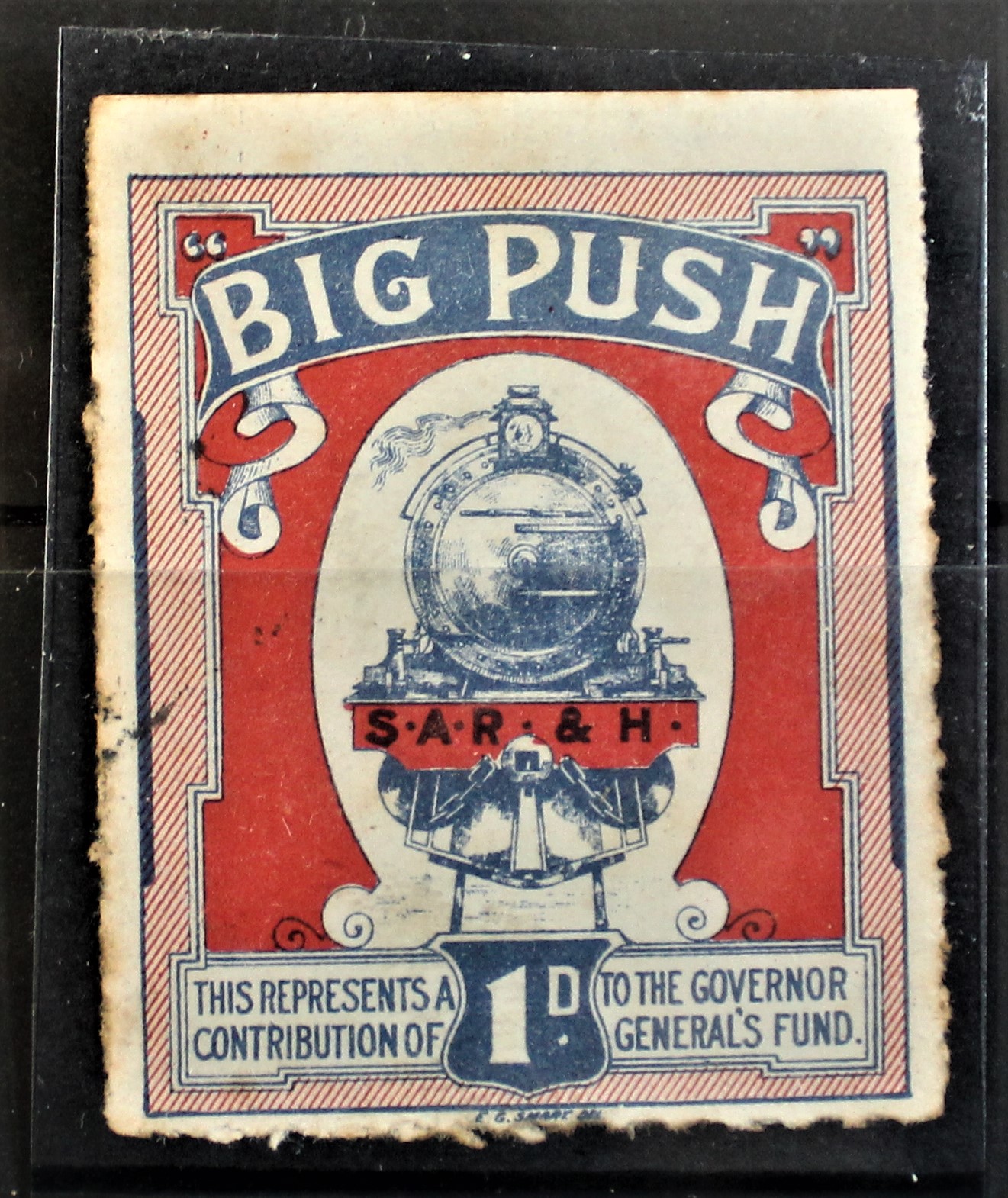
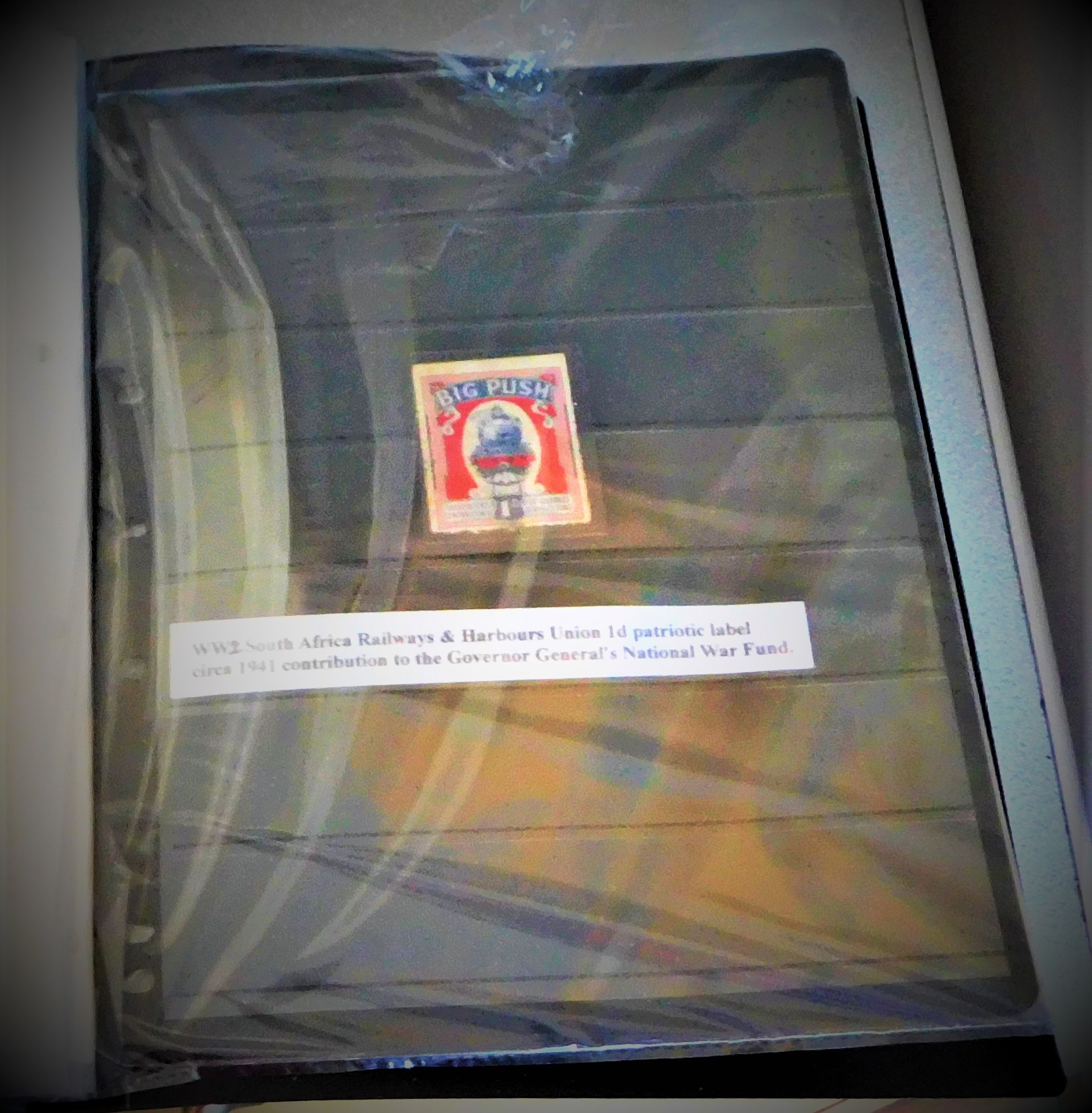
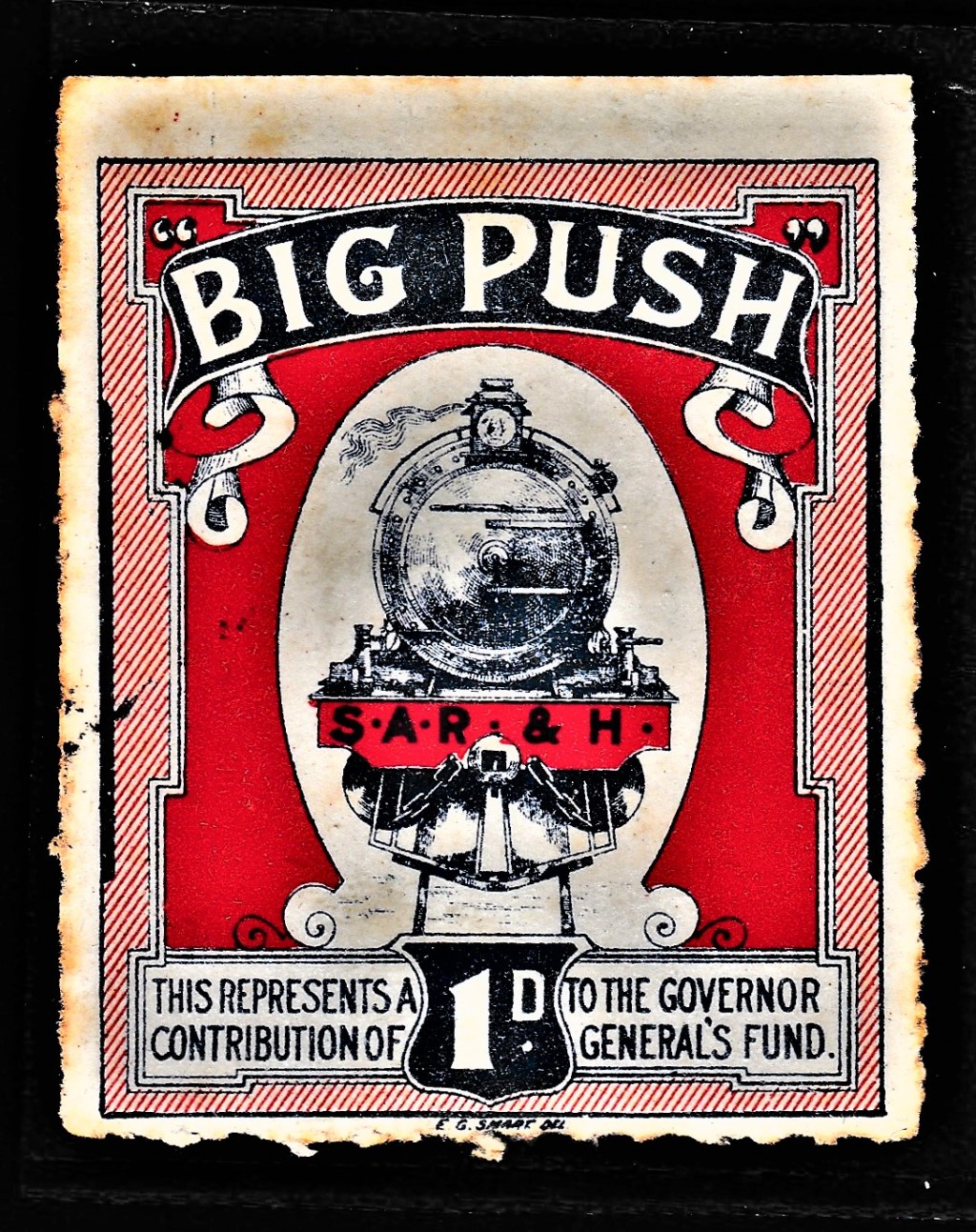
Before moving on to the main photo gallery, James and Sons’ March auction took place on Tuesday and Wednesday of this week, and was a considerable success. In amongst the stuff going for big money I secured an interesting little piece of South African railwayana for a modest £12 – it was featured on the back cover of the printed catalogue, and online bidders saw these two images:

and…

Here are some images of the item taken since I took possession of it…

I also took a high resolution scan of the item itself…

The scan before editing.

The scan after cropping and editing.

Now for my regular photo gallery…

All Time XIs – England Before WWI

A look at England’s resources in the early years of test cricket and a large photo gallery.

Today is the third anniversary of my first ever All Time XIs post, about Surrey and I am varying the theme today with a look not at an all-time XI but an XI for a particular period of cricket’s history – England before WWI, so picked from players who appeared in the first 37 years of test cricket.

THE XI IN BATTING ORDER

  1. *WG Grace (right handed opening batter, right arm bowler of various types and captain). WG’s test record looks fairly modest, but he was already 32 by the time he made his debut at that level and almost 51 by the time of his last appearance. He also did twice hold the England record individual score at that level, with 152 on his debut at The Oval in 1880, which lasted six years, and 170 at the same ground in 1886 to reclaim his record from Arthur Shrewsbury after one match. This latter stood until the 1894-5 Ashes series when Stoddart topped it with 173. Had test cricket been established a little earlier than it was Grace’s record would have been a lot better – in the 1870s he averaged 49 in FC cricket when no one else in England could do more than half as well.
  2. Jack Hobbs (right handed opening batter). Included in this XI as well as the one for the inter-war era out of deference to his own expressed wish to be remembered for how he batted before WWI – he was actually firmly established as the best in the world before the outbreak of WWI although his main record breaking years were after that conflict.
  3. Johnny Tyldesley (right handed batter). It was a choice between this man and David Denton of Yorkshire for the number three slot (both filled it with distinction) and I opted for the Lancastrian due to the fact that his brother misses out on a place in the inter-war XI because of England’s immense batting strength in that era.
  4. KS Ranjitsinhji (right handed batter). 989 test runs at 45 including two 150+ scores. One of the great geniuses of batting.
  5. FS Jackson (right handed batter,right arm medium fast bowler, vice captain). He never managed an overseas tour due to work commitments (he was a genuine amateur in terms of his cricket), but he still managed five test centuries against Australia in home matches. His peak came in the 1905 Ashes, when he won all five tosses, led England to victory in the only two matches to have definite results and topped both the batting and bowling averages for the series.
  6. Len Braund (right handed batter, leg spinner). The all rounder of the side, and an excellent slip fielder to boot.
  7. Frank Foster (left arm fast medium bowler, right handed batter). His career was cut short by a motorcycle accident, but in the few years he was around he did enough to claim his place, including playing a key role in a 4-1 win down under in 1911-2.
  8. +Augustus “Dick” Lilley (wicket keeper, useful lower order batter). The longest serving of England’s prewar keepers, and with an excellent record.
  9. George Simpson-Hayward (under arm off spin, right handed lower order batter). Selected for historical significance as the last specialist under arm bowler to feature at test level (and he did well in the five matches he got to play btw). He would need a law change (see here for a suggestion of how such a change could safely be made) to be able to play today.
  10. SF Barnes (right arm fast medium bowler, right handed lower order batter). That official ‘right arm fast medium’ is about as complete a description of Barnes the bowler as ‘artist’ is of Leonardo da Vinci – it tells a tiny fraction of the story of someone who could bowl every type of delivery known to right armers of his day and whose special weapon was effectively a leg break at fast medium.
  11. Wilfred Rhodes (left arm orthodox spinner, right handed lower order batter). Although Rhodes’ brief period as an England opening batter happened just before WWI I have selected him for his bowling – he started and ended his career as a specialist bowler with two spells as an all rounder and in the middle a spell as a specialist batter and I have put him in the slot from which he helped George Hirst to knock of the the 15 required when they came together at The Oval in 1902 and from where he helped RE Foster to add 130 for the last wicket at Sydney in 1903.

This XI has powerful top order, all rounders at six and seven, a fine keeper who could also bat at eight and three master bowlers to round out the order.

HONOURABLE MENTIONS

Other than my actual choices the main contenders for opening slots were Archie MacLaren and Arthur Shrewsbury. Reginald Foster has two places in the record books – his 287 at the SCG in 1903, at the time an all comers test record remains the record for someone playing their first test innings, and he is the only person to have captained England men at both cricket and football, but other than that amazing debut performance he only topped 50 once more in his career and that was an innings in which he benefitted from good fortune. Many would have expected CB Fry to be a shoo-in but his test record was not nearly as good as his FC record, and with WG inked in for the captaincy, and FS Jackson a more than able deputy his leadership skills were hardly required. Allan Steel might have had the all rounders slot I gave to Braund (like the latter he bowled leg spin). George Hirst may well have been as his Yorkshire skipper Lord Hawke was wont to claim the best ever county all rounder, but his performances for England were overall not that great, though he did have his moments.

George Lohmann was probably the biggest bowling omission but I felt he was too similar to Barnes to be able to pick both. The side also lacks a really fast bowler. The obvious candidate would be Tom Richardson, with 88 wickets in his 14 test matches, and if I were to be debarred from selecting Simpson-Hayward then Richardson would take his place, but I prefer the greater variety that Simpson-Hayward’s presence brings. Schofield Haigh’s England successes were limited for all that he was outstanding for Yorkshire. There were a stack of left arm spinners I could have picked: Johnny Briggs, Bobby Peel and Colin Blythe being the three most notable other than Rhodes in this period, while George Dennett never actually got an England cap, but 2,151 wickets at 19.82 in FC cricket provide proof of his greatness.

PHOTOGRAPHS

My usual sign off…