A look at the early stages of IPL 2025 and a large photo gallery.
This year’s Indian Premier League started yesterday. Yesterday saw Royal Challengers Bangalore taking on Kolkata Knight Riders, while today has seen Sunrisers Hyderabad versus Rajasthan Royals and Chennai Super Kings and Mumbai Indians are currently playing, though I am listening to the Women’s Six Nations rugby match between England and Italy which is about to get underway.
RCB’S STATEMENT WIN
RCB have never won the IPL. KKR started out red hot, being past the 100 mark by the halfway stage of their innings. They fell away in the second half of their innings and ended with only 174 to defend. This might seem respectable for a T20 innings, but RCB soon put it in perspective. They too were past 100 inside ten overs, but unlike KKR they did not fall off thereafter, and they won in the end by seven wickets with over three overs to spare.
HYDERABAD RUNFEST
I missed the early stages of this one, but got to hear the closing stages of the SRH innings, as they mounted a concerted challenge to beat their own all-time record IPL innings total of 287. They ended up with 286-6, highlighted by Ishan Kishan scoring 106* from 47 balls. Jofra Archer gained the wrong sort of place in the record books with his 4-0-76-0, the most expensive spell in IPL history (and it might have been 4-0-81-0 as well – there was a four byes in his last over that could easily have been given as five no-balls). Royals themselves batted very well, except by comparison to the SRH blitz. In the end they were beaten by 44 runs, meaning that 40 overs had yielded a total of 528 runs.
A look back at James and Sons’ march auction and a large photo gallery.
James and Sons had their March auction of Tuesday and Wednesday of this week. This post looks briefly at an eventful two days.
BIDDERS OUT IN FORCE
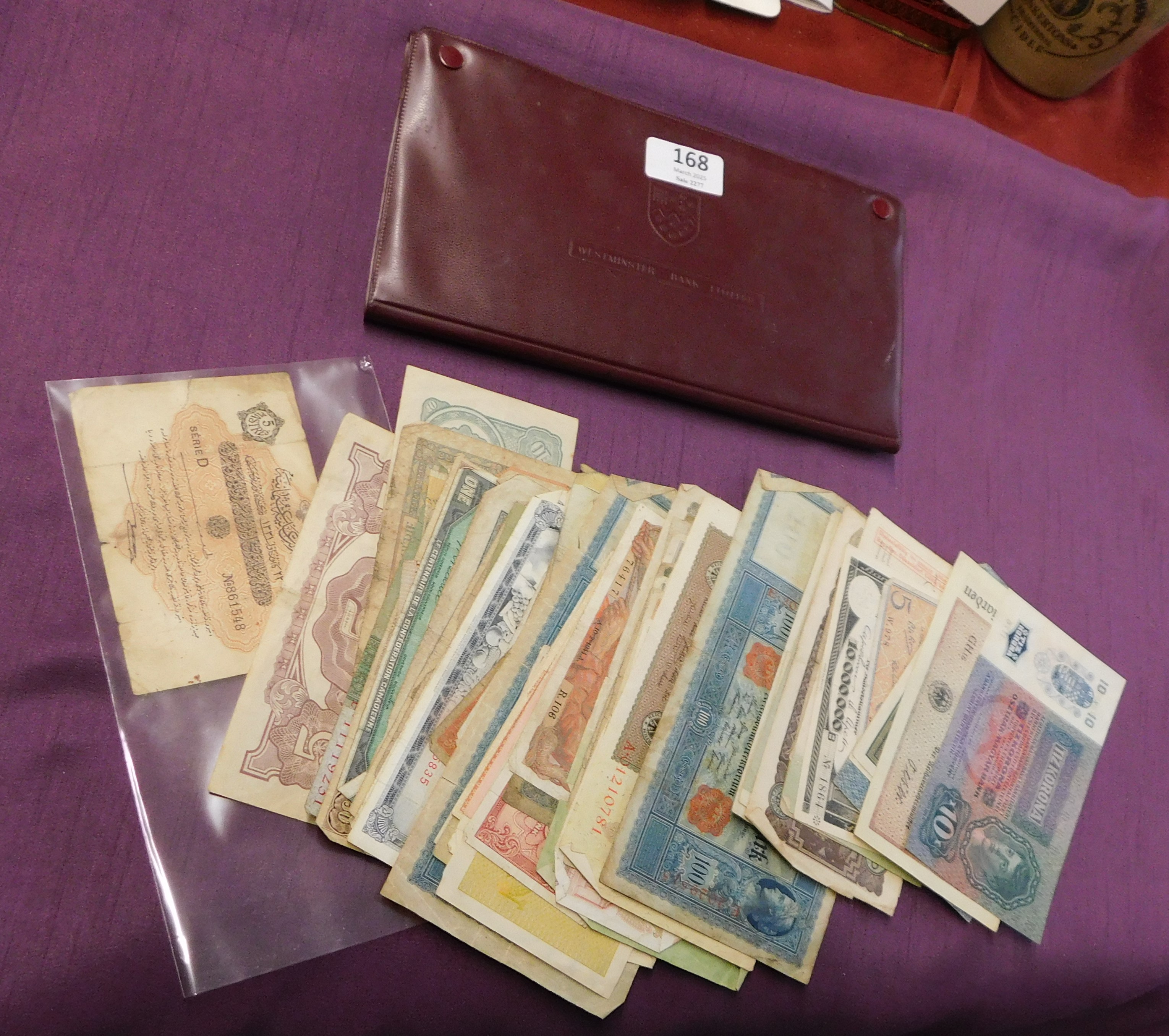
Between the-saleroom and easyliveauction there were 331 online bidders following proceedings, in addition to a few people actually present at James and Sons and one telephone bidder. This wide interest was reflected in the hammer prices with many items doing remarkably well. Lot 168, which I had bid on on behalf of my parents, was just one item that went way over estimate, in this case climbing to £50 when expected to get no more than £30. Though personally disappointing it was professionally satisfying as not only were the images mine, it was also largely down to emails from me that so many people had advance knowledge of the auction.
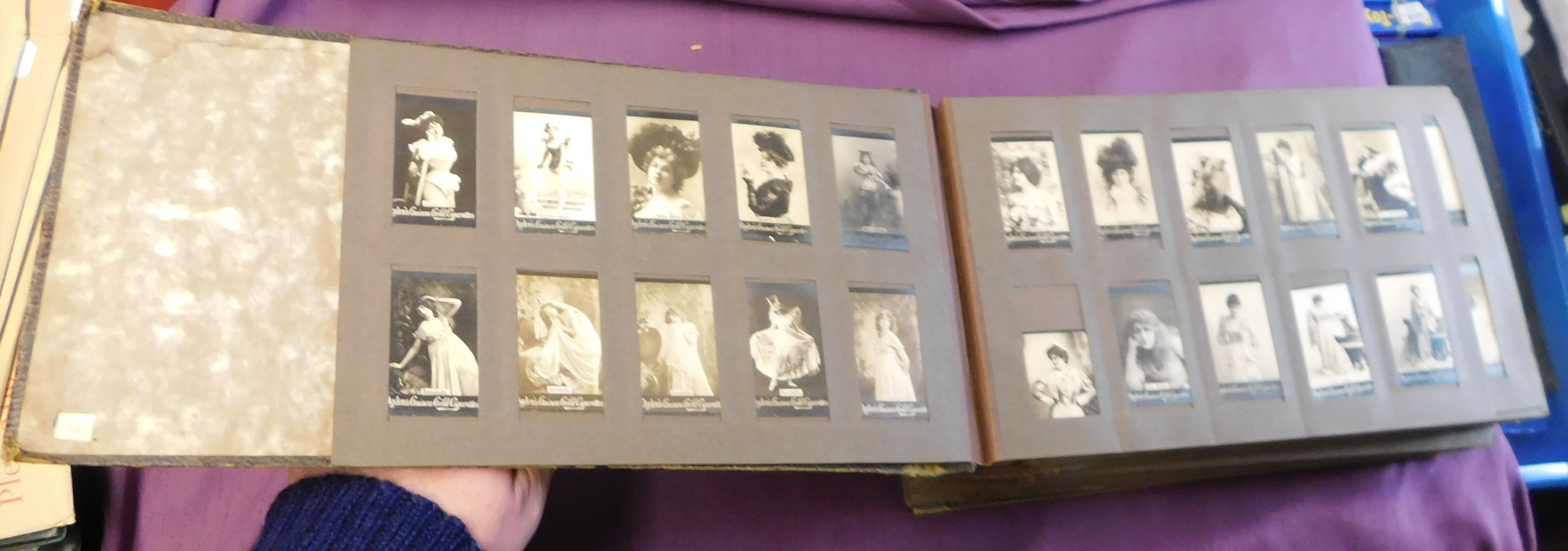
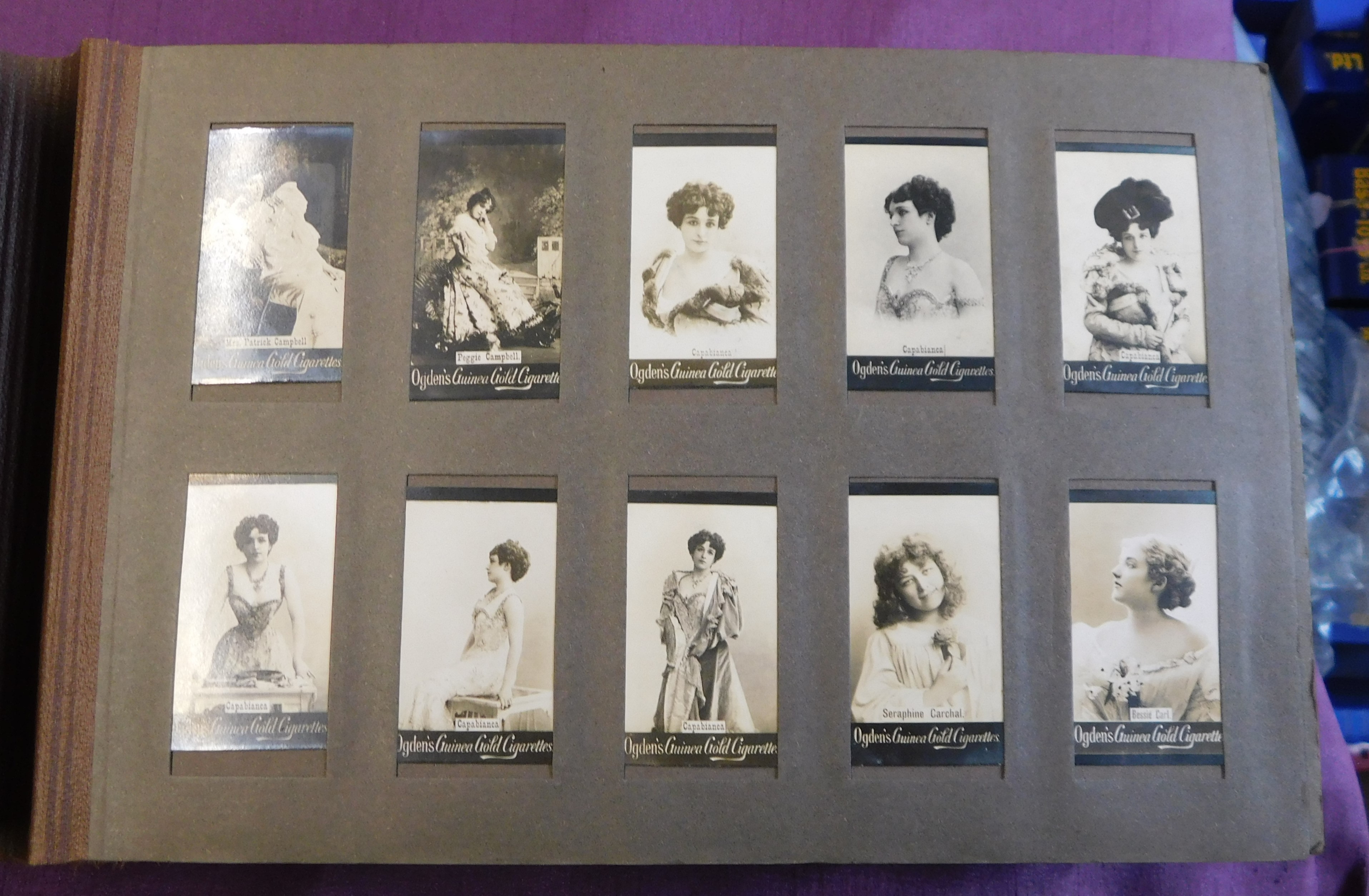
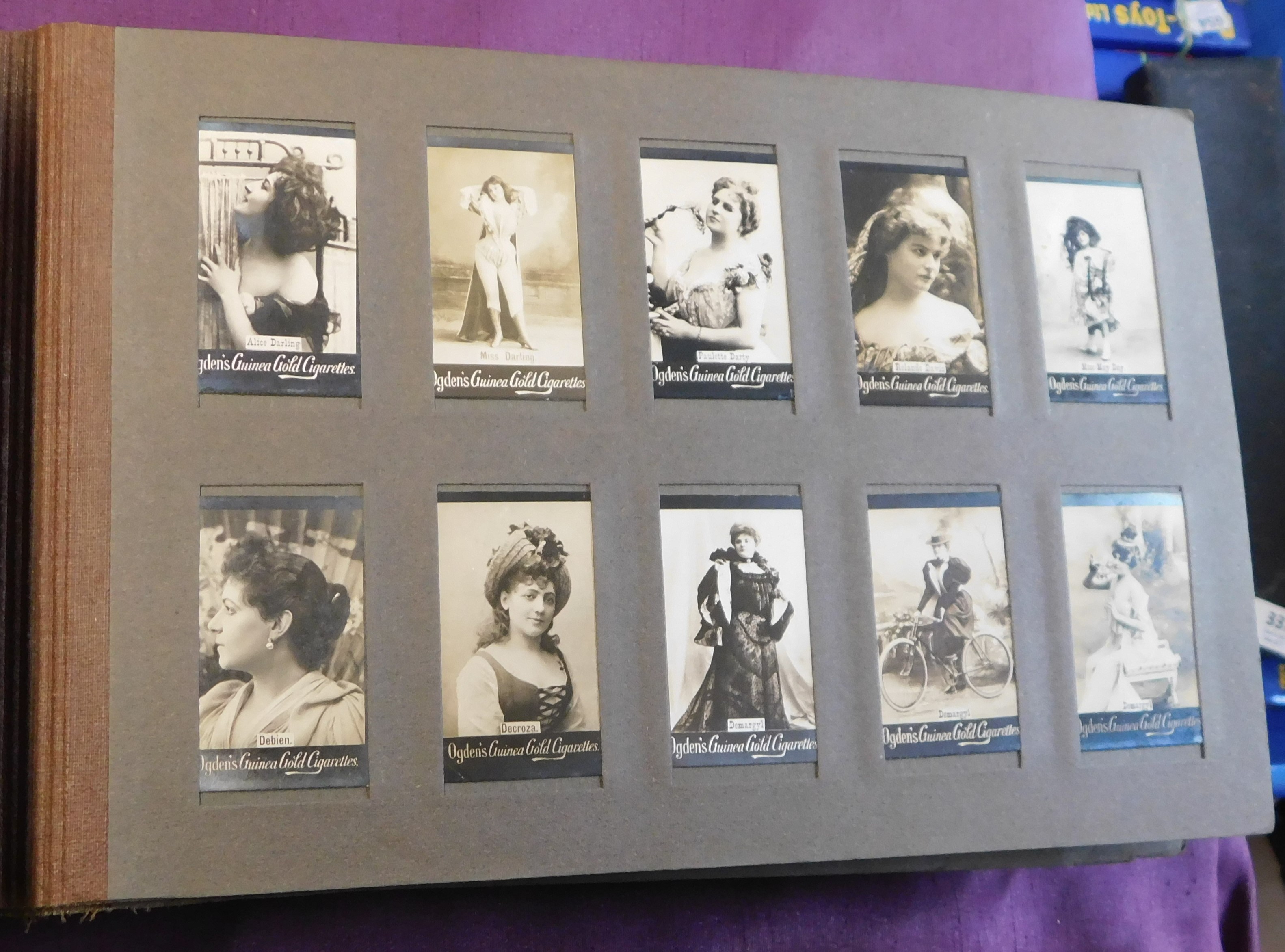
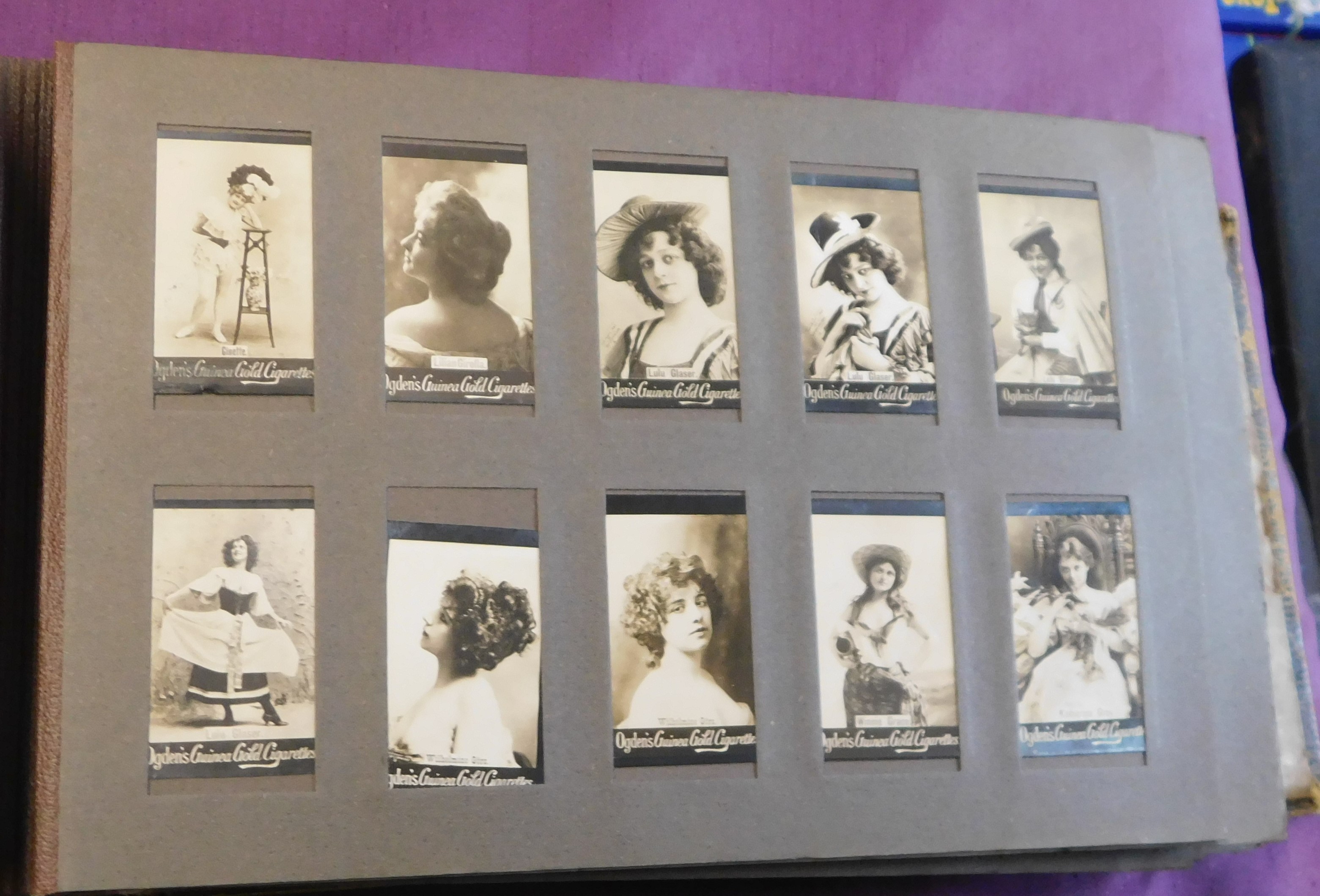
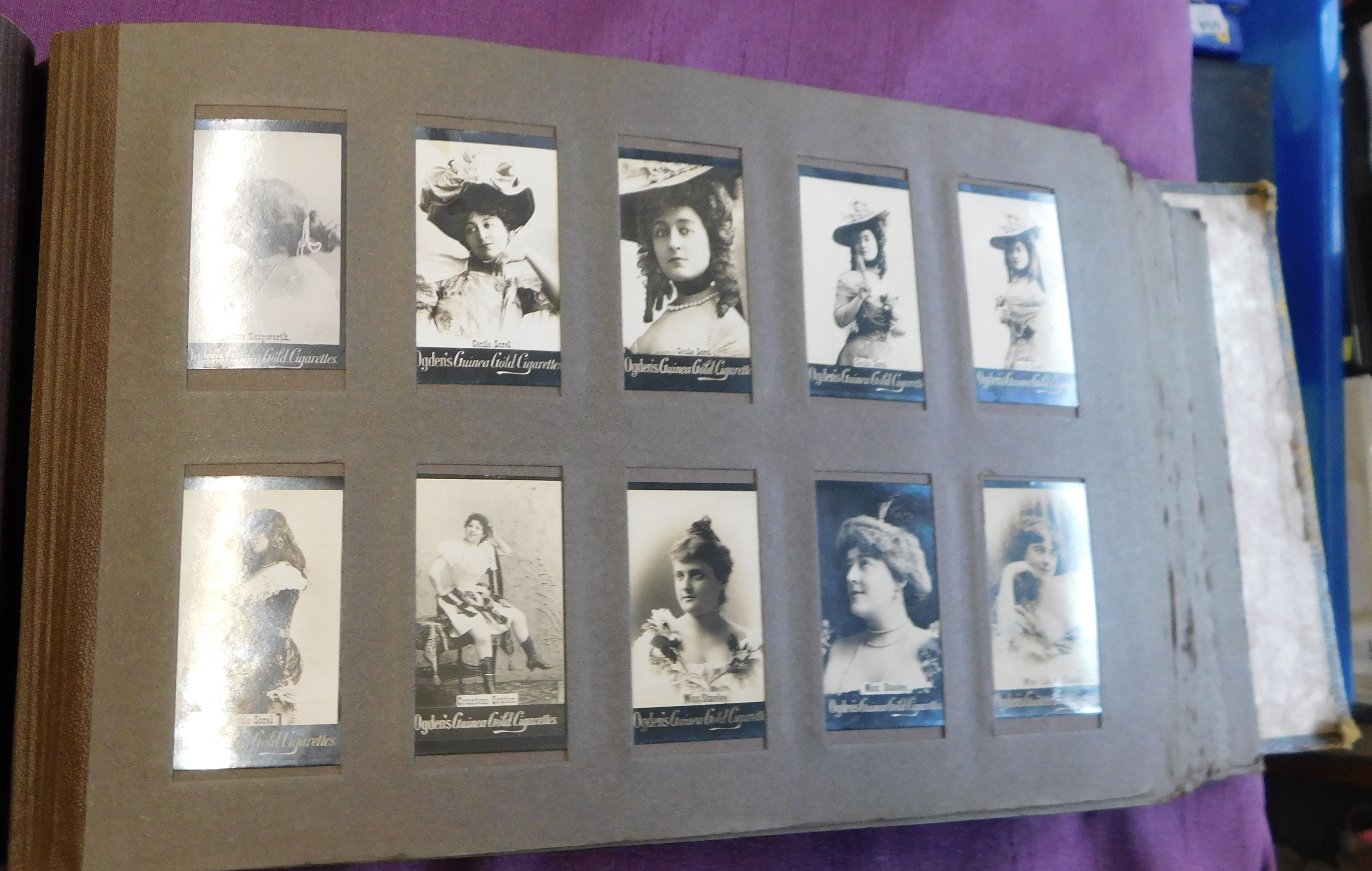
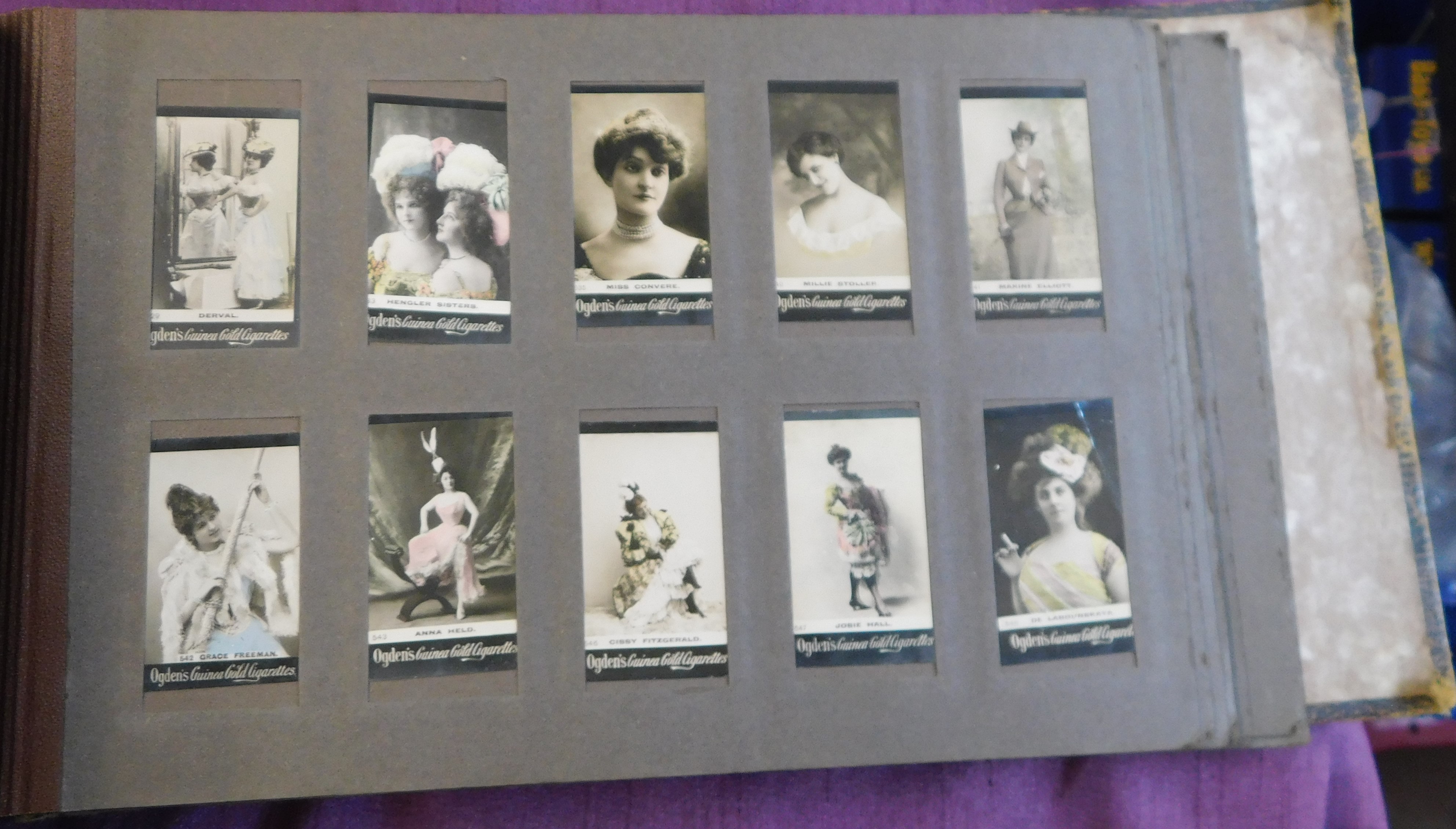
The highest price gained by any single lot in this auction was for a cigarette card lot, number 539, which fetched £900…
Describing my first butterfly sighting of 2025, with a picture of the butterfly and a large photo gallery.
I will present a full photo gallery at the end of this post as usual, but the feature is indicated by the title.
THE SIGHTING
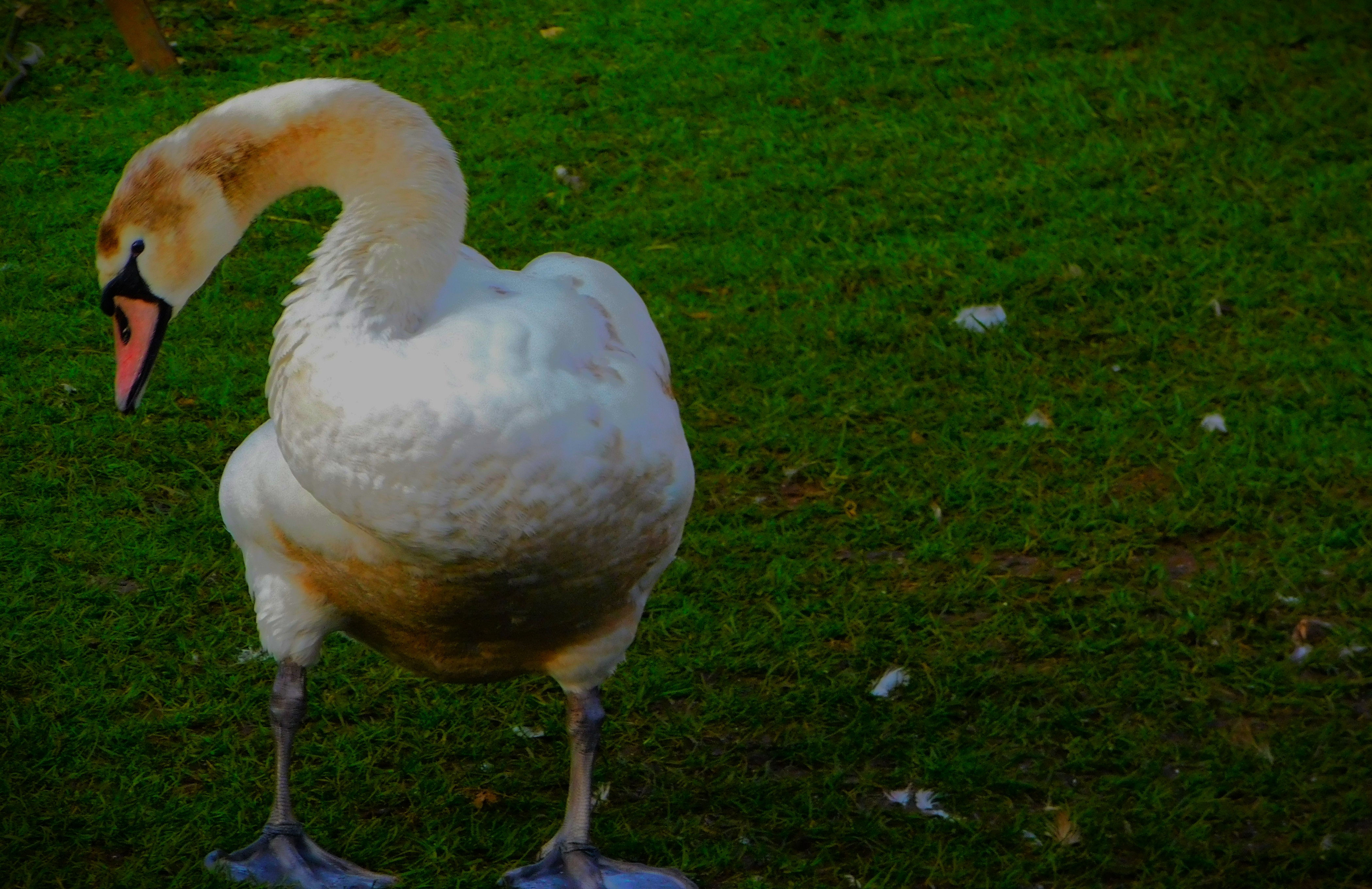
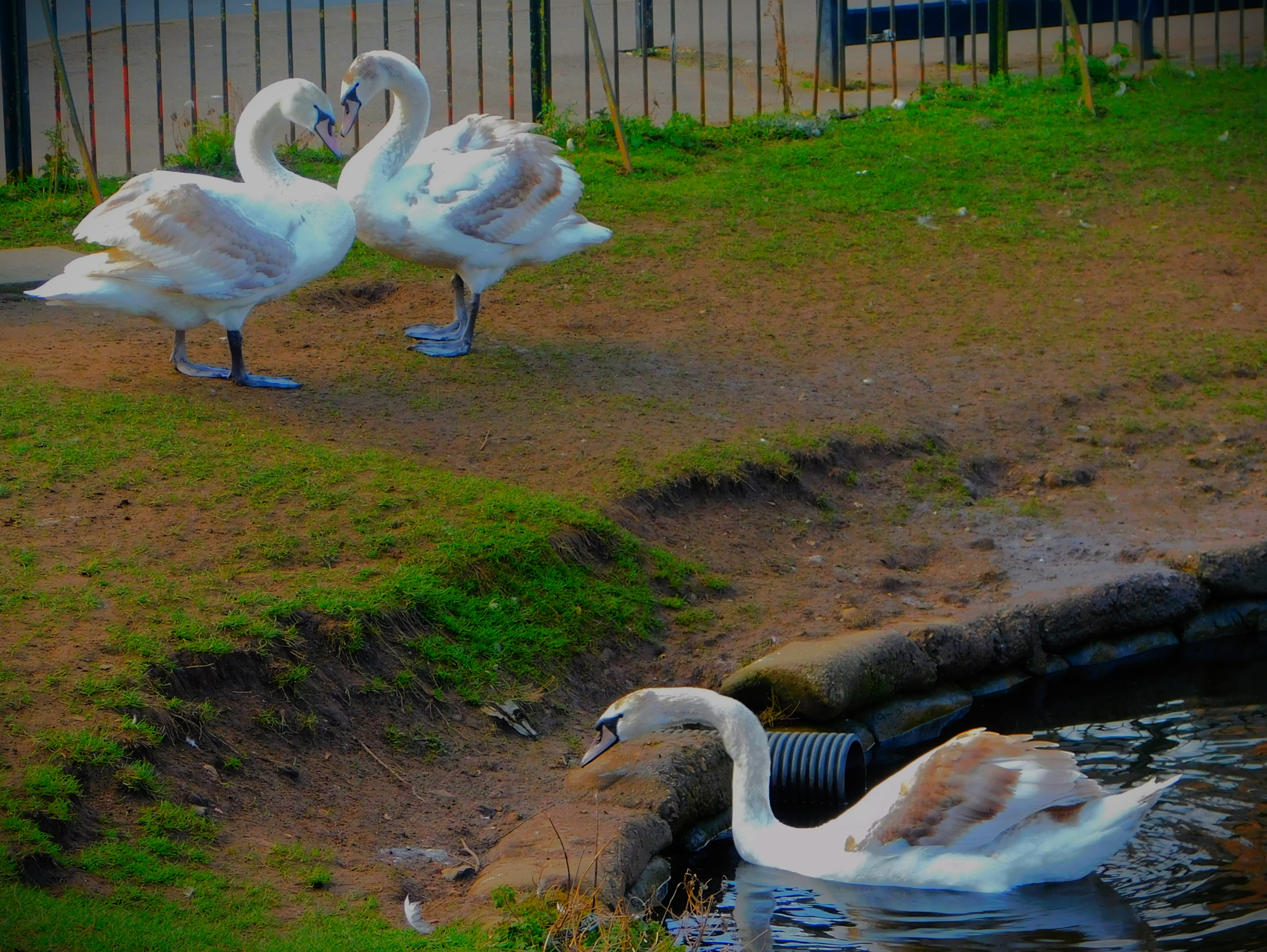
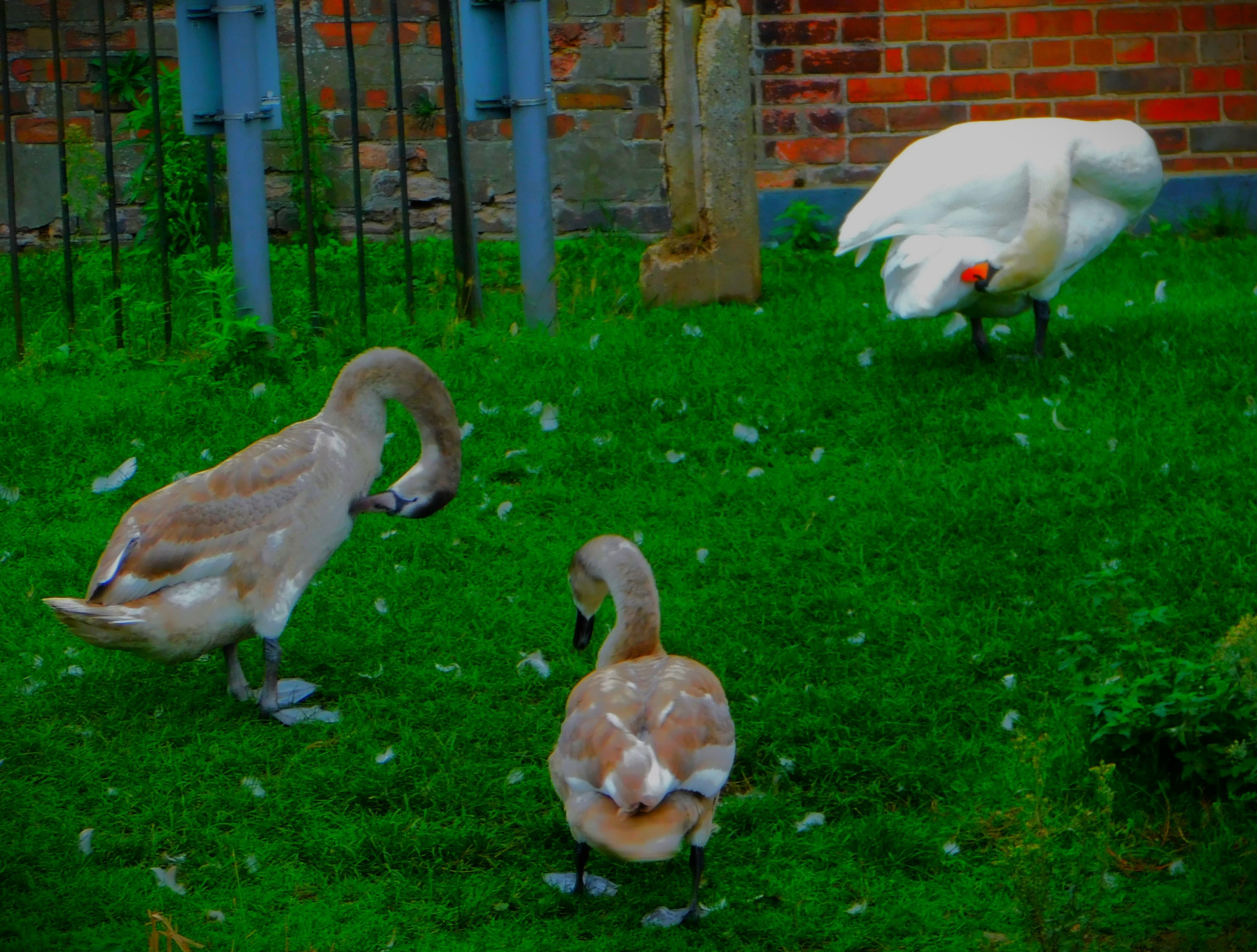
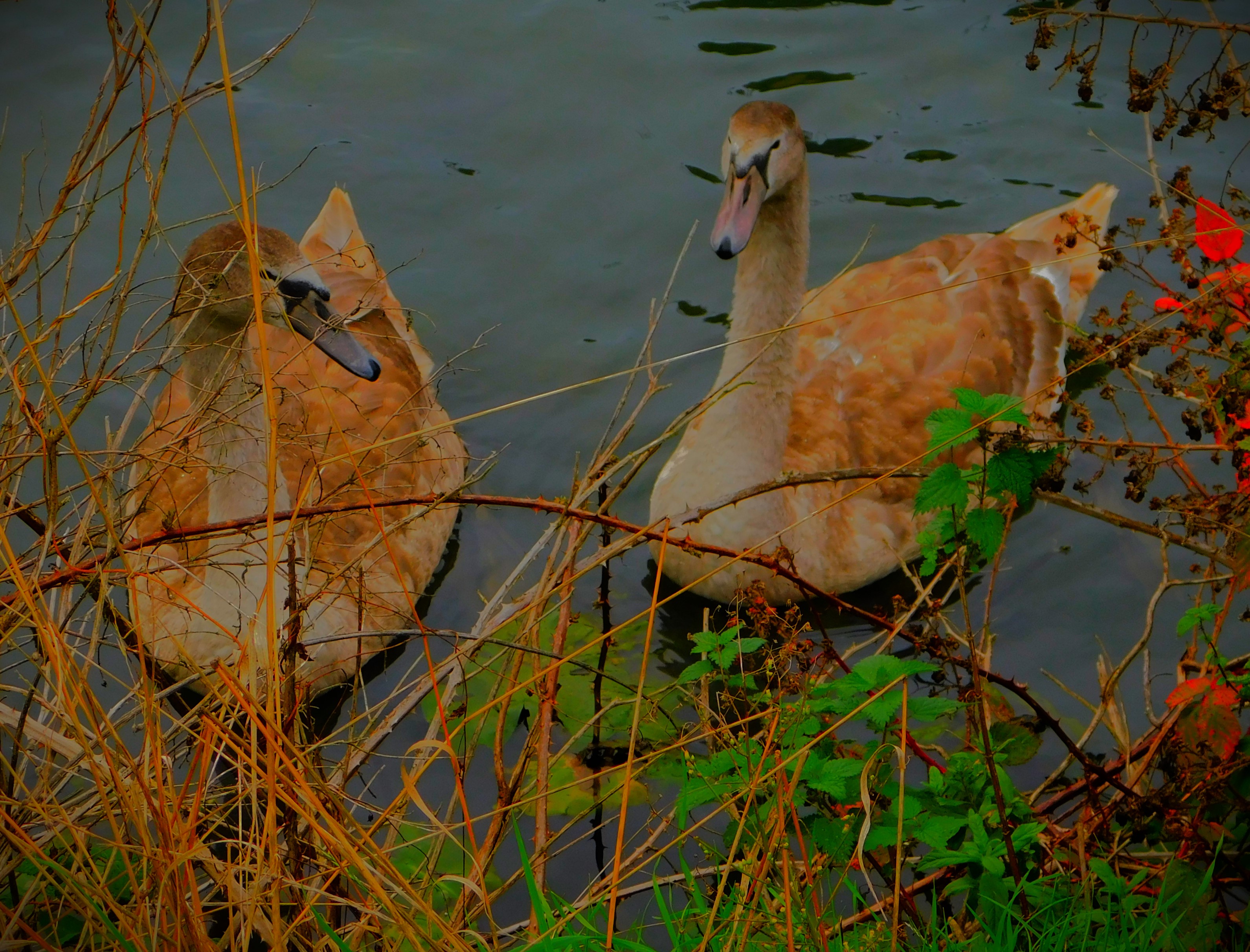
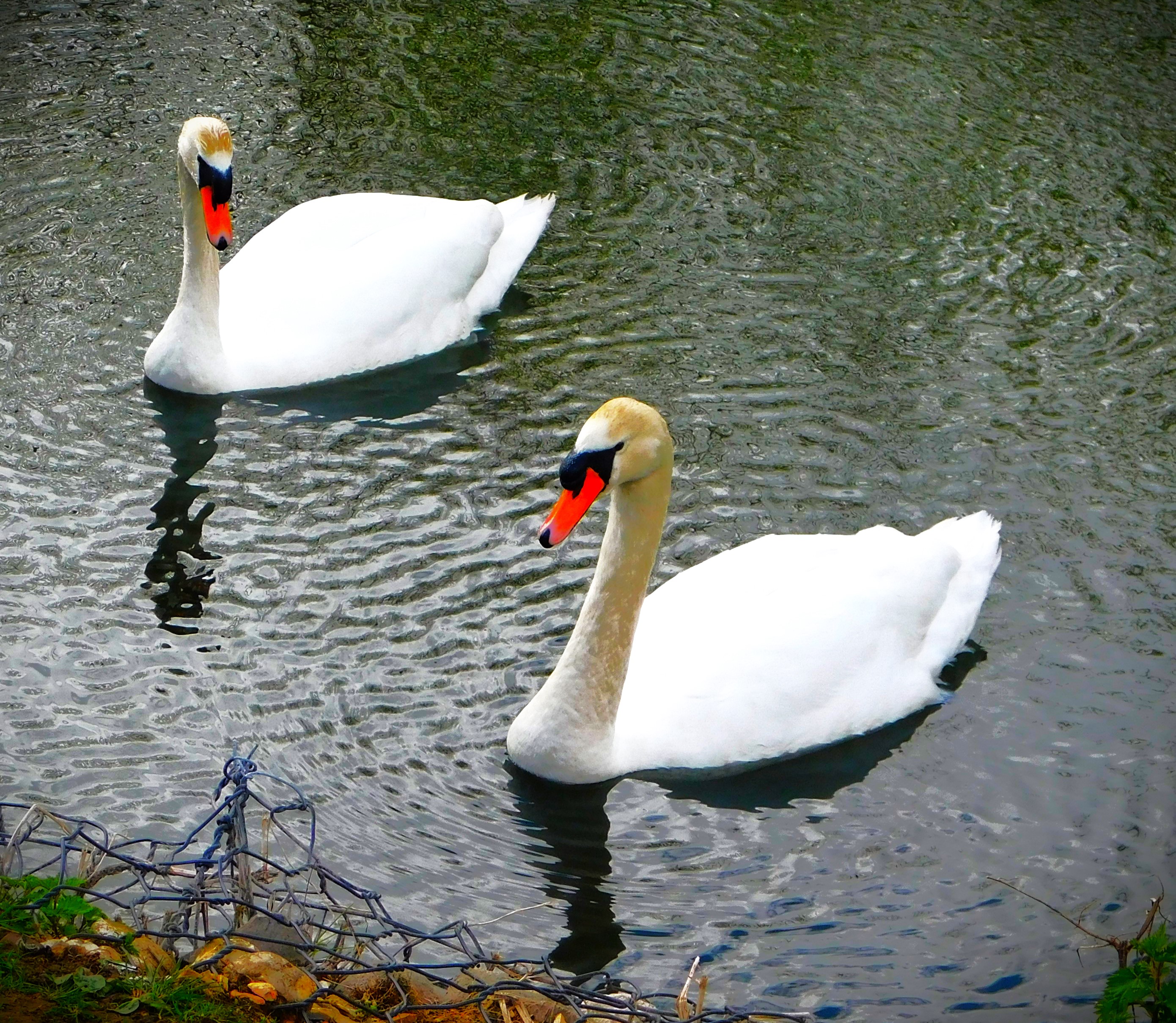
Yesterday morning in the course of my extended walk to the bus stop for work I had reached the final stage, a short trip along a stretch of the Gaywood River that briefly runs parallel to Gaywood Road, from where I get the bus, and was already reasonably pleased with the photos I had got – it was bright, sunny and by the standards of early March it was warm as well. Before crossing Loke Road, next to the bridge that takes that road across the Gaywood, I had managed to photograph a pair of swans just before they left my field of vision as they headed in the opposite direction to me. I was not expecting anything further, but halfway between the bridge and the path through to Gaywood Road (it pretty much hits Gaywood Road at the bus stop) I spotted a European Peacock butterfly among the dry reeds at the far edge of the river from me. I managed to get a photograph. This butterfly is no great rarity, nor is King’s Lynn outside its usual range, but even so is is rare to get a sighting this early in the year. I emailed Butterfly Conservation about it last night and received an enthusiastic response this morning.
A look at the early stages of England’s ODI tour of the West Indies and a photo gallery.
An England men’s white ball squad is currently in the West Indies for a three match One Day International series. This series has been arranged because England owe West Indies a favour dating back to 2020, when it was West Indies who travelled to play in England under stringent covid restrictions, and have not been able to repay it until now. This post looks at what has happened so far.
THE ENGLAND SQUAD
England travelled with a necessarily experimental squad, the multi-format players being required for the upcoming tour of New Zealand the start of which overlaps with this one.
ENGLAND’S CHOSEN XI
England named four debutants in the XI – Jacob Bethell, a batter who bowls a bit of left arm spin, Dan Mousley, enough of an off spinner to be described as a batting all rounder, Jamie Overton, making an ODI debut at the age of 30 and down to bat at number eight an known to not be fit enough to bowl, and John Turner, a fast bowler and number 11 batter. The side as a whole was inexperienced, with Adil Rashid, a leg spinner officially listed to bat at number ten, having more career ODI runs than any of his team mates. However, no degree of inexperience could excuse the horror show of a batting performance that was about to unfold.
FAILURE TO ADAPT
West Indies won the toss and put England in to bat. For all that is named in honour of an all time batting great and one of the first players to truly master the art of limited overs batting, the Sir Viv Richards Stadium rarely provides pitches on which batting is straightforward. On that basis one might argue that a total of 204 in 45.2 of a possible 50 overs was not a terrible achievement. However, it was the manner in which the innings developed that was so very disappointing. Virtually every dismissal was self inflicted, and the mistakes leading to those dismissals were all of the same type – essaying cross batted shots on a pitch on which hitting the ball straight was a necessity. One or two such dismissals could possibly be allowed for, but the collective failure/ refusal to adapt to the nature of the pitch was inexcusable. Liam Livingstone and Sam Curran batted best in a poor display, but neither could get as far as 40.
The West Indies was delayed by rain, and then interrupted again by more rain, but there was not enough rain to save England. Evin Lewis played a superb innings which put the ‘efforts’ of the England batters into sharp perspective.
A large part of the problem (and something that the ECB are to blame for) is that the best English white ball players only now play 50 over cricket in an international setting – the English domestic One Day Cup because of when it takes place is basically a tournament for second team and youth cricketers. Thus they approach the game with a T20 type mindset and rapidly become impatient if they are not scoring at high speed. The second match of this series takes place today, starting at 1:30PM UK time.
A look at the England Men’s touring party for New Zealand, an auction lots related photo gallery, an account of Heat v Renegades in the WBBL and a regular photo gallery.
In addition to the selection of the tour party to New Zealand I will be mentioning today’s WBBL match between Brisbane Heat and Melbourne Renegades. There will be two photo galleries, a small one separating the two cricket segments and the main one at the end.
THE ENGLAND TOUR PARTY TO NEW ZEALAND
The England men’s squad for their tour of New Zealand was announced yesterday:
Jamie Smith was known to be missing this tour as he is taking paternity leave. Jordan Cox is an odd choice as keeper, as he hardly ever does this job in domestic cricket. Oliver George Robinson, a superb keeper who has just had a season in which he scored 900 FC runs at an average of 48 is entitled to feel aggrieved. I have talked about Woakes overseas before, and I still consider him a waste of a spot. Jacob Bethell is a talented young player, but surely if England were looking to usher a youngster on to the international stage James Rew of Somerset would have been a better choice. I also feel, especially given that current number three Ollie Pope is coming off a shocking series in Pakistan (55 runs in five innings), that Josh Bohannon could have been considered. Finally, no one who has seen the selections of my all time XIs could suggest that I of all people do not appreciate spin bowling, but I find it hard to imagine a New Zealand strip on which the selection of even two out of Jack Leach, Rehan Ahmed and Shoaib Bashir is justified. At best I would say that the selectors deserve 5/10 for this effort, and that is probably erring on the side of generosity.
AUCTION PURCHASES
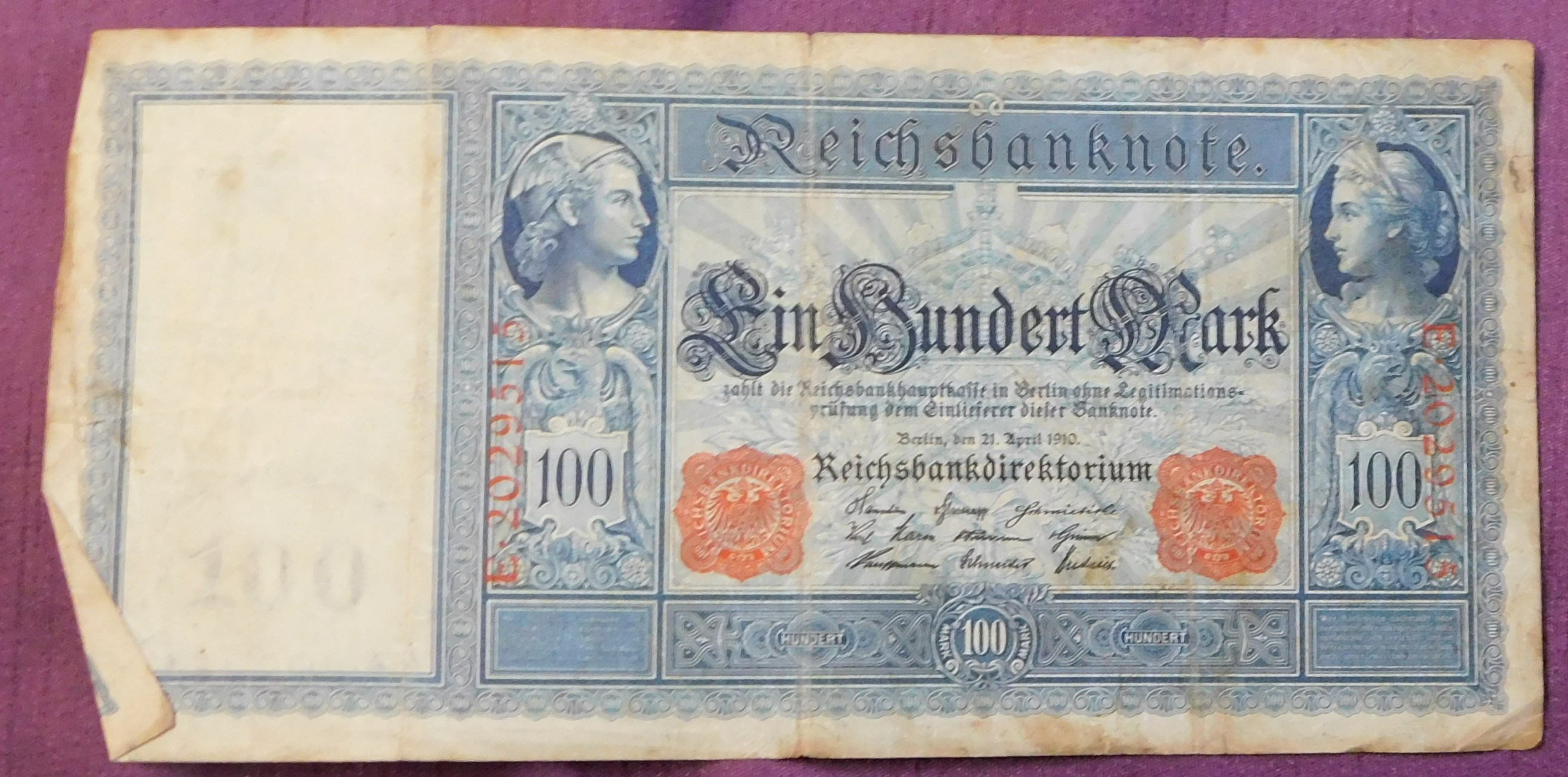
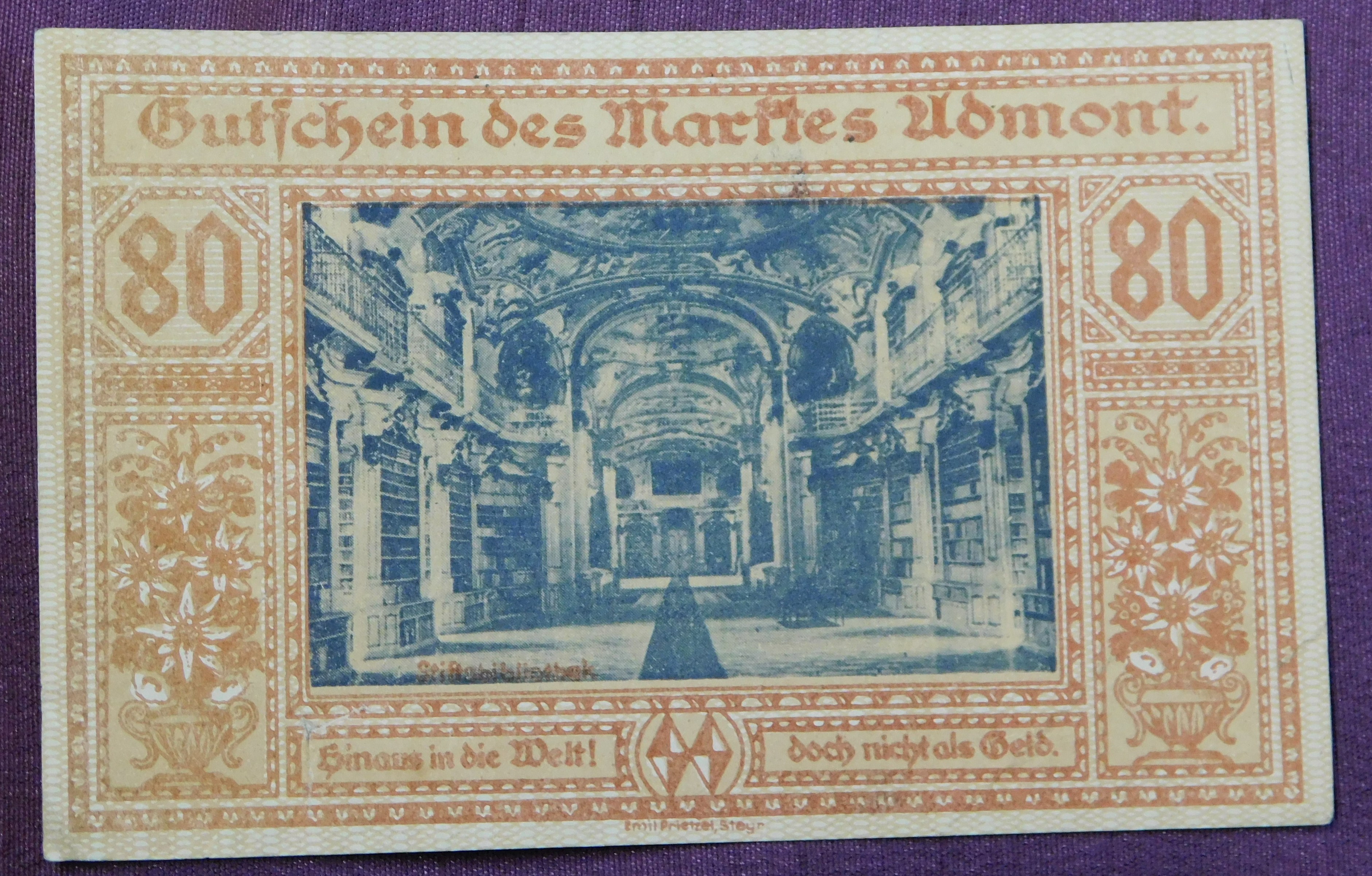
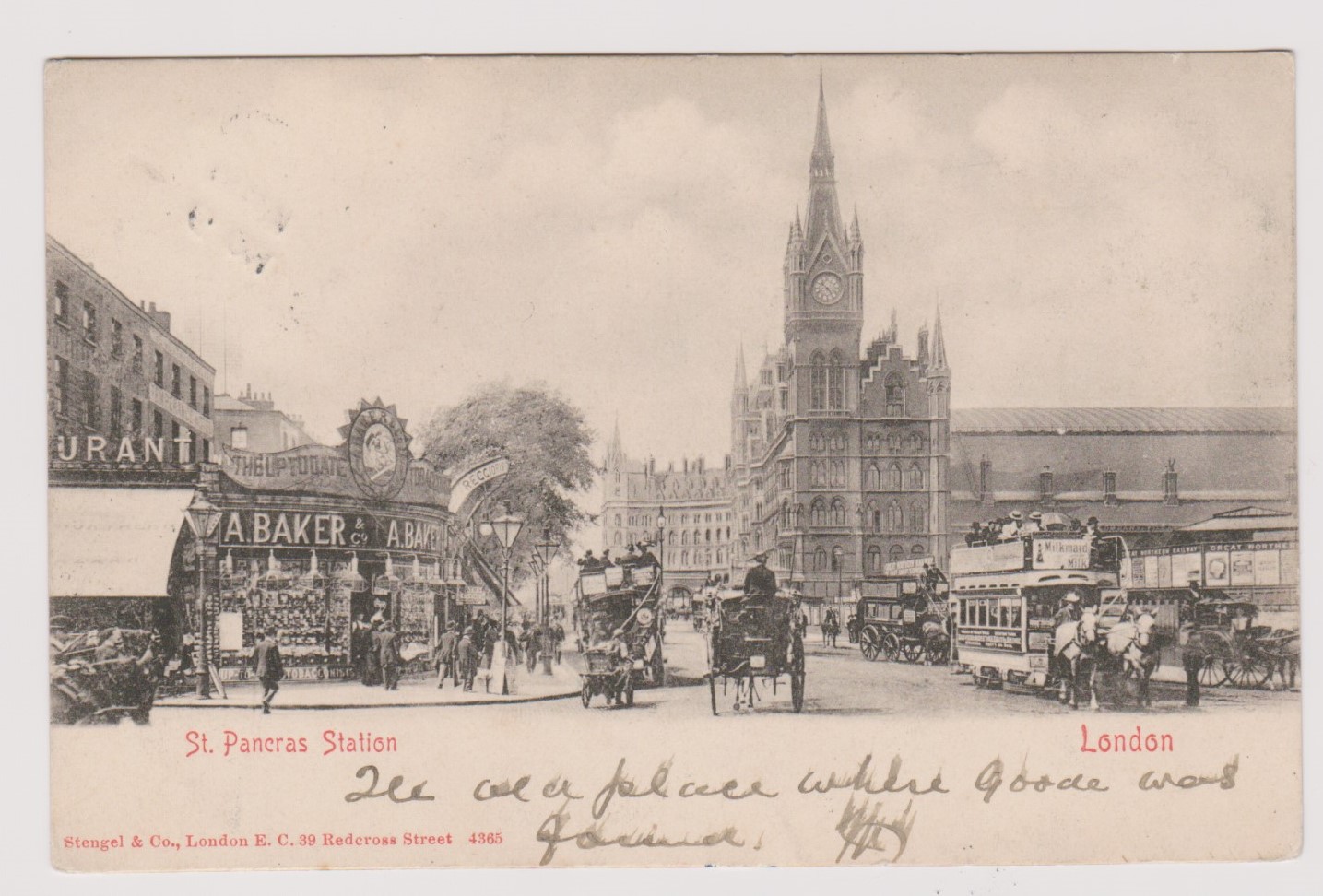
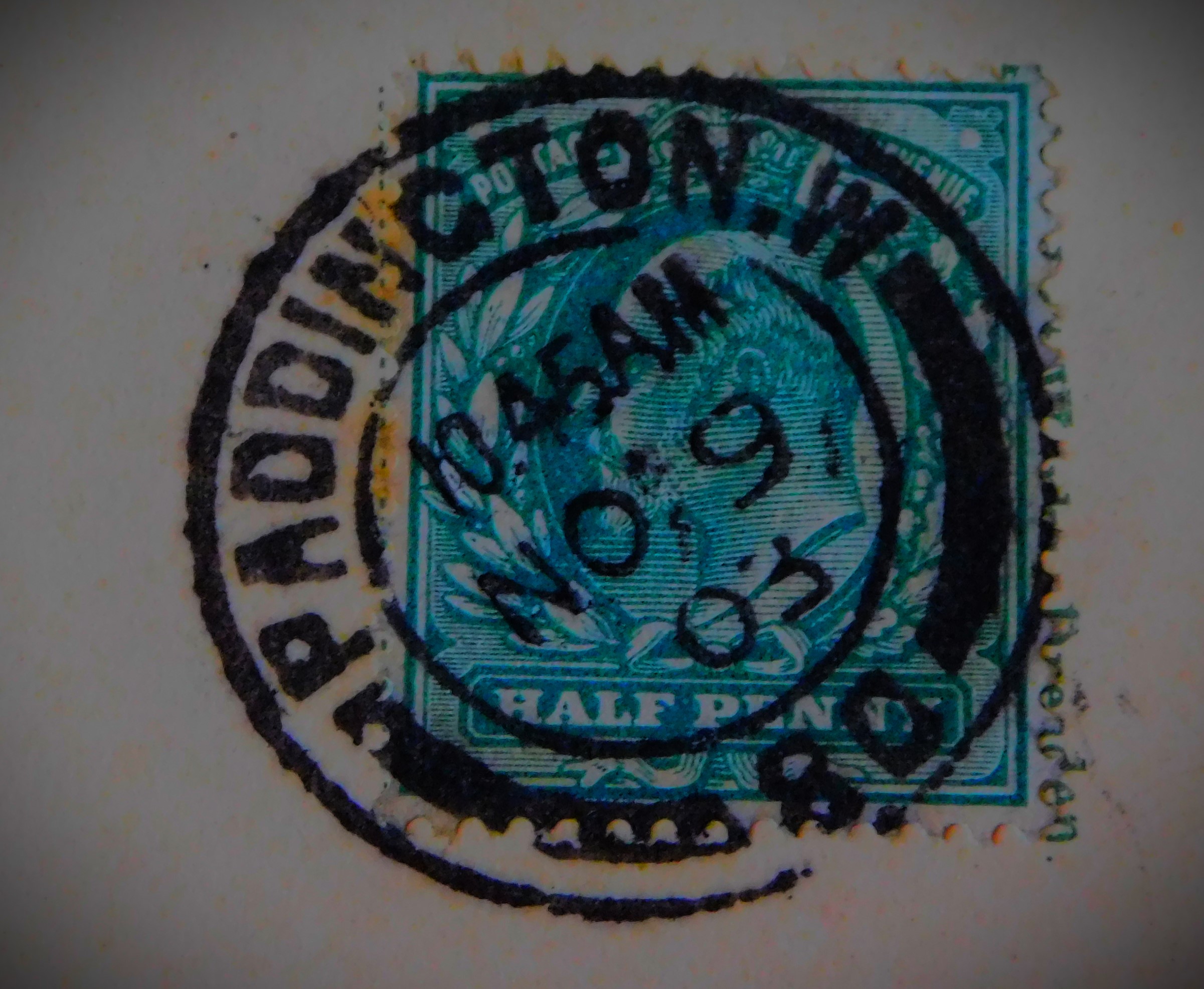
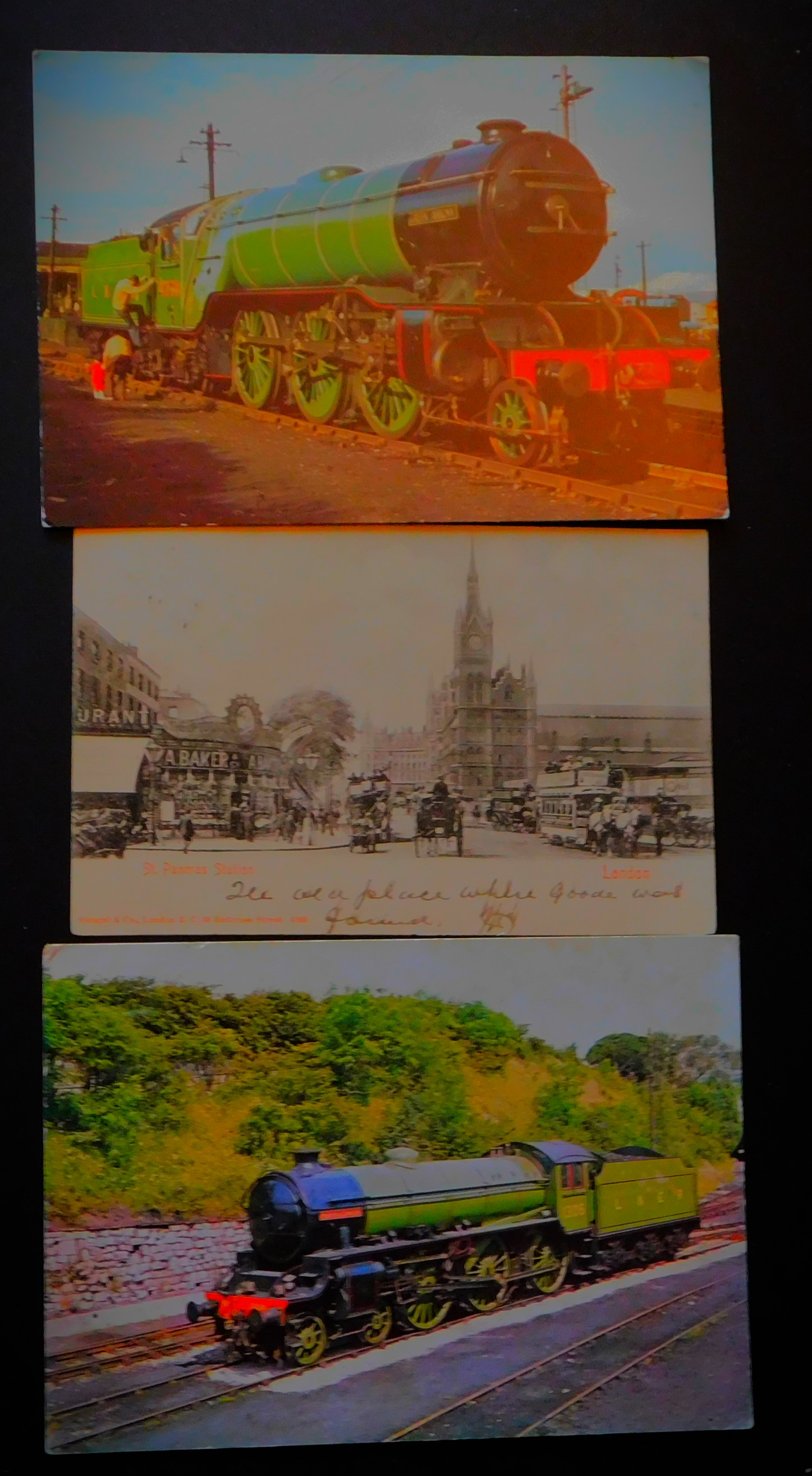
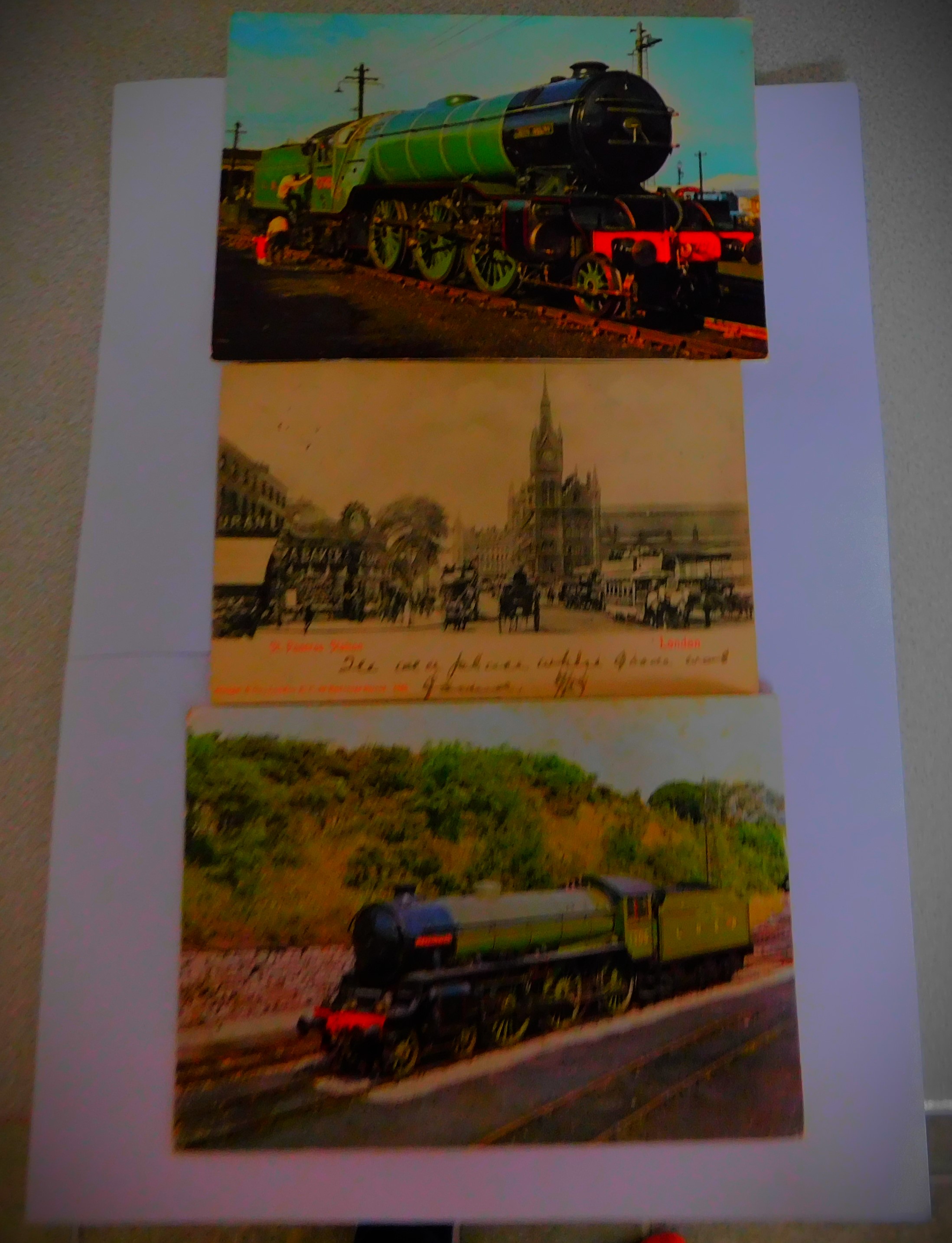
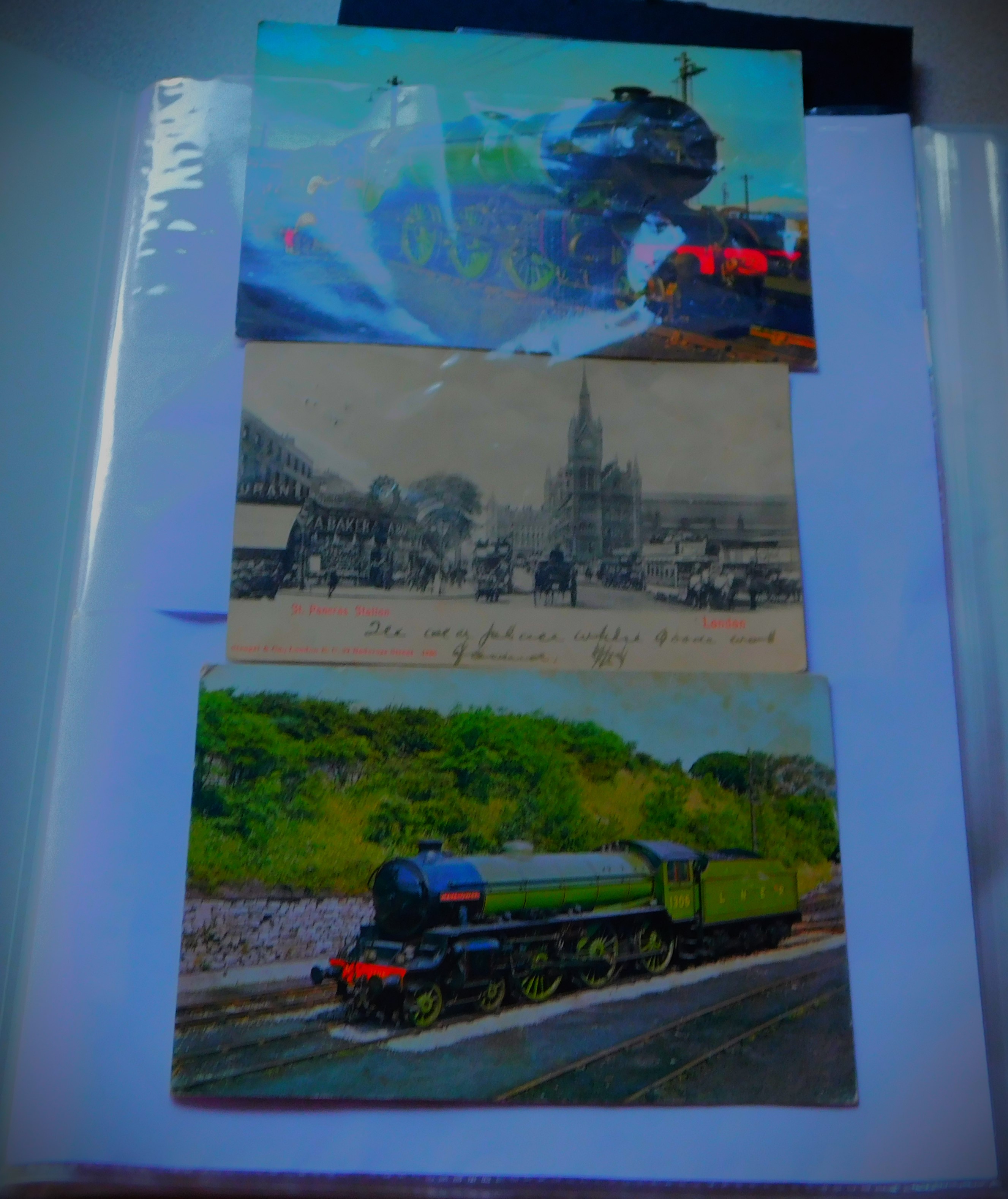
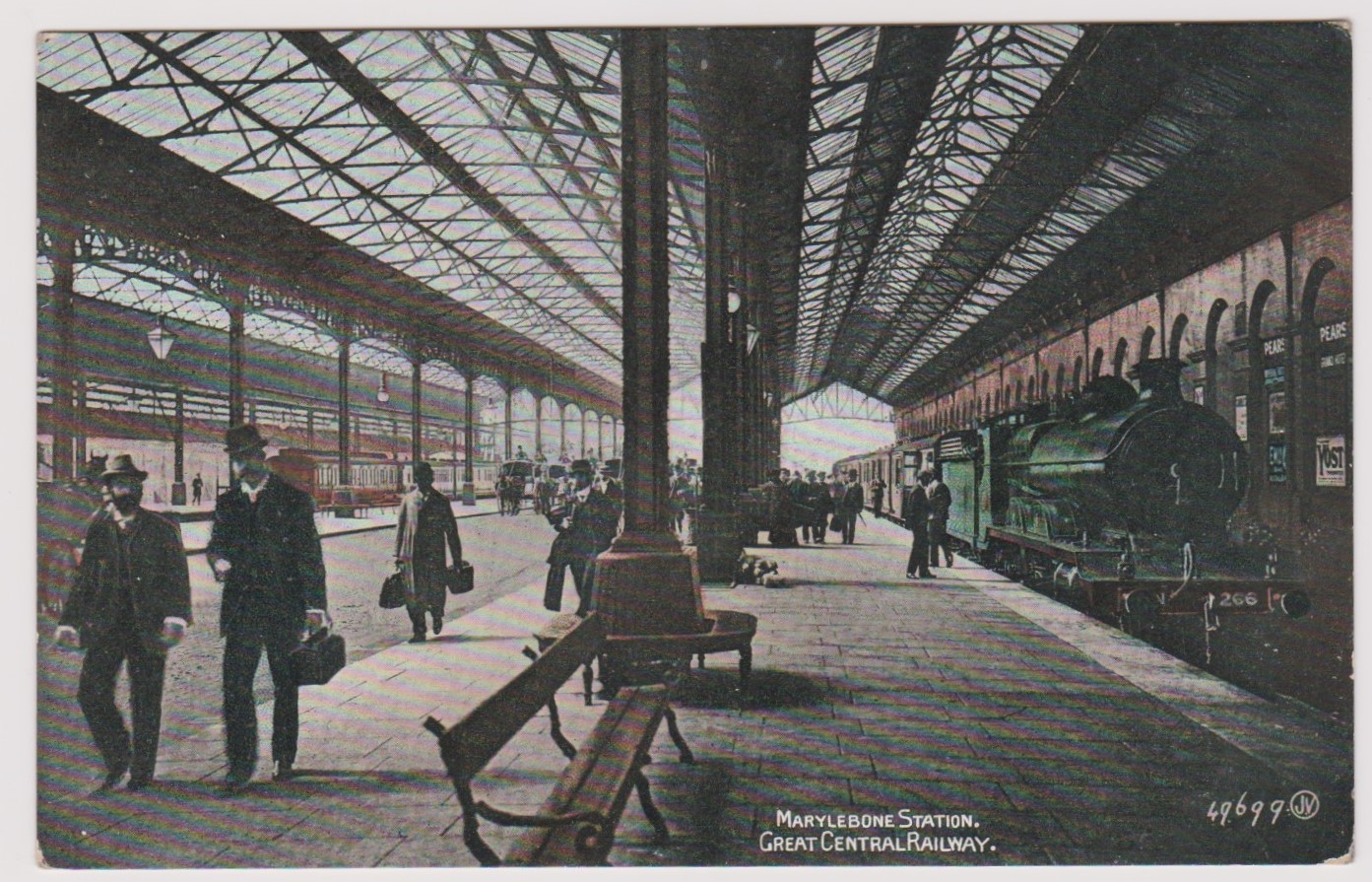
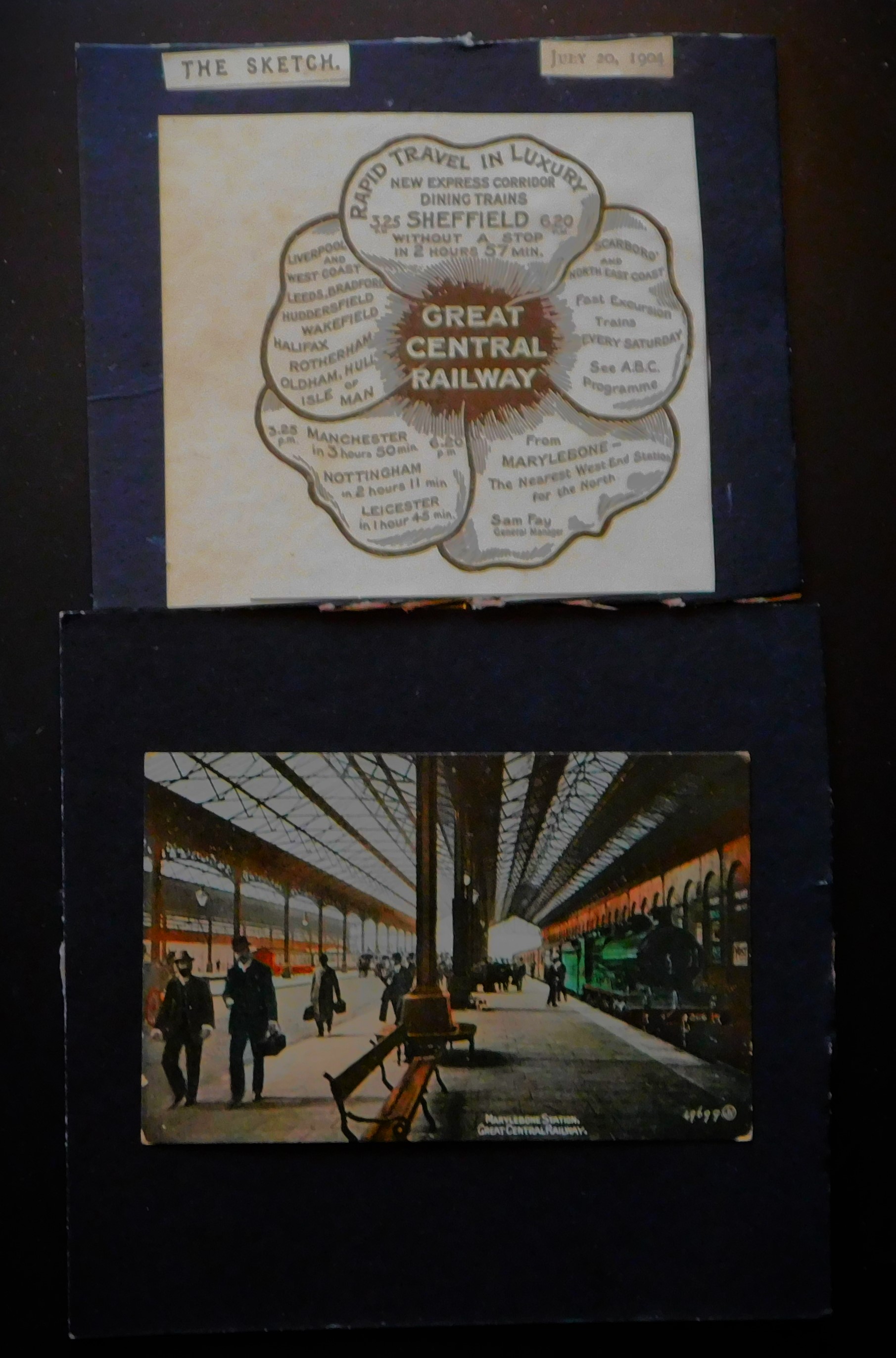
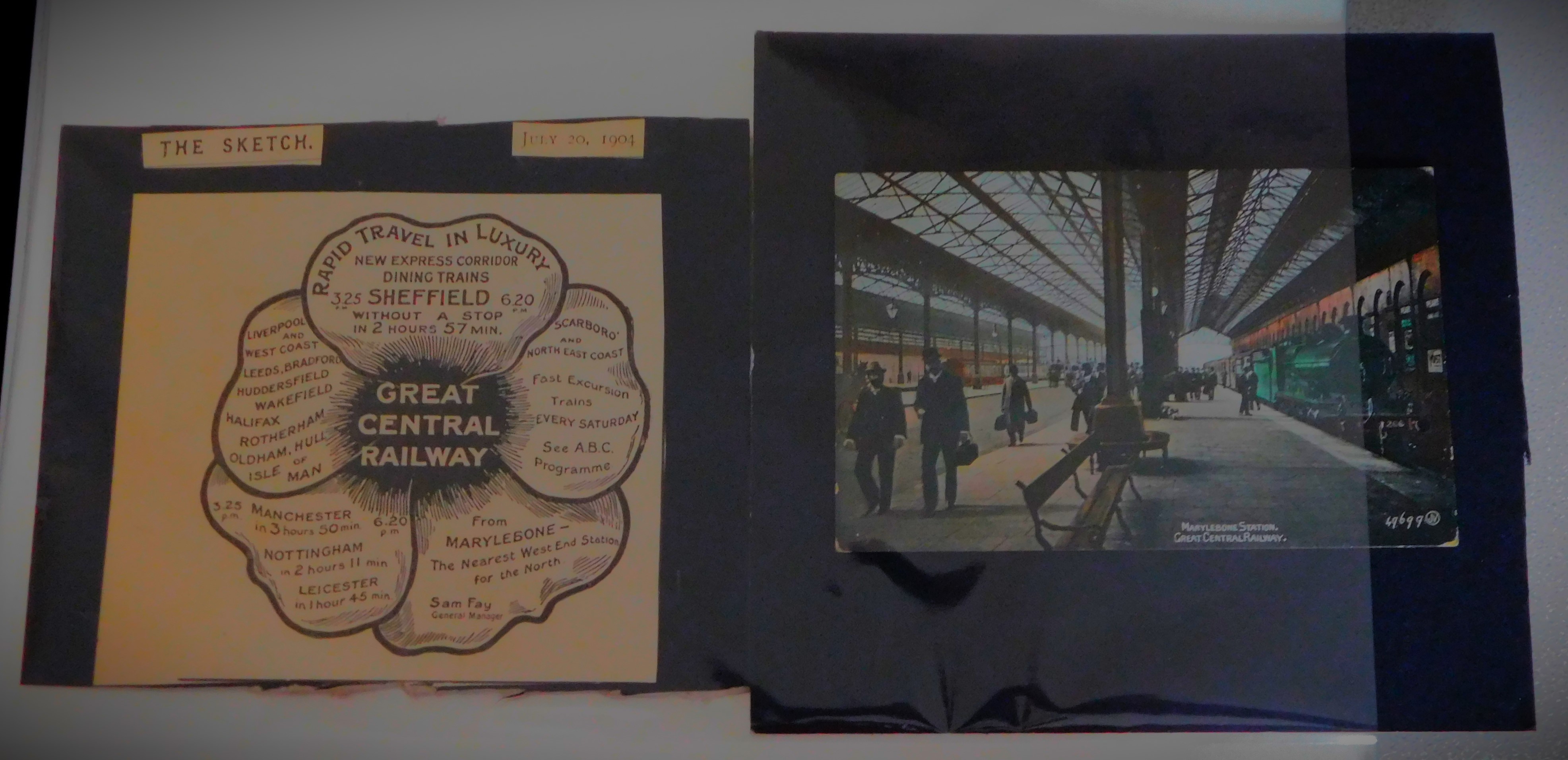
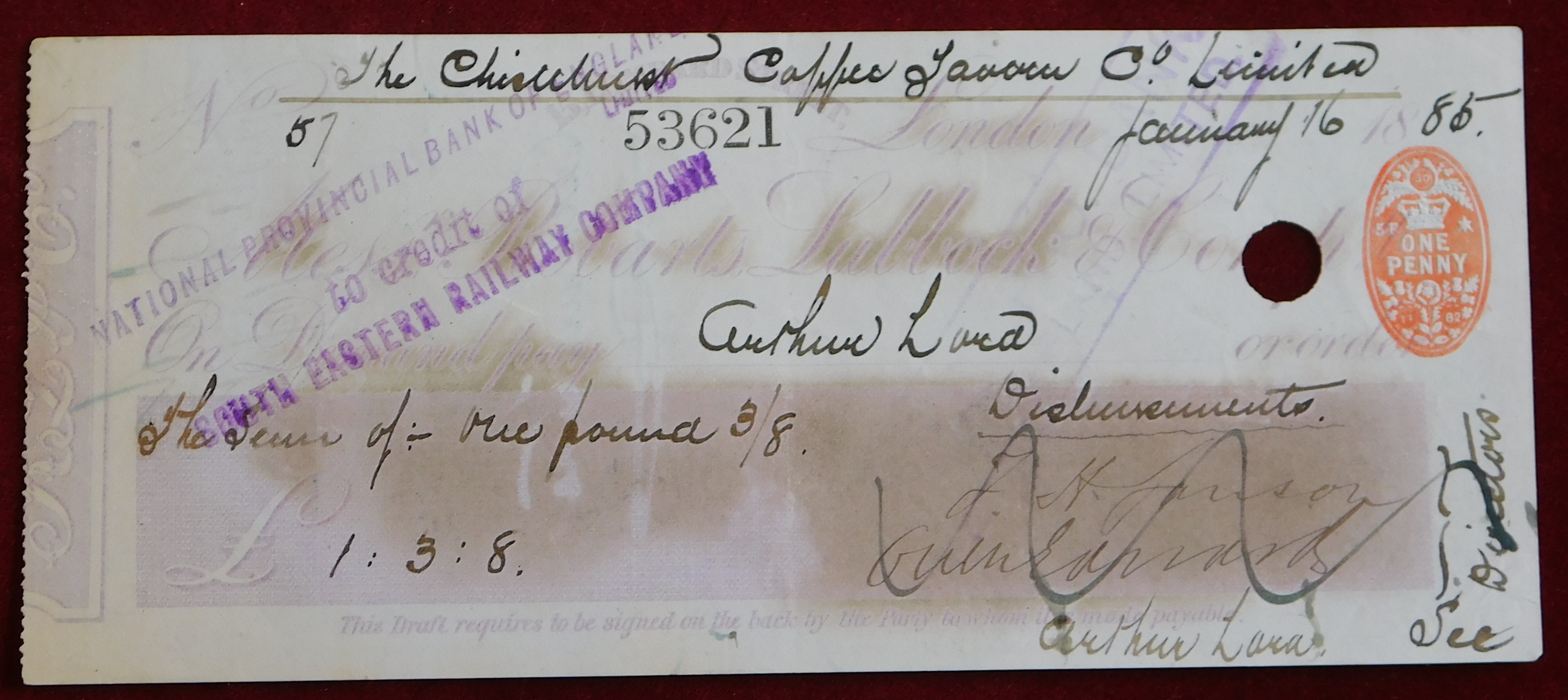
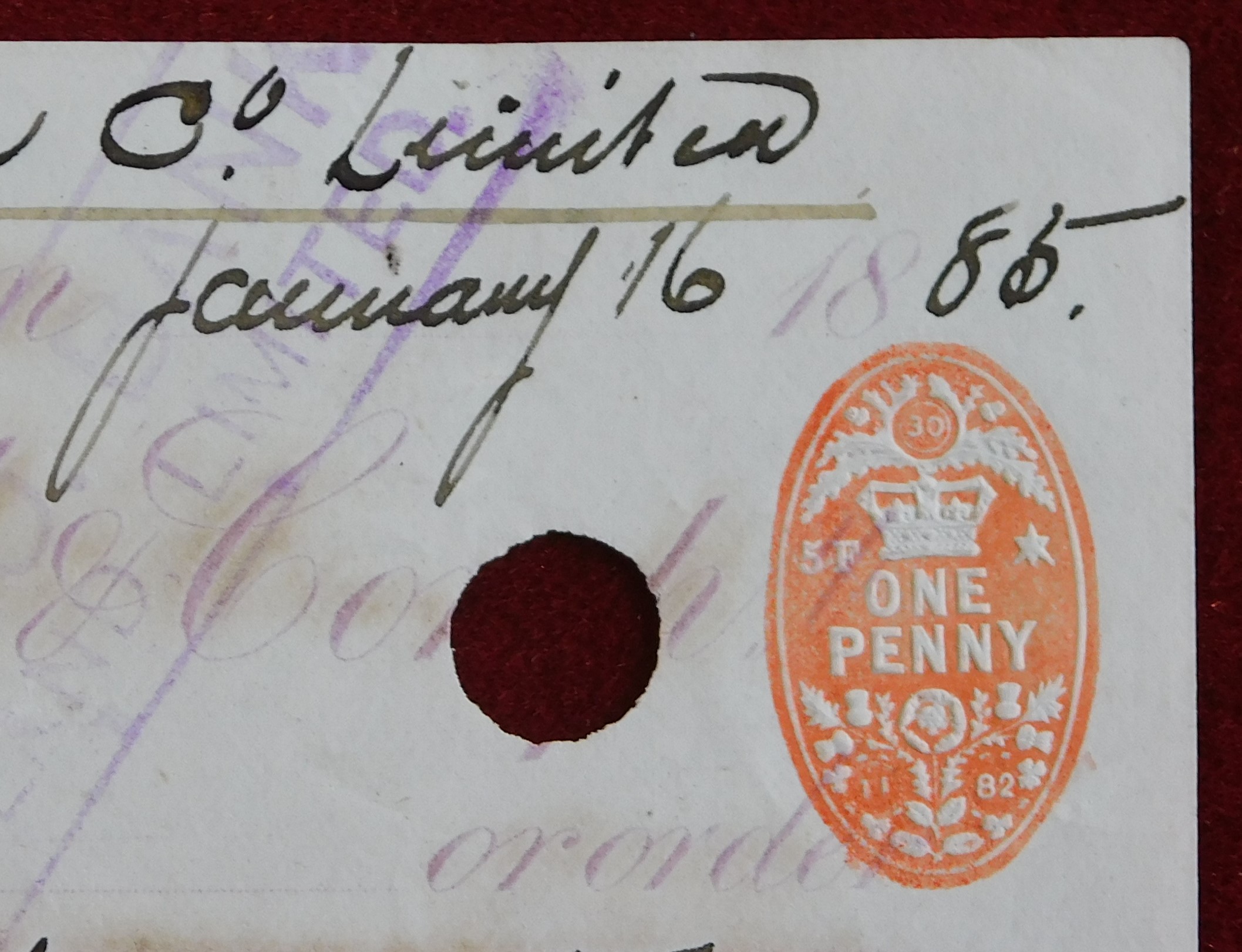
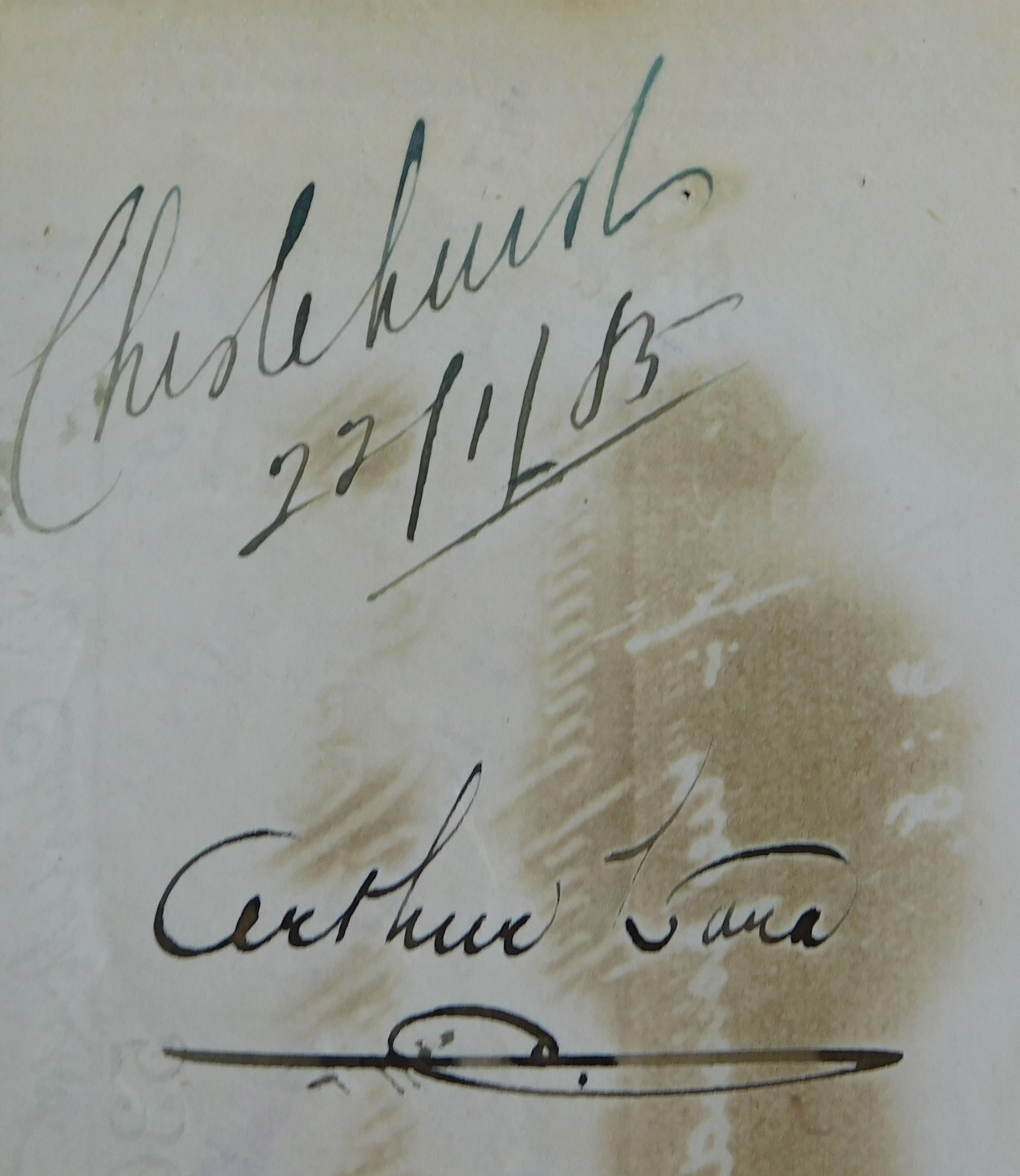
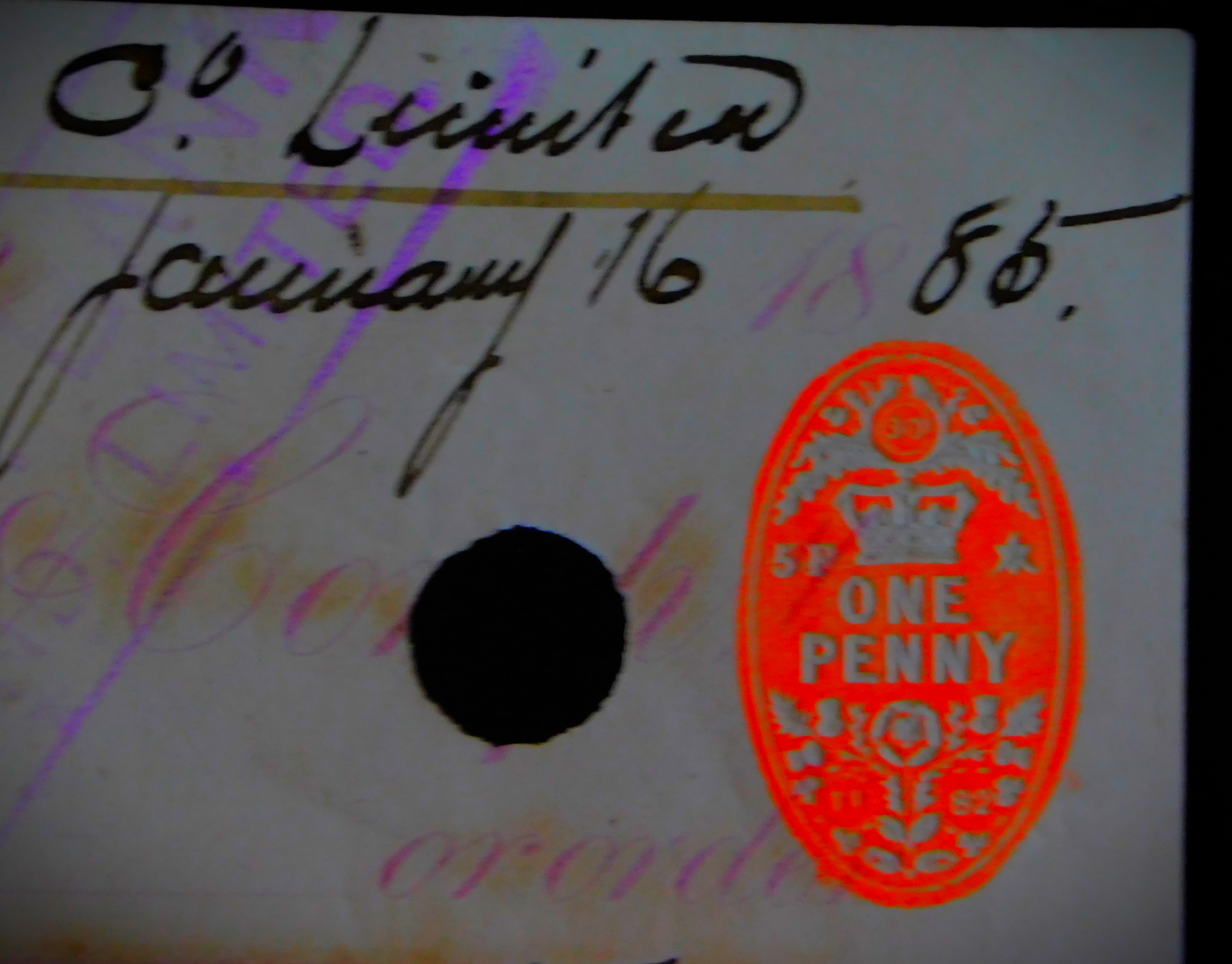
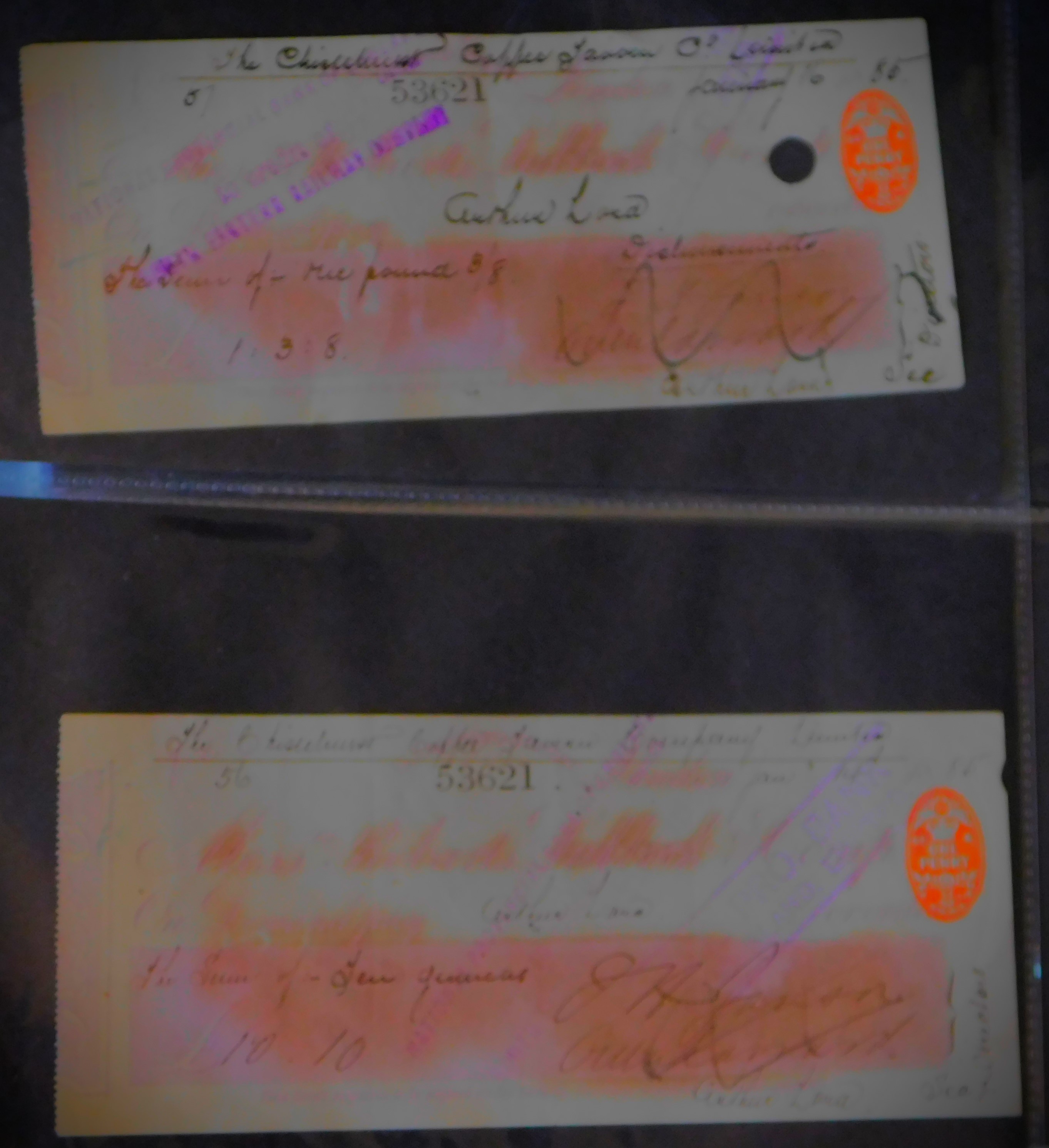
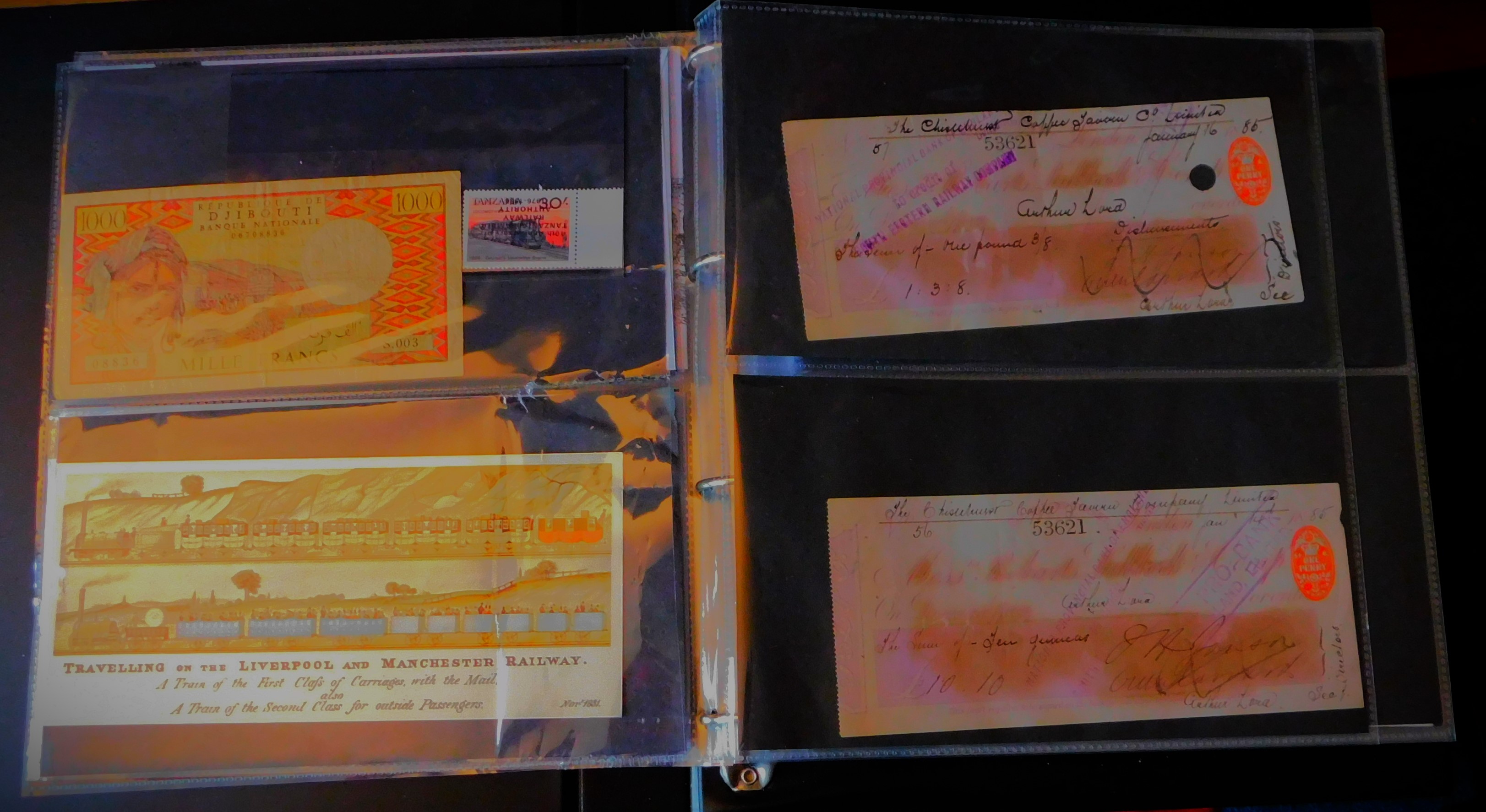
I mentioned lot 731 in my post about the coin/ banknote/ cheque element of James and Sons’ most recent sale (see here) but that was one of three lots (all very cheap) that I secured over the two days. Lots 369 and 374, railway postcards, went under the hammer while I was at work, but I had put in bids in advance. This gallery shows those lots, and my subsequent treatment of them.
Lot 369 – an outside view of St Pancras stationI also imaged the stamp on the back for the auctionThe next few pictures were taken once the item was in my possesion.My solution to mounting the postcard and keeping the stamp visible – I cut a hole in the paper on which I was mounting it.Lot 374 Marylebone Station, for auction.Some pictures taken at home.I envisgaed combining this item with the Great Central Railway advert already in my possession.Ultimately I mounted them side by side.lot 731Paired up with another cheque issued to the South Eastern Railway Company.
BRISBANE HEAT v MELBOURNE RENEGADES
Renegades won the toss at Allan Border Field, Brisbane and put the home side in to bat. Grace Harris made a brief but dramatic contribution: her first ball was the fifth of the opening over and she smacked it out of the park. She top edged the next delivery and the bowler, Sophie Molineux exacted revenge for the previous ball by taking a return catch. That was 7-1 after one over. Georgia Redmayne was now joined by Lauren Winfield-Hill and they had a good partnership for the second wicket. Molineux was involved in Winfield-Hill’s dismissal for 26, catching the number three’s clip off the bowling of Georgia Wareham to make it 73-2. Charli Knott managed a single before Emma de Broughe took a catch off Hayley Matthews first ball of the match to make it 78-3 after 9.1 overs. At that point drinks were taken, rather than wait for the end of the 10th over. New batter Jess Jonassen and Redmayne took six off the remaining five balls of the tenth over and Heat were 84-3 at the halfway stage of their innings. Off the last ball of the 11th over Dottin had Redmayne caught by her opposite number, Nicole Faltum, for 44, which made it 86-4. Laura Harris now played a brilliant innings, making full use of the Power Surge. Her 31 off 16 balls, along with a few other contributions, notably 11 not out off seven balls from Grace Parsons at the end of the innings got Heat to 169-8 from their 20 overs.
Renegades made a blazing start to the chase, largely through Hayley Matthews. However Grace Parsons now took centre stage with the ball. First she had Matthews caught by Laura Harris for 35 which made it 51-1, then three balls later she had Alice Capsey stumped for a duck to make it 52-2. Then in the eighth over, her second, she had Deandra Dottin given LBW which made 59-3. Courtney Webb was run out after a fine return from Grace Harris and some quick work from bowler Shikha Pandey caught her out of her ground. Thereafter Renegades were never in the hunt. Some late hitting by Naomi Stalenberg (38 off 23 balls) lessened the damage that Renegades’ net run rate took but did not affect the final result. Renegades ended on 141-9, giving Heat the win by 28 runs. Parsons, who even with her final over costing 13 had 3-22 from her four overs as well as that 11 not out in the Heat innings was a shoo-in for Player of the Match. Scorecard here.
PHOTOGRAPHS
My usual sign off…
Walking back from the bus stop once the clocks have gone back (it was still absolutely full daylight last week).
A look at the matches that combined to set up a final of the Women’s World T20 Cup (which takes place tomorrow) that is definitely historic and probably so in more than one way. Also a photo gallery.
The final of the Women’s World T20 Cup will take place tomorrow. This post looks at how a final that will be historic, possibly in multiple ways, came to be. The last post I wrote about this tournament saw New Zealand move into the semi-finals by beating Pakistan. I now pick up the story from there.
AN EPIDEMIC THAT WAS NOT CATCHING
In the last remaining group match of the tournament England faced West Indies in a match that was effectively ‘winner takes all’. England batted first and scored 141-7 from their 20 overs, a tally that looked possible to defend and may have been so had England held their catches. Unfortunately for them they dropped a cartload. Chief culprit was opener Maia Bouchier who shelled no fewer than four, but she was not alone in being at fault. Qiana Joseph took advantage of England’s generosity in the field to record a very quick 50, and West Indies had two whole overs and six wickets in hand when they secured the win. Their margin of victory was enough to see them top the group over South Africa, meaning that they would face New Zealand in the semi-final. Scorecard here.
THE FIRST SEMI-FINAL
I only got to follow about the last 15 overs of this one due to being at work when it started. Australia batted first and scored 134-5, a total that suggests over caution – while this has been a low scoring tournament, Australia have immense batting depth, and the loss of only half their wickets gives the appearance of not making maximum use of their resources. South Africa made full use of the Power Play – they were past 60 in the sixth over by the time I joined the coverage. The destroyer in chief with the bat was Anneke Bosch who had had a quiet tournament up to that point. She was well supported by Laura Wolvaardt, who goes into the final as the tournament’s leading run scorer. When Wolvaardt was out just before the end Chloe Tryon joined Bosch who continued in irrepressible vein. Appropriately it was Bosch who sealed the victory, hitting the second ball of the 18th over for a four that took her score to 74* (48). This victory by South Africa, well and truly laying the ‘chokers’ tag to rest (no side who beat the Aussies in a knock out match can be so described), also meant that in this, the 20th women’s world cup across formats, the final would, for the first time in the history of both competitions feature neither England nor Australia. I am English, but I can absolutely see that this tangible lessening of the dominance of these two sides is good news for the women’s game as a whole and as such I welcome, and indeed celebrate the fact that this has become a tournament for the underdogs. Scorecard here.
THE SECOND SEMI-FINAL
New Zealand won the toss and chose to bat. West Indies would have chosen to bowl first had they won the toss, so both sides had things the way they wanted them in that regard. Suzie Bates and Georgia Plimmer opened with a stand of 48 in 8.2 overs. Plimmer went on to top score with 33. Other than the openers only Izzy Gaze, 20* off 14 balls, reached as far as 20. New Zealand ended with 128-9 from their 20 overs, and it looked like game on. Chinelle Henry suffered an injury when she misjudged a catch and the ball hit her forehead. She was replaced under concussion protocols with Chedean Nation.
New Zealand soon took control of proceedings. With five overs to go West Indies were 72-5, still 57 short of the target. At that point Deandra Dottin got stuck into Lea Tahuhu. In that 16th over Dottin hit three sixes, and in total West Indies scored 23, reducing the ask to an achievable looking 34 in four overs. The next three overs were the last of the match for each of the three young New Zealand spinners (Eden Carson, off spin, 23 years old, 4-0-29-3; Fran Jones, left arm orthodox spin, 20 years old, 4-0-21-1; and the veteran of the trio, Amelia Kerr, leg spin, 24 years old and with seven years international experience already, 4-0-14-2), and they held West Indies to 19 runs of those three overs, leaving 15 required off the final over. At this point, with Tahuhu having that horror over against Dottin and all the other front liners bowled through New Zealand skipper Sophie Devine made a massive call – she entrusted the final over of the match to Suzie Bates who had not bowled a ball in either this match or any of her previous 14 international matches. When the first ball was hit for four by Zaida James to take her to 14 off six balls it looked like it might be backfiring, but the next ball was a dot, and then the third ball of the over rattled James’ stumps to make it 118-8, 11 needed off three balls. Ashmini Munisar got a single off the first of these deliveries, which got the experienced Afy Fletcher back on strike, but also left her needing to score 10 off two balls. When the first of those deliveries escaped unscathed Bates merely needed to bowl a legal delivery to put New Zealand into the final. She did so, an irrelevant single accrued, and New Zealand were home by eight runs. This victory means that the Womens’ World T20 cup 2024 will definitely be won by a team who have never won it before (West Indies had done so), and also creates the possibility of another piece of history – if Bates is fit to play in the final (NZ will pick her unless she is ill or injured) she will make her 334th international appearance across formats in that match, which will make her the most capped female international cricketer ever, moving ahead of Mithali Raj of India. Scorecard here.
Accounts of yesterday’s matches at the Women’s T20 World Cup and a photo gallery.
Yesterday saw two matches in the Women’s T20 World Cup. In the early match England faced Scotland in a match they had win if they were to qualify for the semi-finals. The late match was in the other group and was that group’s biggest match, Australia v India, with the latter knowing that if they did not win they would be relying on Pakistan beating New Zealand today for their own hopes of progression. This post looks back at both matches.
A HAMMERING EDWARD I WOULD BE PROUD OF
Before getting into my account of the match, Edward I, who was King of England from 1272-1307, earned the nicknamed ‘Hammer of the Scots’ for his victories over his northern neighbours.
Although England had won both their matches at the tournament so far going into this match, their third in a row at Sharjah, their position was precarious due to the way the group had panned out. Effectively the matches so far had separated the group into three strong sides (England, South Africa, West Indies) and two weak ones (Bangladesh and Scotland), so even a third successive win would not guarantee England progression – South Africa have played all four of their matches, and their net run rate is such that however the final match in this group, between England and West Indies, pans out the proteas will almost certainly qualify for the semi-final.
England brought Lauren Bell in for Linsey Smith, changing the balance of their attack, and Alice Capsey was ill, meaning that Sophia Dunkley came in to the side in her place. Scotland had made only one change, McColl in for Chatterji.
Scotland won the toss and opted to bat first, a decision that Heather Knight confirmed that she would also have made had she won the toss.
Scotland never really got going, although Kathryn Bryce batted well for them, and 20 year old Ailsa Lister hit a six for them, their only one of the tournament. No England bowler was really expensive, though Sarah Glenn would have been disappointed to concede 24 from three overs. Sophie Ecclestone had 2-13 from her four overs, Lauren Bell 1-16 from her four, and Danielle Gibson bowled her first over of the tournament, taking 1-5. Scotland finished with 109-6, which looked on the low side even before the England innings began.
Maia Bouchier and Danni Wyatt-Hodge were ruthlessness personified in exposing the inadequacy of Scotland’s total and the lack of bite possessed by their bowling attack. Bouchier top scored with 62* (34), a knock that included 12 fours. Wyatt-Hodge scored 51* (26), hitting seven fours and showing once again that veteran though she is she is as quick between the wickets as anyone in the game. The winning hit came off the last ball of the tenth over, and because it was a four and not the single that would have been enough England’s net run rate passed that of West Indies. England are thus top of the group with three wins out of three, but because of the failings of Bangladesh and Scotland, and South Africa’s good net run rate they almost certainly need to make it four wins out of four to qualify – a West Indies win would send them through alongside South Africa. Scorecard here.
WEAKENED SCHMEAKENED
Australia had lost two players to injury, skipper Alyssa Healy and fast bowler Tayla Vlaeminck. The latter had flown home, replaced in the squad by all rounder Heather Graham. Healy remained, either because Australia hoped she would recover in time to play later in the tournament or because the rules on injury replacements decreed that a player who was officially replaced was not allowed in the dressing room, and Healy as official captain was someone whose presence was wanted even if she couldn’t play. Healy’s role as opening batter was taken by Grace Harris, while Mooney took over the keeping duties and Tahlia McGrath became stand-in captain. Vlaeminck was replaced by Darcie Brown. Australia lined up with Annabel Sutherland officially due to come in at number eight. India’s line up was initially as expected, but then Asha Sobhana suffered an injury between the toss and the start of the game, and Australia graciously acceded to India’s request to change their XI at the last minute, bringing Radha Yadav in to the side in Sobhana’s place.
Australia did not start very well – Mooney was out for 2 (7) with the score at 17, and the tactically promoted Wareham was out first ball. However Harris and McGrath added 62 for the third wicket before McGrath fell for 32 off 26 balls. Perry injected some extra pace into the scoring, and by the time she was sixth out, for 32 off 23 balls the score had reached 134 and there were nine balls left in the innings. Sutherland scored 10 off six balls, and Phoebe Litchfield struck the last ball of the innings for six to take her score the 15 off nine balls and Australia’s to 151-8.
India fought hard, with Harmanpreet Kaur making a fine 50. With four overs to go they were in with a chance of pulling off the upset. However Megan Schutt, previously uncharacteristically expensive (she had conceded more in her first three overs in this innings than she had previously done all tournament put together – 23 to 22) bowled a quite superb 17th over, conceding just two runs to reassert Australia’s control. The 18th and 19th overs were both good for India, but not quite good enough. They needed 14 off the final over for the win. Pooja Vastrakar was bowled by the second ball of the final over, and the next two balls both saw run outs, of Arundhati Reddy and Shreyanka Patil respectively. That was 141-8, 11 needed and two balls to come. The penultimate ball of the match trapped number 10, Radha Yadav, LBW, and now all Sutherland needed to do was make sure she bowled a legal delivery. This proved straightforward enough for her, and Renuka Singh Thakur accrued a single to reduce the margin of defeat to nine runs. India as a whole are not a great fielding side, and the other area in which they were noticeably poor was running between the wickets. As well as the run outs (even before the events of the final over Richa Ghosh had suffered an appalling one – having already once been guilty of lazy running and got away with it she made the same mistake a second time and was punished) they were far too often accepting singles when had they run harder they might have induced mistakes which lead to extra runs. They fought hard, but against Australia you cannot win unless you do everything right – getting most things right is not good enough against the women from down under.
A look ahead to the upcoming cricket season and a bumper photo gallery.
It is now less than a week until the English first class cricket season kicks off. In the meanwhile there has been some interesting action in the IPL, though I am following today’s game only through cricinfo, as this long weekend features Classic FM’s ‘Hall of Fame’ countdown – the 300 most popular pieces of classical music as voted for by listeners (you get to pick your top three if you choose to vote, and the pieces with the most votes make it into the charts) – and I always follow as much of this countdown as I can.
Surrey start the season as winners of the last two county championships. The last side to win three in a row were Yorkshire in the 1960s (1966, 1967, 1968). A decade earlier Surrey themselves set the all time record by winning seven in succession (1952-1958 inclusive).
I end this look ahead to the season by mentioning two youngsters who may well feature for England before the season is done. Somerset batter James Rew was simply magnificent last season, and if he can pick up where he left off he will have to picked. Surrey pacer Tom Lawes has shown considerable promise, and with Broad retired, Anderson surely nearing the end, Wood already 35 and with a history of injuries, Robinson’s fitness unreliable (to put it generously) there are more than likely to be vacancies in the pace bowling department.
PHOTOGRAPHS
I have a bumper photo gallery to finish with – the weather has been very springlike in recent days…
A view of King’s Lynn from the edge of Harding’s PitsGetting the whole frontage of the town hall in a single picture is a challenge, but I found one place from where it can be done today.
An all time XI selected on a basis of juxtaposing ancient and modern – six players from way back, five players from the 21st century, interleaving with one another so that no two players from the same era are next to each other in the batting order, Also a bumper photo gallery.
In this post I present an all time XI selected using very specific criteria – my players are either from the long past or are players at least some of whose career took place in the 21st century, and the interleave so that no two players from the same era are next to each other in the line up.
THE XI IN BATTING ORDER
*WG Grace (England, right handed opening batter, right arm bowler of various styles through his career, captain). In spite of not getting to play test cricket until he was 32 years old he twice held the record individual score for England – 152 on debut in the first match on English soil in 1880, and 170 in the final match of the 1886 series, regaining the record from Arthur Shrewsbury who had set it the previous match with 164.
Yashavsi Jaiswal (India, left handed opening batter). Has just had an amazing series against England (712 runs including two double centuries), and looks set to have a long career for India.
Don Bradman (Australia, right handed batter). Quite simply the greatest test match batter the world has ever seen.
Brian Lara (West Indies, left handed batter). Succeeded everywhere and against every type of bowling, including 688 runs against Sri Lanka in Sri Lanka against peak Muralidaran (off spinners are supposed to cause left handers particular problems).
Aubrey Faulkner (South Africa, right handed batter, leg spinner). Has a case to be regarded as the most genuine of genuine all rounders, averaging 40.79 with the bat (just over 1,700 runs) and 26.58 with the ball (85 wickets). No one else to have played enough matches to qualify for consideration has ended with a batting average of over 40 and a bowling average of below 30.
Ben Stokes (England, left handed batter, right arm fast medium bowler). A talismanic figure for England in recent years, with a value to the side that goes far beyond his mediocre looking figures at test level.
+Leslie Ames (England, wicket keeper, right handed batter). The first test match class wicket keeper to also be a genuinely high class batter.
R Ashwin (India, off spinner, right handed batter). One of the greatest of all off spinners, and a useful lower order batter as well.
Syd Barnes (England, right arm fast medium bowler, right handed batter). 189 wickets in just 27 test appearances, at 16.43 a piece.
Jasprit Bumrah (India, right arm fast bowler, right handed batter). India’s greatest ever fast bowler, and one of the greatest of all time.
William Mycroft (Derbyshire, left arm fast bowler, right handed batter). Over 800 FC wickets at 12.09 a piece, but born just too early to play test cricket. In this XI he would probably come on first change after Barnes and Bumrah had done their stuff with the new ball.
This side has a powerhouse batting line up, and a bowling attack of Barnes, Bumrah and Mycroft to bowl pace/seam/swing and Ashwin and Faulkner to bowl spin, with Grace and Stokes in reserve, is not likely to have any great difficulty taking 20 opposition wickets. I will not produce an honourable mentions section on this occasion because it would have to be massive to do anything approaching justice to those who have missed out. Comments welcome, and if you are feeling really bold feel free to suggest an alternative XI selected on similar lines that you reckon could make a game of it with this one.
PHOTOGRAPHS
A bumper gallery for you today – while it has not been conspicuously sunny it has been reasonably pleasant outside…
A variation on my all-time XI theme and a large photo gallery.
This is a variation on my all-time XI theme. Today I pick an XI starting with my first choice opener and moving down the order in strict alphabetical fashion, each player with a surname starting exactly one letter ahead of the person immediately above them in the order. Each player will be introduced with an outline of their role. There will also be a brief honourable mentions section.
THE XI IN BATTING ORDER
*WG Grace (England, right handed opening batter, right arm bowler of various styles through his career, captain). A natural choice for this role, as the first great superstar of cricket. He was captain my of all time Gs XI and you can read more about him in that post.
JB Hobbs (England, right handed opening batter, brilliant cover fielder, occasional medium pacer). The Master, the all time leading scorer of first class runs and first class hundreds. He was in my Hs XI.
Yashavsi Jaiswal (India, left handed top order batter). The only player in this XI not to have featured in my cricketing journey through the alphabet, he has come to the fore in no uncertain terms since then, and has a chance of breaking an all time Indian record for runs in a series in the fifth and final test match of the current series. As it is, only one cricketer has ever had more test runs to their name after eight appearances at that level, a certain Donald George Bradman. The Js are very strong in batting, but even if I did not feel able to fit him in there I would indulge in a quibble cook and drop Martin Young from the Ys so that he could open for that XI.
Virat Kohli (India, right handed batter). The Indian maestro has missed this series for personal reasons, but his record is enough to guarantee selection. He occupies this same slot in my Ks XI.
Brian Lara (West Indies, left handed batter). Lower in the order than he would usually be, but I reckon he could handle this slot. He featured in my Ls XI.
Keith Miller (Australia, right handed batter, right arm fast bowler). One of the greatest of all all rounders, in the same slot he had in my Ms XI.
+Paul Nixon (Leicestershire, wicket keeper, left handed batter). The only non-test cricketer in the XI, but his outstanding service for an unfashionable county over the course of many years deserves recognition, and he occupies the same slot as the one I gave him for the Ns.
Chris Old (England, right arm fast medium bowler, left handed batter). A little higher in the batting order than one might like, but he did have his moments with the bat. He was in the Os XI.
Peter Pollock (South Africa, right arm fast bowler, right handed batter). A fearsome fast bowler whose test career was shortened by his country being banished from international cricket. He had this same slot in my Ps XI.
Abdul Qadir (Pakistan, leg spinner, right handed batter). The art of leg spin bowling almost died out in the 1980s as teams became more and more inclined to rely on pace and seam, with maybe a finger spinner or two being used to tie up an end. There was however one leggie of undisputed top class in that decade who kept the torch burning, this man, the star of my Qs XI.
Wilfred Rhodes (England, left arm orthodox spinner, right handed batter). I have remarked before, notably in my Rs XI, where he is one place higher than in this one on Rhodes’ extraordinary five-phase career, which started and finished with him in the side as a specialist left arm spinner. He was number 11 at The Oval in 1902 when he and Hirst saw England to a one-wicket win, and at the SCG in 1903 when he scored 40*, helping RE Foster (287, at the time an all comers record, and still a debut record) add 130 for the last wicket.
This side has a powerful top five, a great all rounder, a quality keeper/batter and four excellent and well varied bowlers. I do not anticipate P Pollock, Old, Miller, Rhodes and Qadir having any great difficulty in taking 20 wickets, especially with the skipper in reserve.
HONOURABLE MENTIONS
I will deal with these in batting order:
Grace was the chosen opener, but I acknowledge that Gavaskar, Gambhir, Gayle and Greenidge would all have their advocates.
I also regarded ‘The Master’ as sacrosanct, though George Headley (West Indies), Len Hutton (England) and possibly Matthew Hayden (Australia) could all make cases for inclusion.
The number three pick was controversial, with two Sri Lankans, Jayasuriya and Jayawardene (whose regular slot this was) firmly in the mix, and a couple of tough and competitive antipodeans, Andrew Jones (NZ) and Dean Jones (Aus) also worthy of mention. However, my feeling is that Jaiswal is not just a flash in the pan.
I would have annoyed over 1 billion of the game’s most avid fans had I named anyone else at number four, though there was also a case for Jacques Kallis.
Lara’s major challenger was another West Indian, but I don’t think even ‘big Hubert’ would think himself hard done by, especially given that with Grace in the side he was never getting the captaincy.
Of the two main challengers for Miller’s slot one, Mushtaq Mohammad could not be accommodated given that the self set rules of this exercise virtually mandated the selection of Qadir. The other, Mulvantrai ‘Vinoo’ Mankad certainly could, but I decided in Miller’s favour (Mankad, a left arm spinner with the ball, could be got in by dropping Rhodes and bringing in one of Kagiso Rabada, Tom Richardson or Andy Roberts, though the last named would be out of position at no11).
Nixon had no serious challenger, and neither did Old.
Although there are two other notable fast bowlers with surnames beginning with P both (Mike Procter and Shaun Pollock) would have been absurdly out of place at number nine, and I was not prepared to bend the rules to that extent.
Qadir had no challenger.
Had I opted for only one front line spinner then Rhodes as described above could have been replaced, but it seemed appropriate given these two colossi bestrode the cricketing scene for 65 years between them (Grace’s FC debut happened in 1865, Rhodes retired in 1930) for an order that began with Grace to end with Rhodes.
PHOTOGRAPHS
My usual sign off…
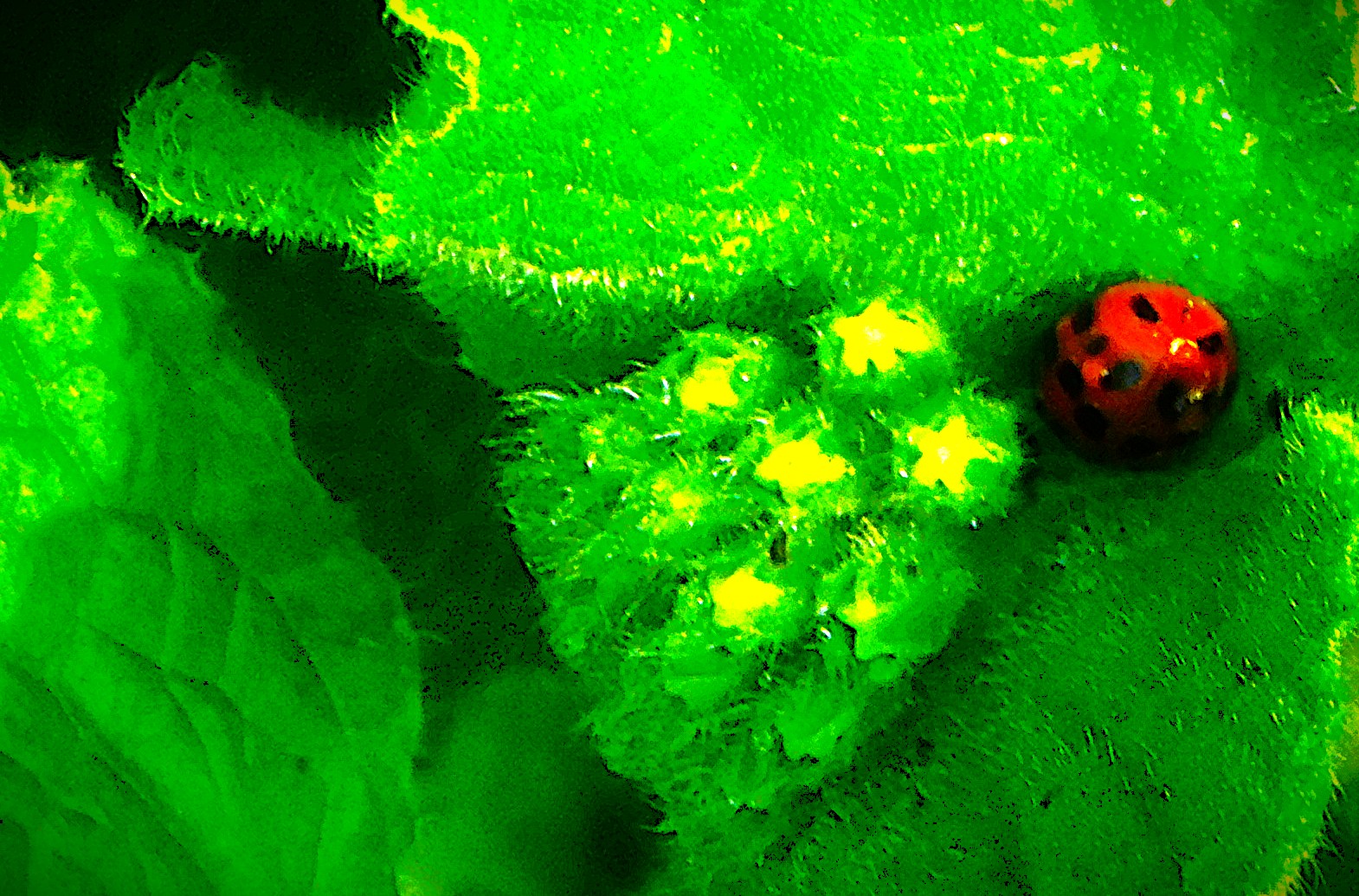
The ladybirds are out in force this year. This one had positioned itself in such a way that it almost passed for the centre of the flowerhead on which it was resting.





























































































































































































































































































































































































































































































































































































































































































































































































































































































































































 aspiblog