Hurricanes Boss WBBL Summit Meeting

A look at the extraordinary events that took place in Hobart earlier today UK time and a photo gallery.

Today’s Women’s Big Bash League match was at the Bellerive Oval where Hobart Hurricanes, top of the table, took on second place Melbourne Stars. This post looks back at a remarkable match.

Melbourne Stars won the toss and opted to field. After three overs Hurricanes were 16-0. The first big turning point in the game was the fourth over, bowled by Kim Garth. The normally reliable Irish born seamer had an absolute nightmare over, conceding 23, including two lots of five wides. Hurricanes were off and running, and not even a rain interruption midway through the sixth over of their innings which lasted long enough to reduce the match to 17 overs per side could slow their momentum. Danni Wyatt-Hodge blossomed from a slow start into a majestic innings, eventually scoring 71 (47). There were also useful contributions from Lizelle Lee, Natalie Sciver-Brunt and Elyse Villani, and the Hurricanes ended with 176-4 from their 17 overs, which became a DLS adjusted target of 180 for The Stars.

Nicola Carey had Rhys McKenna adjudged LBW twice in the course of the second over, the first one overturned on review, the second so plumb that McKenna did not send it upstairs. That was as nothing compared to the third over, when Meg Lanning hit Linsey Smith for six, but the English left arm spinner hit back instantly by bowling her with the very next ball. Nicola Carey consolidated this excellent start by bowling a very tight fourth over of the innings – just two singles from it, as opposed to the 23 leaked by Garth in the equivalent over of the Hurricanes innings. In the fifth over came another boundary/ wicket combination, Sutherland hitting a four off Linsey Smith to move into double figures before giving Lauren Smith a catch off her near namesake one ball later. That was 29-3. Amy Jones threatened briefly, and greeted the arrival of veteran off spinner Molly Strano for the seventh over by hitting a four off the first ball. Then, for the third time in the innings a boundary was instantly followed by a wicket, this time due more to a superb catch by Wyatt-Hodge than to any special merit in the ball from Strano. Stars 49-4, Jones out for 19, and it was about to get rapidly worse for them as well. Danielle Gibson got off the mark with single from the third ball of the over, and then Marizanne Kapp edged the fourth through to her compatriot Lee to make it 50-5. Kim Garth managed a single off the fifth ball of the over, and then Danielle Gibson gave Lauren Smith her second catch of the innings to make it a barely credible 51-6 after seven overs, Strano a ridiculous 1-0-6-3. The eighth over was a quiet one, and then it was time for Strano again. Incredibly, having struck with her 2nd, 4th and 6th balls she did so again with her eighth, Kim Garth giving Wyatt-Hodge her second catch of the innings to make it 54-7. In the tenth over a mix-up between Sasha Moloney and Georgia Prestwidge saw the latter run out by a combination of Linsey Smith and the bowler Hayley Silver-Holmes which made it 61-8. Now came Melbourne Stars least bad period of this innings, as Sasha Moloney, generally regarded as something of a makeweight, proceeded to demonstrate just how badly her more illustrious team mates had batted. Without ever seeming in much trouble Moloney made her way to 31 from 24 balls, and innings ended by Wyatt-Hodge;s third catch of the night, and Molly Strano’s fifth wicket thereof. That was 94-9. The fifth ball of the 16th over ended the match, Maisy Gibson sending it into the air. It was Rachel Trenaman, whose name no one had cause to mention at any other stage of the match, who got herself under it and pouched the catch to give Lauren Smith a wicket. Melbourne Stars were all out for 98 and had lost by 81 runs on the DLS method. Wyatt-Hodge with three catches, one of them an absolute screamer, to set alongside her majestic 71 was a deserving Player of the Match, though five-fors are very rare birds in this format, so Strano deserves some sympathy, and Linsey Smith’s early strikes, accounting for Lanning and Sutherland, two authentic greats, played a huge role in rattling the Stars. Hobart Hurricanes are now three points clear at the top of the table with 14 points to Stars 11, though the latter have two matches left in the group stage, while Hurricanes have only one.

My usual sign off…

Cricket Snippets

Some bits from the world of cricket including a highly innovative piece of problem solving by UAE Women and their coach. Also a photo gallery.

I am listening to coverage of Hampshire v Essex in the Women’s One Day Cup, and I will mention that game in the course of this post, which will also look at goings on in the county championship. I will start however with…

Yesterday, in Bangkok, Thailand there was great piece of cricket thinking by the coach of the United Arab Emirates women’s team. They were playing a regional qualifier against Qatar Women, with only one side from their group progressing to the full qualifiers. It was thus a game that given their 32 place ranking advantage they needed to win. They had reached 192-0 after 16 of their 20 overs, but the weather was threatening, and with a big score on the board they wanted to be sure of at least five overs at Qatar before the weather decisively closed in. Declarations are not allowed in limited overs cricket, a rule that has been in place since 1978 when Somerset (men’s team) attempted to game a poorly thought out qualification system by declaring an away match against Worcestershire after batting for just one over. This would, by the rules of the competition, preserve their wicket taking rate, the criteria by which teams with the same number of points at the group stage were to be split, and thereby ensure their qualification. The UAE coach in this match checked with the match referee regarding ‘Retired Out’ as an option, and with confirmation that there was nothing in the laws to prevent everyone from ‘retiring out’, both UAE openers, including the skipper who had 113 to her name, retired out, and then so instantly did another eight UAE batters to end their innings. The official score was recorded as 192 all out from 16.1 overs, with all ten wickets being retired out, all to the first ball of the 17th over. The UAE women then managed to bowl 11 overs at Qatar, which was sufficient to dismiss this opposition for an total of 29 to win by 163 runs. Personally I reckon UAE Women and their coach deserve unqualified praise for finding a solution to a problem created by the blanket ban on declarations in limited overs cricket (note their method is both quicker and safer than finding ways to get out cheaply – if the fielding side work out what you are about then the ball will have to hit the stumps for this to work, as they will not appeal, and catches will probably go to ground). Situations where one is willing for one’s own innings to get at the opposition will not often arise, but unless declarations are once again allowed in limited overs match (and the near universal use of Net Run Rate to split sides who finish a group stage with the same points tally largely prevents utterly cynical Brian Rose type declarations, as doing so would be disastrous for your own net RR – the only time one might be considered is if a side has already well and truly qualified and they decide they want their current opponents rather than some other side to come through with them) I can see further instances of mass ‘retired out’ innings happening. Stuart Surridge, the Surrey captain of the 1950s who could fairly be labelled the most successful county captain of all time – five seasons in charge, five county championships won – was noted for extremely aggressive declarations. I shall quote two: once against a Somerset line up whose batting was headed by Harold Gimblett, noted for explosive innings at the top of the order, he gave them five and a quarter hours to attempt a target of 297, and was rewarded with a victory by 32 runs; the second was against Worcestershire near the end of the 1954 season – Worcestershire had been all out for 27 batting first, Surrey were 92-3 in reply when Surridge declared as he wanted another go at Worcestershire that evening, and Worcestershire lost two wickets in the short passage of play before the close, and the following day spinners Laker and Lock completed the rout, rolling the midlands county for 40 to secure a win by an innings and 25 runs and with it a third successive title.

Hampshire batted first, and with skipper Georgia Adams leading the way with 110 not out, her fourth list A century, but her first in Hampshire colours, and wicket keeper (surely soon to be called up by England) Rhianna Southby scoring 61 they totalled 273-5 from their 50 overs. Essex at 35-0 in the seventh over are just about keeping themselves in touch with the target so far. Linsey Smith, left arm orthodox spin, has just broken the opening partnership by bowling MacLeod for 25 to make it 47-1 in the tenth over.

At Edgbaston, in the match that I listened to the first two days of, Surrey are reduced to playing for a draw. Warwickshire resumed yesterday on 364-4, and scored 301 more runs for the loss of a single wicket over the first two sessions of yesterday before declaring at tea time on 665-5 – and that after Rory Burns had won the toss and put them in to bat! The only Surrey player with any cause for pride in what was surely a humbling experience for them as a whole was wicket keeper Ben Foakes who did not let through a single bye in that vast total. Surrey are struggling in reply – they are 217-5. Rob Yates, who earlier scored 86 opening the batting has taken three wickets with his off spin. Ed Barnard who produced his highest score as a professional cricketer (beating a 173* in a list A innings) has added a wicket with right arm medium-fast bowling. Another multi-dimensional player, Aussie Beau Webster, who failed with the bat this time round but is a genuine all rounder, also has a wicket though I cannot tell you whether it was with off spin or with the medium pace he also bowls. In the other match I am keeping tabs on, Glamorgan are in complete control against Kent. They scored 549-9 declared, with Ben Kellaway notching 181 not out, his maiden first class ton, and after dismissing Kent for 212 sent them straight back in again – no nonsense about batting them right out of things to rest the bowlers – and currently have them 66-4 in their second innings, an effective -271-4. While there is no such thing as ‘never’ in cricket (I refer to you the account that began the main body of this post) it is at the least highly improbable that Kent are getting back into this one.

My usual sign off…

The Rachael Heyhoe-Flint Trophy Final

An account of the Rachael Heyhoe-Flint Trophy final which took place yesterday between Blaze and Vipers. Also a large photo gallery.

Yesterday saw the final of the Rachael Heyhoe-Flint Trophy, between Vipers, in their fourth final out of four (2 won, one lost going into yesterday) and the newly formed Blaze (a move from Loughborough to Nottingham and a name change). Vipers won the toss, and with cloud cover around which was expected to dissipate later in the day they decided to out Blaze into bat. Blaze skipper Kirstie Gordon claimed in response that she would have chosen to bat first anyway but my own suspicion is that not even she actually believed that, never mind anyone else.

Batting was as difficult in the early stages as had been expected, and only the efforts of veteran opener Tammy Beaumont who fought her way to 76 before getting out trying to up the scoring rate at the death prevented Blaze fron sinking without trace. As it was only two other batters, both lower order players, topped 20 for the Blaze (extras, assisted by some indiscipline on the part of the Vipers bowlers, also did so). A late flurry took Blaze to exactly 200 from their rain-reduced 48 overs. Left arm spinner Linsey Smith was the pcik of the bowlers with 3-30 from her 10 overs.

The Vipers lost two very early wickets, before two Georgias, Adams and Elwiss, put on 96 together for the third wicket. Then young leg spinner Josie Groves claimed both set batters and Charlie Dean to reduce Vipers to 109-5. That brought Freya Kemp in to join Emily Windsor with 92 still required. Windsor and Kemp batted superbly, first averting the danger of a collapse, and then as the got settled in mounting an assault on a target that had never got remotely challenging in terms of required run rate. Windsor completed a fine half century, and then, living up to her billing

as ‘the finisher’ she made the winning hit, her ninth boundary in a final score of 57*. Kemp, busy but never flustered at the crease, had scored 32* (35) at the other end. Vipers were home by five wickets with 7.4 overs to spare, a comfortable victory, and yet another trophy as coach for Charlotte Edwards, whose second cricketing career is showing signs of outshining even her amazing playing career. This was Edwards’ third domestic trophy of 2023 alone, since she had coached Vipers to success and in the competition that bears her own name and had also been coach of the team that won The Hundred. The “keepers must be top line batters” brigade would do well to note that this trophy was lifted a team whose keeper, Rhianna Southby, was not required to bat, and who was officially scheduled to come in at number nine (she was impeccable behind the stumps for the record).

My usual sign off…

Cricket News

A look at some of today’s cricketing developments and a large photo gallery.

A lot is going on in cricket today – three One Day Cup matches are taking place, and two Hundred double headers as well. My post looks at some developments on the day so far.

When the Northern Superchargers were restricted to 134-4 from their 100 balls things looked good for the Rockets. They continued to look good for most of the Rockets innings, with Bryony Smith batting superbly, but then a spin generated collapse, with Linsey Smith and Lucy Higham the main bowling contributors left Superchargers victorious by nine runs. This means that the Rockets are still winless, having had one game washed out and lost the others. Sadly for them they are at present looking more reminiscent of Apollo 1 than of Apollo 11.

A scorecard of today’s match can be seen here.

In the One Day Cup Somerset visited Northamptonshire today. Northamptonshire batted first and scored a monstrous 415-8 from their 50 overs. The principle author of this destruction of Somerset’s bowlers was Indian star Prithvi Shaw who thrashed 244, an innings that included 28 fours and 11 sixes. This was Shaw’s second list A double century, and the sixth highest score in all List A cricket, and second highest in a List A game behind Ally Brown’s 268 for Surrey v Glamorgan in 2002. While nothing in cricket should ever be ruled out the likelihood is that the score that Shaw’s heroics propelled Northamptonshire to will be beyond Somerset’s capacities to chase down.

I end with my usual sign off…

All Time XIs -Beginning v End of Alphabet

A team of players whose surnames start early in the alphabet against a team of players whose names start late in the alphabet, plus an important petition.

INTRODUCTION

Welcome to my latest variation on an ‘all time XI‘ cricket theme. Today after a couple of overseas posts we return to home territory, but featuring cricketers from four different centuries. The dividing line between these teams is the centre of the alphabet – our first team have surnames that begin with a letter from early in the alphabet while our second mutatis mutandis have surnames beginning with letters from late in the alphabet.While limiting myself to home players for this post I have aimed to embrace a wide range of types of player with the prime focus on entertainment.

BEGINNING OF THE ALPHABET XI

  1. Jack Hobbs – right handed opening batter, occasional right arm medium pacer. ‘The Master’ is a good place to start any XI – 61,237 first class runs with 197 centuries at that level.
  2. Tammy Beaumont – right handed opening batter. A wonderful timer of a cricket ball, probably the smallest player on either side in this contest, but with a proven ability to score big – and quick – she once reached a ton against South Africa off just 47 balls.
  3. James Aylward – left handed batter. One of three 18th century cricketers in this XI, in 1777, a mere eight years after the first record century in any cricket match, he scored 167 versus England, batting through two whole days in the process. He is the ‘sticker’ of this team, surrounded by more aggressive talents.
  4. William ‘Silver Billy’ Beldham – right handed batter. At a time when such scores were very rare he amassed three first class centuries. His special glory so we are told was the cut shot. He was exceptionally long lived, being born in 1766 and not dying until 1862 – in his childhood canals were the new big thing in transportation, and he missed out by a mere six months on living to see the opening of the world’s first underground railway.
  5. Denis Compton – right handed batter, left arm wrist spinner. He averaged 50 with the bat over the course of 78 test matches, and he scored his runs fast. According to the man himself in “Playing for England” he developed his left arm wrist spin as a second string to his bow because he was impressed by the Aussie ‘Chuck’ Fleetwood-Smith, and because he noticed during the 1946-7 Ashes tour how many of the Aussies had second strings to their bow and thought that he should develop one.
  6. George Hirst – right handed batter, left arm pace bowler, brilliant fielder. One of the greatest all rounders ever to play the game. He achieved the season’s double of 1,000 runs and 100 wickets in first class games on 14 occasions, 11 of them in successive years. Having topped 2,000 to go with over a hundred wickets in both 1904 and 1905 he then achieved the double double in 1906 – 2,385 runs and 208 wickets in first class matches (in the 21st century a non-pandemic hit English season involves 14 first class games, so anyone doing the 1,000 run, 100 wicket double would achieve a feat of similar standing, while 500 runs and 50 wickets would be a jolly impressive all round effort). In the Oval 1902 match in which Jessop blazed his 75 minute century Hirst took the first five Aussie wickets in the first innings and scored 101 for once out in the match (43 and 58 not out to see England home). He also stands alone in first class cricket history thus far in achieving the double double match feat of centuries in both of his own team’s innings and five wicket hauls in both of his opponents innings (Yorkshire v Somerset 1906).
  7. +Leslie Ames – wicket keeper, right handed batter. The only recognized keeper to have tallied a hundred first class hundreds.
  8. Billy Bates – off spinner, right handed lower middle order batter. The first ever to combine a fifty with a ten wicket match haul in a test match. His 15 appearances at that level brought him 656 runs at 27.33 and 50 wickets at 16.42. His career was ended prematurely by an eye injury. If we were to assume that without that injury he could have kept going until 40, very fair by the standards of the time, that would mean that he could have played in the 1888, 1890, 1893 and 1896 home series against Australia, the 1891-2 and 1894-5 away series against the same opposition and in a couple of the early series in South Africa, which brings him close to 40 test matches, and if he maintained similar output an aggregate of 1,749 runs and 133 wickets. If we accept that nowadays he would be pay half as much again for his wickets, we must also allow that that applies to all bowlers and that he would also score half as many runs again, so an approximate conversion of his averages in to today’s terms sees him average 41 with bat and 24.63 with the ball – a handy person to be coming in at no8!
  9. Sydney Barnes – right arm fast medium. Possibly the greatest of all bowlers. At Melbourne in the 1911-12 Ashes when Johnny Douglas won the toss and inserted Australia early wickets were needed to back that decision up, and Barnes in his opening burst accounted for the entire Australian top four for a single between them. Australia recovered from this blitz to tally 184, but as at Adelaide 99 years later, the damage had been done on the first morning, and England were in control of the match throughout.
  10. Sophie Ecclestone – left arm orthodox spinner. She has already enjoyed considerable success in her fledgling career, with a best ODI bowling performance of 4-14 and a T20I bowling performance of 4-13 among her highlights. In total across international formats she has 93 wickets for 1793 runs, an average of 19.28 per wicket, and she only turned 21 less than a fortnight ago.
  11. David Harris – right arm fast (underarm). The first great bowler, so highly prized that late in his career when gout was causing him horrendous problems an armchair would be brought out on to the field so that he could sit down when not actually bowling! If you look at early scorecards (early to mid 18th century) you will see that catches were not generally credited to the bowler, and the single person most responsible for changing that was Harris, who sought extra bounce with the precise intention of inducing batters to yield up catches. All you bowlers of today who rely on slip cordons, bat-pad catchers, short legs, silly mid-ons etc take note of the man who pioneered bowling to induce catches and be grateful that catches are credited to you. I have argued elsewhere for the re-legalization of under arm bowling both of Harris’ type and of under arm spinners such as Simpson-Hayward. The Greg/Trevor Chappell type of ‘grubber’ can be simply dealt with now that balls that bounce more than once are automatically called no-ball – simply add a coda that for the purposes of this law a ball that rolls along the deck shall be considered to have bounced an infinite number of times and is therefore a no ball.

This team has a splendid top five, one of the greatest of all all rounders, a keeper batter up there with the best in history and a wonderfully varied foursome of bowlers. Barnes, Harris and Hirst represent an excellent trio of pacers, Bates and Ecclestone are two high class spin options. There is no fronnt line leg spinner, but Barnes’ greatest weapon was a leg break delivered at fast medium pace, and there is Compton with his left arm trickery as well should a sixth bowler be needed. I would expect this team to take a lot of beating.

THE END OF THE ALPHABET XI

  1. Herbert Sutcliffe – right handed opening batter. He went through his entire test career with an average in excess of 60 – it ended at 60.73. He was often reckoned to be one of fortune’s favourites, but that was at least partly because when he did benefit from a slice of luck he made it count. For example, at Sydney in the opening match of the 1932-3 Ashes series he was on 43 when he chopped a ball from Bill O’Reilly into his stumps without dislodging a bail – and thus reprieved he went on to a test best 194, setting England up for a ten wicket win (Australia dodged the nnings defeat by the narrowest possible margin, leaving England a single to get in the fourth innings, duly scored by Sutcliffe).
  2. Arthur Shrewsbury – right handed opening batter. He was rated second only to WG Grace in his era. In those days the tea interval was not a regular part of the game, and on resuming his innings after lunch he would ask the dressing room attendant to bring him a cup of tea at four o’clock, so confident was he that he would still be batting by then. He briefly held the highest test innings score by an Englishman, 164 at Lord’s in 1886 which set his side up for an innings victory – two matches later at The Oval Grace reclaimed the record which had been his 152 in 1880 with a score of 170, made out of 216 while he was at the wicket.
  3. *Frank Woolley – left handed batter, left arm orthodox spinner, excellent close fielder. Once, when Kent were chasing 219 in two hours for a victory, his partner suggested that he should try to hit fewer sixes as it took time for the ball to come back from the crowd! Kent won that match, due in no small part to Woolley. At Lord’s in 1921 when Gregory and McDonald were laying waste to the rest of England’s batting he scored 95 and 93.
  4. Eddie Paynter – left handed batter. He averaged 59.23 in test cricket, with double centuries against both Australia and South Africa along the way. He was 28 by the time he broke into the Lancashire team, and World War II brought his career to a close. He it was who officially settled the destiny of the 1932-3 Ashes, hitting the six that won the 4th match of that series giving England an unassailable 3-1 lead (they won the fifth match as well, that one also ending with a six, this time struck by Wally Hammond). None of England’s huge scorers are more frequently overlooked than the little fella from Oswaldtwistle.
  5. Ben Stokes – left handed batter, right arm fast bowler. The reverse combo to George Hirst, and definitely somewhat more batter than bowler – my intention in this side is that when called on to bowl it will be in short, sharp bursts.
  6. George Osbaldeston – right handed batter, right arm fast bowler (under arm). Another explosive all rounder, the fastest bowler of his day.
  7. +Sarah Taylor – wicket keeper, right handed batter. One of the two finest English keepers I have seen live (Ben Foakes is the other) and a magnificent stroke making batter. Mental health issues brought her career to a premature close. Across the international formats she scored 6,535 runs at 33.17, took 128 catches and executed 102 stumpings – most of those latter eye-blink swift leg side efforts.
  8. Frank Tyson – right arm fast bowler. One of the quickest ever – I suspect that not even the keeper I have chosen would be making many stumpings off his bowling!
  9. Bill Voce – left arm fast medium bowler. An excellent foil to an outright speedster at the other end.
  10. Linsey Smith – left arm orthodox spinner. One of a phalanx of young spinners currently involved with the England Women’s side – as well as Ecclestone and Aberdonian SLAer Kirstie Gordon there are several leg spinners, including Sophia Dunkley and Sarah Glenn, with Helen Fenby on the periphery. Thus far Smith has only been required in T20Is, but she takes her wickets in that form of the game at a bargain basement 14 a piece.
  11. Douglas Wright – leg spinner. A leg spinner with a 15 yard run up, and whose armoury included a bouncer to ensure that there was no automatic going on to the front foot against him. The problem was, that especially if the fielders were not having  one of their better days, the human world was too fallible a place for his kind of bowling – far too often he simply beat everyone and everything all ends up. When things went his way they could do so in spades – he took a record seven first class hat tricks. He is not quite the only specialist spinner to have had an accredited bouncer – Philippe-Henri Edmonds could also bowl one when the mood took him.

This team has a powerful top four, two explosive all rounders, one of the finest of all keeper batters and a strong and varied quartet of specialist bowlers. The bowling, with Tyson and Voce sharing the new ball, Osbaldeston and Stokes offering pace back up and spin twins Smith and Wright also looks impressive

THE CONTEST

This contest, for what I shall call the ‘Bakewell – Nichols Trophy’, in honour of two fine all rounders, Stan Nichols, a left handed batter and right arm fast bowler and Enid Bakewell, who batted right handed and bowled slow left arm would be an absolute belter. It is mighty hard to pick a winner, but I think that Barnes just gives the side from the beginning of the alphabet the edge, and I would suggest that a five match series would finish 3-2 to the team from the beginning of the alphabet.

LINK AND PHOTOGRAPHS

There is a petition currently running calling on the government of Botswana not to legalize elephant hunting. Please click on the screenshot below to sign and share:

Botswana

Petition Pic

Above is the picture accompanying the tweet that drew my attention to this petition.

Now, with the teams introduced and an important link shared it is time for my usual sign off:

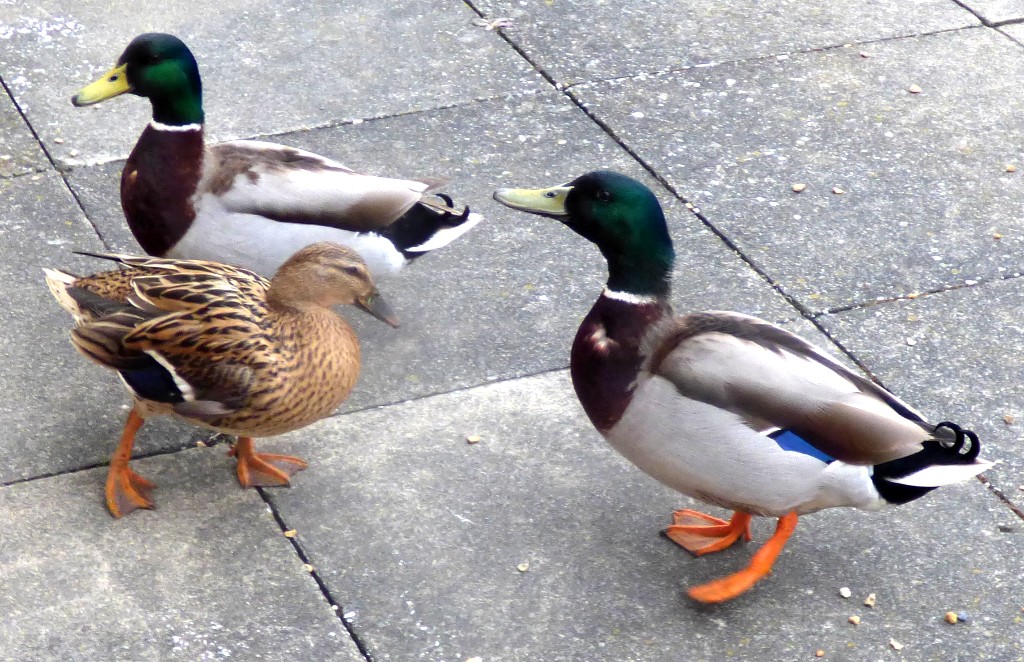
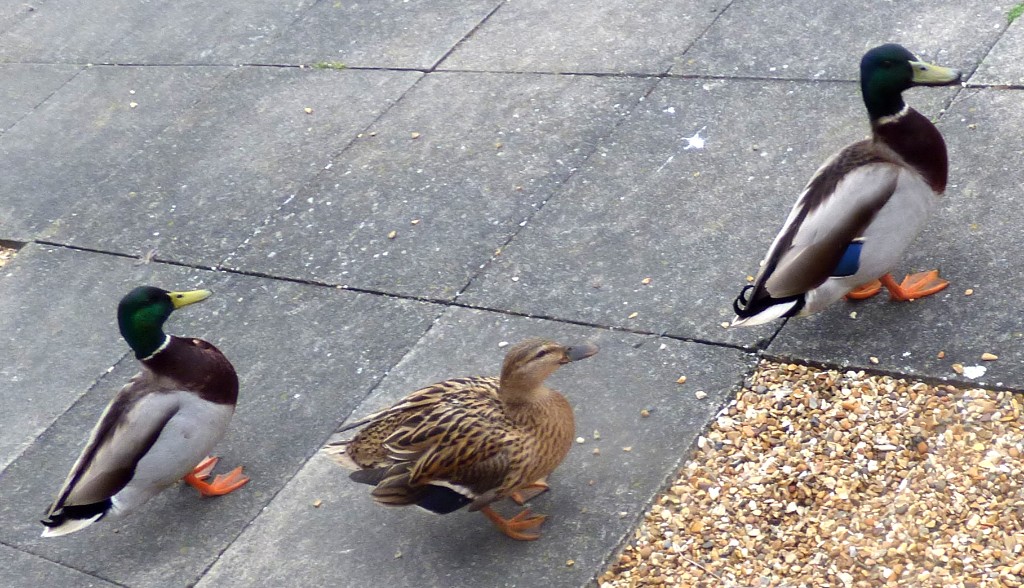
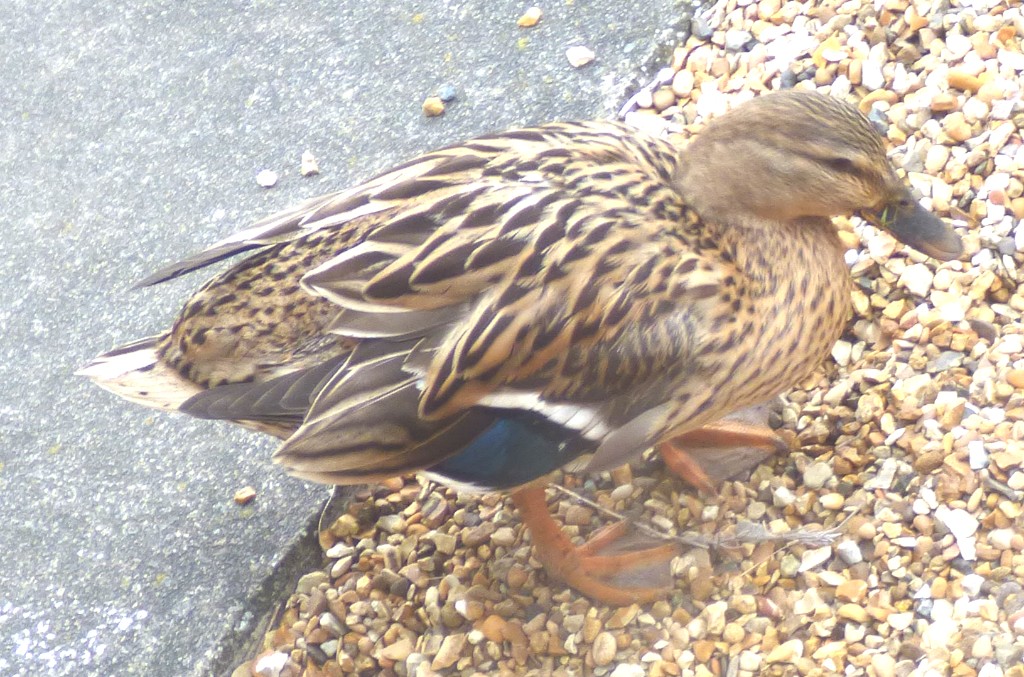
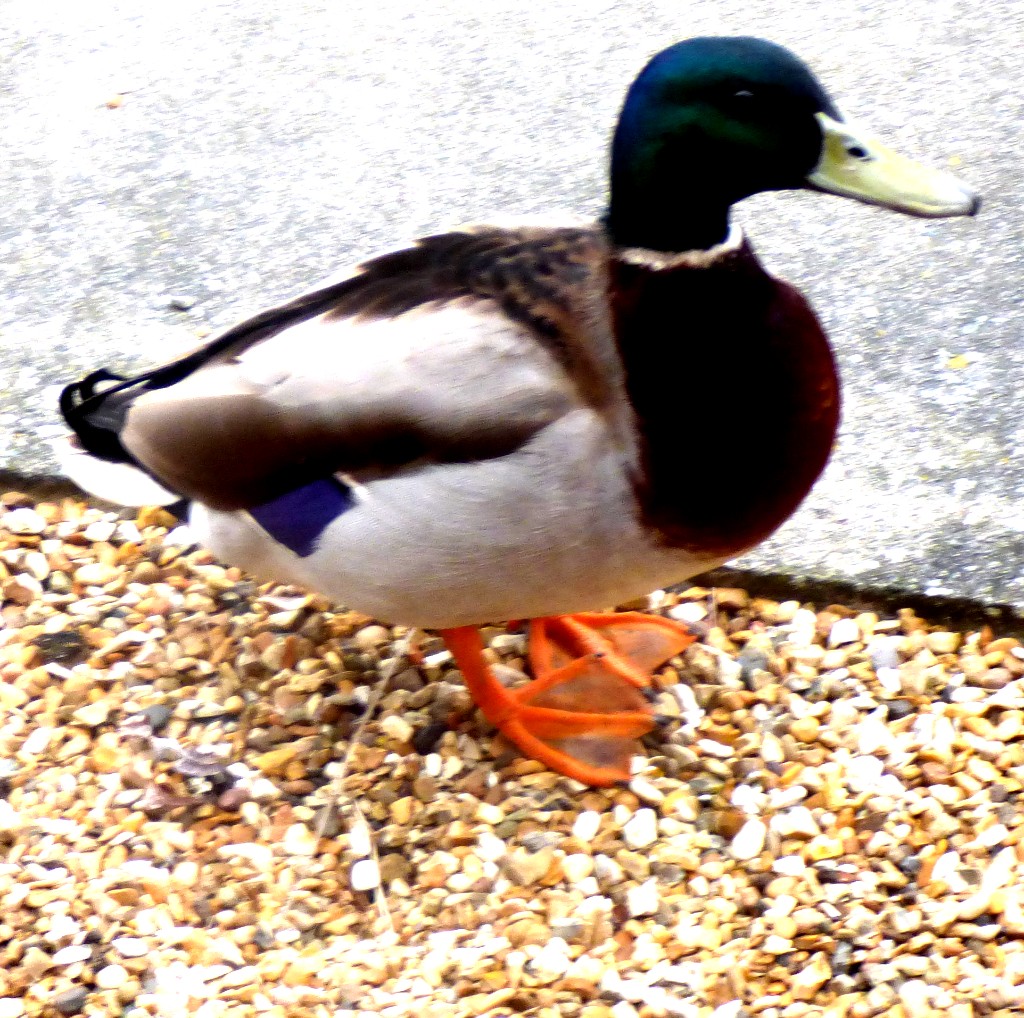
P1320807 (2)P1320808 (2)P1320809 (2)P1320810 (2)P1320811 (2)P1320812 (2)P1320813 (2)P1320815 (2)P1320816 (2)P1320817 (2)P1320819 (2)P1320822 (2)P1320823 (2)P1320825 (2)P1320826 (2)P1320828 (2)P1320829 (2)P1320830 (2)P1320831 (2)P1320833 (2)P1320834 (2)P1320835 (2)P1320837 (2)P1320838 (2)P1320839 (2)P1320840 (2)P1320841 (2)P1320842 (2)

P1320844 (2)
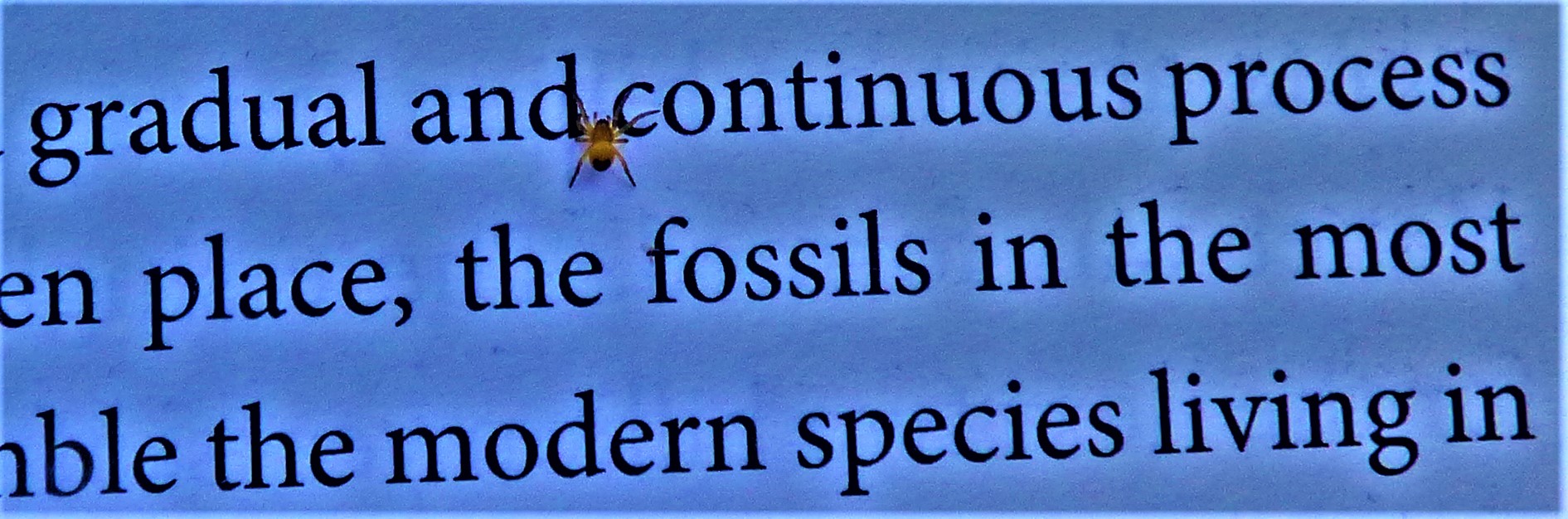
A tiny bug crawling over the page of my copy of Jerry Coyne’s “Why Evolution Is True”

P1320859 (2)P1320860 (2)P1320861 (2)P1320865 (2)P1320866 (2)

Alphabet
The teams in tabulated form.

100 Cricketers – The Eighth XI Bowlers and Introducing the Ninth XI

The latest in my “100 cricketers” series, featuring the bowlers from the eighth XI and introducing the ninth XI in batting order. Also contains an important link and some photograp;hs.

INTRODUCTION

Welcome to the latest in my “100 cricketers” series. This post features the bowlers from my eighth XI and introduces the ninth XI in batting order. The introductory post to the series can be found here, the post in which I Introduce the eighth XI is here and the most recent post in the series is here. Before I get to the main meat of my post it is time for a quick…

COUNTY CHAMPIONSHIP UPDATE

There has been play in all matches today, and the current situations as I type are:

  • Nottinghamshire v Yorkshire – Nottinghamshire 408 and 160-2, Yorkshire 291
    Nottinghamshire are in the box seat in this one – their plan should be to score as many as they can in the final session of today and give themselves a full day to bowl Yorkshire out again. Chris Nash is current;ly 60 not out and Joe Clarke following his first innings ton has 28 not out, while Ben Coad and Duanne Olivier have a wicket a piece. Stuart Broad, Luke Fletcher and Samit Patel each bagged three Yorkshire wickets.
  • Hampshire v EssexHampshire 525-8 declared, Essex 164 and 15-1
    Only bad weather (of which there has been some in this game) can now deny Hampshire, especially given that Adam Wheater did not bat in the Essex first dig, and woiuld presumably only do so in the second if there is a serious chance to save the match. Sir Alastair Cook made exactly 50 in the Essex first innings, but had little support. Nick Browne has already had his second failure of the match, and Cook and Tom Westley are currently batting together. West Indian quick Fidel Edwards picked up a five-wicket haul in the Essex first innings.
  • Somerset v Kent Somerset 171 and 53-4, Kent 209
    After a poor batting effort yesterday Somerset needed to bowl Kent out quickly today, and did a fairly decent job of doing so, Lewis Gregory and Craig Overton (who already has some England experience) each taking three wickets. However, they are struggling once again with the bat, with Tom Abell once again digging in but finding little support. Somerset somehow need to conjure up another 200 runs from somewhere to give themselves a serious chance.
  • Derbyshire v DurhamDerbyshire 197 and 308-8, Durham 171
    Derbyshire have taken control of this one, with wicketkeeper-batter Hosein contributing his second fifty of the match, and Tom Lace scoring 62 as well. Matt Critchley, a bits and pieces player who would appear from his record to not be quite good enough in either department made 51. A 19 year old slow left arm orthodox bowler, Liam Trevaskis, has taken one of the wickets – and April is not usually a great month for slow bowlers, so I am going to take a punt and say “watch this space”.
  • Northamptonshire v MiddlesexNorthamptonshire 445, Middlesex 271 and 45-2
    My congratulations to Northamptonshire on enforcing the follow-on even though they only just had the requisite lead – many teams would have taken the cowards option of batting again, but as far I am concerned going for the quick kill is the right thing to do. They may yet be baulked by the weather, which his halted this game for the moment. Nathan Buck took five wickets in the first Middlesex innings, and also has both the second innings wicket to fall so far. James Harris with 61 not out was the only Middlesex batter to make a major contribution.
  • Sussex v LeicestershireSussex 173 and 308, Leicestershire 252 and 99-1
    If the rain eases off (play is currently suspended there as well) it would seem that Leicestershire have a fairly straightforward route to victory – 131 with nine wickets in hand should not be too difficult. In the second Sussex innings Tom Taylor picked up four wickets, giving him ten in the match, while Colin Ackerman, a South African who is mainly a batter picked up five. Paul Horton has 53 not out for Leicestershire. 

Now to the main business of the post, starting with…

THE FAST BOWLERS

In addition to Richard Hadlee, featured in my previous post in this series I have two other quicks, and of those I see one as third seamer, and one sharing the new ball with Hadlee. I will start with Hadlee’s new ball partner…

TERRY ALDERMAN

The only bowler to have taken 40 or more wickets in a test series on two separate occasions (both in England, 42 in 1981 in a losing cause and 41 in 1989 in a winning one). He is also unique in my 100 cricketers, in being the only one of my selections to have been on a rebel tour to South Africa. In general, since I reckon that players who participated in such tours should have been banned for life I have refused to include them, but Alderman would have been worth a pick purely for his 1981 efforts, so I have made am exception for him. He took a longish run-up, but was no more than medium-fast in pace. However, he was exceedingly accurate, and in English conditions he swung it significantly. Had he been available for the 1985 Ashes (he was banned for his South African excursion) it is likely that Shane Warne would not have been the first take 100 test wickets in a country other than his own, and that series would almost certainly have been much closer than it was. 

STUART BROAD

The third seamer in this XI, he is second in the all-time list of England test wicket takers behind James Anderson. He, Alderman and Hadlee are three different types of pace bowler, which gives this XIs attack lots of variety, especially when one factors in…

THE SLOW BOWLERS

I have two of these in the XI, plus Chanderpaul’s occasional legspin (see this post for more details). I will start with the offspinner…

GRAEME SWANN

255 test wickets at 29.96 (he also averaged 22 with the bat by the way) from 60 matches is a fine record. Even on occasions when he did not take many wickets, such as Australia 2010-11, he bowled economically – and his 15 wickets at 39.80 in that series looks magnificent when put alongside the truly beastly combined analysis of 5-666 recorded in the same series by Australia’s spinners. Among England slow bowlers only Derek Underwood took more test wickets. Swann was a genuine spinner who gave the ball a real rip. We finish our eighth XI with a slow left-armer…

LINSEY SMITH

She has recently turned 24, and her international experience is limited to eight T20Is, but her record in those stands at 11 wickets at 15.09 a piece, with a best of 3-18. England Women are currently very well stocked with young spin bowlers (there are at least four aged 24 or younger who have shown signs of serious skill), but she should continue to get opportunities, and is definitely young enough to still be improving.

INTRODUCING THE NINTH XI

Here is my ninth XI in batting order:

  1. Danielle Wyatt
  2. Andrew Strauss
  3. *Stephen Fleming
  4. Martin Crowe
  5. Tony Cottey
  6. Ash Gardner
  7. Mitchell Johnson
  8. +Colin Metson
  9. Ian Bishop
  10. Sandeep Lamichhane
  11. Poonam Yadav

I will be tackling this XI in a slightly different way from they way I have tackled previous XIs due to the nature of some of my picks. Also shrewd observers will have noted that 9 x 11 = 99, and I have called this series “100 cricketers”. I am not prone to basic mathematical howlers, and I will be finishing the series with a stand alone post about a cricketer who completed quite a few hundreds in their playing days – if you fancy a guessing game see if you can identify the mystery 100th player.

A LINK AND SOME PHOTOGRAPHS

Before my usual sign-off I include a link to a piece in whyevolutionistrue titled “A 43 million-year-old transitional form: an amphibious whale” – I have included a picture from the piece as an appetiser:

P1220479P1220480P1220481P1220482P1220483P1220484P1220485P1220486P1220487P1220488P1220489P1220490P1220491P1220492P1220493P1220495P1220497P1220498P1220500P1220501P1220502


100 Cricketers – The Fifth XI Allrounders

The latest in my “100 cricketers” series, dealing with the all-rounders from my fifth XI, mentioning a couple of matches from today and incljuding some photographs.

INTRODUCTION

Welcome to the latest installment in my “100 cricketers” series, in which we shall look at the two all-rounders in the fifth XI. The introductory piece to the whole series can be found here, the piece in which I introduce the fifth XI here and the most recent piece here. Before I get to the main meat of the post there are two items of business to attend to.

ENGLAND WOMEN START T20 SERIES V SRI LANKA WITH BIG WIN

Having bowled Sri Lanka out for 94, with two youngsters, Linsey Smith (slow left-arm, 3-18 from her four overs) and Freya Davies (right-arm fast medium, 2-28 from her four) doing exceptionally well and the experienced Anya Shrubsole taking 2-20 from here four, England reached the target in 14.2 overs, for the loss of only two wickets, Tammy Beaumont unbeaten on 50 at the end. 

MCC V SURREY

The traditional curtain-raiser for the English first-class season, although it now takes place in Dubai, the MCC v Champion County fixture got under way today. It is the MCC’s (Marylebone Cricket Club) last remaining first-class game, and this time they picked the team from five county squads who were already out in Dubai. MCC reached 265 in their first innings, Daniel Lawrence (for whom international recognition must surely not be long away) top scoring with 58, while Will Rhodes (46) and Tom Abell (41) made significant contributions as well. South African born quick bowler Conor McKerr and the more locally born left-arm spinner Freddie van den Bergh each picked up three wickets. Surrey’s debutant wicketkeeper Jamie Smith took a catch, made a stumping and finished off a run out. In reply Surrey were 20-0 from three overs by the close. Now to the main business of this post, starting with…

+JONNY BAIRSTOW

An attacking batter and a good wicketkeeper, Jonny Bairstow earns his place at no 6 in this squad. Those who follow this blog closely will know that I have advocated that England play Bairstow as a specialist batter at no3, although at the moment, with 69 last time out Joe Denly is the man in possession, and unlikely to be dropped just yet. My reasons for this are twofold:

  1. England have problems at the top end of their order, with Cook having retired afvter an illustrious career, Stoneman recently been dropped for not being good enough, and Jennings obviously (to all save those so blind that they will not see) not up to the job at international level – a test batting average of 25.19 after 17 matches is practically down in the Brearley bracket without him having the captaincy skills to compensate. As you will see from this post, the second part of my solution to England’s top order problems is even more radical and features someone mentioned earlier in this piece.
  2. England have an even better wicketkeeper who is averaging over 40 so far in his brief test career in Ben Foakes, and it is he who should be donning the gauntlets for them.

In other words, England’s current needs dictate (at least to me) that Bairstow play as a specialist batter, but for the purpose of this series of posts I acknowledge his skills as a wicketkeeper by nominating him in that role. That leaves the number 7…

KAPIL DEV

The only player to have both scored 5,000 test runs (5,248 at 31.05) and taken 400 test wickets (434 at 29.64), Kapil Dev also captained India victory in the 1983 World Cup. For much of his career he had little or no recognized pace support in the Indian attack (even Manoj Prabhakar, his longest serving new-ball partner, was never much above medium). In 1990 at Lord’s Kapil Dev produced one of the most astonishing displays of hitting ever seen in a test match. England had made a massive 653-4 declared (Gooch 333), and in reply India were 430-9, and Narendra Hirwani, a legspinner who had taken 16 wickets in a remarkable debut against the West Indies, but was one of the most genuine of genuine number 11s was at the other end. India needed 24 to avoid the follow-on, and it was widely expected that getting them would save them the match. Kapil Dev rose to the occasion by htting off-spinner Eddie Hemmings for four successive sixes. As it happened, England made rapid runs in their second innings, Gooch scoring another century to rewrite the record books – his match aggregate of 456 remains a test record – and India failed to bat out time in their second innings, so the first innings rescue act was all in vain. 

In the next post in this series it will be the specialist bowlers from our fifth XI in the spotlight, and I will introduce the sixth XI in batting order.

PHOTOGRAPHS

My usual sign off…

P1220099P1220100P1220101P1220102P1220103P1220104P1220105P1220106P1220110P1220111