

Today I select an XI of players who are namesakes of characters in detective fiction.
THE XI IN BATTING ORDER
- Percy Holmes (right handed opening batter, Yorkshire and England). In most eras other than the one he played in he would have been one of the first names on the England team sheet, especially given what a great partnership he formed with Herbert Sutcliffe. As it was he generally missed out due to the presence of Jack Hobbs. His record for Yorkshire was outstanding, and at the time of his retirement included five of the ten highest individual scores made for the county. His fictional alter ego is of course the one and only Sherlock Holmes.
- Herbert Sutcliffe (right handed opening batter, Yorkshire and England). One of the greatest opening batters ever to play the game, and shared 69 first class century opening stands with Holmes. He gets in by way of Magda Josza’s “Sherlock Holmes and the Femmes Fatales”, which features among others Lady Elizabeth Sutcliffe and her uncle Sir Vincent Sutcliffe.
- Fred Bakewell (right handed top order batter, Northamptonshire and England). By the time a car crash brought his career to a premature close he had done more than enough to establish himself as a great batter. His fictional equivalent is Diana Bakewell, heroine of the Rachel McLean/ Millie Ravensworth series of London cosy mysteries of which I have read three thus far.
- Jack Ryder (Australia, right handed batter, right arm medium fast bowler). One of the finer batters of the 1920s, his credits include a test match double century. He was also a useful enough bowler to occasionally be entrusted with the new ball. His namesake is James Ryder, villain in “The Adventure of the Blue Carbuncle”.
- *Warwick Armstrong (Australia, right handed batter, leg spinner, captain). A magnificent all rounder, and a ruthlessly effective leader. The eight successive Ashes match victories he presided over (a 5-0 sweep in Australia in 1920-1, and the first three matches of the series in England in 1921) remains an all time record. His alter ego is Superintendent Armstrong from the Museum Detectives series.
- Vallance Jupp (Sussex, Northamptonshire, England, right handed batter, off spinner). In the 1920s he achieved the double feat of 1,000+ runs and 100+ wickets in FC matches eight times in consecutive seasons. I have slipped him in by means of a small piece of sleight of hand – one of The Railway Detective, inspector Robert Colbeck’s colleagues is an inspector Vallence, and by altering one letter I got in a link to my favourite of all detective series.
- +Adam Gilchrist (Australia, wicket keeper, left handed batter). |One of the all time greats of the game, although his legacy could be considered tarnished by the fact that a number sides nowadays blatantly sacrifice keeping quality for better batting from the keeper. One of the three students in the Holmes story of that title is named Gilchrist.
- Gus Atkinson (Surrey, England, right arm fast bowler, right handed batter). He has had a superb start to his England career, though like too many of his team mates he had a poor time on the recent tour of Australia. Gus the cat is a character in the London cosy mysteries that also gave us a Bakewell.
- Don Wilson (Yorkshire, England, left arm orthodox spinner, left handed batter). Though his England record was not great he took his first class wickets at 21 a piece. His alter ego is of course Daniel Wilson, one half of the Museum Detectives.
- Ted McDonald (Australia, Lancashire, right arm fast bowler, right handed batter). One half of the first great fast bowling pair to operate at test level along with Jack Gregory, he later became one the spearheads of Lancashire’s most successful ever period. Though I have to add a letter to his surname to do it, I have two very different alter egos for him: Alec MacDonald, one of the few Scotland Yarders Holmes actually treats with respect (see “The Valley of Fear”) and Kylie MacDonald, one of the pair of detectives in the elite NYPD Red unit that features in a series of books with that title, the first six by James Patterson and Marshall Karp, and the seventh by Marshall Karp.
- William Mycroft (Derbyshire, left arm fast bowler, right handed batter). Took over 800 FC wickets at 12 a piece in his career. With one Holmes brother sharing his name with an opening batter this XI ends with the other, Mycroft, sharing his name with an opening bowler.
This side has a more than adequate batting line up, and a stellar array of bowling talent – McDonald, Mycroft and Atkinson as front line pacers, with Ryder available as fourth seamer if needed, and Wilson, Jupp and Armstrong covering all the spin bases. I will not do honourable mentions for this one – there are a vast range of possibilities. Feel free to comment with your own ideas.
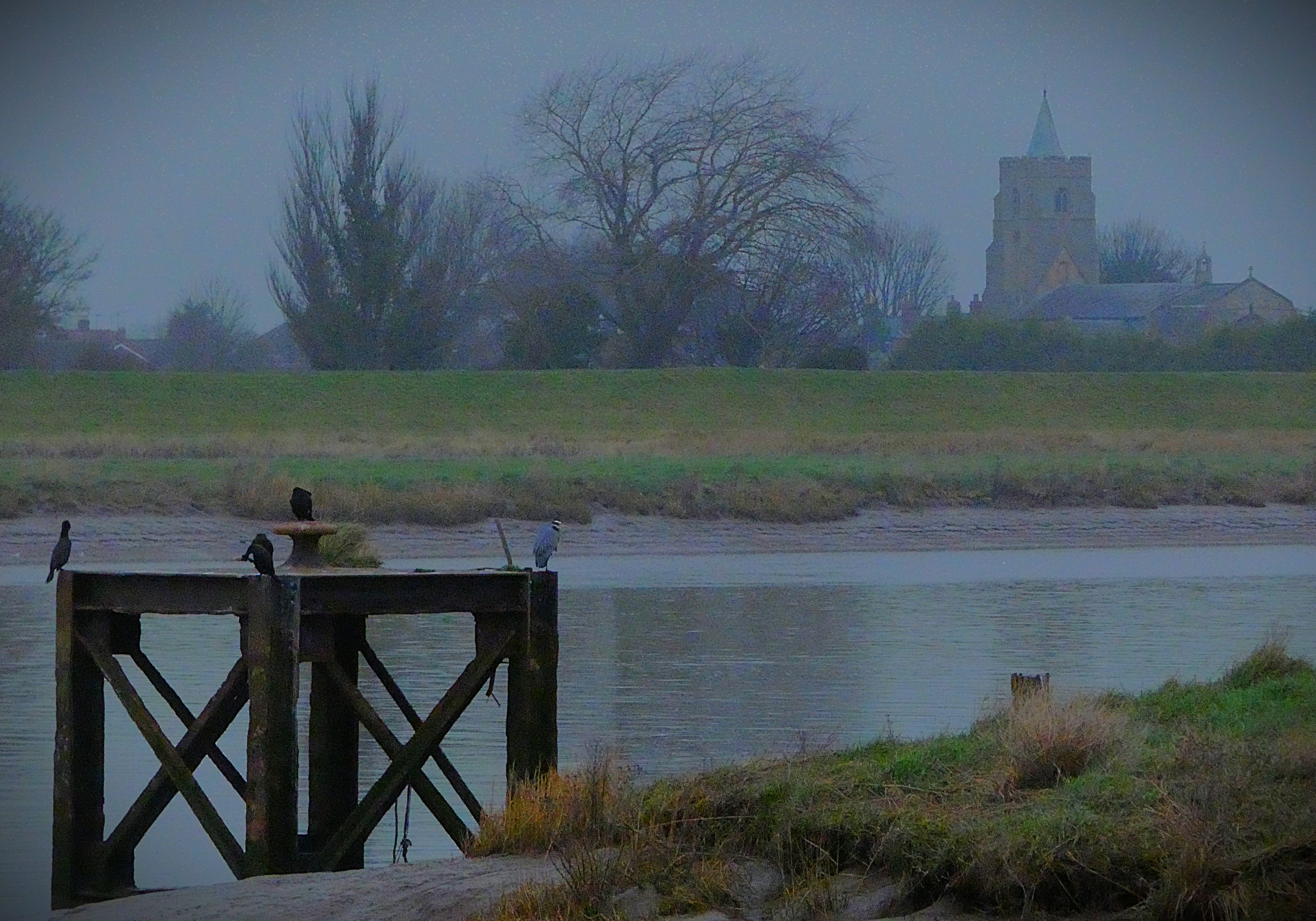
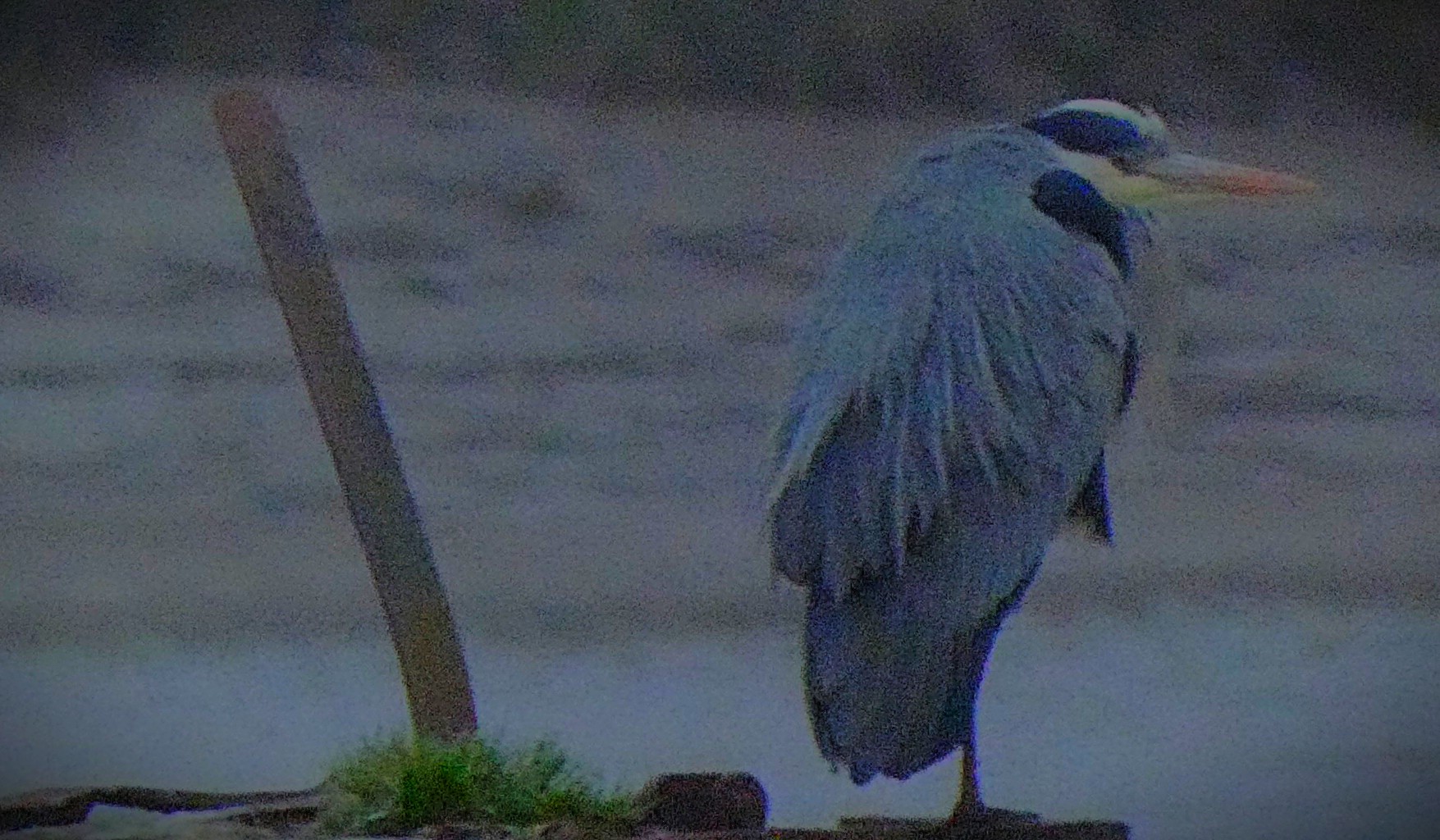
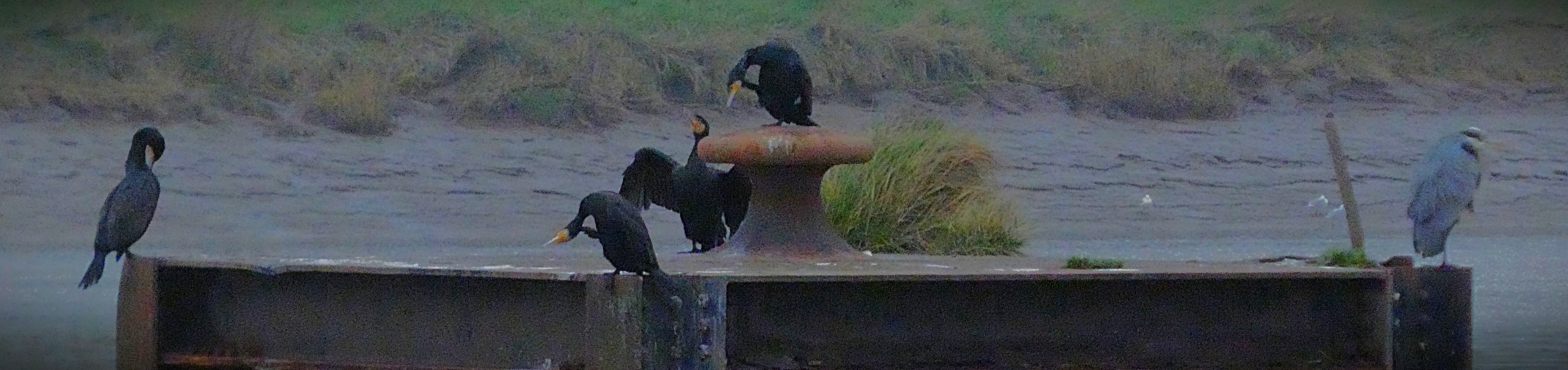
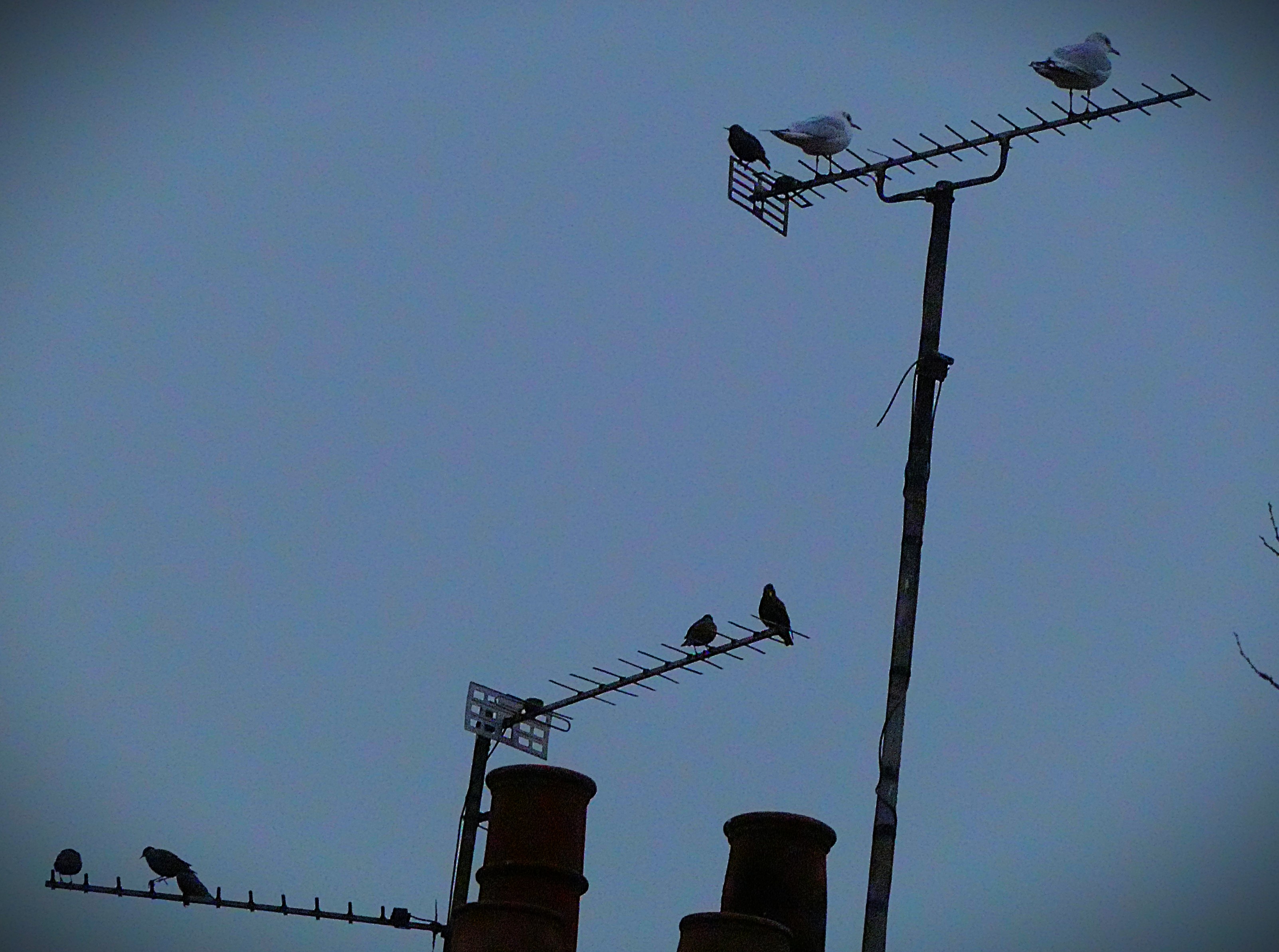
PHOTOGRAPHS
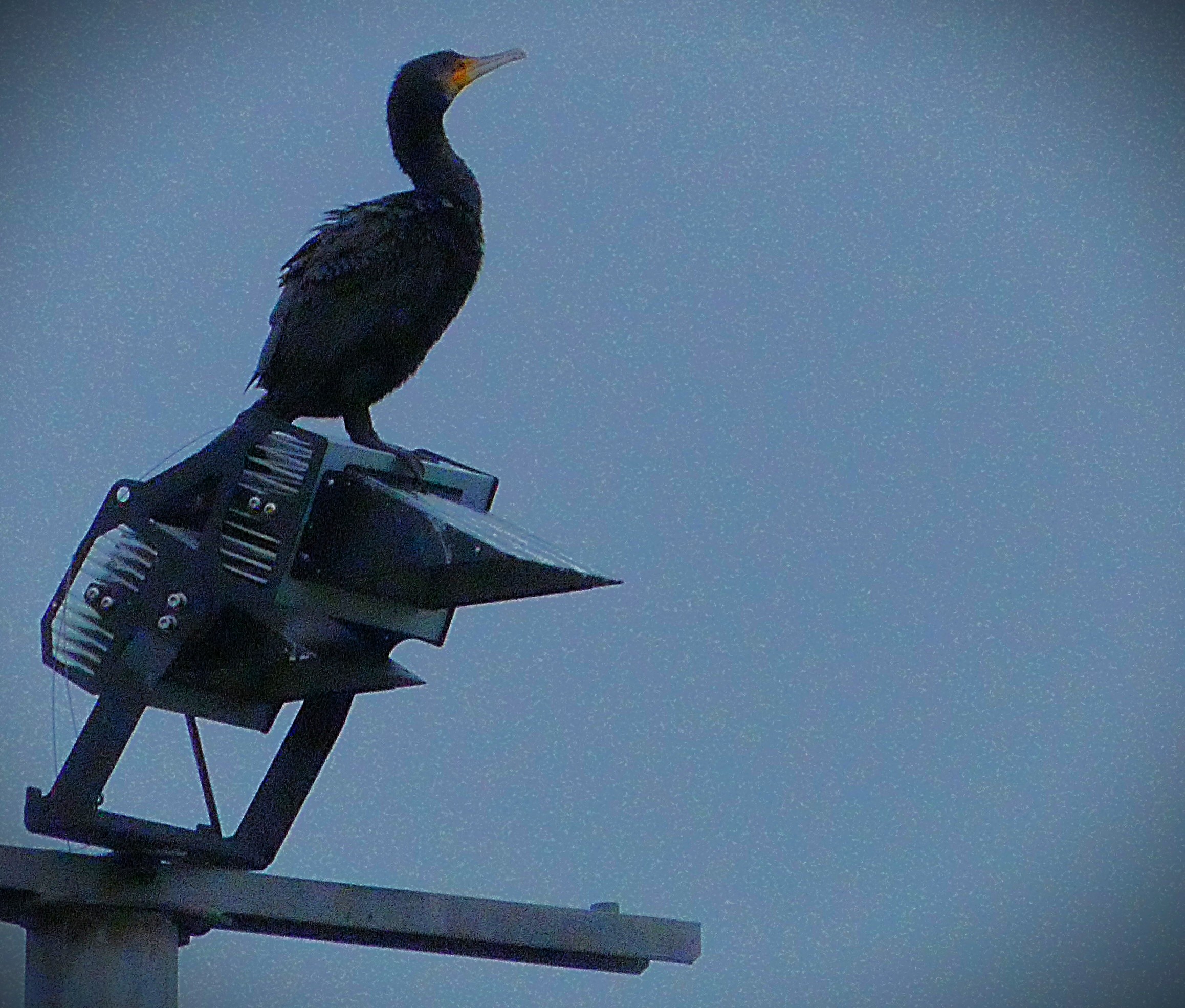
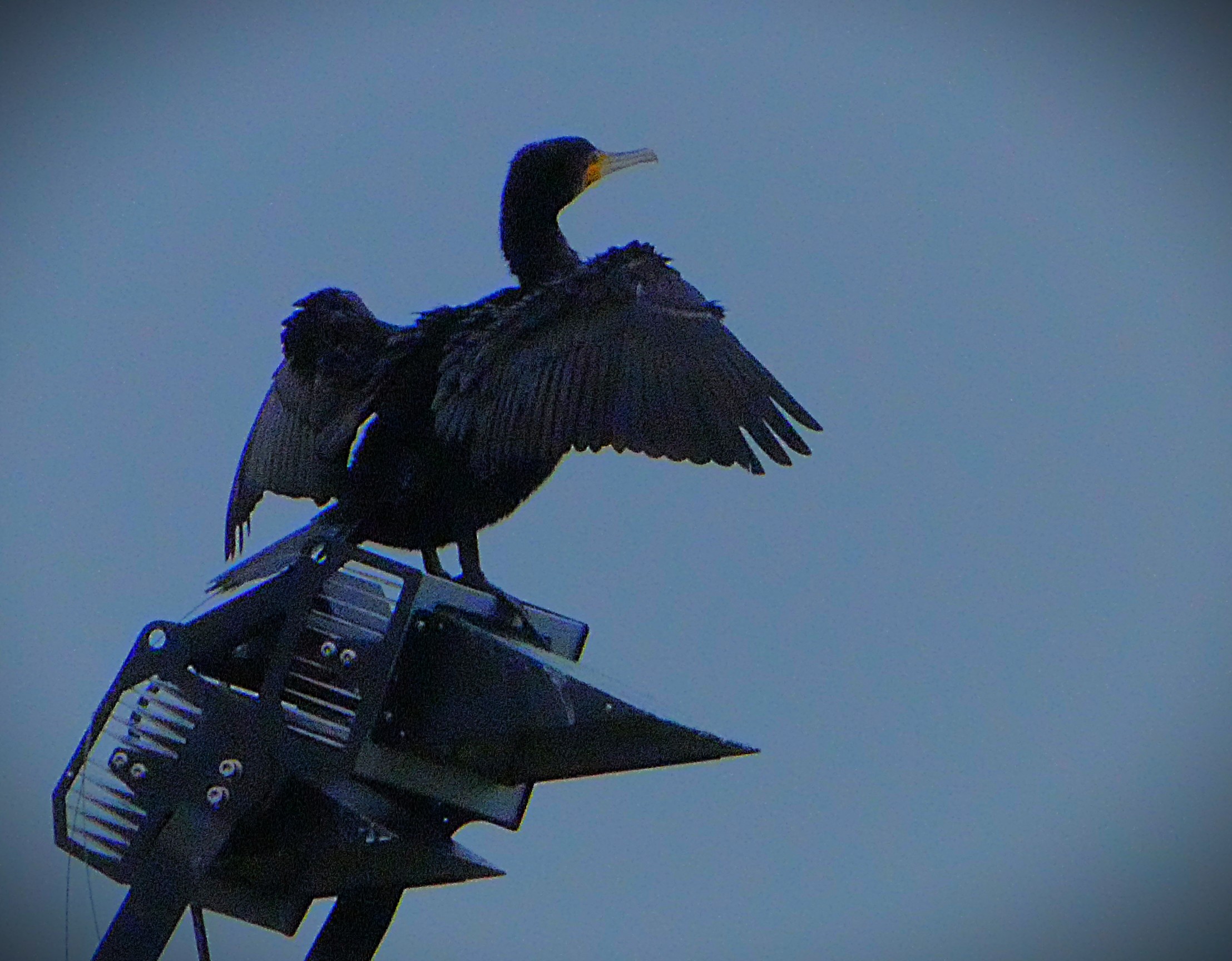
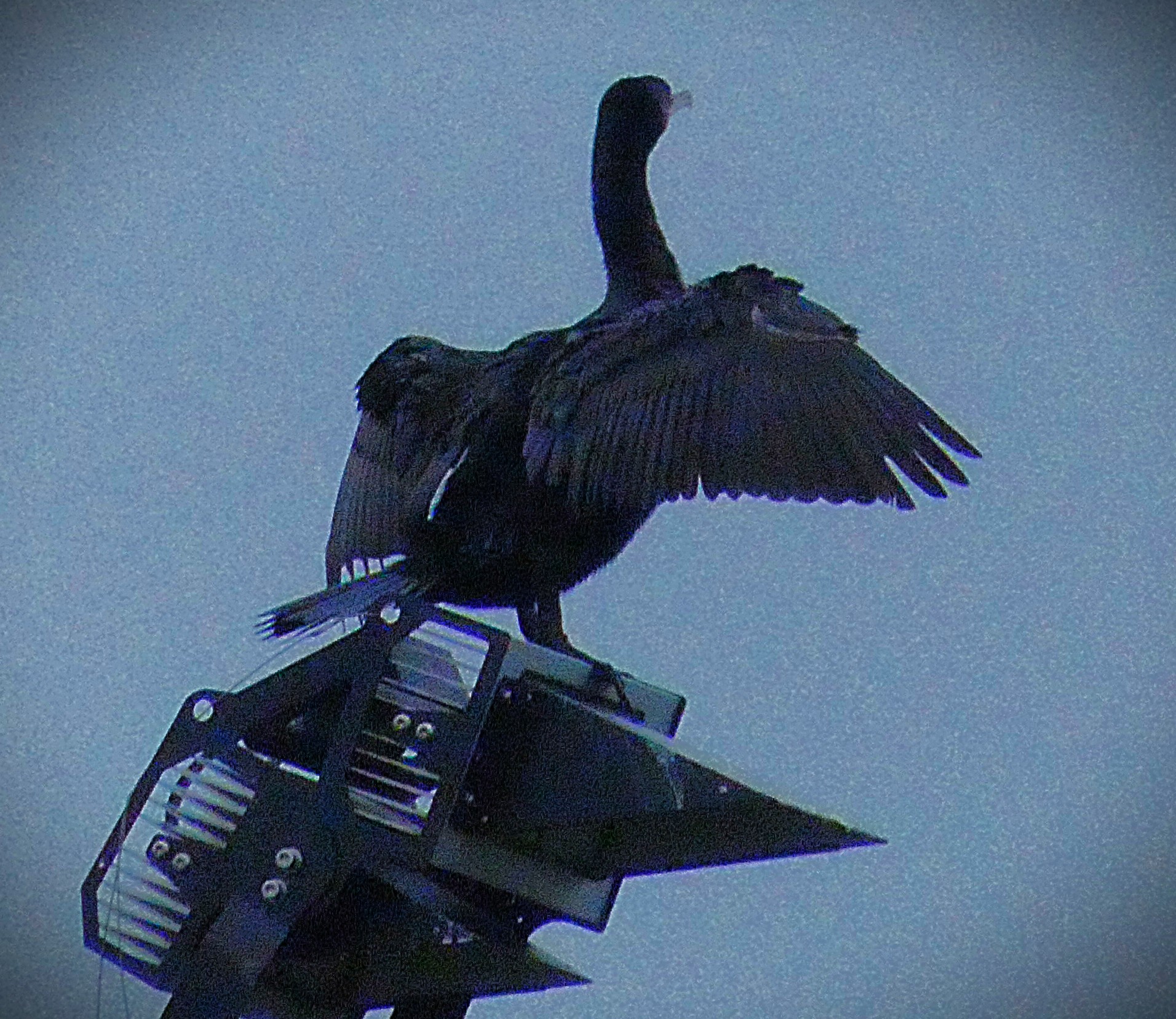
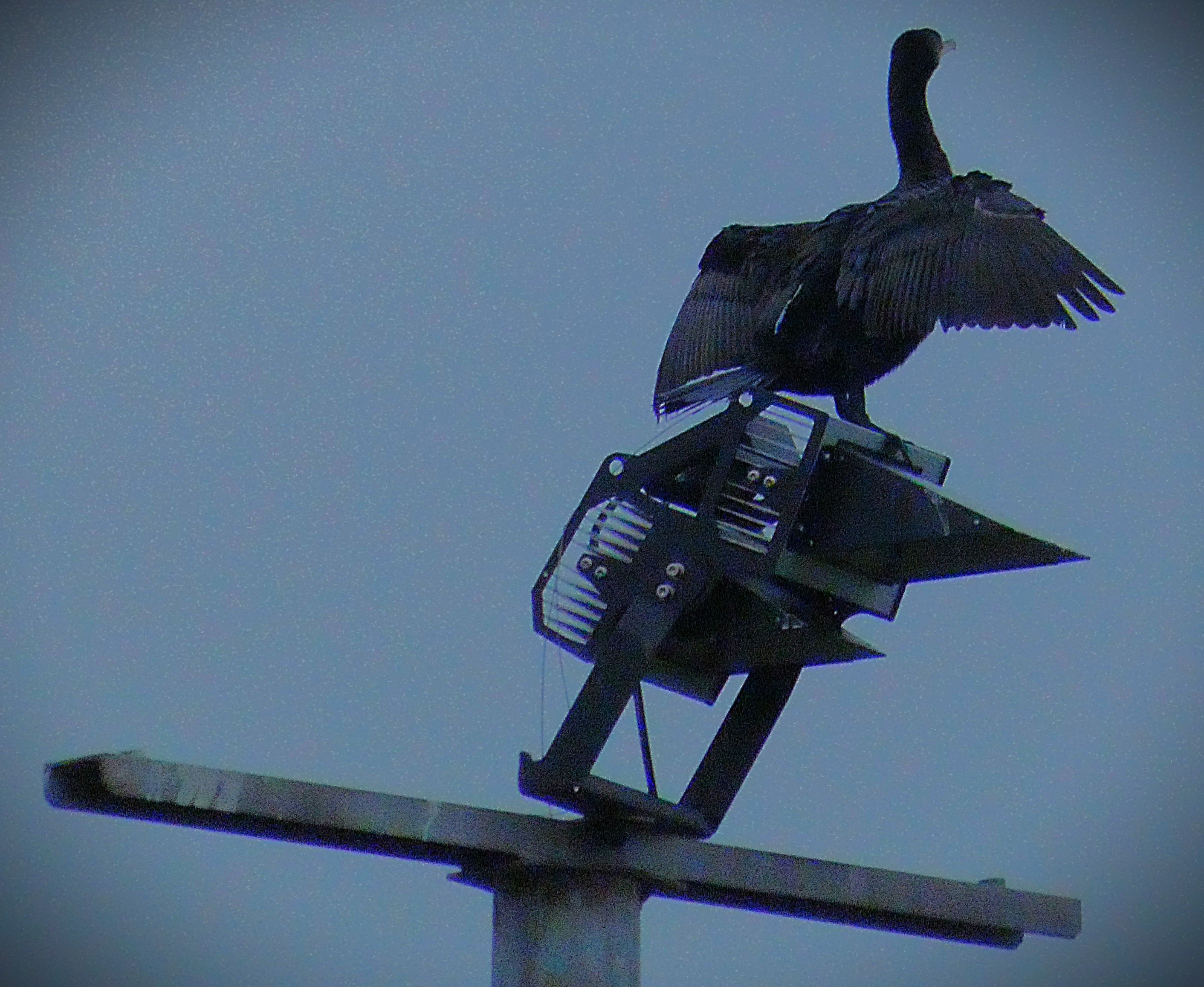
My usual sign off…
































































































































































































 aspiblog