
A Story in the Making

A look at goings on at Edgbaston where England and India are engaged in a test match. Also a huge photo gallery.

As we approach tea on the third day of the second test match of the series between England and India for the Anderson-Tendulkar trophy we have already seen some remarkable cricket.

England named an unchanged side, with the plan being to introduce Archer, fit again after many injury woes, at Lord’s, the second match of these two back to back tests. India made a number of changes. Karun Nair was moved up from number six to number three, B Sai Sudarsan was dropped, and Nitish Kumar Reddy, a batter who bowls medium pace came in at number six. Thakur was dropped, and Washington Sundar brought in to strengthen the batting (his off spin could not be accounted a major factor on an English pitch). India also decided that Jasprit Bumrah could not play both matches of a back to back sequence and reckoned that he would fare better at Lord’s, Akash Deep replaced him at number nine. The Indian line up was loaded with batting depth, but a little light on bowling. Ben Stokes won the toss, and in spite of neither pitrch nor conditions suggesting it, and in spite of India’s batting strength he chose to bowl, the tenth time he has done so out of 11 toss wins on English soil.

Shubman Gill came into this match with a test average in the upper 30s, with many reckoning he had the talent to be doing far better than that. His effort in the first innings here underlined exactly why. With some notable support, chiefly from Jadeja and Sundar at numbers seven and eight in the order Gill, who never previously topped 150 at test level scored 269 from number four in the order, propelling India to a score of 587. A score of that magnitude has sometimes been a prelude to a defeat – at Sydney in 1894 Australia lost after racking up 586 first up, while in a three-day match at Chesterfield in 1904 Essex lost by nine wickets after running up 597 in the first innings, and 78 years later at Southport Warwickshire scored 523-4 declared on day one of three, had Lancashire a wicket down by the close, and lost by ten wickets two days later. However, for all these examples it was not looking bright for England.

England were three wickets down by the end of day two, though Brook and Root had fared reasonably after the top three all got out to bad shots. Root fell early this morning, edging behind to make it 84-4, still 503 adrift. One ball later that was 84-5, Stokes only able to offer a catch to the keeper off a brute of ball from Siraj. Jamie Smith hit the hat trick ball for four, the start of a blistering counter attack that saw him reach three figures before the lunch interval. Brook also went to a hundred, and Smith has now moved past 150, and has so far hit 19 fours and three sixes in the course of his innings. The sixth wicket stand is currently with 252 unbroken, though England are still over 250 short of first innings parity. Mohammad Siraj has three wickets, Akash Deep two, and no other Indian bowler any, and there has not been much threat from any of them either. There was a crazy passage this morning when Krishna attempted to test Smith with “bouncers”, which were at his pace and on this pitch medium paced long hops off which Smith helped himself to a succession of boundaries. This sixth wicket partnership is massively impressive, but am still 100% certain that Stokes should have chosen to bat first. He has chosen to bowl first in both matches, got away with it at Headingley because India had batting collapses in both innings after strong starts (430-3 to 471 all out and 333-4 to 364 all our) but does not look like getting away with it here. I also feel that India’s selection was fundamentally defensive – if they were resting Bumrah then left arm wrist spinner Kuldeep Yadav should have been selected to give the attack a bit of bite. The tea interval has arrived while I have been preparing this for publication, with England 341-5, still 246 short of first innings parity.

My usual sign off…

County Championship Action

A look at happenings in the latest round of county championship matches, which got underway yesterday morning. Also a photo gallery.

This season’s sixth round of championship fixtures got underway yesterday morning. As an indication of changing times it was on May 9 1895 that WG Grace’s first class season got under way. After that late start to the season the fixtures came thick and fast, and precisely three weeks after his season had begun the good doctor notched up his 1,000th run of the campaign. This post looks at what happened yesterday.

Surrey are taking on Warwickshire at Edgbaston. Yesterday, on a lovely sunny day, Rory Burns the Surrey skipper won the toss, and with overhead conditions suggesting that it was a time to bat and no hint of demons in the pitch he opted to put Warwickshire in to bat. Not only were wickets slow in coming (while runs were not so), both the first two, those of openers Alex Davies and Rob Yates, for 45 and 86 respectively, would have had the batters very annoyed with themselves. Davies, having started very impressively, charged down the pitch at part time off spinner Dan Lawrence, missed his stroke and was bowled. Yates, looking nailed on for a century, had an uncharacteristic swing at one from Tom Lawes and succeeded only in nicking it behind where Foakes, as ever, was unerring. Sam Hain got to 26 before he was caught by Lawrence off Clark. Then Lawrence, whose 20 overs of off spin on day one of a championship match form Exhibit A in the case against Burns’ decision to bowl first, took the only really well earned wicket of the day, producing a fine delivery to bowl Aussie all rounder Beau Webster for 15. New Zealander Tom Latham was looking utterly secure, and moved past three figures with no hint of difficult. He was joined after the dismissal of Webster by Ed Barnard, treated by his former county Worcestershire as a bowler who bats, but now at Warwickshire regarded as a genuine all rounder who is if anything more batter than bowler. This pair were still in residence at stumps, with the score 364-4, and Latham closing in on 150. They are still together as I type, just over a quarter of an hour into day two, with three runs added to the overnight total as they settle in. Ed Barnard has moved to 50 since I typed this section, Latham has passed 150 and Warwickshire are 394-4. Dan Lawrence is about to have his first bowl of day two at 11:37AM.

The most inconsistent day yesterday was that of Sussex, who started with an opening stand of 80, then lost five wickets for one run, and six for eight runs, then recovered to post 284, with off spinner Jack Carson registering a maiden first class hundred and first class debutant James Hayes contributing an unbeaten 33 from number 11 as the tenth wicket stand yielded 73. For Glamorgan, in action against Kent at Canterbury Ben Callaway, an all rounder who bowls both off spin and left arm orthodox spin, was 91 not out, closing in on what will be his maiden first class century. He has just reached the landmark while my photo gallery was uploading. Essex, seeking to recover from a setback against Somerset (see here), are not going well against Yorkshire at Chelmsford. They bowled the visitors out for 216, a decent effort, but are currently 35-4 in reply.

My usual sign off…

The England XI For The First Test Match

A look at the England XI for the upcoming test match against the West indies, which was annoucned today, two days in advance of the match starting.

The England Men’s Playing XI for the test match against the West Indies that is due to start at Lord’s on Wednesday has been announced. In batting order it is: Zak Crawley, Ben Duckett, Ollie Pope, Joe Root, Harry Brook, *Ben Stokes, +Jamie Smith, Chris Woakes, Gus Atkinson, Shoaib Bashir, James Anderson. This will be Anderson’s last game for England. This post gives my thoughts on the final XI.

Jamie Smith deserves his elevation to the test ranks, but I would not have made him wicket keeper, a role he does not usually play for his county. I also think that number seven is not an ideal slot for him – he is a regular number four for his county, and I would have preferred to see Stokes put himself at number seven and allow Smith to bat a place higher at number six. Woakes has a fine record in England but is an unlikely tourist, and his selection smacks more than a little of hypocrisy given that Anderson’s retirement has been effectively forced since the selectors want to look to the future.

The bowling looks thin and will look even thinner if Stokes’ knee plays up enough ton prevent him from bowling. The only member of the attack capable of producing genuinely quick deliveries is Atkinson, with Anderson for all his advanced (by international cricket standards) years probably still quicker than Woakes, and Stokes if he bowls no longer seriously quick. Bashir did well enough in India, but there is little reason to believe that he will be especially tricky to play on English pitches. Dillon Pennington and Matthew Potts, both in the squad and both left out of the final XI can feel hard done by, as can left arm spinner Jack Leach, now officially confirmed as being below Bashir in the selectors pecking order. I would have placed more reliance on that powerful top seven than has actually been done and had one or other of Potts or Pennington playing in place of Woakes. The West Indies are not among the most formidable of test foes right now, and I would still expect this XI to be good enough against them, but I cannot pretend to be impressed by it.

My usual sign off (don’t forget – if you want to view pictures at a larger size just click on one)…

The J Team

An all time XI all of whom have given names beginning with J. There was a massive embarrassment of riches available for this letter, so the honourable mentions section is large. There is also a photo gallery of course.

Today, in a post the will feature a huge list of honourable mentions, our XI are linked by having given names beginning with J.

  1. Jack Hobbs (England, right handed opening batter, occasional right arm medium pacer). One of the greatest ever to play the game, unchallengeable for this spot.
  2. John Edrich (England, left handed opening batter). A member of the ‘hundred hundreds’ club and someone with a superb test record. Scores of 310* v New Zealand and 175 & 164 v Australia show his ability to really cash in on a good start.
  3. Javed Miandad (Pakistan, right handed batter, occasional leg spinner). In the whole of his long test career his average never dipped below 50. Many would still name him as his country’s all time number one batter.
  4. Joe Root (England, right handed batter, occasional off/ leg spinner). Undoubtedly one of the greatest batters England has ever produced.
  5. Jacques Kallis (South Africa, right handed batter, right arm fast medium bowler). An absolute champion cricketer. Garry Sobers mastered a greater range of skills, one could argue that the likes of Aubrey Faulkner, Keith Miller and Imran Khan were truer all rounders, and one can list batters (though not very many) who were better and a greater number of bowlers who were better, but it would be brave person to state unequivocally that anyone has been a better cricketer than the South African.
  6. James Langridge (England, left handed batter, left arm orthodox spinner). He got few opportunities at test level due to overlapping with Hedley Verity, though he did take a seven-for on debut at that level. In a long and distinguished first class career he averaged 35 with the bat and 21 with the ball.
  7. +James Foster (England, wicket keeper, right handed batter). The most heavily contested slot in the entire XI, as you will see when we look at the honourable mentions, but the person I have chosen was a magnificent keeper, a good middle order batter and was badly treated by the England selectors of his day.
  8. *Jason Holder (West Indies, right arm medium fast bowler, right handed batter, captain). An impressive captain, in spite of never having had the luxury of having a really strong side under his command, and his averages are the right way round.
  9. Jim Laker (England, off spinner, right handed batter). One of the greatest off spinners ever to play the game. In 46 test appearances he took 193 wickets at 21.24 each, which included the best innings and match figures in test history, 10-53 and 19-90, at Old Trafford in 1956 against the oldest enemy.
  10. James Anderson (England, right arm fast medium bowler, left handed batter). England’s all time leading test wicket taker, more test wickets than any other non-spinner, and still going in his 40s.
  11. Jasprit Bumrah (India, right arm fast bowler, right handed batter). One of the leading contemporary pace bowlers, and probably the best pace bowler his country has ever produced.

This side has an awesomely strong top five, a genuine all rounder, a keeper who was also a good batter, a bowling all rounder and three all time great specialist bowlers. The bowling, with Bumrah, Anderson and Holder to bowl pace, Laker and Langridge to bowl spin, Kallis as sixth bowler and in the unlikely event of them being needed Hobbs, Miandad and Root available as back up options is both strong and well varied, and should have little trouble taking 20 opposition wickets on even the flattest of pitches.

Jack Robertson is the only obvious challenger for an opening role. The middle order was studded with options: Johnny Tyldesley, Joe Darling, Jack Ryder and Jesse Ryder being the four most obvious to miss out. James Hildreth had a magnificent record for Somerset but never got picked for England. I would expect James Rew to avoid Hildreth’s fate, but at the moment he is one for the future. James H Parks and James M Parks would both also have their advocates. The two legendary Hambledonians James Aylward and John Small have to be relegated to the honourable mentions due to lack of sufficient detail about the career records.

Jack Gregory might have had the slot I gave to Jason Holder but I wanted the latter’s captaincy as well as his playing skills. Jacob Oram of New Zealand was a fine all rounder, but I wanted a spinning all rounder, given that Kallis’ selection was set in stone and I also wanted Holder in the number eight slot. Johnny Douglas, both an England cricket captain and an Olympic gold medallist at middleweight boxing, cannot be completely ignored.

There was a logjam of keepers to consider, even after disqualifying Robert Charles ‘Jack’ Russell and Clifton James ‘Jack’ Richards is in neither case was Jack either their given name or derived from John. John Murray, Jackie Hendriks, Jeff Dujon, Junior Murray, Jack Blackham, Jimmy Binks and Jim Kelly are the seven most obvious potential keepers that I had to overlook.

There was if anything an even greater wealth of seam/ pace bowling talent. Josh Hazlewood is probably the most obvious miss to a contemporary audience, but two other Aussies, Jeff Thomson and Jason Gillespie were also formidable in this department. Jack Cowie, probably New Zealand’s best pre-Hadlee quick, also merits a mention. John Wisden has to be mentioned for historical significance, and a later Sussex pacer, John Snow also had a fine test record. Javagal Srinath, the first genuinely fast Indian bowler I ever saw in action, was another candidate. James Broadbridge was one half of the first truly great bowling partnership in cricket history, along with William Lillywhite, but it was the latter who was the greater bowler.

James Lillywhite Jnr, England’s first ever test skipper, was one of the spinners I had to overlook. Jason Krejza once took 12 wickets in a test for Australia, but he conceded 358 runs while doing so. Jim Sims was a good enough leg spinner to be selected for England and a useful lower order batter. Jemma Barsby, who bowls both off spin and left arm orthodox spin, and has recently helped the Adelaide Strikers to win a second successive WBBL title was another I considered. Jack Noreiga remains in a club of one as a West Indian to have test match nine-for. Jim Higgs had some successes as a leg spinner for Australia. Jack Saunders, who bowled left arm spin and seam for Australia in the early 20th century had a fine record as well. Two left arm spinners, Johnny Briggs and Johnny Wardle, both had excellent test records. Jimmy Matthews once took a hat trick in each innings of a test match, but those six scalps were almost half his career tally of test wickets and he never took more than four in an innings at that level.

I have doubtless missed a few.

My usual sign off…
Changing the Politcal Landscape

A bit about leafleting for the Green Party and a photo gallery.

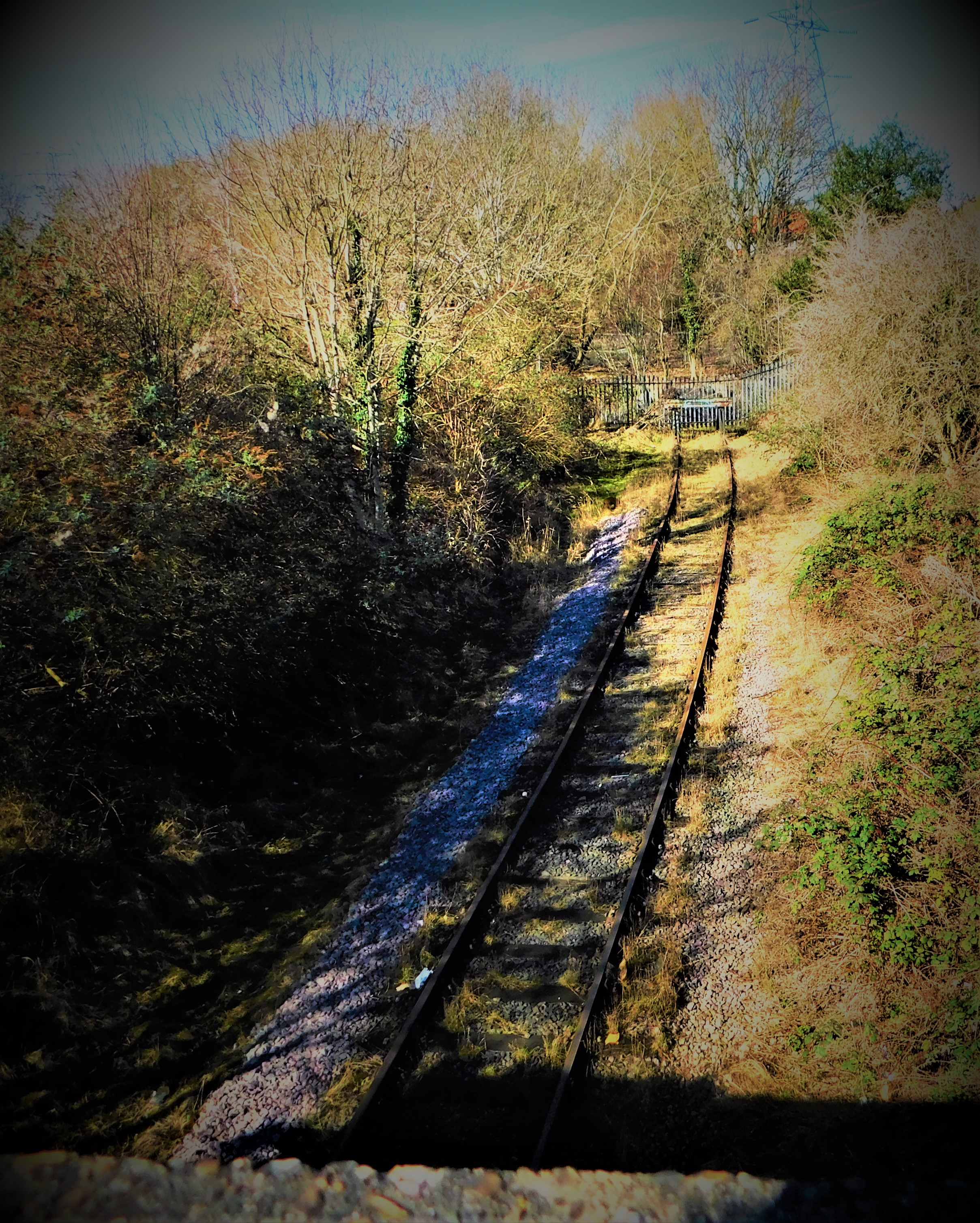
There are local elections coming up in May. As a member of the Green Party I am delighted that they have two excellent candidates standing in the centre of my town, officially known as St Margaret and St Nicholas Ward (King’s Lynn Minster was St Margaret’s Church before its promotion to being a Minster, while St Nicholas Chapel is it’s North End counterpart). I am helping with the leafleting – I did some yesterday and plan to do more tomorrow. The northern boundary of the ward is marked by a railway spur only a few minutes walk from my house, which means that my leafleting area is all within easy walking range.

GETTING STARTED

I got an email about upcoming campaigns on Thursday evening, noted that one of them was for Rob Archer, a former railway worker who was only just short of being elected first time round, and emailed him to say that I would be round on Saturday morning. Having established that his home was somewhat closer to the South Gate than to the town centre, and with a stated start time of 10:00 I set off at 9:30, duly arrived at 10, and was entrusted with a pile of leaflets and a map of the northern part of the ward, at which point I set off. I did two streets, Wyatt Street (too old to have been named after Danielle Wyatt, but there could be a connection to former Warwickshire and England skipper Bob Wyatt) and Kettlewell Lane on my way home, then I took a short break, and set forth again, polishing off Archdale Street (another with possible cricket connections – England Women’s first ever skipper Betty Archdale, and Somerset keeper the reverend Archdale Palmer Wickham), Eagle Yard, Eastgate Street and their side of Gaywood Road.

THE LEAFLET

The current leaflet, a double sided A4 sheet in the form of a newsletter (which means it has to be folded to fit through almost all letterboxes) is highly impressive:

PHOTOGRAPHS

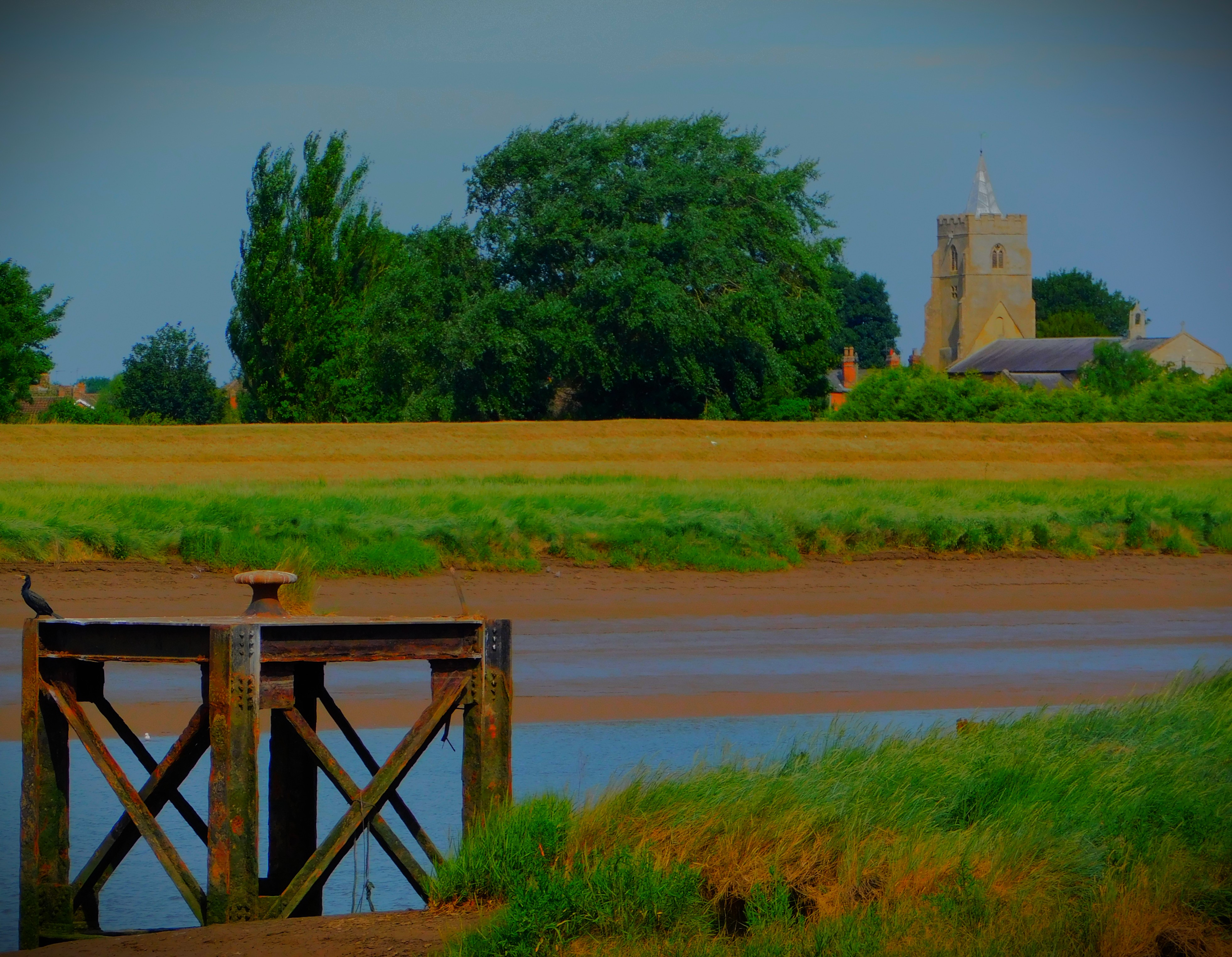
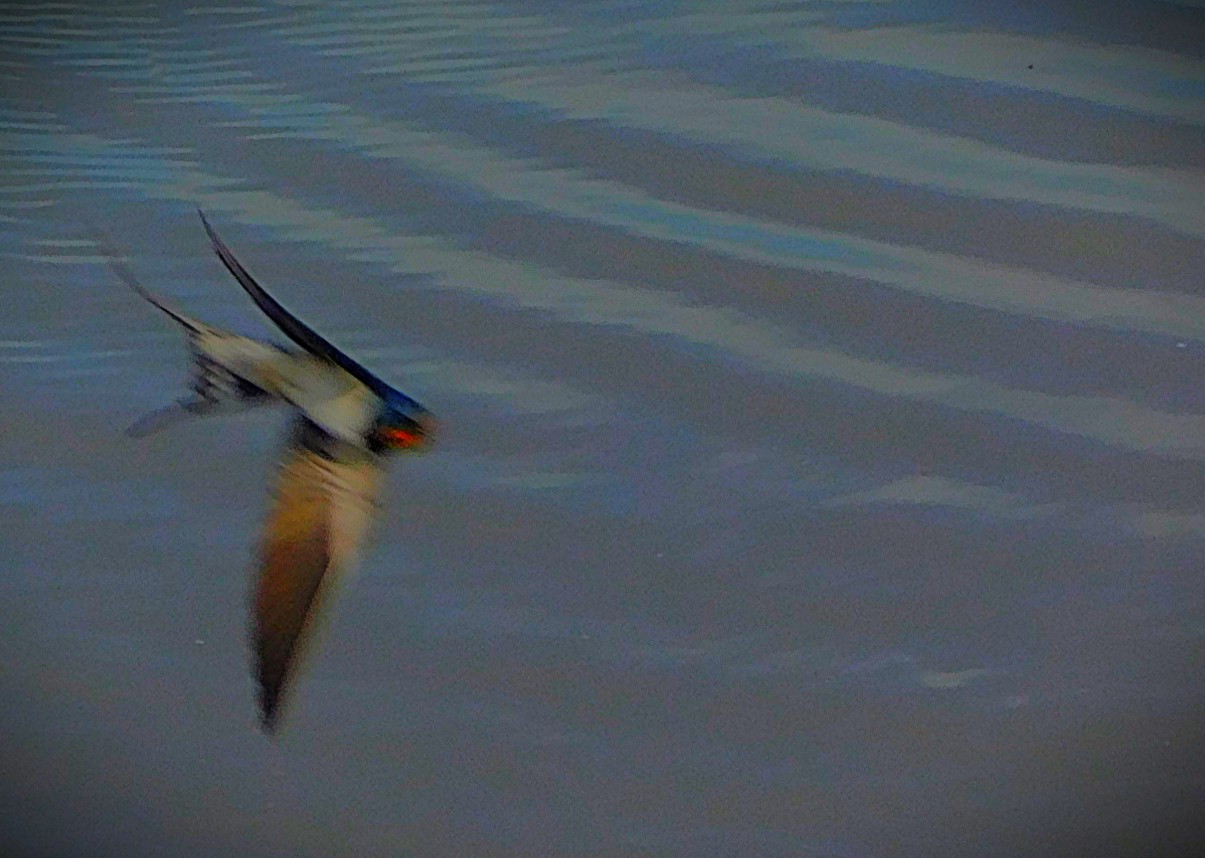
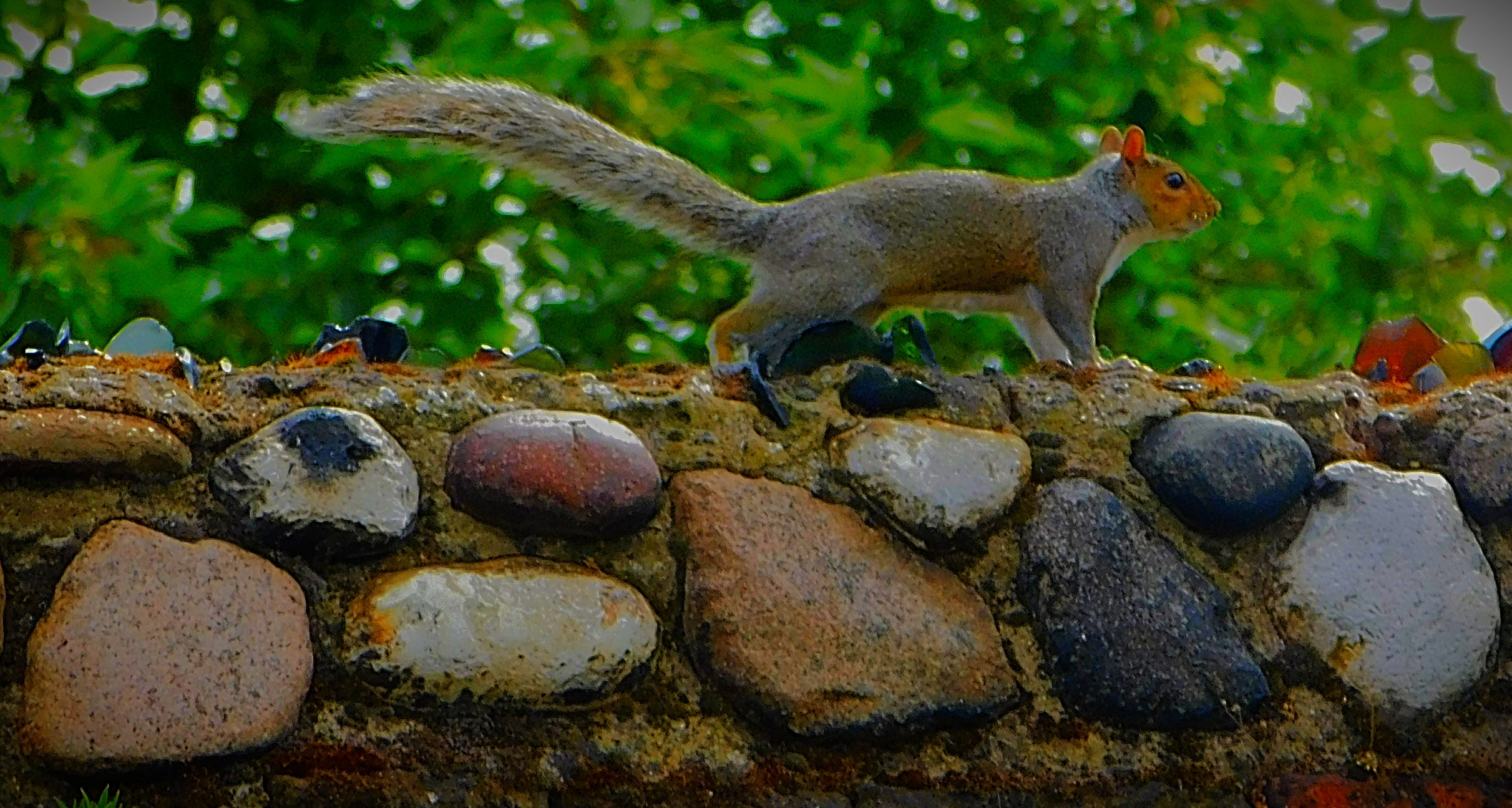
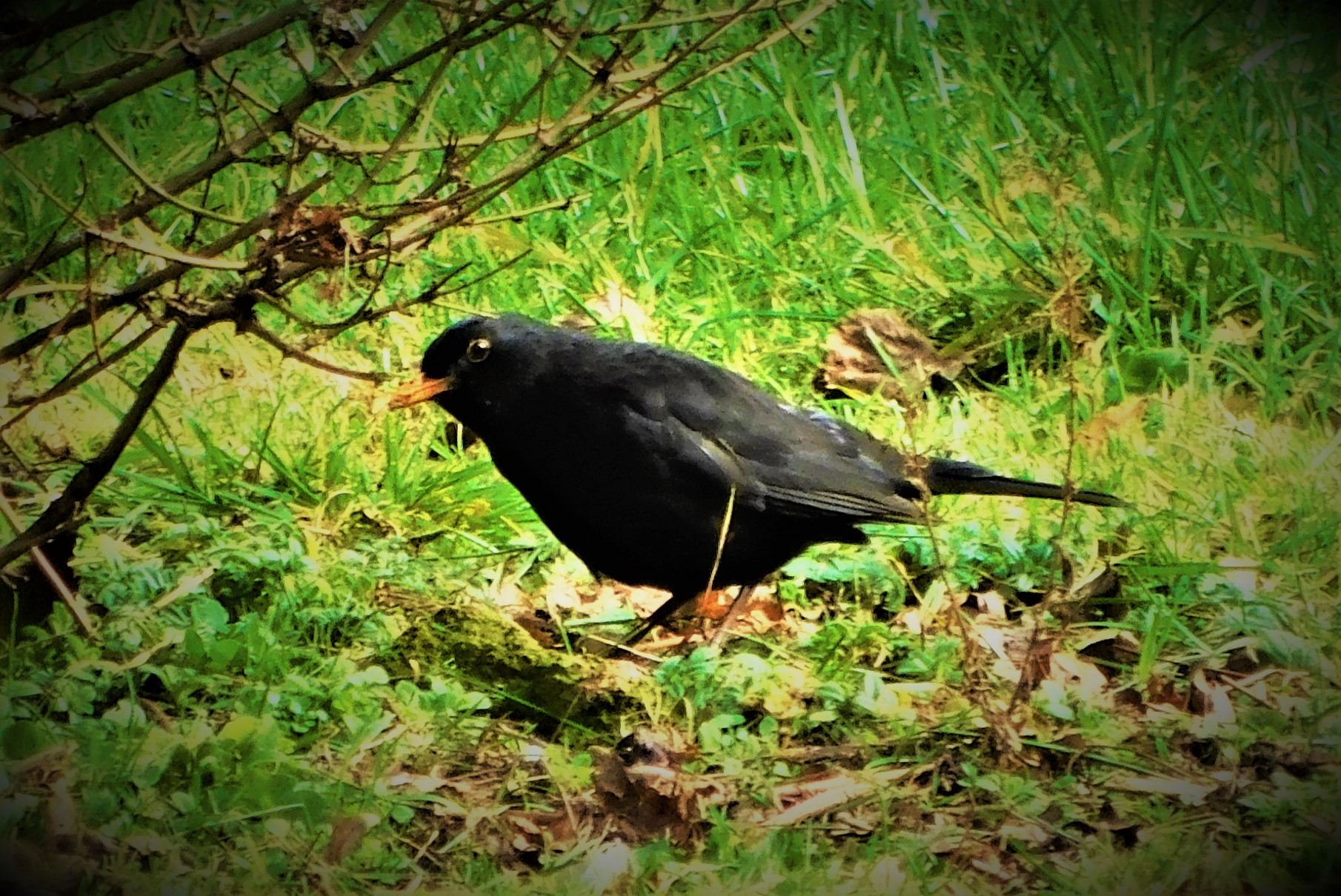
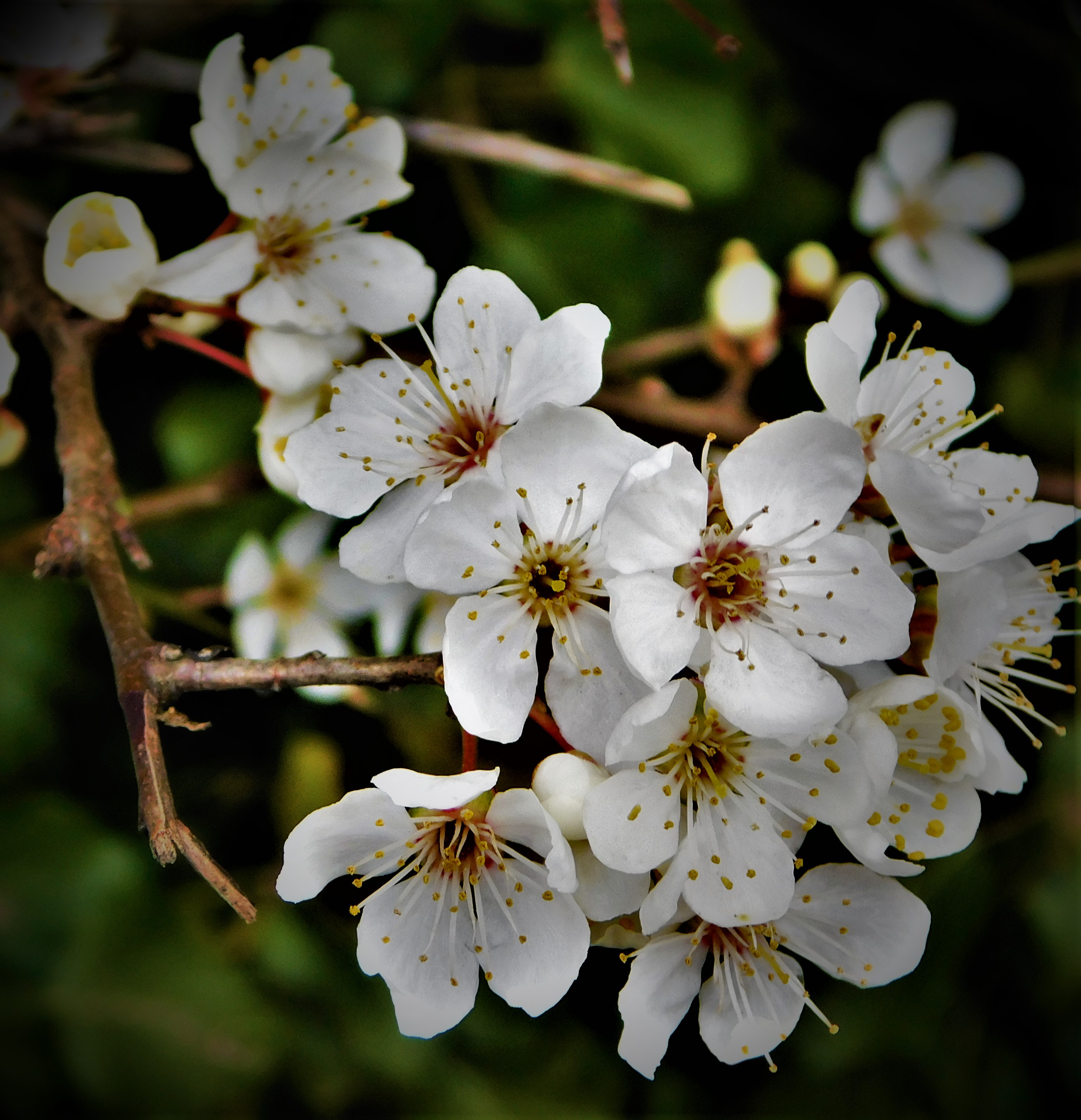
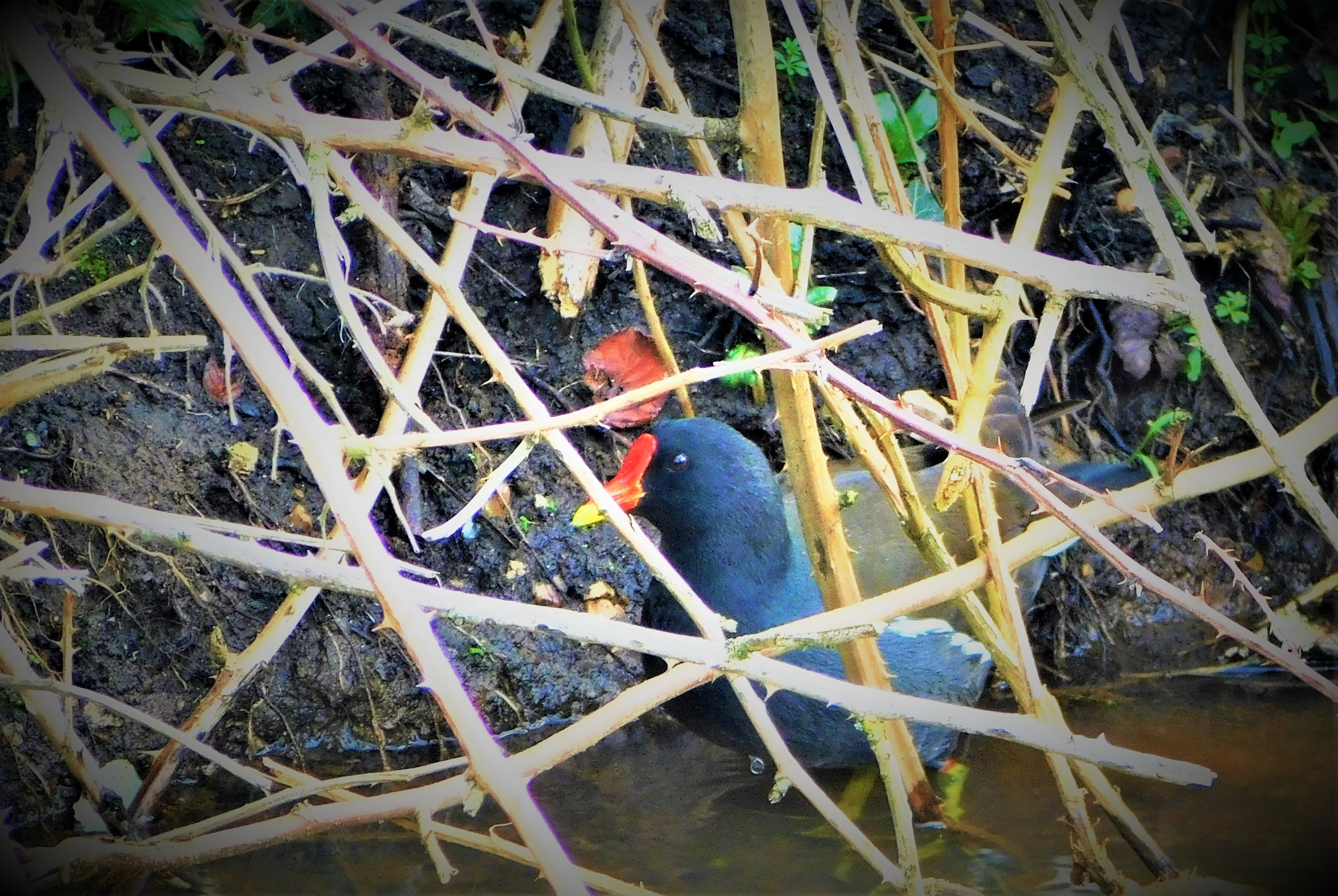
Yesterday’s activity contributed to a splendid photo gallery, and this morning’s walk augmented it. These pictures both showcase some of the natural sights that King’s Lynn has to offer, and in some cases further illustrate why more Green councillors are badly needed:

A Grockle’s Eye View of Cornwall 11: The End of the St Michaels Mount Day

Concluding my account of the day at St Michael’s Mount as we near the end of my series about my visit to Cornwall.

INTRODUCTION

Welcome to the latest installment in my series of posts about my recent visit to Cornwall. This post completes the day at St Michael’s Mount, leaving me with a post to do about the journey home and finally a page from which all the posts about this trip can be accessed. The fact that this will mean (including the page) 13 pieces relating to the trip bothers me not a jot – I have no more time for triskaidekaphobia than I do for any other ridiculous superstition.

WRAPPING UP ST MICHAEL’S MOUNT

Having finished our exploration of the mount itself it was time for lunch, which was excellent. The establishment at which we ate our lunch has a rule that alcoholic drinks can only be served if food is ordered at the same time, and according to their interpretation cream teas do not count as food, so on two occasions in the course of that meal we ordered portions of chips to go with drinks. Mention of cream teas (a speciality of the far west of England) brings me to a debate that rages unchecked: which goes on the scone first, the cream or the jam? The cream advocates argue that cream in this context is the equivalent of butter (and if it is Cornish clotted cream it is so thick that one can pretty much slice it like butter!), and that if you put the cream on first you do not get jam in it. I am not sure what the jam advocates base their case on.

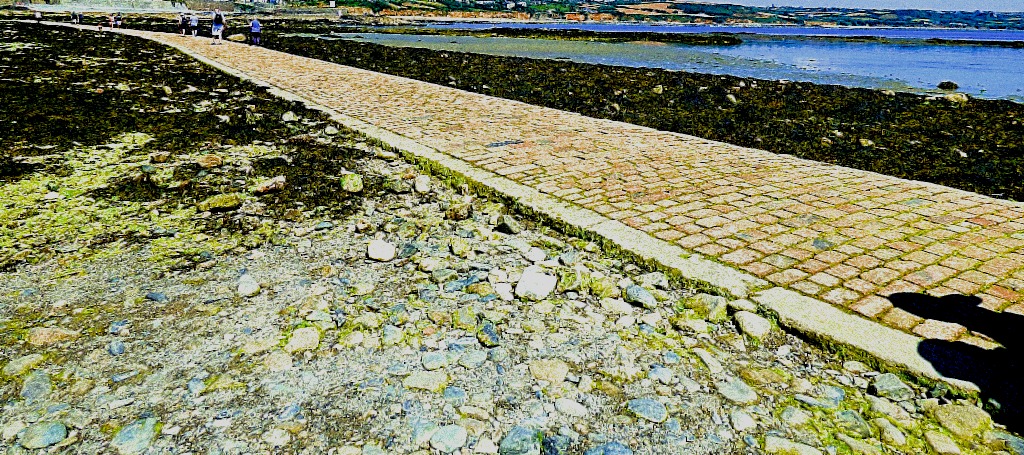
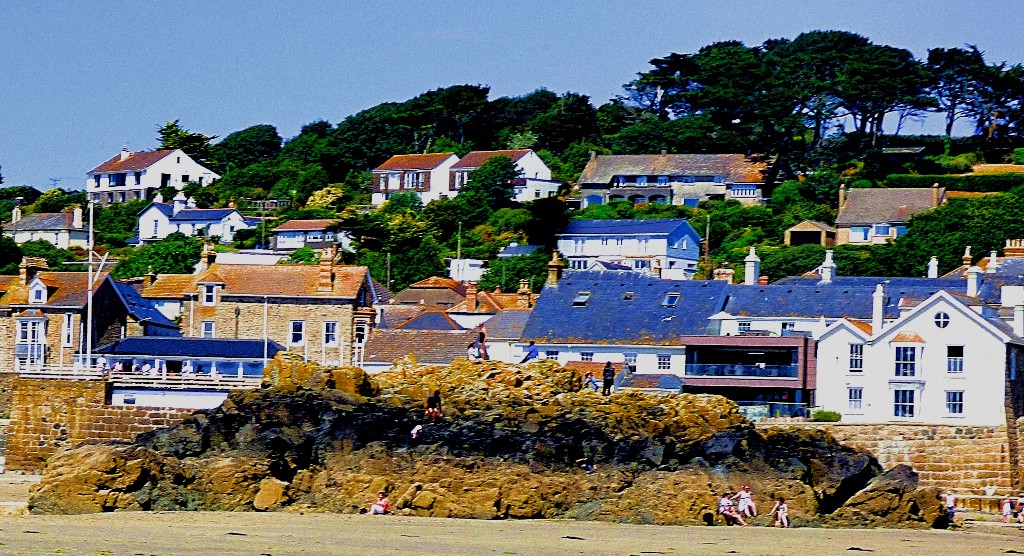
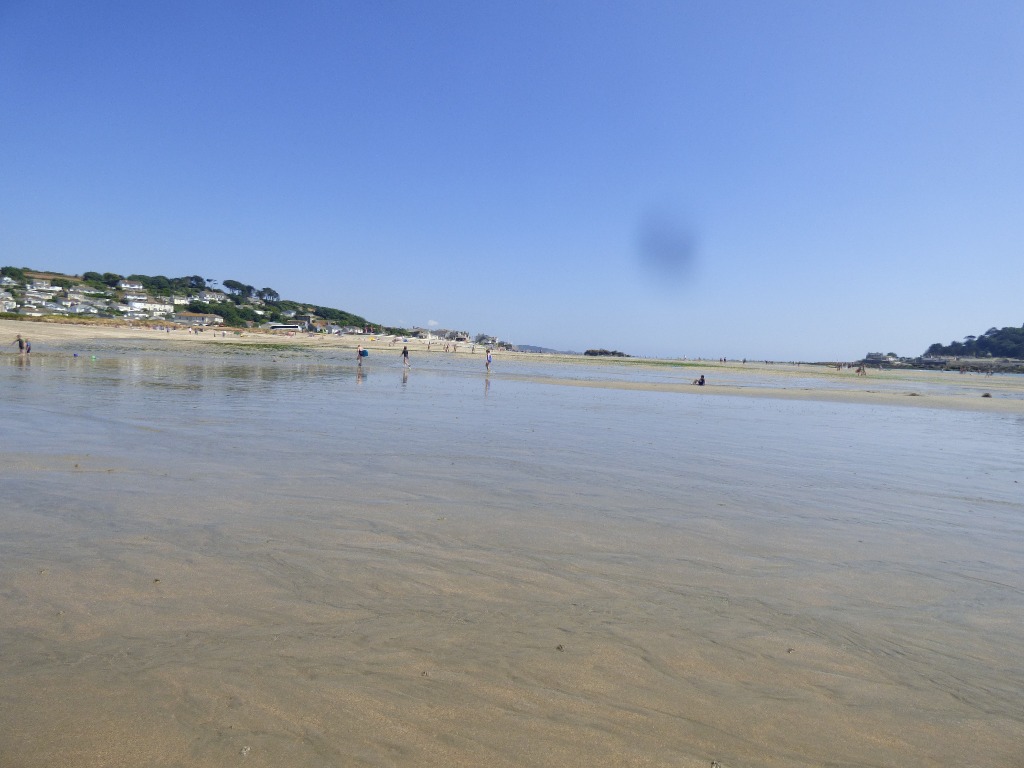
Lunch consumed it was time to head back to our parking place on the edge of Penzance. The tide was just starting to turn but was still a long way out, and unlike the Mont St Michel, on which the current setup of St Michael’s Mount is modelled the tide here comes in slowly (no danger of galloping horses being swallowed by an inrushing tide, as allegedly happened at Mont St Michel on one famous occasion), so we were still able to walk back across a vast expanse of beach to rejoin the official footpath just west of Marazion. I omitted to remove my socks and shoes for this part of the journey, and they ended up thoroughly soaked, although by the end of the walk they had dried out again (without the sea breeze the heat would have been fiendish).

Mathematical Pic
The first few photos here, including these mathematical pictures are from lunch

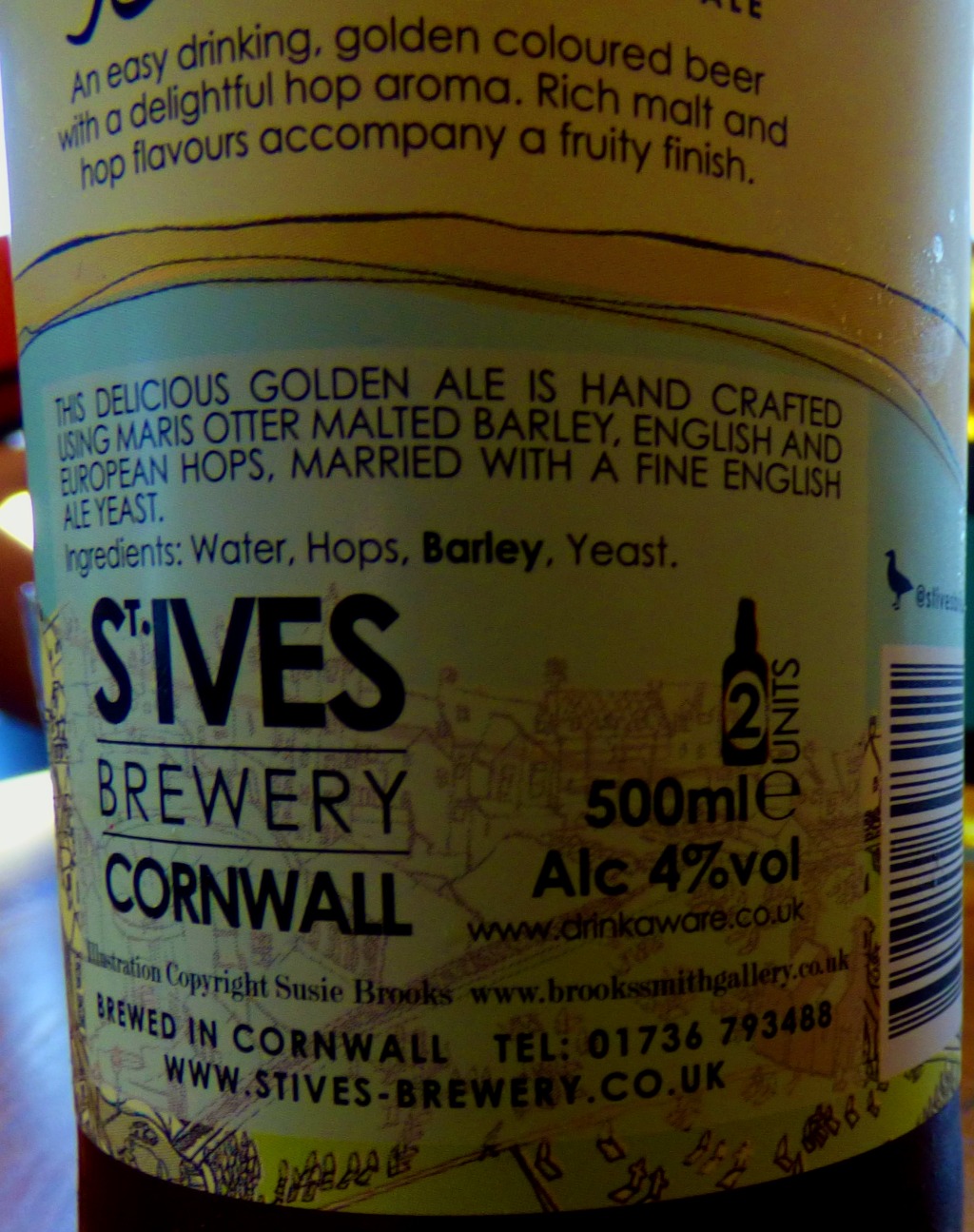
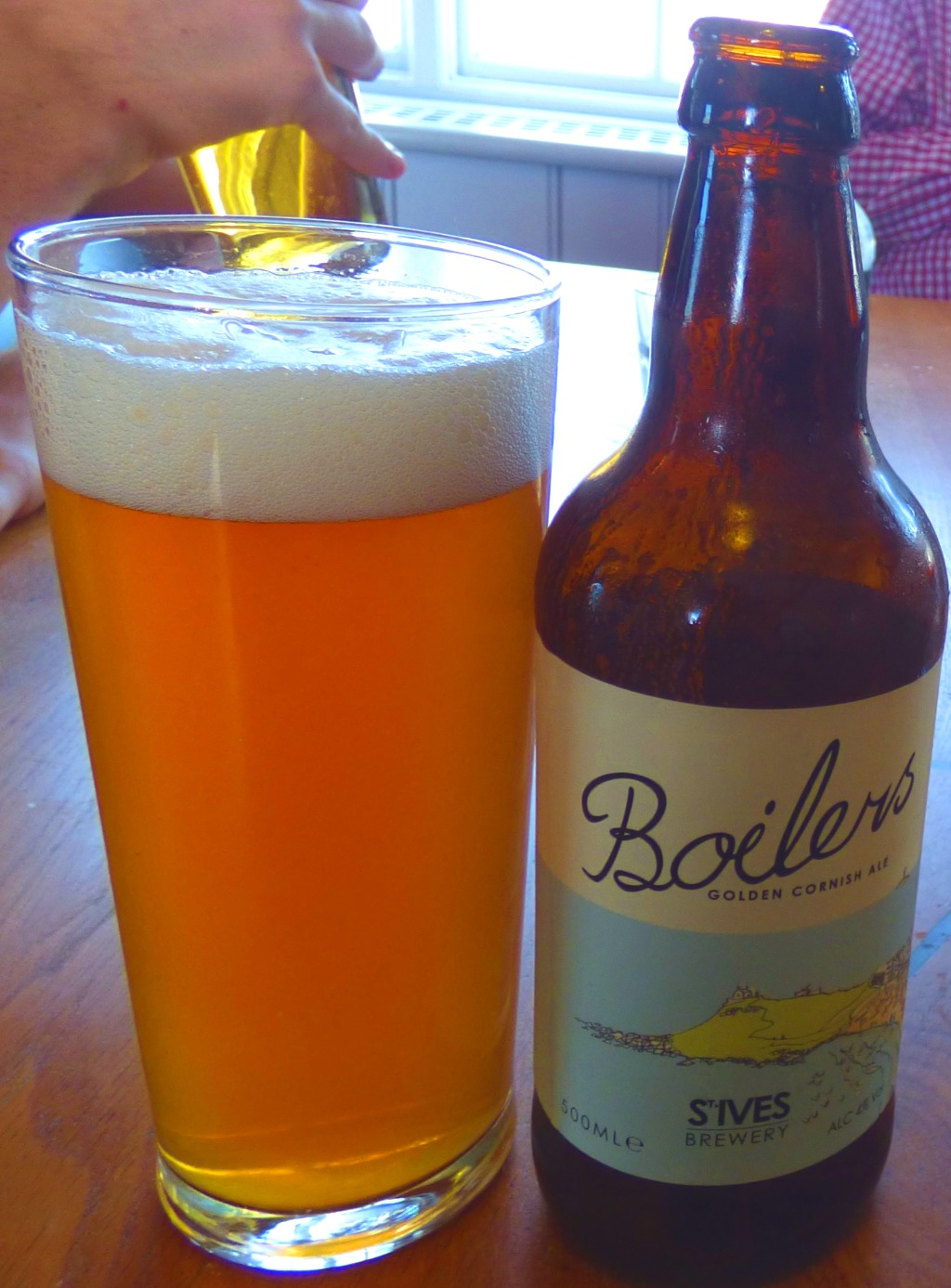
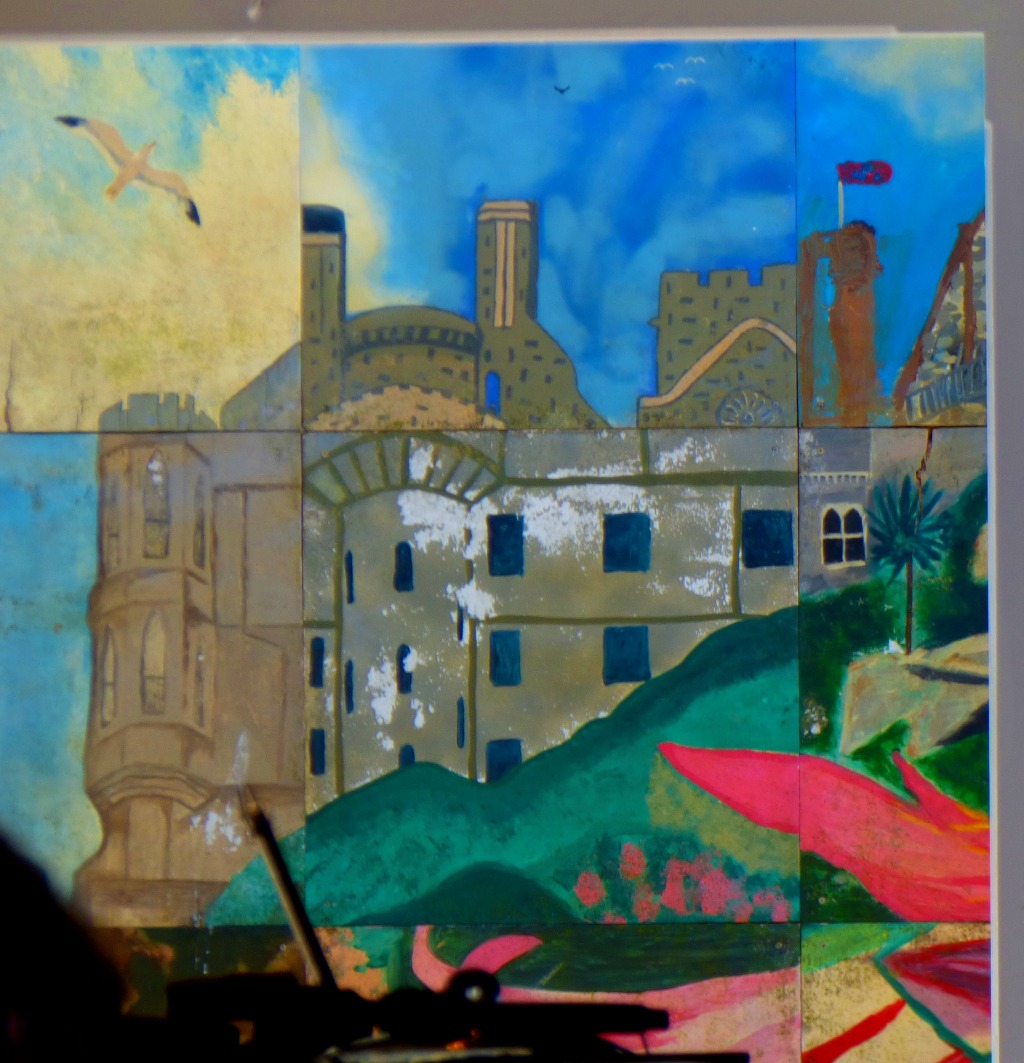
Mathematical picsMathematical Pic IIMetal pictureThrough the windowCornish beer ICornish Beer IICornish Beer IIIBoilersdetail from bottleDetail from bottle IIPaintingLooking towards the mainland

Sea birds
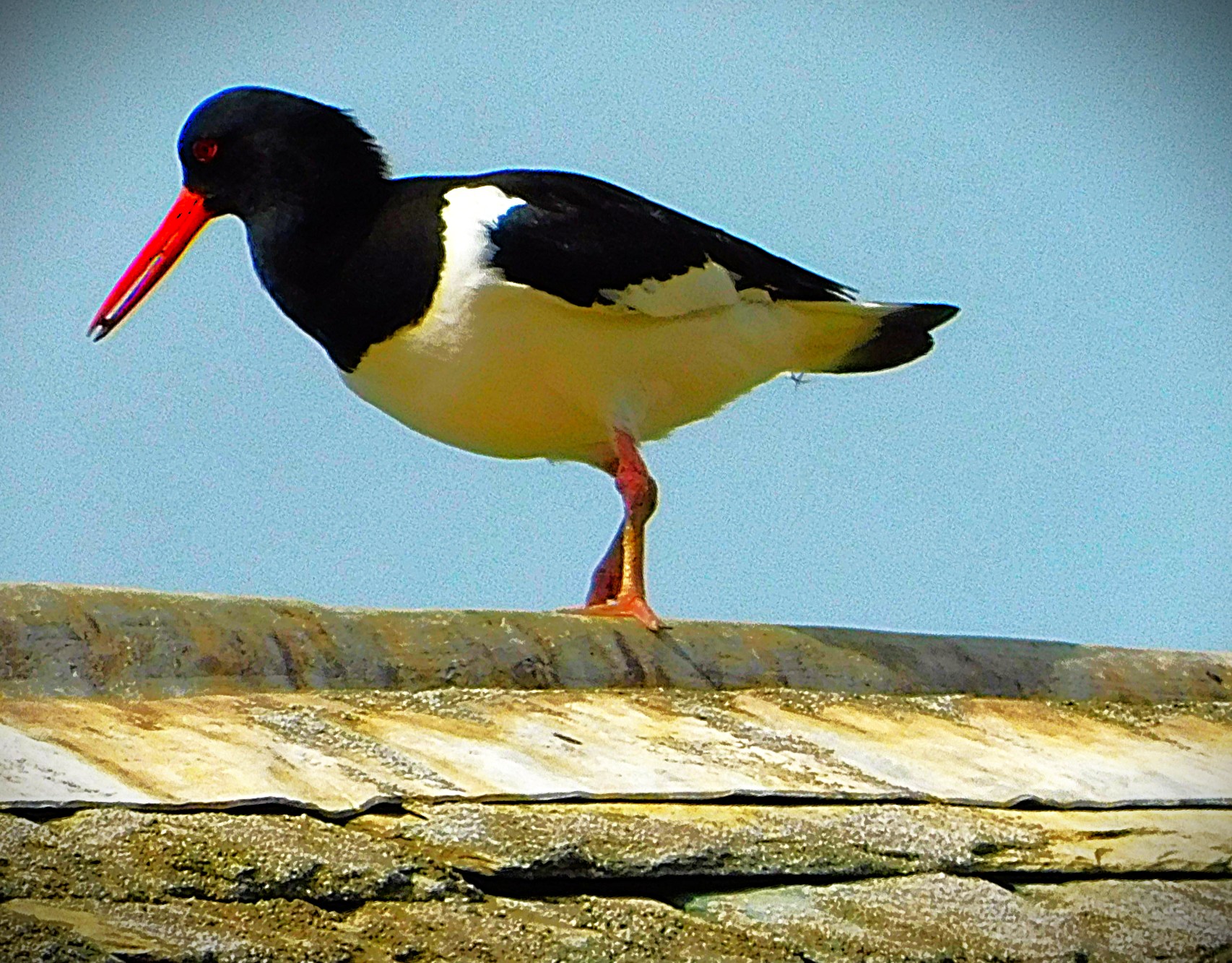
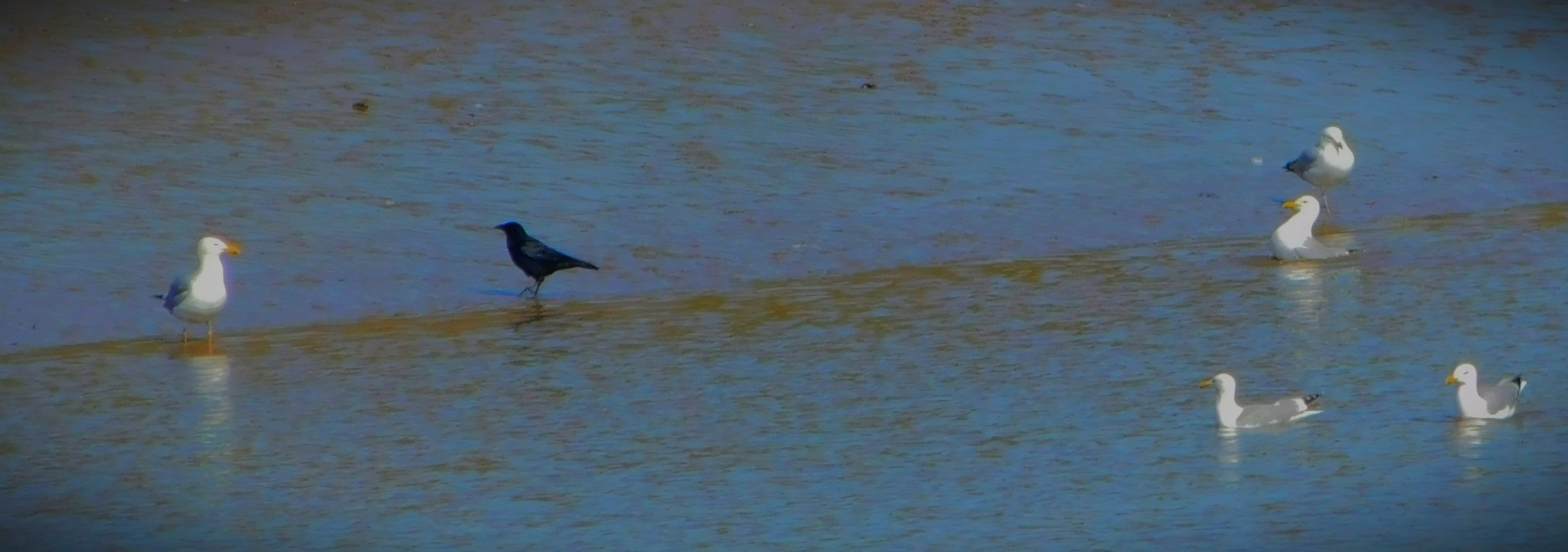
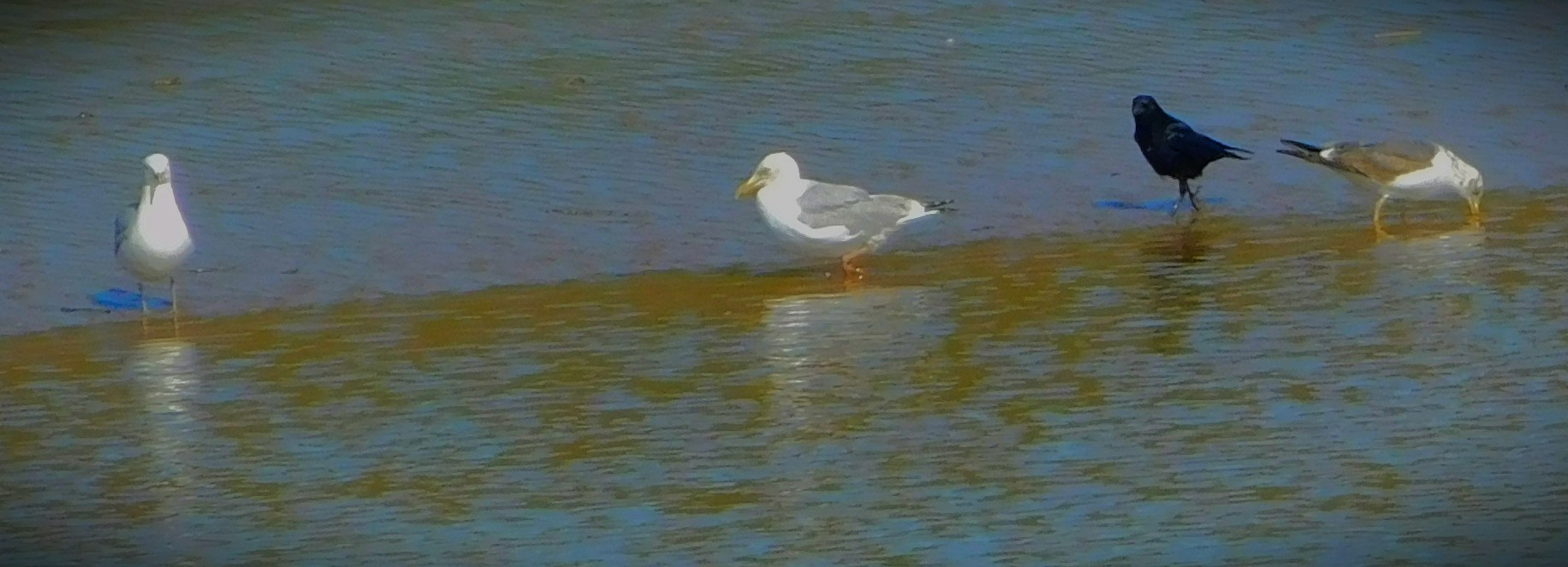
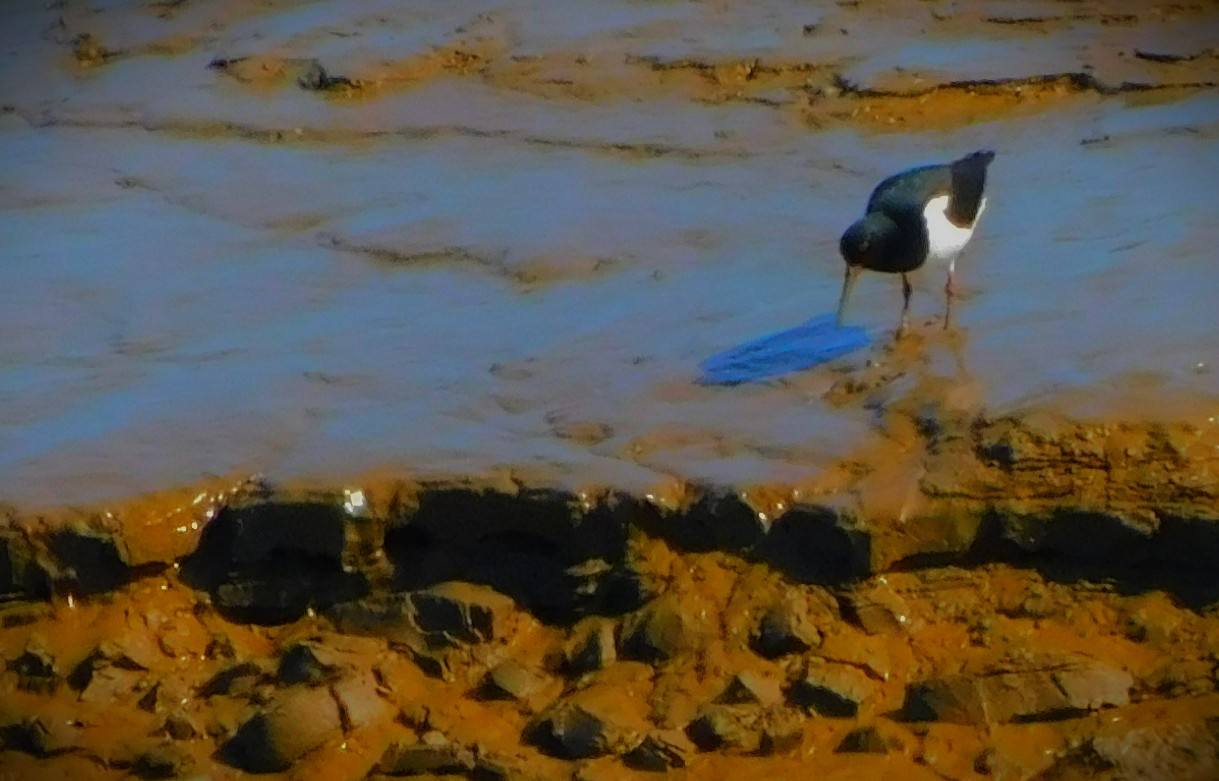
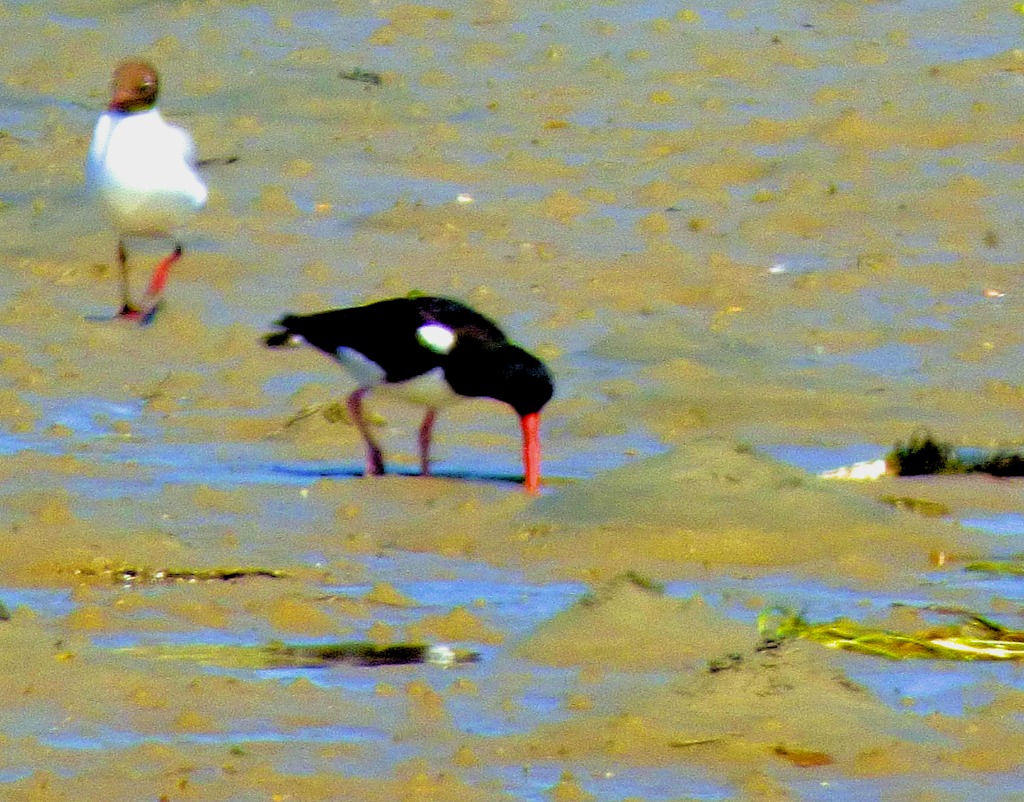
Just before recrossing the causeway to the mainland, we saw these birds – the one with the red bill used for digging would have been having a bonanza – there were huge numbers of worm casts in the sand.

Causeway close-up II
The causeway from close up

Worm castReturning to MarazionLooking WestGWR works, near PenzanceBeach viewShell

Farewell to St Michaels Mount
A farewell shot of the mount

St Michael's Mount panorama

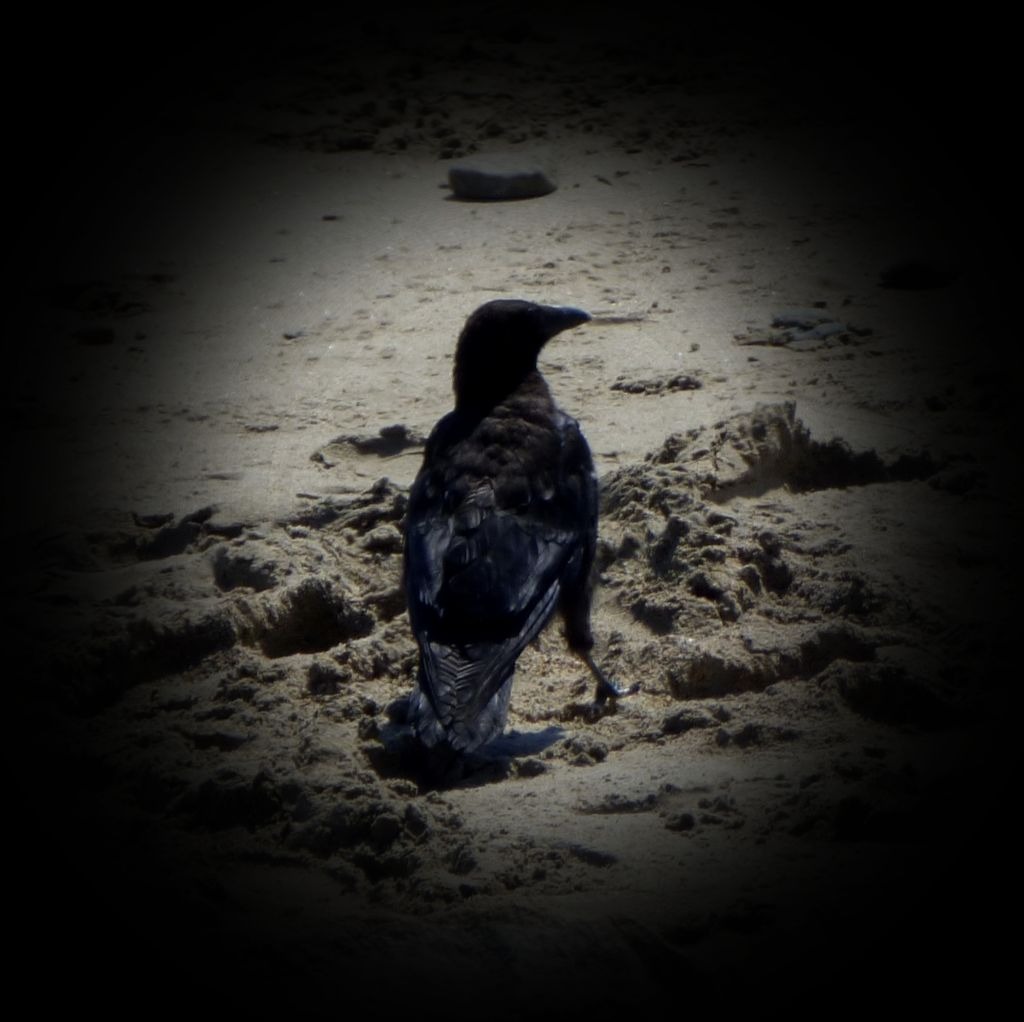
Chough
A shore dwelling corvid, the Chough