The case against the proposed recall to the England test squad of Jonny Bairstow.
Apparently England are considering recalling Bairstow to the test squad due to an injury to Ollie Pope. In this post I set out the reasons why they should not be doing so.
TRIED AND UNTRUSTED
Bairstow was dropped from the test squad because he was consistently failing to deliver in that format. His brilliance in limited overs cricket is unquestionable, but the case of Jason Roy should serve as a warning. Roy had a fantastic 2019 World Cup, and was drafted into the test squad off the back of it. Save for one good innings against Ireland at Lord’s he never looked like making the grade as a test batter. Not only that, the knock that his confidence took through his failures in test cricket has impacted on his international white ball form to the extent that his place in the squad is now in jeopardy.
DANIEL LAWRENCE AND JAMES BRACEY
On any rational assessment Daniel Lawrence and James Bracey should be ahead of Bairstow in the queue for a test place. Both have fine recent first class records, both made runs in intra-squad games in the preparation for the Covid-hit 2020 home international season. I would probably opt for Lawrence of the two, but fully acknowledge the case for Bracey. Lawrence and Bracey are both very much players for the future, and the upcoming series in Sri Lanka would give them a chance to stake a long term claim, whereas Bairstow would be a very regressive selection.
COUNTY CHAMPIONSHIP
The proving ground for long format players is supposed to the county championship, and even in the abbreviated 2020 season, where Essex and Somerset played six matches each and everyone else five more than one youngster accepted opportunities that came their way. The inclusion of Bairstow in a test squad would smack of ‘closed shop’ practices and look suspiciously like a slap in the face not just for the players I have actually named above, but for the County Championship. Jordan Cox of Kent had an amazing season, especially for someone who was still in his teens at the time (he has just turned 20), and has every right to expect a test call to come sooner rather than later, and like Lawrence and Bracey he would be more deserving of such than Jonny Bairstow.
The other alternative route the selectors could go down given his recent success with the bat is to promote Buttler to no 6 and give the wicket keeper’s role to Foakes. This too would be superior to the non-solution of a recall for Bairstow, especially if given the nature of Sri Lankan pitches they plan to elevate Matthew Parkinson, the young leg spinner.
Accounts of three very different cricket matches, an important link and some photographs.
From the beginning of the first of these matches to the end of the third a grand total of 31 and a quarter hours elapsed. Before I get in my detailed coverage of each game I have one other thing to do…
SHARE YOUR BLOG
The wonderful Phoebe MD has once again offered people a chance to share their blogs with a wider audience. Please visit the post here, post a link to a post or posts from your own blog, and check out the links others have posted.
GAME 1: AUSTRALIA V INDIA
This one was a 50 overs per side runfest notable also for the spectacularly slow over rate – from the start of coverage on the radio to the final delivery over nine hours elapsed. Australia batted first, and Aaron Finch and Steve Smith each ran up centuries, while Glen Maxwell produced a spectacular cameo at the end. This left Australia with 374 to defend, as only Mohammad Shami among India’s bowlers managed to exercise any kind of control over the scoring rate.
India began the chase brightly, helped by some early waywardness on the part of Mitchell Starc, but then Josh Hazlewood took three wickets in very rapid succession, and although they continued to score at a decent rate India never really got back into the contest. Leg spinner Adam Zampa picked up four wickets as India got desperate.
Australia ended up with a comfortable victory and India looked to be lacking depth in both batting and bowling – they had only five regular bowlers at their disposal, and the fifth wicket pair were faced with the double challenge of maintaining a rapid run rate and staying together until quite deep into the innings due to a lack of batting to come.
The umpires were far too lax on time wasting, allowing Steve Smith a ridiculous number of changes of batting gloves to give just one example. I understand that some disciplinary action has been taken, but the problem will only be properly addressed if a)the umpires are absolutely rock hard on time wasting, being prepared to do things like telling Steve Smith that no he cannot have a 27th new pair of batting gloves for the innings, he must make do with his current pair, and b)failure to bowl ones allocation of overs in the allotted time is punished by a fine of runs – I suggest ten per unbowled over or twice the batting side’s scoring rate, whichever is the greater (this latter being to ensure that the measure is actually punitive).
GAME 2: SOUTH AFRICA VERSUS ENGLAND
This was a 20 overs per side match. England had to decide which of the four batters they had who habitually bat in the top three in limited overs cricket would go down the order, and they opted to place Bairstow at number four, going with a top three of Buttler, Roy and Malan (the current no1 T20 batter in the world). They also opted for only one genuine spin option, Rashid, with Moeen Ali missing out. England gave themselves two major bowling variations besides Rashid’s leg spin: the left arm of Sam Curran and the extra pace of Jofra Archer, which latter proved a doubtful asset on a slow surface. For South Africa Nortje was injured, while George Linde, a left arm spinner, was given a debut.
Morgan won the toss and chose to field first. England began very well, and after three overs SA were 12-1. The next three overs went for 45 however, so that at the end of the powerplay South Africa were 57-1 and headed for a big total. Rashid was respectably economical, but unthreatening, finishing with 0-27 from his four overs and never really looking like taking a wicket. Sam Curran was the best England bowler, taking 3-28 from his four overs. Unfortunately Tom Curran blotted the family copybook by racking up the wrong kind of half century – 55 being belted from his four overs. A final total of 179-6 was good but less substantial than it had looked like being at times.
South Africa commenced in the field by reinventing the cricketing wheel, starting with the left arm spinner Linde in partnership with Rabada, a combination of left arm slow and right arm fast that was popular a century and more ago (Kent won four county championships using Colin Blythe and Arthur Fielder, just such a combination, and Lancashire at the same period habitually used Briggs and Mold, another combination in the same mould). The bold move (especially bold given that the spinner Linde was on debut) paid an immediate dividend when Linde got Roy with the second ball of the innings. Buttler and Malan also fell cheaply, and at that stage England were well behind the rate, a situation that was still the case when Linde finished his bowling stint with 2-20 from four overs, a truly remarkable effort by the debutant. When he then caught Ben Stokes England looked in trouble. After 16 overs England had got to 129-4 with Bairstow going well, answering every question about his ability to handle batting at no4. The 17th over of the chase was the fourth and last of Beuran Hendricks’ (left arm fast medium) allocation, and he proceeded to lose his team the match. The over contained nine deliveries in total, and between the wides, one of which raced away to advance the score by five and several juicy legal offerings no fewer than 28 accrued to England, reducing a daunting looking 51 off 24 balls to a stroll in the park 23 off 18 balls. This also saw Hendricks join Tom Curran in the ‘wrong sort of half century’ club, leaving him with 0-56 from his four overs. Bairstow, appropriately given his innings, ended proceedings by hitting the second ball of the final over for six to take England to 183-5. It was also appropriate if England were to win that the other England star of the day, Sam Curran, was there at the death.
George Linde deserved better for his magnificent debut effort than to finish on the losing side, and he has my sympathy. I also feel sorry for South African skipper Quinton De Kock who made a bold move at the start of the England innings, and should have seen it bring victory. I can see no case for Hendricks playing any further part in the series. I would also look closely at the involvement of Jason Roy whose recent international form has been very poor.
Other than Hendricks the other let down of the day was the Talk Sport 2 commentary team, who failed to do justice to an excellent game.
GAME THREE – MELBOURNE STARS V SYDNEY THUNDER
This was the final of the Womens’ Big Bash League, which tournament has been very enjoyable. It also duplicated Australia’s oldest internal rivalry, the one that led to the creation of Canberra, since neither of the two biggest cities would countenance the other being named capital.
Melbourne Stars won the toss and batted first, but that win of the toss was the only thing that went right for them. Shabnim Ismail, the South African who is probably the quickest bowler in the women’s game at present, bowled one of the greatest spells in T20 history, by any bowler, either male or female. She bowled her four overs straight through at the start of the innings, finished with 2-12 and would not have been flattered by a five-for. She put Melbourne Stars firmly on the back foot, a position from which they never extricated themselves. They eventually limped to 86-9 from their 20 overs, Sammy-Jo Johnson just improving on Ismail’s figures by taking 2-11 from her four overs. Lauren Smith, an off spinner, went for 18 from two overs, but England captain Heather Knight filled in the remaining two overs, taking 1-9. The top scorer was another England star, Katherine Brunt who finished with 22 not out, just topping Annabel Sutherland’s 20.
This total of course was never remotely defensible, and Sydney Thunder won by seven wickets, with 6.2 overs to spare. There were useful contributions from Tammy Beaumont (another England star), Rachel Trenaman, Heather Knight (26 not out, the highest individual score of the day), and skipper Rachel Haynes.
Quite rightly Shabnim Ismail’s magnificent bowling earned her the player of the match award.
Responding to an entertaining challenge thrown down by cric blog to name a test XI and 12th man featuring one current player from each of the 12 test playing nations. Also features some photographs.
This post was inspired by a challenge tweeted by @cric_blog:
🇦🇫 🇦🇺 🇧🇩 🏴 🇮🇳 🇮🇪 🇳🇿 🇵🇰 🇿🇦 🇱🇰 🇧🇧 🇿🇼
Make a Test XI (and 12th man) picking one current player from each of the 12 Test nations. Go!#Cricket
I responded on twitter, but there is a limit to how much detail one can go into there, so I am now putting up a blog post to provide a fuller explanation of my thoughts (I thank CricBlog for setting a tough but fun challenge and inspiring me to create a blog post – a combination of an English late autumn/ winter and lock down is not exactly ideal for providing inspiration!).
SELECTION ISSUES
The 12 test playing nations are: Australia, Afghanistan, Bangladesh, England, India, Ireland, New Zealand, Pakistan, South Africa, Sri Lanka, West Indies and Zimbabwe. Some of these nations have many current greats to choose from, others have very few players to merit consideration. I also wished as far as possible to pick players in appropriate places in the batting order and to have a properly balanced side.
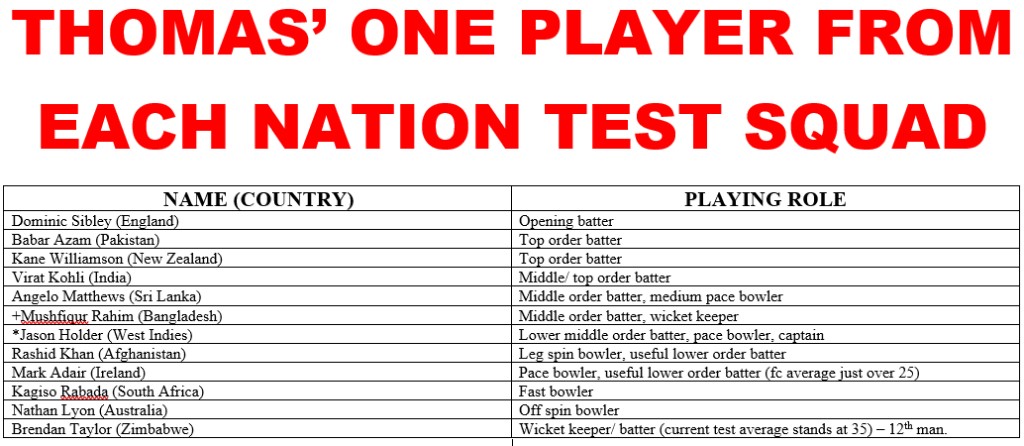
THE SQUAD FROM 1-12
Dominic Sibley (England) – an opening batter who knows how to bat for a long time. He has impressed considerably since his selection for England, which was earned the old fashioned way by scoring shedloads for his county.
Babar Azam (Pakistan) – he often bats no3 in long form cricket, but he can also open, his class is unquestionable, and his attacking inclinations make him a suitable partner for the solid Sibley.
Kane Williamson (New Zealand) – one of the finest long form batters the game has ever seen, and certainly in the top handful of contemporary batters whatever the format.
Virat Kohli (India) – Another all time great.
Angelo Matthews (Sri Lanka) – Averages 45 with the bat and is also a potential sixth bowler with his medium pace. Sri Lanka are not especially strong at the moment, limiting one’s options in terms of selecting a team of this nature.
+Mushfiqur Rahim (Bangladesh) – A fine wicket keeper and worth his place as a middle order batter as well, the little Bangladeshi can be counted as one of two genuine all rounders in the XI.
*Jason Holder (West Indies) – lower middle order batter, quick bowler and captain. He has a test double century to his name and has also taken some major wicket hauls, including a six-for to start the first test series of the 2020 English season. Although the West Indies ended up losing that series I was overall impressed by Holder’s captaincy and had little hesitation over giving him that role in this team. As an aside, England owe the Windies big time for this summer and should have reciprocal tours of that part of the world high on their priority list.
Rashid Khan (Afghanistan) – an outstanding leg spinner and a useful lower order batter, he was the easiest selection of all for this squad, so far above his compatriots does he stand.
Mark Adair (Ireland) – pace bowler, useful lower order batter (he averages over 25 in first class cricket). He was impressive with the ball at Lord’s in 2019, his only test to date.
Kagiso Rabada (South Africa) – pace bowler. The quickest bowler in the squad, and the best of the three pace bowlers I have named.
Nathan Lyon (Australia) – the best current off spinner (only Murali among off spinners I have seen in action ranks as an unquestionably better bowler – sorry Swanny), and a suitable ‘spin twin’ for Rashid Khan.
Brendon Taylor (Zimbabwe) – Zimbabwe has few stand out names at present, but as a 12th man a wicket keeper who is also a good enough willow wielder to average 35 in test cricket is a pretty decent option.
THE TEAM ANALYSED
This team has a well matched opening pair, an outstanding no 3 and 4, a no 5 who has a very respectable record, an excellent keeper/batter, and Holder filling the all rounders slot at seven. The bowling line up, with Rabada taking the new ball alongside Holder or Adair, a third high class pacer and two outstanding and contrasting spinners in Rashid Khan and Nathan Lyon is also formidable. I would fully expect this team to give a good account of itself in any conditions. For more about my ideas on selection policies and team balance you can look at my ‘All Time XIs‘ series and/or at my ‘100 cricketers‘ series.
EXTENDING THE CHALLENGE
Please feel free to use the comments to indicate your own selections, sticking to the brief of one player per test playing nation. Those who fancy a really serious challenge are invited to pick a XII on similar lines to go up against mine (without thinking too hard I can identify nos 4, 5, 6 (or 4, 5, 7 or 4,6, 7) and 11 of such a combination and would be interested to see if these names feature).
PHOTOGRAPHS
I finish this post with some photographs (to view an image at full size please click on it):
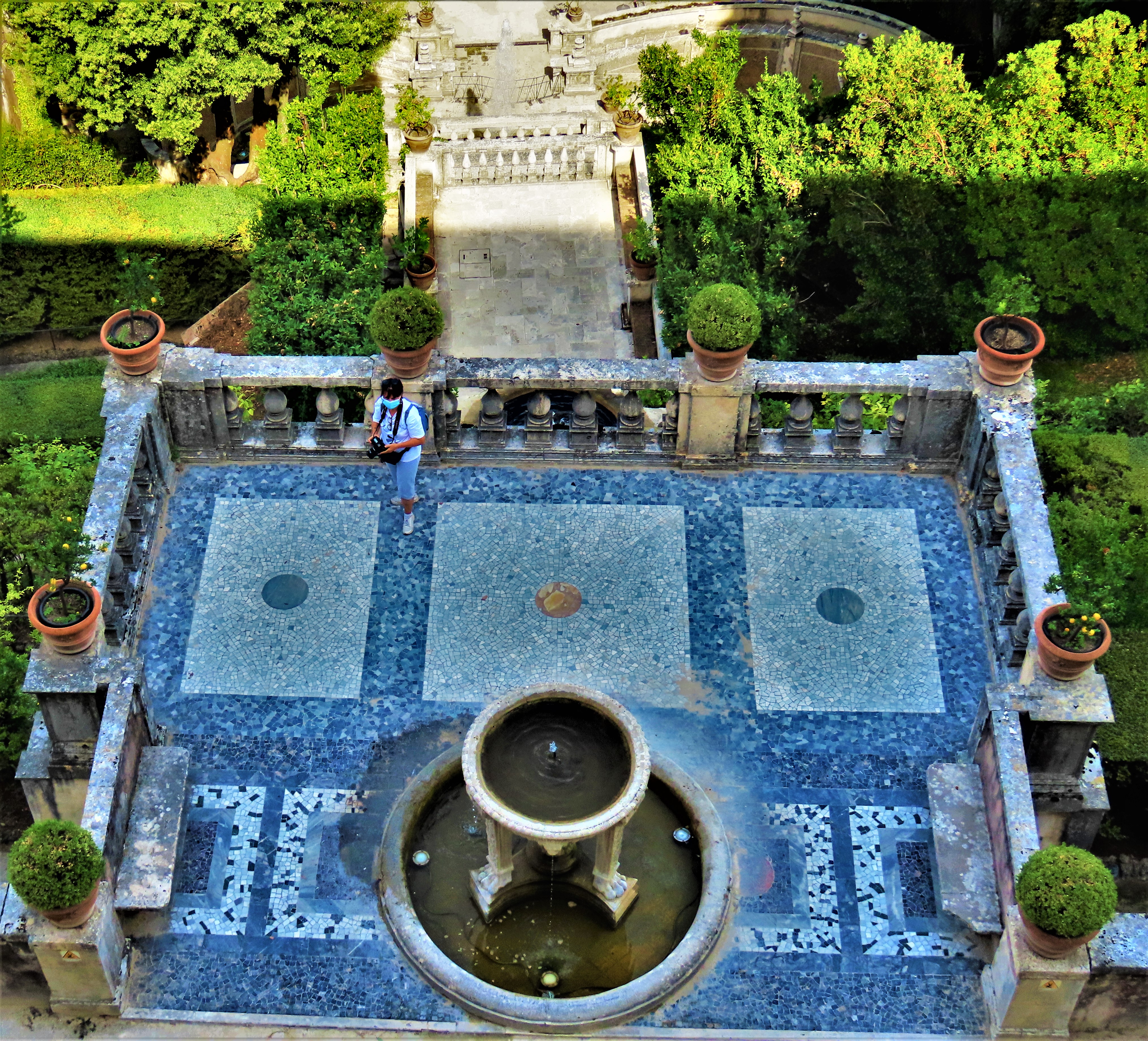
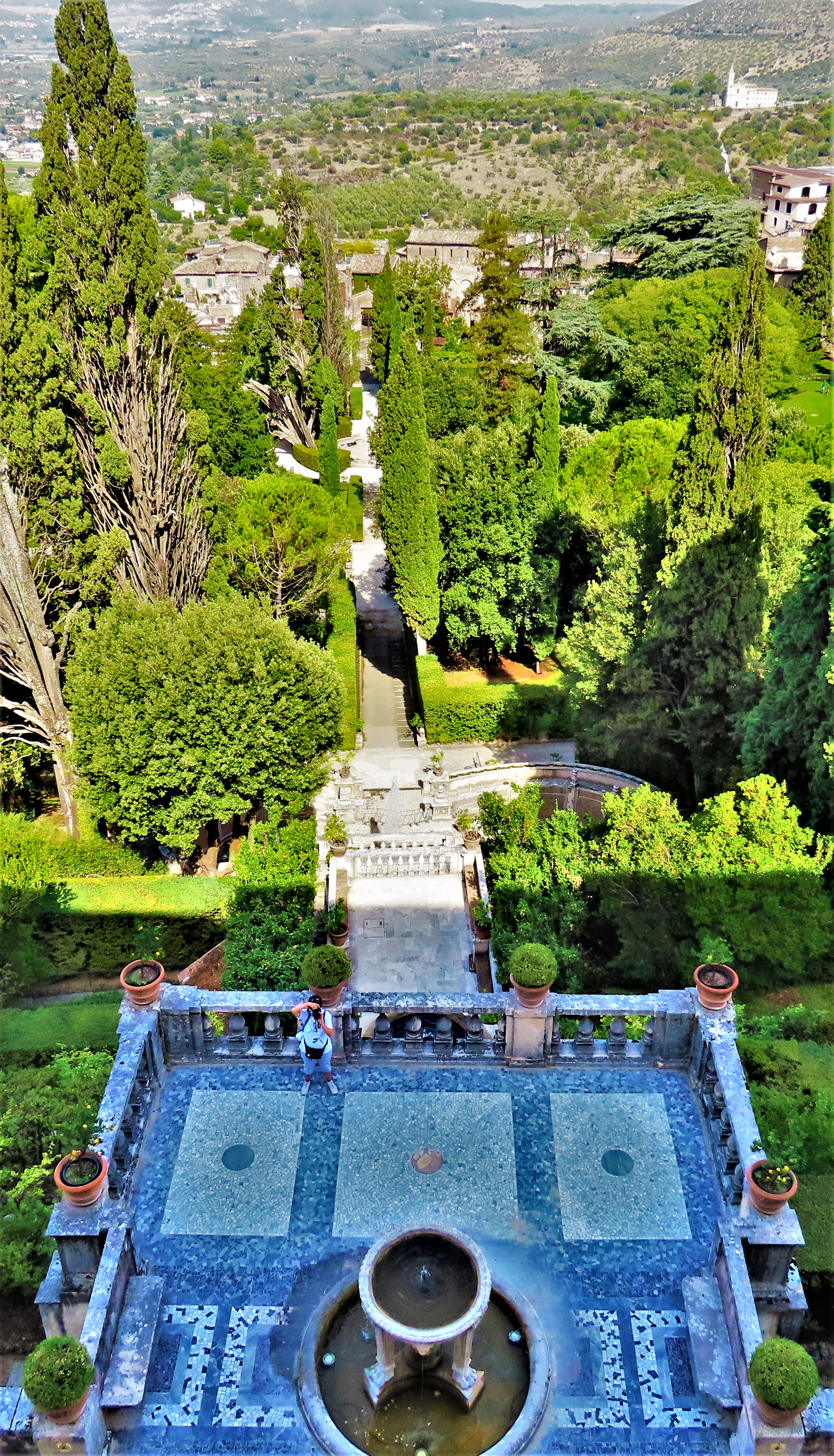
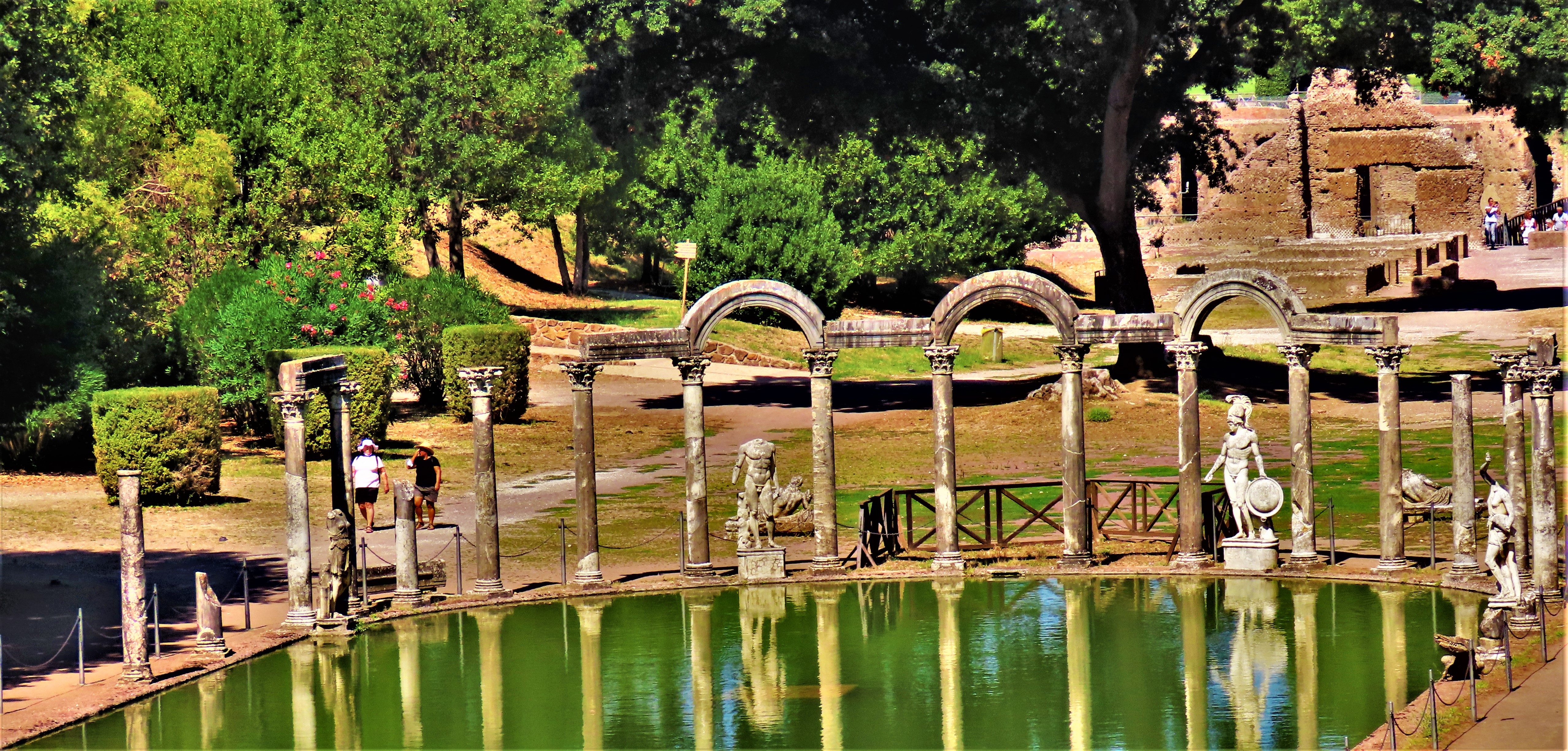
A look at Villa D’Este as I continue my account of my Italian holiday.
Welcome to the latest post in the series I am doing about my recent Italian holiday (2-11 November). This post deals with the second part of the final Thursday, and will be dominated by photographs.
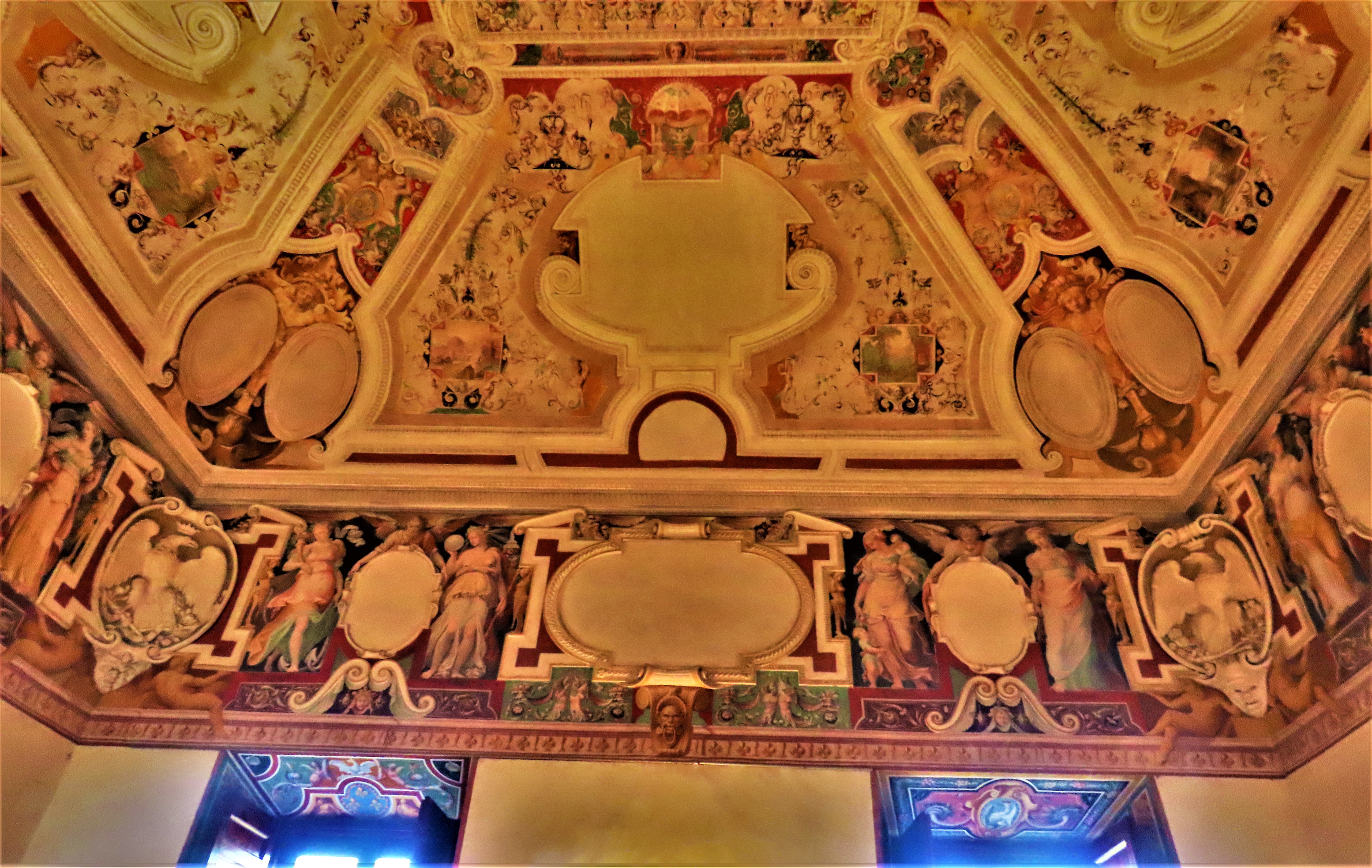
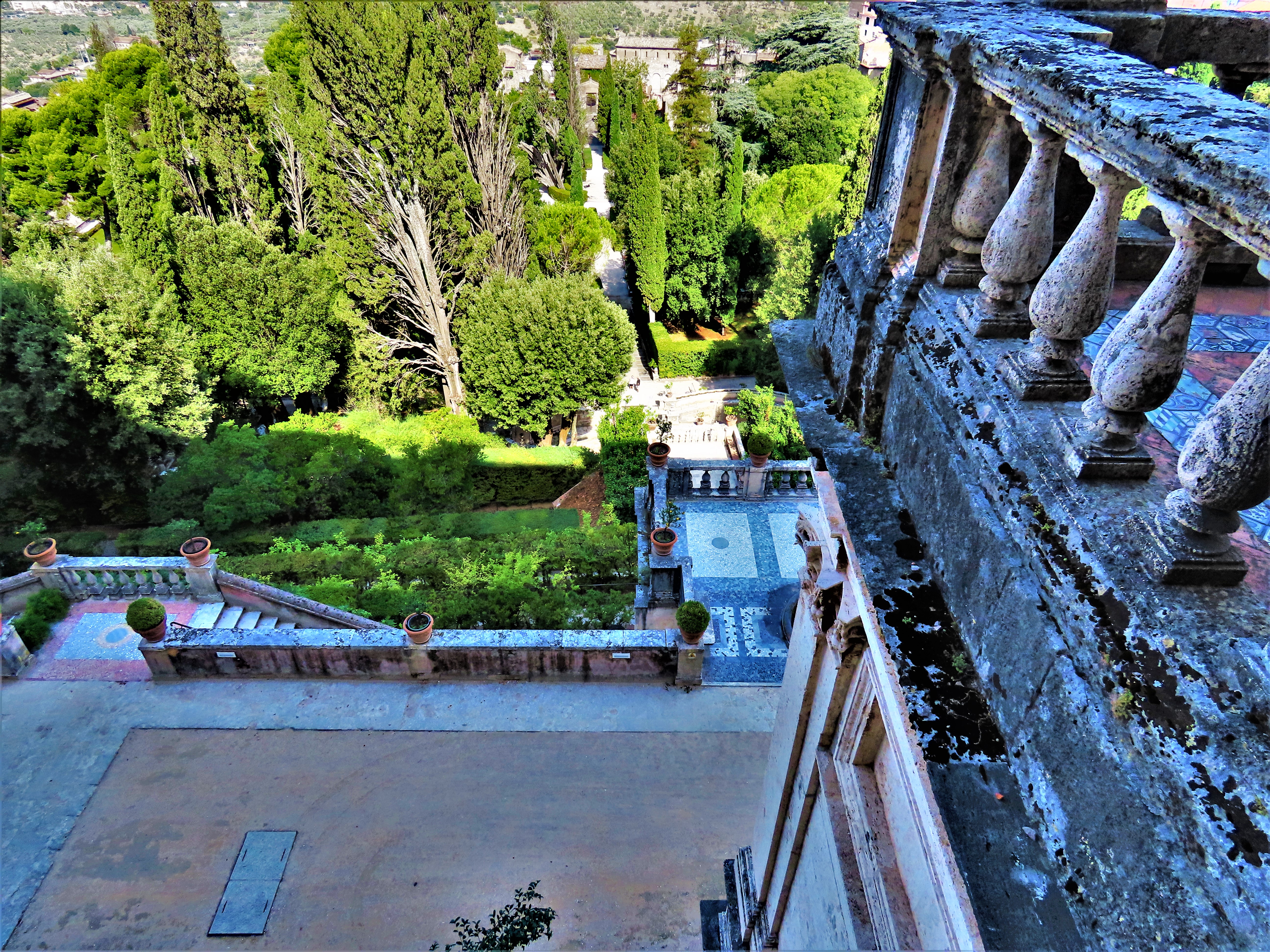
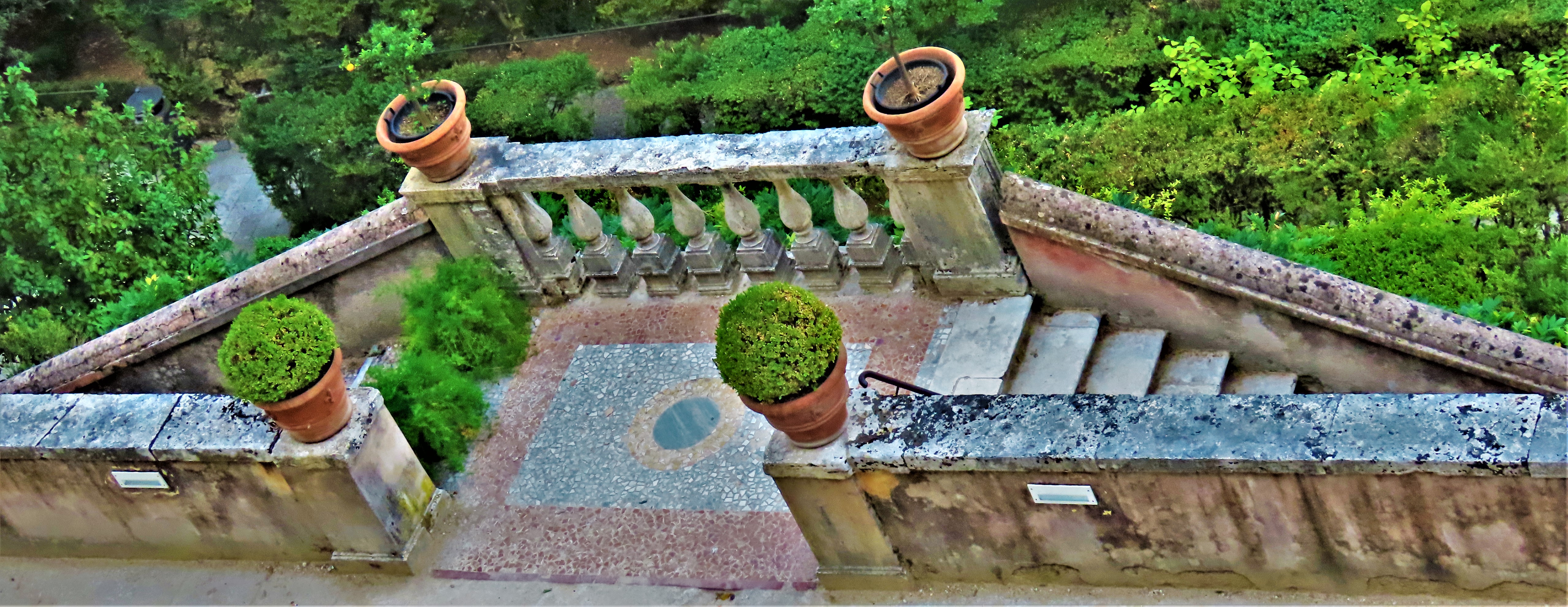
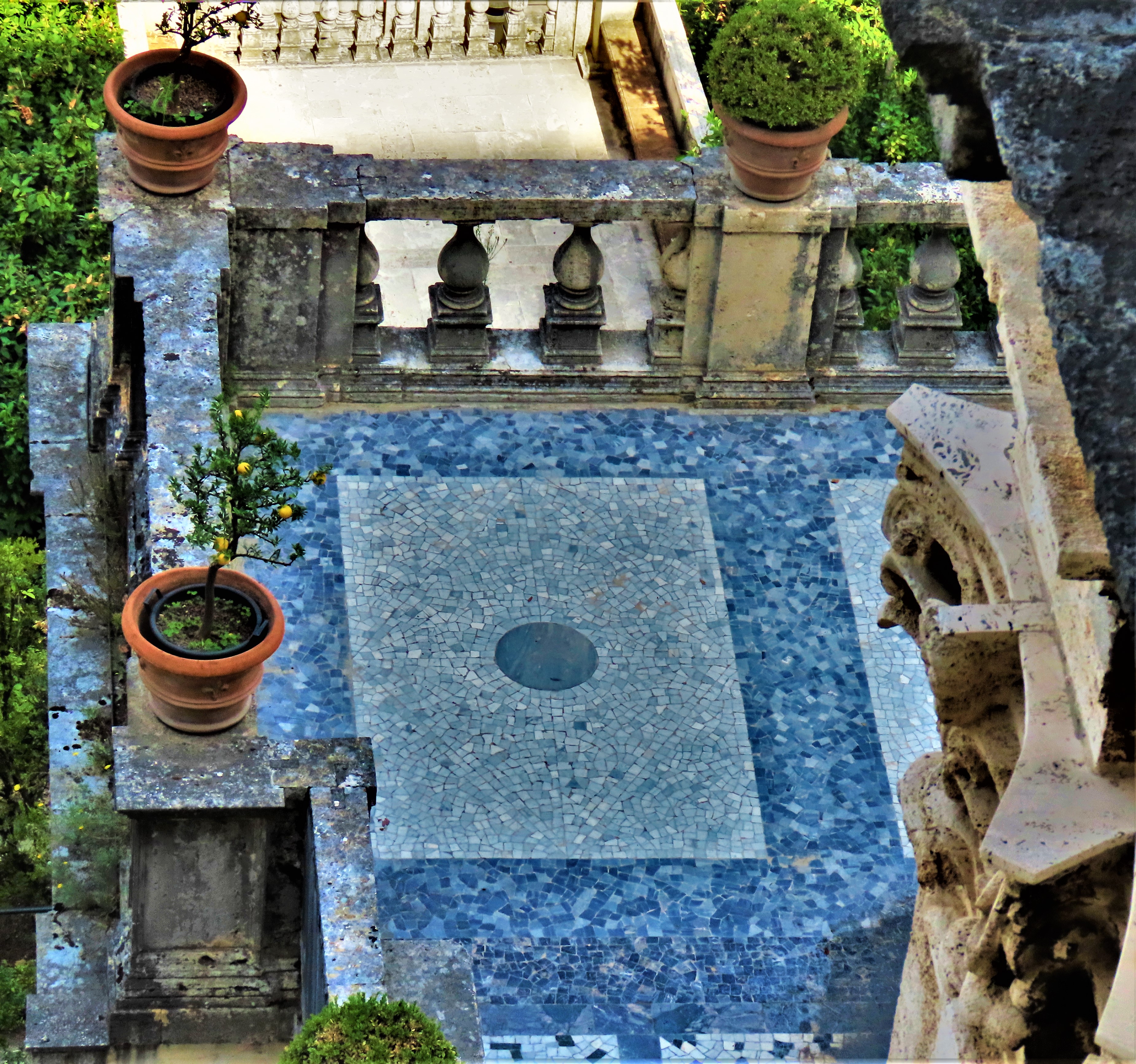
TIVOLI’S THIRD GREAT ATTRACTION
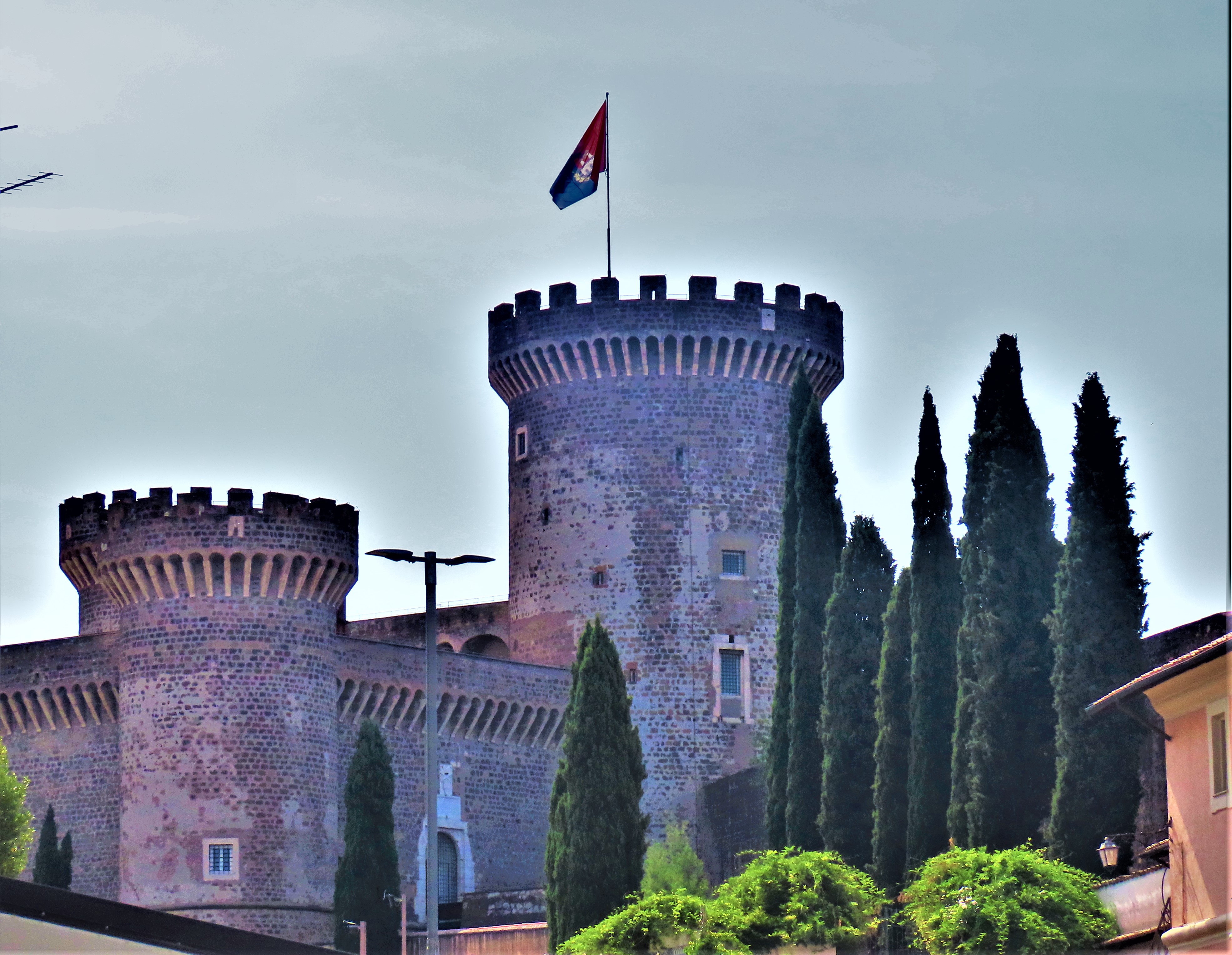
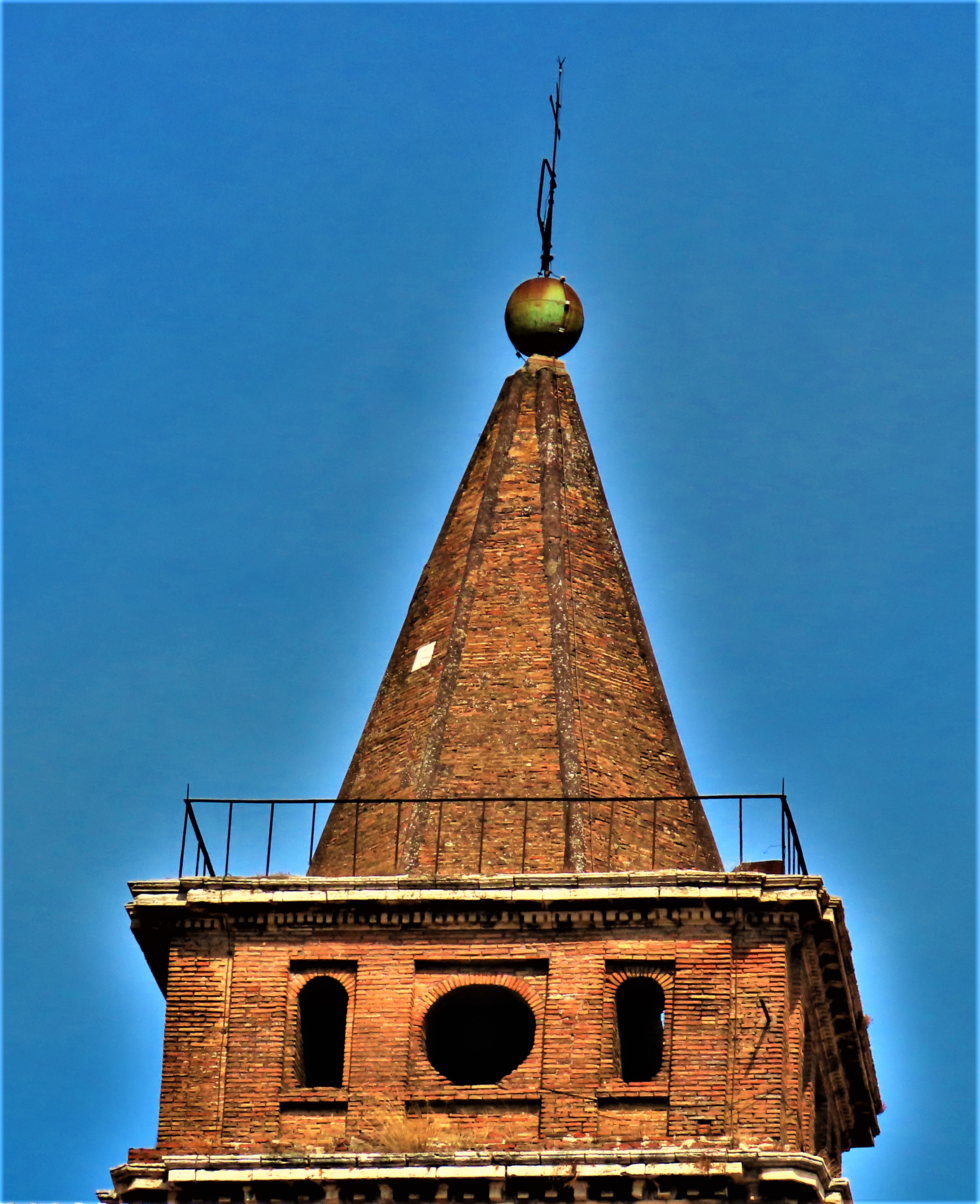
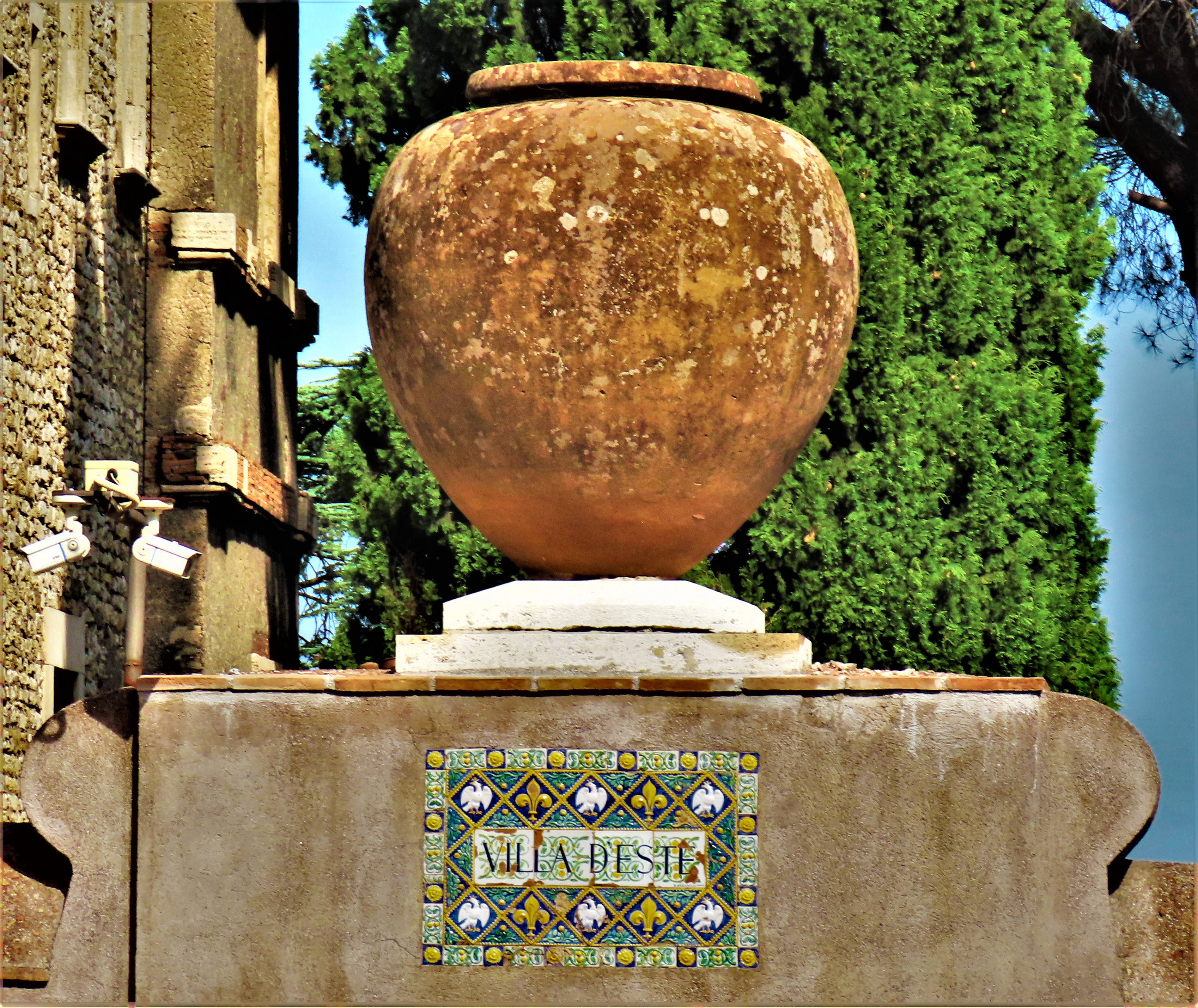
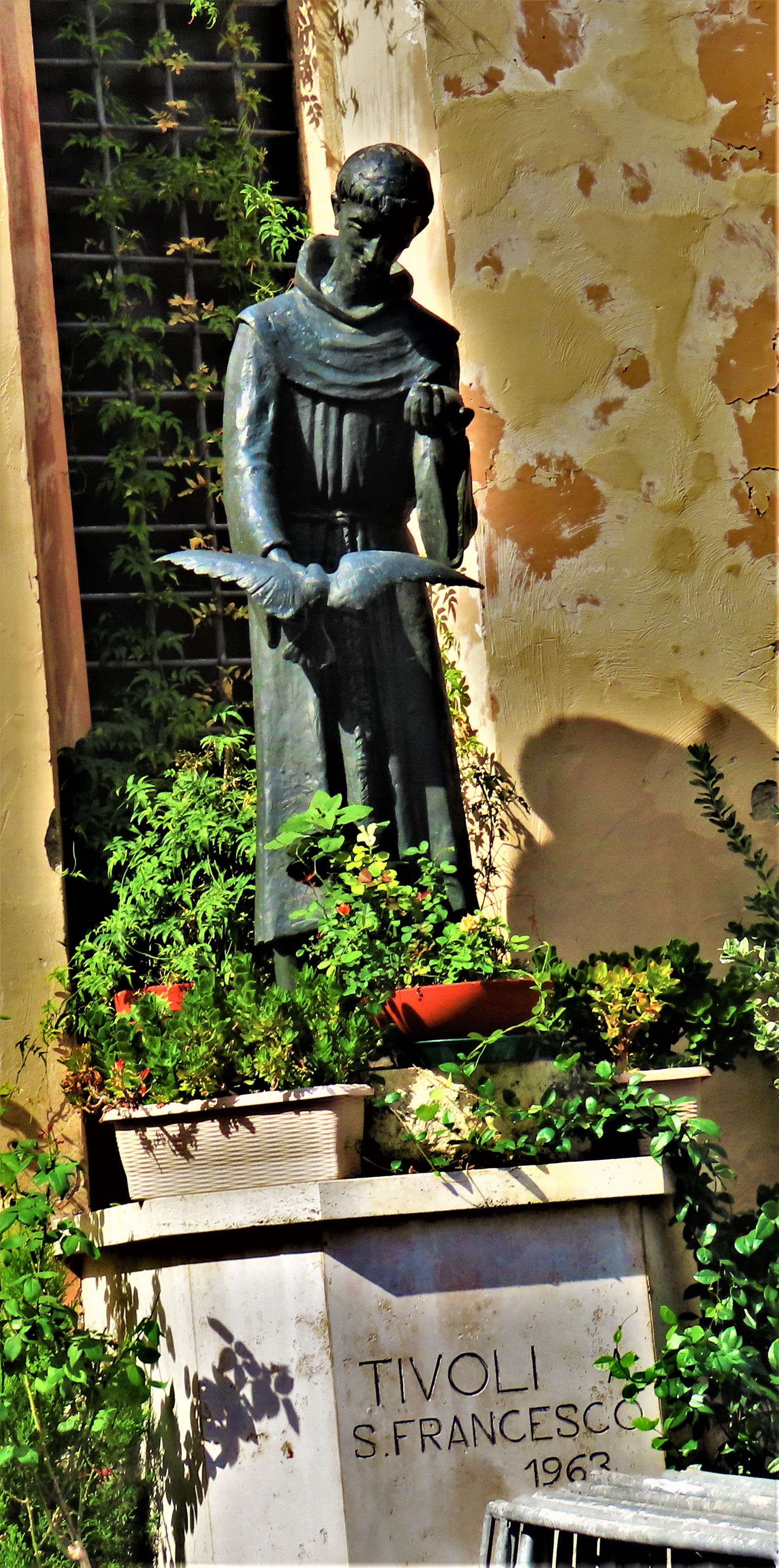
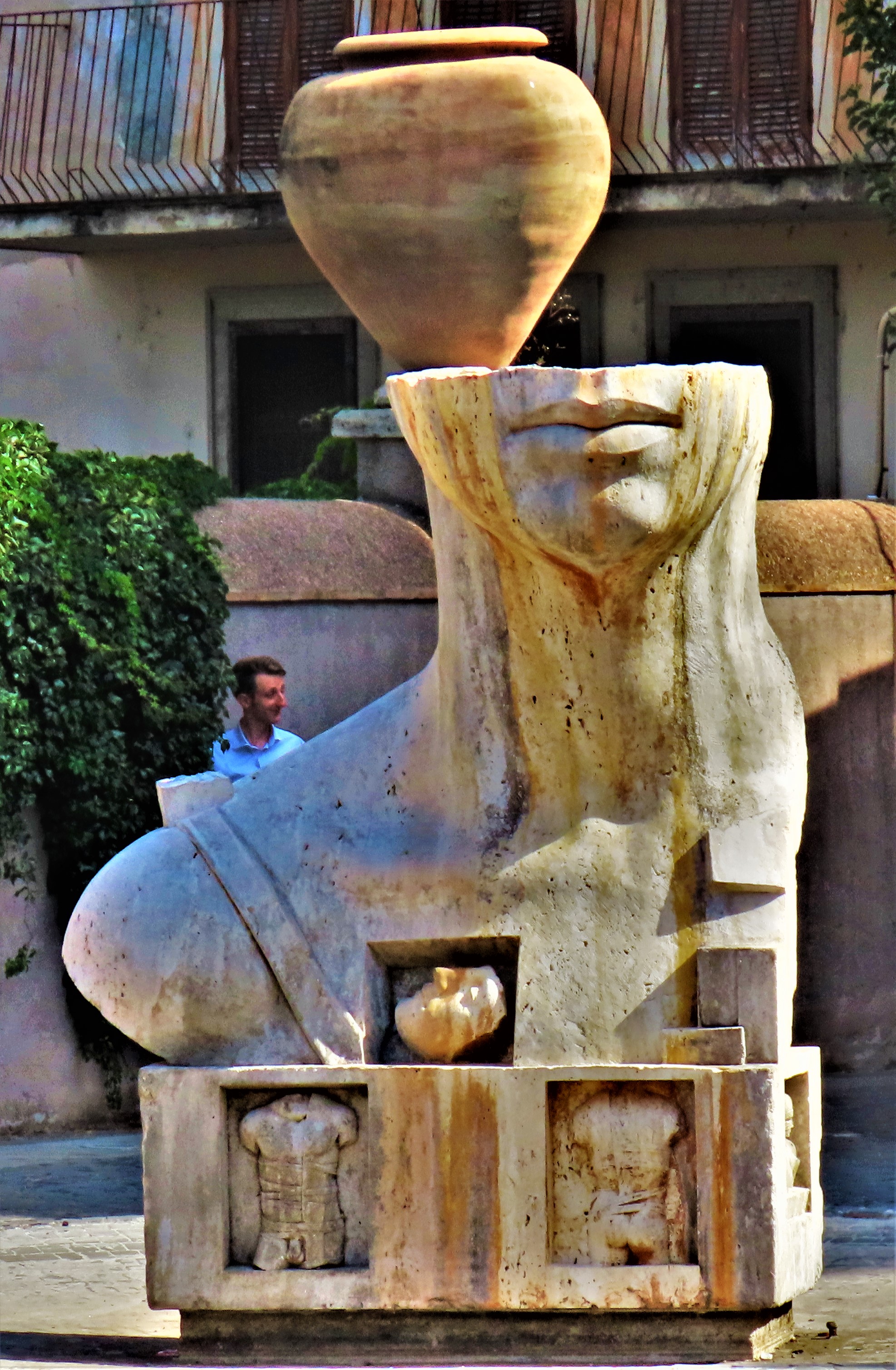
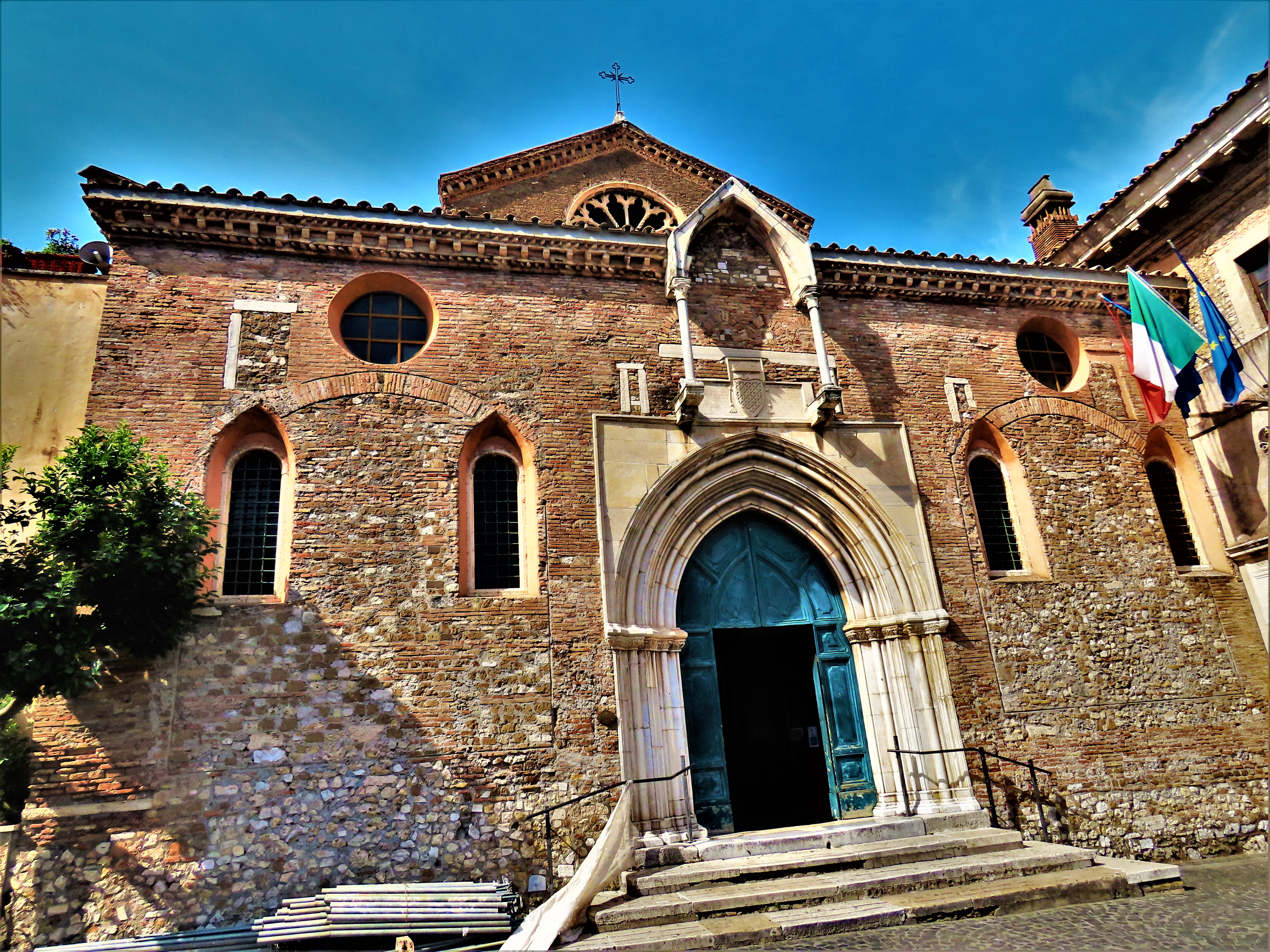
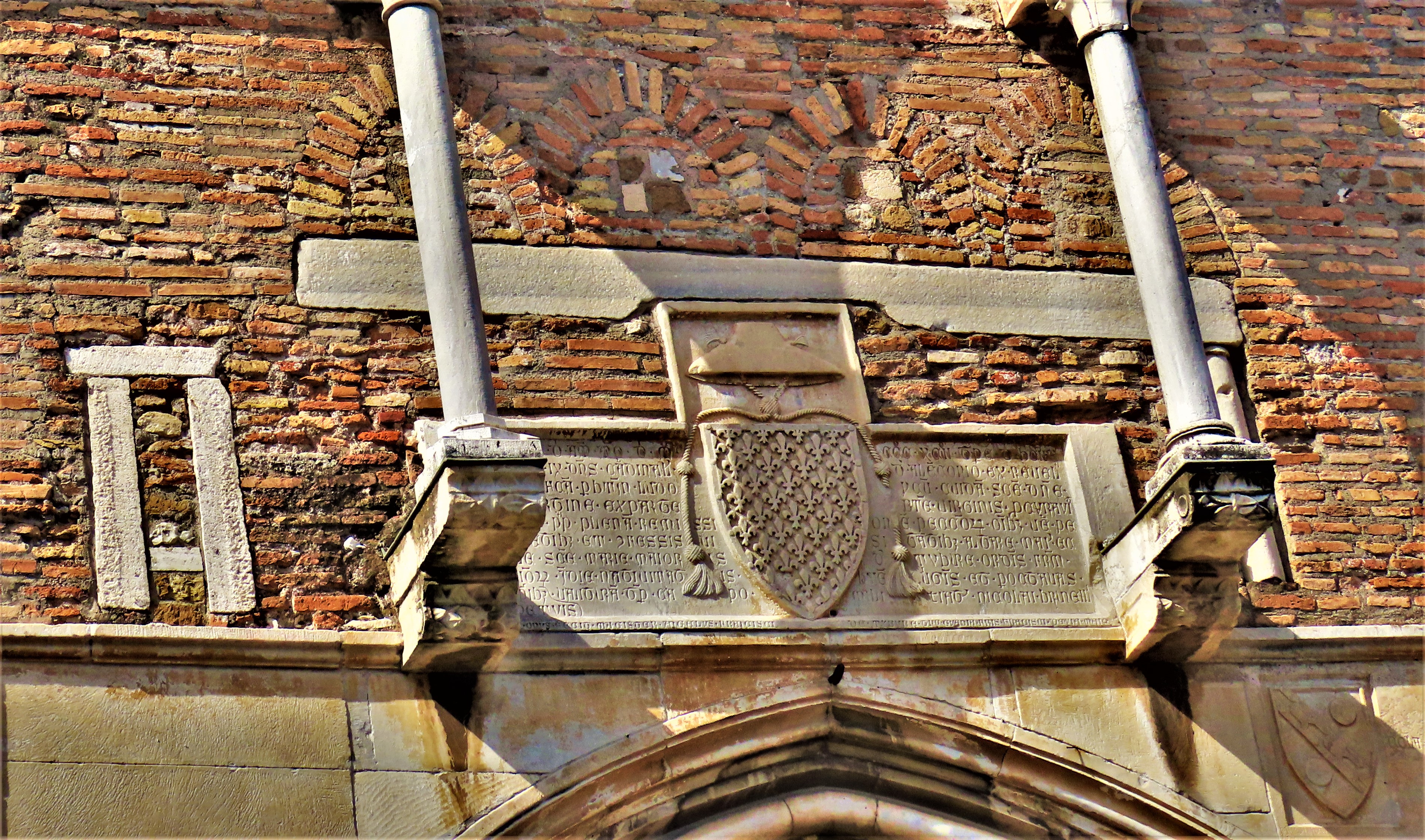
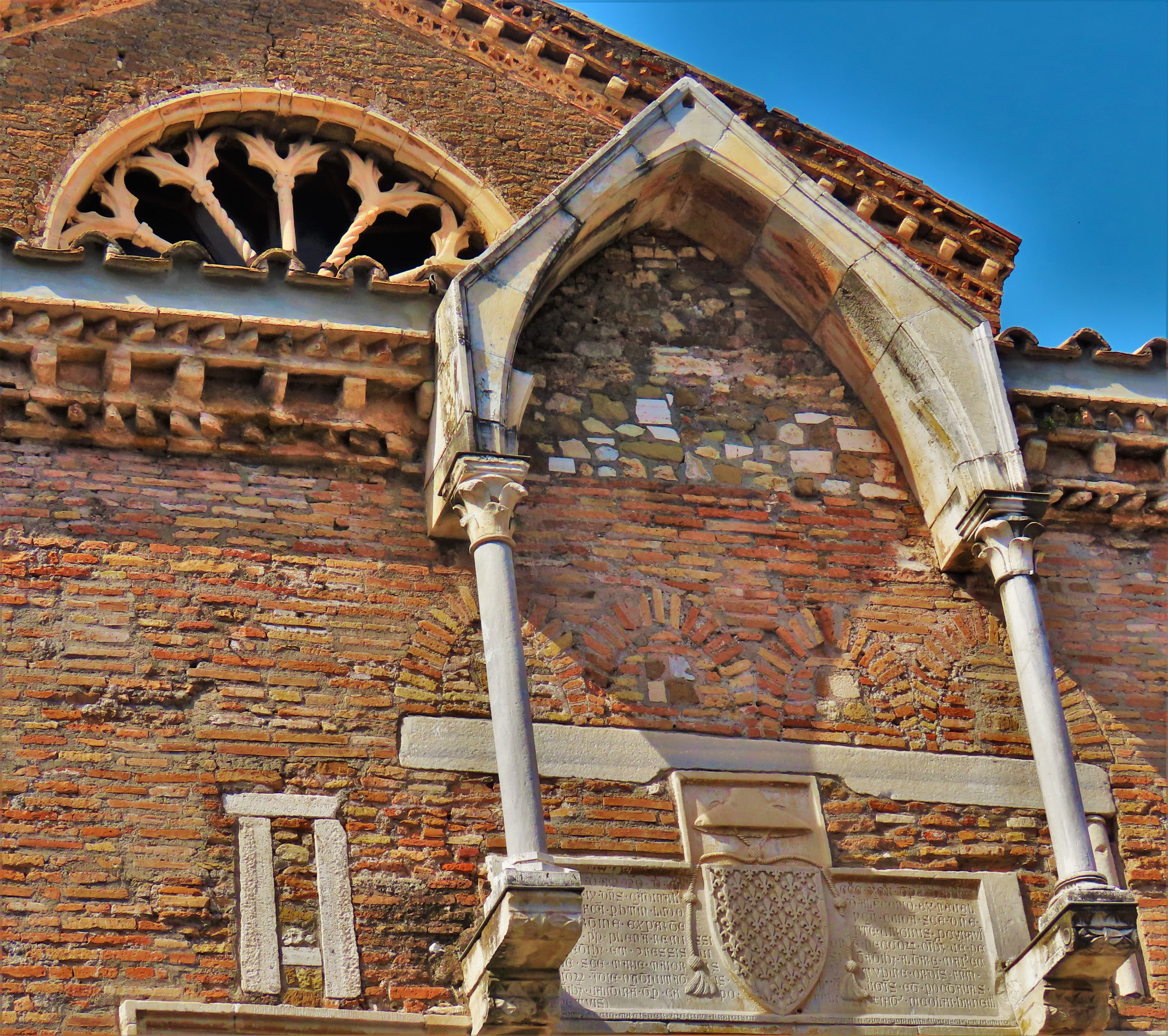
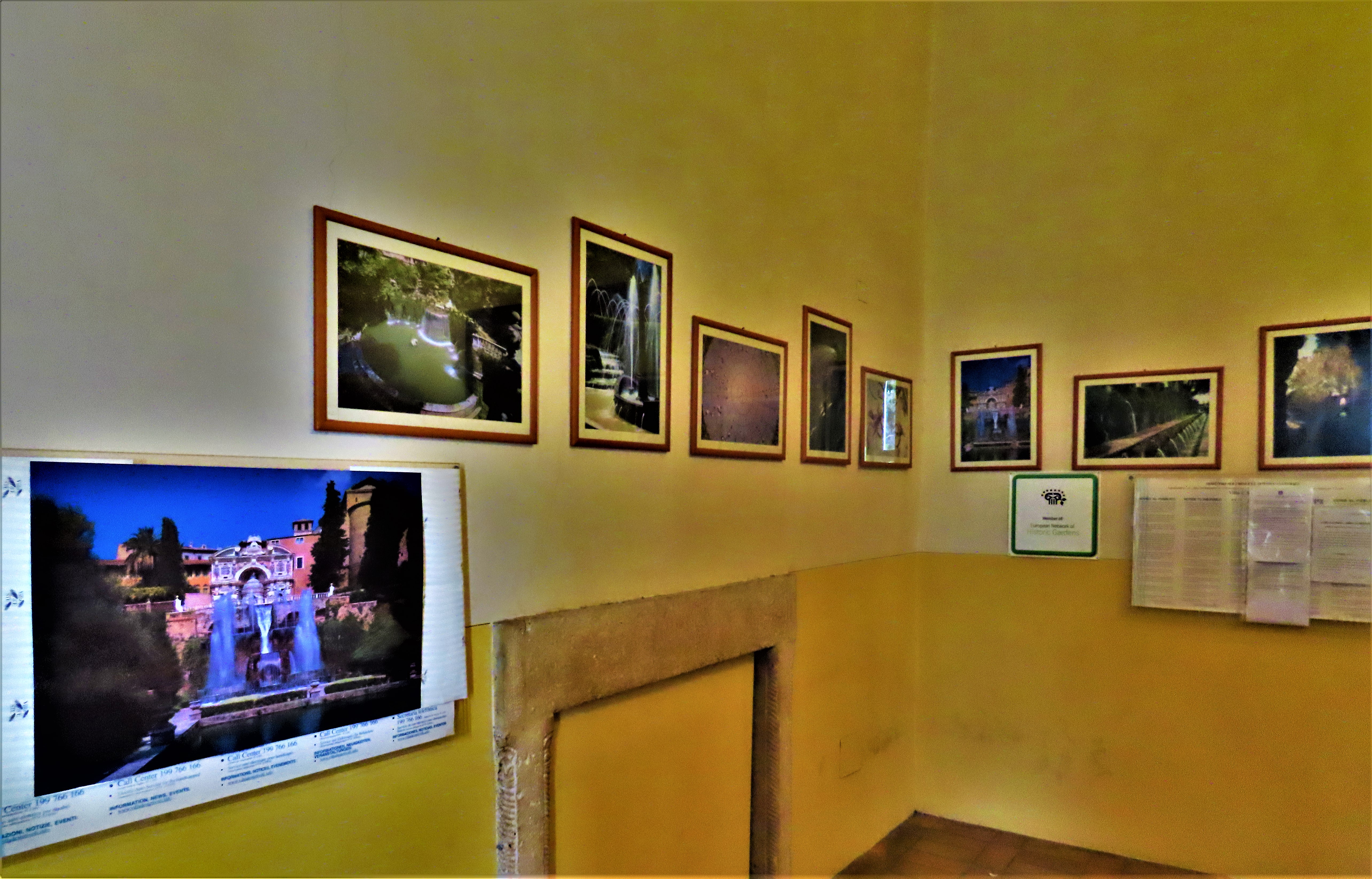
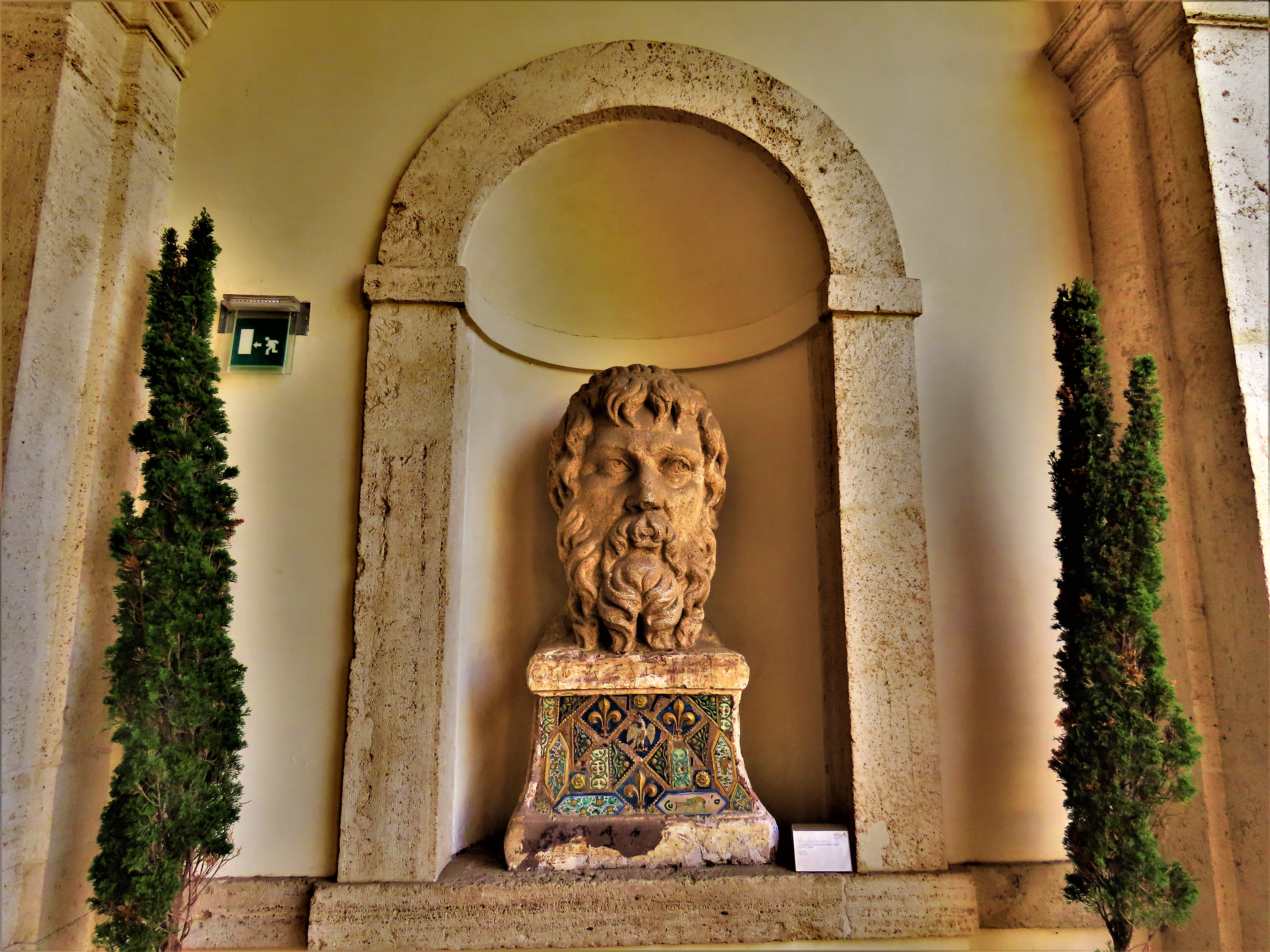
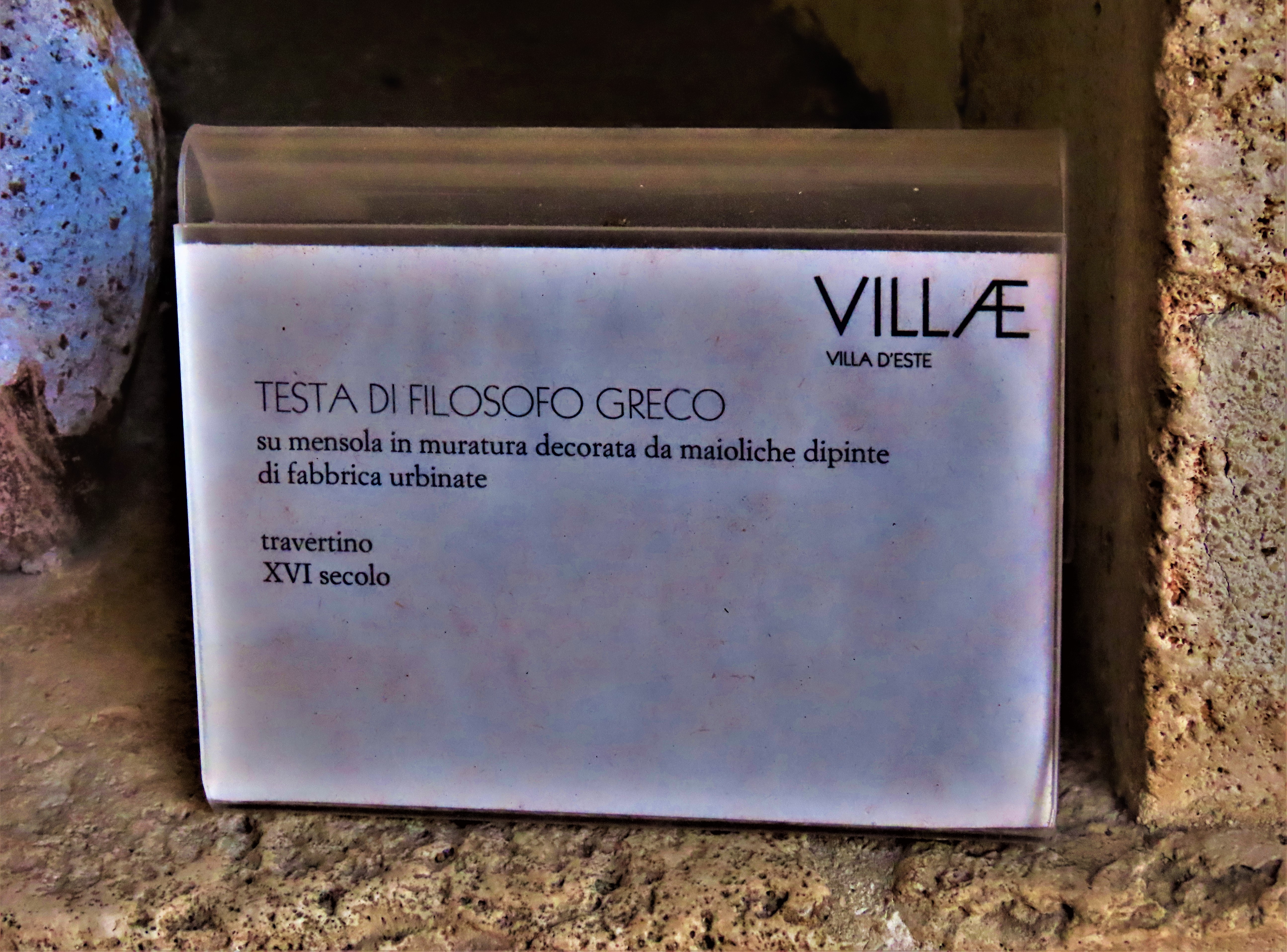
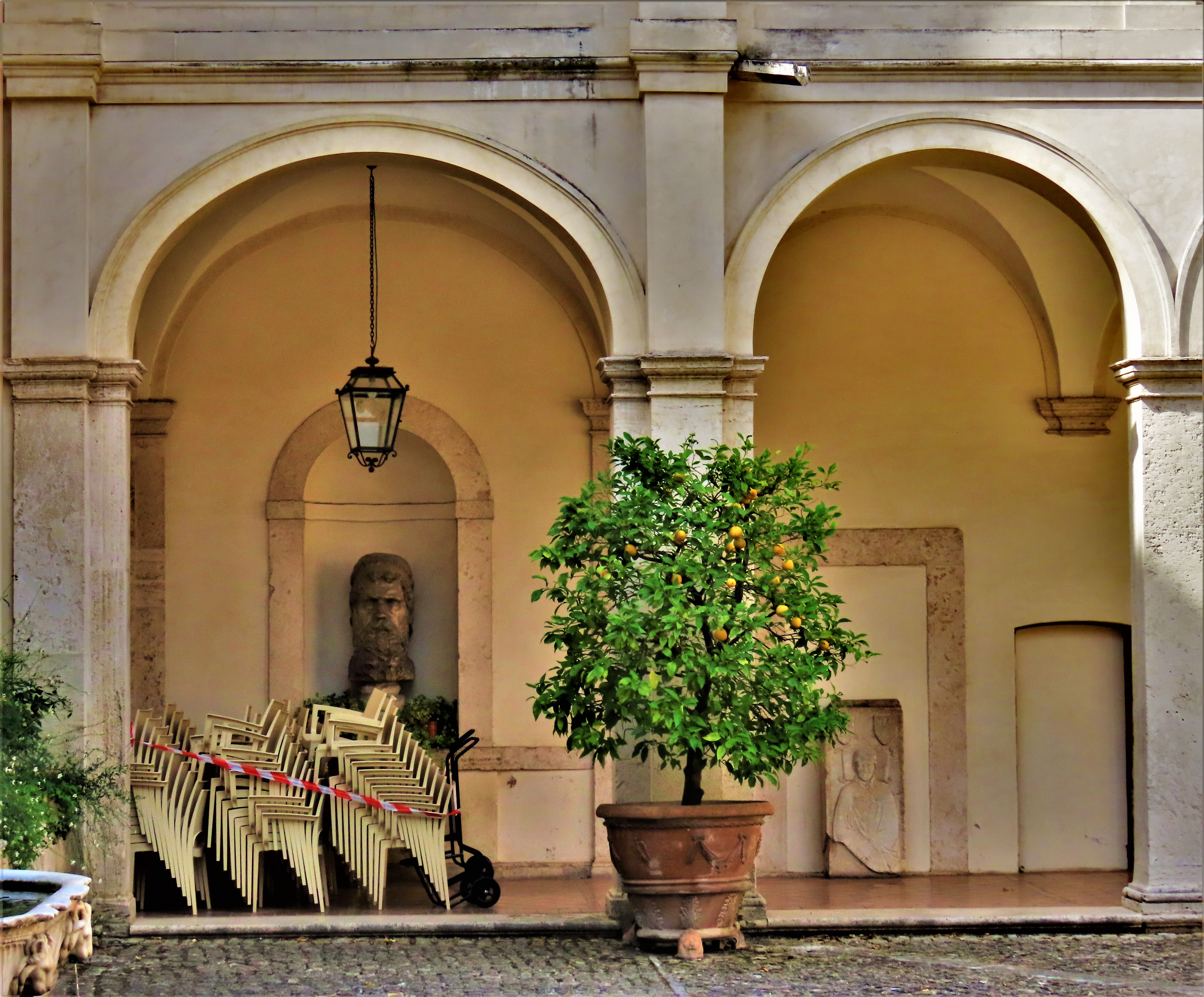
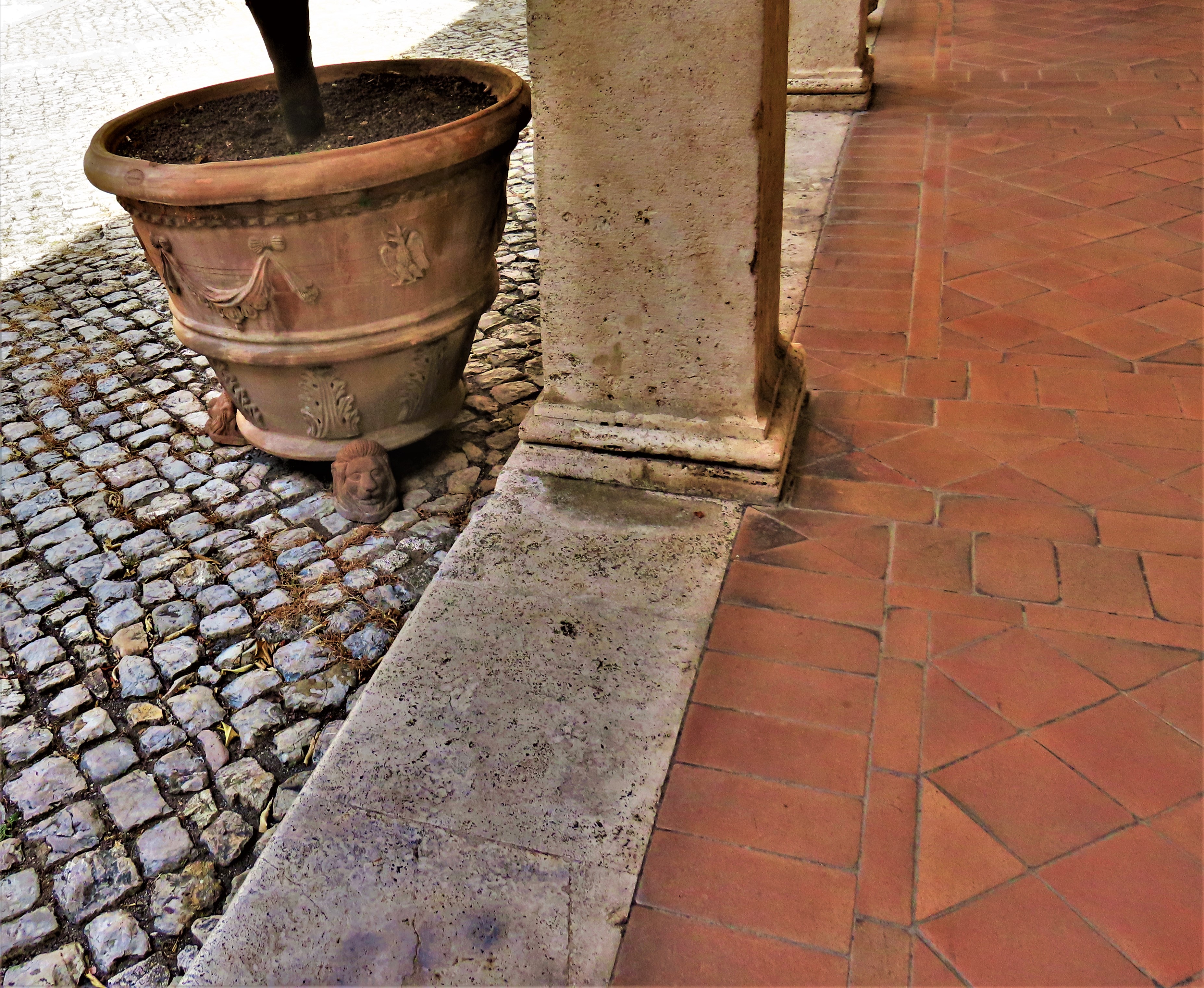
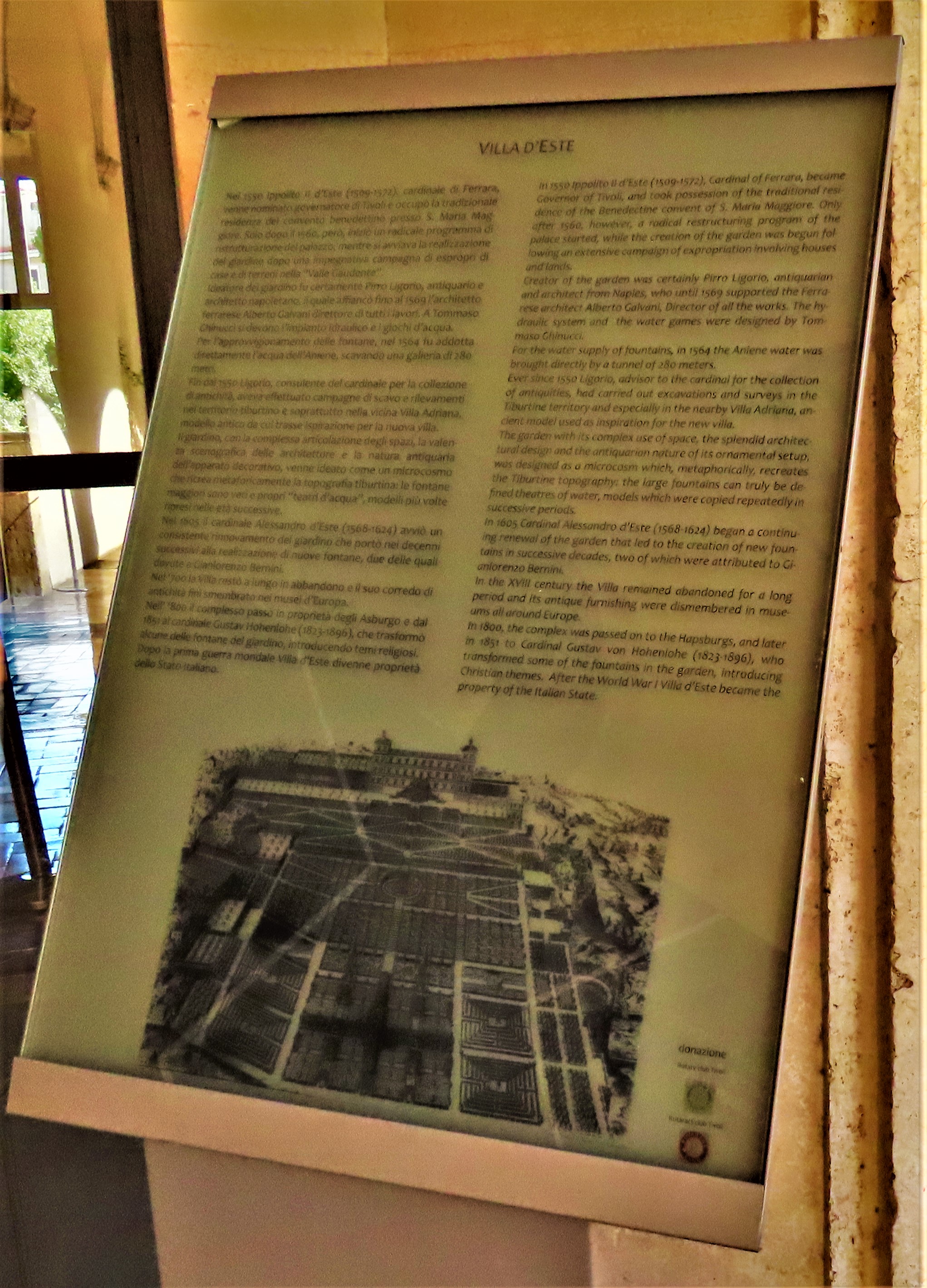
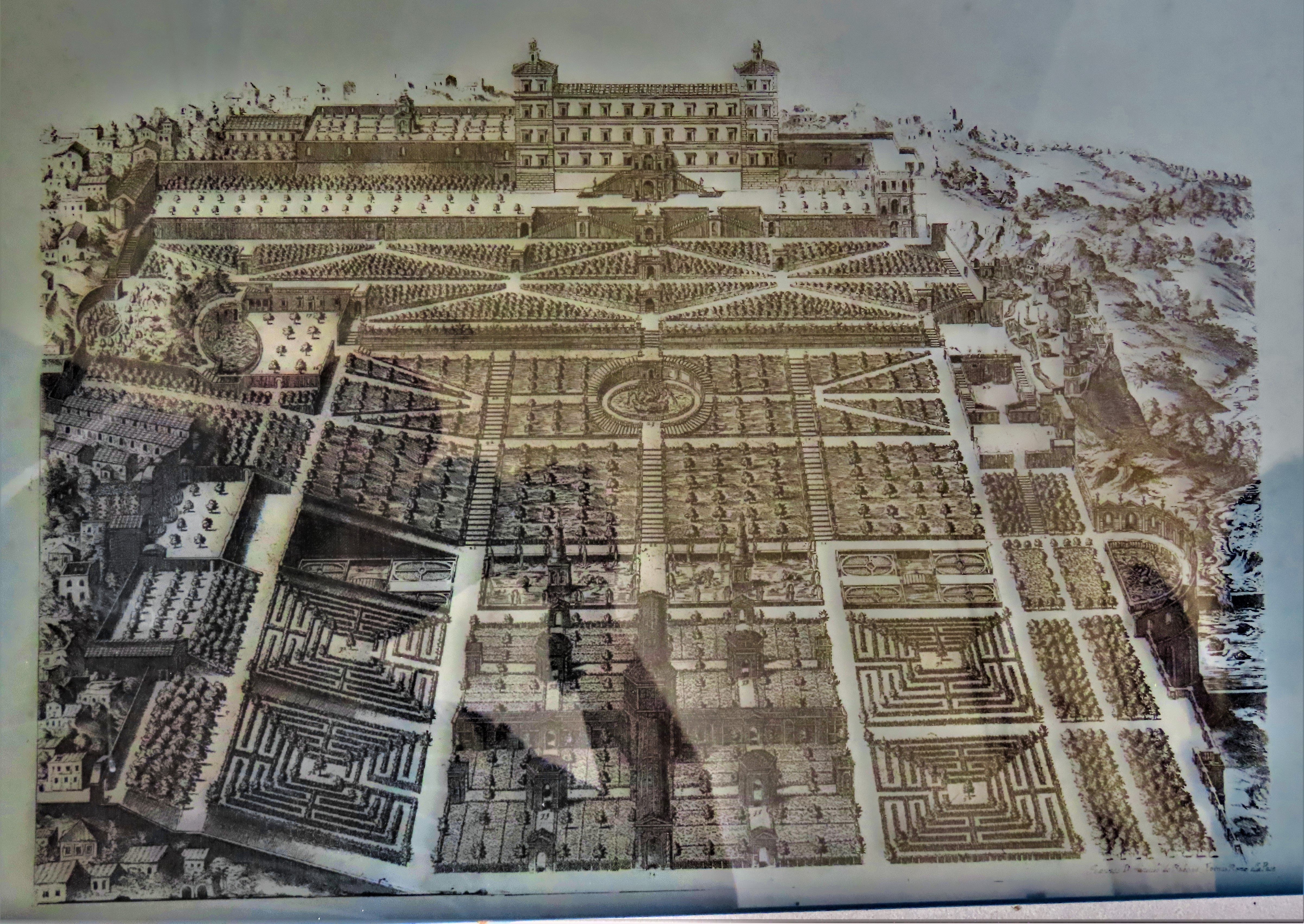
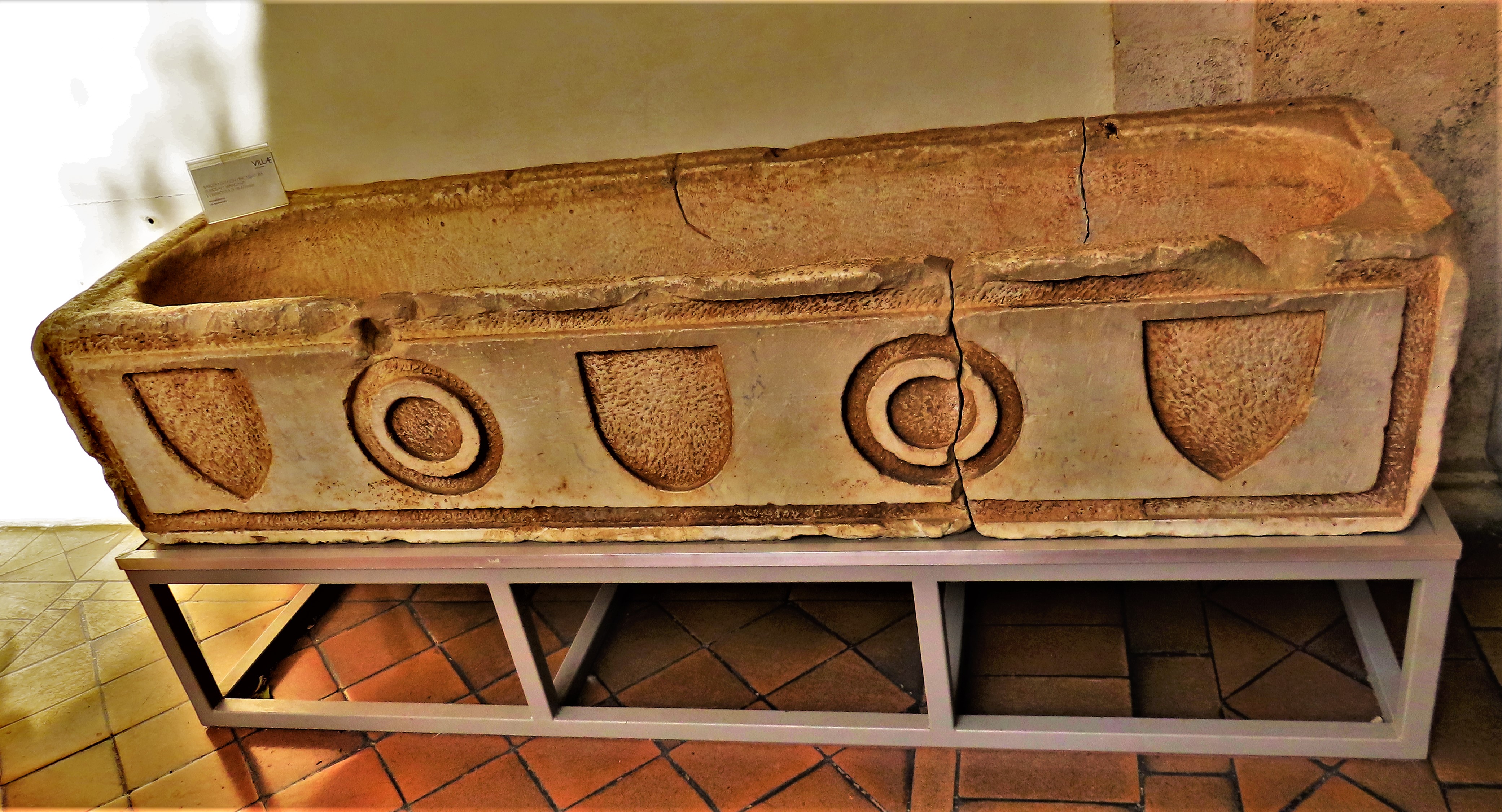
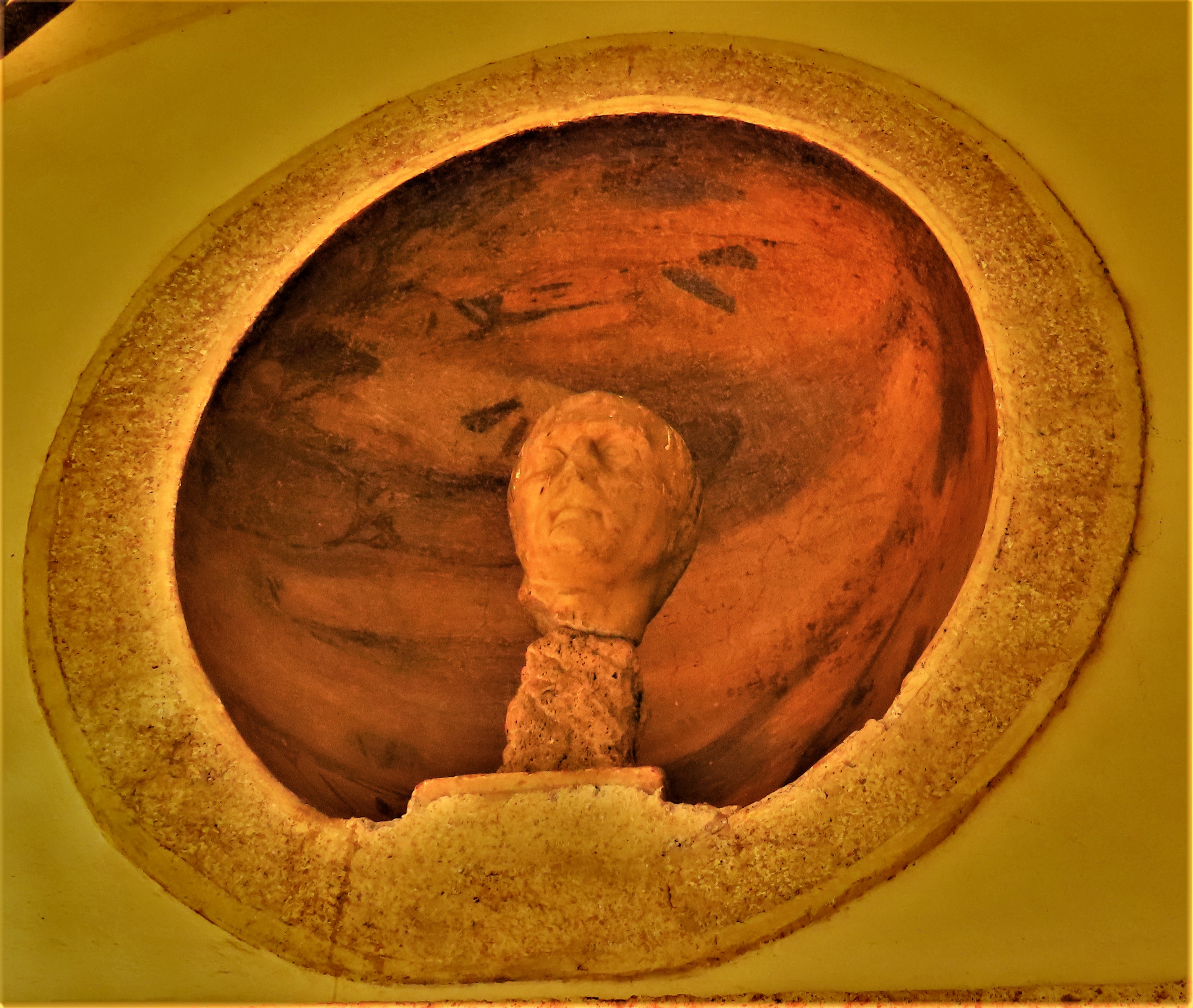
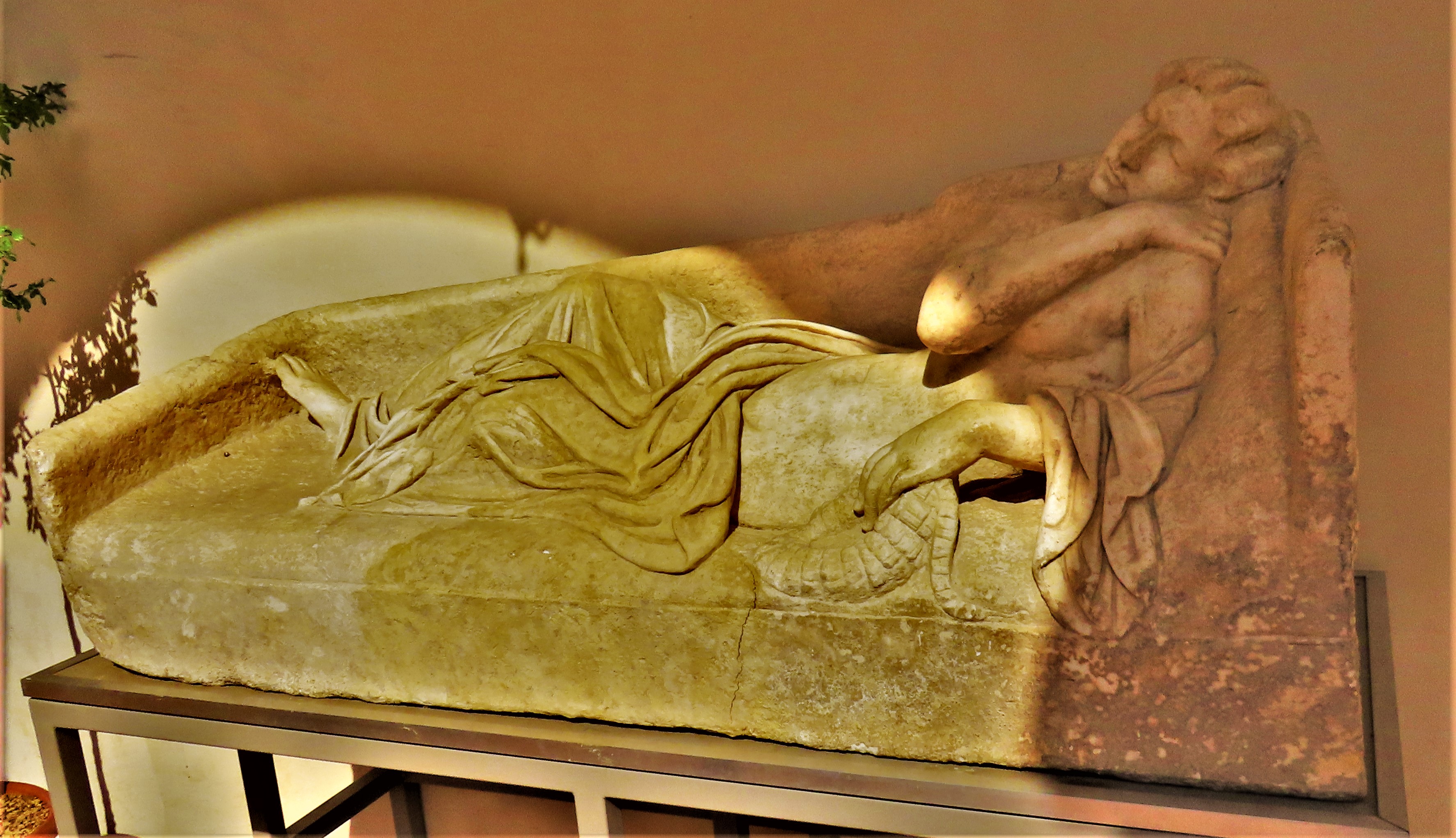
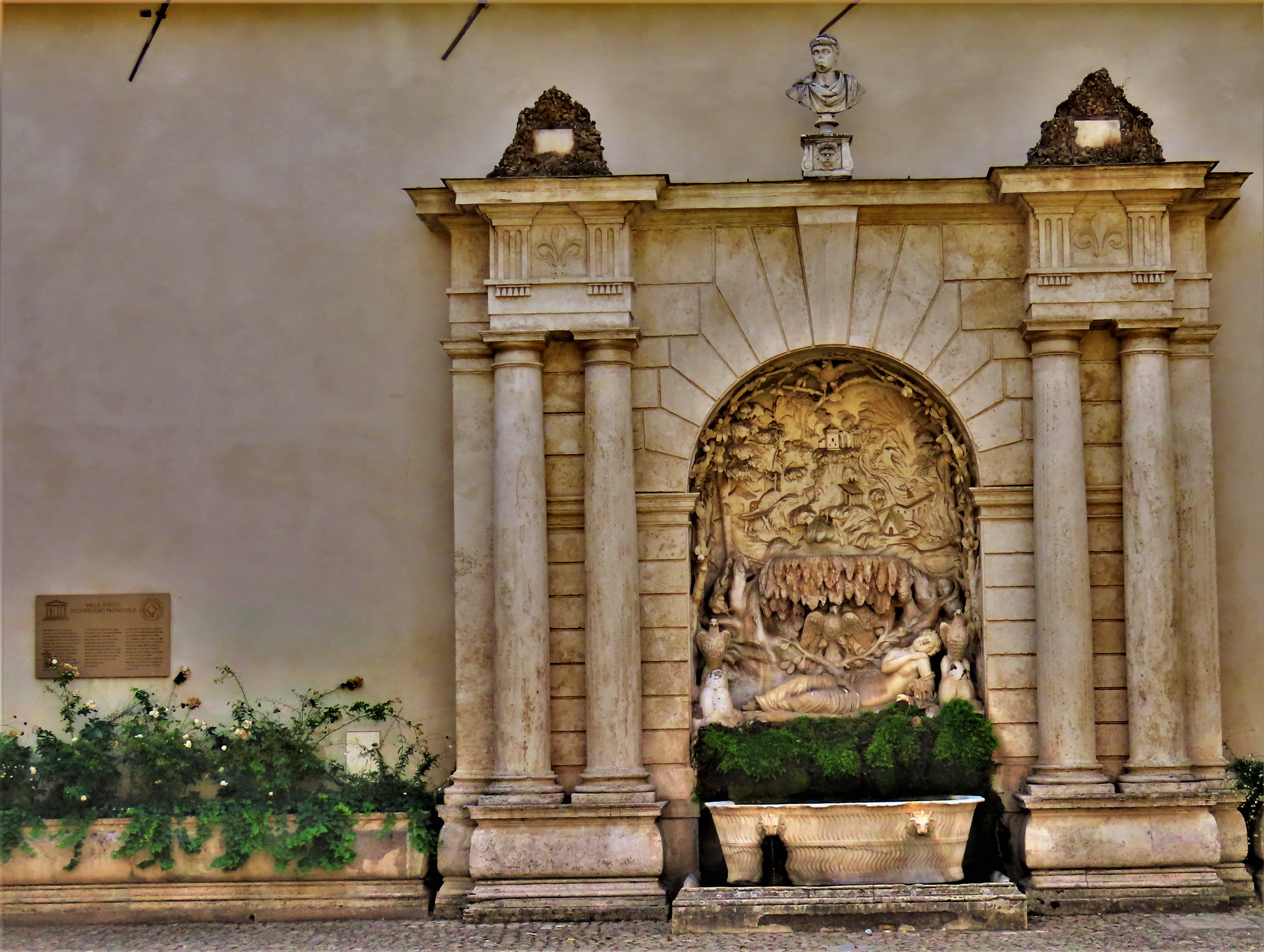
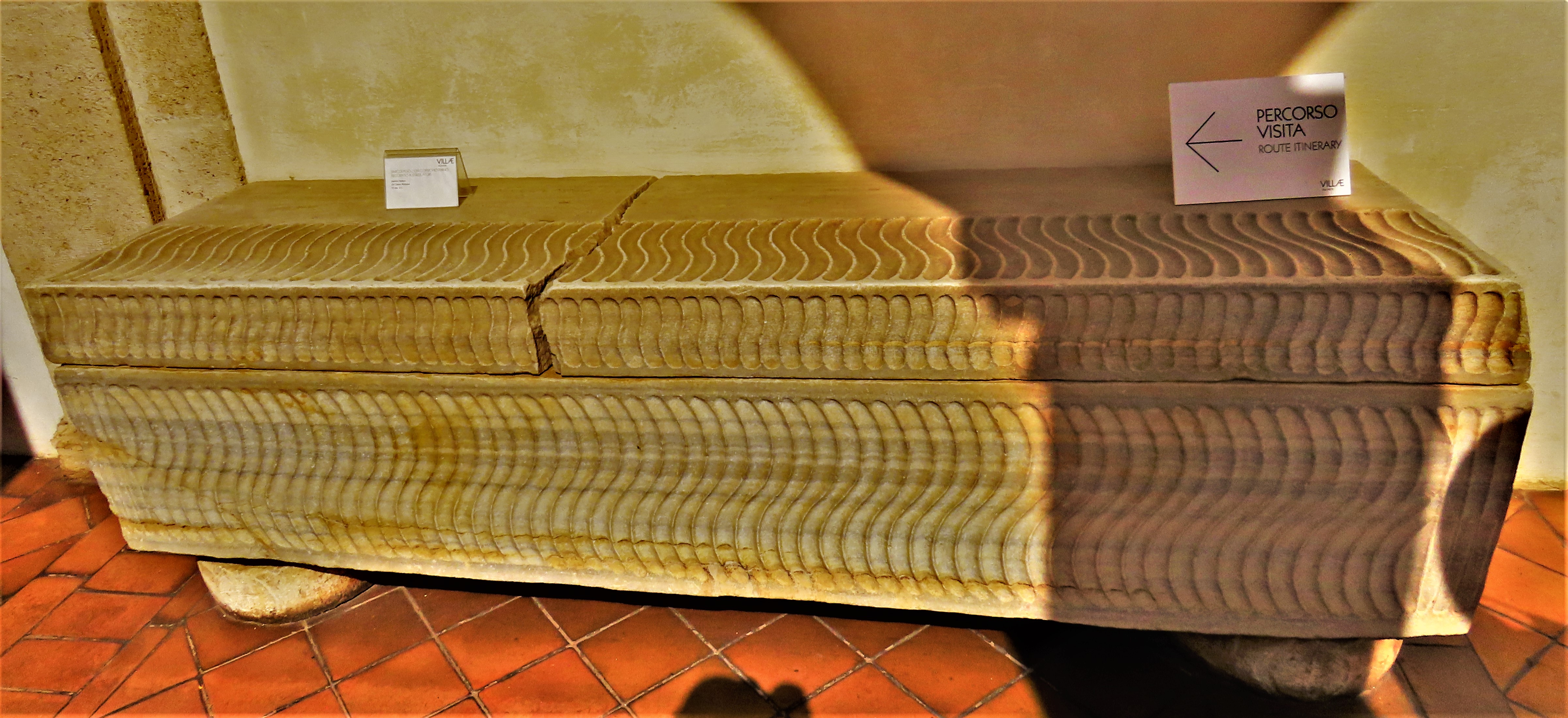
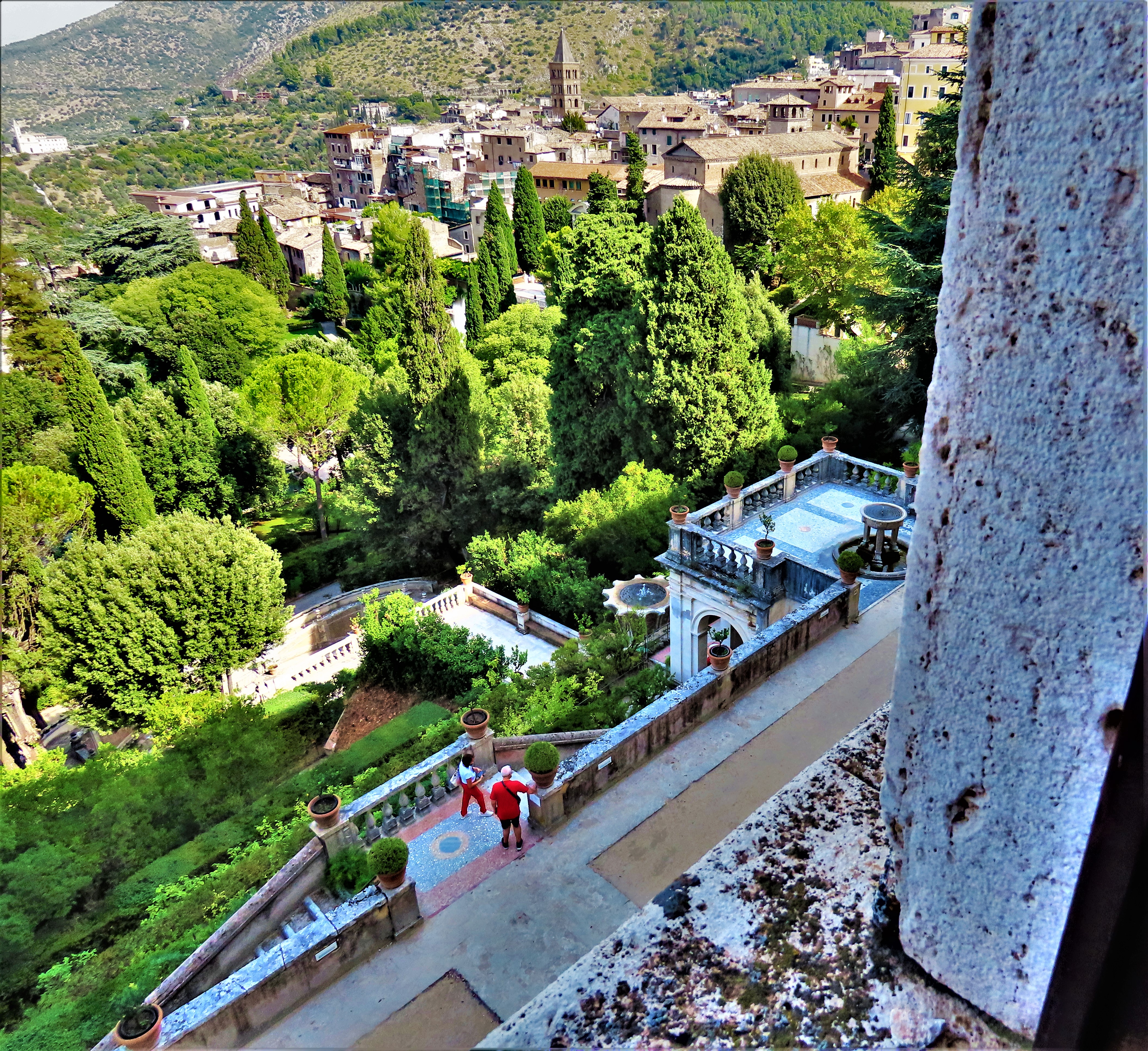
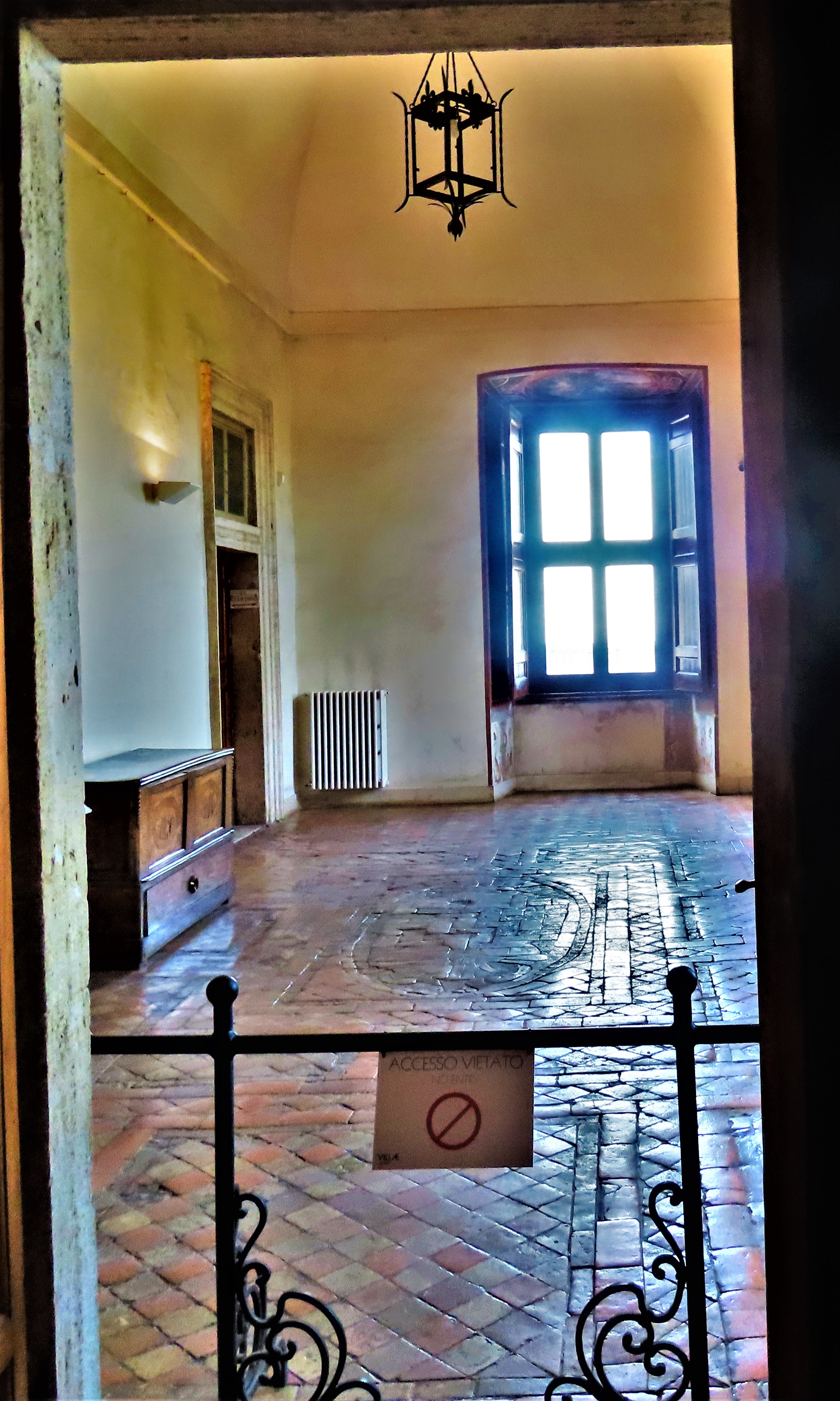
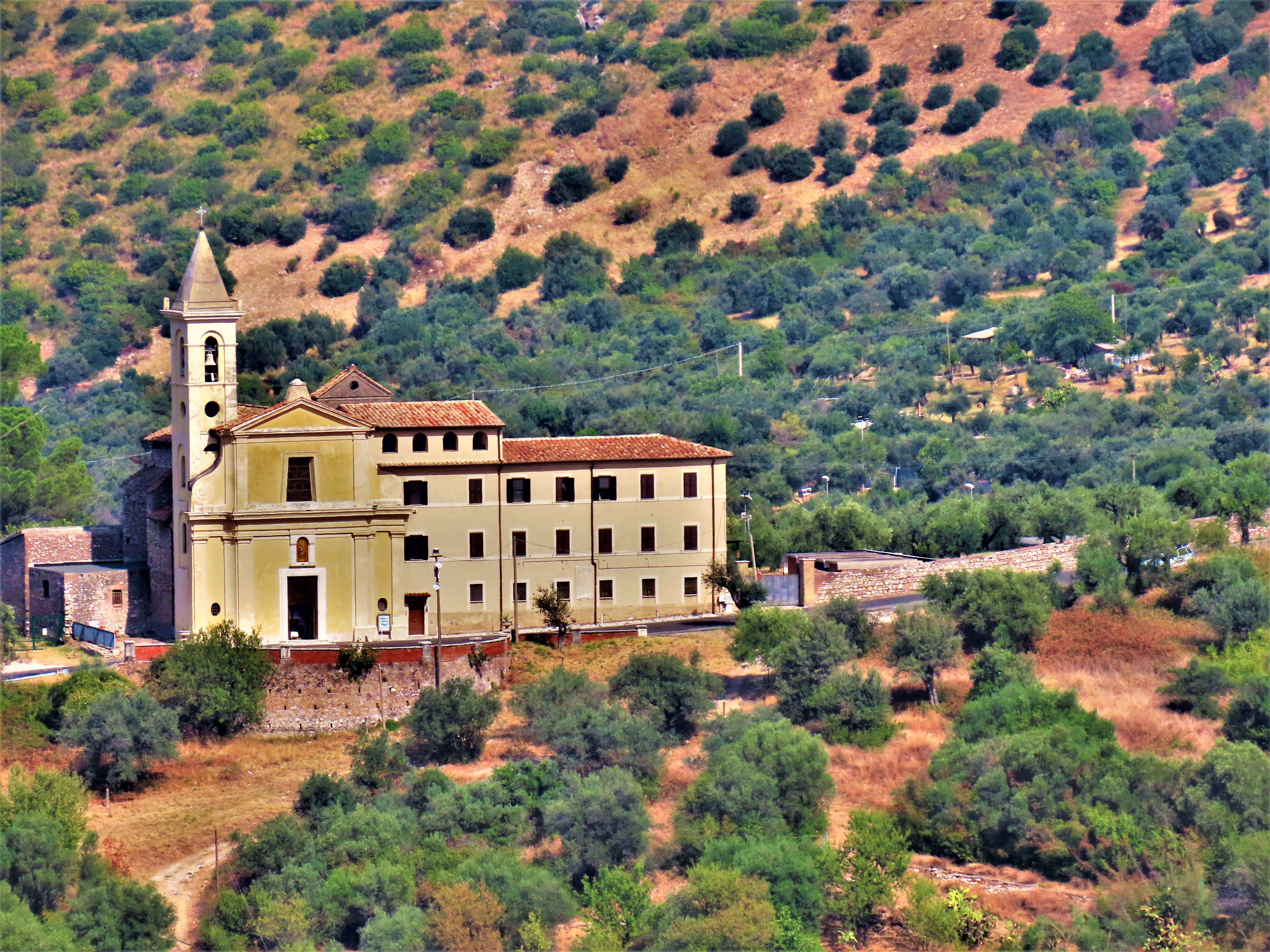
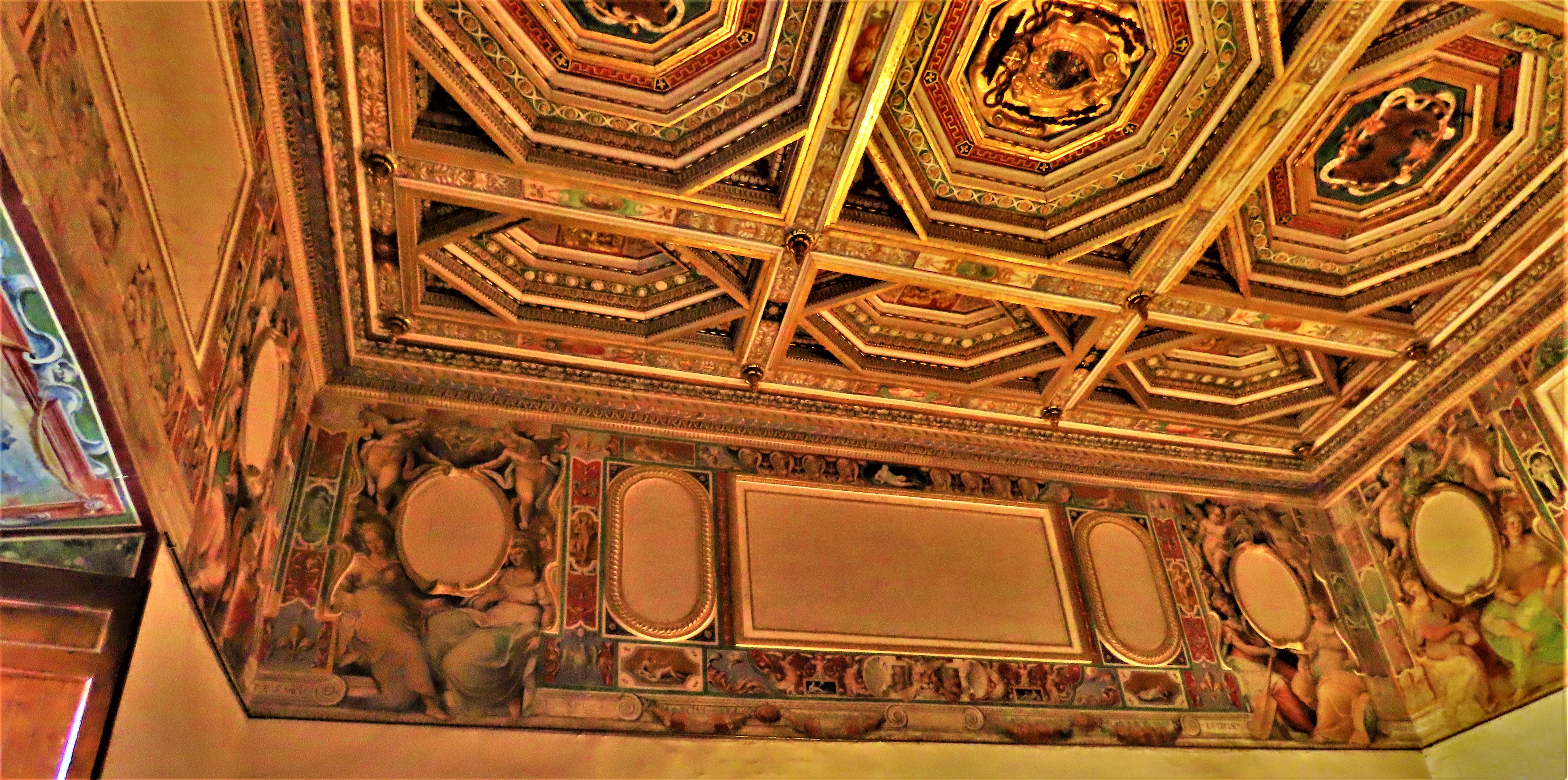
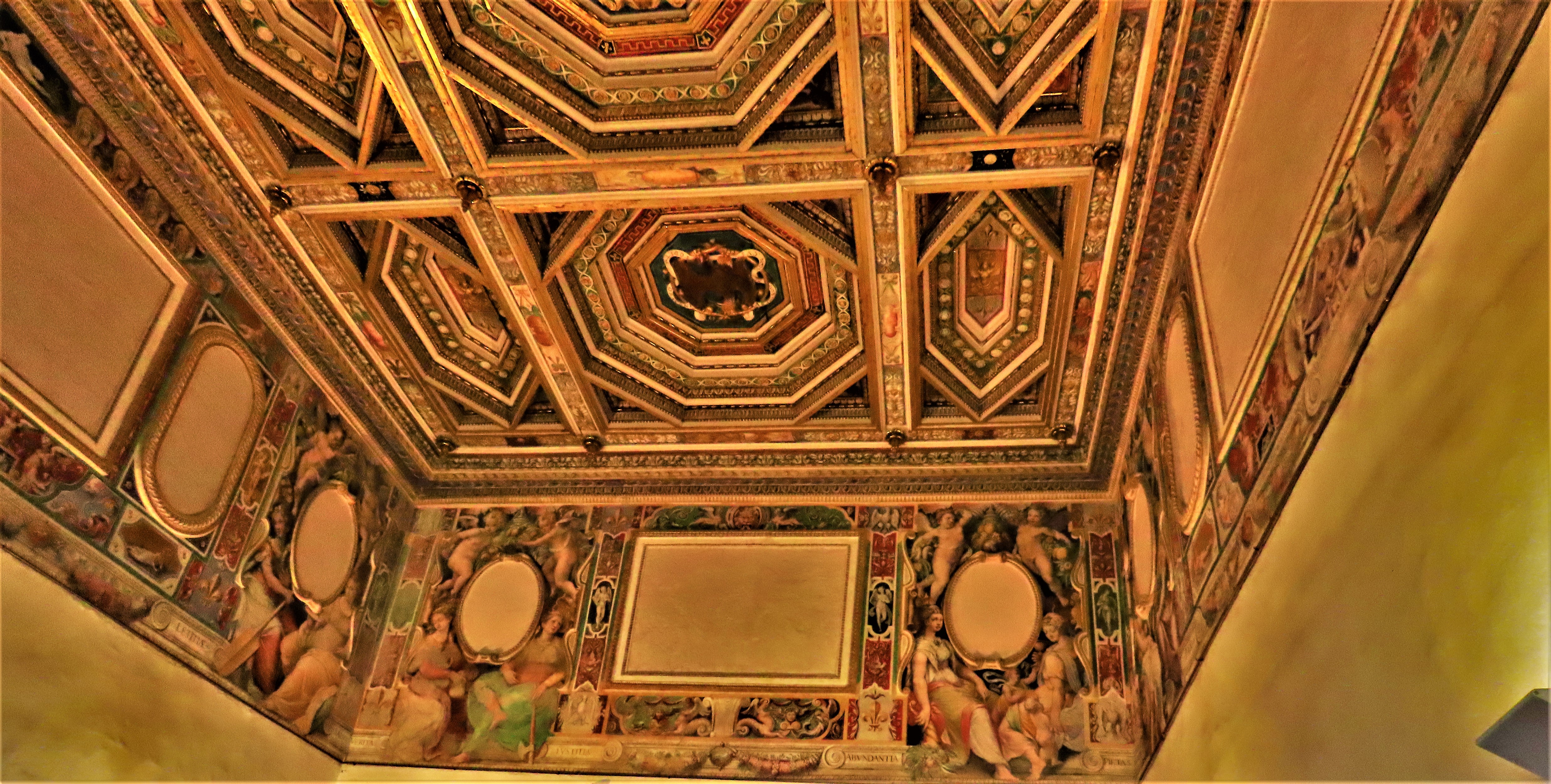
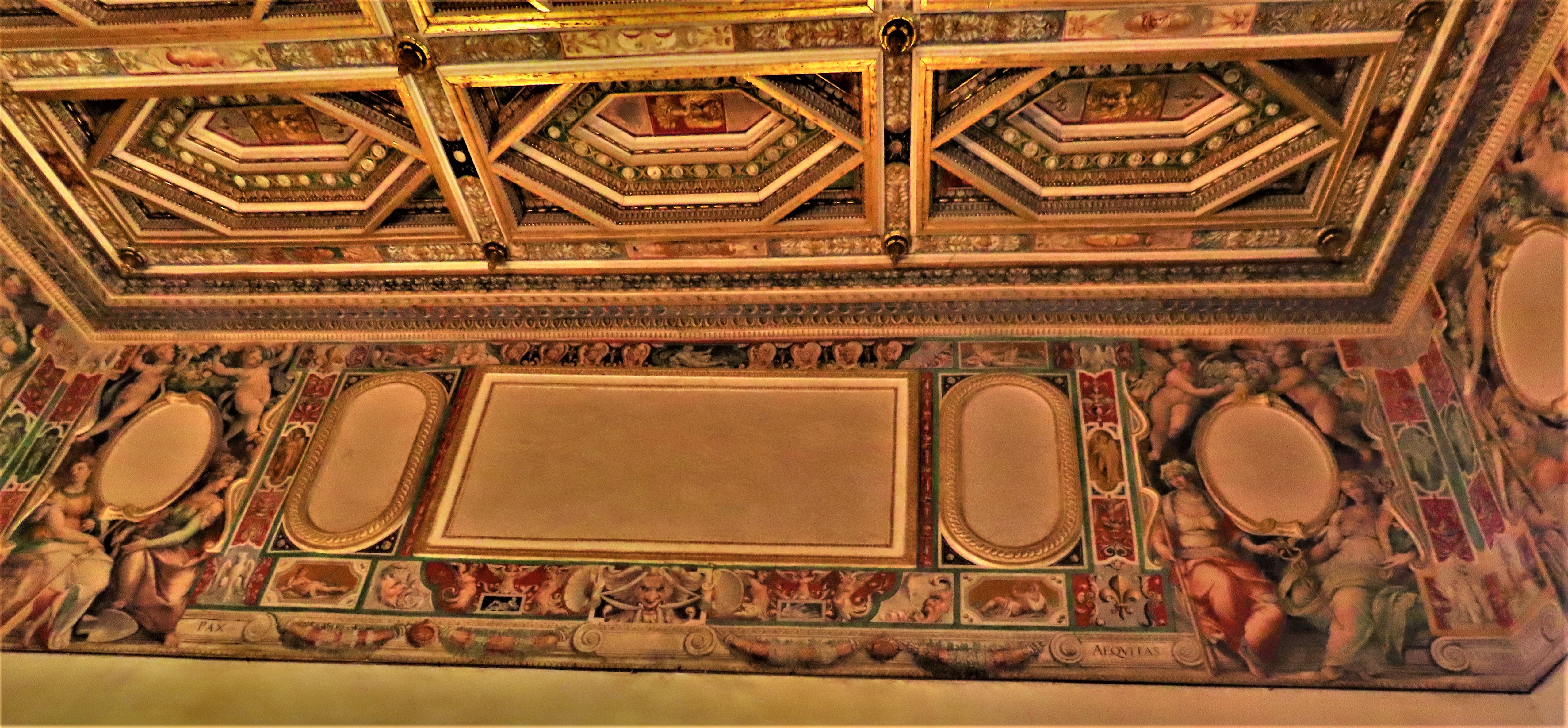
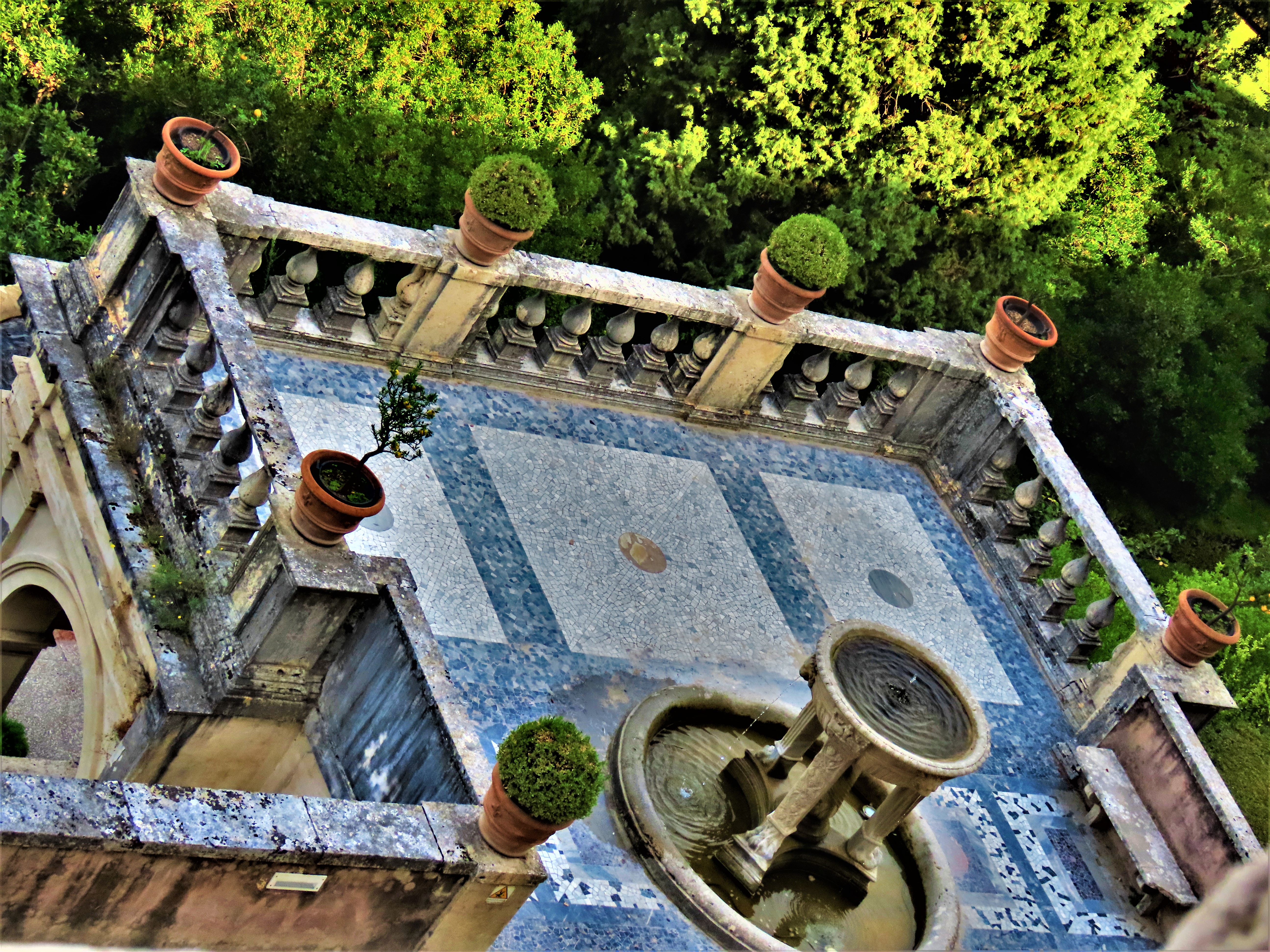
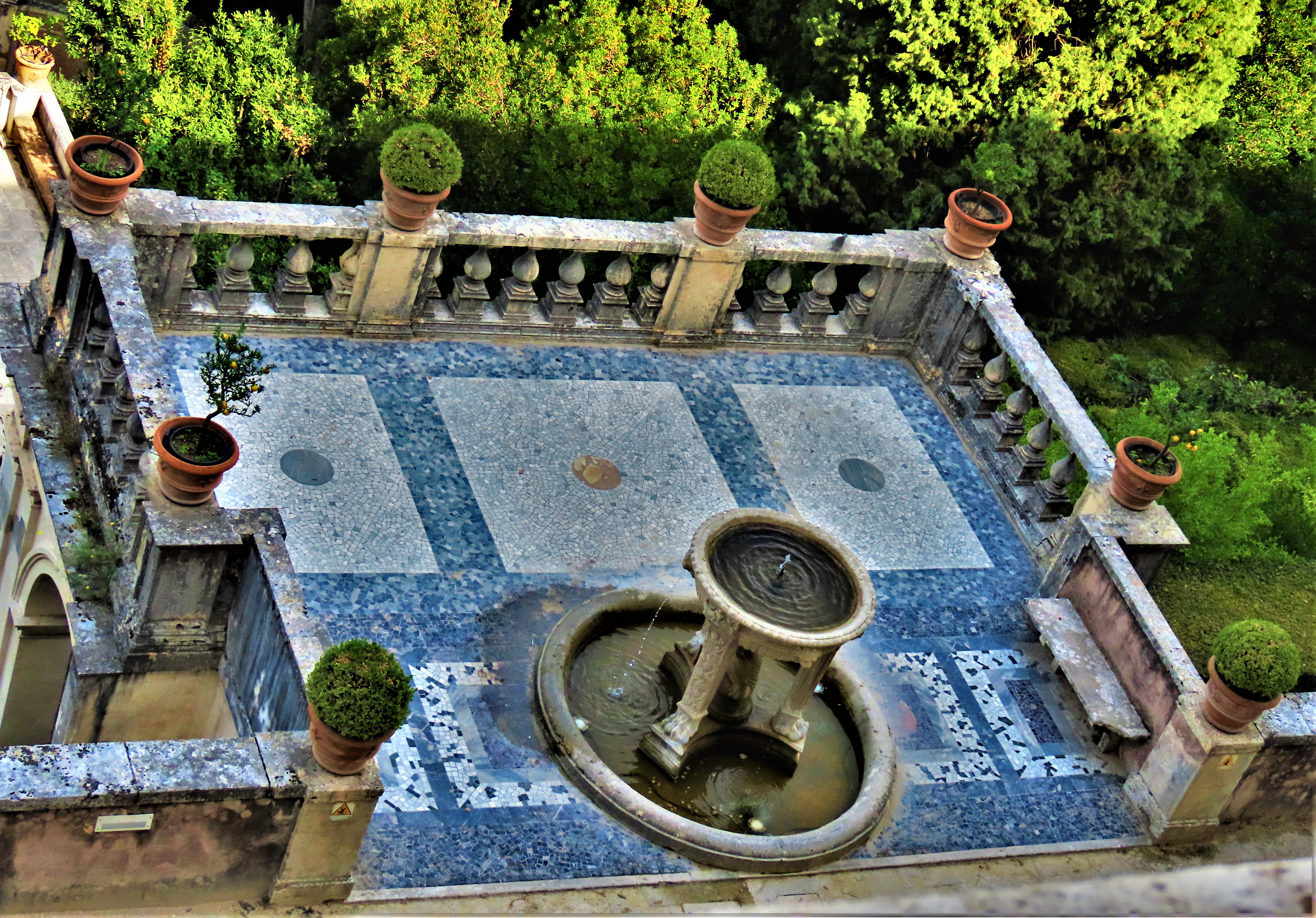
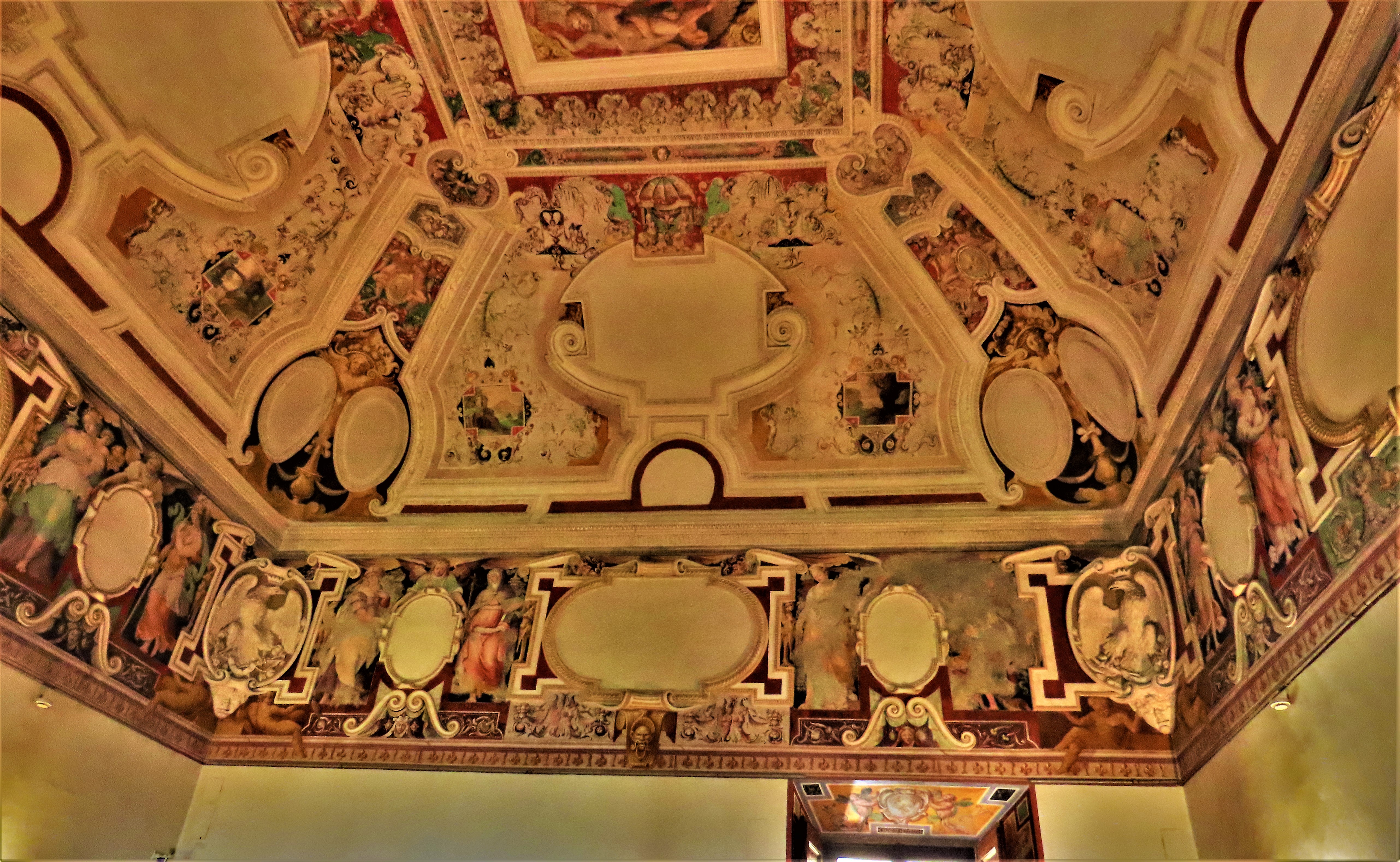
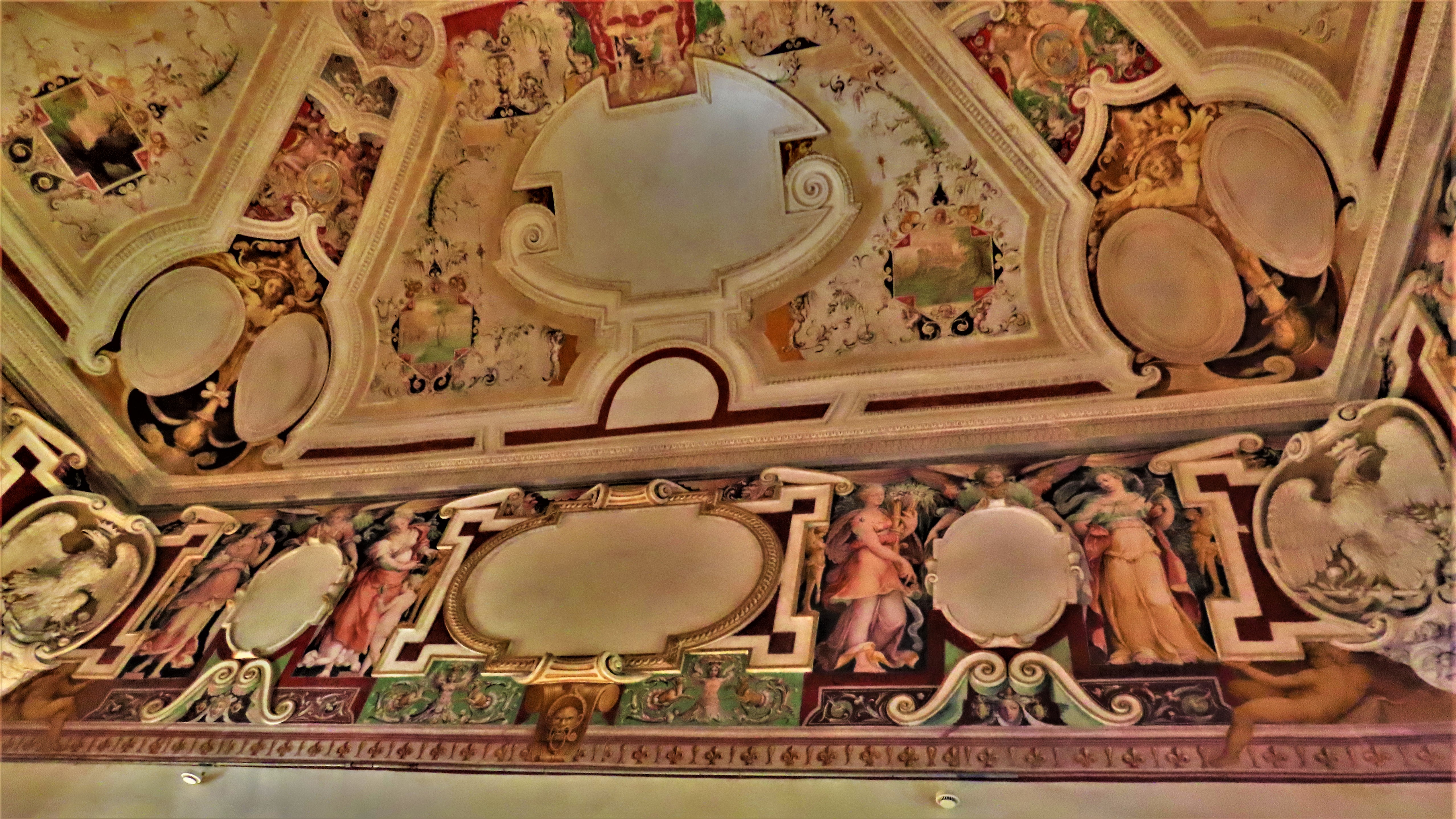
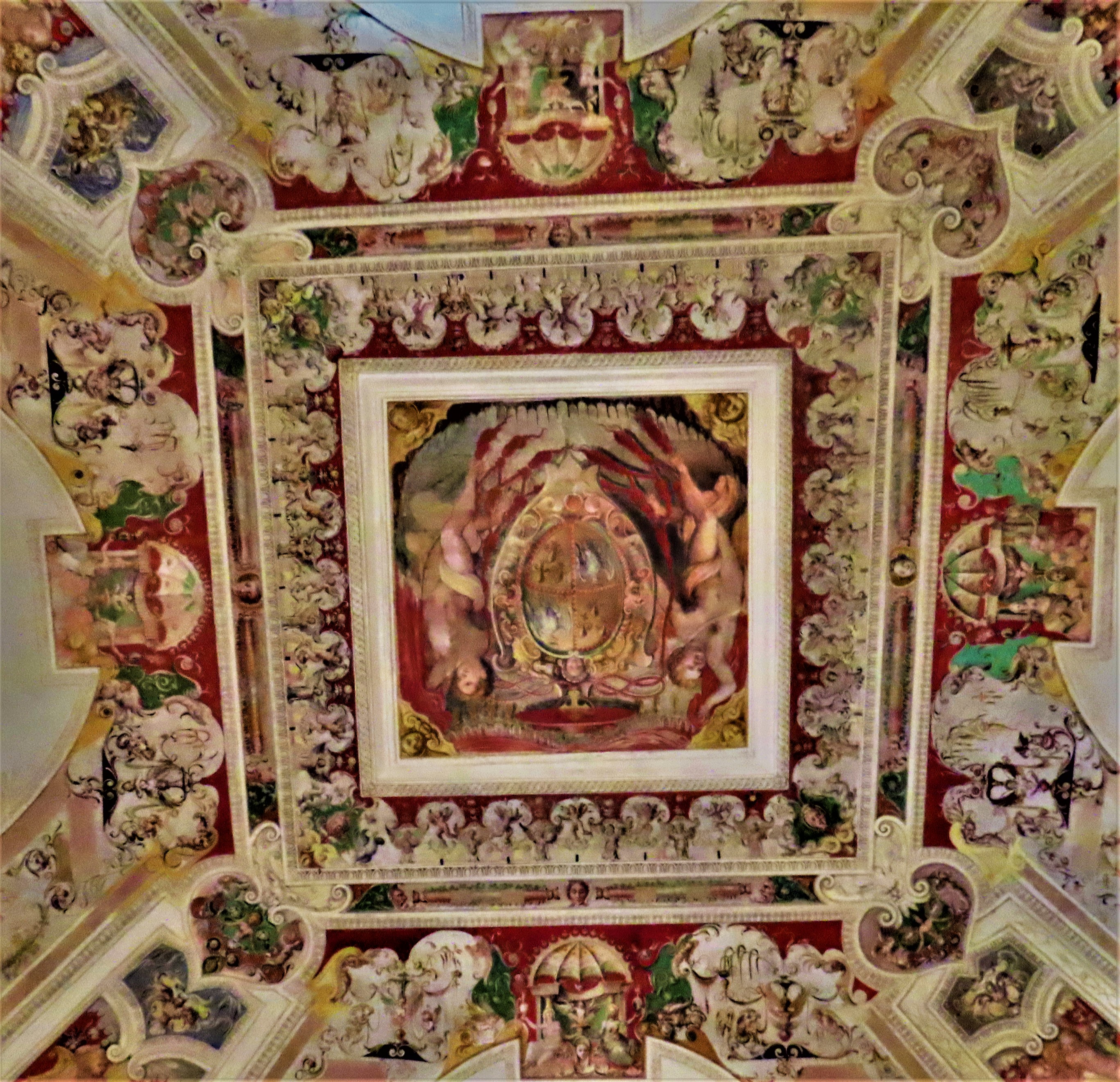
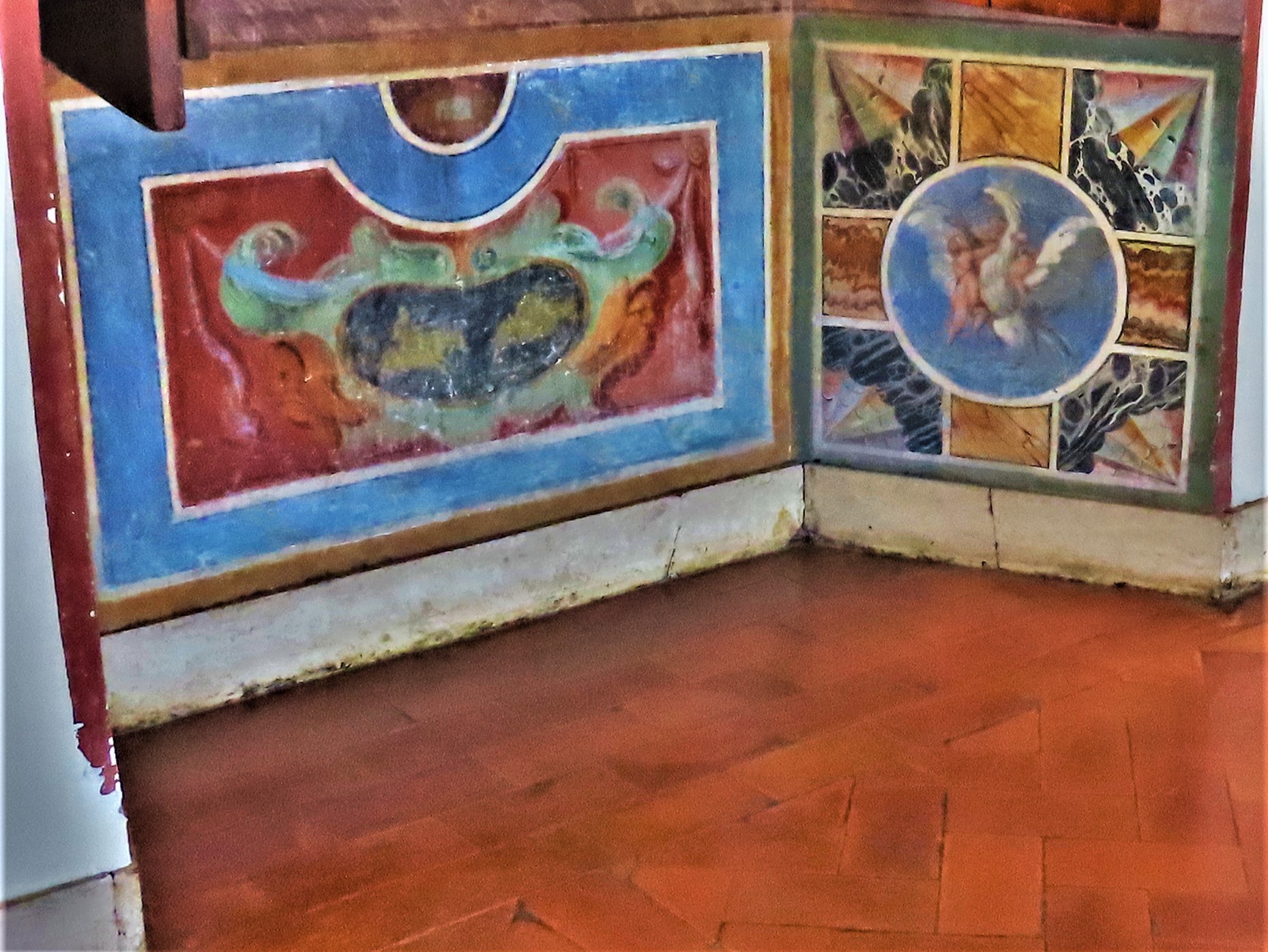
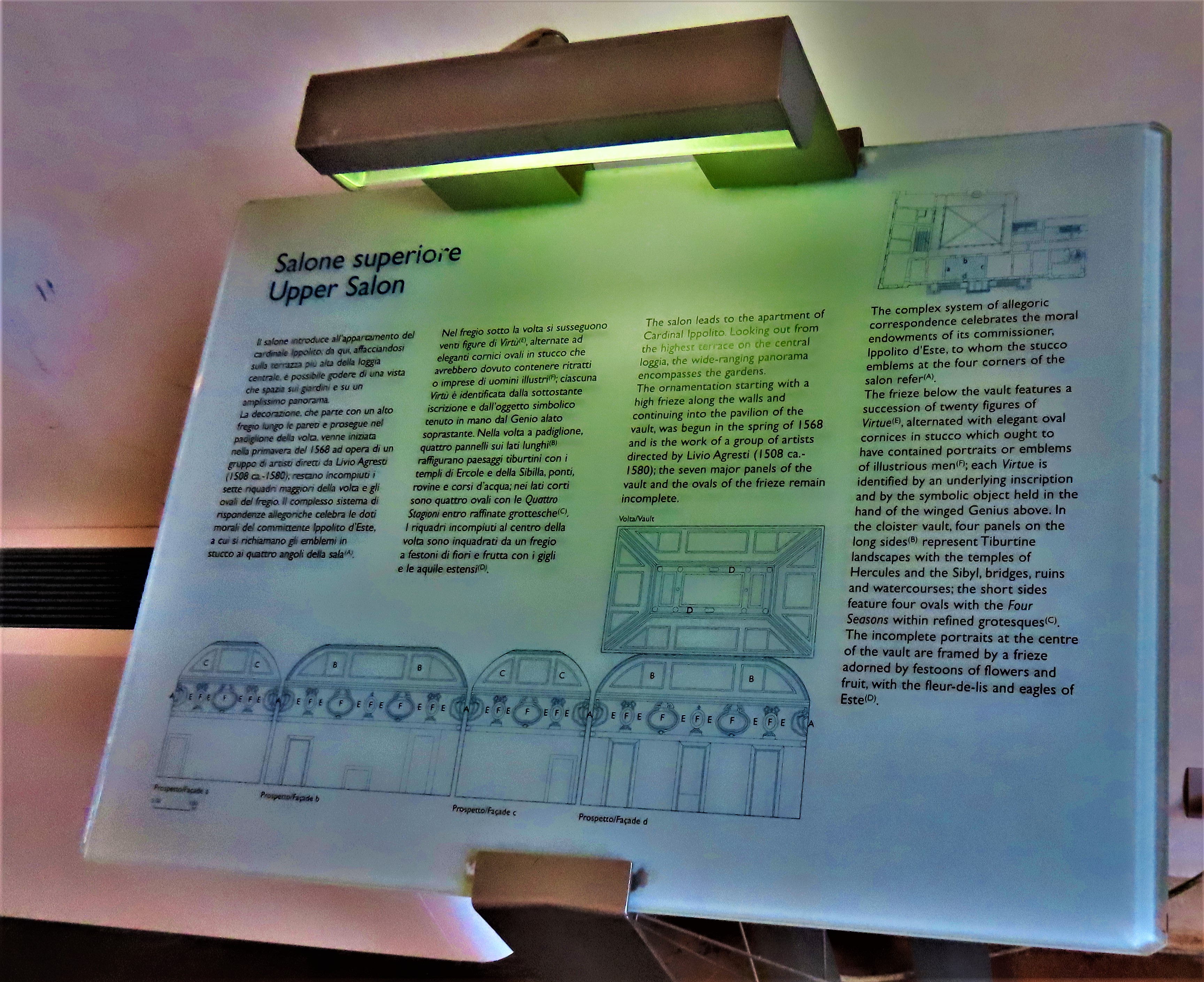
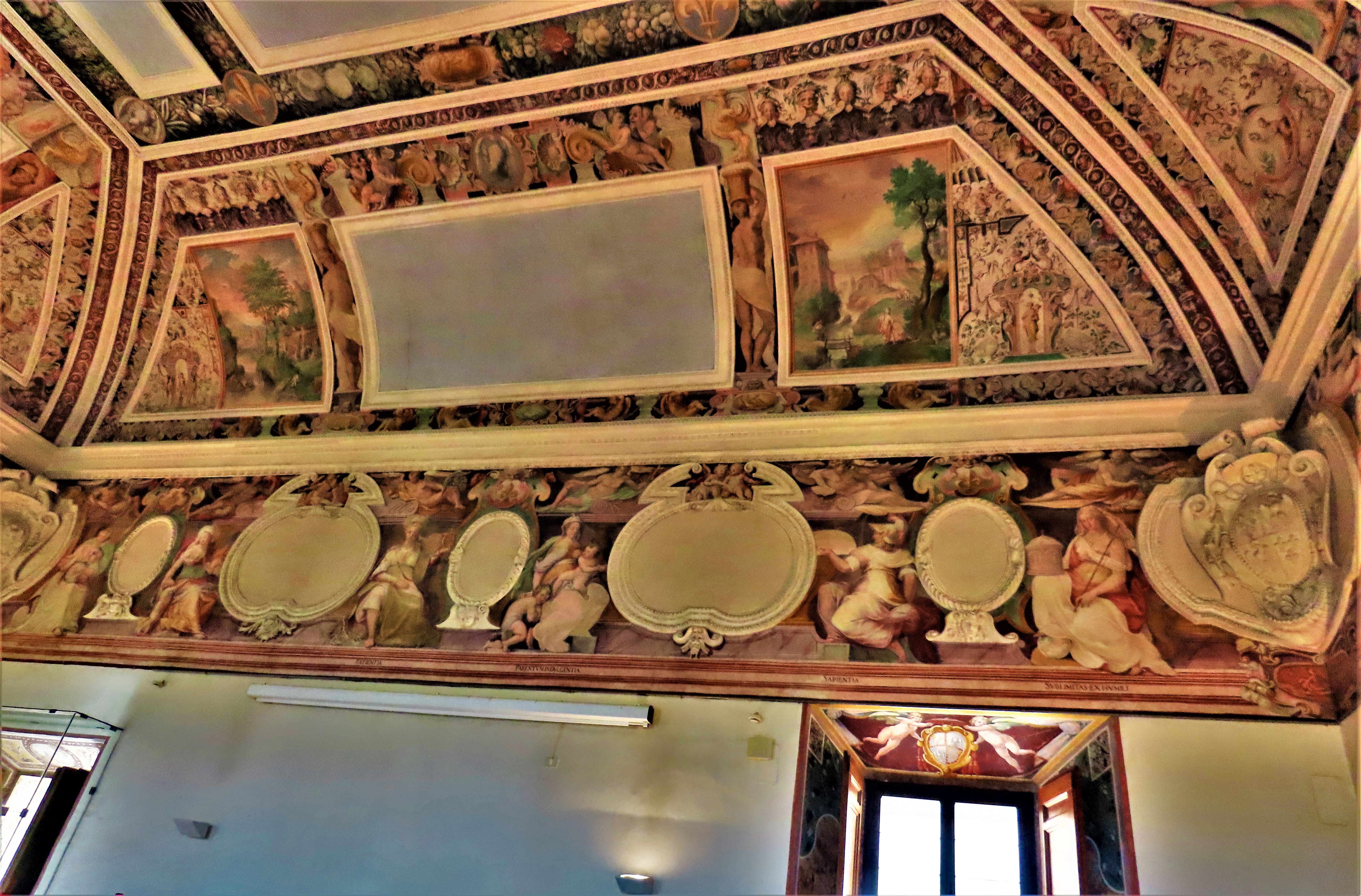
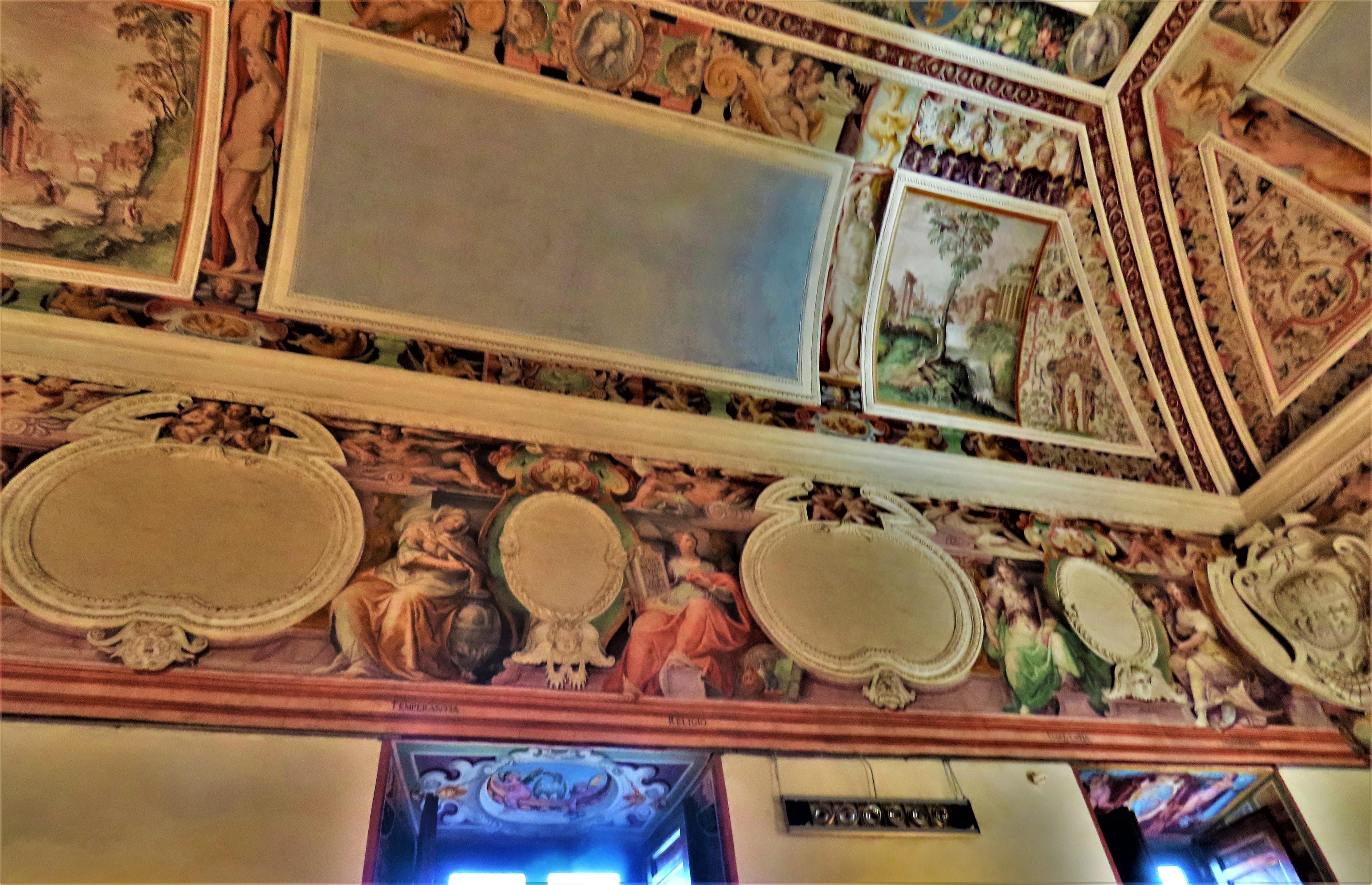
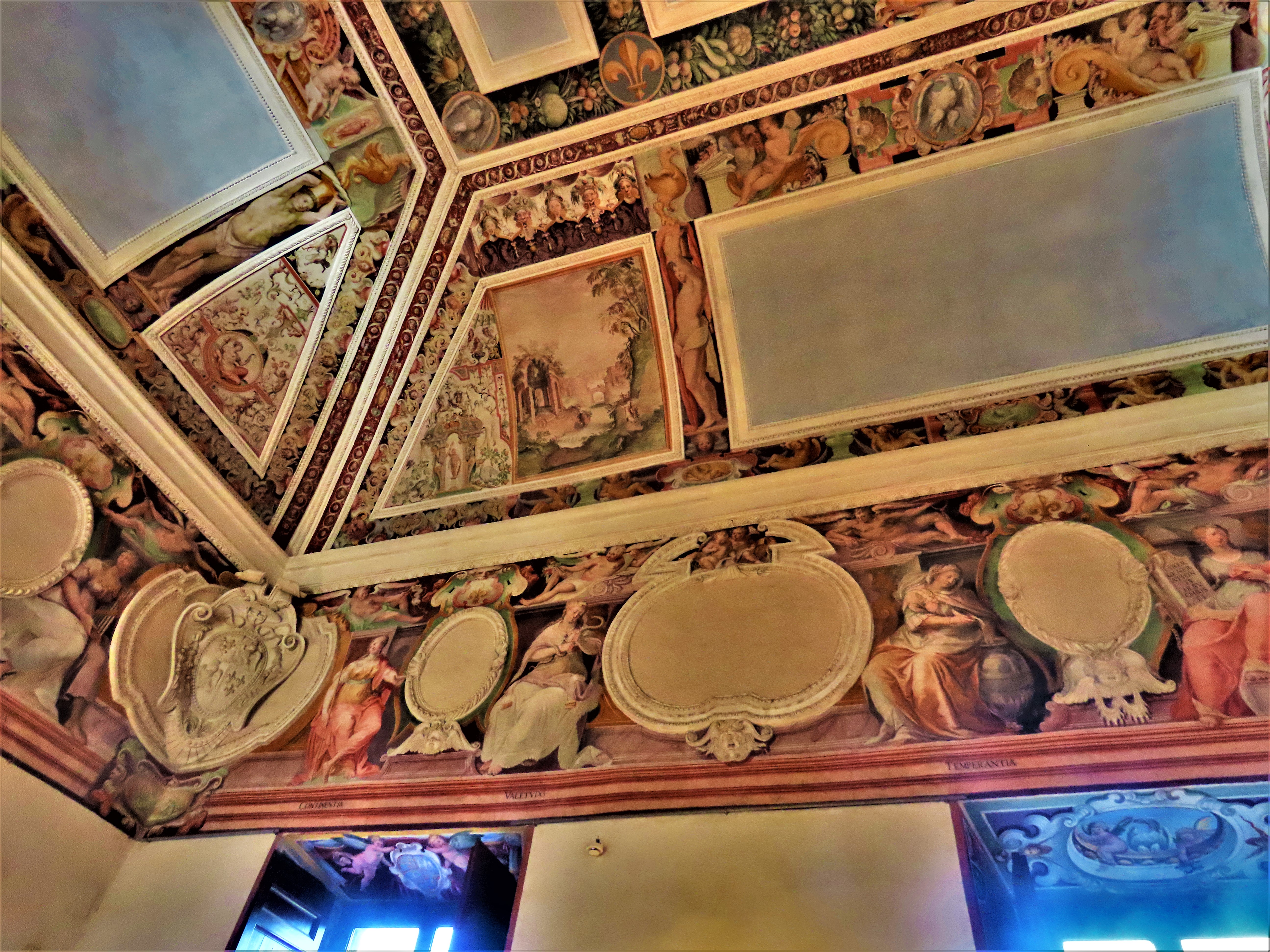
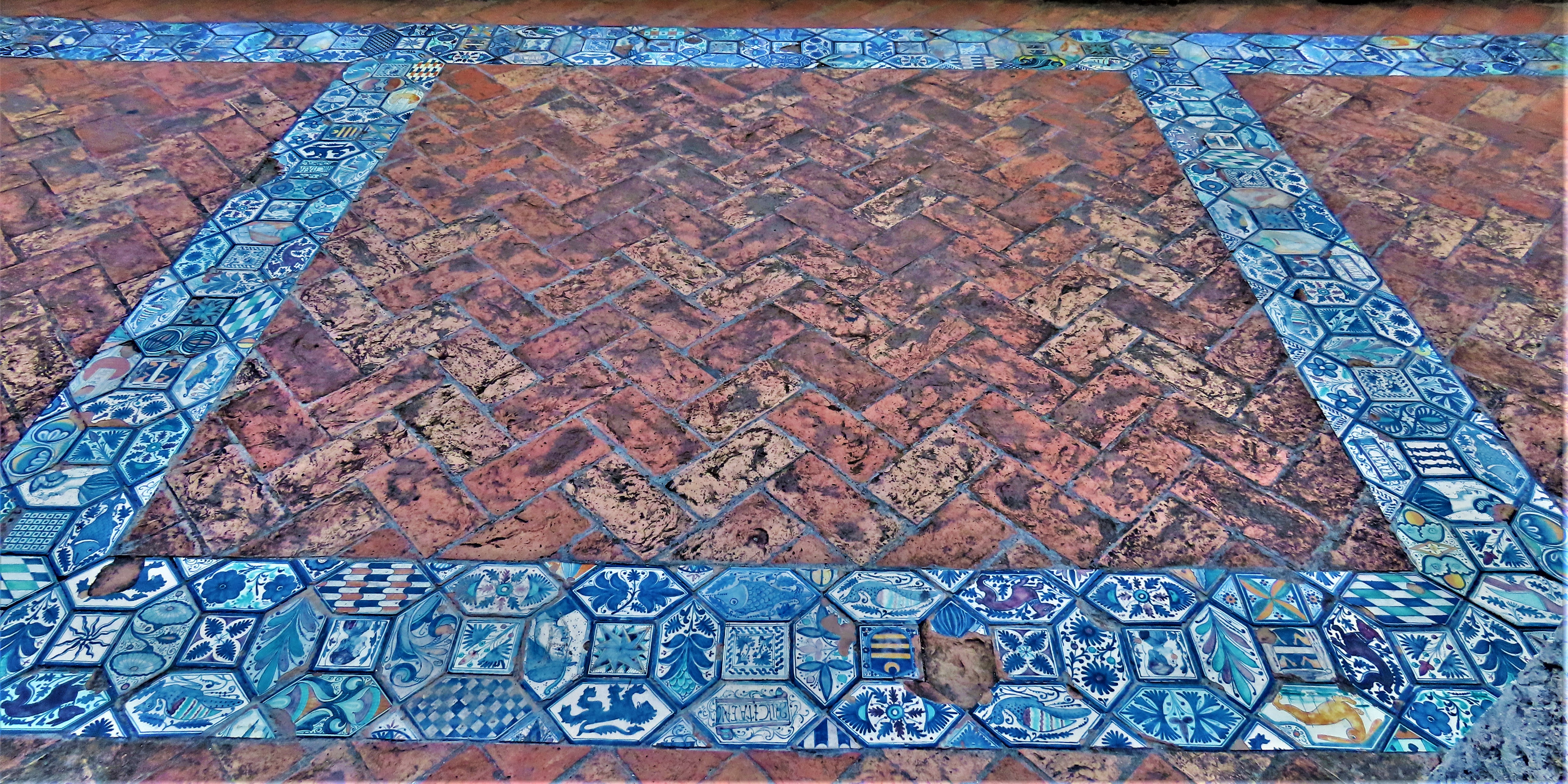
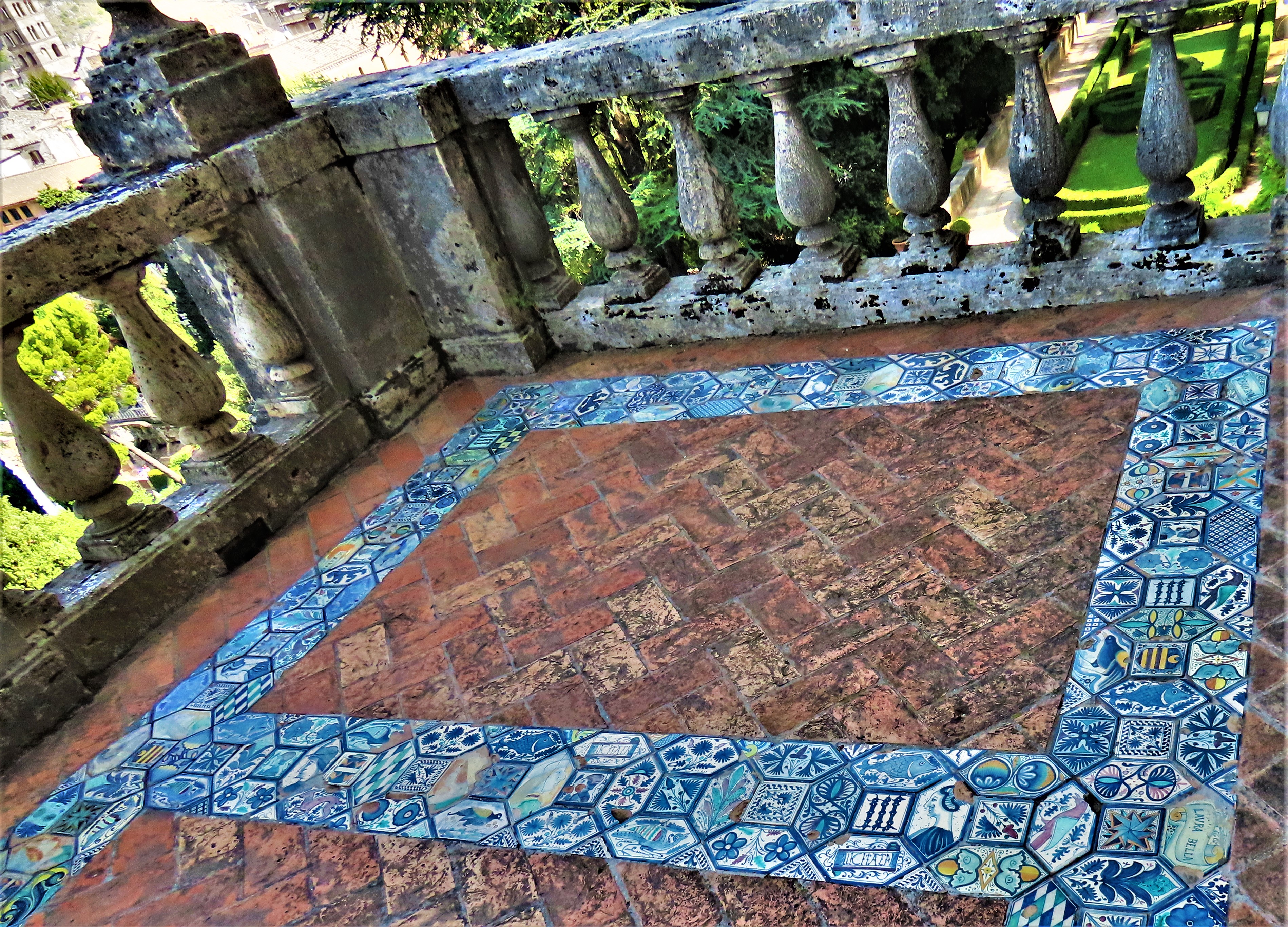
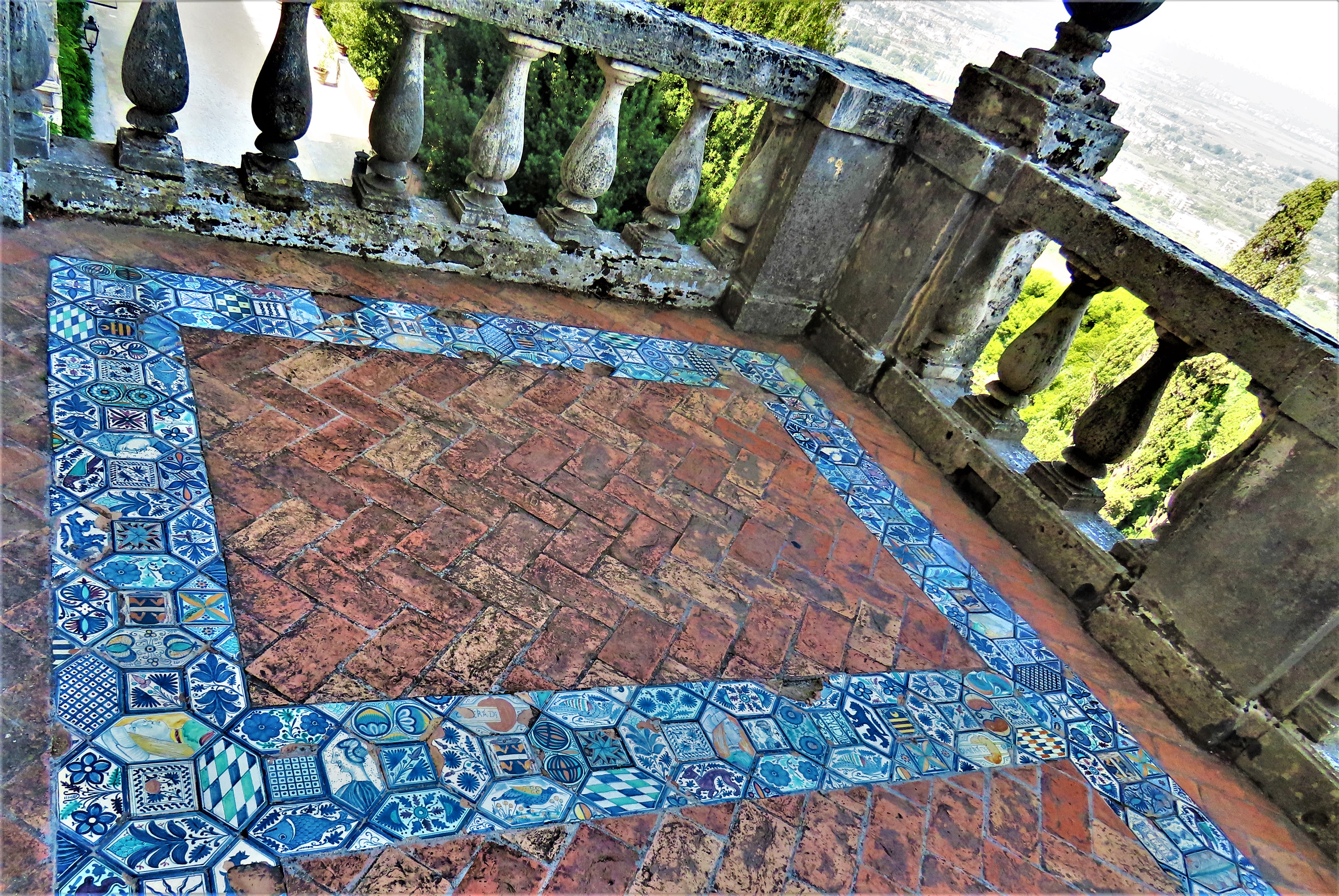
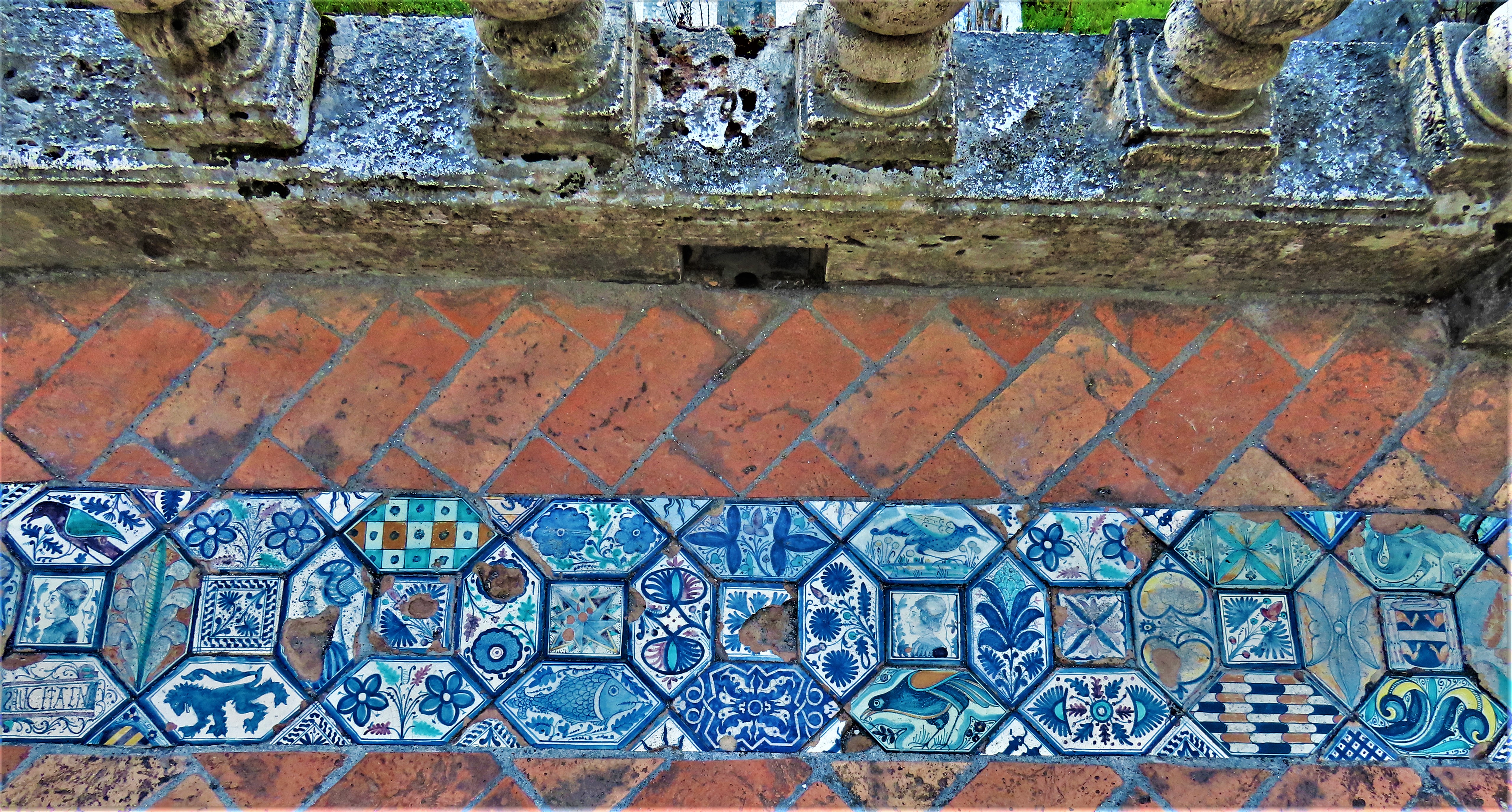
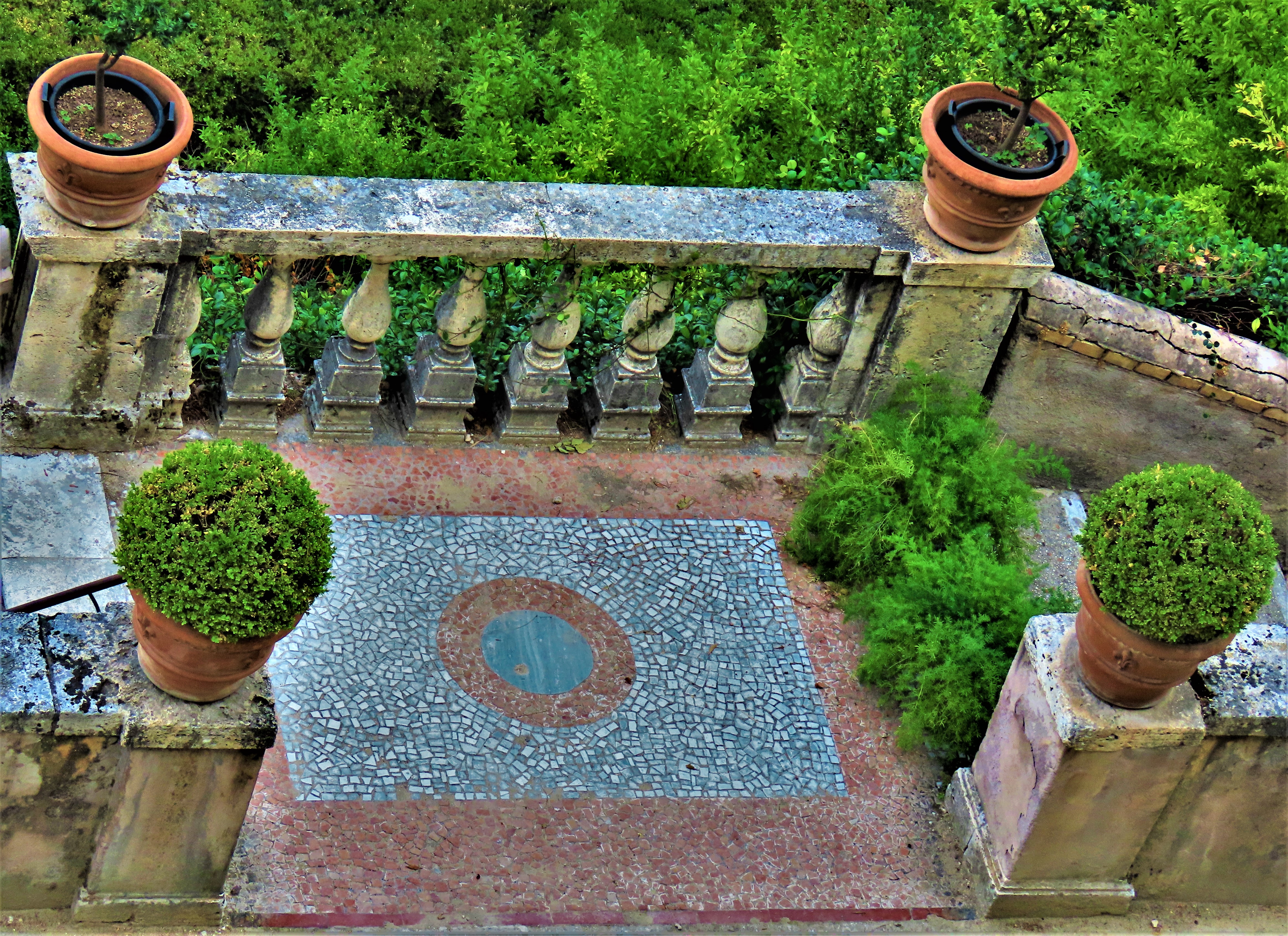
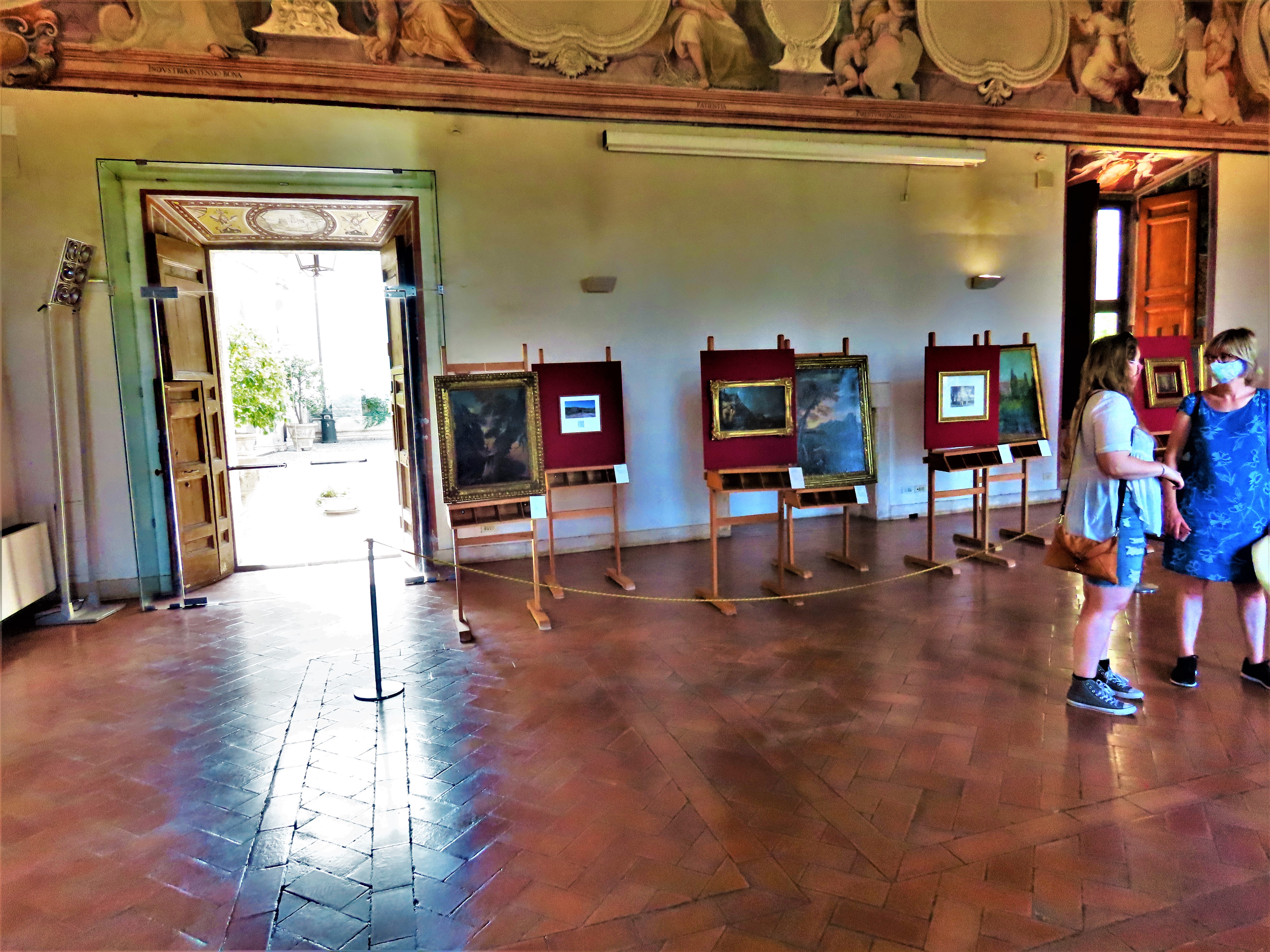
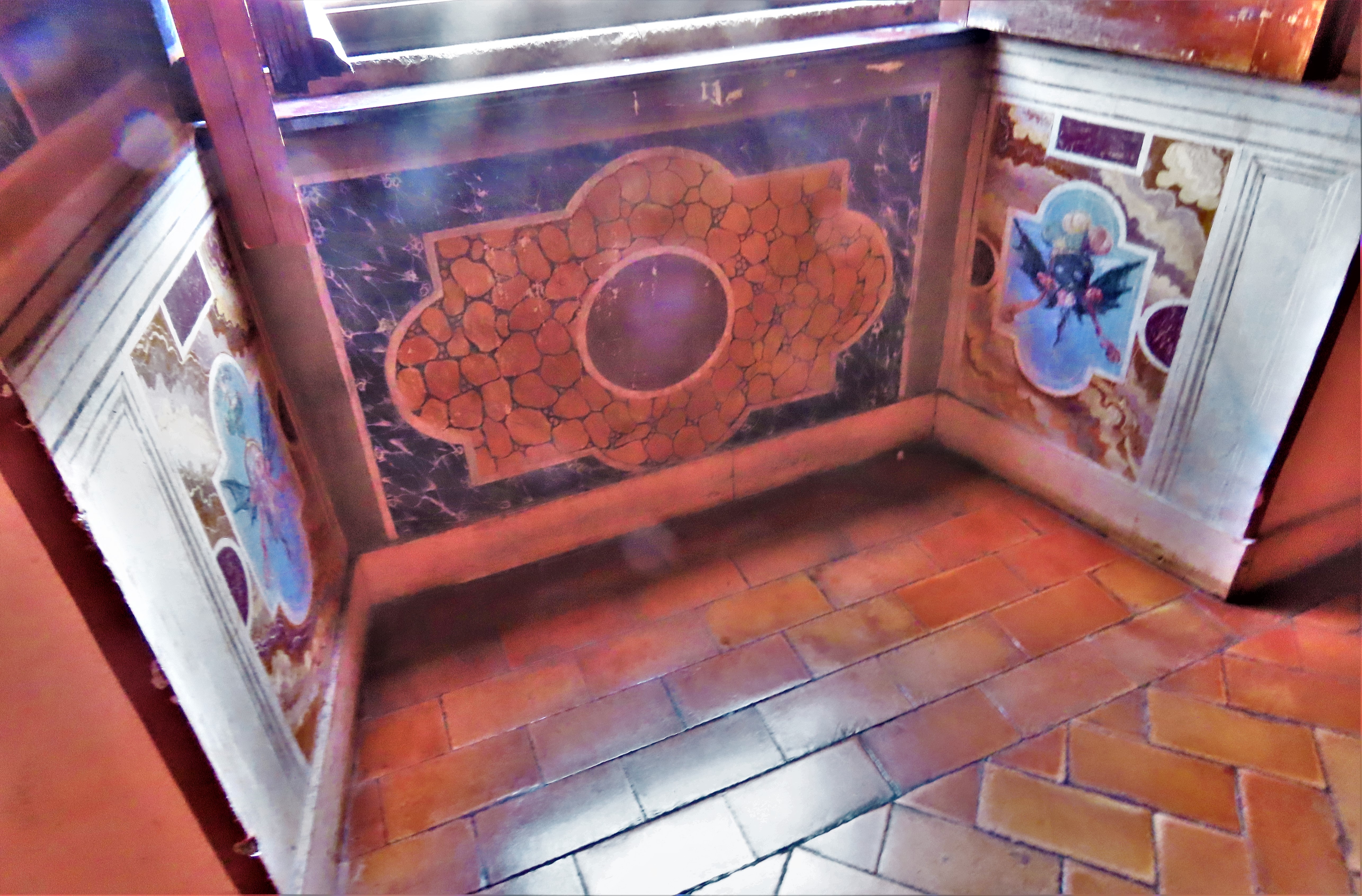
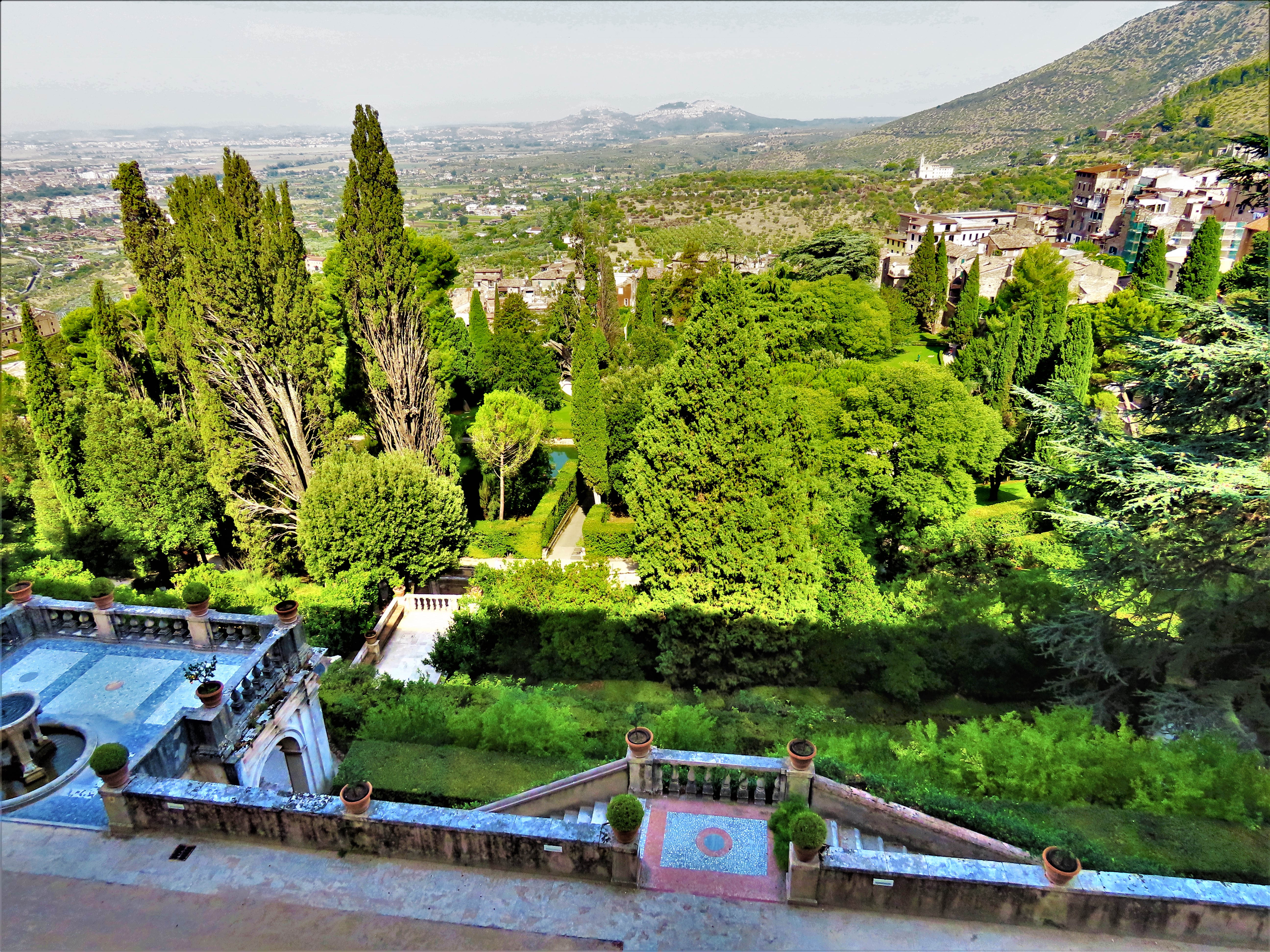
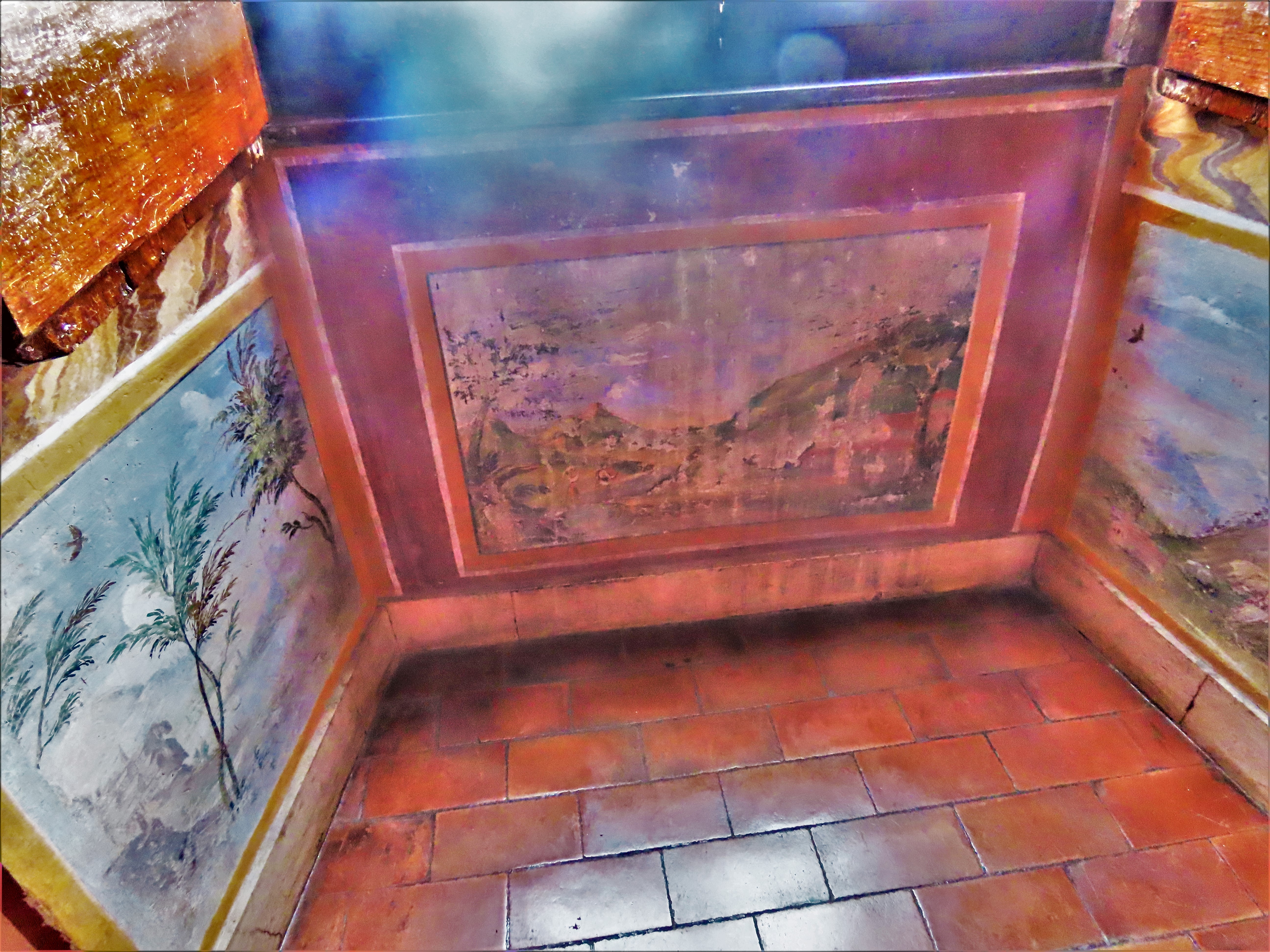
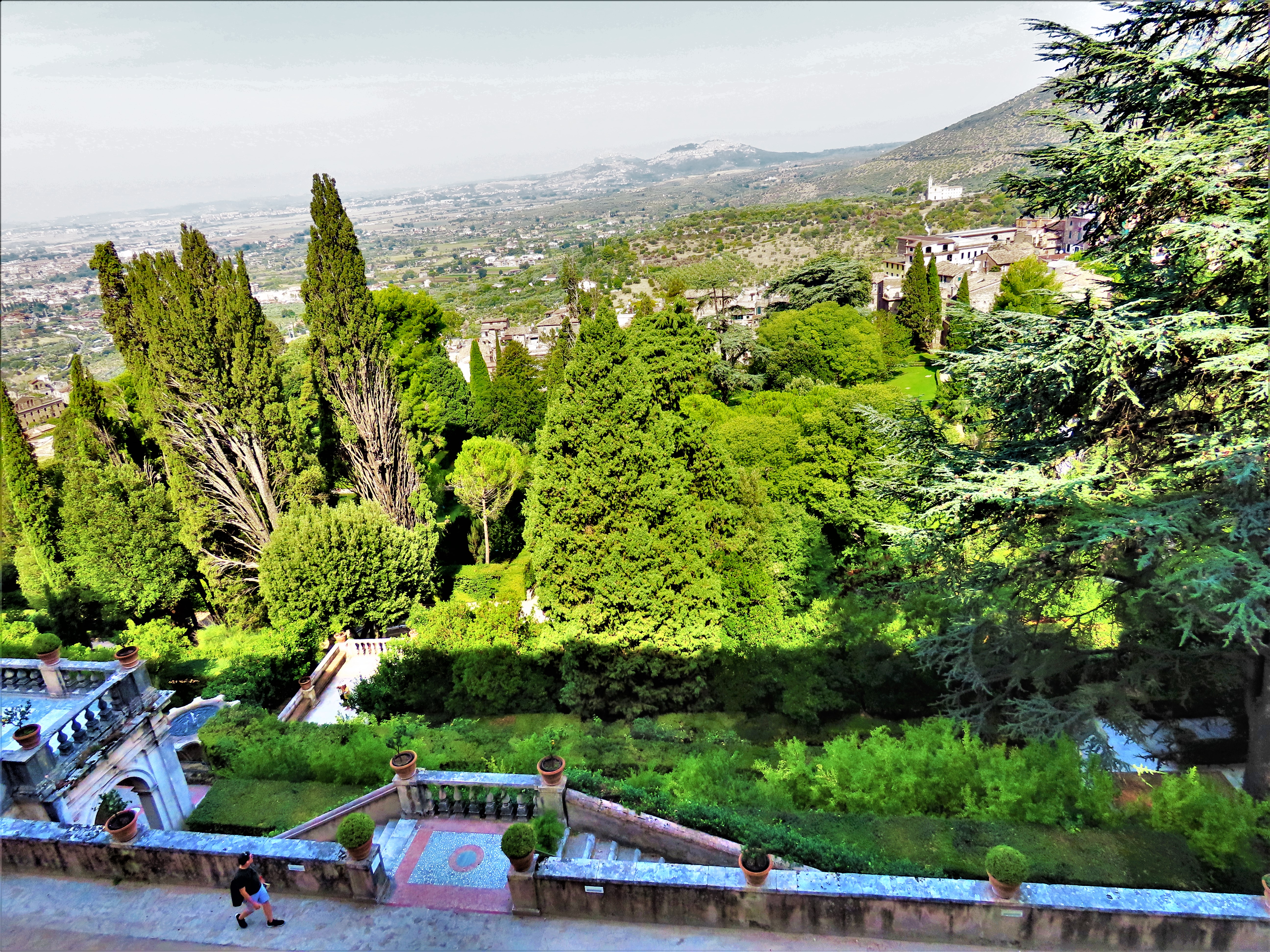
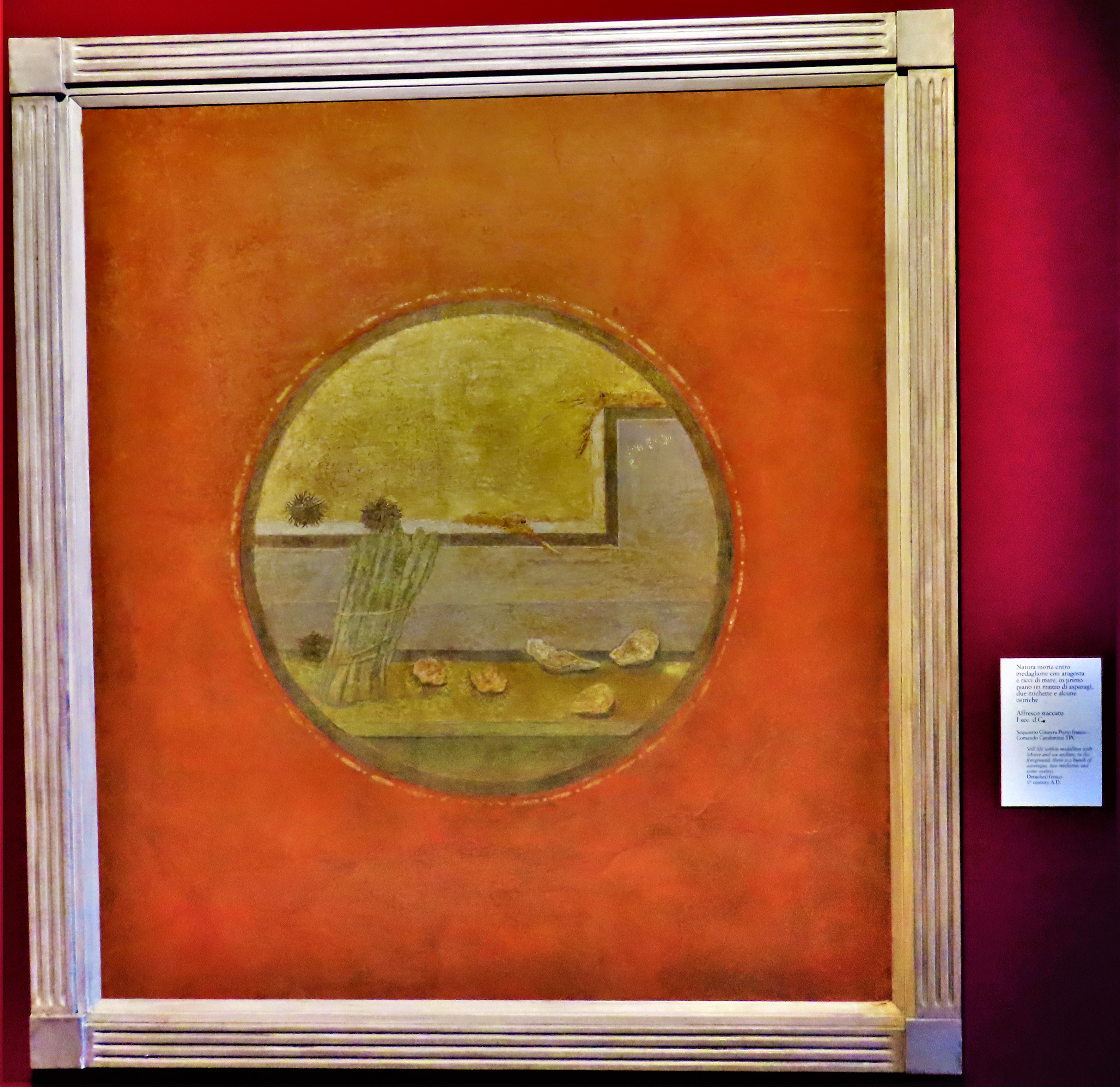
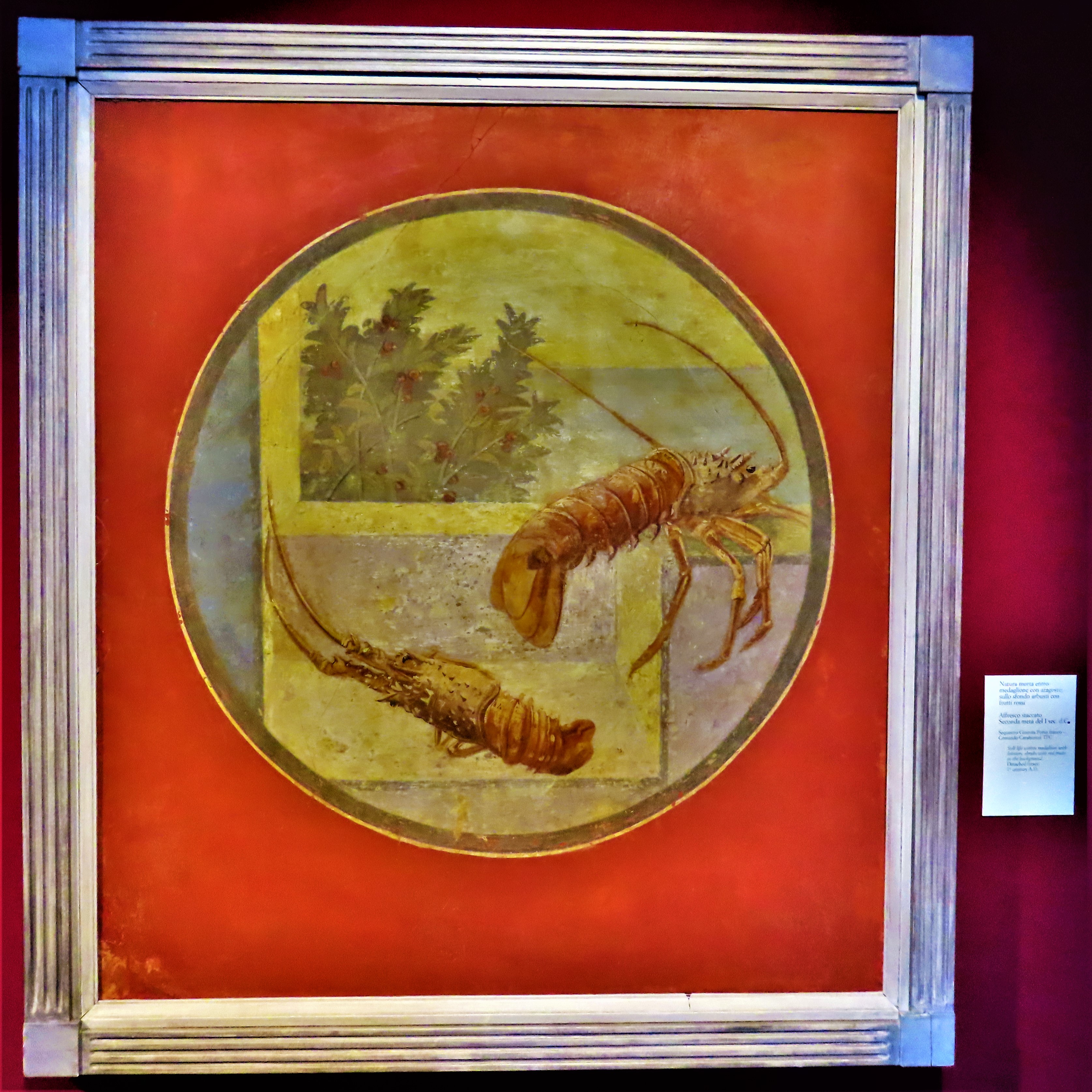
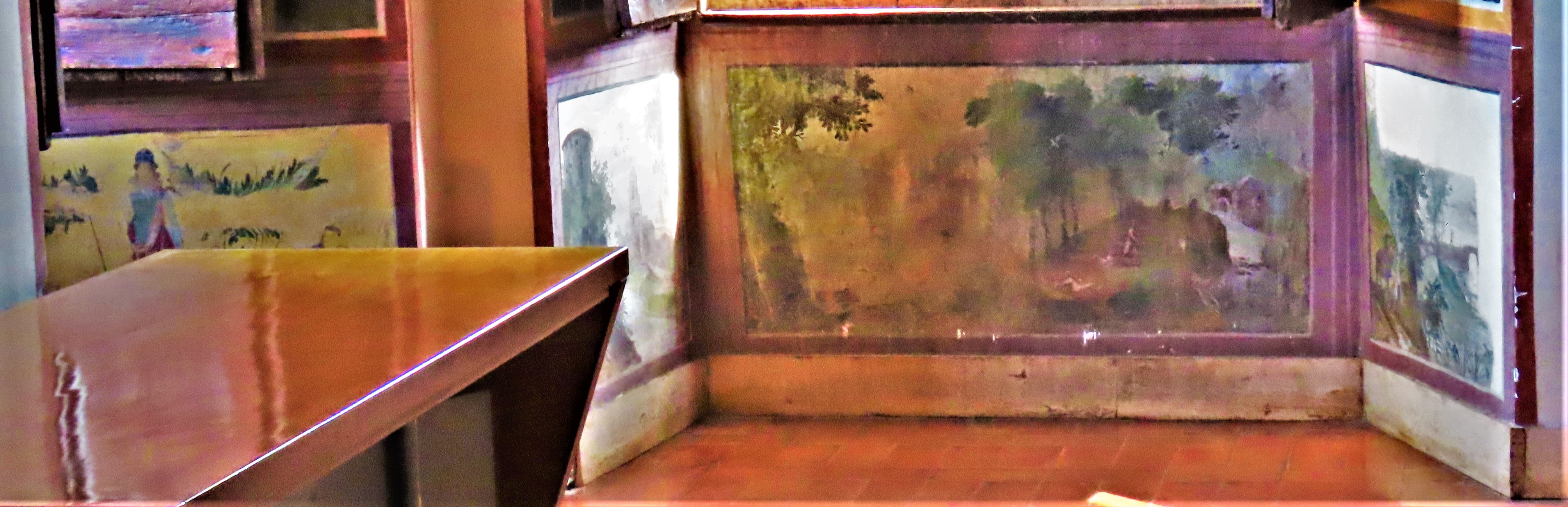
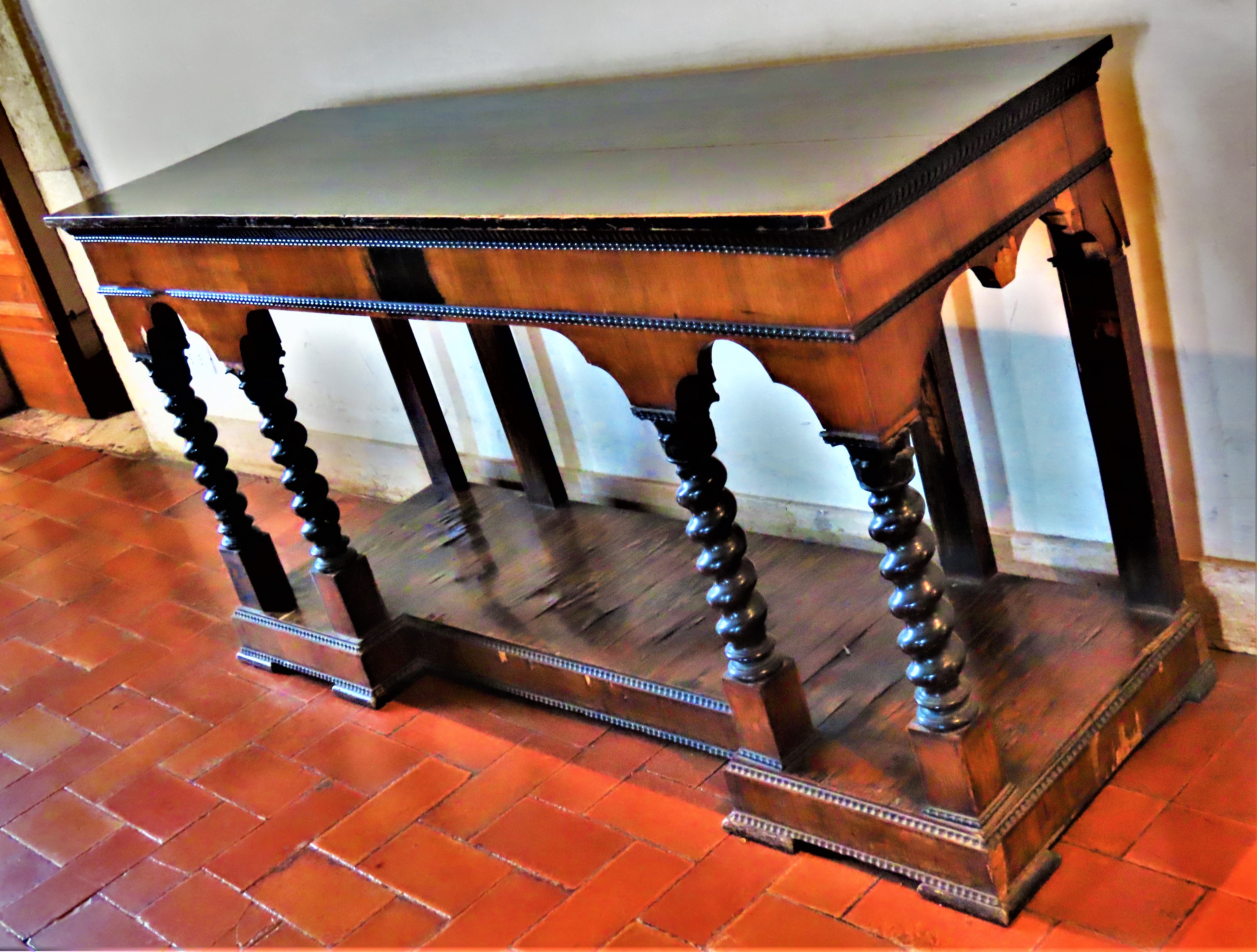
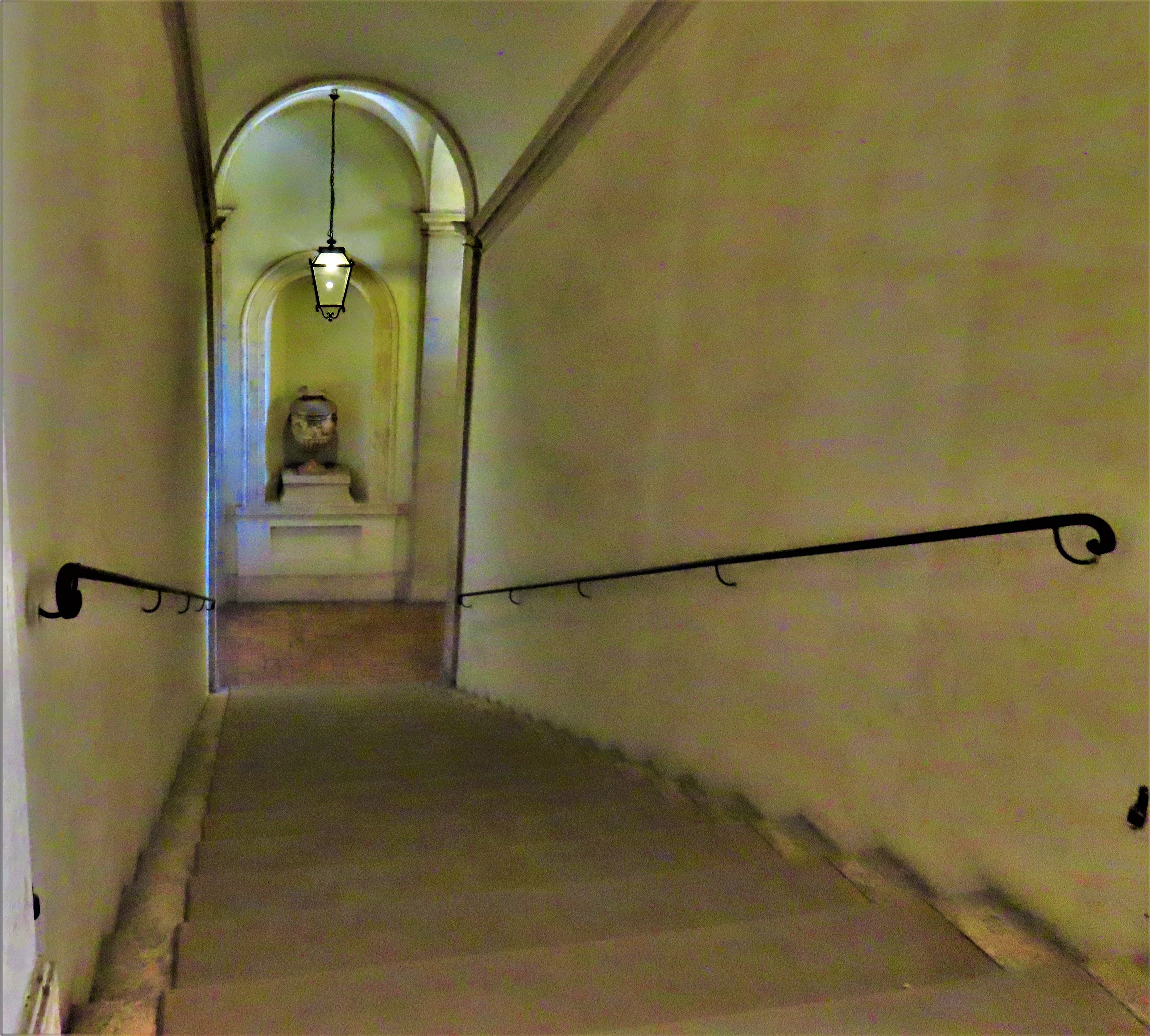
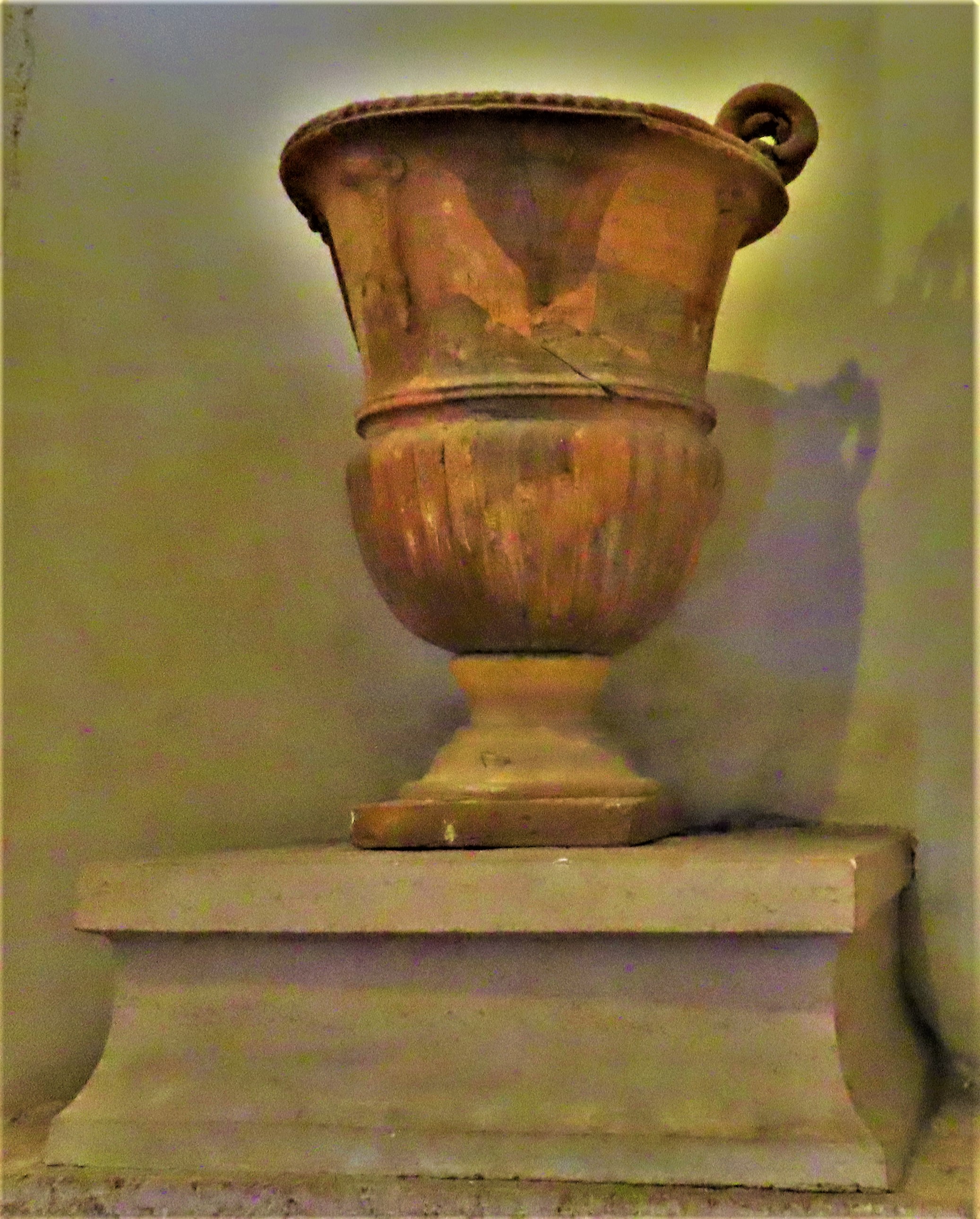
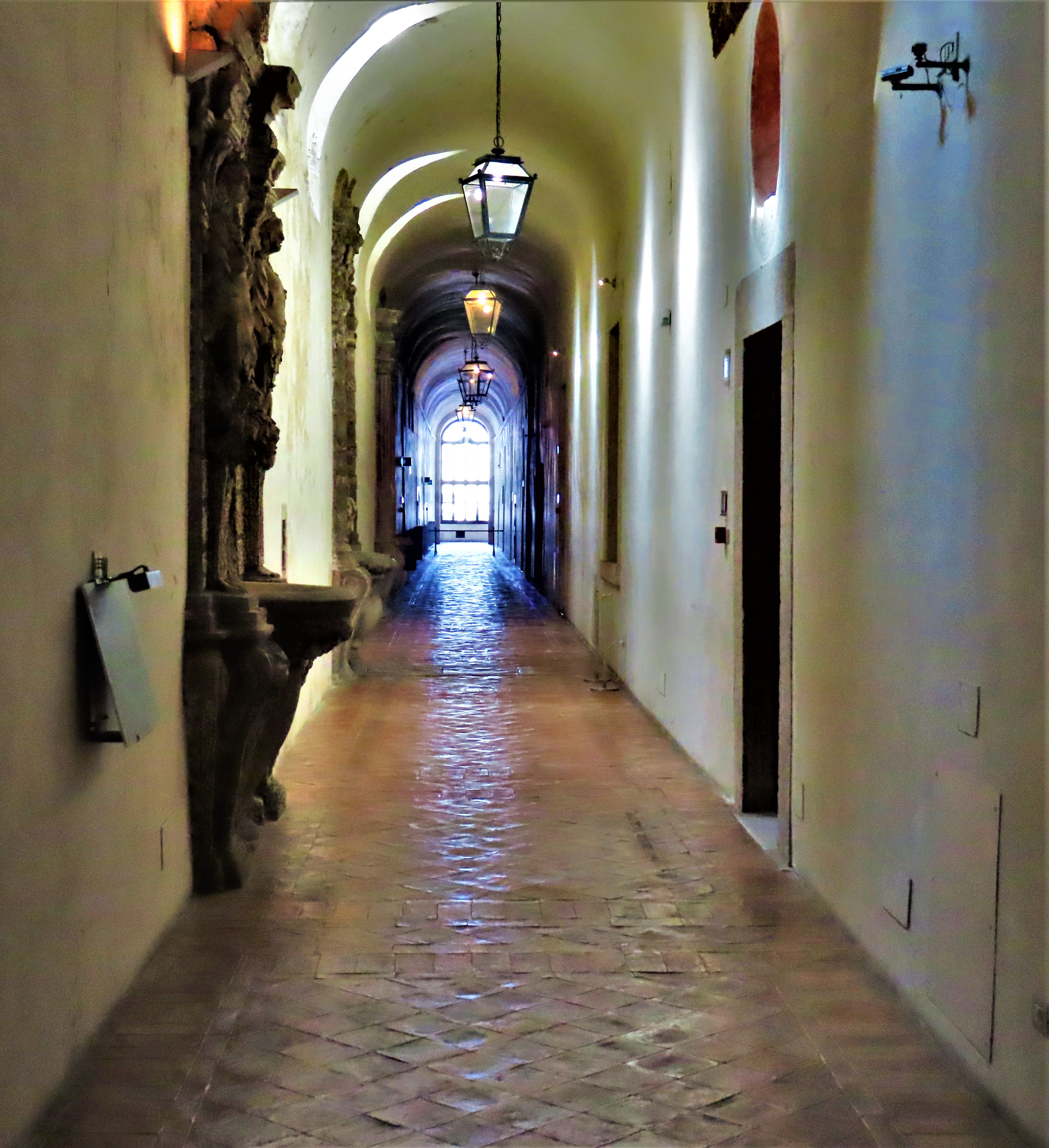
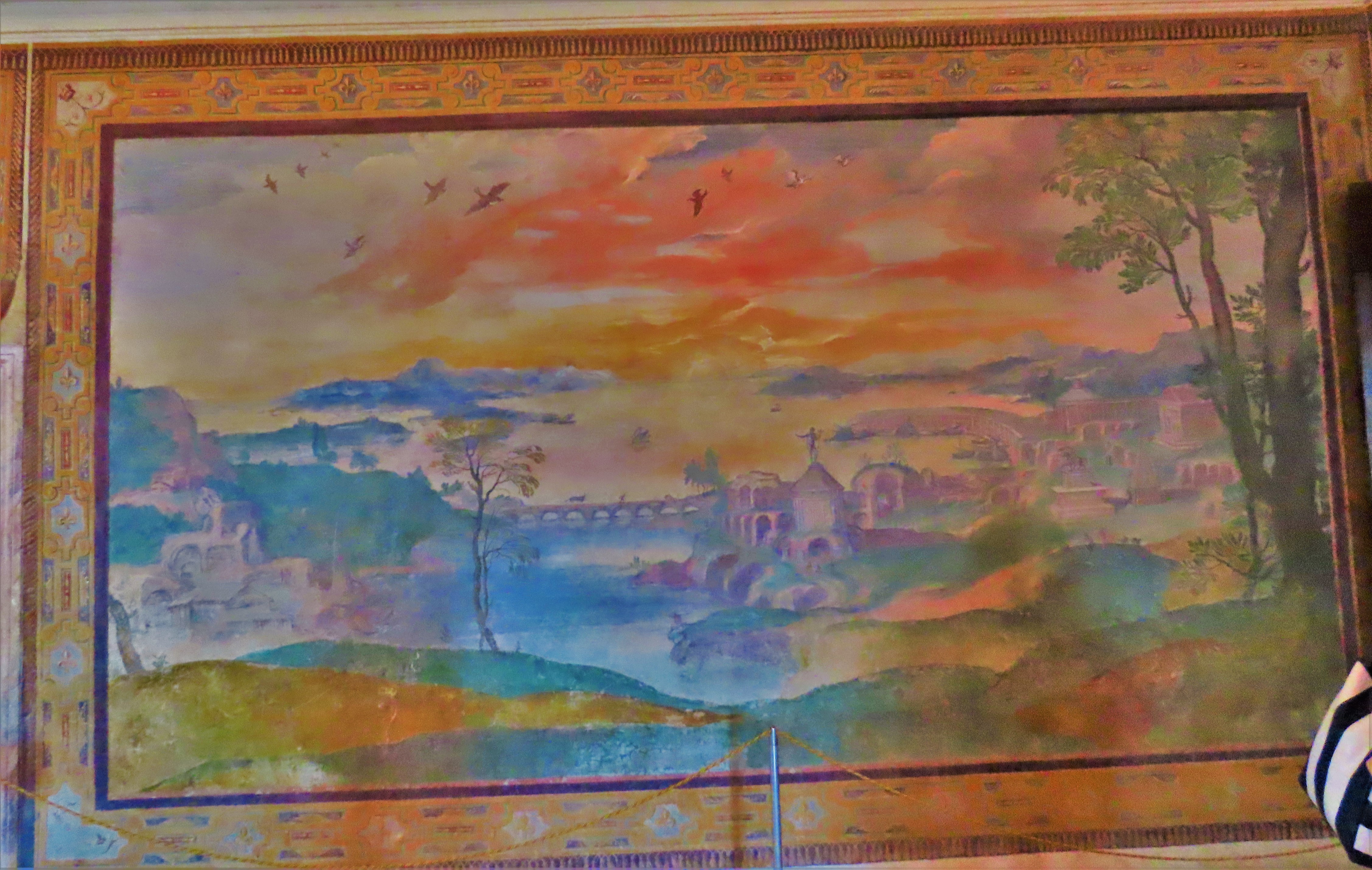
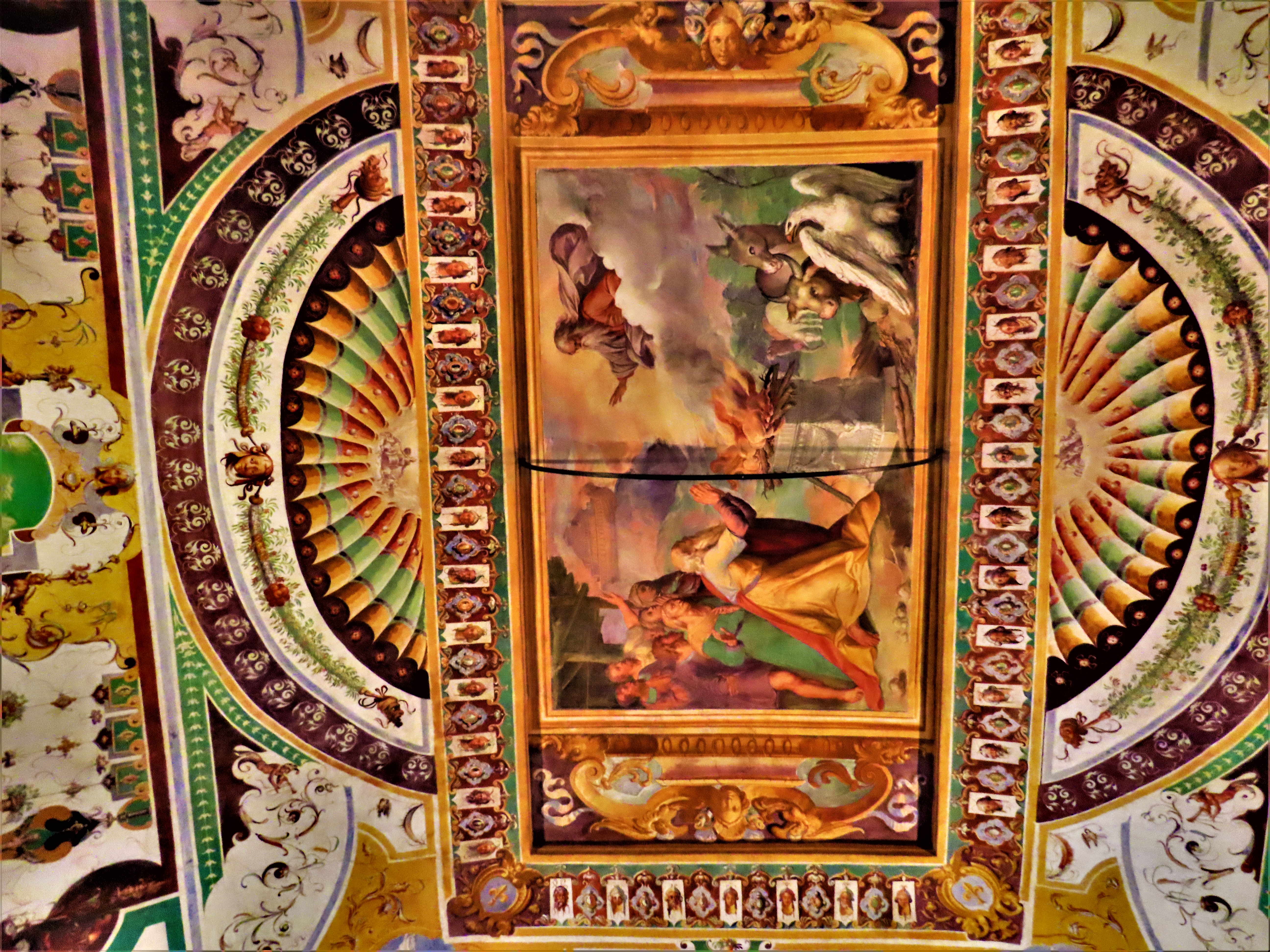
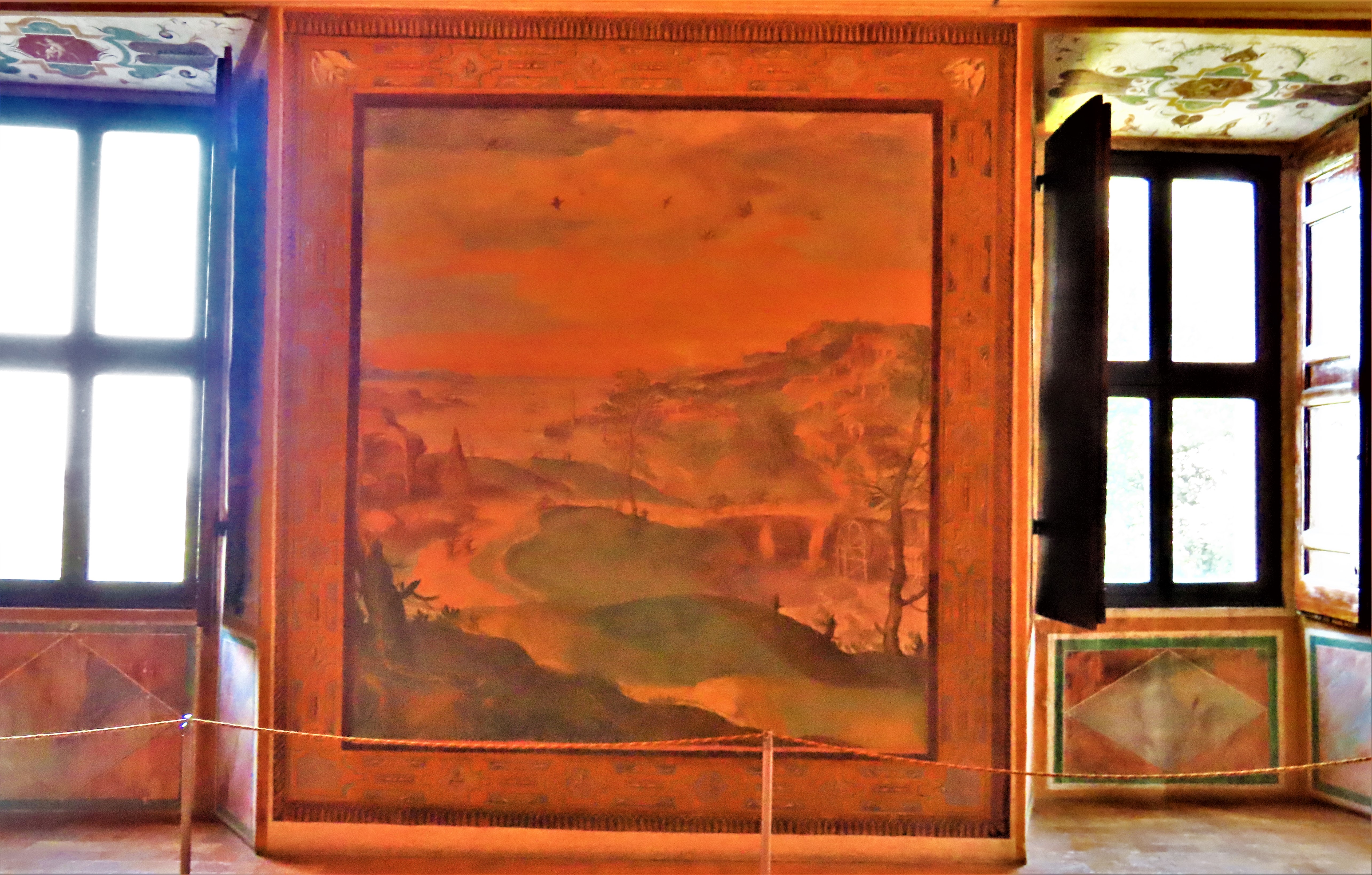
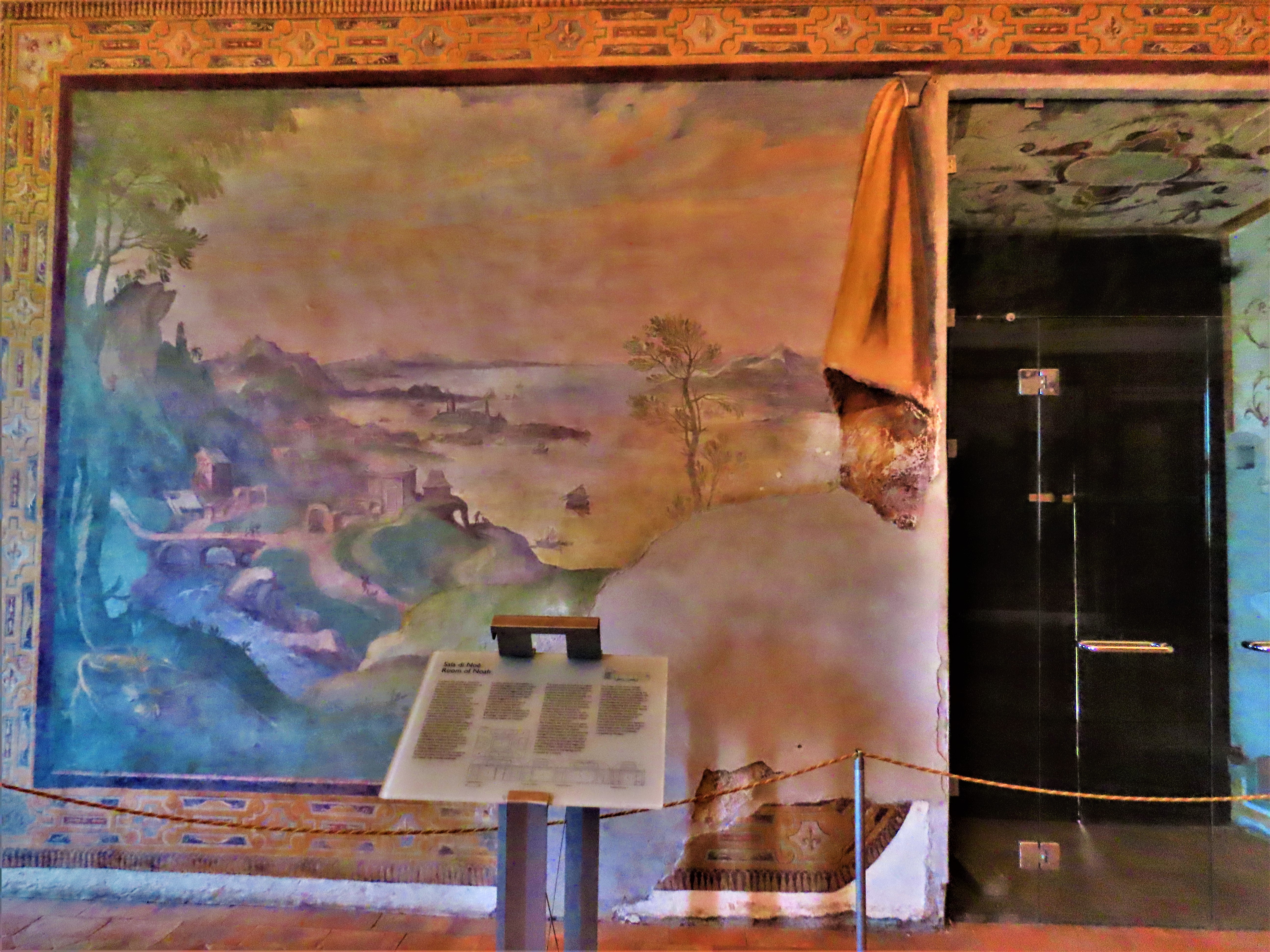
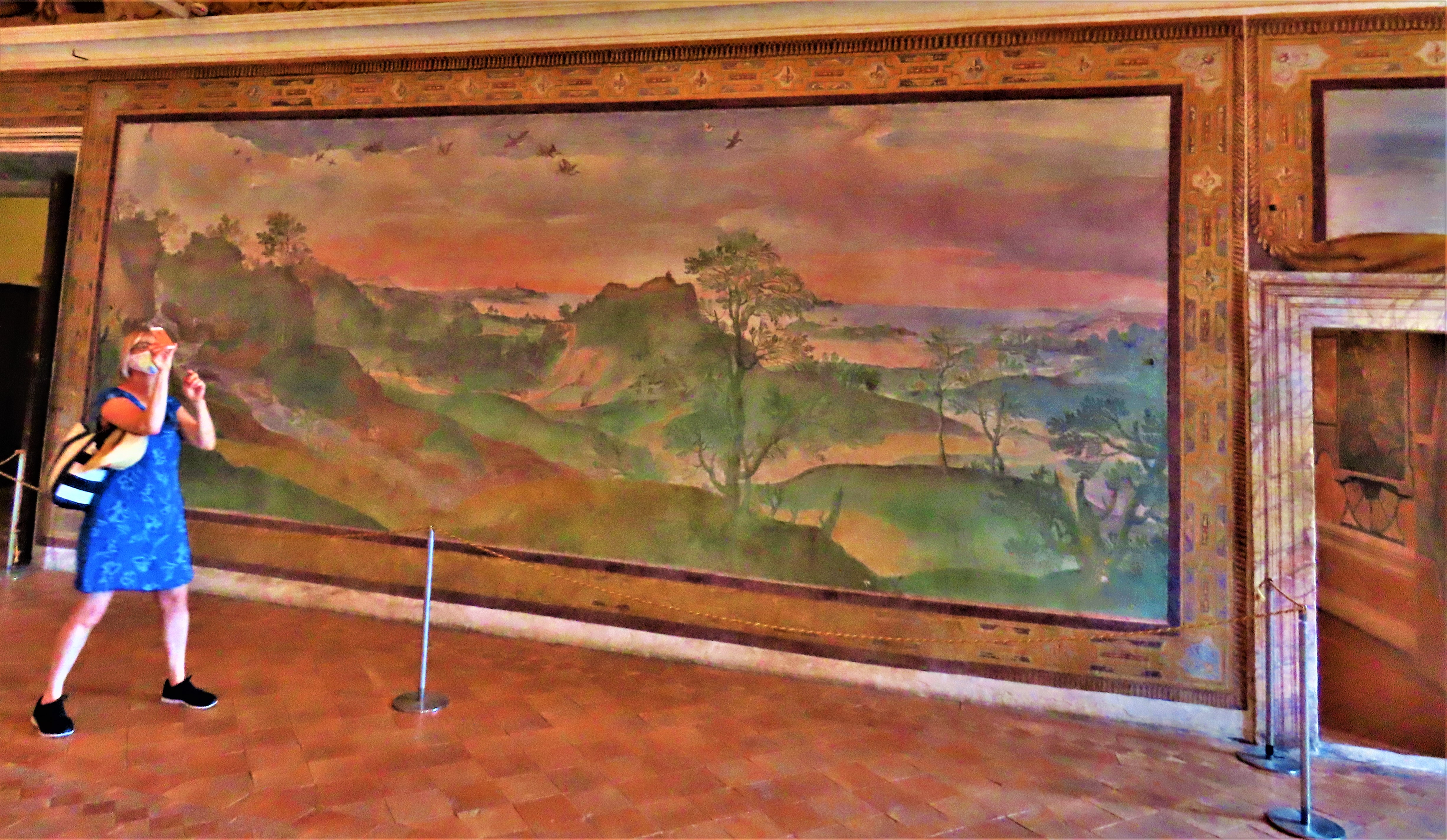
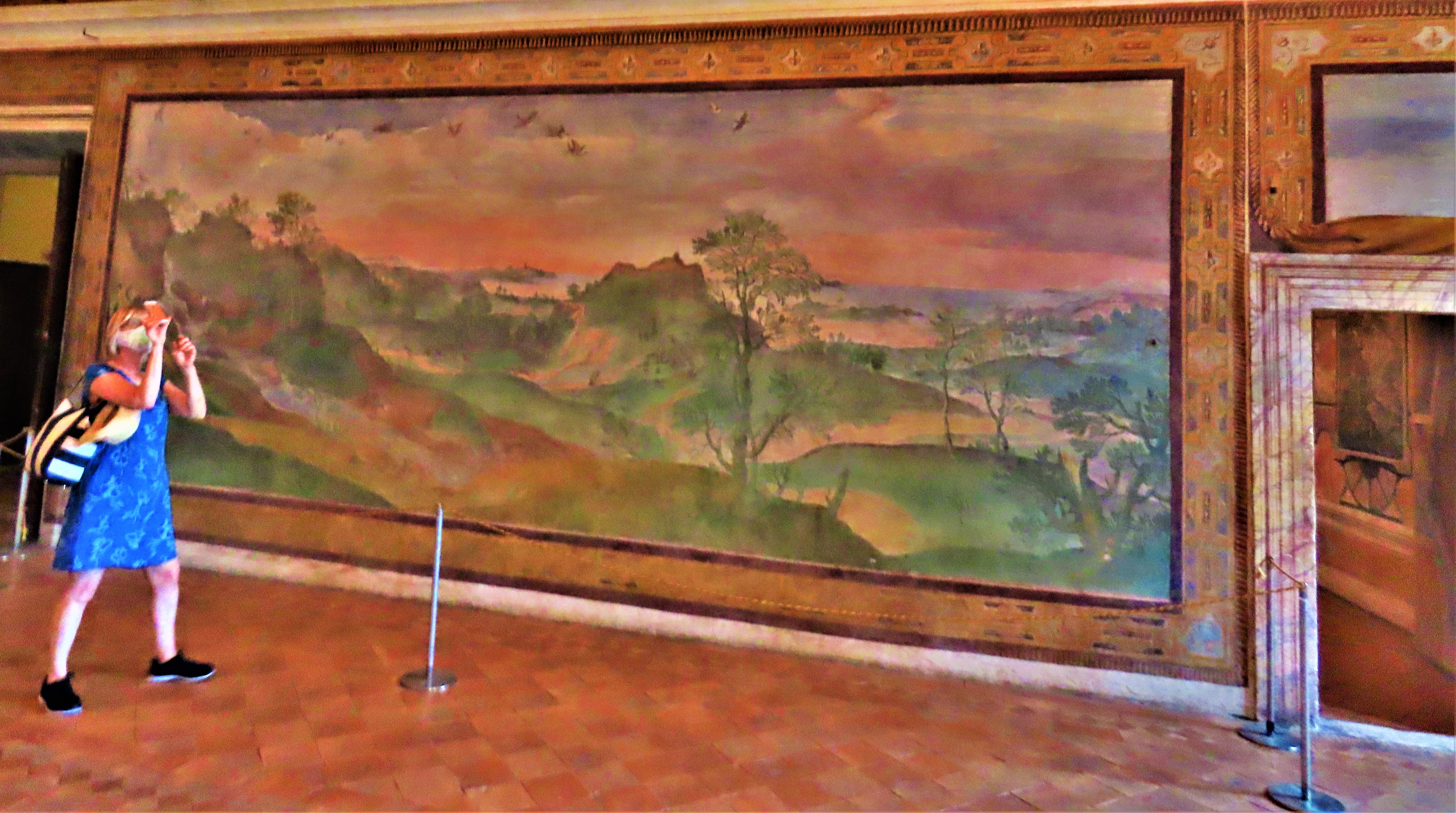
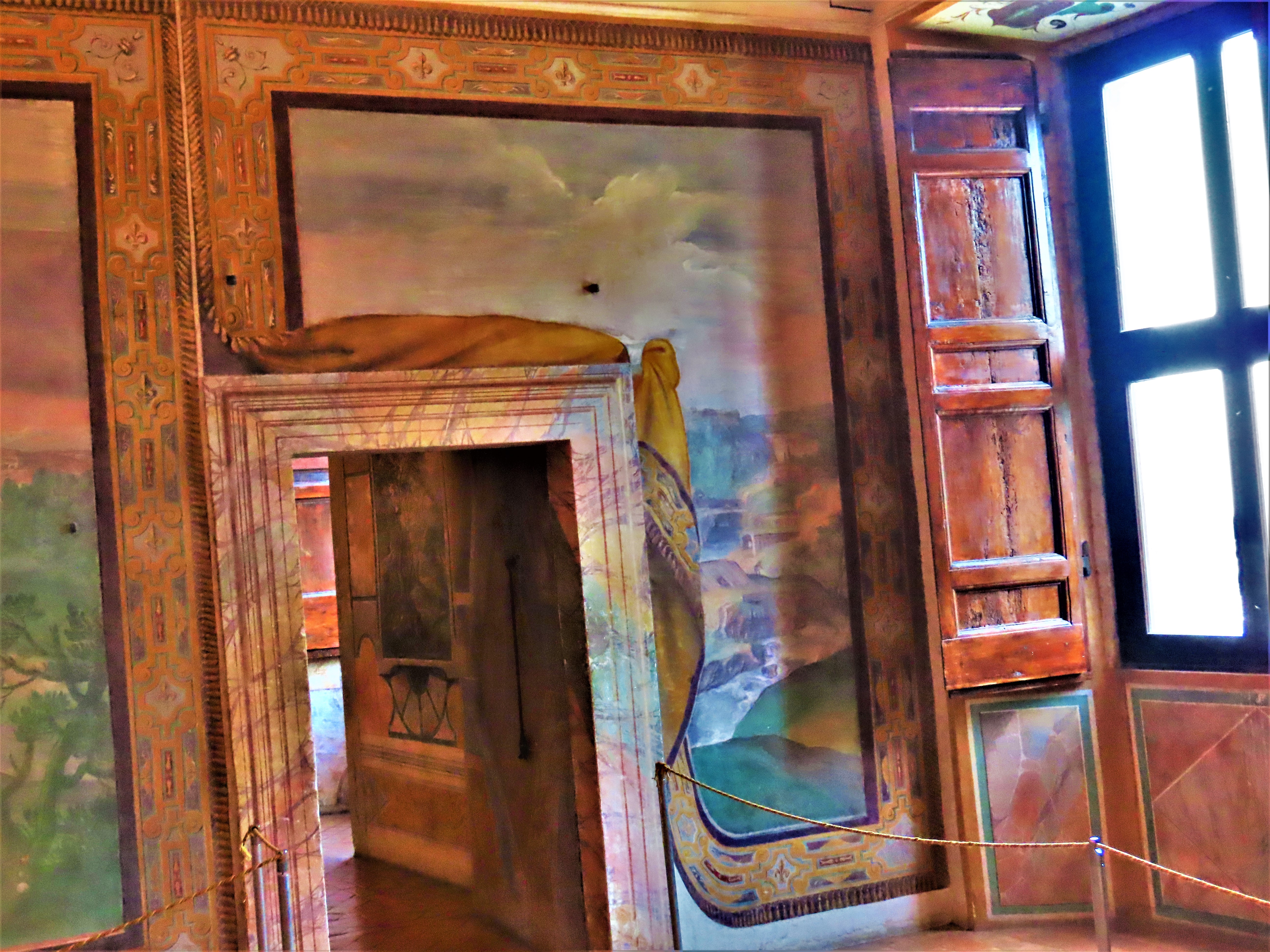
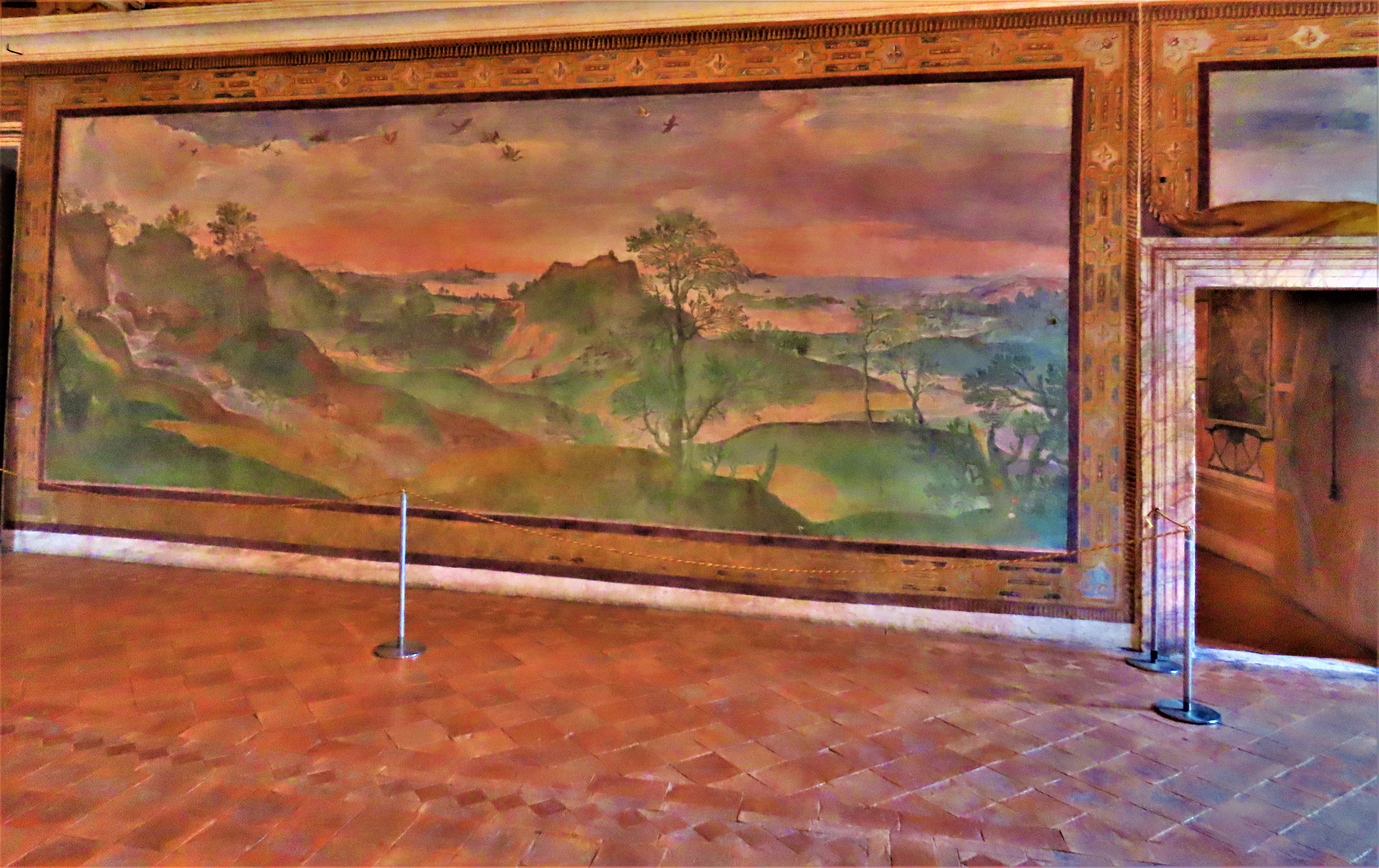
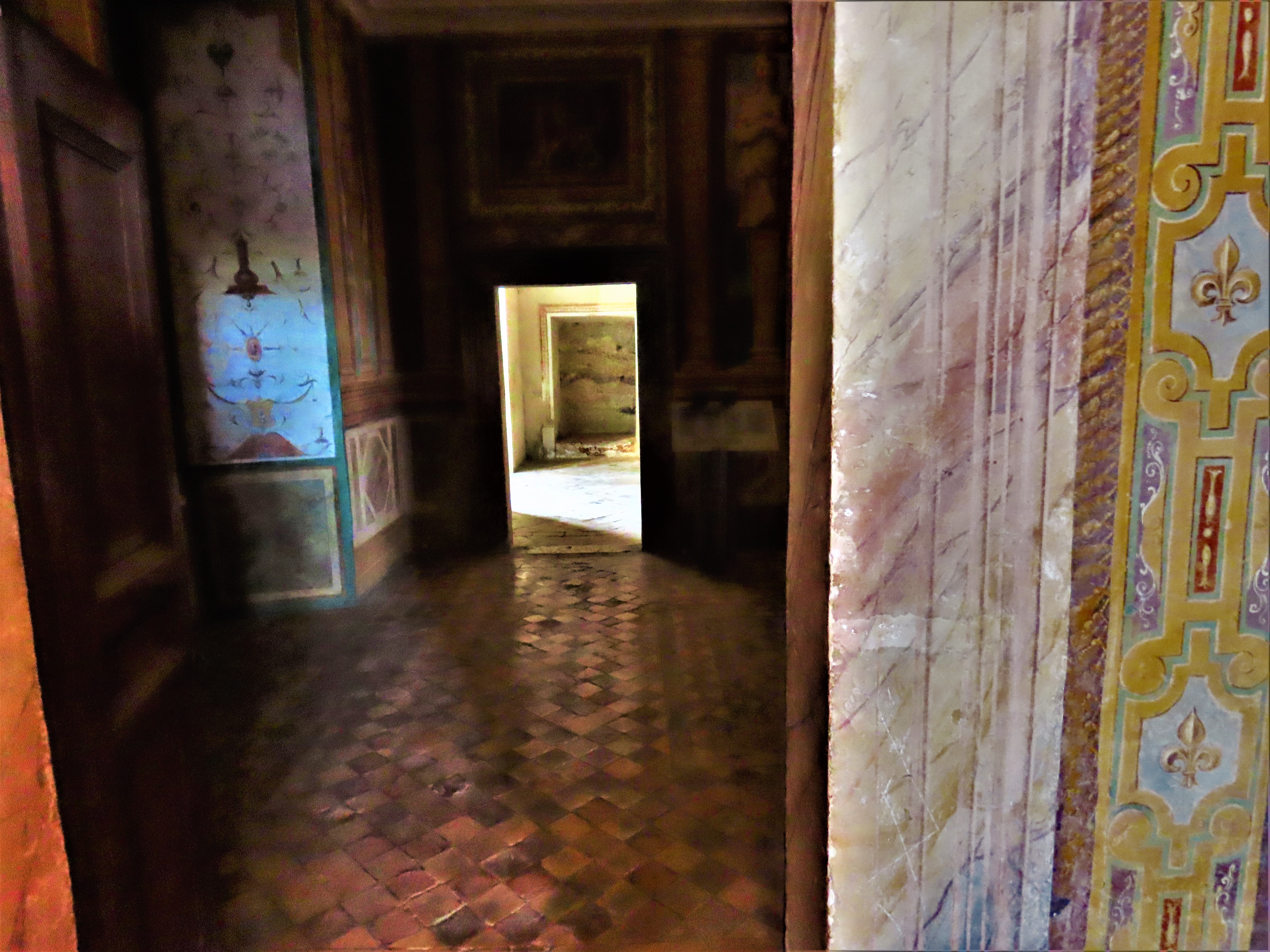
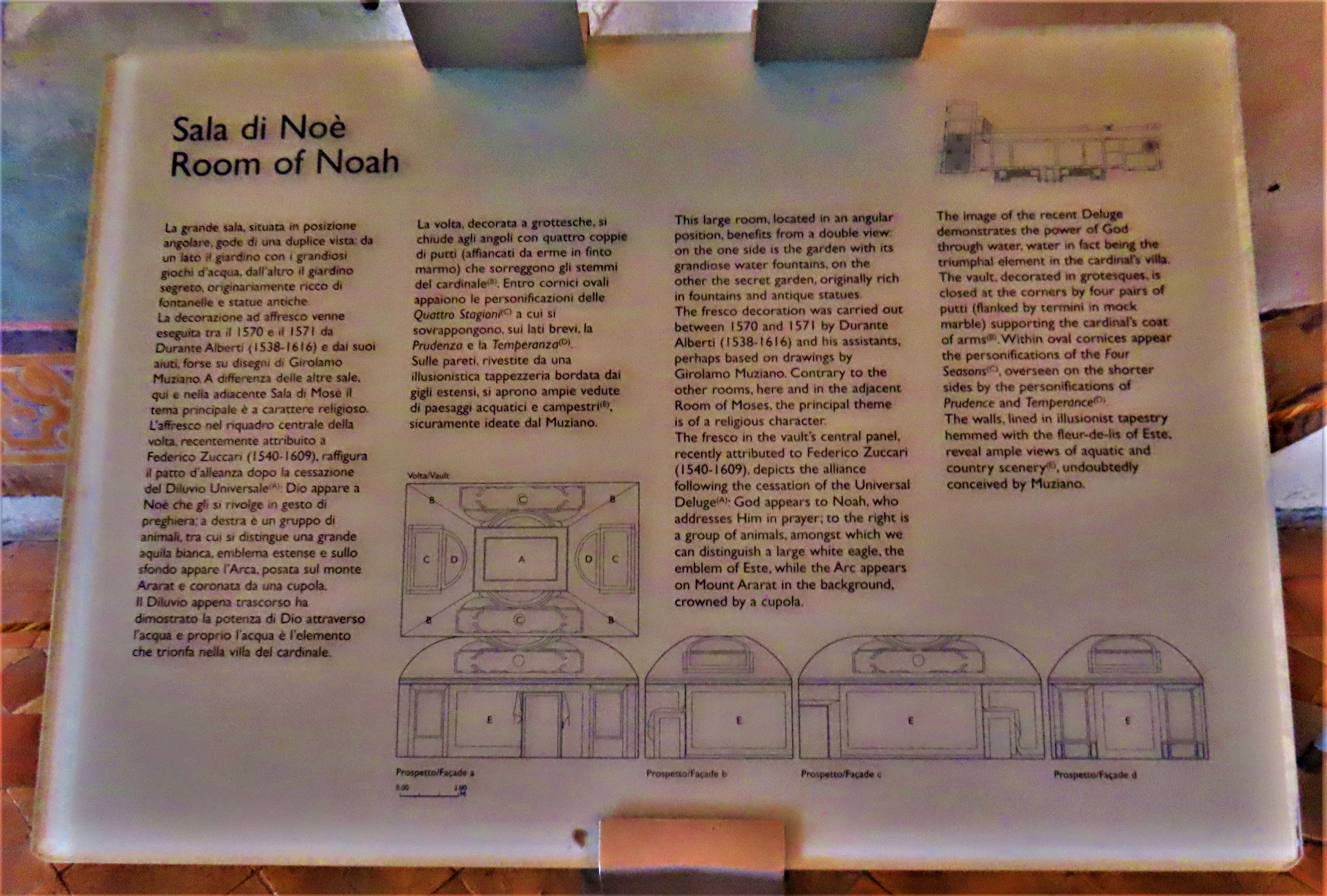
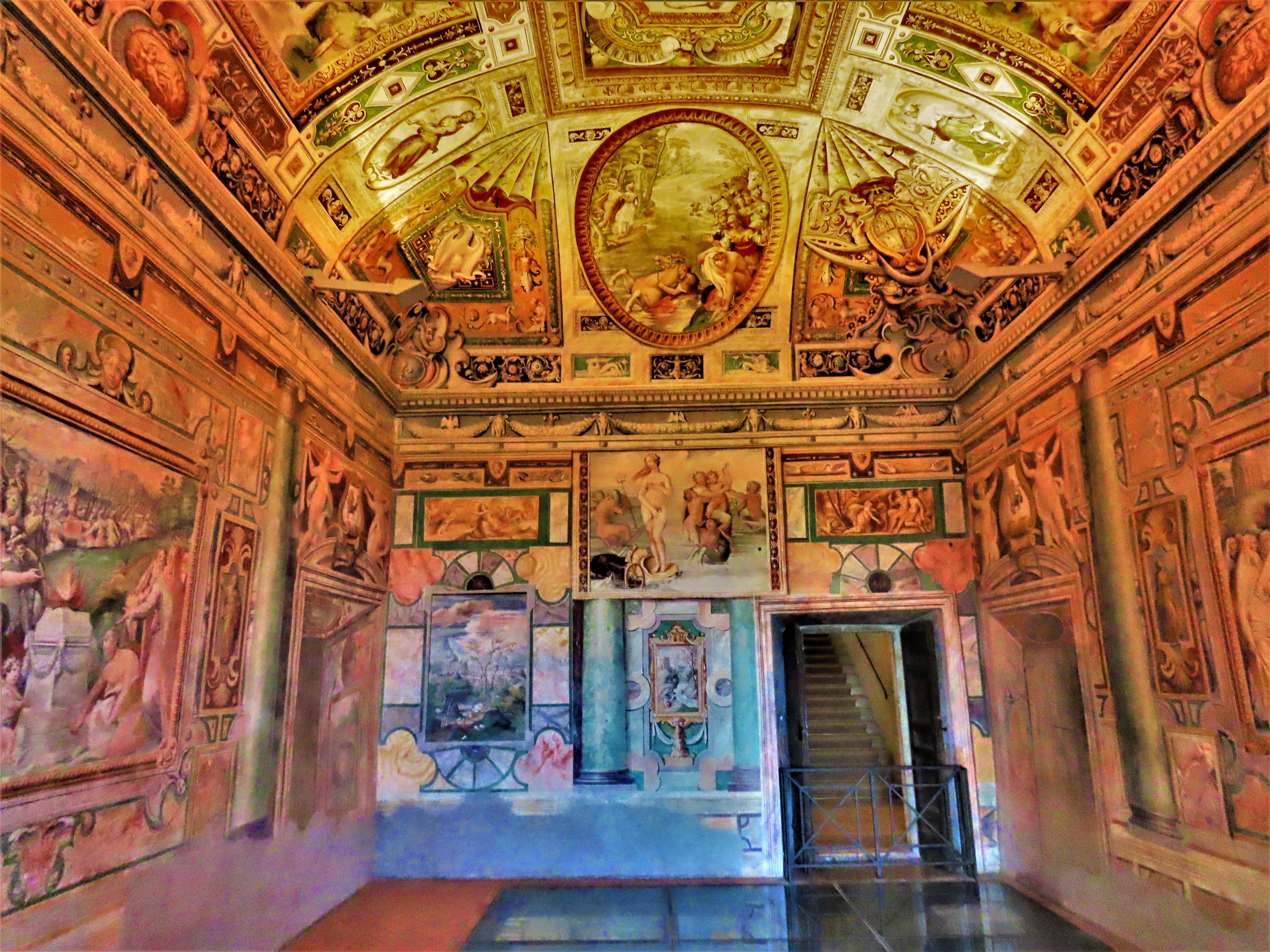
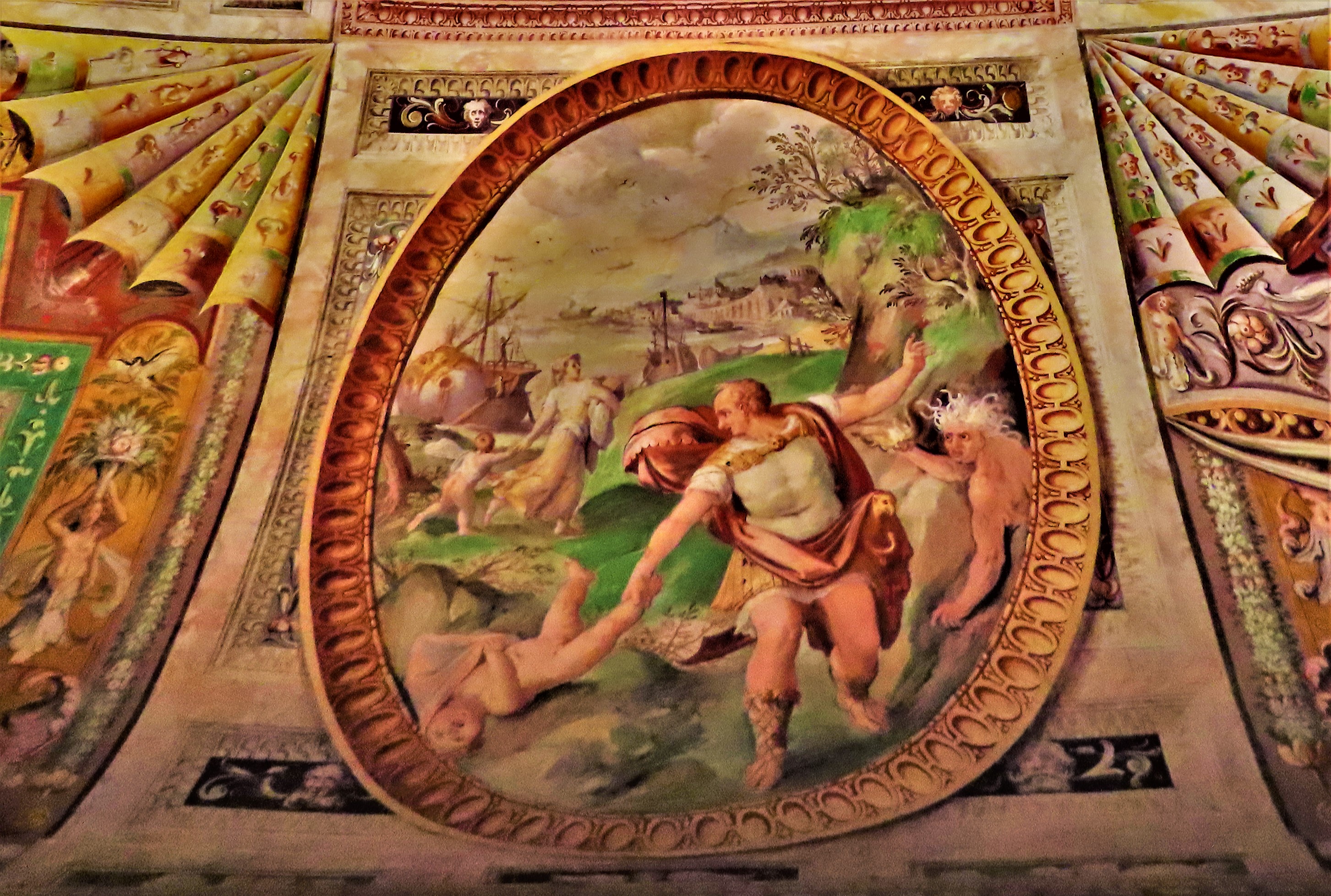
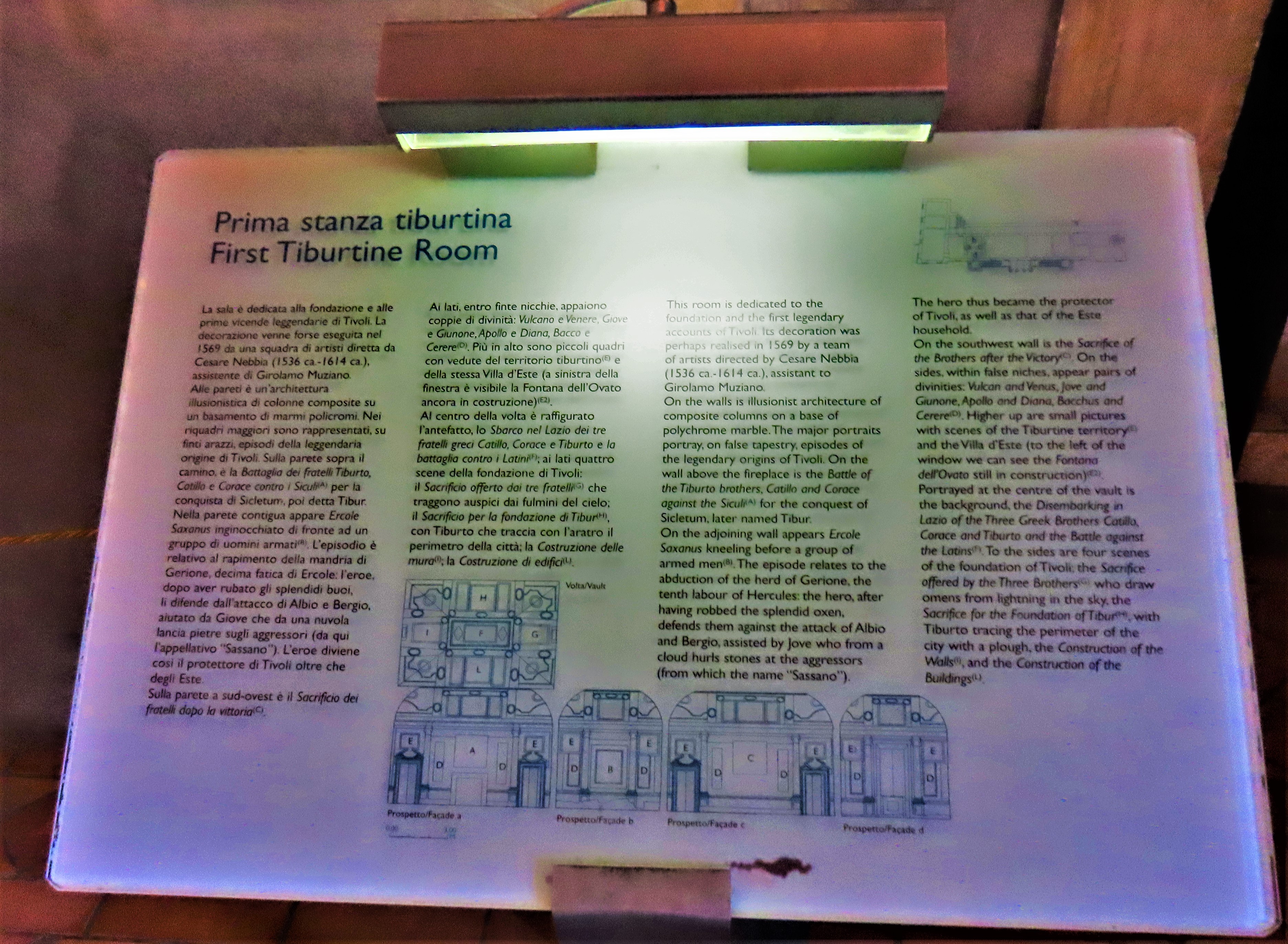
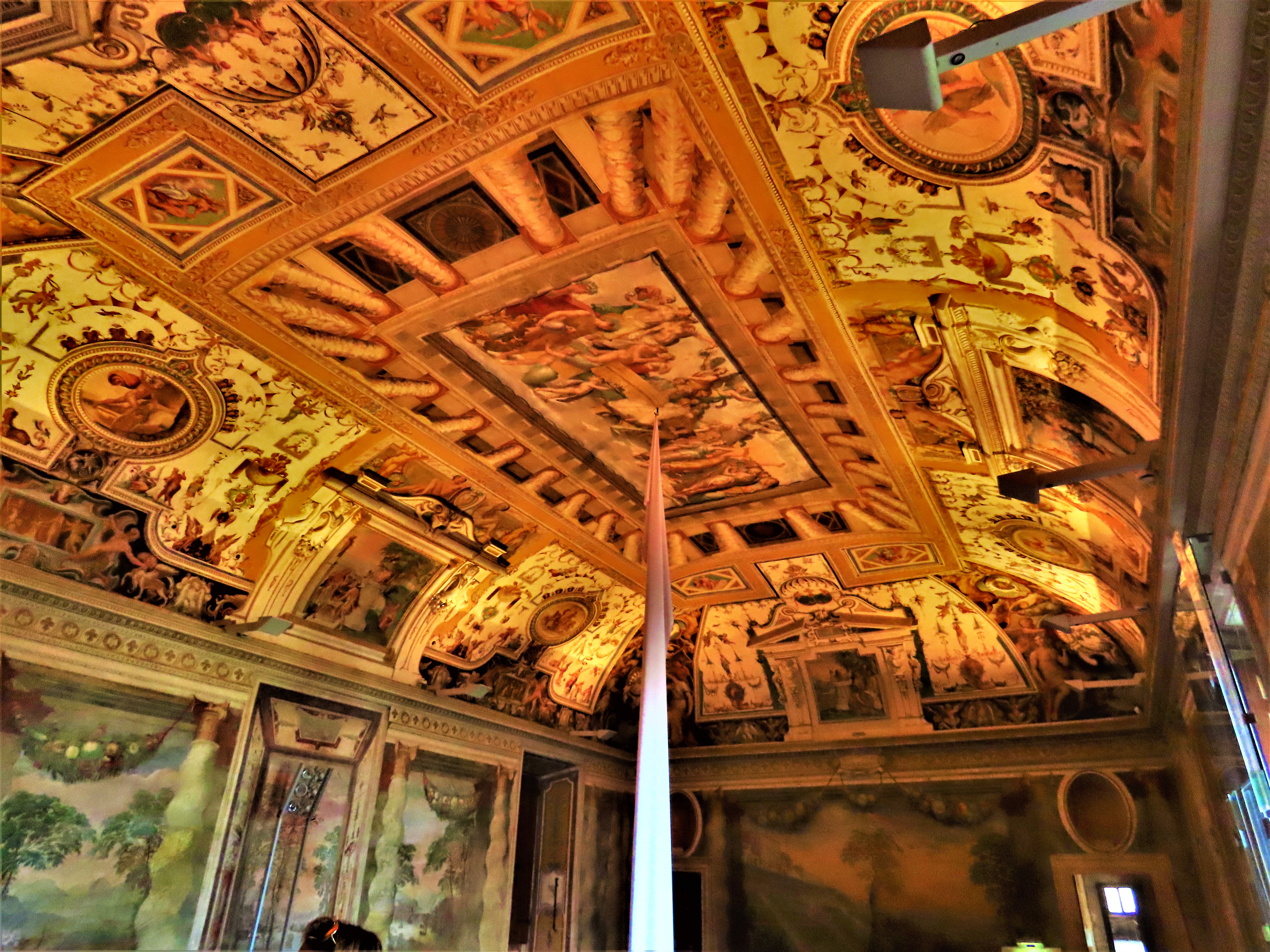
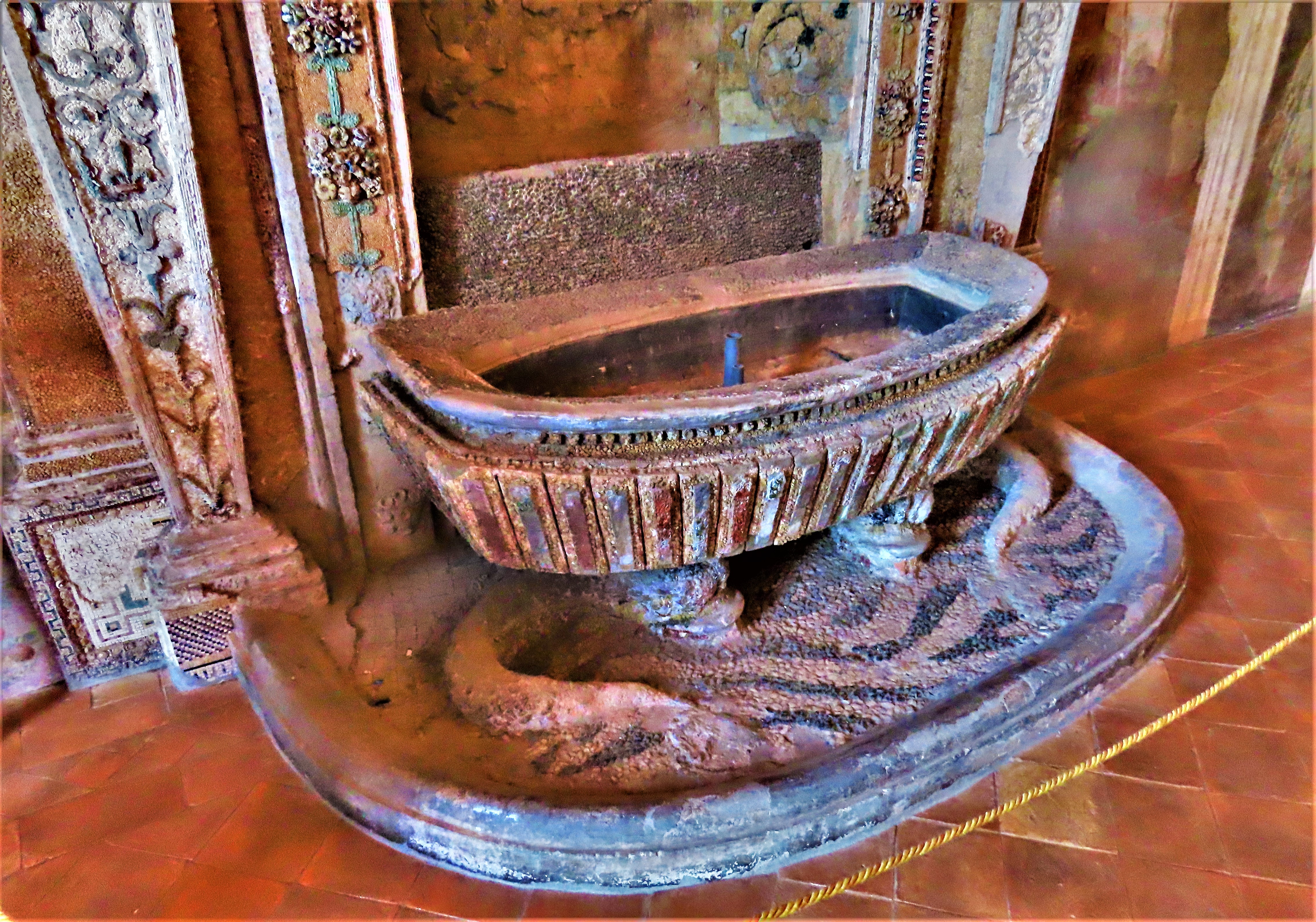
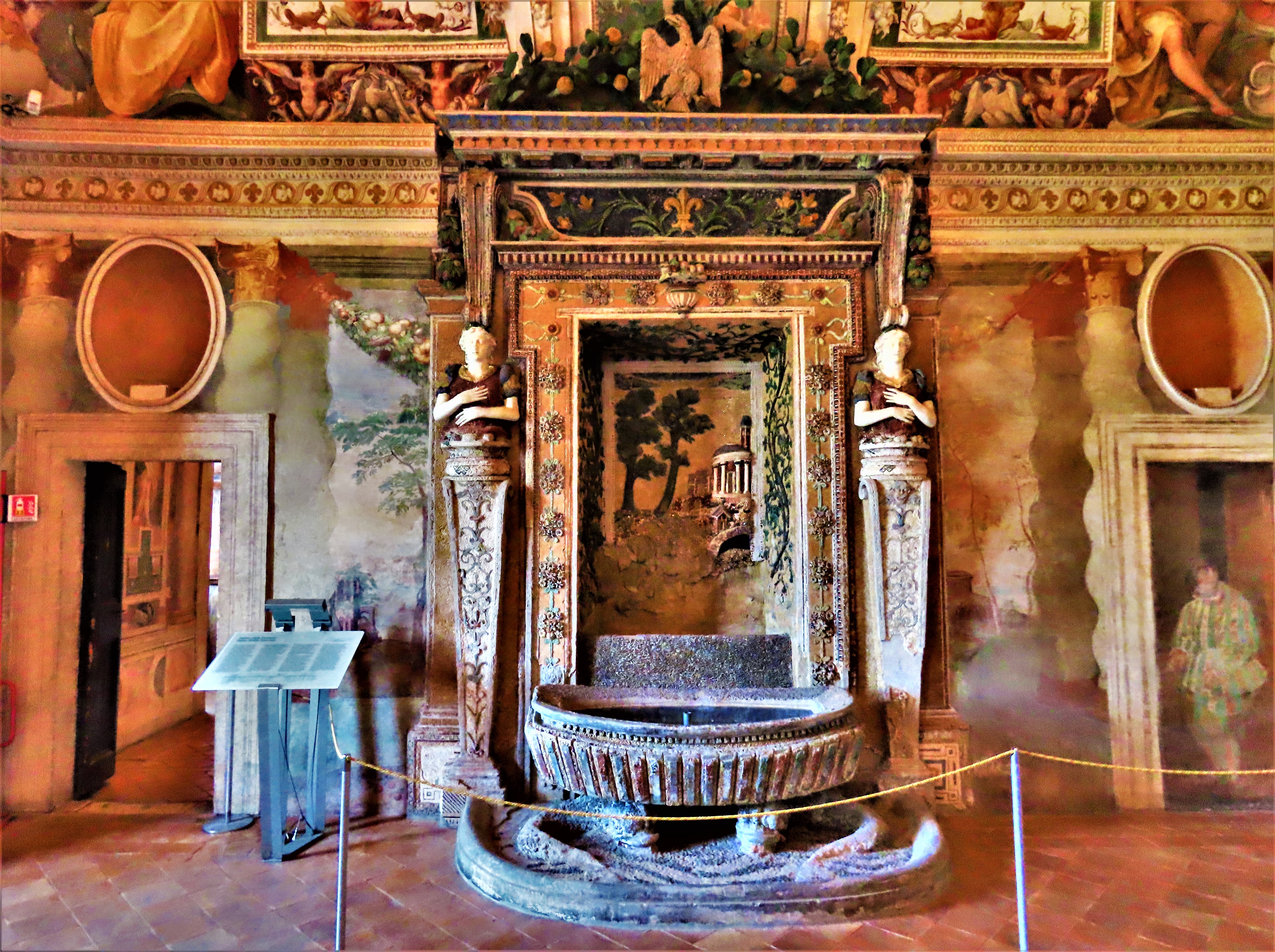
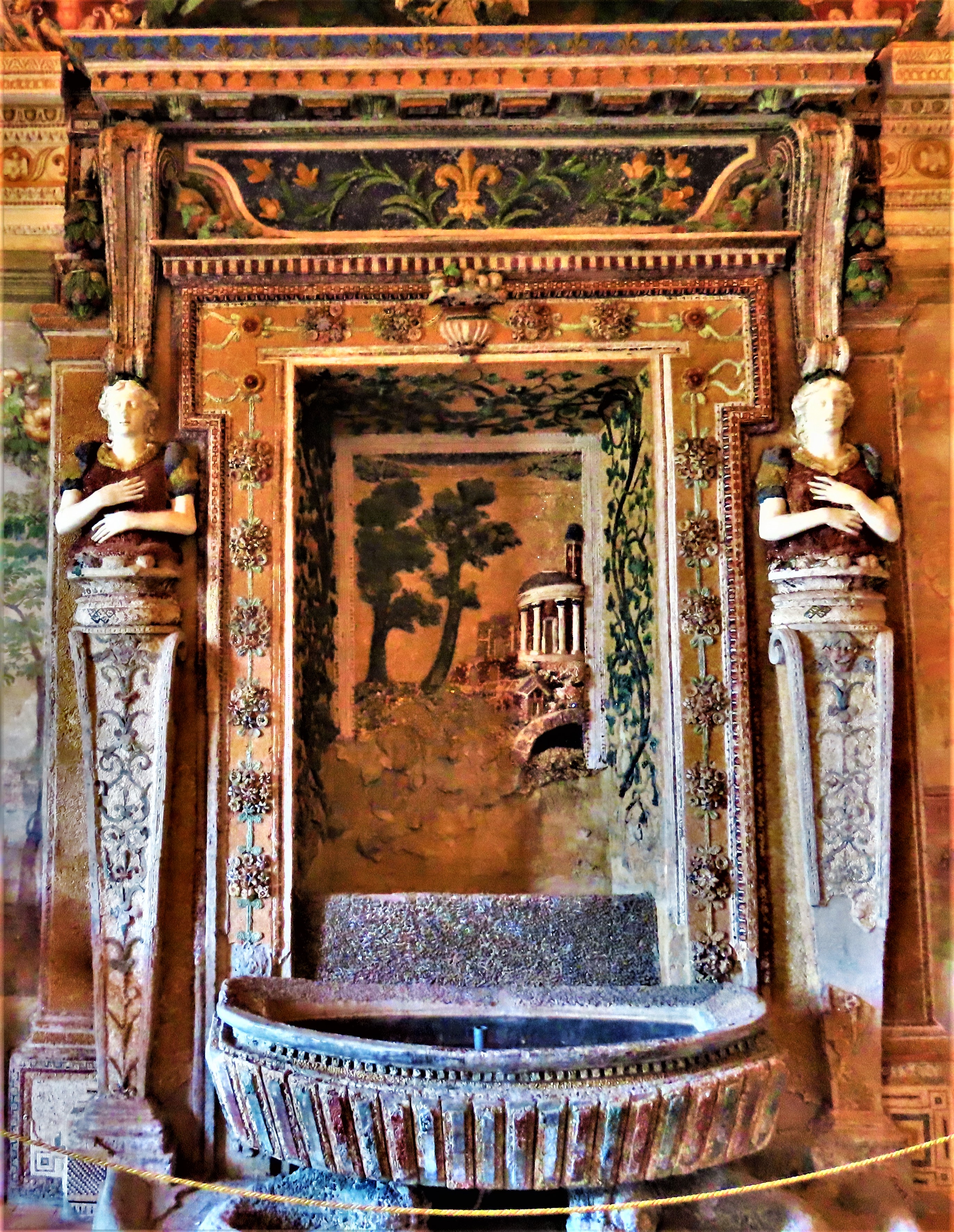
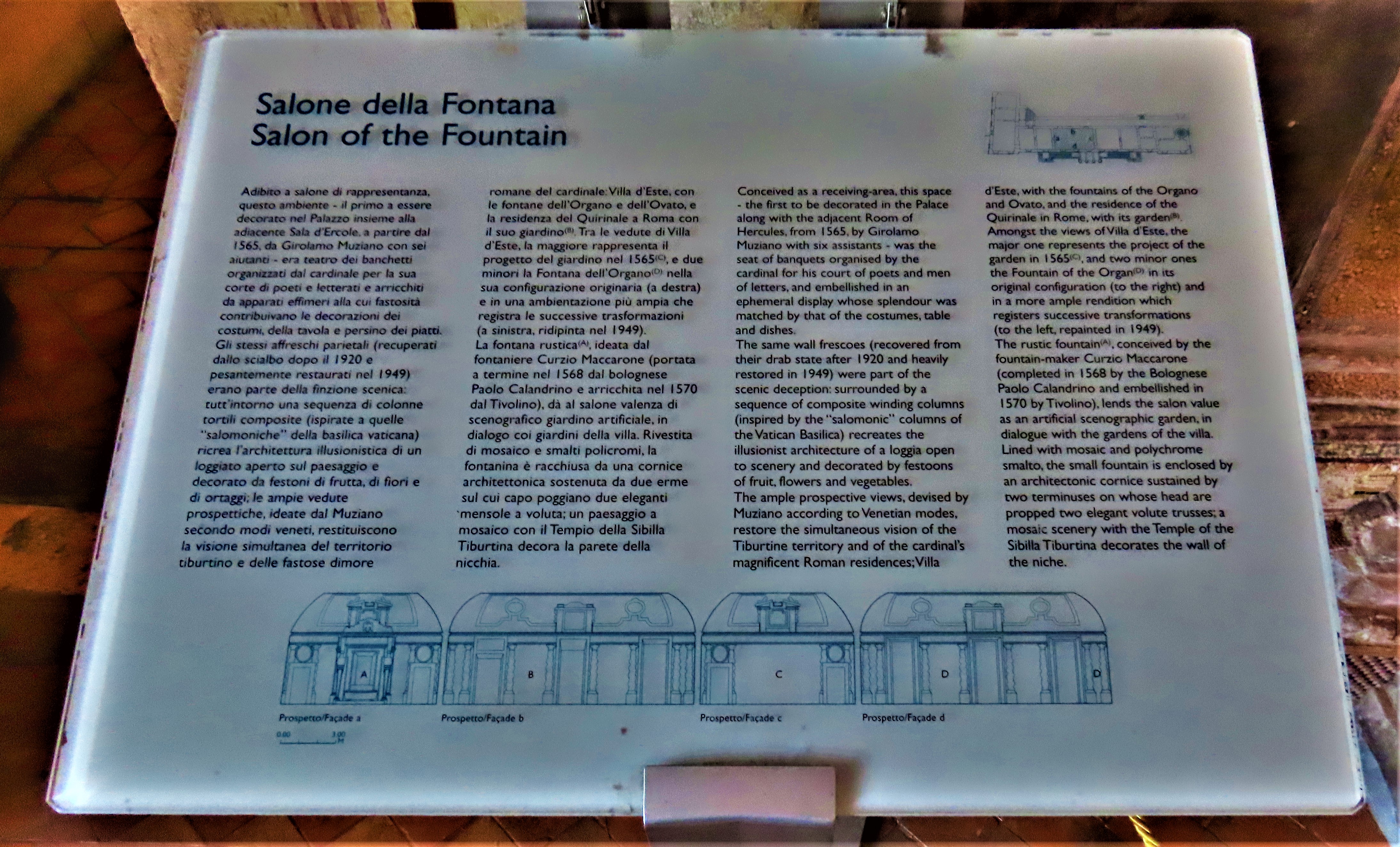
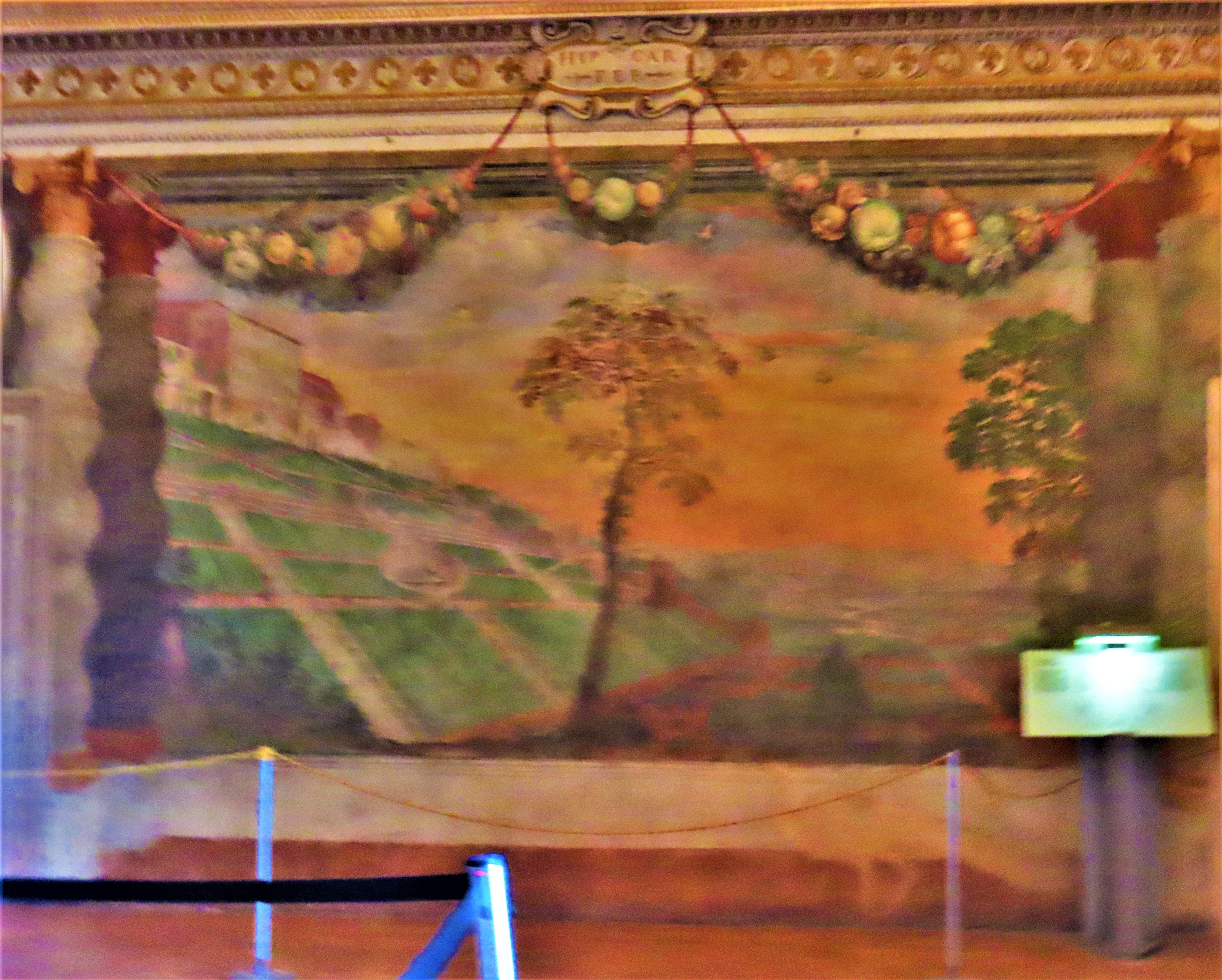
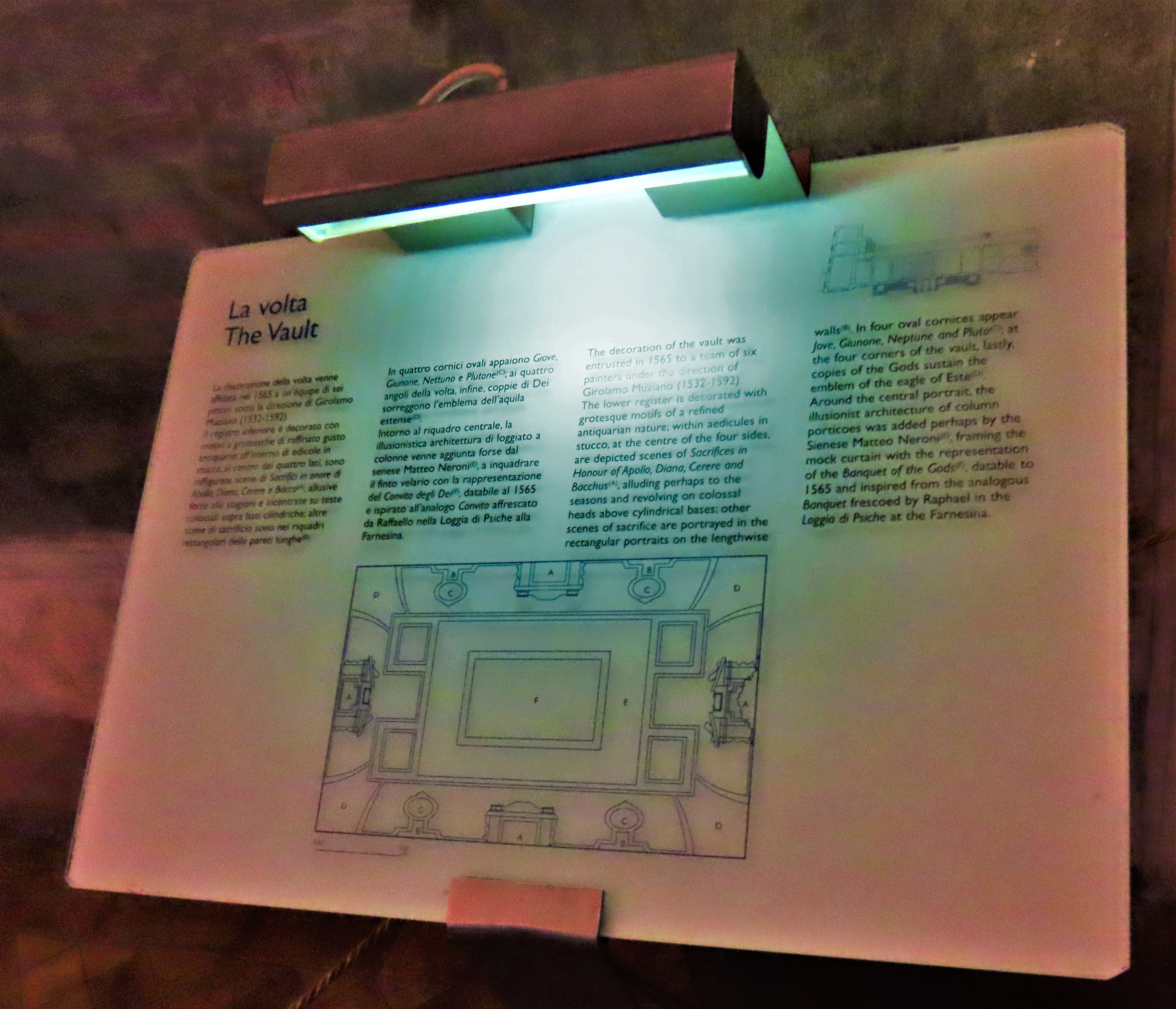
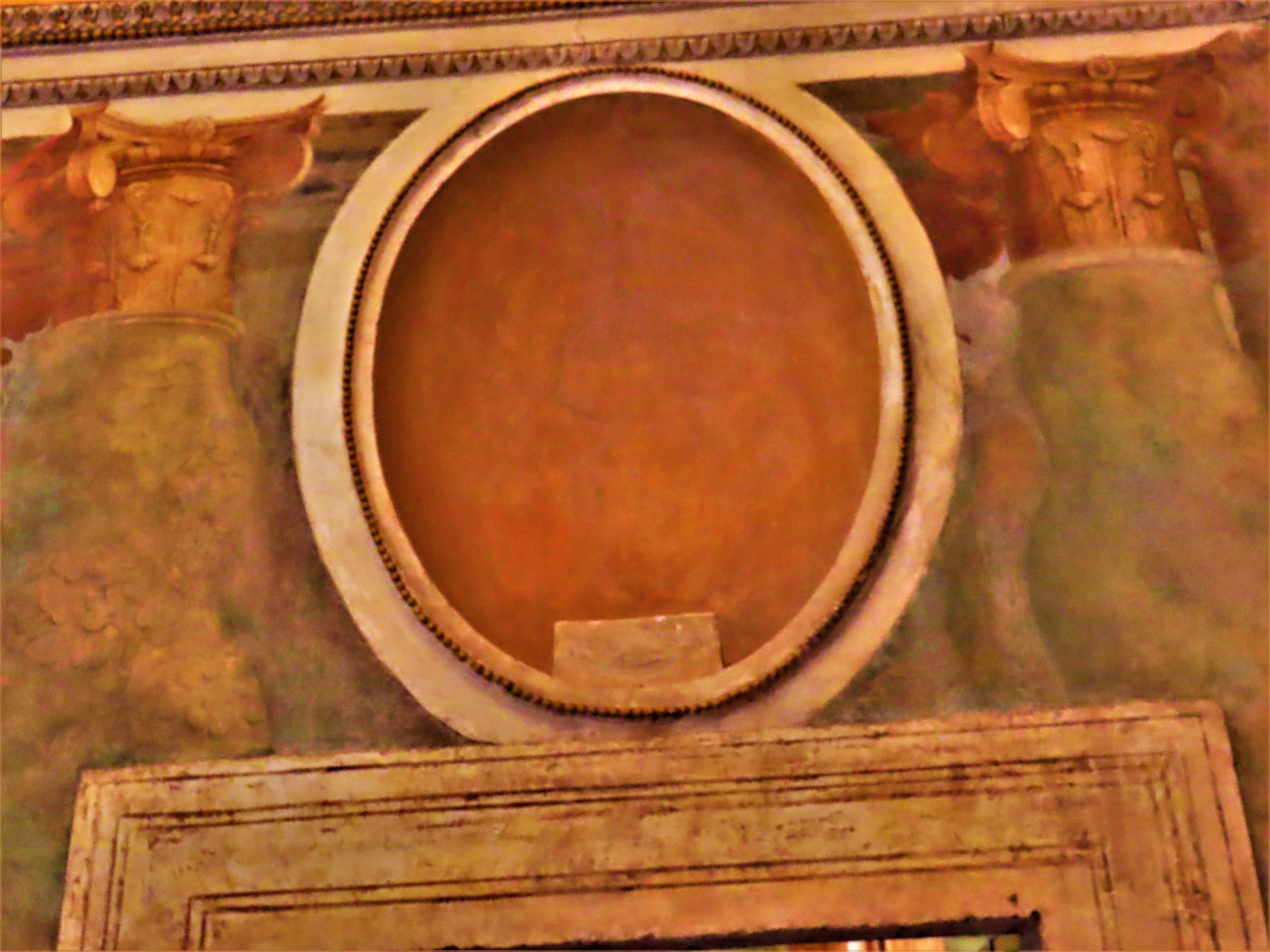
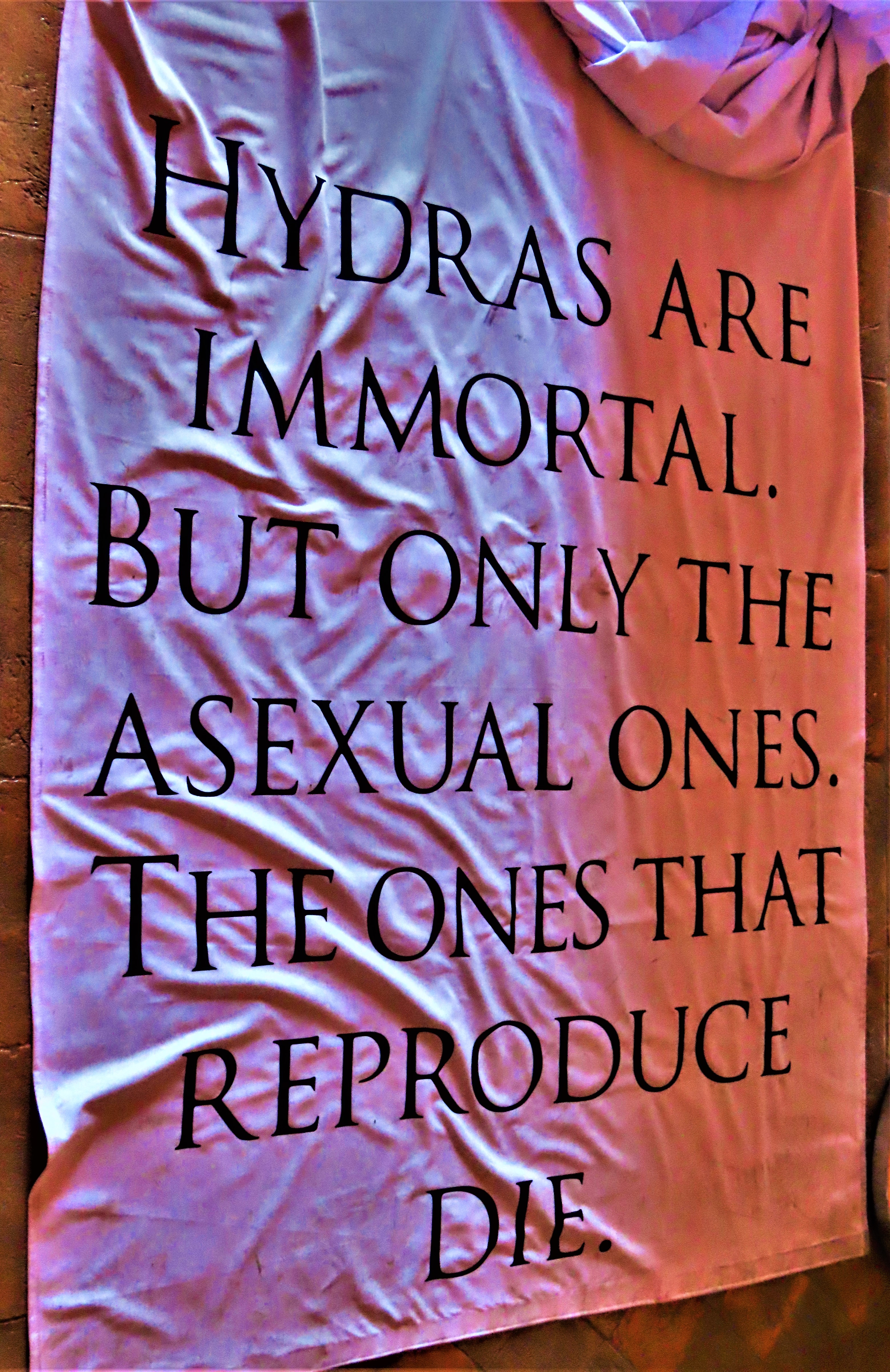
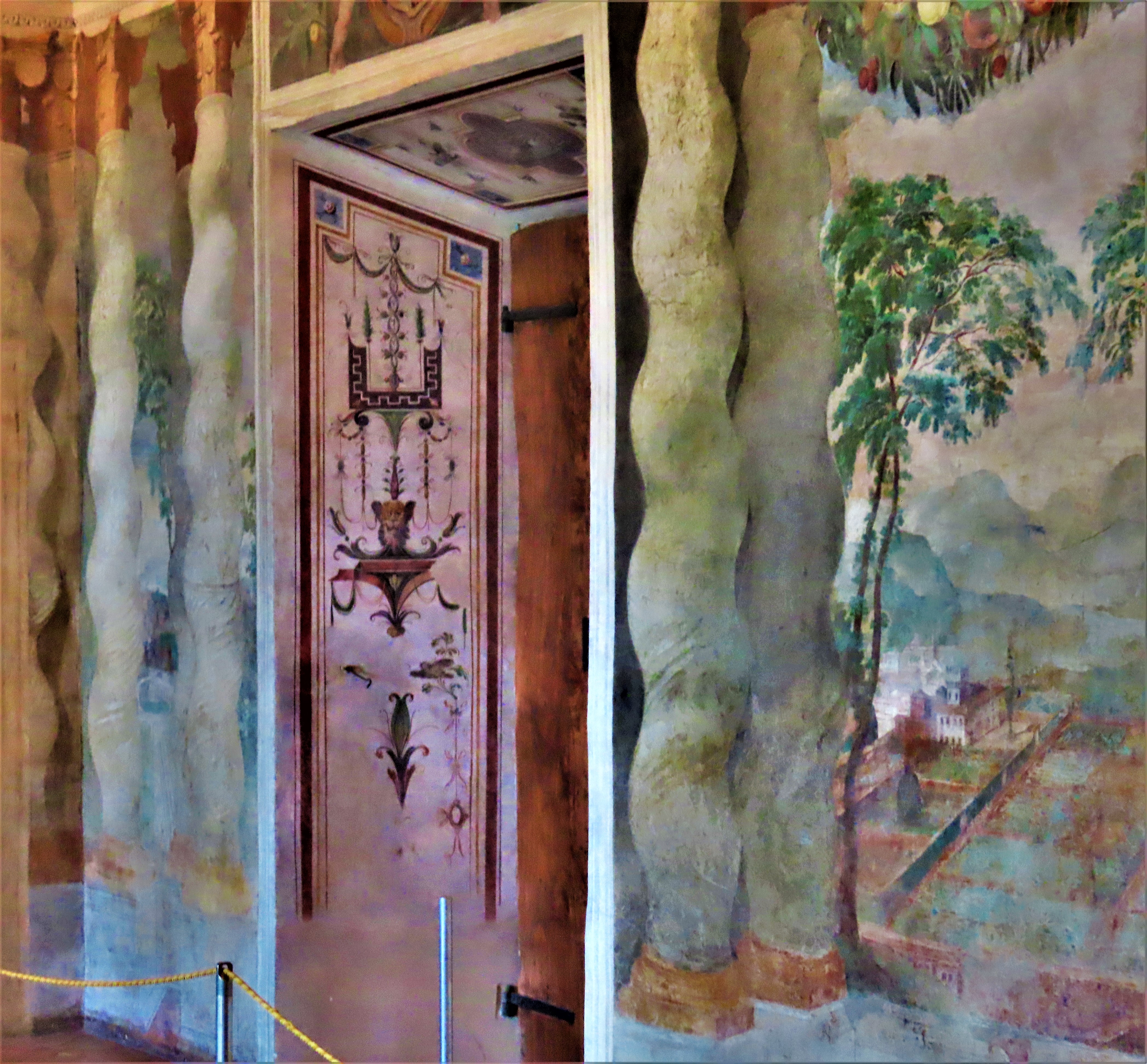
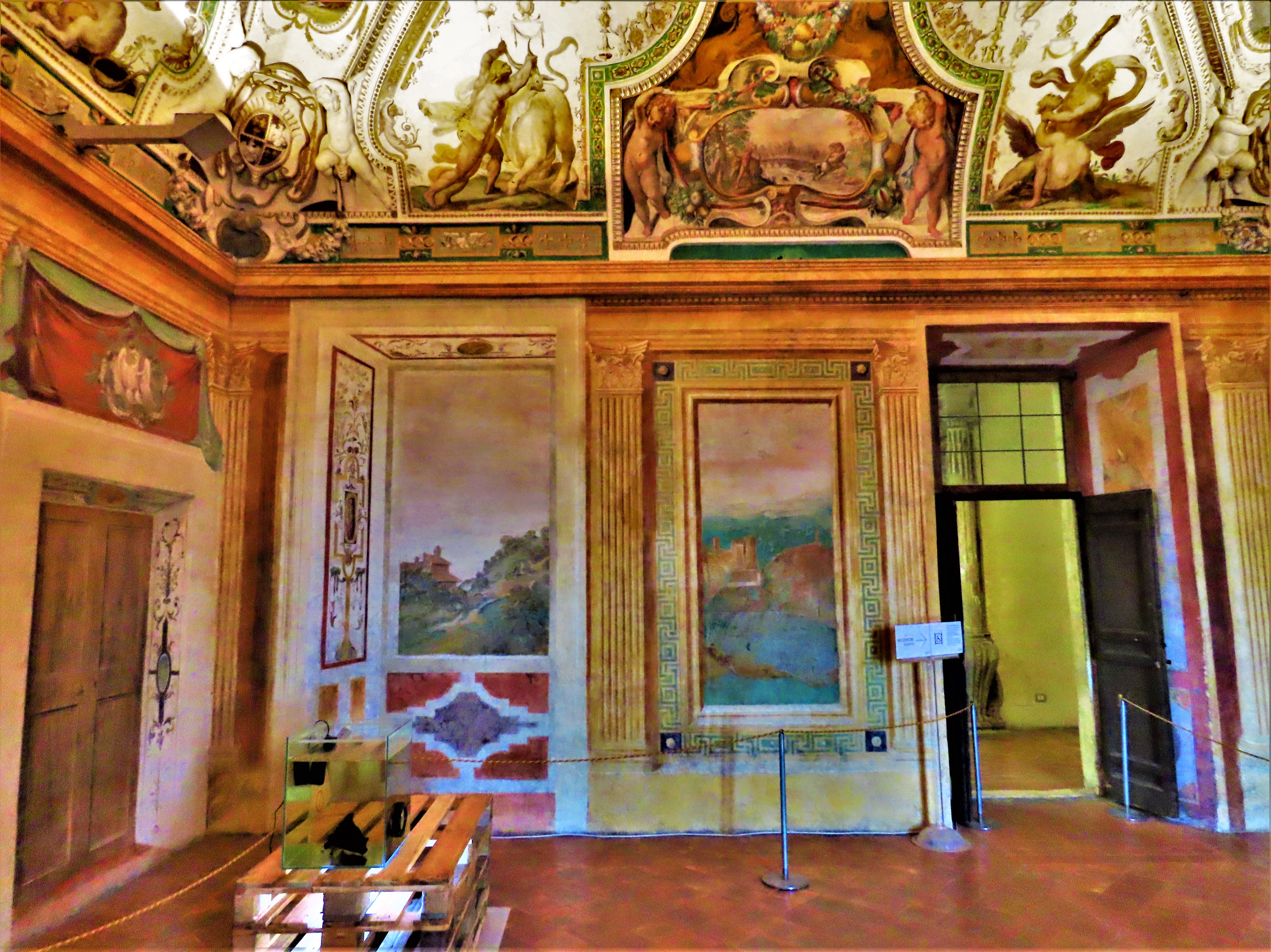
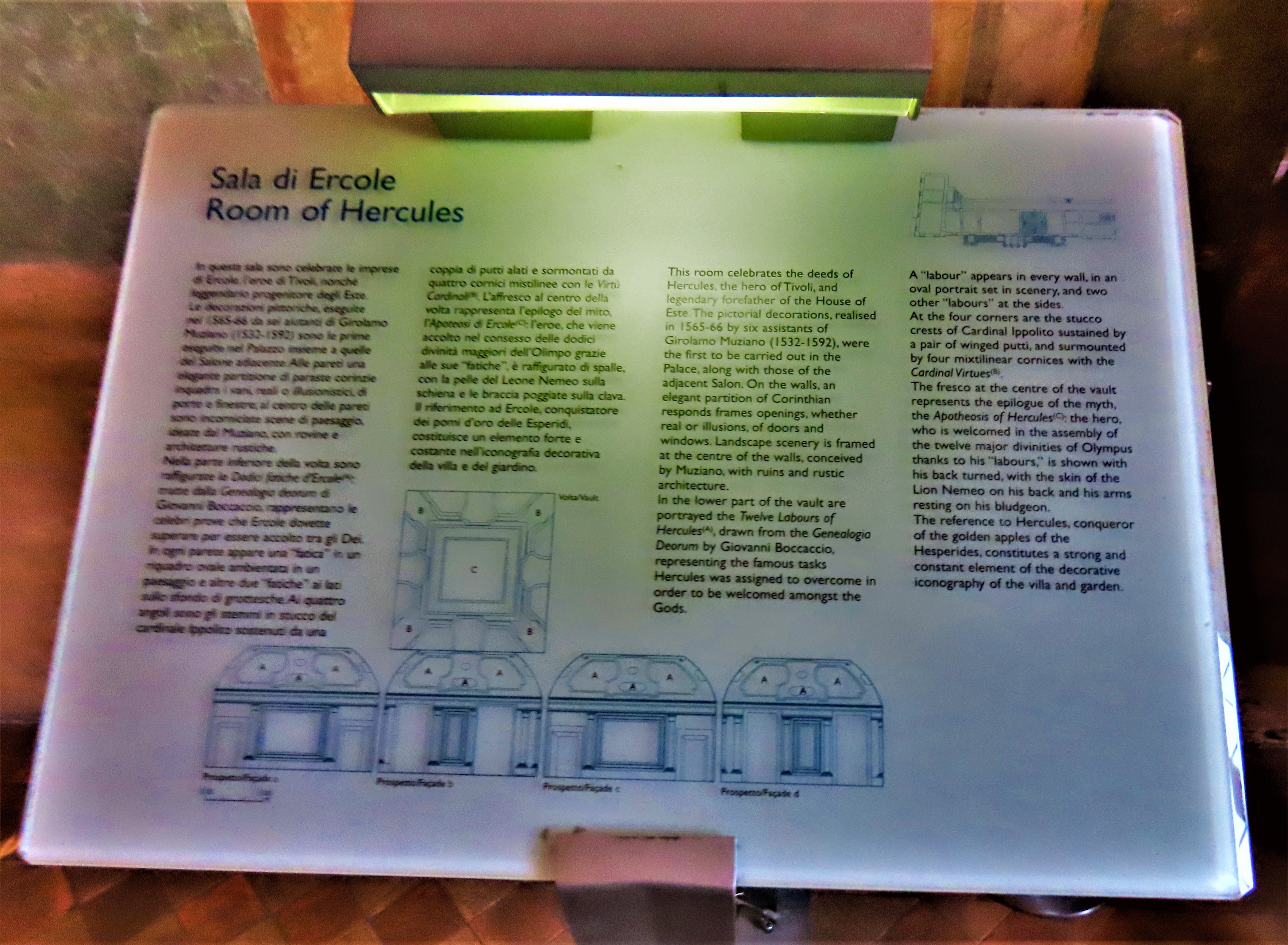
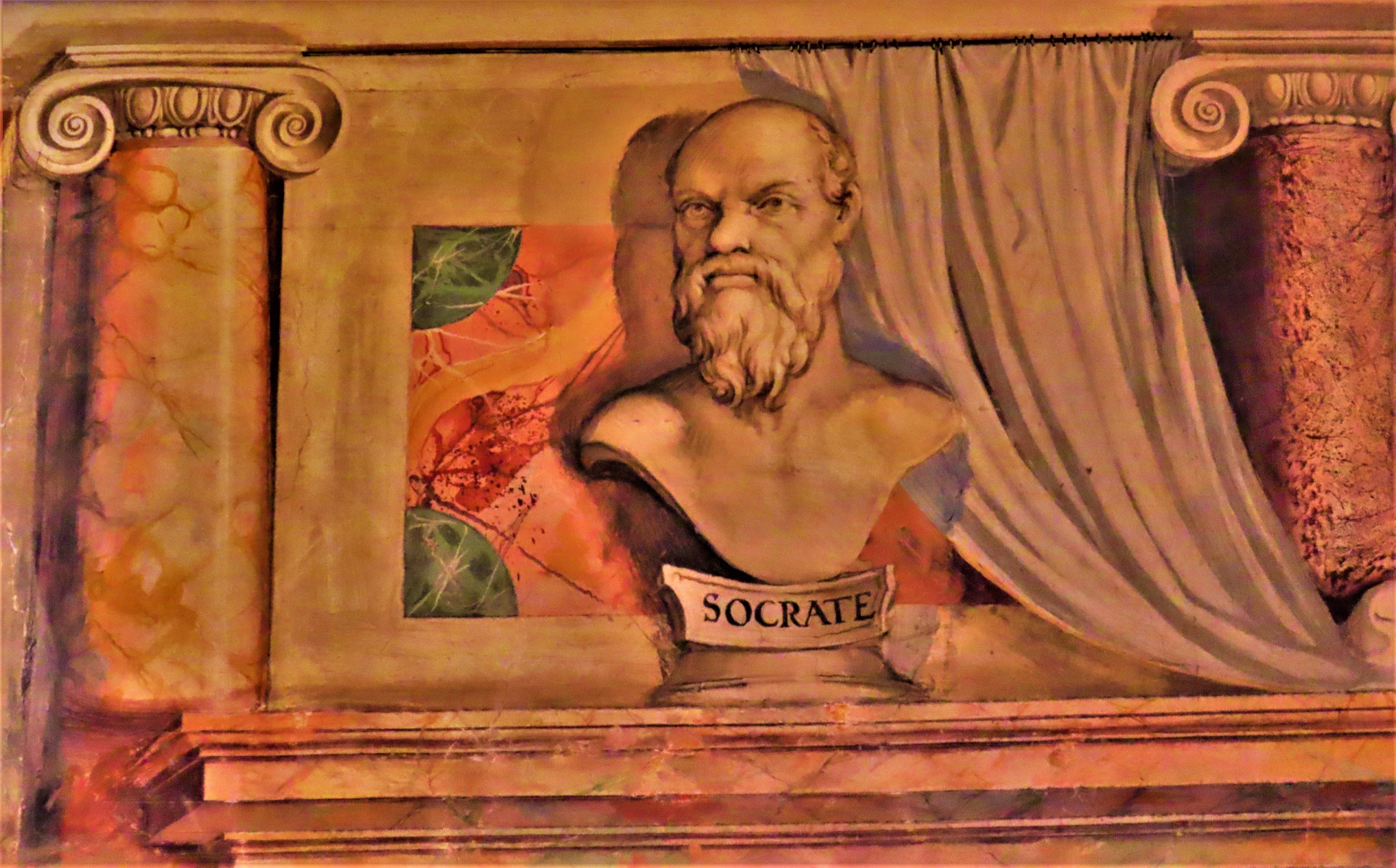
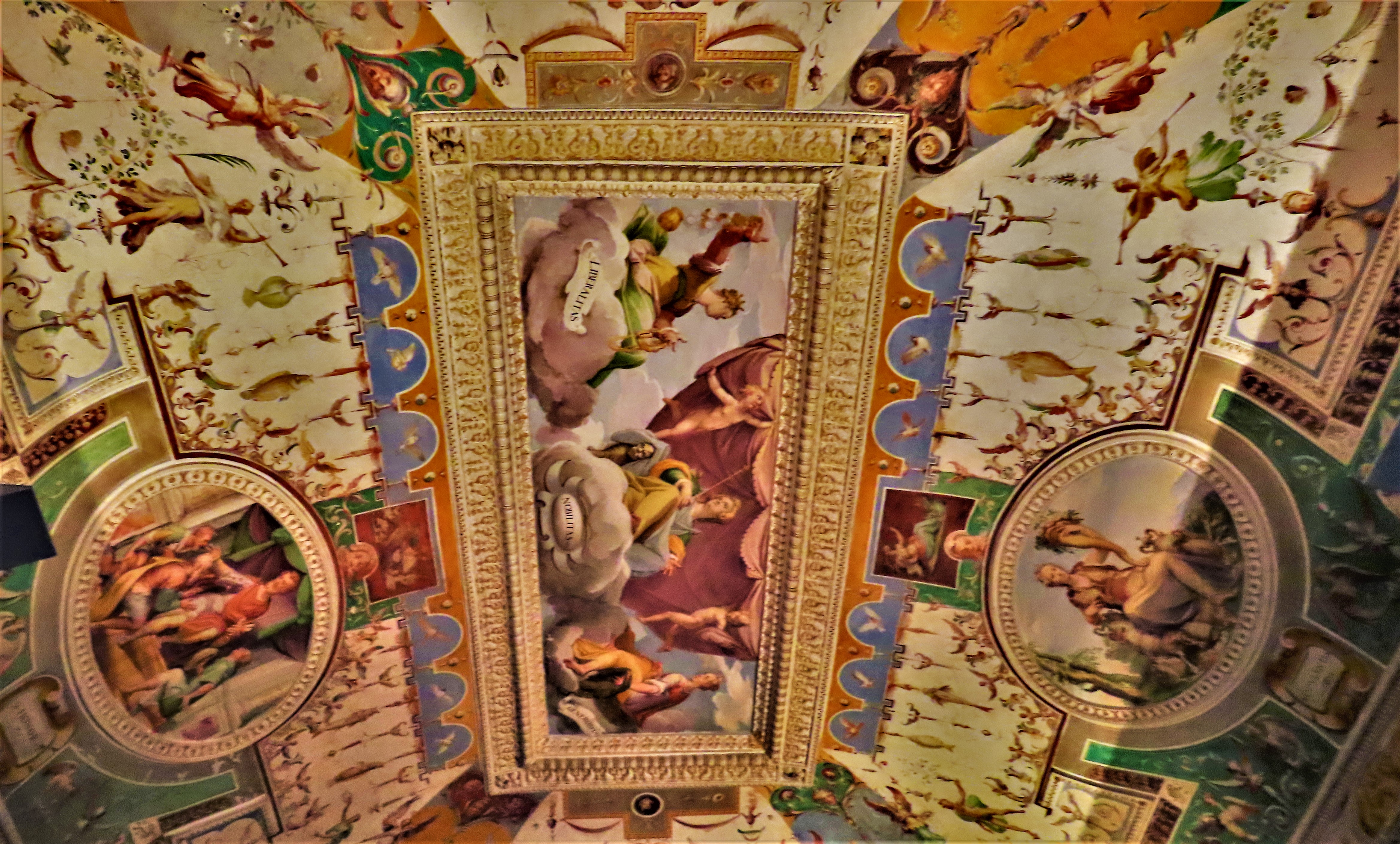
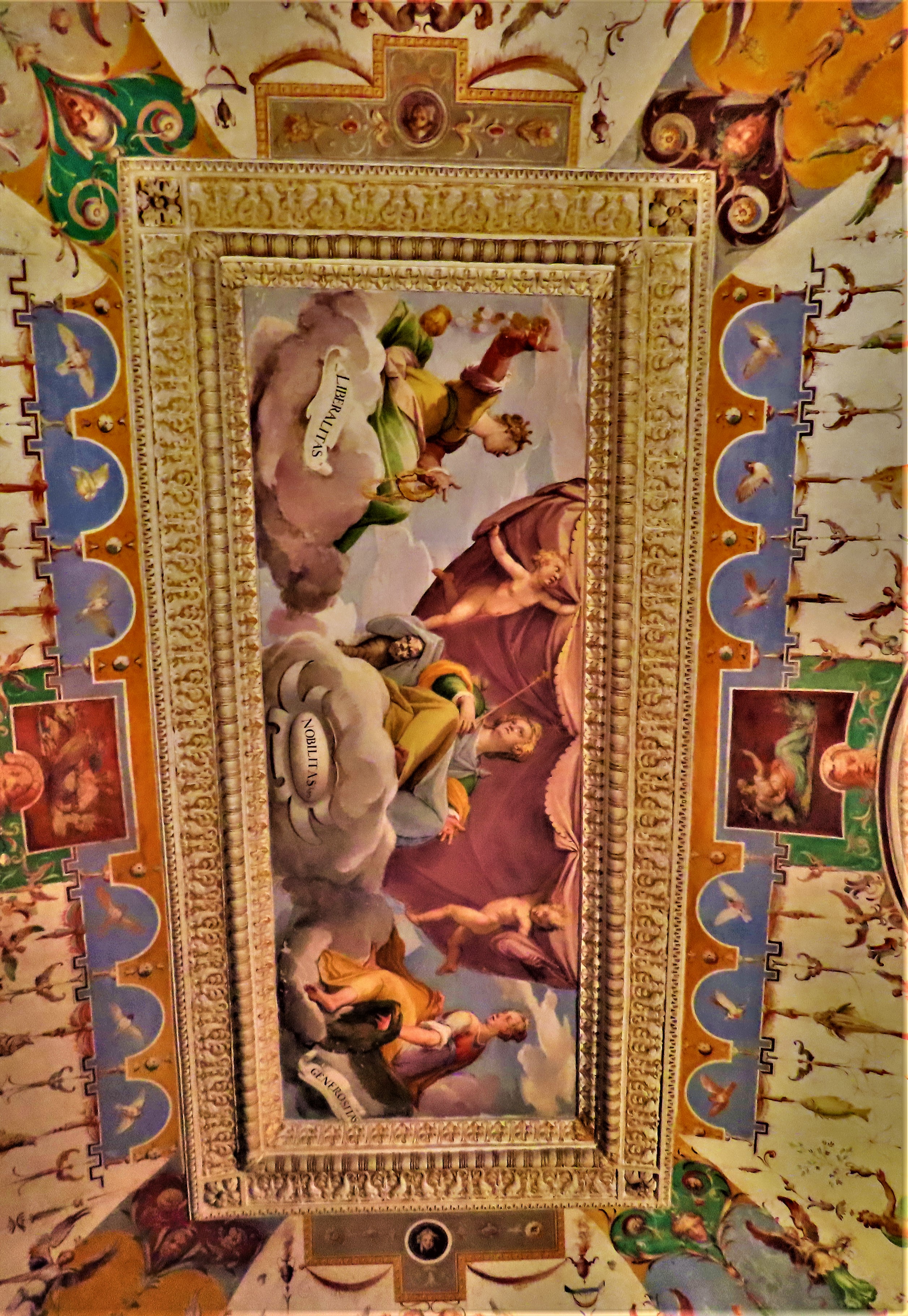
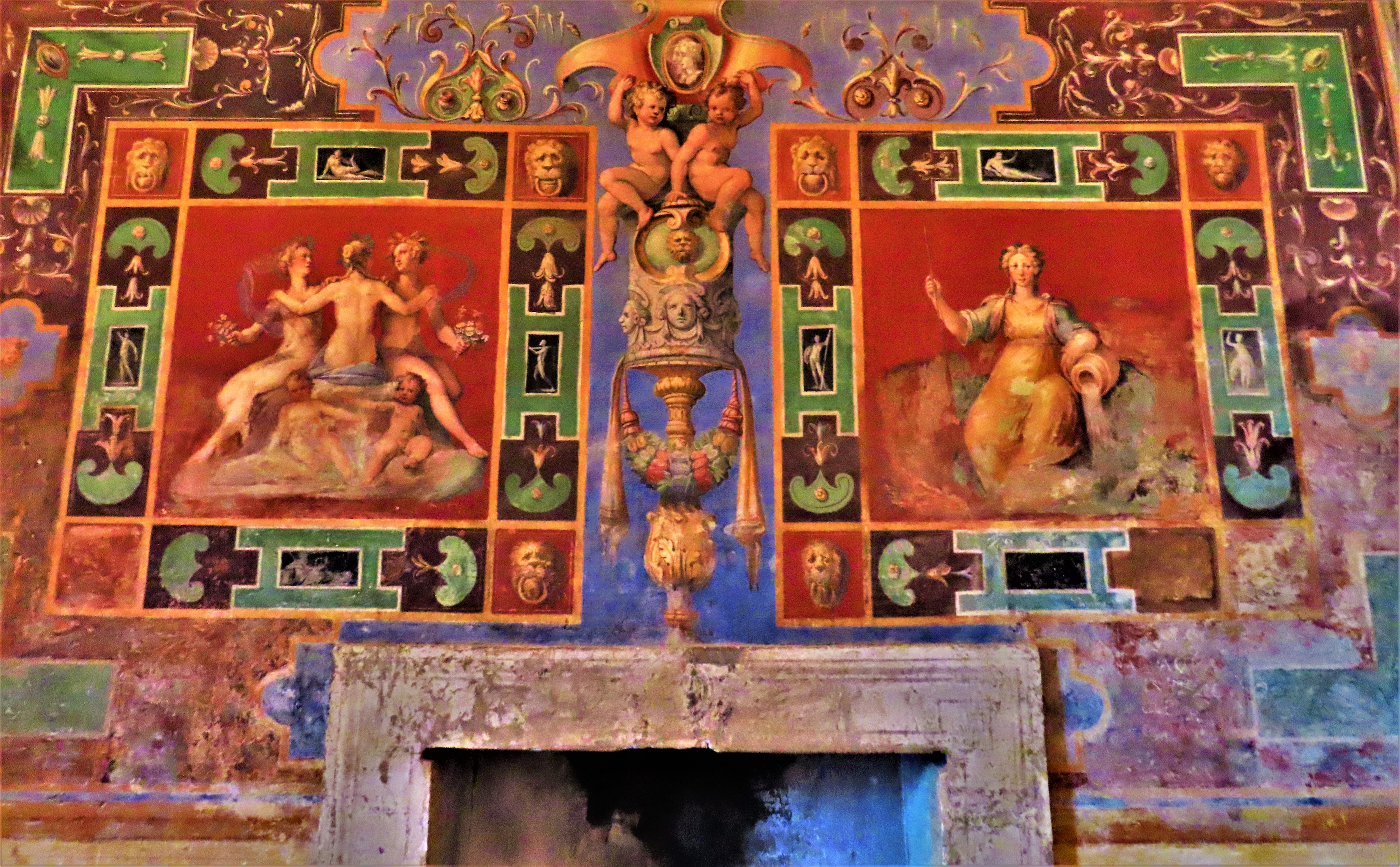
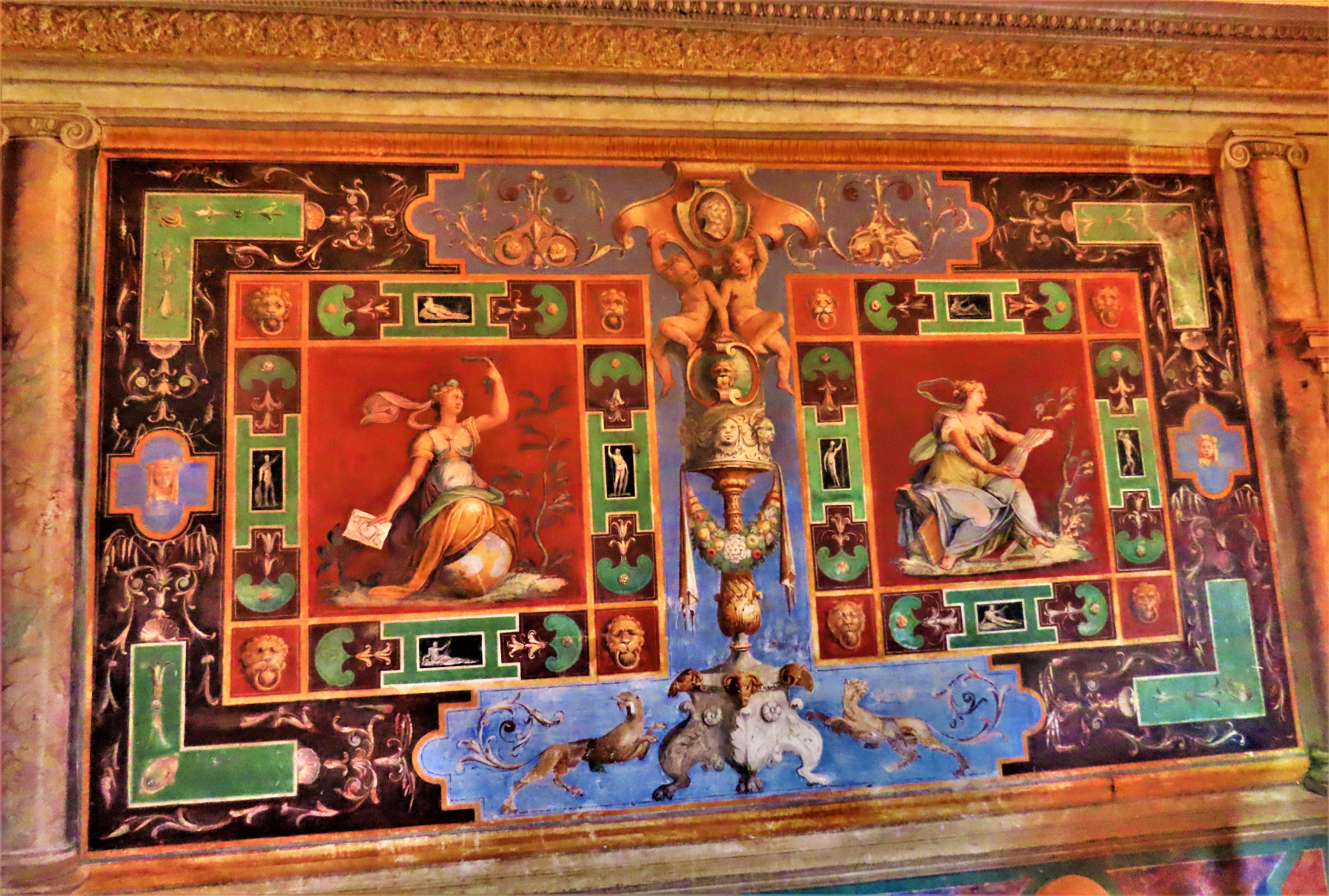
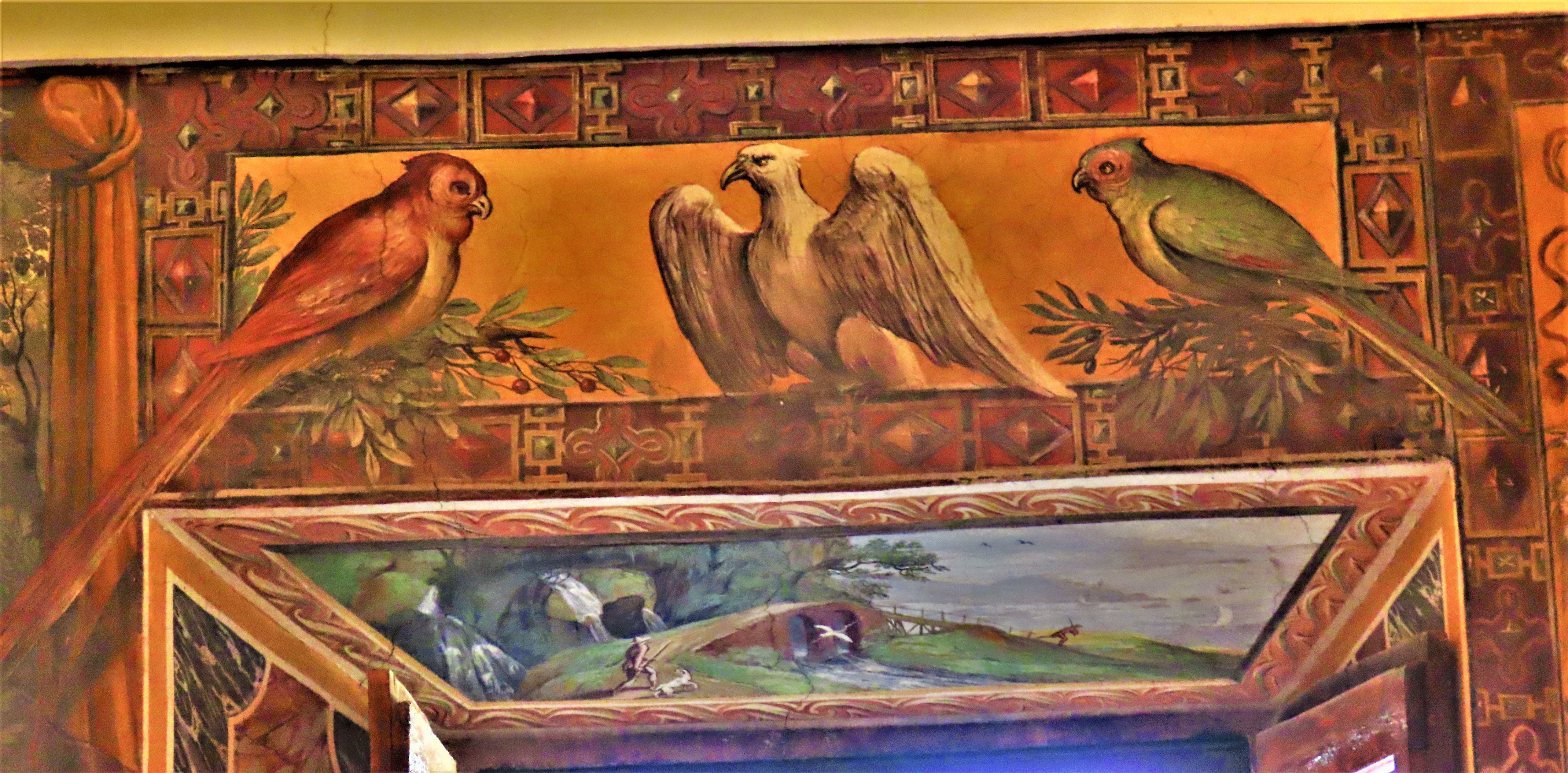
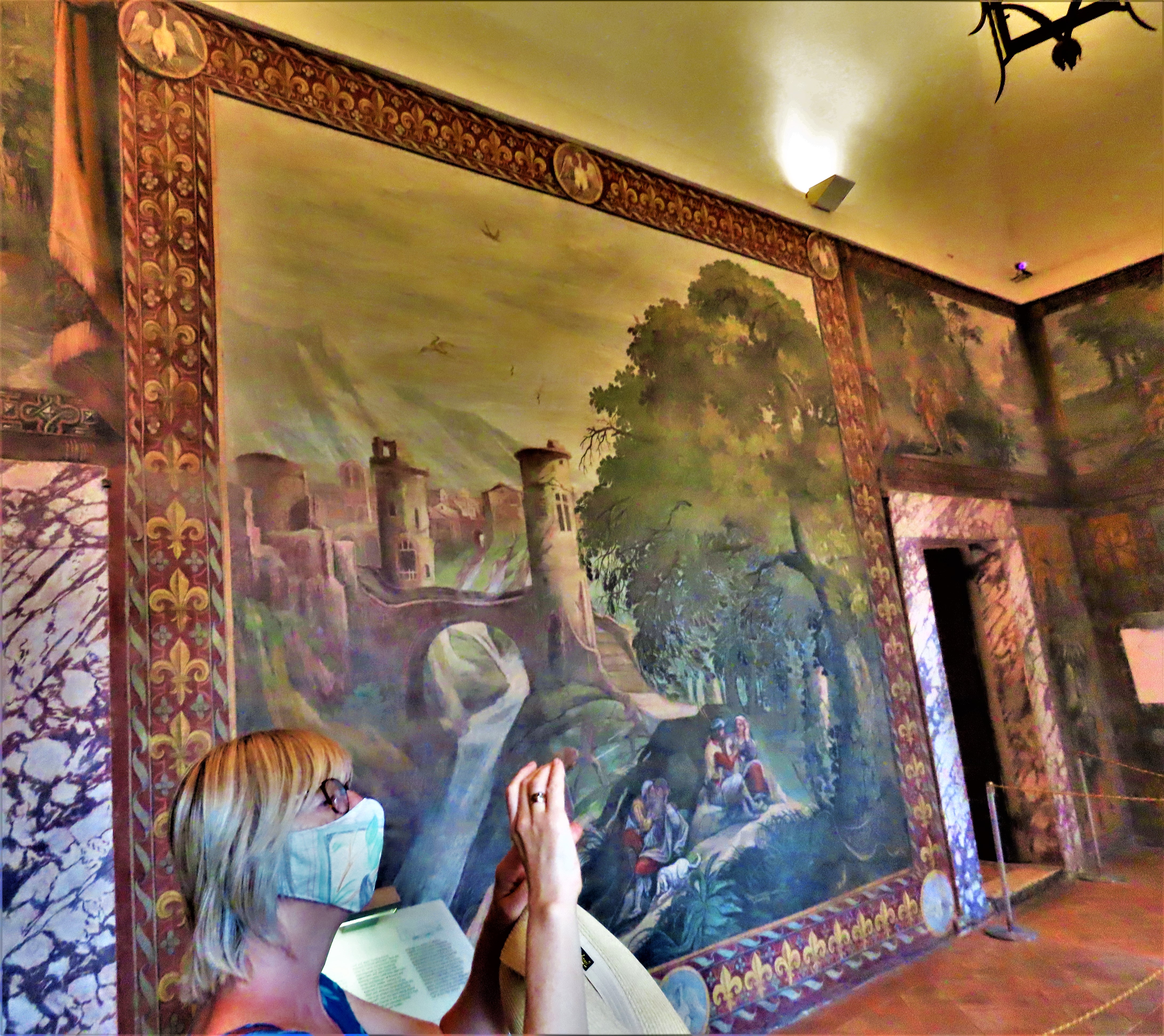
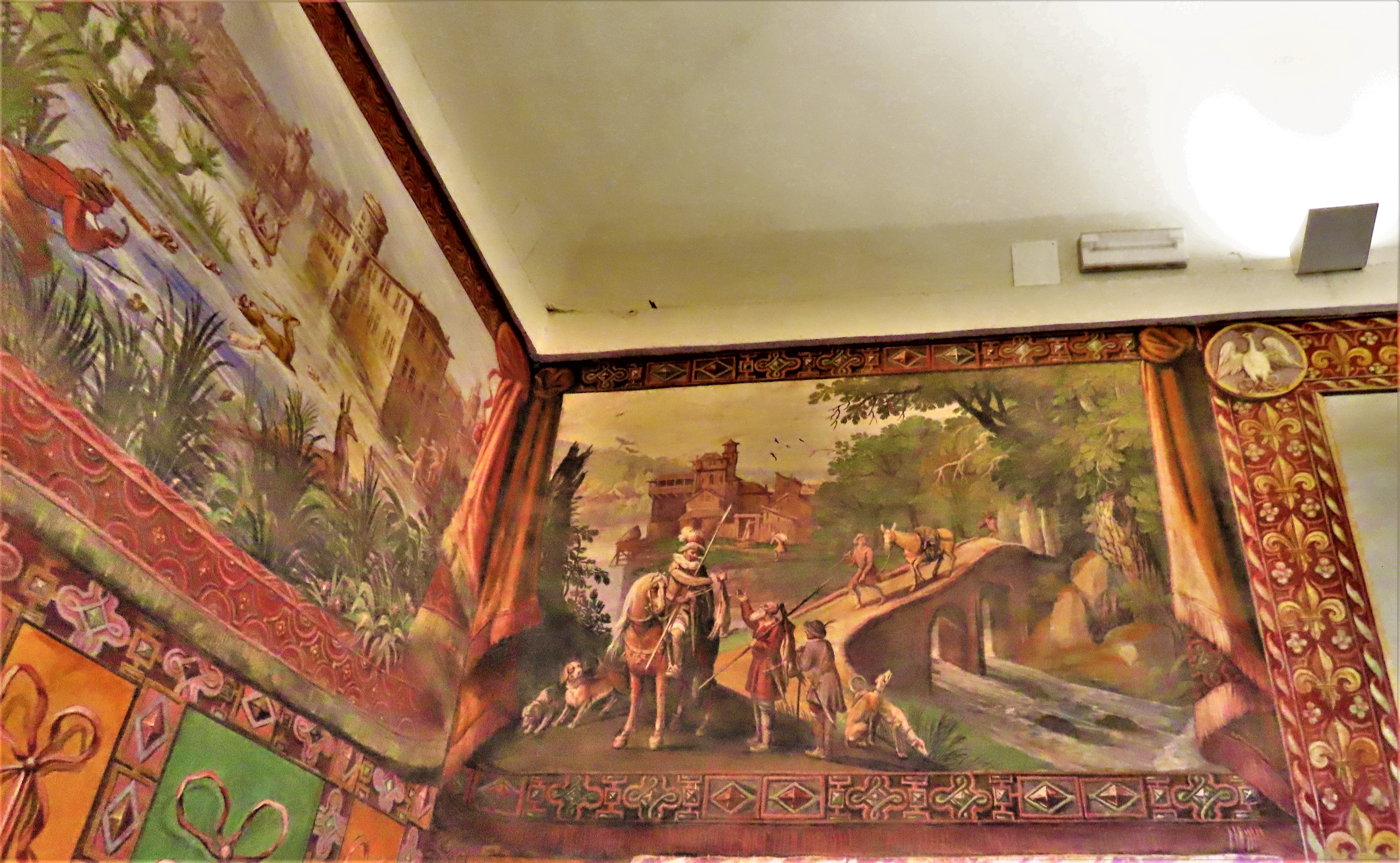
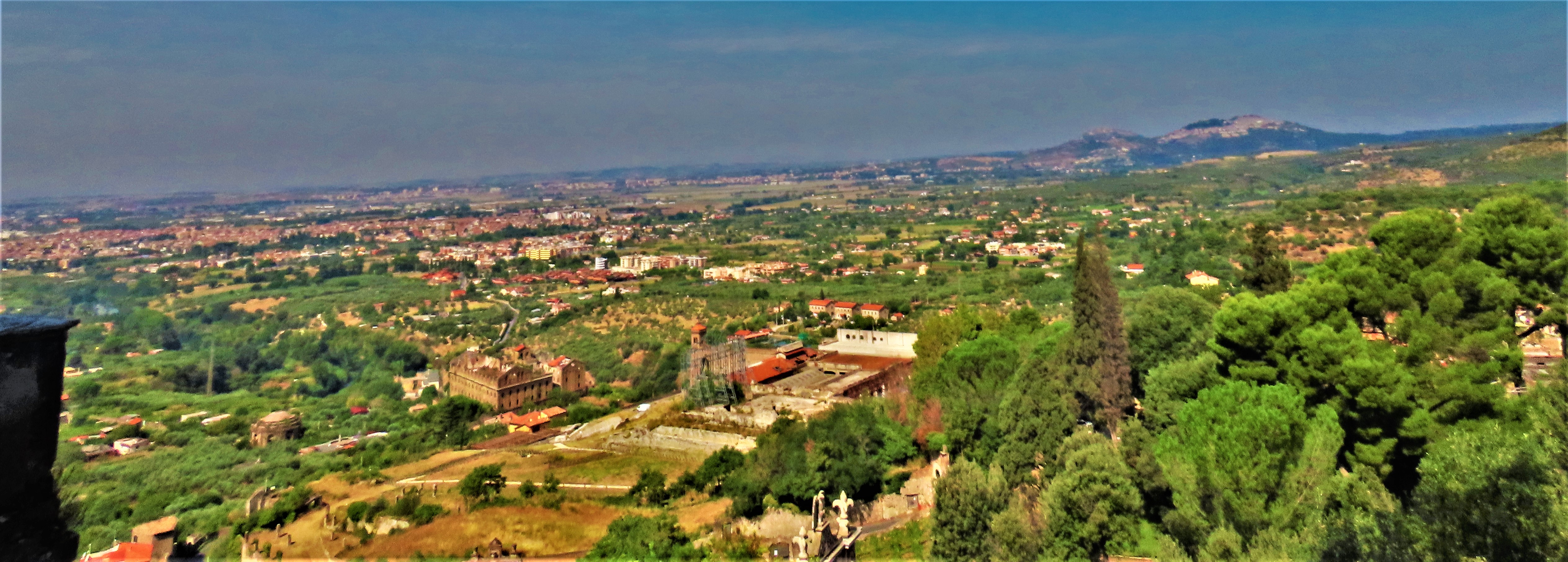
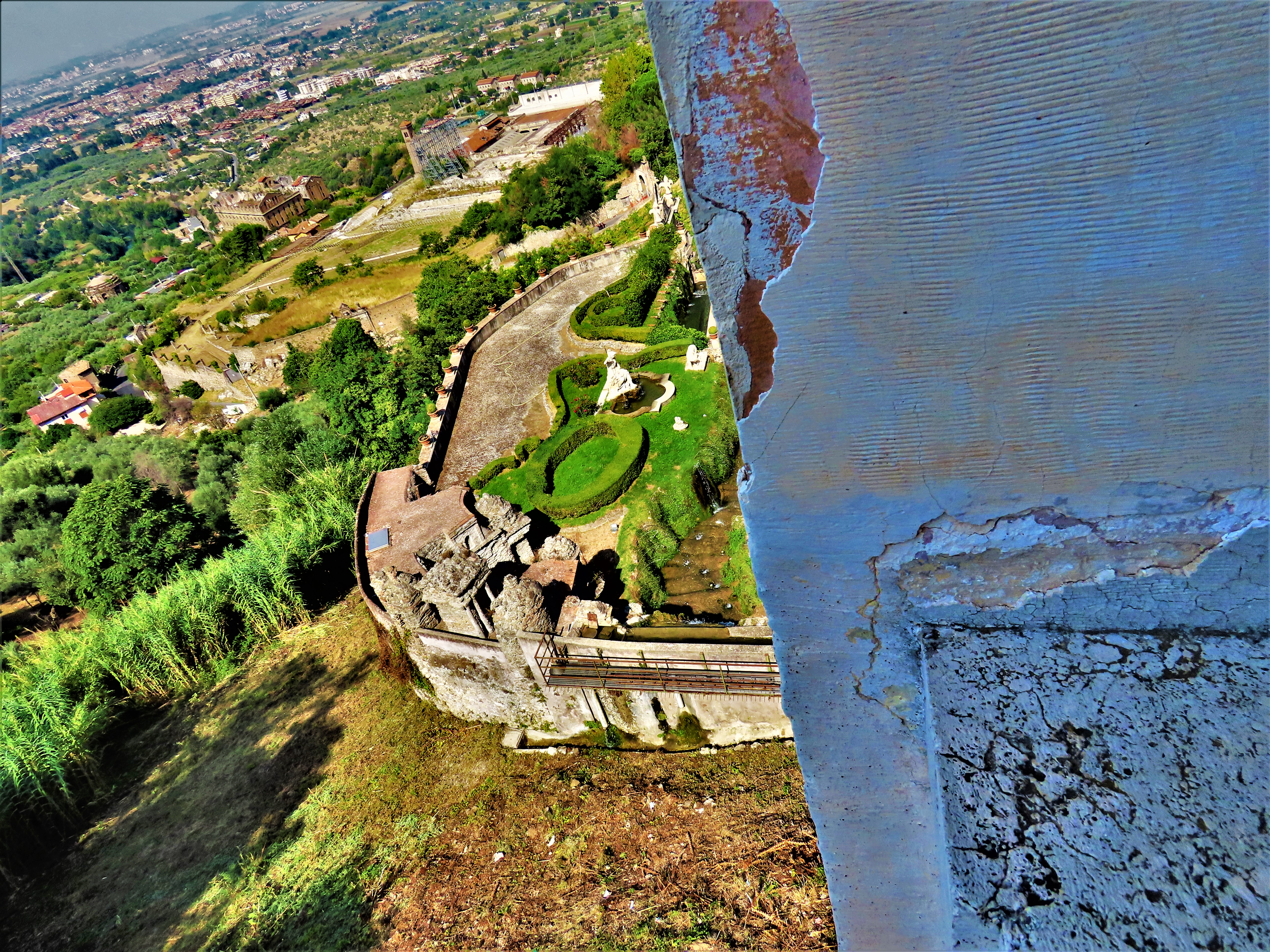
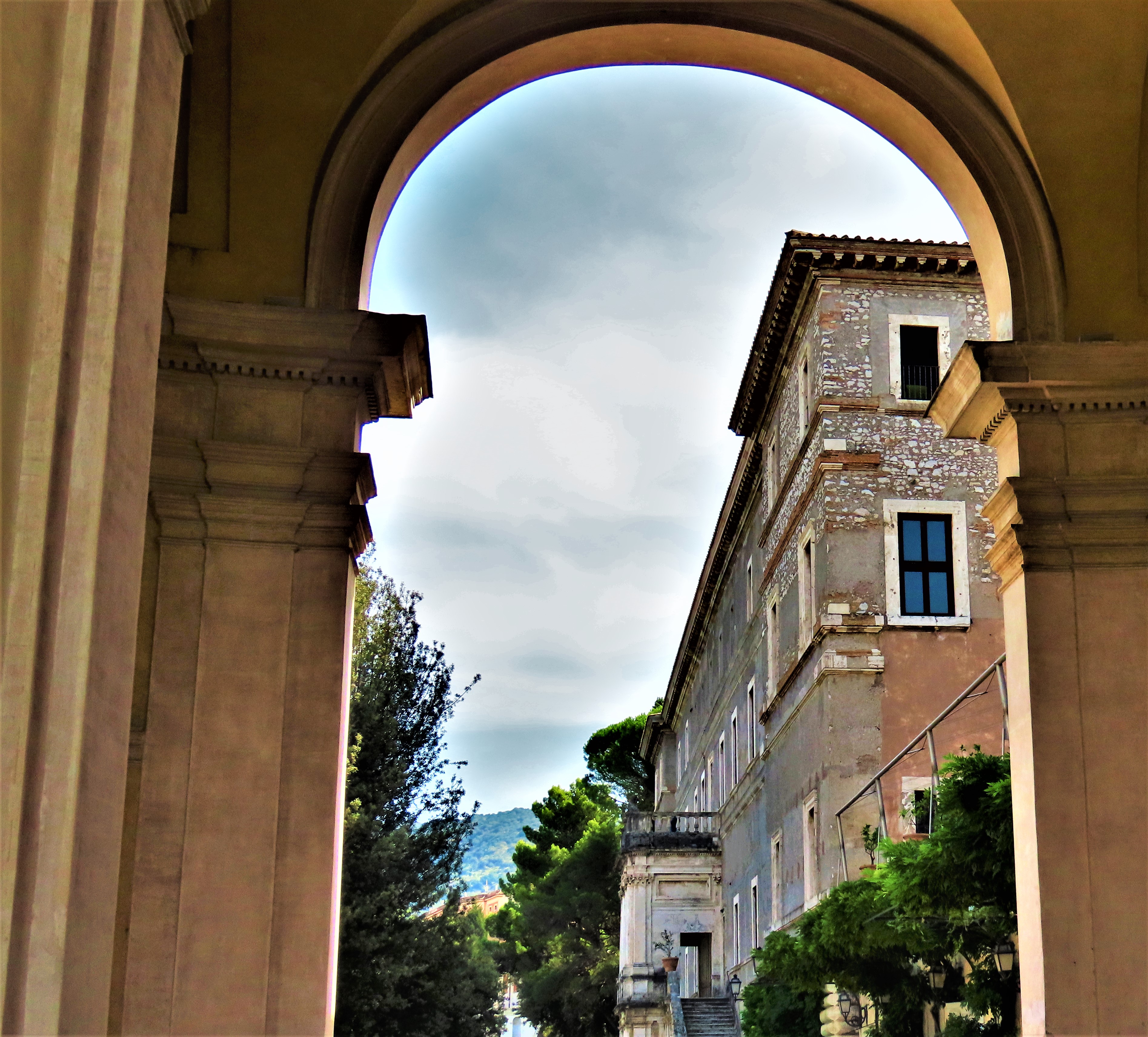
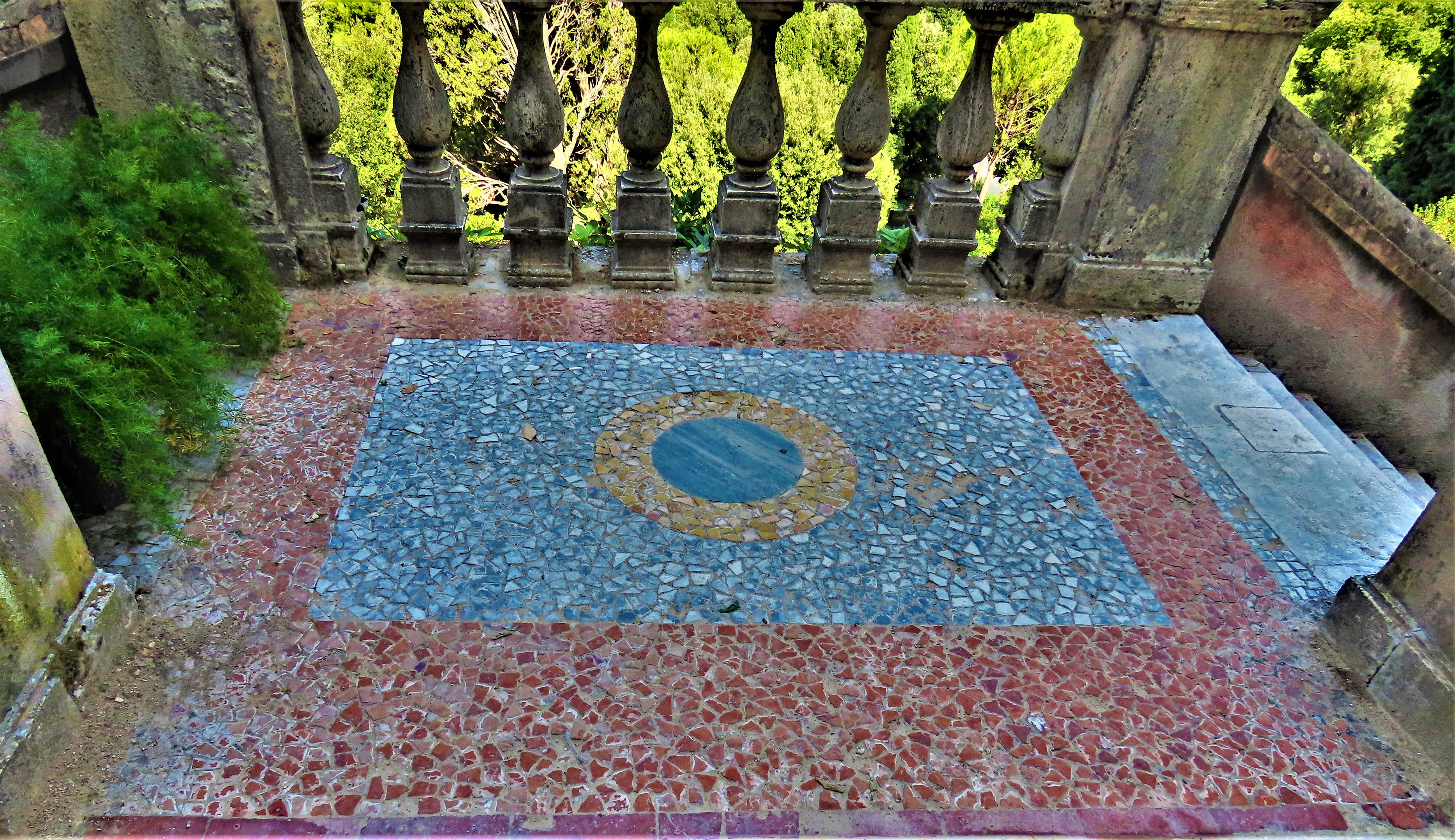
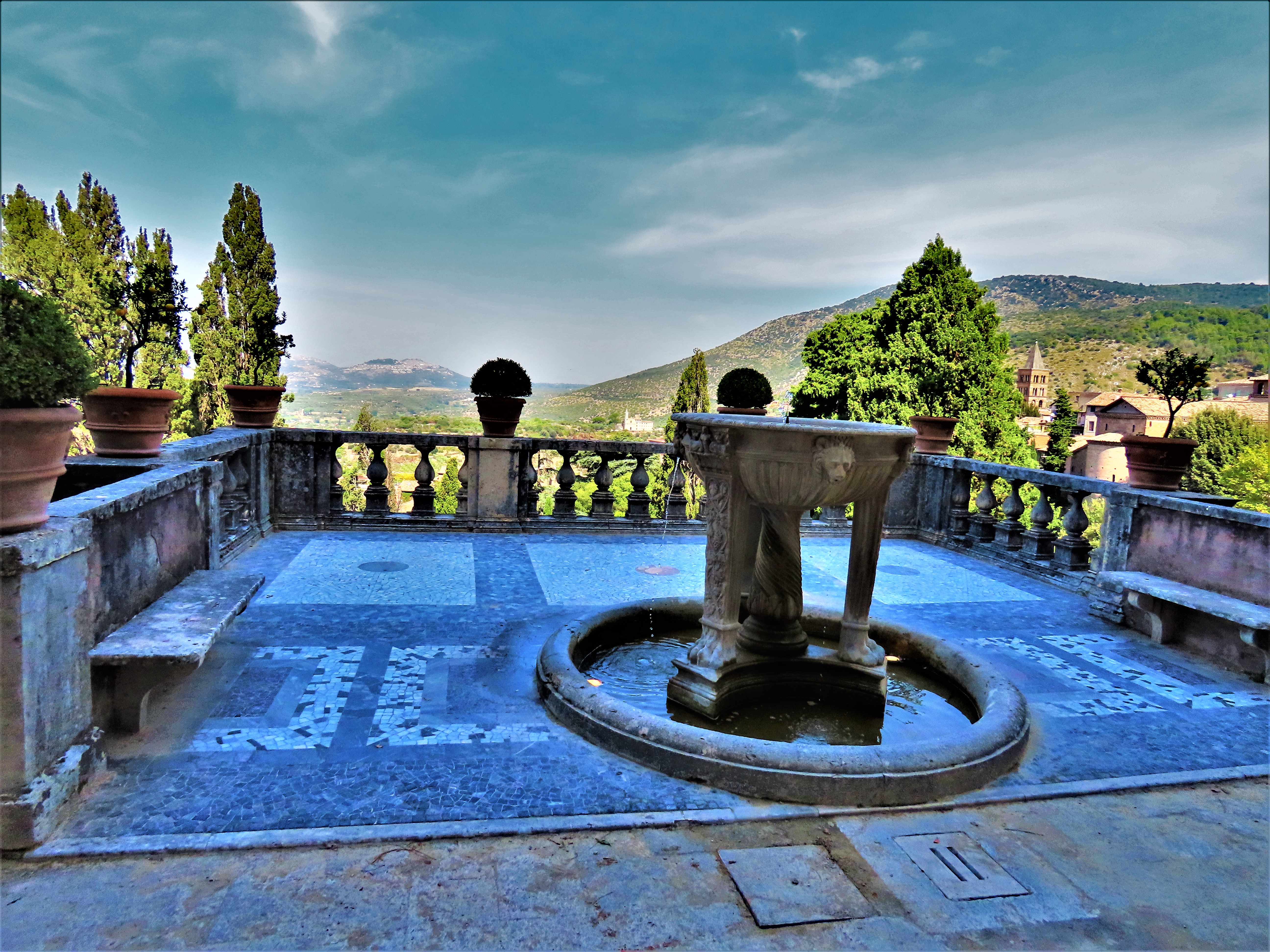
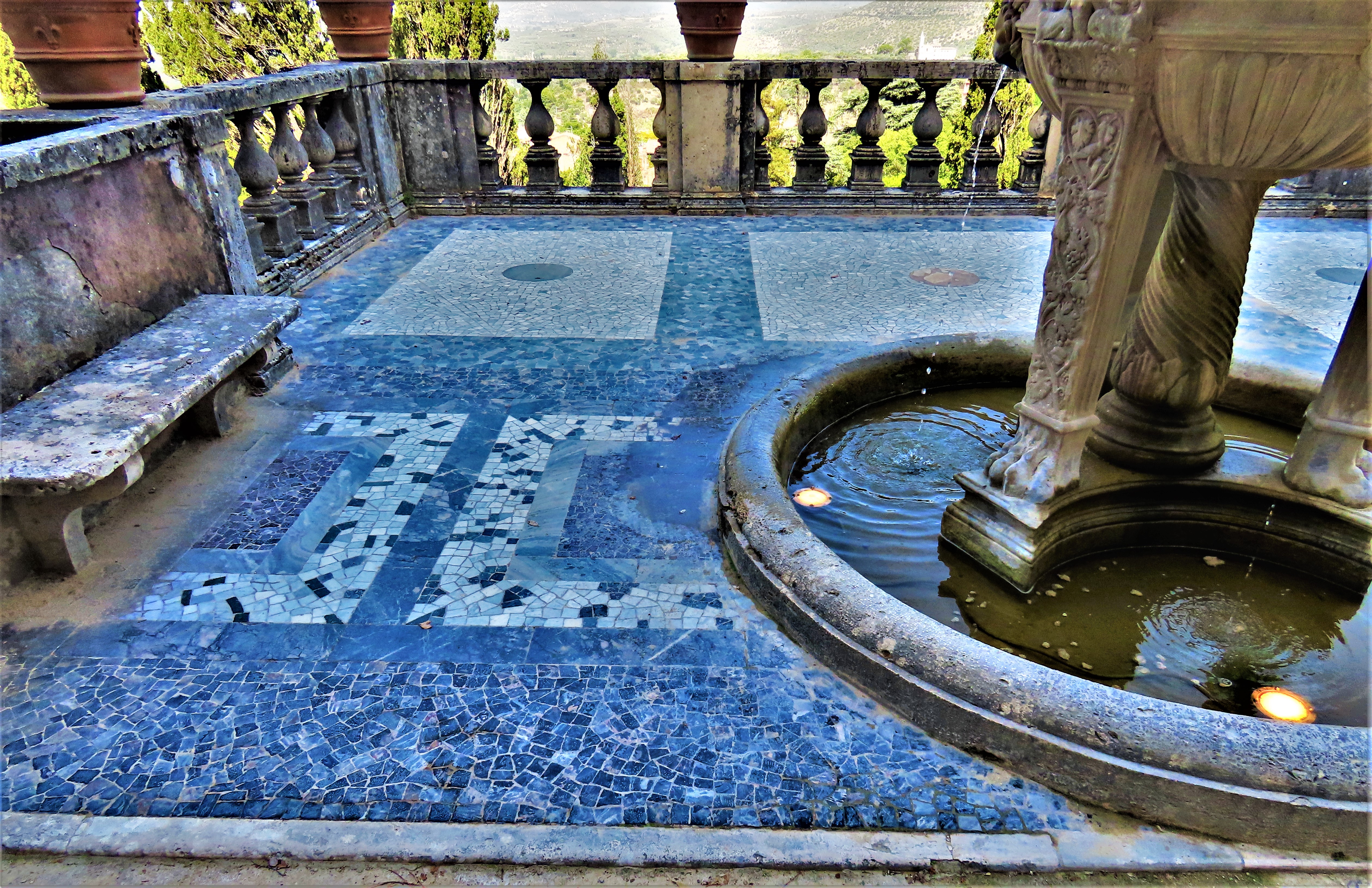
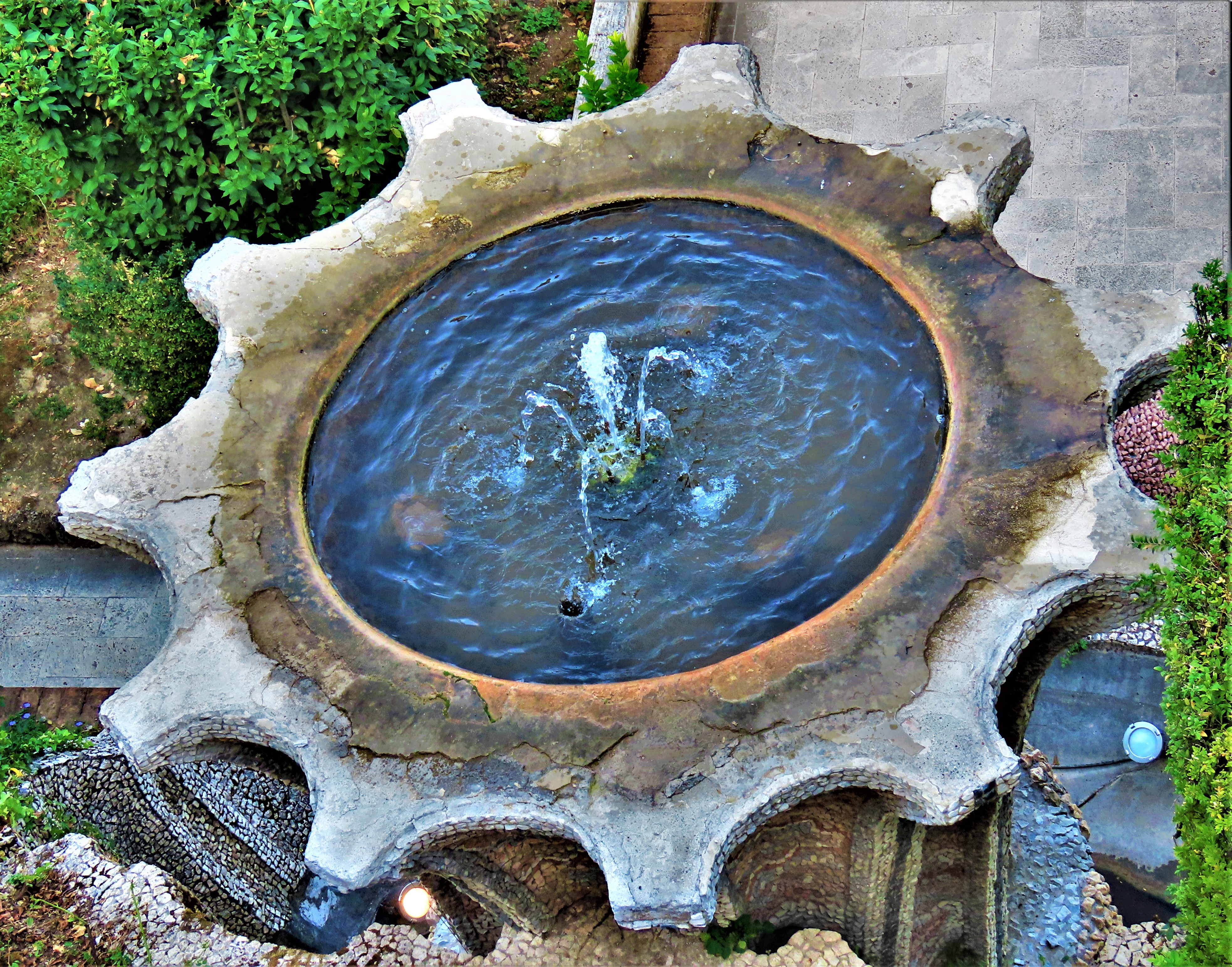
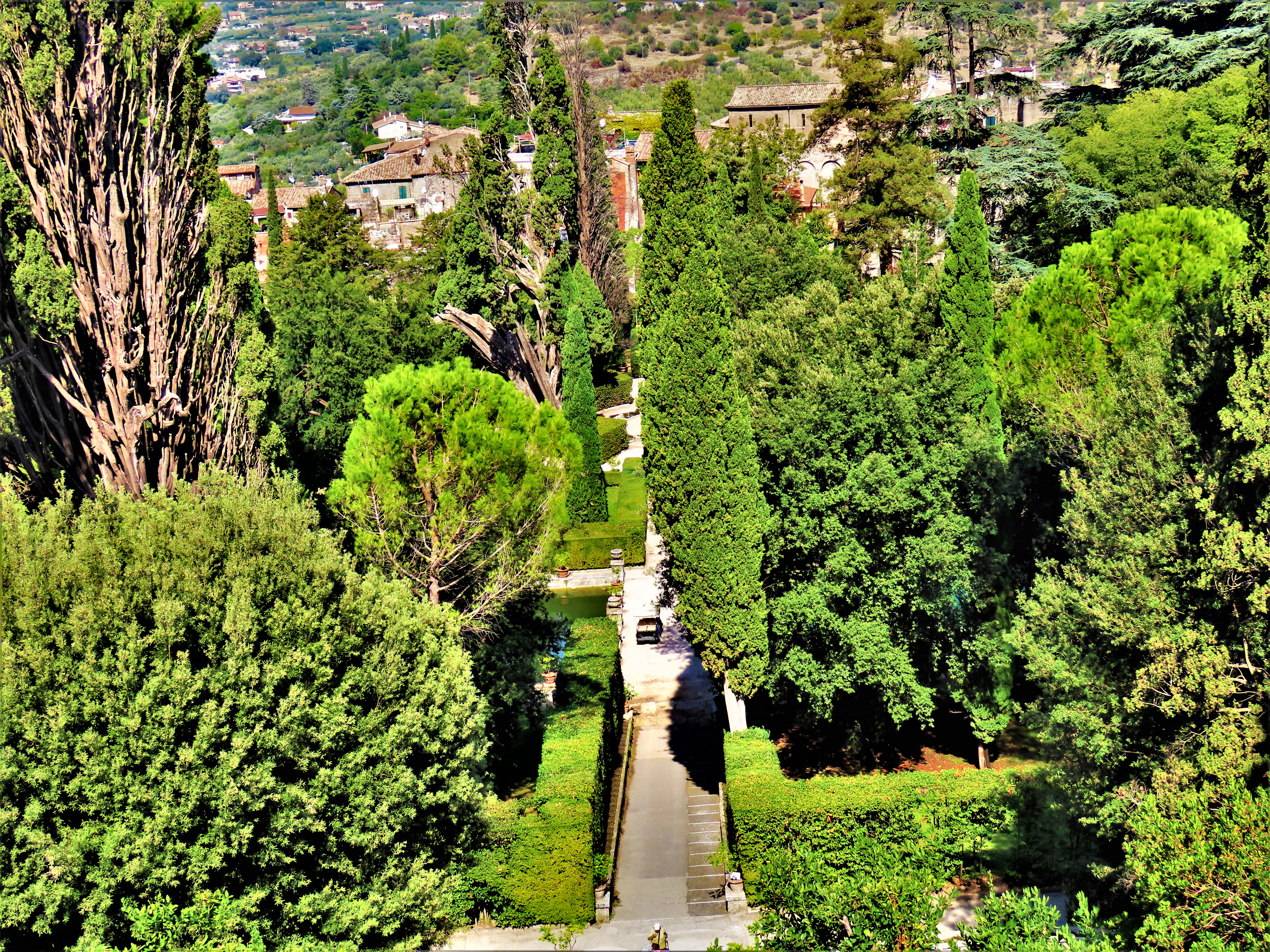
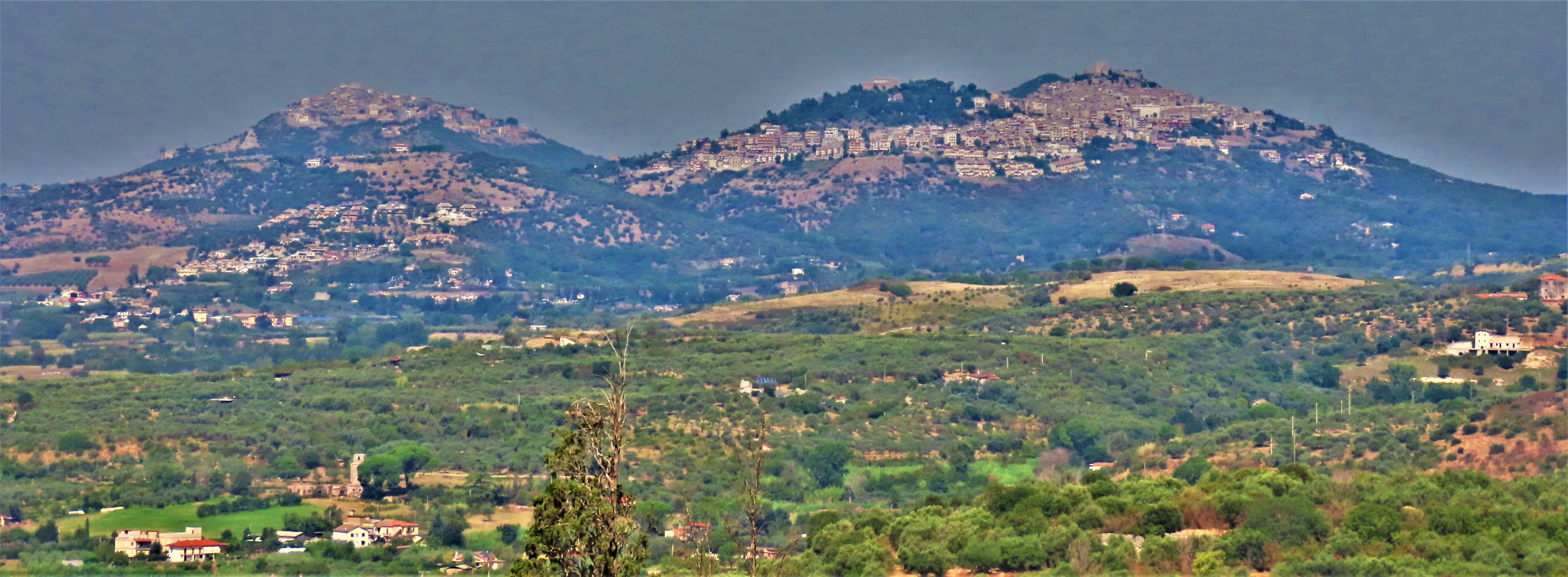
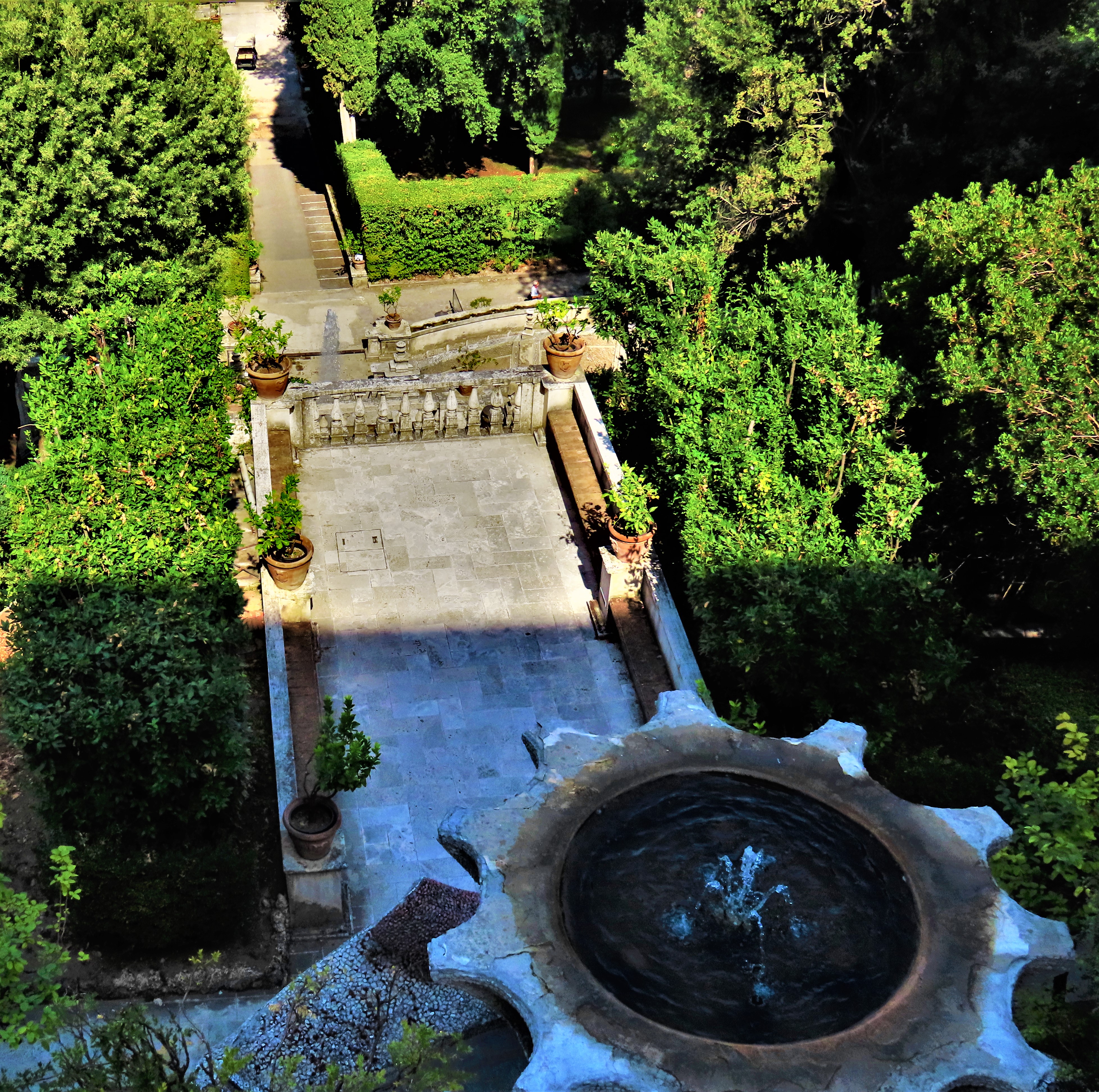
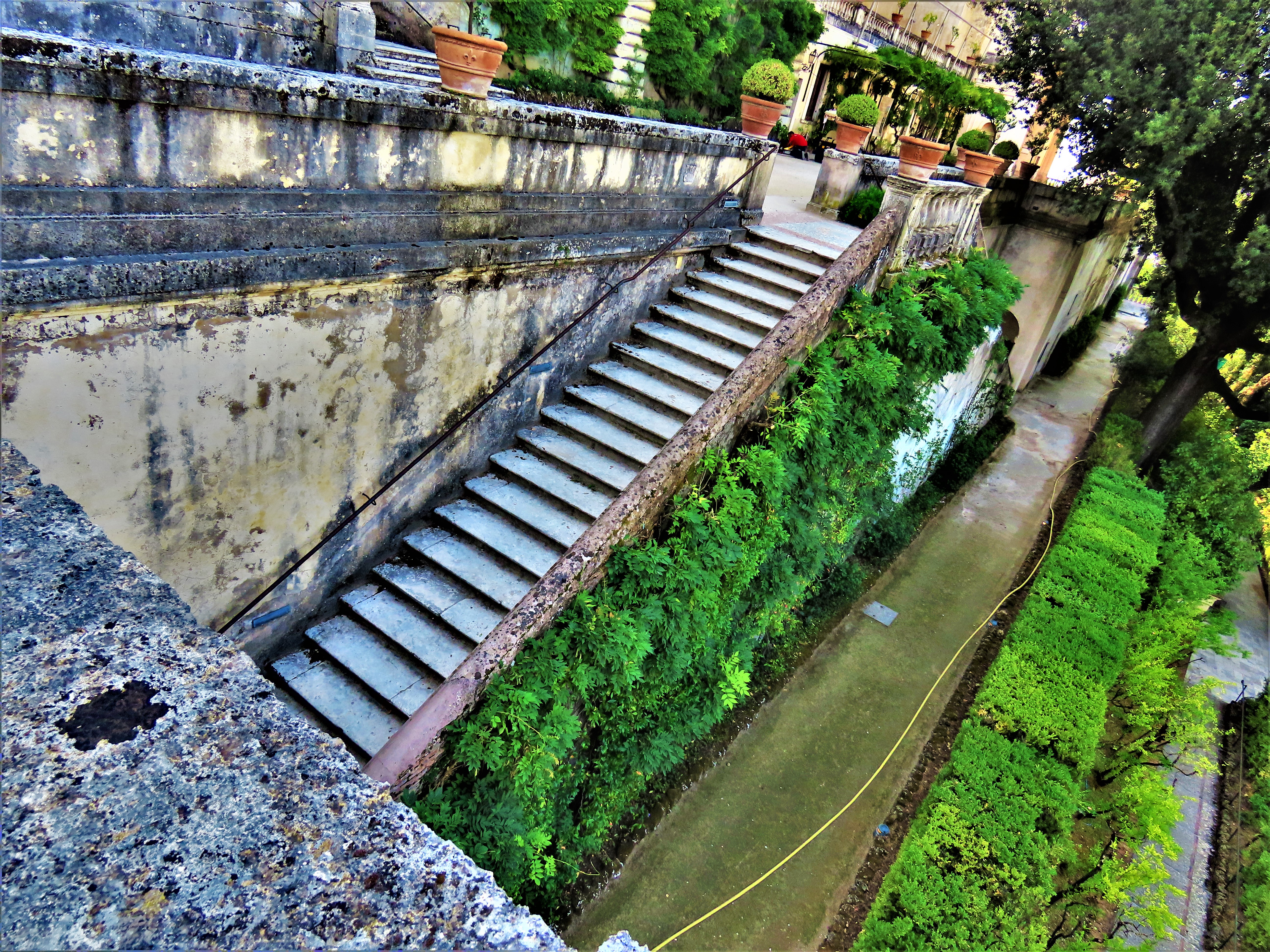
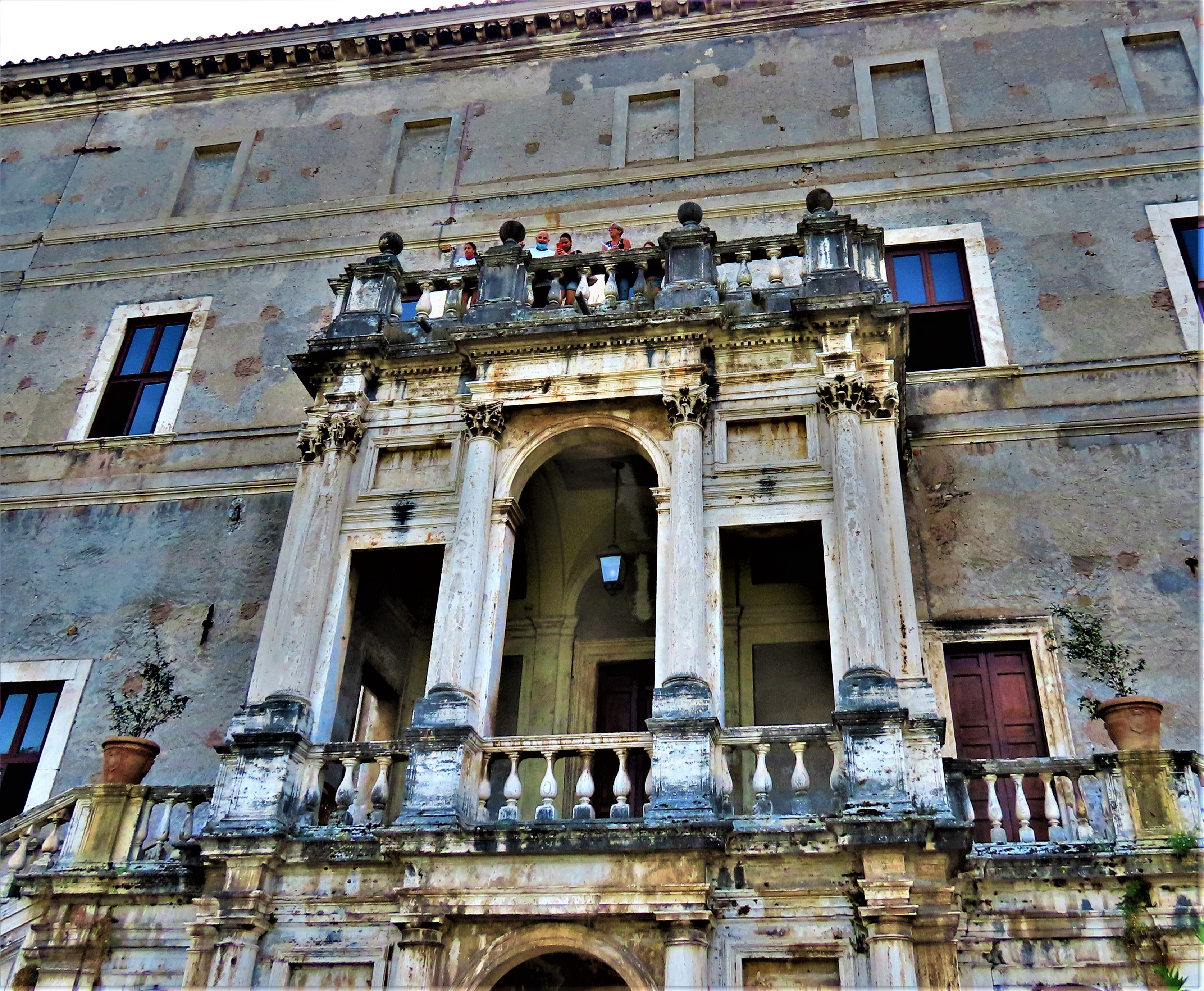
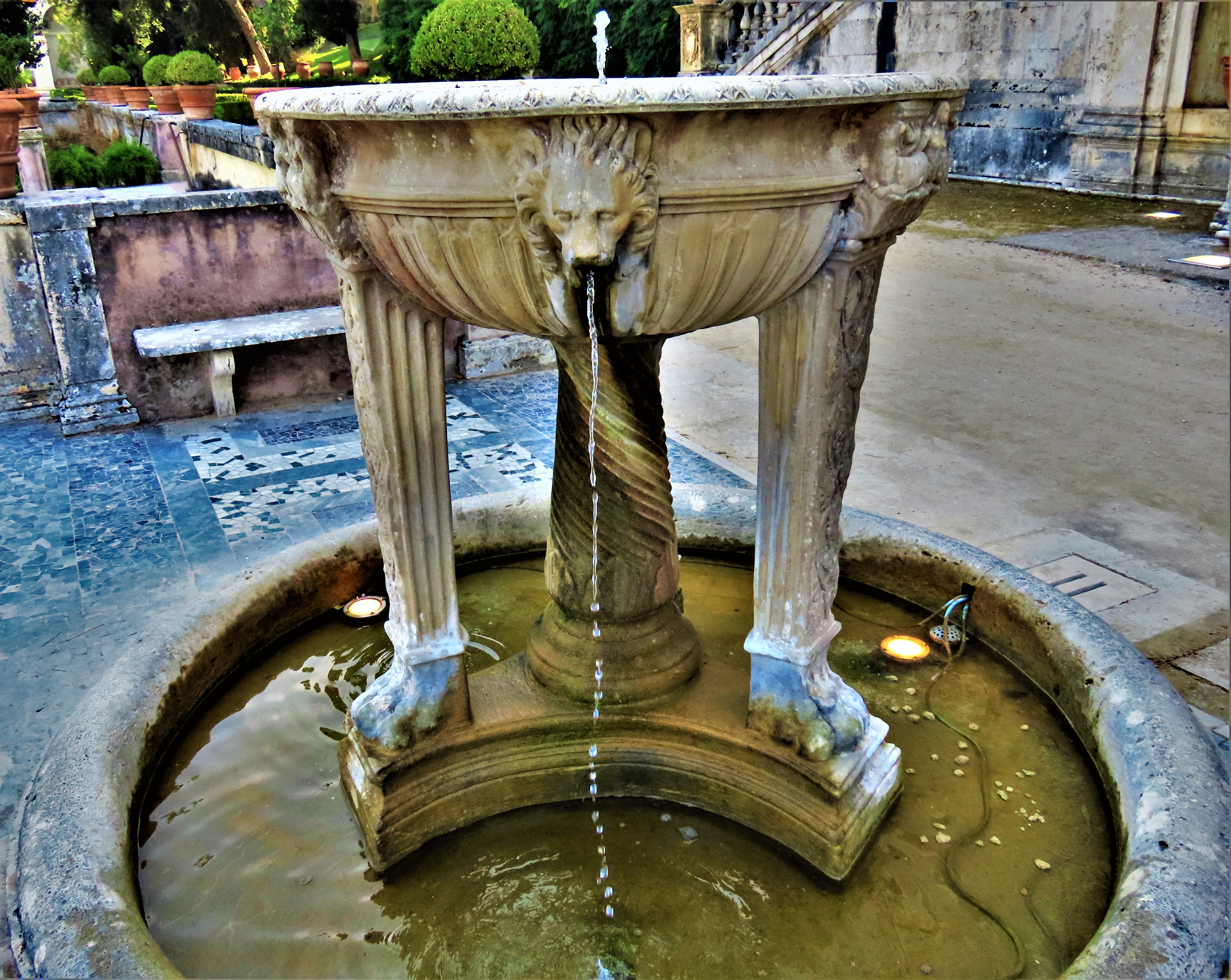
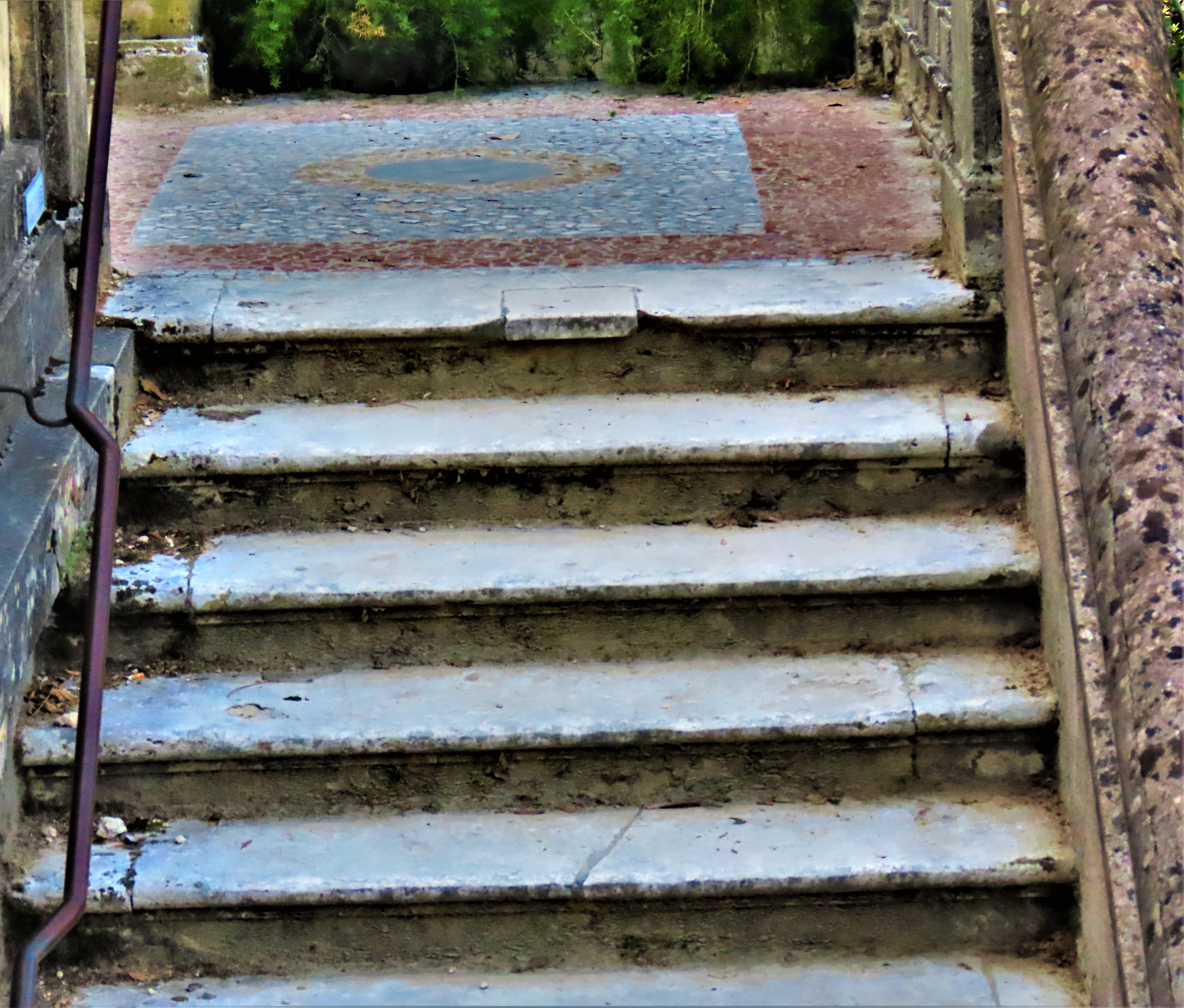
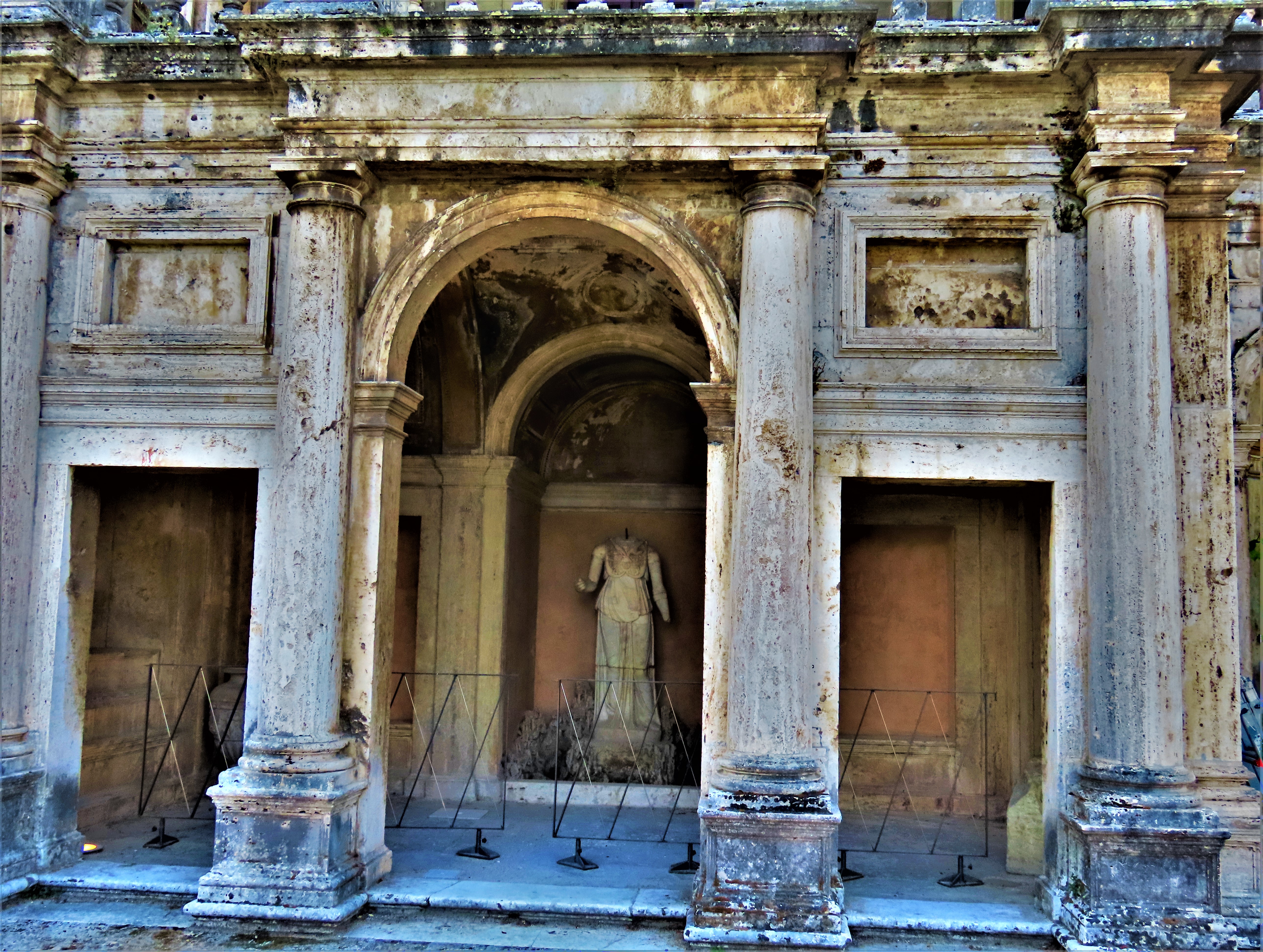
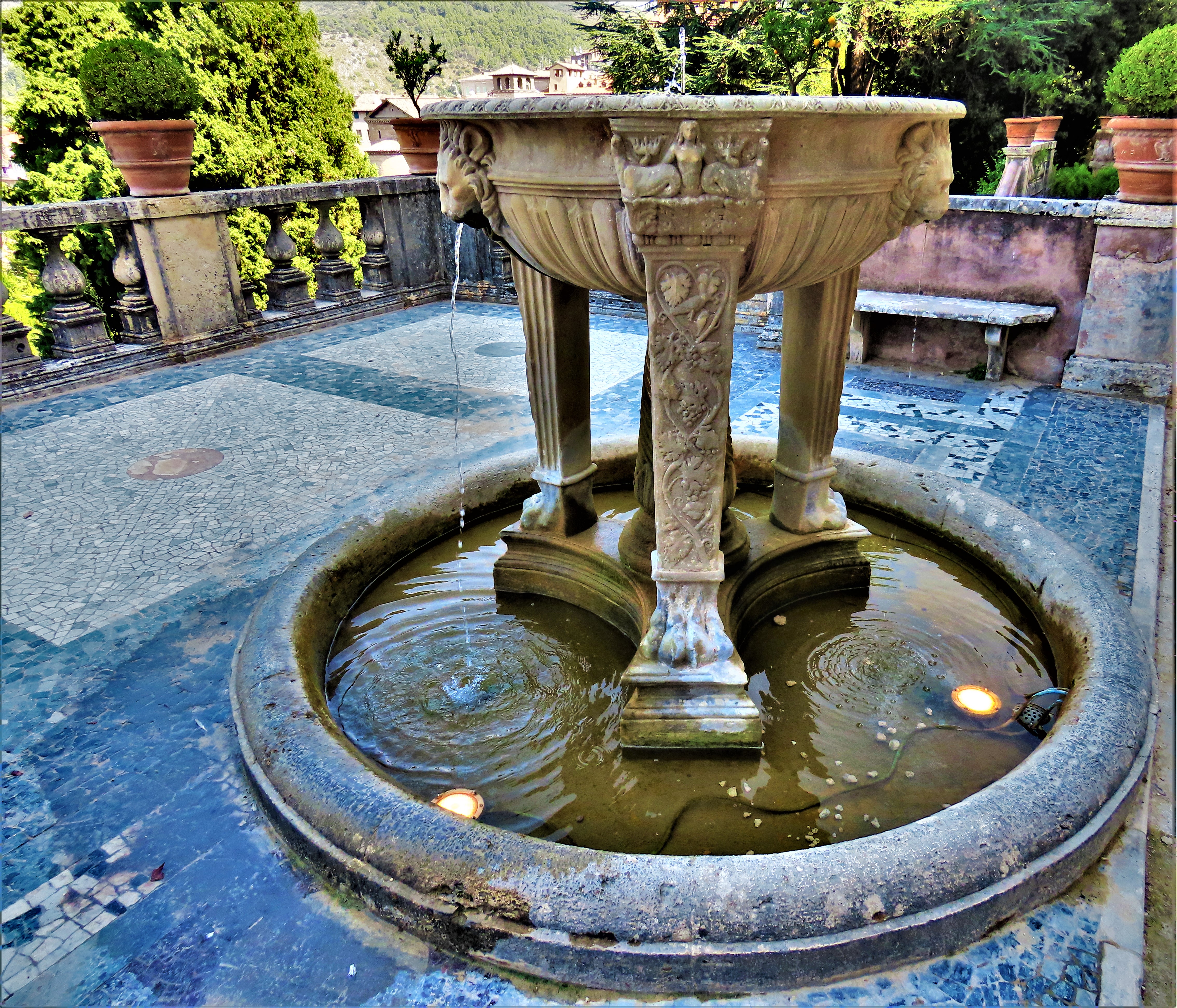
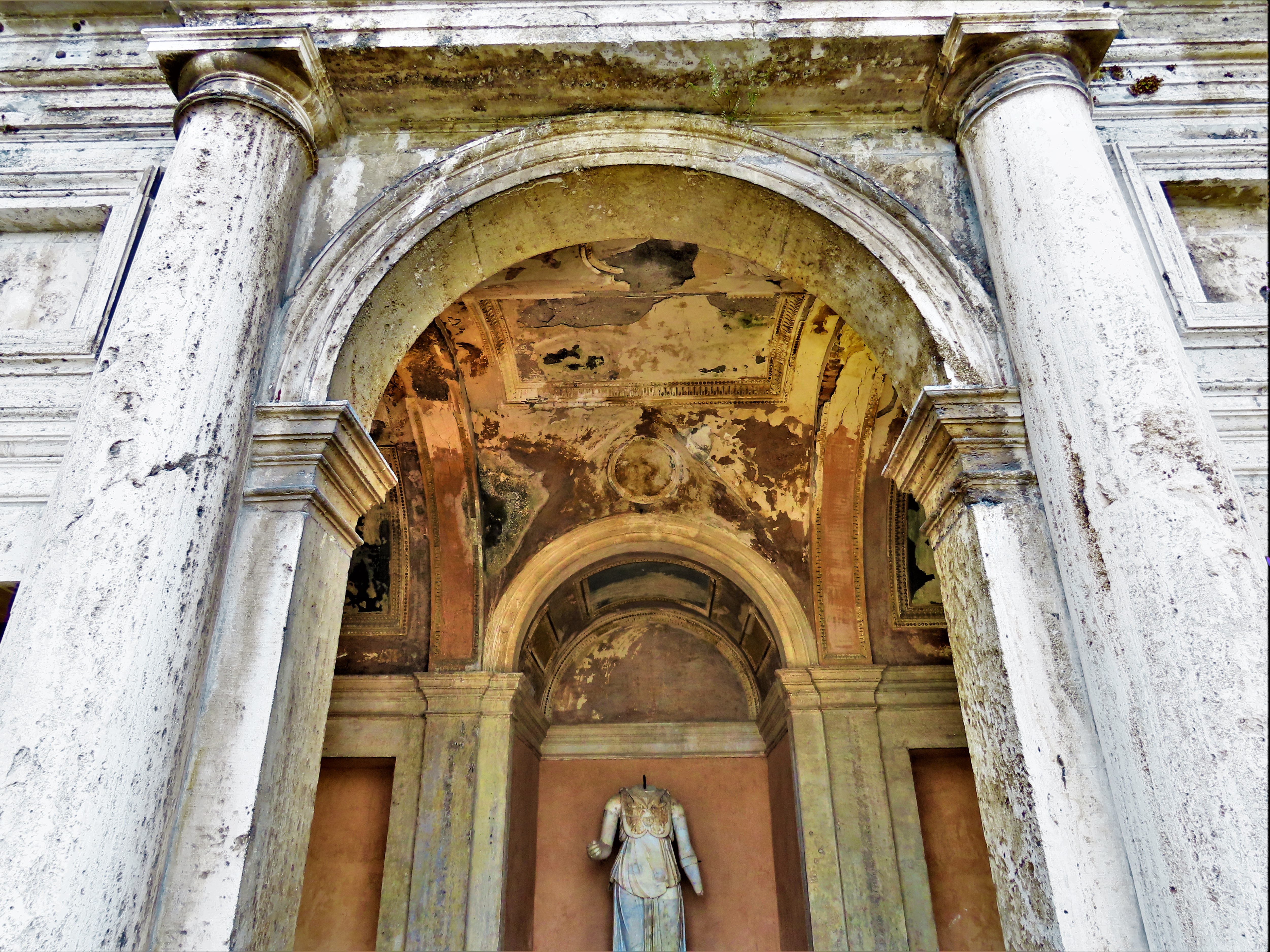
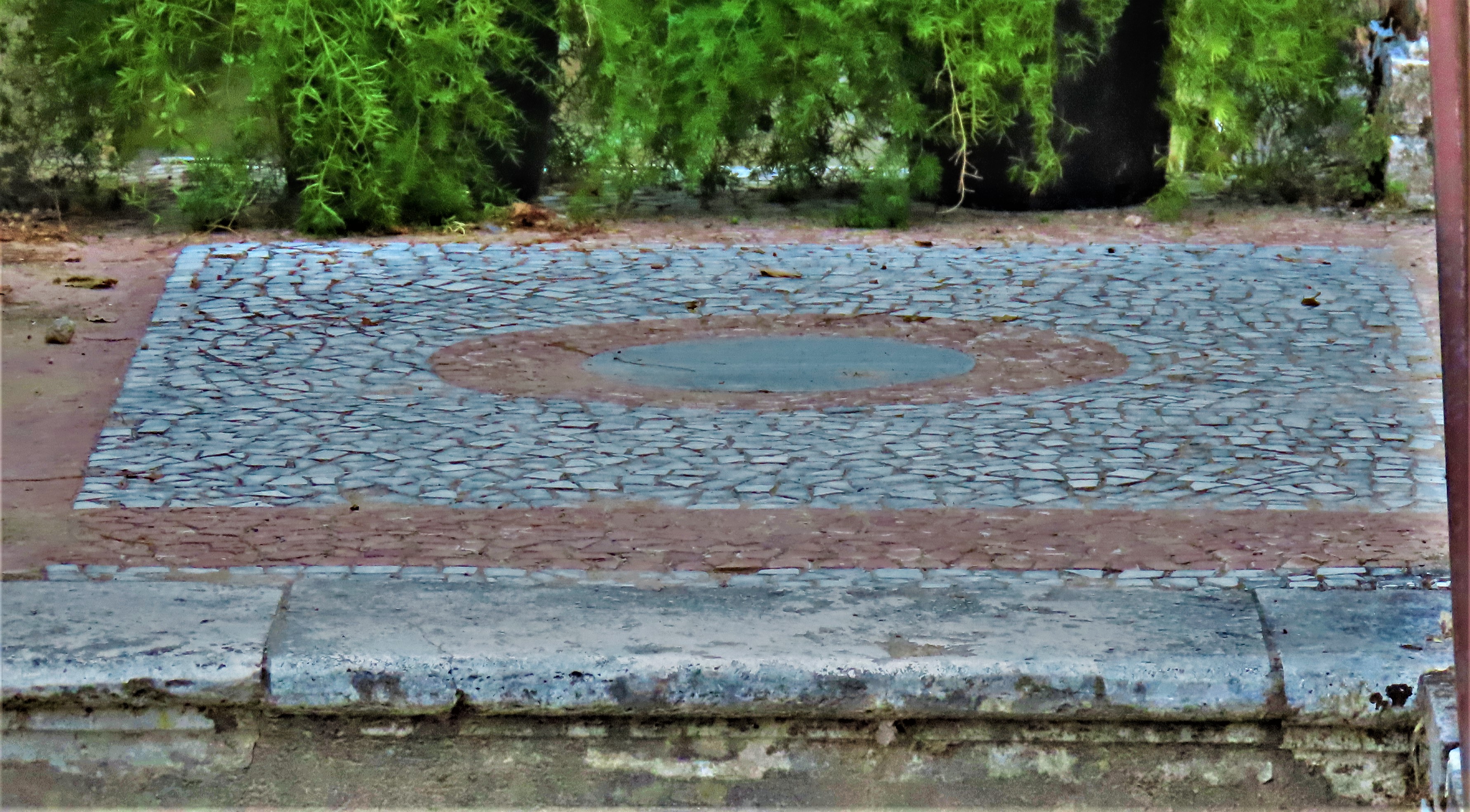
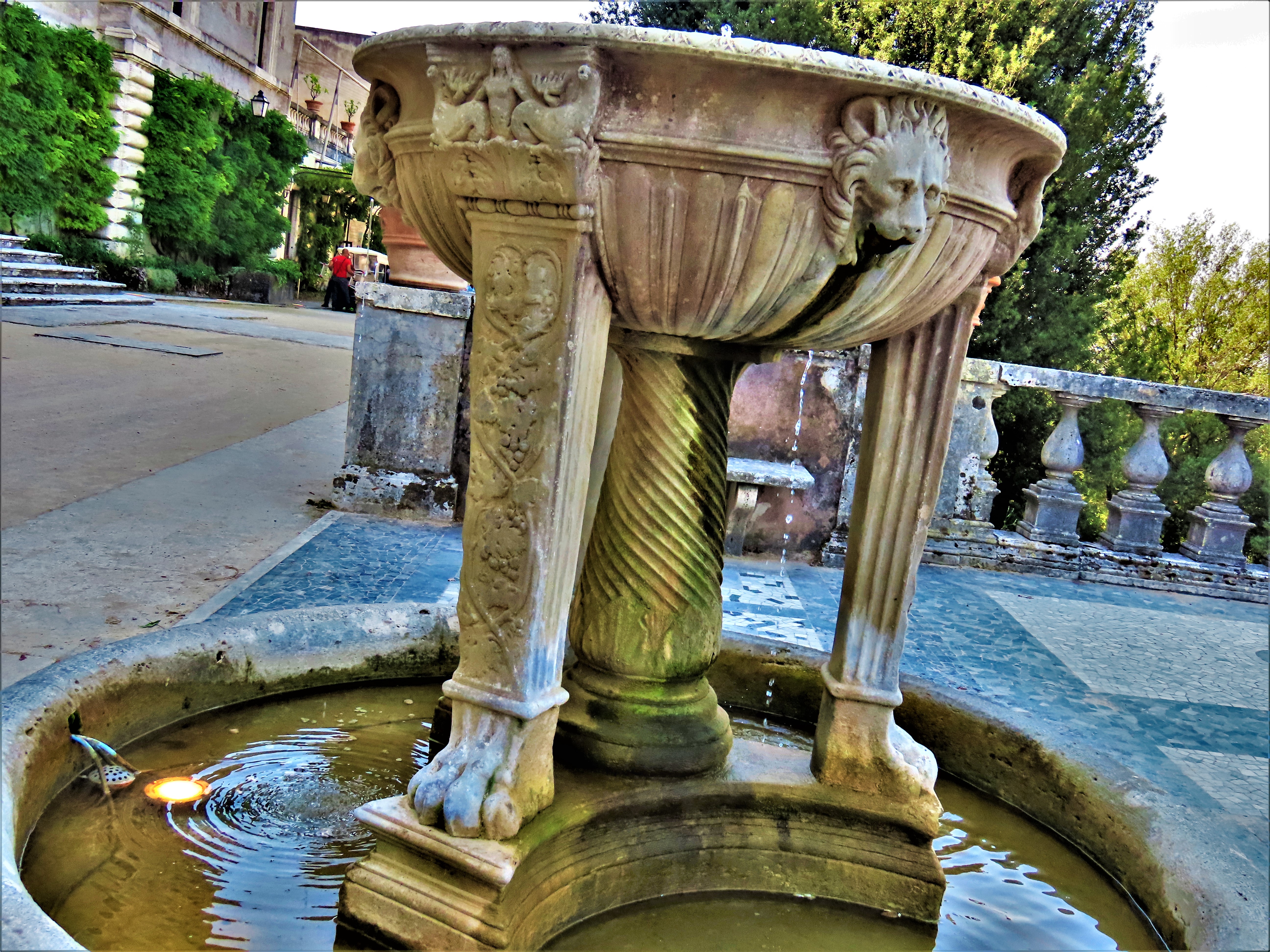
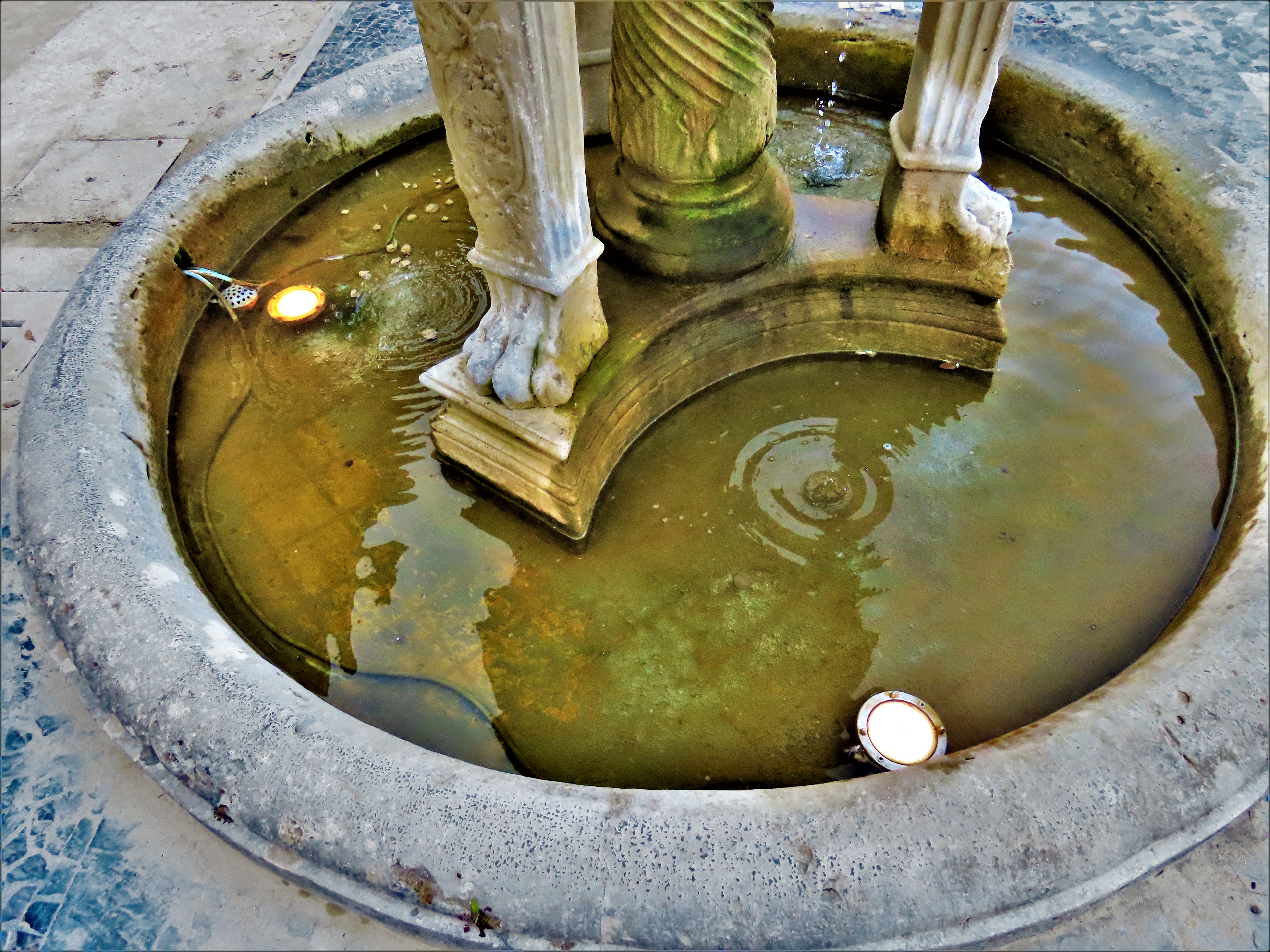
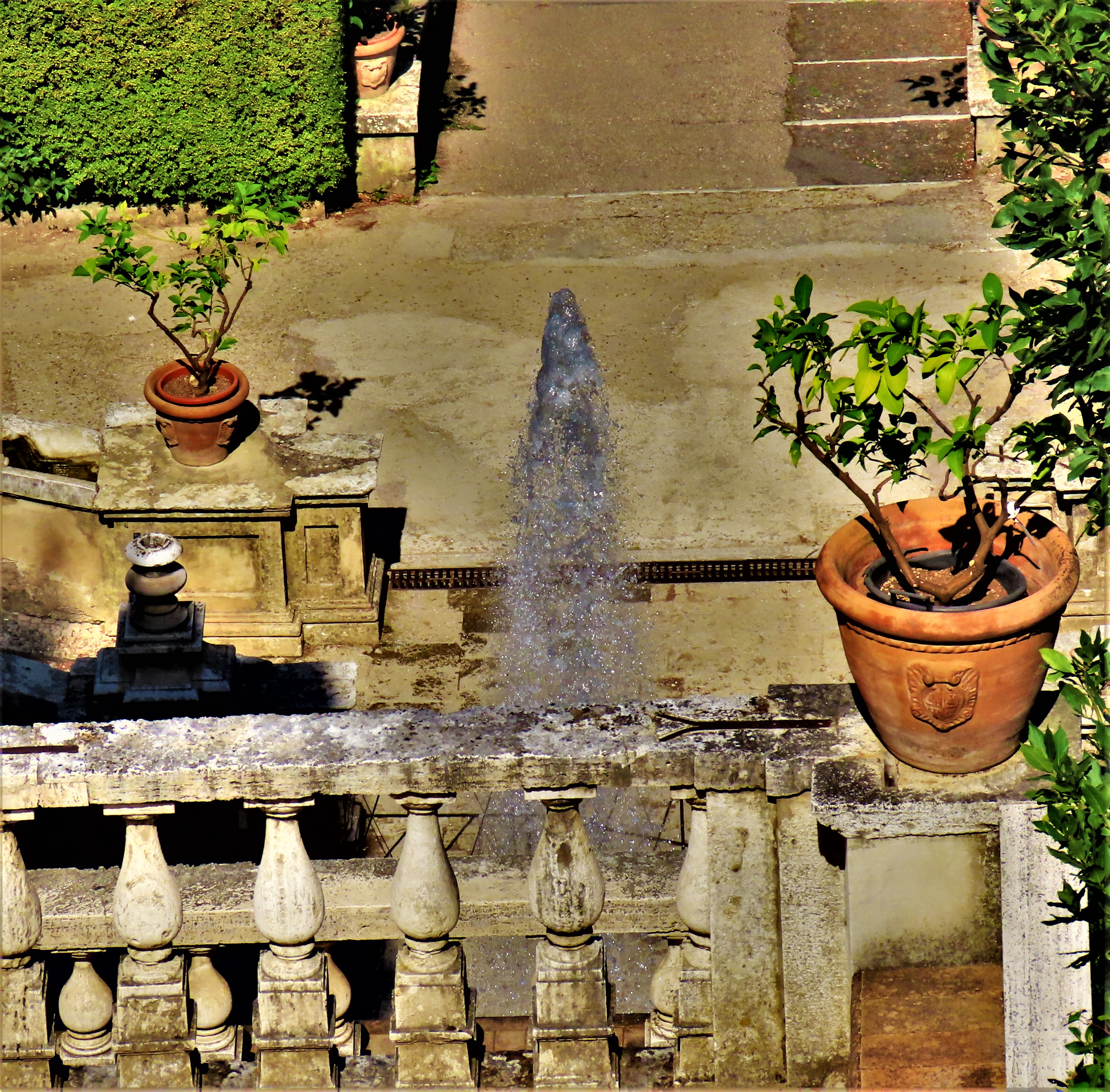
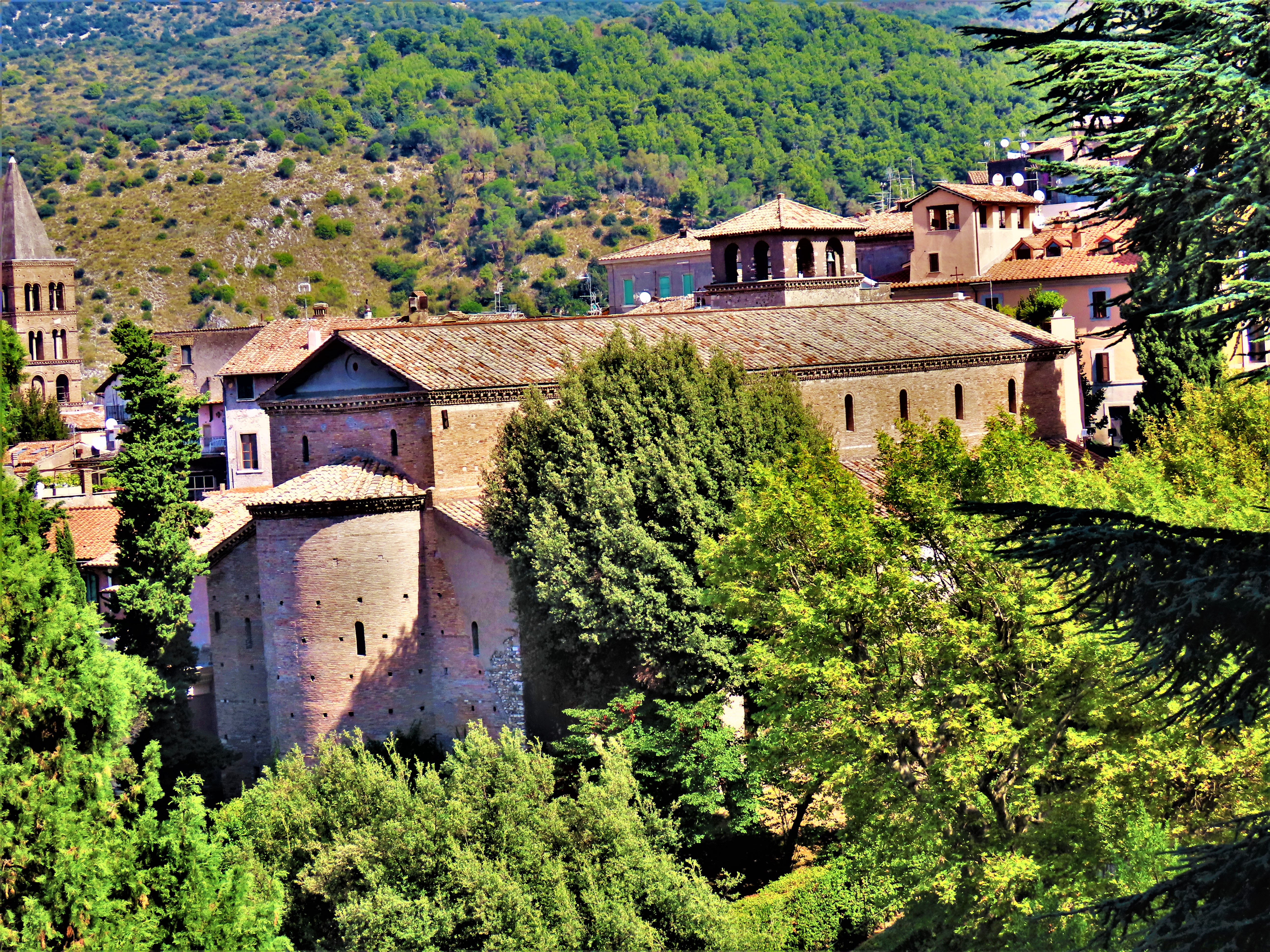
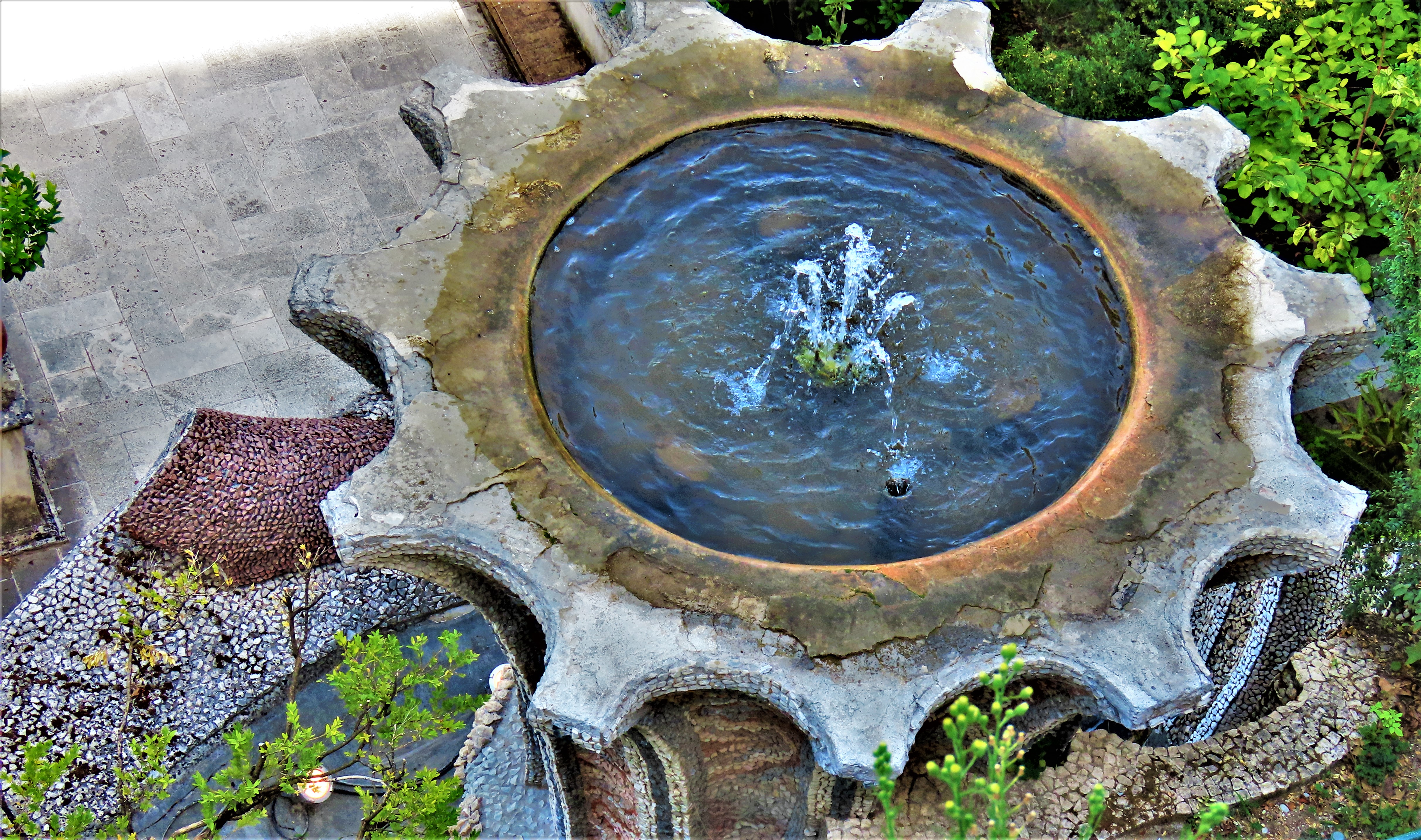
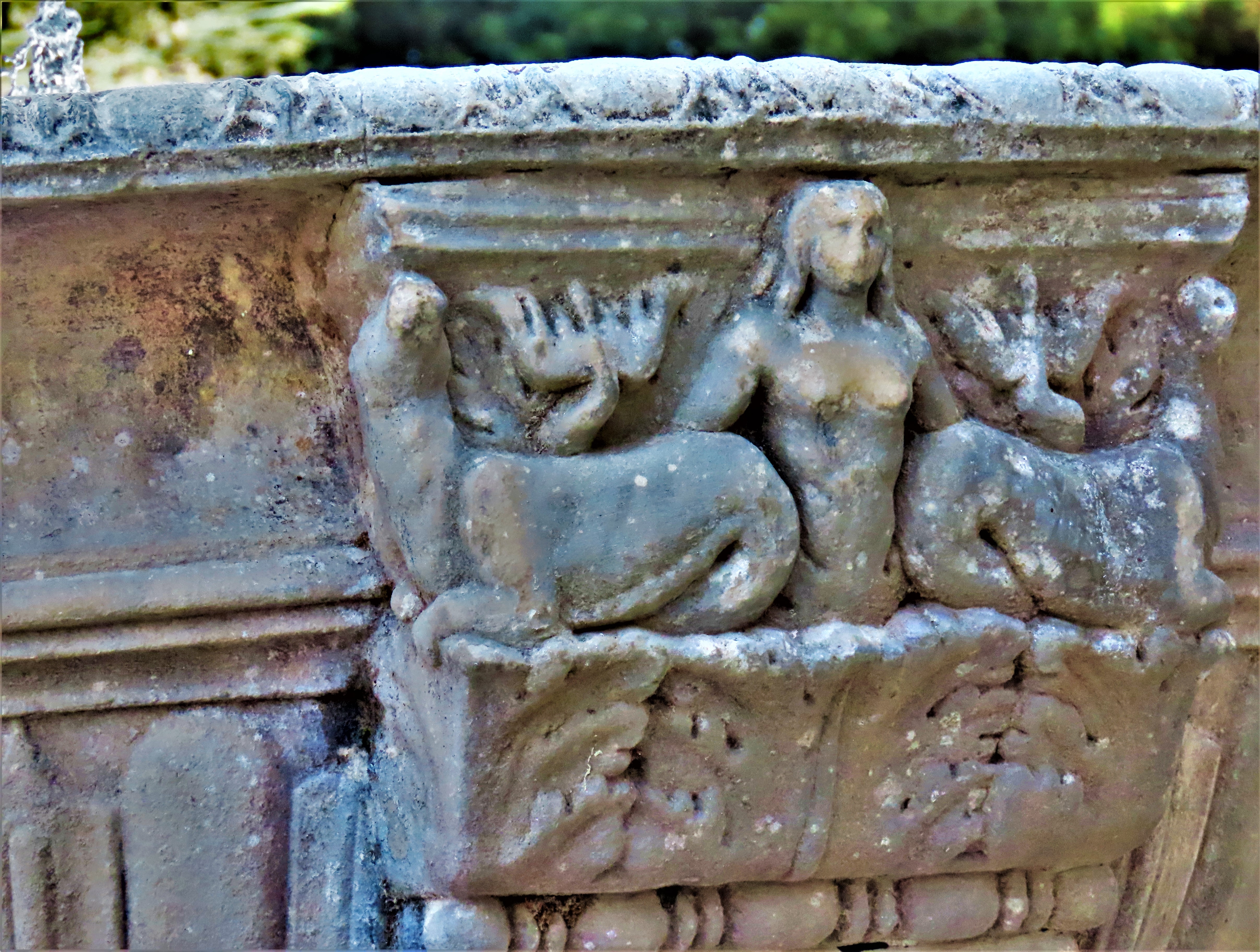
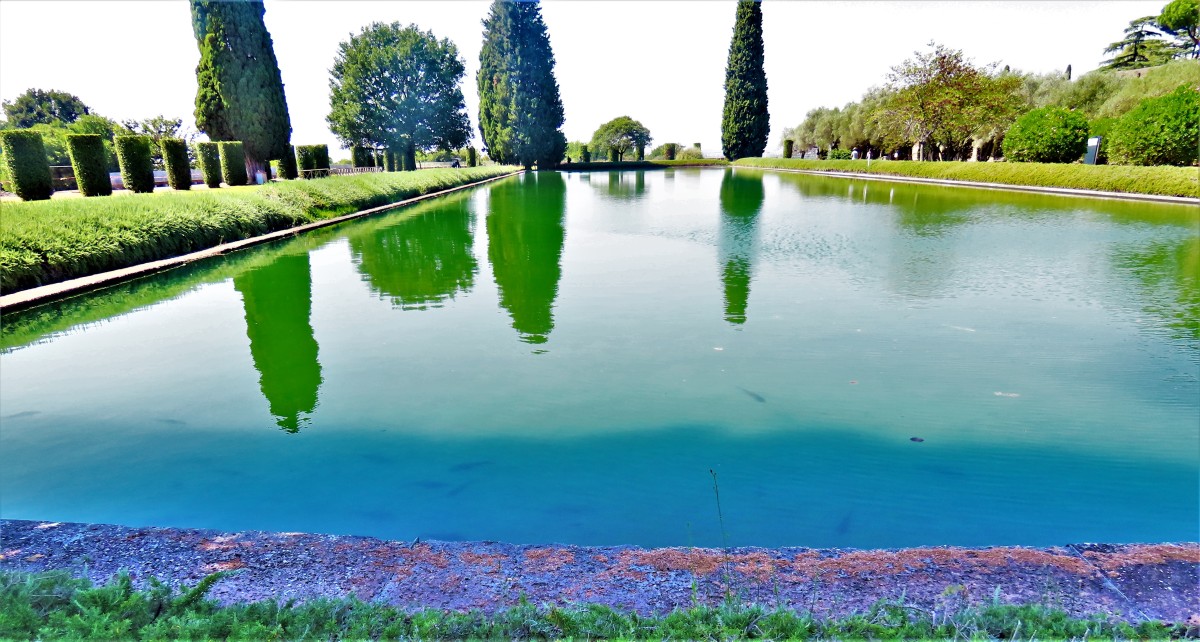
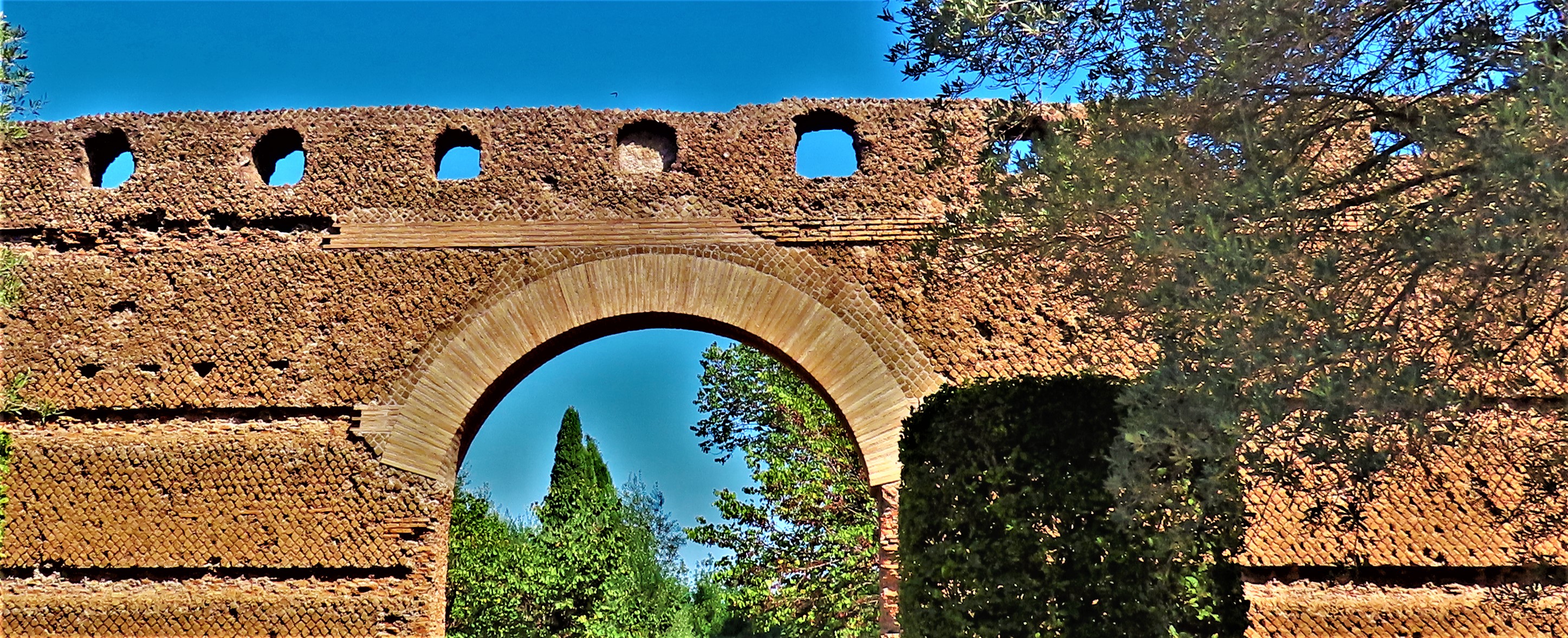
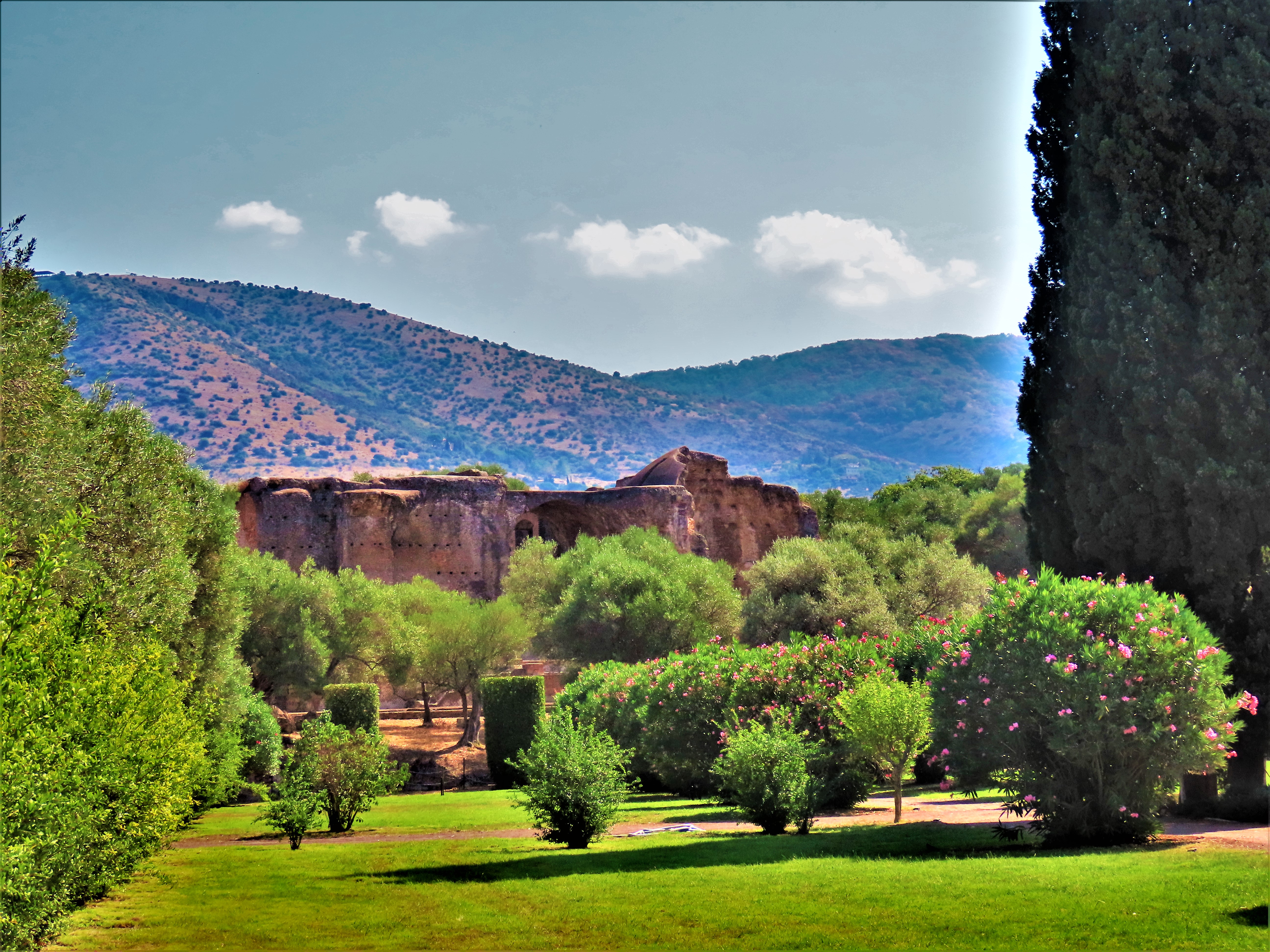
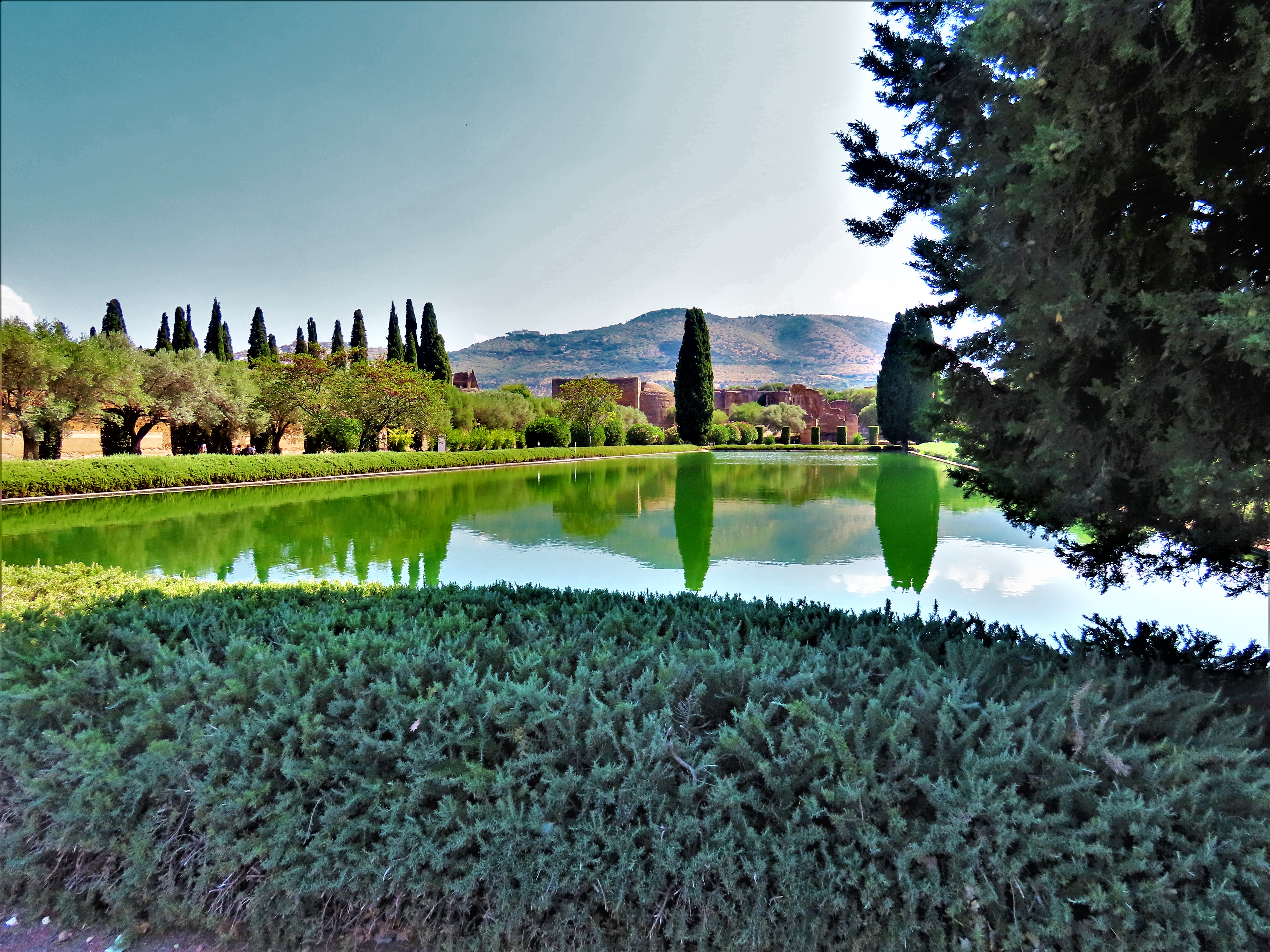
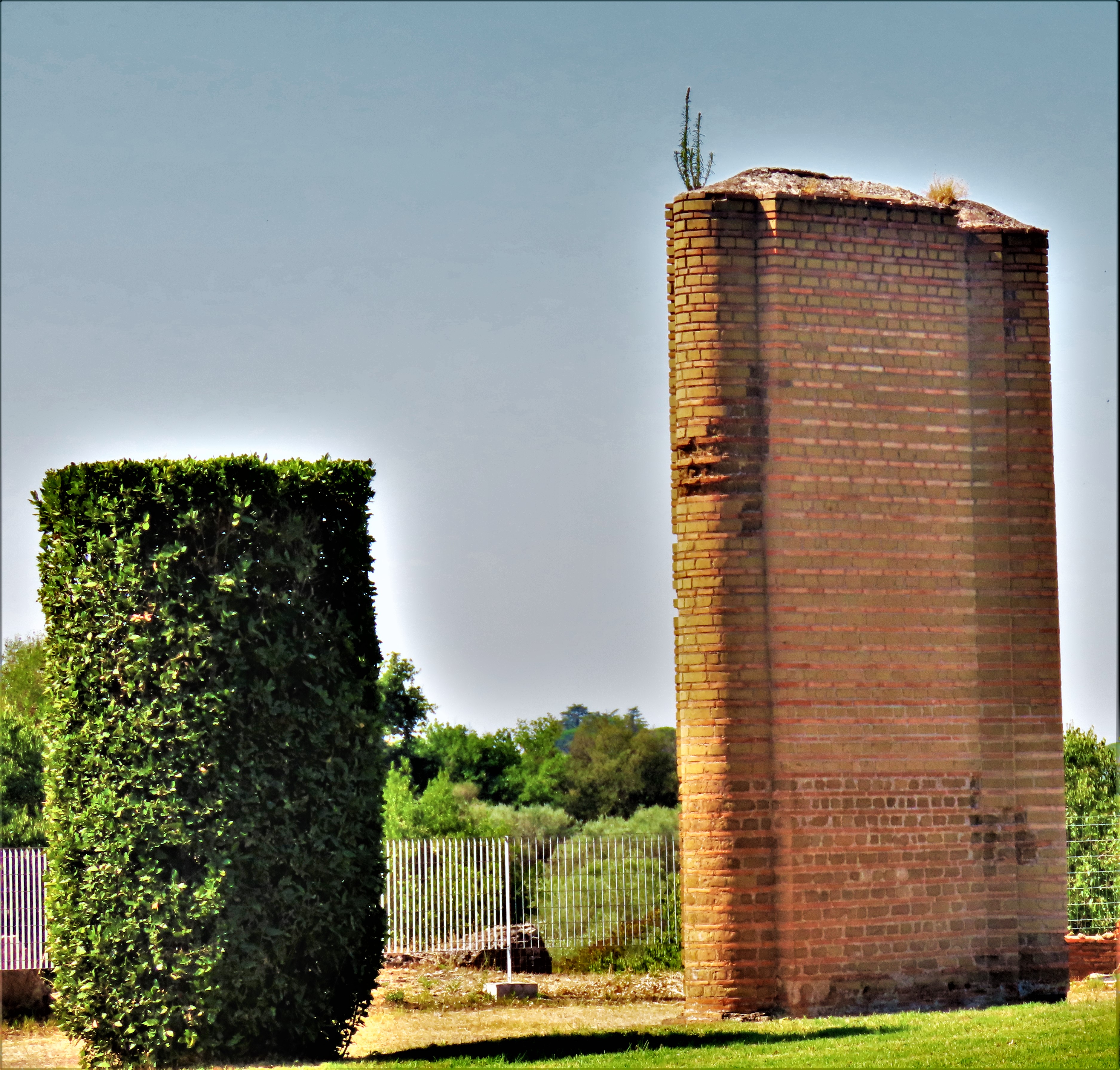
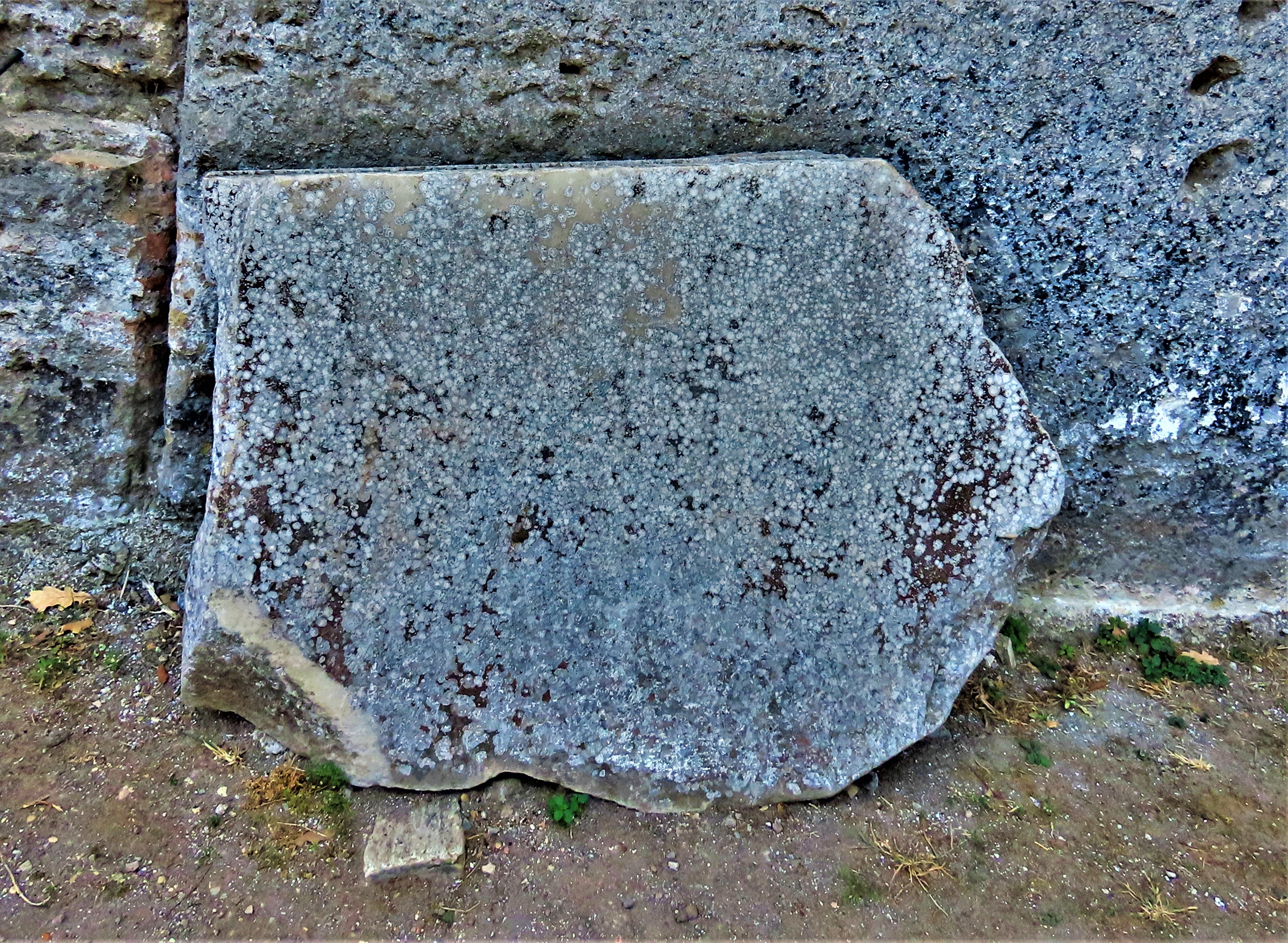
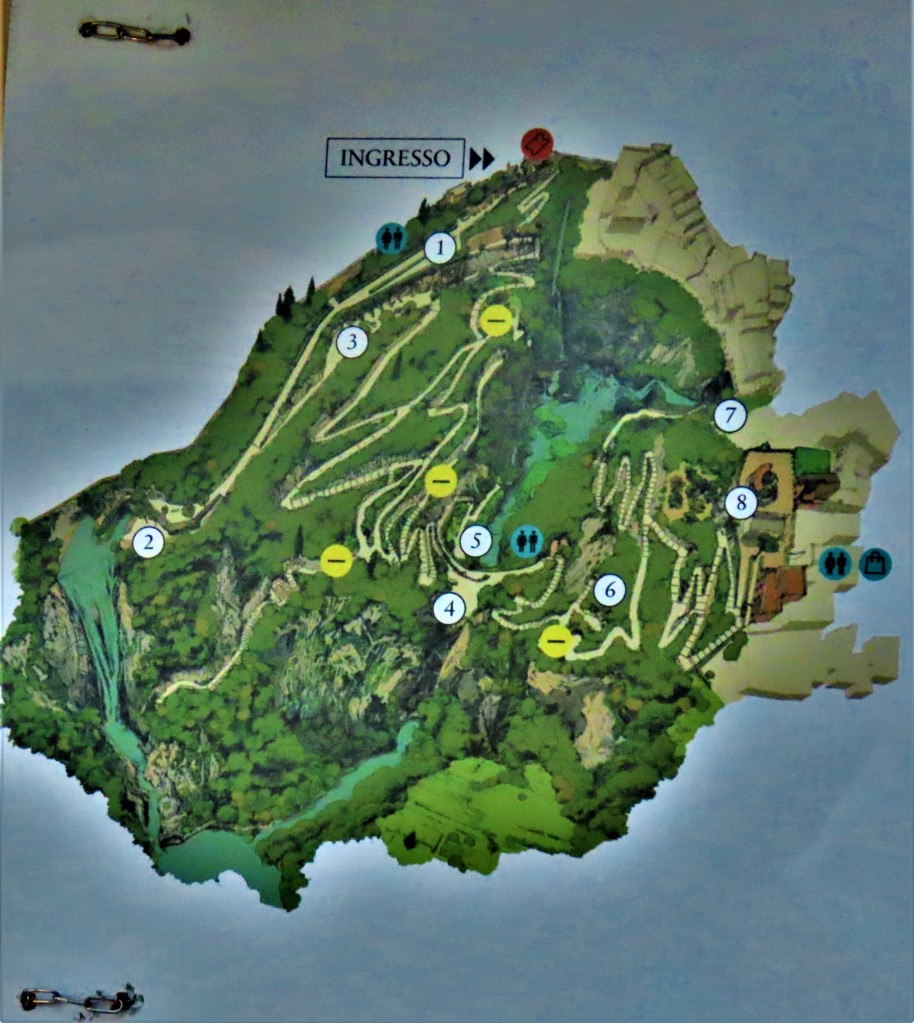
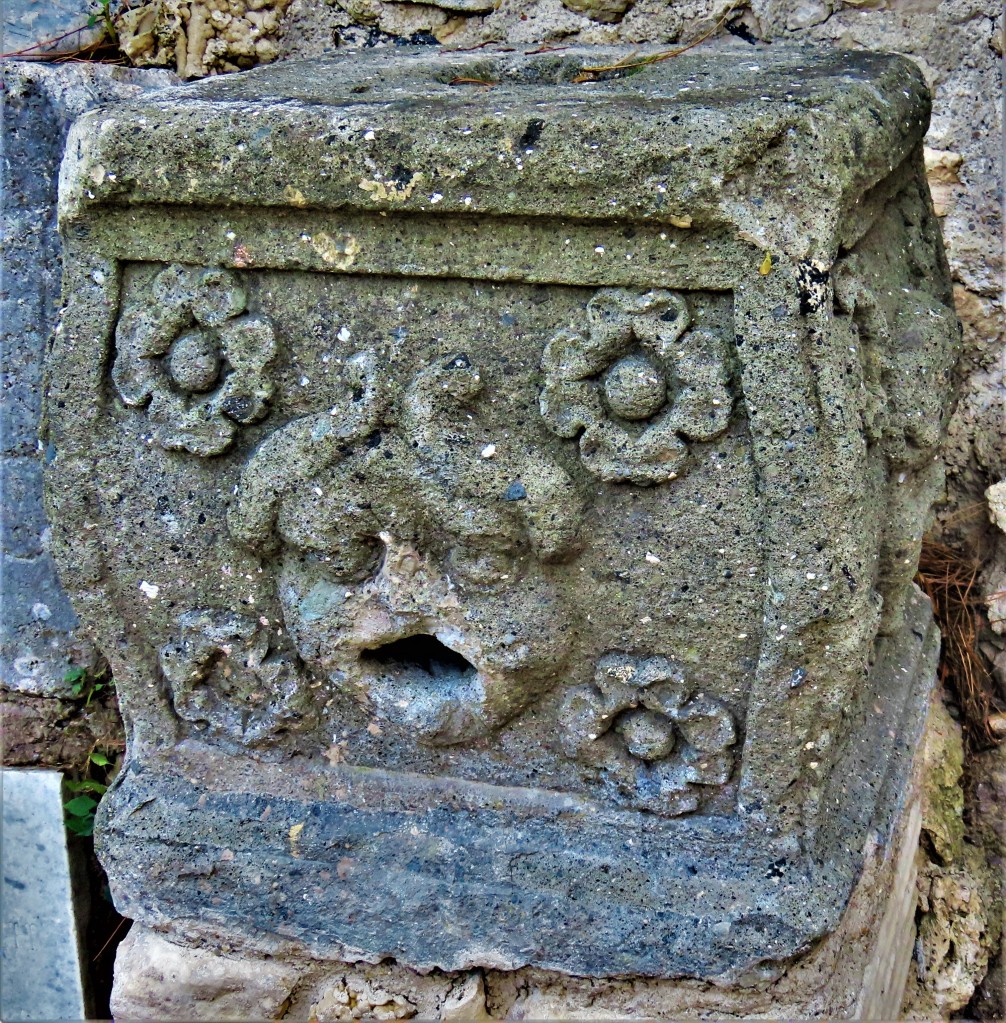
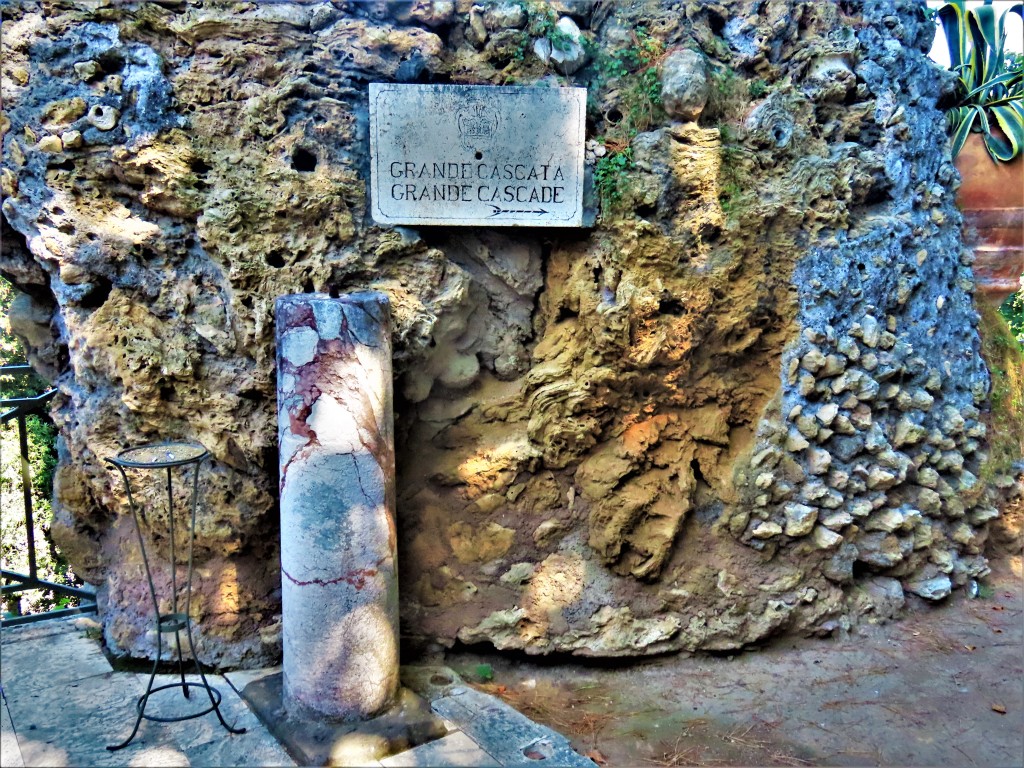
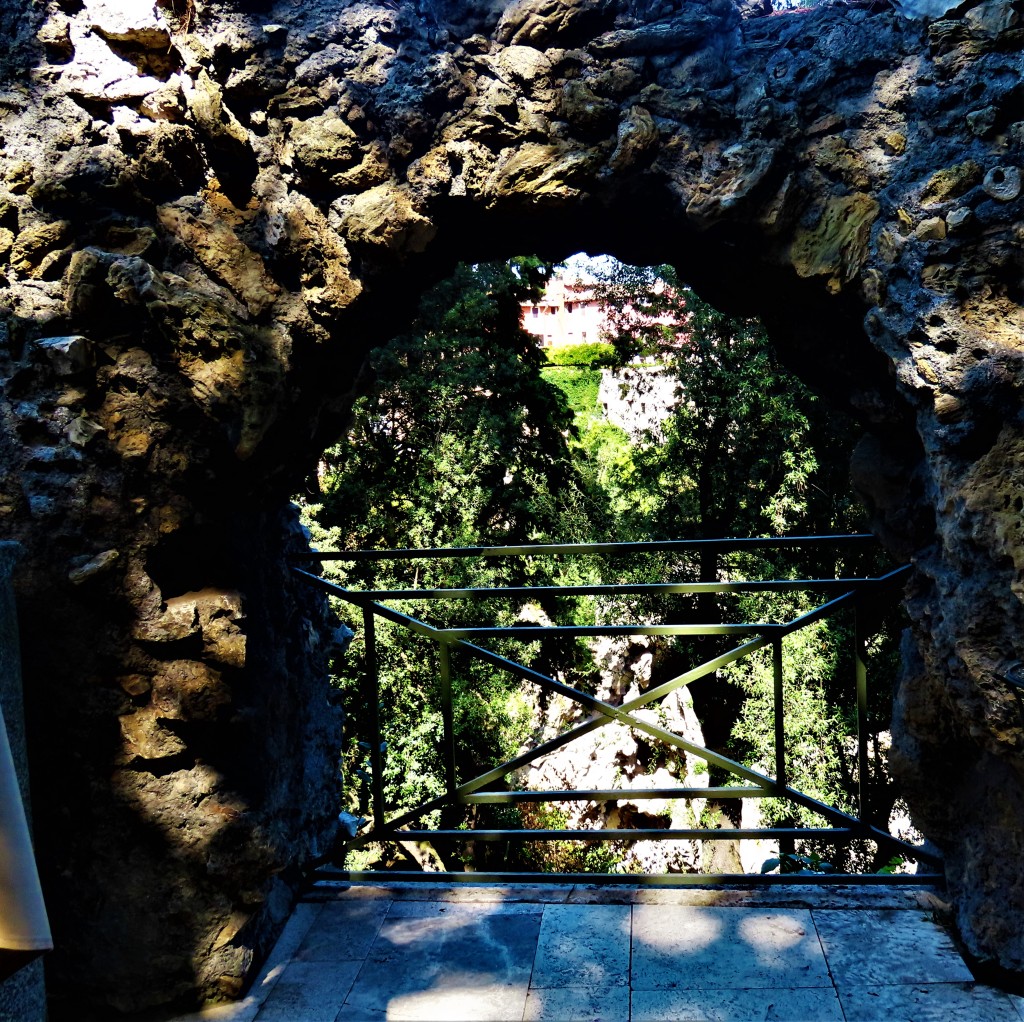
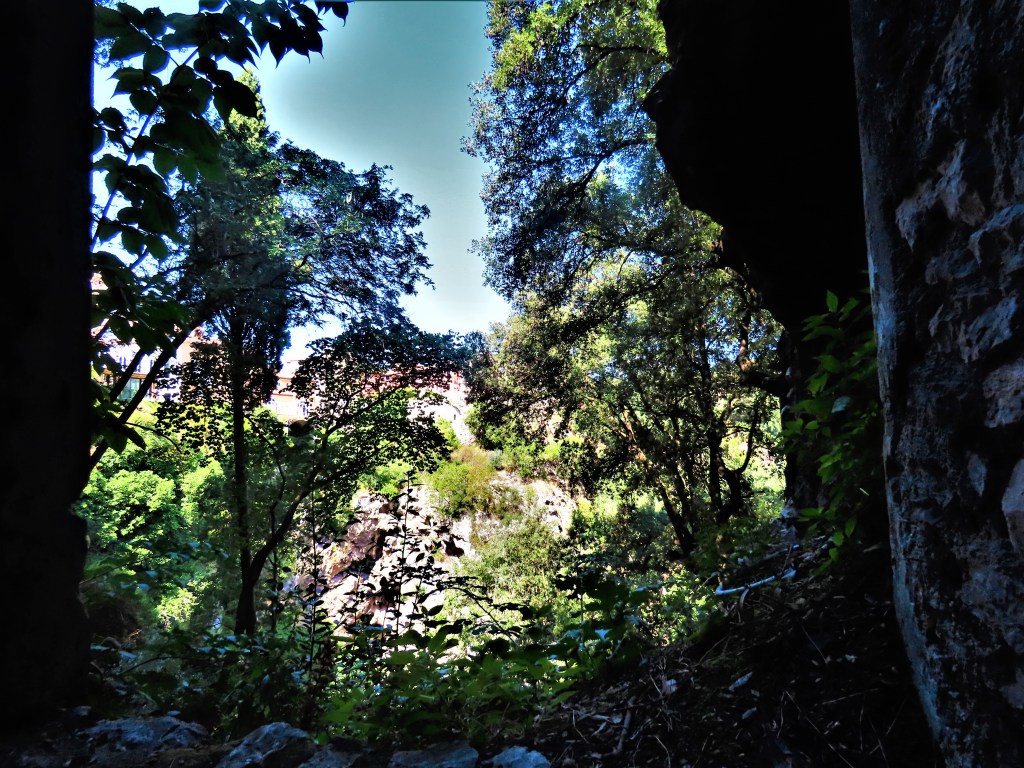
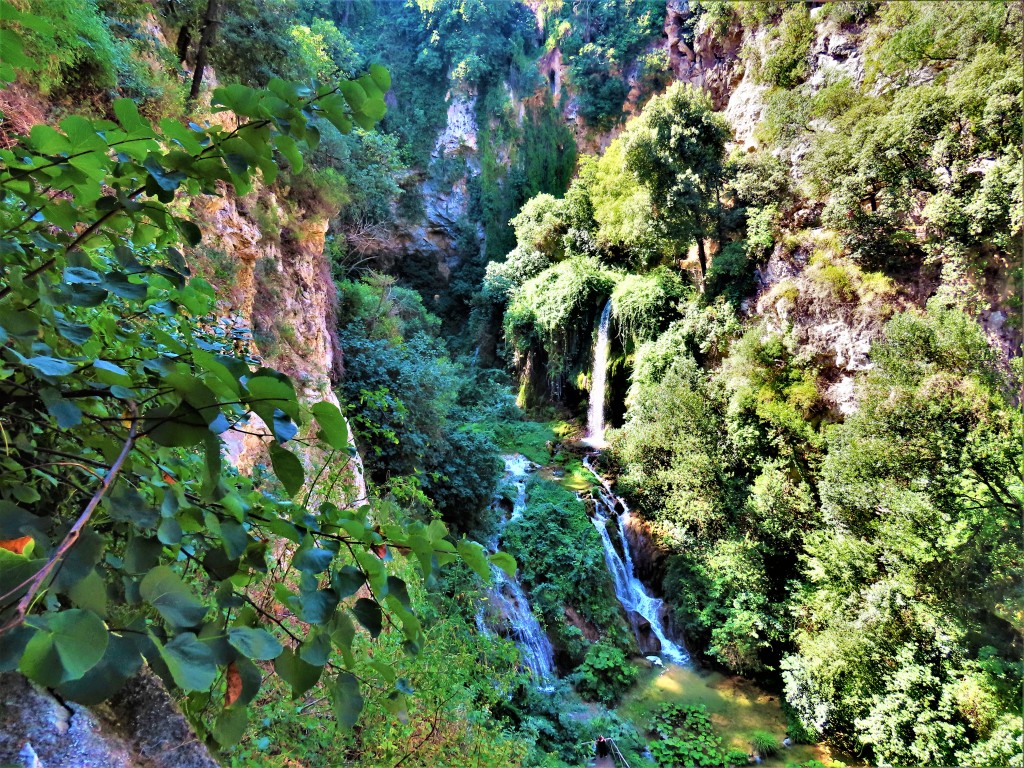
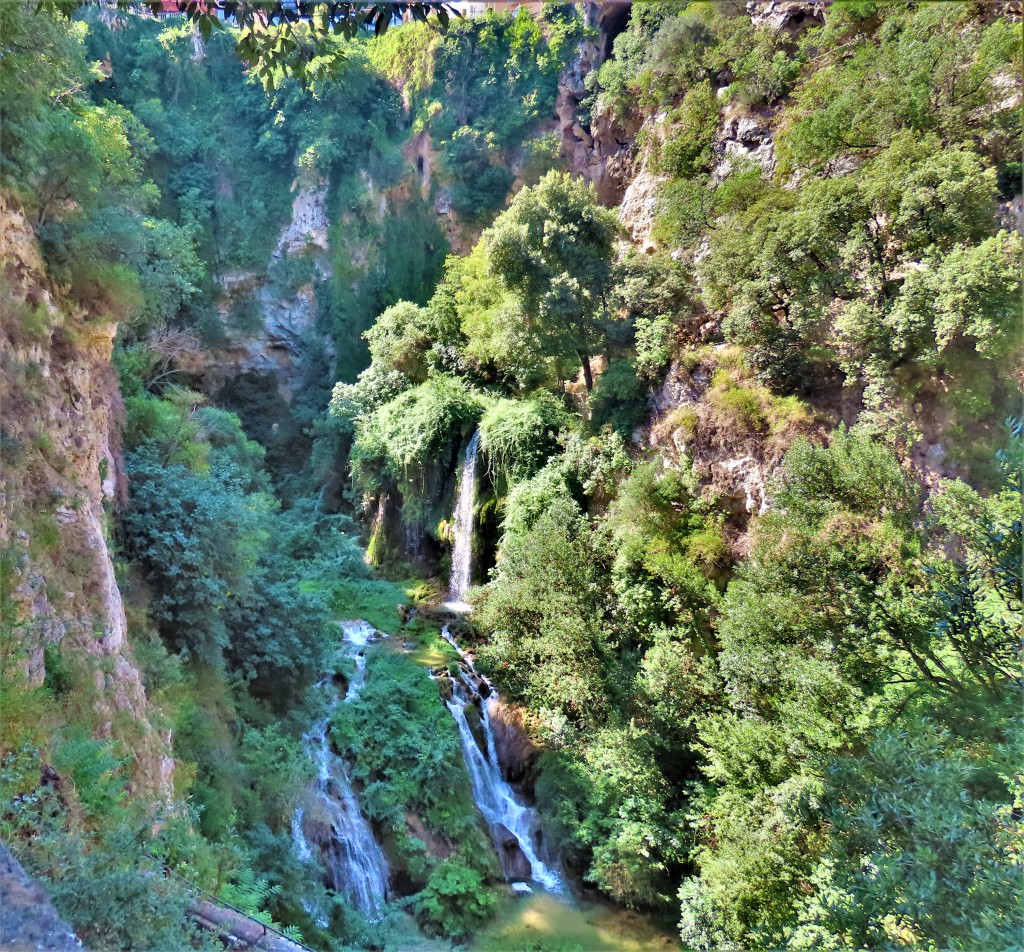
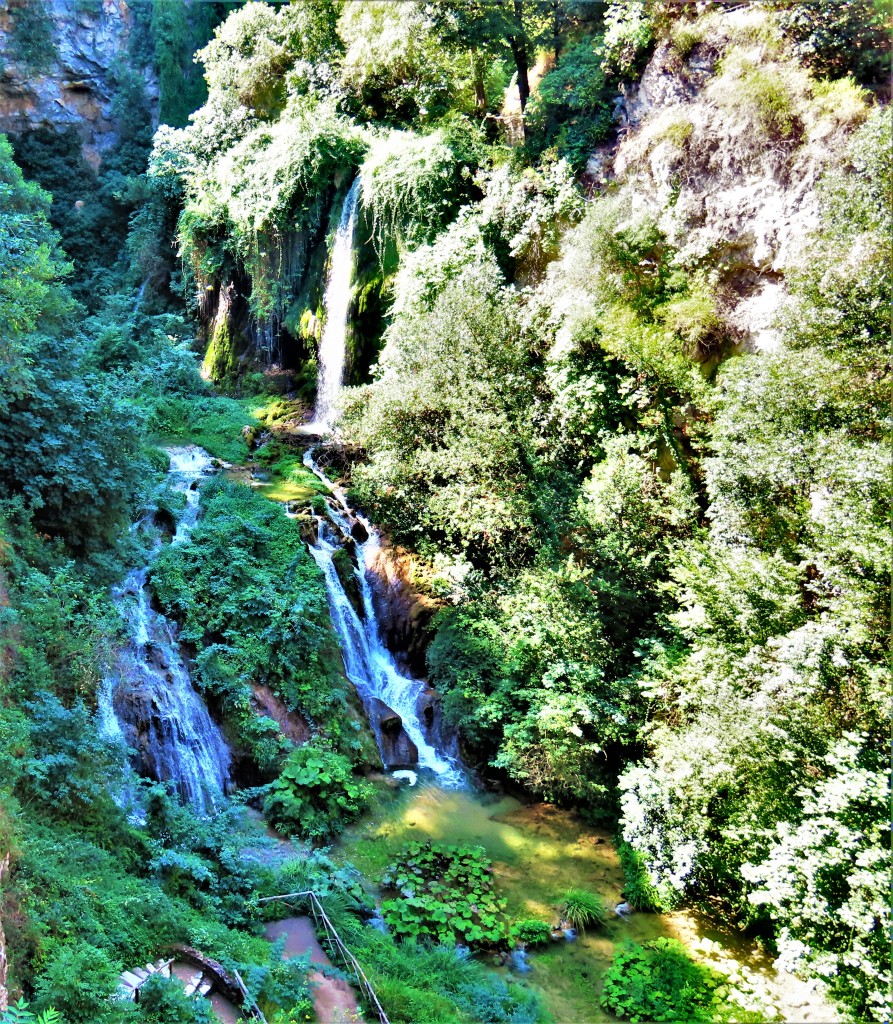
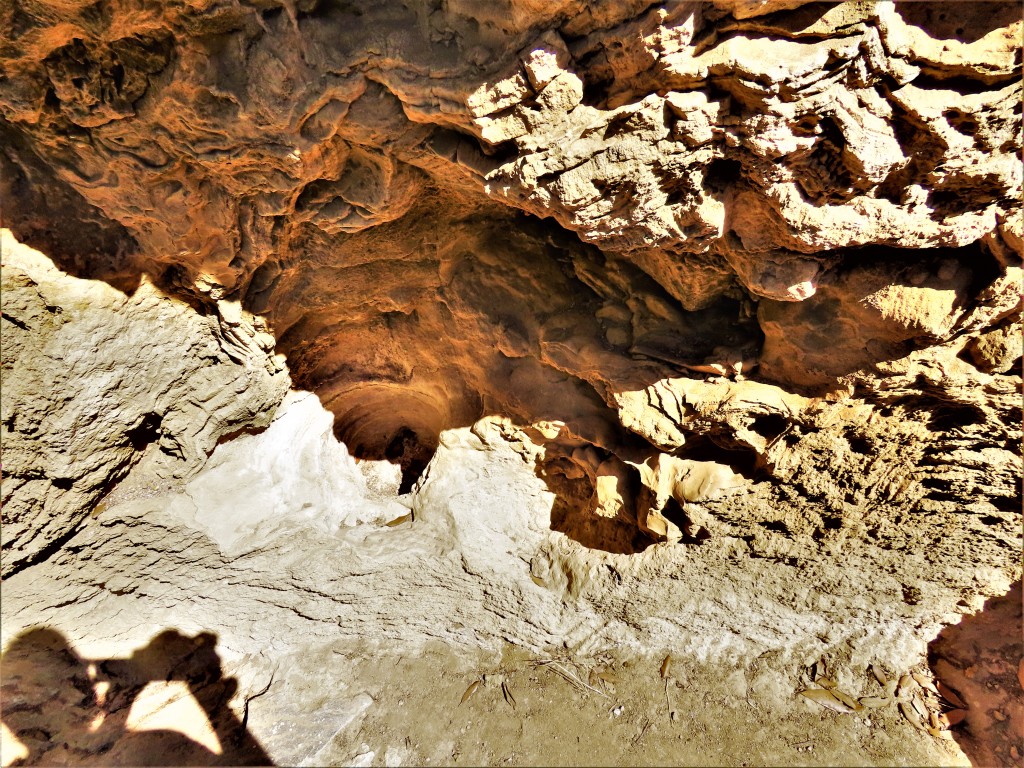
After being shown the hidden treasures of the Villa Sant’Antonio we headed into central Tivoli for a look at the Villa D’Este, the third major attraction in that part of the world (I featured Villa Adriana and Villa Gregoriana in earlier posts in this series). This villa is still in good c0ndition and also has extensive grounds, although I did not see much of those because I was worried about climbing back up from a longish descent. However, I saw enough to be extremely impressed.
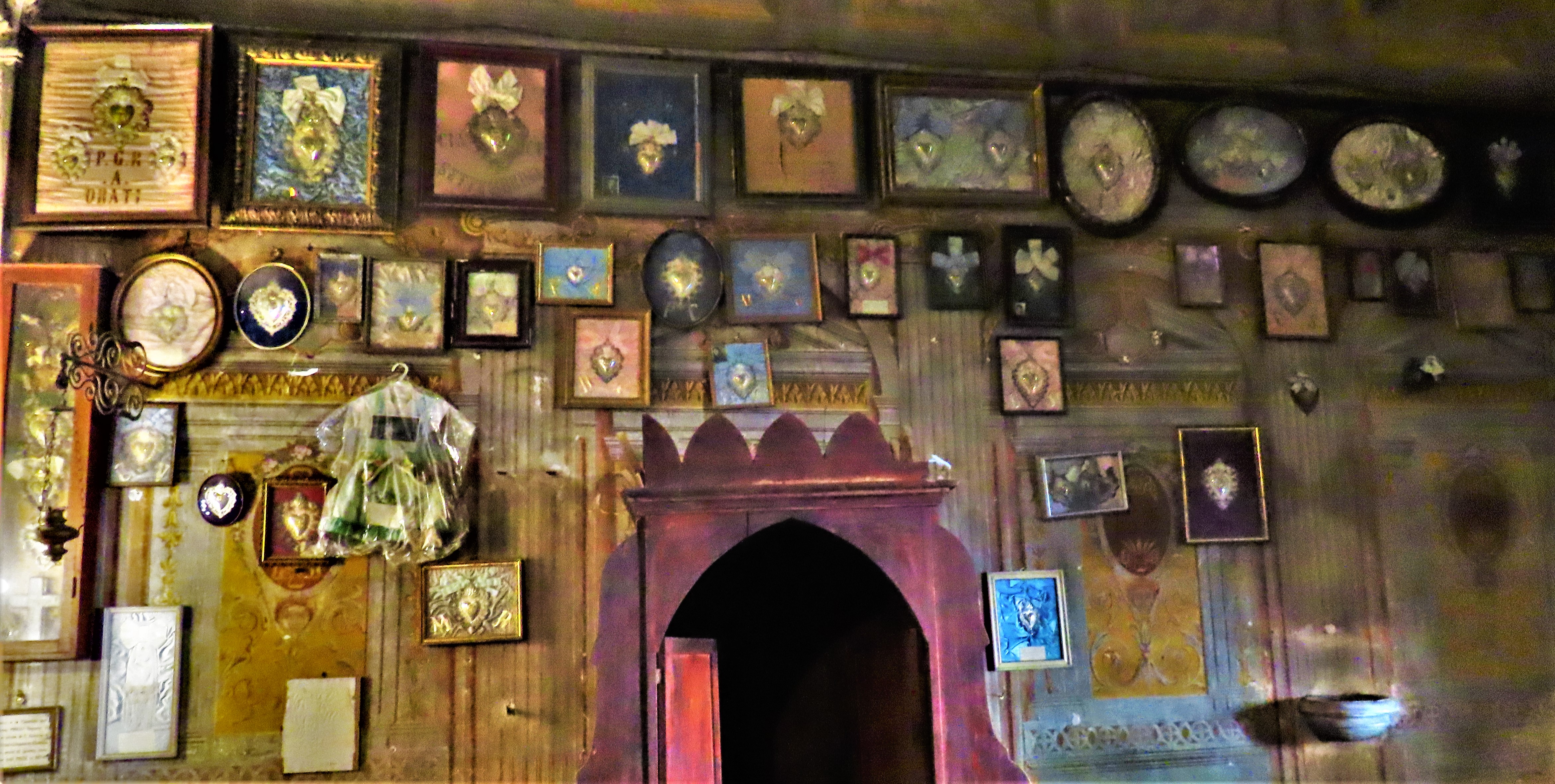
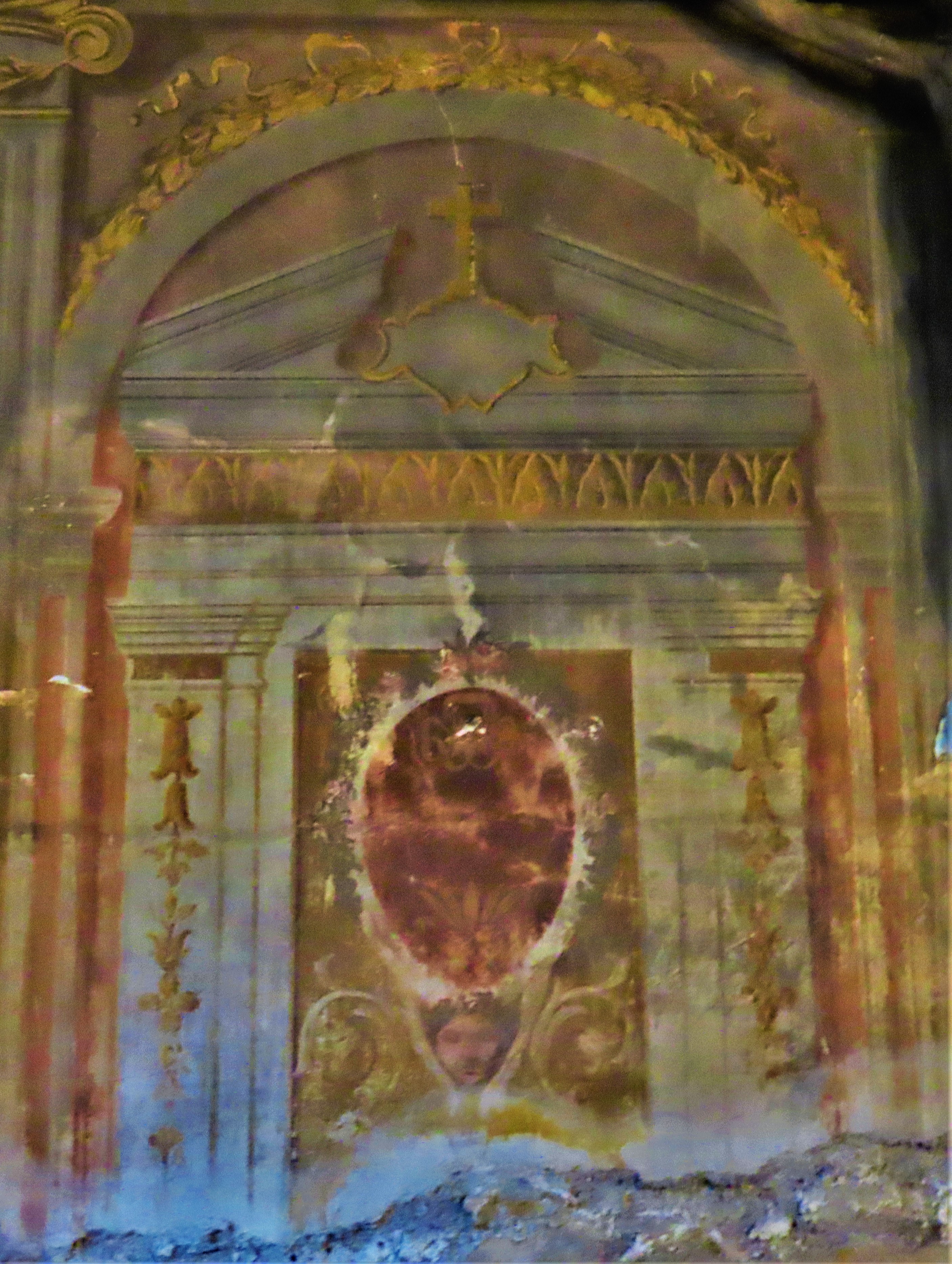
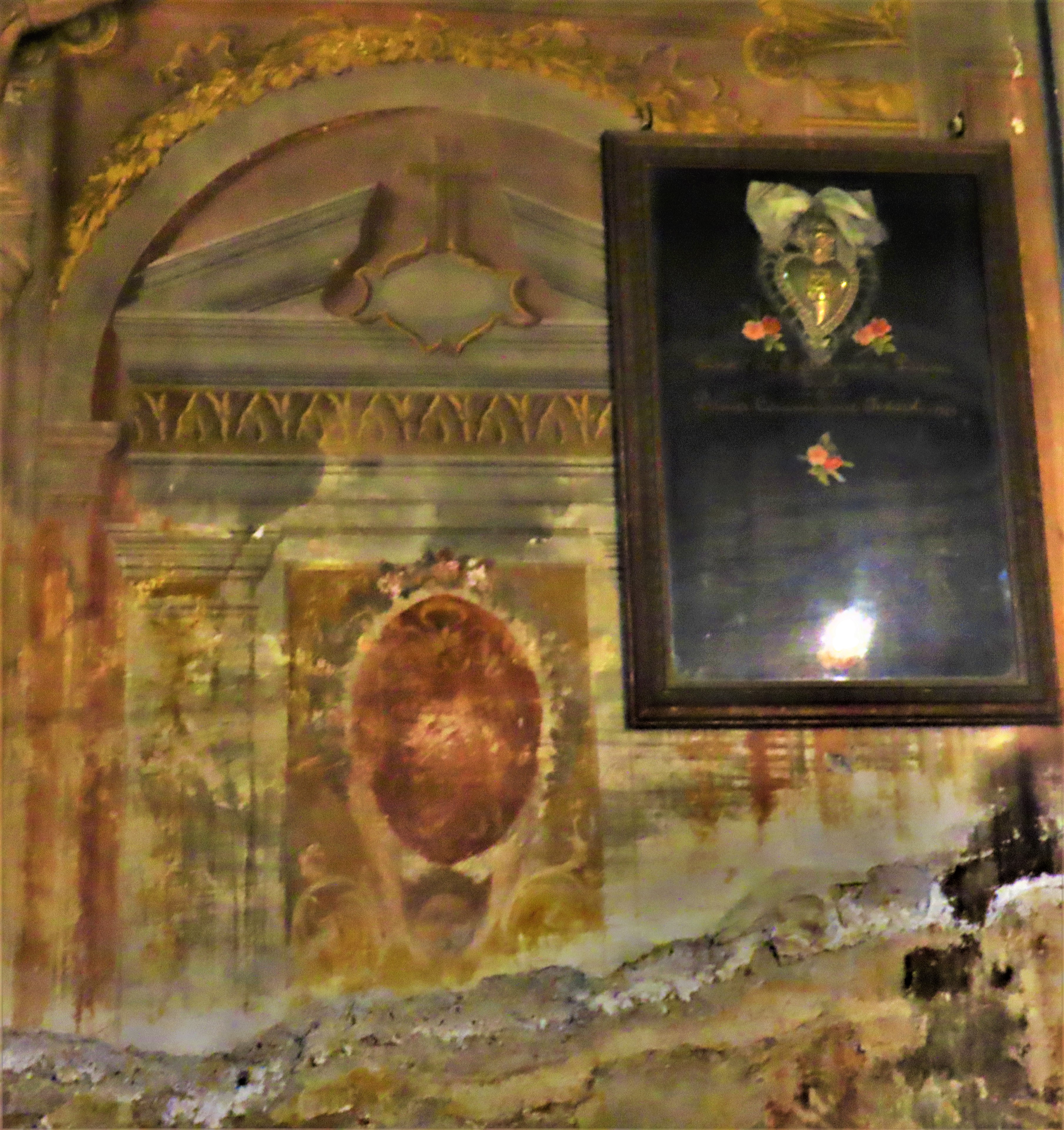
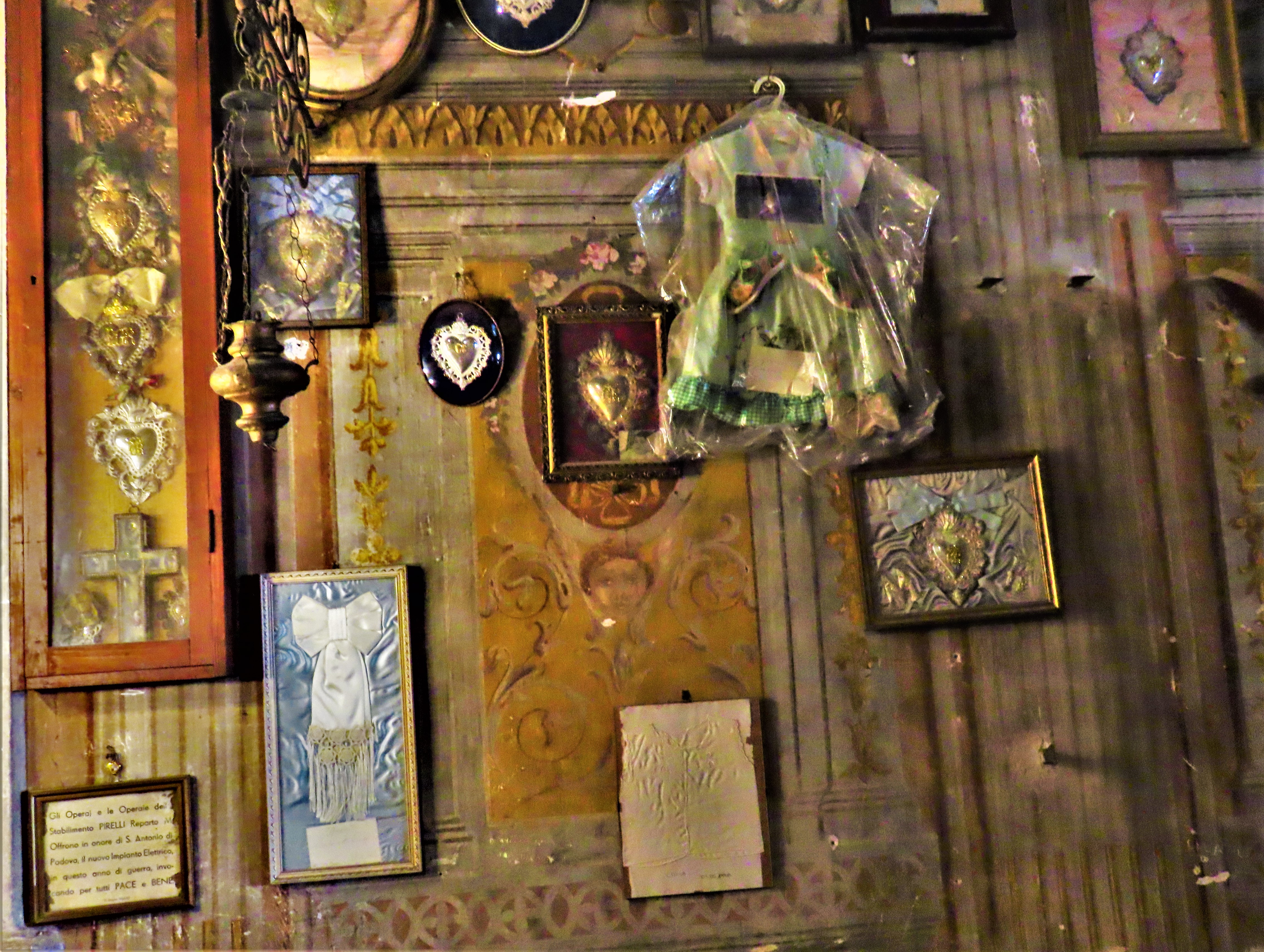
Showcasing the hidden treasures of the Villa Sant’Antonio.
Welcome to the latest post in my series about my Italian holiday (2-11 September inclusive). Today we look at the hidden treasures of the Villa Sant’Antonio, where we stayed for the second half of the holiday. We were shown these on the Thursday morning, the morning of our last full day in Italy.
THE CHAPEL
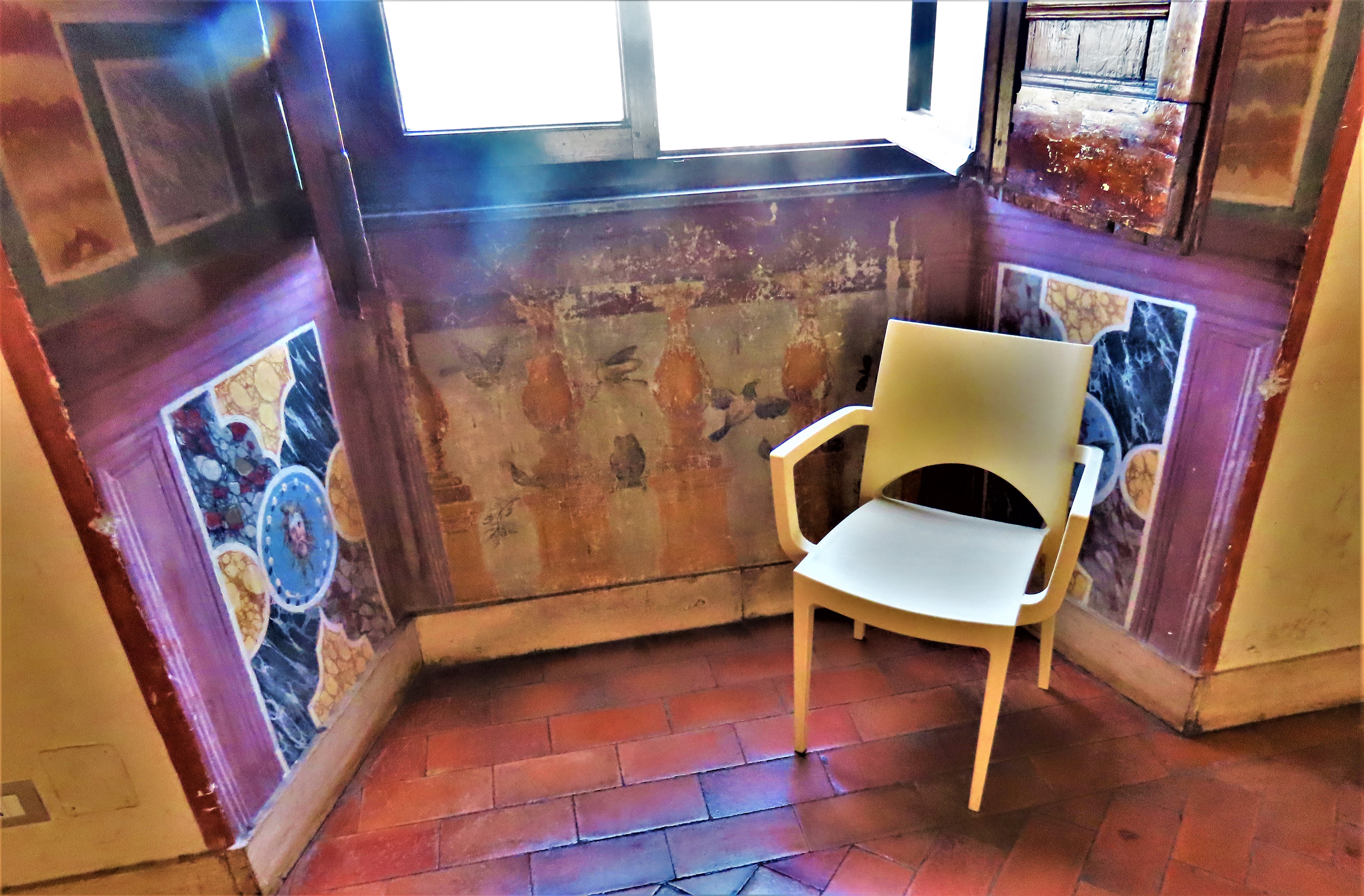
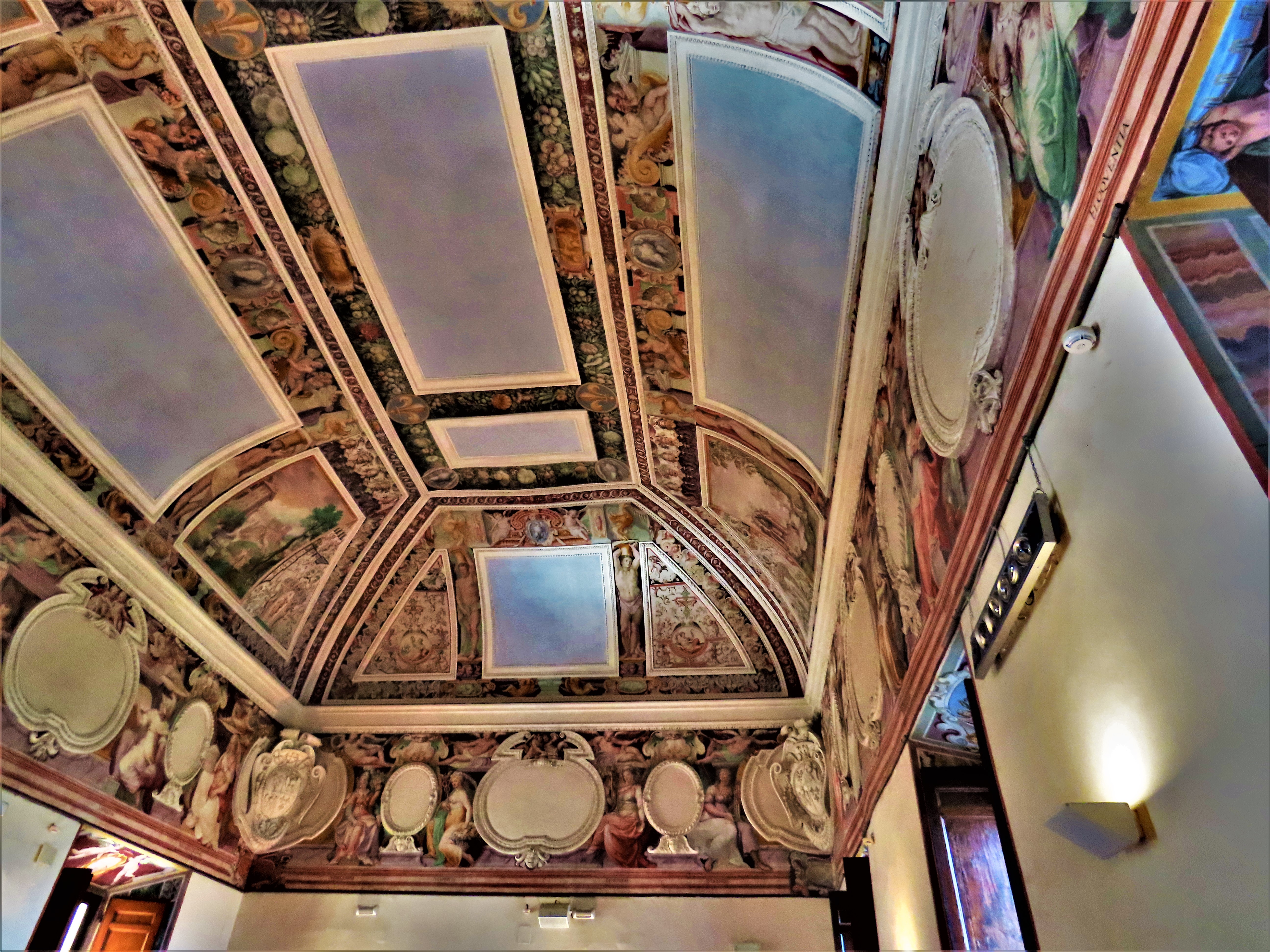
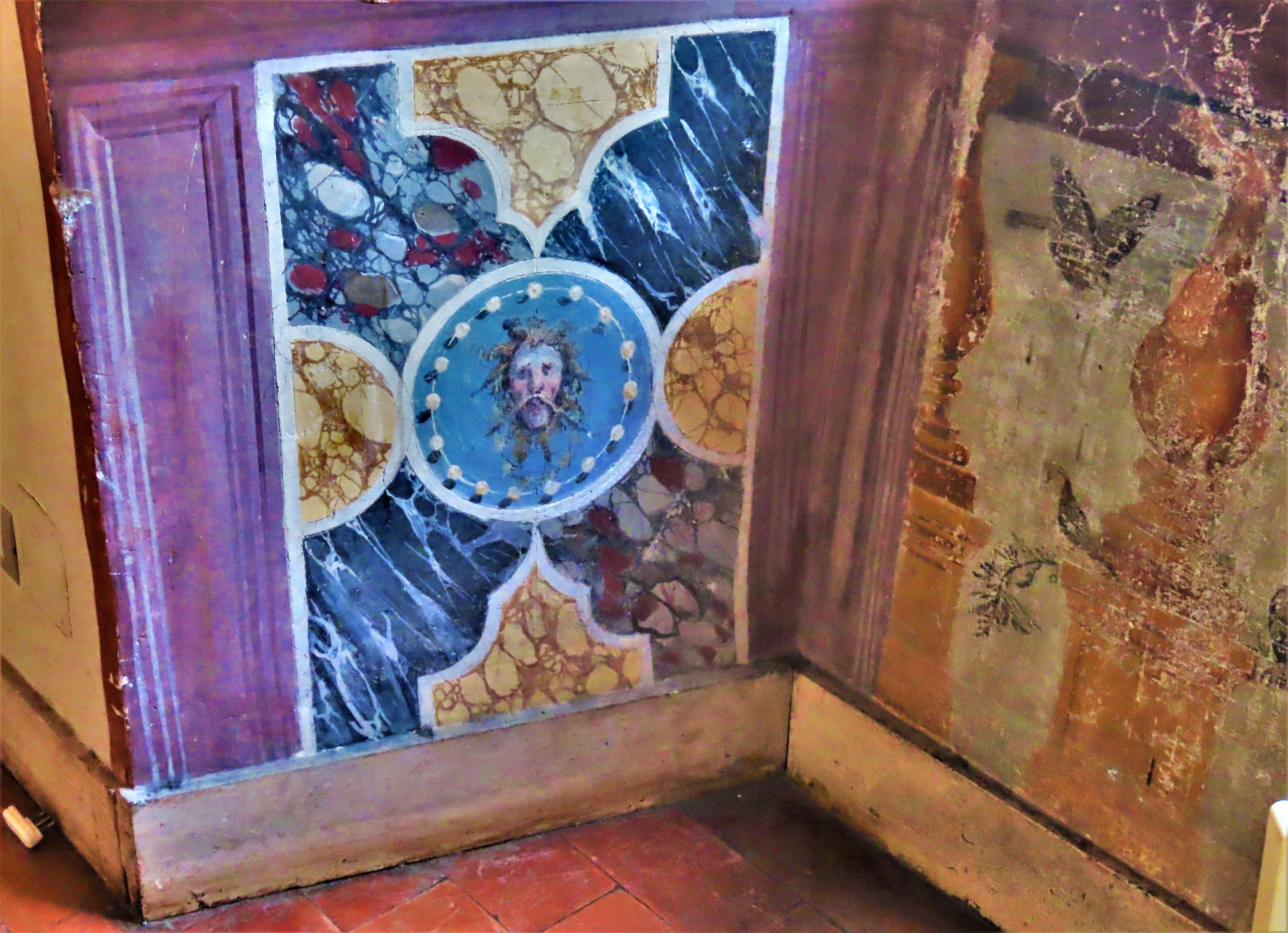
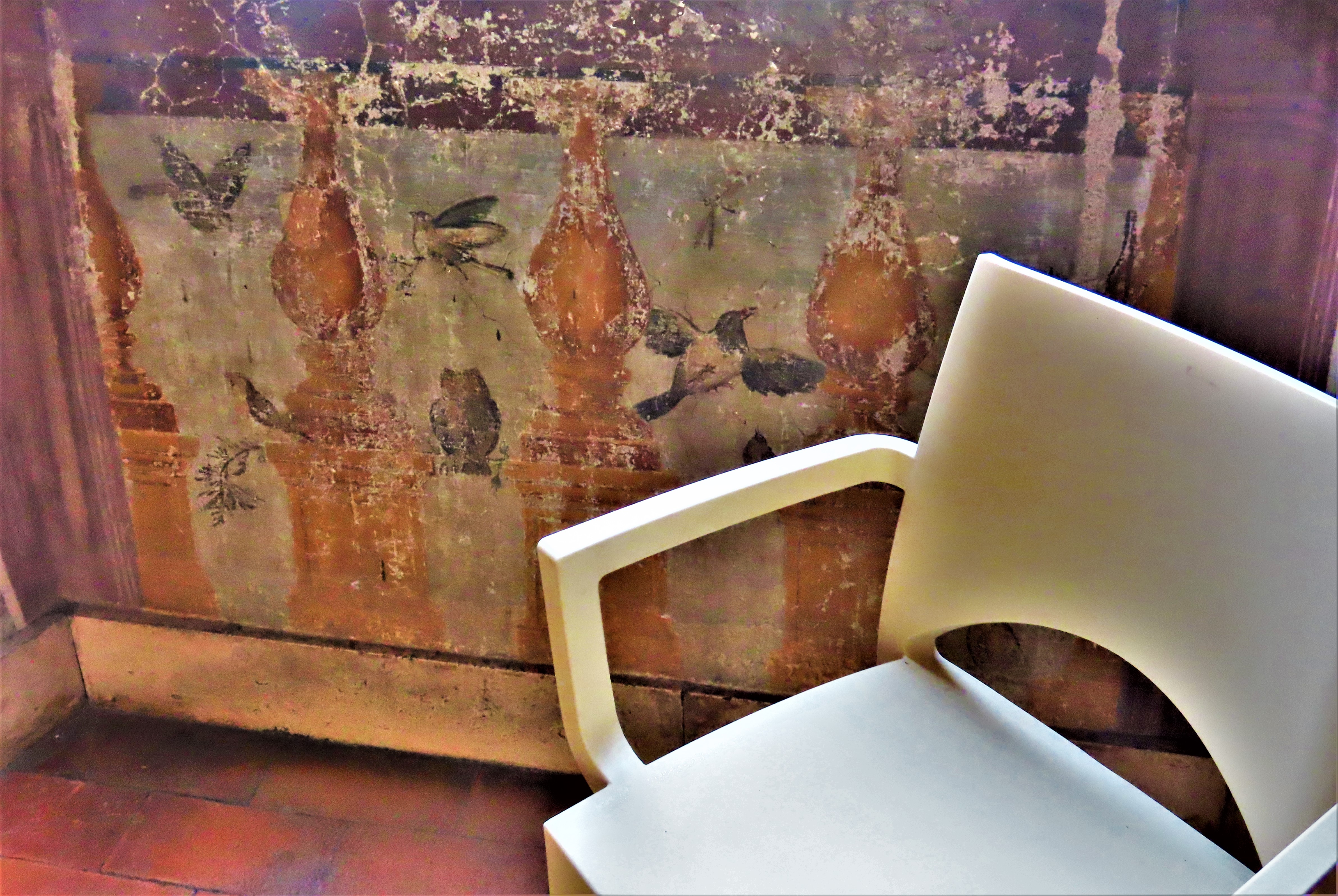
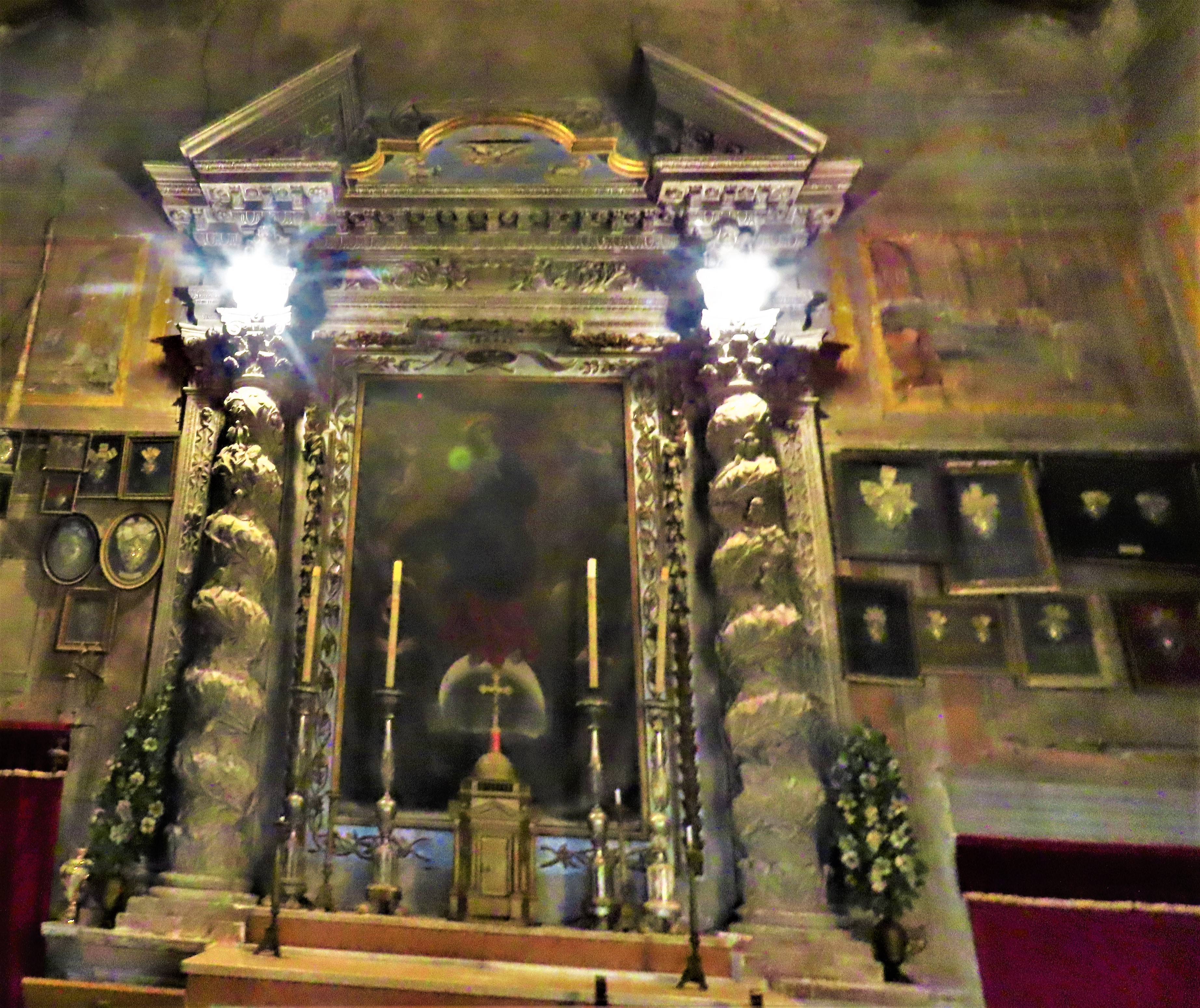
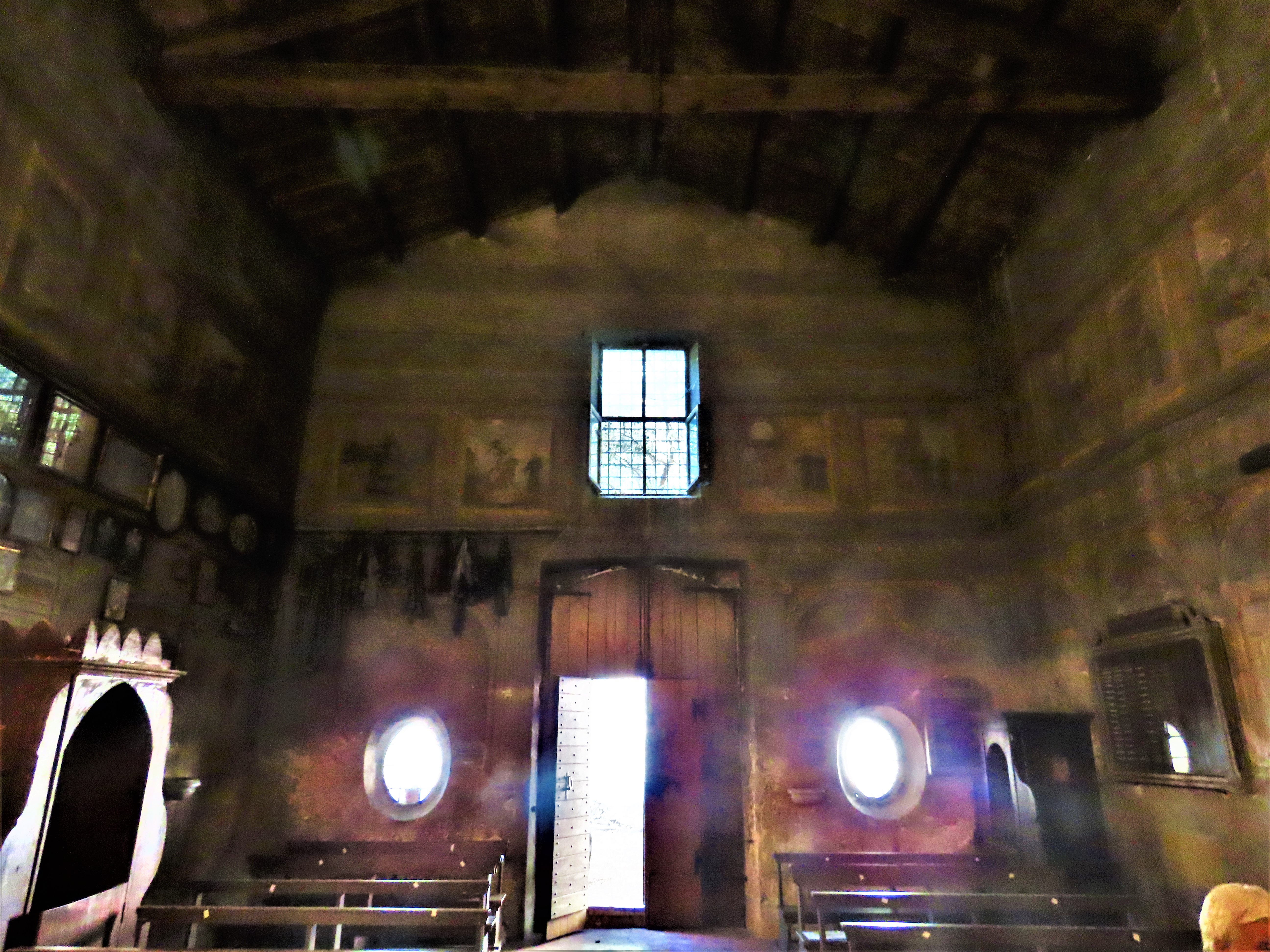
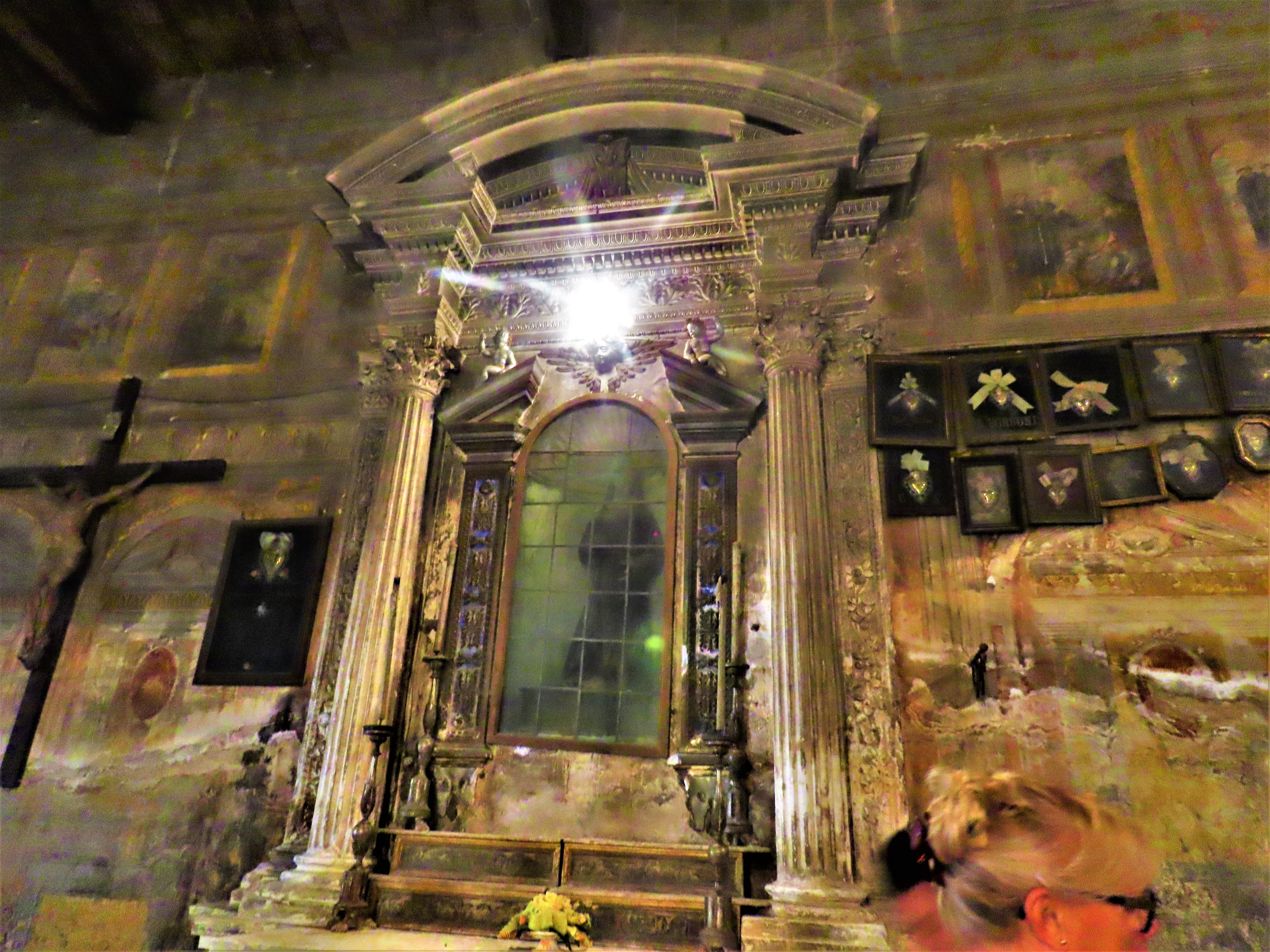
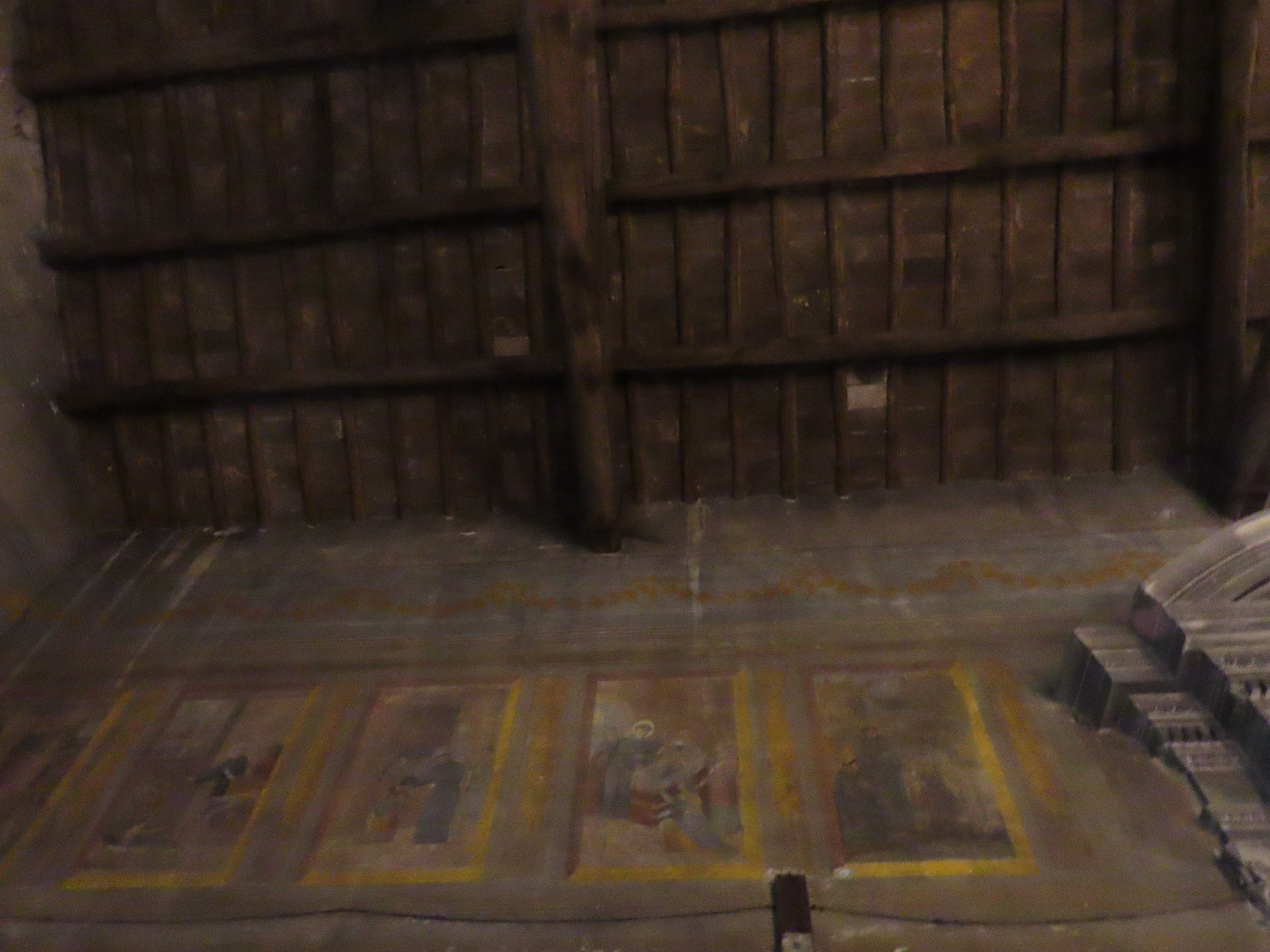
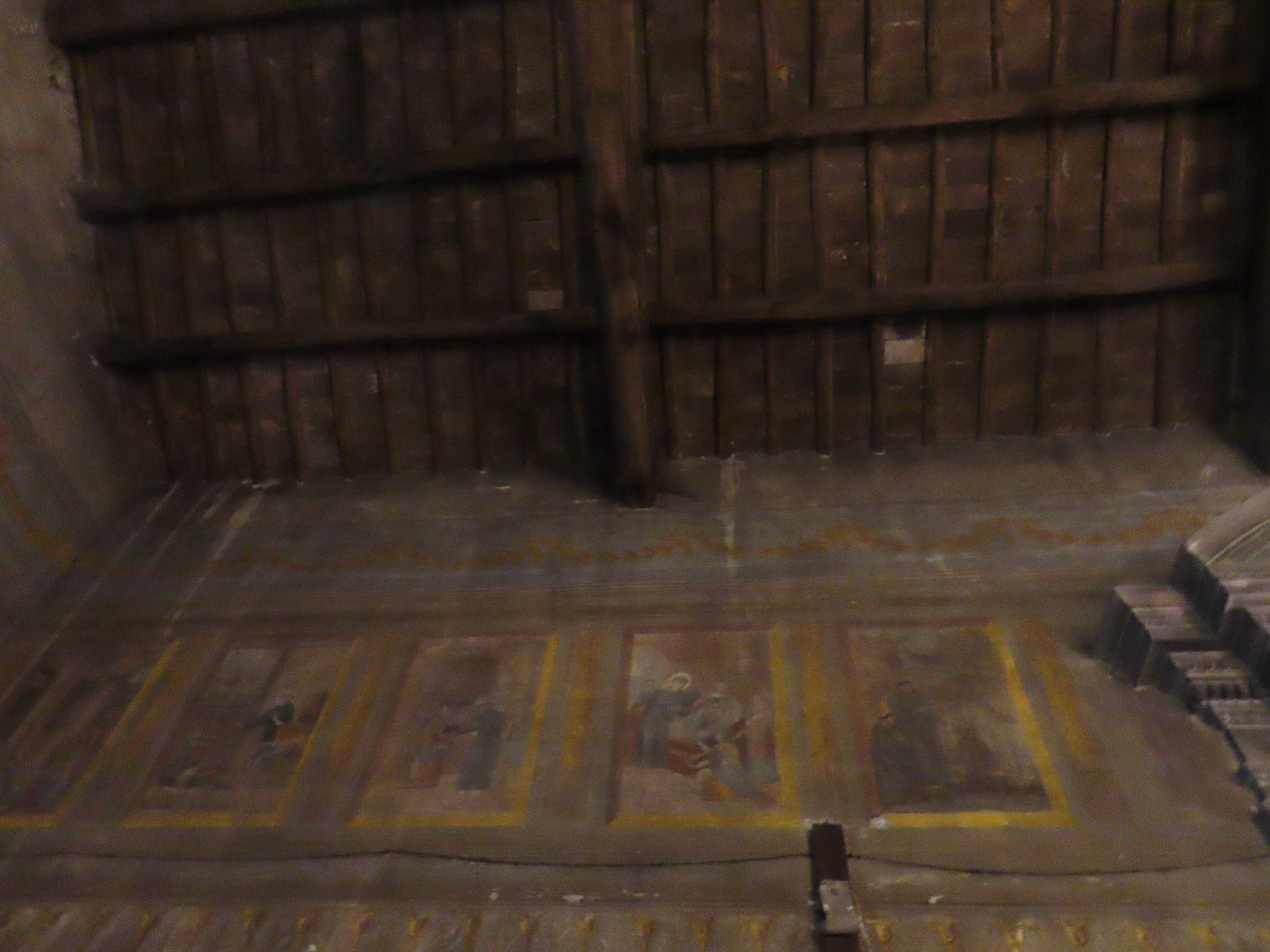
As I mentioned in an earlier post in this series the Villa Sant’Antonio is a former convent. One unchanged relic of the building’s history is the chapel…
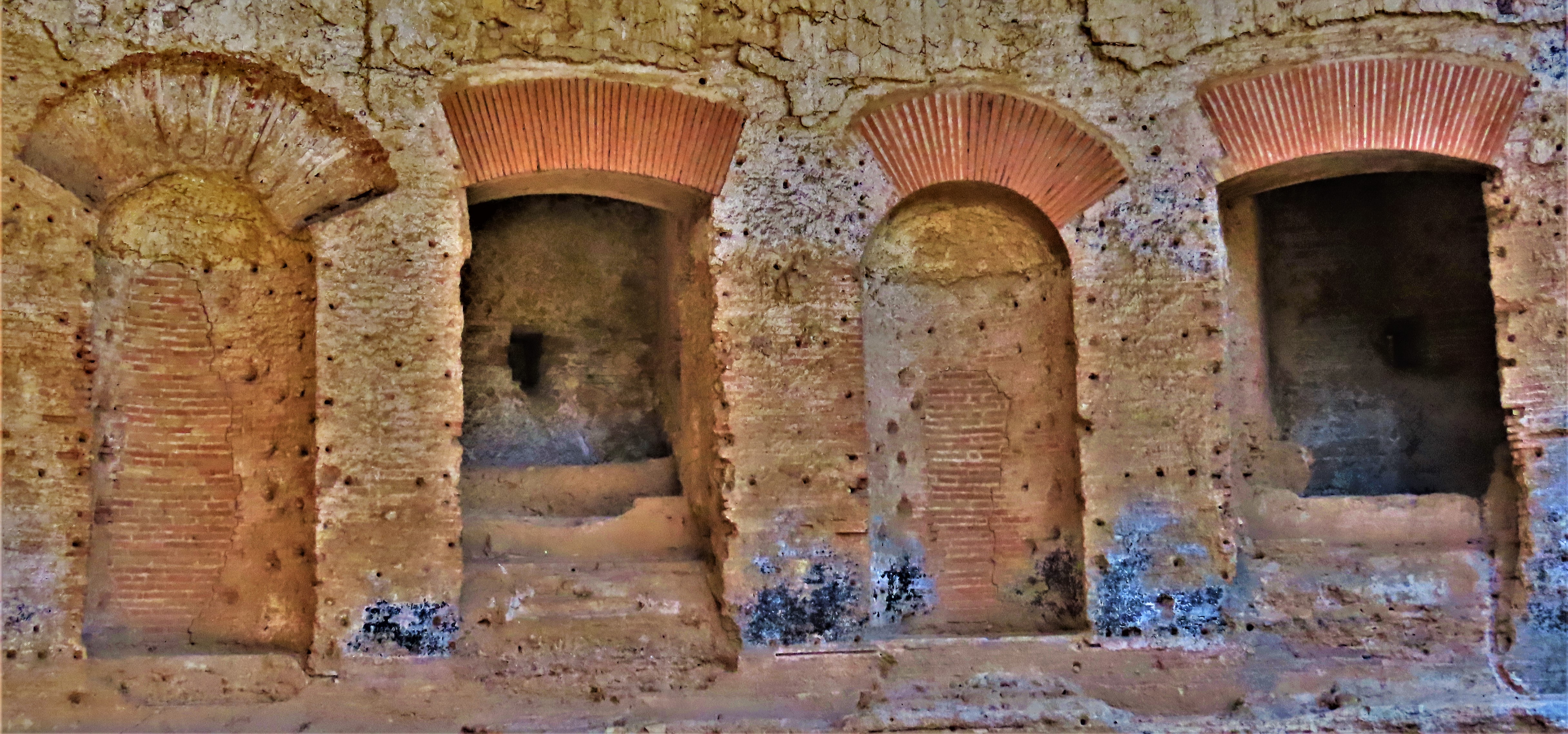
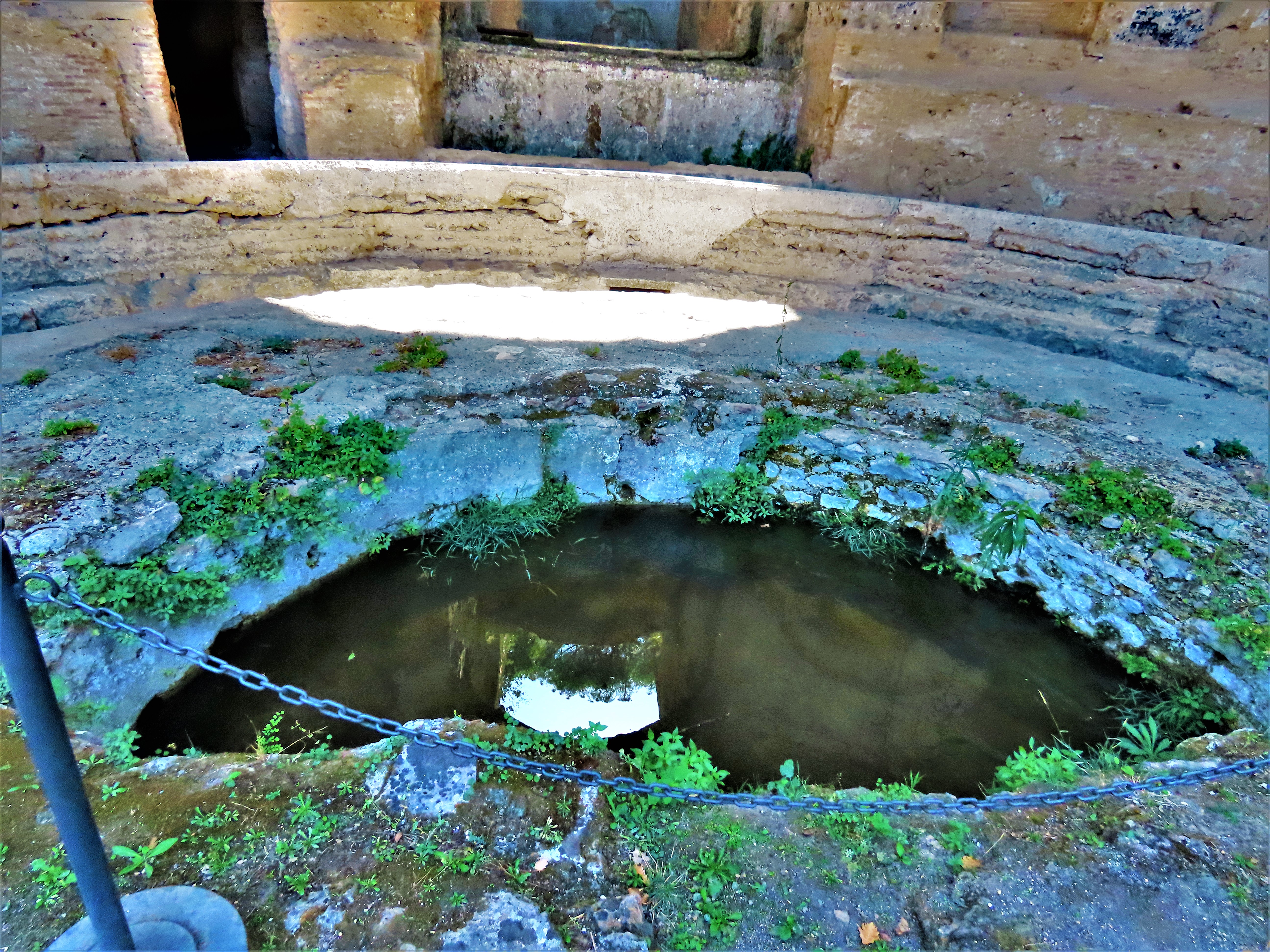
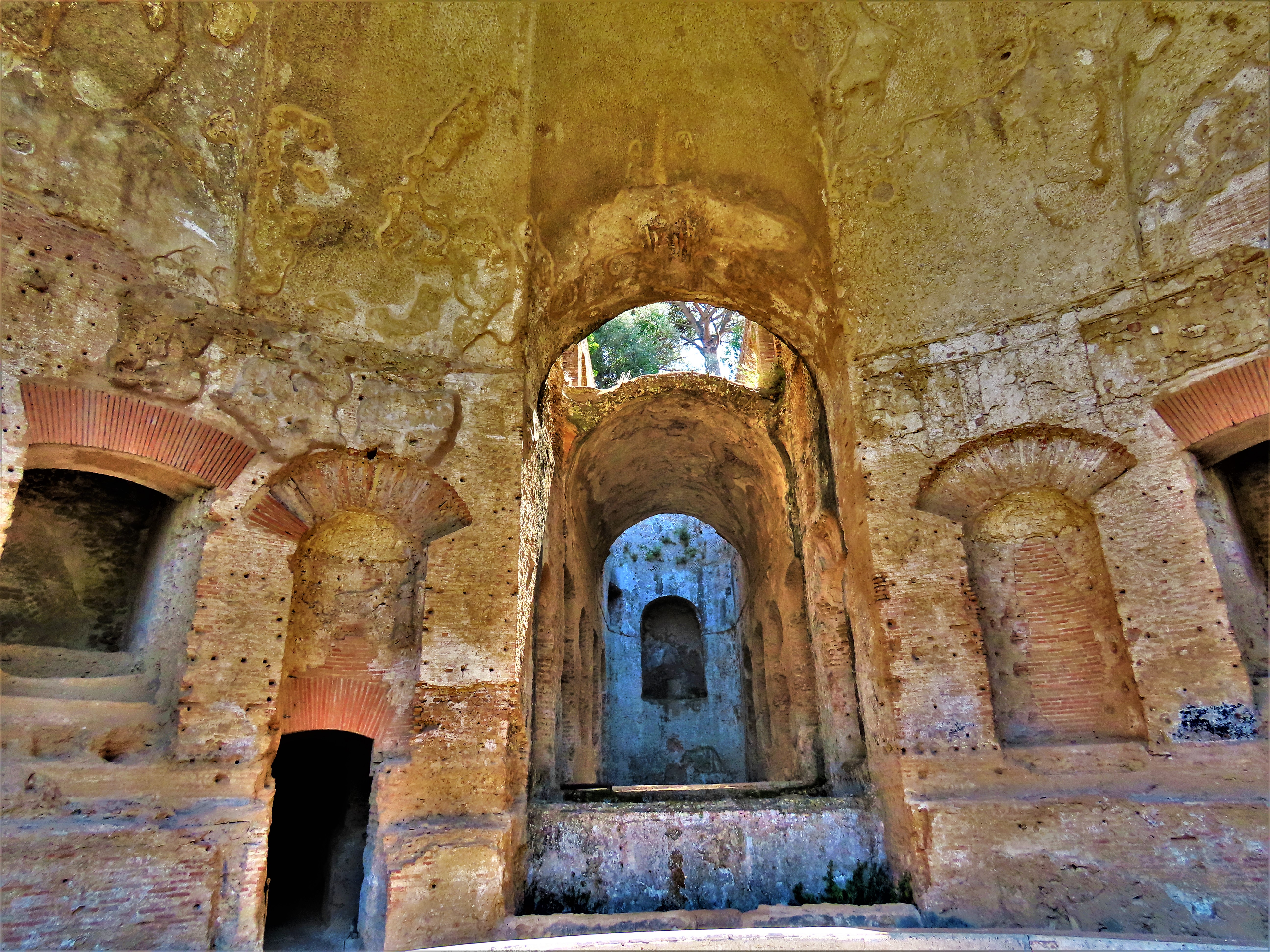
PART 2: ROMAN REMAINS
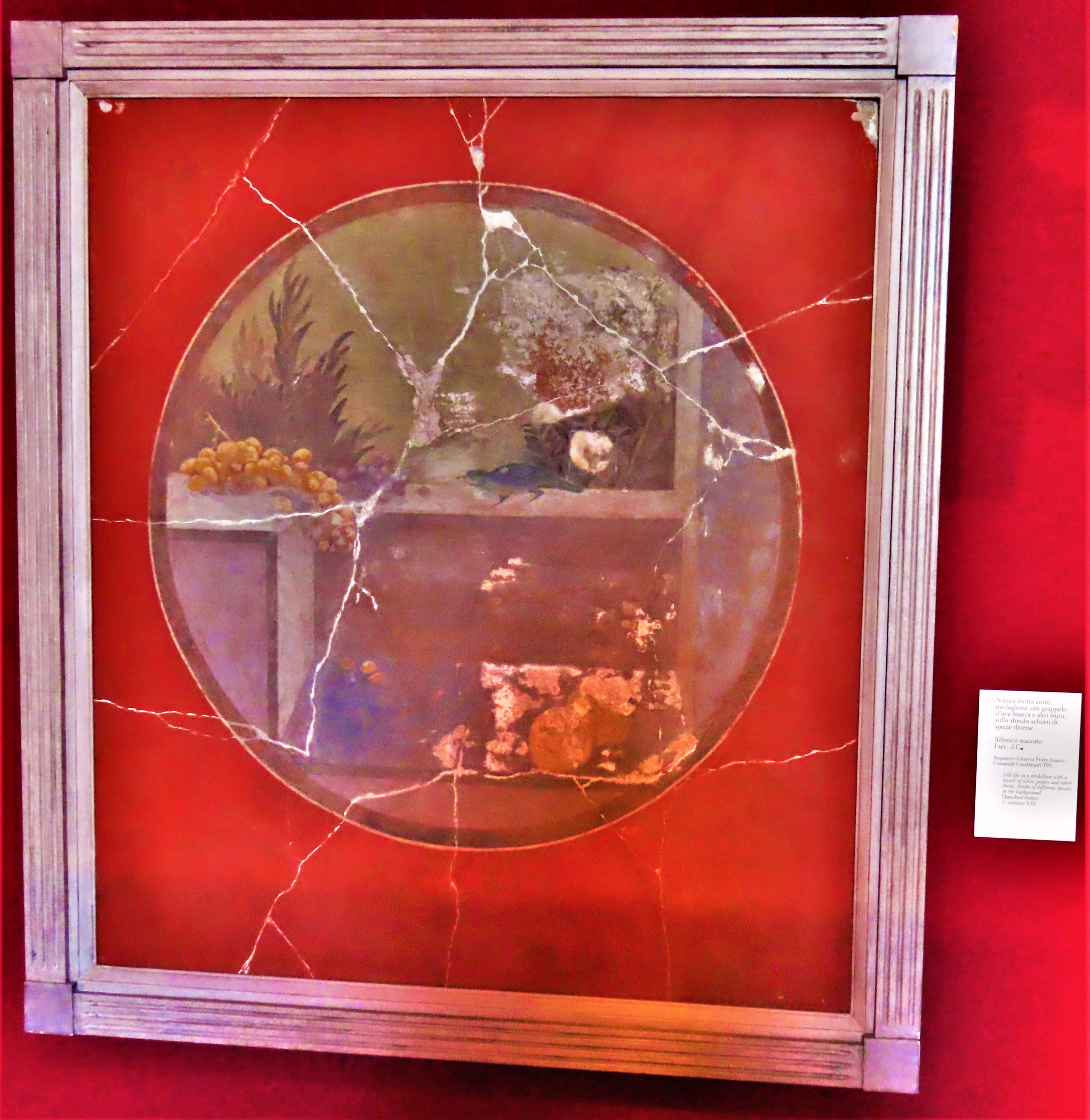
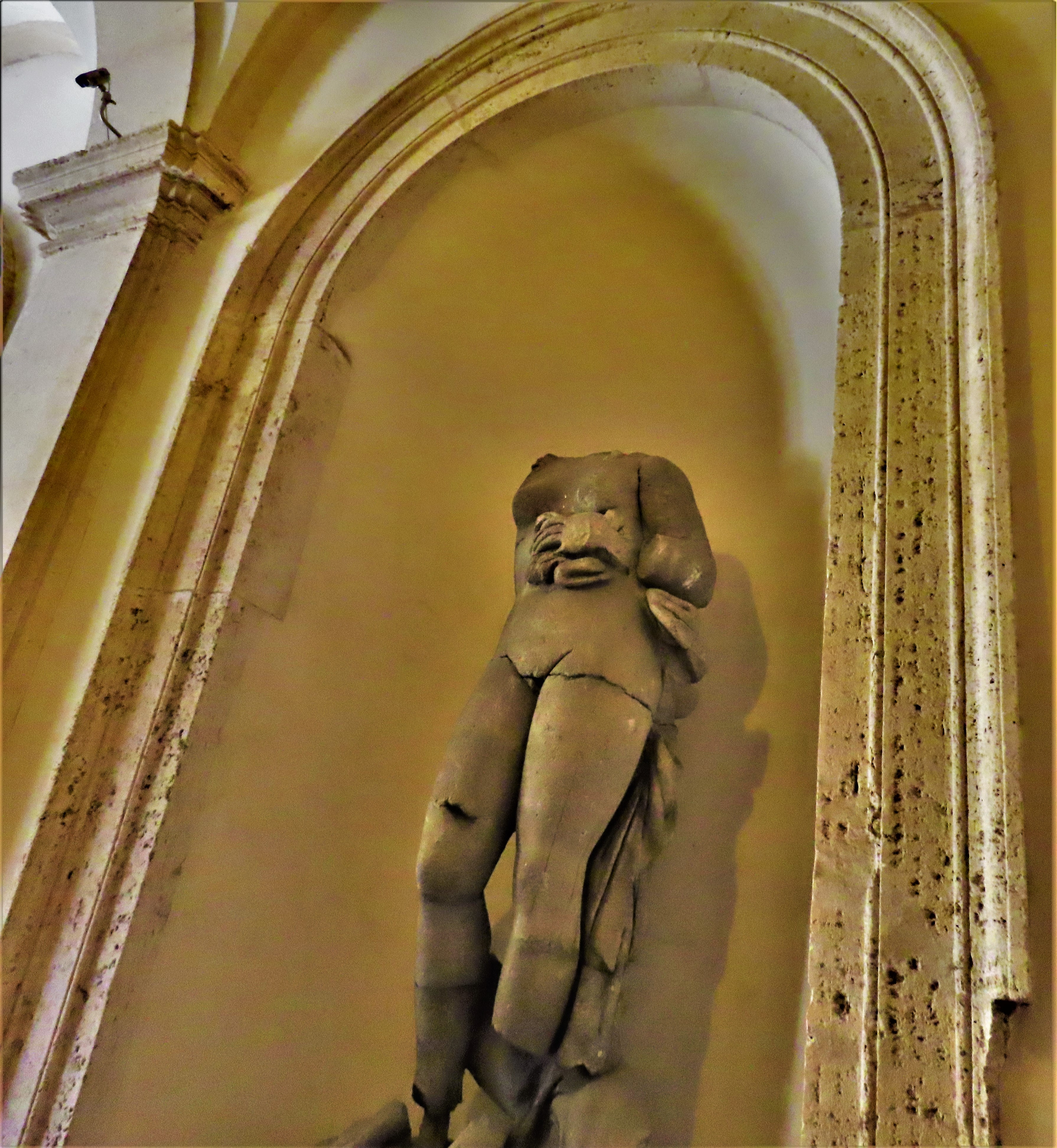
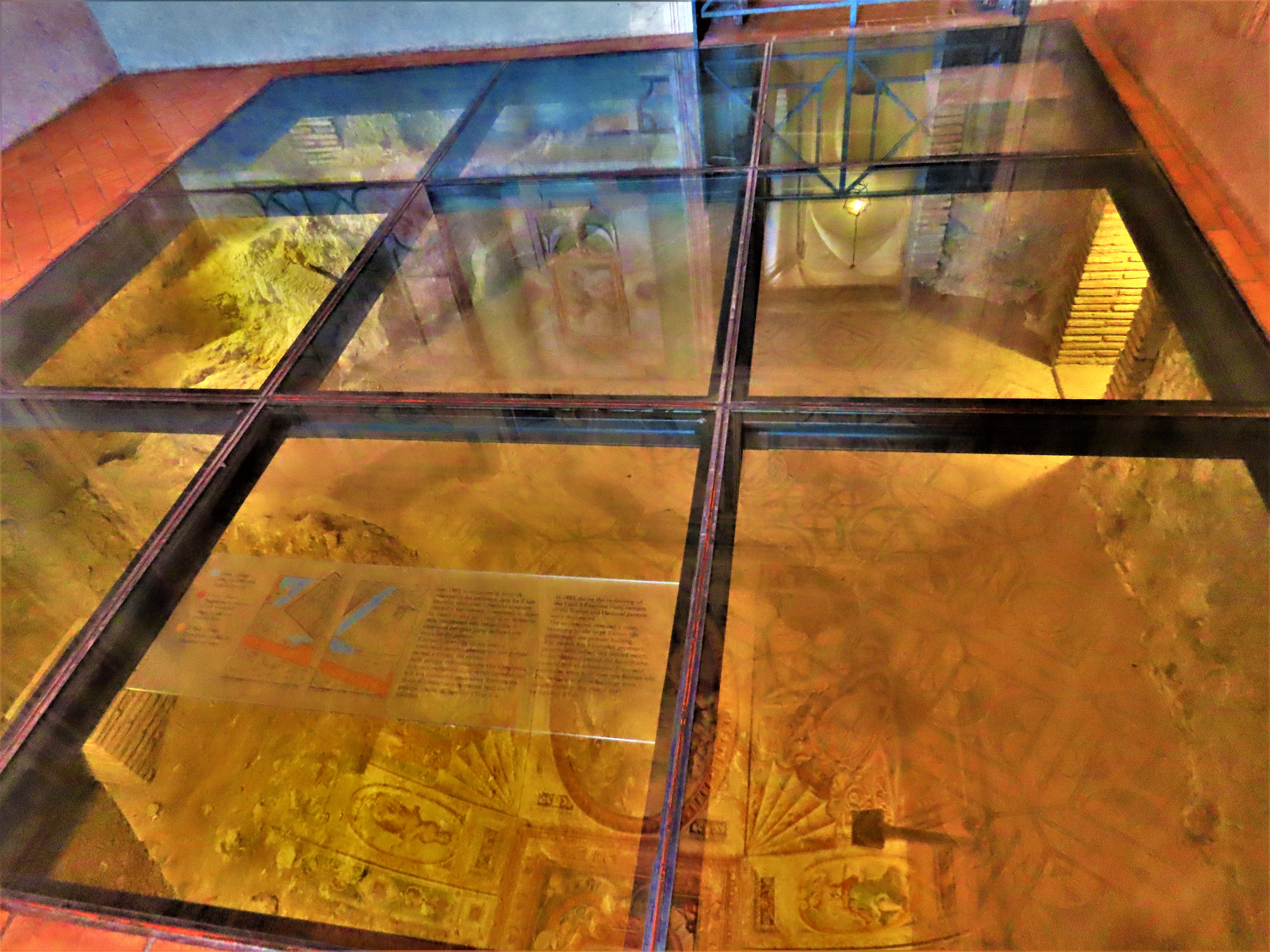
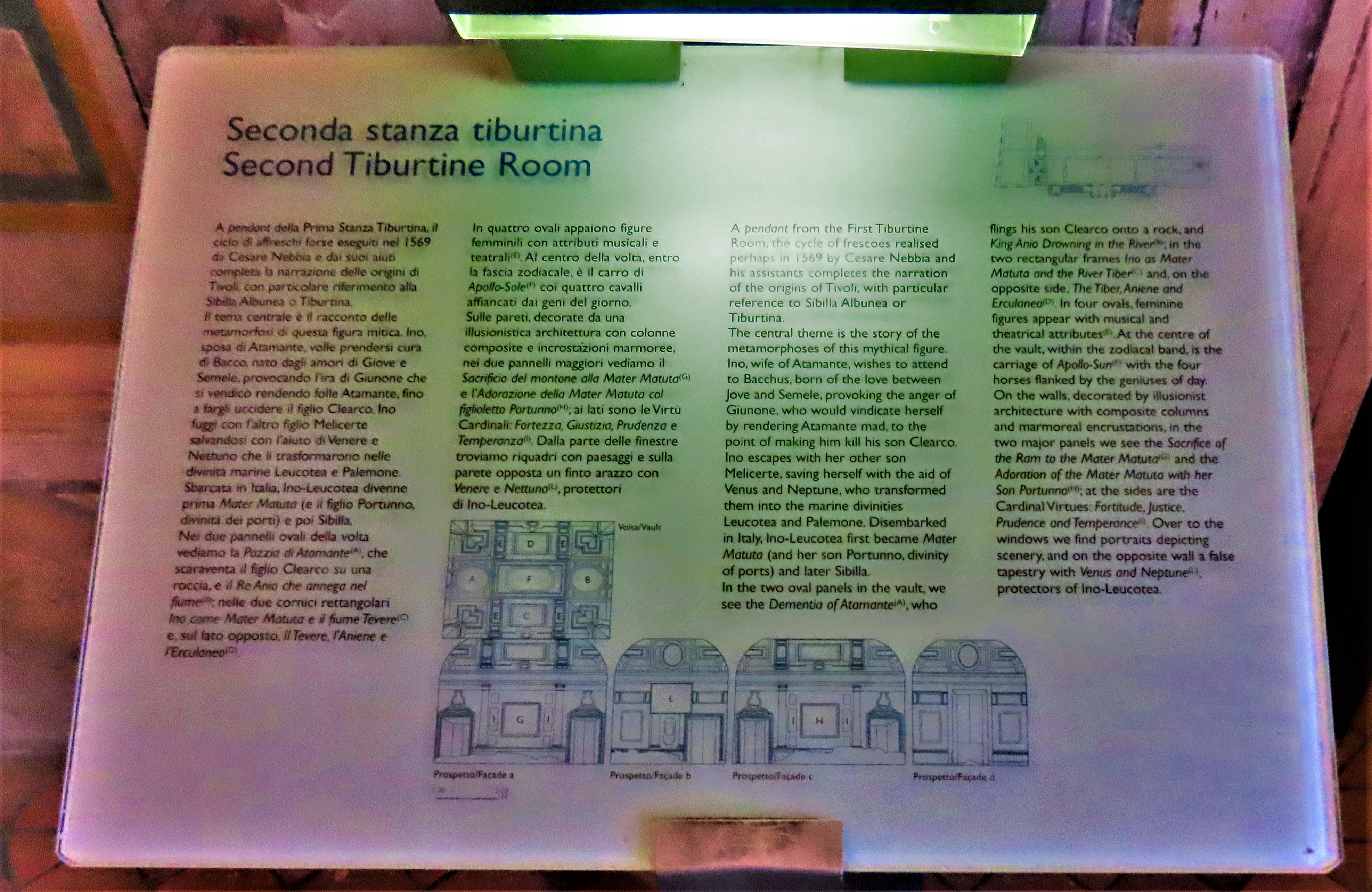
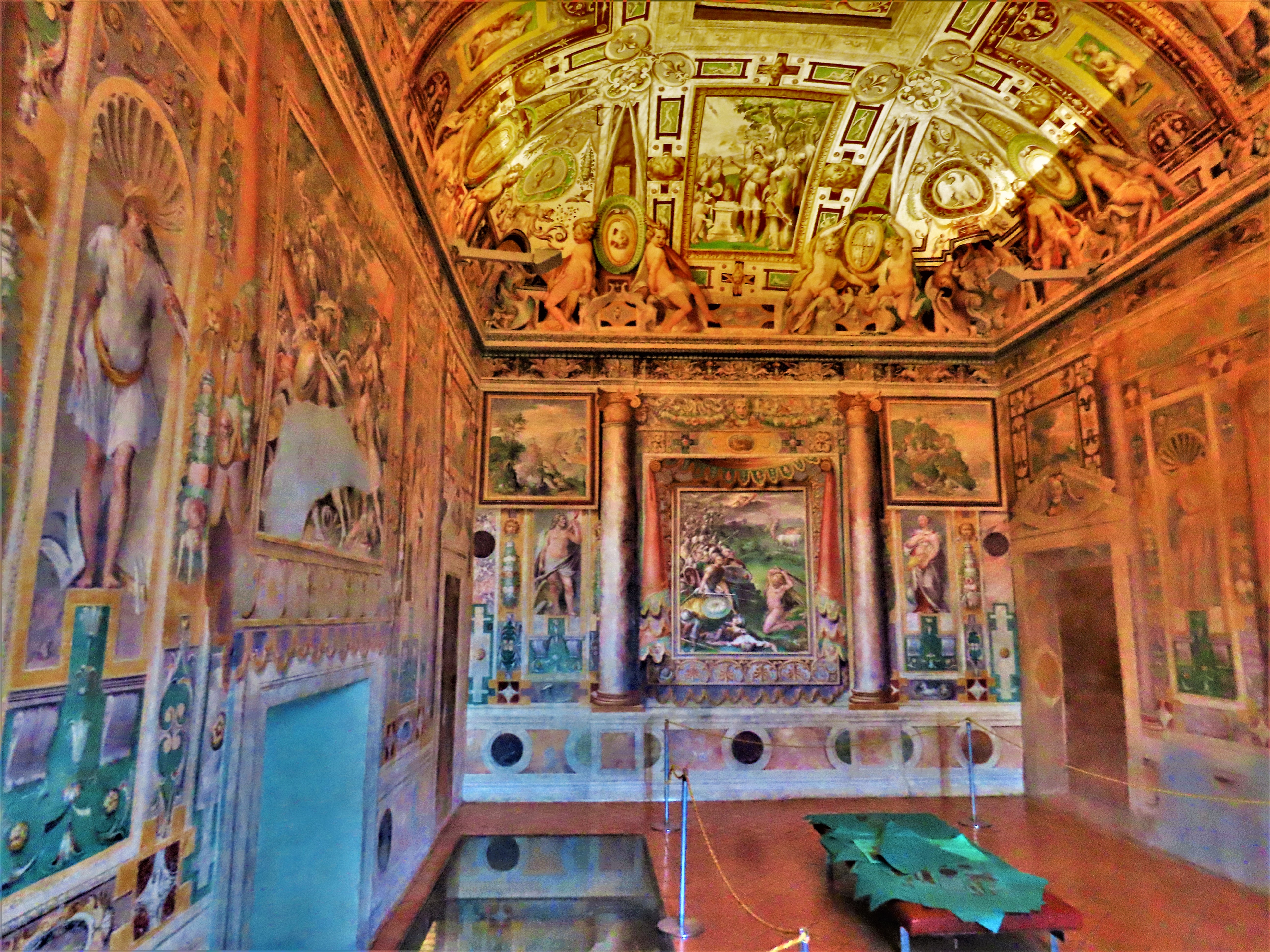
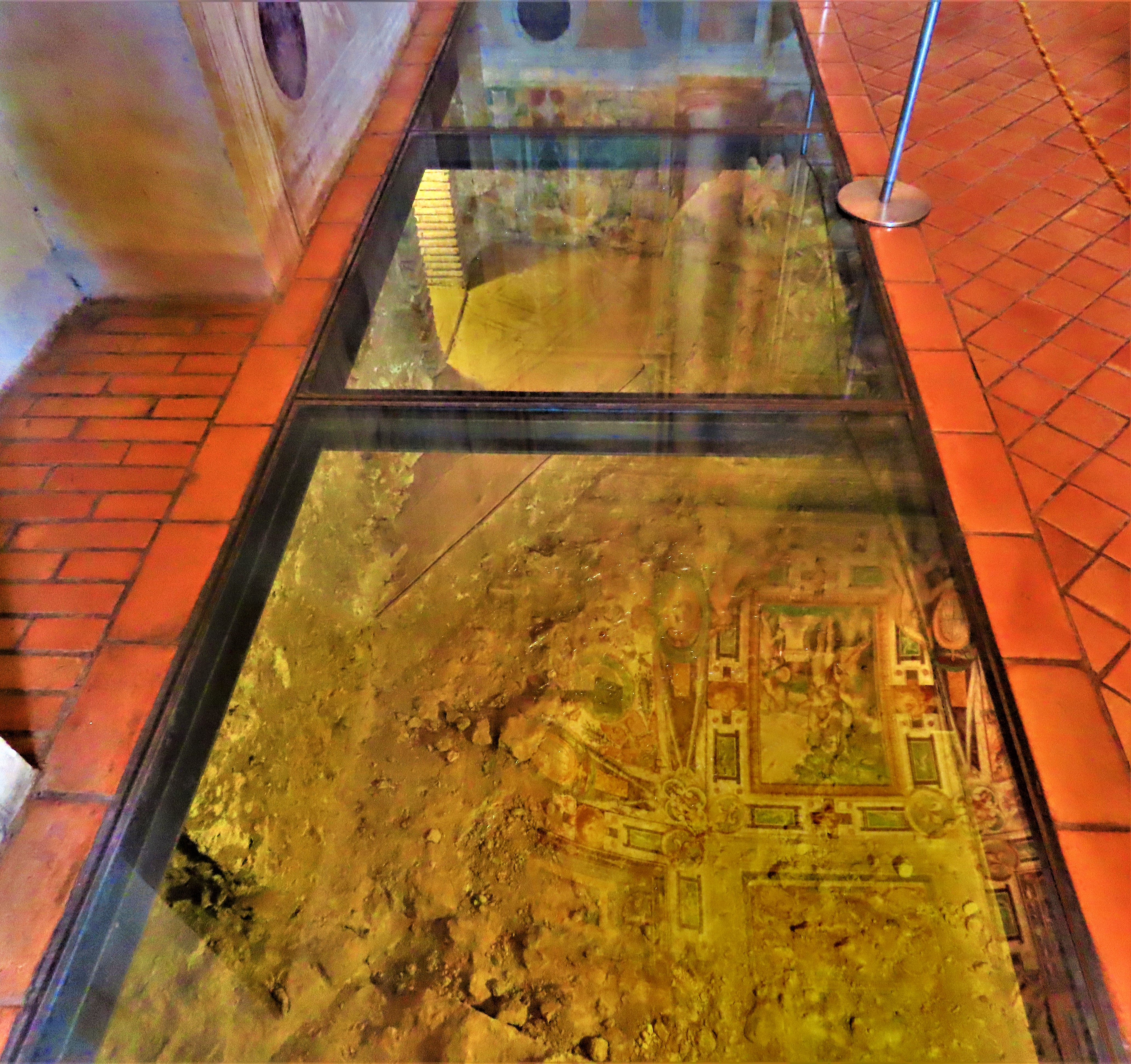
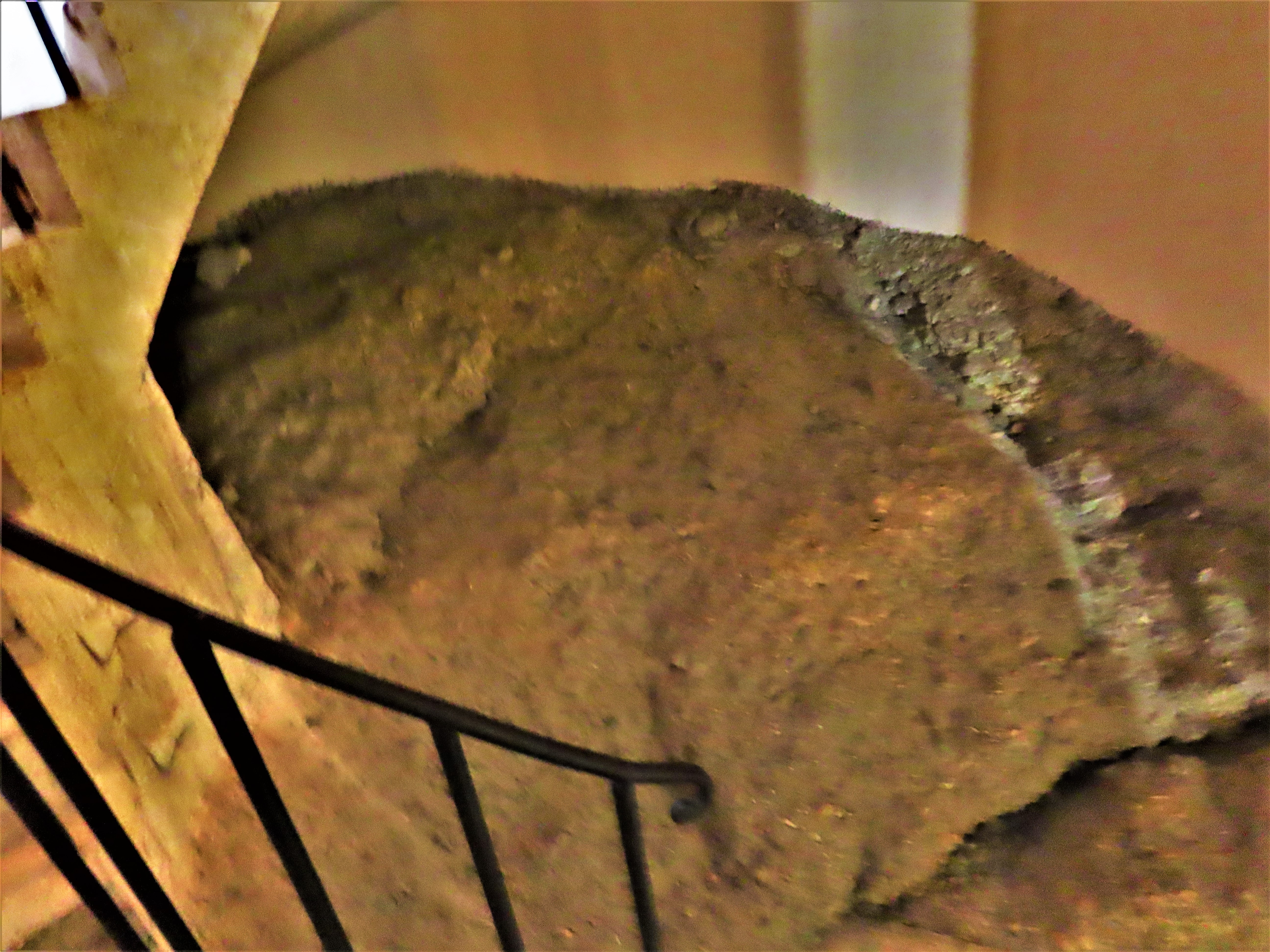
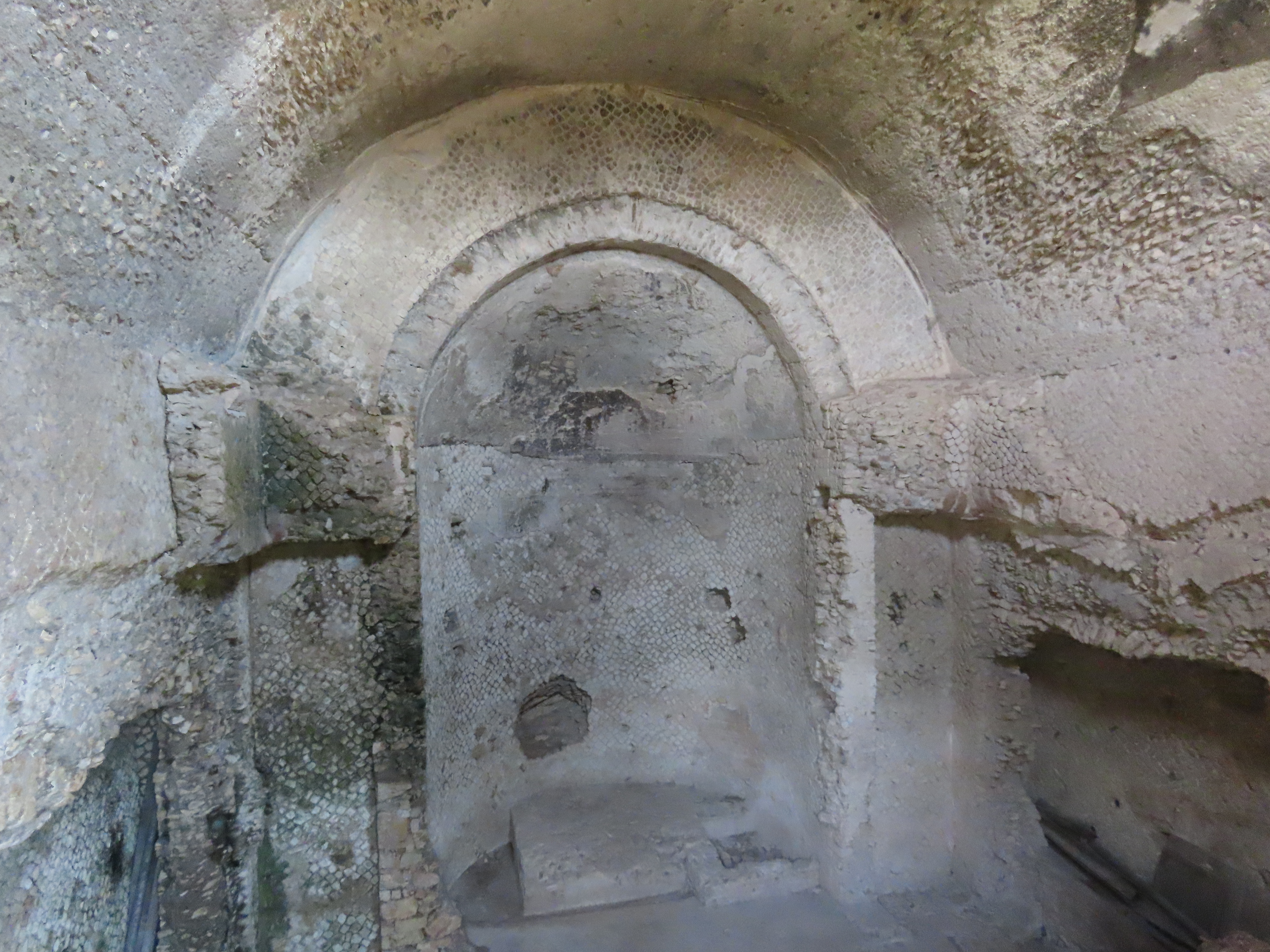
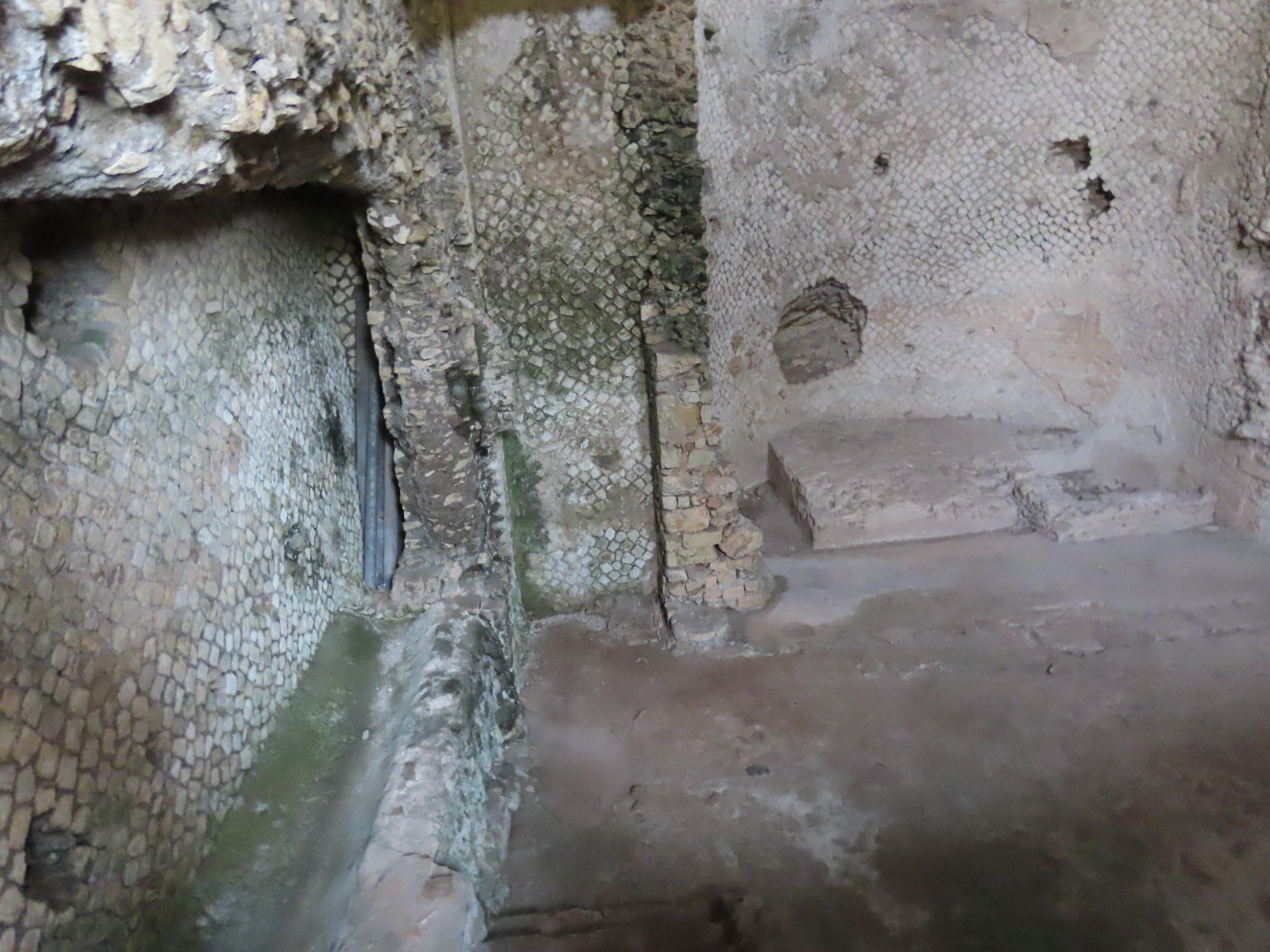
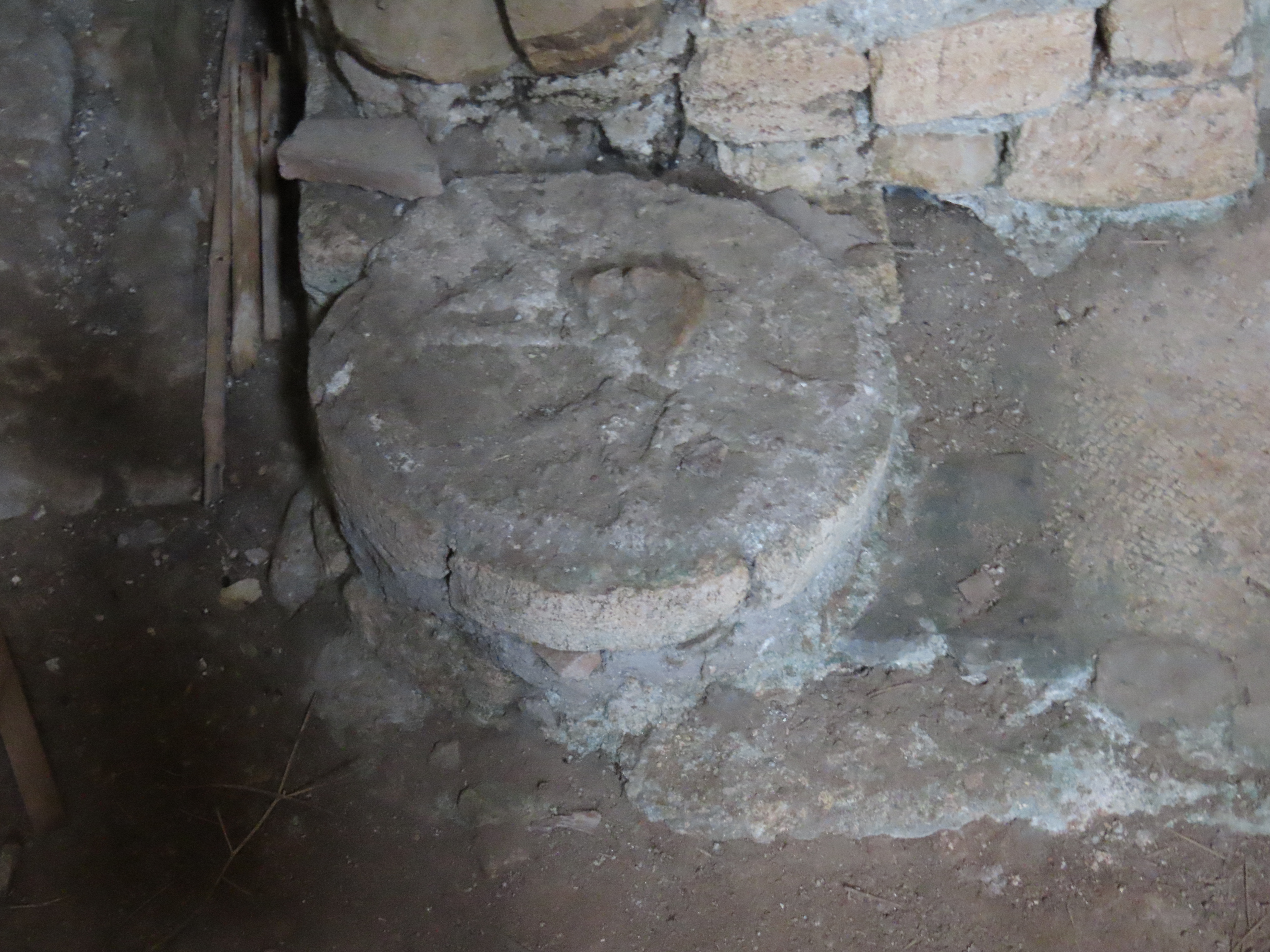
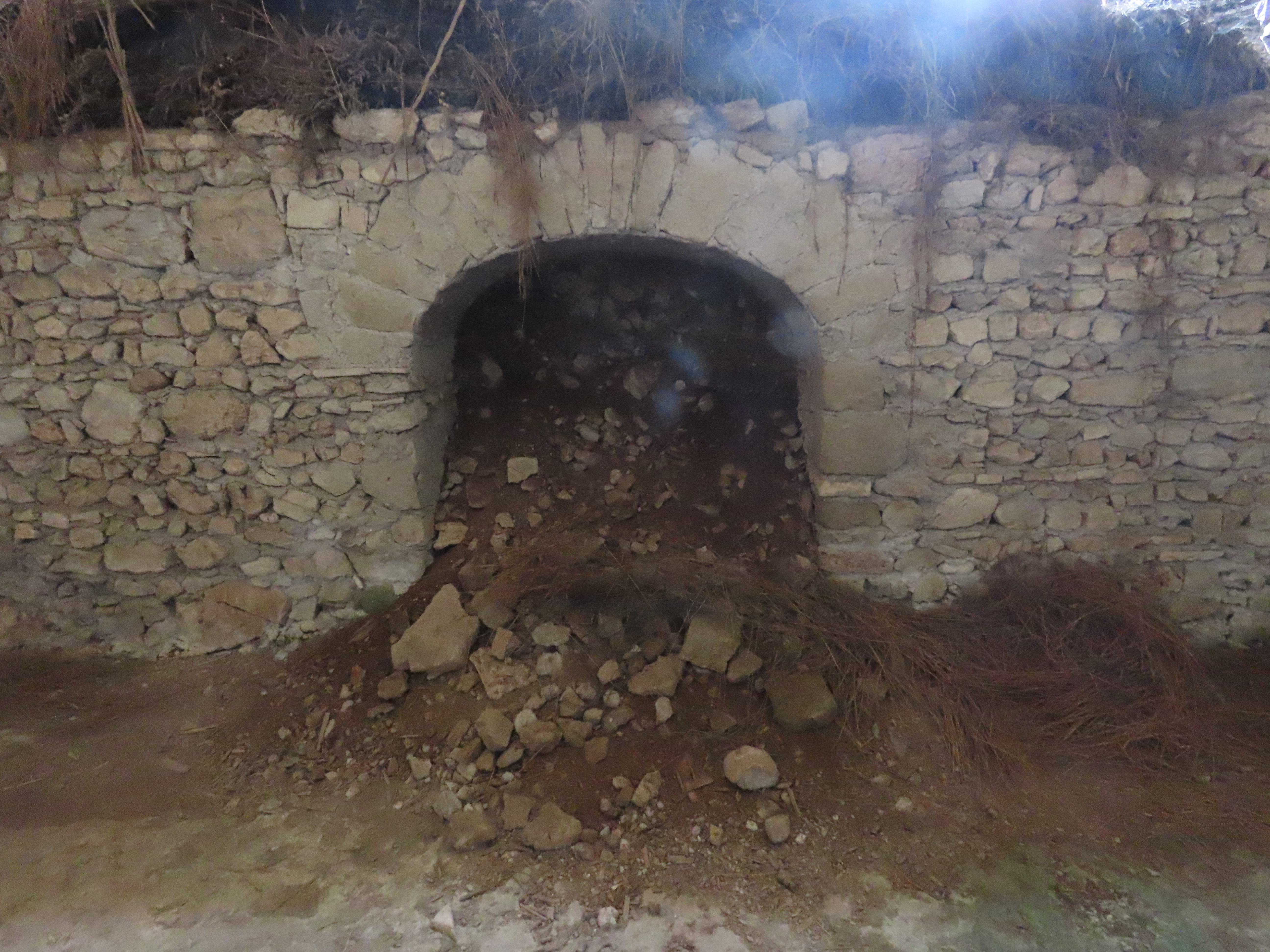
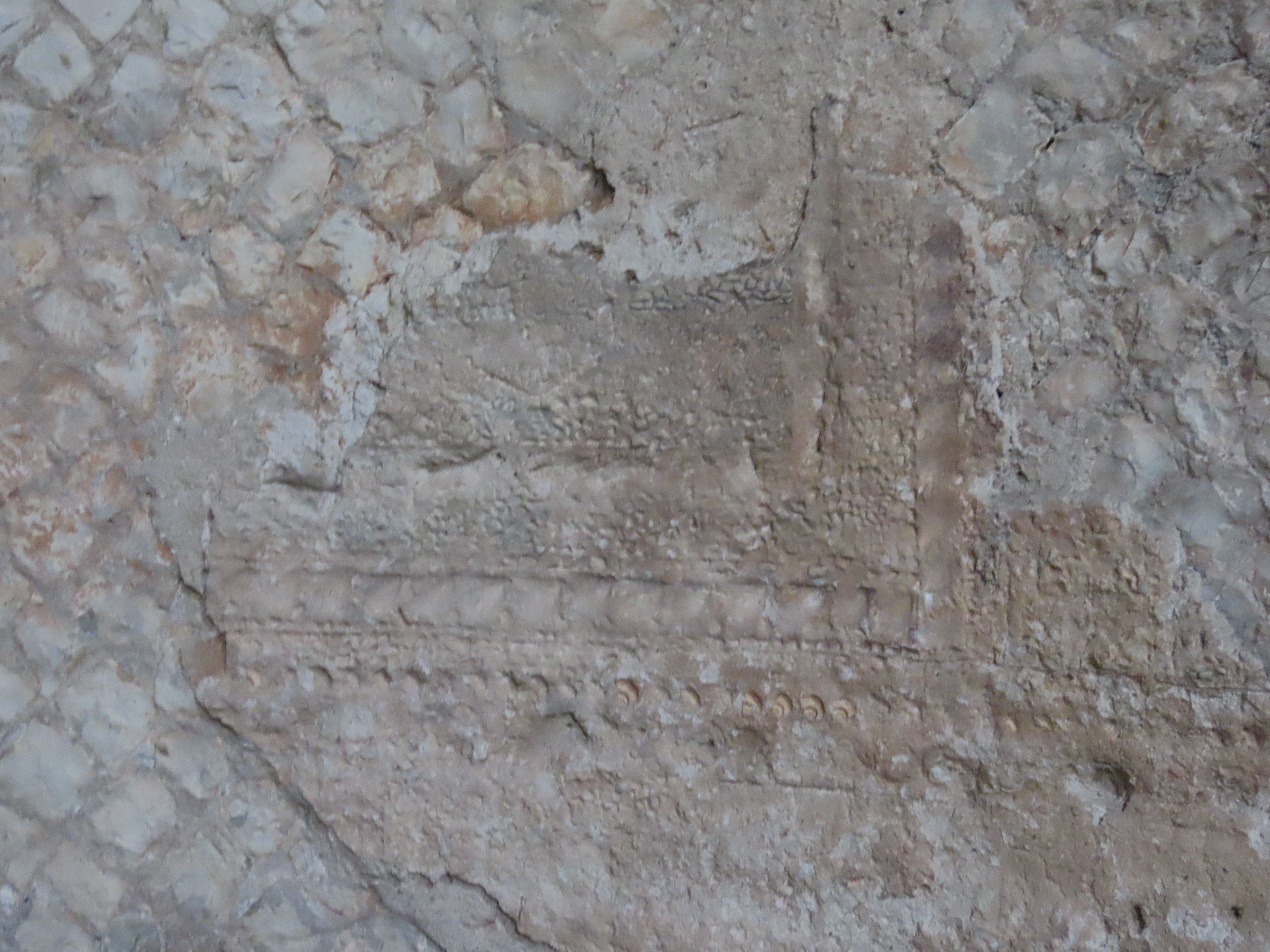
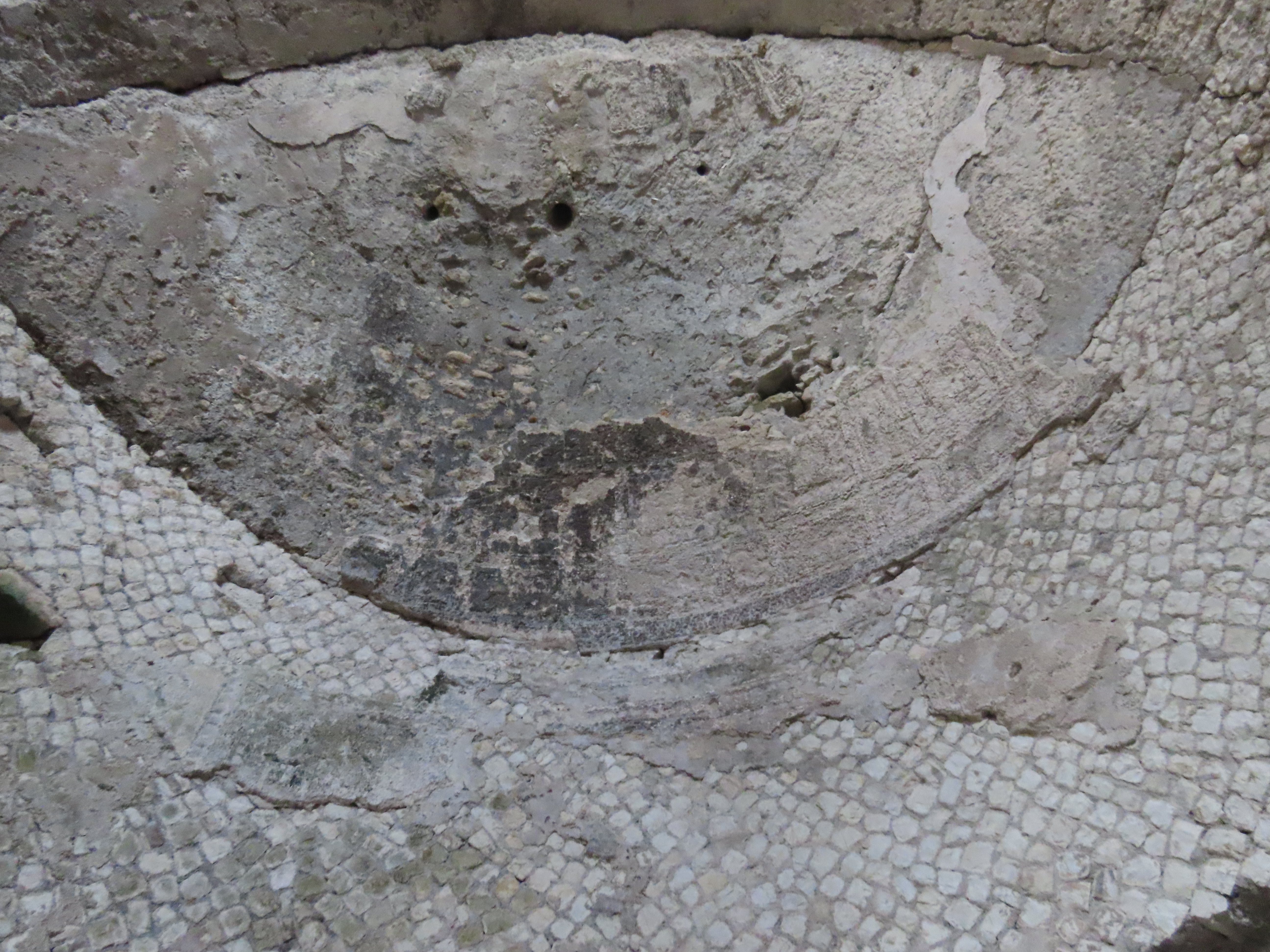
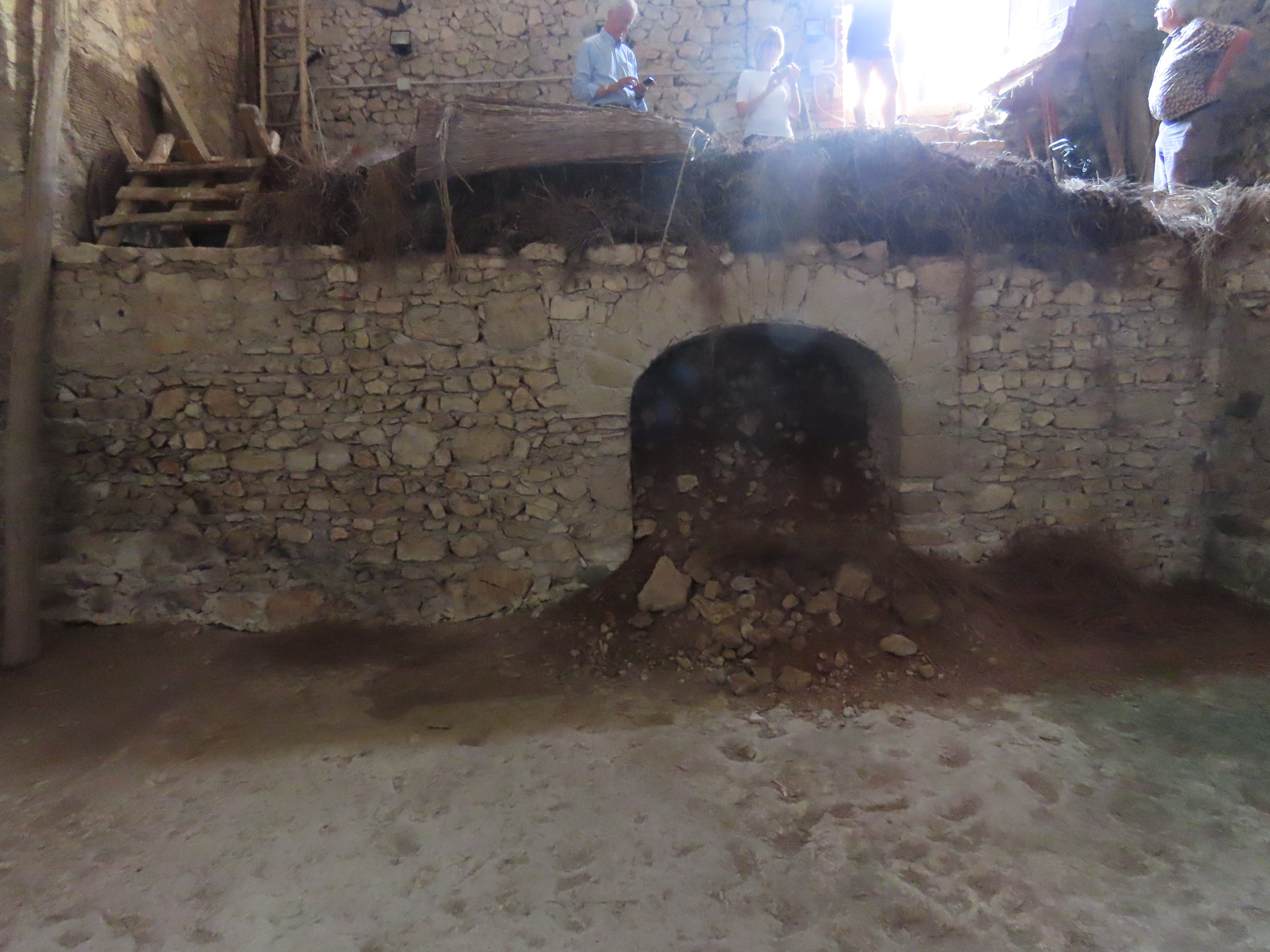
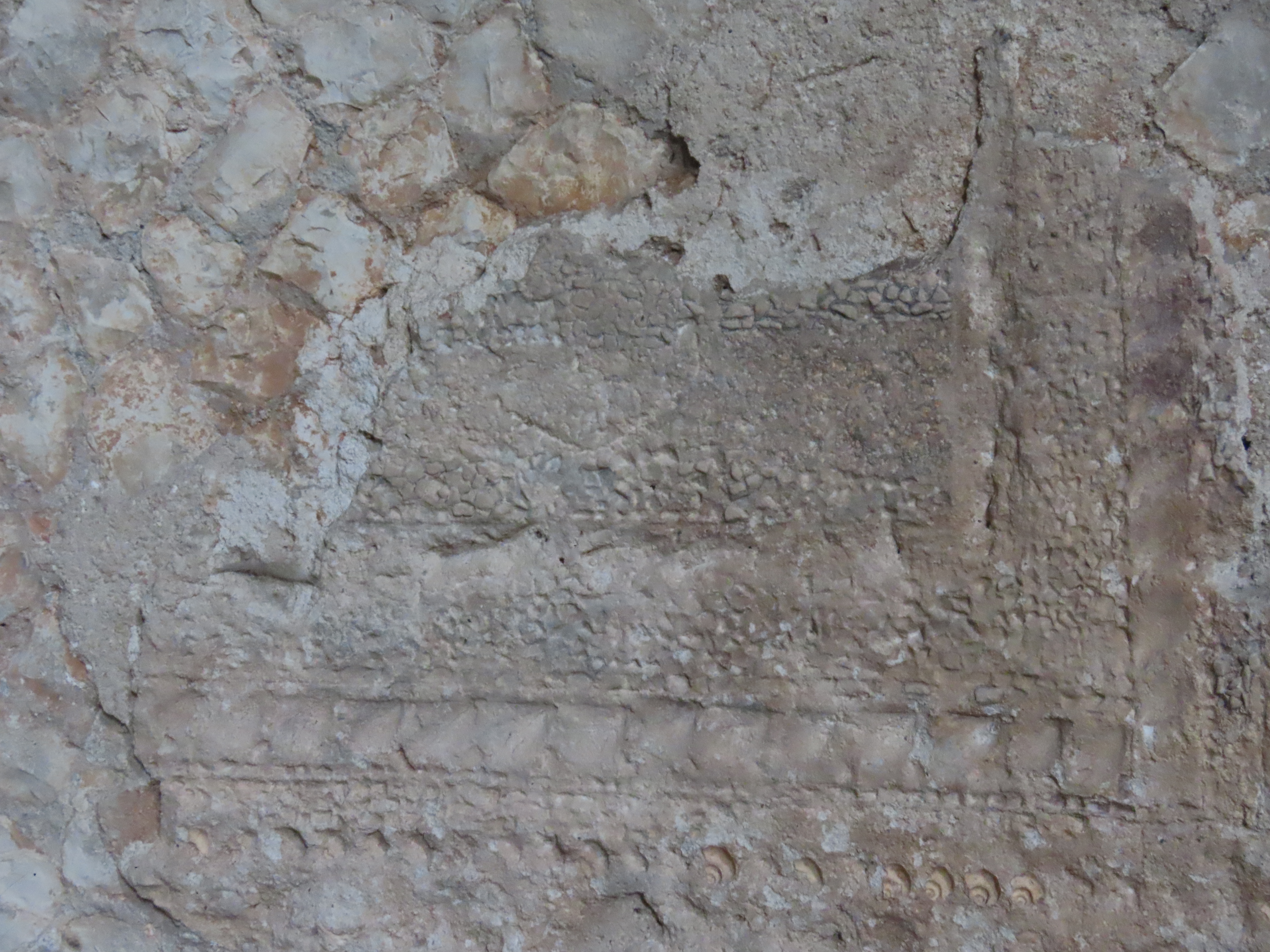
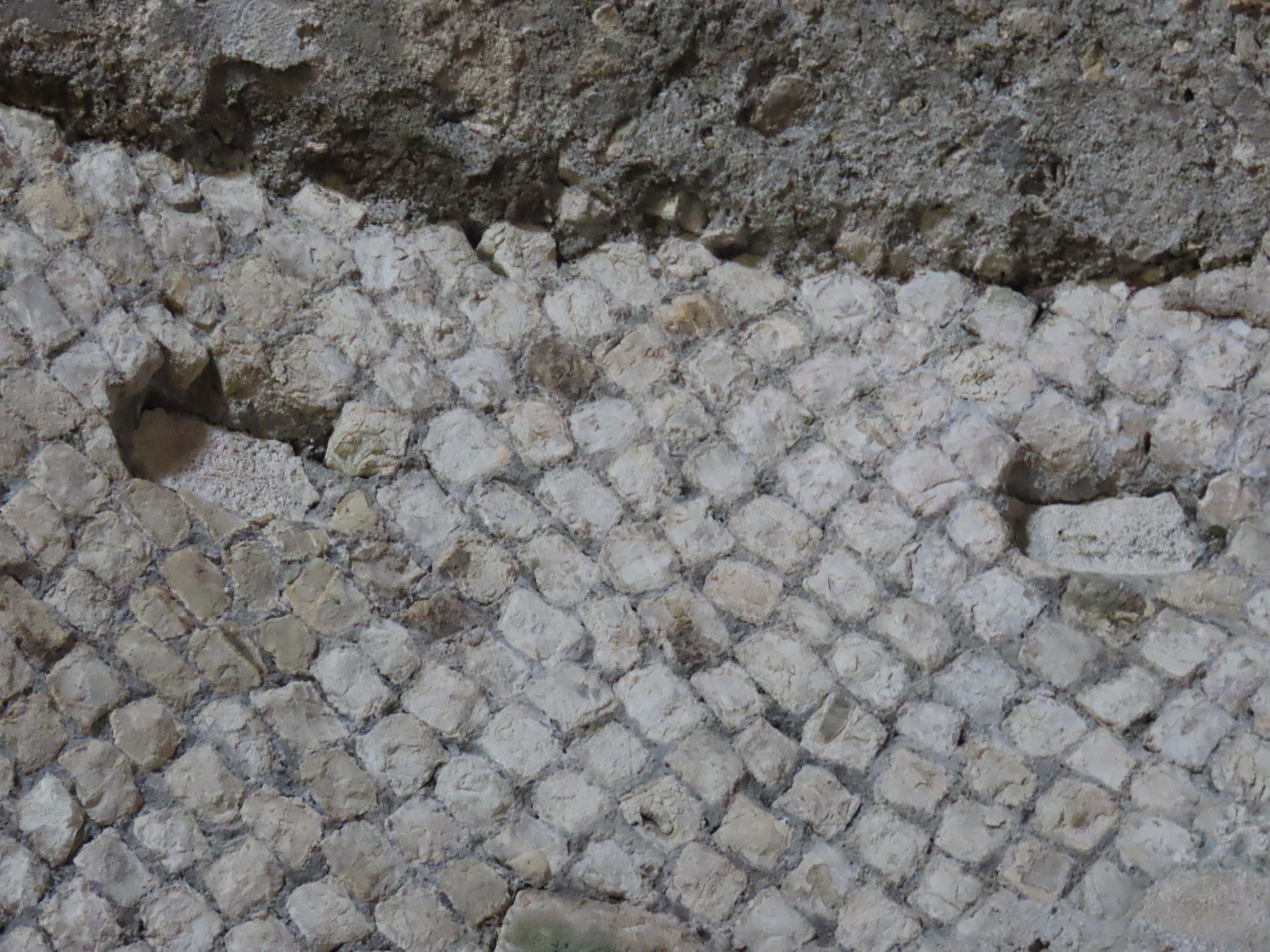
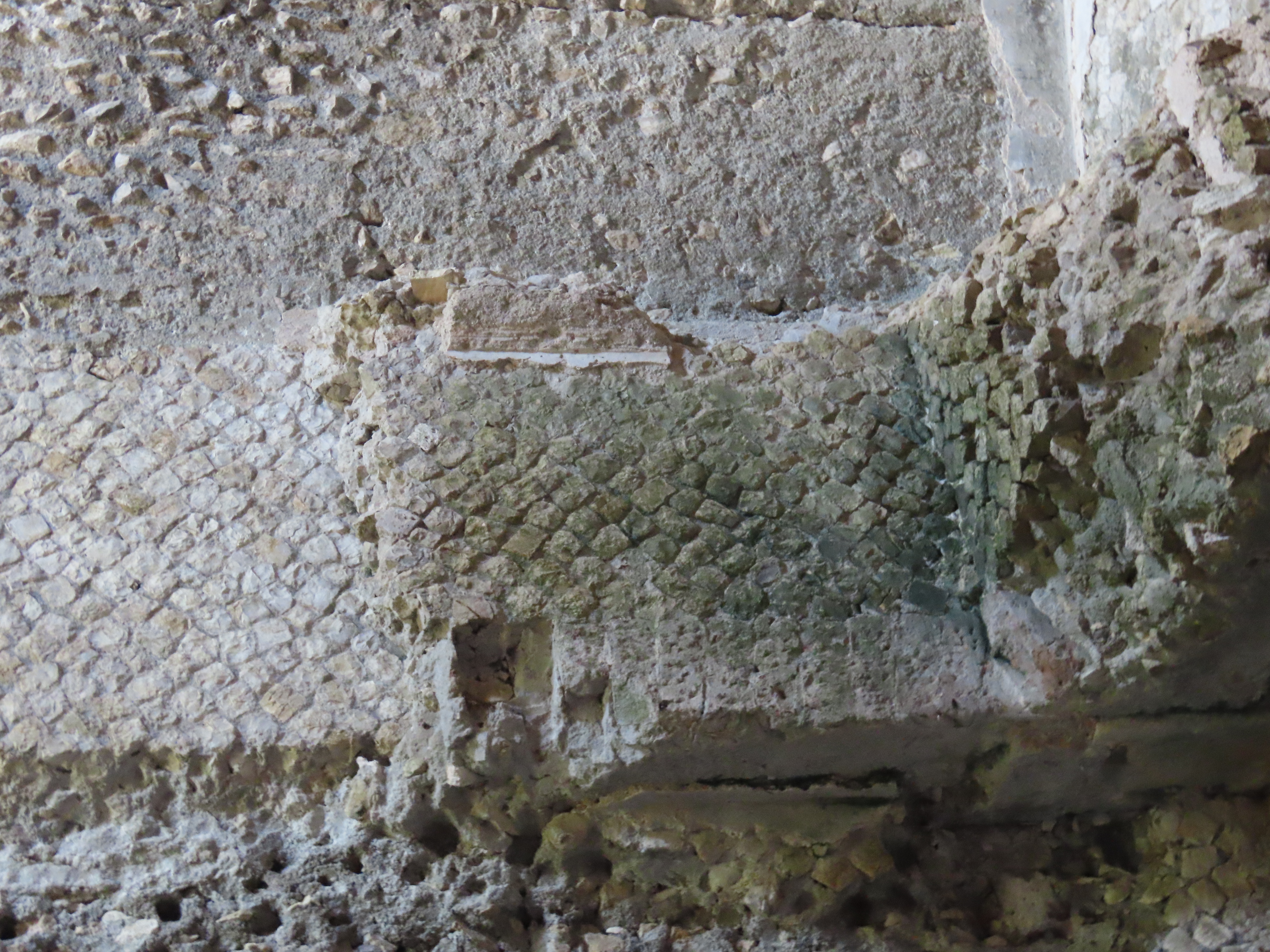
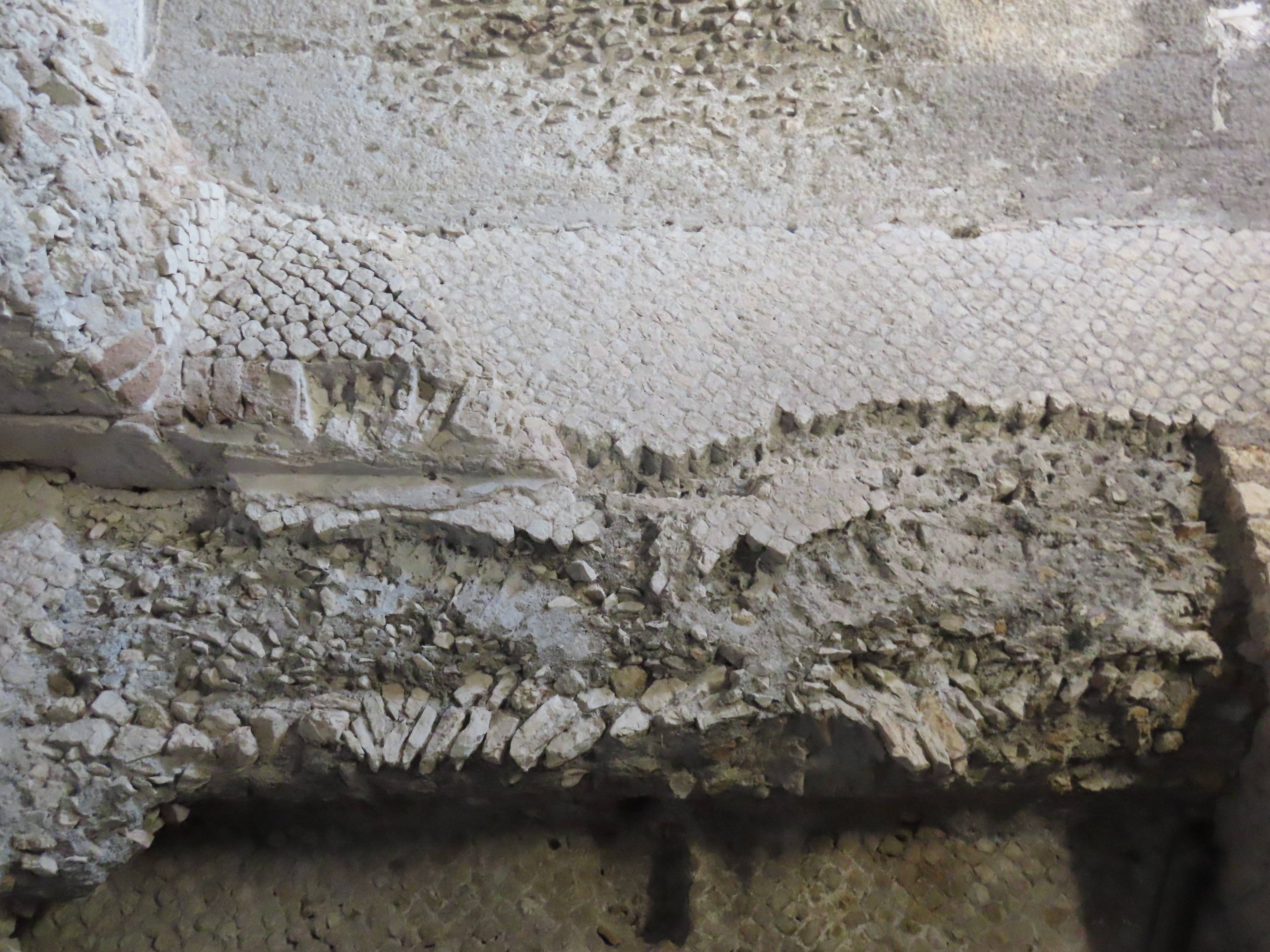
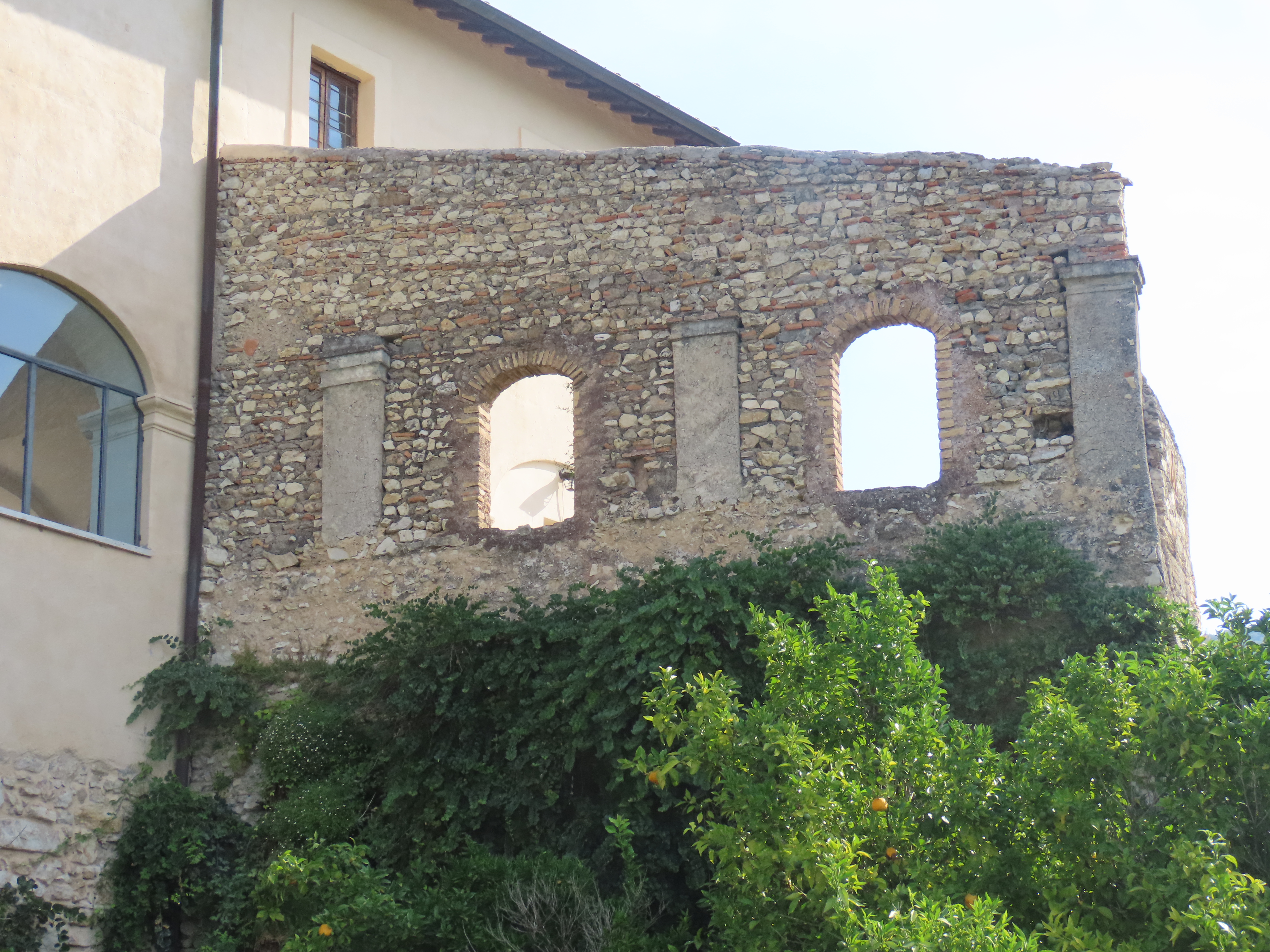
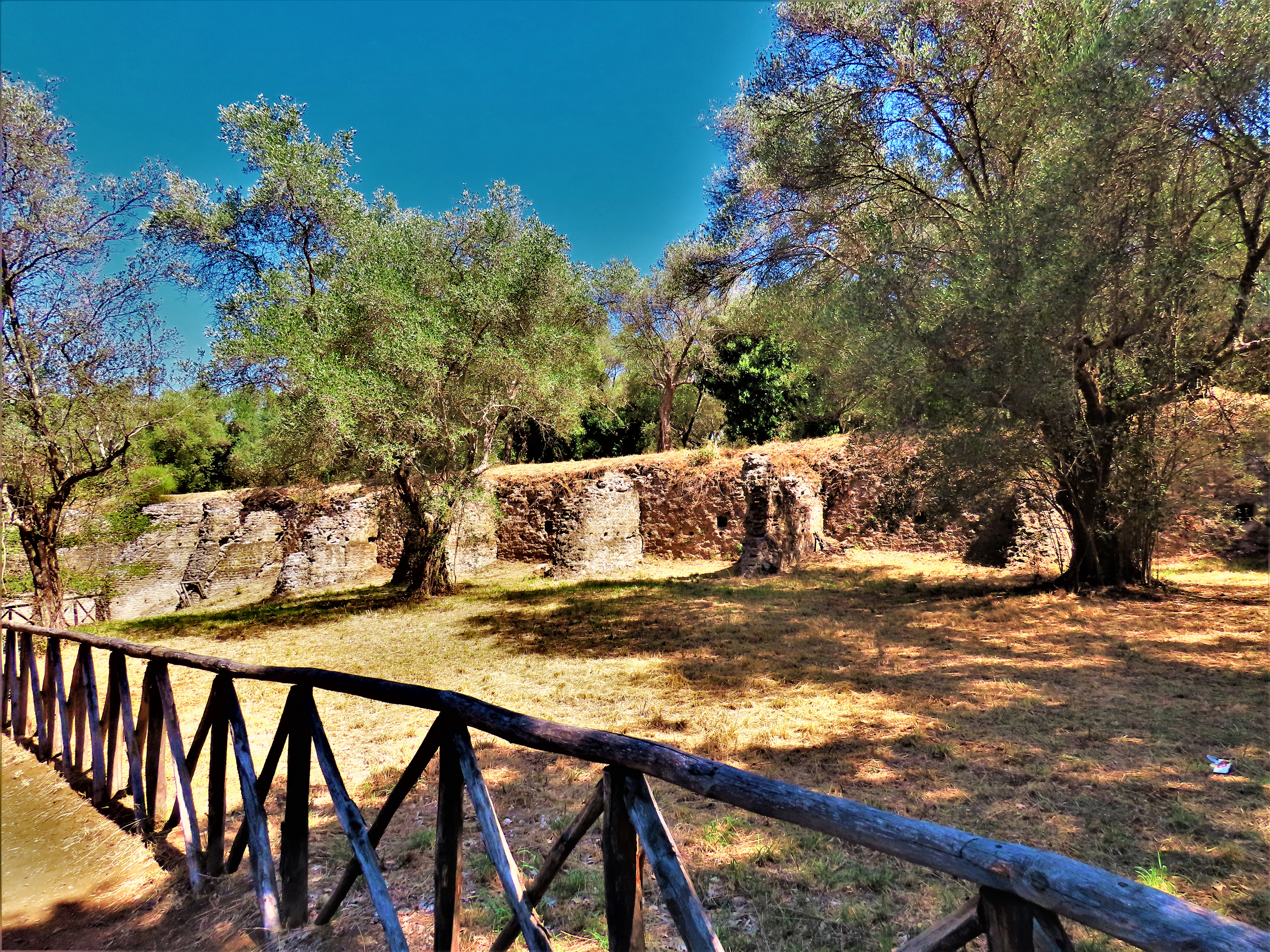
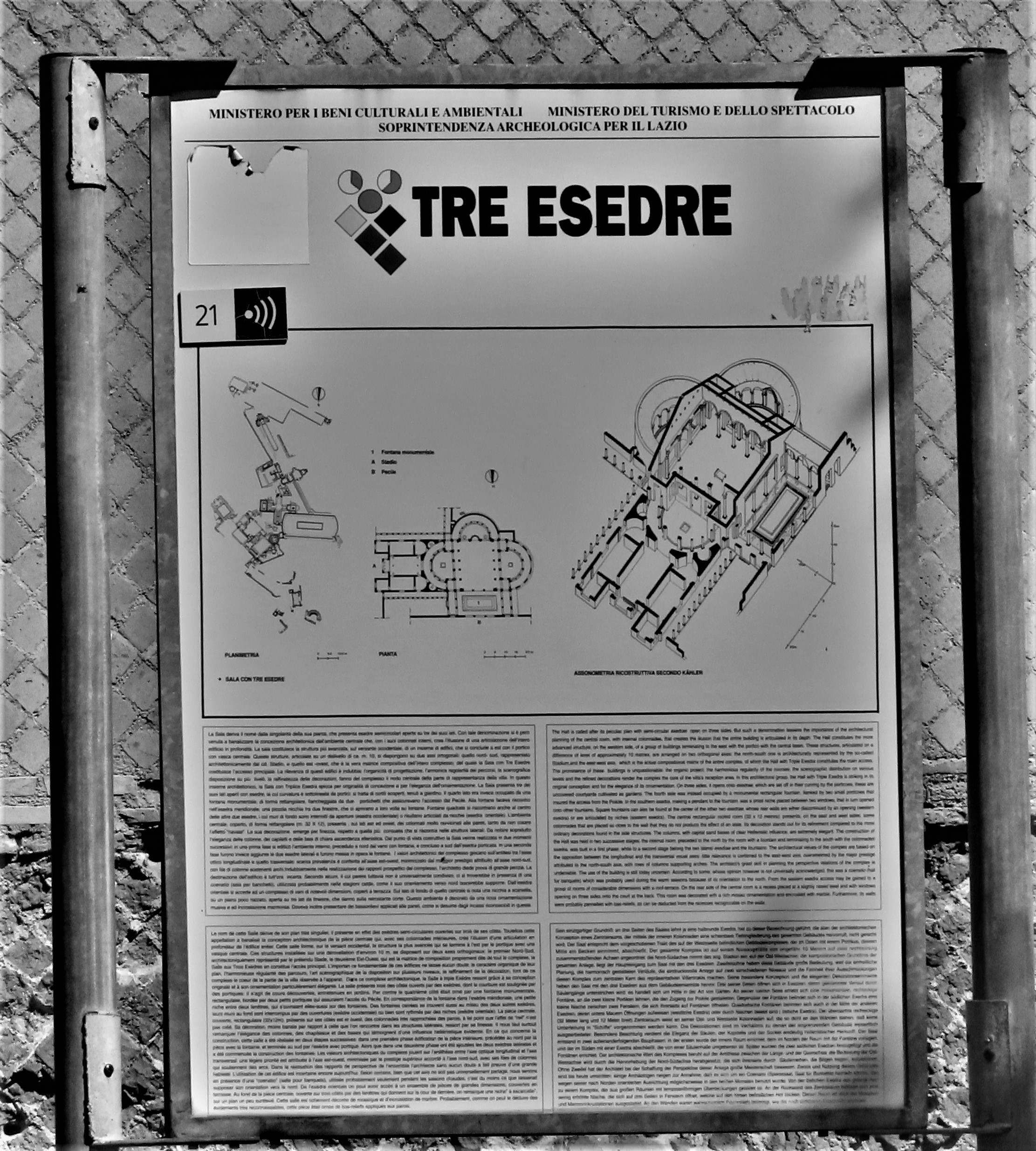
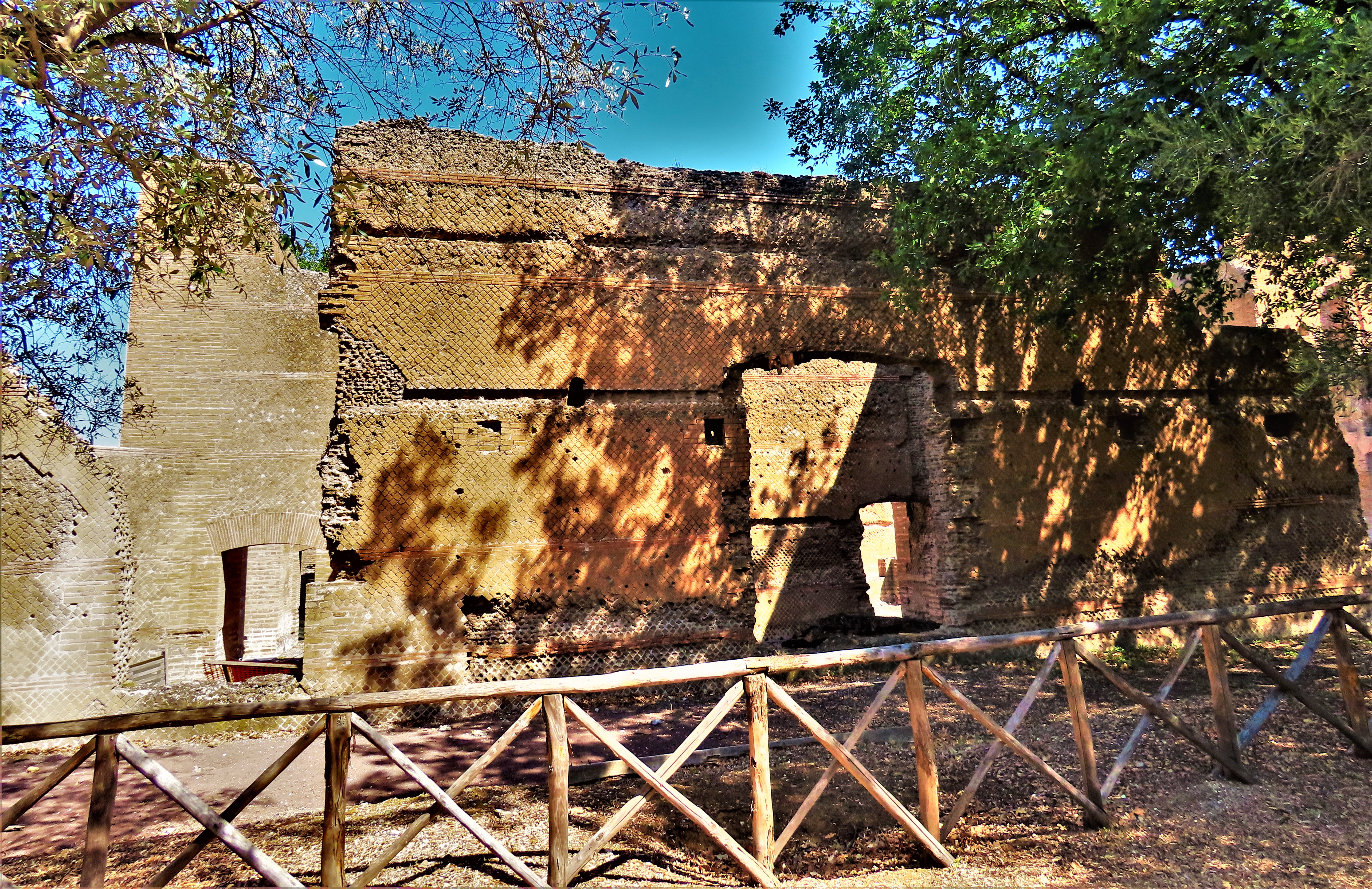
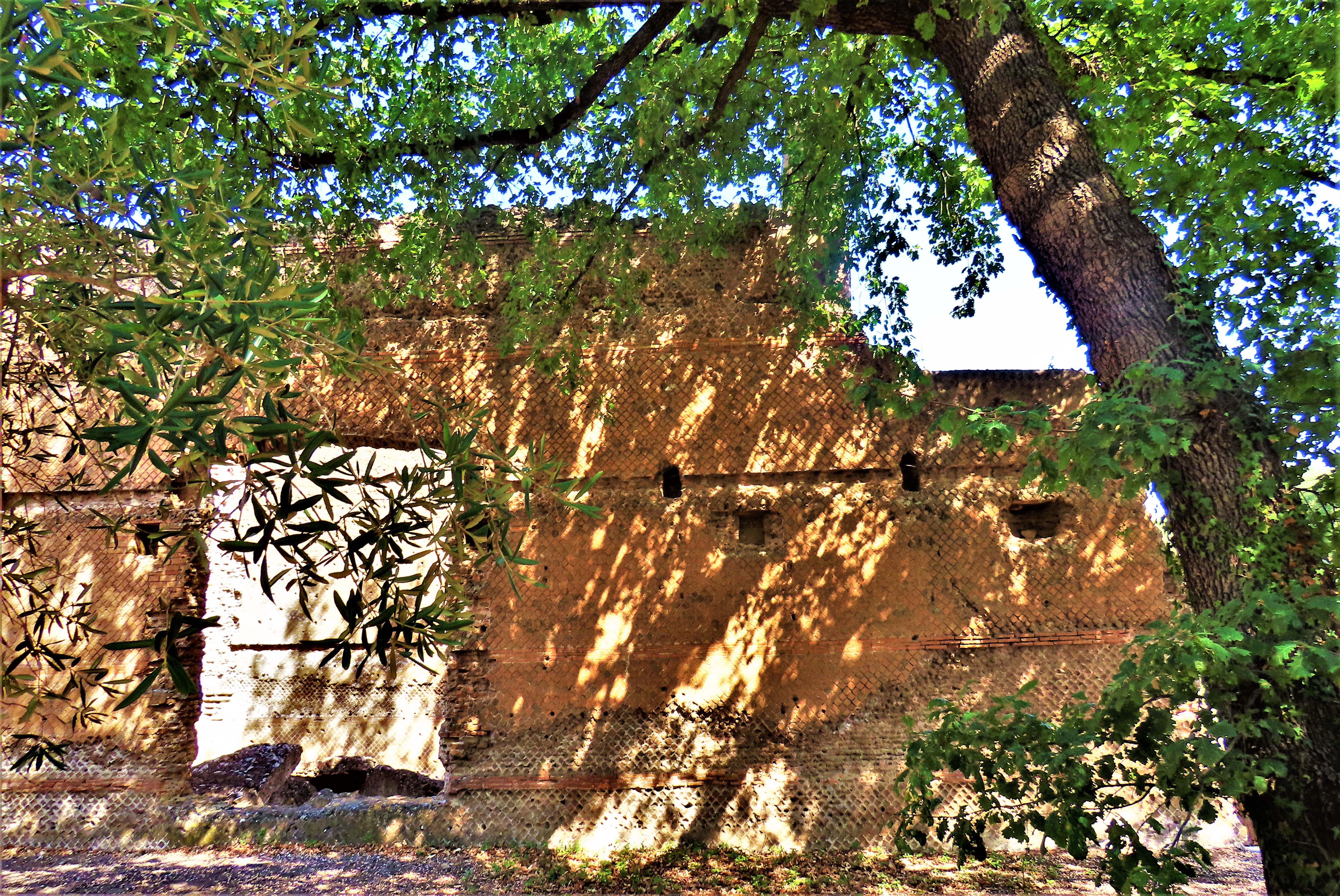
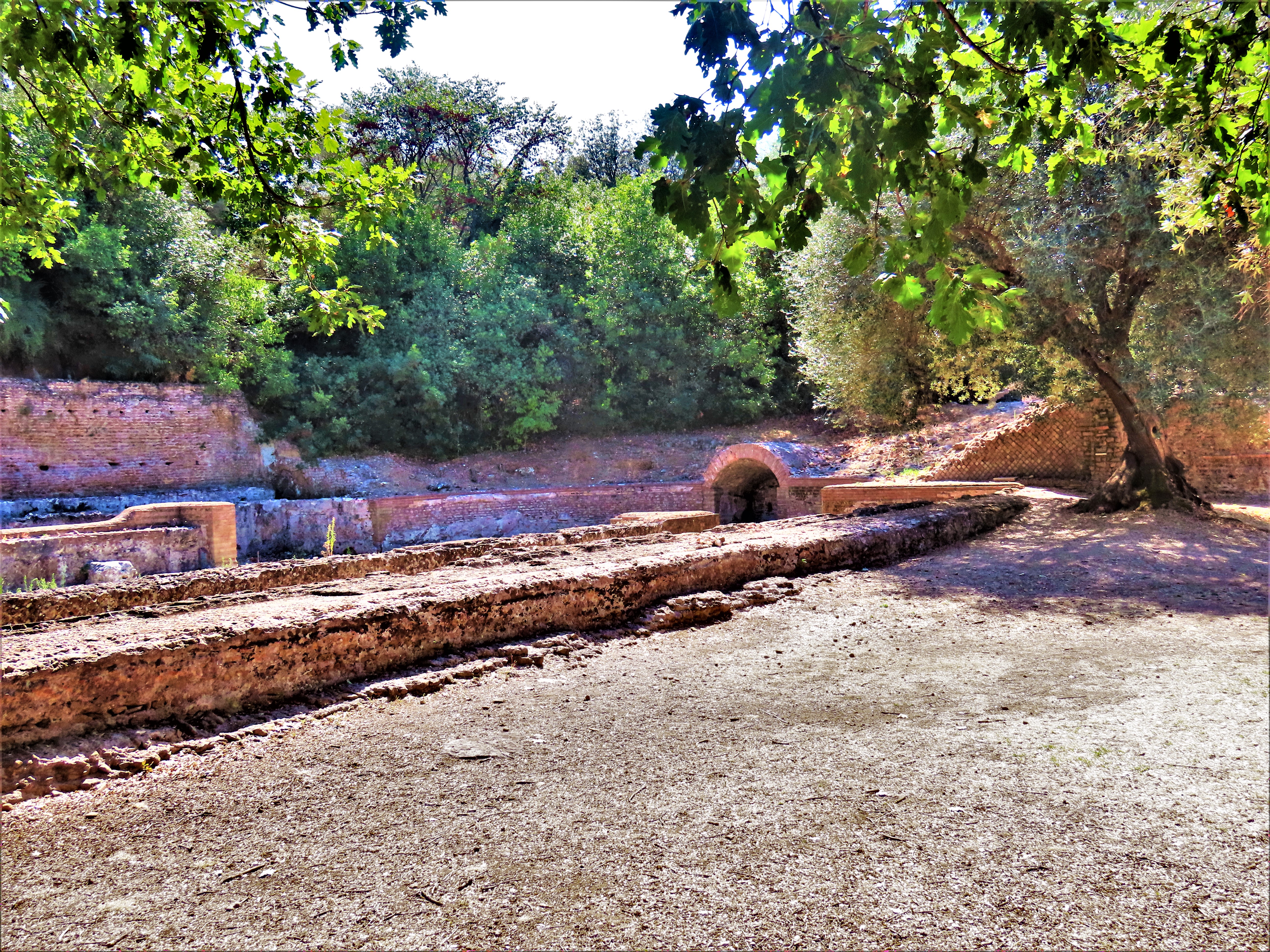
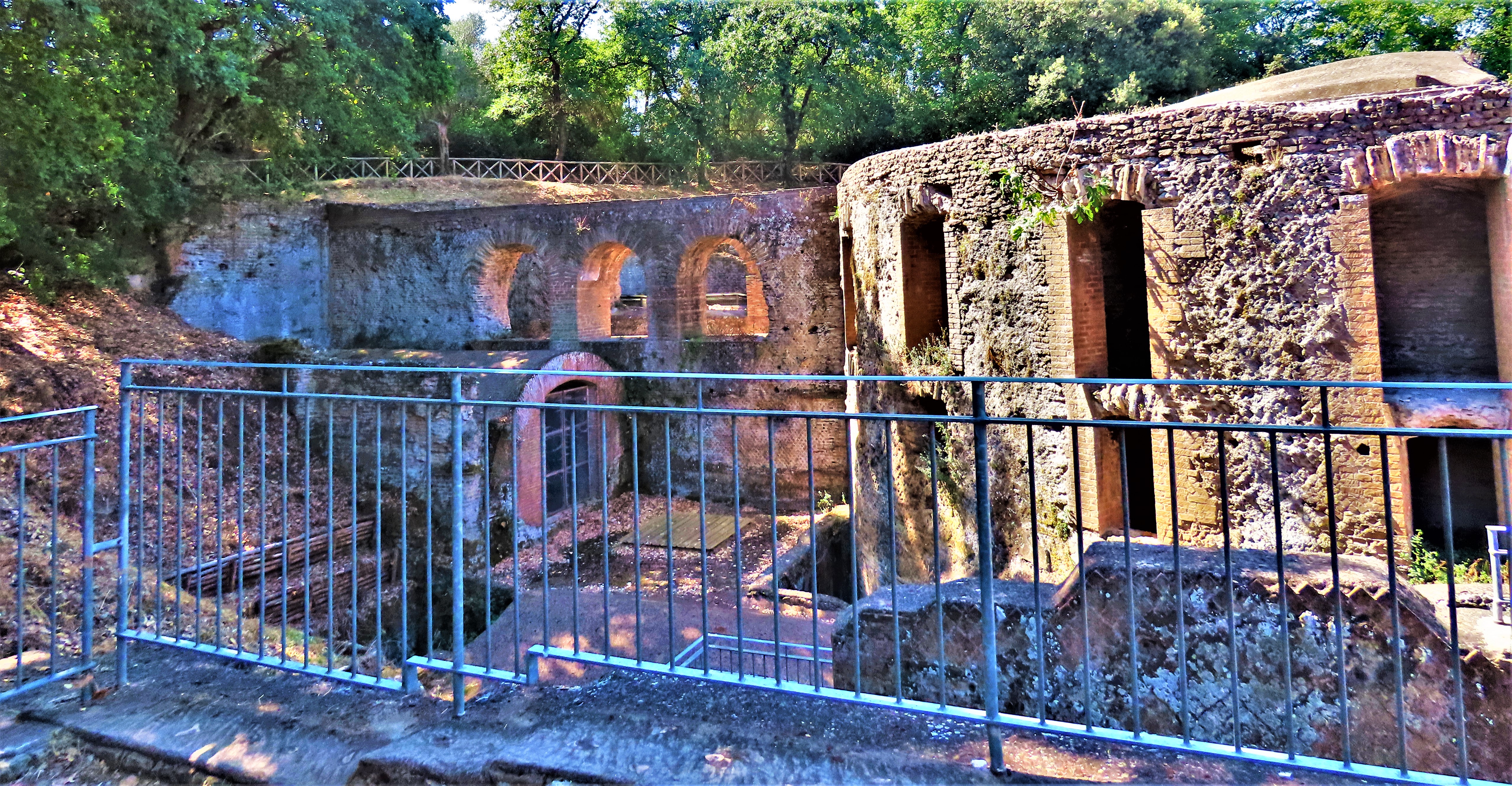
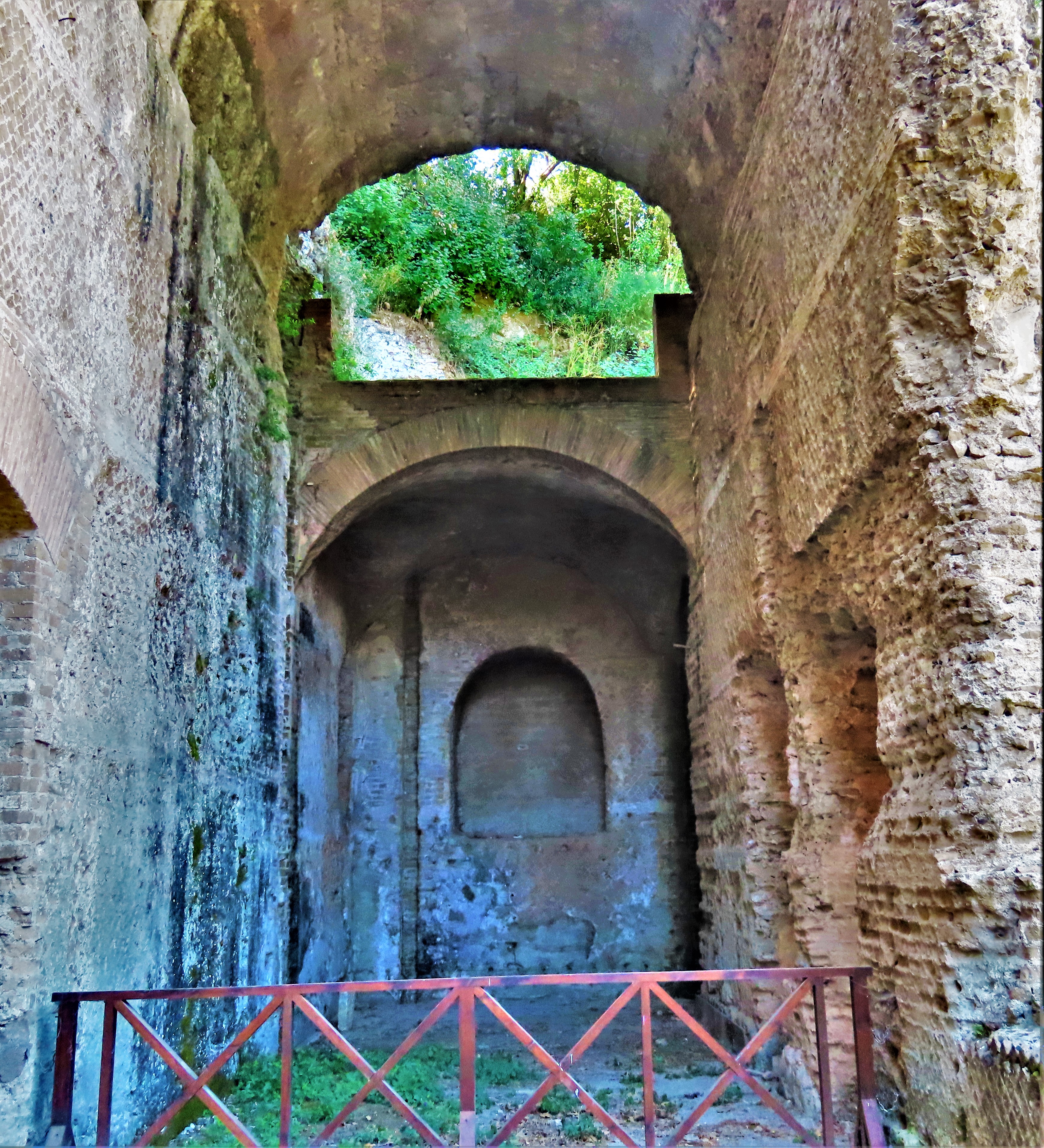
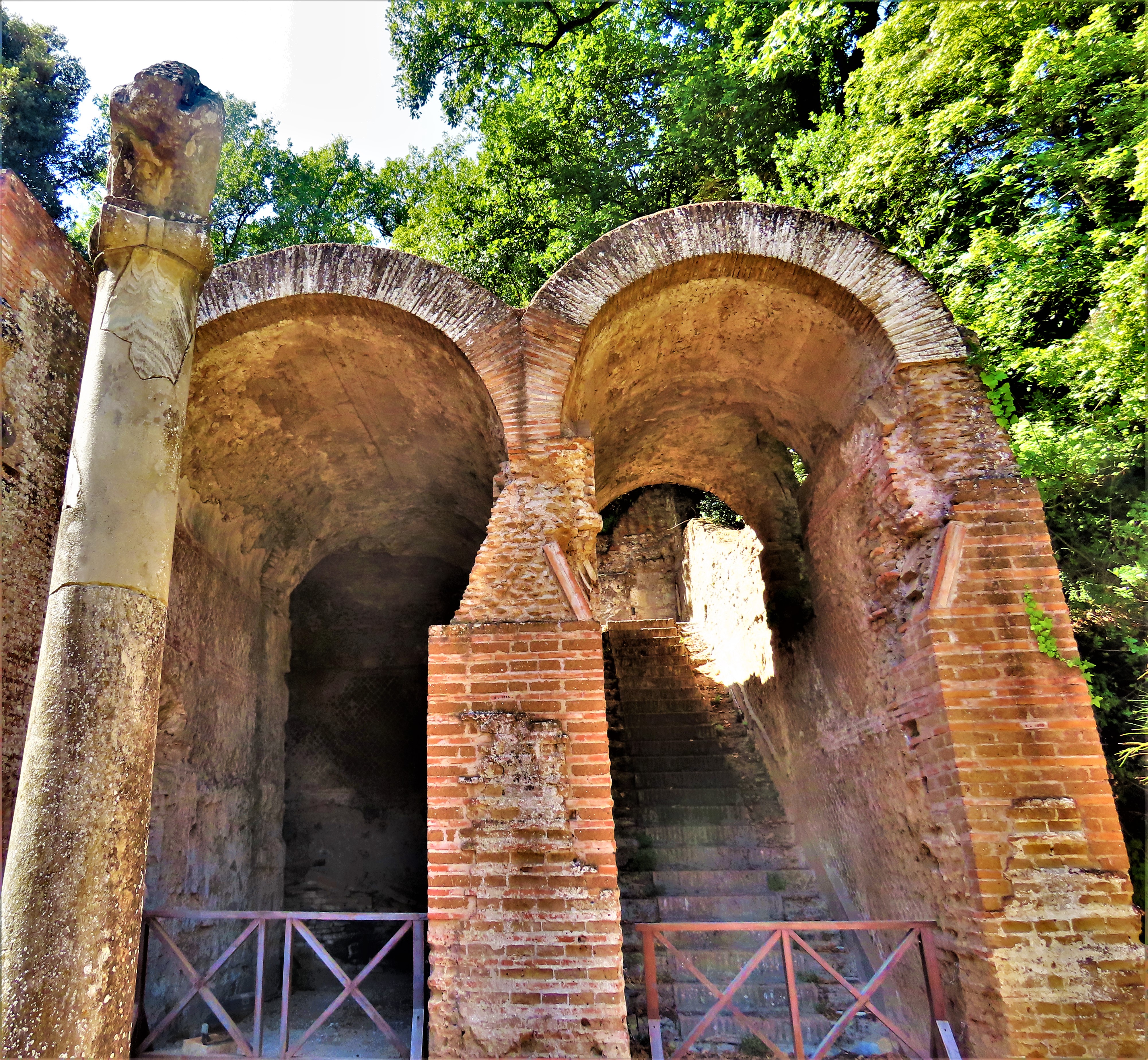
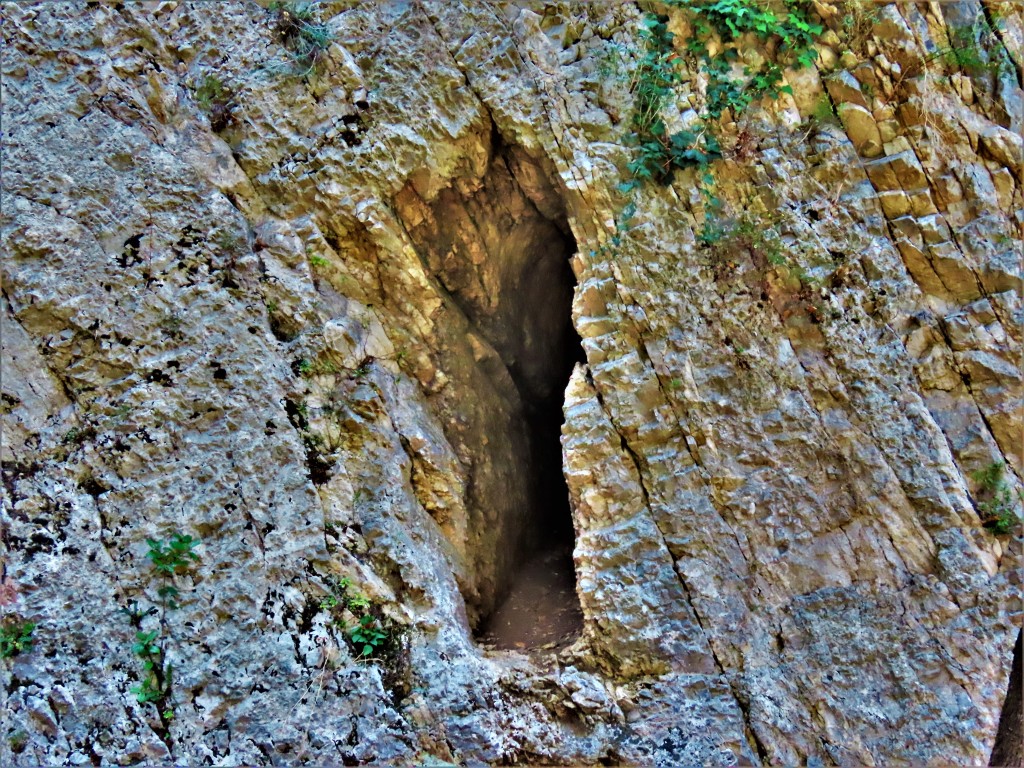
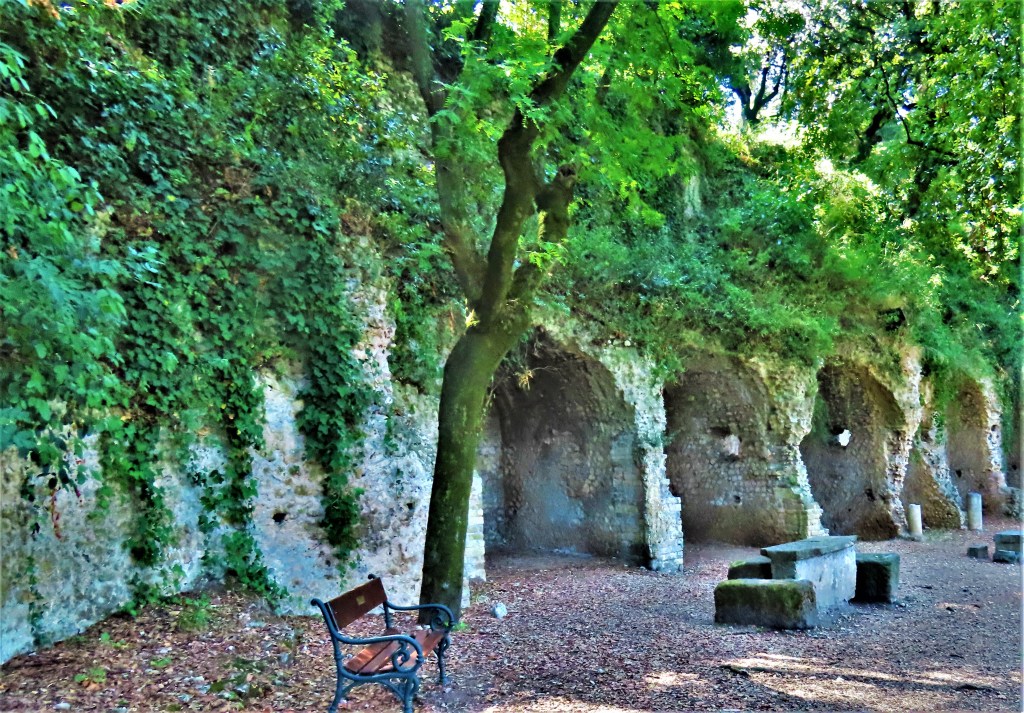
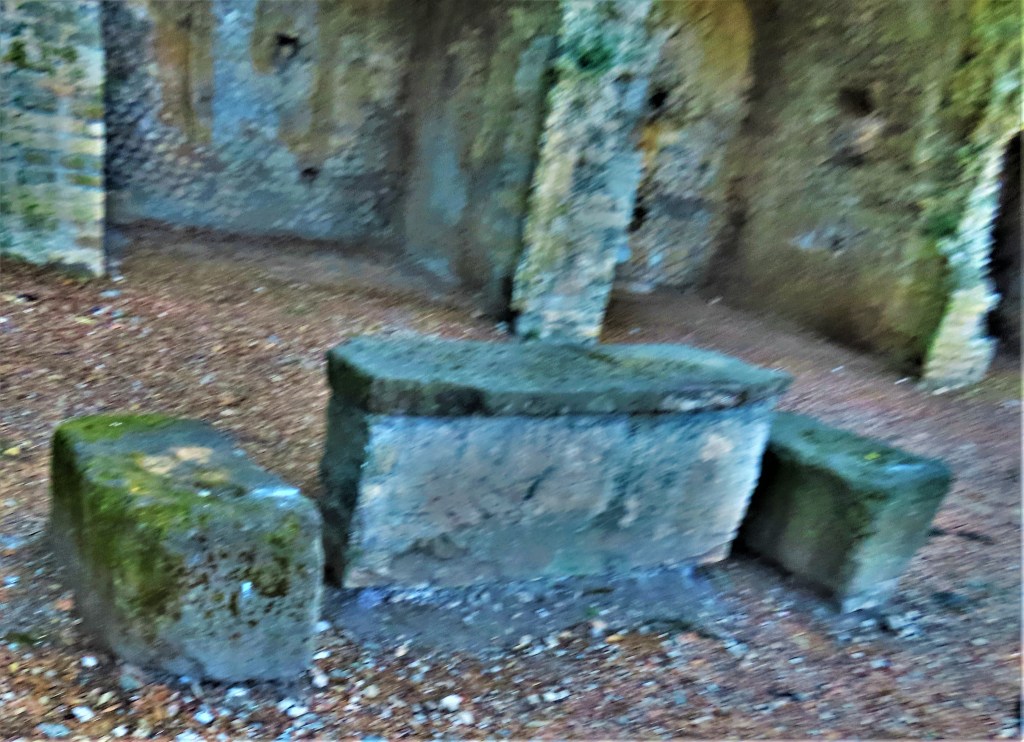
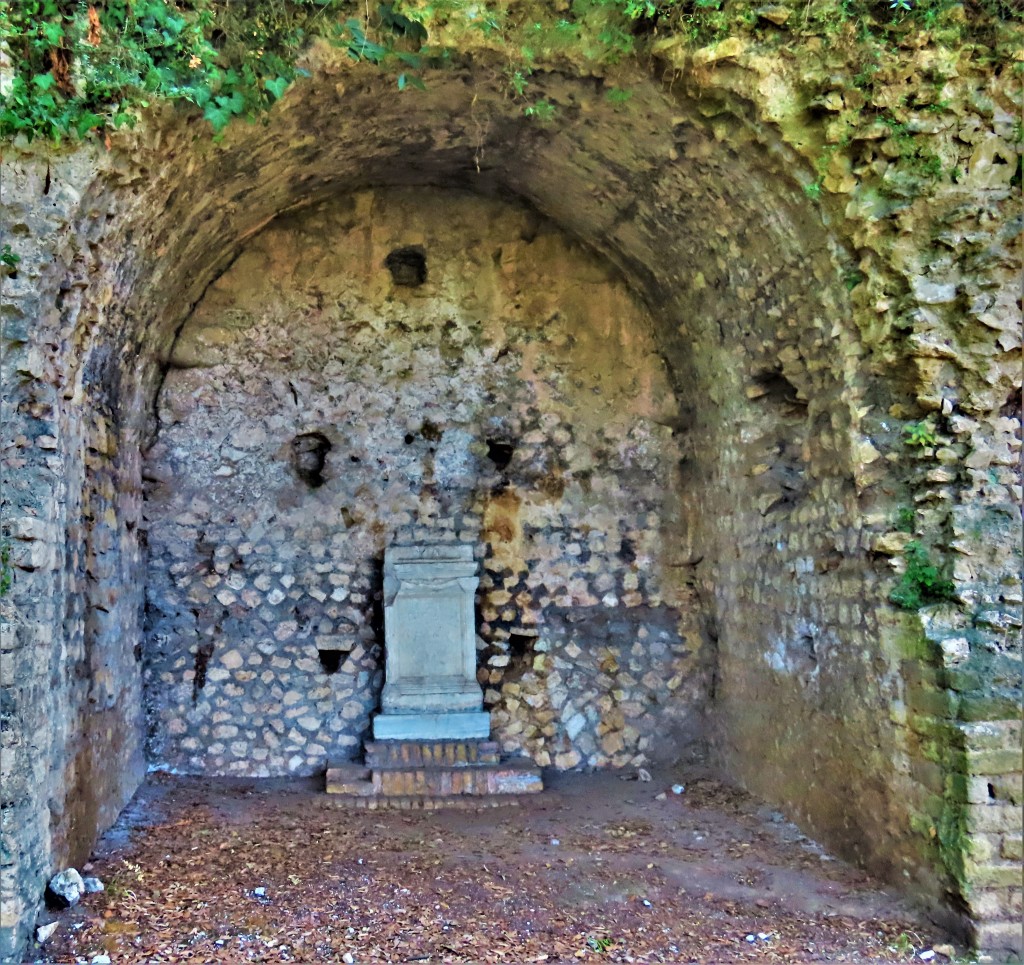
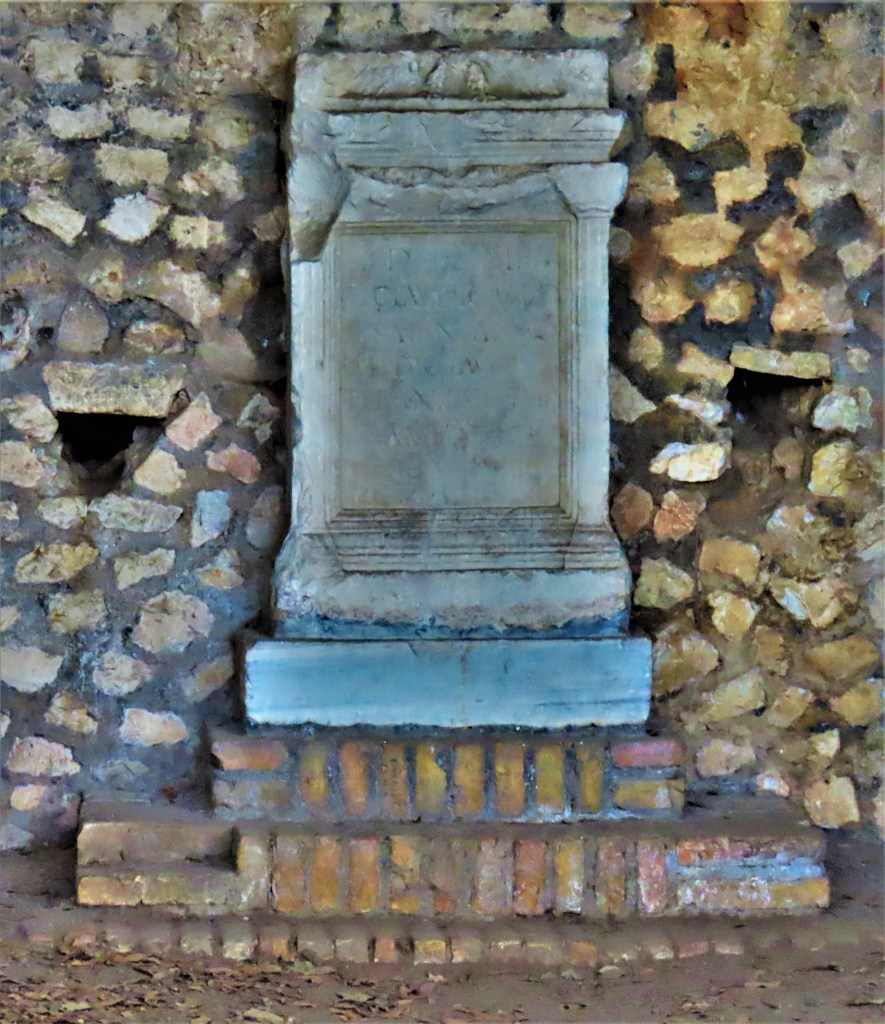
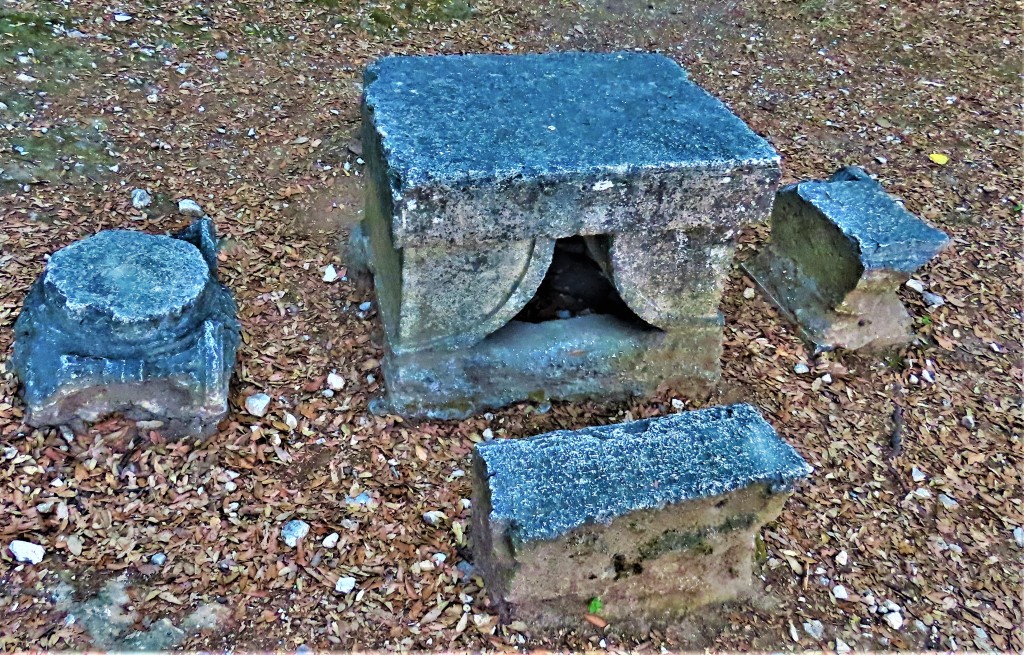
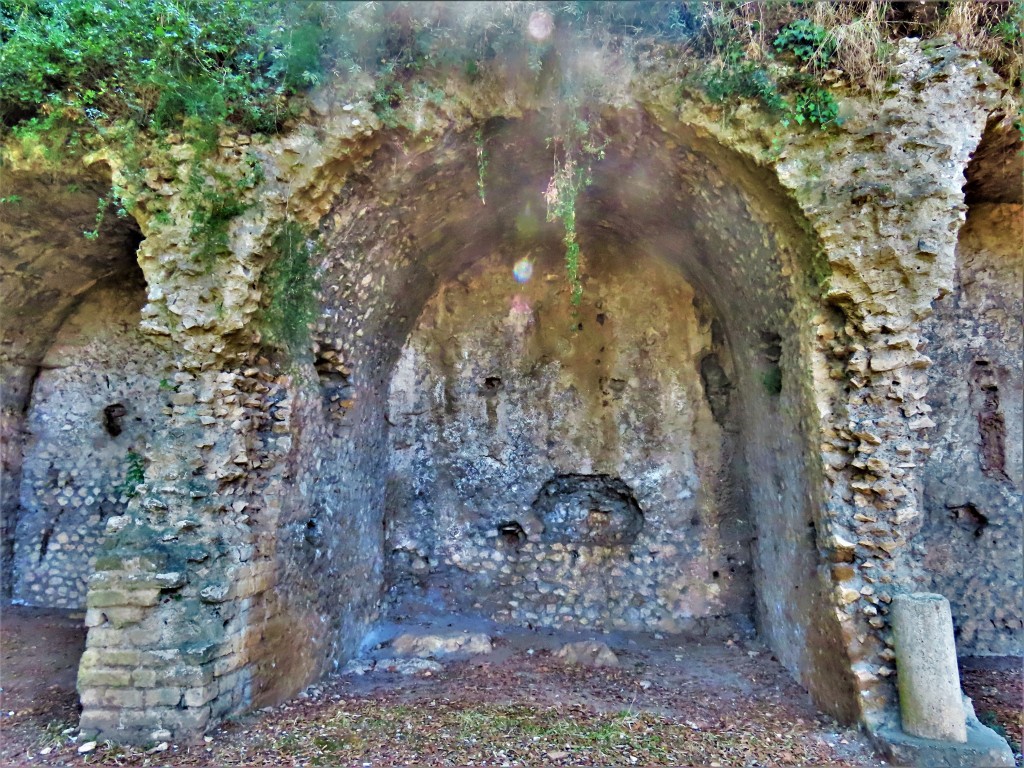
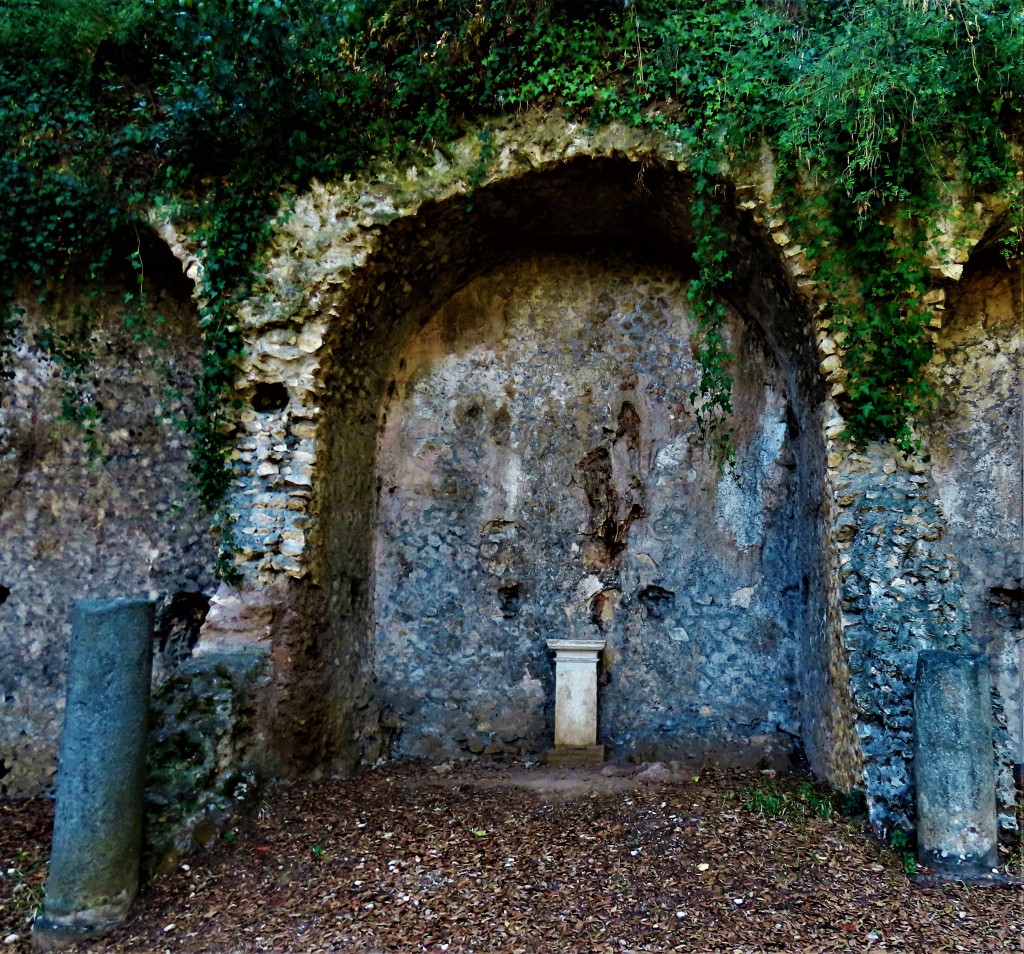
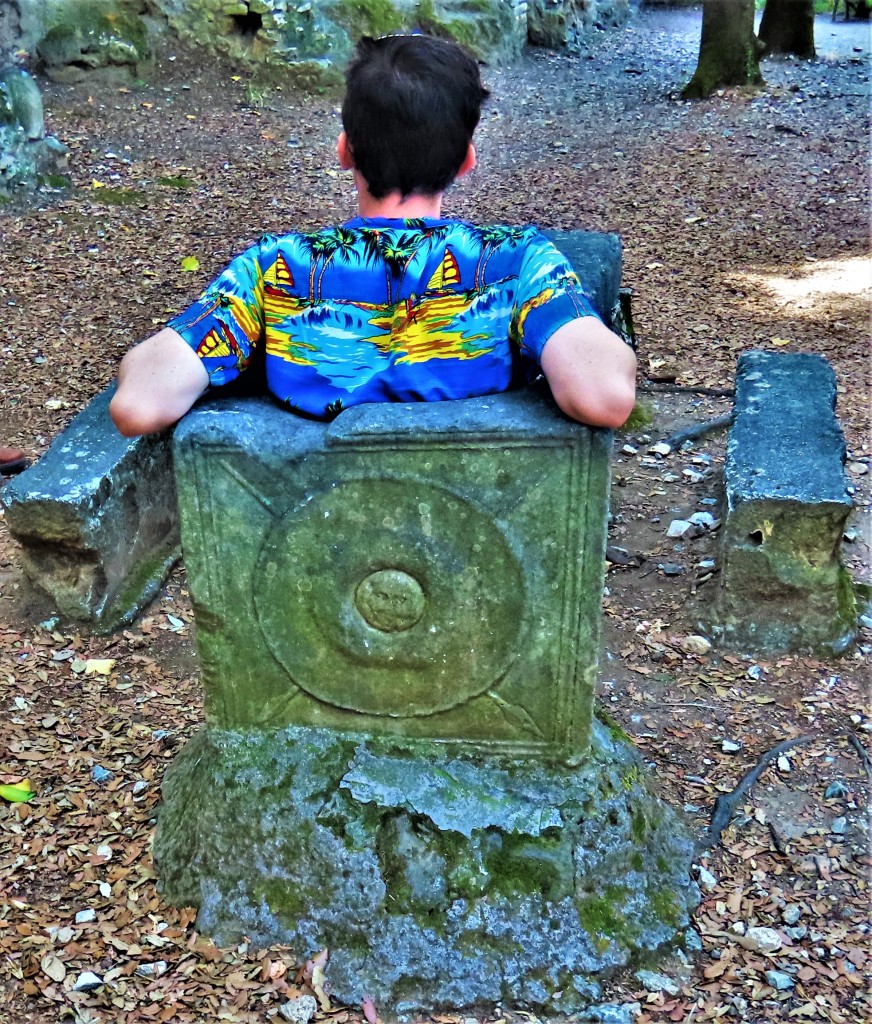
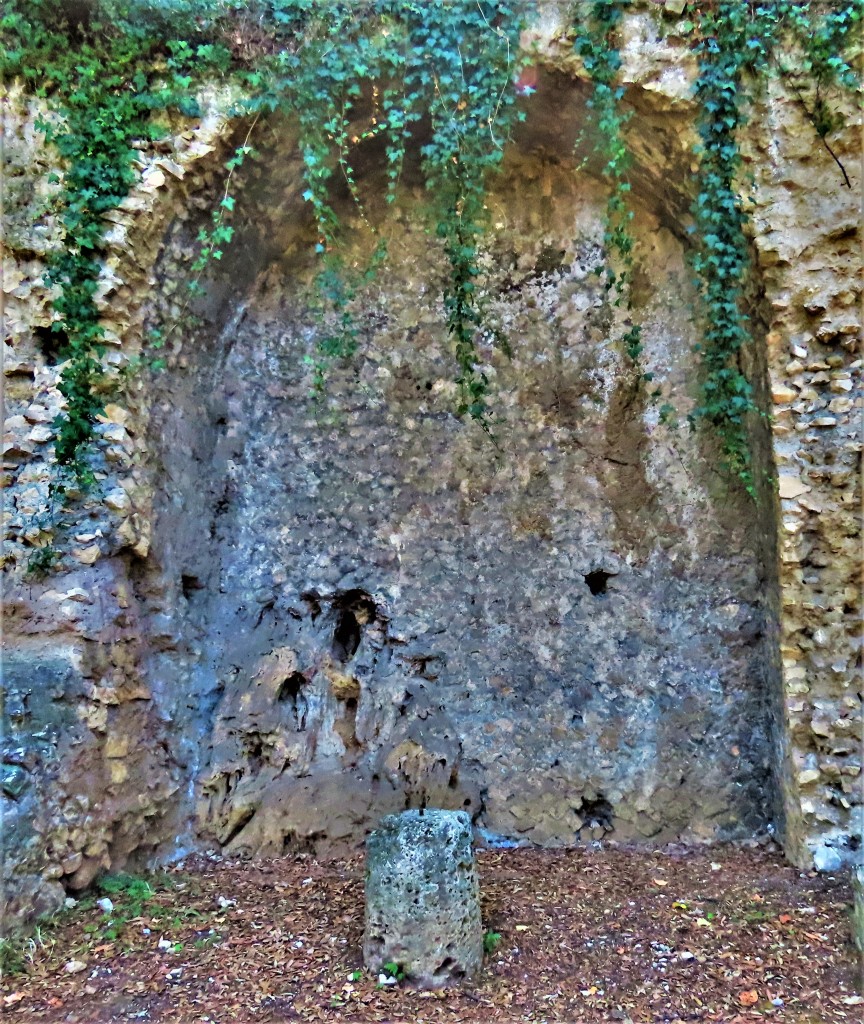
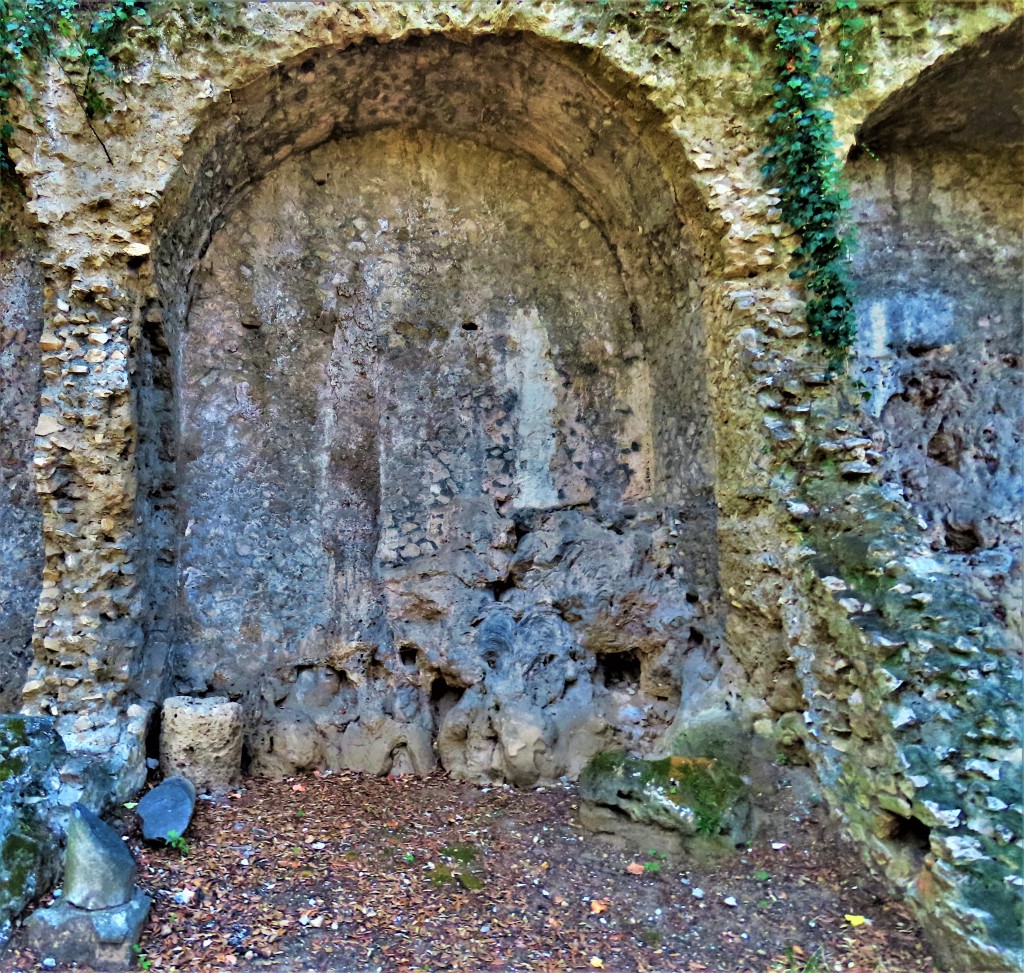
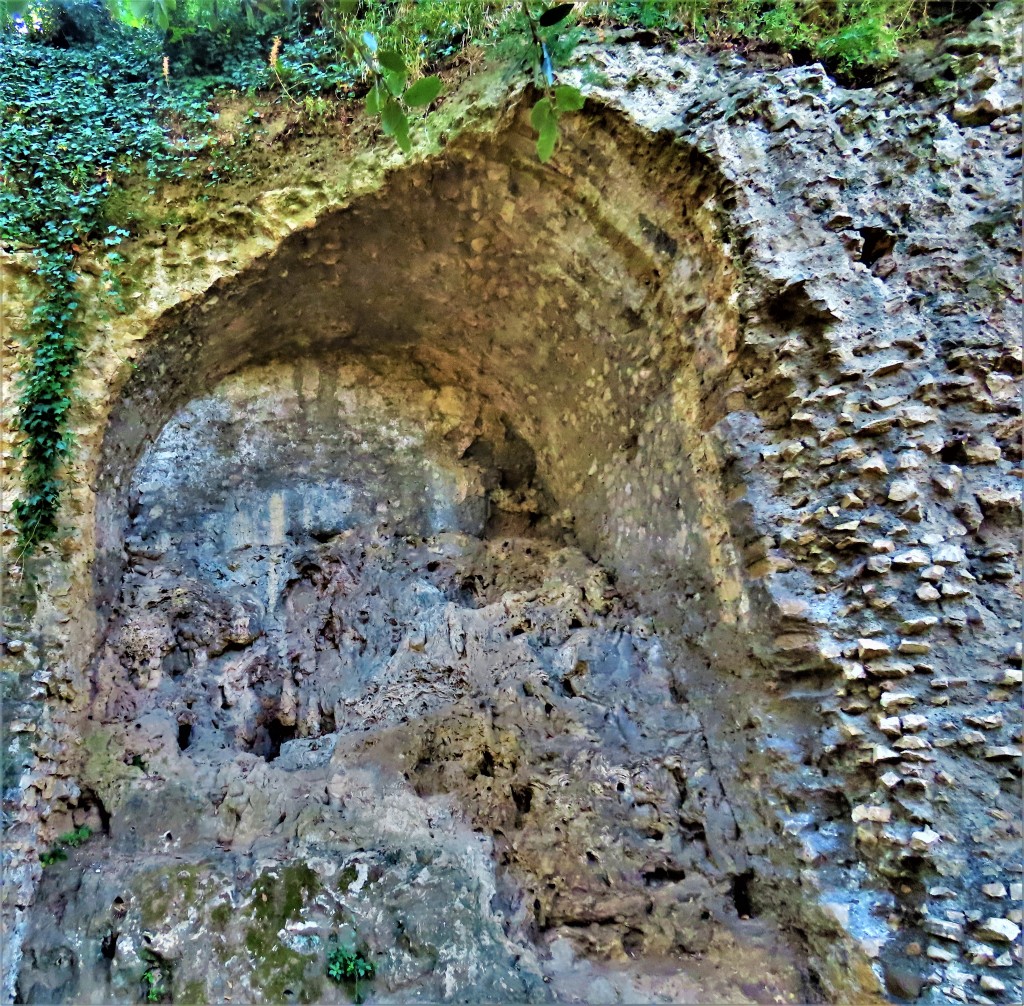
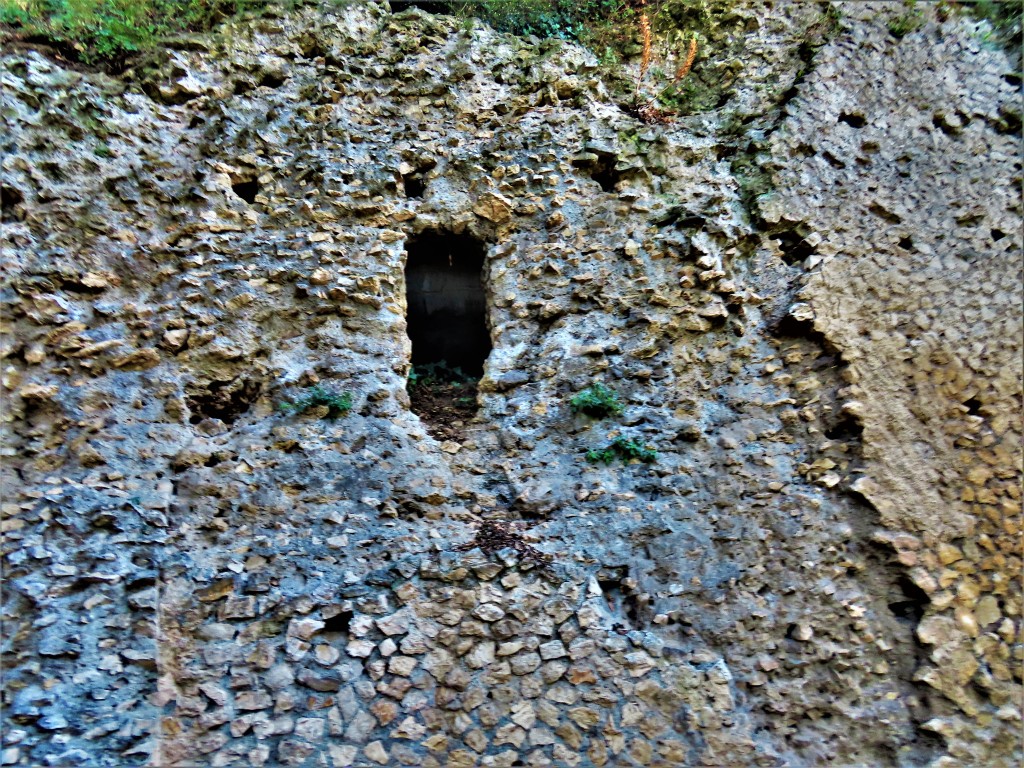
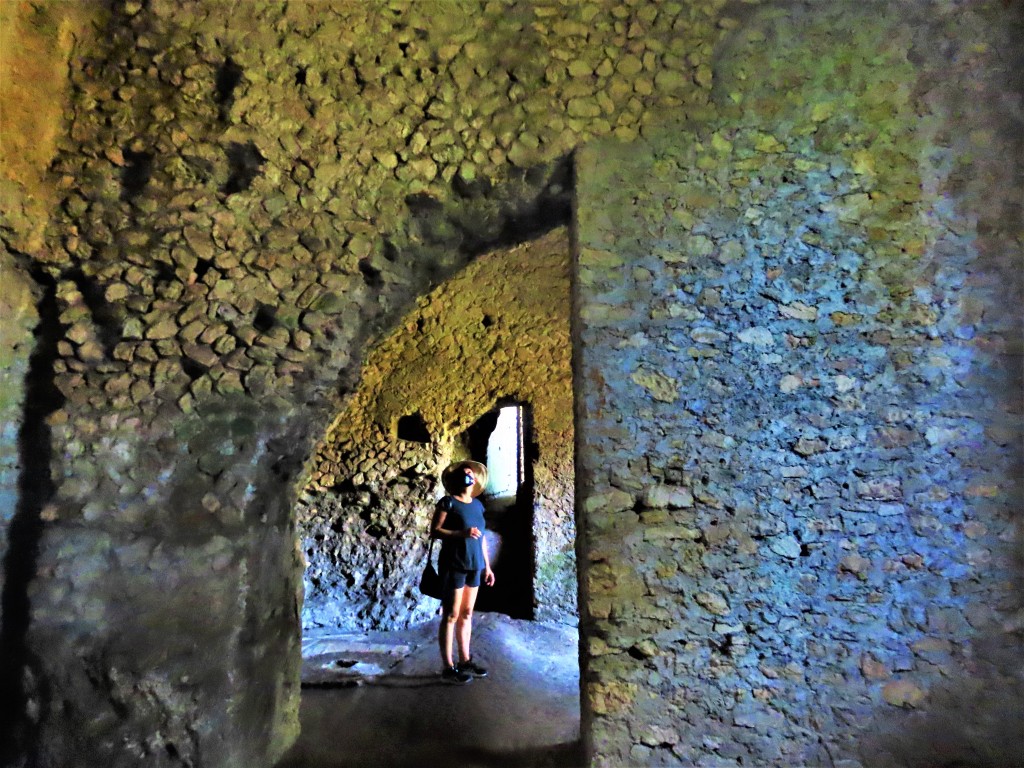
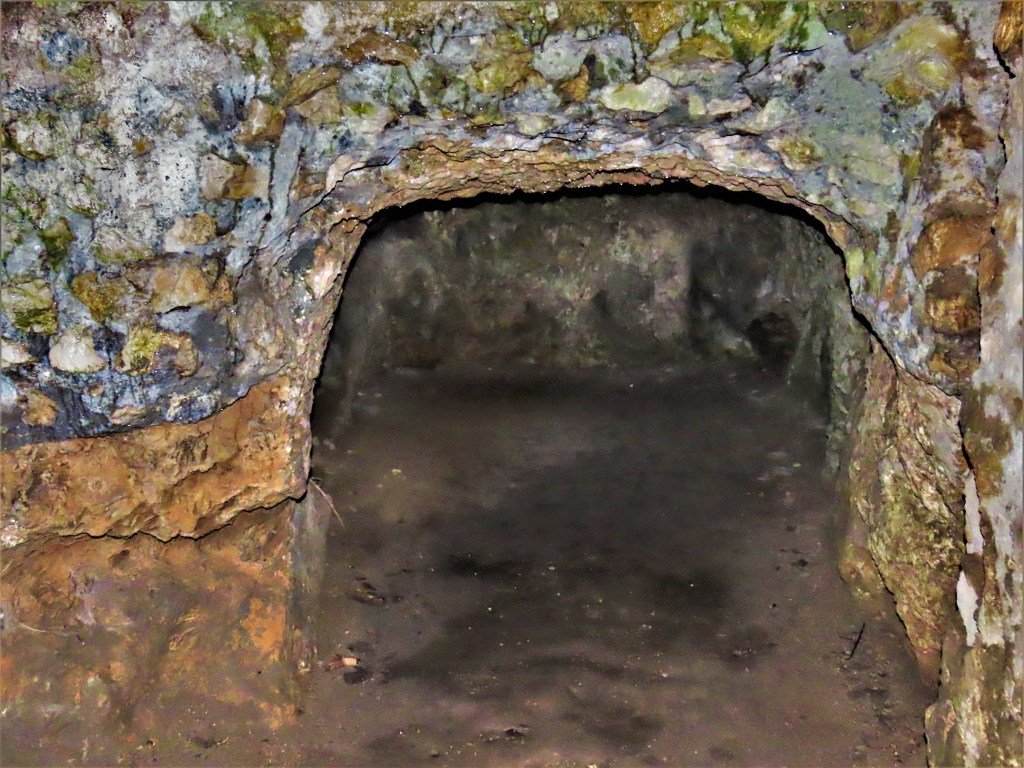
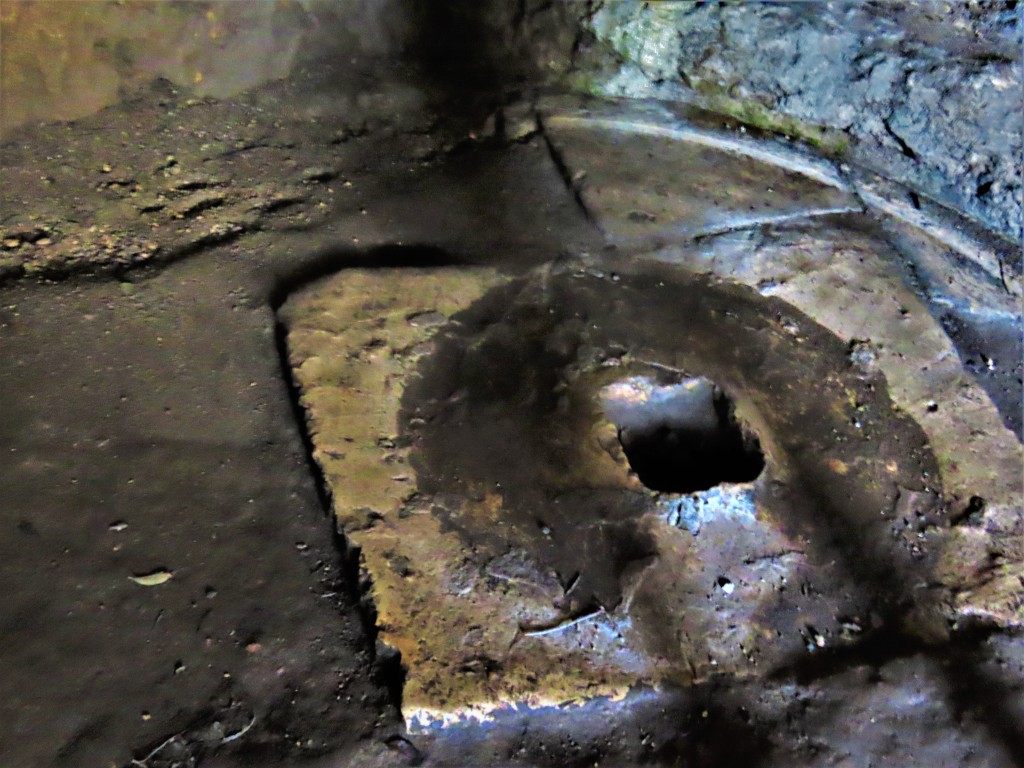
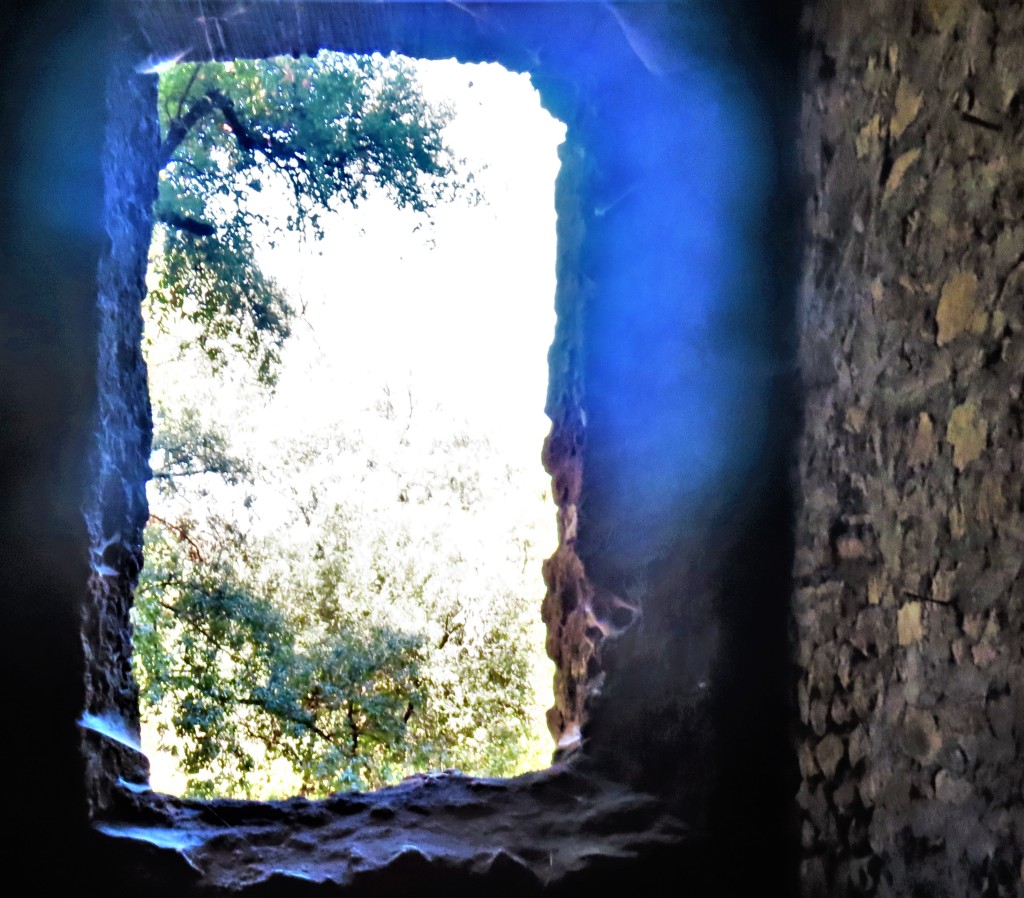
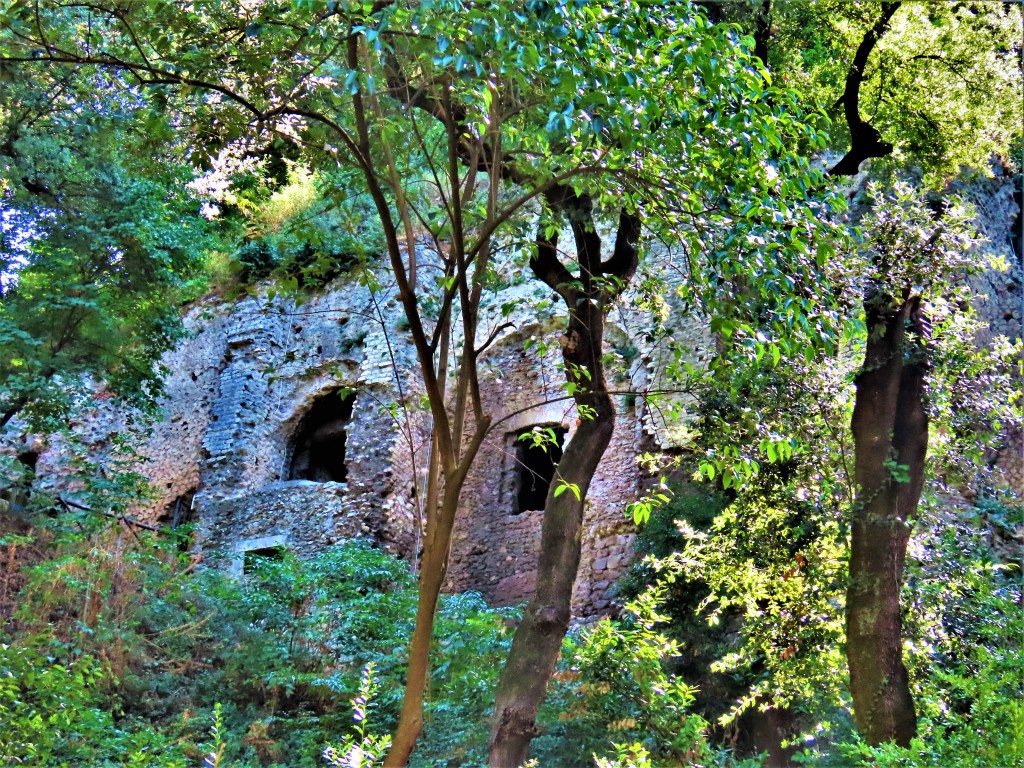
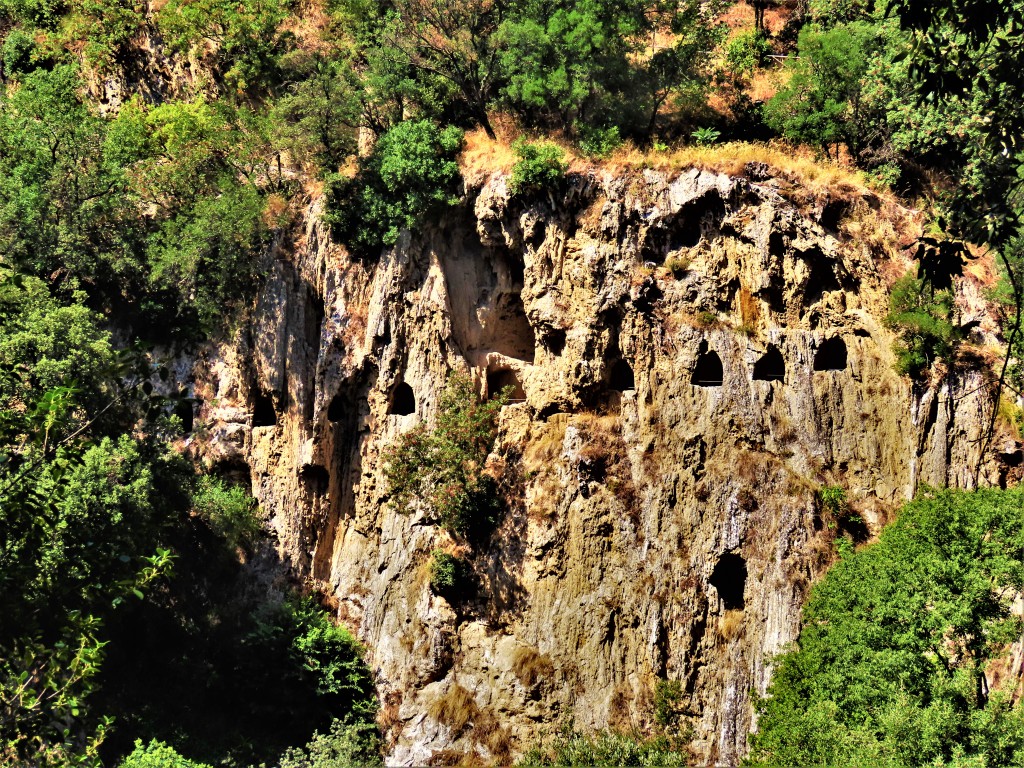
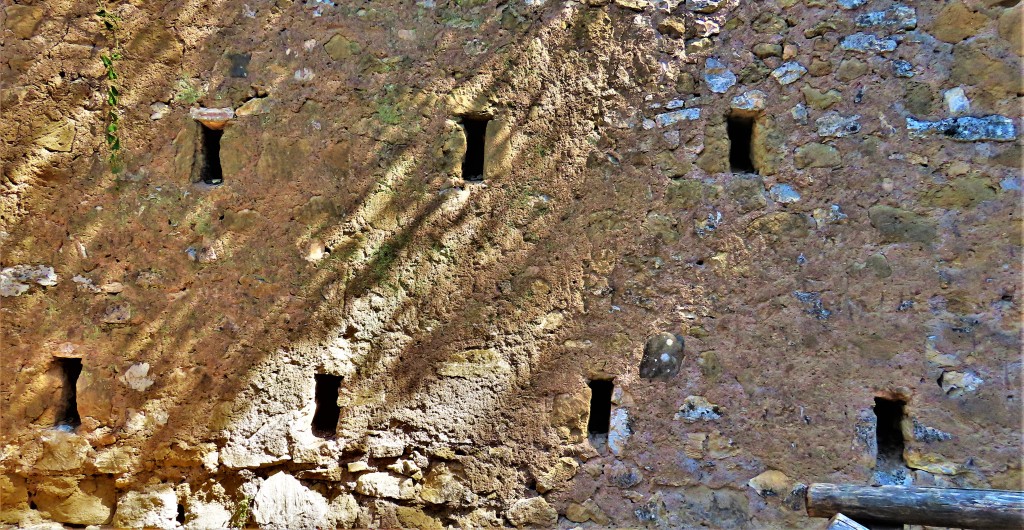
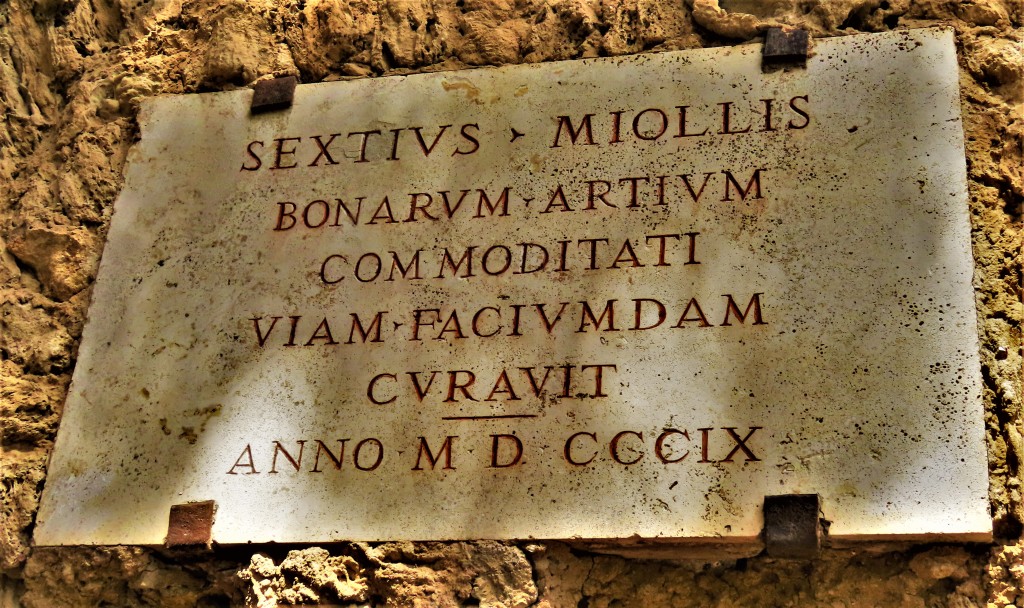
The chapel was fairly impressive, but to me the second hidden treasure, the Roman remains that lend credence to the notion that the poet Horace had a villa here back in the day, is even more so.
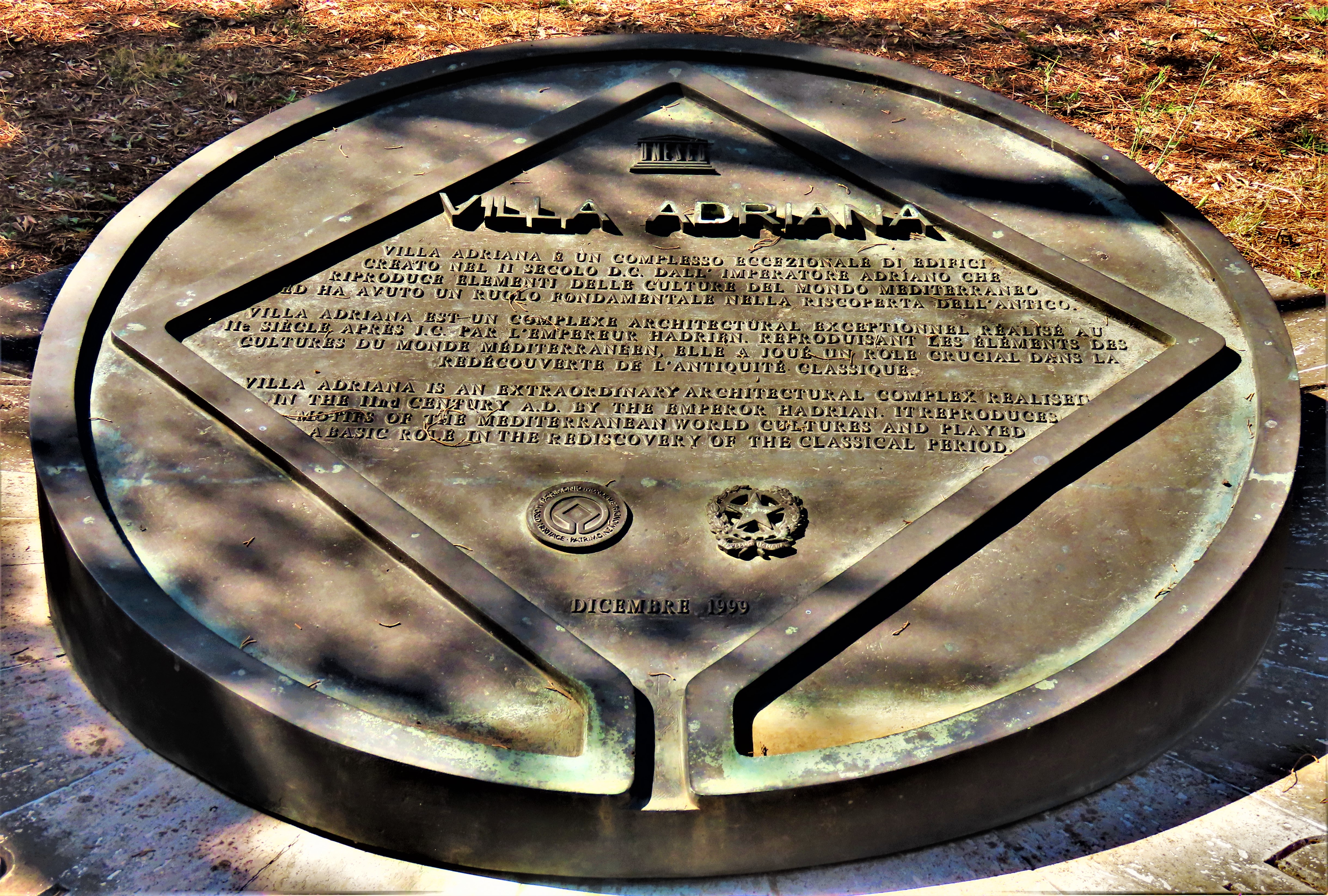
I am continuing my account of my holiday in Italy (2-11 September inclusive) with a look at Villa Adriana. Before I cover the attraction itself I offer…
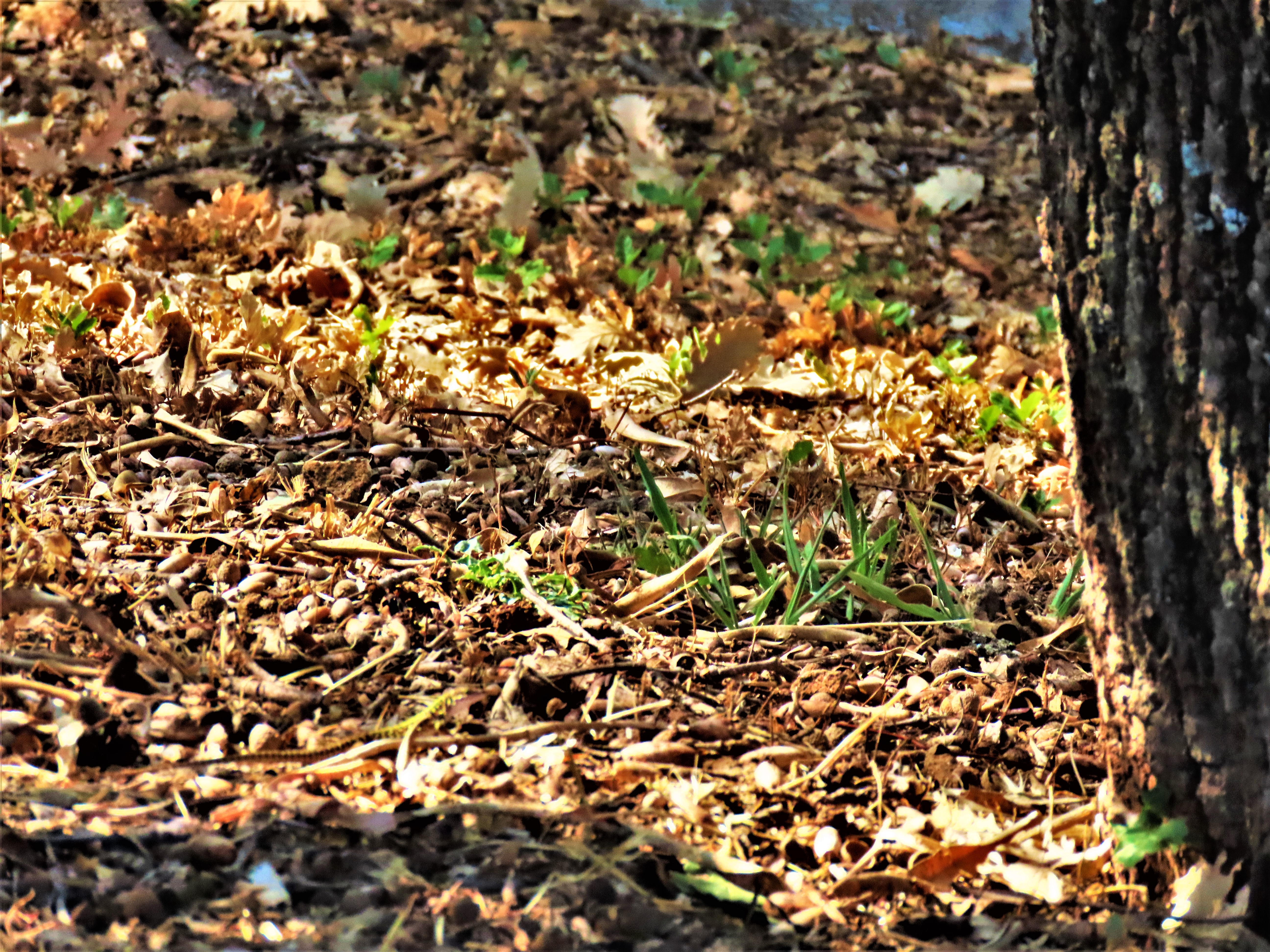
SOME WILDLIFE
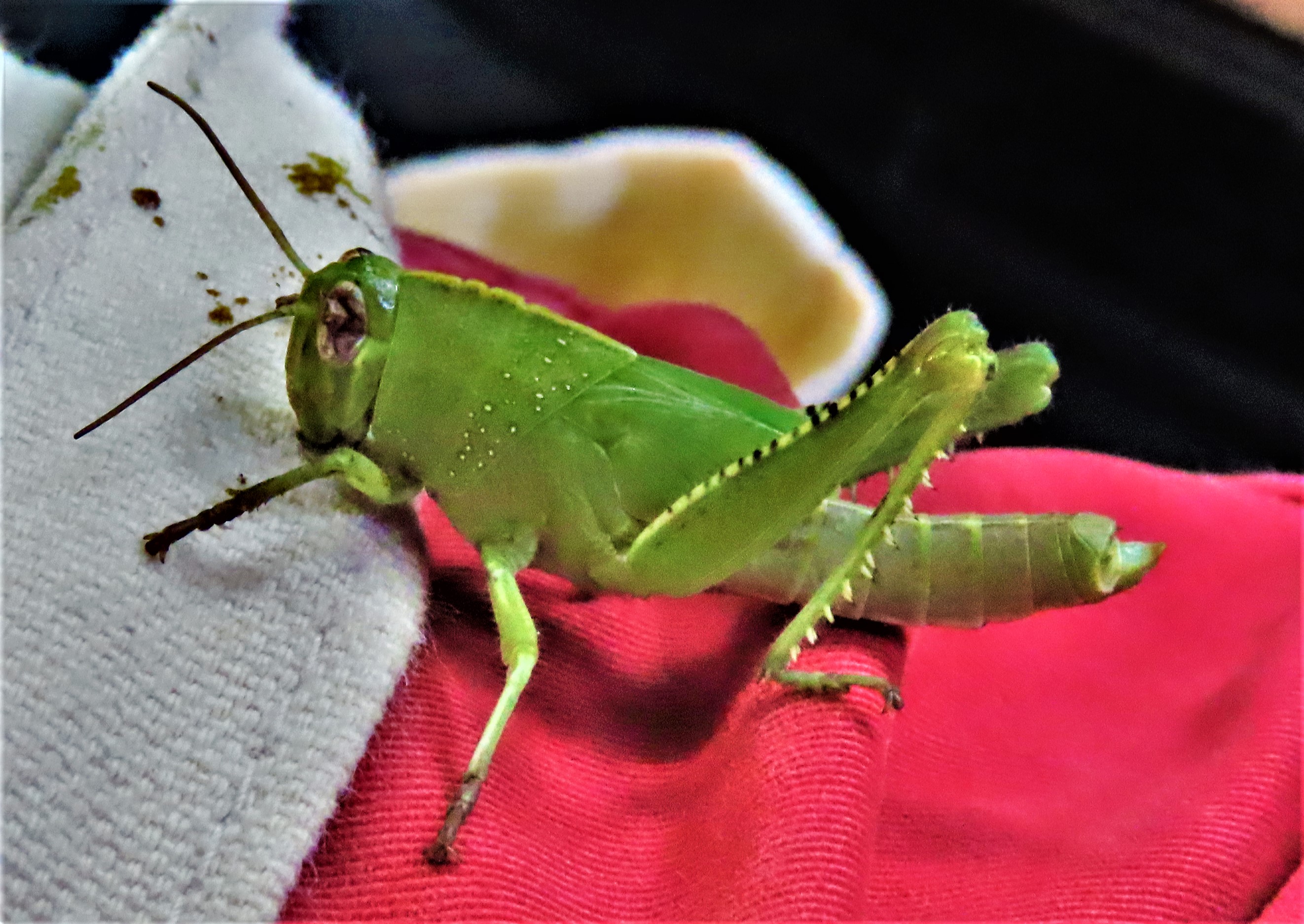
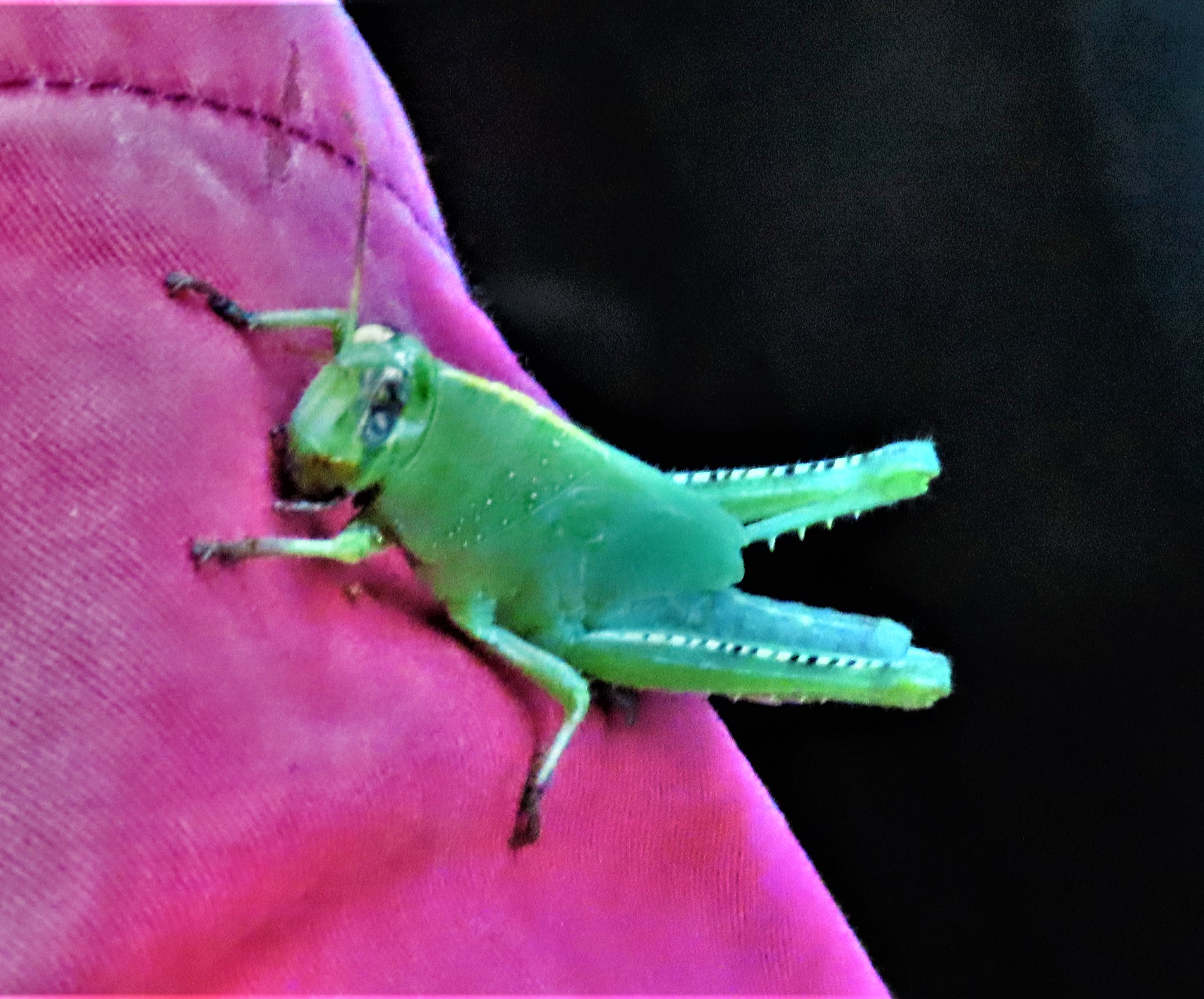
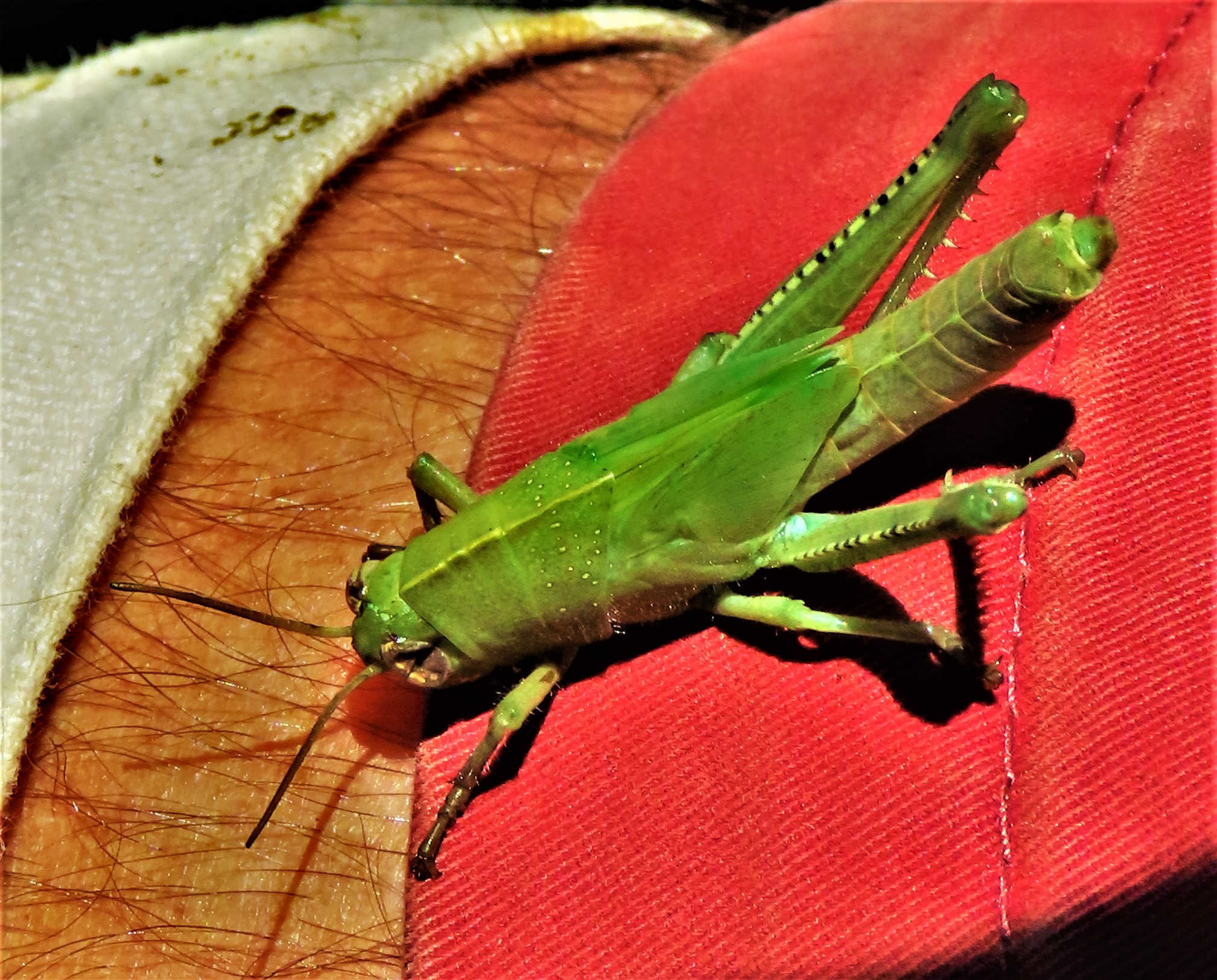
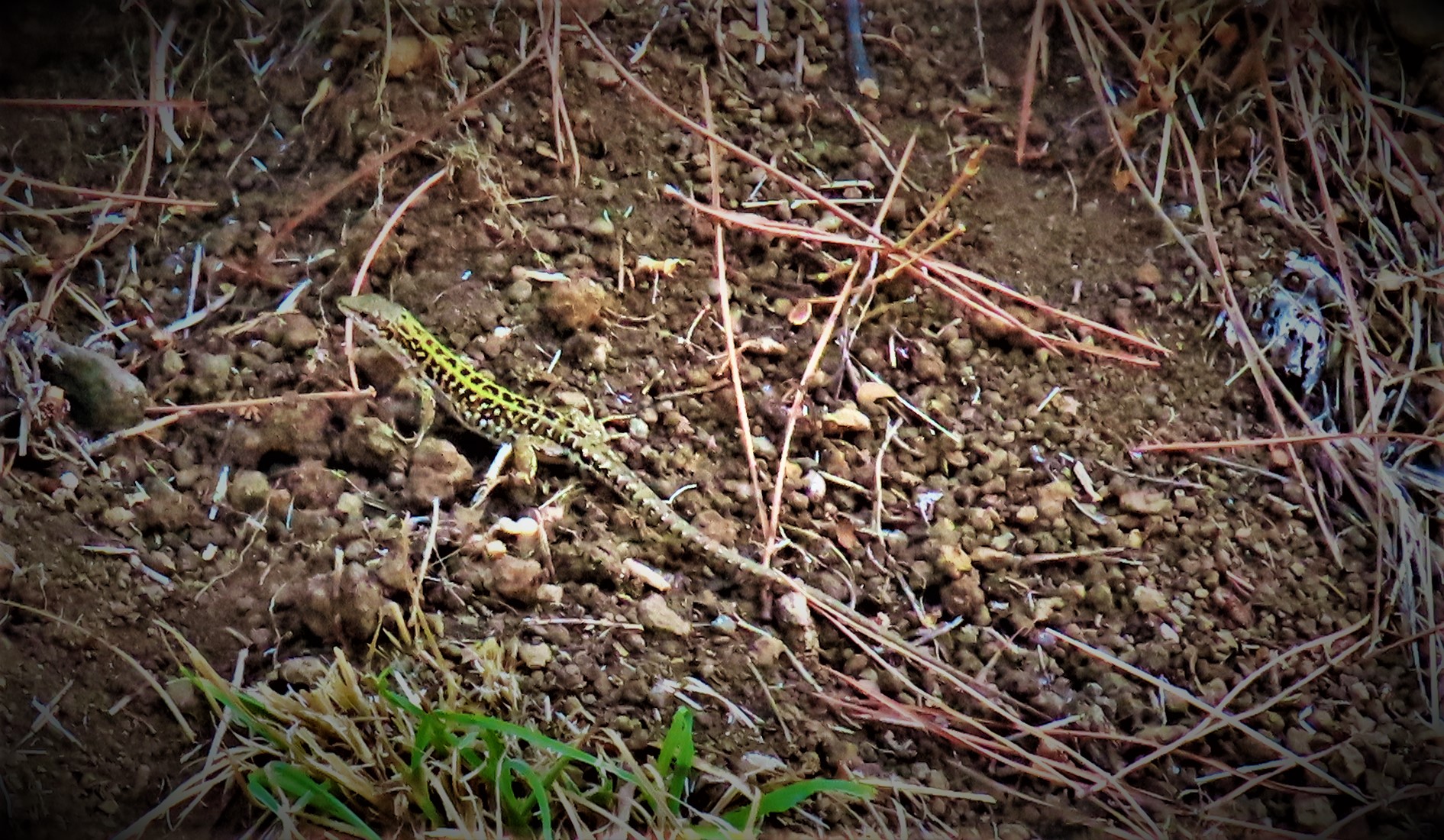
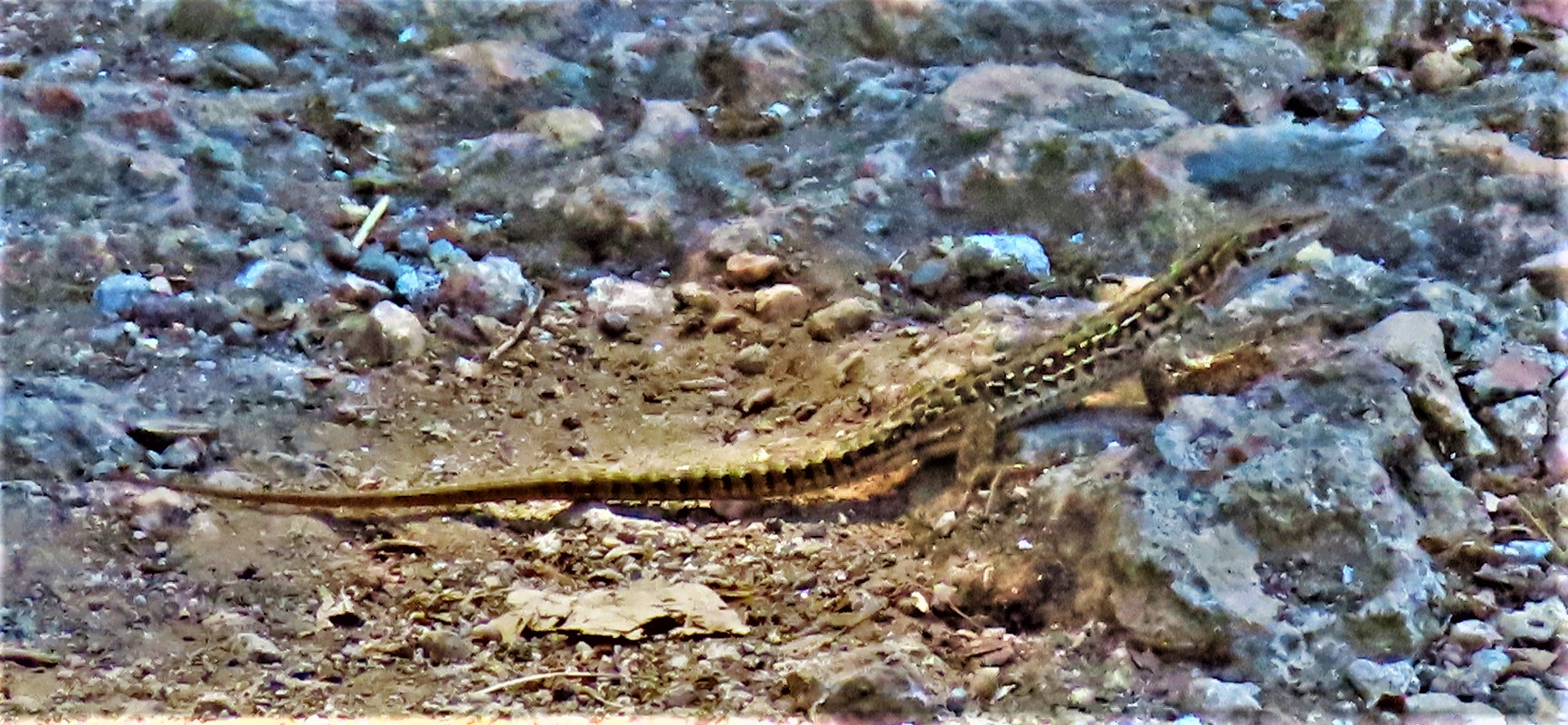
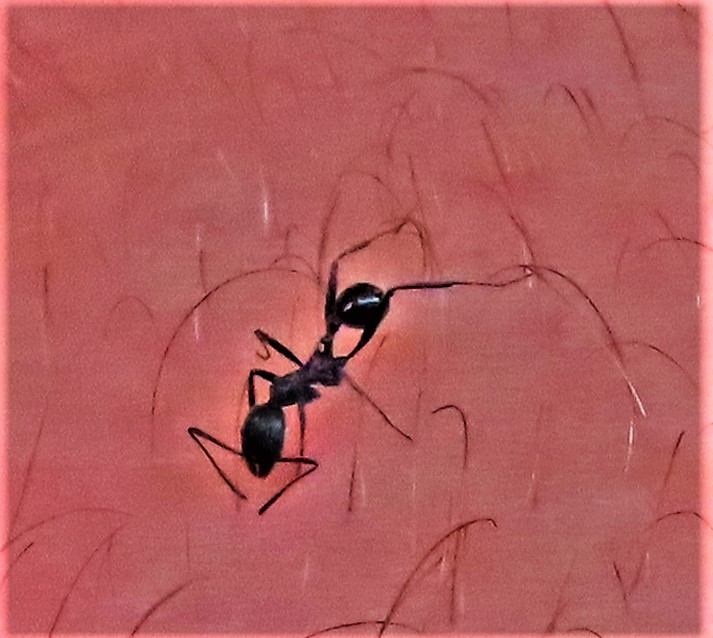
I am doing this here because I encountered a cricket on the way to Villa Adriana and there were some tiny lizards (about four inches long, presumably insectivorous – quick internet search reveals that there is actually a species called the Italian Wall Lizard, which fits the description) in the grounds of the villa:
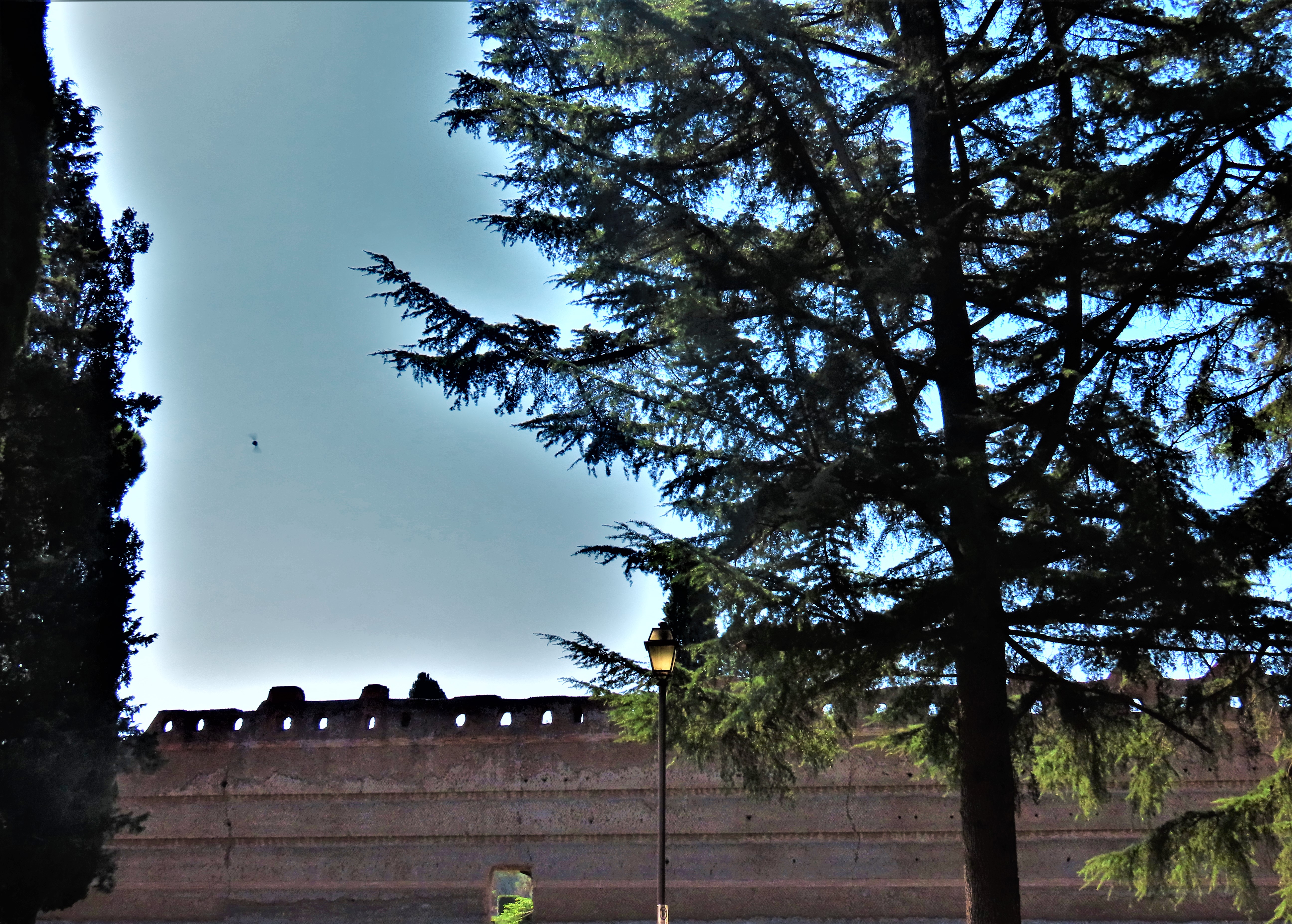
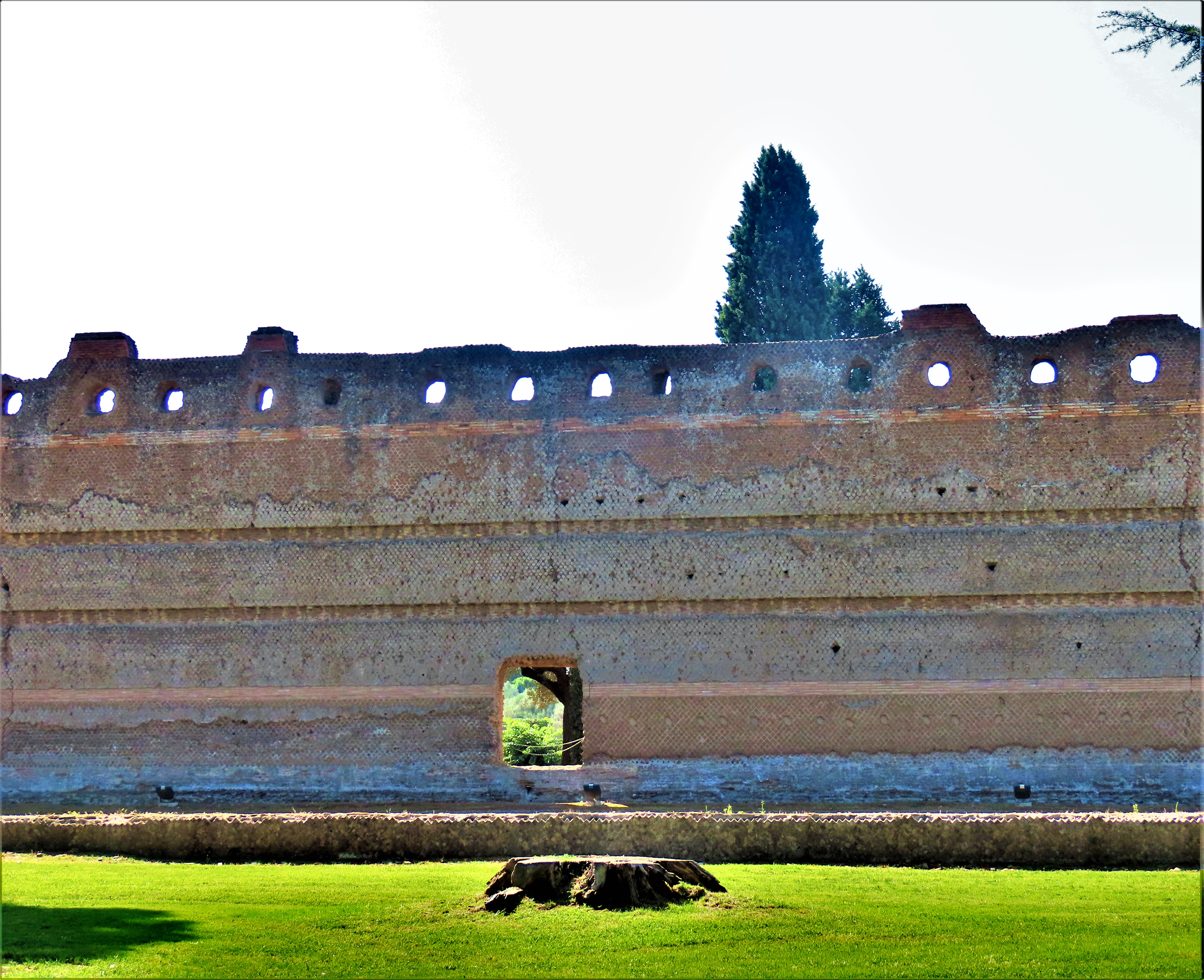
THE VILLA ADRIANA
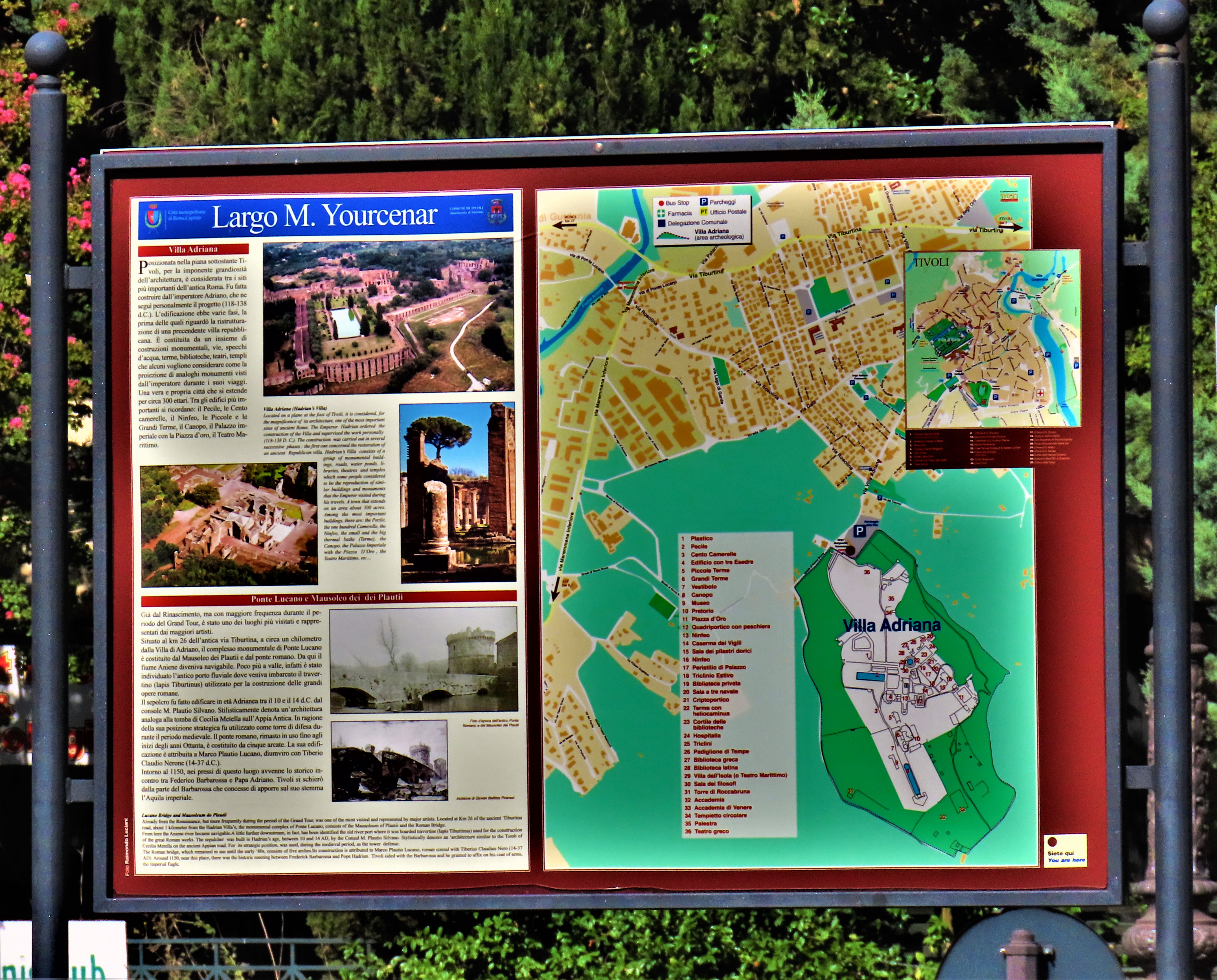
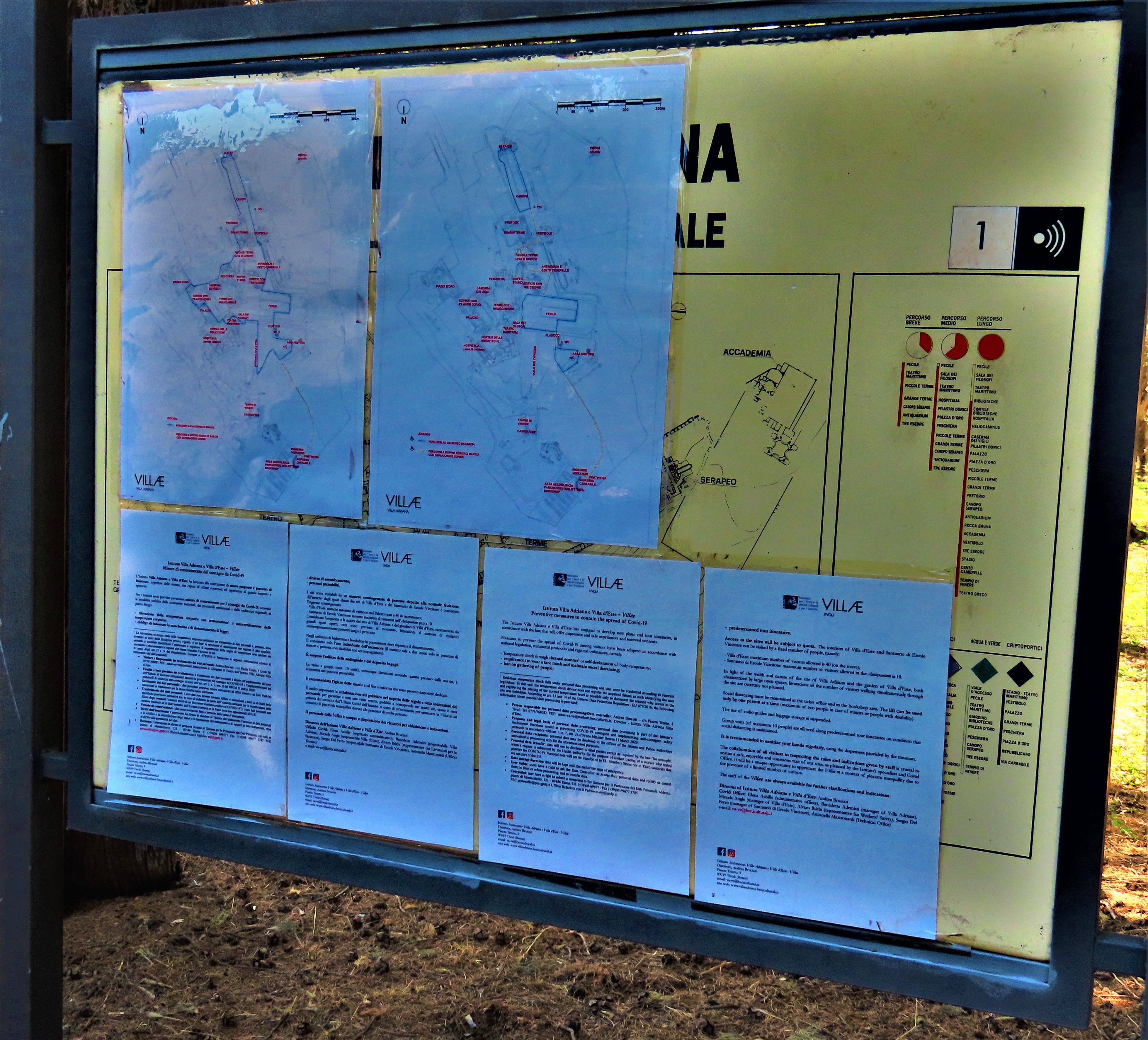
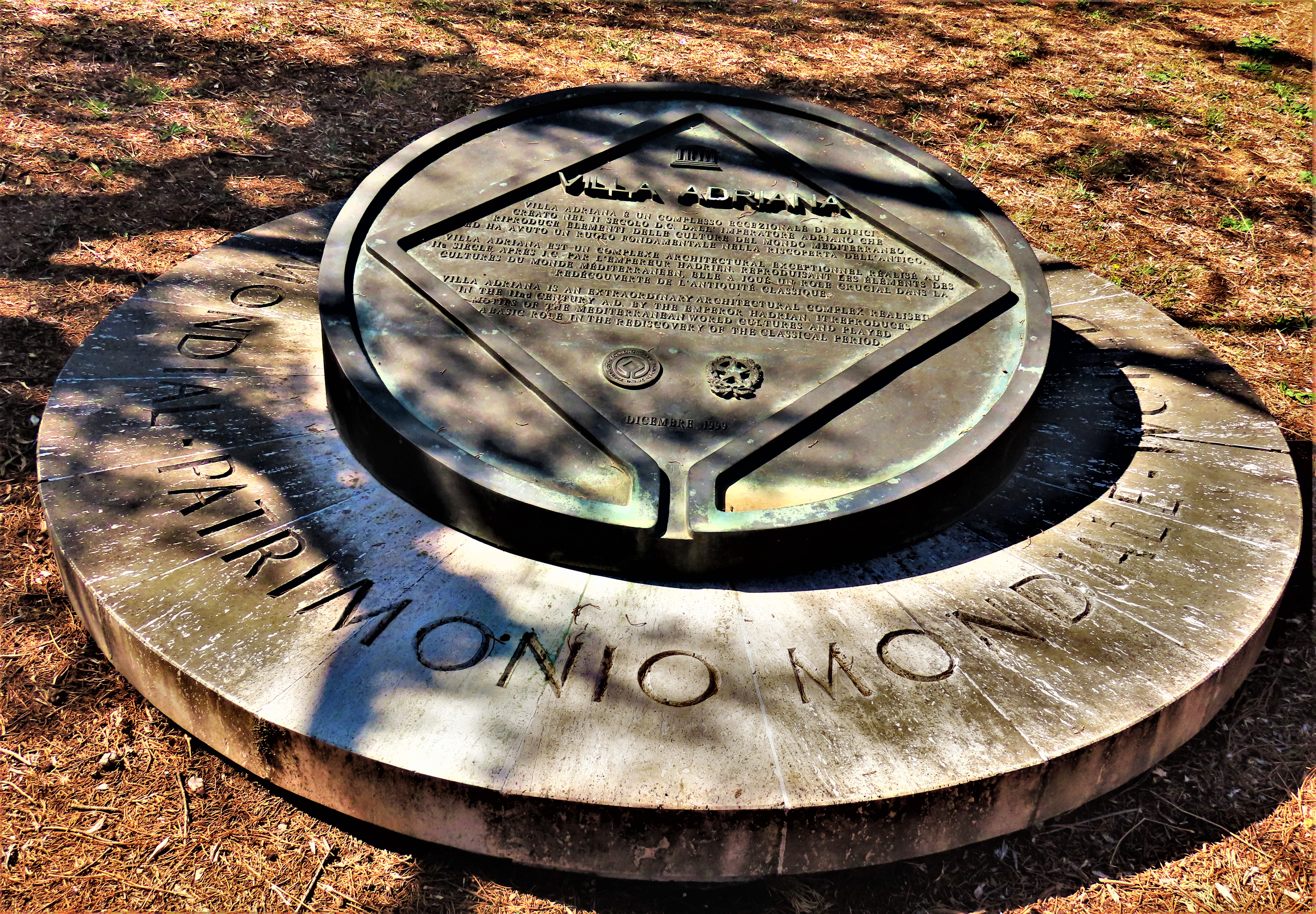
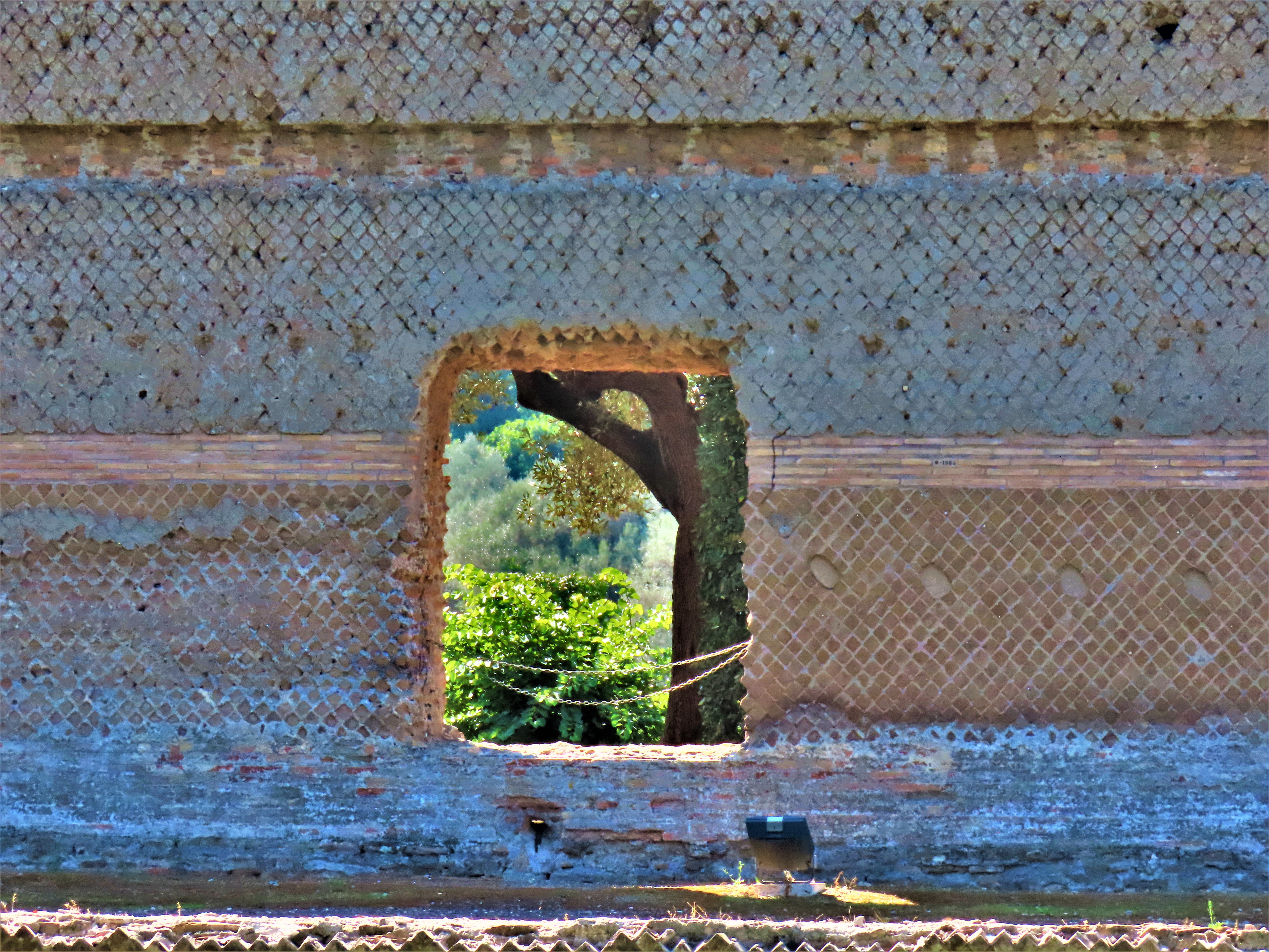
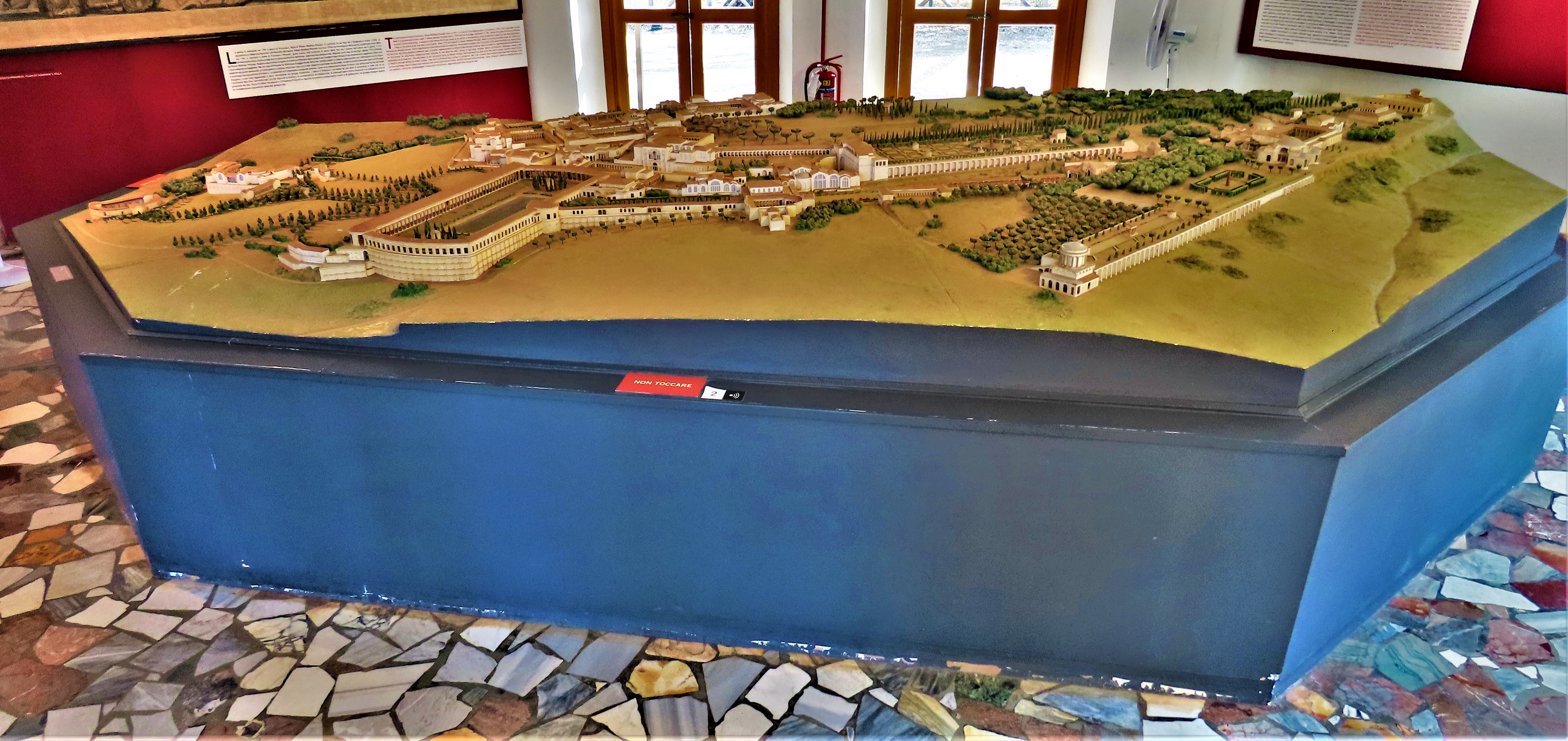
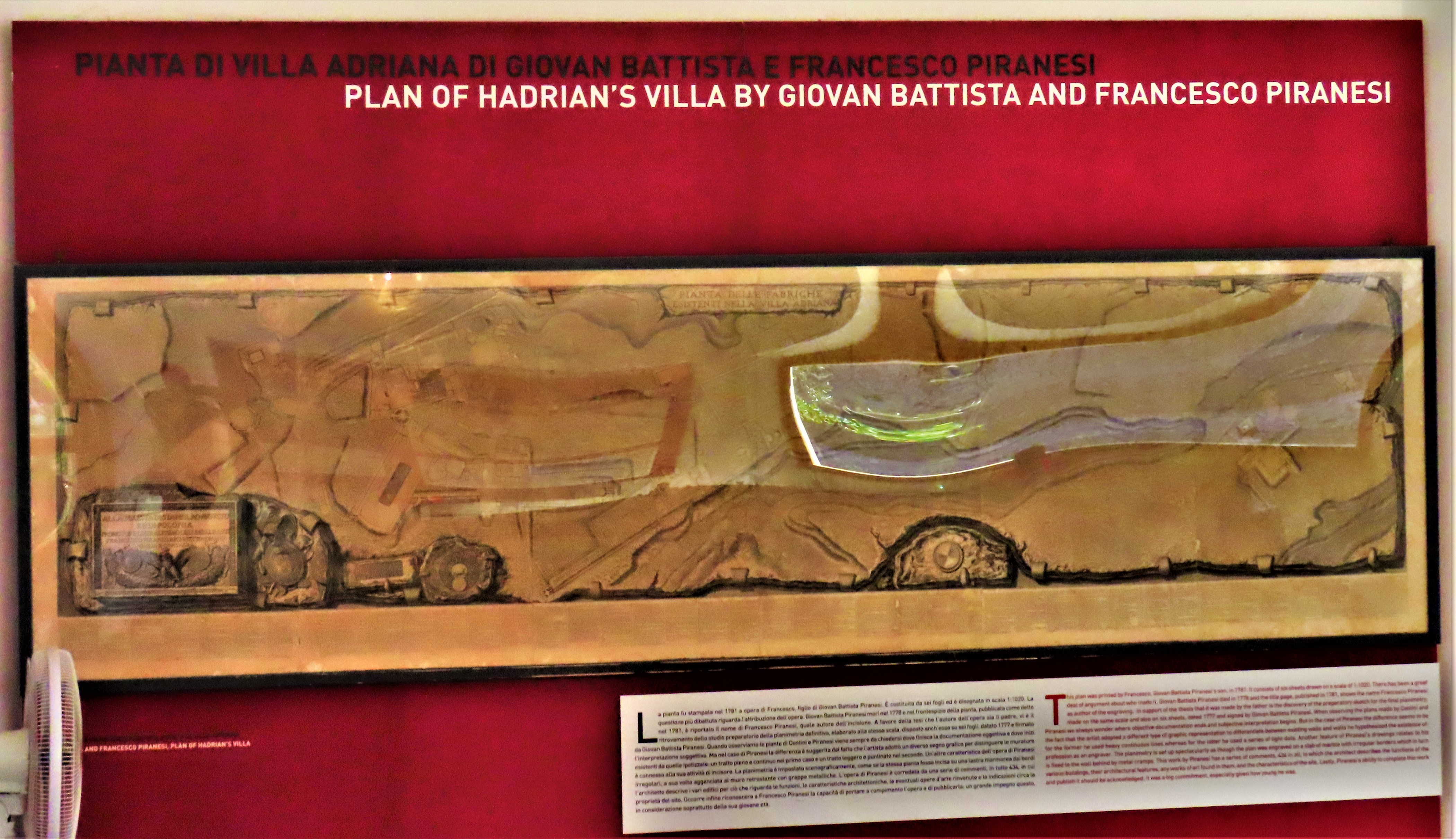
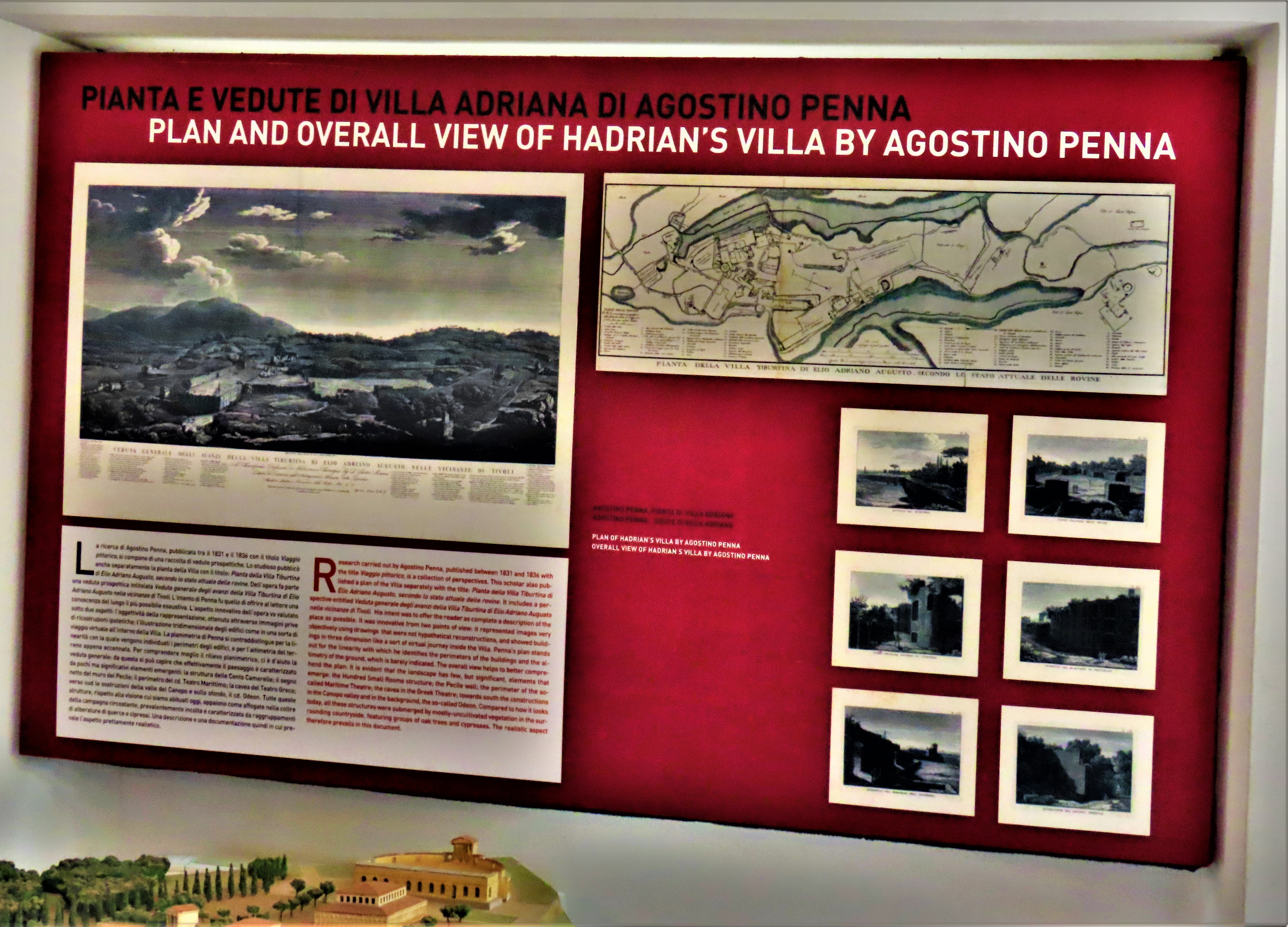
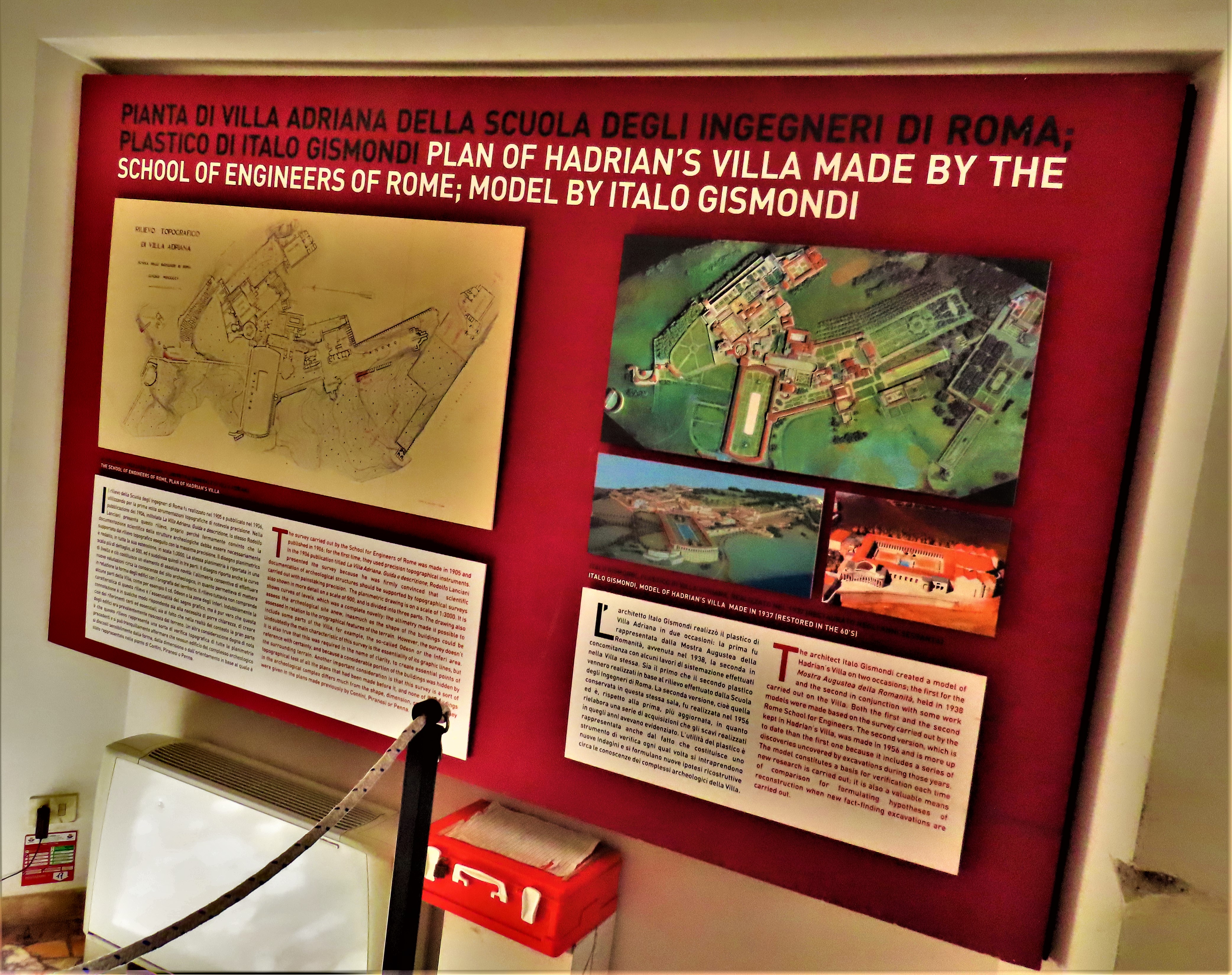
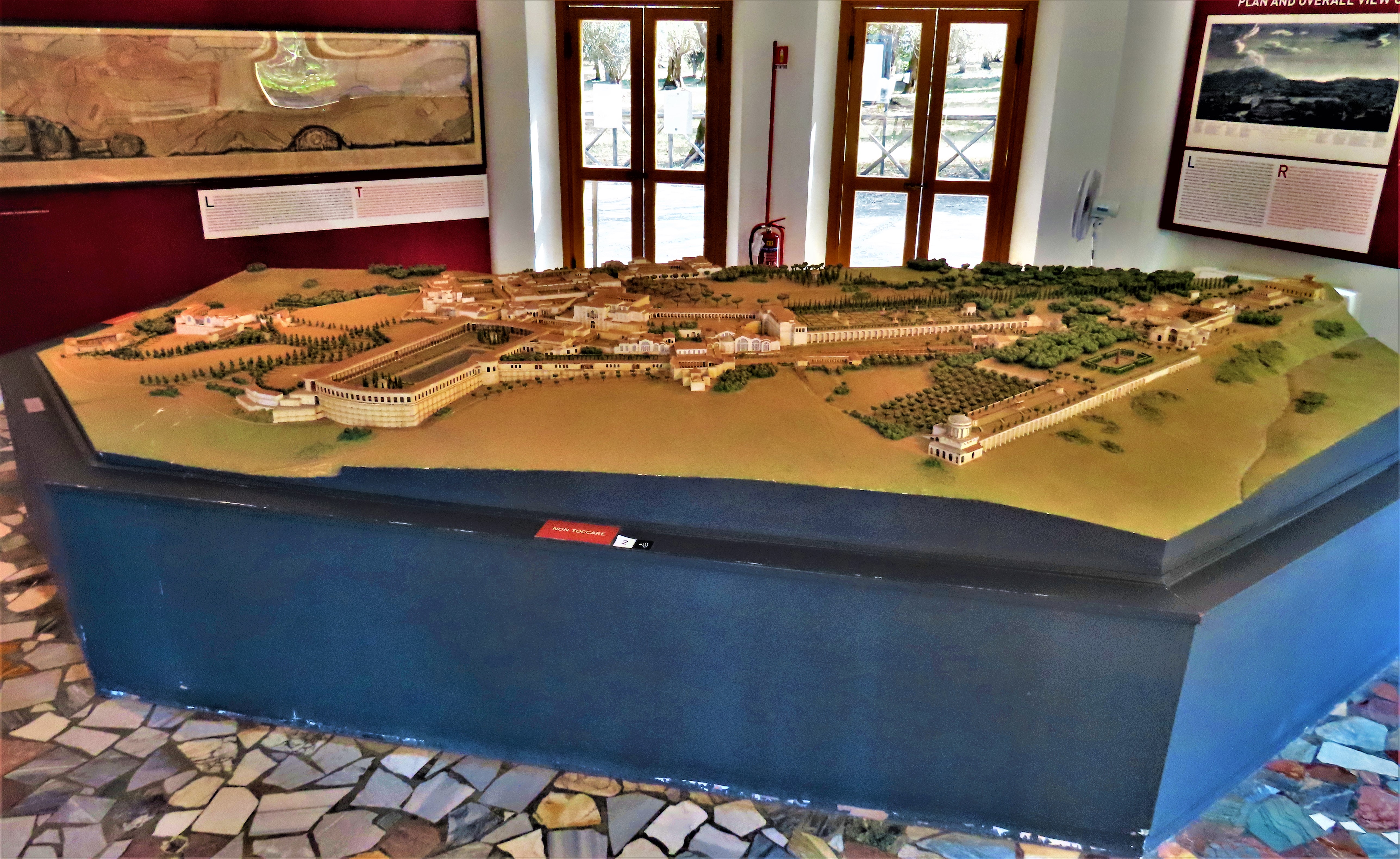
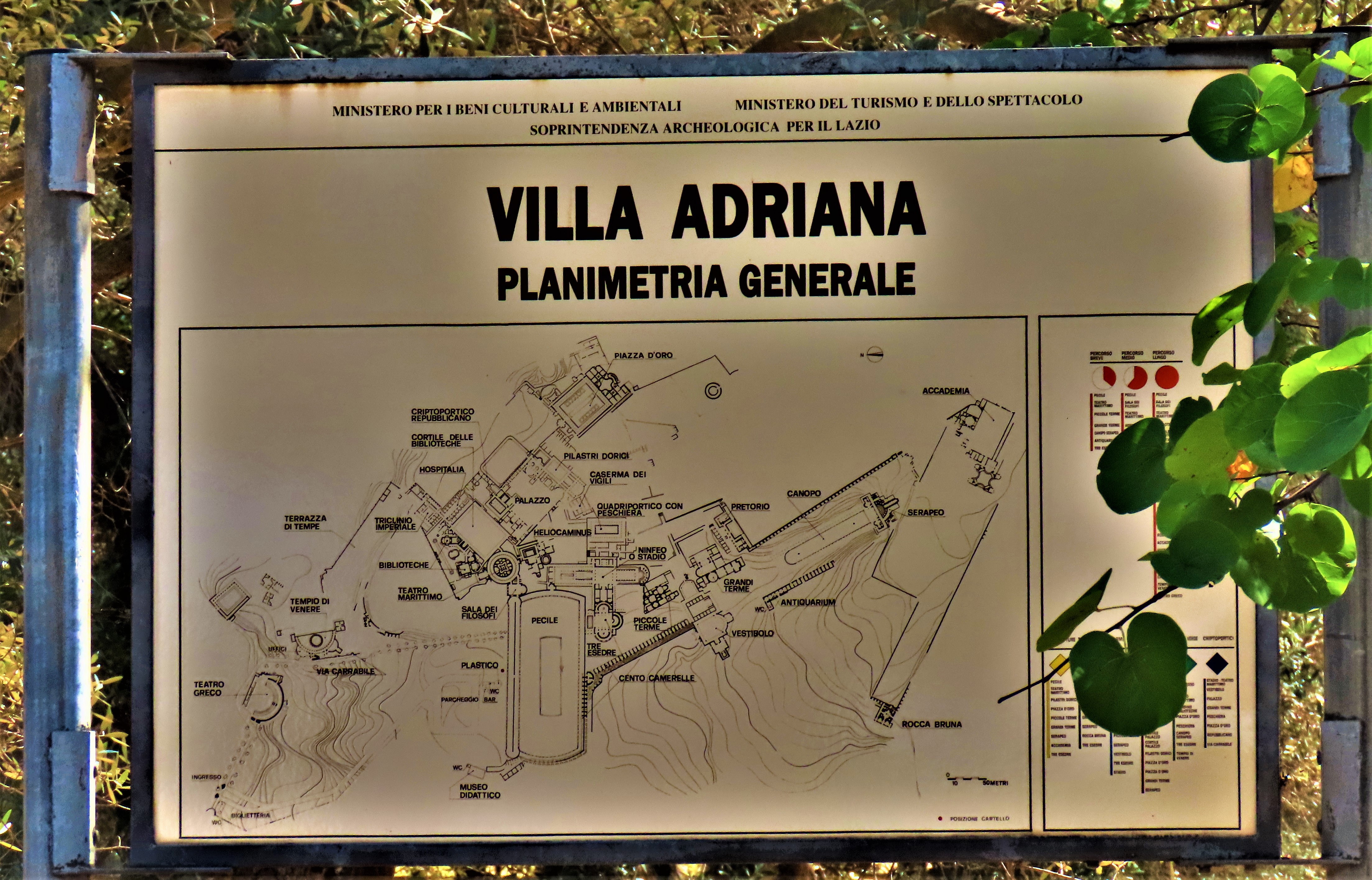
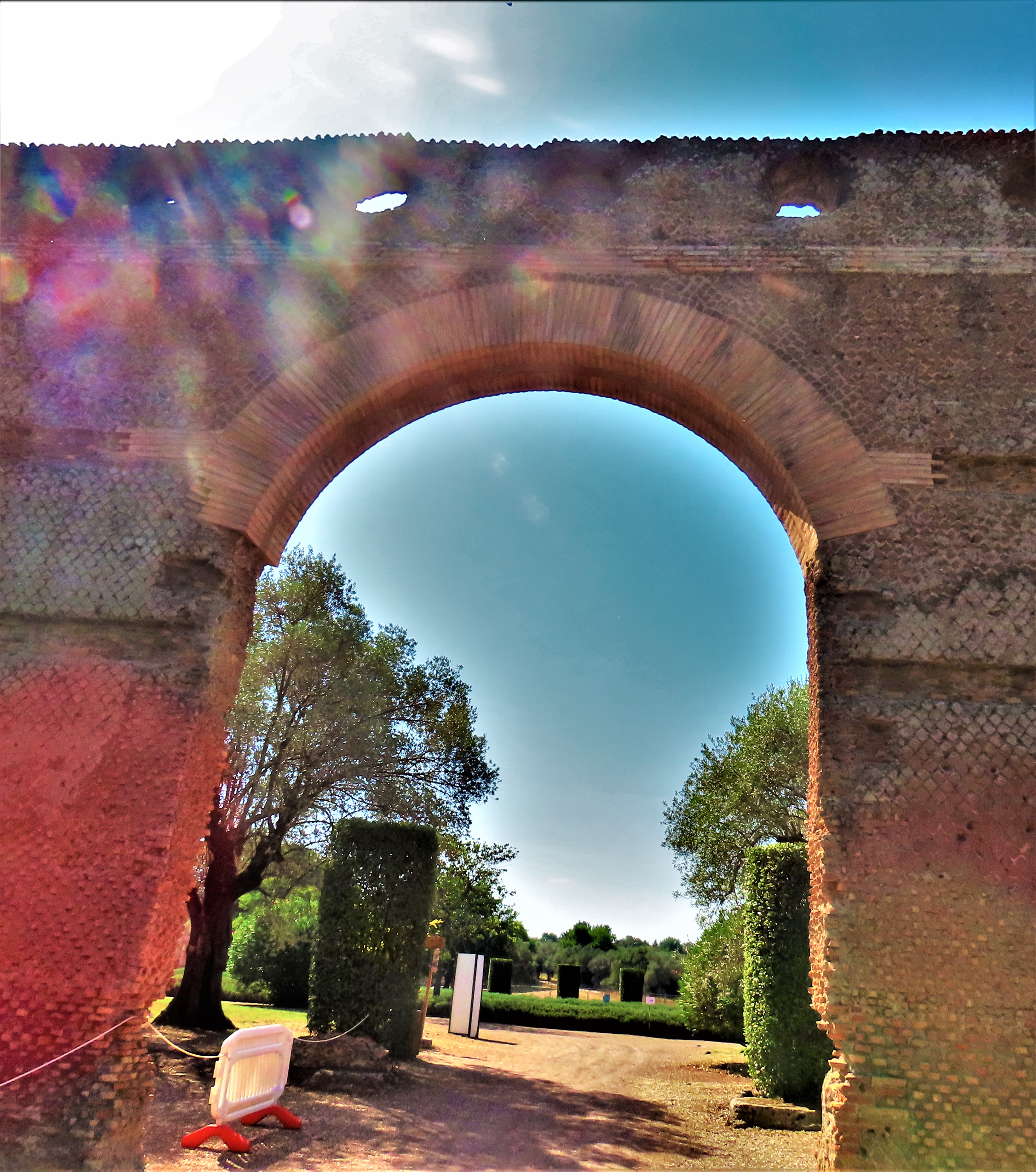
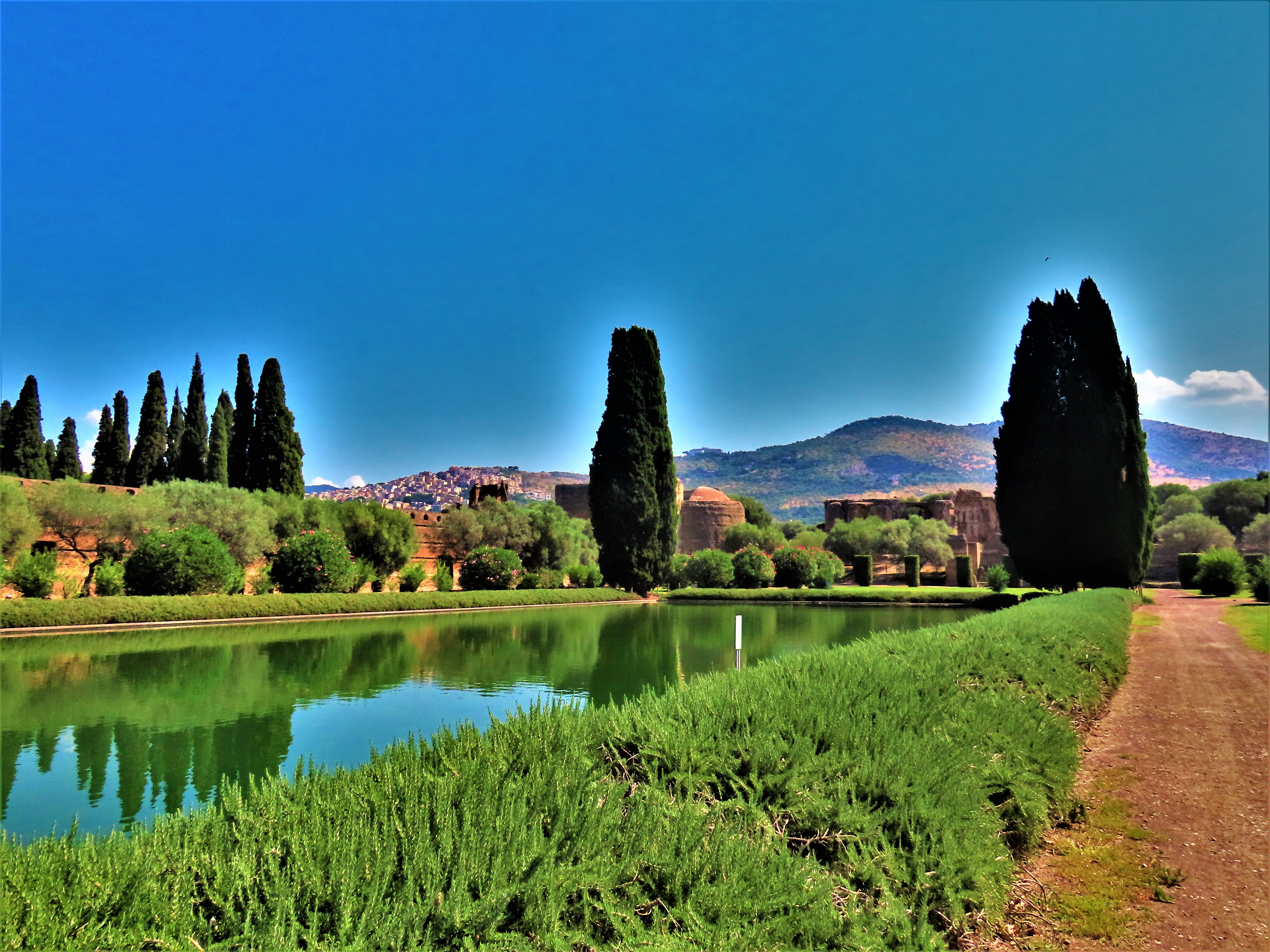
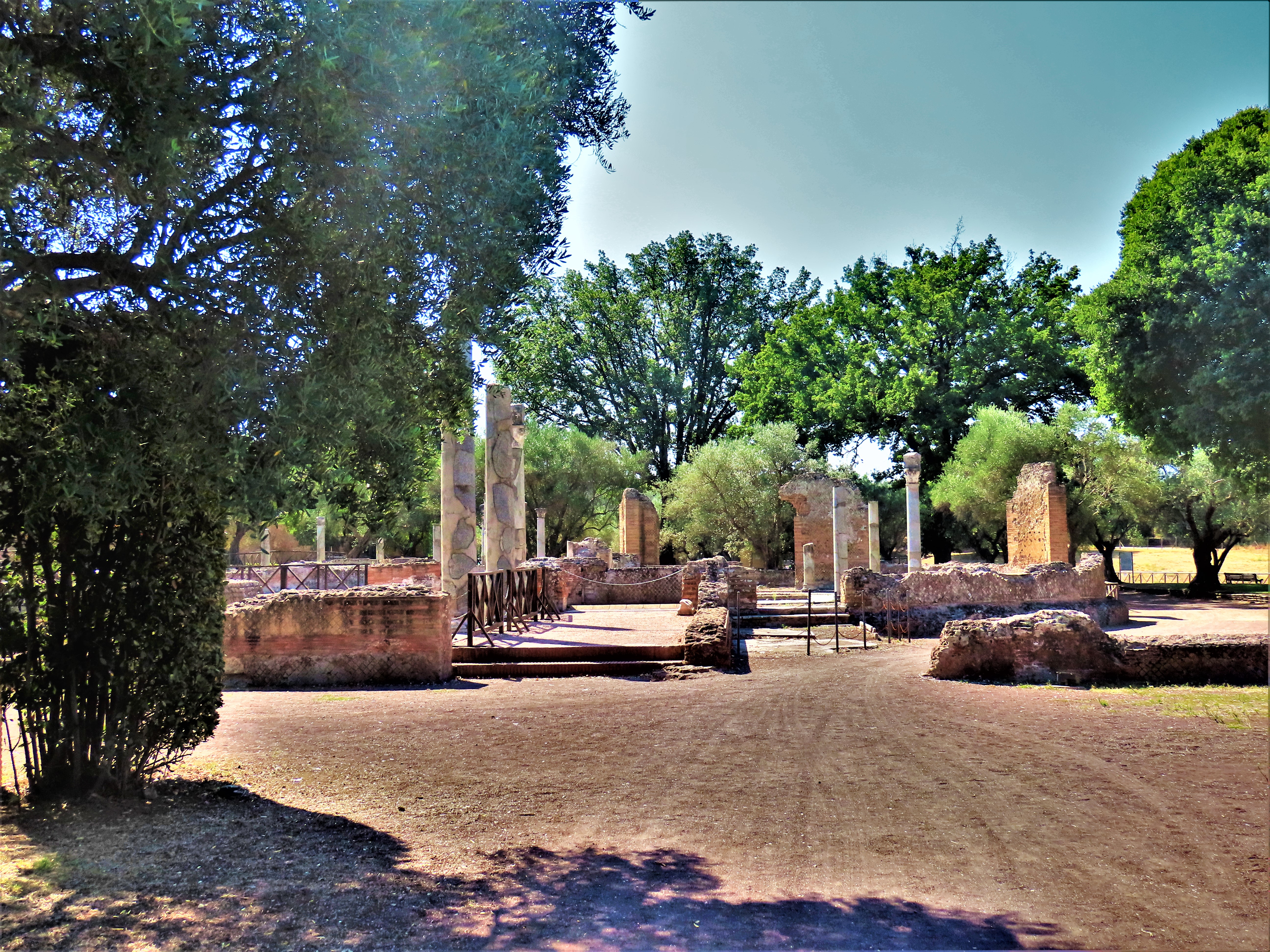
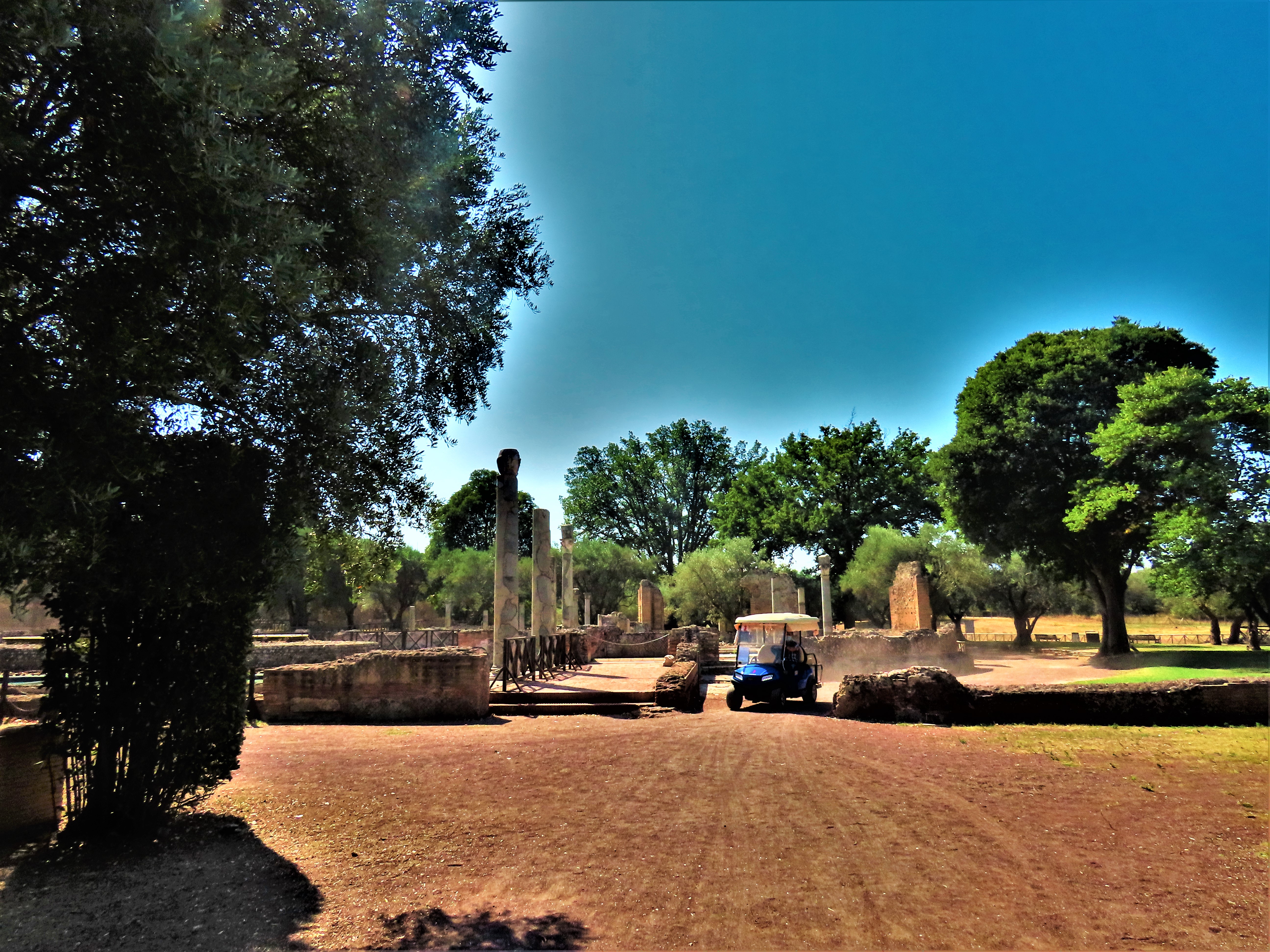
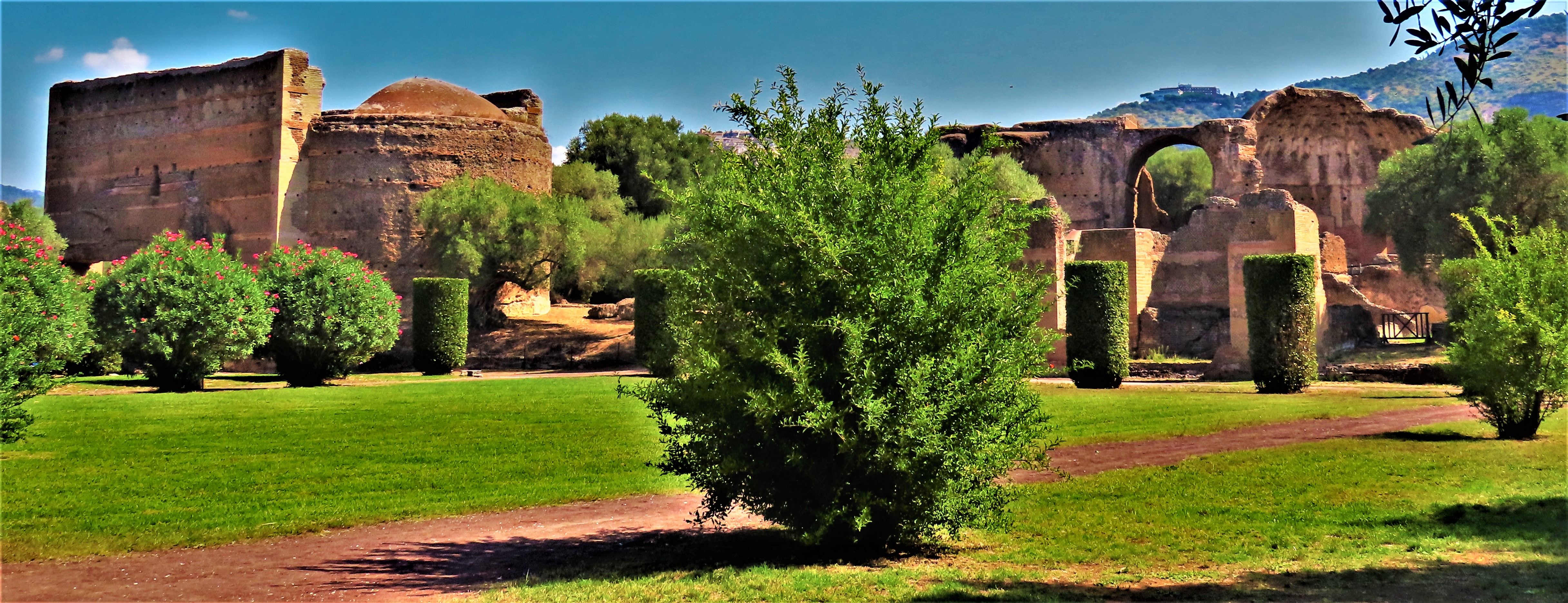
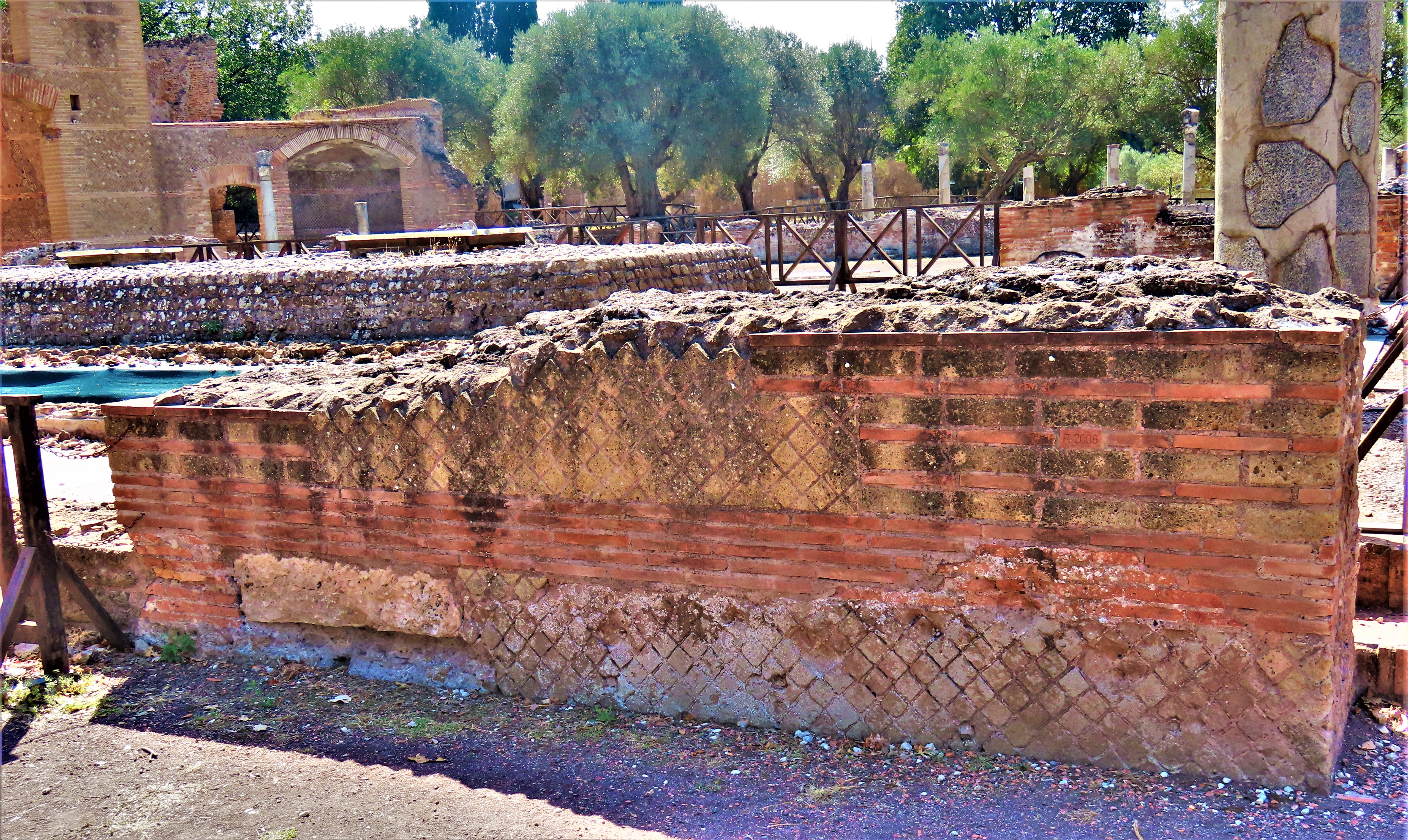
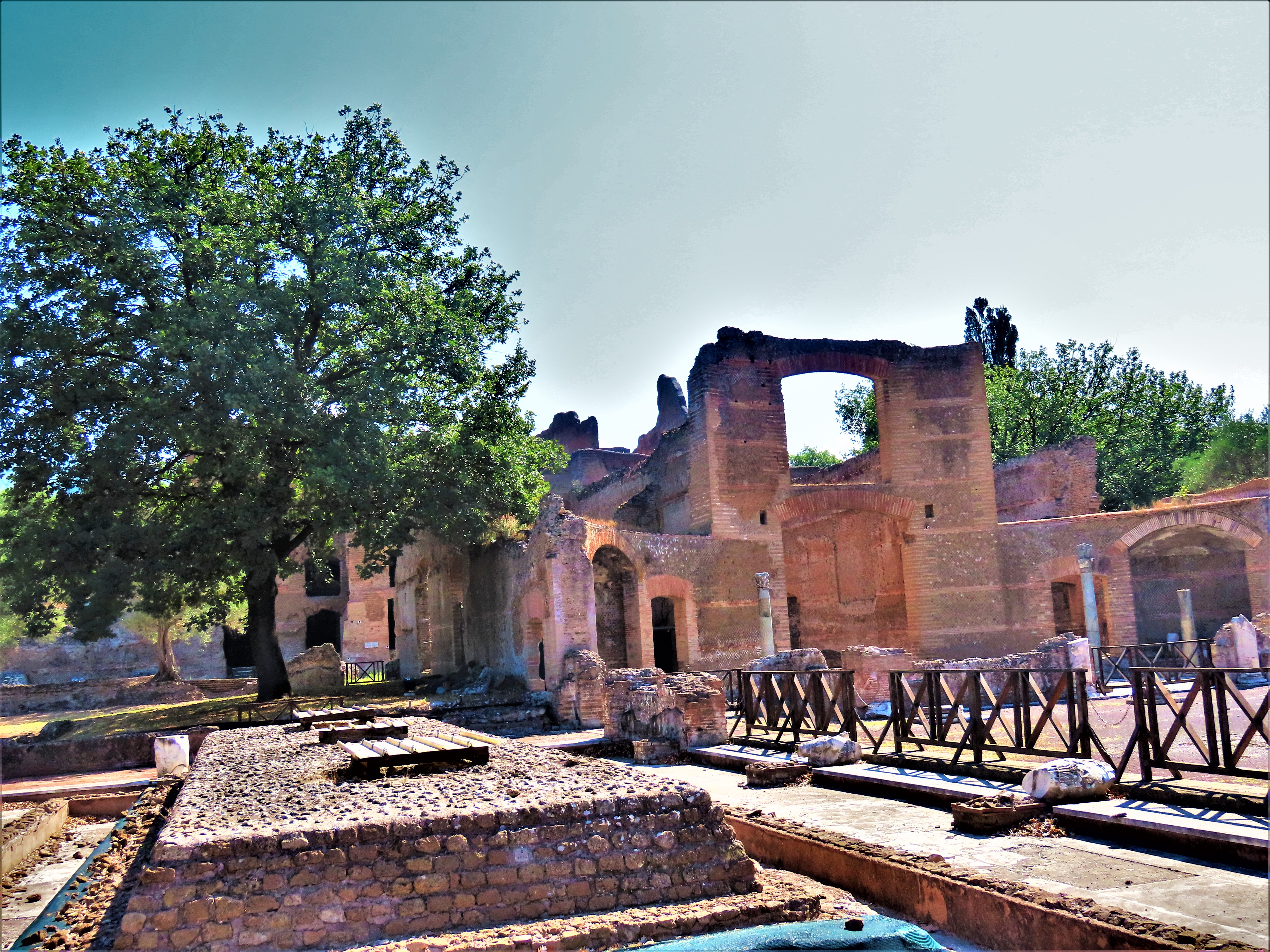
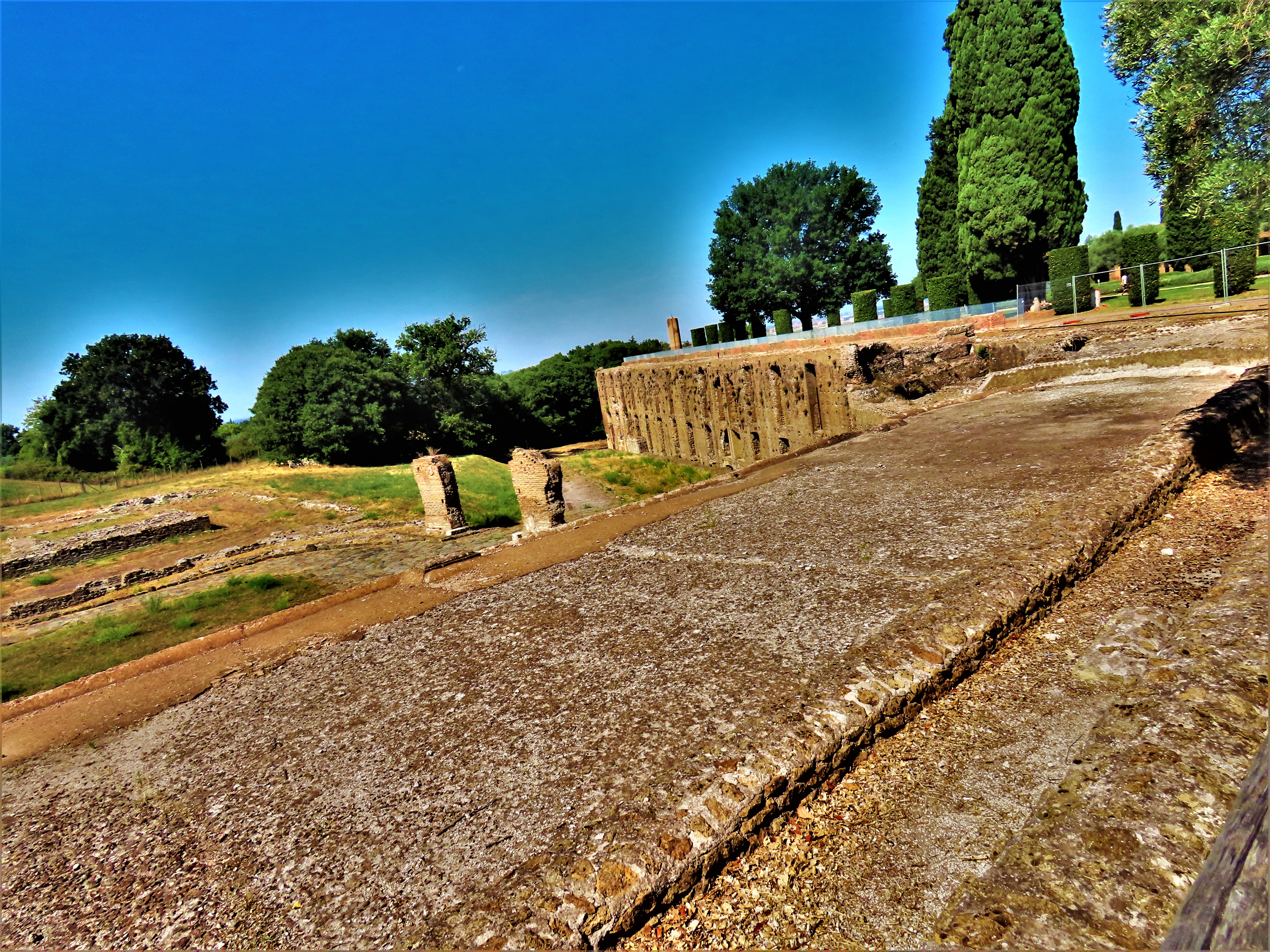
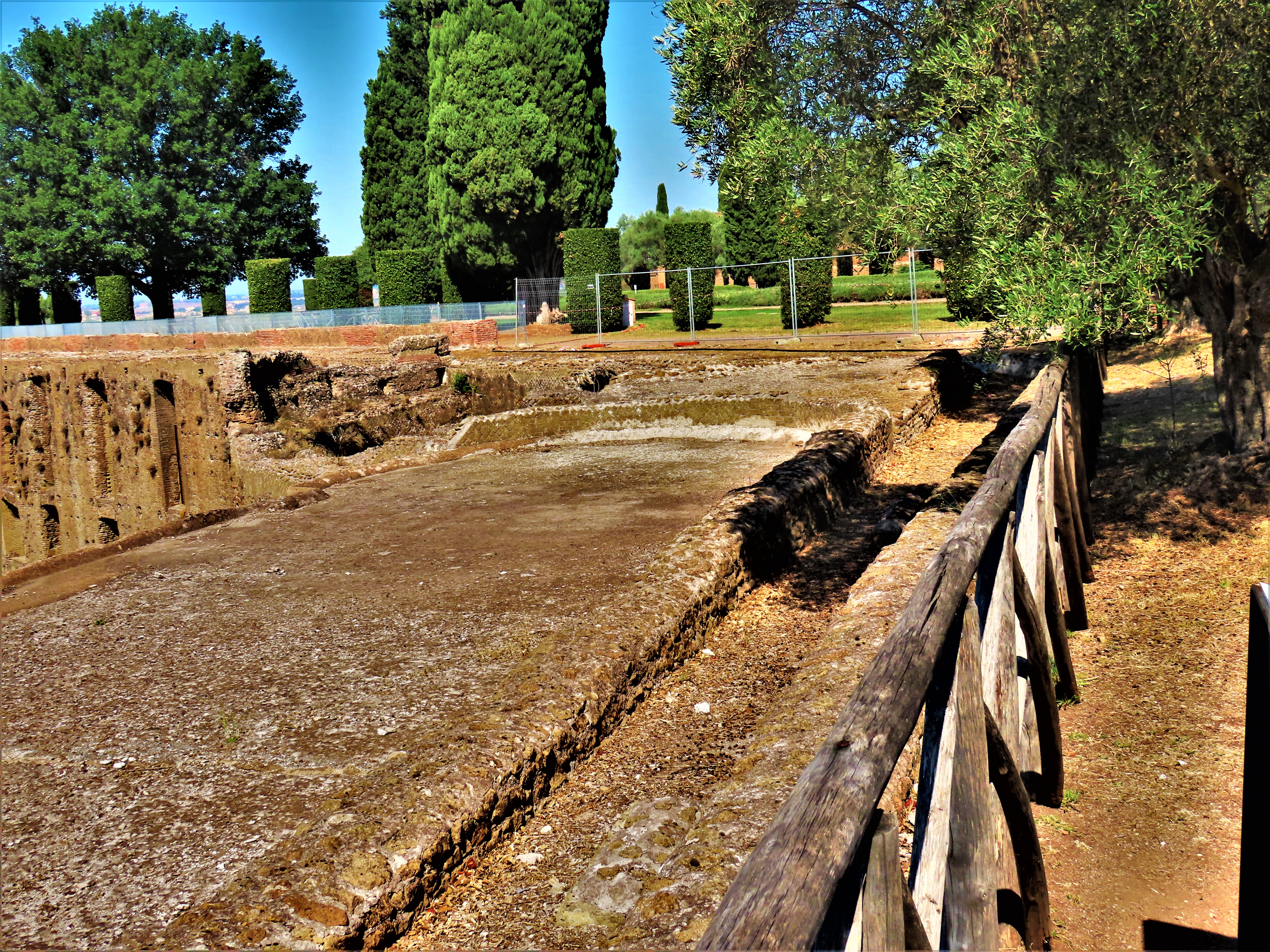
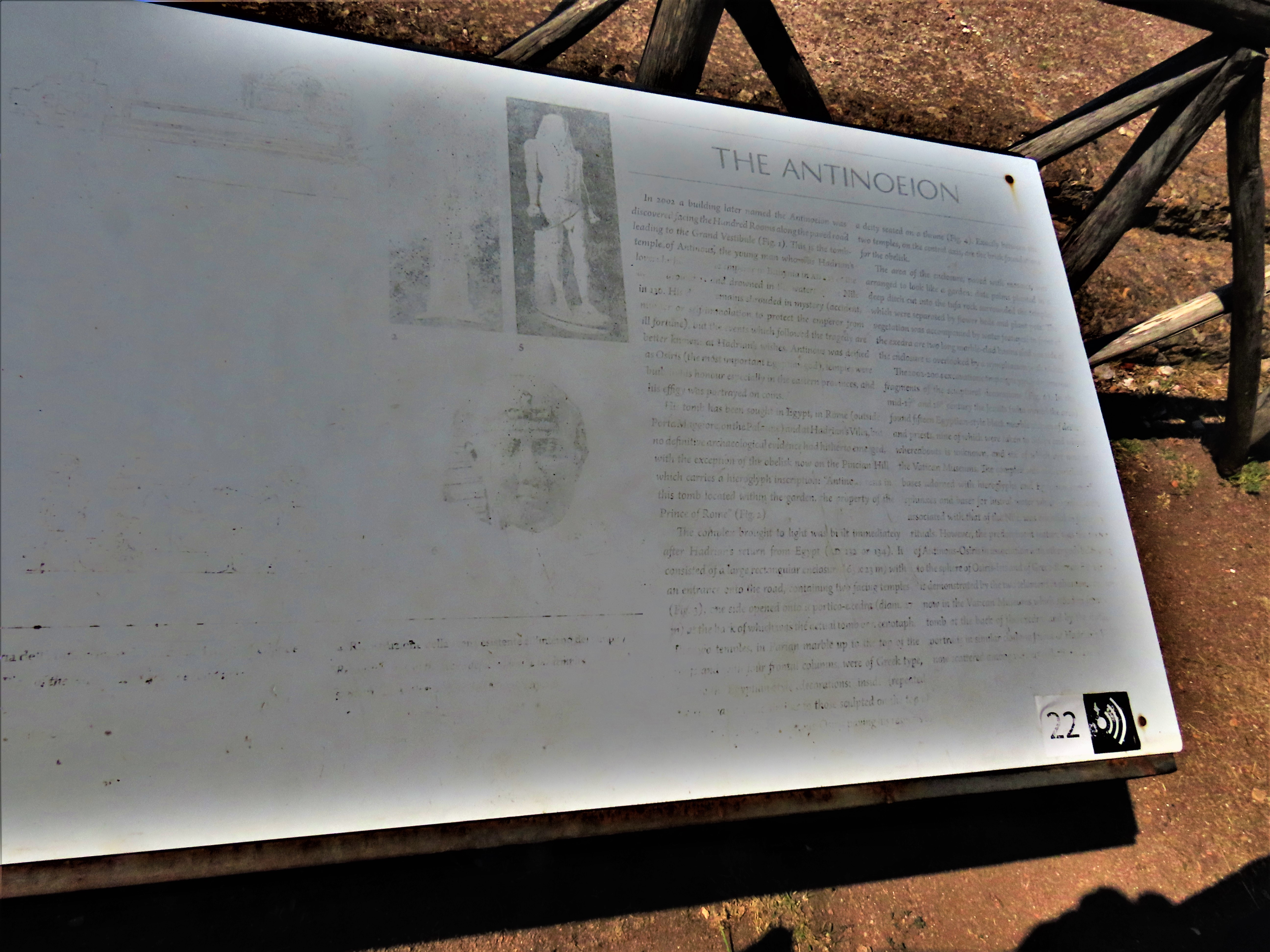
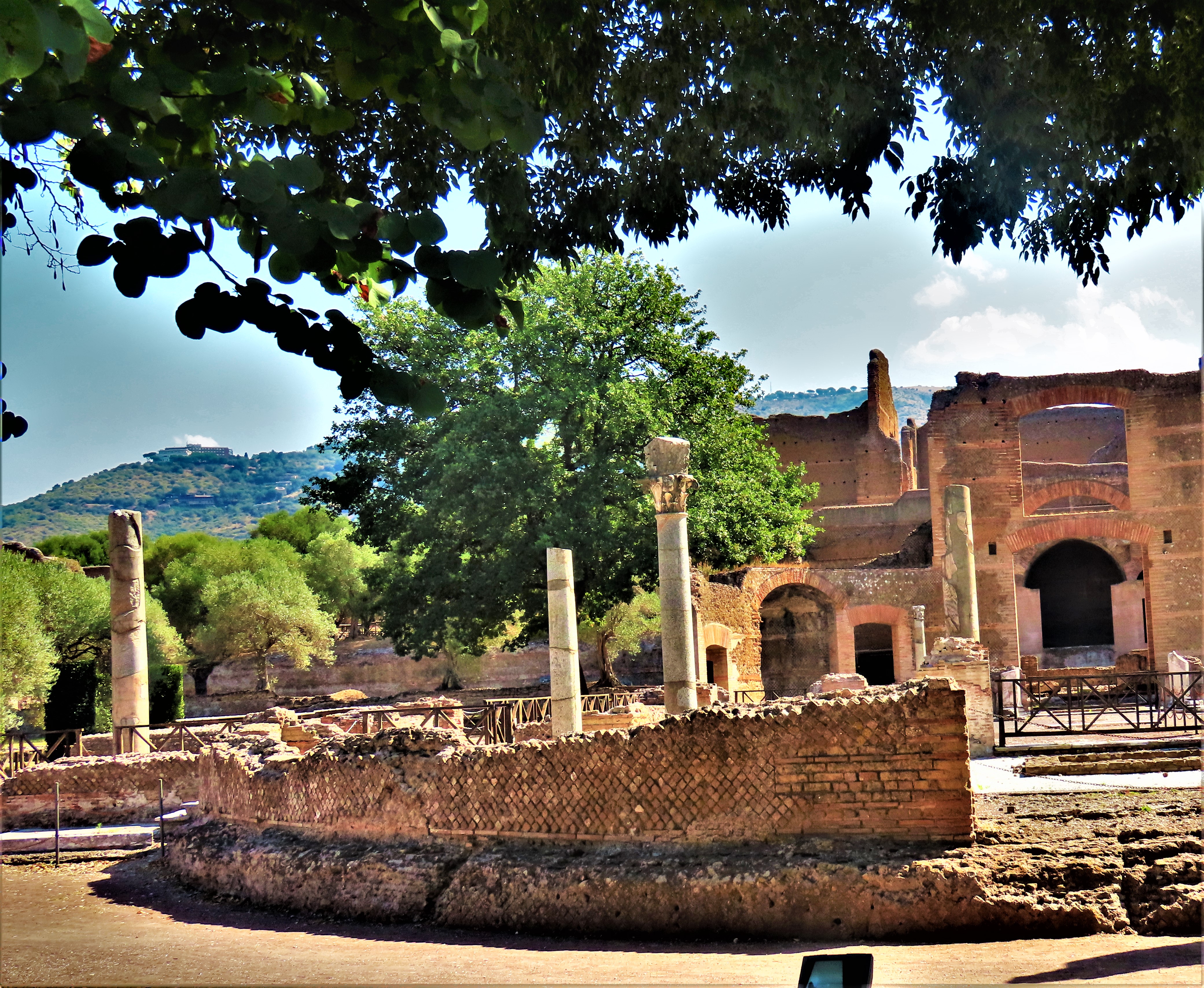
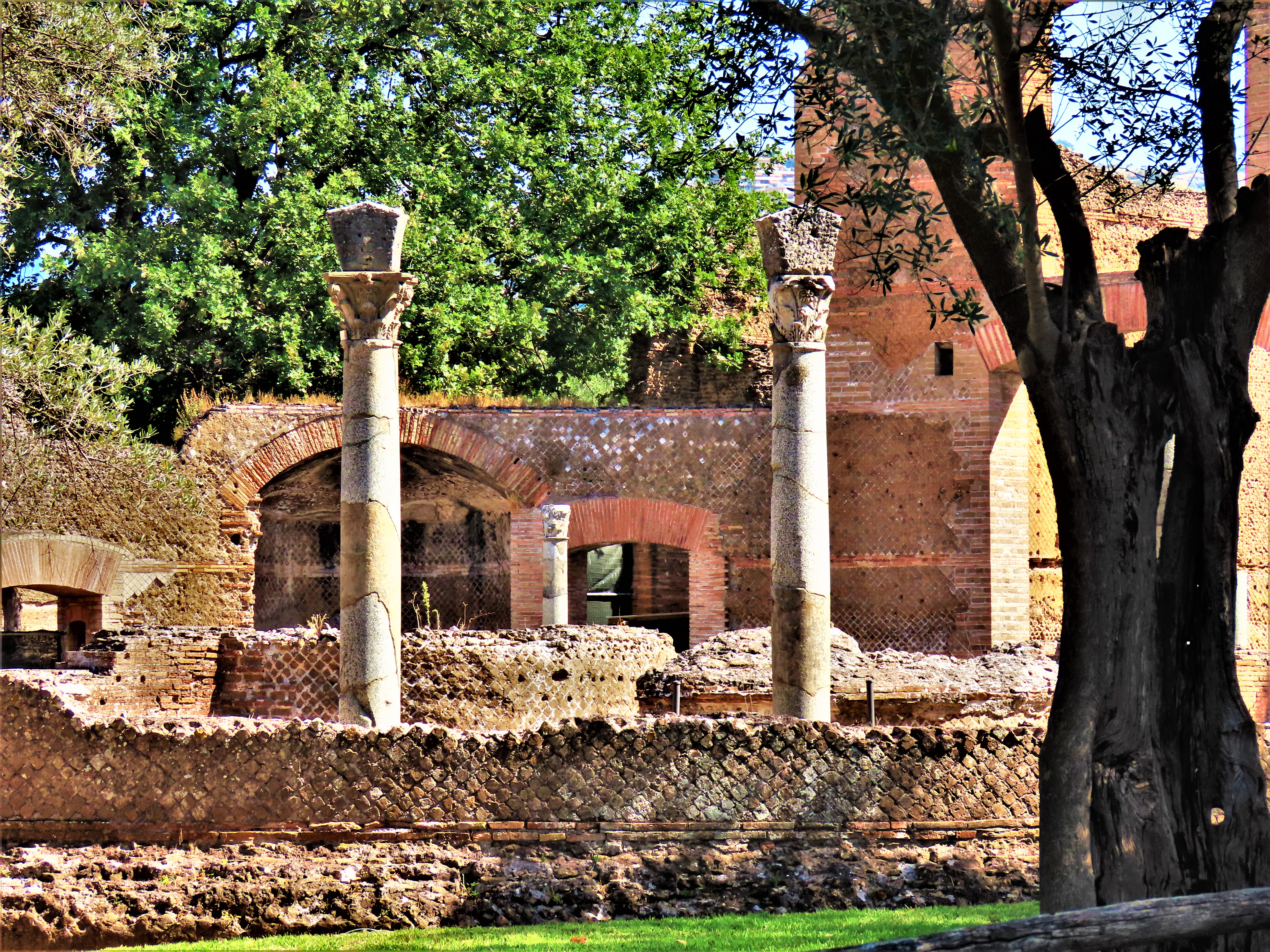
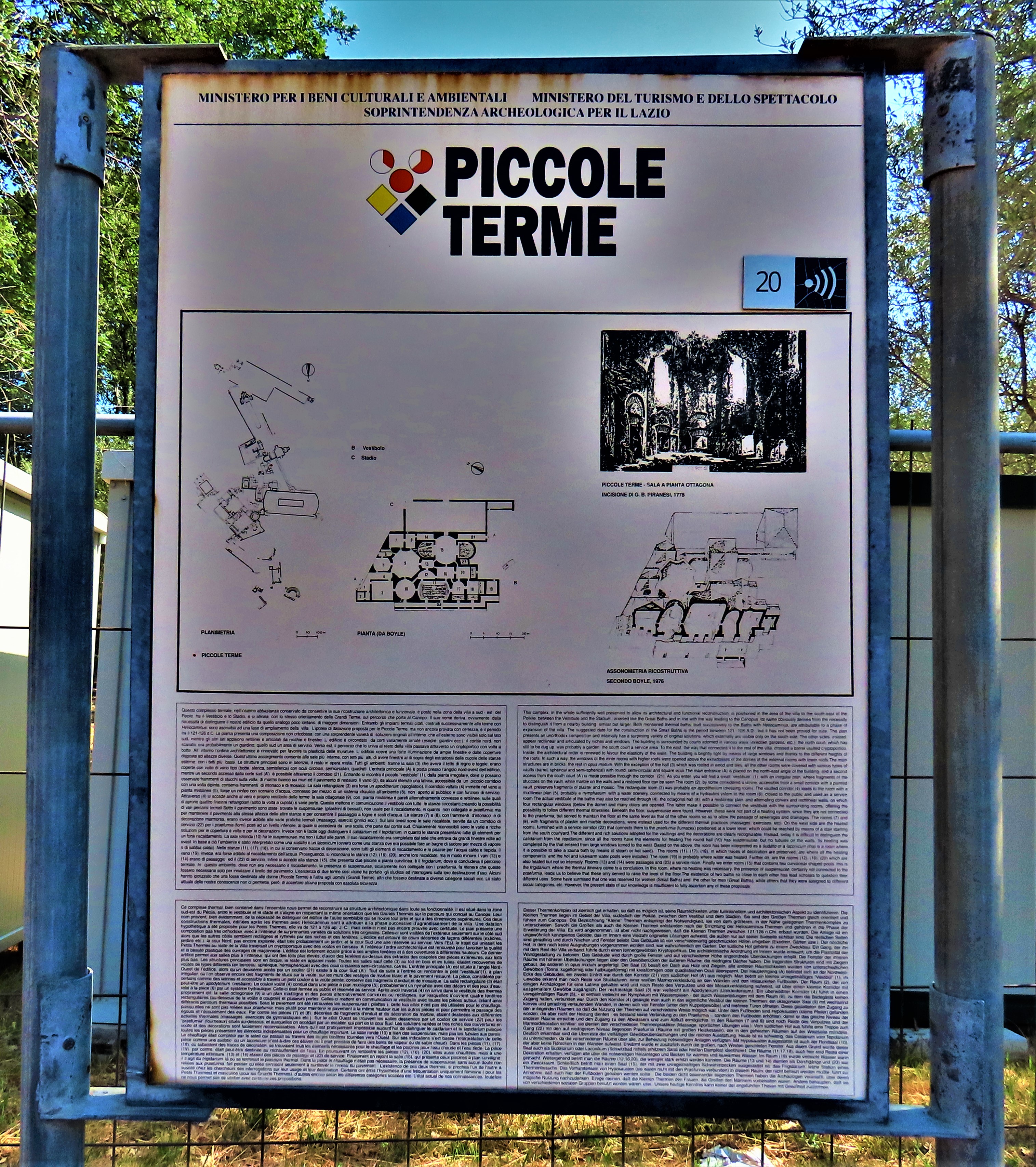
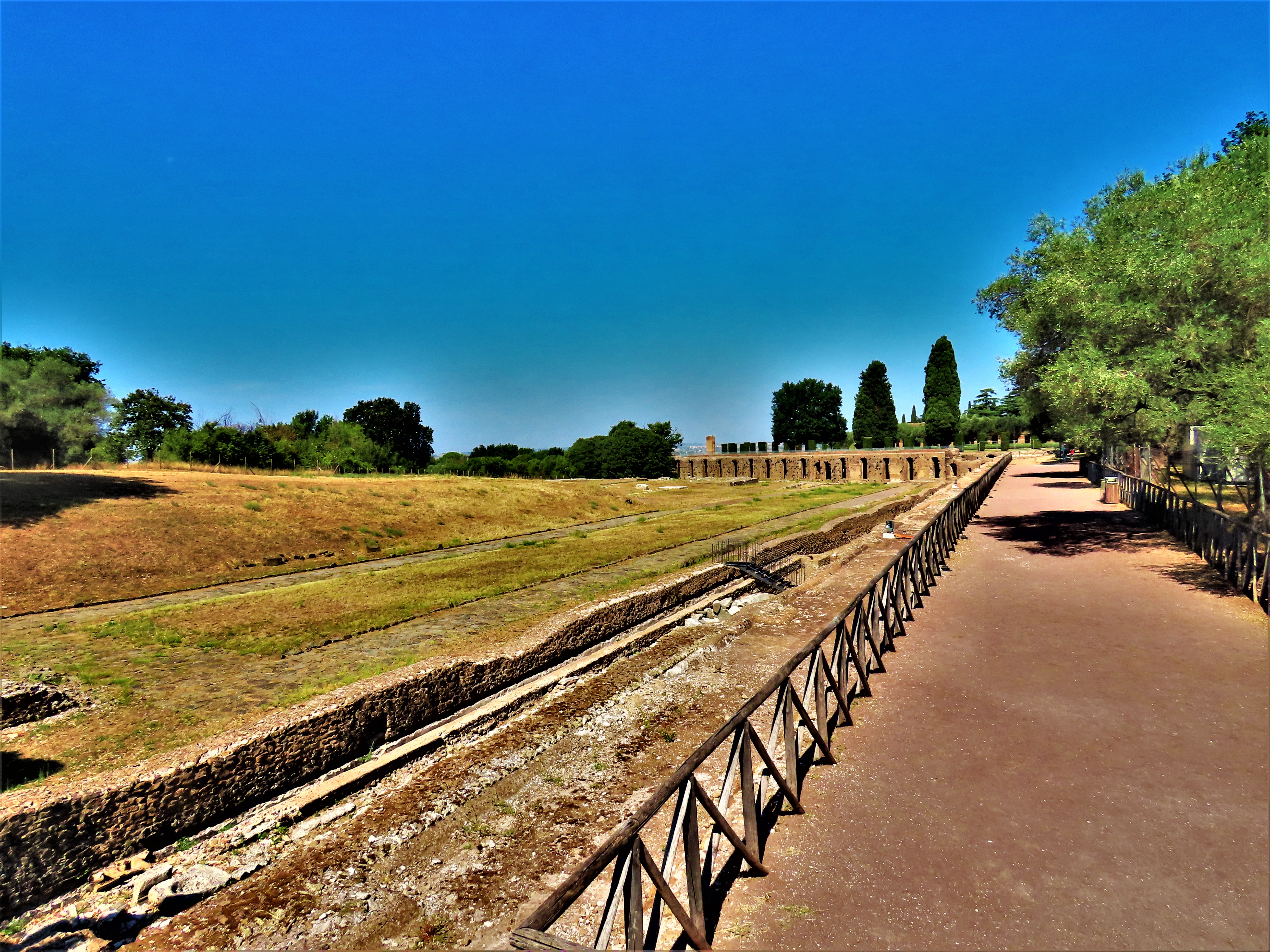
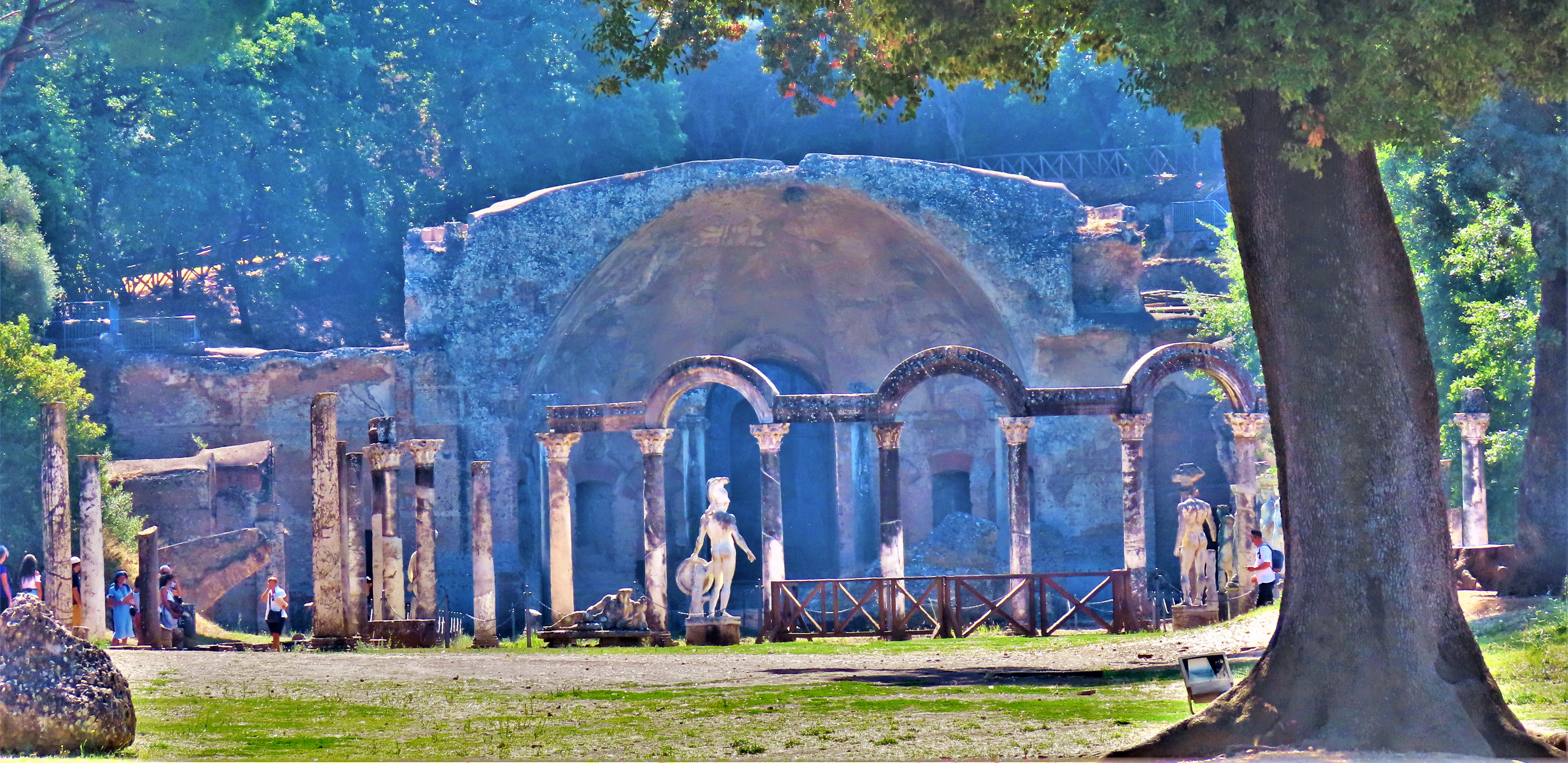
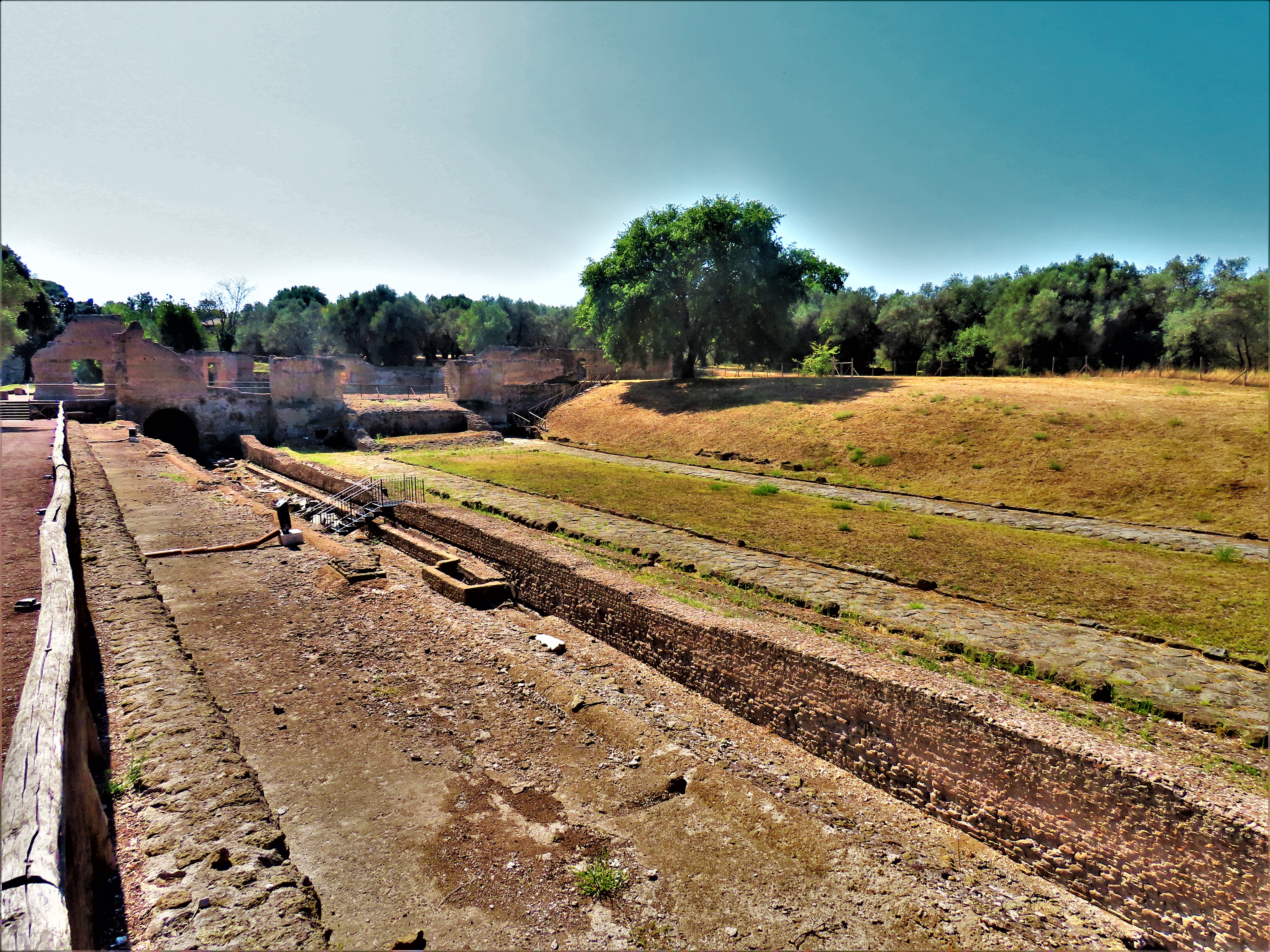
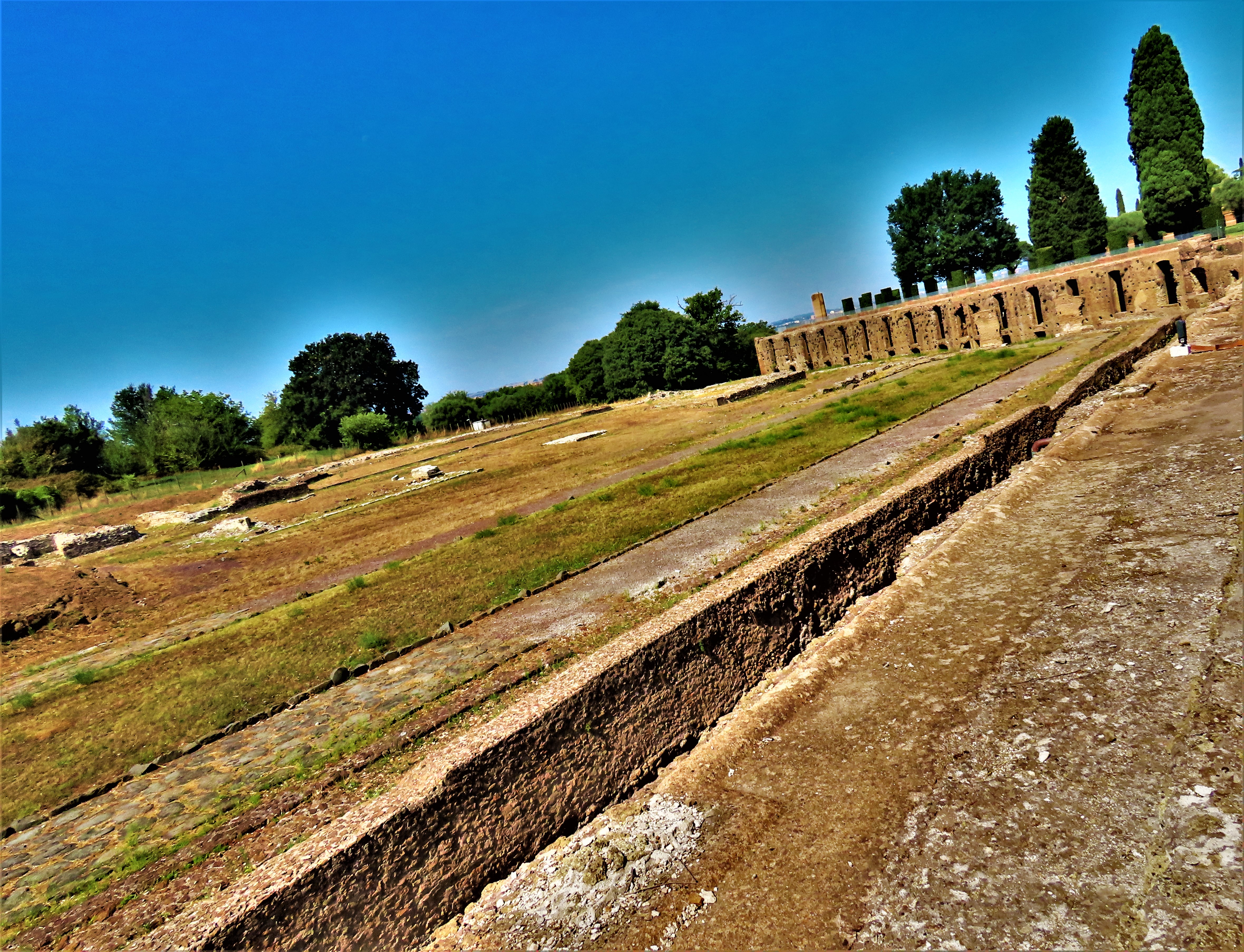
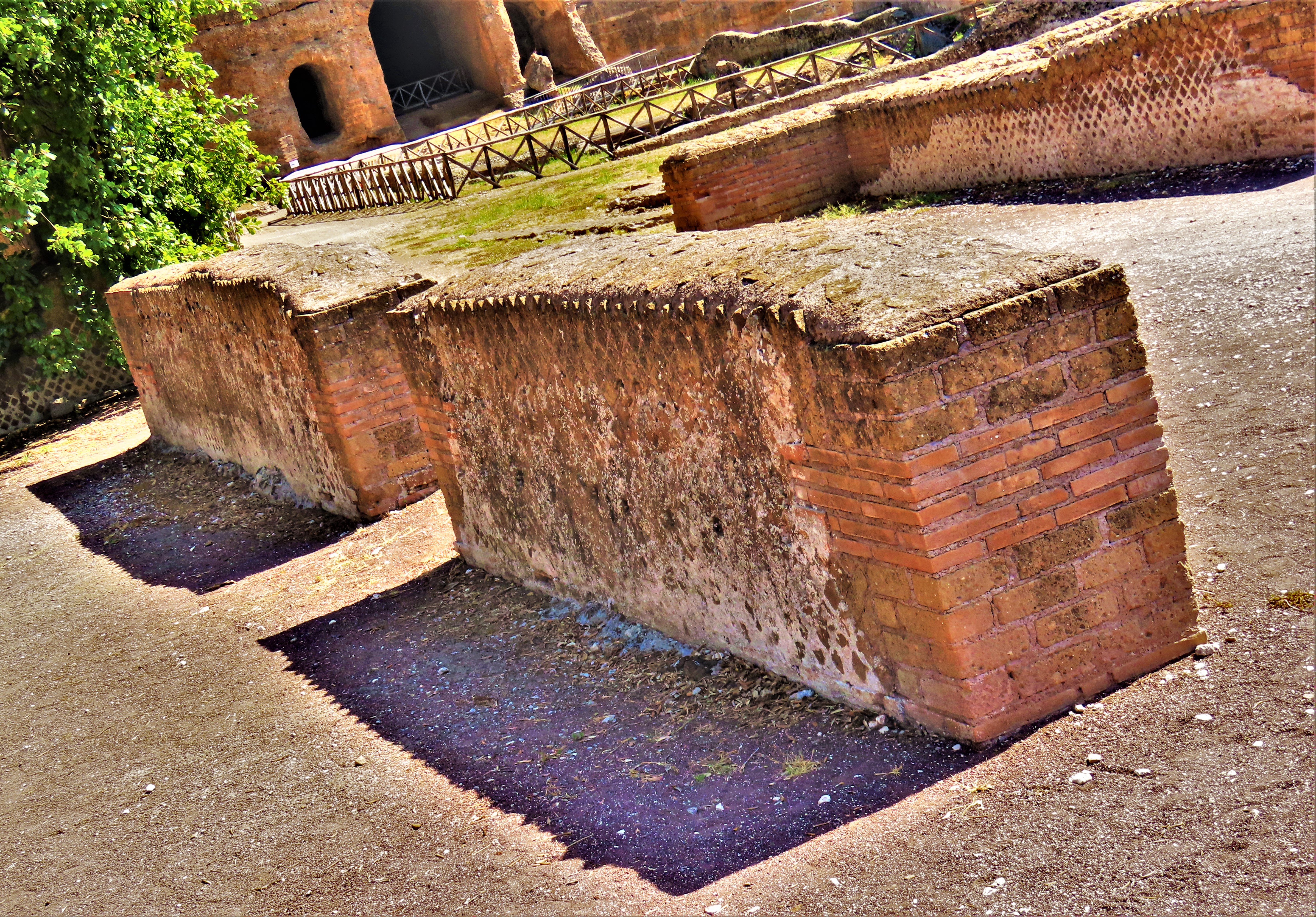
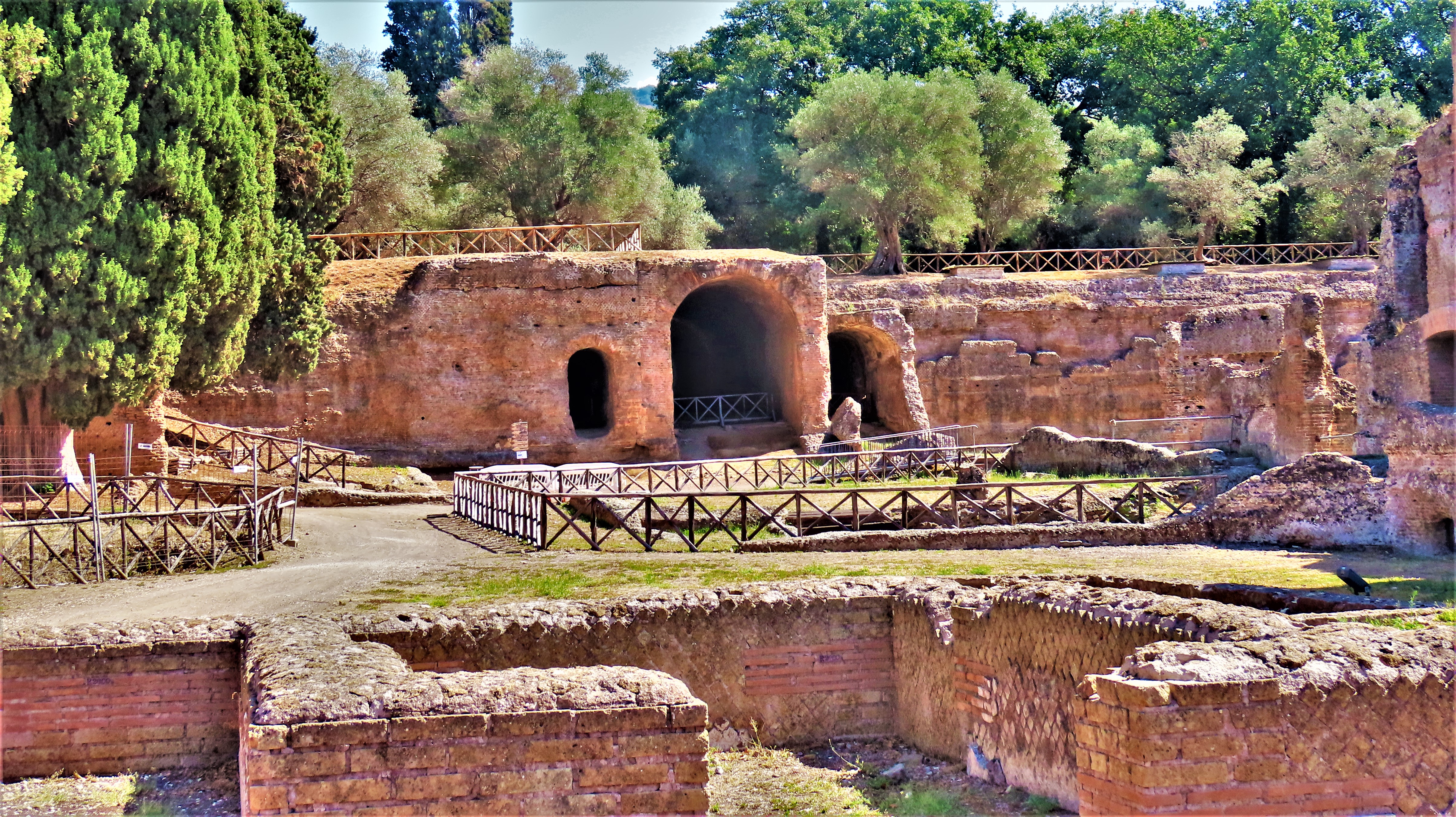
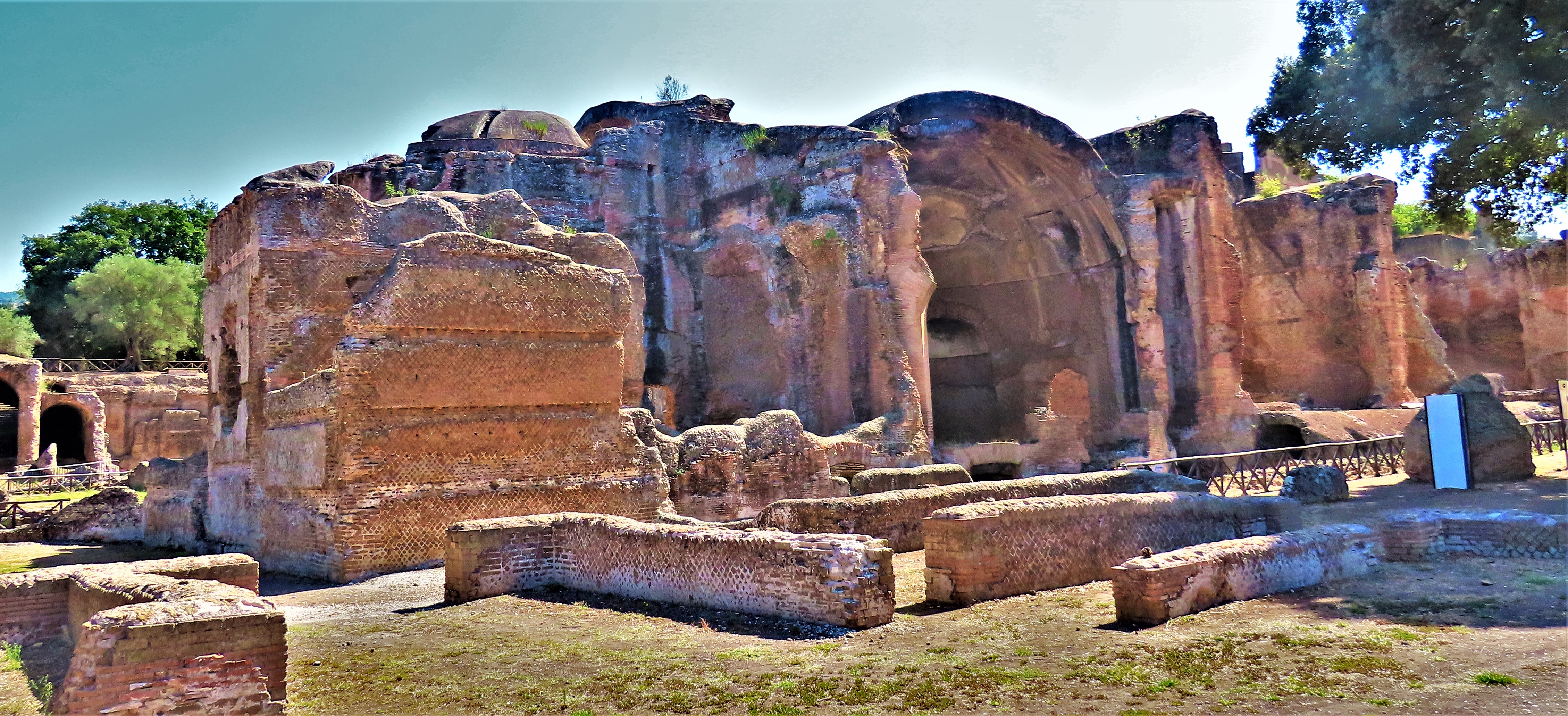
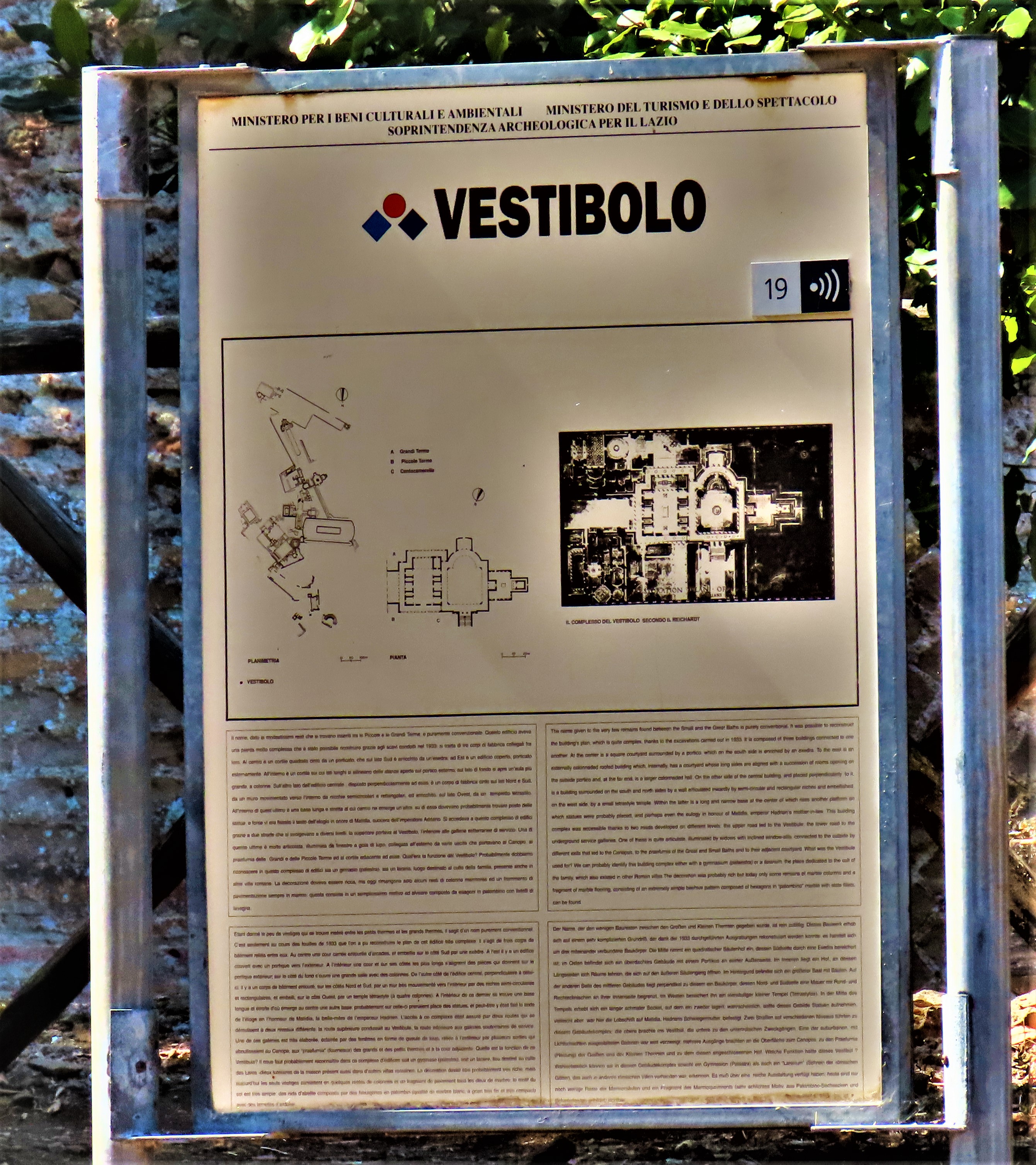
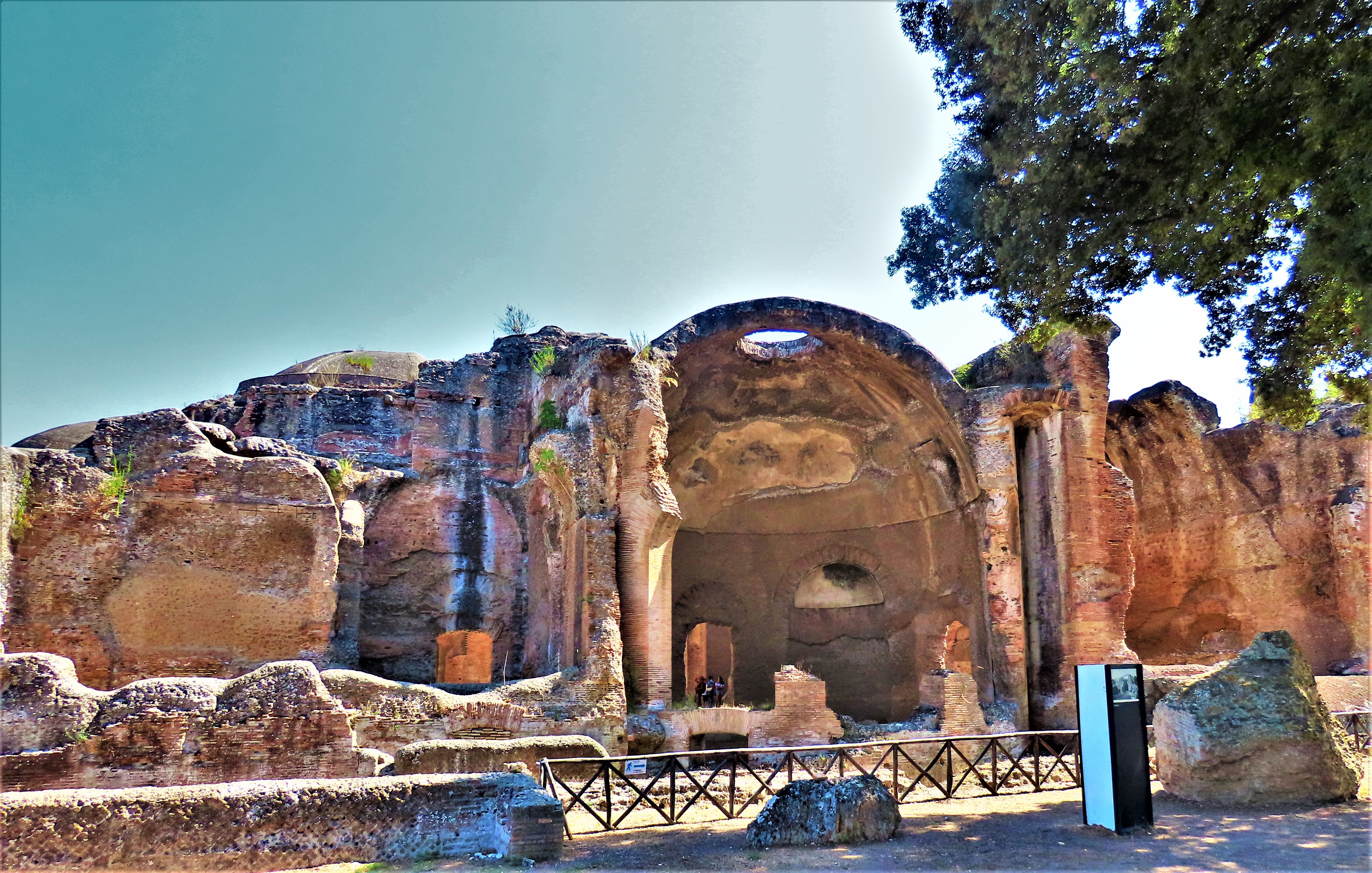
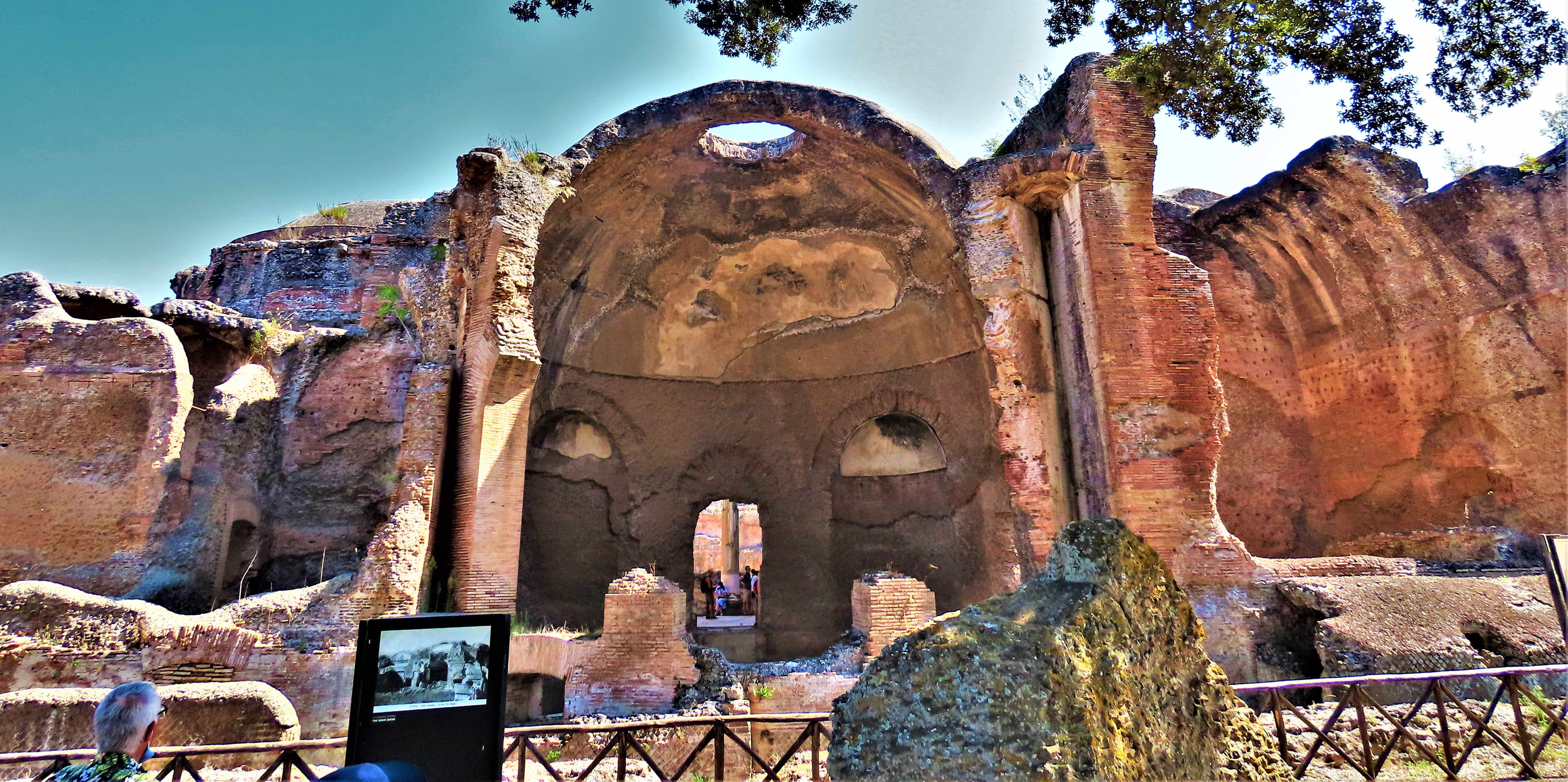
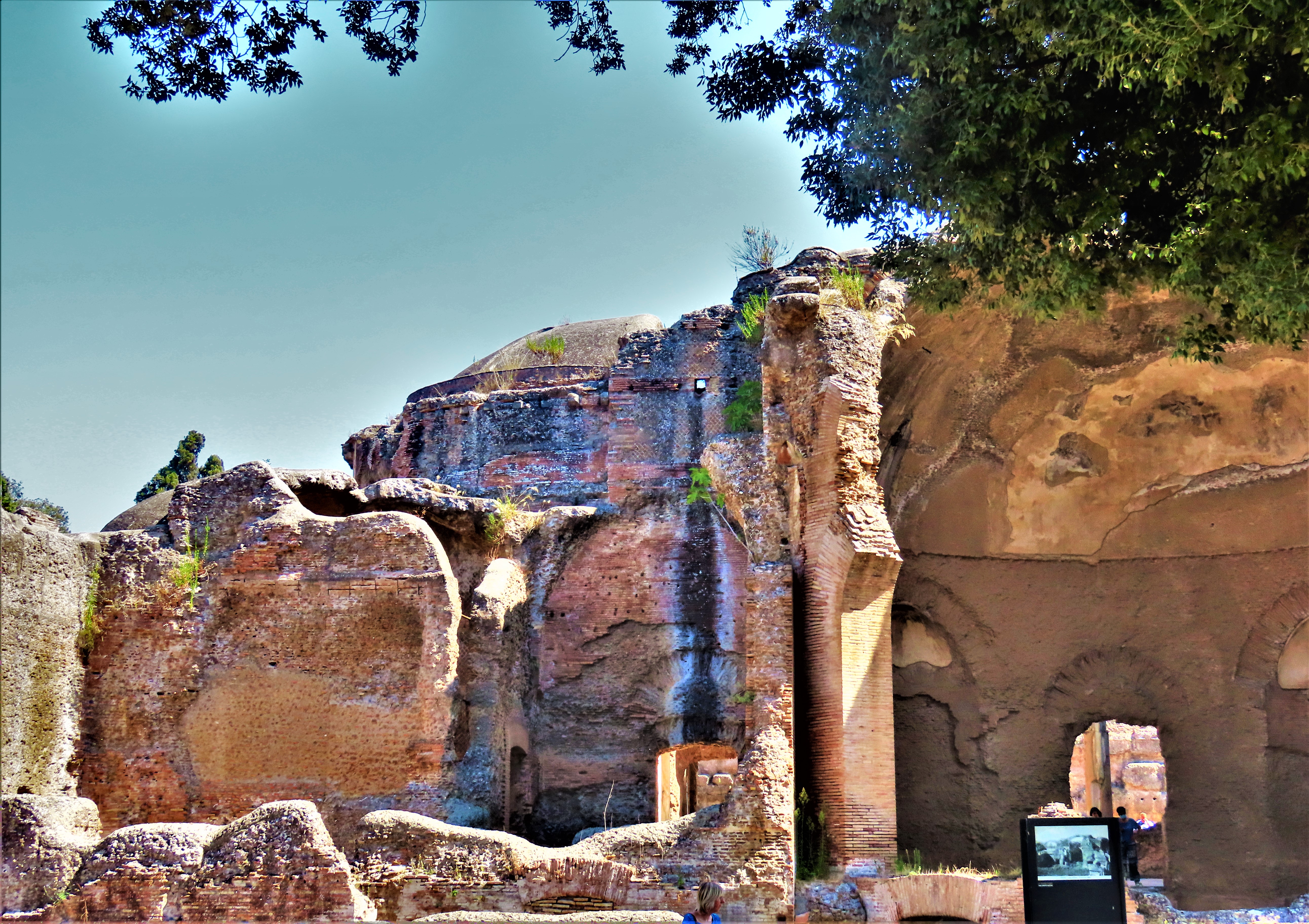
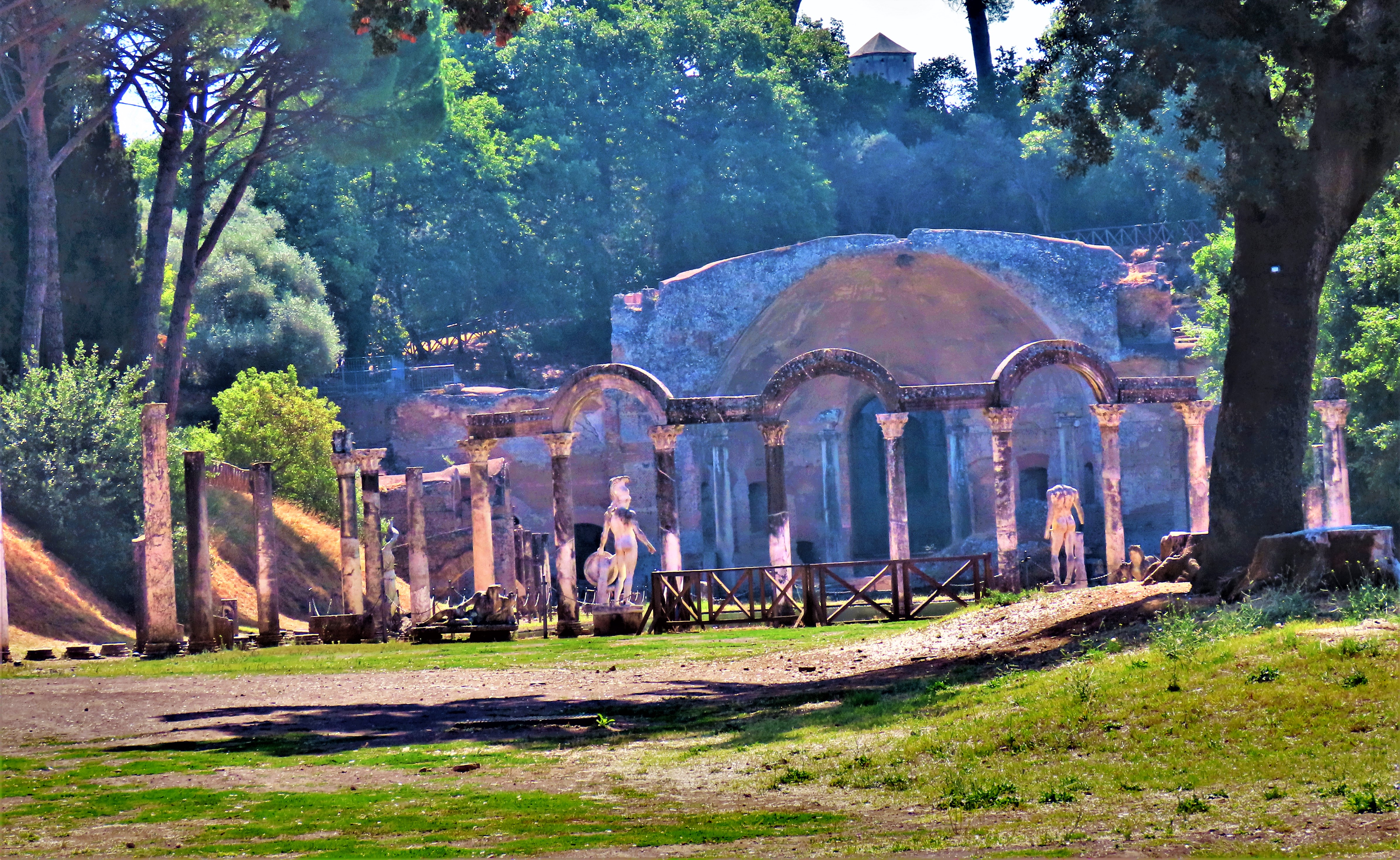
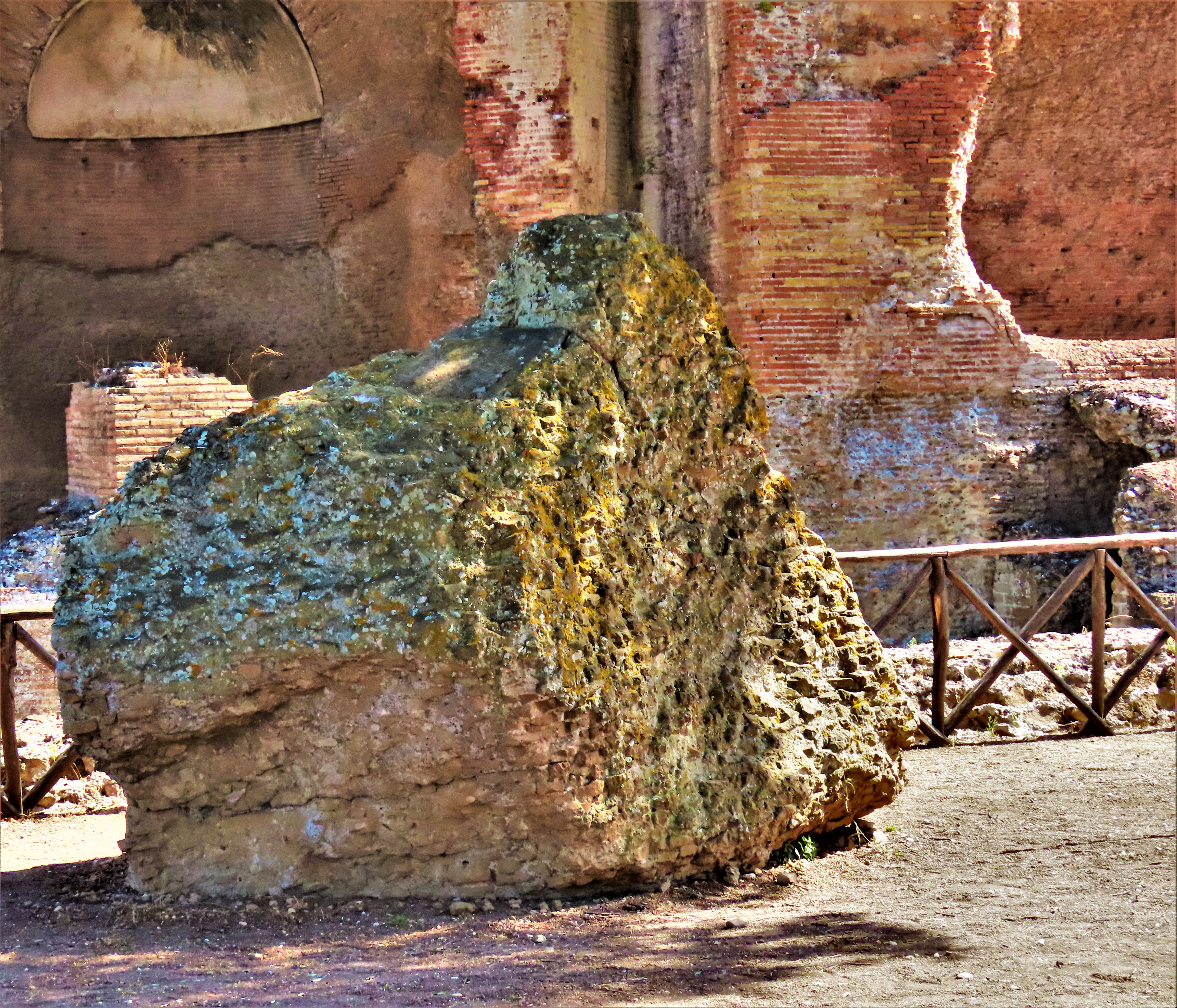
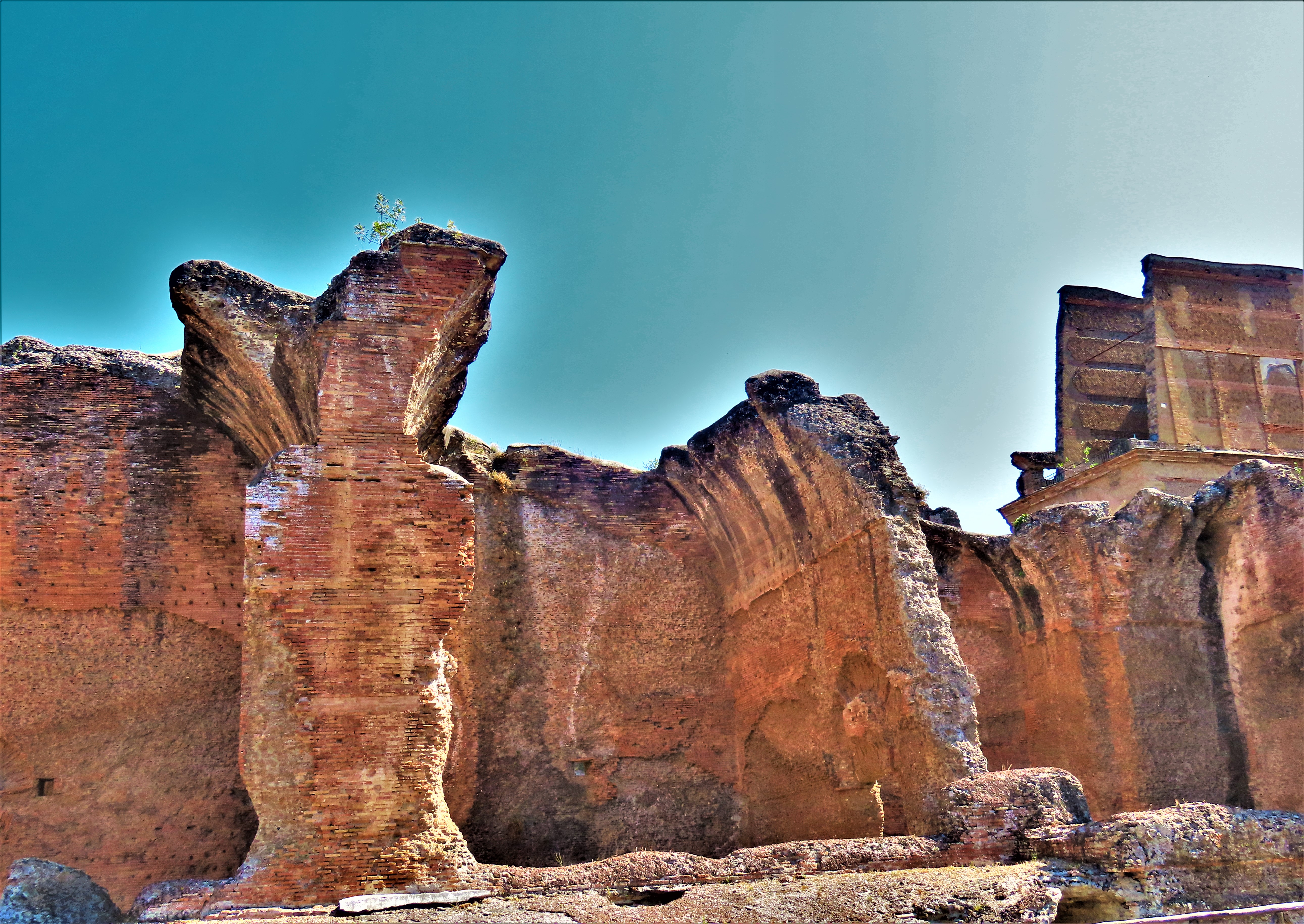
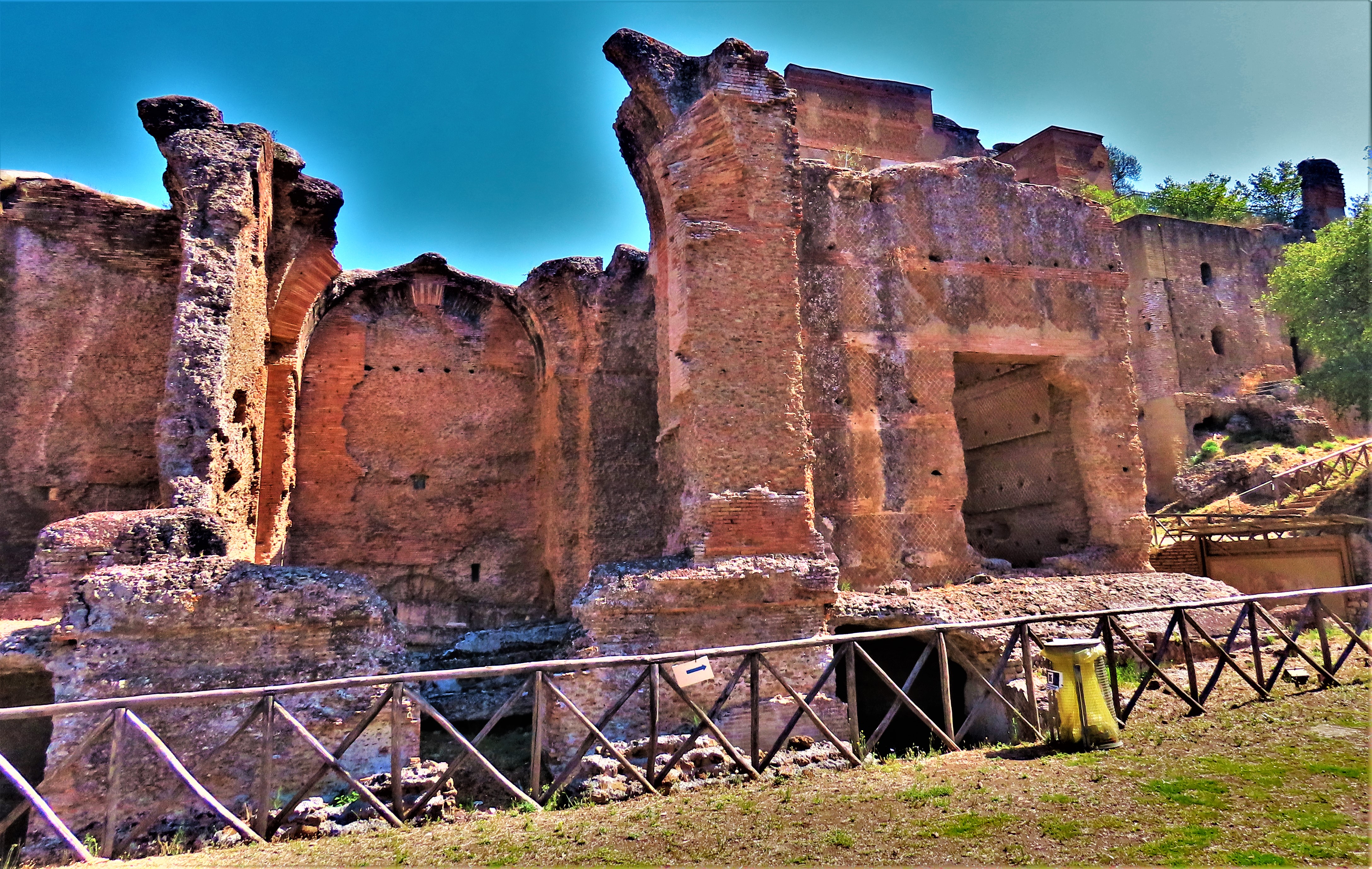
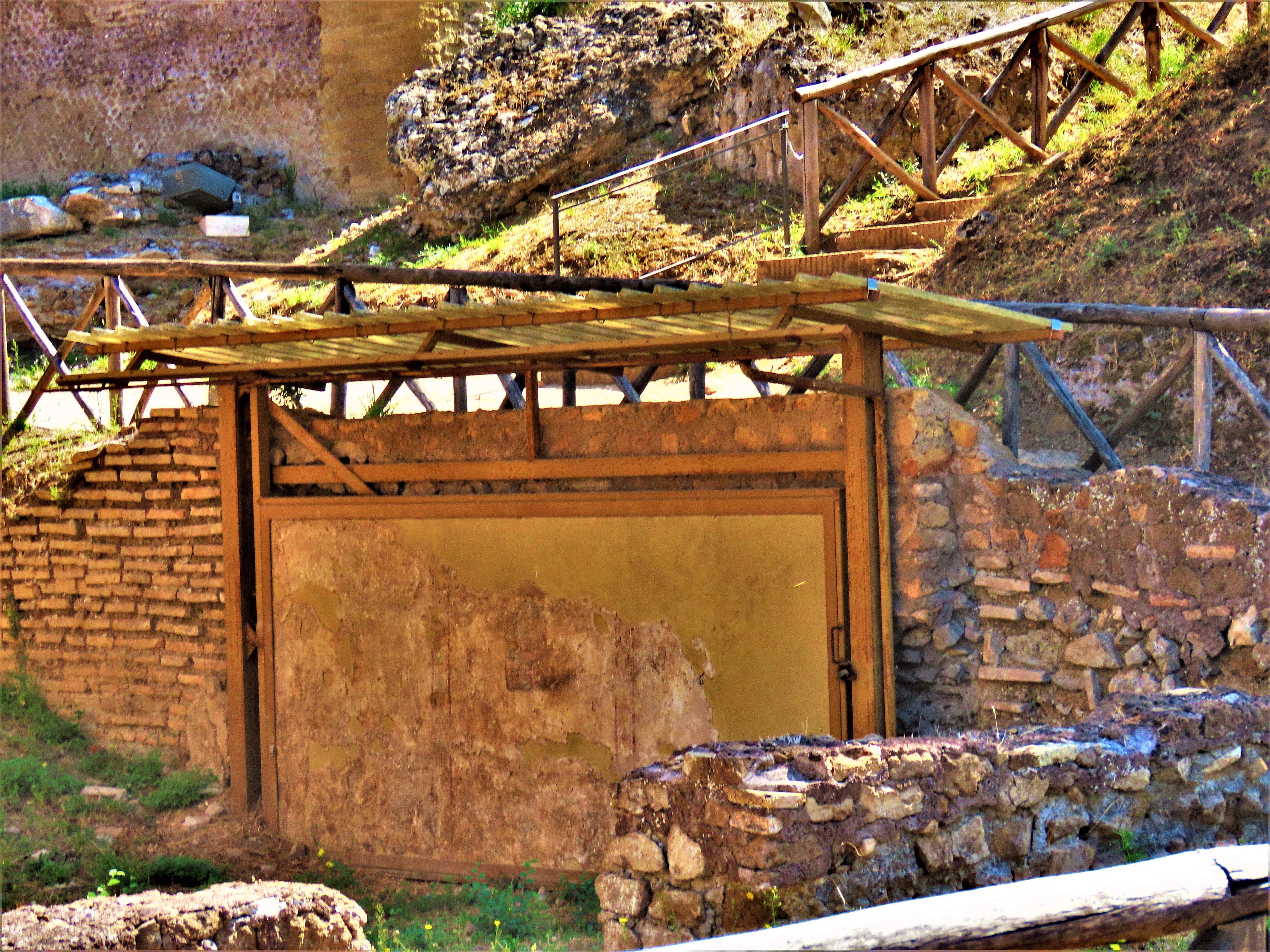
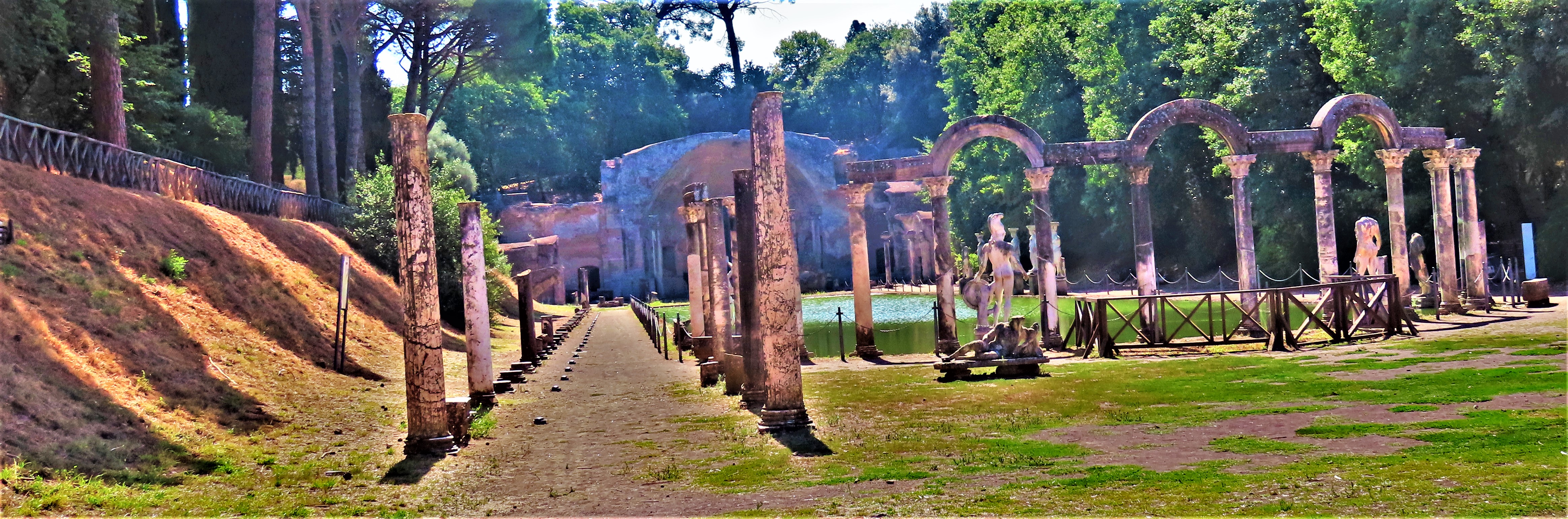
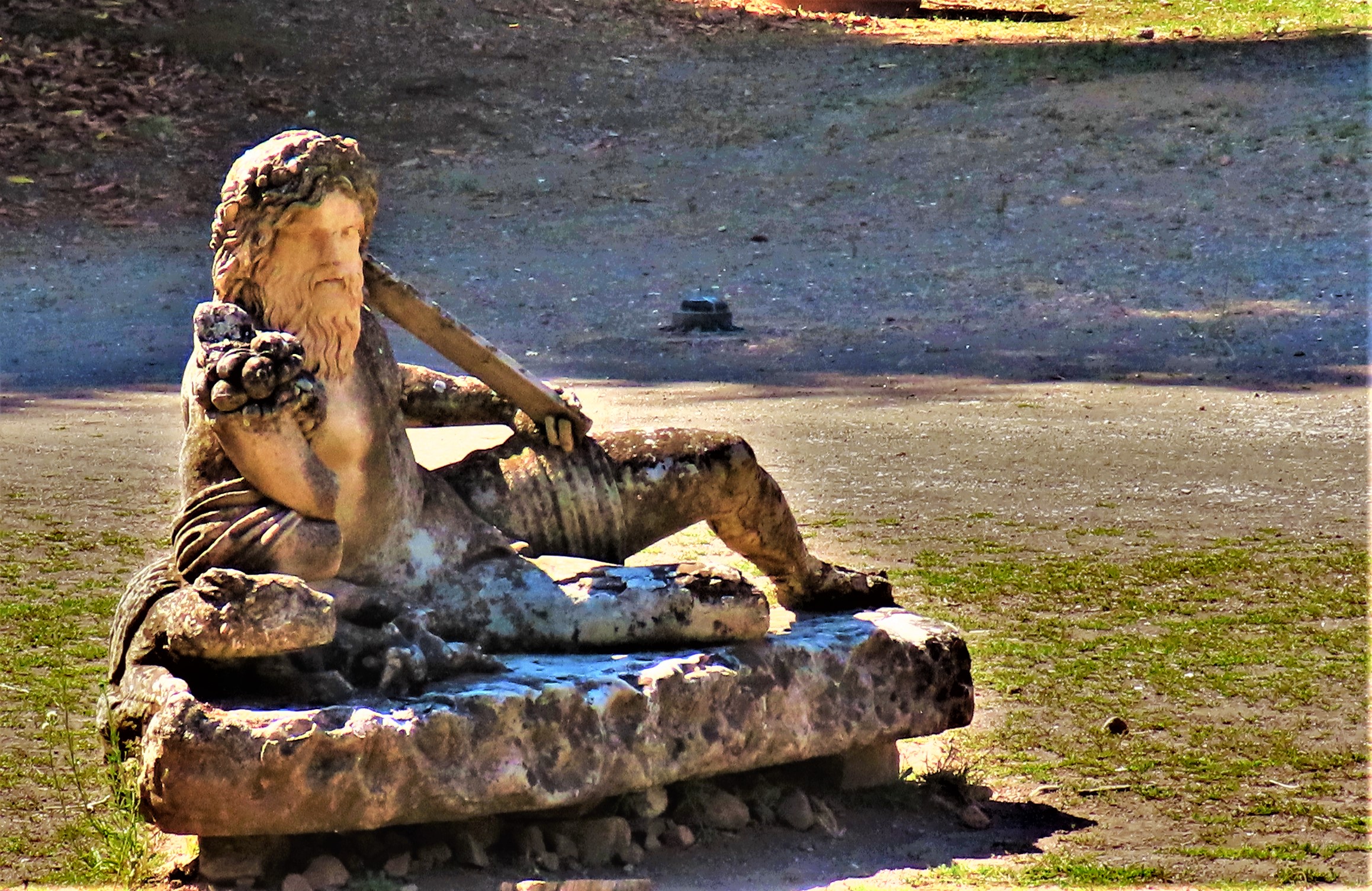
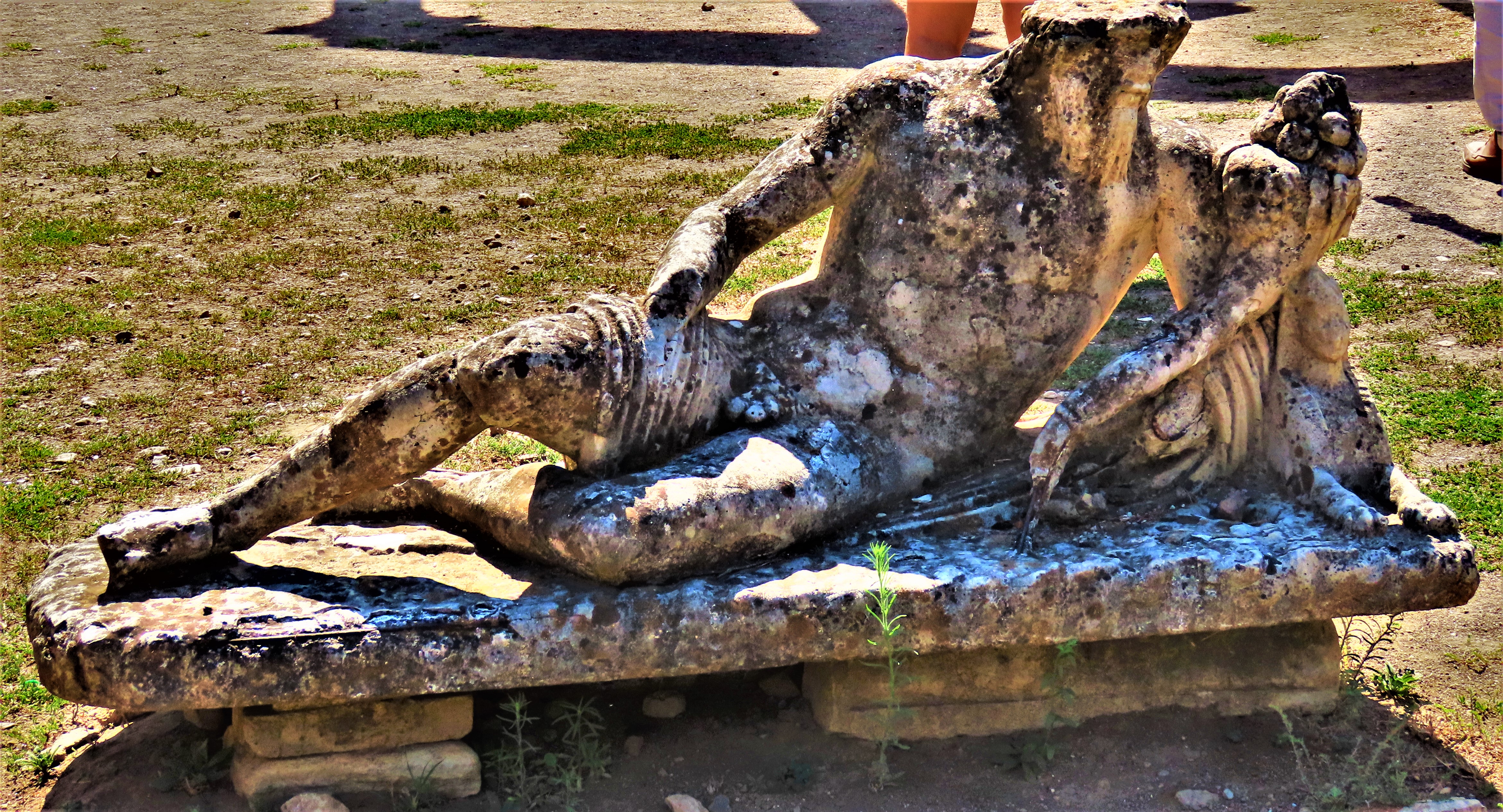
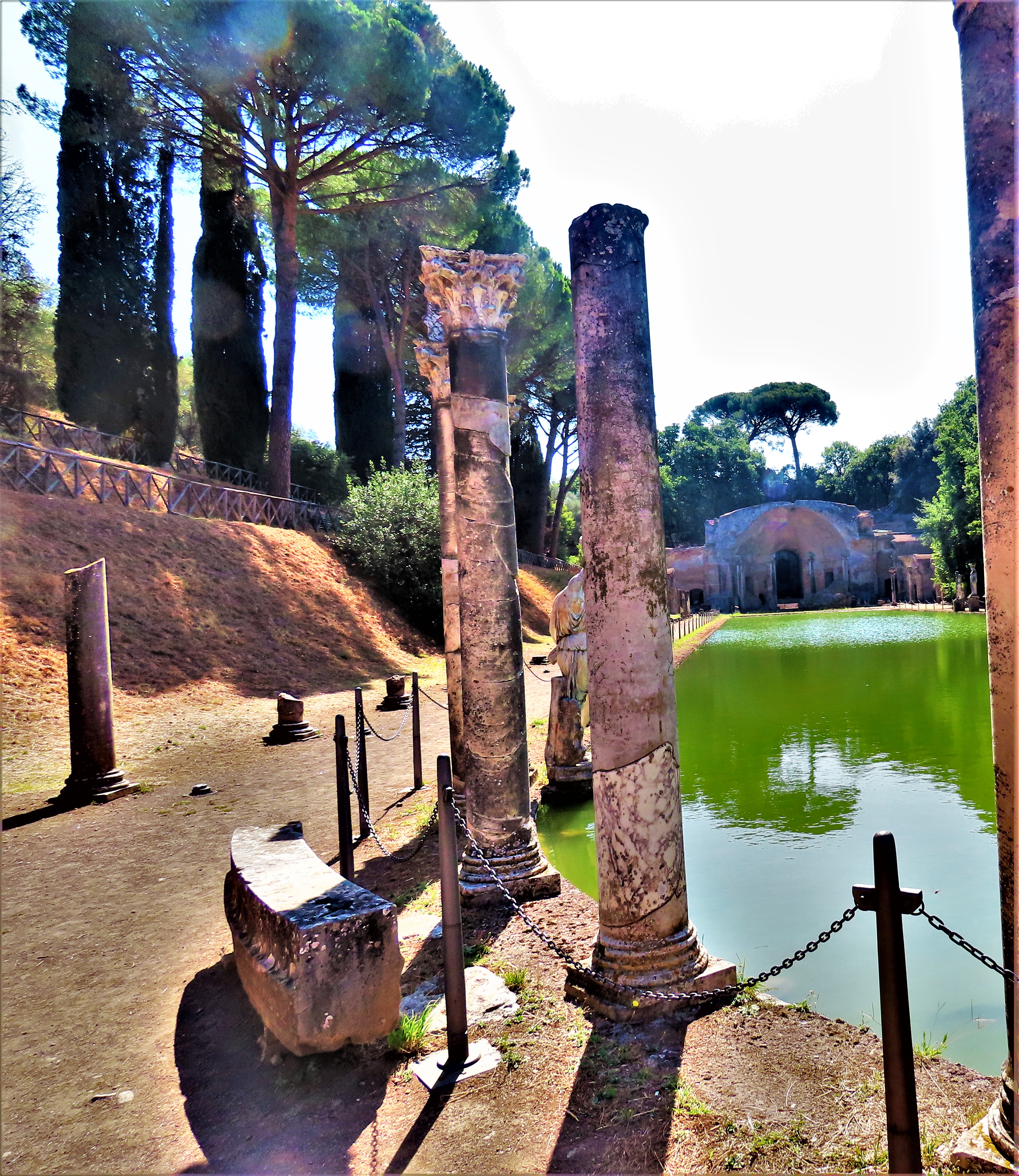
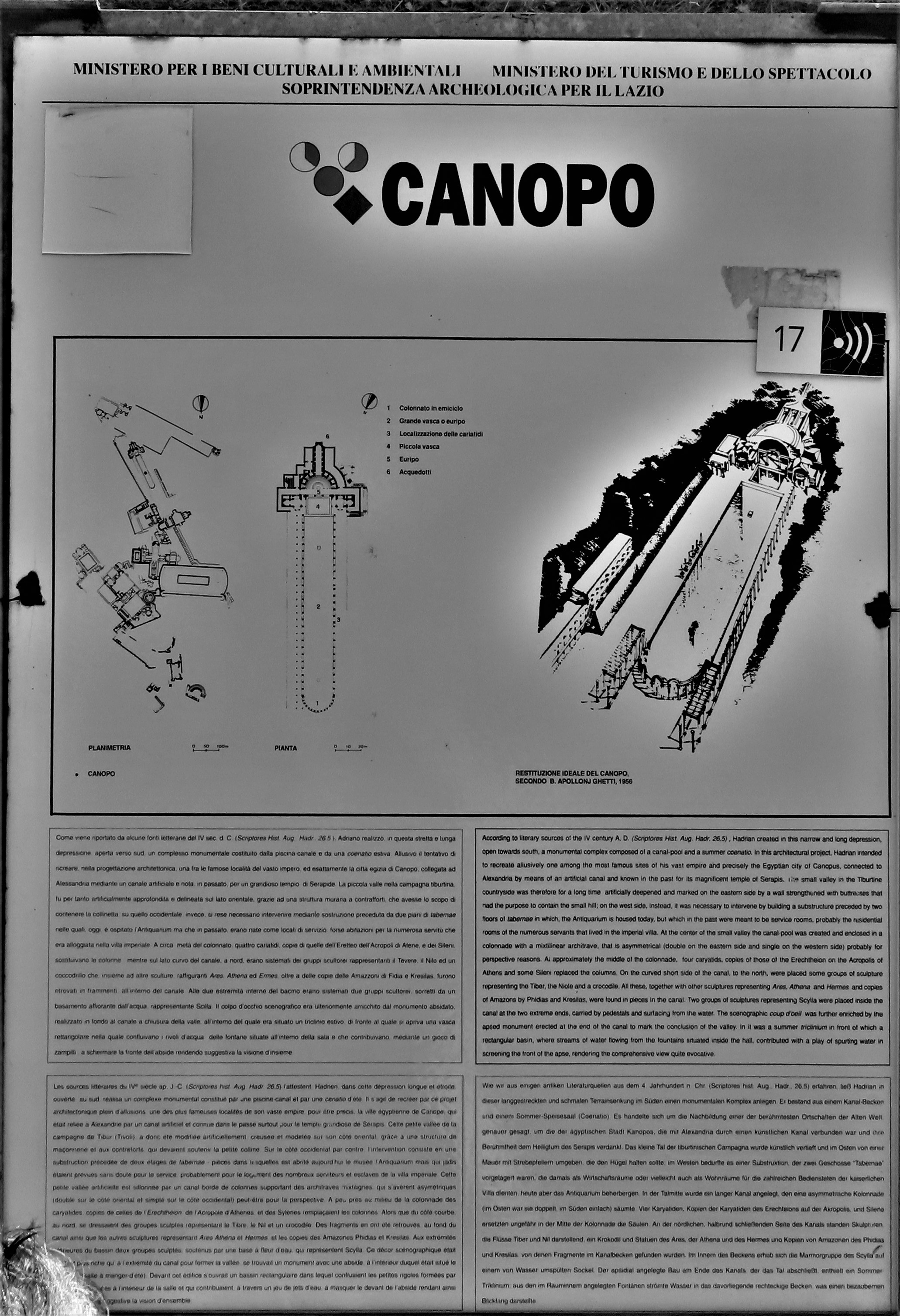
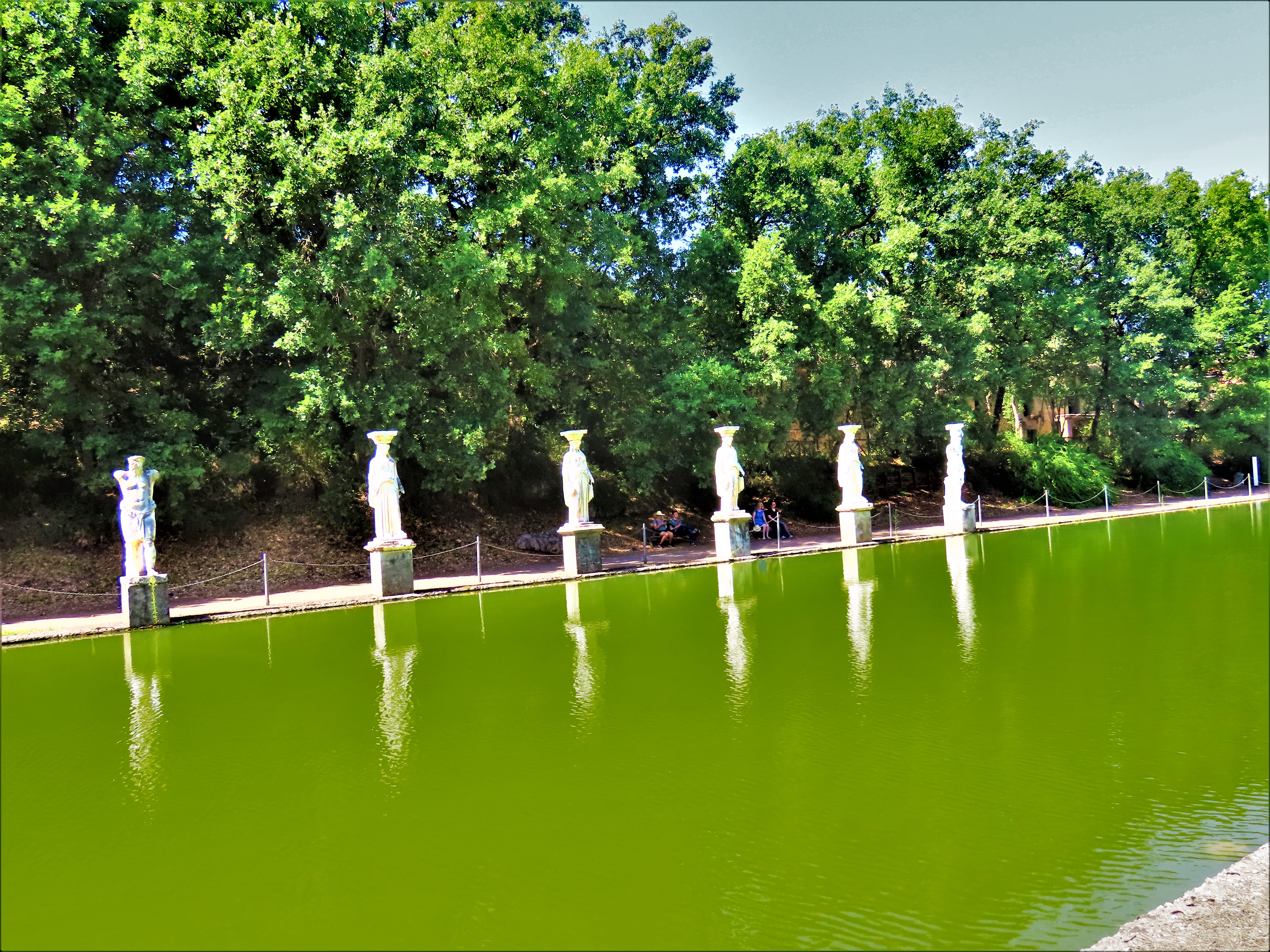
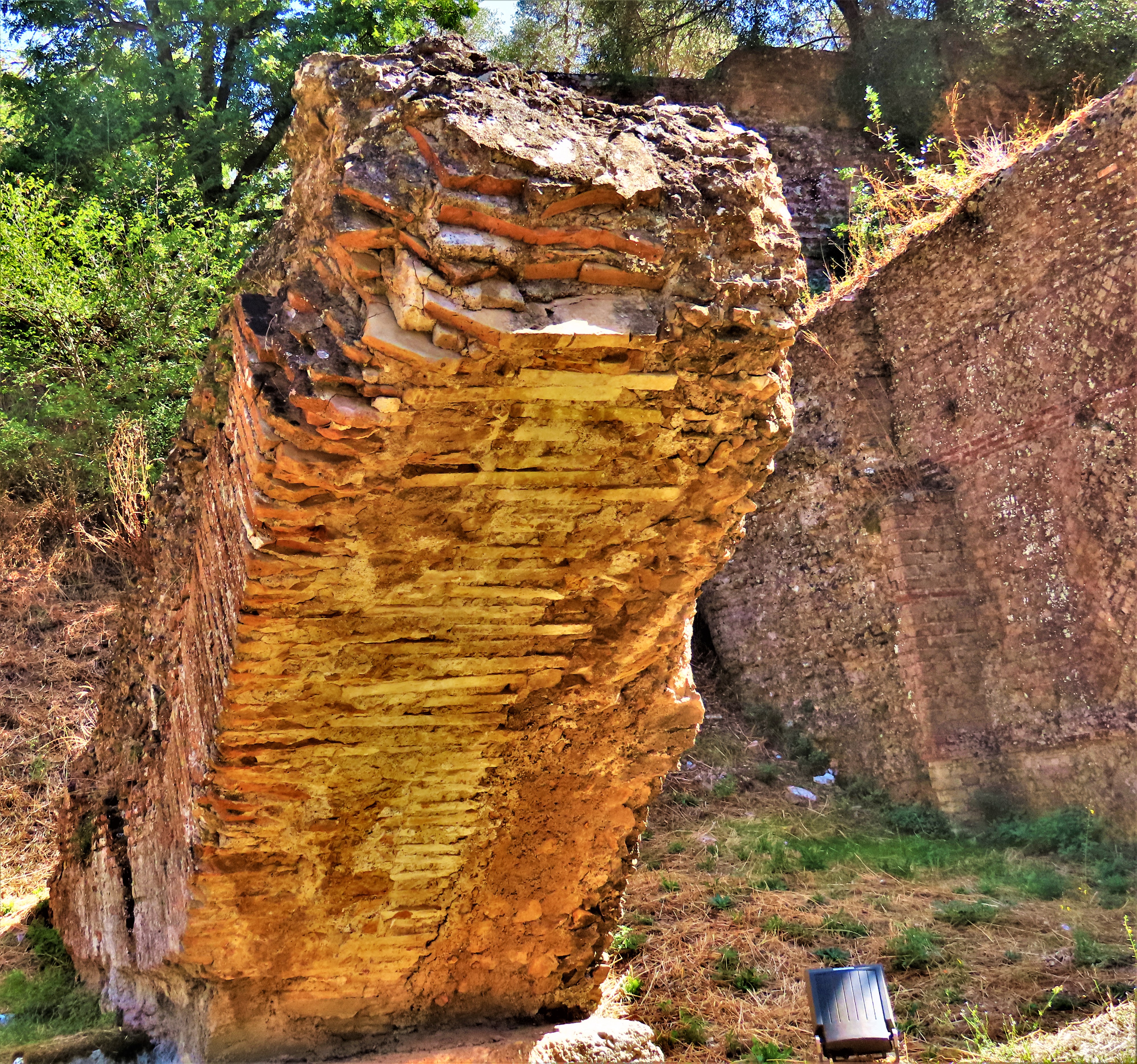
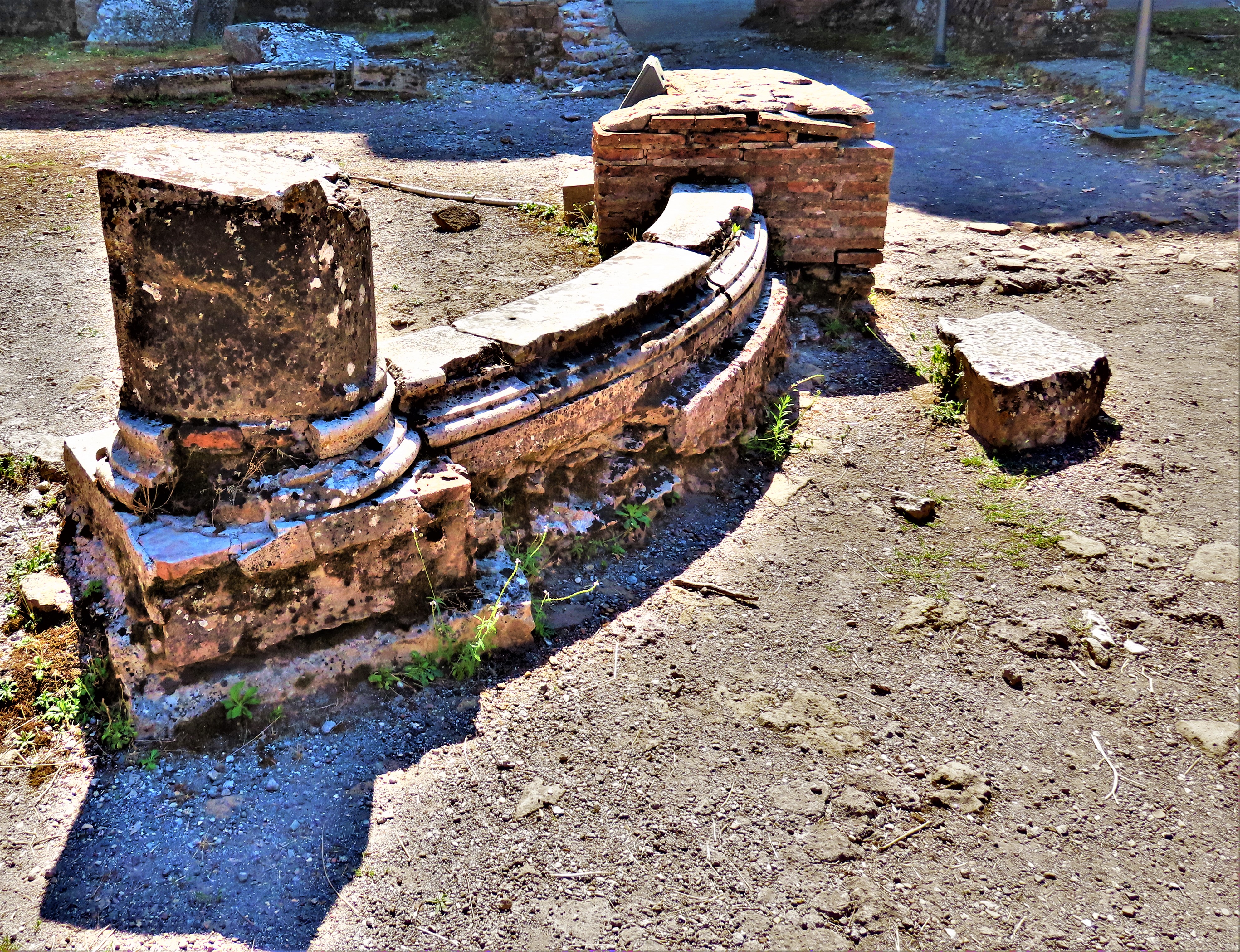
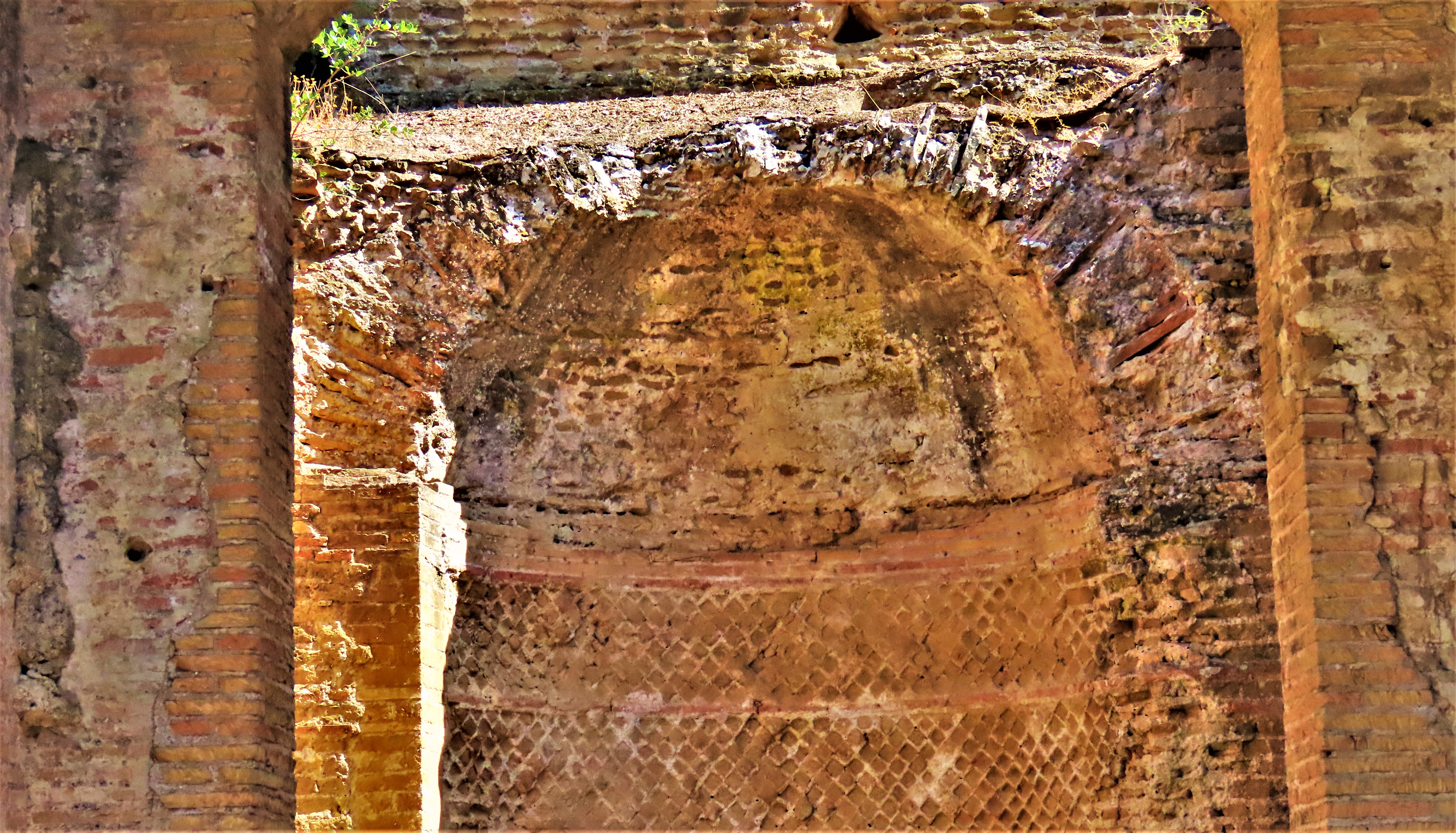
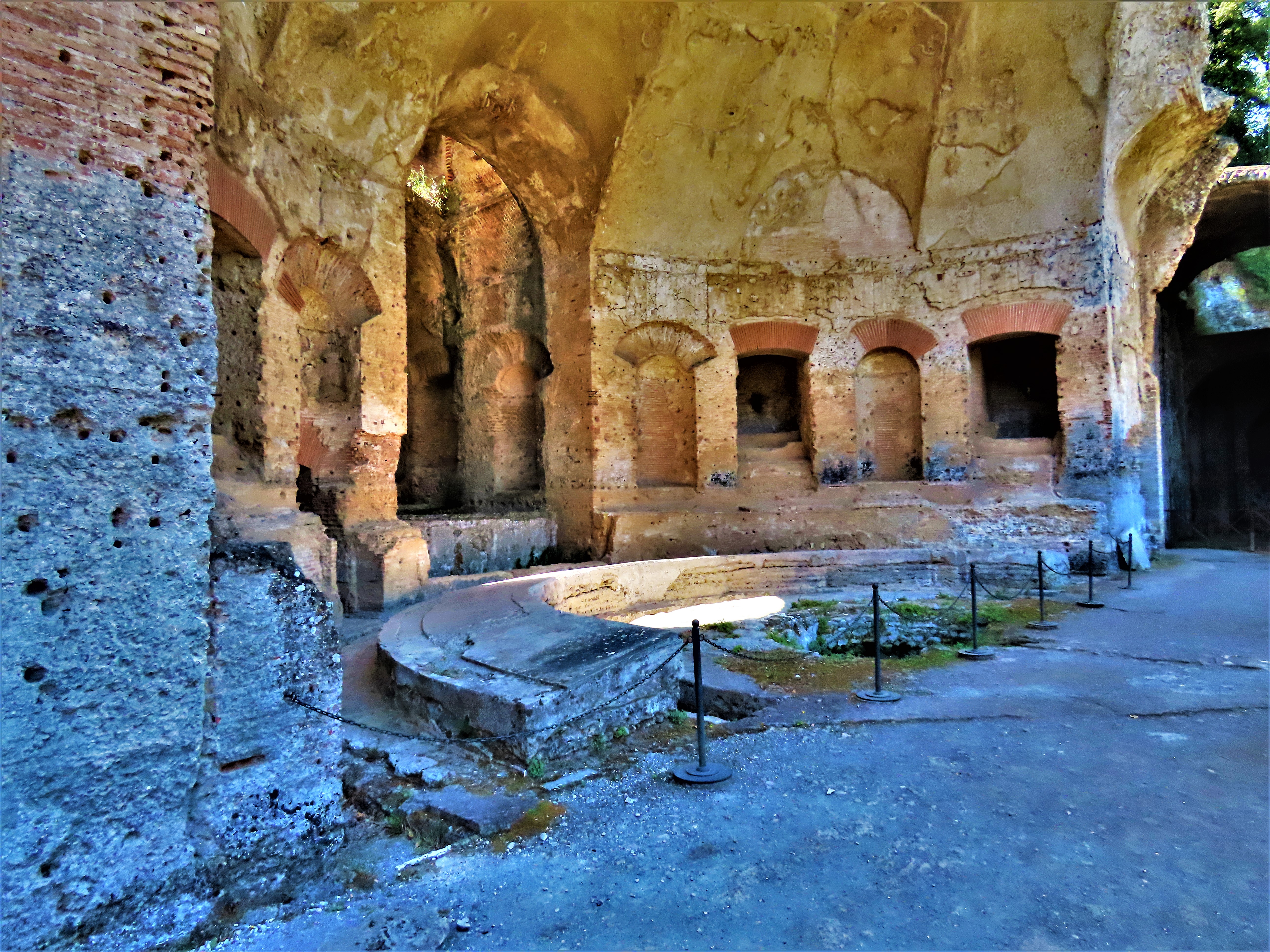
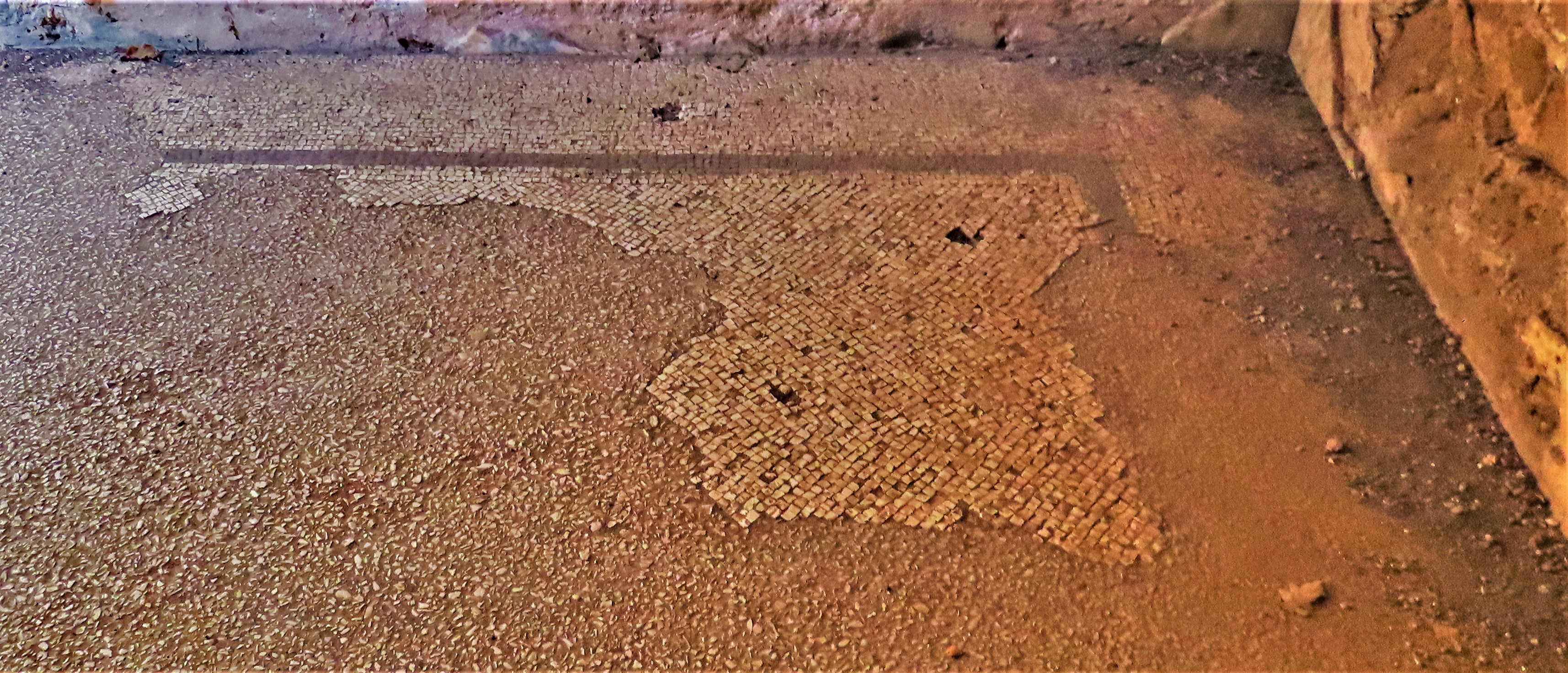
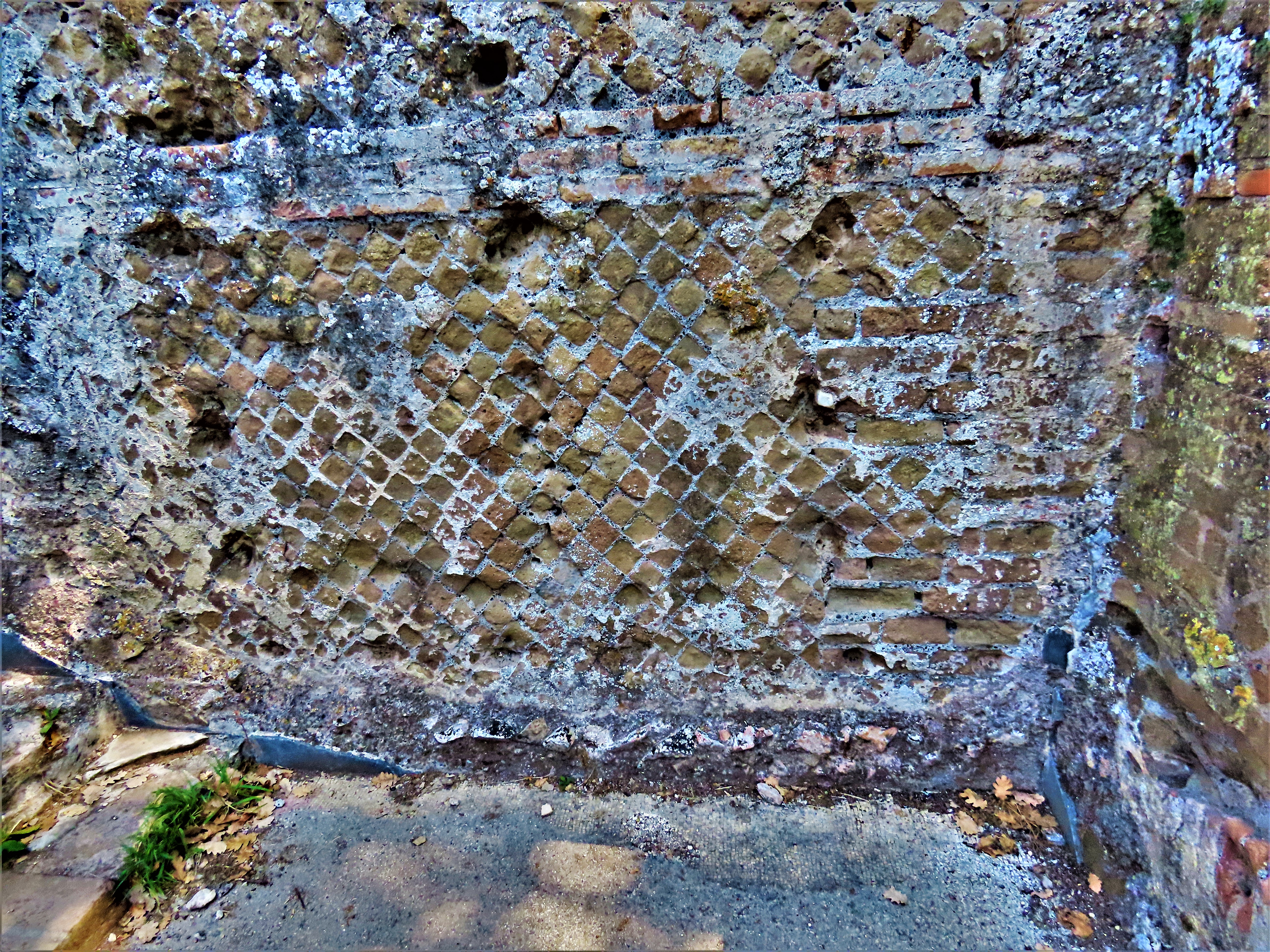
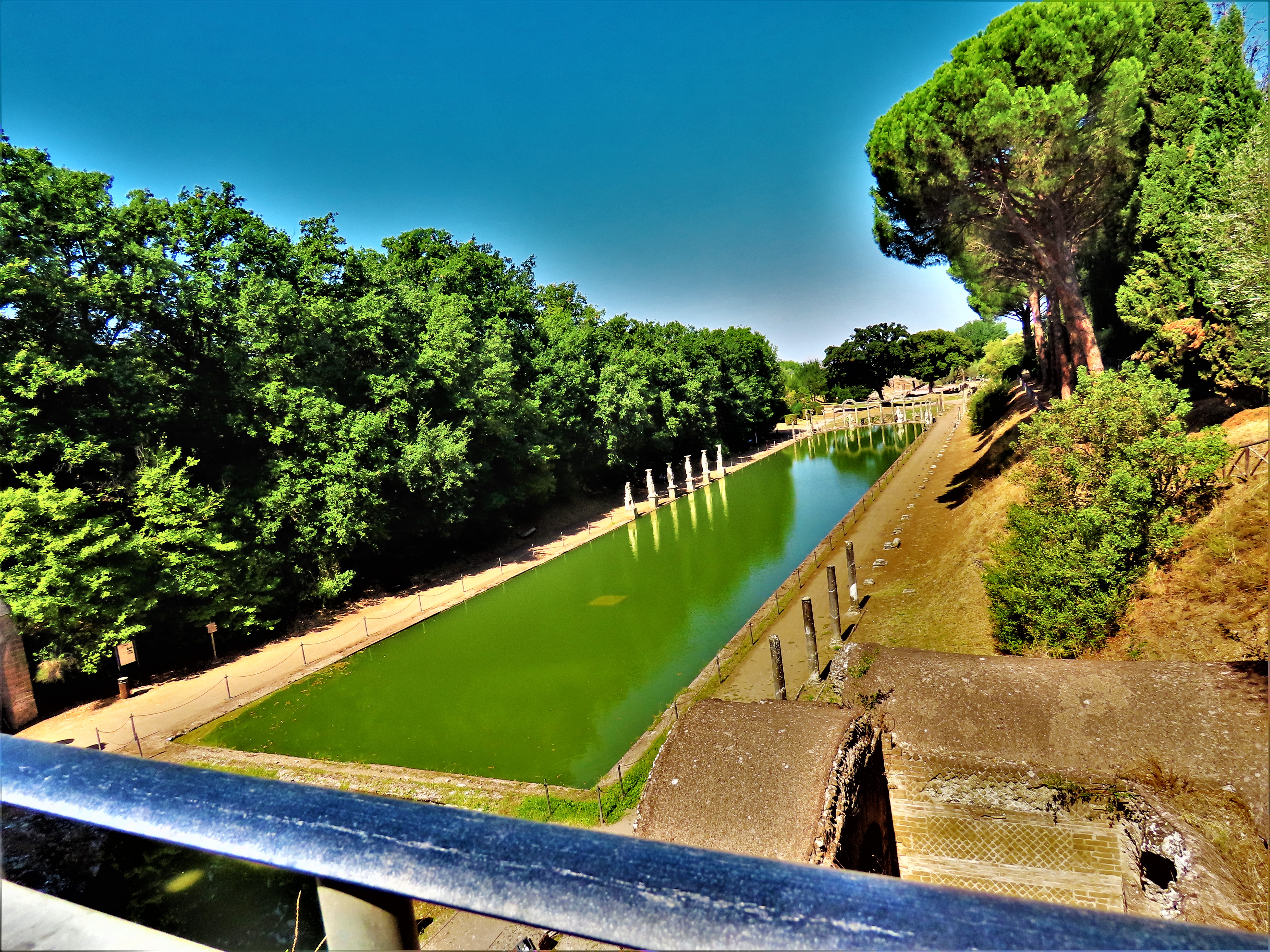
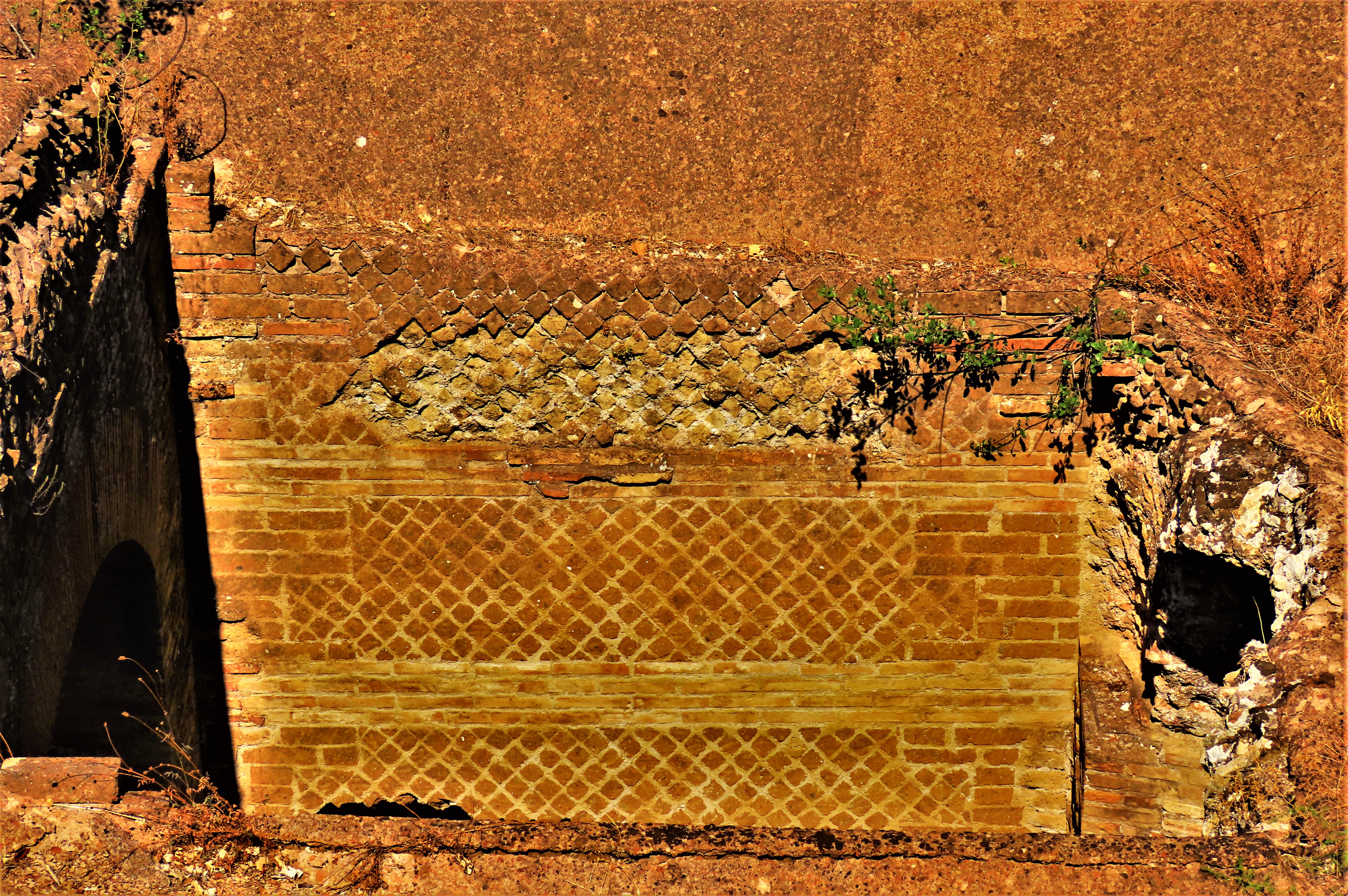
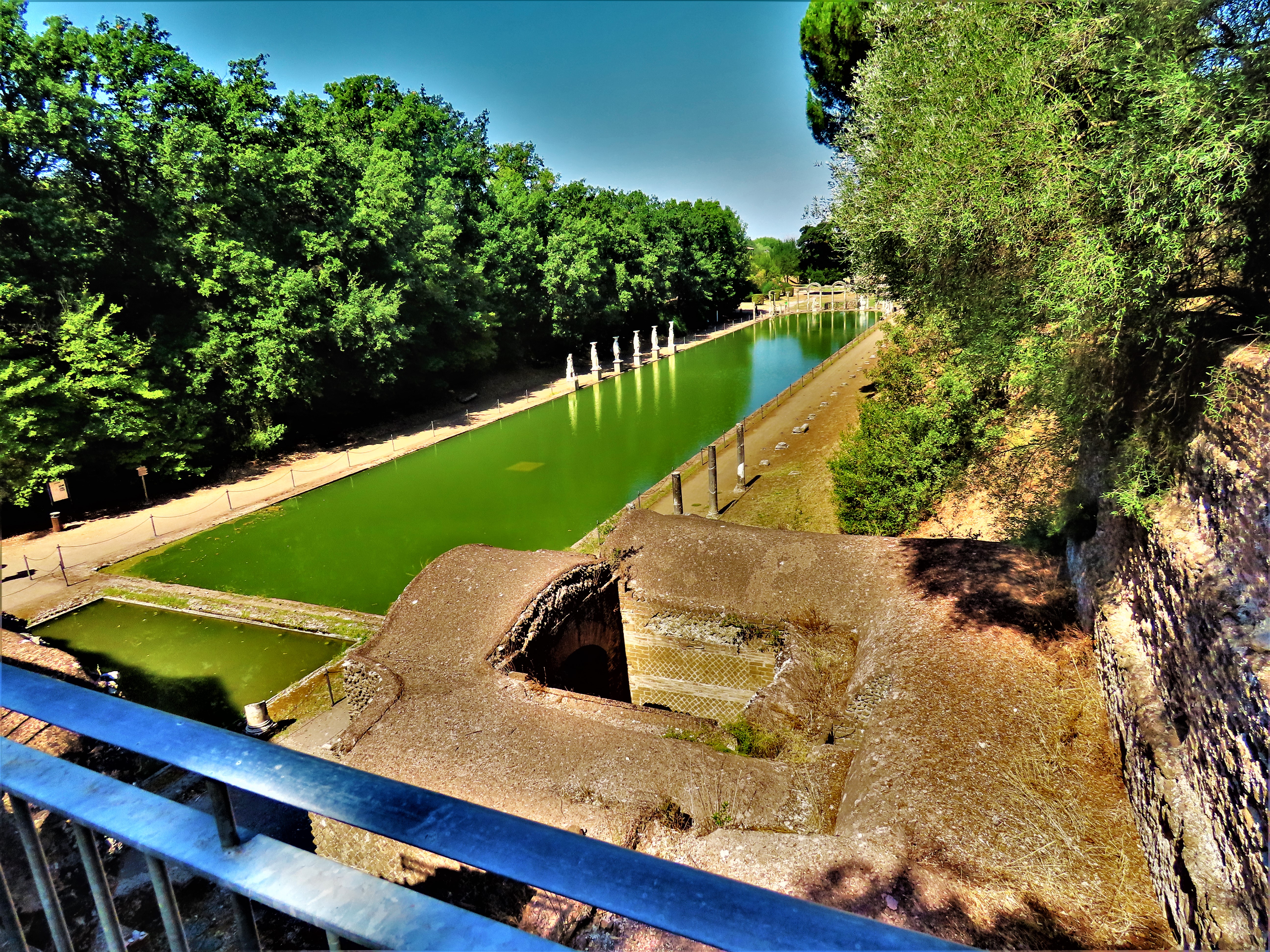
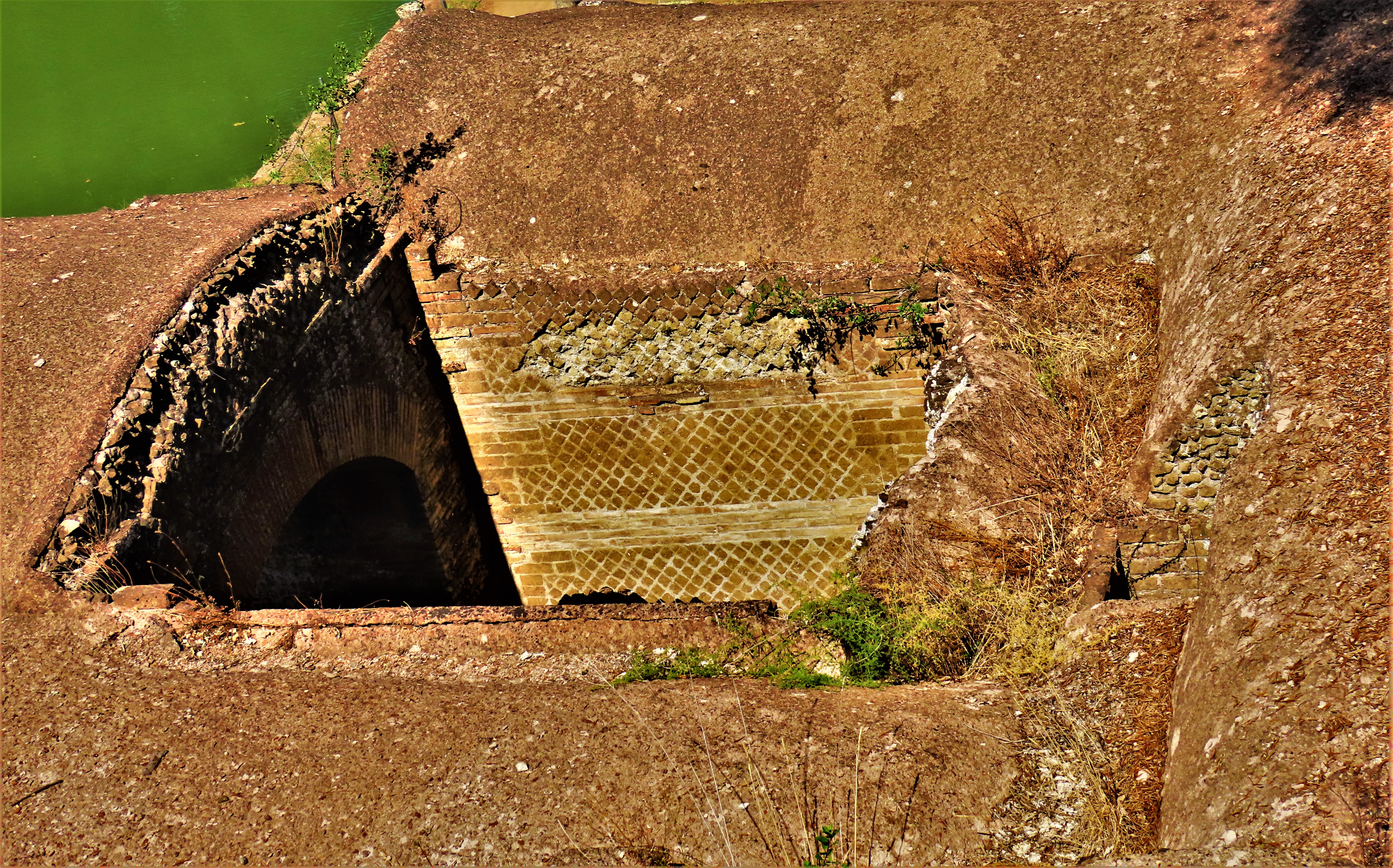
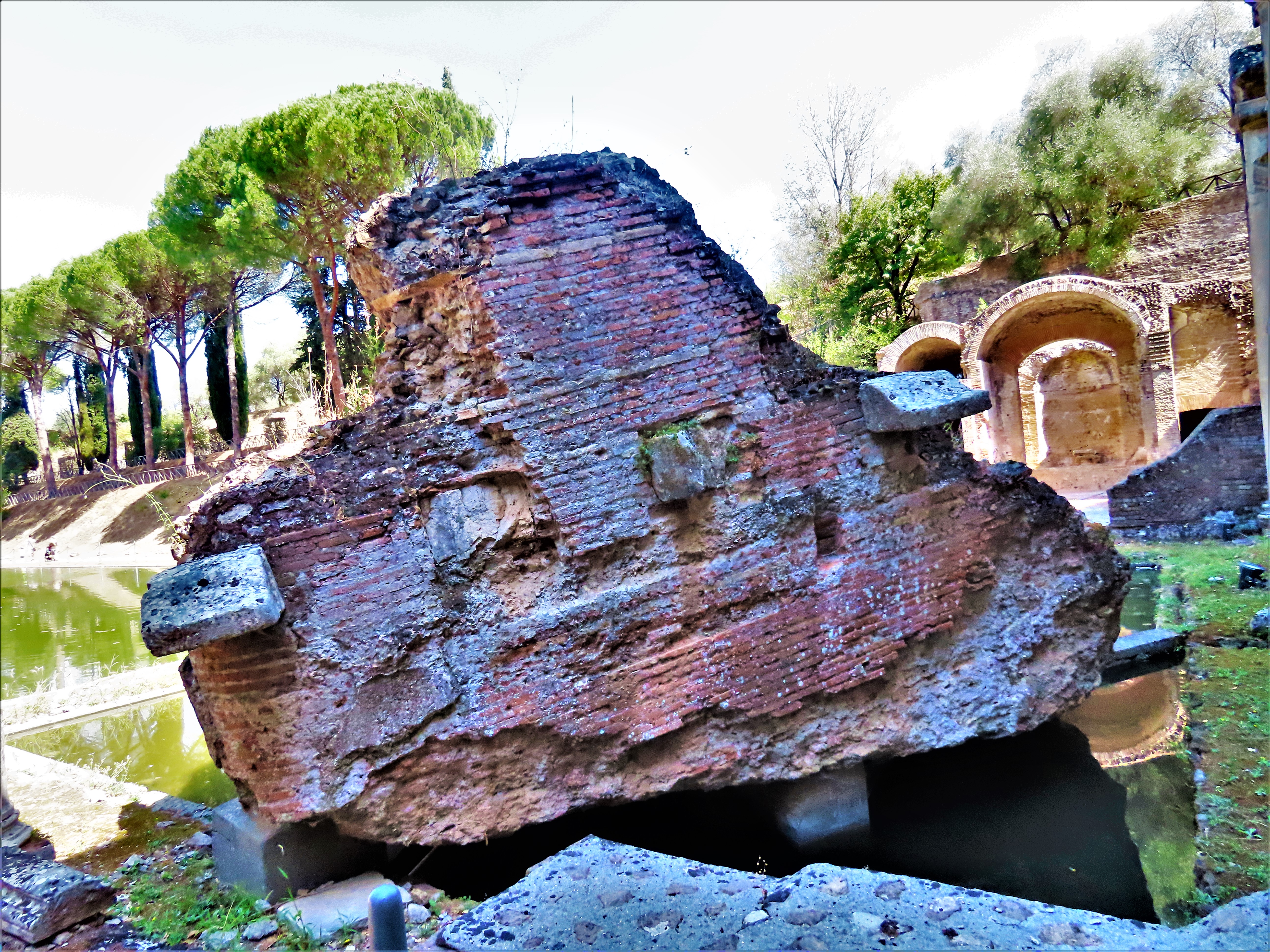
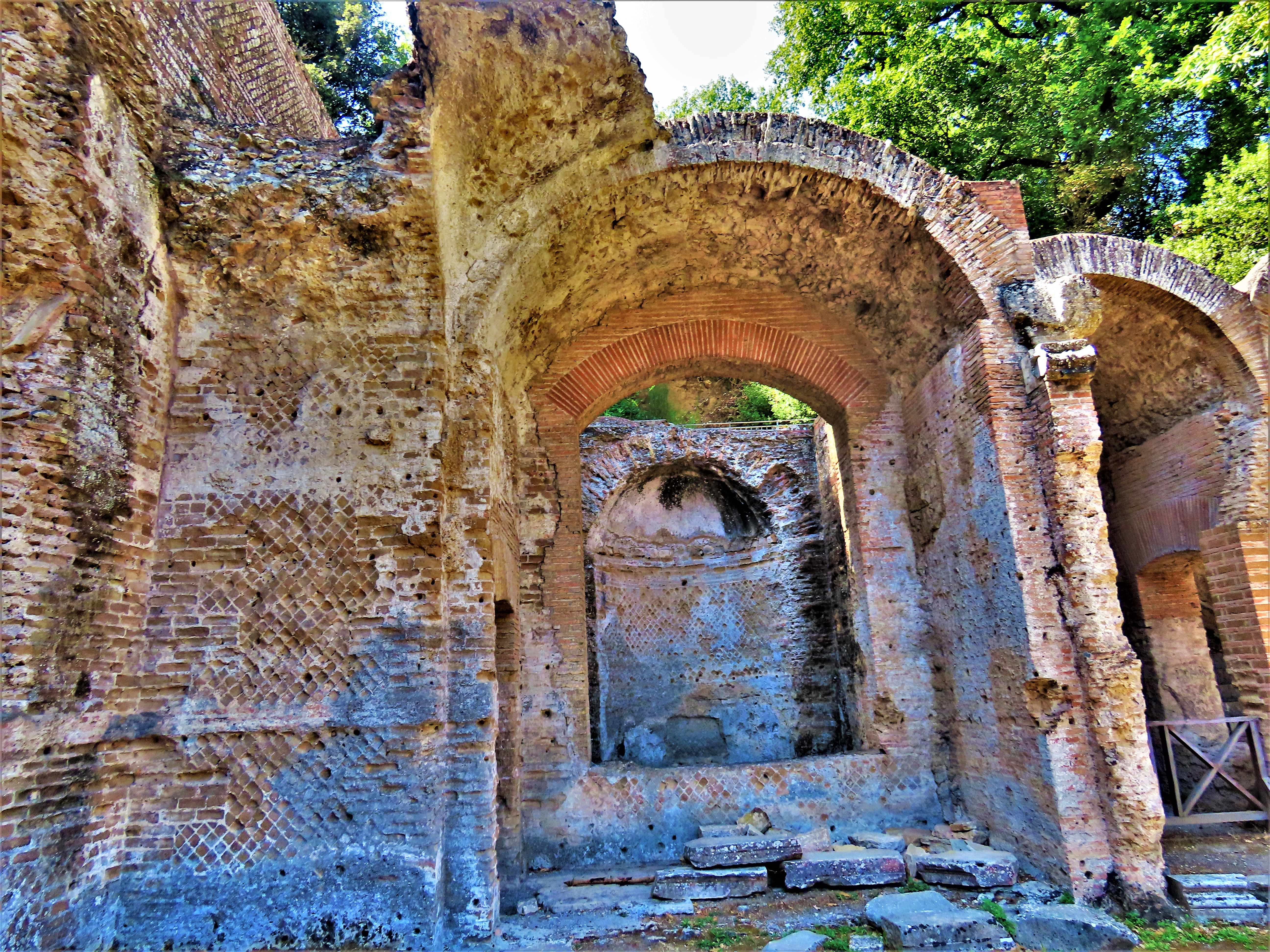
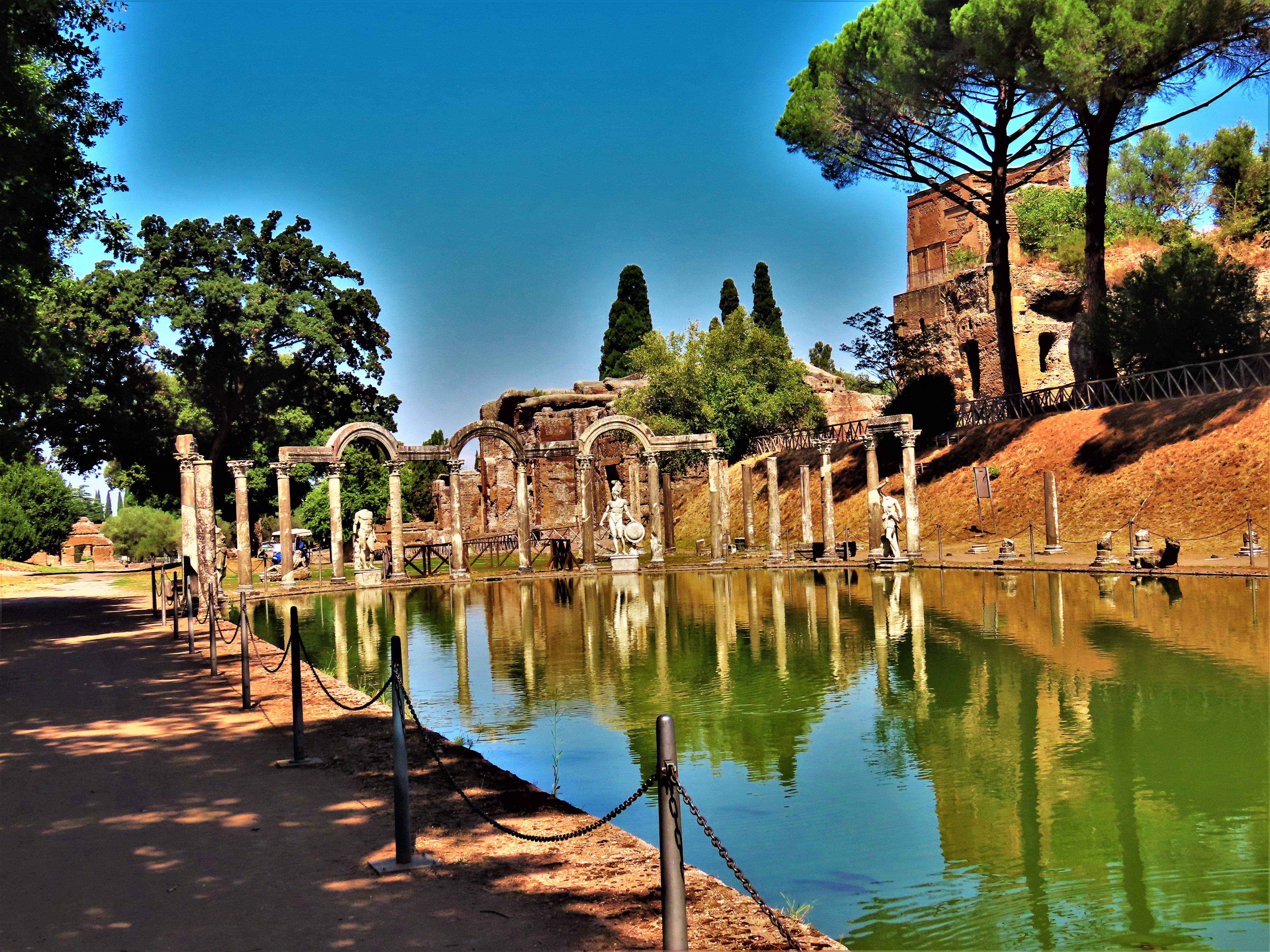
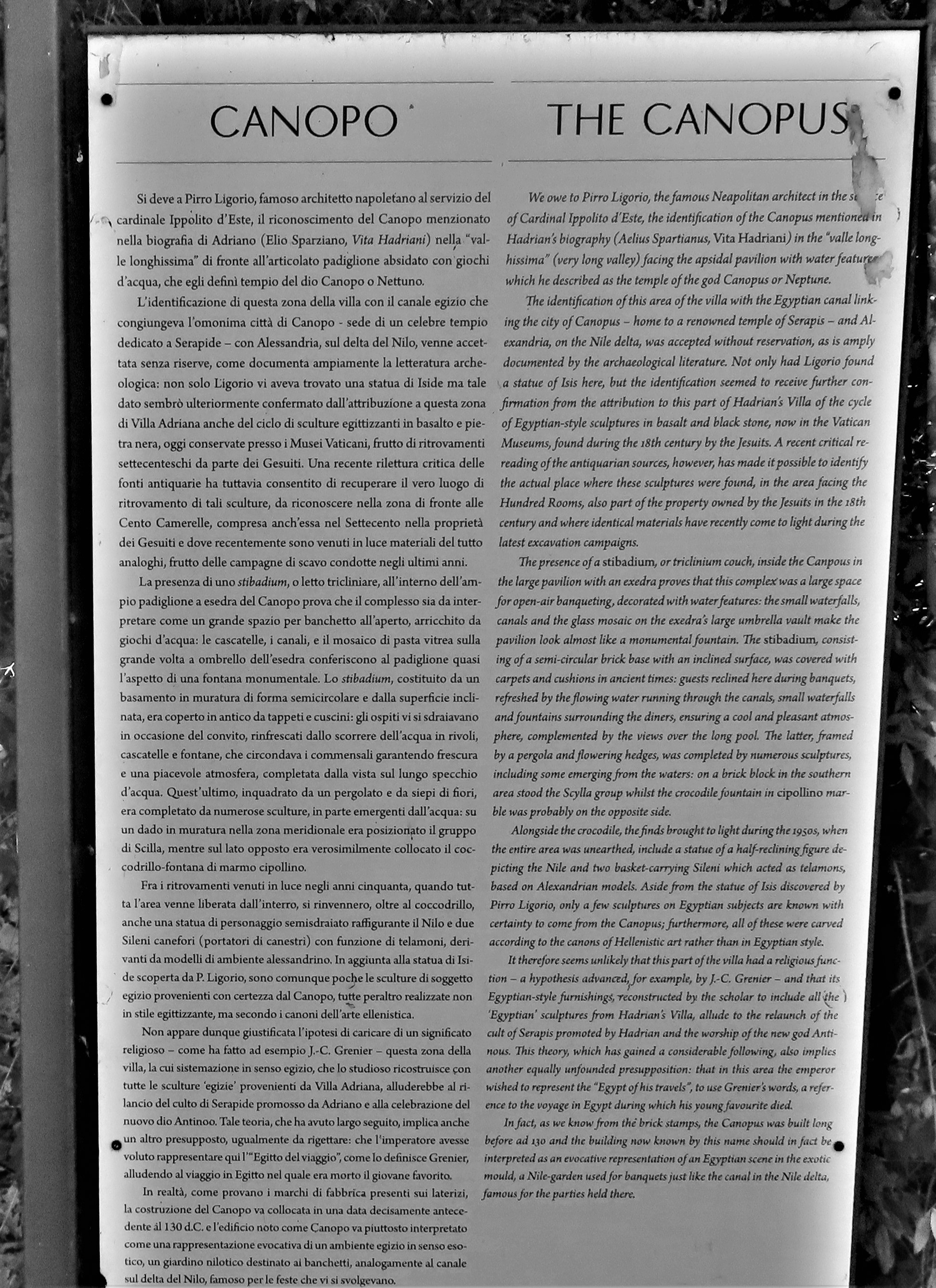
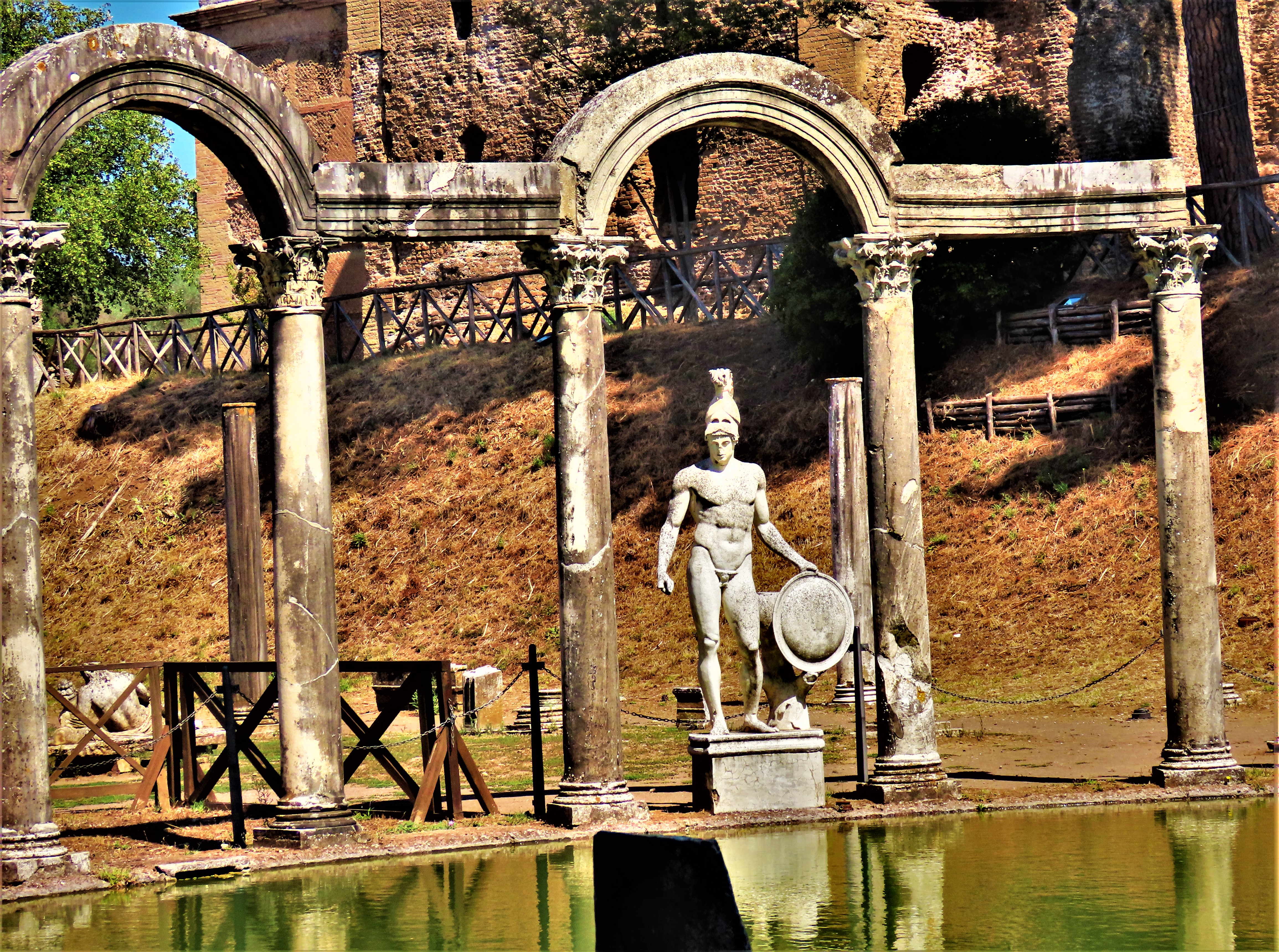
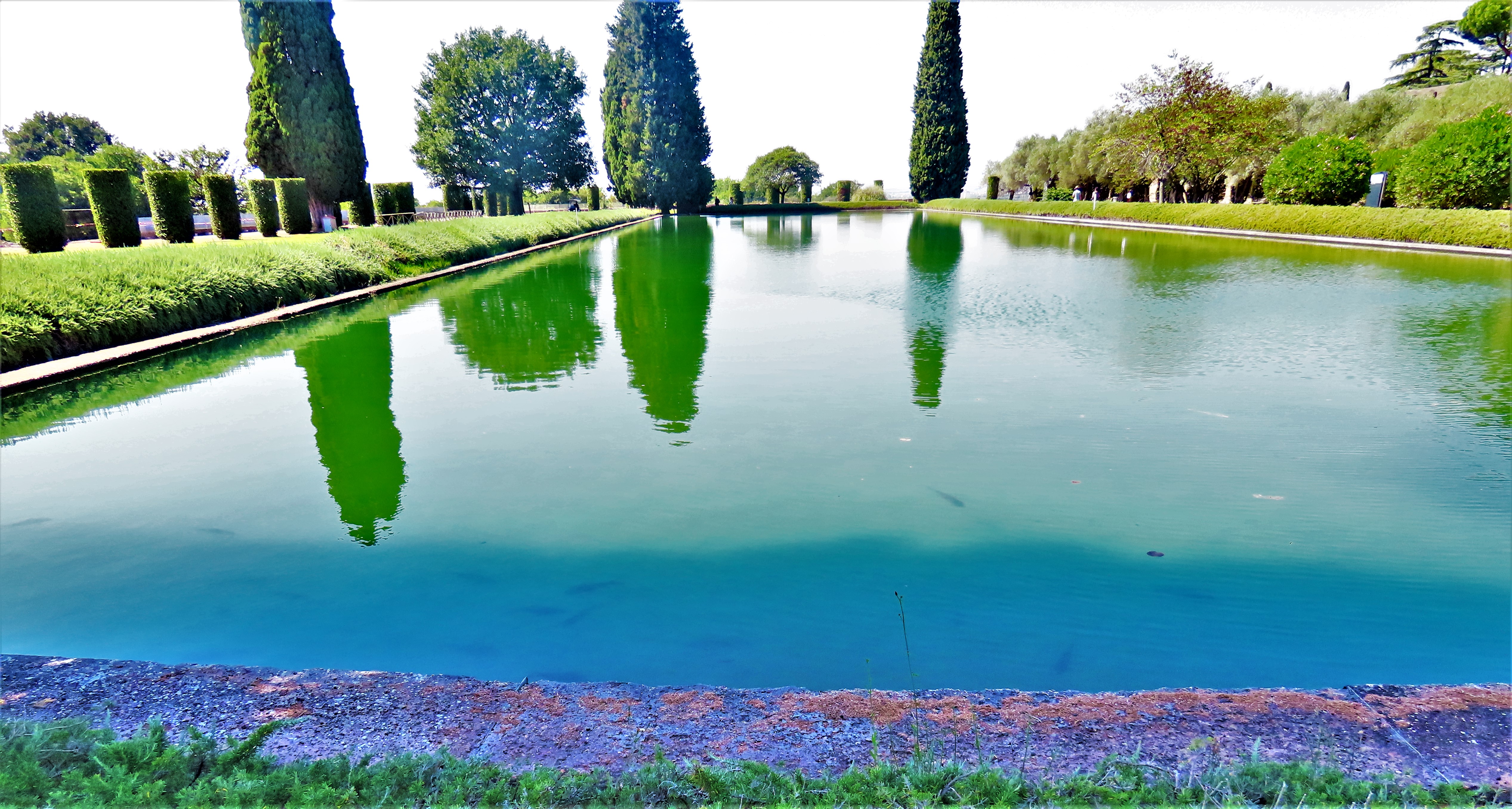
This was the emperor Hadrian’s country retreat, and he had replicas of the most impressive stuff he had seen in the course of his travels (and he saw most of the Roman empire, then at pretty much its absolute height – he had pulled back from some of his predecessor’s conquests, deeming them unsustainable). The site is very substantial, and in Hadrian’s time must have had a staff of thousands looking after it. This is a UNESCO world heritage site, and it thoroughly deserves that designation.
Continuing my account of my Italian holiday with a look at Villa Gregoriana, plus a link to an important petition.
It has been a while since my last post, but I have not forgotten about all of you who support me here on wordpress. Today I continue my account of my Italian holiday (2-11 September inclusive). In my most recent post I covered the move from Rome to Tivoli. Today I look at the first major attraction we visited in Tivoli. However, before I get into the meat of this post I have something to draw your attention to:
AN IMPORTANT PETITION
My attention was drawn today to a petition on change.org calling for the minimum wage to be increased and turned into a genuine living wage. Many of the workers affected are also the precise workers on whom we have been relying during the pandemic. I have posted a screenshot below and urge you to sign and share this petition.
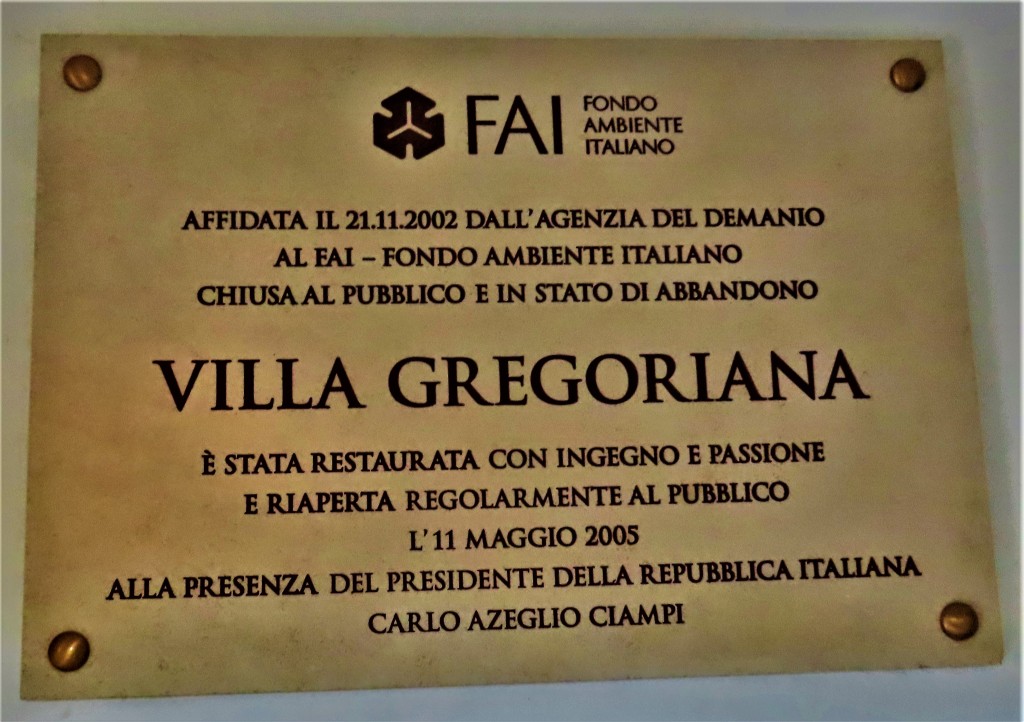
VILLA GREGORIANA
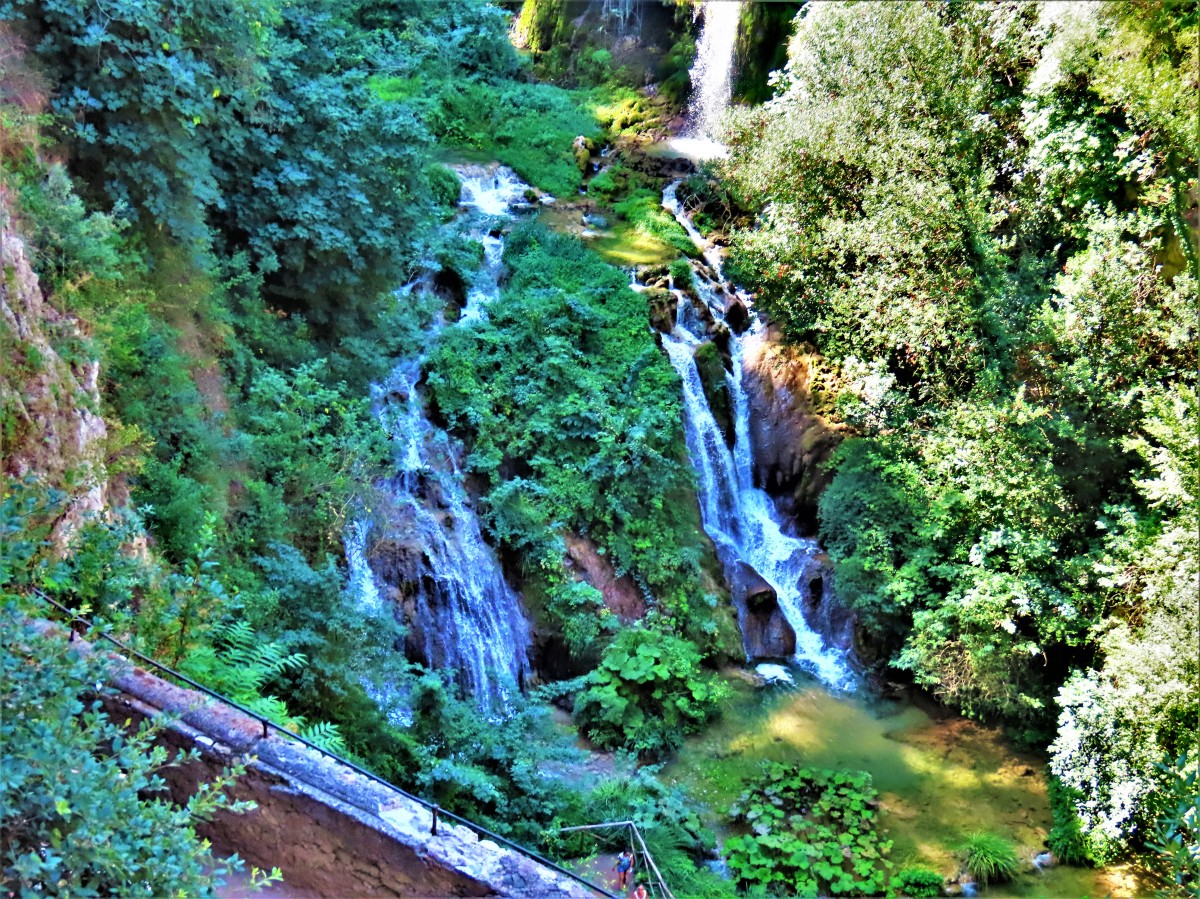
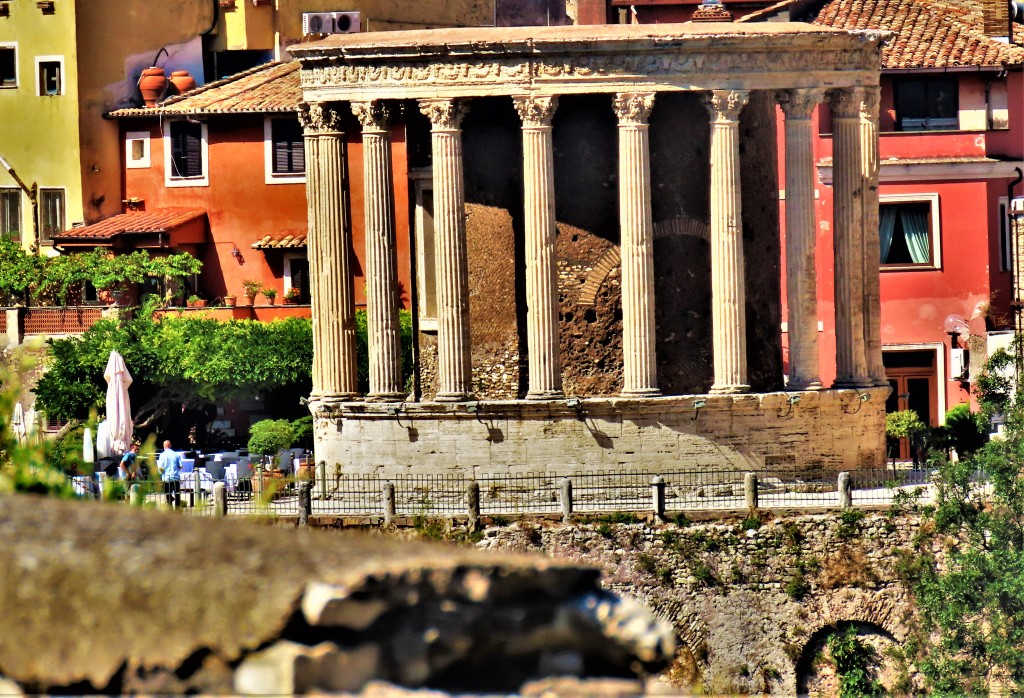
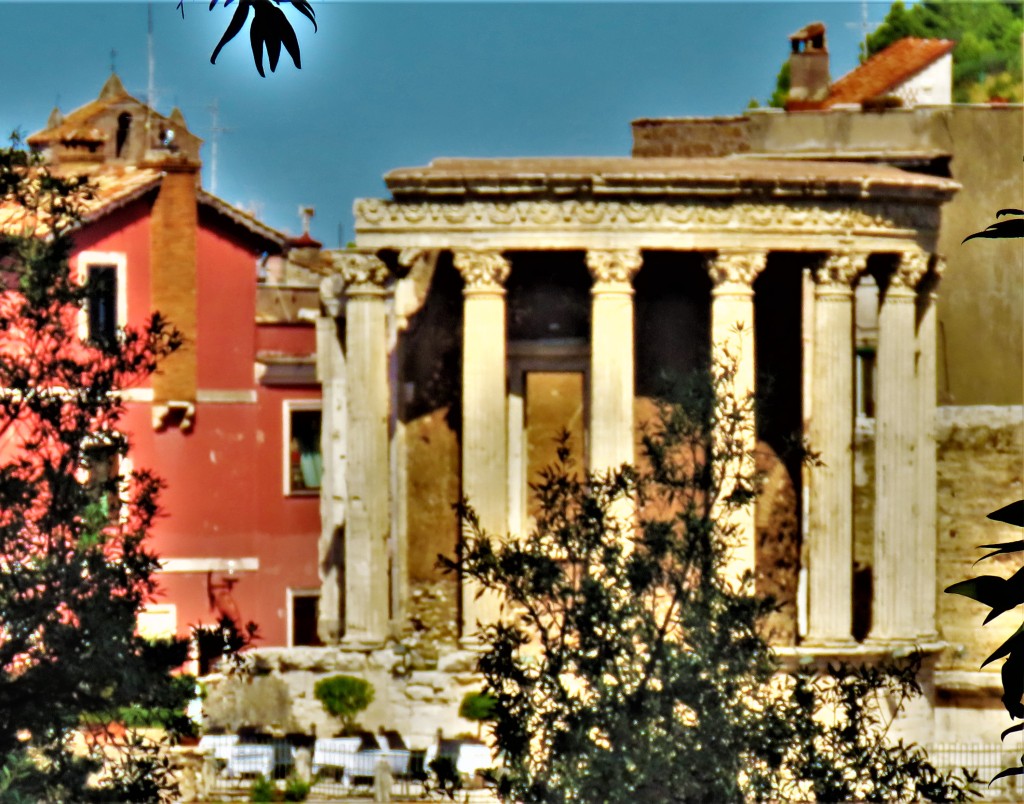
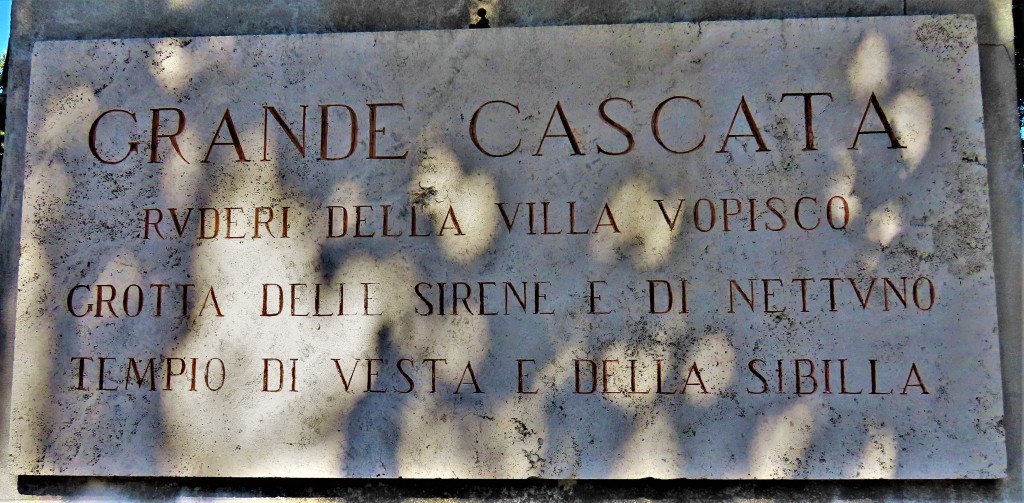
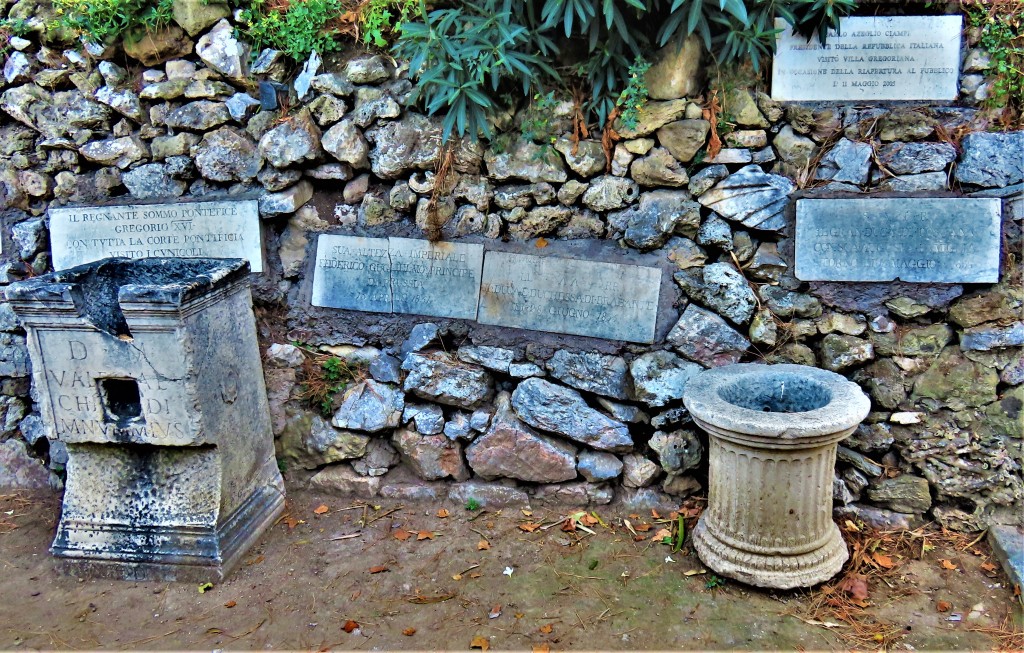
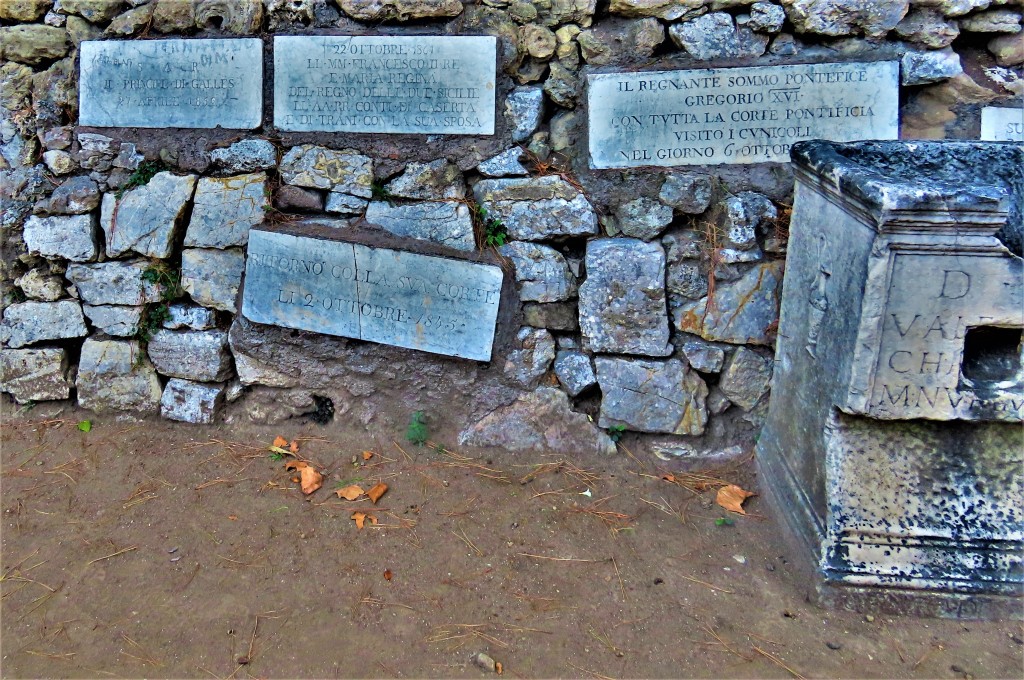
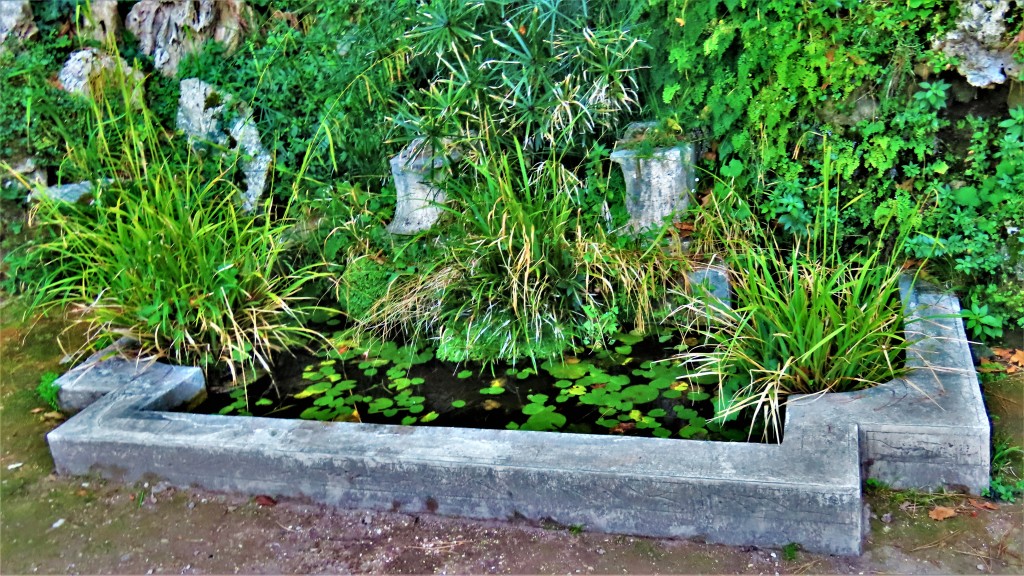
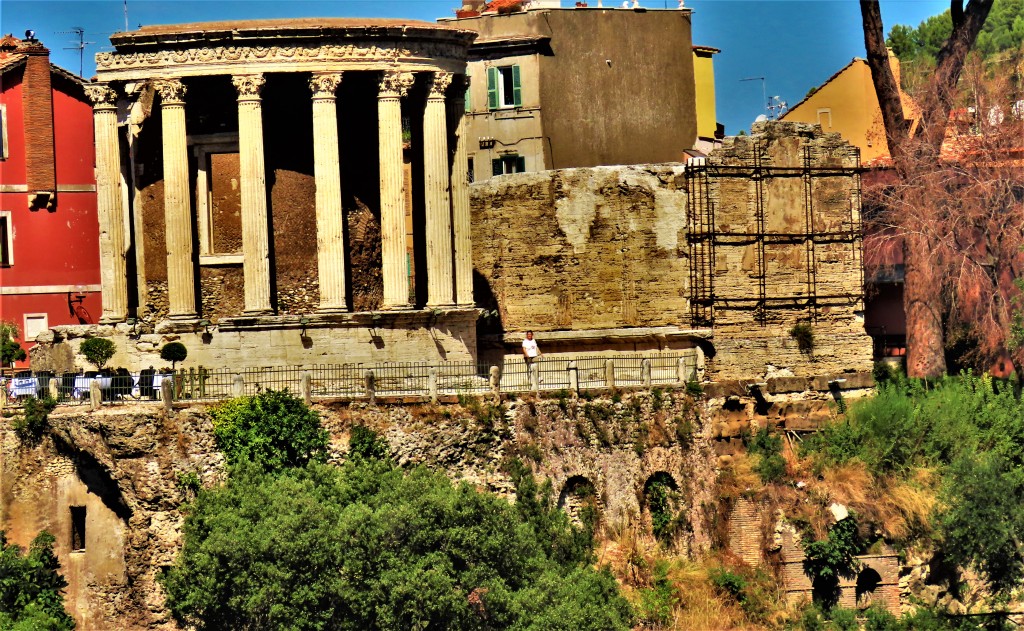
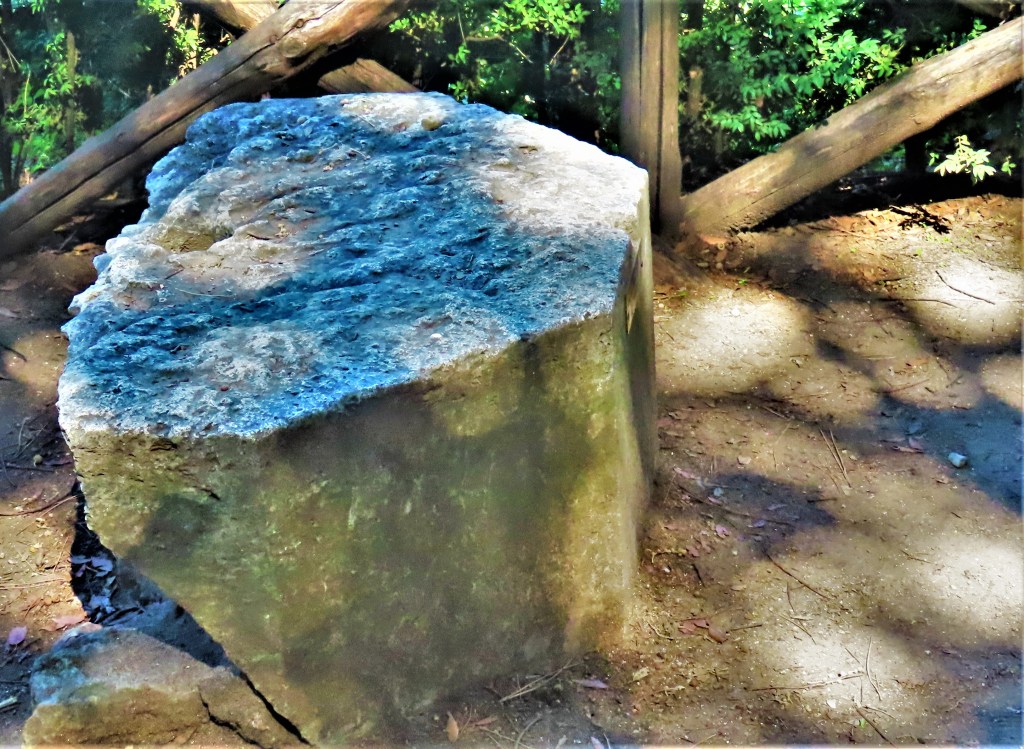
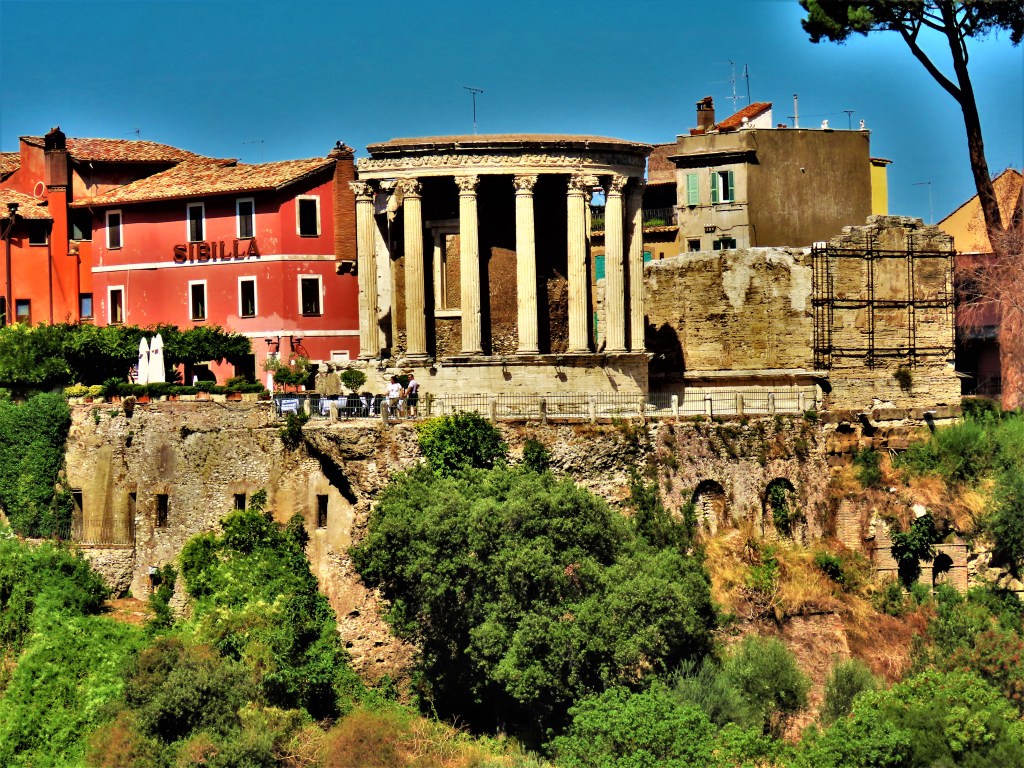
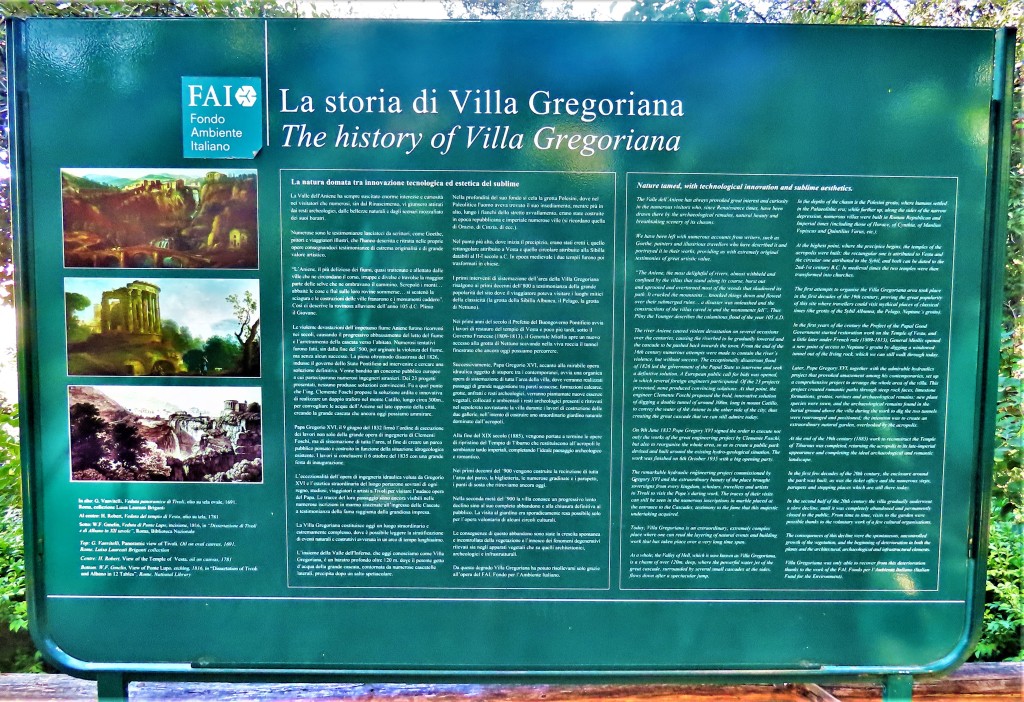
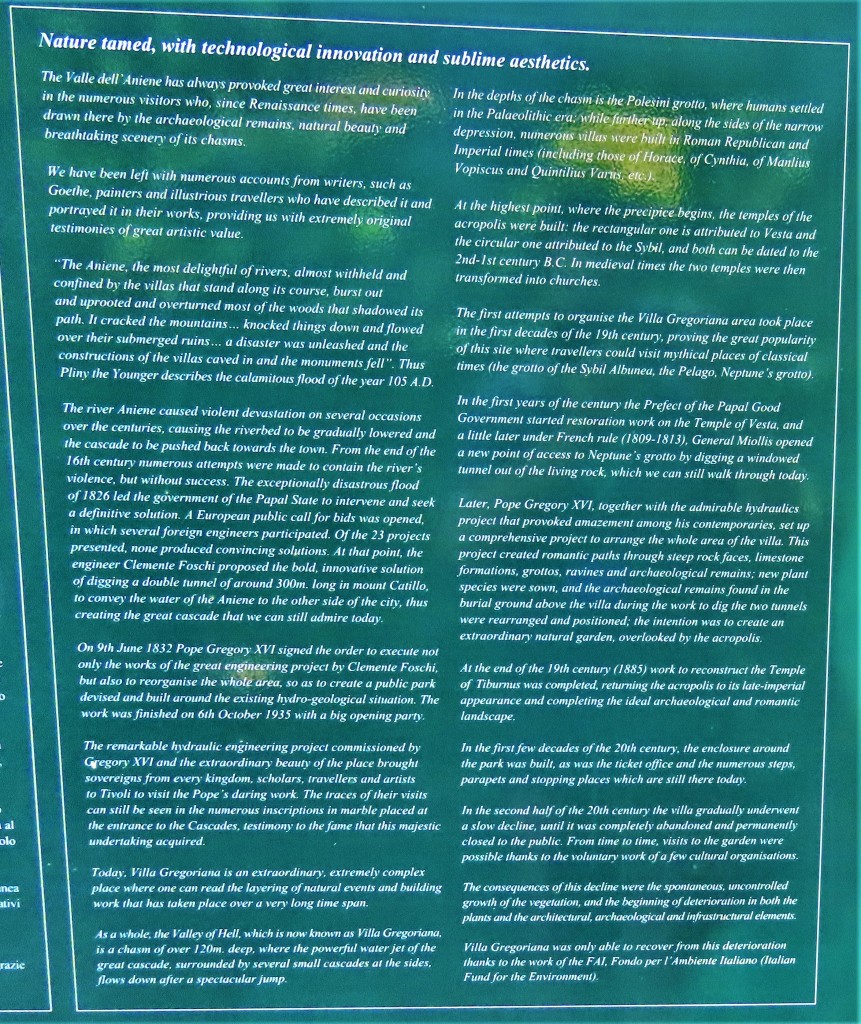
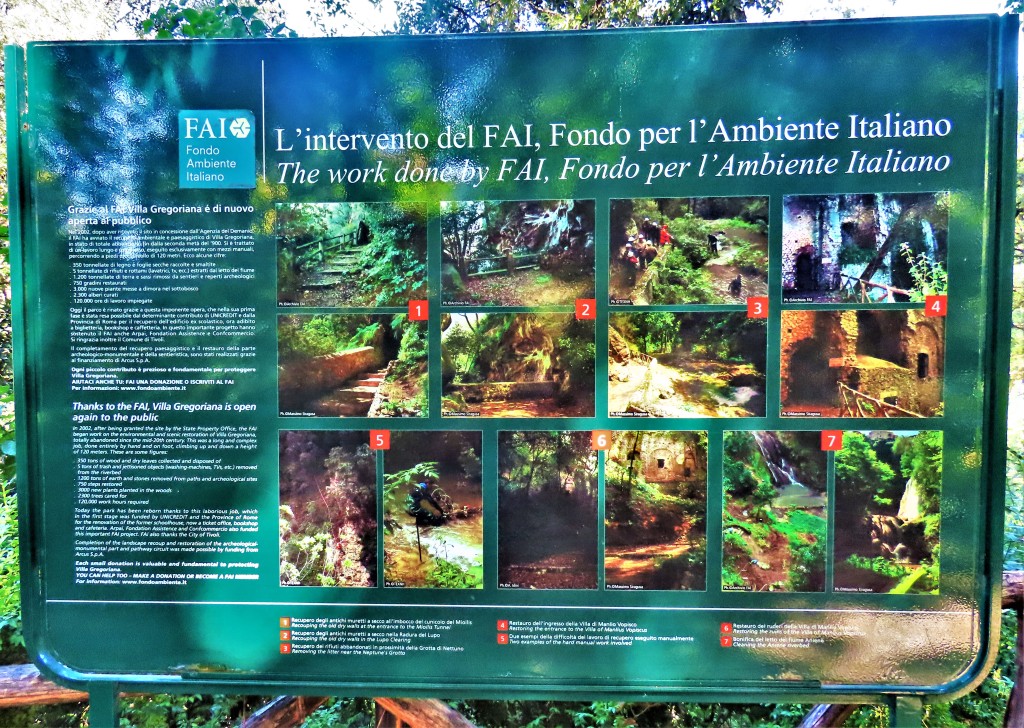
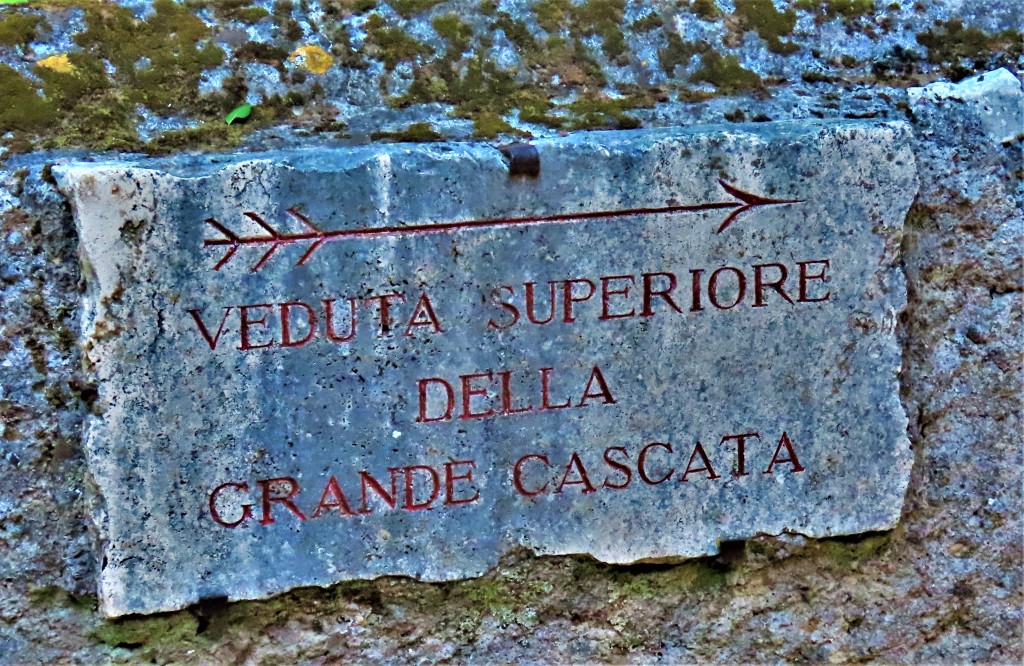
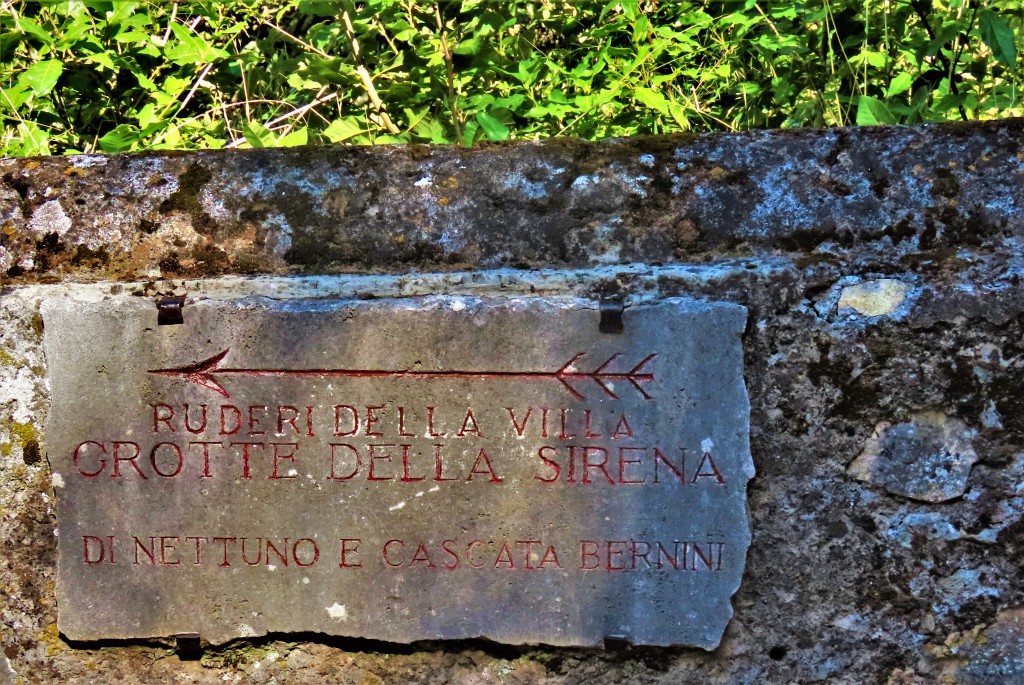
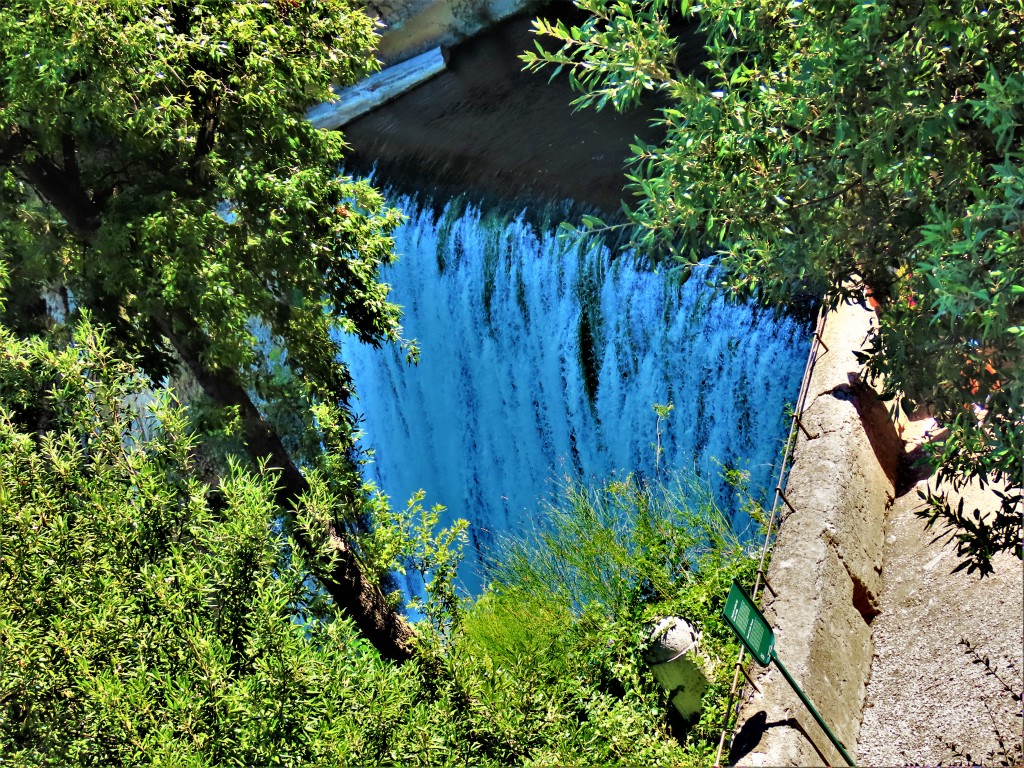
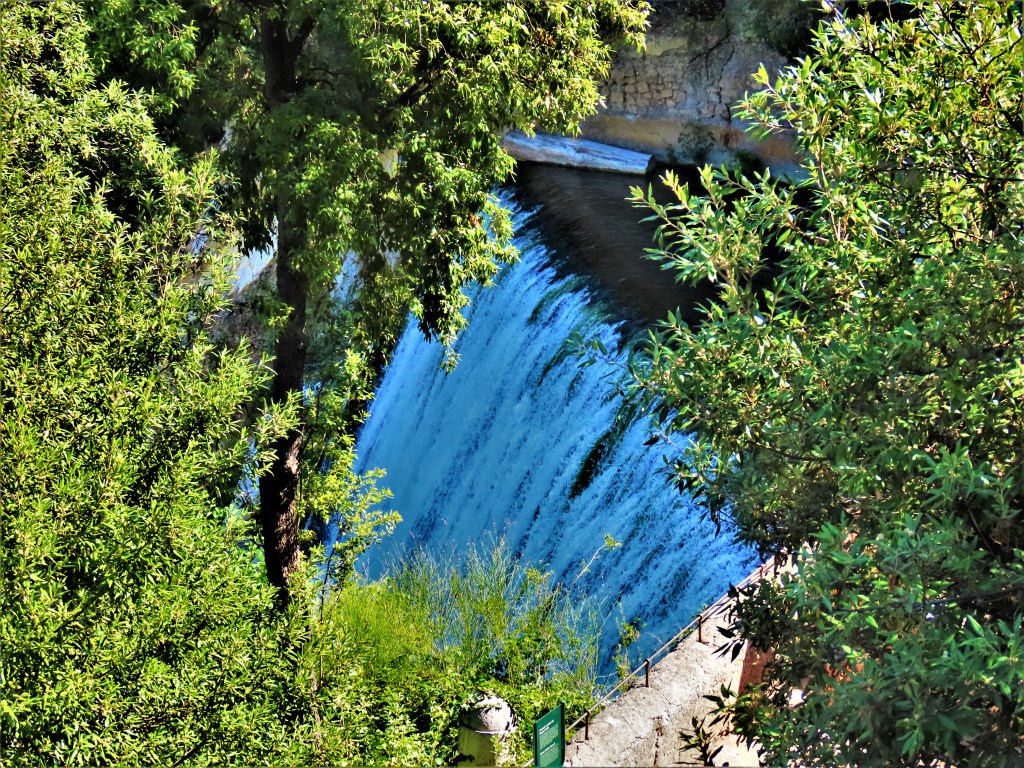
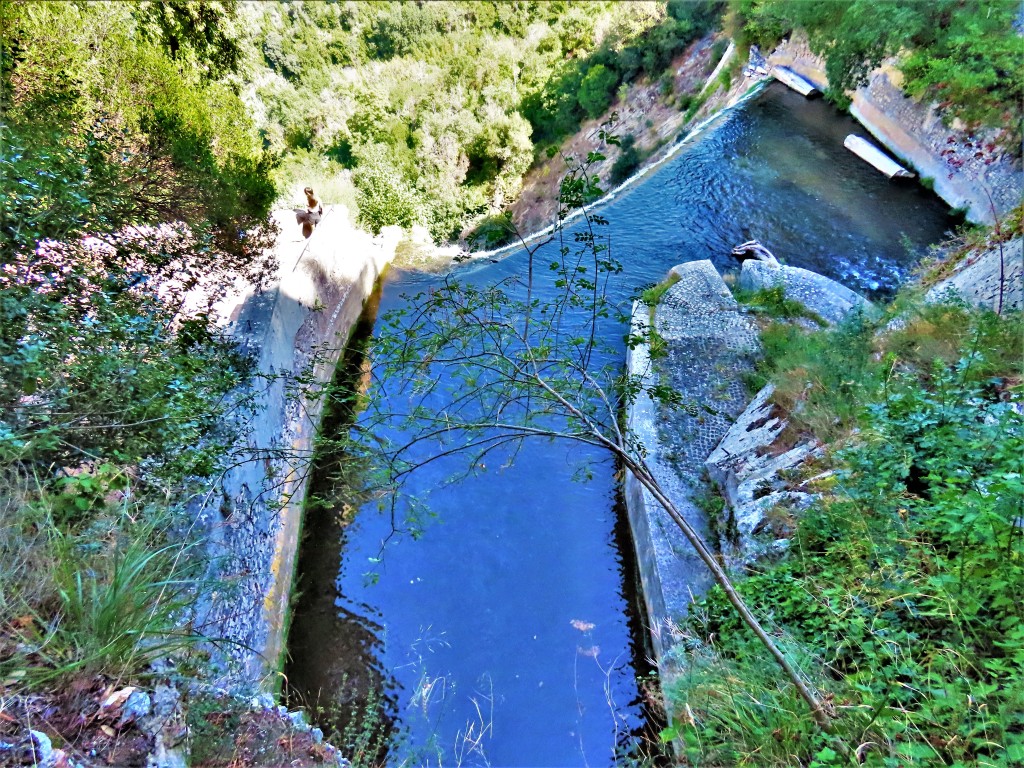
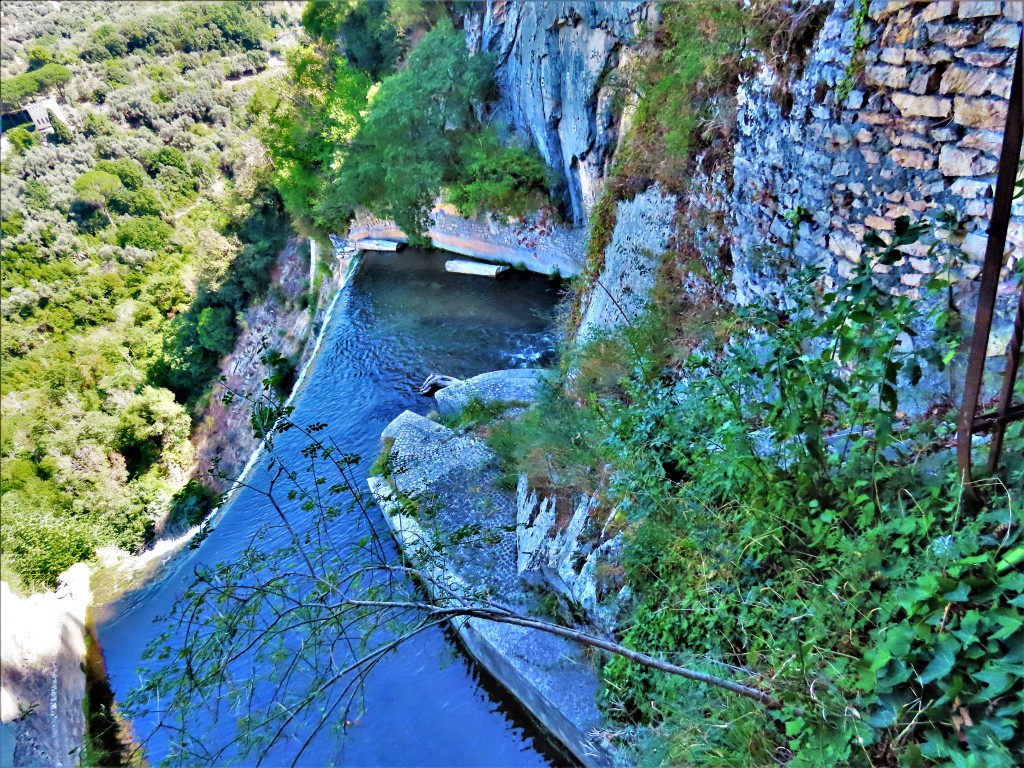
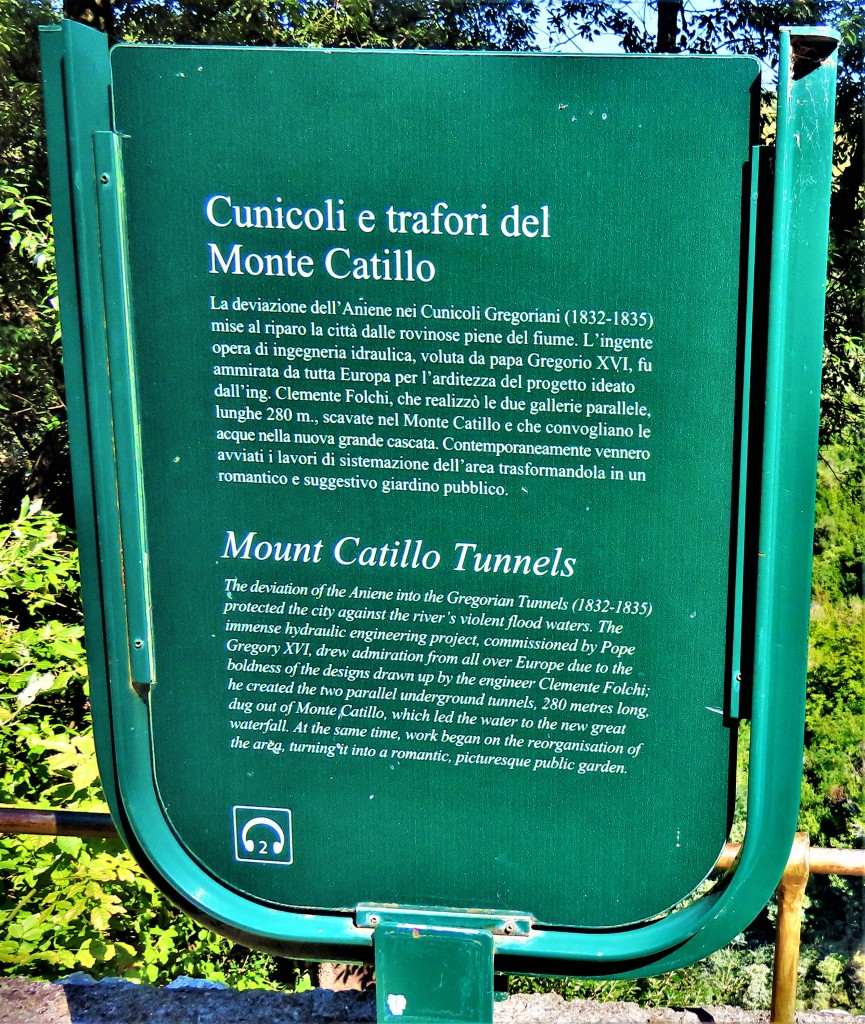
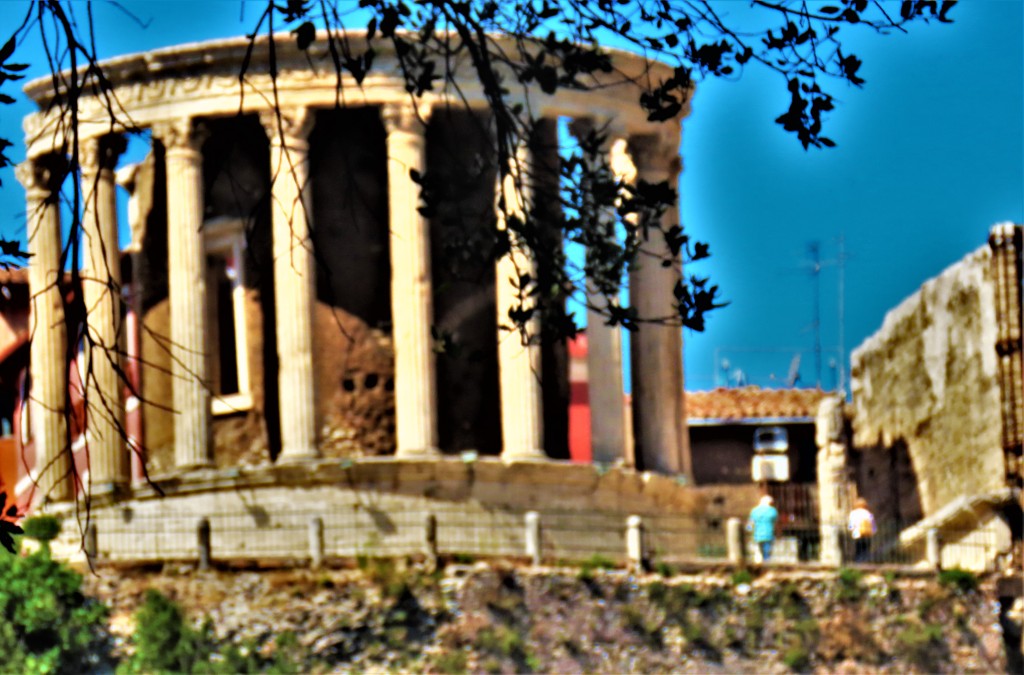
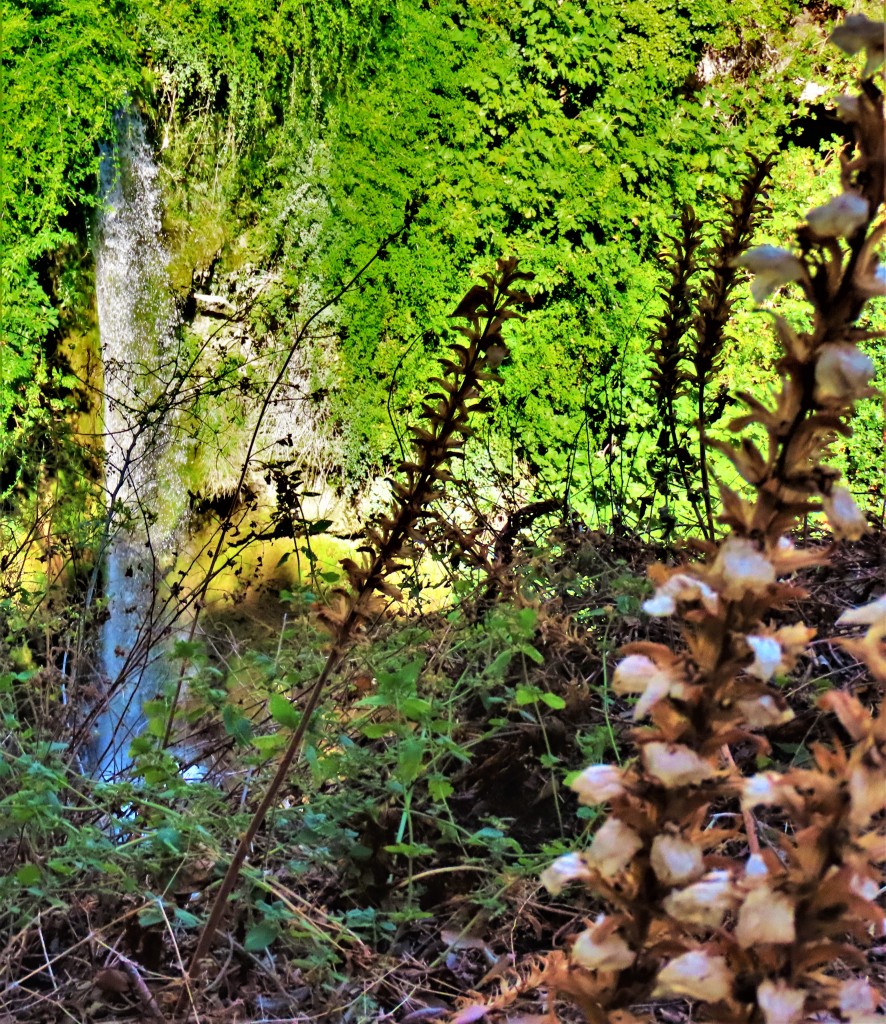
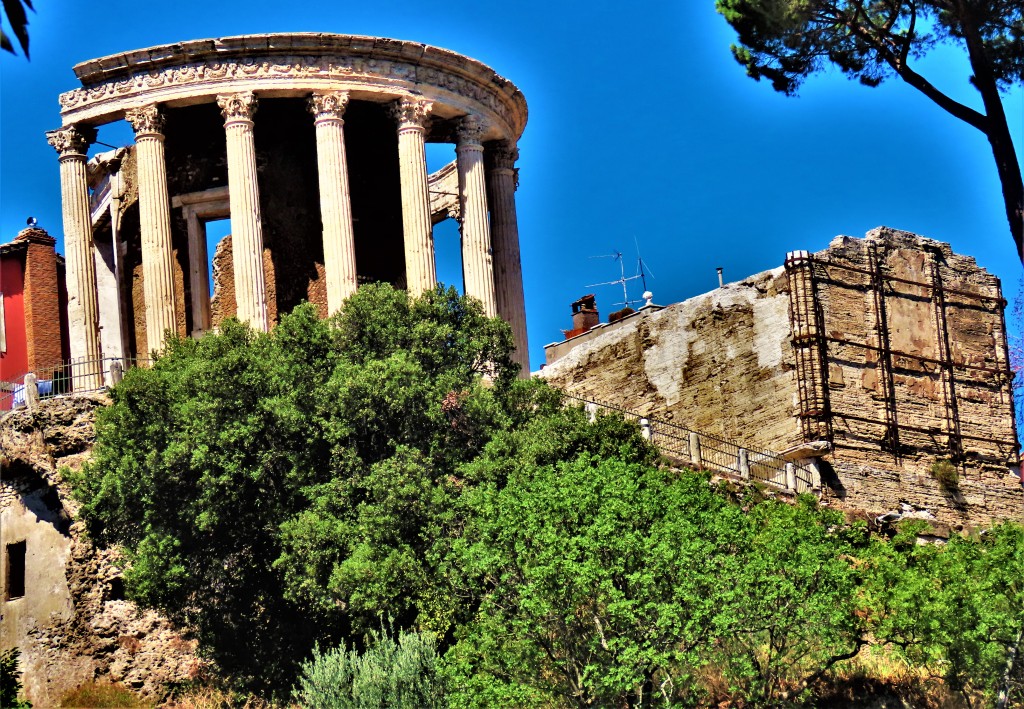
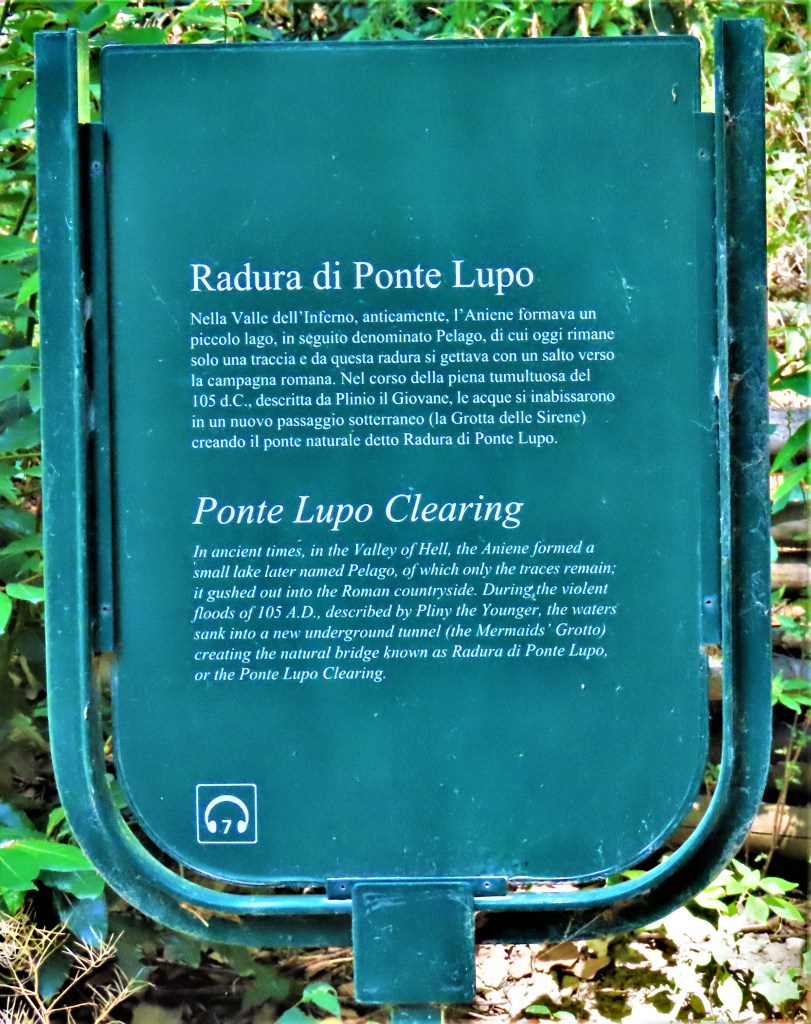
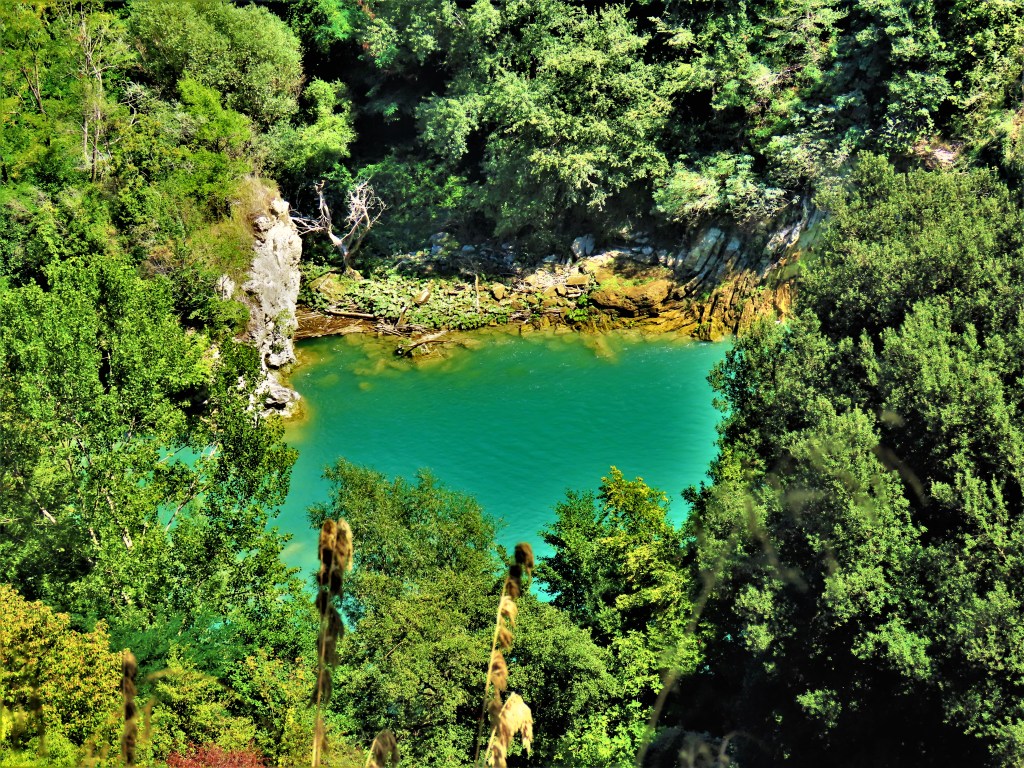
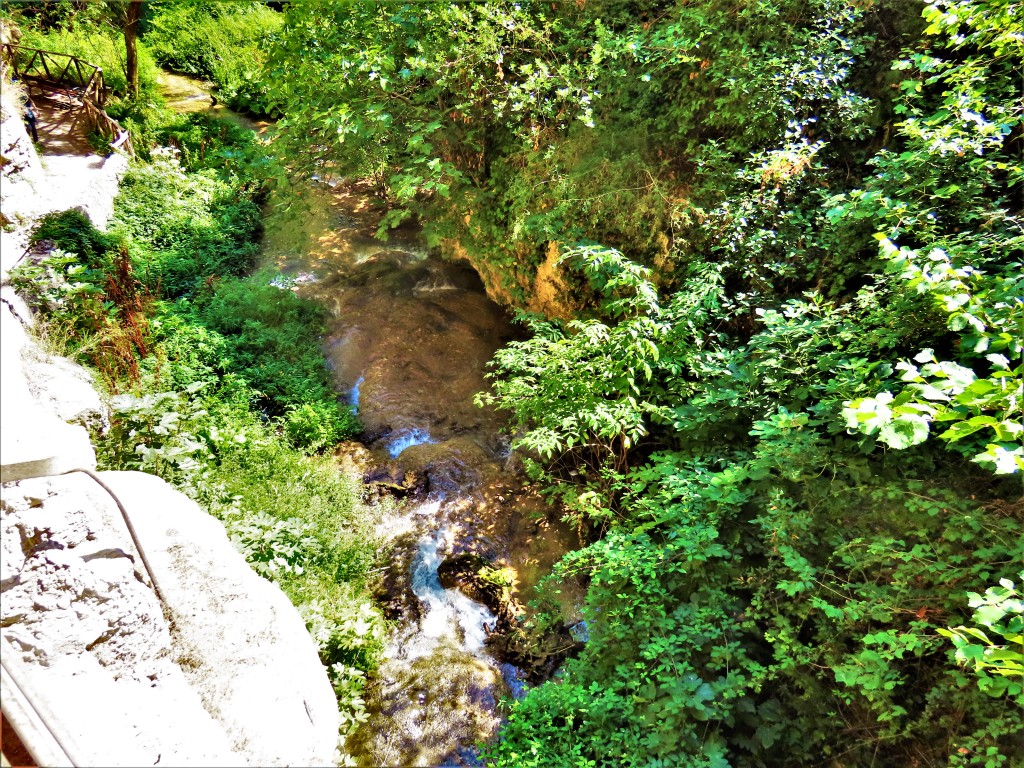
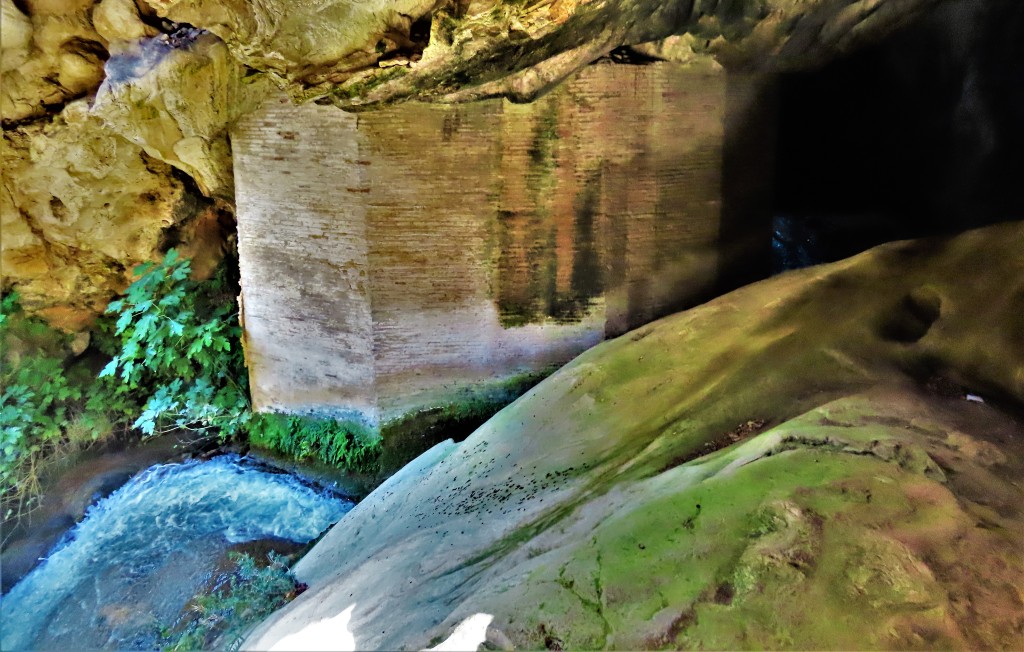
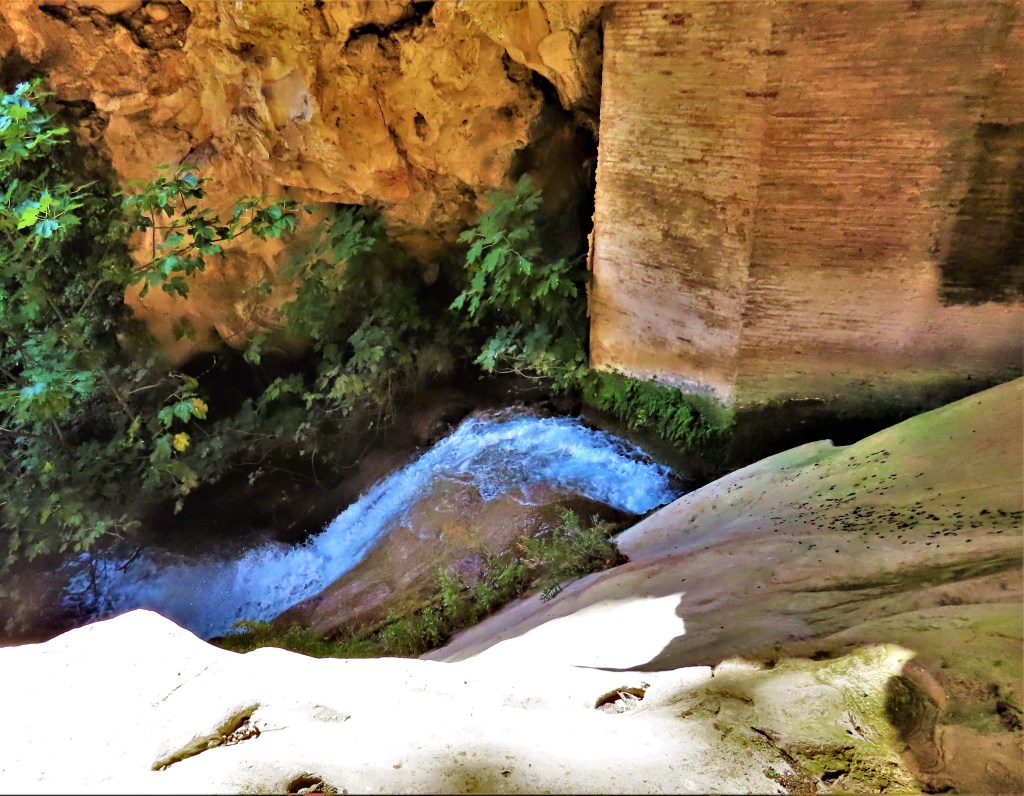
The name of this place derives from the 16th and last pope to use the name Gregory (the selfsame Gregory who created an order of knights supposedly named in honour of the first pope Gregory) who oversaw some important engineering works in the area (the waterfalls, including the big one I have showing videos of are nearly all engineered and not as they would have looked in olden times, when the river Aniene regularly flooded the town). Although it is named as a villa the grounds are all that remain, although among the many landmarks they feature are the remains of a temple of Vesta.
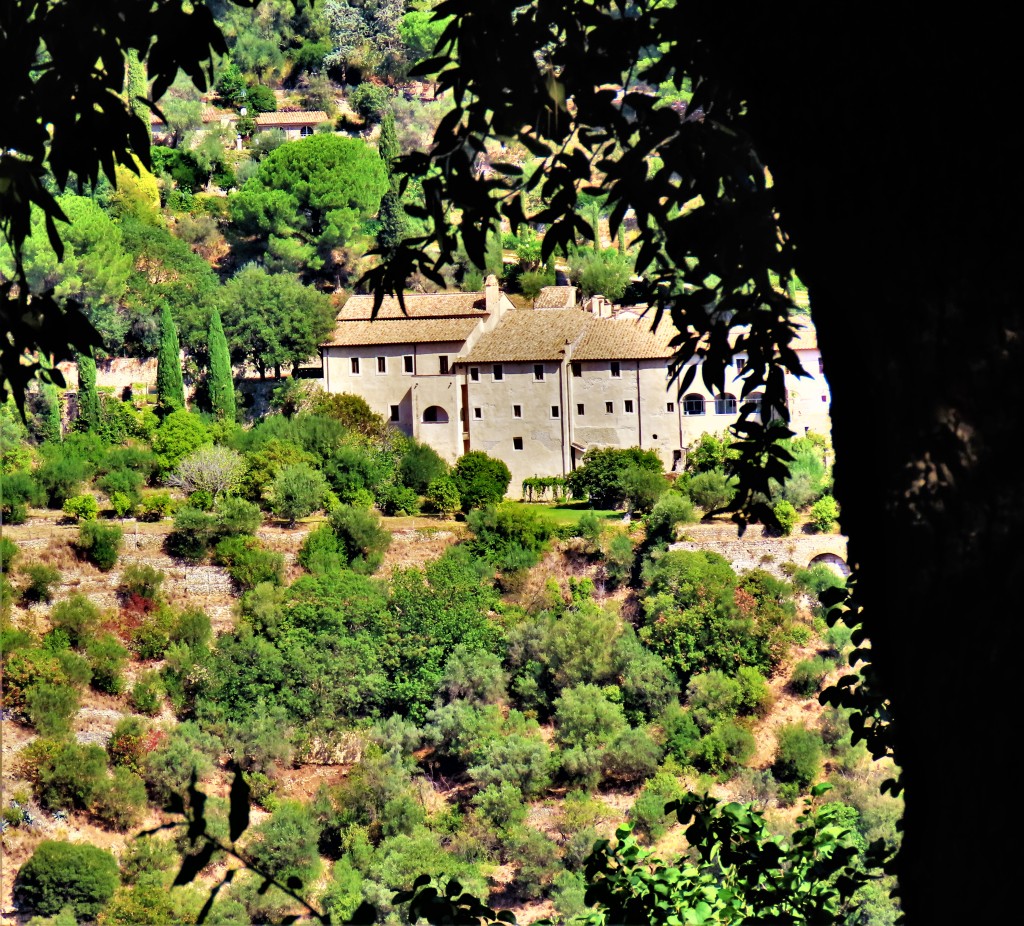
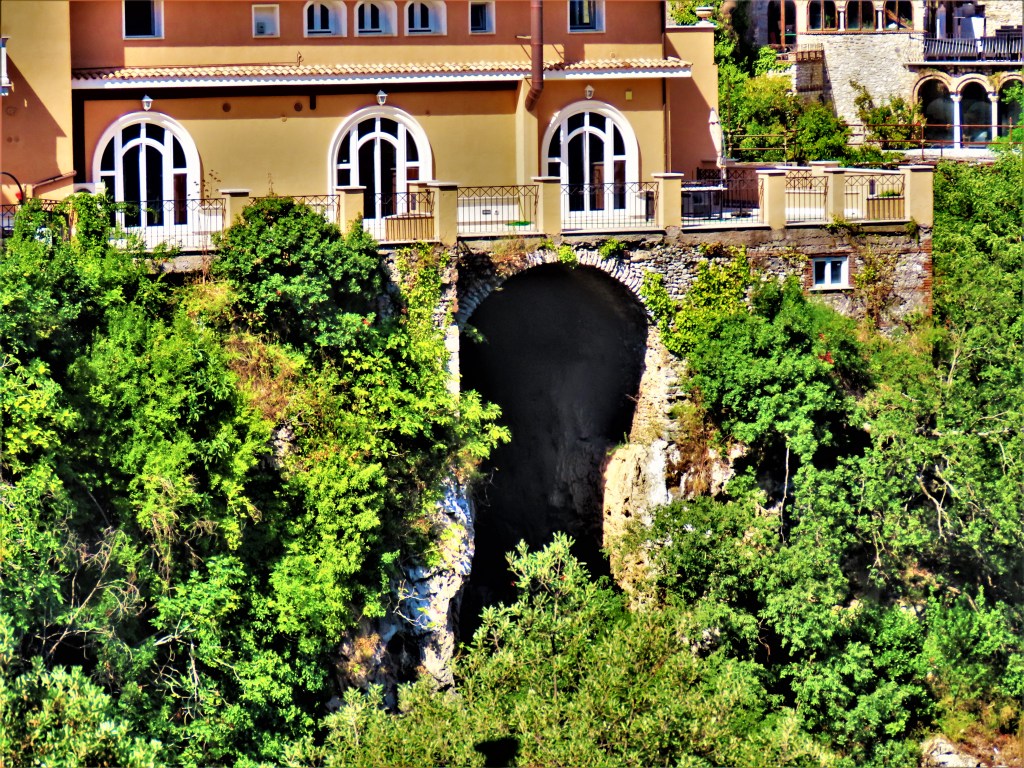
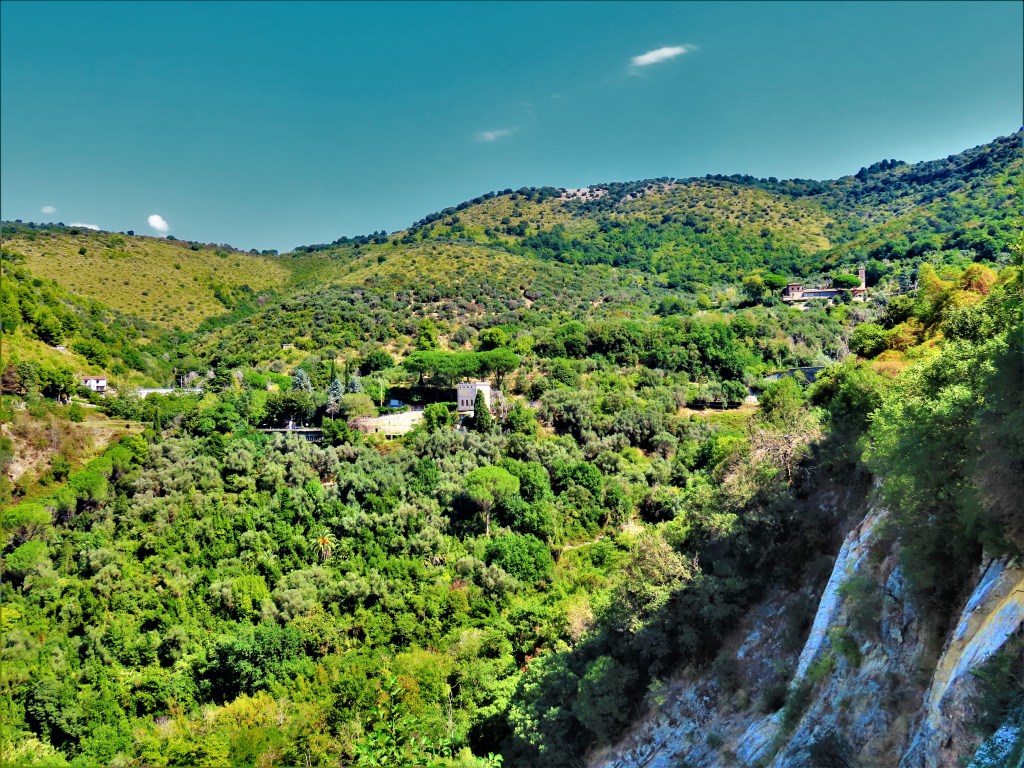
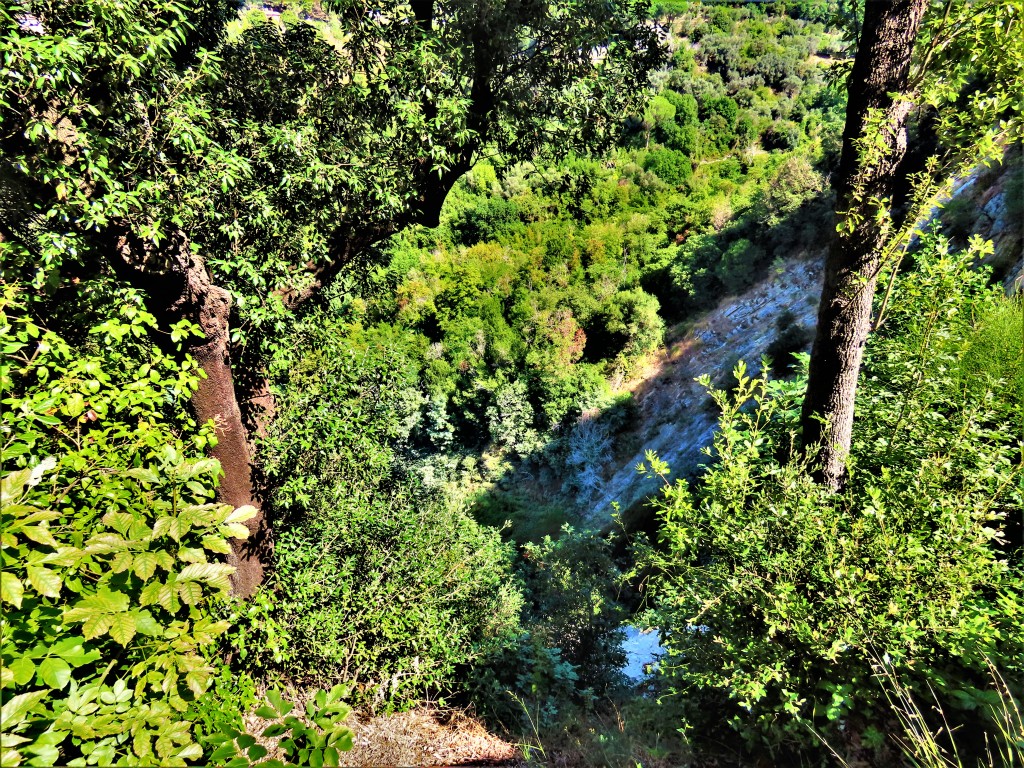
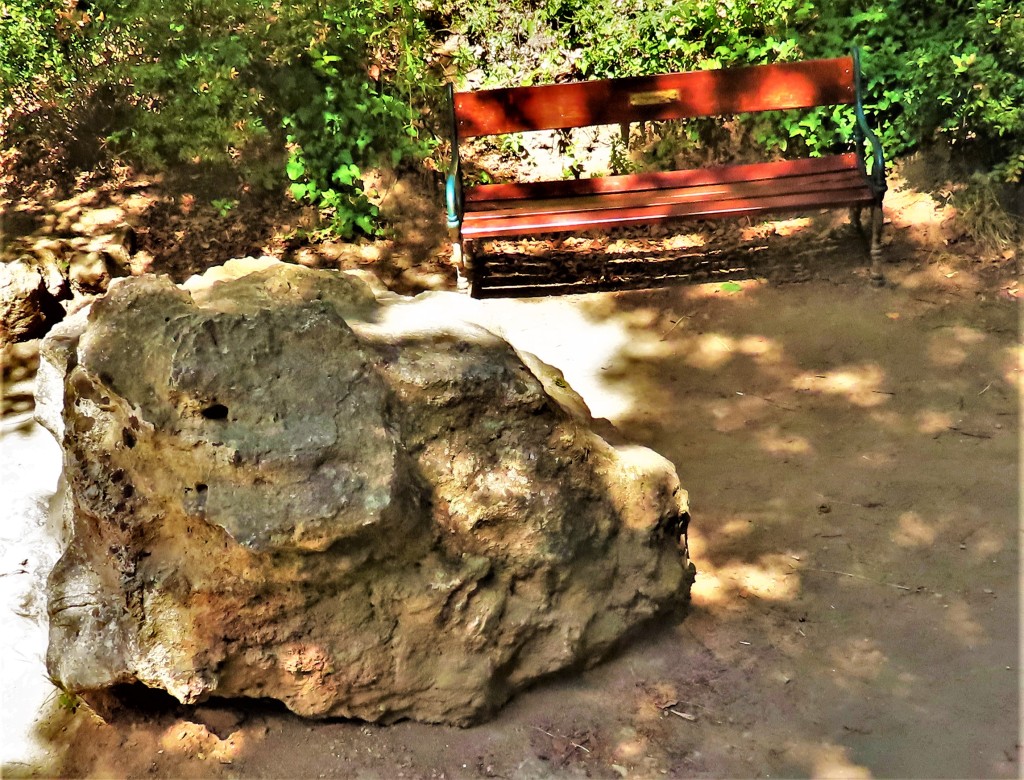
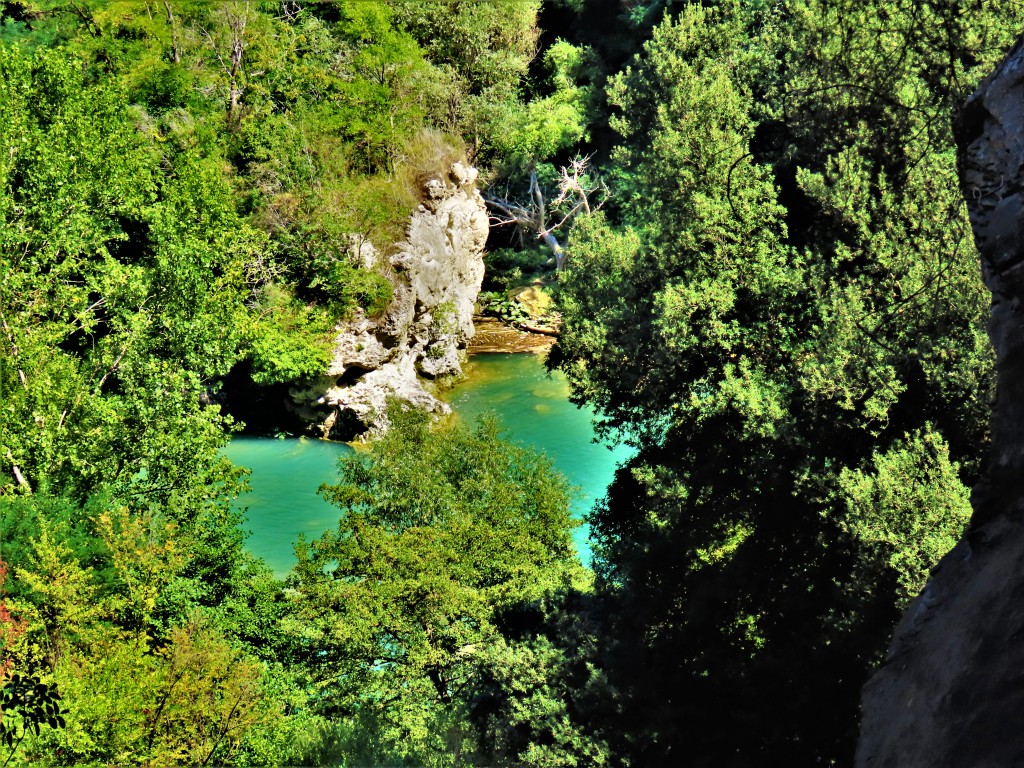
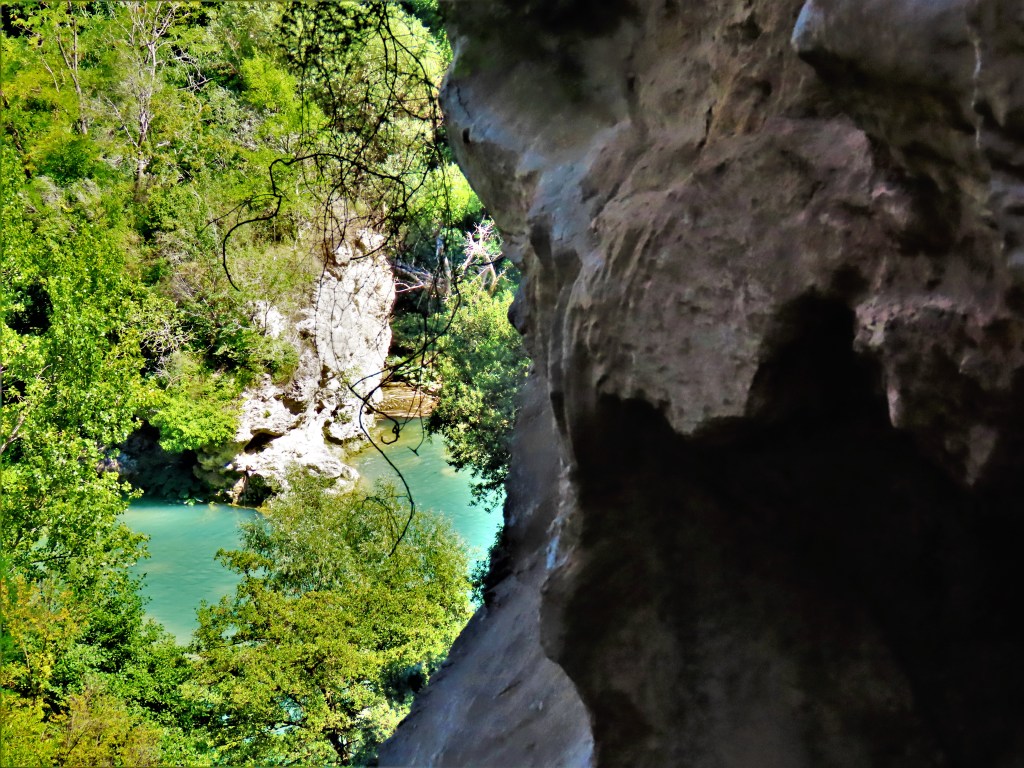
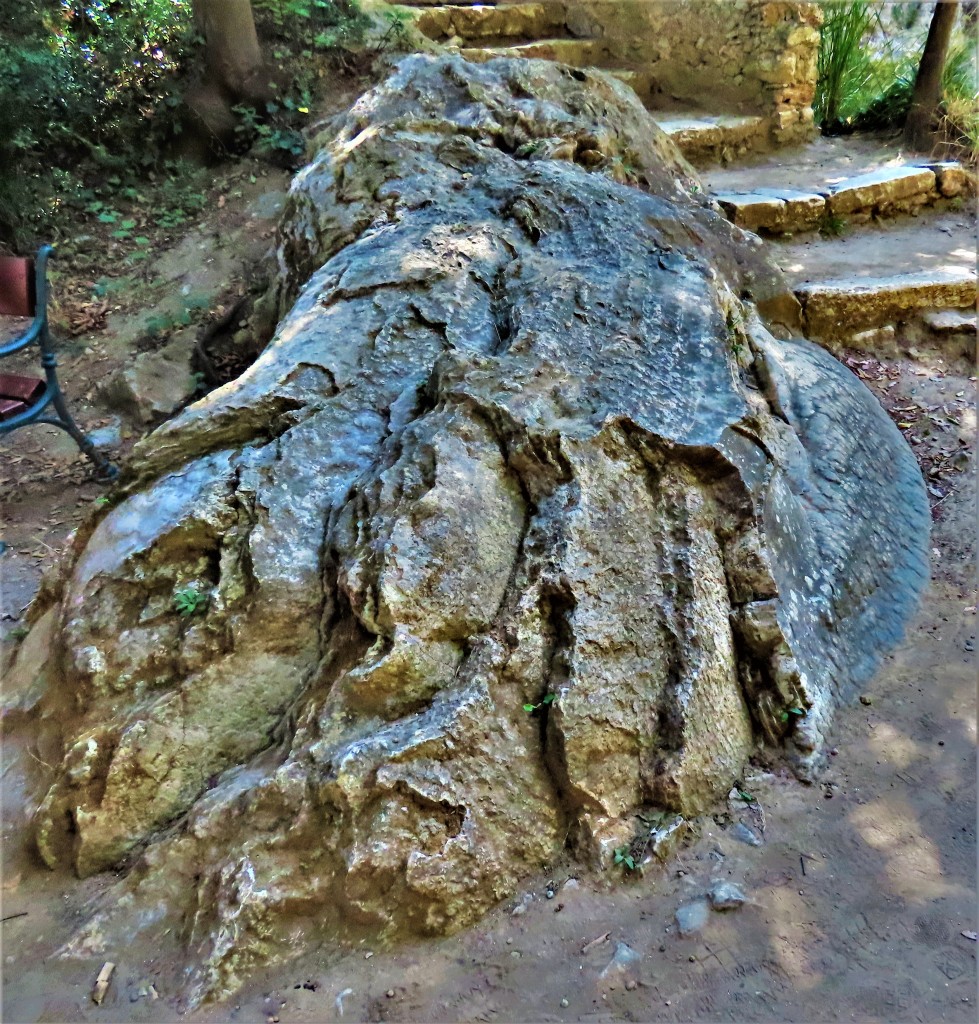
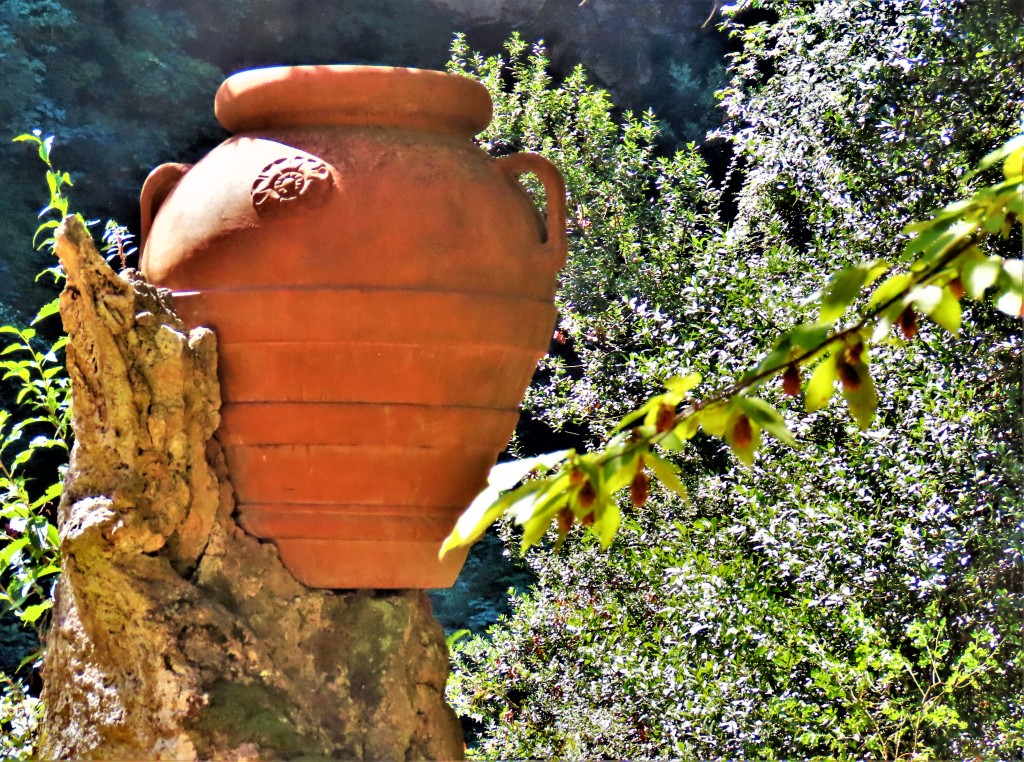
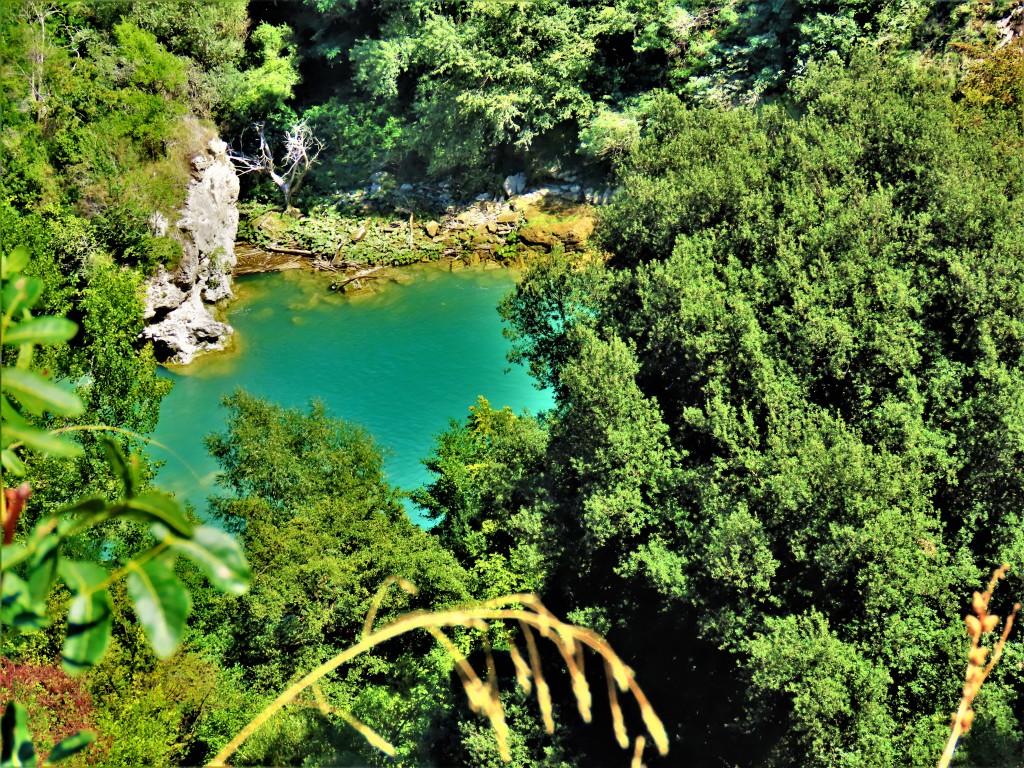
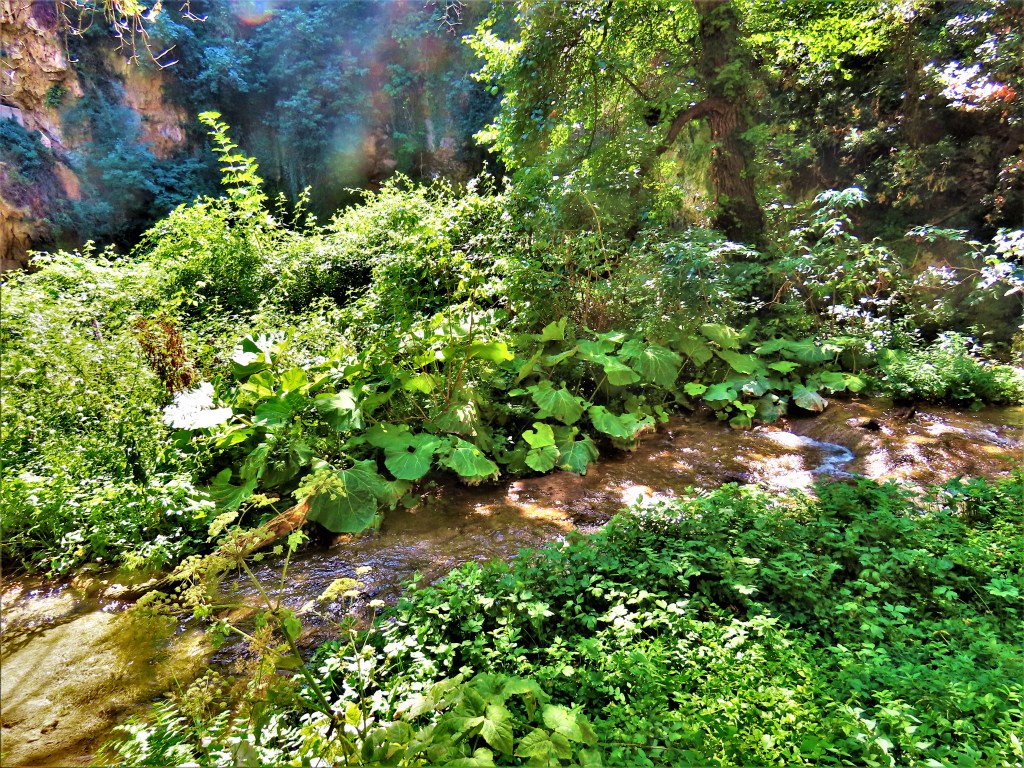
We walked there and then through the grounds. The walking route goes right down into the heart of what is a very deep valley and then up the other side. The ascent, in heat that was already quite punishing (the temperature was into the thirties, unusually hot for the time of year), caused me serious problems – a combination of exhaustion and dehydration. Four of us including me travelled back to our villa in a taxi, and I spent a very quiet afternoon in my room, drinking lots of water. I recovered, and thereafter never went out without water and adopted a much more cautious approach for the rest of the stay. I enjoyed seeing the grounds of the Villa Gregoriana, which as I hope the photo gallery that follows indicates are quite extraordinary.
I end this post, as usual for this series, with a waterfall video:
Continuing my account of my Italian holiday with the moving day.
We have reached a turning point in my account of my Italian holiday (2-11 September inclusive). After four nights in Rome it was time to move on to Tivoli for the second part of the stay.
SETTING OFF
We had to vacate our apartment in Rome by 10AM, and the car that had been hired for the Tivoli leg of the holiday was due to be available from Roma Termini at 12:00. Given our baggage it seemed sensible not to attempt the journey across Rome by public transport, so my nephew used an app on his phone to hire an Uber van to collect us. The morning went fairly smoothly, and the delay at Roma Termini was not too long either (we found a cafe near the car hire place and had some refreshment).
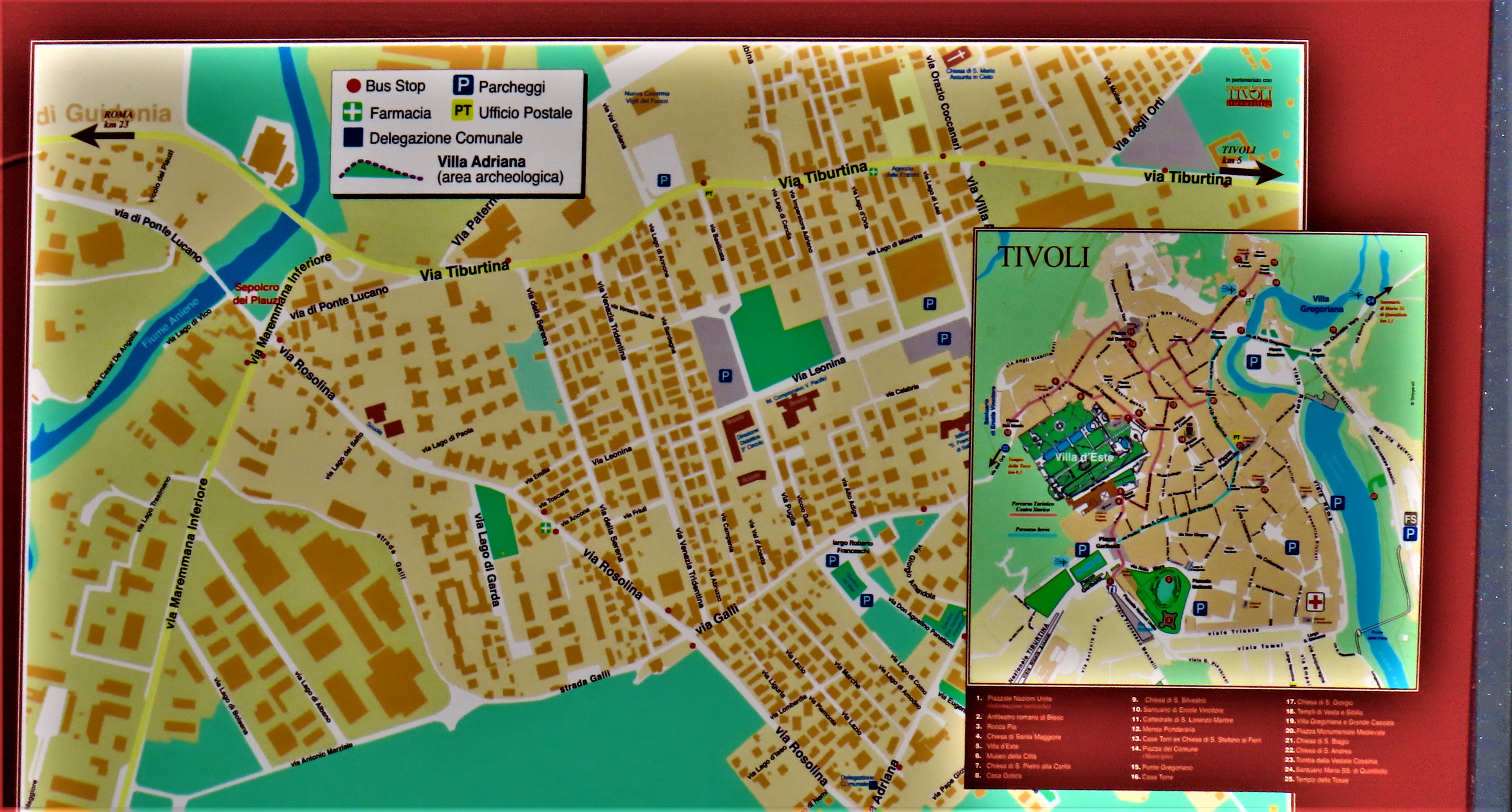
We travelled by way of the Via Tiburtina, and visited a supermarket en route to purchase drinks for the stay (breakfast and supper were provided with the accommodation, but booze was our responsibility).
We were booked into the Villa Sant’Antonio just outside Tivoli, where we were to be joined by an uncle, aunt and cousin plus an old family friend. We arranged who would have which rooms, and were then able to relax for the rest of the day.
The Villa Sant’Antonio is an ex-convent, and is allegedly above the site of a villa owned by the great Roman poet Horace (there is a reference to him enjoying the view of a waterfall, and as you will see in a later post there are some remains which lend credence to the claim).
Continuing my account of my Italian holiday, featuring Caravaggio, The Spanish Steps and a remarkable Pizza experience.
Welcome to the latest post in my series about my Italian holiday (2-11 September inclusive), which deals with the second half of the final full day in Rome before we moved on to Tivoli.
THE CARAVAGGIO
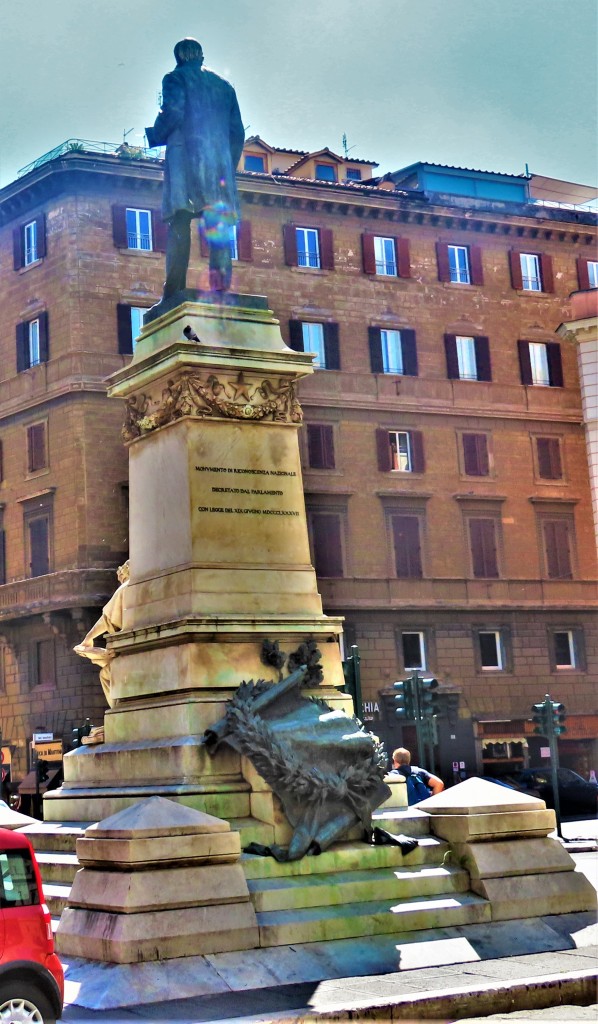
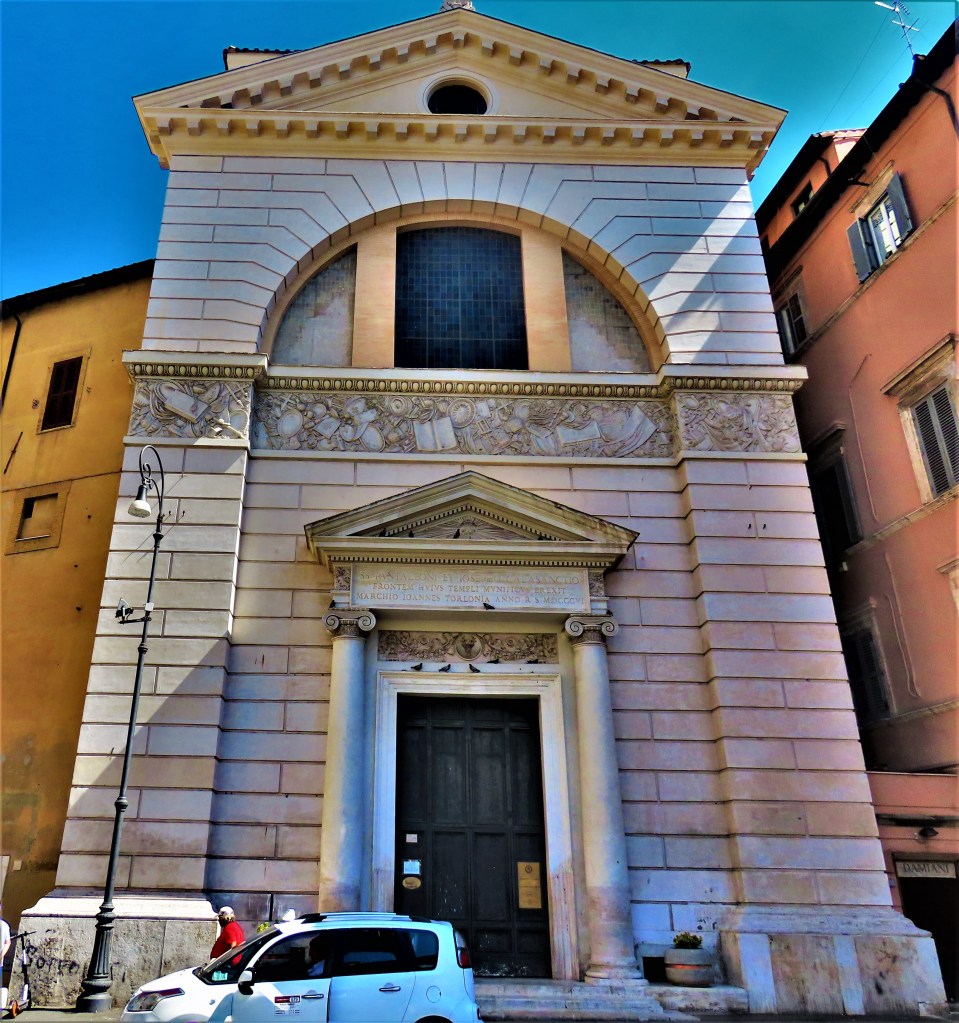
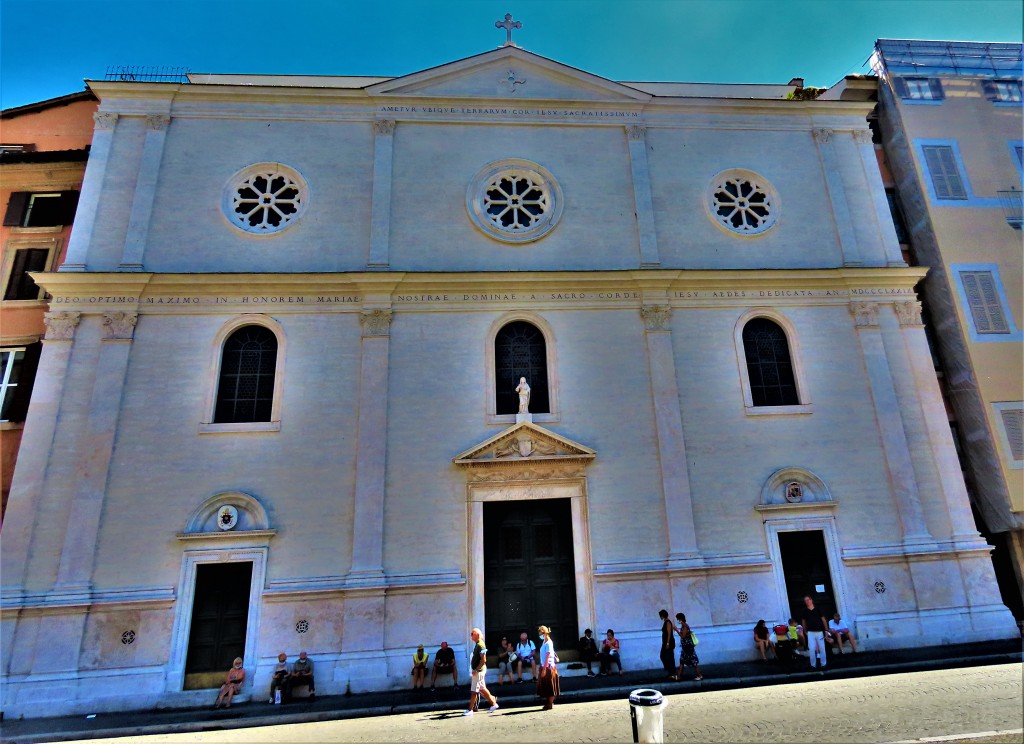
After finishing at Domitian’s Stadium we headed towards the Spanish Steps, and along the way we passed the church of Sant’Agostino, the main feature of which is a painting by the artist Caravaggio. It is very dark, and there is little light unless you pay 1 euro to have it briefly lit up. For obvious reasons flash photography is forbidden (I am in any case not keen on using the flash on my camera, so no hardship for me).
The Caravaggio painting – the first photo was taken with the lights off, the other two with them on.
Although the main feature of the church it was not the only one of interest, as this gallery, which covers from leaving Domitian’s Stadium to leaving the church should show:
THE SPANISH STEPS
We completed our afternoon’s activities with by walking to the Spanish Steps and then back to our apartment. There was, as always in Rome, much to see, as the gallery below indicates.
EMMA’S PIZZERIA
For that evening’s supper, our last in Rome before moving on to Tivoli the following morning, we were booked into Emma’s Pizzeria. I opted for ‘Bufala con prosciutto’, a pizza with buffalo milk cheese and prosciutto. It was a ‘white pizza’ – no tomato in the topping, which suits me fine. Roman pizzas have very thin and crispy bases, which I also approve of, so all in all this was a great success (indeed we had lunch there before heading to the airport for our flight home at the end of the holiday, and I made precisely the same choice).
My beer and the pizza
I end as is my custom with these posts with a waterfall video from Tivoli:
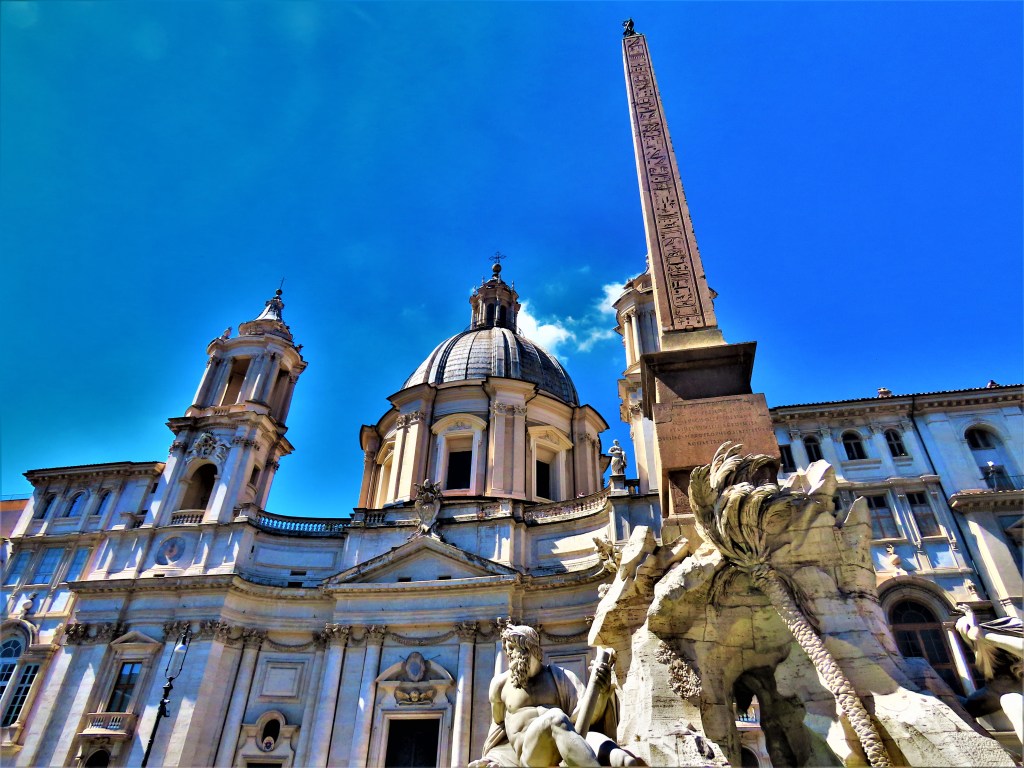
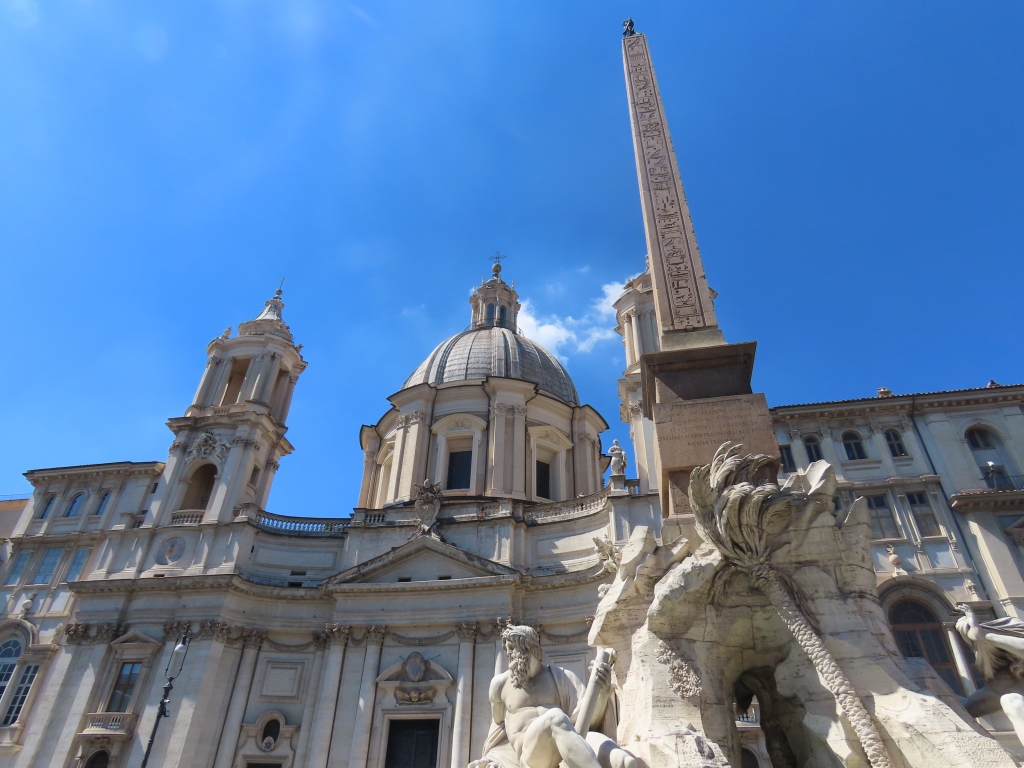
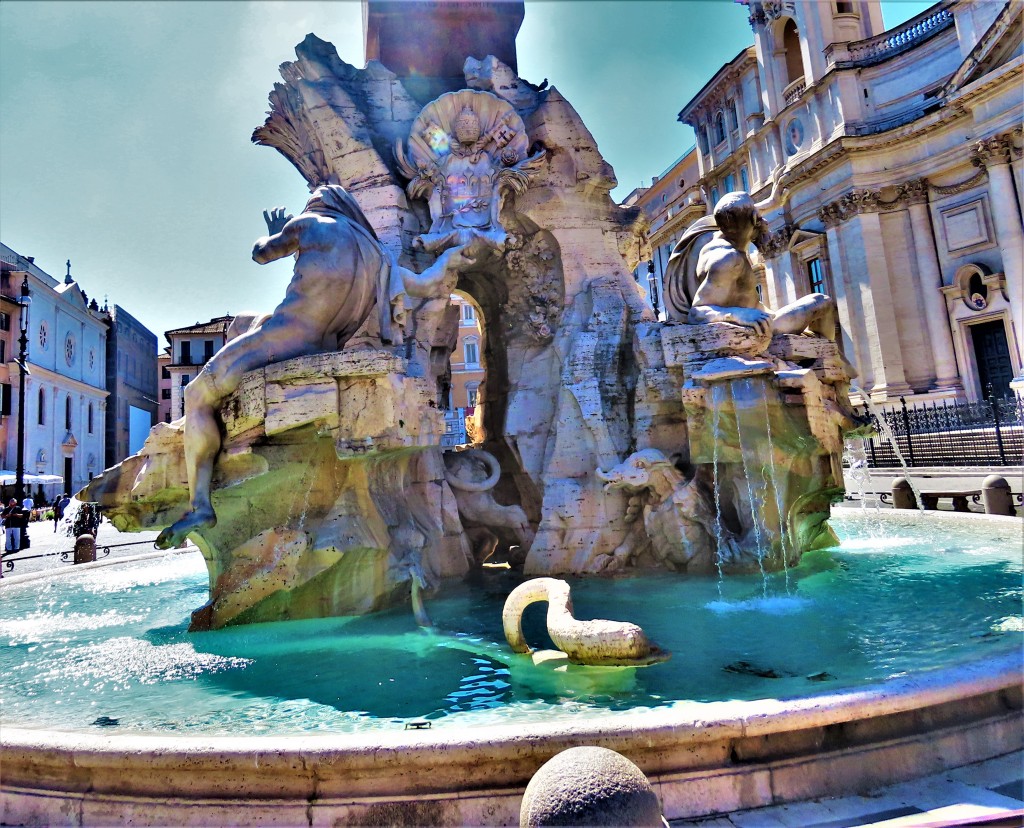
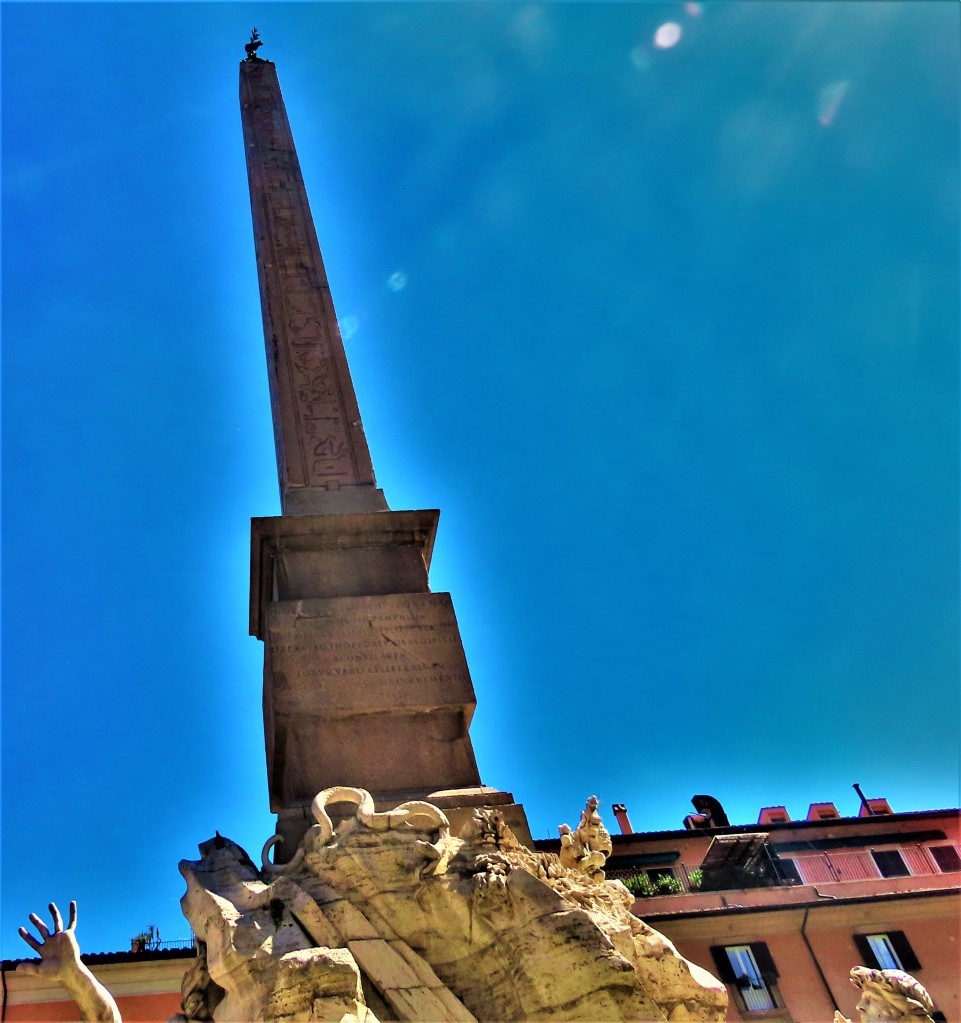
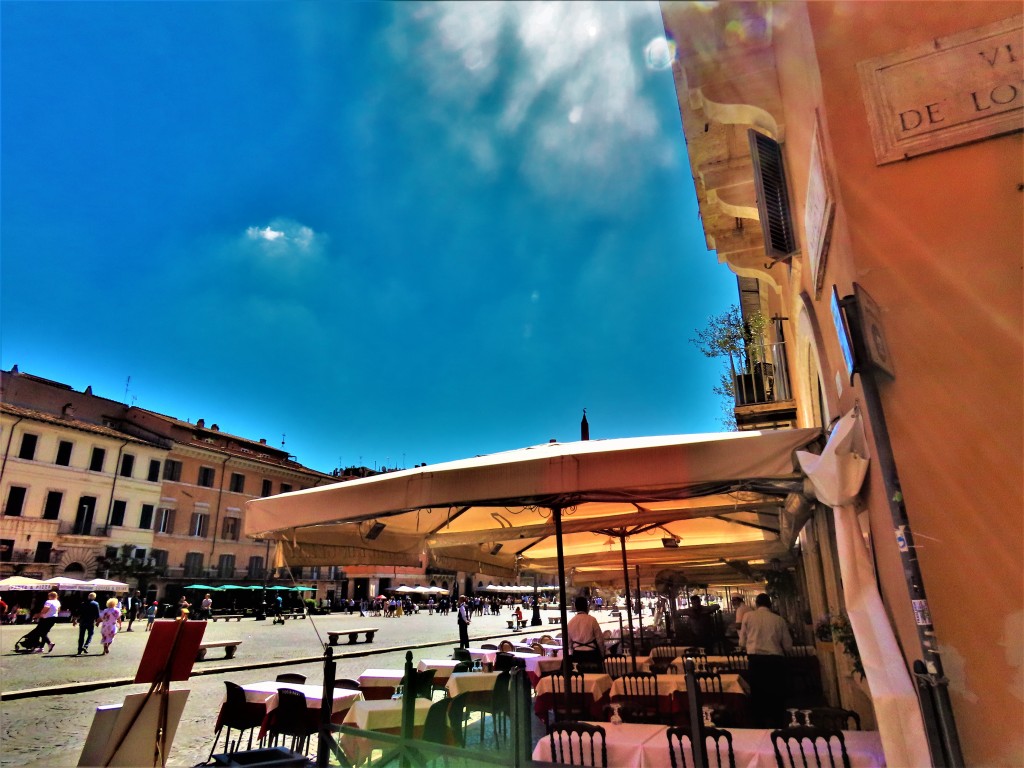
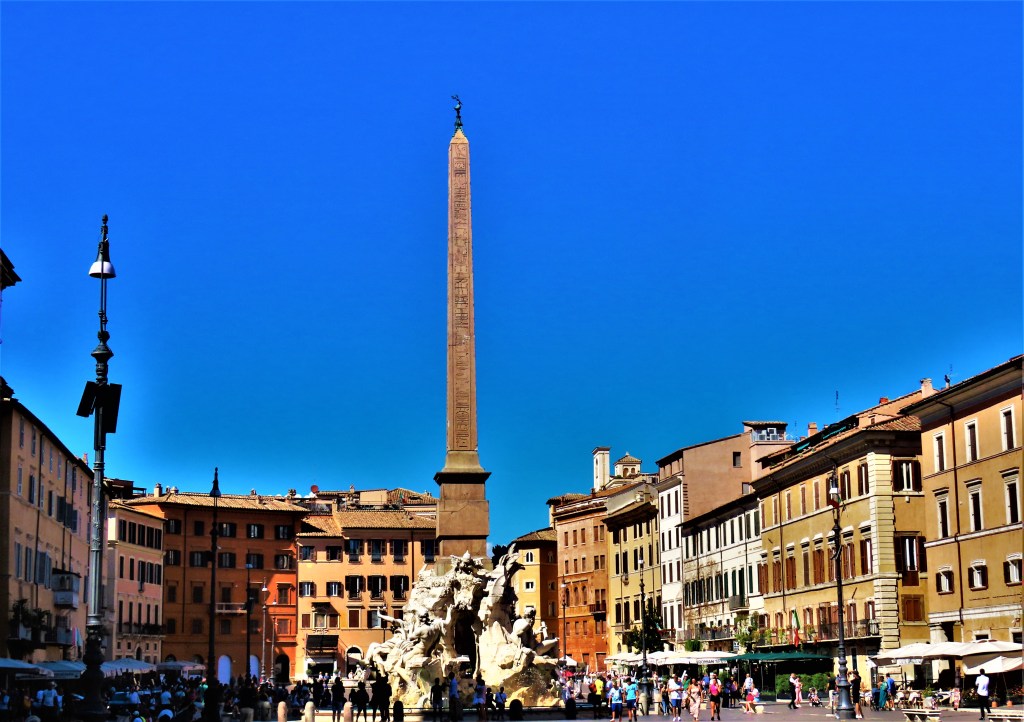
Continuing my Italian holiday series with an account of the Piazza Navona and Domitian’s Stadium.
This is the latest post in my series about my recent holiday in Italy (not all of us feel obligated to deny our travels, especially when there is indisputable evidence as to our whereabouts at the times in question), and its main theme is a visit to two places which are one on top of another.
SUPPER AT A HISTORIC RESTAURANT
After our look at the Via Appia we went out for supper at very fine restaurant which had some ruins visible beneath its floor. The meal was excellent. It was obvious from some of the things that we were warned about while ordering our food that they have had problems with English folk before (disappointing but sadly unsurprising that this should be the case), but we all thoroughly enjoyed it.
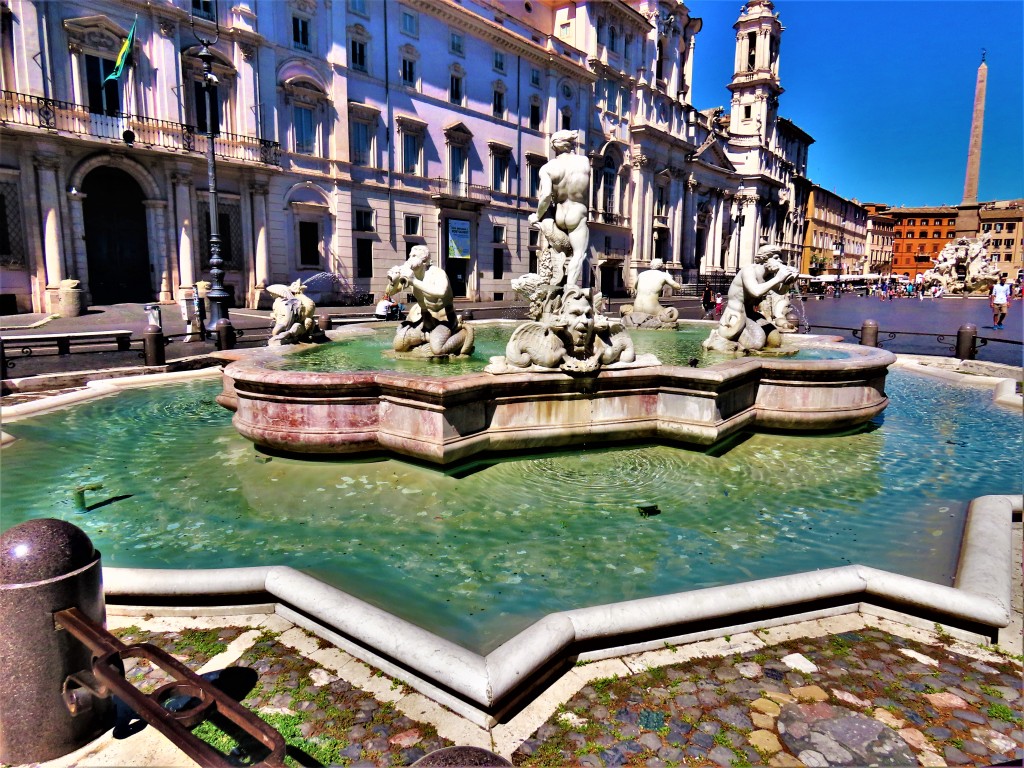
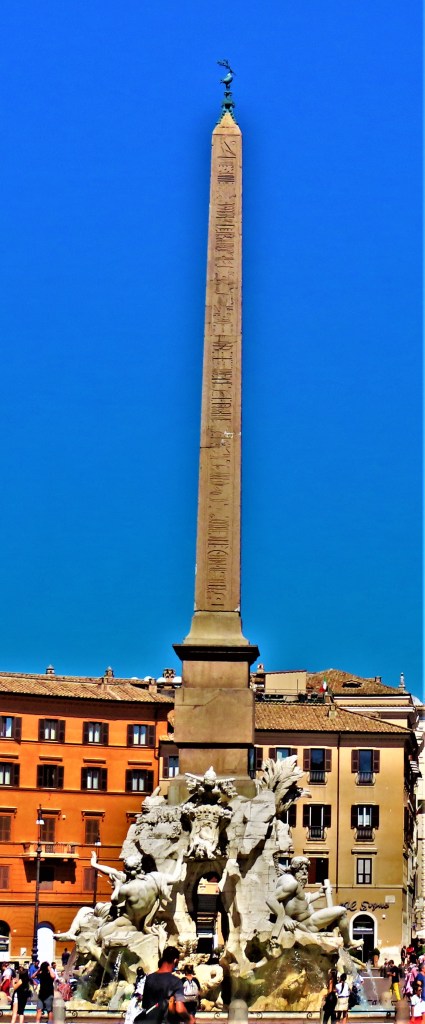
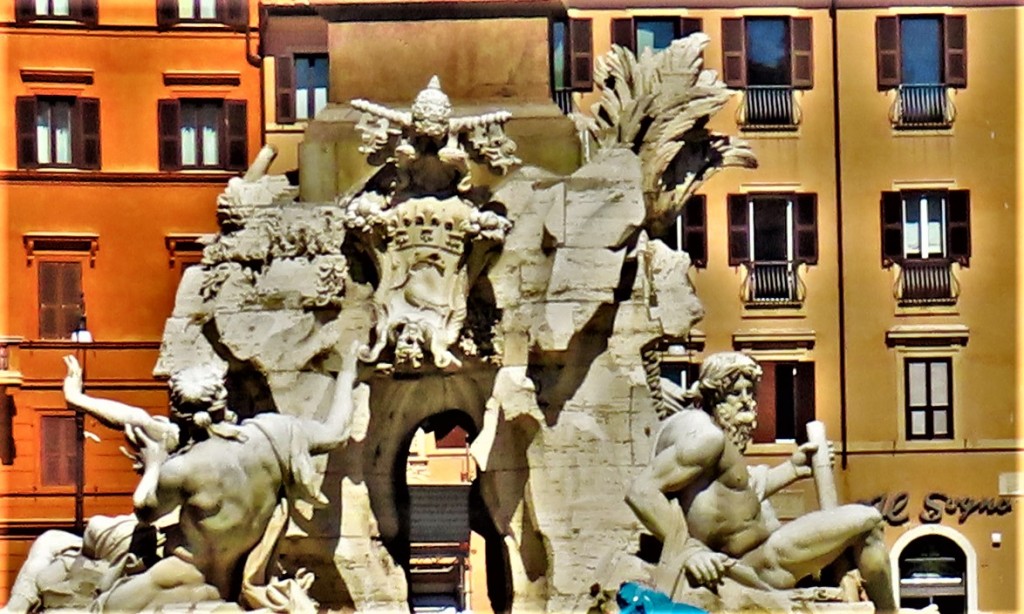
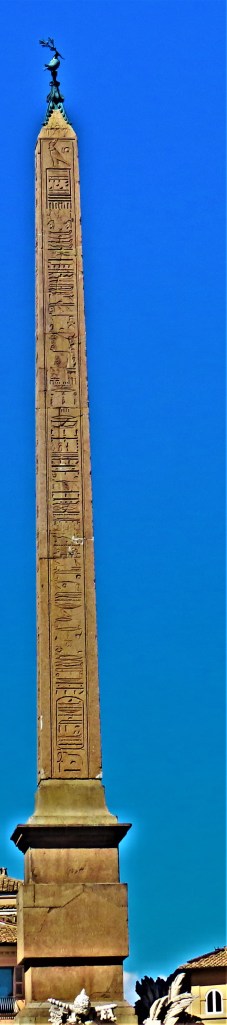
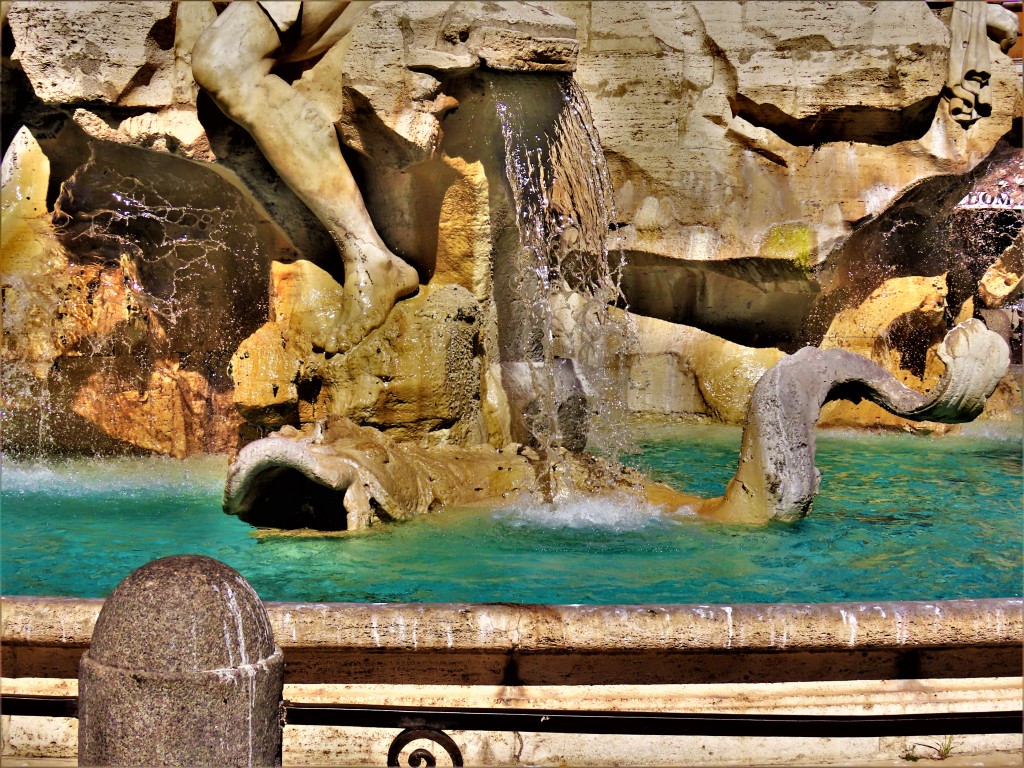
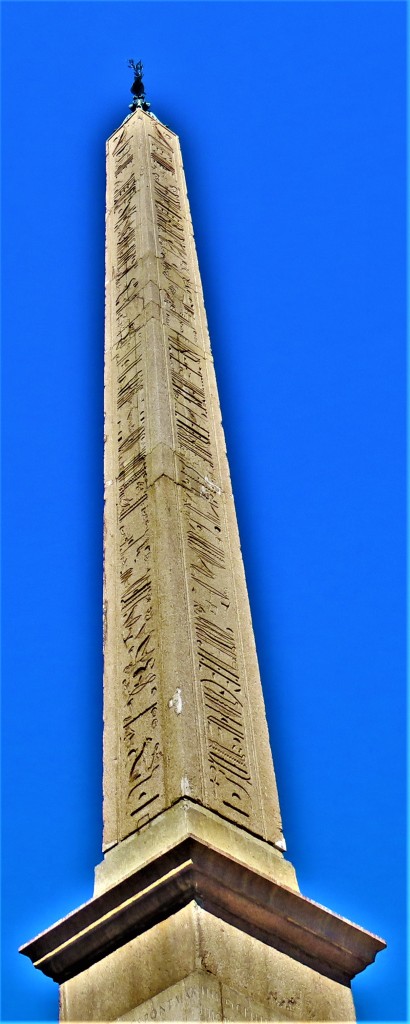
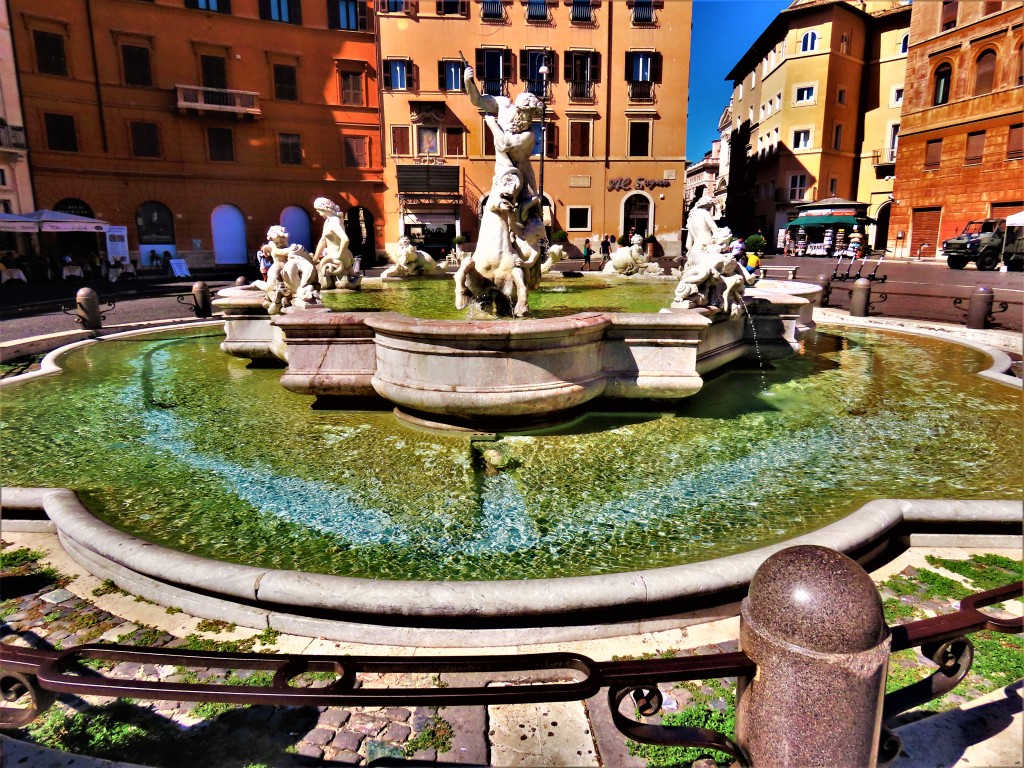
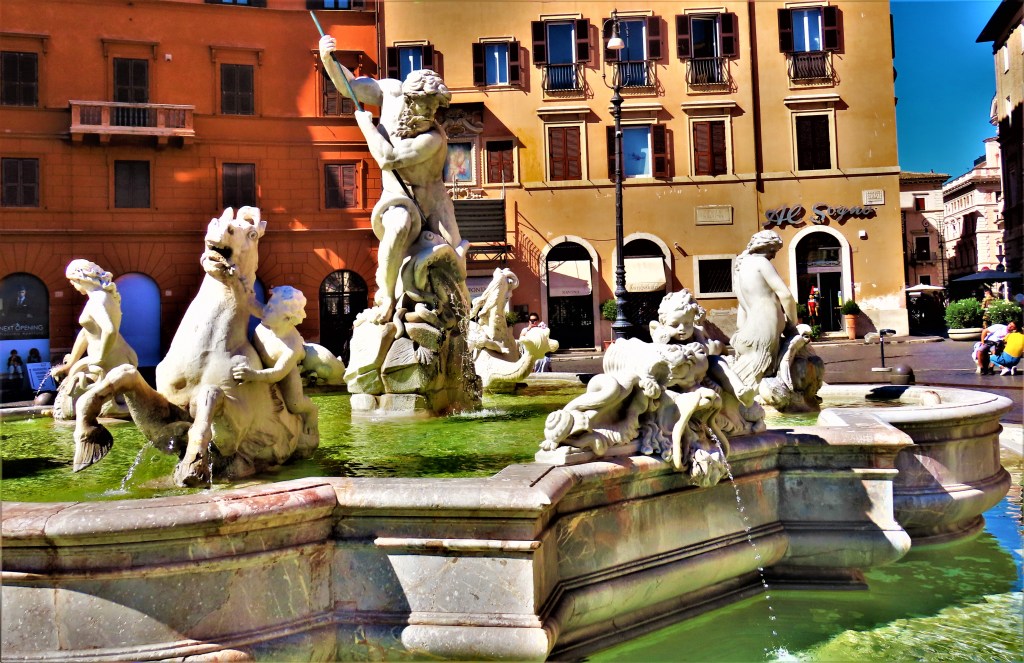
PIAZZA NAVONA AND DOMITIAN’S STADIUM
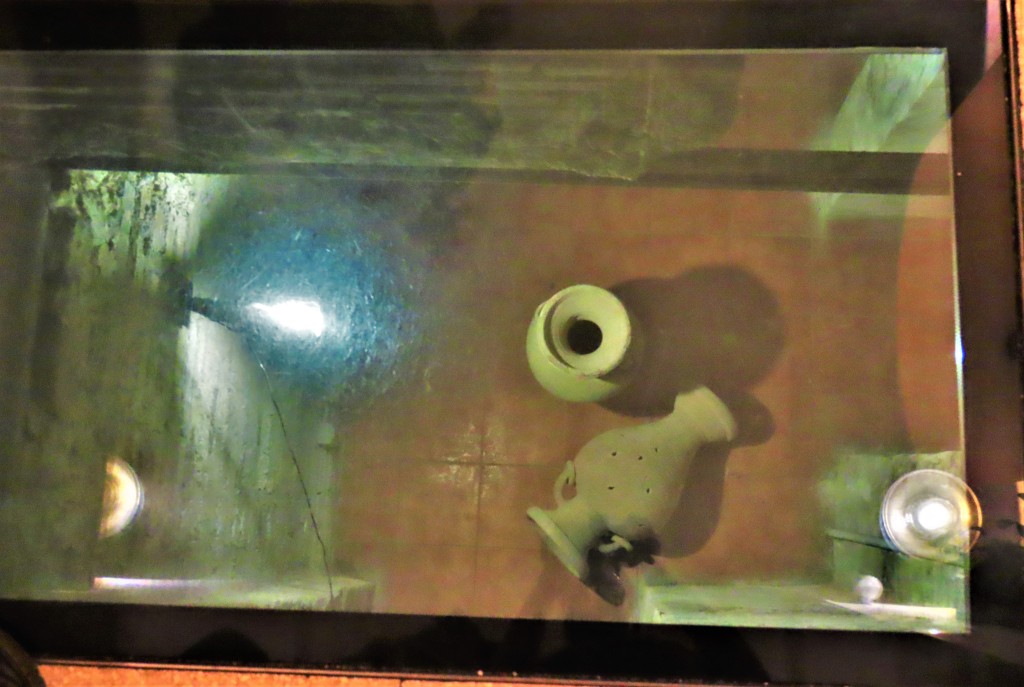
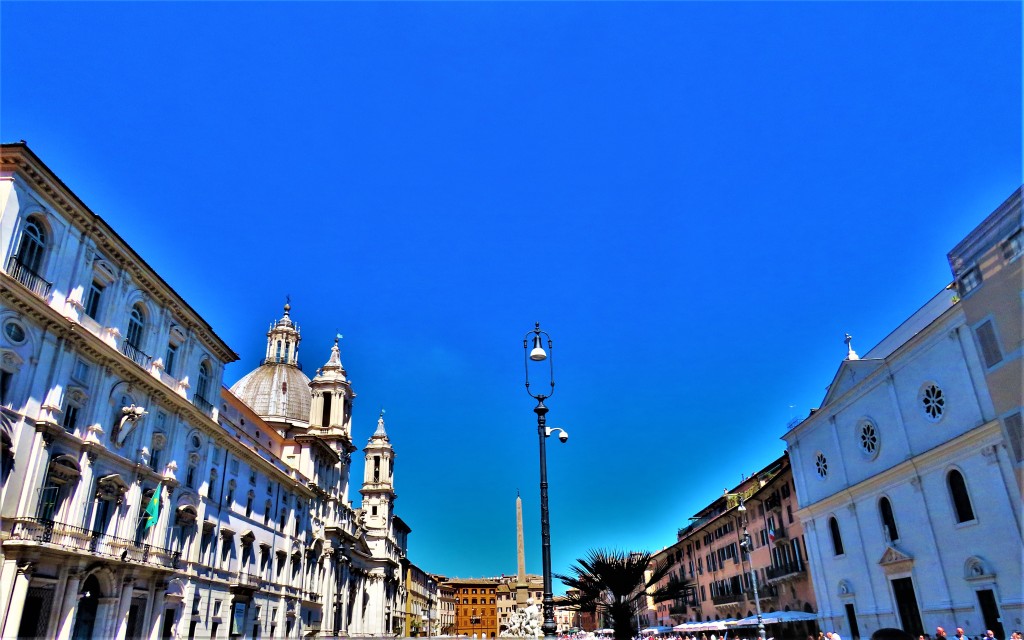
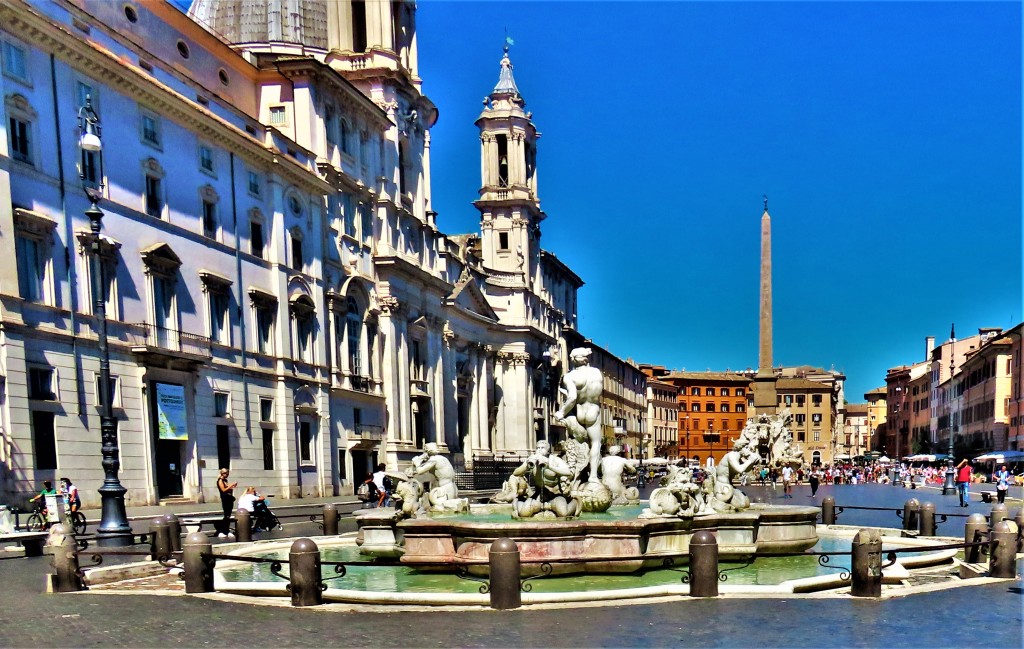
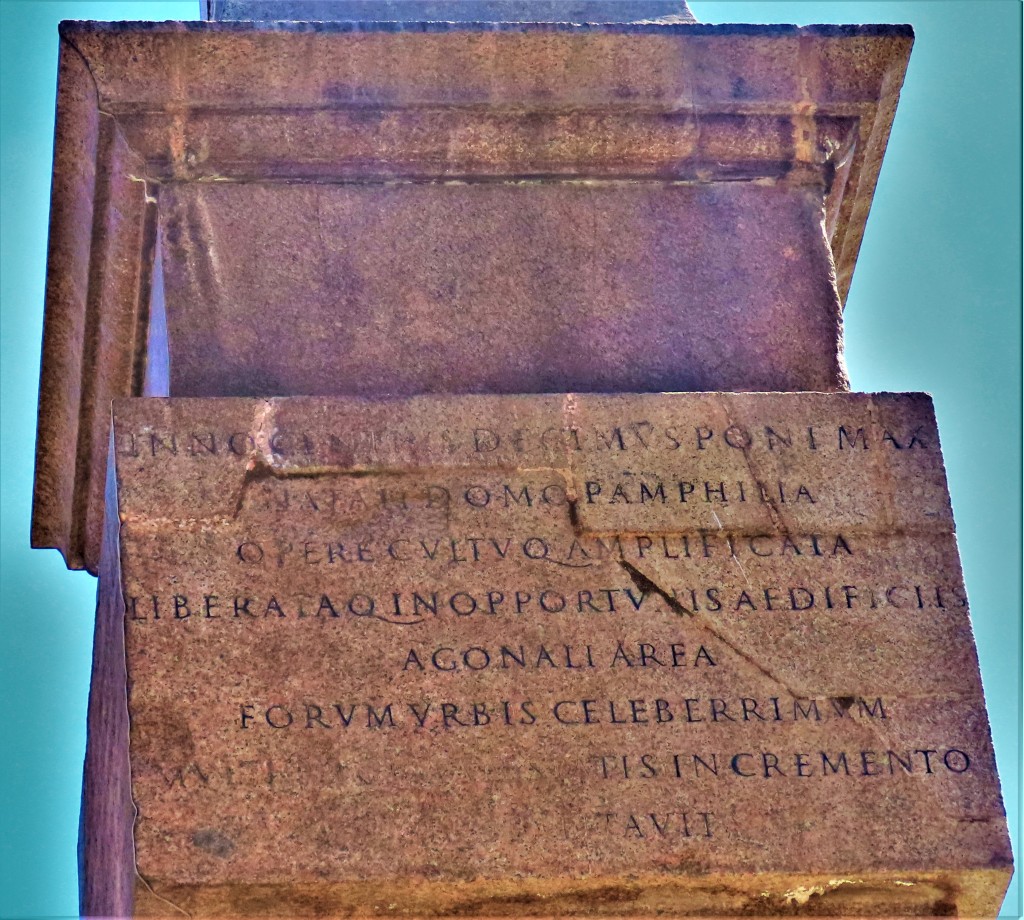
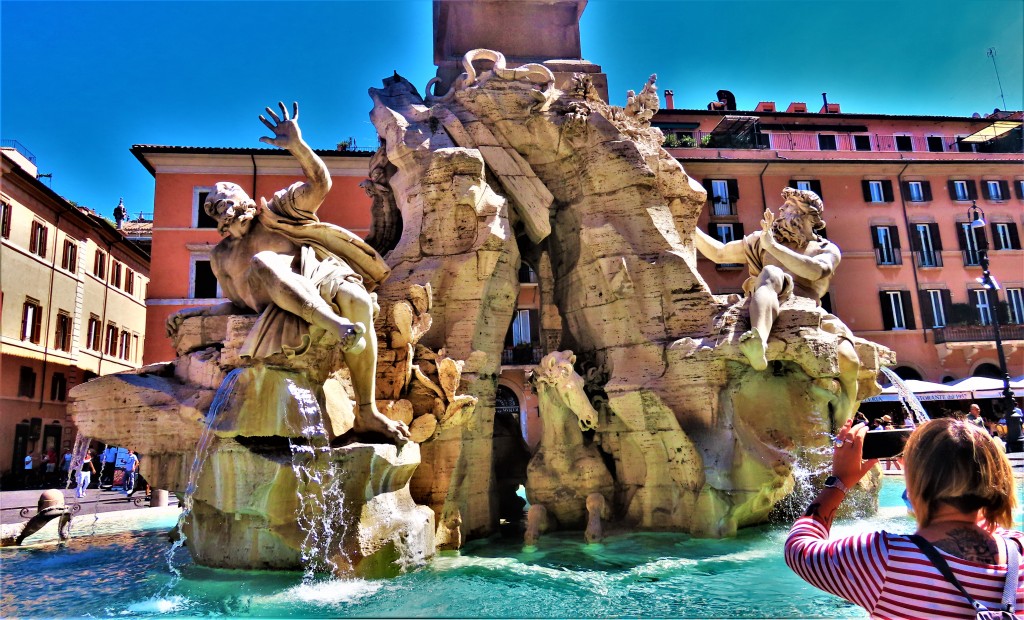
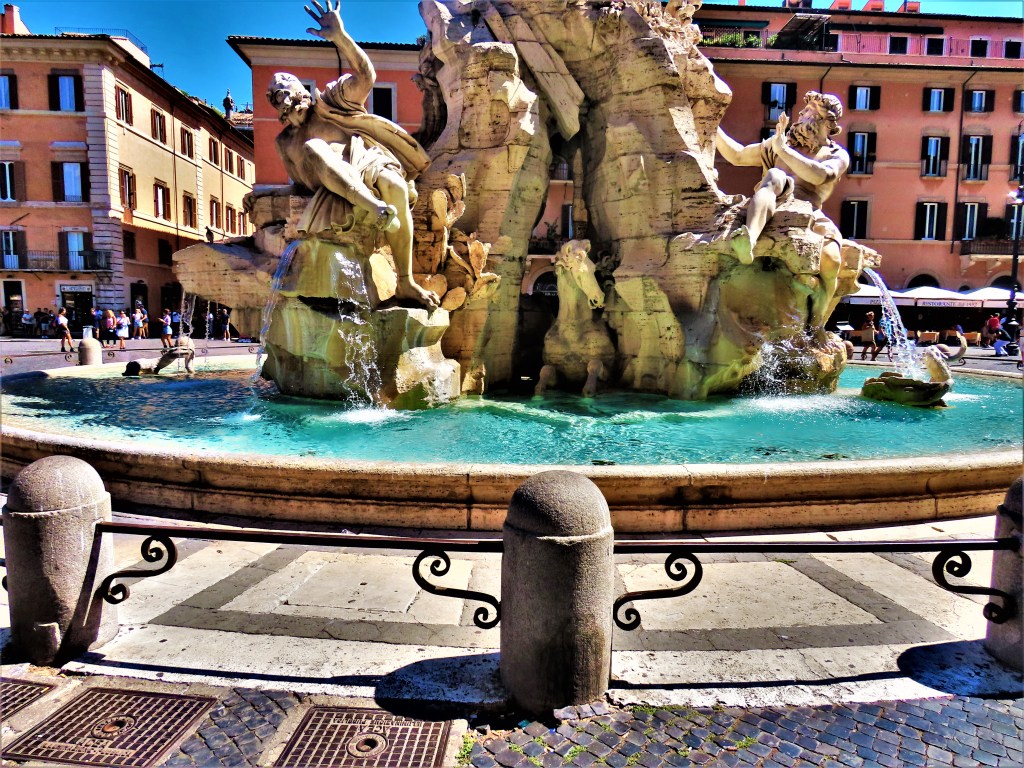
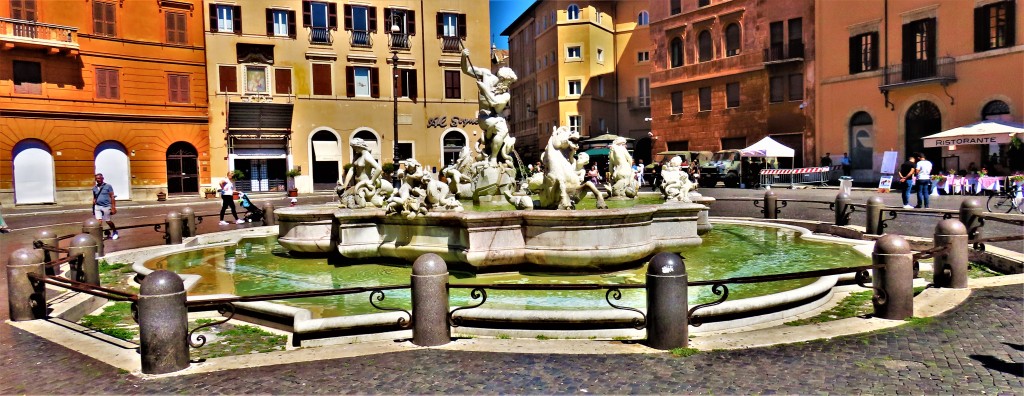
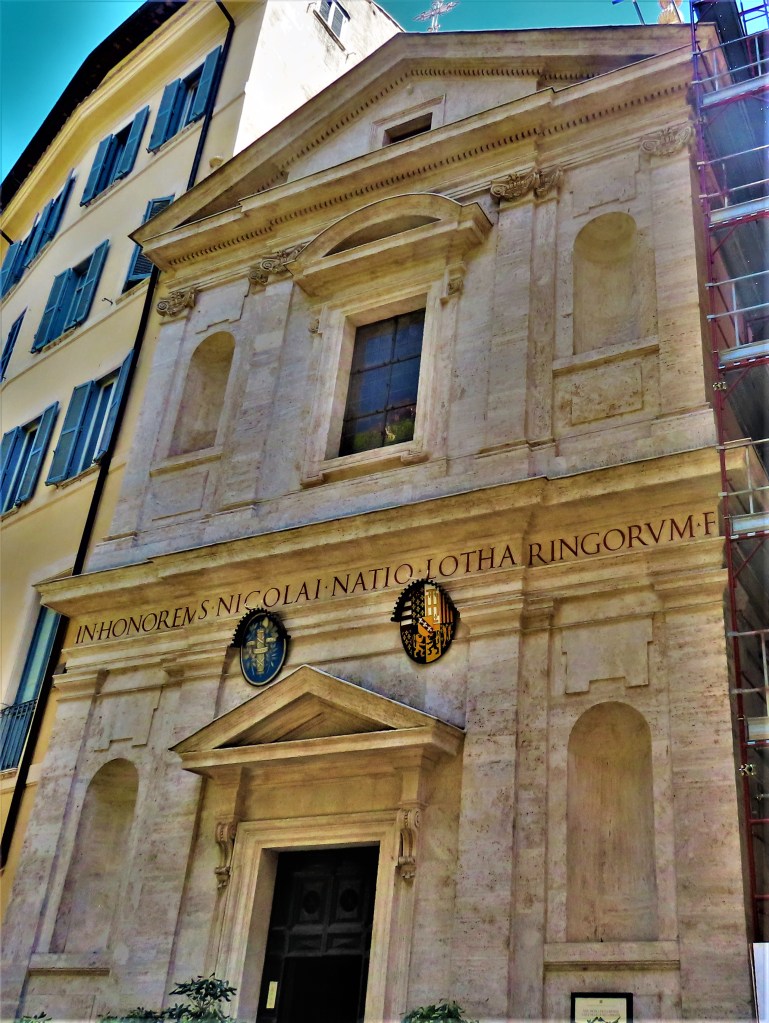
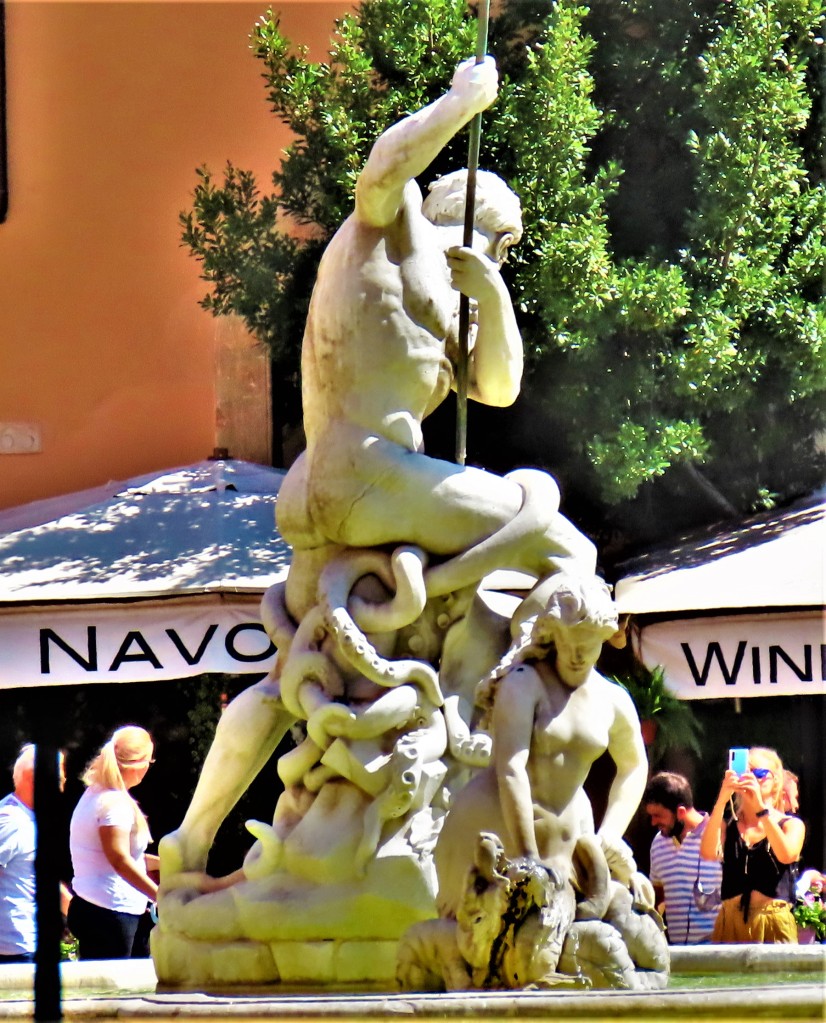
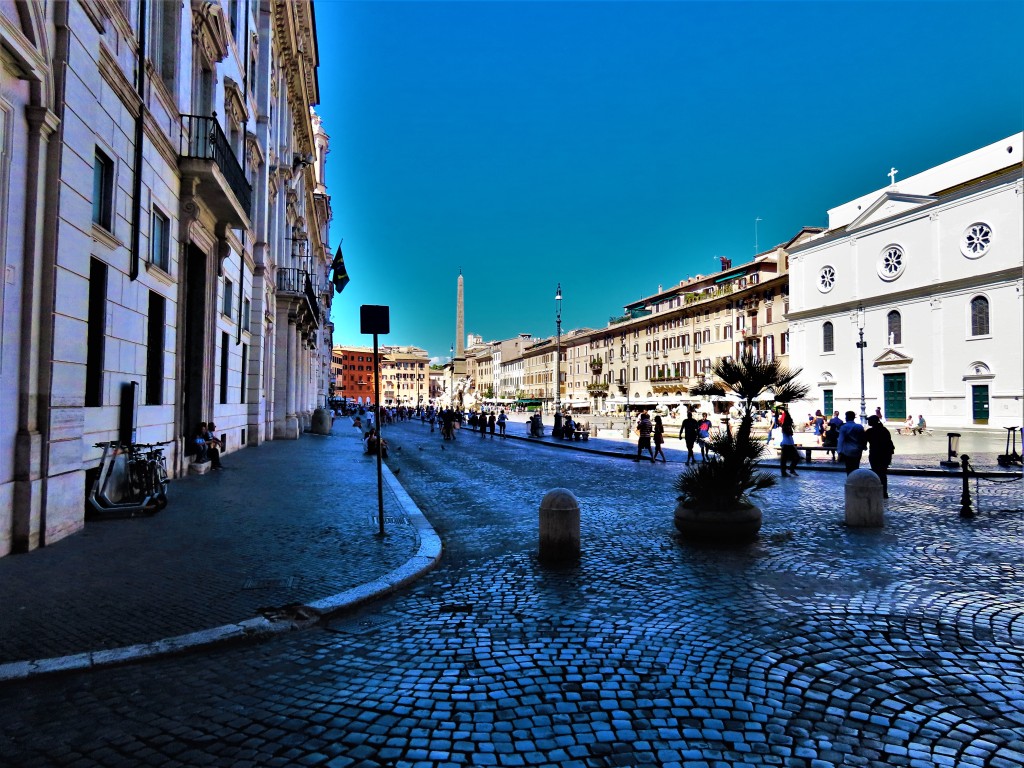
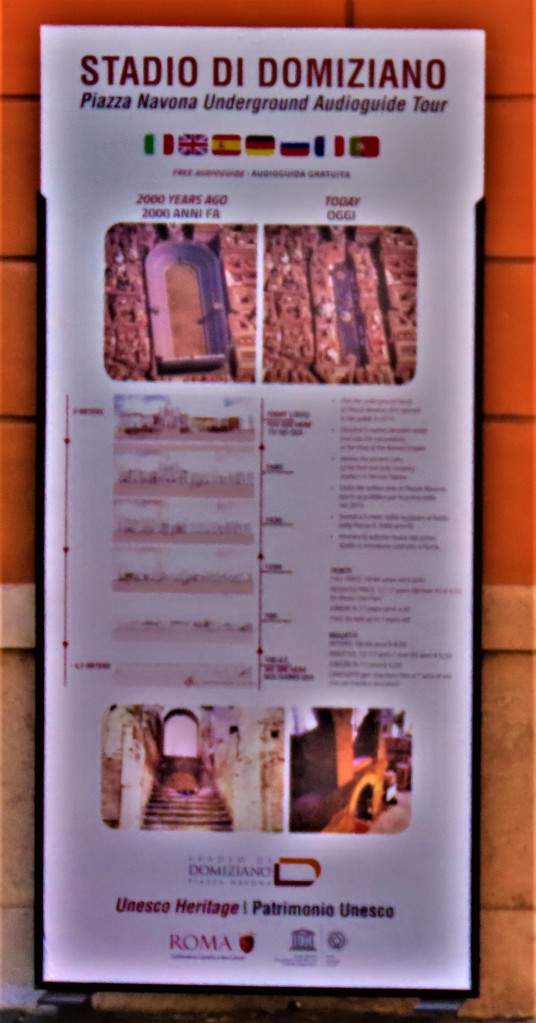
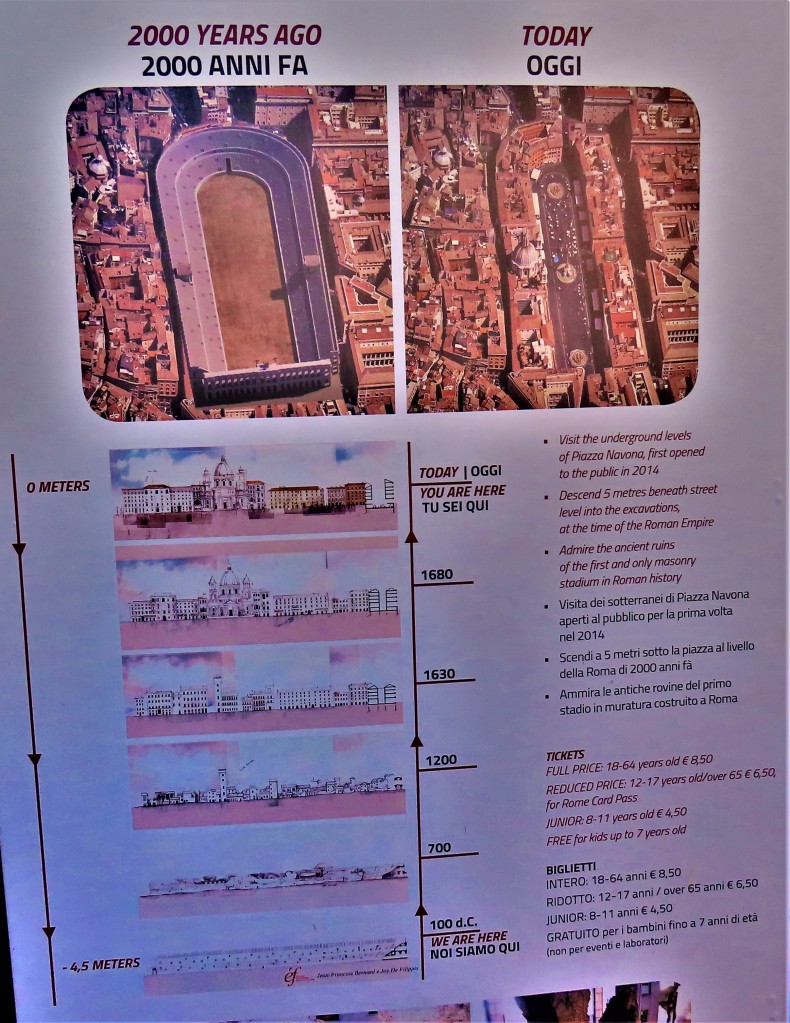
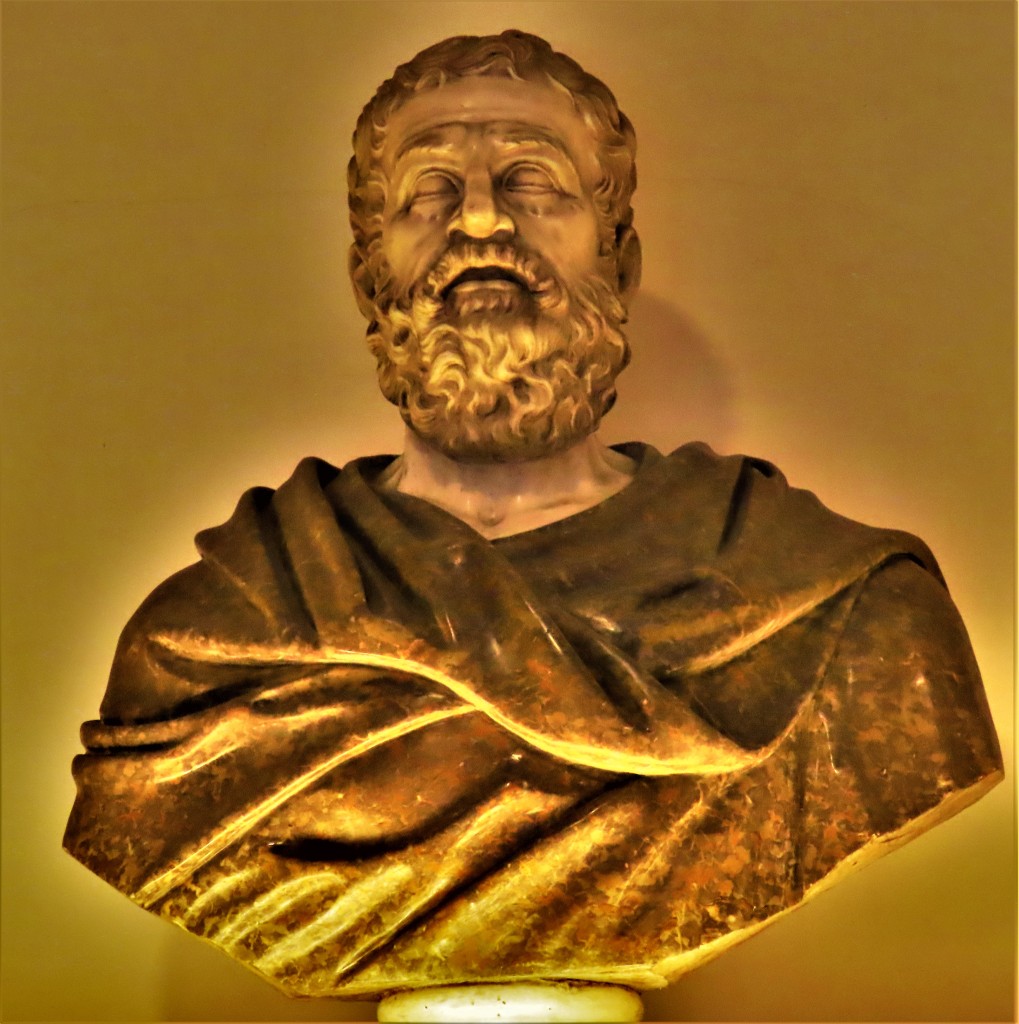
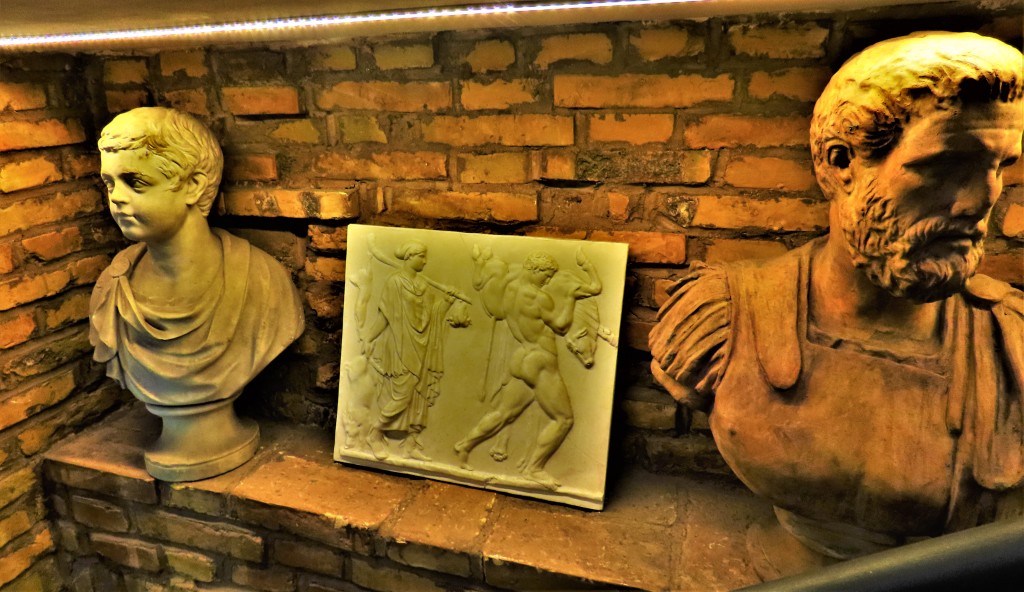
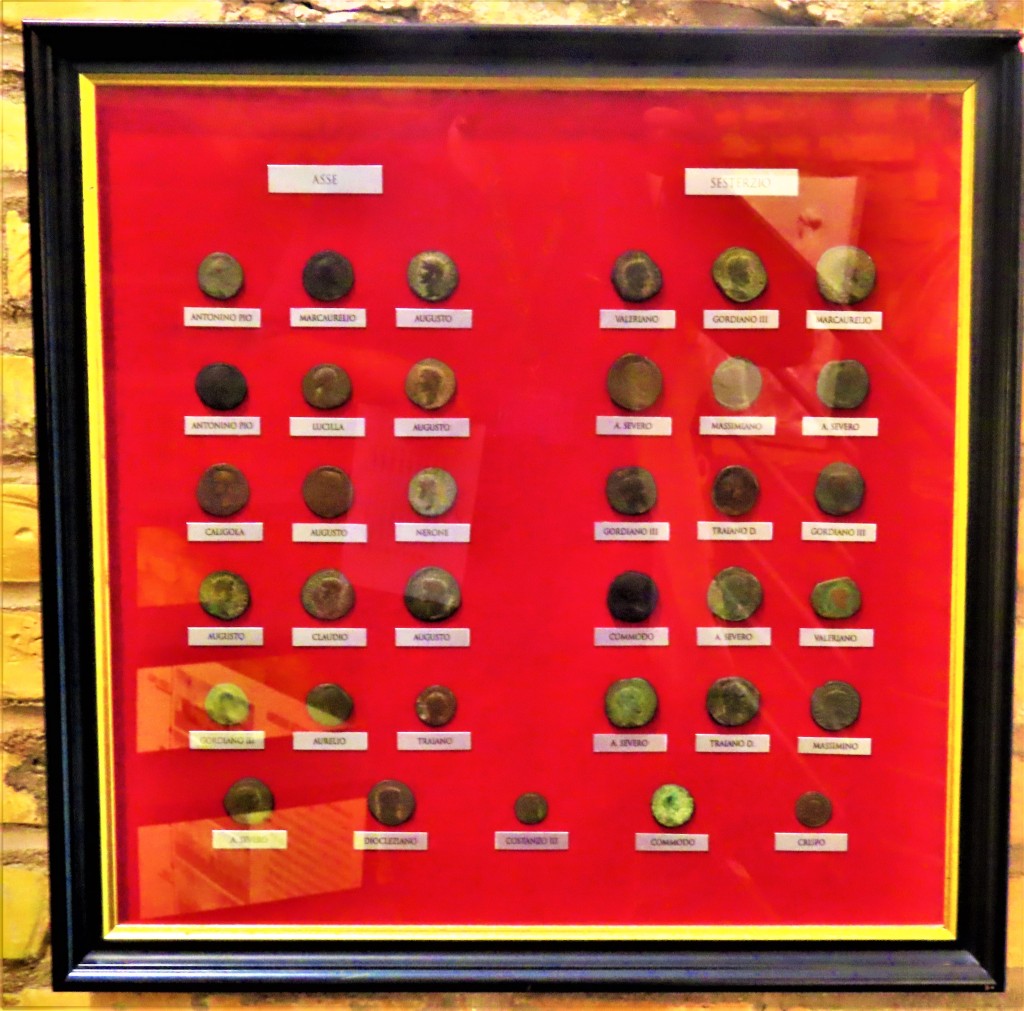
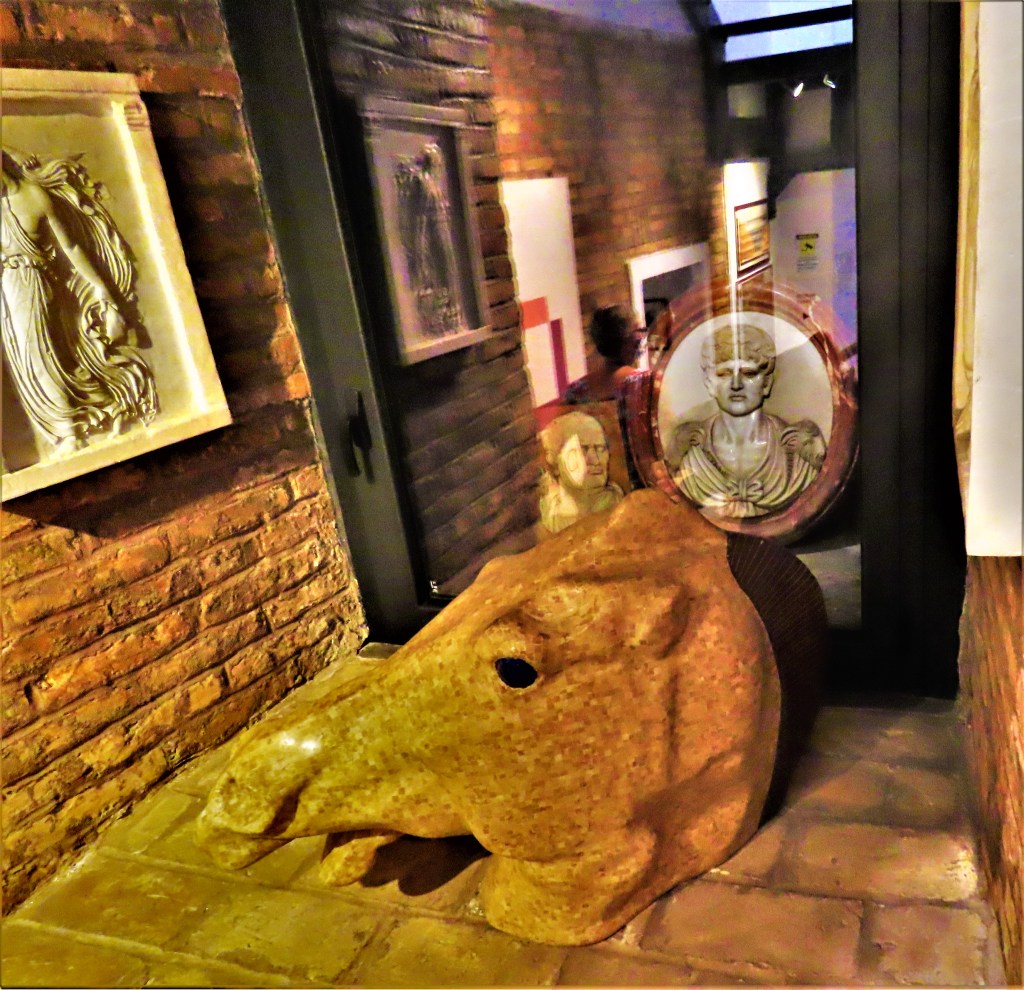
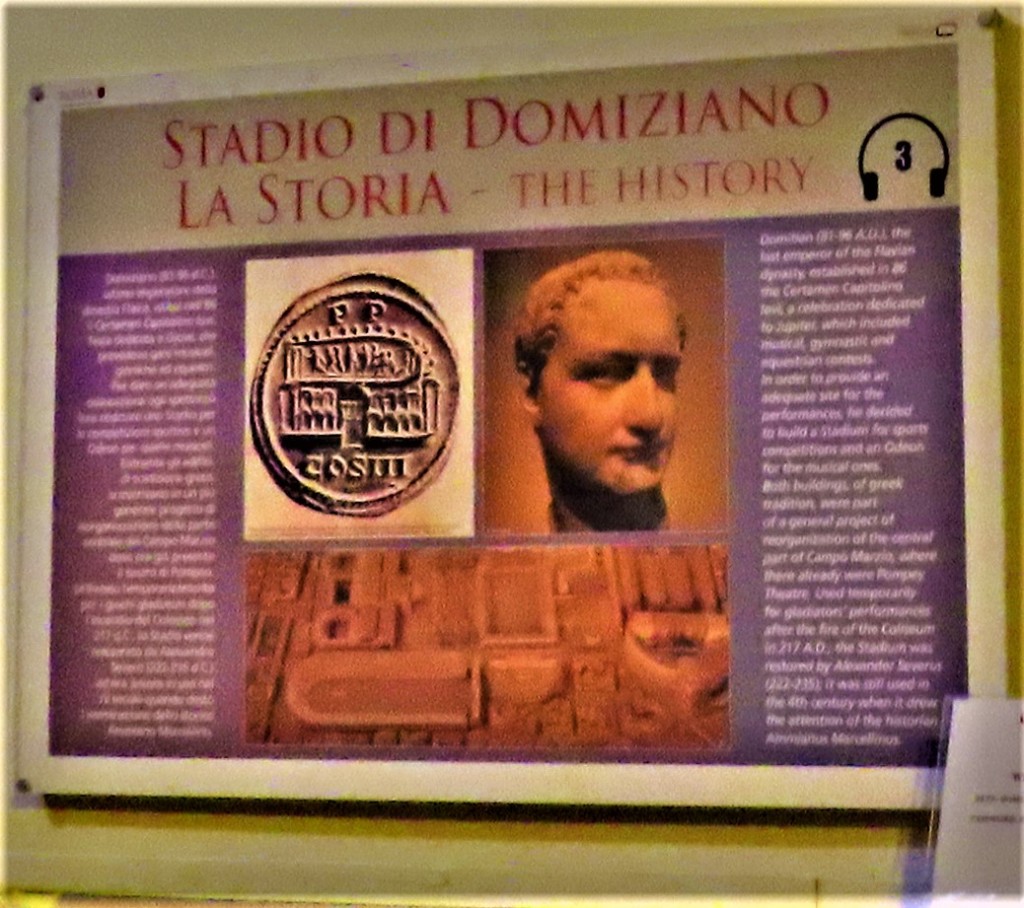
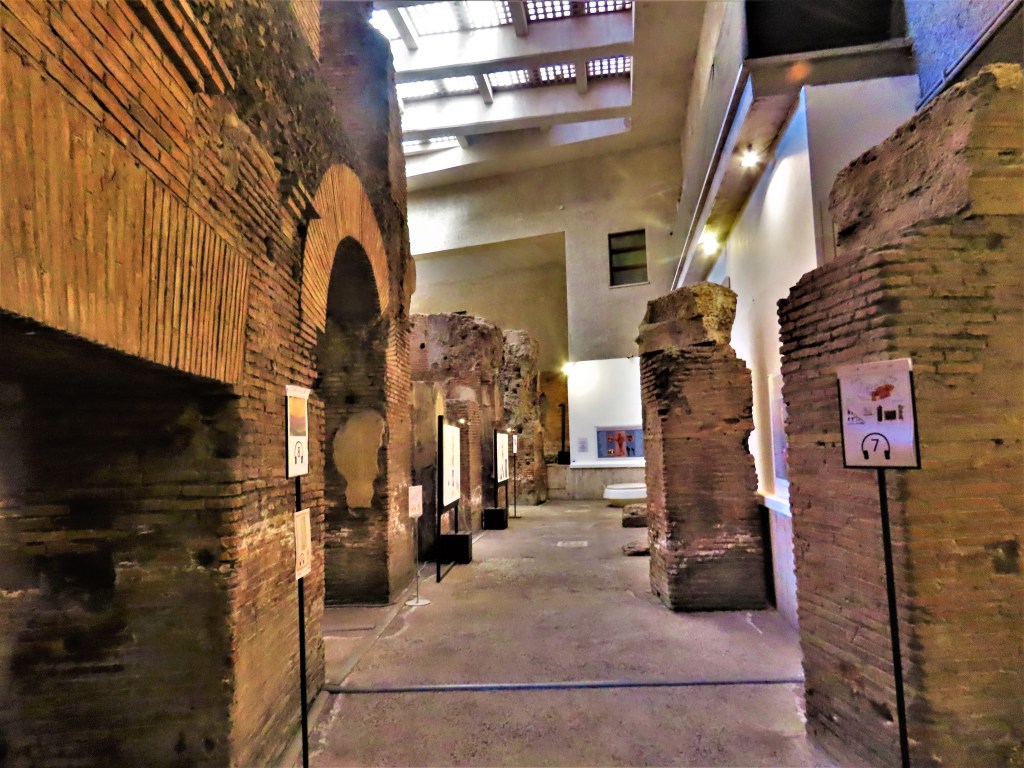
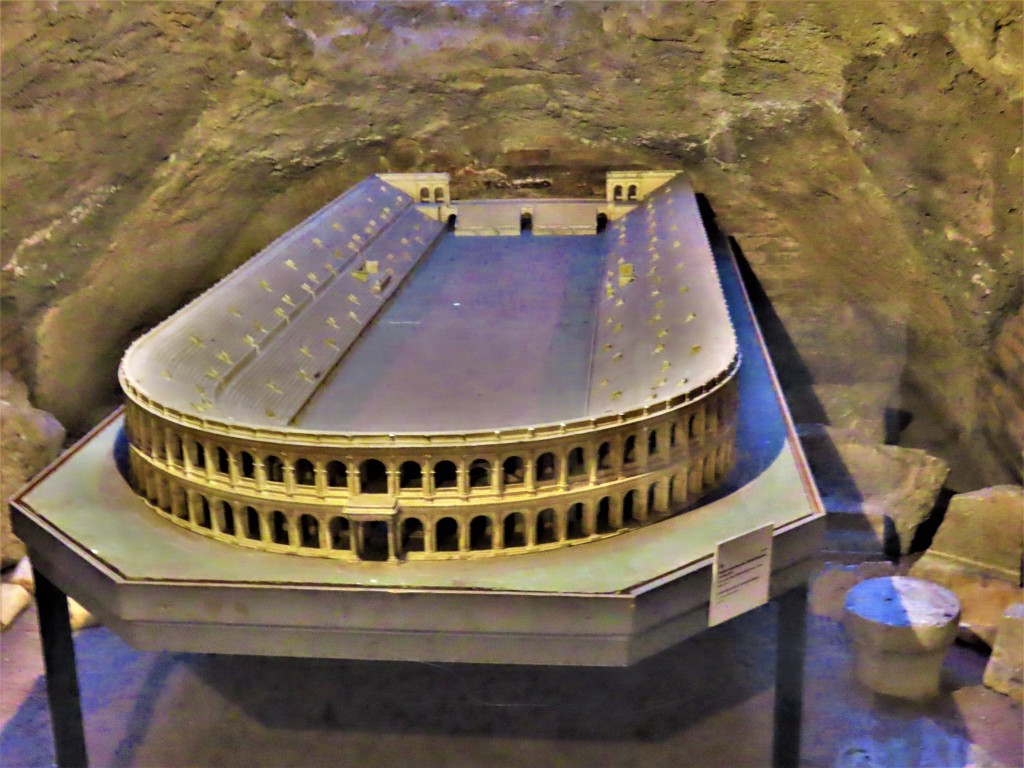
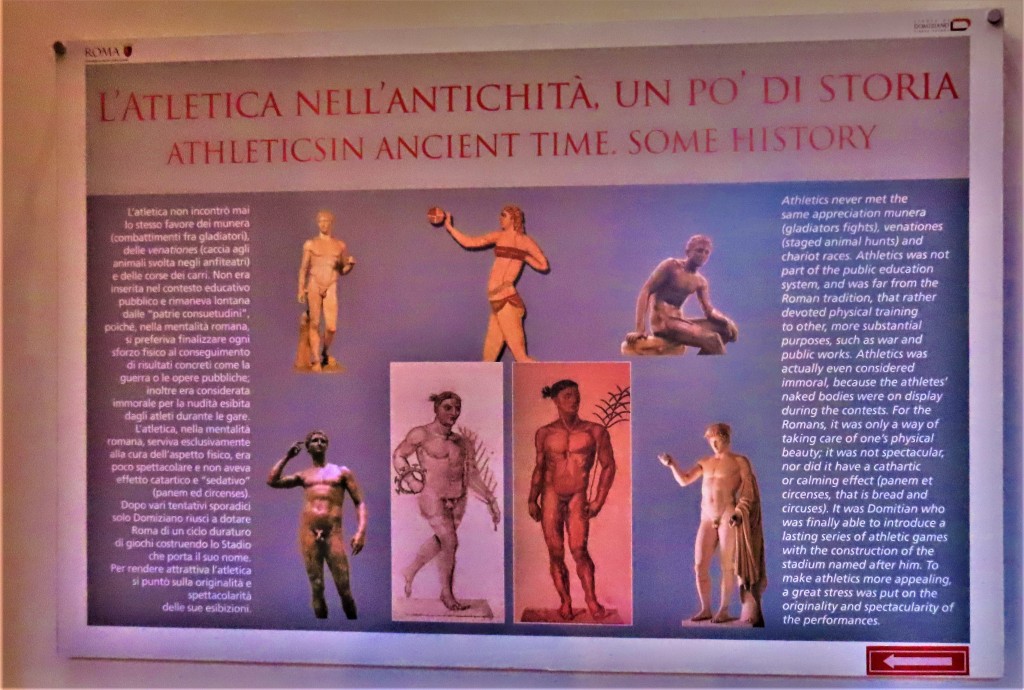
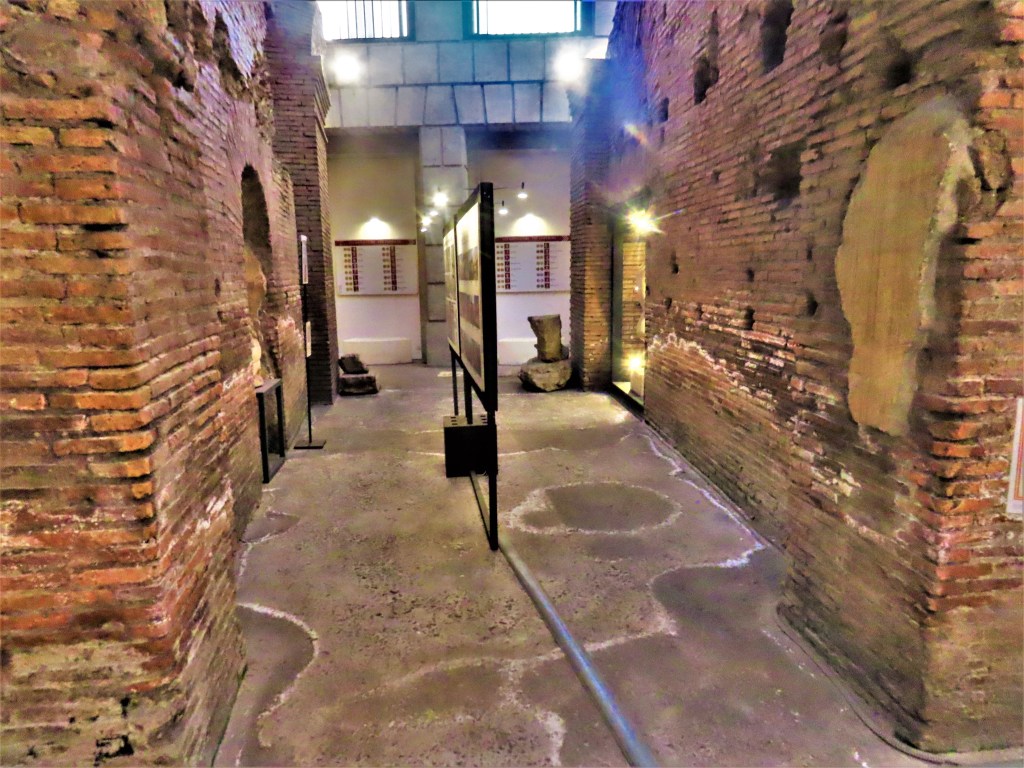
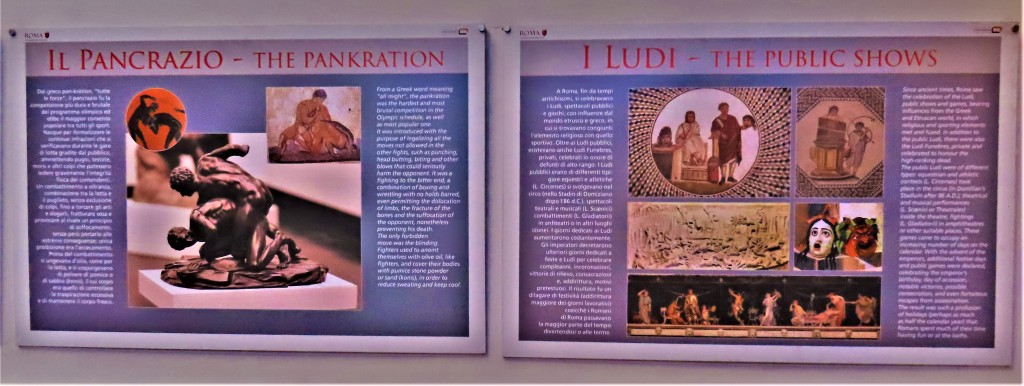
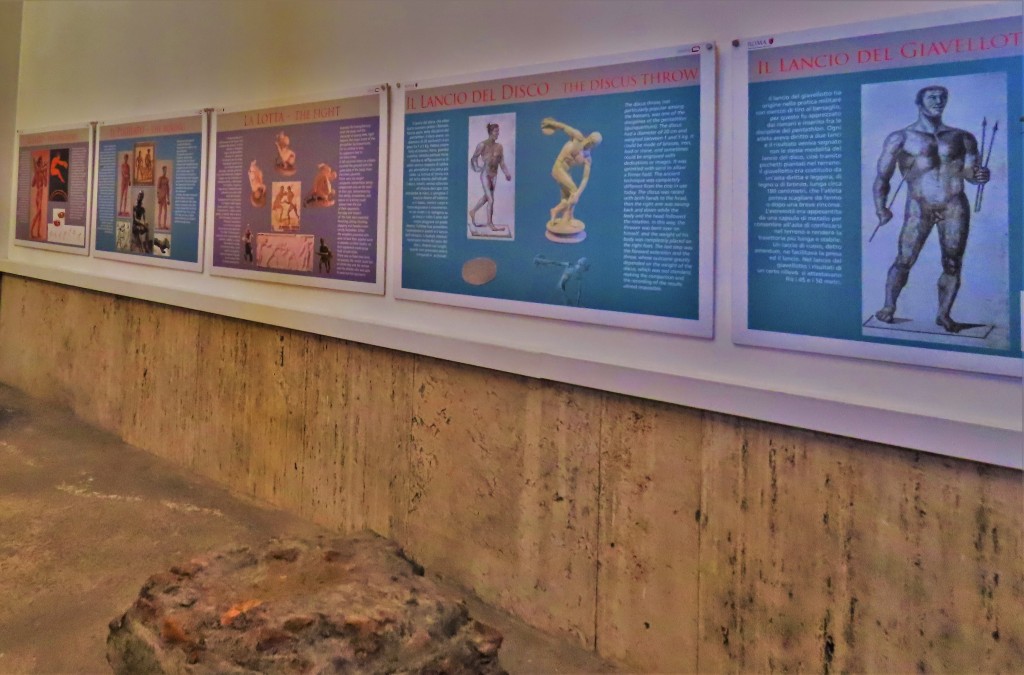
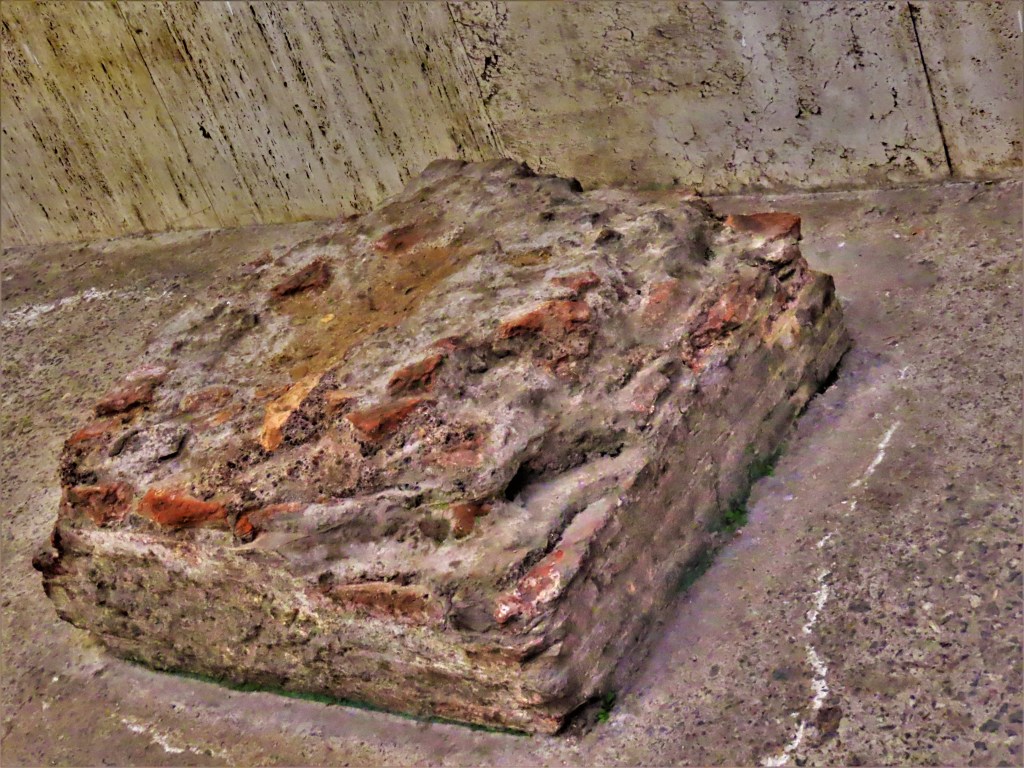
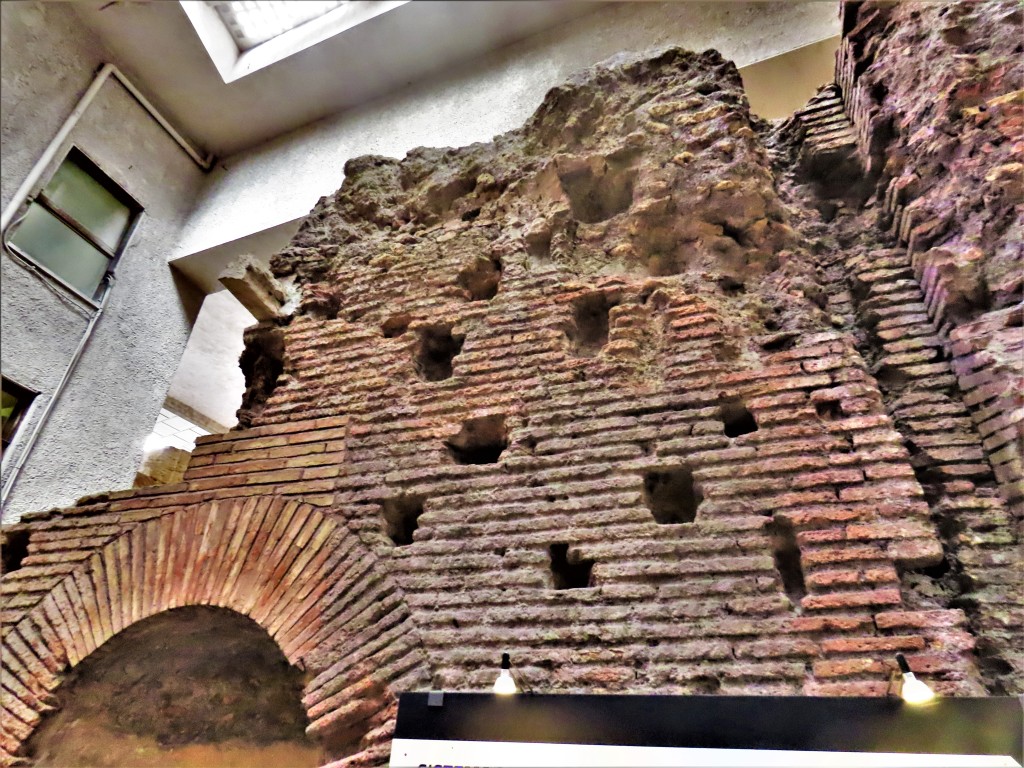
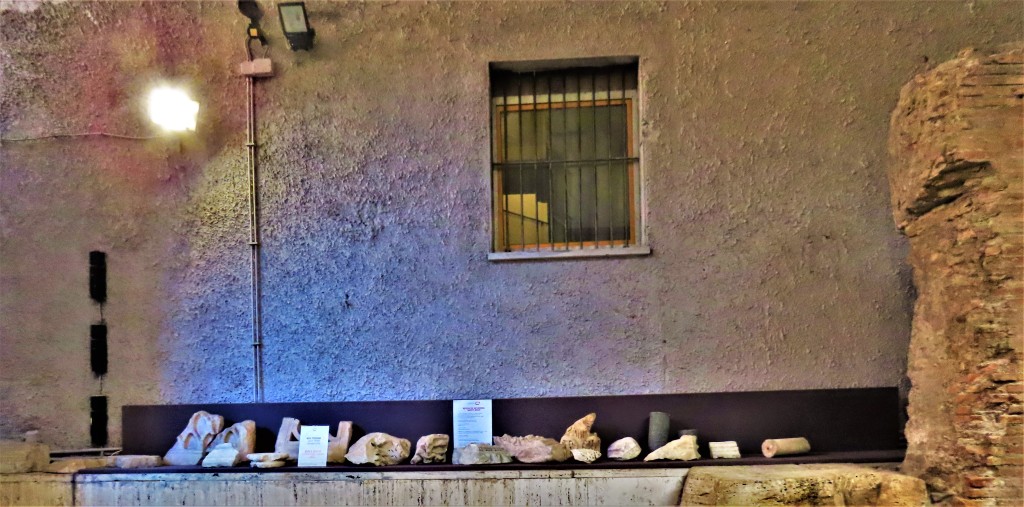
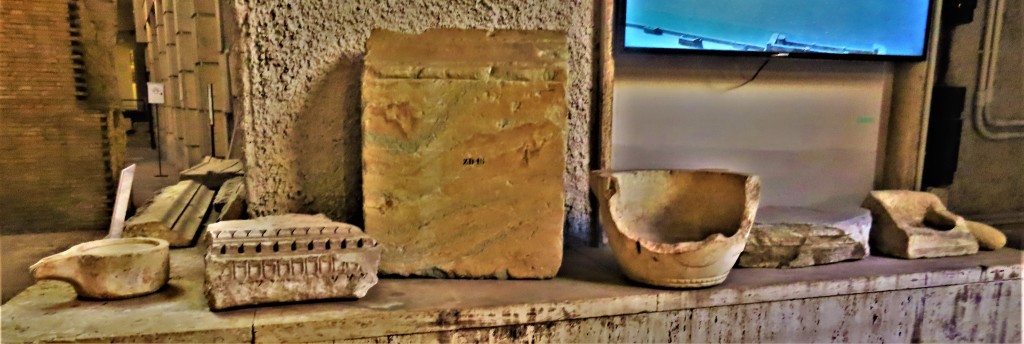
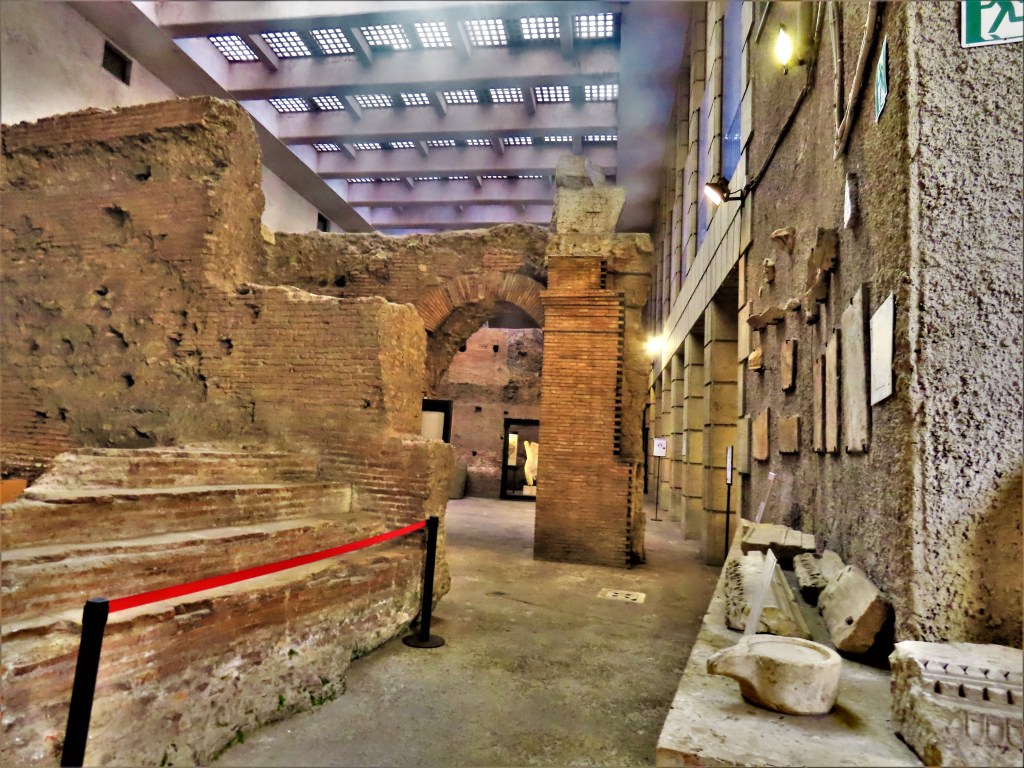
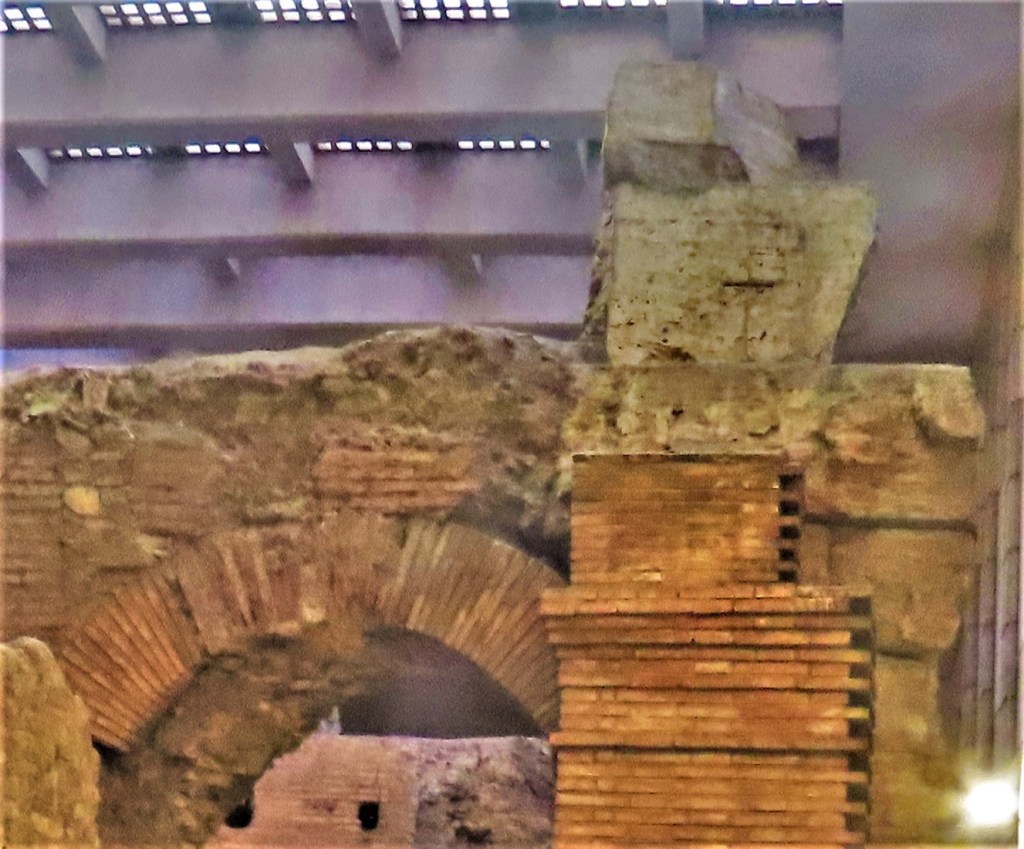
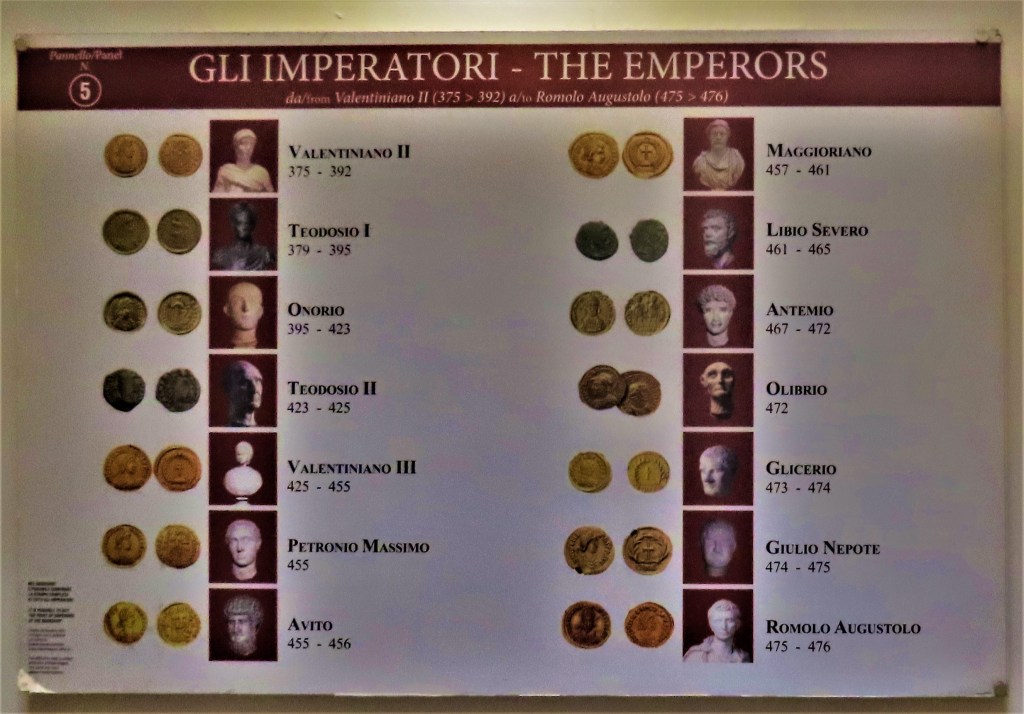
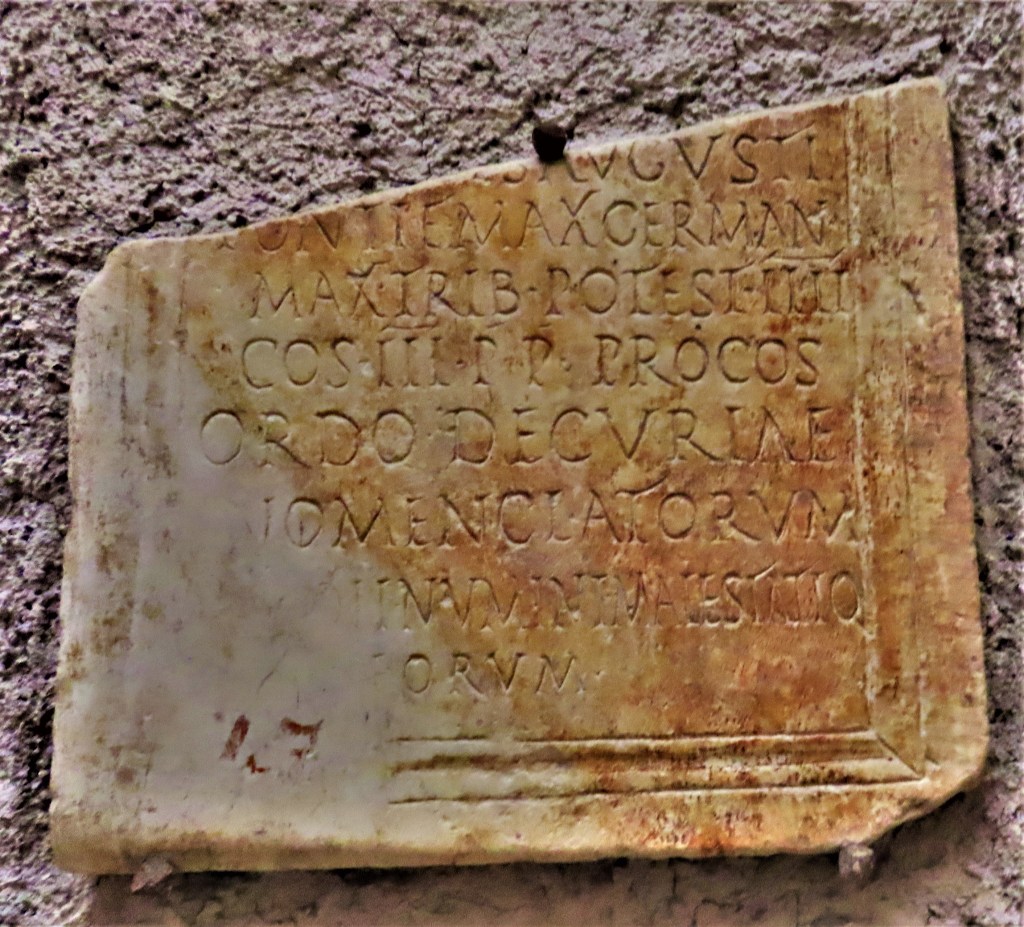
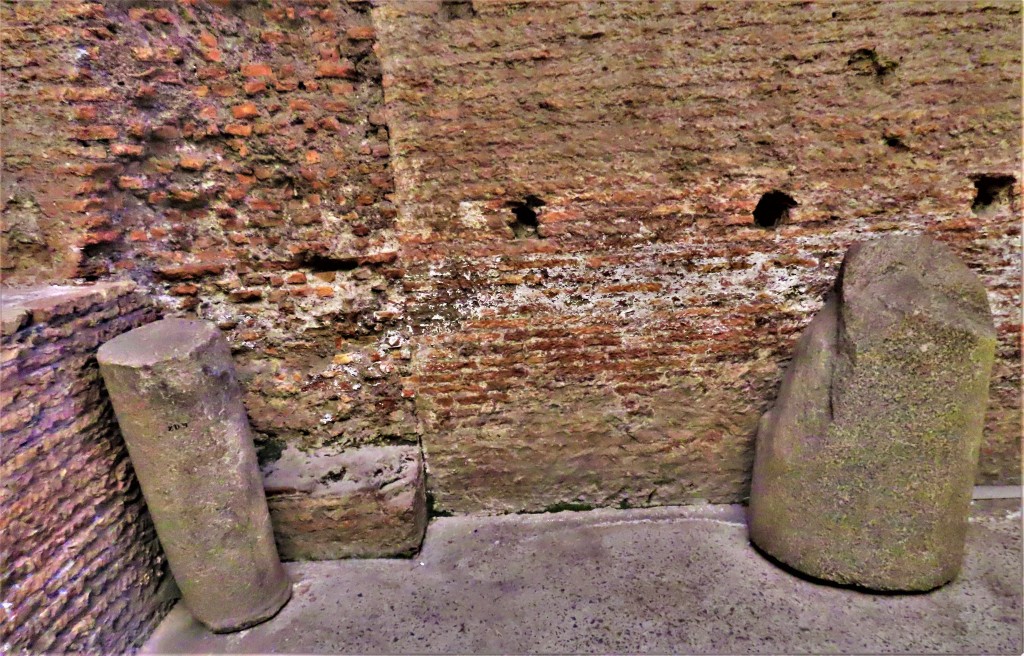
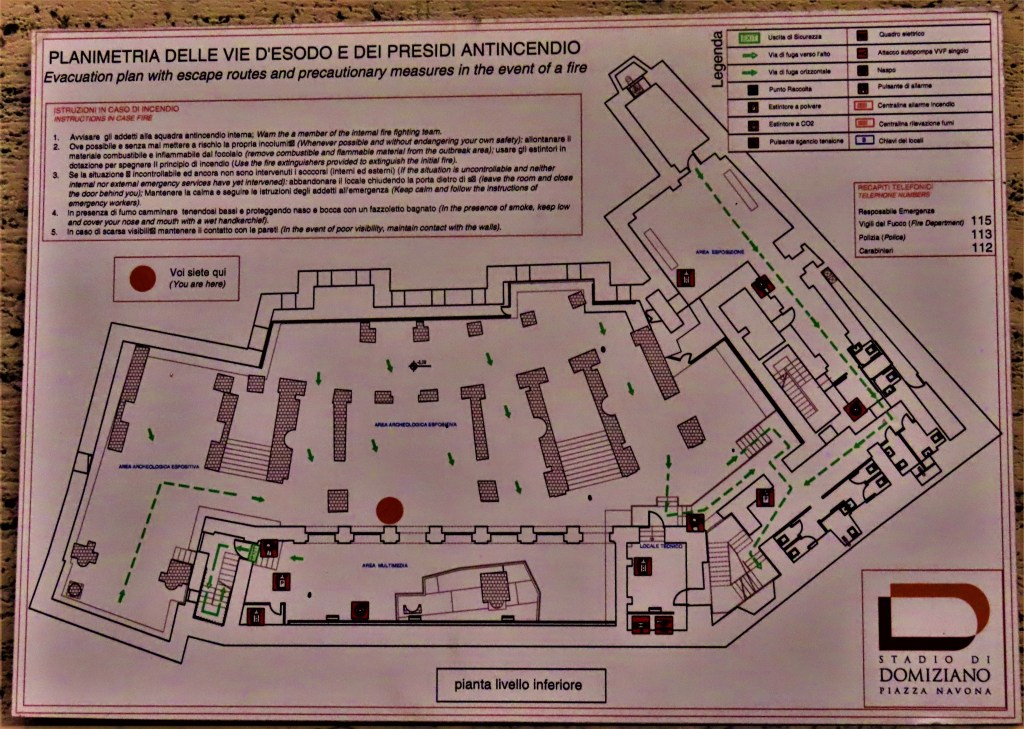
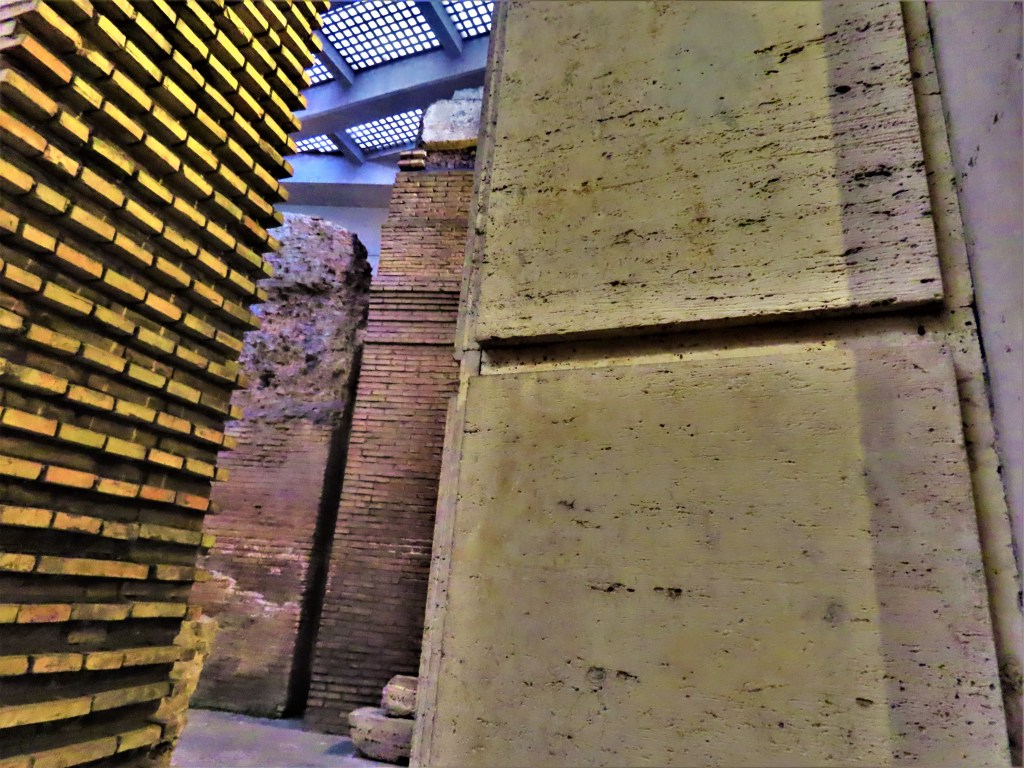
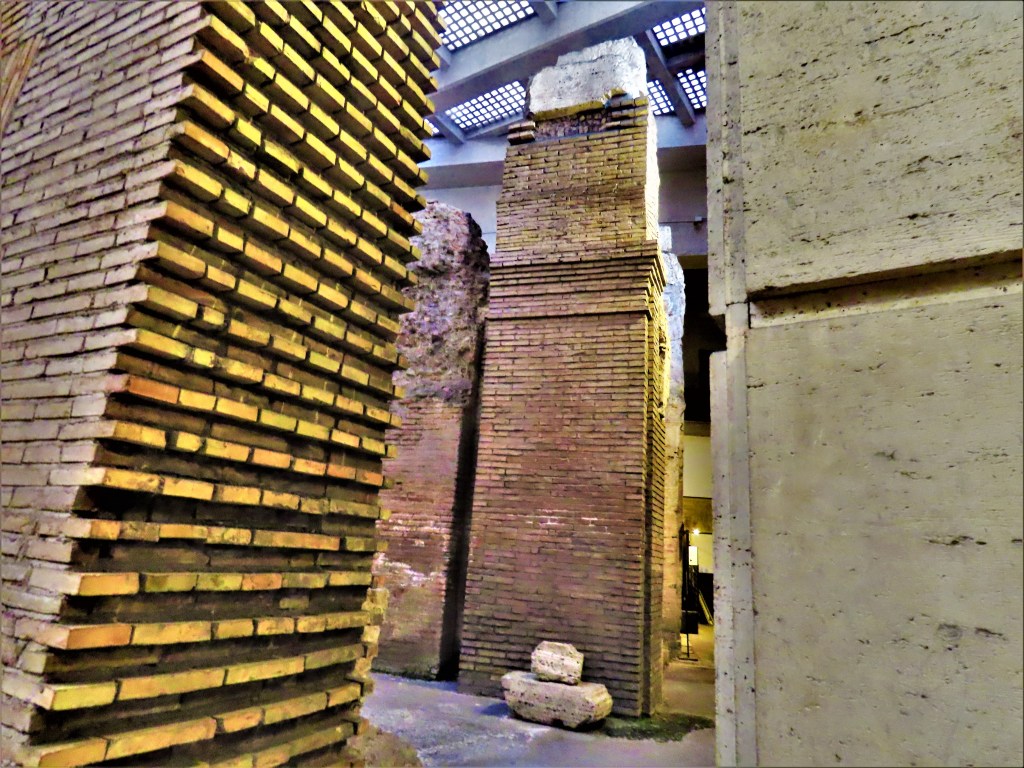
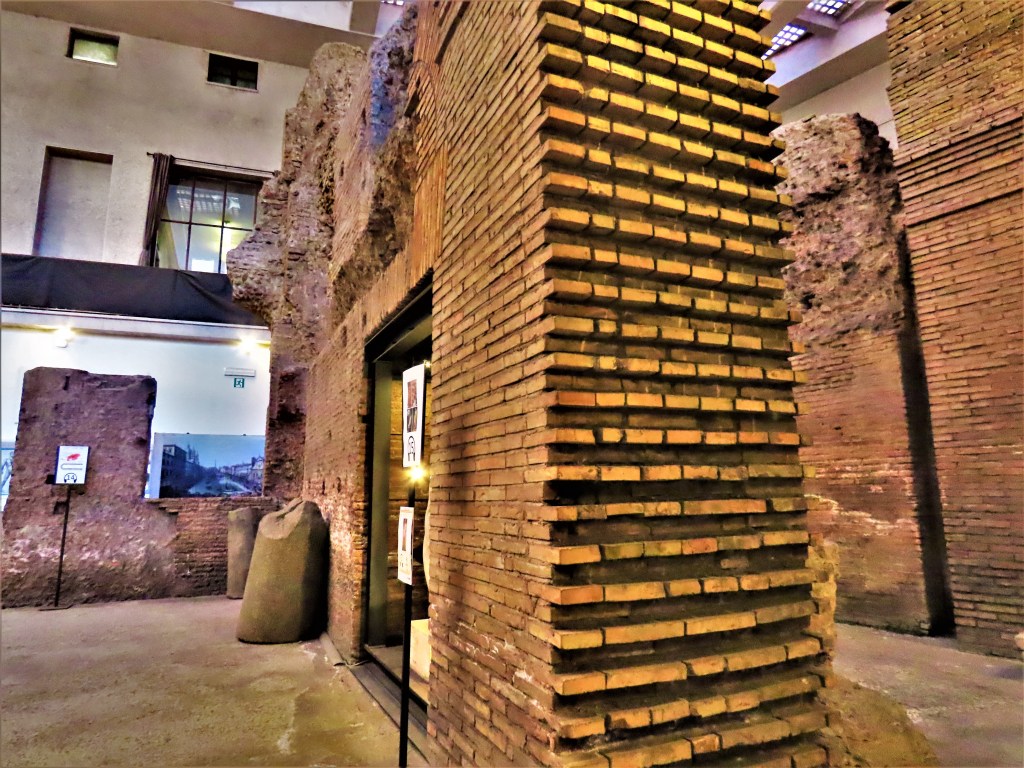
My sister, my nephew and I visited Piazza Navona in the morning, my mother being at that point in bed due to illness which we reckon was diabetes related. Although she ate very little that day she subequently perked up sufficiently to come out in the afternoon which began with a return to Piazza Navona and an exploration of Domitian’s Stadium, the remains of which are underneath Piazza Navona. We did a few other things which will feature in my next post after we had finished there.
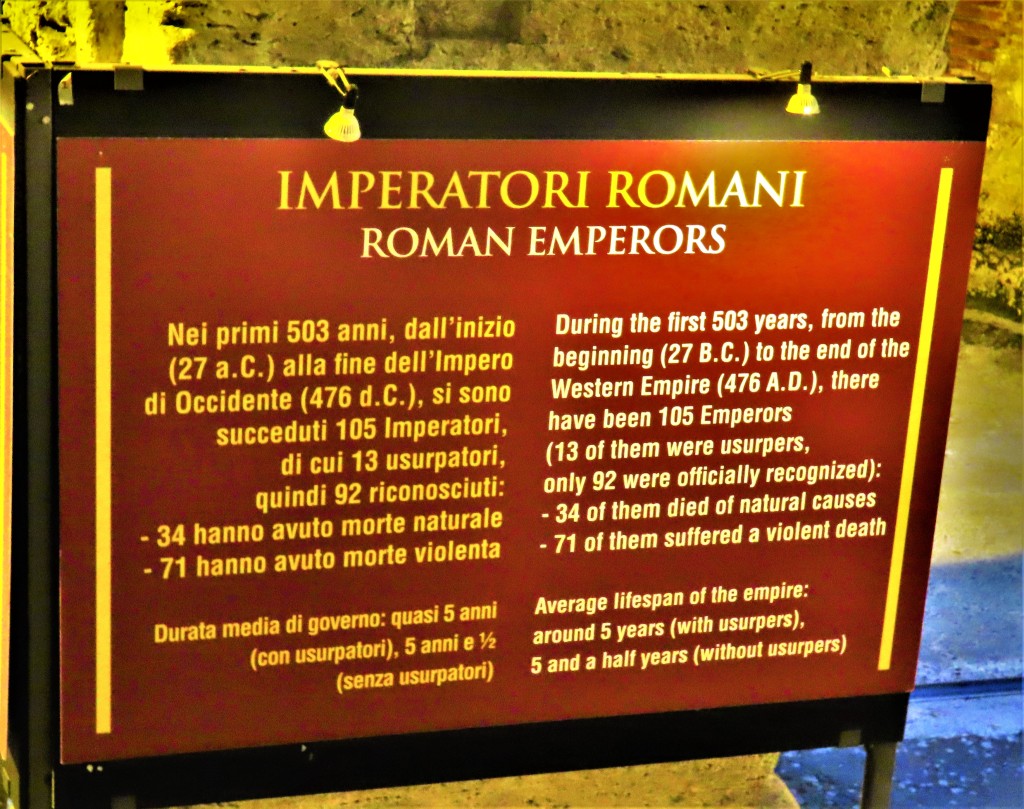
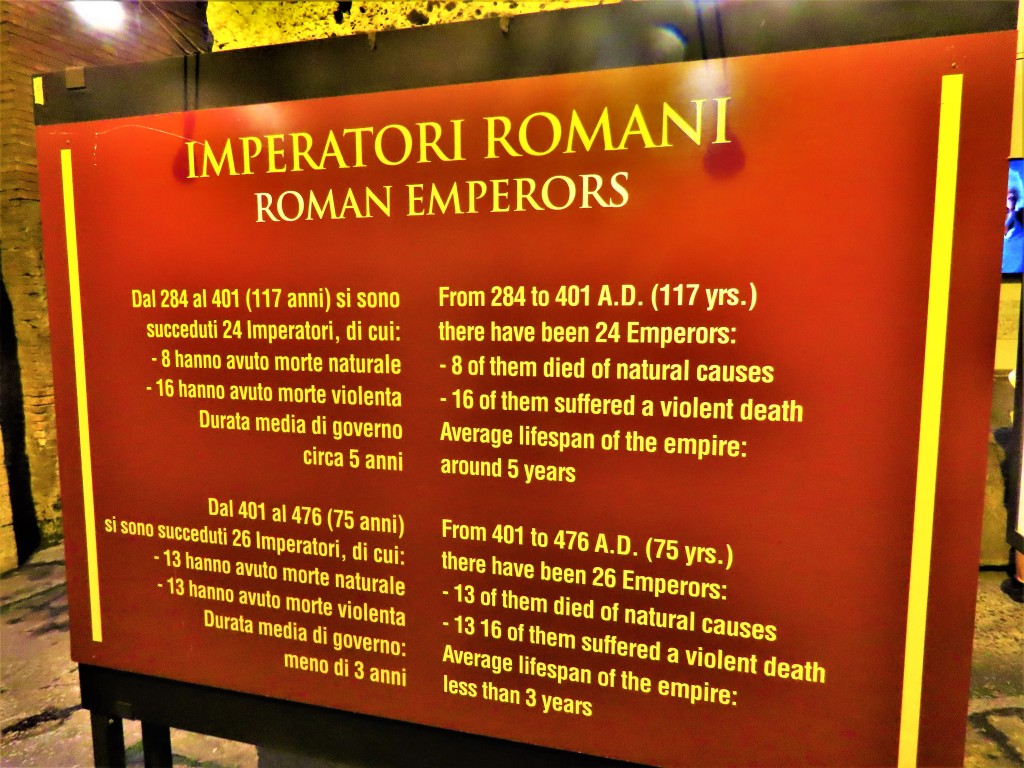
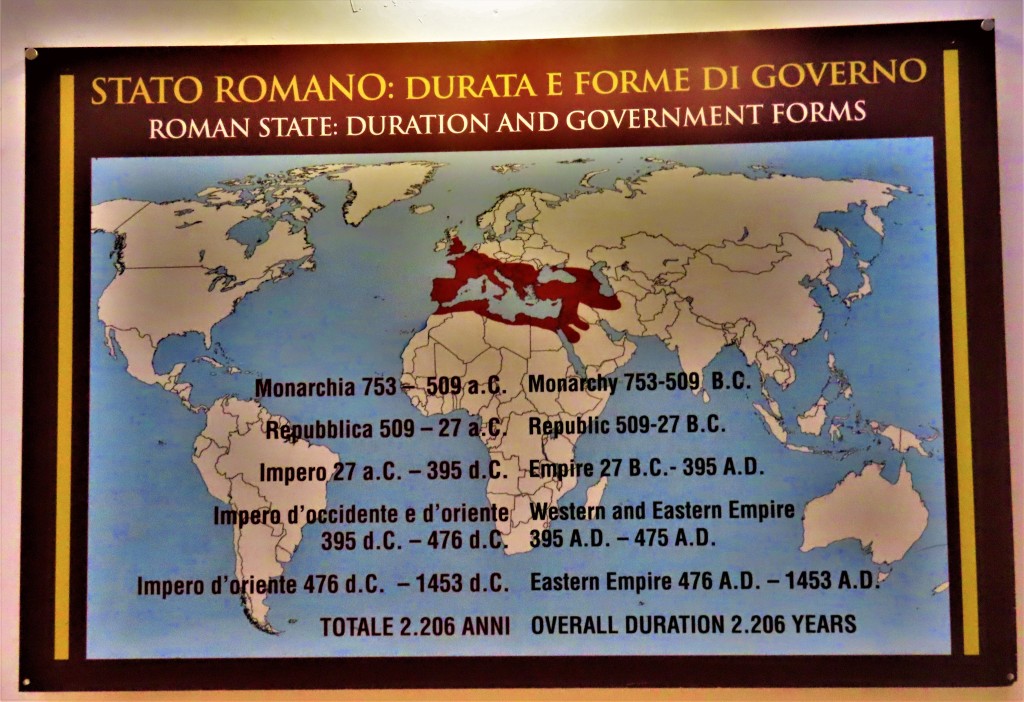
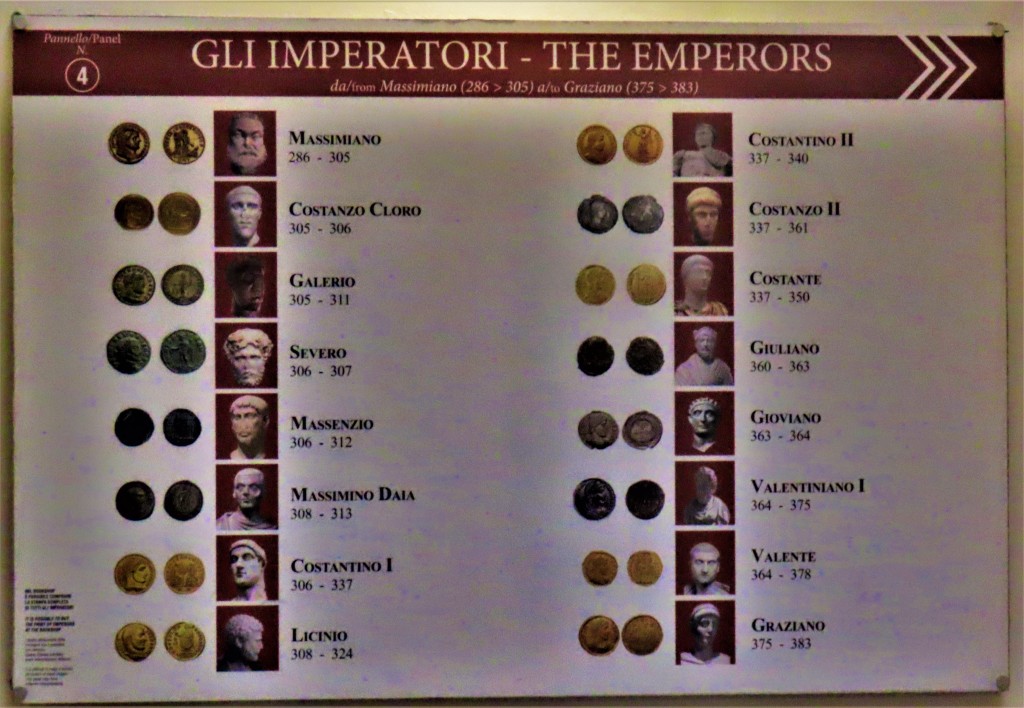
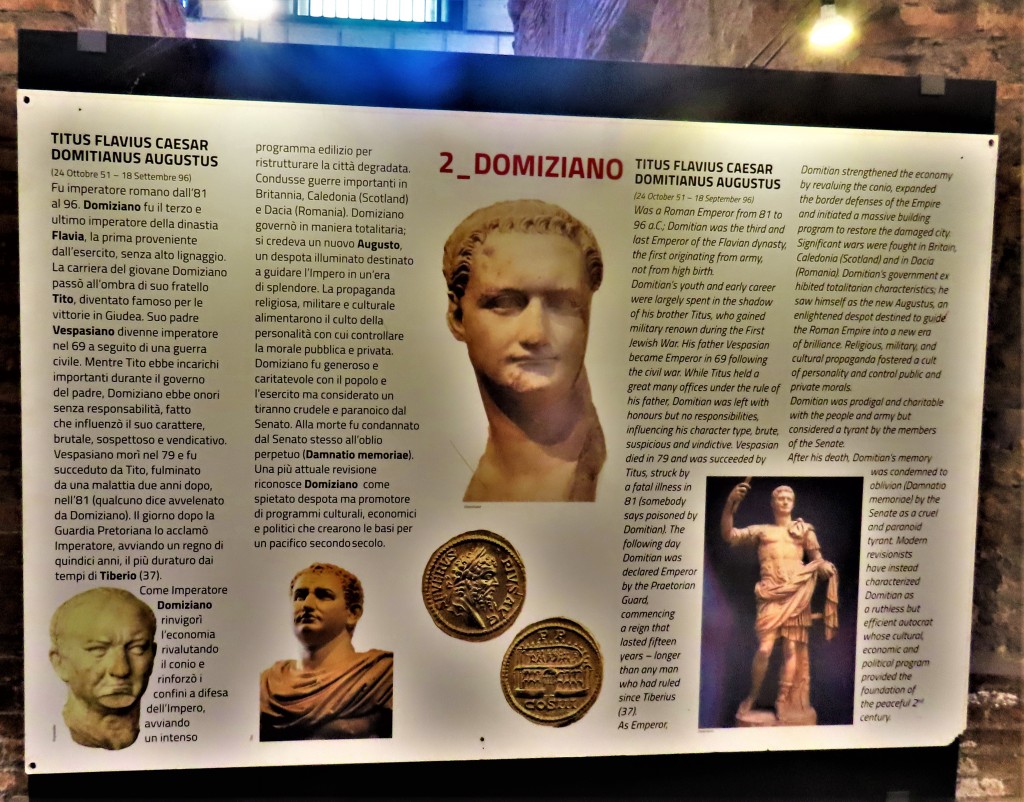
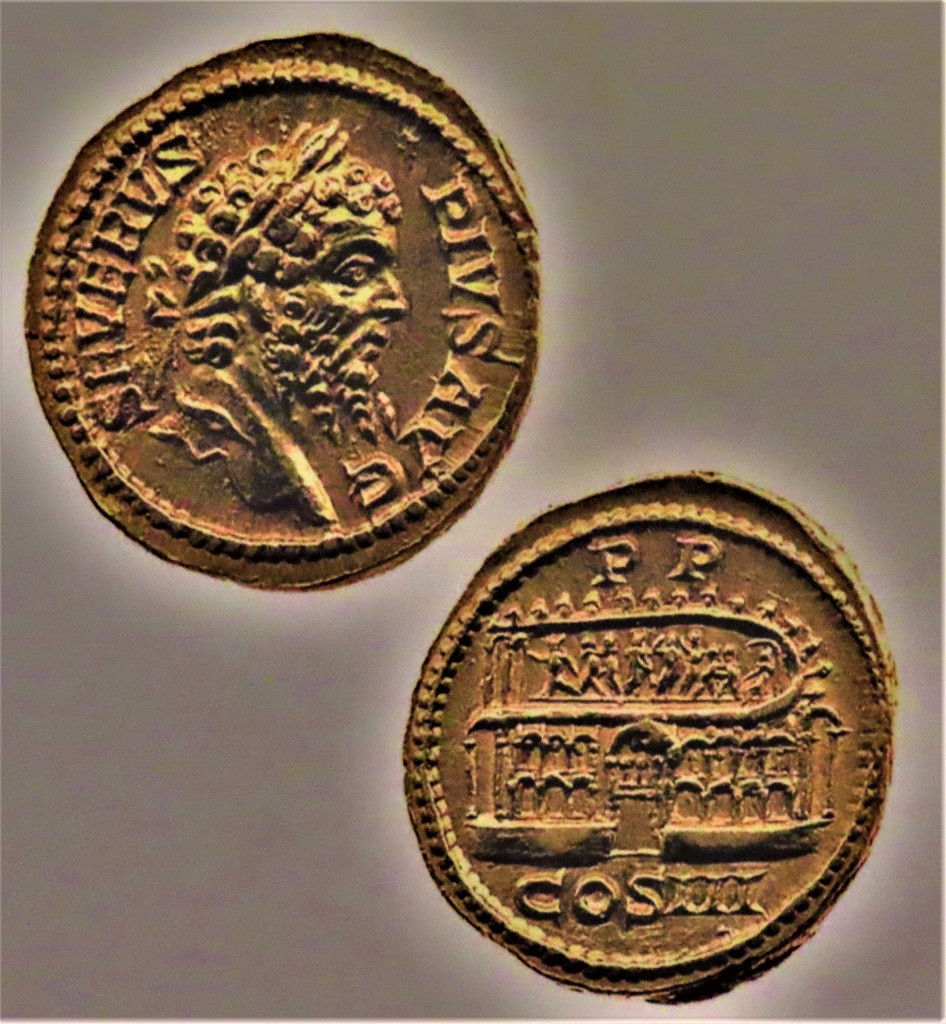
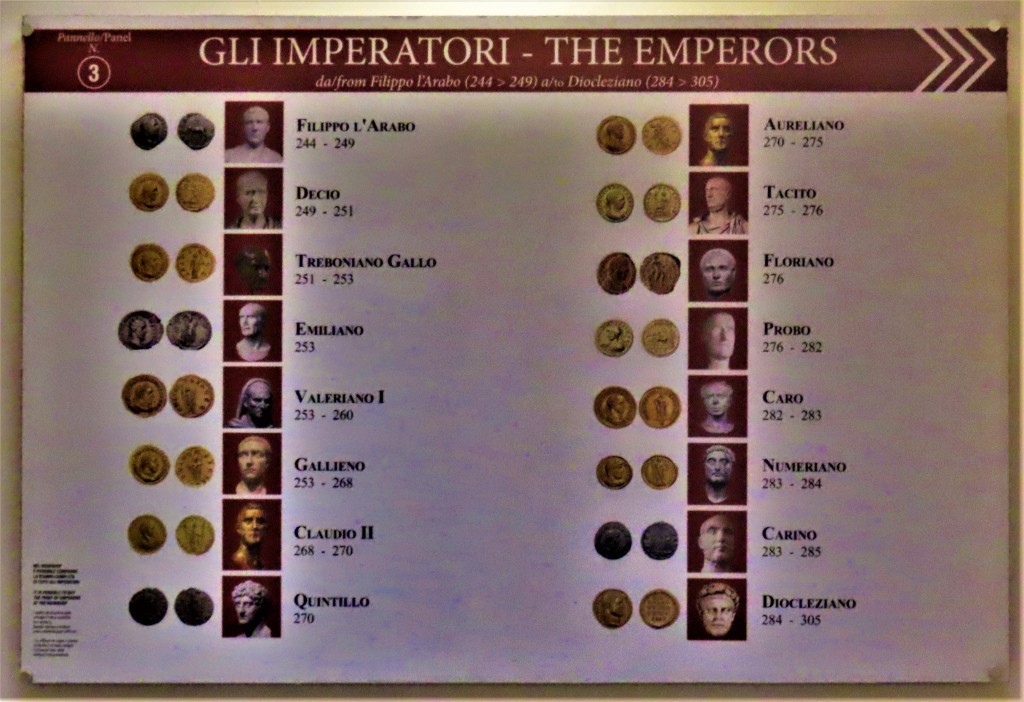
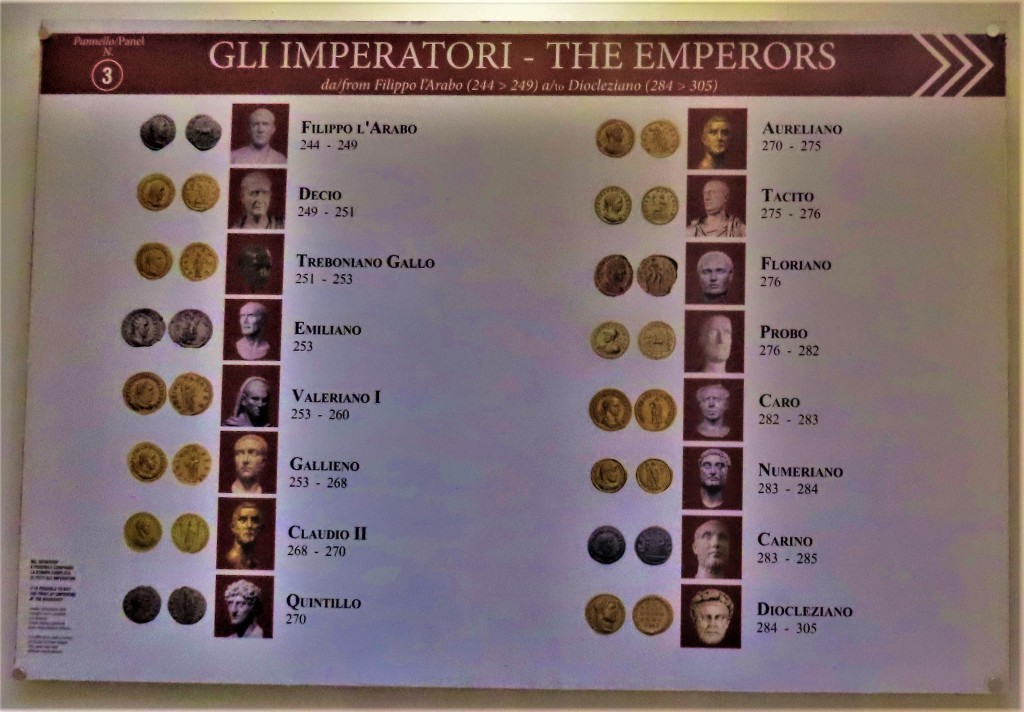
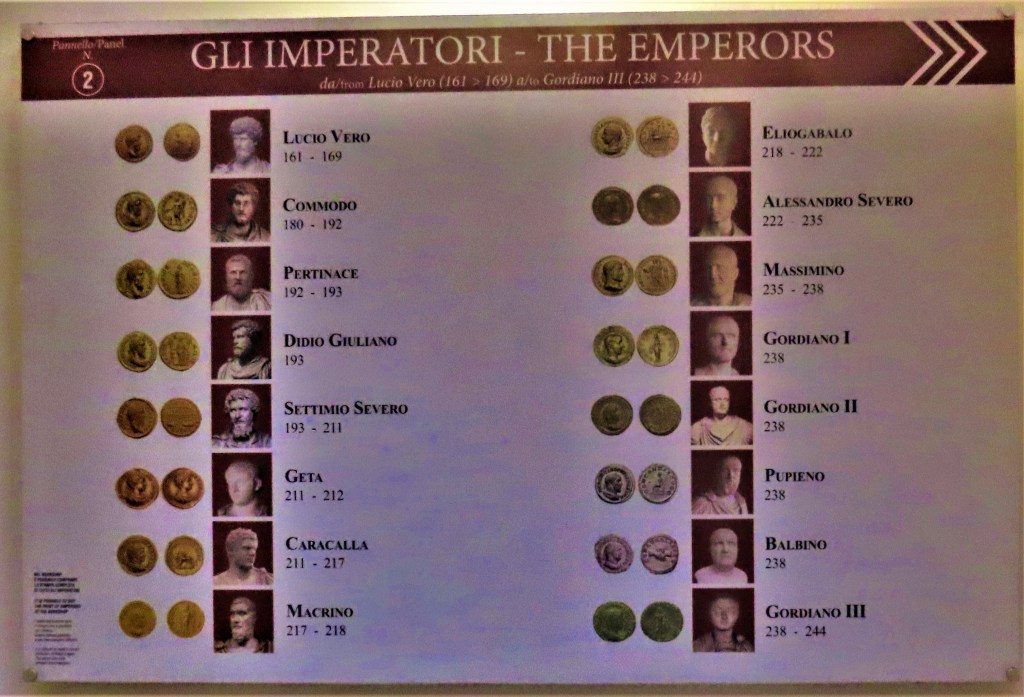
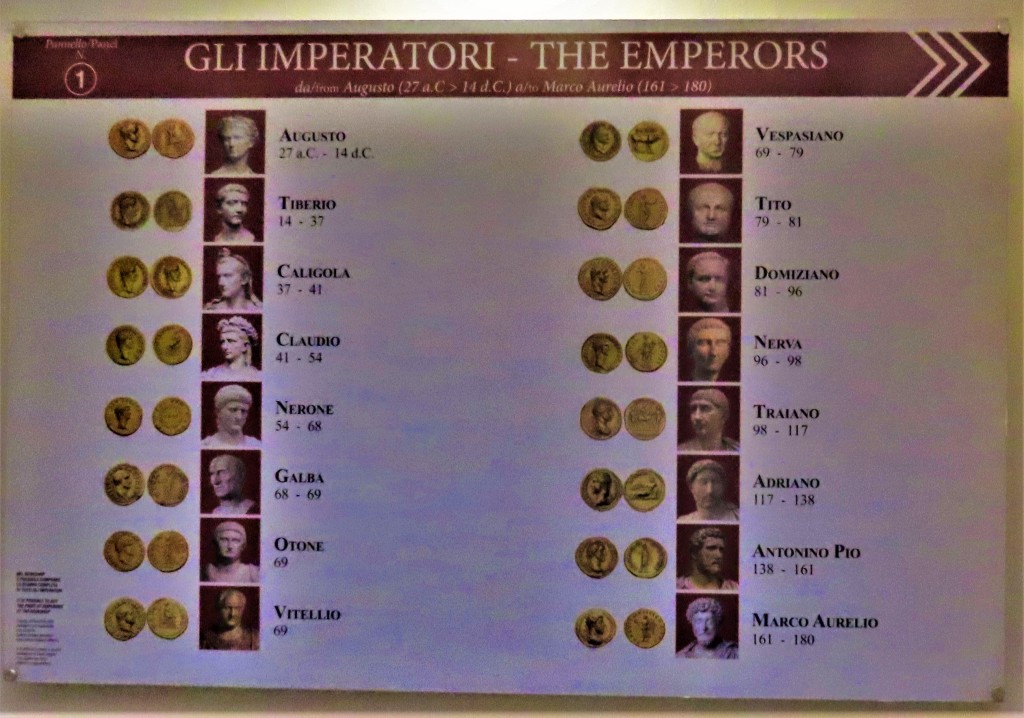
Domitian was one of Rome’s worst emperors, eventually being murdered in his palace and subsequently declared ‘damnatio memoriae’ – ‘damned to the memory’. Tacitus, who was too cautious to write about someone as recent as Domitian, used Tiberius, the second emperor after Augustus, as his ‘surrogate Domitian’. Domitian is also covered by Suetonius in “The Twelve Caesars”, being the twelfth Caesar – Suetonius starts with Julius Caesar who was never officially styled as emperor, and also covers Augustus, Tiberius, Caligula, Claudius, Nero, Galba, Otho, Vitellius, Vespasian, Titus and Domitian.
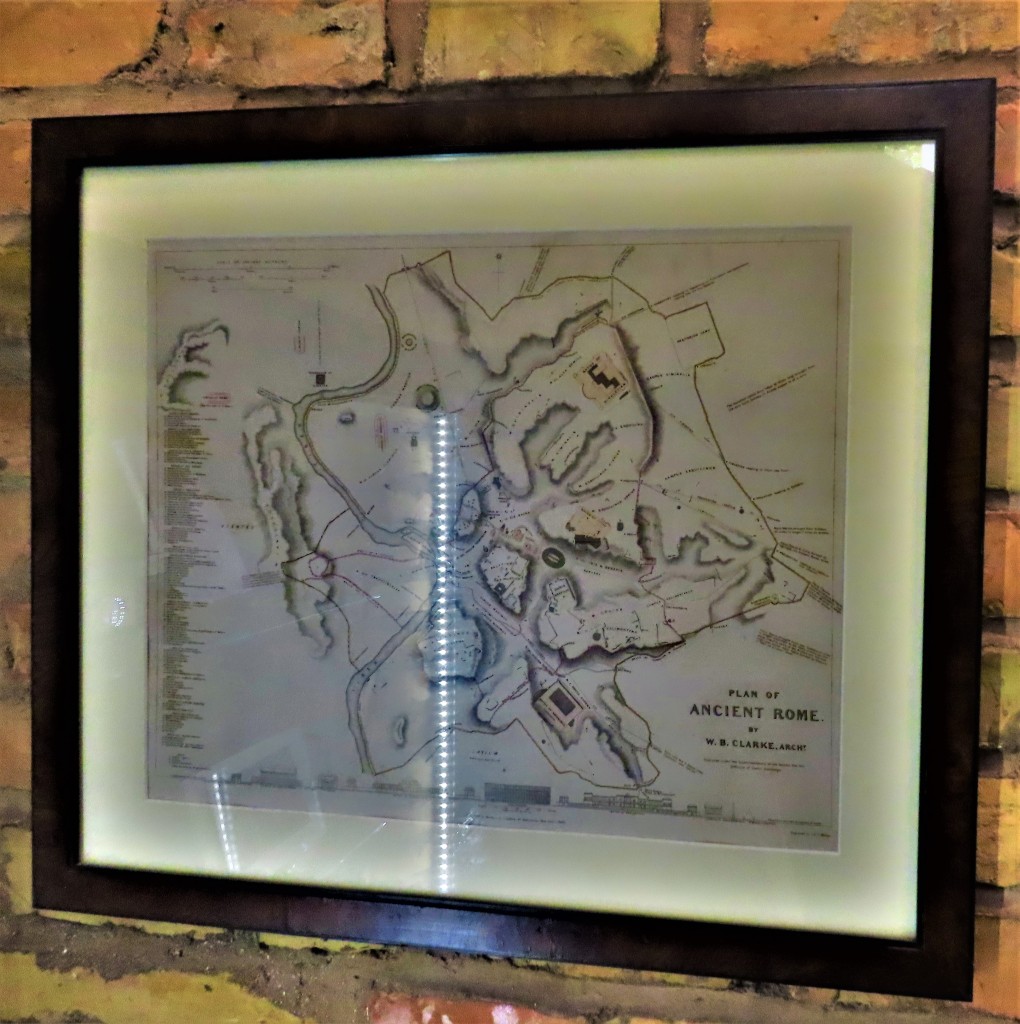
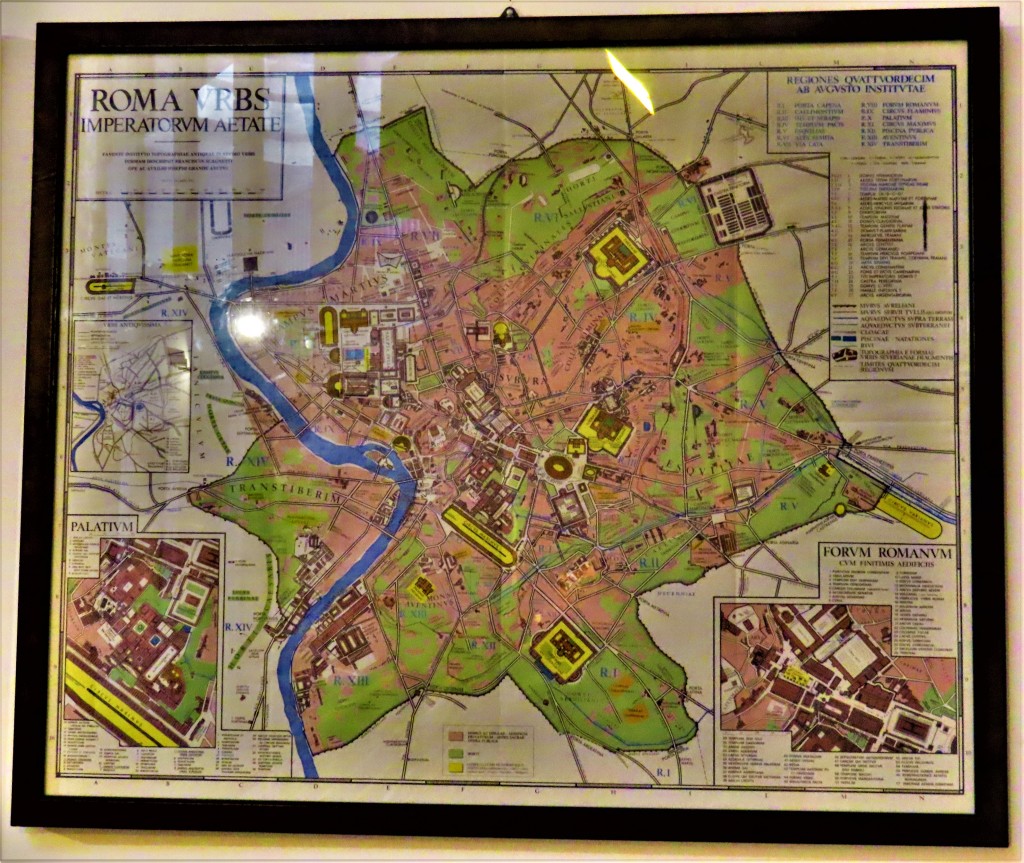
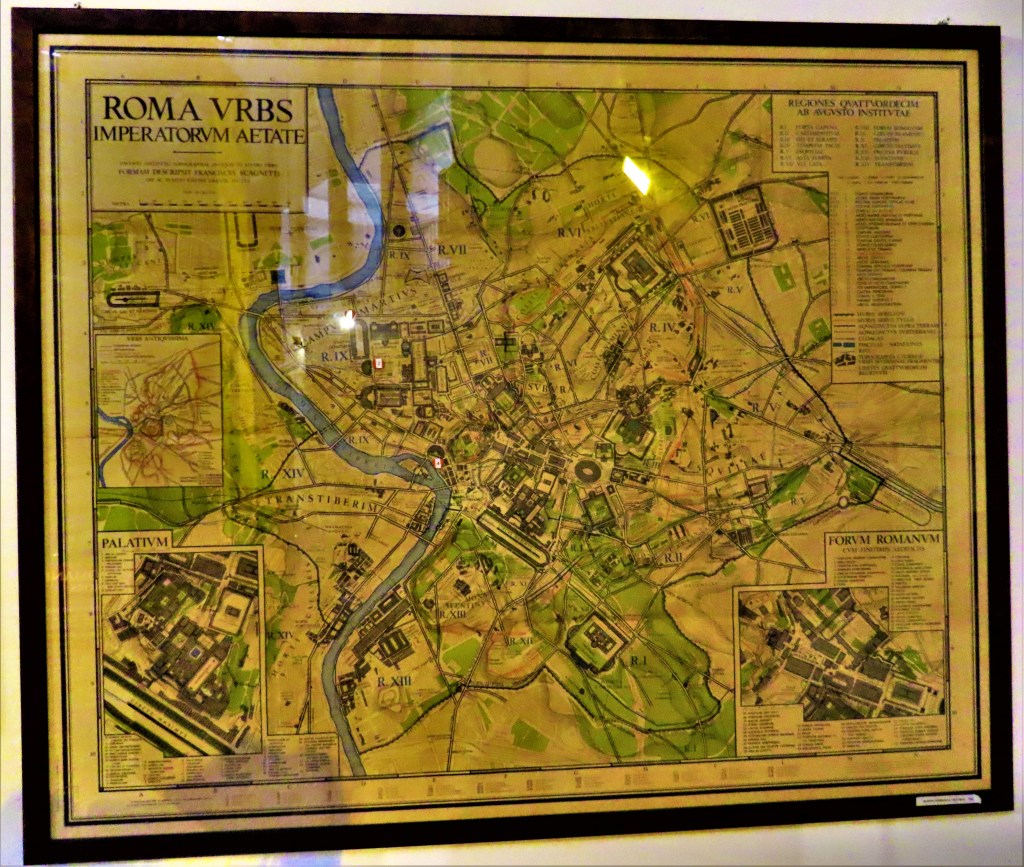
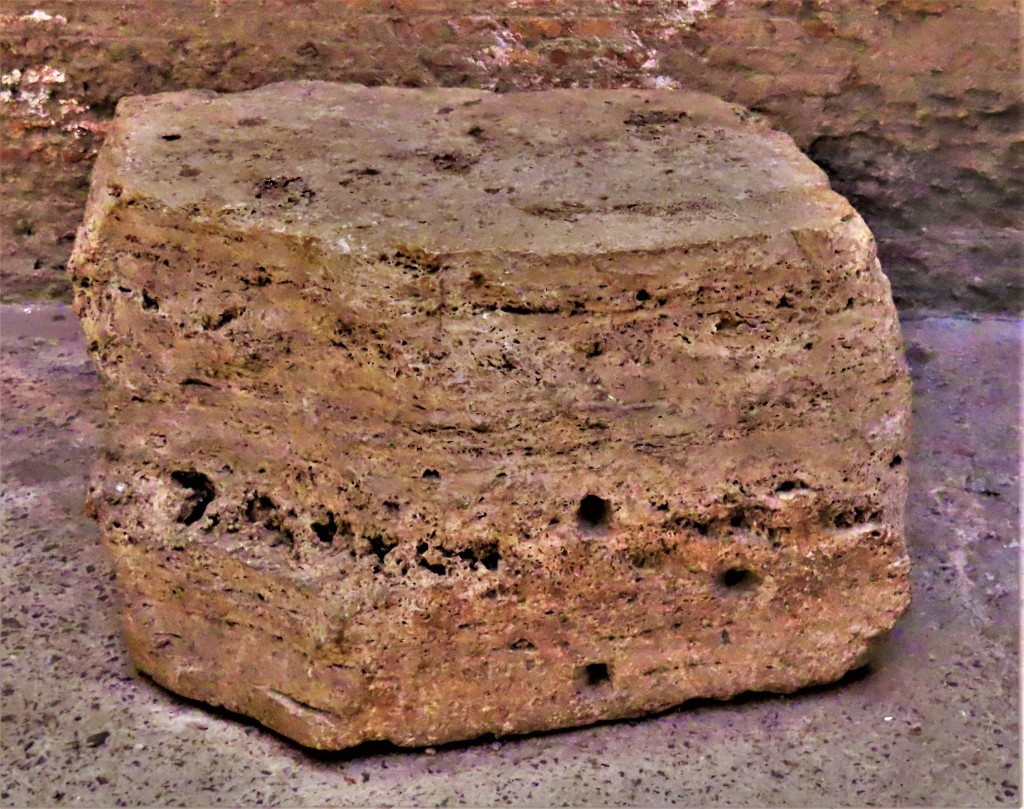
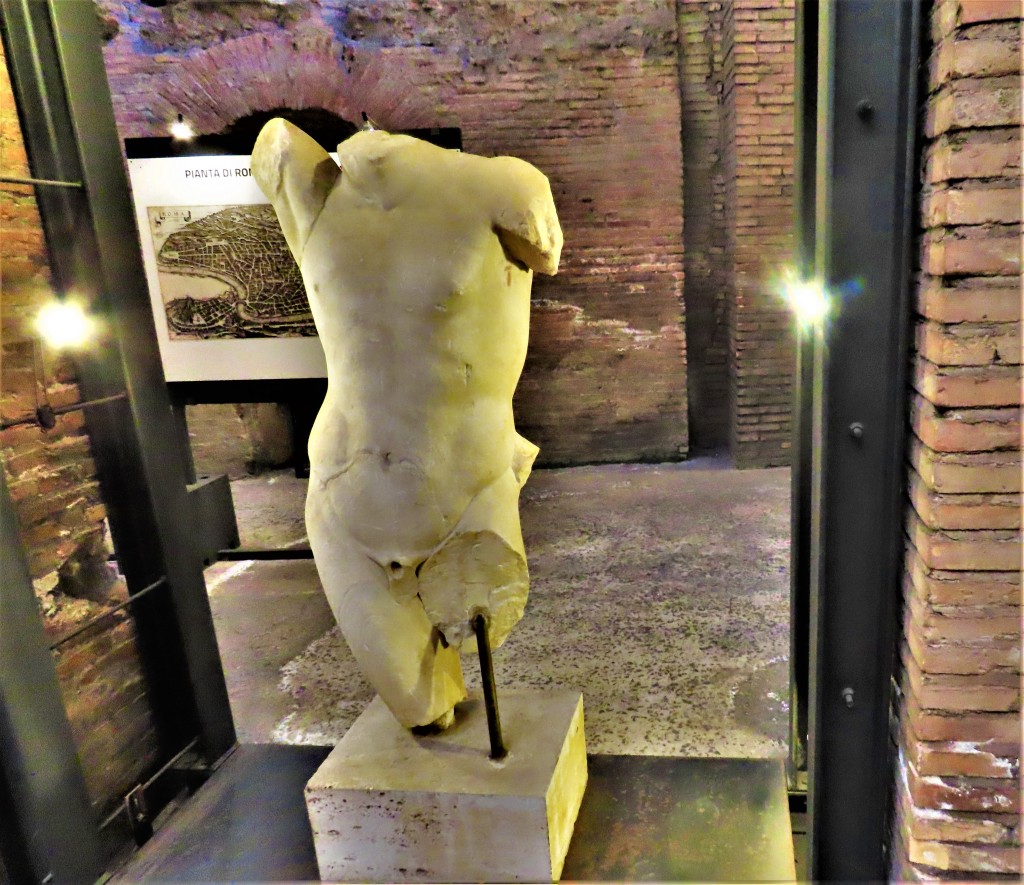
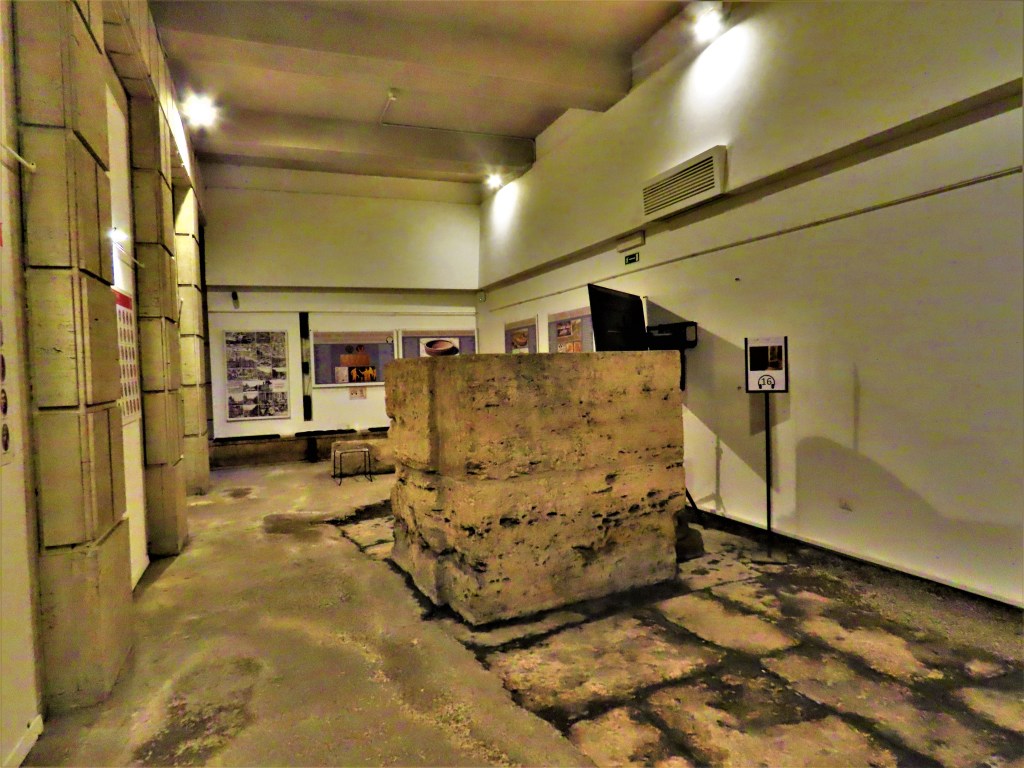
Both the Piazza Navona of today and the remains of Domitian’s stadium are well worth visiting. The latter has an audio guide which you can use for extra information – you get a headset and a map with number locations, and when you are at one of the locations you position the headset over that number on the map and play the relevant audio.
I end this post in my signature style with a waterfall video: