England’s Record Run Chase

An account of England’s victory over India which they completed earlier today, and some of my recent photographs.

This post looks back at the match just concluded between England and India, officially the fifth of the 2021 series.

A LONG DELAYED FINALE

India won the the fourth test of the 2021 series comfortably, and then in the run up to the fifth test there was a Covid scare in the Indian camp. By the letter of the law the match should have been forfeited since England were able to play and India were refusing to put a team out, but because the BCCI pulls the ICCs strings a compromise was arranged, whereby the match would be played in 2022 instead. England after a miserable winter in Australia and then the West Indies had started 2022 in a blaze of glory, recording three successive spectacular victories over World Test Champions New Zealand (who won’t get to defend their title in consequence of this). India made some curious selecorial decisions (Pujara as makeshift opener when Mayank Agarwal was available, Thakur preferred to Ashwin, Vihari at three and Shreyas Iyer in the middle order all definitely questionable and the persistence with an aging, chronically out of form Kohli didn’t look right either), England had two obvious question marks, Crawley at the top of the order and the decision to drop Jamie Overton for the returning Anderson (Anderson’s return had to happen, but I would have had Broad make way for him).

INDIA IN CHARGE FOR THREE DAYS…

India had the better of all of the first three days, with only a century by Jonny Bairstow restricting England’s deficit on first innings to 132. India were then 126-3 in their second innings by the end of day three, leading by 258. James Anderson had underlined his enduring class in the Indian first innings by taking 5-60 while everyone else was was being thrashed. Rishabh Pant played a great innings for India, and was the centrepiece of their total of 416. At the end of day three (just under four playing sessions ago) you would have got generous odds on an England win, though probably not quite the 500-1 famously offered at Headingley in 1981.

…AND THEN

In the first part of day four India failed to make the most of their advantage, rather frittering away their last seven wickets for the addition of a further 120. Pujara scored a gritty 66, Pant a more flamboyant 57, but overall India would have been disappointed with a total of 245 all out, and would have been aware that they had not completely killed the game when they might have done. Ben Stokes claimed four wickets for England.

Just for once England did not lose their first wicket ridiculously early. Crawley and Lees both batted well, but just before tea Crawley was out for 46, leaving one that bowled him. This meant that Pope had to begin his innings twice over, either side of the interval. He managed the first, but not the second. Then Root made a horrible misjudgement which caused Lees to be run out. That was 109-3, 269 more still needed for victory, and Bairstow joined Root. Not only were this pair still together at the close, they had done a lot to break the back of the chase, taking England to 259-3, 119 short of victory with the final day to come. The final morning began with India surely needing to break the stand quickly, and probably needing to have both players out within the first half hour to keep their hopes alive. India showed themselves mentally already beaten when they set fields that effectively said “help yourselves to singles but please don’t bash us”. Root and Bairstow accepted the singles but did not comply with the second part of India’s implied request – anything loose (and India provided a fair quantity of this) was ruthlessly punished. After just an hour and a half of the fifth day, including two ball replacements (a huge number of balls have needed to be replaced in this season’s tests) the job was completed, with a single off the fourth ball of the 77th over of the innings. England won by seven wickets, Root 142*, Bairstow 114*. Root’s hundred was his 28th in test cricket, obliterating the so-called ‘curse of 27’, a piece of nonsense that had arisen due to Steven Smith and Virat Kohli both being stuck on 27 test tons for some considerable time. The truth is that a total of 20 players have scored as many as 27 test centuries, and 16, including Root, have gone on to at least 28, while only four (Allan Border, Graeme Smith, Steven Smith, Virat Kohli) failing to do so. It was also Root’s fifth test hundred of 2022, to follow the six he scored in 2021. Bairstow’s century was his fourth in five test innings, his sixth of 2022 and his second of this match. The Root/ Bairstow stand of 269* was the fourth biggest ever in a fourth innings behind 301 by Arthur Morris and Don Bradman at Headingley in 1948 (Aus won by seven wickets), 287* by Gordon Greenidge and Larry Gomes at Lord’s in 1984 (WI won by nine wickets) and 280 by Bill Edrich and Paul Gibb at Durban in 1939 (a preposterous draw, with England 654-5 chasing 696 for victory when play had to be abandoned). This was also the fourth successive time England had chased 275 or over to win a test match, and England’s record successful run chase, beating the 362-9 at Headingley in 2019.

Bairstow was named Player of the Match for his twin tons, and Root Player of the Series for his 737 runs across the five matches. Virat Kohli’s only noteworthy contributions to this match were sledging Bairstow when that worthy was struggling in the first innings, since which moment Bairstow scored a further 207 runs for once out and a disgraceful display of aggression at the fall of an English wicket yesterday which involved charging straight across the pitch and earned him a ticking off from the umpires and may yet have further repercussions in the form of a fine or even a ban.

For England, as well as the two batting guns Root and Bairstow, Anderson maintained his high standing, Potts looked the real deal, Leach came back well from a hammering in the first innings (1-28 from 12 overs in the second). Broad, two second innings scalps not withstanding, looks to be a fading force at test level. Lees and Pope both deserve extended runs in the side (Pope has just been assigned a new role at number three and has done quite well there, and Lees has shown a lot of promise). Zak Crawley’s second innings 46 should not be enough to save him from the axe, and I fully expect Lees to have a new opening partner against South Africa in six weeks time. India’s carelessness with the bat on the fourth morning probably cost them 100 runs, but the way this England handle fourth innings run chases even that might not have been enough. A full scorecard of the match can be viewed here.

PHOTOGRAPHS

My usual sign off…

A Classic Match That Was One Day Too Short

An account of the test match between the England and South African women’s teams which took place on Monday to Thursday of this week.

I was delighted when it was announced that England and South Africa women’s teams would be playing a test match this summer. I was less delighted that it was scheduled for only four days rather than the five that men’s test cricket gets, and this little distinction was to prove of considerable importance to the result.

ALL CHANGE FOR ENGLAND

At the start of this season Anya Shrubsole announced her international retirement after an illustrious career, highlighted by 6-46 in the 2017 World Cup final. In the run up to the match Katherine Brunt announced that she was retiring from test cricket but would still play white ball internationals. Then Emily Arlott was injured in the run up to the match, which meant that Issy Wong was promoted from travelling reserve to full squad member. Eventually, England decided that one spinner (the incomparable Sophie Ecclestone) was sufficient and opted to strengthen the batting by giving the number seven slot in the order to Alice Davidson-Richards. The new look seam attack was led by veteran Kate Cross, supported by Wong and Lauren Bell plus the all round skills of Natalie Sciver. Batting wise there were not a huge number of surprises: Emma Lamb, in magnificent form in domestic cricket, was chosen to open alongside the experienced Tammy Beaumont, with skipper Knight at three, Sciver four, Sophia Dunkley at five and keeper Amy Jones at six. Thus the full XI in batting order read: Beaumont, Lamb, *Knight, Sciver, Dunkley, +Jones, Davidson-Richards, Ecclestone, Cross, Wong, Bell.

INEXPERIENCED SOUTH AFRICA

South Africa had not played a test since 2014, so scandalously small is the amount of women’s test cricket. Dane Van Niekerk was still recovering from a broken ankle, and in the run up to the match Shabnim Ismail, star bowler, went down injured, as did big hitting middle order batter Chloe Tryon. For some unknown reason in form pacer Ayabonga Khaka was not considered for selection. All of this meant that SA took the field with only two players out of 11 having prior test experience.

DAY ONE: KAPP’S HORATIAN PERFORMANCE SAVES SA

On Monday June 27th South Africa batted first. With Cross, Bell and Wong all highly impressive in the early stages SA were soon in trouble at 45-4. Wong claimed her first test wicket with an absolute peach of a ball to clean bowl Laura Wolvaardt (no mean feat this – the young SA opener had scored a ton in the warm up match against England A, and a repeat of that in this match would have been no great surprise. At this point Marizanne Kapp came to the crease for South Africa. She proceeded to play an innings of utter brilliance, enabling South Africa to reach the respectability of 284 all out, of which her share was precisely 150. Kate Cross had the best figures for England, with 4-63, with Bell 2-54, Wong 1-54, Ecclestone 1-33, Sciver 1-29 and Davidson-Richards 1-39 all also taking wickets.

DAY TWO: SCIVER AND DAVIDSON-RICHARDS

Beaumont and Lamb put on 65 for the first England wicket, but thereafter a collapse set in, with Knight experiencing a rare failure at test level. The score when debutant Davidson-Richards walked out join Sciver was 121-5. By the close of play this pair were still in occupation, Davidson-Richards having become the first England debutant of either sex to take at least one wicket and score a century on test debut since WG Grace did so in the first test ever played on English soil in 1880, and Sciver having also passed three figures. England, having looked deep in trouble when the pair came together were now 39 runs to the good, and it was fairly clear that only one side now had a chance of winning the match.

DAYS THREE AND FOUR: A TALE OF WEATHER WOES

Davidson-Richards was out early on the third morning, but Ecclestone now provided excellent support for the unstoppable Sciver, scoring a perky 35 and helping the seventh wicket to raise a further 86. Cross was next in, and her run out heralded the England declaration at 417-8, a lead of 133. Sciver with 169* had beaten her captain’s test best by a single run, was eight short of Claire Taylor’s 177, 10 short of Rachael Heyhoe-Flint’s 179 and 20 short of the all time England women’s test record of 189 held since 1935 by Betty Snowball. Also possibly relived by the declaration were Aussies Michelle Gozsko (204) and Ellyse Perry (213*).

The weather from this point on was hugely uncooperative and allowed only 68.1 further overs in the course of a day and a half (and the women get through their overs at a good rate – on day two 100 overs took six hours 12 minutes of playing time to bowl – rather less long than it takes the men to bowl the 90 that is their minimum requirement for a day). In those overs South Africa amassed 181-5 in their second innings. Cross and Wong each took two wickets, the latter’s haul including Wolvaardt for the second time in the match, and Ecclestone one. The combination of the allocation of only four days and bad weather on each of the last two of those days made this the sixth successive women’s test to end in a draw. A full scorecard can be viewed here.

LOOKING FORWARD

Women’s cricket is in excellent health, and both sides deserve a lot of credit, England for coming out firing with a new look bowling attack, and for ultimately dominating the contest, and South Africa for showing considerable resolve with depleted ranks. There need to be more women’s test matches, and those matches NEED TO BE SCHEDULED FOR FIVE DAYS.

PHOTOGRAPHS

My usual sign off…

All Time XIs: Ultimate Talents

A look at a selection of record breaking and utterly unique cricketers by way of explaining the unanswerability of the question “who was the greatest ever cricketer”.

This post was provoked by a question I saw posted on twitter yesterday: who was the greatest cricketer of all time. This question is of course unanswerable and to explain why this is so I have assembled a touring party of 17 all of whom were about as good as players of their type can be. All of these players have attributes that mean that the claim that they stand alone in cricket history is unassailable, and I explain why in the course of my look at that them.

FIRST XI IN BATTING ORDER

  1. JB Hobbs – right handed opening batter, occasional right arm medium pacer. ‘The Master’, scorer of more FC runs and more FC centuries than anyone else in the history of the game.
  2. *WG Grace – right handed opening batter, right arm bowler of various types through his career. The most dominant player of any era, towering over his contemporaries both literally and metaphorically.
  3. DG Bradman – right handed batter, occasional leg spinner. A test batting average of 99.94, maintained over 52 matches at level needs no further comment.
  4. SR Tendulkar – right handed batter, occasional bowler. The only player to have scored 100 centuries across formats in international cricket.
  5. FE Woolley – left handed batter, left arm orthodox spinner. The only cricketer to tally over 10,000 FC runs, take over 1,000 wickets and hold over 1,000 catches in the course of a first class career.
  6. GS Sobers – left handed batter, left arm bowler of every type known to cricket. The most complete cricketer the game has ever seen.
  7. GH Hirst – right handed batter, left arm fast medium bowler. Achieved the feat of 1,000 runs and 100 wickets in first class matches in each of 10 successive seasons, including the only ever instance of 2,000 runs and 200 wickets in the same FC season.
  8. +RW Taylor – wicket keeper, right handed batter. The most wicket keeping dismissals (1,649 of them – 1,473 catches and 176 stumpings) of anyone in first class cricket history.
  9. W Rhodes – left arm orthodox spinner, right handed batter. More first class wickets than anyone else in the game’s history, even though there was a phase in his career when he hardly bowled. He also scored almost 40,000 runs in FC cricket.
  10. SF Barnes – right arm fast medium bowler, right handed batter. The best wickets per game ratio of anyone to play 20 or more tests – 189 in 27 matches, at 16.43 each = seven wickets per match. Generally regarded as the greatest of all bowlers.
  11. T Richardson – right arm fast bowler, right handed batter. The fastest to the career landmarks of 1,000 FC wickets (134 matches) and 2,000 (327 matches). From the start of the 1894 season to the end of the 1897 season he took just over 1,000 wickets, a period of wicket taking unique in cricket history.

This is a well balanced XI of awesome power. Now onto…

THE RESERVES

These are my six designated reserves:

  1. H Sutcliffe, right handed opening batter. My reserve opener was the ultimate big game player. His overall FC average was 52.02, his overall test average 60.73 and his overall Ashes average 66.85. As he himself once said to Pelham Warner “ah Mr Warner, I love a dogfight”.
  2. JH Kallis, right handed batter, right arm fast medium bowler. Has a fair claim to be regarded as the best batting all rounder ever to play the game. He didn’t master the full range of skills that Sobers did, hence his place as a reserve rather than in the starting XI.
  3. GA Faulkner, right handed batter, leg spinner. The only cricketer to have finished a career of over 20 test matches with a batting average of over 40 and a bowling average of less than 30.
  4. GL Jessop, right handed batter, right arm fast bowler. The most consistently fast scorer ever to play the game.
  5. +LEG Ames, right handed batter, wicket keeper. The only recognized keeper to have scored 100FC hundreds, also holds the record for most career stumpings in first class cricket – 418.
  6. GA Lohmann, right arm medium fast bowler, right handed batter. The man with the lowest career bowling average of anyone take 100 test wickets – 10.75.

CONCLUSIONS

This little collection of players fully illustrates why there is no definitive answer to the question I saw on twitter yesterday. I also missed the taker of 800 test wickets (Muralidaran), the only player to score 5,000 test runs and take 400 test wickets (Kapil Dev), the holder of the record test and first class individual scores (Lara), and quite a few others who have and deserve to have legions of fans. If forced to provide a single player as answer to this question I would consider WG Grace to be less far wrong than any other single answer.

PHOTOGRAPHS

My usual sign off…

England 3 New Zealand 0: A Retrospective

A look back at the England v New Zealand test series.

Having finally concluded my series about my Scottish holiday I now look back at the series between England and New Zealand that concluded yesterday.

MATCH ONE: A NEW ERA DAWNS

The length of England’s injury list in the fast bowling department and well justified concerns about the top order batting made what already seemed a tough ask appear even tougher. However, Matt Potts of Durham, given his call up to fill one of the vacant slots in the pace bowling department had a superb debut, Broad and Anderson both bowled well on their return to the side, and England won impressively.

MATCH TWO: A DRAMATIC TURNAROUND

Prospects didn’t seem too rosy when England put New Zealand in on a flat pitch and the visitors racked up 550 in the first innings. However, England responded in kind, with Ollie Pope, whose presence at number three, where he had never previously batted in FC cricket, was a cause of some disquiet making a big hundred, Joe Root confirming his status as the greatest England batter of the 21st century with 176 and various other players producing runs. NZ managed to set England 299 to win, having looked in trouble at one stage of their second innings. When Root departed early and England were three down still needing well over 200 for the win the prognosis looked grim. Jonny Bairstow, enjoying a remarkable revival to his career in red ball cricket, played a remarkable innings, with Ben Stokes providing his principal support. Bairstow scored the second fastest test century by an England batter ever, beaten only by Gilbert Jessop’s 1902 effort against Australia, also in a fourth innings run chase. The Yorkshireman was 136* when England completed a five wicket win, with keeper Foakes undefeated at the other end in support.

MATCH 3: 55-6 AND THEN…

James Anderson was unable to play this match, meaning that Devonian born Surrey fast bowler and lower middle order batter Jamie Overton got a first test cap. New Zealand tallied 329 in the first innings, Leach the left armspinner answering some increasingly vociferous critics with 5-100. When Jamie Overton walked out to bat the score was 55-6 and NZ were probably contemplating enforcing the follow on. They were to end up in deficit on first innings. Overton on debut was 89* by the end of the second day, and the seventh wicket stand between him and Bairstow was worth 209, England being 264-6. On day three Overton agonisingly failed to complete a debut century, falling on 97. Bairstow went on to 162, the lower order providing some support, and England, all out for 360, led by 31 on first innings. NZ mustered 326 second time round, with Mitchell and Blundell sharing yet another long partnership in the middle order. Leach, remarkably, achieved a second five wicket haul, 5-66 this time, on a pitch that has seldom been kind to spinners in recent times. England thus need 296 to win. Lees was out early on this occasion, Crawley made a very fortuitous 25 before a chance offered to the slip/ gully region (a mode of dismissal he suffers unacceptably often), but Joe Root and Ollie Pope saw England to 183-2 by the end of day four, 113 more needed and eight wickets standing. Pope did not last long on the final morning, but his departure merely signalled more Bairstow fireworks. Bairstow was a little too brilliant on this occasion, depriving his fellow tyke Root of what would have been that worthy’s 28th test century. England won by seven wickets and taken the series 3-0. Leach was named Player of the Match for his bowling effort, while Root just pipped Bairstow to the Player of the Series award.

POSITIVES AND NEGATIVES

The new mindset that Brendon ‘Baz’ McCullum has instilled in his charges has been a huge positive. The comeback from the depths of 55-6 in reply to 329 in the third match illustrated the spirit in the camp. Pope finally seems to be reproducing his first class form in the test arena, Bairstow has been a revelation, reigniting a test career that looked done not so long ago. Potts and J Overton have both shown great promise early in their test careers, with Potts in particular seeming destined for great career. Leach has ended any discussion about who England’s no1 test spinner is with his bowling at Headingley (with a tour to Pakistan coming at the end of the summer the question of back up spinners will need looking at, and I have several ideas there which I will explore more fully nearer the time). Although temporarily indisposed (lower back pains which turned out to be an early symptom of Covid) Foakes remains first choice keeper. Lees has played a couple of decent knocks at the top this series, and Pope is looking good at three (and in any case that experiment needs rather more time than one three match series before it can be judged). A new opener is needed to replace Crawley. After 24 test matches Crawley averages 26.68 overall, and much less than that as on opener – in the course of this series Crawley’s average as an opener dipped below that of Mike Brearley, and of course for a lot of Brearley’s career his batting was not the main reason for him having a place in the side. While I can understand that it would have been difficult to call up a replacement opener for the one-off match against India that starts on Friday I am absolutely certain that there should be a new name up top (for me one of Chris Dent or Ben Compton) by the time the series against South Africa gets underway.

Overall this series has been hugely positive for England, and although India are likely to prove tougher opposition England are better placed than one could have imagined when they left the West Indies a few months ago with a record showing one victory in their last 17 test matches.

PHOTOGRAPHS

As always I conclude this post by sharing some of my photos…

Scotland 2022: Homeward Bound

Concluding my account of my Scottish holiday with a look at the journey home.

Welcome to the final post in my series on my Scottish holiday. This one deals with my return to King’s Lynn.

A LATE CHANGE OF PLANS

On the Friday evening after getting back from the visit to Eigg I picked up an email warning me that the train I was supposed to be travelling on from Fort William to Glasgow had been cancelled. I was able to establish that I could get back on track by taking a train from Crianlarich (where the Oban and Mallaig lines diverge), but it still meant that I missed the most scenic part of the train journey. It also meant an earlier start to the day.

CRIANLARICH – EDINBURGH

Barring a delay getting into Glasgow, which is was of no relevance given how far ahead of schedule I was due to having had to alter my travel plans there were no hitches on this section of the journey, and I arrived in Edinburgh still miles ahead of schedule…

EDINBURGH TO PETERBOROUGH

I opted to spend time waiting at Waverley station and travel on the train on which I had a booked seat rather than take my chances on earlier train, a decision that although it did not work out for me I still regard as having been the correct one. Unfortunately, the last London bound train before the one I was booked on was cancelled due to someone running about on the tracks, which meant that the train on which I was booked had to take two trainloads worth of passengers. I am cautious about long distance trains and always look to board early, which was a lucky decision on this occasion – I was seated in the seat that was technically reserved to me well in advance of departure time, which was just as well, as an onboard computer malfunction meant that the only way a reservation could actually be enforced was in the way that I had done so – by actually being sat in the seat. The addition of an extra unscheduled stop at Berwick on Tweed, and a couple of other minor delays had me briefly worried about my onward connection at Peterborough, but we actually got to Peterborough 15 minutes before my next train was due to depart, and not even the shocking organization of that station (it is not easy to find general departure information there) could make me miss that train – I was safely seated comfortably ahead of departure time.

PETERBOROUGH TO KING’S LYNN

The train from Peterborough arrived at Ely, my last change point, bang on schedule, and there was never a chance of me missing the train on to King’s Lynn. That train also ran to schedule, and I arrived in King’s Lynn just after 10:30PM. I then walked home, and was unpacked by 11:00PM.

PHOTOGRAPHS

Here are my pictures from this eventful day:

Scotland 2022: Eigg to Acharacle via Mallaig

Finishing the account of the Friday of my Scottish Holiday.

This post continues my series about my holiday in Scotland with an account of the journey back from Eigg to Acharacle which included a diversion north to Mallaig. This is my fourth post about Friday’s activities and the penultimate post in this series.

EIGG TO MALLAIG

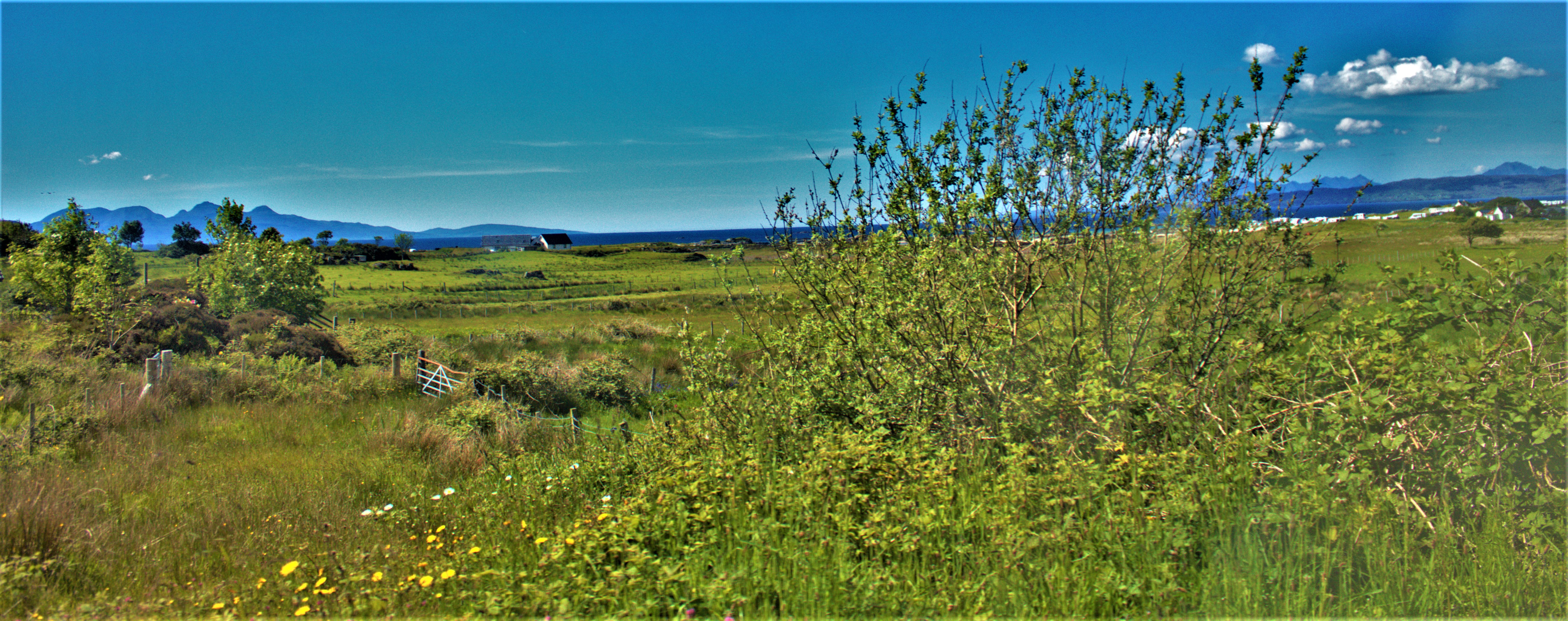
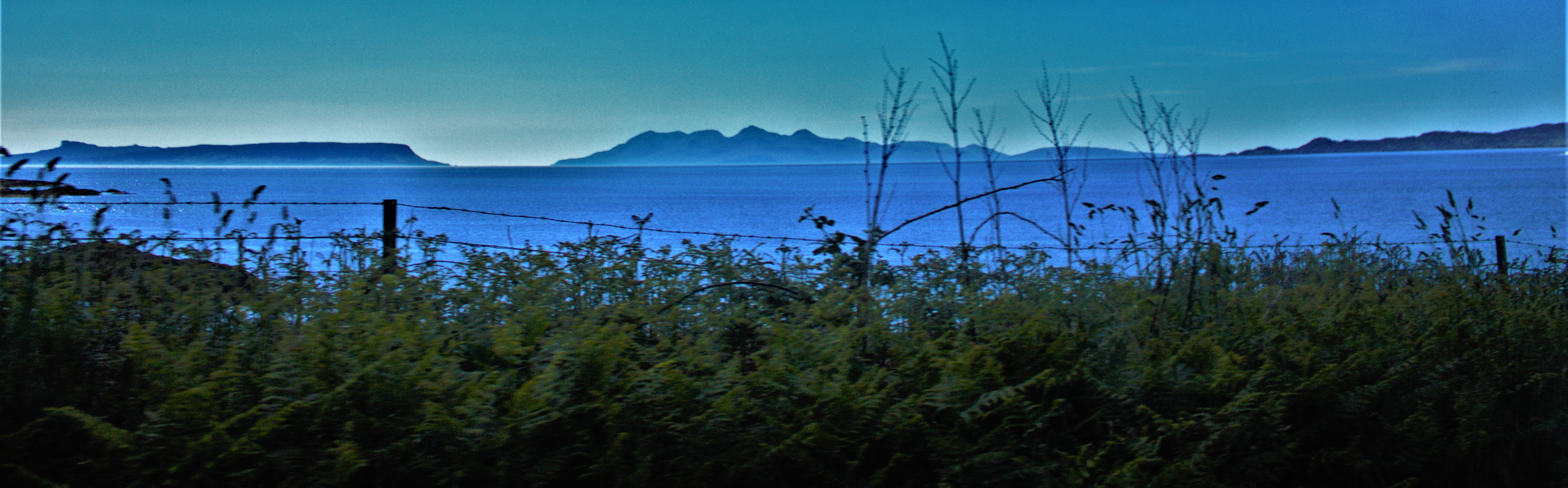
The voyage back to the mainland was calm as the outward voyage had been, and we set off along the coast road to Mallaig (there is a quicker main road which we used on the way from Mallaig to Acharacle). This route is very scenic. Mallaig was very busy when we got there but we found a parking space not too far from the centre.

MALLAIG AND BACK TO ACHARACLE

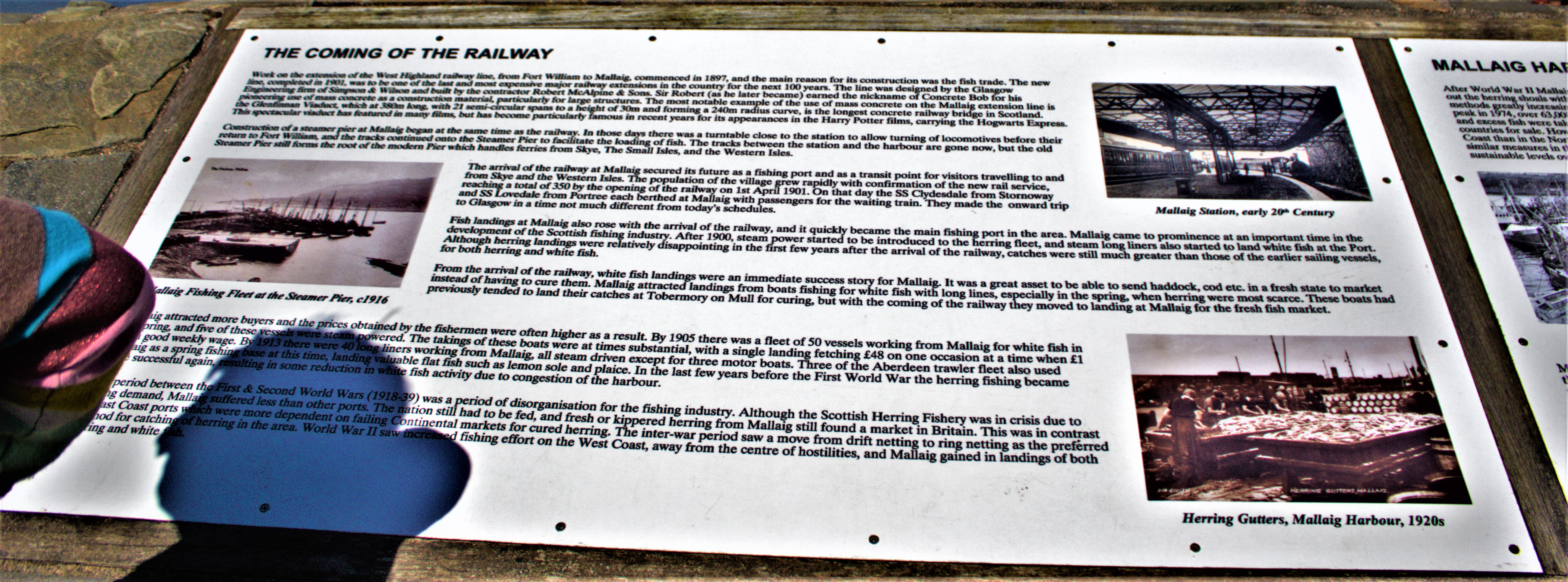
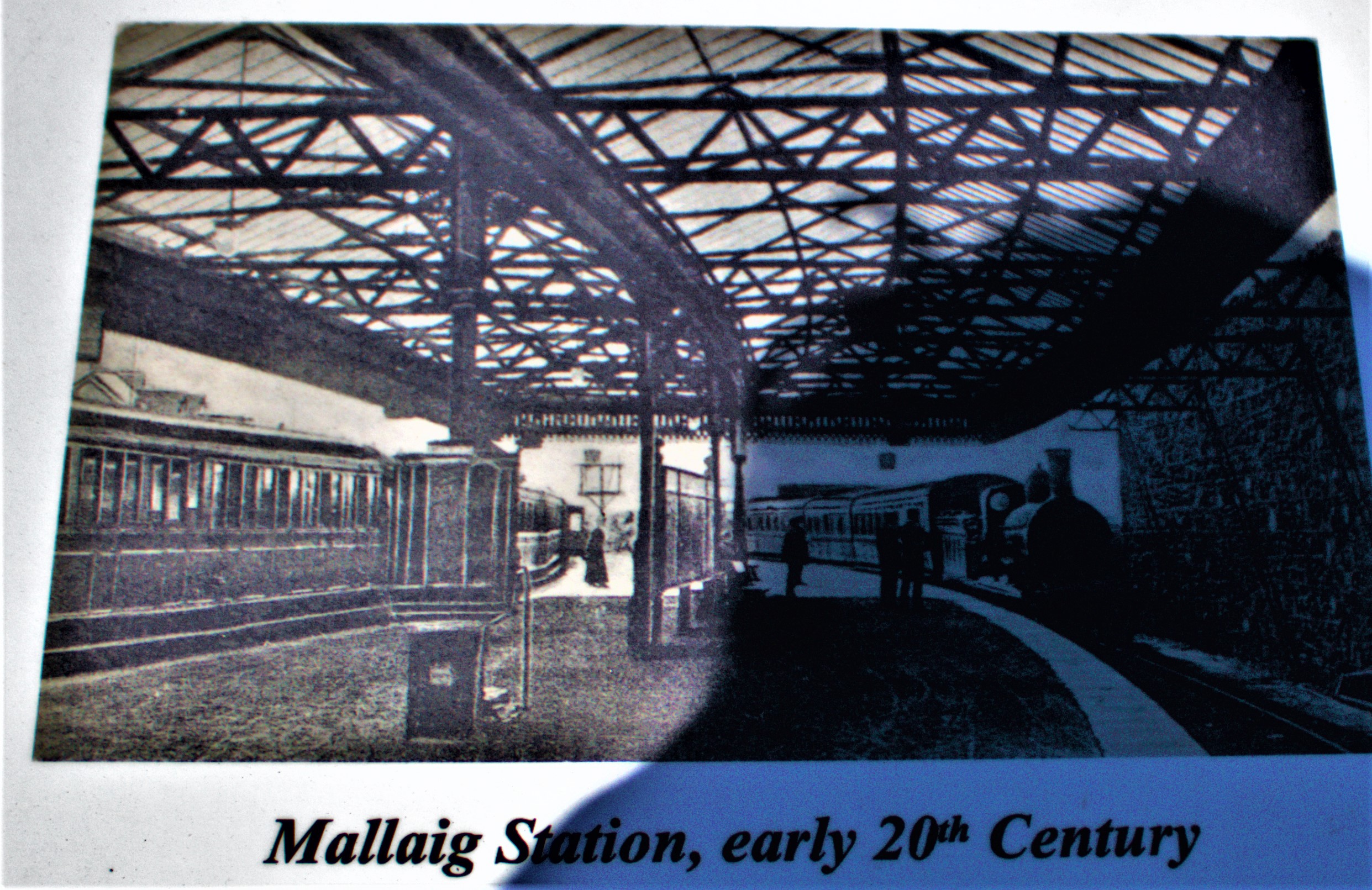
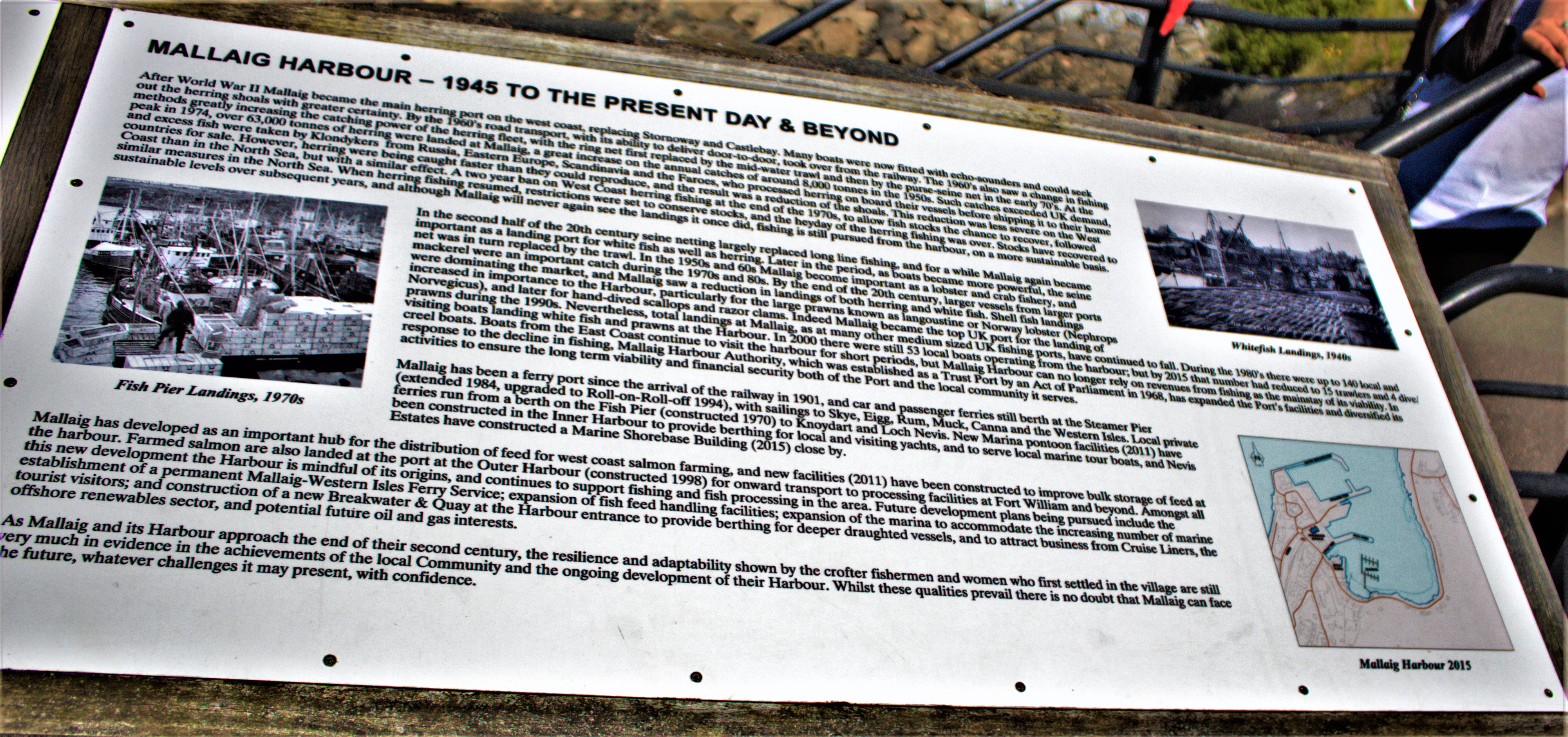
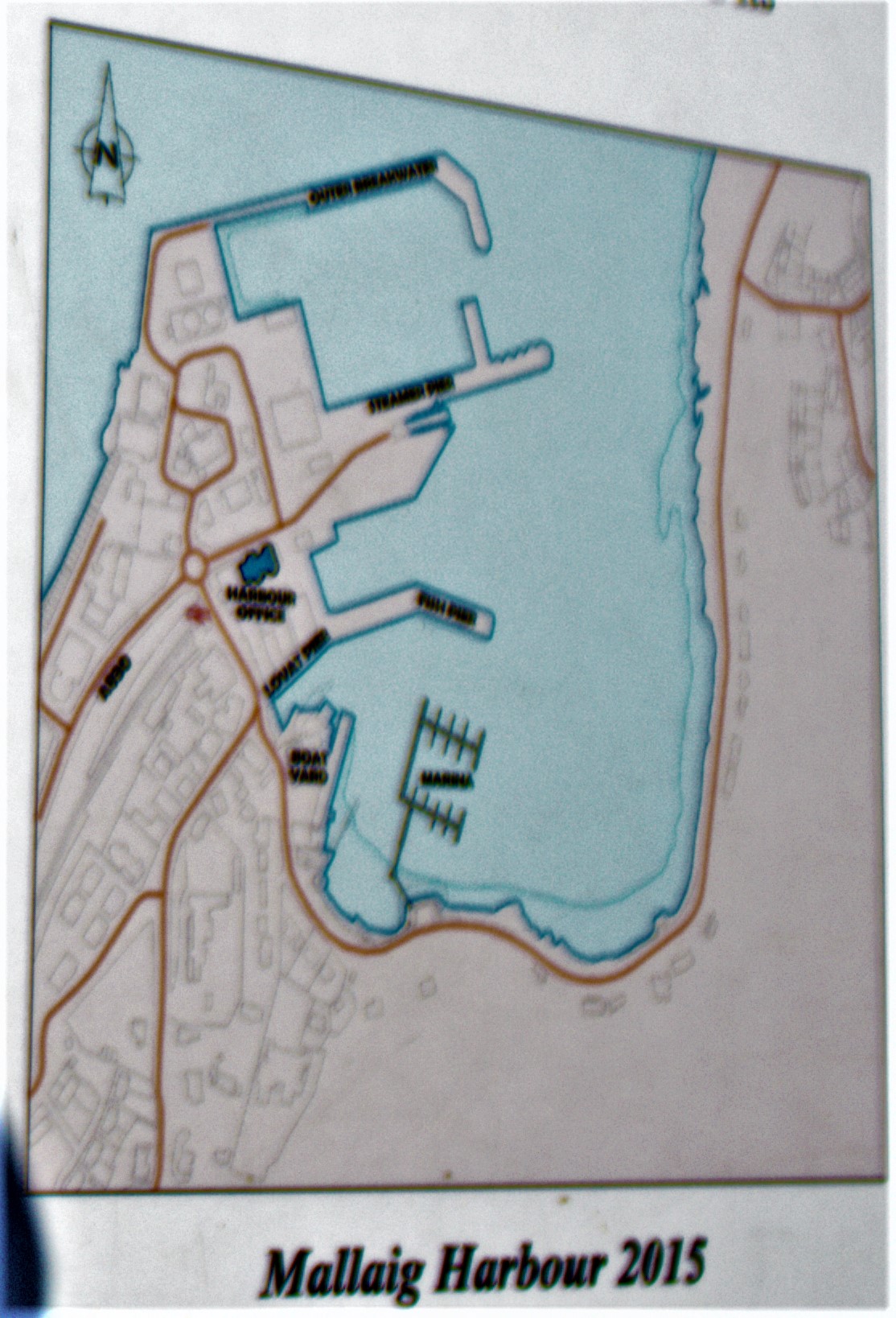
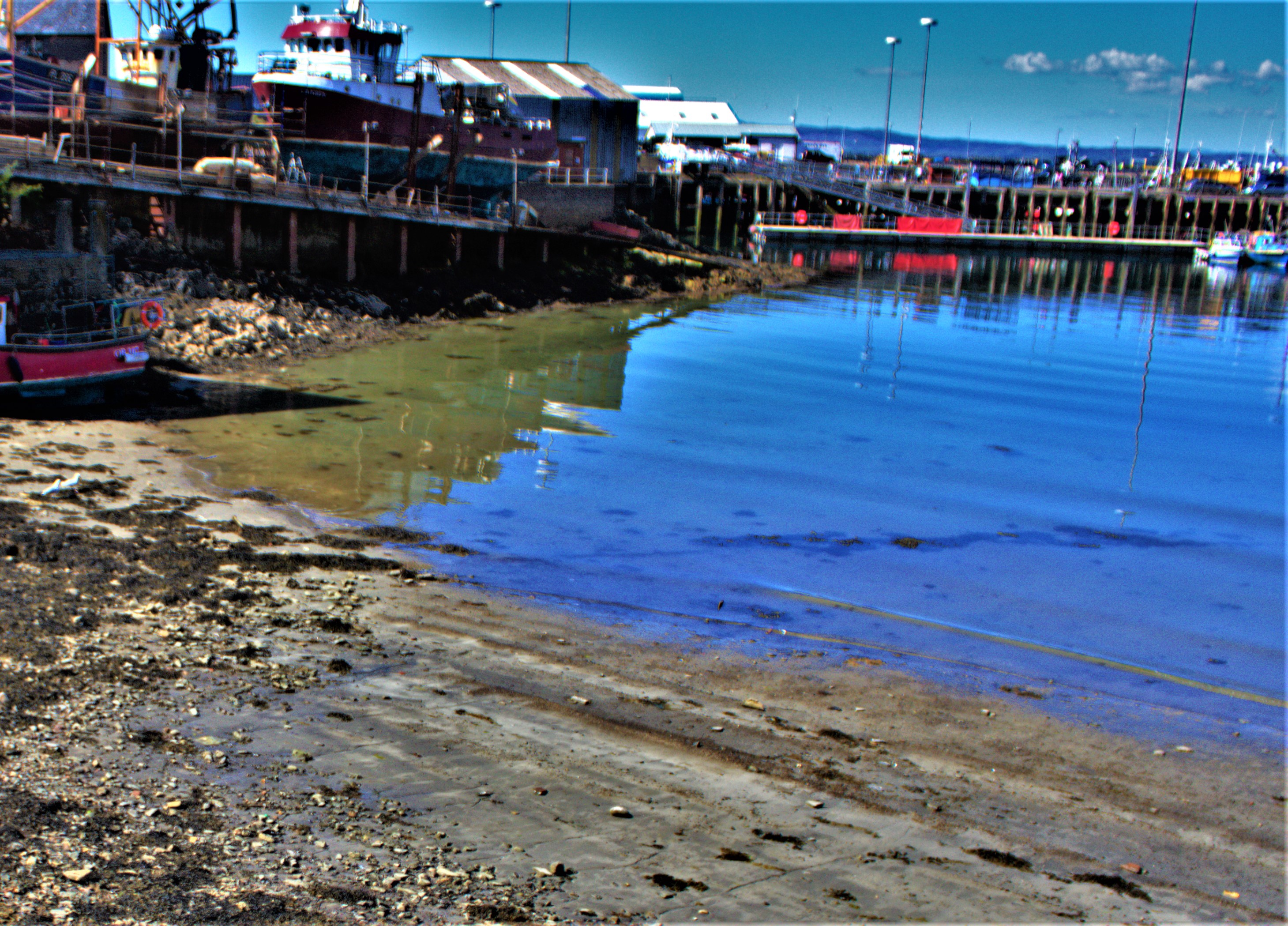
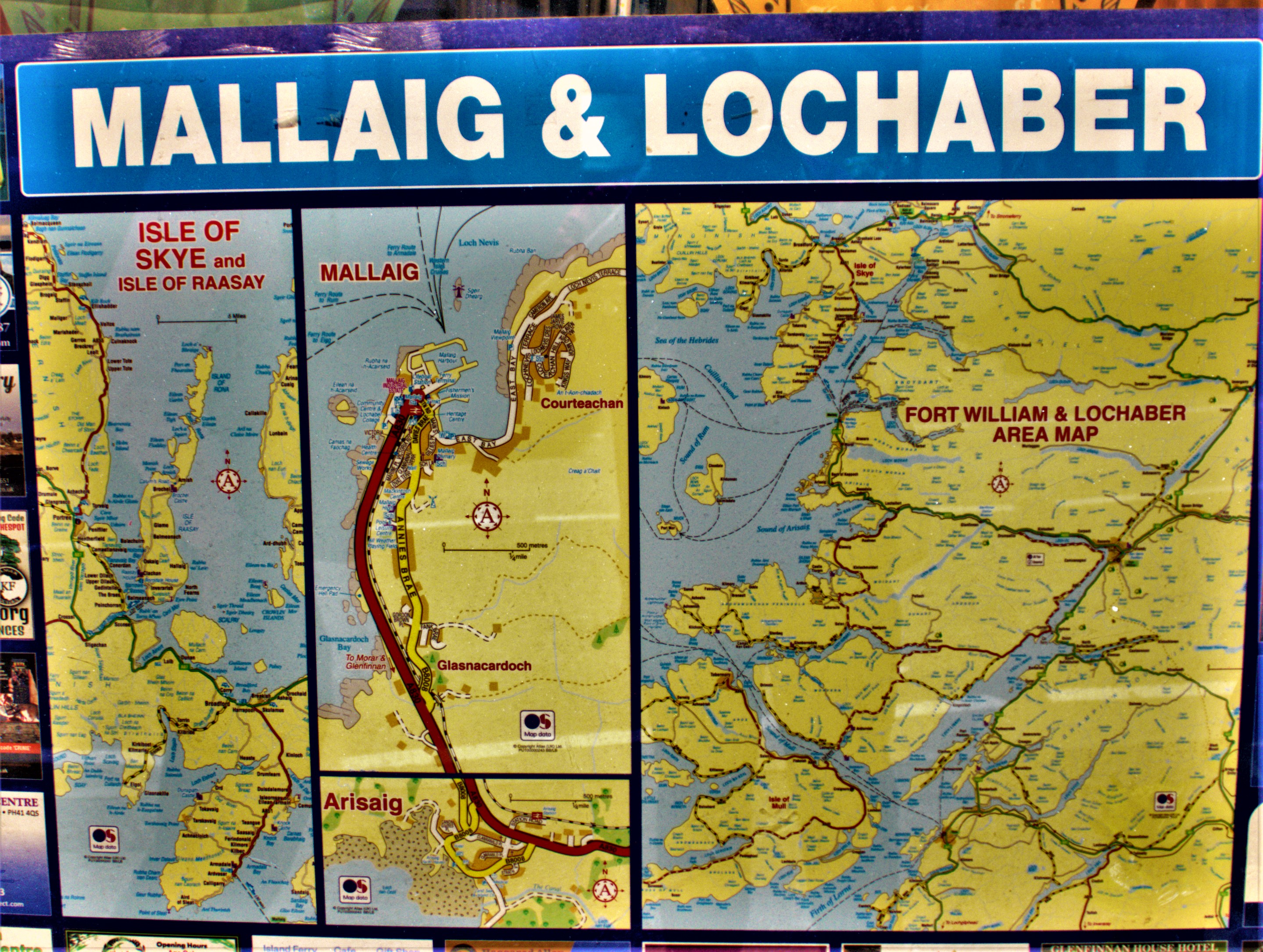
Mallaig well repaid a brief visit – there a few things of interest to be seen there, including a good account of the coming of the railway (late by British standards, early 20th century), and some splendid views. I first passed through Mallaig nearly three decades ago, when I arrived by ferry from the Isle of Skye and travelled on by train to Oban (one change at Crianlarich), and also saw the area immediately around the train station much more recently when I travelled on The Jacobite between Fort William and Mallaig in 2017.

The journey back to Acharacle passed without incident, bringing to an end the active part of a very enjoyable final full day the holiday.

Scotland 2022: Exploring Eigg

Continuing my account of my Scottish holiday with a look at the beautiful and interesting island of Eigg.

I continue my account of my Scottish holiday with a look at our explorations of the island of Eigg, the third of four posts devoted to Friday (see here and here).

THE EXPLORATION

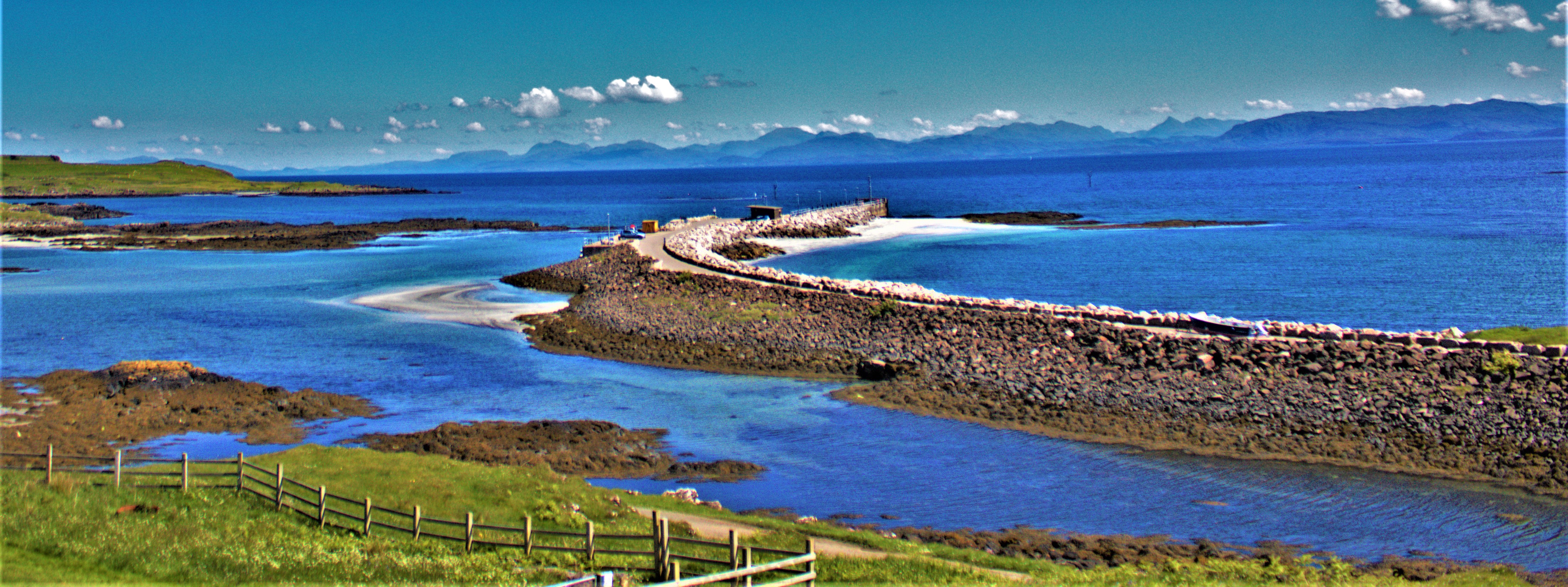
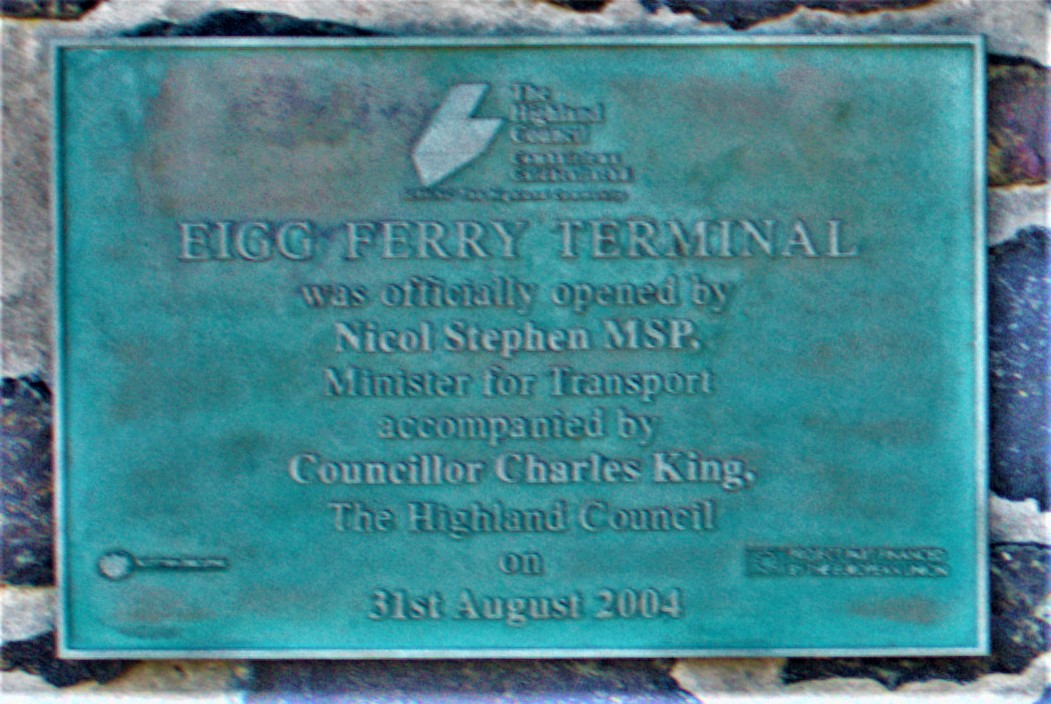
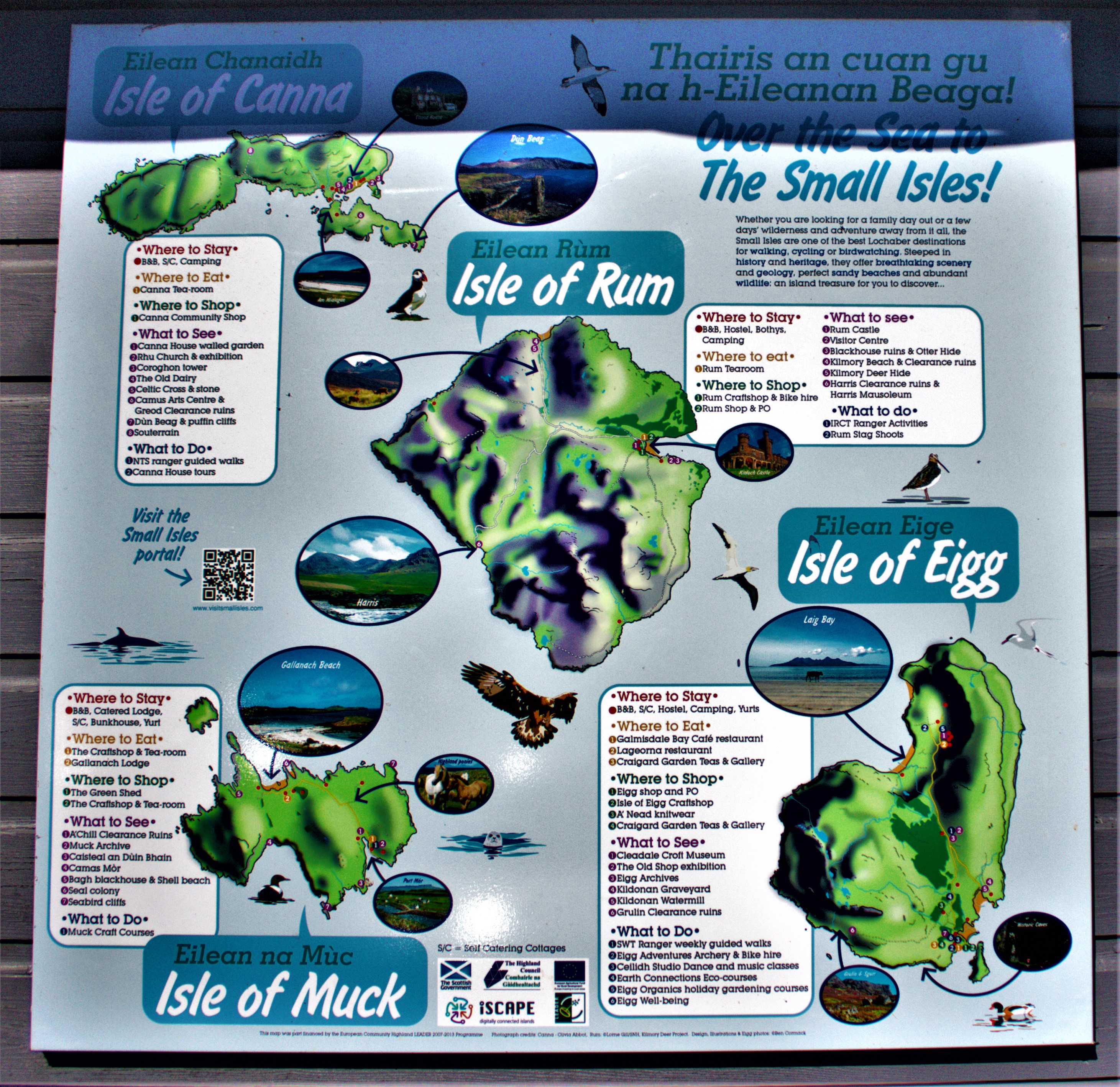
There are a cafe and a shop right where the boat drops one on the island of Eigg. Having noted the existence of these establishments we began our explorations. The first point of interest was some information about the island itself:

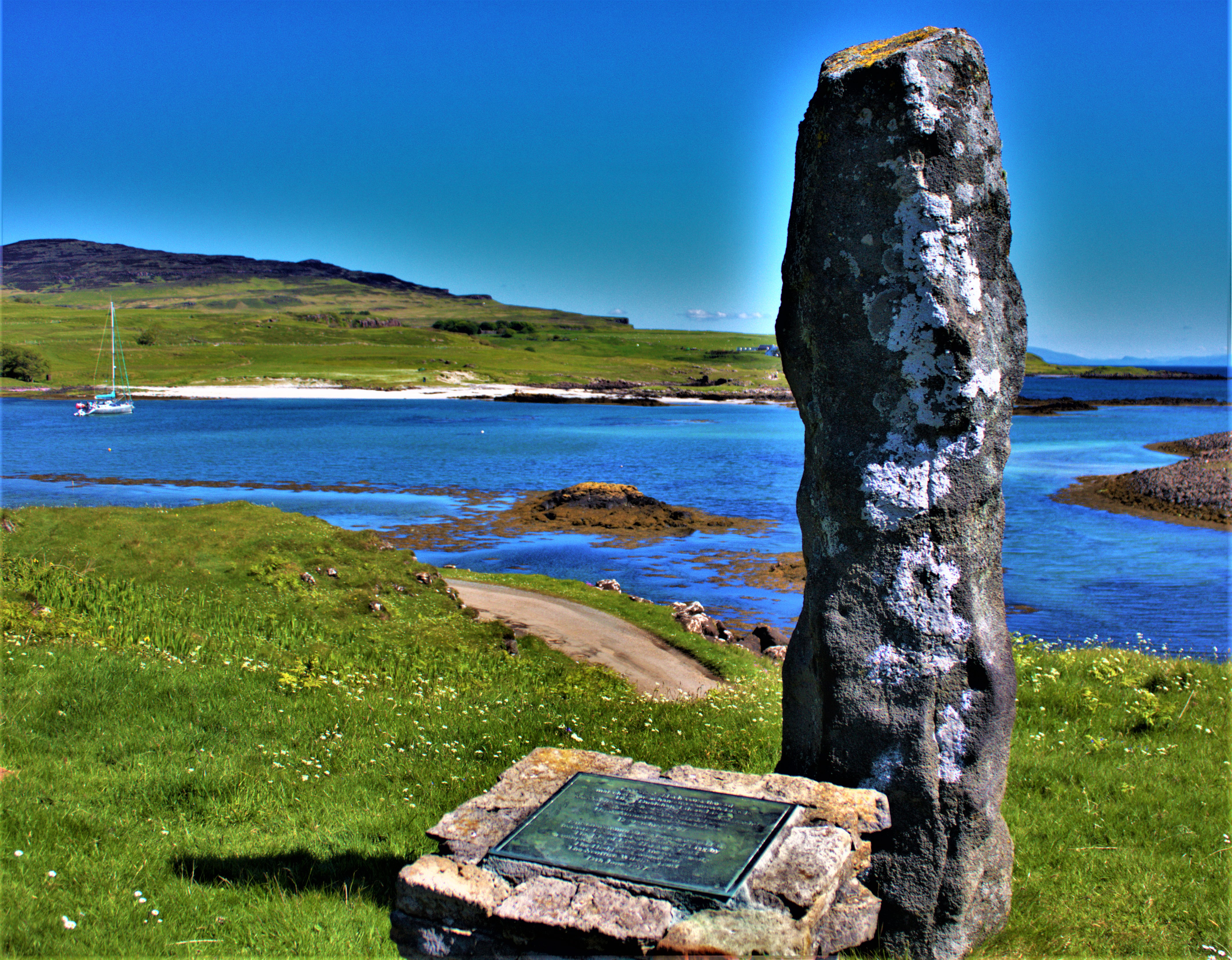
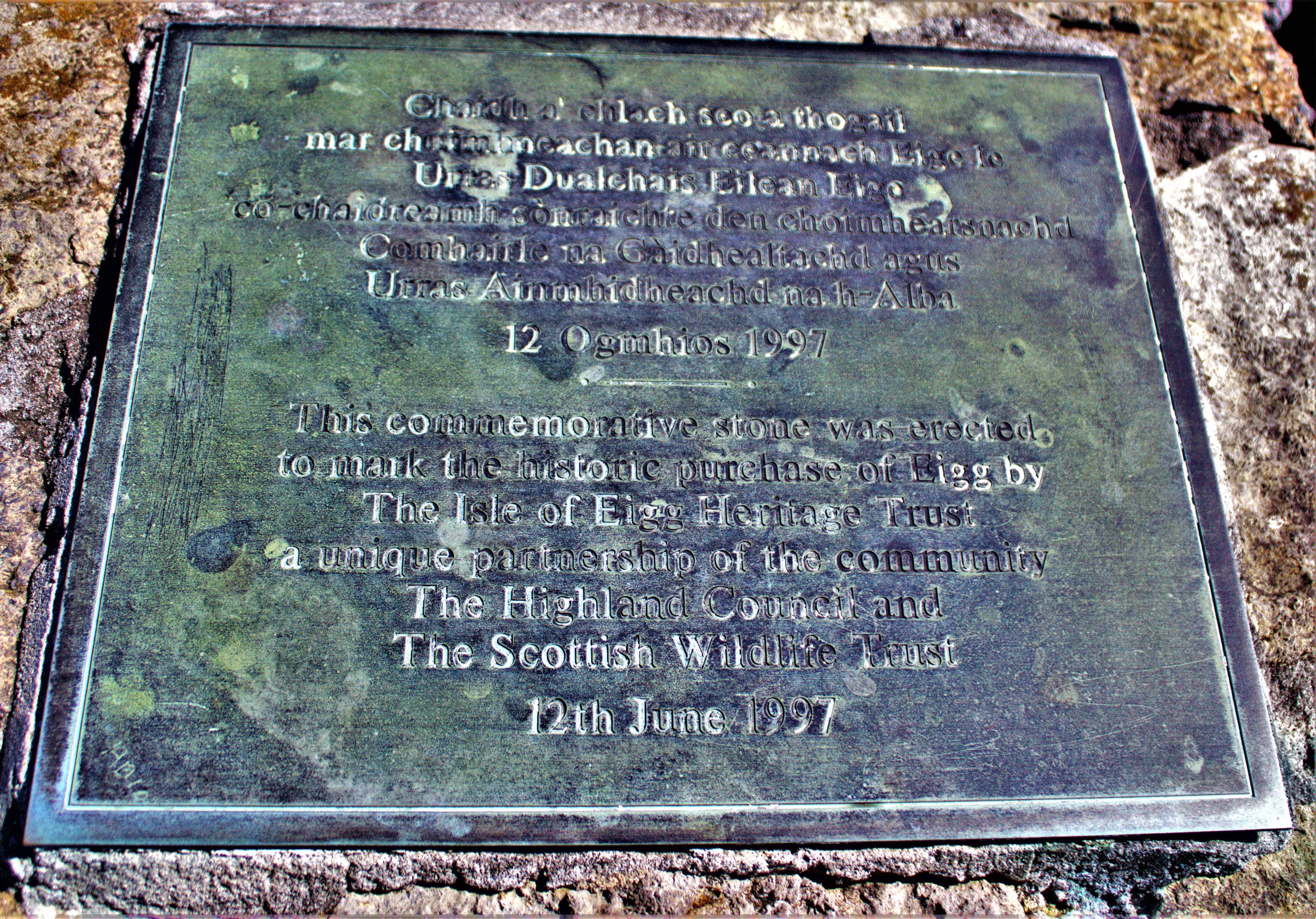
We then came to a memorial…

Then it was walk uphill, until we came to a footpath that we took. Conscious of time constraints we did not go massively far along the path, though what we saw was very scenic…

There were some more information boards before we got back to the cafe, which we were now ready to patronise. First this, about the geology of the inner Hebrides:

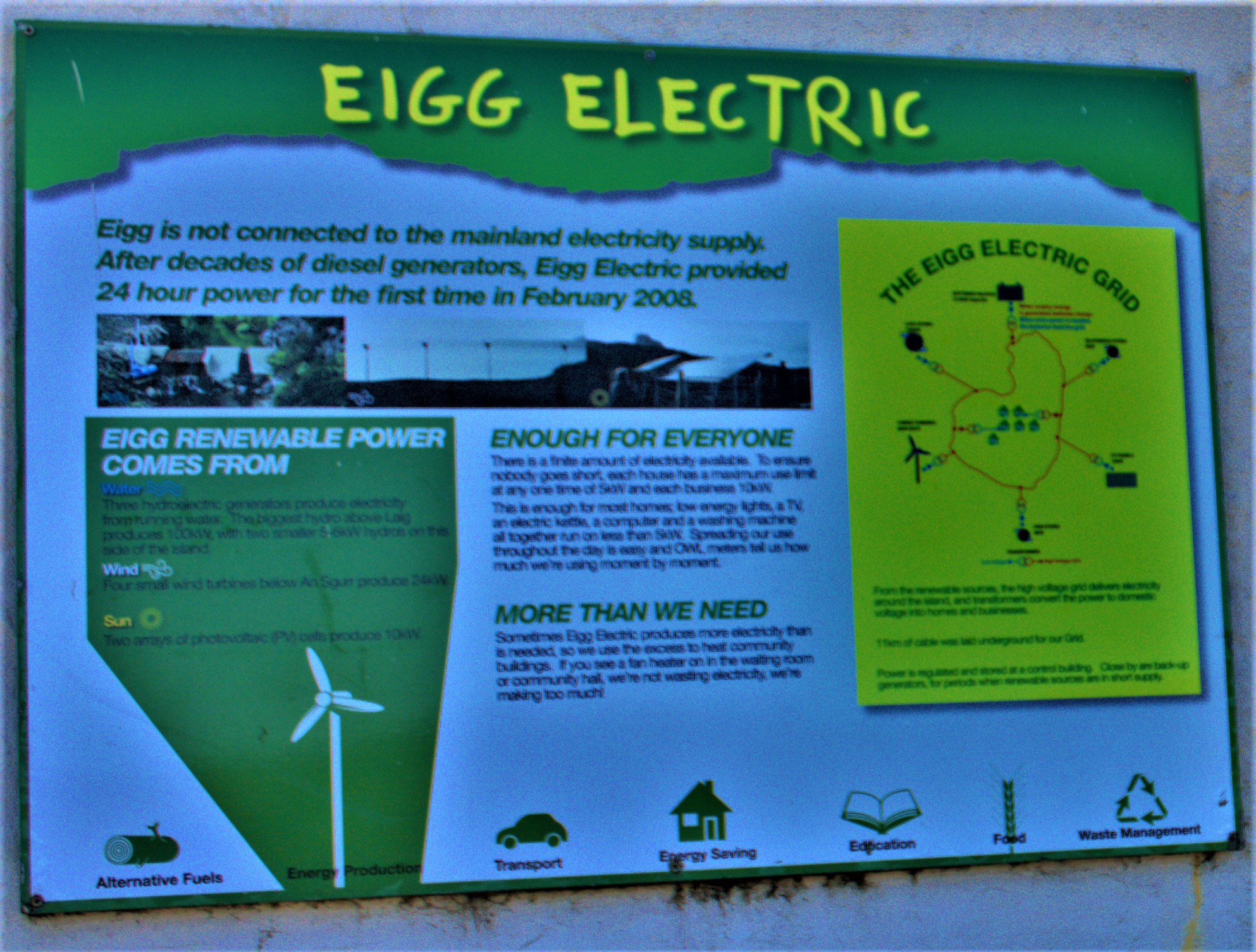
Then this about electricity and green issues:

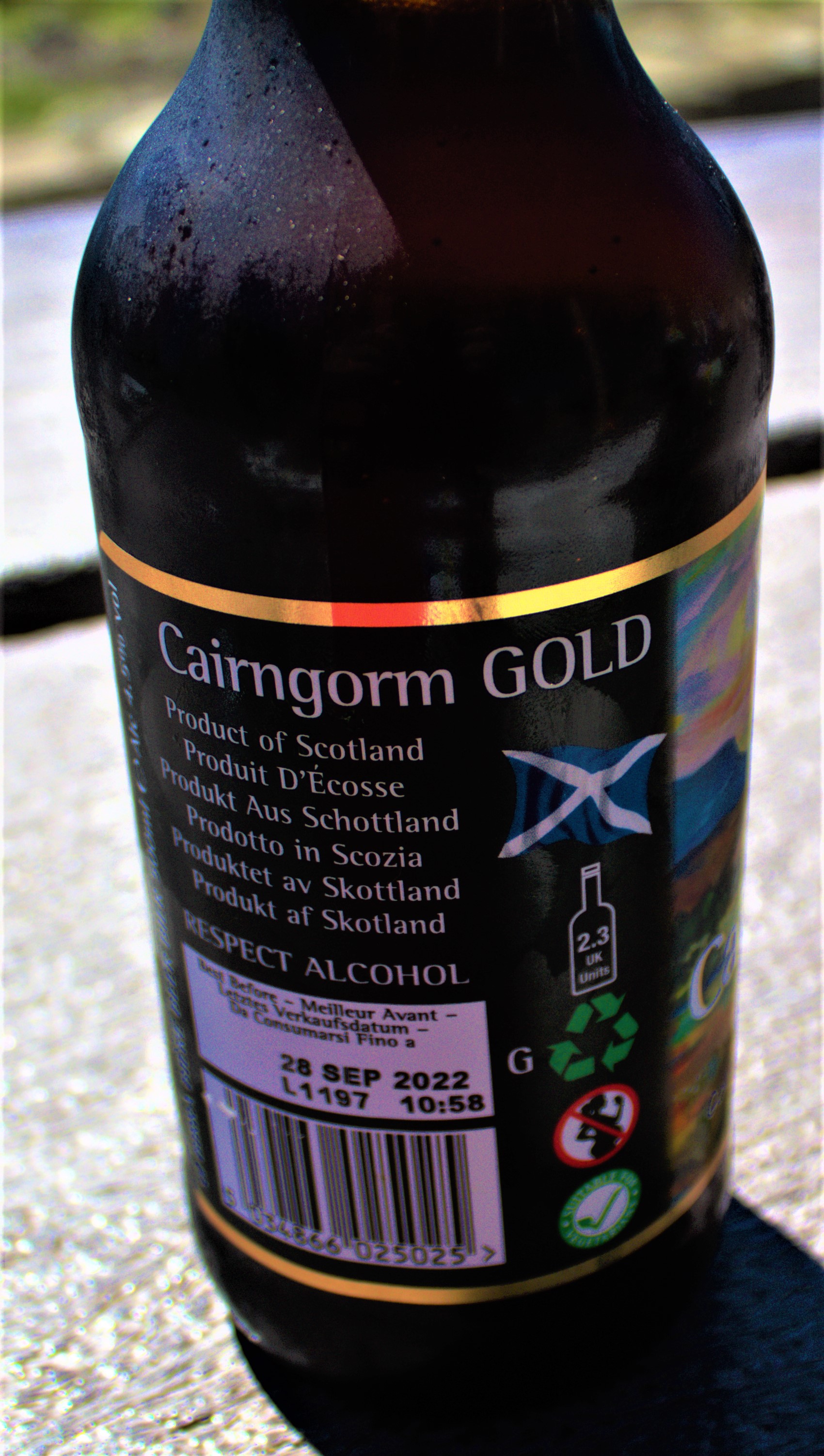
The cafe proved to be excellent. I ate a bacon bap and drank a reasonably local beer that proved to be of splendid quality.

POST LUNCH

We did a little more exploring after lunch, before heading back to the boat, which we boarded in good time for the journey back to Arisaig. Eigg was very interesting as well as very scenic, and I enjoyed my visit there.

PHOTOGRAPHS

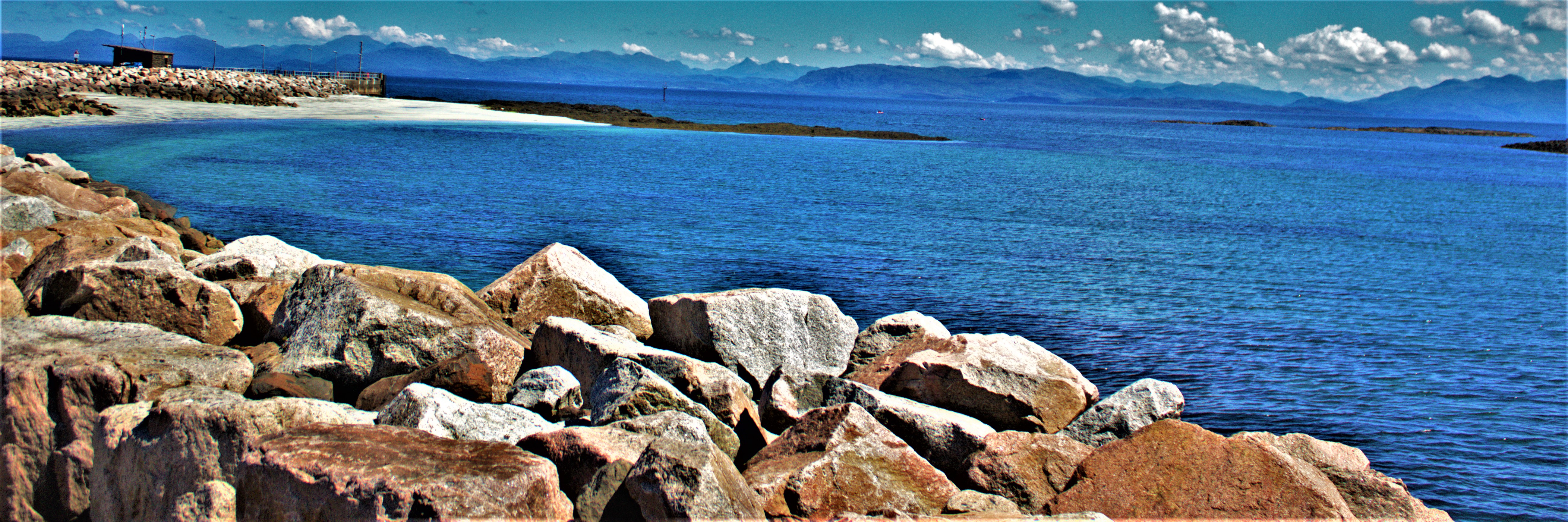
Here are my remaining pictures from Eigg…

Scotland 2022: The Crossing to Eigg

Continuing my account of my Scottish holiday with a look at the crossing from Arisaig to Eigg.

I continue my account of my recent Scottish holiday with a look at the boat trip from Arisaig to Eigg. This post picks up where yesterday’s left off.

THE BOAT TRIP TO EIGG

Though not by any means a large craft the boat taking us to Eigg was considerably larger and stouter than the one on which we travelled between Alderney and Guernsey earlier this year. Additionally, the presence of so many islands so tightly clustered together means that the Sound of Arisaig is not by any means as savage as one might expect of sea of the coast of Scotland. Finally, there was very little wind about, which further contributed to the crossing being a smooth one.

PHOTOGRAPHS

Here are the pictures between Arisaig and Eigg…

Scotland 2022: An Adventurous Friday

Starting an account of the Friday of my Scottish holiday. There will be several more posts about the day.

I continue my coverage of my Scottish holiday with a multi-part account of Friday’s activities. In this post I set the scene for several more post.

THE PLAN IN OUTLINE

We had arranged to visit the island of Eigg, which involved journeying to Arisaig (home of mainland Britain’s most westerly railway station) to catch the boat. We would explore Eigg, get the boat back and then pay a quick visit to Mallaig before returning to Acharacle. To ensure not missing the boat we were underway by eight AM.

ACHARACLE TO ARISAIG

The journey from Acharacle to Arisaig is exceedingly scenic. Capturing said scenery on camera was rendered slightly challenging due the problems created by being in the back seat of a car with rather small rear windows, but I did get some good pictures. We arrived in Arisaig in good time, and were seated aboard the boat by 9:30, for a 10AM sailing.

PHOTOGRAPHS

Here are my photographs from leaving home to getting on the boat…

Scotland 2022: Acharacle

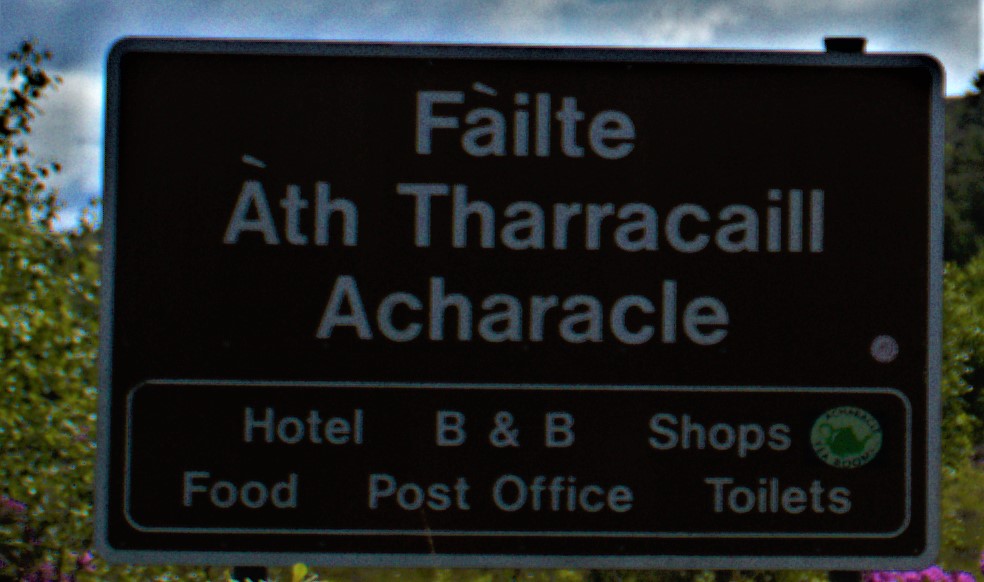
Welcome to the next post in my series about my Scottish holiday. This post focusses on Acharacle where we were staying, and the surrounding area. It covers Wednesday evening and Thursday of the week in question.

Birthday Meal

The evening of Wednesday June 1st featured a belated birthday meal at an excellent restaurant. I opted for smoked venison for a starter and steak for the main course, washed down by a rather good local beer.

THURSDAY: TWO LOCAL WALKS

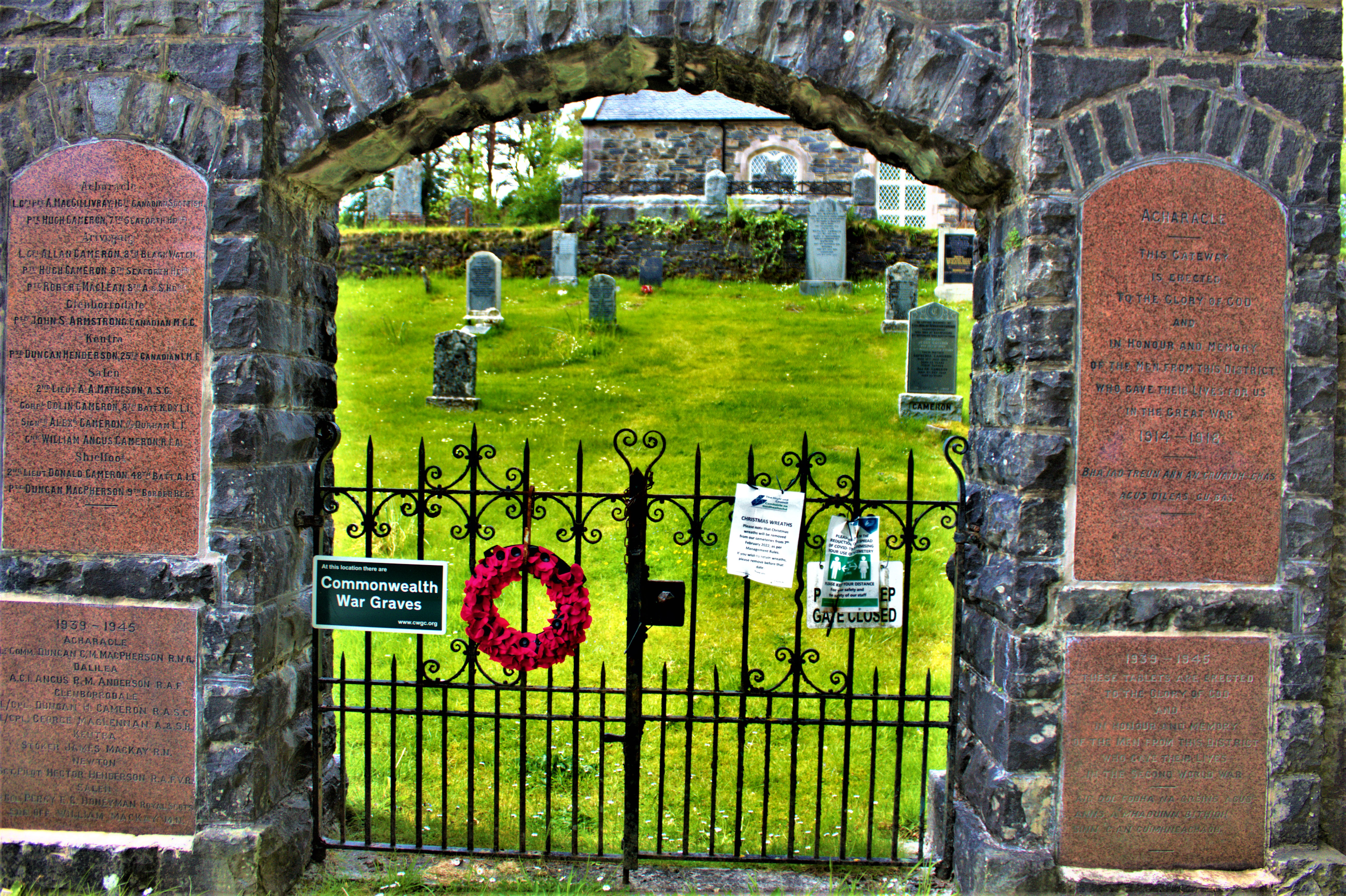
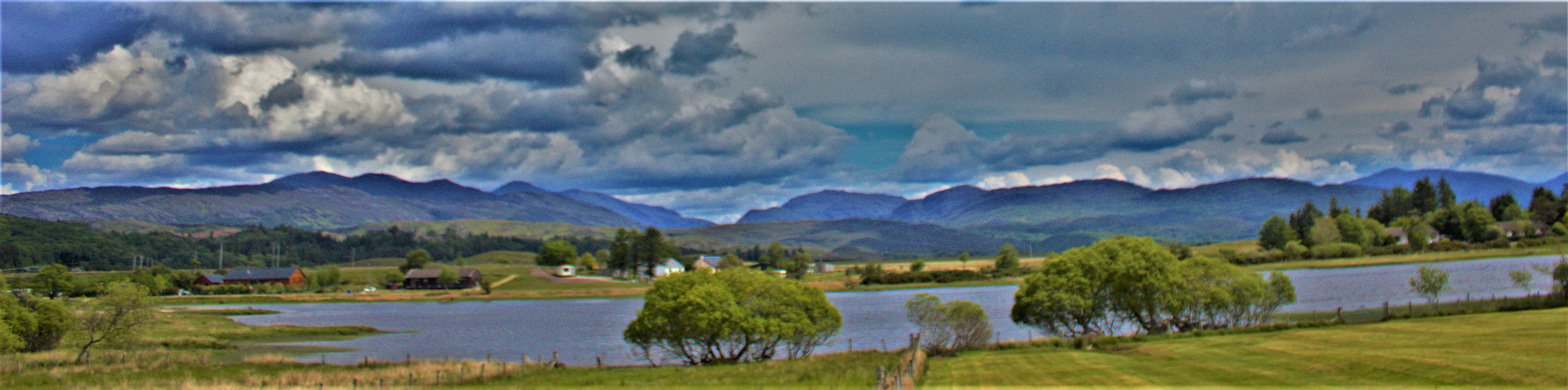
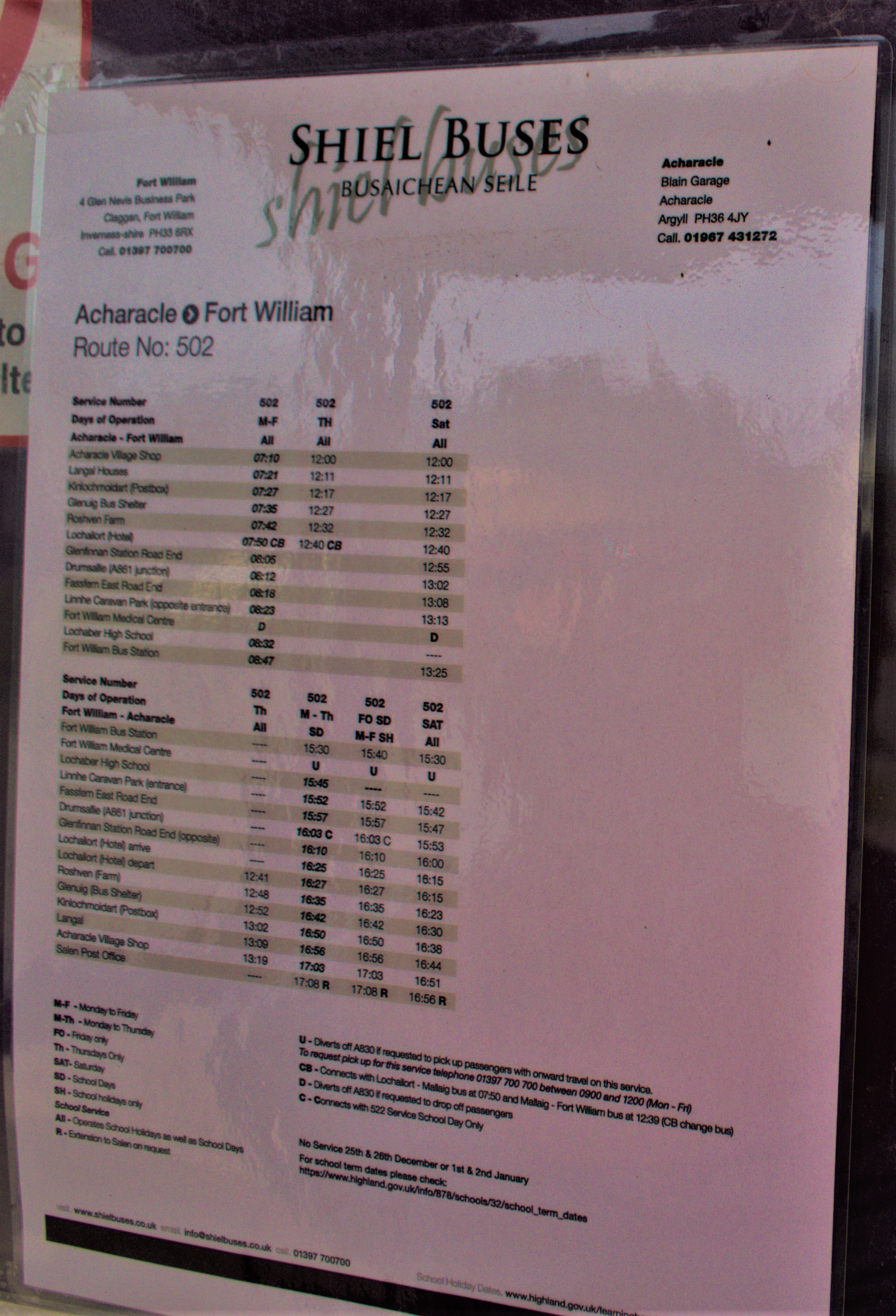
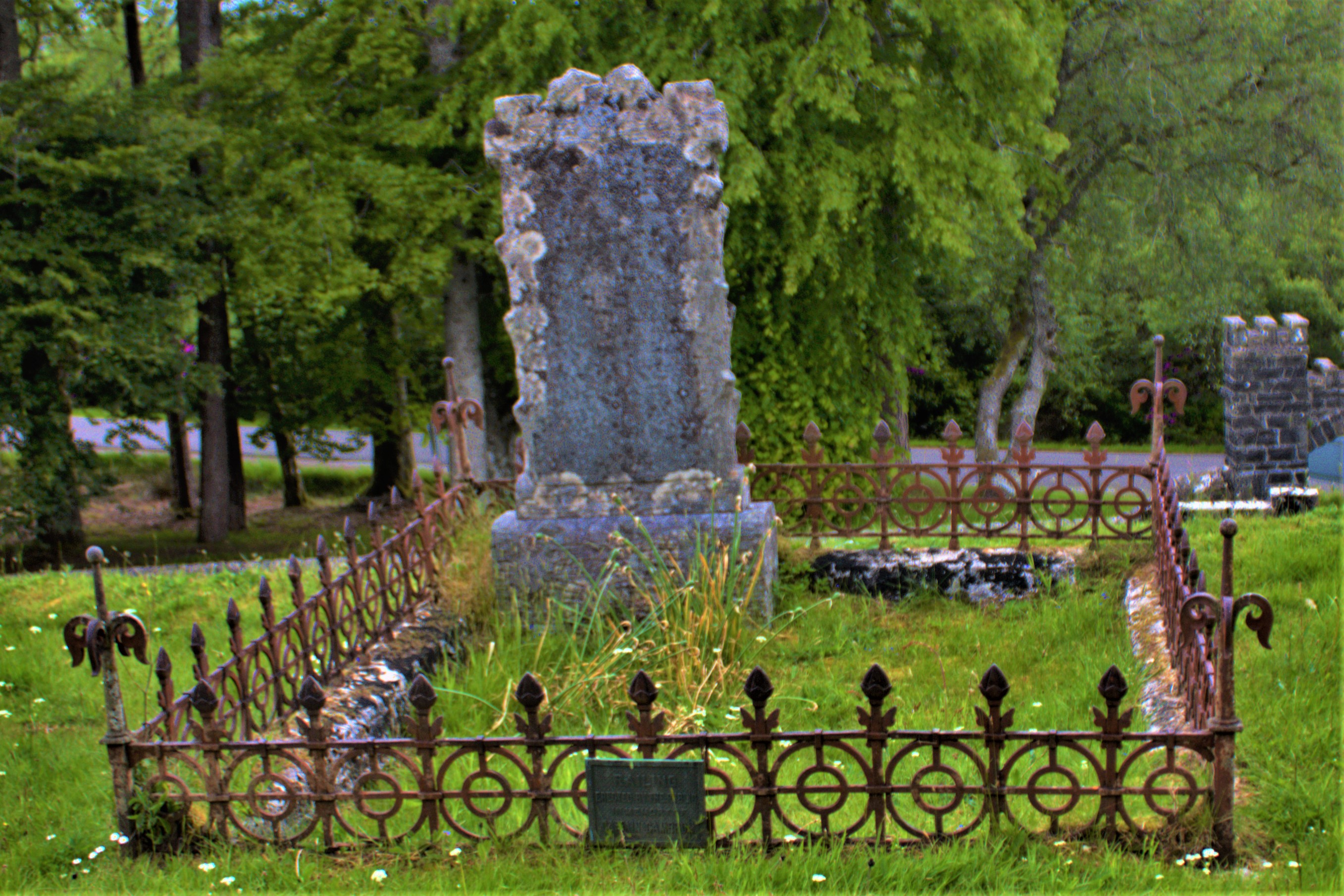
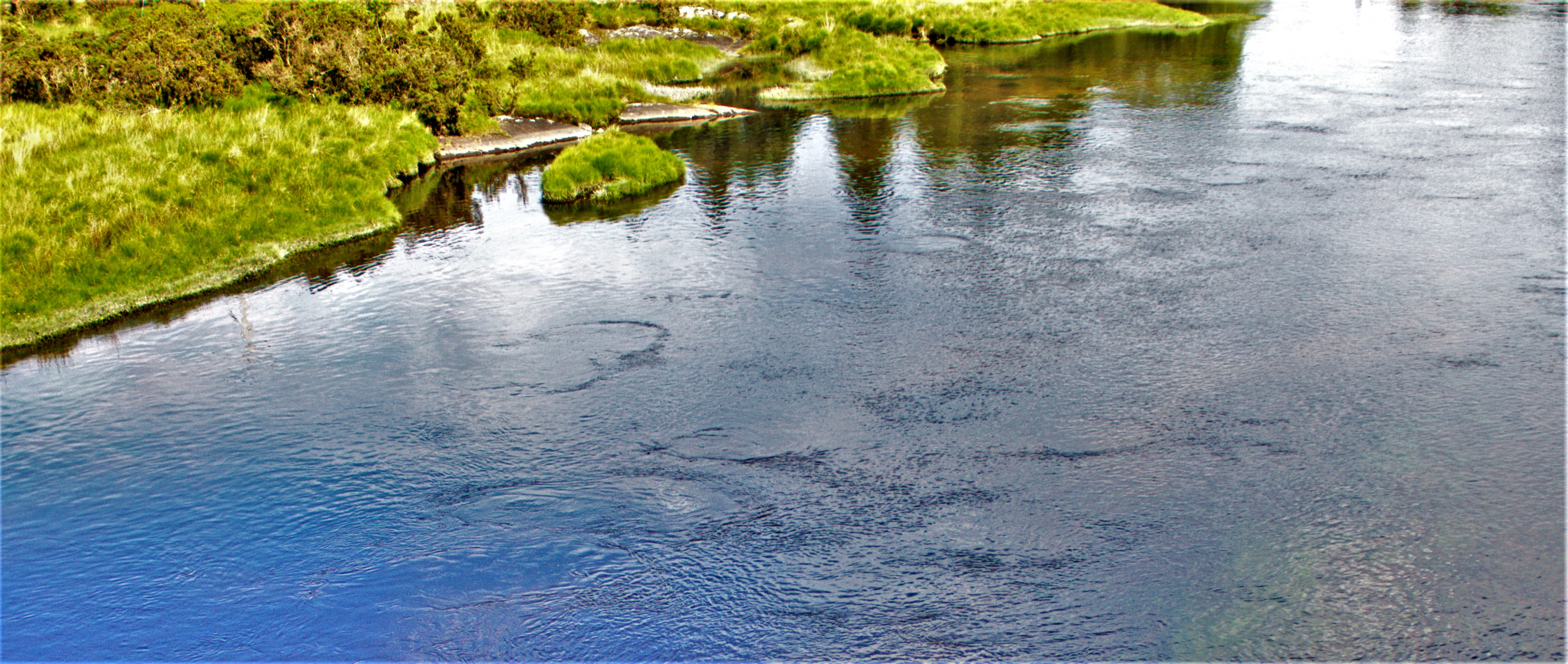
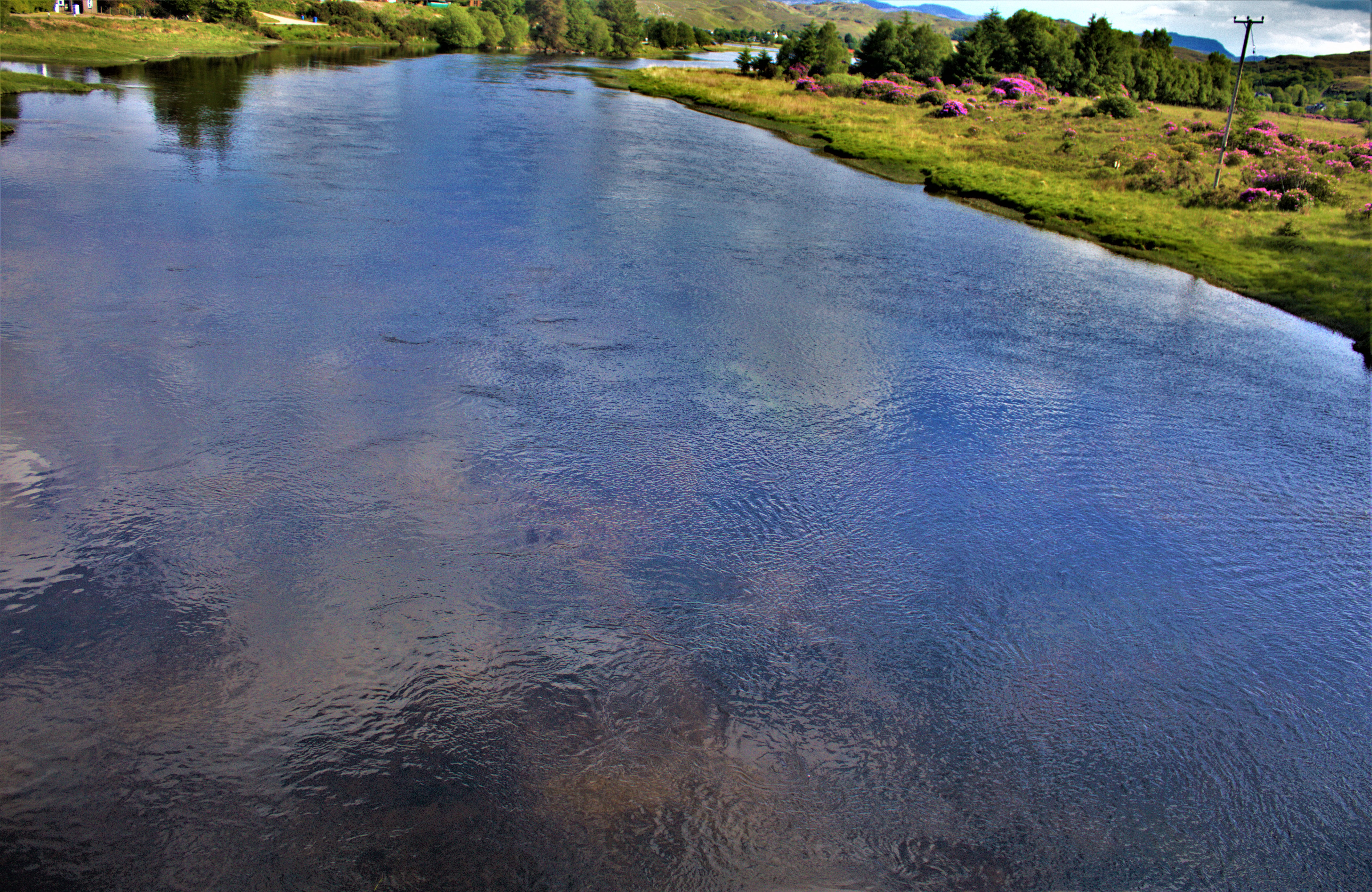
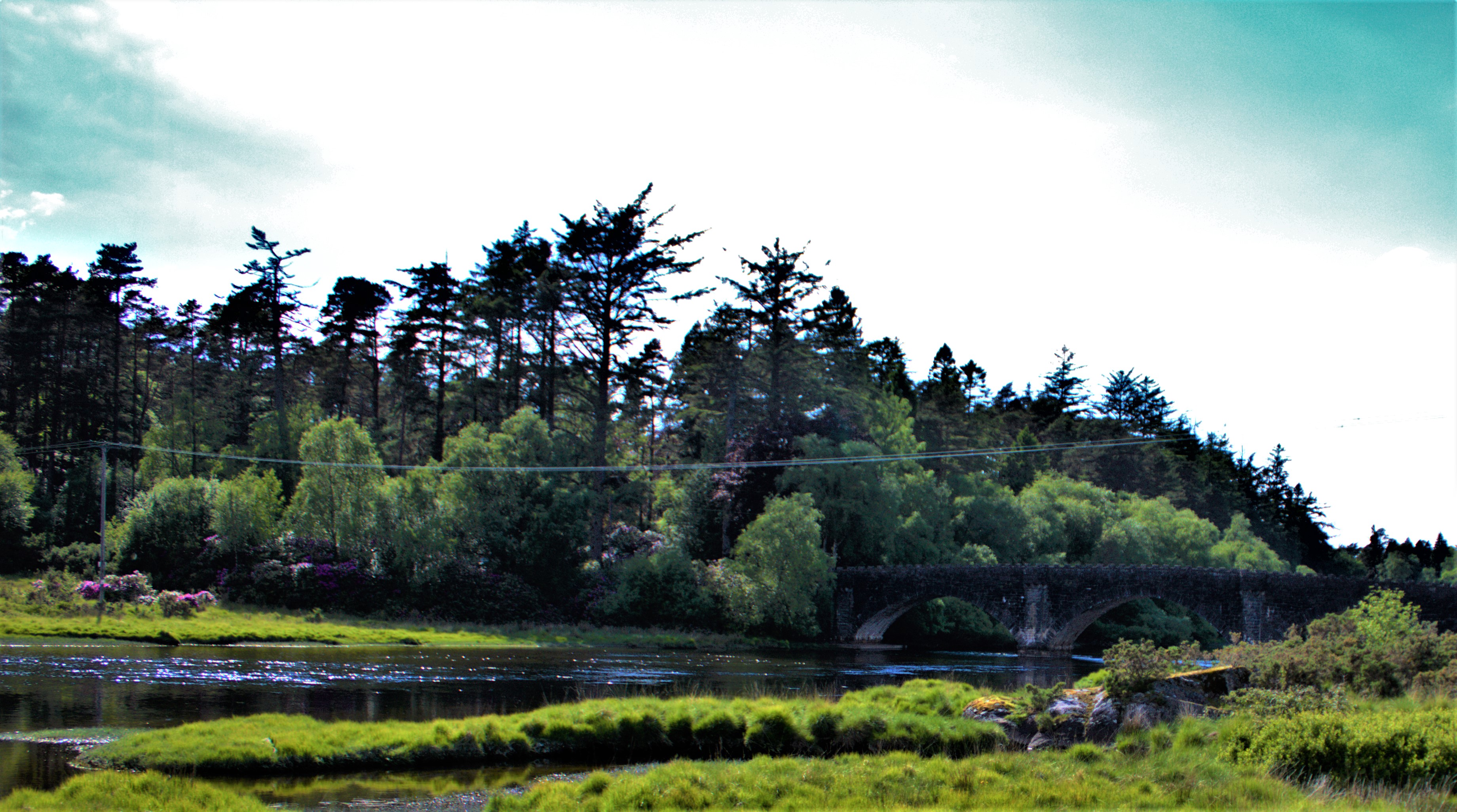
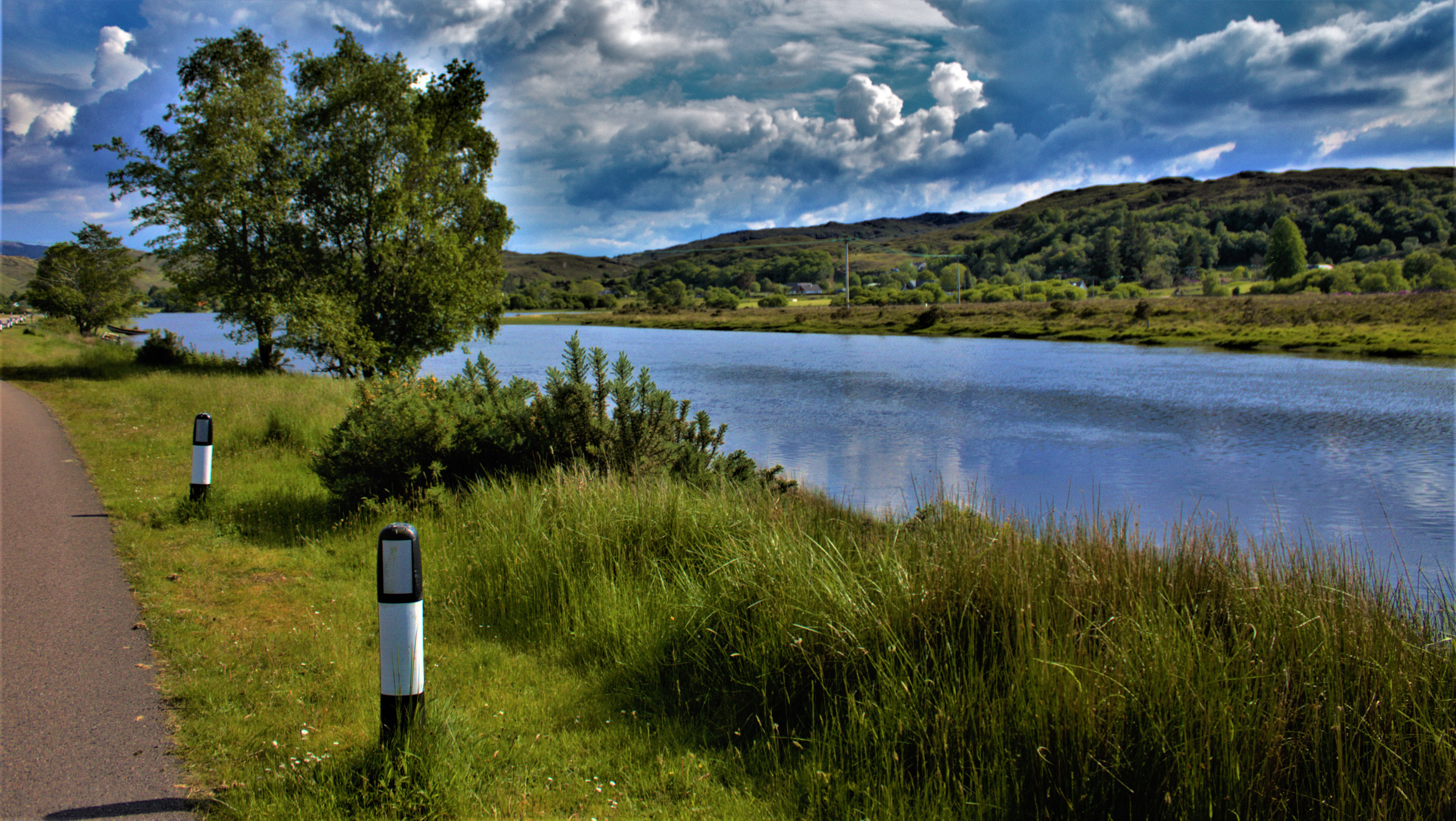
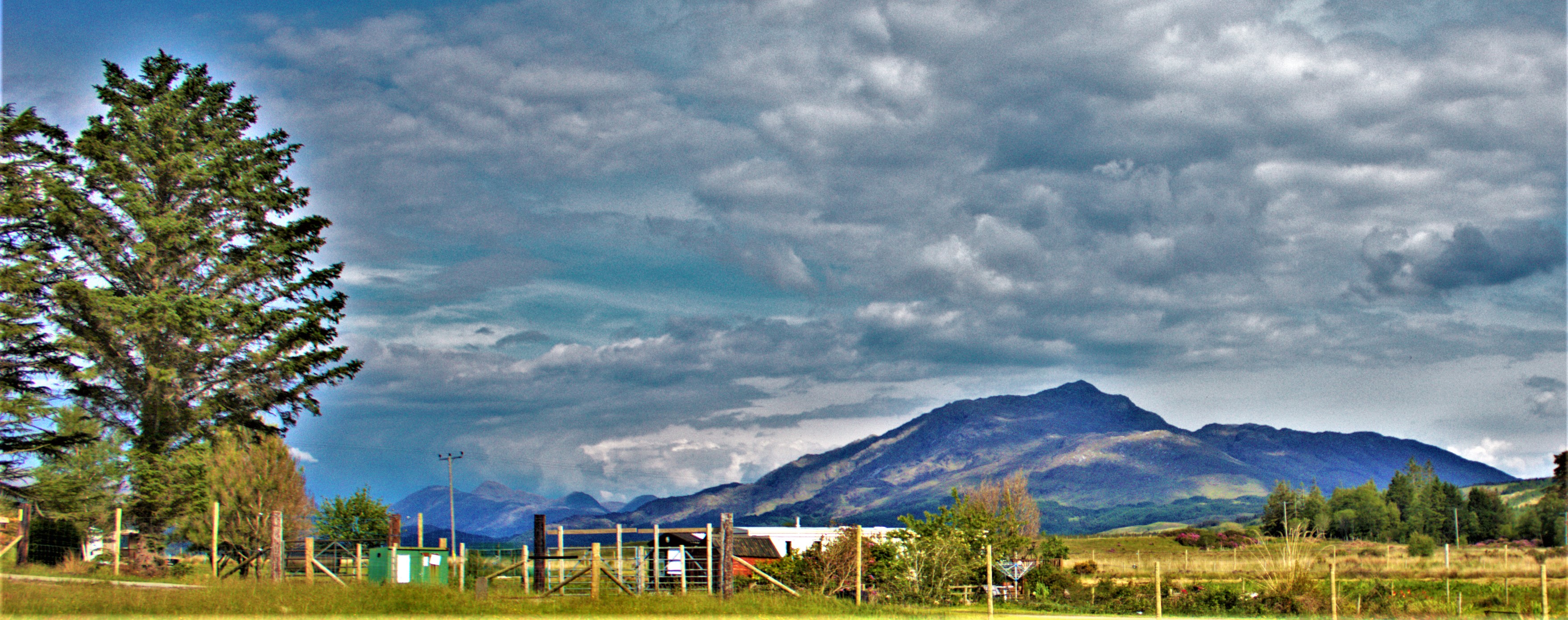
Thursday had been forecast to be the least good day of the week weatherwise, and it was (although for western Scotland it was far from being bad). During the two periods when the weather was good enough to go out we did first a walk to the village shop, visiting the church on the way back, and then in the late afternoon/ early evening a walk over the Shiel bridge and then part way along one side of the loch that the river turns into in that direction (the Shiel is a very short river). There is a small settlement called Moss, and indeed mosses and lichens grow very luxuriantly in this part of the world.

PHOTOGRAPHS

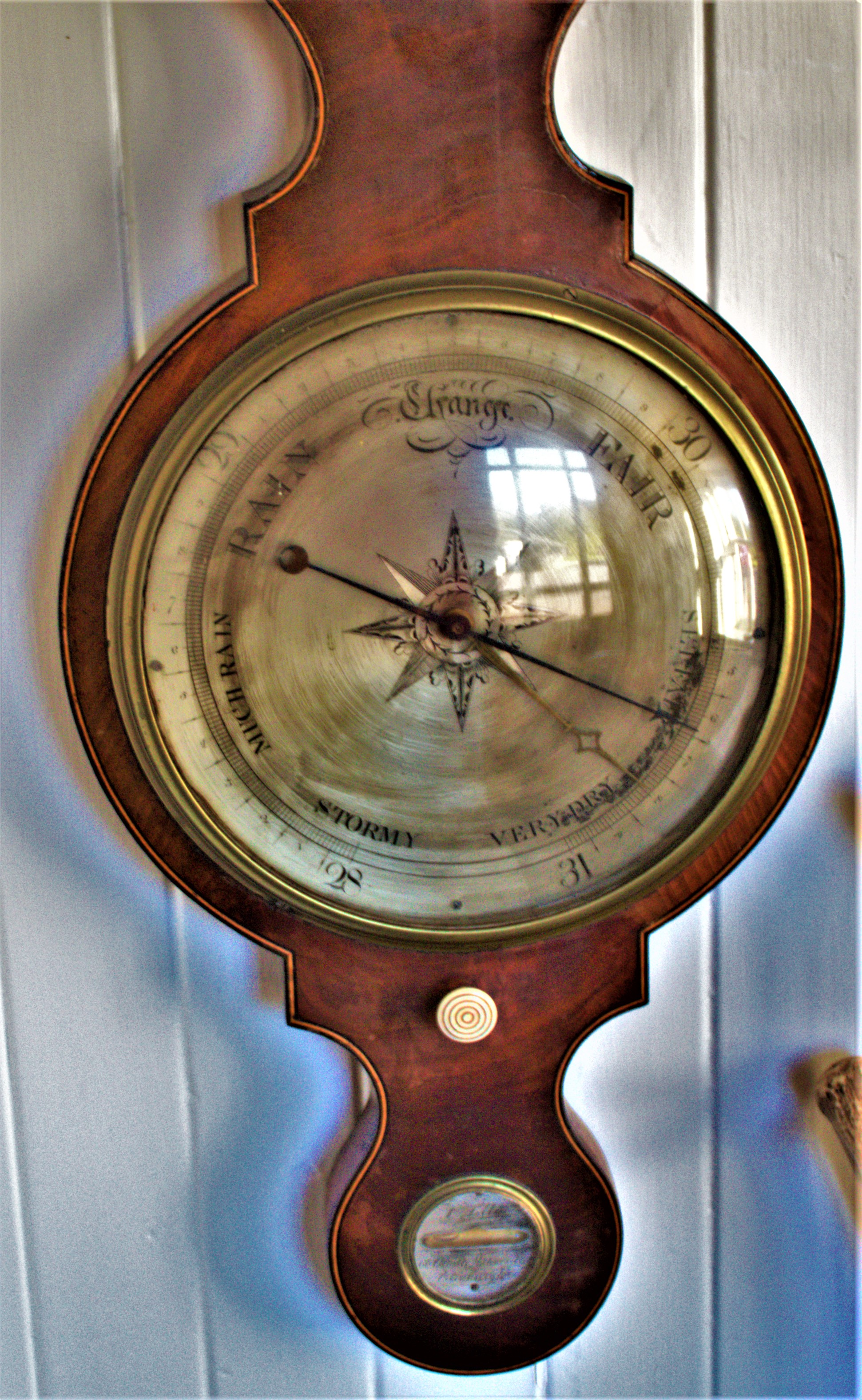
Here are my photographs taken in and around Acharacle…