Role Reversal in Guwahati

A look back at the world cup semi-final between England and South Africa at Guwahati today, and especially at an astonishing display from Laura Wolvaardt. Also lots of photos.

Today saw the first semi-final of the 2025 women’s cricket world cup, between England and South Africa. These two sides played their first match of the tournament at this same venue, and on that occasion South Africa were bowled out for 69 and England won by 10 wickets. In South Africa’s last group match, after a superb middle phase of the competition they fell victim to Alana King’s amazing one-woman show and were again all out for under 100. Thus England probably thought they had little to fear.

Laura Wolvaardt and Tazmin Brits led off with a century stand, but then England took three wickets in next to no time. Marizanne Kapp then provided fine support for Wolvaardt, scoring 42 from 33 balls before being caught by Charlie Dean off Sophie Ecclestone, who was looking something close to her best with the ball after sustaining a shoulder injury last time out. Many have suggested that Sinalo Jafta, the Proteas keeper, is too high in their order at number six, and 1 off four balls before Lauren Bell bowled her did nothing to alter that impression. Ms Jafta has now played 46 ODIs, with an average of 12.59 and a best score of 29, not the stuff of which top six batters are made. With the first ball of the 41st over Ecclestone claimed her fourth scalp of the day, her 16th of the tournament, making her leading wicket taker thereof, and her 37th world cup wicket in all, by bowling Annerie Dercksen for 1 to make it 202-6…

…Laura Wolvaardt had survived all the carnage, and reached three figures off 115 balls. Now, starting from that 202-6 after 40.1 overs, and with Chloe Tryon her main remaining supporter she turned a high class ton into the sort of innings that settles matches and possibly even tournaments. Wolvaardt’s acceleration in the final phase of the innings was so dramatic that her third 50 took a mere 21 balls, including four sixes when she had none in her first 100 runs. In the end a catch by Capsey off Bell got her for a magnificent 169 off 143 balls, including 20 fours and five sixes, with 62 off her last 69 runs being in boundaries – eight fours and five sixes in that period. The innings catapulted her to the top of the scoring charts for the tournament, moved her past 5,000 ODI runs in all and moved her ODI batting average north of 50. Her dismissal made it 291-7 after 48 overs. Chloe Tryon and Nadine de Klerk completed a remarkable last 10 overs for the Proteas by scoring 28 off the last two overs between them for a final total of 319-7, 117 of them in the last ten overs. Off the 40 overs not bowled by Ecclestone (10-1-44-4) South Africa scored 275-3. This innings has caused a backdated change to my team of the tournament – on Monday I had Alyssa Healy as Smriti Mandhana’s opening partner and Wolvaardt as reserve opener, but after today I have changed my mind, Wolvaardt opens with Mandhana and Healy is reserve opener and keeper, with Beth Mooney taking the gloves: S Mandhana, L Wolvaardt, +B Mooney, S Devine, A Sutherland, D Sharma, A Gardner, Shorna Akter, A King, S Ecclestone, Marufa Akter, with the reserves now N Sciver-Brunt, A Healy, L Smith and K Gaud.

The England innings began in spectacular fashion, of the wrong sort for them, with the top three of Amy Jones, Tammy Beaumont and Heather Knight all departing for ducks, with the only run accrued in the seven balls of mayhem in which this happened being a wide. After that beginning it was miracles required territory, and although Sciver-Brunt batted very well and Alice Capsey scored her maiden ODI 50 England never looked like getting on terms. When Linsey Smith was last out, caught by Luus off de Klerk for 27, England were all out for 194, beaten by 125 runs, a remarkable turnaround from that opening group fixture at this same venue. Full scorecard here.

My usual sign off…

Champions Trophy Semi-final Line Up Complete

A look at the semi-final line up at the Champions Trophy and a large photo gallery.

Yesterday saw the last group match of Champions Trophy 2025, between India and New Zealand. The qualifiers were already known, but who would be playing who was not. This post looks briefly at yesterday’s match and at the four teams who will be contesting the final stages of this tournament.

The two teams facing off yesterday were representing the most and least populous nations at this tournament, with India’s population approximately 300 times that of New Zealand. New Zealand bowled well and fielded brilliantly. Their fielding has been one of the standouts of this tournament – they have taken some absolute screamers, and have let only one chance go down in the course of three matches. A total of 249 for India looked chasable, but the Indian spinners proved too much for New Zealand’s batting and India were comfortable winners in the end.

Australia will face India in the first semi-final. I will be hoping for an Australian win, because that result would end the involvement of Dubai in this tournament. I have two reasons for wanting that outcome – this tournament ius supposed to be hosted by Pakistan, and the Dubai pitch is slow and lifeless, whereas Pakistan have made some effort to make their pitches livelier, importing clay from Western Australia in the hope that using this material will produce livelier surfaces. Therefore on this occasion, even as one who habitually roots for Australia’s opponents I will be hoping for them to win.

The second semi-final is between New Zealand and South Africa. South Africa seem to have all the necessary ingredients to win this tournament, but there record in knockout stages of global tournaments makes grim reading. New Zealand are the great overachievers of world cricket, and the New Zealand women recently won their first global tournament. Whoever wins this match will have my support for the final. If South Africa face Australia in the final not only would the final then be played in Lahore, which has provided some splendid games this tournament, but a South African win would mean that the title goes to a side who played every match in the official host country.

The full listing of possible finals is as follows:

Australia v New Zealand – support NZ
Australia v South Africa – support SA
India v New Zealand – support NZ
India v South Africa – support SA

The first two of the above matches would be at Lahore, while if India get through the final will be in Dubai.

My usual sign off (we are enjoying a spell of bright, sunny weather here in King’s Lynn, which is ideal for walking – and when I go walking my camera goes with me)…

England’s Super Eights Group

A look at the situation in England’s Super Eights group at the T20 World Cup and a photo gallery.

This post looks at the situation in England’s Super Eights group at the T20 World Cup. The other group is in action today, with the current match being between Bangladesh and India.

This group kicked off with South Africa beating the United States of America. England then won a hugely impressive victory over West Indies, a match dominated by Phil Salt who made a respectable West Indian score look very ordinary by scoring 87 off 47 balls to lead England’s victory charge. Yesterday afternoon and early evening UK time saw England face South Africa, and although England had opportunities at various stages South Africa held their nerve at the death to record a narrow win. In the small hours of this morning UK time the two co-hosts did battle, and the West Indies romped to a colossal victory, needing barely more than half their 20 overs to chase down the USA’s total.

England have the USA left to play and South Africa have to play the West Indies. If England beat the USA then the South Africa-West Indies match effectively becomes a KO – if West Indies win that will push SA’s net RR below England’s, and if SA win they will top the group, and England with two wins out of three will be second as of right. If England somehow lose to the USA then they will need South Africa to beat the West Indies, which would give SA three wins out of three, and the other three teams each one win and two defeats, and it would come down to net run rate. Wins for both USA and the West Indies in this round of matches would mean that SA and West Indies each have two wins out of three and England and the USA are eliminated.

My usual sign off…

All Time XIs – South Africa Since Readmission

The third and final part of mini-series looking at South African cricket history. As usual I also have a fine photo gallery.

This is third part of a mini-series looking at South Africa’s cricket history (follow the links to part one and part two to complete the picture) looking at the period since they were readmitted to international cricket.

  1. *Graeme Smith (left handed opening batter, captain). A superb playing record and a very good win percentage as captain, a role he first took on at a much younger age than most test captains.
  2. Herschelle Gibbs (right handed opening batter). To complement the decidedly functional left hander we have a rather more aesthetic right hander, but one who scored plenty of runs.
  3. Hashim Amla (right handed batter). The only South Africa ever to score a test triple century, just one of many magnificent innings he played over the years.
  4. AB de Villiers (right handed batter, occasional wicket keeper, occasional medium pacer). Best known for his deeds in limited overs cricket, Abraham Benjamin de Villiers was still good enough facing a red ball to average 50 with the bat at test level.
  5. Jacques Kallis (right handed batter, right arm fast medium bowler). If one had to pick a single player as the greatest ever produced by South Africa most people would name this man.
  6. Brian McMillan (right handed batter, right arm medium fast bowler). One of the best players of the period immediately after South Africa were readmitted. He was already close to 30 when the opportunity to play test cricket arose, but still averaged 40 with the bat at that level and took some useful wickets along the way.
  7. +Mark Boucher (wicket keeper, right handed batter). One of the greatest keepers ever to play the game and a handy lower middle order batter.
  8. Keshav Maharaj (left arm orthodox spinner, right handed batter). South Africa is not a country that many visiting spinners of recent times would have fond memories of, and his test record (158 wickets at 31.99 to date) has to be viewed through the lens of how difficult it is to bowl spin in that part of the world these days.
  9. Kagiso Rabada (right arm fast bowler, right handed batter). At 28 years of age he has plenty of power to add to his achievements, and he has already achieved enough that he will rank among the greats of the game even if he does nothing more.
  10. Allan Donald (right arm fast bowler, right handed batter). He had the opportunity to qualify for England through residence, playing county cricket for Warwickshire in the 1980s, but chose not to do so, believing that South Africa would be readmitted in time for him to play for them. They were, and although Donald was nearer 30 than 20 by the time the opportunity came he showed the world what followers of county cricket had already been well aware of – he was both seriously quick and seriously accurate.
  11. Dale Steyn (right arm fast bowler, right handed batter). At his peak he was indisputably the best fast bowler in the world, and his record, as with Donald and Rabada, puts him among the finest ever.

This side has a powerful batting line up, three of the finest fast bowlers ever to play the game, a quality spinner, a great keeper, a great captain, and two of the six batters would be legitimate bowling options as well.

The biggest miss by far was Shaun Pollock. I do not like not having any spin available, and Boucher at six and Pollock at seven would be something of gamble. I always select with long form cricket in mind, so I want the best keeper. But for this latter I could get Pollock in on a minor gamble by playing Quinton de Kock as keeper, have him bat at six (dropping McMillan), Pollock at seven, one place above his most frequent slot for SA, and then my four chosen bowlers.

Dean Elgar was a gritty and determined left handed opener, but with Smith inked in I wanted my second opener to be right handed, so he missed out. Gary Kirsten, another tough left handed opener can have a coaching gig – another job he has done well.

Had Daryll Cullinan been able to handle Australian leg spinners as well as he did other bowlers he would have given me more pause than he actually did. He averaged six runs less per knock at test level than de Villiers to whom I gave his regular number four slot.

Francois ‘Faf’ Du Plessis was a good middle order batter, but South Africa’s power in that department over the years keeps him out. Also in his last innings against England he repeatedly handled the ball – England complained about it, but wrongly IMO did not use the ultimate sanction of appealing against him – the umpire would have had to raise the finger.

Ashwell Prince had a respectable test record but again the strength of the middle order keeps him out.

I would have liked to be able to include Paul ‘frog in a blender’ Adams, but his record was unfortunately not as remarkable as his bowling action.

Two seriously fast bowlers who had to miss out were Mornantau ‘Nantie’ Hayward who was to inconsistent to challenge my actual choices and Anrich Nortje who does not yet have the weight of achievement to merit selection.

My usual sign off…

All Time XIs – South Africa 1971-91

A look at South African cricketers in that country’s period as a pariah nation. Also a bumper photo gallery.

In my previous post I looked at South Africa’s first incarnation as a test playing nation. Now I look at the period when the repugnant policies of the apartheid government finally caused South Africa to be banned from the international arena. Some of the players named in this XI did play test cricket, but in all cases they were prominent on the world stage at a time when playing for South Africa was not officially possible., and none played for any country other than South Africa.

  1. Barry Richards (right handed opening batter). Rated by Donald Bradman as the best right handed opener he ever saw in action.
  2. Jimmy Cook (right handed opening batter). His three test appearances, after SA’s readmission, came too late for him to show his true skills at that level, but over 20,000 FC runs at 50 including 64 centuries indicate a player of class.
  3. Ken McEwan (right handed batter). Essex fans of a certain vintage will recognize the name of one of the most talented batters they ever had at their disposal.
  4. Eddie Barlow (right handed batter, right arm medium pacer). The man who singlehandedly breathed new life into a moribund Derbyshire in the 1970s. He was one of two possible captains for this XI, but I have decided he has to settle being vice captain.
  5. Clive Rice (right handed batter, right arm fast medium bowler). A very long career, including many years service for Nottinghamshire, yielded him 26,000 runs at almost 41 and 930 Fc wickets at 22.5. A wicket taking rate of less than two per match (482 FC appearances in total) militates against him being labelled as a genuine all rounder but as you will see this side is not short of bowling resources.
  6. +Lee Irvine (left handed batter, wicket keeper). Played SA’s last four tests before isolation, averaging 50 with the bat in that brief international career. He ended up just shy of 10,000 FC runs, at just over 40 a time, and held 240 catches and made seven stumpings as a keeper. He played for Essex at one time.
  7. *Mike Procter (right arm fast bowler, occasional off spinner, right handed batter, captain). In first class cricket, including a long spell at Gloucestershire, he averaged 36 with the bat and 19 with the ball, and his aggression would make him a good fit for number seven in a powerful line up.
  8. Stephen Jefferies (left arm fast medium bowler, left handed batter). Had an all ten in the course of his first class career, and once reduced an English one day cup final to near farce by ripping out the top four in the opposition line up in his opening burst, virtually settling the match before it was more than a few overs old. Good enough with the bat to have amassed 14 first class fifties and averaged 25 in that department.
  9. Garth Le Roux (right arm fast bowler, right handed batter). A ferocious proposition, even on the docile surfaces that Hove (where he played a lot of his county cricket) generally produces. Like Jefferies he was a reasonably useful lower order batter, averaging 25 in that department, which in his case means that his averages are the right way round – he took his wickets at under 22 a piece.
  10. Denys Hobson (leg spinner, right handed batter). Generally reckoned to be the best South African spinner of the period concerned, his 374 FC wickets came at 27.52 a piece. Hobson is the only member of this XI who never played county cricket, a detail that led to him missing out on World Series Cricket.
  11. Vince van der Bijl (right arm fast medium bowler, right handed batter). His first class career yielded 767 wickets at 16.54 a piece, including a season at Middlesex where he was massively popular.

The batting line up is powerful, and there is plenty of depth with Procter a genuine AR and Jefferies and Le Roux as noted both handy lower order batters. The bowling, with a front line attack of Van der Bijl, Le Roux, Jefferies, Procter and Hobson plus Rice as sixth bowler, and Eddie Barlow unlikely ever to get a look in is simply awesome. The spin department is unquestionably light, with Procter’s off spin incarnation the only remotely serious support for Hobson’s leggies, but this attack should be well capable of capturing 20 opposition wickets on any surface nevertheless.

Graeme Pollock played on through the 1970s, but having (correctly IMO) named him in the first squad I decided to keep him out of this one. Other than that I have little to add to the above.

My usual sign off…

All Time XIs – South Africa 1889-1970

An XI from South Africa’s first period as a test playing nation and a huge photo gallery.

This is the first of what will be three posts about South African cricket – I will also cover the period of isolation and their second incarnation as a test nation. I have previously done an all time SA post (click here, although a current version would show some changes).

  1. Herby Taylor (right handed opening batter). The number of test match batters who could claim with any conviction to have mastered the great Syd Barnes totals one – this man, who in a series when Barnes took 49 wickets in four matches at less than 10 a piece before missing the fifth due to a dispute over terms and conditions scored 509 runs at 50.90.
  2. Trevor Goddard (left handed batter, left arm medium paced bowler). He was a regular opener, averaging 35 with the bat at test level and taking his test wickets (123 in 41 matches) at 26 a piece.
  3. Bruce Mitchell (right handed opening batter, occasional leg spinner). His bowling is not likely to be needed here as will be seen later. He 42 played matches over a 20 year span (split into two by WWII), scoring 3,471 runs at 48.88. He usually opened but I have put him one place lower in this XI to mix up the left and right handers.
  4. Graeme Pollock (left handed batter). He played enough test matches before isolation for his greatness to be confirmed, and because he never played county cricket he was barred from playing in Packer’s World Series Cricket, so his deeds post 1970 were largely confined to those performed in his native land, hence my decision to pick him in this XI rather than the next.
  5. *Dudley Nourse (right handed batter, captain). One of the legendary figures of South African cricket, averaging 53 at test level.
  6. Aubrey Faulkner (right handed batter, leg spinner). The most genuine of genuine all rounders, and as such one of the first names on the team sheet.
  7. +John Waite (wicket keeper, right handed batter). 141 dismissals in his 50 test appearances, and a good enough batter to average 30 at the highest level, with four centuries along the way, and that when he was often used as an opener, a tough ask for a keeper.
  8. Bert Vogler (leg spinner, right handed batter). 64 wickets at 22.73 in his 15 test appearances, and good enough with the bat to average 17 at test level with two half centuries.
  9. Hugh Tayfield (off spinner, right handed batter). One of the most economical of all test bowlers, once sending down 137 successive dot balls against England. He was also South Africa’s leading wicket taker of their first incarnation as a test nation with 170 scalps in 37 test matches at 25.91 a piece, and like Vogler he sometimes had his moments as a lower order batter.
  10. Peter Pollock (right arm fast bowler, right handed batter). As the elder of two brothers he had to get his younger brother out if he wanted a bat on their backyard games as a child, and since that younger brother was Graeme Pollock this took a fair bit of doing. 116 wickets in 28 test matches at 24.18 confirms that he developed into a decidedly good bowler. He was also far from being a rabbit with the bat.
  11. Neil Adcock (right arm fast bowler, right handed batter). A genuine number 11 with the bat, but 104 wickets at 21.10 each in 26 test matches confirms his greatness in his chosen department.

This side has great batting depth, with only Adcock absolutely incapable of assisting in that department and a well varied bowling attack. The seam department is a little light, with Goddard third in line in that department, but I would not anticipate this side struggling to take 20 opposition wickets.

I ruled out Barry Richards, reserving him for the 1970-91 side, as four test matches is an insufficient sample, and unlike RG Pollock he was seen all around the world after the enforced ending of his international career. That meant that other than my choices there were two serious candidates for the opening berths – Alan Melville and Eric Rowan. Melville, because of WWII, only got to play 11 test matches, though his record was outstanding in those matches. Rowan was nearly as awkward a customer for his team mates and the SA cricketing authorities as he was for opposition bowlers.

Two great figures from the early days of SA cricket, Jimmy Sinclair (their first ever test centurion) and Arthur William ‘Dave’ Nourse missed out because their records lacked sufficient substance to back up their legendary status.

The only rival for Faulkner’s slot was Eddie Barlow, but his test record was that of a batter who bowled, not an all rounder, so I opted for Faulkner as offering a more complete package. Some would have opted for Denis Lindsay as keeper, but he only had one really good series, whereas Waite was a consistent performer over a long period of time.

I regarded all my four specialist bowlers as having ironclad cases for inclusion. Of the quicker bowlers Peter Heine was the unluckiest to miss out based on concrete achievements. We have no way of knowing how great Krom Hendricks might have been if given the chance, and ‘Buster’ Nupen was superb on matting pitches but ineffective on turf, a disparity that is reflected in his modest test record. Athol Rowan was possibly an even more talented off spinner than Hugh Tayfield, but a knee injury sustained during WWII ruined his career.

My usual sign off…

Team of the 1912 Triangular Tournament

The Team of the 1912 Triangular Tournament, plus a generous photograph gallery.

I am currently rereading Patrick Ferriday’s excellent book about the 1912 Triangular Tournament, “Before the Lights Went Out”. In this post I pick a team of that tournament.

The Triangular Tournament was an attempt to have the then three test playing nations in action in the same season. A combination of a wet summer, the fact that South Africa proved much weaker than expected and that Australia were missing six first team regulars due to a dispute between the players and the fairly newly formed board robbed the event of a lot of potential interest and it would 61 years before international cricket matches (in the form of the women’s ODI World Cup) took place at neutral venues again, and over 80 years before any further tests were held at neutral events. For all that the tournament was a flop there were some great players on show.

  1. Warren Bardsley (Australia, left handed opening batter). Even in conditions that would have been particularly alien to an Australian he had a very good tour, with the major highlight a knock of 164 against South Africa at Lord’s.
  2. Jack Hobbs (England, right handed opening batter). He came into the 1912 season already established as the best batter in the world and probably also the best cover point fielder in the game, and nothing happened to change that assessment of his position in the cricket world.
  3. Wilfred Rhodes (England, right handed batter). A decade earlier Rhodes, then a specialist left arm spinner who batted at number 11, scored 67 runs at 67.00 in the 1902 Ashes series. In the intervening years he had worked his way up the order, and towards the end of the period had pretty much let his bowling lapse, and on the 1911-12 Ashes tour he had been England’s number two batter in both averages and position in the order. After WWI, in response to Yorkshire’s needs he would once again become an all rounder, before eyesight problems forced him back down to the bottom of the order, though his bowling still kept him in the Yorkshire side until the emergence of Hedley Verity.
  4. Frank Woolley (England, left handed batter, left arm orthodox spin bowler). Woolley played some fine innings in the course of the tournament, and in the final match at The Oval, decreed by the powers that be to be a ‘winner takes all’ match that would be played until a result was achieved, he took five cheap wickets in each Australian innings, supported by Barnes in the first and Harry Dean, a left arm seamer, in the second.
  5. Charlie Macartney (Australia, right handed batter, left arm orthodox spinner). Featured prominently in both batting and bowling averages for the season, and if not quite the thing of beauty it became noted as being post WWI his batting was also apparently exceedingly watchable even then.
  6. Aubrey Faulkner (South Africa, right handed batter, leg spinner). South Africa overall had a tournament to forget, but Faulkner had moments with both bat and ball.
  7. *Frank Foster (England, right handed batter, left arm fast medium bowler). In 1911 he captained Warwickshire to their first ever County Championship, then in the 1911-2 Ashes he was one half of the most penetrative new ball pairing England had yet established alongside SF Barnes, and this duo carried on taking test wickets back home in England in 1912. He was good enough with the bat to have scored Warwickshire’s first ever first class triple century.
  8. Jimmy Matthews (Australia, leg spinner, right handed batter). He gets selected for an amazing bowling feat in the first test match of this tournament, when in the space of 90 minutes he took not one, but two test match hat tricks. Those were his only six wickets of the match, and none needed the assistance of a fielder. South Africa’s wicket keeper, Tommy Ward, was the hat trick victim both times, the second time somewhat bizarrely after being promoted ahead of Rolland Beaumont, who was allegedly a specialist batter, but spent most of this tour (when picked) batting low in the order.
  9. Syd Barnes (England, right arm fast medium bowler, right handed batter). He was firmly established as the best bowler of any type in the world by the time of this tournament, and even more firmly established as such by the time it ended.
  10. Bill Whitty (Australia, left arm fast medium bowler, right handed batter). He had an excellent season.
  11. +EJ ‘Tiger’ Smith (England, wicket keeper, right handed batter). Neither Australia nor South Africa had great keepers this series – South Africa had taken along two specialist keepers, but resorted to Louis Stricker, selected in the party for his batting, before the tour was done, because neither specialist keeper fared at all well, and Ward of course had the traumatic experience on test debut referred to above. Smith was an excellent keeper, though inclined to be cussed (he was apparently wont to say that he would bat at number one or number 11 but nowhere in between, so I have given him his second choice), and as a Warwickshire team mate of Frank Foster he was well used to keeping to the left armer, which some could find challenging.

This side has a powerful top six, a genuine all rounder at seven, three contrasting specialist bowlers and a quality keeper. Even with Rhodes not bowling at that stage of his career this side is well stocked with bowling options as well – Barnes, Foster, Whitty, Matthews, Faulkner, Woolley and Macartney are seven authentic options, and in one match of this tournament Hobbs’ occasional medium pace was pressed into service, and while unthreatening he managed to bowl 11 economical overs.

Gerry Hazlitt of Australia fared well with the ball, ‘young Jack’ Hearne was a candidate for the slot I awarded to Faulkner, while Sydney Pegler was the only South African bowler to really come to terms with English conditions. Arthur William ‘Dave’ Nourse, back in the land of his birth (as was South Africa captain Frank Mitchell) fared respectably enough to earn a mention.

My usual sign off…

Pakistan Well Placed in Sydney

A brief look at the opening day between Australia and Pakistan and a briefer mention of the extraordinary events at Newlands between South Africa and India.

The second test match of the series between Australia and Pakistan got underway at Sydney overnight UK time. This post looks at the opening day’s play.

Pakistan won the toss and decided to bat first. By lunch time it was looking poor for them at 75-4. At 95-5 it looked even worse, but then came a fightback. Mohammad Rizwan (88) and Agha Salman (53) began the rescue act, but at 227-9 it still looked like Australia’s day. Pat Cummins had achieved his third straight five-for by then. However Mir Hamza, the Pakistan number 11, offered solid resistance, while Aamer Jamal played a magnificent innings. Jamal was eventually caught by Starc off Lyon for 82, having raised the Pakistan score to 313. There was time for one over of Australia’s first innings, which they ended on 6-0. This match looks like being a good one.

I was only able to follow this one by way of cricinfo and various people’s twitter comments, but I must make mention of an extraordinary opening day between South Africa and India in Cape Town. South Africa won the toss and batted first, crashing to 55 all out, Mohammad Siraj 6-15. India were 153-4 in response at one point but lost their last six wickets without addition! South Africa lost three second innings wickets before the close, including a unique double of Elgar being out twice on the first day of his last test match and Stubbs being out twice on day one of his test debut. Stubbs is not the first to have been out twice on day one of his debut – aeons ago Harry Butt of England suffered the same fate.

My usual sign off…

Fourth Semi-Final Slot up for Grabs

A look back at the match between New Zealand and South Africa in the 2023 ODI Cricket World Cup, and a brief look at the ramifications of the result for the tournament as a whole. Also a very large photo gallery.

Today’s match at the 2023 ODI Cricket World Cup saw New Zealand face South Africa. This post looks back at the match and at the ramifications of today’s result.

New Zealand skipper Tom Latham won the toss, which was probably the last thing that went right for his side on the day. South Africa had batted first four times this tournament and never scored below 300 on any of those occasions, New Zealand are not a stellar chasing side. Yet, for some reason unknown to anyone other than himself Latham decided to put South Africa in to bat.

When Temba Bavuma was out fairly early, with just 38 runs on the board things weren’t looking all that bad for New Zealand. However, the second wicket stand between Quinton de Kock and Rassie van der Dussen illustrated precisely why putting the Proteas in is a poor idea. They got themselves in, and gradually increased the tempo as the danger of a sudden crash of wickets faded. After 35 overs the score was 194-1, and while some were criticising the SA second wicket pair for not having upped the rate enough by then, I tweeted at that point that they were well placed, and that a total of significantly above 300 looked more likely than not and that 350 couldn’t be ruled out. Quinton de Kock completed his fourth century of this world cup, joint second most for a single edition ever behind the five Rohit Sharma scored in 2019, and in the process became the first South African to score 500 runs in a single edition of the tournament, putting the all comers record, Sachin Tendulkar’s 673, in severe danger of being broken. Rassie van der Dussen opened out after a sedate start and moved his own rate to better than a run a ball, as he too completed a century. It was de Kock who was second out, ending a stand of exactly 200. David Miller came in at number four, and when van der Dussen was third out with only 17 balls left in the innings Heinrich Klaasen joined the fray. Miller was out to the second last ball of the innings for 53 (30) to make it 351-4, and Aiden Markram came out to face one ball, which he despatched for six giving South Africa a final score of 357-4. 163 of those came in the last 15 overs and 119 in the last ten as South Africa once again demonstrated their ability to butcher opposition attacks in the closing stages of an innings. They were helped by a hamstring injury to Matt Henry, but the heaviest blow to Kiwi hopes had happened at the toss with that awful decision by Latham.

My tweet at the 35 over mark (a reply to Lawrence Bailey):

https://x.com/aspitweets/status/1719672685507105159?s=20

New Zealand faced a daunting task, and it only got more daunting as the innings progressed. Wickets fell with remorseless regularity, run scoring was difficult at all times, and there was little prospect at any stage of a successful chase. New Zealand lost their ninth wicket at 133, still 224 runs adrift, and the injured Matt Henry came in to bat in a desperate effort to mitigate the hammering their net RR was taking. Some good blows from Glenn Phillips reduced the margin to below 200, but with the score at 170 he took one chance too many and offered up a straightforward catch, which ended the match with a margin of 184 runs. Keshav Maharaj claimed four wickets with his left arm spin, Marco Jansen three with his left arm pace, Gerald Coetzee two and Kagiso Rabada one, leaving Lungi Ngidi wicketless. Rassie van der Dussen was named Player of the Match for his 133. A full scorecard can be viewed here.

This is New Zealand’s third straight defeat, and opens the way for Afghanistan or Pakistan to displace them from the semi-finals. Afghanistan have played a game fewer than either New Zealand or Pakistan, and their next match is against the Netherlands, which they would regard as a major opportunity. Their other two group games are against South Africa and Australia, with the former requiring that they bat first and then bowl well in defence of whatever they manage to post, and the latter almost certainly against a side who will have guaranteed qualification by then and therefore probably easier than if they met them earlier in the tournament. Pakistan still have New Zealand to play, a huge game in the context of developments in the tournament so far, and their other remaining game is a more or less guaranteed two points against the demoralized, disorganized rabble masquerading as “England”.

My usual sign off…

Pakistan v South Africa

A look at developments in today’s world cup match between Pakistan and South Africa, a brief mention of this week’s auctions, and a photo gallery.

This post looks at developments in today’s match at the ODI cricket world, between Pakistan and South Africa. I was at work yesterday, which gives me the perfect excuse to draw a veil over England’s “effort” against Sri Lanka – all my knowledge of what happened in that match is second hand.

Pakistan were coming off a defeat at the hands of Afghanistan, while South Africa have been hugely impressive so far. Both sides made changes to the line up. Pakistan won the toss, and managed to get the next part right – they decided to bat first.

Pakistan did not fare well at first, and when Babar Azam was out for 50 (65), his third such innings of the tournament, they were 141-5. However a good partnership between Saud Shakeel and Shadab Khan helped them to reach a final total of 270. Tabraiz Shamsi claimed four wickets with his left arm wrist spin and Marco Jansen three with his left arm pace. Pakistan’s total, while not great by modern ODI standards, looked enough to be defensible if they bowled well.

South Africa have made a rapid start to their reply, but have also lost two wickets. The score at the moment is 110-2 after 16 overs, a position from which South Africa should prevail easily enough. However, Pakistan are notoriously unpredictable – it would be very like them to suddenly find form from nowhere and win this one.

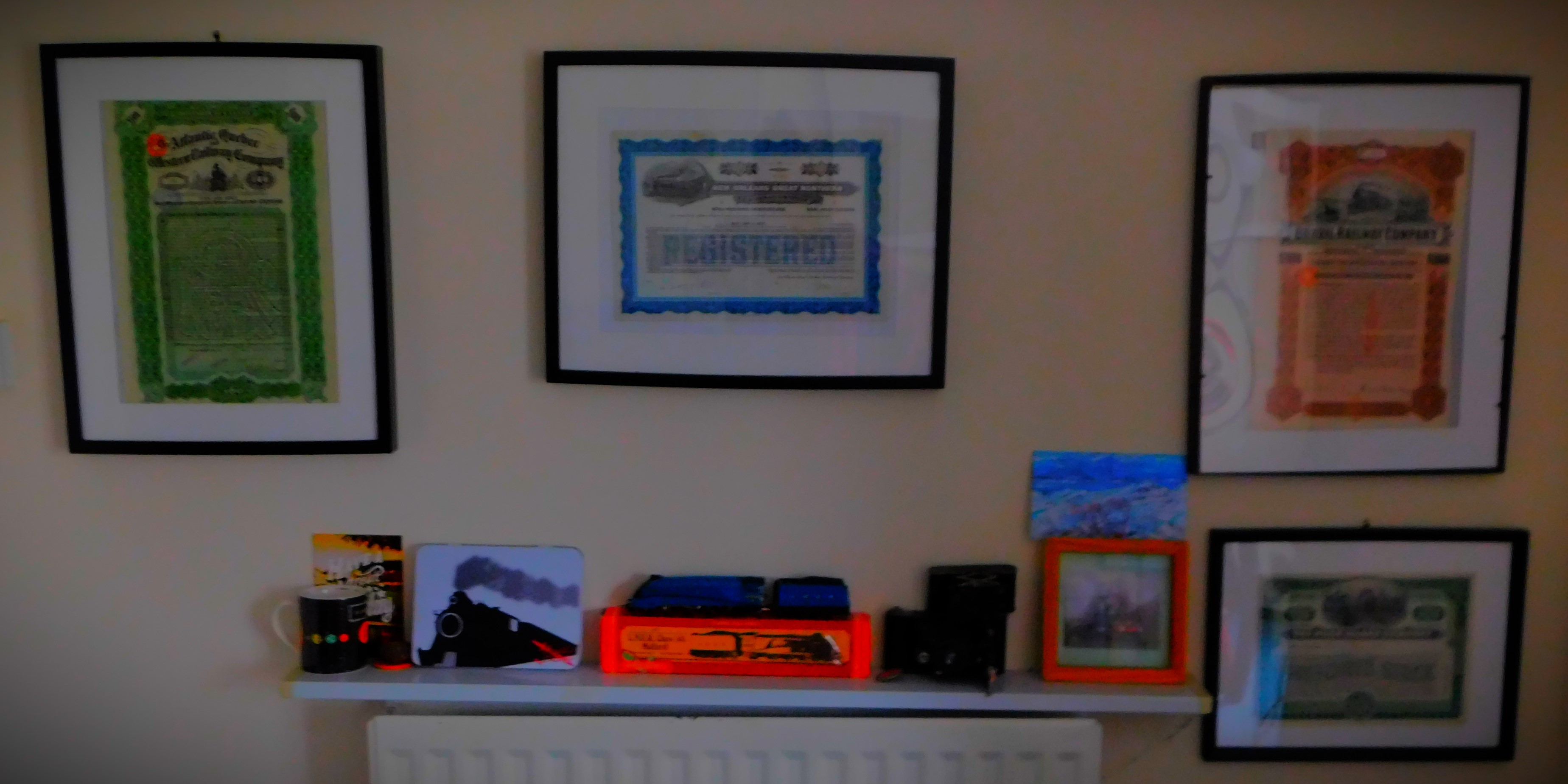
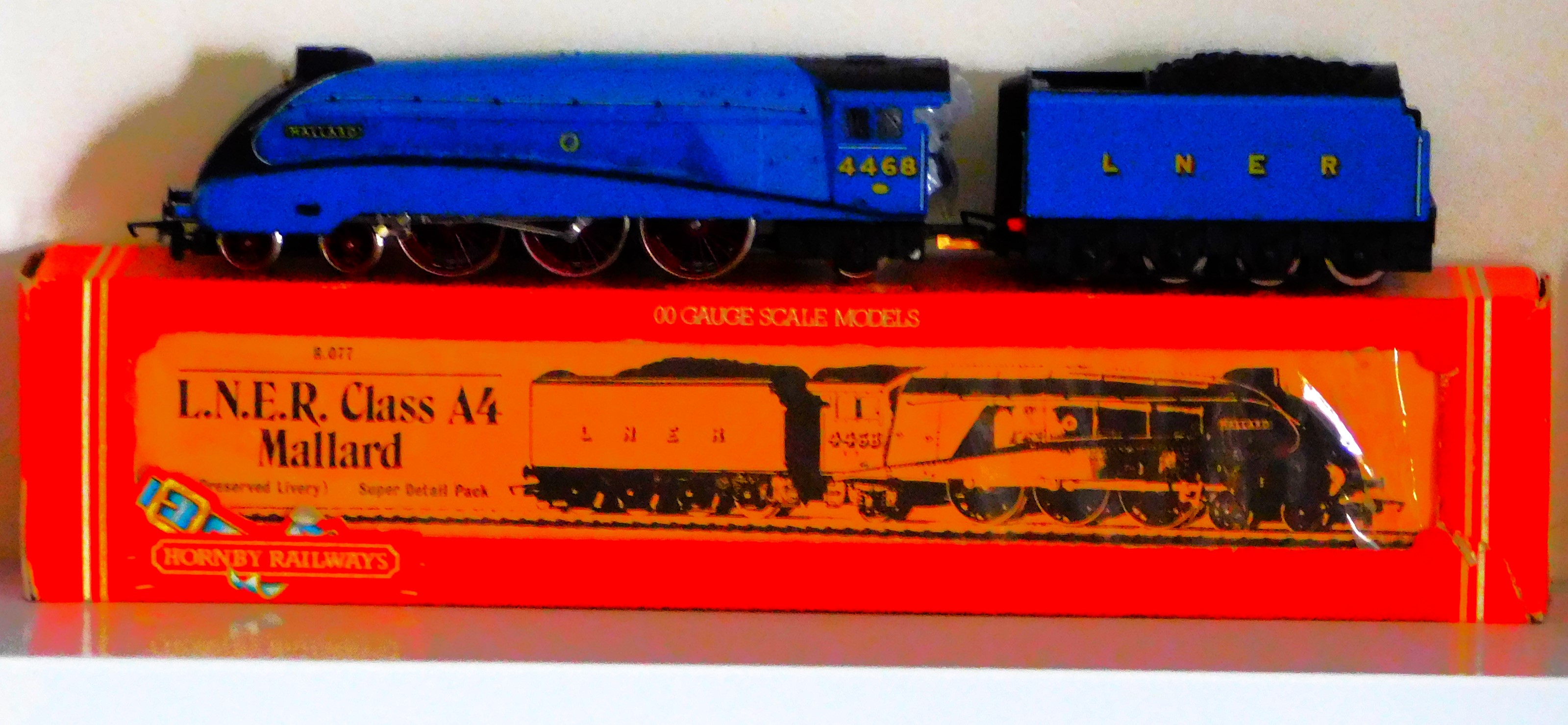
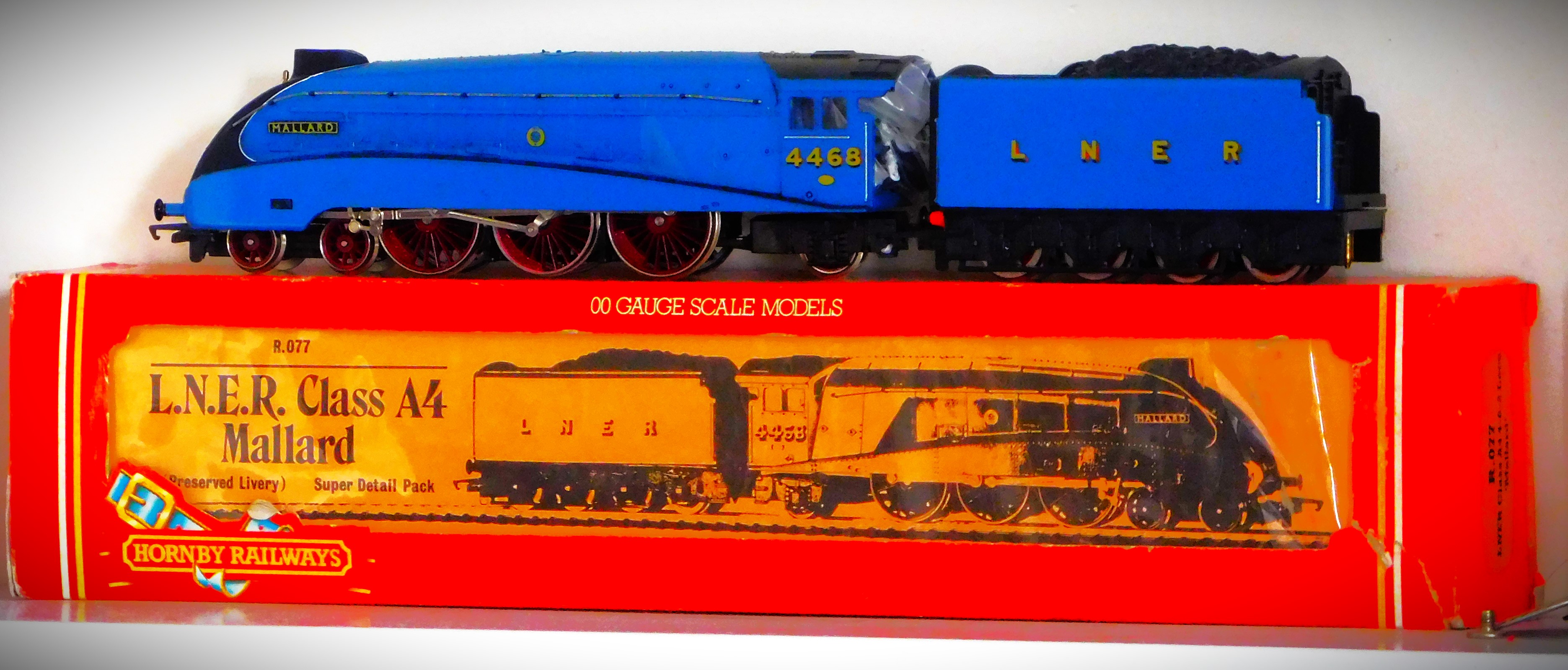
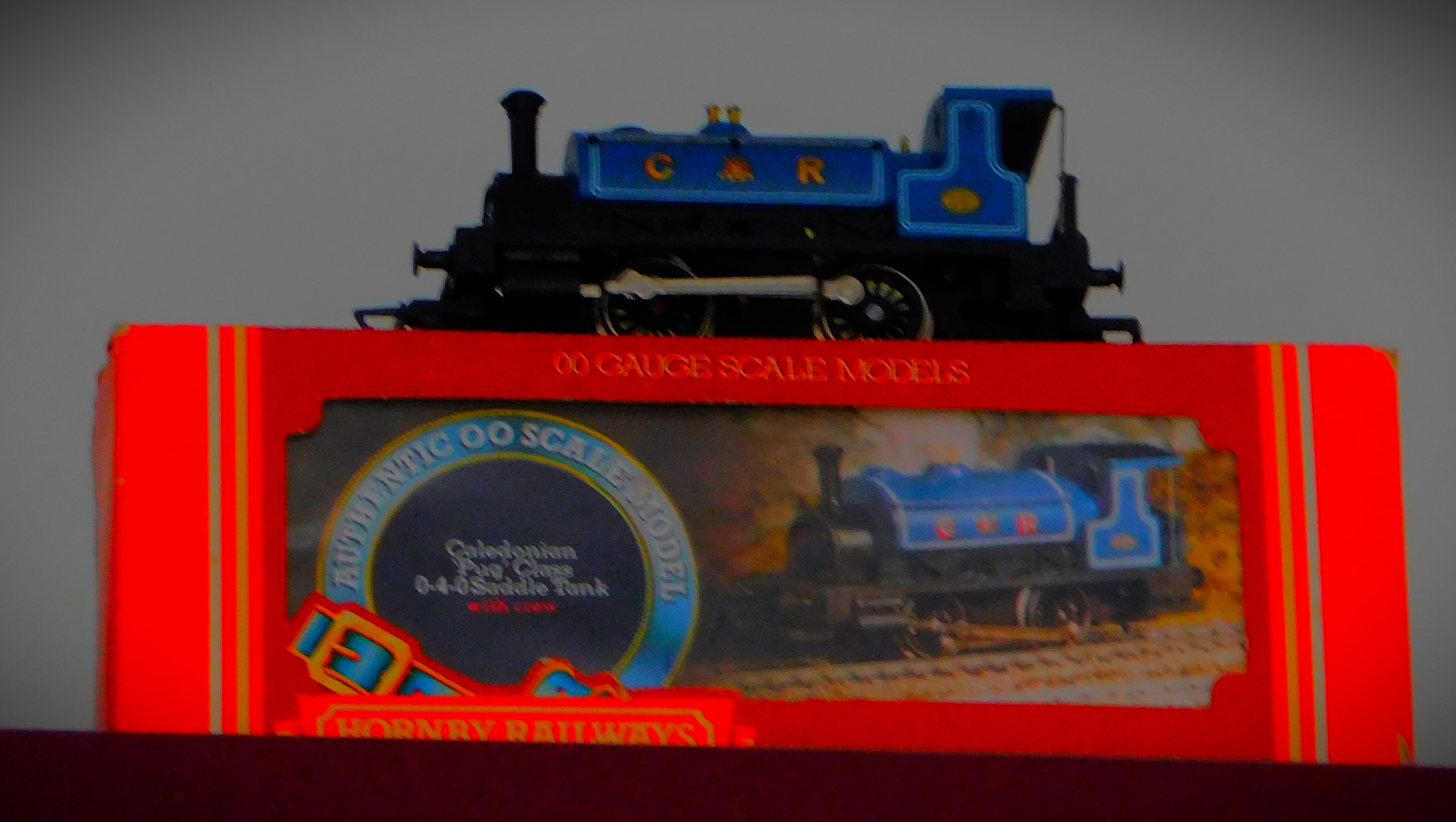
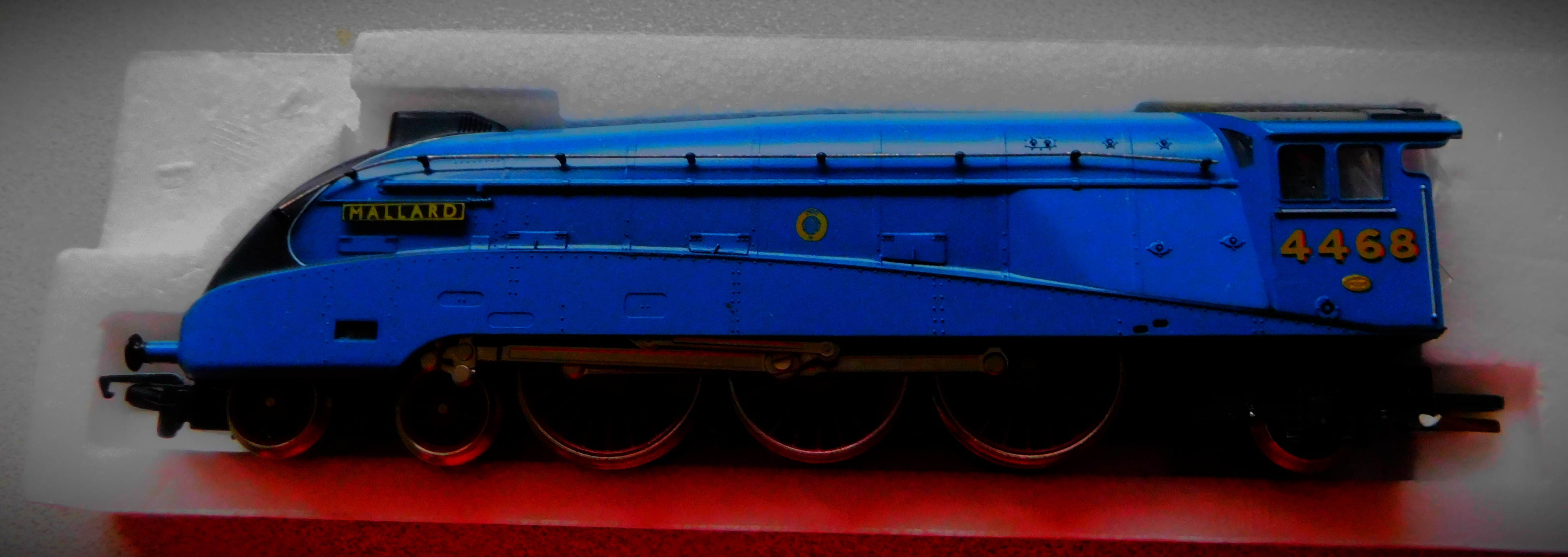
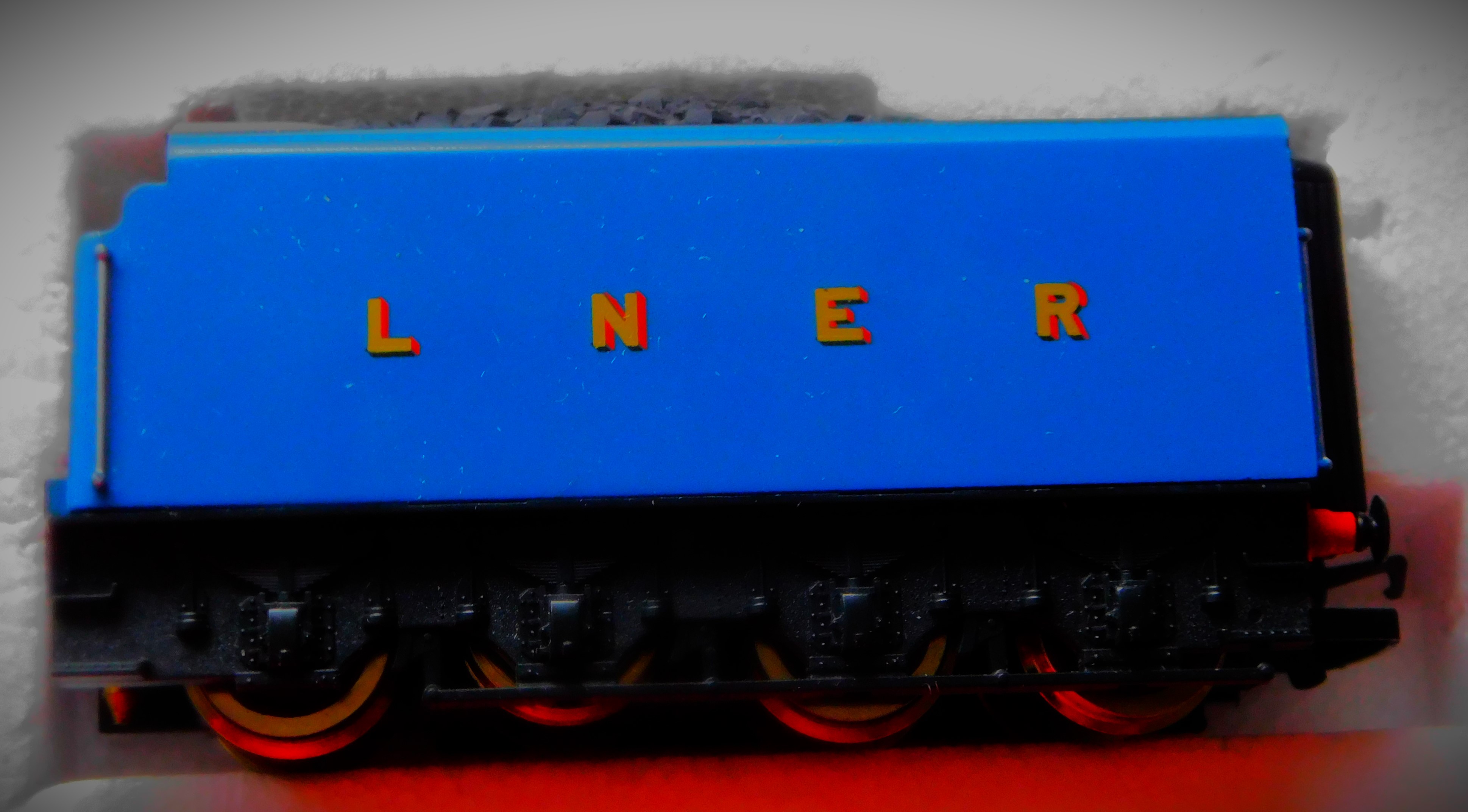
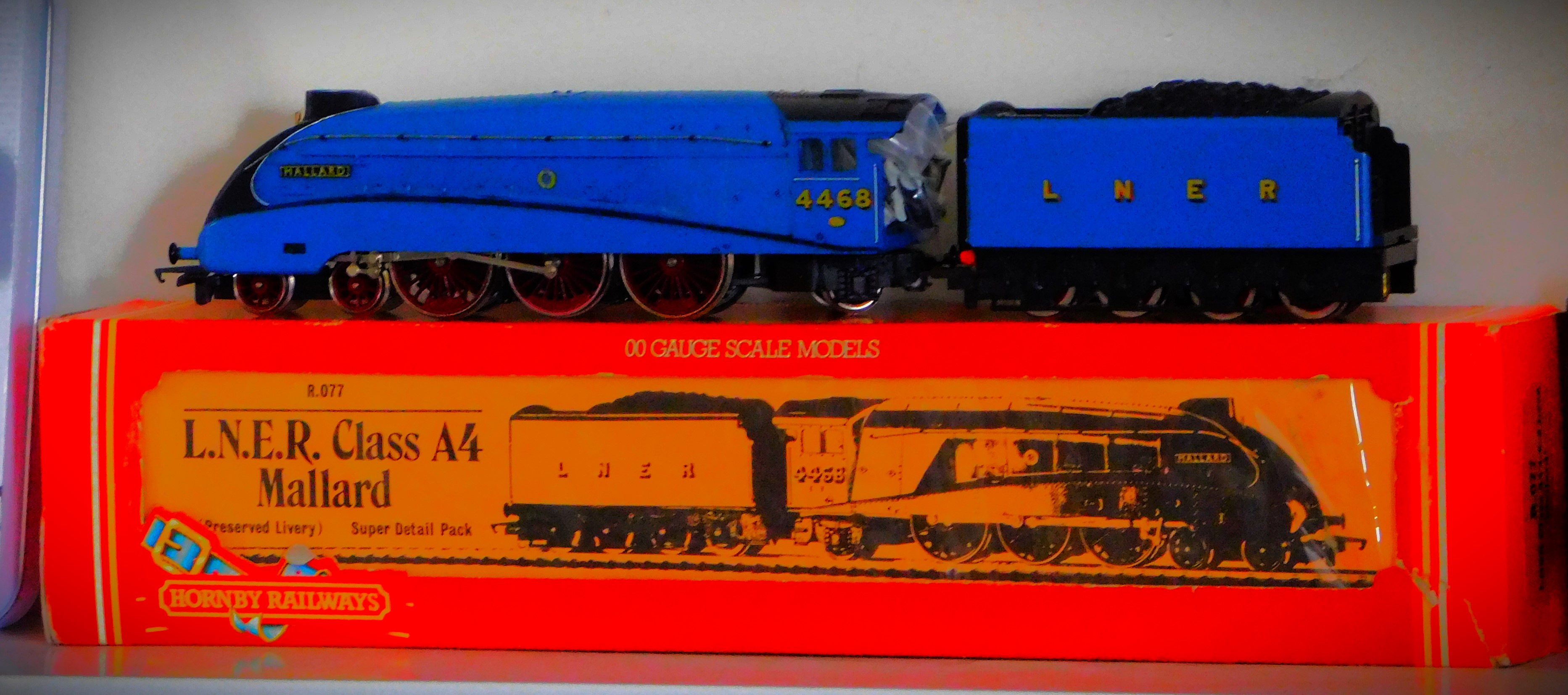
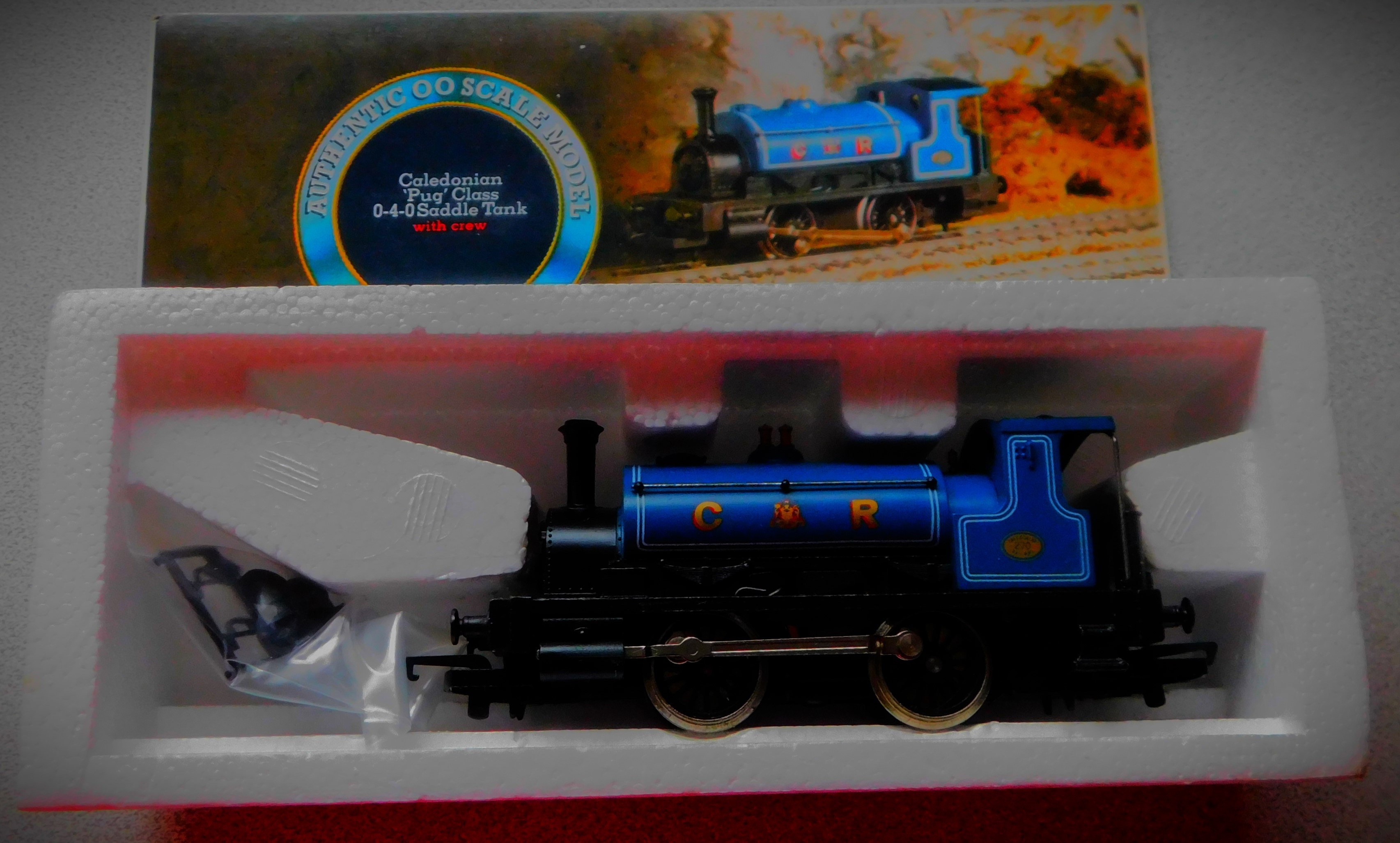
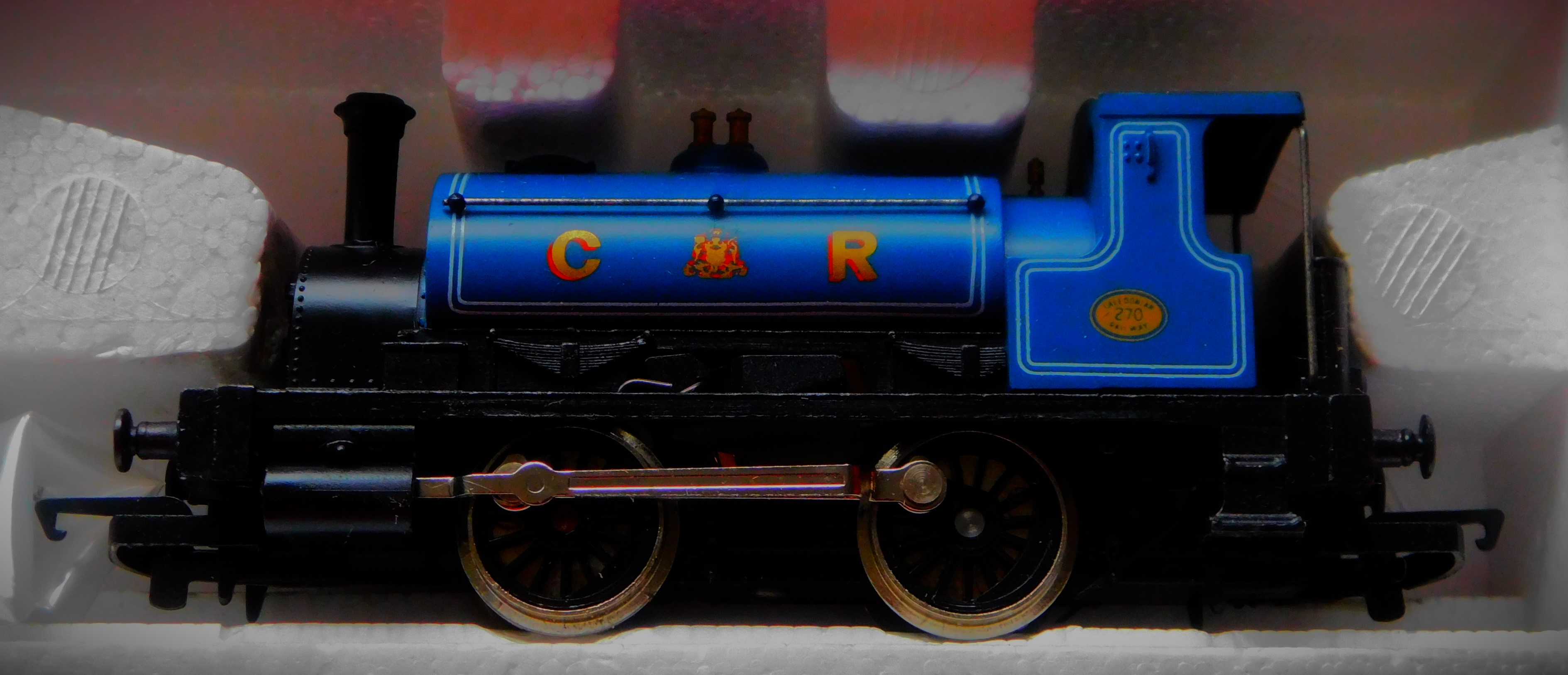
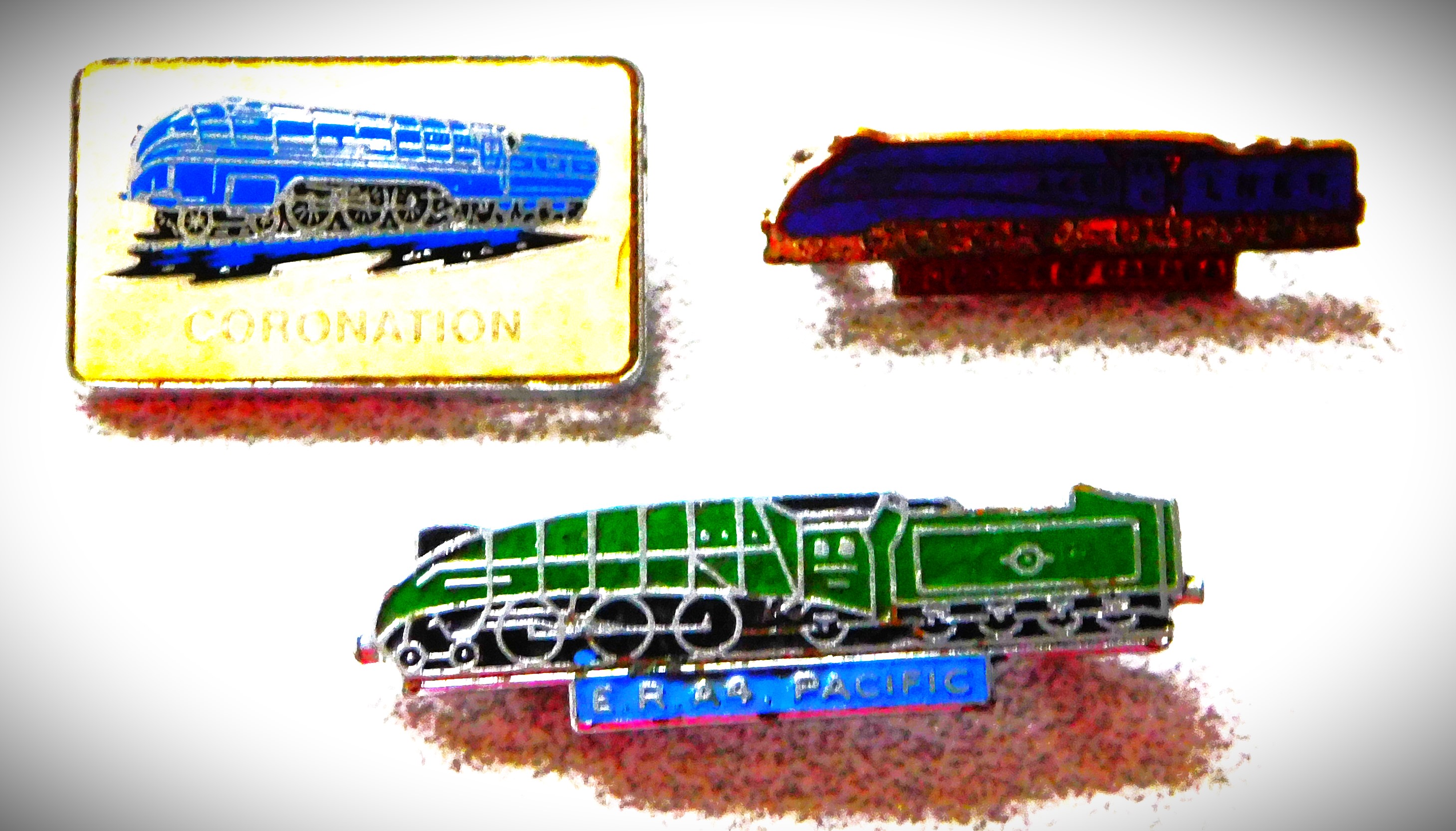
This week has been auction week for James and Sons. It has been a little bit chequered – the Militaria auction which should have been on Tuesday had to be postponed until today due to internet problems, while the Railwayana auction on Wednesday was very successful, though it did take a long time to get through. I managed to discipline myself to placing advance bids on two lots and opportunistically snapping up a third when it would have gone very cheap indeed otherwise. Here are the pictures I have taken of them since getting them home, save for one composite pic which serves as the feature image of this post.

My usual sign off…