A look back at the final stages of the test match in Adelaide, some suggestions for Melbourne and a photo gallery.
Early this morning UK time England lost the test match in Adelaide by 82 runs and with it both The Ashes and the series. Australia are now 3-0 up with two matches left to play.
DAY FOUR
England had their best period of the test match when they took the last six Australian wickets for 38 runs. Unfortunately that still left them needing 435 to win, more than has ever been successfully chased in a test match before. By the close they had lost six of their second wickets and such hope as they still retained rested with Jamie Smith and Will Jacks.
DAY FIVE
Jamie Smith made 60, but his dismissal was a poor one. Jacks found further support from Brydon Carse, as England extended the match into the afternoon session of the final day. Jacks was eventually dismissed for 47 having held out for almost three hours. This was a particularly impressive effort since he is by nature a stroke maker but put that aside in the interests of the team. Thereafter the end was not long delayed.
LOOKING AHEAD TO MELBOURNE
There is no way Ollie Pope can retain his place for the fourth test match in Melbourne. It is also clear that England need a spinner, not a batter cosplaying as a front line spinner (I do not blame Jacks for the embarrassing results of this bowling figures wise, I blame England for trying to have him play a role he does not play even in domestic cricket). Jacks bats high in the order for Surrey, and with England having a vacancy at number three there is an obvious solution there – Jacks moves up and plays as the batter he is, Pope goes out, Bashir comes in. Also for Melbourne I want Matthew Potts in for Brydon Carse, who did get some wickets here but also bowled a lot of dross. While the series is over there is a huge difference between 5-0 and 4-1 or 3-2, and England should be looking to restore some pride in these final matches. In 1950-1 Freddie Brown’s side had a horror time for much of their tour, with a lot of ill luck along the way, but they never lost heart, and in the final test match they saved some face with a victory, England’s first over Australia since before WWII, and in England in 1953 Len Hutton’s England regained The Ashes, which had been in Aussie hands for almost 19 years at the time.
A look back at day one of the third Ashes test in Adelaide and a photo gallery.
The third test match of the ongoing series between Australia and England’s men’s teams got underway overnight UK time. This post looks back at a curious day’s play.
THE PRELIMINARIES
England had announced their team early, in keeping with their recent methods in this department. The fact that Shoaib Bashir missed out for a third straight match, creating the possibility that series will be decided before he plays a game, raised eyebrows. The problem with this selection from England is that they fast tracked him into the test side with this specific series most in mind, which makes then sidelining him for each of the first three matches look bizarre. Australia had intended to drop Usman Khawaja, which could well have ended his test career, but then Steve Smith experienced giddiness and nausea while batting in the nets and it was deemed serious enough to put him out of the match, so Khawaja was back in the side. Australia won the toss, and there was never much doubt about the decision, so it was over to England’s bowlers to see what they could do.
A CURATE’S EGG PERFORMANCE
England did not bowl very well overall, but they had some assistance from the Australian batting, who seemed somewhat infected by their opponents freneticism at the crease. Immediately after lunch, when Marnus Labuschagne and Cameron Green suffered almost identical ultra-soft dismissals in the space of three balls, each hitting deliveries from Archer straight to midwicket and suddenly the score was 94-4 it looked very good for England. Khawaja and Alex Carey regained the initiative for Australia, but then Khawaja tried to go big against the part time spin of WG Jacks and succeeded in holing out Josh Tongue for 82. Carey, supported in turn by Josh Inglis, Pat Cummins and Mitchell Starc proceeded to a splendid maiden Ashes ton. However Jacks showed something of the original WG’s knack for inducing batters to get themselves out, drawing an injudicious shot from Carey which resulted in a catch to Jamie Smith. The day ended with Australia on 326-8. With temperatures in Adelaide forecast to reach 39 degrees on day two (two degrees above the cut off point for an abandonment during my brief career as an umpire in Under 14s Whites matches there) what happens then will have a big influence on the outcome of the match and thus whether England can get back into the series. If they can get the last two wickets quickly and then bat for the rest of the day, forcing Australia to labour in the field through the fiercest heat they will have a good chance. Cummins has just returned earlier than expected from an injury, and a long, hot innings in the field would be a big early test of just how ready he was to make that comeback. A concern for England, given their controversial decision to overlook the specialist spinner is the fact that it was Will Jacks, definitely a batter who bowls off spin, who ended bowling the most overs for them on day one.
PHOTOGRAPHS
My usual sign off…
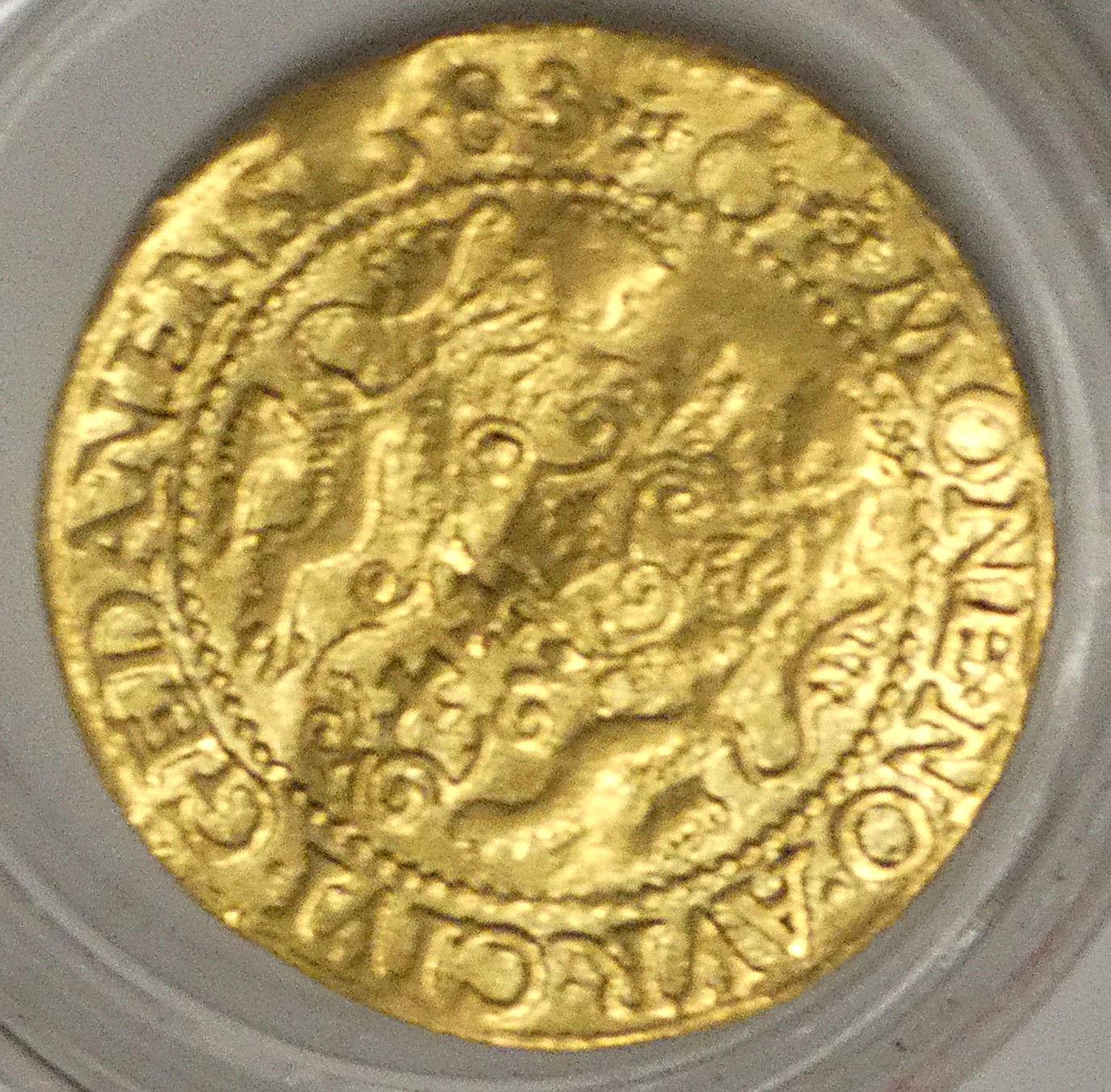
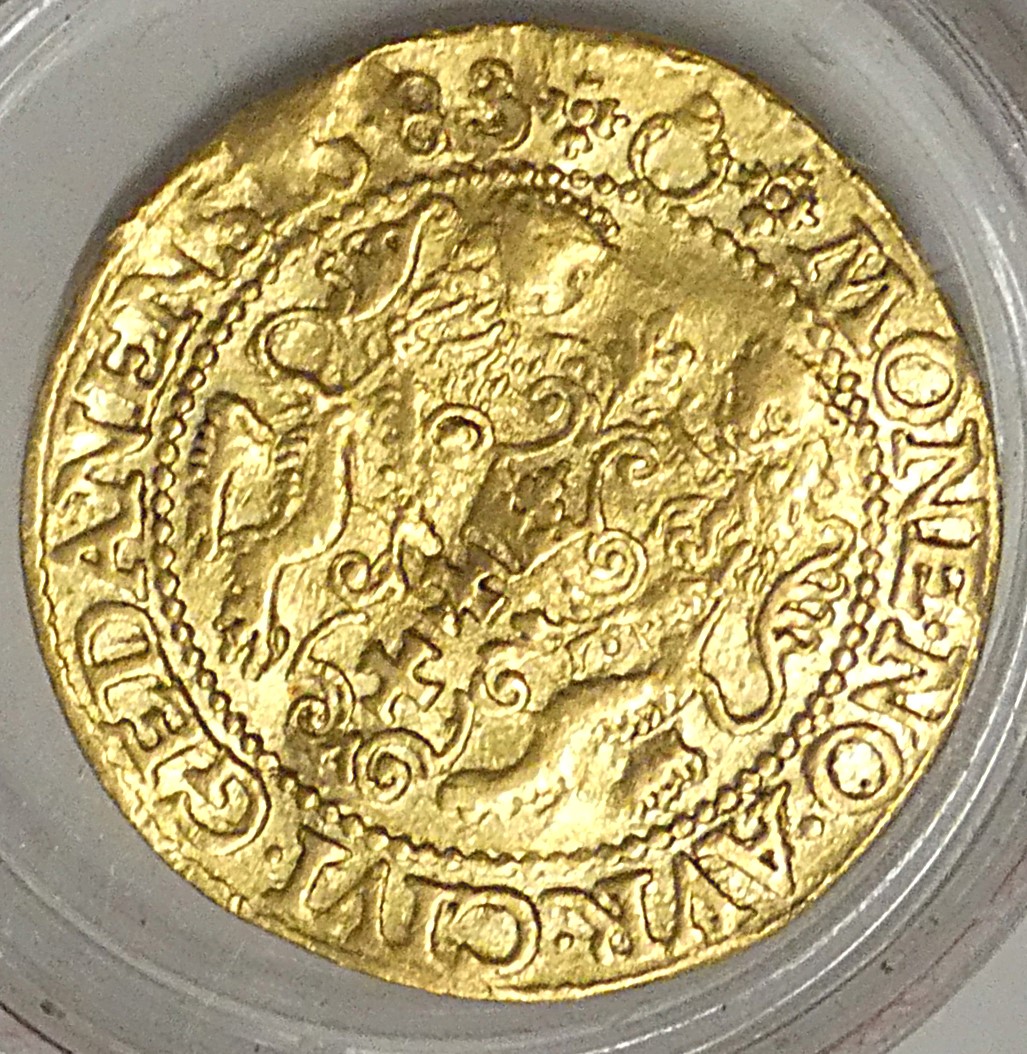
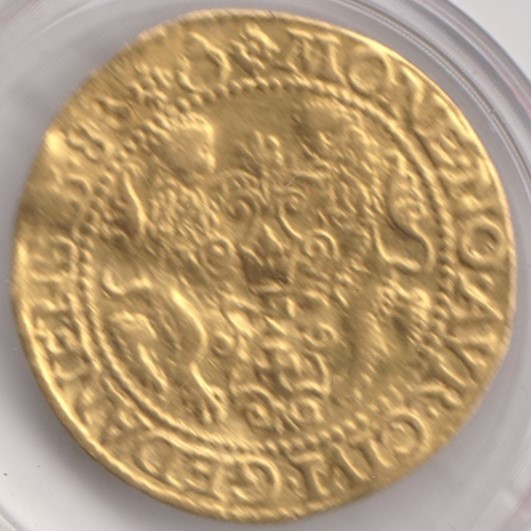
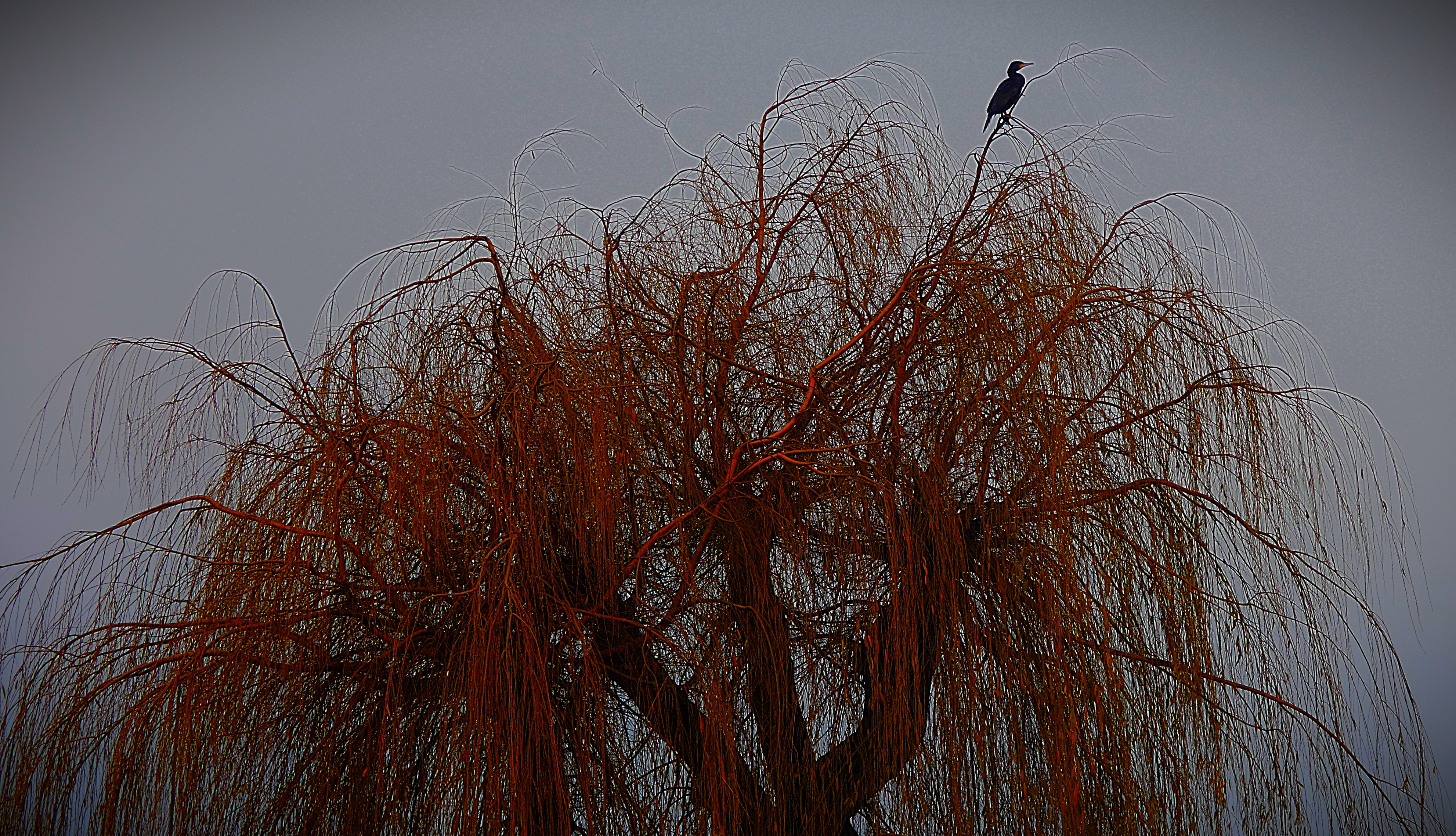
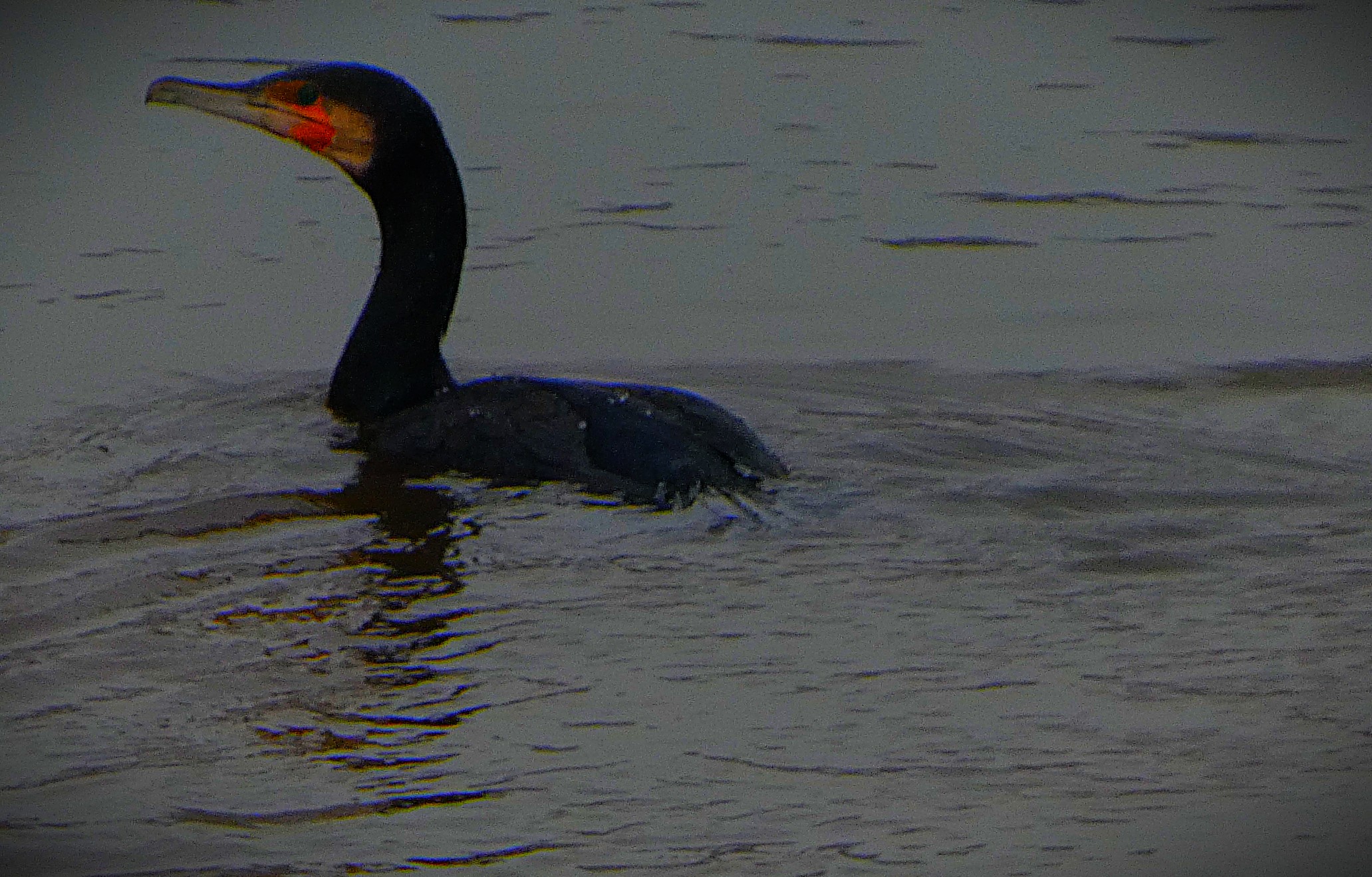
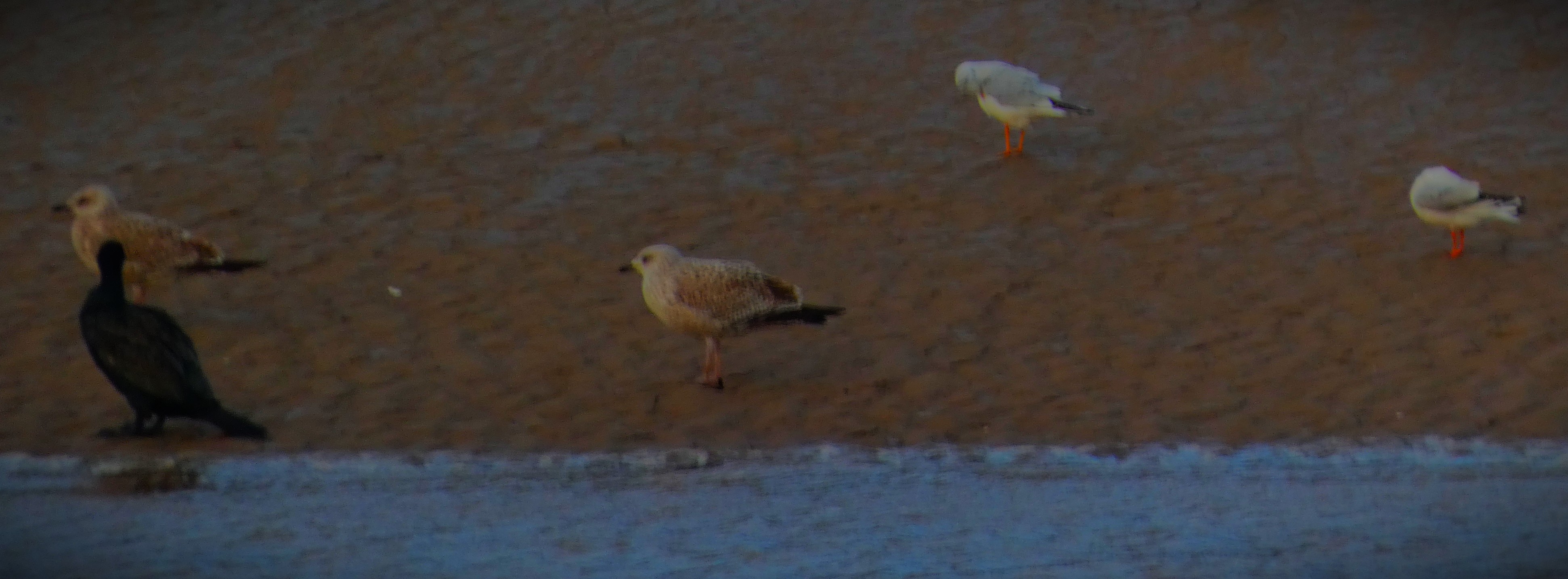
The first five images are of a gold ducat that has been manipulated in some way – the 1583 date, clearly visible, does not match with the style of portrait. These images did their job, and the coin has been sold for a negotiated price not hugely much less than the original sale price.This style of portrait was used only in 1585, 1586 and 1587,, not 1583.This image comes from our upcoming two-day sale on January 13th and 14th. A full catalogue can be viewed on the-saleroom or easyliveauction.A cormorant right at the topmost point of a willow tree. This willow overlooks the Townshend Terrace pond in North Lynn.
A look back at today’s WBBL11 final, between Perth Scorchers and Hobart Hurricanes, and a photo gallery.
This morning (UK time) saw the final of the Women’s Big Bash League 11th edition. The contending sides were Hobart Hurricanes, who had won the league stage and thus gone straight into the final and Perth Scorchers who had had to win two extra matches in order to get there. The other benefit besides going straight through to the final that the Hurricanes got was that the match was played in Hobart.
THE PRELIMINARIES
The bat flip was won by Perth Scorchers. Sophie Devine chose to bat first, believing that runs on the board would give her side the opportunity to impose scoreboard pressure on the opposition. Both sides were unchanged from their previous matches (in Hurricanes’ case quite a while back, and it was one that was only half finished in bizarre circumstances – in the break between innings a ball got rolled into the pitch surface creating a dangerously large hole therein and resulting in an abandonment).
THE SCORCHERS INNINGS
Katie Mack and Beth Mooney have been a formidable opening pair for the Scorchers this season, but neither were at their best today. Mack in particular struggled to get going, and Mooney did so only because she was reprieved multiple times. Finally in the sixth a cover a catch did go to hand, Linsey Smith pouching one off Lauren Smith to send Mack back for 17 and make it 36-1. Maddy Darke, in at number three for the Scorchers never got going at all, and it was Linsey Smith as bowler who got her, with the aid of a catch by Natalie Sciver-Brunt, to make it 48-2 in the eighth over. The innings was just into its second half when Heather Graham rattled Mooney’s stumps, getting the left hander for 33 and making it 64-3. Freya Kemp hit a six, but then gave Sciver-Brunt a catch off Linsey Smith to go for 10 and make it 79-4 in the 13th over. Paige Scholfield batted well, but the last serious hope of a big Scorchers total disappeared when Lizelle Lee stumped Devine off Graham to make it 112-5 in the 17th over. Scholfield and Alana King stayed together for the rest of the innings. The most remarkable happening was Nicola Carey contriving to concede just three runs in the final over of the innings, two of them off the final ball. Carey had figures overall of 4-0-23-0, and two of those overs were in the opening Power Play, and another was that 20th over. The final score was 137-5, which did not look like enough, although if Hurricanes had taken all the chances they were offered Scorchers would probably have been all out for about 90.
THE HURRICANES CHASE
Lizelle Lee struck form from the outset. The four over opening Power Play yielded 39-0. In the sixth over Amy Edgar clean bowled Danni Wyatt-Hodge for 16 to make it 49-1. That brought Sciver-Brunt in to join Lee, and the pair made hay. At the halfway stage the score was 81-1. Hurricanes activated the Power Surge at the first permitted opportunity, namely for overs 11 and 12, quite rightly going for the quick kill (and even without that motivation, would they ever have a better time to take it than with Lizelle Lee and Natalie Sciver-Brunt both well set?) rather than waiting on further developments. Lee hit the fourth ball of the 11th over for a six, the third such blow of her innings, to pass 50 off 32 balls, and followed up by hitting four more off the fifth and another half dozen off the sixth. Sciver-Brunt joined the party by putting the first ball of the 12th over into the stands. In total the two overs of Power Surge produced 31-0, , and Hurricanes were 112-1 after 12 overs, needing a mere 26 off the last eight. Sciver-Brunt fell with victory in sight, but Lee went to a new record score for a WBBL final of 77 not out (44 balls, 10 fours, four sixes), while Nicola Carey made the winning hit, a four off the final ball of the 15th over. The margin was eight wickets, with five overs to spare. Lizelle Lee after that stunning blitz with the bat was named Player of the Match. This means that the Hurricanes currently hold both the men’s and women’s BBL titles, and that the only franchise never to have won a WBBL title is now the Melbourne Stars.
ON POWER SURGES
The Power Surge can be activated at any stage in the last ten overs of an innings. In this match it was one of many areas in which Hurricanes were superb. Scorchers by contrast took their surge for overs 15 and 16, and amassed 15-0 from those two overs, little if any better than they would have done in regular play. It is that last point, that the key is not just how many runs those overs yield, but how many more they yield than would have been scored anyway that informs my thinking on this subject. Taking it for overs 15 and 16 as Scorchers did today makes some sort of sense, effectively extending ‘the death’ from four overs to six. Leaving it any later would to me rank as folly. The Hurricanes had an easy choice today, as they had two well set batters both ideally suited to making use of a Power Surge when they took it. In general I think sides, influenced by the worry that taking it can lead to the loss of wickets are overcautious about doing so and tend it leave it later than they should.
PHOTOGRAPHS
My usual sign off…
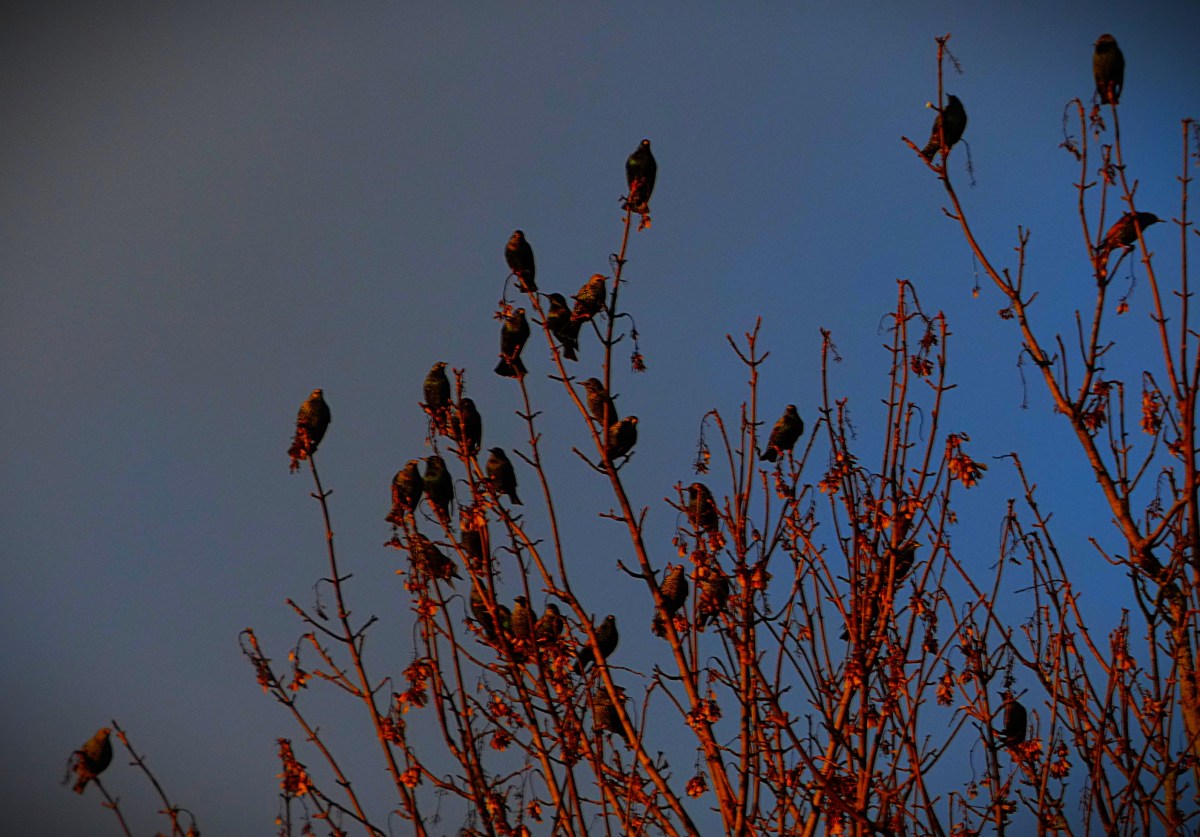
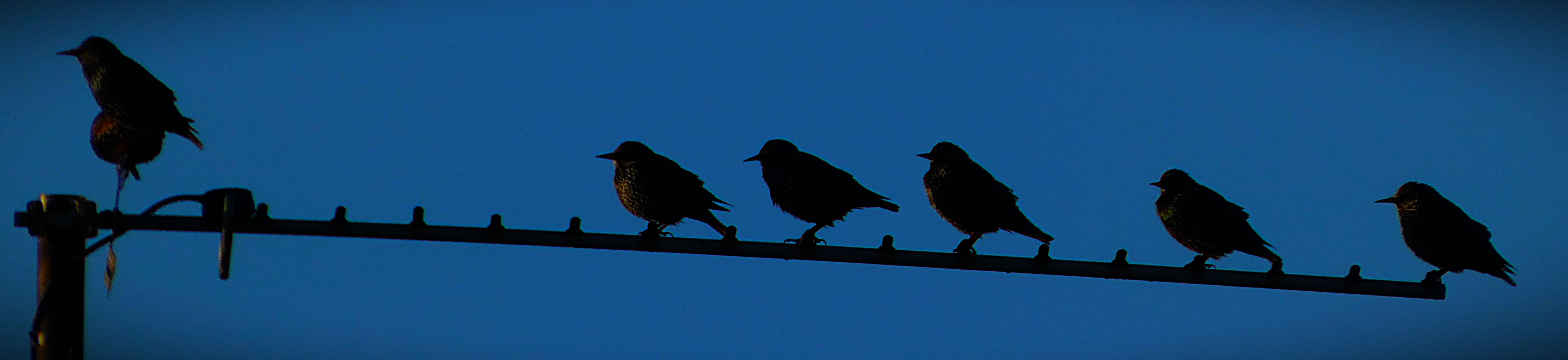
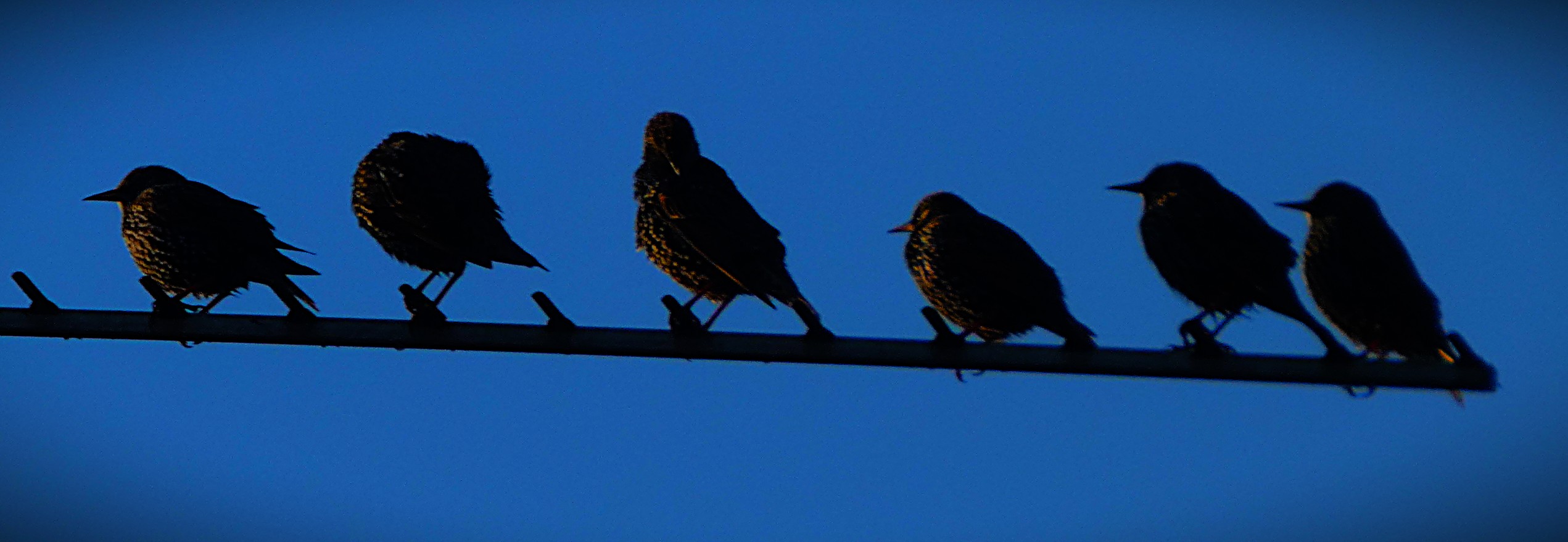
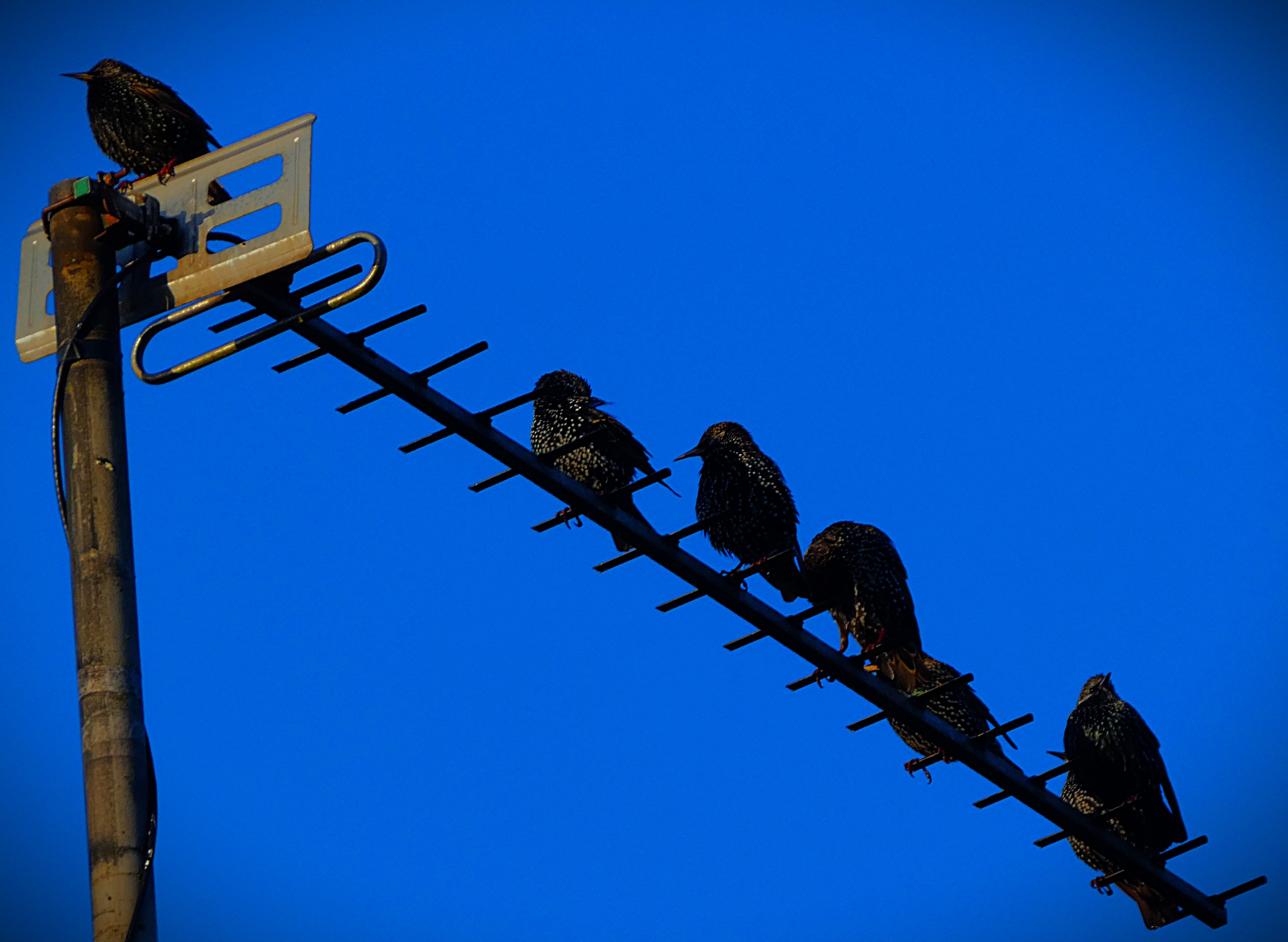
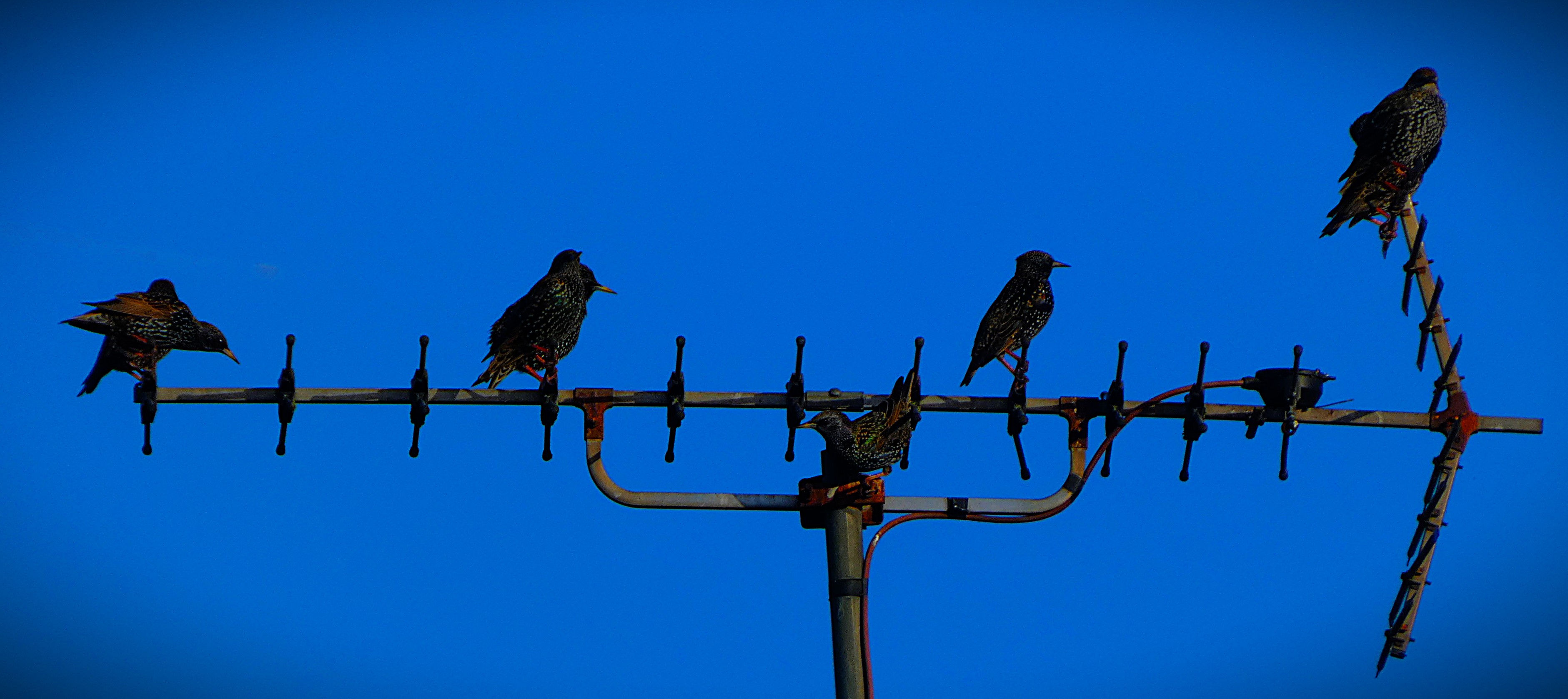
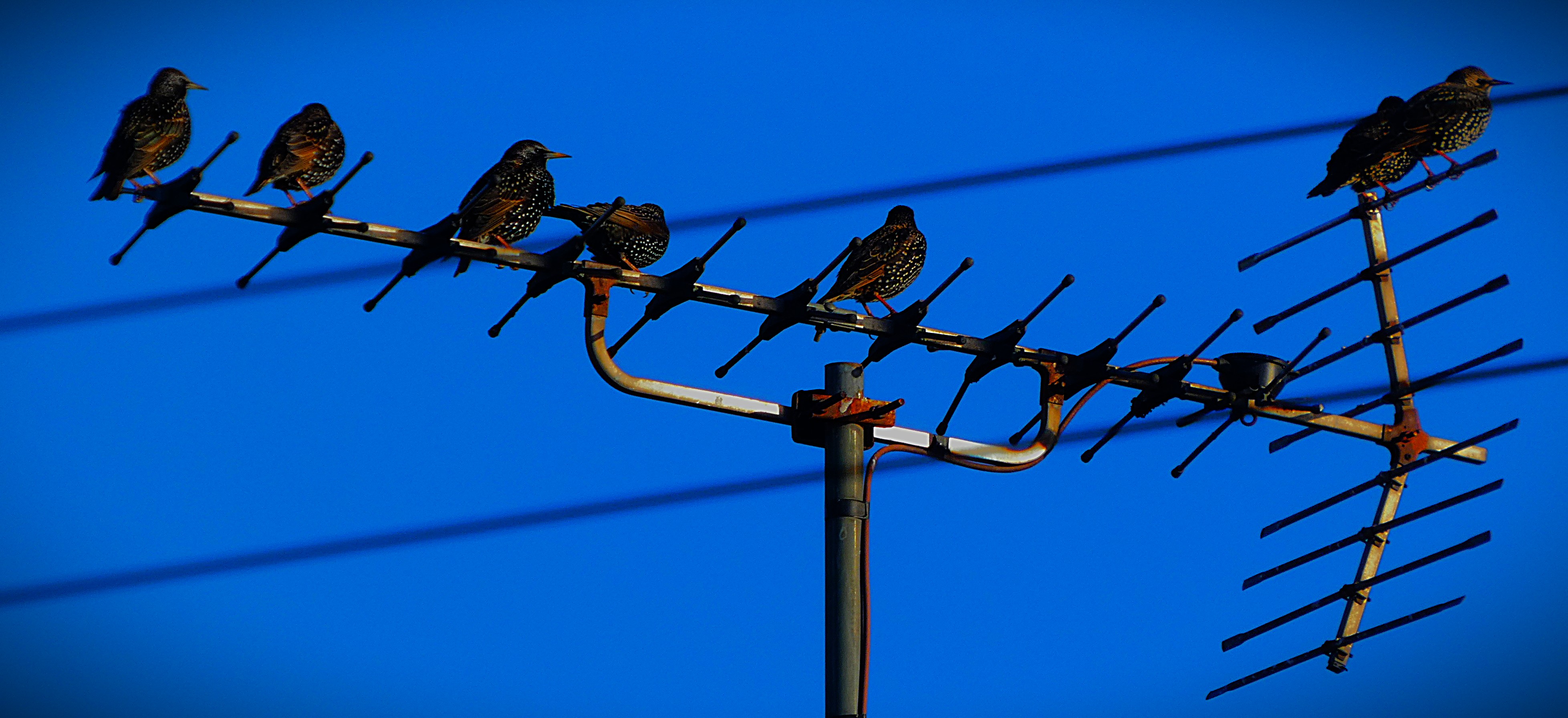
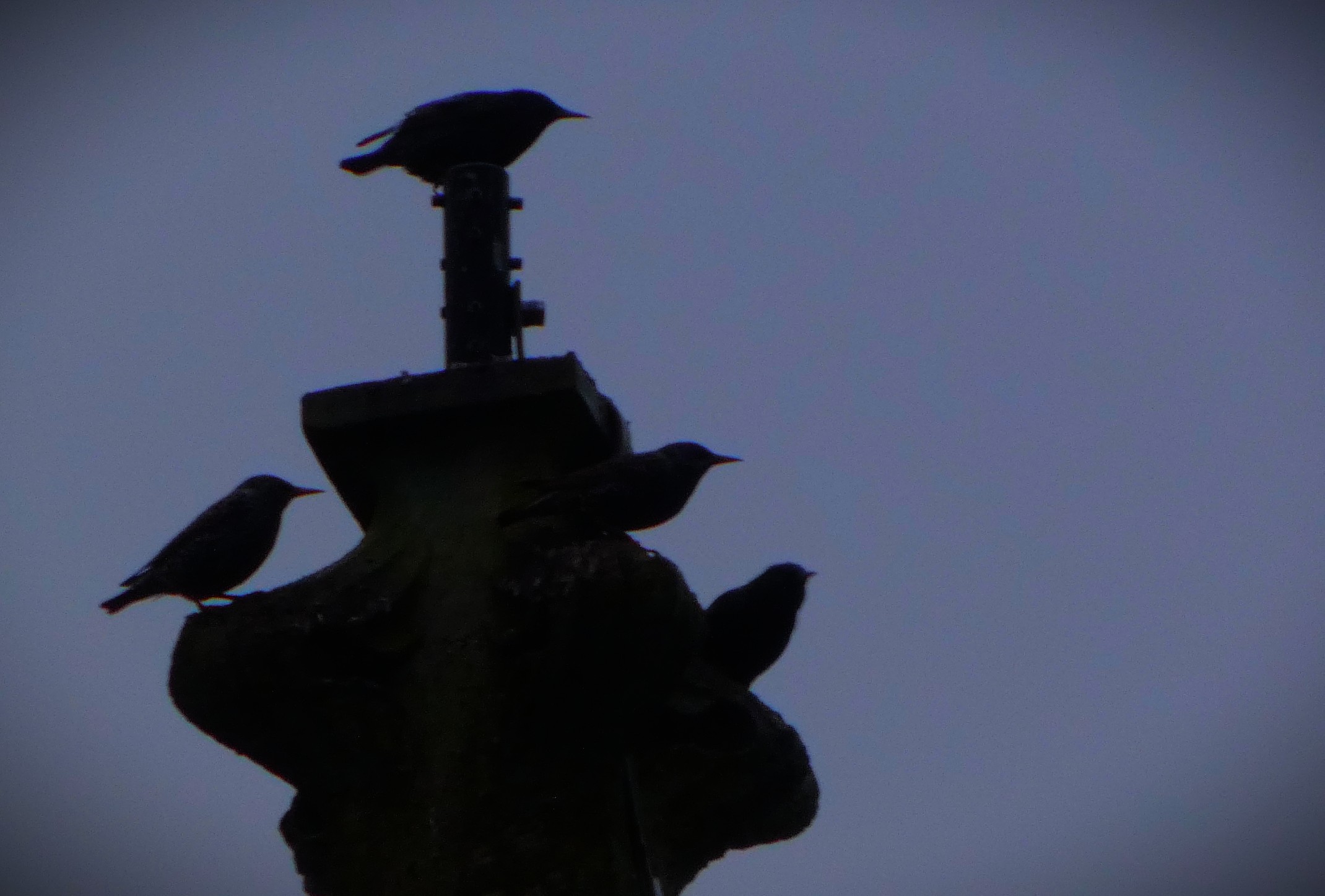
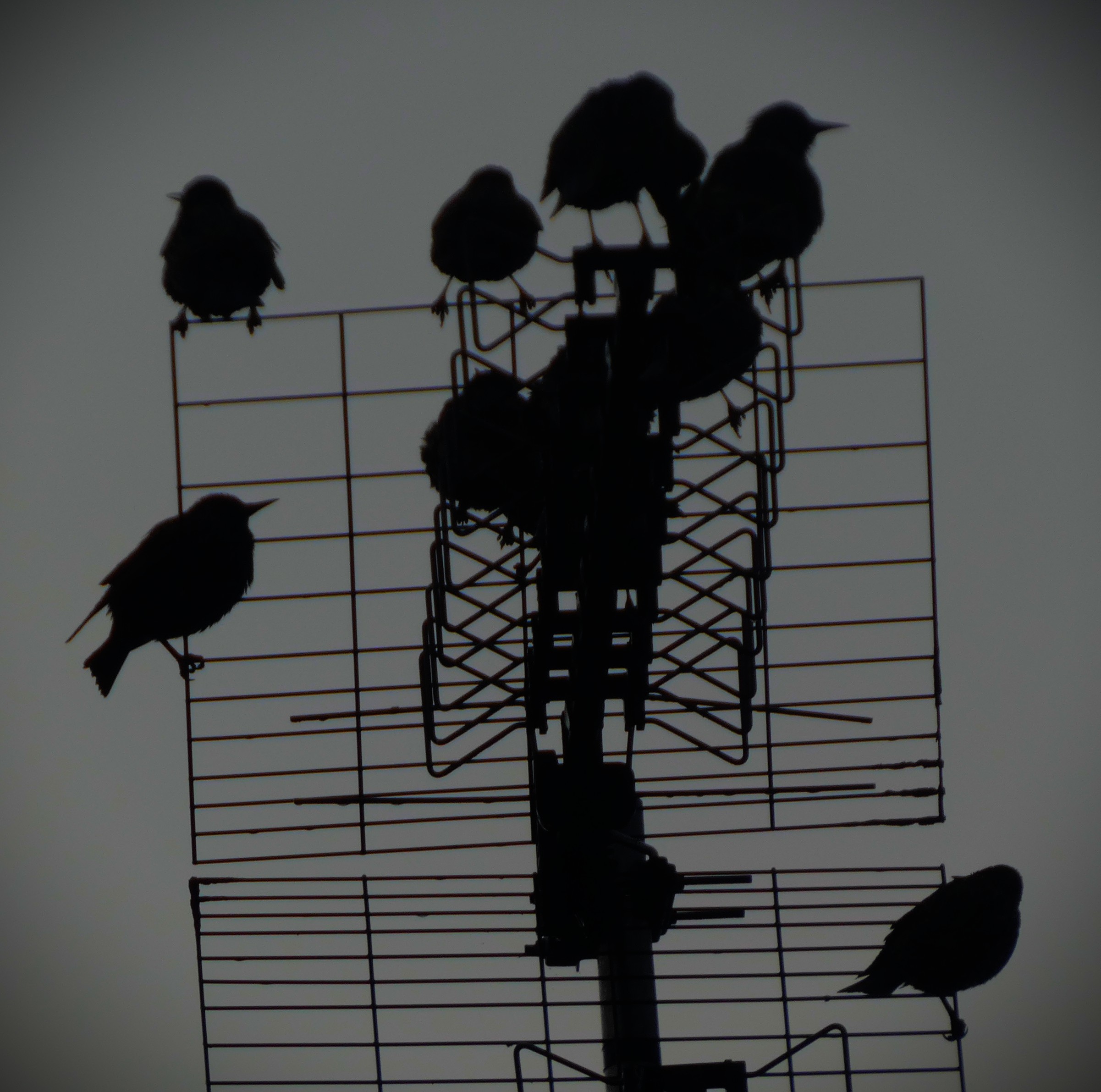
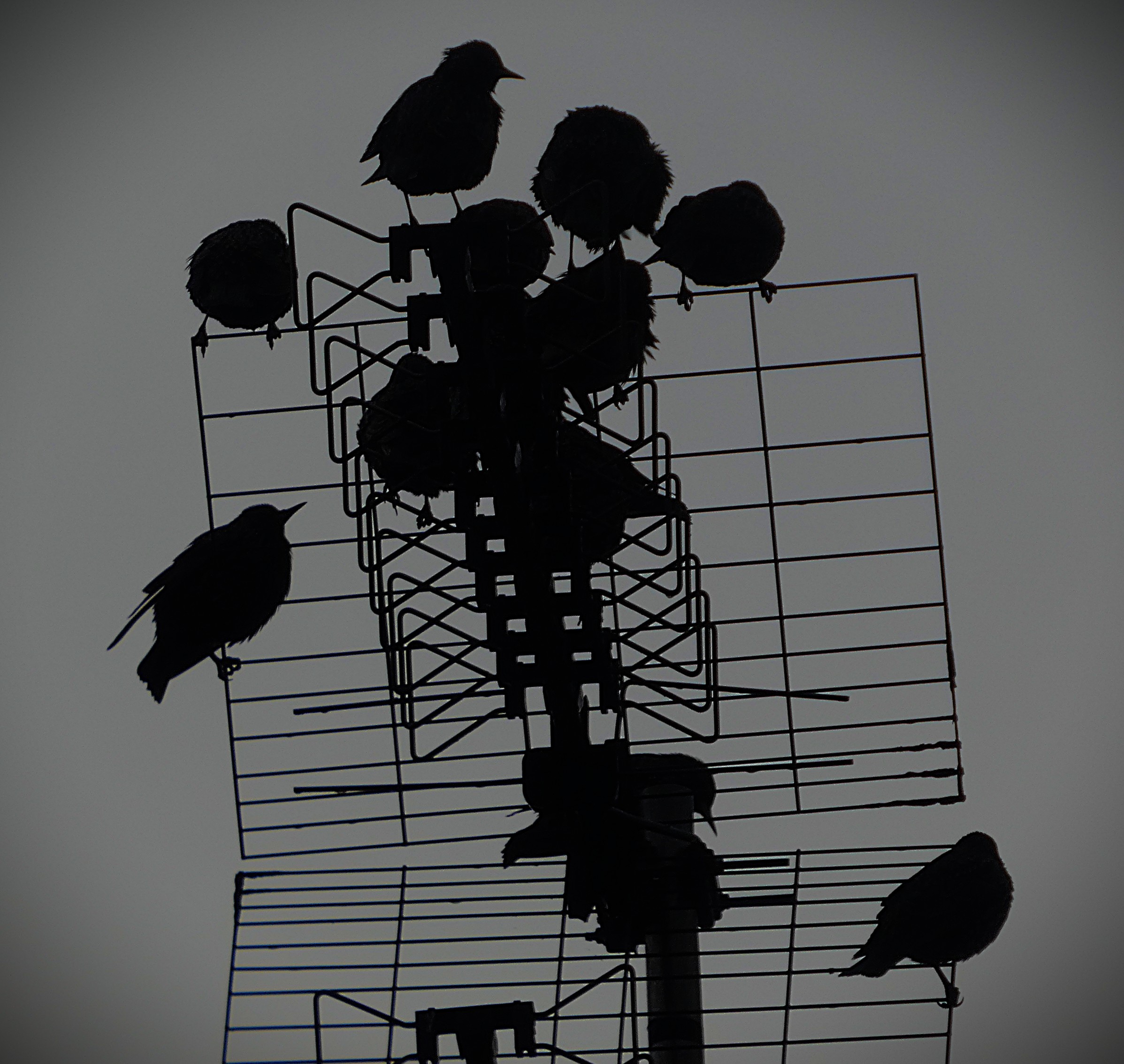
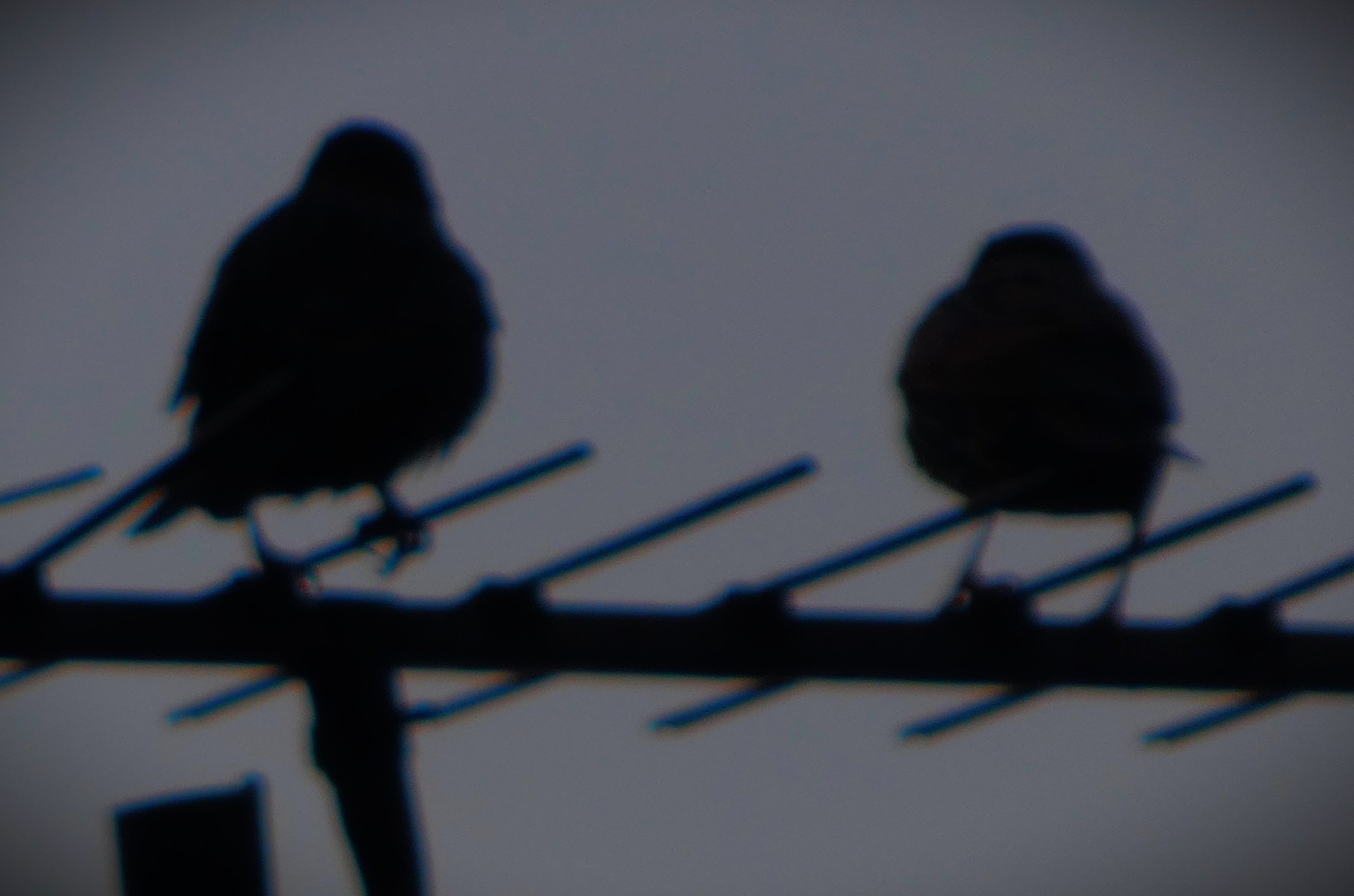
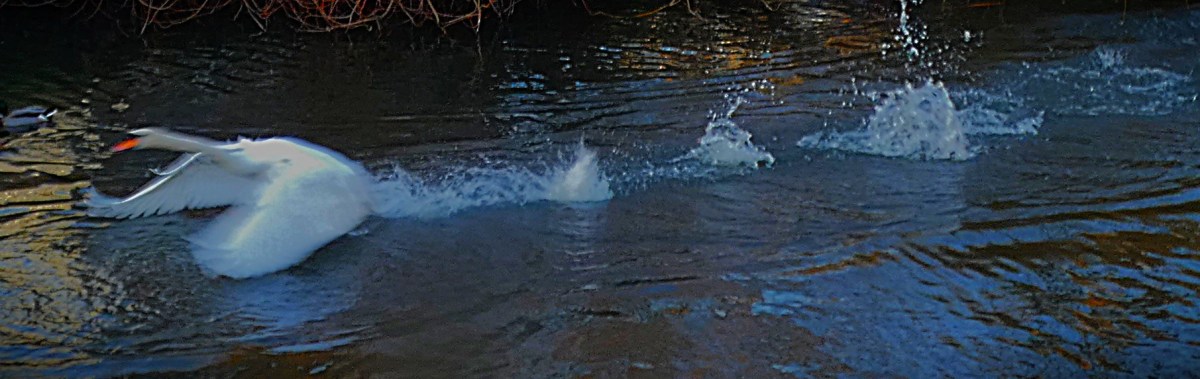
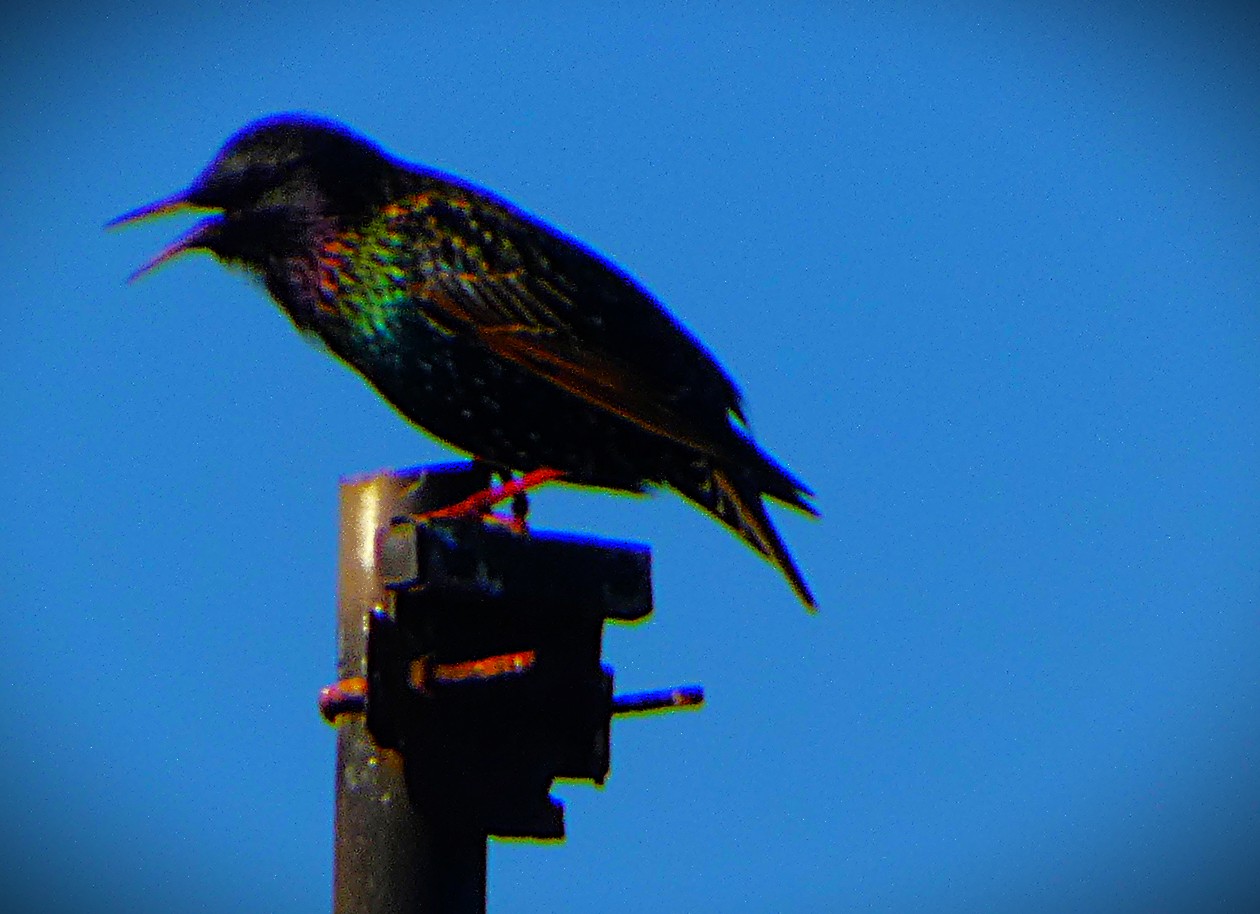
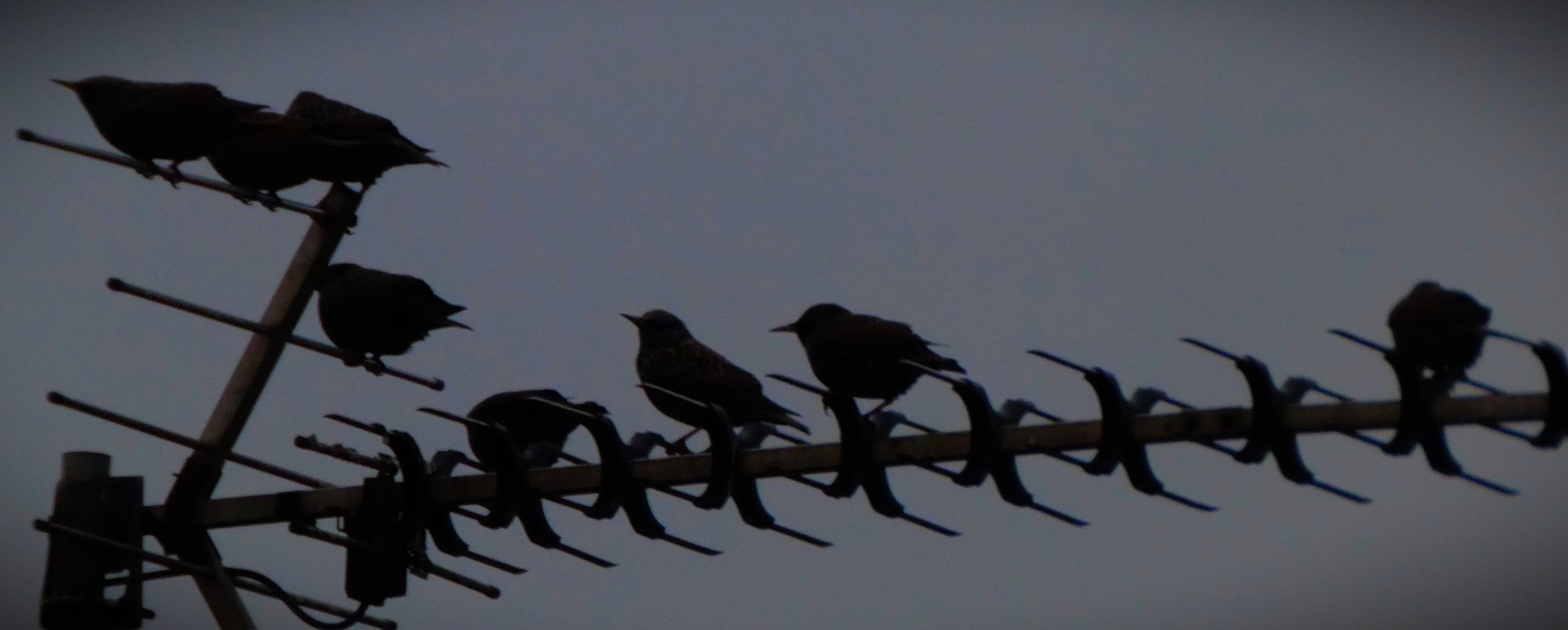
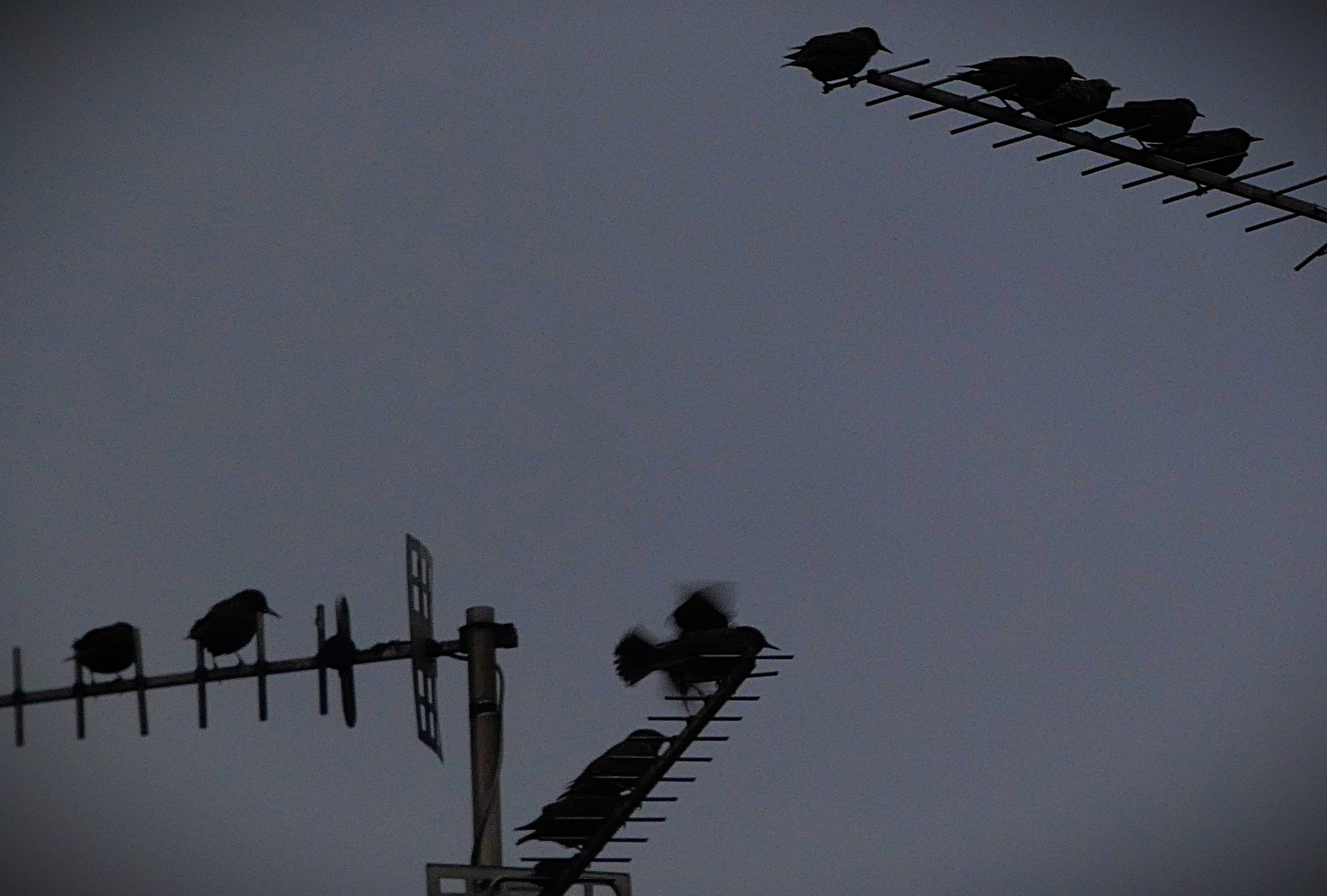
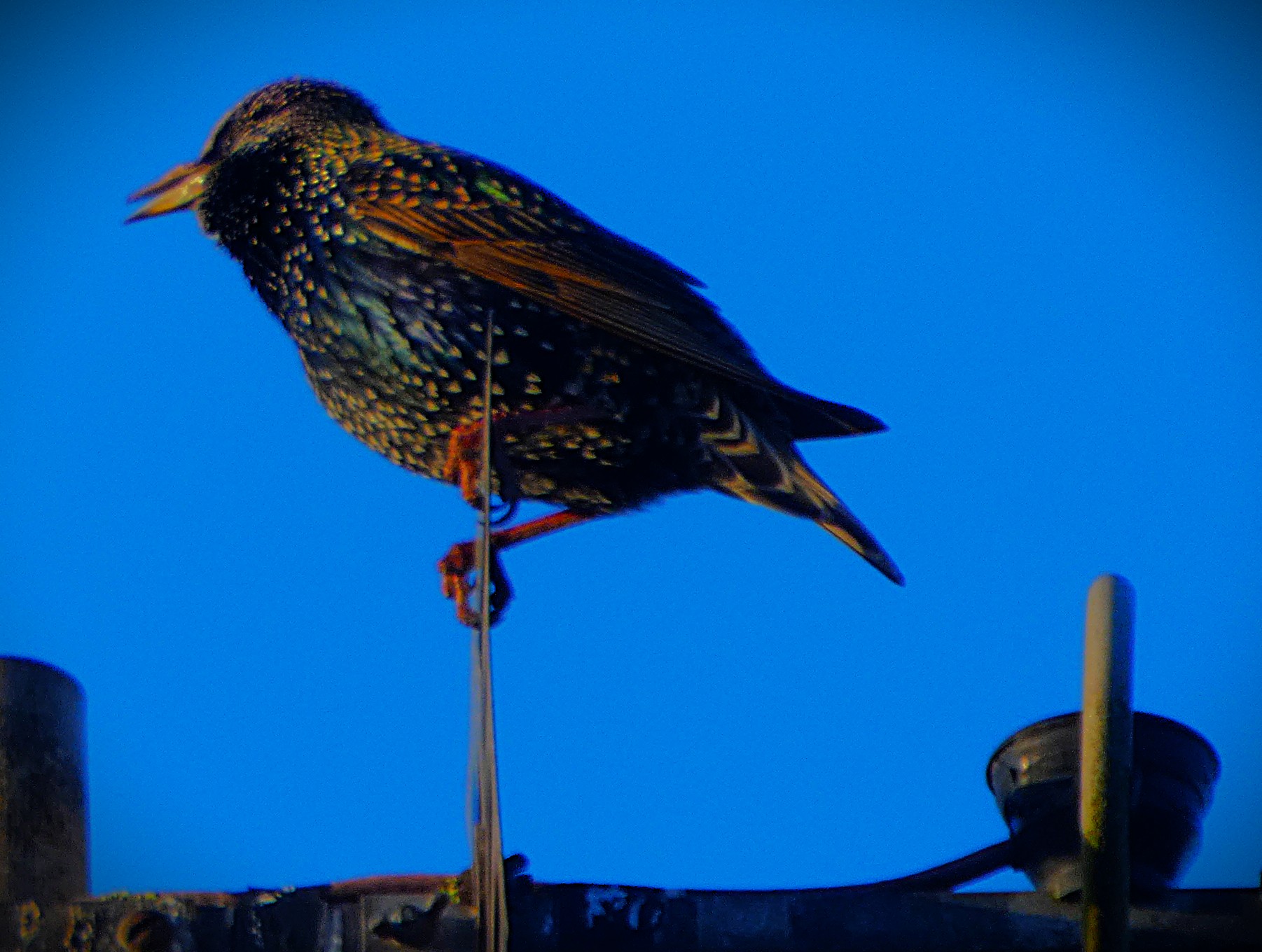
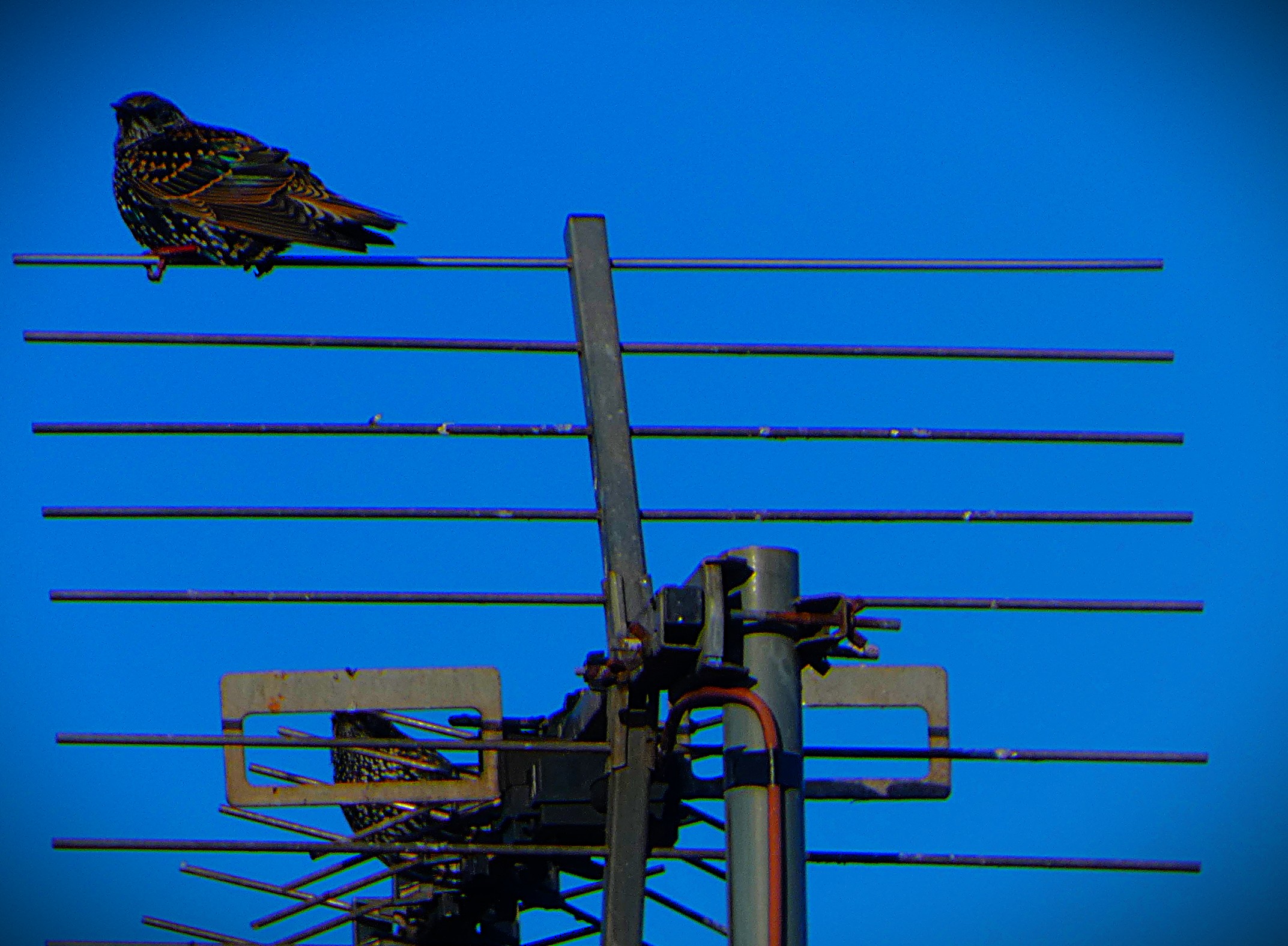
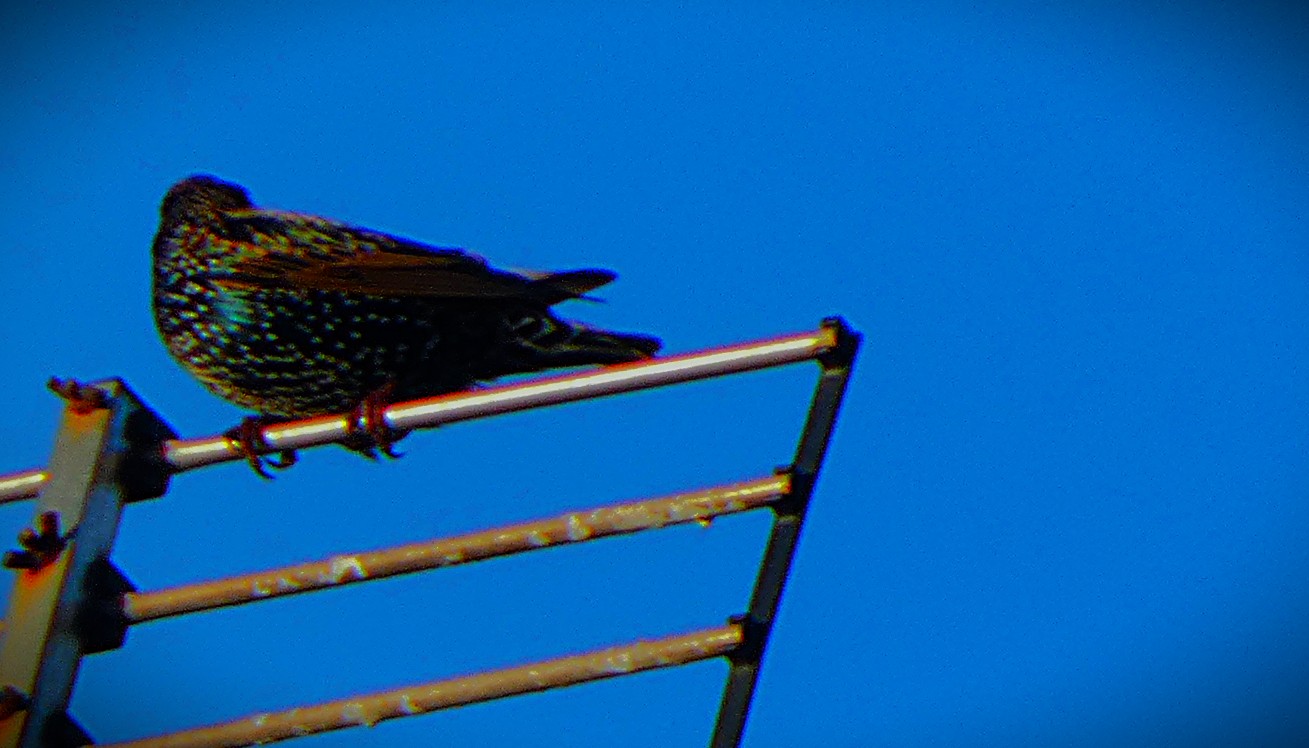
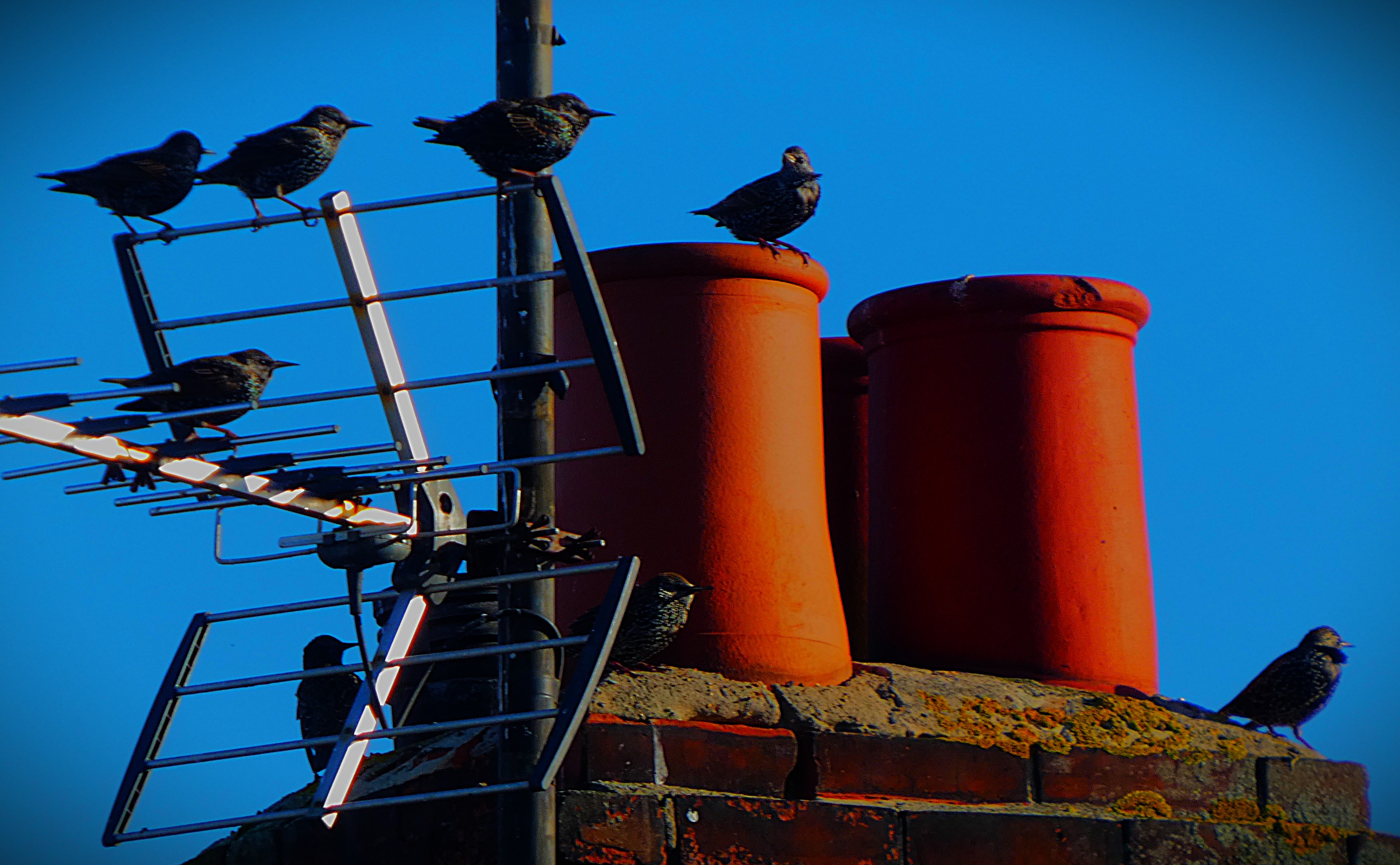
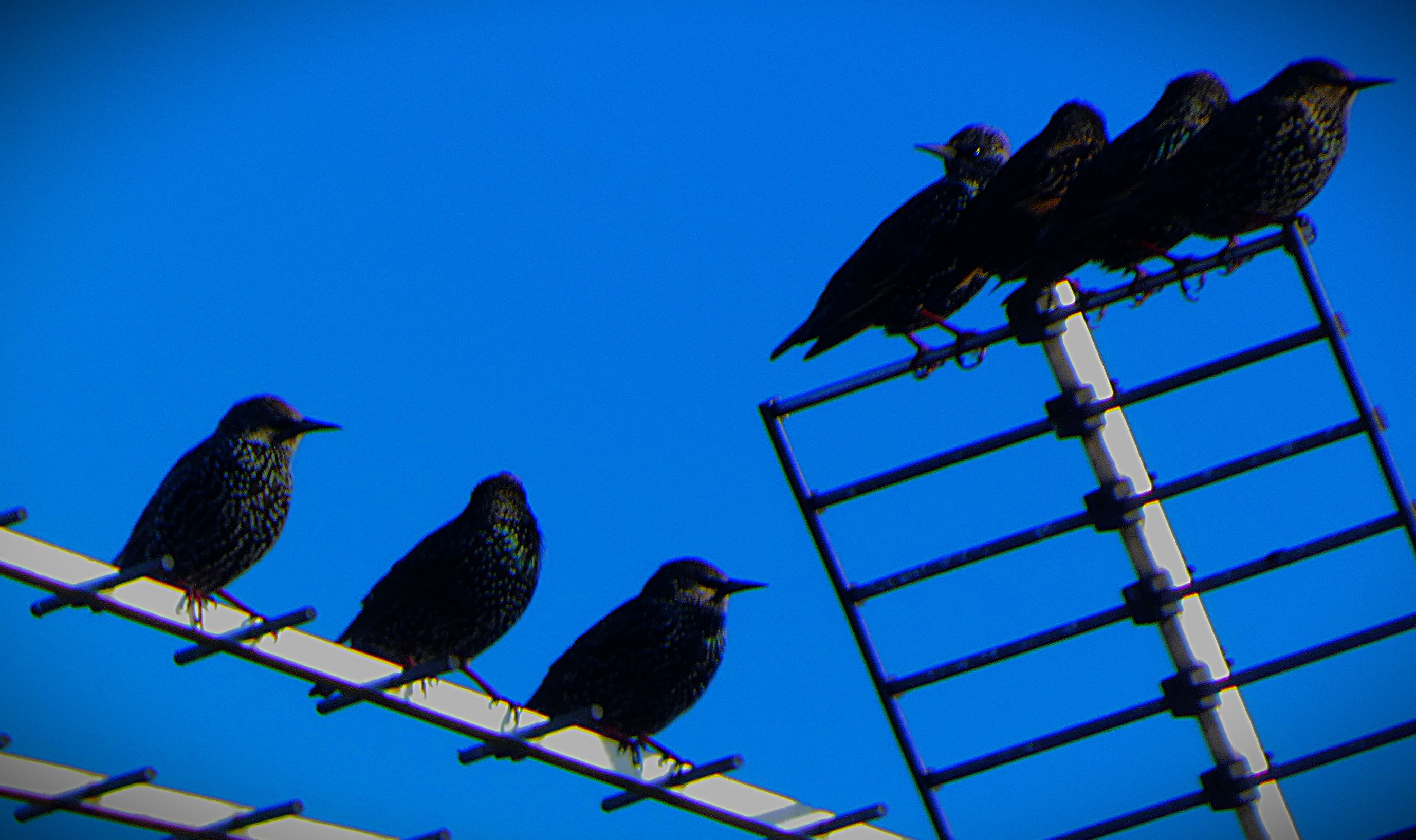
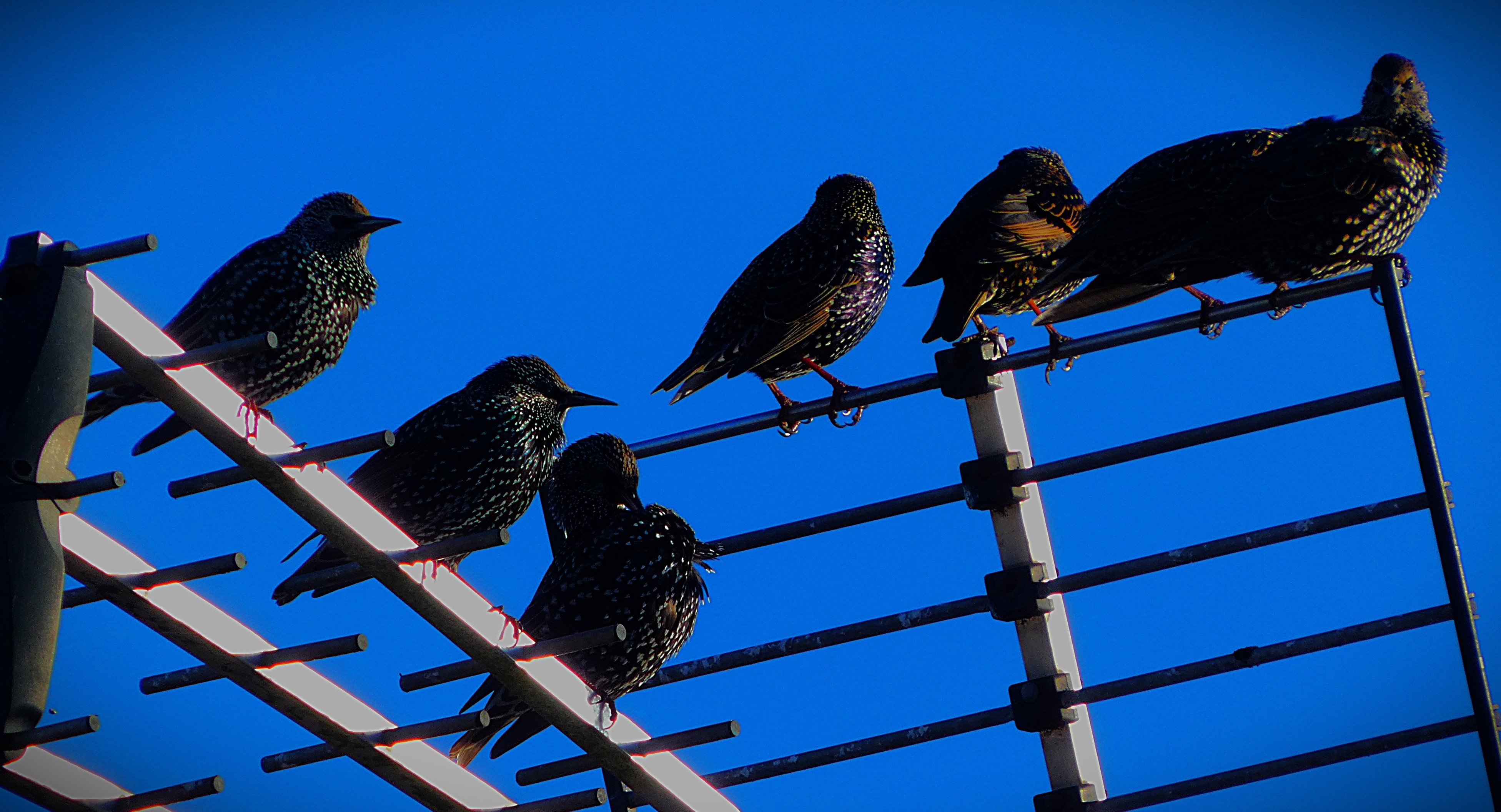
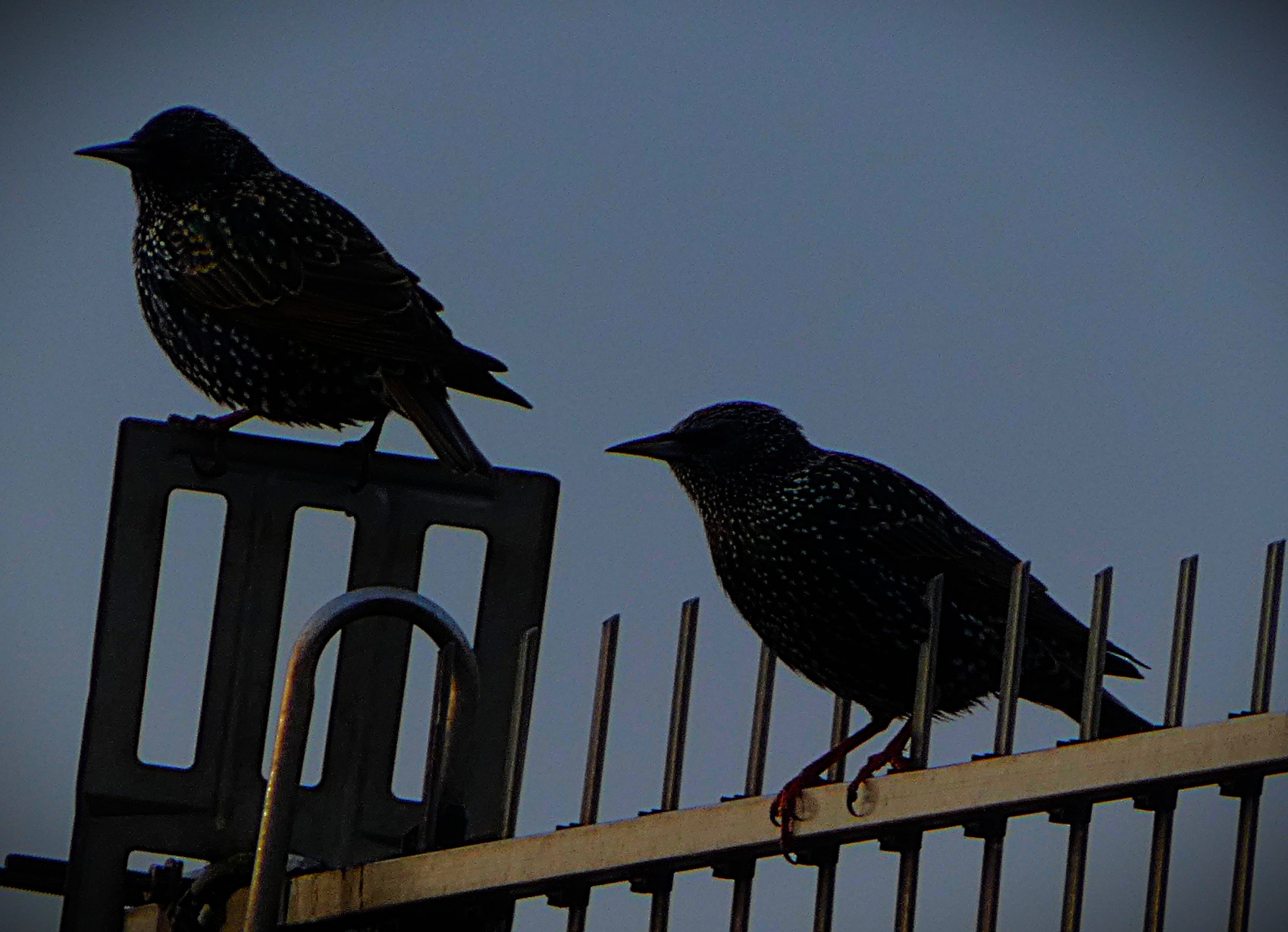
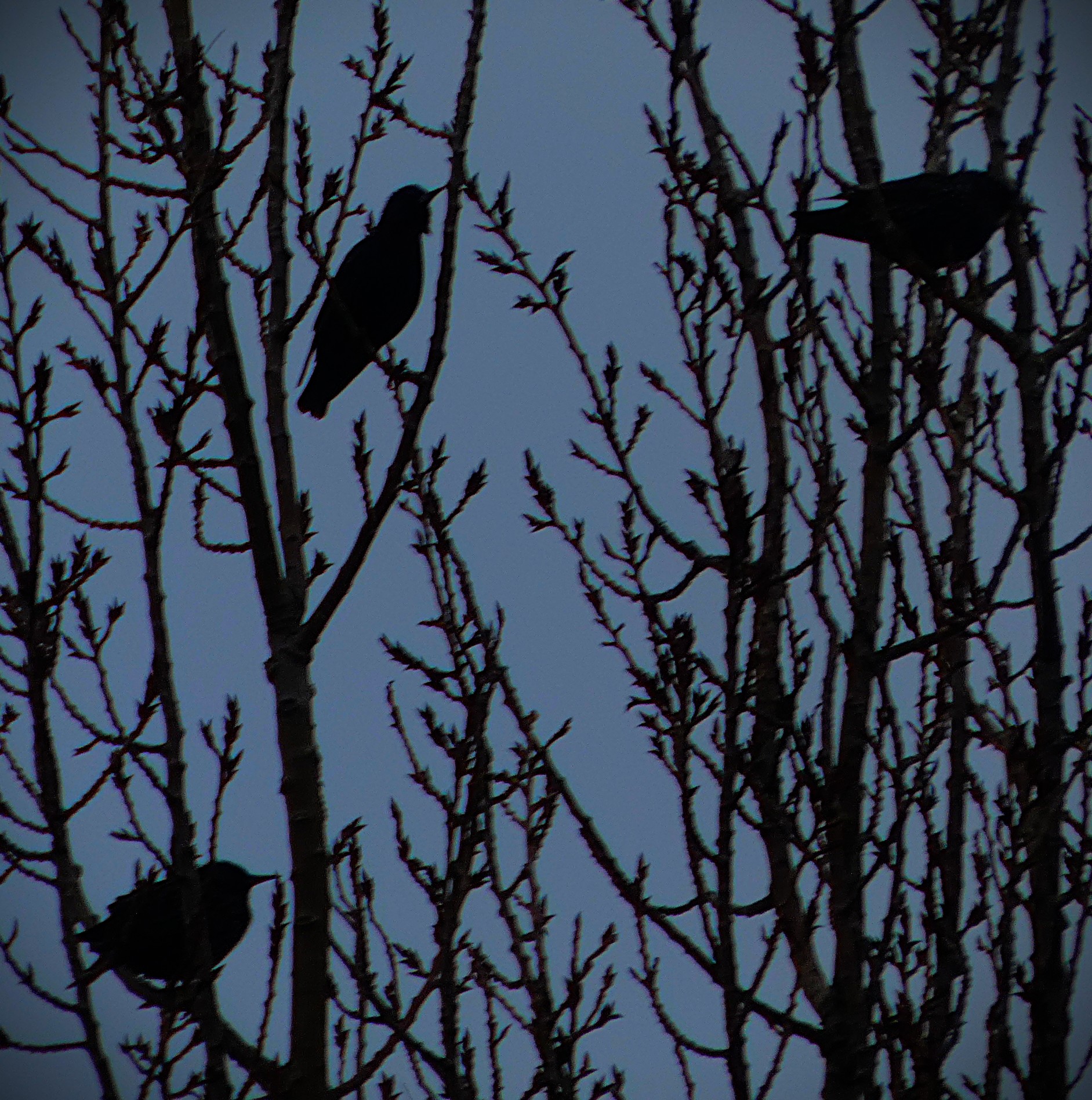
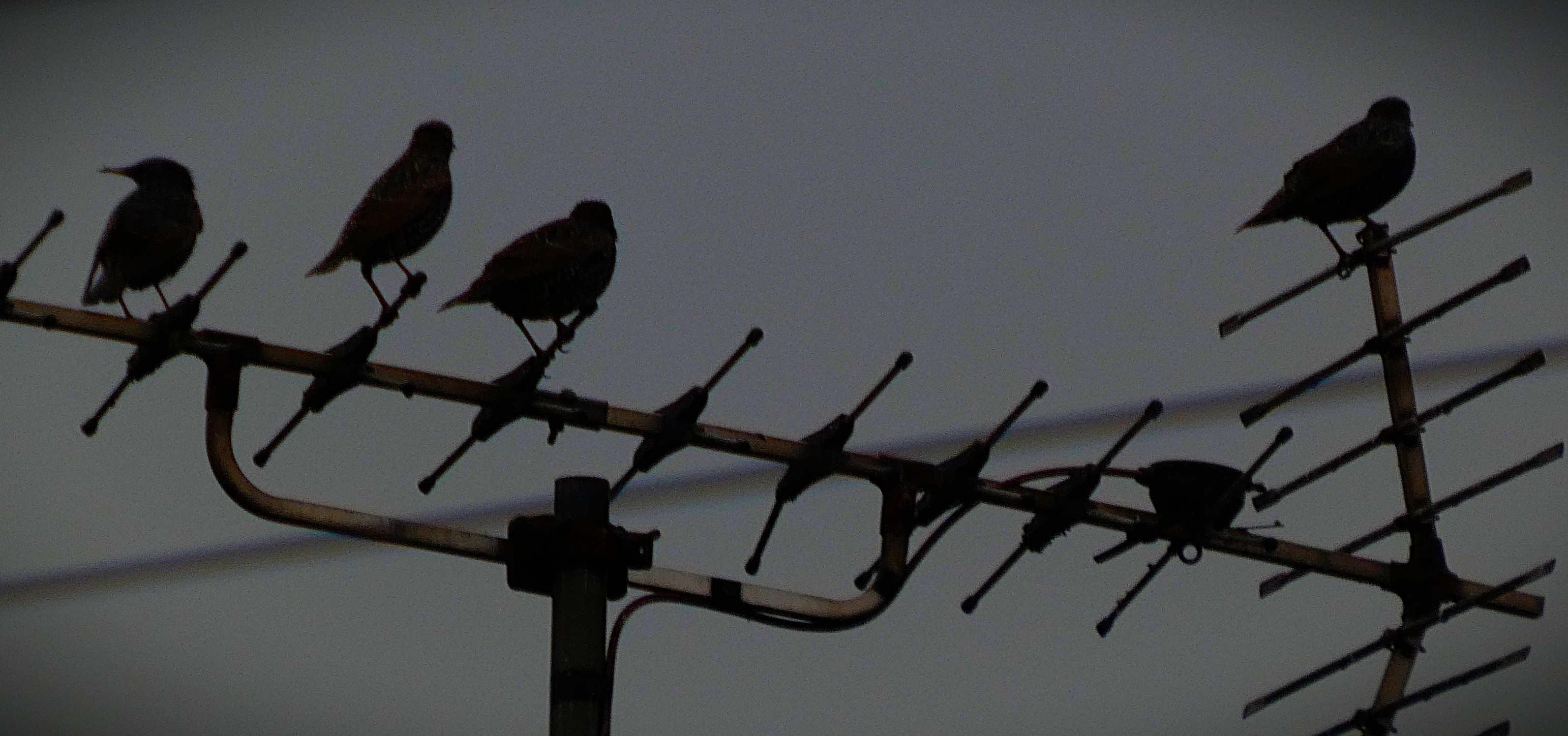
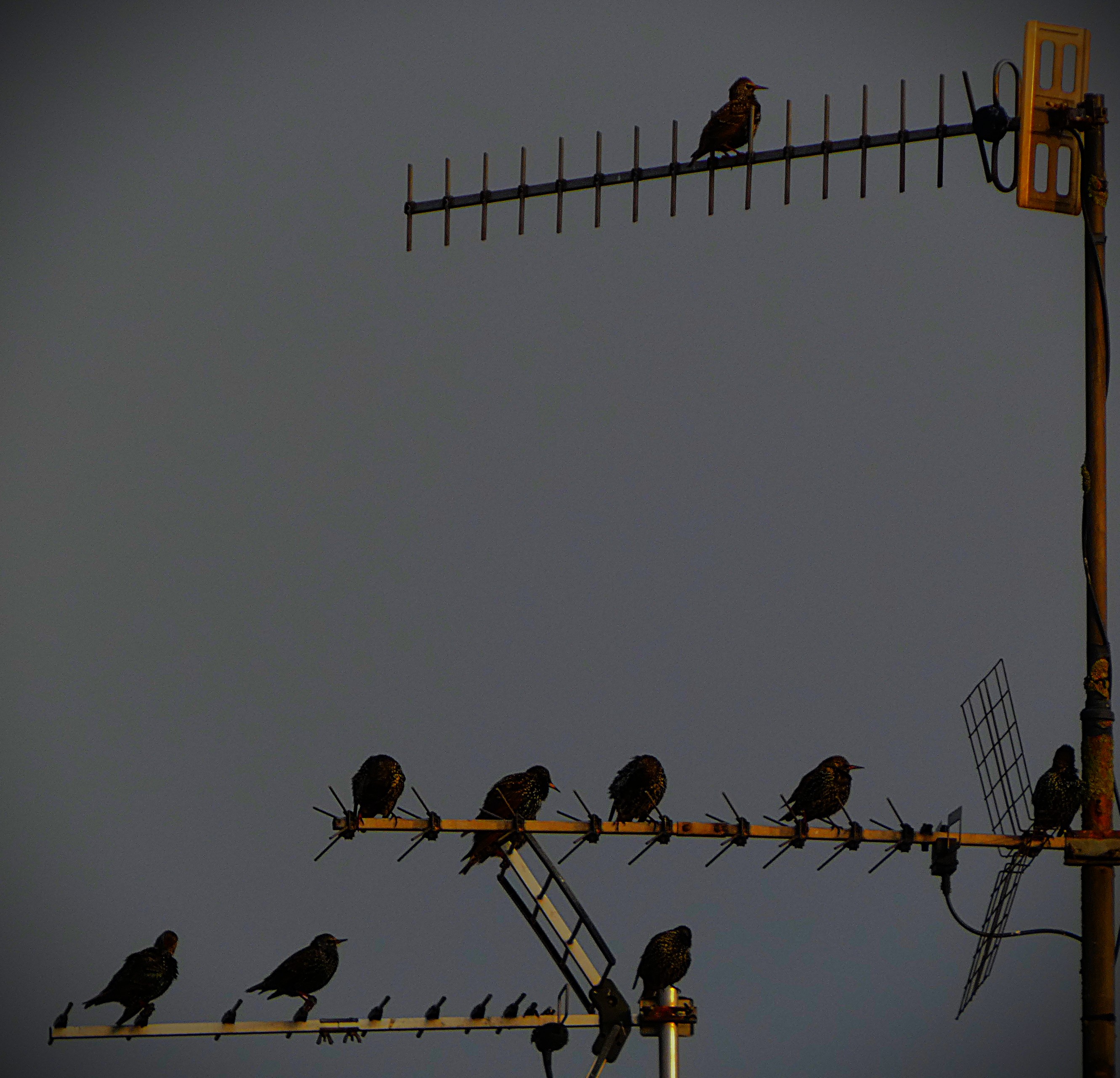
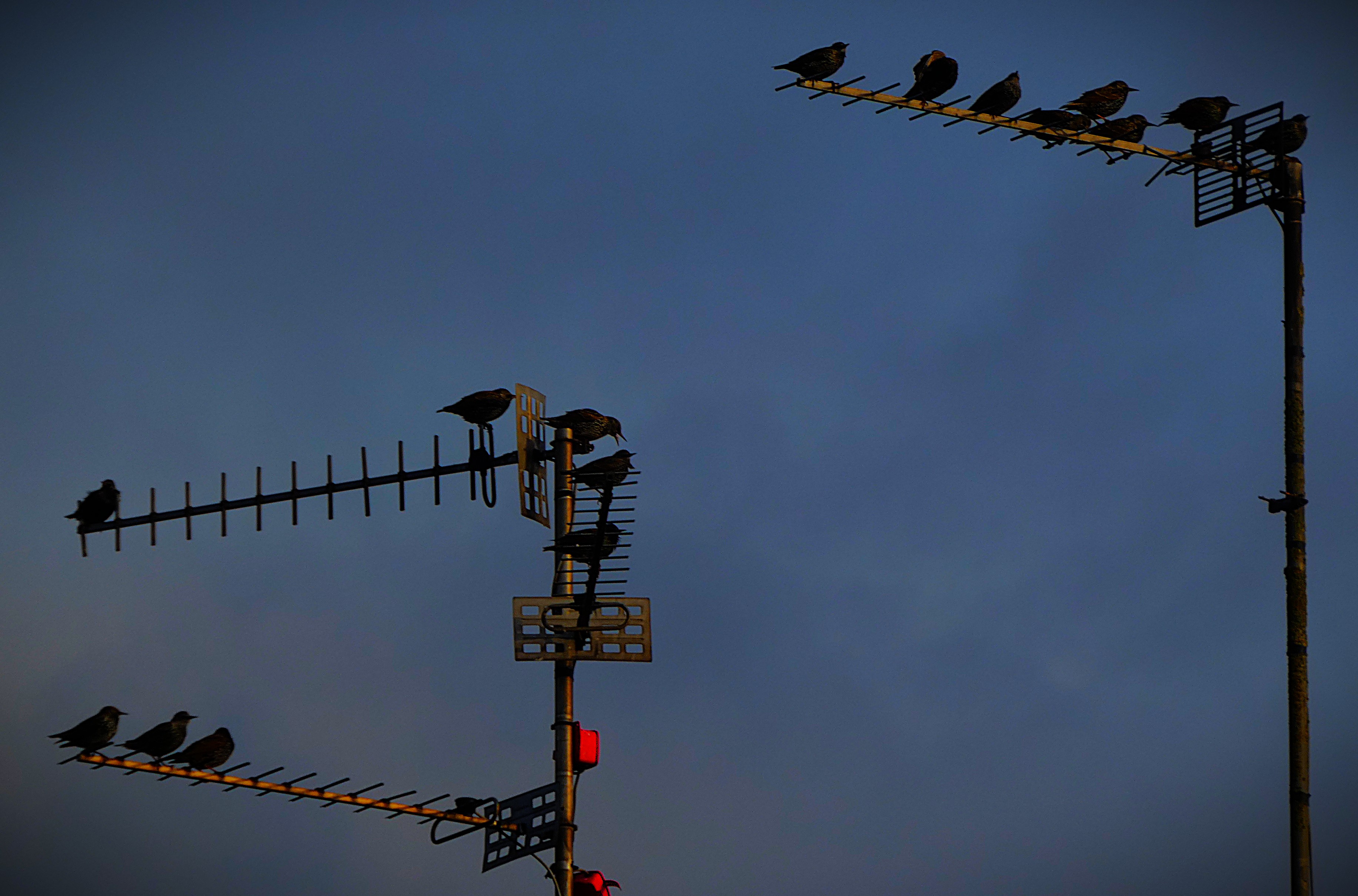
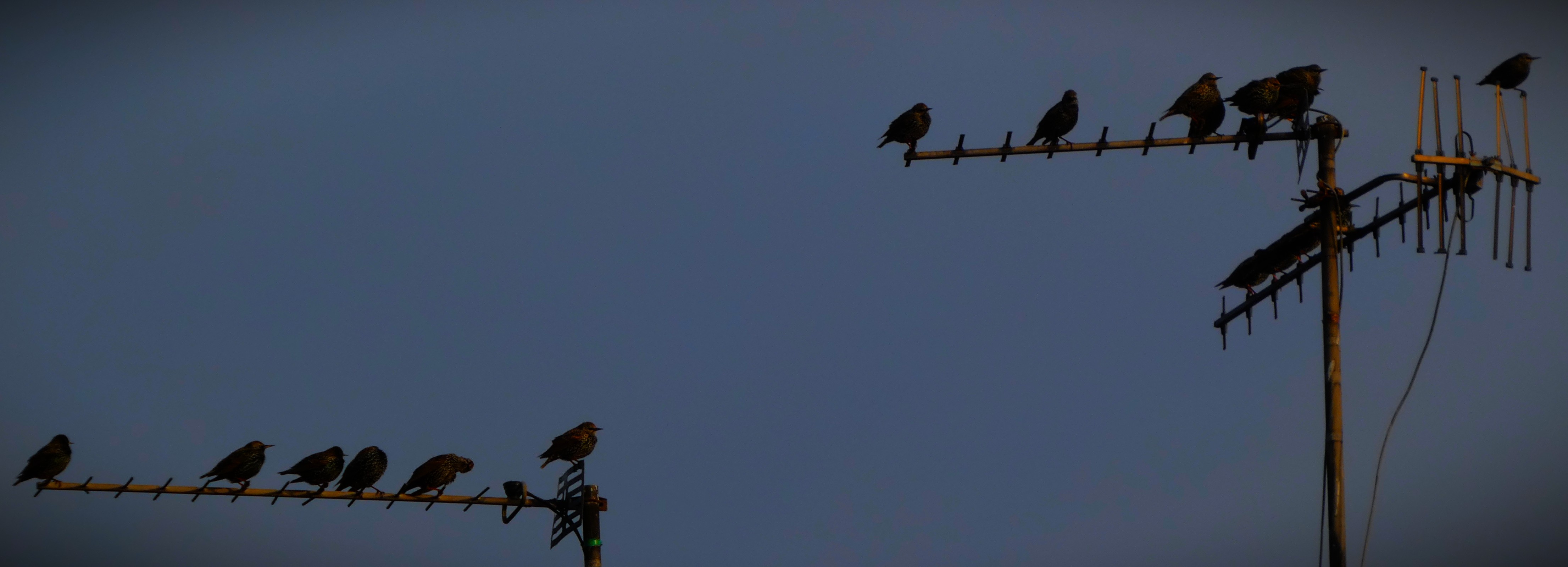
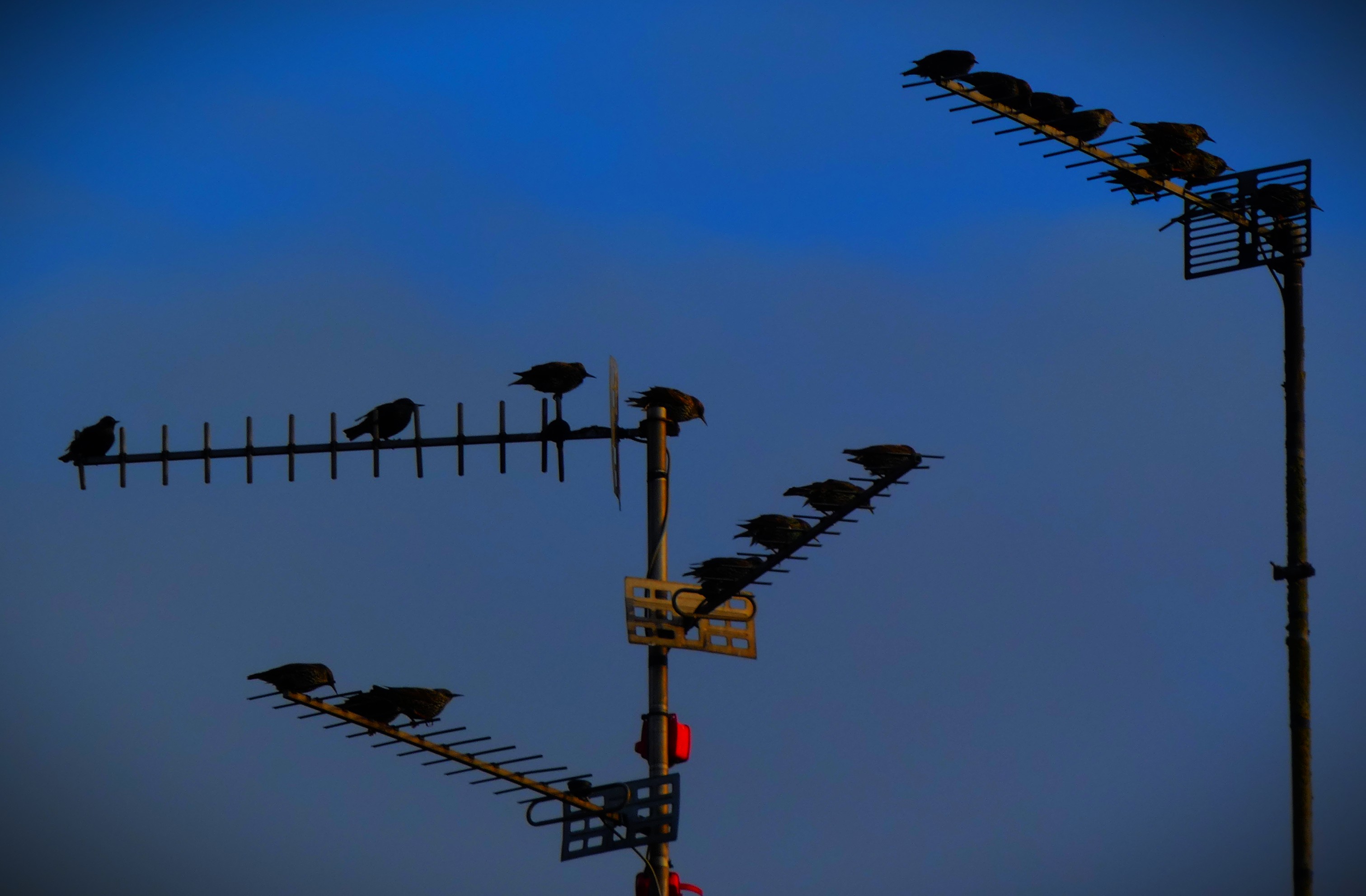
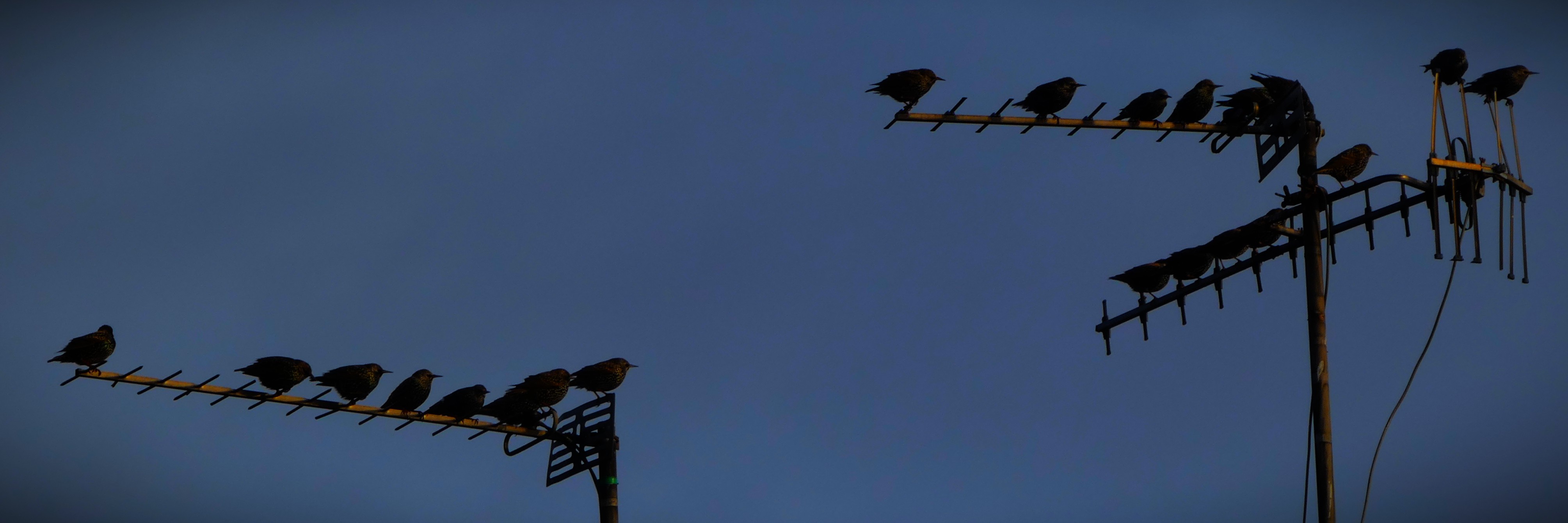
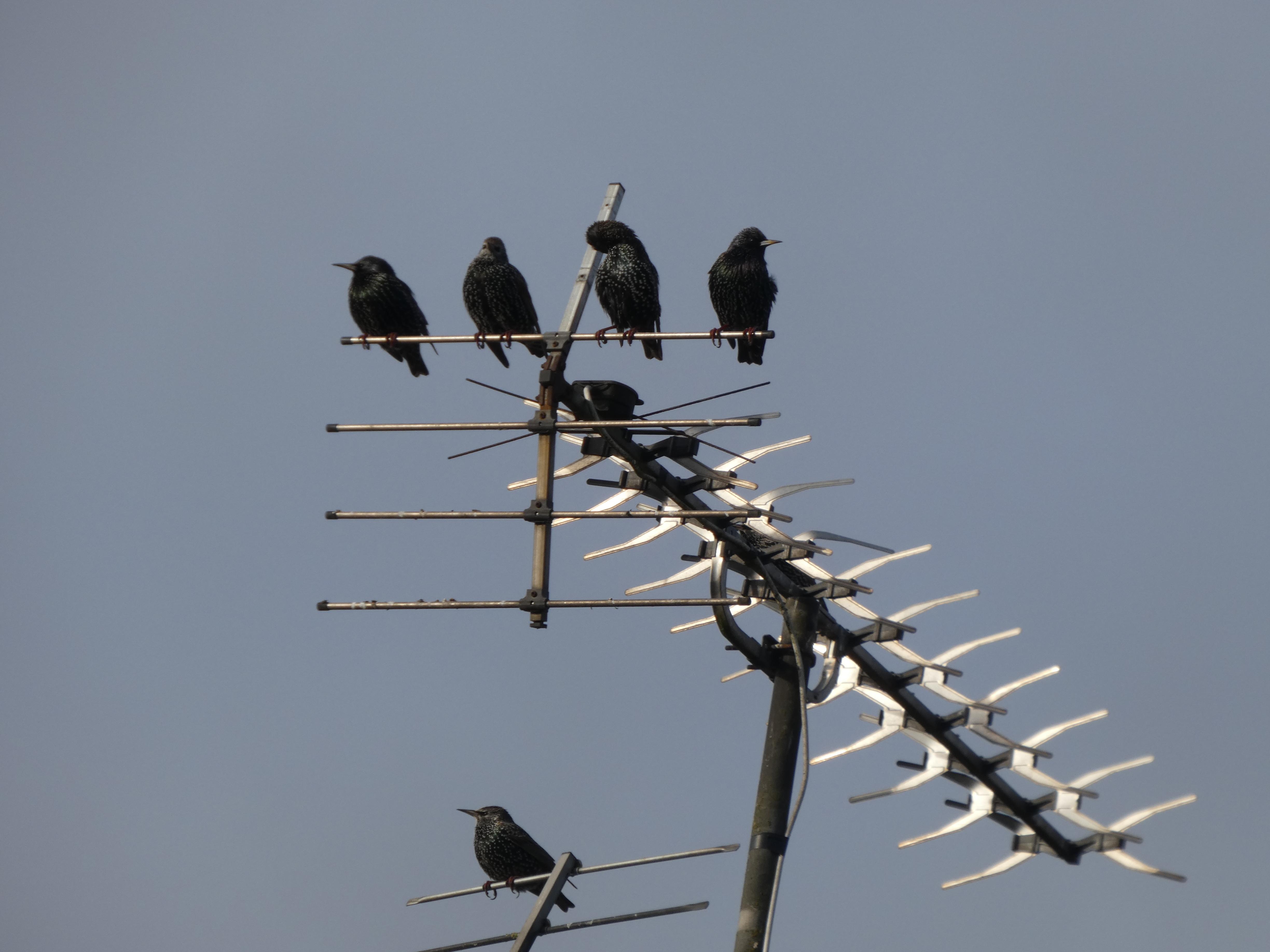
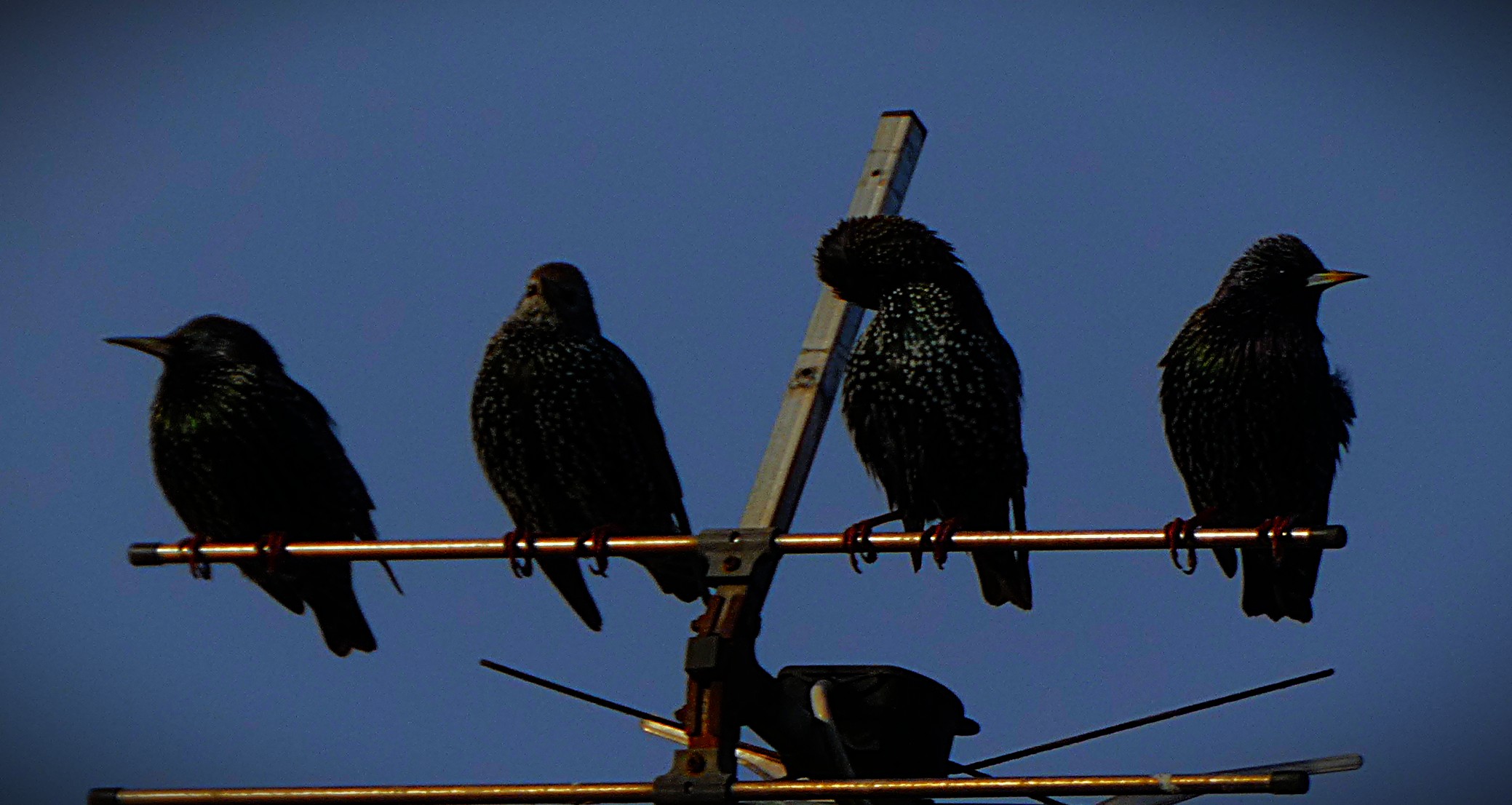
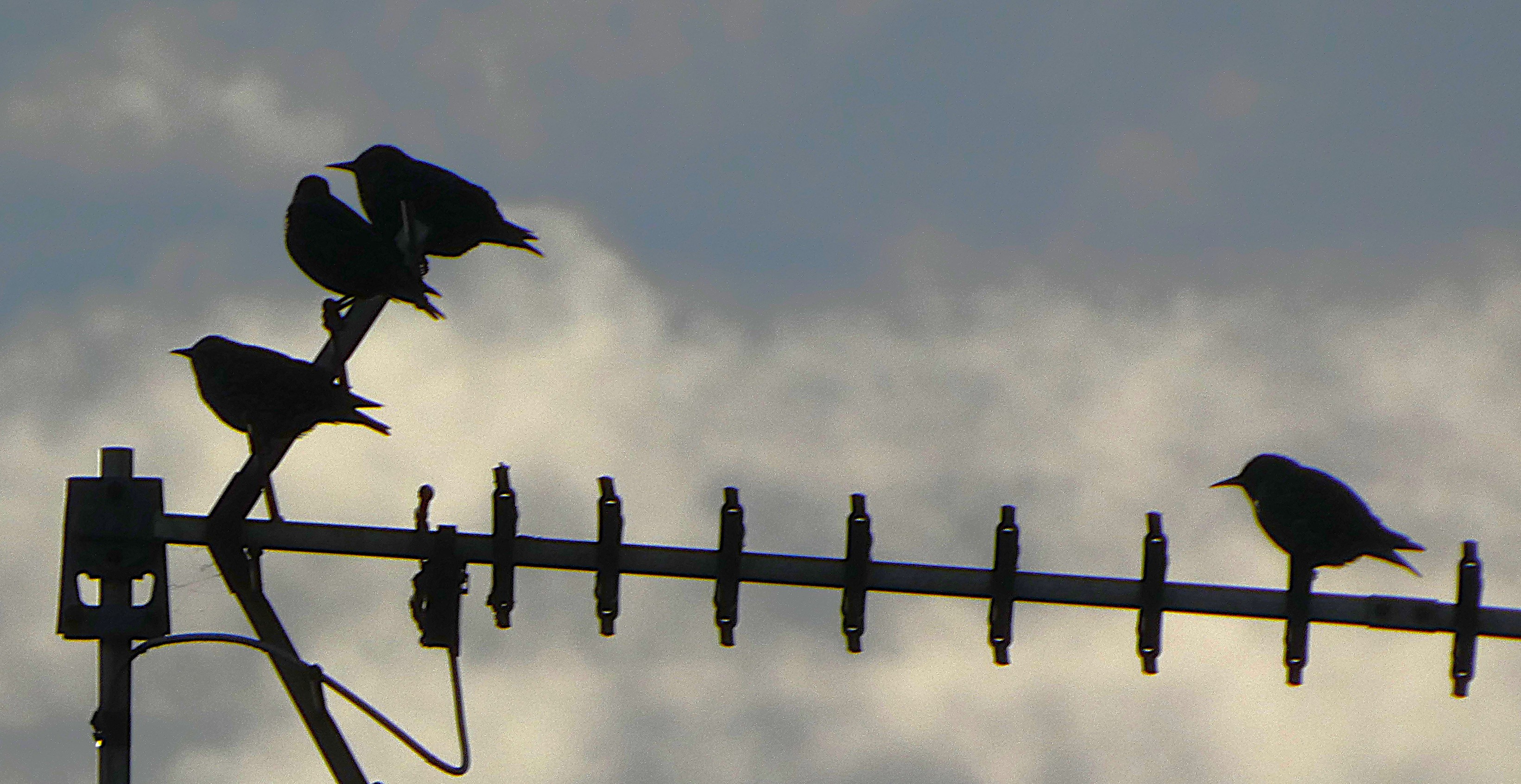
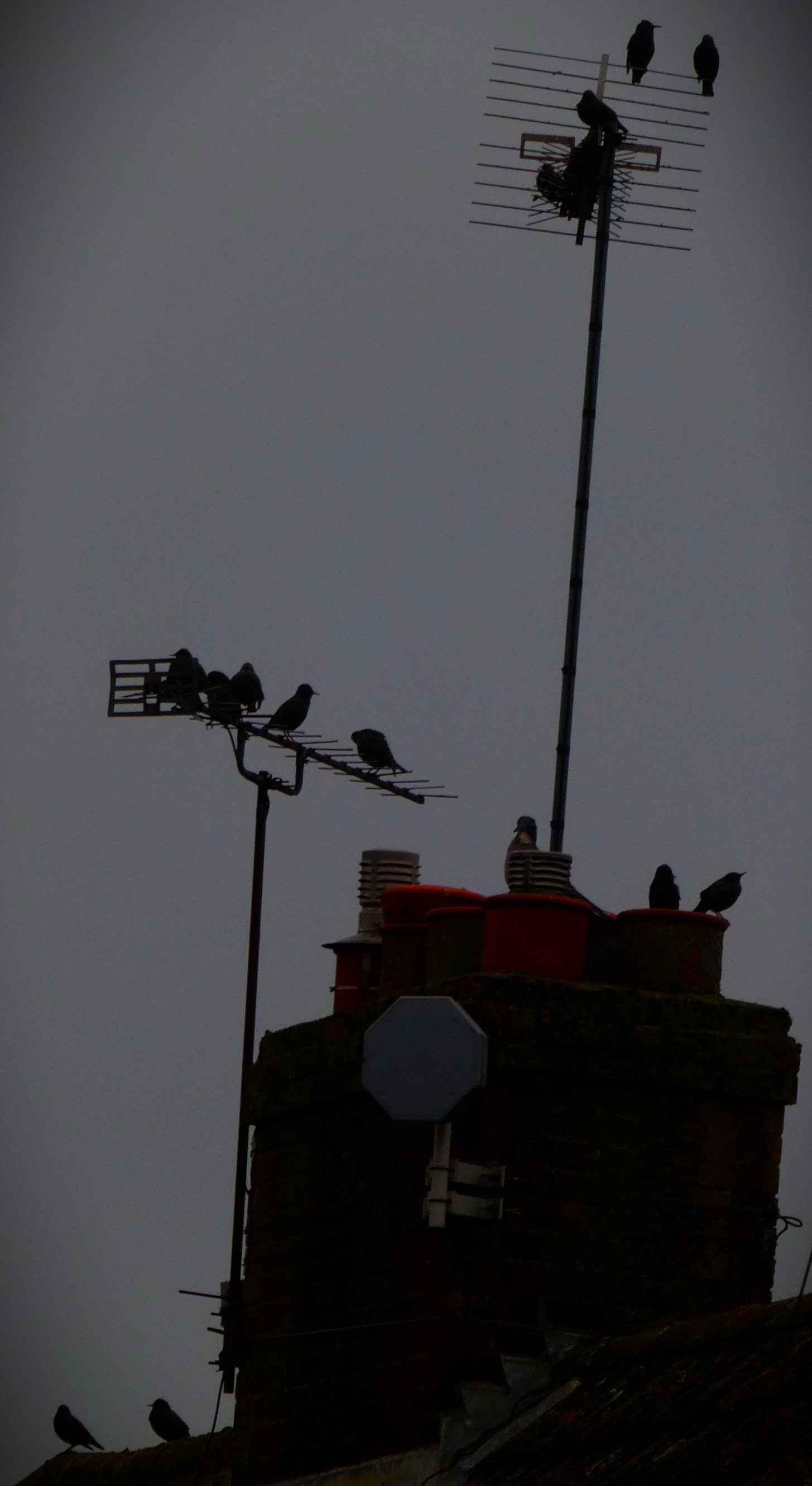
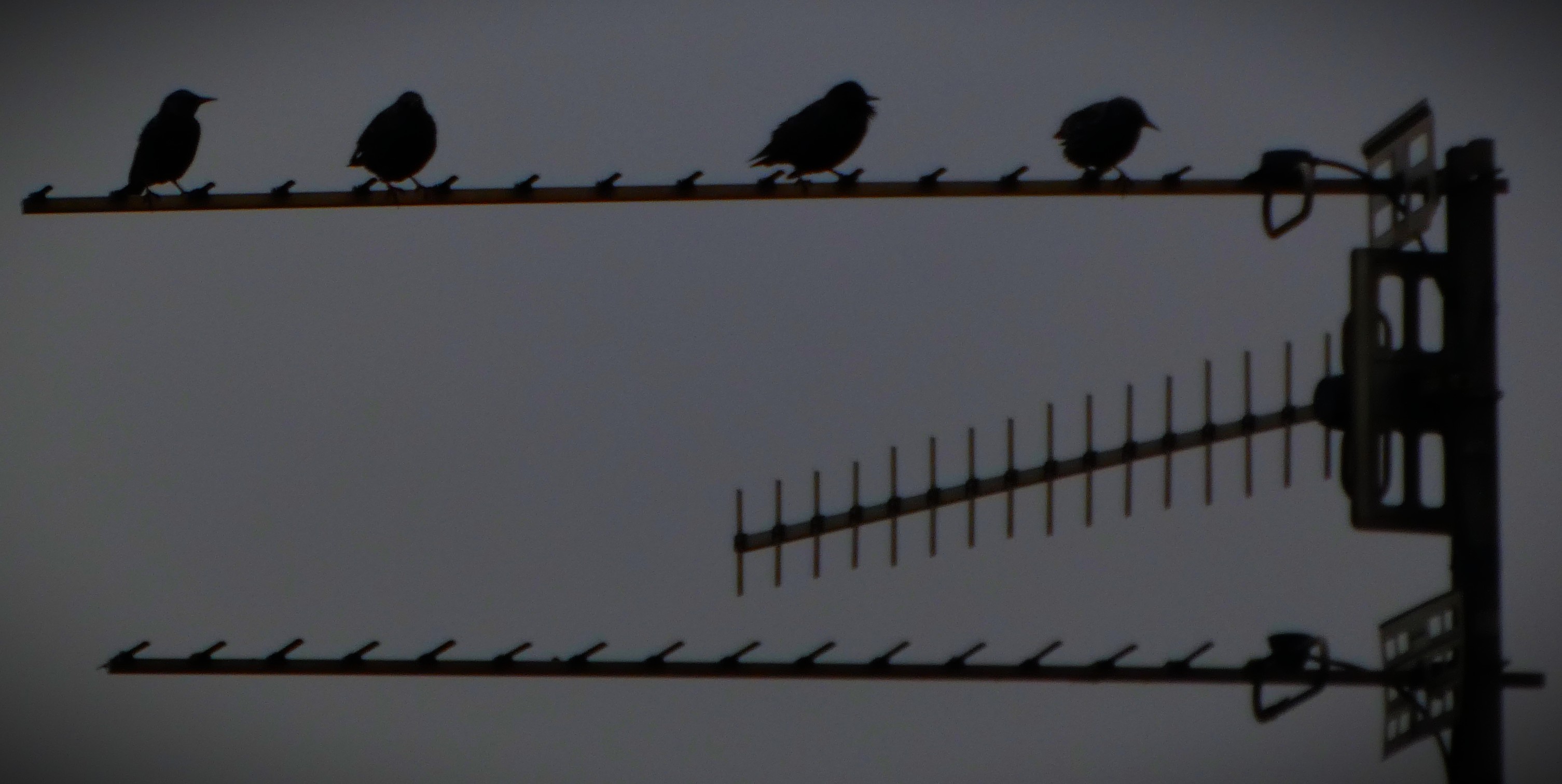
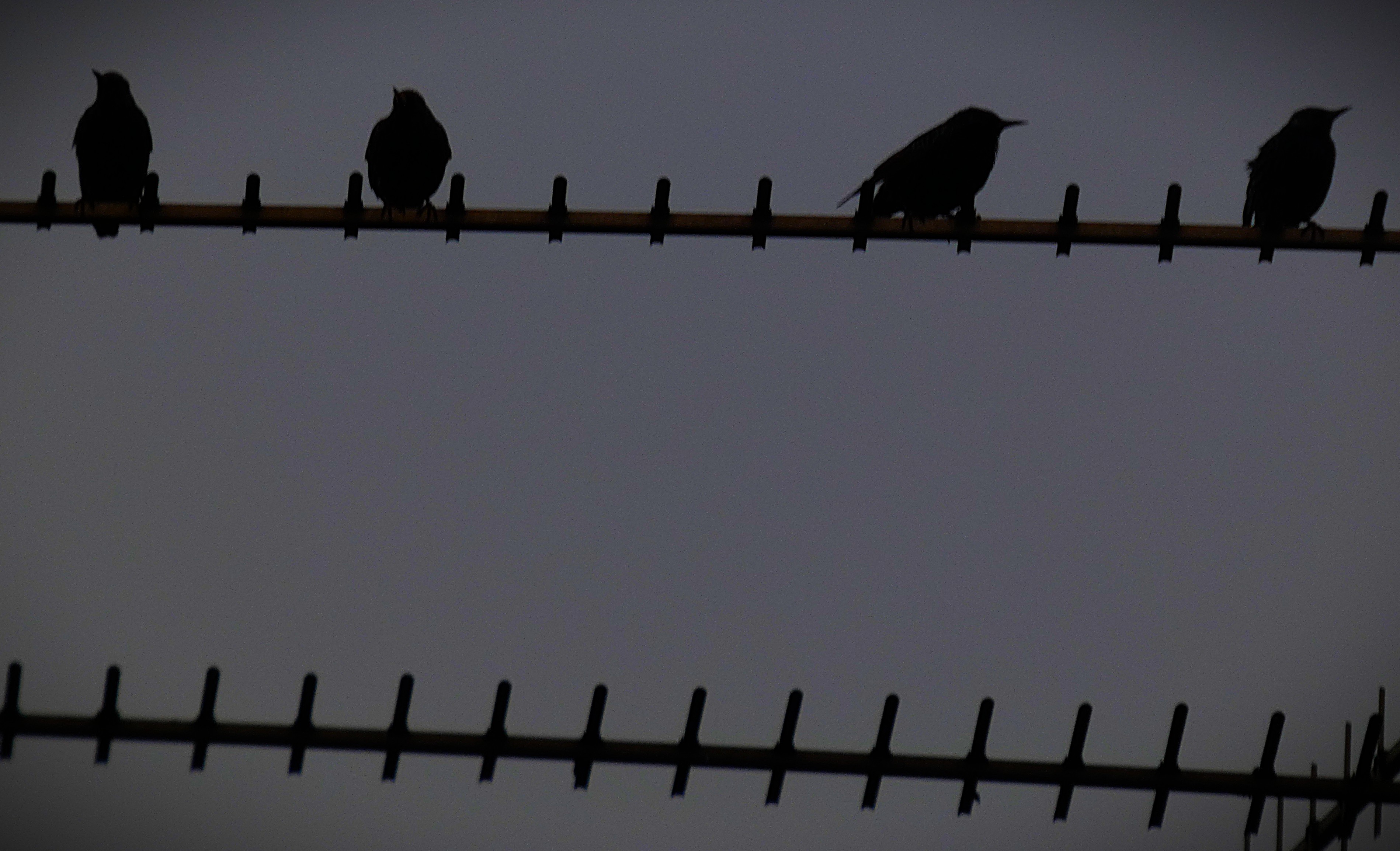
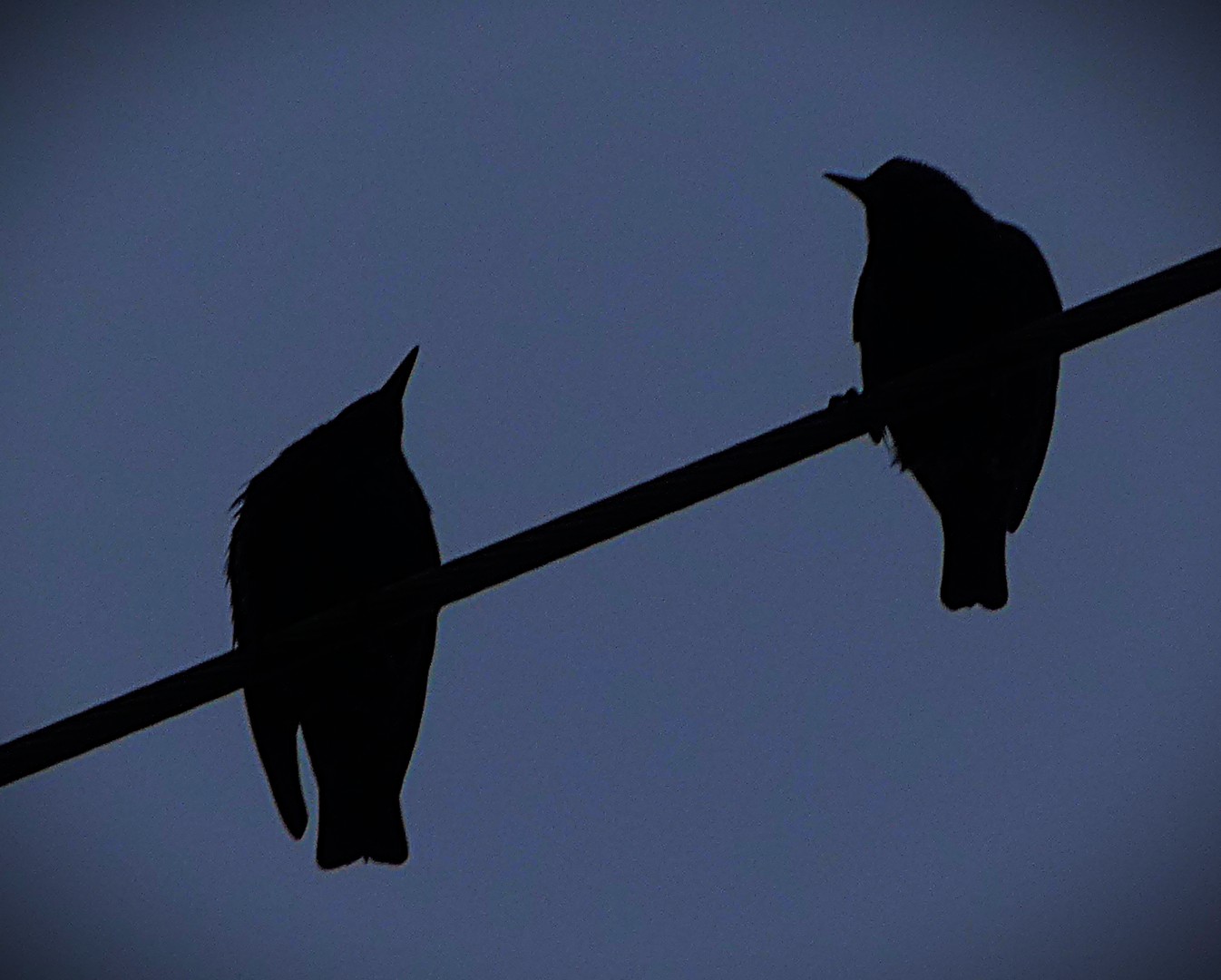
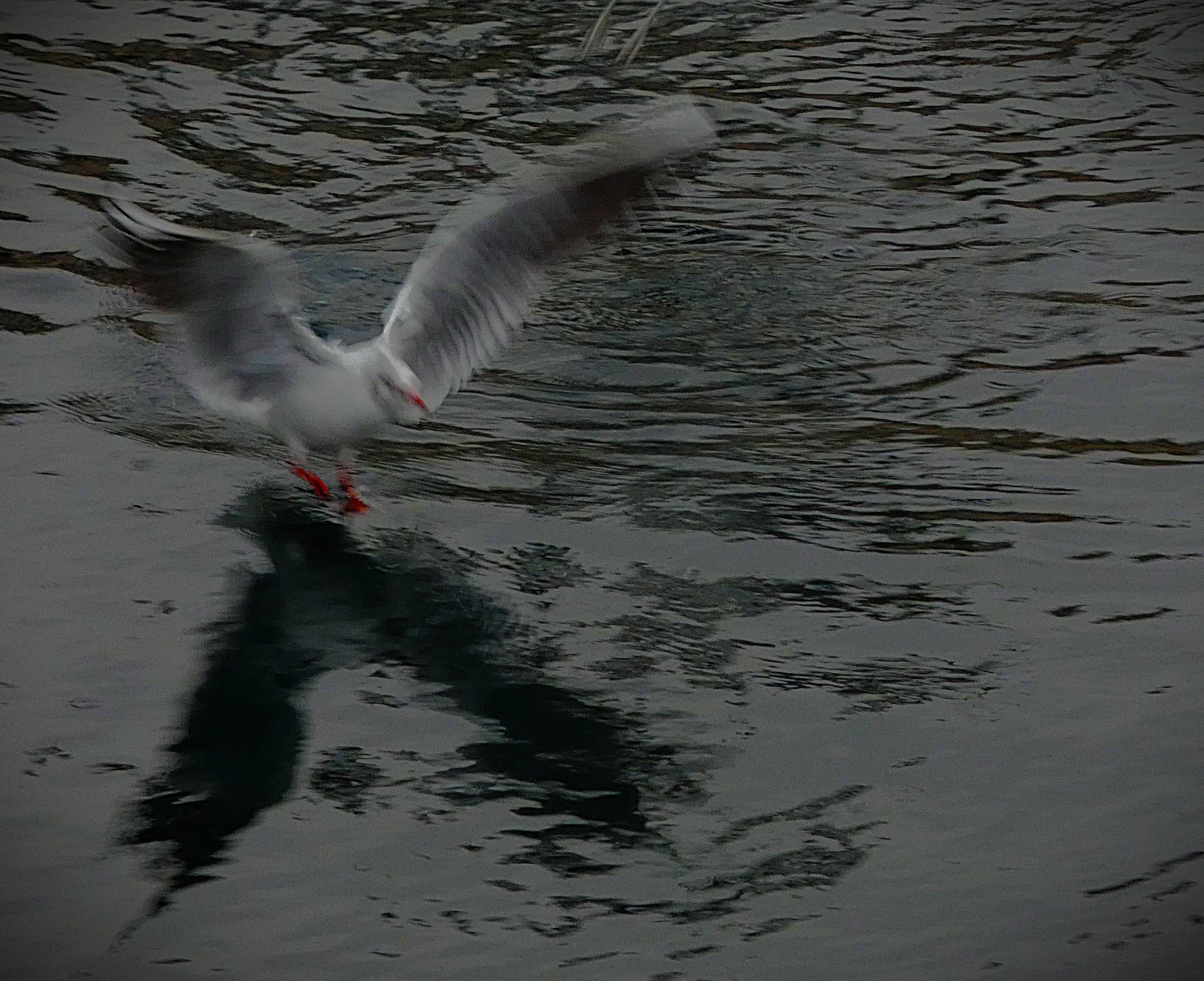
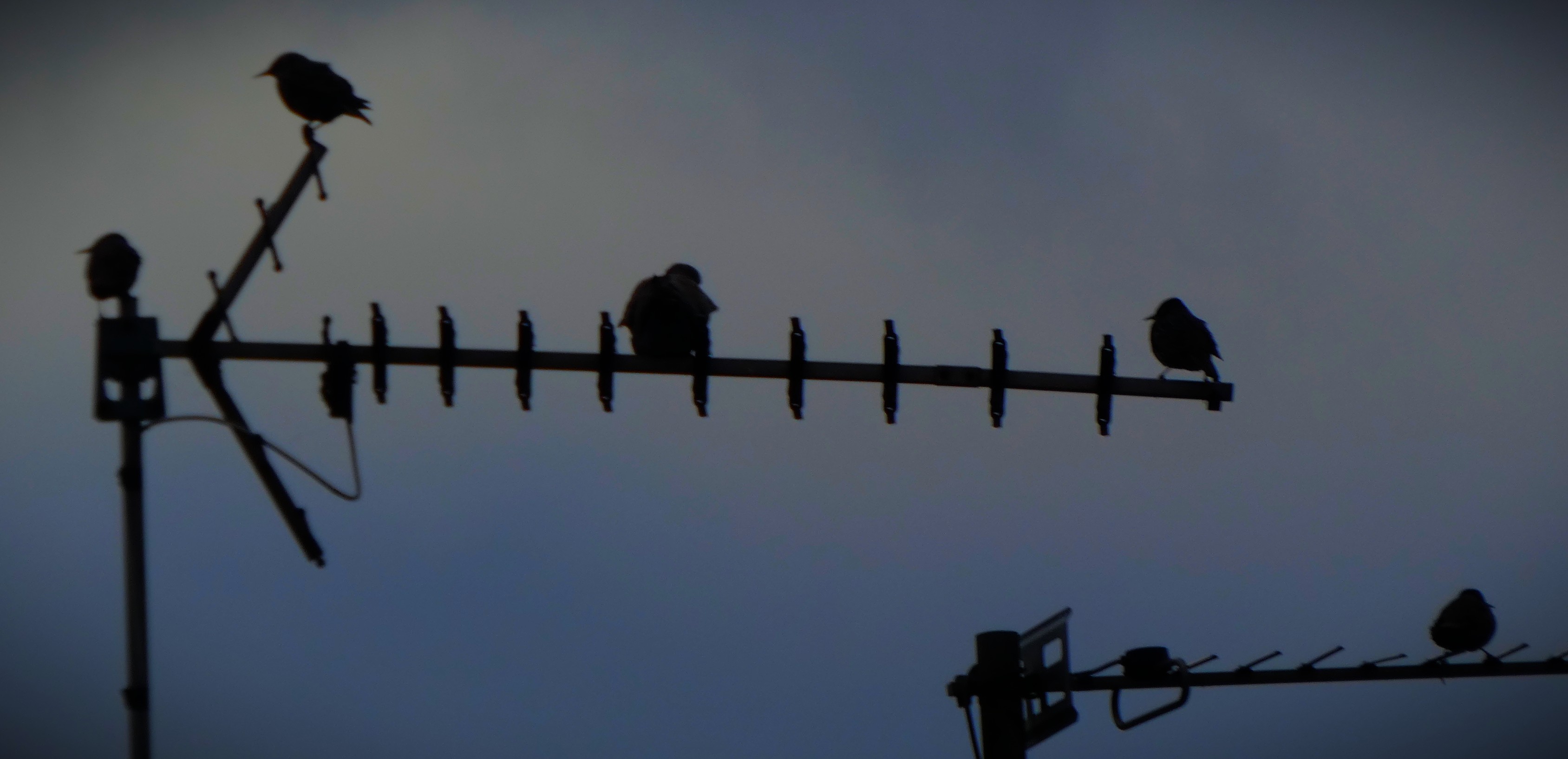
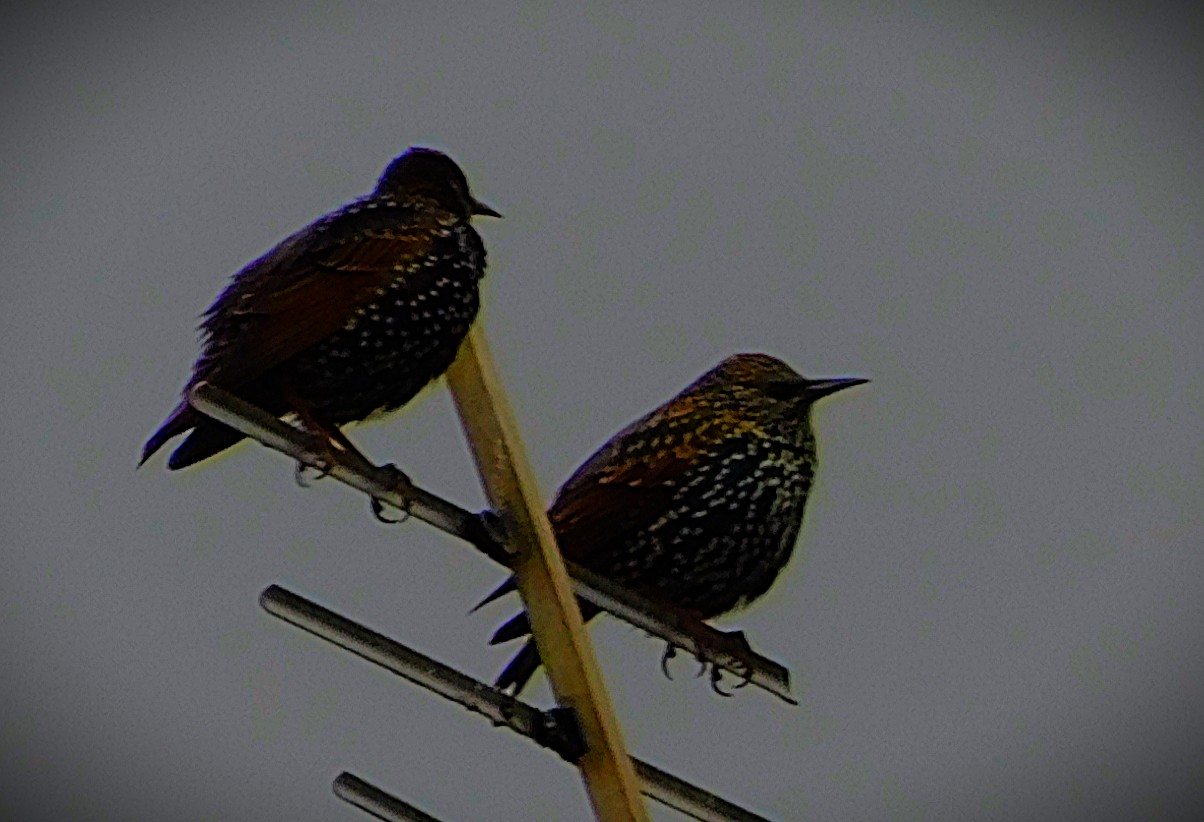
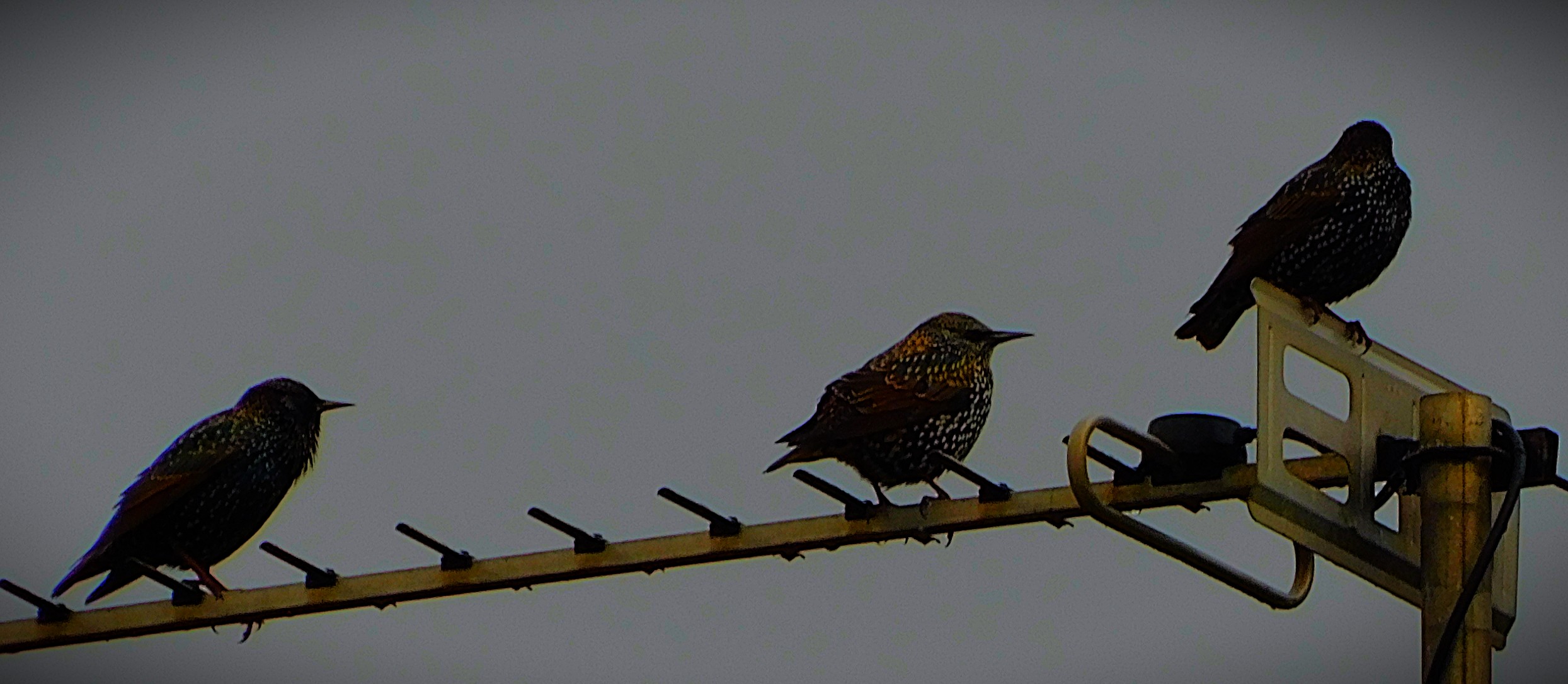
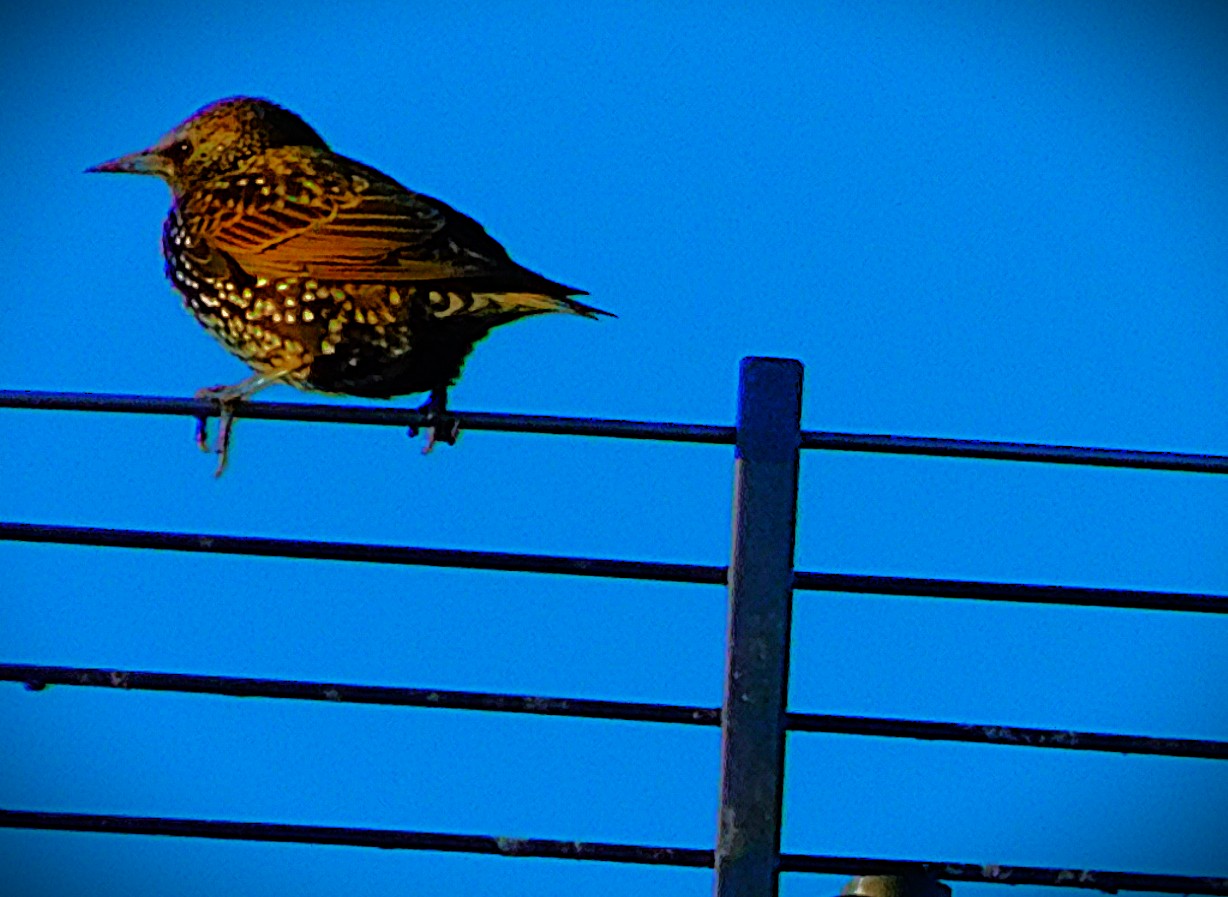
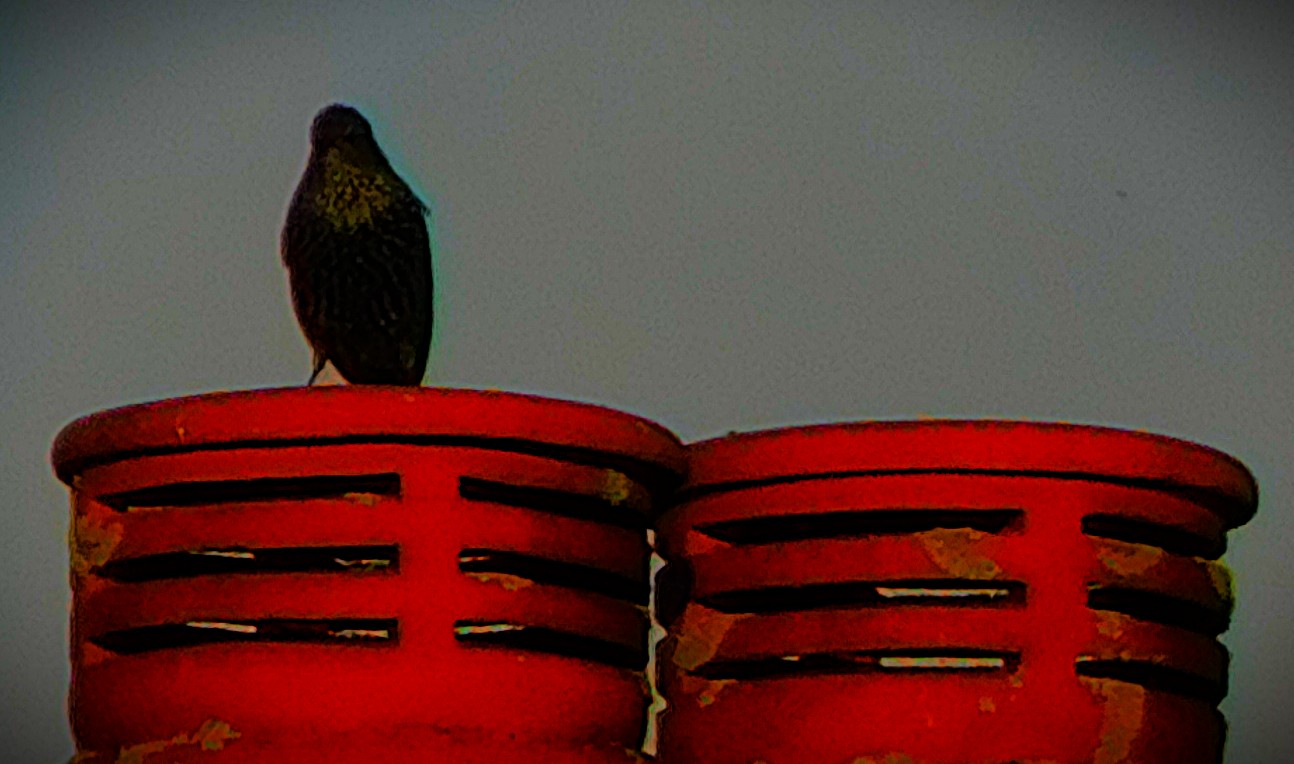
This picture and the next show mute swans demonstrating that their huge size does not prevent them getting airborne.These starlings are not nesting in a particularly elaborate set of antlers! This is the topmost part of a tree canopy that at this time of year is devoid of any foliage.
With England down but not yet officially out in the current Ashes series I have delved into some previous Ashes series where sides have rebounded from difficult positions. Also a photo gallery.
With England currently 0-2 down in an Ashes series this post looks at sides who have started Ashes series badly and rebounded.
1894-5
This one did not quite come off, but England won the first two matches of the series, Australia won matches three and four, and England needed almost 300 in the final innings of the series. A magnificent 140 by Jack Brown was chiefly responsible for England winning by six wickets.
1911-12
England lost the opening match of this series partly because Johnny Douglas, captaining due to Pelham Warner being struck down by illness gave himself the new ball ahead of Syd Barnes. Subsequently Douglas visited Warner in hospital and Warner told Douglas that he must give the new ball to Barnes. Douglas listened, and England won all four of the remaining matches. Barnes took 34 wickets in the series and the other new ball bowler, Frank Foster a further 32.
1936-7
This is at the moment the only ever instance of a side coming from 0-2 down to win a five-match series. Don Bradman made huge scores in each of the last three test matches, the first of them after he had outwitted England skipper Gubby Allen. Allen declared with England a long way behind to get Australia back in on a spiteful pitch, Bradman countered by sending tail enders in to play and miss, and by the time Bradman emerged at number seven to join Jack Fingleton the pitch was playing easier, and this sixth wicket pairing of a regular opener and a regular number three put on 346 together to effectively seal the result.
1954-5
England were routed in Brisbane by an innings and 160 runs, and young fast bowler Frank Tyson was among the most severely punished of their bowlers when Australia responded to being inserted by Hutton by racking up 601-8 declared. Tyson reduced the length of his run after that match by way of an adaptation to Australian conditions, and he was virtually unstoppable for the rest of the series, as England won the second, third and fourth matches to retain the Ashes won in 1953, and then had the better of a rain ruined draw in the final match.
1981
England lost the series opener at Trent Bridge, the second match at Lord’s was drawn, and its aftermath Ian Botham resigned the England captaincy, just beating the selectors, who had also concluded that change was necessary, to the punch. In the third match of this six match series, at Headingley, Australia scored 401-9 declared, bowled England out for 174 and enforced the follow-on (it was vanishingly rare for captains who had the opportunity to do so to forego it in those days), and at low water mark England were 135-7, still 92 short of avoiding the innings defeat. Ian Botham and Graham Dilley then put on 117 in 80 minutes for the eighth wicket, Chris Old helped the ninth wicket to add a further 67, and even Bob Willis stayed while 37 more runs were accrued. That gave England a lead of 129. Ian Botham at this point had in order contributed 6-95 with the ball, 50 with the bat and then 149 not out with the bat. At first wickets were slow to come in the Australian second innings, but just before lunch on the final day Brearley put Willis on at the Kirkstall Lane end for a last chance to revive a test career that seemed over. In the run up to the interval Willis struck three times, removing Trevor Chappell to make it 56-2, and then Kim Hughes and Graham Yallop to catches by Botham and Gatting respectively with the score at 58. Suddenly, England had the momentum, and Australia had 40 minutes to stew over the realisation that the job might not be done just yet. It was Chris Old who struck first in the afternoon session, bowling Allan Border to make it 65-5. Then Dyson took on a short ball from Willis and gloved it through to keeper Bob Taylor to make it 68-6. Rod Marsh tried to go big against another short ball, and Dilley at deep fine leg did well to complete the catch and stay inside the boundary. That was 74-7, and one run later Geoff Lawson was caught behind. Lillee and Bright added 35 together in just four overs, before Lillee miscued a drive and Gatting took a diving catch to dismiss him. Chris Old dropped two chances at third slip off Botham, but Willis produced a perfect yorker to castle Bright and give England the win by 18 runs. Willis had 8-43 from 15.1 overs and his test career was back on track. There were moments at both Edgbaston and Old Trafford, the next two matches, when Australia seemed to have chances, but another fourth innings batting collapse cost them at Edgbaston, and a spectacular innings by Botham slammed the door on a potential recovery at Old Trafford, so in a few weeks England went from staring down the barrel of a 0-2 deficit after three matches to an unassailable 3-1 lead after five.
2005
England lost the series opener at Lord’s. At Edgbaston Glenn McGrath trod on a stray ball and crocked an ankle, Ricky Ponting refused to change his plan to bowl first even though he had just lost the man most likely to make such a plan work and had in his ranks the best fourth innings bowler in the world. Brett Lee and Michael Kasprowicz nearly saved Ponting’s blushes on the final day with a last wicket stand that took Australia to within touching distance of victory, but England won by two runs. The next match at Old Trafford was drawn with Australia nine down, and a recovered McGrath at the crease with Lee as Australia just hung on. They then made the mistake of allowing themselves to be seen celebrating having escaped with a draw. At Trent Bridge Simon Jones destroyed the Australian first innings with 6-53, enabling England to enforce the follow-on. Jones then suffered an injury which saw him sent to hospital for x-rays. Gary Pratt of Durham, not even sure of his place in his county first XI, stood in as substitute fielder, and produced a direct hit throw that ran out Ricky Ponting, who had an epic meltdown on his way back to the pavilion (for the record Jones, then in hospital, would as it happened never play for England again). England in the end needed 129 to take a 2-1 lead, and made very heavy weather of this target. Ashley Giles and Matthew Hoggard eventually saw England to a three-wicket win and a 2-1 lead in the series with one match to play. At The Oval there were several weather interventions, and it was Kevin Pietersen, whose debut had been in the first match of the series, who ensured that England would retain the Ashes, scoring 158 on the final day to leave Australia a chase that would have been impossible even had the weather not intervened once again.
A look at the events in Brisbane today, Player Ratings and a some suggestions for Adelaide. Also a photo gallery.
When play started on day four in Brisbane England were in as big a man-made hole as you could find outside Kimberley, South Africa. This post looks at their efforts to escape, makes suggestions for changes for Adelaide and provides player ratings for both sides.
THE REST OF THE ENGLAND INNINGS
England resumed on 134-6, 43 short of making Australia bat a second time. Many were probably not betting on the game being in progress even until the first interval, but in the event England did not lose a wicket in the whole session, Ben Stokes and Will Jacks knuckling down and batting sensibly, marking a welcome change of policy from England. The pair kept going after the interval, and it took a brilliant piece of fielding by Steve Smith to break the partnership, catching Jacks for 41 off Michael Neser. Stokes reached 50 before Neser also got him, with a good ball that produced an edge to Carey. Gus Atkinson’s dismissal was disappointing, taking on a hook shot with seven fielders stationed on the leg side. Unsurprisingly he picked one of them out. Carse and Archer added a few runs before Carse became Neser’s fifth victim of the innings, caught by Steve Smith who passed Rahul Dravid’s all time record for test catches as a fielder (Dravid’s overall tally is still ahead of Smith’s because he played a few matches as wicket keeper). England had reached 241, an advantage 20 runs less than had ever been successfully defended in a test match fourth innings (The Oval 1882, the match that led to the creation of The Ashes, when England were 77 all out to lose by seven runs), but rather better than had looked possible when wickets were being thrown away willy-nilly yesterday.
THE AUSTRALIAN CHASE
Gus Atkinson managed to account for Head and Labuschagne before the inevitable happened. Steve Smith played an explosive cameo at the death, recording 23 not out from nine balls to finish the job for Australia. Jofra Archer was the other bowler used by England, and while quick he was not terribly effective. He also got into a verbal tussle with Steve Smith, which given how the match had gone can only be considered to be as ill-judged as it was unappealing.
PLAYER RATINGS
Zak Crawley – 6. Two decent contributions, but two poor dismissals, and for a test match opener 76 and 44 cannot be considered stellar.
Ben Duckett – 2. Two poor scores, two chances dropped in the field but he was the only one of the six English batters dismissed yesterday to get a good ball rather than tossing his wicket away.
Ollie Pope – 3. A duck in the first innings, 26 in the second, both dismissals quite appalling, and the second triggered a batting collapse in which 90-1 (immediately before he was out) became 128-6.
Joe Root – 8.5. A magnificent undefeated century in the first innings seemed to have given England real hope, but he gets debited for being part of the collapse in the second innings.
Harry Brook – 3. He scored 31 in the first innings and 15 in the second, but both his dismissals were disgraceful.
Ben Stokes – 6. He was England’s best bowler in the first Australian innings and scored a gritty 50 in the second to salvage a measure of respectability after the collapse. On the debit side his captaincy did not merely fail to prevent the Australian first innings from getting away from England, it actually contributed to it doing so.
Jamie Smith – 3. Failed twice with the bat, and though he performed competently with the gauntlets he was quite clearly and obviously the second best keeper in this match.
Will Jacks – 5. Failed in the first innings, his bowling was of little relevance to England, but he battled hard in the second innings after many of those above him had thrown their wickets away.
Gus Atkinson – 4. Did not bowl well in the first dig, his second innings dismissal was a disgrace, even for someone who is primarily a bowler, but he did take two wickets in the final innings, and was good value for them.
Brydon Carse – 3. Emerged from a dire first innings bowling performance with a largely undeserved four-for. At one stage he was leaking runs at a rate that would have been unacceptable in T20 cricket, and though he was tighter later in the innings that is partly because the Aussies at that stage were playing for time, wanting the England second innings to begin under lights.
Jofra Archer 4. Although he was impressively quick in the final innings the best thing he achieved all match was his cameo with the bat in the first innings.
Travis Head – 4. Scores of 33 and 22 cannot be considered good work for an opener.
Jake Weatherald 6. He scored 89 runs for once out in the match (72 and 17*).
Marnus Labuschagne 5. One of many Aussies to score well in the first innings (65) but failed in the second.
Steve Smith 6. A match aggregate of 84 (61 and 23*) and some excellent fielding, but his spat with Archer in the closing stages reduces his score slightly.
Cameron Green 5. Scored 45 in the first innings, but was a bit part player with the ball.
Alex Carey 8. Batted very well for his 63, and was excellent with the gloves.
Josh Inglis 3. Selected as a specialist batter rather than a keeper, he managed 23 from number 7 before being bowled by Stokes.
Michael Neser 7. Five second innings scalps, and a solid bowling performance in the first dig as well.
Mitchell Starc 9. Eight wickets in the match, and the highest individual Australian score, 77. Given the extent to which his side bossed the match there was only one candidate for Player of the Match. He, along with the entire England batting line up for their poor play in both innings in Perth and for much of the second innings here, is the chief reason Australia head to Adelaide 2-0 up and in the box seat.
Scott Boland 7. Bowled better than his figures suggest.
Brendan Doggett 7. In statistical terms the least impressive of Australia’s specialist seamers, but he was asked on several occasions to pound the ball in short which is not the approach that won him his baggy green, and I have marked him generously in consequence.
SUGGESTED CHANGES
Ollie Pope has to go – he averages 18 against Australia, and his batting this match can only have been the product of a scrambled mind. In Adelaide extra bowling will be needed, so I would suggest that Stokes promote himself to number three. The other candidate for that slot is Jacob Bethell, but it is a big ask for a youngster to make his Ashes debut in that pivotal slot. I also cannot see how Carse can play in Adelaide, and would bring in Matthew Potts – a skilled fast-medium in support of outright quicks Archer and Atkinson, with Bashir in as spinner, and Jacks probably at six, possibly at seven with Smith moving up to six – England do not have an official reserve keeper on this tour, so he cannot be dropped. Thus my probable XI for Adelaide would be Z Crawley, BM Duckett, *BA Stokes, JE Root, HC Brook, WG Jacks, +J Smith, AAP Atkinson, M Potts, JC Archer, S Bashir. England have a huge mountain to climb – only one side has ever won a five match test series from 0-2 down, Australia in 1936-7, when Donald Bradman came up trumps in spectacular fashion, scoring 270 not out in the third match, 212 in the fourth and 169 in the fifth.
PHOTOGRAPHY
My usual sign off…
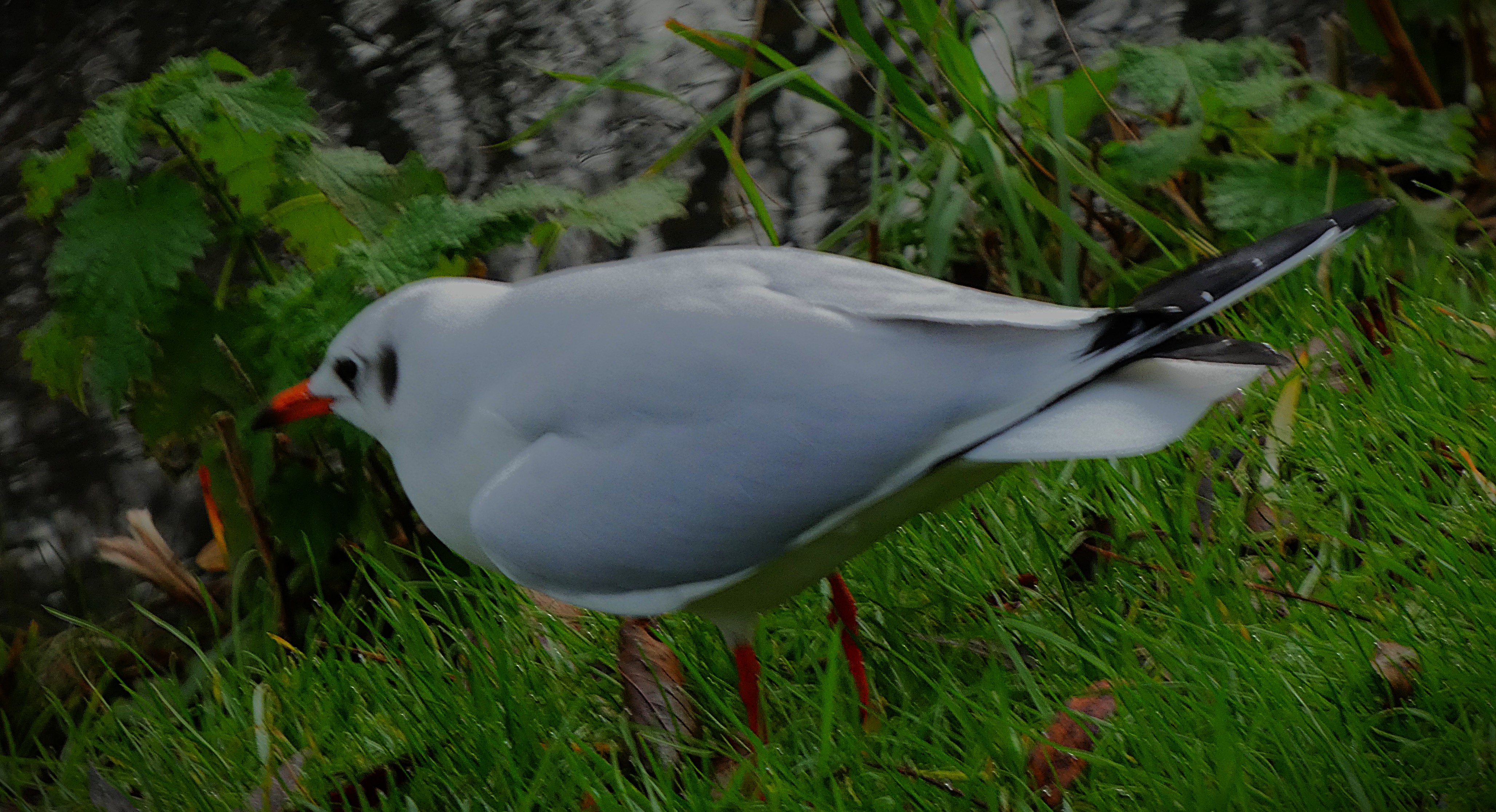
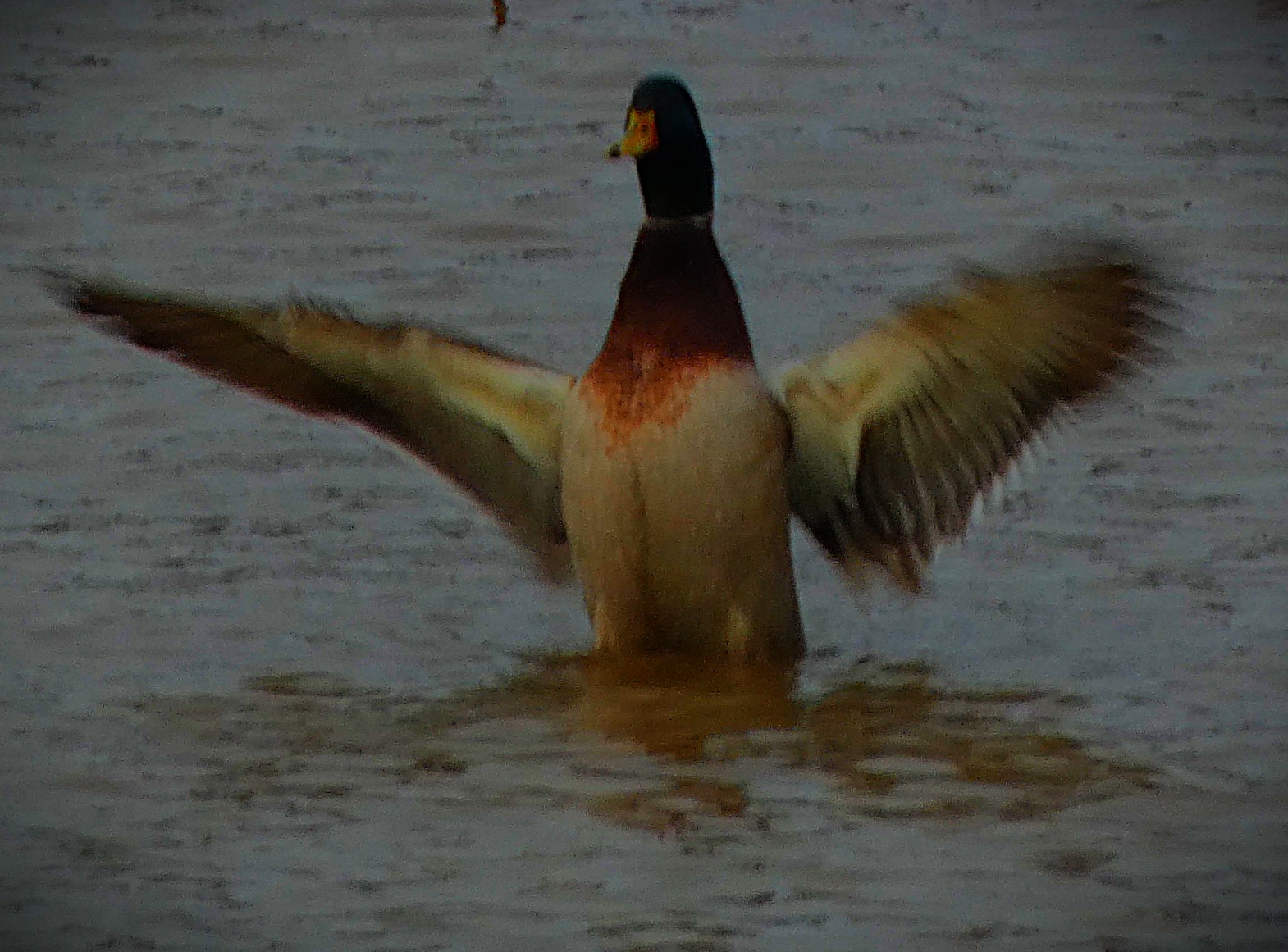
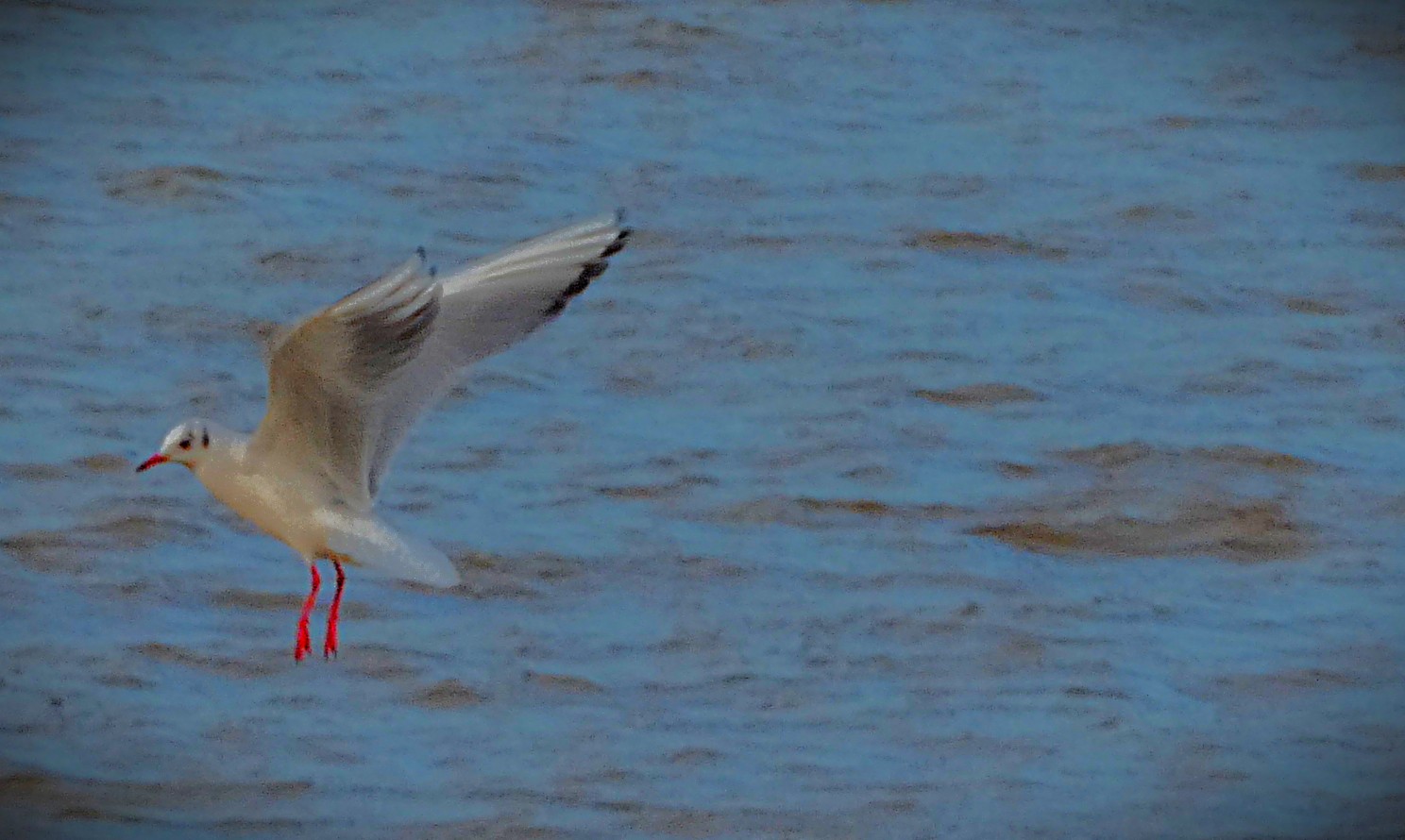
A squirrel with an item of food in its mouth.A mallard drake extends its wings, cormorant fashion.A small gull demonstrates the size of its gape.
A look at the action on day three in Brisbane and a photo gallery.
Today was the third day of the second Ashes test at Brisbane, and this post looks back at a day that has gone a long way to killing England’s hopes in this series.
EPIC FAIL 1: THE END OF THE AUSTRALIAN FIRST INNINGS
Australia resumed this morning on 378-6, 44 ahead on first innings. Only five runs had been added when Michael Neser was seventh out, and even by the time Alex Carey was eighth out, caught behind off Atkinson for 63 to the give the bowler his maiden Ashes scalp the score was 416, 82 ahead, and not yet necessarily terminal. It was at this stage that Stokes blundered badly. The ‘strategy’ of feeding the senior batter runs so that you can attack the junior batter may have something going for it, though I have never seen it definitively work and have seen it definitively fail, and I am 100% certain that when the senior batter is the opposition number nine, as was the situation it has precisely nothing going for it – attack from both ends and look to get the innings finished quickly. The chief damage done by the partnership that Stokes’ methods did nothing to prevent from happening was not actually the 75 runs that accrued, but the fact that they were together for more than a full session, pushing the start of the England innings ever closer to happening under the floodlights. Starc reached to top individual score of the innings, 77, before he was ninth out, caught by Stokes off Carse to give the latter possibly the most undeserved four wicket haul in test history. Even the last pair boosted the score by a further 20, and soaked up yet more of the daylight. England began their second innings just before the second interval, when they would have started the day hoping to be in before the first interval.
EPIC FAIL 2: A GRUESOME BATTING DISPLAY
The England second innings began quite well, with Crawley and Duckett making it through to the second interval with their stand unbroken. The first wicket was a genuine misfortune, Duckett being bowled by one that kept low to make it 48-1. However none of the subsequent dismissals could accurately be described as due either to misfortune or particularly good bowling – it was a display of rank bad batting. With 90 on the board Pope aimed a big drive at Neser and succeeded only in hitting a return catch which was duly accepted. Seven runs later Crawley was dismissed in an almost action replay of the Pope dismissal – same bowler, same type shot, same outcome. The two Yorkshiremen Root and Brook took the score to 121 before Root played loosely st Starc and edged behind to go for 15. Two runs later Brook, also on 15, drove casually at Boland and edged behind to put England five down. It got worse before the close, as Jamie Smith played yet another loose drive, this time against Starc, and Carey was once again in business behind the stumps. Stokes and Jacks made it through to the close with no further damage, but at 134-6 England are still 43 runs short of parity. By my reckoning 13 of the 16 wickets England have lost so far in this match have been given rather than being taken.
A look at the first two days of action is the pink ball test in Brisbane, and a photo gallery.
Having covered Tuesday’s auction I now turn to something else. Early yesterday morning UK tine a day-night test match got underway in Brisbane, the second match of the 2025-26 Ashes series. England had lost the first match by this same stage, so the fact that I am writing about a match that is still in progress is an improvement.
ROOT THE ALL TIME GREAT
Even before the events of this match no one seriously doubted that Joe Root was a great batter rather than merely a good or even very good one, but there were certain Aussies who would deny him the status of an all-time great because he had a blot on an otherwise stellar CV – he had never scored a test century in Australia. There seemed small chance of England having anything the celebrate when Root’s innings began – Duckett and Pope had both fallen cheaply, and the score was 5-2. Zak Crawley came back well from his pair in Perth, making an impressive 76 and sharing a century stand with Root. Harry Brook looked highly impressive in making 31, but his dismissal when he should have gone on to a properly big score was a shocking one, not just because the shot was one he should never have taken on, but because he did so against Starc, the only genuinely dangerous bowler Australia had. Stokes gave Root some support but got out before long. That brought Jamie Smith, facing a pink ball for the first time in his professional career (apparently it was not worthwhile to send him, and others in the same boat, such as Will Jacks, in for the injured Wood – a batting all rounder who bowls off-spin in for a specialist pacer – to Canberra to play in the President’s XI match) to the crease. Smith collected a duck to put England six down, and bring Jacks to the crease. I had to leave for work at this point, but a later check confirmed that Root, in the 70s when I left, had finally scored that first century on Aussie soil and removed any possible doubt about his status as an all time great. His best support after I had left came from number 11 Jofra Archer, who made into the 30s, and would be last out for 38 early this morning UK time. England amassed 334, Root with 135 not out being the person who made that total possible.
AUSTRALIA SO FAR
England produced a very variable bowling performance, and the fielding was far too fallible. Four clear-cut chances went down, Duckett culpable on two occasions to go with his duck, and Joe Root in the slips got a hand to ball that streaked away for four, though it would have been an absolute screamer of a catch had he held it. Brydon Carse took three wickets in the course of the day and had a chance shelled, but he was also absurdly expensive – at one stage he was leaking runs at a rate that would have raised eyebrows in a T20 league, and even by the end of the day he had 3-113 from 17 overs. Australia were 291-3 at high water mark, but then Green and Smith both fell to Carse very quicky. England got one further wicket in the day, but in the latter stages as they started to show obvious tiredness Australia got on top once again, ending the day on 378-6, 44 runs ahead on first innings with four wickets standing. England are not out of this yet – come the fourth innings the pitch will be very tricky, but they need to bowl well first thing tomorrow, and then bat well for the rest of tomorrow and well in to day four.
A look at events at the Manuka Oval, Canberra, where The Prime Minister’s XI have been taking on ‘An England XI’ on day one of a two-day pink ball day-night match.
A two-day match of sorts, between ‘The Prime Minister’s XI’ and ‘An England XI’ got underway at Manuka Oval, Canberra early in the afternoon local time. It is a pink ball day-night match. The ‘of sorts’ in the first sentence relates to the fact that in spite of their official teams both teams will use more than 11 players in the course of the match.
A LIMITED LOOK AHEAD
None of the players involved in the test match are involved in this game – England have a shadow squad, dubbed ‘The Lions’ in Australia and it was from them that their team was picked, while the Prime Minister’s side is a combination of promising youngsters and old stagers (the oldest being 41 year old Peter Siddle). However, there was news about Mark Wood that suggested an extra fast bowler would be summoned to Brisbane.
HOW THE PLAY WENT
The Prime Minister’s XI won the toss and batted first (incidentally Mr Albanese was not present in person to watch his side – he had a very important commitment elsewhere). Matt Potts bowled a good early spell, but gained no reward. Josh Hull, a 6’7″ left arm pacer picked on account of his physical attributes rather than his playing record, which is rather modest, bowled a spell in which he pounded the ball in short to a field set for that type of bowling, which failed to impress anyone. Sam Konstas gave his wicket away for 36, giving Potts a catch of part time medium pacer Tom Haines, when no one else had made any impression on him. Thereafter Campbell Kellaway and Nathan McSweeney batted well together. Kellaway missed out on a century, going to a catch by Tom Haines off left arm spinner Tom Hartley for 82 to make it 130-2. That brought 19 year old Oliver Peake to the crease, and he also batted well, helping McSweeney to add a further 91 for the third wicket. McSweeney was the one to go, being well caught by Ben Kellaway (an allrounder, who in the manner of Jemma Barsby can bowl both off spin and left arm orthodox spin) off Potts. It was also Potts who got Peake, shortly after the youngster had reached a fine 50. Thereafter wickets fell more rapidly as the Prime Minister’s XI hustled towards a declaration. This eventually came at 308-8, and left An England XI five overs to see out against the new ball under the lights. Tom Haines and Emilio Gay did this well enough, reaching 30-0 in the process. It was an intriguing day, and we will see what tomorrow brings. Tongue’s pace will almost certainly tell in his favour when it comes to summoning a replacement for Wood to Brisbane, but I finish this section by emphasising that Potts was definitely the better bowler today.
A look back at today’s WBBL match between Brisbane Heat and Melbourne Stars, and a photo gallery.
Today in the Women’s Big Bash League Brisbane Heat played host to Melbourne Stars at Allan Border Field in a game that had been scheduled as late-night fixture (coverage starting at 9AM UK time) because it was seen as being a kind of ‘dessert’ after the main meal of day three of the test match at Perth. However, some Kamikaze batting by England and a great innings from Travis Head (go here for more) meant that there was in point of fact no day three in Perth, so this match became the main event.
THE STARS INNINGS
Melbourne Stars won the bat flip and opted to bat first. Brisbane Heat’s captain Jess Jonassen was not unhappy about this. Heat had lost all four of their games this edition, so desperately needed a win. At first they looked absolutely certain to get that win, as they tore through the Stars top and middle order, reducing the visitor’s to 44-6 at one point. At that stage South African veteran Marizanne Kapp was joined in the middle by young English bowling all rounder Danielle Gibson. They launched a spirited revival, putting on 73 together, of which Gibson’s share was precisely 30, from 24 balls, ending when Nadine de Klerk trapped her LBW. Georgia Prestwidge scored 3 (7), but such was the devastating fusillade from Kapp at the other end that the eighth wicket stand yielded 43 in 2.5 overs! This briefly opened the possibility of a Kapp century, but even batting as she was by then time was against her, the final over being already underway. In the end she finished with 93 not out from 51 balls, including nine fours and five sixes, in a Stars total of 171-8.
THE HEAT REPLY
Heat started far better than Stars had, with Grace Harris and Charli Knott putting on 50 for the first wicket, a stand that ended when Sophie Day pinned Harris LBW. Jess Jonassen now promoted herself to number three, when Georgia Redmayne would probably have been a better choice there. In the eighth over Kapp’s medium pace provided the second breakthrough, Harris being caught by Danielle Gibson to make it 56-2. Chinelle Henry looked dangerous, smashing two sixes in the space of three balls in the ninth over, but off the last ball, immediately after hitting the second of those sixes, she went big again and was superbly caught by Kapp for 13 (8) to make it 74-3. Jonassen never really looked like justifying her decision to bat at number three, and in the 12th over she was caught in the deep by Georgia Prestwidge off Day for 15 (14)to make it 92-4. Four balls and three runs later Nadine de Klerk took on McKenna and Prestwidge again got underneath it to make it 95-5. Georgia Redmayne and Lauren Winfield-Hill shared a decent partnership, but they were never up with the rate, and Redmayne’s dismissal left Heat needing 40 runs to win off just 3.1 overs. They never got remotely close, and it was only a four hit by young fast bowler Lucy Hamilton off the final ball of the match with the result long since settled that even enabled Heat to top the 150 mark. The final margin was 18 runs. Marizanne Kapp with that thunderous 93 not out, 4-0-31-2 with the ball and a superb catch was the only possible candidate for Player of the Match, and was duly so named. The Stars now sit third in the table, while Heat, after seven successive seasons of making the knockouts now know that they will not be extending their season this time.
PHOTOGRAPHS
My usual sign off…
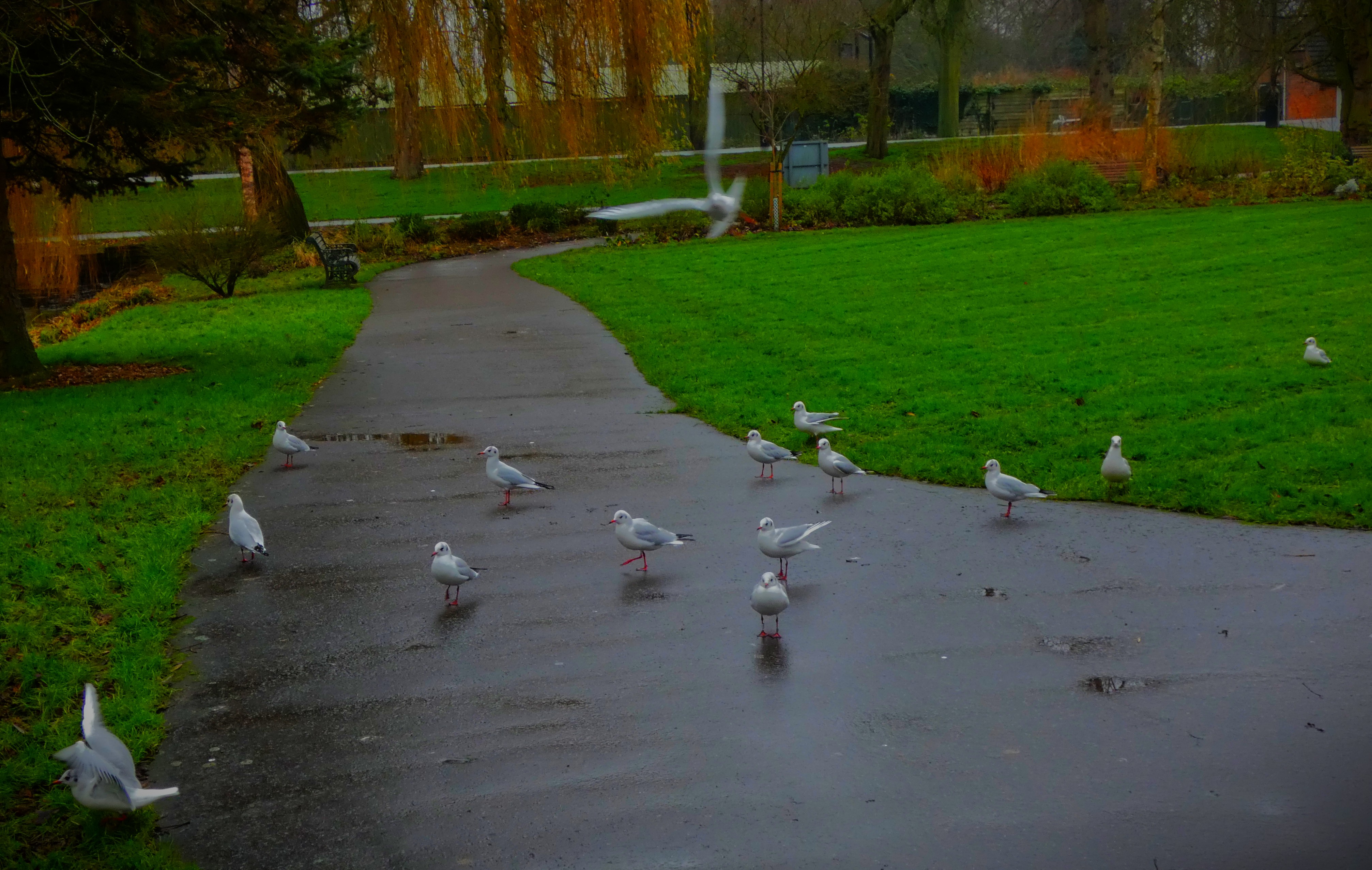
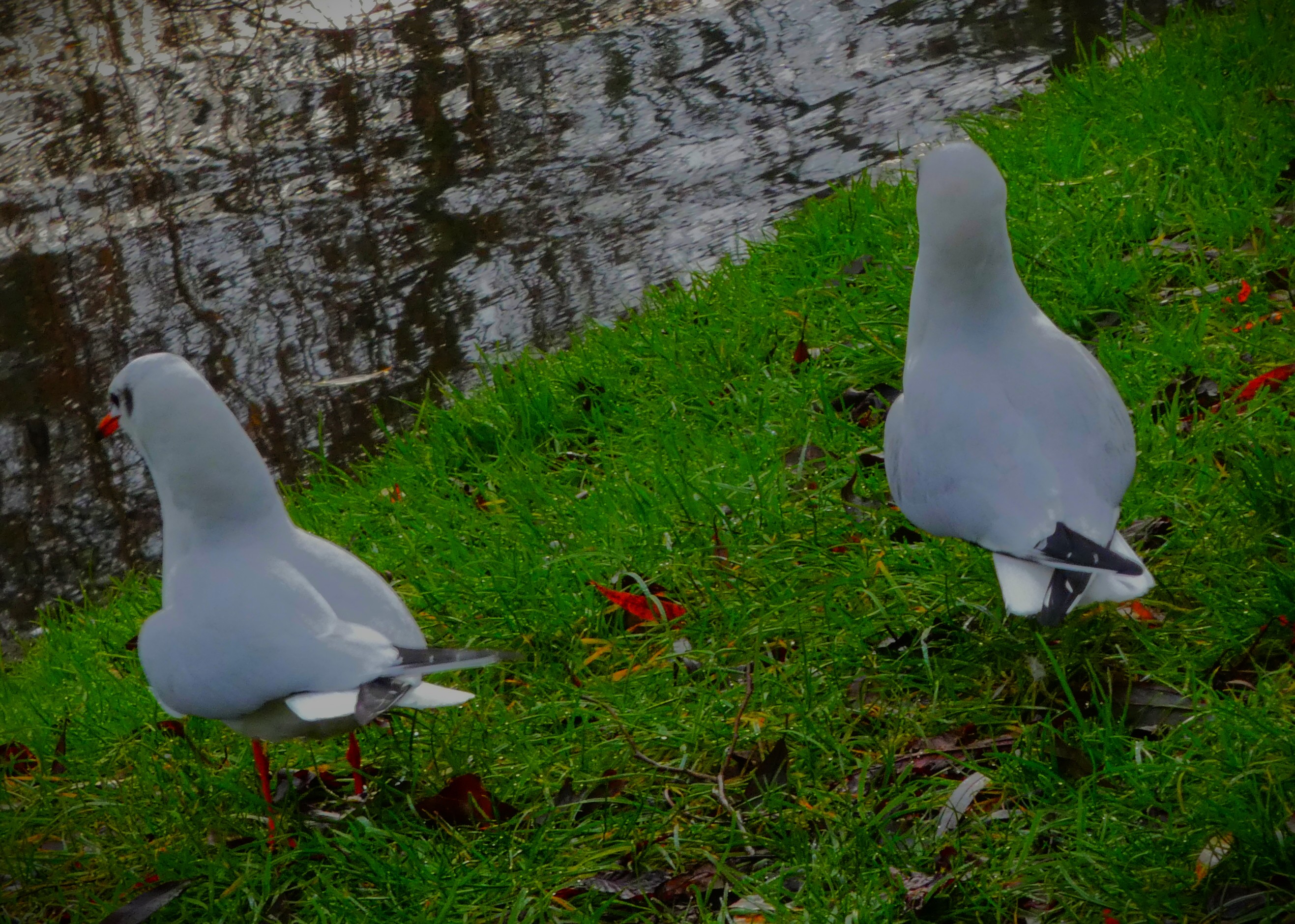
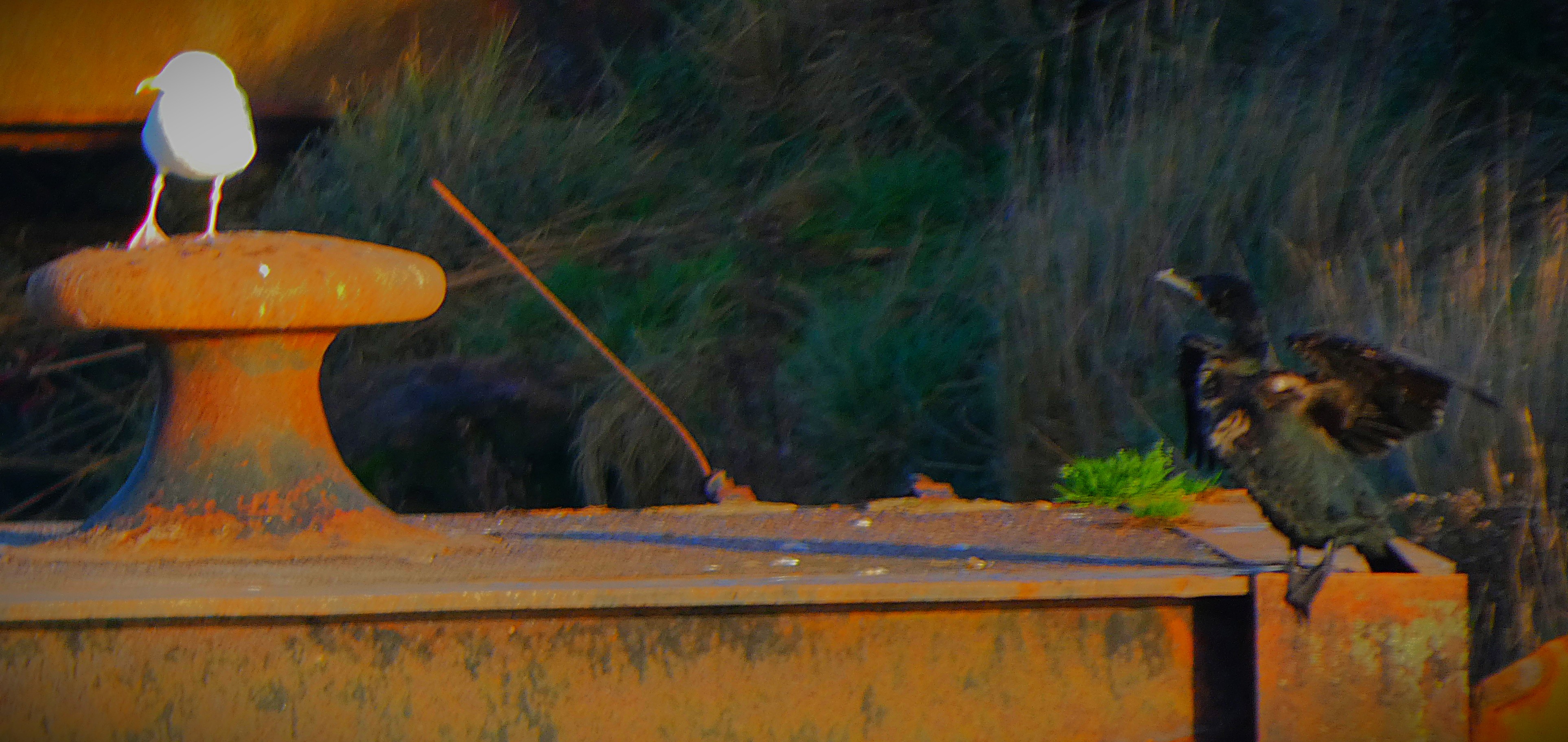
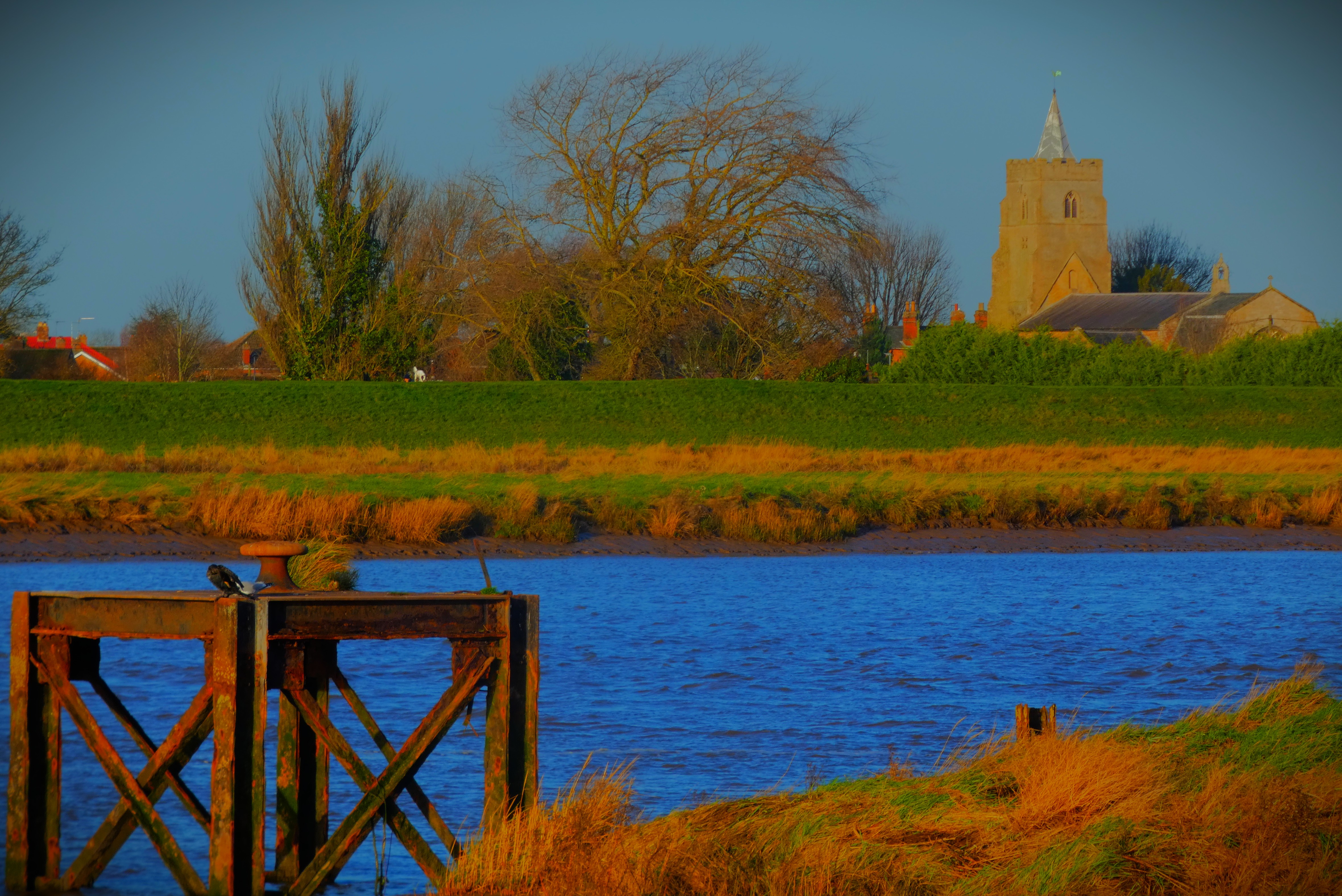
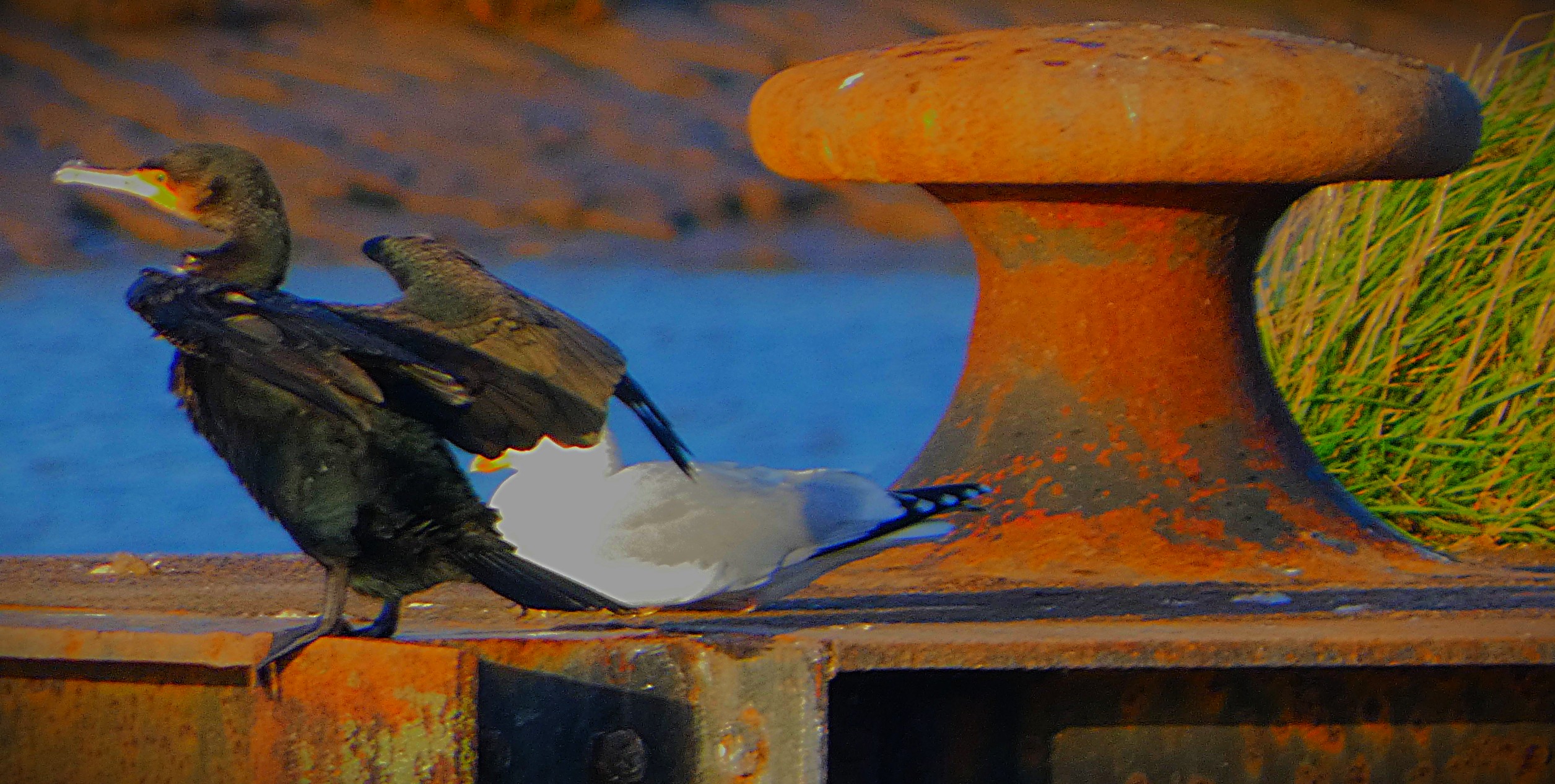
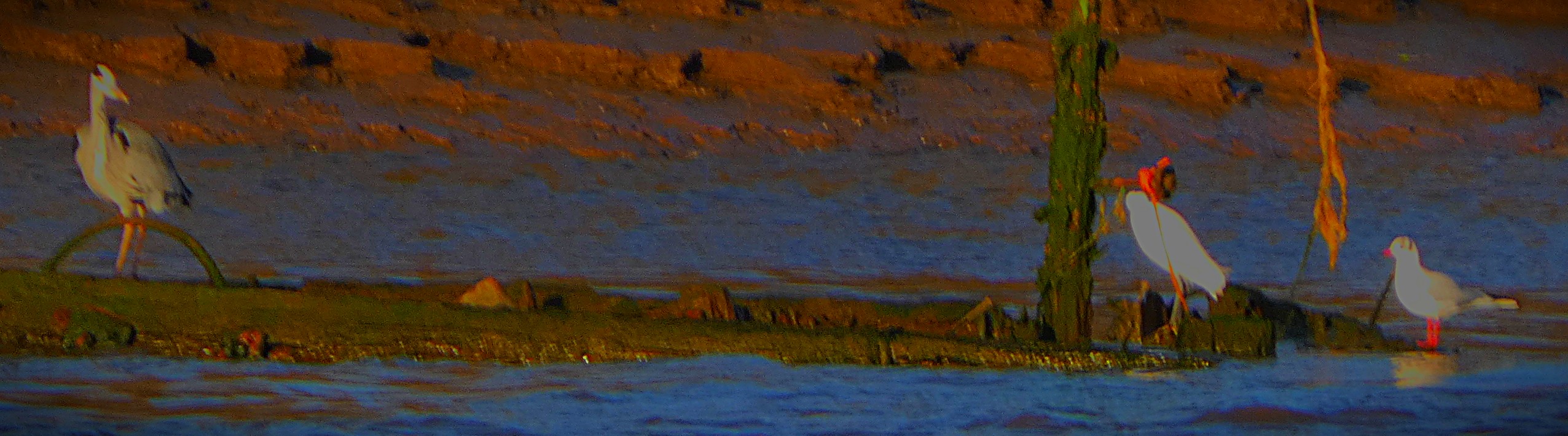
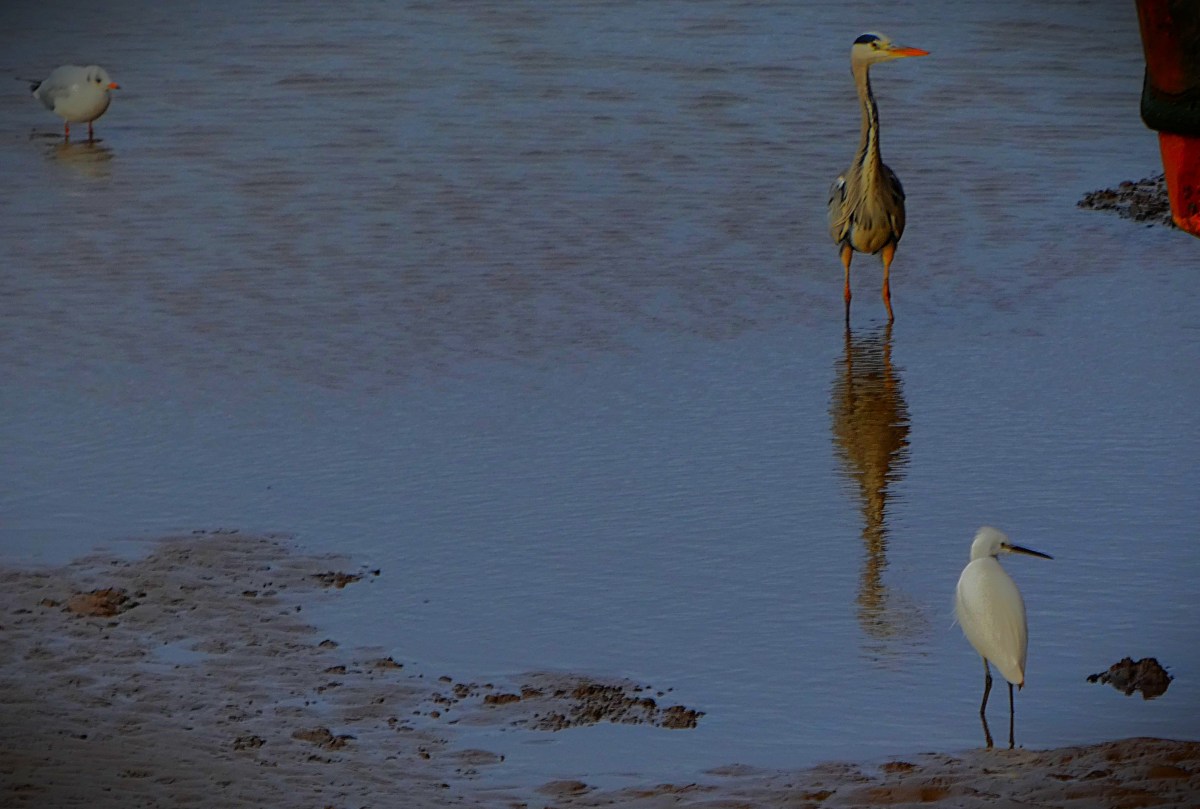
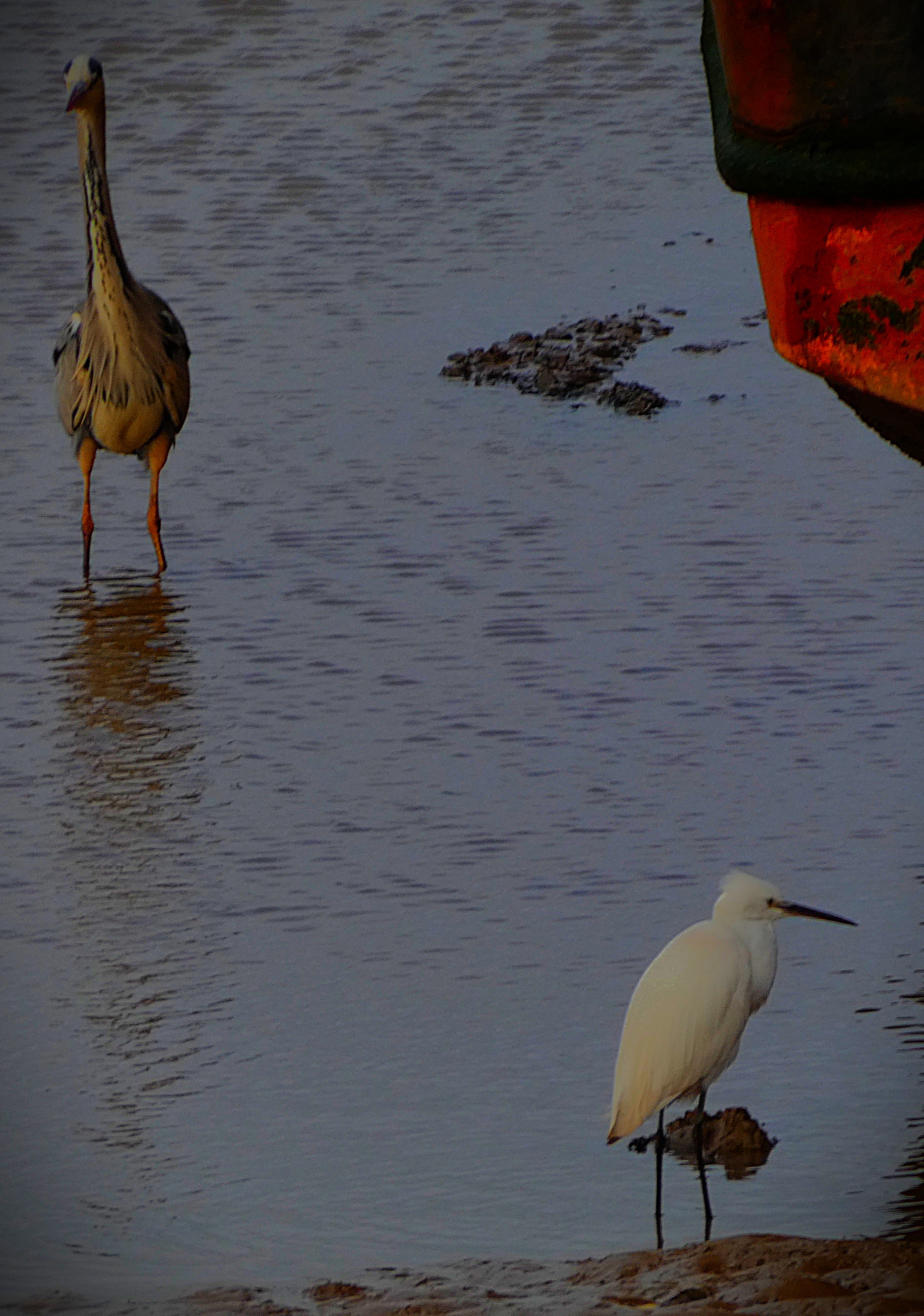
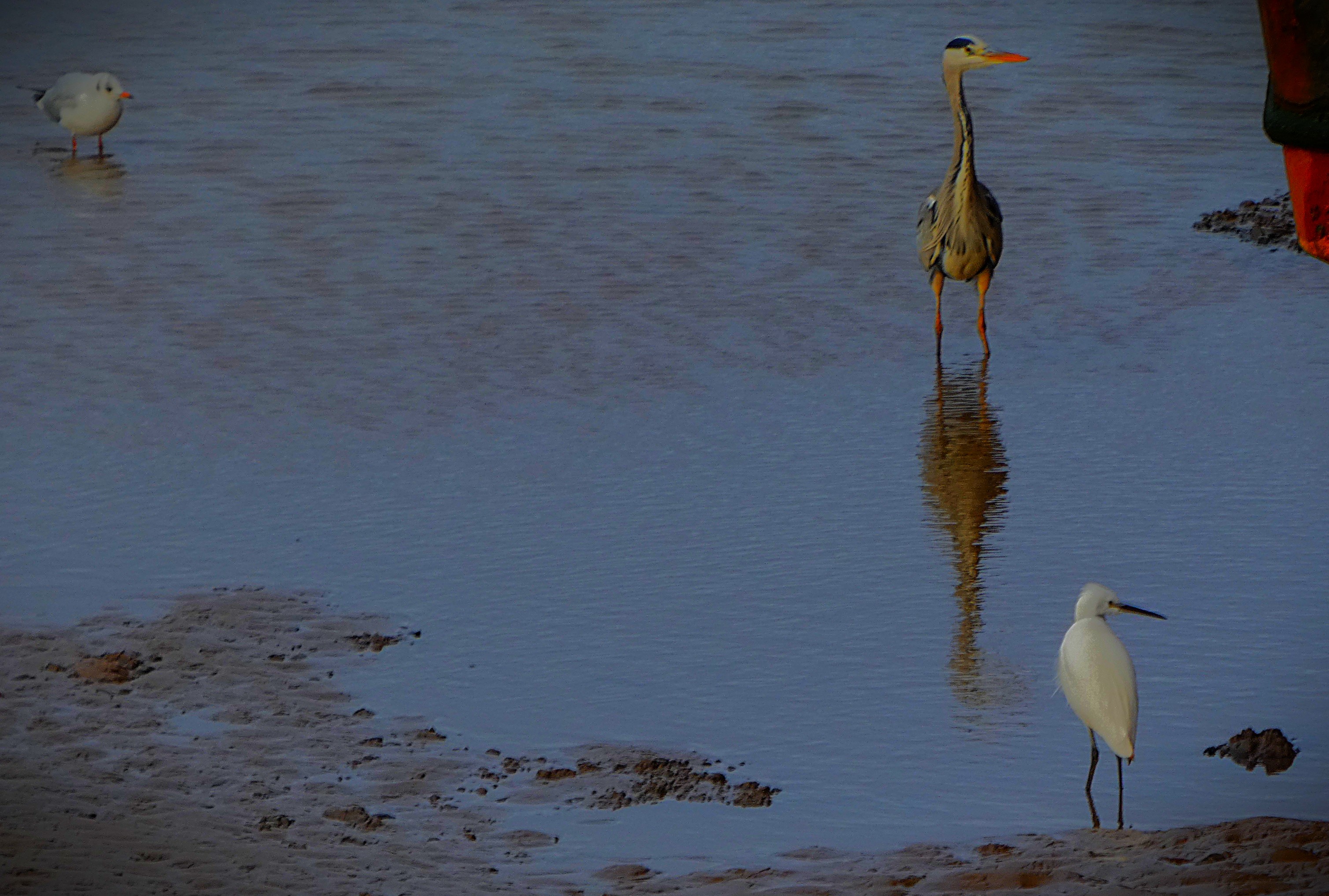
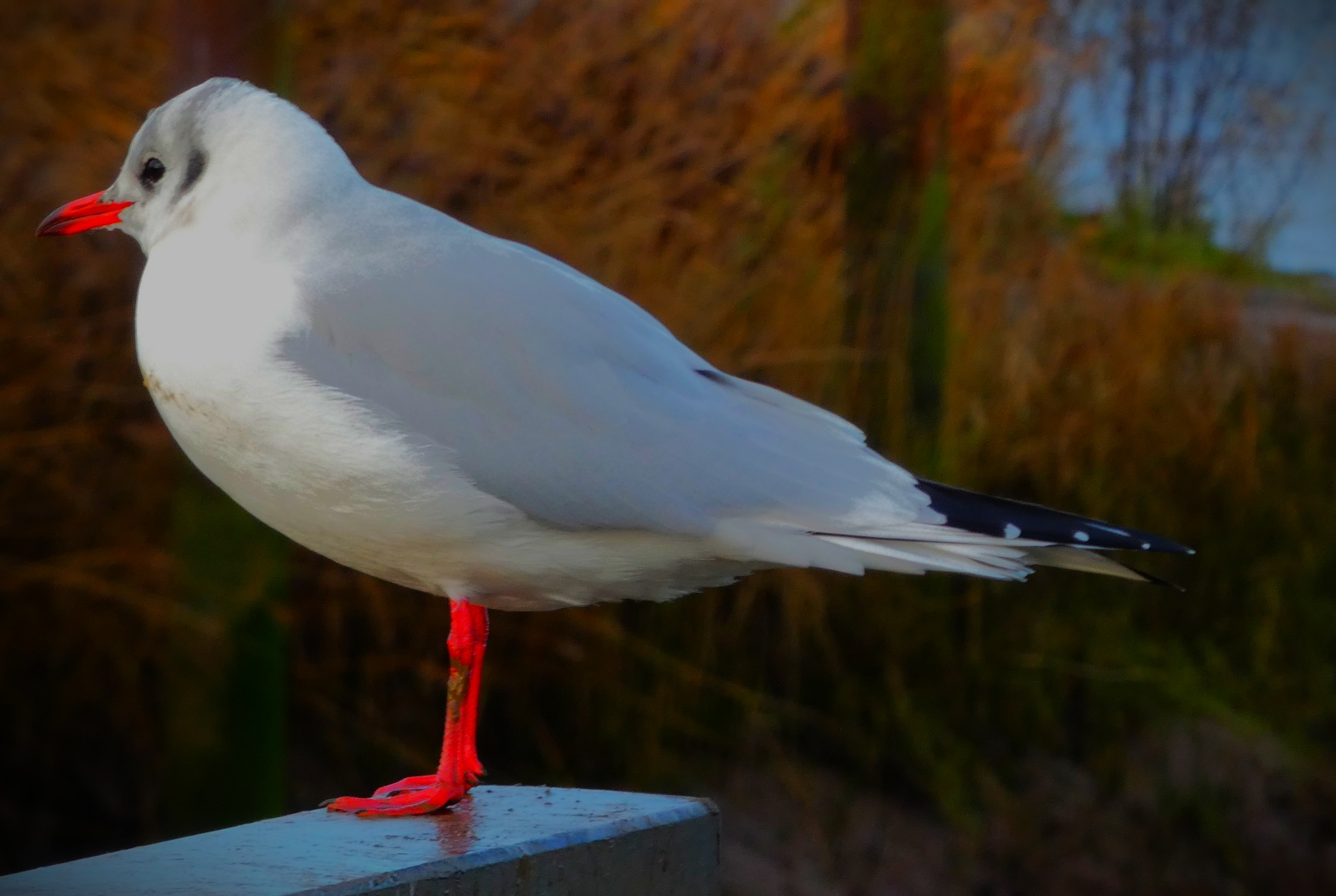
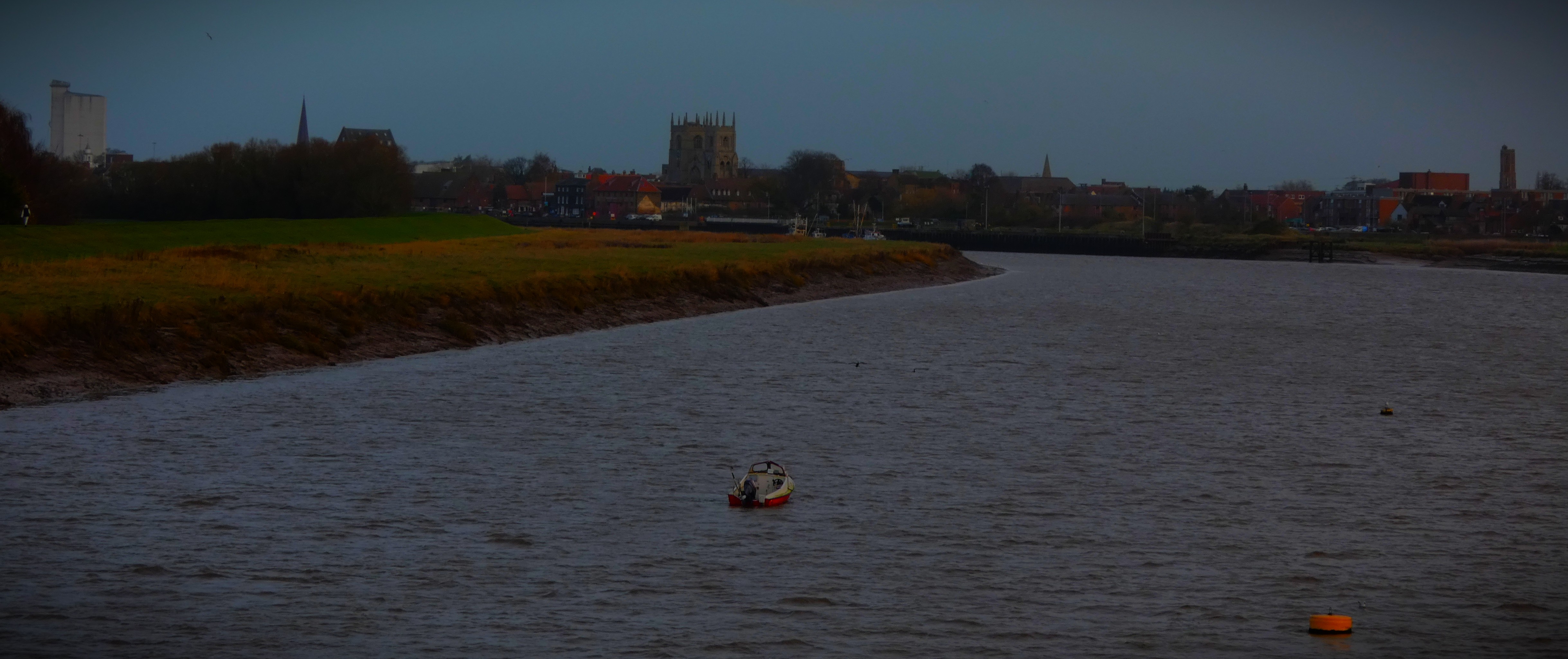
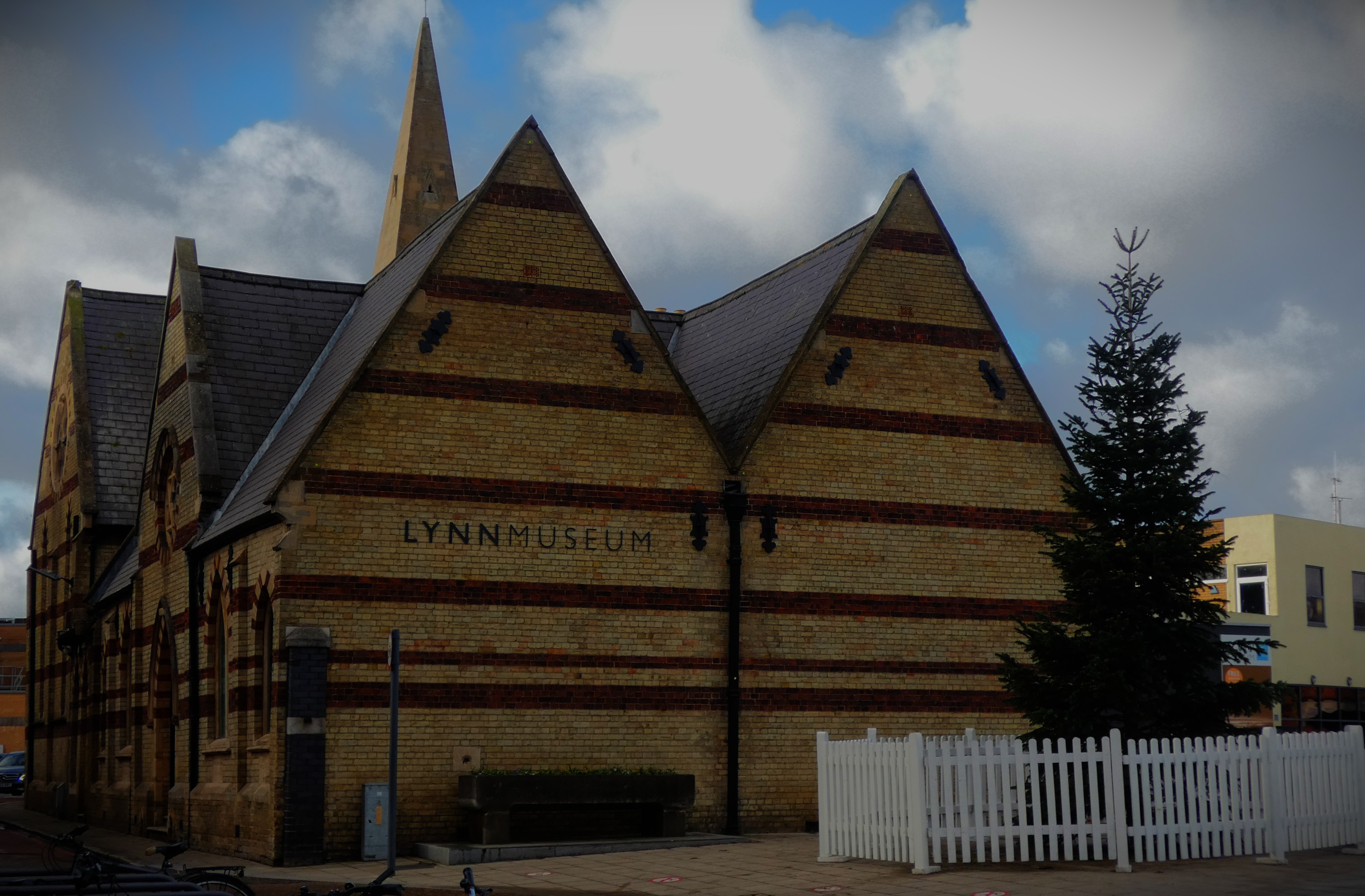
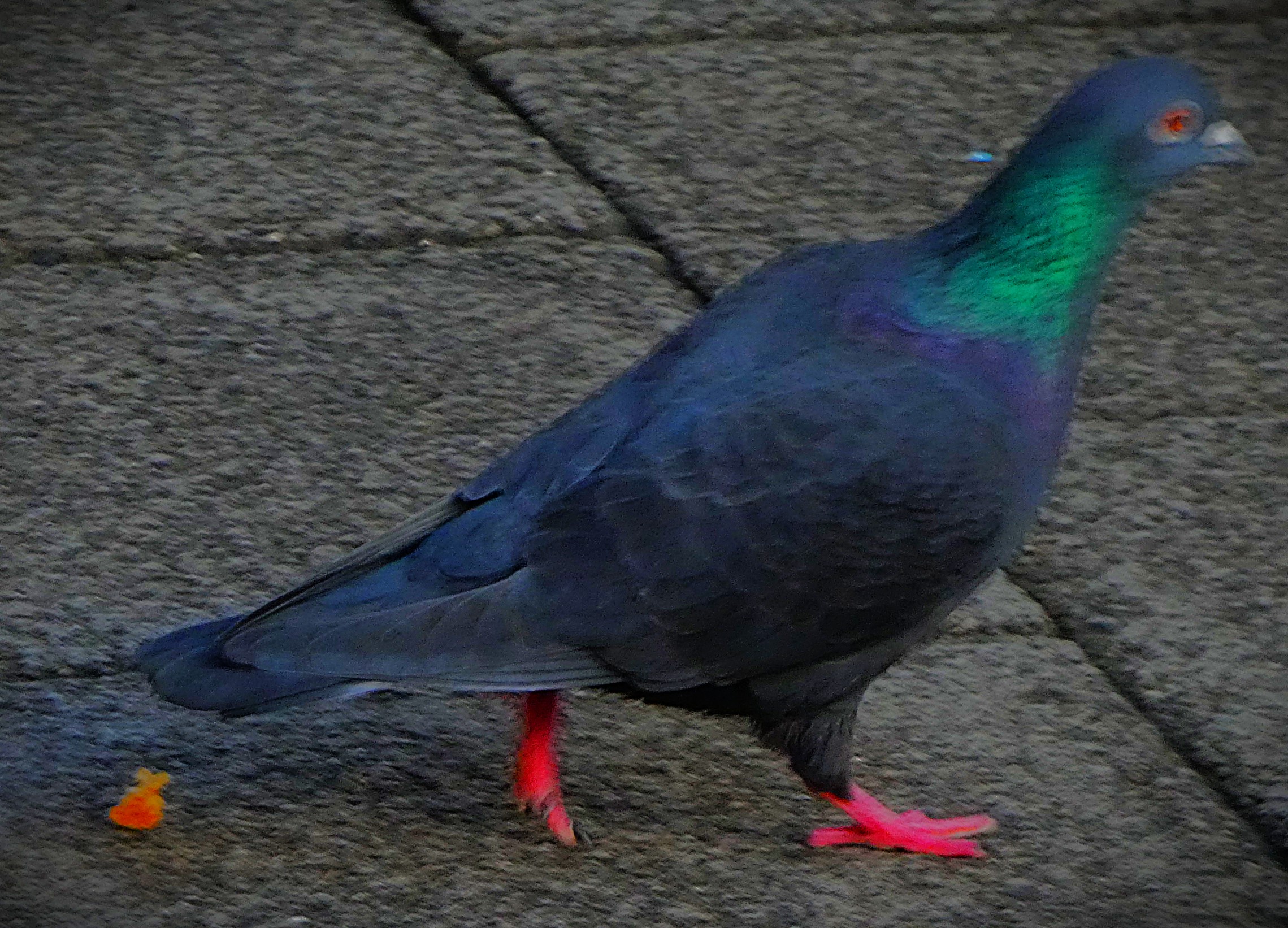
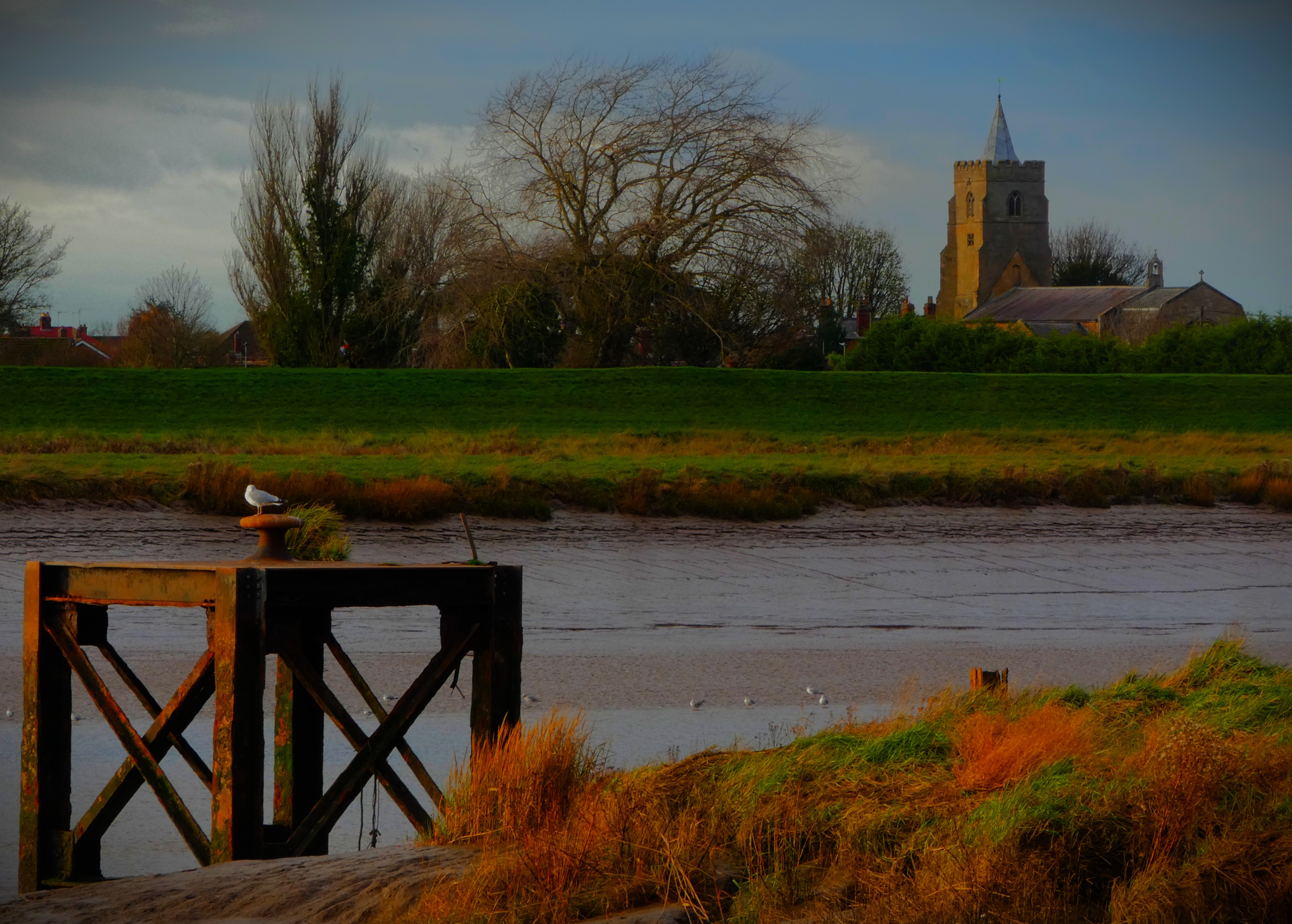
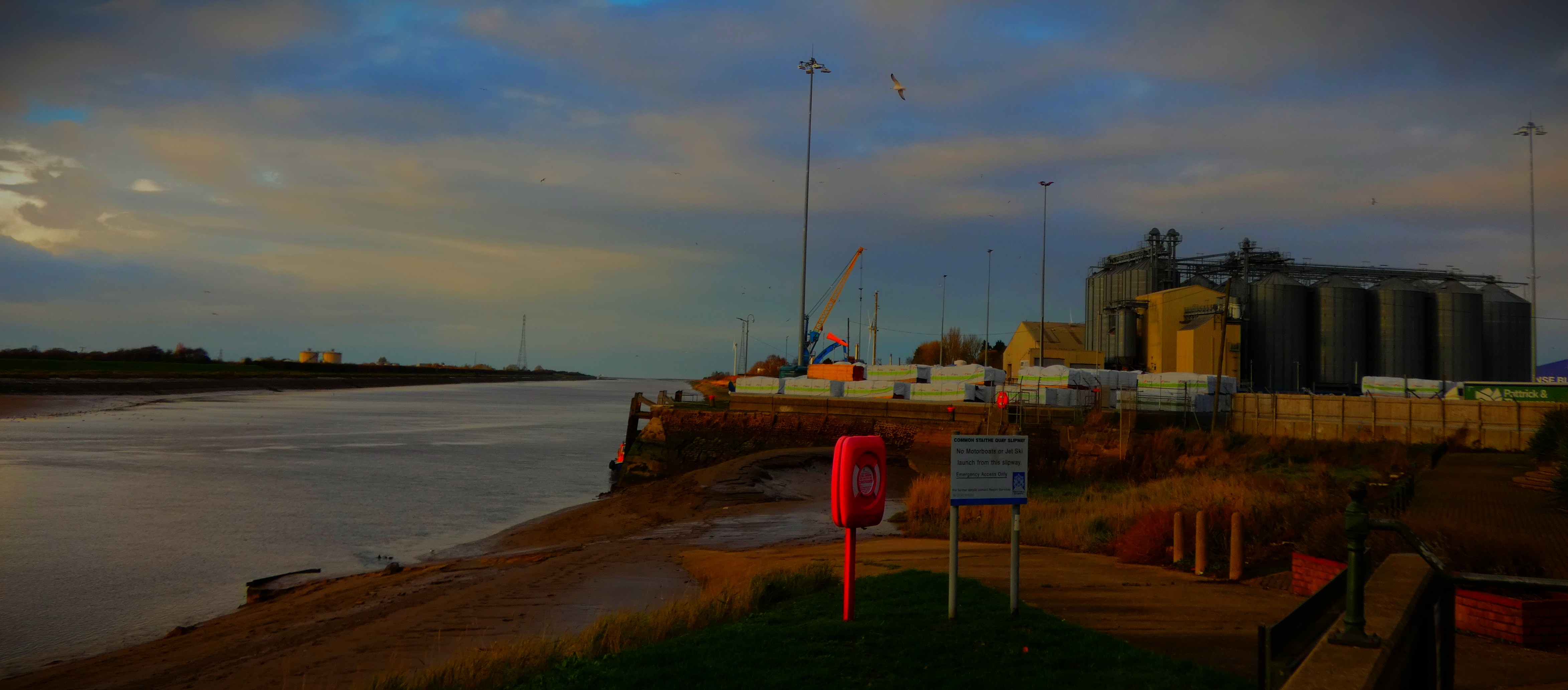
I rarely photograph pigeons but I thought this one with the distinctive green neck patch was worth making an exception for.Triangulation, ornithological style – two egrets and a gull form the corners of a triangle in the Great Ouse.The old (Custom House) and new (an art gallery/shop only a few years old) juxtaposed.A low sun shining on the Great Ouse.
An account of events in Navi Mumbai today where India won the Women’s Cricket World Cup 2025, beating South Africa by 52 runs in the final. Also a photo gallery.
Today was the final of the Women’s ODI world cup, between India, who had chased down an Australian total of 338 to win their semi-final, and South Africa who had thrashed England by 125 runs in their semi-final. This post looks back at an amazing day.
RAIN DELAYS THE START
It started rainy in Navi Mumbai, but the delay was not long enough for any overs to be lost. It was long enough for the BBC’s Team of The Tournament to be publicly named. The selection methodology used by those who set up this poll was questionable, and some of the voters (it was the final result of an online poll) must have had little idea of what they were actually voting for. The single most shocking detail of this team was that collectively the users of the BBC website’s cricket section did not find a place for Deepti Sharma, who came into this final as the leading wicket taker of the tournament and scorer of two half centuries with the bat as well. I named my team in this post and modified it after the first semi-final in this one, and it is my contention that I did a better job than the collective efforts of the voters on the BBC website. TMS commentator Daniel Norcross was every bit as unimpressed with the omission of Deepti Sharma as I was by the way. When the toss finally happened South Africa won it, and unsurprisingly opted to bowl first.
THE INDIAN INNINGS
India started superbly, but did not quite keep the blistering momentum going. Still, in a final a score of 298-7 looked formidable. Shafali Verma made a career best ODI score of 87, and Deepti Sharma weighed in with 58, becoming the first player ever to score three half centuries and claim 10 or more wickets at a single edition of the world cup. Richa Ghosh produced a powerful 34 near the end to give an innings that had been faltering a late lift. Ayabonga Khaka took 3-58 from nine overs, while left arm spinner Nonkululeko Mlaba had the most economical figures, 1-47 from 10 overs.
TWO DIFFERENT CONTESTS
At one end India were working their way steadily through the South African batting order, while at the other Laura Wolvaardt batted with absolute authority. A big moment came when Indian skipper Harmanpreet Kaur called up part time spinner Shafali Verma as seventh bowler, and was quickly rewarded with the wickets of Sune Luus and Marizanne Kapp to make it 123-4. Sinalo Jafta yet again demonstrated the she is NOT, repeat NOT, an international number six, making 16 off 29 balls, which caused the RRR to climb to 7.5 an over. Annerie Dercksen came next and made a spirited 35 before Sharma, whose day this was becoming, bowled her with an absolute jaffa to make it 209-6. The decisive moment came 1.4 overs and 11 runs later, when Laura Wolvaardt, who had just followed her magnificent 169 in the semi-final by also clocking up three figures in the final, went big against Sharma and was well caught by Amanjot Kaur for 101 to make it 220-7. Twice in the group stages Nadine de Klerk had won South Africa games that looked lost when they were chasing, so some hope remained for South Africa. Three balls and one run later Tryon was given LBW, and a review did not save her. That left de Klerk to attempt to knock off 78 more runs with two rank tail enders for company. On the last ball of the 44th over Ayabonga Khaka, who should have known the de Klerk was desperate to retain the strike and would run almost no matter what failed to back up properly, and Deepti Sharma’s throw beat her to the wicket keeper’s end to make it 246-9. The first two balls of the 46th over, Sharma’s 10th and last were dots, but off the third Nadine de Klerk went aerial and picked out Indian skipper who accepted the chance, giving Deepti Sharma her fifth wicket of the innings and 22nd of the tournament, easily the most of anyone. In the end Verma, with 87 off 78balls and 2-36 from seven overs was named Player of the Match, while Sharma with 215 runs and 22 wickets across the tournament was a shoo-in for Player of the Tournament, making the failure of users of the cricket section of the BBC website to select her for Team of the Tournament look even more egregious than it had before the start of play. Full scorecard and other details here.




























































































































































































































































































































































































































































































 aspiblog