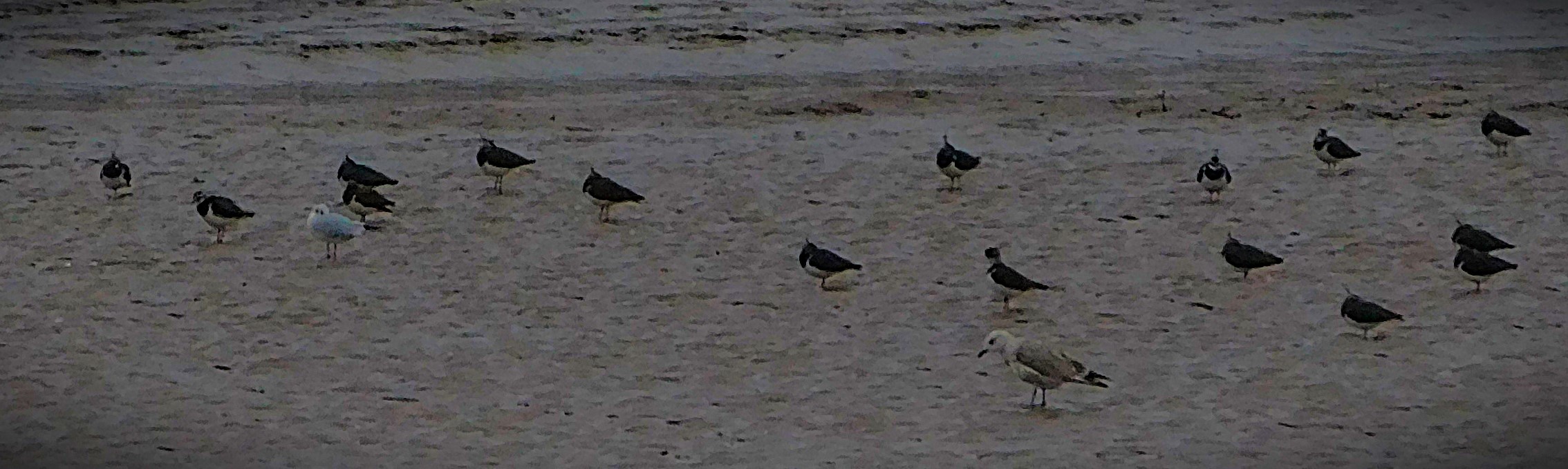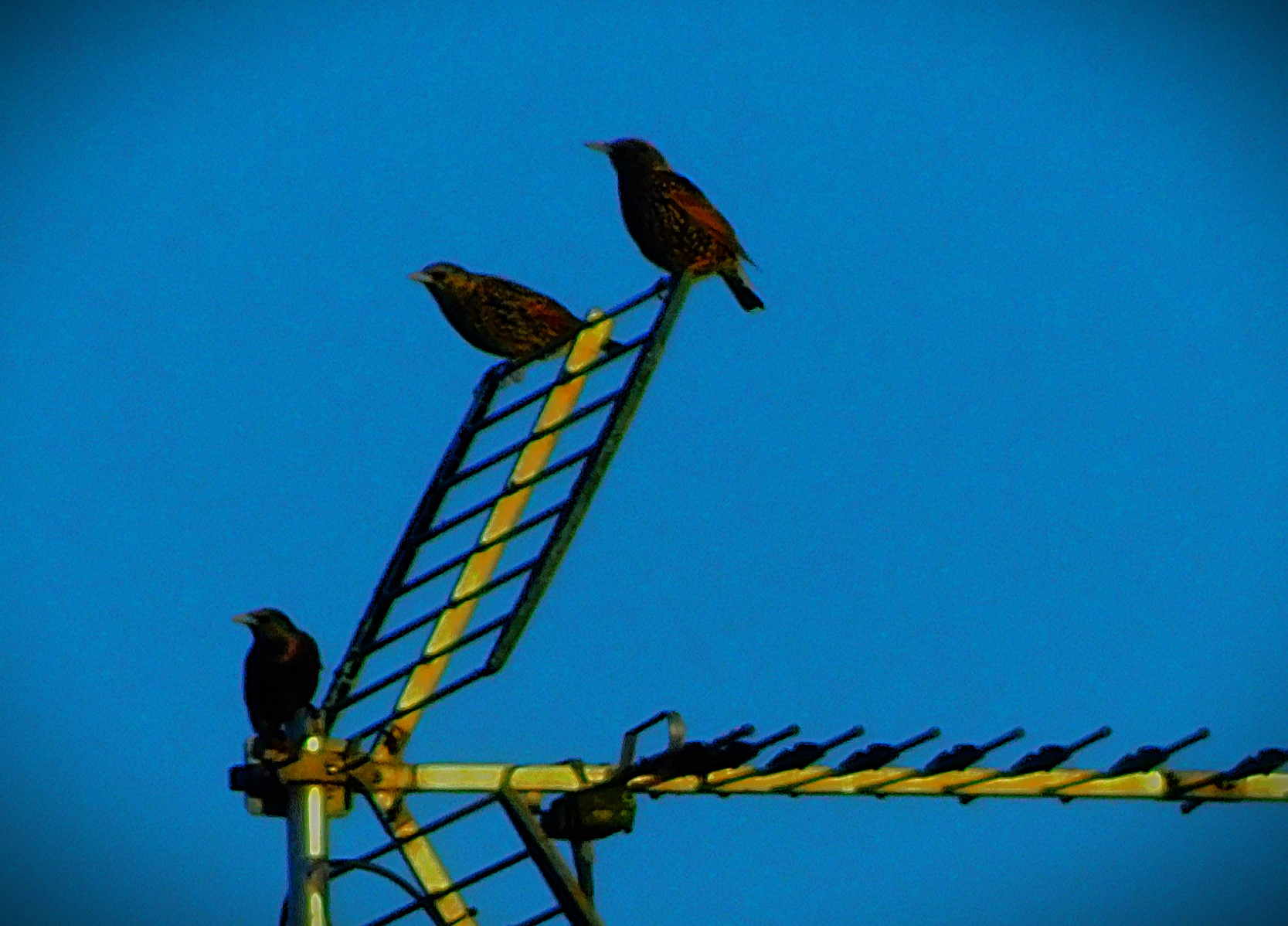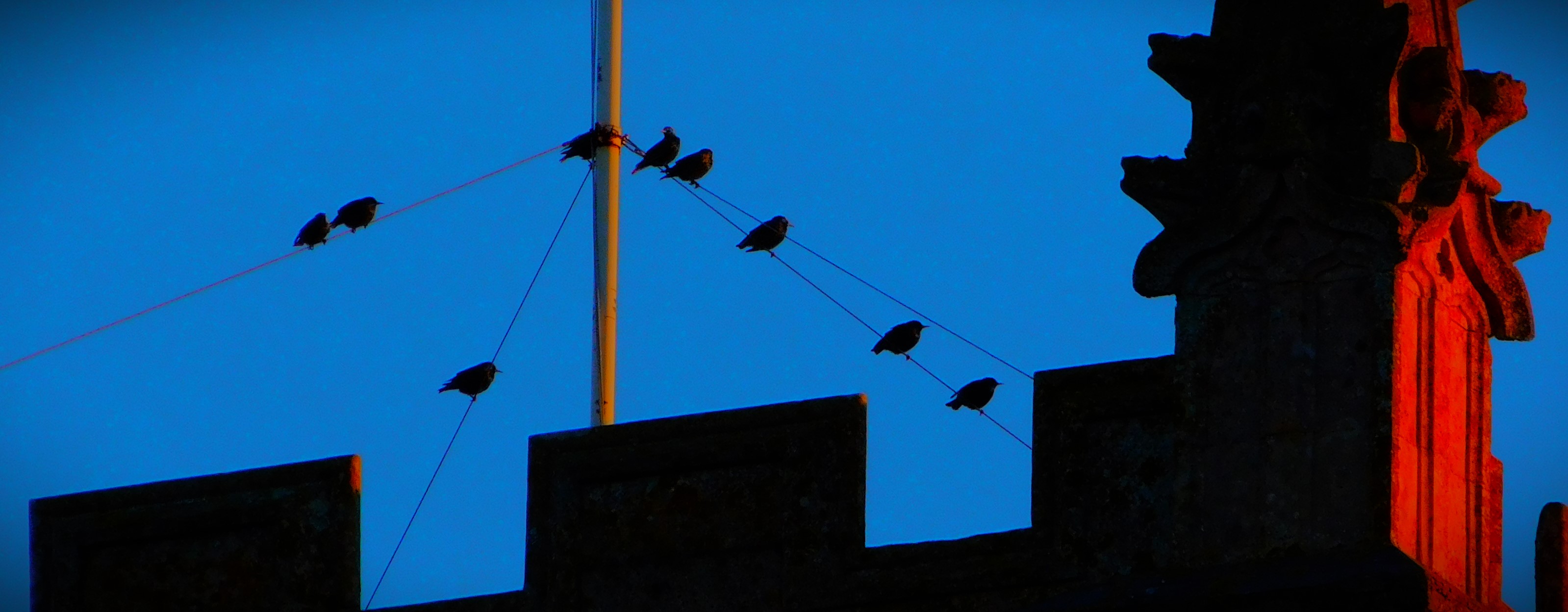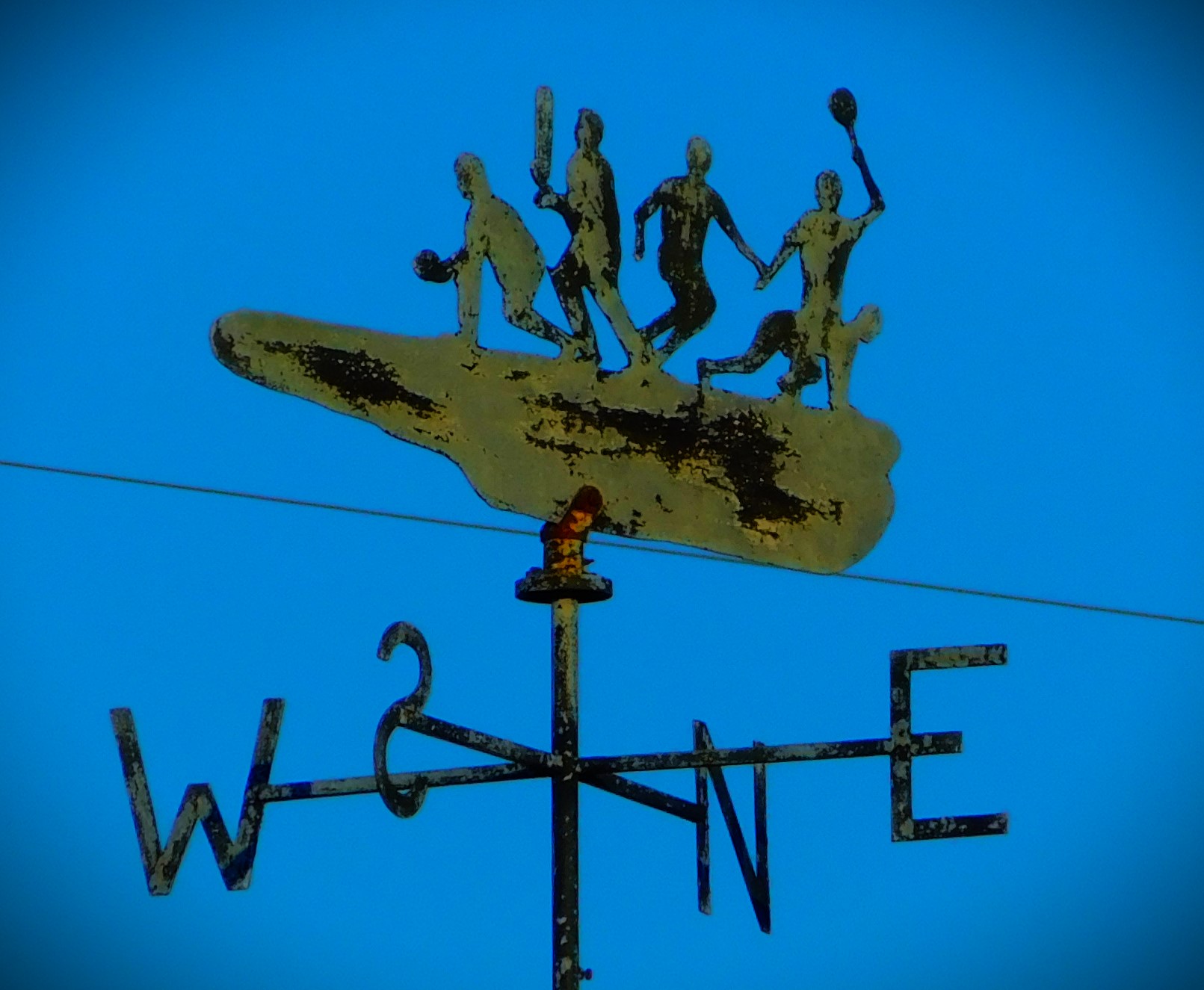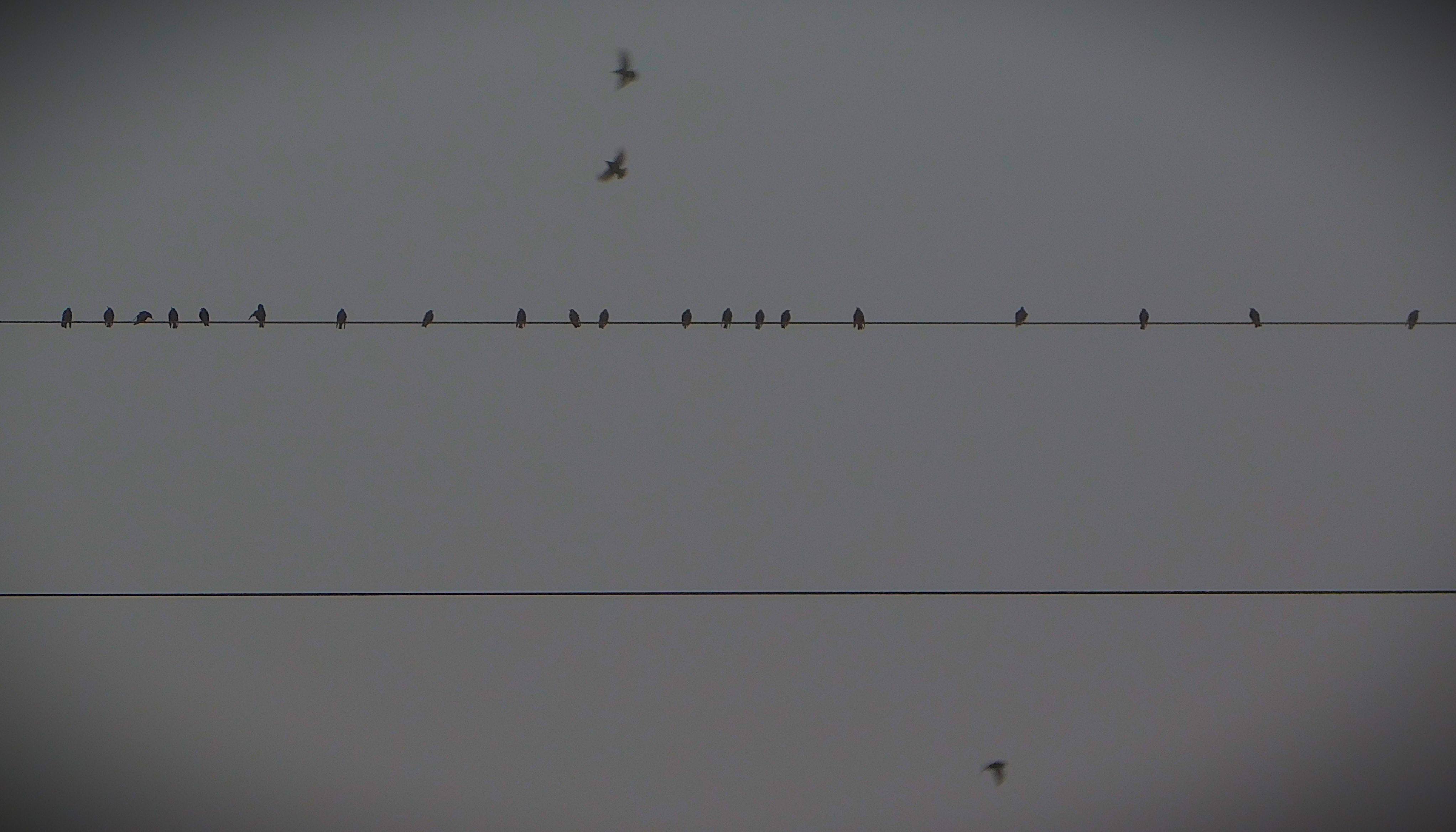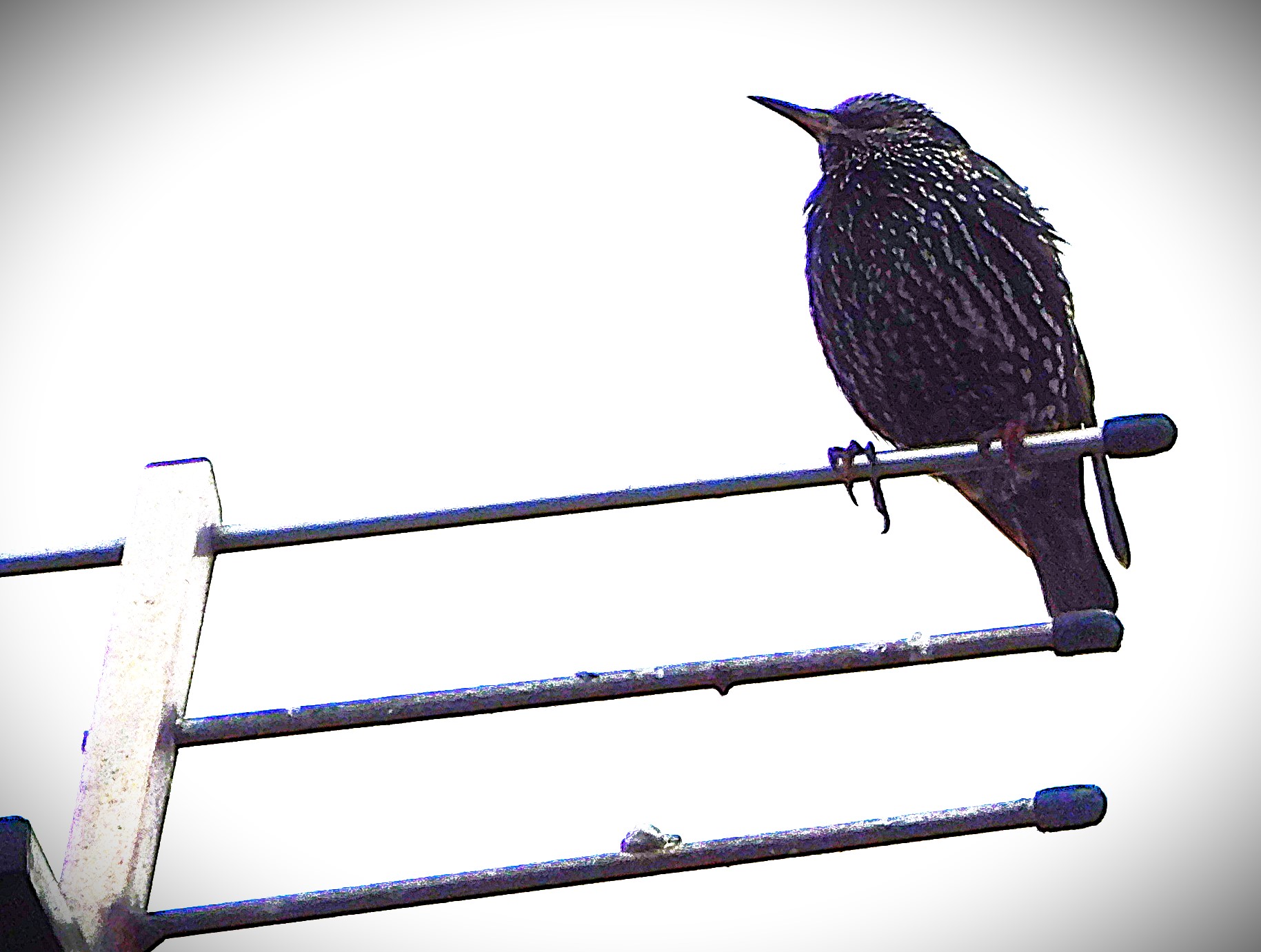
A look back at fay four at the MCG and a large picture gallery.
This post looks back at the events of day four of the test match at the Melbourne Cricket Ground.
A DAY OF UPS AND DOWNS
At one point after a great spell of bowling from Jasprit Bumrah, in the course of which he became a member of a club of one – bowlers with 200+ test wickets at under 20 a piece (among those whose careers have ended only Syd Barnes with 189 scalps at 16.43 each even has over 150 at under 20) – Australia were 91-6, 196 runs ahead. By the end of the day they were 228-9, 333 runs to the good. That margin is significant – the biggest ever successful fourth innings chase at this ground was 332-7 by England in the 1928-9 Ashes, Herbert Sutcliffe chiselling out 135, his second Ashes settling innings in two and a half years, following his 161 at the Oval in 1926 which left England with an effectively unassailable lead going into the fourth innings. However, in giving themselves this many to defend but not as yet declaring (an overnight declaration is possible), Australia may well have deprived themselves of sufficient time to dismiss India in the fourth innings – and Australia are more in need of a win than India, who as holders of the Border-Gavaskar Trophy need only to draw the series to retain it. Bumrah’s burst notwithstanding it has to be classed as Australia’s day, but it has a dog-in-the-manger feel to it with Australia not in a position to take that attitude.
PHOTOGRAPHS
My usual sign off…

Today there was a WNAG pizza making session at Pizza Express. This was my product in its finished state.
A look at developments in the Boxing Day test match so far and large photo gallery.
At 11:30PM on Christmas Day UK time the Boxing Day test match at the MCG (between India and Australia – the fourth match of a five match series for the Border-Gavaskar Trophy – on this occasion) got underway.
DAY ONE
Australia won the toss and elected to bat first. This meant that debutant Sam Konstas, at the age of 19, would not have long to wait for his first bat at the highest level, since he would be opening the innings alongside Usman Khawaja, precisely twice his age, and the biggest age gap between Australian openers since Syd Gregory, induced out of retirement at the age of 42 by a dispute that left Australia without six of its leading players, and Charlie Kellaway padded up together way back in 1912. Konstas selection also meant two other things: he was only the third ever test player known to be of Greek heritage after Xenophon Constantine Balaskas (South Africa) and Athanasios John Traicos (South Africa, and, after a record mid-career hiatus at that level of 22 years, Zimbabwe). Marcus Stoinis, also of Greek ancestry, has played limited overs cricket for Australia, but not test cricket, and Ari Karvelas has played for the land of his ancestors but not as yet for that of his birth, South Africa; and Australia had a top three all born abroad – Konstas (Greece), Khawaja (Pakistan) and Labuschagne (South Africa).
Konstas played a magnificent innings, showing no sign of any nerves. His use of ramp and scoop shots forced India to deploy run-saving fielders directly behind the wicket, which also meant reducing the slip cordon so as not to leave gaps in front of the wicket. Left arm spinner Ravindra Jadeja got him, with, as is so often the case with this bowler, a ball that didn’t actually do anything – it just went straight through and hit a pad in line with the stumps, for a 65 ball 60, which came out of an opening stand of 89. Khawaja completed a much more pedestrian 50, as did Labuschagne, and by the close of day one Steve Smith had also exceeded 50, and it was still there. Bumrah claimed three wickets in the course of the day, and without him Australia would have been well and truly out of sight by the end of this day. A score of 311-6 was still a good effort. Khawaja did not make my all time Ks XI, but his stocks have risen since August 2022, and he would merit consideration now, although I might still stick with Karunaratne. If Konstas’ debut knock was any sort of clue to his future career then he will displace Majid Khan as the right handed opener in that XI before he is done.
DAY TWO
I missed a fair amount of this day’s action due to the inconvenient time of its happening, but I did get to see both India’s best and worst moments of a day that ended with Australia in total control. Australia reached 474, Steve Smith reaching 140, and Pat Cummins boosting the score with a late 49. India lost two wickets fairly early, but then a fine third wicket stand developed between Yashavsi Jaiswal and Virat Kohli. Half an hour before the end of the day it looked fairly evenly poised, and Jaiswal looked set for a century. Then Jaiswal played one towards Cummins, not a fielder whose arm should be challenged, set off for the single, only for Kohli, ball watching, to ignore his partner’s call, which resulted in the end of Jaiswal for 82. Kohli himself then edged Boland to Carey, and nightwatch Akash Deep also failed to survive until the close. Rishabh Pant and Ravindra Jadeja were thus together at the end of the day, with India 167-5, still over 100 runs short of avoiding the follow-on. India will have their work cut out to emerge from this with anything other than a defeat, which will mean that only a win in Sydney will see them retain the BGT.
PHOTOGRAPHS
My usual sign off…

There are a lot more pictures from Fakenham than usual in this gallery – I had misread a notice about library opening hours and had a lot of time to kill after work on Tuesday and did so doing a lot of walking.For all that it has Fakenham in its name this defunct train station is actually just into the adjoining village of Hempton.The last picture from Fakenham.This picture and the next were taken on Christmas Day morning – the rest of that gallery will appear in my next post.
A look back at yesterday and today’s BBL games and a large photo gallery.
Yesterday Brisbane Heat took on Adelaide Strikers in the BBL, and today saw Melbourne Renegades face Perth Scorchers. This post looks back at both matches.
A LAST BALL THRILLER
The fortunes of war swayed hither and thither in this game, and there were periods when each side appeared to be heading for an easy win. It ended up being a day of triumph for Nathan McSweeney of the Brisbane Heat, recently dropped from the Australian test side after three matches in which he achieved basically nothing. Bashing the ball around in a T20, even one of high standard, is a rather different exercise to fronting up to Jasprit Bumrah with the new ball in his hand in a test match, and McSweeney made the most of being in a less intimidating setting. He scored 78 not out off 49 balls, backed by another former test player, Matt Renshaw, who scored 54 off 27 balls. Nevertheless, in spite of the heroics of these two, it took Brisbane Heat until the final possible ball to secure the win, and they were seven down. Strikers efforts had a touch of Rome and Avignon 700 years ago about them – Ollie Pope scored 34 and held a catch, while his namesake Lloyd took 2-17, – but even with two Popes on side simultaneously they were unable to win in the end. Scorecard here.
A GAME OF FOUR QUARTERS
After 10 overs Perth Scorchers, having lost the bat flip and been put in, were 48–4 and seemingly already beaten. They rallied to post 143-8, a total that still looked inadequate but at least wasn’t downright risible. Cooper Connolly scored 66 for the Scorchers, and Canadian international Matthew Spoors managed 29. Other than those two only extras with exactly 10 reached double figures. Tom Rogers was the pick of the bowlers, with 3-22 from his four overs.
Melbourne Renegades made a racing start to the chase, though they lost wickets along the way. Jacob Bethell and Laurie Evans seemed to have settled things with a 50 partnership, but Bethell fell to the fourth ball of the tenth over to make it 96-4, at which point drinks were taken. With a mere 48 needed from 10.2 overs Renegades should not have been in the slightest hint of trouble, but they played some brainless cricket in the second half of their innings. They were eight down and had only one over remaining when they finally sealed. Will Sutherland, a member of the ‘not even the best in the family’ club (outranked in his case by sister Annabel, whose many achievements include a test match double century against South Africa), saw the Renegades home to a not entirely well deserved win with 15 not out in the closing stages. Scorecard here.
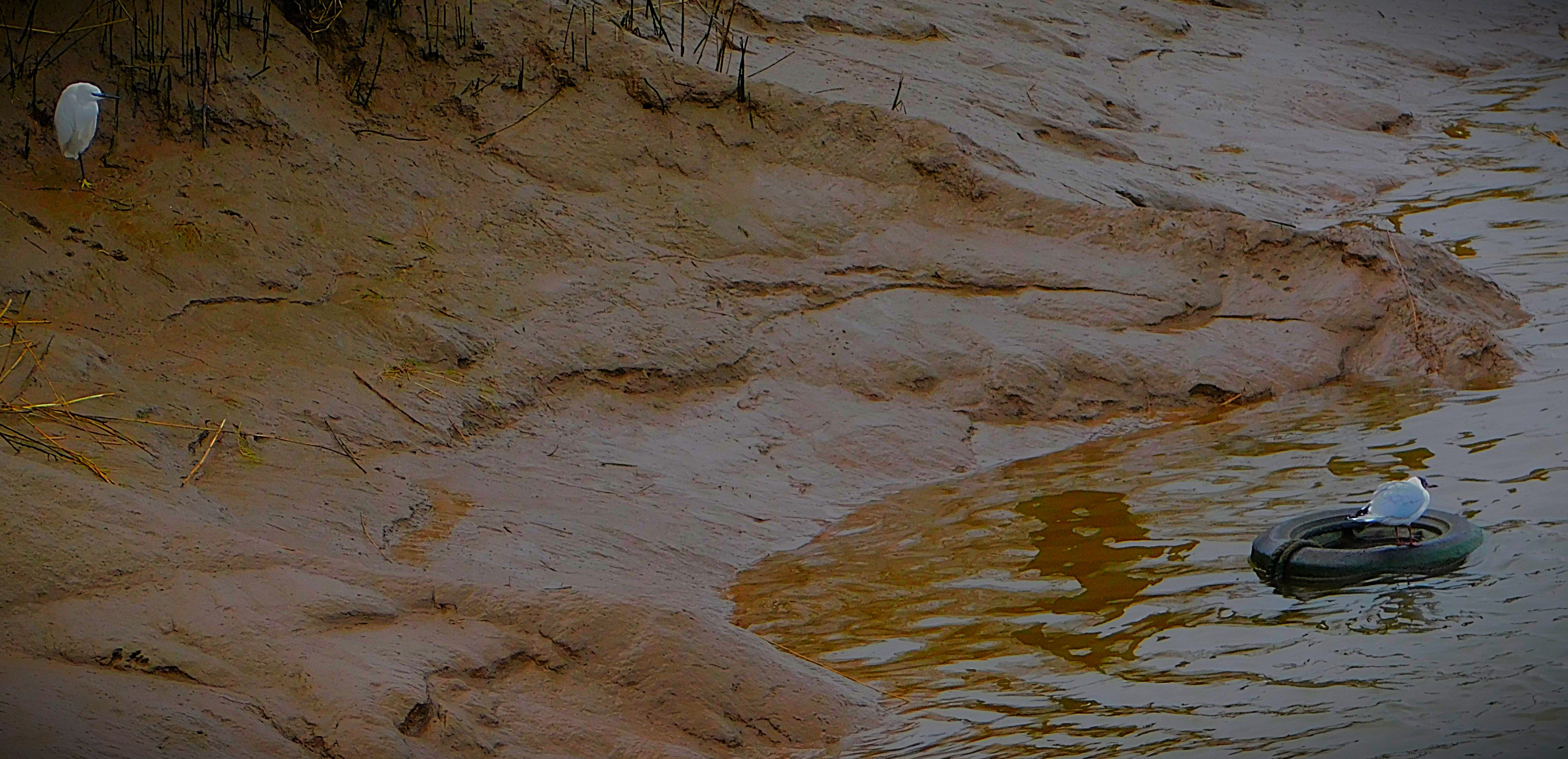
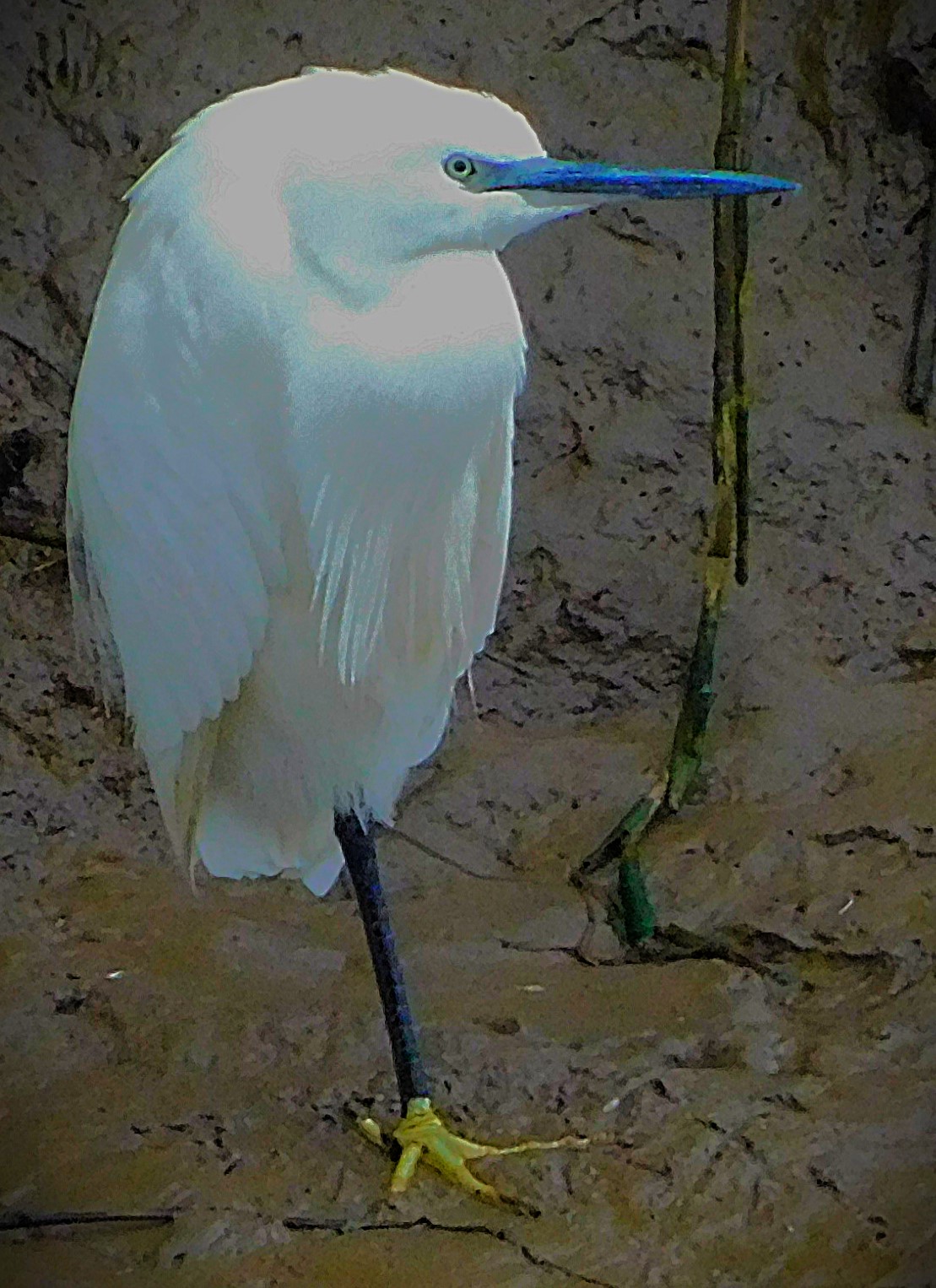
An account of today’s Sydney Smash (Sydney Sixers v Sydney Thunder) match in the Big Bash League, and a photo gallery, highlighted by a particularly fine Little Egret at the meeting point of Nar and Great Ouse.
The Sydney Smash (as mentioned in my previous post) is the name given to the derby between the two Sydney outfits in the Big Bash League. This post looks at today’s instalment which was an absolute classic.
THE FIRST 30 OVERS
The match was of a good standard without promising the spectacular developments that came in its final quarter. Sydney Sixers won the bat flip and put Sydney Thunder in to bat. The Thunder innings was dominated by an 88=run stand for the third wicket between Cameron Bancroft and Oliver Davies. Bancroft scored 70 off 52 balls, and Oliver Davies 47 off 34 balls. Joel Davies, Oliver’s brother, was in the Sixers line up and had a poor day, recording 3-0-36-0. His allocation was completed by Todd Murphy, which proved a poor decision by the Sixers, as Murphy’s sole over went for 20. Akeal Hosein (West Indies, left arm spin) had 2-23 from his four overs, and Ben Dwarshuis (Australia, left arm fast medium, left handed bat), of whom there will be more later had 2-26 from his four overs. Thunder had 163-5 from their 20 overs, respectable but not invincible. The first 10 overs of the Sixers response looked a classic case of laying the groundwork – without doing anything special Sixers were 79-2 at the halfway point of the chase, just a fraction behind the required rate but with eight wickets standing and a two over Power Surge to come. Many would have concurred with my own opinion expressed at the time on mastodon (my social media platform of choice) that Sixers were favourites…
OVERS 31-35
A combination of some disciplined bowling by Thunder and a horror show from Moises Henriques (he is of Portuguese descent for those wondering about the name). First of all Henriques barbecued his third wicket partner Jack Edwards who was going superbly at the time, by setting off for a very optimistic single with Edwards going to the danger end. A direct hit throw had Edwards sufficiently short of his ground that he did not wait for the TV replay before turning for the pavilion. Having handed Thunder an opening, Henriques helped to make it a wider one by becoming badly bogged down. By the end of the 15th over Sixers were 107-3, needing 57 off the last five overs to win…
OVERS 36-40
Jordan Silk had struggled to get going, and when Henriques fell to the second ball of the 16th, with the Power Surge just taken, it was 108-4, 56 needed off 4.4 overs, which works out at exactly two per ball. Lachlan Shaw now joined Silk, and immediately hit his first ball for four. The first Power Surge over yielded 10 runs and that wicket of Henriques (for 17 off 22 balls). The second, entrusted to Nathan McAndrew, reignited the chase, Silk at last finding his touch. In total 17 came from it and no wicket, which meant that 30 were needed off the last three overs. Daniel Sams, vastly experienced, bowled the 18th over, and for five balls looked to be winning it for his side. The sixth ball went for four, which reduced the ask to 24 off the final two overs, but even with the four only six had come from the over. Ferguson, the New Zealand quick, was given the 19th in the hope that he could kill the chase before the final over. When he shattered Shaw’s stumps with the first ball thereof it looked a good call. Dwarshuis hit the second ball of the over for a massive six to start his innings in emphatic style, but only three further runs accrued from the rest of the over. Sixers needed 15 off the last over, and Thunder would have been the happier side at that point. However gambling on Ferguson for the 19th over meant that the final over was in the hands of off spinner Chris Green. When just five came off the first three balls (2,2,1) it still looked good for Thunder. However Green now lost his bearings and sent down two consecutive wides to reduce the ask to eight. A single of the next delivery brought Dwarshuis on to strike with seven needed off two balls. Green bowled a juicy full toss, just a fraction outside off and Dwarshuis, for all that he is more bowler than batter, was plenty good enough to dispatch it way, way over wide long on for six to level the scores. The final delivery was just short of a length and in line with middle and leg stumps, and Dwarshuis coolly turned into the onside for the winning single. Dwarshuis ended with 20* (8), Silk with 36* (25). Dwarshuis’ late blitz in conjunction with his bowling efforts secured him the Player of the Match award. A full scorecard of this classic contest can be seen here.
PHOTOGRAPHS
Today’s gallery starts with lots 638 and 641 from what will be the March 2025 auction at James and Sons, but the rest of the pictures are from yesterday afternoon and today…
Detailed looks at the men’s match between Australia and India and the women’s match between South Africa and England that are currently in progress, a mention of the men’s match between New Zealand and England, a 35 second video and a photo gallery.
The New Zealand and England men’s teams are currently playing the third match of a series already won by England, while the Australian and Indian men’s teams are playing the third match of a five match series for the Border-Gavaskar Trophy and the South Africa and England women’s teams are playing a one-off test match to end England’s tour there. This post looks at goings on in these matches, the second and third in a bit of detail as I have been able to follow them. As for the first, suffice to say that it looks like England are copping a hammering and that said result will be entirely justified.
THE GABBA: AUSTRALIA v THE WEATHER
The third match of the series for the Border-Gavaskar trophy in Brisbane has lost a lot of time to the weather with possibly more interruptions in the two days that remain. The weather has done rather more to stand in Australia’s way than India have managed. India won the toss and opted to field, a lure that has tempted several captains there in the past, though the results should influence modern era skippers against doing so: Hutton put Australia in in 1954-5 and they scored 601-8 declared and won by an innings and 160 runs, though England fought back to win the second, third and fourth matches of that series; Border put England in in 1986-7 and they scored 456, bowled Australia out twice and knocked off the runs needed in the fourth innings; and finally Hussain put Australia in in 2001-2, the hosts were 367-2 at the end of day one and won a thumping victory. Unless the rain persists Rohit Sharma will come away with the same result as those three did – Australia have scored 445, a total kept within some sort of bound only by Jasprit Bumrah who emerged with 6-79. In such batting time as the rain has allowed them in their own first innings India have limped to 48-4, meaning that Australia need 16 more wickets to win and are 397 ahead, given that we are going into day four and there is still rain about, if they do indeed bowl India out for 245 or less it will be mandatory to enforce the follow on.
THE GHOSTS OF DRS PAST AND FUTURE HAUNT CSA
This test match will almost be the last such game involving either sex not to feature the Decision Review System – both the England innings, and the South African response still in progress have featured moments where the absence of DRS for this match has been crucial, and England have been the beneficiaries of both. Tammy Beaumont was given not out in response to a concerted appeal for LBW on the second ball of the match, and South Africa would certainly have sent it upstairs had DRS been in place, and would very probably have seen it overturned. In the South African innings their skipper Laura Wolvaardt was on 65 and frankly looking impossible to dislodge when a ball from Ecclestone struck her pads and she was given LBW. Wolvaardt made it obvious that she was certain that she had nicked it into her pads, and with DRS in place she would have sent it upstairs and it would have been overturned. Maia Bouchier scored a century on her test debut, and Natalie Sciver-Brunt also contributed a ton, reached off just 96 balls, to England’s efforts. England fell away a bit late in their innings, but a score of 395-9 declared is not to be sniffed at. At 237-3 with Marizanne Kapp and Sune Luus going well South Africa looked to be heading for somewhere close to parity, but Kapp being bowled by Ryana McDonald-Gay opened an end for England, and wickets have been falling regularly since then. The latest go has been Chloe Tryon, clipping one from Lauren Bell straight into the hands of Tammy Beaumont. Luus had succumbed just previously to a fearsome burst from Lauren Filer, finally fencing one into the gloves of Amy Jones behind the stumps to go for 56. Number nine Tumi Sekhukhune has just got off the mark with a four, but at 275-7 South Africa are 120 adrift with only three first innings wickets standing. Things have moved on while I have been preparing this post for publication – Lauren Bell has bowled Jafta with a beauty and then with her next ball, assisted by the number 10 backing away so much that she was practically in a different post code from the ball, removed Nonkululeko Mlaba’s middle stump. Nat Sciver-Brunt has just terminated the innings by pinning Ayanda Hlubi LBW for 1 and South Africa are all out for 281, giving England a first innings lead of 114.
PHOTOGRAPHS
Before I produce my latest photo gallery I have a short video to share with you…
A look ahead to the final of WBBL10 and a large photo gallery.
We now know who the contending teams will be in the final of the Women’s Big Bash League 2024, which takes place early tomorrow morning UK time. This post looks at those two sides and their routes to the final.
MELBOURNE RENEGADES
This is a story of remarkable turnaround in the space of a single year. Last year the Renegades were something of a joke franchise, whereas this year they have taken the most direct route to the final – they won the league stage outright, thereby not only qualifying directly for the final but getting to play that match at home, which since it is the final means at the Melbourne Cricket Ground (MCG, or for locals ‘The G’ for short). Renegades have never previously made a final, and were wooden spoonists last year (an unwanted distinction that stays in Melbourne, with Melbourne Stars this years wooden spoonists). Renegades have a history of being overly conservative, and one huge reason that no longer applies is the presence of Deandra Dottin, who had not played a professional match in over a year when the Renegades signed her but has been excellent this tournament. Dottin is one of two West Indies aces in the Renegades line up, along with opening batter cum off spinner Hayley Matthews. Wicket keeper Nicole Faltum has also been a crucial cog, scoring important runs as well as doing her main job.
BRISBANE HEAT
Brisbane Heat brushed Sydney Thunder aside as dismissively as an Aussie in summer brushes flies aside, winning the Challenger match by nine wickets with 4.4 overs to spare. This was Heat’s sixth successive match win. They had finished second in the league stage which meant they were at home for the Challenger match. Heat look be peaking at precisely the right time, and as part of that opening batter/ keeper Georgia Redmayne produced her best batting form of the tournament in the Challenger match. A minor concern is an injury to Indian star Jemimah Rodrigues who who had to retire hurt with a left wrist injury, sustained initially in the field and aggravated while batting in that chase. The biggest stories of Heat’s tournament which could see them become the first ever three-time champions of this competition have been two youngsters. Heat lost the services of a pacer and of leg spinning all rounder Amelia Kerr. A like for like replacement for Kerr does not exist, and in the event Heat filled both gaps by promoting youngsters to first team status. Lucy Hamilton, a left arm pacer, and Grace Parsons, a leg spinner have both bowled superbly this tournament, while veteran Indian seamer Shikha Pandey has also been notably economical. Hamilton, an 18 year old from the sugar town of Bundaberg, has taken 11 wickets at 16.54, with an ER of 6.50, and her best figures are a barely credible 5-8 from a full four overs. Parsons, 21 years old, has taken 10 wickets at 21.80, with an ER of 6.81 and a best of 3-10. 35 year old Pandey, the third bowler I mentioned, has taken 12 wickets at 22.00 with an ER of 6.76 and a best of 2-14. Her experience and consistency has helped to ease the path for the two youngsters. Heat have the form, Renegades have the status as winners of the league stage, and there is a third factor – the weather forecast for Melbourne is not good, though there is a reserve day available for the final.
PHOTOGRAPHS
I have not posted since Wednesday, with Thursday being a work day and yesterday being the day of the WNAG committee Christmas meal, so even though the weather has not always been good for photography in the period concerned I have a decent sized gallery…
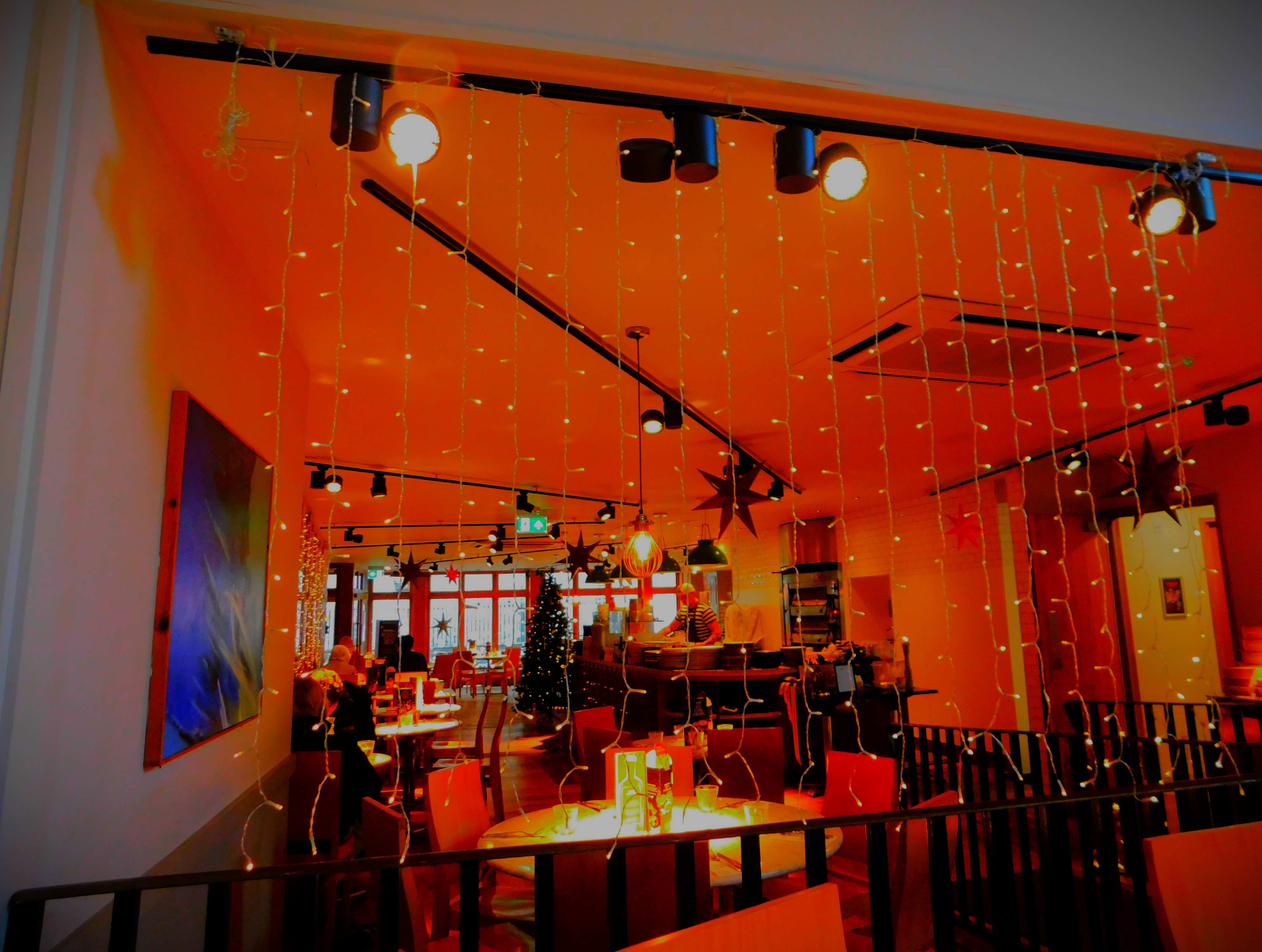
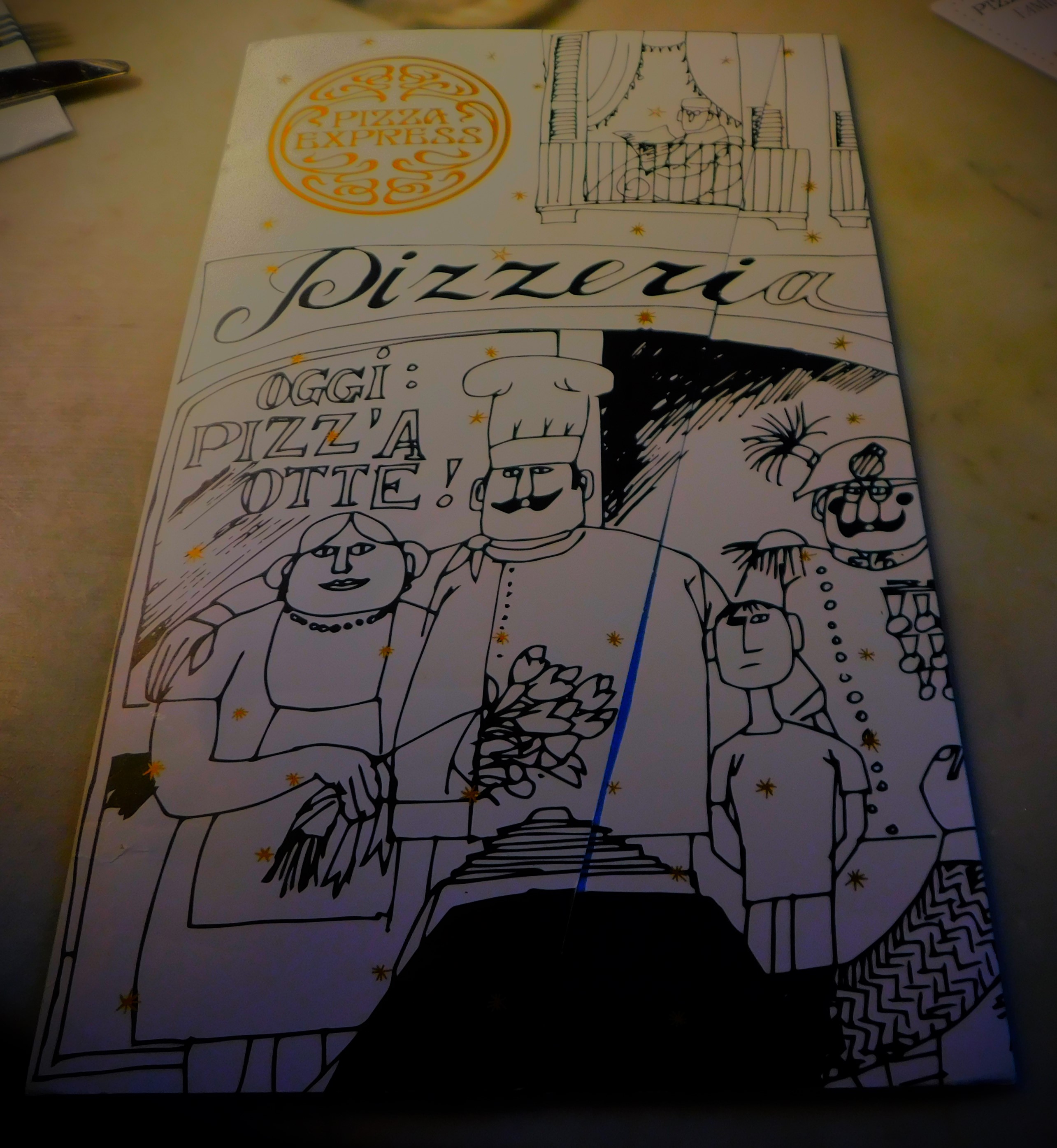
Possibly the thinnest crescent moon I have ever seen.The meal was at Pizza Express in the town centre.The menu was intriguingly shaped – rectangular when close, parallelogram when open.
A look at goings on in the WBBL as that tournament approaches its climax. There are now only three teams left in the tournament. Also a huge photo gallery.
This morning saw the first of the knockout matches in the WBBL, between Sydney Thunder and Hobart Hurricanes, at the former’s home ground, the Drummoyne Oval, six kilometres or thereabouts west of Sydney city centre. This post looks at what happened today and how the KOs work in this tournament.
HOW THE KNOCKOUTS WORK IN THE WBBL
Four teams out of eight qualify for the knockout stages of the WBBL, and the system then works thus: third place take on fourth in what is termed the Knockout match, with third place having home advantage. The winners of this match then play away against the team who finished second, in what is called the Eliminator match, and finally the winners of that face up to the winners of the league stage at the latter’s home ground. In this edition of the tournament Melbourne Renegades and Brisbane Heat had 14 points each from their 10 group games, with the Renegades ahead on net run rate, while Sydney Thunder had 13, the single point coming from a washed out local derby against the Sydney Sixers, and Hobart Hurricanes had 10 points – five wins and five losses. They qualified with this modest tally through a combination of the top three all having such excellent records and the fact that having four teams in an eight team league qualify for knockout stages is over-generous (though less bad than the men’s equivalent where FIVE of the eight sides qualify, which means that there is a genuine chance of a team with an overall losing record making the KOs, which is plumb crazy).
TODAY’S MATCH
Hobart Hurricanes won the toss and chose to bat first. They did not perform well. When Heather Graham was out to the last ball of the 10th over they were languishing at 47-4 halfway through their innings. They did pick things up in the second half of their innings, with Elyse Villani ending unbeaten on 49 from 42 balls, Suzie Bates managing 17 off 17 balls, and Kathryn Bryce with 10 off 6 and Lauren Smith with 6 not out off three balls giving things a late boost. A total of 126 still looked inadequate.
For a long time however, it looked as though Hurricanes might be defending it successfully. With three overs to go Thunder needed 26 to win, and although Litchfield was batting well Anika Learoyd was, as many had on both sides, progressing very slowly. The 18th over, bowled by Heather Graham, which was also the second of the Thunder’s Power Surge, turned the course of the match – 16 runs came from it, including three boundaries, one from Litchfield, and two, off the last two balls of it, from Learoyd. Litchfield then hit the first ball of the 19th over for six. The second and fourth balls yielded singles. The off the fifth ball Litchfield was bowled, which brought Georgia Adams to the crease with two runs needed for the win. Adams cut the only ball she faced for four runs to seal victory for the Thunder with an over to spare and send them on to Allan Border Field on Friday to do battle with Brisbane Heat for the right to face Melbourne Renegades. Litchfield’s 46 off 36 in a match in which few had struck at above 100 and three catches secured her Player of the Match. Molly Strano, one of the most successful bowlers in the WBBL’s history, had figures of 4-0-8-1 for the Hurricanes, unavailing in the end, but the joint most economical figures ever in the knockout stages of a WBBL tournament. A full scorecard of this match canb be seen here.
In many ways justice was done today, although Thunder were not convincing winners by any means. They were much better than the Hurricanes in the group stages, and it is right that the winner of this tournament should come from one of the top three – for Hurricanes to have emerged victorious after qualifying for the knockouts on 10 points would have left a bad taste in the mouth – and yes this is a pom criticizing an Aussie tournament for having overly soft qualification rules, and I stick by every comment I have made along these lines.
PHOTOGRAPHS
I have a very large gallery, due to not having posted on Monday. Monday and yesterday were both sunny although cold, while today has not been sunny and is still cold…
An account of a working day, and the journeys either way, and a photo gallery.
Yesterday was an eventful day at work – finishing the last of the imaging for the March auction, sending a mass email out (the second of two, the first went out on Tuesday) about that auction, and starting the imaging for the April sale. In this post I describe the day in full and say something about each element of the upcoming auctions.
PREPARING
My working hours, constrained by the operating hours of James and Sons and the way in which buses run in Norfolk are short – I start at 10:45 or thereabouts, and finish four hours later as the business shuts down for the day. However I get quite a bit done in that time, even on a somewhat fragmented day such as yesterday was. I generally leave home by 9:30, which allows me to take a scenic route to the bus stop (the direct route is about a five minute walk, but is not that interesting). Then I spend the bus journey reading, and will arrive at James and Sons’ premises in Fakenham clear-headed and ready to go.
IMAGING
My usual practice when imaging at work is photograph about 25 items (one column of lot numbers + indications of how many pictures I have taken of eahc item in my notebook) before loading them on to the computer and cropping and straightening them as required. If I am imaging for a sale that is not already online I will copy the images from the folder I save them in on my computer to the main images folder for that auction on the network drive at the end of the day, but when the auction is already online I also have to upload the new images, and sometimes notify bidders that the images are now available for viewing. I had initially started work on the April stuff, a quantity of which was already in my imaging area, but then had to switch back to the March stuff as there were some lots from day two of that sale (Stamps and Postal History) which had not been imaged. Near the end of the day I was able to revert to the April sale, but the next lot I came to for that sale (Sporting Memorabilia) was one that required a large photo gallery, so I had no time to do any more than that one extra lot.
Day one of the March sale is coins, banknotes and cheques, and can be viewed here and here. Day two, which I was finishing off the imaging for yesterday, is available on the same links, but for those who want to start on the page where the first lots of day two are can go here and here (the new day does not start on a new page because the auction is treated as a single entity on these platforms). I end this section with the image gallery for lot 655, the first item I imaged yesterday…
Lot 655 (seven images, capturing what i considered the most important aspects of it).This is lot 662 (two images)
THE END OF THE DAY
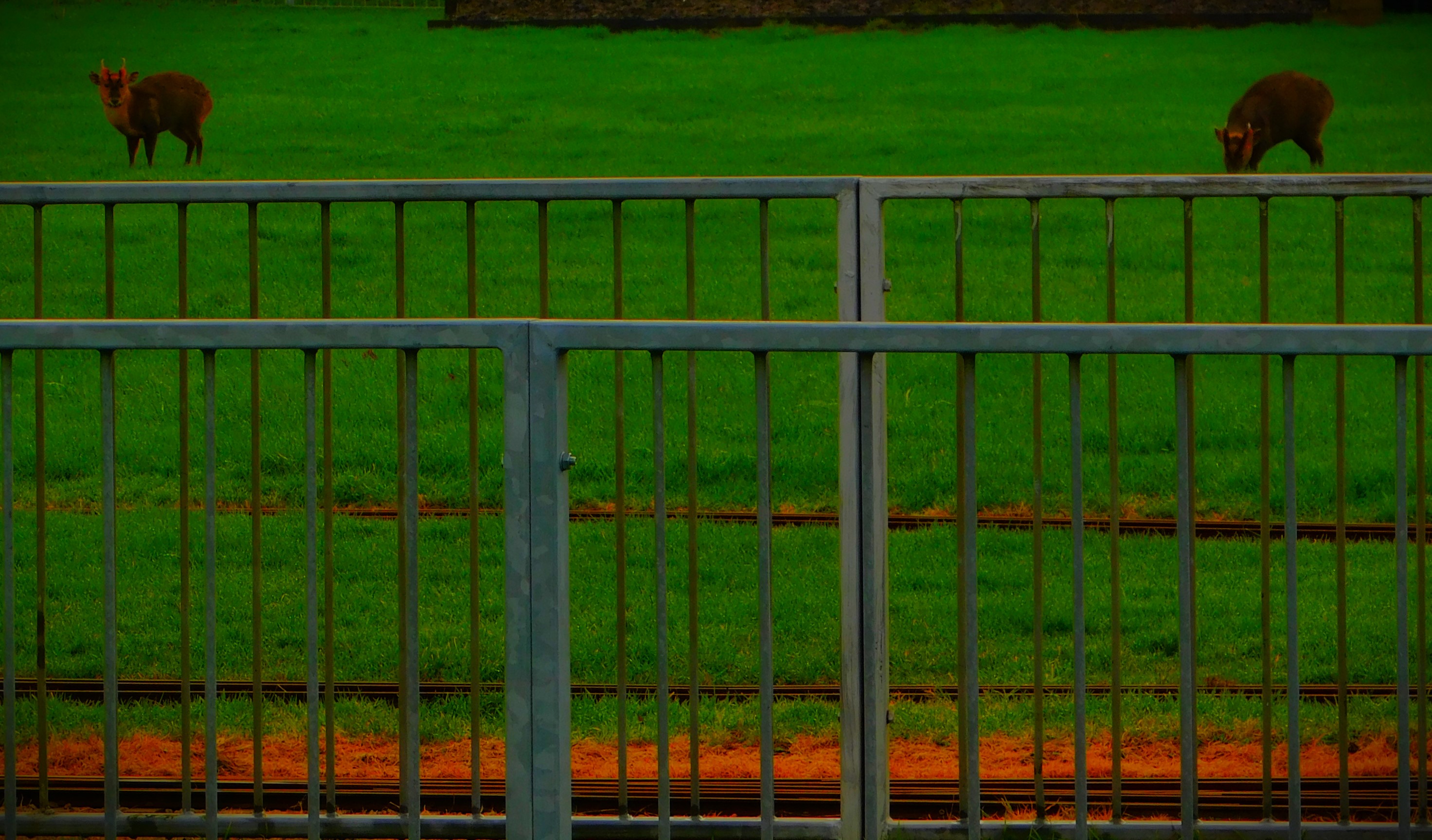
The next bus back to King’s Lynn after the end of the work day is at 3:45PM, so I generally fill in time by visiting Fakenham Library, as I did on this occasion. I get off the bus home one stop before the very closest stop to my home and walk home from there by way of the Gaywood River Path – always worth doing, especially in daylight, which by now is the case. I appreciated seeing several muntjac as I walked, though I was less impressed by lawbreaking oaf who roared past me (and a number of others) on a quad bike (illegal as it is a motorised vehicle and this path is for the use of pedestrians and cyclists only – an e-bike used with care and consideration would be acceptable, but a dirty great quadbike used with neither care nor consideration is most definitely not). This little section provides a useful lead into…
PHOTOGRAPHS
…My usual sign off…
From Wednesday afternoon’s walk.Taking the scenic route to from my home to the bus stop yesterday morning……I spotted ths unfortunate Tortoiseshell butterfly near Fakenham Church yesterday afternoon.Four shots from the walk home along the Gaywood river path.Today’s first walk (will be walking into town for supper this evening).
A test match XI made up of players some or all of whose prime years were in my lifetime, a few honourable mentions and a photo gallery.
In this post I select an all time XI intended to be perfectly balanced, and made up exclusively of players at least some of whose peak years have been in my lifetime. I also look at some of the players I omitted and explain my reasoning- in an exercise like this the challenge is just who one leaves out.
THE XI IN BATTING ORDER
Graeme Smith (South Africa, left handed opening batter). Over 9,000 test runs at an average of 48.
Sunil Gavaskar (India, right handed opening batter). The first ever to reach the career milestone of 10,000 test runs, and an average of over 50 at that level, and a good record outside Asia as well.
Brian Lara (West Indies, left handed batter). The greatest left hander to have batted in my lifetime, with any number of extraordinary knocks to cite in support of that claim.
Sachin Tendulkar (India, right handed batter). Holder of the records for most test career runs, most test centuries and various others.
Allan Border (Australia, left handed batter). For much of his career he carried a decidedly moderate Australian batting line up – it was only in the last few years of his career that he got to be part of a strong line up.
*Imran Khan (Pakistan, right handed batter, right arm fast bowler). My chosen all rounder, and my chosen captain. Ian Botham was sensational for the firts few years of his career, a producer of occasional sensations for another few years and then tailed off badly as the 1980s wore on, whereas Imran Khan was a much more enduring cricketer.
+Adam Gilchrist (Australia, wicket keeper, left handed batter). The man who revolutionized the role of the wicket keeper, playing many match winning innings from number seven. Unfortunately too many sides since his prime have been dazzled by the batting side of the equation and have given the gauntlets to folk whose keeping is not up to scratch (Gilchrist’s was).
Wasim Akram (Pakistan, left arm fast bowler, left handed batter). While it is possible that peak Mitchell Johnson was even more devastating with the the ball than peak Akram it is certain that Johnson when the force was not with him operated at a lower level than Akram ever did.
Malcolm Marshall (West Indies, right arm fast bowler, right handed batter). The greatest fast bowler of the golden age of West Indies fast bowling and a handy lower order batter.
Shane Warne (Australia, leg spinner, right handed batter). Leg spin was a dying art when he appeared on the scene – Abdul Qadir of Pakistan was the only leg spinner of real quality in the 1980s, and until Warne’s emergence there was no one coming through in the 1990s either.
Muthiah Muralidaran (Sri Lanka, off spinner, right handed batter). Only one bowler has ever taken 800 test wickets in a career, and unless James Anderson somehow continues to defy Father Time for another few years there is no prospect of anyone else reaching that landmark – the rise of franchise leagues around the world makes it likely that few if any of today’s younger players will be looking at having exceptionally long test careers. Murali took those 800 wickets at a rate of six per match, better among those to have played 20 or more test matches than anyone save SF Barnes who claimed 189 wickets in 27 matches for a wicket taking rate of seven per match.
This XI has good balance of left and right handed batters, great depth with everyone down to Akram at eight capable of playing a match winning knock and Marshall and Warne far from being genuine tail enders. The bowling above with three great fast bowlers and two great spinners is ideal for most pitches. If the match were to be played at Perth or Johannesburg I would drop Muralidaran and further strengthen the pace attack by bringing in McGrath, while on an absolute raging Bunsen I would replace Imran Khan with Ravindra Jadeja (India, left handed batter, left arm orthodox spinner) and rely on Akram and Marshall to bowl such pace as would be required. I also take this opportunity to explain the positioning of the captain and wicket keeper in the listed order – Gilchrist always said he never wanted to bat above seven at test level, while Imran Khan was comfortable batting at number six, so although Gilchrist was undoubtedly a finer batter than Imran Khan I have respected the Aussie keeper’s preferences and kept him at number seven.
SOME UNLUCKY ONES
A full honourable mentions section for a post of this nature would be virtually book length, there being so many potential candidates. So, if I make no mention of your favourite please assume I have my reasons for having not picked them – the listing that follows is not remotely comprehensive.
Left handed openers: Alastair Cook’s sheer longevity deserves a mention, and I would entertain arguments made on behalf of any of Saeed Anwar, Mark Taylor, Matthew Hayden, Justin Langer or Chris Gayle. I would not give the time of day to any arguments on behalf of David Warner – the absence of a single test century in any of seam friendly England/ New Zealand and spin friendly India/ Sri Lanka in my view disqualifies him from being regarded as a genuine great.
Right handed openers: The West Indian pair of Gordon Greenidge and Desmond Haynes come closest in my view to challenging Gavaskar.
Number three: I wanted a left hander in this slot, and I considered Lara’s case to be unanswerable.
Number four: Besides my actual choice there were three serious challengers for the slot – Steve Smith, Virat Kohli and Joe Root, the latter of whom enters the equation because he spent so much of his career carrying a weak England batting line up.
Number five: I opted for the left hander for extra balance. Jacques Kallis was unlucky to be right handed given that he would also have offered an extra bowling option. The other potential candidate had I wanted a right hander would have been Viv Richards. As it was the main challenger to Border was Sangakkara, and I would in no way object to the Sri Lankan’s inclusion in place of the gritty Aussie.
Number six: has been covered in the main part of the post. Had circumstances allowed him to play test cricket Clive Rice (SA) would almost certainly have provided stiff competition for this slot.
Number nine: In a few years time, if he maintains his current standards up to the end of his career Jasprit Bumrah of India will require that I move Warne up one place to this slot and put him in at number 10, but at the moment I am not quite prepared to make such a massive call as dropping Marshall, though I fully acknowledge the Indian’s greatness.
Number ten: Warne at the moment looks unchallengeable, but Rashid Khan (Afghanistan) merits an honourable mention.
Number 11: There are two remotely credible challengers for Murali’s slot – R Ashwin of India, who would make the batting ridiculously deep – he would slot in at nine, with Marshall at ten and Warne at 11, and Nathan Lyon of Australia, who gets extra credit for having succeeded as an off spinner when playing his home matches in Australia (check out the records of English off spinners in Australia for an emphatic illustration of this point).
An illustrated account of a pizza making event to remind folks of my existence, and of course a regular photo gallery. Everything should be back to normal email and internet wise from Monday afternoon.
My internet and email situation will be back to normal on Monday. This Sunday just gone I took part in a pizza making session for autistic adults at the King’s Lynn branch of Pizza Express. The body of this post describes the process.
FROM DOUGH TO PIZZA
Pizza making in these sessions does not start absolutely from scratch – we have preprepared dough to work with. When we get to it we have the following starting position…
an ellipsoid lump of very sticky dough surrounded by flour.
The first stage is to dust the dough (which would otherwise be too sticky to work with) with flour. Then one uses fingers to flatten out the edge of the dough, leaving a dome in the middle (at this stage the dough should be about the same size and shape as a fried egg). Next the dome has to be flattened with the palm of the hand, and then the now flat piece of dough needs to be worked on until it is roughly circular and not too different in size from the tray in which it will be cooked. It then needs to be inserted into the tray, and manipulated once in so that it covers the entire base, and there is a small rise up the side of the tray to keep all the toppings in…
The pizza base ready for the addition of the toppings.
The first addition to the base is a ladleful of tomato puree (Pizza Express do not allow for the making of ‘white pizzas’), which has to be spread out evenly using the back of a spoon…
Next come the optional toppings, the first two of which I accepted being mushrooms and olives…
Then came the meat toppings, of which I accepted pepperoni and passed on the rest…
The penultimate addition when all the optional toppings are in place is the cheese, without which of course it would not be a pizza…
Finally, for those who want it comes that classic Mediterranean flavour enhancer, oregano. For those who, like me, opted to accept this, you take it in your non-dominant hand so that you can sprinkle it evenly over your pizza with your dominant hand…
The pizza, now ready for cooking.
A few minutes later the pizza was ready for eating, and it was excellent.
The pizza, cooked and ready to be eaten.
PHOTOGRAPHS
My usual sign off…
It is early in the year for hares to be out and about (the Lewis Carroll character is ‘The March Hare’ for a reason), but here are two in a single shot.