All Time XIs – G for Glory

An all time XI of players whose given names begin with G, a massive honourable mentions section which includes mention of today’s WBBL Challenger match, and a photo gallery.

Today I choose an all time XI of players whose given names begin with Gs. This letter poses particular challenges which I will explain in the course of the post, and there are a vast number of honourable mentions.

  1. *Graeme Smith (South Africa, left handed opening batter, captain). A superb playing record and an outstanding captain.
  2. Gordon Greenidge (West Indies, right handed opening batter). One half of the West Indies greatest ever opening pair. His highlights include twin tons on the most difficult surface of the 1976 series, two contrasting double centuries against England in 1984, one a brutal match winning knock at Lord’s after England had the temerity to declare their second innings closed on the final morning (and some reckoned they should have done so earlier), and the other a ten hour marathon innings which put his side fully in control of the match at Old Trafford.
  3. George Headley (West Indies, right handed batter). Nicknamed ‘Atlas’ because he seemed to carry his side on his shoulders, he is among the select few to have played over 20 test matches and have an average of above 60 – 60.83.
  4. Graeme Pollock (South Africa, left handed batter). Another member of the select club referred to above. In what proved to be South Africa’s last series before isolation he set an individual scoring record for that country with 274 against Australia. That score has been beaten by four players since South Africa’s readmission – Daryll Cullinan, Gary Kirsten, Graeme Smith and Hashim Amla.
  5. Greg Chappell (Australia, right handed batter, occasional medium pacer, occasional leg spinner). A superb batter, one of the safest slip fielders the game ever saw and a part time bowler of two types.
  6. Garry Sobers (West Indies, left handed batter, left arm bowler of every type known to cricket). The most complete player the game has ever seen, and therefore, as always when he is eligible for selection, the first name on the team sheet for this XI.
  7. Gilbert Jessop (England, right handed batter, right arm fast bowler). The ultimate X-factor player, with an approach to batting ideally suited to someone coming at number seven in a strong side.
  8. +George Duckworth (England, wicket keeper, right handed batter). A great wicket keeper, and in a side with the batting guns possessed by this one I am not worried about his limited skill in the latter department.
  9. George Lohmann (England, right arm medium fast bowler, right handed batter). Of bowlers to have taken at least 100 wickets he has the best average by some way, a barely believable 10.75, and also the best strike rate – a wicket every five and a half overs on average.
  10. George Dennett (Gloucestershire, left arm orthodox spinner, left handed batter). Never capped for England, but 2,151 FC scalps at 19.82 a piece. England were exceptionally well served by left arm spinners in his playing days – Rhodes, Blythe, the all round skills of Frank Woolley and Roy Kilner etc.
  11. Glenn McGrath (Australia, right arm fast bowler, right handed batter). We have our ‘enforcer’, one of the greatest of all time.

This side has a stellar top six, including the most complete player the game has ever known, the ultimate in x-factor players at number seven, a great keeper and three great specialist bowlers. The bowling does not have quite the dazzling array of options possessed by some of my sides, but I do not think that McGrath, Lohmann, Dennett, Jessop and Sobers would be likely to find capturing 20 opposition wickets beyond them on any surface.

This will require a systematic approach, so I shall work my way down the order…

Glenn Turner, the only New Zealander ever to score 100 first class hundreds is the biggest miss here, but Gautam Gambhir of India would also have his advocates, Gary Kirsten of South Africa deserves a mention (and can have the head coach job that England infamously refused to give him allegedly because his power point presentation wasn’t good enough) and George Gunn, who played for England many years ago, and absolutely did things his way also deserves a name check.

These guys missed out because of the stellar cast available to fill these slots. Geoff Howarth of New Zealand, Gundappa Viswanath of India and Gilbert Parkhouse of England would all have merited serious consideration for a letter less well stocked with world beating batters, but none can get in here.

The presence of five of the greatest ever specialist batters and Sobers limited the scope for the inclusion of all rounders. Luminaries such as George Giffen (Australia, right handed batter, off spinner), George Hirst (England, right handed batter, left arm fast medium) and two leg spinning all rounders, Greville Stevens (England) and Garnet Lee (Nottinghamshire, Derbyshire) all missed out. Had I been picking with limited overs in mind Glenn Maxwell of Australia would have been one of the first names on the team sheet, but I preferred Jessop at seven, and the only one of the top six who I could even have contemplated not picking was Greg Chappell. George Pope of Derbyshire and England was a good enough all rounder to merit a mention as well. George Ulyett, who played for England in their very early days and had an HS of 149 and a BB of 7-36 was also unlucky.

Godfrey Evans was the nearest challenger to Duckworth, wkith Graham Manou, a fine keeper who was scurvily treated by the Aussie selectors of his day and Gil Langley of Australia also in the mix.

George Simpson-Hayward, the last underarm bowler to make a serious impression at test level (over 20 wickets in his only test series, against South Africa in South Africa) was close to dislodging Dennett. George Macaulay of Yorkshire and England never managed much at test level.

It is in this category that we meet the greatest number of top cricketers to miss out for this letter. Garth Le Roux, the giant South African quick of the 1970s and 80s never got to play test cricket, otherwise he might well have had a slot. Graham McKenzie, the best Aussie pacer between the retirement of Davidson and the rise of Lillee was also close. George John was rated by CLR James as the finest of the early West Indian fast bowlers, but he was finished before they started playing test cricket. Gideon Elliott who had a very brief but freakishly successful fast bowling career in the late 1850s and early 1860s (48 wickets at less than 5 a piece, including innings figures of 9-2) deserves a mention. George “Tear ’em” Tarrant was a hugely successful fast bowler in the era immediately before the rise of WG Grace, but the way the good Doctor quelled those who before he came along had intimidated by dint of sheer pace on often treacherous pitches explains why I overlooked him. Had I not had Sobers to perform the role, two candidates for the role of left arm pacer would have been Gary Gilmour (Australia) and a gamble on George Garton, yet to establish himself as an England player. George Freeman, whose 288 FC scalps came at less than 10 a piece was another in the mix. George Geary might have had the slot I gave to Lohmann, but my feeling is that the difference between their test records is too great to be put down solely to the flat pitches on which Geary had to operate at that level. Glenn Chapple of Lancashire is a what might have been – injuries prevented him from gaining international recognition, and as fine a player as he was in domestic cricket I cannot justify dropping either Lohmann or the other Glenn to make way for him.

I was not able to include a female in this XI, but the Challenger in the Women’s BBL took place today, and Grace Harris with a superb innings, Georgia Redmayne with a great display of wicket keeping, and Georgia Voll with a stellar bowling performance all had big days out in a superb win for Brisbane Heat over Perth Scorchers, while Georgia Adams, a spin bowling all rounder, is also making a name for herself. Of the players I have named the most likely to earn a place in this squad in years to come is Redmayne, who if she continues to keep the way she did today could challenge Duckworth.

I have doubtless missed some of the riches available for this XI, though I do remind people wishing to comment that I have declared a policy of not selecting anyone who made rebel tours of Apartheid South Africa. Please feel free to make suggestions, so long as you examine the effect they would have on the balance of the side. With five batters and a batting all rounder having ironclad cases for inclusion fitting in enough bowling is a challenge for this letter.

My usual sign off…

All Time XIs – Given Names Begin With F

An all time XI of players whose given names begin with F and a photo gallery.

Today’s post sees an all time XI of players whose given names begin with F make their appearance. There will be plenty of honourable mentions as well.

  1. Frank Woolley (England, left handed batter, left arm orthodox spin bowler). The only player ever to complete the career triple of 10,000 runs, 1,000 wickets and 1,000 catches in first class matches.
  2. *Frank Worrell (West Indies, right handed batter, left arm medium fast bowler, captain). One of the finest captains in the game’s history and a test batting average of 49 as well.
  3. Frank Tarrant (Middlesex, left handed batter, left arm slow medium bowler). A habitual opener for Middlesex, and a very fine bowler as well.
  4. Fawad Alam (Pakistan, left handed batter). Someone who when he gets in takes a lot of getting out – five of the seven 50+ scores he amassed at test level were centuries, a Bradmanesque conversion rate.
  5. Francois ‘Faf’ du Plessis (South Africa, right handed batter). Just over 4,000 test runs at an average of 40.
  6. +Farokh Engineer (India, wicket keeper, right handed batter). An attacking batter and an excellent keeper. He once scored 94 runs in a morning session of a test match.
  7. Frank Foster (England, left arm fast medium bowler, right handed batter). Though I have listed his bowling first among his attributes he was a genuine all rounder, good enough with the willow to be Warwickshire’s first ever triple century maker. Even at test level his averages are the right way round – 23.57 with the bat and 20.57 with the ball.
  8. Fred Titmus (England, off spinner, right handed batter). A fine off spinner and plenty good enough with the willow to come in at number eight.
  9. Fred Trueman (England, right arm fast bowler, right handed batter). The first ever to capture 300 test wickets. His 307 test scalps came in 67 matches, and at an average of 21.57 each. He was not entirely without merit as a batter either, amassing three first class centuries over the years.
  10. Frederick Spofforth (Australia, right arm fast medium bowler, right handed batter). In 1878 pace alone sufficed for him to destroy a strong MCC batting line up at Lords (MCC 33 and 19 all out in their two innings, Spofforth 10-20 in the match). Four years later at The Oval he helped to inaugurate The Ashes by taking 14 wickets in the match with a mixture of pace and guile as England lost a low scoring match by seven runs. WG Grace, whose 32 in the final innings was one of only two 30+ individual scores in the whole match was fourth out with a mere 32 further runs needed, but a combination of English nerves and the sheer relentlessness of “the Demon” proved sufficient to put this beyond them.
  11. Fazal Mahmood (Pakistan, right arm fast medium bowler, right handed batter). Pakistan’s first great test match bowler, star of their win at The Oval in 1954. His great weapon was the leg cutter, which led to comparisons with England’s Alec Bedser, who deployed the same weapon to great effect.

This side has decent batting strength, with a strong top five, Engineer and Foster both definitely counting as all rounders, and Titmus a capable number eight. It also boasts a stellar bowling line up, with Spofforth, Trueman, Fazal Mahmood and Foster a fine pace/seam/swing/cut quartet, Titmus and Woolley to provide orthodox spin and Tarrant’s slow medium also available as an extra variation. Fazal Mahmood, given his expert usage of the leg cutter, can also be said to attend to the leg spinner’s angle of attack.

Had I been picking with limited overs cricket in mind Fakhar Zaman would have been one of the first names on the team sheet. In long form cricket he would be a more dubious asset and therefore I have omitted him. Faoud Bacchus of the West Indies was a possible for a batting slot, but although he did score a test match 250 that was his only three figure score at that level. Francis Ford had a decent first class batting record by late 19th century standards, but at test level he was an unequivocal failure, with a best score at that level of a mere 48. Fred Grace was among the leading batters of the 1870s, but his death at the age of 29 after one England appearance meant that there is no way of assessing his test capabilities. Frank Chester seemed destined for the top before a war time injury ended his playing career. He would certainly by one of the umpires, having stood in a then record 48 tests in the course of his second cricket career, and his colleague would be Frank Lee. Freddie Calthorpe was a decent county all rounder, but save for having the embarrassment of leaving what was supposed to be a ‘timeless test’ with a draw in a match his side had bossed (he deemed a first innings advantage of 563 insufficient to enforce the follow on, and a combination of two days of rain and the timing of England’s boat home punished him for his timidity) he did little of note at international level. Another Freddie, Brown of Surrey and Northants, was similarly not quite good enough as a player, though he handled himself better as a captain than did Calthorpe. There are cartloads of seam/ pace bowlers who were in the mix: Frank Farrands, a fine fast bowler of the 1870s, Frank Laver, one of the first great swing bowlers, Fanie de Villiers (good record for South Africa in the 1990s, but loses points for provoking Devon Malcolm into producing that 9-57 at The Oval in 1994) and current Afghanistan bowler Fazalhaq Farooqi who would be a strong candidate for a limited overs side being the most obvious. Feroze Khushi, a talented young middle order batter for Essex, is not there yet, but there are promising signs, and he may force his way in in due course.

It has not been an ideal day for photography. to put it mildly, but I do have enough for my usual sign off…

All Time XIs – Given Names Beginning With E

An all time XI of cricketers whose given names begin with the letter E and a large photo gallery.

Today I pick an all time XI of players whose given names begin with the letter E. A couple of selections may well raise eyebrows but I reckon all are well justified. There will be an honourable mentions section.

  1. Eric Rowan (South Africa, right handed opening batter). At a time when South Africa weren’t the strongest he managed to record a test average of 43.66. His highest score was 236, which at the time was the highest individual score for South Africa, beaten by Graeme Pollock in the last series of South Africa’s first incarnation as a test nation. There was a famous occasion when notified while a match was in progress that he had been dropped for the next one he proceeded to show the selectors what they were missing by scoring a match saving 156* in the final innings, batting right through the final day.
  2. EM Grace (England, right handed opening batter, lob bowler). He was the first member of his family to be an acknowledged cricket marvel (his eldest brother Henry first developed the family’s ruling passion, and his love for the game led to their father and an uncle, Alfred Pocock, coaching the whole family). His bowling achieved some great successes as well – on one occasion he accounted for the famously hard to shift Harry ‘Not at Dorking’ Jupp with a steepling lob that landed exactly on top of the stumps, dislodging a bail.
  3. Everton Weekes (West Indies, right handed batter). One of the greatest batters ever to play the game.
  4. Eddie Paynter (England, left handed batter). The highest career average of any left hander to have played 20 or more tests, 59.23. That included double centuries against both Australia and South Africa. His most famous innings was an 83 in stifling heat at Brisbane, when he was suffering severe tonsilitis and rose from his hospital bed in England’s hour of need, which helped England secure the victory that confirmed them as winners of the 1932-3 Ashes.
  5. Elias ‘Patsy’ Hendren (England, right handed batter). Only Hobbs scored more than his 170 first class hundreds, and only Hobbs and Woolley exceeded his 57,610 first class runs. One record which remains his is most FC centuries at a single ground, 74 of his having come at Lord’s.
  6. *Eddie Barlow (South Africa, right handed batter, right arm medium pace bowler, captain). He averaged 45 with the bat at test level, and while his bowling was not much used at that level his FC bowling figures stack up well. He was an inspiring captain, in the 1970s he invigorated a Derbyshire side who had grown used to propping up the championship table and led them to some very respectable finishes.
  7. +Eleanor Threlkeld (England, wicket keeper, right handed batter). One of the best contemporary wicket keepers, and a fine batter as well, as evidenced by the match winning hundred she scored for Thunder against Storm in the Rachael Heyhoe-Flint Trophy (50 overs per side, the longest non-test match format played by women) on September 16 this year.
  8. Ernie Robson (Somerset, right arm medium fast bowler, right handed batter). An excellent bowling all rounder. His outswing was rated by Jack Hobbs, aka The Master, as the most difficult bowling he ever faced.
  9. Ernest Jones (Australia, right arm fast bowler, right handed batter). One of the fastest bowlers of the 1890s, he once famously sent a ball through WG’s beard.
  10. Erapalli Prasanna (India, off spinner, right handed batter). One of four spinners to regularly play for India in the 1970s (he, Bedi and Chandrasekhar were indisputably world class practitioners, the fourth member of the quartet, Srinisvaraghavan Venkataraghavan was a cut below the rest).
  11. Eric Hollies (England, leg spinner, right handed batter). Possessor of the all time worst wrong way round disparity between runs scored and wickets taken in FC cricket (1,673 FC runs at 5.00, boosted by 282 not outs in 616 innings, and 2,323 Fc wickets taken at 20.94 each). Also the man who stopped Bradman from recording a final test average in three figures, bowling him for a duck in his last test innings, which turned 6,996 runs at 101.39 into 6,996 at 99.94.

This side has a powerful top five, a quality all rounder, a quality keeper who can bat, a fine bowling all rounder and three splendid and contrasting specialist bowlers. A bowling attack that has Jones, Robson and Barlow to bowl pace/ seam, Hollies and Prasanna to bowl spin, and EM Grace as a wildcard has both depth and variety.

The opening batters had few challengers – Eve Jones’ left handedness bringing her into the picture, but not being sufficient to dislodge either of my choices. On a spinning pitch Eddie Barlow would give way to Enid Bakewell, an all rounder whose bowling stock in trade was left arm orthodox spin, with EM Grace taking the captaincy. Ernest Tyldesley was the best batter to miss out, a member of the 100 FC hundreds club and possessor of a very respectable test record. Two Eds, Joyce (Ireland/ England/ Ireland) and Smith (England) were respectable rather than outstanding. The main keeping rivals to Threlkeld were EFS Tylecote who as a schoolboy in 1868 took advantage of the batting friendly conditions of Clifton College to score the first recorded quadruple century in any form of cricket, 404* in a house match (31 years later another schoolboy, AEJ Collins, scored 628* in a house match at the same ground), and going on to keep wicket for England, Edward Pooley who should have been England’s first ever keeper but was cooling his heels in a New Zealand prison when the appointed time arrived and EJ ‘Tiger’ Smith of Warwickshire and England. Ernie McCormick was fast but erratic, and his 1938 tour of England was ruined by no-ball problems. Ernest Toshack had his moments as a left arm medium pacer, including taking 5-2 in an innings against England but did not have a weighty enough record to garner more than an honourable mention. Eiulf Peter ‘Buster’ Nupen, the only test cricketer to date to have been born in Norway, would be in the mix if the match was to be played on a matting wicket, but not otherwise. Edwin Tyler, a left arm orthodox spinner, once took an all-ten for Somerset, but falls short overall. Edward Wainwright of Yotrkshire and England had a good record as an off spinning all rounder in FC cricket, but failed to take a wicket in any of his five test appearances, finding the Australian pitches of 1897-8 unresponsive to his type of bowling, setting a trend that has continued to the present day when it comes to English off spinners in Australia. Ellyse Perry is a magnificent cricketer, but for this exercise she could only be picked if her batting was good enough on its own, and given the strength of the upper and middle order of this side I do not think it is. I end with a ‘what might have been’ – Edwin Boaler Alletson (Nottinghamshire). At Hove in 1911 he reached lunch on the final day on 47* from 50 minutes, which appeared to be merely delaying the inevitable. 40 minutes after the resumption he holed out in the deep – for 189! Those last 142 came out of a last wicket stand of 152 with Bill Riley, which left Sussex grateful to emerge with a draw after they lost a few early wickets in their second innings. This was Alletson’s maiden ton, and it ended up being a first and only for him. Had that innings given his career the boost it should he might well have had the slot I gave to Ernie Robson, but it proved a flash in the pan, and nor was his bowling that impressive overall.

My usual sign off…

All Time XIs – Given Names Beginning With D

A look at some of the greatest cricketers to have given names beginning with D and a large photo gallery.

Today I select an all time XI of players whose given names begin with D. There will be quite a few honourable mentions.

  1. David Warner (Australia, left handed opening batter). Few openers with given names beginning with D make a really strong case for inclusion, and in spite of various question marks (lack of runs in spin friendly India and Sri Lanka, ditto in swing and seam friendly England and New Zealand) about him this guy has to have the number one slot in this XI.
  2. Desmond Haynes (West Indies, right handed opening batter). His test record is excellent, and he habitually opened with a more attack minded partner in Gordon Greenidge. He would be an excellent foil to Warner.
  3. *Donald Bradman (Australia, handed batter, captain). Indisputably the best test batter there has ever been, and a splendid captain into the bargain.
  4. David Gower (England, left handed batter). A stylish left hander who also had enough steel to score 8,000 test runs at an average of 44.
  5. Denis Compton (England, right handed batter, left arm wrist spinner). Lost six years to WWII, was dogged for most of his post-war career by knee troubles and still had a superb record at the highest level.
  6. Dane van Niekerk (South Africa, right handed batter, leg spinner). The most controversial selection I have yet made in this latest blogging venture. She has not had the opportunity to play a test match, but her record in ODIs is better than her record in T20Is, which suggests that longer formats suit her. She is an attacking batter and a big spinner of the ball.
  7. +Don Tallon (Australia, wicket keeper, right handed batter). One of the greatest keepers ever to play the game and a more than adequate middle order batter. My chosen captain would be the first to endorse my choice of wicket keeper, since he rated Tallon the best he ever saw in action.
  8. Daniel Vettori (New Zealand, left handed batter, left arm orthodox spinner). New Zealand has not produced vast numbers of quality spin bowlers, but he was one of them. In 1999 as a youngster he played a huge role in consigning England to the home series loss that put them at the bottom of the world test rankings.
  9. Dennis Lillee (Australia, right arm fast bowler, right handed batter). One of the greatest fast bowlers ever to play the game.
  10. Dale Steyn (South Africa, right arm fast bowler, right handed batter). Even South Africa, which has produced a wealth of quality pacers, has had precious few to match Dale Steyn.
  11. David Harris (Hambledon, right arm fast bowler, right handed batter). The game’s first unarguably great bowler, largely responsible for the fact that catches are now credited to the bowler (simply because he showed precisely how bowlers can bowl with the specific intention of generating catches in mind). He would need a law change to be able to bowl in the style that he did back then, a matter I have covered in previous blog posts. My final word on this selection refers to the latter stages of his career: he was crippled by gout, but was so important to his team that they used to bring an armchair on to the field so that he could rest his feet when not actually bowling.

This side has strong batting, and with Lillee, Steyn and Harris to bowl pace and two contrasting front line spinners in Vettori and van Niekerk plus Compton as back up it is also well served in the spin department. Add to this a great captain and an outstanding keeper and you see a side with all bases covered.

Before I go into general honourable mentions there is a particular slot to be given special treatment…

There is of course someone who regularly batted at number six for Australia with distinction and whose given name begins with D: Doug Walters. The reason for my omission of Walters is down to the balance of the side – Walters was a batter who bowled, while I wanted an all rounder, and a spin bowling all rounder for preference. Within the brief of ‘spin bowling all rounder’ the main rival to van Niekerk was David Holford of the West Indies, but he did not really measure up in either department. Dattu Phadkar of India, a middle order batter and a bowler of fast medium or off spin according to circumstances had a fine FC record, but his international record was decidedly ordinary. Deandra Dottin of the West Indies was a seam bowling all rounder, and there was a significant decline between her records at T20I and ODI cricket, which suggests that genuinely long form cricket would not suit her at all. My contention here is a simple one: of all those I could have selected for this slot Dane van Niekerk most closely meets the specific requirements of this XI.

Don Kenyon was a fine opener for Worcestershire, but a failure for England. Deep Dasgupta once scored a century for India against England as an opener, but his presence in that role said more about the nature of the pitches and of the fact that the best Indian batters of the time disliked opening than it did about his skills. His wicket keeping is a red herring in this context since he ranks several miles below Tallon in that department. Two other Aussie batters besides Walters who had to be overlooked were Dean Jones and Darren Lehmann. Dilip Vengsarkar of India had a good test record, and was among the few of his day who fared better against the West Indies than he did overall, but no way could he displace Compton. Daryl Cullinan of South Africa was another who was unlucky to miss out. Duleep Mendis of Sri Lanka did enough to earn a mention here but not enough to force his way in. Daryl Mitchell of New Zealand is a fine middle order batter. Douglas Jardine was a good player and a great captain. Denis Lindsay of South Africa had one great series with the bat against Australia, but that was not enough to displace Tallon as keeper. Derek Shackleton was a superbly reliable and consistent medium pacer, taking 100 or more FC wickets in each of 20 successive English seasons, and would get the nod for the third seamer’s slot if I were to be debarred from selecting Harris. Devon Malcolm was fast, and on his day, as when he took 9-57 against South Africa he could be unplayable, but when it wasn’t his day he could also go round the park. Doug Wright, the Kent and England leg spinner of the immediate post war era was too erratic – in between the moments of devastation, which included taking a record seven first class hat tricks he could leak runs at an alarming rate. Doug Bollinger had some good moments, but his performance at Adelaide in 2010 when he could barely raise a gallop sent my estimation of him through the floor. Dushmantha Chameera of Sri Lanka is as yet unproven, but may force his way in eventually, as may Dilshan Madushanka. David ‘Butch’ White of Hampshire had some great moments while not quite meriting selection.

My usual sign off…

My Team of the 2023 ODI World Cup

My world cup team of the tournament in more detail than the BBC website allows, plus a large collection of recent photographs, including a new bird sighting.

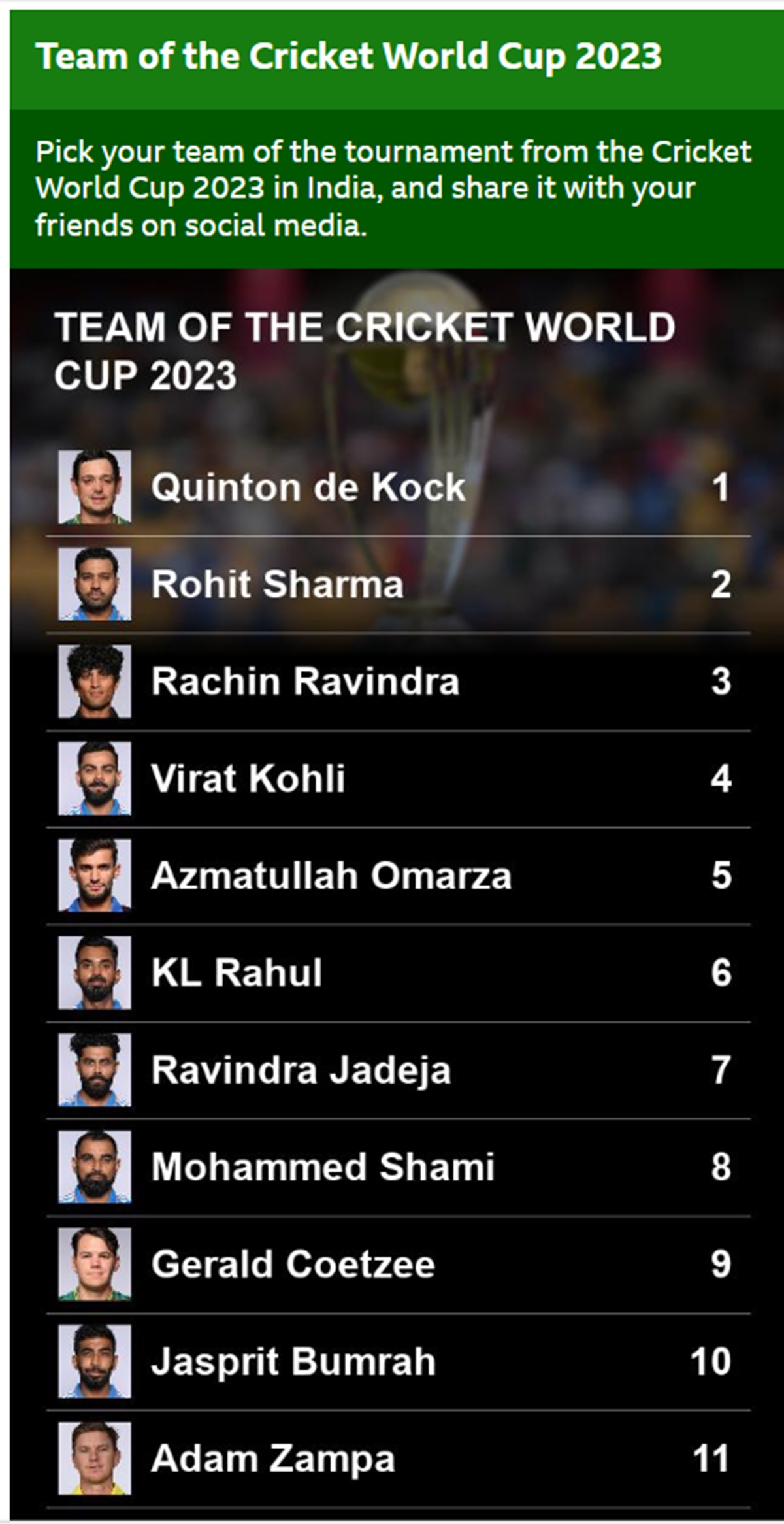
The BBC have an exercise running inviting visitors to their cricket section to pick a team of the tournament which I have just done. I am going into a bit more detail here than the website allows and will list an official 12th man, something again prohibited.

  1. +Quinton de Kock (South Africa, left handed opening batter, wicket keeper). A last hurrah in this format for one his country’s greatest ever limited overs players, and it has been one to remember, with a number of fantastic knocks.
  2. *Rohit Sharma (India, right handed opening batter, occasional off spinner, captain). He has led his side superbly and is very likely to be holding the trophy aloft in about 50 hours from now. His batting contributions even when not massive scores have made big impacts, getting India away to fast starts and taking pressure off those coming in later.
  3. Rachin Ravindra (New Zealand, left handed batter, part time left arm orthodox spinner). This has been a break out tournament for the Indian born New Zealand left hander, and he has had moments with the ball as well as with the bat.
  4. Virat Kohli (India, right handed batter, occasional right arm medium pacer). Has had a great tournament, in the course of which he has become the first to reach the career landmark of 50 ODI centuries.
  5. Azmatullah Omarzai (Afghanistan, right handed batter, right arm medium fast bowler). The young all rounder has been consistently impressive for a side who punched way above their weight at this tournament, making a very serious run at qualifying for the semi-final (at the opposite end of the punching vs weight scale would be England who failed to land a blow on anyone of any significance until it was far too late to be of any use to them).
  6. KL Rahul (India, right handed batter, occasional wicket keeper). Has been a steady hand when India have needed one – in their very first match of the tournament he came in at 2-3, when it seemed like all the good work of the bowlers could be going to waste and saw his side to victory, and there have been many other notable performances from him since then.
  7. Ravindra Jadeja (India, left handed batter, left arm orthodox spinner). Has made some useful contributions as India’s last recognized batter and has always been tidy with the ball. He is also probably the finest fielder of his generation, and has had a major impact in that department as well.
  8. Mohammad Shami (India, right arm fast bowler, right handed batter). The 8-11 in this team may need some rejigging in terms of where they actually bat – I was concerned to get the right bowlers, and not overly worried about their actual positions. He was not initially in the Indian starting line up, but has been superb since getting the chance. In the semi-final against New Zealand he became the first Indian ever to take a seven-for in an ODI, and he is for me a shoo-in for Player of the Tournament even if he doesn’t have a great day on Sunday.
  9. Gerald Coetzee (South Africa, right arm fast bowler, right handed batter). Has bowled with fire and enthusiasm – he has the best wicket celebration of any bowler at this tournament, a celebration he has been able to demonstrate quite frequently.
  10. Jasprit Bumrah (India, right arm fast bowler, right handed batter). One of the best bowlers of the current generation, and though his figures are not on a par with Shami’s, he has looked every inch the great bowler he is at this tournament.
  11. Adam Zampa (Australia, leg spinner, right handed batter). Has had an excellent tournament and is no small part of why his side have made the final. I have no witnessed enough of Zampa the white ball bowler to make a massive call and say that he is the best white ball leg spinner his country has ever had (yes in limited overs cricket he rates ahead of SKW for me).
  12. Glenn Maxwell (Australia, right handed batter, off spinner). He played on of the greatest ODI innings ever seen to win his side the match against Afghanistan, but unlike Omarzai who I selected he has not been consistently impressive. I have thus named him as 12th man.

This side his great batting power, a quality keeper, a reserve keeper available in the form of Rahul if needed and a stellar bowling unit. Omarzai as sixth bowler gives genuine flexibility in the unlikely event of one of the front five having a poor day.

Obviously, even with the tournament limited to ten teams, there has been an absolute galaxy of talent on display, and sensible cases could made for lots of the players concerned. Please feel free either to use the BBC cricket site’s tool to select your XI or use the comments section here to explain your thinking. This is my team of the tournament and I will stick to it. It is no coincidence that three of the the five front line bowlers have come from the team who I fully expect to see lift the trophy – it is the teams with the best bowling units who usually win out in the long term.

Time for my usual sign off…

India Looking Dominant at ODI World Cup

A look back at the weekend’s action in the 2023 ODI World Cup – a somewhat fortunate two points for Pakistan, two rather more well earned points for Australia and an utterly dominant display by hosts India in today’s table topping clash with South Africa. Also a large photo gallery.

Since I last posed there have been three matches at the ODI Cricket World Cup: New Zealand v Pakistan, Australia v England and India v South Africa. This post looks at these matches and at the state of play in the tournament.

Pakistan won the toss and elected to bowl first, a type of decision that has a terrible track record at this tournament. That did not look like changing when New Zealand were batting – at the end of the 29th over I tweeted that a total of 400 was on for the Kiwis, and 21 overs later when their innings had run its course they were 401-6. A combination of an amazing innings from Fakhar Zaman, solid support from Babar Azam and good reading of the Duckworth-Lewis-Stern situation by Pakistan saved them from a poor decision at the toss. With rain threatening Pakistan started to seriously increase their scoring rate from the end of the 15th over onward, and by the time of the first intervention, in the 21st over they were 10 runs ahead of where they needed to be according to DLS. When the second and final interruption came midway through the 26th over they had increased their advantage to 20, and emerged with the two points when the rest of the match was rained out. It was well judged by Pakistan to get themselves significantly ahead of where DLS said they needed to be – there have been some famous mishaps involving DLS calculations, such as Mark Boucher studiously blocking a ball with the rain already falling in the belief that his side were already ahead on DLS, when they actually needed a single off that ball to get ahead. At the same time I feel that the Kiwis were hard done by – I don’t think that had the match been allowed by the weather to go the distance that Pakistan would have pulled off this chase would have been over 50 runs more than the biggest successful full distance chase of the tournament so far.

At 8AM UK time yesterday Jos Buttler won the toss at this match, and moments later uttered what has become something of doom laden phrase at this tournament “we’re going to bowl”.

This was not actually by any means one of England’s worst efforts of the tournament, though that is more a reflection of how bad they have been than of how good they were on the day. However, even with the bowlers showing up and restricting Australia to 286 from their 50 overs, it was never terribly close, and the final margin of 33 runs flattered England rather than Australia.

India were playing a world cup match at Eden Gardens, Kolkata for the first time since 1996 (that game was a disgrace for India in two ways, first they were totally outplayed by Sri Lanka, and second it was called off early and awarded to Sri Lanka because with India over 100 adrift with just two wickets left the “fans” rioted rather than suffer the closing stages of a defeat). Today’s match was billed as a clash of the titans, featuring as it did the two best teams of the tournament to date. India won the toss and chose to bat first, virtually a mandatory decision when facing South Africa (just ask Jos Buttler and Tom Latham, both of whom made the wrong decision in this situation)…

Rohit Sharma played some beautiful strokes early on, while Shubman Gill hit four fours and a six on his way to 23, but also allowed 18 dot balls to be bowled to him. India scored 91 off the first 10 overs and a huge total looked on. However, South Africa looked to have fought back quite well when India finished on 326-5 from their 50 overs. Virat Kohli equalled Sachin Tenulkar’s career tally of 49 ODI hundreds, while Suryakumar Yadav and Ravindra Jadeja provided some late hitting.

South Africa started their reply badly and it never got any better. Ravindra Jadeja followed his batting cameo by claiming five wickets with his left arm spin, while everyone else also bowled well. South Africa scraped up a beggarly 83 in 27.1 overs, going down by 243 runs, the biggest margin of defeat South Africa have ever suffered in any ODI (some of the sides from South Africa’s first incarnation as a test nation between 1889 and 1971 took some absolute thumpings). India had batted well, but it was the bowling that was really notable in this performance. Usually batting sides try to find a bowler or bowlers they can target and see if they can force the bowling side into using minor bowlers, but when an attack features three top class pacers and two top class spinners all of whom are in good form this is rather difficult to do.

India are now looking extremely likely to win the tournament – their performance against South Africa today was simply awesome, and was the second successive time they had bowled an opposition team out for under 100 while defending, a detail which might make Sri Lanka feel a little less ashamed of their own capitulation a few days ago. South Africa are qualified for the semi-finals and are likely to hang on to second place, meaning that they are most likely to face Australia in the semi-finals. The fourth semi-final slot is up for grabs between Afghanistan, New Zealand and Pakistan (listed in alphabetical order for the avoidance of prejudice). Bangladesh, England, Netherlands and Sri Lanka are battling for the minor places, with 7th and 8th in the group gaining qualification for the 2025 Champions Trophy. Personally I reckon that England deserve to finish the tournament precisely where they currently are: stone last. That would force them to make the necessary wholesale changes.

My usual sign off…

2023 ODI World Cup Latest

A look at recent developments in the 2023 ODI Cricket World Cup, including two spectacular upsets – Afghanistan beating England and The Netherlands downing South Africa. Also two photo galleries.

There have been many developments in the tournament since my last blog post. This post looks at these developments.

In Sunday’s post I was anticipating a historic win for Afghanistan over England. That win duly materialised, with the final margin being 69 runs in Afghanistan’s favour – 284 vs 215. Afghanistan thoroughly deserved their win, and I was delighted that the Player of the Match award went to Mujeeb Ur Rahman for a very rapid 28 which gave the Afghanistan total a late boost and three good wickets, rather than Rahmanullah Gurbaz’s 80 securing him the award which is what I had feared. This was obviously a great occasion for Afghanistan, but it was also a great occasion for the tournament as a whole – going into this match there had not been an upset of any sort, and this was a seismic one.

Having paid tribute to Afghanistan I break the post up a bit with this…

Both of these teams had started with back to back losses, which meant that one of them would end the game firmly ensconced in the last chance saloon, almost certainly needing to win all six of their remaining games to qualify, while the other would still be in considerable jeopardy but would have some leeway. In the event Sri Lanka were never in the hunt, and Australia recorded a very comfortable win.

I was at work yesterday, so missed most of the match between The Netherlands and South Africa. The match was reduced by rain to 43 overs a side, and by the time I got back the Netherlands had amassed 245 from their allocation and had South Africa in considerable trouble at 133-6, needing 113 from 13 overs. The one hope for South Africa was that David ‘Killer’ Miller was still there. When he was out with the score at 147 the only remaining question was what the margin would be when the Dutch completed a victory that would be an even more king sized upset than Afghanistan’s over England. In the event, while never making anything approaching a serious assault on the target the South African tail provided stern resistance, with Keshav Maharaj leading a charmed life to score the luckiest 40 anyone could ever witness, and the final margin was 38 runs, which decidedly flattered the proteas. There was an added piquancy for a number of members of the Dutch XI – they had been born in South Africa and moved to their ancestral homeland after not making the grade in the land of their birth. They would have been even more overjoyed than their team mates to have bloodied South Africa’s nose in this manner.

Afghanistan are back in action today, against New Zealand. In spite of the fact that their great win over England had come by means of batting first, posting a total and defending it they made a very questionable decision to field first when they won the toss today, possibly allowing worries over evening dew to influence the decision. They didn’t bowl all that badly, but their fielding would have shamed the Rain Men – five catches went down, none of them hugely difficult and at least two downright easy. New Zealand ended their 50 overs with 288-6 from their 50 overs, which was a lot more than they should have got. Afghanistan lost both openers cheaply, and nothing else that has happened in the opening ten overs of their innings, which have just ended (with three straight maidens) with their score 28-2, needing 261 off the last 40 at 6.525 per over. Rahmat Shah has just scored his first runs, a two and a one, from his ninth and tenth balls, while Hashmatullah Shahidi is on 1 off 17 balls.

My usual sign off…

New Zealand Poised For A Second Big Win Of The Tournament

This post looks in the main at developments in today’s ODI Cricket World Cup match between The Netherlands and New Zealand. However just to tie up the loose ends of yesterday’s post, my unequivocal and unambiguous statement that due to the small size of the total they were chasing India were still favourites to win even after losing three very early wickets was borne out by the final stages of the match. Kohli and Rahul took India to the brink of victory before Kohli was caught for a fine 85. Hardik Pandya struck a six, which roused Rahul to new levels of aggression, and it was ultimately India’s batter-keeper who made the winning hit, a six over cover which took him to 97*. The margin was six wickets and 8.4 overs to spare, which gives India a healthy net run rate of 0.883 (this could be crucial later on, as if multiple teams finish the round robin stage on the same points tally net RR will be used as the tie-splitter. My reckoning based on the fact that four of ten teams qualify for the semi-final stage is that teams with a win-loss ratio of 6-3 or better will likely qualify without recourse to net RR and that it will be the teams with five wins and four defeats who get separated by net run rate. Thus my reckoning is that after yesterday Australia with their net RR having taking a big early hit need to win six of their remaining eight matches, while four more wins would probably see India qualify on net RR.

I missed the early stages of this match due to an appointment with the hygienist at my dental practice. The Netherlands won the toss and foolishly went with their fears about dew making the ball difficult to grip and gave New Zealand the opportunity to make use of the best batting conditions of the match. For much of the New Zealand innings a 350+ total looked on, but a combination of tight Dutch bowling and a couple of quick wickets around the 40 over mark put that kind of total out of reach, and at one stage a total of under 300 seemed possible. Overs 48 and 49, which went for 17 and 12 respectively got New Zealand to 300. With one ball left in the innings New Zealand were on 309-7. Then Bas de Leede, who had bowled very well, and had figures of 1-51 had a horror finish that spoiled his fine spell: first he bowled a no-ball which was smashed for six, then the resultant free hit produced six more and the last ball of the innings had thus yielded 13 (12 for the two sixes, one for the no-ball). New Zealand had thus ended on 322-7.

The Netherlands have not made a good start to the reply. Currently they stand at 76-3 after 19 overs, meaning that required run rate is pushing eight an over. Unless something remarkable happens in the remaining 31 overs of this match New Zealand, who started this tournament by pummelling England in the opening fixture, will be extremely strongly placed, with two wins out of two and a very good net RR.

I have a bumper gallery to share with you…

Developments in the 2023 Womens World T20 Cup

A look at developments in the Womens T20 World Cup and a bumper photo gallery.

Since I last blogged there have been three games in the tournament: Ireland v England, South Africa v New Zealand and Australia v Bangladesh. This post looks at those matches (the first of today’s two matches, between India and West Indies is just getting underway).

IRELAND V ENGLAND

England were heavy favourites, and the match went to form. However Ireland showed a bit of fight. They were 80-2 at one stage but a collapse led to them being all out for 105. Sophia Dunkley made a brutal early assault on this small target, taking just 21 balls to reach 50. However, Ireland never completely gave up, and although England had plenty of time to spare they were six wickets down by the time they crossed the winning line.

SOUTH AFRICA V NEW ZEALAND

This was a must-win game for both sides, as each had lost their opening match of the tournament. New Zealand did reasonably well with the ball, only a fighting 40 from Chloe Tryon getting SA to 132-6 from their 20. However, for the second time in as many matches both Kiwi openers went without scoring, and it was soon 18-4. New Zealand did not improve much from this awful start, eventually being all out for 67 to lose by 65 runs. This total was nine runs fewer than the Kiwis had scraped against Australia in their first match of the tournament.

AUSTRALIA V BANGLADESH

Bangladesh could not score with any speed, although they did at least reach three figures. They bowled better than they had batted, and although defeat for Australia looked a serious possibility it take them until the 19th over to finally reach the target.

PHOTOGRAPHS

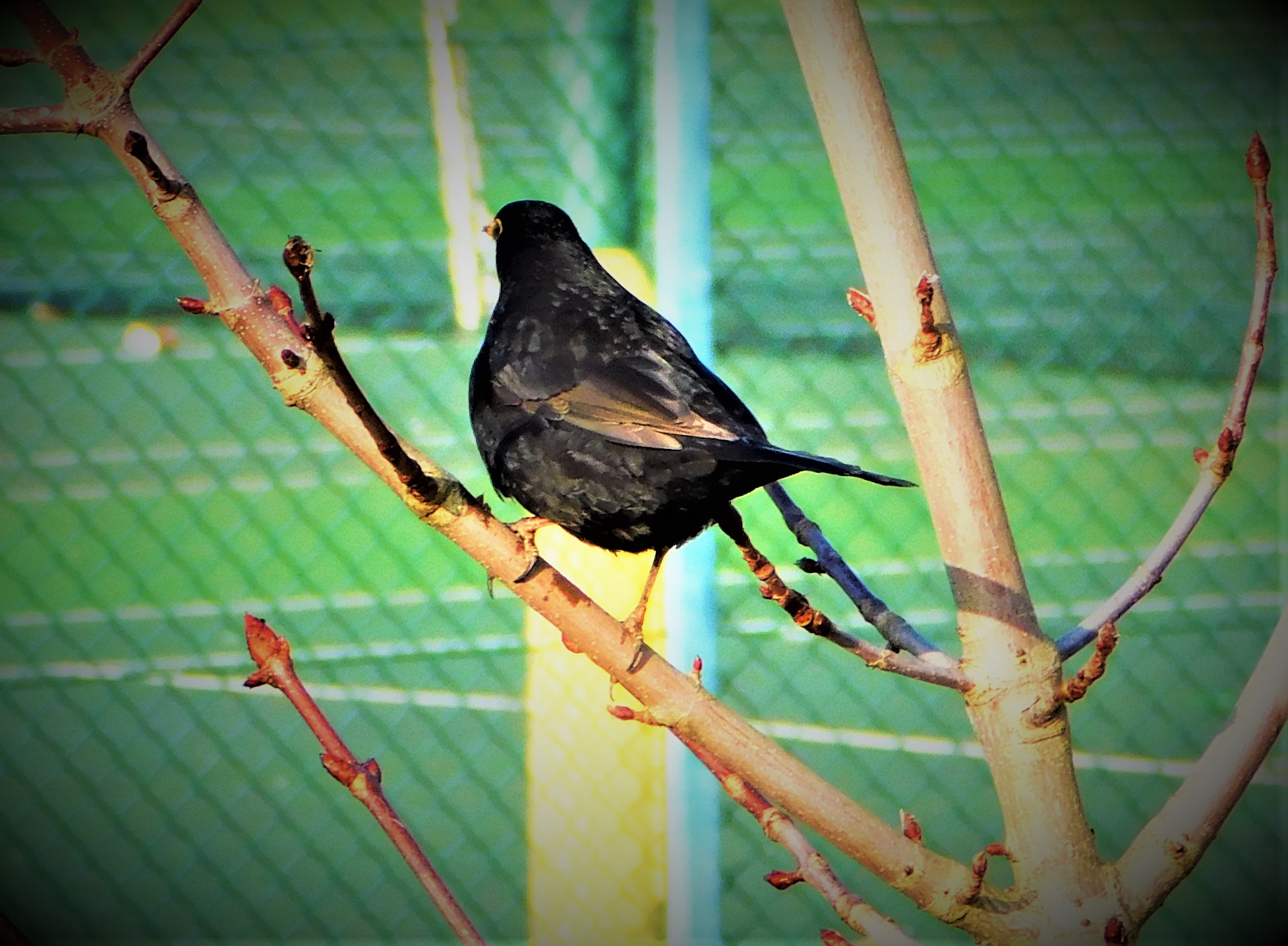
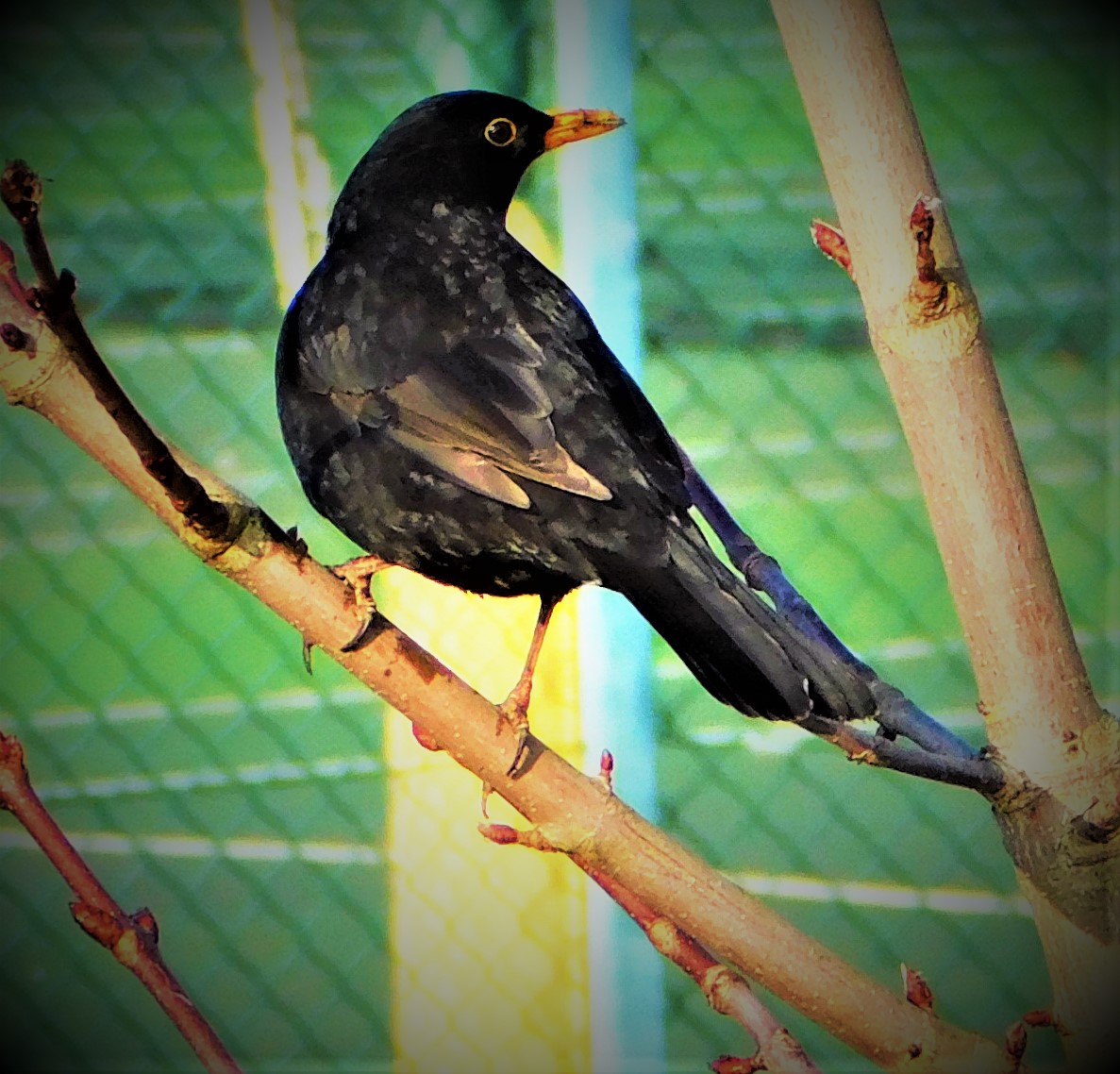
I have another big haul of photographs. I plan my walking routes to to ensure that opportunities arise, and also, living as I do on the edge of a very compact town I am able to conduct almost all of my non-working life on foot, and whether I expect the opportunities to arise or not I never venture forth without at least one camera…

Have West Indies Men Found A Proper Opening Pair?

A post noting a new West Indies men’s test record opening partnership and looking at what this might mean for West Indies going forward. Also walk details and of a course a photo gallery.

In today’s post I look a story developing in Zimbabwe, and what it might mean for West Indies Men’s test team.

A NATIONAL RECORD OPENING STAND

Zimbabwe are not the most threatening of opponents, but as against that West Indies had to contend with regular interruptions due to the weather and the fact that overhead conditions when play was possible during the first two days certainly favoured the bowlers. Remarkably, the opening pairing of Kraigg Brathwaite and Tagenarine Chanderpaul were still together for the start of the third day’s play. With the score on 296 Brathwaite was dropped, and he then hit the next ball for four to bring up WI’s first ever 300 run opening stand in test cricket (also beating the previous national record of 298 by Gordon Greenidge and Desmond Haynes in the process). The stand had reached 336 by the time Brathwaite was dismissed. England’s all time record opening stand was also achieved in southern Africa – Len Hutton and Cyril Washbrook putting up 359 at Ellis Park, Johannesburg during the 1948-9 tour of South Africa. Tagenarine Chanderpaul was still there on 207* when West Indies declared at 447-6, while Brathwaite had scored 182. Zimbabwe ended the day 114-3 in reply. They can only hope to save the match, while West Indies need 17 wickets in the last two days to win it (and also for Zimbabwe’s first innings to end up at 247 or less – with so little time left WI cannot hope to win if they have to bat a second time unless it is in pursuit of a very small total, with Zimbabwe having just avoided an innings defeat).

WEST INDIES OPENING WOES

In their entire history West Indies have had two authentically great opening partnerships, Greenidge and Haynes already referred to, and the earlier combination of Allan Rae and Jeffrey Stollmeyer. Conrad Hunte, an excellent test match opener in the late 1950s and early 1960s, never had a truly reliable opening partner, and neither did Chris Gayle in the 2000s. A side who can get away to a strong start when batting have a much better chance than one that regularly loses early wickets, and while finding a reliable opening pair has been far from the only problem West Indies have had since the end of their golden era in the early 1990s it will be big news not just for them, but for cricket as a whole, if this pair prove to be the real deal (Brathwaite already has a substantial test record, but Tagenarine Chanderpaul has only played a few matches, though he has made a stellar start to his test career).

PHOTOGRAPHS

Most of the photographs in today’s gallery come from two walks, with a few in between them. Yesterday I was invited to an early supper at a flat on Purfleet Quay. By the direct route this a walk of 15-20 minutes, but I had decided to go a long way round on the way there and take the quick route home due to the fact that the latter walk would be entirely in the dark. Thus I headed by way of the two ponds near me, the stretch of the Gaywood near Kettlewell Lane, across Littleport Street, past Highgate Methodist Chapel, across another section of the Gaywood, along the only section of main road I followed during the walk down past the station to the entrance to The Walks. I headed onto St John’a Walk, then took the footpath past the Red Mount Chapel and turned onto Broad Walk, emerging onto London Road, which I crossed onto the top of Millfleet, then passing through Hillington Square and inter alia All Saints Church, the oldest in King’s Lynn. Then it was down to the river by various side roads, a quick check in at the location where the Nar joins the Great Ouse, then round the dike that overlooks old Boal Quay, and on to the Great Ouse which I followed as far as the point where the Purfleet joins it, and having crossed the bridge I then headed up Purfleet Quay to the flat.

The second walk was today, and I started by walking along Columbia Way until it meets Bawsey Drain, along which I headed towards town. I departed from Bawsey Drain via the last bridge across it before one reaches town, headed by a combination of minor roads and footpaths through to Loke Road near Loke Road Recreation Ground, from which I followed a path which leads to the Kettlewell Lane river section, and then I looped round by way of Morrison’s, before passing the Kettlewell Lane river section a second time, heading past the two ponds and thus back to my back door.

Now for the photos…