A look back at today’s World T20 Final between India and New Zealand and a photo gallery.
The final of the 2026 World T20 Cup took place in Ahmedabad this afternoon UK time. The contending sides were the home side India, who had beaten England by seven runs in a semi-final that yielded almost 500 in 40 overs, and New Zealand who had spectacularly downed South Africa in the other semi-final. This post looks back at today’s match.
THE INDIAN INNINGS
New Zealand had won the toss and opted to bowl, hoping to do what they had in the semi-final. That was soon looking very unlikely, as Abhishek Sharma and Sanju Samson tucked into a Kiwi bowling attack never looked remotely threatening. Sharma, who had had a miserable tournament prior to today, made spectacular amends by hitting 52 off 21 balls, while Samson scored 89 off 46 balls, and Ishan Kishan weighed in with 54 off 25 balls. A final blitz of 26* (8) from Shivam Dube took India north of 250 – 255-5 from 20 overs. Mitchell Santner had figures of 4-0-33-0, and Glenn Phillips bowled one over for five runs, and seems bizarre given what happened to his colleagues that he was not called on again – outwith the two bowlers I have just mentioned New Zealand leaked 217 runs from 15 overs, an ER of 14.47 per over. James Neesham managed 3-46 from his full four overs. At the other end of the scale fast bowler Lockie Ferguson was left nursing figures of 2-0-48-0.
THE NEW ZEALAND CHASE
There proved to be one bowler who was not emasculated by the pitch. Jasprit Bumrah, who calls Ahmedabad home, produced an incredible display. He finished with 4-0-15-4, which would have been outstanding figures in any situation, but in a major final on a pitch that gave every indication of being a batters paradise it strained credulity that anyone should achieve such figures. Wickets 2,3 and 4 were all clean bowled, all with deliveries that were in effect quick off breaks. The fourth victim, New Zealand skipper Santner who had made 43, knew exactly what was coming but was unable to prevent the delivery from doing its work anyway. India won by 96 runs to retain the world cup, and Bumrah quite correctly was named Player of the Match (on this surface his bowling far outweighed any batting performance), while Sanju Samson was named Player of the Series, having contributed 321 runs across the tournament, while also keeping wicket.
PHOTOGRAPHS
This gallery comes from Friday, when I travelled to Norwich to make use of the big library there, since King’s Lynn library is closed at present…
An account of an extraordinary semi-final of the men’s T20 World Cup 2026 and a photo gallery.
The first semi-final of the 2026 T20 World Cup took place today at Eden Gardens, Kolkata. New Zealand faced South Africa, who had looked the most impressive team at the tournament prior to today. This post looks back at the match.
THE SOUTH AFRICA INNINGS
South Africa lost two early wickets before staging a bit of a revival. They reached 77-3 before Dewald Brevis and David Miller were both out at that score. Marco Jansen, the very tall left handed seam bowling all rounder, breathed some life into South Africa by hitting an undefeated 55 from 30 balls. He received support from Tristan Stubbs (29), but was starved of strike in the final over of the innings. South Africa in the end had a score of 169-8, much better than had looked on when they were 77-5, but probably not good enough.
THE NEW ZEALAND CHASE
Finn Allen and Tim Seifert opened the batting for New Zealand, and right from the word go they made the Proteas score look downright risible. By the time Kagiso Rabada bowled Seifert for 58 (33) the score was 117-1 from 9.1 overs, and the match was a good as settled. Remarkably it took a mere 3.4 overs more for New Zealand to seal the victory, with nine wickets and 7.1 overs to spare. The architect was Allen. At the start of the 13th over New Zealand were 149-1 with Allen 76 not out from 28 balls. The next five deliveries, bowled by Jansen, were dispatched for 4,4,6,6,4 to take Allen to 100* (33 balls, 10 fours, 8 sixes). Jansen only just escaped conceding as many with the ball as he had scored with the bat – his figures were 2.5-0-53-0. Kagiso Rabada, 3-0-28-1 for an ER of 9.33, was the only Protea bowler to go for under 11 an over. New Zealand have served due notice that they will pose a serious threat to whoever wins tomorrows match between co-hosts India and England. England are the likelier of the two sides in action tomorrow to be really dangerous – they have got to the semi-finals without ever finding peak form but somehow doing enough. For the Proteas this will be a sickeningly familiar feeling – they have a long history of being very impressive in the early stages of tournaments and then coming unstuck on a big ‘winner takes all’ day.
PHOTOGRAPHS
The weather continues to be pleasant here in Norfolk, and I have big photo gallery to end with…
A look at today’s events at the T20 world cup and a photo gallery in two parts, including the first bumblebee of 2026.
The second stage of the men’s T20 world cup of 2026 is well underway. Today saw Sri Lanka facing New Zealand.
A NEW ZEALAND INNINGS IN THREE PARTS
New Zealand started well, and were 76-3 at one stage, before then slumping to 84-6. With 7.5 overs to to go at that point New Zealand looked out for the count. However Mitchell Santner and Cole McConchie, helped by some poor Sri Lankan bowling came back strongly, and by the time Santner was caught off the final ball of the innings he had scored 47 from 31 balls, while McConchie had 31 not out from 23 balls, and with the assistance of extras the pair had doubled the score, giving New Zealand a final total of 168-7.
PHOTOGRAPHS 1
A NON-CHALLENGE
Sri Lanka never looked remotely like challenging the total they had allowed New Zealand to get away with. At low water mark they were 29-4 after 8.2 overs. 140 off 11.4 overs is doable if you have plenty of wickets in hand, but that was not the case here. In the event it was only a mini-revival of their own that even got the Sri Lankans to three figures. The final margin was 61 runs. Mitchell Santner had taken 1-19 from his four overs, but missed out on Player of the Match because Rachin Ravindra, scorer of 32 off 22 balls in the New Zealand innings, had produced figures of 4-0-27-4. This result officially eliminates Sri Lanka from the tournament of which they are co-hosts and confirms that England are in the semi-finals. England have not been super impressive so far, but there is an old saying that “you can only beat what is put in front of you” – and by and large England have managed to do that.
PHOTOGRAPHS
I sign off with the second half of today’s photo gallery…
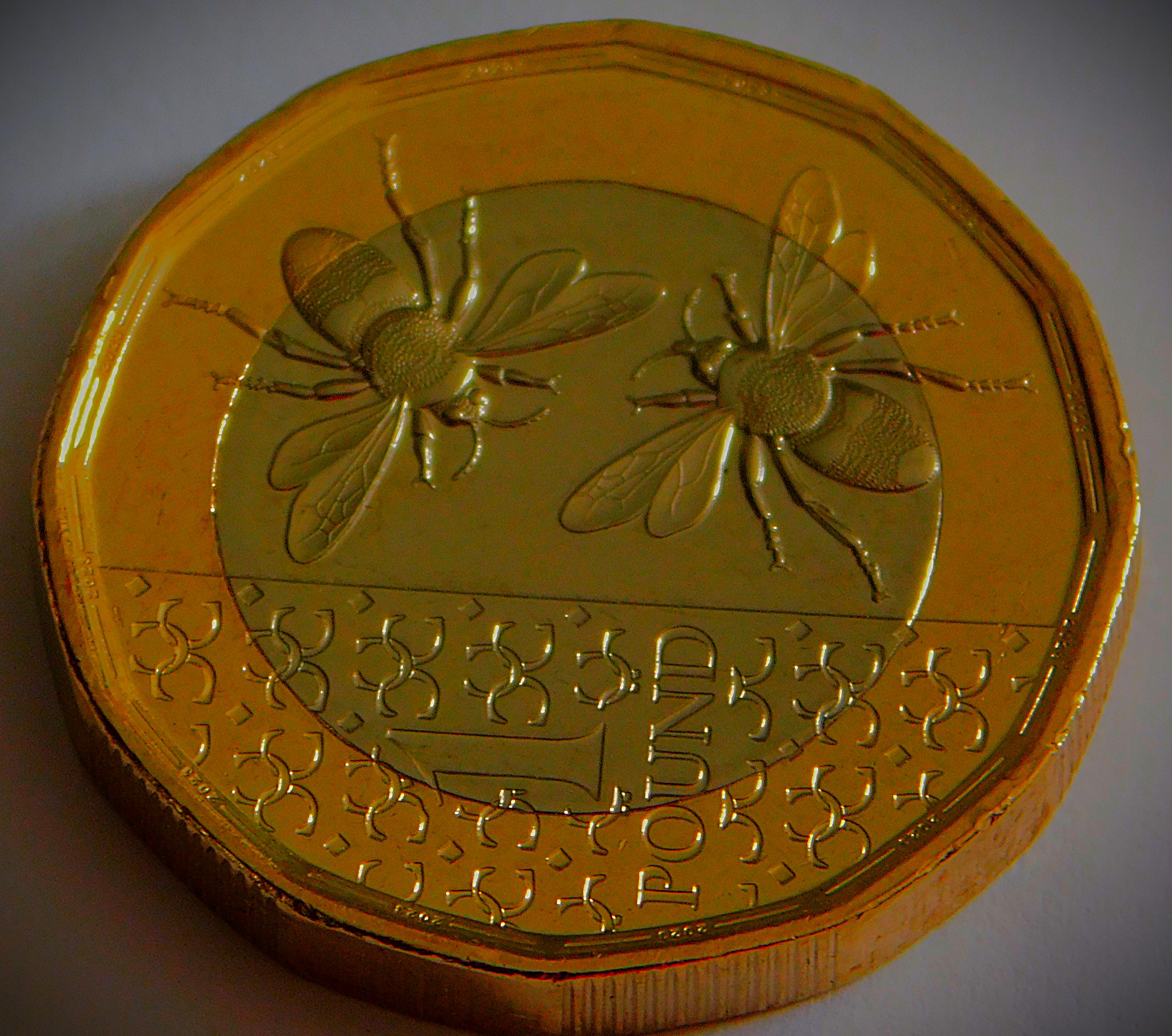
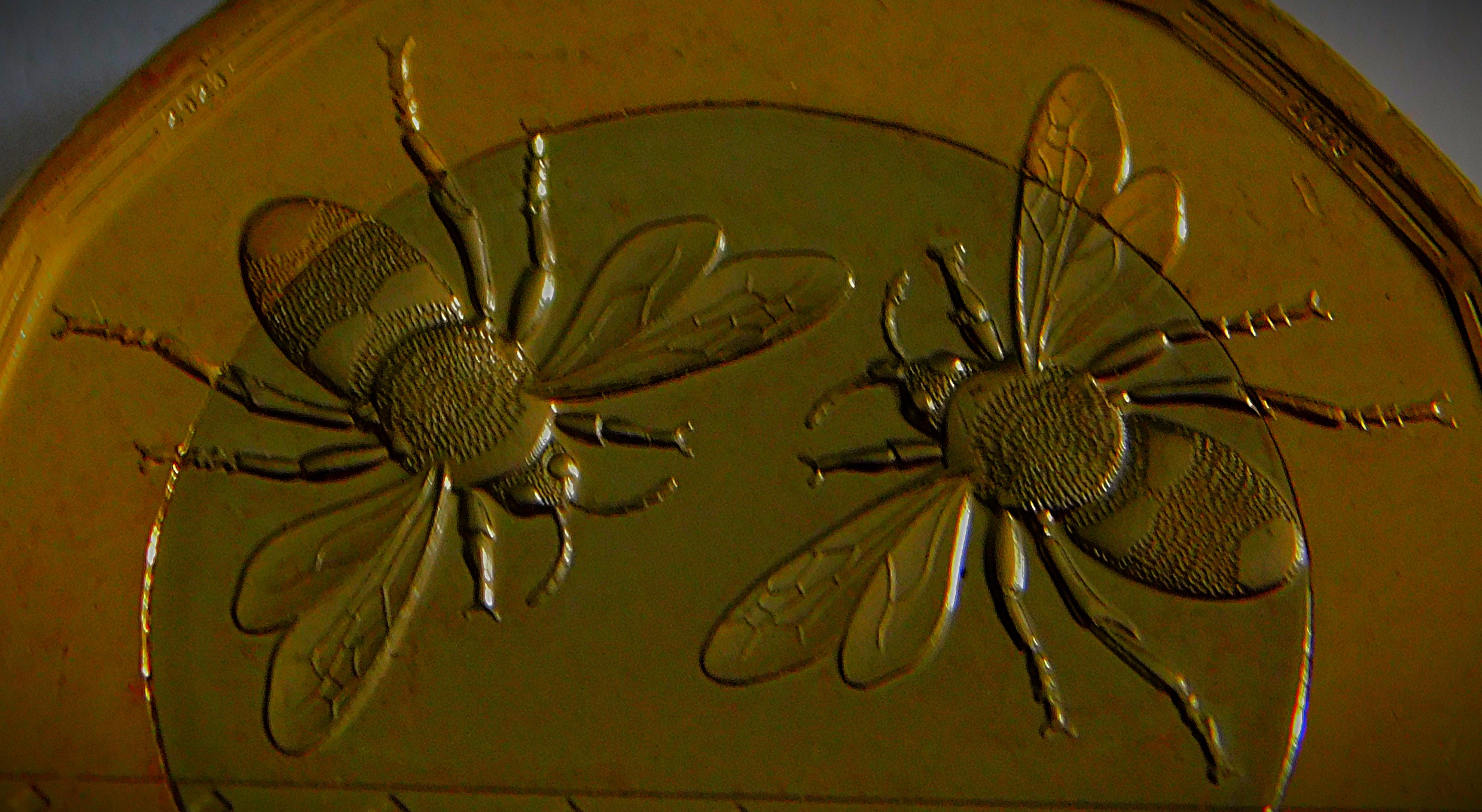
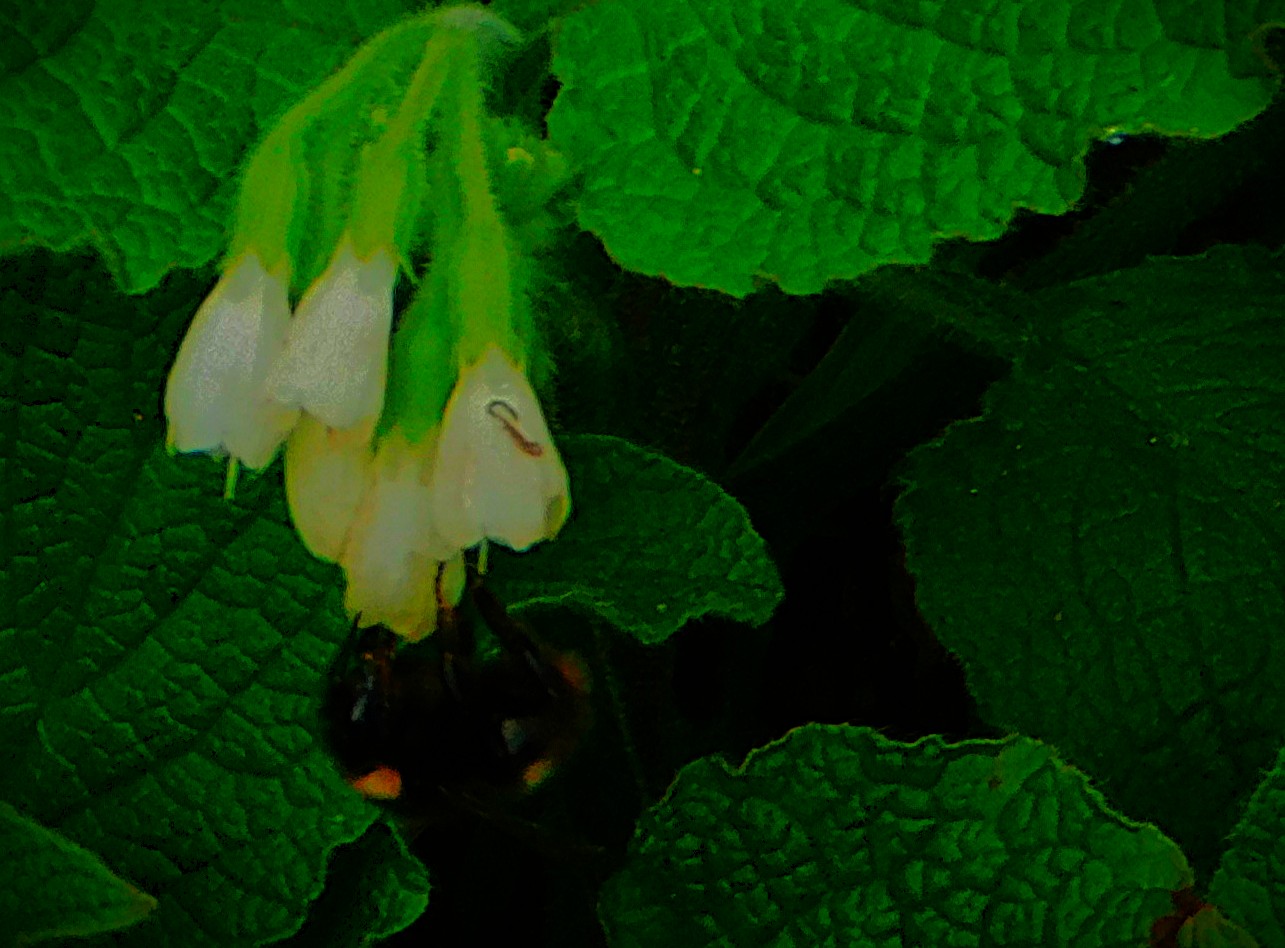
The first bumblebee of 2026, getting nectar from a little purple flower – this was on Monday (two pics).
A look back at three matches at the T20 world cup that were each in their way remarkable, and a photo gallery.
The 2026 Men’s T20 World Cup is continuing – as I type the USA are facing off against the Netherlands. This post looks back briefly at three very different fixtures.
WHEN ONE SUPER OVER DOES NOT SUFFICE
The match between Afghanistan and South Africa had more twists and turns than a mountain road. At various stages each side looked like winning but at the end of regular play the scores were tied- 187 each. Afghanistan looked in control of the first Super Over but a spectacular finish by South Africa saw that one tied. South Africa batted first in the second Super Over and score 23 from their over. When the first two balls of the reply were a dot and wicket it looked all over, but then Ramanullah Gurbaz hit three successive sixes to bring Afghanistan back into contention. A wide then reduced the ask to five, but off the final ball Gurbaz’s luck finally ran out as he was caught in the deep, and South Africa took the points.
TWO UPSETS
Italy do not have any great reputation as a cricketing nation, while Nepal had given England an almighty scare in their previous outing and are generally considered only just outside the elite. Yet when these sides met Italy won by ten wickets with an absurd amount of time to spare.
This morning Zimbabwe faced Australia. Zimbabwe have a good record against Australia in World Cup matches, stretching back to 1983 when Zimbabwe won the first match they ever played at a world cup by beating Australia. Therefore an upset was always a live possibility. A Zimbabwe total of 169-2 meant that they were certainly in the game going into the second half of the contest. Brian Bennett, a hugely impressive young opener, had anchored the Zimbabwe innings with 64 not out, while Tadiwanashe Marumani and Ryan Burl each scored 35, and Sikandar Raza hit 25 not off 13 balls at the end. Blessing Muzarabani and Brad Evans bowled superbly and soon had Australia right on the ropes at 29-4. Glenn Maxwell and Matt Renshaw launched a fightback, but then Maxwell was out, and Stoinis lasted only four balls before being well caught. Zimbabwe looked in control for most of this innings, but the moment that effectively killed any chance of a miraculous recovery came with a mere eight further balls to come – Renshaw was caught by Burl of Muzurabani to make it 139-8, 31 needed off eight and only tail enders left. Adam Zampa scored two off the fifth ball of the 19th over, but then Muzurabani bowled him to make 141-9 after 19 overs, 29 needed off the last over with numbers 9 and 11 together. Muzurabani had the extraordinary figures of 4-0-17-4. Three balls and five runs later it was all over, Matthew Kuhnemann being run out to end proceedings. Zimbabwe had won by 23 runs, and had looked in charge for most of the match. This result has created the intriguing possibility of the cricketing superpower that is Australia failing to make the final eight.
A look at Sydney Thunder v Perth Scorchers in the WBBL and a lot of photos.
Today’s match in the Women’s Big Bash League saw Sydney Thunder hosting Perth Scorchers. The home side had been consistent in the wrong way, losing three out of three, while the visitors had been inconsistent. This post looks back at the match.
THE SCORCHERS INNINGS
Sydney Thunder won the toss and opted to bowl first. The first two overs were economical, but then Georgia Voll was entrusted with the third and Katie Mack hit the first three balls of the over for fours. By the end of their four over opening Power Play the Scorchers were 26-0, a modest tally in spite of Voll’s expensive over. The key reason for this was left arm spinner Samantha Bates, who bowled two of those four overs and conceded a mere eight runs. Katie Mack was in splendid form, while Beth Mooney hung in there. The first ball of the eighth over saw the 50 come up, and a strong finish to the first half of the innings saw the Scorchers go to drinks on 76-0 from 10 overs. The drinks break, as it quite often does, brought the wicket, Mooney falling immediately on the resumption. The young English left hander Freya Kemp came in at three and was briefly impressive before a run out ended her stay at the crease for 11 (6) to make it 90-2. Another Englishwoman, Paige Scholfield, followed Kemp to the crease, and hit her first ball for four, before being pinned LBW by her second and burning up a review in an attempt to overturn it. The great Kiwi veteran Sophie Devine was next and on this occasion failed to make it 98-4. With wickets tumbling the Scorchers delayed to Power Surge until overs 16 and 17. Samantha Bates, having already bowled two of her overs in the opening Power Play, now bowled her fourth and final over in what was both a Power Surge over and a death over. She did so superbly, and emerged with figures of 4-0-18-1, with three of those four overs bowled in the toughest periods of the innings. Scorchers just brought up the 150 before the end of their innings, the last ball of which saw the dismissal of Mack, who had batted on a different plane from most of her team mates, scoring 79 off 57 balls in all.
THE THUNDER REPLY
Although Sixers had very comfortably defended a smaller total than Scorchers’ 150 on this same ground a few days earlier there was still a suspicion that the Perth side had not done enough in their innings.
By the end of the opening Power Play that impression was reinforced as Thunder were 36-0 at that point, ten runs better than Scorchers had been. By the halfway stage Thunder had reached 80-1, only four runs better and one wicket worse than Scorchers. However, while Scorchers had struggled in the second half of their innings Thunder did not. At the 15 over stage it was 114-1, 37 needed off the last five overs with nine wickets standing, and now Phoebe Litchfield stepped on the gas for Thunder. No further wickets were taken, and it was Litchfield who ended proceedings by hitting the second ball of the 19th over for the only six of the match, a shot that took her to 50* (35), while at the other end Tahlia Wilson was 55* (44), with Georgia Voll having redeemed her poor bowling by contributing 43 from 31 balls at the top of the order. The only remaining question was Player of the Match. I regard the actual choice of Wilson as a clear-cut mistake – she scored at slower than the required rate, meaning that her team mates needed to do more than she was, which they managed easily enough. I would have been happy enough had it gone to Litchfield, whose late acceleration sealed the deal, but my own choice would have Bates for her bowling performance, which played a huge part in limiting the Scorchers to that 150 – her team mates conceded an average 8.25 from each of the 16 overs they bowlers, while she went for 18 from four, an ER of 4.50, and she bowled three of those four overs at tough stages of the innings. Had she matched the ER of her team mates, which would still have made it a good effort given when she bowled Scorchers would have had 165 to defend rather than 150, and those extra 15 runs may well have been enough.
A look back at today’s ‘Sydney Smash’ – Thunder v Sixers – in the WBBL, including a historic performance from Caoimhe Bray and a photo gallery featuring pictures taken with three cameras.
Today in the Women’s Big Bash League saw the Sydney Smash – Thunder hosting Sixers at Drummoyne, just west of Sydney. This post looks back at a bizarre game that ended up being dominated by the youngest player involved.
SIXERS SLUMP AFTER STRONG START
Sydney Thunder skipper Phoebe Litchfield won the toss and chose to bowl first, a decision that her cross-city counterpart Ashleigh Gardner would also have made had she been the one to win the toss. Each side had a youngster in the ranks, Thunder giving a debut to 18 year old all rounder Lucy Finn, while Sixers had 16 year old bowling all rounder Caiomhe Bray (that given name is pronounced like ‘Keeva’ just for the record).
Ellyse Perry was out fairly early, pinned LBW by Georgia Voll with just 16 on the board. Thereafter, with Sophia Dunkley in prime form, and Alyssa Healy taking full toll of a few loose balls things initially looked bright for the Sixers. Their innings took a dramatic turn when Healy tried to go after one from Shabnim Ismail and succeeded only in picking out Samantha Bates who made no mistake with the catch. That was 76-2, and off the last ball of the tenth over Dunkley fell for 43, pinned LBW by Sri Lankan veteran Chamari Athapaththu to make it 80-3 at the halfway stage of the innings. In the second half of the Sixers innings wickets tumbled regularly, with the shining exception of English spin bowling all rounder Mady Villiers who emerged as third top scorer of the innings, with an unbeaten 24. A final total of 142-9 looked on the meagre side, especially from that high water mark of 76-1 after 8.4 overs…
THUNDER TUMBLE
…Sixers needed to start well, and veteran seamer Lauren Cheatle struck with the fourth ball of the Thunder innings, having Voll caught by Villiers to make it 2-1. Then the other new ball bowler, Maitlan Brown, struck twice more, first accepting a soft return chance to dismiss the other opener Tahlia Wilson for 7, and then having the vastly experienced Heather Knight feather one through to Healy for 6 to make it 19-3 in the fourth over. Neither Phoebe Litchfield nor Anika Learoyd played fluently, but they held the fort together until the last ball of the seventh over, bowled by the youngster Bray. Litchfield, who had reached 8 from 14 balls tried to attack against Bray and succeeded in being caught by Gardner to make it 33-4. The next over yielded nine runs, before it was back to Bray, and the biggest events of the night. The first ball of the ninth over did for Learoyd, bowling her for 11 to make it 42-5. That brought the explosive Laura Harris to the crease. Harris tried to do her thing off her first ball and was brilliantly caught by a diving Erin Burns for 0 to give the 16 year old Bray a hat trick comprising three front line batters, some 175 years after All-England skipper Heathfield Harman Stephenson caused the term to be coined by dismissing three batters with successive balls in a match in Sheffield, which led to the crowd, impressed by the performance, to pass round a hat for a collection and present both hat and contents to Stephenson. Incidentally, though this match was flawless in this regard this edition of the WBBL had not overall been notable for catches being held. That was 42-6, and Lucy Finn came to the crease. Four balls into the second half of the innings Athapaththu holed out to Gardner to give Bray her fourth scalp of the innings and make it 49-3, the Sri Lankan managing only 3 (6). Bray had two balls of her allocation left to make it a five-for, but was not able to do so. However, her final 4-0-15-4 including the hat trick had settled who would be named Player of the Match. Thunder’s own youngster, Finn, now took centre stage, as she, with good support from tail enders Taneale Peschel and Shabnim Ismail (number 11 Samantha Bates not being required in the end) proceeded to produce an innings that exposed just how badly her supposed betters had handled their duties. She just missed on reaching 50, but her 49 not out, in the course of which she never looked in any trouble was the highest score of the match on either side – quite something for a debutant who came into the match considered more of a bowler than a batter (and though, like all else, it was overshadowed by Bray’s performance 3-0-27-1 on professional T20 debut is no one’s idea of a failure). Thunder with this late revival reached 118-8, beaten by 24 runs.
PHOTOGRAPHS
This gallery features images taken with three cameras – the Nikon Coolpix B500 that was my first choice camera until it died on Tuesday morning, the Canon EOS 4000D that is my reserve camera, and the Panasonic DC-FZ82D which I ordered on Wednesday and arrived yesterday and is now my new first choice camera…
This gallery consists of the last pictures with the Nikon.The pictures in this gallery were taken with the Canon……and starting with this one, the Panasonic.I used this Canadian train coin to test the Panasonic’s ability to handle detail.The Red Mount Chapel.
A look back at the Vitality Blast quarter finals and a photo gallery.
The Vitality Blast is England’s original domestic T20 competition, and although it has to an extent been usurped in the pecking order by The Hundred it remains a high quality tournament. The last few days have seen the four quarter-finals. This post looks back at those matches.
HOW THE QUARTER-FINALISTS ARE DECIDED
The Vitality Blast is a county competition involving the 18 first class counties. They are split into two groups of nine, a North Group and a South Group (these designations are a little woolly – Northamptonshire, just about into the midlands, is designated north, while Gloucestershire and Glamorgan, both probably further north than Northamptonshire, are designated south). These groups play what is not quite a full league format – 14 group games, which is two fewer than would be a full league. The quarter-finalists are the top four teams in each group and they face off as follows: first in group one at home to fourth in group two, second in group one at home to third in group two, second in group two at home to third in group one and first in group two at home to fourth in group one.
THE MATCHES
The first match between Surrey and Northamptonshire was reduced by rain to 14 overs a side. A combination of this and an amazing innings from 40 year old Ravi Bopara for Northamptonshire did for Surrey. Bopara hit a century at almost two per ball, which was the chief reason Surrey were set a target of 11 per over to win. Surrey were never really in the hunt in the chase, and after two successive years of the south providing all four semi-finalists a northern side had booked a slot on Finals Day (Edgbaston on Saturday).
The second match saw Hampshire face Durham. Durham won the toss and opted to chase. The wheels instantly came off for them, Chris Lynn playing a brutal innings. By the end of the six over Power Play 86 were on the board and Dirham’s fate was pretty much sealed. Durham hauled things back somewhat from there, but Hampshire still amassed 221 from their 20 overs, and Durham were always well behind the rate, ending up beaten by 26 runs.
Lancashire v Kent was an absolute thriller. Kent only managed 153, but they took wickets regularly enough that at no stage could Lancashire be said to be cruising. The one wicket they could not get was that of Livingstone, and he scored the winning run with nine balls and three wickets left.
Somerset against Bears (Warwickshire, in anticipation of a move to a franchise type system, which in the event became a whole new tournament, The Hundred, adopted a new name for the T20 squad, and though the tournament remains a county T20 event they still use the new designation) did not look being a thriller until the final over. Sean Dickson kept Somerset officially in the hunt for their target of 191, but with 19 needed off the final over it did not look likely. However Dickson proceeded to score 2,6,6,4,1 to take Somerset home with a ball to spare. Dickson’s final score was 71 not out off 26 balls, meaning that his team mates managed 120 from 93 balls, equivalent to a full innings score of 155, or defeat by 35 runs had Dickson done no more than match his colleagues.
PHOTOGRAPHS
My usual sign off…
The Heritage Open Day brochure.The map showing (most of) the sitesThe text about the site where I shall be stewarding.An interesting little fungus, seen beside the section of the Gaywood that flows past the Red Mount Chapel.A Little Egret with its catch.
A look at the early stages of IPL 2025 and a large photo gallery.
This year’s Indian Premier League started yesterday. Yesterday saw Royal Challengers Bangalore taking on Kolkata Knight Riders, while today has seen Sunrisers Hyderabad versus Rajasthan Royals and Chennai Super Kings and Mumbai Indians are currently playing, though I am listening to the Women’s Six Nations rugby match between England and Italy which is about to get underway.
RCB’S STATEMENT WIN
RCB have never won the IPL. KKR started out red hot, being past the 100 mark by the halfway stage of their innings. They fell away in the second half of their innings and ended with only 174 to defend. This might seem respectable for a T20 innings, but RCB soon put it in perspective. They too were past 100 inside ten overs, but unlike KKR they did not fall off thereafter, and they won in the end by seven wickets with over three overs to spare.
HYDERABAD RUNFEST
I missed the early stages of this one, but got to hear the closing stages of the SRH innings, as they mounted a concerted challenge to beat their own all-time record IPL innings total of 287. They ended up with 286-6, highlighted by Ishan Kishan scoring 106* from 47 balls. Jofra Archer gained the wrong sort of place in the record books with his 4-0-76-0, the most expensive spell in IPL history (and it might have been 4-0-81-0 as well – there was a four byes in his last over that could easily have been given as five no-balls). Royals themselves batted very well, except by comparison to the SRH blitz. In the end they were beaten by 44 runs, meaning that 40 overs had yielded a total of 528 runs.
An account of the extraordinary match between Perth Scorchers and Sydney Sixers in the WBBL, which was tied after 20 overs per side, and still tied after a Super Over. Also two photo galleries, one devoted to two recent auction purchases and located between the match and the super over, and one my usual sign off gallery.
Early yesterday morning UK time the Perth Scorchers took on the Sydney Sixers at Hobart, supposedly a warm=up act for the match between the local Hobart Hurricanes and the Melbourne Renegades. I was in the position of being able to listen to the whole of the first match and the early stages of the second. The match I got to hear the whole of was one of the most remarkable it has been my privilege to follow, and this post looks back at it.
THE FIRST INNINGS
The Scorchers batted first, and at 95-1, with Brooke Halliday and Beth Mooney both into the 40s they looked set for a fine score. However, they failed to take the two over Power Surge while this pair were in residence, and when both fell in quick succession and it was getting late in the innings they ended up taking the Surge with two new batters at the crease, albeit one of them was Sophie Devine, one of the biggest hitters in the women’s game.
The first over of the Power Surge and the 15th of the innings was bowled by off spinner Ashleigh Gardner, and it was a superb over. With the second ball of it she clean bowled Mikayla Hinkley, and with the final ball of it she did the same to Indian star Dayalan Hemalatha. She also conceded only three runs in the over, putting the gloss on a great bowling performance, turning an already very good 3-0-18-2 into a sensational 4-0-21-4. Scorchers were five down, and although Devine and Carly Leeson added eight runs to the score before the next wicket fell both were out very close together and Scorchers were 114-7. The skids were now well and truly under the Scorchers innings, and they ended up failing to bat the full 20 overs, being all out for 126 after 19.2 overs. The last nine wickets had crashed for just 31 runs, and at the halfway stage the Sixers would have been heavy favourites.
THE REPLY
Sixers started steadily, with the general reckoning being that Scorchers had to take ten wickets to avoid losing. Elsa Hunter, a 19 year old who already has considerable international experience, having made her debut for Malaysia Women as a 13 year old, opened the innings with Ellyse Perry, and struggled to score. Perry hit form from the get go and looked a class apart from every other batter in this match. Hunter fell for an 18 ball 9, caught by Hemalatha off the leg spin of Alana King. Amelia Kerr managed just a single before a catch by Ebony Hoskin off Chloe Ainsworth disposed of her. Ashleigh Gardner was the first Sixers player other than Perry to strike at above 100, scoring 17 off 15 balls and helping the third wicket to add 32 runs. Hollie Armitage, in at number five, found run scoring hard but gave Perry good support, although the required rate crept up, hitting eight an over with five overs left in the innings. The 16th and 17th overs both yielded this exact number of runs. In the 18th over Alana King had Perry caught by Ainsworth, and then Maitlan Brown, regarded more as bowler than a batter, but not having bowled at all this tournament, was pinned LBW first ball. When Scottish wicket keeper Sarah Bryce was caught by Ainsworth off Leeson the Scorchers would have been feeling confident. Mathilda Carmichael joined Hollie Armitage, and at the end of the 19th over the score was 115-6, 12 needed off the final over.
There followed one of the most extraordinary six ball sequences I have ever seen. There are many ways to handle a chase of two runs per ball in the last over, but few if any other batters would have done what Mathilda Carmichael did. She ran twos of each of the first five balls of the over. Off the sixth she got through for one, but was well short coming back for the second as Mooney collected King’s throw and took the bails off to execute the run out. Sixers thus ended on 126-7, exactly level with Scorchers 126 all out. In the WBBL when scores are level at the end of a match a Super Over is played. Each side nominates one bowler to bowl their over and three players who will bat (two out constitutes all out in a super over). In the WBBL specifically if a Super Over is tied that is then the end of the matter, and the points are split. Before I cover the Super Over I have decided to break things up a little…
GALLERY ONE: TWO AUCTION LOTS
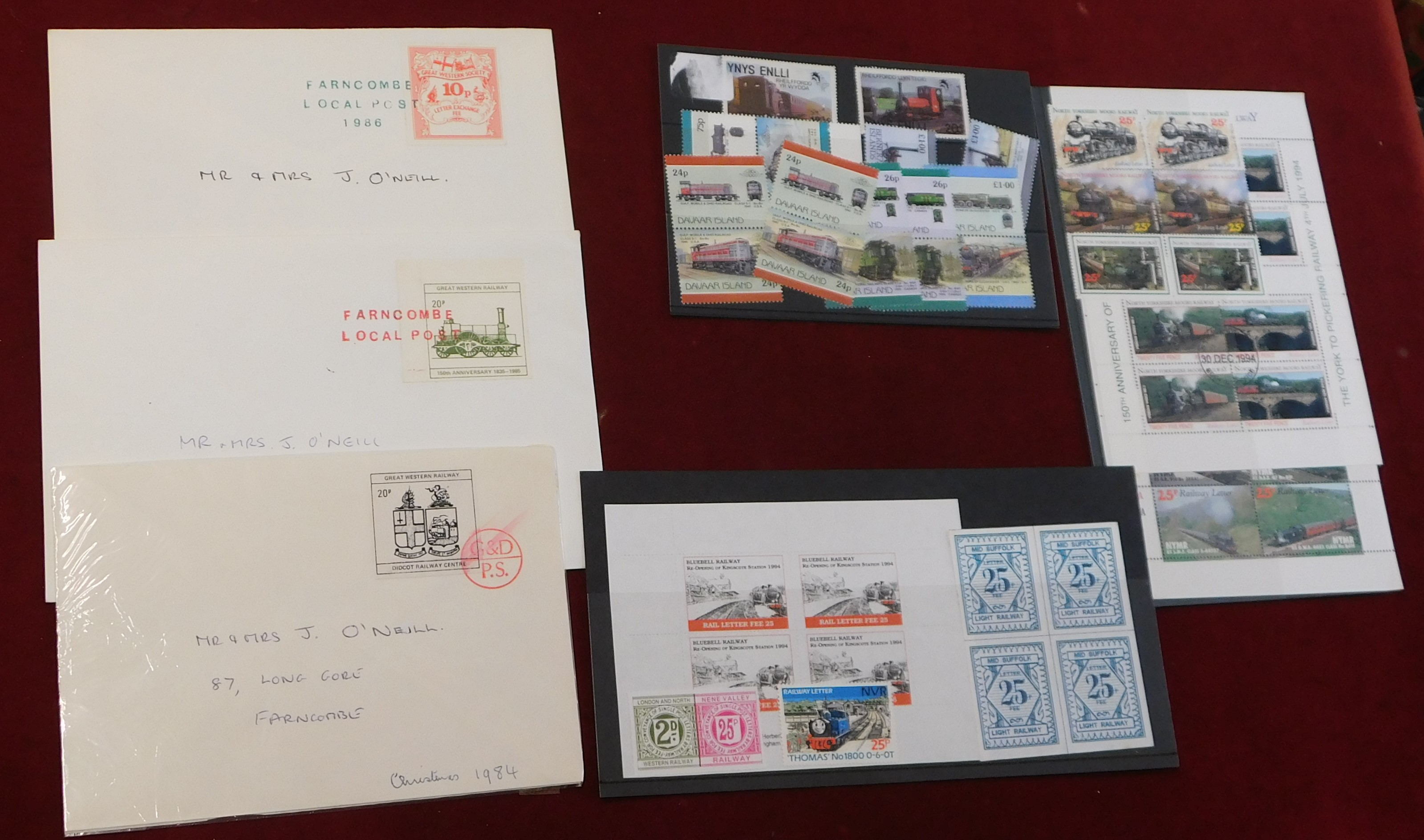
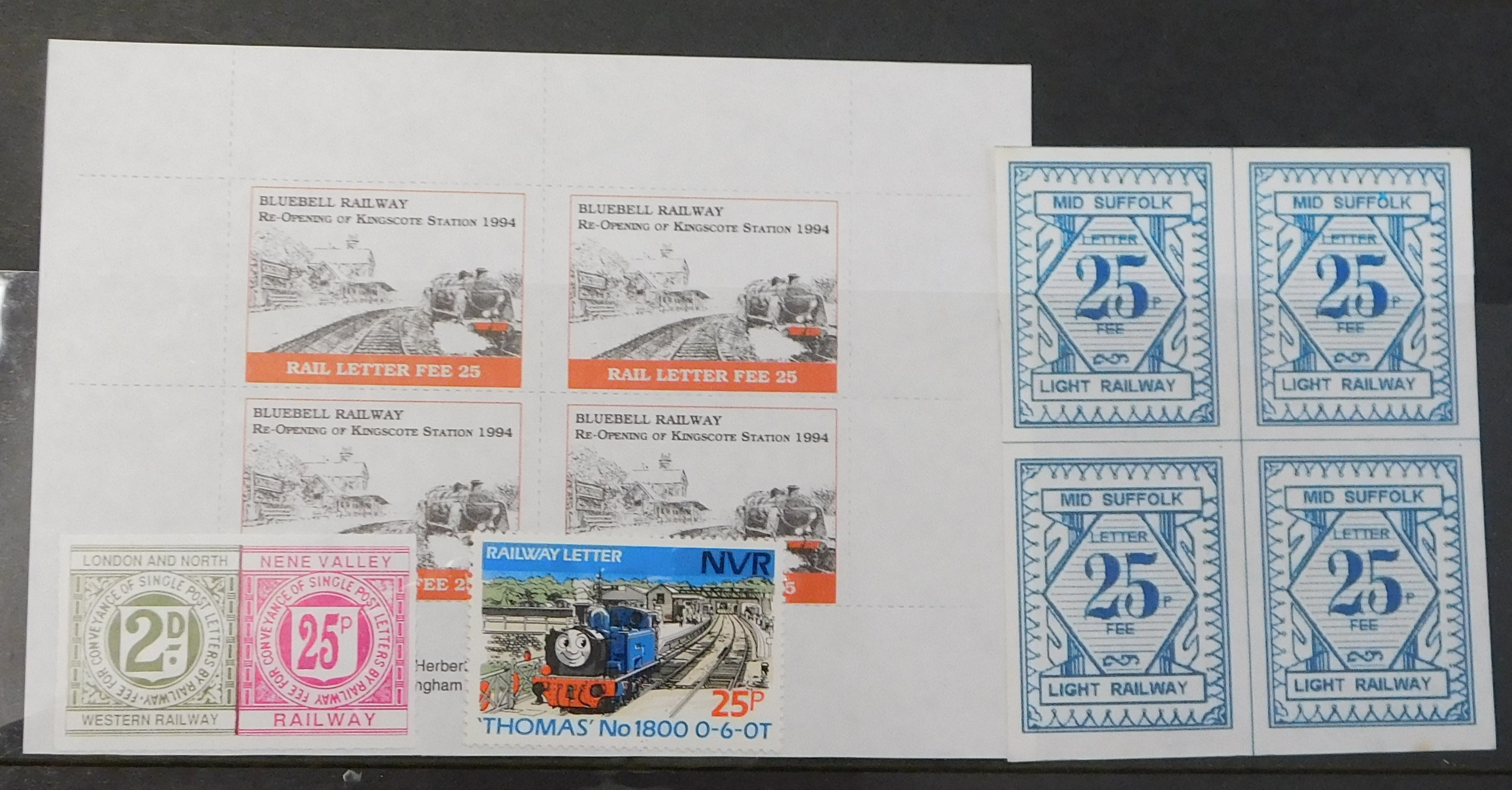
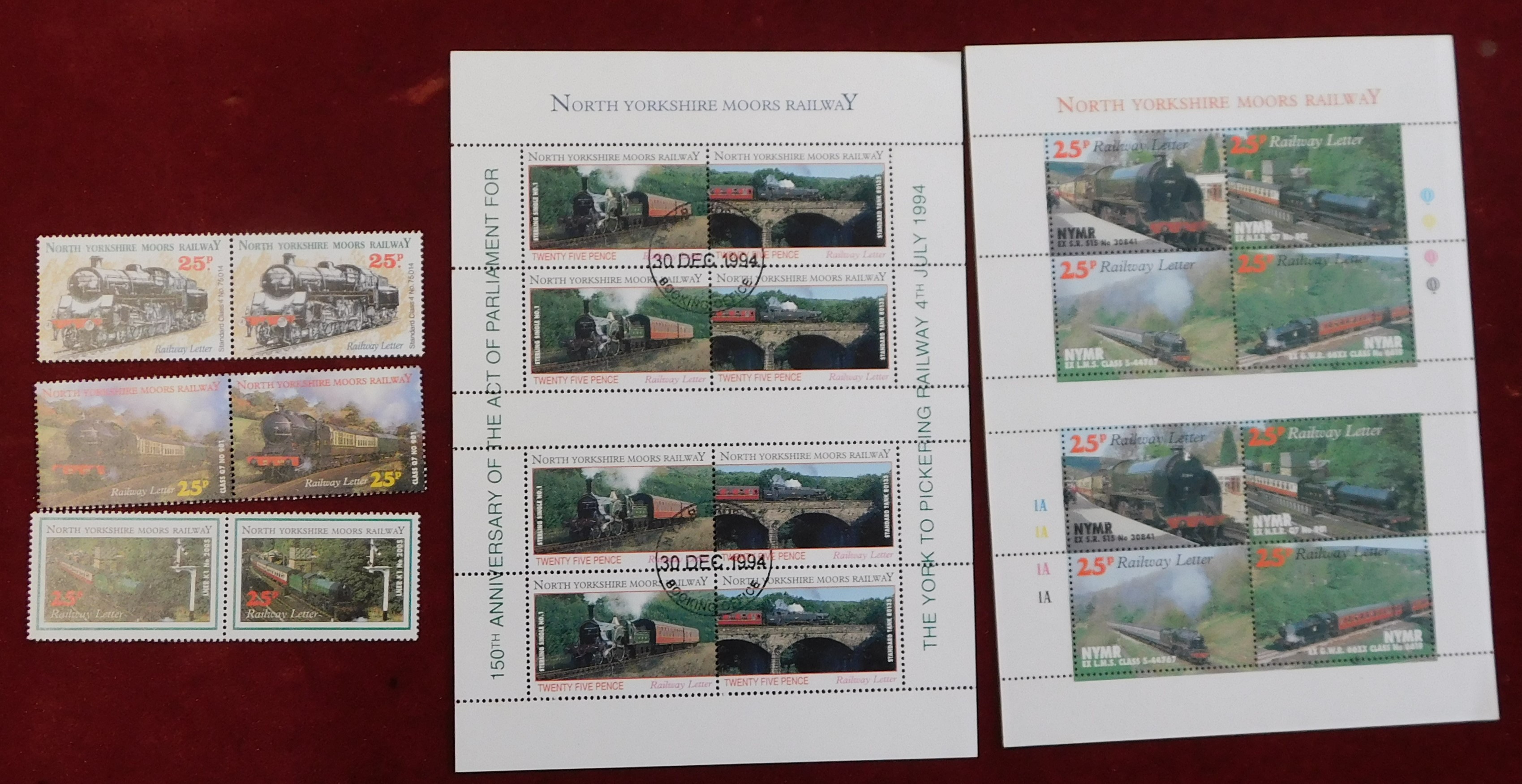
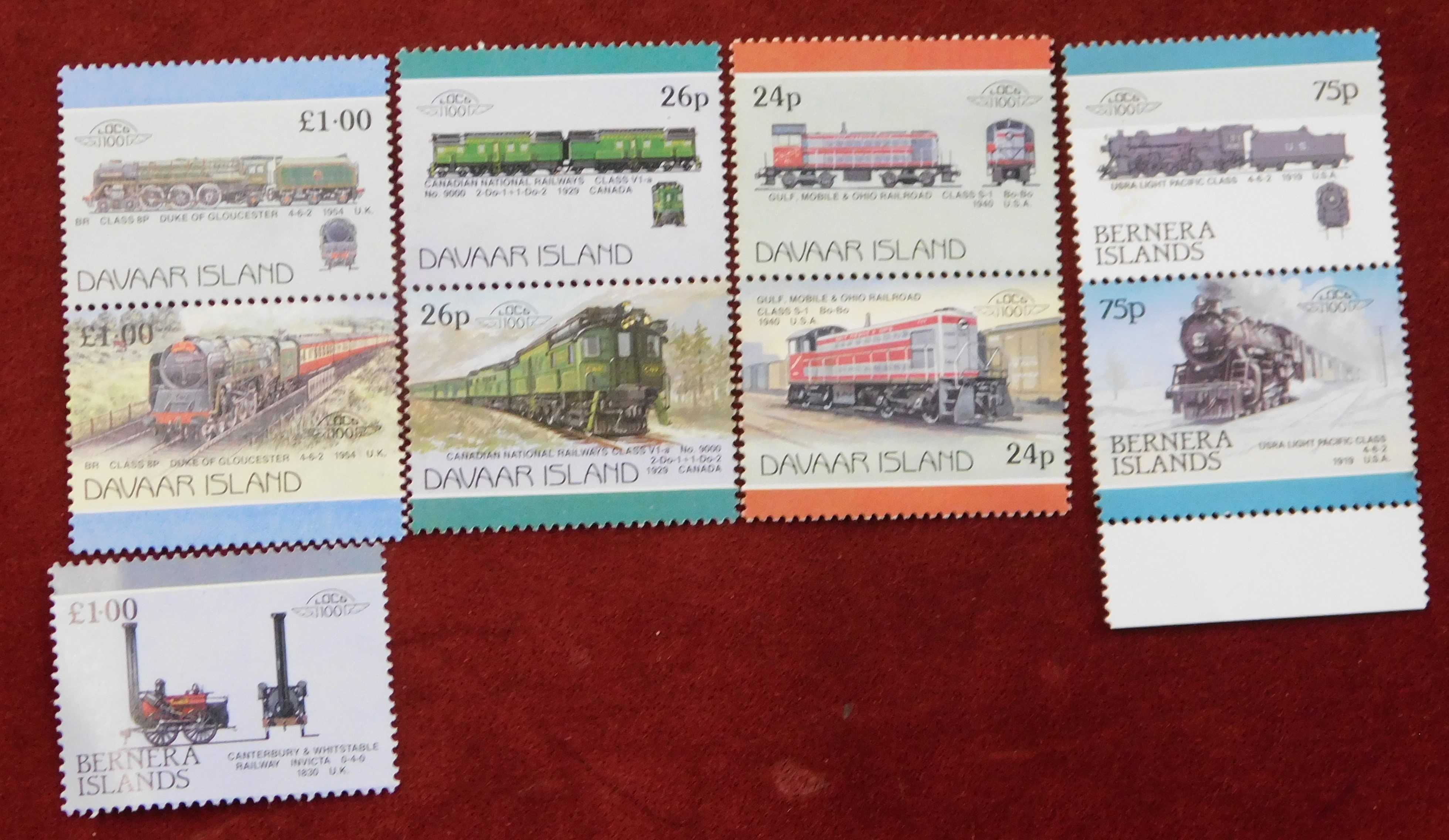
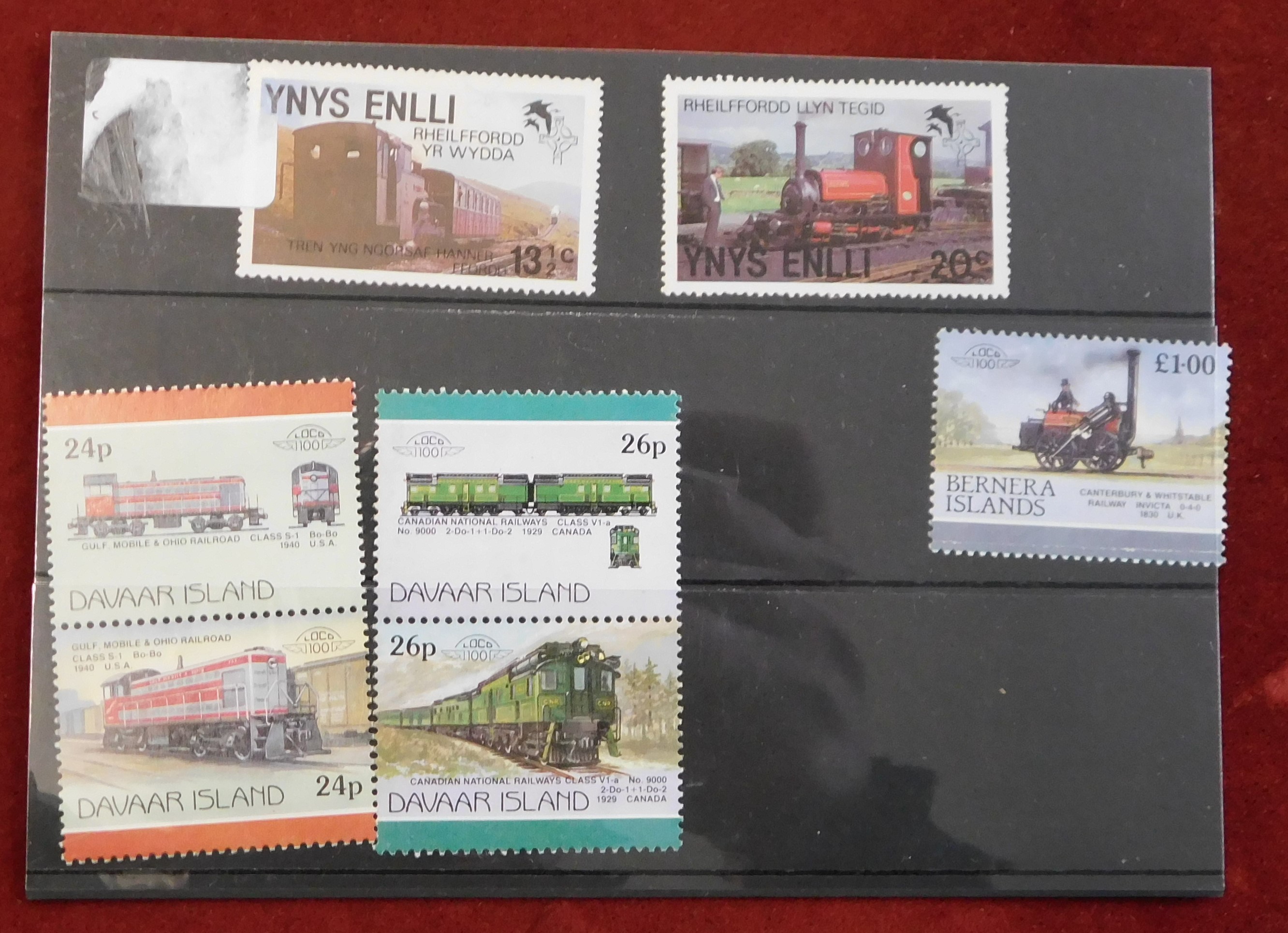
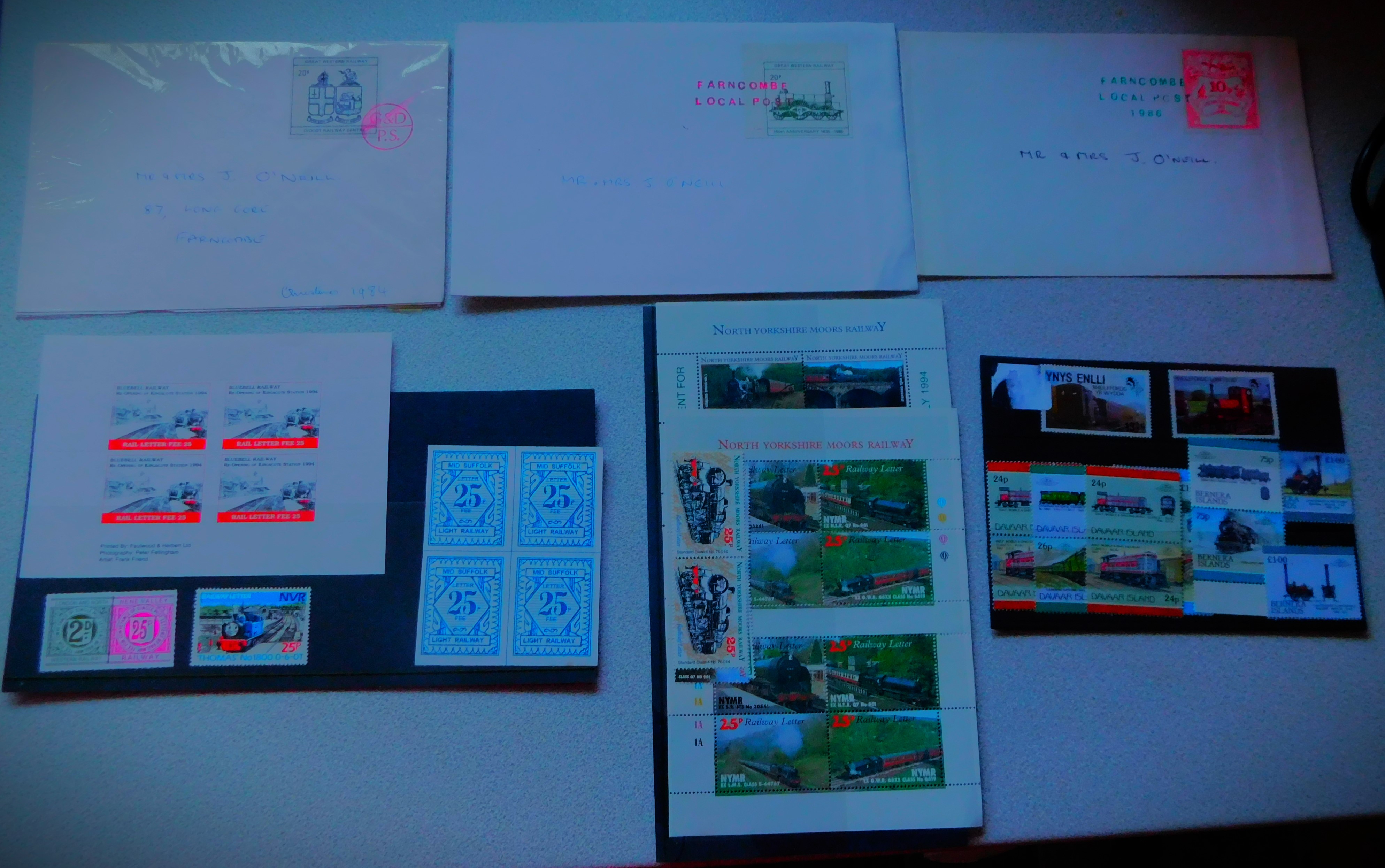
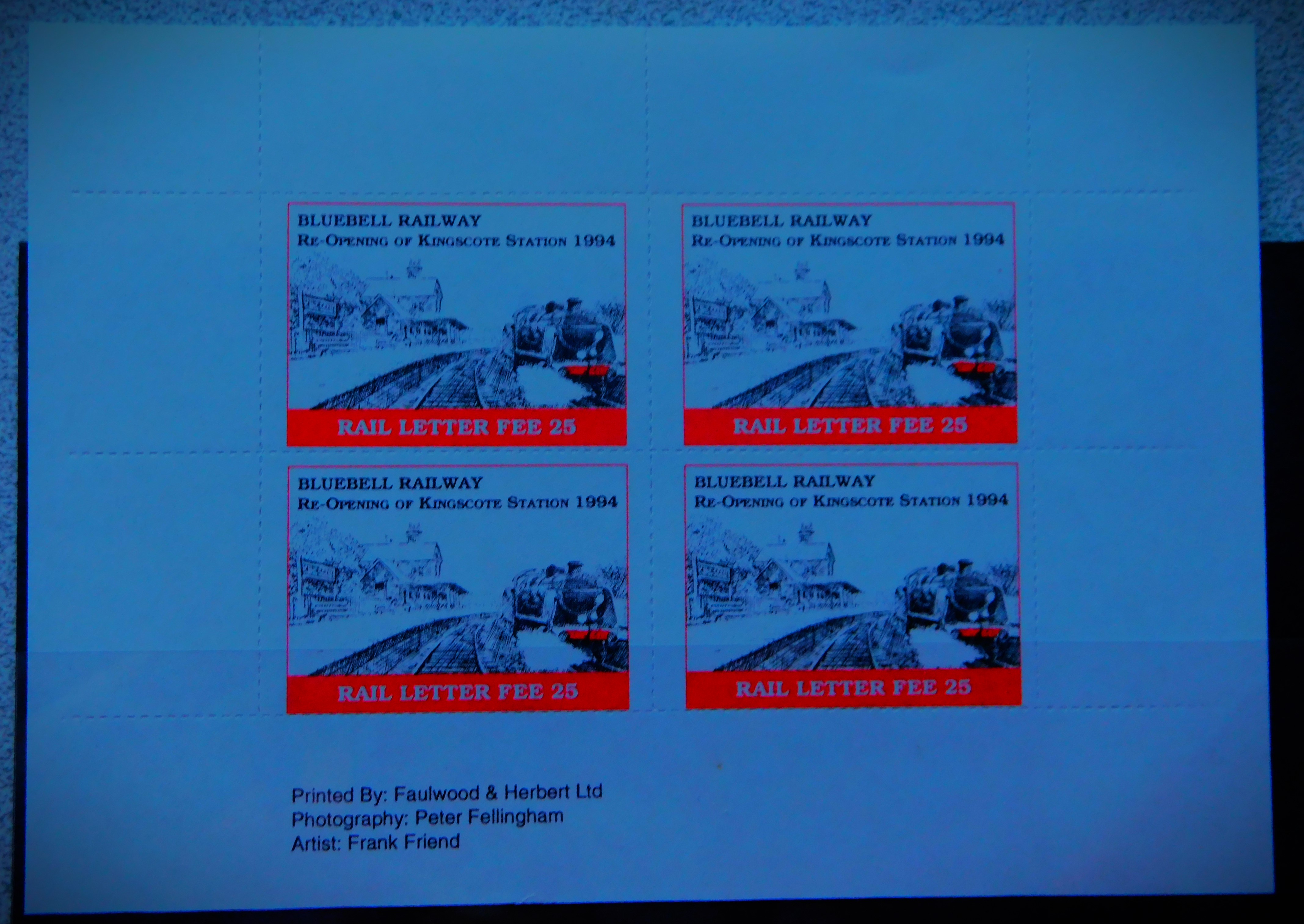
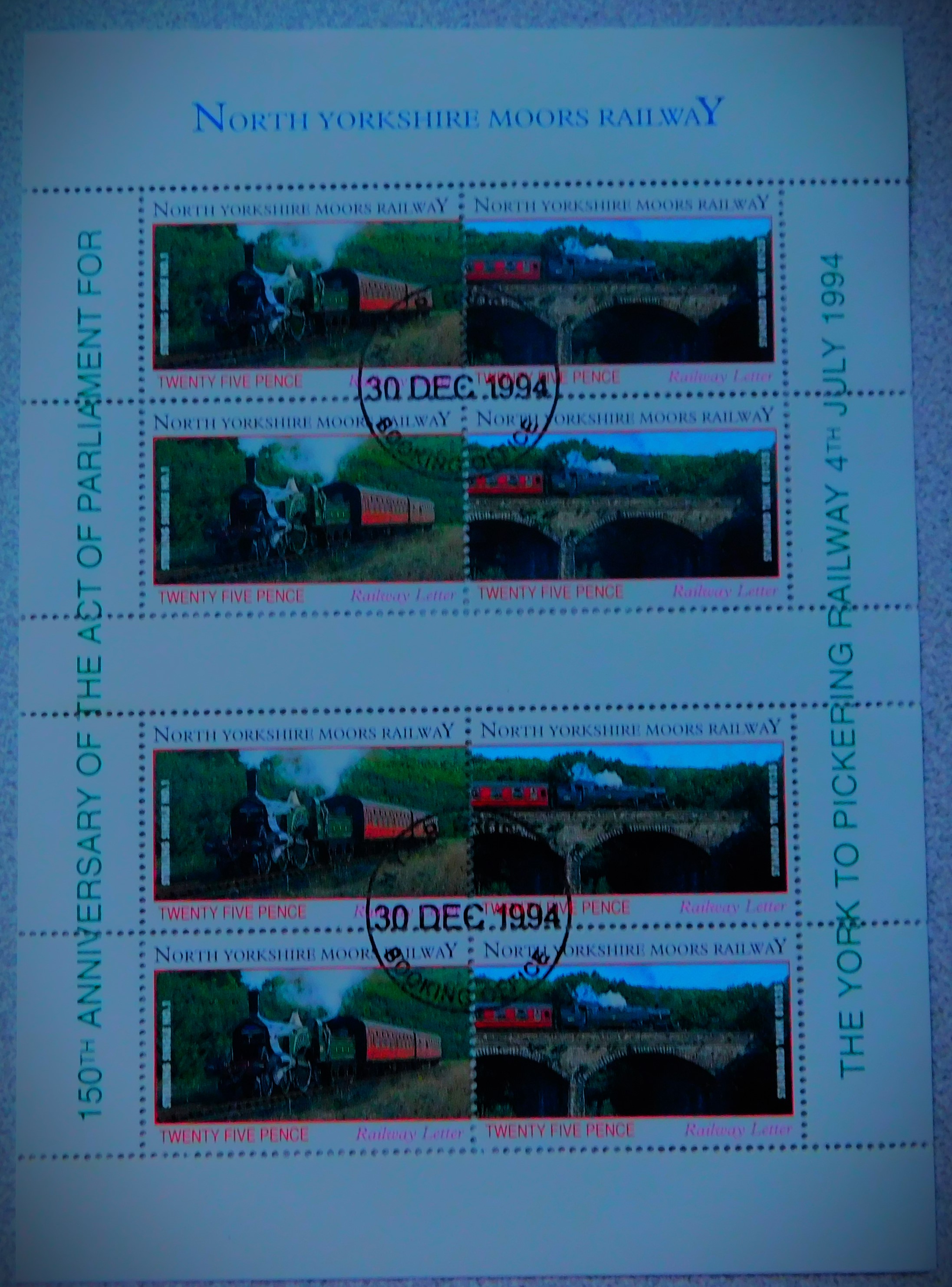
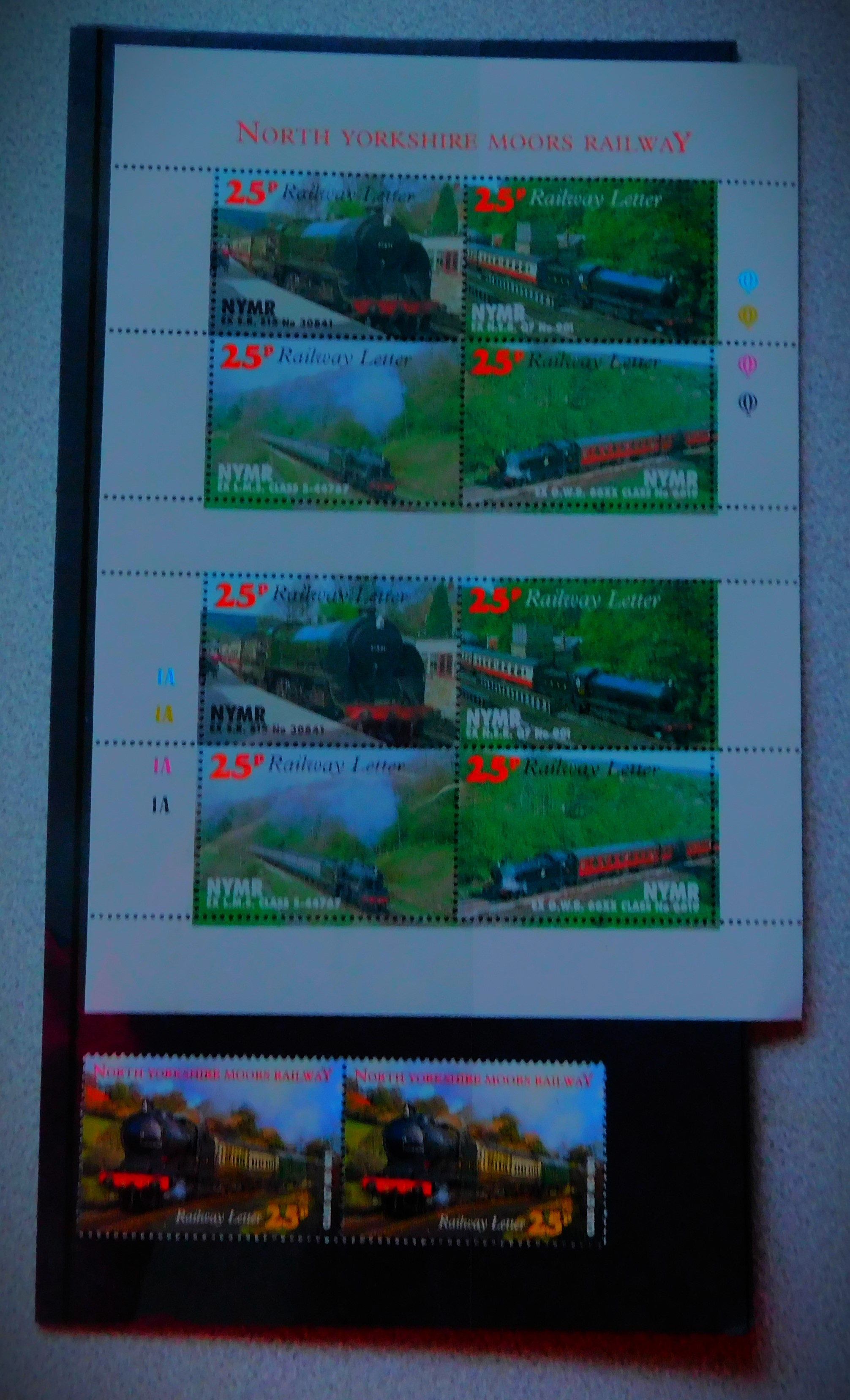
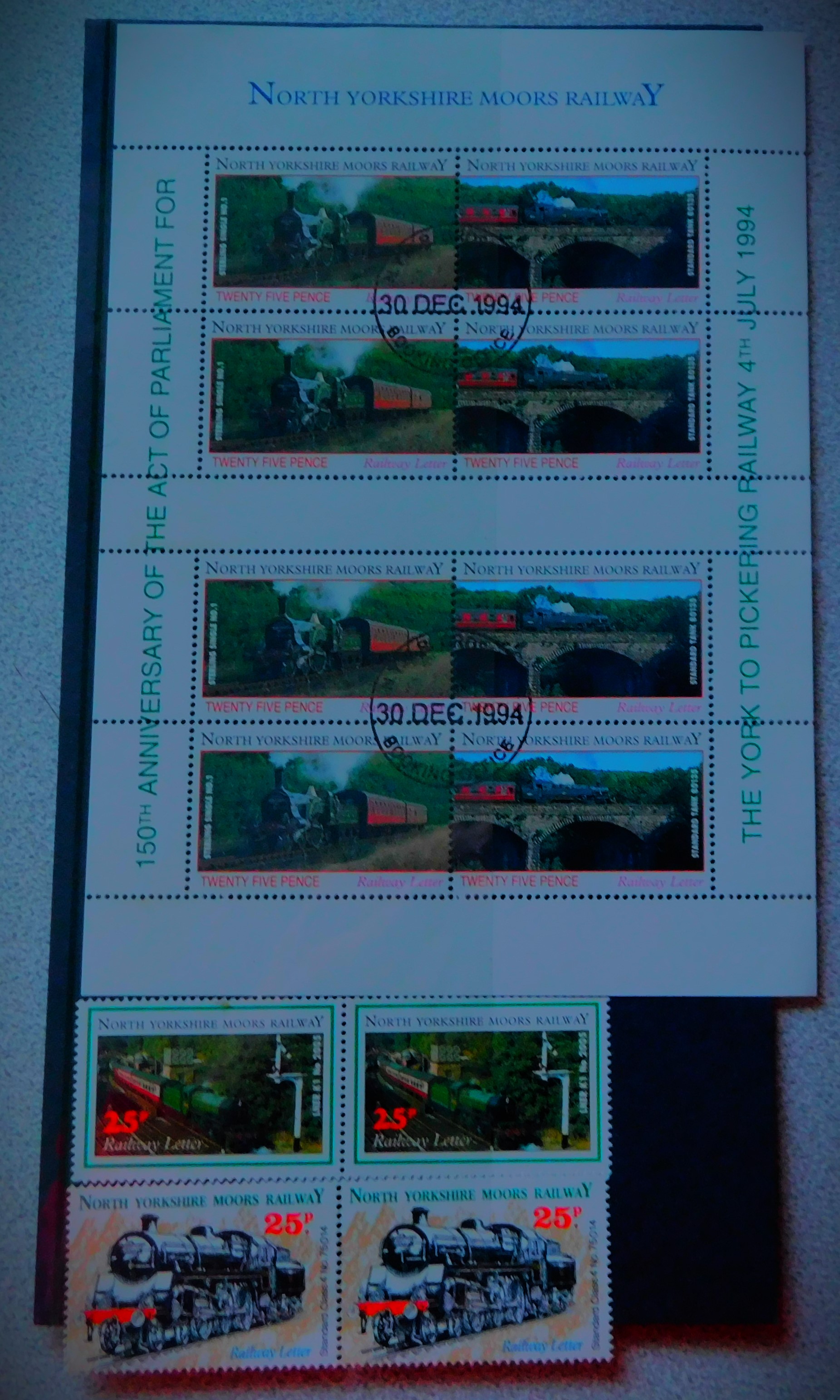
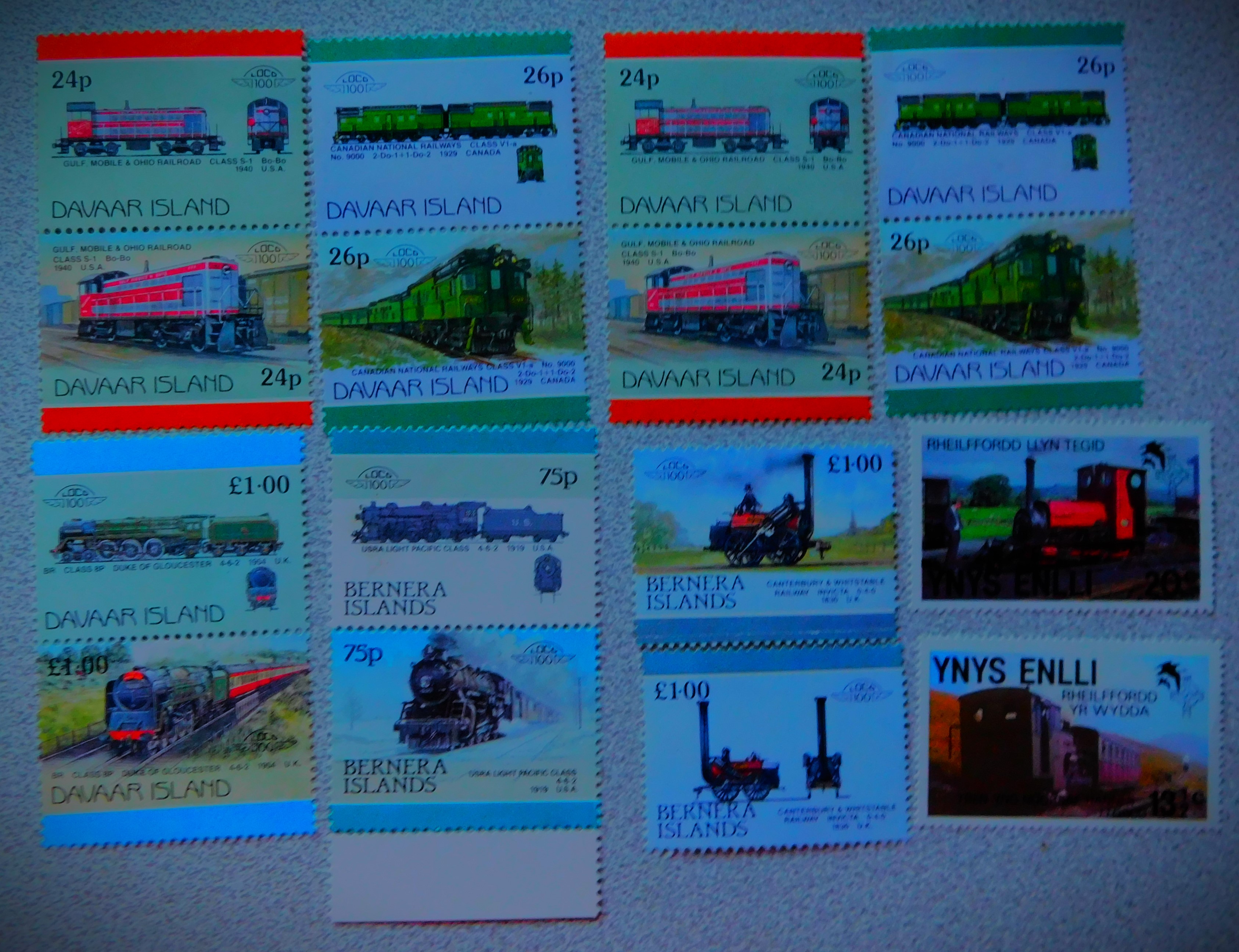
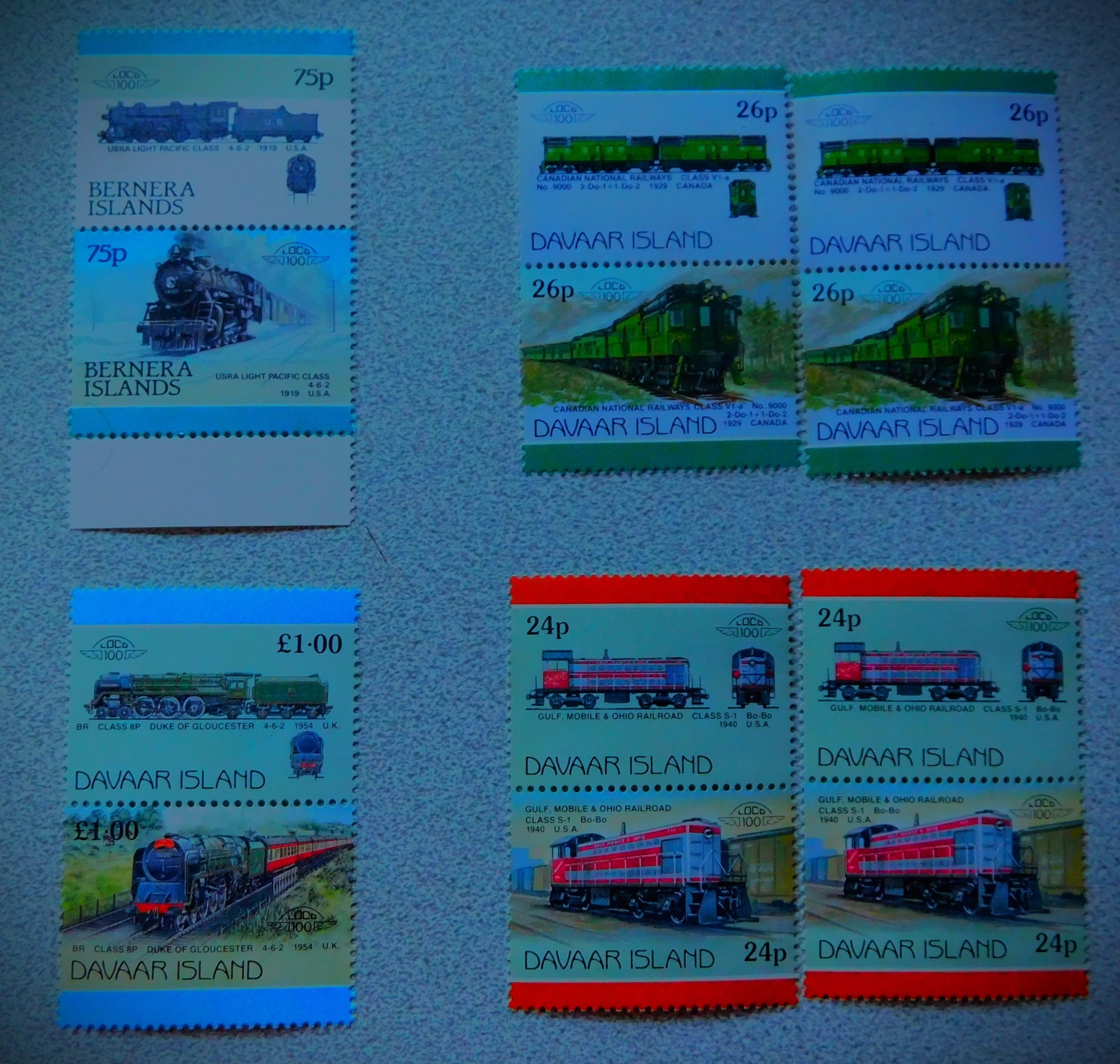
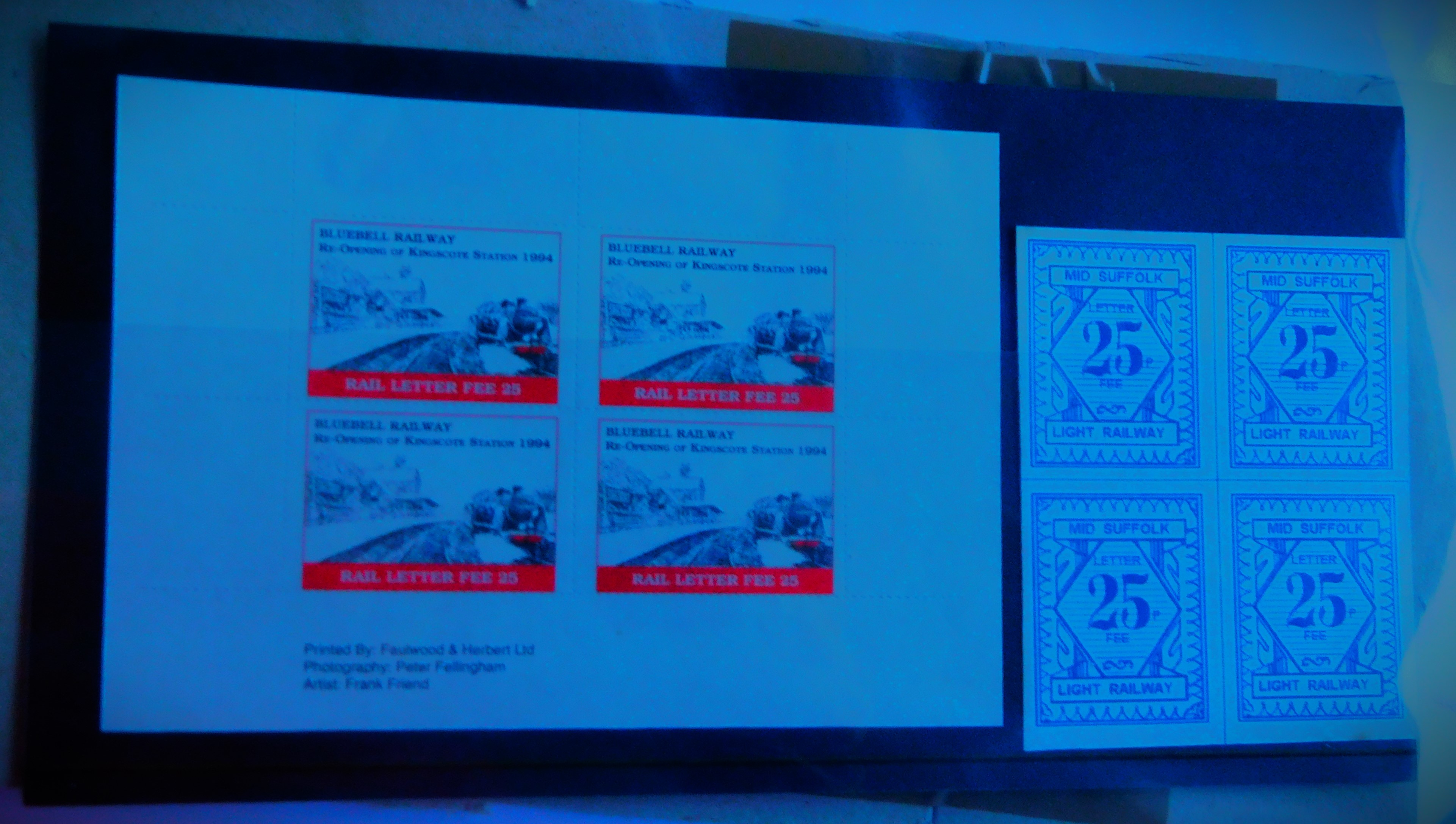
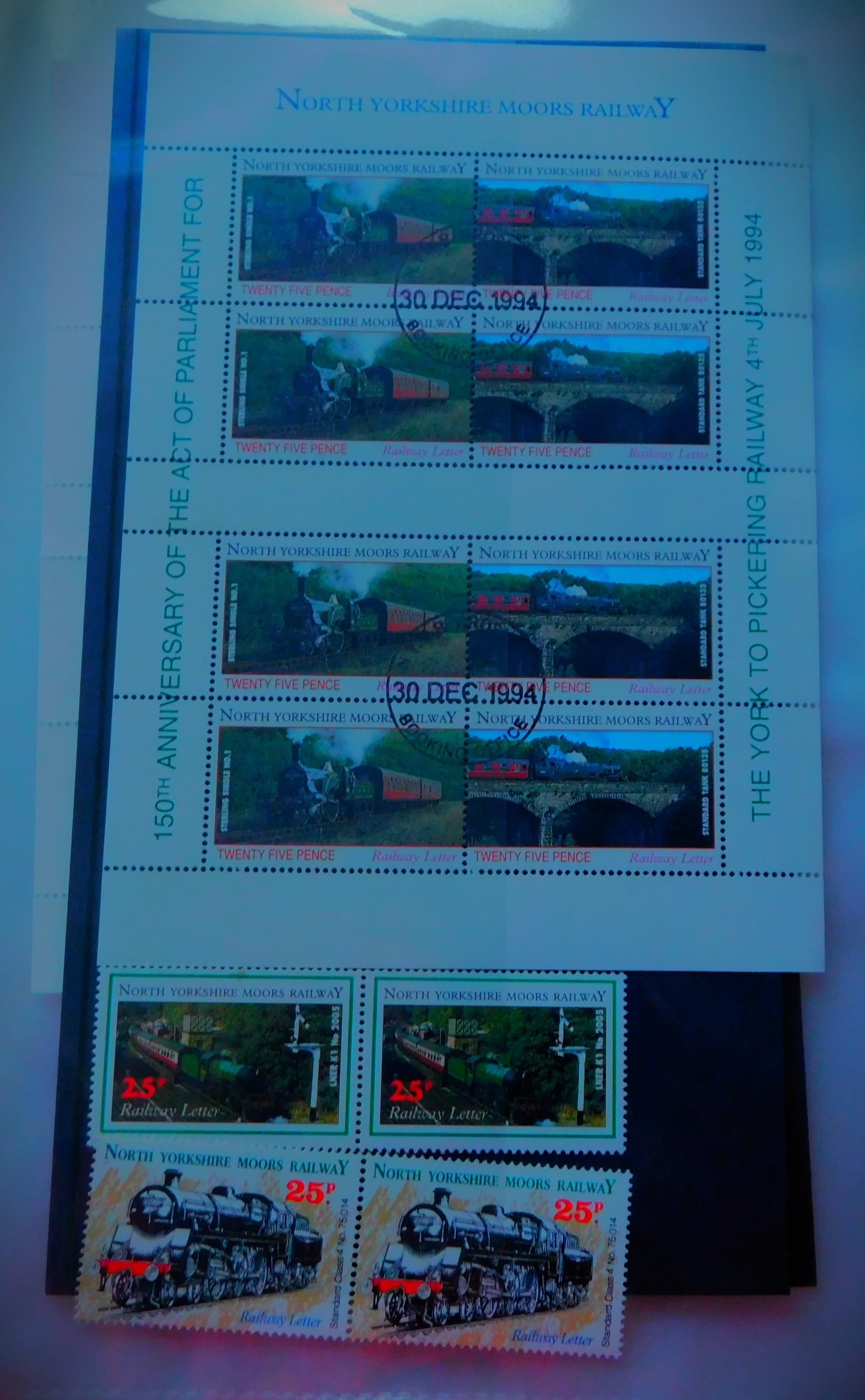
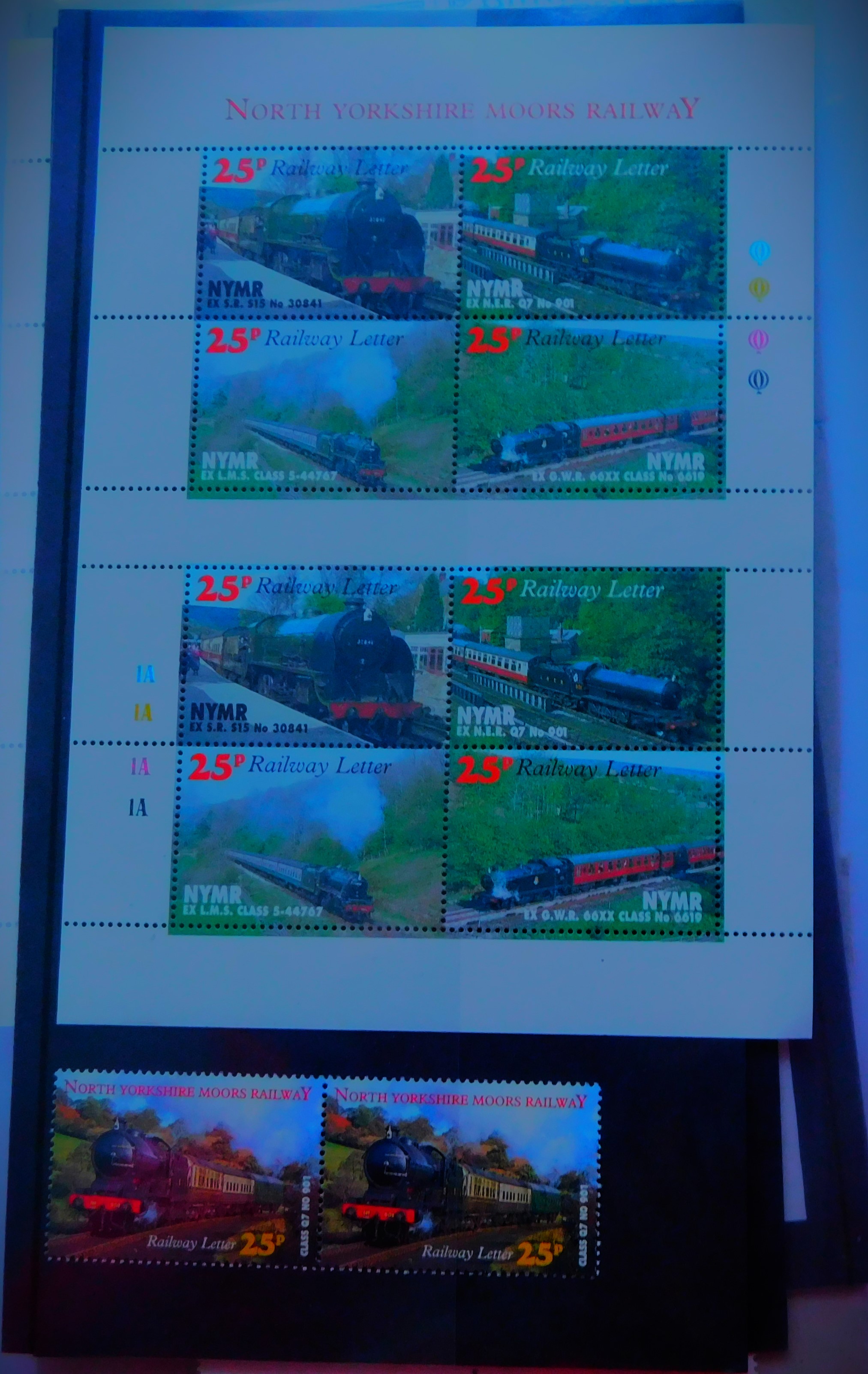
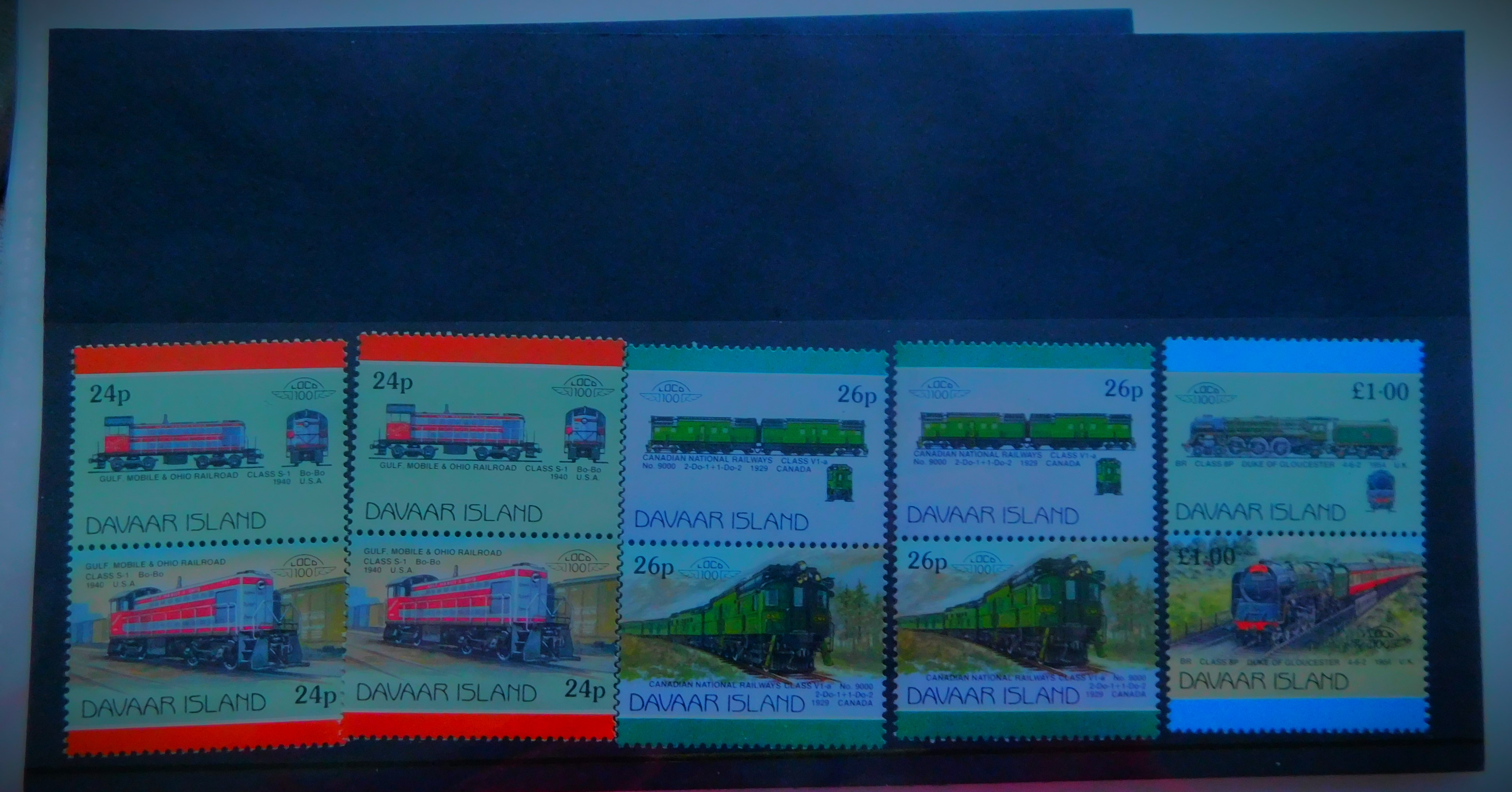
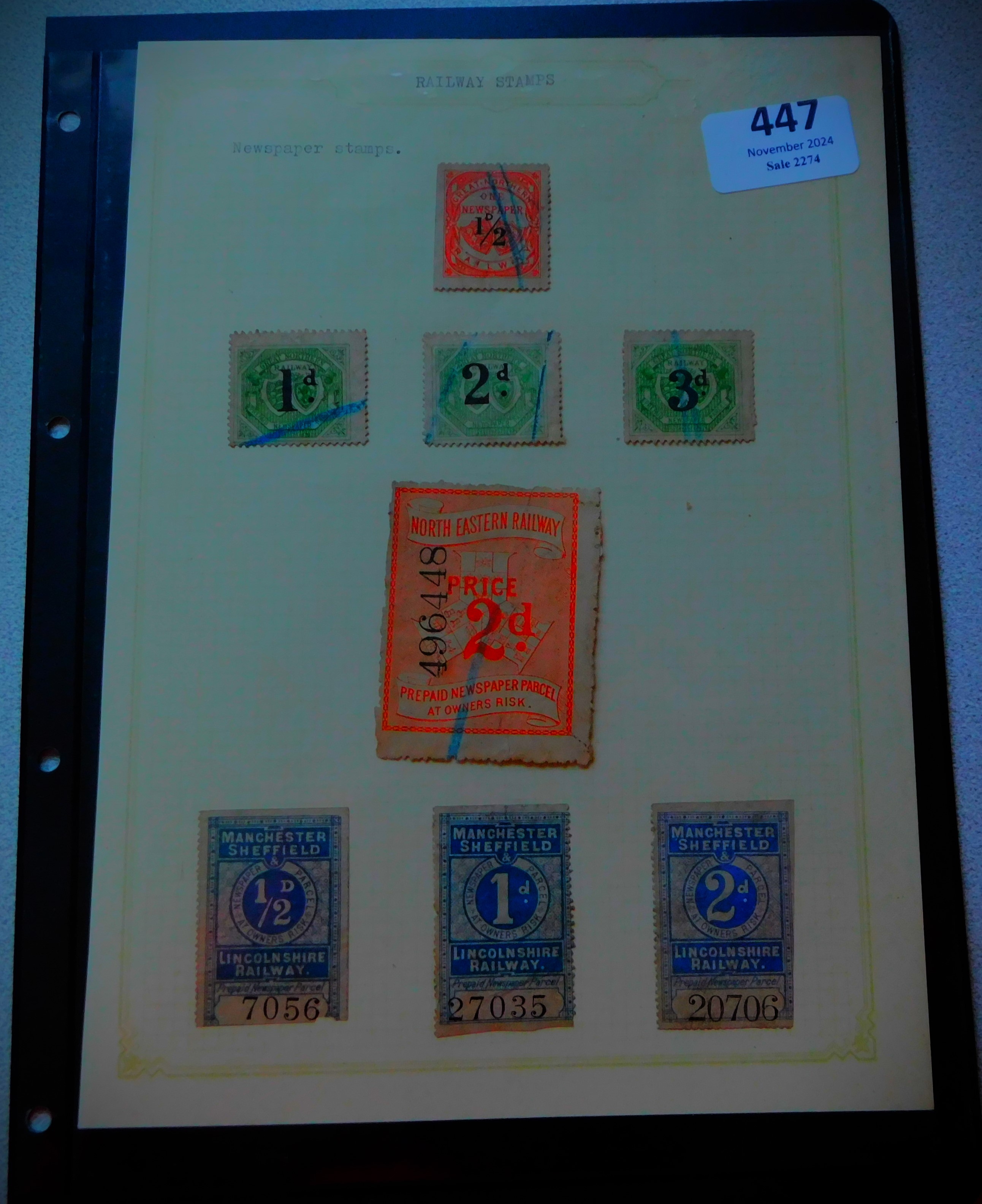
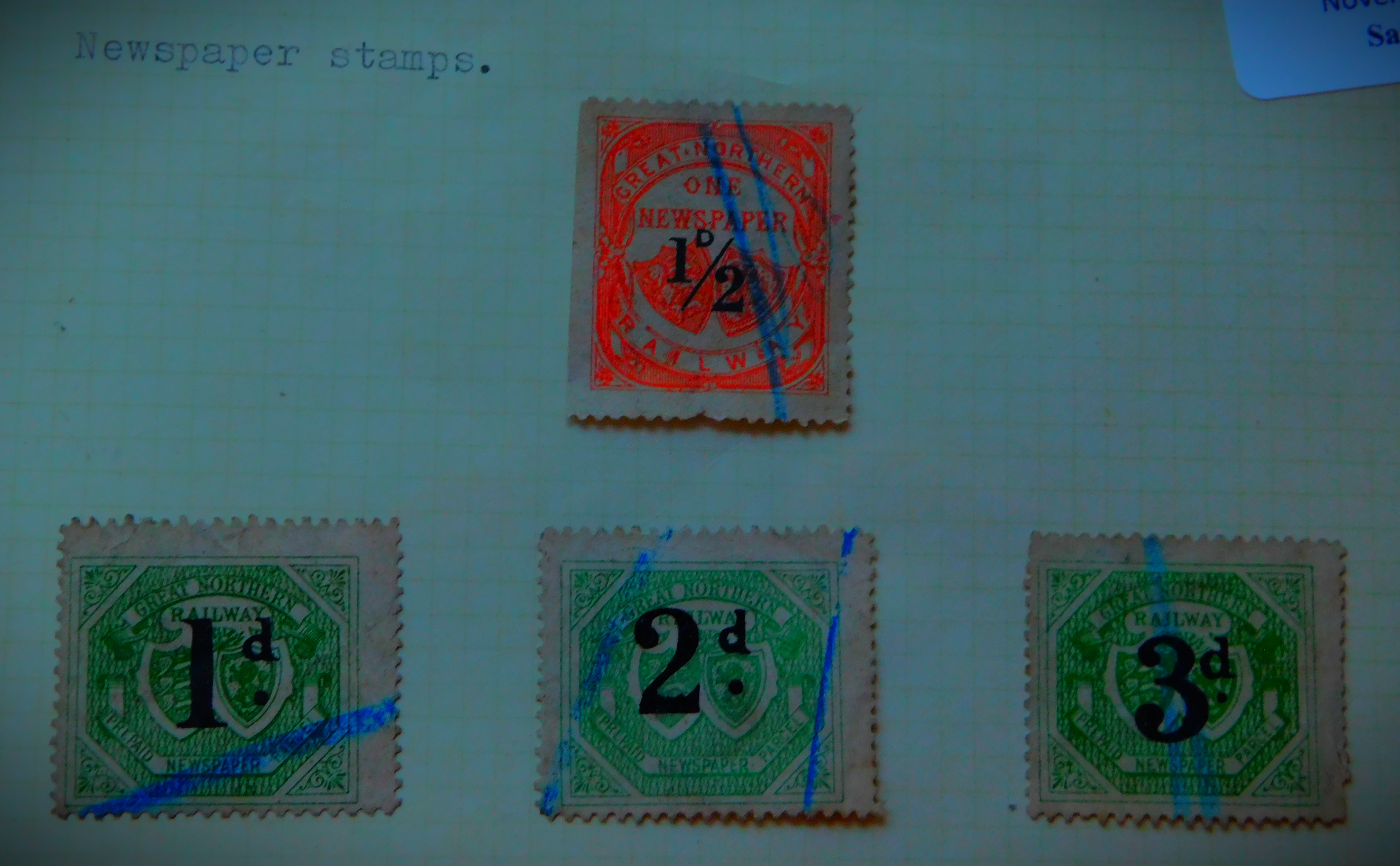
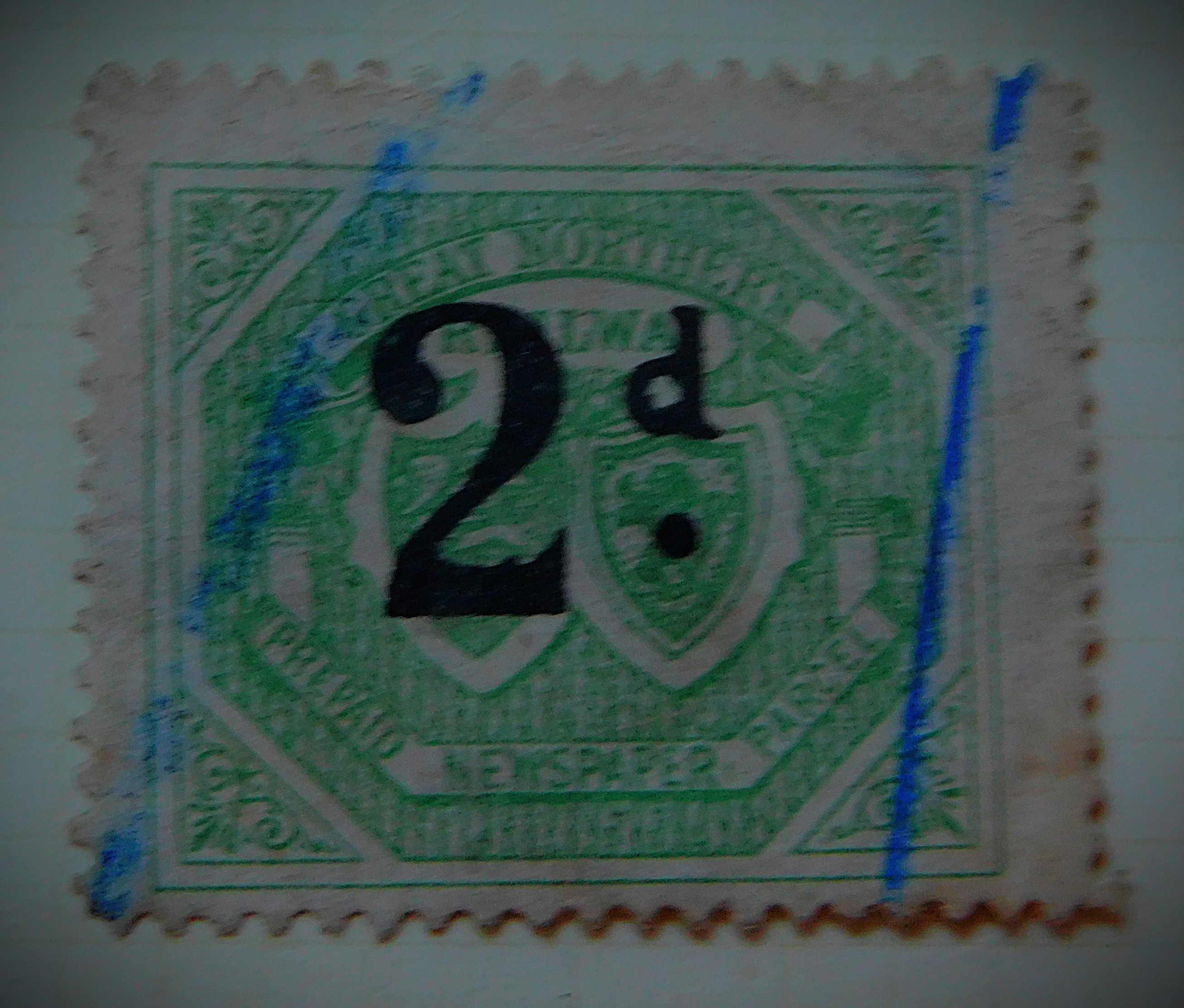
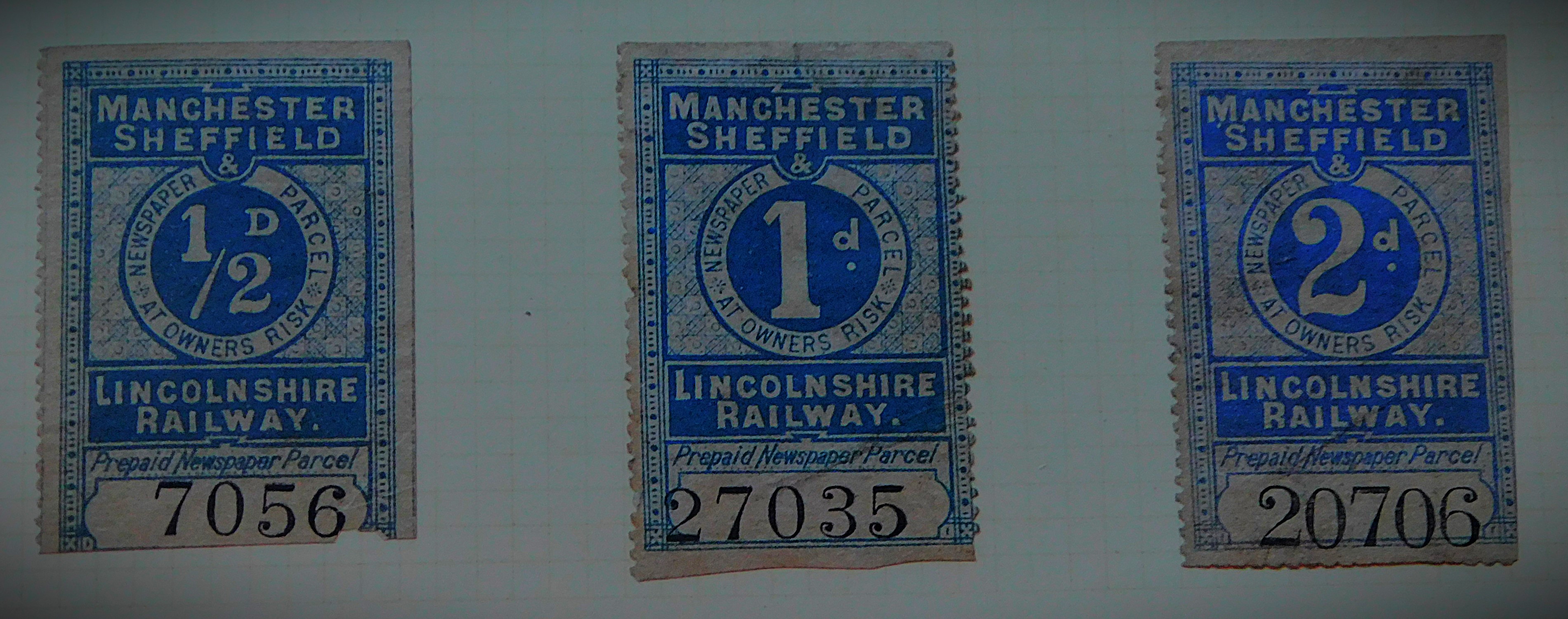
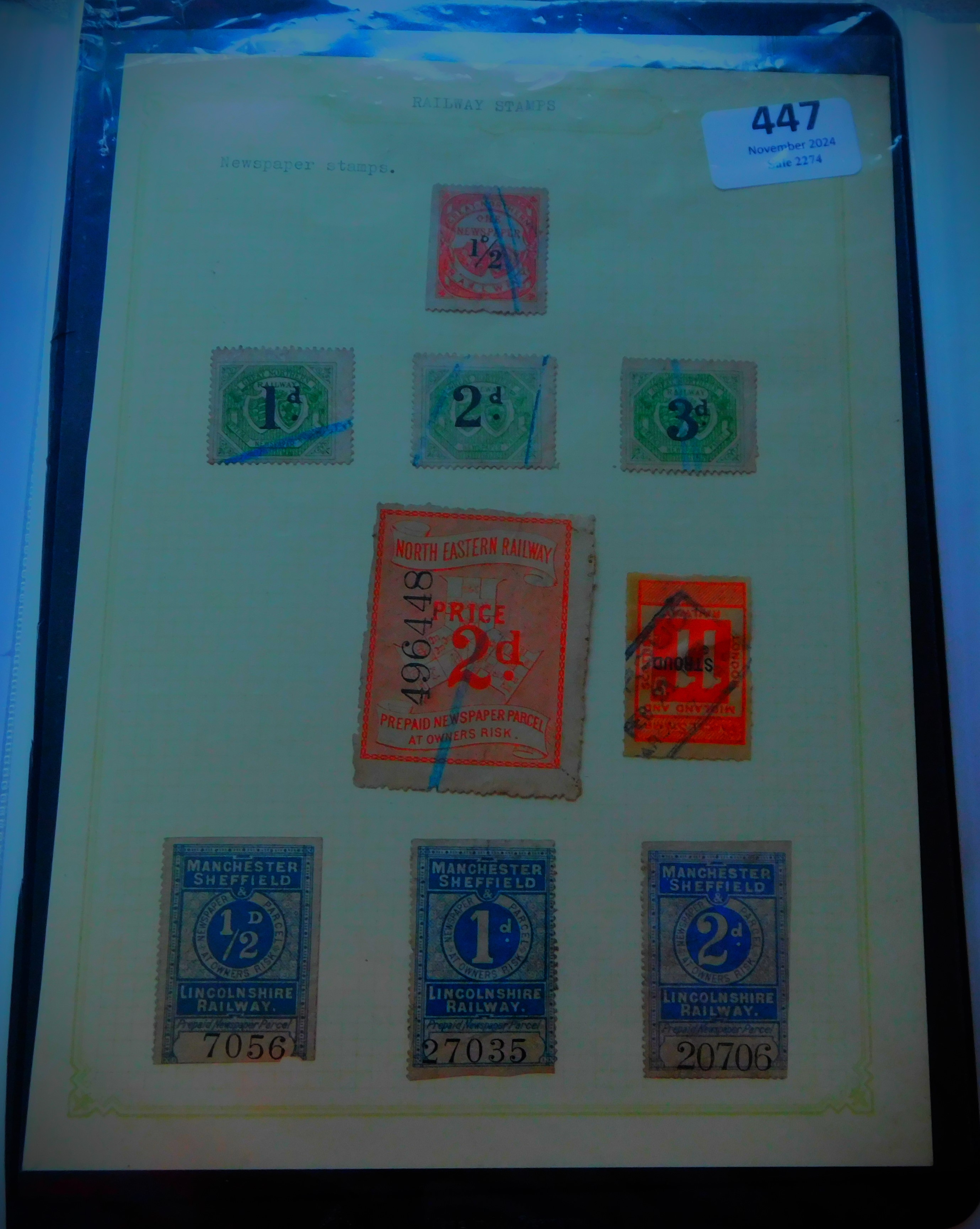
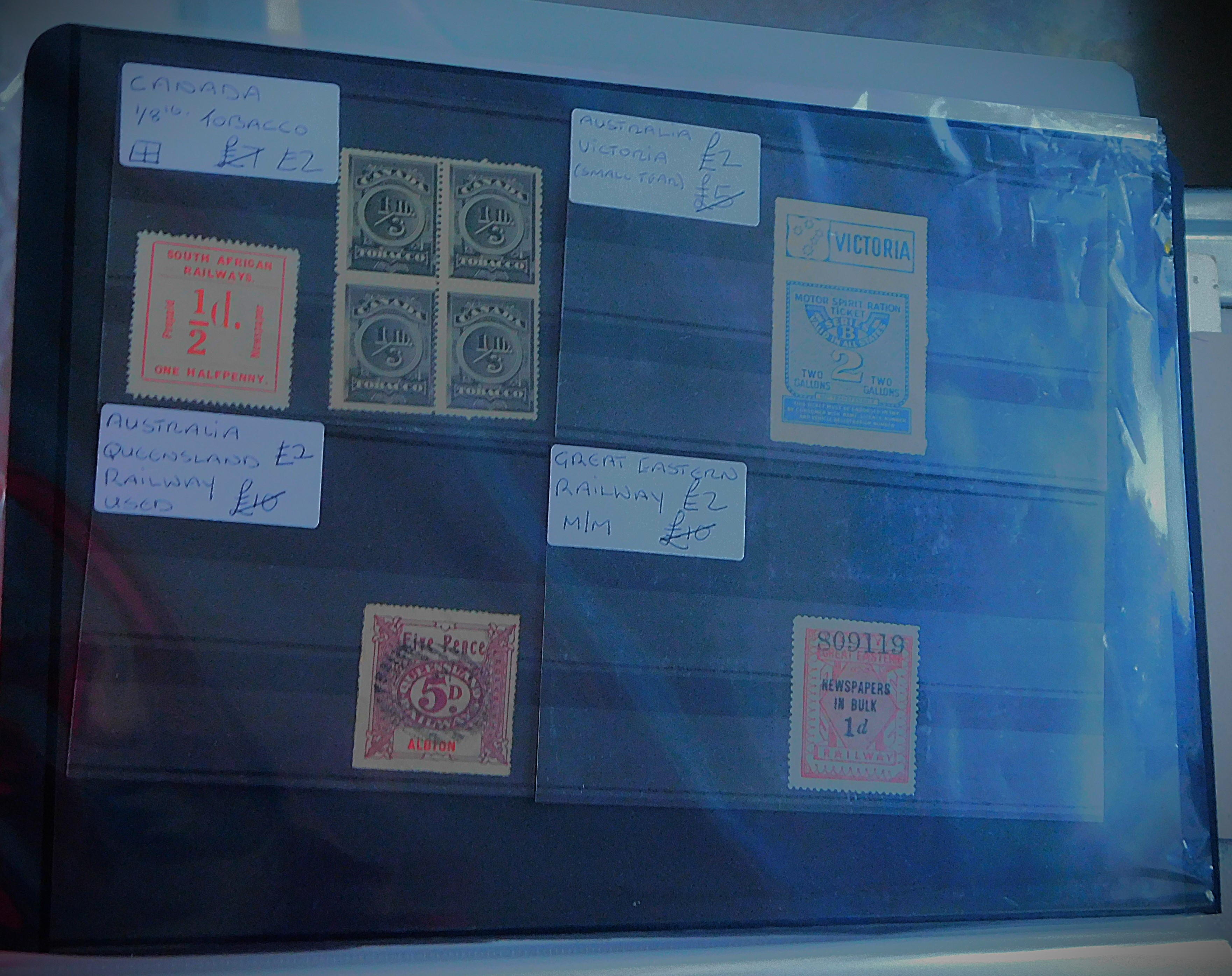
On Tuesday and Wednesday of this week James and Sons had their November auction. On Tuesday I had no bids in, but on Wednesday I had put in advance bids on two lots, numbers 438 and 447. I was not able to follow the auction live, as while it was on I was involved in an online session (via Teams) on safeguarding in my capacity as WNAG secretary. As it happened my two modest bids were both successful, and these two lots form my first picture gallery of this post…
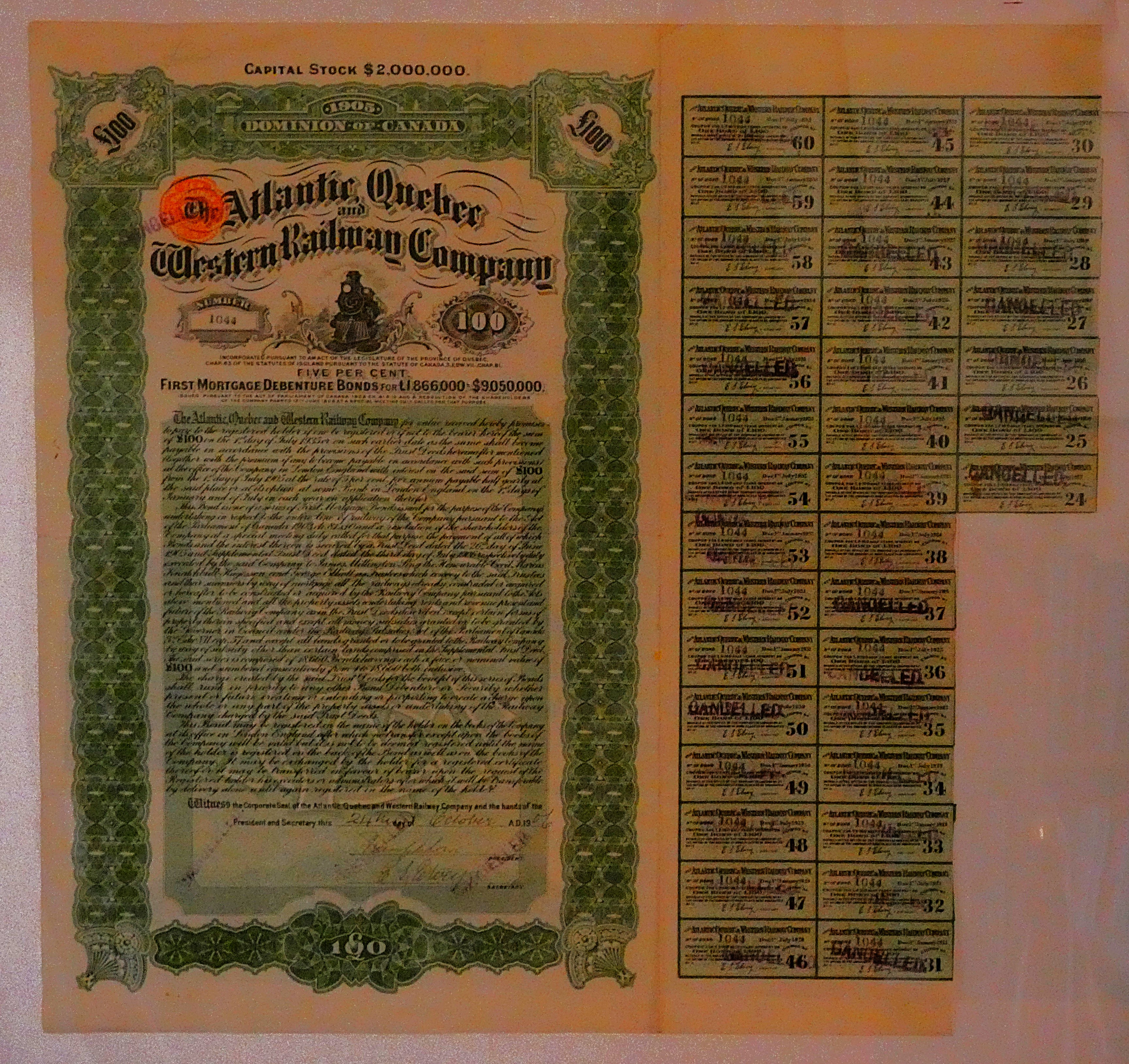
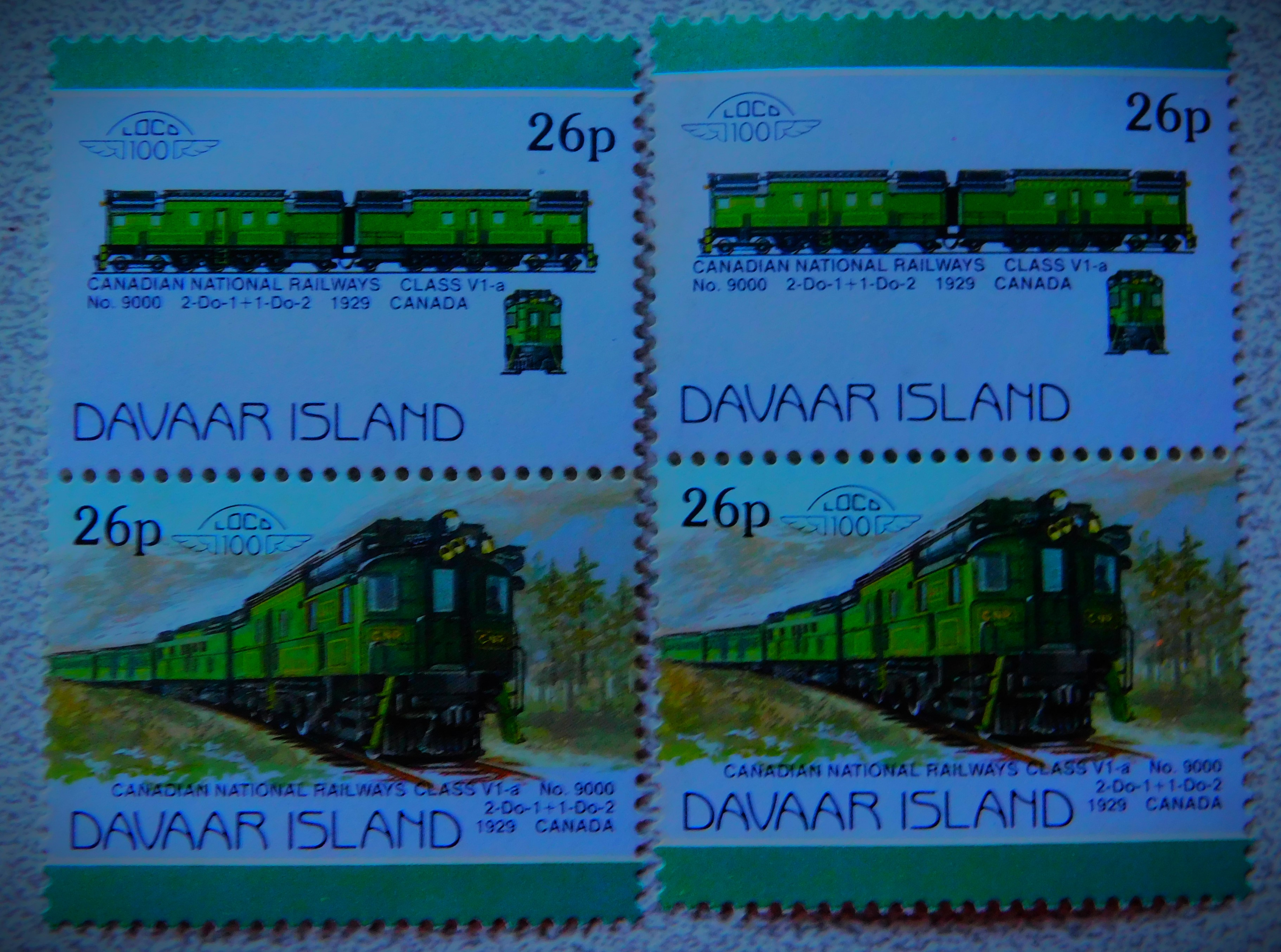
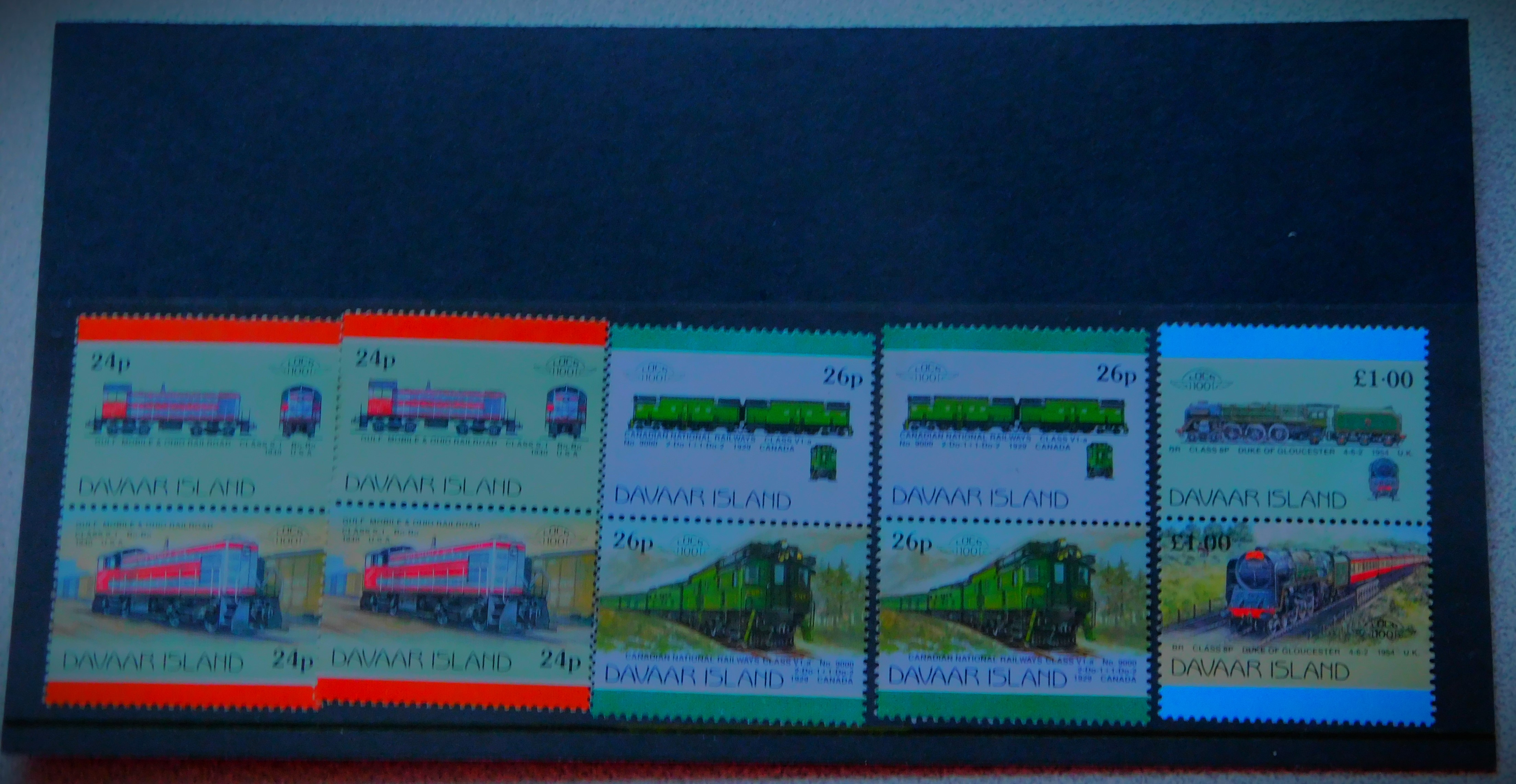
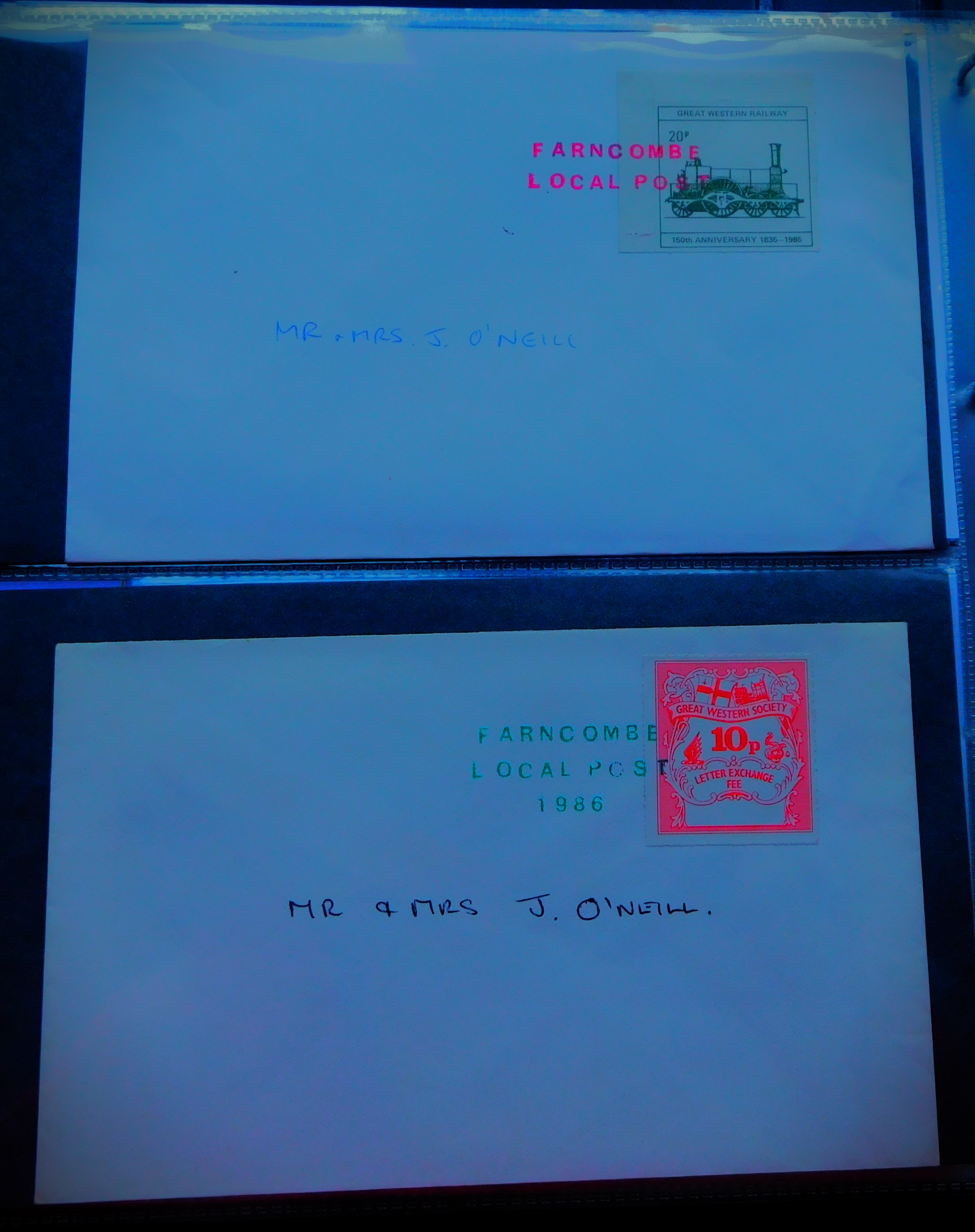
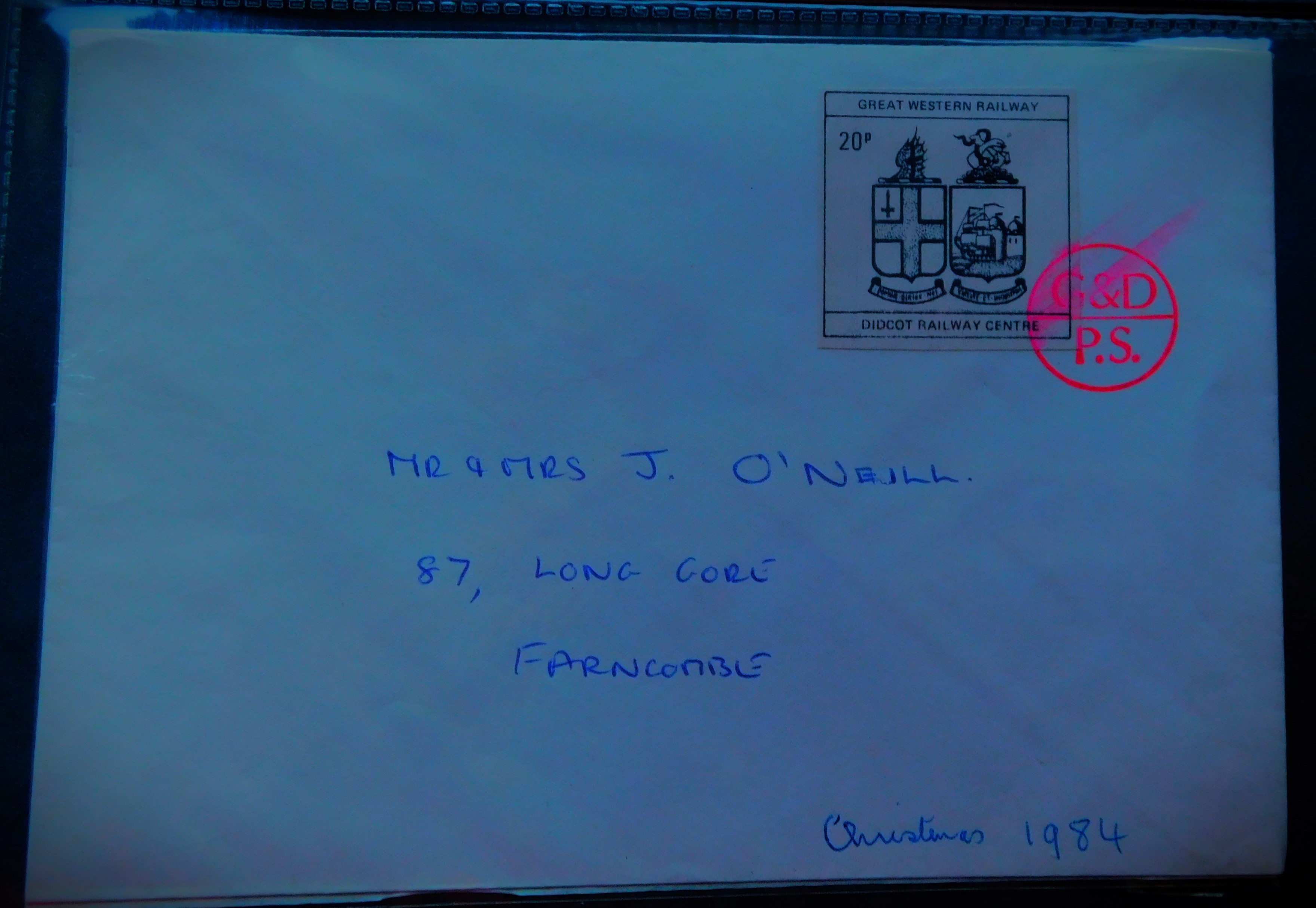
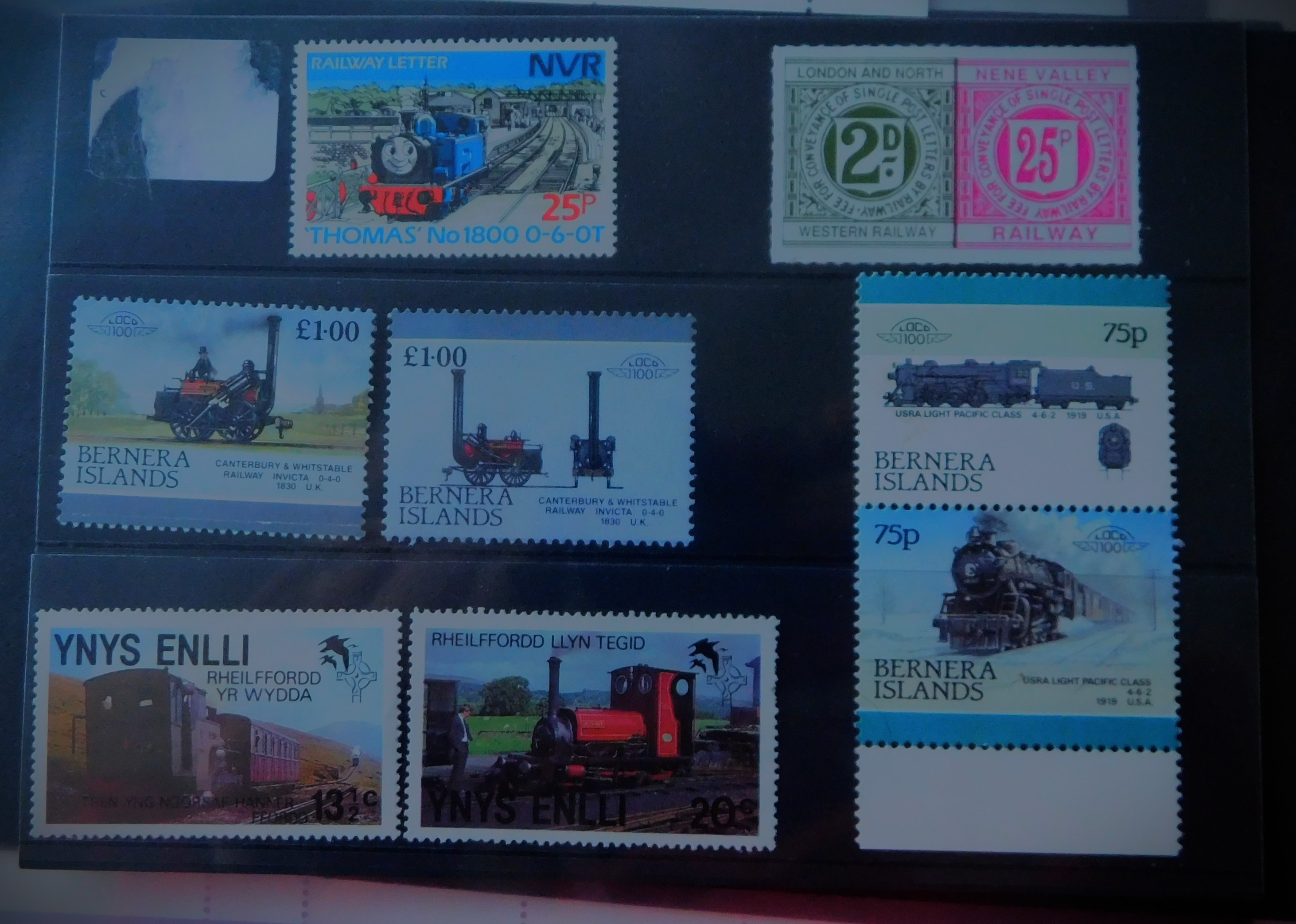
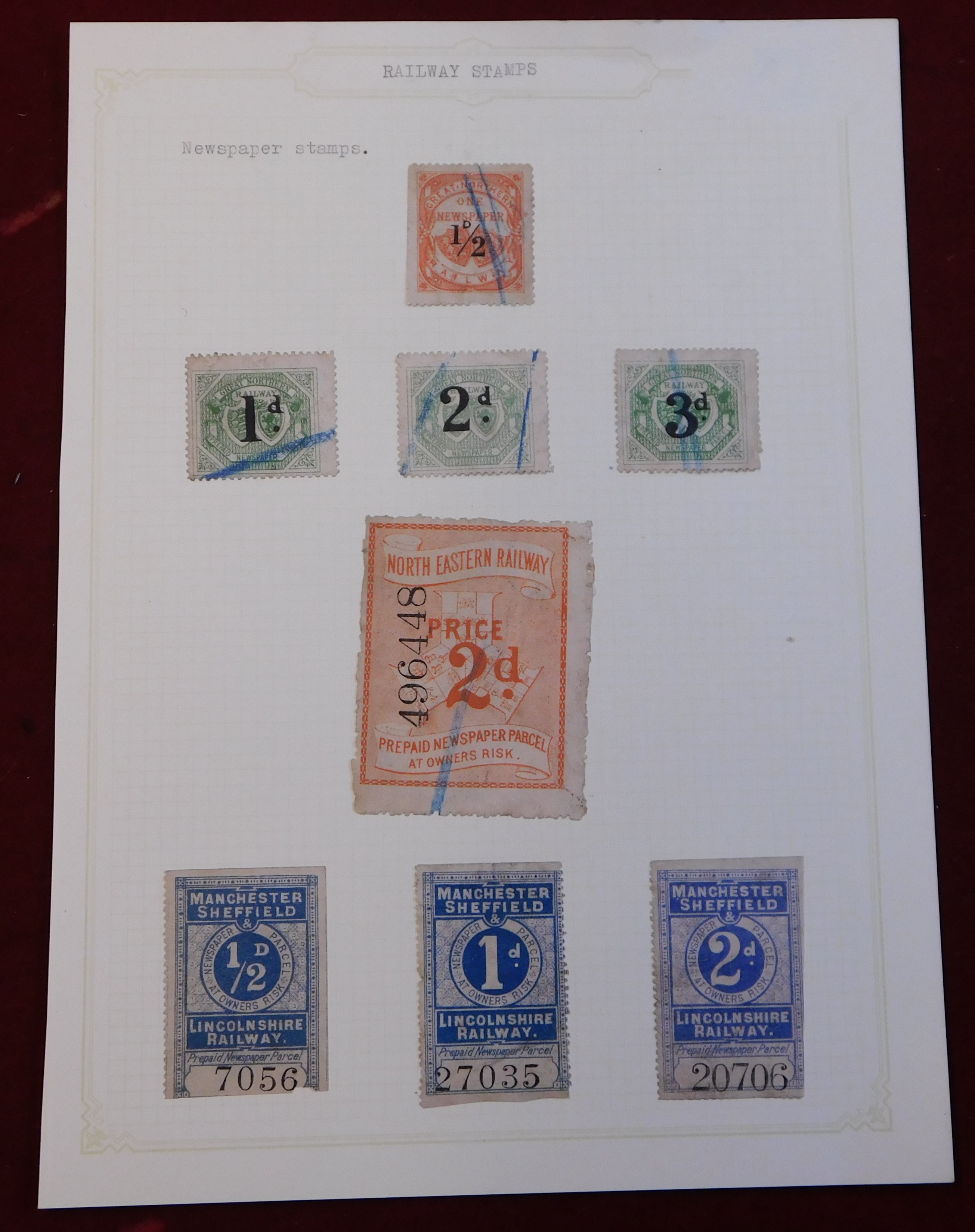
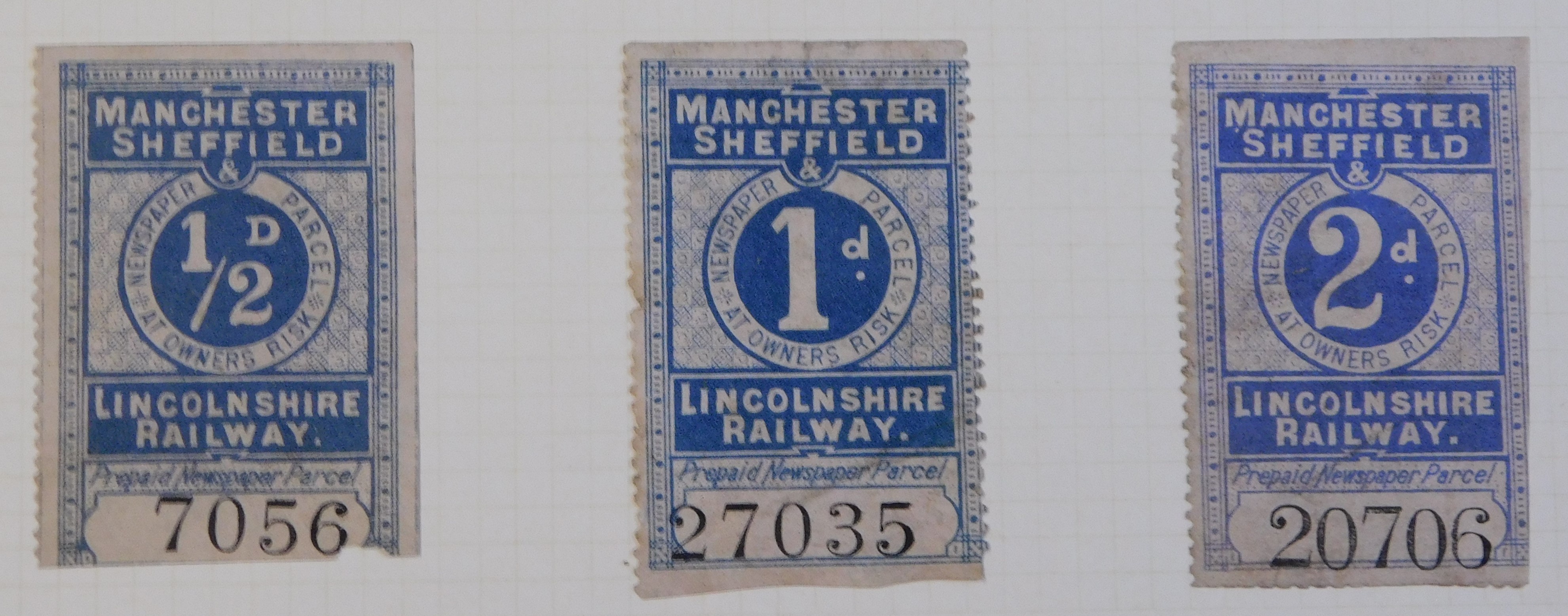
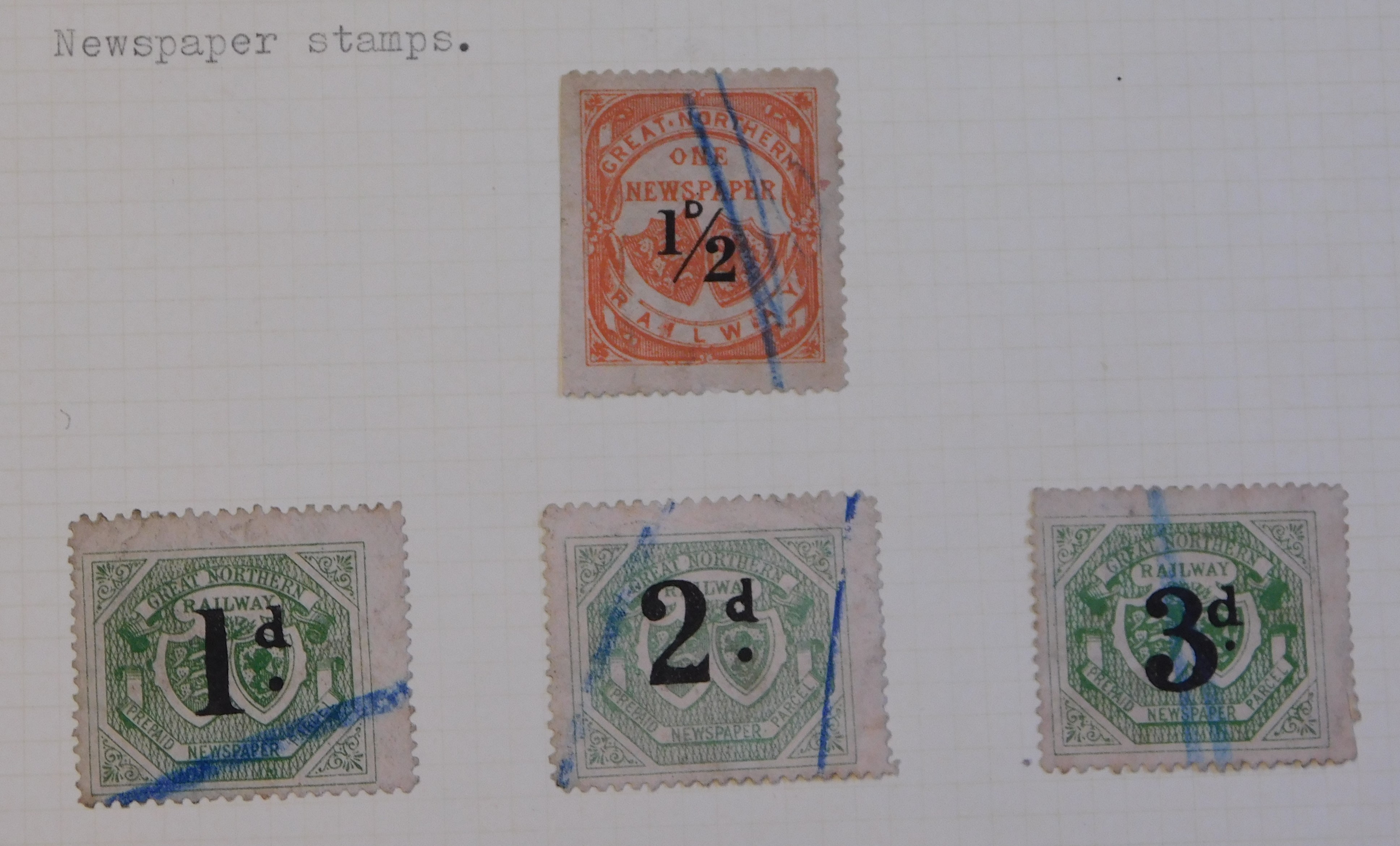
The first seven images are the gallery I produced for potential bidders to see – while I did not have time to image the lot in full detail I had to to go into some detail given that I was considering bidding myself.The lot on display in my kitchen – as you will see from the rest of the gallery I had fun photographing this and did some considerable rearranging.Bernera is part of the Outer Hebrides.Davaar Island is located just of the coast from Campbelltown, near the Mull of Kintyre.Just a four image gallery for the auction this time as this was a much smaller lot.Amalgamation one, adding a railway stamp I already had to this sheet.Amlgamation 2a, some foreign railway stamps to go on the reverse side.Amalgamation 2b, adding one further foreign railway stamp to that side. The new amalgamated lot is in a display folder with a number of other items including most of lot 438.
THE SUPER OVER
Sixers having batted second in the match had to bat first in the Super Over. Scorchers surprised many people by selecting Amy Edgar to bowl, while Sixers to no great surprise opted for Perry and Gardner as their first two batters. Alana King had been their best bowler in the match, and many would have expected her to bowl the super over. Edgar bowled a wide, and 14 came off the bat in the over, 12 to Perry and 2 to Gardner. Sixers thus scored 15-0 from their Super Over.
Sophie Devine was obviously going to bat for the Scorchers, and the question was who else they would use. In the event they went for the left handed Beth Mooney, and Mikayla Hinkley was their third batter. Unsurprisingly after her efforts earlier in the day Gardner was Sixers choice to bowl the over. Devine got a single off the first ball, then Mooney was out to the second and Sixers looked favourite. Hinkley scored two off the third ball, meaning that 13 were needed off the final three balls, or 12 to tie. Hinkley had now found her range, and struck the fourth and fifth balls for fours to reduce the ask to five off one ball or four to tie. Gardner did her best, but Hinkley hit a third successive four to level the scores, and split the points. I have only previously followed one match in which the teams ended tied after a super over, and on that occasion a tie-splitting procedure was in place, as the side who benefitted from that procedure, England, have never been allowed to forget by fans of certain other sides. Scorchers now have nine points and sit fourth on their own, three points behind Brisbane Heat and Melbourne Renegades, with Sydney Thunder a point ahead after their derby against the Sixers at Drummoyne was washed out leading to a split of the points there. Sixers, on eight points are in sixth, behind Hobart Hurricanes on net run rate, and ahead of Adelaide Strikers and Melbourne Stars. A full scorecard of both match and super over can been seen by clicking here.
PHOTOGRAPHS
These photos come from Wednesday afternoon (cold), Thursday (brutally cold) and today (bright and sunny, and less cold than either previous day, reaching the giddy heights of four degrees Celsius (yesterday was below freezing the whole way through, and as low as minus four at one point)…
A look back at the finale to the longest day of the English cricket calendar, the T20 blast final between Gloucestershire and Somerset. Also a photo gallery.
I covered the semi-finals yesterday, immediately after the second of them concluded. This post looks at the final, between the two west country sides, Gloucestershire and Somerset.
APPLYING THE SQUEEZE WITH THE BALL
Both sides were unchanged from their semi-final successes. Gloucestershire won the toss and decided to bowl first. Somerset started fast, but Matt Taylor got Will Smeed with the first ball of the fourth over to make it 28-1. Taylor ended that fourth over by removing the other Somerset opener, Tom Kohler-Cadmore, for 20. Then in the sixth over James Rew became Taylor’s third victim. The third ball of the seventh over, bowled by Oliver Price, got through the defences of Dickson, one of the batting heroes of Somerset’s semi-final victory, for a duck, and Somerset were 42-4 and in a pile of trouble. They never really extracted themselves from this predicament, though skipper Lewis Gregory fought his way to a half century. Gregory’s innings was terminated by David Payne with the penultimate ball of the 19th over, with the score on 123. It was Payne’s 33rd wicket of the tournament, equalling the all time record for a single year of this competition, set by Alfonso Thomas of Somerset some years ago. Only one further run accrued before Jake Ball was out with two balls of the innings left. A toral of 124 left Somerset in ‘miracles required’ territory 0 the previous lowest ever total defended successfully in a final was 145 by Somerset themselves last year and by Leicestershire a few years back.
KILLING THE CHASE
Somerset needed early wickets to have any chance at all of defending their decidedly modest score, and they did not get them. Miles Hammond and Cameron Bancroft were soon scoring at well above the required rate. A ten wicket win looked likely when both were going great guns. By the time Bancroft finally fell to a catch by Smeed off Davey there were only 13 more needed for the win. Bracey fell cheaply, but by then only six were required. Miles Hammond was there at the end, 58 not out from 41 balls (as compared to Bancroft’s 53 from 42 balls), but it was the new batter, Oliver Price, who ended the chase with a six. Gloucestershire had eight wickets and five whole overs to spare, meaning that overall in their semi-final and final they had 16 wickets and 11.2 overs to spare on their opponents. In losing only four wickets on finals day while winning the trophy they had set a new record – the previous fewest wickets lost on the day by a trophy winning side was five by Northamptonshire. Full scorecard here.
Matt Taylor, whose three early wickets put the skids under the Somerset innings, was correctly named Player of the Match. This is Gloucestershire’s first ever T20 Blast trophy, though just a few years before the launch of T20 cricket they had a very successful one-day side. They were named ‘Champion County’ three times in the 1870s, being unbeaten in two of those seasons, and have been runners up six times since the County Championship was put on an organized footing in 1890. Somerset still have shots at two trophies this season – they are in the final of the One Day Cup, and are challenging hard for the county championship (see here).
PHOTOGRAPHS
My usual sign off (remember to click on images to view them at a larger size)…
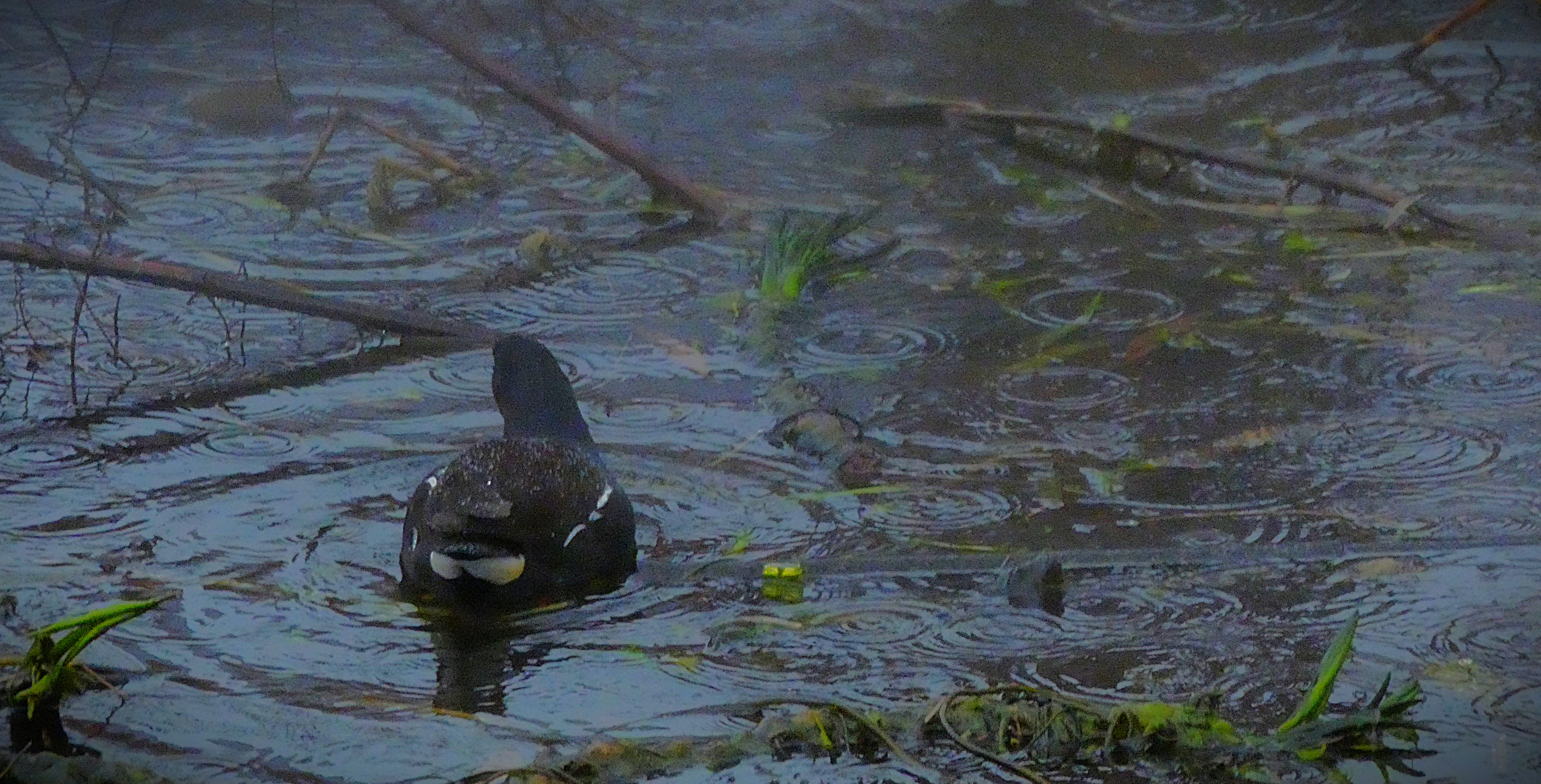
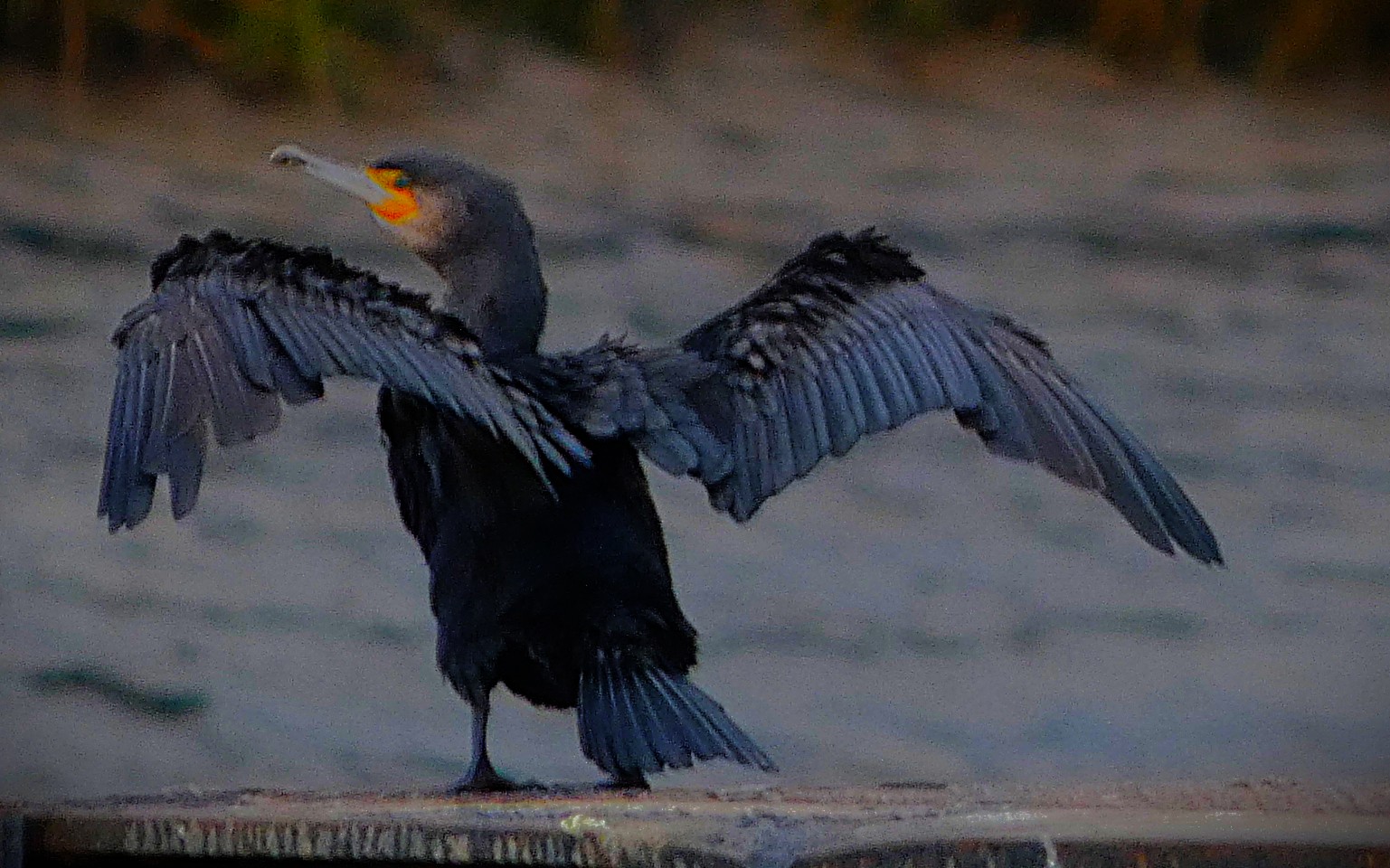
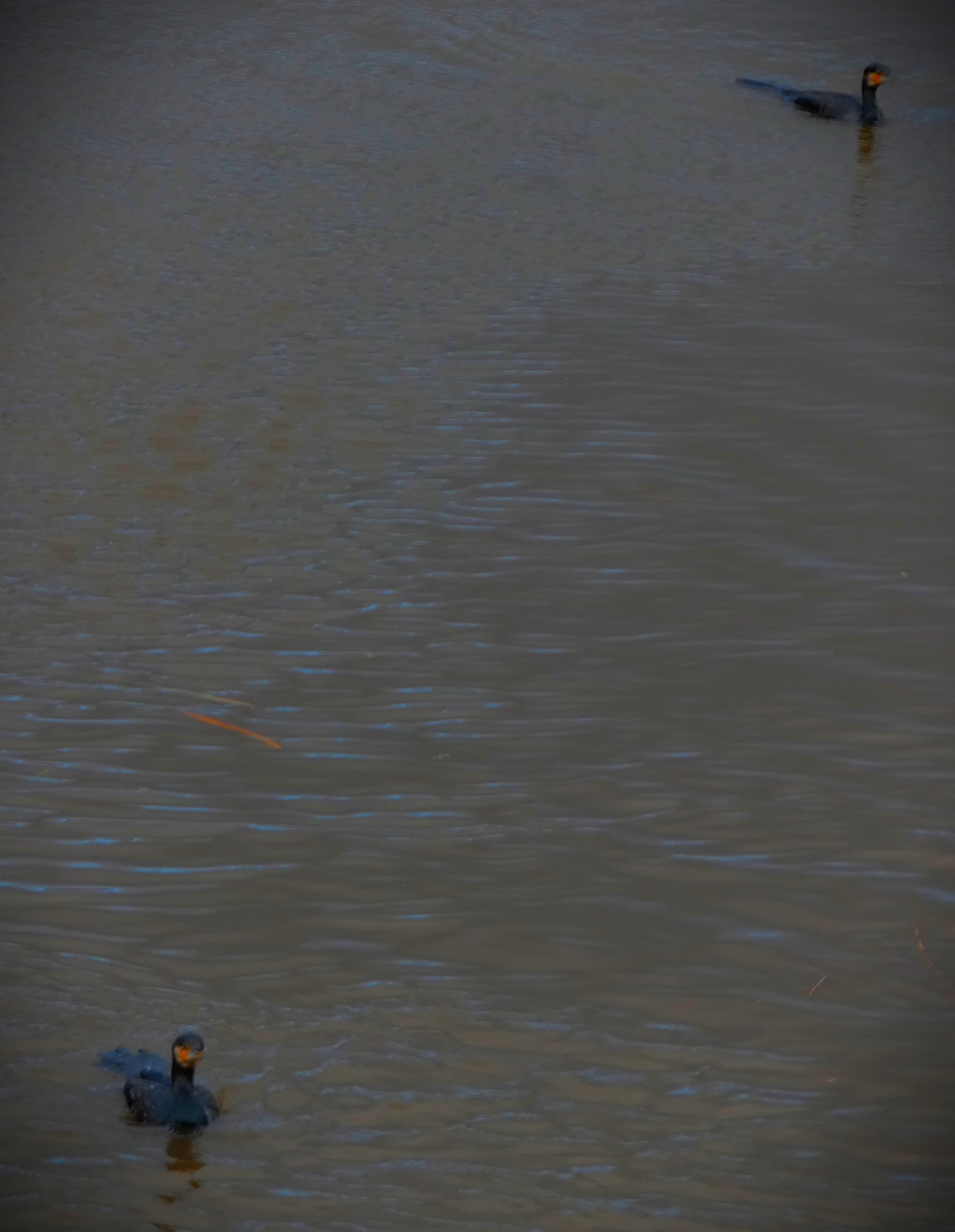
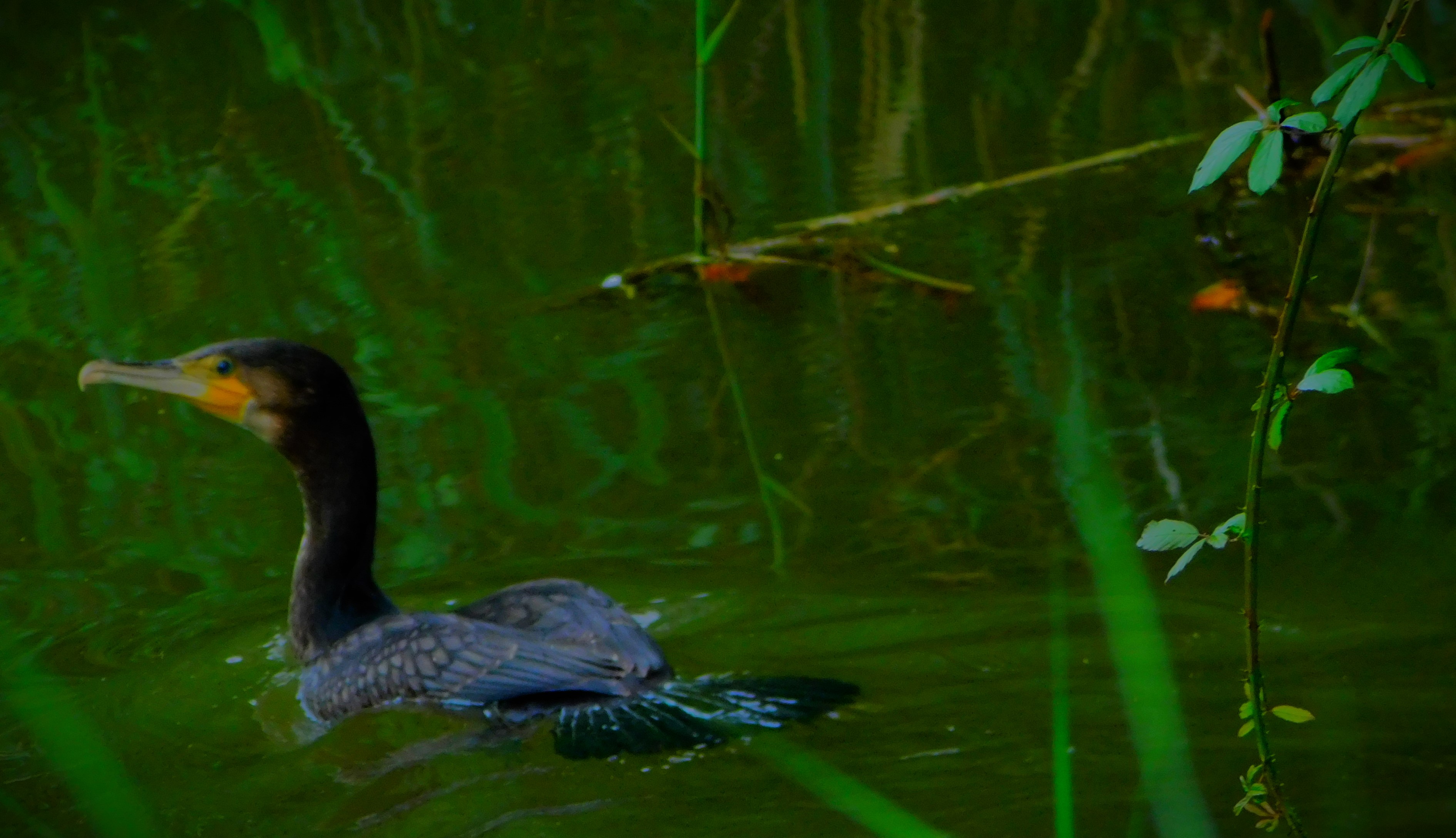
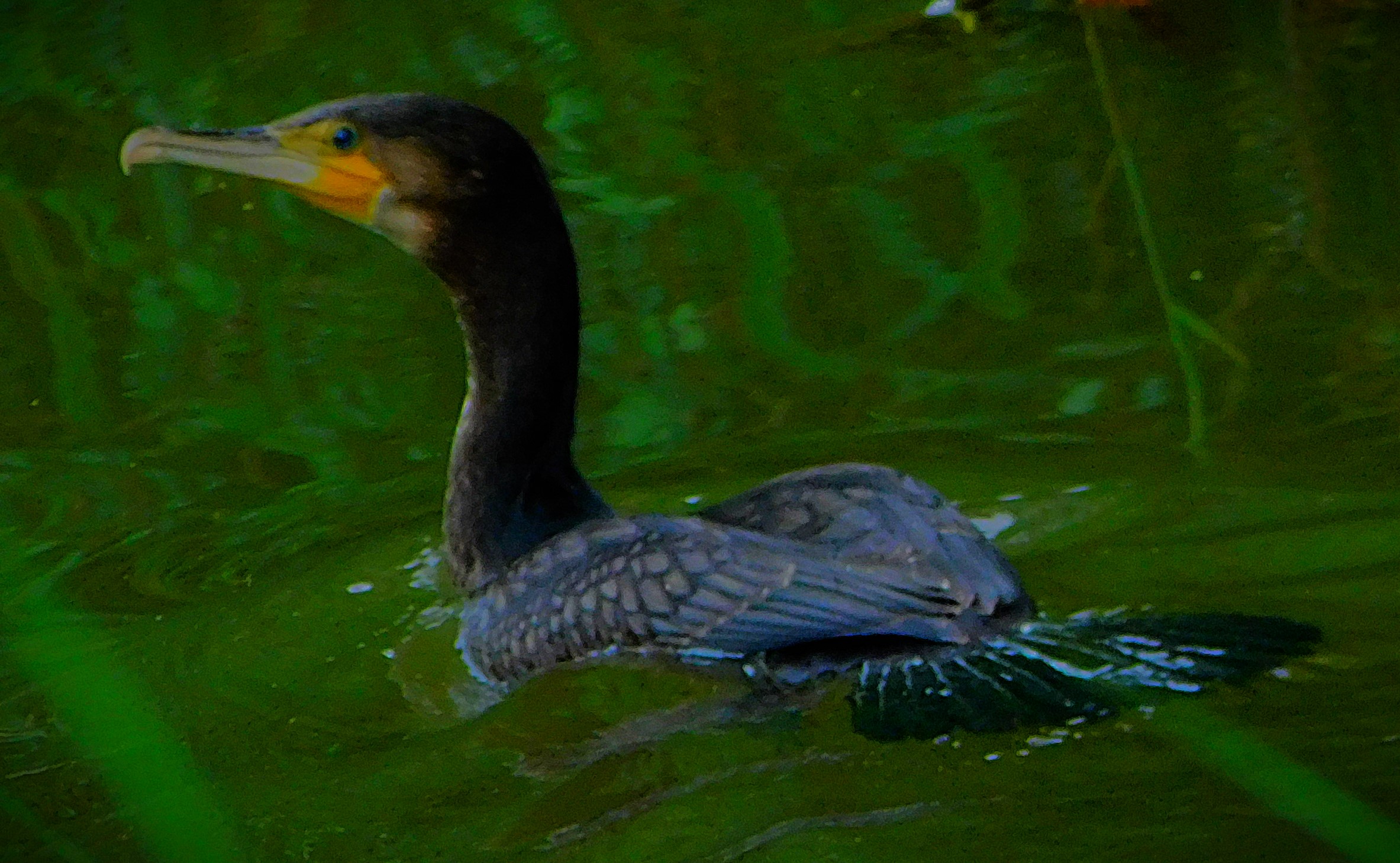
This cormorant (three pics) was swimming in a stretch of the Gaywood in which I have never previously seen one, which runs more or less past the back of Gaywood Tesco.





































































































































































































































































































































































































































































































































































































































































































































































































































































 aspiblog