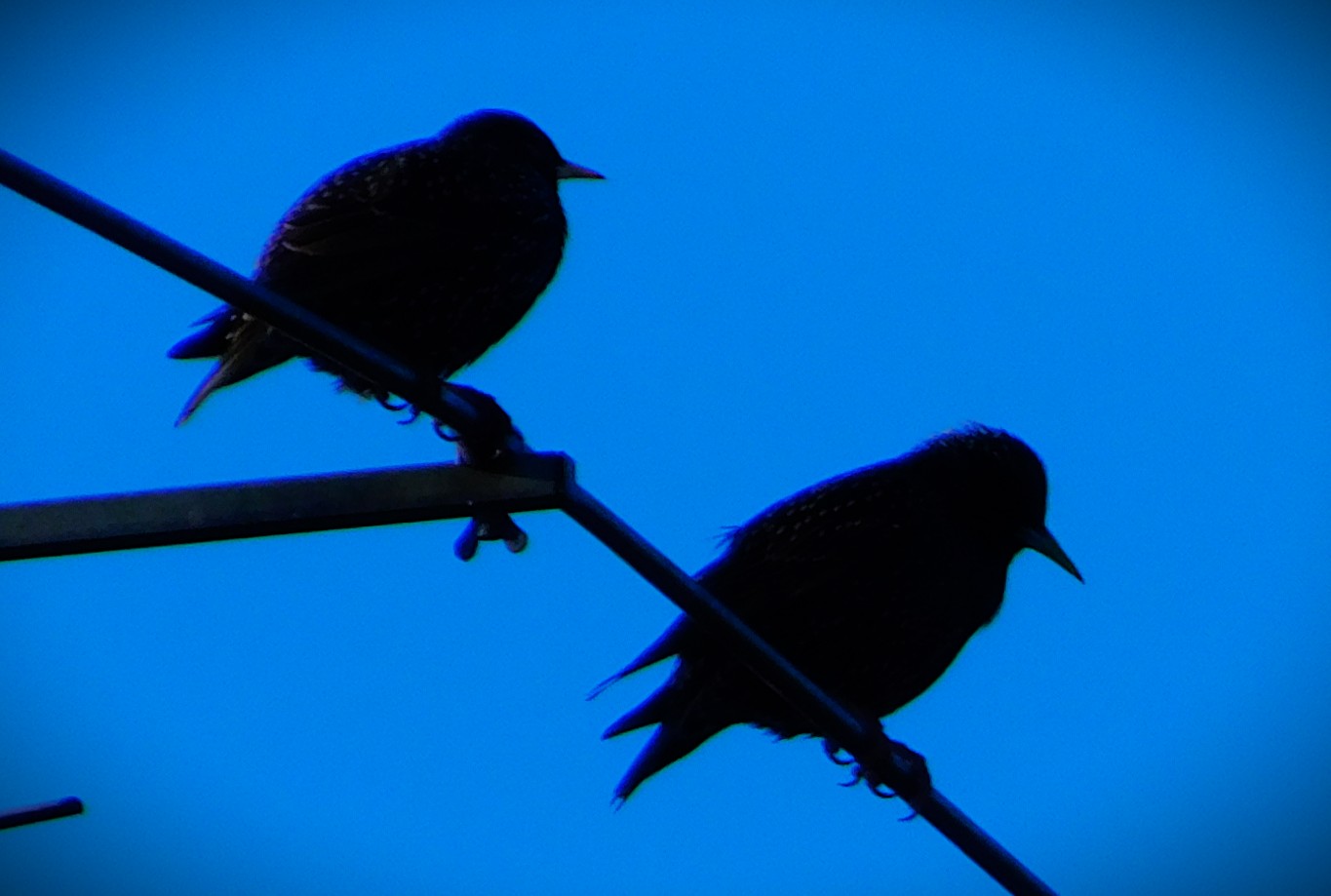
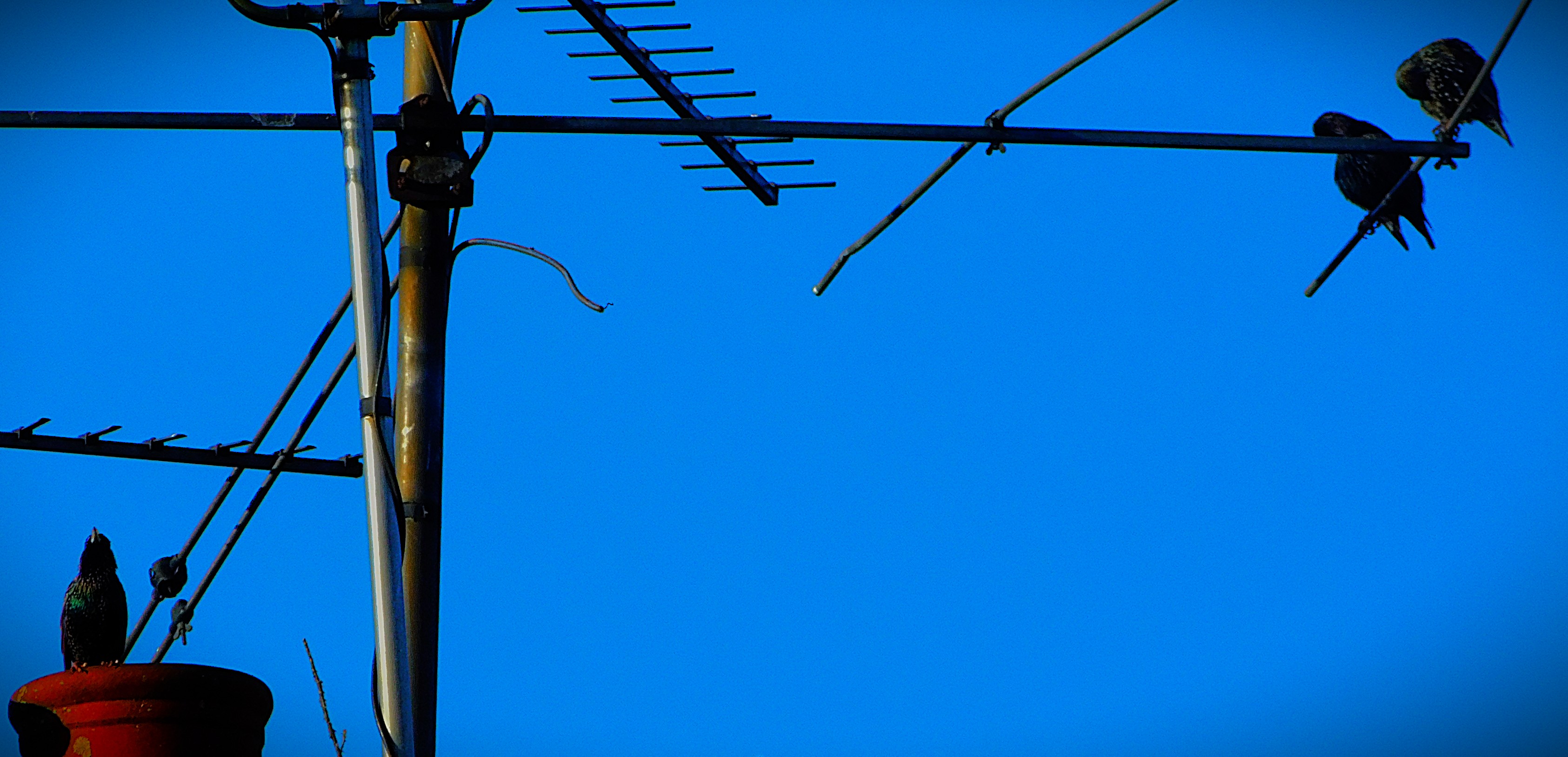
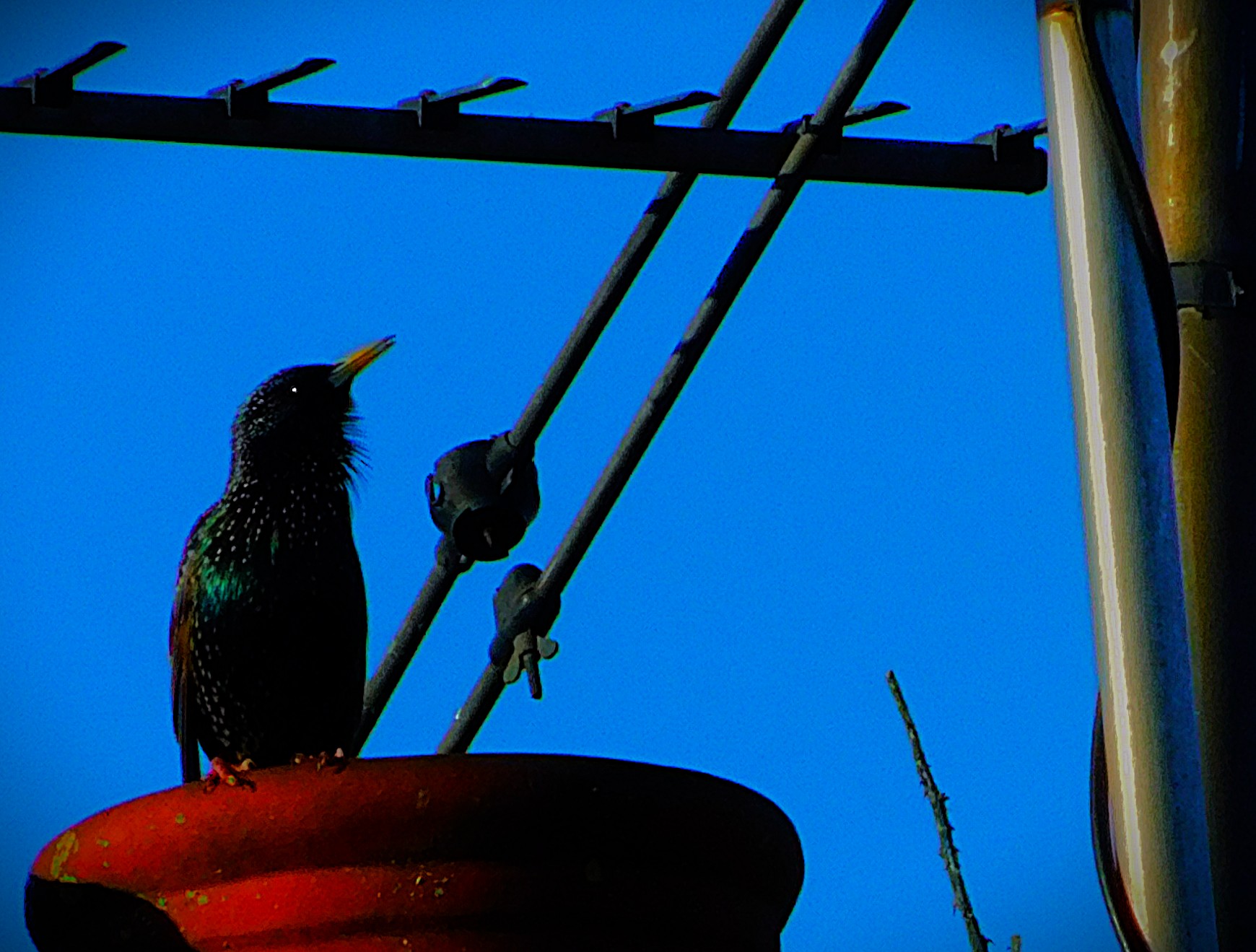
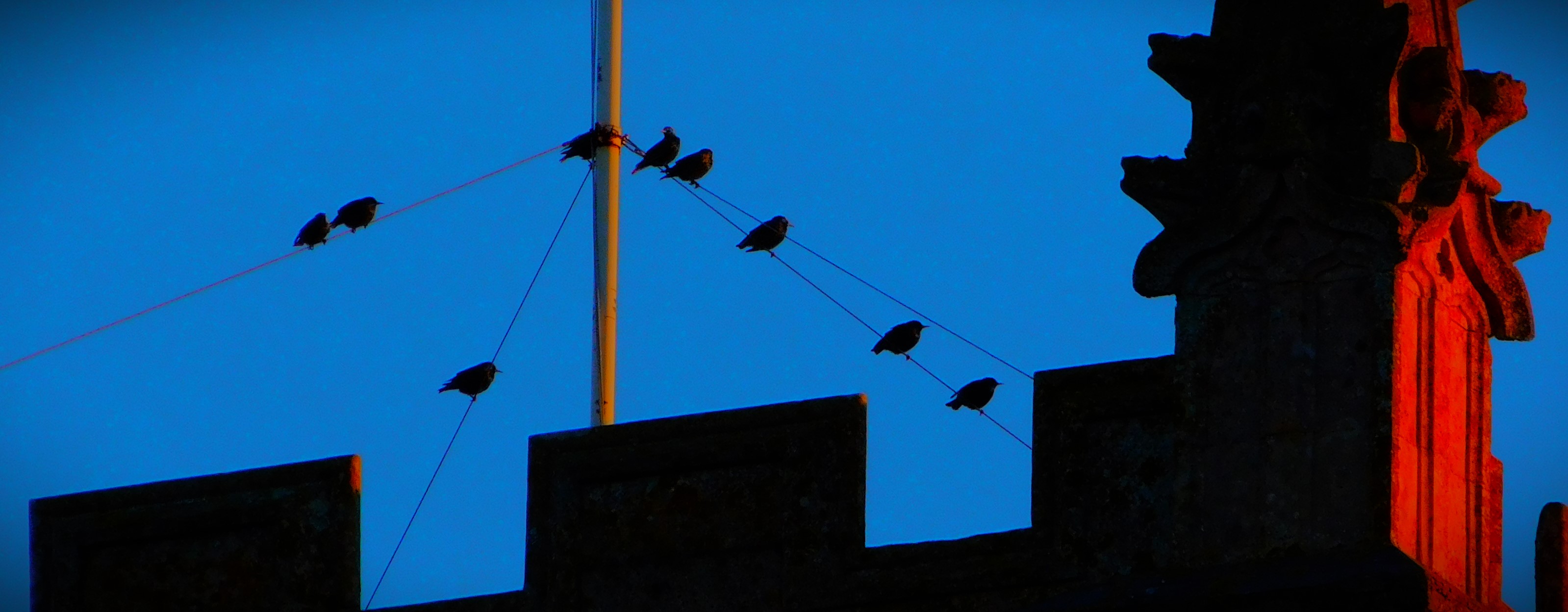
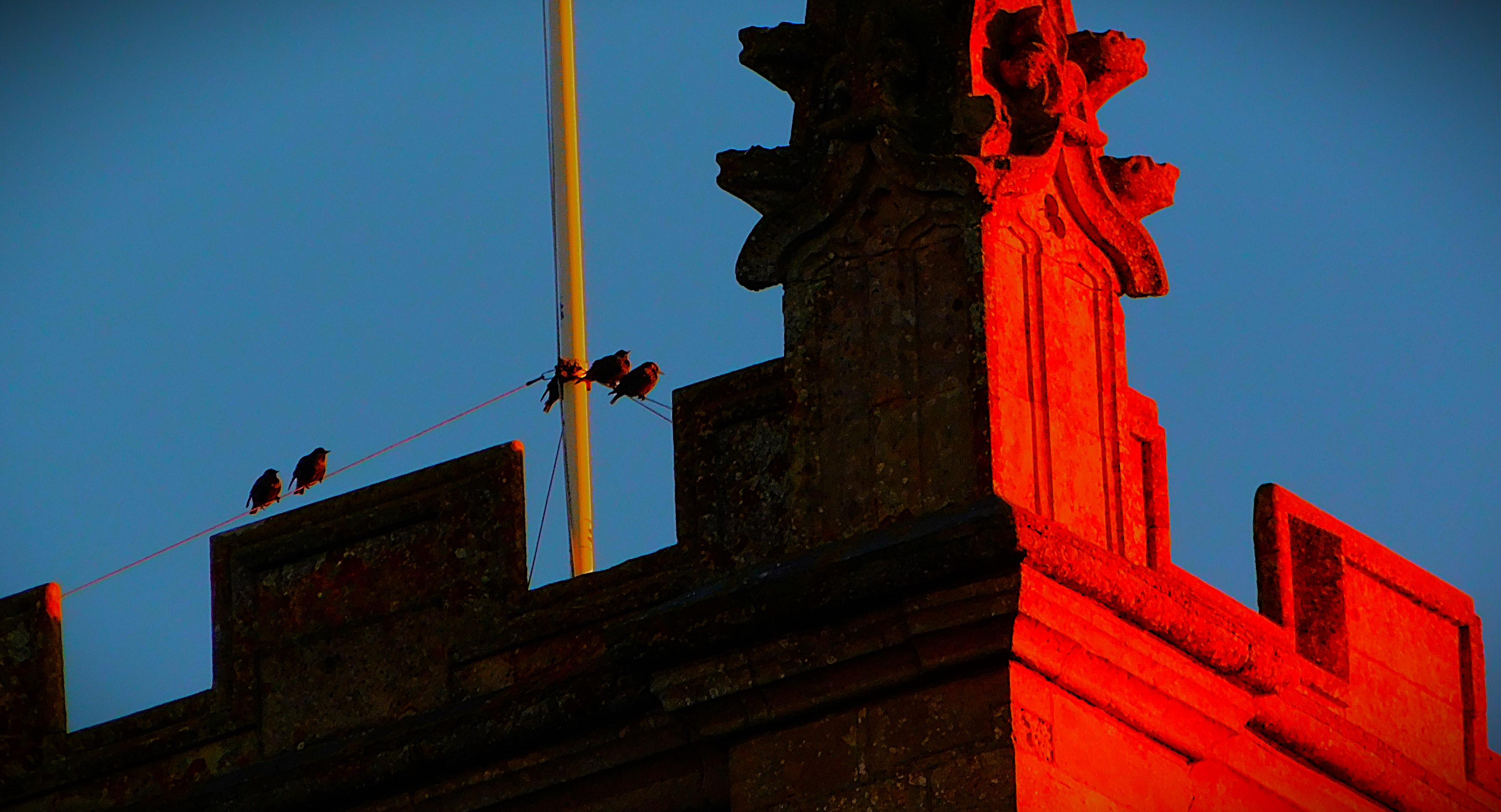
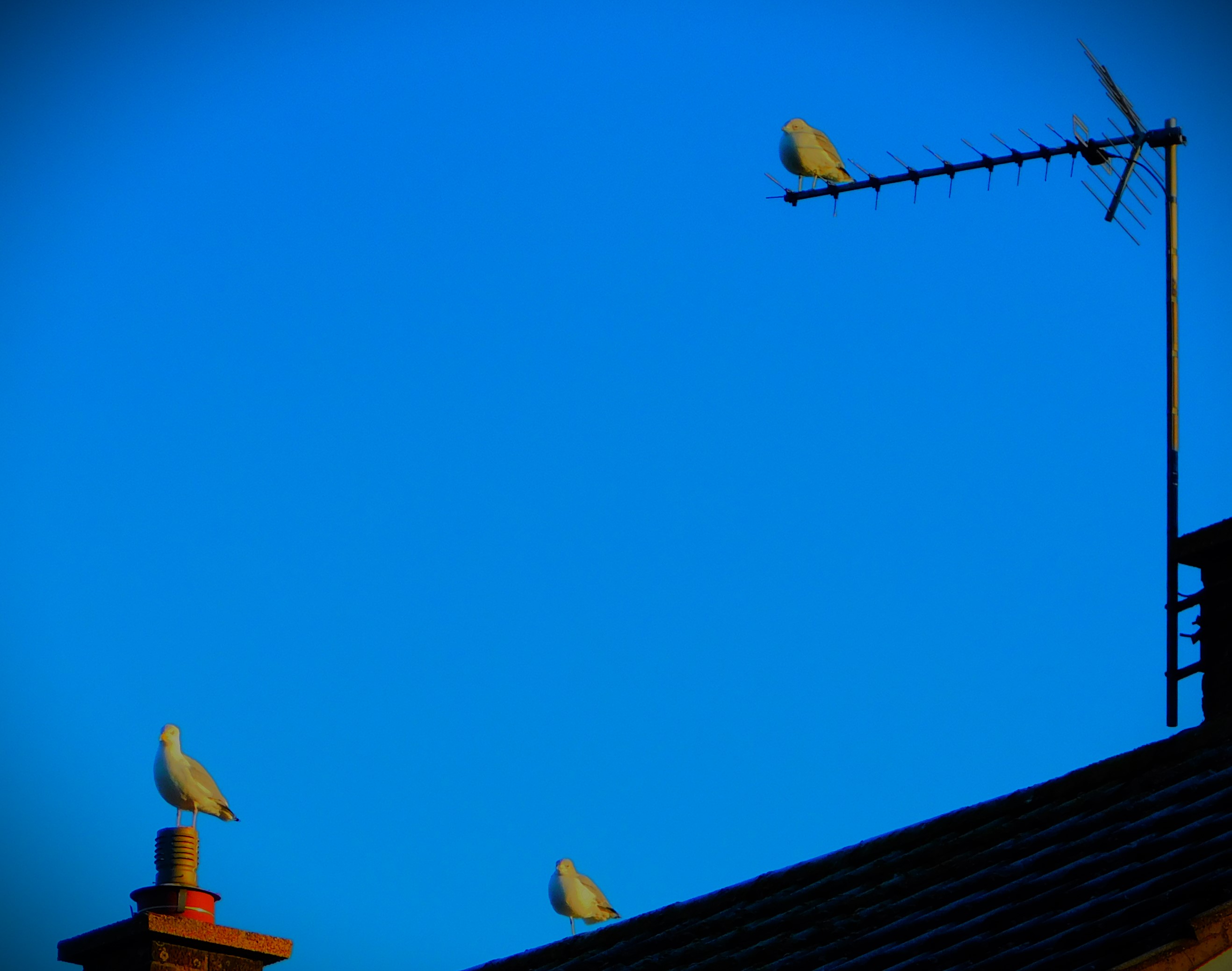
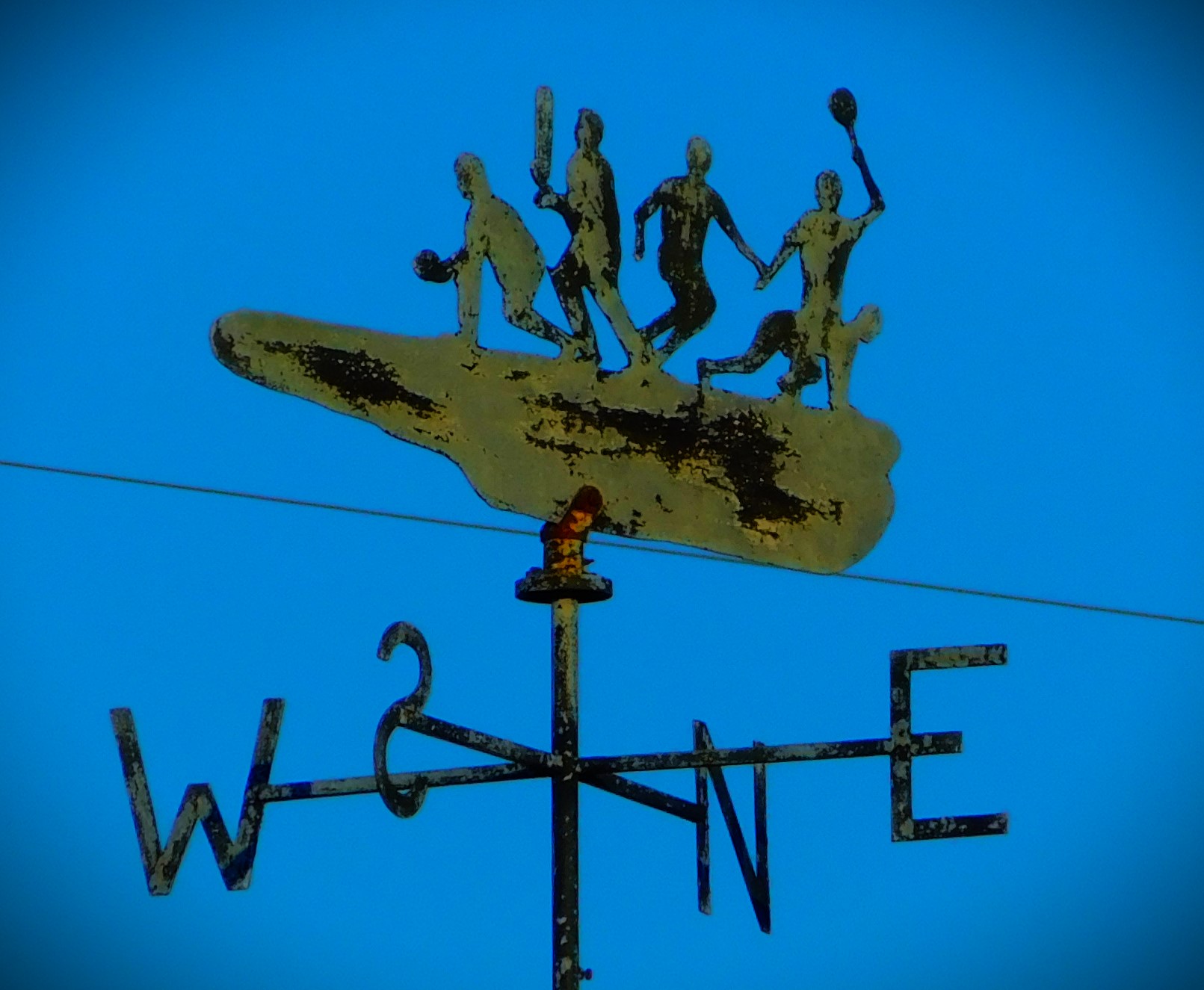
A look at developments at Edgbaston where India now have pretty much a complete stranglehold on proceedings and a photo gallery.
When I wrote yesterday’s post the sixth wicket stand between Harry Brook and Jamie Smith was still in progress. This post takes the story forwards from there.
THE END OF THE ENGLAND FIRST INNINGS
The great partnership between Smith and Brook that had partially revived England’s fortunes ended at 303 when Brook fell for 158. England were exactly 200 runs adrift at that point, needing one more to eliminate any chance of being made to follow on (India probably would not have enforced it anyway). They managed that, but not a whole lot more, as Mohammad Siraj and Akash Deep bowled magnificently with the second new ball to slice through the England lower order like a hot knife through butter. The innings ended when Siraj disposed of Josh Tongue and Shoaib Bashir in successive deliveries, his fifth and sixth scalps of the innings, giving him 6-70 on an absolutely plumb pitch. Deep had the other four wickets, also impressively cheaply on such a surface. England’s 407 was the lowest all out test innings to feature two 150+ scores (at Headingley in 1948 Australia scored 404-3 on the last day to win by seven wickets, with Morris scoring 182 and Bradman 173 not out, the last of his 29 test tons), and was also unique in featuring both two 150+ scores and six ducks (this is itself a joint test record, and unsurprisingly most of the totals to feature that number of ducks have been a lot smaller than 407). India thus had a lead of 180 on first innings.
INDIA PUSH ON
England managed one wicket before the close of play yesterday, by which point India were over 240 ahead. Thus today started with England in urgent need of early wickets. They did not get them, with Karun Nair and KL Rahul being the only casualties of the morning session. India took lunch on 177-3, with Pant and Gill both playing well in their respective styles. The afternoon began at rapid tempo, with Pant in particular going hard. Pant had been badly dropped by Crawley early in his innings, but the other England opener Duckett made no mistake when Pant failed to get quite enough on an attempted big hit off Bashir having hit 65 off 58 balls. That was 236-4, and in order to keep the left/ right handed combination going Jadeja was promoted ahead of Reddy to number six. Just before tea Gill reached his second hundred of the match, only the second Indian to have a double century and a century in the same test match (Sunil Gavaskar scored 124 and 220 against the West Indies in Trinidad in 1970). India went in to tea on 304-4, 484 ahead – already 66 runs more than any side has scored in a test match fourth innings to win. They have just resumed, probably planning to bat another hour, then have a go at England tonight, resume tomorrow with the ball still fairly new and the bowlers having had a night’s rest, and then be able to have a burst with the second new ball at the end of tomorrow if they have not already finished things by then. England are still talking about going for the win, which will surprise no one familiar with this iteration of England, but the truth is India are indeed in total control, and an England win from here would be an almighty shock.
PHOTOGRAPHS
My usual sign off…
Five hoverflies in one frame – three on the large dandelion head and two hovering nearby.
A look at goings on at Edgbaston where England and India are engaged in a test match. Also a huge photo gallery.
As we approach tea on the third day of the second test match of the series between England and India for the Anderson-Tendulkar trophy we have already seen some remarkable cricket.
THE PRELIMINARIES
England named an unchanged side, with the plan being to introduce Archer, fit again after many injury woes, at Lord’s, the second match of these two back to back tests. India made a number of changes. Karun Nair was moved up from number six to number three, B Sai Sudarsan was dropped, and Nitish Kumar Reddy, a batter who bowls medium pace came in at number six. Thakur was dropped, and Washington Sundar brought in to strengthen the batting (his off spin could not be accounted a major factor on an English pitch). India also decided that Jasprit Bumrah could not play both matches of a back to back sequence and reckoned that he would fare better at Lord’s, Akash Deep replaced him at number nine. The Indian line up was loaded with batting depth, but a little light on bowling. Ben Stokes won the toss, and in spite of neither pitrch nor conditions suggesting it, and in spite of India’s batting strength he chose to bowl, the tenth time he has done so out of 11 toss wins on English soil.
THE GLORY OF GILL
Shubman Gill came into this match with a test average in the upper 30s, with many reckoning he had the talent to be doing far better than that. His effort in the first innings here underlined exactly why. With some notable support, chiefly from Jadeja and Sundar at numbers seven and eight in the order Gill, who never previously topped 150 at test level scored 269 from number four in the order, propelling India to a score of 587. A score of that magnitude has sometimes been a prelude to a defeat – at Sydney in 1894 Australia lost after racking up 586 first up, while in a three-day match at Chesterfield in 1904 Essex lost by nine wickets after running up 597 in the first innings, and 78 years later at Southport Warwickshire scored 523-4 declared on day one of three, had Lancashire a wicket down by the close, and lost by ten wickets two days later. However, for all these examples it was not looking bright for England.
HITTING THE FLOOR AND REBOUNDING
England were three wickets down by the end of day two, though Brook and Root had fared reasonably after the top three all got out to bad shots. Root fell early this morning, edging behind to make it 84-4, still 503 adrift. One ball later that was 84-5, Stokes only able to offer a catch to the keeper off a brute of ball from Siraj. Jamie Smith hit the hat trick ball for four, the start of a blistering counter attack that saw him reach three figures before the lunch interval. Brook also went to a hundred, and Smith has now moved past 150, and has so far hit 19 fours and three sixes in the course of his innings. The sixth wicket stand is currently with 252 unbroken, though England are still over 250 short of first innings parity. Mohammad Siraj has three wickets, Akash Deep two, and no other Indian bowler any, and there has not been much threat from any of them either. There was a crazy passage this morning when Krishna attempted to test Smith with “bouncers”, which were at his pace and on this pitch medium paced long hops off which Smith helped himself to a succession of boundaries. This sixth wicket partnership is massively impressive, but am still 100% certain that Stokes should have chosen to bat first. He has chosen to bowl first in both matches, got away with it at Headingley because India had batting collapses in both innings after strong starts (430-3 to 471 all out and 333-4 to 364 all our) but does not look like getting away with it here. I also feel that India’s selection was fundamentally defensive – if they were resting Bumrah then left arm wrist spinner Kuldeep Yadav should have been selected to give the attack a bit of bite. The tea interval has arrived while I have been preparing this for publication, with England 341-5, still 246 short of first innings parity.
PHOTOGRAPHS
My usual sign off…
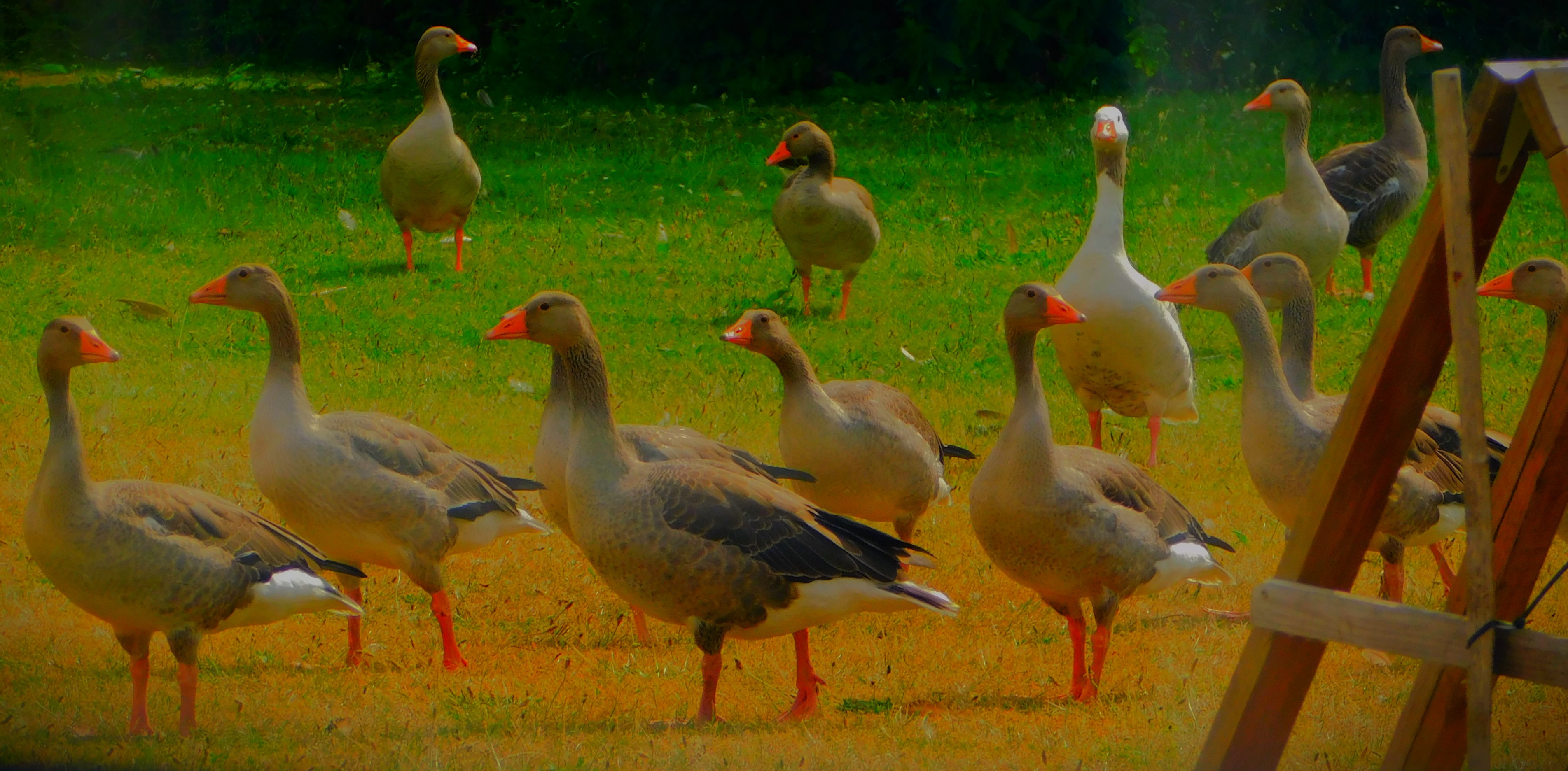
This oystercatcher was on the roof of the church of St Peter and St Paul in Fakenham, an inland town.These four pictures showing a large group of Greylag geese were taken through the window of a bus, while it was stopped opposite Great Massingham’s village green.Four into three does not go – four hoverflies and three dandelion heads in this case.A European peacock butterfly on a buddleia about 100 yards from King’s Lynn station.A squirrel running along a high wall (it is a surviving section of town wall)Two for one on dragonflies by the Gaywood river.
A look back at the test match that finished yesterday evening in a comfortable win for England, and at some of the other classics that Headingley has served up down the years. Also a photo gallery.
Just after 6:30 yesterday evening Jamie Smith hit Ravindra Jadeja for six, his second such blow in the space of four balls to take England to a five wicket win just after the last hour had been called (there had been rain early in the day, hence the late running of proceedings – in England at this time of year there was absolutely no danger of the light closing in). In truth, for all the size of the target England had been set (371), they never really looked in trouble. This post looks back at the match and some of the other classics that the Yorkshire ground has produced over the years.
INDIAN VULNERABILITIES
At 12:30 on day two India, put in to bat by Stokes, were 430-3 and a total somewhere north of 600 looked likely. Then a collapse set in, and India ended up with 471, still a big score, but a lot less than it might have been. England fought their way almost to parity, managing 465, in the course of which it became obvious that India’s bowling menace began and ended with the great Jasprit Bumrah (the only bowler to have over 200 career test wickets at an average of under 20 a piece). The second Indian innings was remarkably similar in structure to the first – at 333-4 they looked to have wrested the initiative right back, but again they suffered a collapse, the last six wickets going for 31 to make them 364 all out, leaving England to score 371 in the final innings in just over a day. I missed most of the final day’s action (all bar the last hour or so of the chase), but I can tell you that Duckett and Crawley launched the chase with a stand of 188, and that the nearest India came to creating worry was when Duckett (149) and Brook (0) fell in very quick succession to make it 253-4, 118 still needed/ Root and Stokes put on 49 together for the fifth wicket before the skipper was out, and then Smith joined Root for the denouement. This passage of play, most of which I was tuned in for, saw the Indian bowlers horrifically exposed, and it has to be said also saw some undistinguished captaincy from Gill, new to the job at this level. It became clear that he was pinning all his hopes on the second new ball, but it was also clear that England were scoring freely enough that by the time he got to take it he would have very little to defend. In the event Bumrah was off the field when the new ball became due, and Siraj took it from the Kirkstall Lane end, which would have been Bumrah’s natural end to bowl from, and such was Gill’s trust in the capacities of either Krishna or Thakur that he used Jadeja, the spinner, from the other end. Jadeja had found some turn, but he had claimed only one wicket, and even before the Smith onslaught on him that ended proceedings he had been conceding runs at closer to four than three per over (the Smith fusillade pushed that ER over four). Neither Sudarsan, debuting at number three (presumably to avoid him having to occupy Kohli’s former slot one place lower down, which Gill did instead) nor Nair, restored at number six, managed many runs, and from number seven downwards, save for a couple of big hits by Jadeja in the second Indian innings, runs were conspicuous by their complete absence. Bumrah, Siraj and Krishna are all really number 11s, and number eight is probably a position too high for Thakur, though the latter’s medium pace is a very doubtful asset – in this match he was neither economical nor threatening – his two second innings scalps were both down to batter error, not to good bowling. Until this match, in all of first class cricket history (and some 60,000 matches are officially designated as first class) no team had lost a match in which they had had five individual centuries (Jaiswal, Gill, Rahul and two from Pant). If India are going to have as weak an 8-11 as they had in this match they cannot have someone of Jadeja’s type at seven (he is worth his place as a test match number seven, but he is a conventional player by nature, not an explosive one, and with limited time available due to the weakness of the tail an explosive number seven is needed).
ENGLAND STRENGTHS
In the only innings in which they were required England’s 8-11 contributed far more than their Indian equivalents with the bat. Also Josh Tongue, though he did not do very well against the top and middle order did exterminate the Indian tail very swiftly in both innings, emerging with a match haul of seven wickets (and England have often struggled to deal with opposition lower orders in recent times, so if Tongue can do this on a regular basis he will be very useful to England). In terms of that run chase I would say that this was the match in which Stokes/ McCullum England reached maturity – while they scored those 370 runs at a good rate they were also fundamentally disciplined – Duckett, famed for being averse to leaving anything actually declined to play either of the first two balls of his innings on this occasion. Even the Smith blitz at the finish was calculated – the calculation being that although there was a small amount of turn for him Jadeja actually posed little threat. It was not an exciting finish, because by the time the game had reached that stage England had long since been out of any danger. This was not a ridiculous bish-bash-bosh involving a large measure of fortune, it was an absolutely ruthless hunting down of a target that the side knew they would reach so long as they were not bowled out. The match aggregate of 1673 runs for 35 wickets was a record for any match between these two sides. Full scorecard here.
A PLACE OFHEISTS AND HORROR SHOWS
Headingley has long been a ground noted for generation stories. Here are brief mentions of a few of the other classics
The 1948 Ashes match at Headingley was in some ways a precursor to this one – England reached the dizzy heights of 423-2 in their first innings, before then falling away to be all out for 496, Australia replied with 458, England declared on the final morning at 365-8, and Australia made the target of 404 look a stroll in the park, knocking it off for the loss of three wickets.
The third match of the 1981 Ashes at Headingley was Ian Botham’s first back in the ranks after he had bagged a pair in the drawn match at Lord’s and resigned the captaincy just as the selectors were making up their minds to demote him in any case. Mike Brearley, restored as captain as a way for the selectors to buy themselves a bit of thinking time, actually went so far as to check with the all rounder that he actually wanted to play. Bob Willis, then 32 years old and with dodgy knees, also nearly missed out (an invitation was actually sent to Mike Hendrick and then revoked). Australia batted first and scored 401-9 declared on a pitch on which as Brearley told his bowlers “a side could be bowled out for 90”. Botham had taken 6-95 in that innings, has first five-for since before he had become captain. Botham also scored 50 in England’s first innings, was they managed a meagre 174. Australia enforced the follow-on (aversion to doing so is a recent phenomenon), and at first all went well for them. England were 41-4 at one point, then 105-5 when Willey departed. At 133, when the previously impenetrable Boycott was trapped LBW it looked done and dusted, and two runs later when keeper Bob Taylor was dismissed it looked even more so. However, Botham and Dilley now shared an exhilarating stand of 117 in just 80 minutes, Chris Old helped the ninth wicket to add 67 more, during which Botham reached three figures, and even Bob Willis at number 11 provided some support for the reinvigorated all rounder. Many of the England team had checked out of their hotel that morning and now had to book back in for another night – among those who had to do was a certain IT Botham, by then 145 not out. Even with this amazing turnaround Australia still needed only 130 to win, and with lunch on the horizon they seemed to have matters under control at 56-1, just 74 short of the target. At that point Bob Willis was put on to bowl from the Kirkstall Lane end, with his test career on the line. He started by producing a sharp, straight bouncer that Trevor Chappell, who resembled a test class number three in name only, could only fend away for a catch. Then right on the cusp of the interval he struck twice more, removing skipper Kim Hughes, caught in the slips by Botham and then Graham Yallop, caught at short leg by Mike Gatting. Thus at lunch on the final day Australia were 58-4, needing 72 to win, and they suddenly had 40 minutes in which to contemplate the fact that the job was not yet done. After lunch Old rattled Border’s stumps to make 65-5, and then John Dyson, who had been in since the start of the innings essayed a hook at Willis and succeeded only in gloving the ball behind to make it 68-6. Marsh also took Willis on, and Dilley did well at deep fine leg to both hold the catch and keep himself inside the ropes. That was 74-7, and one run later Lawson popped up a catch for Bob Taylor to make it 75-8. Ray Bright and Dennis Lillee staged a late fightback, plundering 35 in four overs, but then Lillee miscued a drive at Willis and Gatting at mid-on ran and dived forward to take the catch and make it 110-9. In the next over Alderman was dropped twice by Old at third slip, but then Willis, summoning up the energy for one more over, his tenth off the reel, produced a yorker that sent Bright’s middle stump cartwheeling, and England, at one stage 92 adrift with only three second innings wickets left had won by 18 runs, only the second time in test history a side had won after following on. Willis, who had been so close to missing the match, and who had been put on for that final spell as a last gamble by Brearley, had taken a ground record 8-43 for the innings.
The 2001 match was a slow burner – it was not until the final innings, with England needing 320 to win that the story happened. That story was Mark Butcher, who was normally a fairly staid batter, suddenly for this one innings batting like Adam Gilchrist in a blue helmet. Butcher in that amazing knock savaged an unbeaten 173 and England won by six wickets after being behind for most of the match.
The 2019 match was one of the great heists of all time. Even with Stokes’ incredible innings it also took Australia burning their last review in the closing stages, which meant that when they found themselves facing a decision a few moments later that would have been overturned they could not send it upstairs.
The match that ended yesterday evening was a worthy addition to the above list – one of only three in which all four innings have been over 350 (Adelaide 1929, and the 1948 match mentioned above being the others).
A look back at the three and a bit days over which the South Africa men’s cricket team finally and decisively shed the chokers tag they had carried for over quarter of a century, and a photo gallery.
At 12:46 today, Saturday 14 June, Kyle Verreynne scored the single that completed a win by five wickets for South Africa over Australia in the World Test Championship final at Lord’s. This post looks back at the match.
DAY ONE
Both sides were stronger in bowling than in batting, so even though there was potential trouble ahead from Lyon getting to use a fourth innings pitch it was no great surprise that South Africa opted to bowl first when they won the toss. South Africa provides probably the best conditions in the world for fast bowling, and that was reflected by the presence in their ranks of Rabada, Jansen and Ngidi plus Wiaan Mulder as fourth seamer, with Keshav Maharaj the only front line spinner, with Markram a part time off spinner. Rabada in particular bowled superbly on the opening day, and when Australia were all out for 212 it looked like South Africa were well placed. However, they had a tricky session of batting to navigate before the close, and did not do so very well. By the end of the day they were 43-4 and most of the good work of their bowlers looked to have been undone.
DAY TWO
I missed almost the whole of this day due to being at work. However, I know that Cummins was in particularly fine form, and that South Africa were all out for 138, a deficit of 74 on first innings. South Africa hit back hard by reducing the Australian second innings to 73-7. However the character of the match changed from this point – the eighth wicket stand yielded 61. By the close Australia were 144-8, an overall advantage of 218, and it was already known that South Africa would need the largest total of the match in the final innings thereof.
DAY THREE
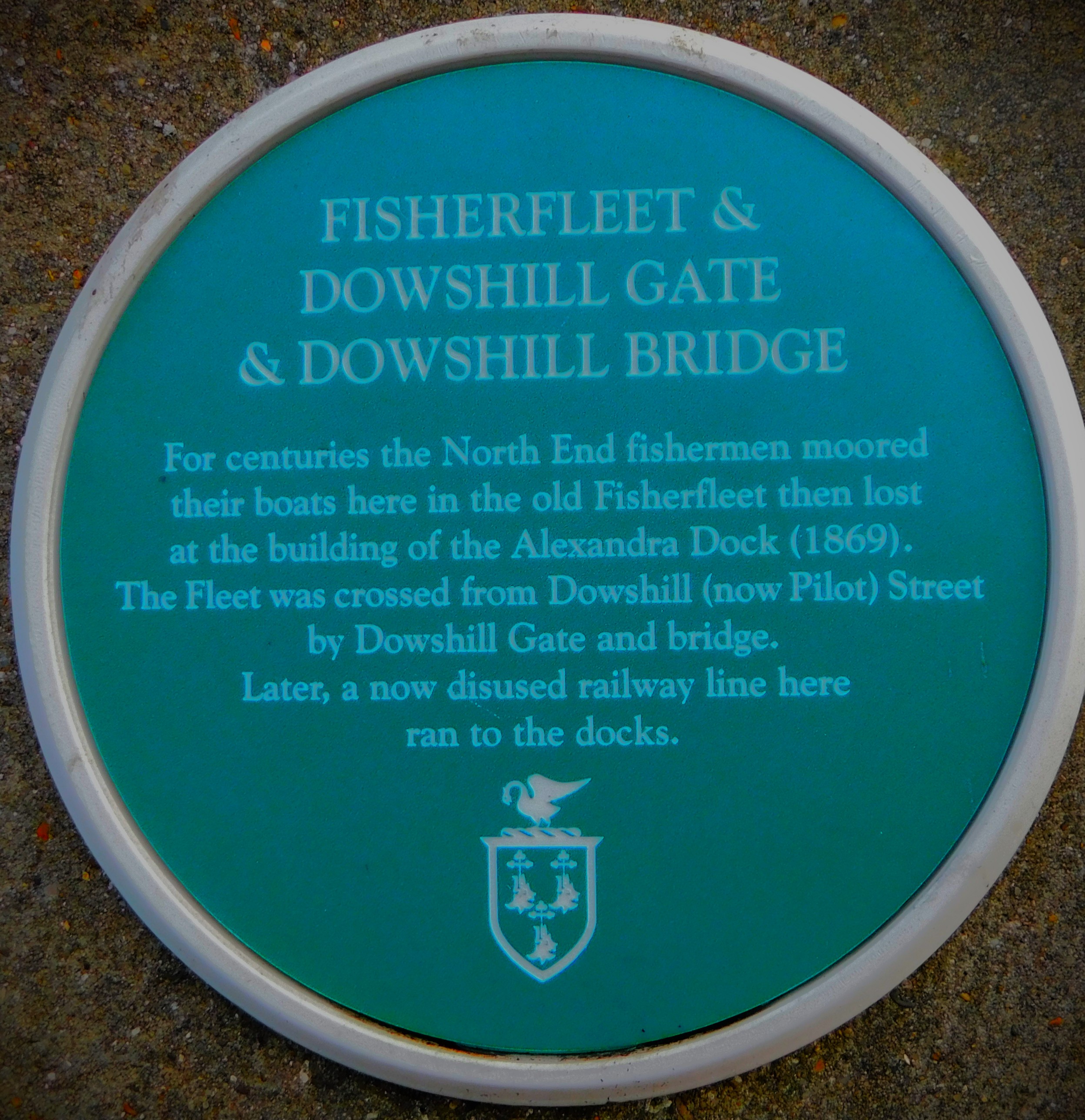
I missed the first part of this day’s play as I was attending a first aid training course in the dockside area of King’s Lynn, somewhere I have never previously had occasion to visit. A long final wicket partnership between Starc and Hazlewood had left South Africa needing 282 to win. Ryan Rickelton was out very cheaply, and Wiaan Mulder once again suggested that he was miscast as test match number three, and should probably swap batting positions with David Bedingham, managing 27 on this occasion. However, from 70-2 at the dismissal of Mulder, Aiden Markram and Temba Bavuma, the South Africa captain, took complete control of the day and indeed of the match. There were precious few moments of vulnerability for either as they batted on through a sunny afternoon and evening. Markram reached his hundred just before the close, as valuable a test knock as has ever been played for South Africa, and with Bavuma solid in support the Proteas closed the day on 213-2, needing a mere 69 more to win. Markram had 102 not out to his name, Bavuma 65 noy out.
DAY FOUR
Bavuma did not last long on this morning, adding just one to his overnight tally before Cummins elicited an edge, and Carey took the catch behind the stumps. Tristan Stubbs, next in, never looked comfortable. At 241 came two big moments. First Starc appealed for LBW against Stubbs, and when it was turned down acceded to Carey’s suggestion that it be sent upstairs. Fine cricketer though he is, Carey has to be regarded as one of the worst judges of a review the DRS era has ever seen. Here, in an echo of Headingley 2019, though their opponents were rather more strongly placed than England back then, it was duly confirmed as being sufficiently clearly not out for Australia to have burned their last review. Stubbs did not benefit much personally, as Starc’s next delivery hit his stumps to make it 241-4, 41 needed. Bedingham settled in quickly, and he and Markram seemed to be heading toward the target quite serenely. The main question by now looked to be whether Markram was going to reach 3,000 test runs before the end of the match. With Markram on 136, and his career tally on 2,993, and South Africa needing just a further six he flicked a ball from Hazlewood into the on side and was caught by Travis Head. Australia unsurprisingly did not celebrate the dismissal. Wicket keeper Kyle Verreynne now came in to join Bedingham. This pair saw it home for the last few runs, with Verreynne as mentioned in the intro scoring the winning run. It has been 26 years since South Africa acquired the chokers tag. Then, in the 1999 ODI world cup a win in their last ‘Super Six’ match would have consigned Australia to an early flight home, put Zimbabwe in the semi-finals and left the tournament at the Proteas mercy. Allan Donald was the victim of a panic run out with the scores level, which meant that Australia and South Africa met again in the semi-final, and Australia did not grant South Africa an opportunity to redeem themselves, and went on to dominate the final as well. In the intervening years they have had other close calls, including in the 2024 T20 World Cup, when they need 30 from the last five overs with five wickets standing and failed to get home, largely because of some magnificent bowling by Jasprit Bumrah. Thus this is not merely a match and a trophy won for South Africa, it is much needed healing balm for some deep psychological wounds they have acquired over the years. Full scorecard here.
PHOTOGRAPHS
One small bit of housekeeping first: I have created a page listing my series of posts about my 50th Birthday Holiday in far western Scotland in chronological order. As you may imagine I have a fairly rich trove of unused photos since my return to King’s Lynn, so today’s offering is in the nature of a highlights package…
No, this is not a carelessly discarded boiled sweet, it is a metallic shieldbug.A shieldbug of a different variety.A particularly impressive heron.I think the butterfly in this picture and the next is a Painted Lady.This could be a Hummingbird Hawk MothThe one non-highlight part of this gallery – as I am unlikely to be there again I have shown all my pics from the dock area.I saw this on my back from yesterday’s training session.These fish were swimming near the surface of the pond closest to my home.
A look at the events of the first two days of England v Zimbabwe at Trent Bridge and a photo gallery.
The second match of the Womens T20I series between England and West Indies has just got underway at Hove. Today has been the second day of a four day test match between England and Zimbabwe men’s teams at Trent Bridge. I missed most of yesterday’s play for various reasons.
MISJUDGEMENTS AT THE TOSS
Zimbabwe won the toss and inserted England. Allegedly Ben Stokes would also have bowled first had he won the toss. Whatever the reasoning behind Zimbabwe’s decision, and the one England would possibly have made, bowling first did not work out well for Zimbabwe. By the close of day one England had piled on 498-3 from 88 of a supposed minimum of 90 overs. I only caught one fairly brief passage of this day’s play, but I did get to hear Pope’s century (the third of three scored for England that day), Root’s 13,000th test run (only four others have ever reached this milestone – Dravid, Kallis and Ponting will be all in Root’s rear view mirror by the end of this season, but Tendulkar’s tally of 15,921 remains a long way off) and Pope’s 150 (he was going ballistic by this stage of proceedings, and that third 50 took only 33 balls). England continued scoring quick runs on the second morning. It was the dismissal of Brook for 58 off 50 balls, which made the score 565-6 that prompted Stokes to declare. The Zimbabwe first innings was a one man show, that man being 21 year old right handed opening batter Brian Bennett, who reached three figures off a mere 97 balls. He did not get a great deal of support from the rest of the order. He was reprieved on 89 when Root dropped a catch in the slips off Ben Stokes. Stokes was not long delayed – he took a wicket in his next over, and added a second in the course of what was a fairly brief spell. At 139 Josh Tongue had him fending a short ball into the hands of Pope at forward short leg but a call of no-ball saved him. In Tongue’s next over the same sequence of play – short ball, fend, catch by Pope, ensued and this time it was a legal delivery. Bennett’s dismissal made it 246-6, and with Richard Ngarava having injured his back while bowling and not being fit to bat it did not take terribly long to wrap the innings up. The final score was 265 all out, giving England a lead of precisely 400. In view of it being a four day match, and tomorrow’s forecast being a little dodgy Stokes had no hesitation in sending Zimbabwe in again. Bennett could duplicate his first innings form, being pinned LBW by Atkinson for 1 (it was given not out on the field, but Atkinson sent it upstairs and was proven right). Tongue then intervened with the wicket of Zimbabwe skipper Craig Ervine, caught by Pope at forward short leg. Sean Williams batted impressively to reach 22 not out by the close, but at 30-2 Zimbabwe are still 270 runs short of avoiding an innings defeat.
A brief look at the conclusion to the last ‘timeless’ test match ever to be played, a conclusion which unfolded on March 14th 1939, 11 days after the match had begun.
Up until World War II broke out both Australia and South Africa were believers in timeless test matches (i.e. played until one or other side had won). This post looks briefly at the match which finally ended timeless tests.
OF RAIN, TRAINS AND BOATS
As March 14th 1939 dawned England were within sight a victory that had it eventuated would have strained credulity. At one point South Africa had been over 400 runs to the good with all ten second wickets standing. Both sides knew that although the test match, which had begun 11 days previously on March 3rd, had been designated timeless this would have to be the final day as England needed to catch a train to Cape Town or miss their boat home and be stranded for at least a month (and of course war was looming, which made folk even less keen on being trapped abroad than they would have been anyway. Although it had rained on several occasions in the match these interludes had served only to bind the surface of the pitch back together, and it was still playing well and true. England, set a mammoth 696 to win, went past 600 with only three wickets gone. At 611 Eddie Paynter was fourth out for 75. Les Ames now joined Hammond at the crease, and the pair were still together when the 650 came up. At exactly 650 Hammond was stumped off Dalton for 140. That brought Bryan Valentine, a specialist batter, in to join Ames. Four runs later the heavens opened, and the downpour proved terminal. In total the match had seen 1,981 runs scored for the loss of 35 wickets, an aggregate that remains a test match record but was beaten twice in the next decade in FC matches, both involving Bombay as it was then called – Bombay v Holkar yielding 2,078 runs, including 249 in losing cause for Denis Compton, and then in 1948 Bombay v Maharashtra yielding 2,376. The Durban test match still had the record for the longest span of any first class match. Hedley Verity, the left arm spinner, sent down 774 balls across the two South African innings (96.6 eight ball overs under the playing conditions of the day, equivalent to 129 six ball overs. For South Africa Norman Gordon, a seamer no less, sent down 736 balls (92 eight ball overs, equivalent to 122.4 six ball overs). There is a book about this match “Edging Towards Darkness” by John Lazenby. No timeless match has been scheduled since this one. For the moment here is the scorecard.
An account of the third and as it turned out final day at the MCG and a photo gallery.
The word ‘WAshes’, with the first two letters capitalized is a social media hashtag created by combining the W from women’s with the word Ashes. This post looks at the events of the third and as it turns out final day of the one-off test match that ended this year’s WAshes series.
ENGLAND’S BEST PERIOD OF THE SERIES
The early stages of the day, which got underway at 3:30AM UK time, saw England produce their best bowling and fielding of the series. Knight opted for the contrasting threats of Ecclestone (left arm, slow) and Filer (right arm, fast), and both bowled beautifully. Mooney became the first Australian to complete centuries in all three formats (Heather Knight and Tammy Beaumont, both playing for England in this match, are also members of this small club). She was out to a beauty from Lauren Filer which clean bowled her. The Australian innings ended when Perry, who came in at number ten after being held back due to injury, chipped a return catch to Ecclestone who thus claimed a place on the MCG honours board with her fifth wicket of the innings. She had toiled hard – the final ball of the Australian innings was the third of her 45th over thereof. Footage of this good spell for England can be viewed here.
ENGLAND’S SECOND INNINGS
England had scored a mere six runs when Darcie Brown got through the defences of Maia Bouchier, ending a wretched tour for the 26 year old, who was out for one. Bouchier’s tour aggregate was 33 runs from six innings, she does not bowl, and in a side who are not great in the field she is one of the most frequent offenders when it comes to dropped catches.
Beaumont and Knight batted well for a time, both hitting some highly impressive shots. However, with 79 on the board Knight was dismissed to a catch by Litchfield off Gardner. Nat Sciver-Brunt started impressively and the 100 came up without further loss, but at that point Alana King, in what was to be a long unchanged spell from the Shane Warne Stand end took centre stage with her leg spin. At 100 she trapped Sciver-Brunt plumb in front for 18. Three balls later Dunkley fell to an incredible ball. Footage of this delivery is available here, and I urge you to watch it and see for yourself what it did. Danni Wyatt-Hodge is high class batter, and a very experienced one, but she did not play like one this time round. She essayed a sweep, a shot that England have got in trouble with against Australia’s spinners all through this series, and Litchfield took a fine catch. The score had not advanced from King got one through Beaumont’s previously impregnable defences to dismiss the diminutive opener for 47. That was 109-6, and right on the stroke of the second interval Amy Jones edged one from Gardner to Mooney who made no mistake behind the stumps. Soon after the resumption Ryana MacDonald-Gay was eighth out, helplessly popping up a catch to Brown off King. Both spinners were involved in the dismissal of Ecclestone, joint third top scorer with 18, King taking the catch off Gardner. That left the two Laurens, Filer and Bell, to delay the inevitable as long as they could. In the event the numbers 10 and 11 hung on for 11.2 overs together before Filer fell to a catch by Sutherland off King to give Australia victory by an innings and 122 runs and a 16-0 clean sweep in the multi-format series. It was an appropriate ending – Sutherland was the obvious choice for Player of the Match for that dazzling 163 and King, with 23 wickets in all, was an equally obvious choice for Player of the Series. That Ecclestone, Filer and Bell, numbers 8,10 and 11, survived respectively for 50, 45 and 30 balls (the last being an unbeaten 0) serves to further highlight the wretchedness of that headlong plunge from 100-2 to 122-8. A highlights package from today can be viewed here. A full scorecard of this match can be viewed here. Australia absolutely deserved their clean sweep, and England need to make big changes moving forward.
A look at the events of the first two days of the test match that is the final instalment of this year’s Women’s Ashes series, and a photo gallery.
At 3:30AM UK time yesterday the final instalment of the multi-format series for the Women’s Ashes, a day/night test match at the historic Melbourne Cricket Ground, got underway. Australia had won both limited overs series 3-0, meaning that in the points system used to score the whole series they were 12-0 with four points at stake for the Test Match.
DAY ONE
Australia won the toss and put England in to bat. Several England players got starts, but only Natalie Sciver-Brunt who fought her way to a half century made a significant contribution. To make things worse for England it rapidly became clear that even on day one the pitch was helping spinners, and England, somewhat oddly given where their prime bowling strength lies, had opted to play only one front line spinner, Ecclestone. England were all out for 170, just before I had to set off for work. I found out later in the day that Australia had reached 53-1 by the close, and would find out later still that one catch had already gone begging.
DAY TWO
This was the day the wheels came right off for England (and probably the exhaust pipe and the axles!). The bowlers did not bowl badly, but the fielding was terrible, a further seven catches being dropped (although in other circumstances the last of these, an attempt at a return catch by fast bowler Lauren Filer would have earned her commendation for a fine effort rather than being recorded as the latest in a long series of drops). Annabel Sutherland, after being reprieved three times early in her innings played sublimely for 163, while Alyssa Healy, fit enough to bat and captain, but not to keep, offered some support, and then Beth Mooney, the batting star of the entire series, demonstrated her continuing excellence. After Sutherland’s magnificent innings ended, bowled by 20 year old medium pacer Ryana MacDonald-Gay, Mooney was supported by Ash Gardner who scored 44 before a catch was finally taken, by Filer off Ecclestone, and then in the last stages of the day by Tahlia McGrath. After having used only her five front line bowling options (Filer, Lauren Bell, Sciver-Brunt, MacDonald-Gay and Ecclestone) all the way through to that point the England skipper Heather Knight finally did something different for the final over the day – she turned to her own part time off spin. The main question was whether Mooney, already on a new test career best, could complete her maiden test ton before the close. In the end she did not, finishing the day on 98 not out. Australia at 422-5 already have a first innings lead of 252, with two whole days remaining. Ellyse Perry has a hip problem and has not batted, but it is not impossible that she will be considered fit enough to do so in the early part of tomorrow. The attendance for this match so far has been 23,508, a new record attendance for any women’s test match, with two weekend days to come.
A look back at the final stages of the contest for the Border-Gavaskar Trophy and a photo gallery.
Early this morning UK time, midway through the afternoon session of day three in Sydney, Australia completed a six-wicket win over India which gave them a 3-1 series victory with one match drawn, and for the first time in a decade possession of the Border-Gavaskar Trophy. This post looks at the developments of days two and three of the final match.
DAY TWO
Day two started well for India but in the end left them poorly placed. They secured a small first innings lead, dismissing Australia for 181. Their own second innings however was a poor show with the shining exception of Rishabh Pant. Pant, justly criticized for his two dismissals in the previous match at the MCG, played a magnificent knock on a pitch that always helped the bowlers. He scored 61 off 33 balls, hitting some gorgeous shots. In the circumstances, with wickets falling regularly it was the right way to approach things, and it was an unforgettable display. Even with these pyrotechnics India were still 141-6 at the close of day two, 145 runs ahead overall, and with Bumrah in hospital for scans on an injury.
DAY THREE AND WRAP UP
Ravindra Jadeja was out early, and the tail offered little further resistance. Cummins claimed two of the last four wickets and Boland the other two, his fifth and sixth of the innings and ninth and tenth of the match. Australia lost four wickets en route to victory, but Travis Head and Beau Webster, who had an excellent test debut, scoring 57 and 39 not out, as well as bowling 13 overs for 29 in the first Indian innings and taking 1-24 from four overs in the second, saw through such danger as there was, putting on an unbeaten 58 for the fifth wicket to take Australia over the winning line. Crucially for Australia, although he had batted Jasprit Bumrah did not bowl – their task would have been exponentially tougher had he been able to do so.
Scott Boland’s match haul of 10-76 (4-31 and 6-45) saw him named Player of the Match, while Jasprit Bumrah’s 32 wickets across the five matches saw him named Player of the Series. India came into this match still with a chance to retain the BGT, and that was almost solely due to Bumrah. Without him the only question at the SCG would likely have been whether or not the Aussies could make it 5-0. Full scorecard here.
A look at day one of the fifth and final test match in the Austyralia v India series and a photo gallery.
The fifth and final test of the Border-Gavaskar trophy series between Australia and India is underway in Sydney. This post looks at the events of day one.
THE PRELIMINARIES
India were captained by Jasprit Bumrah as Rohit Sharma had been ‘rested’. Prasidh Krishna was a like for like replacement for Akash Deep further down the order. For Australia Mitchell Marsh made way for Beau Webster to make his test debut. Webster is principally a batter, but does have a first-class six-for, taken earlier this season, to his name. Bumrah won the toss and elected to bat first.
INDIA UNABLE TO GET GOING
India needed to bat well, and sadly did not do so. The Australians did bowl well, especially Scott Boland. Mitchell Starc, whose fitness was uncertain coming into this match, took three wickets with his pace, but even he was second fiddle to Boland, who emerged with 4-31. Cummins had two wickets, Lyon one, and Webster on the first day of his test career was economical, sending down 13 overs for 29 runs. India mustered 185 from 72.2 overs in the end. Australia’s openers, Konstas and Khawaja, seemed to be surviving a mini-session of batting with little difficulty, much to the relief of Lyon, padded up to go in as nightwatch if needed, when karma struck. Konstas and Khawaja indulged in some time wasting to ensure there was no possibility of an extra over being sneaked in by India before stumps were drawn, words were exchanged between Konstas and some of the Indian fielders, Khawaja intervened to defuse the situation, and then the remaining delivery could finally be bowled. Karma, using Jasprit Bumrah’s arm as its agent now punished the Aussie openers – that sole remaining delivery took the edge of Khawaja’s bat and was caught by Rahul behind the stumps. Australia thus ended the day 9-1 after three overs in reply to India’s 185. If 14.4 overs seems considerably more than can be accounted for by a mere innings break you are spot on – over rates were disgracefully slow all through the day, and even if there had not been the innings break a good dozen of those 14.4 overs would have gone unbowled.
PHOTOGRAPHS
I lost some of my photographs when the memory card I had been using malfunctioned yesterday. Fortunately I have a spare, and though it has been cold, especially when the wind blows, the last couple of days have been bright and sunny, so I do still have my usual sign off…
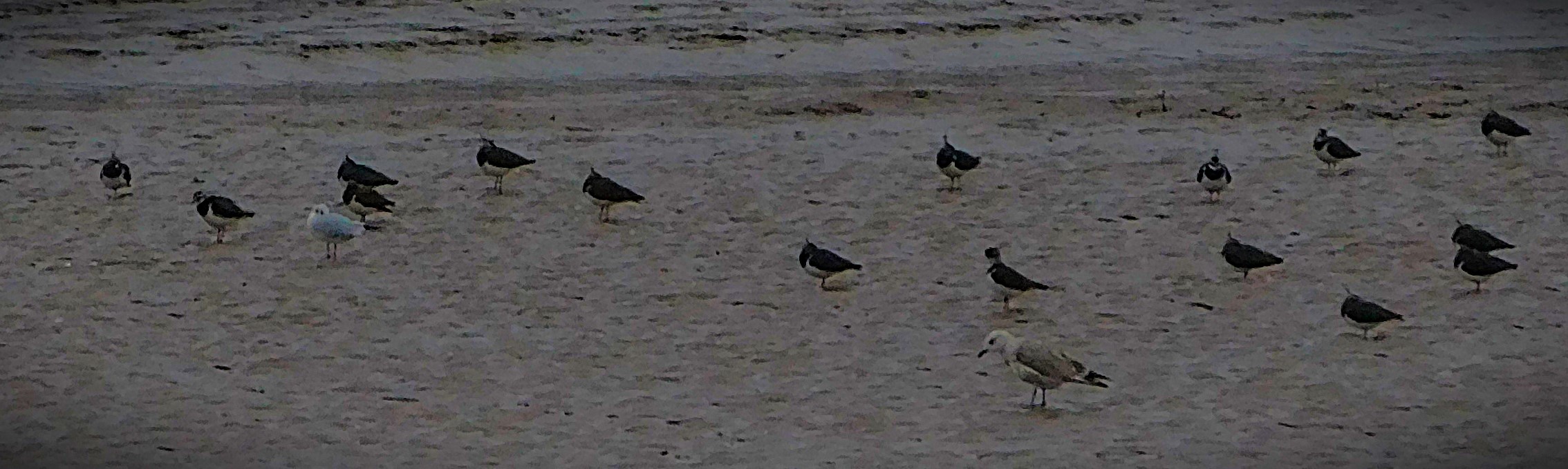
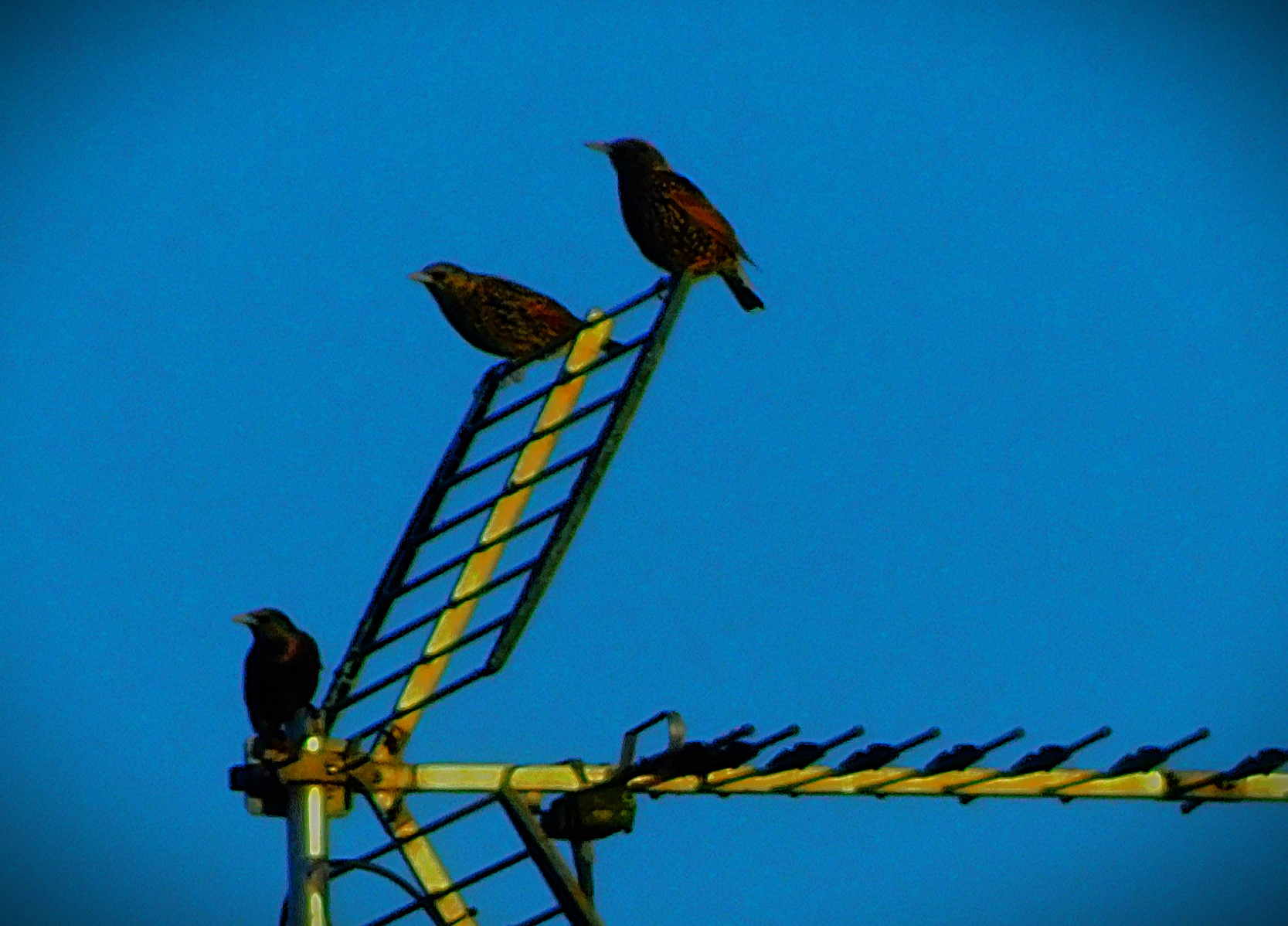
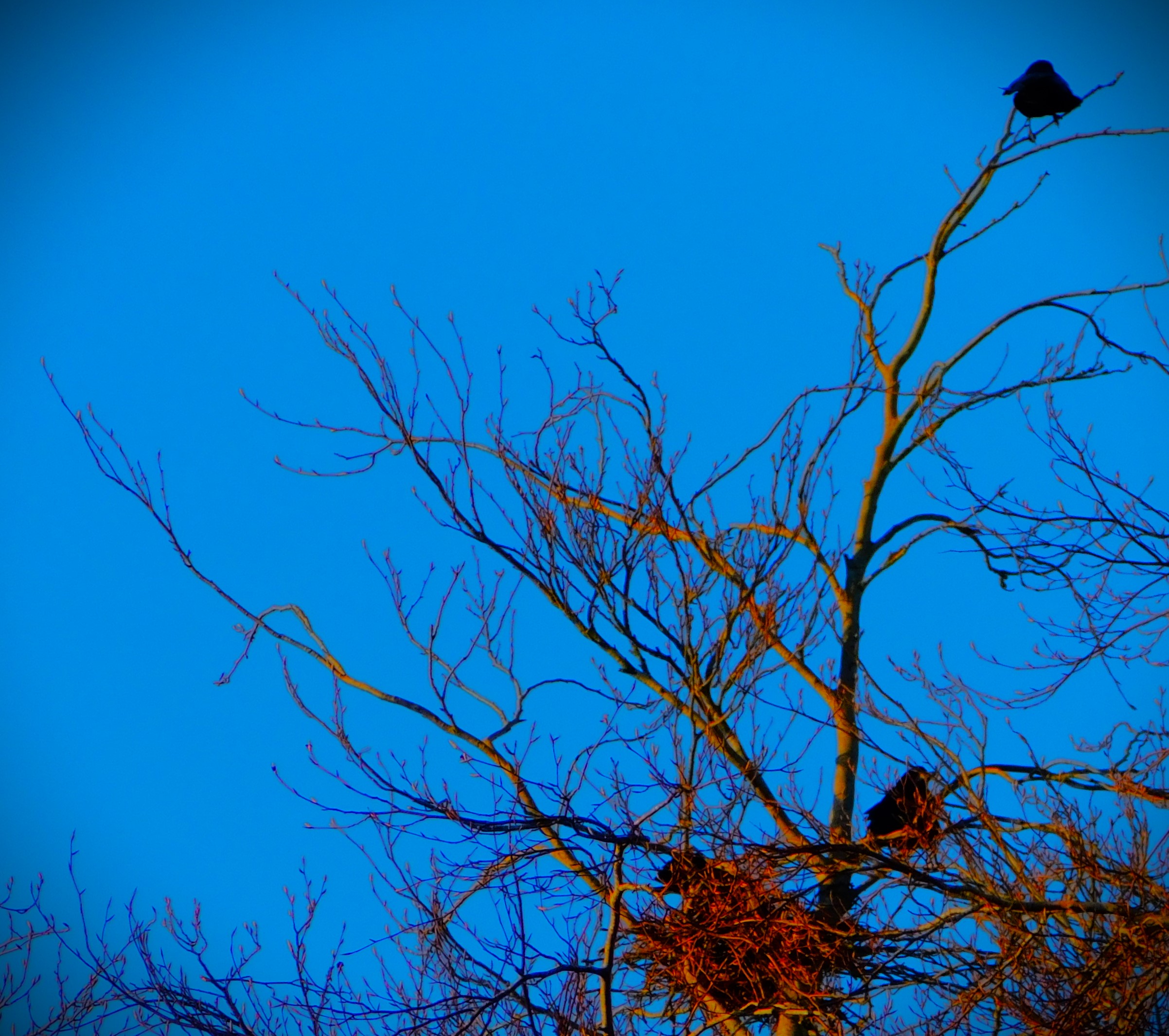
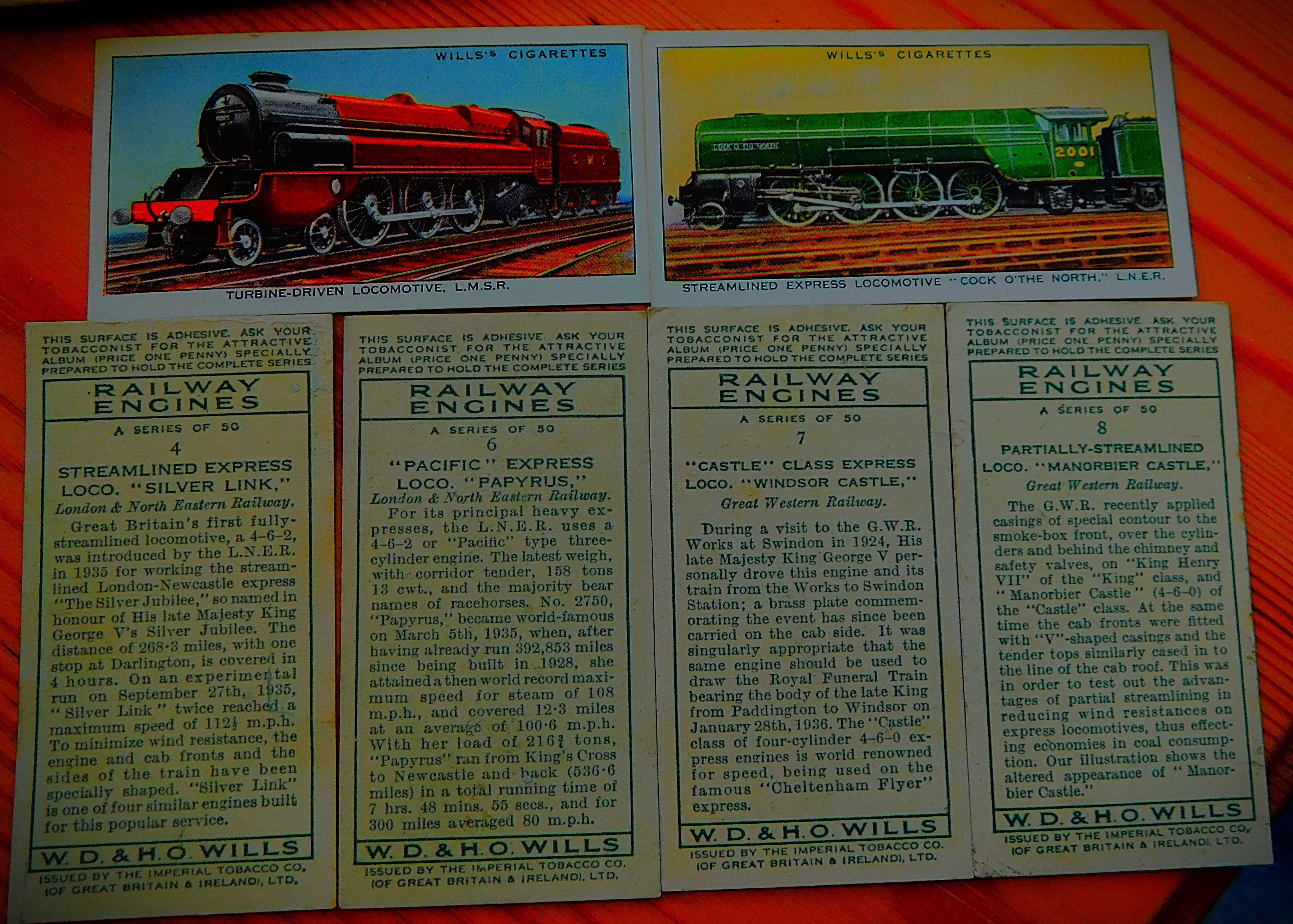
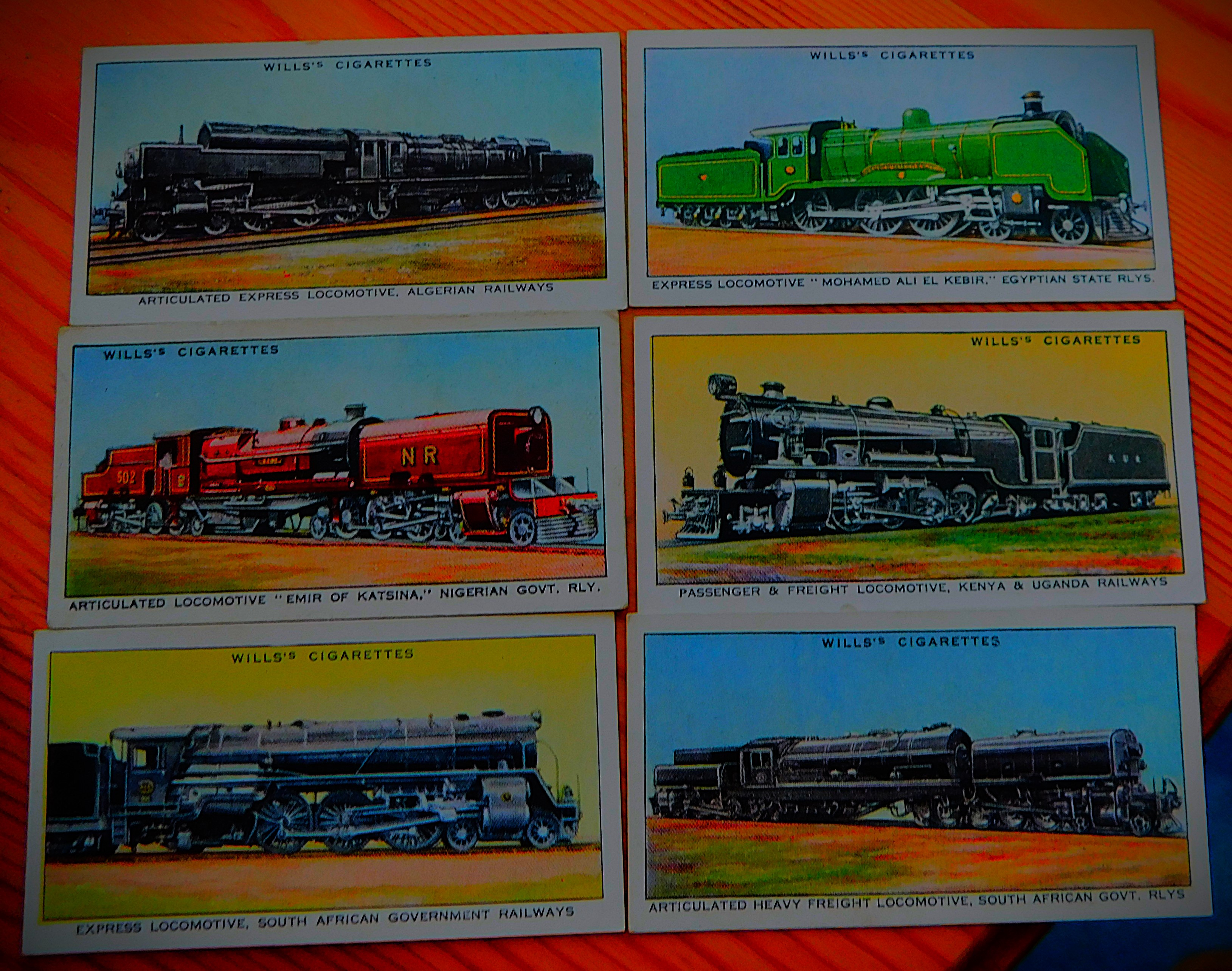
The first seven pictures have appeared before – there were plenty of others from that day as well.Yesterday afternoon, post work in Fakenham.The first picture from today.I acquired these cigarette cards a while back, but have not got them on display – I was looking through them today and photographed some on a whim.