T20: Heather Knight (captain), Lauren Bell, Maia Bouchier, Alice Capsey, Kate Cross, Charlie Dean, Lauren Filer, Mahika Gaur, Danielle Gibson, Sarah Glenn, Bess Heath, Amy Jones, Freya Kemp, Issy Wong, Danielle Wyatt.
ODI: Heather Knight (captain) Tammy Beaumont, Lauren Bell, Maia Bouchier, Alice Capsey, Kate Cross, Charlie Dean, Lauren Filer, Mahika Gaur, Danielle Gibson, Sarah Glenn, Bess Heath, Amy Jones, Emma Lamb, Nat Sciver-Brunt.
THOUGHTS ON THE SQUADS
Sophie Ecclestone is being rested for these series on grounds of workload management, which is also why Nat Sciver-Brunt is only playing the ODI series. Beaumont in spite of her recent record breaking innings in The Hundred remains out of favour in T20Is. Among the inclusions the biggest news is the presence in both squads of Mahika Gaur, a 17 year old pace bowler. The T20I squad offers the possibility of all three of Gaur, Lauren Filer and Issy Wong playing together which would be quite something. There is also a maiden call up for Bess Heath, a 21 year old wicket keeper who will be second in line behind Amy Jones. I am not a fan of this particular selection – I would have preferred to see Rhianna Southby or Eleanor Threlkeld got this spot. Overall I am happy enough with these selections, and I am confident that England can win both series.
PHOTOGRAPHS
I have a large photo gallery to finish with…
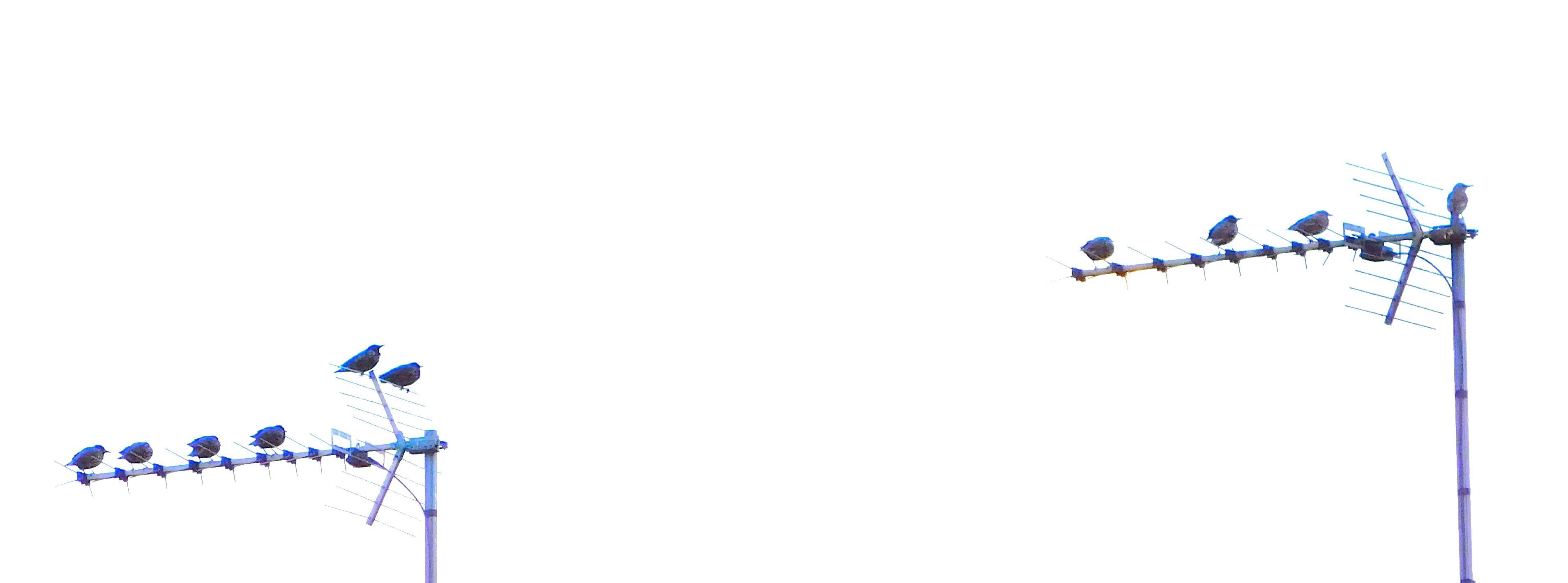
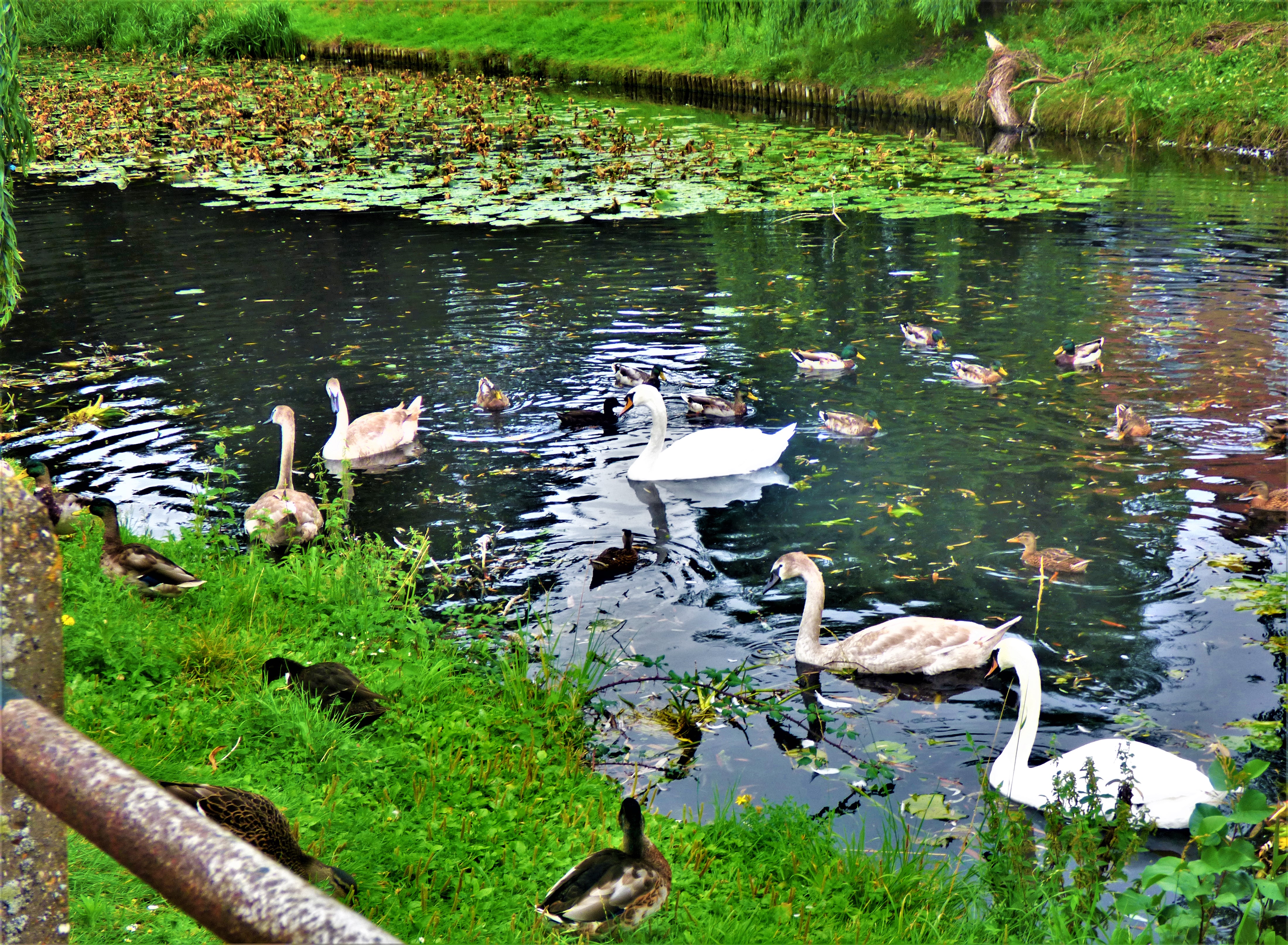
This sequence of pictures illustrate amply why I have dubbed this structure “Cormorant Platform”.
An apology, a look at the last two matches of the Women’s Ashes, a team of that series and lots of photographs.
This post focuses mainly on the women’s Ashes series which concluded yesterday evening. However, before I get into the main meat of the post there is one necessary item to attend to…
A CORRECTION
On Monday I reblogged my All Time G’s XI to coincide with the 175th anniversary of the skipper’s birth. I was guilty of inattention – the anniversary day, and the date of the original post was of course July 18th, not July 17th. I should have done a proper post on Monday and reblogged the Gs on Tuesday. Here are some of a bountiful recent harvest of photos…
THE LAST TWO MATCHES OF THE WOMENS ASHES
Australia secured retention of the Ashes by winning the penultimate ODI on Sunday by three runs. Australia posted 282, 26 of them off the final over of the innings, bowled by Lauren Bell. England fought hard in response, with Natalie Sciver-Brunt scoring a superb century. She was on strike for the final ball of the innings, off which England needed six to win or four to tie. Unfortunately she could only manage a single.
While England could no longer win the Ashes they could draw the series by winning the last match, which took place at Taunton yesterday. England batted first, and with Sciver-Brunt hammering another century, her seventh in ODIs, four of which have come against Australia they reached 285 from their 50 overs. Rain intervened after 19.2 overs of the Australian innings, and the DLS adjustment left them needing 171 of24.4 overs. They never really looked like getting them, and England eventually won by 69 runs, to level the multi-format Ashes series at 8-8. They also became the first team win an ODI series against Australia in a decade, and had won four of the seven matches overall, the 8-8 score line being caused by the test match carrying double points. Although Australia keep the Ashes it is England who are the happier side – they have a lot of very talented cricketers who now know that they can go toe to toe with Australia.
Time for a second photo gallery…
A COMPOSITE WOMENS ASHES XI
This is my team of the series:
Tammy Beaumont (England, right handed opener). A double century in the test match, a major contribution in the first ODI.
Beth Mooney (Australia, left handed opener). Made a lot of significant contributions in all formats.
*Heather Knight (England, right handed batter, occasional off spinner, captain). Had a fine series, and given the respective resources at their disposal I would reckon that tying the series is a greater achievement for her as captain than it is for Healy.
Ellyse Perry (Australia, right handed batter, right arm fast medium bowler).
Natalie Sciver-Brunt (England, right handed batter, right arm medium fast bowler). Even if she had done nothing else in the series (which is far from the case), those back to back centuries in the last two matches would be enough to justify her inclusion.
Annabel Sutherland (Australia, right handed batter, right arm fast medium bowler). The 137* in the test match was the highlight of her series, but she contributed with both bat and ball all the way through the series.
+Amy Jones (England, wicket keeper, right handed batter). Her opposite number didn’t have a great series (perhaps the triple role of captain, keeper and opener is simply too much – Alec Stewart struggled when he had the triple role), while she did. The greatest moment of her series came last night when she pulled off a miraculous stumping off the bowling of Sciver-Brunt.
Ash Gardner (Australia, off spinner, right handed batter). Her eight-for to win the test match would qualify her all on its own, but she had other moments in the limited overs matches as well.
Alana King (Australia, leg spinner, right handed lower orderbatter). This one was a tough call, with Georgia Wareham the challenger. However, I refuse to fill a bowling position based on lower order runs, so King gets the nod.
Sophie Ecclestone (England, left arm orthodox spinner, right handed lower order batter). A heroic effort in the test match, a good T20 series, and her bowling was crucial to England’s success in the final ODI.
Kate Cross (England, right arm fast medium bowler, right handed lower order batter). With Katherine Sciver-Brunt retiring she became the de facto leader of England’s seam attack, and she did her job superbly in this series.
This side has a superb batting line up, four genuinely front line seamers (Cross, Sutherland, Perry, Sciver-Brunt), three great and contrasting spinners, a fine captain and a superb keeper.
A look at developments in the Women’s Ashes test match and a large photo gallery.
Battle continues to rage in the Women’s Ashes test at Trent Bridge. This time yesterday I wrote about had happened up to that time (here), and now I continue the story.
THE REST OF YESTERDAY
England reached the close of yesterday on 218-2, Beaumont completing her century just before the close of play. It was a wonderful innings, and it was also historic: she became only the fourth English batter ever to score centuries in all three international formats, joining Heather Knight, Jos Buttler and Dawid Malan in this club.
TODAY SO FAR
Natalie Sciver-Brunt was England’s only casualty of the morning session, falling for 78. By lunch England were 308-3 with Beaumont 144 not out. Dunkley fell not long after the resumption, which brought Danni Wyatt to the crease for her test debut, 13 years after her white ball debut. On 152 Beaumont was given LBW, but a review showed the ball pitching outside leg stump. She is now on 164, with England 344-4. The next landmark is 168, her highest score in any form of international cricket, then Betty Snowball’s 189, the all time England record individual score, then the 201 she scored in the warm up match, then Perry’s 213* and finally if she can get there Amelia Kerr’s 232* for New Zealand v Ireland, the highest score in any form of women’s international cricket (and I think even Ms Kerr might concede that the Aussie bowling attack is a trifle more formidable than that of the emerald isle).
PHOTOGRAPHS
I have a splendid gallery for you…
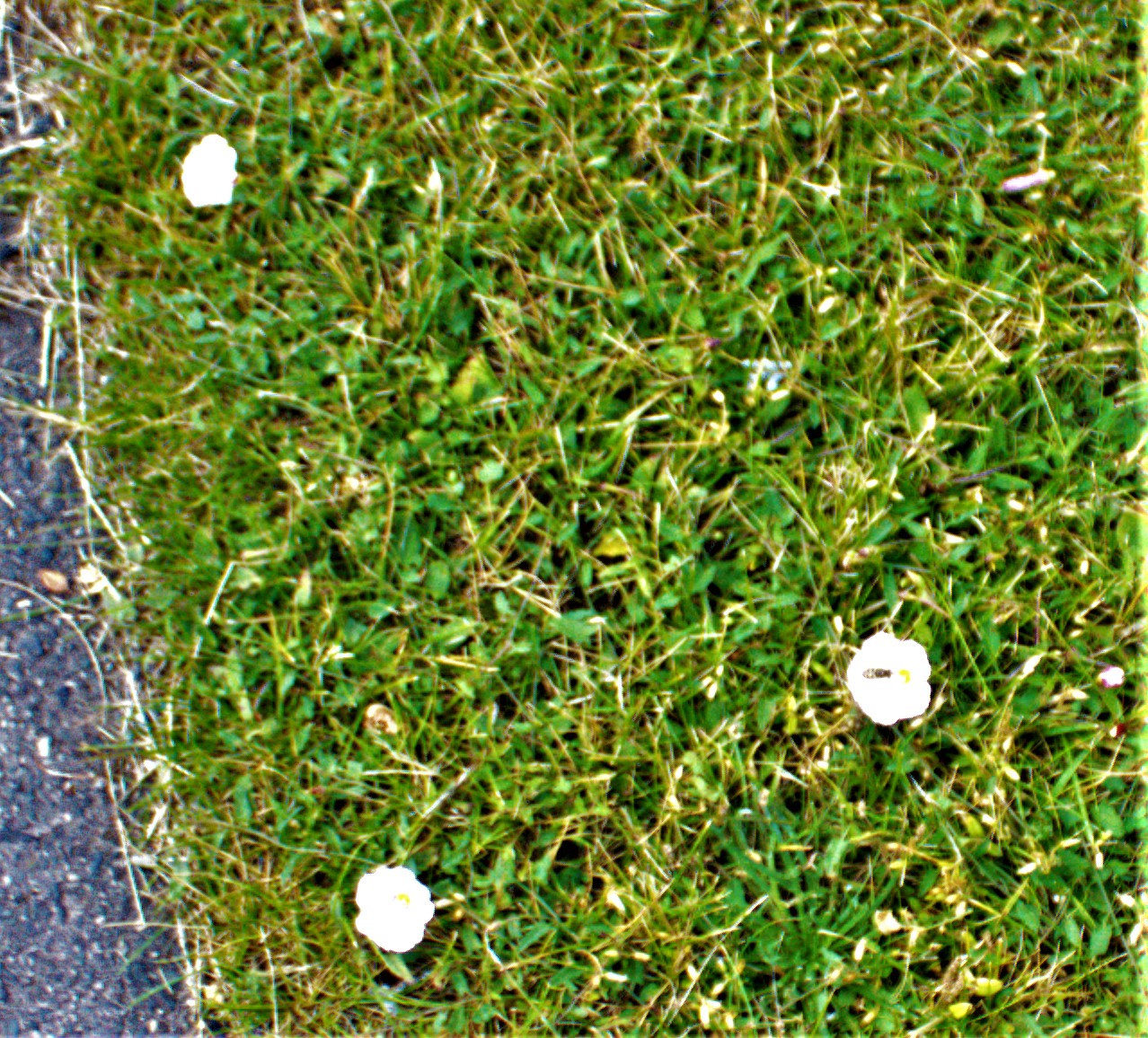
A comma, the first example of this type of butterfly I have seen this year.A pink and purple flower with two contrasting visitors
While I have been preparing this post for publication England have moved past 350, and Beaumont on to 169.
A look at developments so far in the women’s Ashes and a substantial photo gallery.
Yesterday morning the Women’s Ashes got underway with day one of a five day test match (this move being not before time – see here). This post looks at the action so far.
THE PRELIMINARIES
The warm up matches (England v Australia A and England A v Australia) both went better for England than Australia. England’s chosen XI included an international debutant in Lauren Filer and a test debutant in Danni Wyatt. Filer was part of seam/ pace trio alongside veteran Kate Cross and the tall swing bowler Lauren Bell, while the front line spinner was inevitably Sophie Ecclestone. In addition to these Natalie Sciver-Brunt’s medium pace, Sophia Dunkley’s leg spin and Heather Knight’s off spin were also available as back up options. Australia’s side included Ellyse Perry, adding to her many entries in the record books by taking part in a tenth Women’s Ashes series. They opted for two front line spinner, Ashleigh Gardner and Alana King. They also had such strength in the batting department that Annabel Sutherland, a regular number three in Australian domestic cricket and coming off the back of a century in her warm up game was at number eight (she is a seam bowling all rounder, and has a better record at the age of 21 than Perry did when she was that age. Australia won the toss and chose to bat.
DAY ONE
Yesterday was a work day for me, so I missed a lot of the action, but tuned in just in time to catch Sophie Ecclestone’s second wicket. Two balls later Aussie skipper Alyssa Healy was out for duck and it was 226-5. That was as good as it got for England, and by the end of the day Australia were 328-7, with Sutherland going well.
DAY TWO
The second morning definitely belonged to Australia. Bell claimed the wicket of Alana King, but Kim Garth has providing staunch support for the brilliant Sutherland since then. Australia have just reached 450, with Sutherland now on 121. Ecclestone has been by far the best of the England bowlers, and now has figures of 44-9-115-3, with the rest of the attack going at closer to five an over than four – rather a contrast to the men’s test, when England’s supposed front line spinner was the one getting smacked around while the seamers were significantly more economical (on a side note, the England men’s selectors seem to have realized that persisting with Ali is not on – Rehan Ahmed has just been added to their squad). Although Australia are in a very strong position England are themselves a powerful batting side, with an opener, Beaumont, coming off a double century in her warm up match and a few others in good form. As I type this Garth has just been given LBW to Ecclestone, though she has reviewed it, it has been confirmed as out and Australia are 457-9, Ecclestone has 4-120 in her 45th over of the innings. Darcie Brown, the sole member of this Aussie XI with no batting pedigree has joined Sutherland at the crease.
PHOTOGRAPHS
The first four pictures in today’s gallery were taken a few days earlier than any of the others, which all date from the last couple of days. To view a photo at full size just click on it.
An account of the test match between the England and South African women’s teams which took place on Monday to Thursday of this week.
I was delighted when it was announced that England and South Africa women’s teams would be playing a test match this summer. I was less delighted that it was scheduled for only four days rather than the five that men’s test cricket gets, and this little distinction was to prove of considerable importance to the result.
ALL CHANGE FOR ENGLAND
At the start of this season Anya Shrubsole announced her international retirement after an illustrious career, highlighted by 6-46 in the 2017 World Cup final. In the run up to the match Katherine Brunt announced that she was retiring from test cricket but would still play white ball internationals. Then Emily Arlott was injured in the run up to the match, which meant that Issy Wong was promoted from travelling reserve to full squad member. Eventually, England decided that one spinner (the incomparable Sophie Ecclestone) was sufficient and opted to strengthen the batting by giving the number seven slot in the order to Alice Davidson-Richards. The new look seam attack was led by veteran Kate Cross, supported by Wong and Lauren Bell plus the all round skills of Natalie Sciver. Batting wise there were not a huge number of surprises: Emma Lamb, in magnificent form in domestic cricket, was chosen to open alongside the experienced Tammy Beaumont, with skipper Knight at three, Sciver four, Sophia Dunkley at five and keeper Amy Jones at six. Thus the full XI in batting order read: Beaumont, Lamb, *Knight, Sciver, Dunkley, +Jones, Davidson-Richards, Ecclestone, Cross, Wong, Bell.
INEXPERIENCED SOUTH AFRICA
South Africa had not played a test since 2014, so scandalously small is the amount of women’s test cricket. Dane Van Niekerk was still recovering from a broken ankle, and in the run up to the match Shabnim Ismail, star bowler, went down injured, as did big hitting middle order batter Chloe Tryon. For some unknown reason in form pacer Ayabonga Khaka was not considered for selection. All of this meant that SA took the field with only two players out of 11 having prior test experience.
DAY ONE: KAPP’S HORATIAN PERFORMANCE SAVES SA
On Monday June 27th South Africa batted first. With Cross, Bell and Wong all highly impressive in the early stages SA were soon in trouble at 45-4. Wong claimed her first test wicket with an absolute peach of a ball to clean bowl Laura Wolvaardt (no mean feat this – the young SA opener had scored a ton in the warm up match against England A, and a repeat of that in this match would have been no great surprise. At this point Marizanne Kapp came to the crease for South Africa. She proceeded to play an innings of utter brilliance, enabling South Africa to reach the respectability of 284 all out, of which her share was precisely 150. Kate Cross had the best figures for England, with 4-63, with Bell 2-54, Wong 1-54, Ecclestone 1-33, Sciver 1-29 and Davidson-Richards 1-39 all also taking wickets.
DAY TWO: SCIVER AND DAVIDSON-RICHARDS
Beaumont and Lamb put on 65 for the first England wicket, but thereafter a collapse set in, with Knight experiencing a rare failure at test level. The score when debutant Davidson-Richards walked out join Sciver was 121-5. By the close of play this pair were still in occupation, Davidson-Richards having become the first England debutant of either sex to take at least one wicket and score a century on test debut since WG Grace did so in the first test ever played on English soil in 1880, and Sciver having also passed three figures. England, having looked deep in trouble when the pair came together were now 39 runs to the good, and it was fairly clear that only one side now had a chance of winning the match.
DAYS THREE AND FOUR: A TALE OF WEATHER WOES
Davidson-Richards was out early on the third morning, but Ecclestone now provided excellent support for the unstoppable Sciver, scoring a perky 35 and helping the seventh wicket to raise a further 86. Cross was next in, and her run out heralded the England declaration at 417-8, a lead of 133. Sciver with 169* had beaten her captain’s test best by a single run, was eight short of Claire Taylor’s 177, 10 short of Rachael Heyhoe-Flint’s 179 and 20 short of the all time England women’s test record of 189 held since 1935 by Betty Snowball. Also possibly relived by the declaration were Aussies Michelle Gozsko (204) and Ellyse Perry (213*).
The weather from this point on was hugely uncooperative and allowed only 68.1 further overs in the course of a day and a half (and the women get through their overs at a good rate – on day two 100 overs took six hours 12 minutes of playing time to bowl – rather less long than it takes the men to bowl the 90 that is their minimum requirement for a day). In those overs South Africa amassed 181-5 in their second innings. Cross and Wong each took two wickets, the latter’s haul including Wolvaardt for the second time in the match, and Ecclestone one. The combination of the allocation of only four days and bad weather on each of the last two of those days made this the sixth successive women’s test to end in a draw. A full scorecard can be viewed here.
LOOKING FORWARD
Women’s cricket is in excellent health, and both sides deserve a lot of credit, England for coming out firing with a new look bowling attack, and for ultimately dominating the contest, and South Africa for showing considerable resolve with depleted ranks. There need to be more women’s test matches, and those matches NEED TO BE SCHEDULED FOR FIVE DAYS.
PHOTOGRAPHS
My usual sign off…
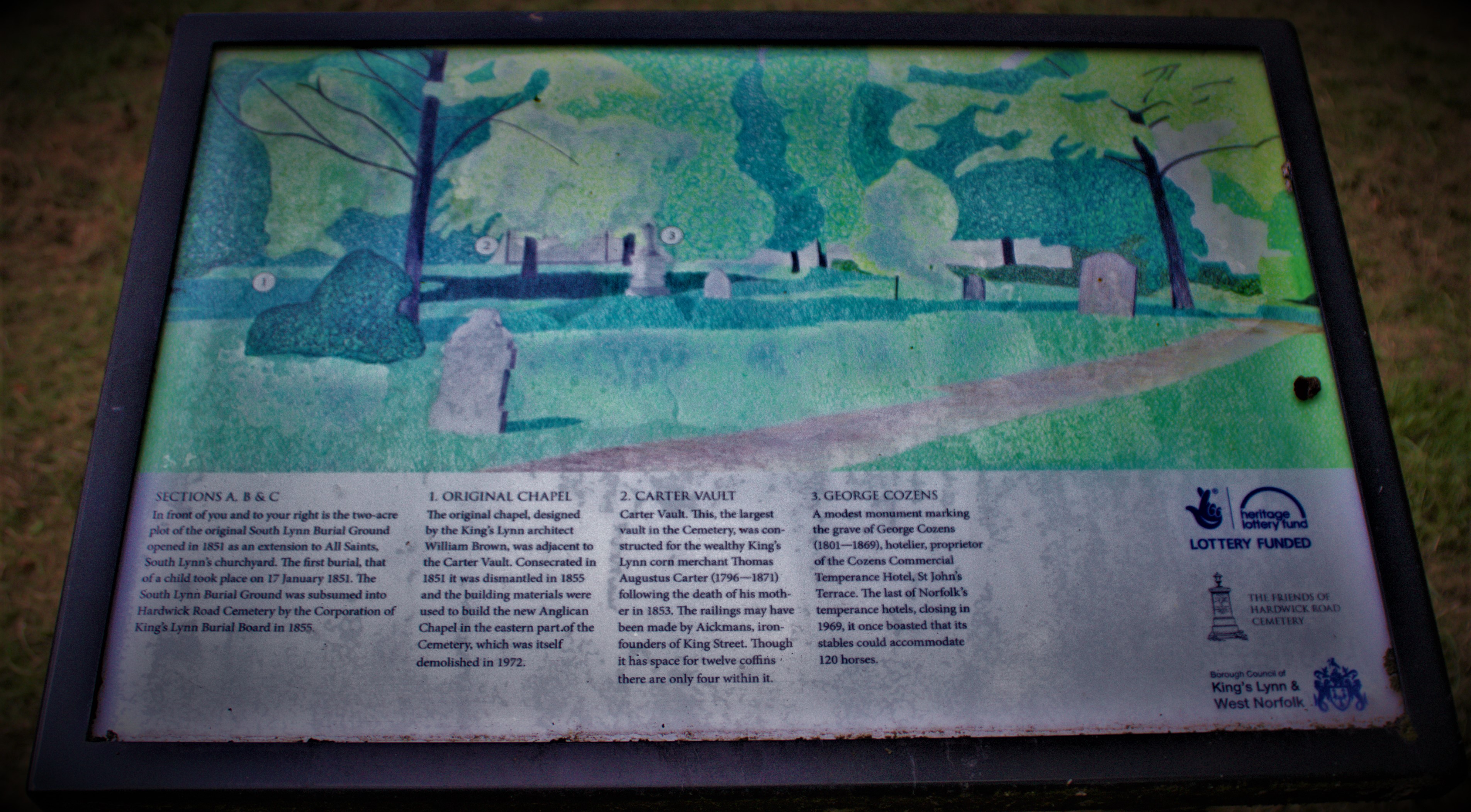
This adapted traditional phone box is located in SnettishamThis morning’s walk which was long enough for me to miss Shubman Gill’s entire innings took in Hardwick CemeteryA goods train passing Tennyson Road
An account of yesterday’s second ODI between the England and New Zealand women’s teams plus some recent photographs.
There is no cricket happening today (except in that two-bit tournament taking place in Dubai), bu yesterday saw the second of five One Day Internationals between the England and New Zealand women’s teams. This post looks back a wonderful, low scoring contest.
THE PRELIMINARIES
Katherine Brunt was rested by England for this match, Danni Wyatt coming in to the side to make her 200th appearance in an England shirt. New Zealand won the toss and put England in.
THE ENGLAND INNINGS
The innings began with a maiden bowled by Jess Kerr to Lauren Winfield-Hill. In the second over Tammy Beaumont cracked three boundaries against Sophie Devine before deciding to shoulder arms to the final ball which came back off the pitch just enough to hit the stumps. Knight joined Winfield-Hill and the prospered for a time, until Knight fell for 18. Thereafter wickets fell at regular intervals, and at 146-9 England looked doomed. At that point Tash Farrant joined Wyatt who had shown signs of finding her best form, and now did so with a vengeance. Farrant scored 22 and helped the last wicked to put on 51. Wyatt on her return to ODI action scored 63 not out, with the only other score above Farrant’s 22 being 39 from Winfield-Hill. Hannah Rowe and Leigh Kasperek took three wickets each.
THE NEW ZEALAND INNINGS
Suzie Bates started as though this was going to be easy for New Zealand, but at 40, of which she contributed 28 she was well caught by Wyatt off Kate Cross. The decision went upstairs, but the catch was definitely clean. Sophie Ecclestone got Maddy Green in her first over to make it 63-2, and in the very next over Cross accounted for Lauren Down (22) to make it 64-3. Sophie Devine and Amy Satterthwaite put on 21, but Satterthwaite never got going, and at 85 her innings ended for 1, a third wicket for Kate Cross. Brooke Halliday joined Devine, and at 111-4, 87 needed for victory, the rain got heavy enough for the umpires to take the players off. The players returned to the field with New Zealand facing an adjusted target of 183 from 42 overs, meaning that they needed 72 from the last 18 to win. Natalie Sciver produced a superb delivery to bowl Devine for 28, making it 114-5. Then Charlie Dean, a 20 year old off spinner making just her second international appearance accounted for Katey Martin (6), Hannah Rowe (7), the big scalp of Halliday (29) and Kasperek (10), and New Zealand were 161-9, with nos 10 and 11 Lea Tahuhu and Jess Kerr together at the crease. With one ball of the 39th over to go the score had inched up to 169, at which point Tahuhu aimed a drive at Tash Farrant and succeeded only in chipping the ball straight to extra cover where Heather Knight made no mistake, and England were home by 14 runs on the Duckworth-Lewis-Stern method. Charlie Dean had 4-36 from eight overs, an outstanding performance which settled the match. The Player of the Match Award went to Danni Wyatt who had followed her 63 no out that gave England an outside chance of winning with an immaculate fielding performance. Ultimately, given that four kiwis reached 20, but Brooke Halliday was their top scorer with 29 this was the right call, and in one it was fitting that on a landmark day for her Wyatt got the award, but also Charlie Dean’s outstanding spell deserved recognition and there was certainly a case for at least a shared award. England lead the series 2-0 and will have a chance to take an unassailable lead tomorrow in the 3rd ODI. There are not many innings in which she bowls in which Ecclestone is other than the most threatening spinner on show but yesterday against New Zealand was definitely one. Full scorecard here.
A post put together for England ace Tammy Beaumont’s 30th birthday.
Today is England Women’s cricketer Tammy Beaumont’s 30th birthday. I celebrate the day by drawing your attention to some of my previous writings about one of my favourite current cricketers.
A RADICAL SOLUTION TO ENGLAND’S OPENING WOES
This blog’s first mention of Tammy Beaumont was in August 2018 when Cook was nearing retirement and Keaton Jennings was proving not to be up to the task. I had noted that Beaumont had been scoring well for some time in international cricket, and that other than Rory Burns no one was making a really convincing case for themselves. I still think England would have been well advised to try out my suggestion. The post can be viewed here, with the featured image from it reproduced below:
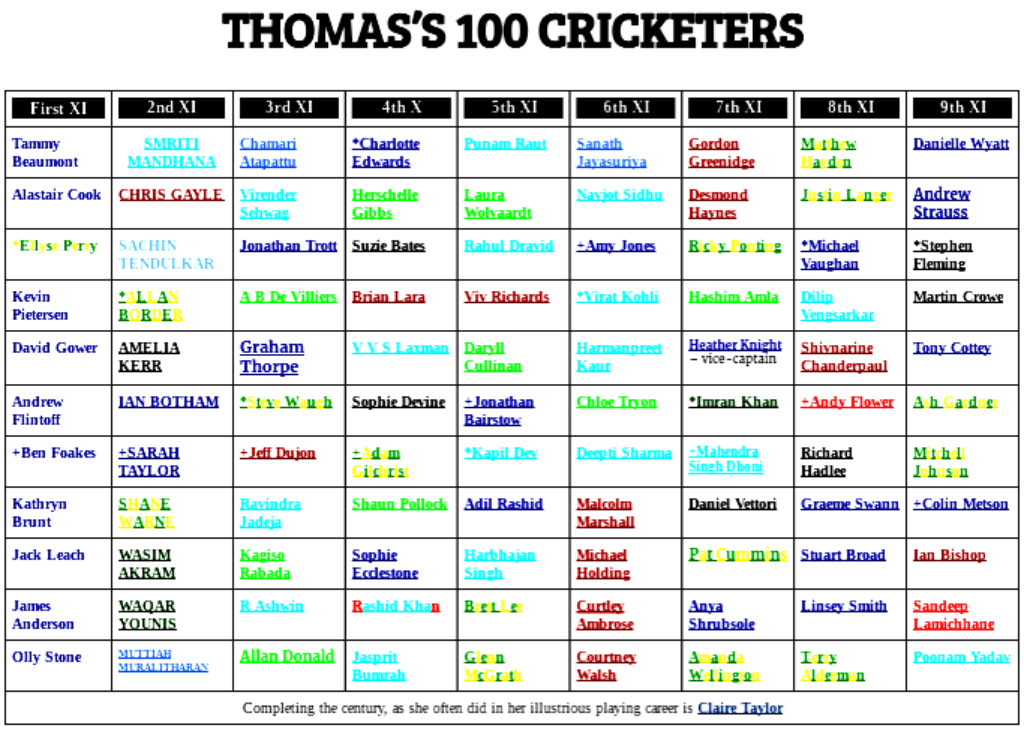
THE OPENING POST OF THE 100 CRICKETERS SERIES
When I produced my ‘100 Cricketers’ series in 2019, I started with a post dedicated to Tammy Beaumont (the series also concluded with a standalone post dedicated to a female cricketer, Claire Taylor). This post can be viewed here. An overview of the entire series with links to all posts can be seen by visiting this page. I reproduce the complete list of those involved below.
TAMMY BEAUMONT IN ALL TIME XIS
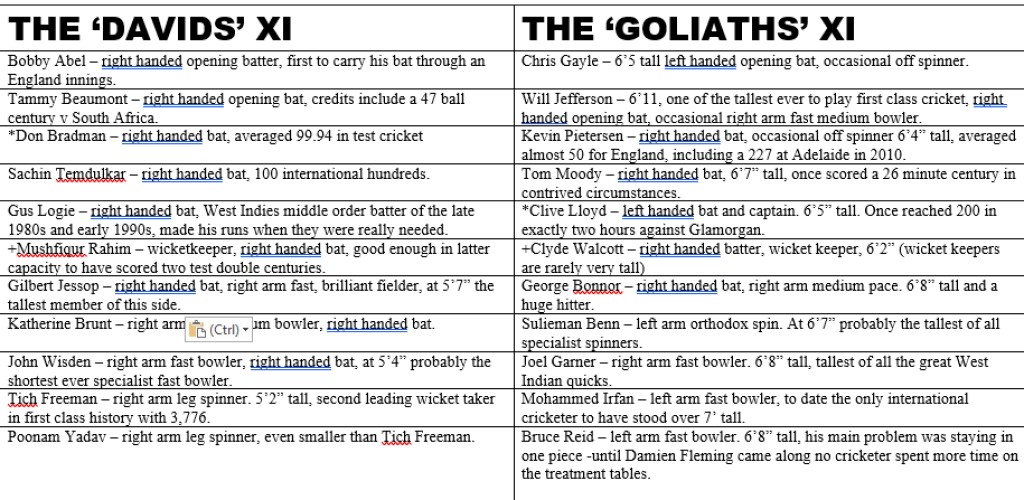
During the first lockdown I produced a series of All Time XI themed posts which you can view by clicking here. The first of these to feature Tammy Beaumont was a contest in which an XI of Goliaths took on an XI of Davids. It can be seen here, with the feature image reproduced below.
Accounts of three very different cricket matches, an important link and some photographs.
From the beginning of the first of these matches to the end of the third a grand total of 31 and a quarter hours elapsed. Before I get in my detailed coverage of each game I have one other thing to do…
SHARE YOUR BLOG
The wonderful Phoebe MD has once again offered people a chance to share their blogs with a wider audience. Please visit the post here, post a link to a post or posts from your own blog, and check out the links others have posted.
GAME 1: AUSTRALIA V INDIA
This one was a 50 overs per side runfest notable also for the spectacularly slow over rate – from the start of coverage on the radio to the final delivery over nine hours elapsed. Australia batted first, and Aaron Finch and Steve Smith each ran up centuries, while Glen Maxwell produced a spectacular cameo at the end. This left Australia with 374 to defend, as only Mohammad Shami among India’s bowlers managed to exercise any kind of control over the scoring rate.
India began the chase brightly, helped by some early waywardness on the part of Mitchell Starc, but then Josh Hazlewood took three wickets in very rapid succession, and although they continued to score at a decent rate India never really got back into the contest. Leg spinner Adam Zampa picked up four wickets as India got desperate.
Australia ended up with a comfortable victory and India looked to be lacking depth in both batting and bowling – they had only five regular bowlers at their disposal, and the fifth wicket pair were faced with the double challenge of maintaining a rapid run rate and staying together until quite deep into the innings due to a lack of batting to come.
The umpires were far too lax on time wasting, allowing Steve Smith a ridiculous number of changes of batting gloves to give just one example. I understand that some disciplinary action has been taken, but the problem will only be properly addressed if a)the umpires are absolutely rock hard on time wasting, being prepared to do things like telling Steve Smith that no he cannot have a 27th new pair of batting gloves for the innings, he must make do with his current pair, and b)failure to bowl ones allocation of overs in the allotted time is punished by a fine of runs – I suggest ten per unbowled over or twice the batting side’s scoring rate, whichever is the greater (this latter being to ensure that the measure is actually punitive).
GAME 2: SOUTH AFRICA VERSUS ENGLAND
This was a 20 overs per side match. England had to decide which of the four batters they had who habitually bat in the top three in limited overs cricket would go down the order, and they opted to place Bairstow at number four, going with a top three of Buttler, Roy and Malan (the current no1 T20 batter in the world). They also opted for only one genuine spin option, Rashid, with Moeen Ali missing out. England gave themselves two major bowling variations besides Rashid’s leg spin: the left arm of Sam Curran and the extra pace of Jofra Archer, which latter proved a doubtful asset on a slow surface. For South Africa Nortje was injured, while George Linde, a left arm spinner, was given a debut.
Morgan won the toss and chose to field first. England began very well, and after three overs SA were 12-1. The next three overs went for 45 however, so that at the end of the powerplay South Africa were 57-1 and headed for a big total. Rashid was respectably economical, but unthreatening, finishing with 0-27 from his four overs and never really looking like taking a wicket. Sam Curran was the best England bowler, taking 3-28 from his four overs. Unfortunately Tom Curran blotted the family copybook by racking up the wrong kind of half century – 55 being belted from his four overs. A final total of 179-6 was good but less substantial than it had looked like being at times.
South Africa commenced in the field by reinventing the cricketing wheel, starting with the left arm spinner Linde in partnership with Rabada, a combination of left arm slow and right arm fast that was popular a century and more ago (Kent won four county championships using Colin Blythe and Arthur Fielder, just such a combination, and Lancashire at the same period habitually used Briggs and Mold, another combination in the same mould). The bold move (especially bold given that the spinner Linde was on debut) paid an immediate dividend when Linde got Roy with the second ball of the innings. Buttler and Malan also fell cheaply, and at that stage England were well behind the rate, a situation that was still the case when Linde finished his bowling stint with 2-20 from four overs, a truly remarkable effort by the debutant. When he then caught Ben Stokes England looked in trouble. After 16 overs England had got to 129-4 with Bairstow going well, answering every question about his ability to handle batting at no4. The 17th over of the chase was the fourth and last of Beuran Hendricks’ (left arm fast medium) allocation, and he proceeded to lose his team the match. The over contained nine deliveries in total, and between the wides, one of which raced away to advance the score by five and several juicy legal offerings no fewer than 28 accrued to England, reducing a daunting looking 51 off 24 balls to a stroll in the park 23 off 18 balls. This also saw Hendricks join Tom Curran in the ‘wrong sort of half century’ club, leaving him with 0-56 from his four overs. Bairstow, appropriately given his innings, ended proceedings by hitting the second ball of the final over for six to take England to 183-5. It was also appropriate if England were to win that the other England star of the day, Sam Curran, was there at the death.
George Linde deserved better for his magnificent debut effort than to finish on the losing side, and he has my sympathy. I also feel sorry for South African skipper Quinton De Kock who made a bold move at the start of the England innings, and should have seen it bring victory. I can see no case for Hendricks playing any further part in the series. I would also look closely at the involvement of Jason Roy whose recent international form has been very poor.
Other than Hendricks the other let down of the day was the Talk Sport 2 commentary team, who failed to do justice to an excellent game.
GAME THREE – MELBOURNE STARS V SYDNEY THUNDER
This was the final of the Womens’ Big Bash League, which tournament has been very enjoyable. It also duplicated Australia’s oldest internal rivalry, the one that led to the creation of Canberra, since neither of the two biggest cities would countenance the other being named capital.
Melbourne Stars won the toss and batted first, but that win of the toss was the only thing that went right for them. Shabnim Ismail, the South African who is probably the quickest bowler in the women’s game at present, bowled one of the greatest spells in T20 history, by any bowler, either male or female. She bowled her four overs straight through at the start of the innings, finished with 2-12 and would not have been flattered by a five-for. She put Melbourne Stars firmly on the back foot, a position from which they never extricated themselves. They eventually limped to 86-9 from their 20 overs, Sammy-Jo Johnson just improving on Ismail’s figures by taking 2-11 from her four overs. Lauren Smith, an off spinner, went for 18 from two overs, but England captain Heather Knight filled in the remaining two overs, taking 1-9. The top scorer was another England star, Katherine Brunt who finished with 22 not out, just topping Annabel Sutherland’s 20.
This total of course was never remotely defensible, and Sydney Thunder won by seven wickets, with 6.2 overs to spare. There were useful contributions from Tammy Beaumont (another England star), Rachel Trenaman, Heather Knight (26 not out, the highest individual score of the day), and skipper Rachel Haynes.
Quite rightly Shabnim Ismail’s magnificent bowling earned her the player of the match award.
Continuing my “100 cricketers” series with a post tailored to International Women’s Day.
INTRODUCTION
Welcome to the latest installment in my “100 cricketers series“. I decided to change the order in which I presented what is left of my second XI (see the introductory postfor how I have subdivided my selected 100) because today is International Women’s Day and following a change to my second XI focussing on the allrounders mean that two of the three cricketers to feature today are female. My most recent post in the series introduced the opening pair from this XI, and I will talk about the remaining specialist batters from it in my next post and then the bowlers, also introducing my third XI in that post. I will start with the one male cricketer to be featured today before handing over the women for the remainder of the post…
He started his test career with five-fors in each of his first two matches against Australia in 1977. Against New Zealand that winter he hit his maiden test hundred, also claiming eight wickets in that match. Against Pakistan in the 1978 home series came two more hundreds, the second backed by a Lord’s ground record bowling analysis for an innings of 8-34. In the Jubilee Match against India he scored 114 not out and had match figures of 13-106 (The only others to have scored a century and had a ten-wicket haul in the same test match are Enid Bakewell for England Women, Betty Wilson for Australia Women and Imran Khan for Pakistan, although AlanDavidson‘scontribution in the 1960 tied test at Brisbane – 5-135, 44, 6-87 and 80 also deserves an honourable mention in this context). A disastrous spell as captain, not helped by the fact that his opposition for nine of his twelve matches in charge were the West Indies at their absolute zenith, was immediately followed a remarkable trio of matches back under the leadership of Mike Brearley. First at Headingley his 149 not out, backed up by Graham Dilley (56), Chris Old(29) and Bob Willis (who lasted over half an hour while Botham was blazing away) gave England 130 to bowl at, when they had been 92 behind with only three second wickets standing. A combination of the Bob Willis bowling for his international future and panic setting into the Australian team gave England victory by 18 runs to square the series. Then at Edgbaston, when Botham was called up as a last throw of the dice in another game that Australia looked to be winning his presence caused the self-destruct button to be pressed once again (of the five wickets he gained in that final spell at a cost of just one run only one, Ray Bright, got a really difficult delivery, while Kent, Marsh and Lillee all surrendered their wickets to ordinary deliveries, andAlderman at that stage of his career needed nothing more than a straight one to finish him). The third successive Botham special came at Old Trafford, when England were 104-5 in their second innings, 205 to the good. This innings came in three parts – the first 30 balls saw Botham accrue just three singles, then he changed gear to reach 28 of 53 balls (25 off the previous 23) before the arrival of the new ball sent him into overdrive and he plundered 90 off his last 49 balls to finish with 118 from 102 balls – the century off 86. Alan Knottand John Embureyfollowed up with half centuries, and Australia made a gallant effort facing a victory target of 506 but England won by 103 runs to retain the ashes.
Thereafter big performances from Botham became fewer and further between, but he remained a great wicket taker through sheer force of character, and scored the last of his 14 test hundreds at Brisbane in 1986 – setting England on their way to what would be their last Ashes win down under until the 2010-11 series. At Melbourne, when England completed their series victory a half-fit Botham took five first innings wicktes, sharing the spoils with Gladstone Small who went on to be Man of the Match.
He finally retired in 1993, when it became clear that the England selectors would not pick him again. Sadly for us followers of the game they had not got over him, and a succession of promising young cricketers would have their careers ruined by being dubbed “the next Botham”.
In the late 1990s he wrote The Botham Report, a hard hitting book which spelt out what was wrong with English cricket at the time, and what he thought needed doing to put it right. Many of his ideas have been put into practice with considerable success, as albeit with a few black spots along the way English cricket has fared rather better since the year 2000 than it did in the 1980s and 1990s.
I have said before when commenting about her in this blog that I regard her as the best wicketkeeper of either sex currently playing the game. She is also a very fine batter. Mental health issues have interfered with her career of late, but at least the way in which these are being handled by the authorities show that they are learning (far too late and after far too many tragedies) how to handle such things – everything possible is being done to help her.
Although she seems to have been around for a very long time she is still only 29, and so could yet have plenty of time ahead of her at the top.
Whatever happens she has already done enough to ensure that she will never be forgotten by those who have witnessed her in action.
I was astonished in the middle of the last English cricket season to see that a 17 year old, then known (if she was known at all) as a leg-spin bowler had scored a double-century in an ODI. I checked out the scorecard, managed to see highlights of the innings, and was amazed that someone that young could play that amazingly well. Her 232 not out is a record for a women’s ODI.
She currently averages 39.91 in ODIs (strike rate 108 runs per 100 balls) and takes her wickets in that form of the game at 22.17 a piece. Because the women play so little test cricket she has yet to sample that form of the game.
Maybe, as I have suggested about Tammy Beaumont and the current problems with the England men’s team’s top order, she could be given a call-up to the New Zealand men’s team to see what she can do in that environment.
I expect Kerr’s career, whether she stays in the women’s game or gets called up to play alongside the men to be a long and illustrious one – there will be people with questions to answer if it is not so.
PHOTOGRAPHS
If possible I always like to include some of my photographs in my blog posts, so here we are:
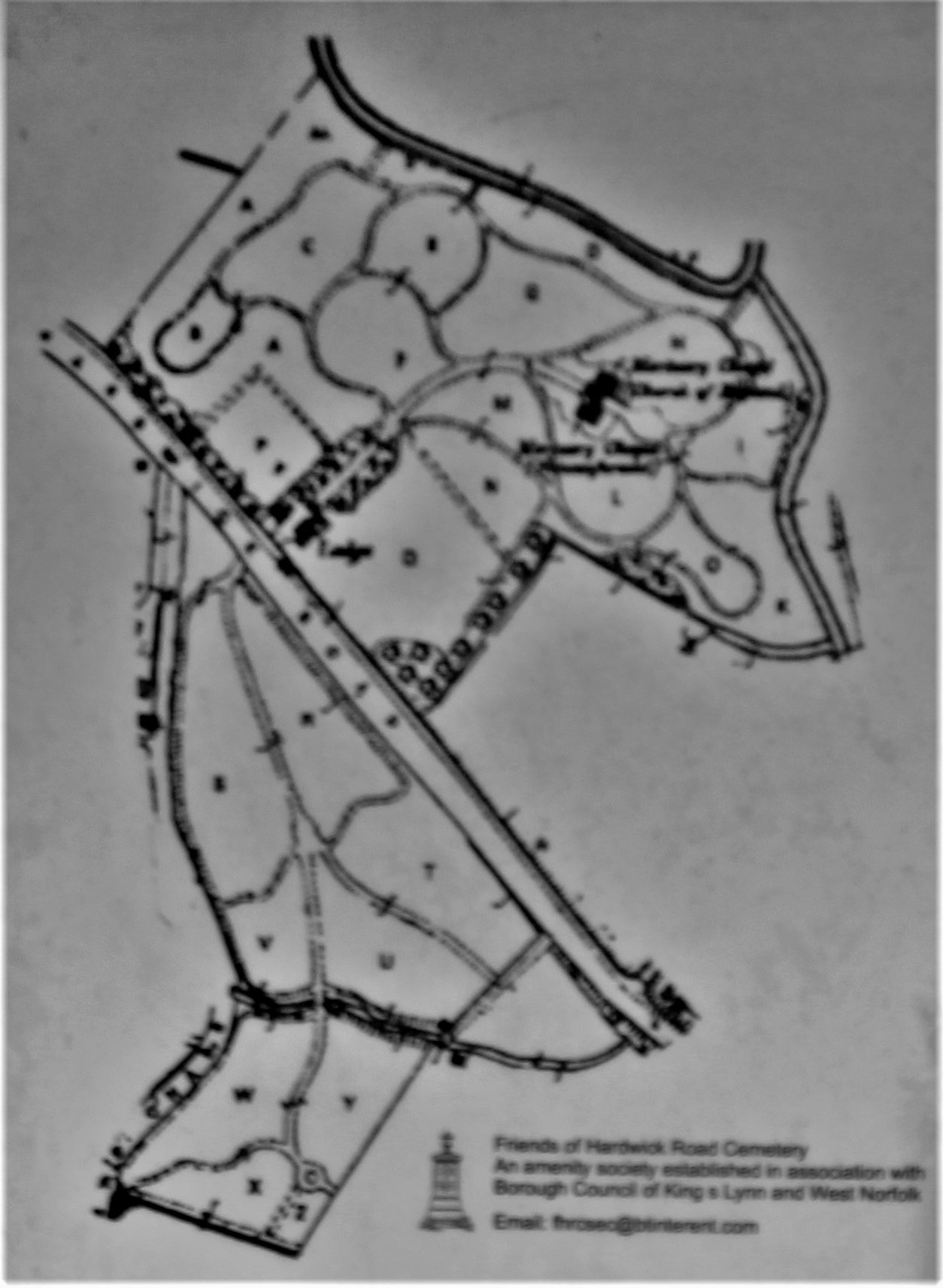
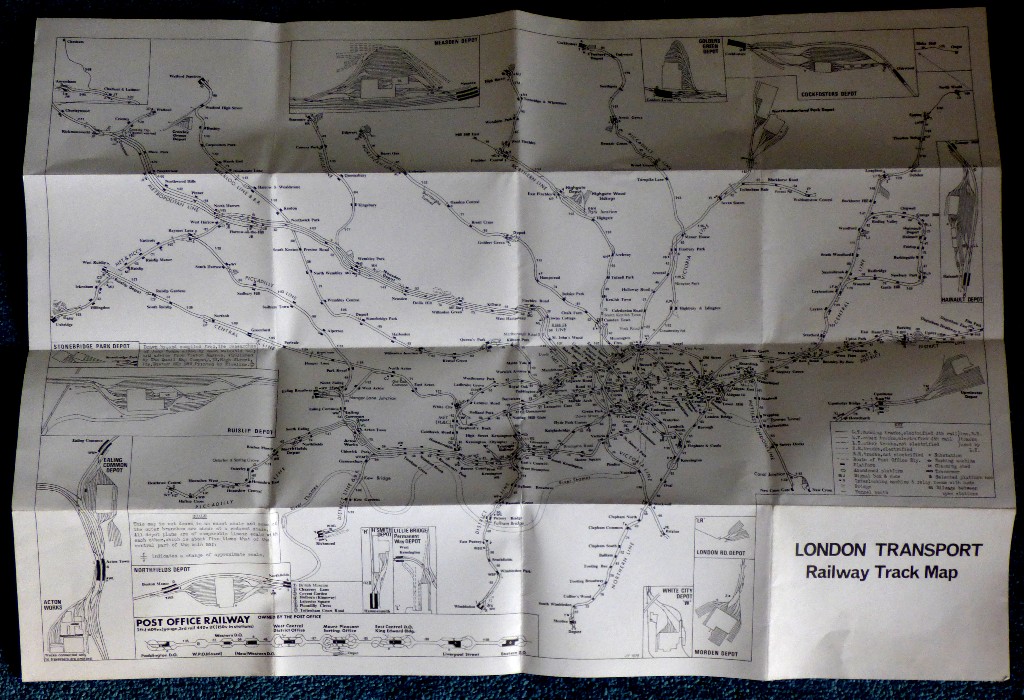
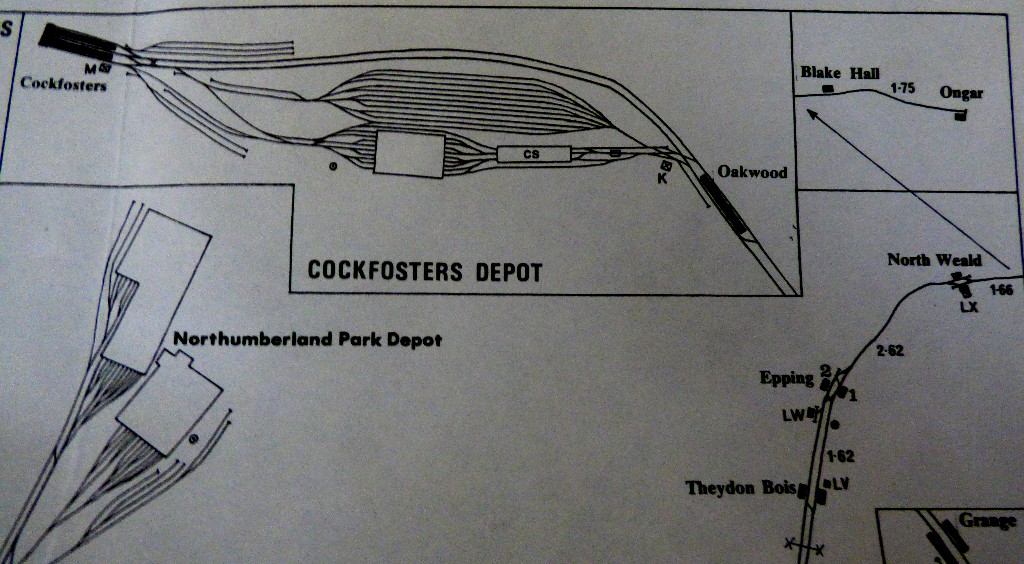
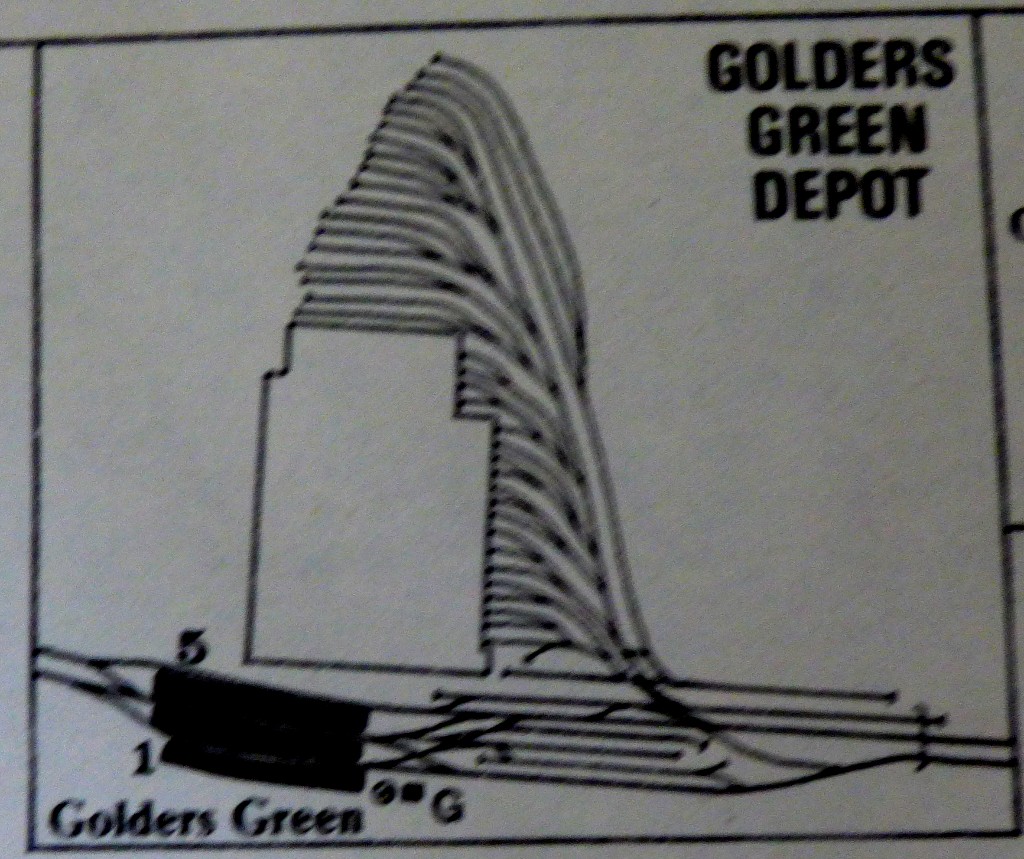
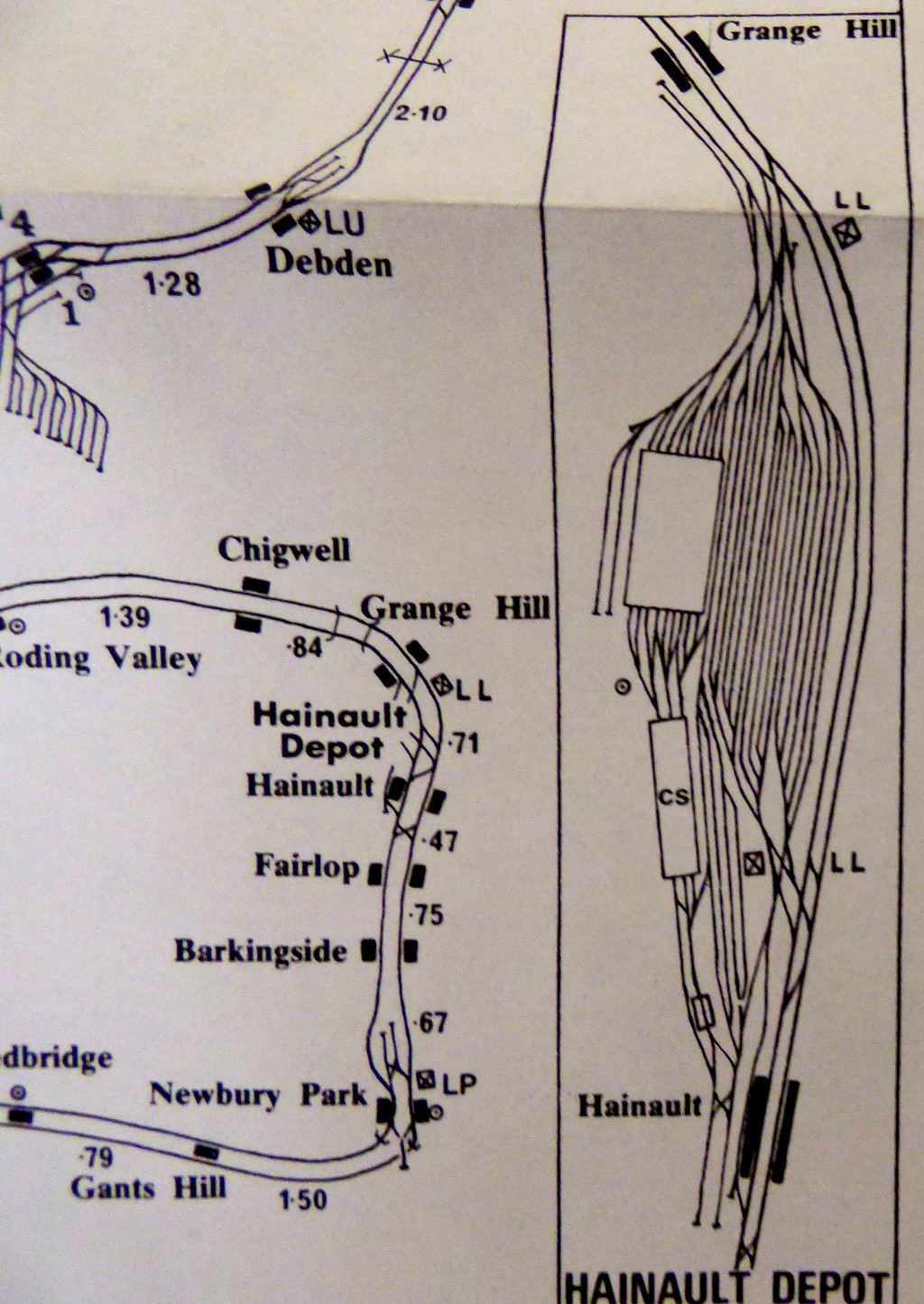
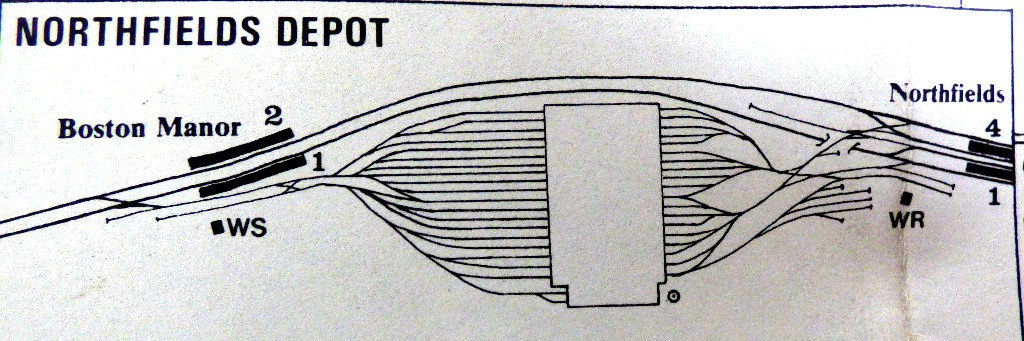
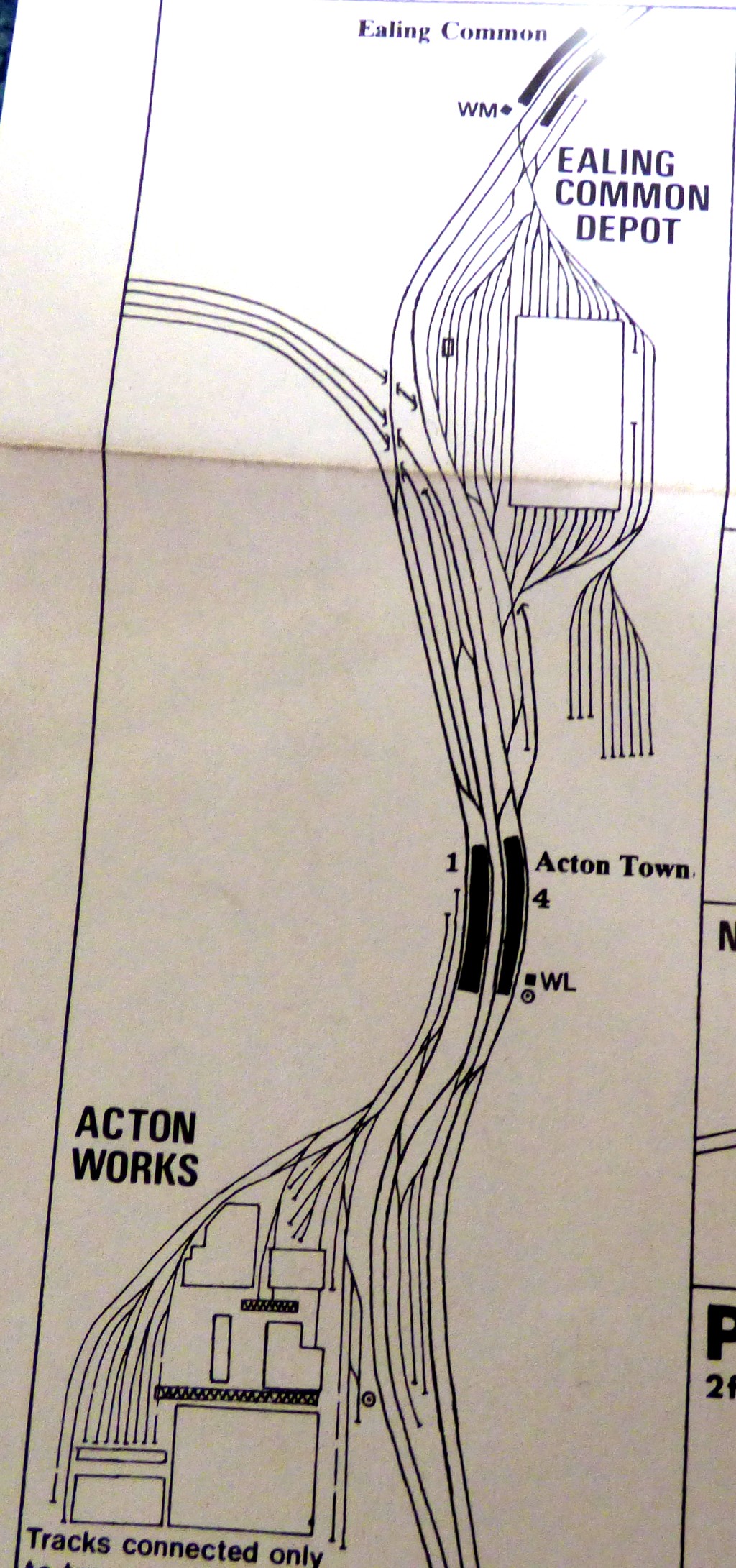
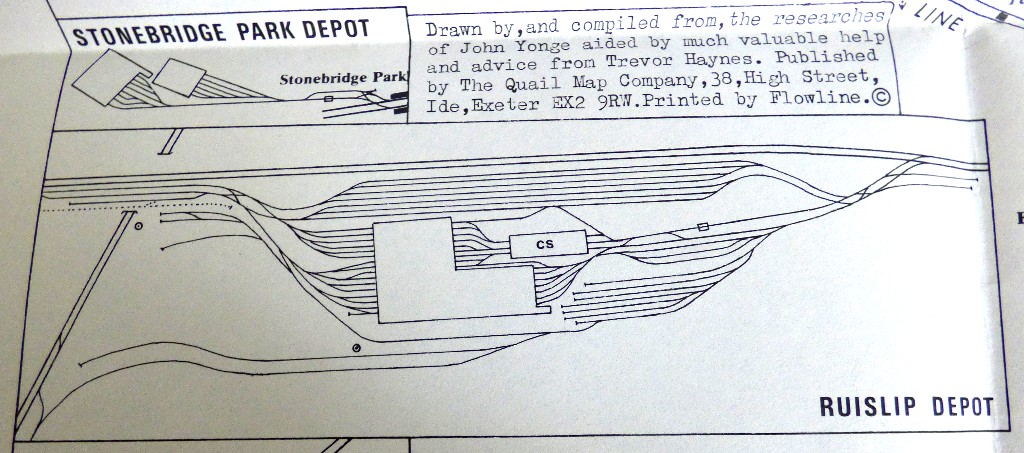
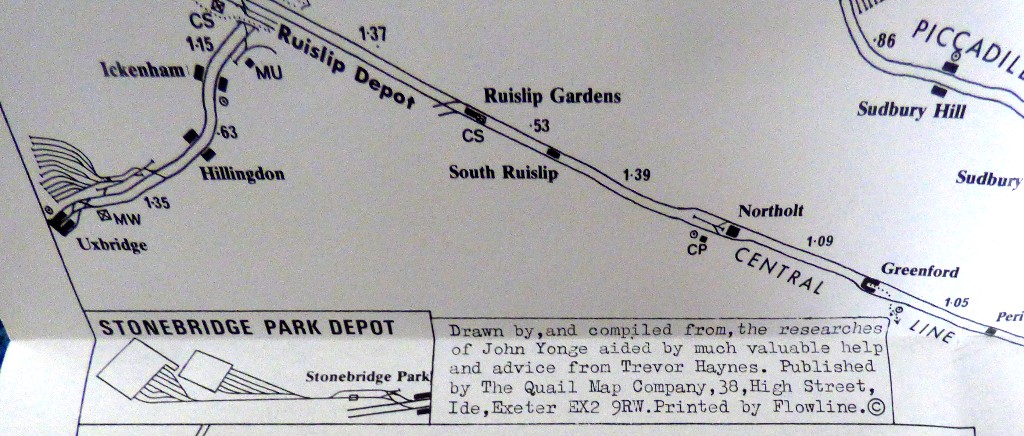
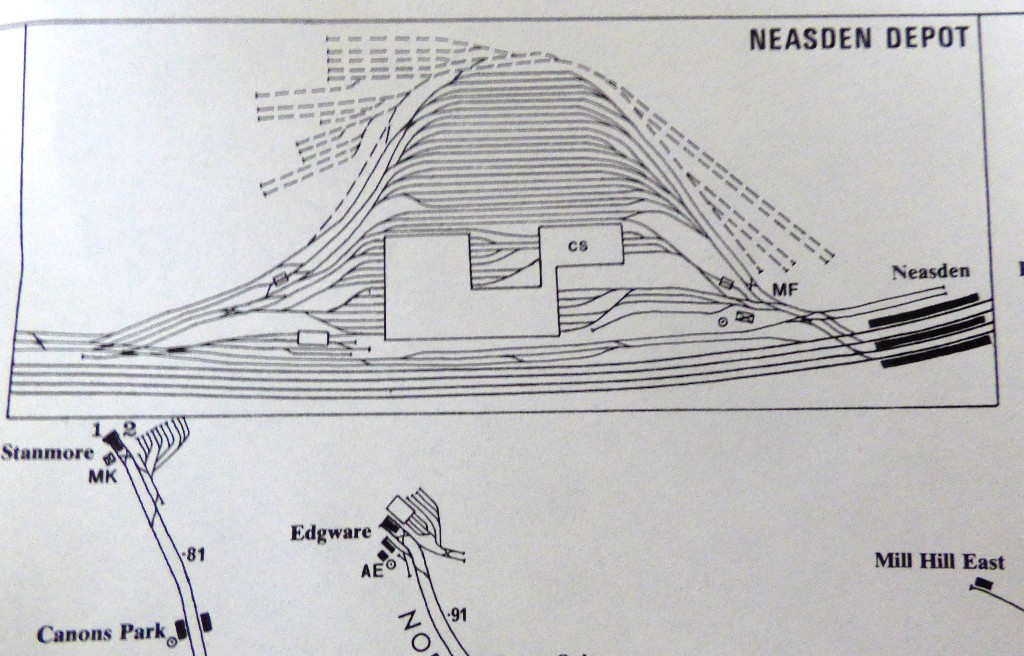
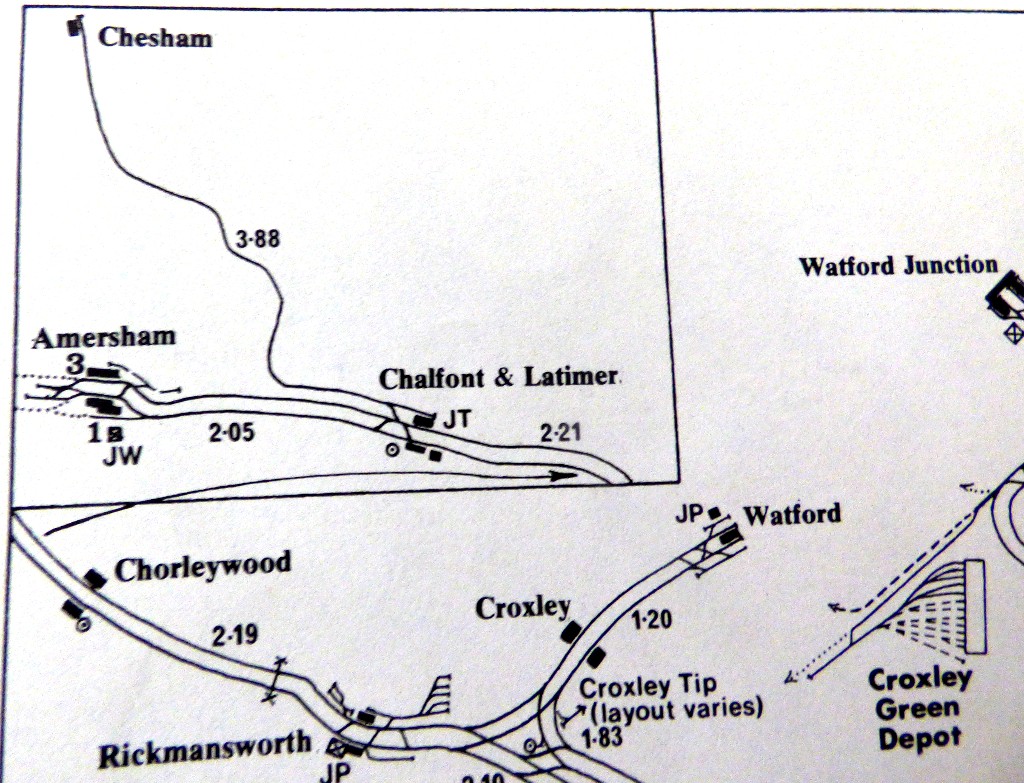
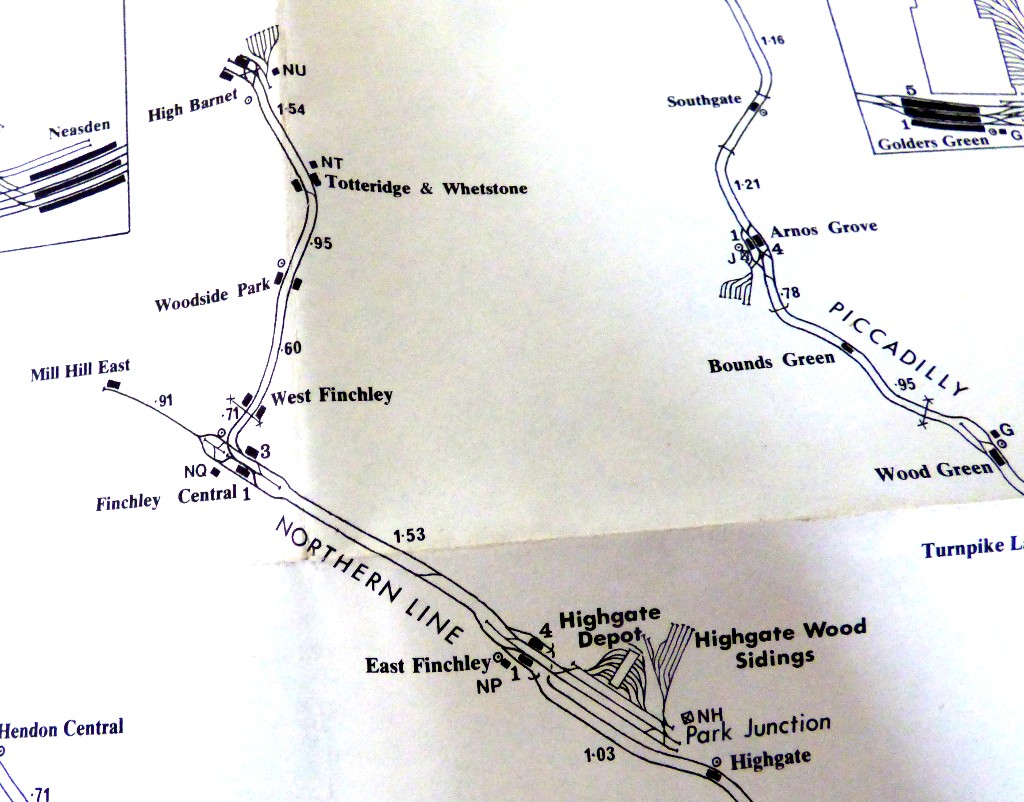
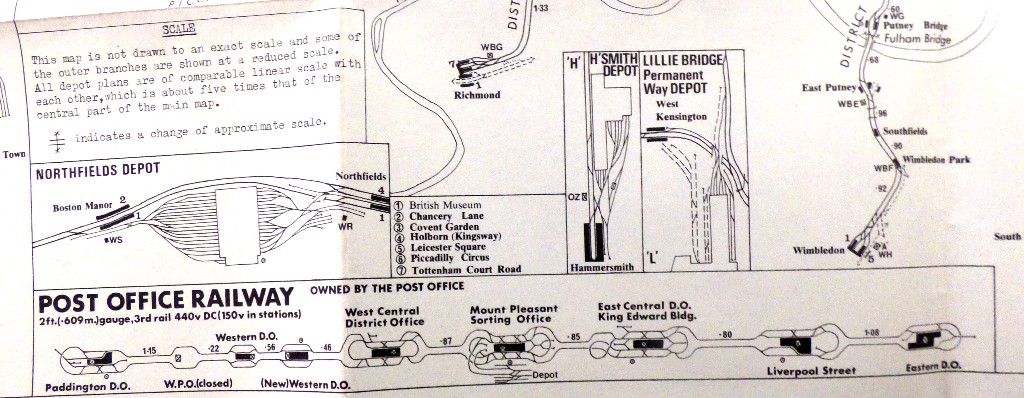
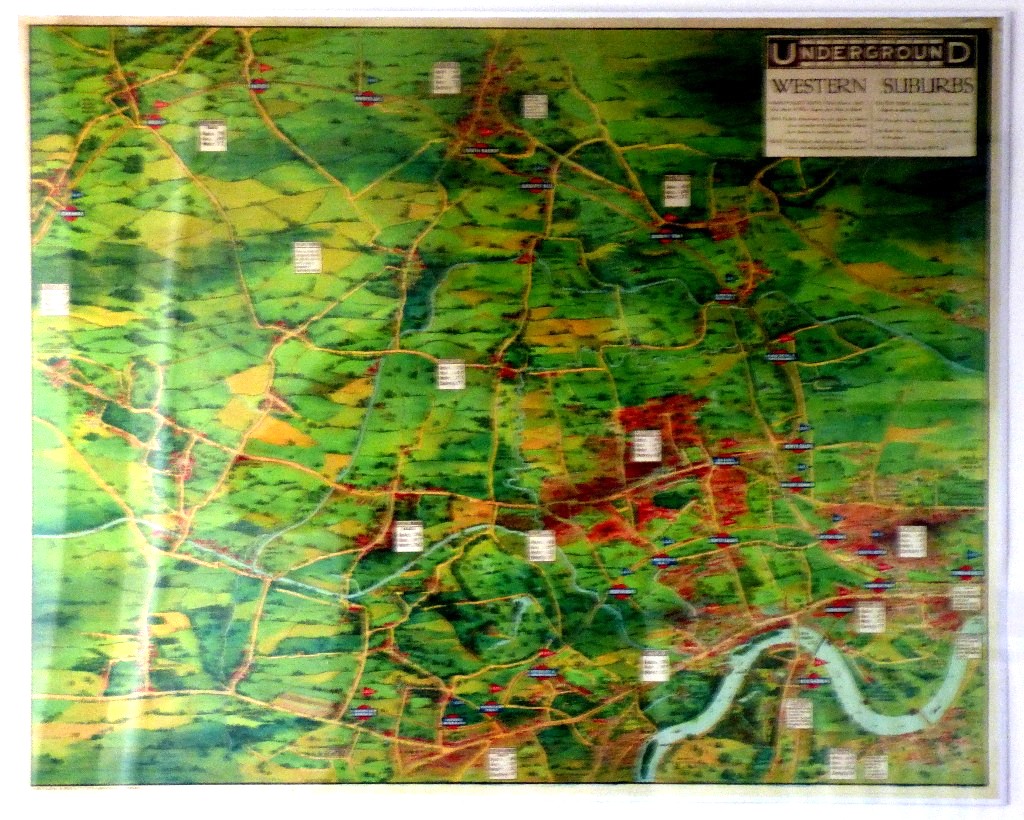
When thinking about photographs to accompany this blog post I realised that although I have had this map for many years I have never previously photographed it.
An account of Super Sunday at the womens World Cup.
INTRODUCTION
Today featured no fewer than four matches in the womens cricket World Cup. I have been listening to radio commentaries and following the action on cricinfo.
SOUTH AFRICA V WEST INDIES
This was about as conclusive a victory as I have ever witnessed. First of all South Africa blew the West Indies away for 48. Marizanne Kapp took four wickets, but the most remarkable performance came from Dane Van Niekerk who matched Kapp’s four wickets, but took hers without conceding a run. South Africa then took a mere 6.2 of their possible 50 overs to knock the runs off. Cricinfo have recently started providing video clips, and below is a two minute video showing the West Indies collapse.
This was the damp squib of the four matches – India limped to 169-9 from their 50 overs and then Pakistan were bowled out for 74 in response, only getting that many courtesy of a 23 run last wicket stand.
ENGLAND V SRI LANKA
Sri Lanka batted first, and managed 204-8. Fran Wilson took an amazing catch along the way (see link below). Laura Marsh returning to the England side took 4-45 from her ten overs, while Katherine Brunt and Anya Shrubsole both bowled well without picking up wickets.
Both openers were out fairly cheaply, Tammy Beaumont for 12 and Lauren Winfield, returning from injury, for 26. A big stand between Sarah Taylor and Heather Knight then took England to the brink of victory, before Knight was out for 82. A crunching boundary straight down the ground from Taylor completed the job, leaving her with 74 not out off 67 balls, and England winners by seven wickets with almost 20 overs to spare. At the other end, not having faced a ball, was Natalie Sciver, fresh from scoring 137 off 92 balls against Pakistan.
AUSTRALIA V NEW ZEALAND
Half centuries from Bates and Perkins got New Zealand to a total of 219-9. For Australia Mooney and Bolton were out fairly cheaply, before Meg Lanning and Ellyse Perry shared a good partnership. 16 year old legspinner Amelia Kerr created a bit of excitement when she accounted for Lanning and Elyse Villani in successive deliveries to make it 143-4, but Alex Blackwell was her usual unflappable self, and New Zealand gained only one more wicket, when with the scores level Ellyse Perry holed out for 71. Perry, having started out as a fast bowler who gave it a whack down the order has developed into the most complete all-rounder of either sex currently playing the game – she bats at number four, averaging over 50, and takes the new ball and (in limited overs matches) bowls at the death.
FINAL THOUGHTS
None pof the four matches were especially close, but three of them featured quality cricket from various players, and I was pleased to see matches being played concurrently, because one reason why mens world cups always seem so interminable is that in deference to the TV people this does not happen.







































































































































































































































































































































































































































































































































































 aspiblog