A look back at yesterday evening’s T20I between the England and India women’s teams and a large photo gallery.
The test match between the England and India men’s teams is still going on, and it is a battle royal. Last night the women’s teams assembled at Edgbaston for the fifth and final match of a T2oI series. India had already secured the series but it was still a hard fought match.
PRELIMINARIES
With an ODI series to come, and then a world cup in that format, which gave it priority England made a number of changes. Both the Laurens, Bell and Filer, were rested, as was batter/ off spinner Alice Capsey. England won the toss and opted to bowl…
INDIVIDUAL v TEAM
Shafali Verma played a superb innings for India, scoring 75 off 41 balls, before falling to a catch by Maia Bouchier, playing her first international match since her awful tour of Australia off Charlie Dean, one of three wickets for the off spinner who also went for only 23 in her four overs. No one else really fired, with Richa Ghosh’s 24 off 16 the next best contirbution.
Sophia Dunkley and Danni Wyatt-Hodge led off with a century opening stand for England, and although they fell close together, Tammy Beaumont, acting captain with Sciver-Brunt hors de combat, played a little gem of an innings, sharing important stands with Bouchier and then Amy Jones. Just as it seemed Beaumont and Jones were carrying England to the win both fell, Beaumont bowled by Reddy for 30 (20), and Jones to a spectacular catch by Radha Yadav in the same over. That left five needed off three balls, but Ecclestone played her first ball well, and she and Paige Scholfield ran hard to get through for three runs, making it two needed off two. A single off each ball, neither with any great risk attached did the job and England had won by five wickets. Dean’s bowling got her the Player of the Match award.
A look at developments in the test match between England and India at Lord’s so far and a huge photo gallery.
The third test of the series between England and India got underway at Lord’s yesterday. This post looks at what has happened so far.
THE PRELIMINARIES
Each side had made changes from Edgbaston. For India Jasprit Bumrah replaced Prasidh Krishna. For England Jofra Archer was in the XI for the first time in four and a half years. Josh Tongue was the player to miss out. The coin was kind to Ben Stokes, and given the heat not even he was about to bowl first (here in Norfolk the temperature has officially not quite hit 30, but it feels exceedingly hot), so England were batting.
THE PLAY
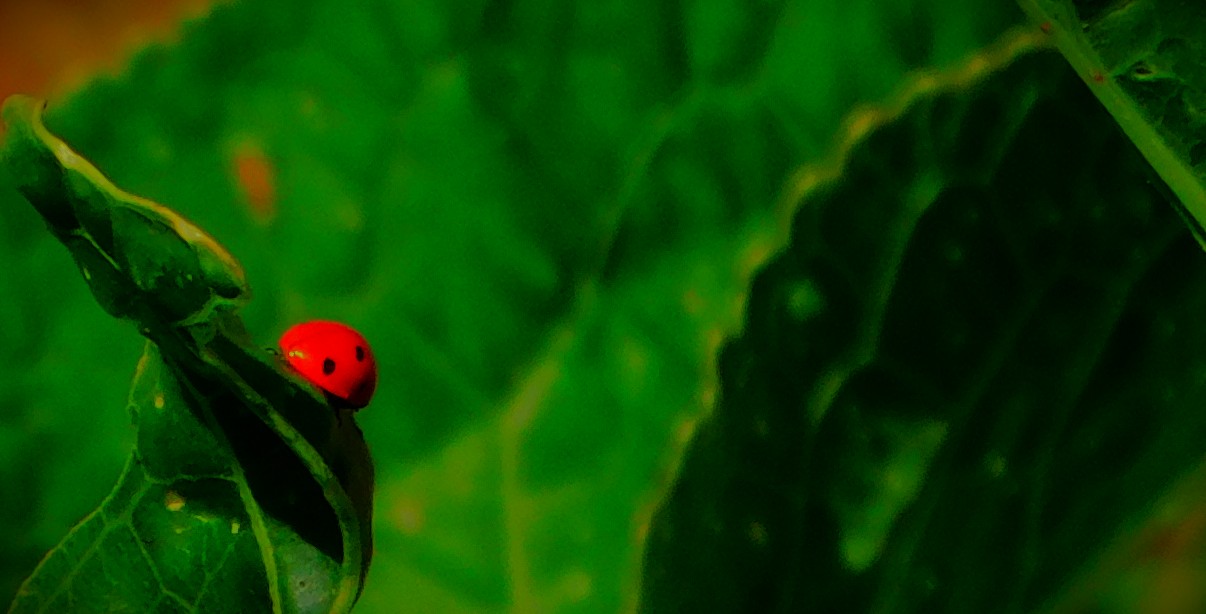
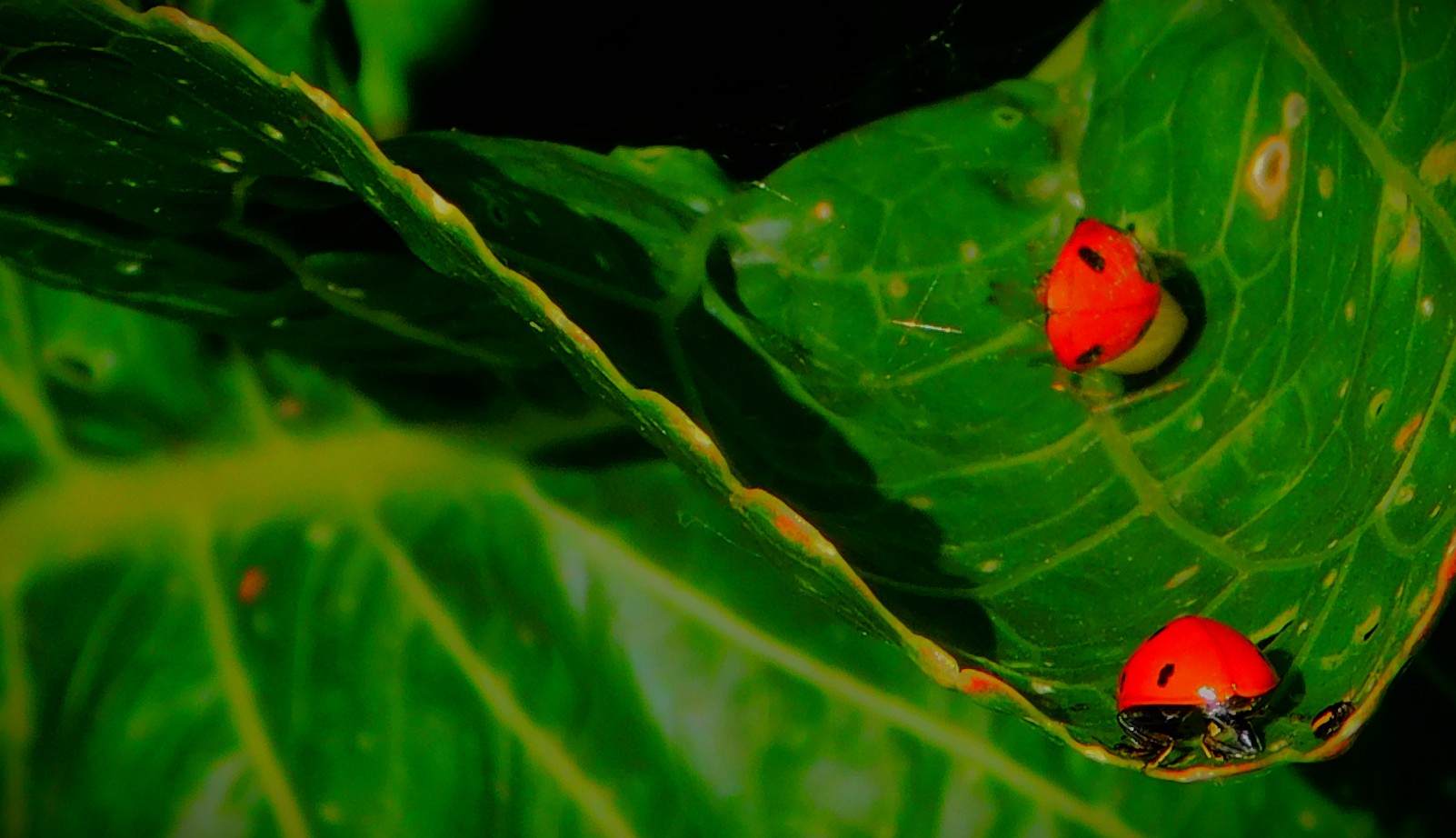
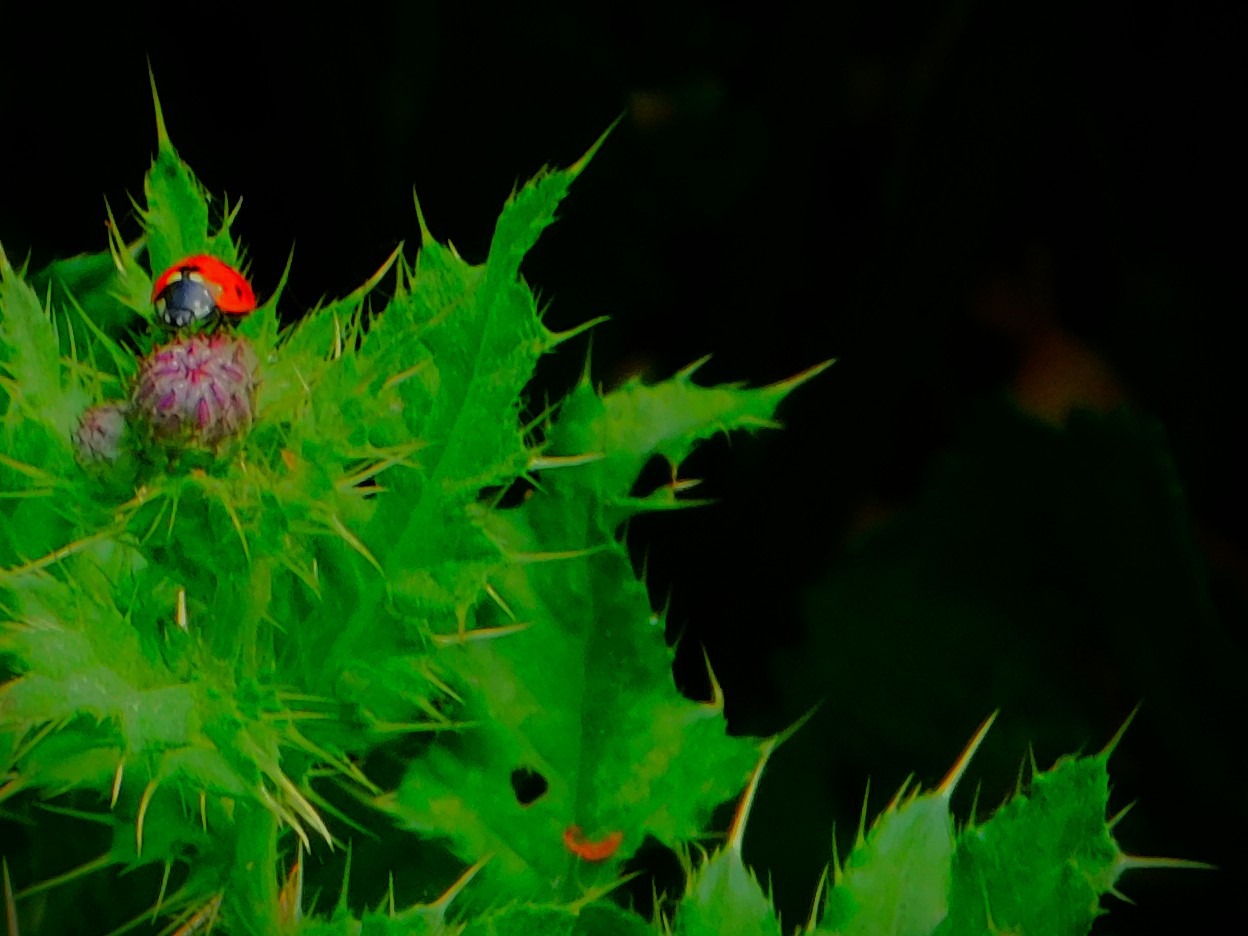
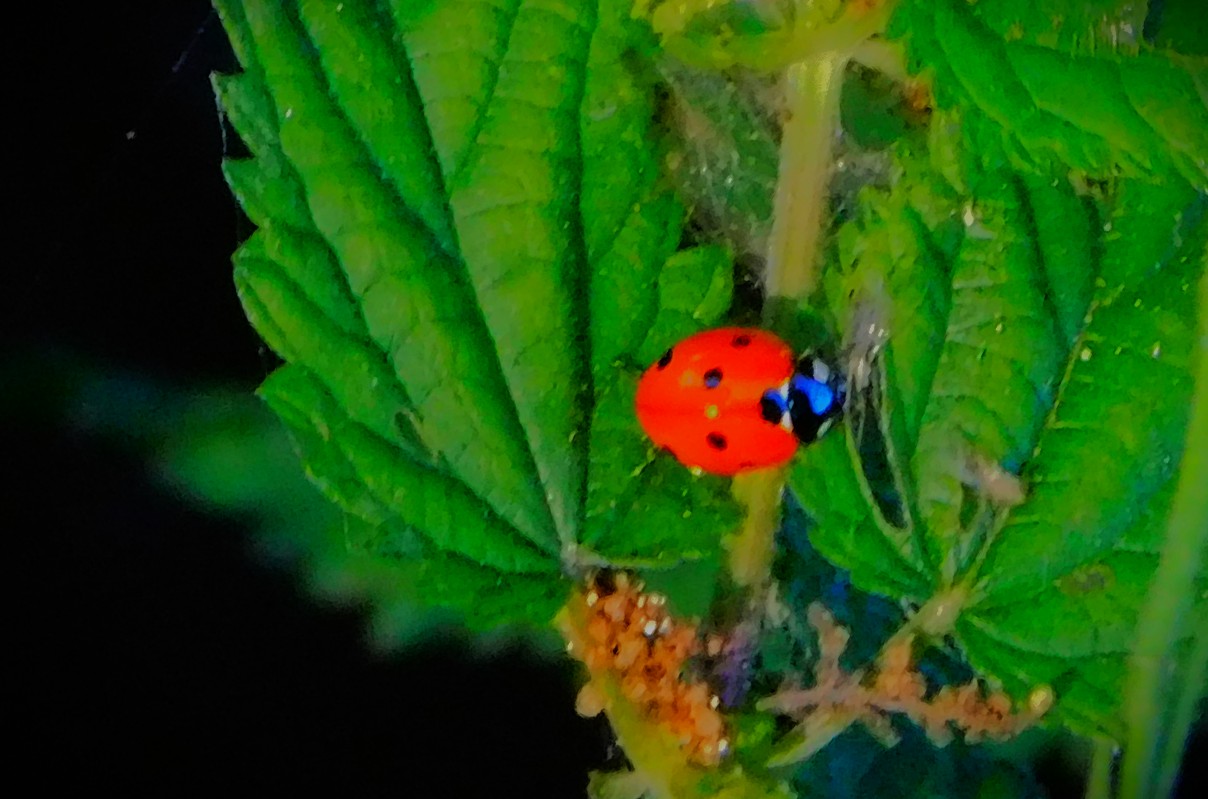
I missed most of day one due to work. I got the closing stages, which featured a bizarre stoppage when Stokes, who had already taken time out of the game by having cramp attended to, decided that he couldn’t bat with ladybirds flying around him, and that play could not continue until the insects (entirely harmless) had been made to fly away, and Root have to overnight on 99 not out. It was an old school type of day, and thus not surprising that the most old school type of player in the line up came to the fore. England had reached 251-4, very slow by their recent standards, but losing only four wickets in the day was good for them. Seven overs had disappeared from the game due to the various delays (the over rate was, as it has been today, very much new school).
Root reached three figures of the first ball of the new day, with a somewhat airy shot which flew away for four. Then Bumrah got busy. accounting for Stokes, and then Root and Woakes in consecutive balls. That was 271-7 and Bumrah had four of the wickets. Jamie Smith was now joined by Brydon Carse, not a good enough batter to called an all rounder, but the possessor of two first class centuries and a career average at that level in the high 20s. They shared a good partnership, which featured an early moment of history. When Smith reached 3 he also reached 1,000 test runs, which meant that for the first time since the Adelaide test match of 1947 England had three batters in their line up who had all scored over 1,000 test runs at an average of over 50. By lunch they had taken England not merely beyond 300, which had looked in doubt when they joined forces, but the 350 as well. Smith had clocked up 50, and even on this pitch and in a largely attritional innings it had taken him only 52 balls to get there. Carse would also go on to top 50, the first time in his test career that he has done so. Bumrah secured his place on the honours board when he clean bowled Jofra Archer, the ninth wicket of the innings and his fifth. Of those scalps four had been clean bowled and Jamie Smith had been caught by the wicket keeper. England scored 387 in total, and Bumrah, the only bowler ever to have taken over 200 test wickets at under 20 runs a piece, had 5-74.
Chris Woakes bowled the first over of the reply, and it was a shocker, conceding 13 including three boundaries, all hit off properly bad balls. Then it was time for Archer from the pavilion end. His first two balls were dots, his third took the edge of Jaiswal’s bat and flew to Harry Brook at second slip – India 13-1, Jaiswal C Brook B Archer 13. Archer bowled five overs in that spell and ended it with 1-16. India have now moved on to 61-1. Karun Nair has 33 not out and KL Rahul 15 not out. Nair’s last four was a little lucky – had Carse placed a fielder at gully it would have been catching practice, but there was no gully and it flew away for four.
PHOTOGRAPHS
There has been a lot to photograph lately – this gallery is a huge one, and that is after I pruned it a bit (and I have another ready to go, and more pictures on my camera)…
A look at happenings in the last four sessions of the test match at Edgbaston and a large photo gallery.
Early yesterday evening Brydon Carse holed to Shubman Gill off Akash Deep for 38 and India had won the second test match of this series for the Anderson-Tendulkar trophy by 336 runs. It was an appropriate finale, since Gill was unquestionably Player of the Match, and Akash Deep, whose 10th wicket of the match this was had been the best bowler on either side. I had taken the story up to tea on the fourth day here. This post picks up the story from that point.
THE DECLARATION
India scored a such a rate post tea that by the time they called a halt to the slaughter, at exactly the sort of time expected by most people their lead had mushroomed to 607, meaning England needed 608 to win. Only twice has 600 been topped in the final innings of a first class match, both in timeless (played to a finish however long it takes) matches. At Durban in 1939 England scored 654-5, but their travel arrangements for the journey home from South Africa intervened, forcing an abandonment of a supposedly timeless match, the last test match to be designated as such. Just under a decade late Maharashtra scored 604 in the last innings against Bombay, but such was the preposterous scoring in that match (2,376 runs for 37 wickets!) that they still lost by 354 runs. Shubman Gill has achieved the second highest test match aggregate ever, following his 269 in the first innings with 161 second time round, the first time anyone had a 250+ and 150+ in the same test match (the record match aggregate, 456 by Graham Gooch for England against India at Lord’s in 1990, was comprised of 333 in the first innings and 123 in the second).
ENGLAND’S START
By the close of day four England were 72-3, still 536 short of a target that even the greatest of optimists surely had to admit was by then purely nominal. The three batters dismissed were Crawley, Duckett and most importantly of all Root. Akash Deep had two of them, both clean bowled, while Siraj had been gifted Crawley’s wicket courtesy of a catch to sub fielder B Sai Sudarsan. Barring rainfall of Noachian intensity it was hard to see any way out for England, and frankly they did not deserve to escape defeat either.
THE FINAL DAY
It did rain on the fifth morning, but cleared up in time for play to get underway at 12:40PM. Akash Deep made the first break through when a delivery from hit Pope’s arm and rebounded into the stumps for a dismissal recorded as ‘bowled Deep’. That was 80-4, and three runs later the other overnight batter, Harry Brook was on his way, pinned LBW by Deep for 23. I had a commitment early in the afternoon which necessitated me leaving the cricket (see here for more details). In the time I was out England lost only one further wicket, that of the skipper Stokes for 33. Smith batted superbly for the second time of the match. Woakes after resisting for a while was well caught by Siraj off the bowling of Prasidh Krishna to make it 199-7. Smith hit two successive sixes off short balls from Akash Deep, but when he tried to give a third short delivery the same treatment it was slower than its predecessors had been, he misjudged the pace and Washington Sundar held the catch. That was 226-8 and heralded the last rites of the match. Tongue scored two before he gave Siraj a catch of Jadeja. Shoaib Bashir now joined Carse and they provided some entertainment, adding a rapid 25 which included a six and a four hit by Bashir. Then came the poetic justice moment referred to in the introduction when Carse gave Gill that catch off Deep to end proceedings. Deep had 6-99 for the innings and 10-187 for the match. Siraj had 7-126 for the match, 6-70 and 1-56. This makes it almost certain that Prasidh Krishna will be the one to miss out when Bumrah comes in for the match at Lord’s that gets underway on Thursday morning, though given the remarkable disparity in his records when Bumrah is and is not in the side there is case for it being Siraj to miss out. For England two As, Archer and Atkinson are likely to play, with Tongue and Carse likely to miss out (Woakes is a virtual cheat code at Lord’s, so he will play unless actually injured, and Stokes always wants a spinner in the side). With the weather due to be blazing hot it really should be mandatory for whoever wins the toss at Lord’s to bat first.
An account of the Norfolk Symphony Orchestra’s first ever relaxed concert, which took place yesterday at The Corn Exchange, King’s Lynn. Also a photo gallery.
This is the first of two posts I will be putting up today. The second will complete the story of the test match at Edgbaston, which ended yesterday evening. This one looks back at a special event that took place yesterday afternoon.
A NEW DEPARTURE
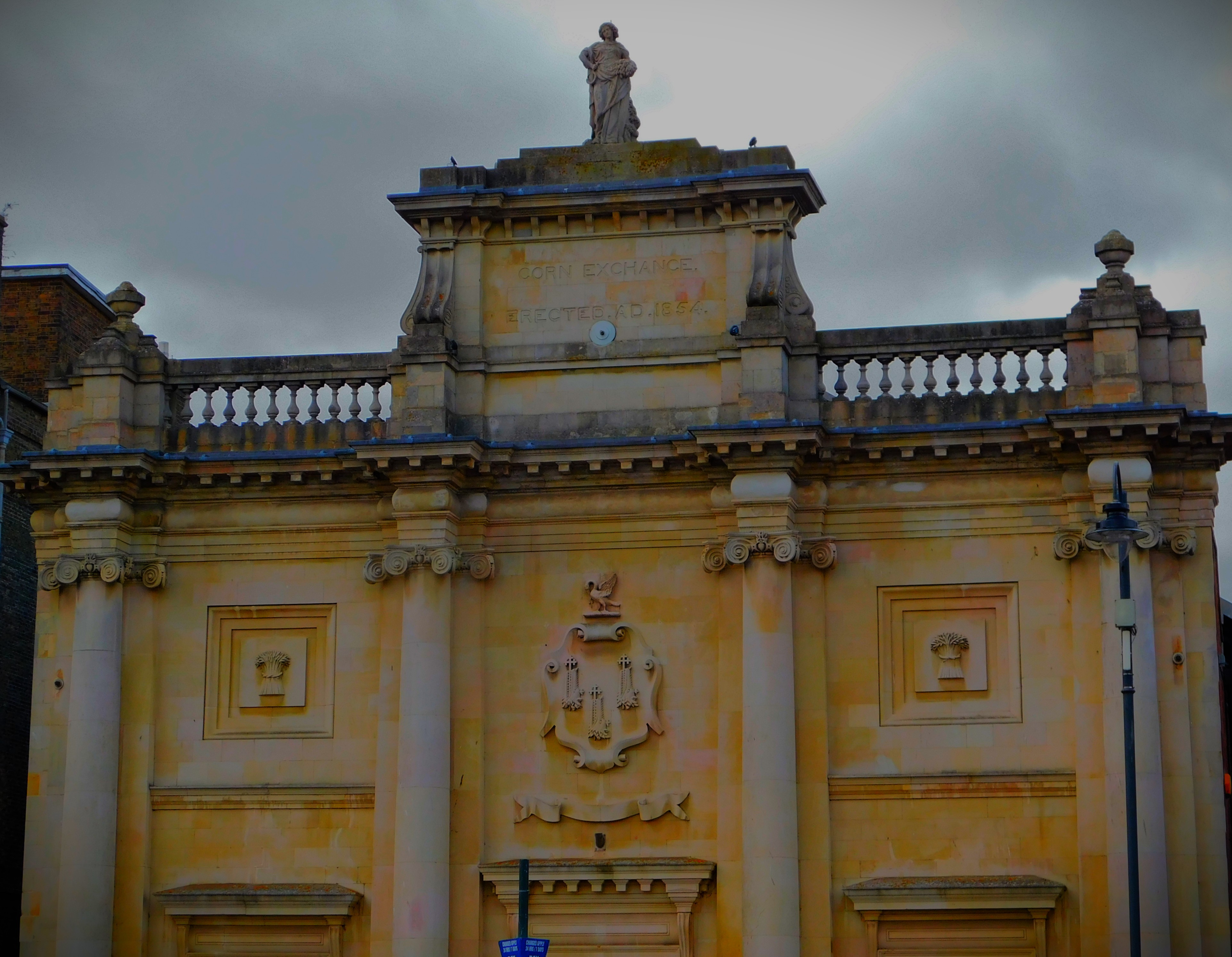
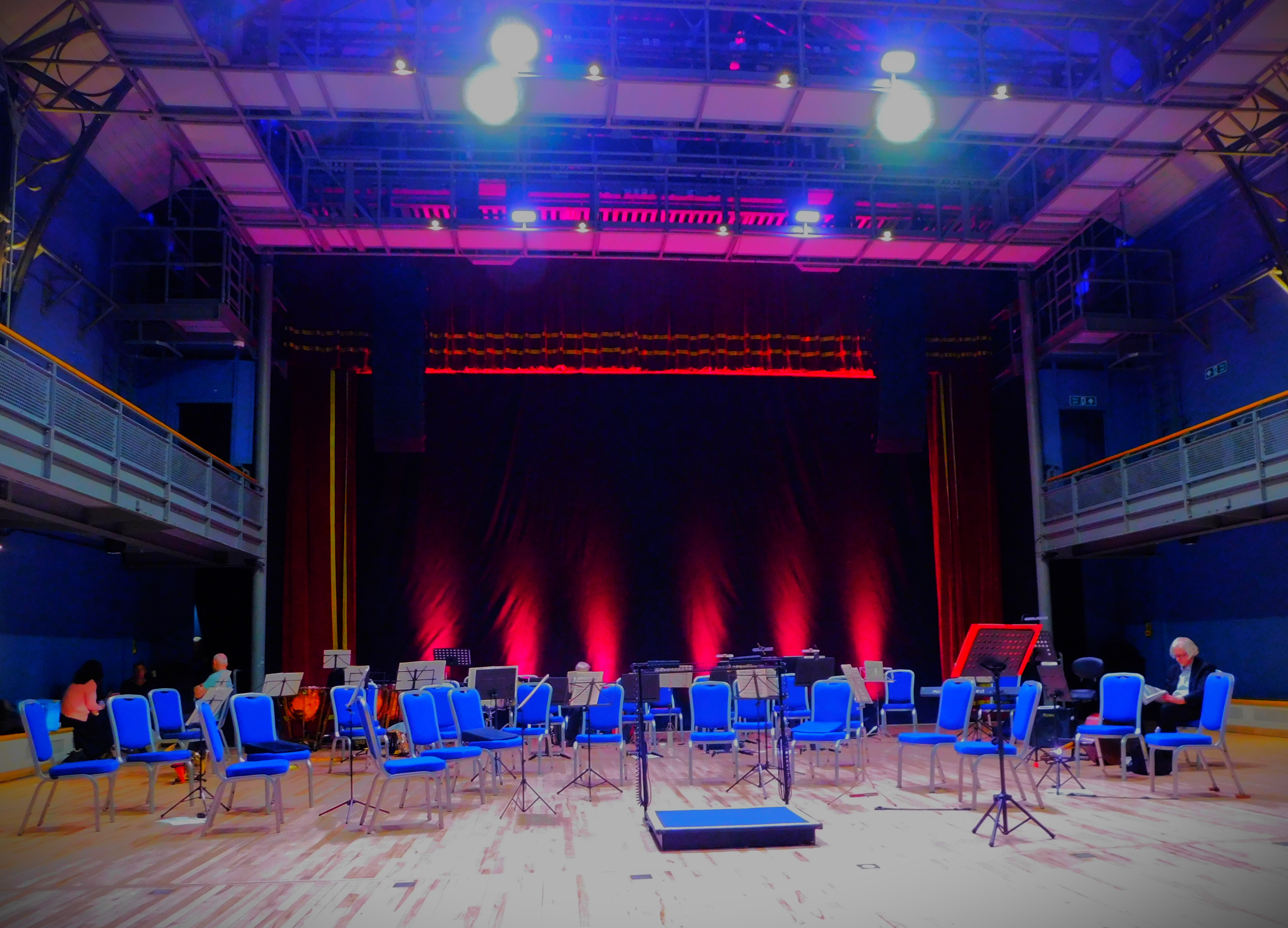
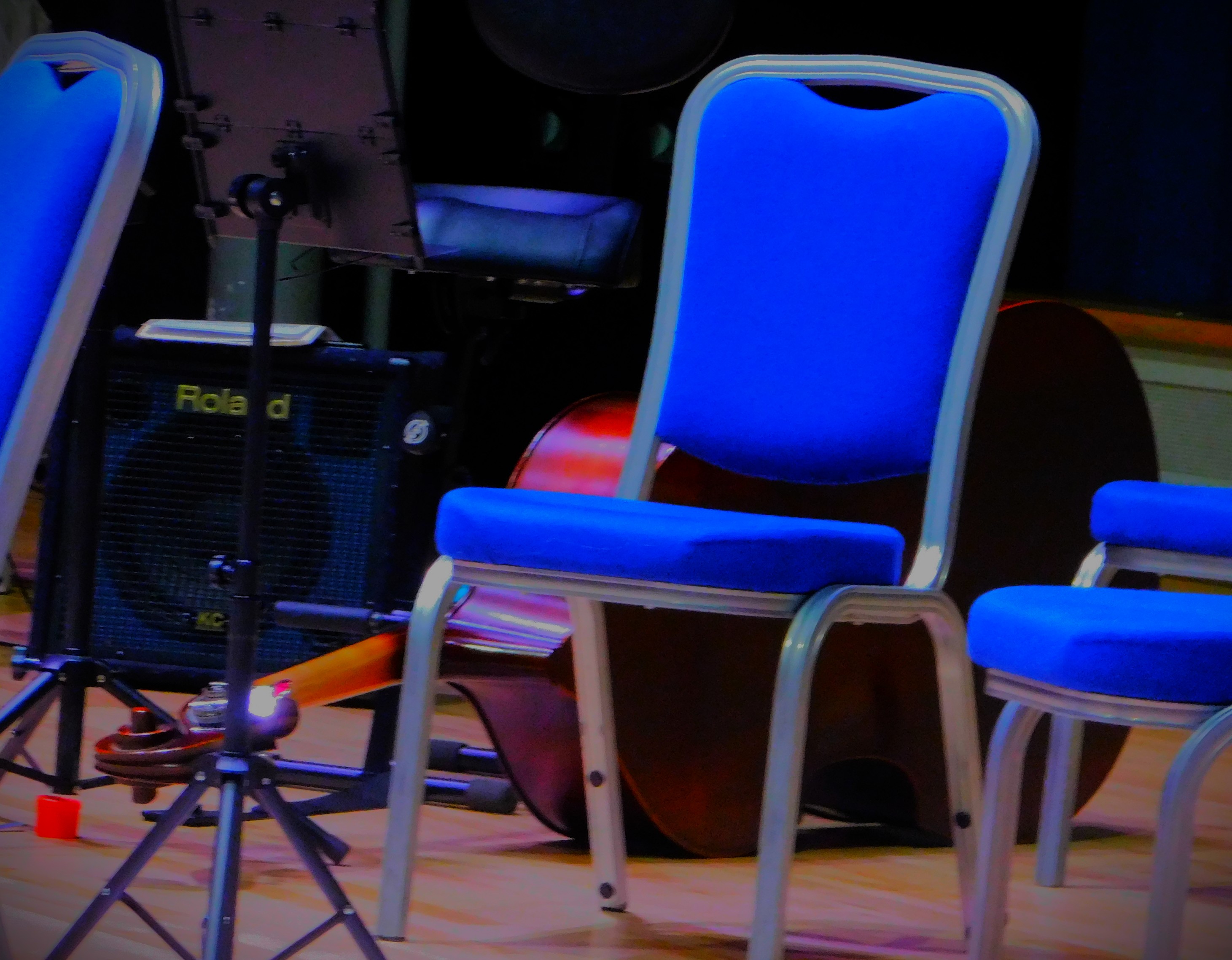
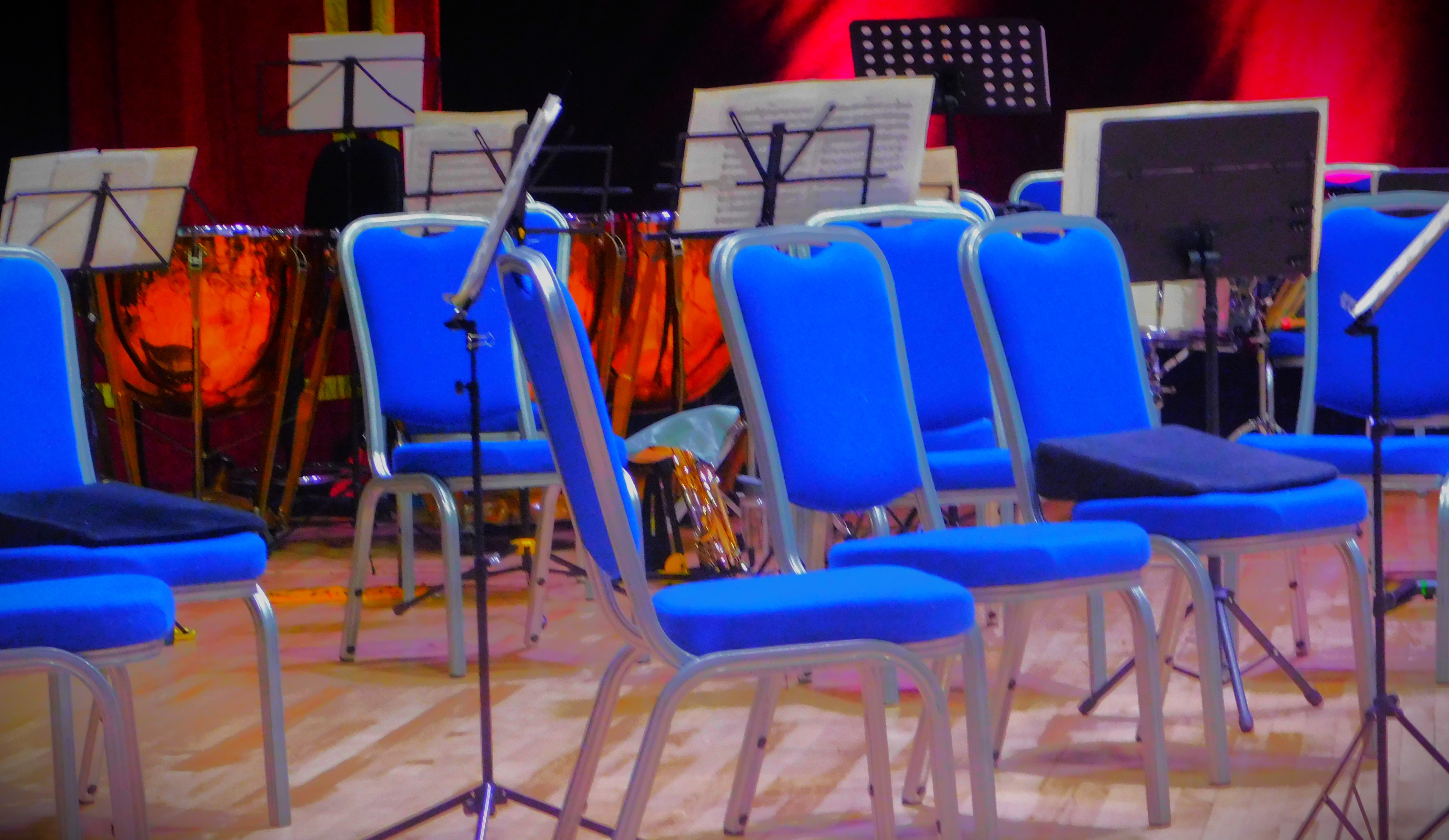
The Norfolk Symphony Orchestra staged a relaxed concert, the first such that they have done, at the Corn Exchange in King’s Lynn yesterday afternoon. The seating was loosely arranged on an open floor and at the same level as the orchestra. There were no hard and fast rules to adhere to, though there a request was made of people that they not go in among the orchestra as doing would so would disrupt the concentration of the players. The West Norfolk Autism Group had been allocated seats (tickets free of charge), and I was one of those who attended. The concert was scheduled to start at 2:30, and we were advised to arrive early. I was actually the first of the attendees to arrive, getting to the Corn Exchange pretty much on the dot of two o’clock. The performance lasted a little more than an hour.
THE MUSIC
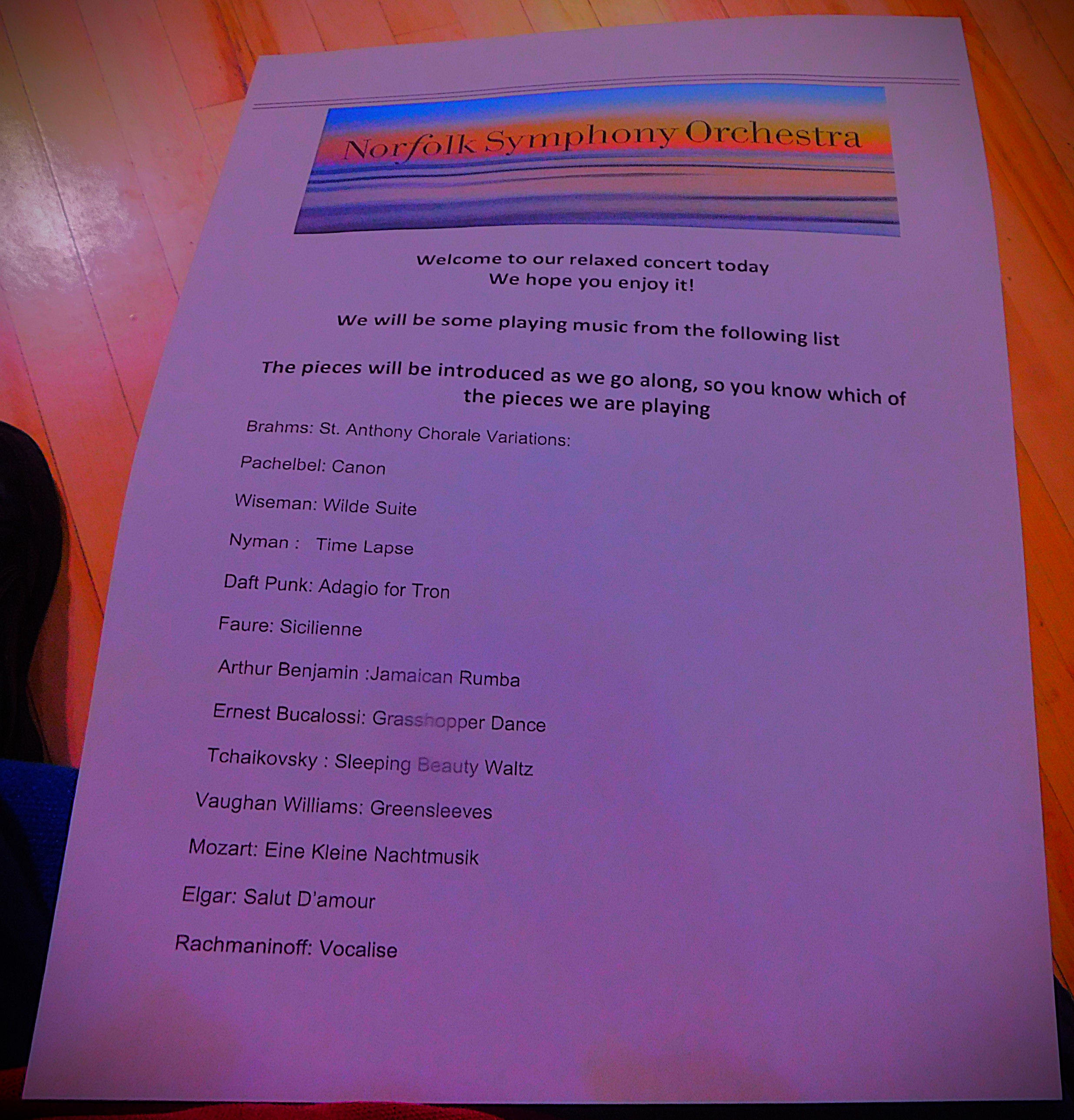
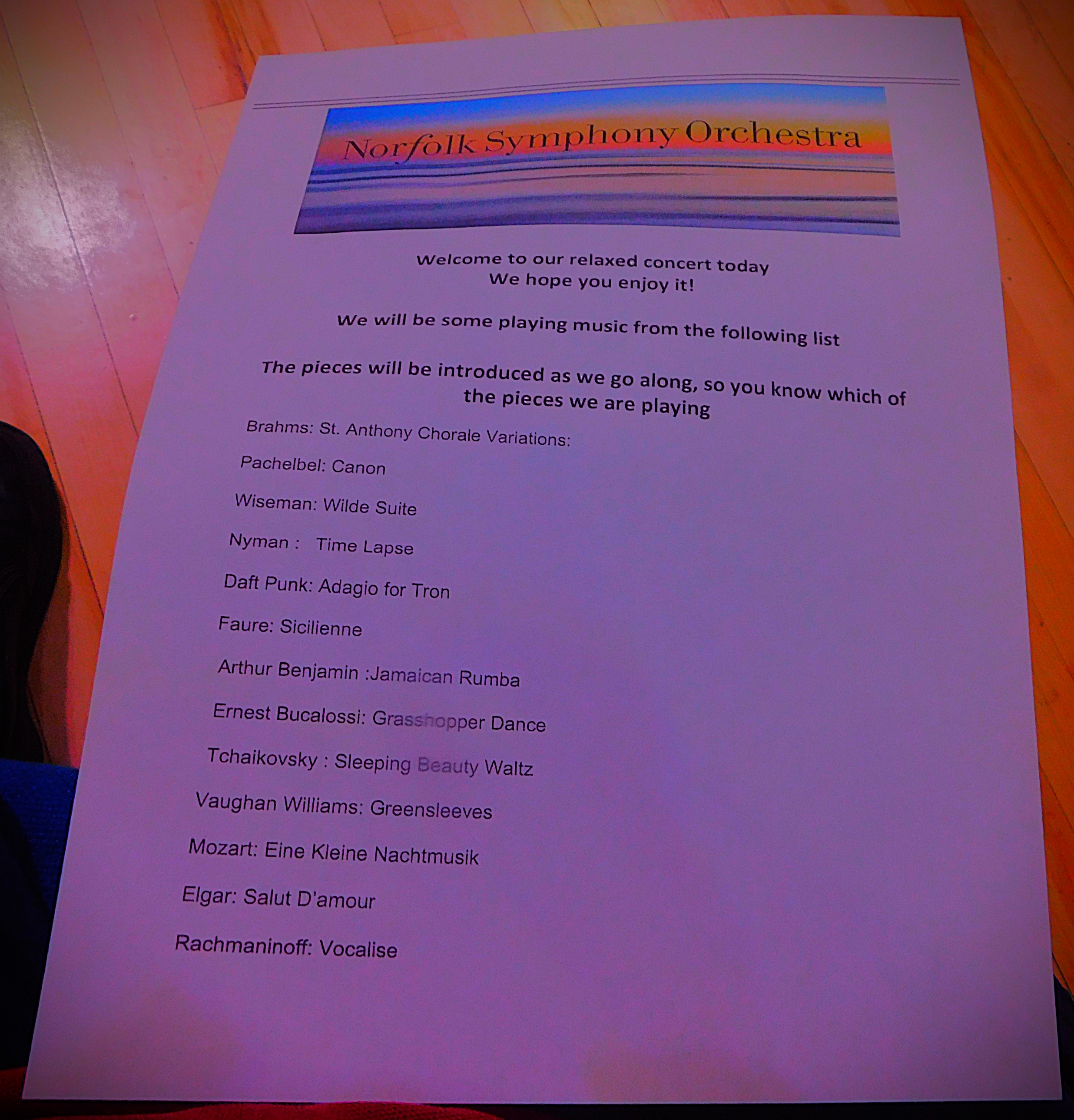
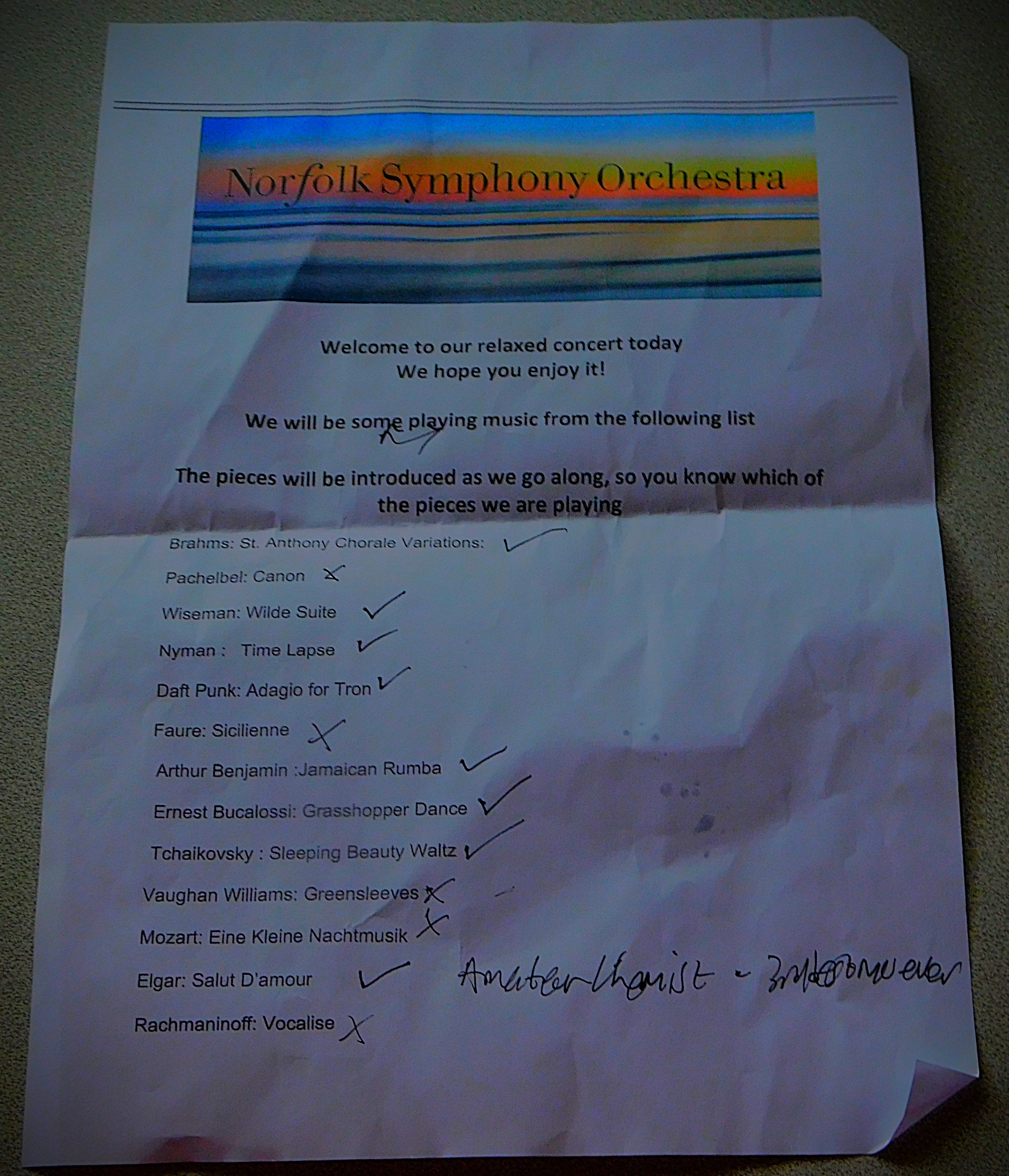
Just before the performance was due to start we were given sheets listing the music – 13 pieces were named in total, and the sheet made it clear that not all would be played.
This image is of an a4 printed sheet which has the official Norfolk Symphony Orchestra header, below which appears “Welcome to our relaxed concert today we hope you enjoy it. We will be some playing music from the following list The pieces will be introduced as we go along so you know what we are playing
Brahms – St Anthony Chorale Variations Pachelbel – Canon Wiseman – Wilde Suite Nyman – Time Lapse Daft Punk – Adagio for Tron Faure – Sicilienne Arthur Benjamin – Jamaican Rumba Ernest Bucalossi – Grasshopper Dance Tchaikovsky – Sleeping Beauty Waltz Vaughan-Williams – Greensleeves Mozart – Eine Kleine Nachtmusik Elgar – Salut D’Amour Rachmaninoff – Vocalise”
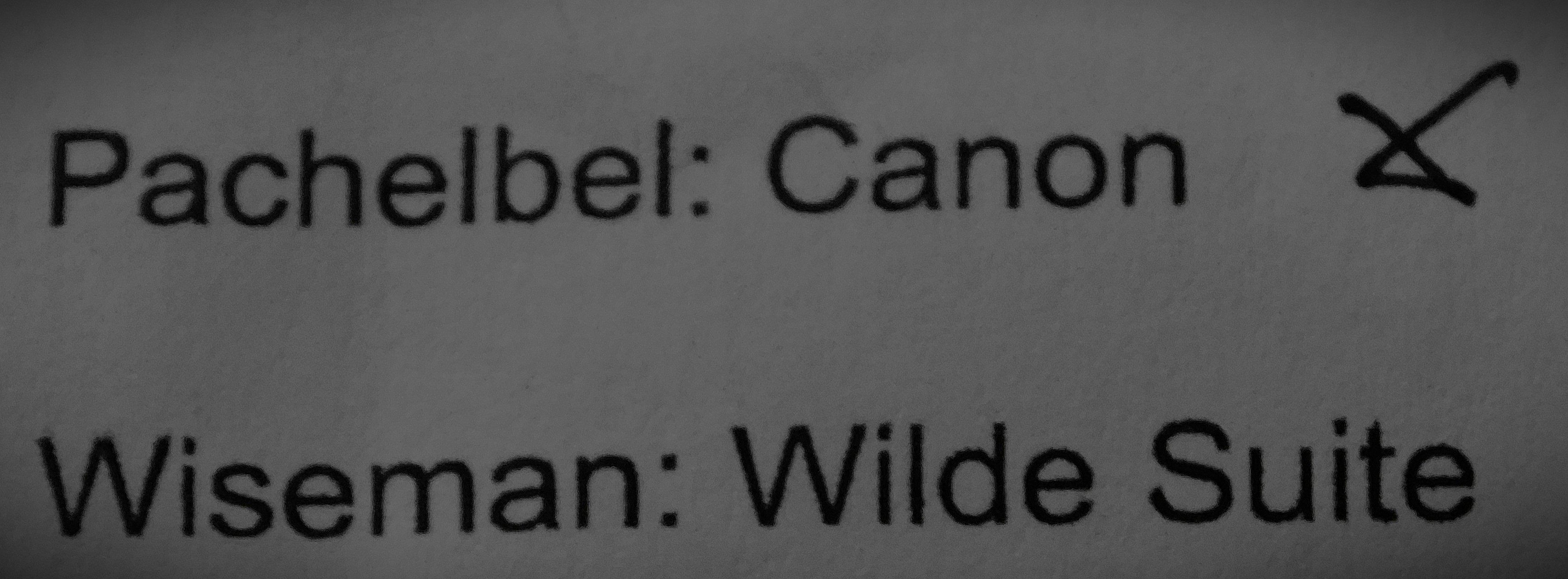
The first two pieces actually played were the Brahms and the Elgar. They were followed by three film pieces by Wiseman, Nyman and Daft Punk. Debbie Wiseman was voted the world’s best living composer in 2022, and the Wilde Suite provided some indication of why. The performance then finished with three dance pieces, the Jamaican Rumba, the Grasshopper Dance and the Sleeping Beauty Waltz. All were excellent and all were very well performed. I thoroughly enjoyed this event and look forward to the next one. My only mild regret is that the Pachelbel piece did not make the cut.
A look at developments at Edgbaston where India now have pretty much a complete stranglehold on proceedings and a photo gallery.
When I wrote yesterday’s post the sixth wicket stand between Harry Brook and Jamie Smith was still in progress. This post takes the story forwards from there.
THE END OF THE ENGLAND FIRST INNINGS
The great partnership between Smith and Brook that had partially revived England’s fortunes ended at 303 when Brook fell for 158. England were exactly 200 runs adrift at that point, needing one more to eliminate any chance of being made to follow on (India probably would not have enforced it anyway). They managed that, but not a whole lot more, as Mohammad Siraj and Akash Deep bowled magnificently with the second new ball to slice through the England lower order like a hot knife through butter. The innings ended when Siraj disposed of Josh Tongue and Shoaib Bashir in successive deliveries, his fifth and sixth scalps of the innings, giving him 6-70 on an absolutely plumb pitch. Deep had the other four wickets, also impressively cheaply on such a surface. England’s 407 was the lowest all out test innings to feature two 150+ scores (at Headingley in 1948 Australia scored 404-3 on the last day to win by seven wickets, with Morris scoring 182 and Bradman 173 not out, the last of his 29 test tons), and was also unique in featuring both two 150+ scores and six ducks (this is itself a joint test record, and unsurprisingly most of the totals to feature that number of ducks have been a lot smaller than 407). India thus had a lead of 180 on first innings.
INDIA PUSH ON
England managed one wicket before the close of play yesterday, by which point India were over 240 ahead. Thus today started with England in urgent need of early wickets. They did not get them, with Karun Nair and KL Rahul being the only casualties of the morning session. India took lunch on 177-3, with Pant and Gill both playing well in their respective styles. The afternoon began at rapid tempo, with Pant in particular going hard. Pant had been badly dropped by Crawley early in his innings, but the other England opener Duckett made no mistake when Pant failed to get quite enough on an attempted big hit off Bashir having hit 65 off 58 balls. That was 236-4, and in order to keep the left/ right handed combination going Jadeja was promoted ahead of Reddy to number six. Just before tea Gill reached his second hundred of the match, only the second Indian to have a double century and a century in the same test match (Sunil Gavaskar scored 124 and 220 against the West Indies in Trinidad in 1970). India went in to tea on 304-4, 484 ahead – already 66 runs more than any side has scored in a test match fourth innings to win. They have just resumed, probably planning to bat another hour, then have a go at England tonight, resume tomorrow with the ball still fairly new and the bowlers having had a night’s rest, and then be able to have a burst with the second new ball at the end of tomorrow if they have not already finished things by then. England are still talking about going for the win, which will surprise no one familiar with this iteration of England, but the truth is India are indeed in total control, and an England win from here would be an almighty shock.
PHOTOGRAPHS
My usual sign off…
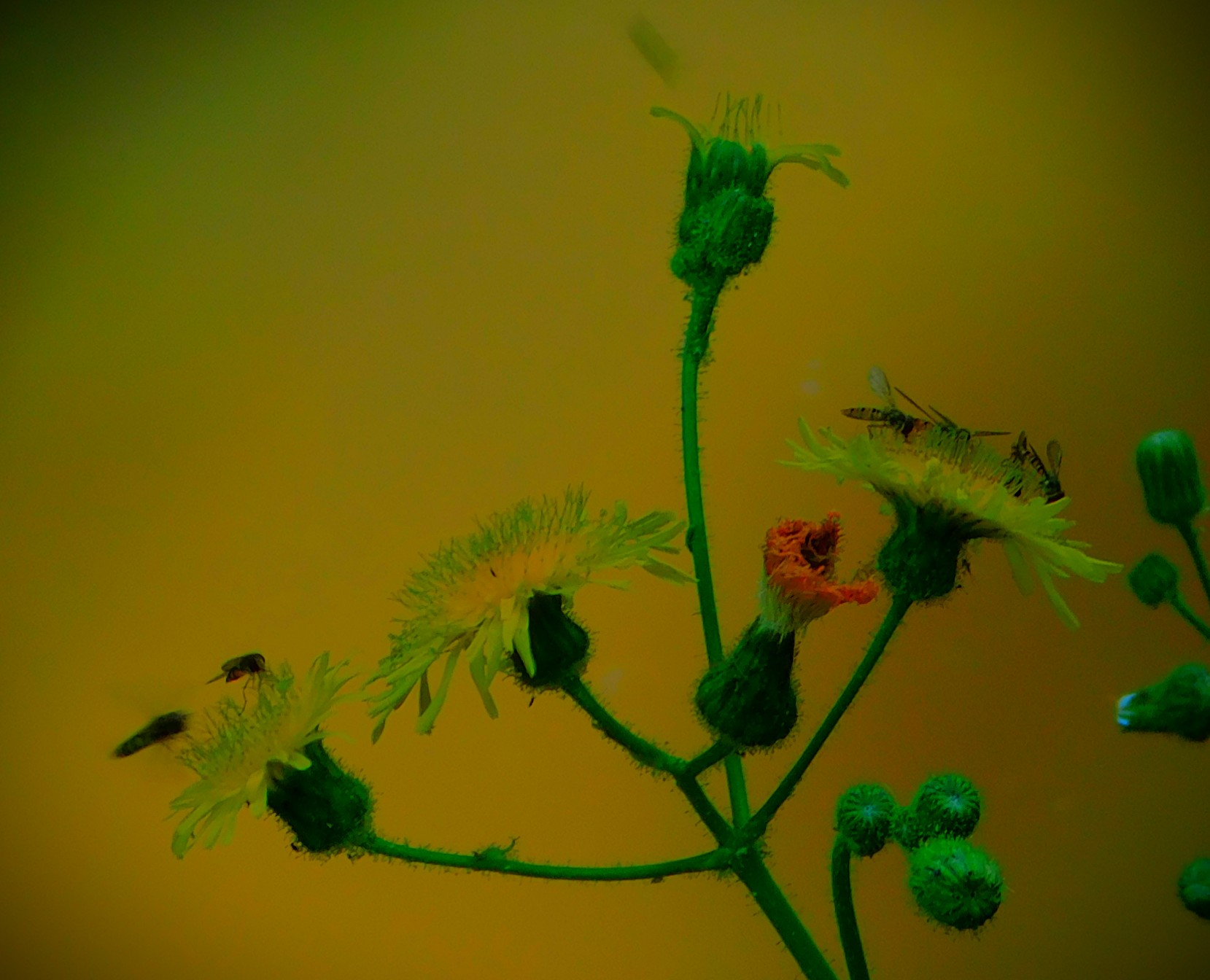
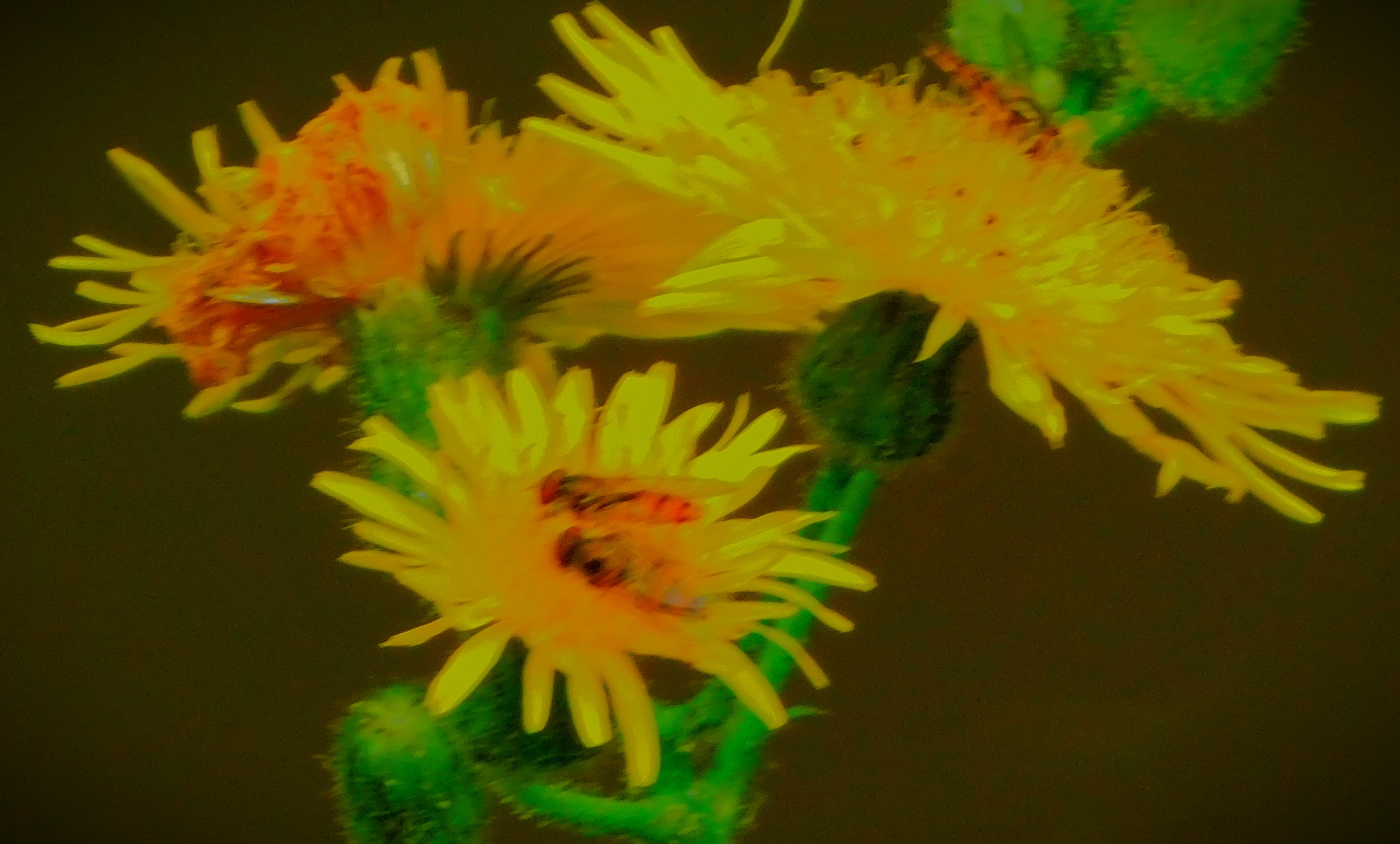
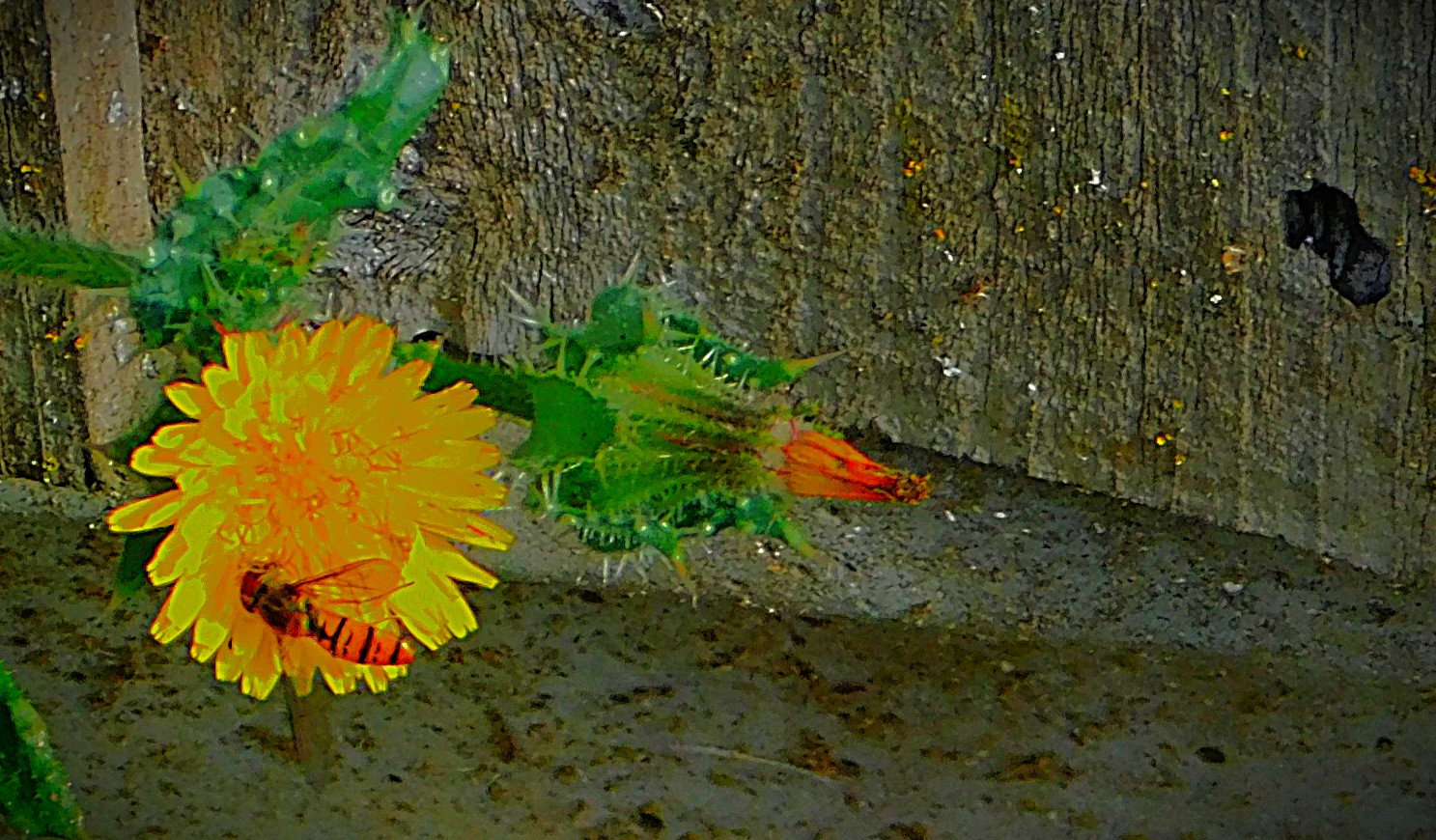
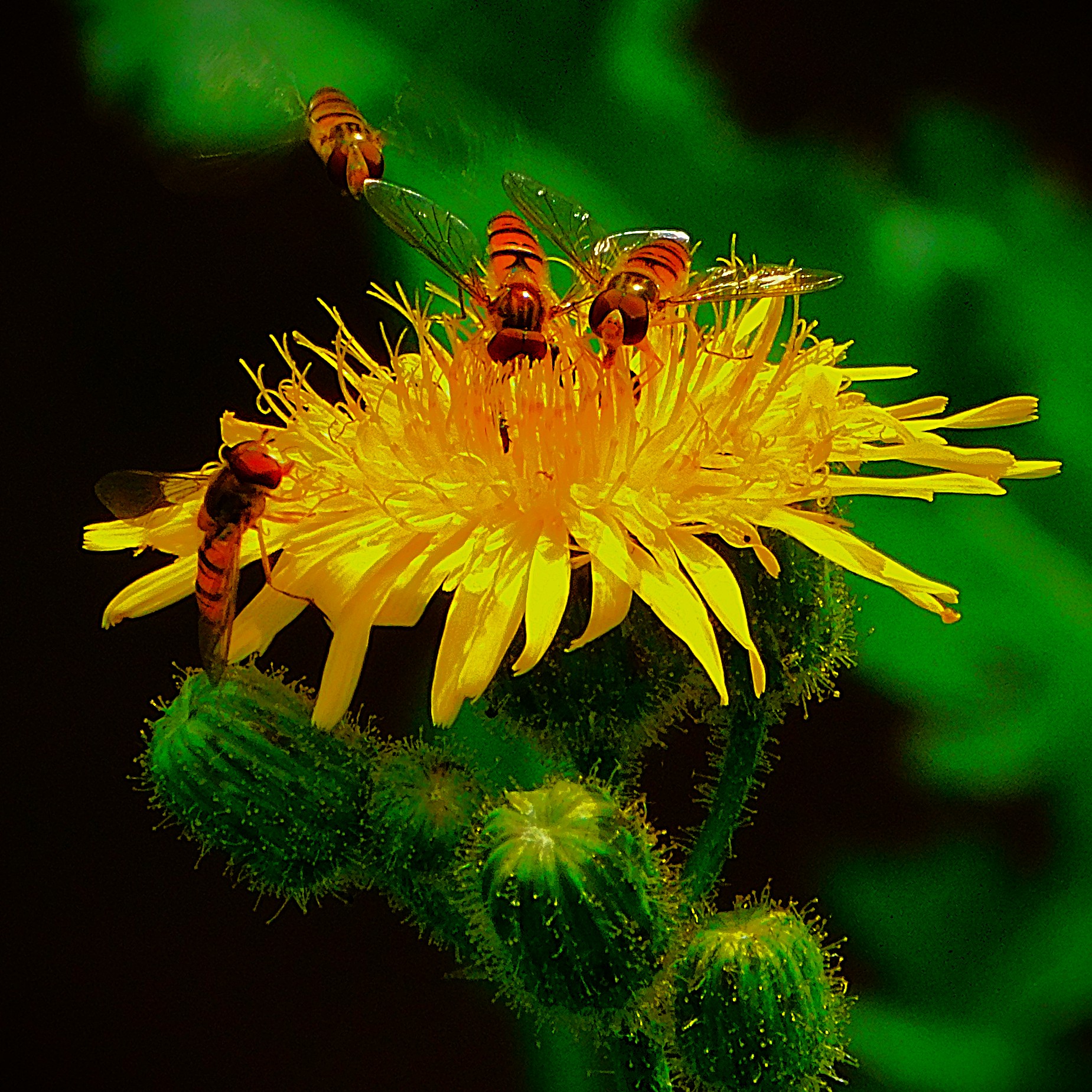
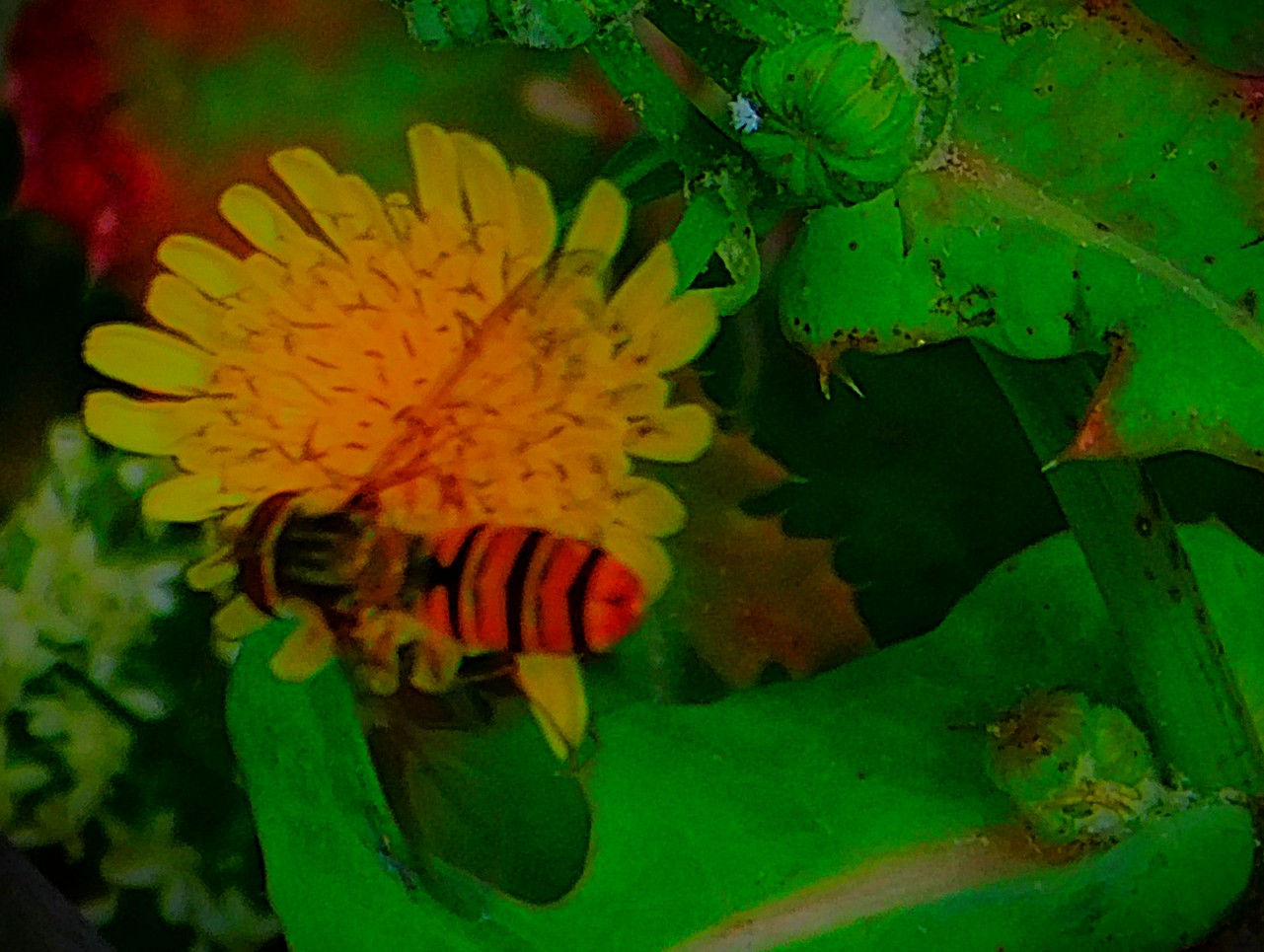
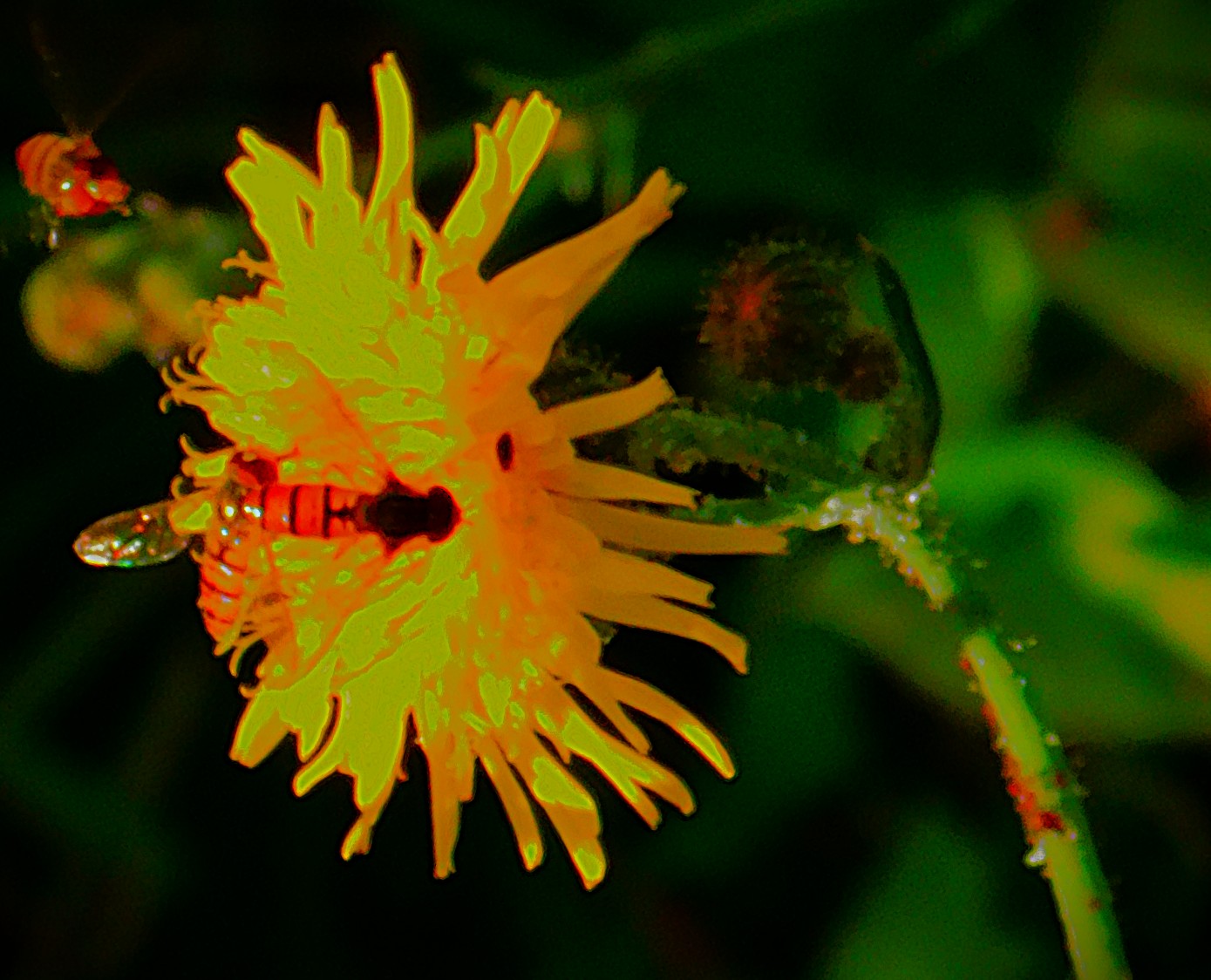
Five hoverflies in one frame – three on the large dandelion head and two hovering nearby.
A look at goings on at Edgbaston where England and India are engaged in a test match. Also a huge photo gallery.
As we approach tea on the third day of the second test match of the series between England and India for the Anderson-Tendulkar trophy we have already seen some remarkable cricket.
THE PRELIMINARIES
England named an unchanged side, with the plan being to introduce Archer, fit again after many injury woes, at Lord’s, the second match of these two back to back tests. India made a number of changes. Karun Nair was moved up from number six to number three, B Sai Sudarsan was dropped, and Nitish Kumar Reddy, a batter who bowls medium pace came in at number six. Thakur was dropped, and Washington Sundar brought in to strengthen the batting (his off spin could not be accounted a major factor on an English pitch). India also decided that Jasprit Bumrah could not play both matches of a back to back sequence and reckoned that he would fare better at Lord’s, Akash Deep replaced him at number nine. The Indian line up was loaded with batting depth, but a little light on bowling. Ben Stokes won the toss, and in spite of neither pitrch nor conditions suggesting it, and in spite of India’s batting strength he chose to bowl, the tenth time he has done so out of 11 toss wins on English soil.
THE GLORY OF GILL
Shubman Gill came into this match with a test average in the upper 30s, with many reckoning he had the talent to be doing far better than that. His effort in the first innings here underlined exactly why. With some notable support, chiefly from Jadeja and Sundar at numbers seven and eight in the order Gill, who never previously topped 150 at test level scored 269 from number four in the order, propelling India to a score of 587. A score of that magnitude has sometimes been a prelude to a defeat – at Sydney in 1894 Australia lost after racking up 586 first up, while in a three-day match at Chesterfield in 1904 Essex lost by nine wickets after running up 597 in the first innings, and 78 years later at Southport Warwickshire scored 523-4 declared on day one of three, had Lancashire a wicket down by the close, and lost by ten wickets two days later. However, for all these examples it was not looking bright for England.
HITTING THE FLOOR AND REBOUNDING
England were three wickets down by the end of day two, though Brook and Root had fared reasonably after the top three all got out to bad shots. Root fell early this morning, edging behind to make it 84-4, still 503 adrift. One ball later that was 84-5, Stokes only able to offer a catch to the keeper off a brute of ball from Siraj. Jamie Smith hit the hat trick ball for four, the start of a blistering counter attack that saw him reach three figures before the lunch interval. Brook also went to a hundred, and Smith has now moved past 150, and has so far hit 19 fours and three sixes in the course of his innings. The sixth wicket stand is currently with 252 unbroken, though England are still over 250 short of first innings parity. Mohammad Siraj has three wickets, Akash Deep two, and no other Indian bowler any, and there has not been much threat from any of them either. There was a crazy passage this morning when Krishna attempted to test Smith with “bouncers”, which were at his pace and on this pitch medium paced long hops off which Smith helped himself to a succession of boundaries. This sixth wicket partnership is massively impressive, but am still 100% certain that Stokes should have chosen to bat first. He has chosen to bowl first in both matches, got away with it at Headingley because India had batting collapses in both innings after strong starts (430-3 to 471 all out and 333-4 to 364 all our) but does not look like getting away with it here. I also feel that India’s selection was fundamentally defensive – if they were resting Bumrah then left arm wrist spinner Kuldeep Yadav should have been selected to give the attack a bit of bite. The tea interval has arrived while I have been preparing this for publication, with England 341-5, still 246 short of first innings parity.
PHOTOGRAPHS
My usual sign off…
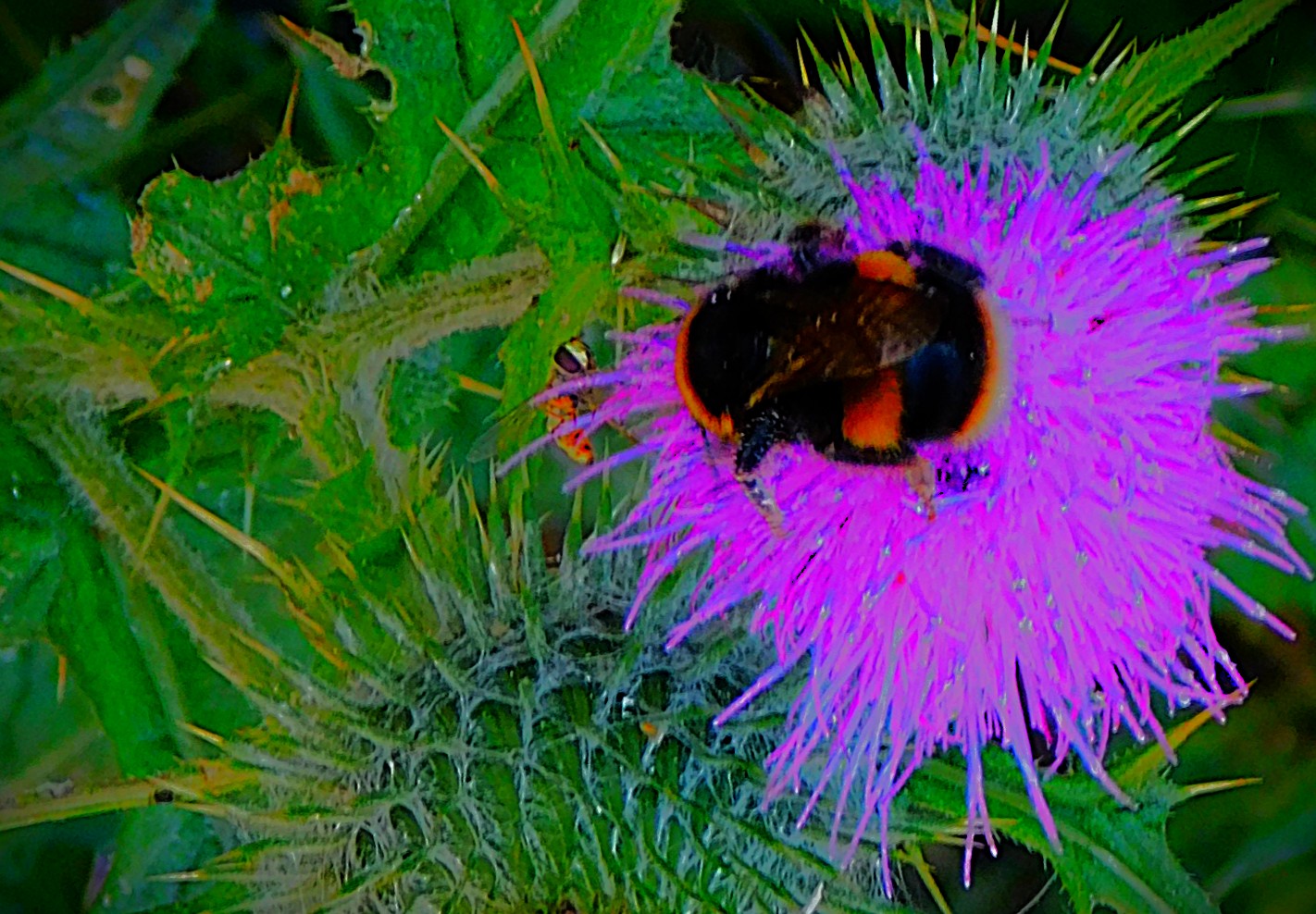
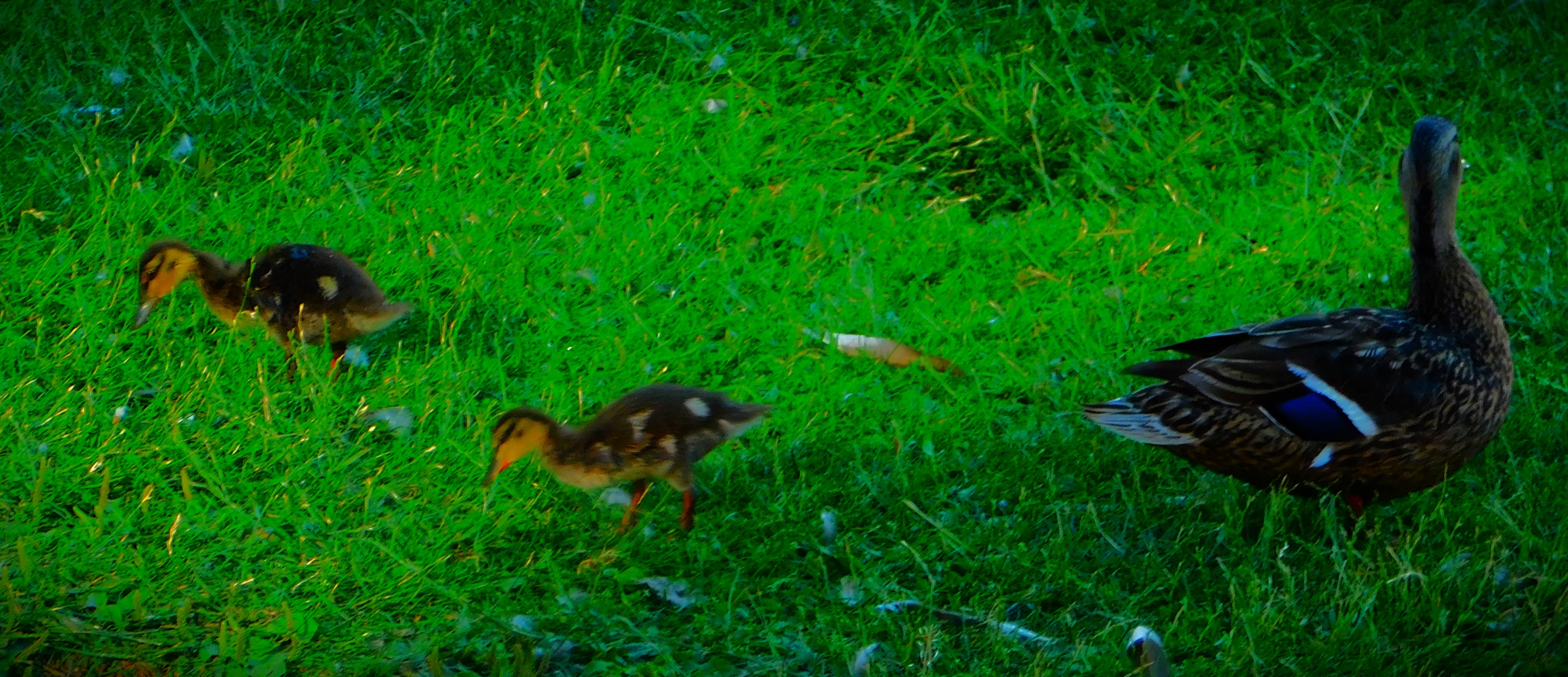
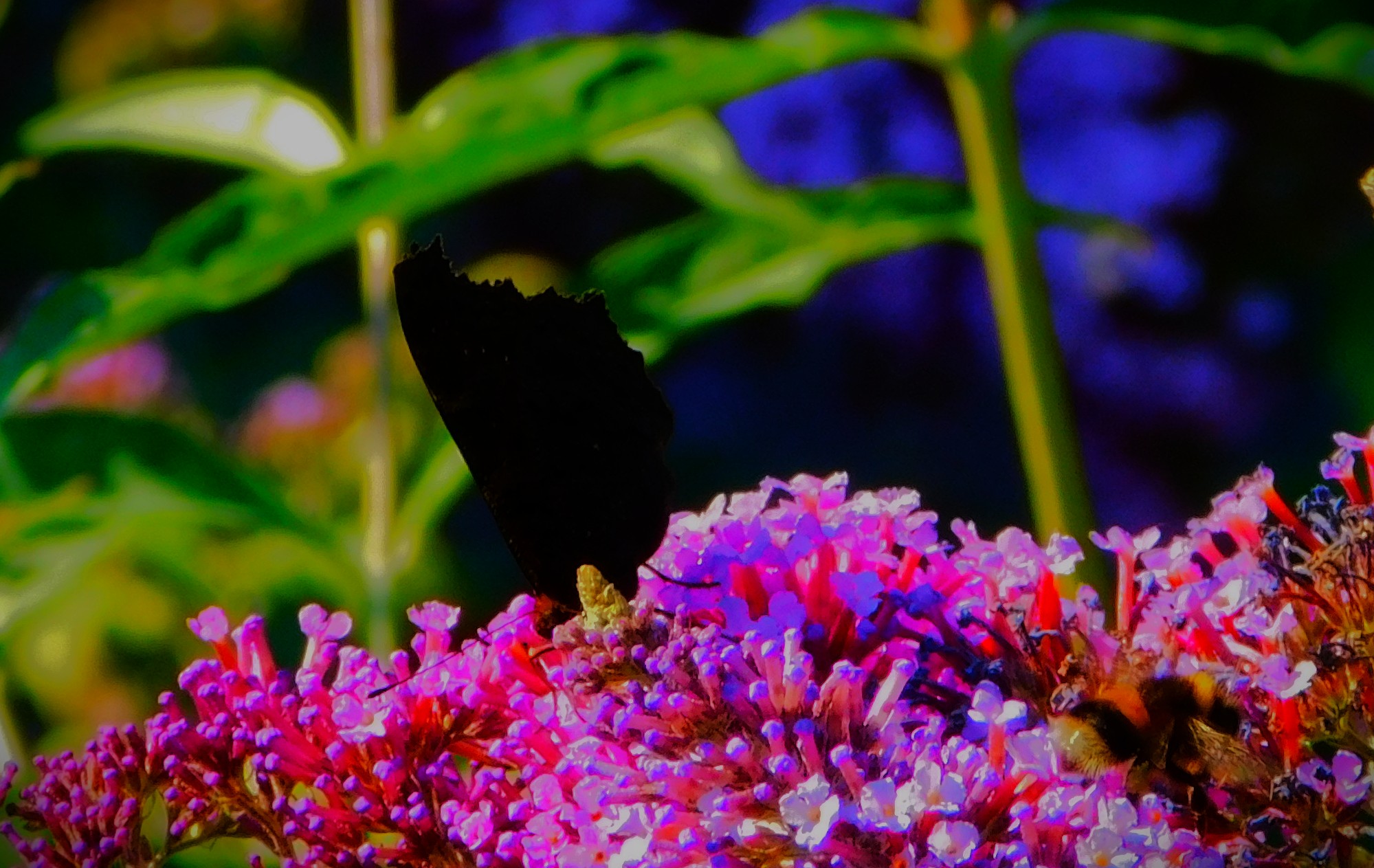
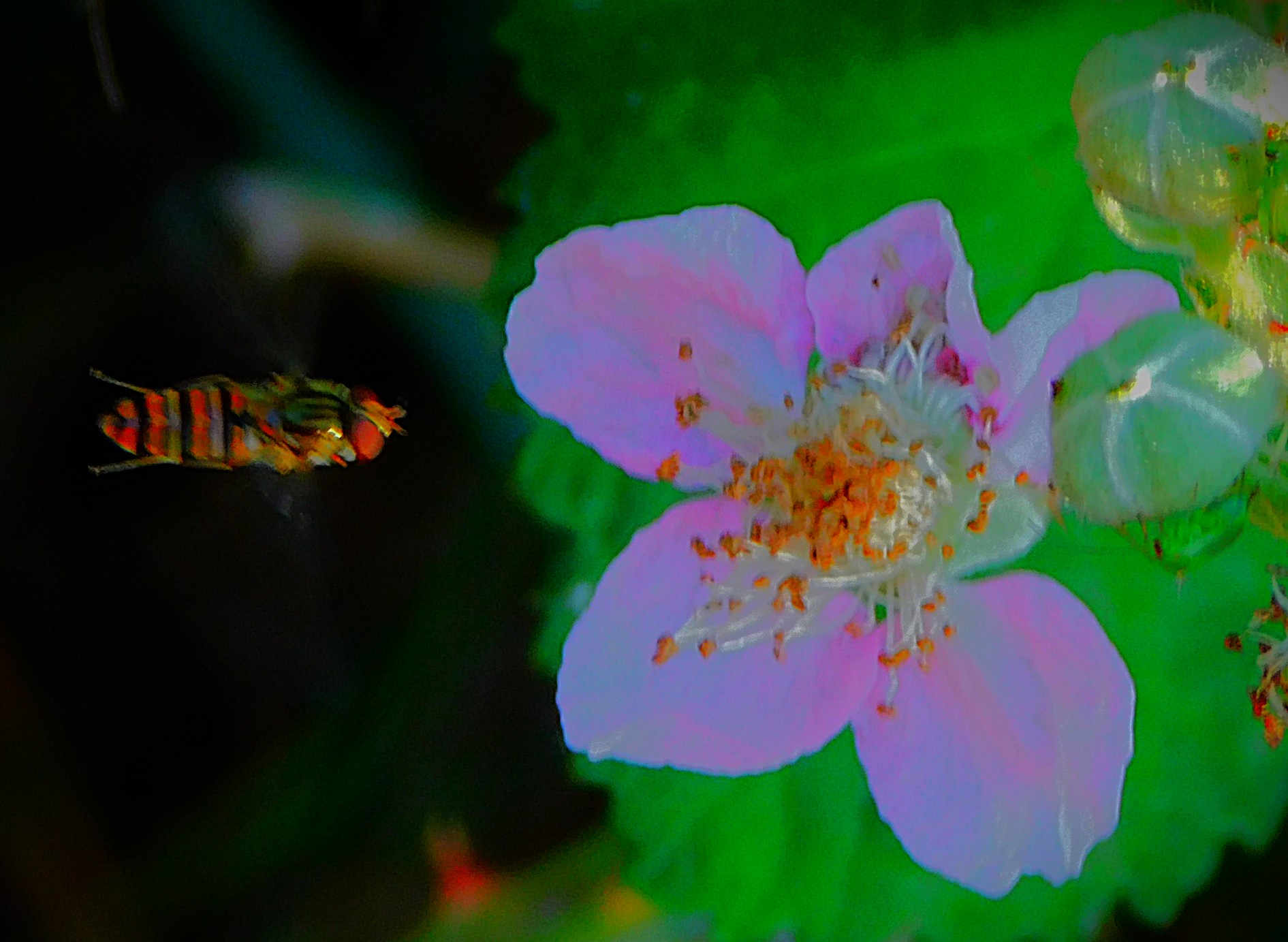
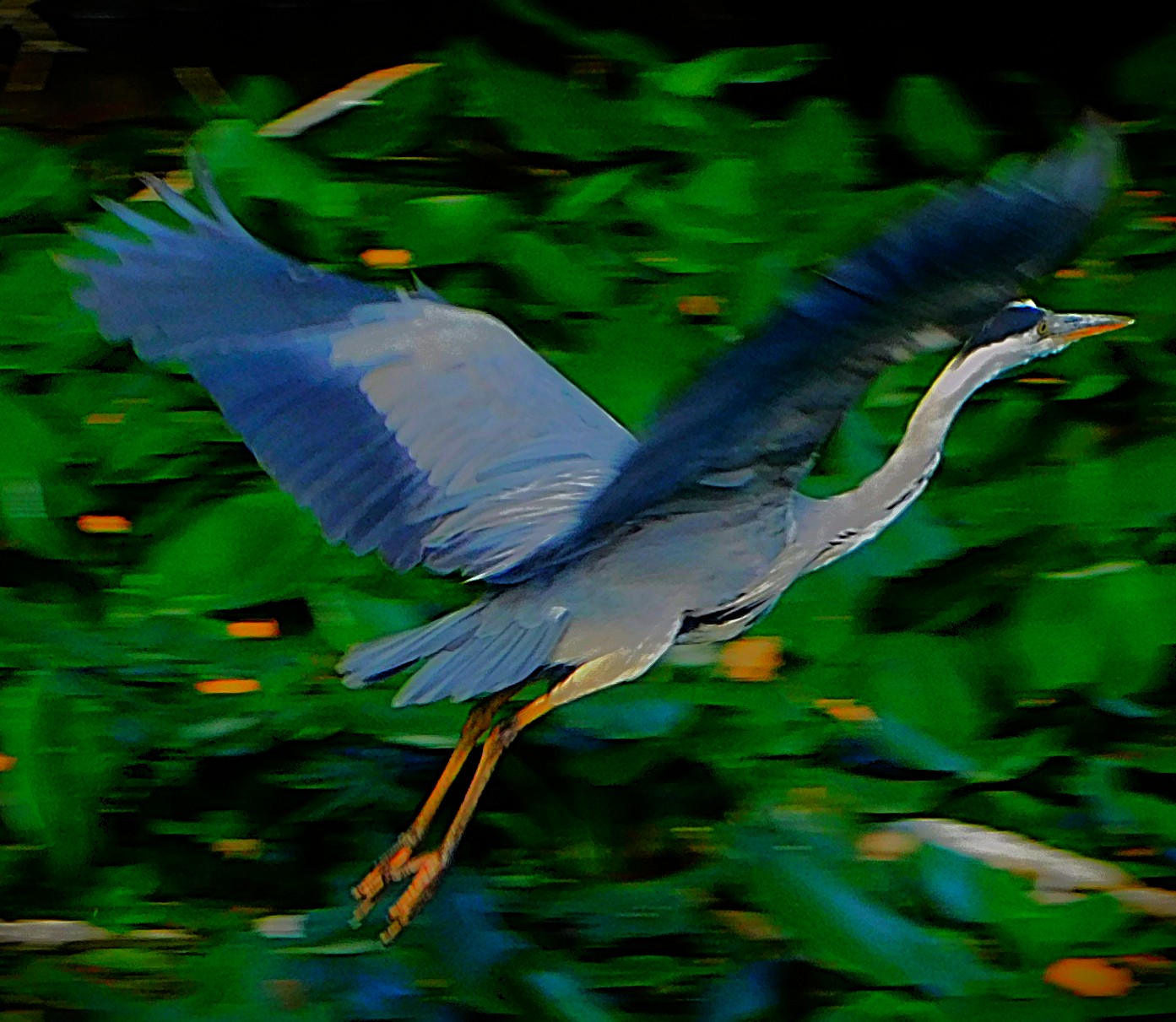
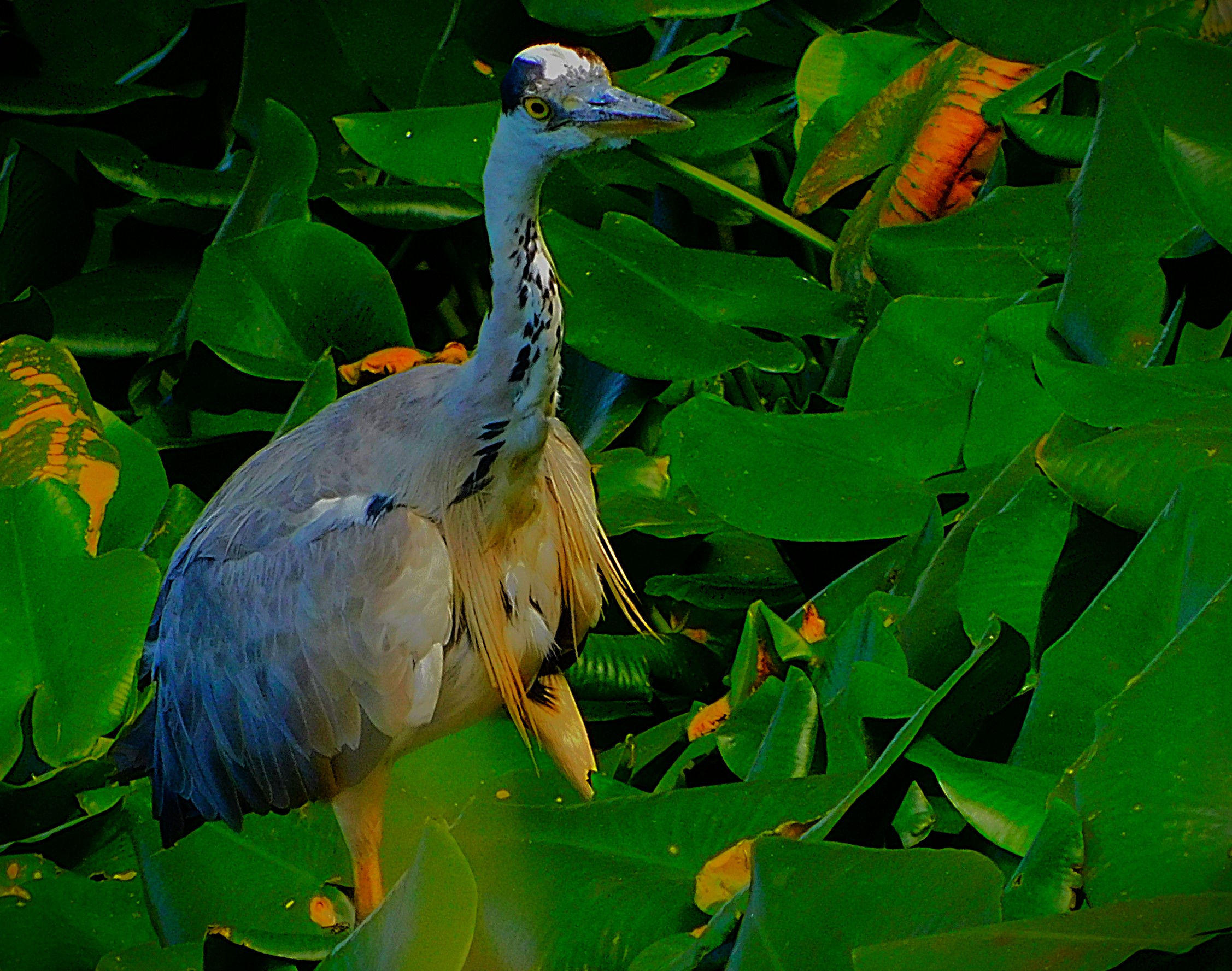
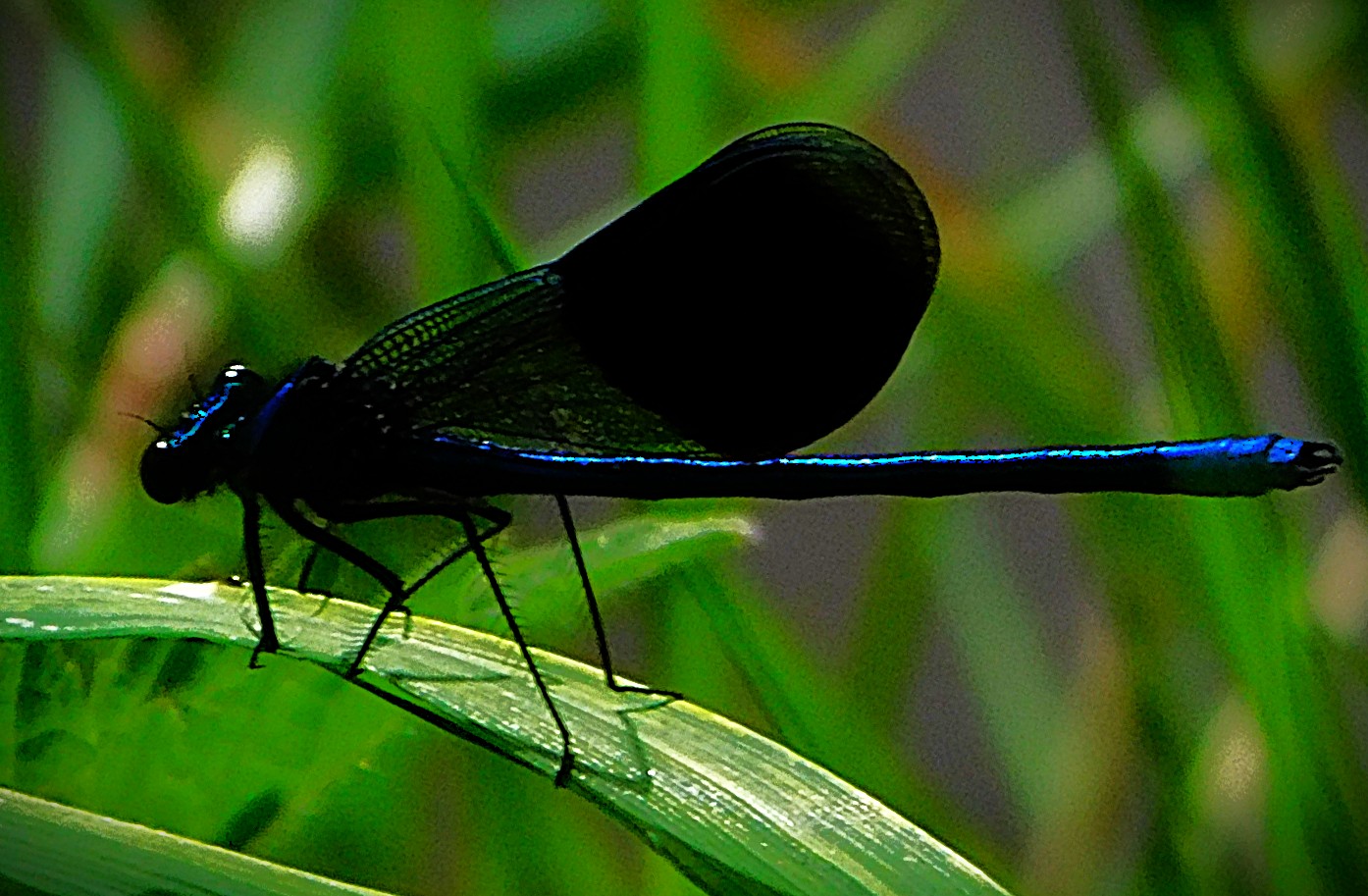
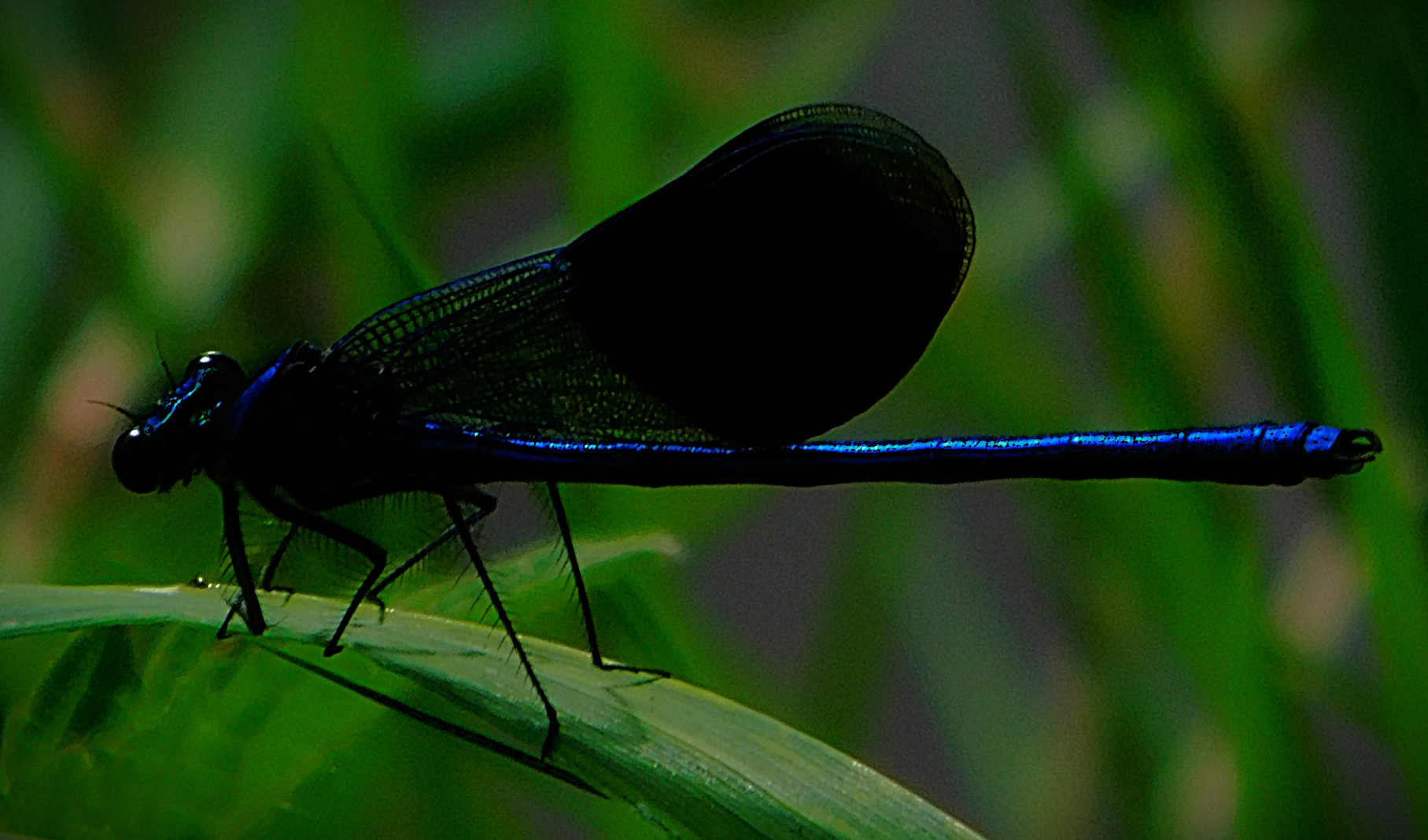
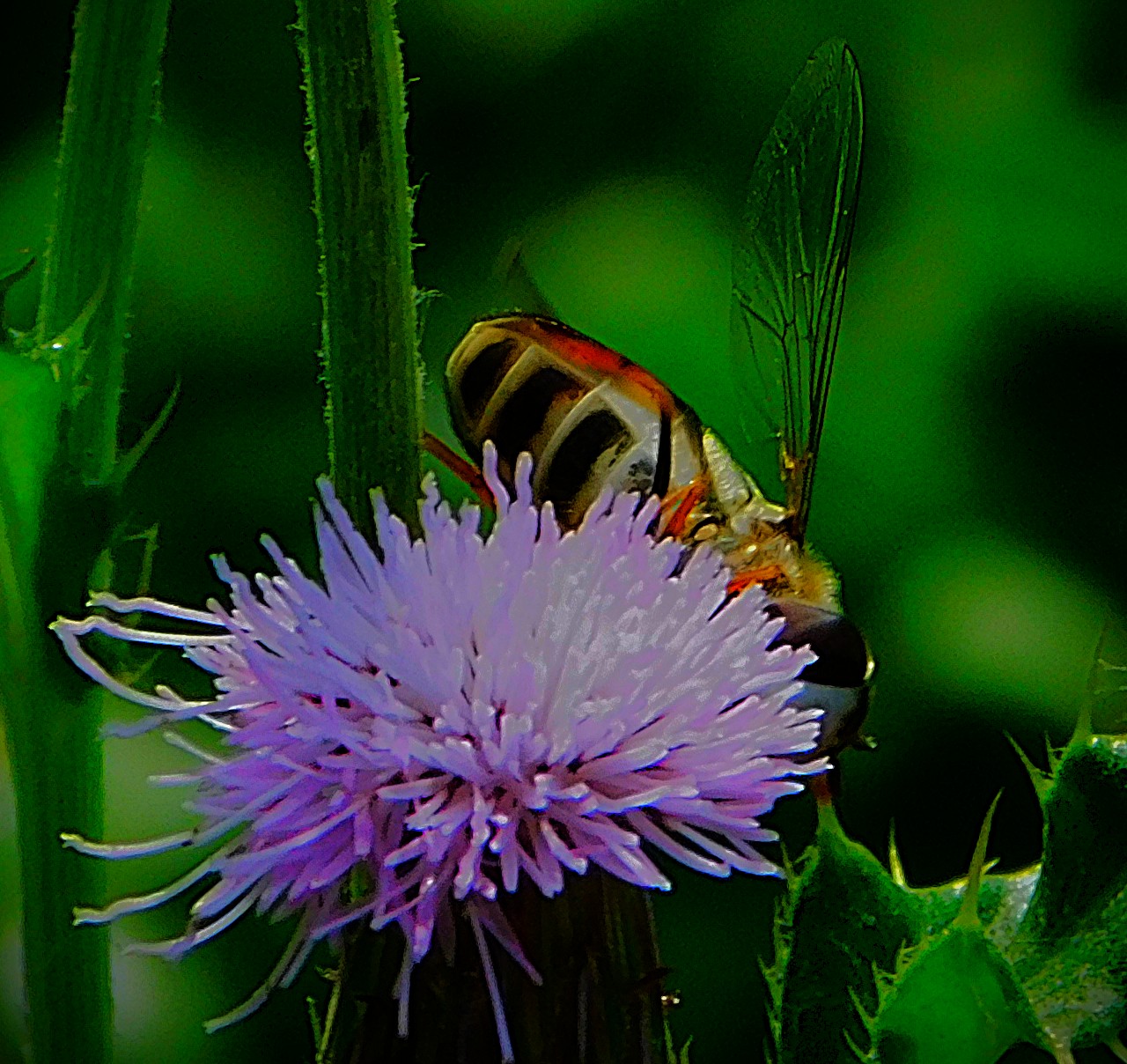
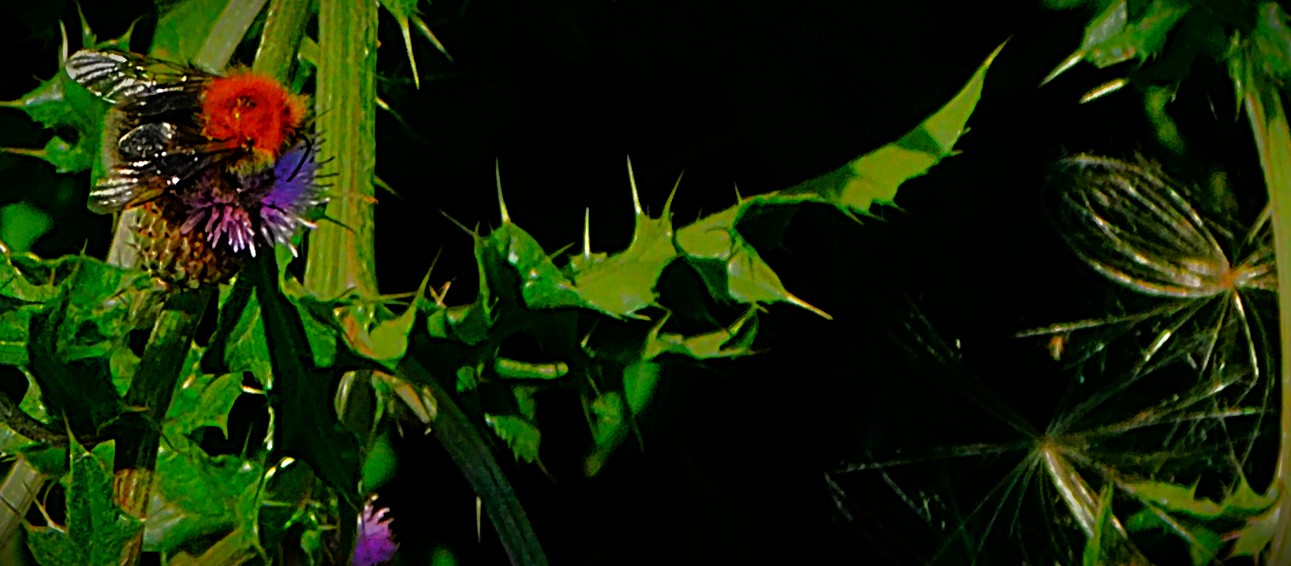
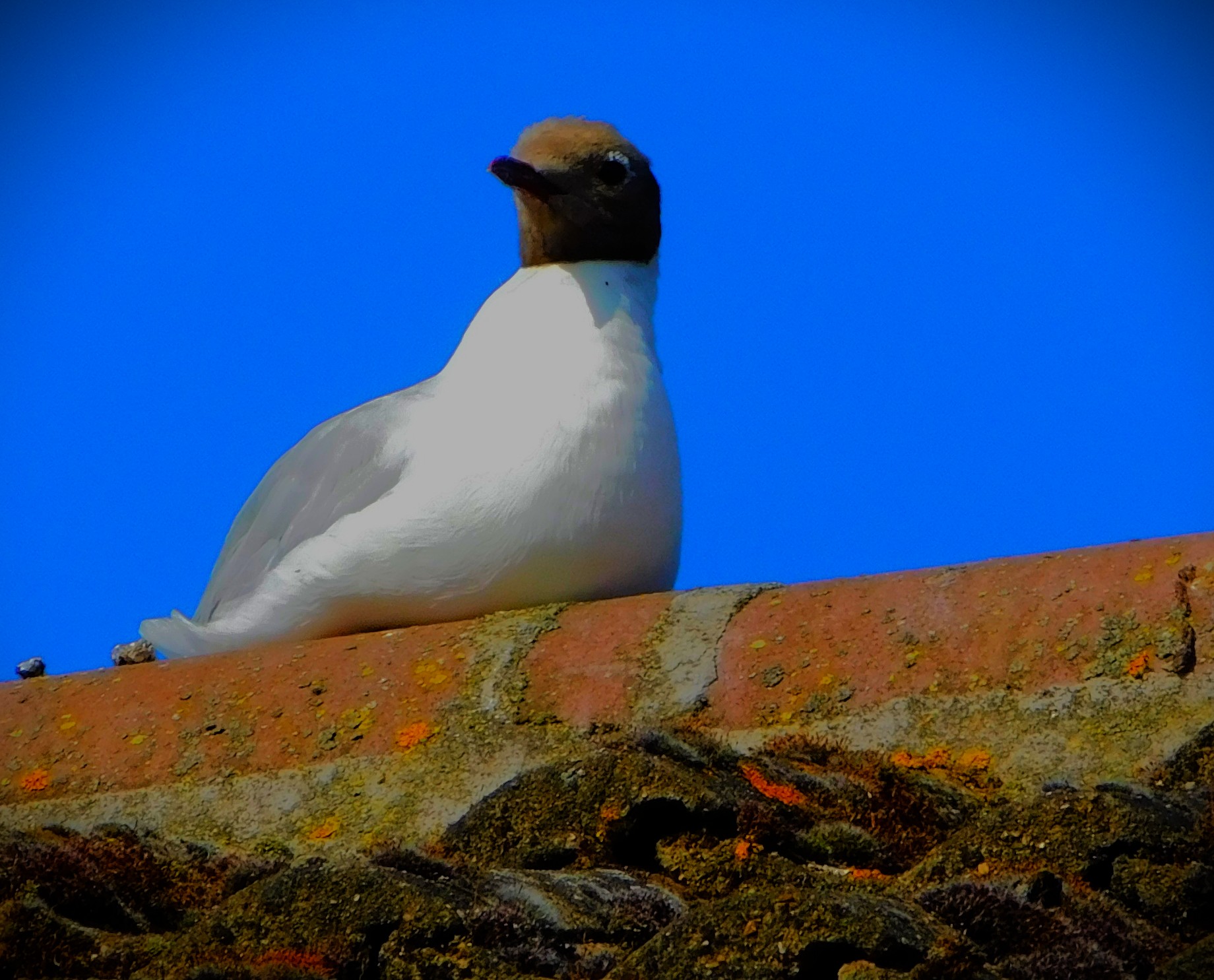
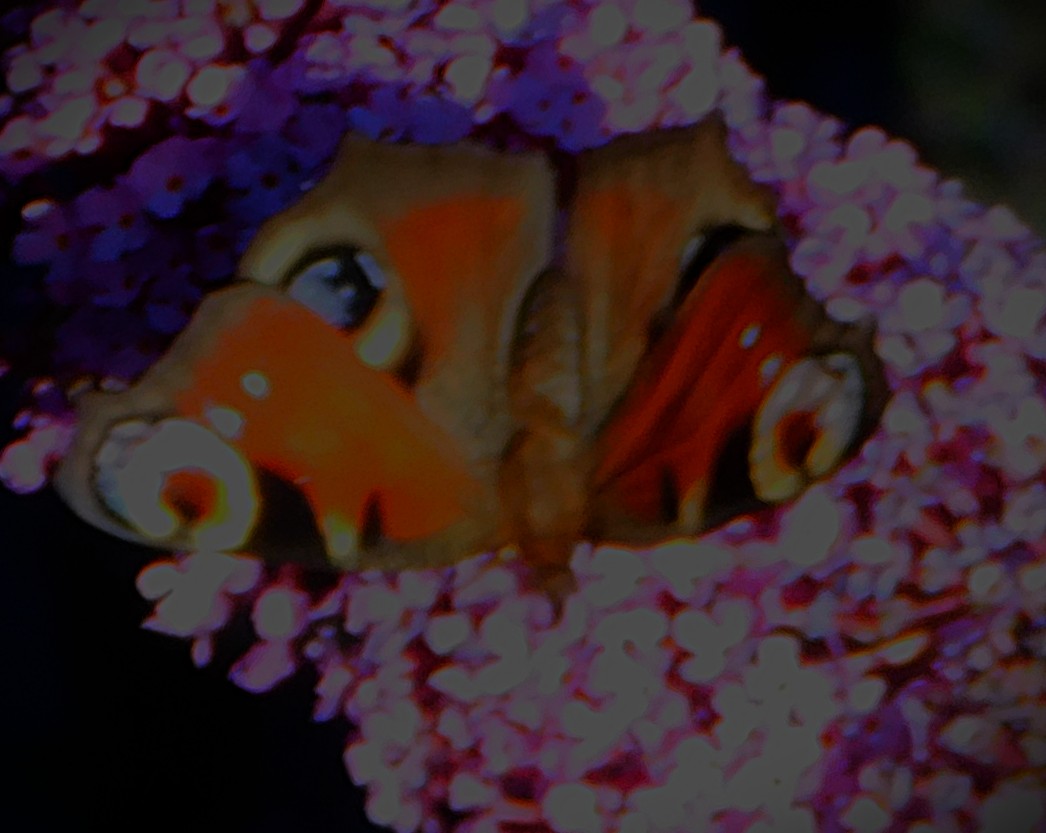
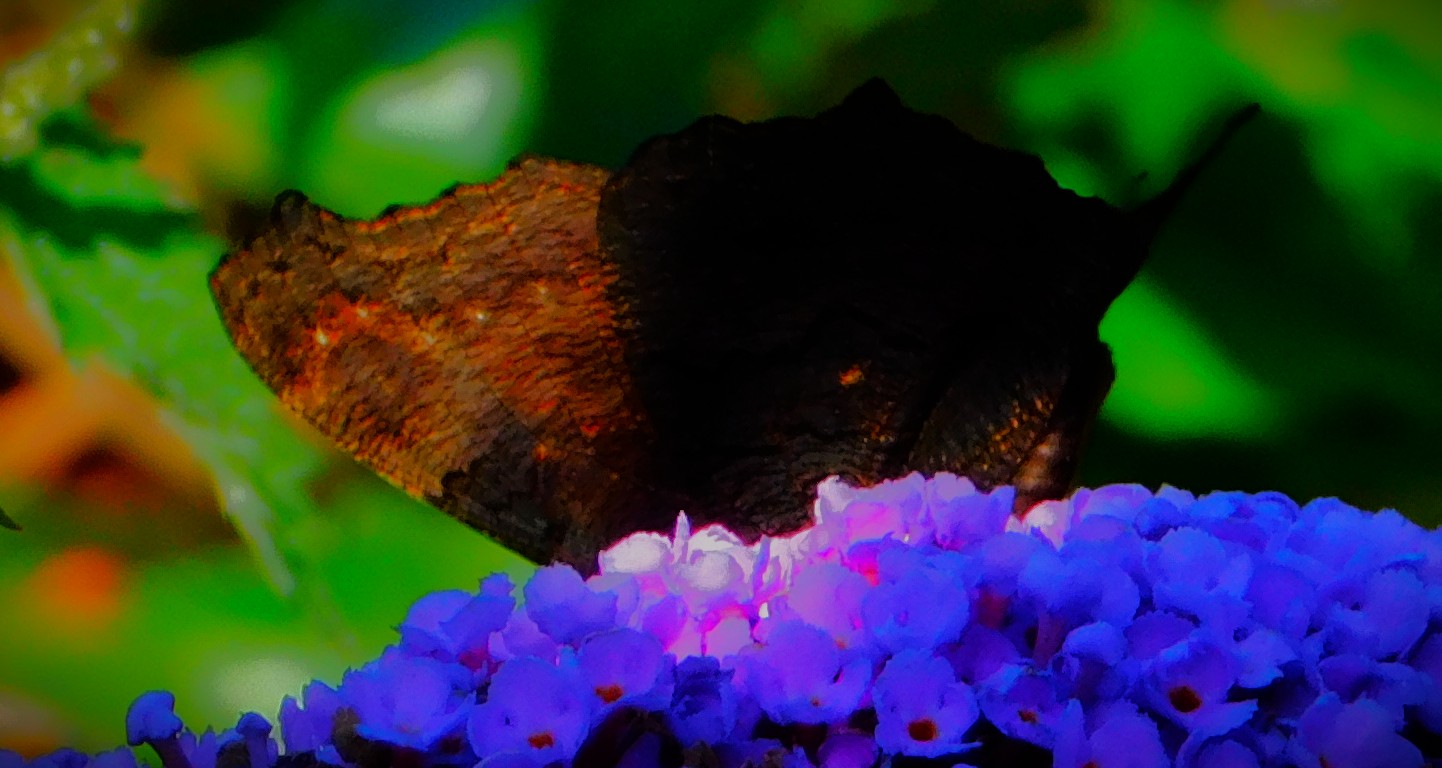
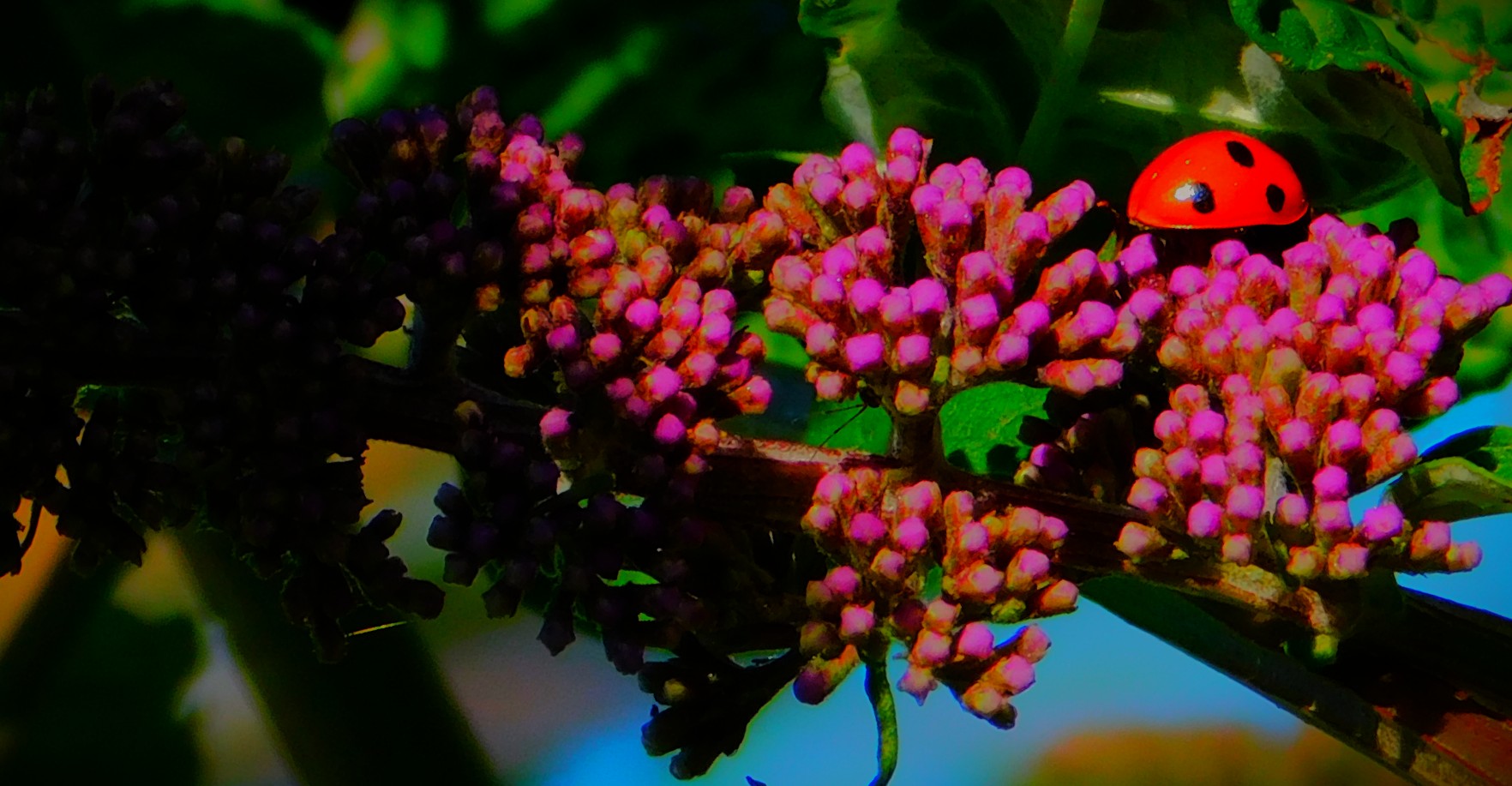
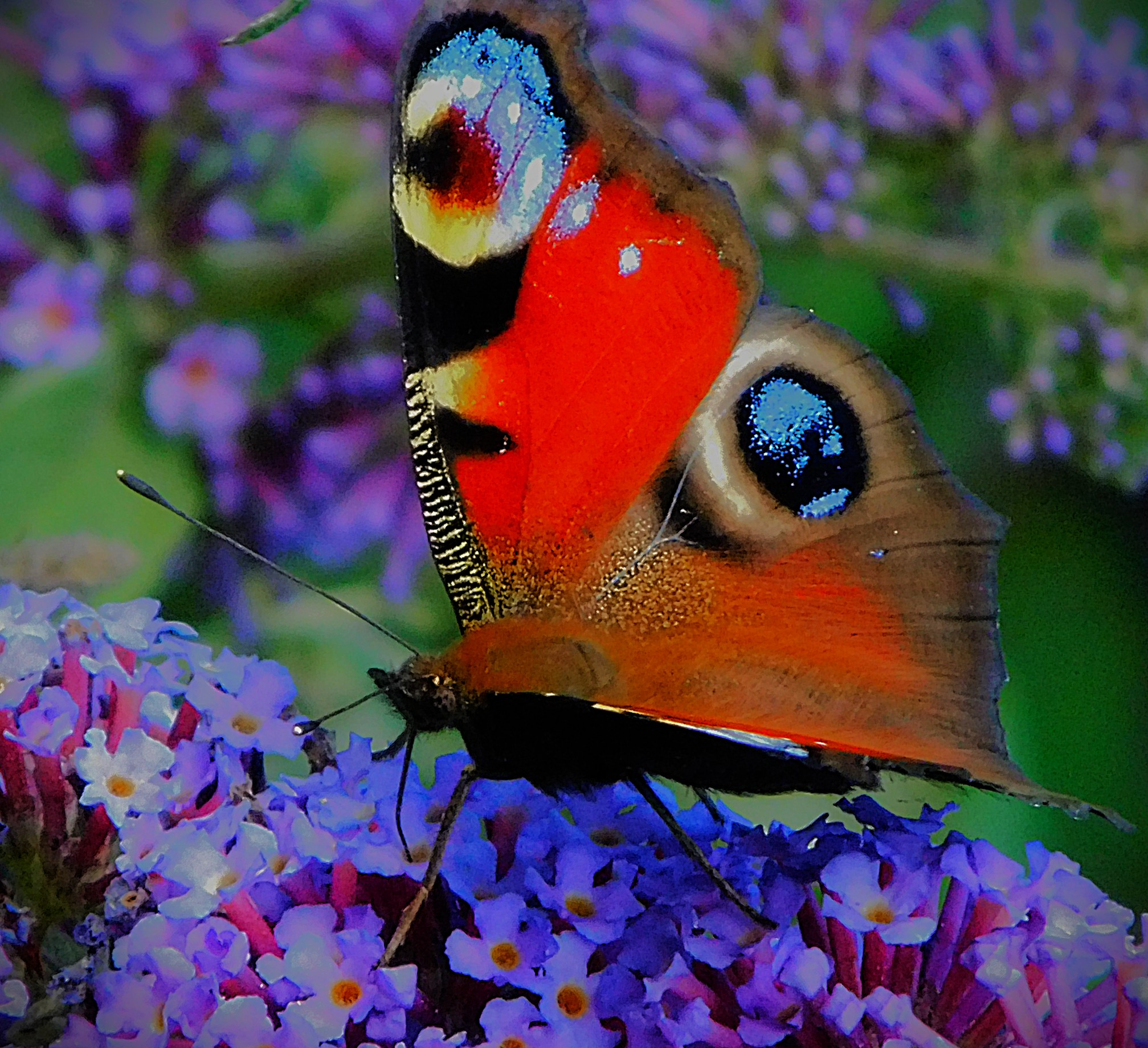
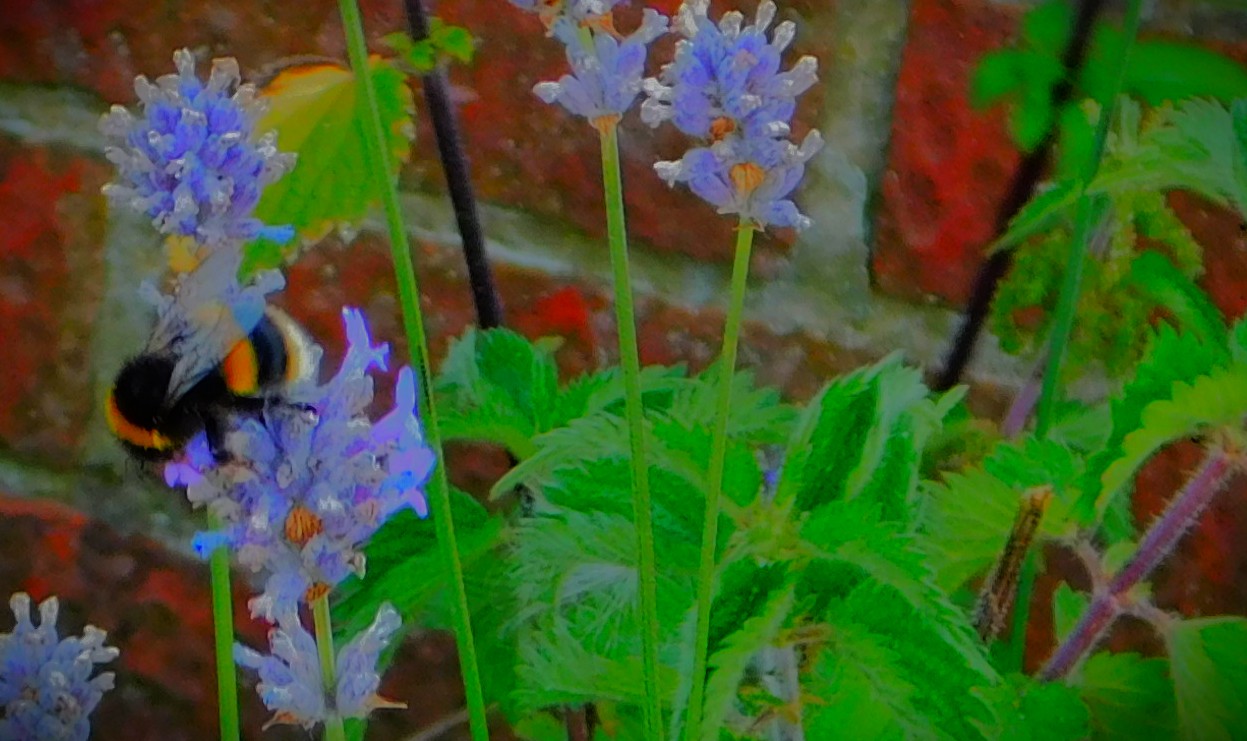
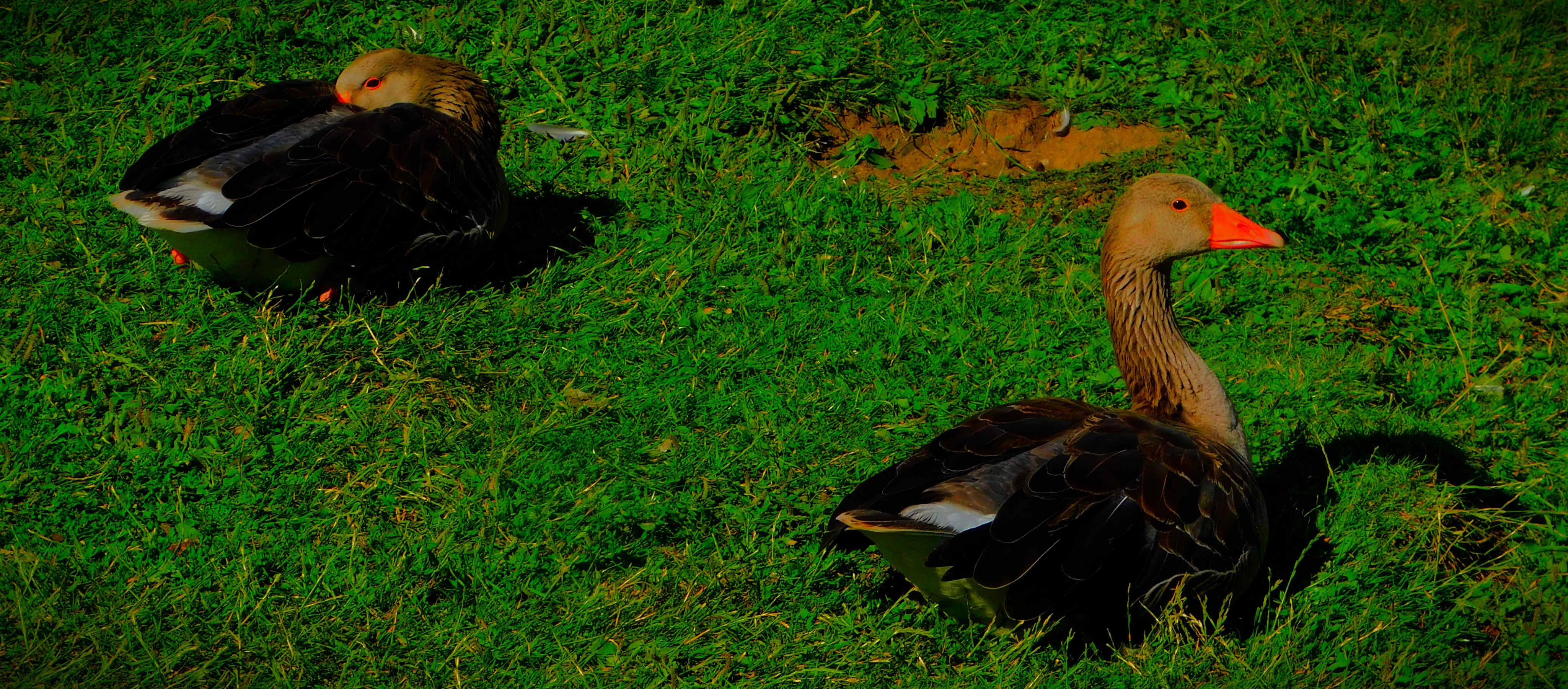
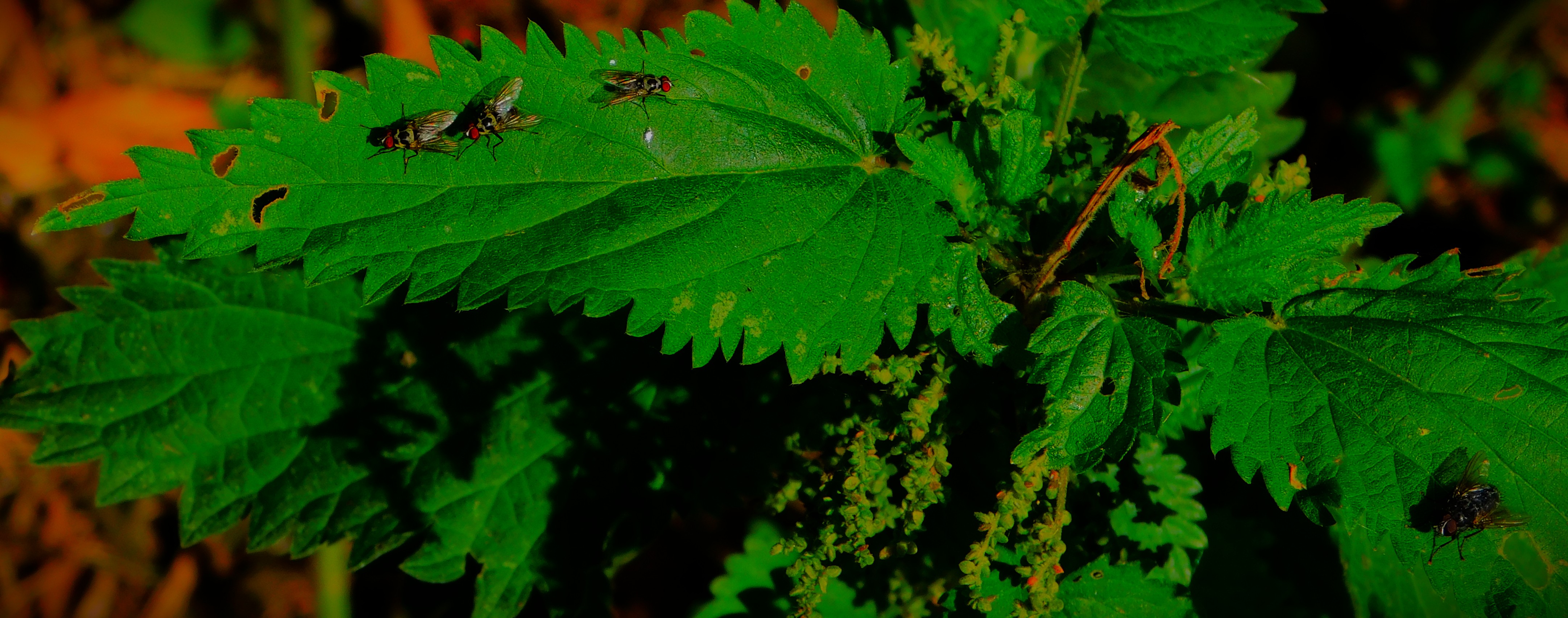
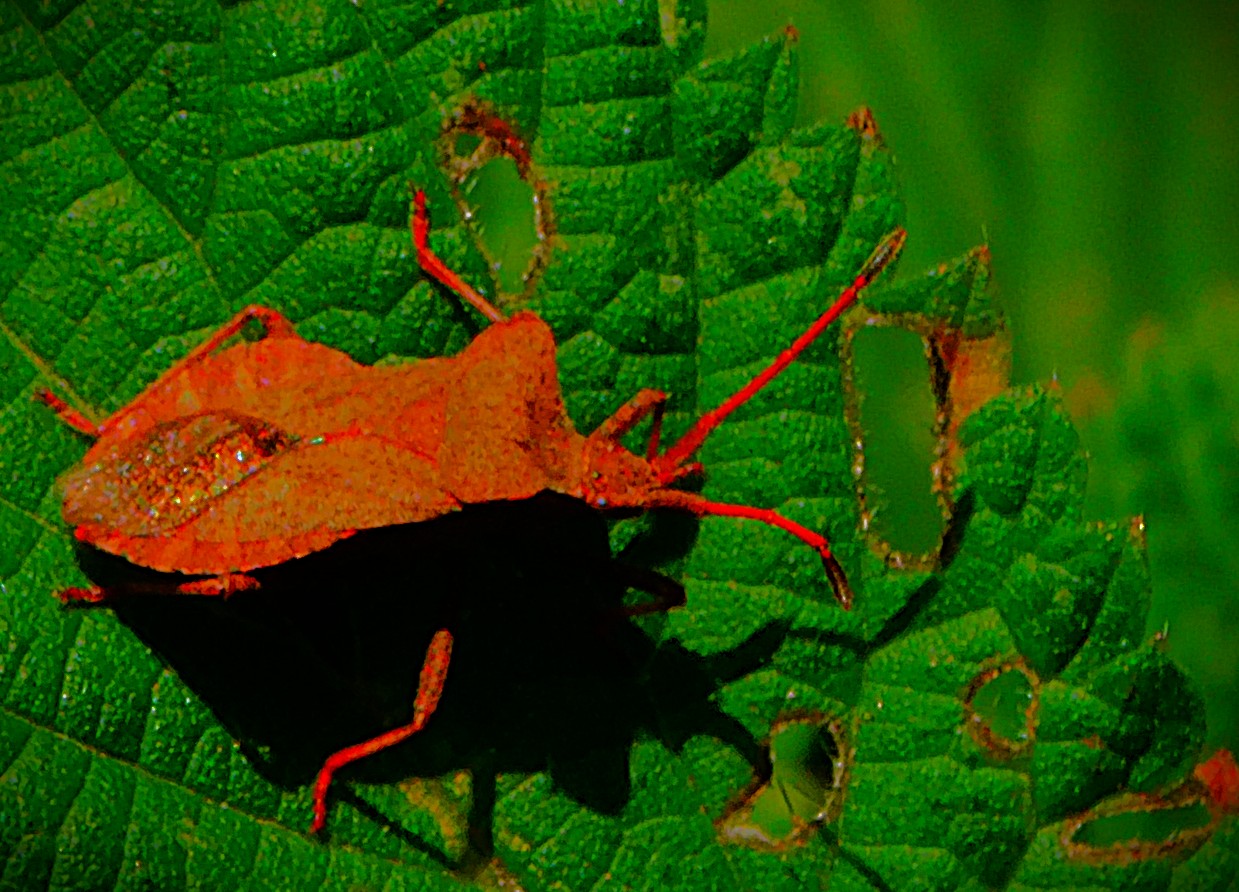
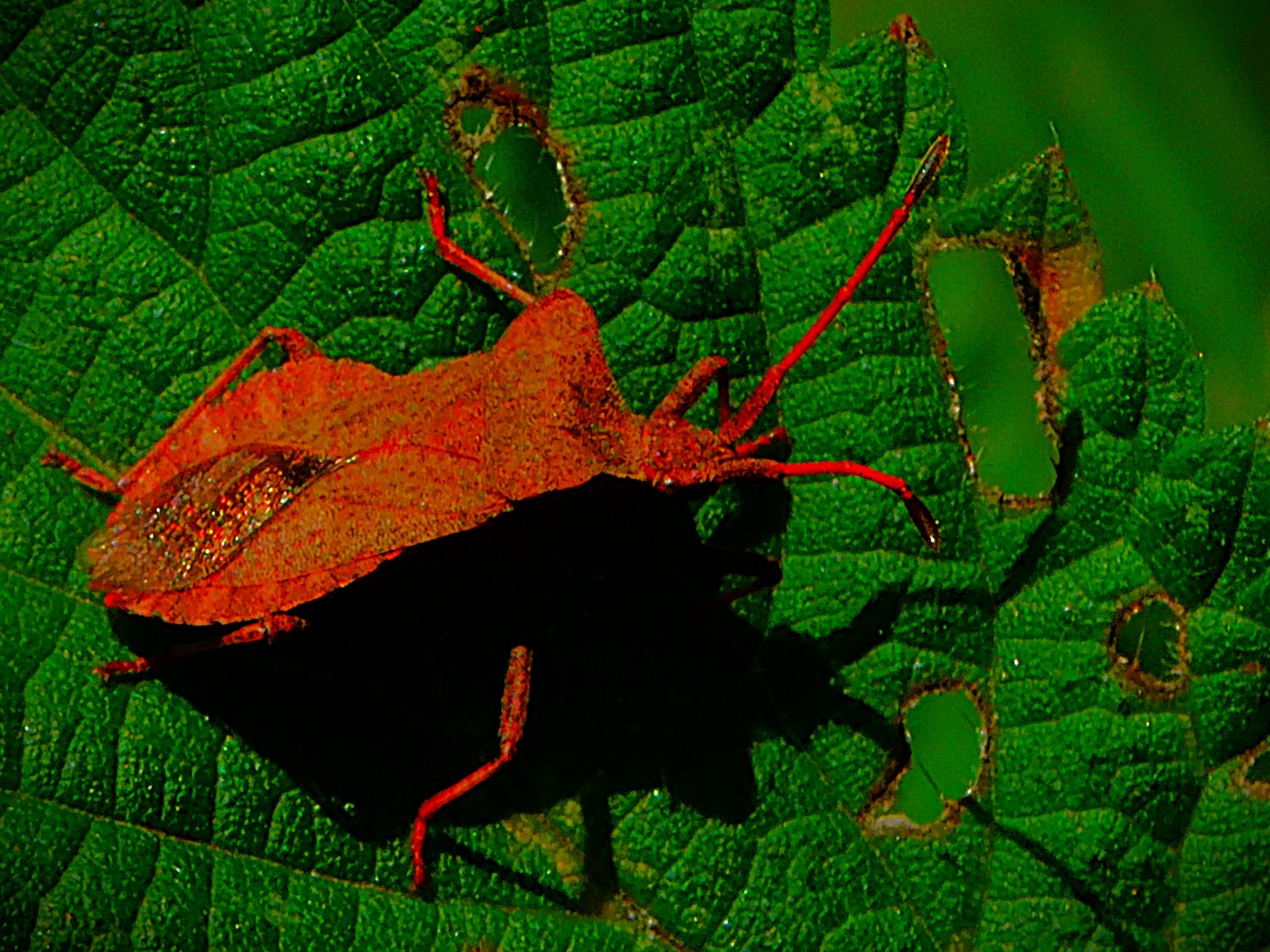
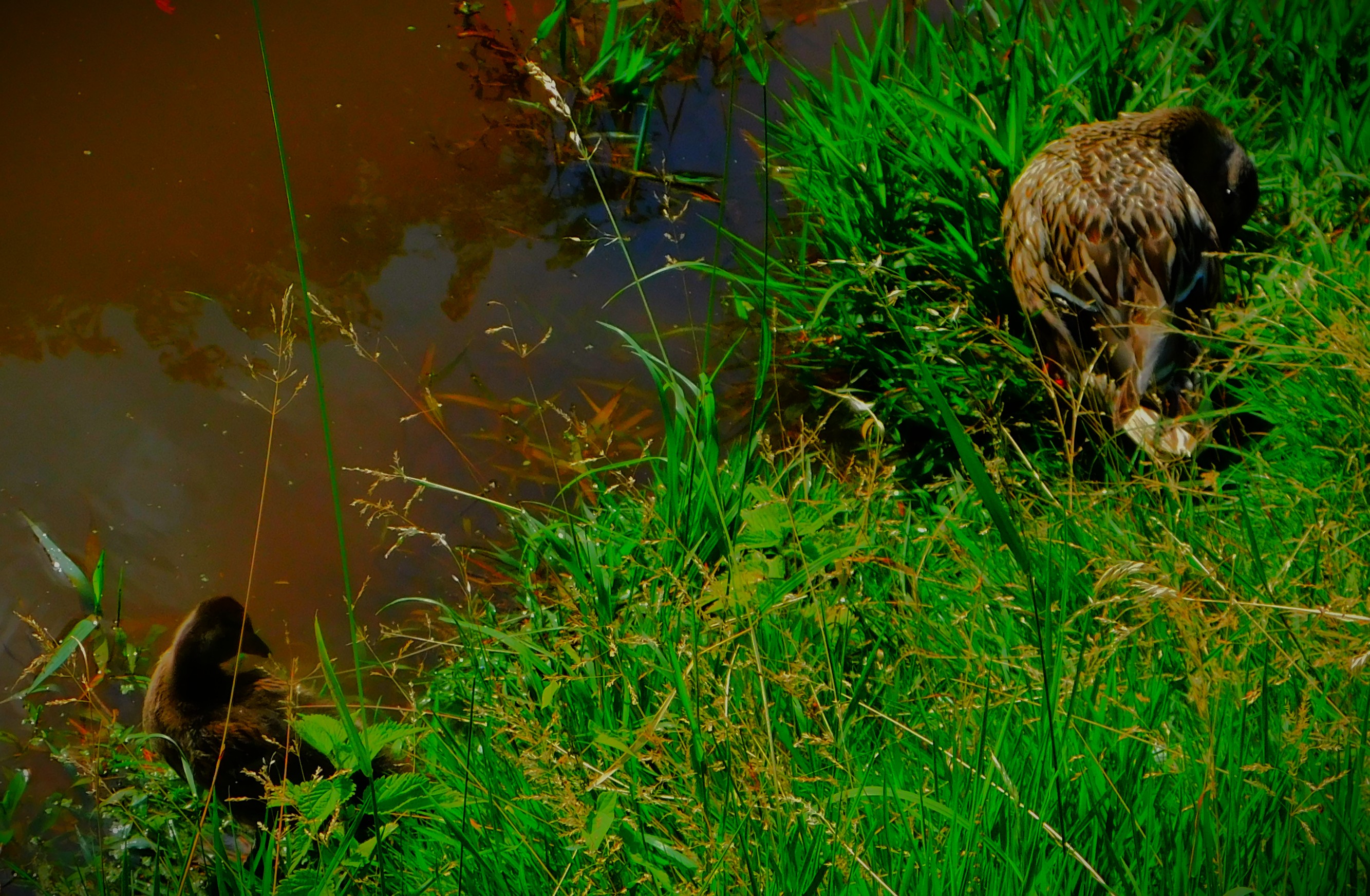
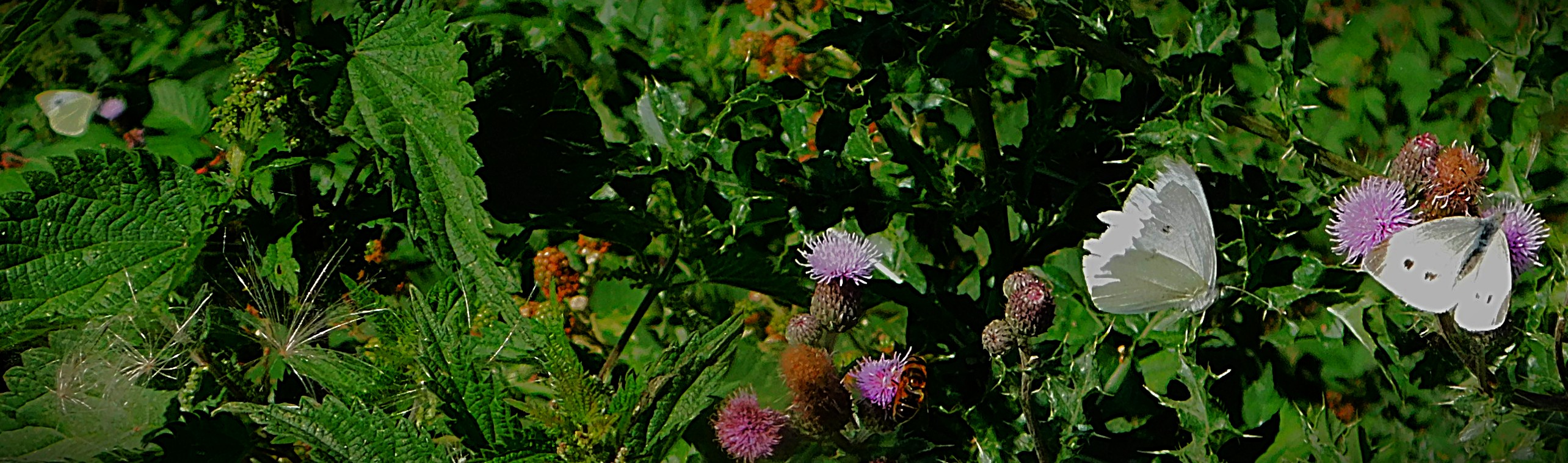
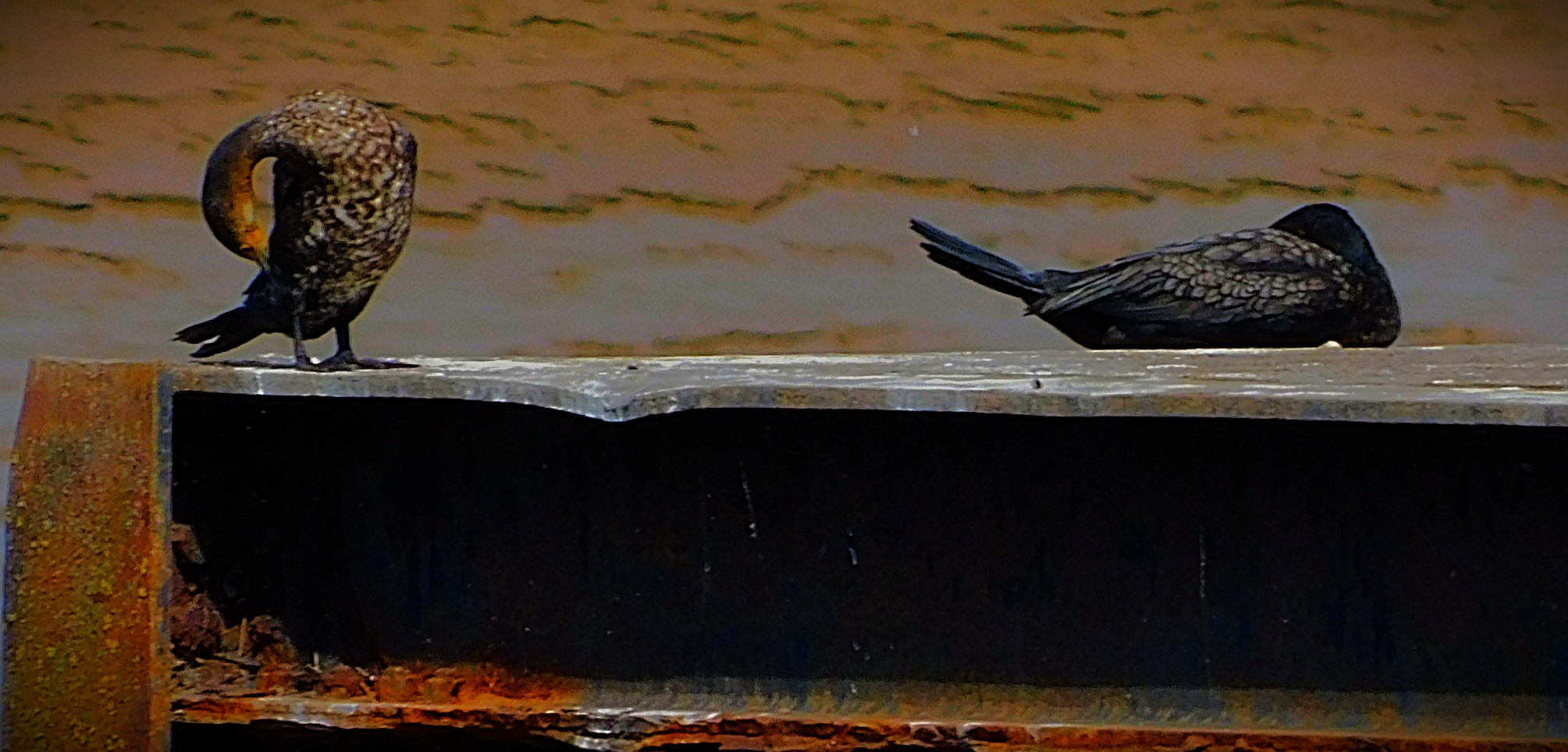
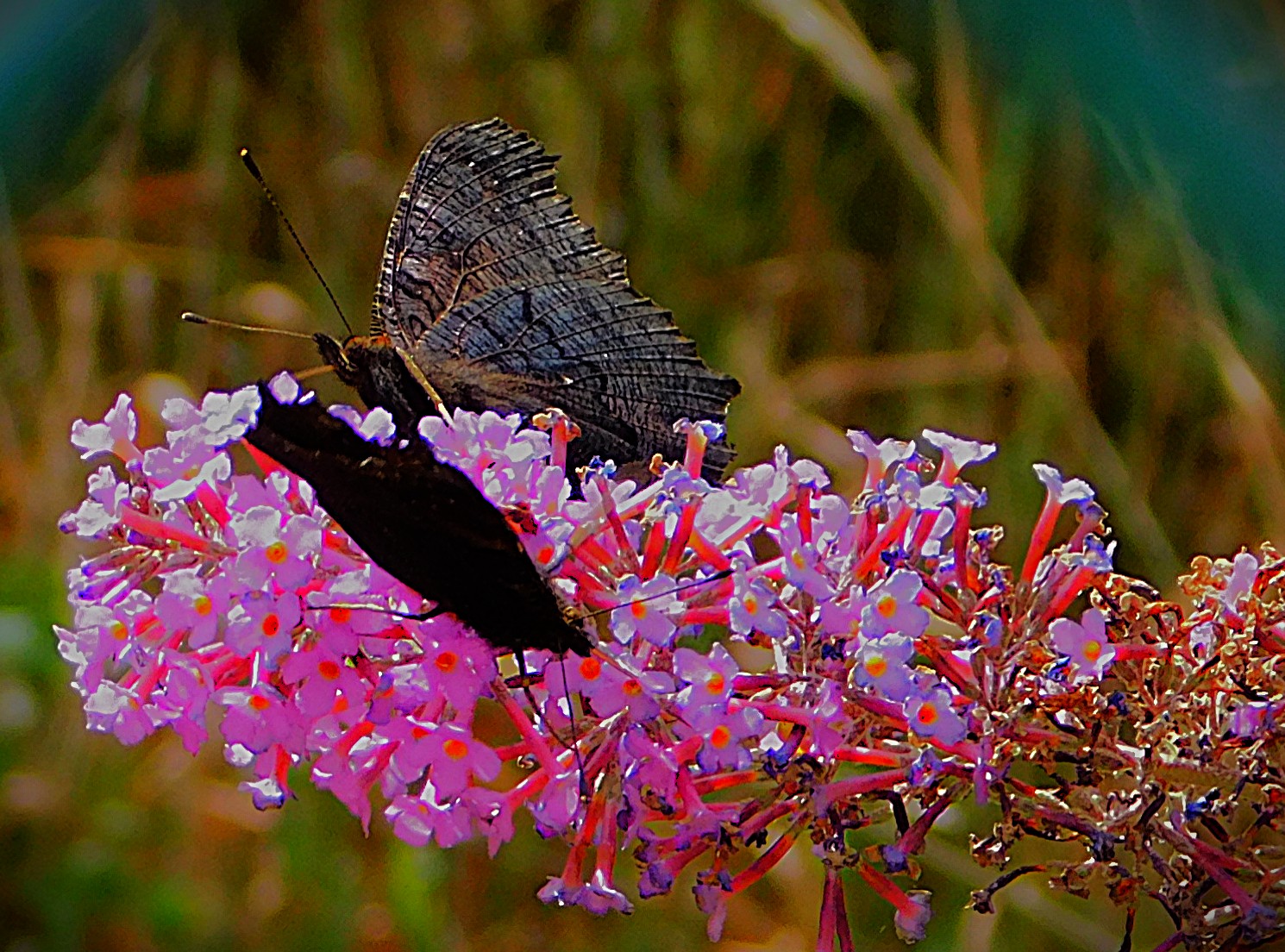
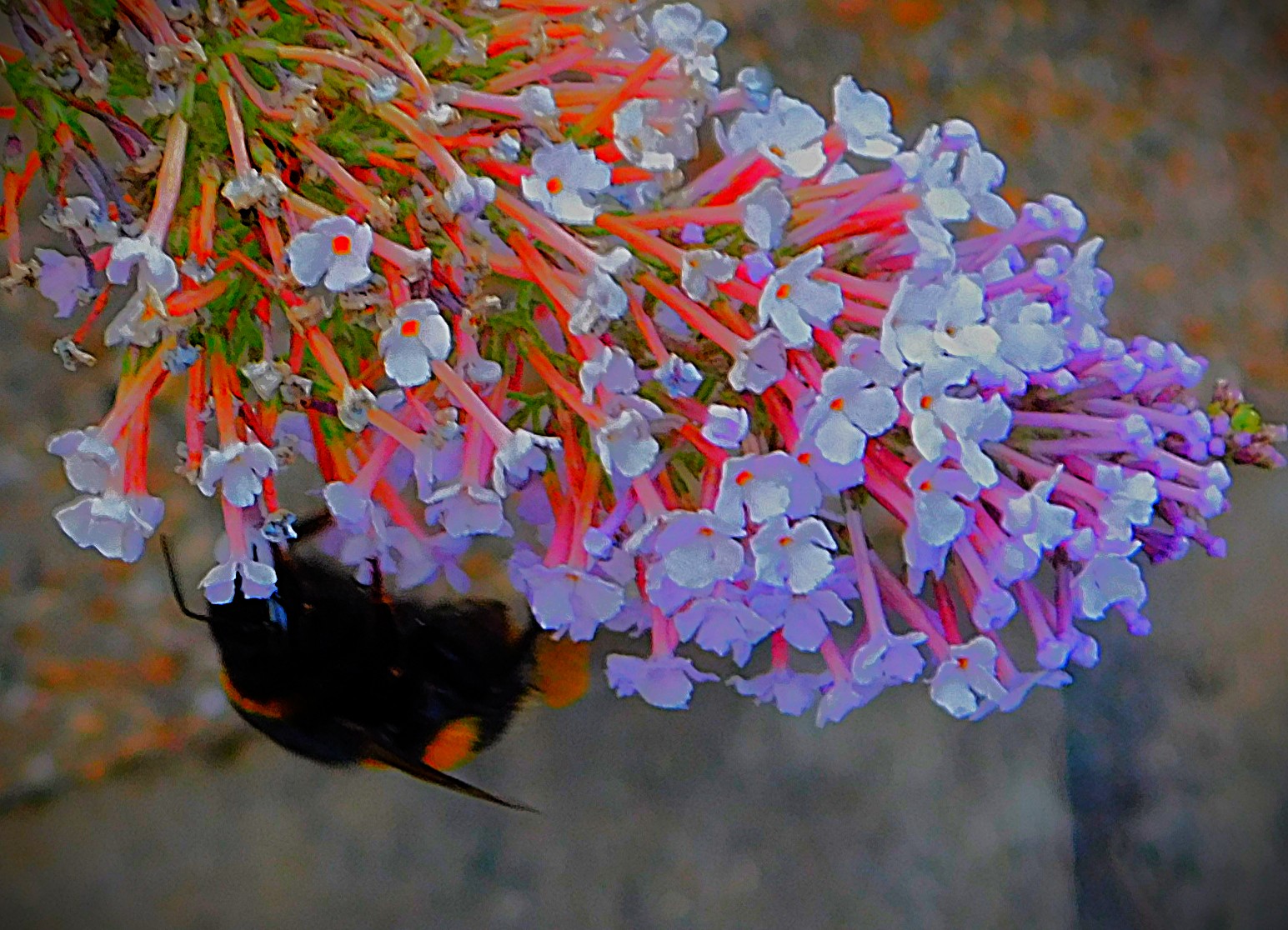
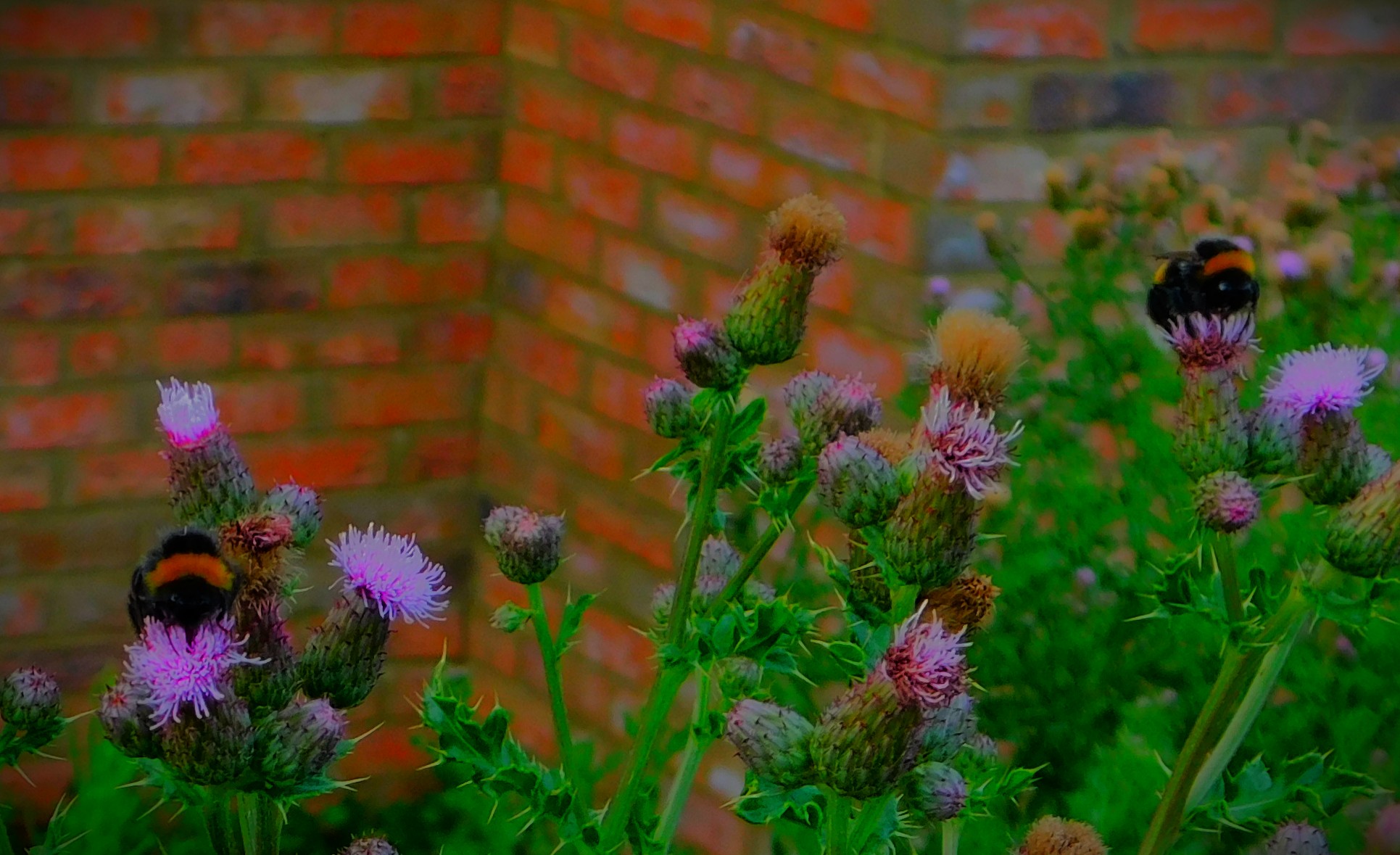
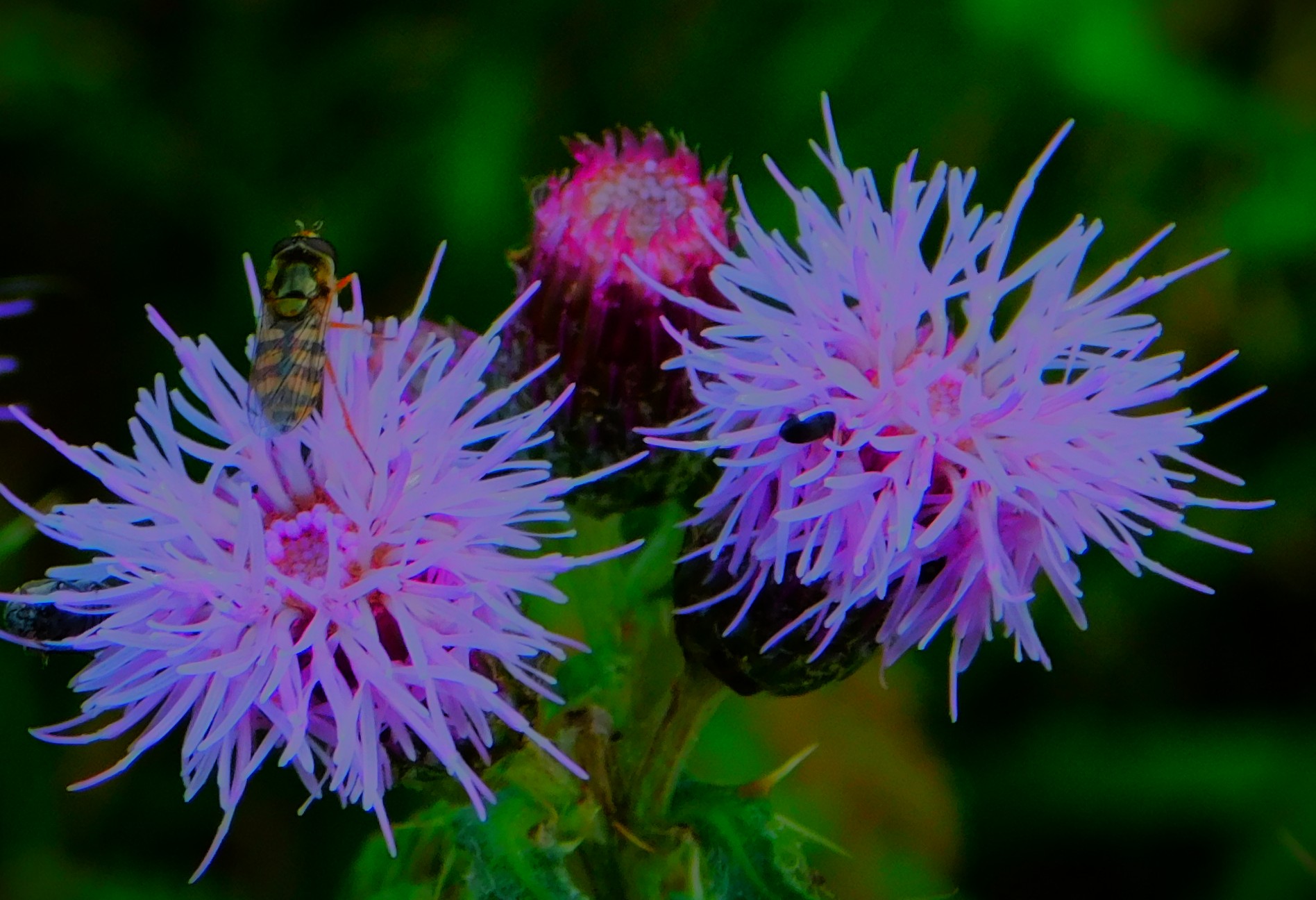
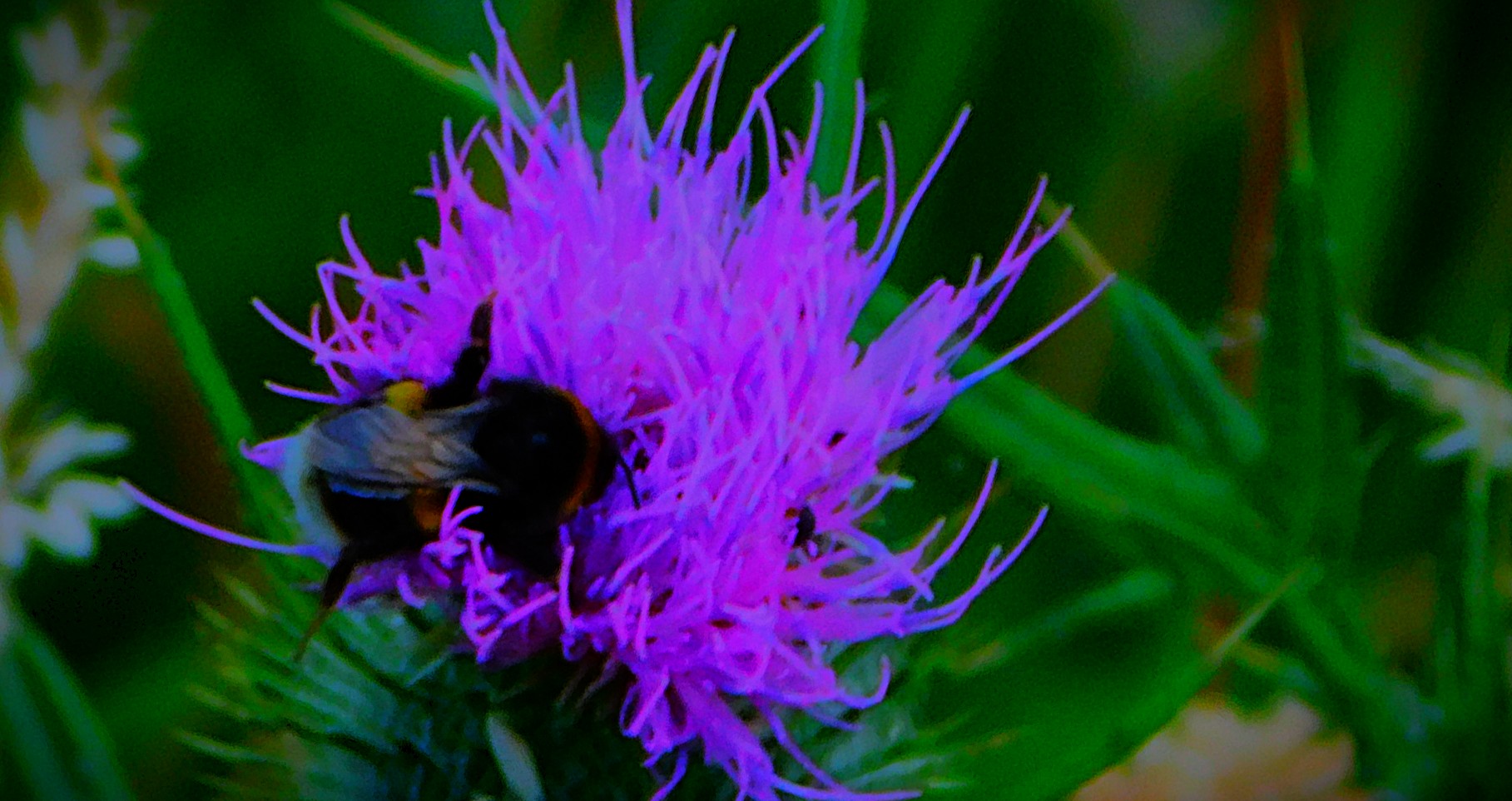
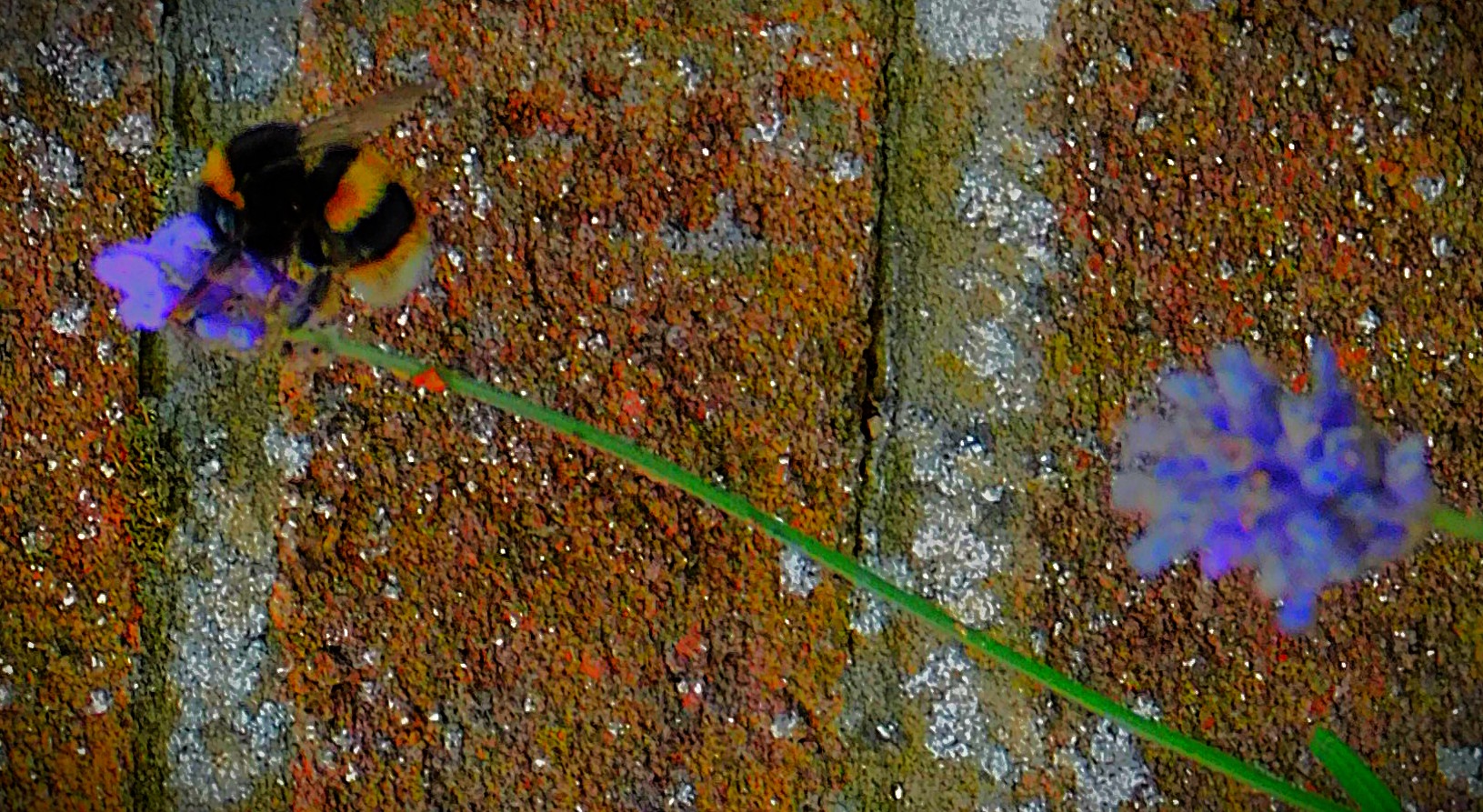
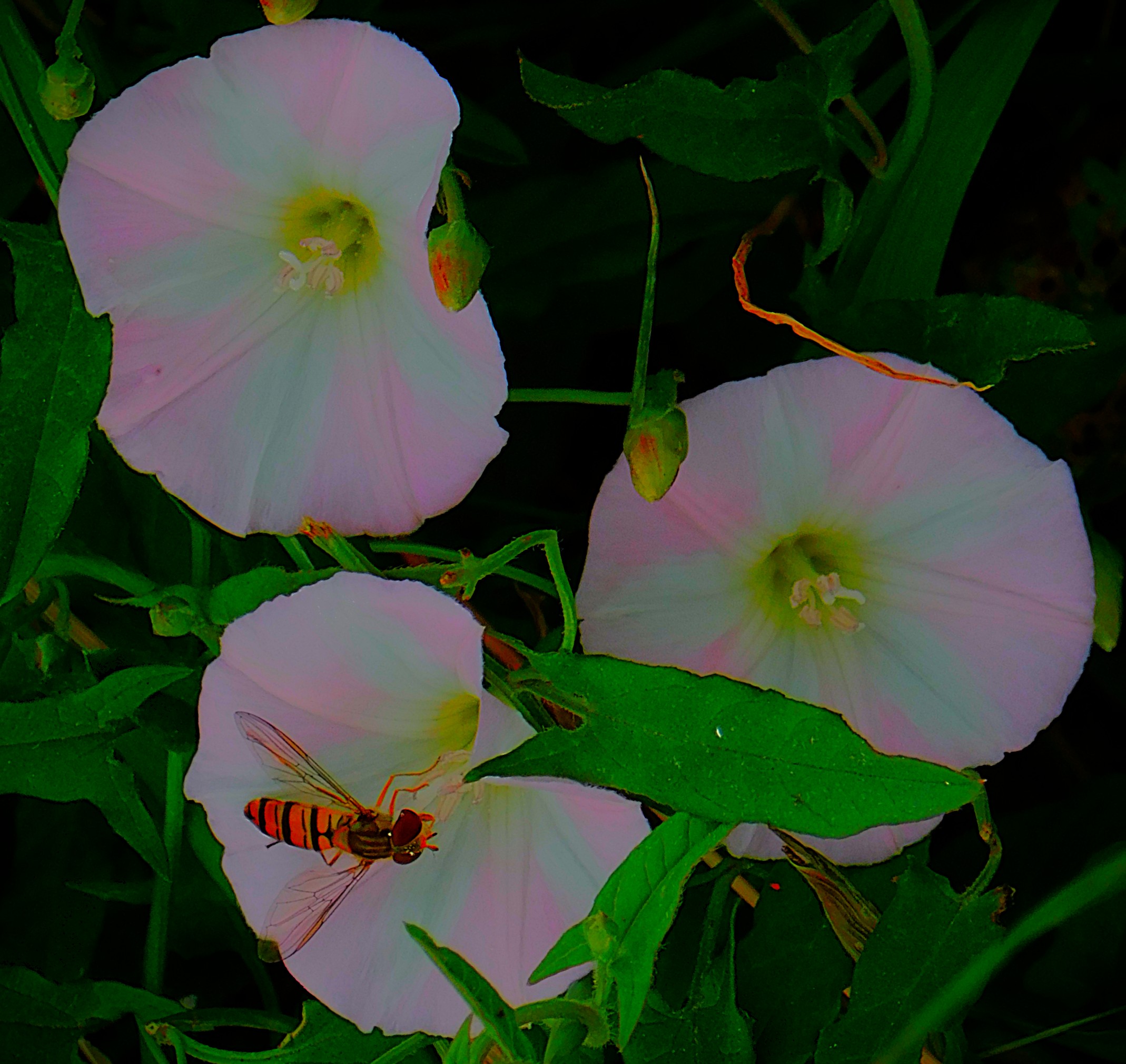
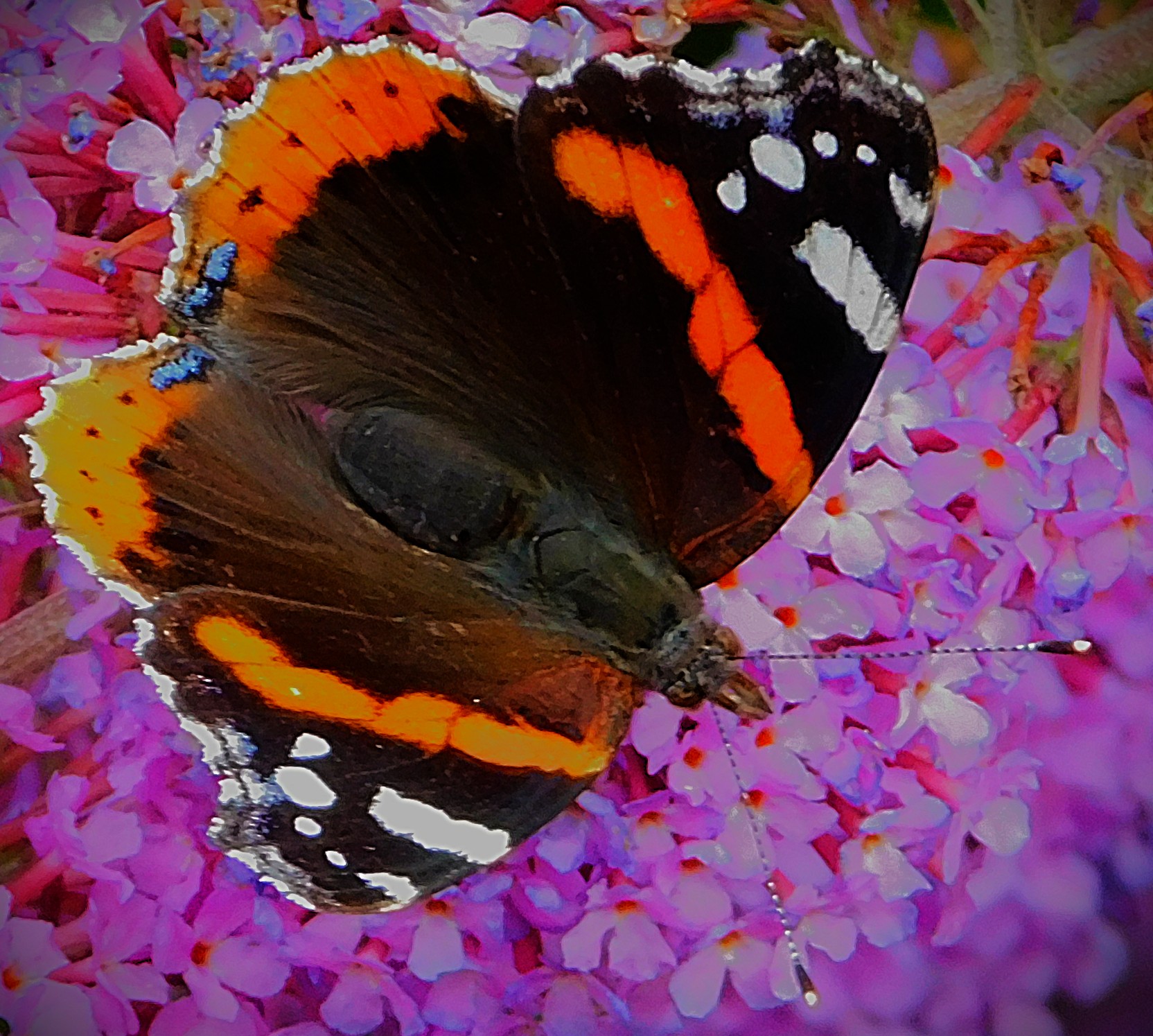
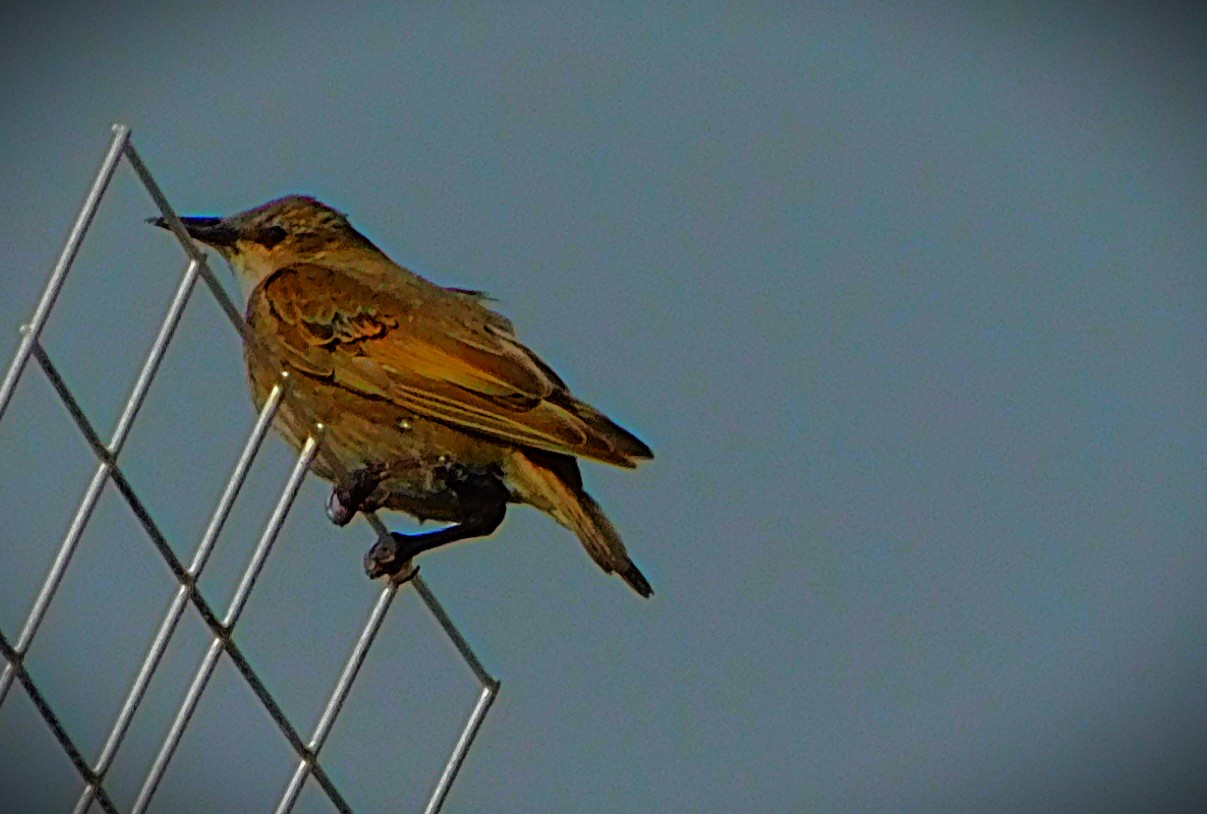
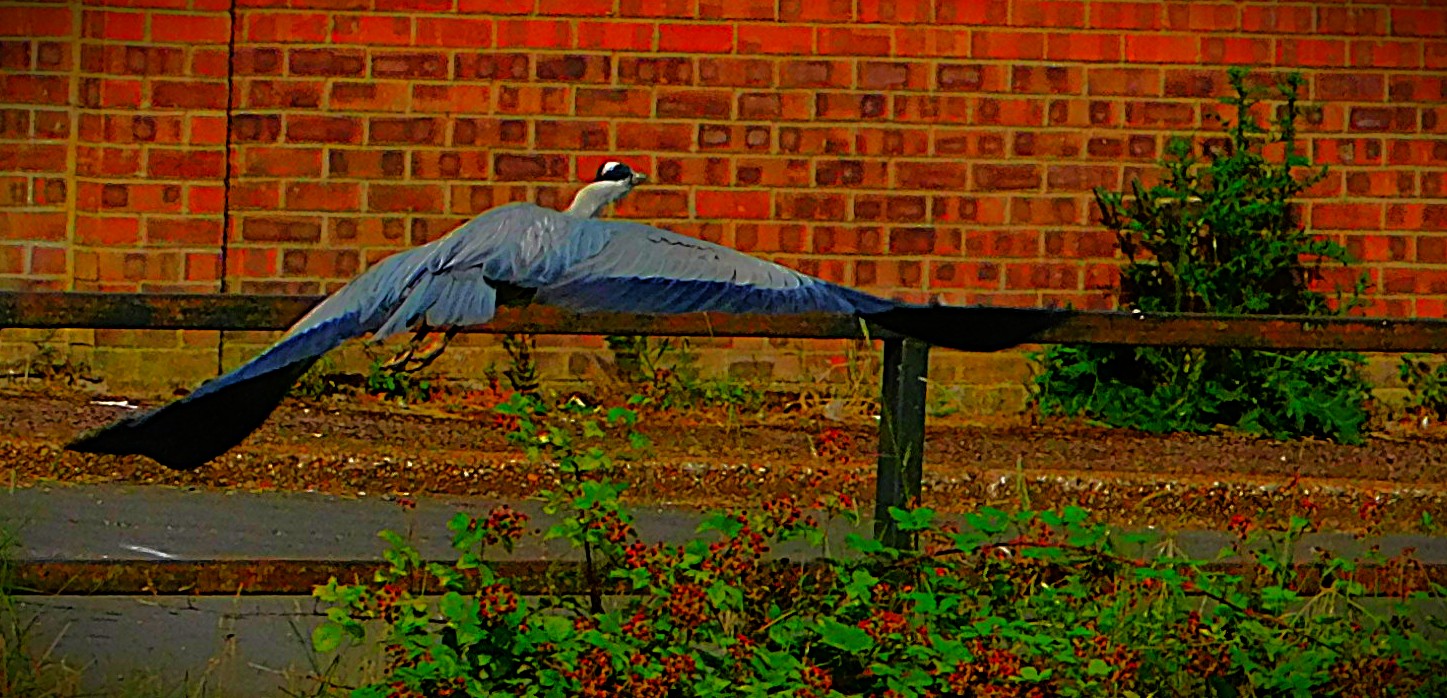
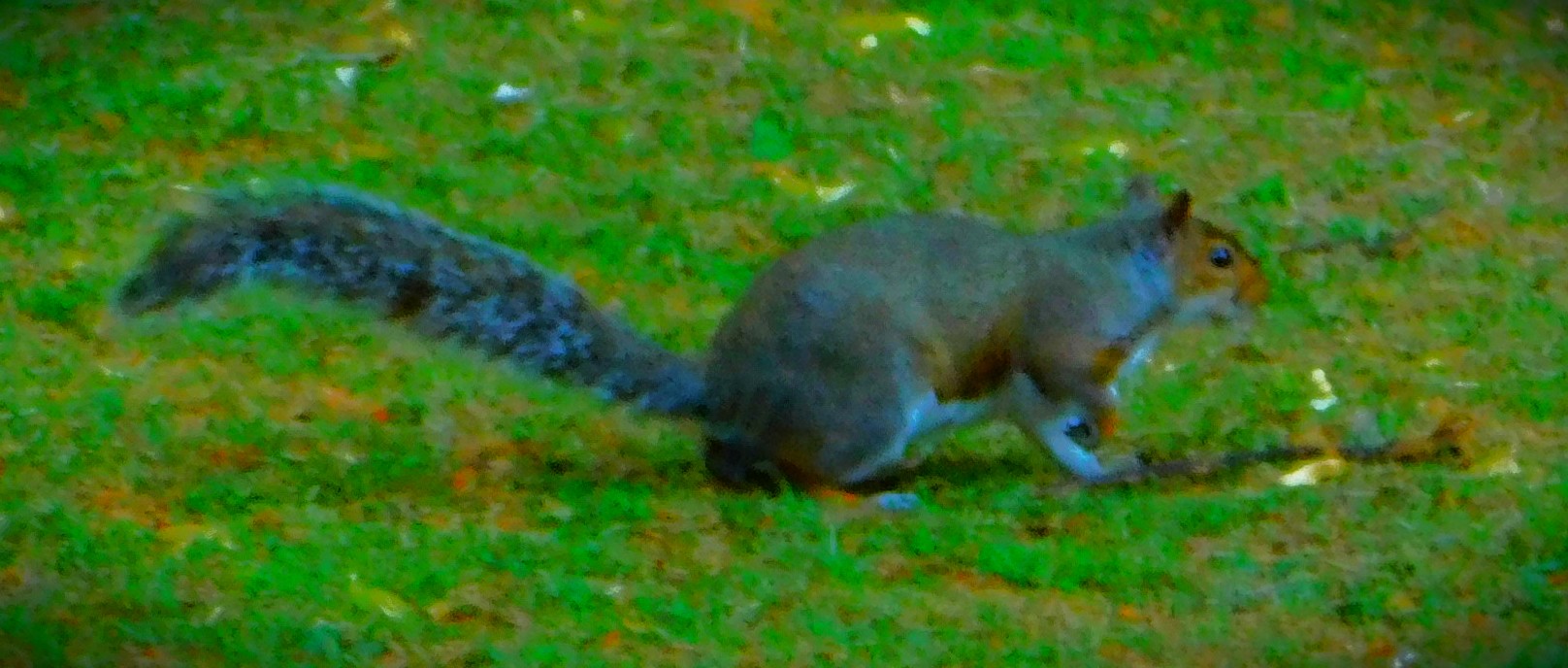
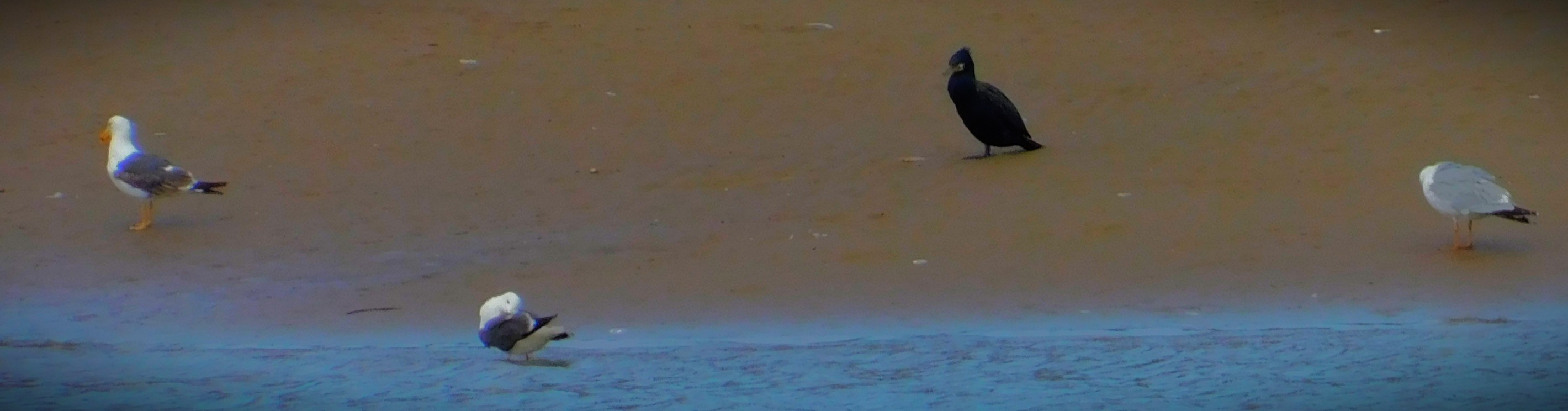
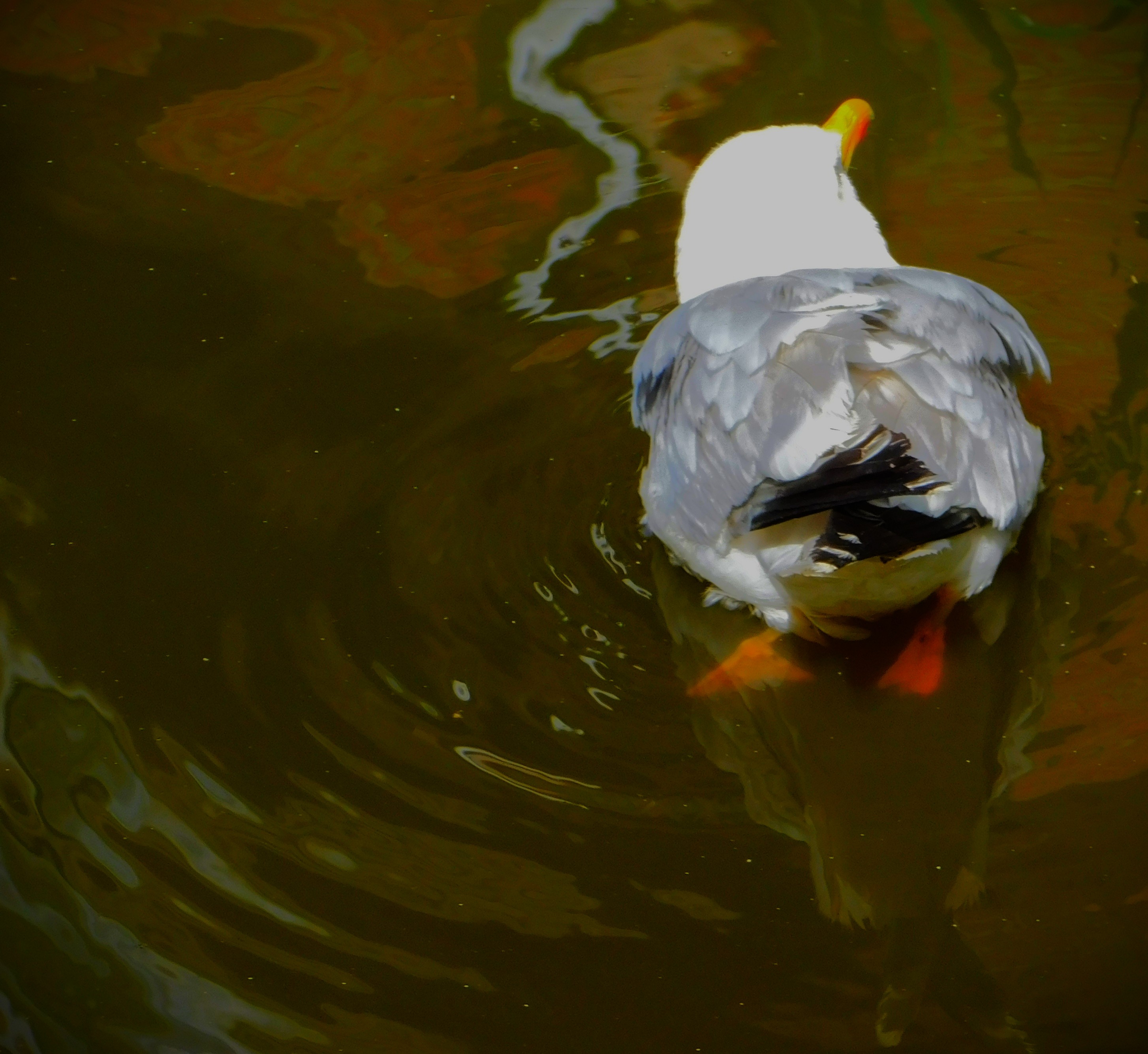
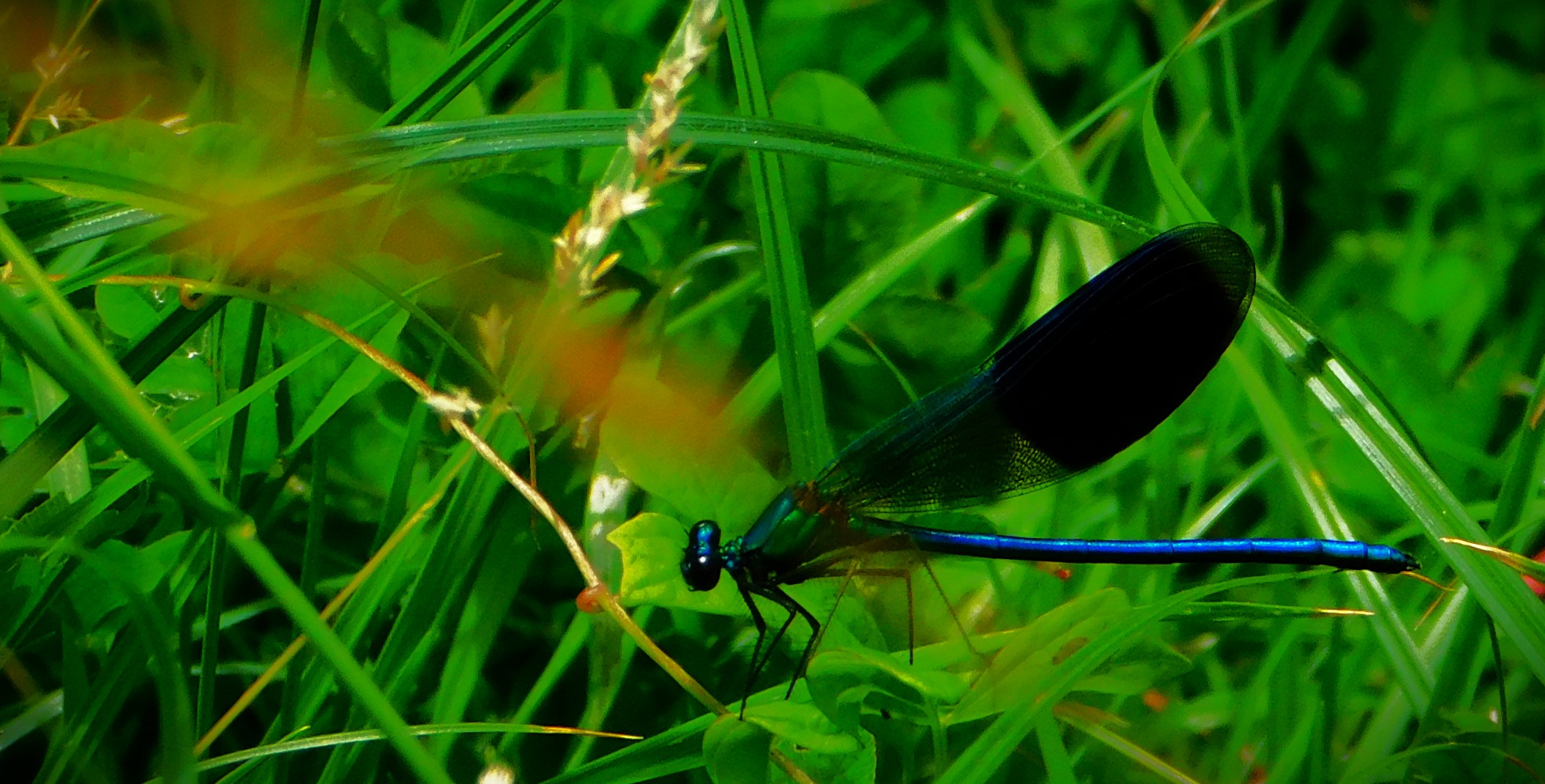
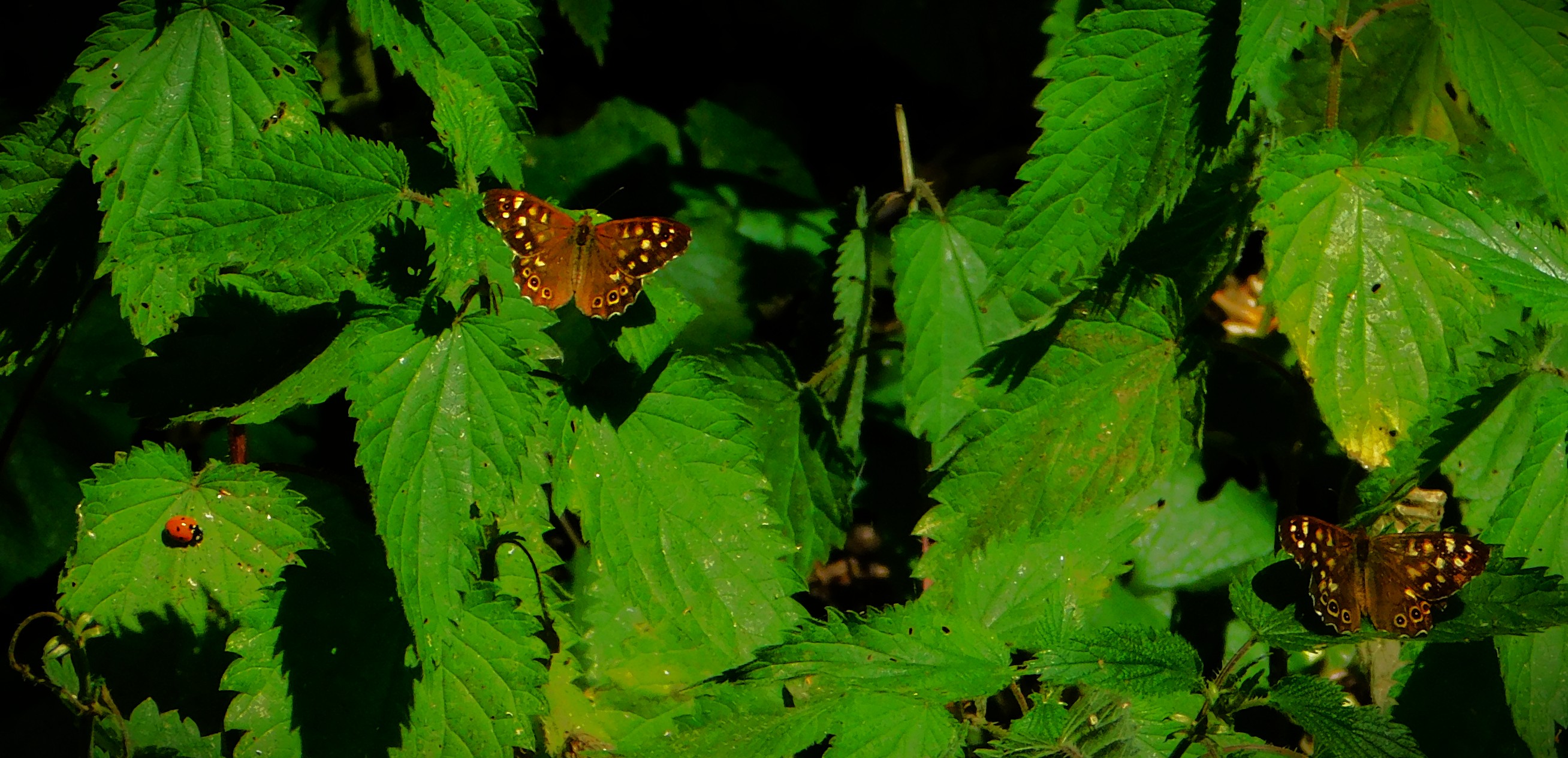
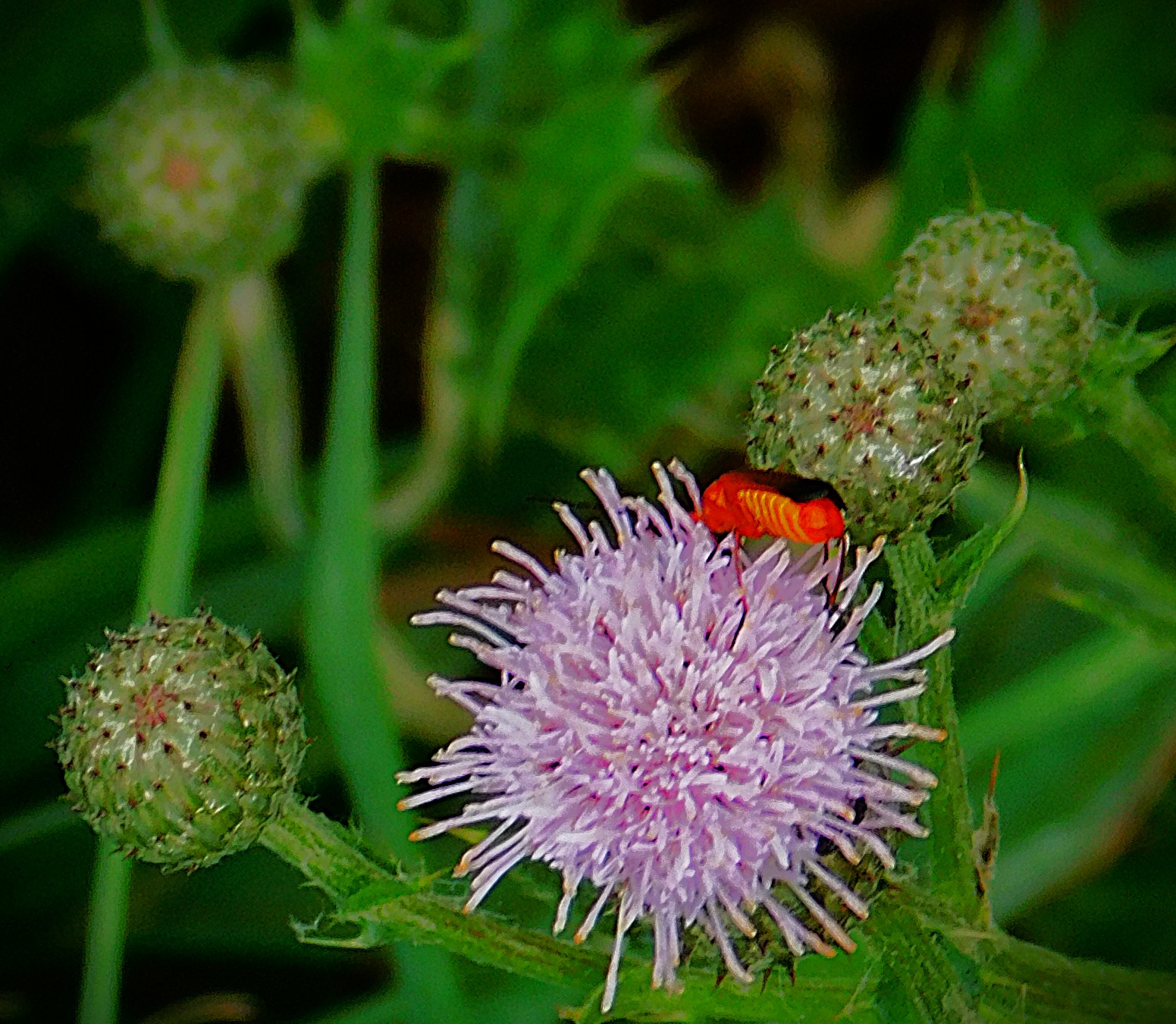
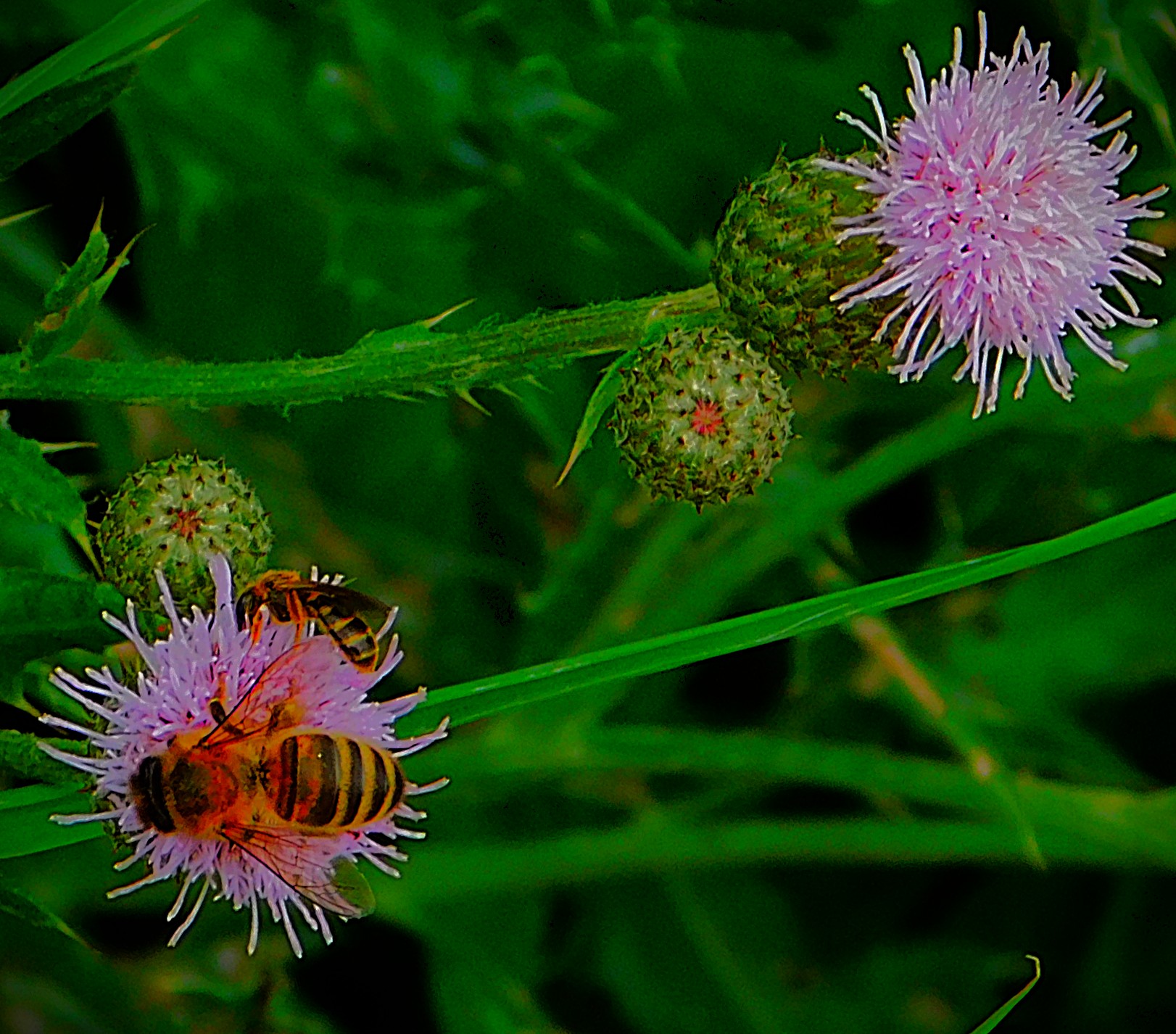
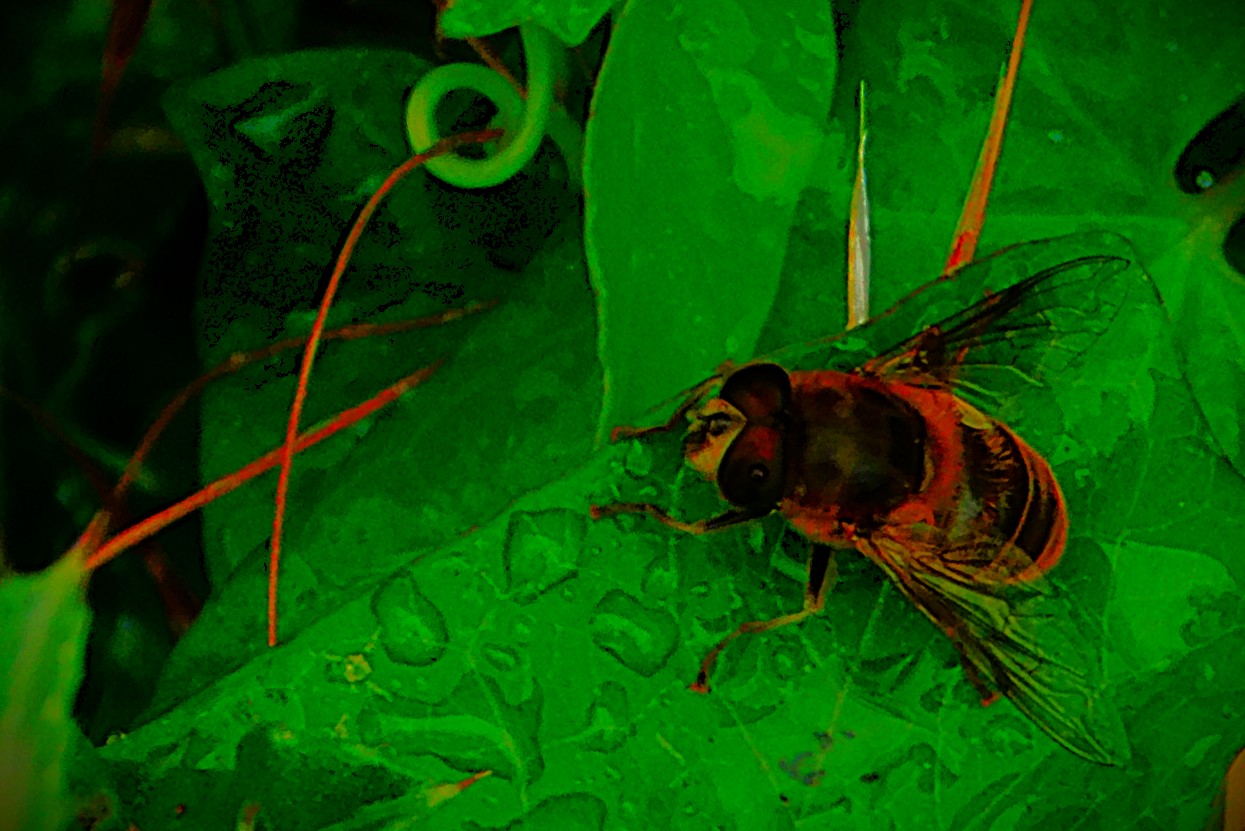
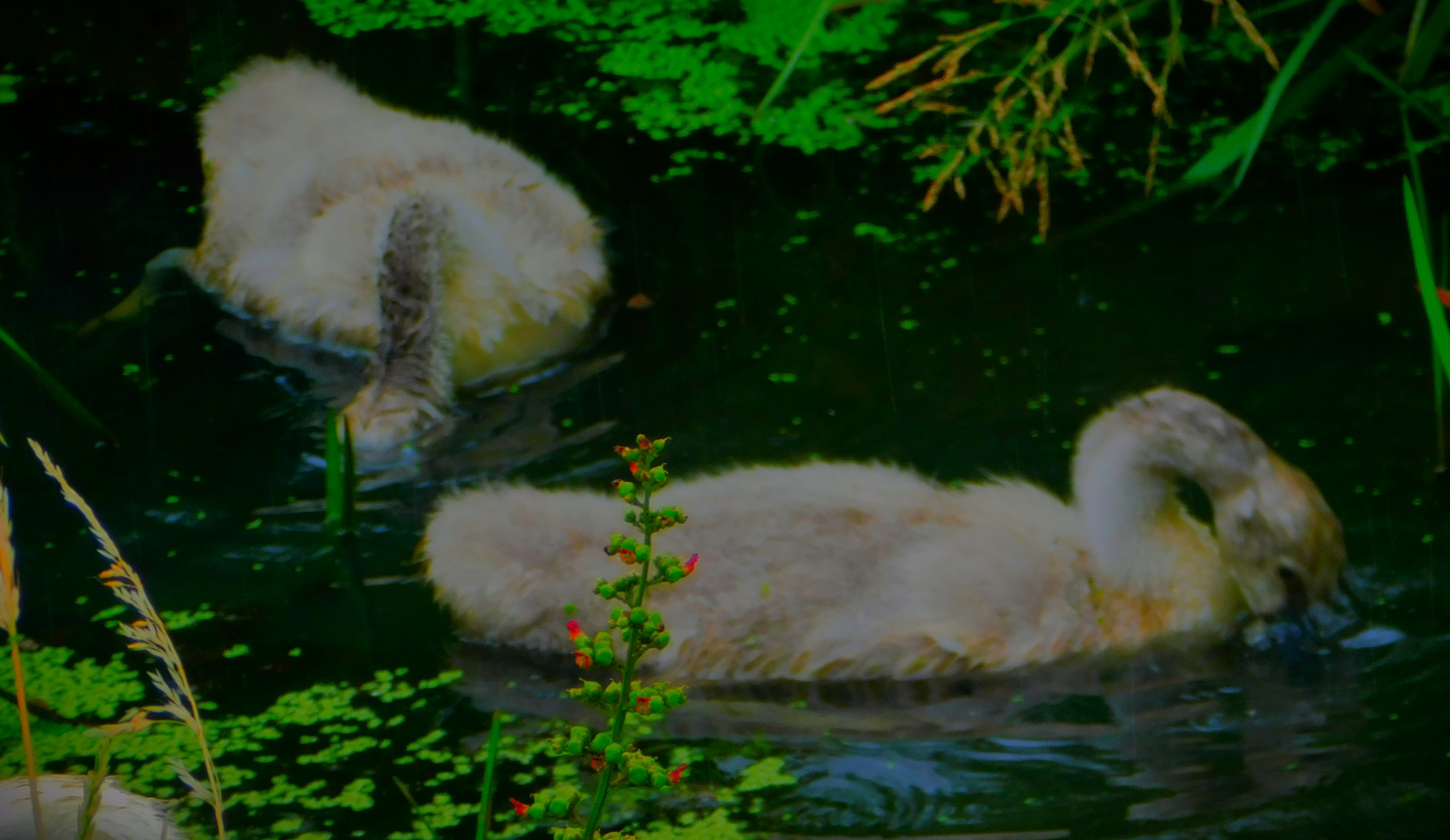
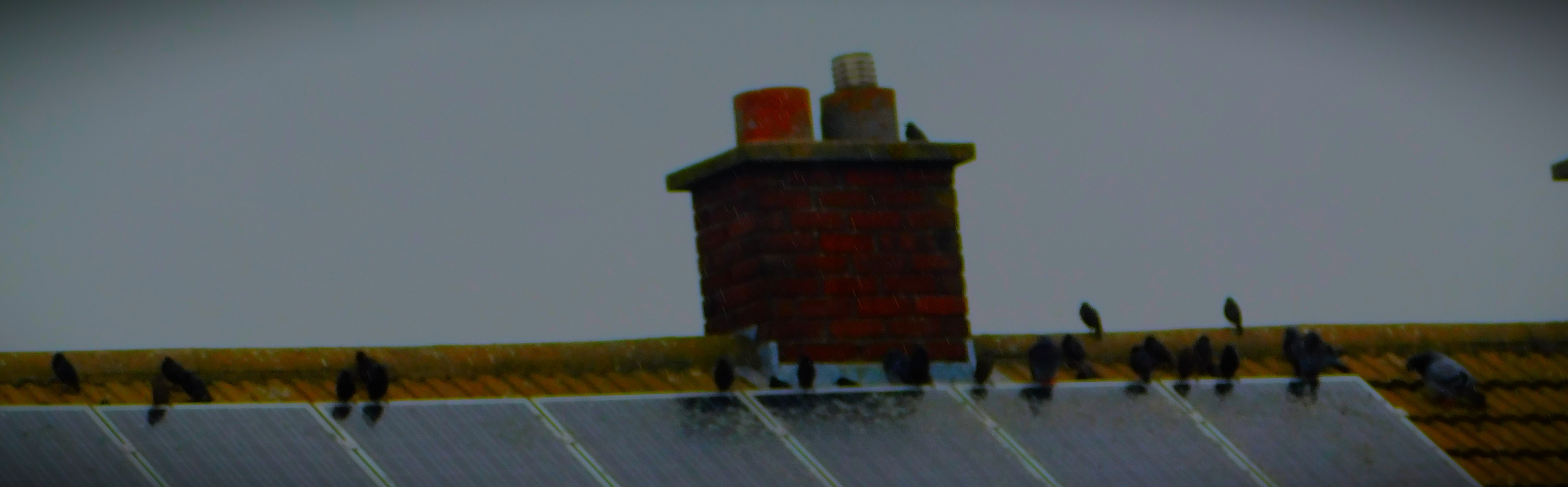
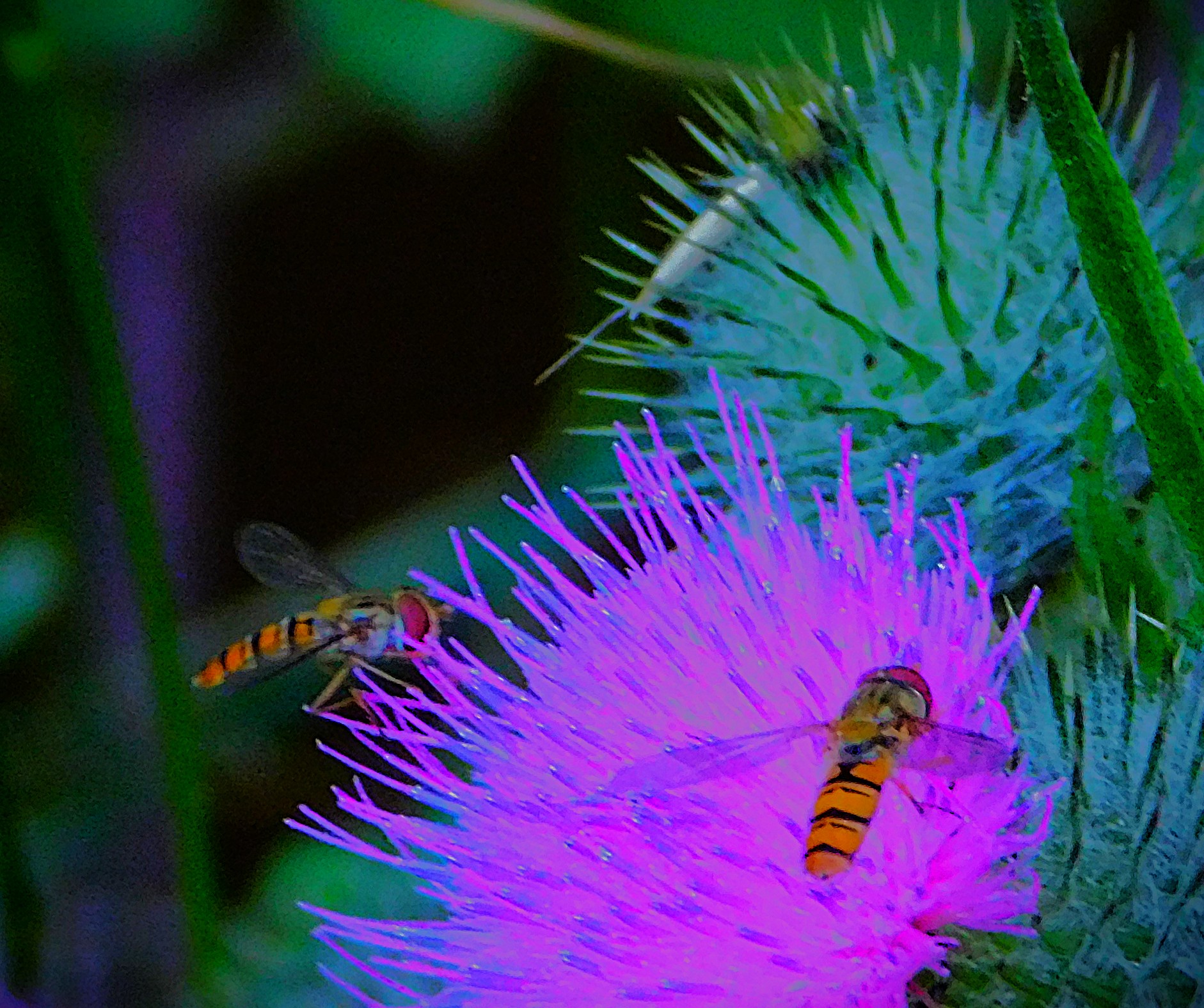
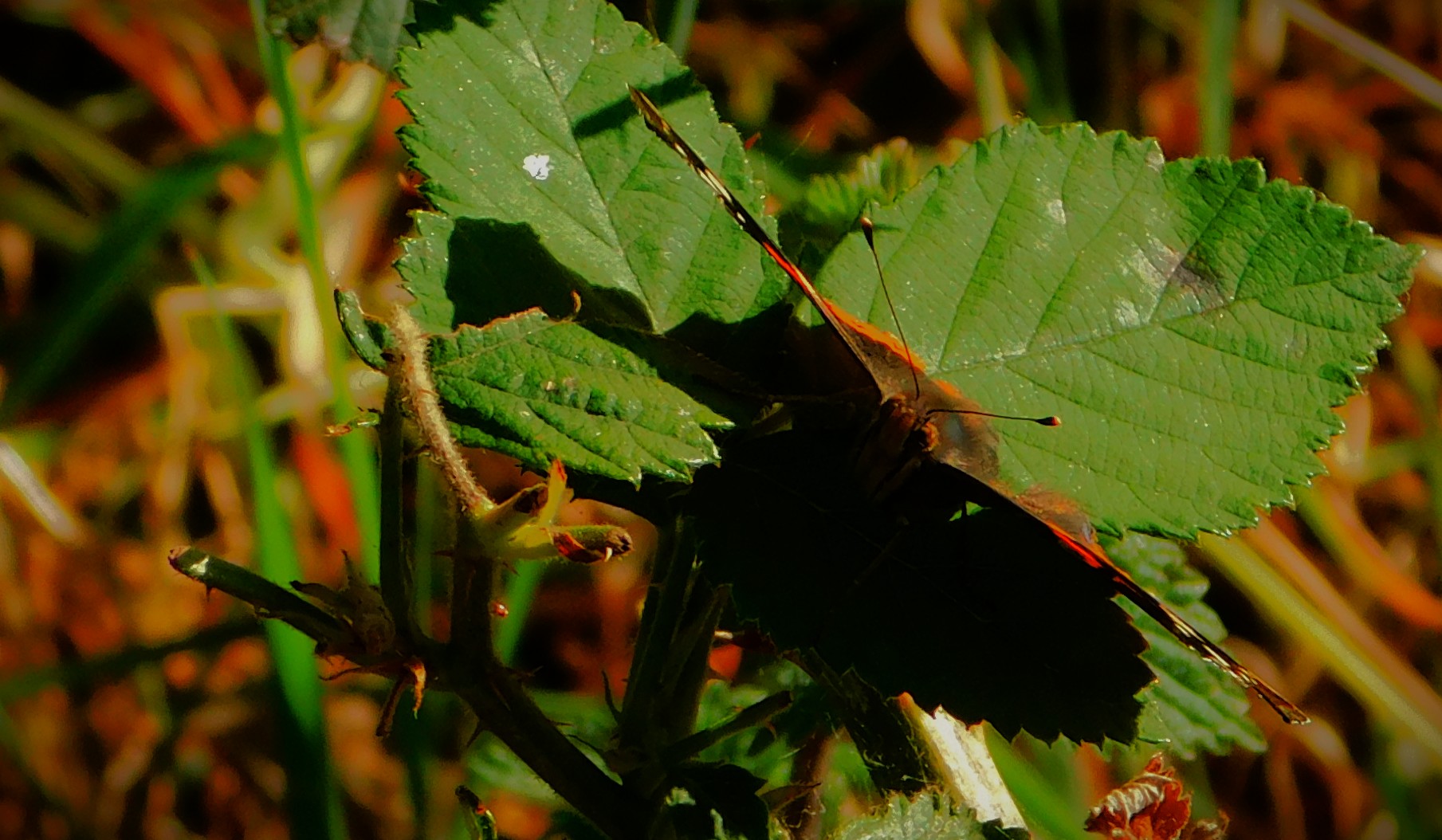
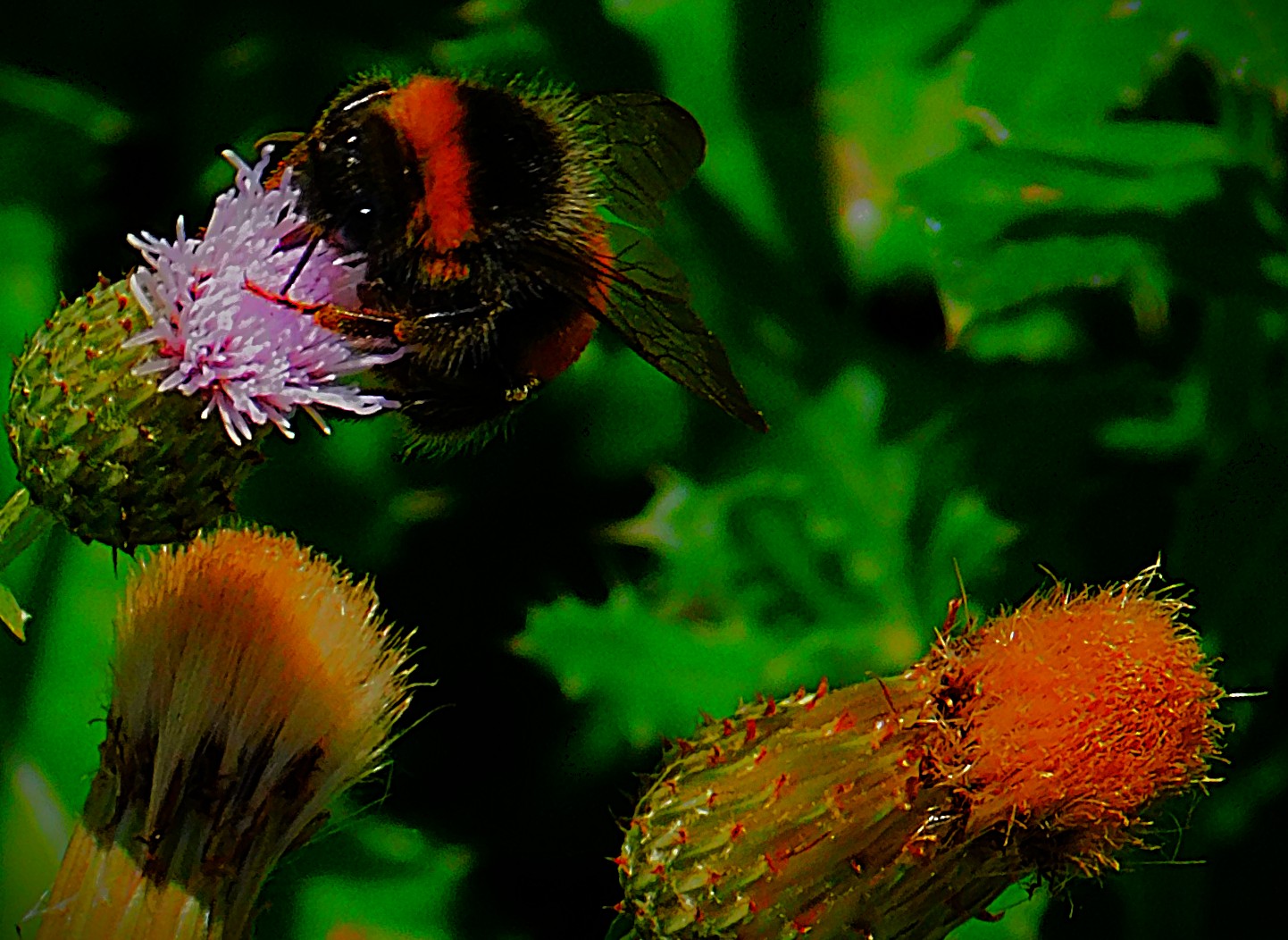
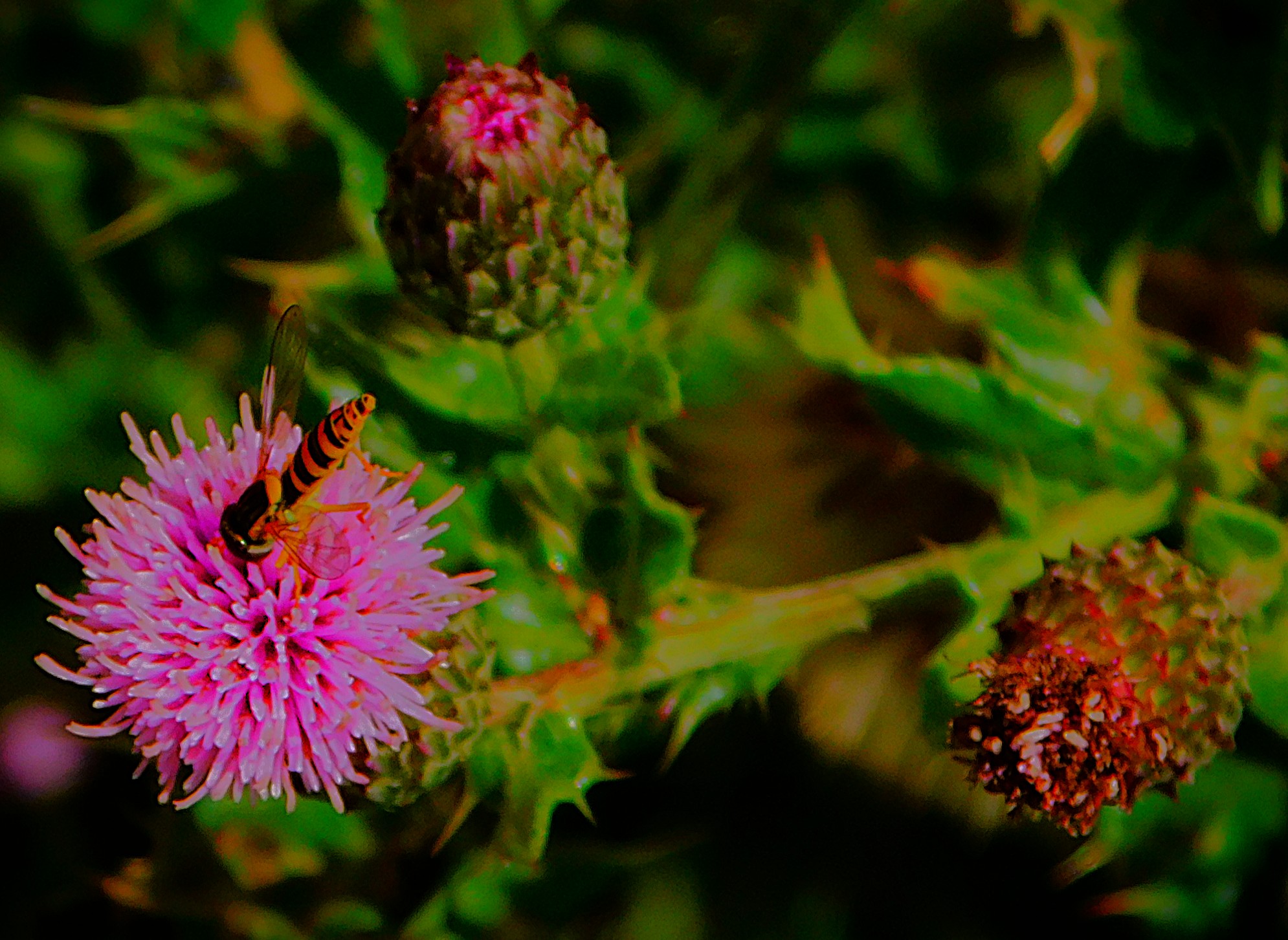
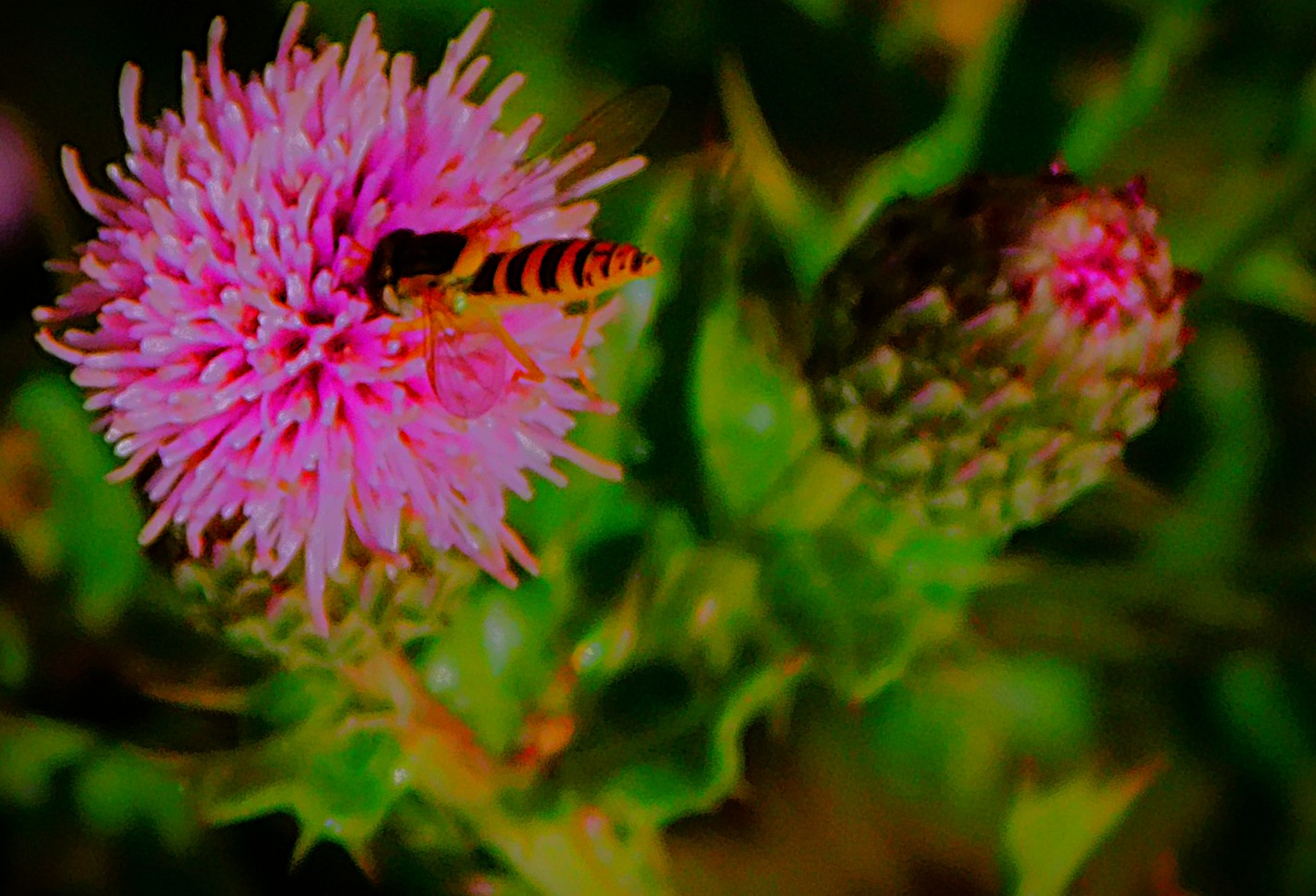
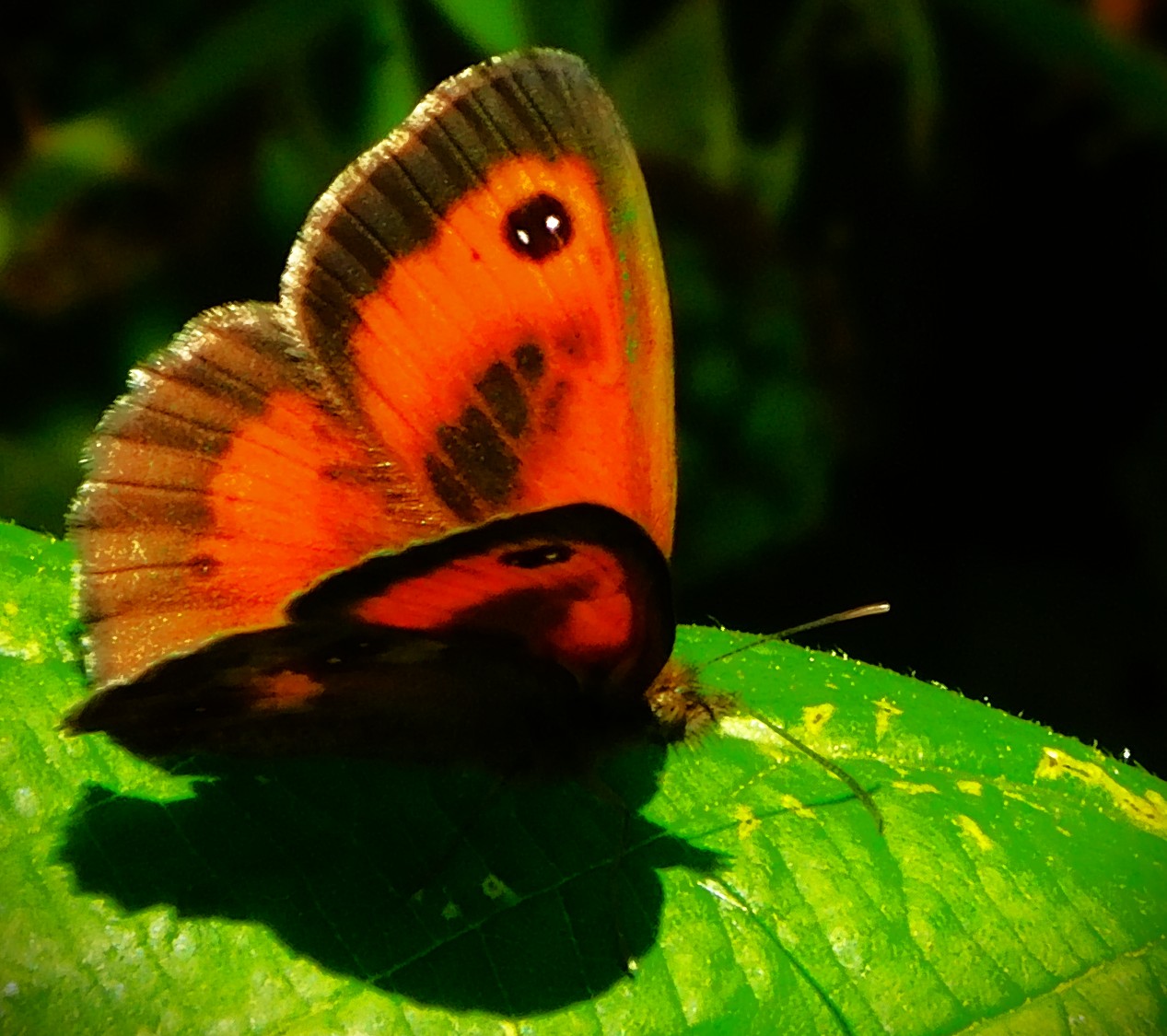
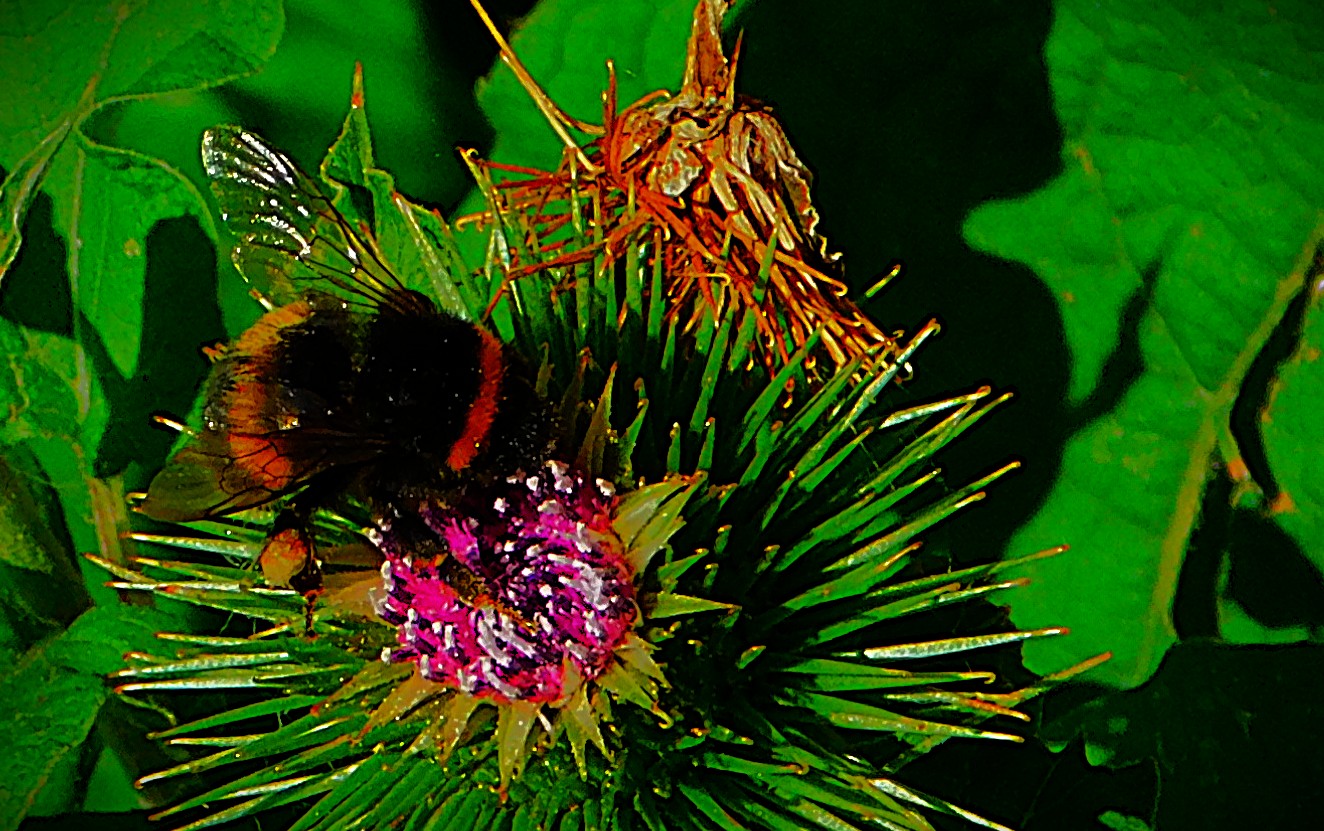
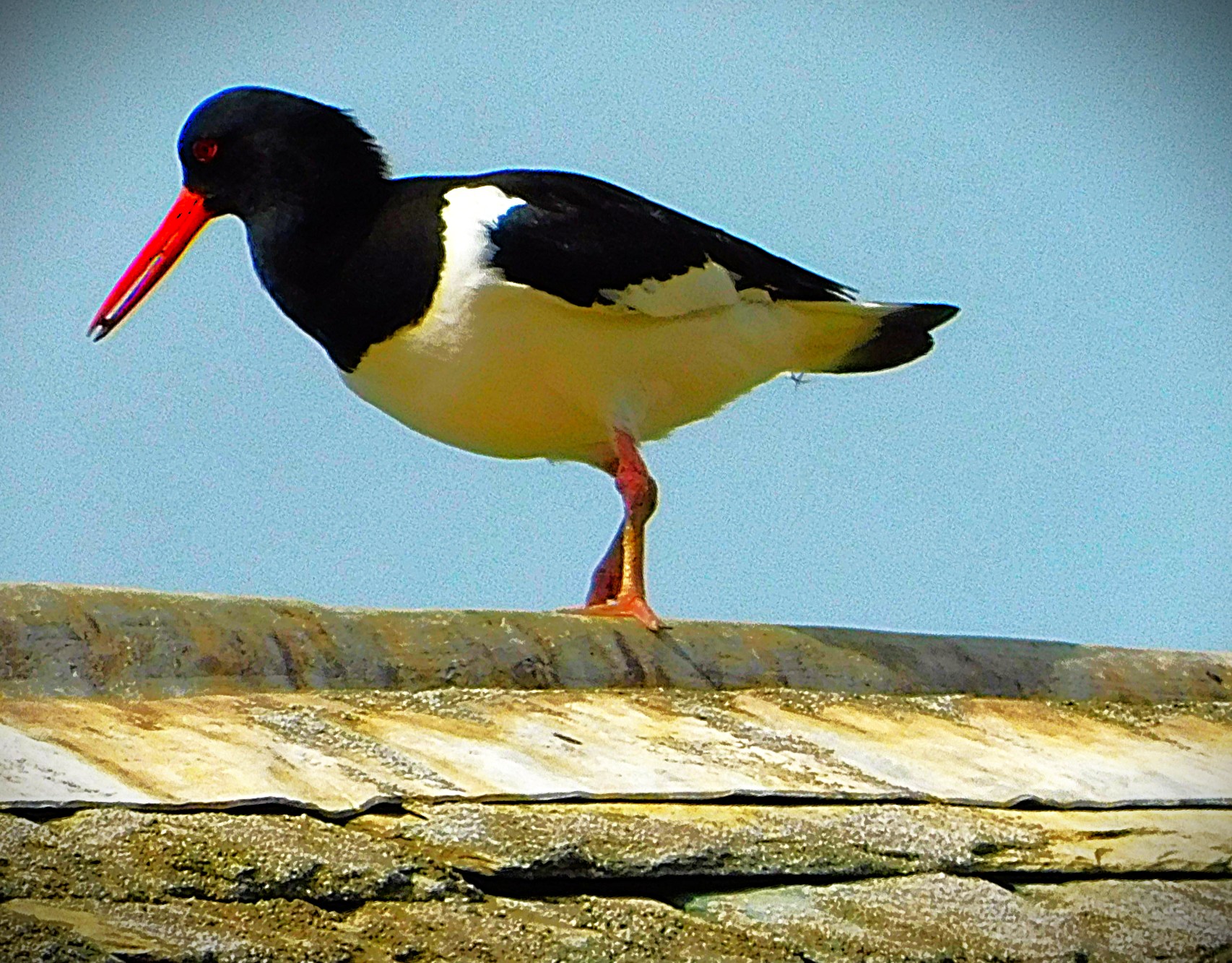
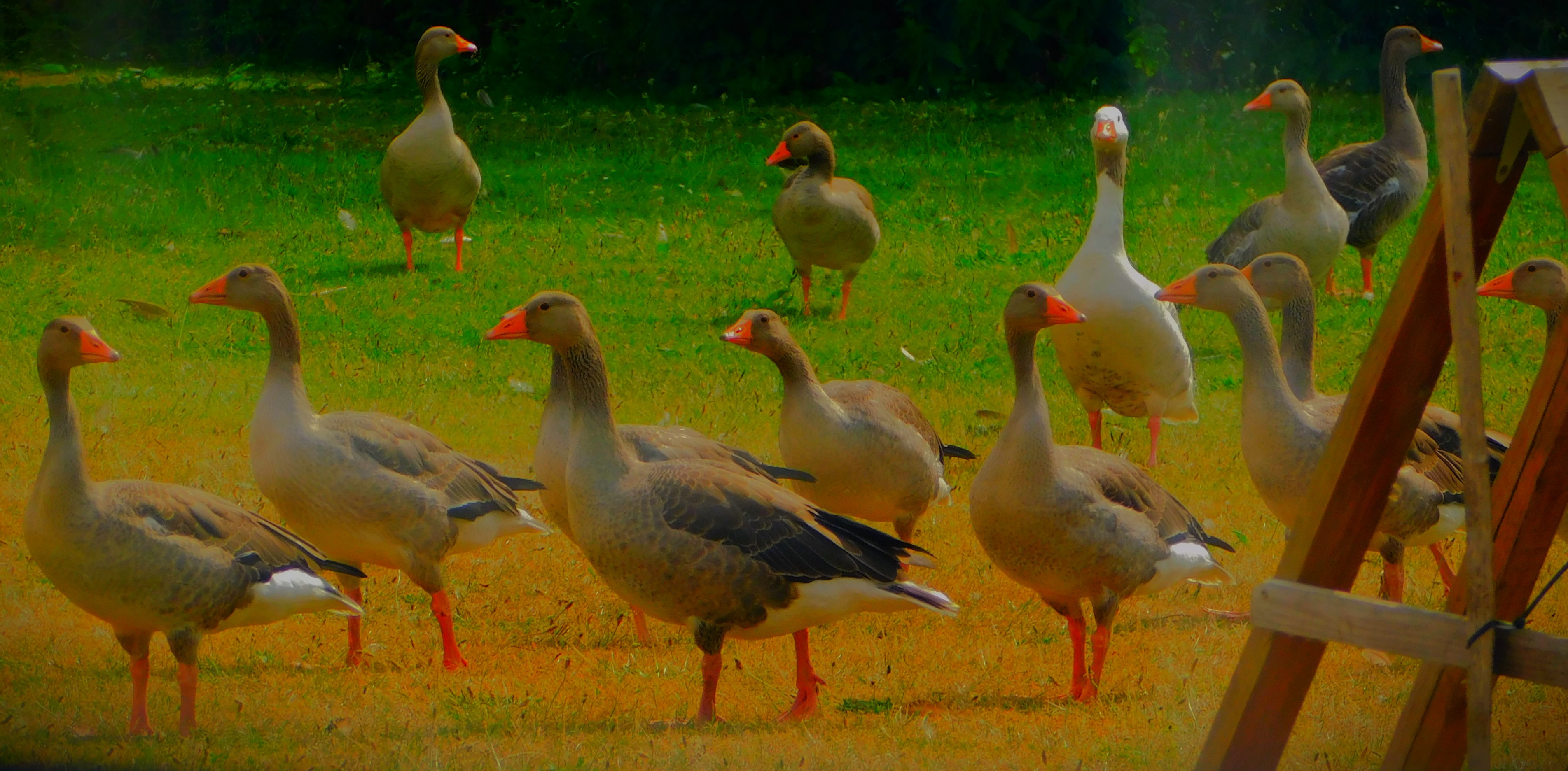
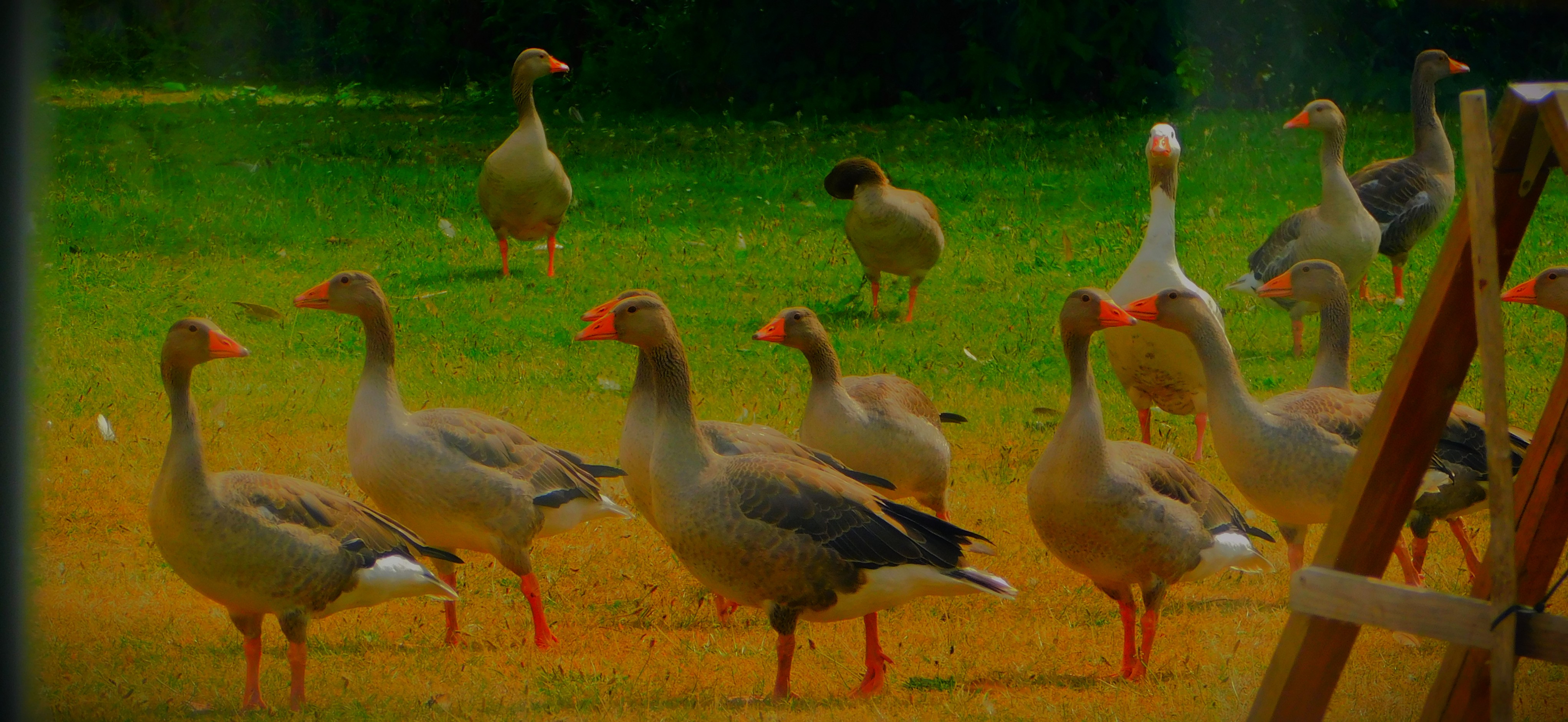
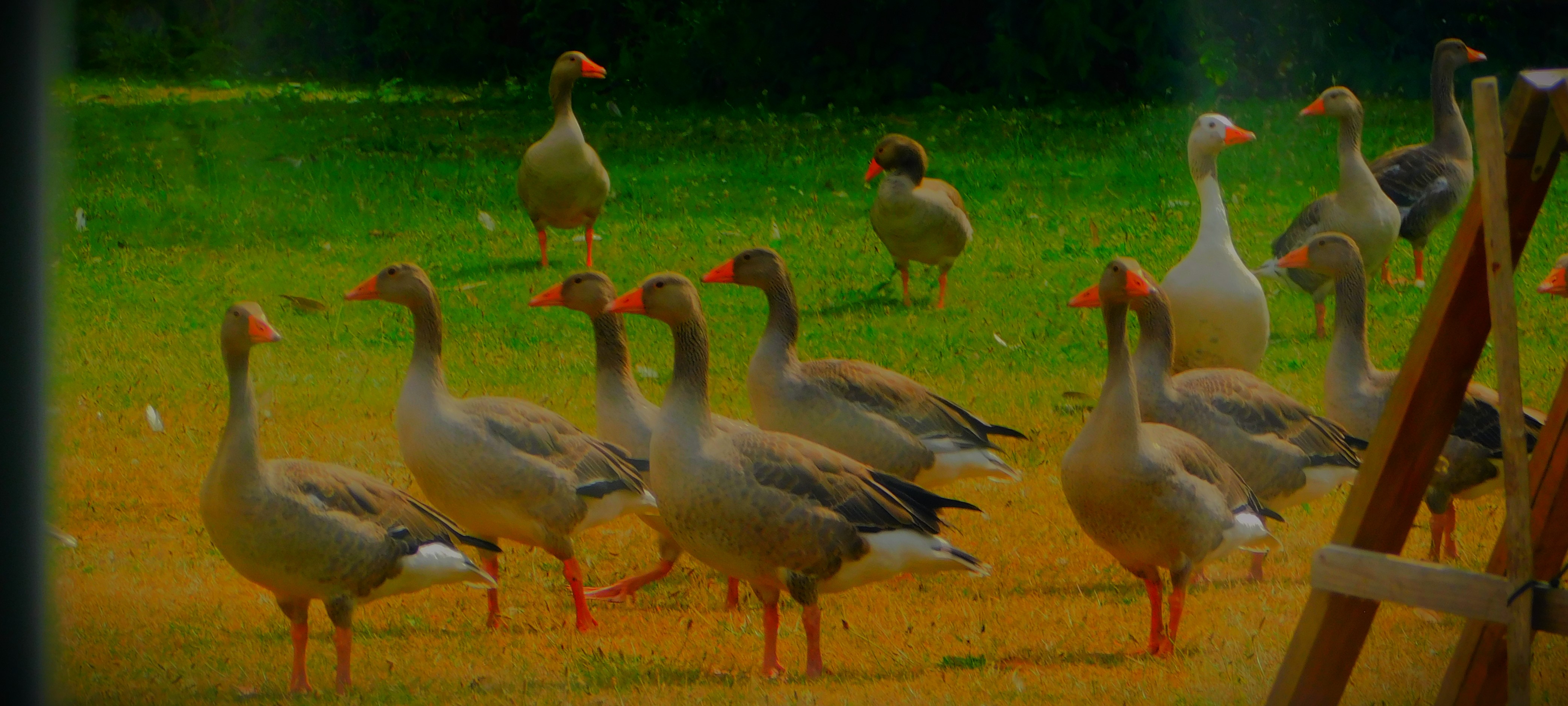
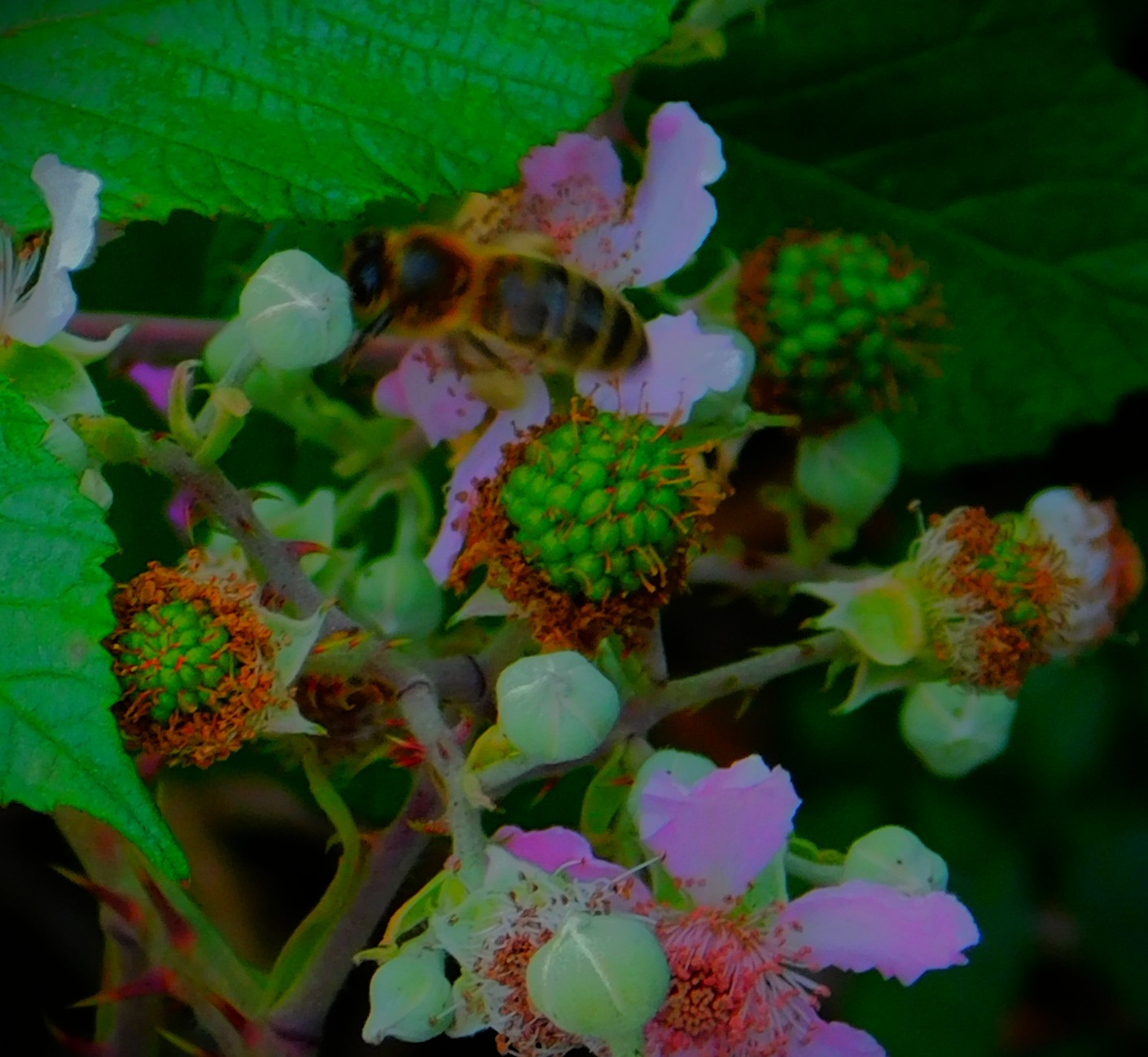
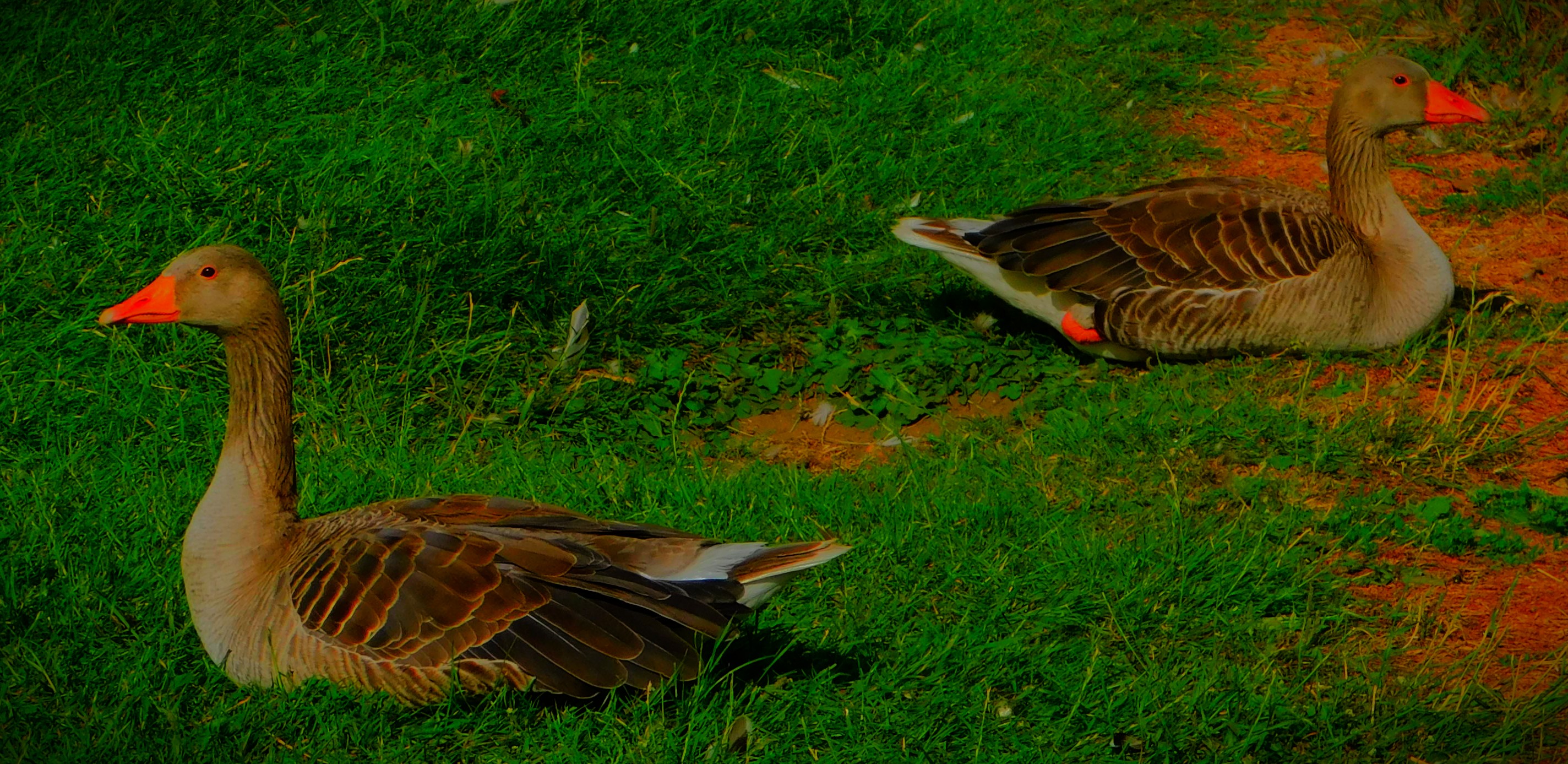
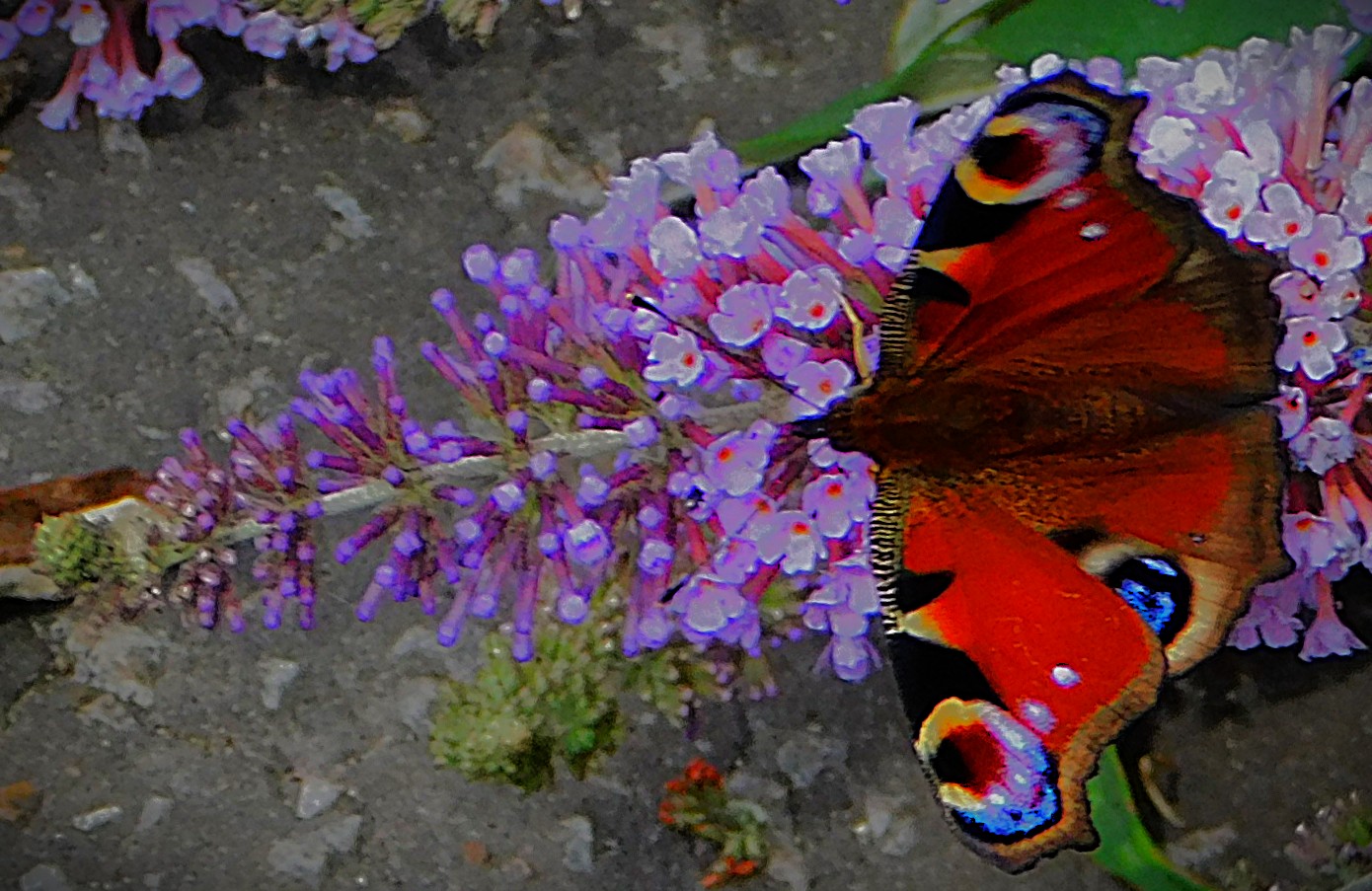
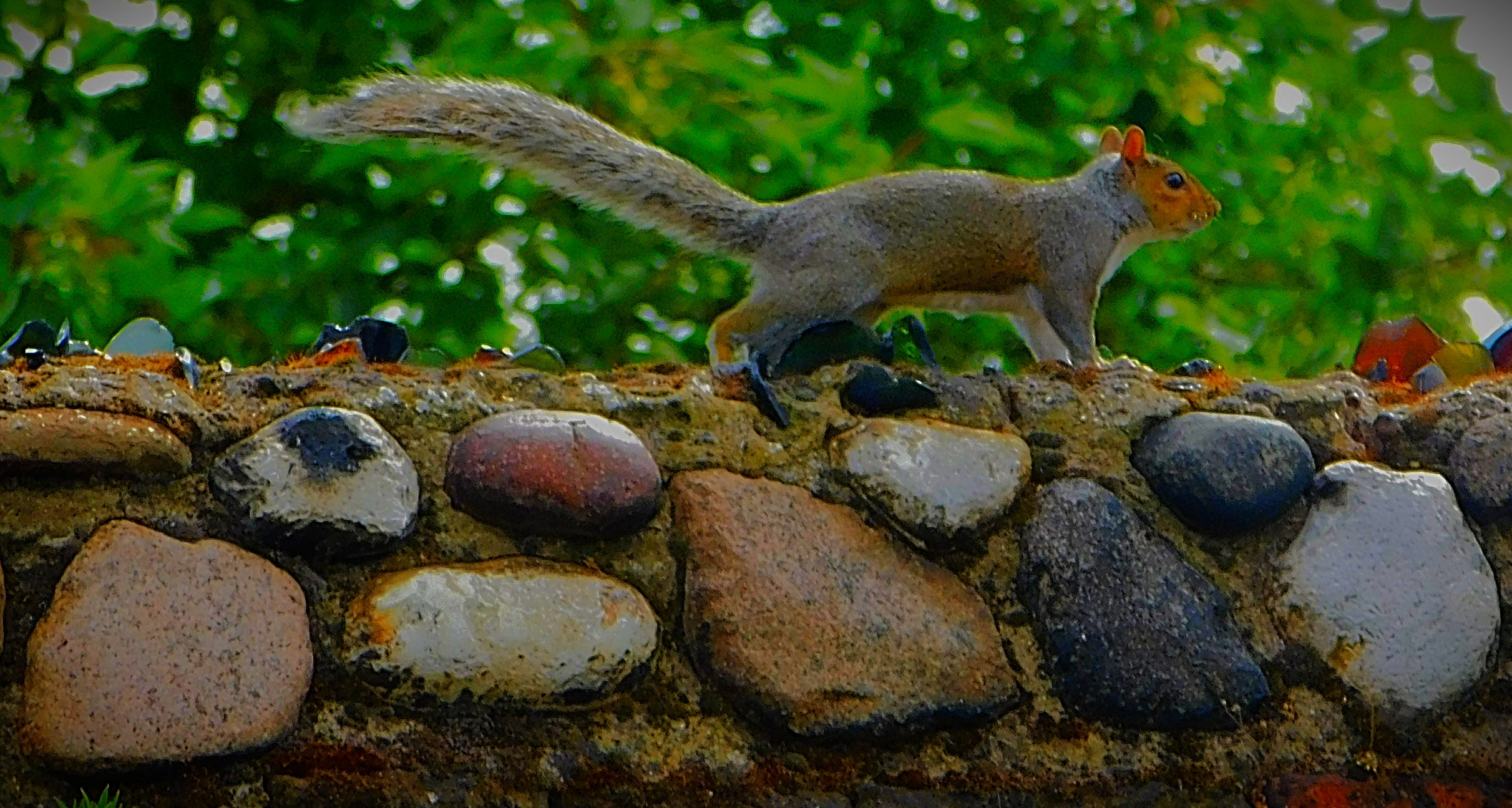
This oystercatcher was on the roof of the church of St Peter and St Paul in Fakenham, an inland town.These four pictures showing a large group of Greylag geese were taken through the window of a bus, while it was stopped opposite Great Massingham’s village green.Four into three does not go – four hoverflies and three dandelion heads in this case.A European peacock butterfly on a buddleia about 100 yards from King’s Lynn station.A squirrel running along a high wall (it is a surviving section of town wall)Two for one on dragonflies by the Gaywood river.
































































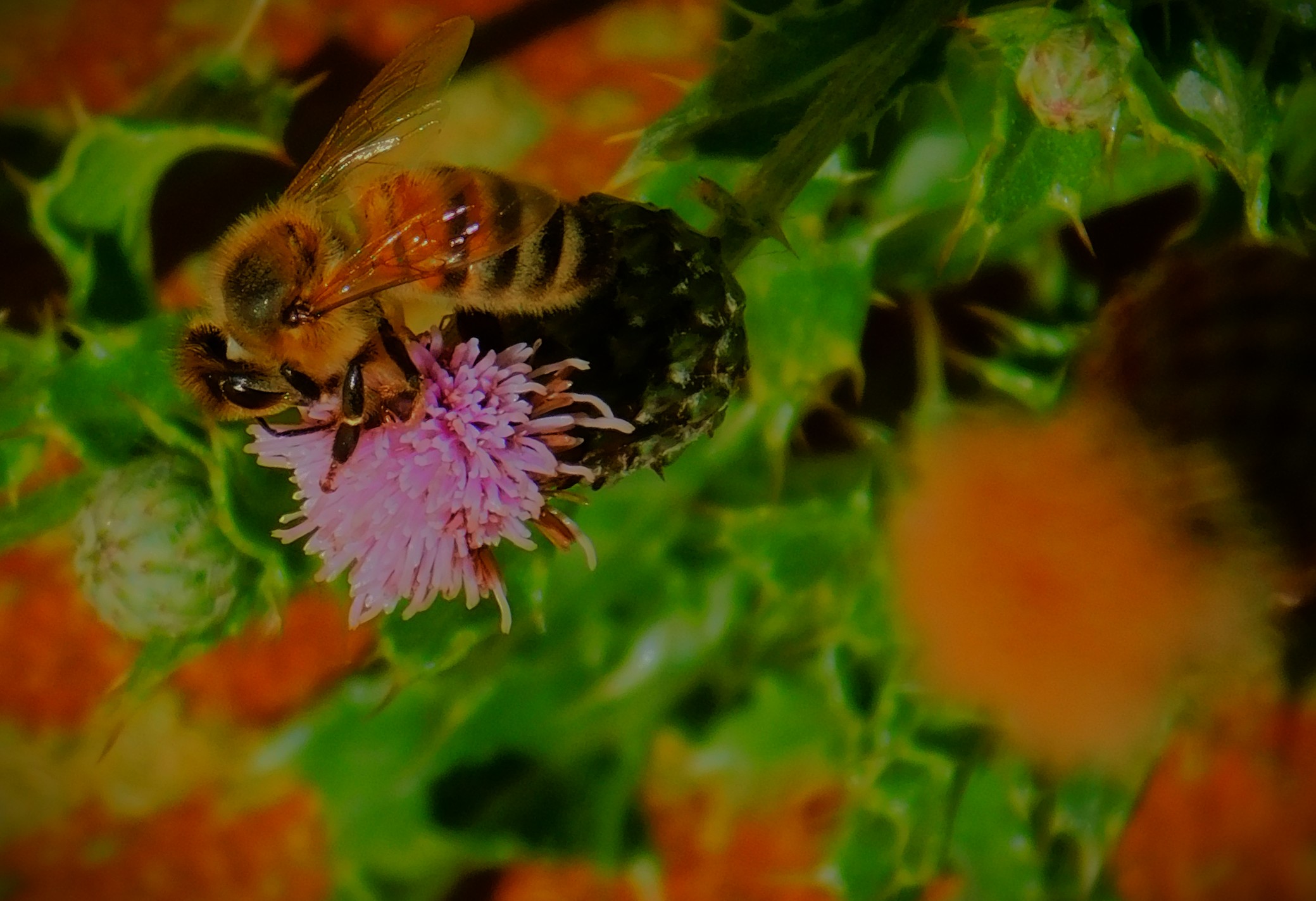


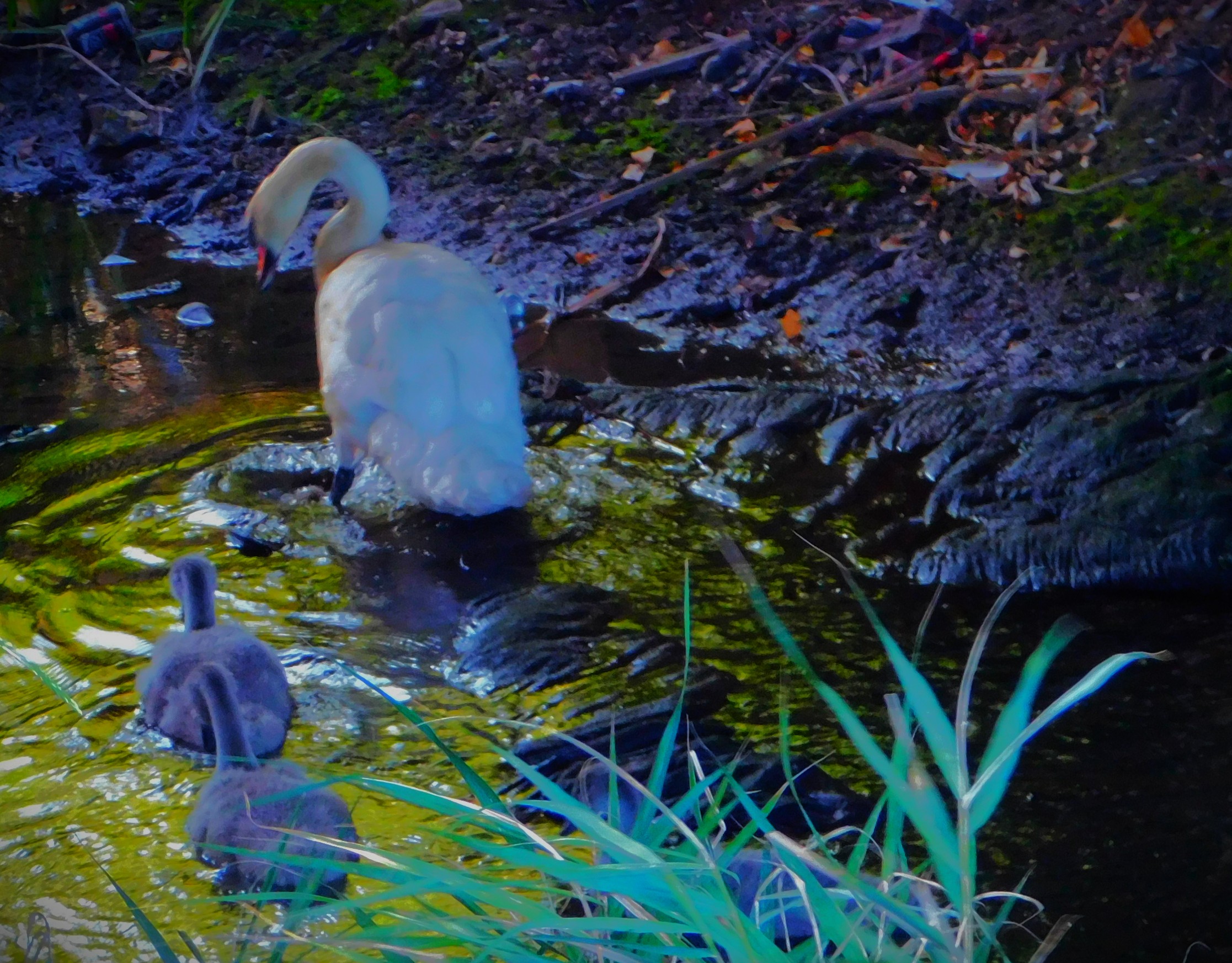


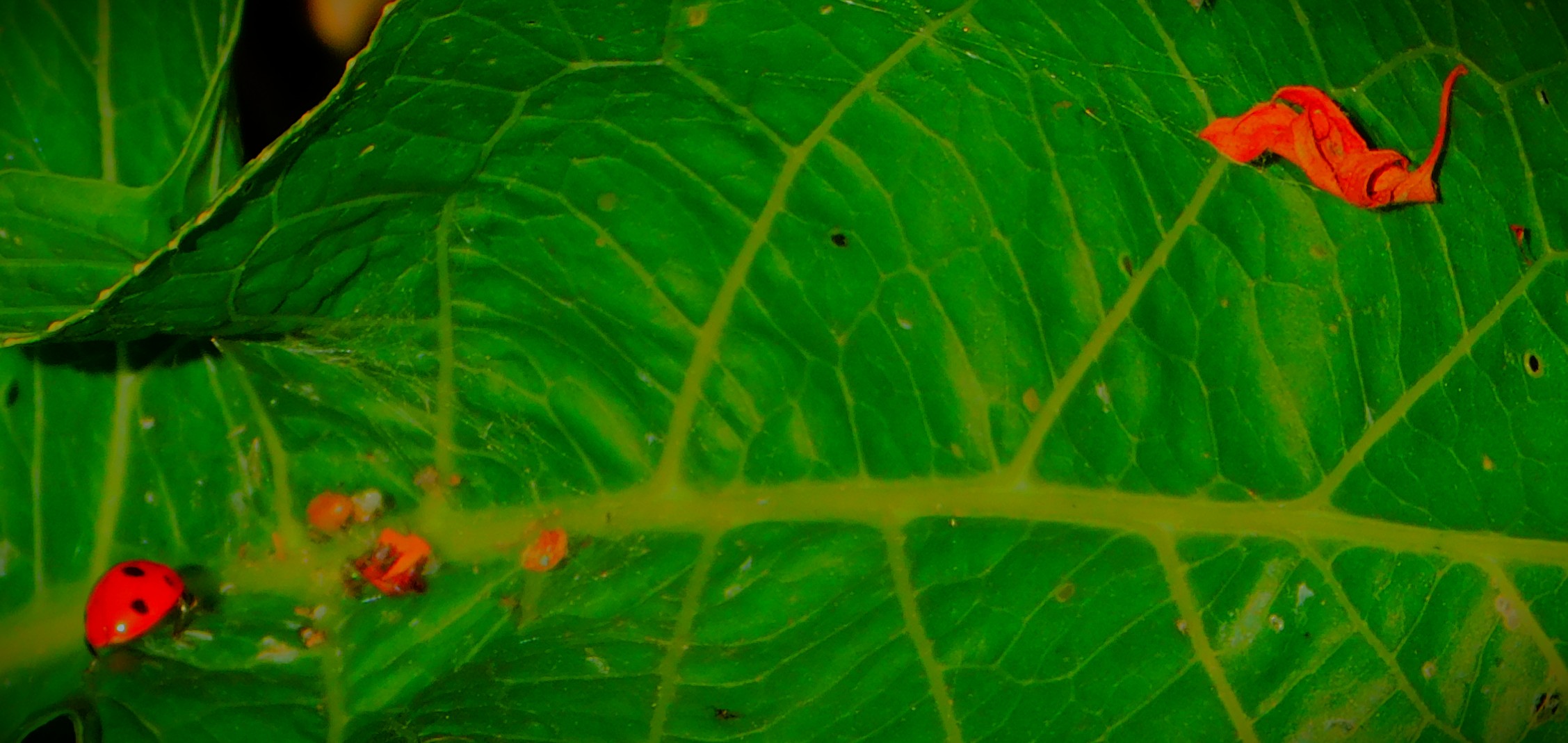






































































































































































































































































































































































































 aspiblog