A look at the second and final day of The Prime Minister’s XI v An England XI at Manuka Oval, Canberra and a large photo gallery.
This post looks back the second and final day of the match at Manuka Oval, Canberra between The Prime Minister’s XI and An English XI. The reason for the quote marks in the title should become apparent during the rest of the post.
A BATTING DAY
An England XI resumed overnight on 30-0 in reply to the Prime Minister’s XIs 308-8 declared. Tom Haines and Emilio Gay continued to bat well, with Gay in particular impressing. Their stand was only broken when soreness in the hamstring area induced Gay to retire hurt (this after all is not a match that counts towards anyone’s career record). The only disappointment of the day followed, when one of the most overhyped young talents in the game, Jacob Bethell, contributed a mere 16 before getting out. That brought James Rew, who at the age of 21 already has 11 first class hundreds to his name (11 more than Bethell’s current tally, and he scored his tenth FC century at a younger age than anyone since Denis Compton) to the crease. Rew never really looked other than the high class player his record shows him to be (and according to his county, Somerset, his younger brother Thomas, also playing in this match, is even better), and although Haines fell for a fine 77, Asa Tribe, a Jersey born Glamorgan batter who has also played for his native Island, joined Rew and also played well. By this stage it was obvious that only two questions remained to be resolved – would the English side go ahead on first innings, and would Rew reach three figures? The answers proved to be ‘yes’ and ‘no’. Rew and Tribe were still together when An England XI moved to 309-2, Rew 93 not out, Tribe 53 not out, and immediately declared, which was followed equally quickly by handshakes on the final result. An England XI thus won on first innings, and secured for themselves such credit as could be taken from a match of this nature. However it is not properly speaking a win, since by the stated playing conditions (as opposed to the agreement that the sides had clearly come to) this was supposed to a be a two innings match, and neither side officially forfeited an innings, and therefore it is officially a drawn match. Various bowlers had moments for the English side, and Gay, Haines, J Rew and Tribe all impressed with the bat. One of the first two named should have good chances of swift elevation, with Crawley surely close to exhausting even his super-feline stock of test lives, and while Rew have may longer to wait England should be looking for ways to include him.
PHOTOGRAPHS
My usual sign off…
I am not entirely sure as to the species of this magnificent raptor which I saw flying overhead earlier this afternoon, but I have had a suggestion of buzzard for it. Update I have just been told that it is a Red Kite.
A look at events at the Manuka Oval, Canberra, where The Prime Minister’s XI have been taking on ‘An England XI’ on day one of a two-day pink ball day-night match.
A two-day match of sorts, between ‘The Prime Minister’s XI’ and ‘An England XI’ got underway at Manuka Oval, Canberra early in the afternoon local time. It is a pink ball day-night match. The ‘of sorts’ in the first sentence relates to the fact that in spite of their official teams both teams will use more than 11 players in the course of the match.
A LIMITED LOOK AHEAD
None of the players involved in the test match are involved in this game – England have a shadow squad, dubbed ‘The Lions’ in Australia and it was from them that their team was picked, while the Prime Minister’s side is a combination of promising youngsters and old stagers (the oldest being 41 year old Peter Siddle). However, there was news about Mark Wood that suggested an extra fast bowler would be summoned to Brisbane.
HOW THE PLAY WENT
The Prime Minister’s XI won the toss and batted first (incidentally Mr Albanese was not present in person to watch his side – he had a very important commitment elsewhere). Matt Potts bowled a good early spell, but gained no reward. Josh Hull, a 6’7″ left arm pacer picked on account of his physical attributes rather than his playing record, which is rather modest, bowled a spell in which he pounded the ball in short to a field set for that type of bowling, which failed to impress anyone. Sam Konstas gave his wicket away for 36, giving Potts a catch of part time medium pacer Tom Haines, when no one else had made any impression on him. Thereafter Campbell Kellaway and Nathan McSweeney batted well together. Kellaway missed out on a century, going to a catch by Tom Haines off left arm spinner Tom Hartley for 82 to make it 130-2. That brought 19 year old Oliver Peake to the crease, and he also batted well, helping McSweeney to add a further 91 for the third wicket. McSweeney was the one to go, being well caught by Ben Kellaway (an allrounder, who in the manner of Jemma Barsby can bowl both off spin and left arm orthodox spin) off Potts. It was also Potts who got Peake, shortly after the youngster had reached a fine 50. Thereafter wickets fell more rapidly as the Prime Minister’s XI hustled towards a declaration. This eventually came at 308-8, and left An England XI five overs to see out against the new ball under the lights. Tom Haines and Emilio Gay did this well enough, reaching 30-0 in the process. It was an intriguing day, and we will see what tomorrow brings. Tongue’s pace will almost certainly tell in his favour when it comes to summoning a replacement for Wood to Brisbane, but I finish this section by emphasising that Potts was definitely the better bowler today.
A look back at today’s WBBL match between Brisbane Heat and Melbourne Stars, and a photo gallery.
Today in the Women’s Big Bash League Brisbane Heat played host to Melbourne Stars at Allan Border Field in a game that had been scheduled as late-night fixture (coverage starting at 9AM UK time) because it was seen as being a kind of ‘dessert’ after the main meal of day three of the test match at Perth. However, some Kamikaze batting by England and a great innings from Travis Head (go here for more) meant that there was in point of fact no day three in Perth, so this match became the main event.
THE STARS INNINGS
Melbourne Stars won the bat flip and opted to bat first. Brisbane Heat’s captain Jess Jonassen was not unhappy about this. Heat had lost all four of their games this edition, so desperately needed a win. At first they looked absolutely certain to get that win, as they tore through the Stars top and middle order, reducing the visitor’s to 44-6 at one point. At that stage South African veteran Marizanne Kapp was joined in the middle by young English bowling all rounder Danielle Gibson. They launched a spirited revival, putting on 73 together, of which Gibson’s share was precisely 30, from 24 balls, ending when Nadine de Klerk trapped her LBW. Georgia Prestwidge scored 3 (7), but such was the devastating fusillade from Kapp at the other end that the eighth wicket stand yielded 43 in 2.5 overs! This briefly opened the possibility of a Kapp century, but even batting as she was by then time was against her, the final over being already underway. In the end she finished with 93 not out from 51 balls, including nine fours and five sixes, in a Stars total of 171-8.
THE HEAT REPLY
Heat started far better than Stars had, with Grace Harris and Charli Knott putting on 50 for the first wicket, a stand that ended when Sophie Day pinned Harris LBW. Jess Jonassen now promoted herself to number three, when Georgia Redmayne would probably have been a better choice there. In the eighth over Kapp’s medium pace provided the second breakthrough, Harris being caught by Danielle Gibson to make it 56-2. Chinelle Henry looked dangerous, smashing two sixes in the space of three balls in the ninth over, but off the last ball, immediately after hitting the second of those sixes, she went big again and was superbly caught by Kapp for 13 (8) to make it 74-3. Jonassen never really looked like justifying her decision to bat at number three, and in the 12th over she was caught in the deep by Georgia Prestwidge off Day for 15 (14)to make it 92-4. Four balls and three runs later Nadine de Klerk took on McKenna and Prestwidge again got underneath it to make it 95-5. Georgia Redmayne and Lauren Winfield-Hill shared a decent partnership, but they were never up with the rate, and Redmayne’s dismissal left Heat needing 40 runs to win off just 3.1 overs. They never got remotely close, and it was only a four hit by young fast bowler Lucy Hamilton off the final ball of the match with the result long since settled that even enabled Heat to top the 150 mark. The final margin was 18 runs. Marizanne Kapp with that thunderous 93 not out, 4-0-31-2 with the ball and a superb catch was the only possible candidate for Player of the Match, and was duly so named. The Stars now sit third in the table, while Heat, after seven successive seasons of making the knockouts now know that they will not be extending their season this time.
PHOTOGRAPHS
My usual sign off…
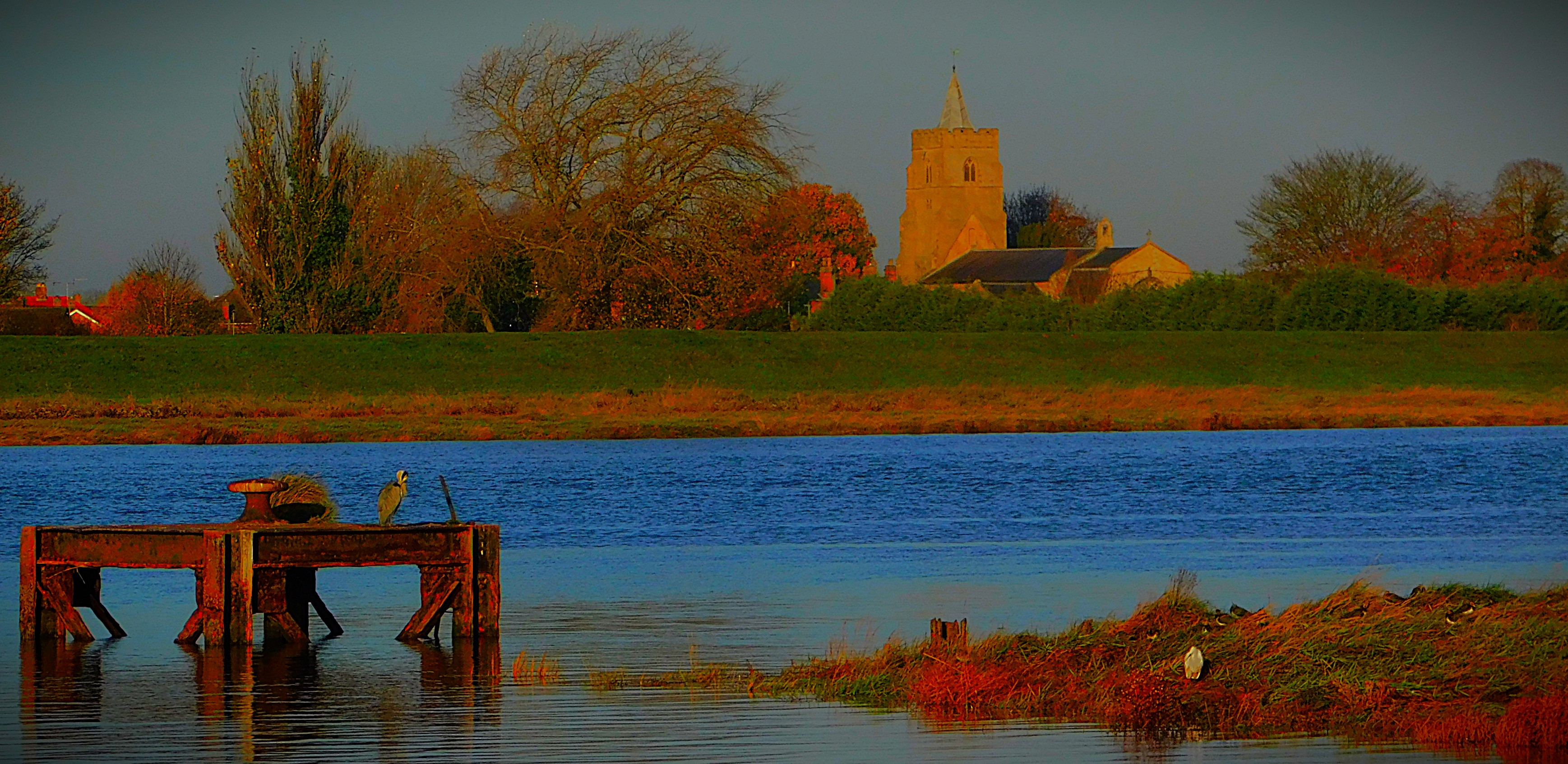
I rarely photograph pigeons but I thought this one with the distinctive green neck patch was worth making an exception for.Triangulation, ornithological style – two egrets and a gull form the corners of a triangle in the Great Ouse.The old (Custom House) and new (an art gallery/shop only a few years old) juxtaposed.A low sun shining on the Great Ouse.
A look back at an extraordinary day of test match action in Perth, England Player Ratings and a small photo gallery.
An extraordinary test match ended in Perth today after a mere two days of playing time. This post looks back at the events of an action packed second day (I covered yesterday here).
THE MORNING
The final wicket pairing for Australia did not hold things up for very long, though they did enough for Brendan Doggett to have made Scott Boland being sent in ahead of him look ridiculous. It was Brydon Carse who took that wicket, his third scalp of the innings, dismissing Nathan Lyon with the aid of a catch by Ben Duckett.
In the first innings Crawley was dismissed for a duck by the sixth ball. In the second he lasted one ball less long for the same tally, and again the dismissal was a self-inflicted one, this time hitting a return catch to Starc for the left armer’s eighth wicket of the match. Duckett and Pope fared well together for a time, and reached the lunch break with the score 59-1, a lead of 99 overall, and at that point England were short-priced favourites.
THE AFTERNOON
England had added six to their lunchtime tally when Ben Duckett edged one from Boland to Smith in the slips to go for 28. Ollie Pope, the sole English batter who seemed to grasp the necessity of placing the ball and running well on a ground as big as this one, was caught behind off Boland for 33, his second decent knock that fell short of a big score in the match to make it 76-3. That soon became 76-5, as the two Yorkshiremen Root and Brook each played poor shots, Root’s resulting in him being bowled by Starc, while Brook’s was caught by Khawaja. At 88 Ben Stokes edged one from Starc through to Carey to complete his second batting failure of the match. Smith and Gus Atkinson added 16 runs before Smith was adjudged out caught behind after a prolonged review, the sound appearing to come a fraction after the ball passed the bat, but not being causable by anything other than a nick. Then came England’s last decent period of the match, as Atkinson and Brydon Carse shared a sparky 50 partnership for the eighth wicket. Archer and Wood helped the score advance by a further 10 runs after that. Scott Boland had taken four wickets after looking toothless in the first dig, Starc and Doggett, who could be proud of his debut at the highest level, three each. In essence though this was a story of bad English batting, as they tried to hit everything, demonstrating that they had learned nothing from their first innings. In total they batted a mere 67.3 overs for their two innings, and there were a raft of self-inflicted dismissals. As for this second innings, the top individual score was achieved by Gus Atkinson, a bowler who is a goodish lower order batter but comes some way short of being accurately described as an all rounder. Still, Australia’s target of 205, which they would begin their attempt on after the tea break, would if achieved be the highest team total of the match, and only once in Ashes history, at Headingley in 2019 had that previously happened.
THE EVENING
Khawaja was once again unable to open, and on this occasion Australia chose to promote Travis Head to open with Jake Weatherald, enabling Labuschagne to occupy his preferred number three slot and Steve Smith the number four slot. Head and Weatherald batted very well, England did not bowl as well as they had in the first innings, partly because they were not allowed to do so. Head scored his first 20 at just about a run a ball, indulging in sensible aggression rather than mindless baseball type swinging at everything. It was after this early sensible period that he really exploded, having earned the right to do so. Carse got rid of Weatherald with 75 runs on the board, the debutant’s share being 23. Labsuchagne, in his preferred slot, played much more expansively than first time round, but again not resorting to mindless aggression, but it was Head who was in charge. Head reached his century from his 69th ball, the joint sixth fastest in test history, and the second fastest ever in The Ashes, with 12 fours and four sixes. He continued in similar vein after reaching the landmark. The ask was down to a mere 13, with the certainty of a finish that evening (eight extra overs were available if needed) when Head was finally out, well caught by Pope off Carse. Smith joined Labuschagne for the last rites. Labuschagne reached 50 with a six that also levelled the scores, but could not score of the last ball of that over, which meant that Steve Smith scored the actual winning run. The margin was eight wickets, and the match had undergone pretty much a 180 degree turn in the space of two sessions, from heavily in England’s favour to ultimately dominated by Australia. Mitchell Starc’s ten wicket match haul saw him named Player of the Match, a decision with which I have to disagree. Many of Starc;s wickets were given rather than being taken, and the contribution that settled the match belonged to Travis Head, who produced a masterpiece which started with the match still in the balance, if not somewhat in England’s favour and ended with the deal almost sealed in Australia’s favour. The last time an England side lost the opener in Australia and emerged victorious at the end of the series was in 1954-5, when Hutton’s side rebounded by winning matches two, three and four. Just to increase the task for England this time the next match, at Brisbane, is a pink-ball day/night match, a format at which Australia are close to untouchable. This was a match that England could and should have won, but indiscipline with the bat let them down badly, and while the bowlers rescued them once they could not do so twice.
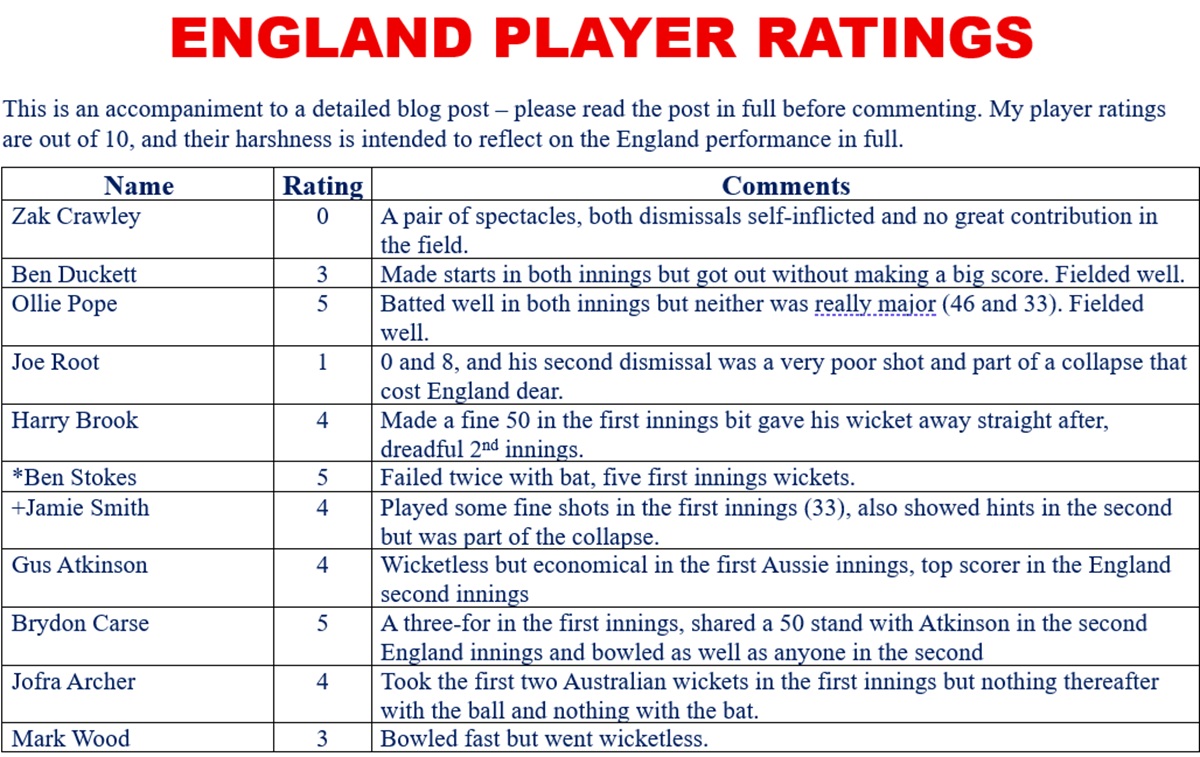
ENGLAND PLAYER RATINGS
These are given in batting order, and are marked out of 10, and they are harsh.
Zak Crawley – 0. The opener bagged a pair, was culpable for both dismissals, and did nothing of note in the field, therefore it is not possible to award him even a single point.
Ben Duckett – 3. Played nicely in both innings, but neither contribution was substantial. He did his job in the field.
Ollie Pope – 5. The only England batter to show signs of adapting his game to suit this ground – he scored ten threes across the two innings. He also fielded well.
Joe Root – 1. A duck in the first innings, 8 in the second, and he was part of the collapse that opened a way back into the match for Australia, playing a poor shot to boot.
Harry Brook – 4. A good 50 in the first innings, but his second innings failure was down to an awful shot, and he was the middle of three wickets to fall at the same score in that innings.
Ben Stokes – 5. Two failures with the bat. His first innings five-for looked to wrenched the initiative back for England, and he looked helpless in the face of Travis Head in the final innings.
Jamie Smith – 4. His first innings 33 was impressive for as long as it lasted, his second innings dismissal would probably not have been given in the days befor technology, and he kept competently.
Gus Atkinson 4. Though he personally went wicketless he was part of England’s good first innings bowling performance, and he top scored in England’s second innings, batting in a way that should have roundly embarrassed most of those above him in the order.
Brydon Carse 5. Five wickets in the match, although the fifth came too late to be of real relevance, and took part in a 50 partnership in the second English innings that seemed to have given them hope.
Jofra Archer – 4. Took the first two Australian wickets to fall, but did little of note thereafter.
Mark Wood – 3. Bowled fast though not for any great reward. As with all his fellow bowlers he has to be regarded as less at fault for the debacle than the batters.
PHOTOGRAPHS
Some of the photos in this gallery are from James and Sons upcoming auction on December 2nd – go here or here for more…
Today saw the start of the 2025-6 Ashes series between the Australia and England men’s teams, with England launching a bid to achieve something last pulled off by Ray Illingworth’s 1970-1 side – come to Australia without The Ashes and leave with them (Three subsequent England skippers, Brearley in 1978-9, Gatting in 1986-7 and Strauss in 2010-11 have retained as opposed to regaining The Ashes in Australia). Perth was the venue, a city in which England have only once won a test match, during Brearley’s 1978-9 triumph.
PRELIMINARIES
Both sides had in different ways caused eyebrows to rise in the run up to the series. Australia had lost skipper Pat Cummins and, right on the eve of the contest, fellow pacer Josh Hazlewood to injuries, and their top order was in a state of flux as well, with Jake Weatherald, at 31 years of age no youngster, earmarked for a debut in this match. The vacancy opened up by Hazlewood’s injury was filled by Brendan Doggett, also 31 years old and making his debut at the highest level.
England meanwhile were much more settled, but their preparation had raised eyebrows. They had played one preliminary fixture, at Lilac Hill, a venue with no similarities to Perth, and rather than a genuine match it was England v England Lions, with everyone getting involved rather than two sides of 11. Correctly in view of everyone actually being fit and the nature of the Perth pitch they had omitted Shoaib Bashir, going with a full battery of pacers – in batting order from 8-11 Atkinson, Carse, Archer and Wood, with Ben Stokes also fit to bowl. Australia, short of experience with the injuries to Cummins and Hazlewood, had opted to pick Nathan Lyon, the veteran off spinner who has just celebrated his 38th birthday, in their line up. Ben Stokes won the toss and opted to bat, probably aware that the side batting first has won every test match at this new venue.
THE ENGLAND INNINGS
Four years ago Mitchell Starc struck with the first ball of the series, removing Rory Burns. This time it took him until the last ball of the first over to make the breakthrough. The dismissal was the sort of dismissal that an AI bot asked to produce a typical Crawley dismissal would have come up with – a loose drive resulting in an edge and first slip being in business.
England scored at a rapid rate in spite of an outfield that was both large and slow (there were a number of threes and one all run four for shots where the ball stopped just inside the ropes). However they also lost wickets at a rapid rate. Harry Brook scored an impressive 50 but got himself out immediately after reaching that mark, while Ollie Pope and Jamie Smith both looked good but failed to go big, scoring 46 and 33 respectively. This was not a surface on which lower order batters were likely to prosper, and from 160-5 England fell away to 172 all out, Starc 7-58, a new test best. However, they still had the opportunity to bowl on a spicy deck, and had a bowling unit that looked both stronger and better suited to such a surface than Australia’s makeshift one…
THE AUSTRALIAN REPLY
Australia also lost their first wicket before scoring a run, Khawaja having left the field during the England innings and rendered himself unable to open the innings, a mishap that meant the debutant Weatherald would be on strike for the first ball of the reply, with Labuschagne at the other end. Archer’s first ball beat him, and the second pinned him LBW. Khawaja was still not allowed to bat at this point, and stand-in skipper Steve Smith (yes, he of sandpaper infamy) joined Labuschagne for a second wicket stand that soaked up a bit of time but not produce many runs. The second ball of the 15th over, bowled by Archer (by then into a second spell) rattled Labuschagne’s stumps to make it 28-2. Nine balls and two runs later Steve Smith edged one from Brydon Carse to be caught by Brook for 17 and that was 30-3. One run later Carse had Khawaja caught behind to make it 31-4. Travis Head and Cameron Green seemed to be seeing Australia through in a good partnership when Stokes introduced himself to the attack. With the score on 76 Travis Head fell to a catch by Carse off Stokes to end a 45 run partnership. Seven runs later Green edged through to Smith, leaving Carey and a precarious tail (Starc at least one place too high eight, Lyon two places too high at nine and genuine rabbits Doggett and Boland) to attempt to get Australia somewhere near parity. Starc and Carey fared well together for a time, until Starc, on 12, gave Carse another catch off Stokes. Three runs later came the dismissal that made it unequivocally England’s day, Carey becoming the third Aussie to be caught by Carse off Stokes, for 26 in his case. That was 121-8, and two balls later Boland, sent in ahead of Doggett for no apparent reason, was caught by Brook to make it 121-9 and give Stokes his fifth wicket of the innings. There was time for just one more over in this eventful day, and Australia survived it, adding two runs to their score as well. The day thus saw 295 runs scored and 19 wickets fall, and that with only 71.5 overs being bowled (32.5 for the England innings, 39 in the Australian innings). That 19 wickets was the most on an opening day of an Ashes match since Old Trafford in 1909 when both sides had completed their first innings by the end of day one. 51,531 people, a record crowd for a match in Perth, watched some or all of the day’s action at the ground (officially 10,000 of these were English, but there are also quite a few English migrants living in Perth who would have been counted as local sales). With this much happening on day one one can already strike out days four and five, and day three is far from certain to happen. In a day of two halves the brilliance of England’s bowlers, backed by some good catching, ultimately more than offset a rather slipshod batting effort, but the batters cannot expect the bowlers to dig them out of every hole like that.
PHOTOGRAPHS
My usual sign off…
A pied wagtail exploring Fakenham Market yesterday as I walked through on my way to work (it was practically at my feet when I took this picture)“Red sky at night, Shepherd’s delight” – although whether that quite applies when said ‘night’ is falling at about 4PM is another matter!
A look at Sydney Thunder v Perth Scorchers in the WBBL and a lot of photos.
Today’s match in the Women’s Big Bash League saw Sydney Thunder hosting Perth Scorchers. The home side had been consistent in the wrong way, losing three out of three, while the visitors had been inconsistent. This post looks back at the match.
THE SCORCHERS INNINGS
Sydney Thunder won the toss and opted to bowl first. The first two overs were economical, but then Georgia Voll was entrusted with the third and Katie Mack hit the first three balls of the over for fours. By the end of their four over opening Power Play the Scorchers were 26-0, a modest tally in spite of Voll’s expensive over. The key reason for this was left arm spinner Samantha Bates, who bowled two of those four overs and conceded a mere eight runs. Katie Mack was in splendid form, while Beth Mooney hung in there. The first ball of the eighth over saw the 50 come up, and a strong finish to the first half of the innings saw the Scorchers go to drinks on 76-0 from 10 overs. The drinks break, as it quite often does, brought the wicket, Mooney falling immediately on the resumption. The young English left hander Freya Kemp came in at three and was briefly impressive before a run out ended her stay at the crease for 11 (6) to make it 90-2. Another Englishwoman, Paige Scholfield, followed Kemp to the crease, and hit her first ball for four, before being pinned LBW by her second and burning up a review in an attempt to overturn it. The great Kiwi veteran Sophie Devine was next and on this occasion failed to make it 98-4. With wickets tumbling the Scorchers delayed to Power Surge until overs 16 and 17. Samantha Bates, having already bowled two of her overs in the opening Power Play, now bowled her fourth and final over in what was both a Power Surge over and a death over. She did so superbly, and emerged with figures of 4-0-18-1, with three of those four overs bowled in the toughest periods of the innings. Scorchers just brought up the 150 before the end of their innings, the last ball of which saw the dismissal of Mack, who had batted on a different plane from most of her team mates, scoring 79 off 57 balls in all.
THE THUNDER REPLY
Although Sixers had very comfortably defended a smaller total than Scorchers’ 150 on this same ground a few days earlier there was still a suspicion that the Perth side had not done enough in their innings.
By the end of the opening Power Play that impression was reinforced as Thunder were 36-0 at that point, ten runs better than Scorchers had been. By the halfway stage Thunder had reached 80-1, only four runs better and one wicket worse than Scorchers. However, while Scorchers had struggled in the second half of their innings Thunder did not. At the 15 over stage it was 114-1, 37 needed off the last five overs with nine wickets standing, and now Phoebe Litchfield stepped on the gas for Thunder. No further wickets were taken, and it was Litchfield who ended proceedings by hitting the second ball of the 19th over for the only six of the match, a shot that took her to 50* (35), while at the other end Tahlia Wilson was 55* (44), with Georgia Voll having redeemed her poor bowling by contributing 43 from 31 balls at the top of the order. The only remaining question was Player of the Match. I regard the actual choice of Wilson as a clear-cut mistake – she scored at slower than the required rate, meaning that her team mates needed to do more than she was, which they managed easily enough. I would have been happy enough had it gone to Litchfield, whose late acceleration sealed the deal, but my own choice would have Bates for her bowling performance, which played a huge part in limiting the Scorchers to that 150 – her team mates conceded an average 8.25 from each of the 16 overs they bowlers, while she went for 18 from four, an ER of 4.50, and she bowled three of those four overs at tough stages of the innings. Had she matched the ER of her team mates, which would still have made it a good effort given when she bowled Scorchers would have had 165 to defend rather than 150, and those extra 15 runs may well have been enough.
A look back at today’s ‘Sydney Smash’ – Thunder v Sixers – in the WBBL, including a historic performance from Caoimhe Bray and a photo gallery featuring pictures taken with three cameras.
Today in the Women’s Big Bash League saw the Sydney Smash – Thunder hosting Sixers at Drummoyne, just west of Sydney. This post looks back at a bizarre game that ended up being dominated by the youngest player involved.
SIXERS SLUMP AFTER STRONG START
Sydney Thunder skipper Phoebe Litchfield won the toss and chose to bowl first, a decision that her cross-city counterpart Ashleigh Gardner would also have made had she been the one to win the toss. Each side had a youngster in the ranks, Thunder giving a debut to 18 year old all rounder Lucy Finn, while Sixers had 16 year old bowling all rounder Caiomhe Bray (that given name is pronounced like ‘Keeva’ just for the record).
Ellyse Perry was out fairly early, pinned LBW by Georgia Voll with just 16 on the board. Thereafter, with Sophia Dunkley in prime form, and Alyssa Healy taking full toll of a few loose balls things initially looked bright for the Sixers. Their innings took a dramatic turn when Healy tried to go after one from Shabnim Ismail and succeeded only in picking out Samantha Bates who made no mistake with the catch. That was 76-2, and off the last ball of the tenth over Dunkley fell for 43, pinned LBW by Sri Lankan veteran Chamari Athapaththu to make it 80-3 at the halfway stage of the innings. In the second half of the Sixers innings wickets tumbled regularly, with the shining exception of English spin bowling all rounder Mady Villiers who emerged as third top scorer of the innings, with an unbeaten 24. A final total of 142-9 looked on the meagre side, especially from that high water mark of 76-1 after 8.4 overs…
THUNDER TUMBLE
…Sixers needed to start well, and veteran seamer Lauren Cheatle struck with the fourth ball of the Thunder innings, having Voll caught by Villiers to make it 2-1. Then the other new ball bowler, Maitlan Brown, struck twice more, first accepting a soft return chance to dismiss the other opener Tahlia Wilson for 7, and then having the vastly experienced Heather Knight feather one through to Healy for 6 to make it 19-3 in the fourth over. Neither Phoebe Litchfield nor Anika Learoyd played fluently, but they held the fort together until the last ball of the seventh over, bowled by the youngster Bray. Litchfield, who had reached 8 from 14 balls tried to attack against Bray and succeeded in being caught by Gardner to make it 33-4. The next over yielded nine runs, before it was back to Bray, and the biggest events of the night. The first ball of the ninth over did for Learoyd, bowling her for 11 to make it 42-5. That brought the explosive Laura Harris to the crease. Harris tried to do her thing off her first ball and was brilliantly caught by a diving Erin Burns for 0 to give the 16 year old Bray a hat trick comprising three front line batters, some 175 years after All-England skipper Heathfield Harman Stephenson caused the term to be coined by dismissing three batters with successive balls in a match in Sheffield, which led to the crowd, impressed by the performance, to pass round a hat for a collection and present both hat and contents to Stephenson. Incidentally, though this match was flawless in this regard this edition of the WBBL had not overall been notable for catches being held. That was 42-6, and Lucy Finn came to the crease. Four balls into the second half of the innings Athapaththu holed out to Gardner to give Bray her fourth scalp of the innings and make it 49-3, the Sri Lankan managing only 3 (6). Bray had two balls of her allocation left to make it a five-for, but was not able to do so. However, her final 4-0-15-4 including the hat trick had settled who would be named Player of the Match. Thunder’s own youngster, Finn, now took centre stage, as she, with good support from tail enders Taneale Peschel and Shabnim Ismail (number 11 Samantha Bates not being required in the end) proceeded to produce an innings that exposed just how badly her supposed betters had handled their duties. She just missed on reaching 50, but her 49 not out, in the course of which she never looked in any trouble was the highest score of the match on either side – quite something for a debutant who came into the match considered more of a bowler than a batter (and though, like all else, it was overshadowed by Bray’s performance 3-0-27-1 on professional T20 debut is no one’s idea of a failure). Thunder with this late revival reached 118-8, beaten by 24 runs.
PHOTOGRAPHS
This gallery features images taken with three cameras – the Nikon Coolpix B500 that was my first choice camera until it died on Tuesday morning, the Canon EOS 4000D that is my reserve camera, and the Panasonic DC-FZ82D which I ordered on Wednesday and arrived yesterday and is now my new first choice camera…
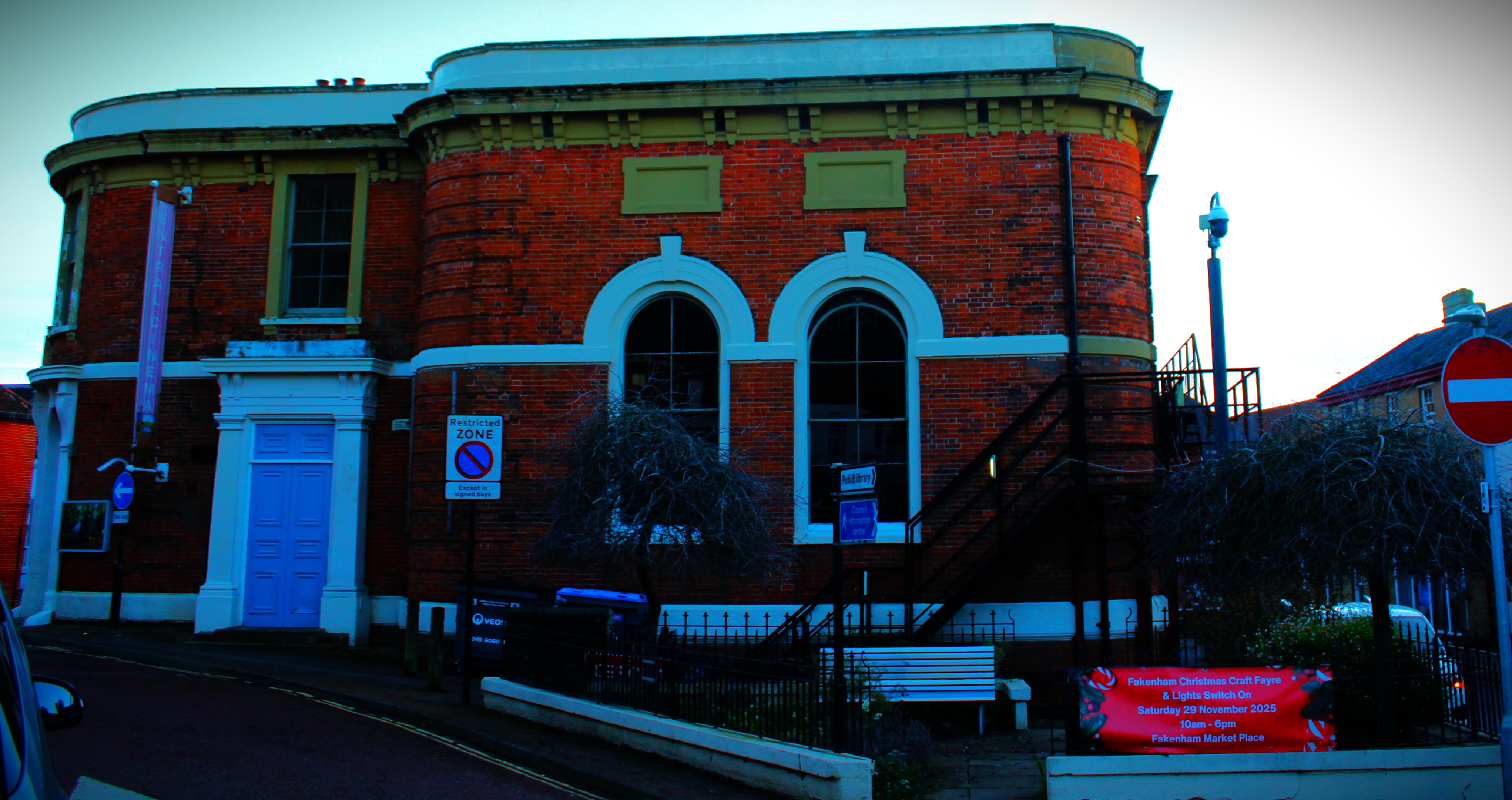
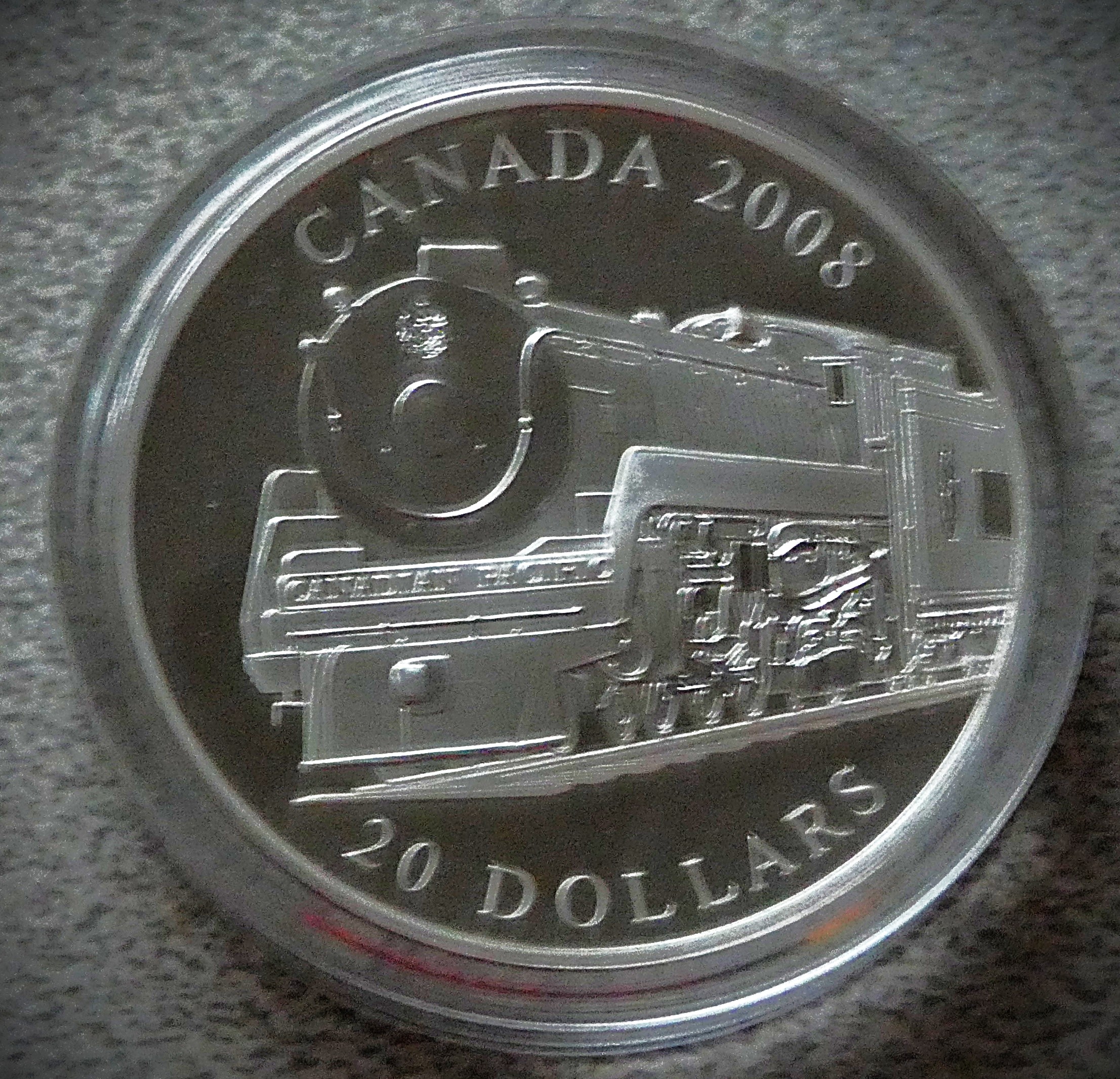
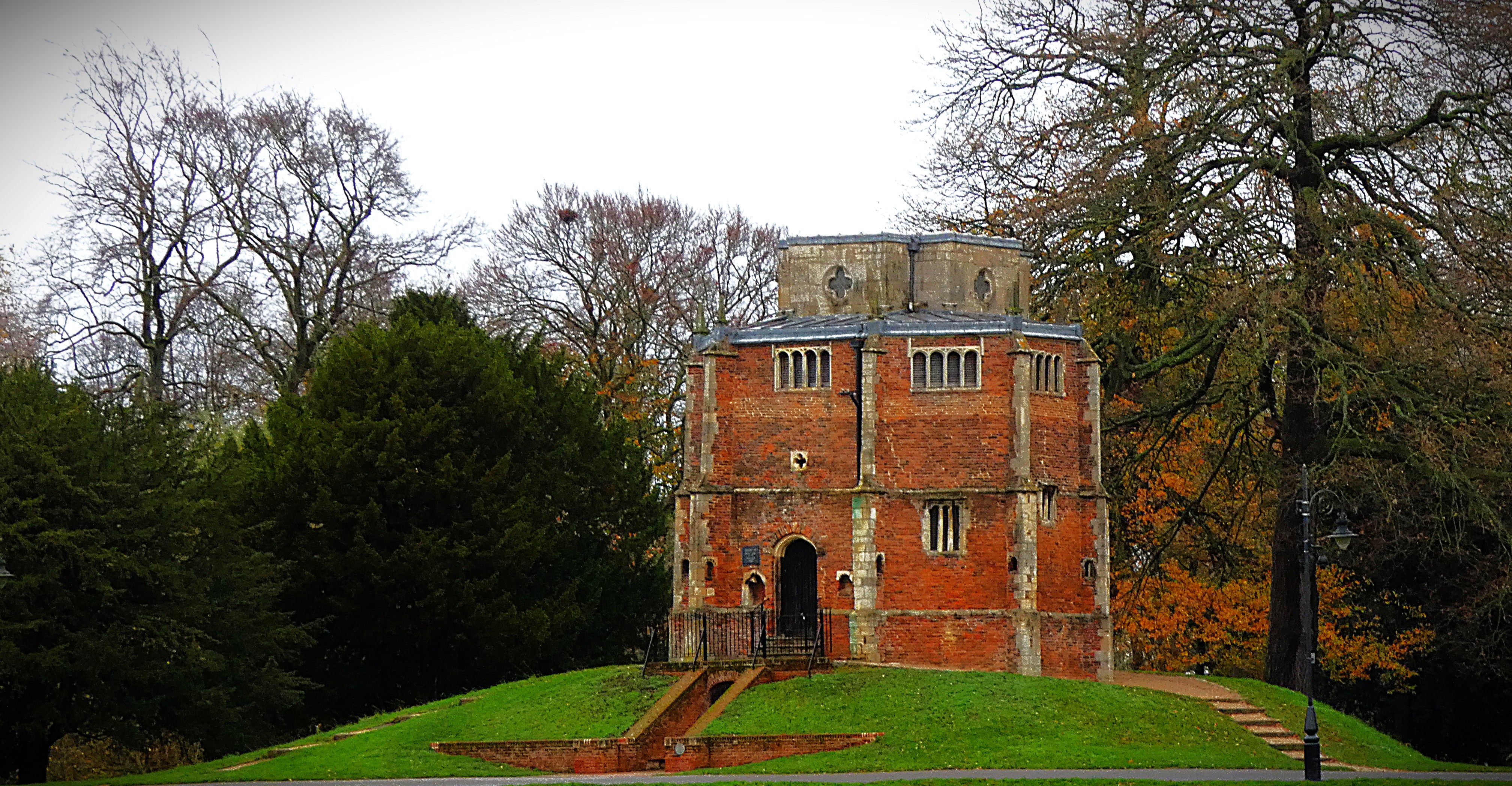
This gallery consists of the last pictures with the Nikon.The pictures in this gallery were taken with the Canon……and starting with this one, the Panasonic.I used this Canadian train coin to test the Panasonic’s ability to handle detail.The Red Mount Chapel.
A look at Perth Scorchers v Sydney Sixers in WBBL11 and a photo gallery.
The 11th edition of the Women’s Big Bash League (WBBL) is now under way. Today there was live commentary on game three, between Perth Scorchers and Sydney Sixers at the WACA. This post looks back at the match.
THE SCORCHERS INNINGS
Perth Scorchers won the toss and chose to bat. They started reasonably well, being 27-1 after four overs, and 37-1 after 4.3 overs. The fourth ball of that over saw the end of Beth Mooney just as she was starting to look really dangerous. From that point the game changed, as Sixers applied considerable pressure. First there was a period of 2.3 overs immediately after the dismissal in which a mere seven runs were scored, and then came catastrophe for the Scorchers. First Sophie Devine suffered a barely credible dismissal, officially stumped by Emma Manix-Geeves off Ash Gardner, when a) the ball hit the stumps by way of the keeper rather than due to any good work on her part and b) the wicket keeper gloved the stumps herself without possession of the ball, but the ball had hit the stumps before her gloves did. That eventually brought Paige Scholfield to the crease, she immediately hit her first ball straight back to Gardner to make it 44-4. Freya Kemp now came in, and in company with Mikayala Hinkley seemed to be steadying the ship. Then Hinkley, who had made her to 31, was well caught by Coimhe Bray off Ellyse Perry (a transgenerational dismissal, Perry being 35 and Bray 16) to make it 83-5, which became 83-6 when DRS confirmed that Chloe Ainsworth’s pad was indeed in front of the stumps when her first ball thumped into it. Five balls later Freya Kemp became the third player dismissed with the score on 83 when Gardner bowled her for 16 with a peach of a yorker. That left Lilly Mills and Alana King together at the crease. Mills batted busily and effectively for a time, until Gardner struck yet again. First Mills was caught behind for 13, and then after Amy Edgar had scored a single off the next ball Alana King fell to a return catch for 5 to make it 102-9 and give Gardner her fifth wicket of the innings. The over ended without further incident, but Gardner, captaining the Sixers for the first tine, had recorded figures of 4-0-15-5, the best ever for the Sydney Sixers. Edgar and number 11 Ebony Hoskin did manage to take the Scorchers innings into the final over, before a second fine catch of the innings by Bray accounted for Edgar to make it 109 all out. On this occasion Bray’s seamers were surplus to requirement, but she had been worth her place purely as a fielder.
THE SIXERS INNINGS
A total of 109 was miles short of anything remotely defensible on a good surface (which this was), and an upset never looked likely. Sixers opening pair of Ellyse Perry and Sophia Dunkley made an easy task look quite ridiculously so. It took the pair a mere 12.5 overs to take their side to a ten wicket victory. Dunkley scored 61 not out from 40 balls with five sixes and four fours and Perry had 57 not out from 37 balls with nine fours. It remained only for Gardner, skipper and record breaking bowler for the Sixers, to be named Player of the Match as she duly was.
PHOTOGRAPHS
My usual sign off…
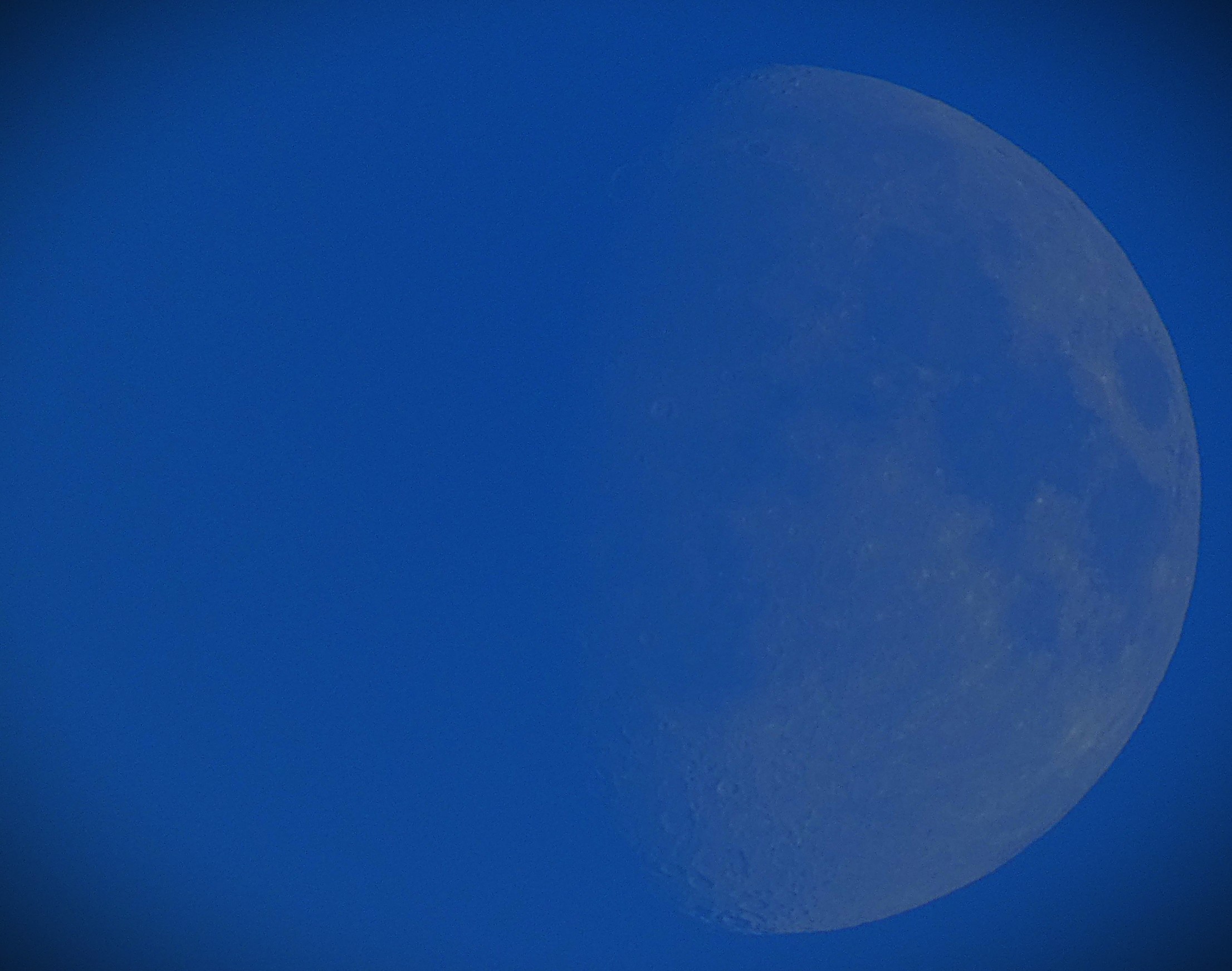
A ‘waning gibbous’ moon in the morning sky.A squirrel tackles a large tree.looking down from in the branches.the lookout squirrel
An all time XI of England players whose finest hours came in Australia, and a photo gallery,
With an away Ashes series approaching I offer a variation on the all-time theme – an England side picked specifically with achievements IN Australia in mind (yes, sceptical Aussie readers, I can find 11, and that without too much difficulty).
THE XI IN BATTING ORDER
*Len Hutton (right handed opening batter, captain). England’s successful skipper both at home in 1953, when he was the first professional to lead England in a home Ashes series, and away in 1954-5, also recorded a series batting average of 88.83 on the unsuccessful 1950-1 tour.
Alastair Cook (left handed opening batter). 766 runs at 127.67 in the 2010-11 triumph, including 235 not out at Brisbane, 148 at Adelaide and 189 at Sydney. He also scored an unbeaten at 244 at Melbourne eight years later.
Ken Barrington (right handed batter, occasional leg spinner). The Surrey stalwart had racked up nine test centuries on various overseas tours, including 1962-3 in Australia, when he fared magnificently, before scoring one in a home test match (256 versus Australia at Old Trafford in 1964).
Wally Hammond (right handed batter, occasional right arm medium fast bowler). Almost a century after he set it his 905 runs at 113.125 in the 1928-9 Ashes remains a record for a series in Australia, and second on the all time list behind Don Bradman’s 974 at 139.14 in England in 1930. He was also joint leading run scorer four years later with 440 at 55.00, an aggregate an average exactly duplicated by Herbert Sutcliffe, and his scores in 1936-7 included an undefeated double century.
David Gower (left handed batter). Four Ashes tours in all (1978-9, 1982-3, 1986-7 and 1990-1), with two of them in winning cause. In 1978-9 at Perth he came in on the first day with England in trouble at 41-3 and proceeded to score his maiden Ashes ton, with Boycott blocking at the other end. England won that match, still the only time they have ever won a test match in western Australia, and took the series 5-1. He scored centuries on all four of his Ashes tours, including an innings on the last of them that Bradman rated among the top five he ever saw in Australia.
+Matthew Prior (right handed batter, wicket keeper). England’s keeper in the successful 2010-11 tour, and he was a big part of the reason for that success.
Ian Botham (right handed batter, right arm fast medium bowler). Crucial to England’s 1978-9 triumph, and the 1986-7 trip saw the last of his 14 test centuries, and a five-for later in the series.
Frank Foster (left arm fast medium bowler, right handed batter). A splendid all rounder until a motorcycle accident ended his career early, he was one of two bowling stars (the other is also in this XI) of the 1911-12 tour, when England lost the opener but won all four of the other test matches, with 32 wickets in the series.
Hedley Verity (left arm orthodox spinner, right handed batter). One of the greatest masters of his craft ever to play the game. and a useful lower order batter. His role in the 1932-3 triumph was acknowledged by his skipper Douglas Jardine. He was the only bowler Donald Bradman admitted to facing as an equal, and I had very little hesitation in selecting him for the spinners slot.
Frank Tyson (right arm fast bowler, right handed batter). One of two choices for this slot, it was pretty much a coin toss as to who should get the nod. I went for his 1954-5 heroics over those of Larwood two decades previously.
Sydney Barnes (right arm fast medium bowler, right handed batter). 77 test wickets in Australia, in 12 matches in that country. At Melbourne in the 1911-12 series on a good track he had the top four Aussie batters back in the pavilion for a single between them in his new ball burst. England won that series 4-1, with Barnes claiming 34 wickets in the series.
This side has a very powerful top five, a keeper/ batter who succeeded down under, a legendary all rounder and four great and well varied bowlers. A bowling unit of Barnes, Foster, Tyson, Verity and Botham, with Hammond and Barrington available as back up options should be capable of functioning well on any surface.
HONOURABLE MENTIONS
There were three main rivals to my chosen openers: Andrew Strauss, who opened and captained on the 2010-11 tour and the old firm of Jack Hobbs and Herbert Sutcliffe. I wanted a right hander to go with Cook, which ruled out Strauss, and the need for a captain gave Hutton an additional advantage over the other contenders. Archie MacLaren had a great series in 1897-8, but that was a bit of a flash in the pan given his overall record, and England lost that series.
Eddie Paynter had a superb record against Australia and could have had David Gower’s slot. Among right handed players who might have featured in the middle order were KS Ranjitsinhji, Kevin Pietersen (whose test best of 227 was scored at Adelaide) and Ted Dexter, who electrified crowds in 1962-3. Colin Cowdrey made six tours of Australia, an England record, including answering an SOS call at the age of 42, 20 years after first travelling down under. I regretted not being able to include the left hander Frank Woolley. Denis Compton was never the player in Australia that he was elsewhere and had to be excluded. If Joe Root rights the one wrong on his stellar CV, the lack of a ton in Australia, he will merit consideration.
Andrew ‘Freddie’ Flintoff’s only visit to Australia in 2006-7 was a personal nightmare for him and ruled him out of consideration, while Ben Stokes has not yet fully delivered down under.
Among the keepers who could have been considered were LEG Ames (1932-3), Alan Knott (1970-1, and in defeat in 1974-5) and Bob Taylor (1978-9).
Derek Underwood performed a similar role in 1970-1 to that of Verity in 1932-3, and Johnny Wardle and Bob Appleyard both fared well in 1954-5. Graeme Swann fulfilled his brief of bowling economically in 2010-11, but flying home halfway through the 2013-14 tour tells against him.
Among the faster bowlers there are three honourable mentions: Harold Larwood in 1932-3 did what Frank Tyson did a couple of decades later and might well have had that slot. John Snow had a phenomenal tour in 1970-1. In 2010-11 James Anderson had a wonderful series, and had his moments on other tours as well.
PHOTOGRAPHS
My usual sign off…
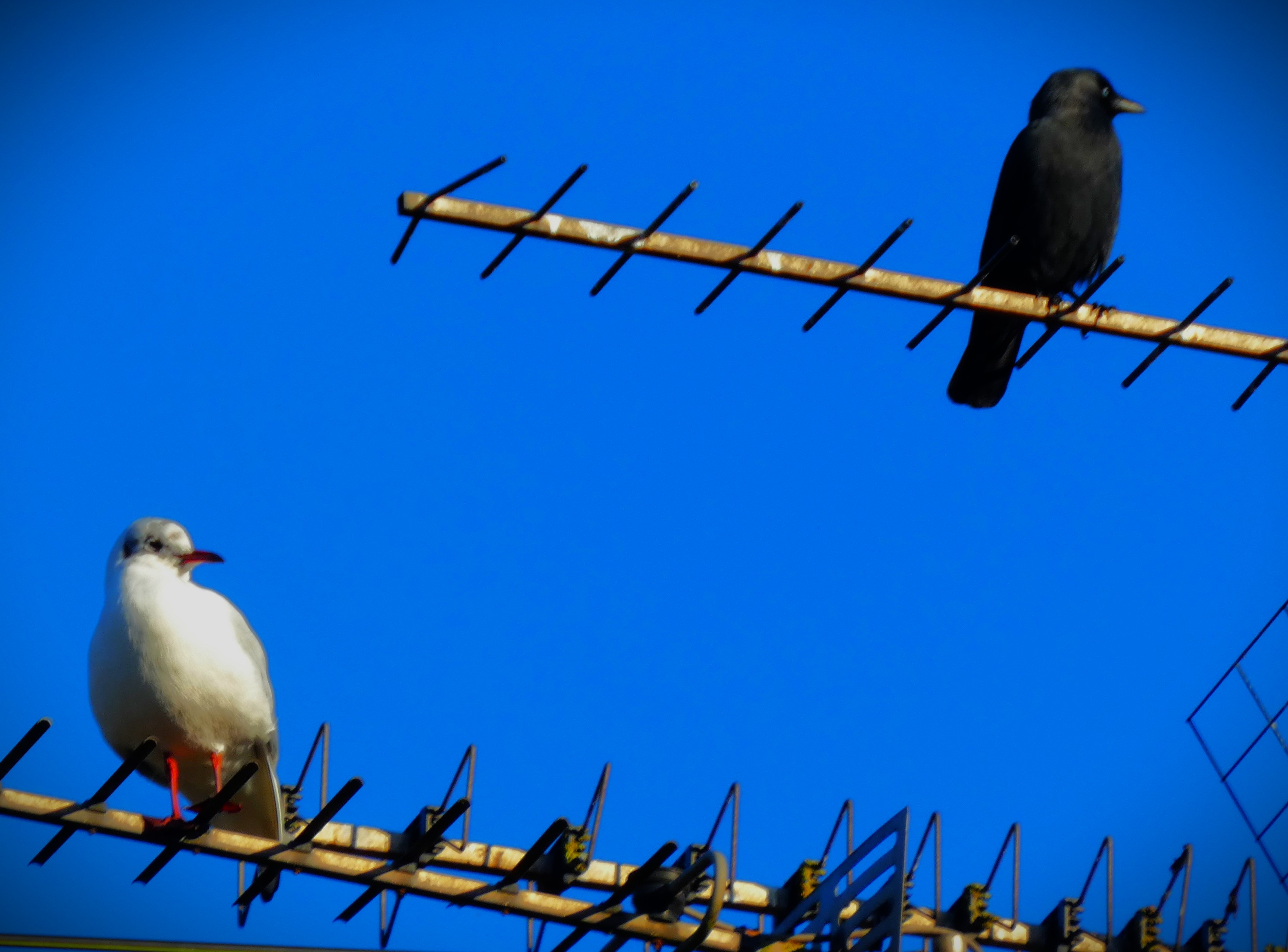
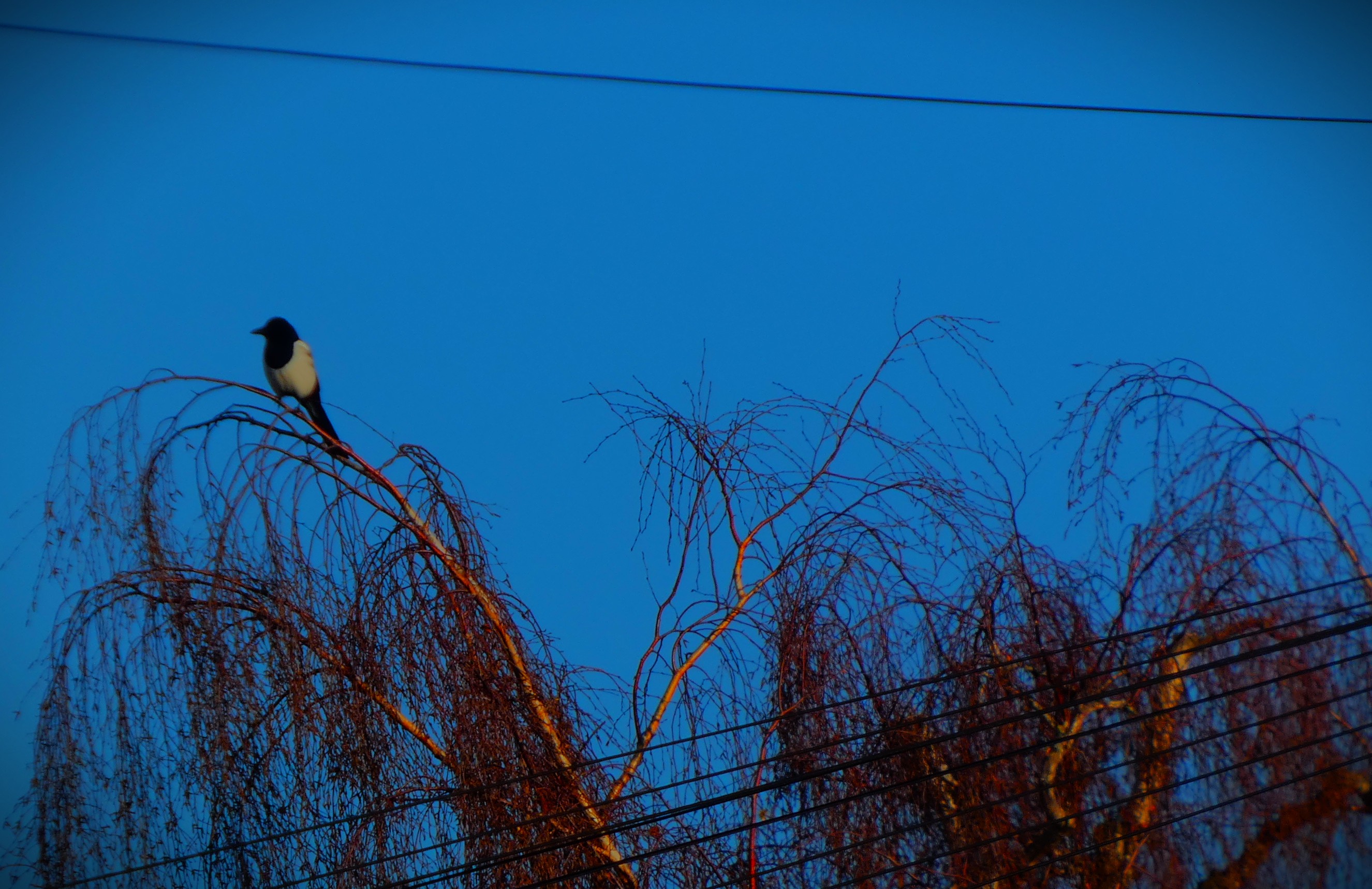
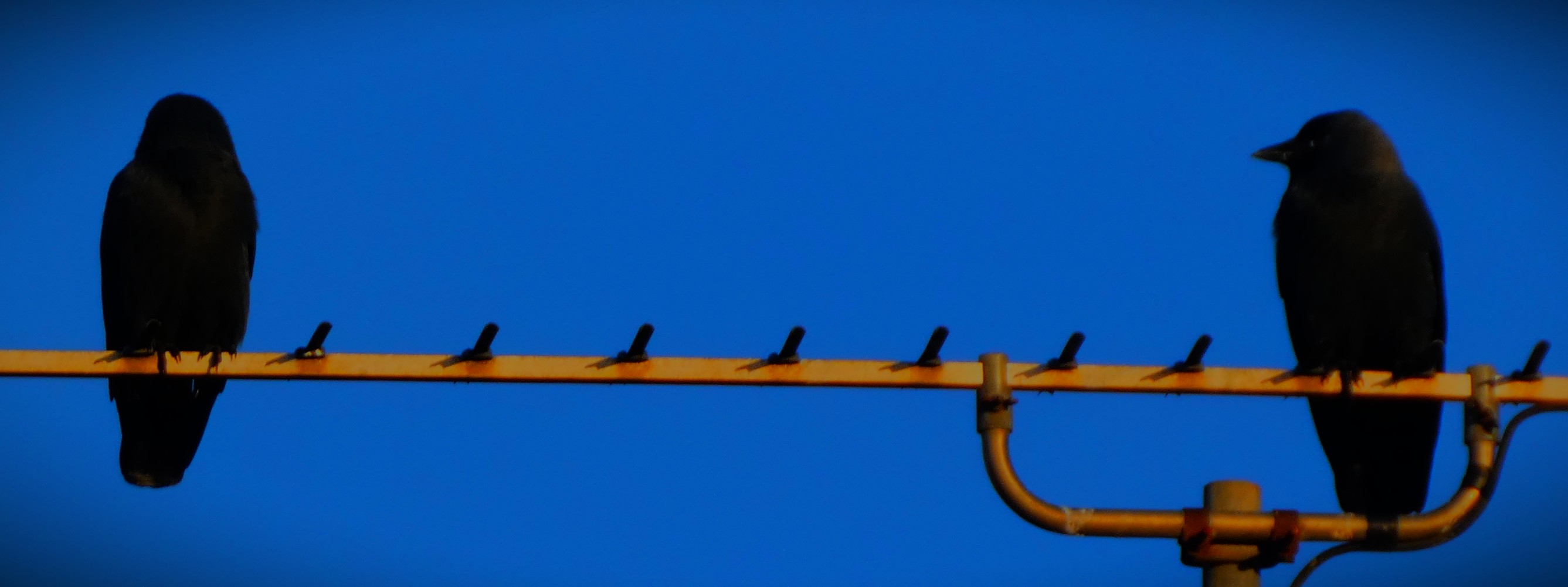
I suspected that this series of cormorant/ heron pictures would provide today’s feature image…A jay using a piece of scaffolding as a perch.…until this Red Admiral appeared this afternoon.
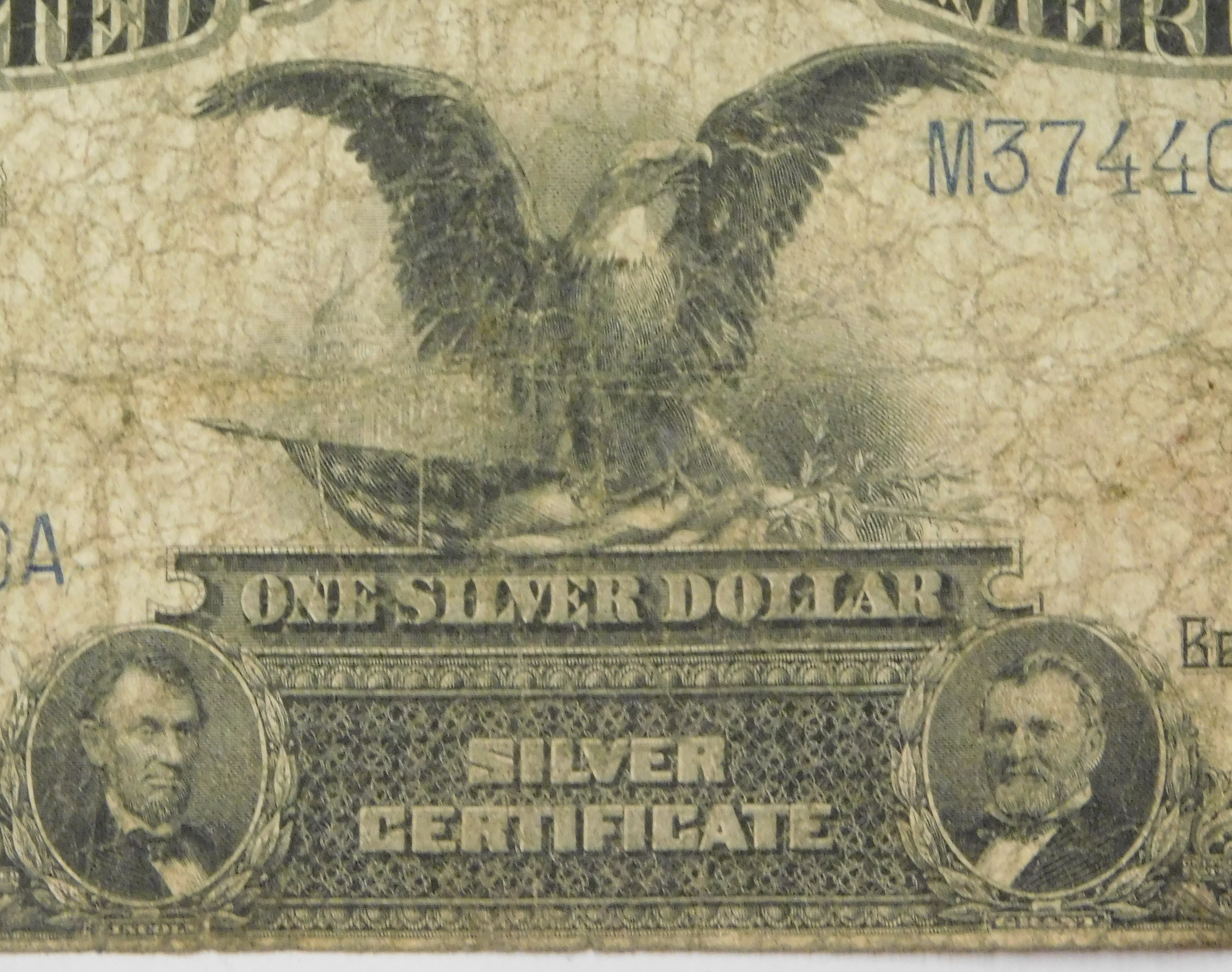
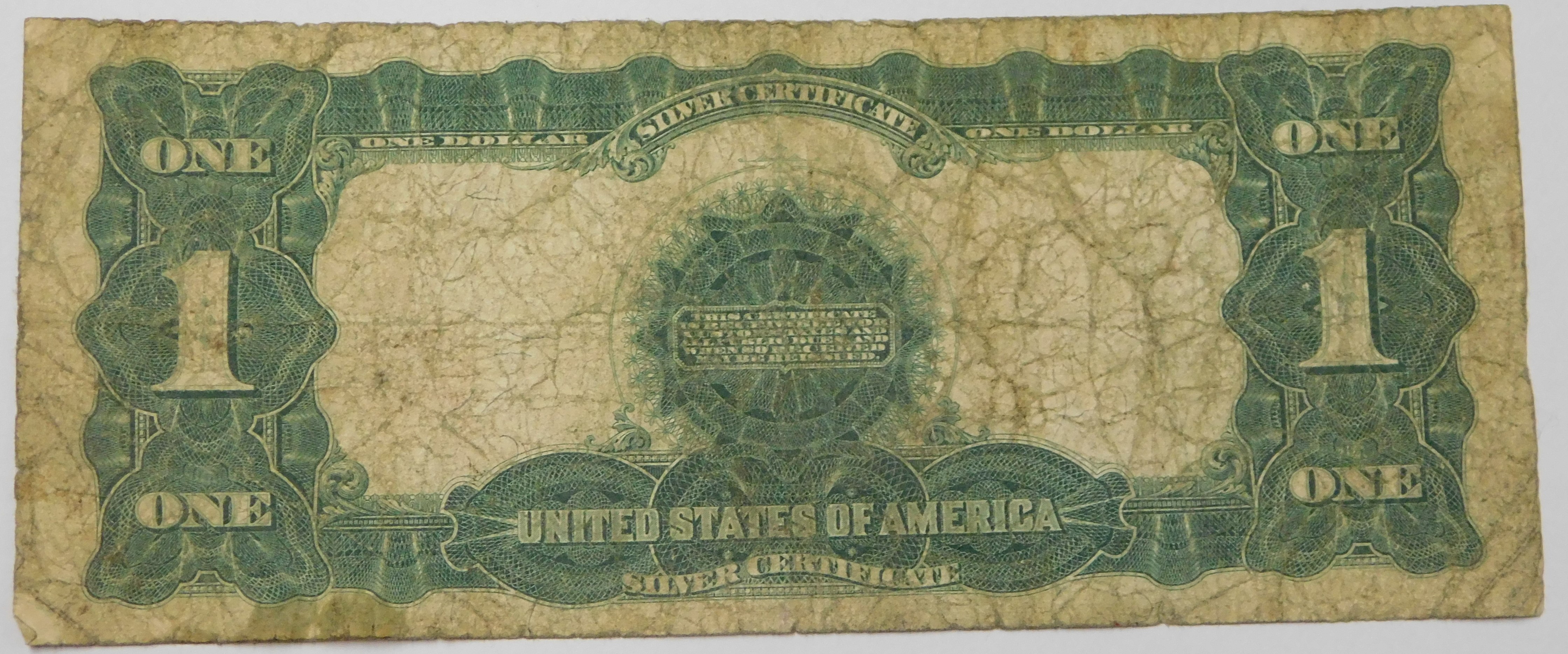
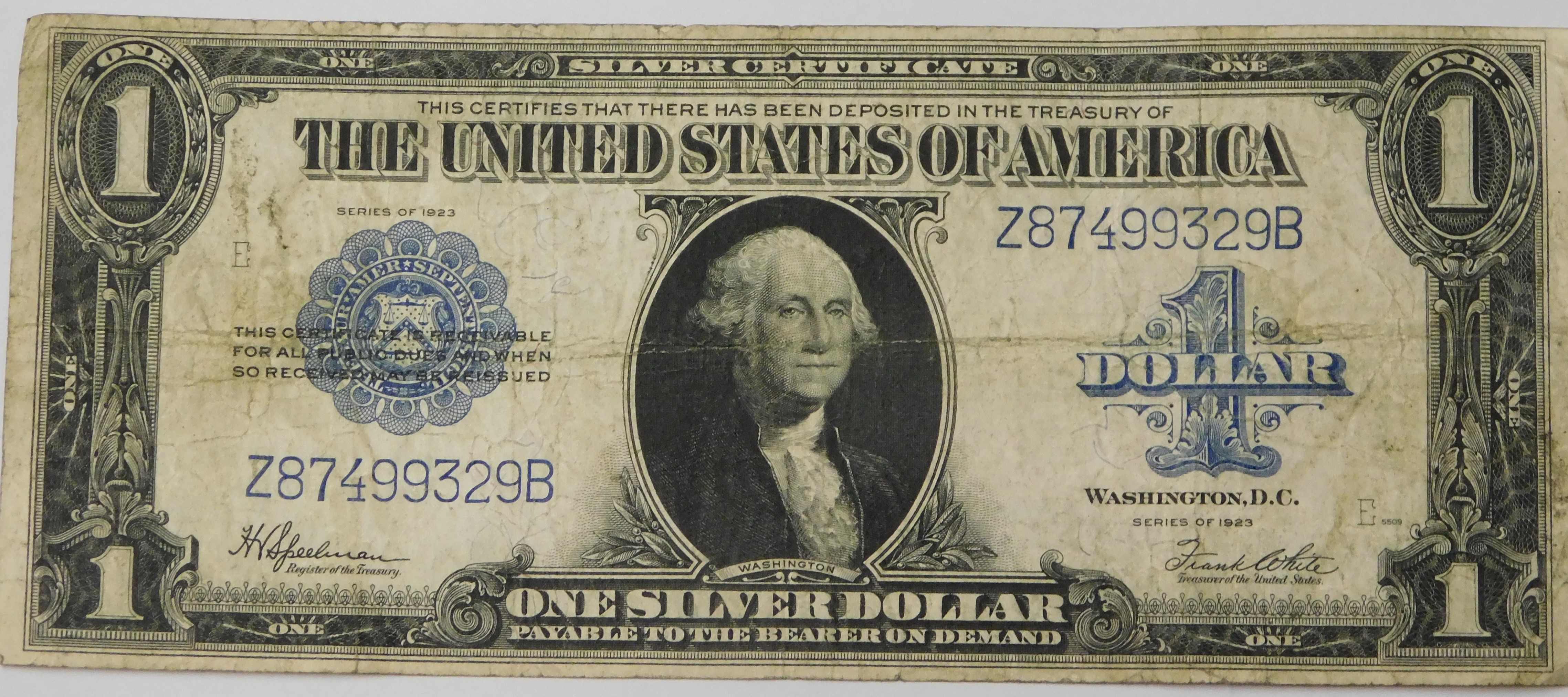
An account of a somewhat convoluted path to a 300 lot banknote and coin auction that is now up and running, plus a photo gallery.
Yesterday, with a little assistance from the former colleague who used to do such things, I sent an auction live on both the platforms James and Sons regularly use, the-saleroom.com and easylive. This post explains about that auction and its somewhat less than straightforward origins.
A FALSE START
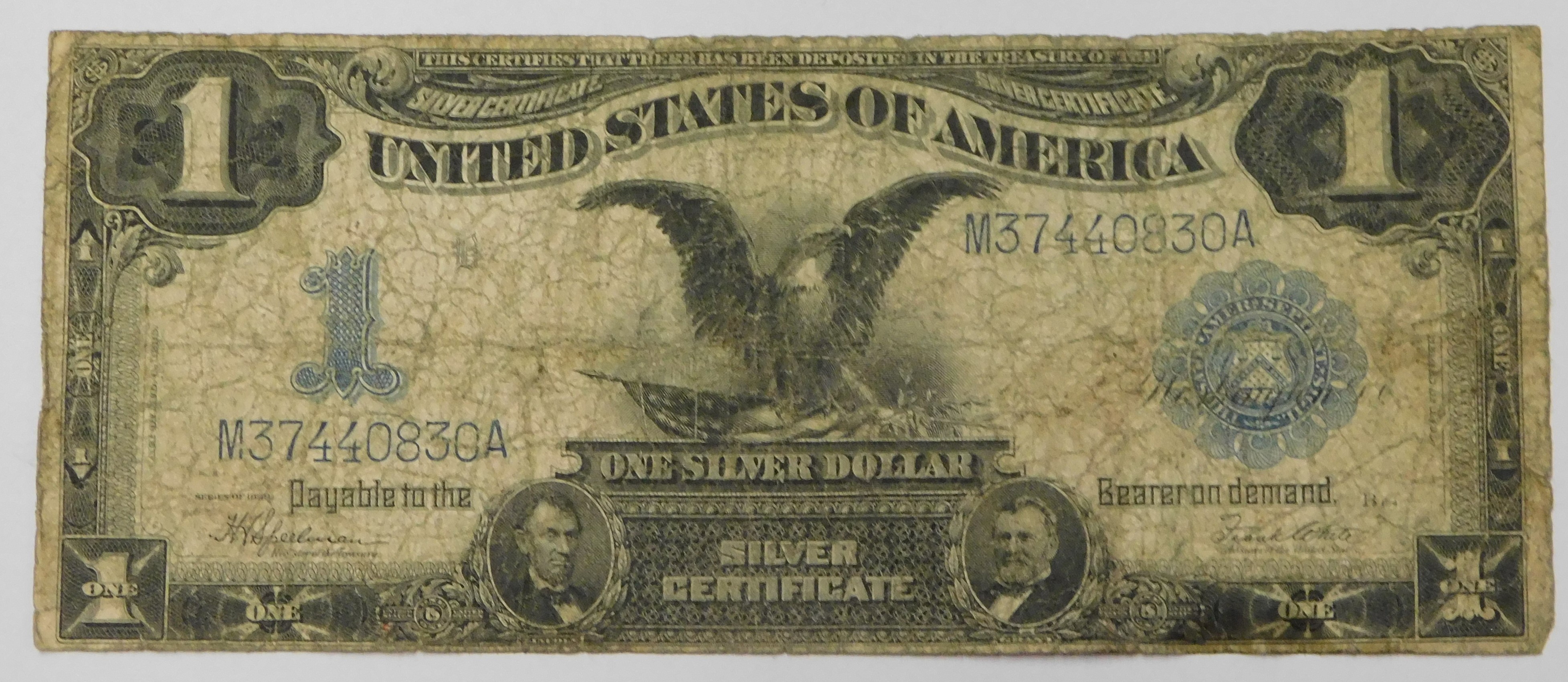
Ten days ago sale 2285 was as follows: Lots 1-50 books, all described and imaged, lots 51-105 ephemera, described and imaged, with an unknown number of further such lots to go in, Lots 451-500 Banknotes, described and imaged, Lots 501-737 coin and coin related lots, described and imaged, lots 738-800 yet to be filled, lots 801-900 postcards, described and imaged, and lots 901-1000 militaria, as yet unfilled. Then my employer decided he wanted the coin and banknote lots under the hammer. Originally, on Thursday of last week, we were going to do this a timed-bidding auction, and had sent it live on the-saleroom as such, but then my employer panicked and went back on that, and that sale had to be deleted.
THE REAL DEAL
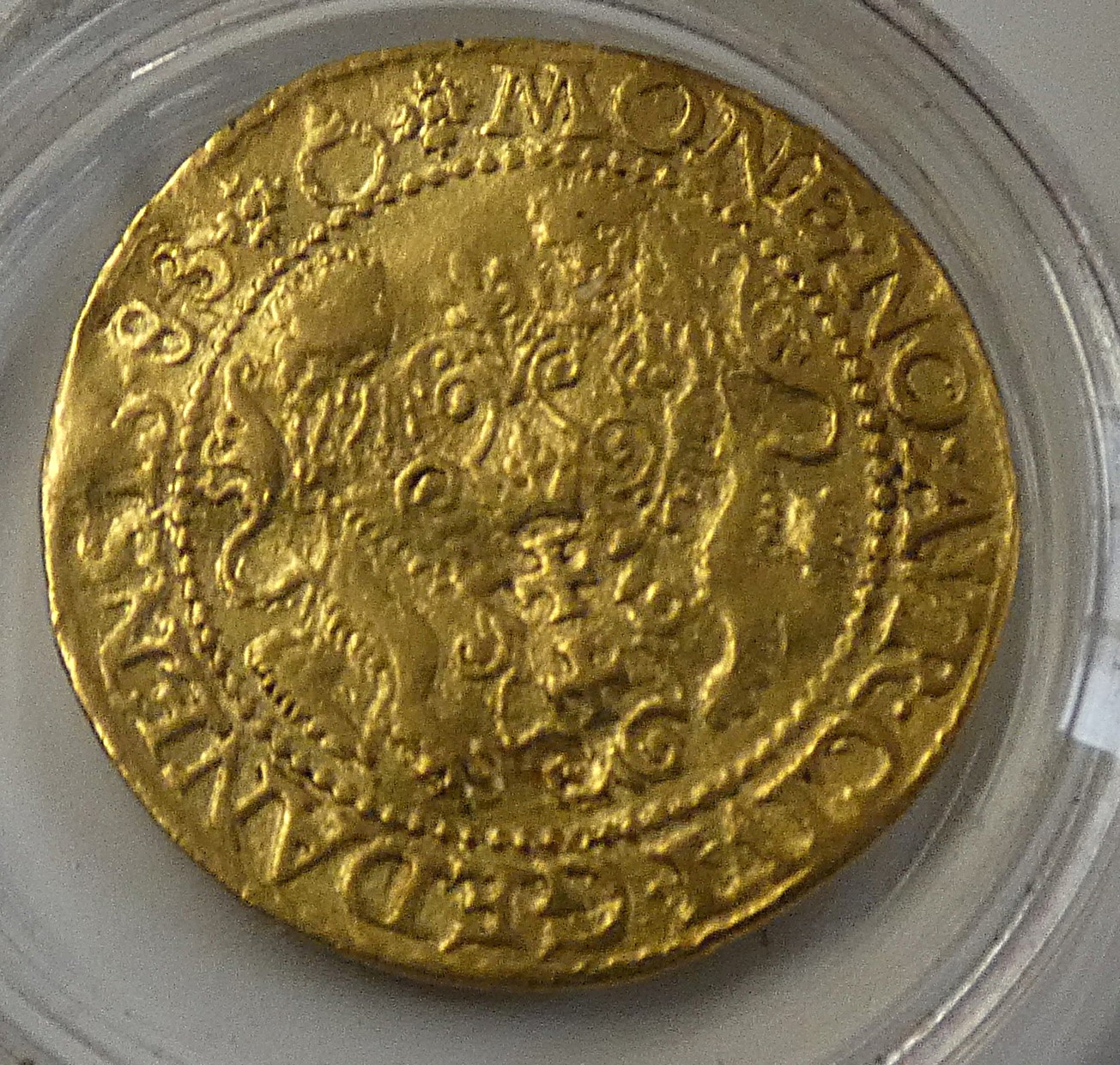
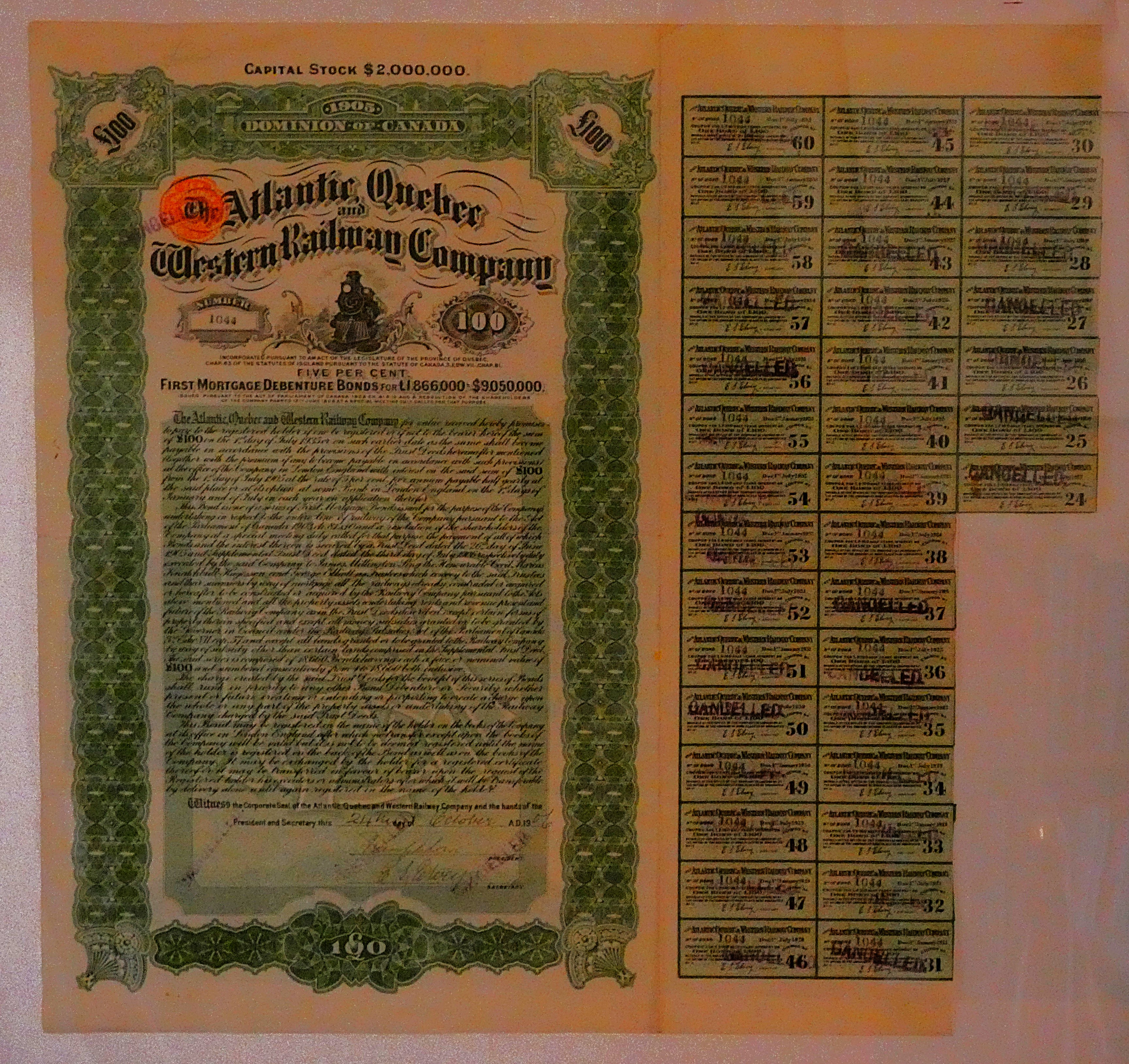
On Tuesday of this week I prepared as much as I could for a launch on Thursday. On Thursday the auction finally did go live on both platforms, with 300 lots in total, which will go under the hammer on December 2nd (I also have a 1,000 lot, two-day stamp sale complete and ready to go, and sending that online should be much more straightforward) starting at 10AM. Owing to the fact that the images had originally been saved as lots 451-750, and with those numbers, the images files had to be renumbered appropriately before they could be uploaded, which is why the auction does not have all the images yet – I have renumbered and uploaded up to lot 180, and have renumbered lots 181-90 but had no time to upload them yesterday. Fortunately I will not need to renumber the much larger number of images in the stamp/ postal history auction – this auction features about 900 images in total, the larger one some 4,000. I will have the rest of the renumbering done at some point on Tuesday, and may be able to get an email out that same day, or that might have to wait until Thursday. The heart of this auction is a collection of Polish coins spanning about half a millennium. To see what the auction currently looks like on easylive go here, while the catalogue on the-saleroom is still pending approval.
PHOTOGRAPHS
My usual sign off…
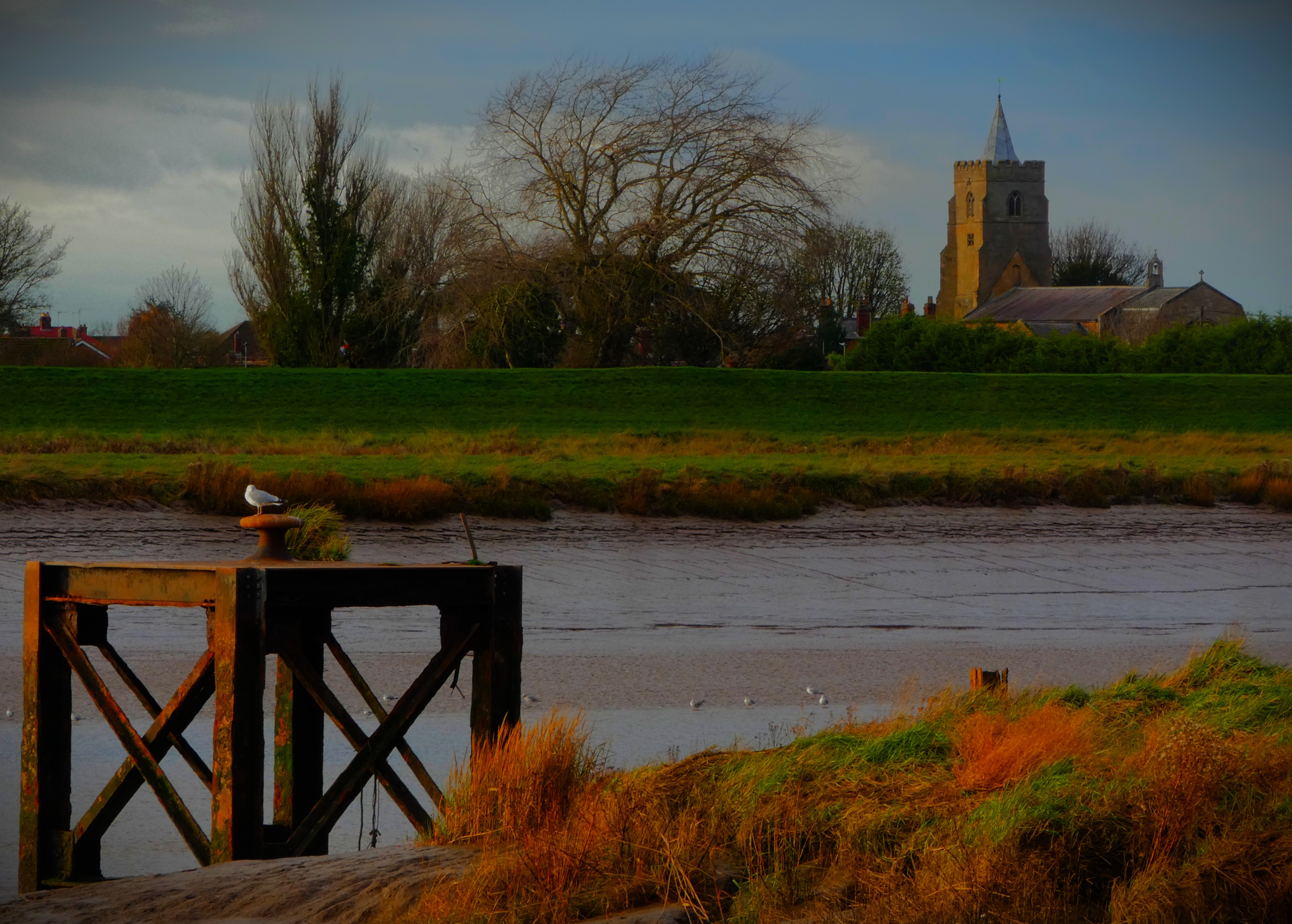
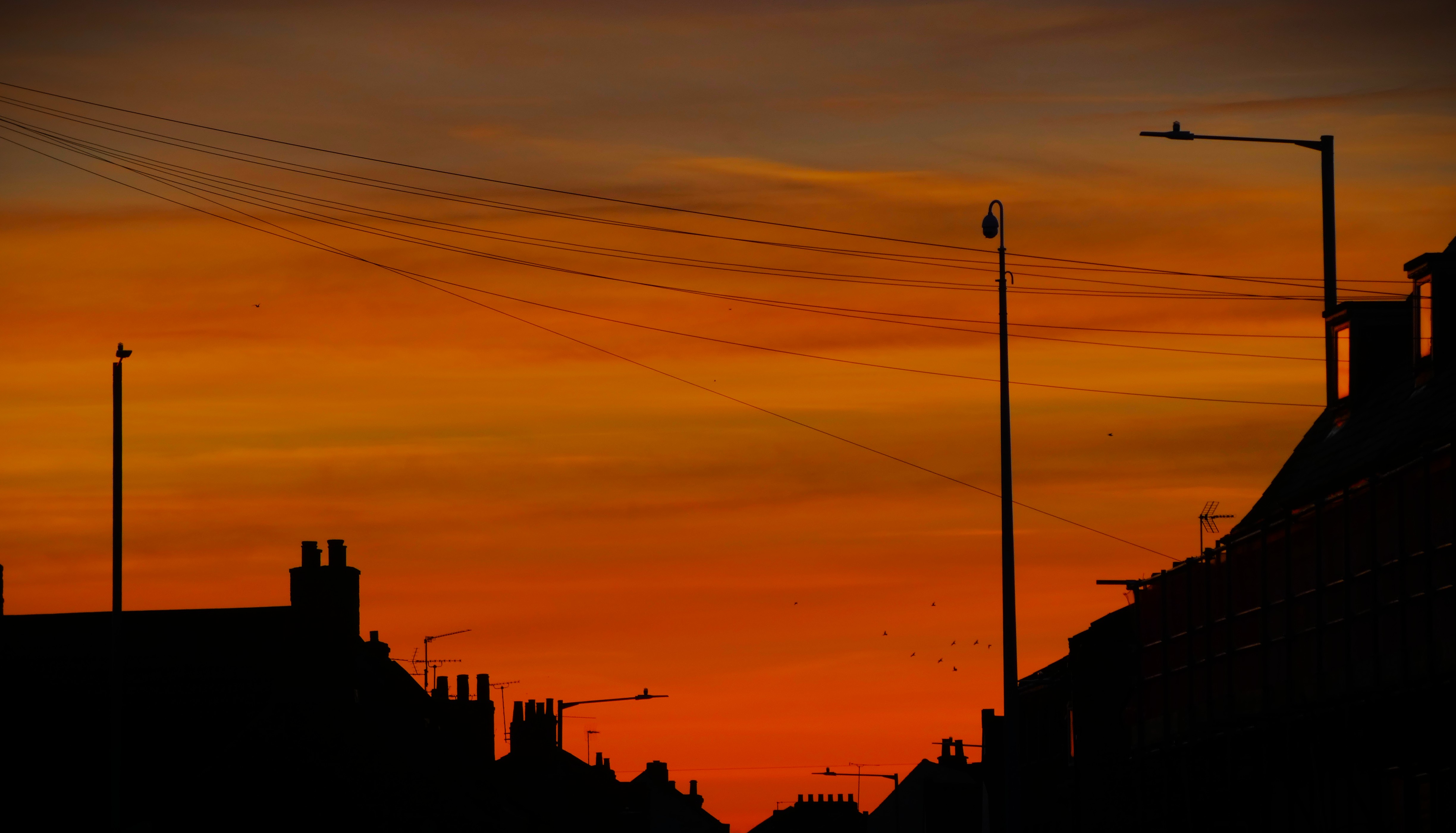
These sunset shots were taken from a bus that had broken down yesterday evening. We had a wait of about 20 minutes before the replacement arrived.


















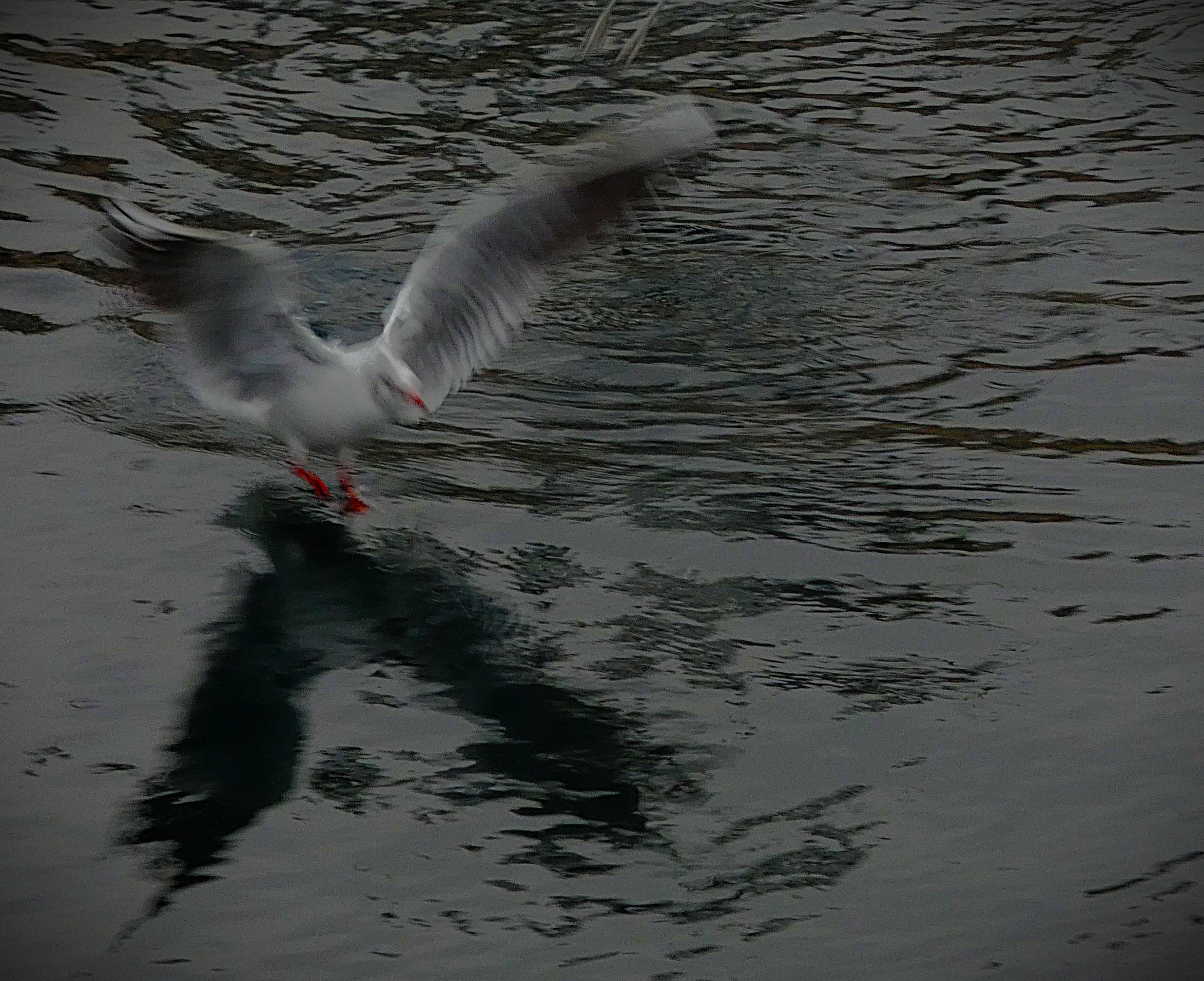



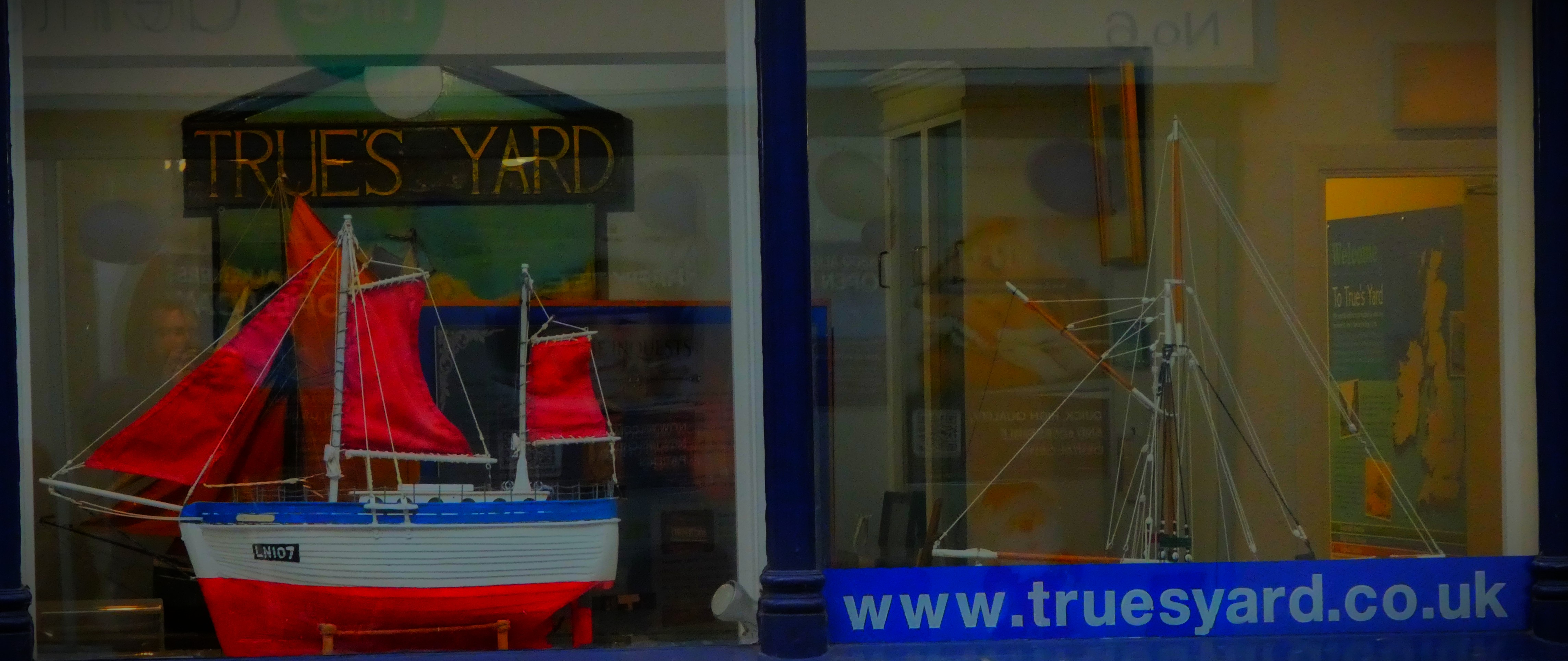

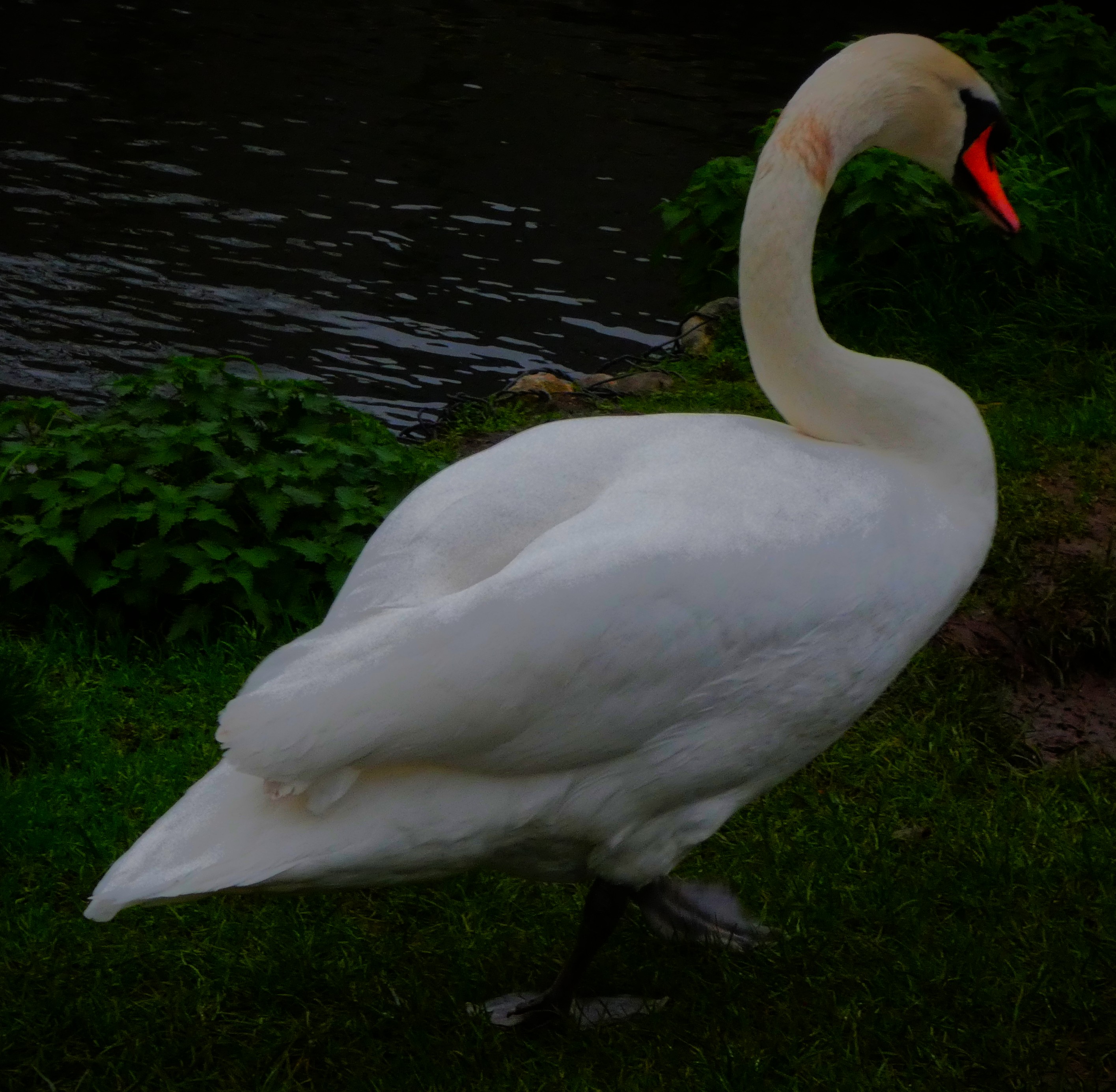




















































































































































































































































































































































































































































































































































































































 aspiblog