All Time XIs – Somerset/ Northamptonshire Composite XI

Picking a composite all time team for the two ‘Cinderella’ counties. Also features a photo gallery.

The new county championship season is only just over a month away, and of the 18 first class counties only two, Somerset and Northamptonshire have never won a county championship or been named Champion County (Gloucestershire have not won a championship since it was put on an organized footing in 1890, but were three times named Champion County in the 1870s). For this XI showcasing the talent that the two ‘Cinderella’ counties have produced I have deliberately avoided choosing any overseas players.

12 players are named here with the final choice dependent on conditions…

  1. Marcus Trescothick (Somerset, left handed opening batter, occasional right arm medium pacer). A stalwart of Somerset for many years, and a fine England career until mental health issues forced him to abandon international cricket.
  2. Colin Milburn (Northamptonshire, right handed opening batter). His career was ended early by a car accident which cost him his left eye, which for a right hand dominant player is the really important one (Mansur Ali Khan, the last Nawab of Pataudi, played on after the loss of an eye, but it was his right eye which is why he, also right hand dominant, was able to cope with the loss). He did enough before the accident to earn his place.
  3. David Steele (Northamptonshire, right handed batter, occasional left arm orthodox spinner). An adhesive number three who earned enduring fame as ‘the bank clerk who went to war’. when Tony Greig having sought opinions on which county players were hardest to dislodge had him called in to the England side in the 1975 Ashes and he responded with 365 runs in three test matches, which he followed up with another successful series against the West Indies with their first four pronged pace battery before being dropped for the tour of India due to suspicions about his ability to play spin on turning pitches.
  4. James Hildreth (Somerset, right handed batter, occasional right arm medium pacer). He never quite gained international recognition, but 18,000 first class runs at an average of 44 more than justify his inclusion here.
  5. Dennis Brookes (Northamptonshire, right handed batter). One of Northamptonshire’s finest middle order batters.
  6. Len Braund (Somerset, right handed batter, leg spinner). A genuine all rounder, one of three in this order including the captain, successful at international as well as county level.
  7. Vallance Jupp (Northamptonshire, right handed batter, off spinner). In the 1920s he achieved the double of 1,000 runs and 100 wickets in first class matches in each of eight successive seasons, a record of unbroken consistency in both departments beaten only by George Hirst of Yorkshire (1902-12 inclusive).
  8. *Sammy Woods (Somerset, right handed batter, right arm fast bowler, captain). Born in Sydney, but he settled in Somerset, and save for one series for England in South Africa which was only retrospectively granted test status he gave up test cricket having played a couple of matches for his native land. As a captain he was handicapped by Somerset’s heavy dependence on amateurs, which meant that the players at his disposal changed constantly, but still had his great moments, including leading the county to victories over Yorkshire, then the dominant force in county cricket, in each of three successive seasons.
  9. Frank Tyson (Northamptonshire, right arm fast bowler, right handed batter). One of the quickest ever – in the 1954-5 Ashes he joined Larwood in the club of England fast bowlers to have blitzed the Aussies in their own backyard, a club expanded when John Snow did likewise in 1970-1.
  10. +Wally Luckes (Somerset, wicket keeper, right handed batter). For a quarter of a century he was a stalwart of Somerset sides, noted in particular for leg side stumpings. His lowly position in the order was forced on him by medical advice that batting was not good for his health – his doctor only allowed him to keep playing if he agreed to bat low in the order. He once scored 121* from number five, but his usual role with the bat was helping Somerset to last gasp victories, like against Gloucestershire in 1938 when hit the third and fourth balls for the last possible over for fours to give his side a one wicket win.
  11. This is the position that has two possibilities:
    a) Ted ‘Nobby’ Clark (Northamptoinshire, left arm fast bowler, left handed batter). In the 1930s he was probably as quick as anyone not named Larwood, and after the 1932-3 Ashes when England rewarded the bowling star of that series by making him persona non grata Clark did get to play for England, notably on the 1933-4 tour of India which was Jardine’s last international outing.
    b)Jack ‘Farmer’ White (Somerset, left arm orthodox spinner, right handed batter). An excellent FC record (2,355 wickets at 18.58 including an all-ten), and he was a crucial part of England’s 4-1 win in the 1928-9 Ashes, when his unremitting accuracy and stamina meant that the faster bowlers had a bit of breathing space – at Adelaide he bowled 124 overs in the match, taking 13-256. If White were to get the nod Luckes would bat at 11, and Tyson would also drop a place in the order – White was a competent lower order batter, whereas Clark was not.

This side has a powerful top five, three genuine all rounders, a great keeper who would have batted higher in the order had his health permitted, and according to circumstances either two specialist quicks to back up Woods or Frank Tyson and a great left arm spinner. Neither possible attack – Tyson, Woods, Clark, Jupp and Braund, or Tyson, Woods, White, Jupp and Braund – would be likely to struggle to take 20 wickets.

Harold Gimblett (Somerset, right handed opening batter) is designated as reserve opener, and I would not argue with anyone who picked him in the XI. Woods’ slot might have gone to Ian Botham or Arthur Wellard, though the former would have made the side more batting dominant than I would like. I wanted Woods’ captaincy which is what settled it for him. Both counties have had decent spinners over the years, but I wanted the all round skills of Braund and Jupp, and considered White a cut above the other specialist spinners.

My usual sign off…

A Working Day

An account of a working day, and the journeys either way, and a photo gallery.

Yesterday was an eventful day at work – finishing the last of the imaging for the March auction, sending a mass email out (the second of two, the first went out on Tuesday) about that auction, and starting the imaging for the April sale. In this post I describe the day in full and say something about each element of the upcoming auctions.

My working hours, constrained by the operating hours of James and Sons and the way in which buses run in Norfolk are short – I start at 10:45 or thereabouts, and finish four hours later as the business shuts down for the day. However I get quite a bit done in that time, even on a somewhat fragmented day such as yesterday was. I generally leave home by 9:30, which allows me to take a scenic route to the bus stop (the direct route is about a five minute walk, but is not that interesting). Then I spend the bus journey reading, and will arrive at James and Sons’ premises in Fakenham clear-headed and ready to go.

My usual practice when imaging at work is photograph about 25 items (one column of lot numbers + indications of how many pictures I have taken of eahc item in my notebook) before loading them on to the computer and cropping and straightening them as required. If I am imaging for a sale that is not already online I will copy the images from the folder I save them in on my computer to the main images folder for that auction on the network drive at the end of the day, but when the auction is already online I also have to upload the new images, and sometimes notify bidders that the images are now available for viewing. I had initially started work on the April stuff, a quantity of which was already in my imaging area, but then had to switch back to the March stuff as there were some lots from day two of that sale (Stamps and Postal History) which had not been imaged. Near the end of the day I was able to revert to the April sale, but the next lot I came to for that sale (Sporting Memorabilia) was one that required a large photo gallery, so I had no time to do any more than that one extra lot.

Day one of the March sale is coins, banknotes and cheques, and can be viewed here and here. Day two, which I was finishing off the imaging for yesterday, is available on the same links, but for those who want to start on the page where the first lots of day two are can go here and here (the new day does not start on a new page because the auction is treated as a single entity on these platforms). I end this section with the image gallery for lot 655, the first item I imaged yesterday…

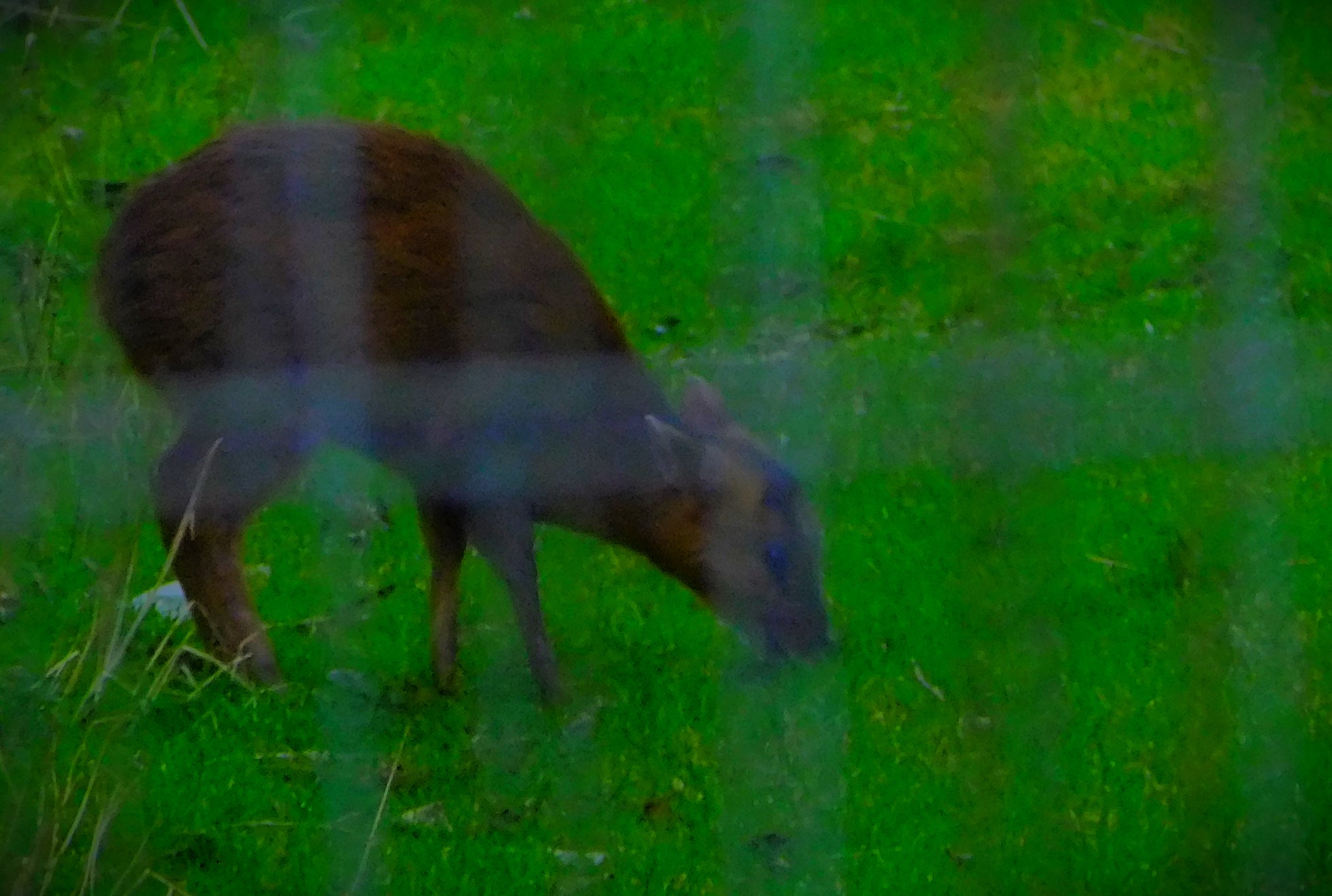
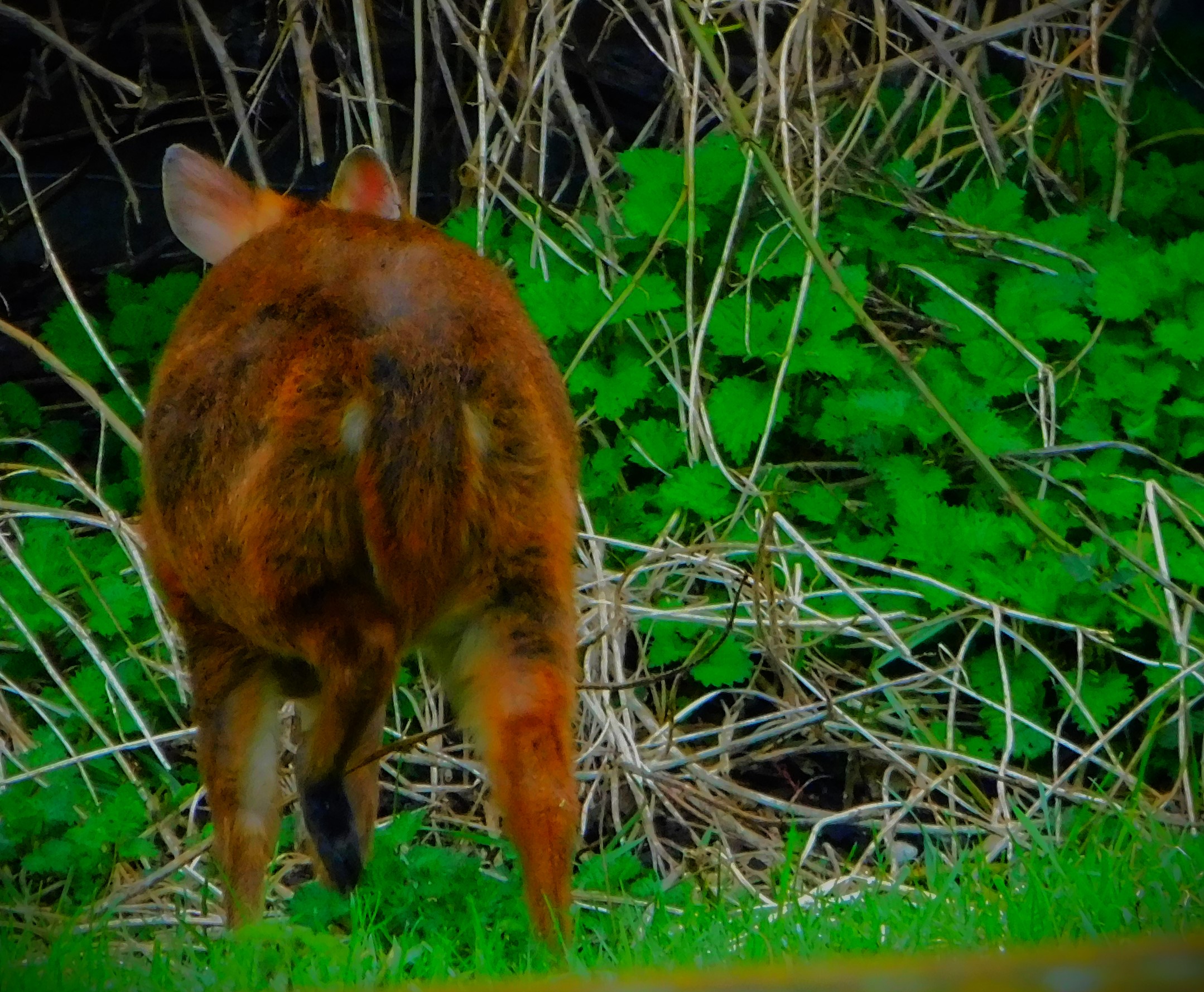
The next bus back to King’s Lynn after the end of the work day is at 3:45PM, so I generally fill in time by visiting Fakenham Library, as I did on this occasion. I get off the bus home one stop before the very closest stop to my home and walk home from there by way of the Gaywood River Path – always worth doing, especially in daylight, which by now is the case. I appreciated seeing several muntjac as I walked, though I was less impressed by lawbreaking oaf who roared past me (and a number of others) on a quad bike (illegal as it is a motorised vehicle and this path is for the use of pedestrians and cyclists only – an e-bike used with care and consideration would be acceptable, but a dirty great quadbike used with neither care nor consideration is most definitely not). This little section provides a useful lead into…

…My usual sign off…

Batting Order = Alphabetical Order

A variation on my all-time XI theme and a large photo gallery.

This is a variation on my all-time XI theme. Today I pick an XI starting with my first choice opener and moving down the order in strict alphabetical fashion, each player with a surname starting exactly one letter ahead of the person immediately above them in the order. Each player will be introduced with an outline of their role. There will also be a brief honourable mentions section.

  1. *WG Grace (England, right handed opening batter, right arm bowler of various styles through his career, captain). A natural choice for this role, as the first great superstar of cricket. He was captain my of all time Gs XI and you can read more about him in that post.
  2. JB Hobbs (England, right handed opening batter, brilliant cover fielder, occasional medium pacer). The Master, the all time leading scorer of first class runs and first class hundreds. He was in my Hs XI.
  3. Yashavsi Jaiswal (India, left handed top order batter). The only player in this XI not to have featured in my cricketing journey through the alphabet, he has come to the fore in no uncertain terms since then, and has a chance of breaking an all time Indian record for runs in a series in the fifth and final test match of the current series. As it is, only one cricketer has ever had more test runs to their name after eight appearances at that level, a certain Donald George Bradman. The Js are very strong in batting, but even if I did not feel able to fit him in there I would indulge in a quibble cook and drop Martin Young from the Ys so that he could open for that XI.
  4. Virat Kohli (India, right handed batter). The Indian maestro has missed this series for personal reasons, but his record is enough to guarantee selection. He occupies this same slot in my Ks XI.
  5. Brian Lara (West Indies, left handed batter). Lower in the order than he would usually be, but I reckon he could handle this slot. He featured in my Ls XI.
  6. Keith Miller (Australia, right handed batter, right arm fast bowler). One of the greatest of all all rounders, in the same slot he had in my Ms XI.
  7. +Paul Nixon (Leicestershire, wicket keeper, left handed batter). The only non-test cricketer in the XI, but his outstanding service for an unfashionable county over the course of many years deserves recognition, and he occupies the same slot as the one I gave him for the Ns.
  8. Chris Old (England, right arm fast medium bowler, left handed batter). A little higher in the batting order than one might like, but he did have his moments with the bat. He was in the Os XI.
  9. Peter Pollock (South Africa, right arm fast bowler, right handed batter). A fearsome fast bowler whose test career was shortened by his country being banished from international cricket. He had this same slot in my Ps XI.
  10. Abdul Qadir (Pakistan, leg spinner, right handed batter). The art of leg spin bowling almost died out in the 1980s as teams became more and more inclined to rely on pace and seam, with maybe a finger spinner or two being used to tie up an end. There was however one leggie of undisputed top class in that decade who kept the torch burning, this man, the star of my Qs XI.
  11. Wilfred Rhodes (England, left arm orthodox spinner, right handed batter). I have remarked before, notably in my Rs XI, where he is one place higher than in this one on Rhodes’ extraordinary five-phase career, which started and finished with him in the side as a specialist left arm spinner. He was number 11 at The Oval in 1902 when he and Hirst saw England to a one-wicket win, and at the SCG in 1903 when he scored 40*, helping RE Foster (287, at the time an all comers record, and still a debut record) add 130 for the last wicket.

This side has a powerful top five, a great all rounder, a quality keeper/batter and four excellent and well varied bowlers. I do not anticipate P Pollock, Old, Miller, Rhodes and Qadir having any great difficulty in taking 20 wickets, especially with the skipper in reserve.

I will deal with these in batting order:

Grace was the chosen opener, but I acknowledge that Gavaskar, Gambhir, Gayle and Greenidge would all have their advocates.

I also regarded ‘The Master’ as sacrosanct, though George Headley (West Indies), Len Hutton (England) and possibly Matthew Hayden (Australia) could all make cases for inclusion.

The number three pick was controversial, with two Sri Lankans, Jayasuriya and Jayawardene (whose regular slot this was) firmly in the mix, and a couple of tough and competitive antipodeans, Andrew Jones (NZ) and Dean Jones (Aus) also worthy of mention. However, my feeling is that Jaiswal is not just a flash in the pan.

I would have annoyed over 1 billion of the game’s most avid fans had I named anyone else at number four, though there was also a case for Jacques Kallis.

Lara’s major challenger was another West Indian, but I don’t think even ‘big Hubert’ would think himself hard done by, especially given that with Grace in the side he was never getting the captaincy.

Of the two main challengers for Miller’s slot one, Mushtaq Mohammad could not be accommodated given that the self set rules of this exercise virtually mandated the selection of Qadir. The other, Mulvantrai ‘Vinoo’ Mankad certainly could, but I decided in Miller’s favour (Mankad, a left arm spinner with the ball, could be got in by dropping Rhodes and bringing in one of Kagiso Rabada, Tom Richardson or Andy Roberts, though the last named would be out of position at no11).

Nixon had no serious challenger, and neither did Old.

Although there are two other notable fast bowlers with surnames beginning with P both (Mike Procter and Shaun Pollock) would have been absurdly out of place at number nine, and I was not prepared to bend the rules to that extent.

Qadir had no challenger.

Had I opted for only one front line spinner then Rhodes as described above could have been replaced, but it seemed appropriate given these two colossi bestrode the cricketing scene for 65 years between them (Grace’s FC debut happened in 1865, Rhodes retired in 1930) for an order that began with Grace to end with Rhodes.

My usual sign off…

A Match of Many Twists and Turns

An account of the second half of a thoroughly absorbing test match between India and England at Ranchi, and a photo gallery.

This post deals with the second half of an extraordinary test match between India and England, the fourth of the series currently taking place between the two teams. I covered the first two days here, so the body of this post picks up the action on day three (yesterday).

Play resumed with India 219-7, 134 adrift. England’s first task was to take the last three Indian wickets as quickly as possible. Unfortunately they were baulked in contrasting styles by wicket keeper Dhruv Jurel who played a superb innings and left arm wrist spinner Kuldeep Yadav who resisted stoutly, comfortably completing a ‘Den-tury’ – 100 balls survived in an innings (look up the career of Joe Denly for the origin of this term). When Yadav was finally dislodged for a 131 ball 28 debutant Akash Deep continued the resistance, surviving a further 29 balls. Mohammed Siraj really is a genuine number 11, and it was in the Jurel who was last out, bowled by Tom Hartley for a splendid and spirited 90 off 149 balls. India has thus reached 307, a deficit of a mere 46. Shoaib Bashir recorded figures of 5-119 from 44 overs, becoming the fourth England bowler to take their maiden first class five-for in a test match. Christopher Heseltine (Hampshire, right arm fast) did so in 1896 in South Africa, in a series whose claim to test match status is decidedly dubious – visiting South African teams were not given test matches in England until 1907, while the other two members of this club are both part of the current England set up, and both principally batters – Joe Root who took 5-8 at Ahmedabad last time England were in India and Will Jacks who took a six-for in Pakistan.

Things still look good for England with an advantage of 46 and India having to bat last, but their second innings soon started going pear shaped. Crawley and Bairstow threatened a revival, and at 110-3 England looked comfortable. However Crawley fell for a fine 60, and then Stokes suffered his second failure of the match, and for the second time in the match England went into an interval, tea in this case, having just lost their skipper, and five down for not a huge amount. Soon after the interval a loose stroke spelt the end of Bairstow and it was 120-6. Hartley failed again with the bat, and Robinson was unable to repeat his first innings efforts. Foakes resisted gamely and did his best to shepherd the tail, but eventually he attempted to play one from Ashwin through midwicket and got a leading edge straight back to the bowler. Anderson lasted three balls, the last of which he nicked to the keeper, and England were all out for 145, leaving India 192 to get.

Stokes now opted to give the new ball to Root and Hartley. There was merit in the idea of giving a spinner the new ball, especially given that Robinson had been decidedly underwhelming with the ball, but James Anderson should have bowled at one end for the mini-session India faced at the end of this third day – this would have given England a measure of control, whereas in the event India were 40-0 off eight overs by the close, needing 152 more for victory.

India advanced their score to 84 before a splendid catch by Anderson off Root accounted for Yashavsi Jaiswal, leaving the new India opener needing to tally 120 or more in the fifth match of the series to break a record that has stood to Sunil Gavaskar’s credit since 1970 for the most runs in a series by an Indian opener.

15 runs later Foakes achieved a double dismissal of Rohit Sharma – it was initially recorded as stumped, but replays showed that there had been an edge, and it now appears as caught Foakes bowled Hartley 55. One run later Rajat Patidar was on his way back for a five ball duck, courtesy of a good catch by Pope off Bashir, and I suspect that unless he intends to watch the match Patidar will not be in Dharamsala for the final match of the series. Ravindra Jadeja never looked comfortable, and with 120 on the board, and himself on 4 off 32 balls he hit a full toss from Bashir straight to Bairstow to end a tortured stay at the crease. The very next ball Sarfaraz Khan was snapped up Pope to make it 120-5, and Bashir had three wickets and was on a hat trick. At that point Jurel joined Gill, and these two players steered India home. Gill completed a 50, while Jurel was unbeaten on 39, and appropriately enough the winning runs came from his bat – he was deservedly named as Player of the Match, having kept very well in tricky conditions and scored 129 in the match for once out. India have an unassailable 3-1 lead in the series, but England have had moments in all four matches when things looked like going their way, and given the loss of Leach, the inexperience of the remaining spinners and the fact that no visiting side have laid a glove on India in the last decade this is very far from a humiliation. Bashir and Hartley, especially the former, look very promising for the future. Robinson, who finished the match off the field nursing a back problem, must be in jeopardy – when the force is with him he is a very good bowler indeed, but in this match he was consistently 10kph below his best pace, and given his previous injuries and fitness issues I think England have to say that enough is enough. Matthew Potts of Durham, Josh Tongue of Worcestershire and Gus Atkinson of Surrey are all fine bowlers, Tom Lawes of Surrey may be on the radar, and there are probably other younger seamers who could do a job for England as well. James Anderson’s bowling and fielding leads one to wonder whether he has a portrait hidden away somewhere that is ageing in his place!

This match was a thoroughly absorbing contest which commanded attention right to the end. Though it does scant justice to the events of the last four days a full scorecard can be viewed here.

I end with my usual sign off…

England Going Well In Ranchi

A look back at the first two days of the fourth test match of the India v England series and a substantial photo gallery.

The fourth match of the five match test series between India and England got underway in Ranchi at 4AM Friday morning UK time. This post looks at the action from the first two days of play.

India had gone one up in the series following a thumping victory in the third match of the series (I was unable due to my internet situation to follow that match). England were forced to make one change to their line up, Rehan Ahmed having flown home for personal reasons. This meant a recall for Shoaib Bashir. Mark Wood was rested, with Ollie Robinson taking his place in the XI, and the England selectors failed to take the opportunity to drop Bairstow who has a had a horrible series, meaning that Dan Lawrence is still yet to feature. India made only one change, resting Jasprit Bumrah in the name of workload management, and handing a debut cap to Akash Deep in his place. I would have thought it would be better to keep him in the side for this match, aiming to settle the series early and then rest him. England won the toss, and chose to bat (choosing to bowl first on that surface and with Ranchi’s history would have made Nasser Hussain’s Brisbane 2002 howler of a decision look positively Solomonic).

England reached 47 without undue difficulty, at which point Zak Crawley got himself out. Shortly after this it was 57-3, with Pope gone for a duck and Duckett also back in the pavilion. Bairstow scored rapidly but never suggested permanence, and sure enough, just before lunch he essayed one outrageous stroke too many and was on his way back to the pavilion. The interval came early when Stokes got a horrible ball from Jadeja, which shot through virtually at ground level, and hit the bottom of his pad so obviously plumb in front that the England skipper was setting off for the pavilion before the umpire’s finger was fully raised. Thus England were looking decidedly shaky with score 112-5.

However, Joe Root and Ben Foakes batted through the afternoon session together, and England took tea feeling somewhat happier at 198-5.

Post tea England continued to prosper. Foakes after initially being very slow hammered two sixes and a four in quick succession to move to 47, but then he holed out to end a partnership that had over doubled England’s score. When Hartley fell it was 245-7, and things were still very much in the balance, but Ollie Robinson batted sensibly, while Root continued on imperturbably to reach a superb century, his 31st in all test cricket, a record 10th against India and also a record third against India in India. England reached 300 just before the close, and by the end of the day were far the happier side, finishing on 302-7.

England continued their revival, with Ollie Robinson completing an invaluable maiden test fifty, and Root finally ending on 122 not out, with England all out for 353. James Anderson soon had test wicket number 697, that of Rohit Sharma to a catch by Foakes. Jaiswal batted beautifully, but Gill became Shoaib Bashir’s first victim for 38, and Patidar and Jadeja were both out cheaply. At 161 Jaiswal’s innings came to an end for 73, bowled by the impressive Bashir. Jaiswal had become only the second ever Indian opener to score over 600 runs in a series, though he has a bit to do to overhaul Gavaskar’s 774 against the West Indies in 1970. Sarfaraz Khan, hugely talented (he averages 70 in first class cricket) but also inexperienced, struggled, and at 171 a fine catch by Root off Hartley ended his innings with his score on 14. Ashwin, who had done little to distinguish himself in this match either with the ball or in the field, mustered a single before Hartley trapped him LBW. Kuldeep Yadav provided one of India’s few bright spots of the day by batting through to the close in the company of Dhruv Jurel who ended the day 30* in a score of 219-7. India need this pair to continue their good work tomorrow – if England end with a big first innings lead the match will be as good as settled. Shoaib Bashir produced an exemplary spell of bowling, 32-4-84-4, keeping it tight and taking wickets. Anderson was Anderson, Hartley had his moments but also bowled quite a few loose balls, and Ollie Robinson was accurate, but lacking in pace (he was not even hitting 80mph). Ben Stokes did some bowling warm ups in the innings break, but did not put himself on, while with Bashir bowling so well Root was not called on save for one over near the end of the day. At the moment a 2-2 scoreline going to Dharamsala for the final match seems likely. England deserve great credit for the character they have shown to come back from the humiliation of the previous match and their decidedly unimpressive start to this match. I would say that after the first session on day one was indisputably India’s session England have had the better of all other five we have had so far, notwithstanding the late defiance of Jurel and Yadav.

My usual sign off…

A Test XI From My Lifetime

A test match XI made up of players some or all of whose prime years were in my lifetime, a few honourable mentions and a photo gallery.

In this post I select an all time XI intended to be perfectly balanced, and made up exclusively of players at least some of whose peak years have been in my lifetime. I also look at some of the players I omitted and explain my reasoning- in an exercise like this the challenge is just who one leaves out.

  1. Graeme Smith (South Africa, left handed opening batter). Over 9,000 test runs at an average of 48.
  2. Sunil Gavaskar (India, right handed opening batter). The first ever to reach the career milestone of 10,000 test runs, and an average of over 50 at that level, and a good record outside Asia as well.
  3. Brian Lara (West Indies, left handed batter). The greatest left hander to have batted in my lifetime, with any number of extraordinary knocks to cite in support of that claim.
  4. Sachin Tendulkar (India, right handed batter). Holder of the records for most test career runs, most test centuries and various others.
  5. Allan Border (Australia, left handed batter). For much of his career he carried a decidedly moderate Australian batting line up – it was only in the last few years of his career that he got to be part of a strong line up.
  6. *Imran Khan (Pakistan, right handed batter, right arm fast bowler). My chosen all rounder, and my chosen captain. Ian Botham was sensational for the firts few years of his career, a producer of occasional sensations for another few years and then tailed off badly as the 1980s wore on, whereas Imran Khan was a much more enduring cricketer.
  7. +Adam Gilchrist (Australia, wicket keeper, left handed batter). The man who revolutionized the role of the wicket keeper, playing many match winning innings from number seven. Unfortunately too many sides since his prime have been dazzled by the batting side of the equation and have given the gauntlets to folk whose keeping is not up to scratch (Gilchrist’s was).
  8. Wasim Akram (Pakistan, left arm fast bowler, left handed batter). While it is possible that peak Mitchell Johnson was even more devastating with the the ball than peak Akram it is certain that Johnson when the force was not with him operated at a lower level than Akram ever did.
  9. Malcolm Marshall (West Indies, right arm fast bowler, right handed batter). The greatest fast bowler of the golden age of West Indies fast bowling and a handy lower order batter.
  10. Shane Warne (Australia, leg spinner, right handed batter). Leg spin was a dying art when he appeared on the scene – Abdul Qadir of Pakistan was the only leg spinner of real quality in the 1980s, and until Warne’s emergence there was no one coming through in the 1990s either.
  11. Muthiah Muralidaran (Sri Lanka, off spinner, right handed batter). Only one bowler has ever taken 800 test wickets in a career, and unless James Anderson somehow continues to defy Father Time for another few years there is no prospect of anyone else reaching that landmark – the rise of franchise leagues around the world makes it likely that few if any of today’s younger players will be looking at having exceptionally long test careers. Murali took those 800 wickets at a rate of six per match, better among those to have played 20 or more test matches than anyone save SF Barnes who claimed 189 wickets in 27 matches for a wicket taking rate of seven per match.

This XI has good balance of left and right handed batters, great depth with everyone down to Akram at eight capable of playing a match winning knock and Marshall and Warne far from being genuine tail enders. The bowling above with three great fast bowlers and two great spinners is ideal for most pitches. If the match were to be played at Perth or Johannesburg I would drop Muralidaran and further strengthen the pace attack by bringing in McGrath, while on an absolute raging Bunsen I would replace Imran Khan with Ravindra Jadeja (India, left handed batter, left arm orthodox spinner) and rely on Akram and Marshall to bowl such pace as would be required. I also take this opportunity to explain the positioning of the captain and wicket keeper in the listed order – Gilchrist always said he never wanted to bat above seven at test level, while Imran Khan was comfortable batting at number six, so although Gilchrist was undoubtedly a finer batter than Imran Khan I have respected the Aussie keeper’s preferences and kept him at number seven.

A full honourable mentions section for a post of this nature would be virtually book length, there being so many potential candidates. So, if I make no mention of your favourite please assume I have my reasons for having not picked them – the listing that follows is not remotely comprehensive.

Left handed openers: Alastair Cook’s sheer longevity deserves a mention, and I would entertain arguments made on behalf of any of Saeed Anwar, Mark Taylor, Matthew Hayden, Justin Langer or Chris Gayle. I would not give the time of day to any arguments on behalf of David Warner – the absence of a single test century in any of seam friendly England/ New Zealand and spin friendly India/ Sri Lanka in my view disqualifies him from being regarded as a genuine great.

Right handed openers: The West Indian pair of Gordon Greenidge and Desmond Haynes come closest in my view to challenging Gavaskar.

Number three: I wanted a left hander in this slot, and I considered Lara’s case to be unanswerable.

Number four: Besides my actual choice there were three serious challengers for the slot – Steve Smith, Virat Kohli and Joe Root, the latter of whom enters the equation because he spent so much of his career carrying a weak England batting line up.

Number five: I opted for the left hander for extra balance. Jacques Kallis was unlucky to be right handed given that he would also have offered an extra bowling option. The other potential candidate had I wanted a right hander would have been Viv Richards. As it was the main challenger to Border was Sangakkara, and I would in no way object to the Sri Lankan’s inclusion in place of the gritty Aussie.

Number six: has been covered in the main part of the post. Had circumstances allowed him to play test cricket Clive Rice (SA) would almost certainly have provided stiff competition for this slot.

Number nine: In a few years time, if he maintains his current standards up to the end of his career Jasprit Bumrah of India will require that I move Warne up one place to this slot and put him in at number 10, but at the moment I am not quite prepared to make such a massive call as dropping Marshall, though I fully acknowledge the Indian’s greatness.

Number ten: Warne at the moment looks unchallengeable, but Rashid Khan (Afghanistan) merits an honourable mention.

Number 11: There are two remotely credible challengers for Murali’s slot – R Ashwin of India, who would make the batting ridiculously deep – he would slot in at nine, with Marshall at ten and Warne at 11, and Nathan Lyon of Australia, who gets extra credit for having succeeded as an off spinner when playing his home matches in Australia (check out the records of English off spinners in Australia for an emphatic illustration of this point).

My usual sign off…

Home Internet Restored

A brief post celebrating the fact that after a week and a half without it I once again have broadband access at home. Ends with a bumper photo gallery, including the first butterfly of 2024.

The engineer came round near the beginning of the official slot of 8AM – 1PM today and connected up my new EE Home Hub, so after a gap of a week and a half I have Broadband at home once again.

As I type this it is 12 degrees Celsius outside (53.6 Fahrenheit for USian readers), and that is far from out of keeping with the last week or so, when double figure positives have been the rule rather than the exception. February in high northern latitudes such as England is generally one of the two coldest months of the year alongside January, and the outside temperature hitting double figure positives on a regular basis is way out of kilter. Yesterday while out and about I saw my first butterfly of 2024, a small Tortoiseshell, while the spring flowers are in full bloom.

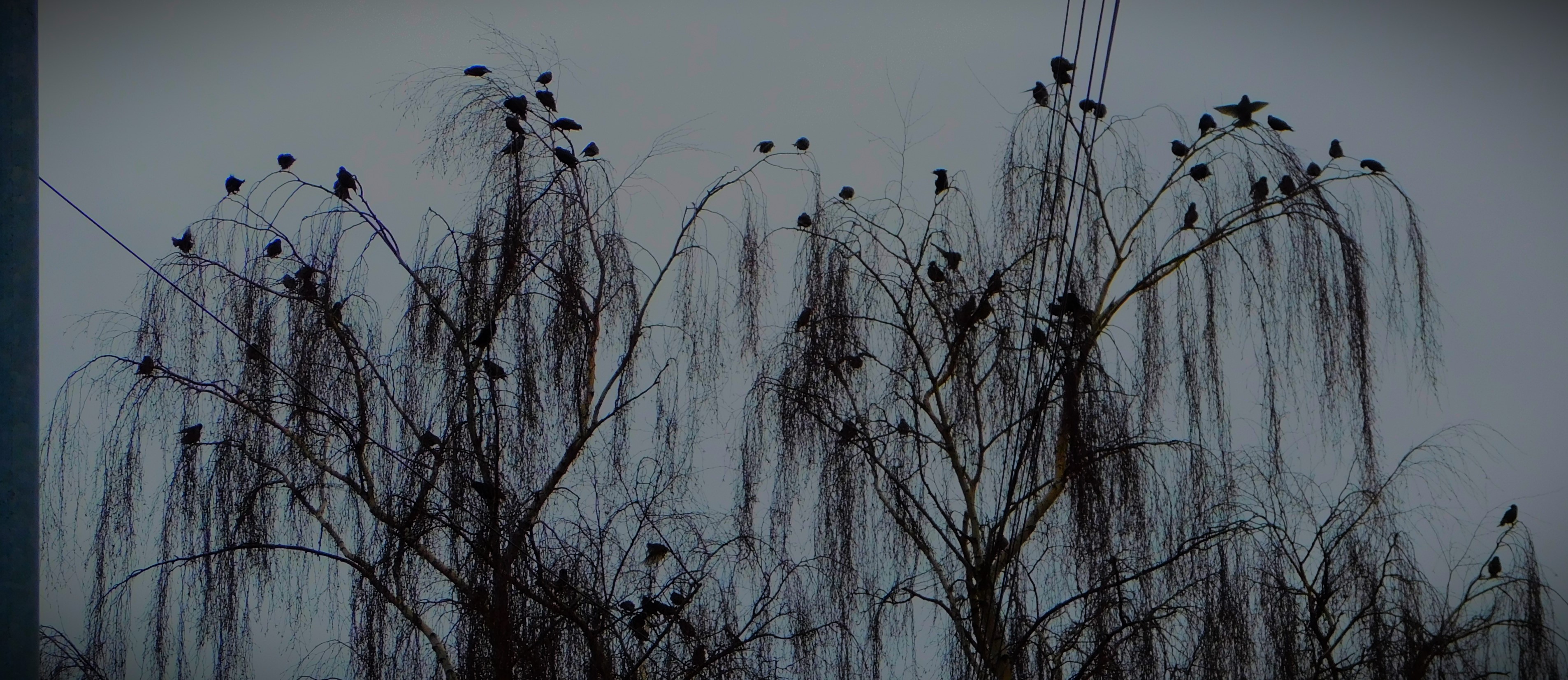
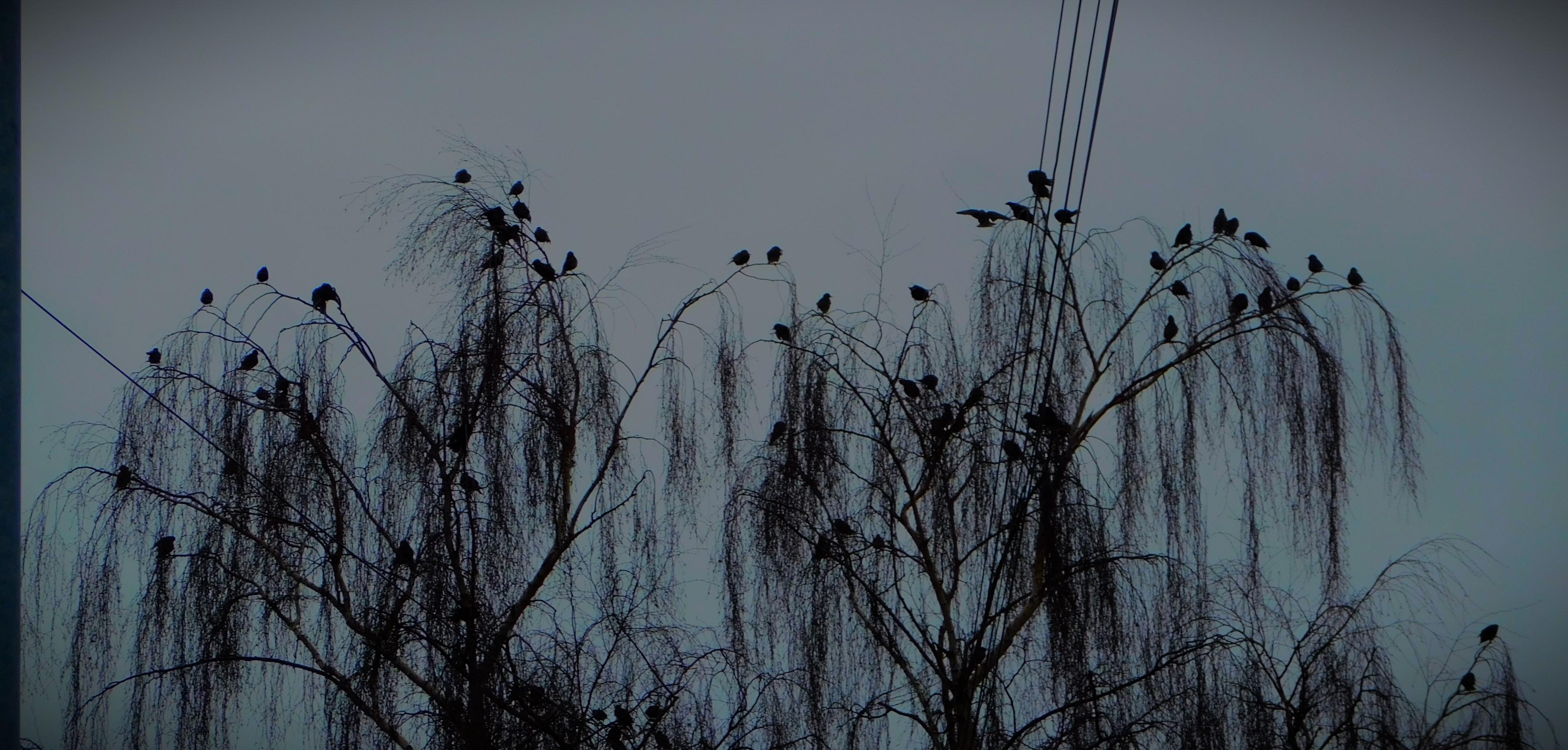
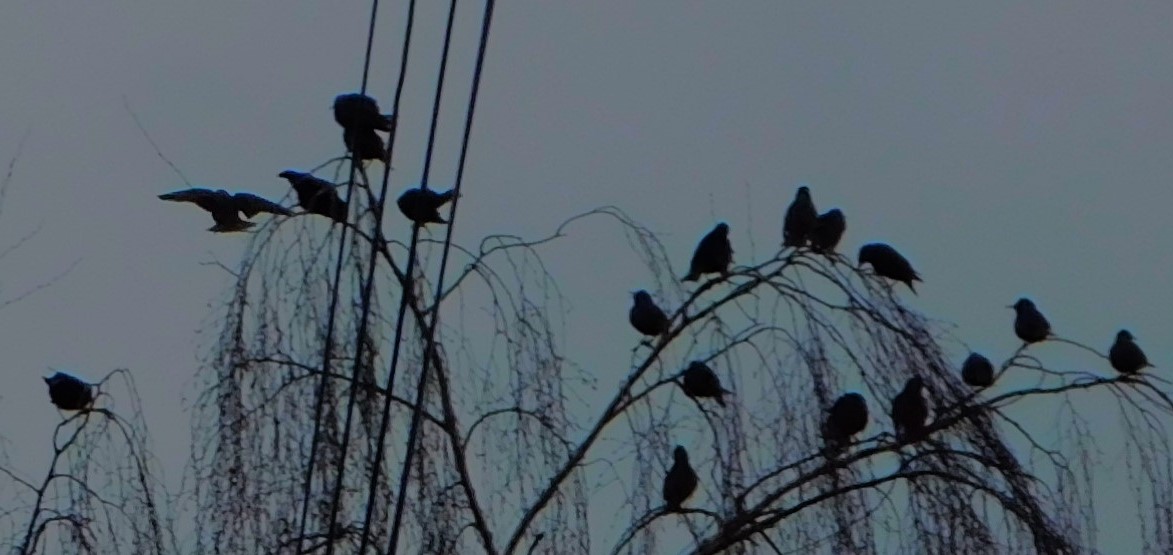
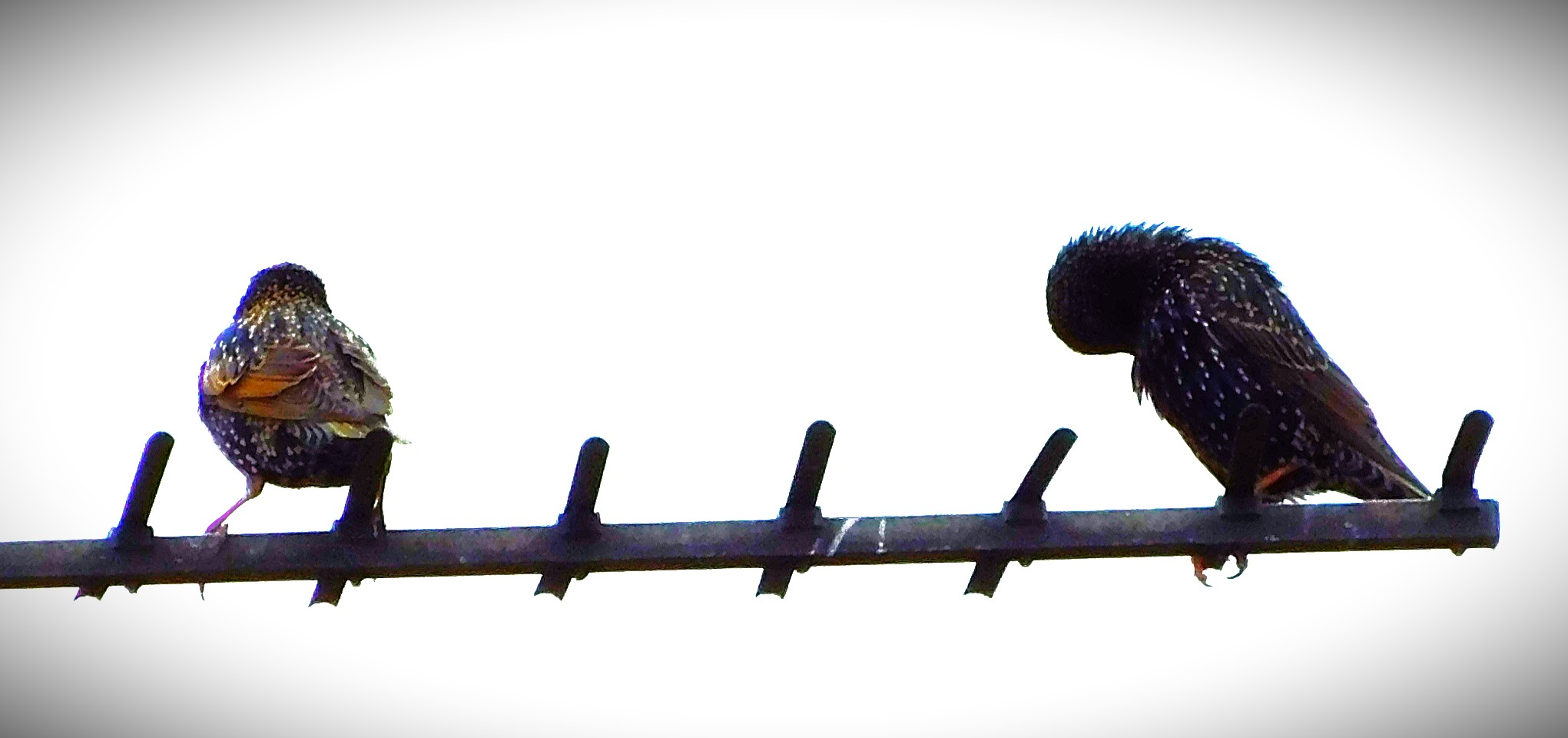
Saturday and yesterday were both good days for photography, in spite of being cloudy, and I therefore finish this post a king size gallery…

Pizza Making

An illustrated account of a pizza making event to remind folks of my existence, and of course a regular photo gallery. Everything should be back to normal email and internet wise from Monday afternoon.

My internet and email situation will be back to normal on Monday. This Sunday just gone I took part in a pizza making session for autistic adults at the King’s Lynn branch of Pizza Express. The body of this post describes the process.

Pizza making in these sessions does not start absolutely from scratch – we have preprepared dough to work with. When we get to it we have the following starting position…

an ellipsoid lump of very sticky dough surrounded by flour.

The first stage is to dust the dough (which would otherwise be too sticky to work with) with flour. Then one uses fingers to flatten out the edge of the dough, leaving a dome in the middle (at this stage the dough should be about the same size and shape as a fried egg). Next the dome has to be flattened with the palm of the hand, and then the now flat piece of dough needs to be worked on until it is roughly circular and not too different in size from the tray in which it will be cooked. It then needs to be inserted into the tray, and manipulated once in so that it covers the entire base, and there is a small rise up the side of the tray to keep all the toppings in…

The pizza base ready for the addition of the toppings.

The first addition to the base is a ladleful of tomato puree (Pizza Express do not allow for the making of ‘white pizzas’), which has to be spread out evenly using the back of a spoon…

Next come the optional toppings, the first two of which I accepted being mushrooms and olives…

Then came the meat toppings, of which I accepted pepperoni and passed on the rest…

The penultimate addition when all the optional toppings are in place is the cheese, without which of course it would not be a pizza…

Finally, for those who want it comes that classic Mediterranean flavour enhancer, oregano. For those who, like me, opted to accept this, you take it in your non-dominant hand so that you can sprinkle it evenly over your pizza with your dominant hand…

The pizza, now ready for cooking.

A few minutes later the pizza was ready for eating, and it was excellent.

The pizza, cooked and ready to be eaten.

My usual sign off…

My Current Email/ Internet Situation

A very brief explanation of my current situation regarding internet and email access, and why posting will be light/ sporadic until a week tomorrow.

I have recently switched from BT to EE, and while my mobile phone transferred as required there has been a problem with my broadband, meaning that until a week tomorrow I will be without internet access at home. Therefore posting will be sporadic. I can of course edit my photos at home…

India Level the Series

A look back at the last two days of the second test match of the five match series between India and England and some thoughts about the composition of the England XI. Also a photo gallery.

After many twists and turns India won the second test of the five match India v England series at Vizag when Jasprit Bumrah clean bowled Tom Hartley for 36, making England 292 all out, and India victors by 106 runs. This post looks back at the last couple of days.

India started day three of a possible five 28-0 in their second innings, 171 runs ahead with all their wickets intact. Shubman Gill enjoyed a charmed life, surviving one LBW due to an edge that was as much news to him as it was to the rest of us and another on umpire’s call when not quite enough of the ball was deemed to be hitting the top of middle stump. He made the most of this, going on to a century which was instrumental in India getting to 255, a score that meant England would need the highest total of the match batting last to win. Their target of 399 was also over 100 more than any visiting side had ever scored in a fourth innings in India, though four previous tests elsewhere have been won after higher run chases, and in the 99th and last ‘timeless test’ at Durban in 1939 England scored 654-5 before weather and the arrangements for their journey home led to the match being abandoned as a draw with England 42 runs short of the target. However England under Stokes have produced so many surprises that no one was consigning them to defeat just yet.

England lost Duckett just before the close of day three, and Rehan Ahmed was sent in at number three (Pope is a nervous starter, so it makes sense to protect him from having to do so twice over, and Ahmed is good enough with the bat that the possibility of a major innings from him could not be entirely discounted). England closed on 67-1, needing 332 more to win.

The fourth morning (this morning) started with news that James Anderson had said England were in a very good position and that Shubman Gill had assessed India 70-30 favourites, an assessment that in itself spoke volumes for the approach of this England team compared to the last one to visit India in 2021, and the extent to which they have ripped up conventional test standards.

Ahmed was the second to fall, contributing 23 before he did so. Pope exactly matched this score, and his dismissal brough Root to the crease. Root played a frenetic, almost frantic, innings, wildly at variance with the methods that have brought him over 11,000 test runs at an average of 50, and was out for 16 off 10 balls. Crawley, who had batted impressively, then fell to a controversial LBW, which was sent upstairs. At the point the ball hit Crawley’s pad two stumps were exposed and part of the third was visible, which raised questions over whether the impact was truly in line with the stumps. However, the technology ruled that it was out, and England were 194-5. With the score still at 194 Bairstow was pinned by a beauty from Bumrah, LBW for 26. Stokes and Foakes played well for a while, until Foakes edged one behind the wicket but on the floor, Stokes judged that a run was on and was beaten by Shreyas Iyer’s direct hit throw to make it 220-7, this being Iyer’s most significant contribution to the match. Foakes and Tom Hartley then crafted a solid partnership for the eighth wicket, which ended when Foakes gave Bumrah a return catch. That was 275-8. Two landmarks were possible at this stage, Ashwin’s 500th test wicket and a 10-wicket match haul for Bumrah. However Bashir edged one from Mukesh Kumar through to keeper Bharat to make it 281-9 (this was Kumar’s only wicket of what was in truth a wretched match for him) and rule out Bumrah’s 10 wicket match haul. Bumrah then produced a superb delivery to get through Tom Hartley’s defences and end the match. That gave him nine wickets in the match (6-45 and 3-46), and 155 career test wickets at 20.19. Bumrah was named Player of the Match, his marvellous bowling being deemed even more crucial to India’s success than Jaiswal’s double century. I agree with this assessment, though I would have been inclined to give a shared award to both players. England though comfortably beaten in the end were in no way disgraced, though there were too many 20s and 30s in that fourth innings effort, and only Crawley’s 73 as a score of real substance. I think that the ‘three spinners and one seamer’ approach England have taken thus far needs changing – with Leach injured the remaining spinners are all very inexperienced and none are capable at the moment of providing control. I believe that England’s 8,9,10,11 for the third match of this series should read: R Ahmed, T Hartley, OE Robinson, JM Anderson, and if England want to increase the back up spin options available to them in the XI they can drop Bairstow, who has not been impressive this series, and select Dan Lawrence in his place, giving them two part time spin options (Root being the other).