I am a founder member and currently secretary of the West Norfolk Autism Group and am autistic myself. I am a very keen photographer and almost every blog post I produce will feature some of my own photographs. I am an avidly keen cricket fan and often post about that sport.
A look back at today’s women’s world cup clash between India and Australia and a photo gallery.
Today’s match in women’s cricket world cup saw India facing off against Australia. This post looks back at a match that has left India in danger of an early exit from their own tournament.
THE INDIAN INNINGS
The pitch for today’s match at Visakhapatnam was the best for batting at the world cup so far, and India started superbly through openers Smriti Mandhana and Pratika Rawal. However neither managed a really imposing score – Mandhana scored 80 and Rawal 75. India would have been pleased with a score of 330 but may also have felt that it should have been even better. Annabel Sutherland, surely the best all rounder in the world right now (Natalie Sciver-Brunt is not currently capable of bowling a full allocation of 10 overs, so has to be ruled out of contention at present) took 5-40 from 9.5 overs while her colleagues were taking a thrashing.
THE AUSTRALIAN INNINGS
A blazing performance from Alyssa Healy ensured that Australia were never out of contention in the chase. There was still some work to be done when she was out for 142 with the score at 265. When Sophie Molineux was out the score was 303-7, with Perry, who had retired hurt earlier, the senior surviving batter. Kim Garth rose to the occasion, and it was she who put Australia ahead of the rate in the closing stages, though it was Perry, hitting the last ball of the 49th over for a straight six, who actually settled the issue in Australia’s favour. This was the largest successful chase in the history of women’s ODIs. India, having lost to South Africa in their previous outing are now in considerable danger of an early exit from the tournament they are hosting. Another loss would almost certainly seal their fate, and even a washout might be enough to end their participation.
PHOTOGRAPHS
My usual sign off…
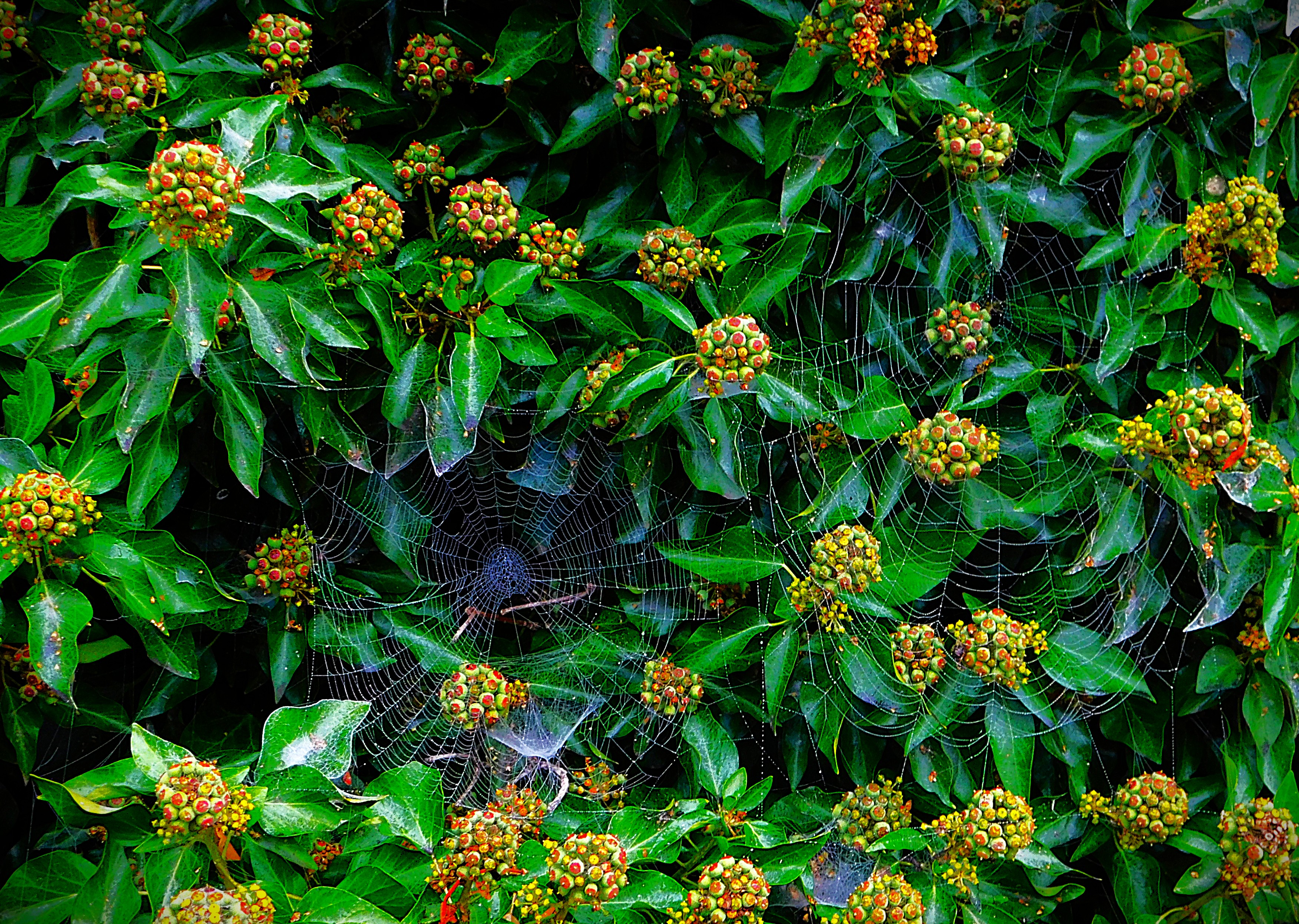
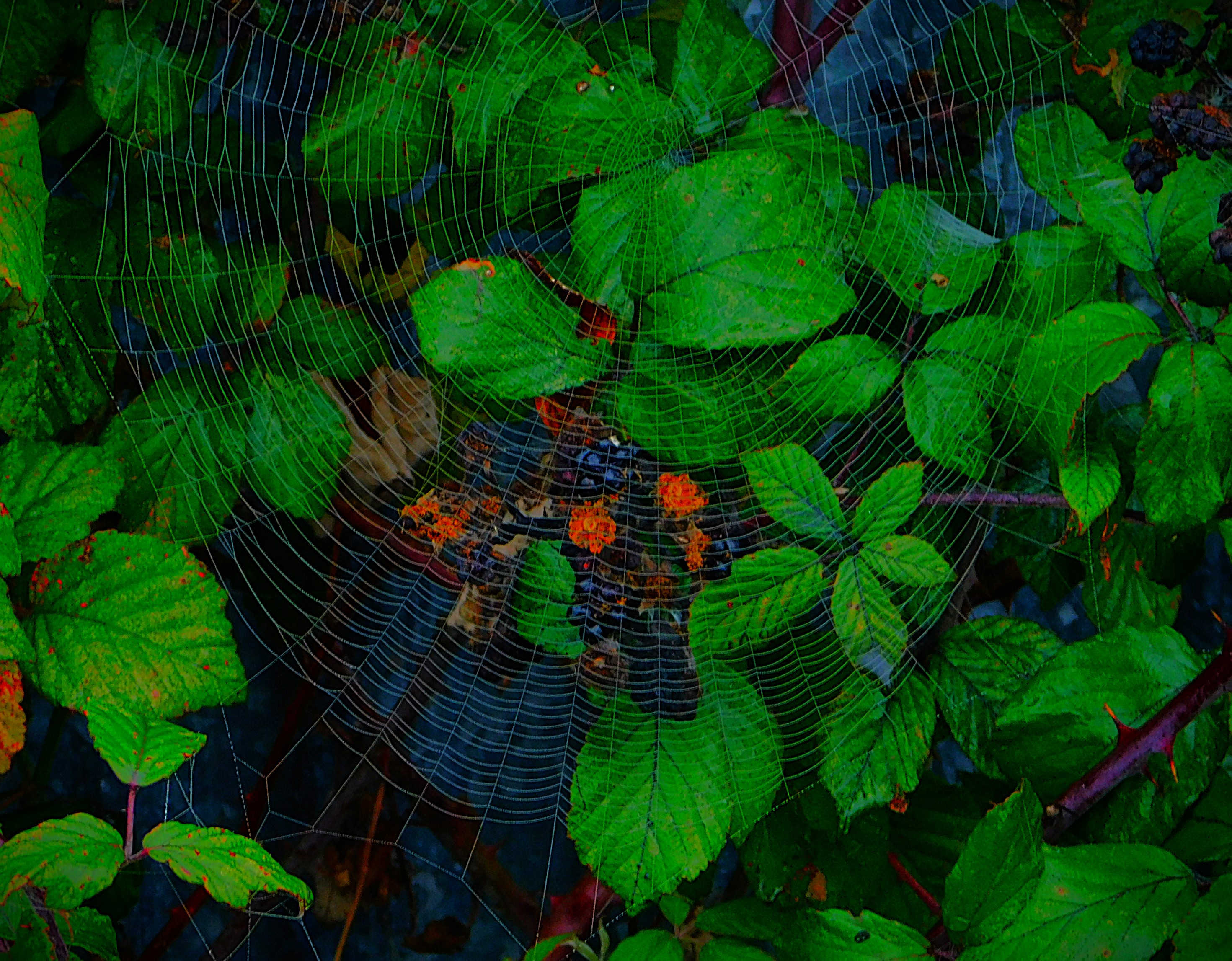
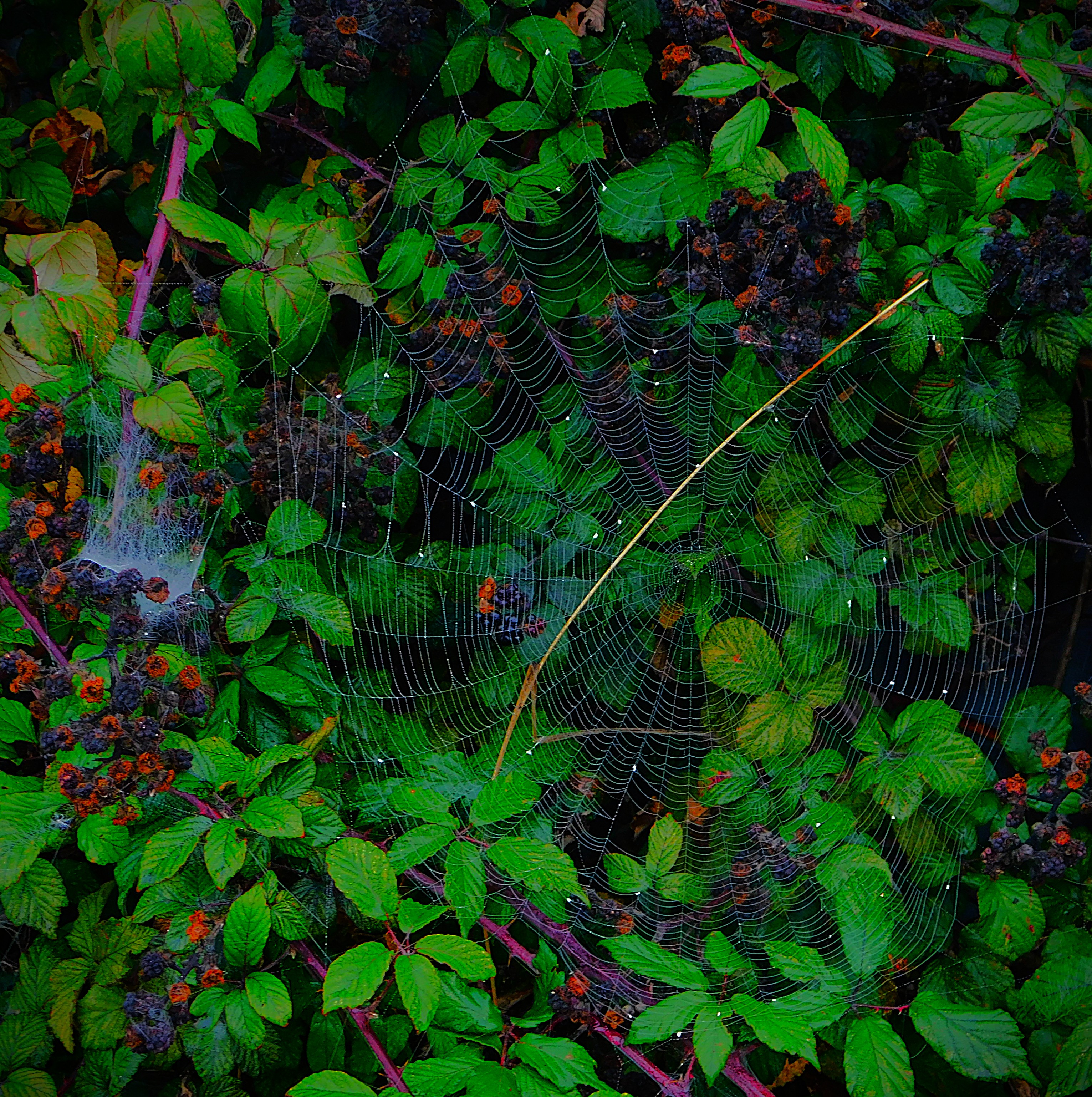
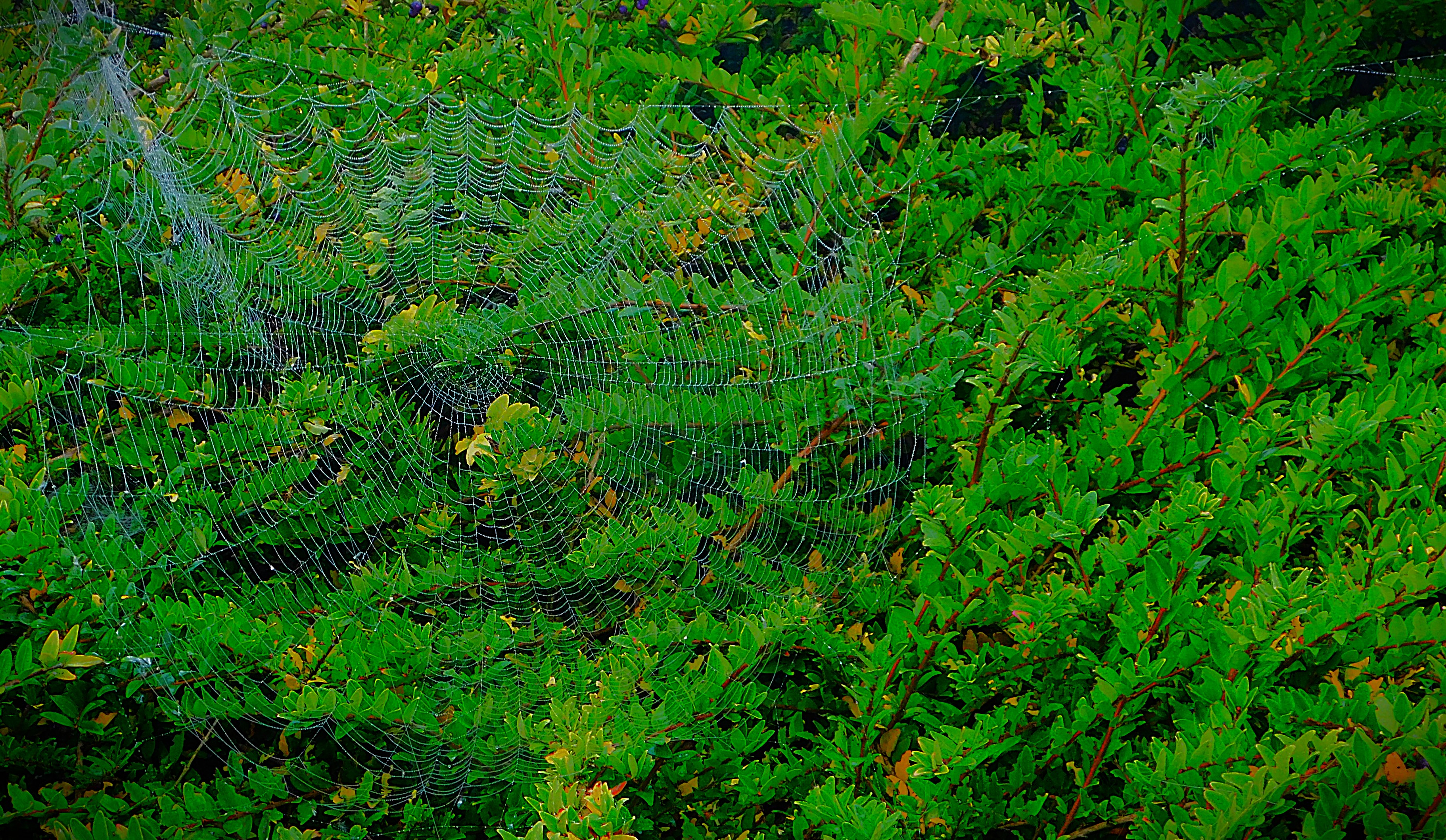
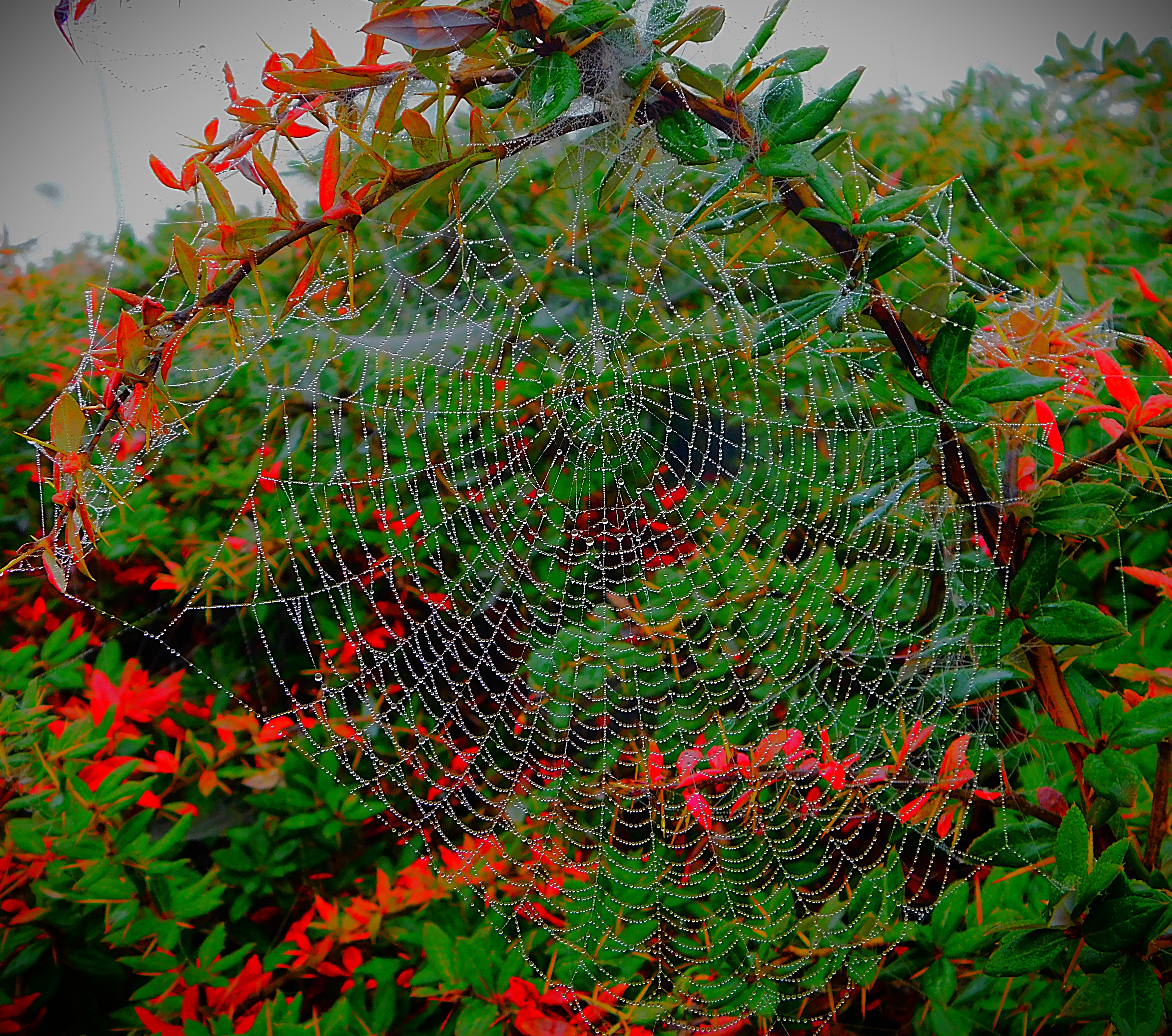
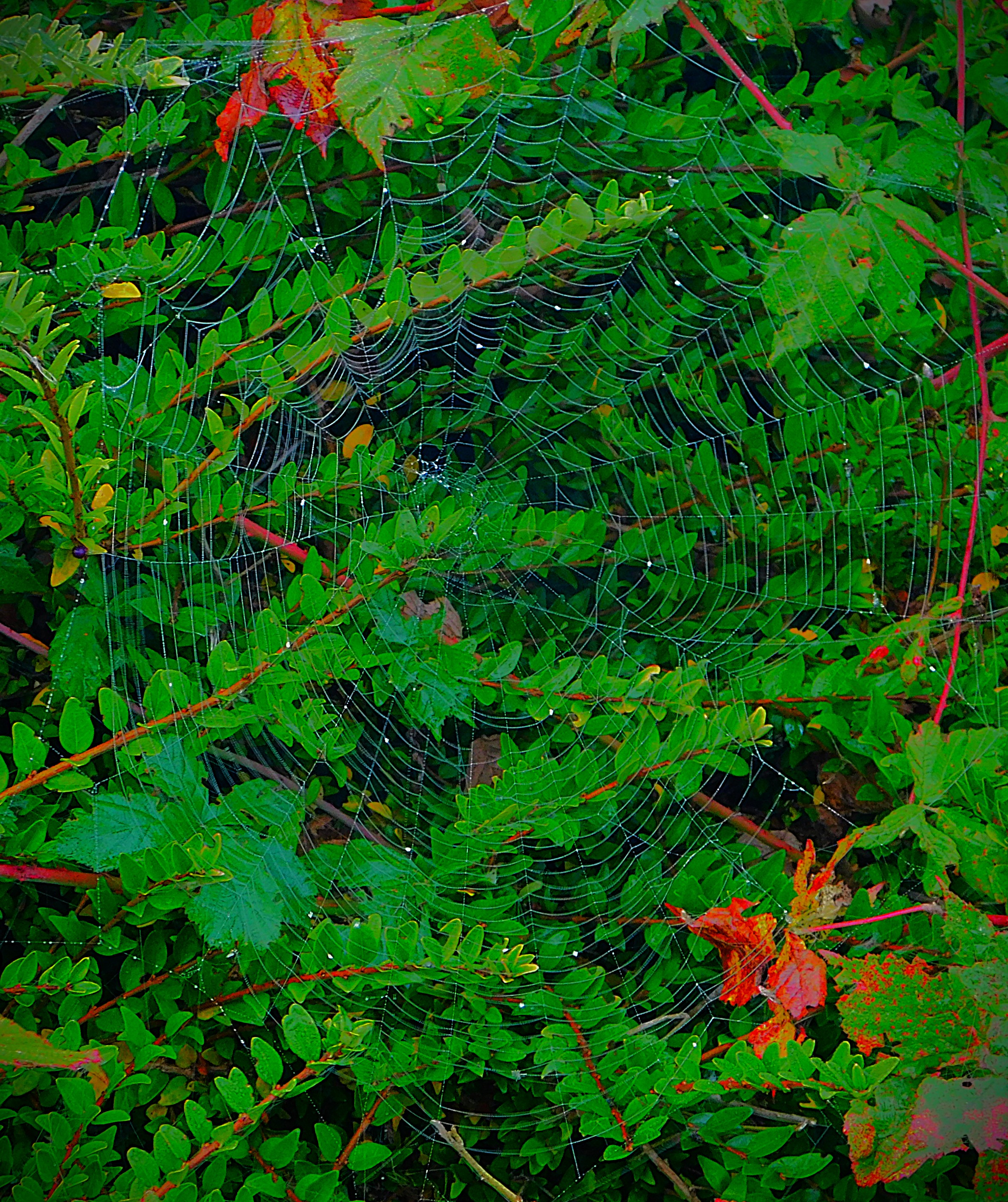
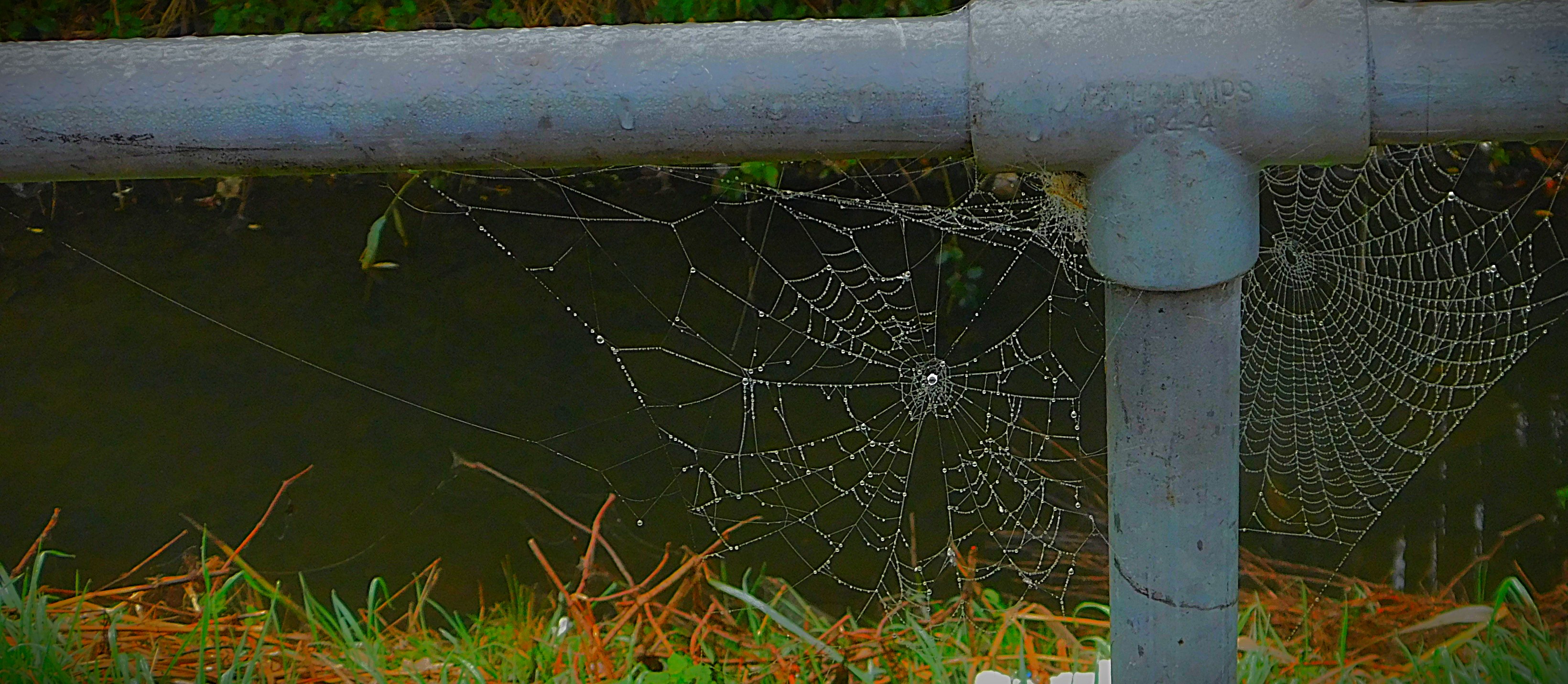
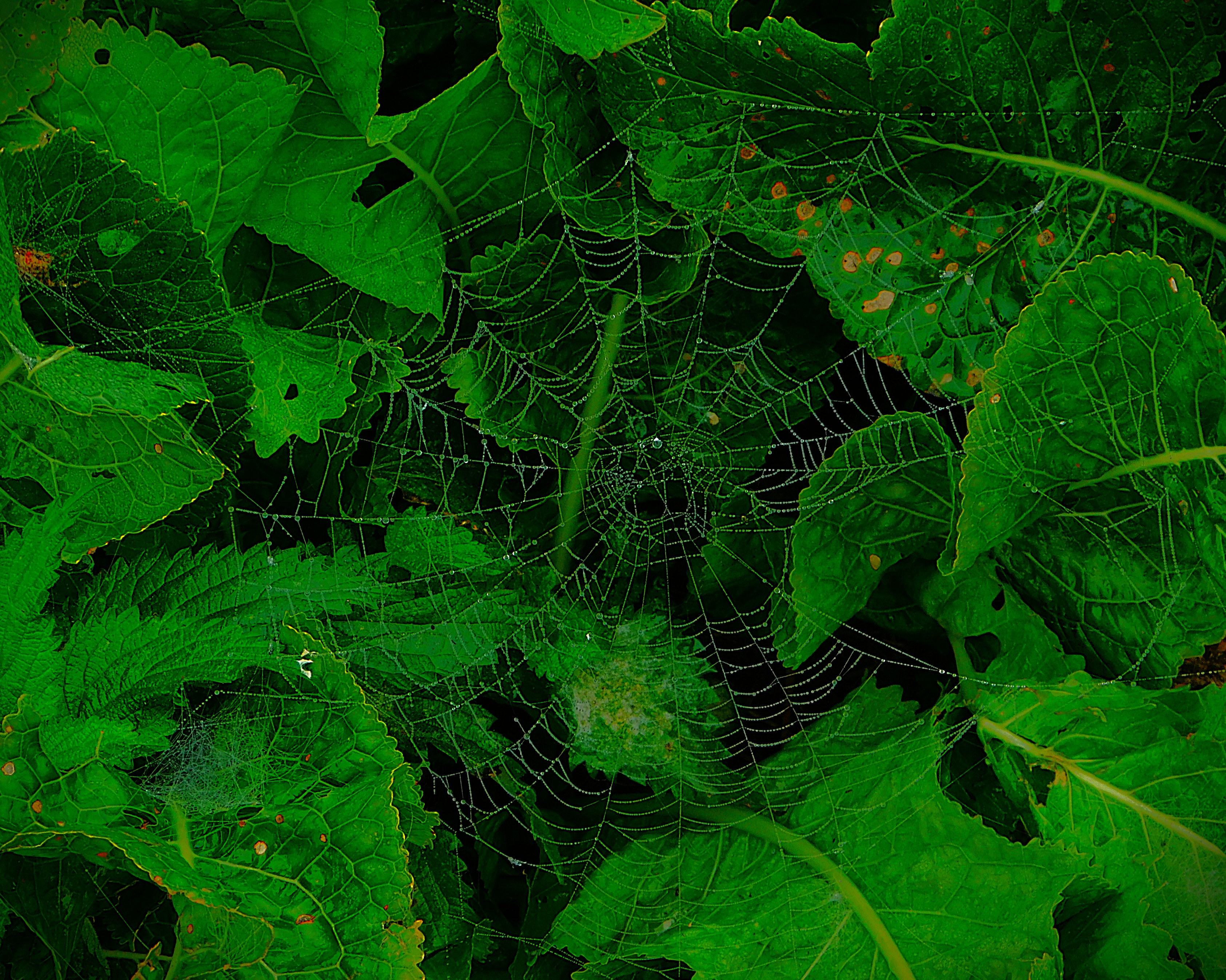
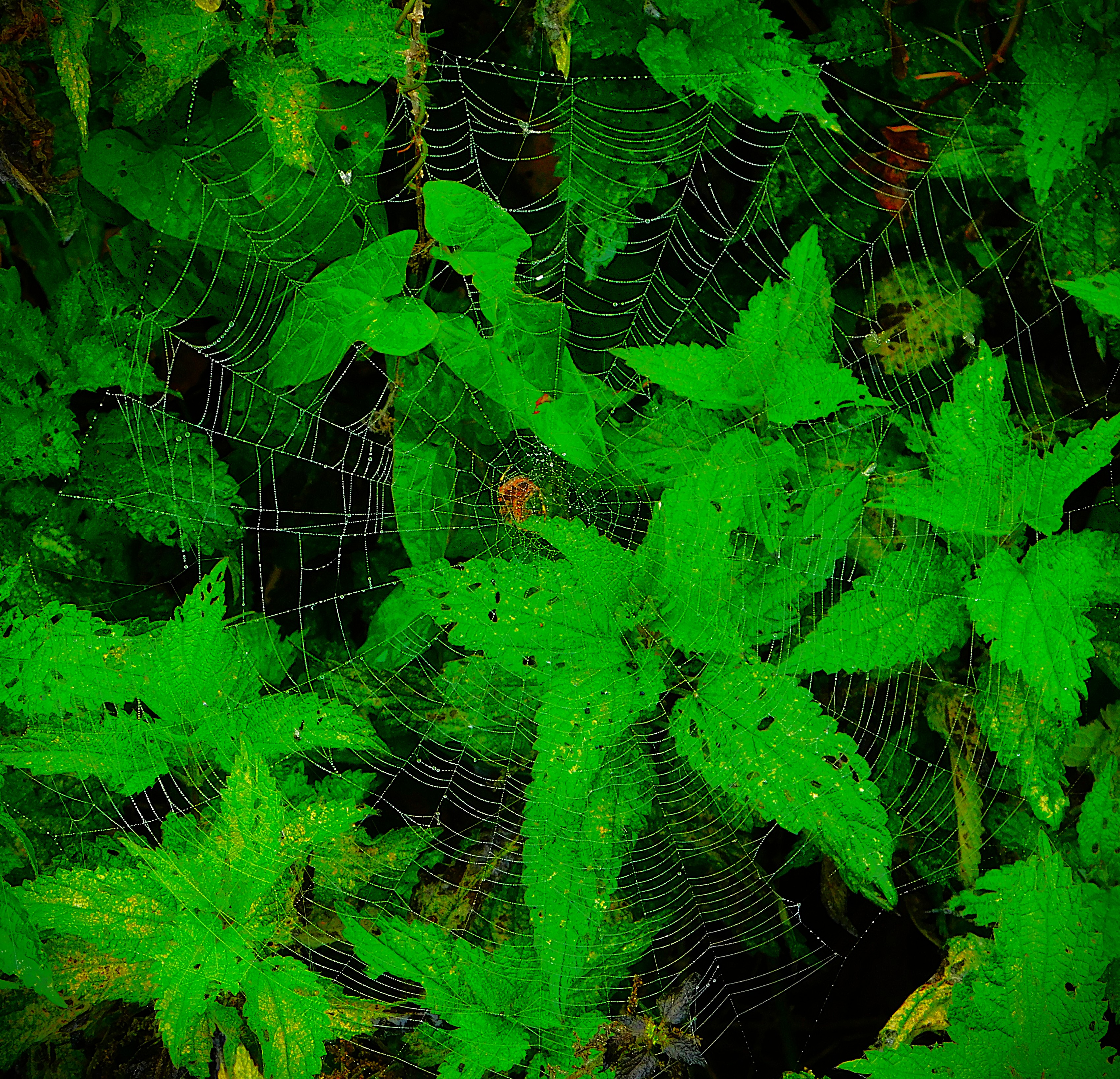
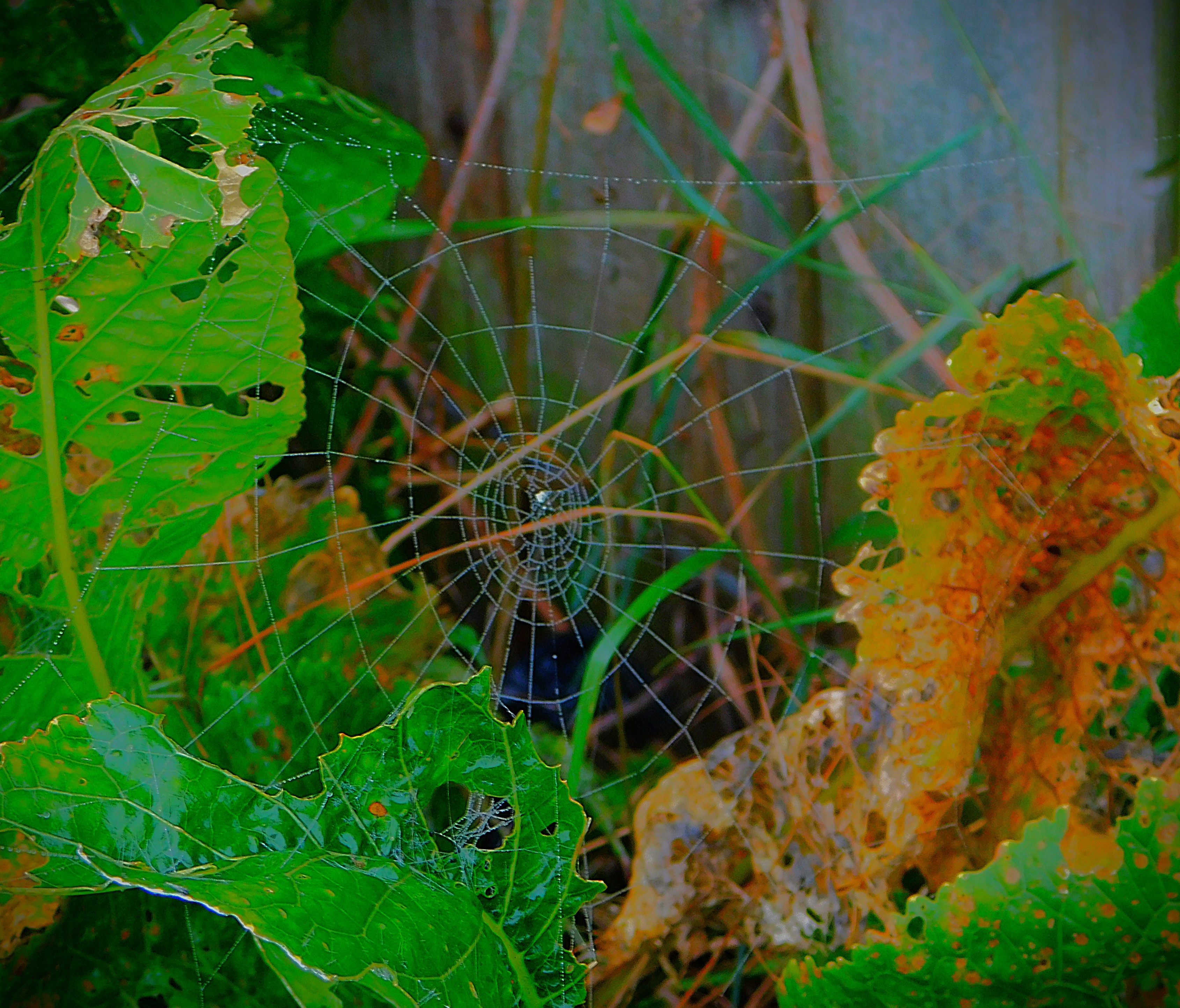
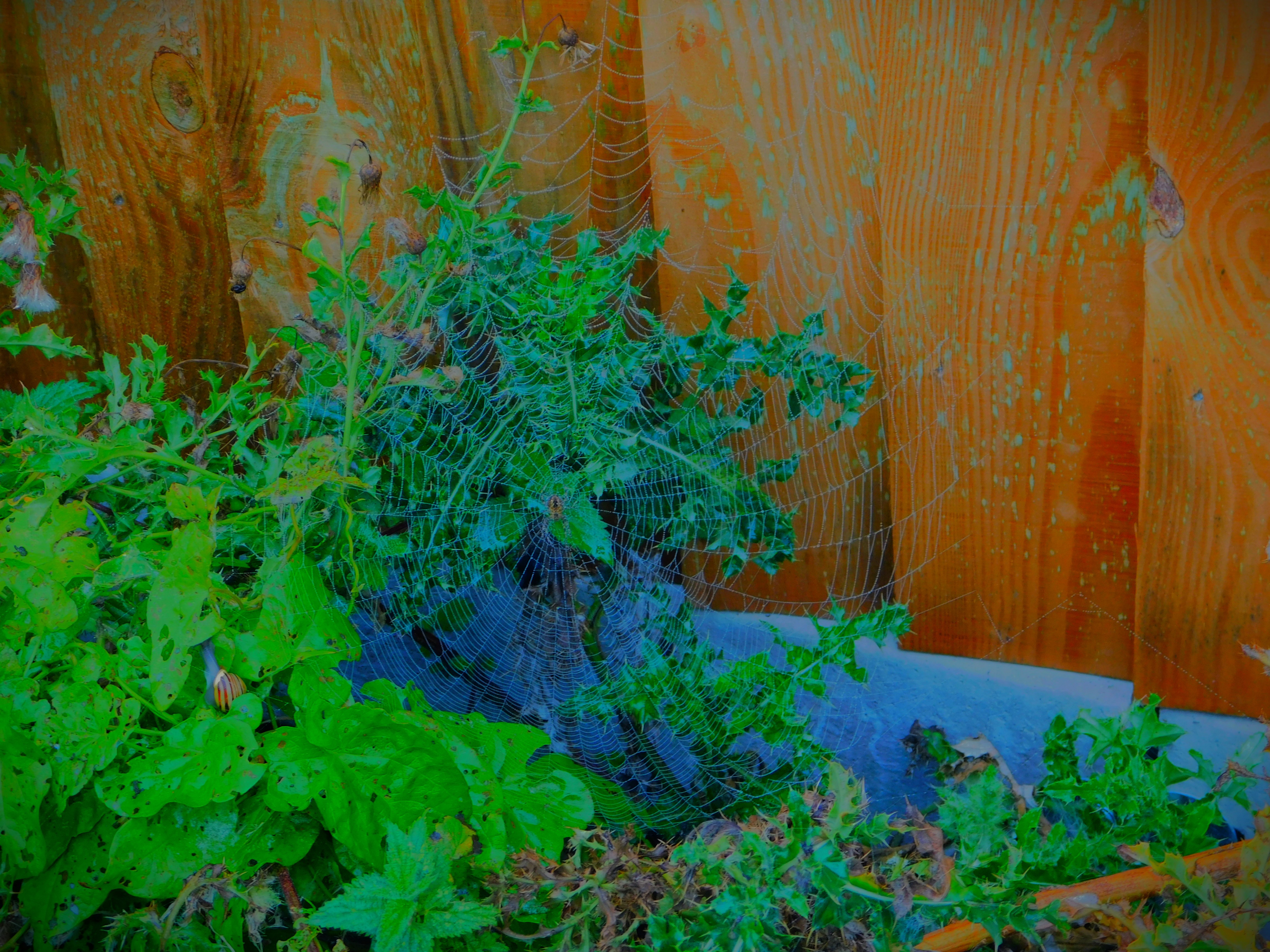
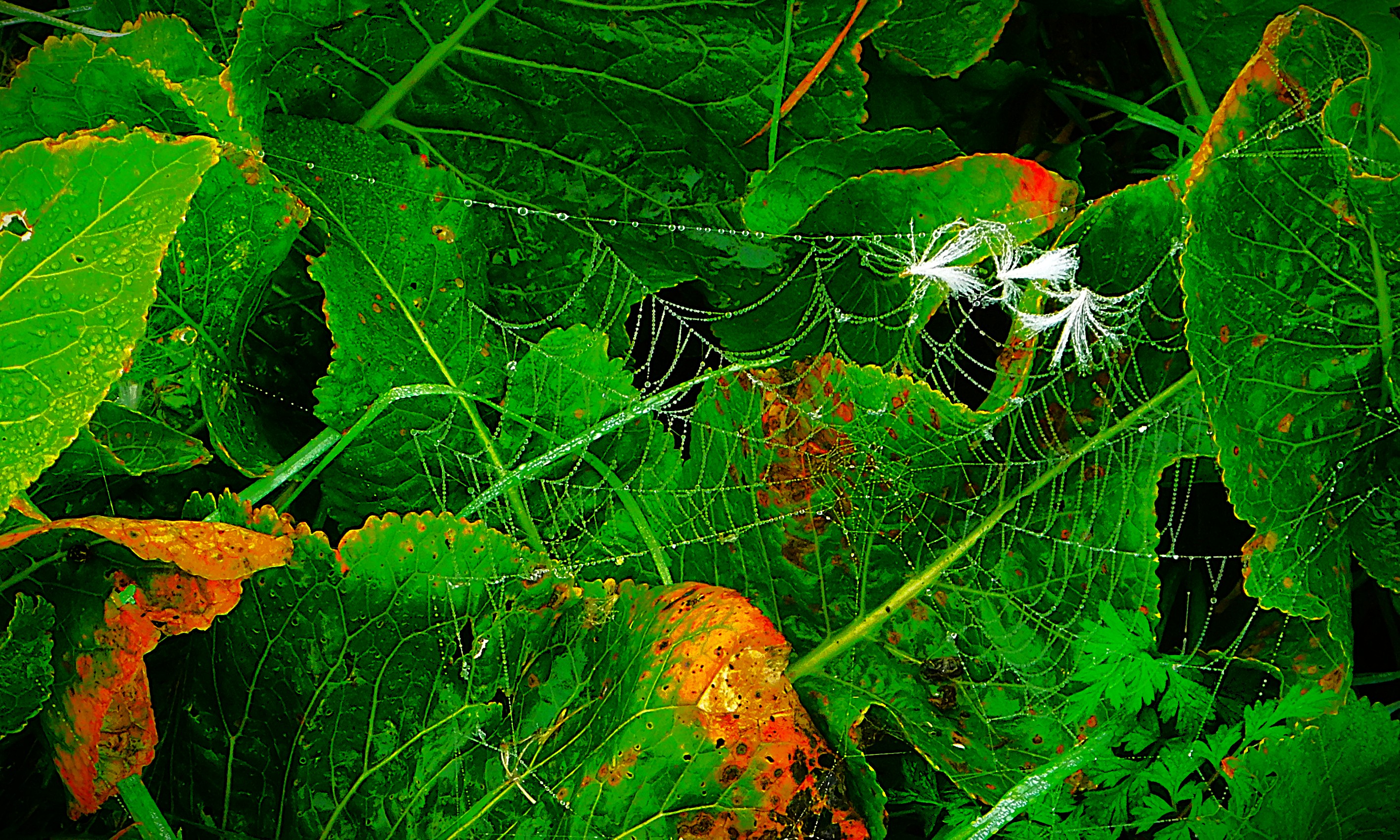
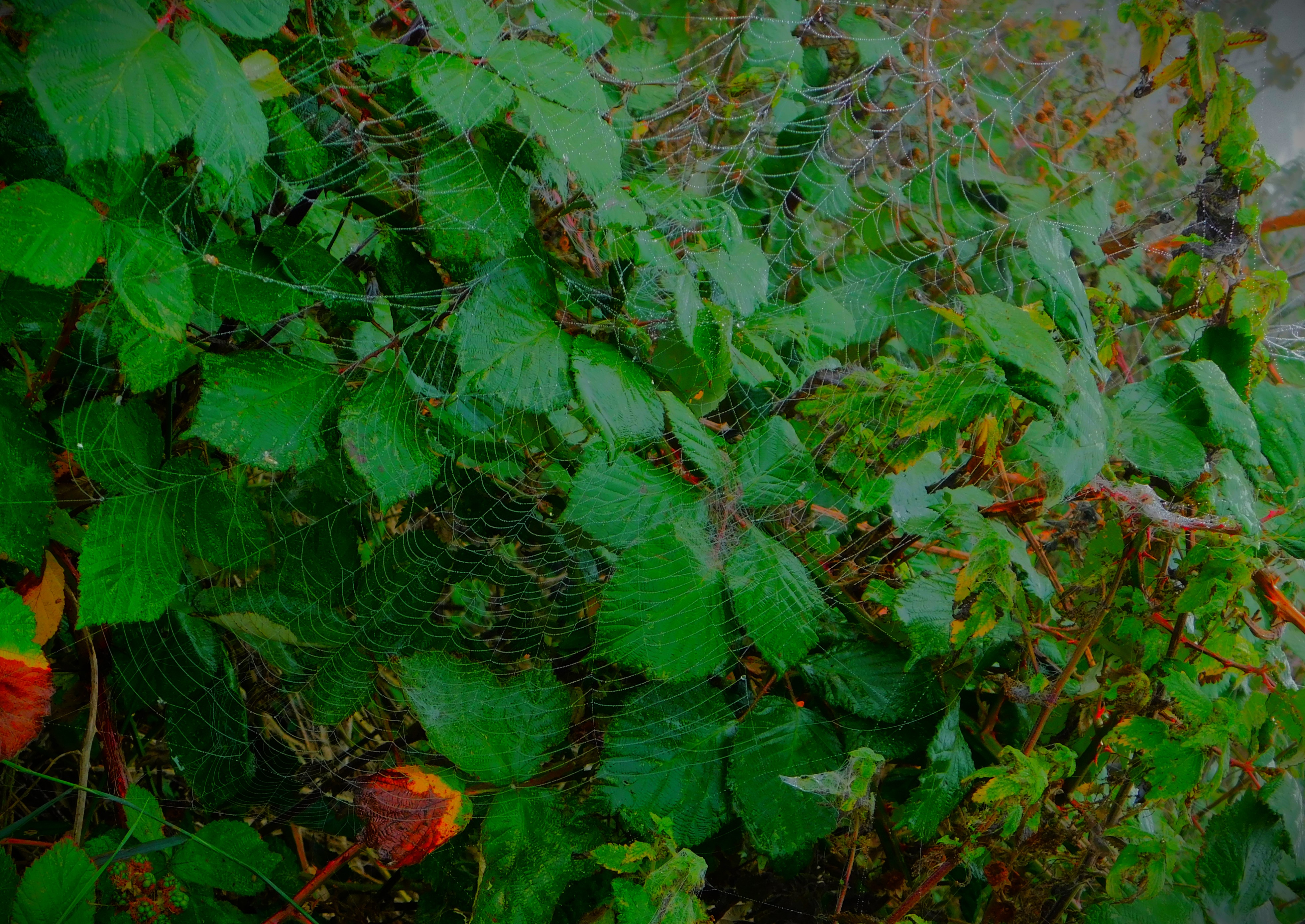
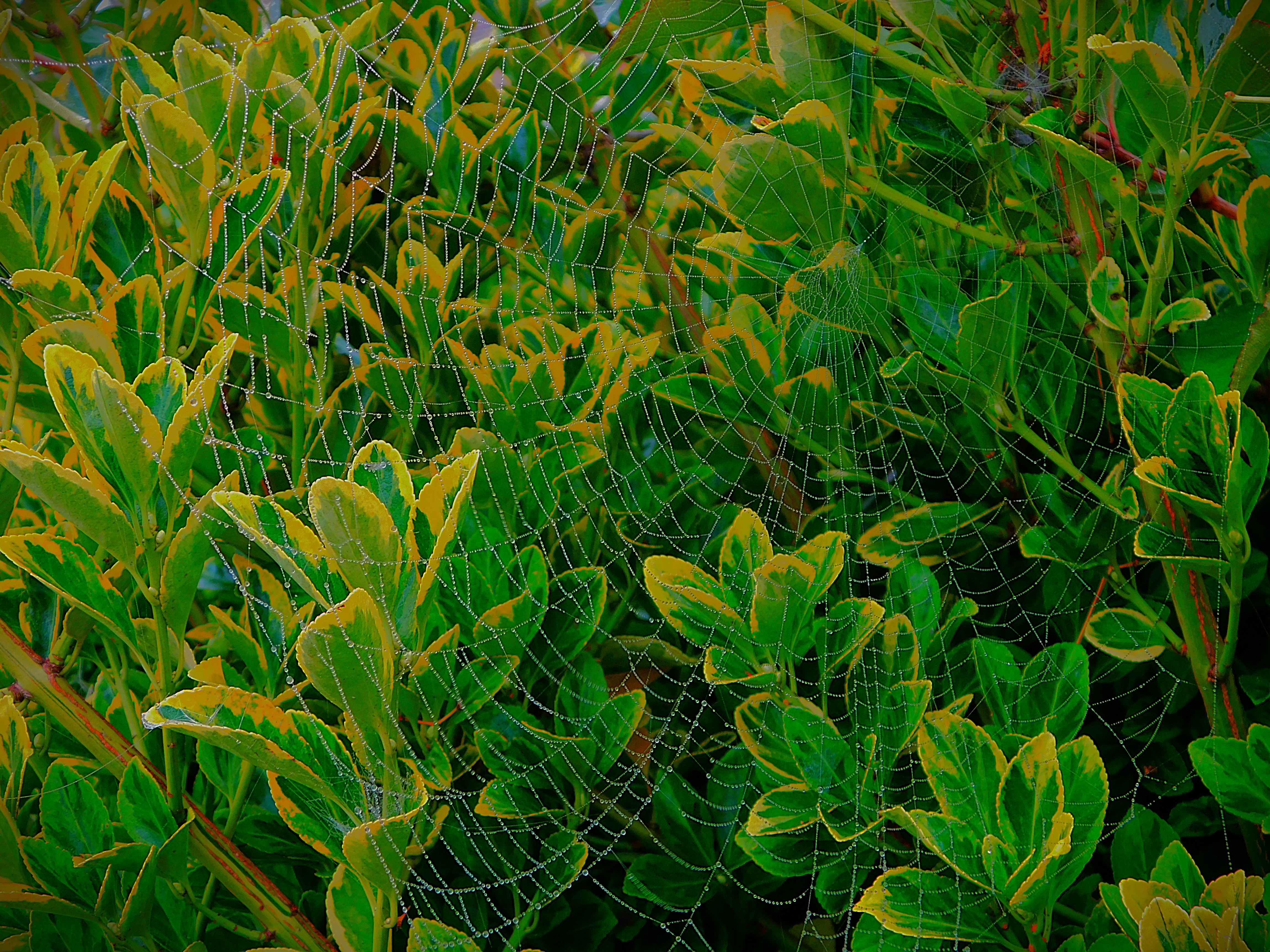
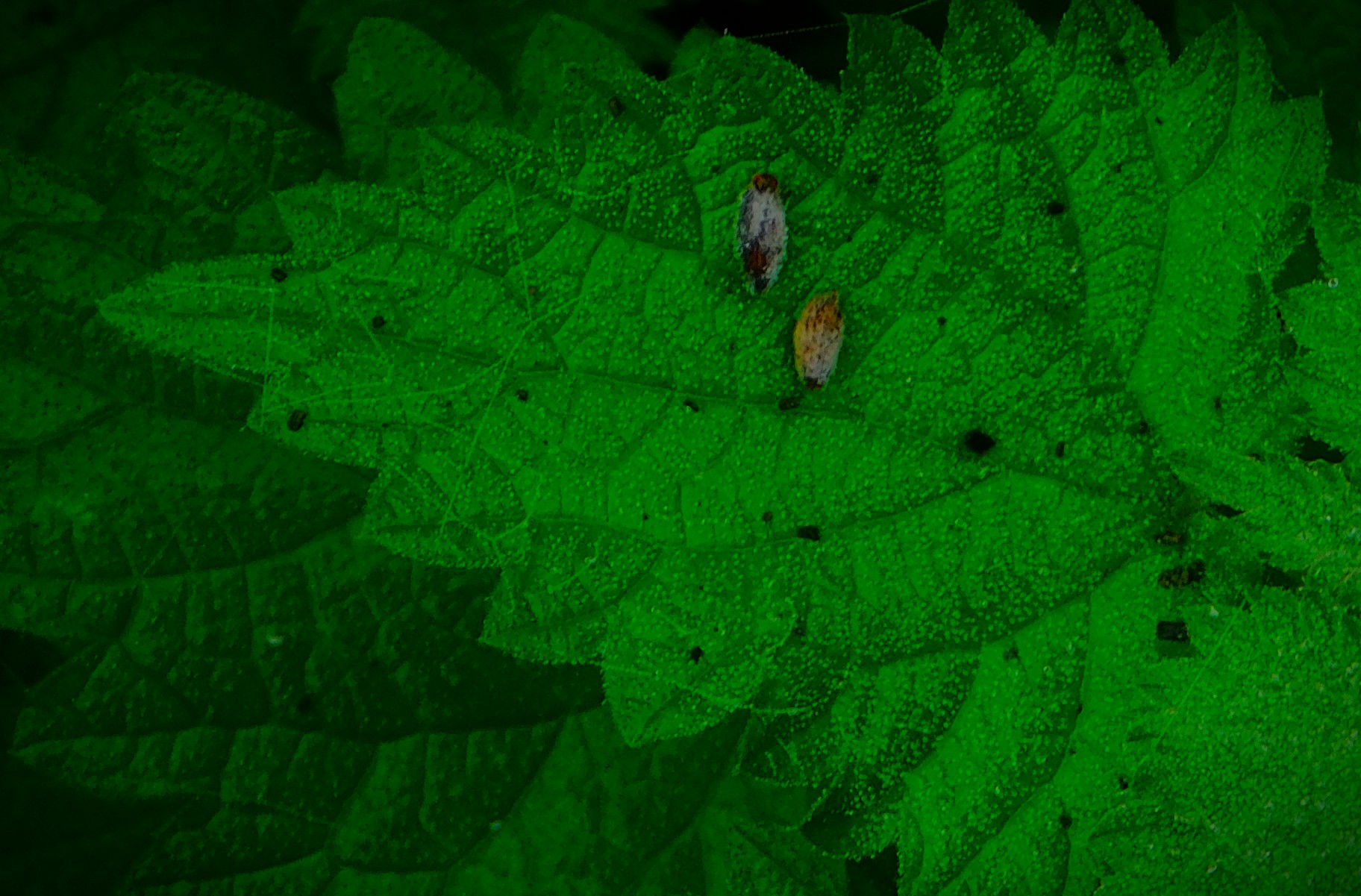
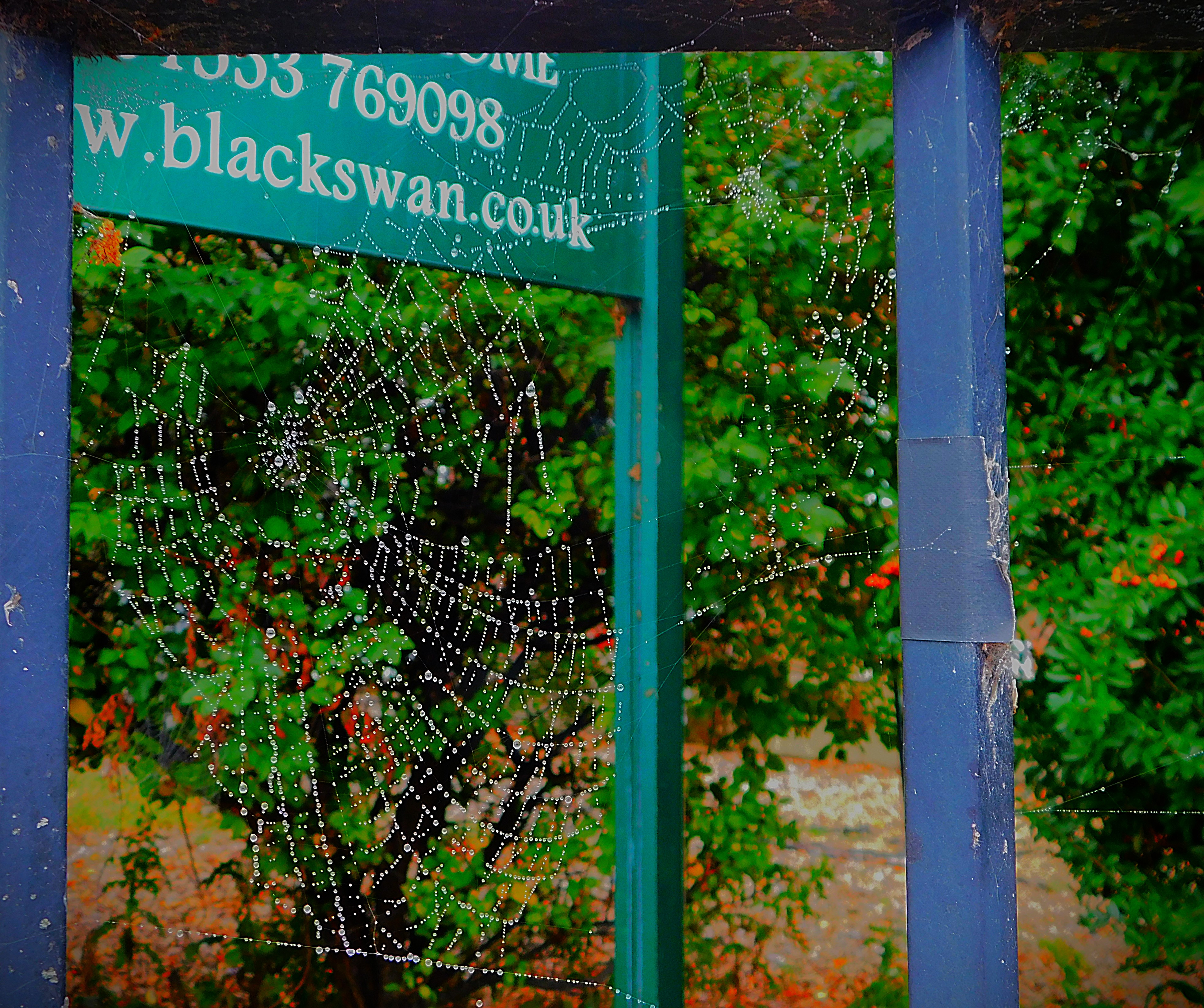
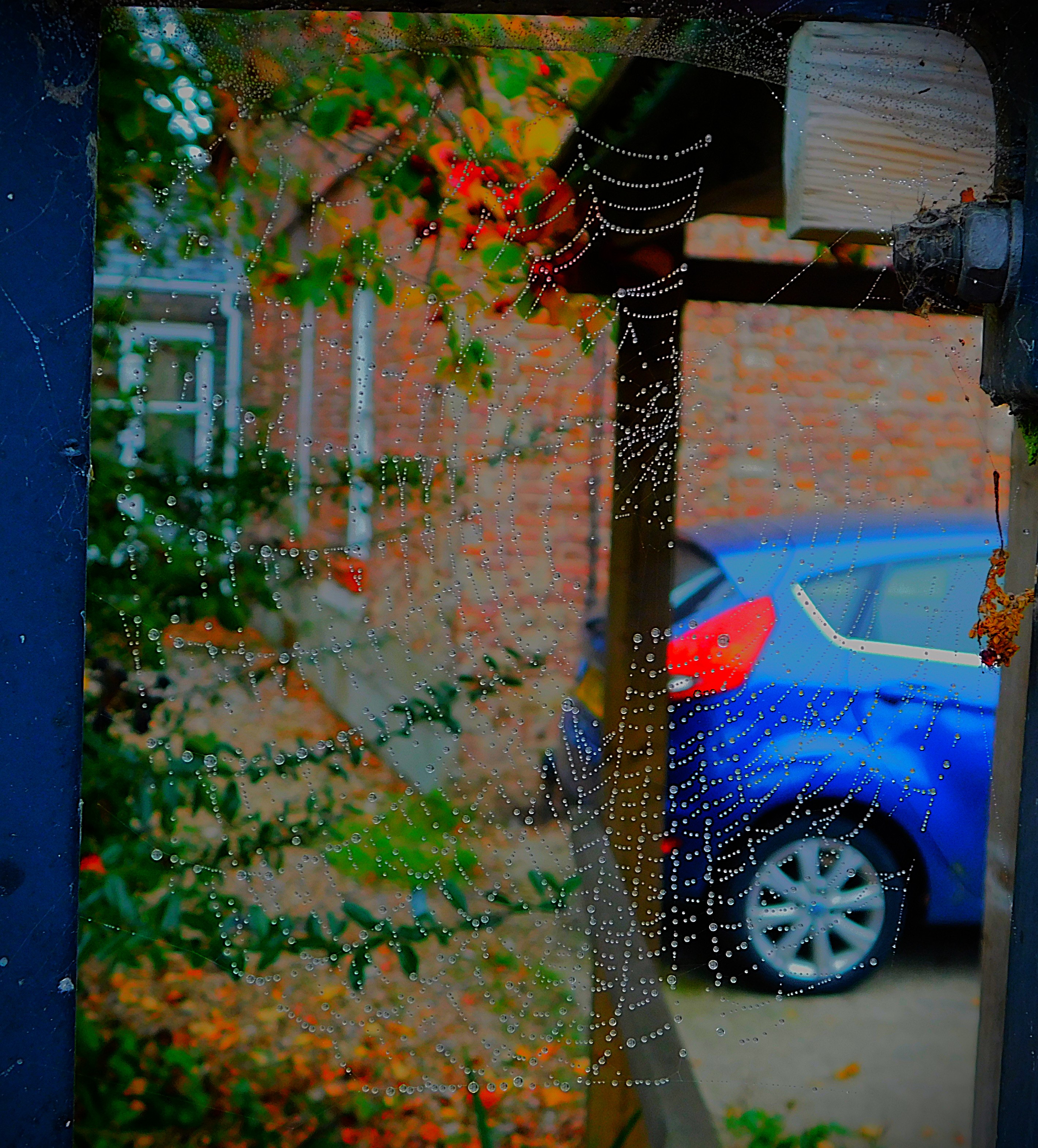
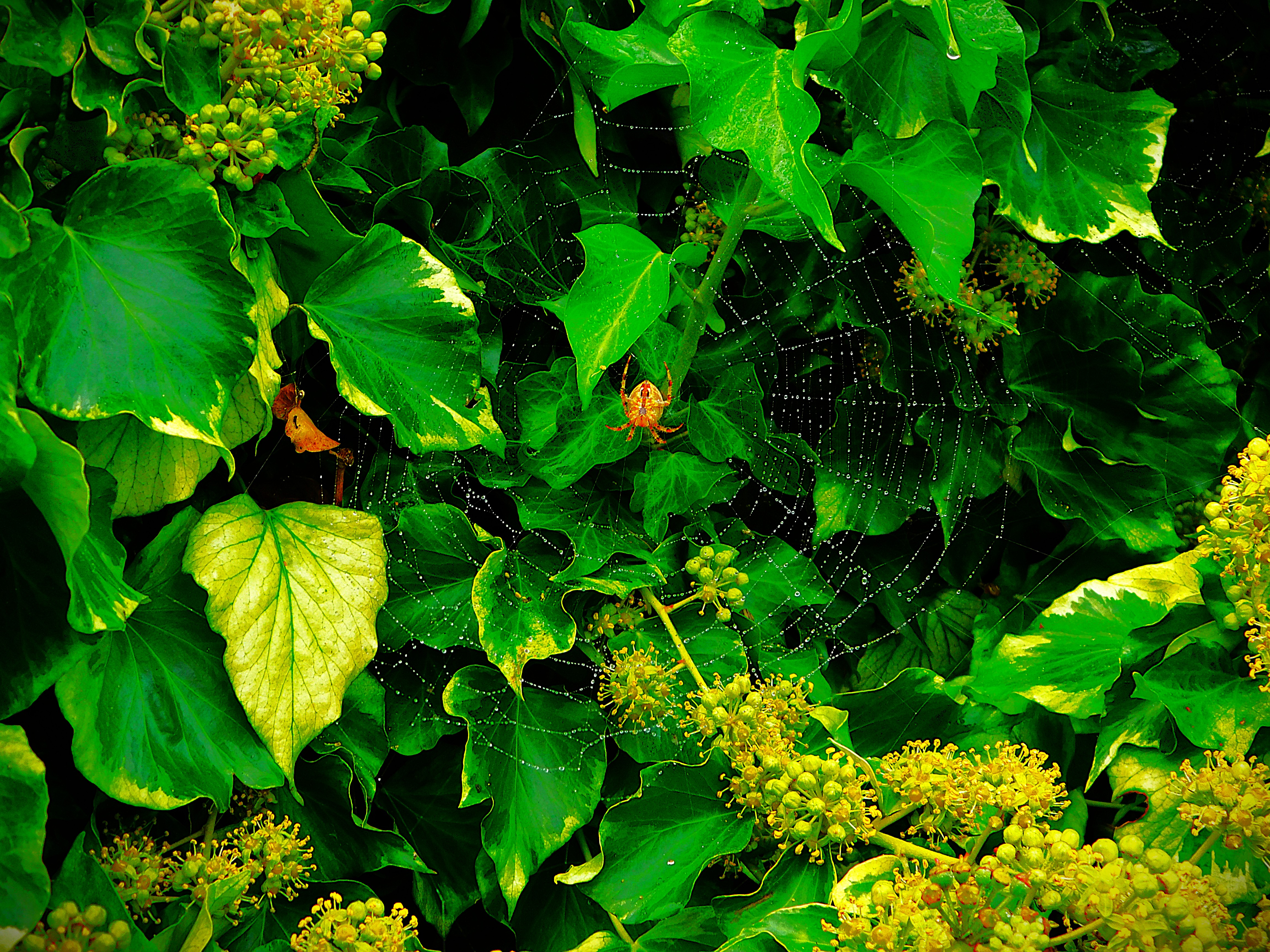
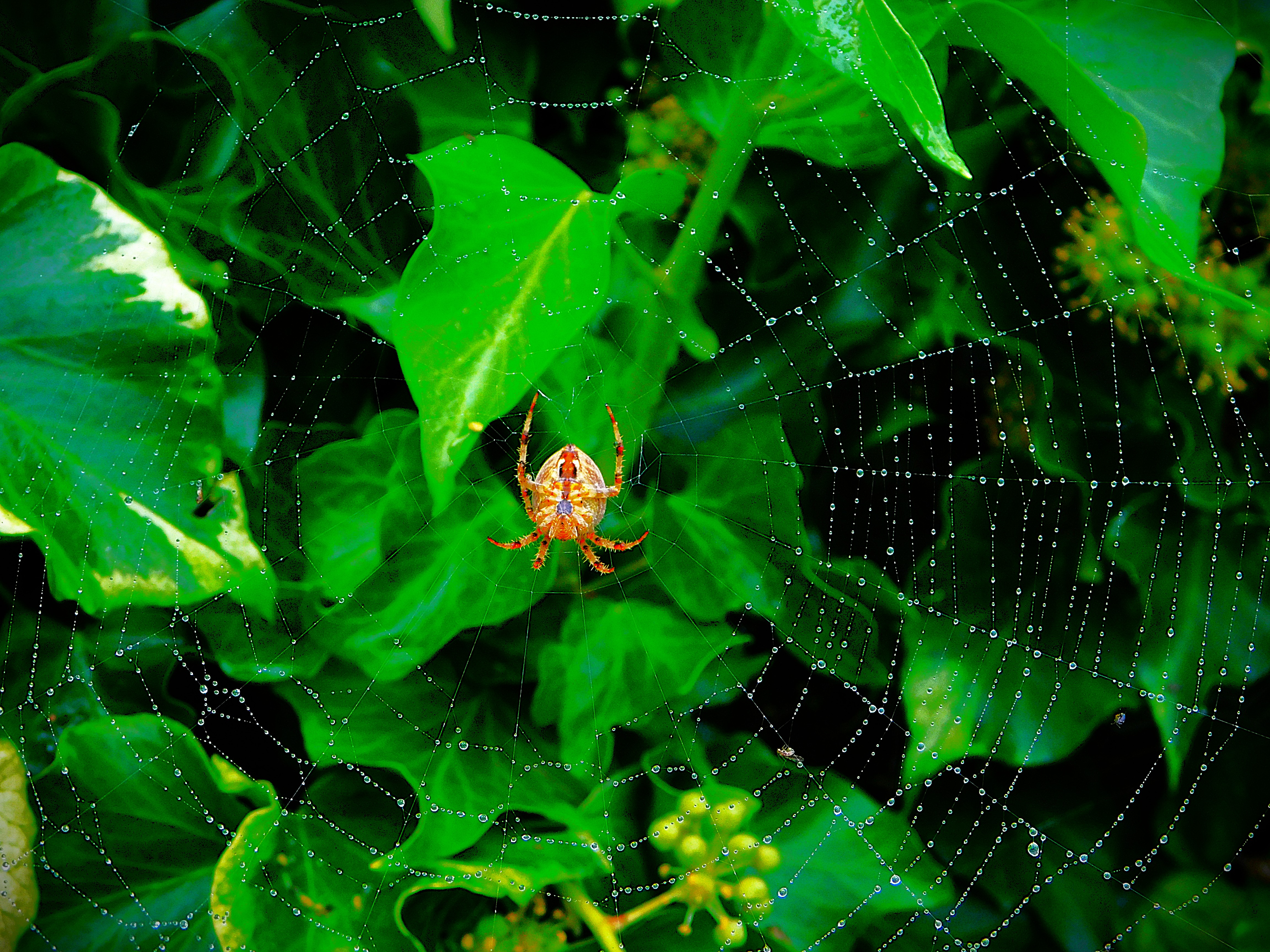
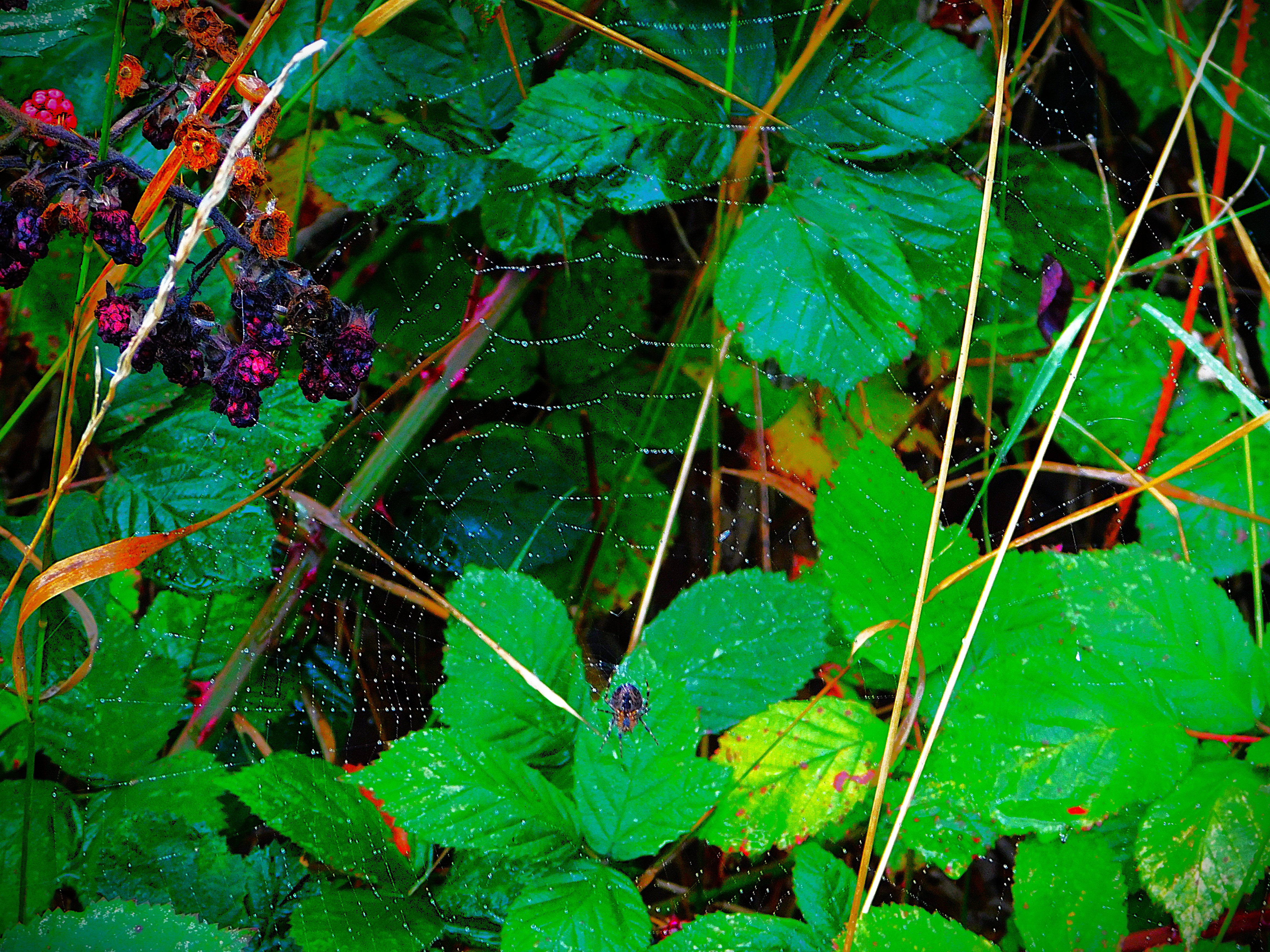
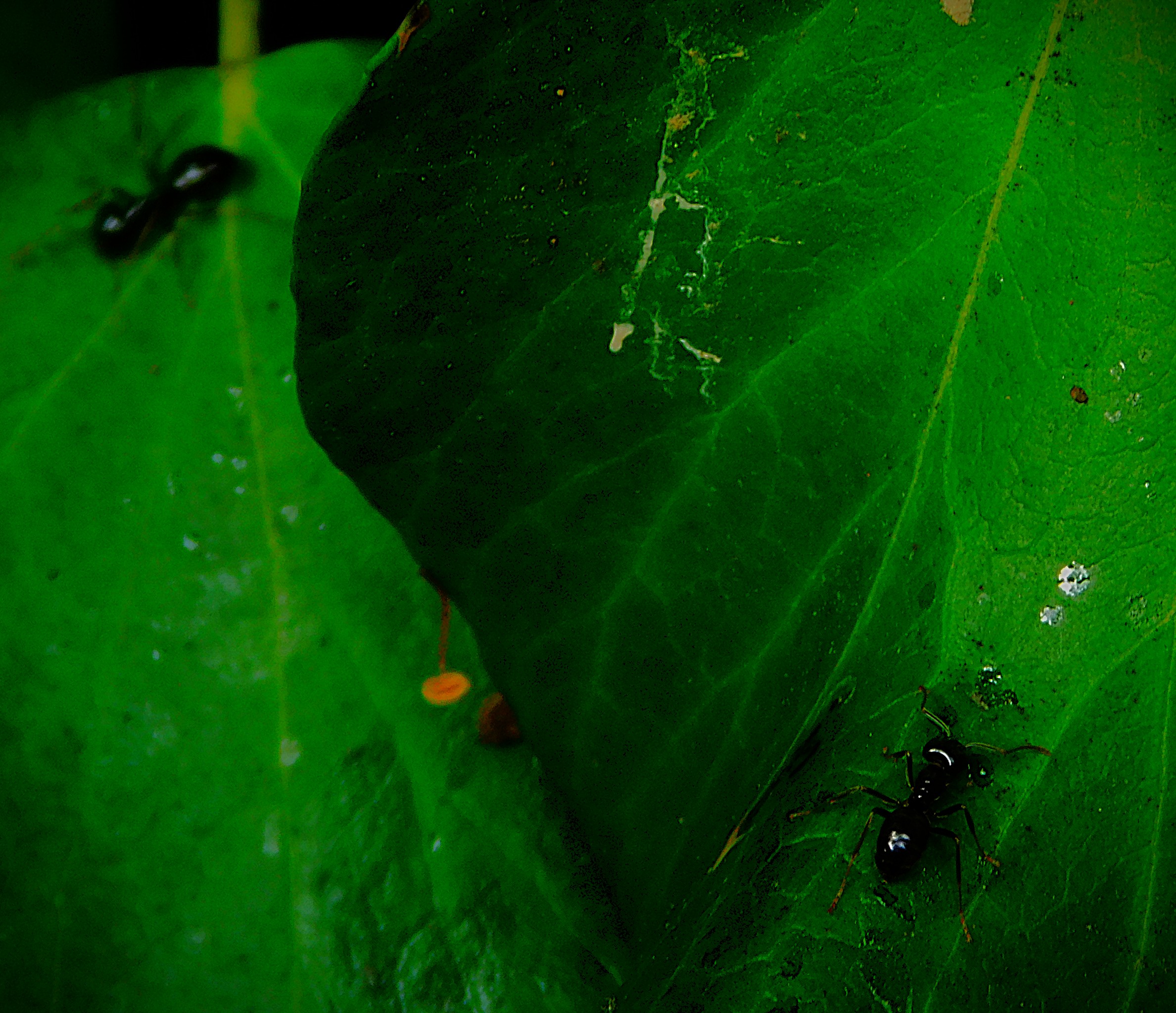
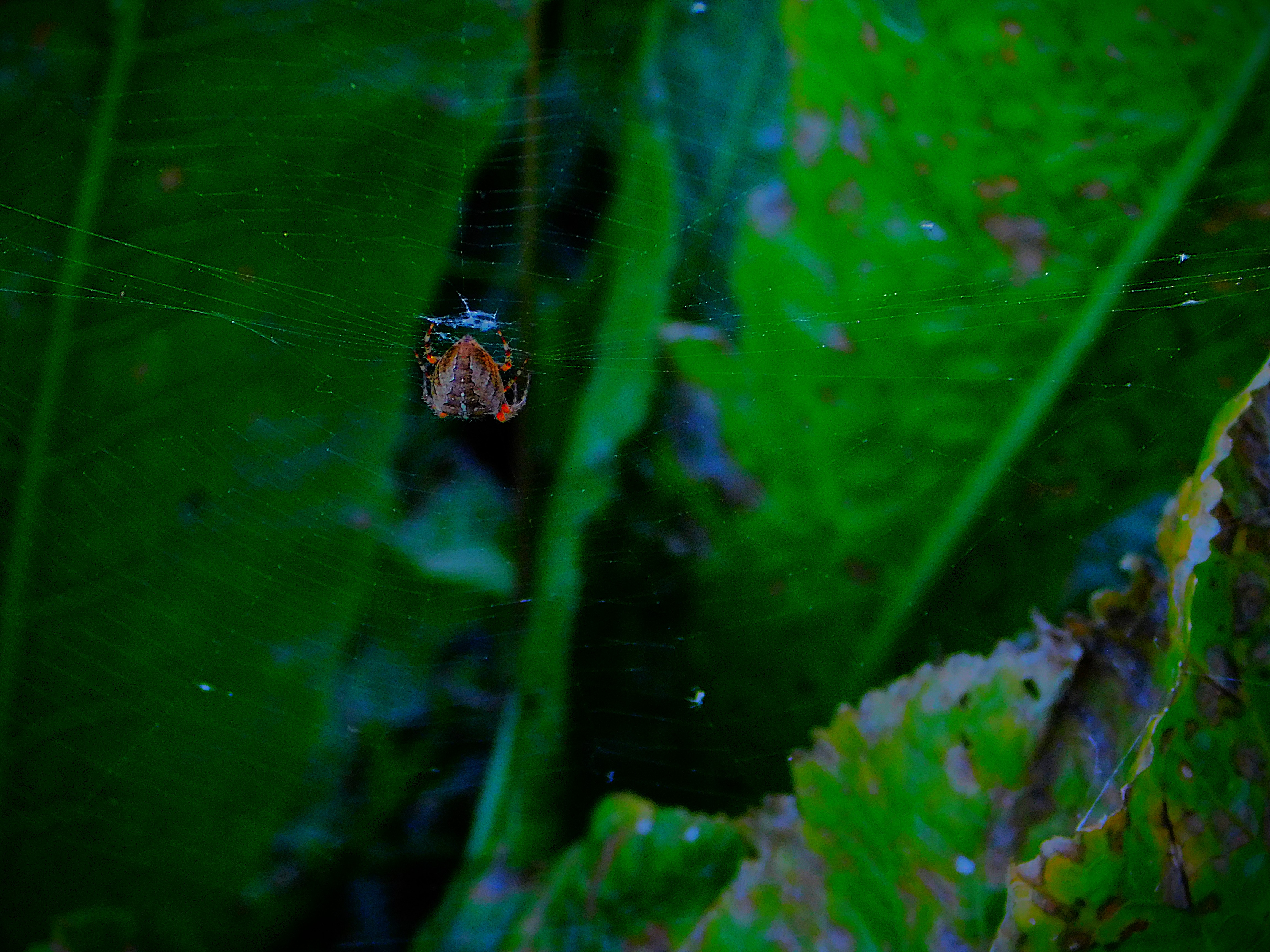
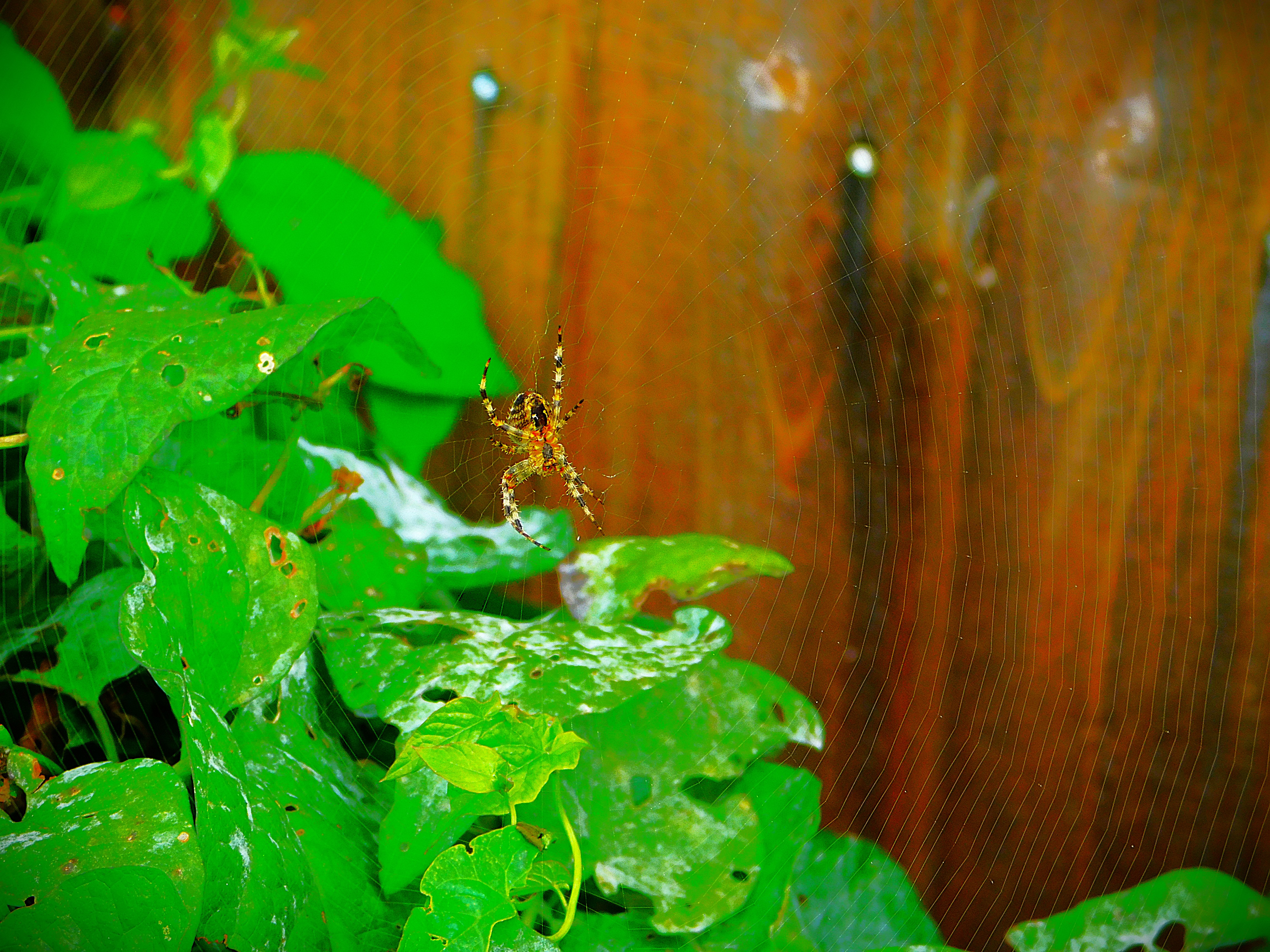
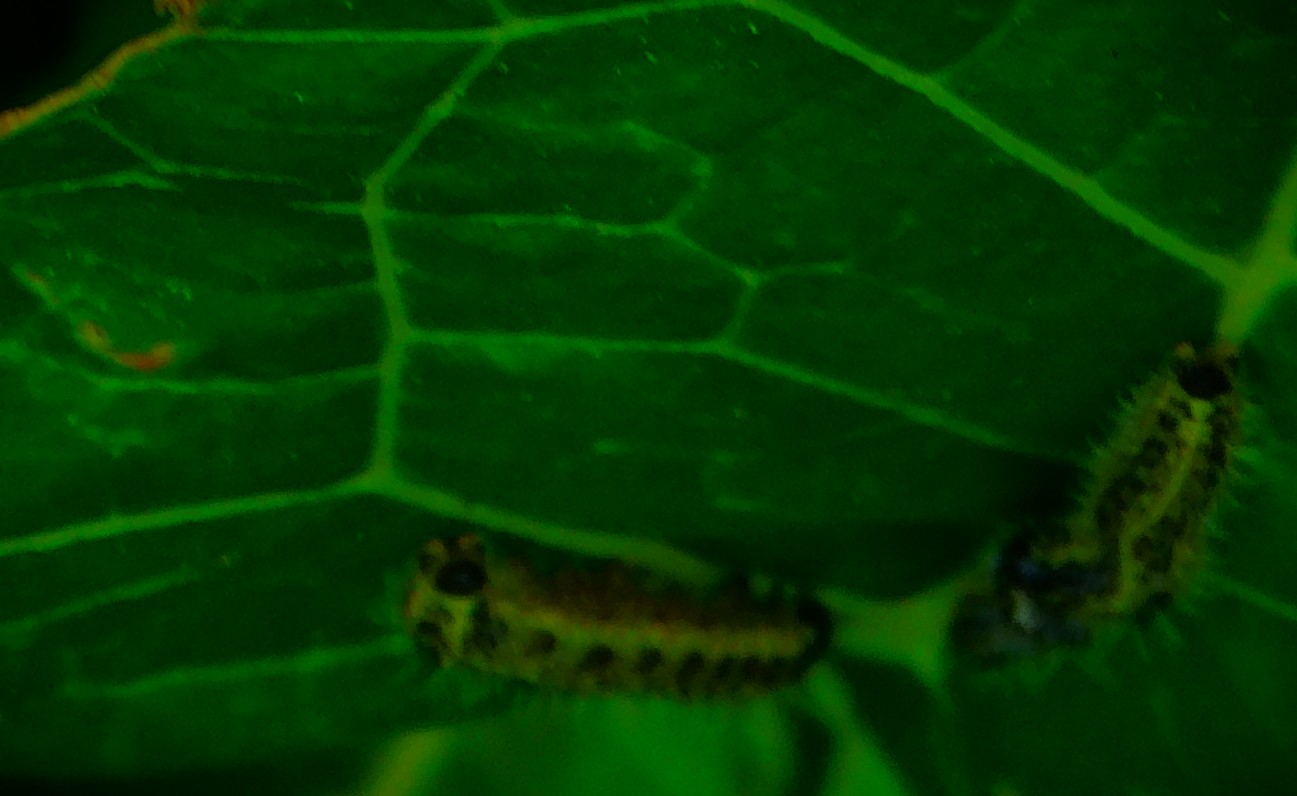
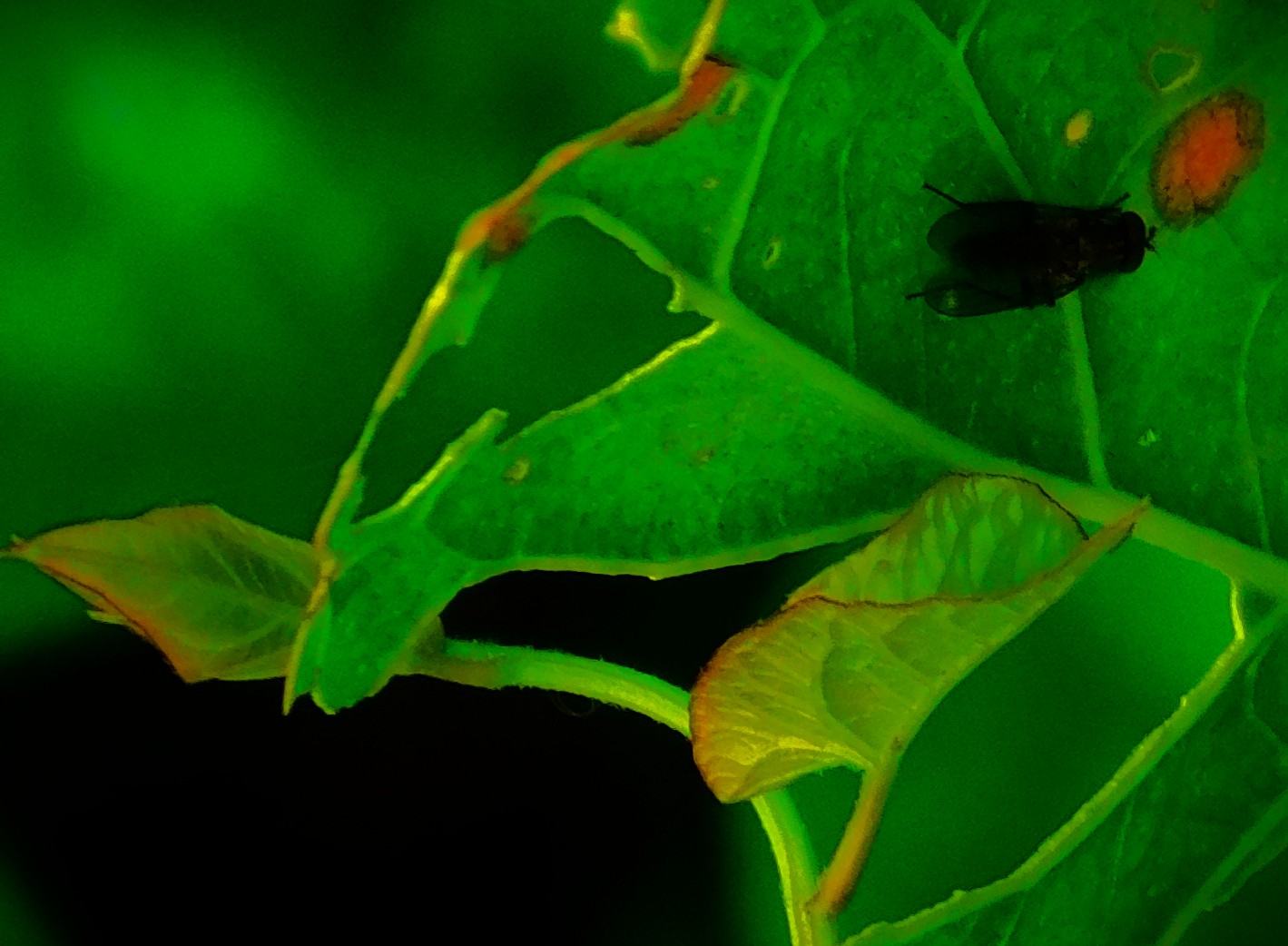
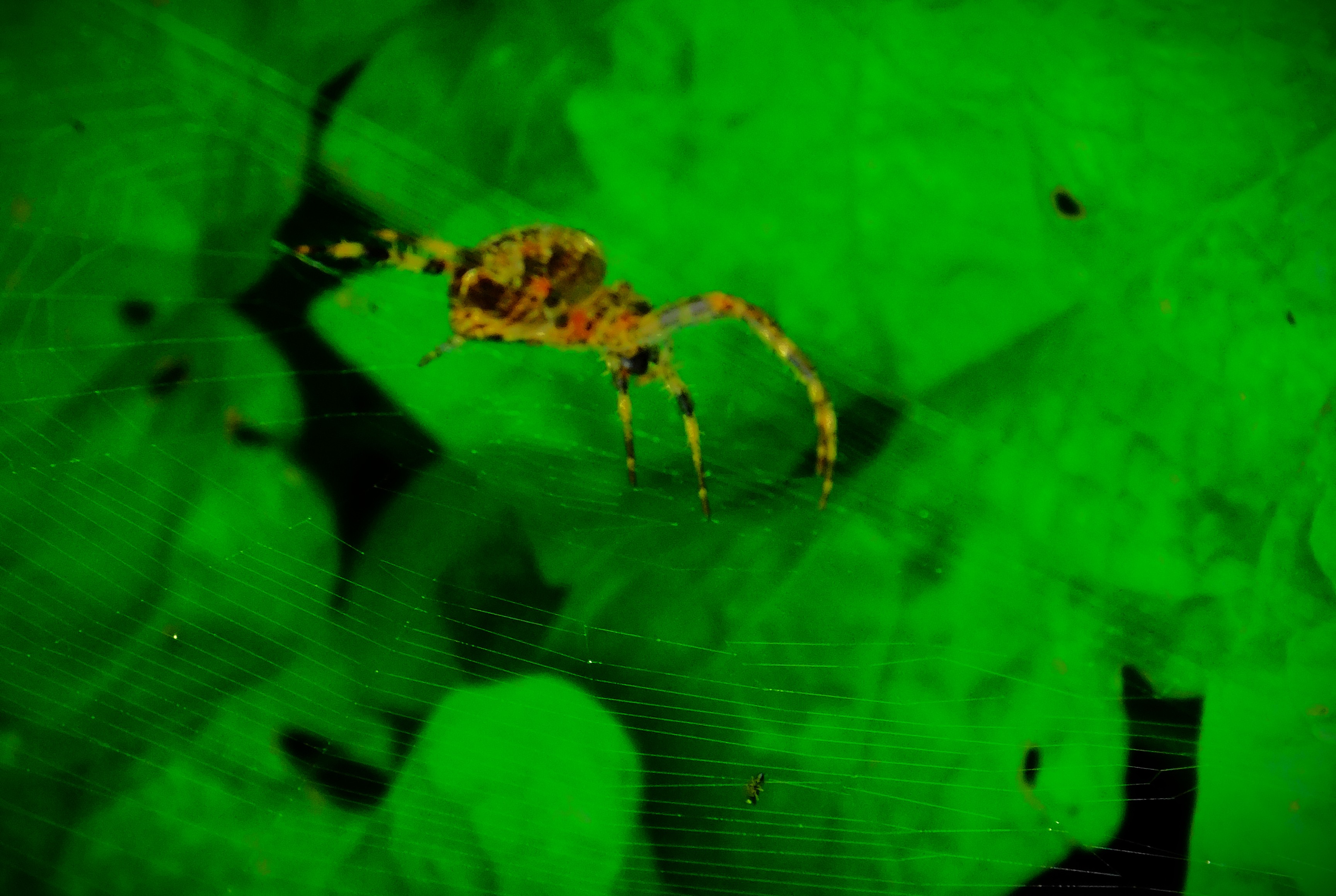
An interesting shield bug, mainly black wityh yellow markings.This heavily armoured insect is simple called a ‘dock bug’ after the leaves in which it generally makes its home.A heavy overnight dew had really brought out the intricacies of the spider webs this morning (it was also very foggy at that time)
A brief look back at happenings at the Women’s cricket world cup on Thursday and yesterday, and account of today’s match in Colombo and two photo galleries.
Although today’s match dominates this post I make mention of a couple of others as well.
THURSDAY AND YESTERDAY
Tuesday and Wednesday both saw threats of upsets, but in each case the big side came good in the end. On Thursday we finally saw an upset. For most of the chase it looked like India were in charge, but then Nadine de Klerk, batting at number eight, came to the party. An astounding display from the spin bowling all rounder saw four sixes in the space of 2.5 overs (the first two balls of the 47th over, the third and fifth of the 49th). That last six, de Klerk’s fifth in all, took South Africa to victory with seven balls to spare. In total de Klerk scored 84 not out from 54 balls. Remarkably the innings that seemed to have given India enough to defend, Richa Ghosh’s 94, was also scored from number eight, though I cannot comment on that innings other than the bare detail since I was at work while it was being played.
Yesterday I missed the New Zealand innings (see my previous post) but got to hear most of the Bangladesh reply. This match was a familiar tale for Bangladesh and Pakistan at this tournament – a respectable bowling performance but the batters were simply not up to the task. Chasing 225 Bangladesh were at one point 33-6, and although they fought back somewhat from that nadir the final margin was over 100 runs in the Kiwis favour.
GALLERY ONE
SRI LANKA v ENGLAND
The start was slightly delayed by a wet outfield, but both sides stuck to their spin heavy selection plans. Sri Lanka won the toss and chose to bowl, which did not worry Natalie Sciver-Brunt and England in the slightest since they would have batted first in any case.
Tammy Beaumont and Amy Jones began brightly before a combination of an over-optimistic call by Beaumont and a hesitation on the part of Jones cost the latter her wicket. Sri Lanka fared well once they had broken this partnership, but they made a crucial error when a catch offered by Sciver-Brunt, then on 3, went to ground. While no one else made a major contribution the England skipper batted through, cautiously at first, and finally blazingly aggressively in the closing stages of the innings. Her 117 off 117 balls with nine fours and two sixes was the highest individual score of the tournament so far and got England to 253-9, which looked enough.
With 18 runs on the board Sri Lanka lost Chamari Athapaththu to a calf issue – she left the field on a stretcher, but after treatment it was confirmed that she would be able to resume her innings. Vishmi Gunaratne was bowled by Charlie Dean for 10 (9) to make it 37-1, but then for a time Sri Lanka prospered. It was Sophie Ecclestone who changed all that. A high water mark of 95-1 degenerated to 103-4 in the space of 2.2 overs, with the tall left armer dismissing Hasini Perera with the aid of a catch by Alice Capsey, Harshitha Samarawickrama to a fine running catch by Lauren Bell and Kavisha Dilhari clean bowled. There was the merest hint of a revival after that, but 13 runs later Ecclestone effectively terminated Sri Lanka’s interest in proceedings by clean bowling the restored Athapaththu with a beauty for her fourth wicket of the innings (at this stage she had 4-5). In the process of spinning this web from which Sri Lanka could not extricate themselves Ecclestone reached 30 wickets in ODI world cup matches, in just her 12th such game, five matches fewer than the previous quickest to that mark. Sri Lanka resisted with sufficient determination that their last wicket fell with only 4.2 overs of their allocation left, but the margin of 89 runs tells a truer story of this one-sided match. Sciver-Brunt picked up a couple of wickets in this phase to go with her century, and was the last player to touch the ball in the match, holding the catch off Linsey Smith that dismissed Udeshika Prabodhani.
A look at a fascinating morning and early afternoon yesterday at Watatunga Wildlife Reserve, complete with photographs.
Yesterday four members of the West Norfolk Autism Group went to Watatunga Wildlife Reserve, four miles south of King’s Lynn, for what as supposed to be a get together of people from various charities with mental health connections and Watatunga management to discuss working together and making the Watatunga experience more accessible. As part of this we were to be shown the entire reserve by means of trailer rides.
LACK OF TAKE UP
In the event our group was the only group to show up, and the Watatunga people decided to do only one trailer ride and then we would talk over coffee. The Watatunga experience was thoroughly enjoyable, and we had a very constructive discussion afterwards.
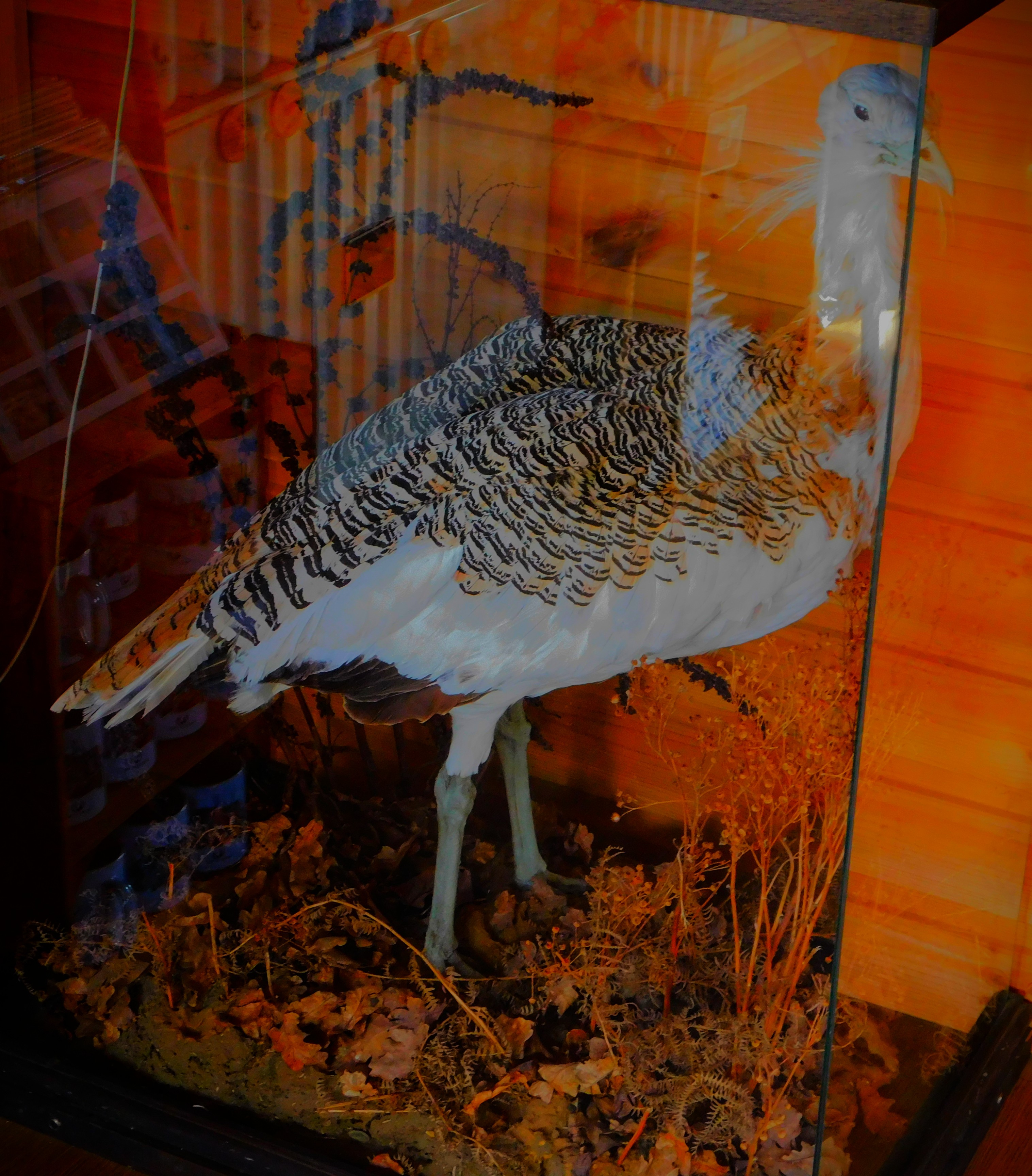
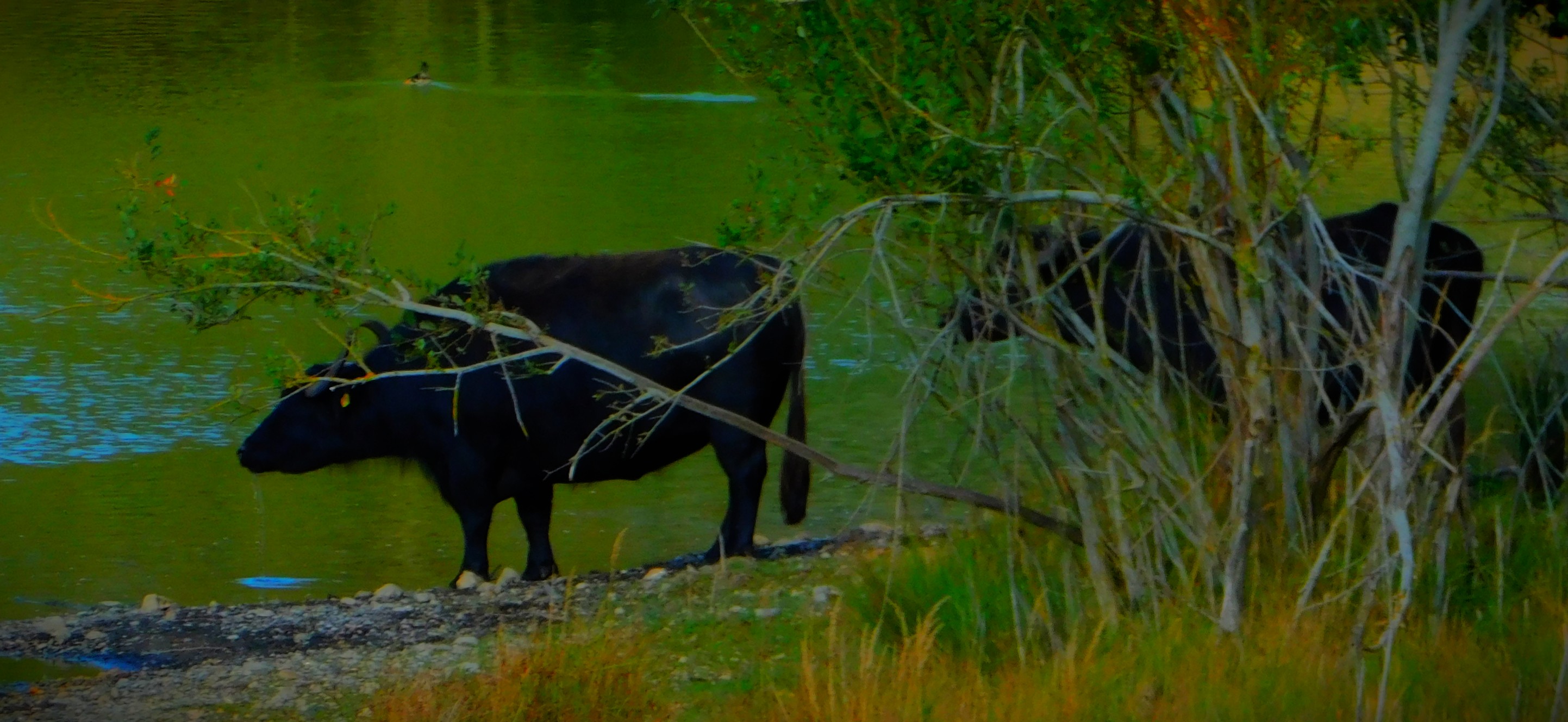
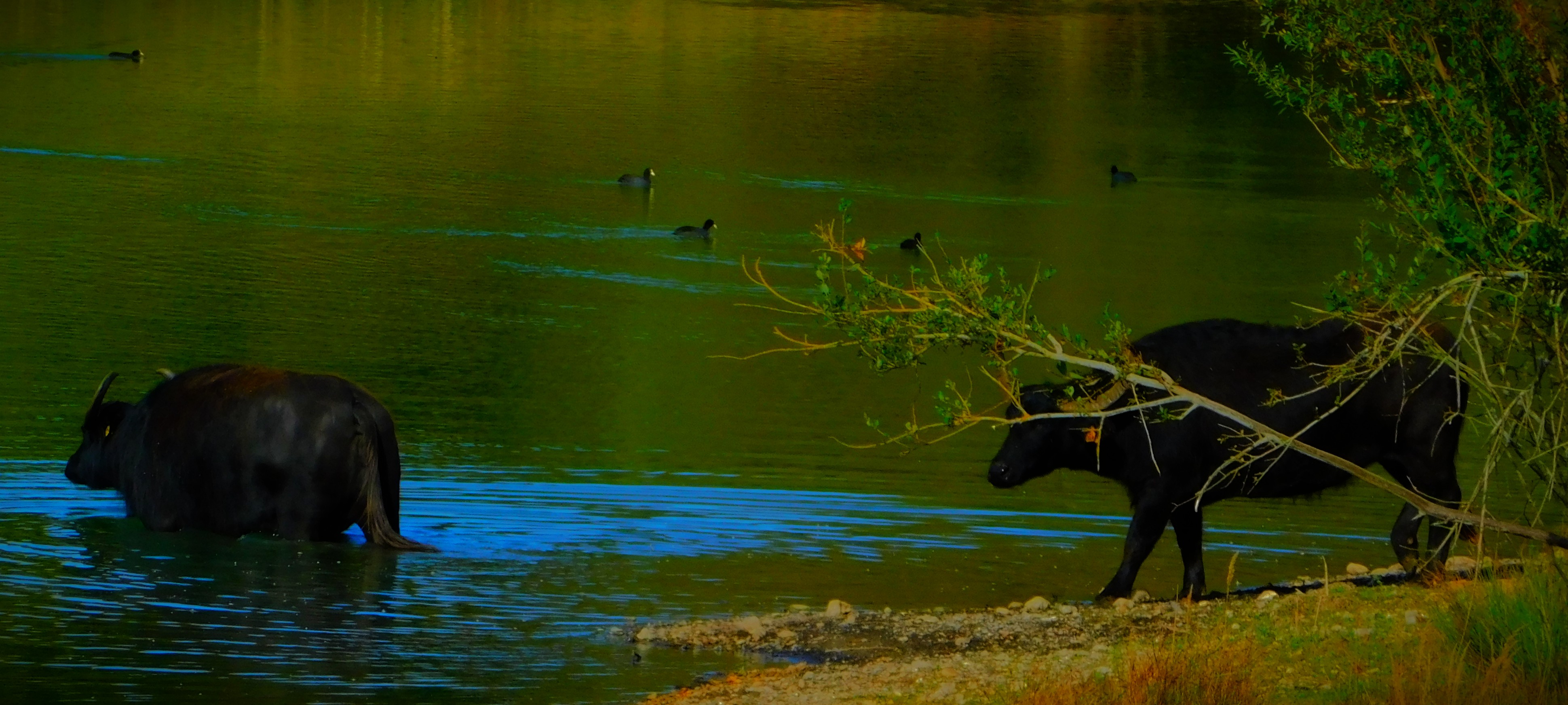
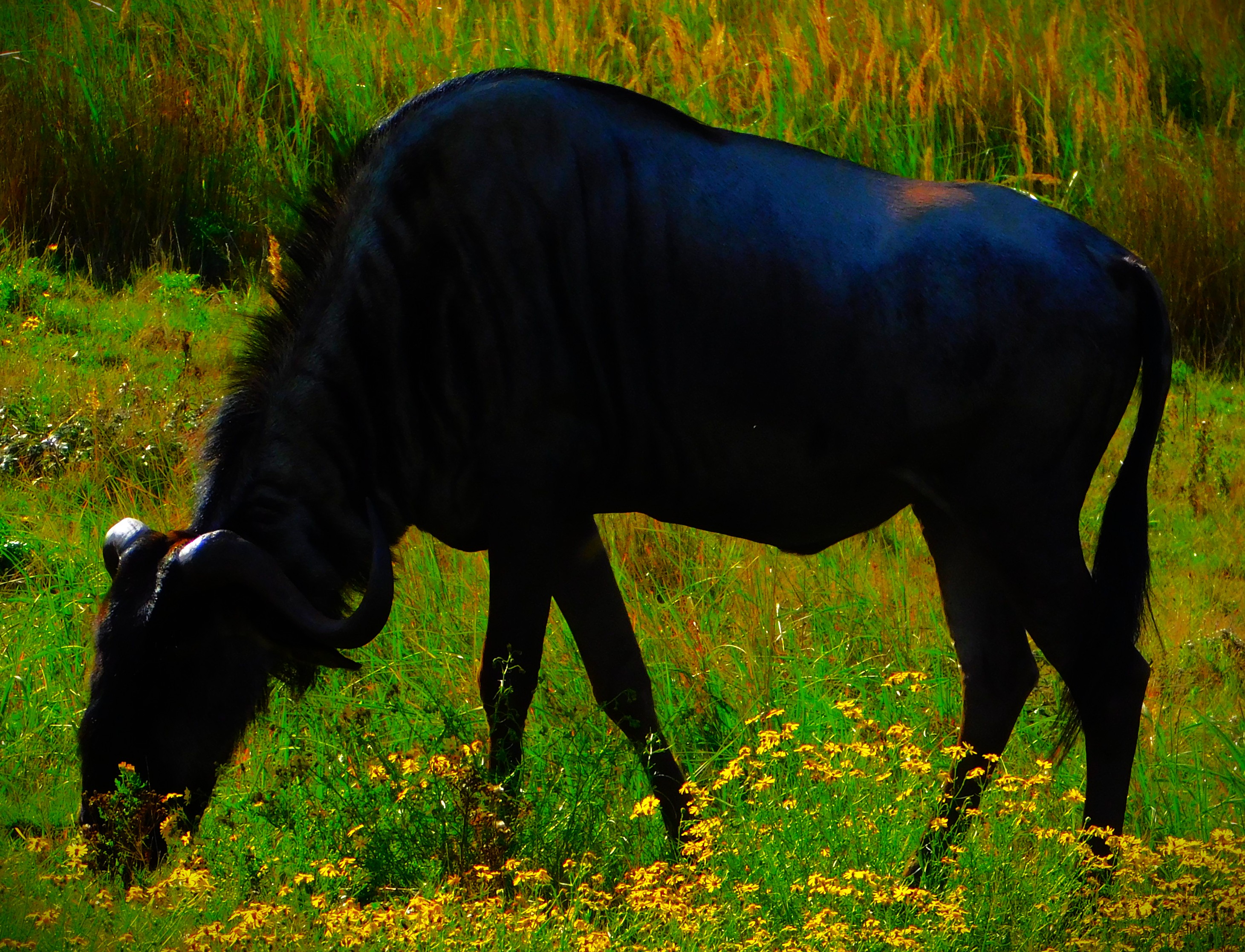
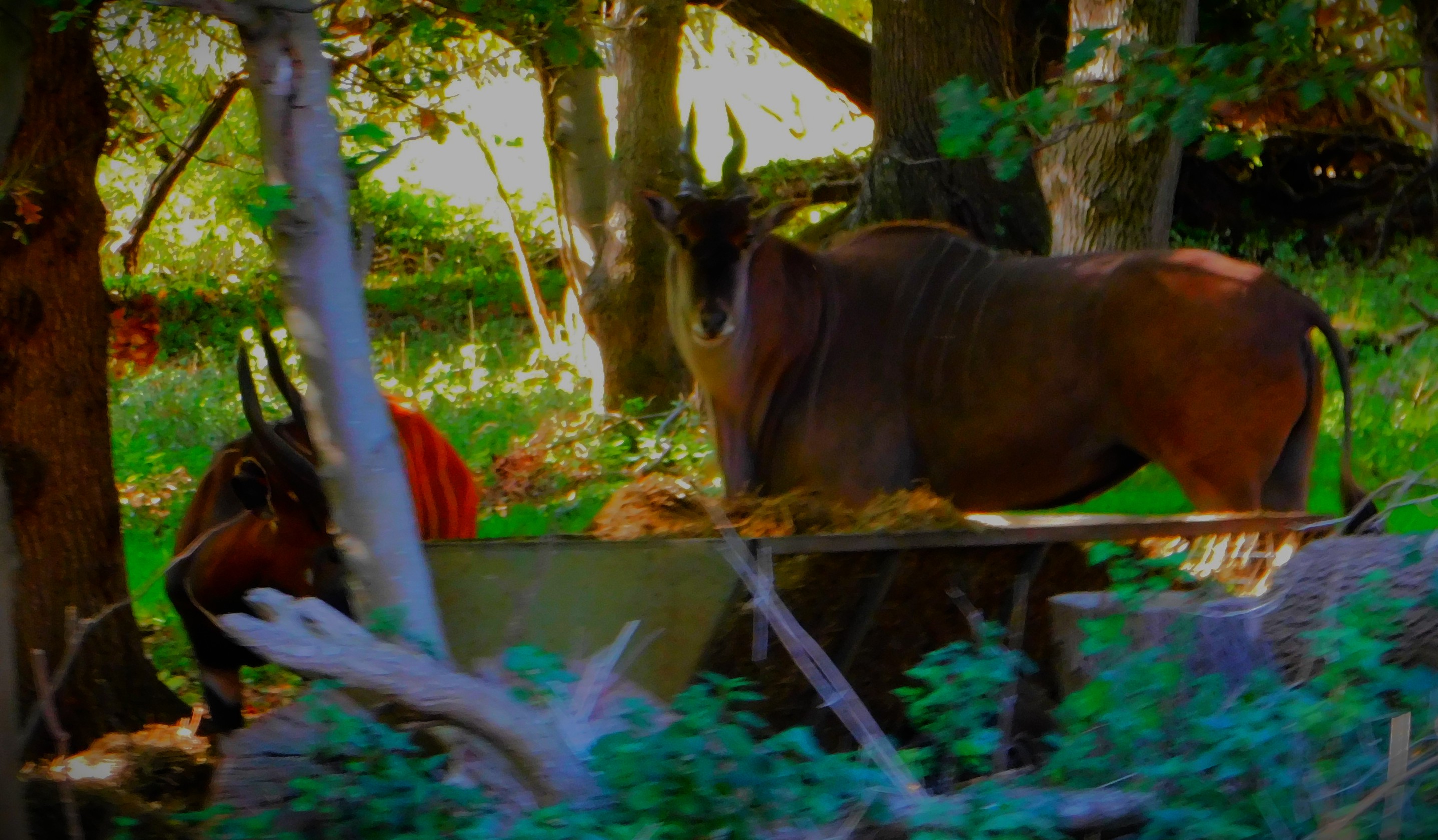
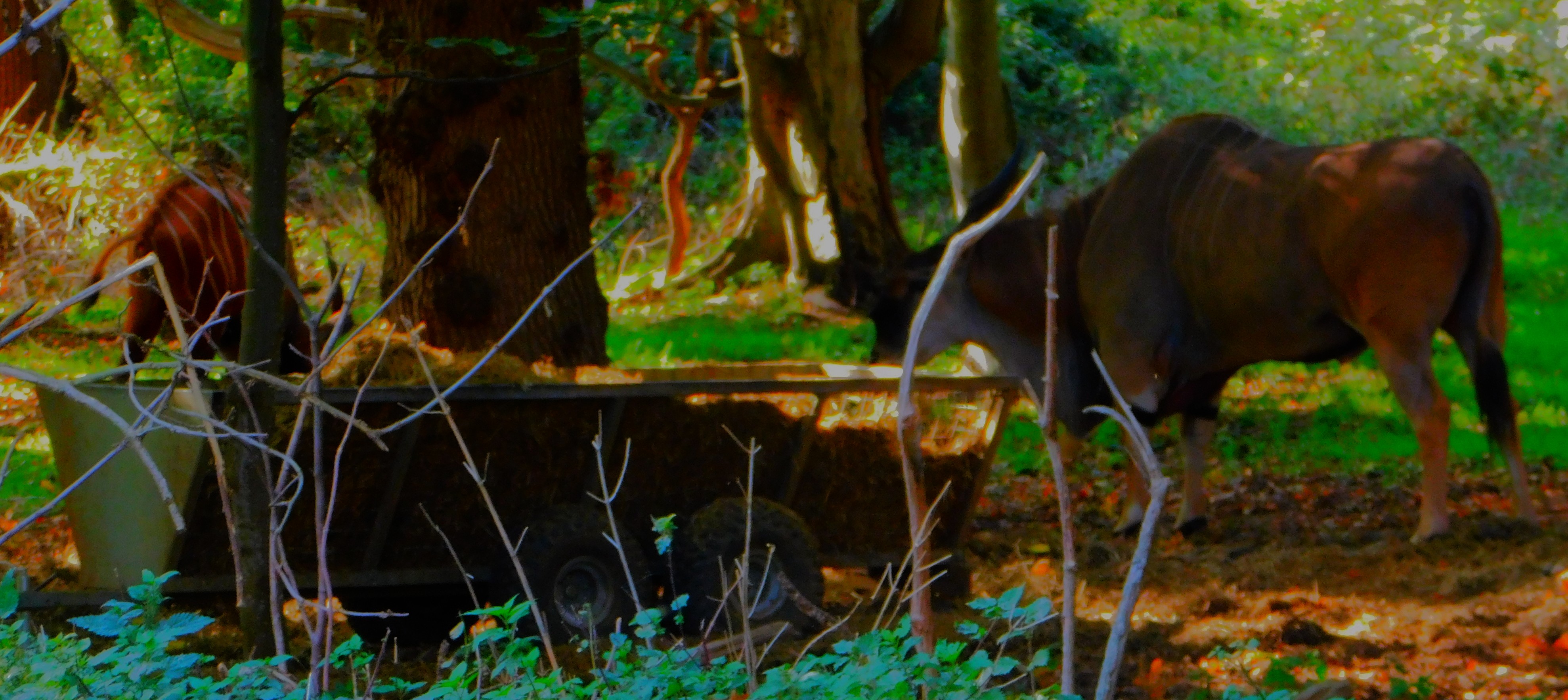
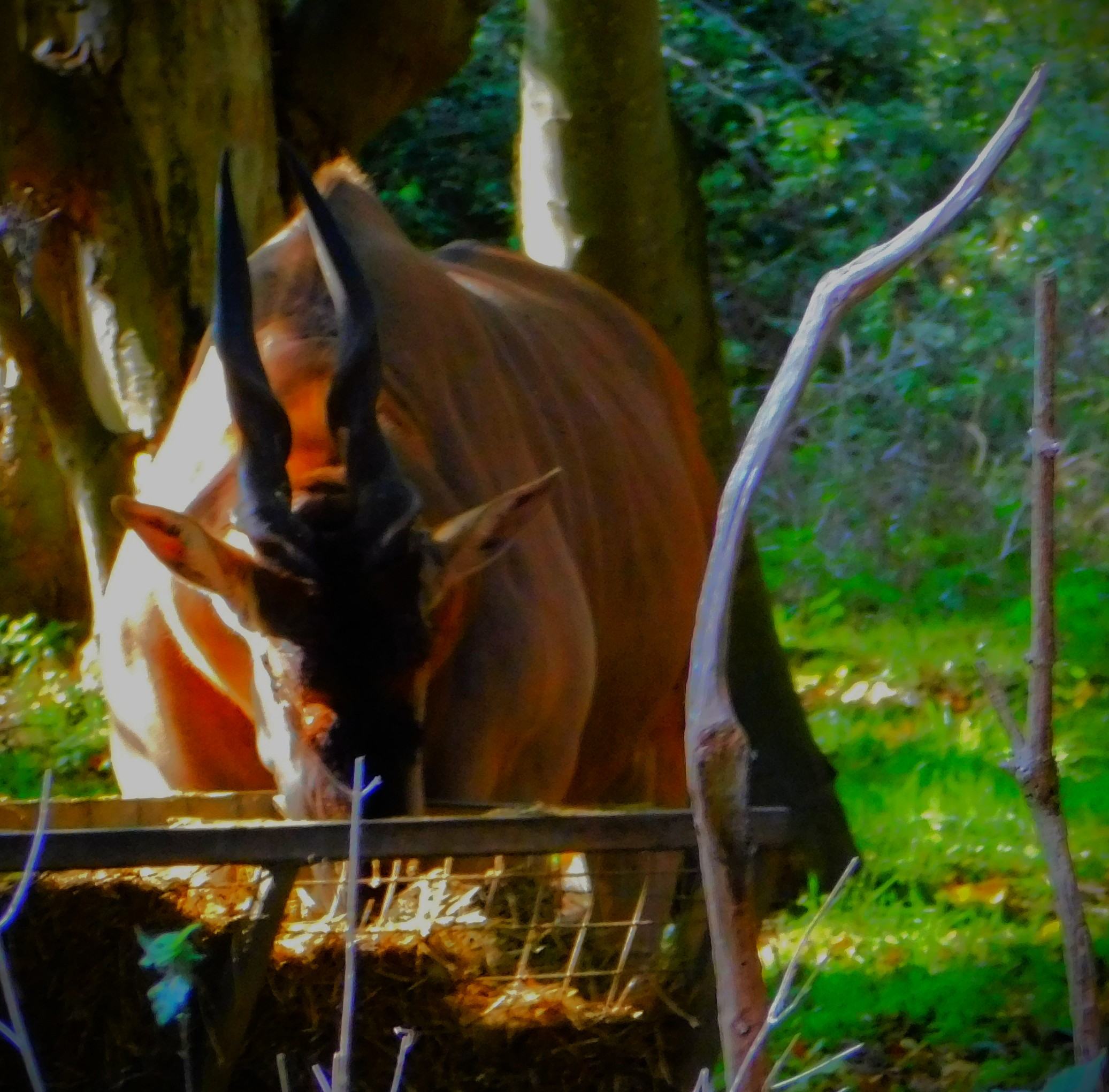
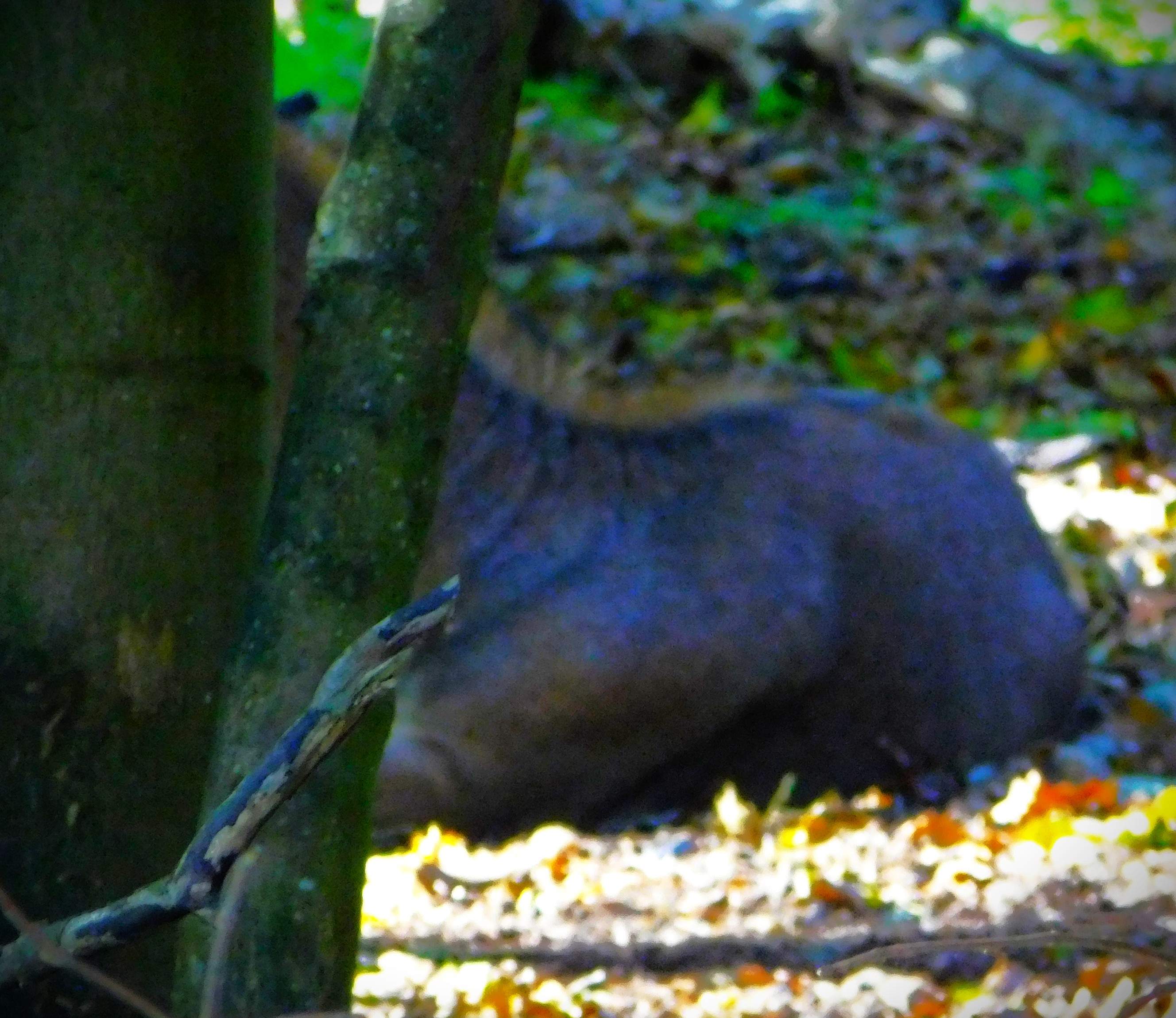
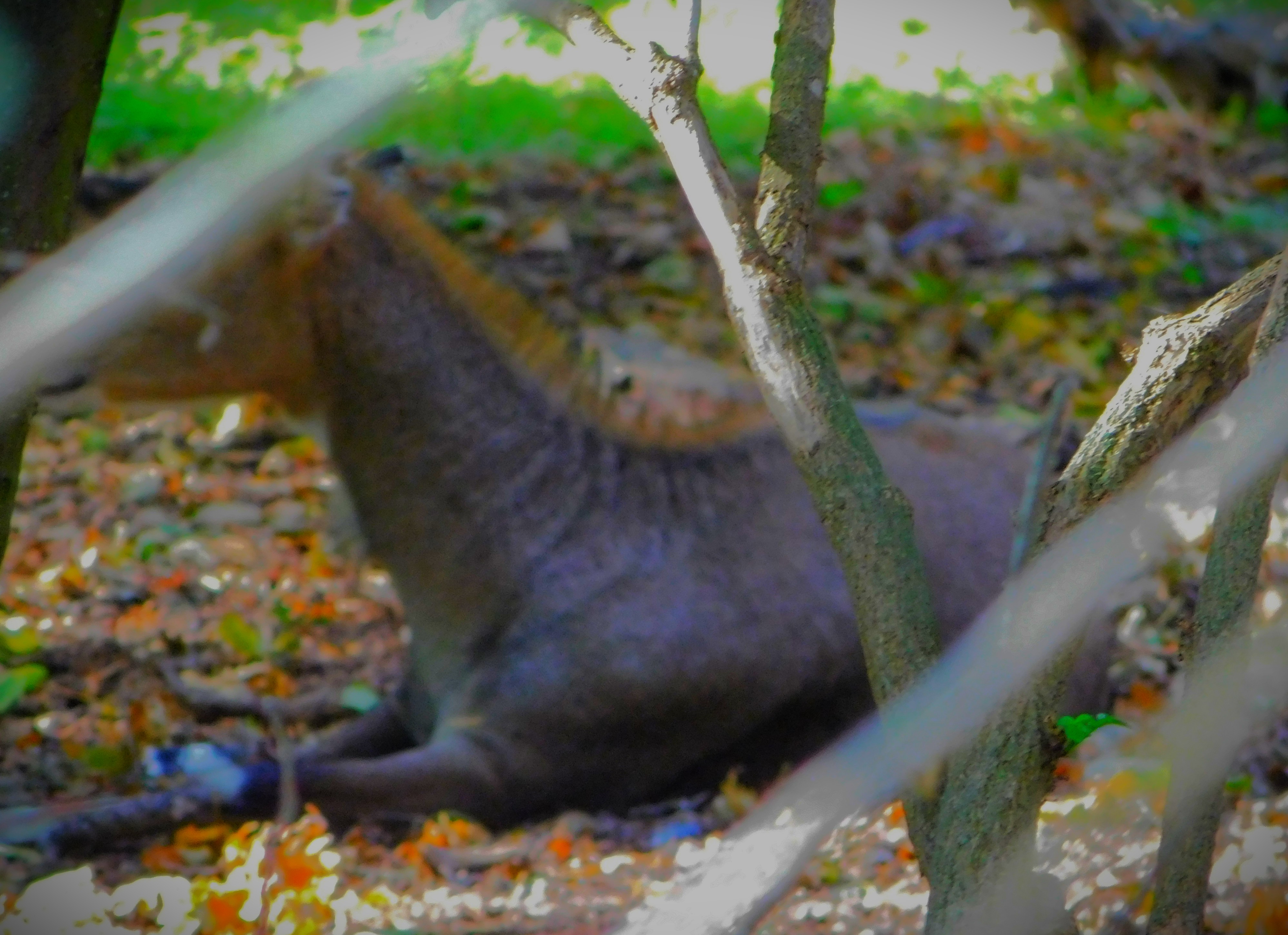
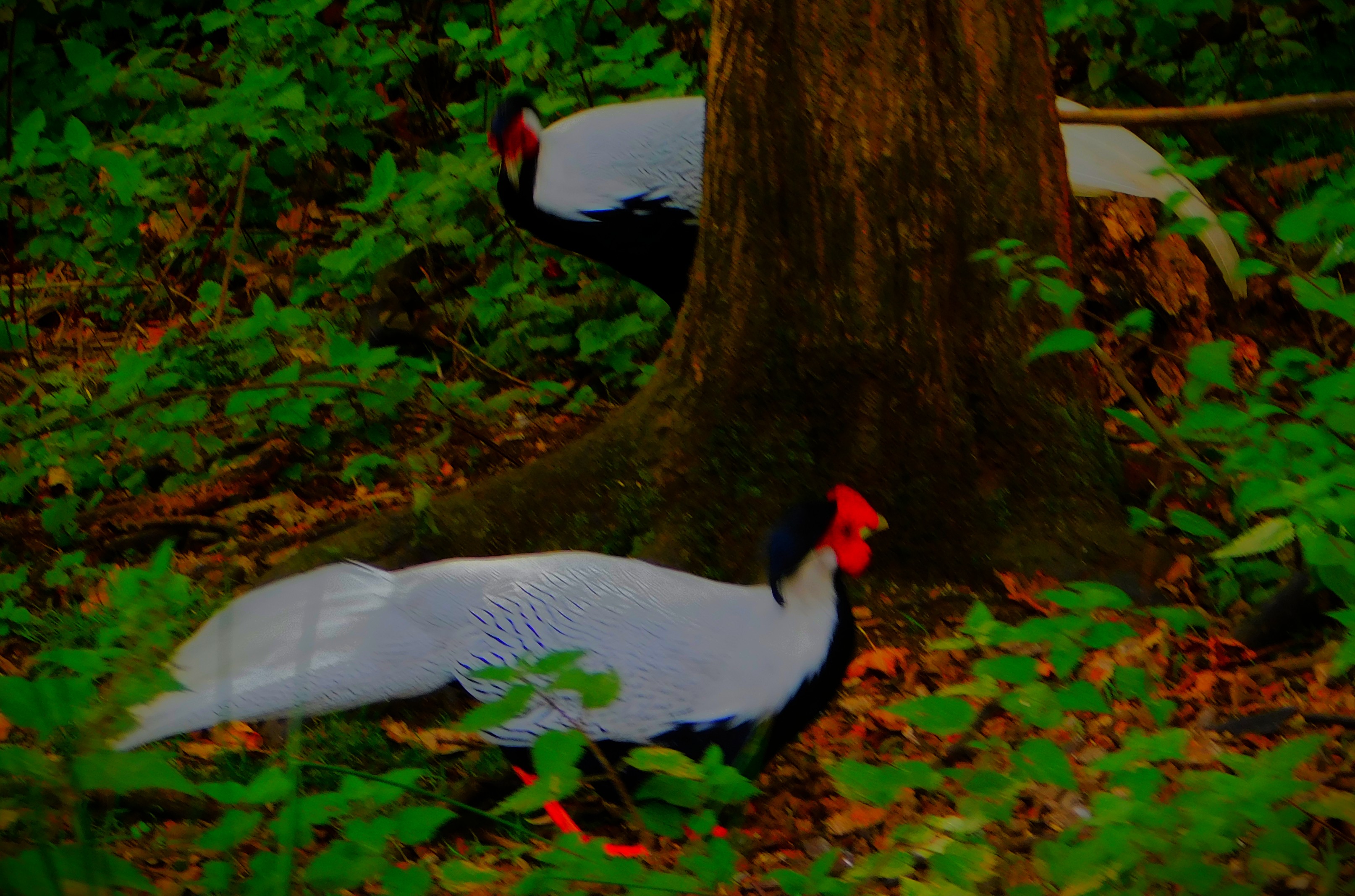
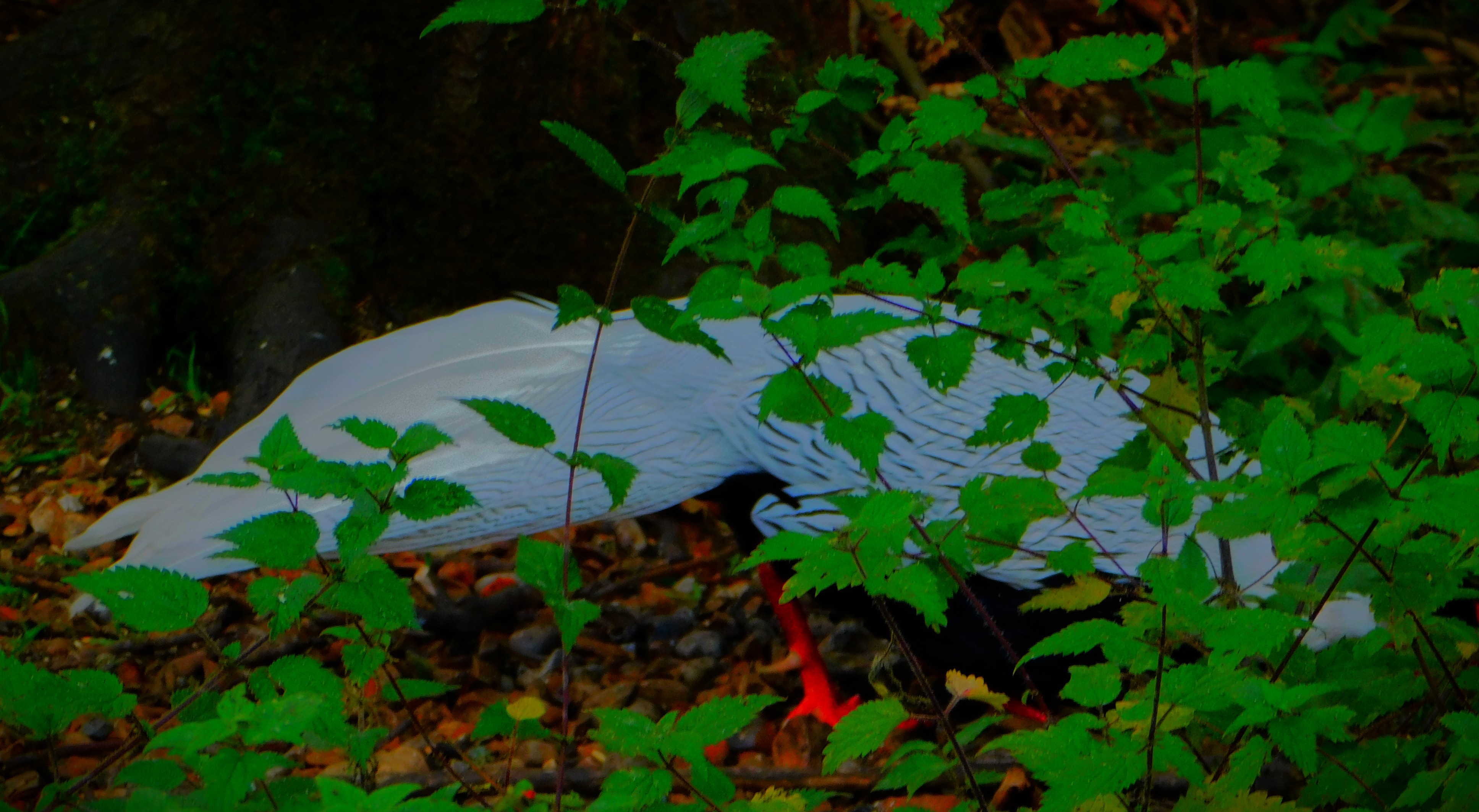
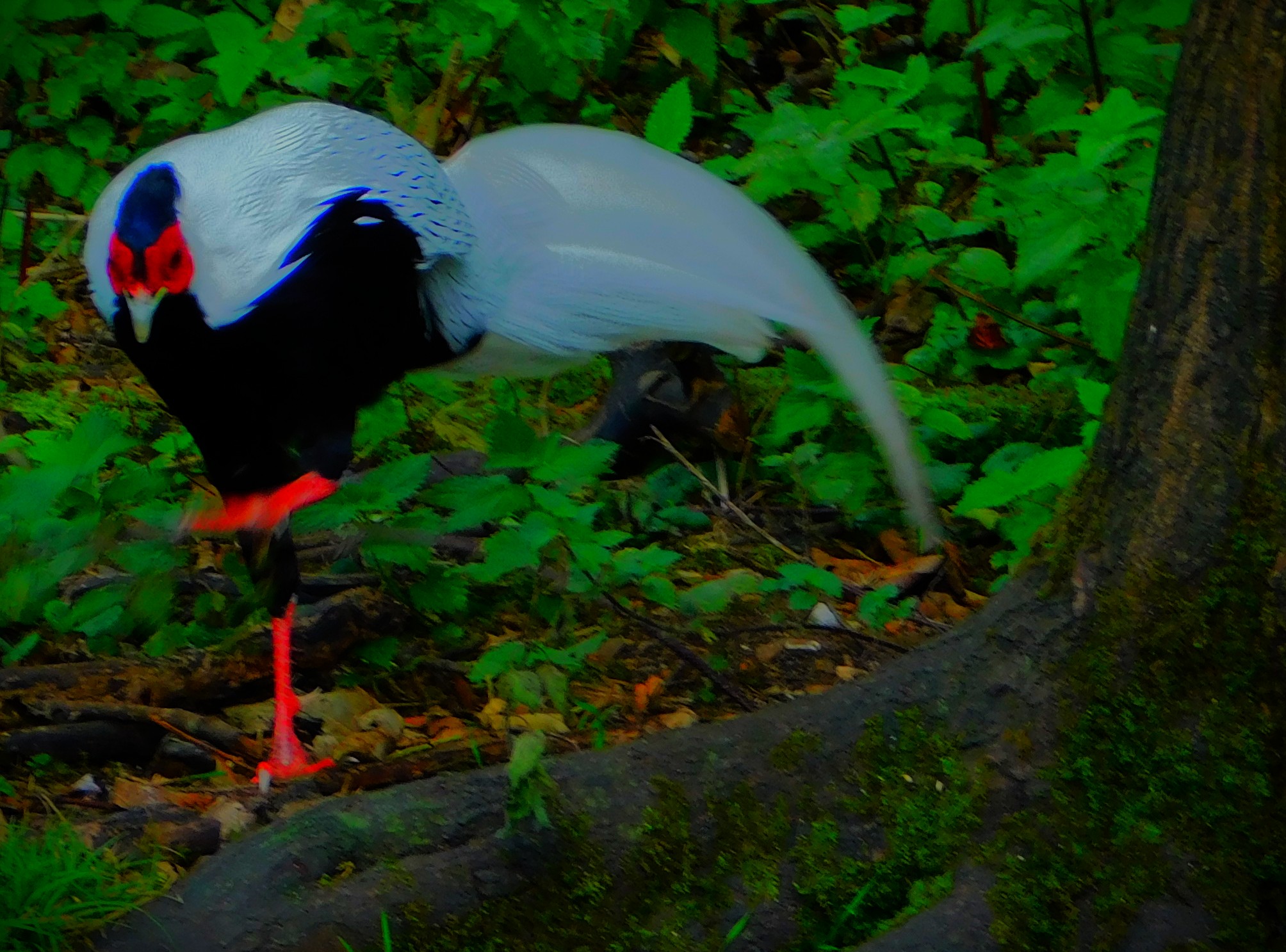
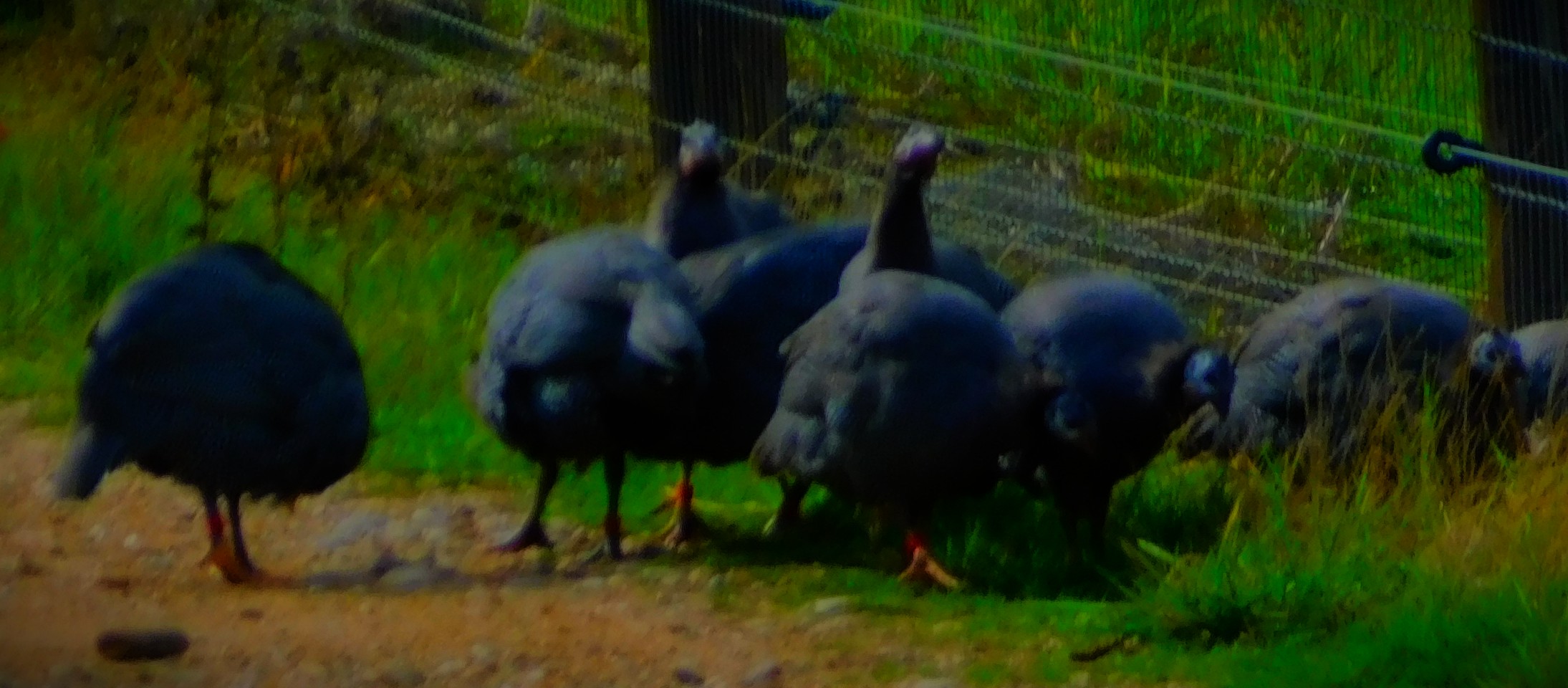
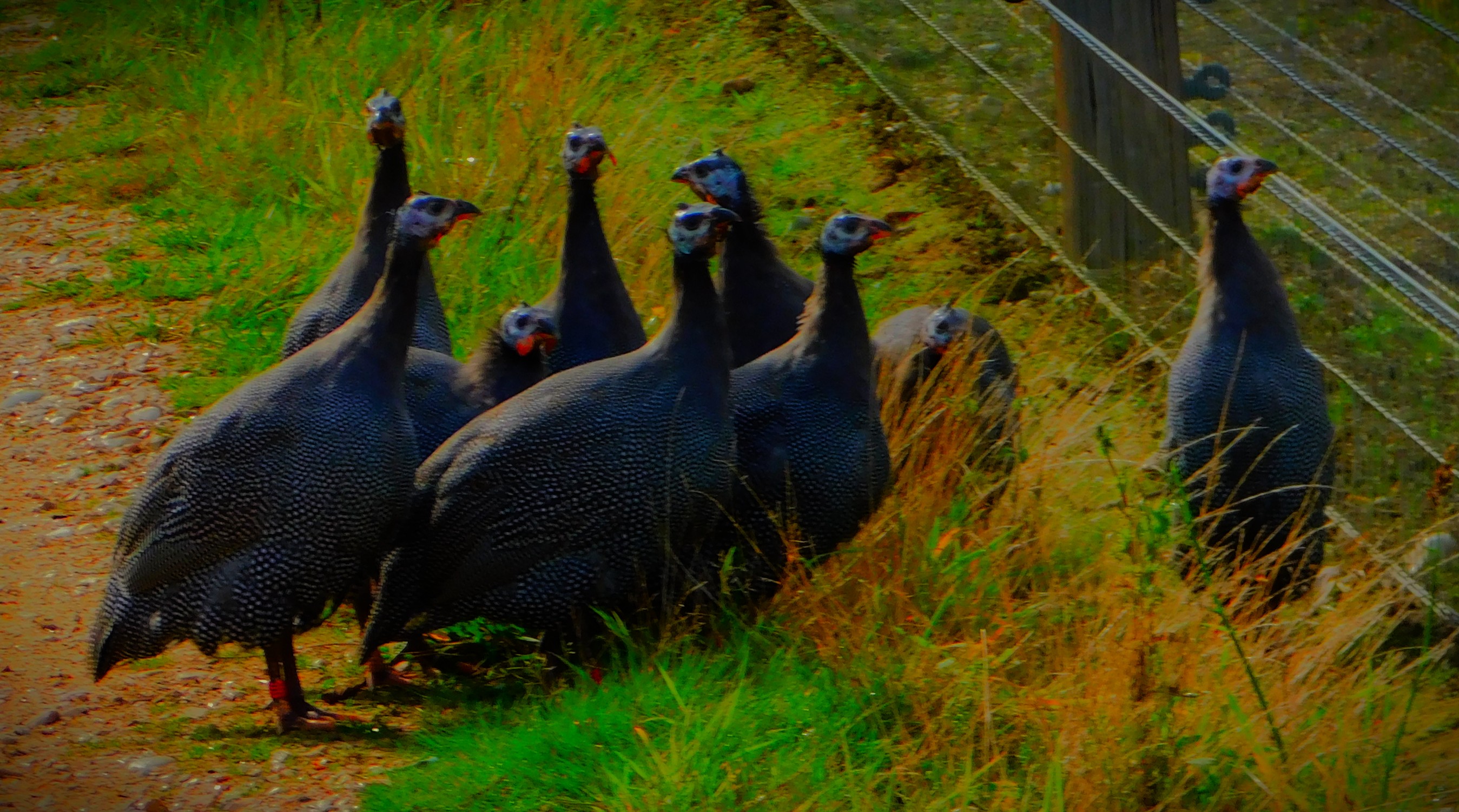
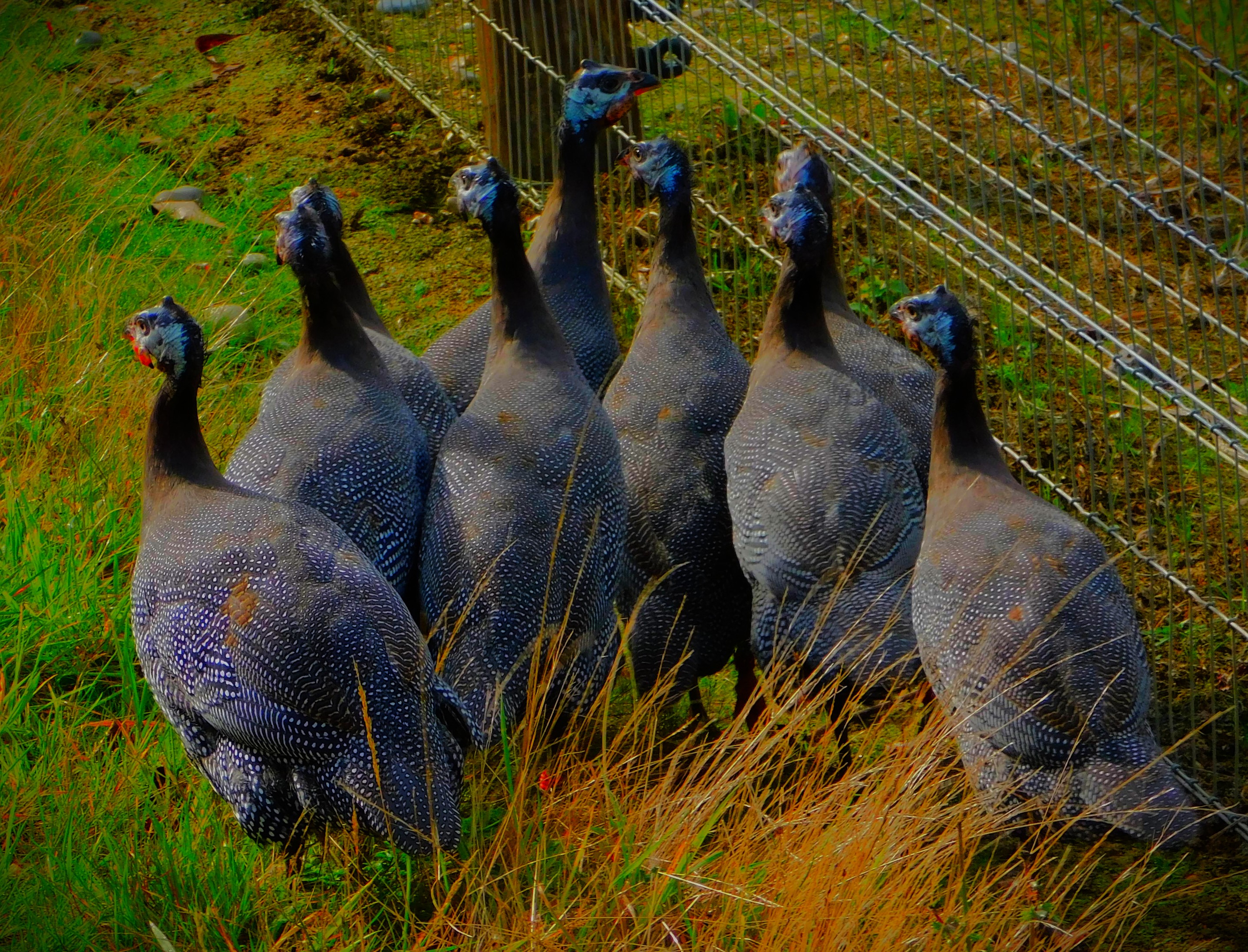
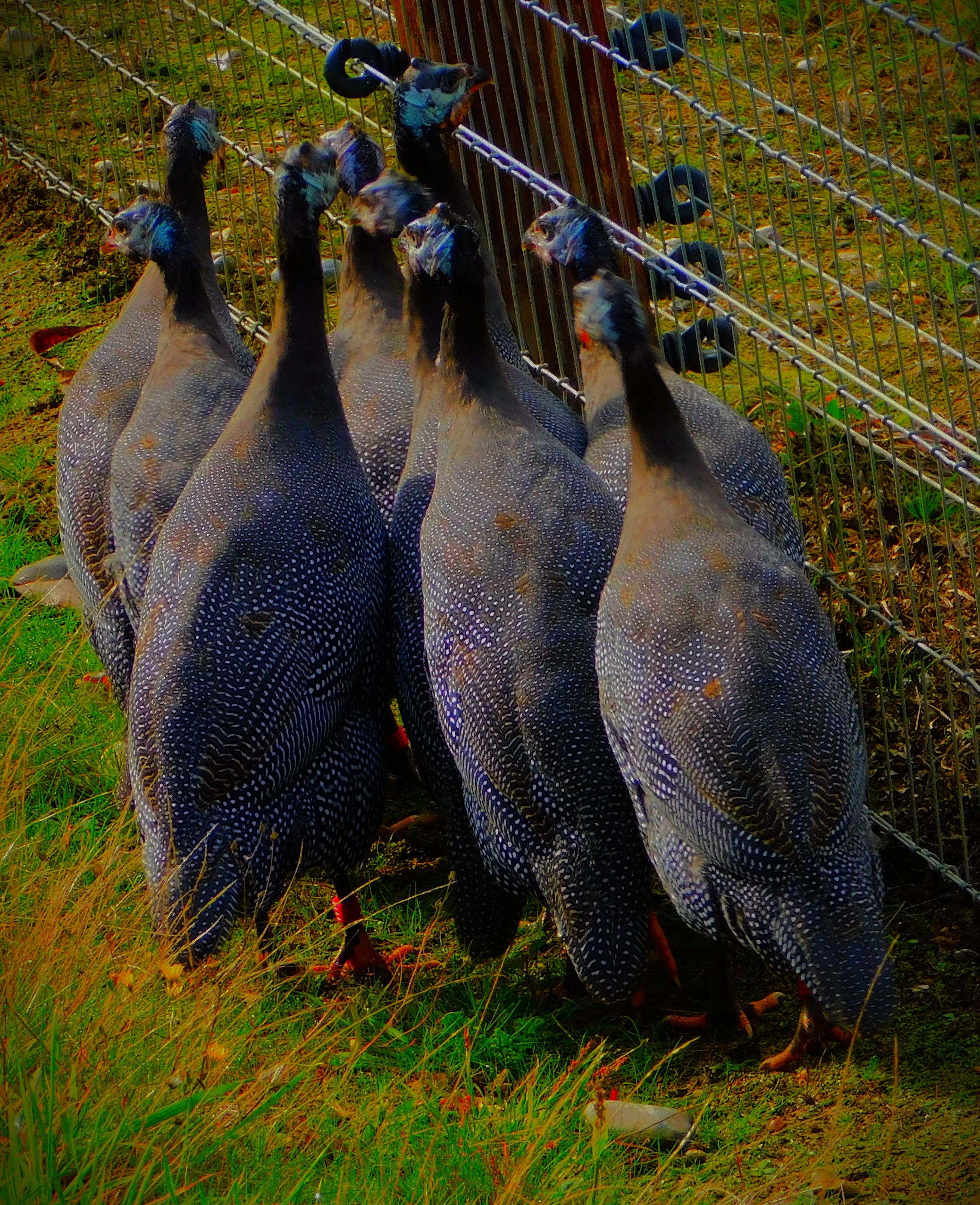
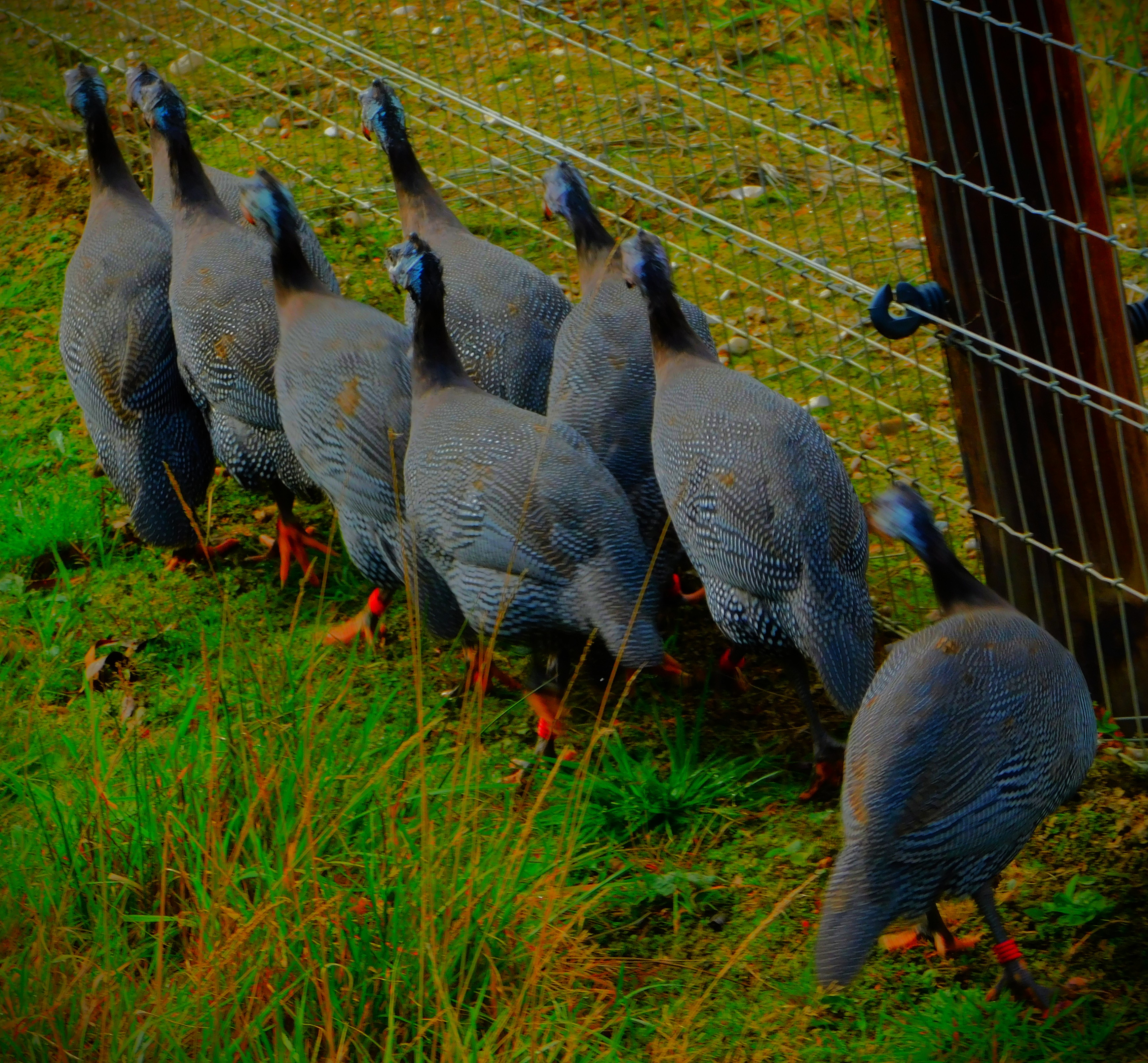
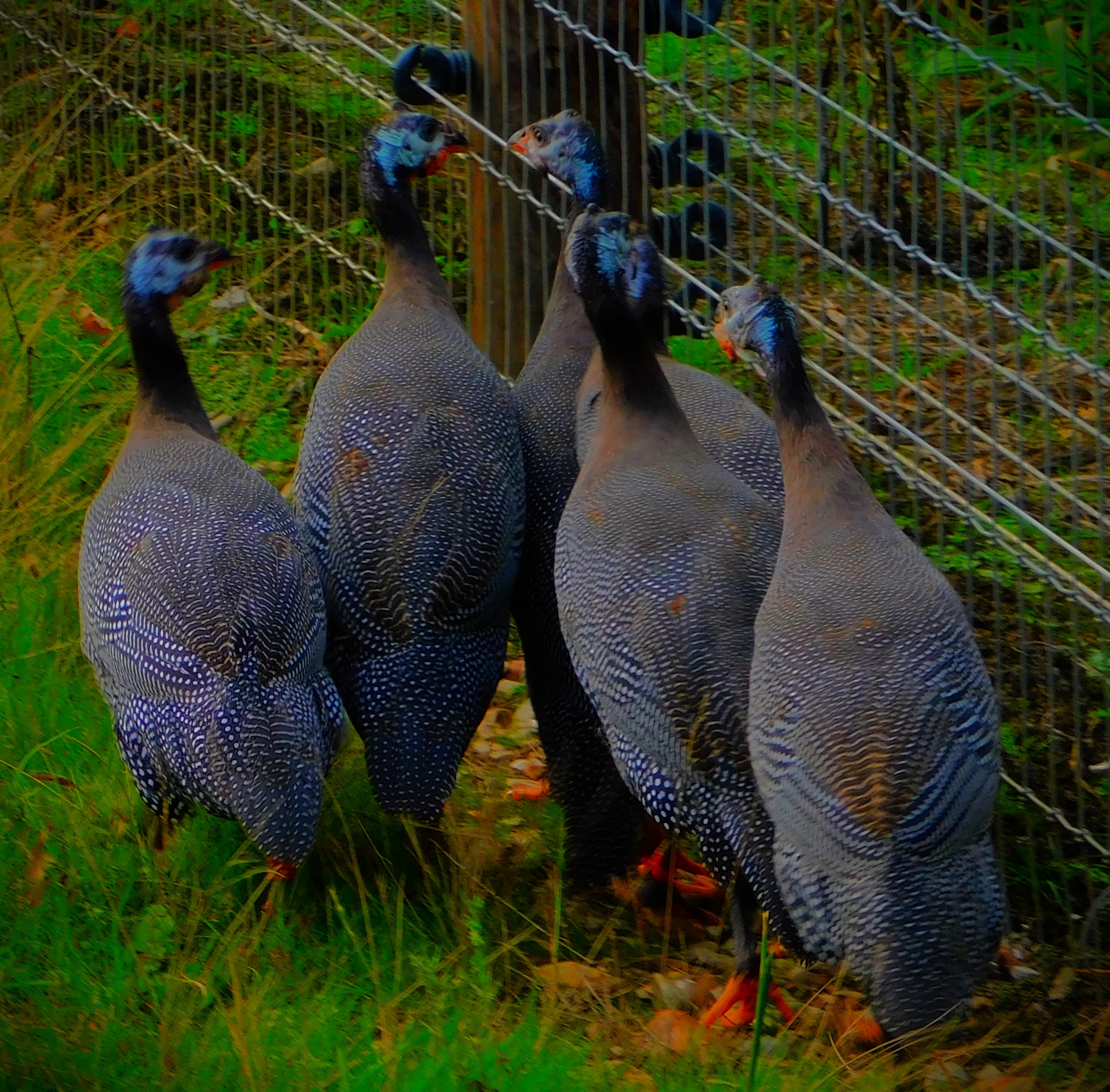
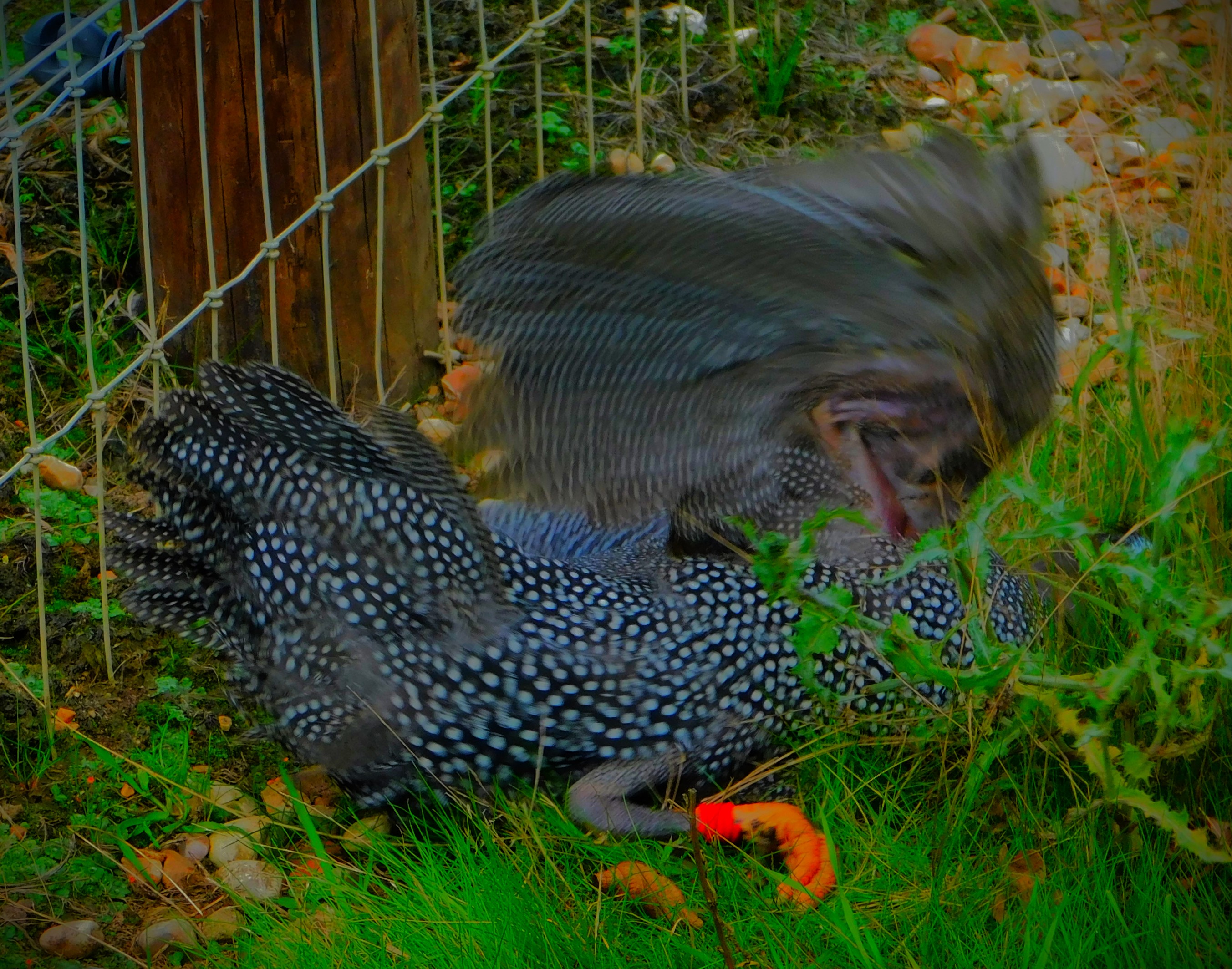
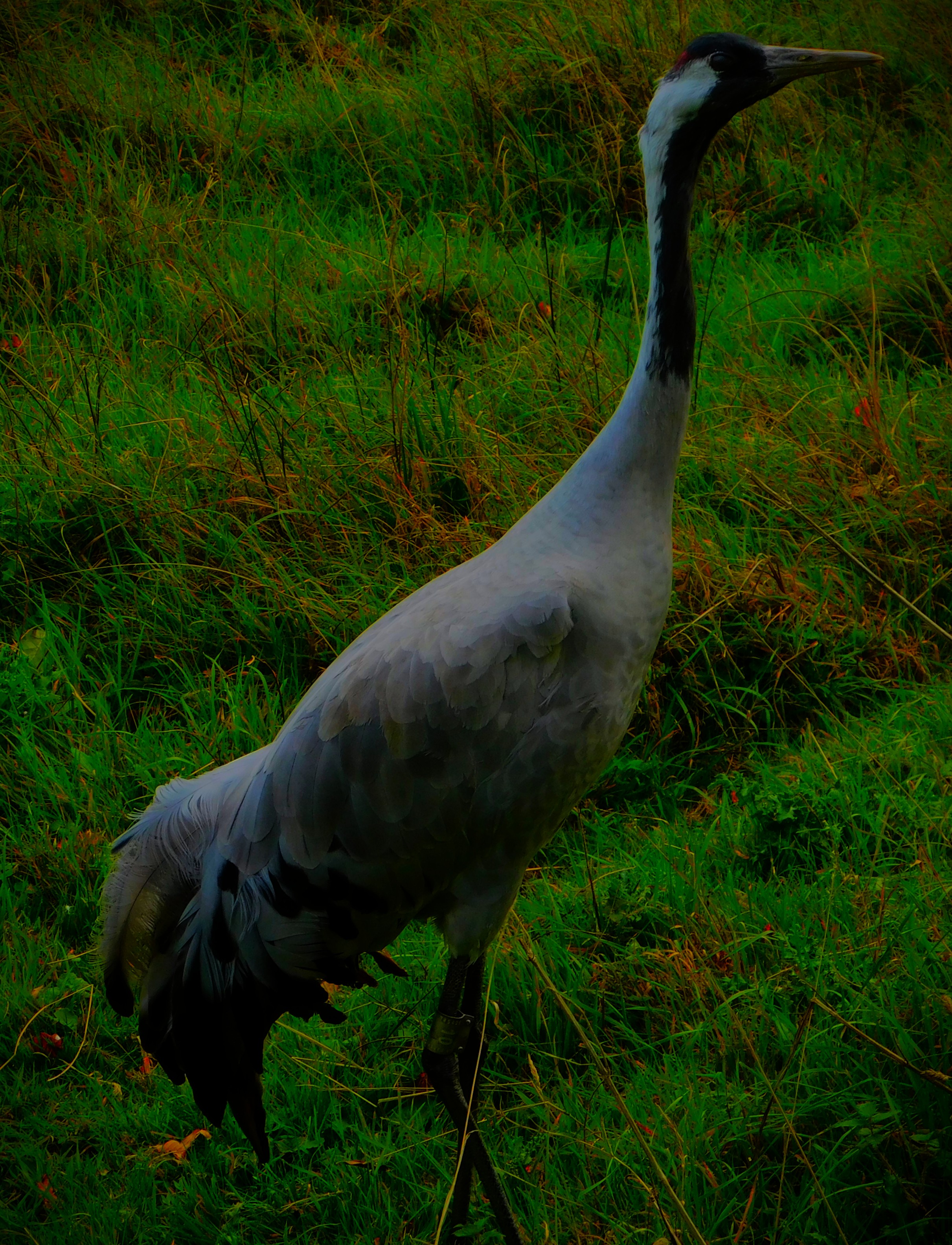
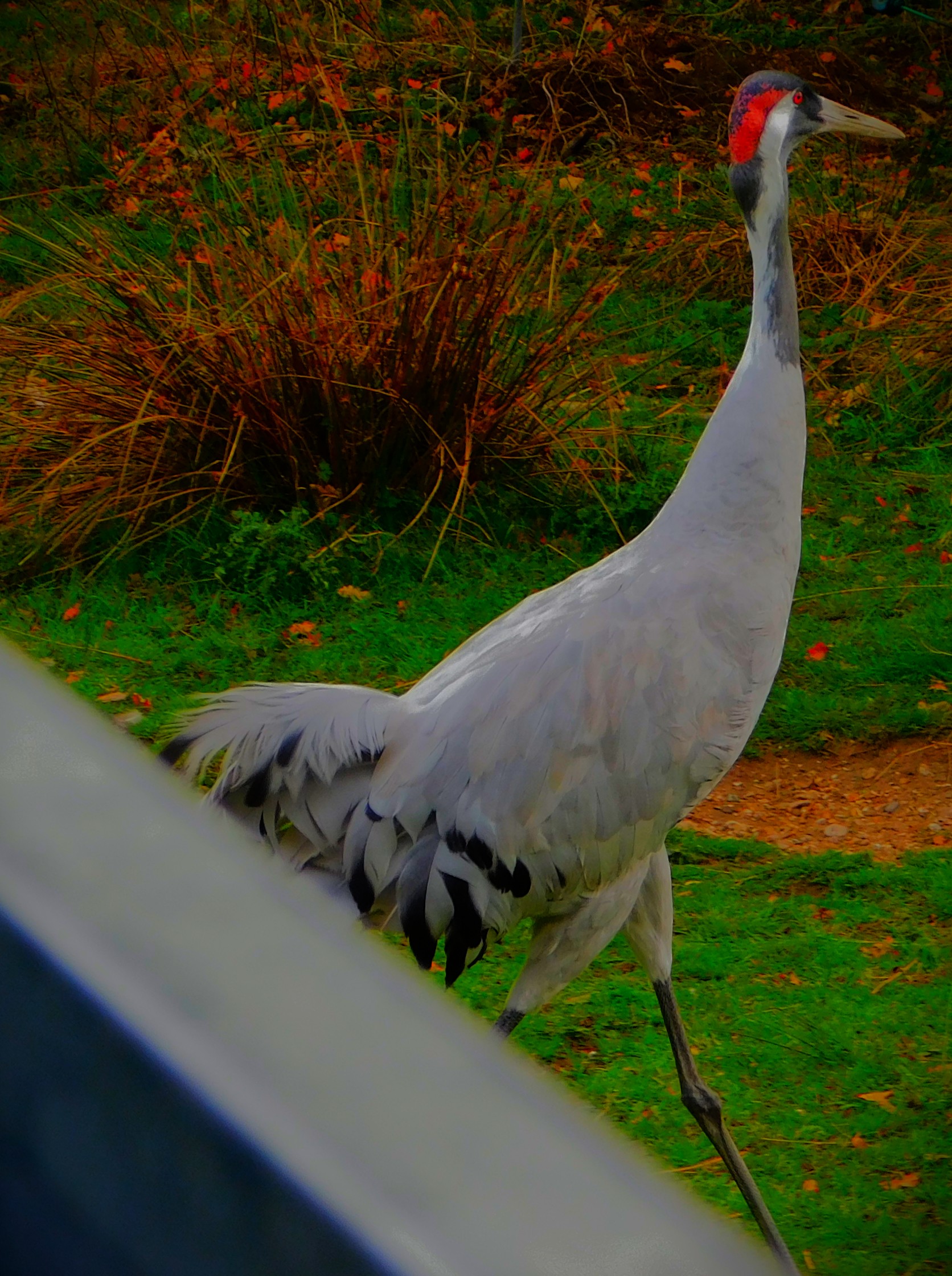
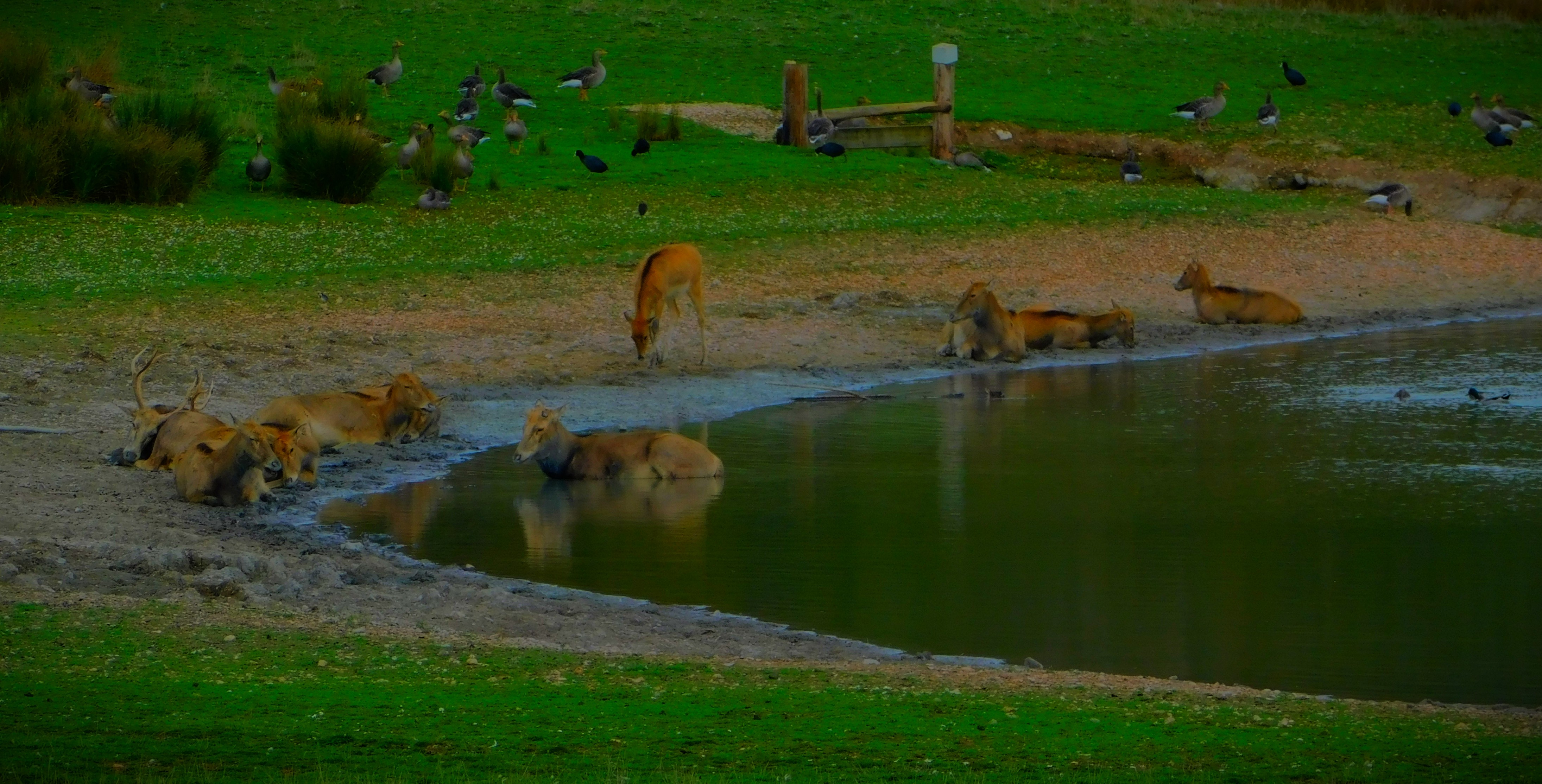
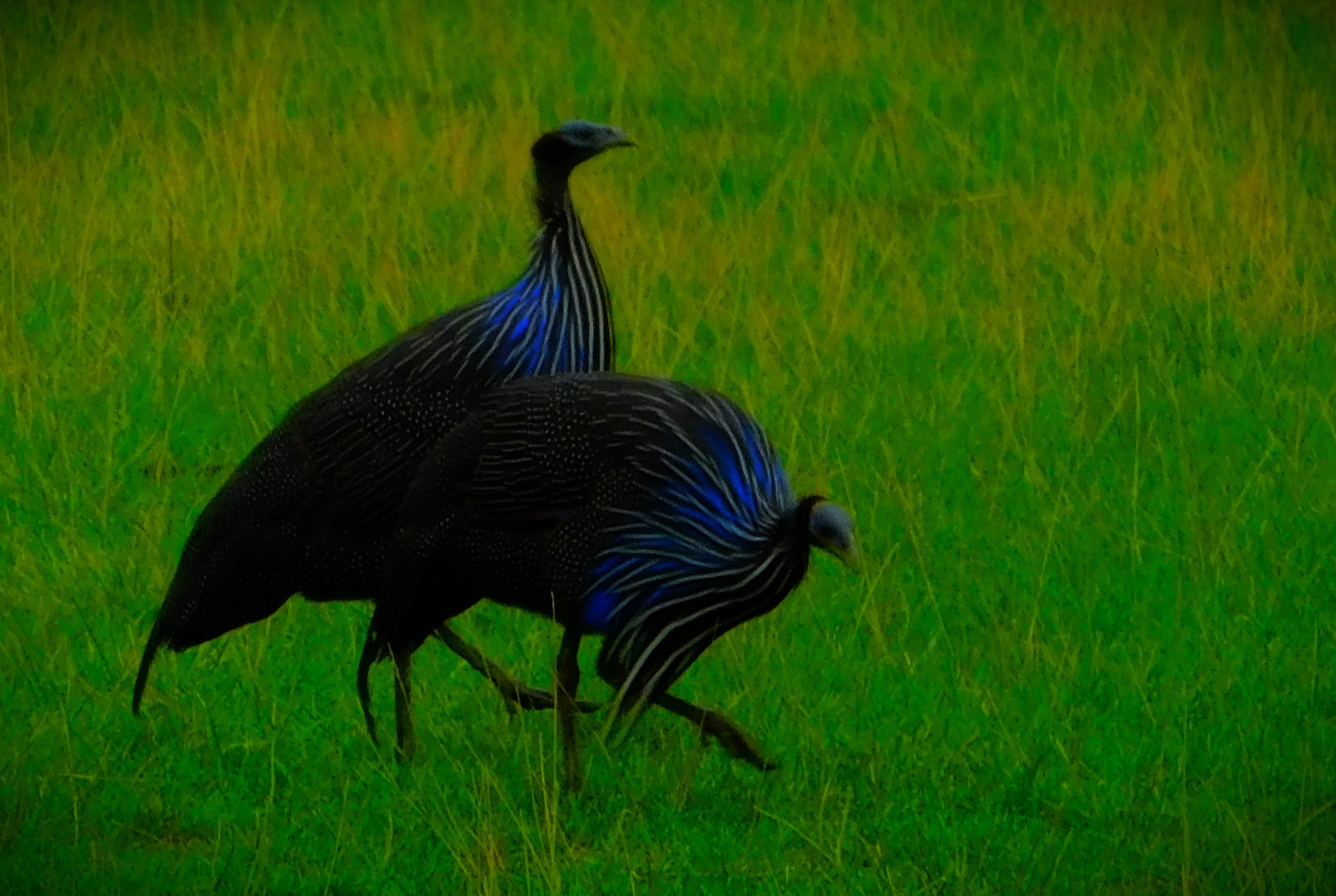
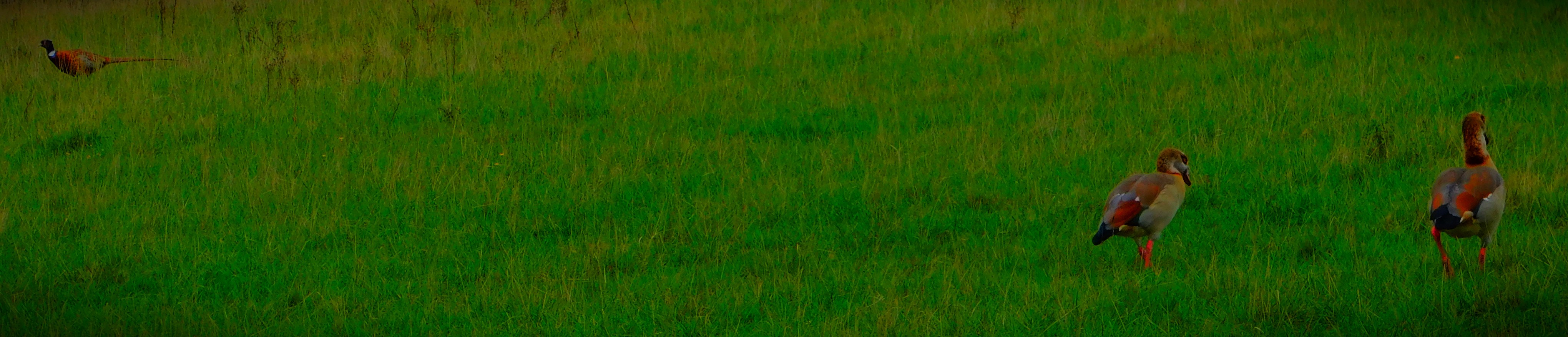
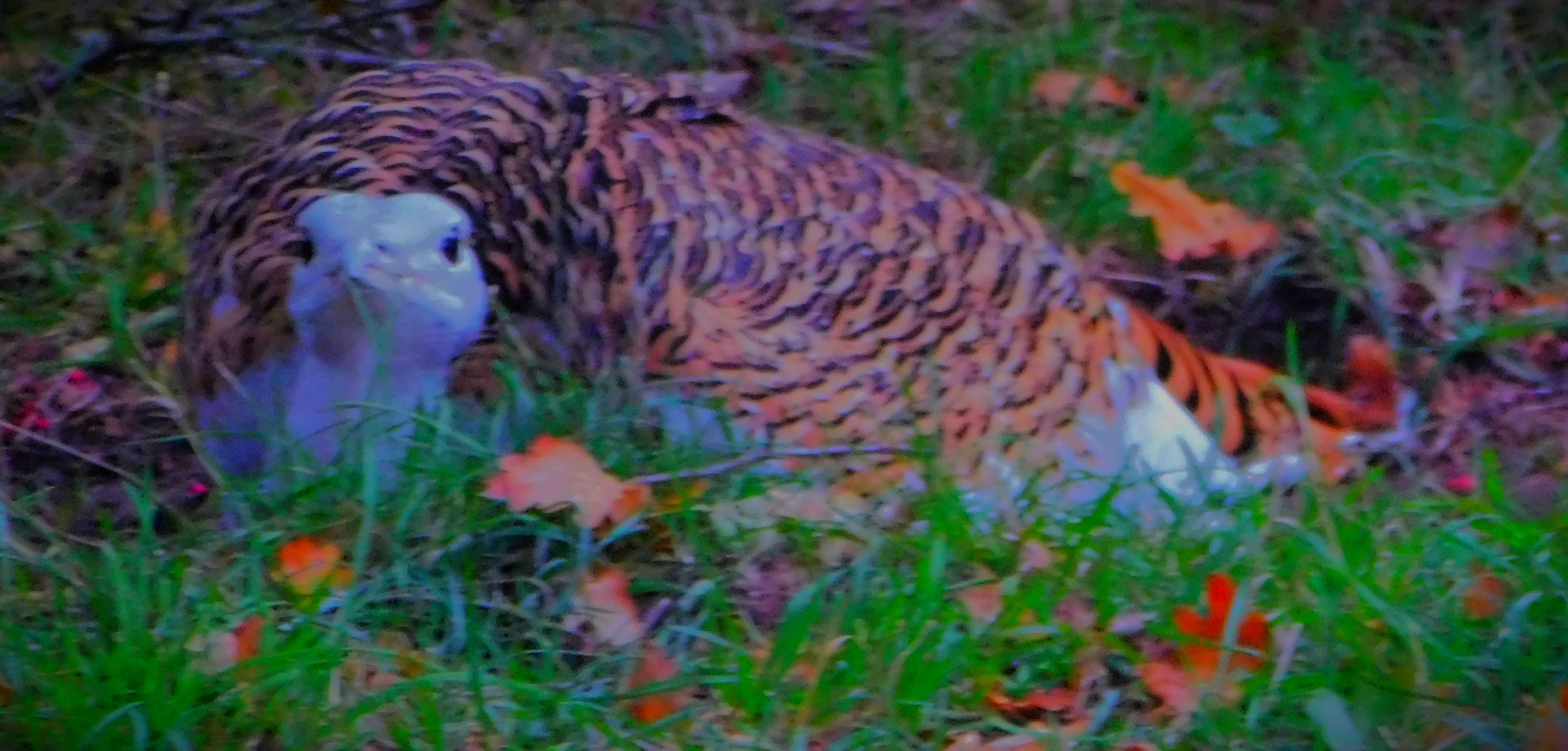
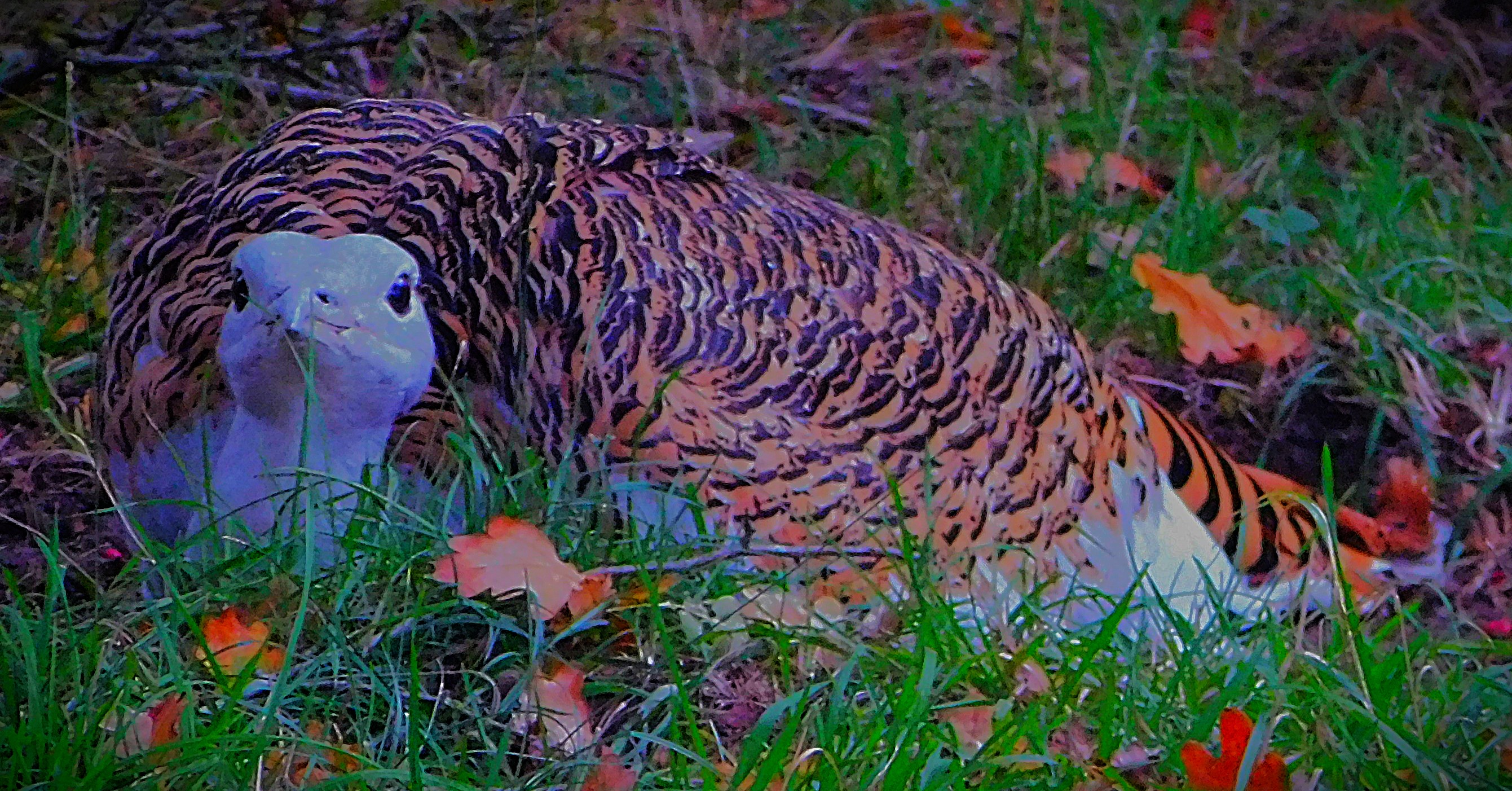
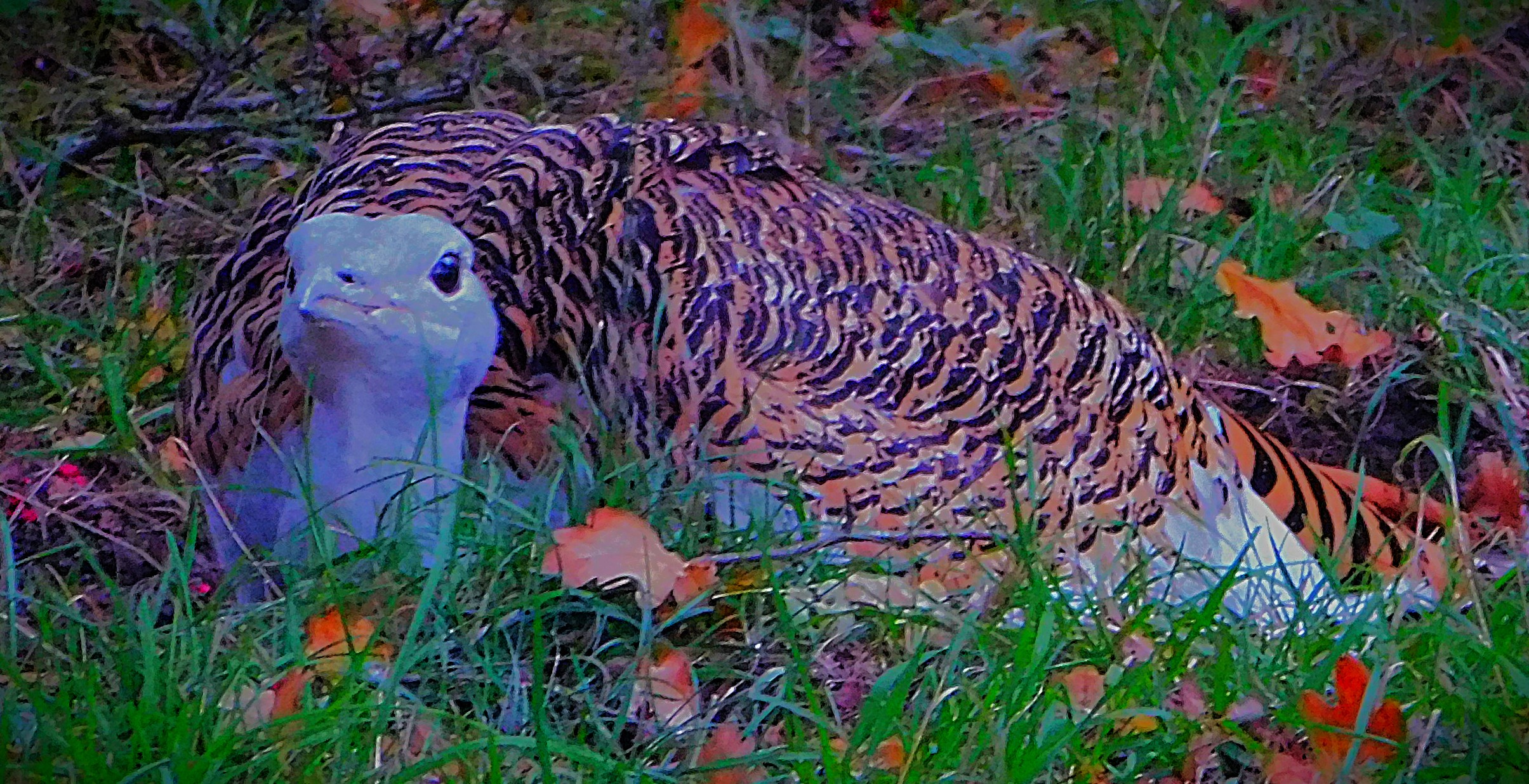
This is an Indian bustard, an even bigger beast of a bird……than this, which is a great bustard.The brindled wildebeest closer to the water than usual for such a creature, because he has made friends with some water buffalo, and although he won’t join them in the water he will go close to the edge when they are in the water.The brindled wildebeest has a name – William – and a nickname – Willy Wonka. This close up og his head shows the wonky horns that give him his nickname.Water buffalo doing water buffalo things, with coots in the background.This is an eastern Bongo – the silvery stripes make it very distinctive.This is a Cape Eland, the largest of all antelope species.Possibly the best picture I got of the bongo.Three species in a single picture – the brindled wildebeest, the Cape Eland and the bongo are all present.A Nilgaitwo male silver pheasants.The first of two guinea fowl species we would see.
WATATUNGAWILDLIFE
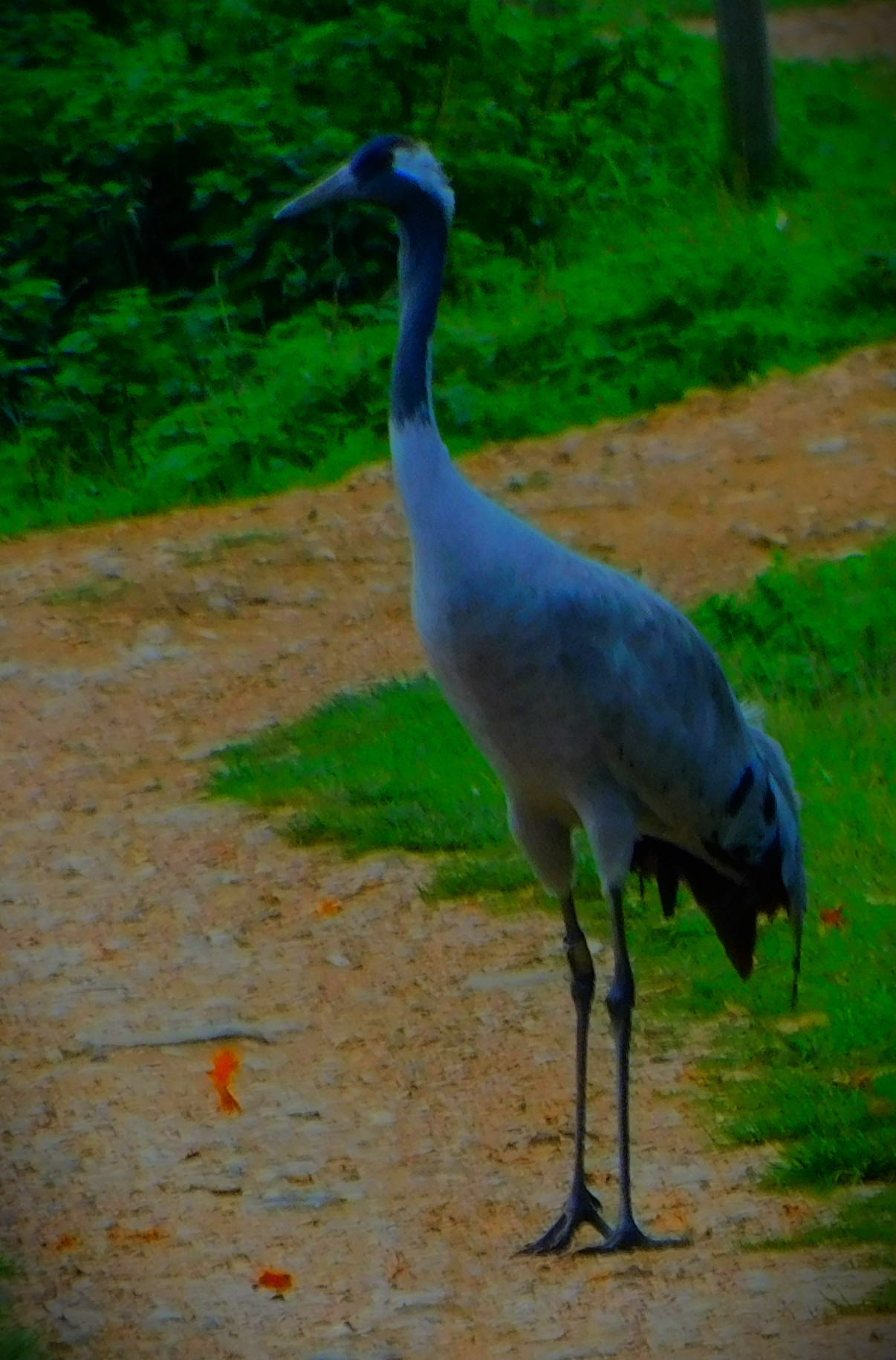
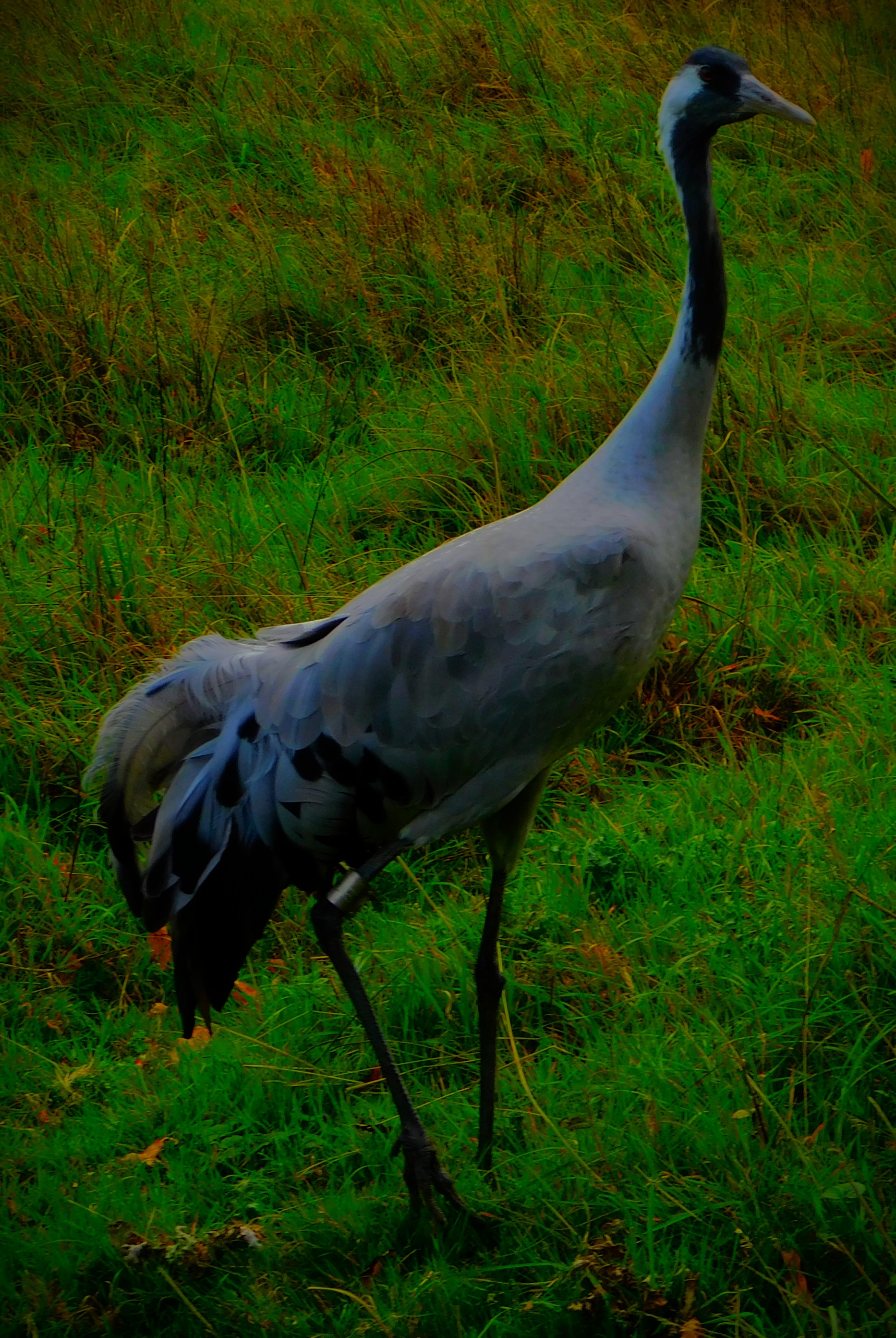
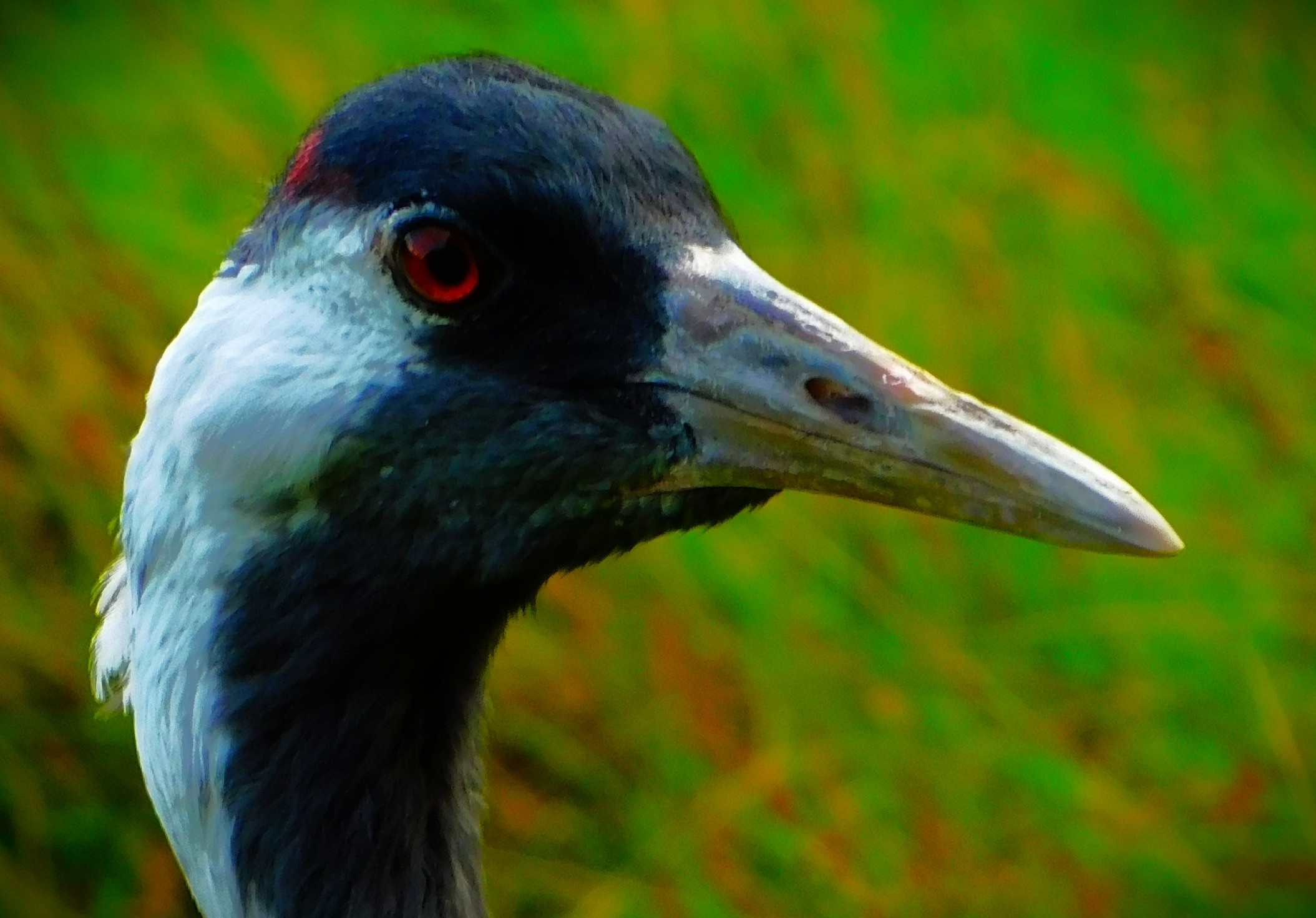
The name Watatunga has two elements, the ‘Wat’ part comes from Watlington, the nearest village to the reserve, while the ‘atatunga’ derives from Sitatunga, which is one of the species of ungulates there. Apart from the water buffalo, which are of course cattle and have horns the ungulates fall in to two main types – antelopes and their kin, which have horns, and deer which have antlers. As well as antlers being in general considerably more elaborate than horns there is a second key difference – horns are for life, whereas antlers are seasonal. This latter explains why William the brindled wildebeest has wonky horns – he took a knock before he was brought to Watatunga, and because horns are for life his horns are permanently misaligned. As well as the ungulates there are some exotic birds housed at Watatunga. The first part of the gallery above included cranes. We will be seeing other species in the second part of the gallery.
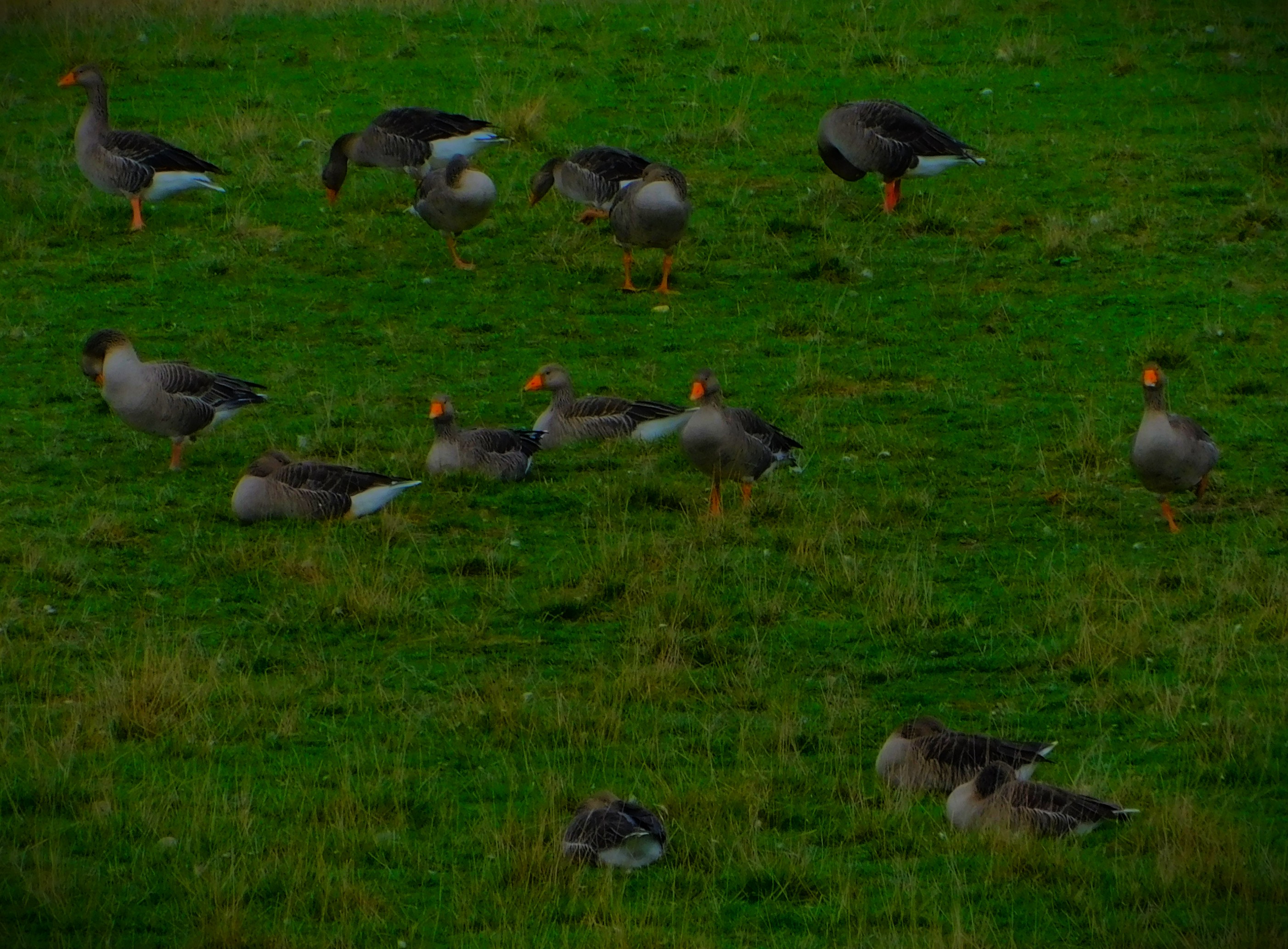
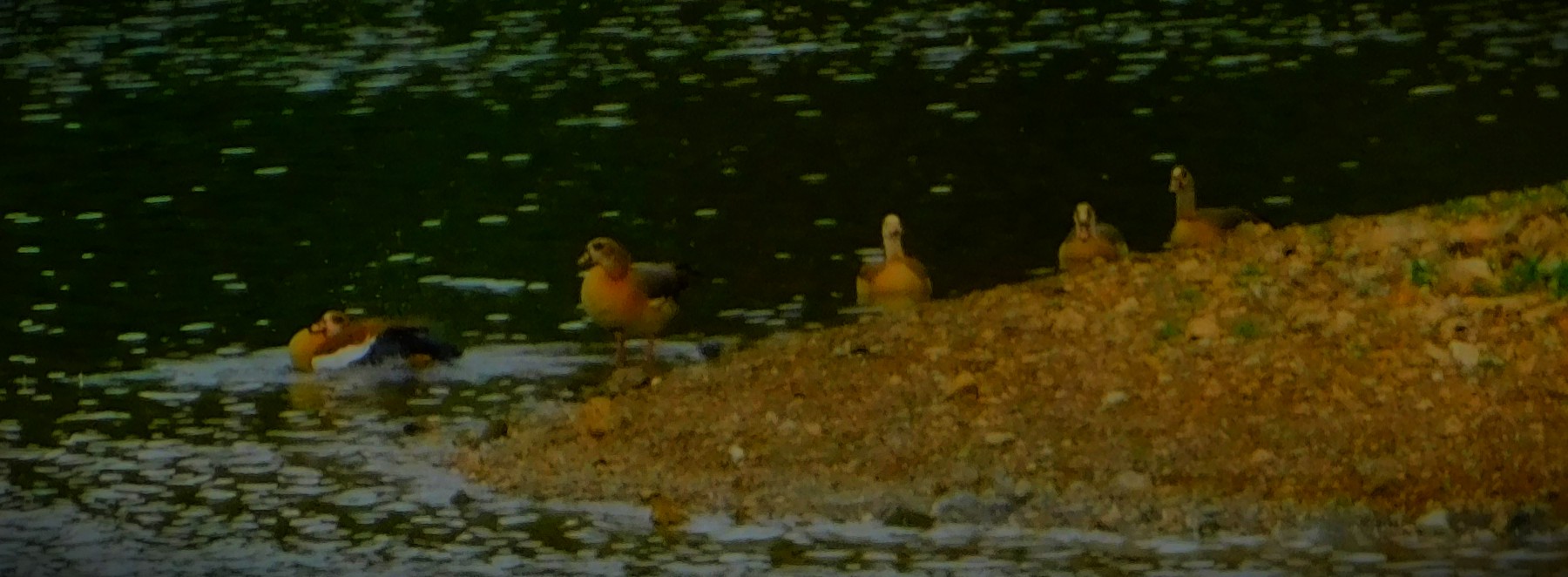
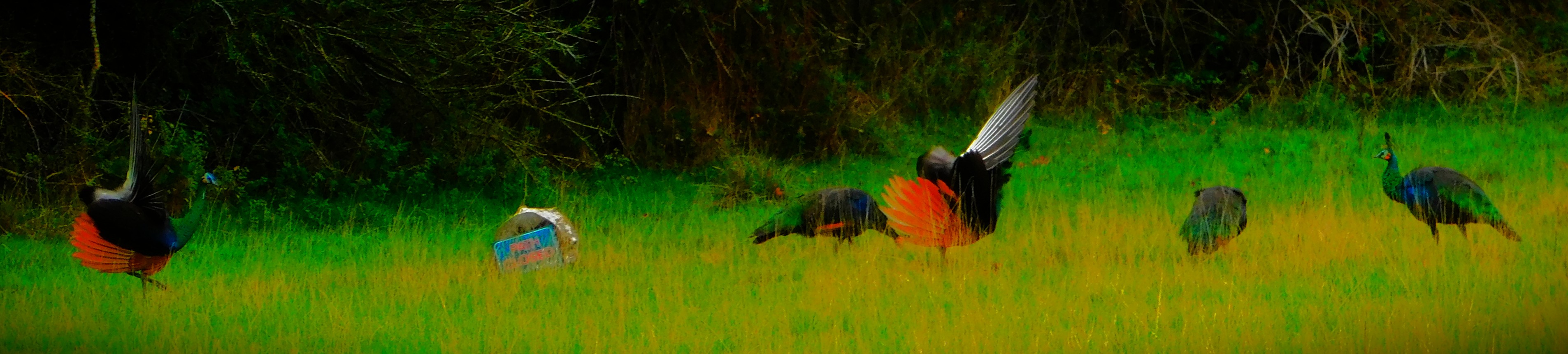
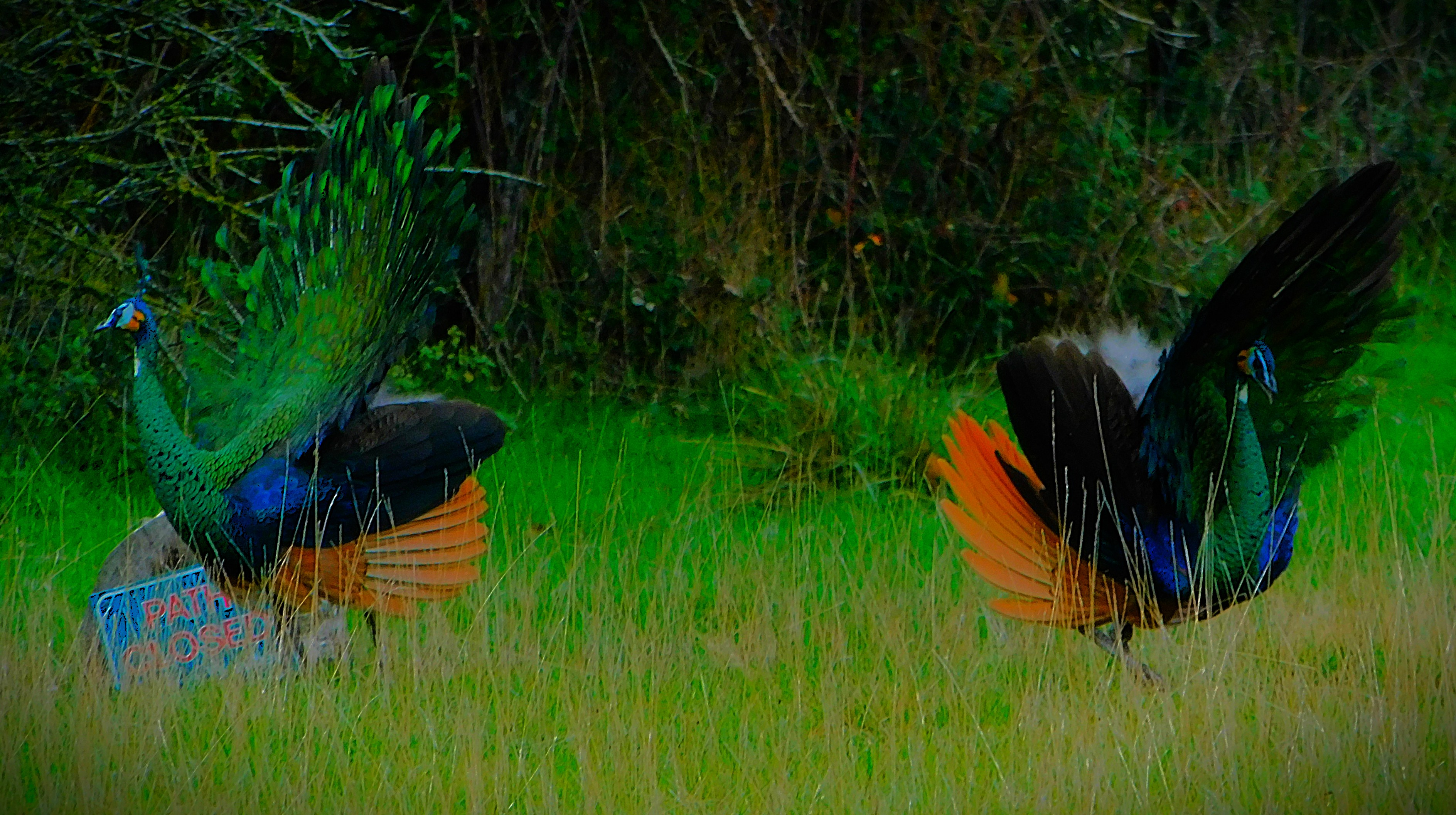
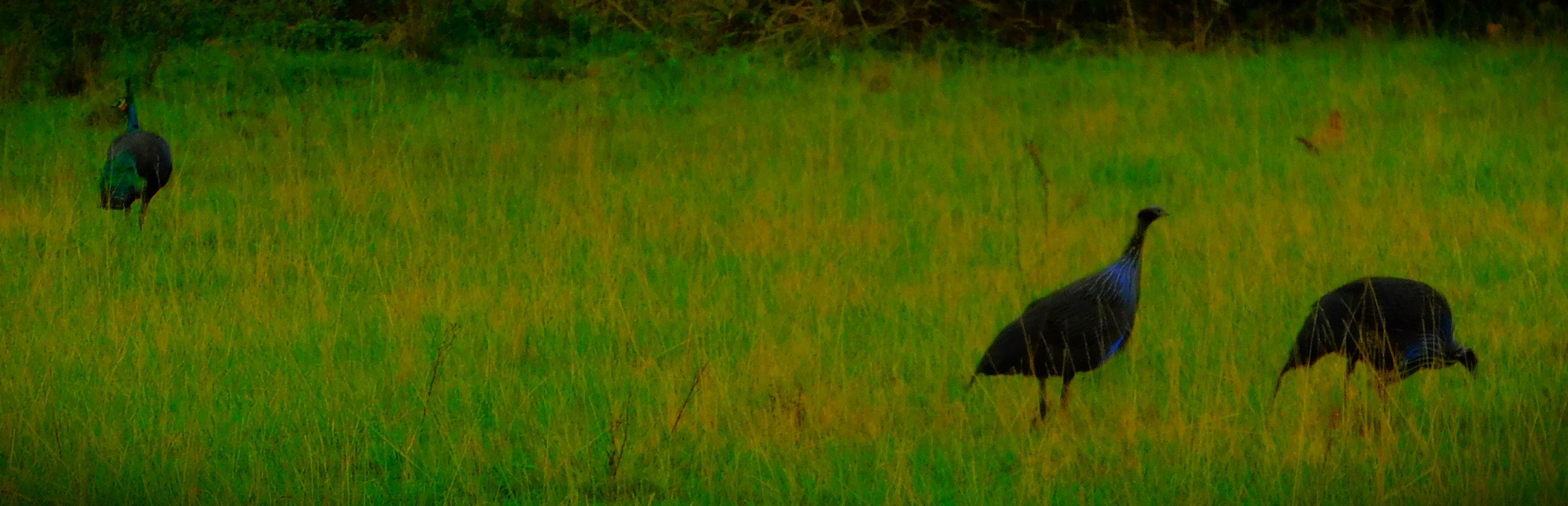
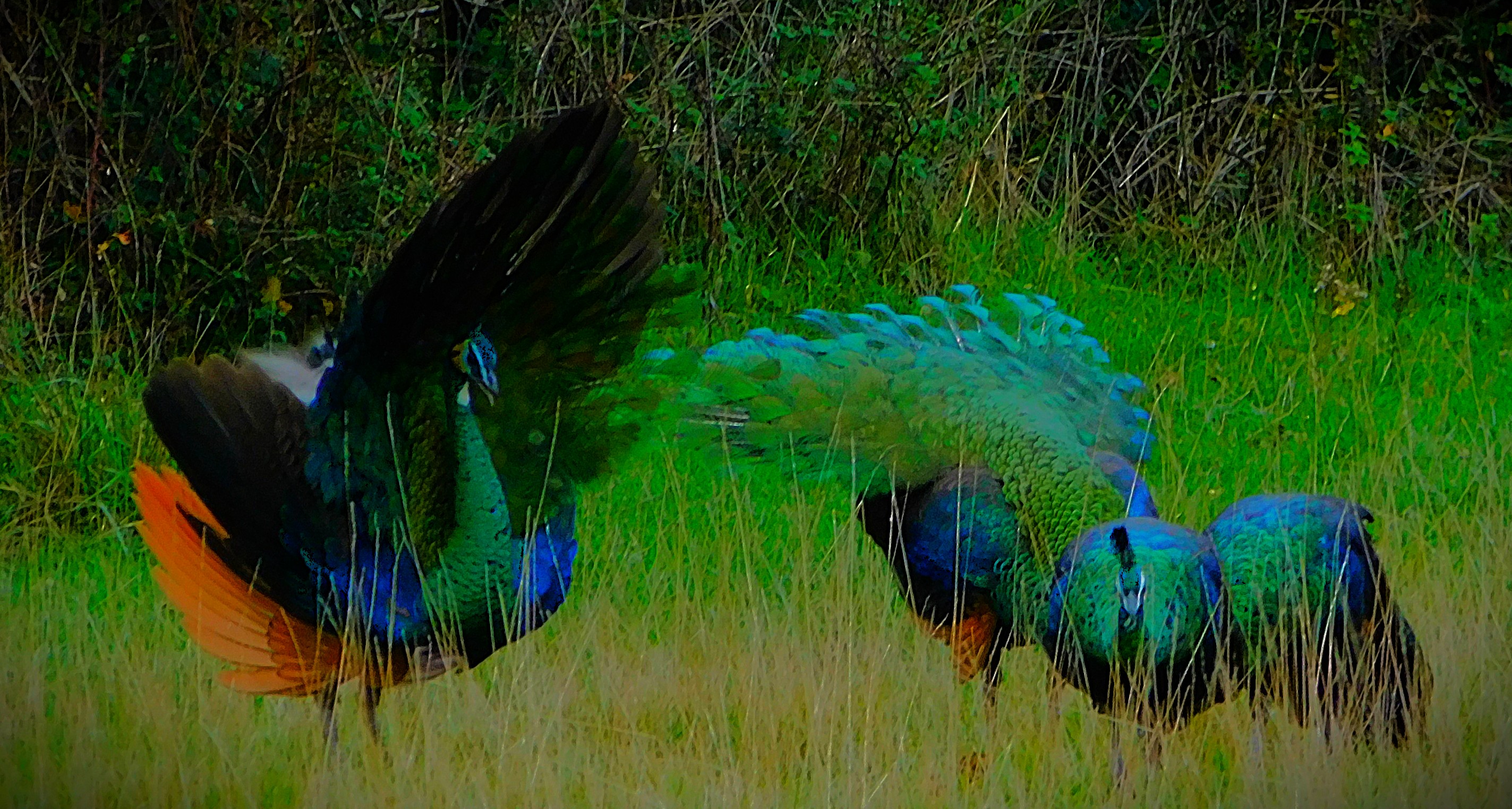
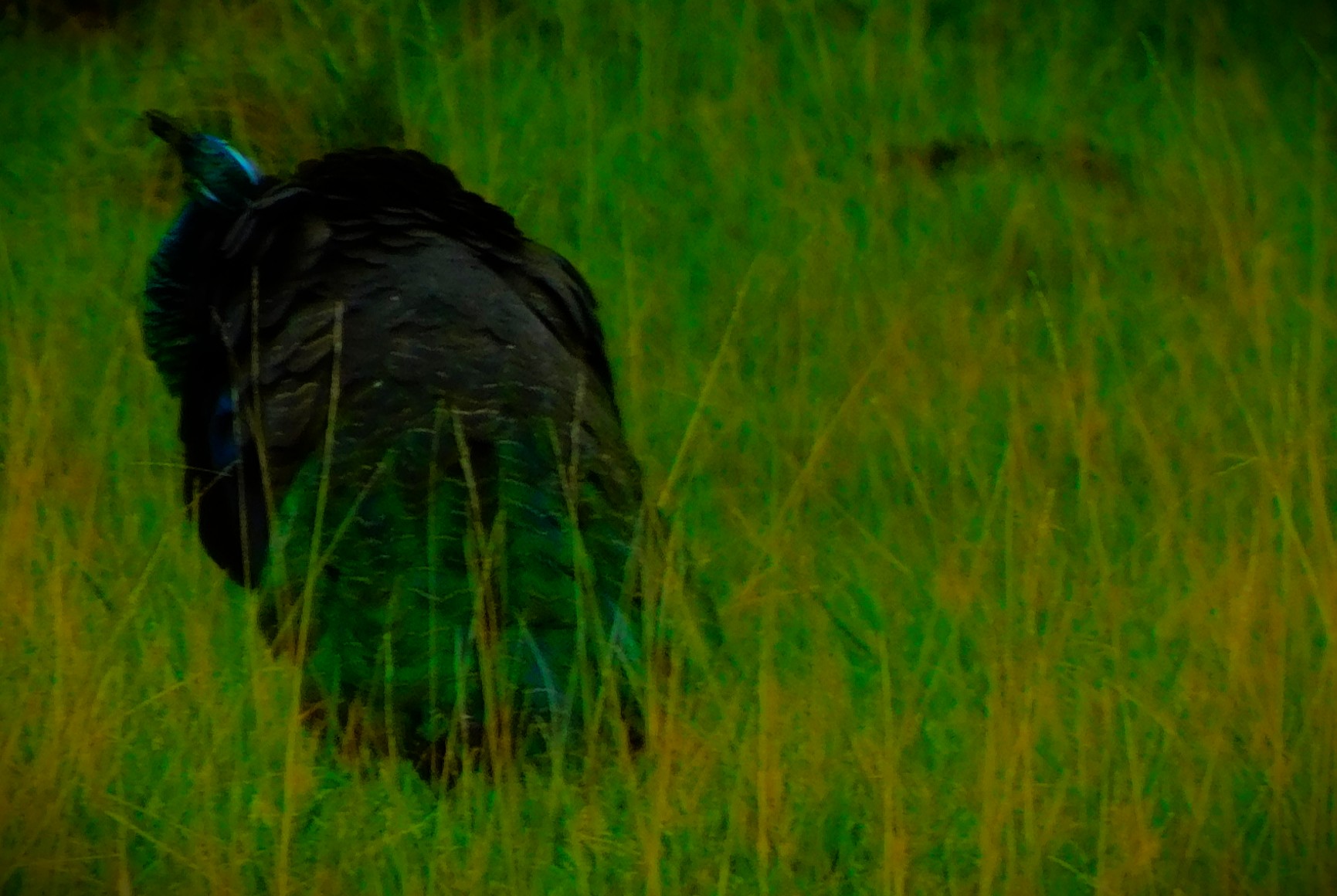
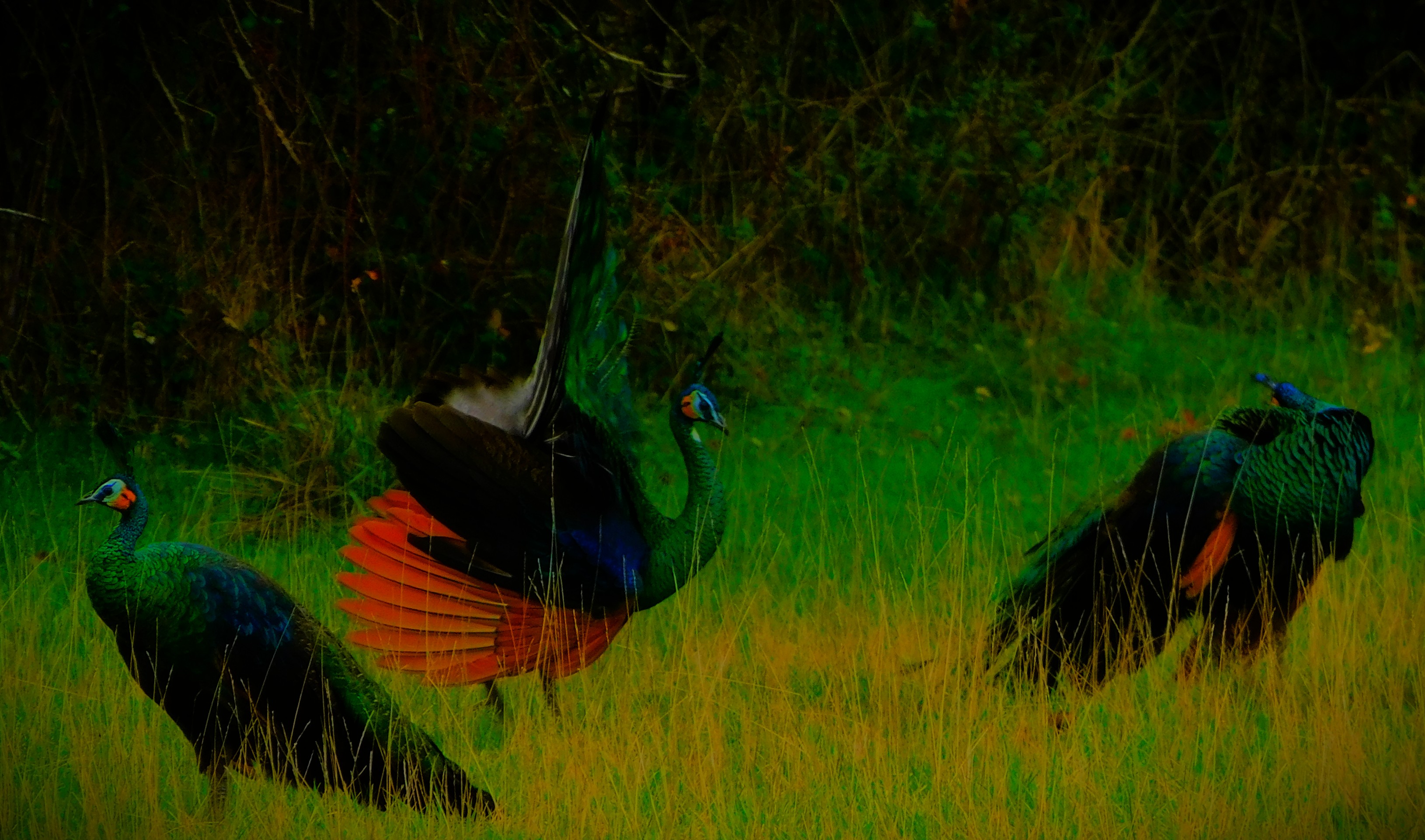
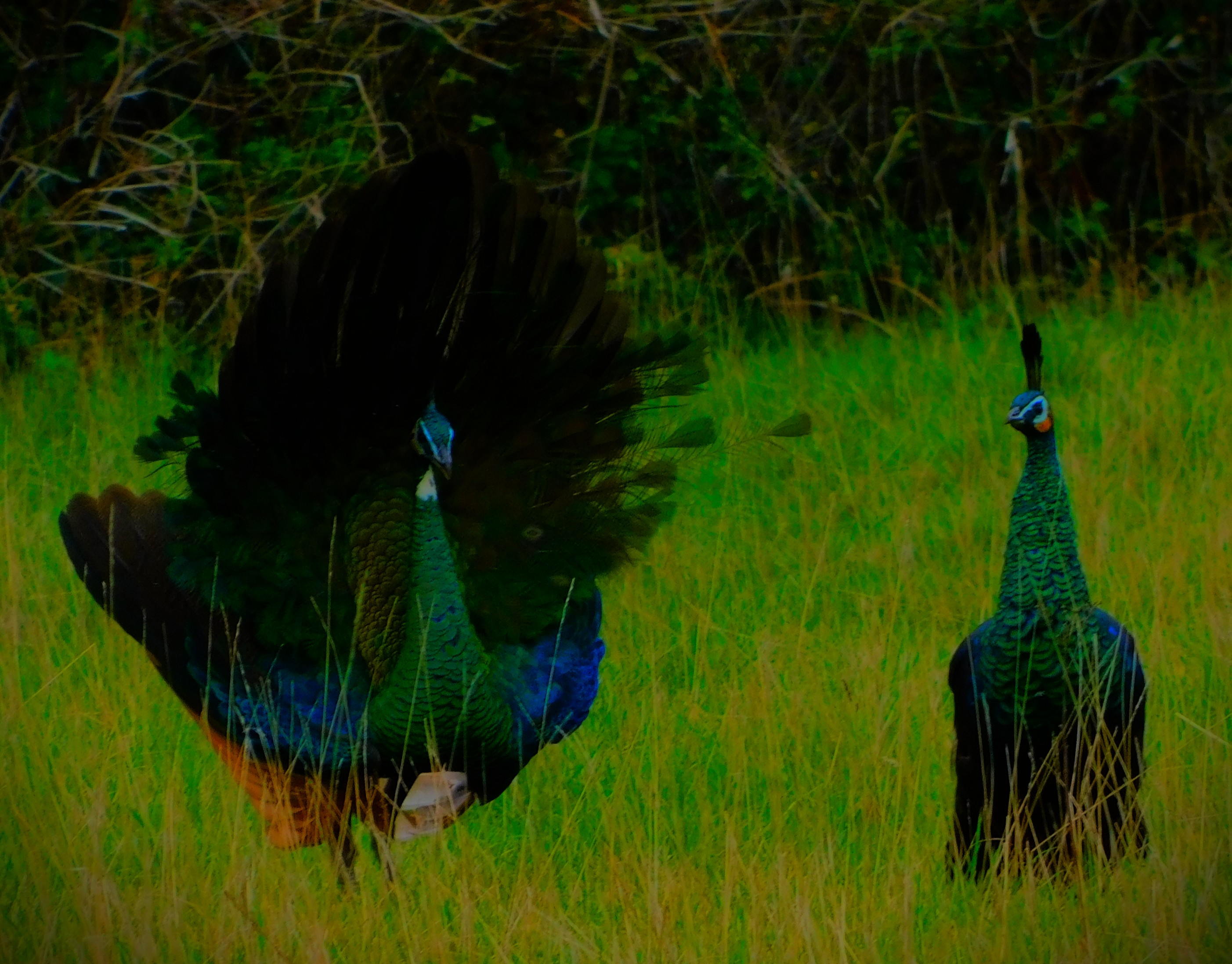
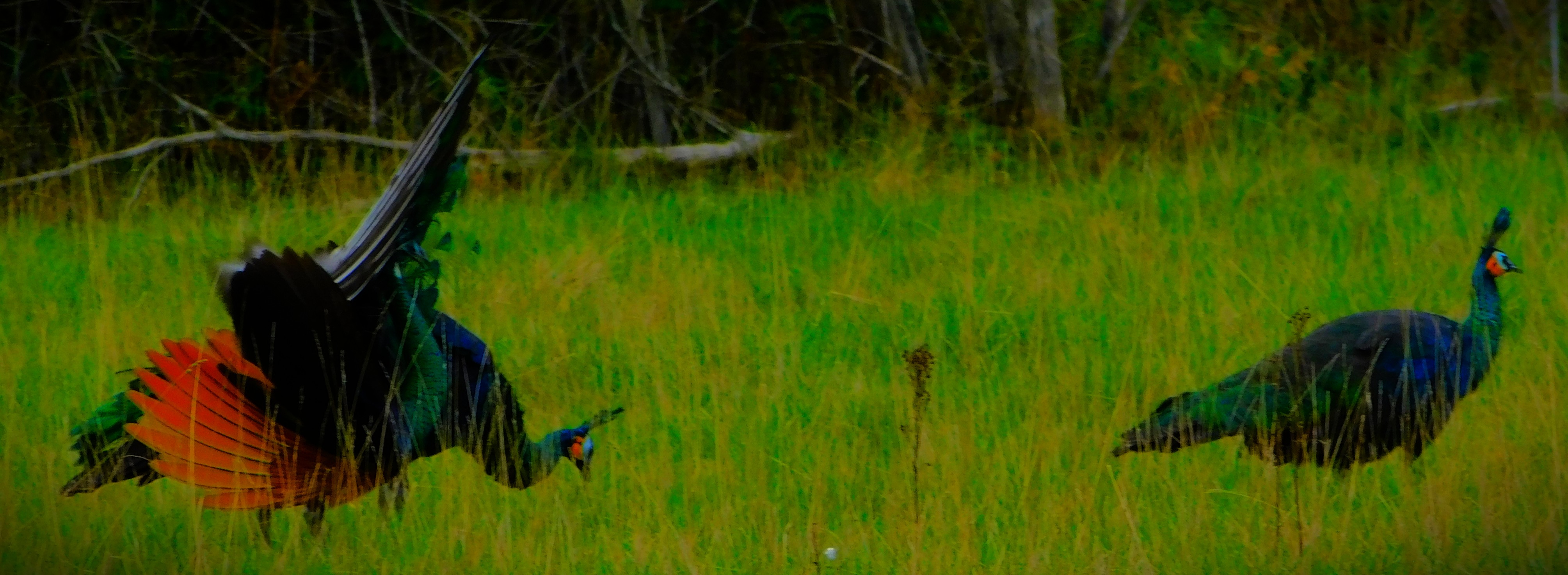
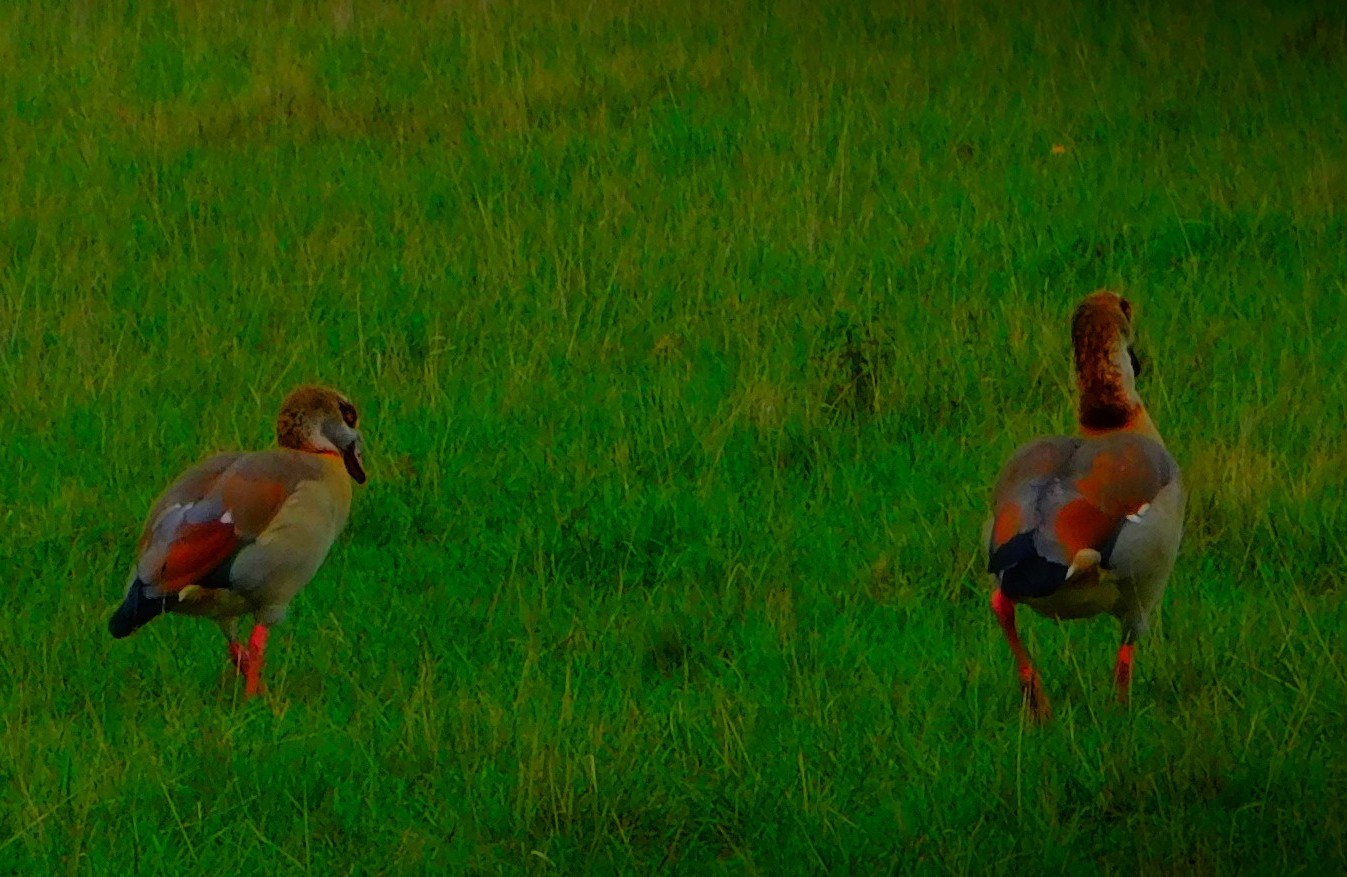
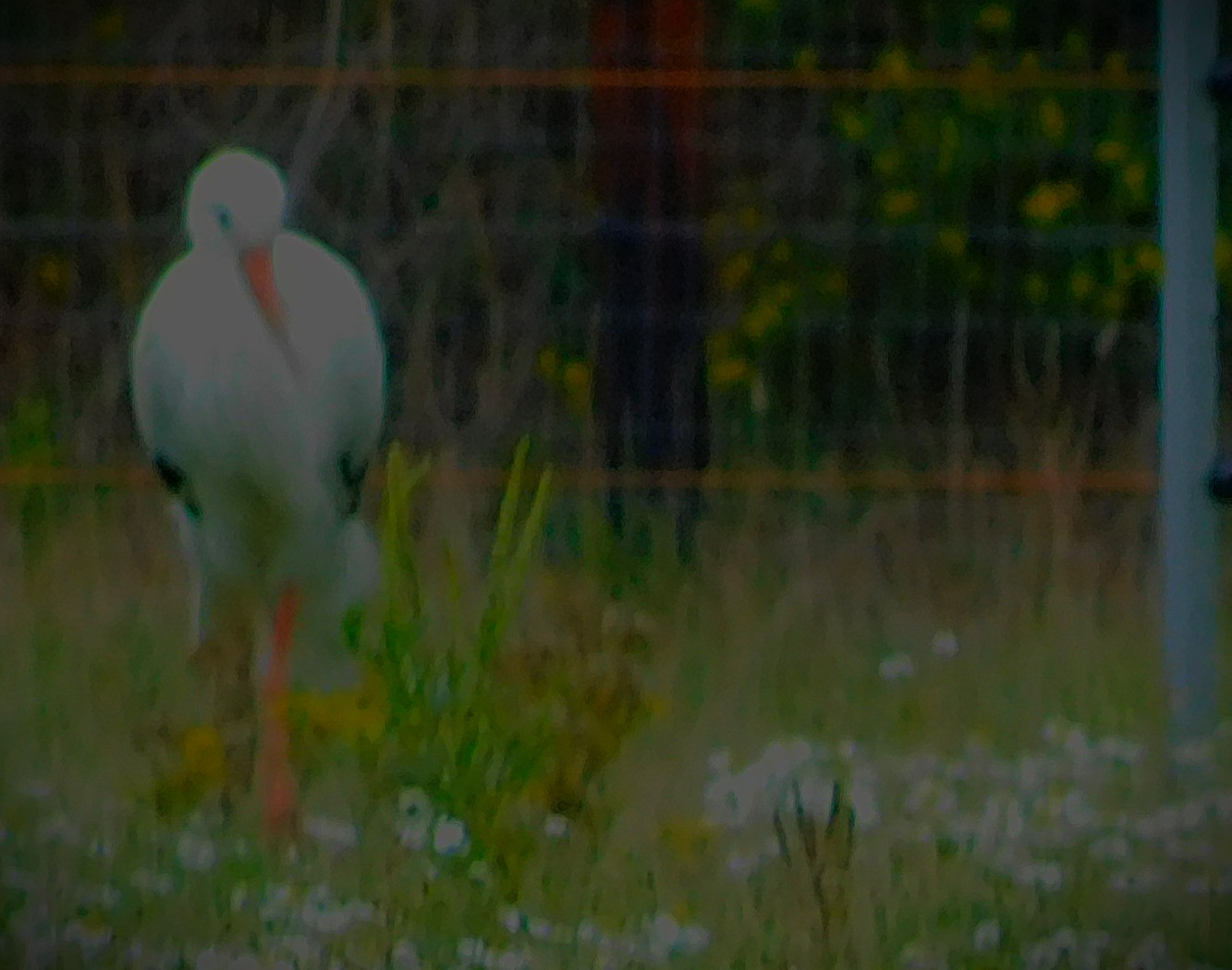
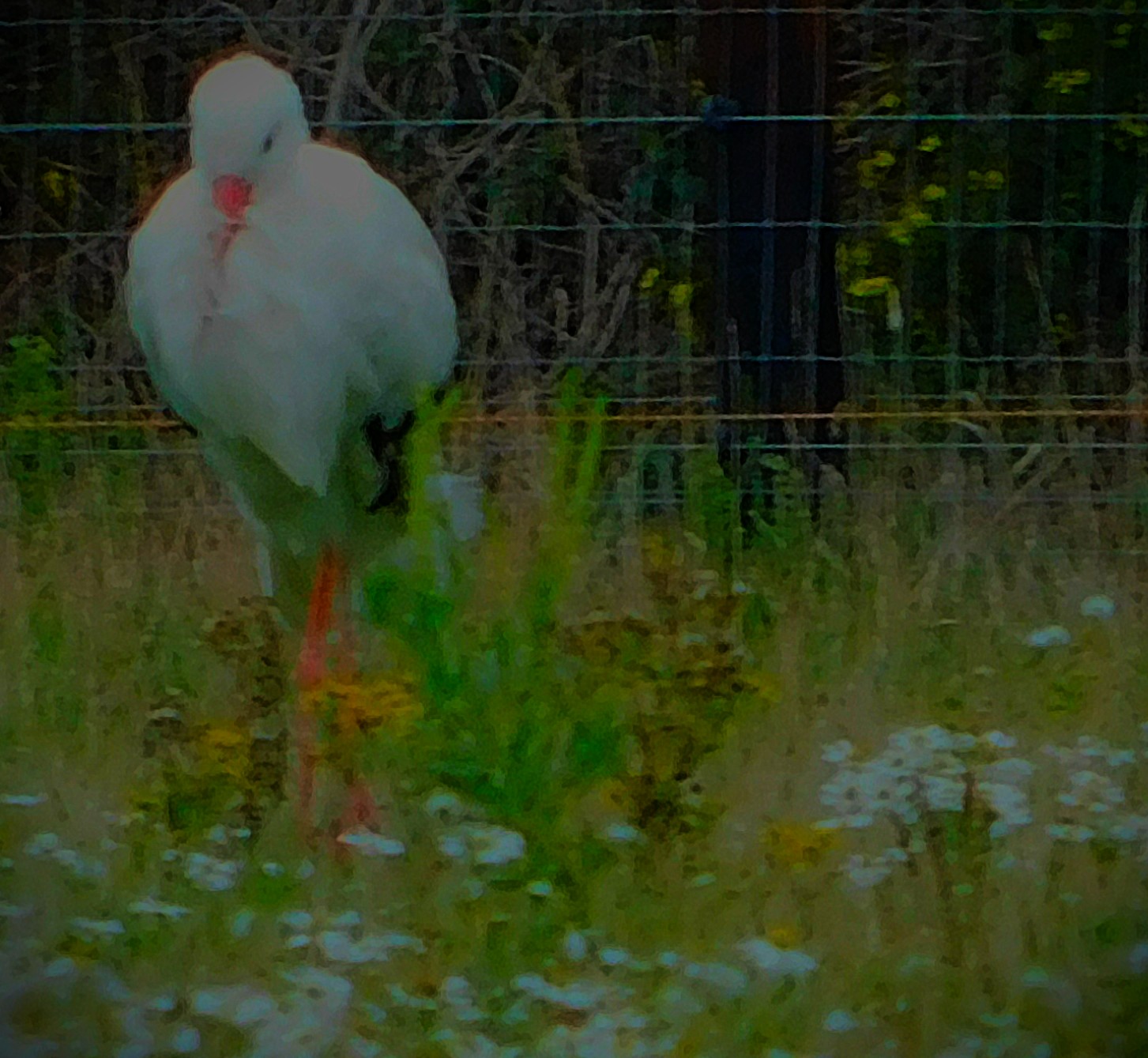
This is a roan antelope.Pere Davide’s DeerVulturine guinea fowl.Javan peafowl – these differ from the Indian variety in that the male and female have the same colouring, and that they are green rather than blue.The great bustard, ar rest. Your reminder that birds are feathered dinosaurs!These were not flagged up by our guides, but I reckon they are Egyptian geese.White stork.Our transport round the reserve.
A look back at yesterdays and todays Women’s World Cup matches, each of which saw the lower ranking side on top at times, and a photo gallery.
This post looks at two women’s world cup matches (I got more of yesterday’s than I usually would on a Tuesday because my employer had a commitment at West Raynham and wanted to go straight home once he had finished there, and there was no one else at work yesterday, so I ended up only being at work for a couple of hours, and being home in time for most of the England innings), Bangladesh v England and Australia v Pakistan.
YESTERDAY
When Bangladesh could do no better than 178 against England the match had all the signs of being ‘minnow v shark’. However Bangladesh are known to be stronger in bowling than they are in batting, and they rose to the occasion magnificently. When England were 103-6, with Heather Knight having escaped dismissal on three occasions, and still looking far from convincing a seismic shock looked on the cards. However Charlie Dean for all that she is selected for her bowling is a competent lower order batter as well, and she and Knight pulled the game round, Dean playing a determined supporting role while Knight blossomed from her difficult start to play the decisive innings. Knight’s first 15 runs occupied 50 balls and featured the three escapes mentioned. Her last 64 came off 61 balls. Dean and Knight added 79 undefeated runs for the seventh wicket (the winning hit, made by Dean, was a four). England made it two wins out of two to start the tournament, but it was a heck of a fight, and Knight probably used her entire tournament’s allocation of good fortune in the early part of what became the match winning innings.
TODAY
Absolutely no one would have expected today’s match to provide much of a contest – Australia have never lost to Pakistan in any format of women’s cricket. However between some poor Australian batting and some excellent Pakistan bowling Australia found themselves struggling at 76-7. It was here that their immense batting depth came in to play. First Kim Garth helped Mooney to raise the score 115, and then came the real revival. Alana King, undoubtedly the best batter to be at number 10 in anyone’s line up at this tournament, joined Mooney in a partnership of two parts. First they took the innings within two overs of its scheduled end, adding 72 in the process, with Mooney reaching three figures, a mark that took her 110 balls to reach and contained a mere nine fours (no sixes) – almost as if Joe Root was a left handed female instead of a right handed male. Then in the last two overs they went a bit crazy – going into those two overs Australia were on 187, and by the end of their innings they had reached 221. Mooney was out to the last ball of the innings for 109 (114), but it was King who had done most of the damage in those last two overs, boosting her score to 51 not out (a maiden ODI 50) from 49 balls, with three fours and three sixes, the only such hits of the innings. Mooney’s Brisbane upbringing may have left her better equipped to handle the heat and humidity of Colombo than many non-natives but it was still a remarkable feat of endurance to bat for so long and to run so many runs in those conditions. Sadly Pakistan were not able to offer anything with the bat barring 35 from Sidra Amin and some determined resistance from the lower order (the last three Pakistan wickets, after Amin’s dismissal, held out for just over 15 overs between them), and in the end Australia had won by 107 runs, but do not be fooled by the magnitude of their final victory – there would have been moments when they were seriously worried. As it is they have now won two matches and had one rained out. Pakistan have some wonderful bowlers, but their batting is too weak. Sidra Amin has scored six ODI centuries, but her team mates have a grand total of four between them.
PHOTOGRAPHS
My usual sign off…
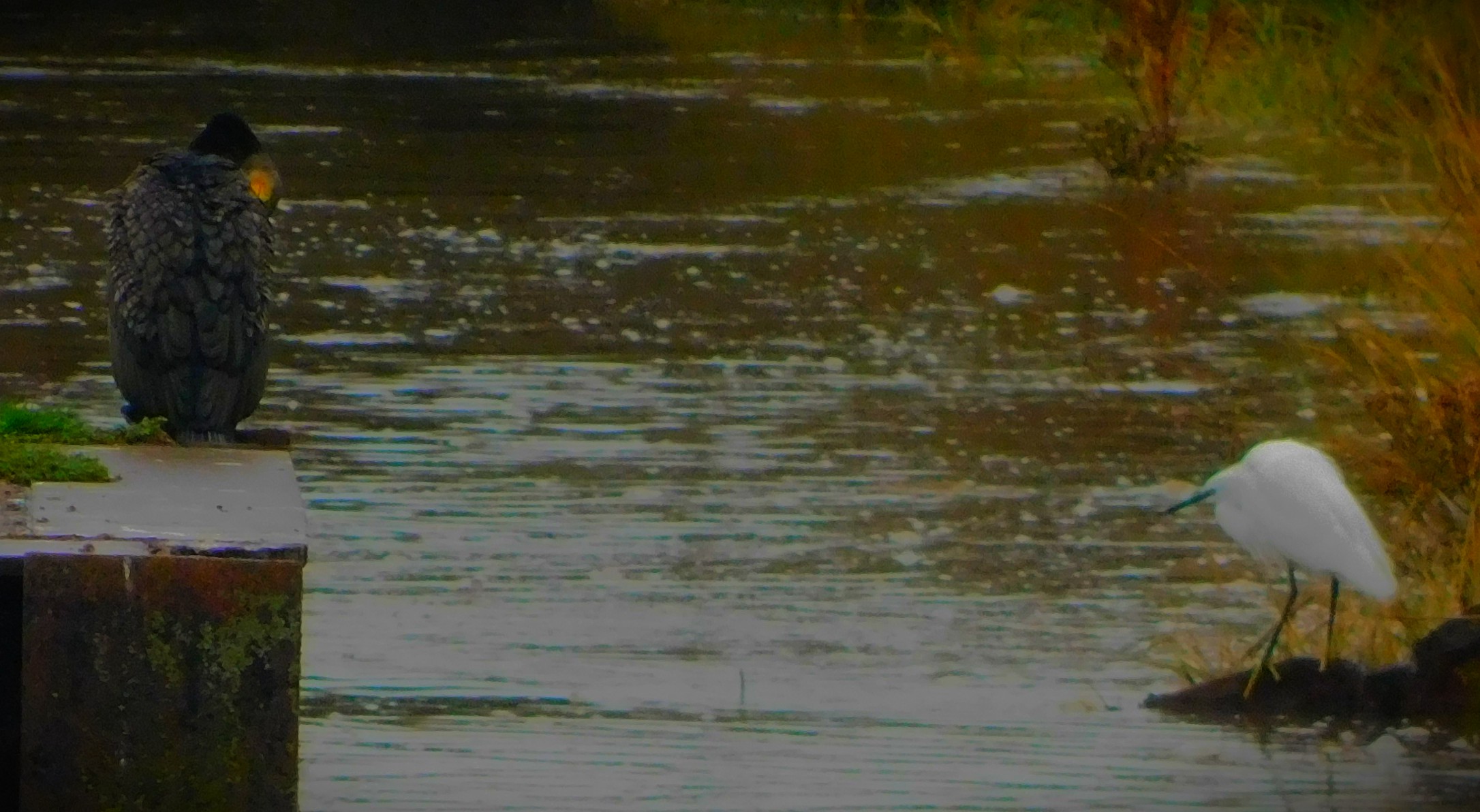
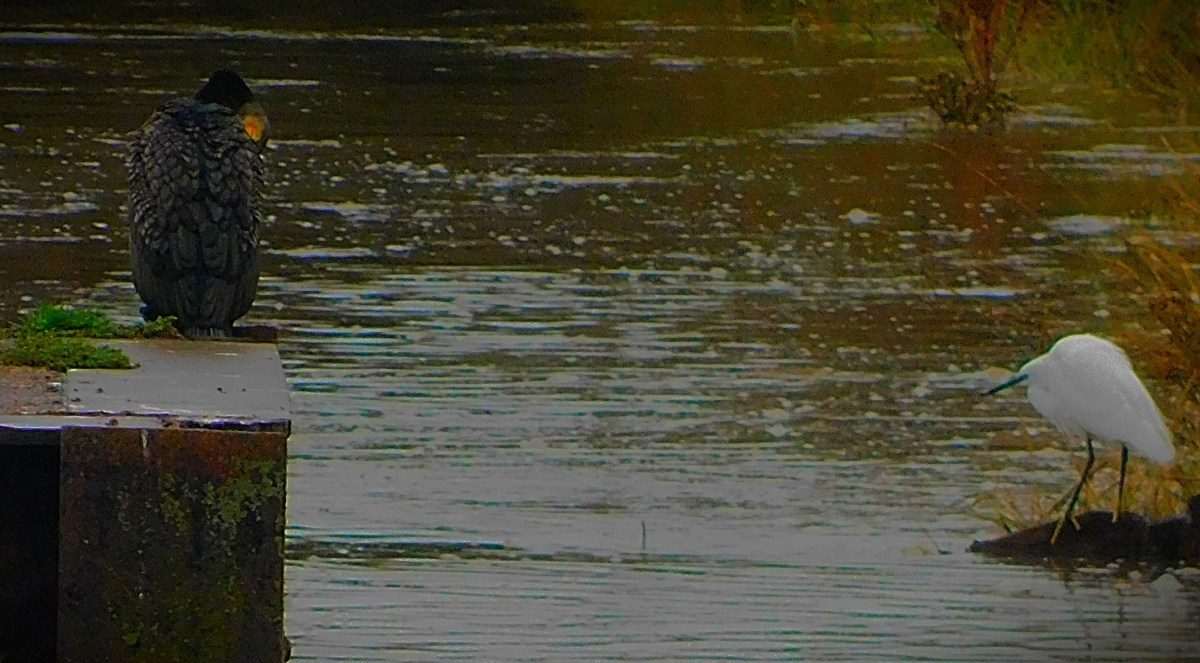
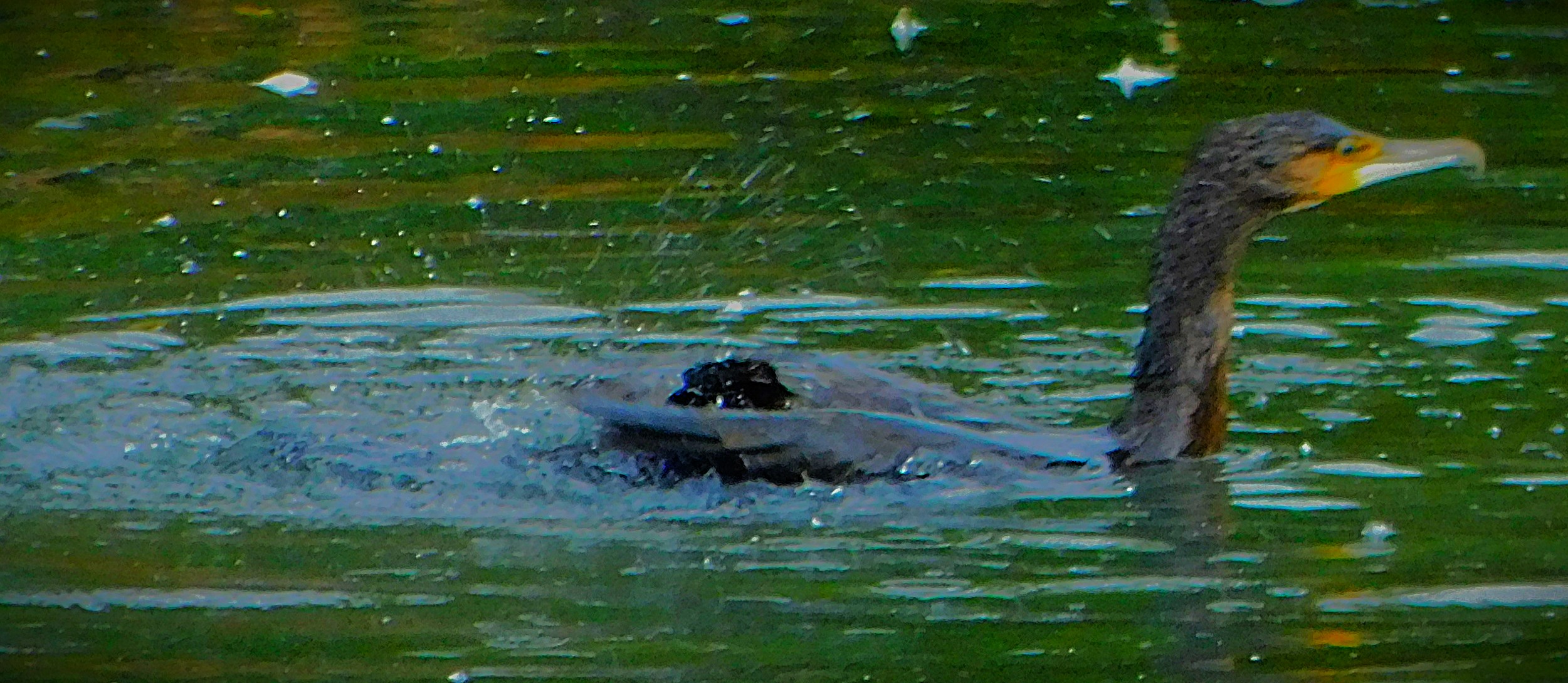
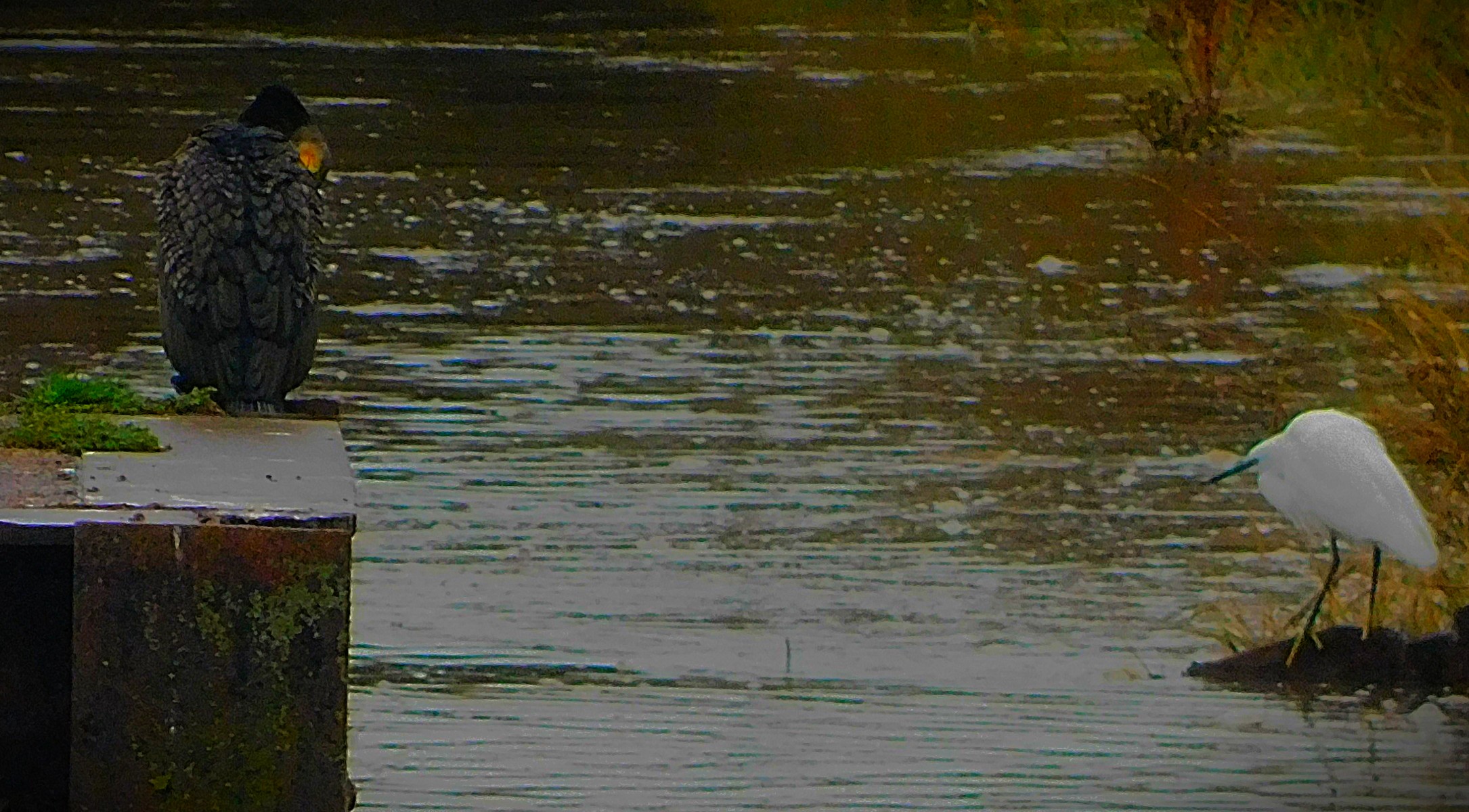
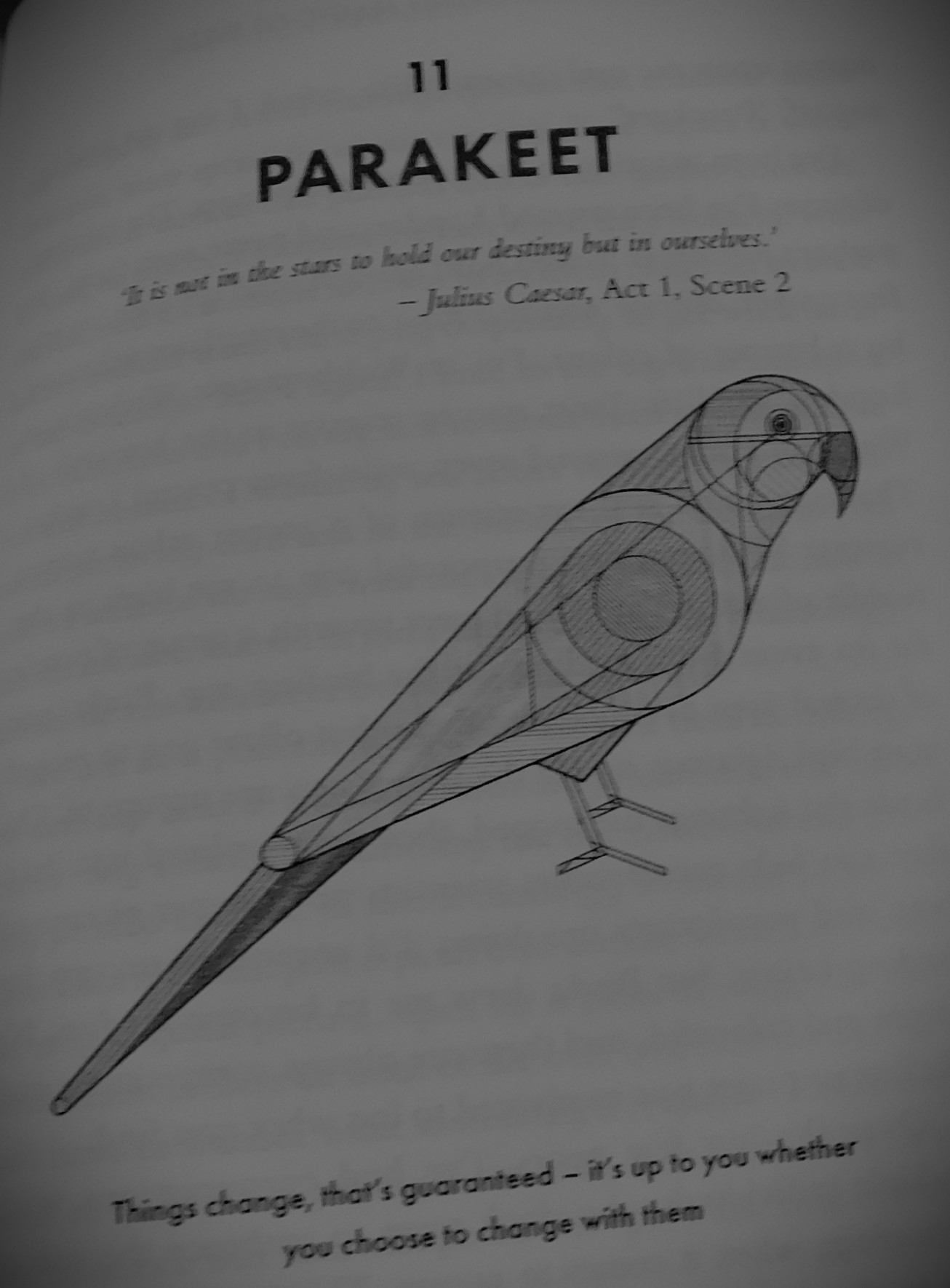
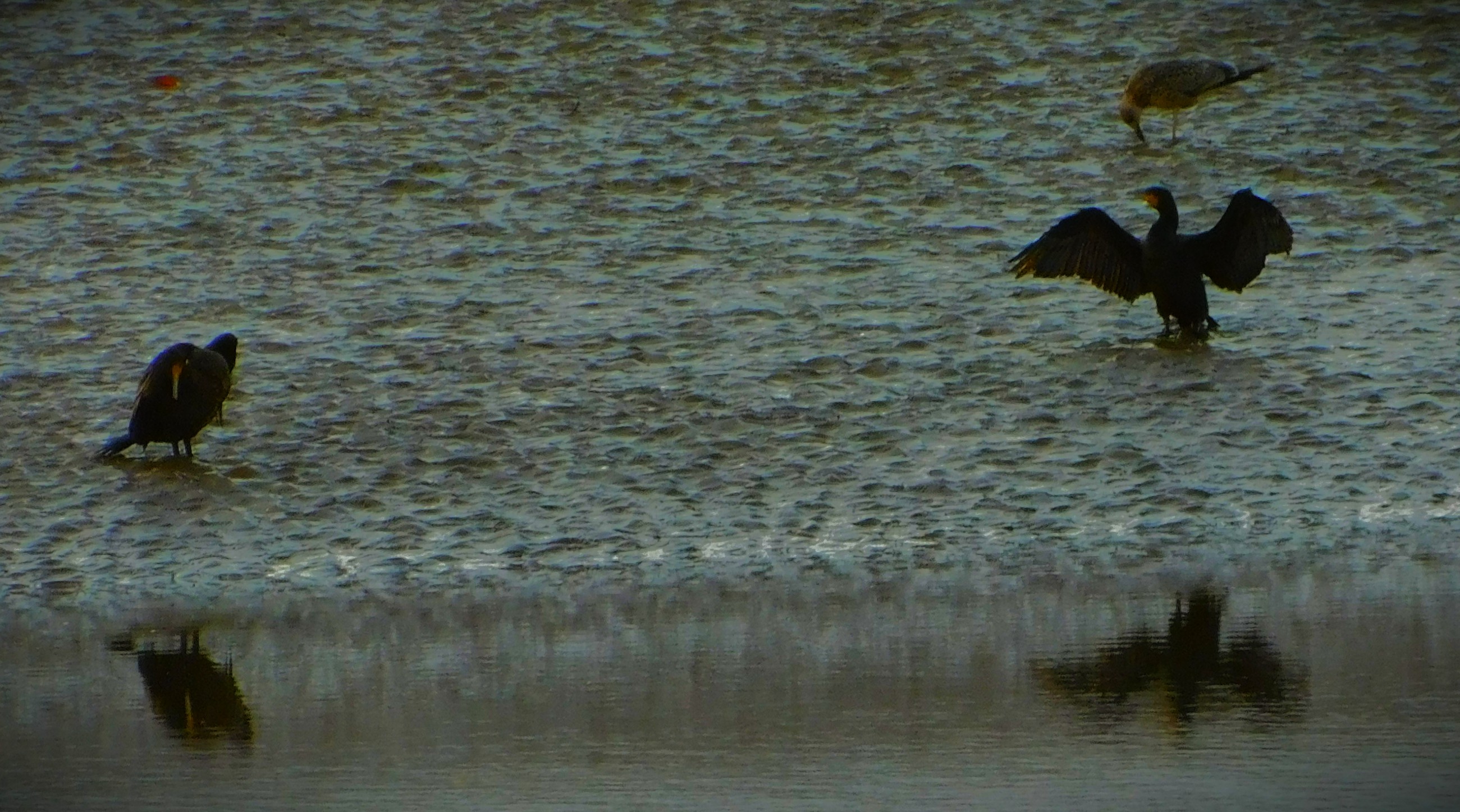
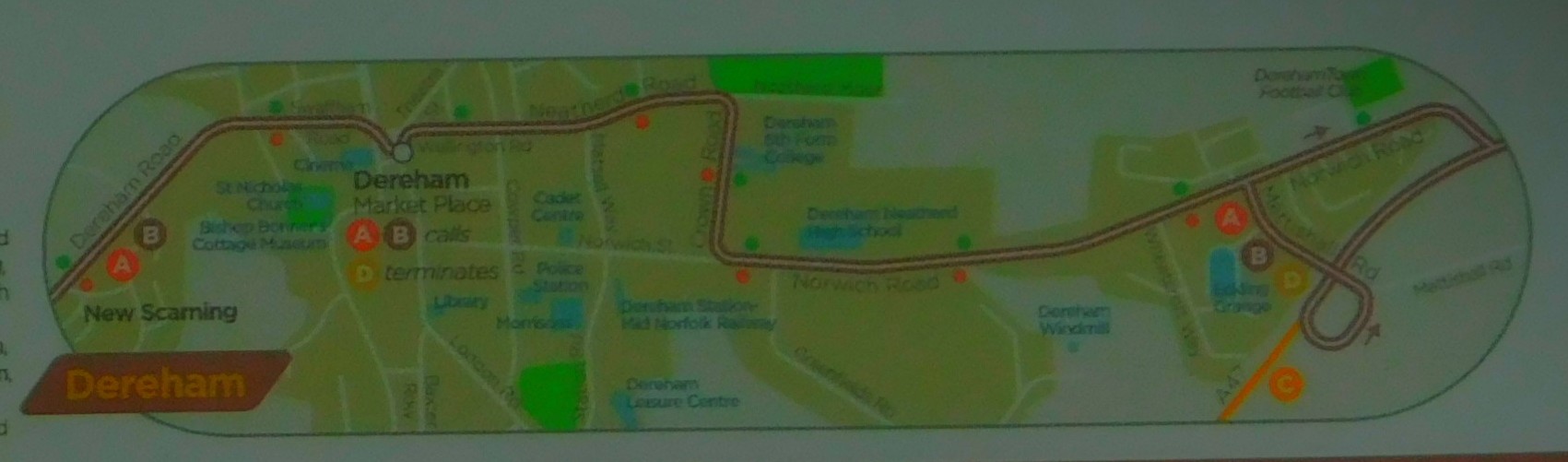
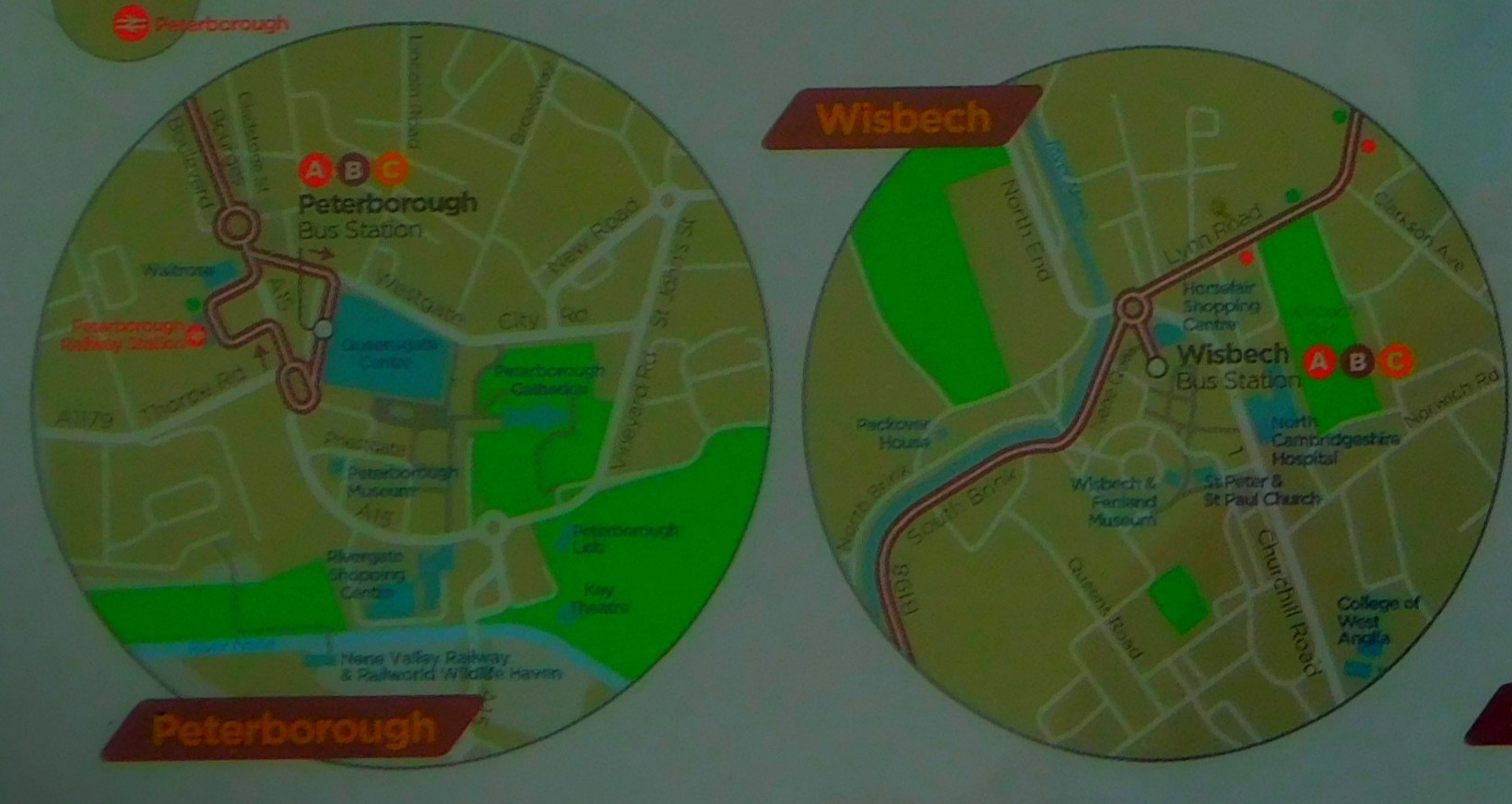
This is a page from my current ‘bus book’A fine snail this morning. A cormorant and an egret a few feet apart.
A look back at today’s women’s world cup match between India and Pakistan and a photo gallery.
Yesterday’s women’s world cup match between Australia and Sri Lanka was washed away without a single ball bowled meaning that the points were shared. Today saw India taking on Pakistan in Colombo. India had won their opening match against Sri Lanka, while Pakistan had been beaten by Bangladesh.
A LOW SCORING BATTLE
Pakistan won the toss and chose to bowl, perhaps reckoning that dew would make bowling more difficult in the second innings. They bowled pretty well, and no Indian managed to reach 50 (Jemima Rodrigues with 46 was top scorer). India did have other useful but not major contributions, and an explosive innings from Richa Ghosh at the death boosted them to a final score of 247. India bowled excellently, and only Sidra Amin played an innings of any substance for Pakistan. Kranti Goud, right arm medium fast, led the way for India, recording figures of 10-3-20-3. Renuka Singh Thakur, right arm medium, was economical but wicketless, ten overs for 29. Sidra Amin fought her way to 81, but was playing a lone hand. Pakistan rustled about a mere 159, going down by 88 runs. Kranti Goud was correctly named Player of the Match for a near flawless bowling performance.
PHOTOGRAPHS
My usual sign off…
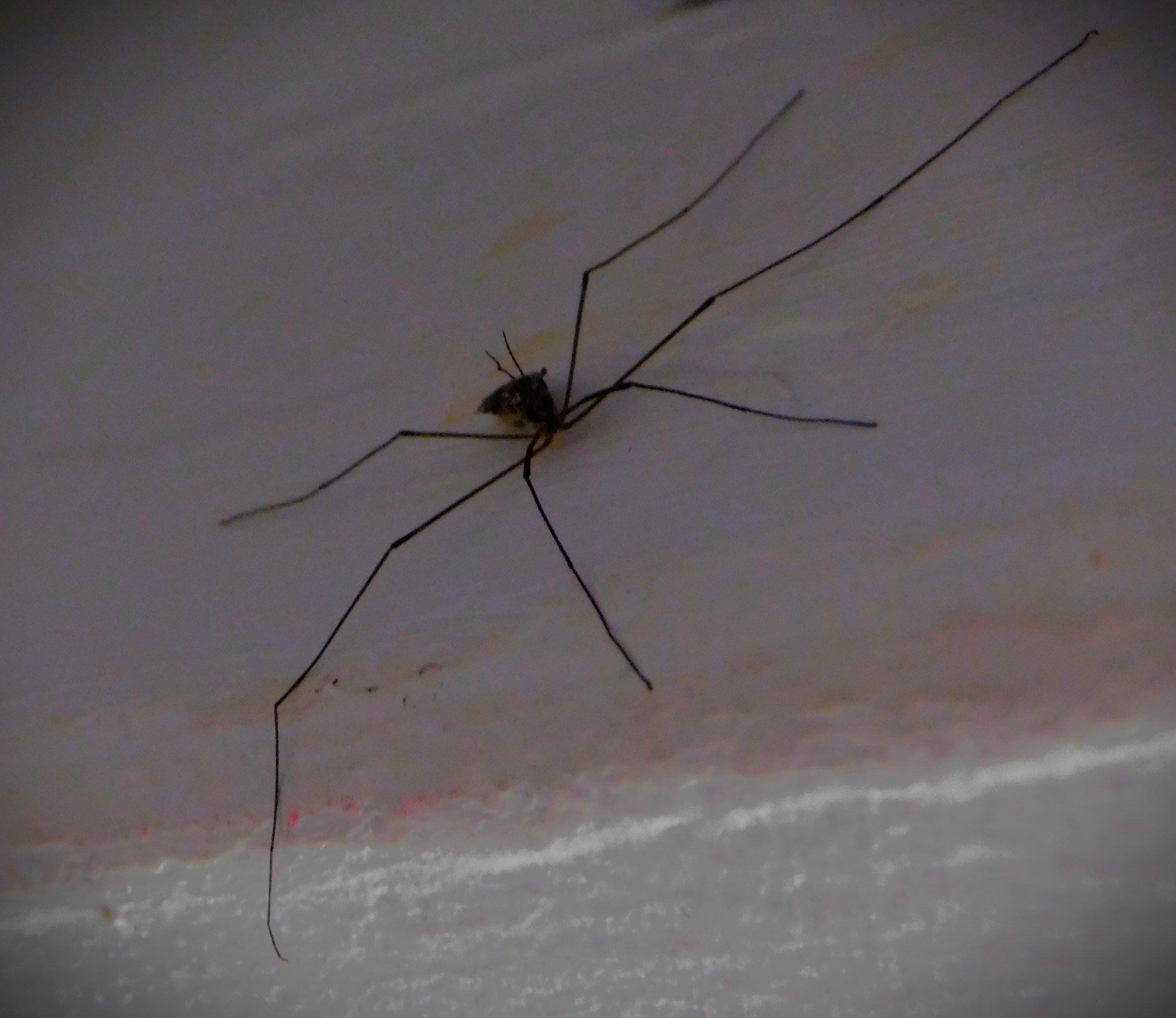
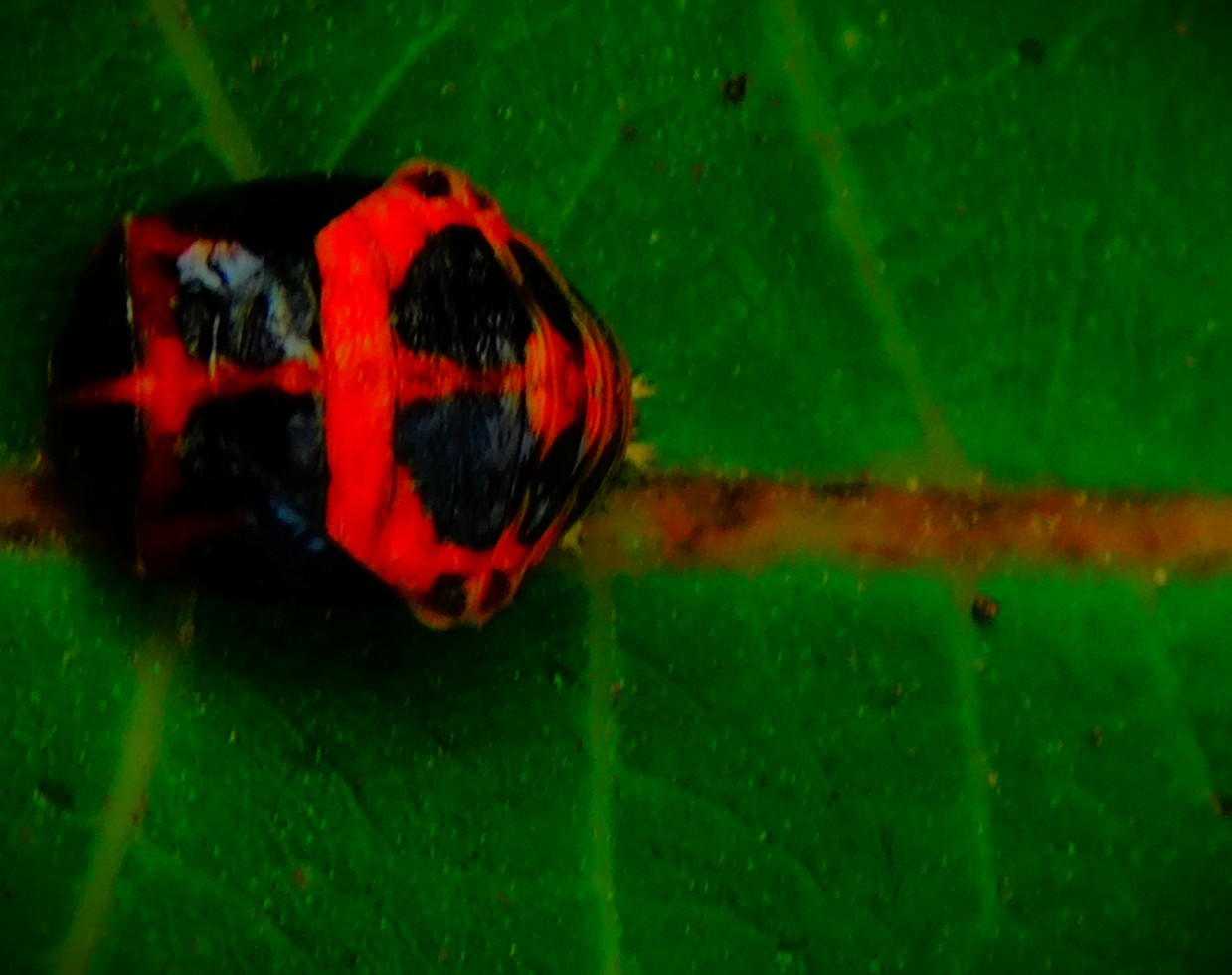
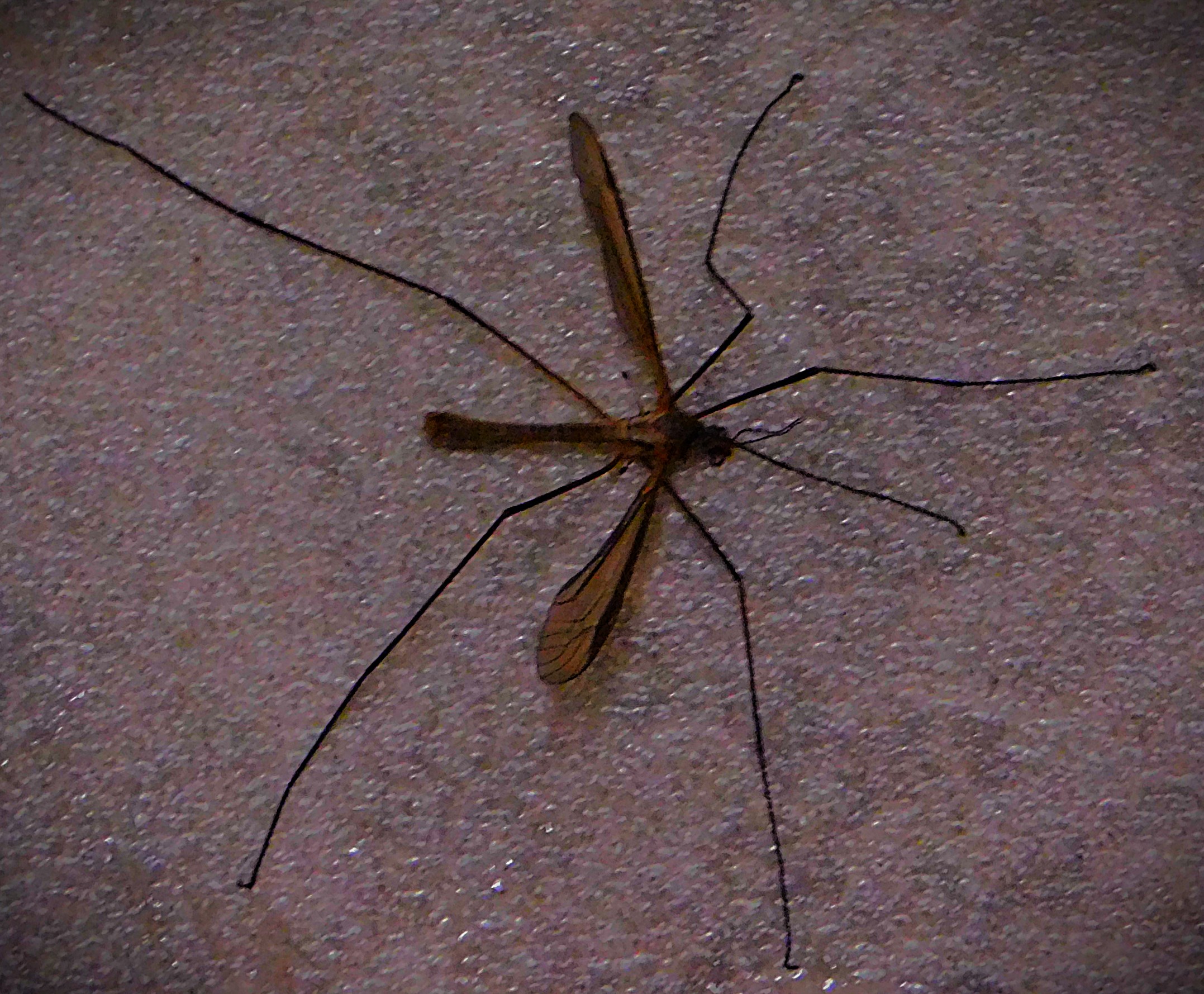
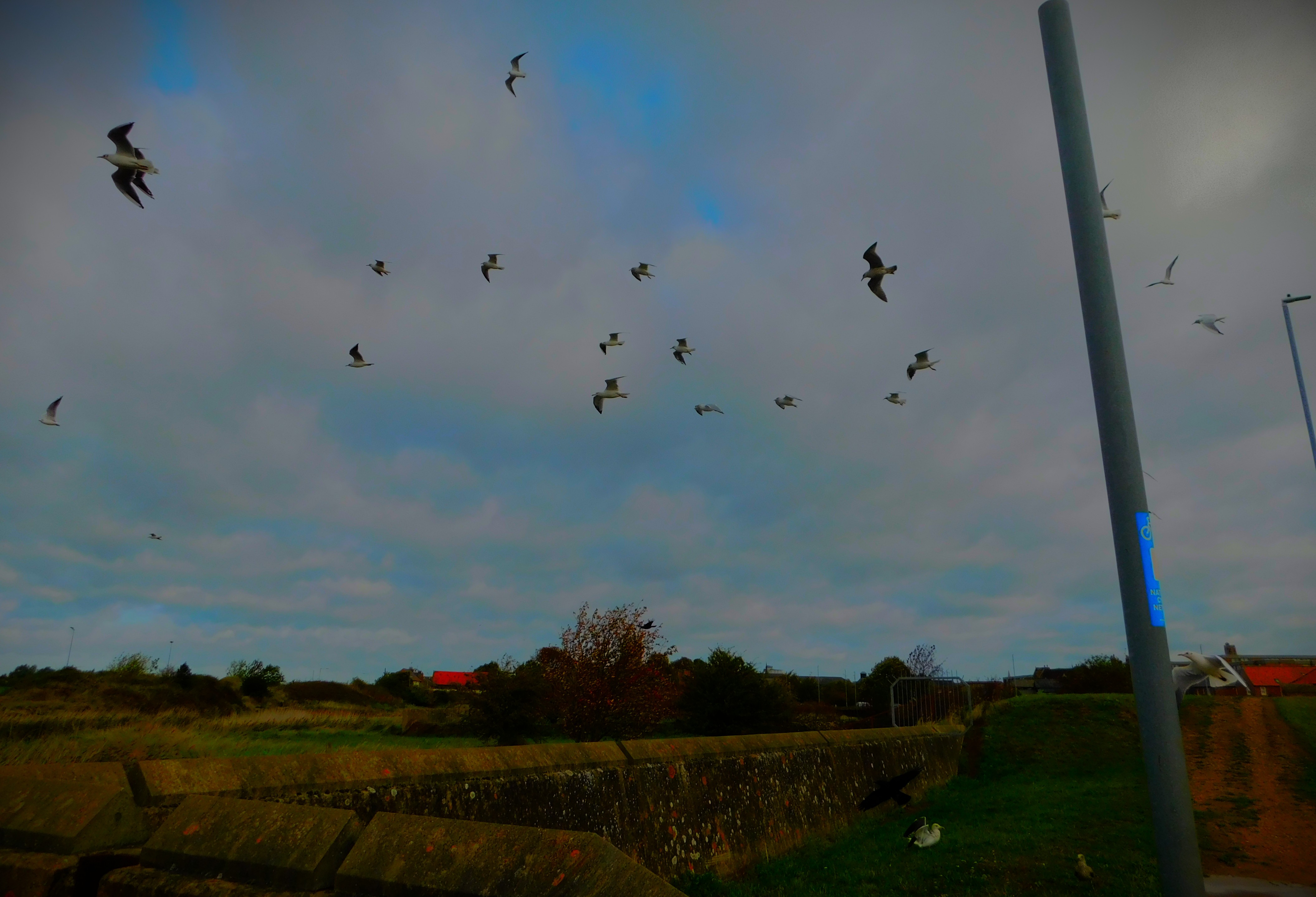
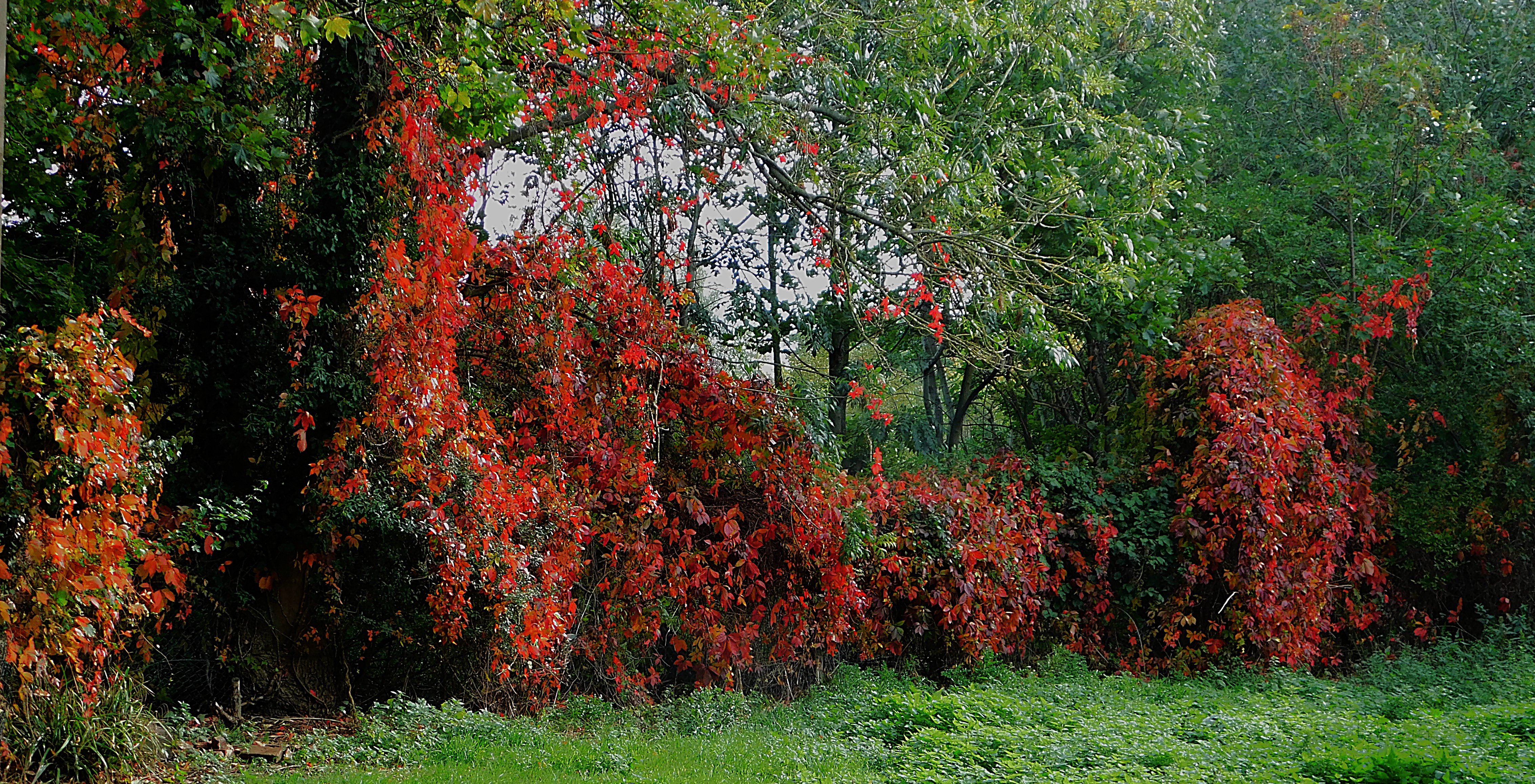
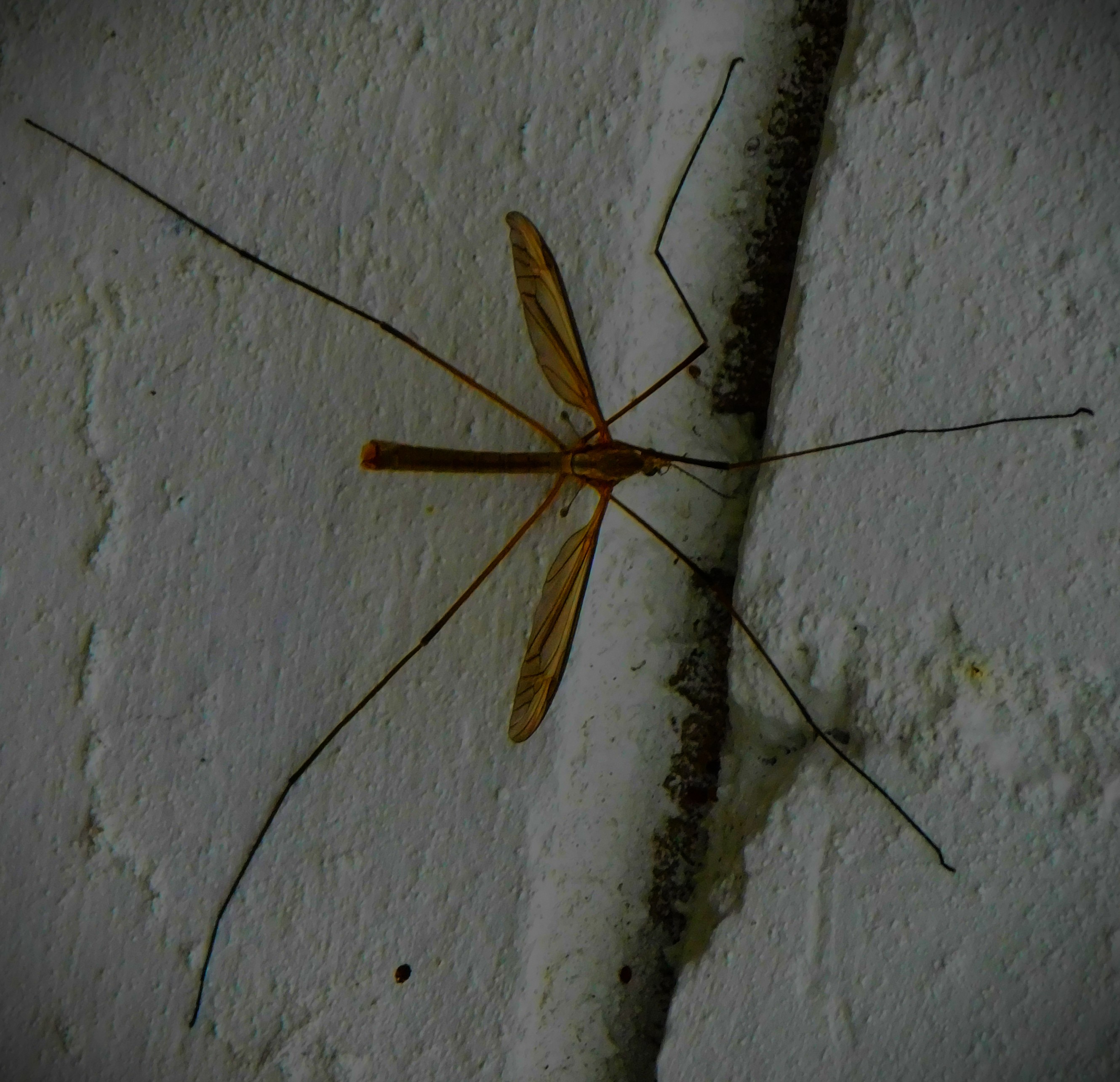
There was some seriously unpleasant weather around both on Friday and yesterday.An autumnal wall near Kettlewell Lane.The evening was a bit brighter.This one was in my kitchen the night before last.A crane fly not far from the station.The autumnal wall again.A muntjac viewed through the Lynnsport Railway tunnel.A splendid crane fly.A ‘reverse video’ ladybird – red markings on a shiny black carapace.
An account of England’s start at the Women’s ODI World Cup, against South Africa in Guwahati. Also a large photo gallery.
The latest edition of the women’s ODI world cup got underway this week. India beat Sri Lanka in the tournament opener, Australia beat New Zealand in the second match, which was harder fought than the eventual 89 run margin suggests – Australia were at point struggling at 127-5, and it was only their immense depth that enabled them to escape from there. Yesterday Bangladesh beat Pakistan by seven wickets. Bangladesh in that game opted for only one front line seam option, with five recognized spinners in their line up. That sole seamer, Marufa Akter, was named Player of the Match, having struck twice in her first over, a start from which Pakistan never recovered. Today saw England in action against South Africa, meaning that all sides have now played one match. The rest of this post looks back at that match.
ENGLAND v SOUTH AFRICA
This match took place in Guwahati in the far north-eastern corner of India. England won the toss and opted to bowl first. They pretty much followed the Bangladesh pattern of selection, going spin dominant, with Lauren Bell the only specialist seamer in the XI, though they also had Natalie Sciver-Brunt’s medium pace available to them, though giving her a full allocation given her recent injury issues would probably have been ill advised in game one of a long tournament. There was little sign of things to come in the first over, bowled by Bell, from which nine runs accrued. That was the last time anything really went South Africa’s way. Linsey Smith took the new ball at the other end to Bell, and her second ball accounted for Laura Wolvaardt, who essayed a drive and succeeded only in sending the ball straight back to Smith who took the return catch. The other opener, Tazmin Brits, was bowled by the first ball of the fourth over, Smith’s second, with the left arm spinner still yet to concede a run, and it was 12-2. South Africa could not come to terms with losing both openers so cheaply. In the fifth over Bell clean bowled Sune Luus to make it 17-3. Three balls later Linsey Smith clean bowled Marizanne Kapp for 4 and it was 19-4. Anneke Bosch and Sinalo Jafta managed a 12 run stand before Sciver-Brunt’s first ball as England skipper (she had been unable to bowl all summer) pinned Bosch so plumb in front that even with the dismissal making the score 31-5 the South African did not bother to go upstairs. Exactly two overs later Chloe Tryon was caught by Capsey off Sciver-Brunt for 2 and it was 38-6, and record books were being consulted for all time low scores in the format. The seventh wicket added 10 careful runs before the first ball of the 14th over saw Nadine de Klerk drive loosely at Sophie Ecclestone and succeed only in edging to slip where Heather Knight held a sharp catch to make it 48-7. Masabata Klaas managed to bat a little time (13 balls in total), but only accrued three runs before Charlie Dean bowled her and it was 60-8 in the 18th over. Sinalo Jafta, the only Protea to reach double figures, had got to 22, and batted pretty well, when she essayed a wild hoick against Ecclestone, missed and was bowled to make it 60-9. When those who are supposed to be able to bat have failed this epically one cannot expect a great deal from numbers 10 and 11, with no batting pedigree whatsoever, and in the circumstances Ayabonga Khaka (6 not out, a slight overachievement compared to her career batting average) and Nonkululeko Mlaba (3) did as well as anyone could have expected. It was Dean who took the final wicket, bowling Mlaba to make it 69 all out from 20.4 overs. Every England bowled who got on claimed at least one wicket, Linsey Smith finishing with 3-7 from four overs, while Sciver-Brunt, Dean and Ecclestone each took two wickets and Bell one. With only 70 to get the question was exactly how comprehensively would England end up winning. Tammy Beaumont never really got going but was not going to miss out on an opportunity to boost her batting average with a ‘not out’ – such opportunities are rarely granted to openers and she has been around a long time. Amy Jones did get going, and her unbeaten 40 from 50 balls put the South African collapse into perspective. Beaumont was 21 not out from 35 balls and South Africa gave away 12 extras (as compared to 8 by England). England won by 10 wickets with 35.5 overs to spare, and will go into their second match with a net run rate of +3.773.
A look back at the Ryder Cup, played at Bethpage Black golf course over the weekend. Also a photo gallery.
Over the weekend the USA and Europe did battle for the Ryder Cup at Bethpage Black golf course, Farmingdale, Long Island, New York. This post looks back at what happened.
THE TEAM ELEMENT
On Friday and Saturday team element of the tournament, one set of four foursomes and one set of four fourballs on each day, took place, before the event concluded with the 12 singles matches. In foursomes the players play alternate shots, so only two balls are in play in each group. In fourballs all four players are in action, each playing their own balls. Europe were utterly dominant over these two days, winning all four sets of matches, a first. USian world number one Scottie Scheffler set a less welcome new record – he became the first player in Ryder Cup history to be part of losing pairs in all four sets of matches over the first two days. Europe looked and played like a team, the USA like a collection of individuals. Keegan Bradley, the USian captain, was last involved in a Ryder Cup over a decade ago, while two of his assistants had no prior Ryder Cup experience at all and another, Jim Furyk, had mainly been on losing teams in his own Ryder Cup days. In all Europe led going into the final day by 11.5 to 4.5, with 14 being enough for them to retain the cup and 14.5 enough to win it outright. The biggest end of day two lead ever successfully overturned at a Ryder Cup is 10-6, by the USA at Brookline in 1999 and by Europe in ‘The Miracle of Medinah’ in 2012. In the latter match Europe were 10-4 down with the last two fourballs matches in play, and won both those games, with Ian Poulter putting in an Olympian performance to turn one of them round in its closing stages, whereas at Bethpage the last point on Saturday was won by Europe to extend their lead.
THE SUNDAY SINGLES
Before the day even started the score line changed. Viktor Hovland for Europe had a neck injury and was forced to pull out, which meant that a USian also had to pull out. As luck would have it the person who had been picked by the captain as the US’s fall guy in this event (each side puts one name in an envelope to cover for emergency withdrawals by the other side) was Hovland’s scheduled opponent anyway, so other than the award of half a point to each team, which made it USA 5, Europe 12 nothing else changed. The USA generally outpoint Europe in the singles, but Europe’s lead was so huge that a US comeback was the longest of long shots. USA did indeed outpoint Europe, but not by as much as they needed to. Only one European actually won a singles match on this day, Ludwig Aberg (that surname is apparently correctly pronounced like “oh-bairj”), but three other Europeans took half points from their matches, so the final score was USA 13 Europe 15. Europe thus retained the Ryder Cup, winning in the USA for only the fourth time.
PHOTOGRAPHS
My usual sign off…
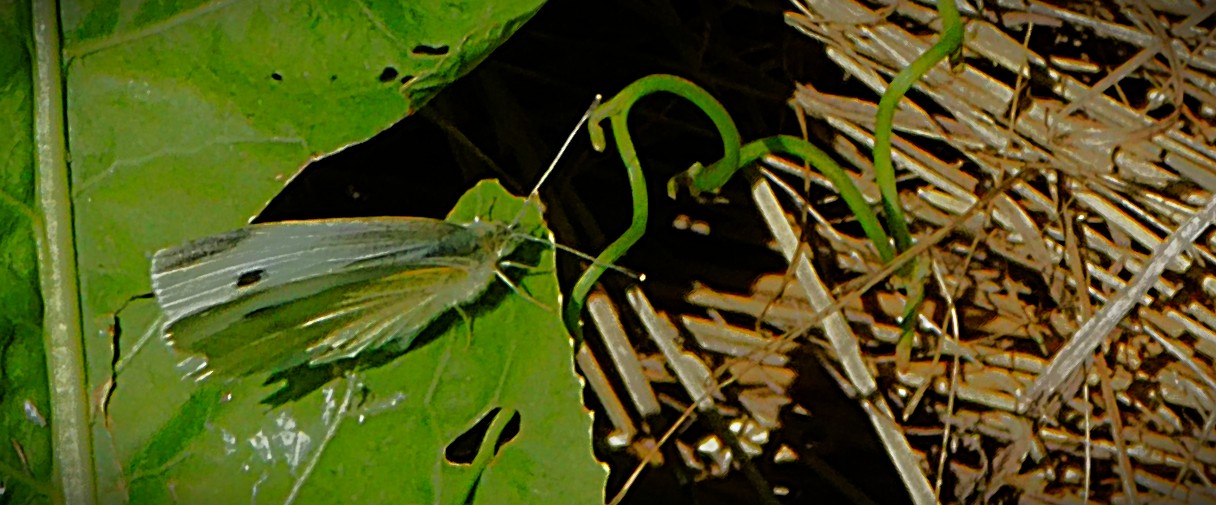
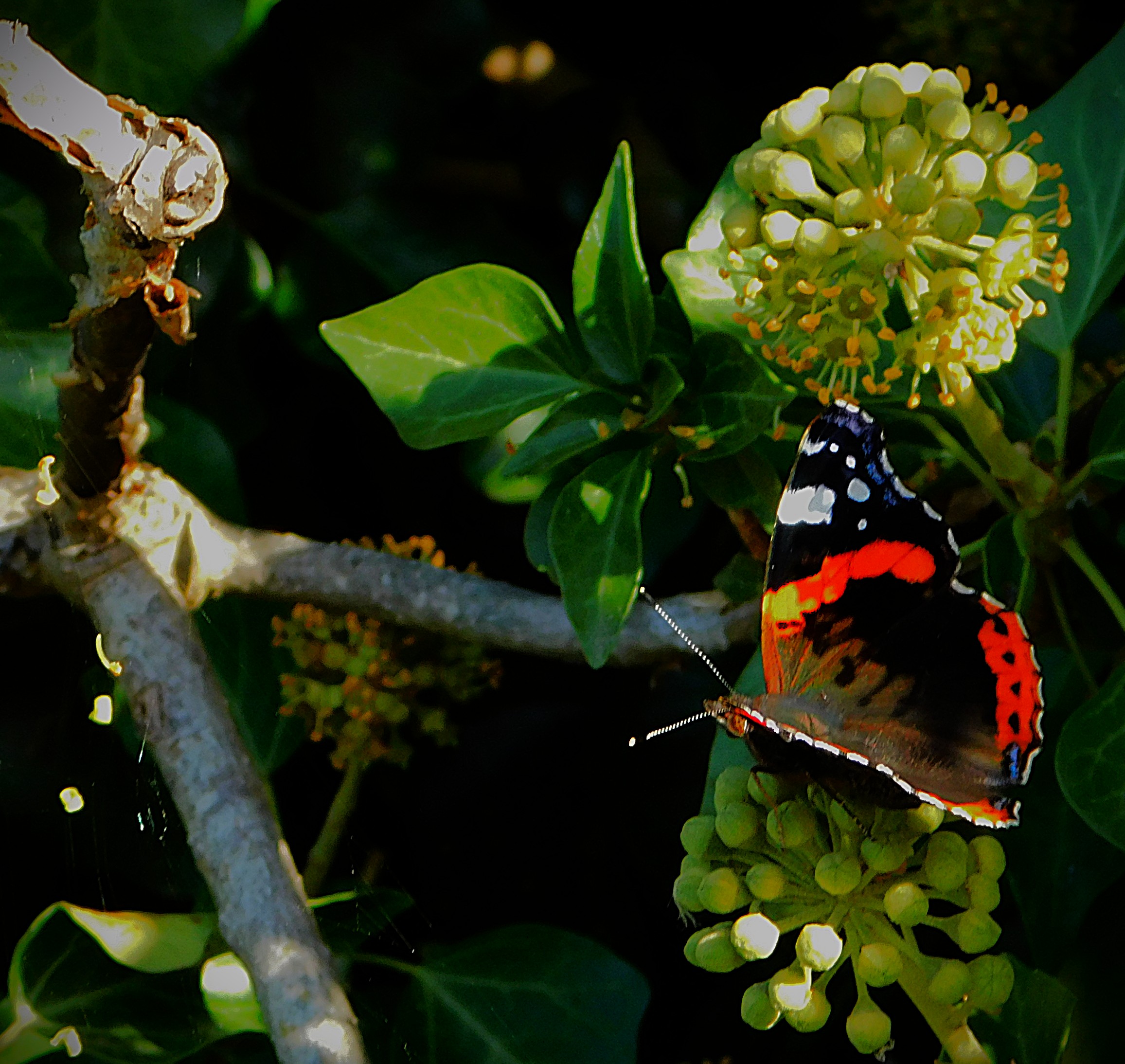
Even at the tail end of September there are still butterflies about – this one was in Kettlewell Lane park this morning.
A look at some sporting action on a packed Saturday and a photo gallery.
There has been a lot of excellent sport today. This post is my take on the best of the day.
CRICKET
Hampshire held out for half an hour, adding 12 runs along the way, before James Fuller nicked a ball from Rahul Chahar through to Ben Foakes to be out for 33. Hampshire thus lost by 20 runs, with the Indian leggie, who had never previously taken a five-for in first class cricket, finishing with 8-51. Poor batting accounted for most of the dismissals. It seemed at this stage that Hampshire were going to be relegated, since Yorkshire v Durham was headed for a draw. Then Durham started losing wickets at an alarming rate, and their apparent policy of batting time and not bothering much about runs came back to bite them. Durham actually managed to bat for 44.5 overs in that second innings of theirs. The problem was they only managed 85 runs, which when they were facing a deficit of 129 (346 plays 475 on first innings) was not nearly enough to save them. They lost by an innings and 44 runs, which meant that they ended the season with 144 points, one fewer than Hampshire. It was the second time in a decade that Hampshire had seemed down only for Durham to go down instead of them – in 2016 Hampshire actually ended the season in a relegation position, but financial misdeeds by Durham led to the northern county being relegated and hit with a heavy points deduction for the 2017 season. Although there was first class cricket being played deep into the afternoon, with Middlesex v Gloucestershire seeing the last action of the 2025 English season my focus was elsewhere by then.
RUGBY
At 4PM the final of the women’s rugby world cup got underway at a packed Twickenham. England, on home territory, faced off against Canada, who had beaten New Zealand to claim their place in the final. Canada struck the first blow, with Asia Hogan-Rochester scoring a try on five minutes. The conversion was missed. Three minutes later a magnificent run by Ellie Kildunne saw the outgoing World Player of the Year score under the posts, and Zoe Harrison was unerring with the conversion to put England ahead. England crossed twice more before half time, with Harrison converting both, and although Canada scored a penalty the half time score was 21-8. Amy Cokayne thought she had England’s fourth try and her second, but the score was disallowed for an infringement. England and Canada each scored once, with neither try being converted to make it 26-13. Then Alex Matthews scored her second of the game and Harrison converted, and with under ten minutes left on the clock England were 20 points clear and the match was as good as done. In the dying minutes Sadia Kabeya was named player of the match, which given the utter dominance of England’s pack, of which she was a key part, was no great surprise. The final score remained 33-13. The attendance was confirmed as 81,885, not only a record for a women’s rugby match by a huge margin, but a record for any day of women’s rugby, beating the previous mark, set at a ‘sevens’ event in Paris by over 20,000. Sophie de Goede of Canada was named as the new Player of the Year.
GOLF
This year’s Ryder Cup got underway yesterday at Bethpage Black course on Long Island, New York. Europe were the holders, and by the end of yesterday they had won both the foursomes and fourballs session and were ahead by 5.5 points to 2.5. They also won today’s foursomes, by 3 points to 1 to extend their lead to 8.5-3.5. The fourballs are currently underway, with Europe bossing the top match, marginally behind in the second and the the third and fourth matches currently level. Europe are already assured of a lead going into Sunday’s 12 singles matches, and the key number for them is 14 points out of 28, since as holders they retain the cup in the event of a tie.
PHOTOGRAPHS
My usual sign off…
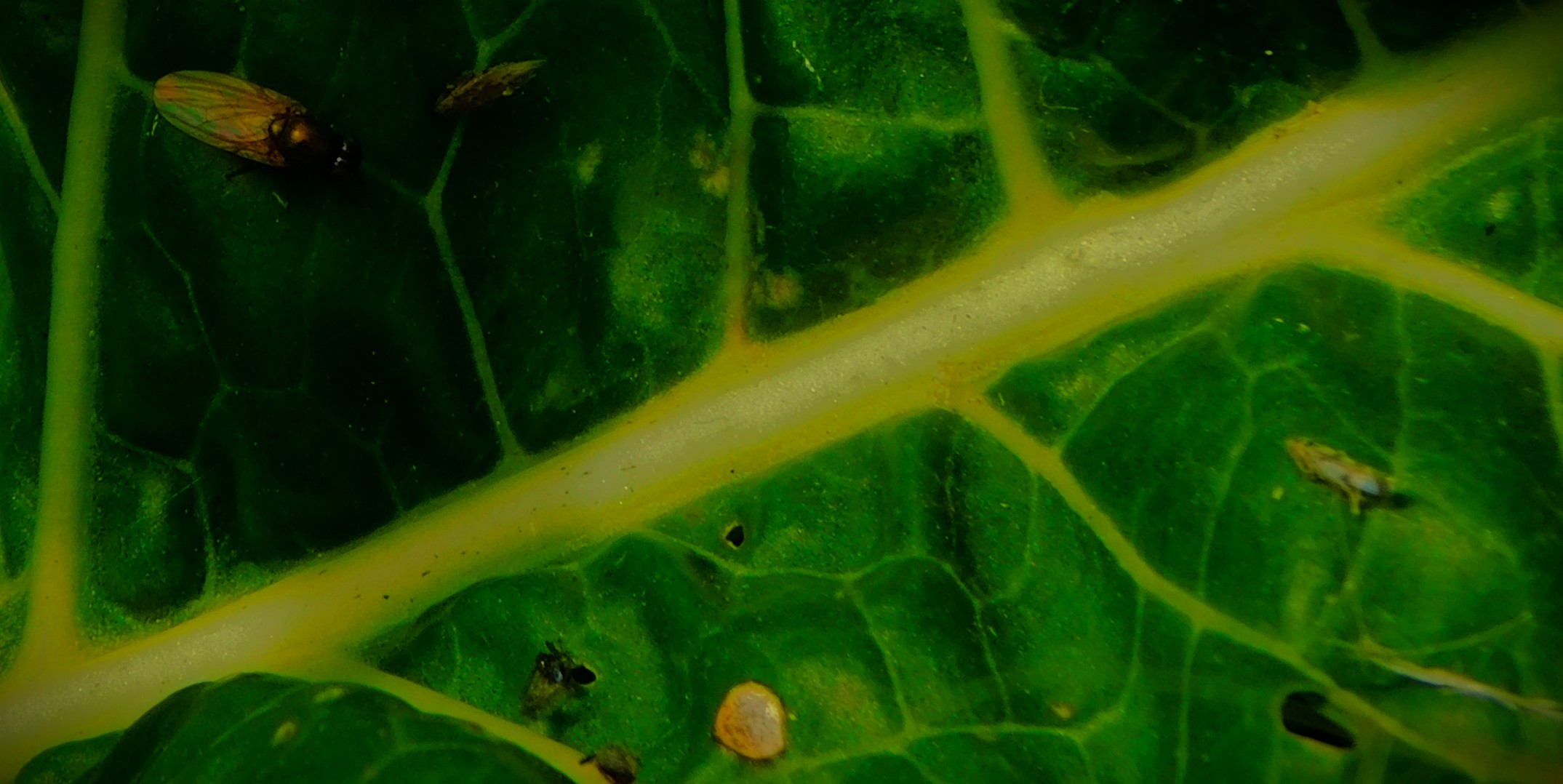
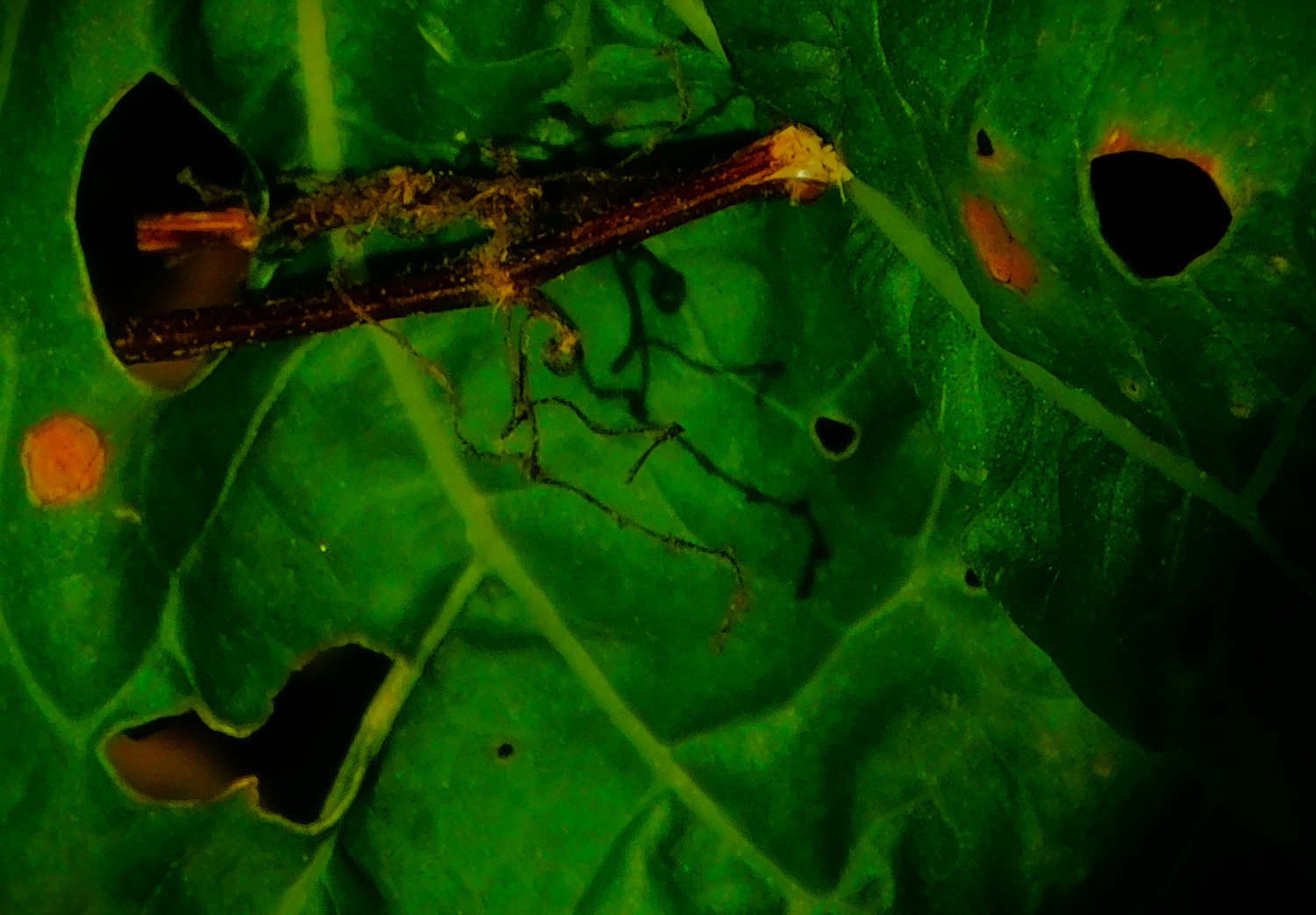
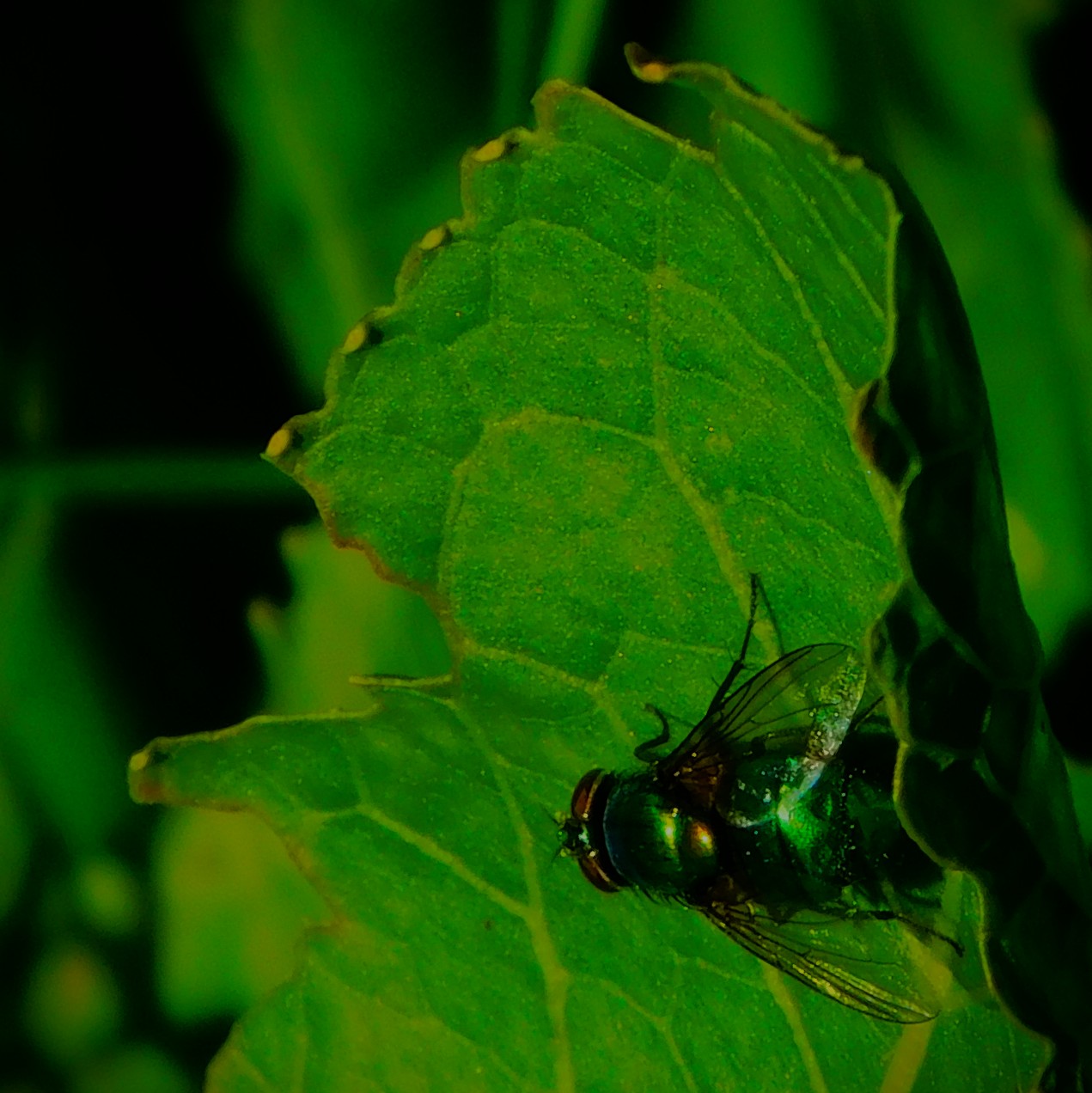
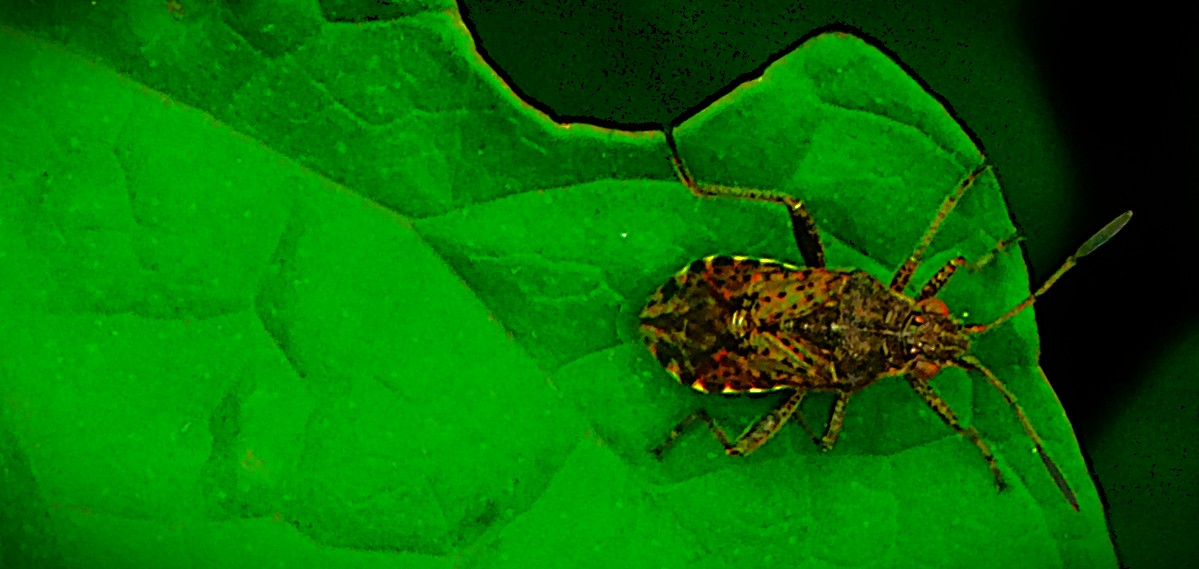
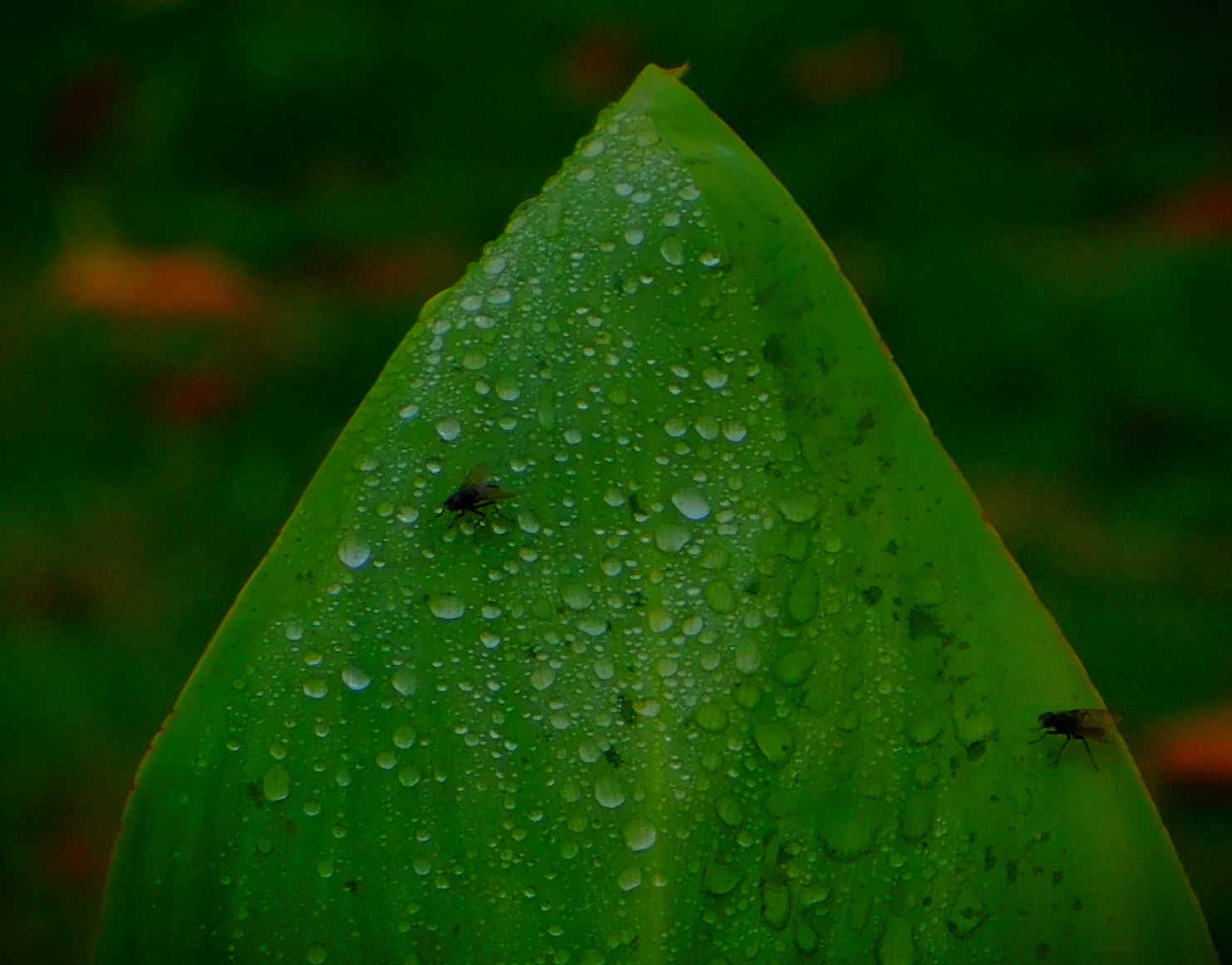
This Egret was at the edge of the Great Ouse, between the pontoon jetty and the lower Purfleet.A ‘compare and contrast’ picture – on the left is a ‘retro’ new build, and on the right an original.A shieldbug of some species or other on a green leaf (next pic is a close up)
Nottinghamshire sealing the County Championship in style, a game at Southampton that has become very interesting and some details about the relegation scrap. Also a photo gallery.
Nottinghamshire are officially confirmed as county champions. This post looks at just what is going on.
NOTTINGHAMSHIRE v WARIWCKSHIRE
Officially the title was sealed beyond dispute when Nottinghamshire passed 300 inside 110 overs against Warwickshire yesterday. I was at work and missed the moment, but I heard the clip of Dave Bracegirdle’s commentary. It is a great triumph for Haseeb Hameed as captain, and he has been excellent this season both in that capacity, where his decision making has attracted considerable admiration from many commentators, and in his role as opening batter where has contributed four centuries to the cause. Head coach Peter Moores, who has now overseen triumphs at three separate counties, and bowling coach Kevin Shine, who has been namechecked by a number of his grateful charges, also deserve credit. From reaching that 300 Nottinghamshire went on to 374, a first innings lead of 116. They then bowled Warwickshire out for 133 in their second innings (last night they started superbly, reducing Warwickshire to 7-3, with both openers and night watcher Ethan Bamber back in the hutch, and they clearly did not let up today). They completed the job without the loss of a wicket, and it was Hameed who set the seal on their season with a boundary to bring up the winning runs. Scorecard here. There had been a good moment at the start of the Warwickshire second innings when their opener Alex Davies, who overlapped with Hameed in their Lancashire days made a point of removing one batting glove and walking over to shake Hameed’s hand to congratulate him on his success. Nottinghamshire as of now have 225 points, their over rate has not been bad enough to be punished, and the Trent Bridge pitch will not be docked points either, so they will be champions by a big margin. Exactly how big will be decided at Southampton…
HAMPSHIRE v SURREY
Hampshire have largely had the better of this match, with Surrey weakened by a combination of the ECB and the illness which has temporarily deprived them of Jordan Clark. However 17 year old Ralphie Albert on his first class debut scored a fighting 63 to help Surrey to 281 in their second innings, leaving Hampshire to score 181 to win. At 61-0 it was looking comfortable, but then things started to happen. By the tea interval Hampshire were six wickets down, four to Indian leg spinner Rahul Chahar and two to part time off spinner Dan Lawrence. Since the interval Chahar has been donated his fifth scalp of the innings, that of his compatriot Washington Sundar who played a wild drive, edged and was well taken at slip by Rory Burns. Hampshire as I type are 118-7 needing 63 to win. The eyes of Durham (especially them given the situation at Headingley and in the table) and Yorkshire will be on this – if the collapse continues and Surrey win the two northern counties will merely need a draw for both of them to stay up and Hampshire to go down, while a win for Hampshire would mean that Durham would have to engineer a win to stay up, sending Yorkshire down. Scott Currie has just fallen LBW, giving Chahar his sixth scalp and making it 121-8, 60 still needed.
PHOTOGRAPHS
My usual sign-off…
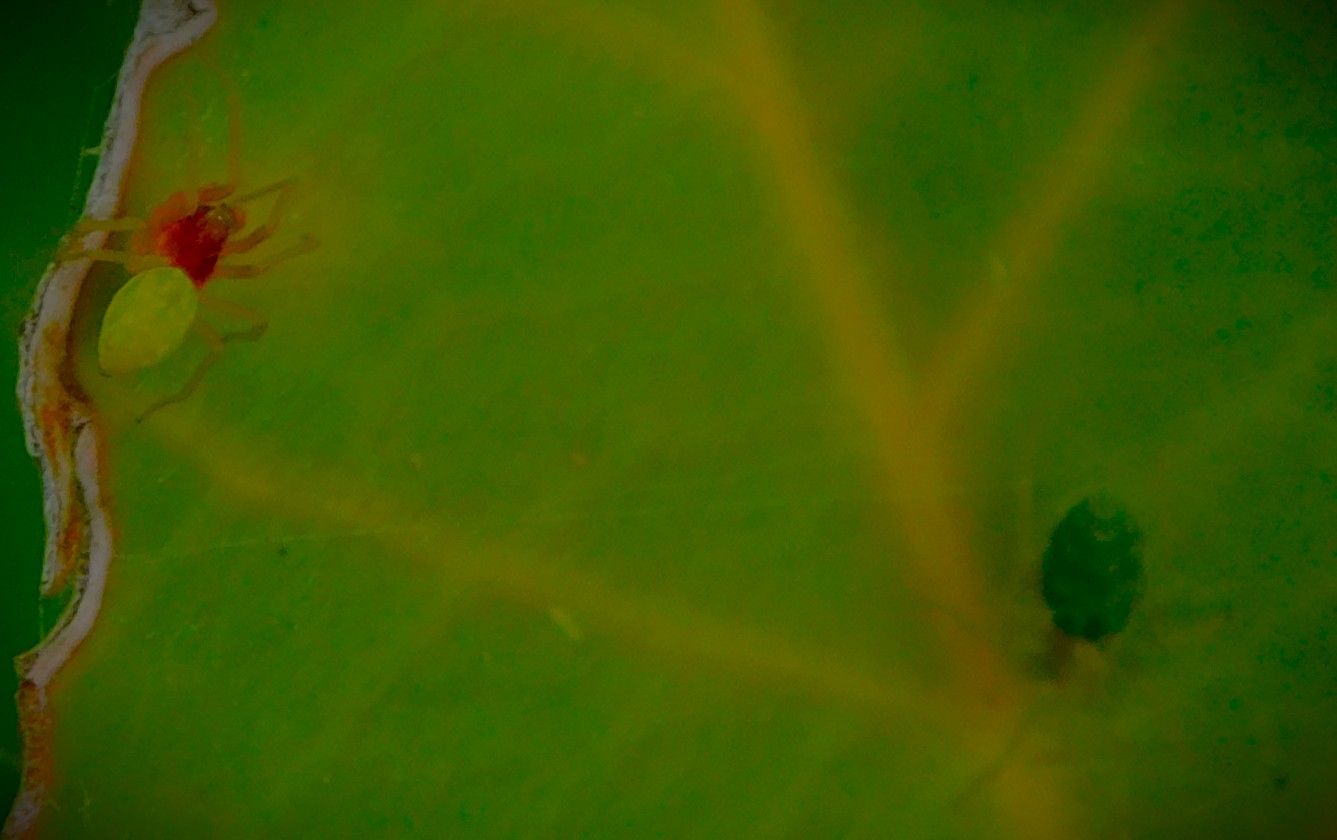
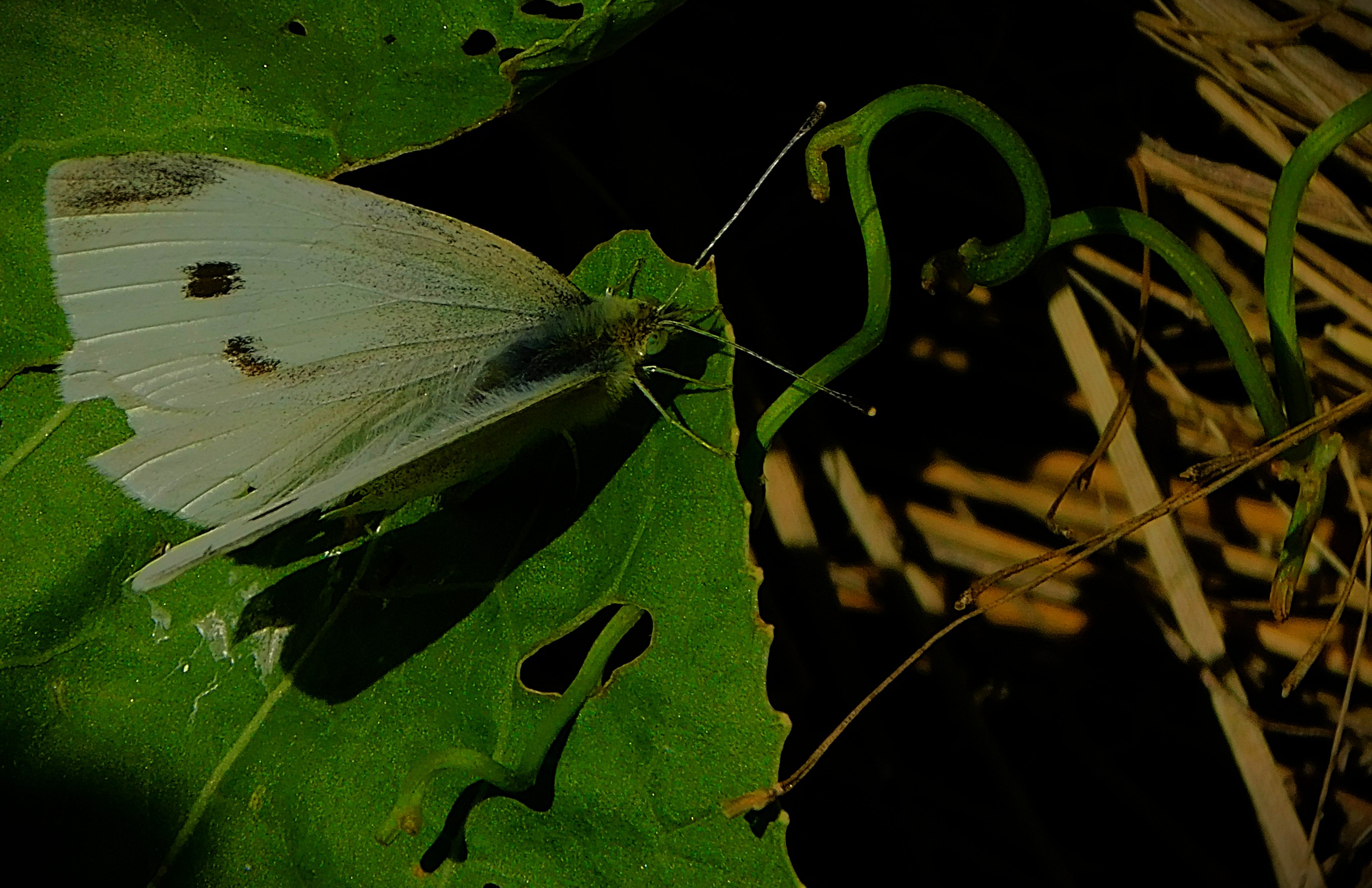
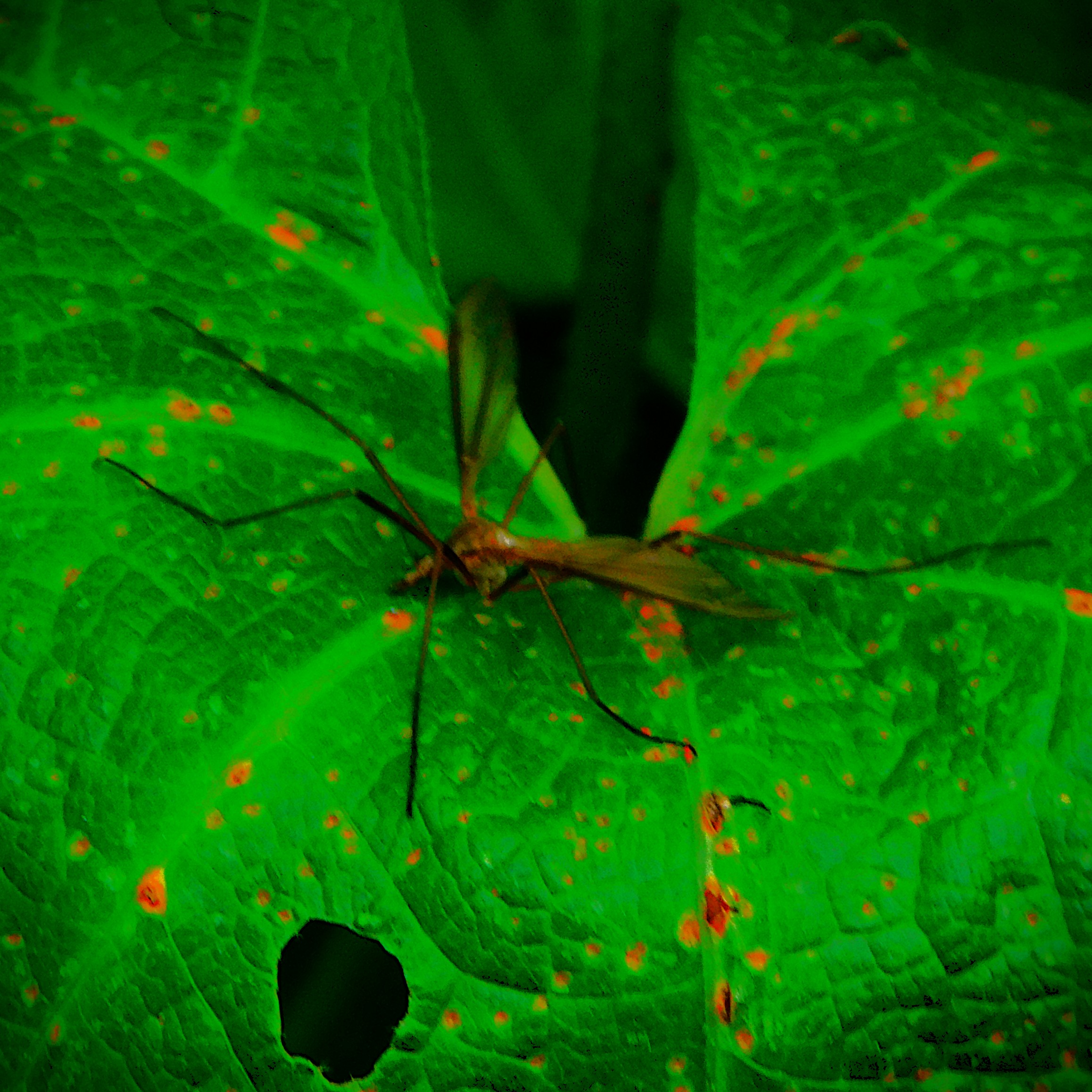
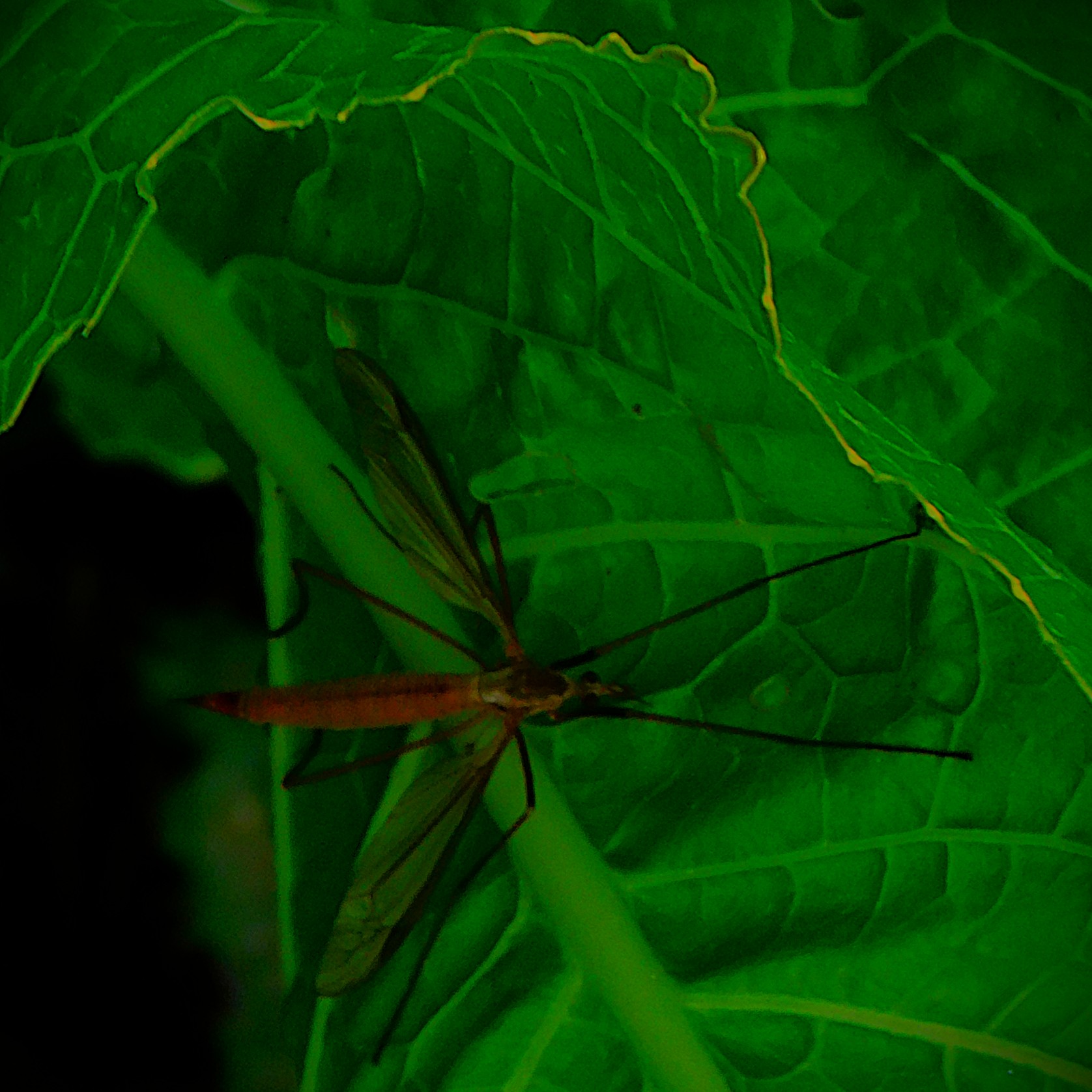
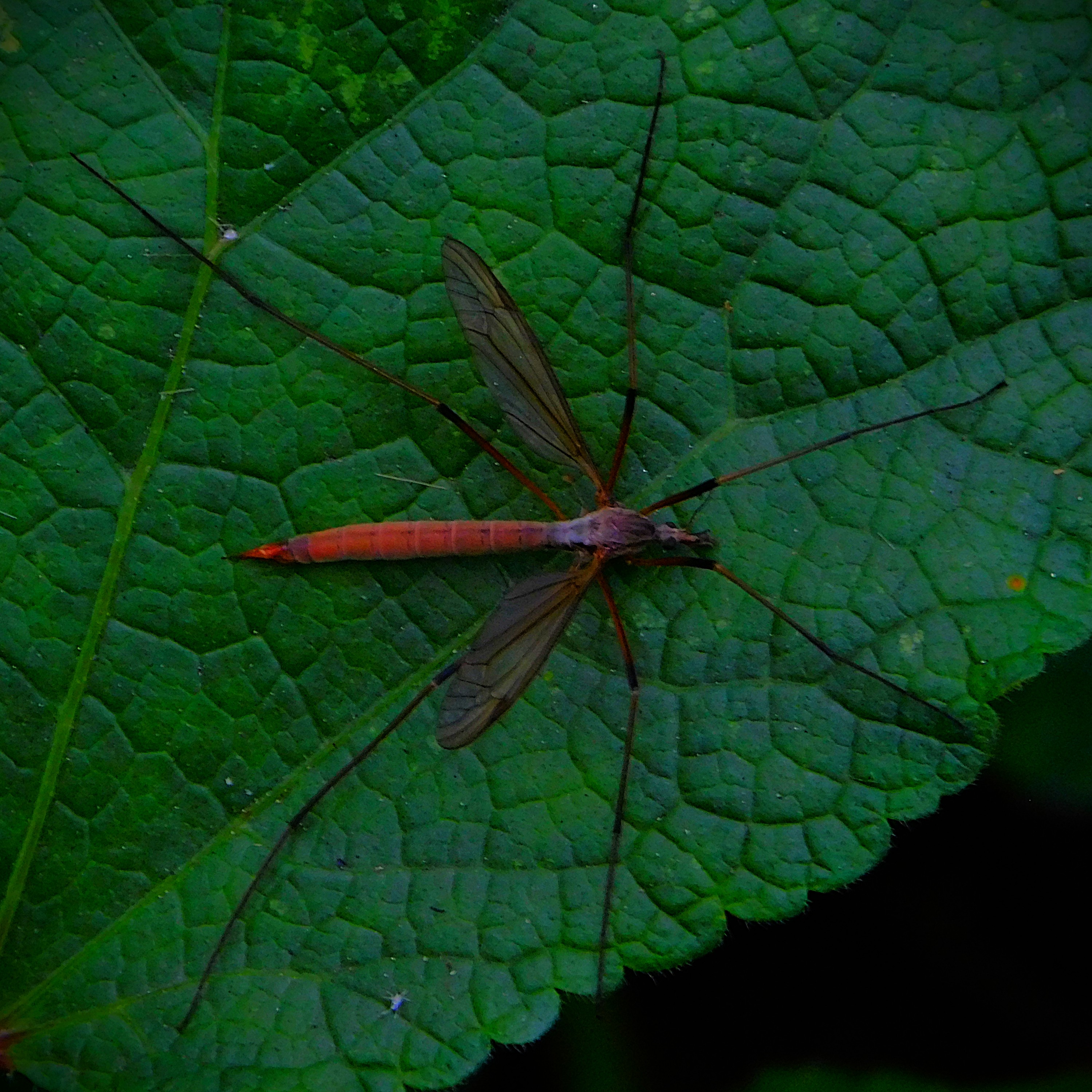
This Painted Lady was a candidate for the feature image at the time I photographed it (yesterday morning)……it was displaced in the pecking order by this remarkable insect find (yesterday early evening on the walk home from QEH, where I had chosen to get off the bus back from Fakenham)This annoyed me, as I had to walk round behind it (and the cab was empty, so in any meaningful sense of the word it was parked) due to the road being too busy and dangerous to walk round the front.A red bodied cranefly on a green leaf (three pictures)A less spectacular crane fly standing out strongly from the white wall against which it was resting.
A look at developments on day one of the final round of fixtures in the 2025 County Championship and a photo gallery.
Today is the opening day of the last round of matches in the 2025 county championship. Surrey are playing at Southampton against relegation threatened Hampshire (it has finally been confirmed with one match to play that they system will not be changing next year, so promotion and relegation will be happening), while Nottinghamshire are at home to Warwickshire. Nottinghamshire started the day needing 11 points from their match to make certain of the title (as I make clear in this post they should already be safe). This post looks at what has happened so far.
AT SOUTHAMPTON
Surrey won the toss, chose to bat and batted horribly. They lost wickets early, and never really stopped the rot, ending up all out for a miserable 147, 103 runs short of even a first batting bonus point, thereby reducing the ask for Nottinghamshire from 11 points to six. Hampshire’s reply to date has been a microcosm of their season with the bat – all of the top three got in, and all got out when seemingly well set. Only Ali Orr, who fell to a catch down the leg side by Foakes deserves even a hint of sympathy – both Nick Gubbins and Fletcha Middleton played poor shots, giving part time spinner Dan Lawrence their wickets. Surrey’s awful effort with the bat means that Hampshire are still in control, currently 120-3 in reply to that measly 147 by Surrey. Surrey, with a number of players unavailable by order of the ECB gave a first class debut to 17 year old Ralphie Albert, one of whose grandfathers, snooker legend Jimmy White, knew a thing or two about scores of 147. Ralphie Albert, apparently no relation of Hampshire’s Toby Albert, bats right handed and bowls left arm orthodox spin.
AT NOTTINGHAM
Nottinghamshire started well, and soon had their first bowling point on the board. At 127-5 it looked like a second was on the cards with Surrey missing out on any batting points. However, two all rounders, Ed Barnard and Dan Mousley have baulked Nottinghamshire since then, putting on an unbroken 83. Thus Nottinghamshire still need five more points to win, and the overs situation, seemingly totally irrelevant when the fifth wicket fell, is now just appearing on the horizon – Nottinghamshire have 39 overs left to get the four wickets that would give them a full haul of bowling points, which is still favourable to them, but means that it is not impossible that they will be denied. However whatever happens in the rest of the Warwickshire innings Nottinghamshire will go into bat with their destiny in their own hands, and a chance to settle it in that innings.
PHOTOGRAPHS
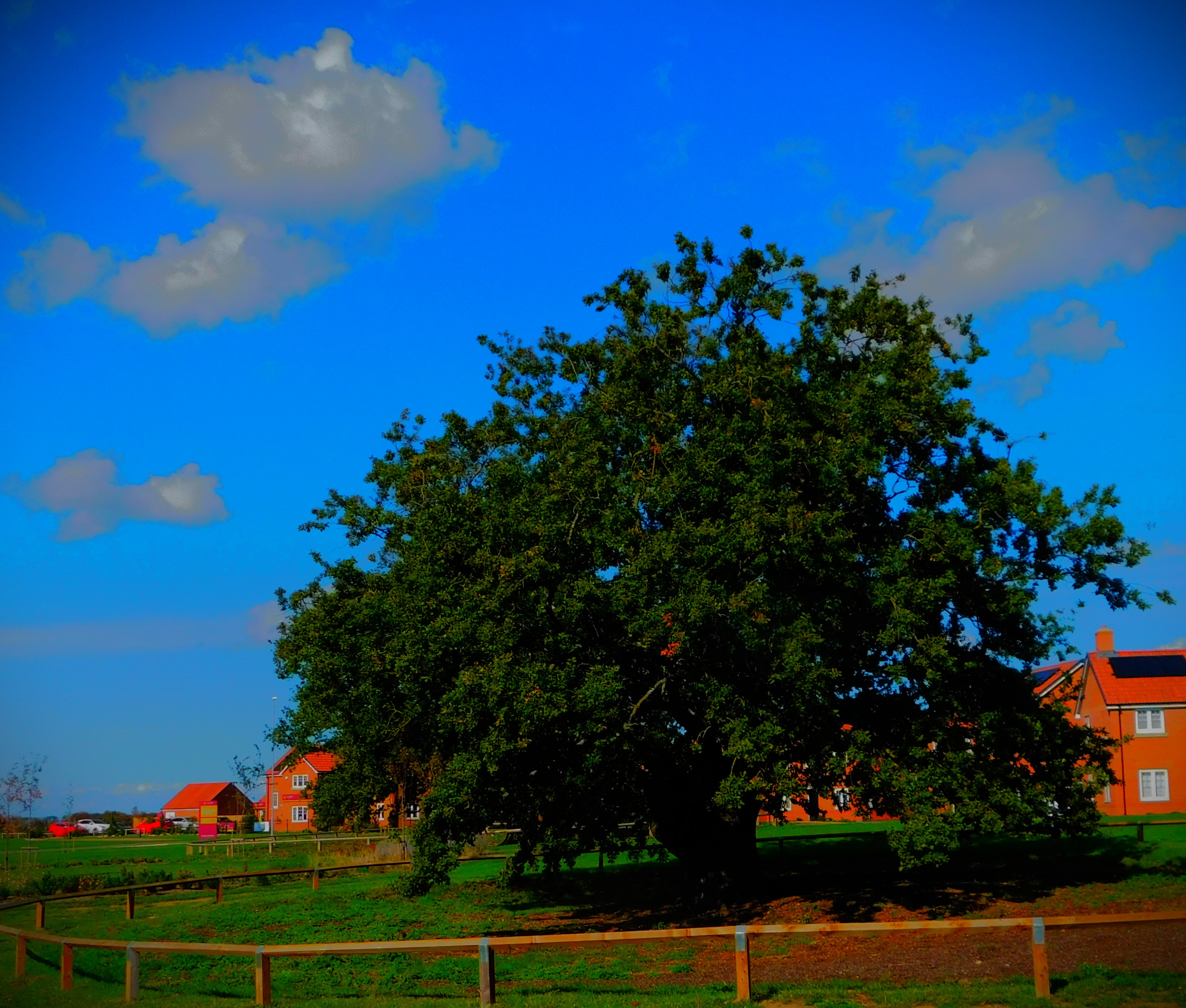
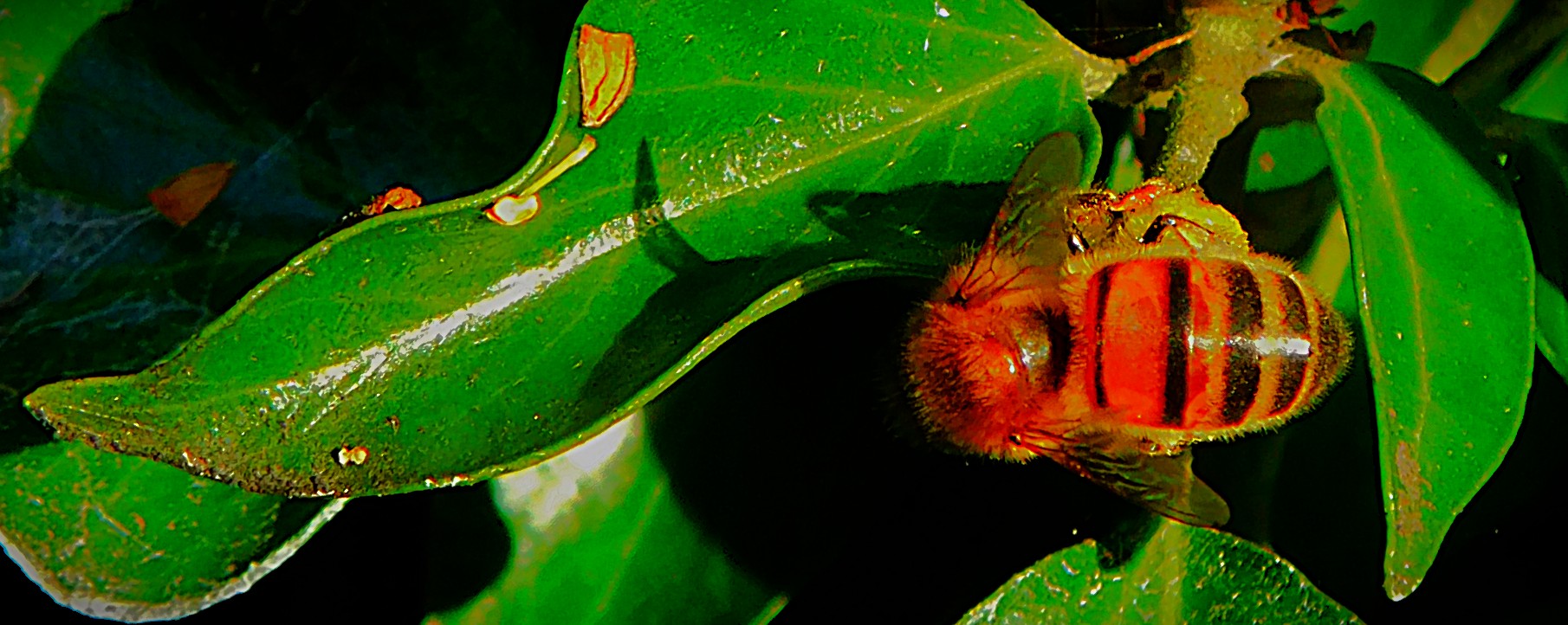
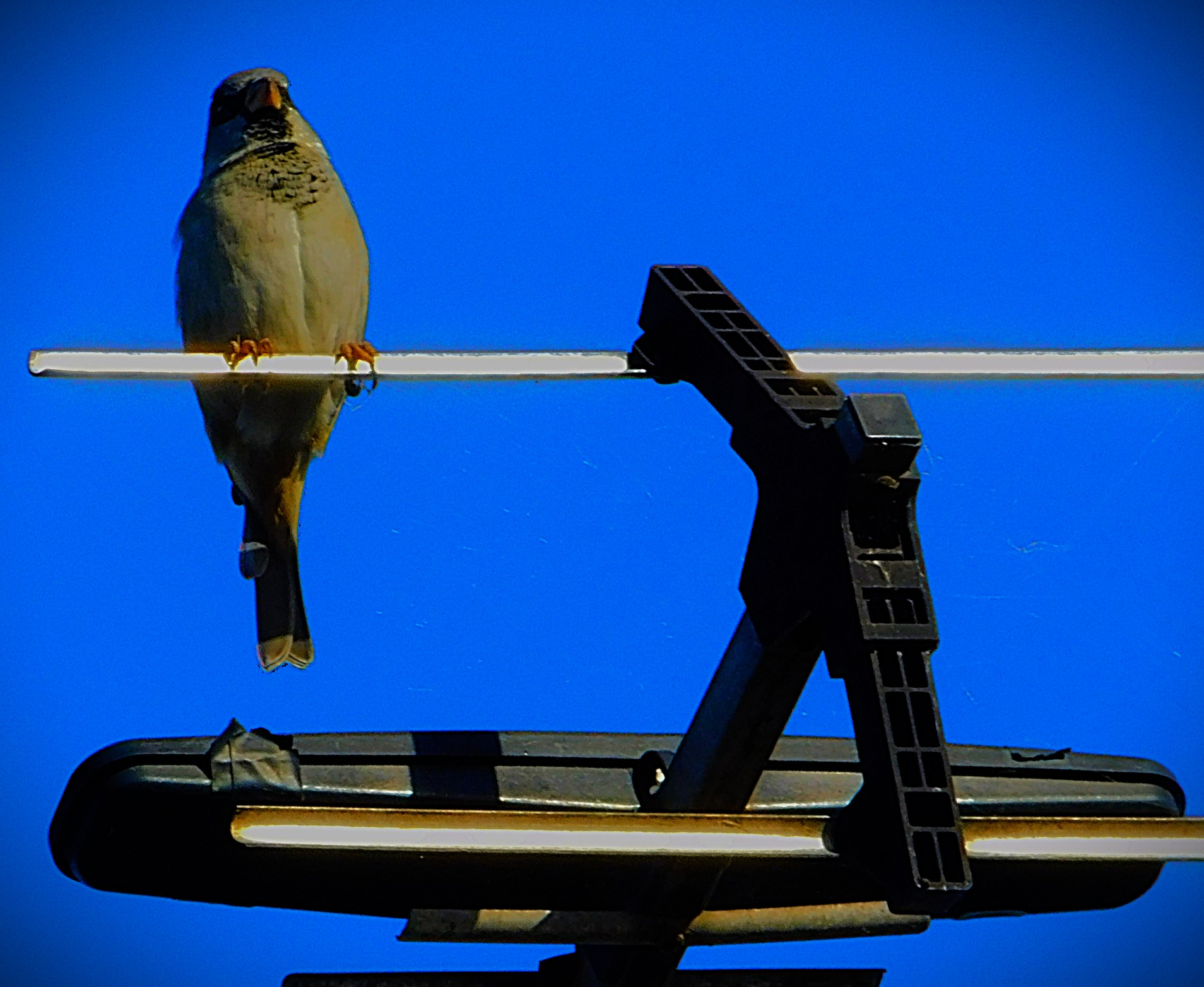
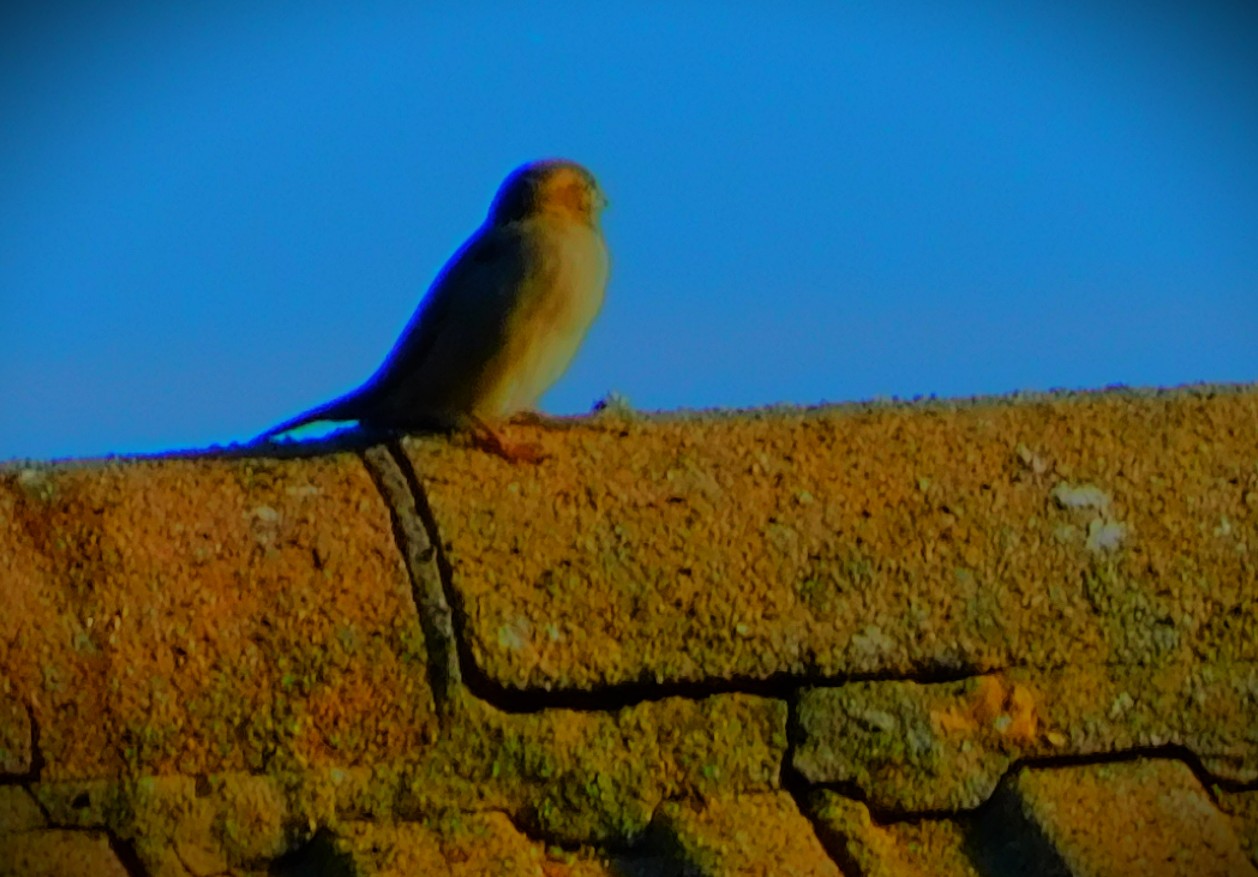
A malfunctioning memory card that could only be saved by reformatting it cost me a lot of pictures, but fortune favoured me thereafter and I do have a proper gallery to share…
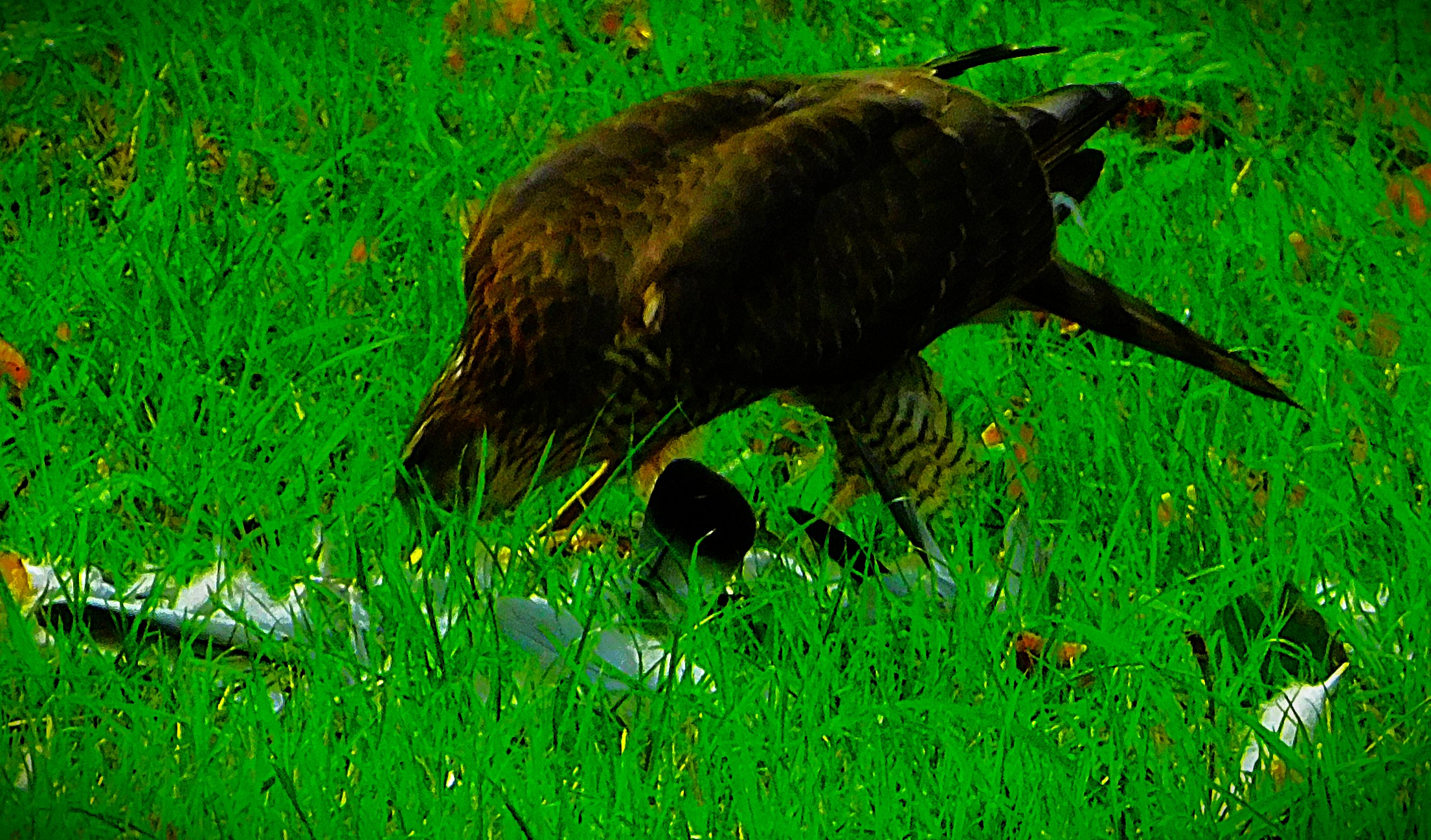
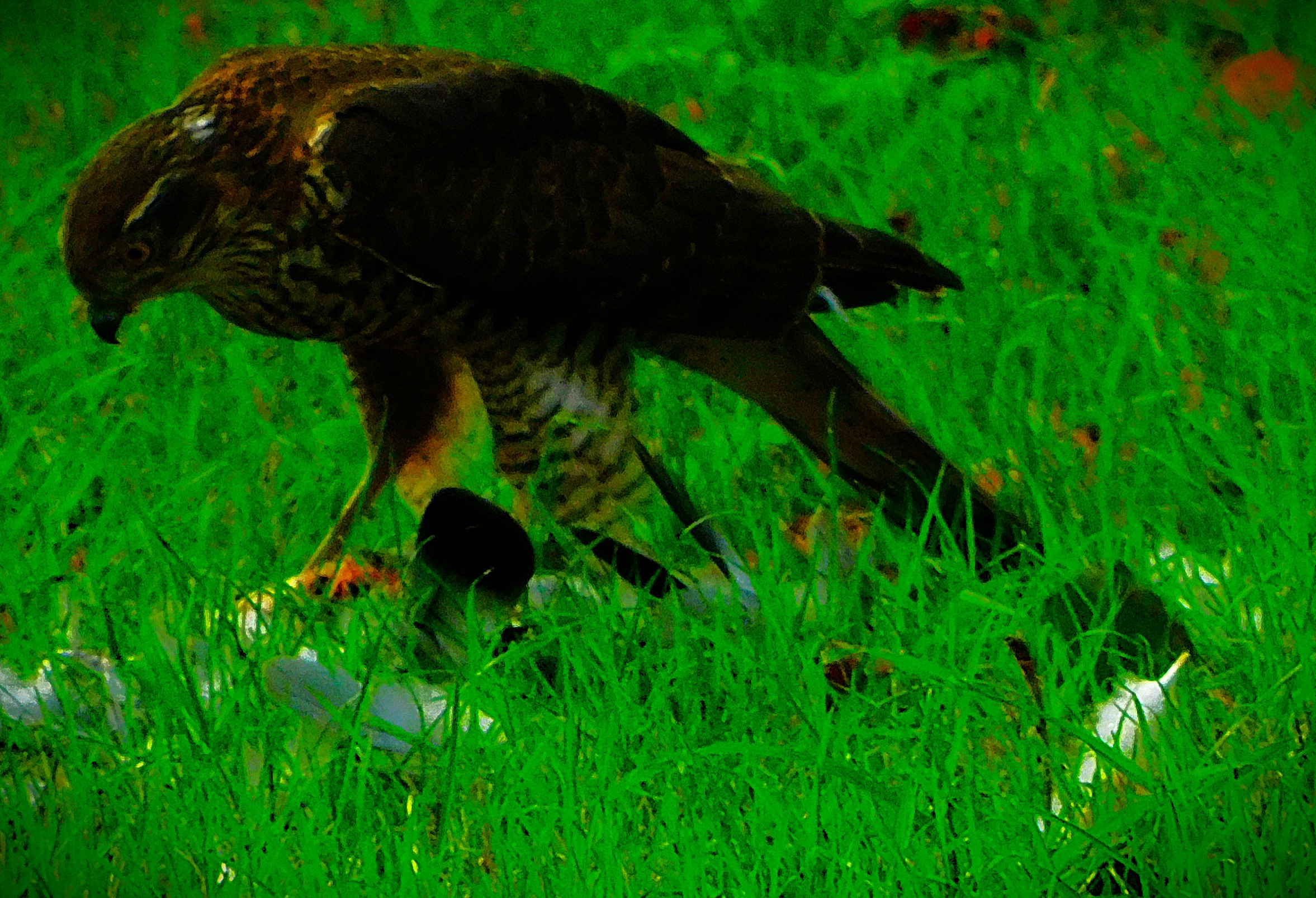
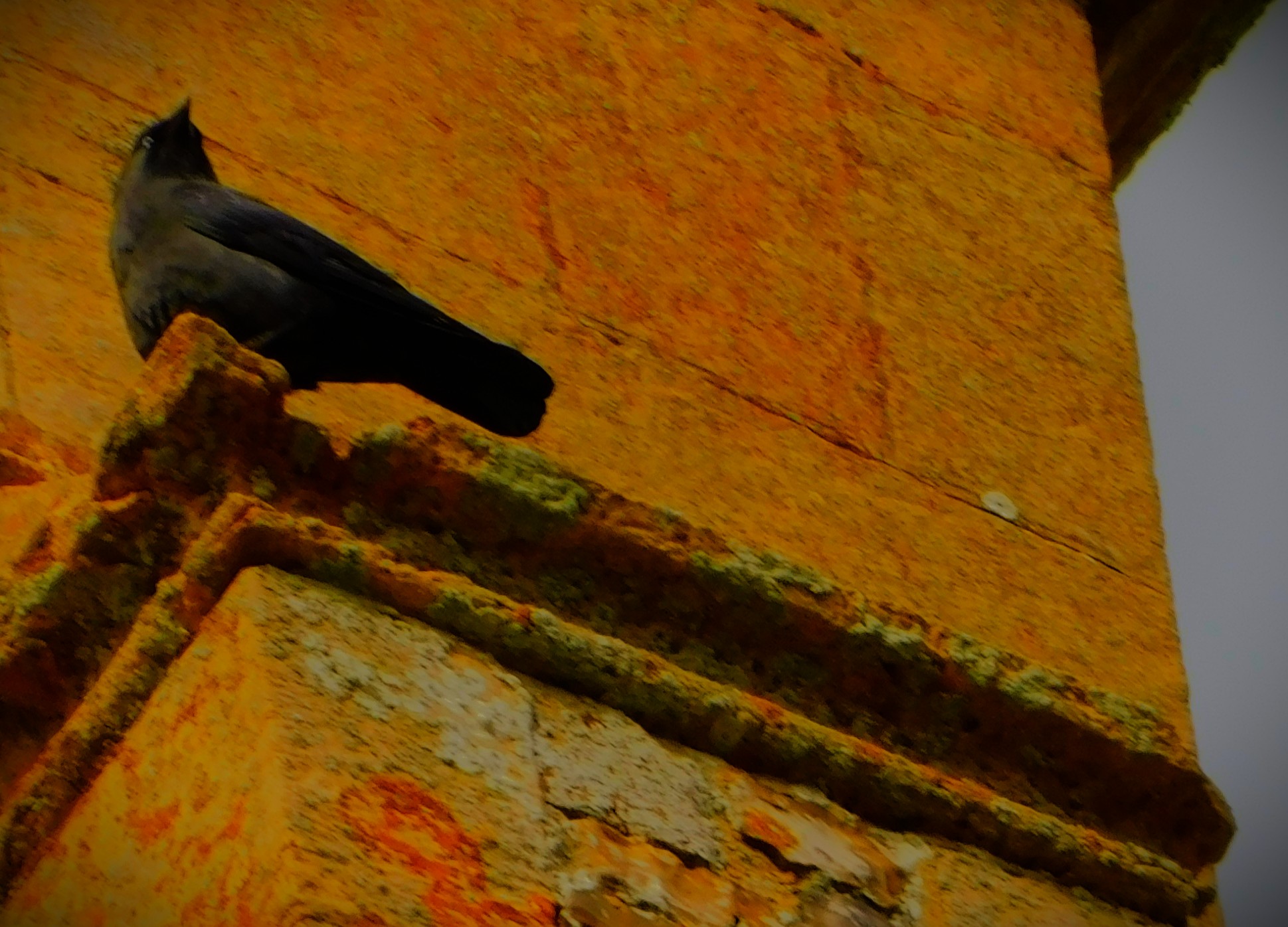
I was passing through St Peter’s Garden outside the church of St Peter and St Paul, Fakenham when someone spotted the camera and kindly told me about a Peregrine Falcon that was currently eating a pigeon on the far side of the garden. This picture and the next two resulted.












































































































































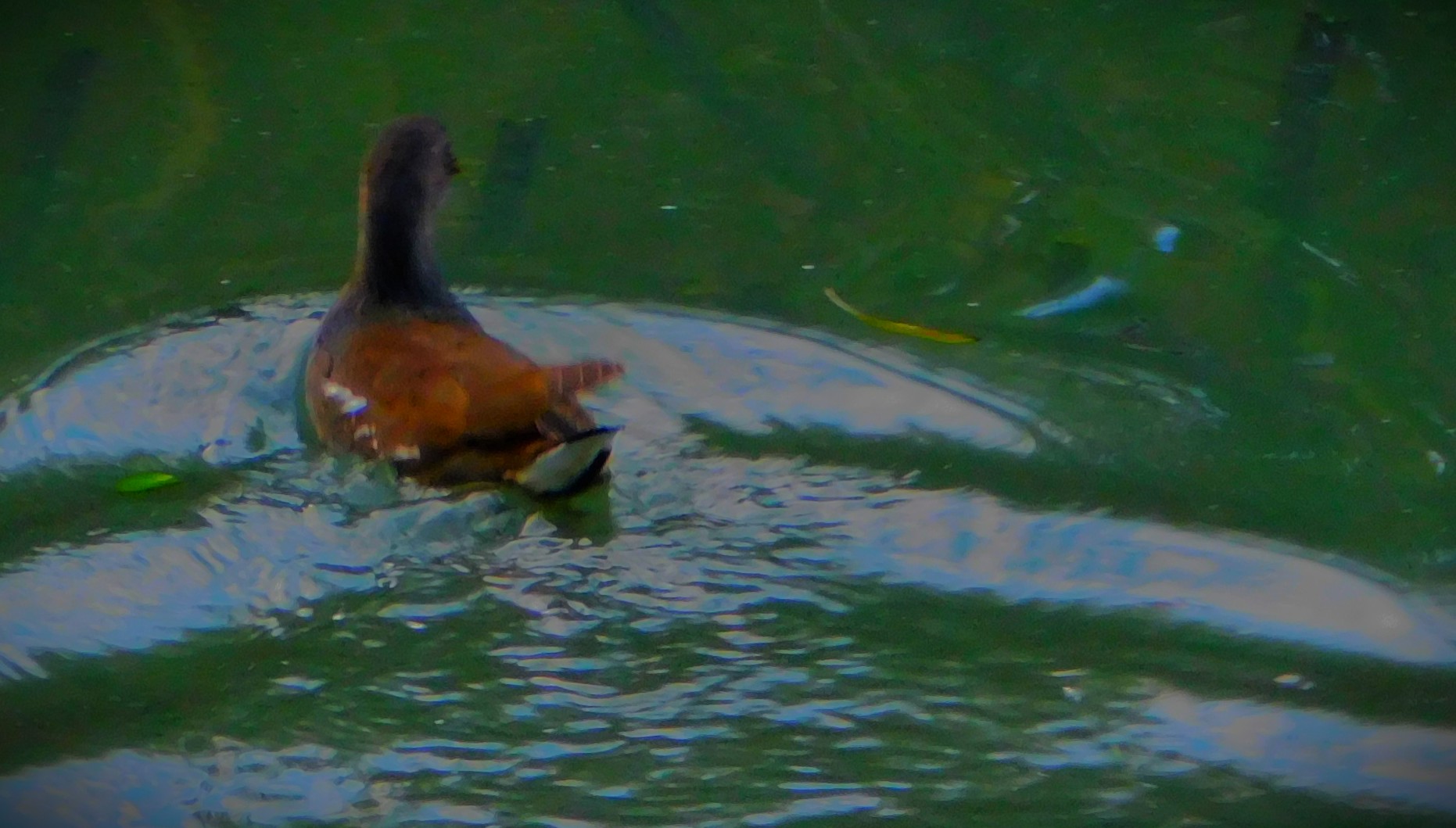








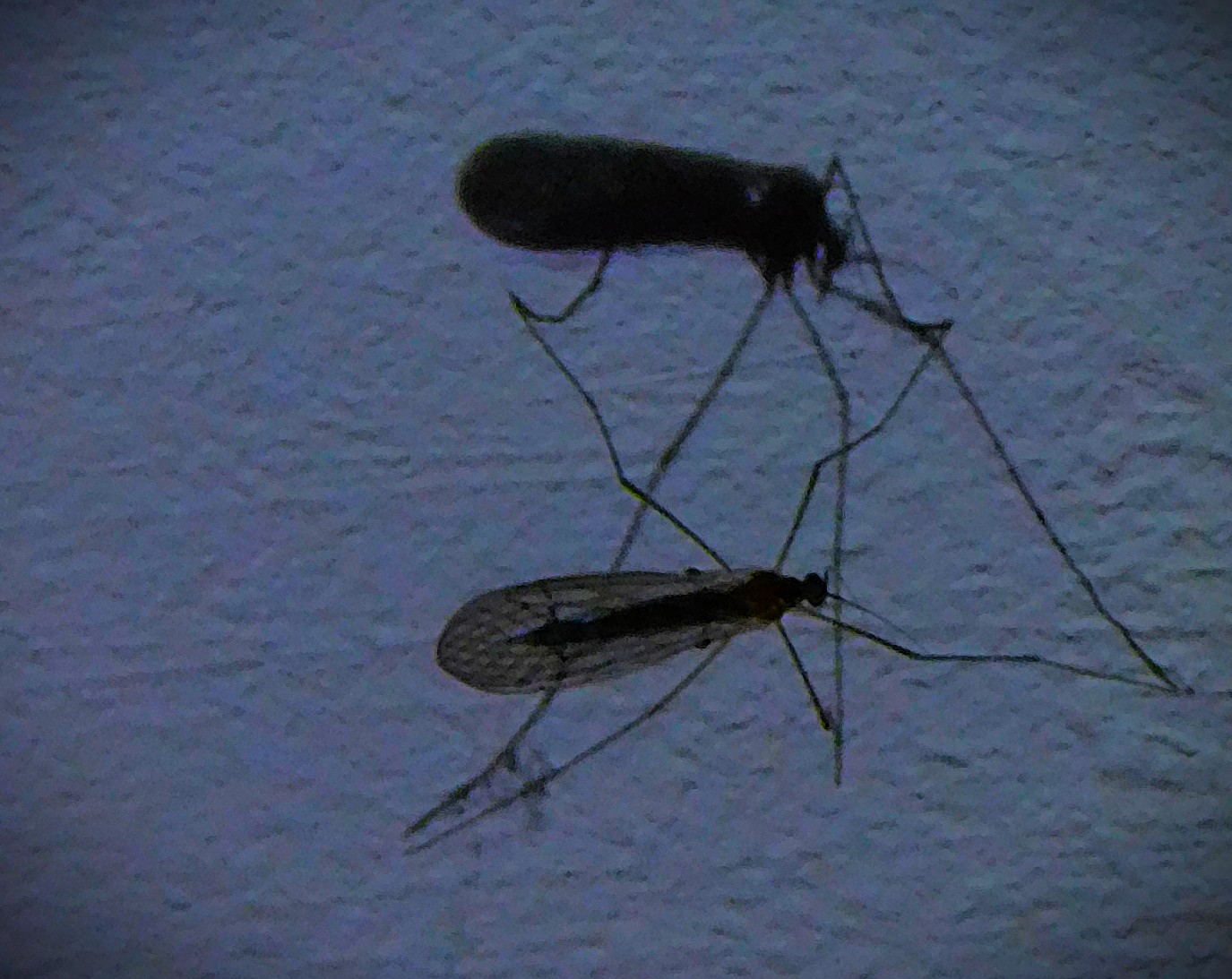










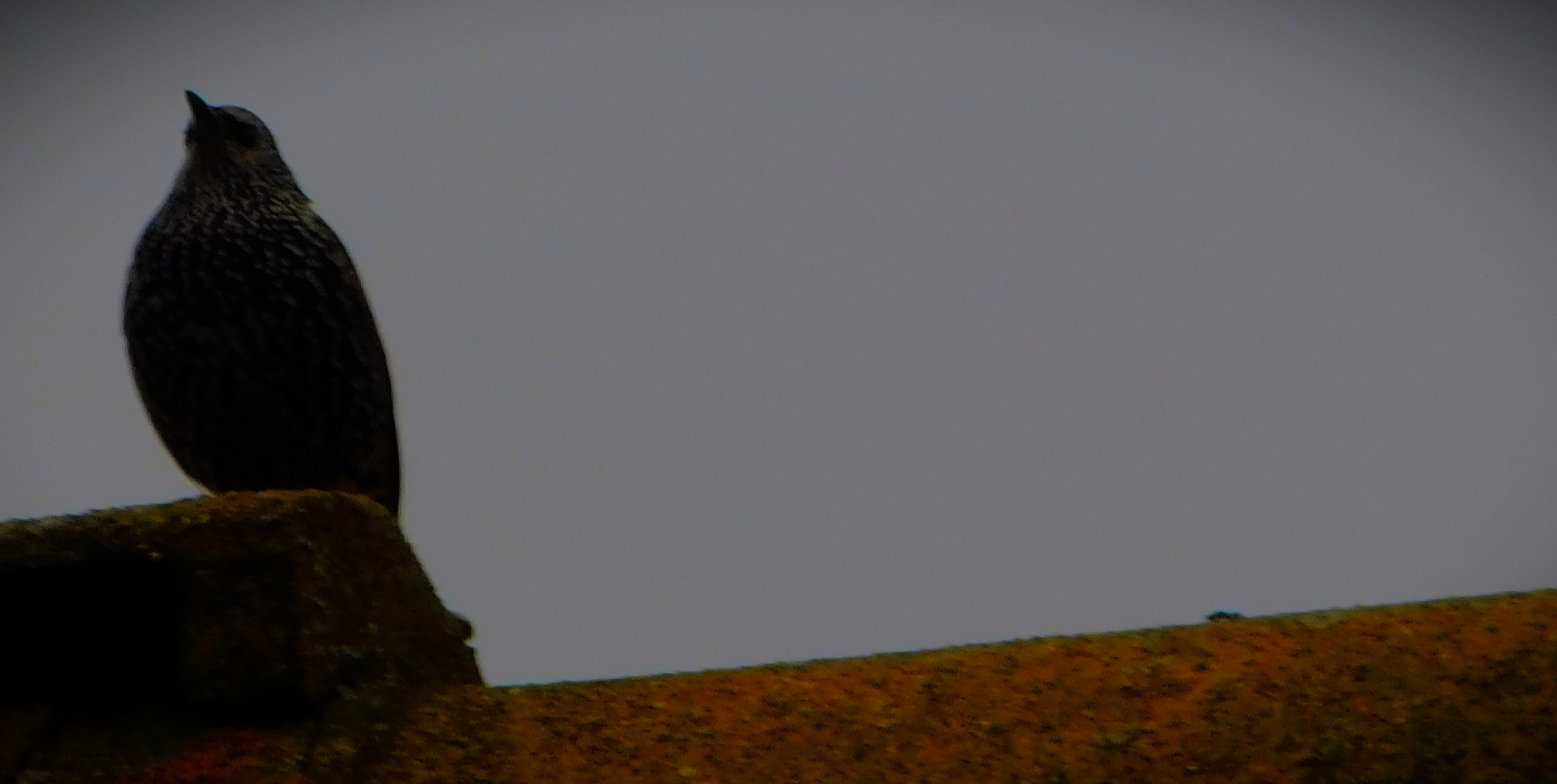
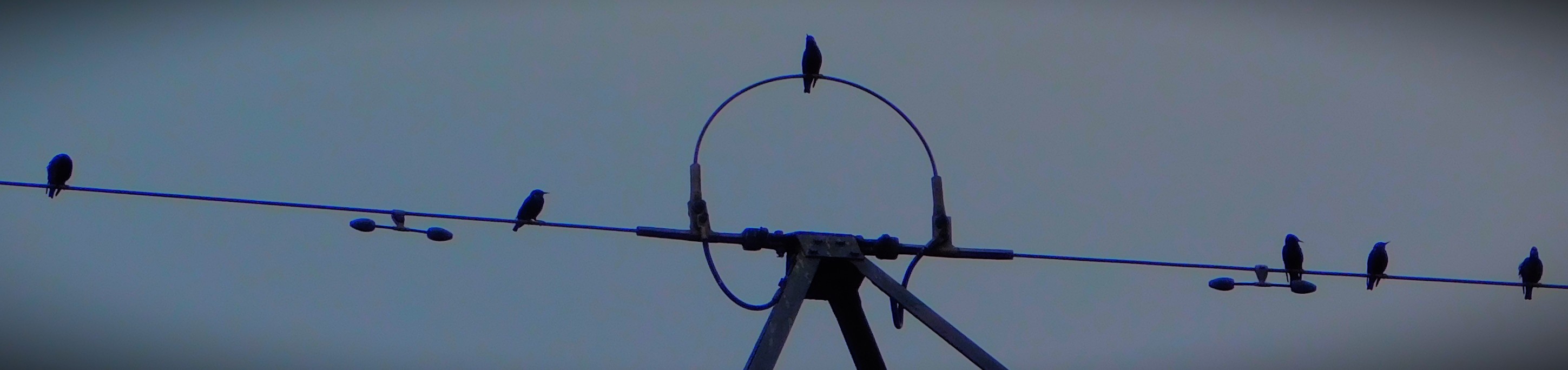
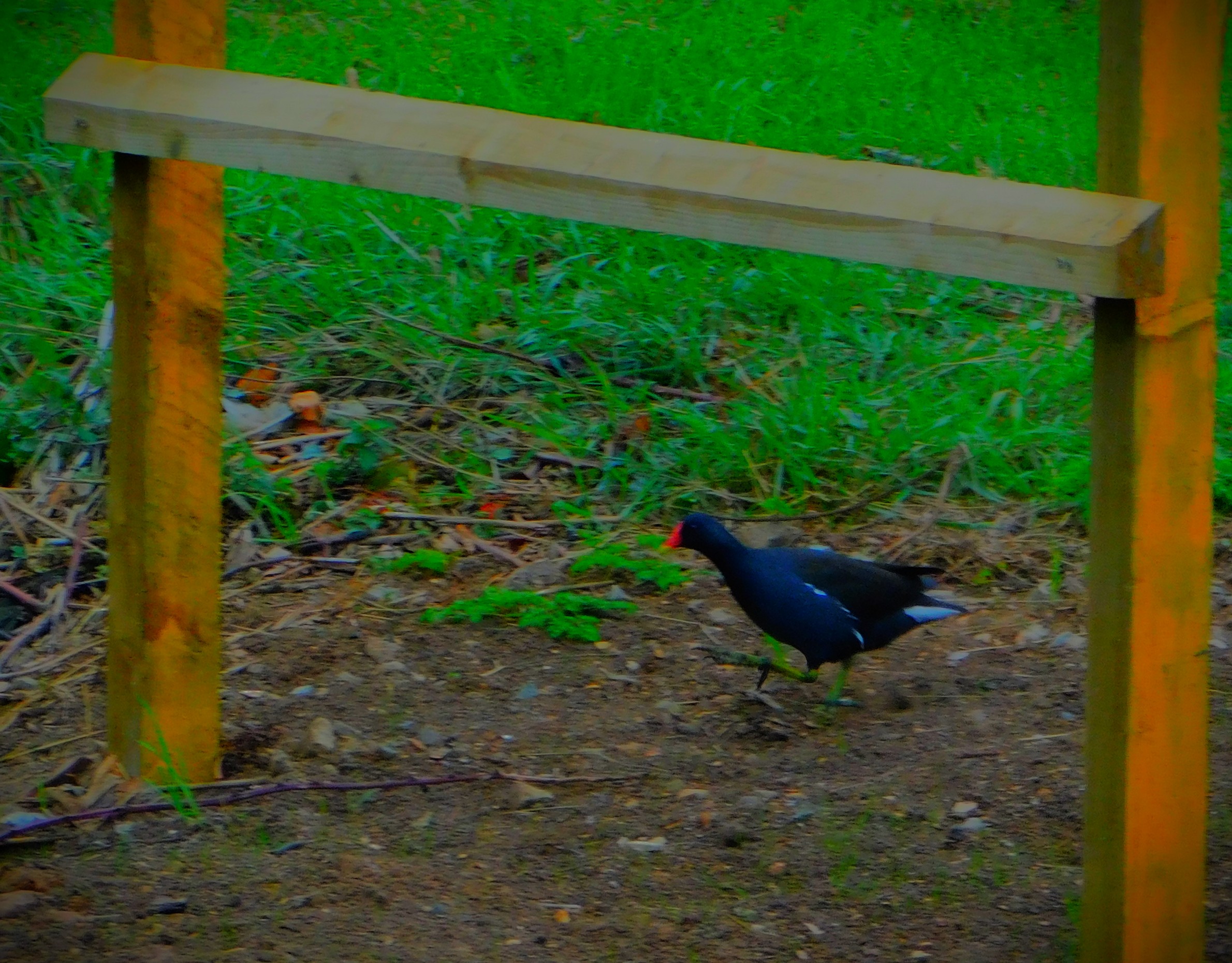


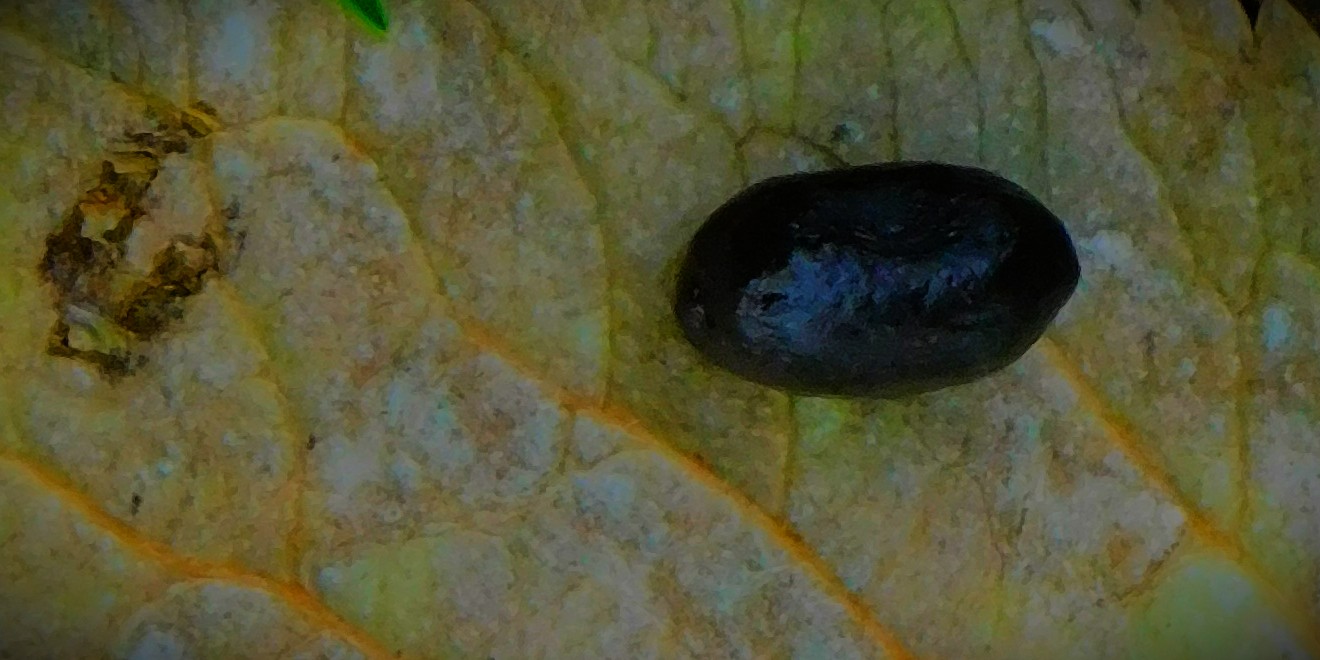
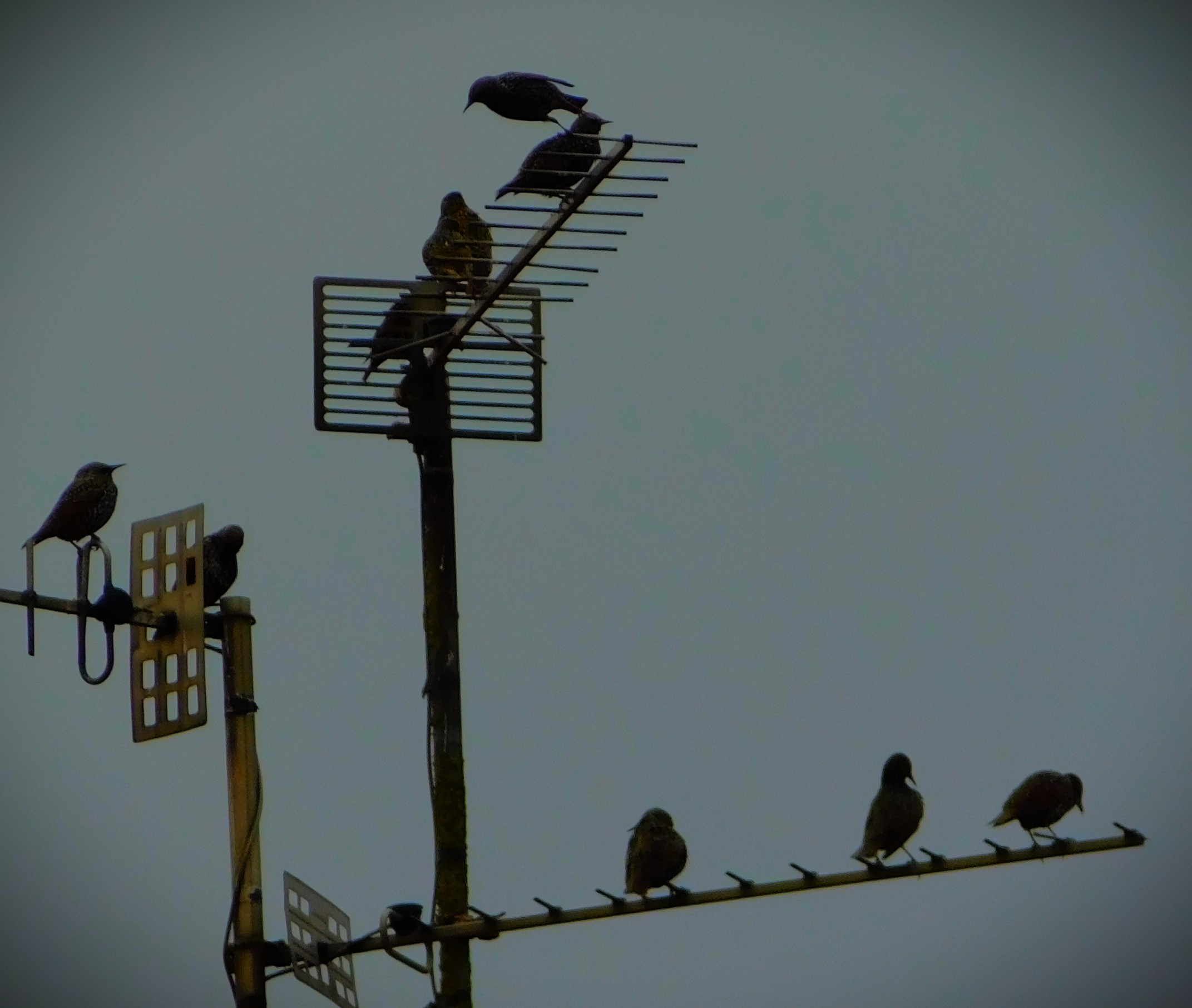












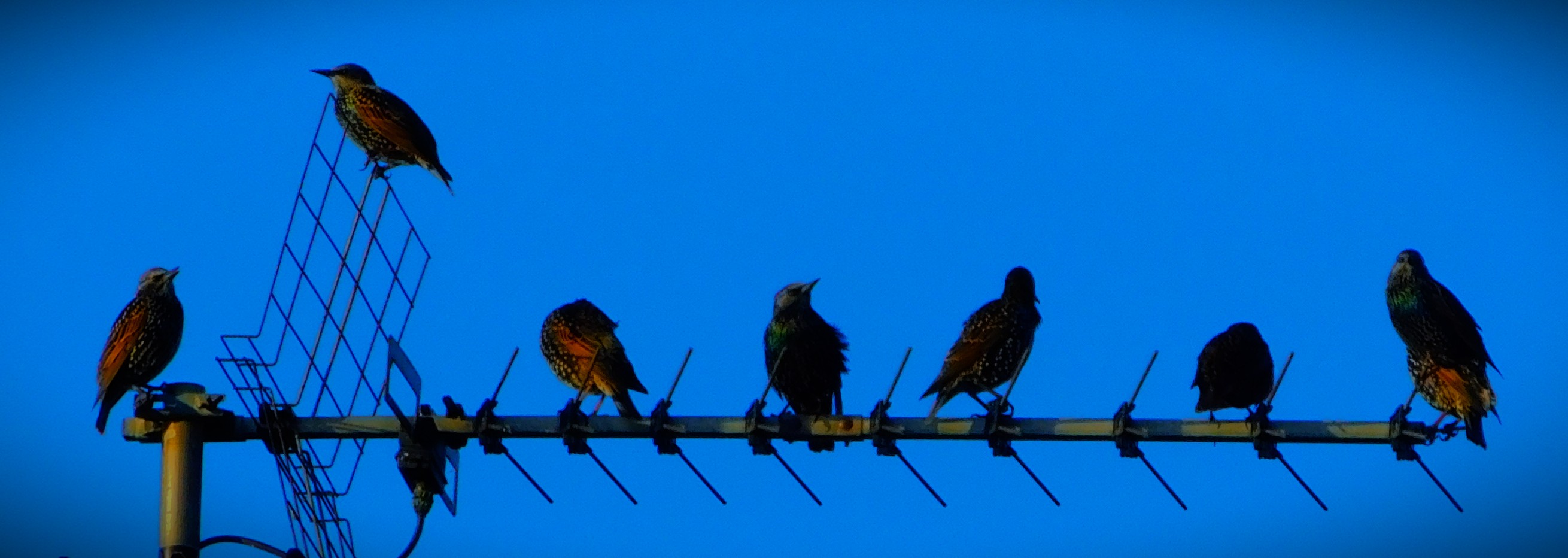



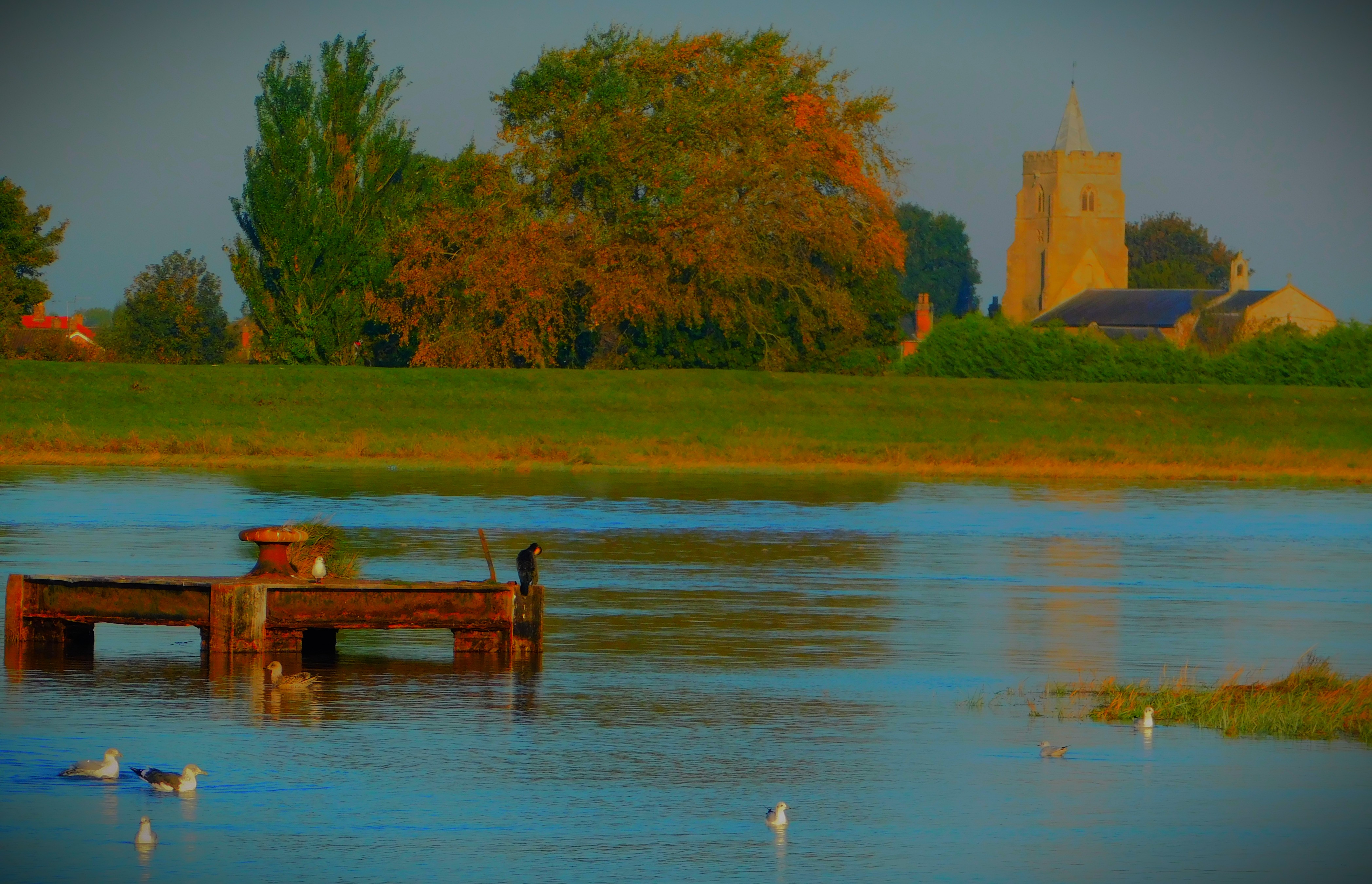










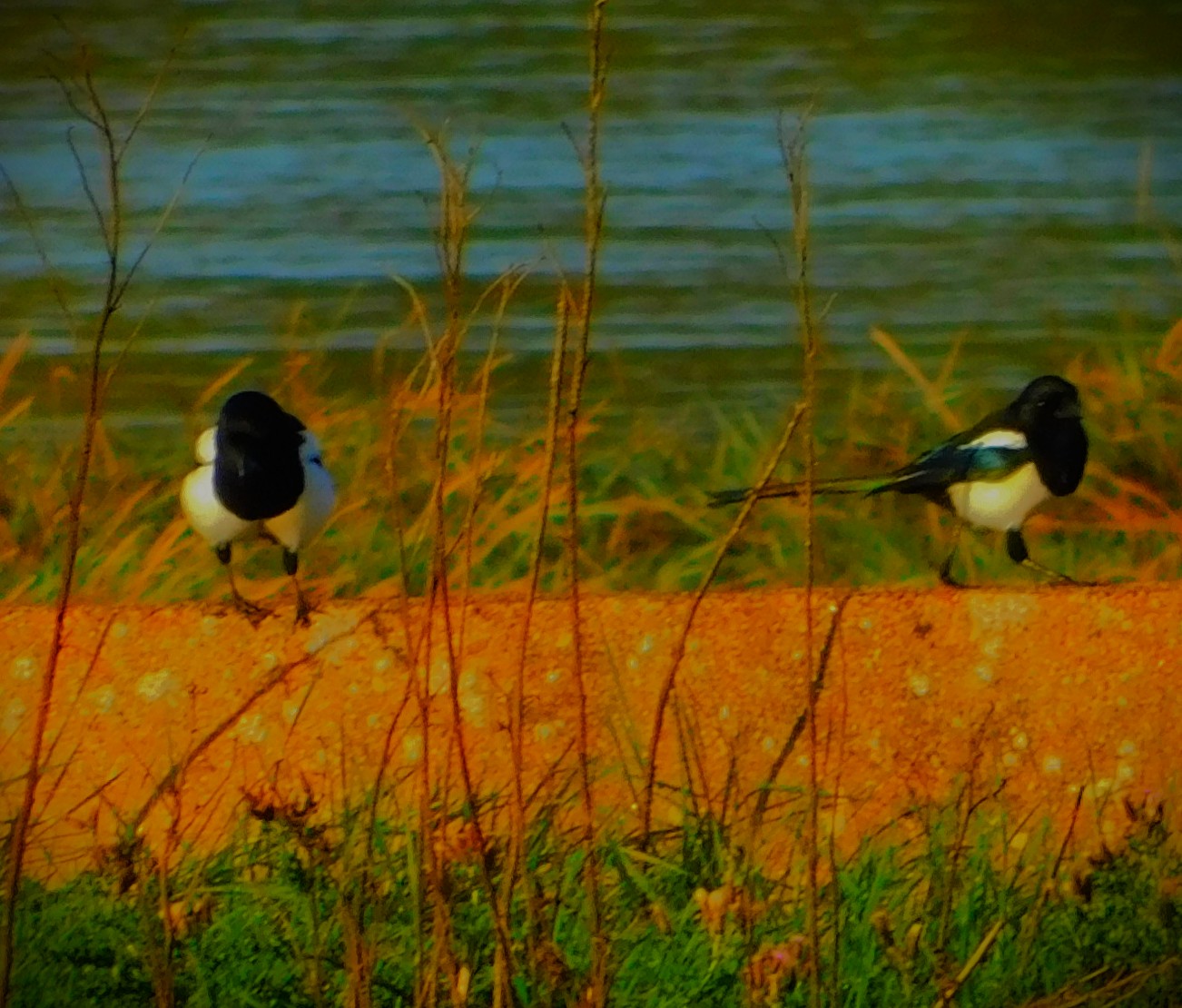











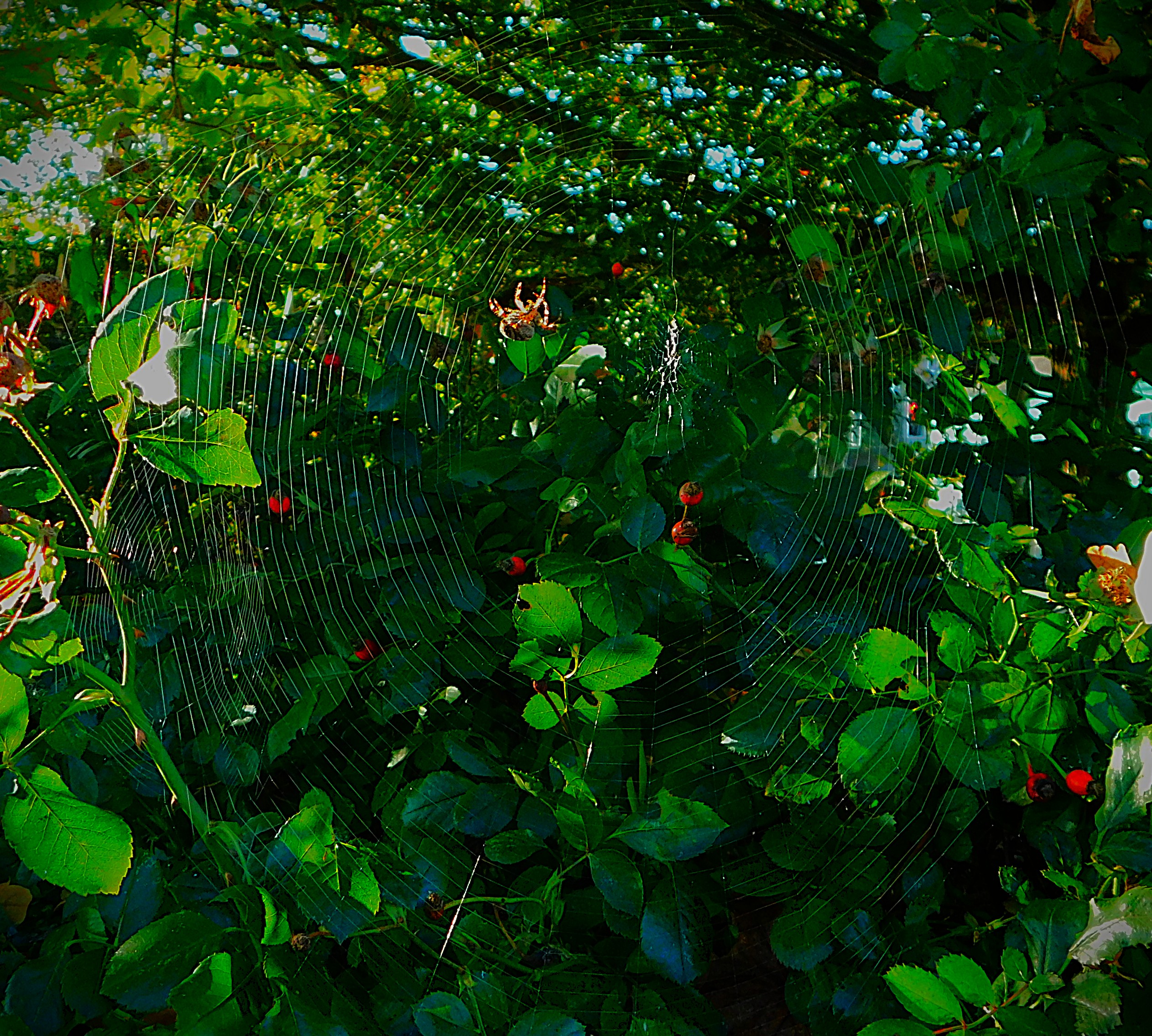
































































































































































































































































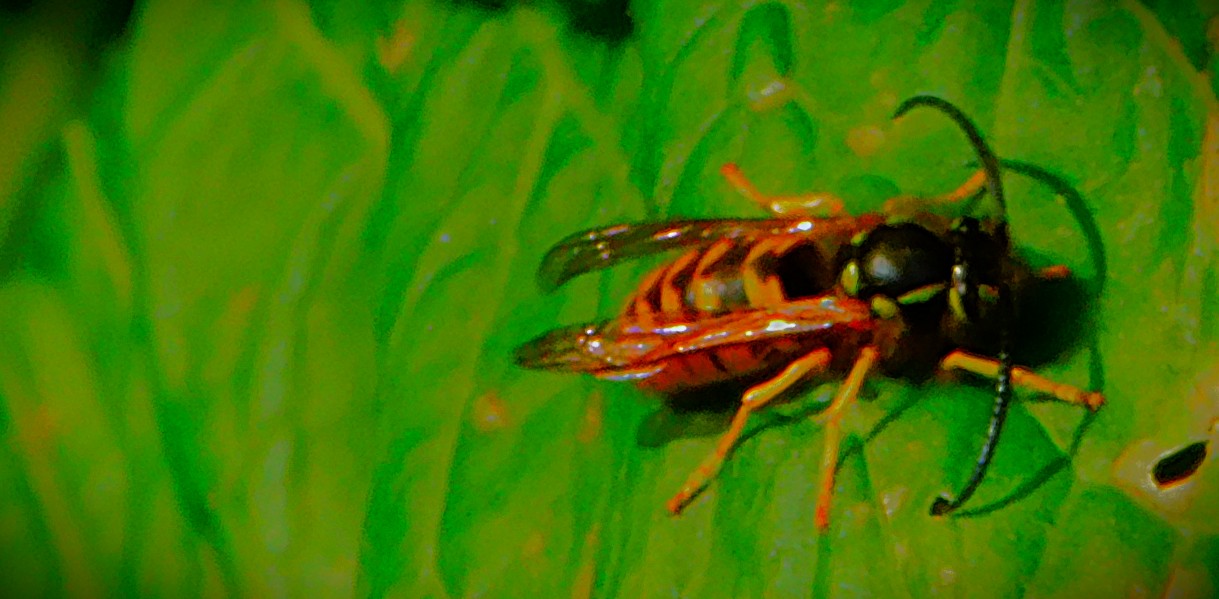




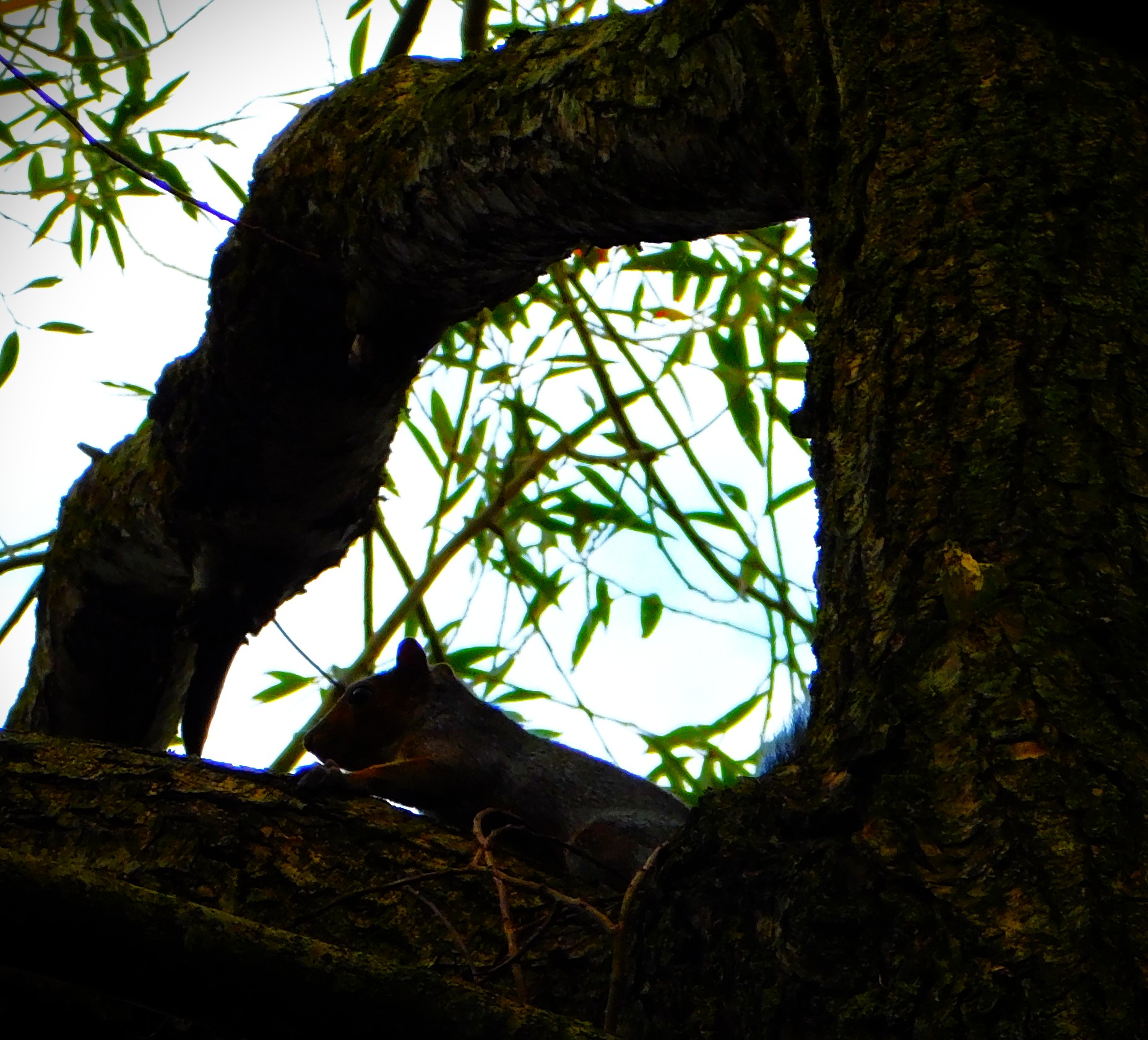



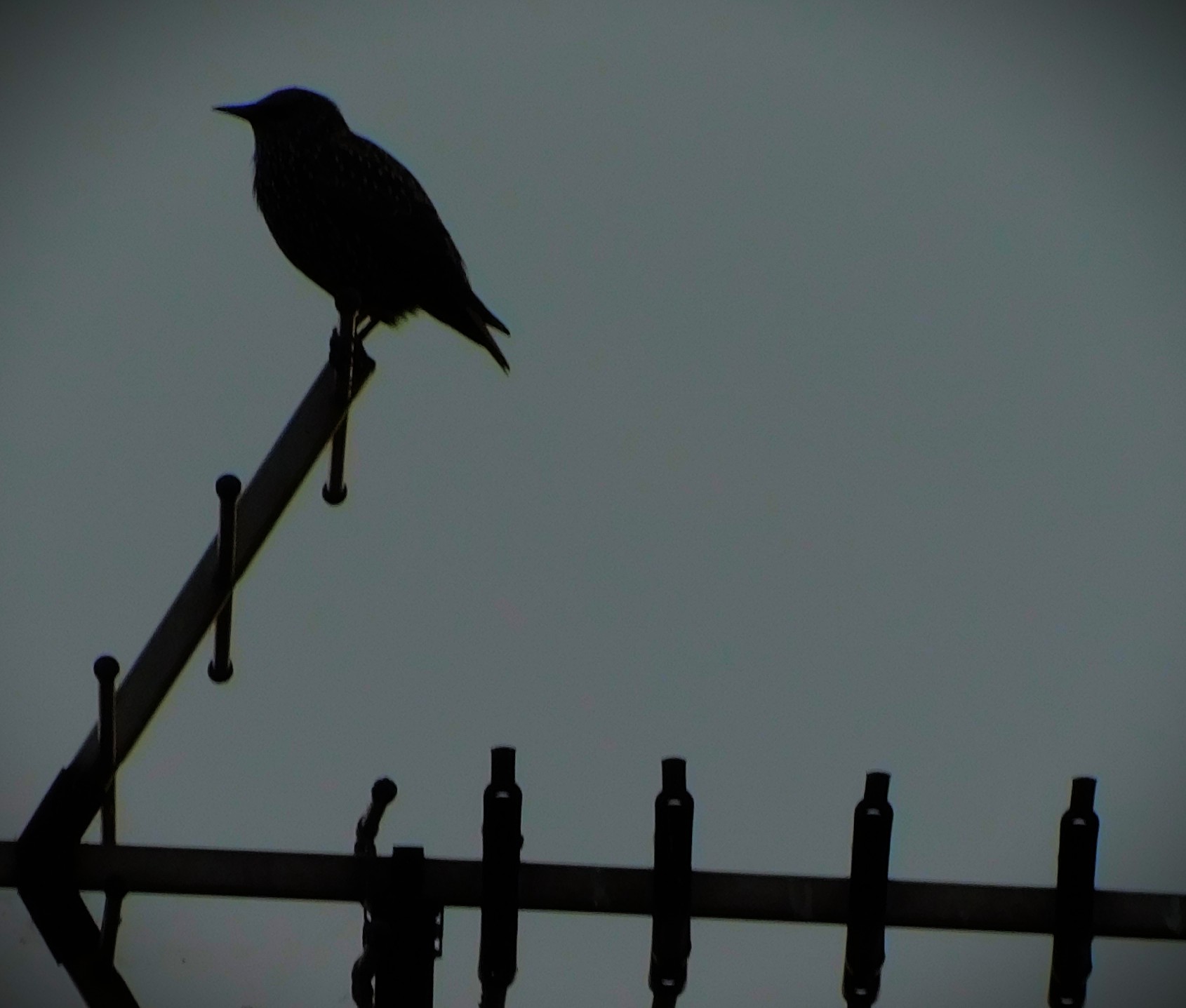



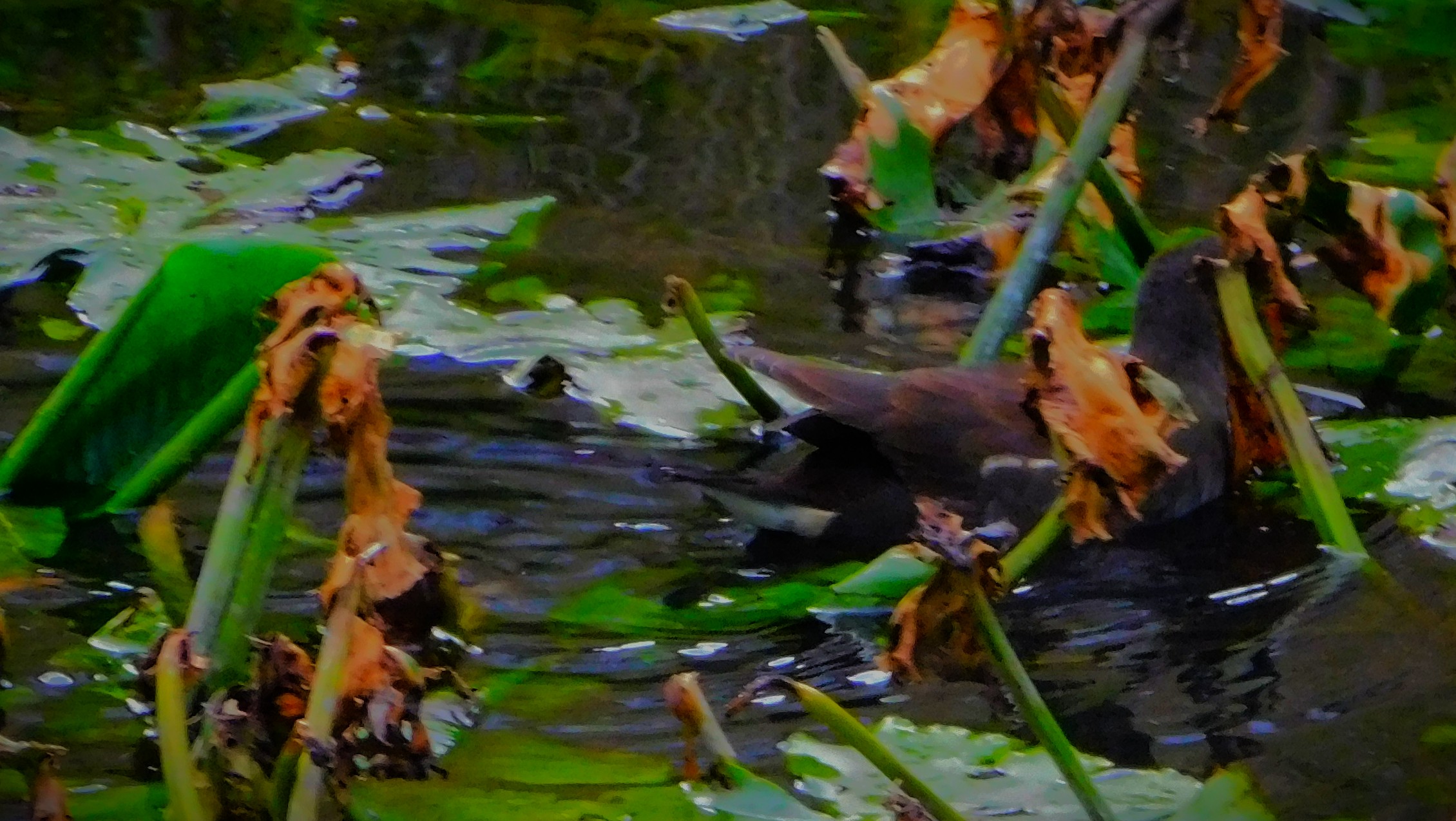

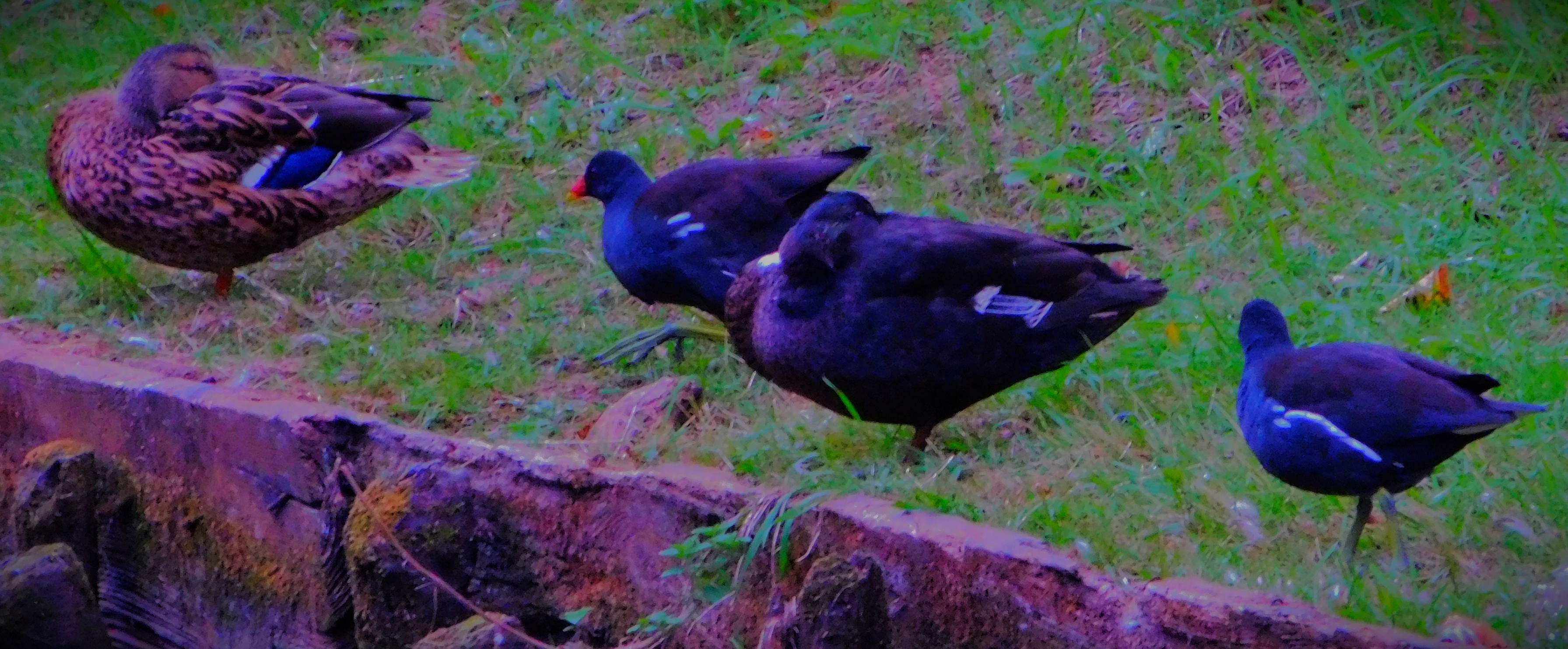


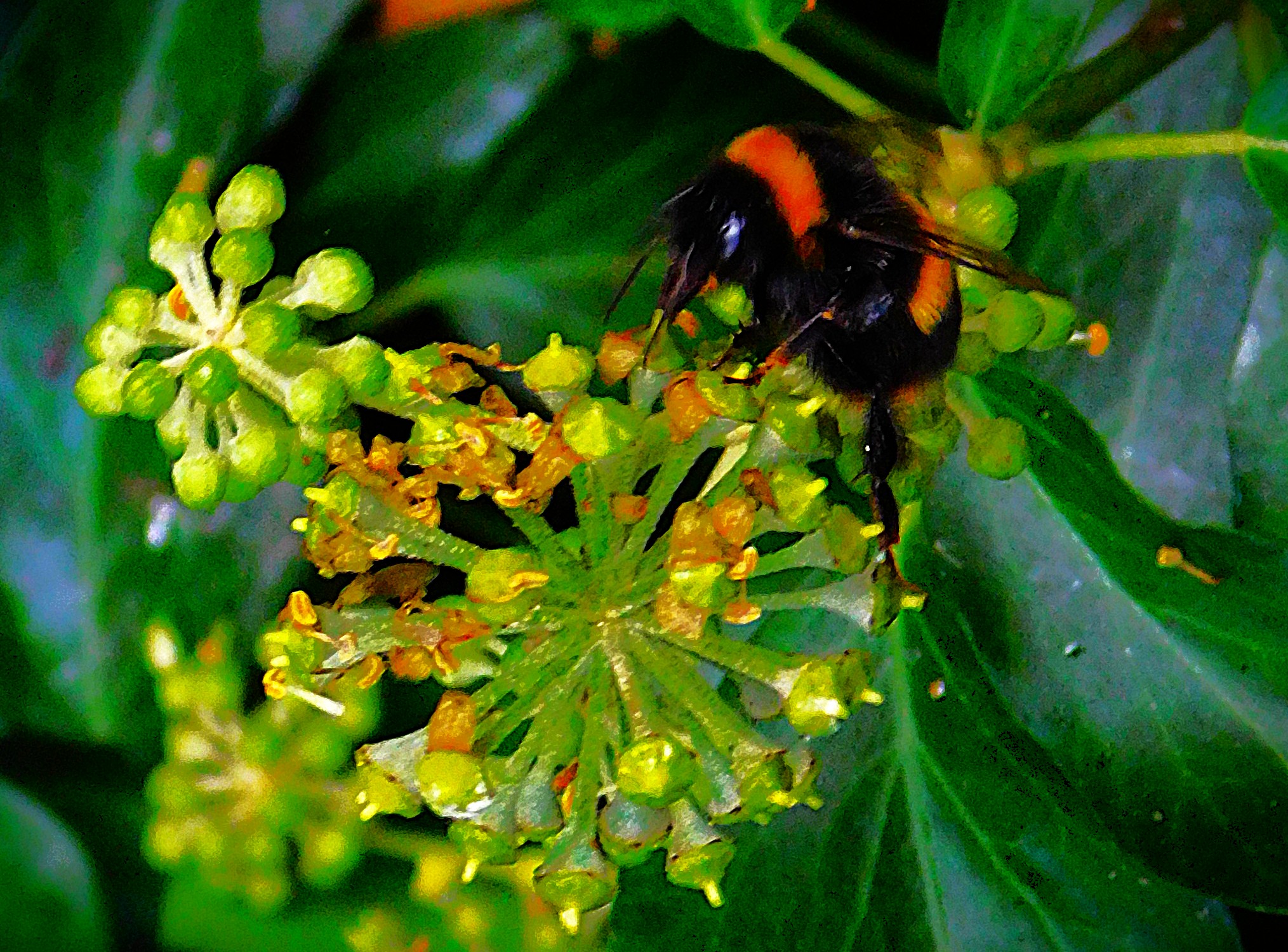






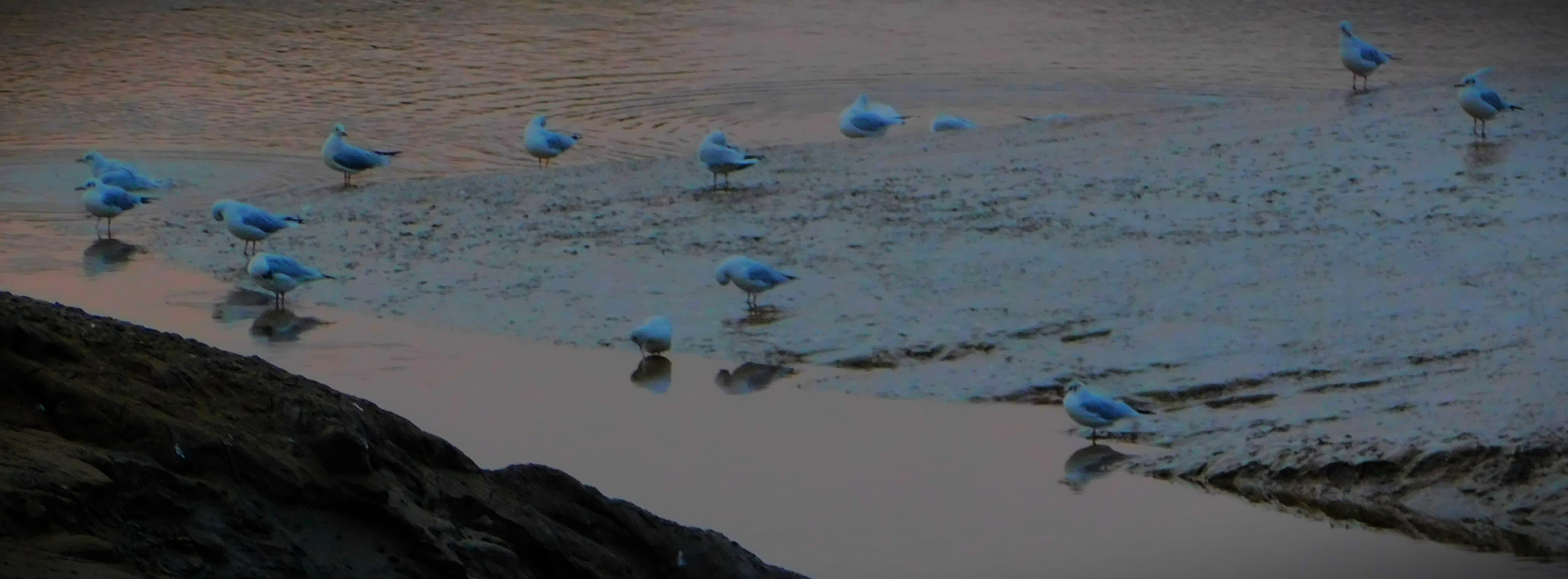










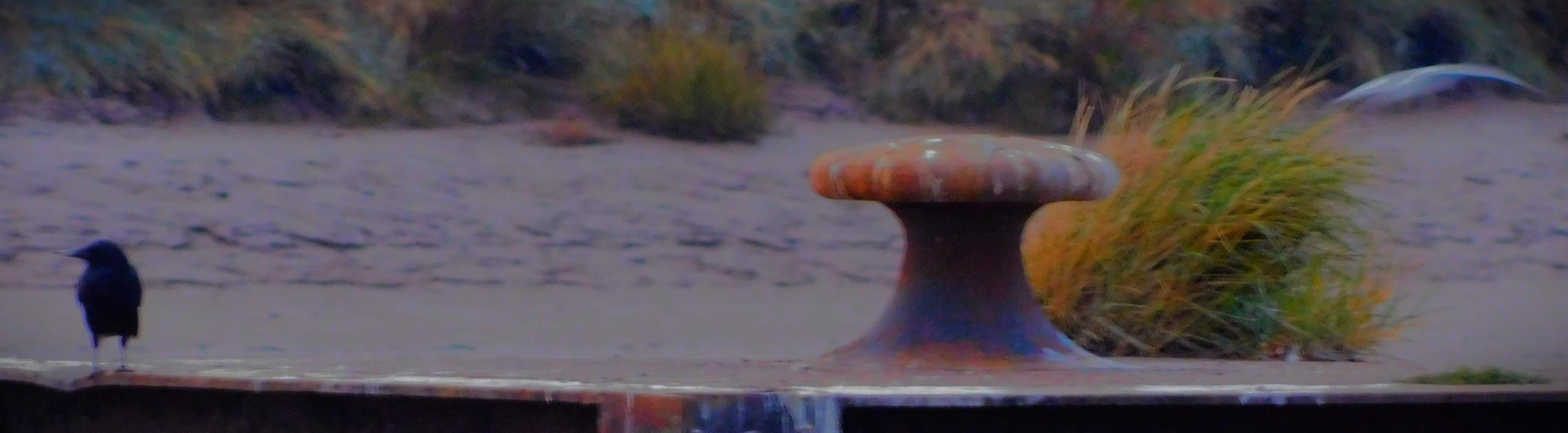















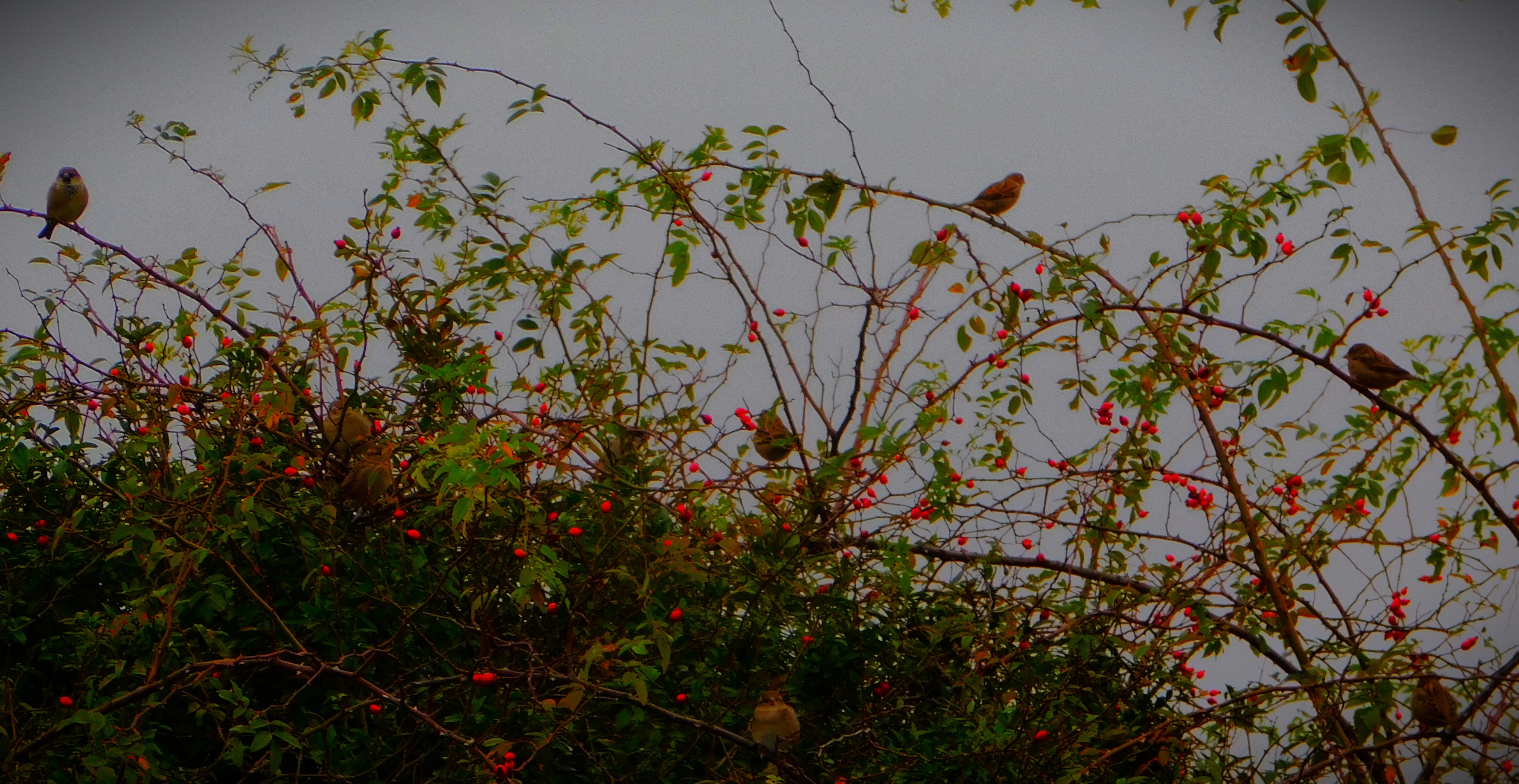


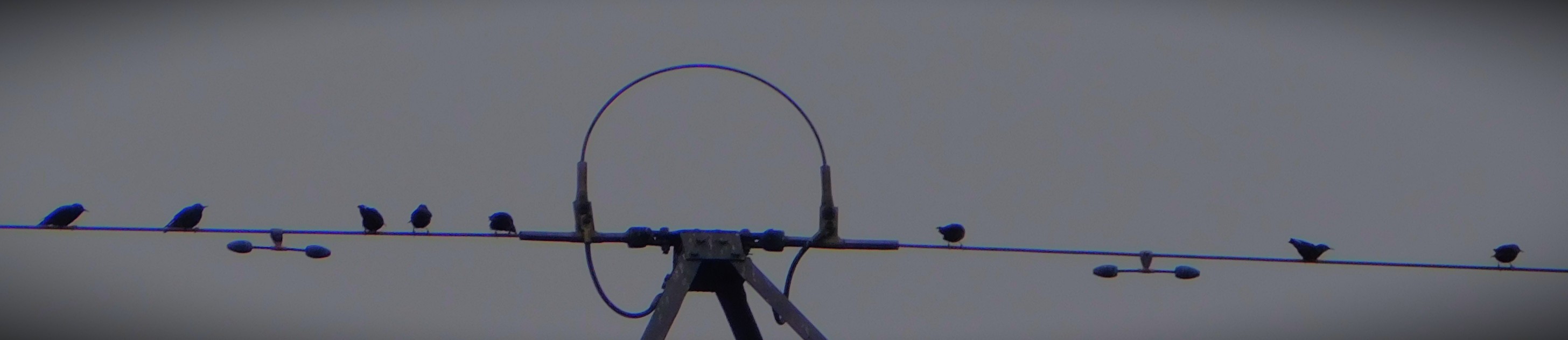





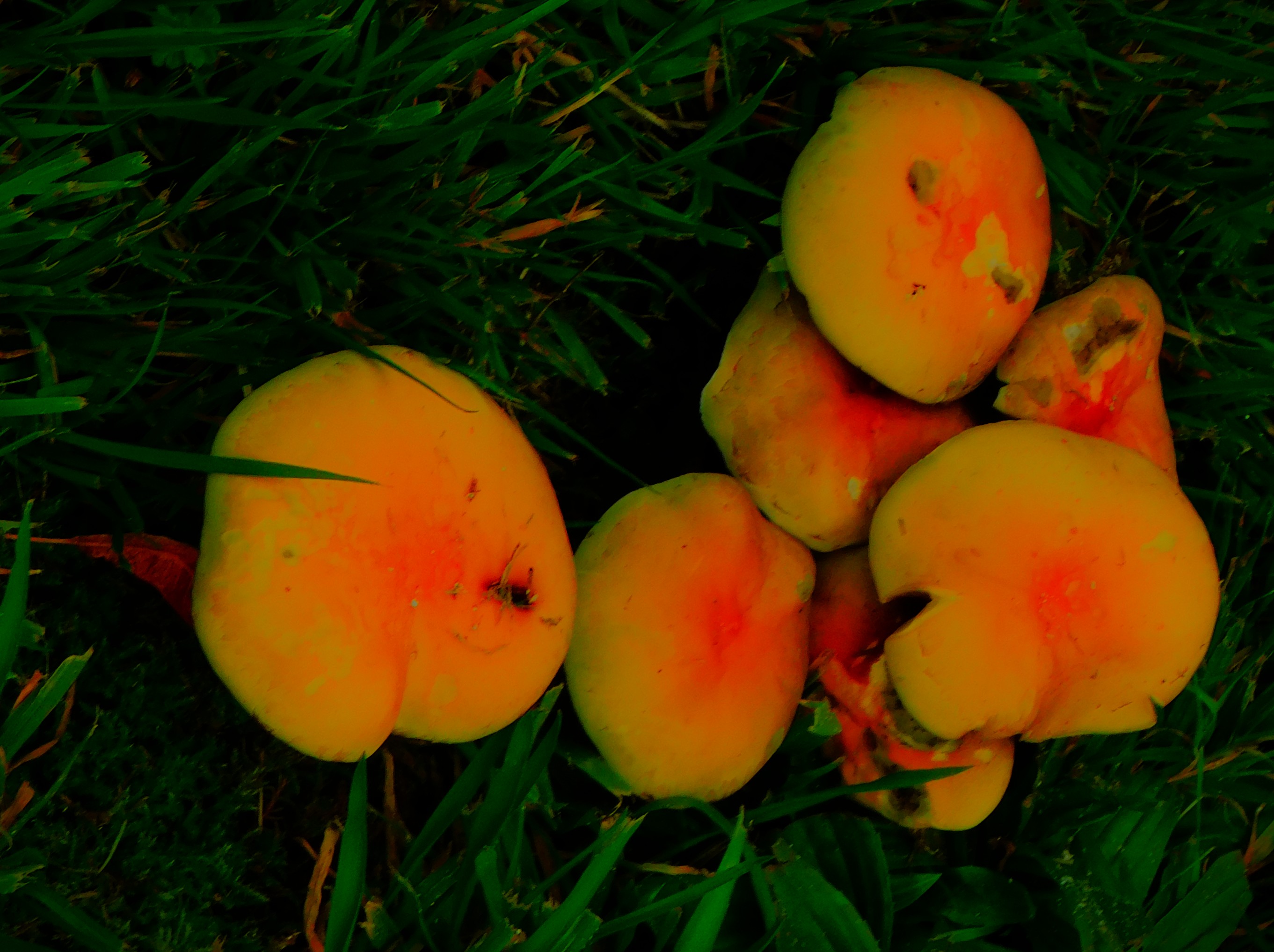











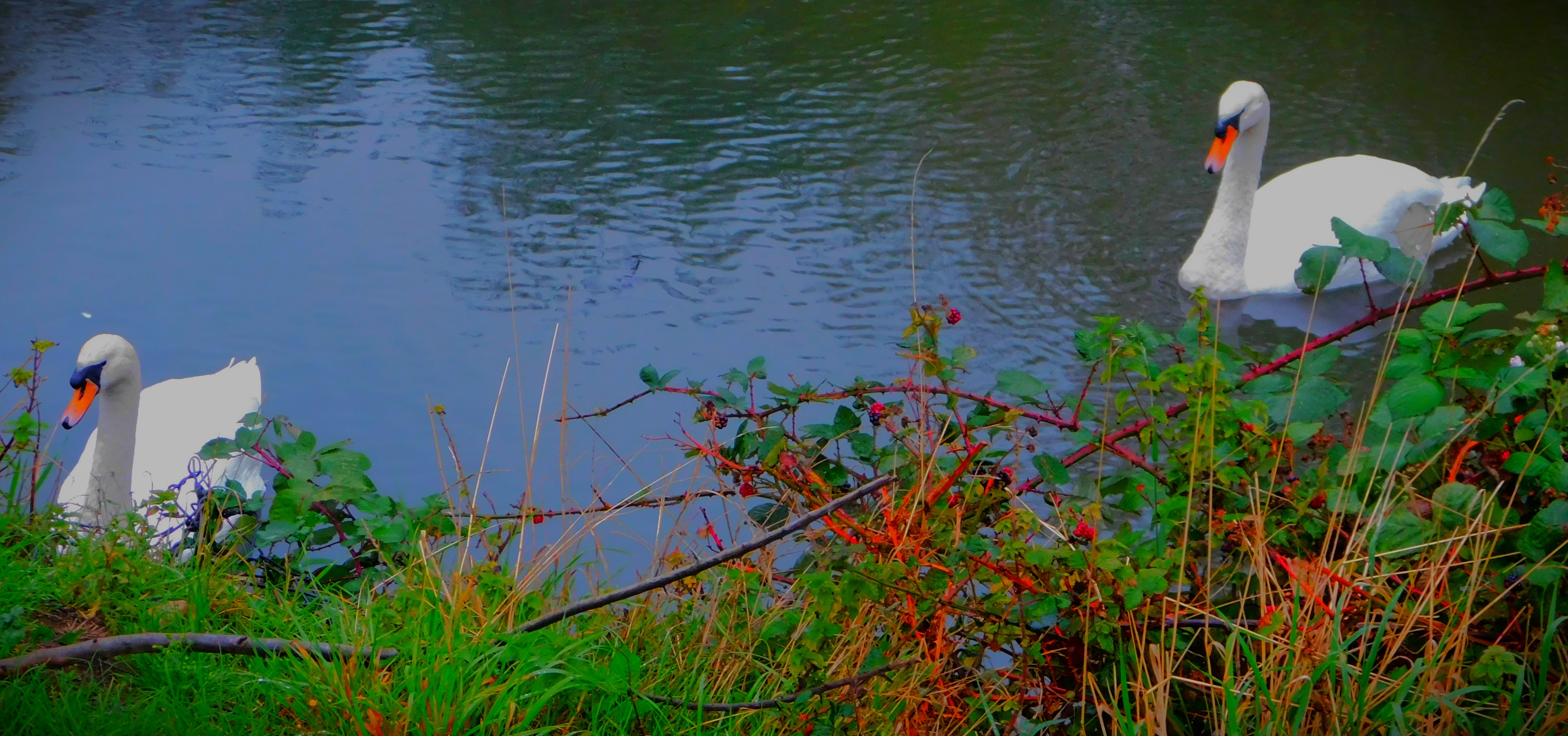

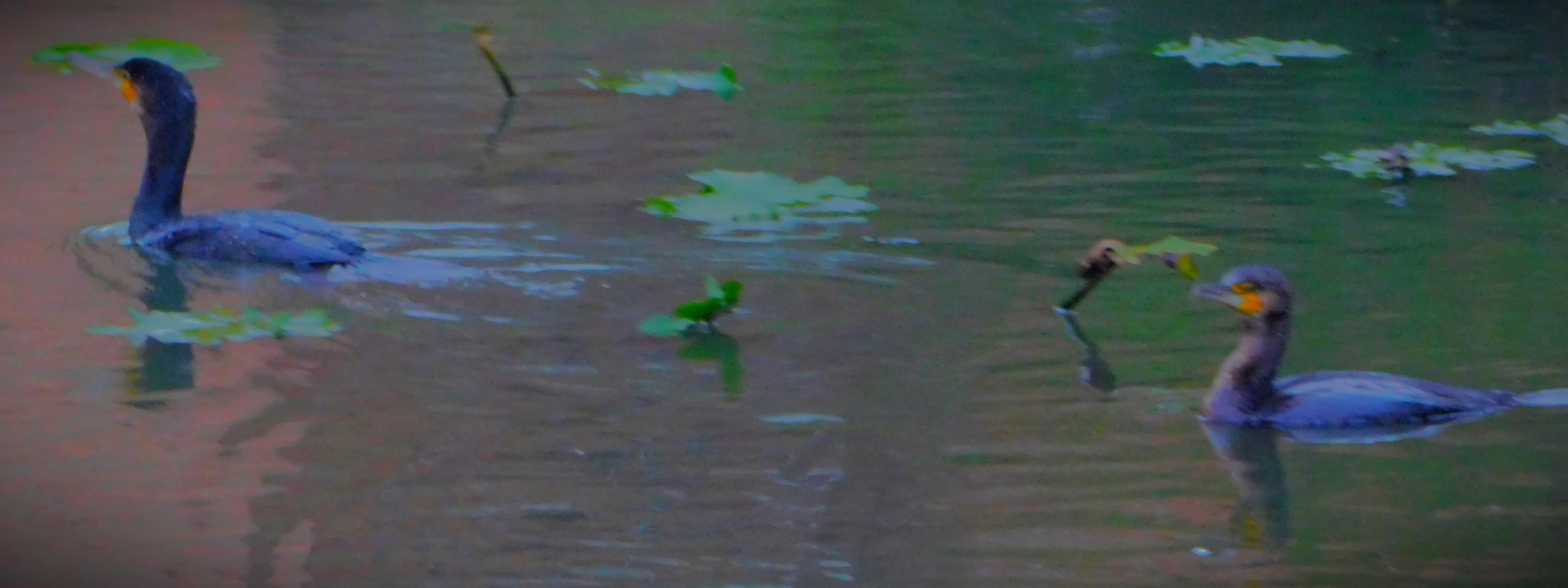

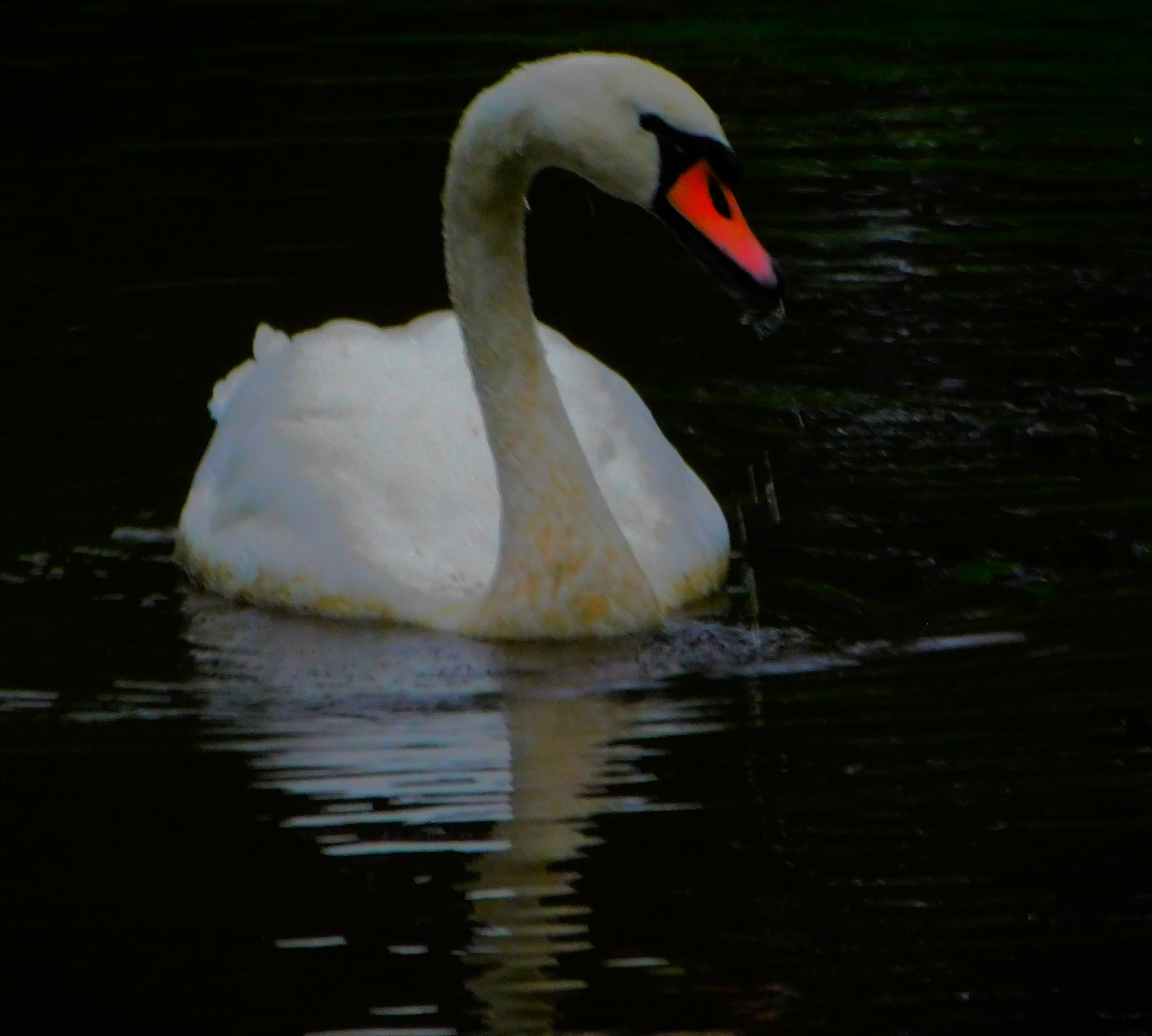















































































































































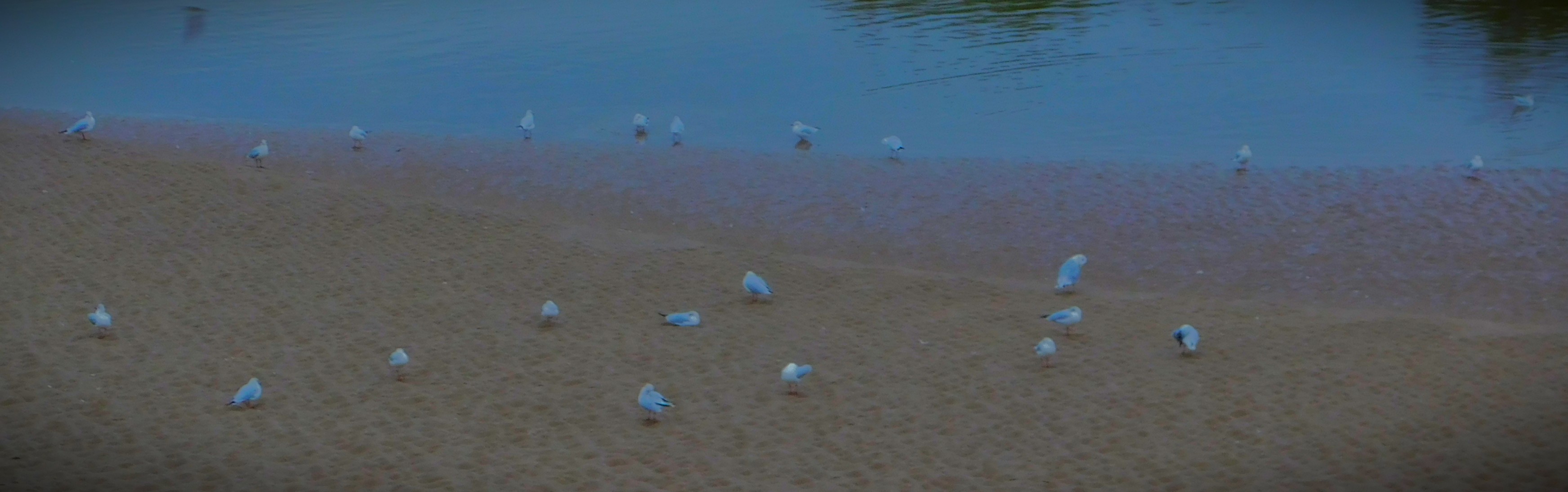


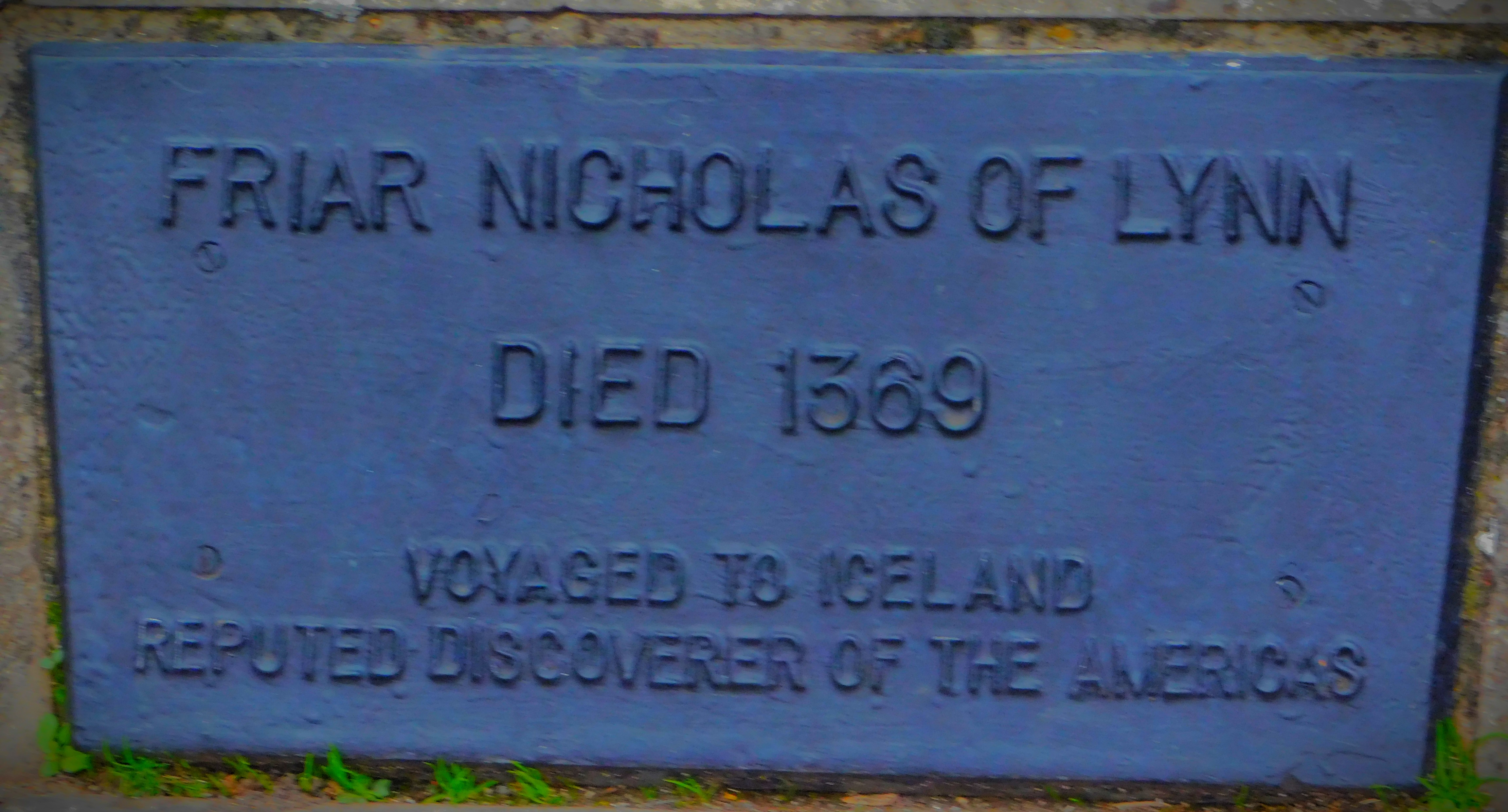



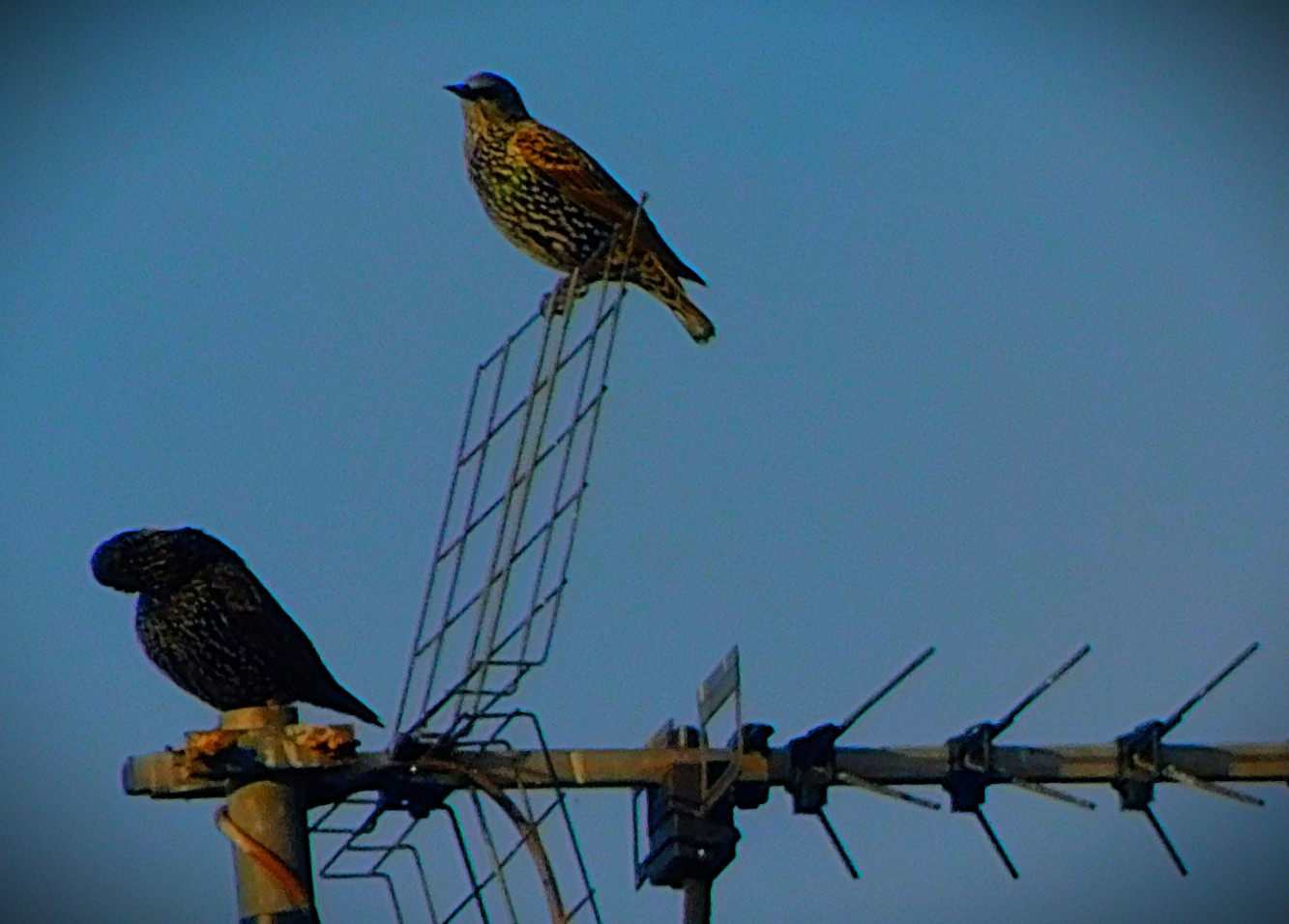




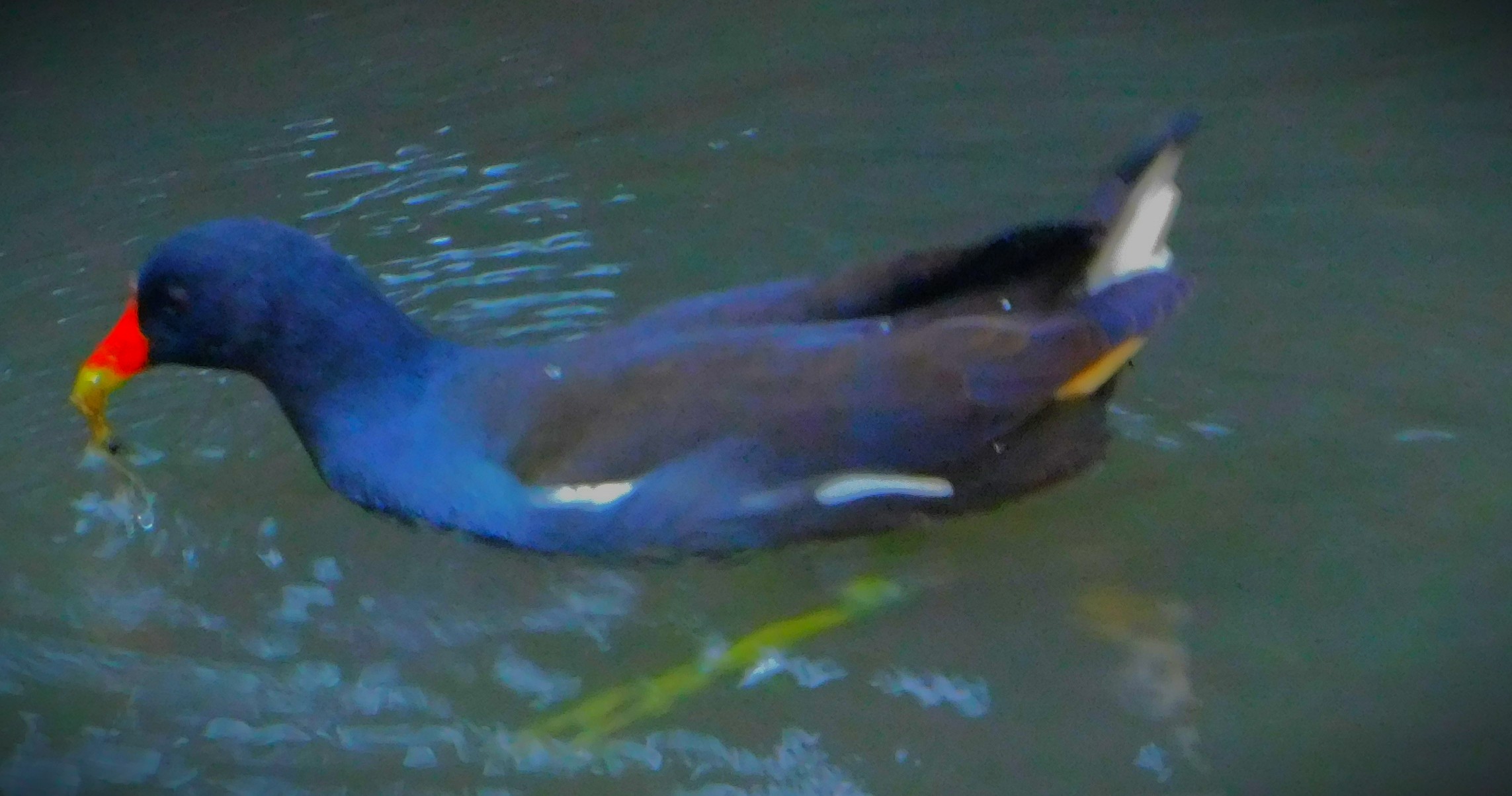

















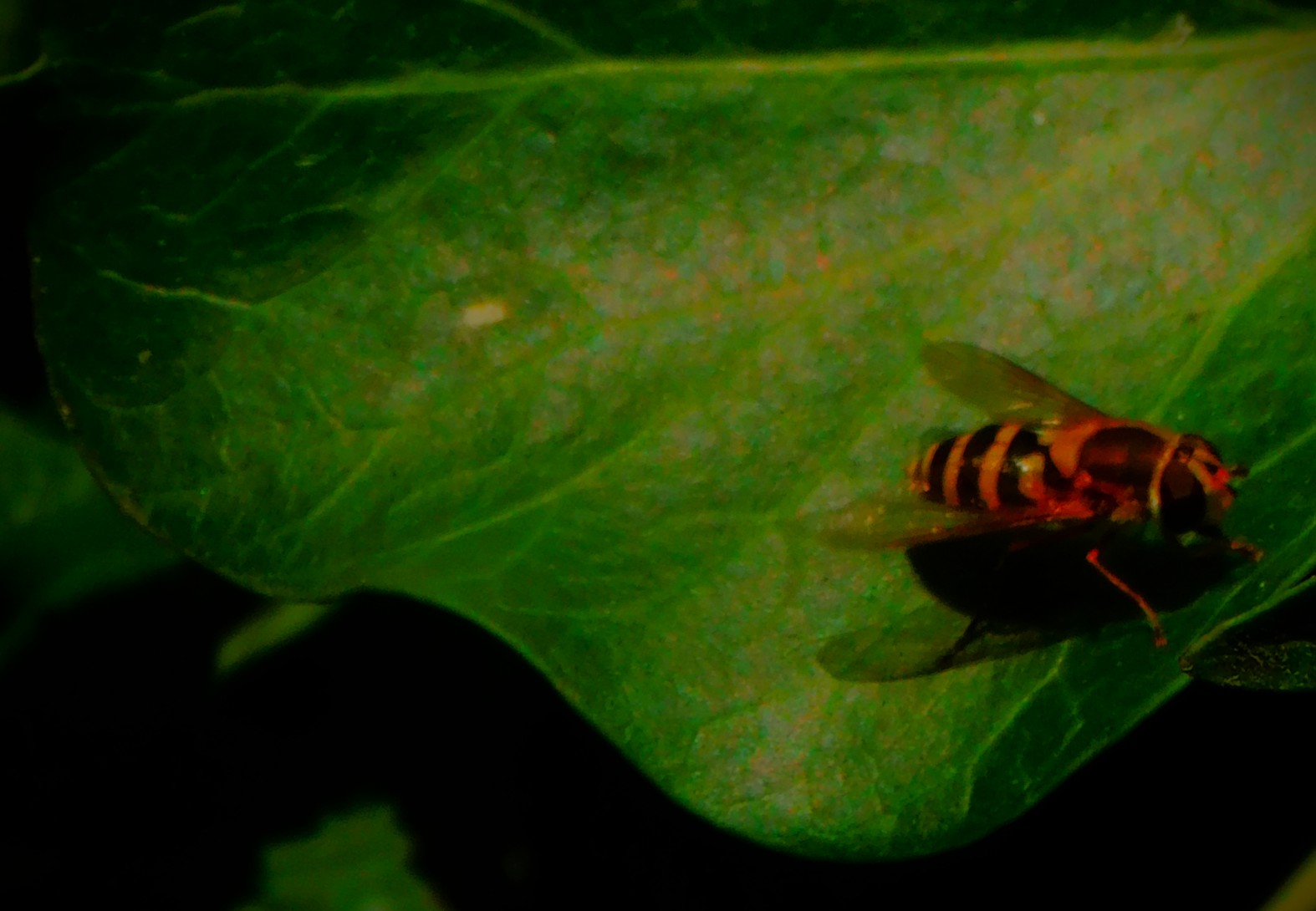

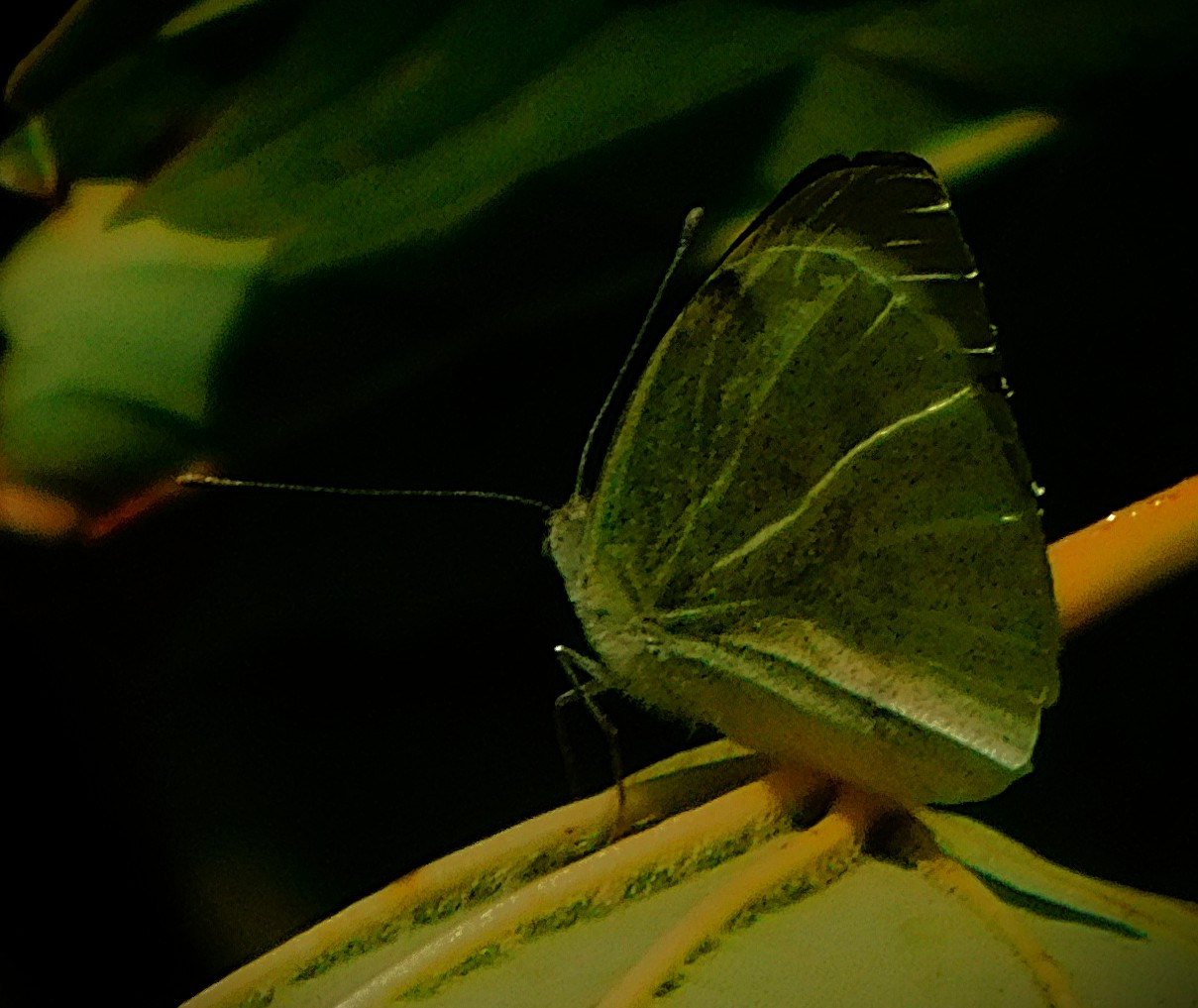





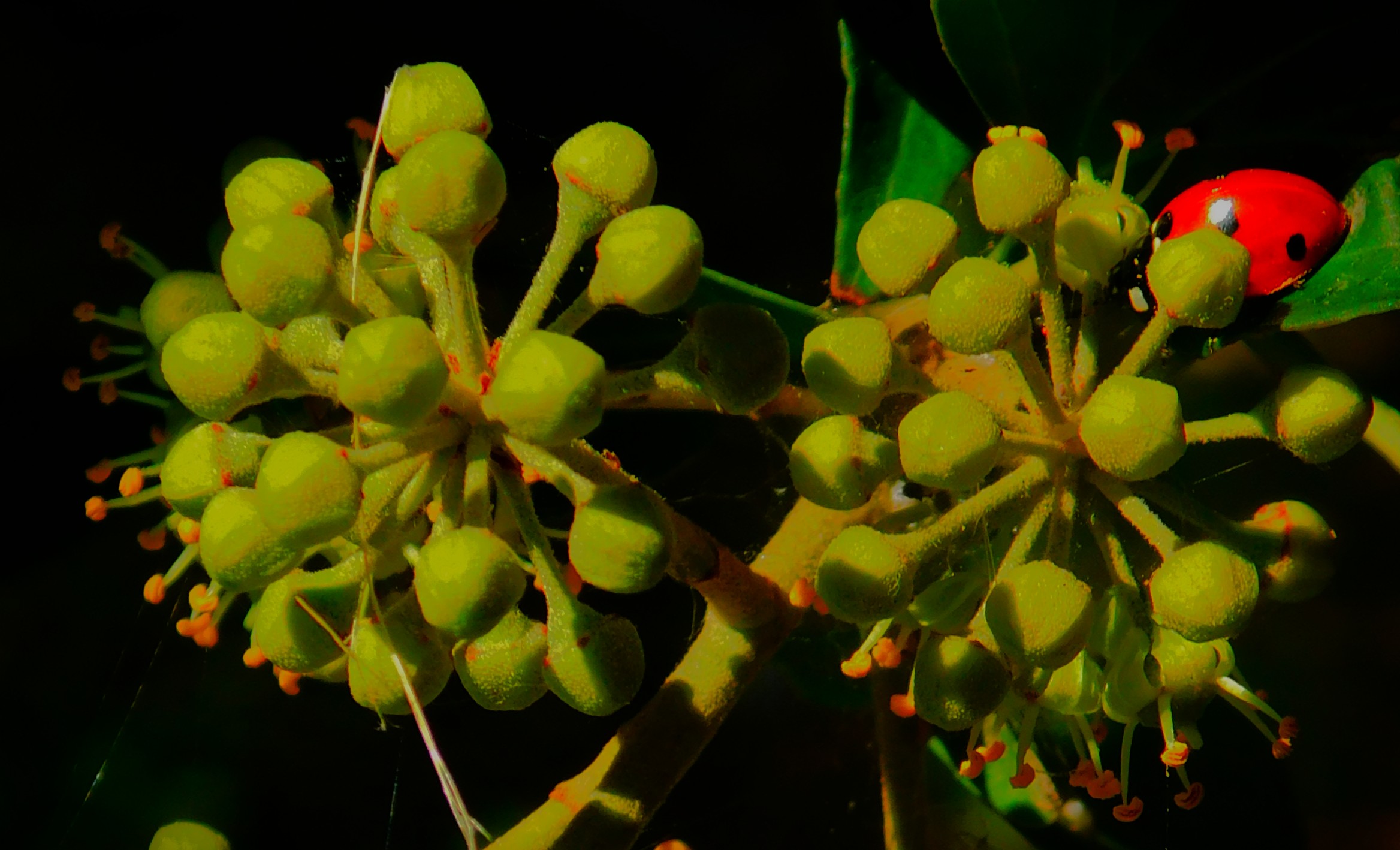

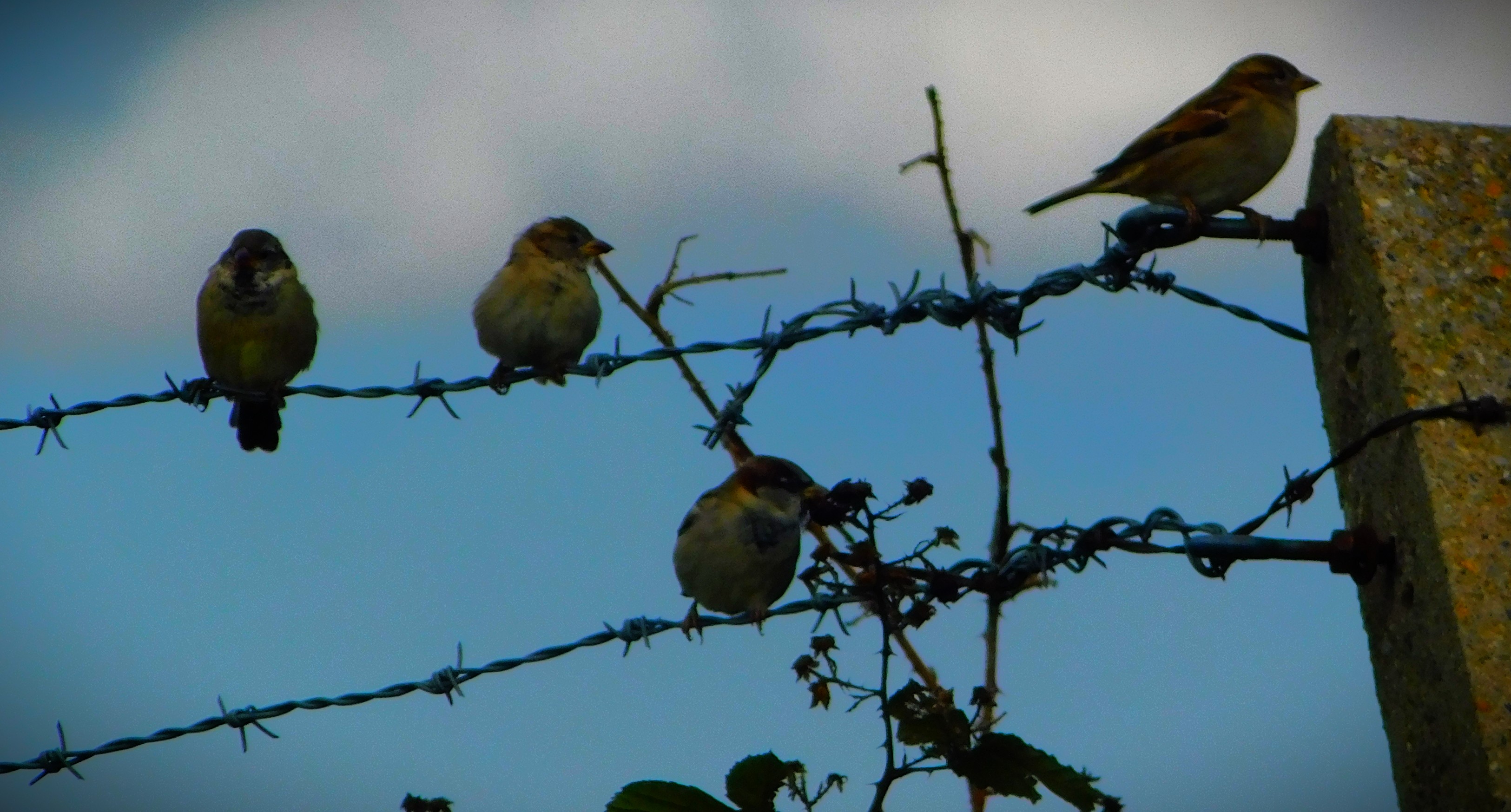







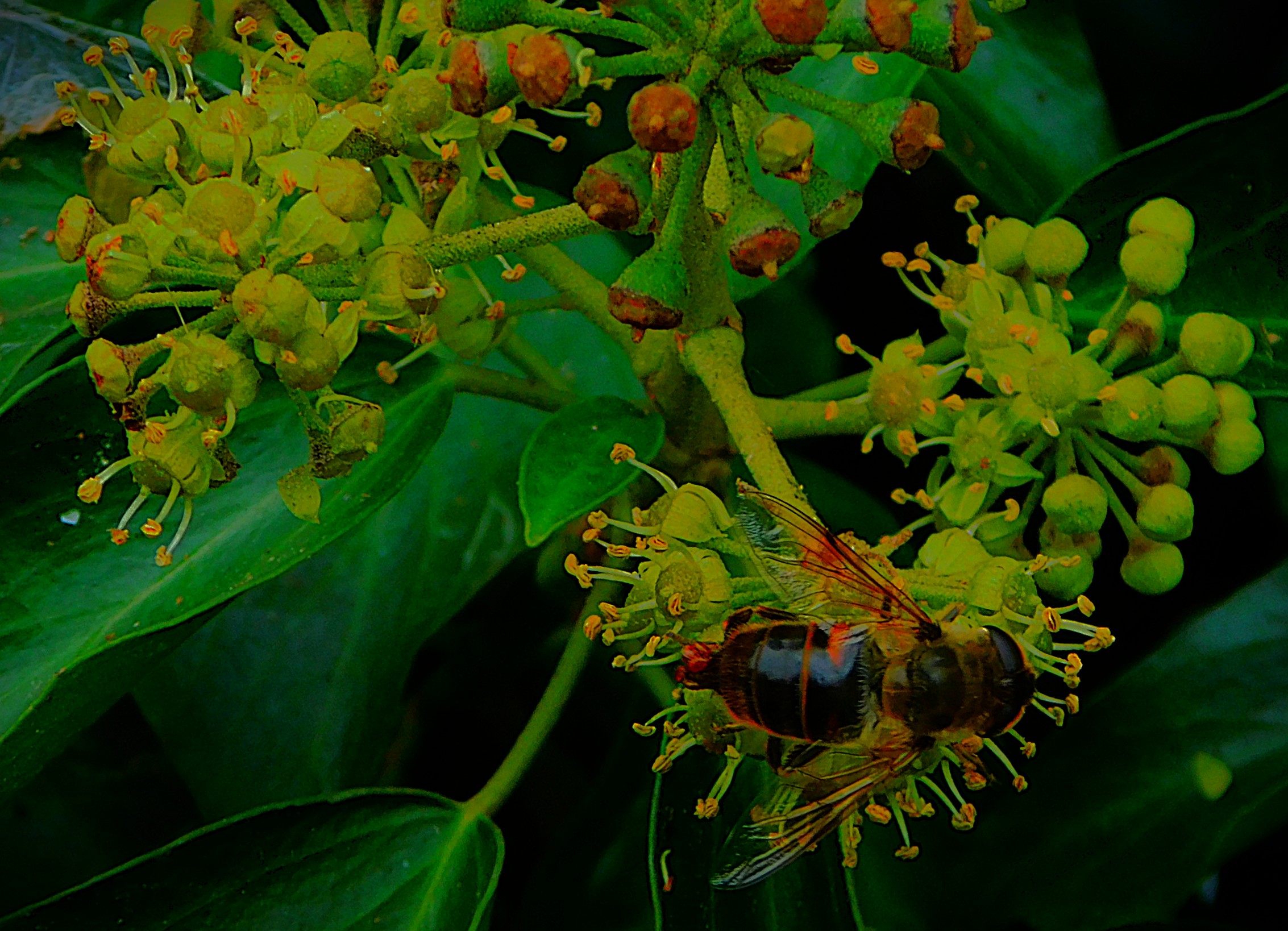






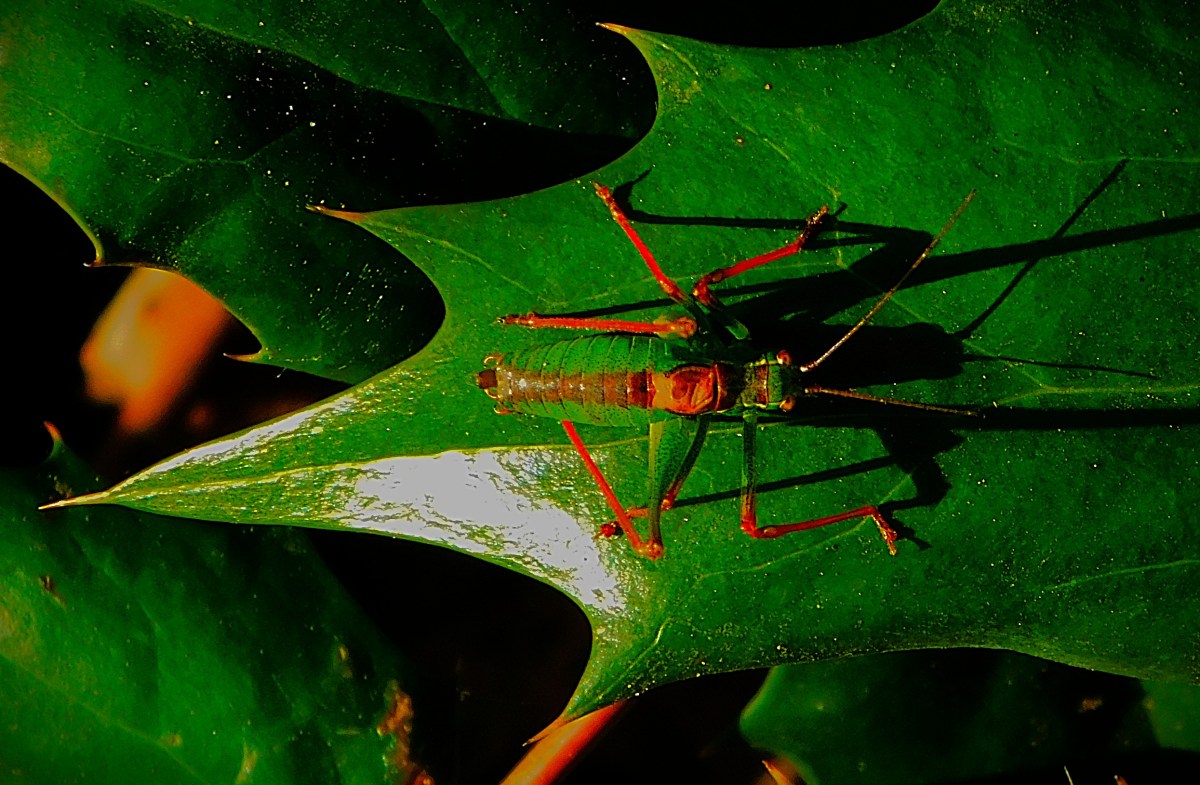






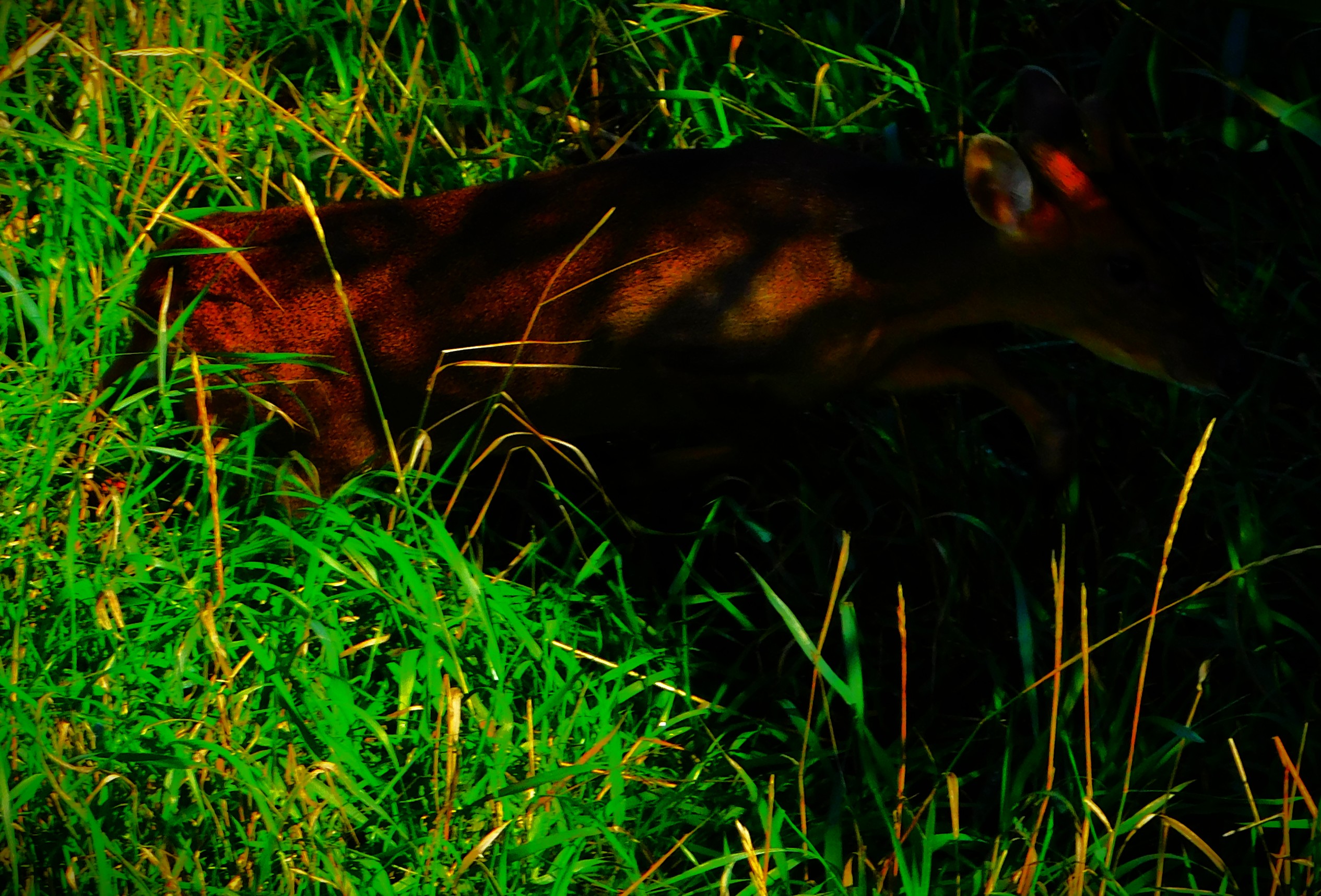














































































































































































 aspiblog