Home Internet Restored

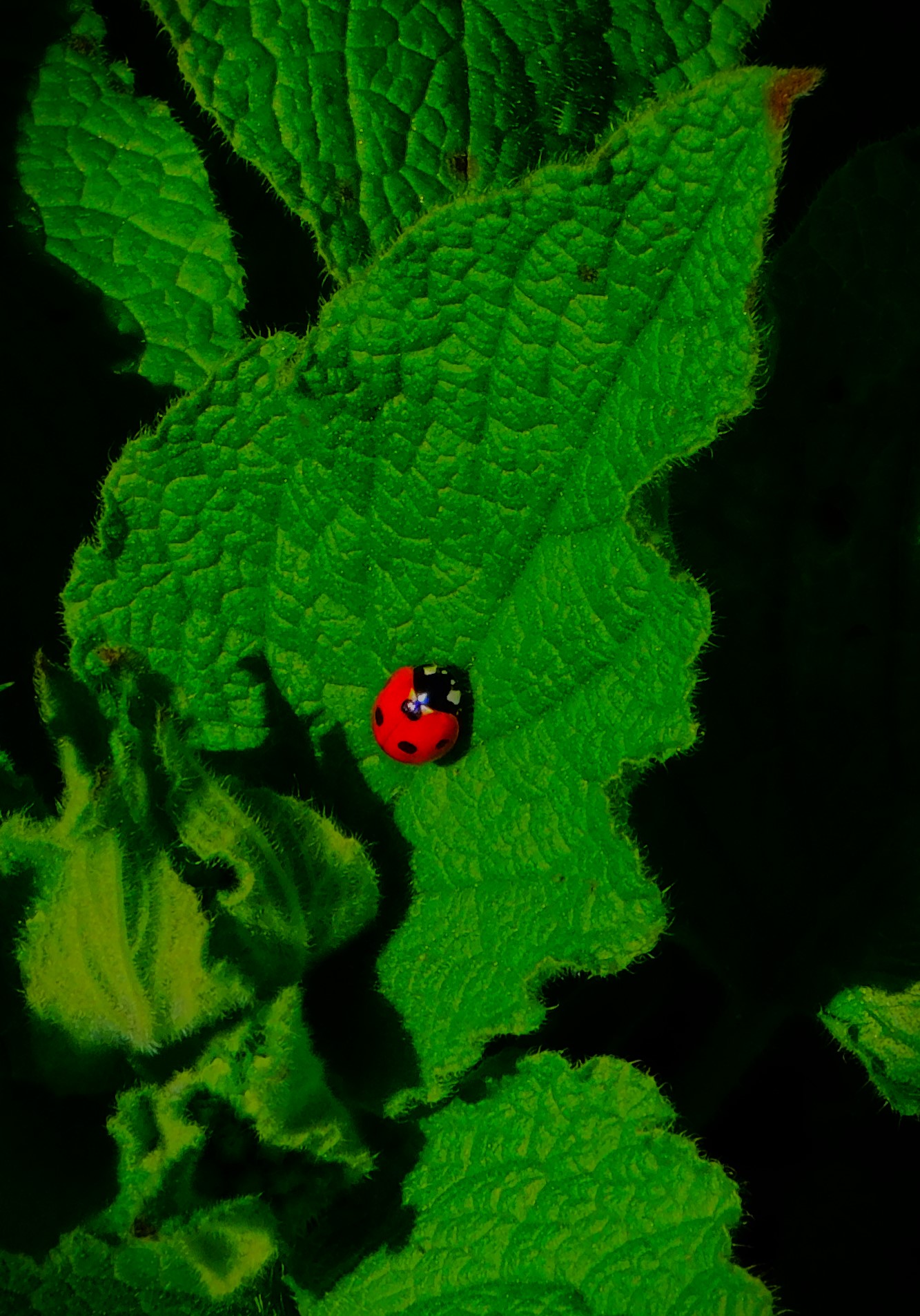
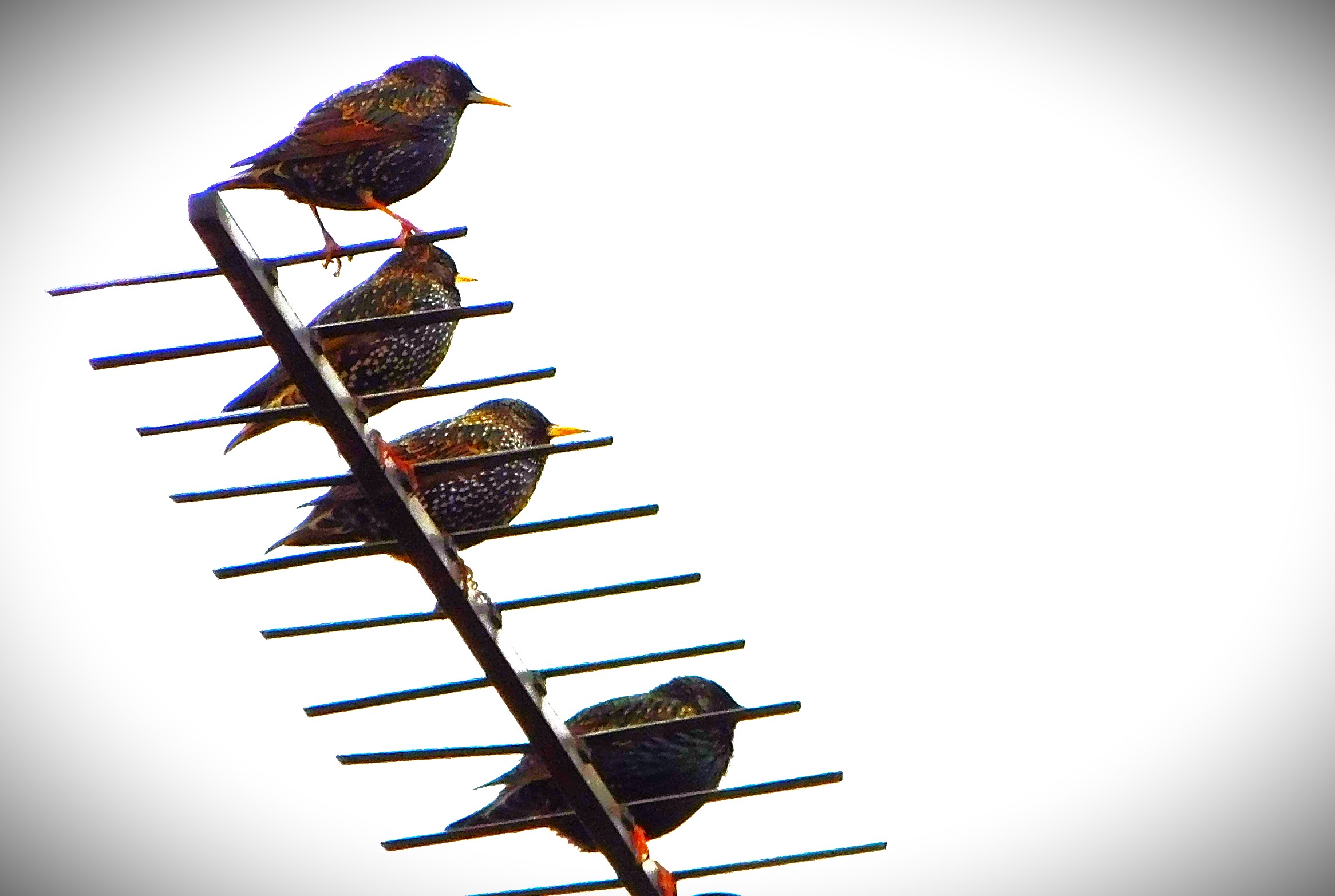
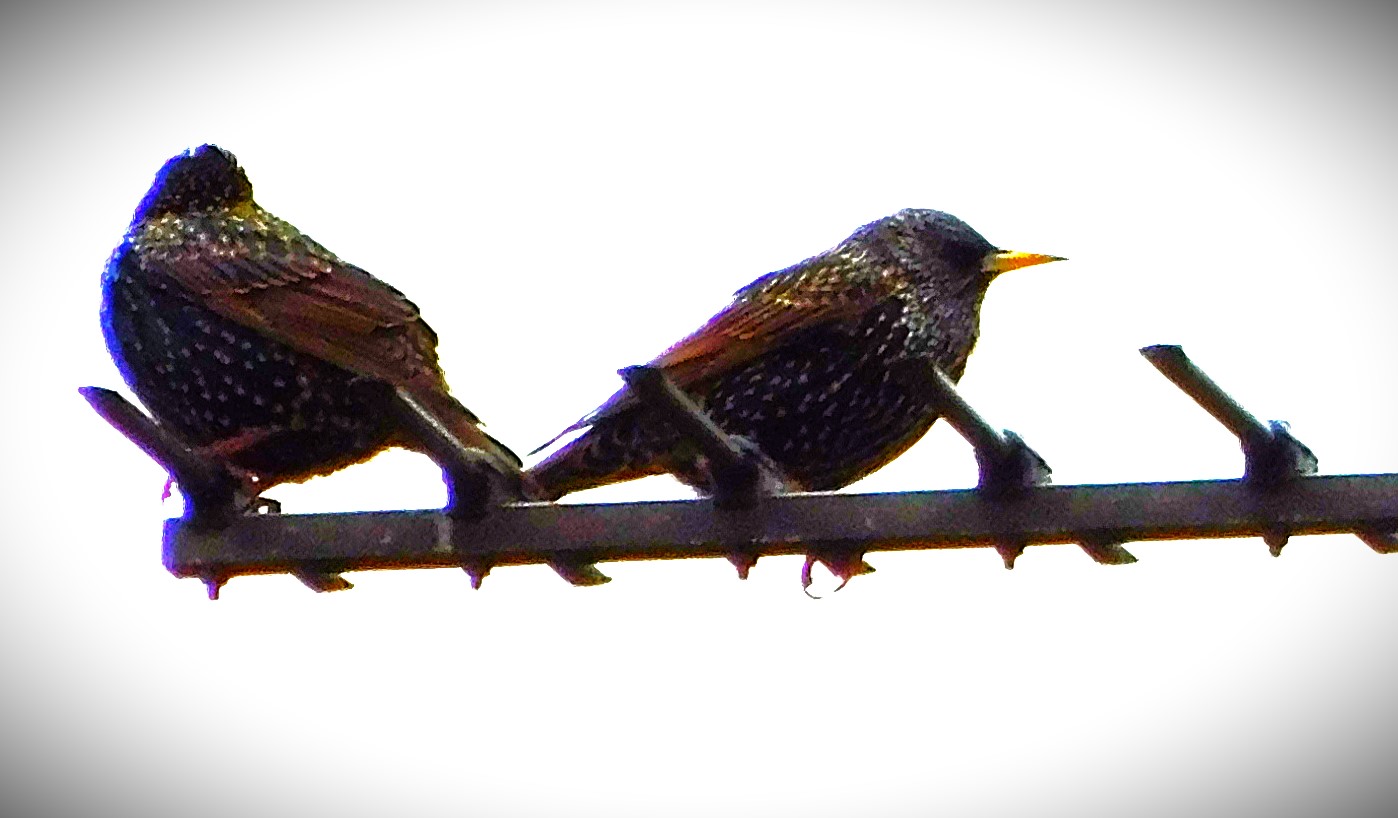
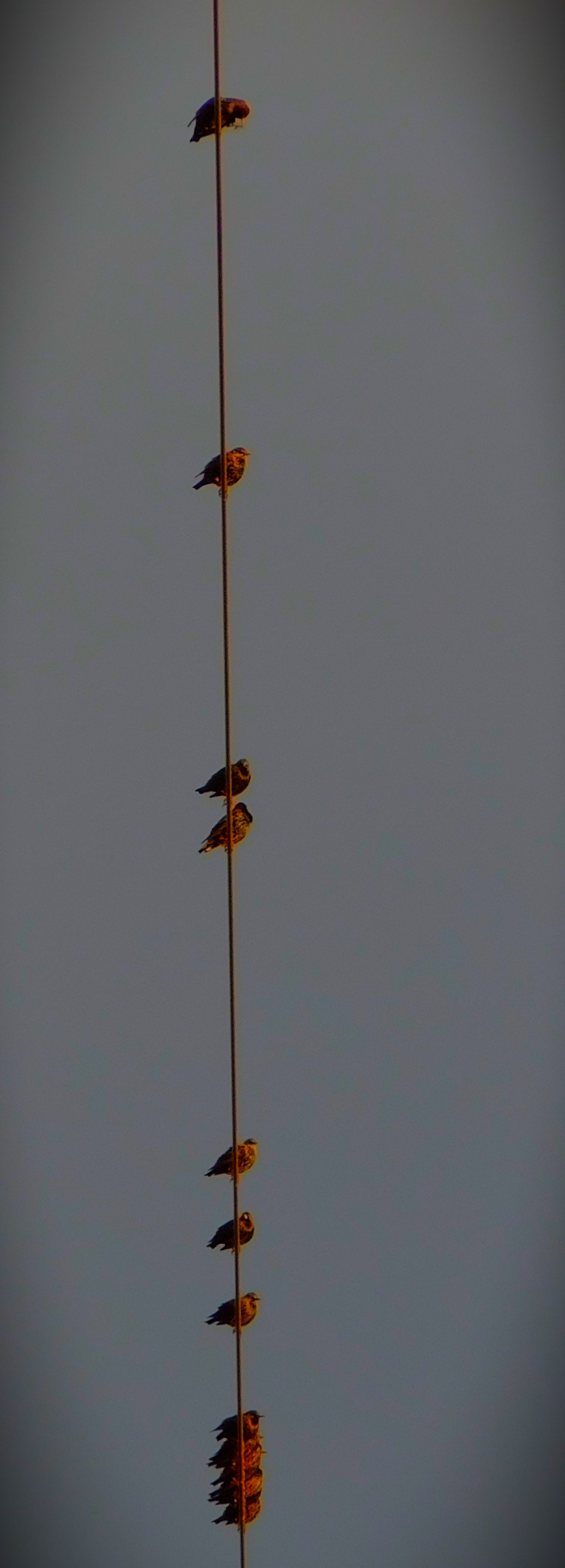
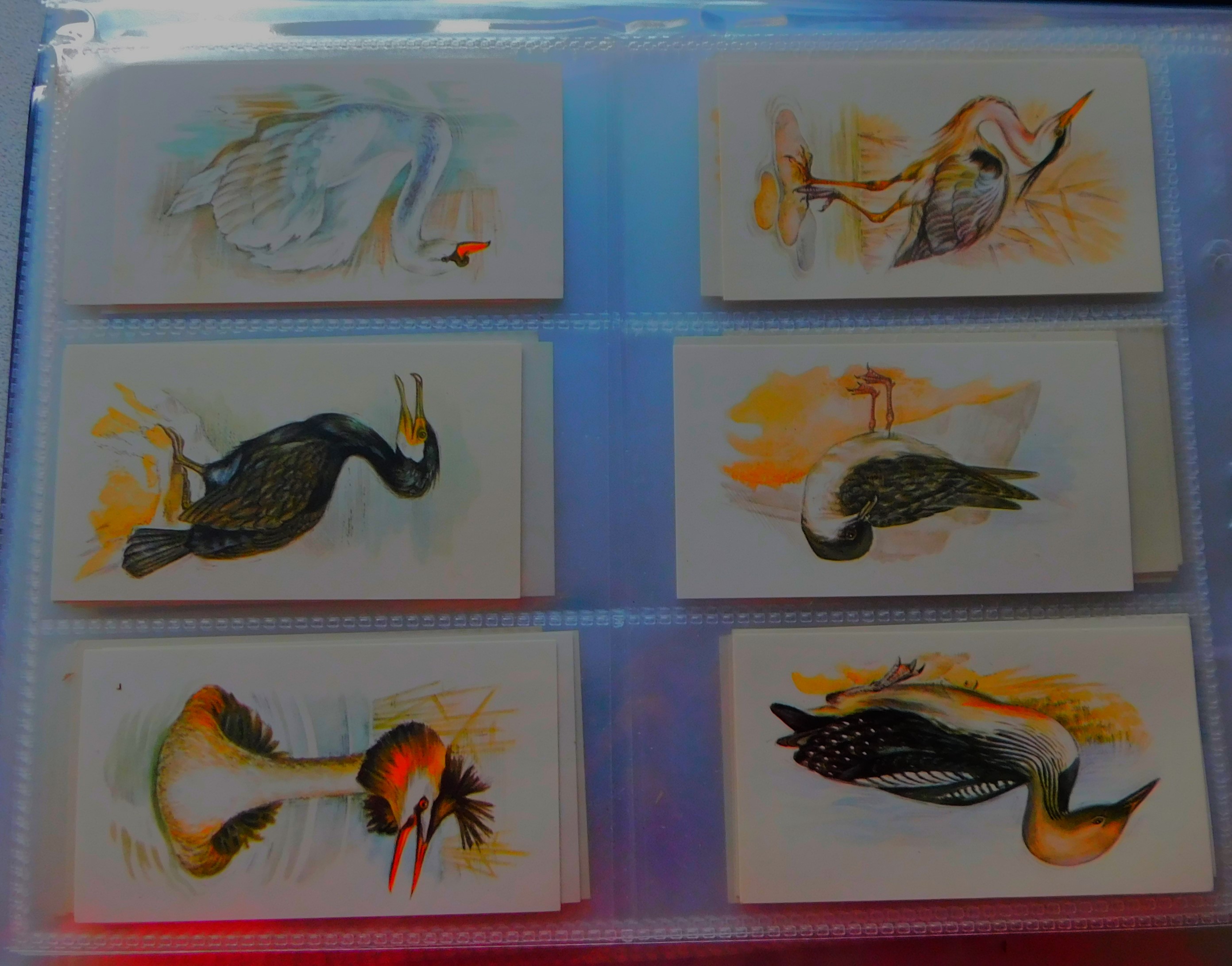
A brief post celebrating the fact that after a week and a half without it I once again have broadband access at home. Ends with a bumper photo gallery, including the first butterfly of 2024.

The engineer came round near the beginning of the official slot of 8AM – 1PM today and connected up my new EE Home Hub, so after a gap of a week and a half I have Broadband at home once again.

As I type this it is 12 degrees Celsius outside (53.6 Fahrenheit for USian readers), and that is far from out of keeping with the last week or so, when double figure positives have been the rule rather than the exception. February in high northern latitudes such as England is generally one of the two coldest months of the year alongside January, and the outside temperature hitting double figure positives on a regular basis is way out of kilter. Yesterday while out and about I saw my first butterfly of 2024, a small Tortoiseshell, while the spring flowers are in full bloom.

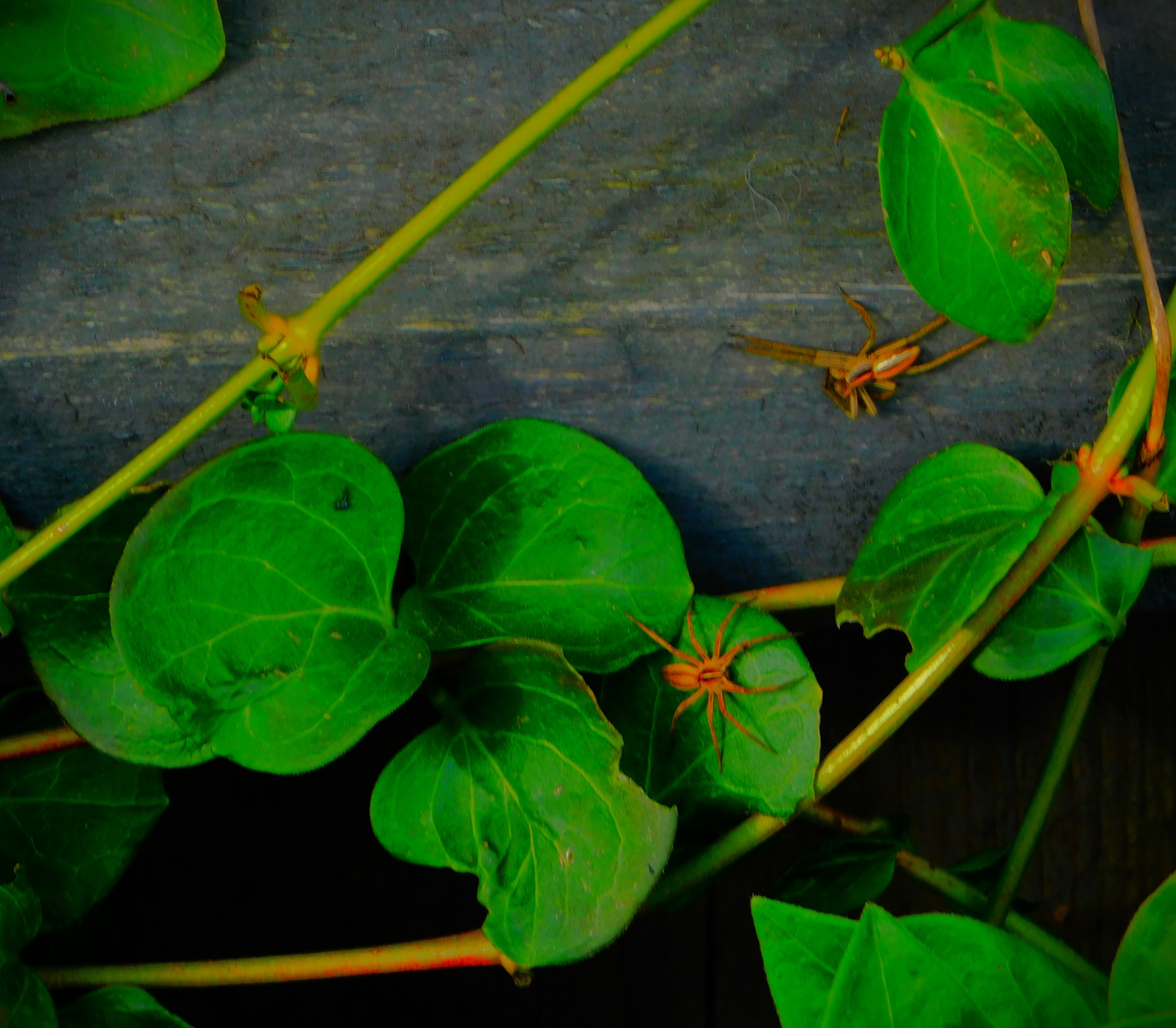
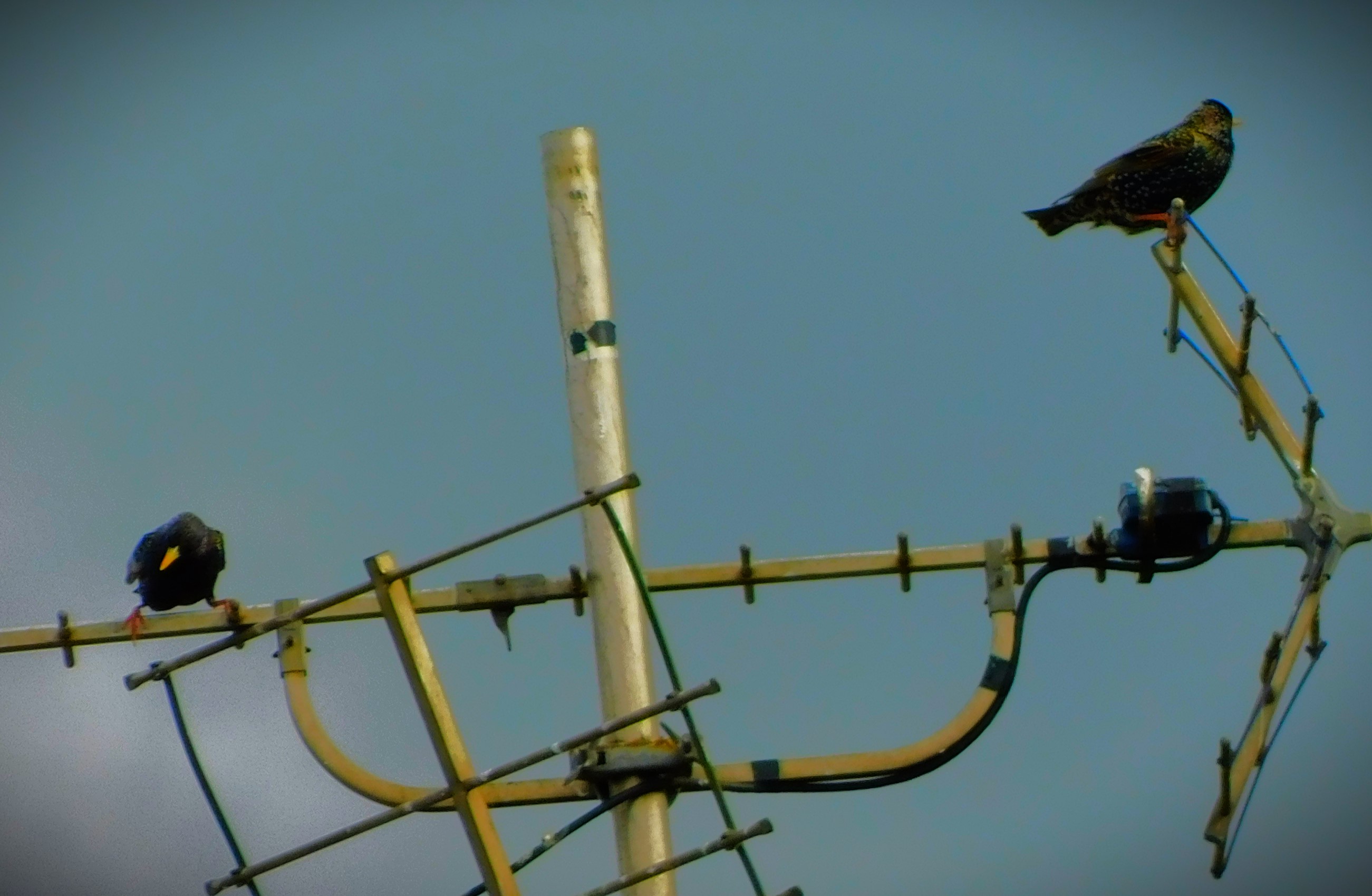
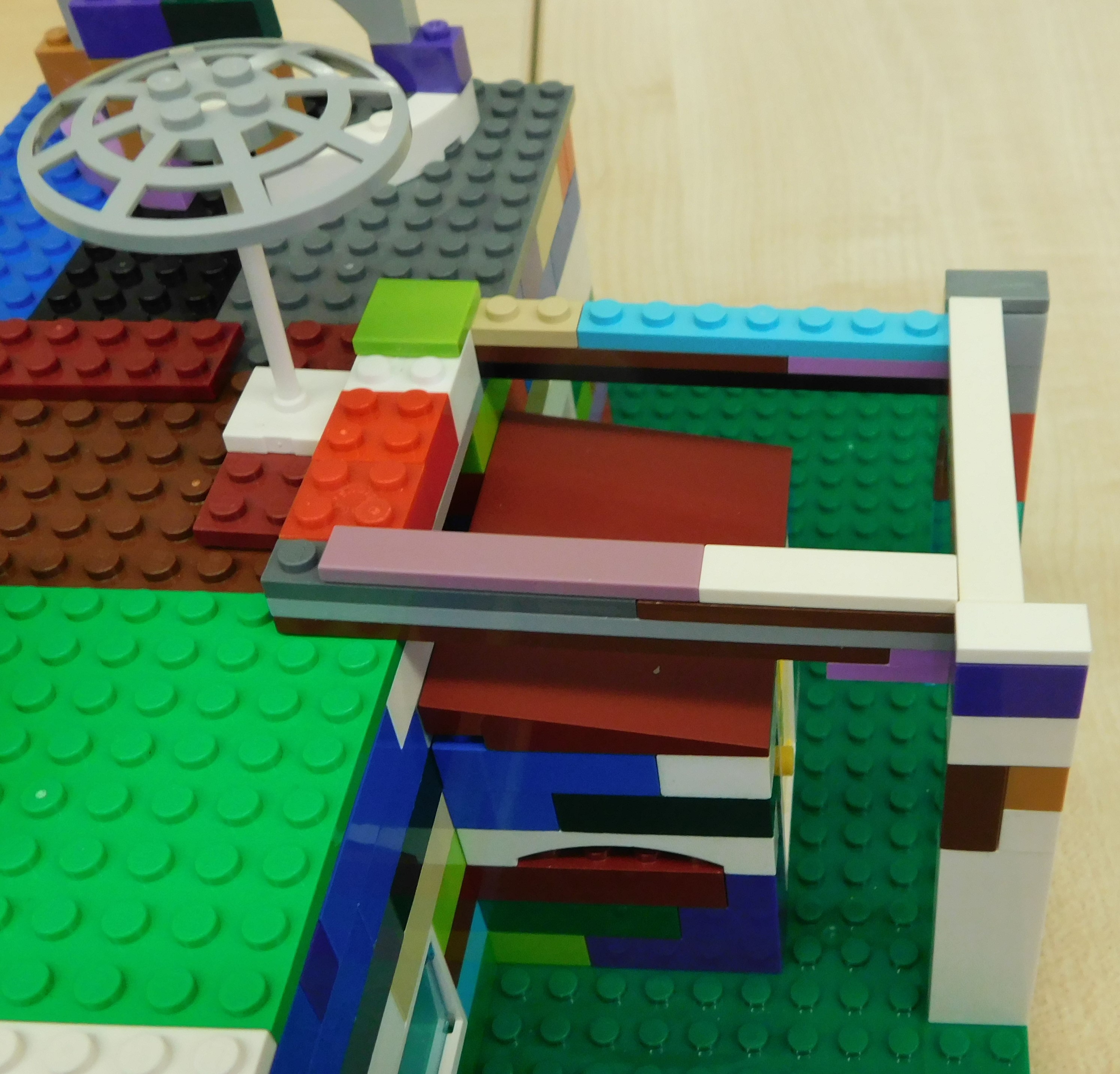
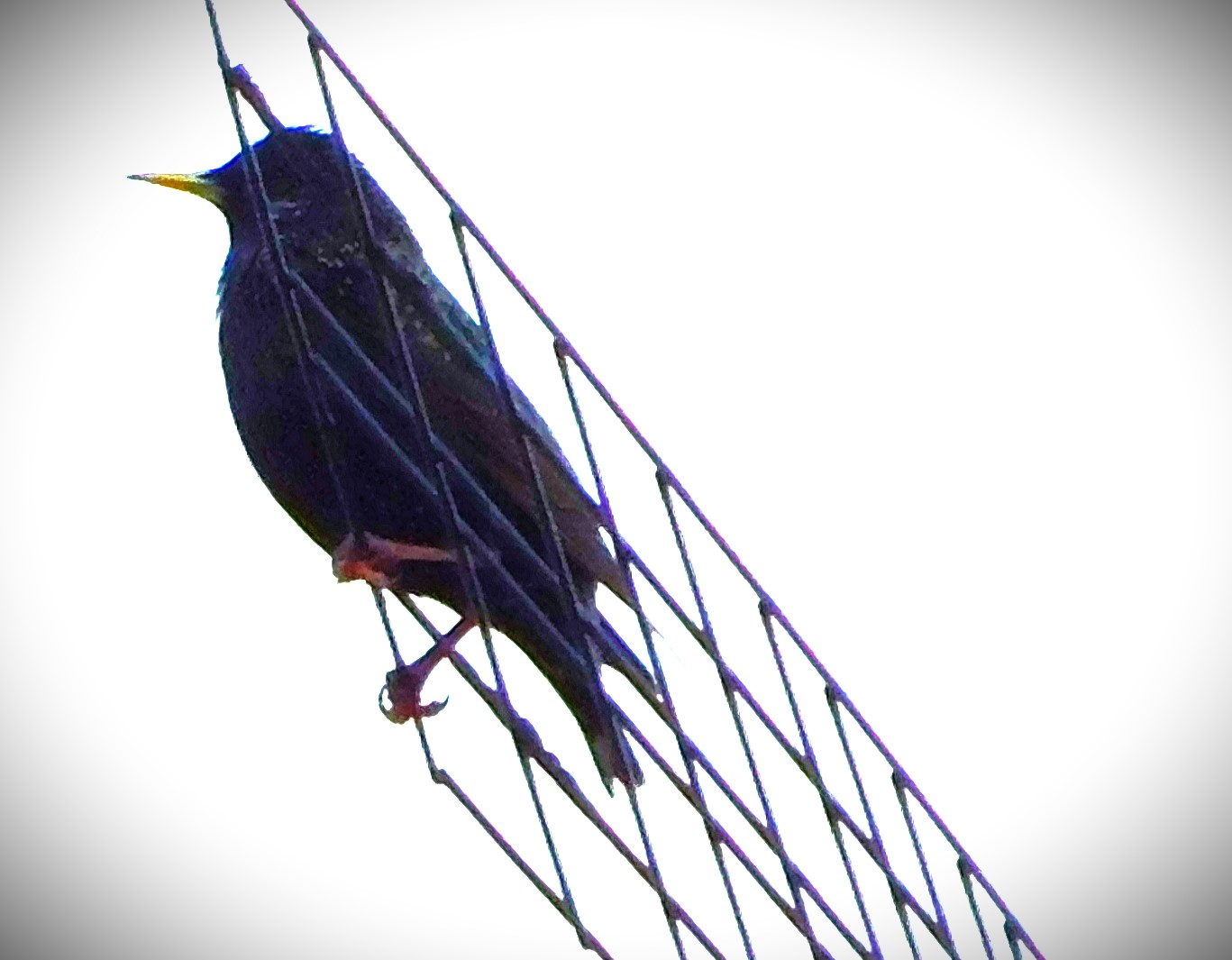
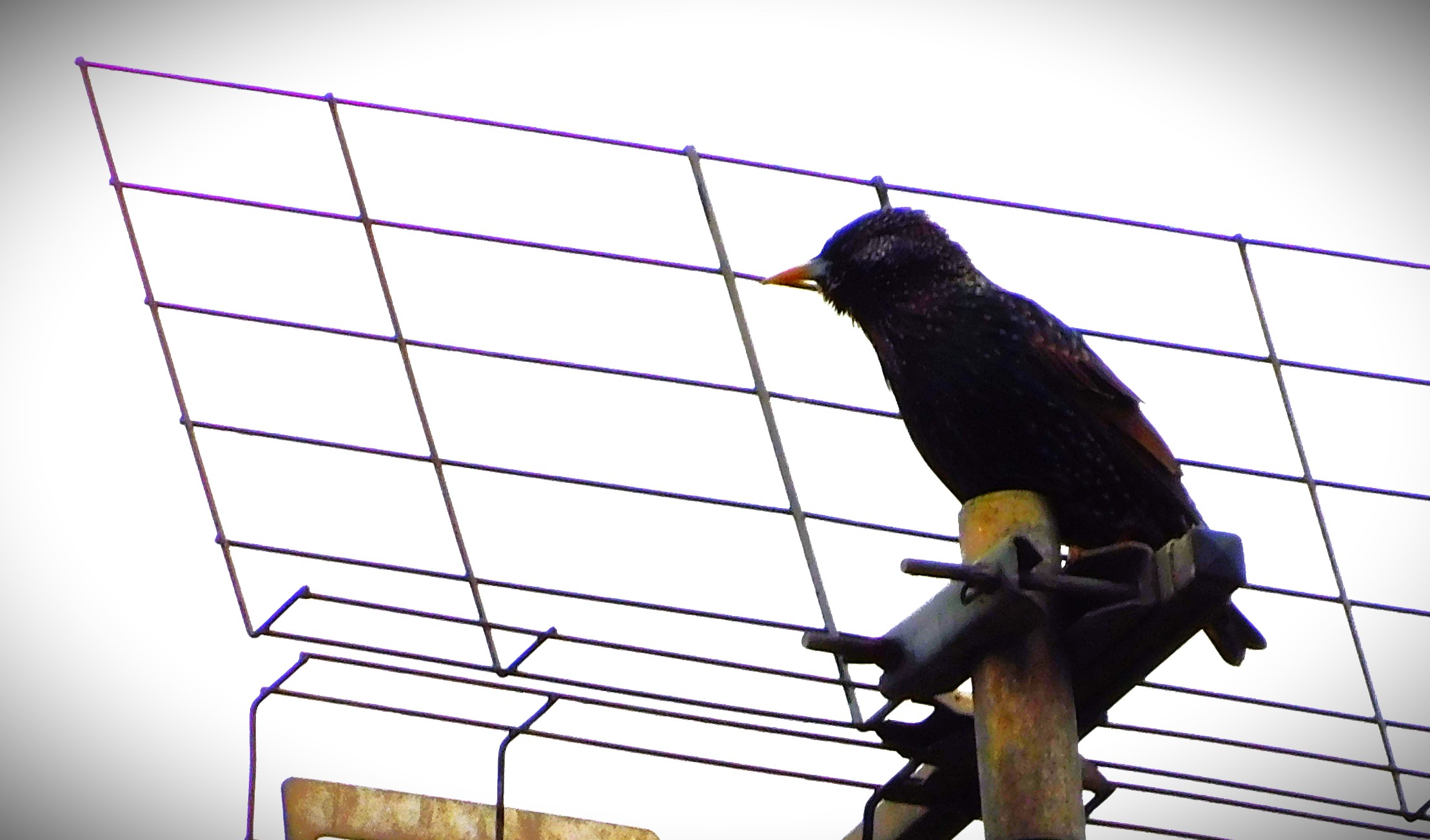
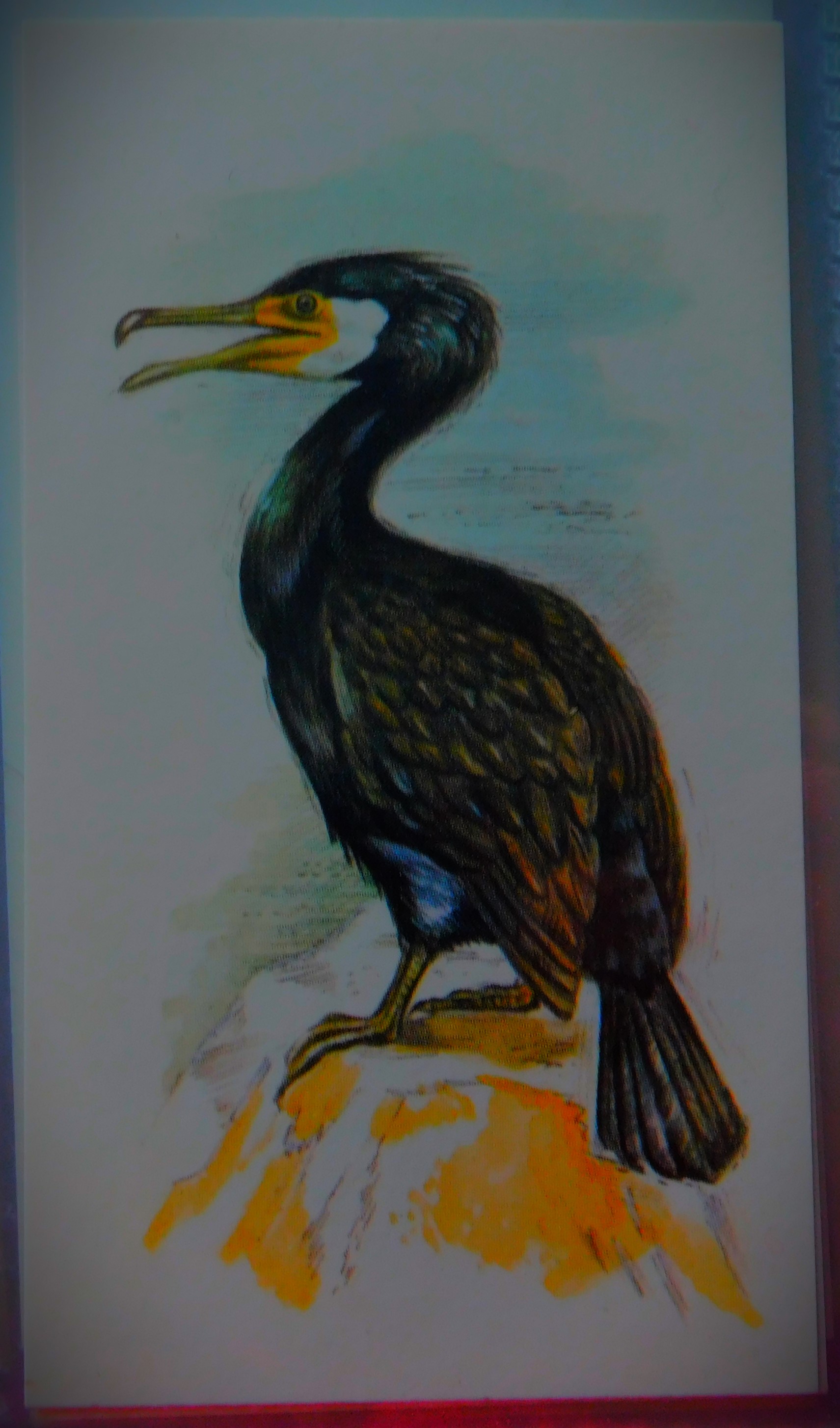
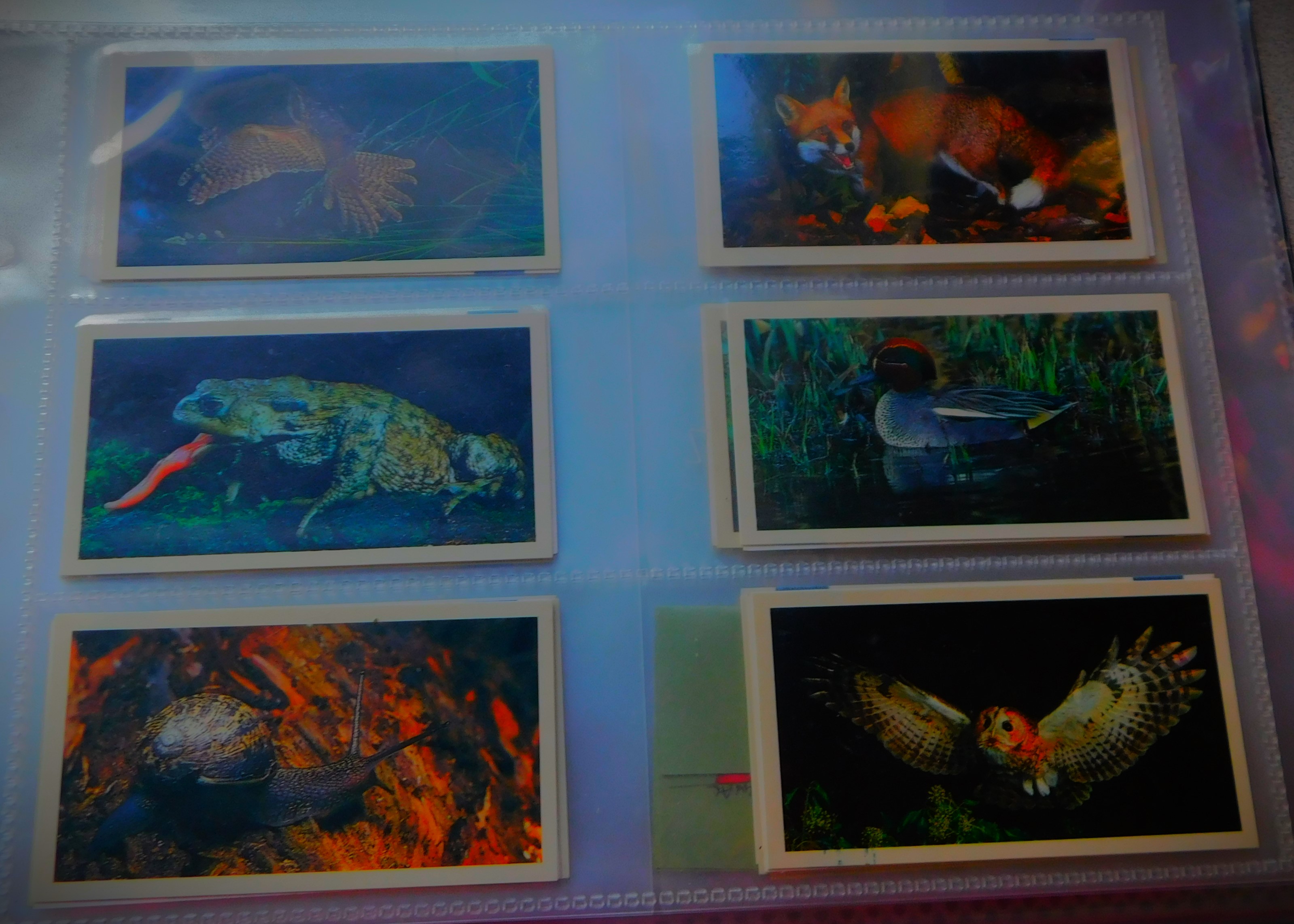
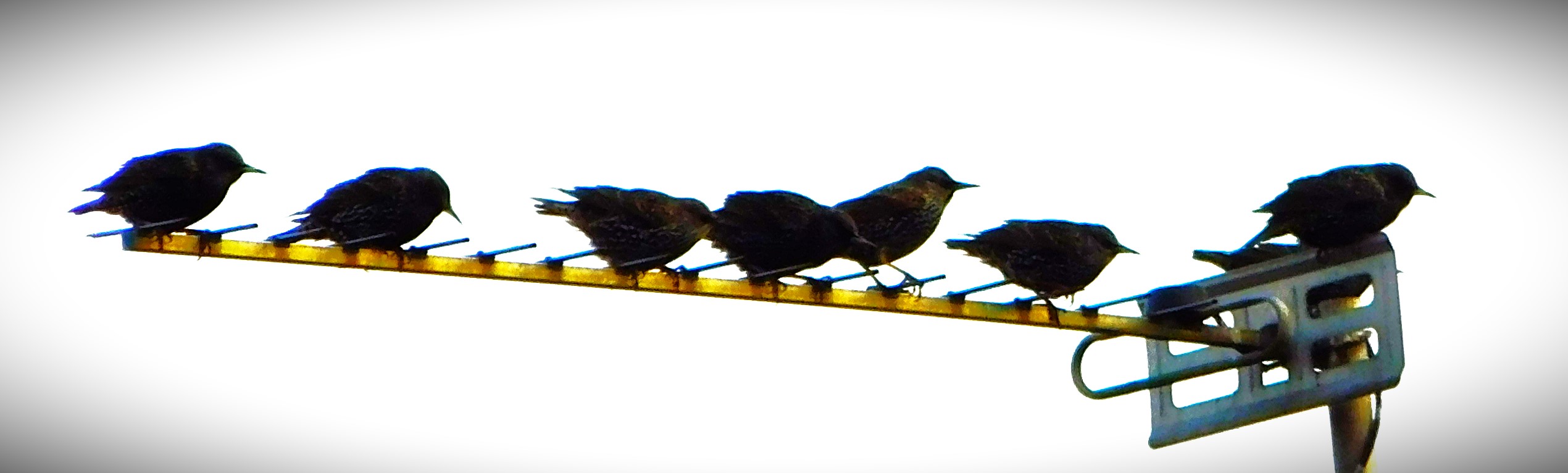
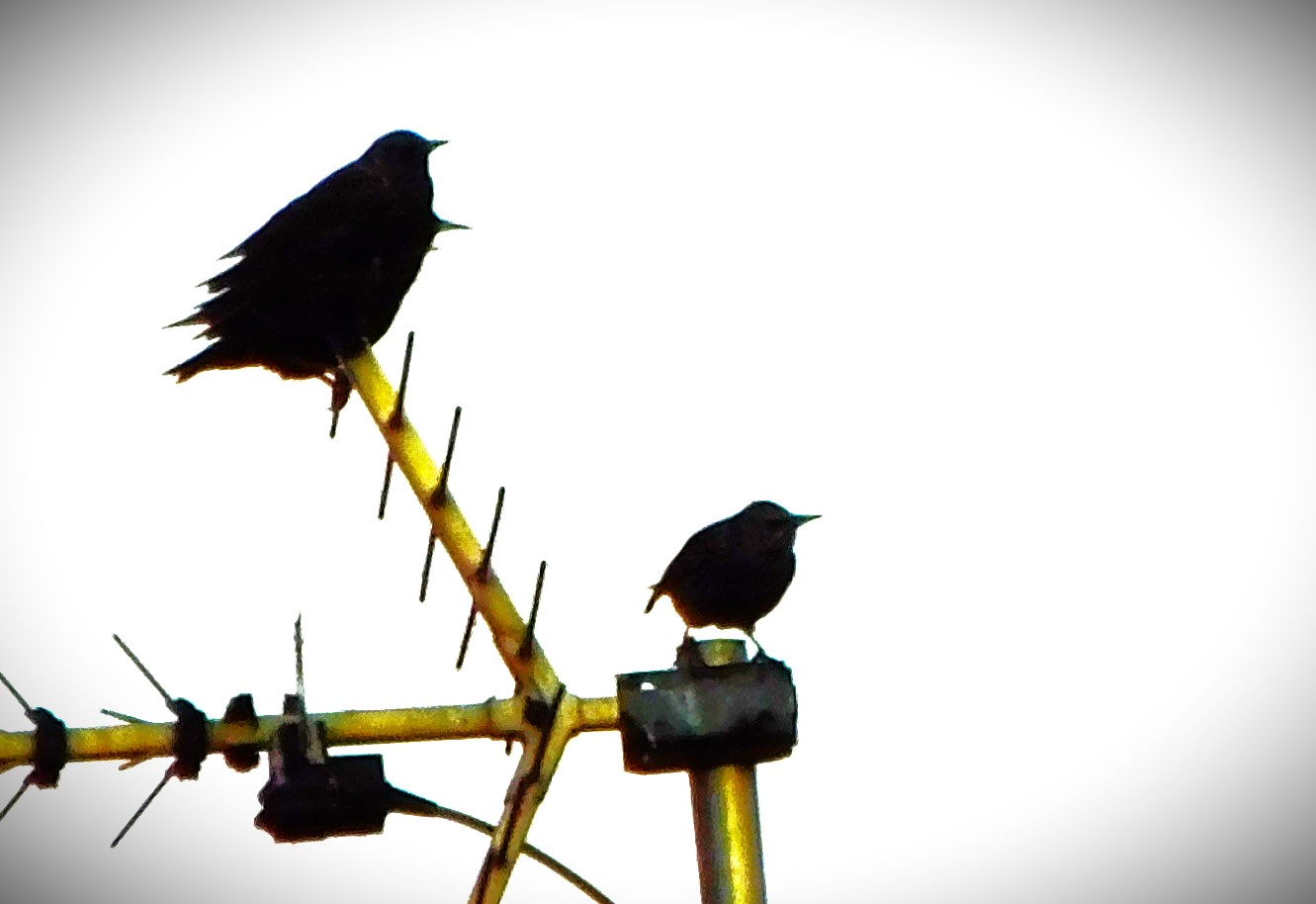
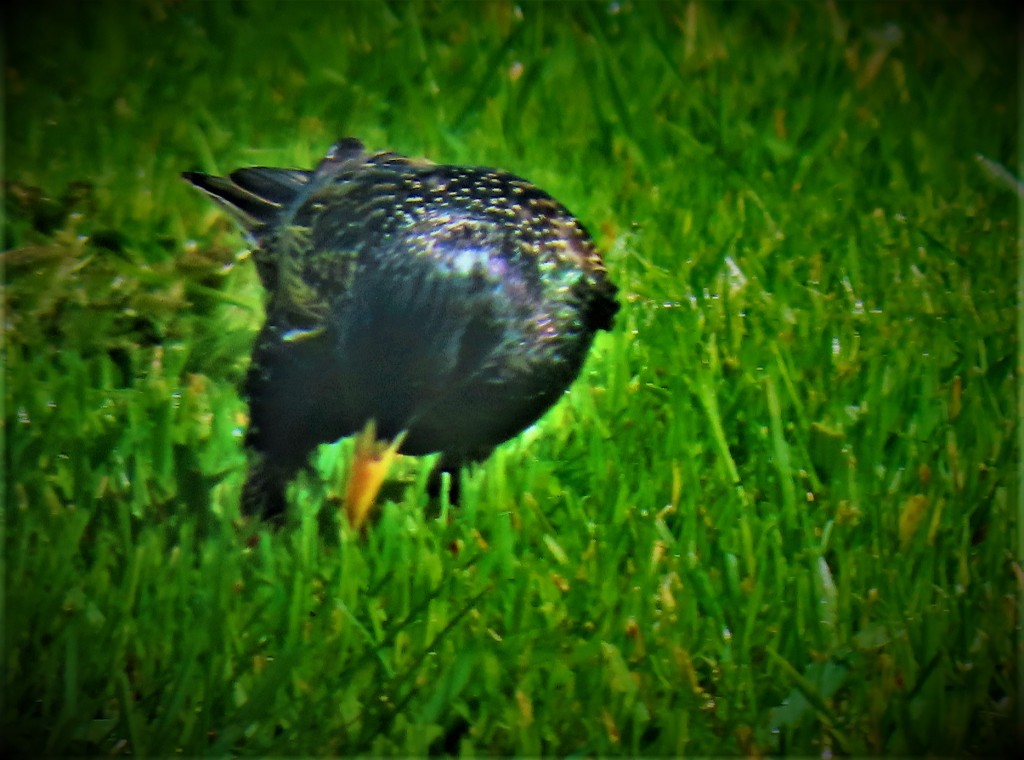
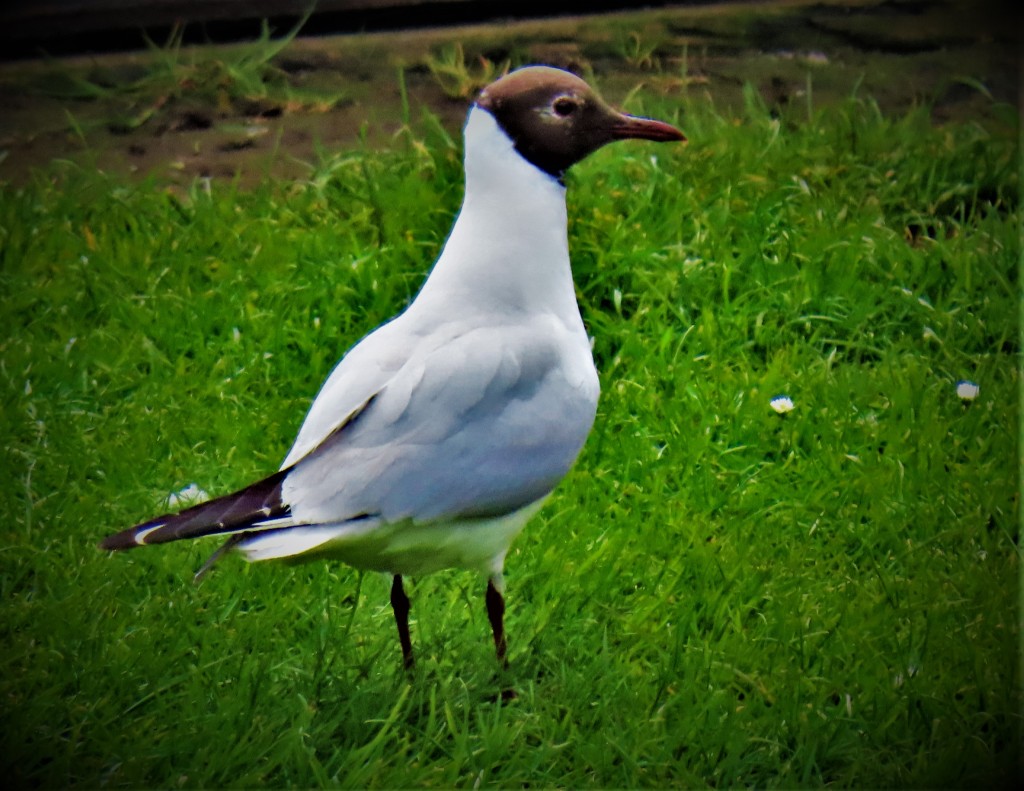
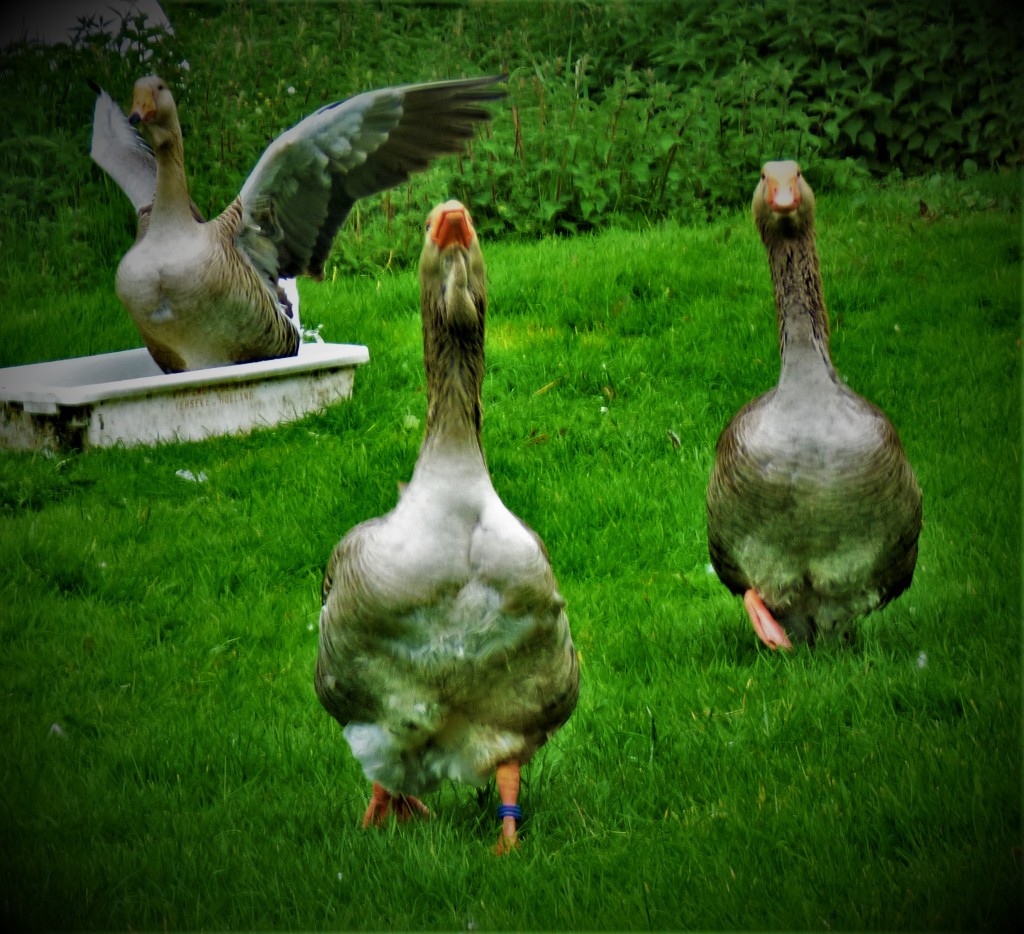
Saturday and yesterday were both good days for photography, in spite of being cloudy, and I therefore finish this post a king size gallery…

Pizza Making

An illustrated account of a pizza making event to remind folks of my existence, and of course a regular photo gallery. Everything should be back to normal email and internet wise from Monday afternoon.

My internet and email situation will be back to normal on Monday. This Sunday just gone I took part in a pizza making session for autistic adults at the King’s Lynn branch of Pizza Express. The body of this post describes the process.

Pizza making in these sessions does not start absolutely from scratch – we have preprepared dough to work with. When we get to it we have the following starting position…

an ellipsoid lump of very sticky dough surrounded by flour.

The first stage is to dust the dough (which would otherwise be too sticky to work with) with flour. Then one uses fingers to flatten out the edge of the dough, leaving a dome in the middle (at this stage the dough should be about the same size and shape as a fried egg). Next the dome has to be flattened with the palm of the hand, and then the now flat piece of dough needs to be worked on until it is roughly circular and not too different in size from the tray in which it will be cooked. It then needs to be inserted into the tray, and manipulated once in so that it covers the entire base, and there is a small rise up the side of the tray to keep all the toppings in…

The pizza base ready for the addition of the toppings.

The first addition to the base is a ladleful of tomato puree (Pizza Express do not allow for the making of ‘white pizzas’), which has to be spread out evenly using the back of a spoon…

Next come the optional toppings, the first two of which I accepted being mushrooms and olives…

Then came the meat toppings, of which I accepted pepperoni and passed on the rest…

The penultimate addition when all the optional toppings are in place is the cheese, without which of course it would not be a pizza…

Finally, for those who want it comes that classic Mediterranean flavour enhancer, oregano. For those who, like me, opted to accept this, you take it in your non-dominant hand so that you can sprinkle it evenly over your pizza with your dominant hand…

The pizza, now ready for cooking.

A few minutes later the pizza was ready for eating, and it was excellent.

The pizza, cooked and ready to be eaten.

My usual sign off…

Australia v Pakistan

A look back at the Boxing Day test between Australia and Pakistan, a brief comment on the Lamichhane case (some may find this distressing), a mention of the Panto at the Corn Exchange and a photo gallery.

Early yesterday morning the the Boxing Day test match between Australia and Pakistan ended a day ahead of schedule. The main part of this post looks back at that match. There is then a second section that some readers may find distressing, covering a piece of news that should not be overlooked. I end with my usual photo gallery.

I posted about developments earlier in this match here. Pakistan ended up 61 behind on first innings. They began the Australian second innings breathing fire, reducing their hosts to 16-4 at one point. They had a chance to make it 46-5, but it went to ground as more than one other did in the course of the match. The reprieved batter, Mitchell Marsh, went on to top score with 96 and Australia had 316 to defend in the end. The biggest ever successful chase at The G is 332, by England in 1928-9 in the match that won them that Ashes series, while Pakistan have a horrible record down under – last time they won a test match anywhere in Australia the side was captained by Imran Khan.

However, Pakistan did not surrender meekly, as their subcontinental neighbours had at Centurion in the other Boxing Day test (India 245, South Africa 406, India 131 – South Africa won by an innings and 30 runs), they had a real go at the target.

The got to within 100 of the target with the sixth wicket pairing of Mohammad Rizwan and Agha Salman together and going nicely. Cummins appealed for a catch behind against Rizwan, given not out on the field, with the TMS commentary team also certain that it wasn’t out and Rizwan indicating that it had hit his forearm on the way through. Australia sent it upstairs, and after about five minutes of using every piece of technology available to him the third umpire Richard Illingworth found what he believed was evidence to overturn the decision and instructed Michael Gough, the on field umpire, to do so. My belief is that having studied replays for that long there is no way the evidence Illingworth had could have been convincing enough to warrant an overturn.

The controversial breakthrough thus achieved, Australia did not take long to do the rest of the job, Pakistan being all out for 237 to lose by 79 runs. Pat Cummins in addition to captaining his side took five wickets in each Pakistan innings (5-48 and 5-49 respectively), and there was thus only one candidate for Player of the Match. Nevertheless, for me, the circumstances of Rizwan’s dismissal in the final innings means that this victory by Australia is somewhat tainted. A full scorecard can be seen here.

Yesterday it was announced that the a Nepalese jury had found Sandeep Lamichhane, the Nepali leg spinner, guilty of raping a minor, an offence that under Nepali law carries a possible 12 year jail term. In my view the ICC, as cricket’s world governing body, have a duty to respond to this news: Lamichhane should forthwith be banned outright from ever having anything more to do with organized cricket – no playing, no umpiring, no commentary gigs, no coaching (especially this latter given what he has been found guilty of) etc.

This year’s Christmas Panto at the Corn Exchange, King’s Lynn was Dick Whittington, and on Thursday night the West Norfolk Autism Group had block booked seats. The fact that we were buying in bulk got us a substantial discount on the regular price, and members were only asked to pay £5 per ticket by us. It was an excellent production, well worth the minor inconvenience of the timing (a scheduled 5:30PM start, which meant all I had time to do at home between work and the performance was get changed out of my work clothes, and supper had to wait until I got home again at the end of the evening).

My usual sign off…

Testing Times

An all time XI of players whose given names begin with T, including an honourable mentions section which pays particular attention to four specific areas, and a photo gallery.

Today I look at great players with given names beginning with the letter T. This was a particularly tough XI to select, and I will be starting the honourable mentions section with four disputed areas in this team. Incidentally I offer wholehearted congratulations to India Women on their all time record test victory over England Women. Their star was Deepti Sharma, who scored runs in both innings and was the chief destroyer with the ball as well, claiming 5-7 in the first England innings and 4-32 second time round.

  1. Tom Hayward (England, right handed opening batter, right arm medium pacer). In 1900 he passed his 1,000 FC runs for the season before the end of May, only the second ever to do so after WG Grace, all though the good Doctor scored all his runs actually in May, whereas Hayward’s tally included runs in April. 14 years later Hayward brought up the career landmark of 100 first class hundreds, again second ever to do so after WG. In 1906 he scored 3,518 first class runs in the season, a tally that stood as a record for 41 years, before Denis Compton and Bill Edrich both beat it in the same season. He also ushered on to the scene a fellow native of Cambridge named John Berry Hobbs.
  2. Tamim Iqbal (Bangladesh, left handed opening batter). An attack minded left hander to go with the more conservatively minded right hander Hayward, and one with a test average of close to 40.
  3. *Tom Abell (England, right handed batter, right arm medium pacer, captain). I needed a captain for this side, and this was my solution.
  4. Tom Graveney (England, right handed batter, occasional leg spinner). A stylish batter, with a test record of very considerable substance as well.
  5. Travis Head (Australia, left handed batter, occasional off spinner). It has taken a while for him to really establish himself at the very highest level but he is now one of the best batters in the world.
  6. Trevor Goddard (South Africa, left handed batter, left arm medium pacer). A genuine, but massively under-appreciated all rounder, I go into more detail about this slot in the next section of the post. For the moment, suffice it to note that he averaged 34 with the bat and 26 with the ball at test level.
  7. +Tom Blundell (New Zealand, wicket keeper, right handed batter). An accomplished keeper/ batter for New Zealand, his record demands that he be included.
  8. Tom Emmett (England, left arm fast bowler, left handed batter). By the time test cricket was a thing he was past his absolute prime, but his FC averages were the right way around, 14.84 with the bat and 13.55 with the ball, which convert using my usual metric to 22.26 with the bat and 20.23 with the ball in the modern era.
  9. Tom Richardson (England, right arm fast bowler, right handed batter). His 14 test appearances yielded 88 wickets. His achievements for Surrey were staggering as well. Between 1894 and 1897 inclusive (four English seasons and one tour of Australia), Richardson claimed 1,005 first class wickets.
  10. Tom Goddard (England, off spinner, right handed batter). He started as a fast bowler, but following advice from Gloucestershire team mate Charlie Parker, who had noted the size of Goddard’s hands and the strength of his fingers he went away and remodelled himself as a spinner, and in that capacity he was one of the greats, ending a very long career (forced because of an attack of pleurisy) as the fifth leading first class wicket taker of all time, with 2,979 scalps at 19.84 each.
  11. Taijul Islam (Bangladesh, left arm orthodox spinner, left handed batter). 44 test appearances have yielded him 192 wickets, sufficient to earn him his place in this XI.

This side is strong in batting, even with the 9, 10, 11 being old style tail enders, and has lots of bowling, with Emmett, Richardson, Tom Goddard, Islam and Trevor Goddard as the main attack and Hayward, Abell and Head all capable of providing support if needed.

I will start with four particularly contentious areas, in batting order:

First, the number three slot. Technically I should have given this to Tom Latham of New Zealand, but I decided it was worth possibly sacrificing a few runs per innings to have Abell’s captaincy available.

Second, the all rounder position. Many would have opted for Trevor Bailey, but Goddard actually had better records in both departments than the other Trevor. Bailey averaged 29.74 with the bat and 29.21 with the ball at test level, Trevor Goddard 34.46 with the bat and 26.22 with the ball. Goddard also had a better wicket taking rate than Bailey, claiming an average of exactly three per test whereas Bailey averaged just 2.16 per test. Thomas Odoyo of Kenya would be a contender for a limited overs side.

Third, the wicket keeper’s slot. Taslim Arif had an amazing record with the bat for Pakistan in the few tests he got selected for, but he was never first choice keeper. Tim Ambrose of England was a quality keeper and a useful batter, but not quite good enough to displace Blundell. Tom Box, an legendary keeper of the mid 19th century also merits a mention.

Fourth, the new ball pairing. I opted for a pair of outstanding practitioners he never overlapped, rather than a pair with respectable records who bowled in tandem a considerable number of times at the highest level, Trent Boult (LFM) and Tim Southee (RFM), both of New Zealand. My feeling is that Emmett and Richardson were so great as individuals that I am prepared not to pick the established pairing, but I acknowledge that there is a good case for picking the Kiwis.

Thilan Samaraweera of Sri Lanka was a fine batter on flat subcontinental pitches, but did little outside of Asia.

Two quality English seamers who missed out were Tom Cartwright and Tim Bresnan. Tom Wass of Nottinghamshire, a bowler of both fast medium and leg spin who took 1,666 first class wickets at 20 without ever getting an England call up was a challenger for the place I gave to Taijul Islam. Tymal Mills would be in the mix for a T20 side, but concerns over his back have led him to restrict himself to cricket in which he never has to bowl more than four overs at a stretch.

Tim May of Australia was a fine off spinner, but not fine enough to dislodge the fifth leading wicket taker in FC history. Tommy Mitchell of Derbyshire was a good leg spinner, who claimed three wickets at 20 each in his sole test appearance, which came during the 1932-3 Ashes in the one match for which England deemed two specialist spinners necessary.

Tom Walker of Hambledon does not have a complete enough career record to be selected, but needs mention for historic reasons – he was the first to attempt round arm bowling, and also pioneered lob bowling. Thomas Lord, a native of Thirsk, was a negligible cricketer, but the third of the three grounds he arranged for the Marylebone Cricket Club, which opened for business in 1814 is one of the most famous cricketing venues in the world.

Finally, while picking a fictional character is too much even for me to consider, Tom Spedegue of “Spedegue’s Dropper” would certainly have given the bowling extra variety.

My usual sign off…

All Time XIs – The Letter N

Continuing the exploration of the all-time XIs theme with a look at the letter N.

Welcome to this latest installment in my exploration of the ‘all time XIs’ theme. This time the team all have surnames beginning with the letter N.

THE XI IN BATTING ORDER

  1. Stan Nichols (Essex, England). Left handed batter, right arm fast bowler. He didn’t play many games for England, but he was an Essex stalwart for many years, and he did on occasion open the batting for the county, a role I have given him in this.
  2. Mudassar Nazar (Pakistan). A stubborn right handed opening batter and occasional purveyor of medium pace. He forms an excellent counterpoint to the flamboyant Nichols.
  3. Seymour Nurse (West Indies). An excellent batter with test HS of 258. He is the first of a powerful trio of middle order batters for this team.
  4. Arthur Dudley Nourse (South Africa). A test average of 53, maintained through a long career.
  5. Arthur William ‘Dave’ Nourse (South Africa). A left handed batter and left arm medium pace bowler. He was Dudley’s father, but never coached his son. Once an argument about how to hold the bat broke out in a game of street cricket that Dudley was playing, and Dudley took the matter to his father. Papa Nourse, completely composed, told Dudley “Son I learned to bat with a fence paling – now you go and do the same”. From that moment on Dudley did things his way.
  6. *Monty Noble (Australia). A right handed batter and off spin bowler, he was one two notable all rounders to play for Australia in the early 20th century, Warwick Armstrong being the other. He was highly regarded as captain of the side, a role I have given him in this XI. He was the third victim of arguably the most notable test hat trick ever taken, when at Headingley in 1899 JT Hearne accounted for Clem Hill, Syd Gregory and him in successive balls – one great batter, one very good one and one all rounder. He was the bowler when Albert Trott hit his famous blow that carried the Lord’s pavilion. His accounts of the 1924-5 and 1928-9 Ashes series are both excellent reads. His full record can be viewed here.
  7. +Paul Nixon (Leicestershire, England). Years of sterling service for his county did not translate into many England caps, but he was a superb keeper, and good enough with the bat to have scored 1,000 FC runs in a season – the first Leicestershire keeper to reach that mark since 1935.
  8. Makhaya Ntini (South Africa). Over 300 test wickets confirm his status as a top notch fast bowler.
  9. Shahbaz Nadeem (India). A left arm orthodox spinner with a fine FC record whose international opportunities have been limited by the fact that he is a contemporary of Ravindra Jadeja and Axar Patel, both of whom are quite rightly ahead of him in the pecking order.
  10. Sarfraz Nawaz (Pakistan). Not a genuinely fast bowler, but a highly effective operator at fast medium. His greatest moment came with Australia 305-3 chasing a target of 382 – they were 310 all out, Sarfraz Nawaz taking all seven of those wickets, to give him nine in the innings, at a cost of one run.
  11. Anrich Nortje (South Africa). One of the fastest bowlers of the current era, no opponents relish facing him.

This side contains a somewhat make shift opening pair, a powerful trio at three, four and five, a genuine all rounder, a keeper who could bat and four fine specialist bowlers. It is not one of the strongest XIs in this series, but it is certainly not the weakest either. If forced to choose I would always prefer a strong bowling side with slightly questionable batting over a powerful batting side that will struggle to take 20 wickets – the former combo is much more likely to win matches, while the latter will probably be made to settle for a draw when its batting fires and be defeated when it does not.

HONOURABLE MENTIONS

I will start with the question of openers: the main alternatives to using Nichols in that role were Scott Newman, who never played international cricket though he was fairly prolific at county level, and Imran Nazir of Pakistan, most of whose greatest successes came in limited overs matches.

Henry Nicholls of New Zealand is a gritty batter but not quite of the necessary class to displace Nurse or either of the Nourses from this XI.

Otto Nothling was a fine all round athlete, and a good cricketer at state level in Australia, but when the chance came at test level he did nothing. Had I not settled on Noble as skipper I would have considered Shelley Nitschke for the all rounders slot – her being a left arm spinner would have made selecting the specialist spinner somewhat easier.

The only alternative to Nixon for the keeper’s slot that I could think of was another player with Leicestershire connections, Tom New. He was perhaps a little better with the bat than Nixon but he was not as good a keeper, and that settled the issue.

Rana Naved of Pakistan at number eight would have strengthened the batting (none of my four chosen bowlers would be likely to make a major contribution in that department), but while his record at FC level and in limited overs internationals was good, he paid over 50 a piece for his test wickets. Australian brothers Lisle and Vernon Nagel both bowled medium fast, making use of their height (6’6″) to generate awkward bounce. Lisle once took 8-32 in an innings in a tour match vs MCC (during the 1932-3 tour), but he did not deliver for the test team. Buster Nupen, the only test cricketer born in Norway, came close, but he paid 32 a piece for his wickets at the highest level, just too much. Australian pacer Ashley Noffke was never a regular at international level, and similarly current Indian pacer T Natarajan has yet to establish himself at the highest level.

Mark Nicholas could only have made the XI as a specialist captain, a notion I do not especially approve of, and with Noble available to skipper one that was hardly necessary. He would however get to lead the comms team when this XI was in action.

Nasim-ul-Ghani who was the first nightwatcher to score a test ton did not do enough with his left arm spin to merit inclusion. Sunil Narine, formerly of the West Indies and now plying his trade in short format leagues around the world is an off spinner thus with the presence of Noble doubly disqualified. Similar arguments apply to Afghan legend Mohammad Nabi.

I fully expect that ten years or so from now the young Afghan left arm wrist spinner Noor Ahmad will have taken his place among the cricketing elite, but at the moment, not altogether surprisingly for a 17 tear old he does not have enough of a record to be worth a place. He may suffer somewhat because his country have such a glut of quality spinners: Rashid Khan, Mujeeb-ur-Rahman, Qais Ahmad and Zahir Khan are just four of those he is up against for international honours.

PHOTOGRAPHS

Our cricketing journey through the letter N is at an end and it remains only to apply the usual sign off…

Surrey In Control

A look at Surrey v Gloucestershire, a mathematical teaser, an article and some photographs.

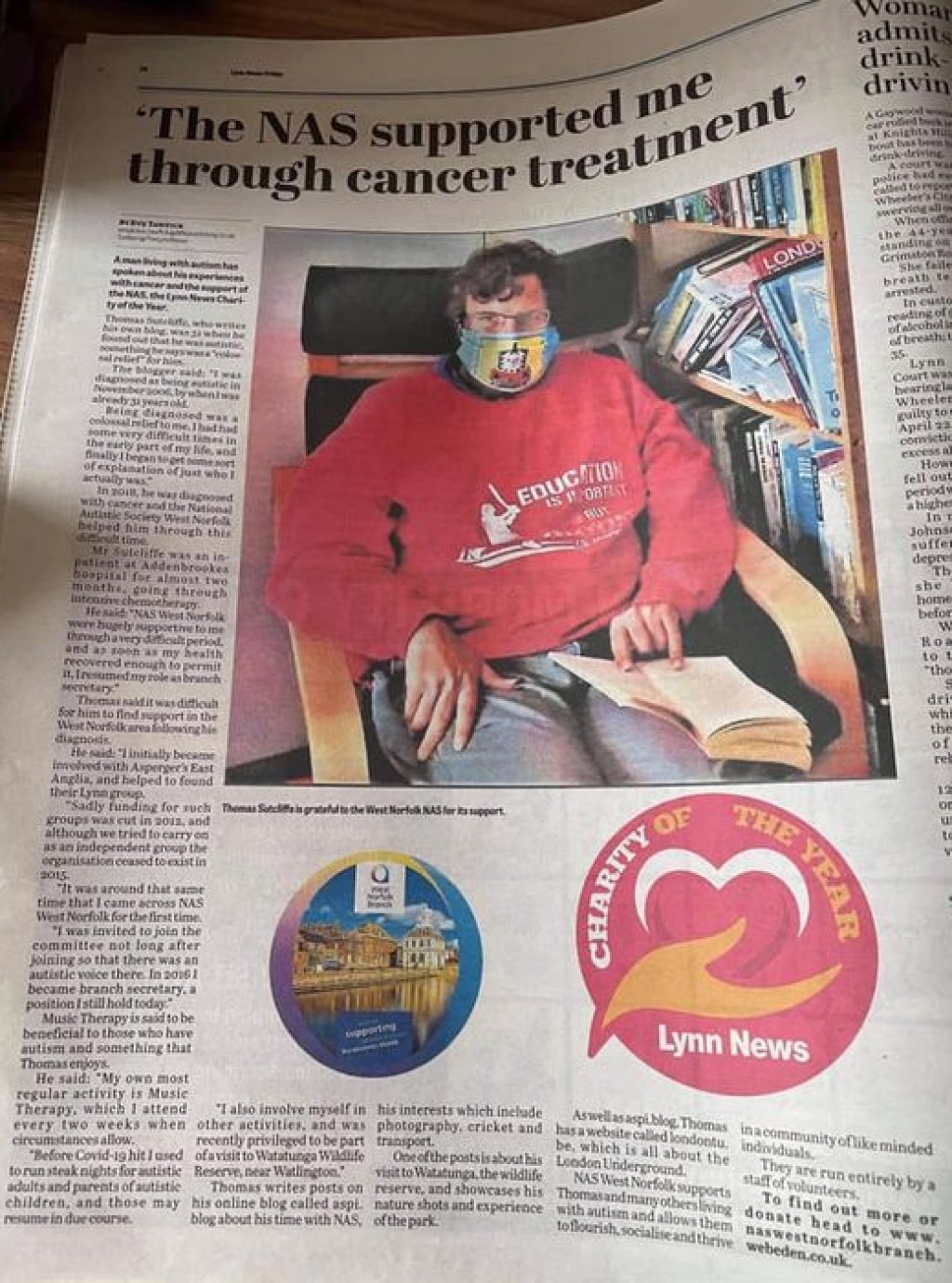
Although I am giving some details from a cricket match and have used that as my title this is not exclusively a cricket article. I also wish to take the opportunity to welcome any new readers who may come to the site as a result of an article about me in the Lynn News, a screenshot of which is the feature image of this post. Also, I am going off on holiday later today, to northern Scotland (I will be travelling on an overnight train for some of the journey), and posting may be limited for the next eight days for that reason.

SURREY V GLOUCESTERSHIRE

This match has seen some dramatic swings in the just over four sessions it has been going for. At 105-1 Surrey looked in control, at 183-5 the pendulum had swung towards Gloucestershire, and by the close yesterday at 285-5 it was evenly poised. Hashim Amla, the former South African international, had a ton to his name by the close and Jamie Overton at n07 reached 50 off the final ball of the day. Overton fell to the first ball of the morning, which brought Sean Abbott to the crease. Gloucestershire then made a very odd call, seeking to keep Amla off strike to attack Abbott who is a decent lower order batter and had been sent in ahead of someone with 10,000 FC career runs to his name. This backfired horribly, Abbott making 40 out of a stand of 61. His dismissal at 346 brought Rikki Clarke (he of the 10,000 FC runs) to the crease, and at the moment he and Amla are still together. The score is now 385-7, with Amla closing in on 150. To come are the two specialist spinners, Virdi and Moriarty. Gloucestershire have been excellent thus far this season, but it is hard to see any way for them to win this game from here.

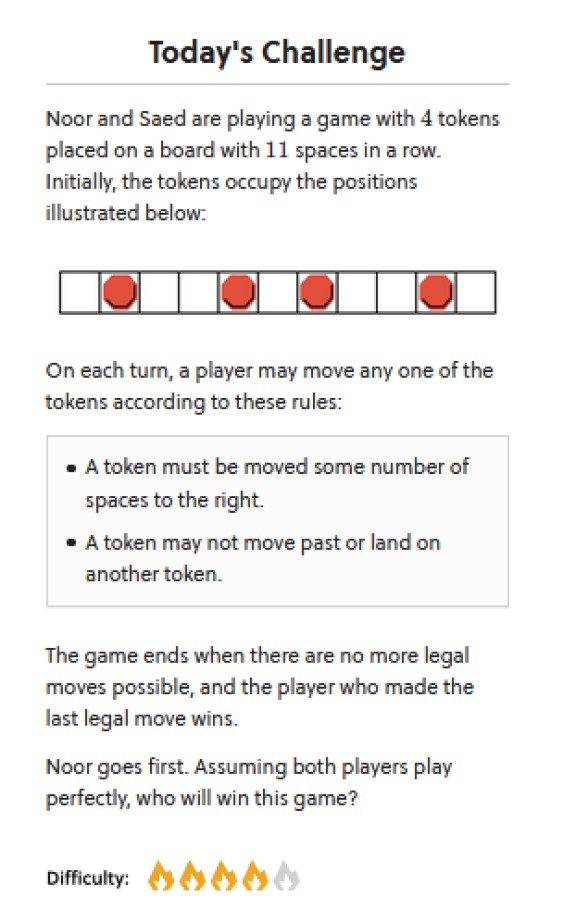
A MATHEMATICAL TEASER

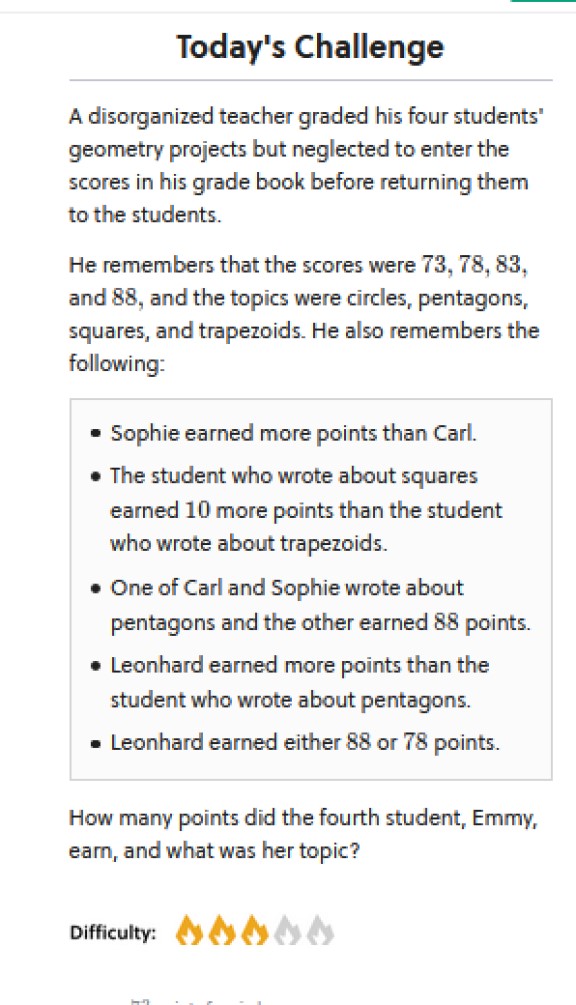
I regularly feature problems I have encountered on the website http://www.brilliant.org here, sometimes adapated, and I do so again today:

A small additional question: can you identify the four mathematicians after whom Carl, Leonhard, Emmy and Sophie are named (answers to both parts of this question in my next post).

PHOTOGRAPHS

I always include photographs in my blog posts, and I have some for you now:

England Potential Bowlers

A look at potential bowling options for England, a couple of links, a mathematical puzzle and some photographs.

Welcome to this post which features a few bonus features. The weather has ensured that developments in the County Championship do not warrant a post today, so I am looking at possible bowling options for England.

ENGLAND BOWLING PICKS

I am going to work through the options starting with out and out speedsters and ending with four players, two of them very much future rather than present prospects, who would not be picked purely for their bowling but might be used a few overs here and there.

The are four out and out fast bowlers who the selectors might well pick: Jofra Archer, Brydon Carse, Olly Stone and Mark Wood. Three of these have already played test cricket, while Carse has been making waves over the last couple of years. Personally given his injury history and his value in limited overs cricket I would be chary of picking Wood for test matches. Archer and Stone could both easily play, and Carse is an extra option. On home tracks I do not see more than one bowler from this bracket being warranted, but some overseas tracks may well warrant two or more out and out speedsters (Perth and Johannesburg spring to mind).

Right arm medium-fast/ fast-medium: There are many English bowlers in this bracket with excellent FC records, but to me six have definite England claims. The two veterans Anderson and Broad will probably rotate, though there may be situation in which both get selected. Oliver Edward Robinson and Craig Overton are both having storming seasons, have superb career records and would seem to be in a head to head for the no8 slot. With Stokes currently injured it is quite likely that an all rounder will be selected to bat at no7, and the two main candidates for that role in this bracket are Chris Woakes and Ryan Higgins. Woakes if definitely fit would be the first choice, especially with the first test taking place at his northwest London fiefdom, aka Lord’s.

Left arm medium to fast-medium: Sam Curran is the obvious bowler of this type for England to turn to, and could possibly bat as high as seven, though eight seems more realistic for him at present. George Garton is another promising talent in this bracket, and Sussex have him batting at no7 at the moment.

Spinners: Jack Leach is the man in possession, and it is wildly unlikely that a home pitch will warrant the selection of two specialist spinners. Matt Parkinson (leg spin), Jack Carson and Amar Virdi (both off spin) have all had big performances this season, and given the slim pickings England off spinners have generally had in Australia Parkinson is probably the current no2. Finally, there remains the possibility of offering Sophie Ecclestone who has an extraordinary record in women’s internationals her opportunity to perform alongside the men.

Batters who bowl: Obviously Stokes (LHB, RF) would if fit be preeminent in this category, but he is currently injured. Matt Critchley of Derbyshire (RHB, LS) is having a superb season with the bat and it is quite possible that England would select him and give him a few overs here and there in addition to using his batting. A couple of youngsters who will be on the radar in the near future are Lewis Goldsworthy of Somerset (RHB, SLA) and Luke Hollman of Middlesex (RHB, LS). Goldsworthy hasn’t yet bowled in FC cricket, but has scored 39, 41 not out and 24 in his three innings, and the last two were knocks played under considerable pressure on pitches that were not straightforward.

Myself given that the next test match is at Lord’s I would be going with Woakes and Oliver Edward Robinson at seven and eight, with commiserations to Craig Overton. My team would look something like: Sibley, Burns, Crawley, *Root, Pope, +Foakes, Woakes, OE Robinson, Stone, Leach, Anderson. Archer, Carse or Wood could take Stone’s place and of course Broad could play ahead of Anderson depending on form or fitness.

A COUPLE OF LINKS

The Lynn News are running a poll for who should be their Charity of the Year, and NAS West Norfolk, of which I am branch secretary, are among the nominees. Please read the article and vote for us by clicking here.

Phoebe has one again opened up her blog for people to promote their own blogs, and I urge you to visit and check out some of the blogs advertising themselves there. Please click here to do so.

A MATHEMATICAL PUZZLE

This is a fun problem from brilliant.org:

PHOTOGRAPHS

Leaden sky and persistent rain are not the best conditions for photography, but I do have some pictures to share with you:

Five To Follow In The 2021 English Cricket Season

A look at five players to follow for the upcoming season, with mentions for a few others as well, and of course some photographs.

With various pre-season friendlies in full swing around the country I look at some of the youngsters who I hope will feature prominently in the season to come. The five I focus on are as it happens an opening batter, two spin bowling all rounders and two specialist spinners. I then mention a few others who were near misses for various reasons. I also have some photographs to share, a regular feature of this blog, and I take this opportunity of welcoming new followers – my thanks to you all for deciding to follow me on this blog.

FIVE TO FOLLOW FOR THE SEASON

  1. Tom Lammonby – Somerset, left handed opening batter, occasional left arm medium-fast bowler. Six first class matches, 459 runs at 51.00 including three centuries, total career bowling figures 2-38. The young opener has made a superb start to his first class career, and England’s current top order looks a trifle shaky at present, with Rory Burns probably the most vulnerable of the top three. In view of his paucity of appearances to date and the fact that England have an away series in Australia this winter, which would be a tough assignment to give a young opener as an introduction to international cricket it is more likely that a good full season in 2021 to prove that his fine start is not a freak would lead to elevation for the 2022 home season than that he will break into international cricket this season, but I will very surprised if he does not grace the test arena in the not too distant future.
  2. Luke Hollman – Middlesex, left handed batter, leg spin bowler. So far all seven of his first team appearances have been in T20s, and he has scored 139 runs at 34.75, and with a strike rate of 139.00 and taking nine wickets at 18.11 with an economy rate of 6.79. I hope that he will feature in some longer form cricket this season as well as continuing his development in limited overs cricket. England are short of good spin bowling options, and a spinner who can bat would be especially useful. Even if he ends up specializing in limited overs cricket Adil Rashid cannot go on for ever, and there are few obvious replacements.
  3. Lewis Goldsworthy – Somerset, left arm orthodox spin bowler, right handed batter. A bowling all rounder who enjoyed some success in the last under 19 cricket world cup, the youngster’s senior cricket has thus far been limited to three T20s, in which he has scored 38 not out off 29 balls in the only innings he played and taken five wickets at 17.20 each with an economy rate of 7.81. I hope that with Leach likely to be with England for most of the season he will get the chance to play a whole season of first team cricket in all formats.
  4. Liam Patterson-White – Nottinghamshire, left arm orthodox spinner, left handed batter. The youngster has played five first class matches, capturing 20 wickets at 21.00, including a best of 5-73 and scoring 91 runs at 15.16, including a best score of 58 not out. A full season of first team cricket would go some way to showing whether those good early figures are a true representation of his abilities or not. The fact the he can handle a bat may well count in his favour if he keeps taking wickets.
  5. Daniel Moriarty – Surrey, left arm orthodox spin, left handed batter. Just two matches for the Reigate born youngster. His two first class appearances to date have yielded 17 wickets at 20.11, while his 13 T20s hav yielded him 17 wickets at 18.91 with an economy rate of 6.91. Again, this is a case of waiting to see what he can do over the course of a whole season.

OTHER PROSPECTS

I concentrated for my five to follow on newcomers and on players who either bowl spin or open the batting. In this section I mention briefly an opener who has played for England before and seems to be coming back to his best after a couple of years in the wilderness, two young seamers whose upward progress is limited by England’s riches in that department and another young spinner who would only enter the reckoning if the England selectors were prepared to seriously radical.

  1. Haseeb Hameed – Nottinghamshire, right handed opening batter. A brilliant start to his test career (averaging 43 after three matches) before an injury forced him out of the side. There followed two lean seasons for Lancashire, and then a move to Nottinghamshire. Last year at his new county things picked up for him, though his career FC average remains a modest 31. Nevertheless, the fact that he has a proven test match temperament and some success at that level means that another good season this year could well get him back in the reckoning.
  2. Ben Coad – Yorkshire, right arm fast medium bowler. 38 first class matches, 157 wickets at 19.93. The trouble is that with the veterans Broad and Anderson, three genuine speedsters in Archer, Stone and Wood, the all round talents of Chris Woakes and the x-factor brilliance of Ben Stokes there are not many vacancies for seam bowlers even if they have great records.
  3. Oliver Edward Robinson – Sussex, right arm fast medium bowler, useful lower order right handed batter. 58 first class matches, 250 wickets at 21.78, batting average 20.84 with one century and five fifties. Again, a victim of England’s strength in the seam bowling department, but he is possibly good enough with the bat to be at eight with either two speedsters and Leach or one speedster, Leach and one of Anderson or Broad rounding out the order. He would probably do a fine job for England, as he has for Sussex.
  4. Sophie Ecclestone – left arm orthodox spin bowler. In all formats of women’s international cricket she has 106 wickets for 2057 runs, an average of 19.41 per wicket, and she is still only 21 years old. Given this extraordinary record and England men’s dearth of spin options at present there are those of us would like to see her given the opportunity to show what she can do in the men’s game.

Please feel free to use the comments to mention other players who are on your personal radar or to take issue with my own suggestions.

PHOTOGRAPHS

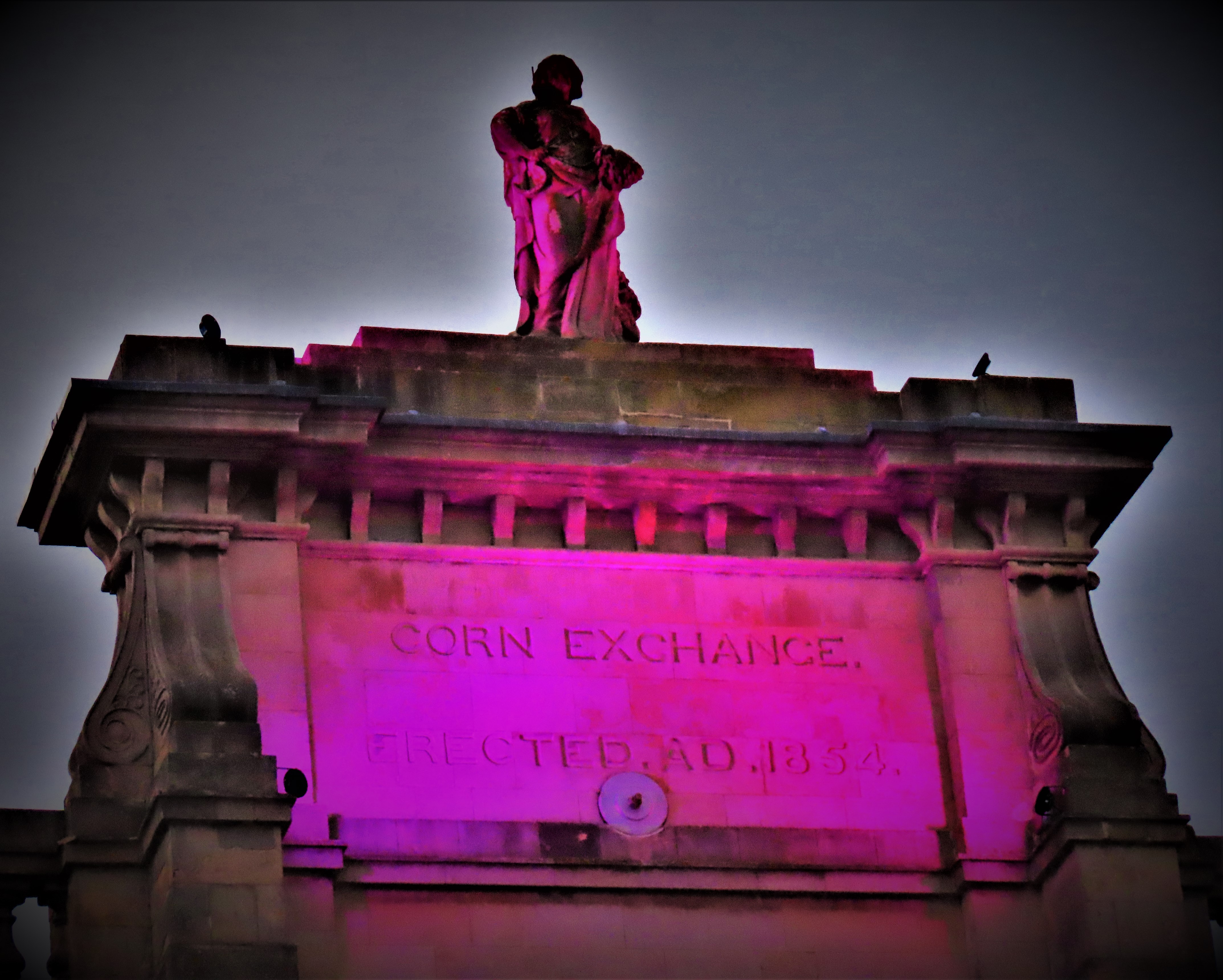
My usual sign off, starting with the lighting up of the Corn Exchange yesterday evening (they also lit up the town hall in the same pink and purple)…

April 2

An autistic perspective on April the Second, with some important links.

This post is mainly geared to sharing, since I have made some good connections today, but I am also going to say a bit about today and what it should really be about.

APRIL THE SECOND

Today is offically dubbed ‘World Autism Awareness Day’, a designation that for reasons I explained two days ago I find difficult to accept. I will be in town for the turning on of special lights tonight, but they will be in the colours of the National Autistic Society, and as branch secretary of NAS West Norfolk I can fully accept that – had the lights going on been blue I would have refused to have anything to do with the event as a matter of principle.

Autistic people should be accepted for who they are. Regrets about who/what they are not have no place in acceptable discourse about autism, neither should attempts to change important parts of who we are. If an autistic person stims, let them do so. If an autistic person has special interests allow them to pursue those interests, do not try to wean them away from those interests.

The narrative has to move forward – at barest minimum Autism Acceptance is mandatory, and as I have said before Autistic Pride is not inappropriate either. Take note of the ‘spectrum infinity’ device that heads this blog, and of the different version I use for my equivalent of business cards.

SOME SHARES FROM TODAY

I start this section with a thank you to Phoebe MD, who has once again opened up her blog for others to promote their own blogs – do take the opportunity thus offered by clicking here.

My own interaction with the above blog has already brought to my attention a lovely post which is part of my reason for creating this post:

Yuvi MK, who runs the artwarlock blog, has produced a post in which she displays World Autism Awareness Day Doodle Cards, which you can read by clicking here – and I urge you to do so.

My other autism related share for today comes from the wonderful neurodivergent rebel, who should need no introduction to readers of this blog. She takes the subject of Autism Awareness Month head on and explains just why autistic people are so averse to ‘lighting up blue’. Please read the piece by clicking here.

Finally for this section, I am focussing on one of my own special interests: cricket. This time last year, with the first coronavirus lock down in full force and no knowing when there would next be live cricket is creating a series of ‘all time XIs‘ posts, which started with one for each of the 18 first class counties. On April 2 last year my subject was Kent – click here to read in full. In retrospect I would make one change to my chosen XI – Underwood in for Blythe, because Underwood’s bowling method would lend extra variety to the attack – Blythe, like Woolley was a very orthodox left arm spinner.

PHOTOGRAPHS

My usual sign off…

Autistic Pride Month

Preparing for April, a.k.a Autism Awareness Month with a post that highlights the problems with the ‘awareness narrative’, suggests some improvements and provides links to a couple of other good autism themed posts.

April is upon us, and to the non-autistic world April is Autism Awareness Month. In this post I look at some problems with the ‘autism awareness’ narrative and put forward an alternative viewpoint. After my own bit I will share a couple of important related links.

THE PROBLEMS WITH AUTISM AWARENESS

At its most innocuous the ‘awareness’ narrative is simply laughably inadequate for the purpose. People being aware of autism, its challenges and its benefits (yes, the latter do exist) is at most a start. At its worst, as exemplified by a USian organization that is still allowed to call itself an ‘autism charity’ but is in truth an anti-autistic hate group (I will not sully these pages with the name of said organization, suffice it to say that if you see anything with featuring a blue puzzle piece avoid it like the plague) it is deeply destructive, contributing to the ‘othering’ of autistic people.

AUTISM ACCEPTANCE –
THE ABSOLUTE MINIMUM

Autism acceptance means accepting autistic people as people, allowing us to be ourselves and express our talents and individuality in our own ways, not seeking to make us fit. Not only is forcing square pegs into round holes counter productive, you are highly likely to break the pegs in the process. If I write any further autism specific posts in the course of this next month I will not again mention ‘autism awareness’ – I have done so here only to highlight its inadequacies, I will be starting from a baseline of Autism Acceptance.

AUTISM APPRECIATION/ AUTISTIC PRIDE

Many of my greatest strengths come directly from being autistic, and actually what we need to see a lot more of is the talents and strengths of autistic people being appreciated. Part of that appreciation is acknowledging that we do have the talents and skills we possess in spite of being autistic, in many cases we have those skills and talents precisely because we are autistic. Look out when reading about autism for stuff written by autistic people, – there are plenty of us writing about autism and wanting to be found. Enjoy your April as much as you are able to.

TWO IMPORTANT LINKS

Kerry Anne Mendoza of The Canary has recently been diagnosed as autistic, and has produced her own piece tackling this subject, which you can read by clicking here.

Christa Holmans, aka Neurodivergent Rebel has produced an excellent piece titled “Rethinking the Way We Describe Autistic People From Problems to Possibilities“, which I highly recommend to you.

PHOTOGRAPHS

My usual sign off…