
Testing Times

An all time XI of players whose given names begin with T, including an honourable mentions section which pays particular attention to four specific areas, and a photo gallery.

Today I look at great players with given names beginning with the letter T. This was a particularly tough XI to select, and I will be starting the honourable mentions section with four disputed areas in this team. Incidentally I offer wholehearted congratulations to India Women on their all time record test victory over England Women. Their star was Deepti Sharma, who scored runs in both innings and was the chief destroyer with the ball as well, claiming 5-7 in the first England innings and 4-32 second time round.

  1. Tom Hayward (England, right handed opening batter, right arm medium pacer). In 1900 he passed his 1,000 FC runs for the season before the end of May, only the second ever to do so after WG Grace, all though the good Doctor scored all his runs actually in May, whereas Hayward’s tally included runs in April. 14 years later Hayward brought up the career landmark of 100 first class hundreds, again second ever to do so after WG. In 1906 he scored 3,518 first class runs in the season, a tally that stood as a record for 41 years, before Denis Compton and Bill Edrich both beat it in the same season. He also ushered on to the scene a fellow native of Cambridge named John Berry Hobbs.
  2. Tamim Iqbal (Bangladesh, left handed opening batter). An attack minded left hander to go with the more conservatively minded right hander Hayward, and one with a test average of close to 40.
  3. *Tom Abell (England, right handed batter, right arm medium pacer, captain). I needed a captain for this side, and this was my solution.
  4. Tom Graveney (England, right handed batter, occasional leg spinner). A stylish batter, with a test record of very considerable substance as well.
  5. Travis Head (Australia, left handed batter, occasional off spinner). It has taken a while for him to really establish himself at the very highest level but he is now one of the best batters in the world.
  6. Trevor Goddard (South Africa, left handed batter, left arm medium pacer). A genuine, but massively under-appreciated all rounder, I go into more detail about this slot in the next section of the post. For the moment, suffice it to note that he averaged 34 with the bat and 26 with the ball at test level.
  7. +Tom Blundell (New Zealand, wicket keeper, right handed batter). An accomplished keeper/ batter for New Zealand, his record demands that he be included.
  8. Tom Emmett (England, left arm fast bowler, left handed batter). By the time test cricket was a thing he was past his absolute prime, but his FC averages were the right way around, 14.84 with the bat and 13.55 with the ball, which convert using my usual metric to 22.26 with the bat and 20.23 with the ball in the modern era.
  9. Tom Richardson (England, right arm fast bowler, right handed batter). His 14 test appearances yielded 88 wickets. His achievements for Surrey were staggering as well. Between 1894 and 1897 inclusive (four English seasons and one tour of Australia), Richardson claimed 1,005 first class wickets.
  10. Tom Goddard (England, off spinner, right handed batter). He started as a fast bowler, but following advice from Gloucestershire team mate Charlie Parker, who had noted the size of Goddard’s hands and the strength of his fingers he went away and remodelled himself as a spinner, and in that capacity he was one of the greats, ending a very long career (forced because of an attack of pleurisy) as the fifth leading first class wicket taker of all time, with 2,979 scalps at 19.84 each.
  11. Taijul Islam (Bangladesh, left arm orthodox spinner, left handed batter). 44 test appearances have yielded him 192 wickets, sufficient to earn him his place in this XI.

This side is strong in batting, even with the 9, 10, 11 being old style tail enders, and has lots of bowling, with Emmett, Richardson, Tom Goddard, Islam and Trevor Goddard as the main attack and Hayward, Abell and Head all capable of providing support if needed.

I will start with four particularly contentious areas, in batting order:

First, the number three slot. Technically I should have given this to Tom Latham of New Zealand, but I decided it was worth possibly sacrificing a few runs per innings to have Abell’s captaincy available.

Second, the all rounder position. Many would have opted for Trevor Bailey, but Goddard actually had better records in both departments than the other Trevor. Bailey averaged 29.74 with the bat and 29.21 with the ball at test level, Trevor Goddard 34.46 with the bat and 26.22 with the ball. Goddard also had a better wicket taking rate than Bailey, claiming an average of exactly three per test whereas Bailey averaged just 2.16 per test. Thomas Odoyo of Kenya would be a contender for a limited overs side.

Third, the wicket keeper’s slot. Taslim Arif had an amazing record with the bat for Pakistan in the few tests he got selected for, but he was never first choice keeper. Tim Ambrose of England was a quality keeper and a useful batter, but not quite good enough to displace Blundell. Tom Box, an legendary keeper of the mid 19th century also merits a mention.

Fourth, the new ball pairing. I opted for a pair of outstanding practitioners he never overlapped, rather than a pair with respectable records who bowled in tandem a considerable number of times at the highest level, Trent Boult (LFM) and Tim Southee (RFM), both of New Zealand. My feeling is that Emmett and Richardson were so great as individuals that I am prepared not to pick the established pairing, but I acknowledge that there is a good case for picking the Kiwis.

Thilan Samaraweera of Sri Lanka was a fine batter on flat subcontinental pitches, but did little outside of Asia.

Two quality English seamers who missed out were Tom Cartwright and Tim Bresnan. Tom Wass of Nottinghamshire, a bowler of both fast medium and leg spin who took 1,666 first class wickets at 20 without ever getting an England call up was a challenger for the place I gave to Taijul Islam. Tymal Mills would be in the mix for a T20 side, but concerns over his back have led him to restrict himself to cricket in which he never has to bowl more than four overs at a stretch.

Tim May of Australia was a fine off spinner, but not fine enough to dislodge the fifth leading wicket taker in FC history. Tommy Mitchell of Derbyshire was a good leg spinner, who claimed three wickets at 20 each in his sole test appearance, which came during the 1932-3 Ashes in the one match for which England deemed two specialist spinners necessary.

Tom Walker of Hambledon does not have a complete enough career record to be selected, but needs mention for historic reasons – he was the first to attempt round arm bowling, and also pioneered lob bowling. Thomas Lord, a native of Thirsk, was a negligible cricketer, but the third of the three grounds he arranged for the Marylebone Cricket Club, which opened for business in 1814 is one of the most famous cricketing venues in the world.

Finally, while picking a fictional character is too much even for me to consider, Tom Spedegue of “Spedegue’s Dropper” would certainly have given the bowling extra variety.

My usual sign off…

Afghanistan Out

A look at developments in the cricket world cup, with a special focus on today’s match between Afghanistan and South Africa – a valedictory on Mohammad Nabi and an acknowledgement of a new star in cricket’s firmament, Azmatullah Omarzai. Also a prize winning photograph and one of my regular galleries.

The 2023 ODI Cricket World Cup is approaching its conclusion, with the final round of group fixtures being played. I did not witness a single ball of either Tuesday’s or Thursday’s games because of work commitments, and England’s performance on Wednesday while impressive in isolation merely applied an unwarranted late gloss to what has been an appalling tournament for them. Today’s match was between Afghanistan and South Africa. South Africa are already qualified for the semi-finals, where their opponents will be Australia. Afghanistan had the slenderest of chances of taking the fourth slot going into today (slenderer by far than the threads holding the mythical sword above Damocles).

To overhaul current fourth placers New Zealand on net RR Afghanistan needed a record breaking win – they would have to bat first, and would need win by at least 438 runs. They won the toss and chose to bat (no one in their right minds puts this South Africa side into bat even if it is not absolutely mandated by the group situation, do they Jos?). Unfortunately, this was not a pitch for heavy scoring, and it was soon apparent that Afghanistan were not going to score enough to give themselves any chance of qualifying. In the end the main question as their innings headed to towards the end of the scheduled 50 overs was as to whether Azmatullah Omarzai, of whom more later, would manage to complete a century. When he found himself facing the bowling, on 97 not out with three balls to come it looked on, but it was not to be. He failed to score off any of the three deliveries, and the number 11 was run out of the final ball of the innings. Afghanistan had scored 244 from 50 overs, with Gerald Coetzee, a fiery and talented young fast bowler, taking 4-44, and Keshav Maharaj achieving a notably economical analysis with 2-25 from his full 10 overs of left arm spin.

There were times in the innings when it looked like Afghanistan might be signing off with a victory – South Africa never got right away from them. Rashid Khan had 2-37 from 10 overs of leg spin, the veteran Mohammad Nabi topped him with 2-35 from 10 overs of off spin in what may well be the last world cup innings in which he features as a player. Nabi has an extraordinary playing history, having been part of the Afghanistan men’s side for their entire history as a cricketing nation, and having played his part in victories over no fewer than 43 different opposing countries. The least impressive of Afghanistan’s four front line spinners was Mujeeb Ur Rahman, with 1-51 from his 10 overs. He seems to feel an obligation to showcase his variations by bowling six different types of delivery per over, a strategy that in T20s can work very well, but in longer formats he would be better served by bowling his stock ball four or five times in an over and slipping in the variations every so often as a surprise. Andile Phehlukwayo eventually finished things in the 48th over when he hit left arm seamer Naveen-ul-Haq for 6,4,6 in successive balls to get his side over the line. Afghanistan are thus sixth in the group, which is the lowest they can finish. Tomorrow sees Pakistan in action against England. If Pakistan can conjure a win by 287 or more runs they will pip New Zealand to the final qualifying slot, while if they suffer a heavy defeat in going for the huge win they need they might drop below Afghanistan in the standings. The scorecard of today’s match is available here.

The young Afghan all rounder (RHB, RMF) has had an excellent tournament, and I regretted that he missed out on his century today, though of course that particular tally only has significance because we use base 10. I am sufficiently convinced by what he has done this tournament that although I usually base my judgements for such things on long form cricket I am prepared to change my all time Os XI – he displaces Irish seam bowling all rounder of yesteryear Alec O’Riordan from the number six slot in that XI. He has been one of the finds of this tournament as an individual, just as teams wise his team have been THE find of the tournament.

The results of the West Norfolk Autism Group autumn photography competition are in, and I won a £10 Amazon gift voucher for this picture:

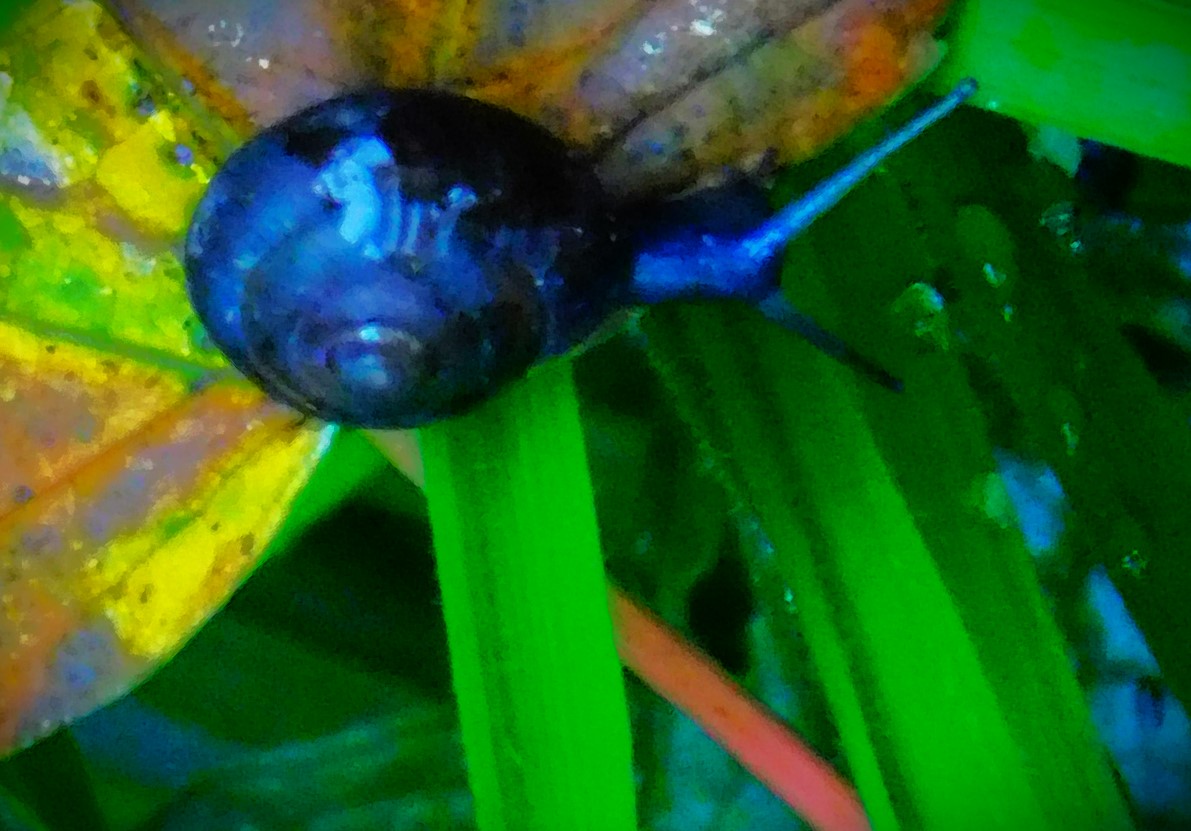
When I took this picture on October 10th this autumnal leaf on which you can see both a snail with a very dark shell and much lighter coloured slug was still attached to it’s branch, though clearly almost ready to fall. I got a second picture out of this shot, focussing more closely on the snail.

Now for my usual sign off – some photographs from the last few days (to view any of these at a larger size just click on them)…

World Cup Developments

A look at developments in the world cup since England disgraced themselves on Saturday. A decent match between India and new Zealand yesterday, and today’s match between Afghanistan and Pakistan. Also a photo gallery.

This post looks at what has happened in the 2023 ODI World Cup since England’s humiliation on Saturday.

This was a match between the only two teams to still be unbeaten. I missed a lot of it because I had to go through the annual torture known as a check for signs of Glaucoma (there is family history which makes this a necessity), and that knocked out most of the morning, since the appointment was at 10AM. I also had a commitment in the afternoon which took out a chunk of play – the West Norfolk Autism Group had a bowling session booked at Strikes for 4:00.

India won the toss and put New Zealand in. With ten overs to go a total of 300 looked on the cards for NZ, but some excellent Indian death bowling restricted them to 273. I only witnessed the start and end of the Indian innings. They eventually won by four wickets with two overs to spare, Kohli scoring 96 and getting out just before the end.

Pakistan won the toss and quite correctly chose to bat first. Afghanistan’s spinners bowled well, but a late flurry from Ifitkhar Ahmed and Shadab Khan, and a bizarre decision to trust the very ordinary medium pacer Azmatullah Omarzai over Mujeeb Ur Rahman at the death allowed Pakistan to get to 283, a formidable total on a slow surface. The Afghanistan is just underway, and I will be missing a lot of it, but the key will be Rahmanullah Gurbaz – to get anywhere close Afghanistan will need him to produce a major innings. So far all is progressing nicely for them – 25-0 in the fourth over.

Yesterday was sunny, and the walk back from my appointment (this location is borderline in terms of distance from my home, so I usually get the bus there and walk back, as I did yesterday) gave the photo gallery a welcome boost…

All Time XIs: A Family Affair Part One

A brief account of Pride in the Park, and the first part of a two part All Time XIs post, plus my regular photo gallery.

Welcome to the first in a two part all time XIs post. Today I present the first of two XIs to do battle, each comprising four pairs and one trio of related cricketers. Today I start with an unrelated feature after which I will introduce the first of the two XIs to feature in this envisaged contest. Tomorrow will see the second XI make their appearance, followed by an honourable mentions section and a comparison between the two XIs.

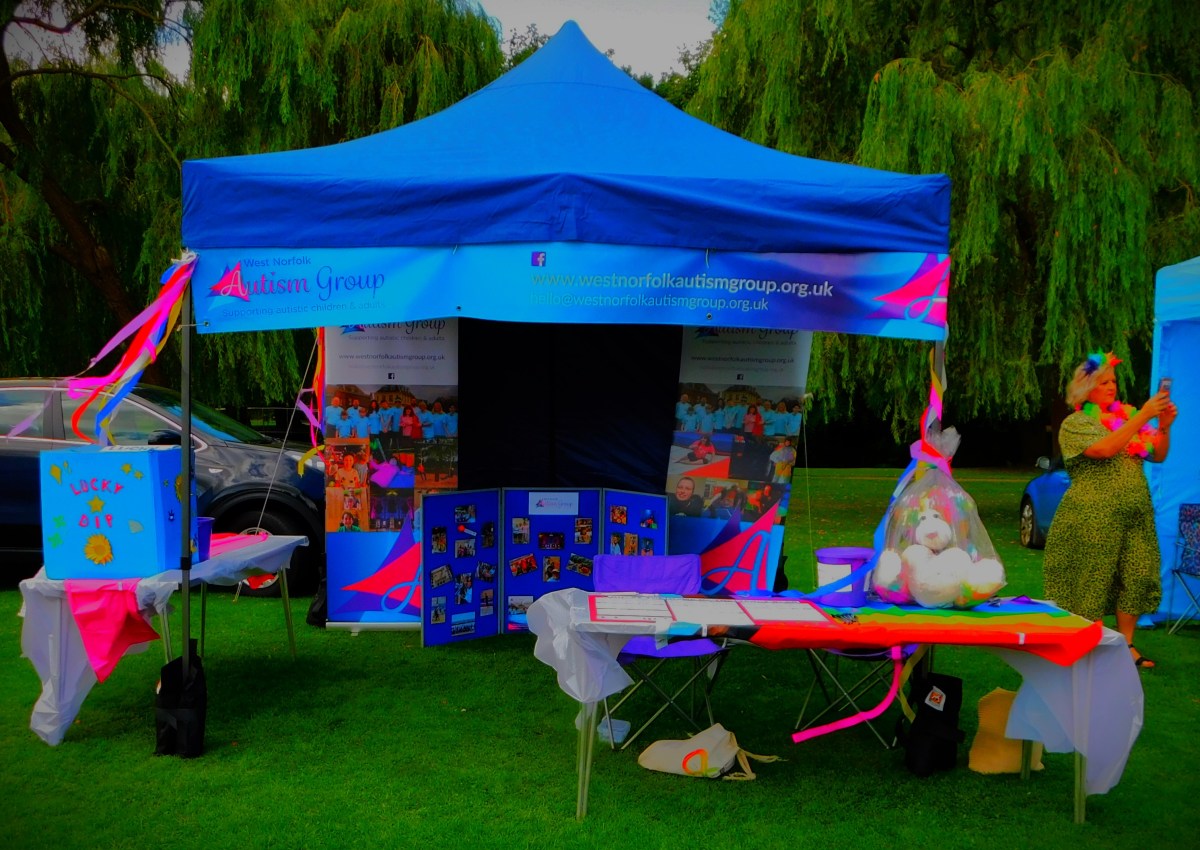
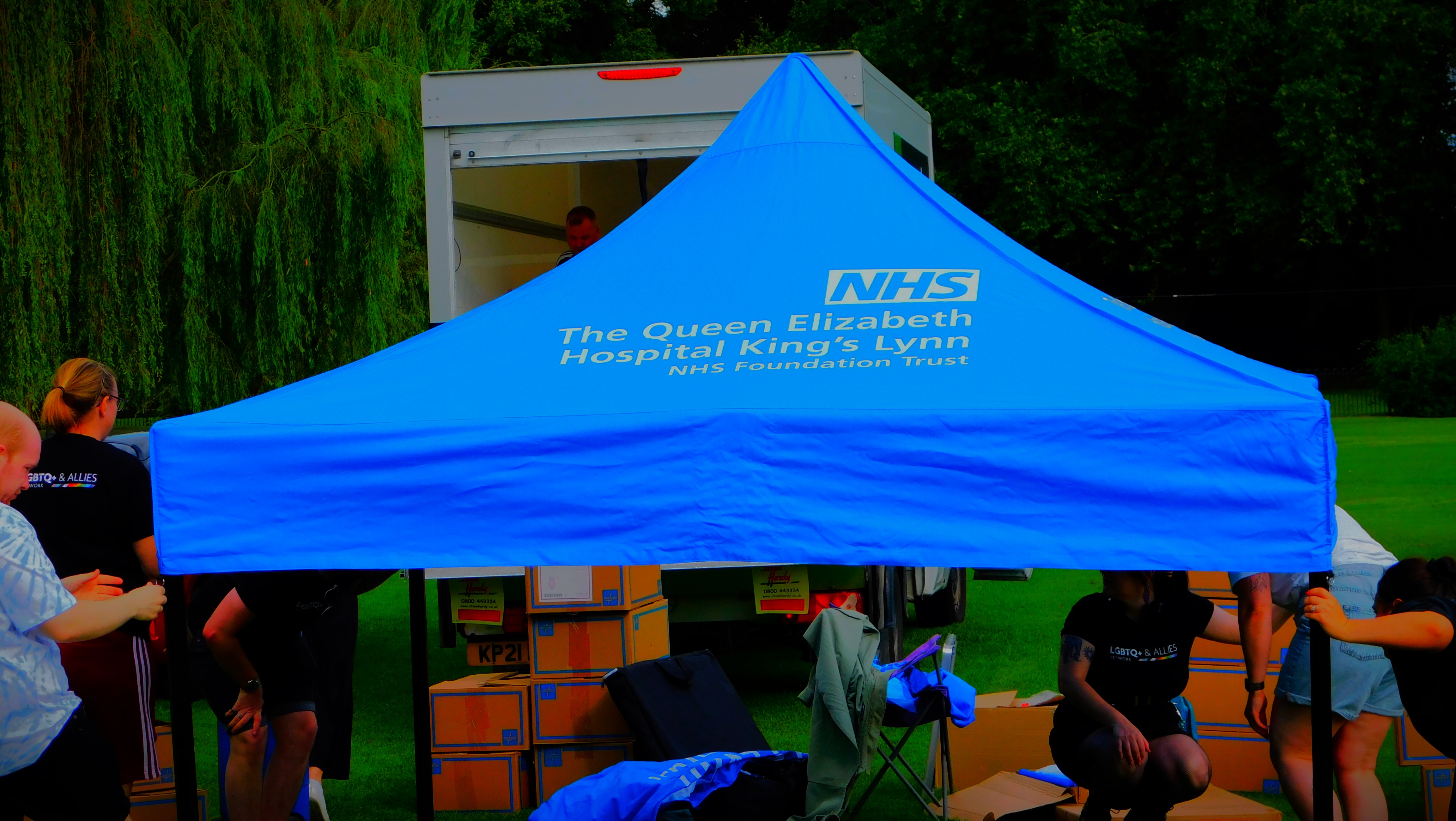
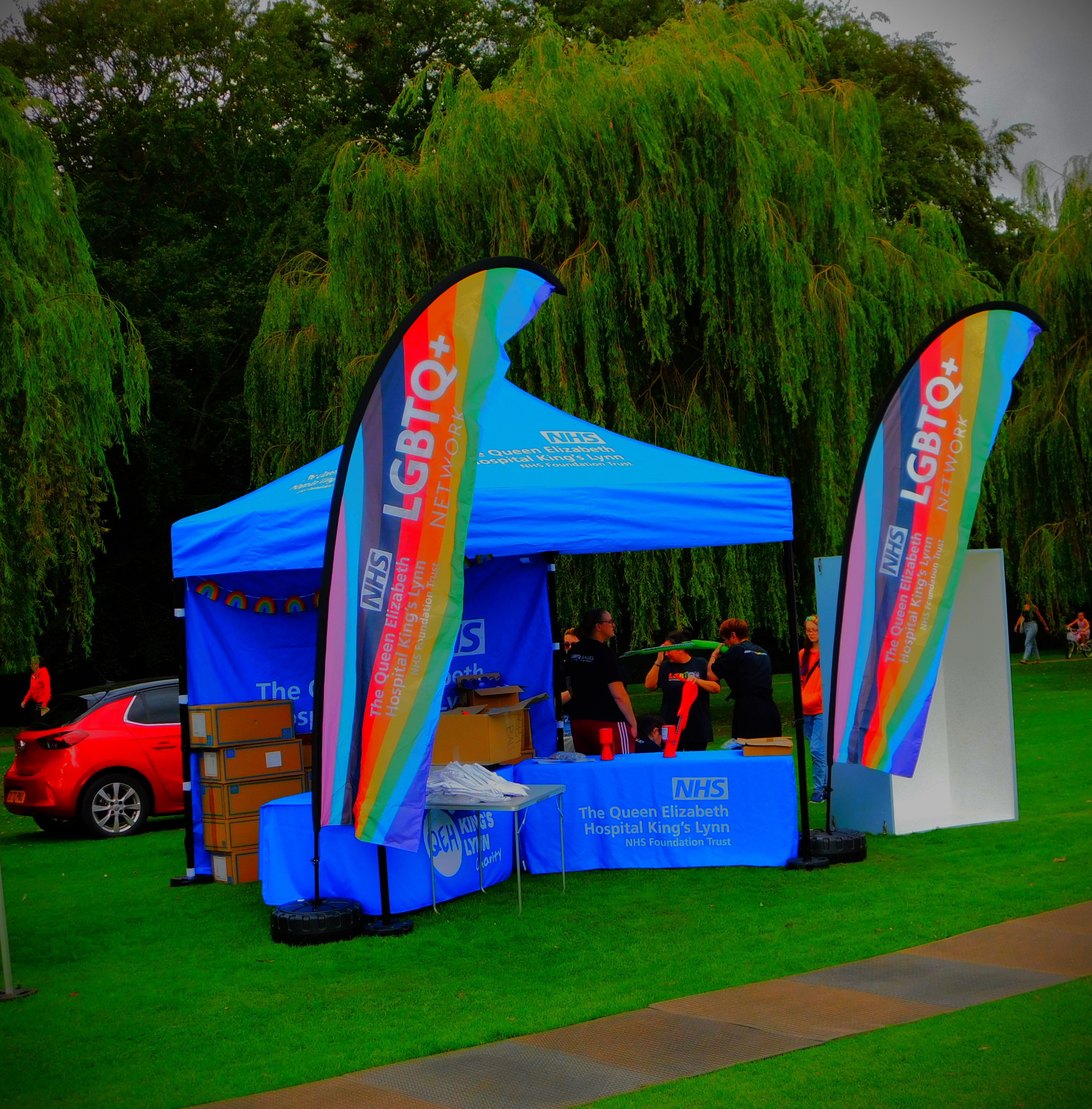
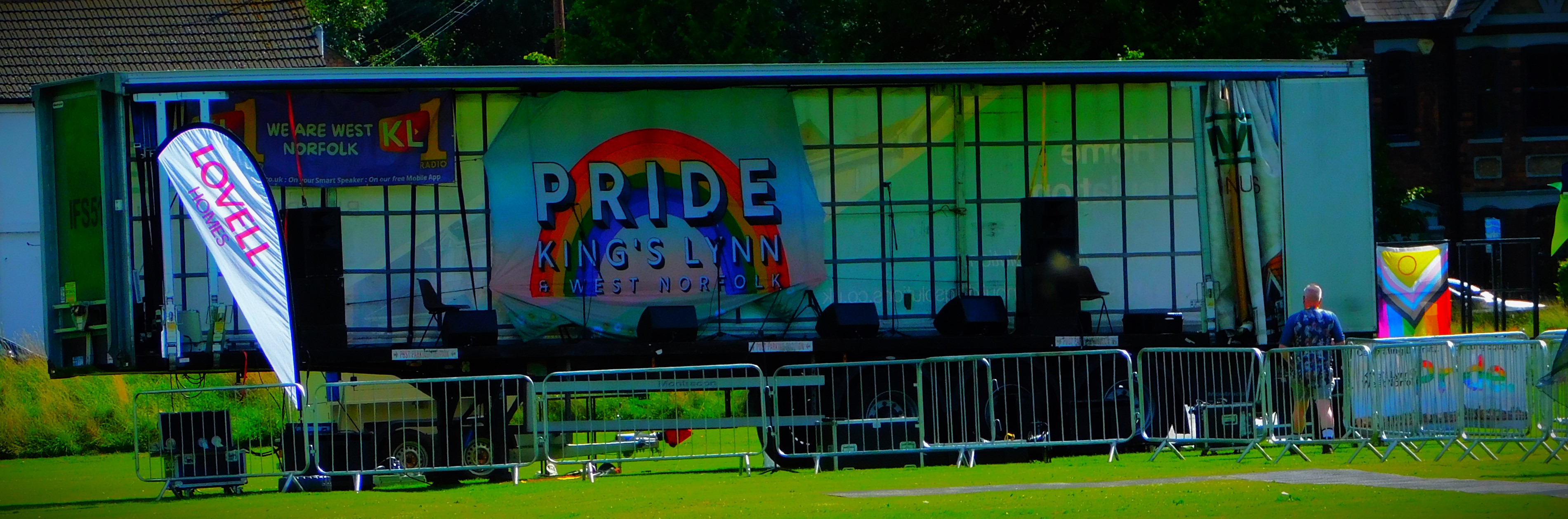
Yesterday was King’s Lynn and West Norfolk Pride. There were two elements to the day, a march from the Tuesday Market Place to the Recreation Field, part of The Walks, and the festivities at the Recreation Field. I was not involved with the march, but the West Norfolk Autism Group had a stall in the Recreation Field, and I was there from set up until about 3PM. We had a some information cards about our group, a display board, two stand up banners, one horizontal banner, one large pride flag and were running two activities for which we charged – a lucky dip at £1 per go and a “guess the teddy’s name”, also at £1 per go. Our little stall attracted a stream of visitors through the day, especially once the march arrived. The occasion benefitted from impeccable weather.

We meet the first of our two XIs mentioned in the introduction, listed as usual in batting order.

  1. *WG Grace (right handed opening batter, bowler of various styles and captain). One of the greatest of all cricketers, and although he was already 32 by the time he played in the first test on English soil in 1880 he twice topped 150 at that level, 152 on debut in 1880 and 170 six years later.
  2. EM Grace (right handed opening batter, occasional lob bowler, daring close fielder). Until his brother overhauled him he was the greatest of all Victorian era cricketers. A one cap wonder at The Oval in 1880, but in the first innings there he shared an opening stand of 91 with his brother.
  3. Ian Chappell (right handed batter, occasional leg spinner, vice captain). A fine number three and a shrewd skipper, which latter I have acknowledged by naming him as WG’s vice captain in this side.
  4. Greg Chappell (right handed batter, occasional leg spinner, occasional medium pacer, brilliant slip fielder). One of Australia’s greatest ever batters.
  5. Eric Bedser (right handed batter, off spinner). One half of a pair of identical twins. They did not think that one county would sign two medium-fast bowlers at the same time, and not able to bear being separated tossed a coin for who would continue bowling medium-fast and who would switch to spin and develop their batting. Eric lost the toss and made the switch. He never quite gained an England cap, but was a crucial part of Stuart Surridge’s amazing tenure as Surrey skipper (five seasons as captain, five county championships won).
  6. Fred Grace (right handed batter, right arm medium fast bowler, brilliant outfielder). In the 1870s his FC batting average of 25 was only exceeded on a consistent basis by his most famous brother, and he also took his wickets at 20 a piece. He only played one test, scoring a pair but taking a legendary catch to dismiss Aussie big hitter Bonnor (the batters were allegedly on their third run when he completed the catch). He died of a chill not long later, at the tender age of 29.
  7. +Don Tallon (wicket keeper, right handed batter). Selectorial horse trading cost him the opportunity to play for Australia in his absolute prime, but he had a fine career in the early post WWII era, and Don Bradman rated him the greatest keeper he ever saw in action.
  8. Maurice Tremlett (right arm fast medium bowler, right handed batter). His career was ruined by well meaning coaches after a storybook start, but I am envisaging him as he might have been had he been left to develop as the cricketer he was rather than suffering attempts to turn him into the cricketer that England thought they needed.
  9. Alec Bedser (right arm medium fast bowler, right handed batter). The Bedser twin who won that famous coin toss, and went on to become one of England’s greats. He was the first England bowler to take 200 test wickets, and when his career ended his final tally of 236 was an all comers record at that level.
  10. Chris Tremlett (right arm fast medium bowler, right handed batter). He was great in the 2010-11 Ashes.
  11. Bill Tallon (leg spinner, right handed batter). His career record makes poor reading, but it was a very brief career.

This XI has a good batting line up, a great range of bowling options and will be superbly led by WG Grace and his deputy, Chappelli.

My usual sign off…

Pensthorpe 2023: Discovery Centre and Sculptures

Continuing my account of my visit to Pensthorpe with a look at the discovery centre and at the sculptures dotted around the place.

This is my third post in a mini-series about my part in a West Norfolk Autism Group excursion to Pensthorpe which took place on Saturday. It is a two part post, and represents the mid-point of the series – there will be two further posts afterwards.

PART ONE: DISCOVERY CENTRE

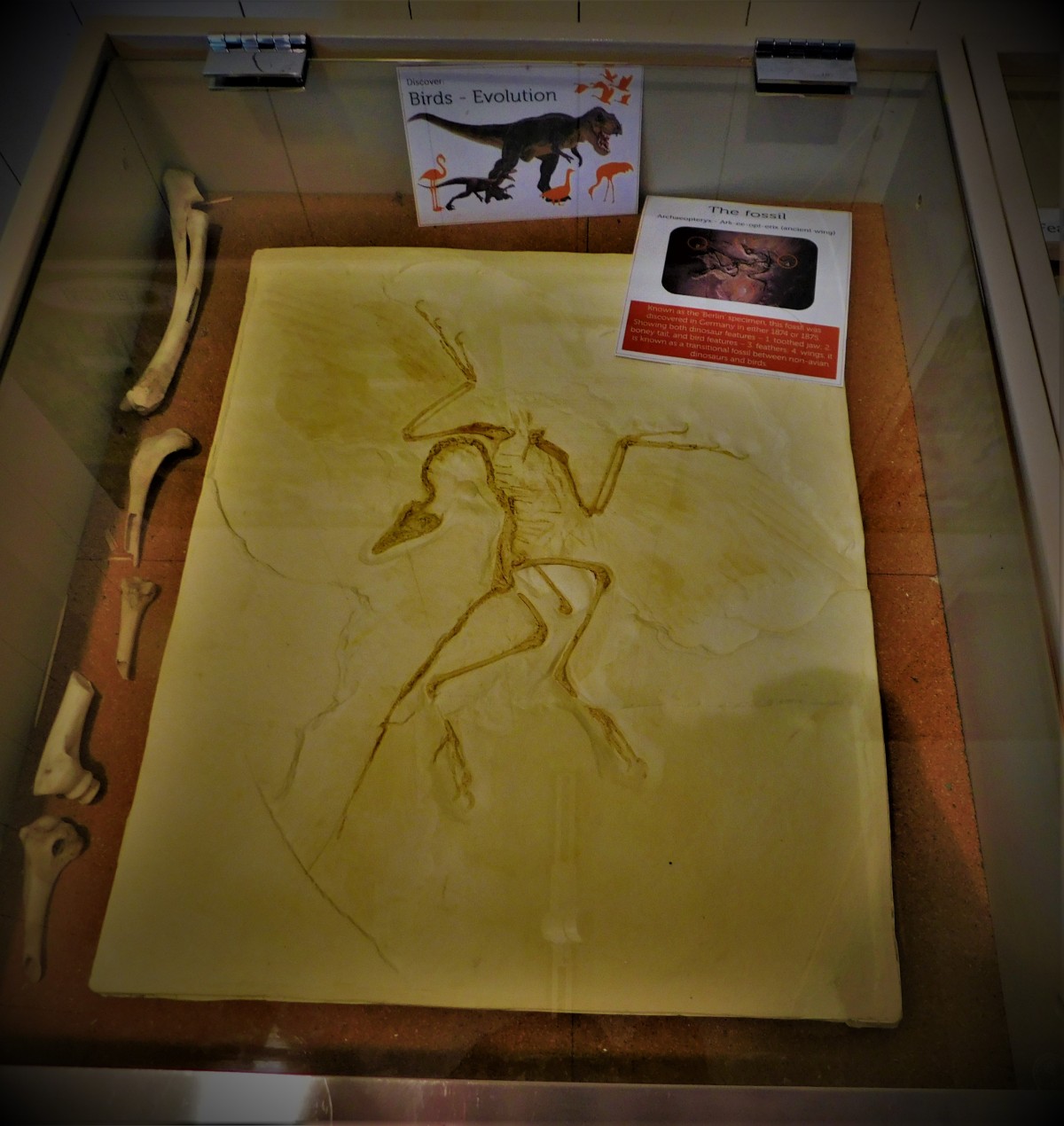
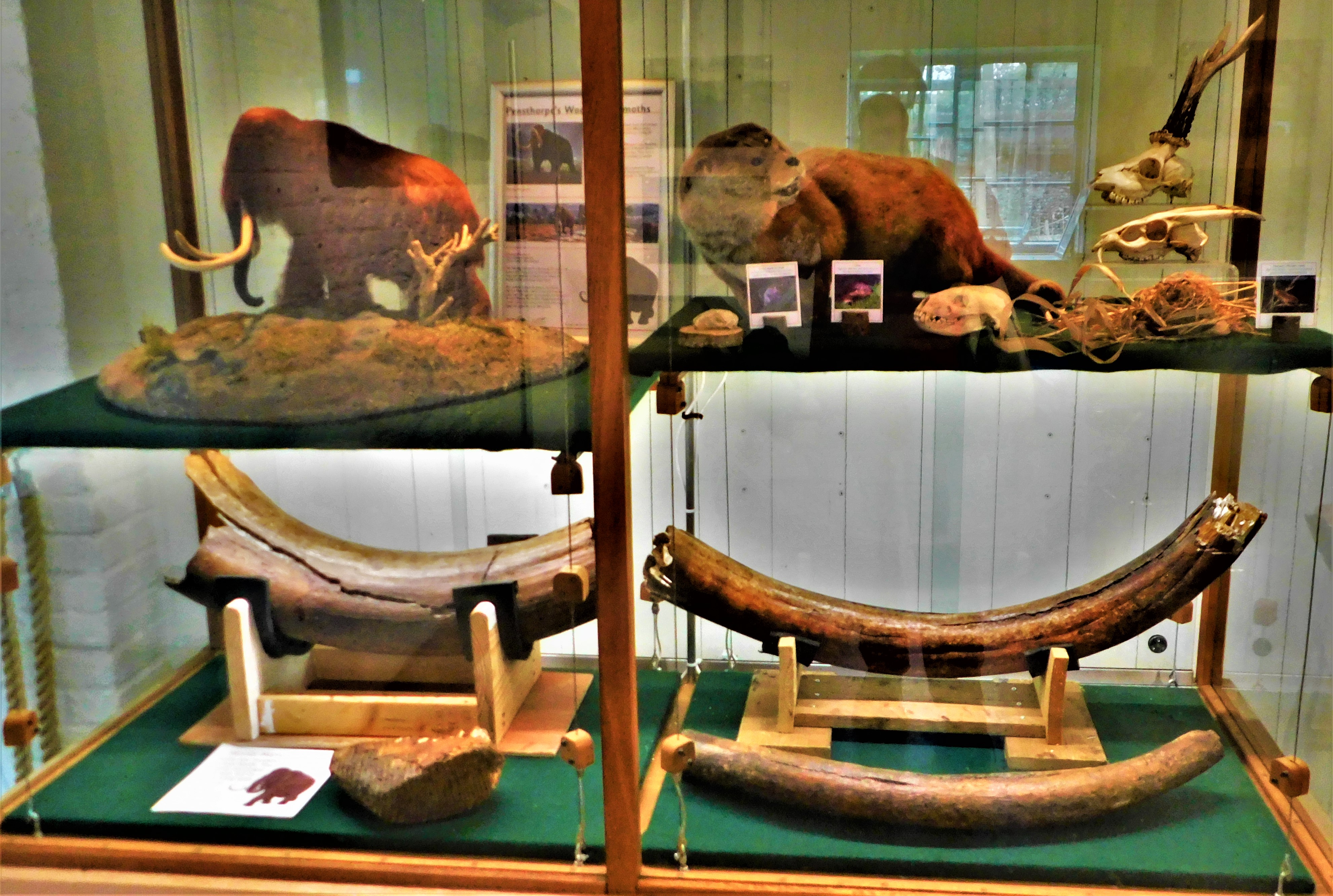
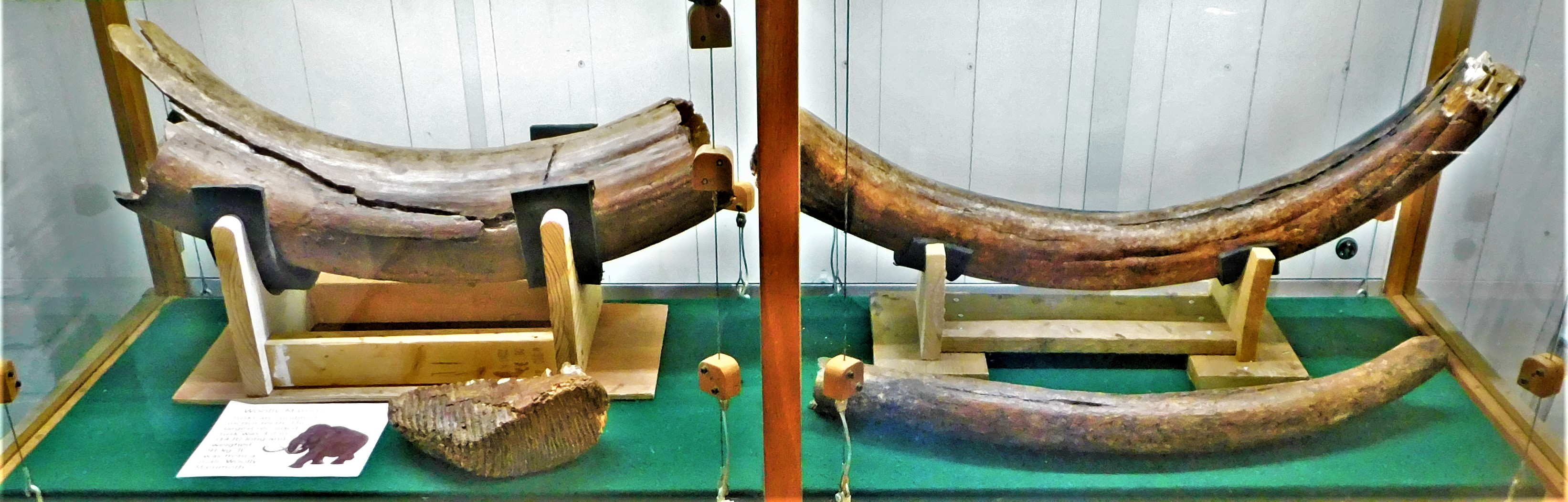
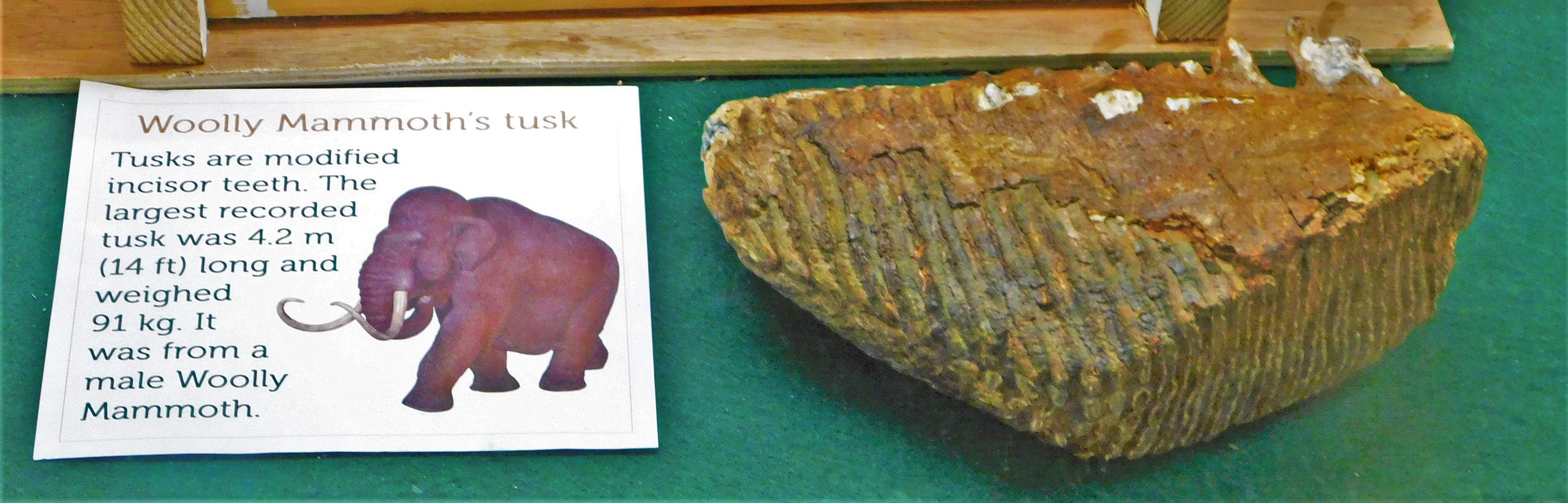
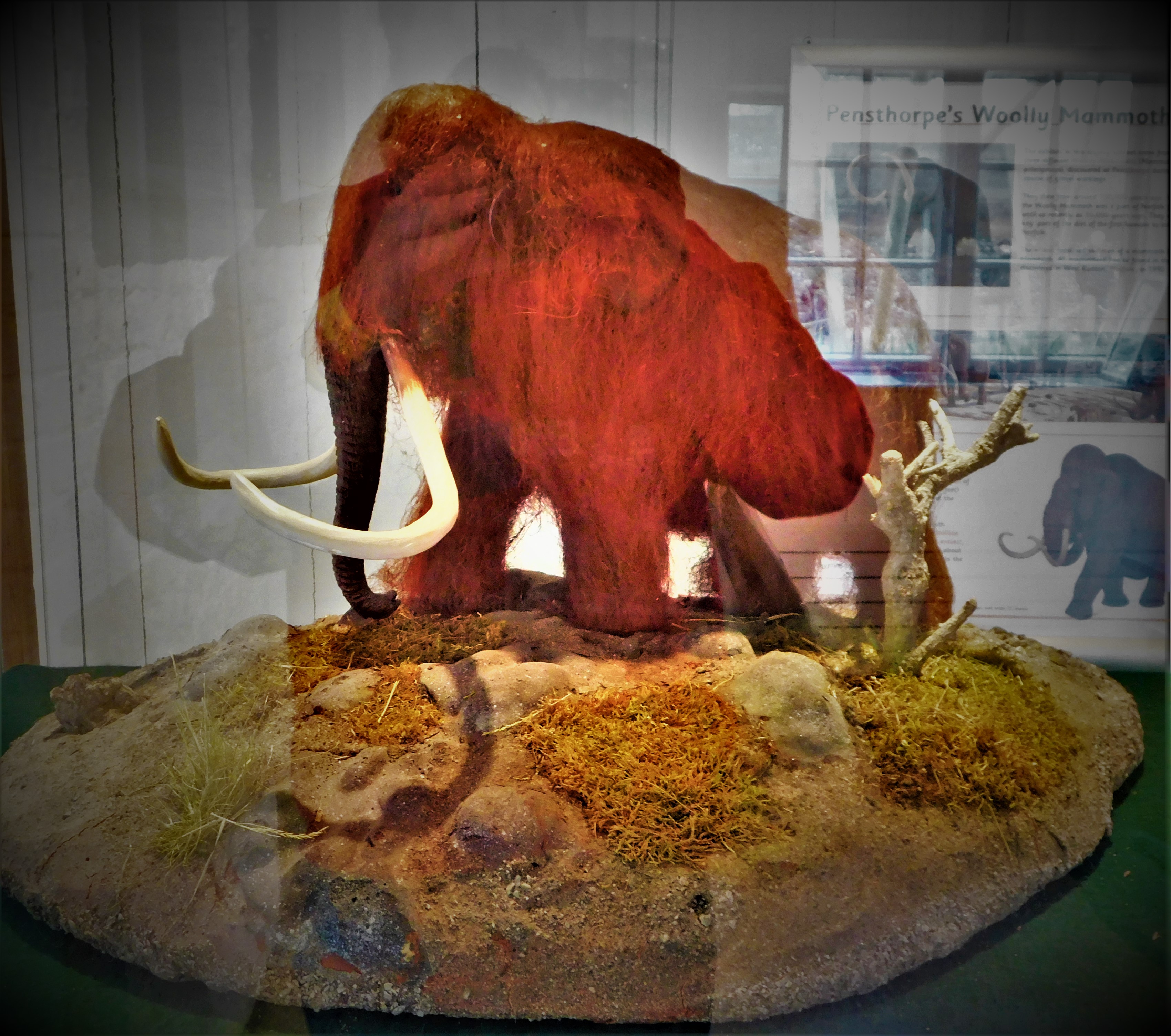
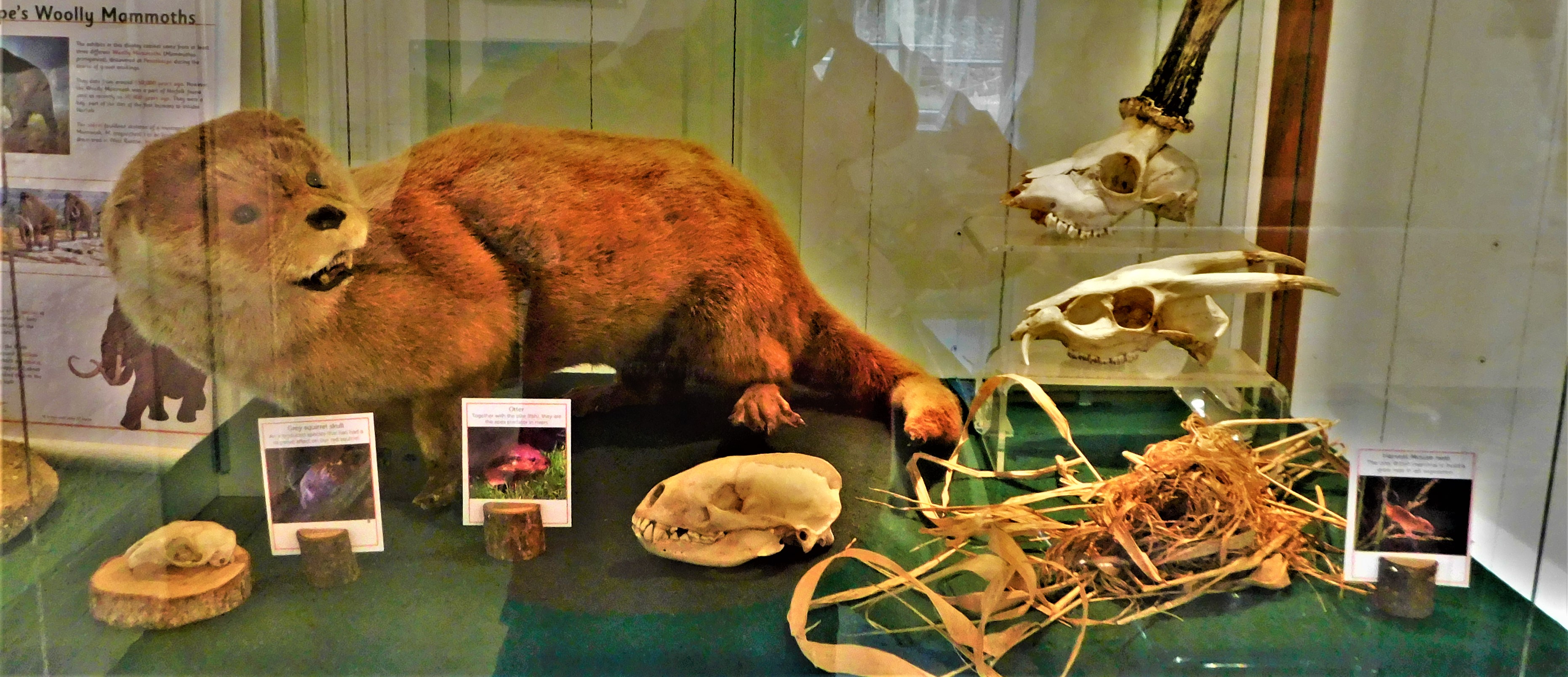
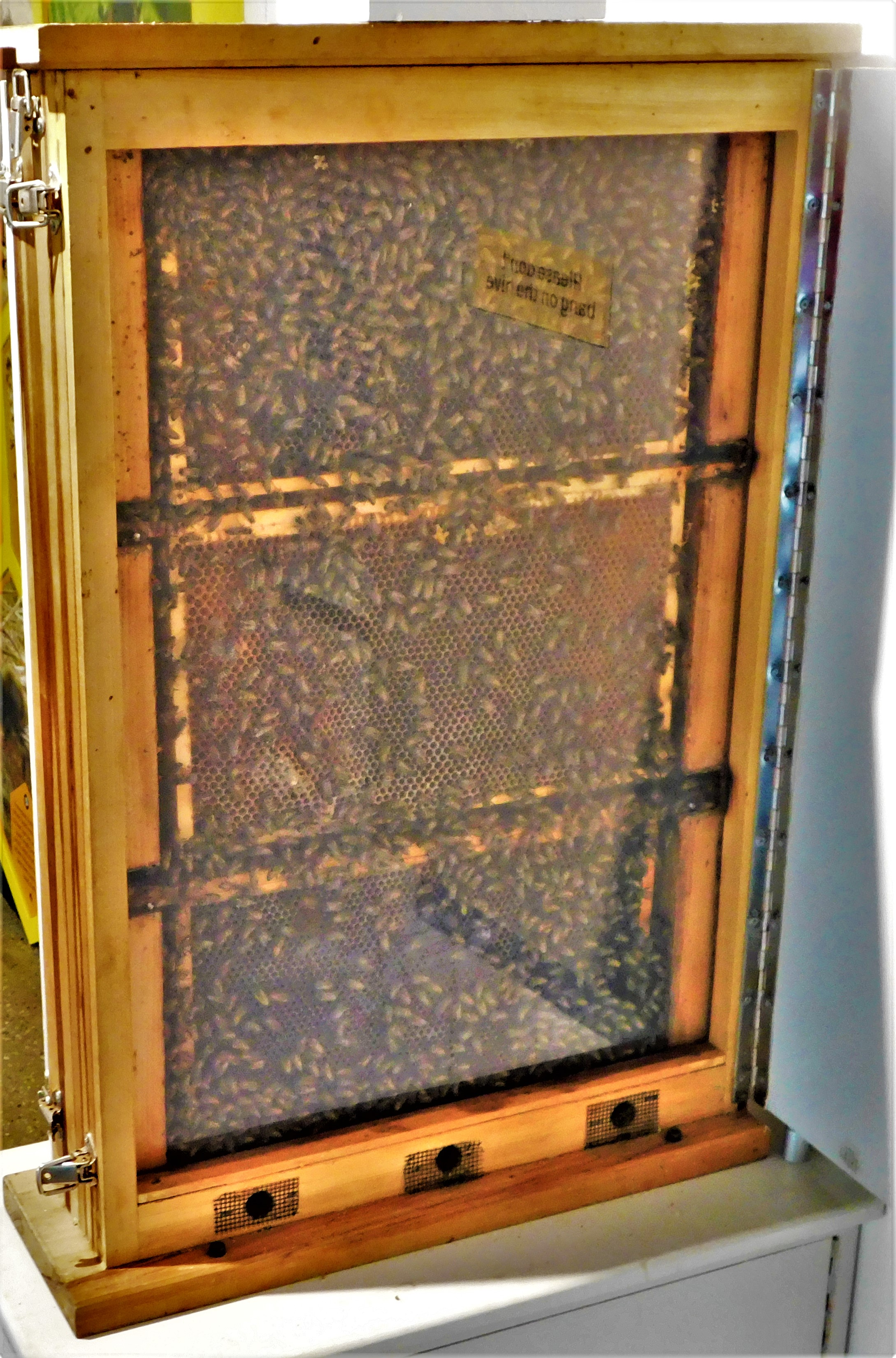
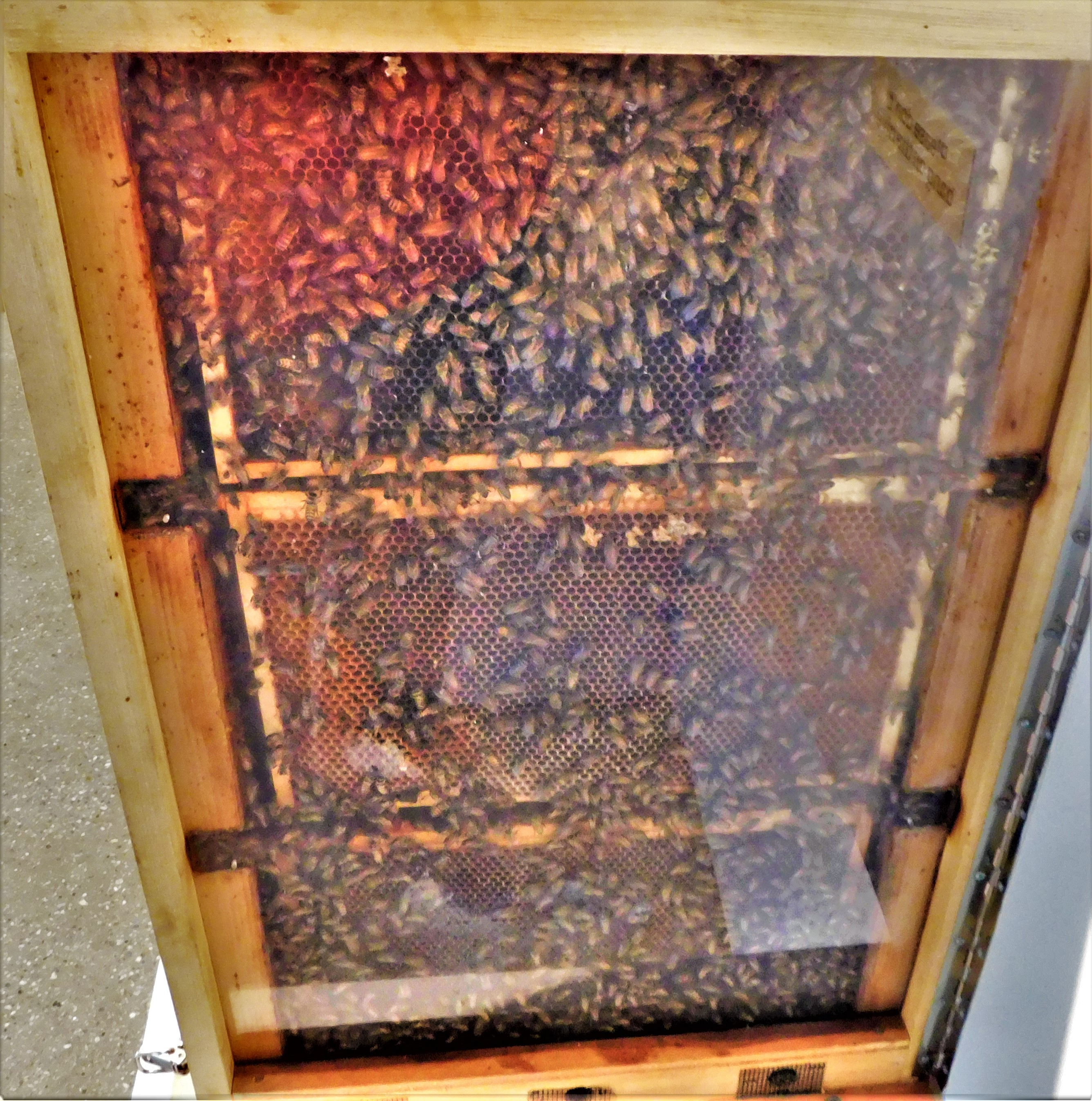
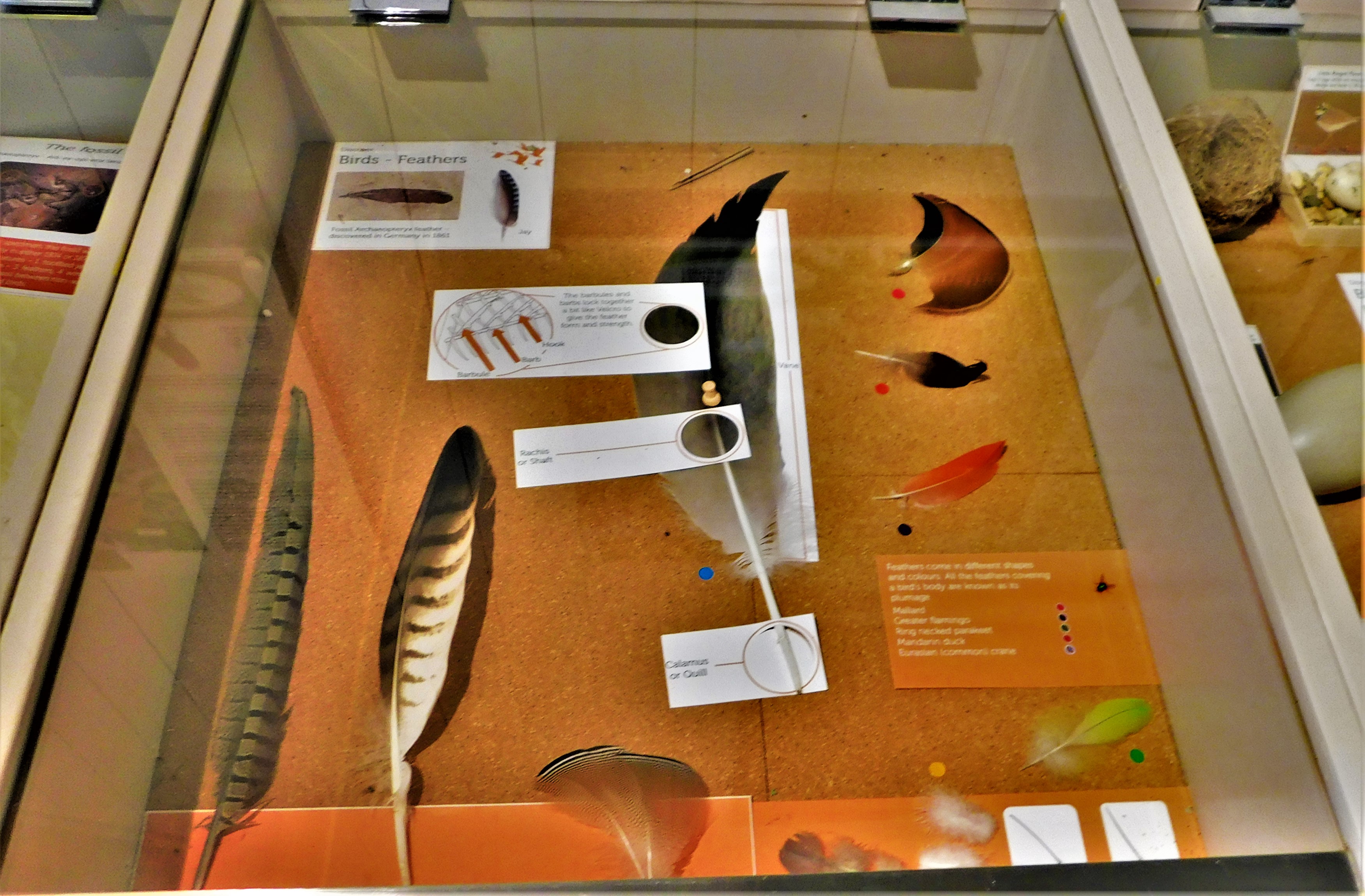
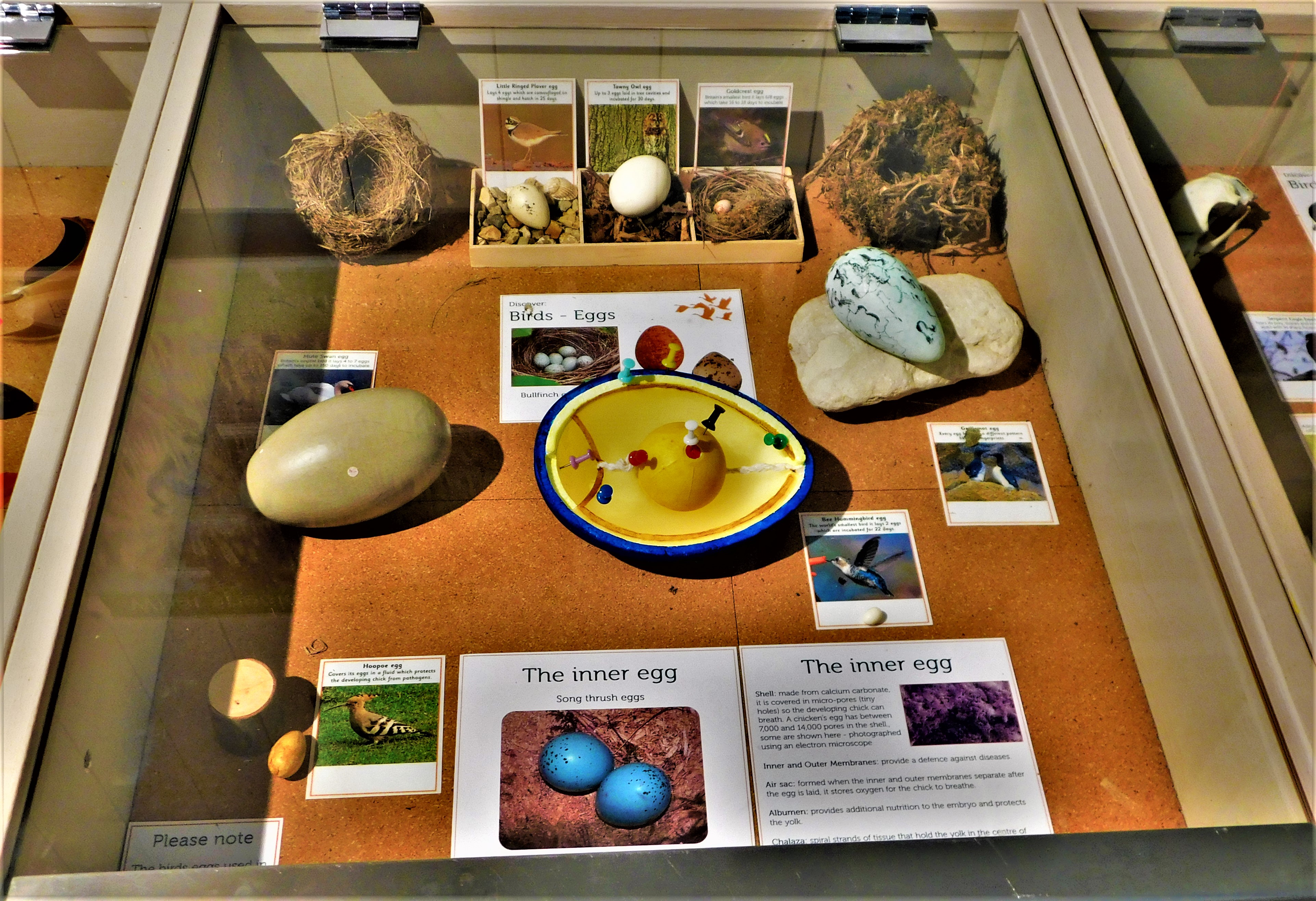
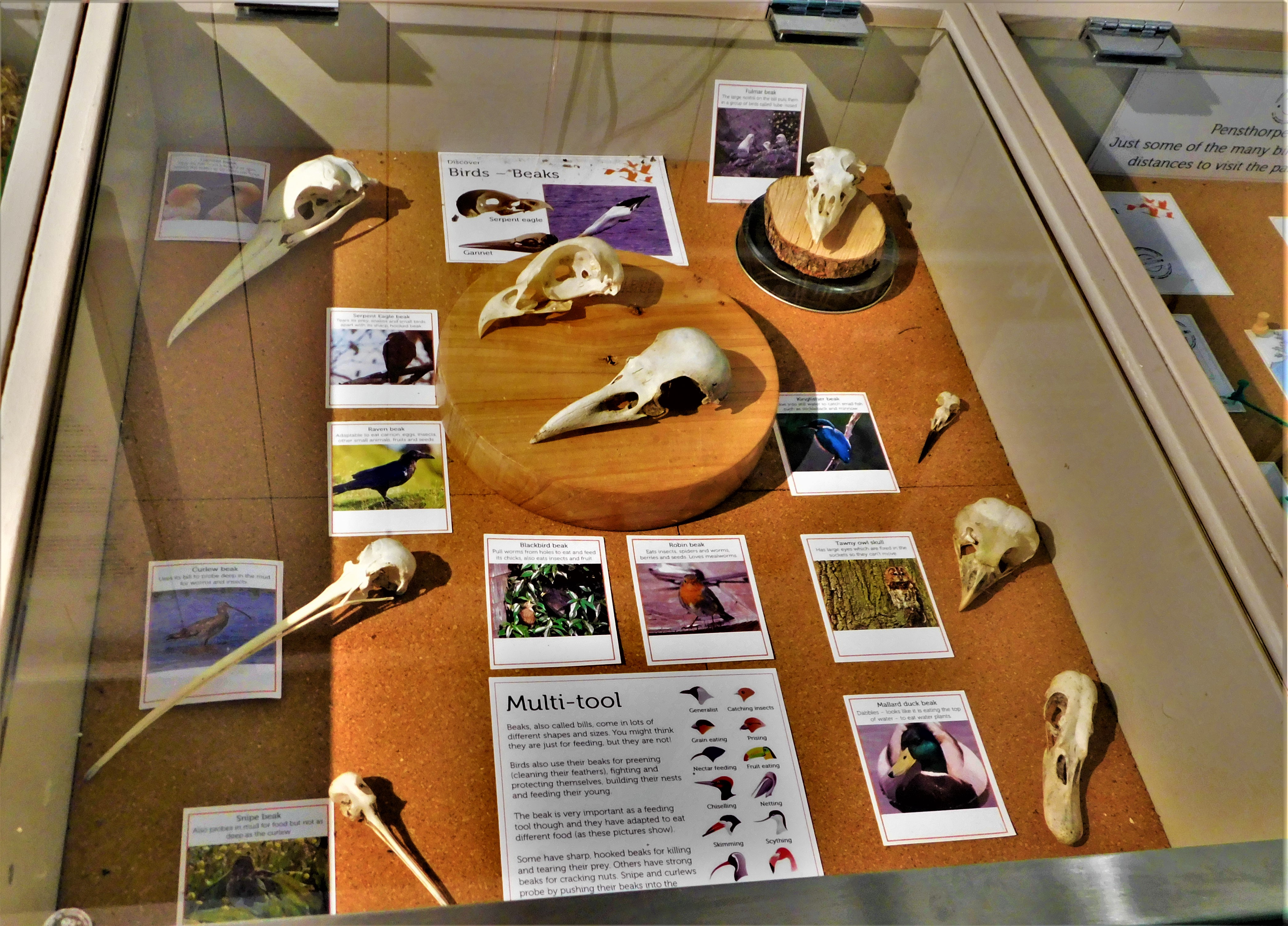
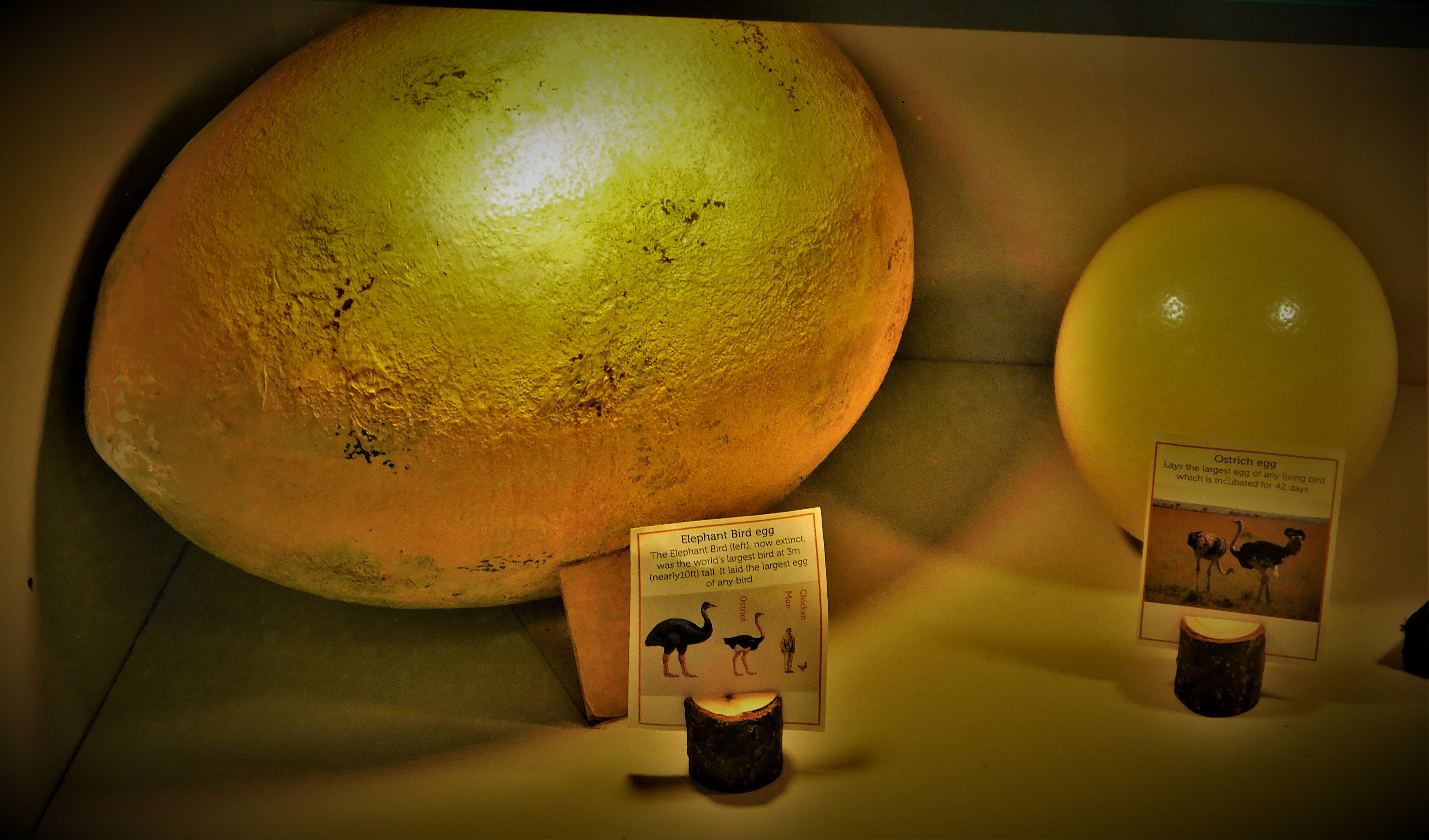
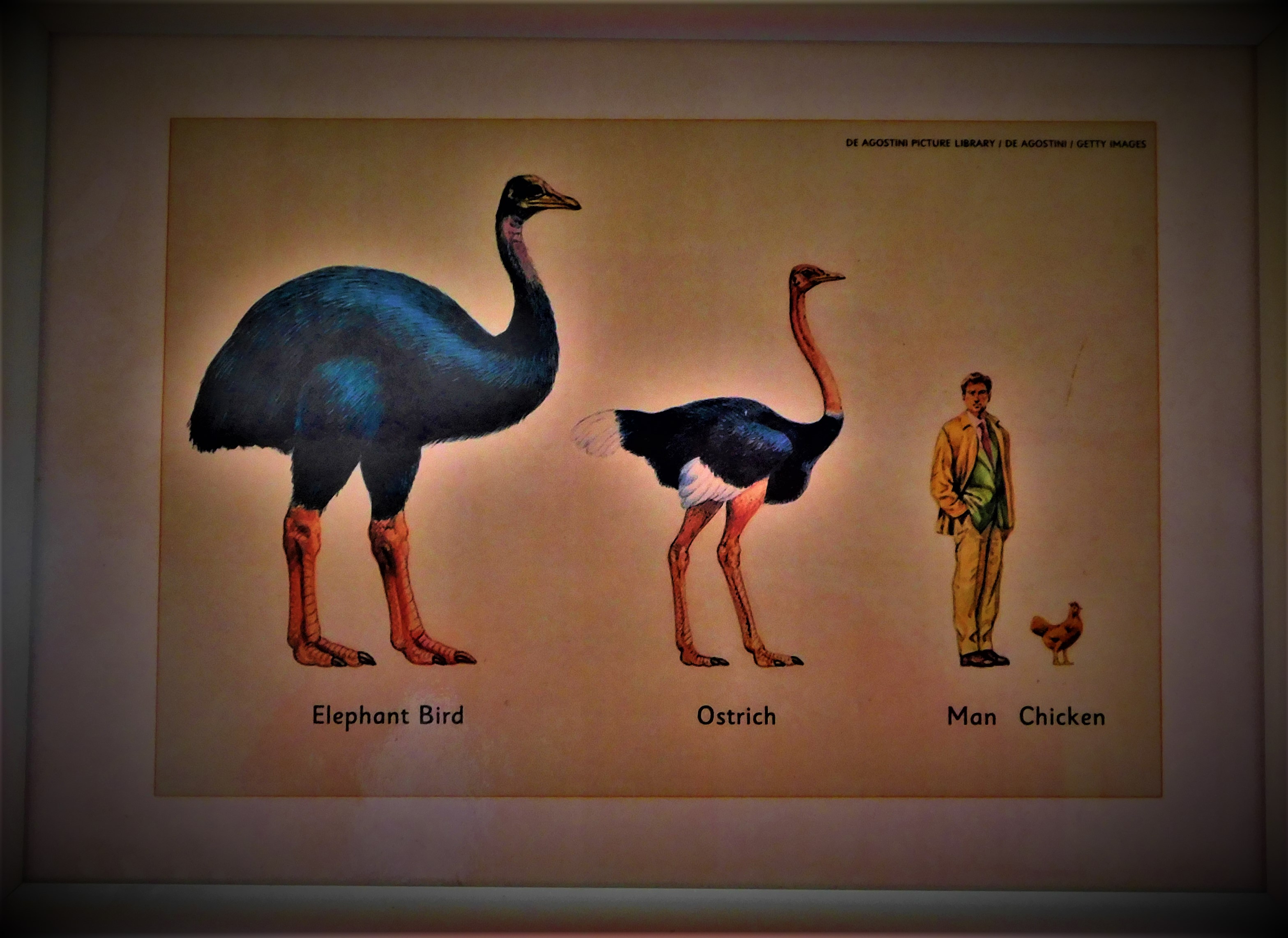
The discovery centre at Pensthorpe contains many features of interest, including a harvest mouse, a glass fronted beehive, a tank containing small water creatures, exhibits about bird evolution and giant birds, some woolly mammoth remains, dating back approximately 10,500 years to a time when Norfolk was at the southern edge of a massive ice sheet extending all the way from the north pole, and other stuff. It is also inside, which on day like Saturday gave it extra value – I made a total of three visits…

THE SCULPTURES

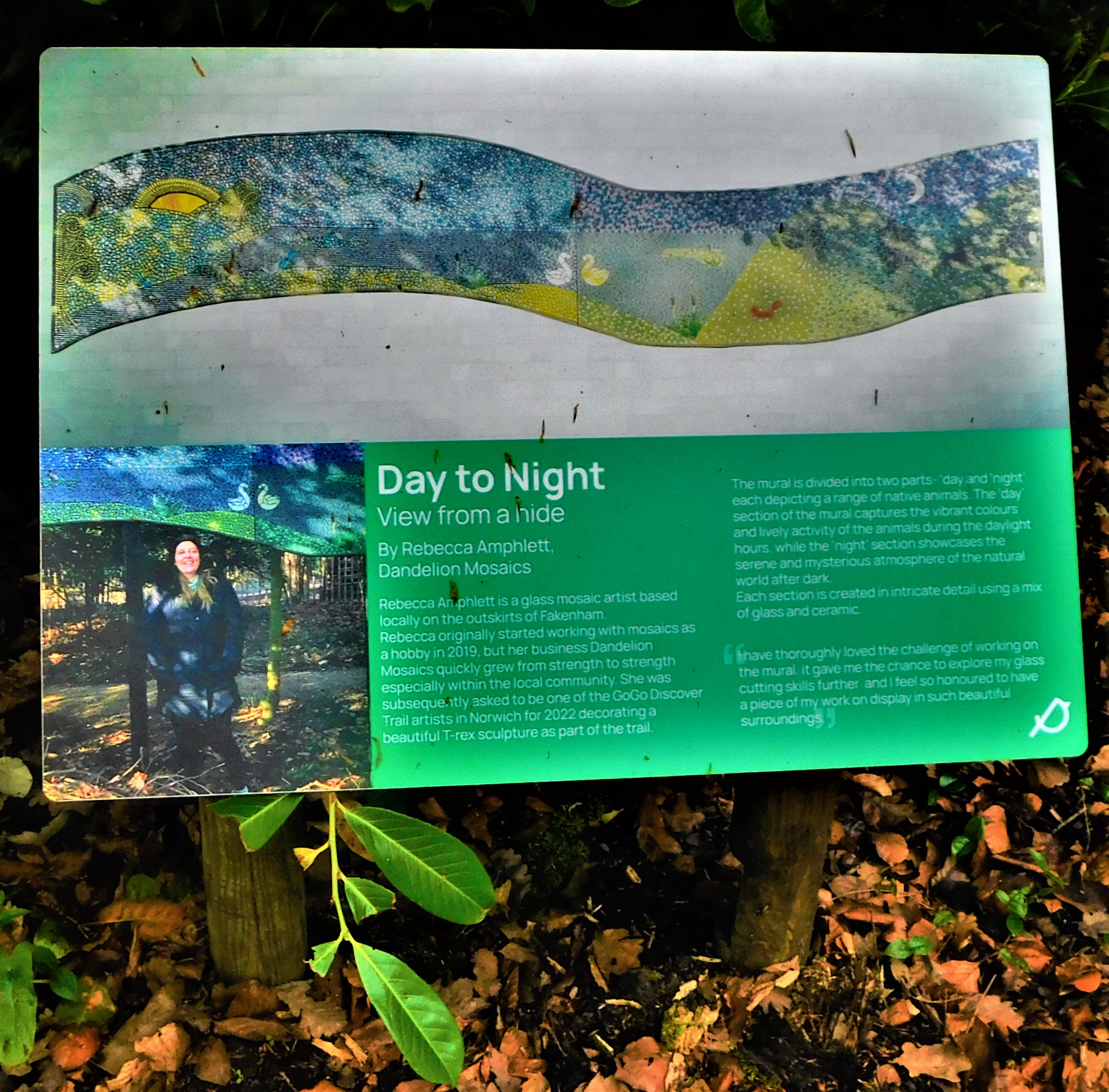
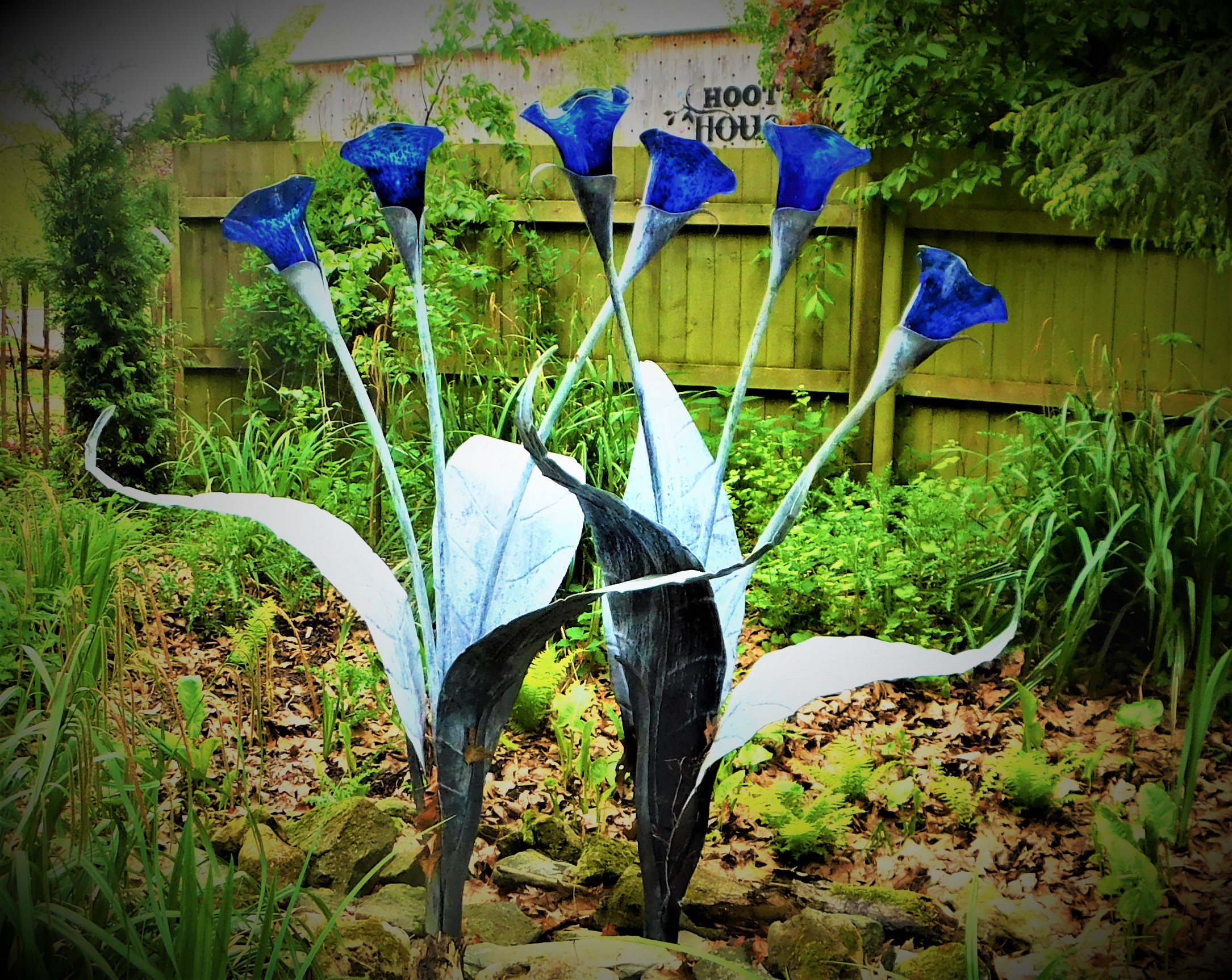
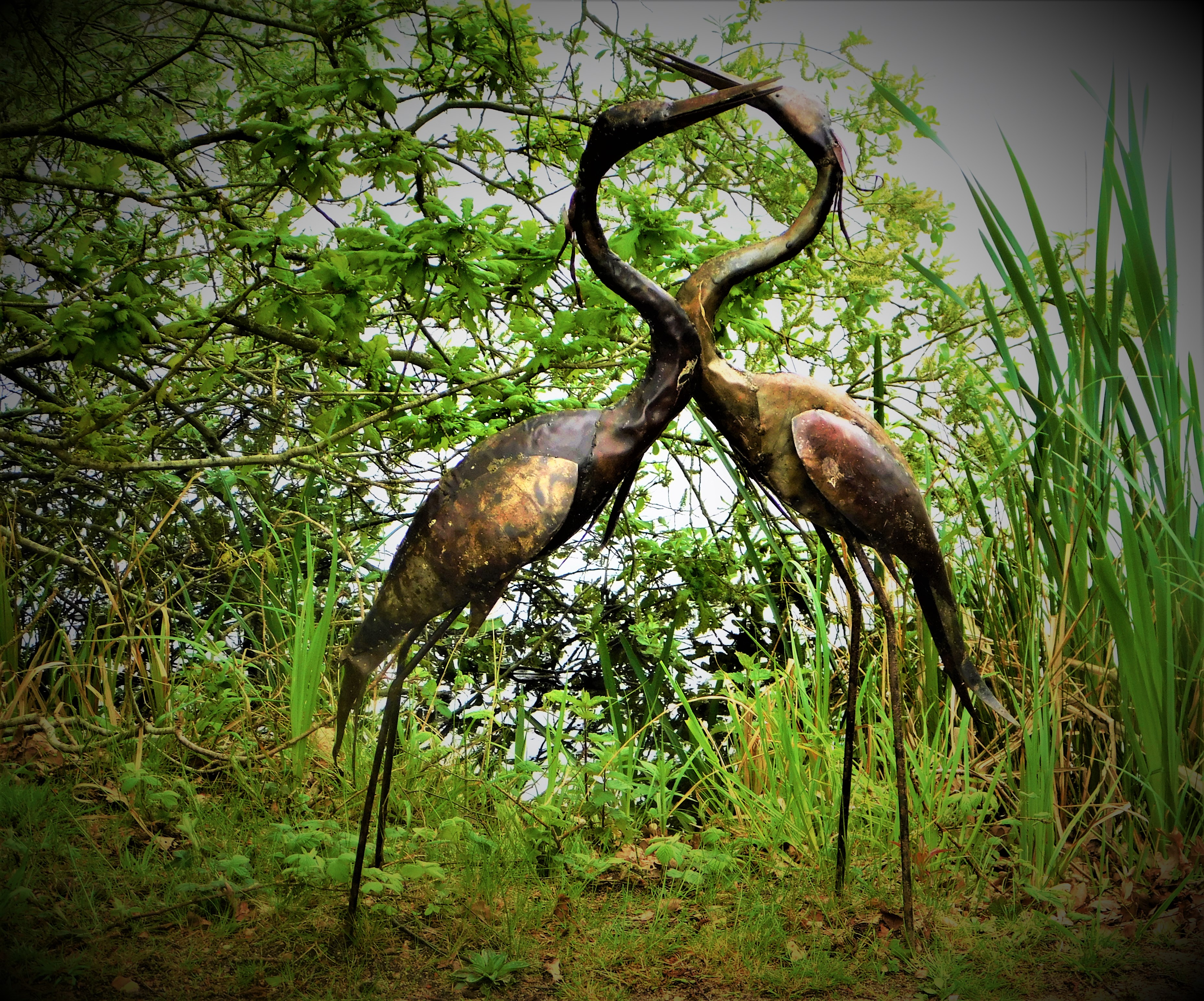
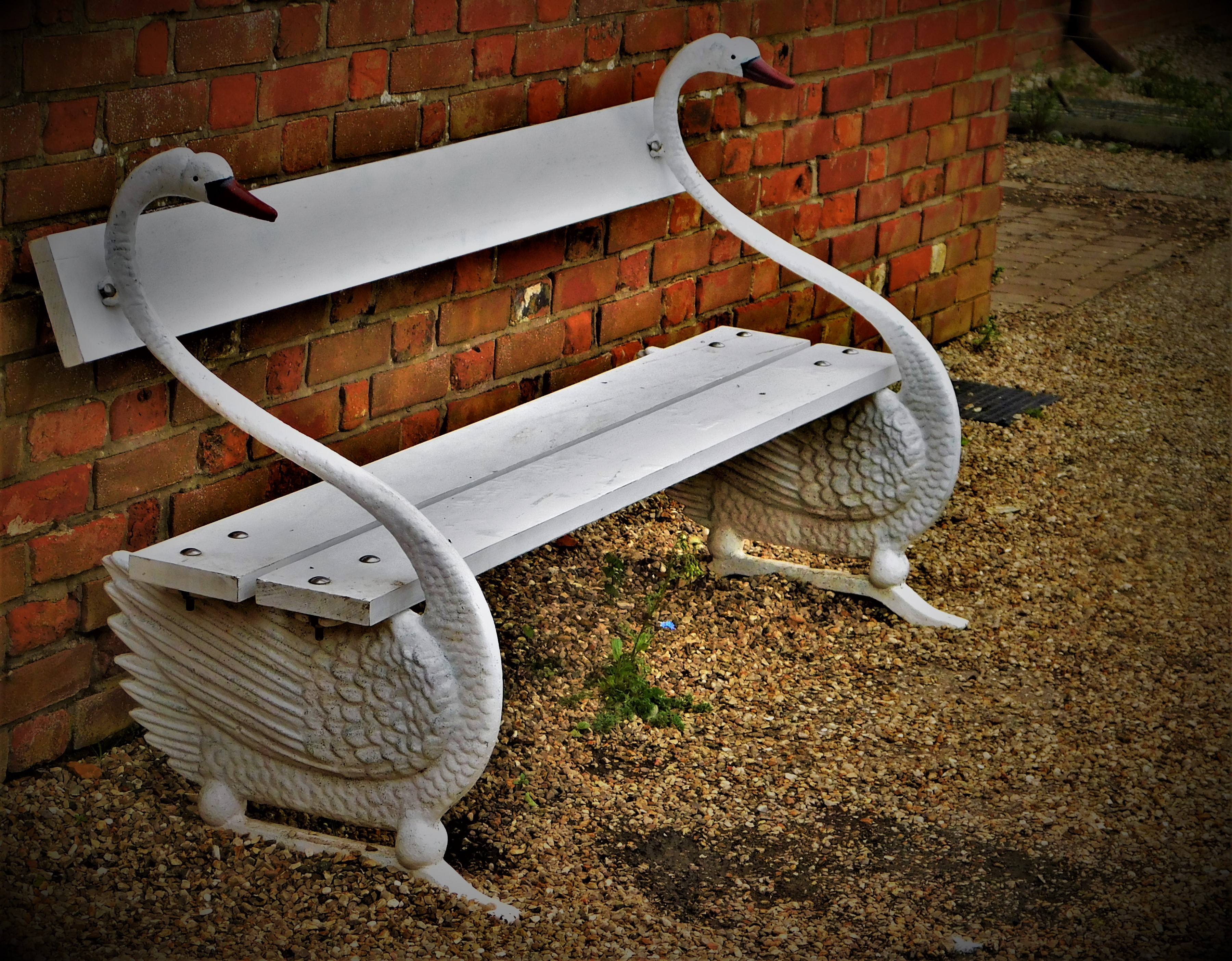
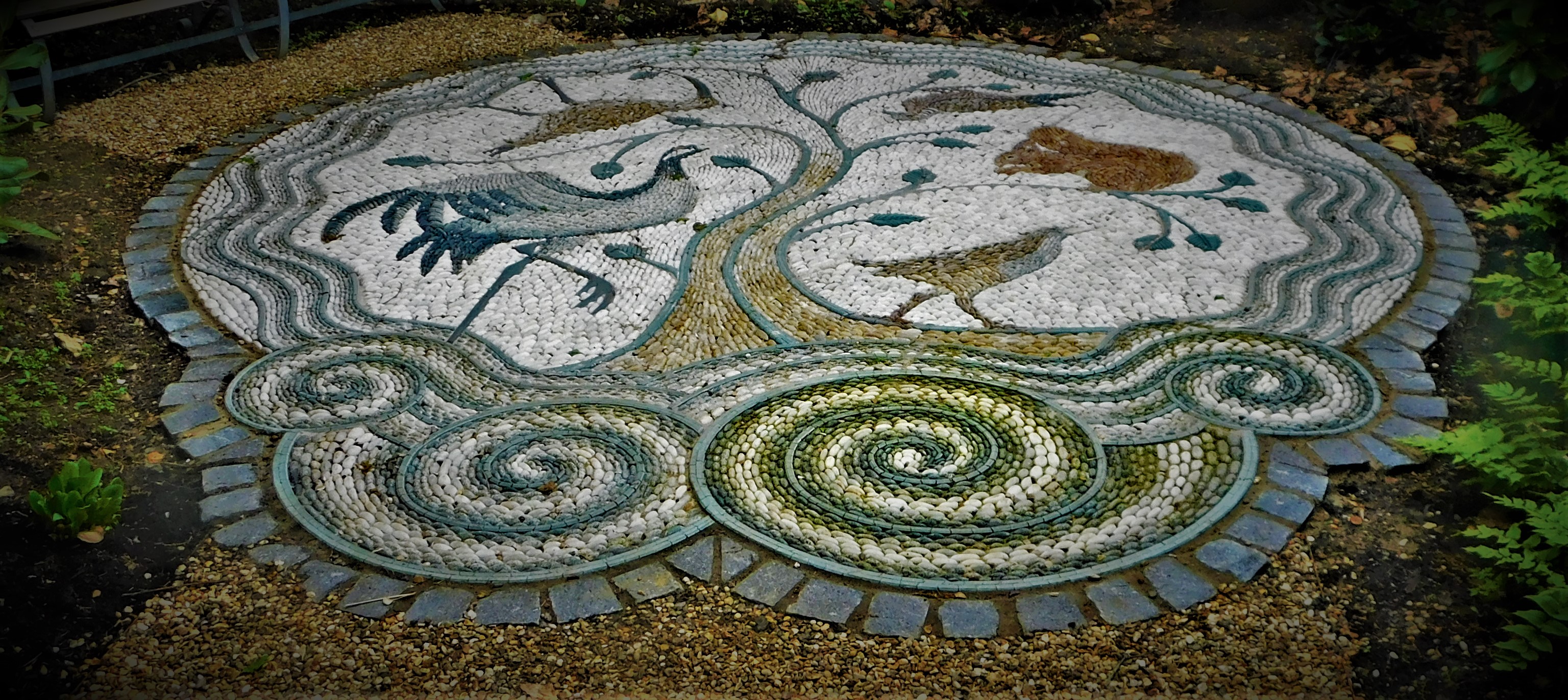
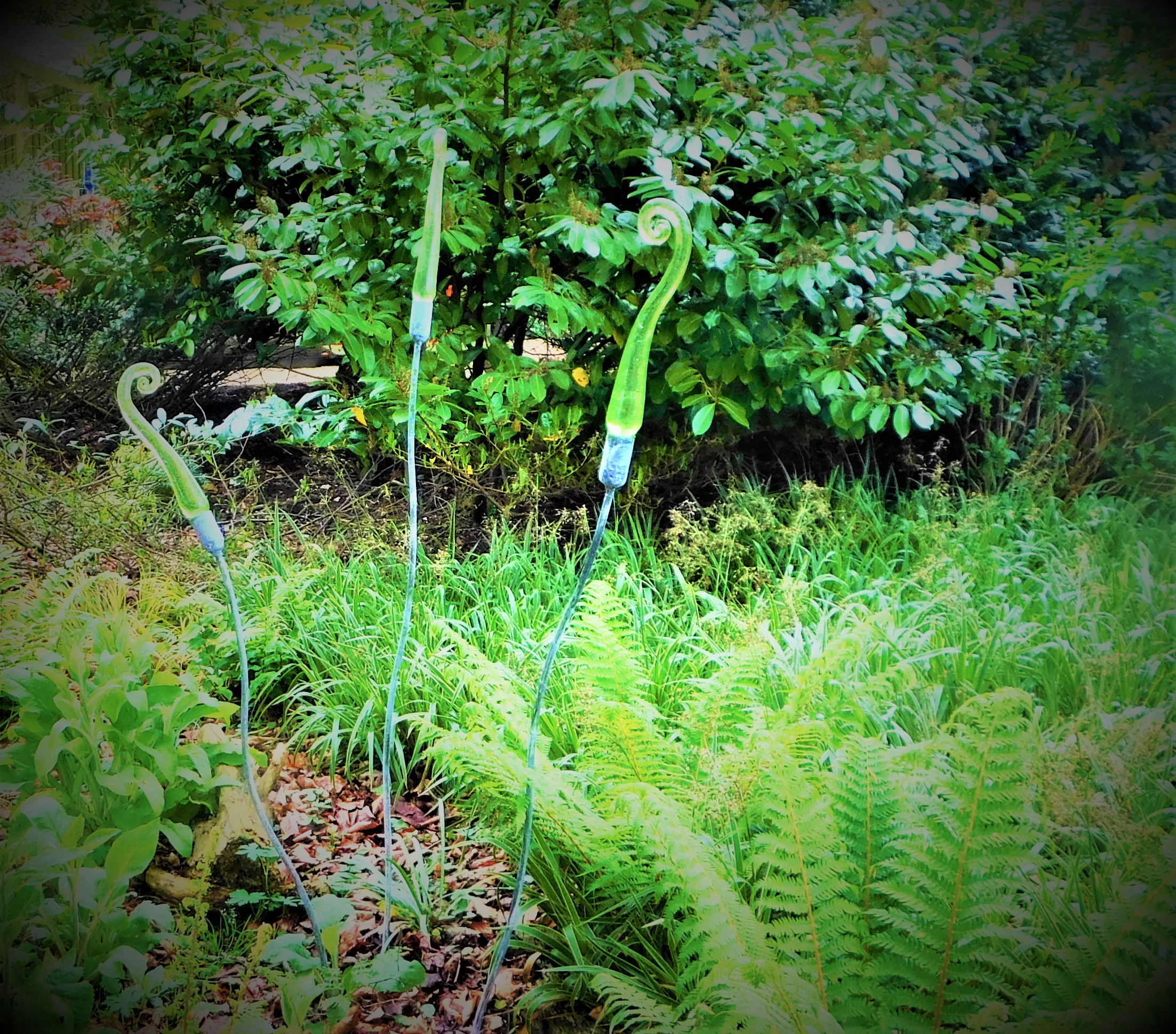
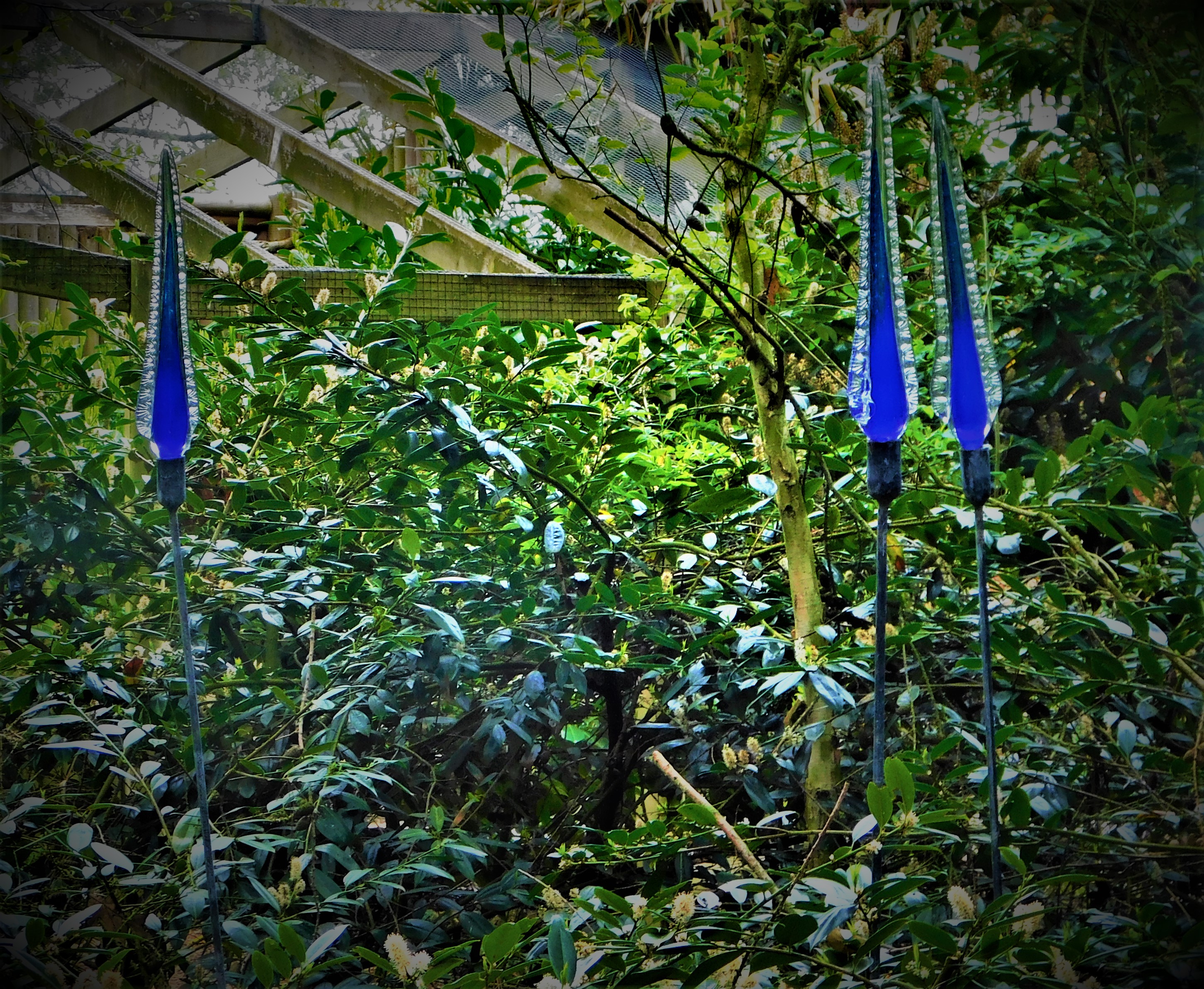
There are sculptures dotted around Pensthorpe, and they definitely enhance the experience. I have slightly extended the range of objects that would usually be described as sculptures by including a bench and also a mosaic. I did not specifically set myself a task of finding and imaging sculptures, I just imaged them when I happened to find them, but one could undoubtedly plan to identify and photograph every sculpture at Pensthorpe. I favour a freestyle approach to somewhere like Pensthorpe but some may prefer to be more regimented/ organized.

Watching The Metronomes In Action

An account of a day trip top Broxbourne to watch the Metronomes in action.

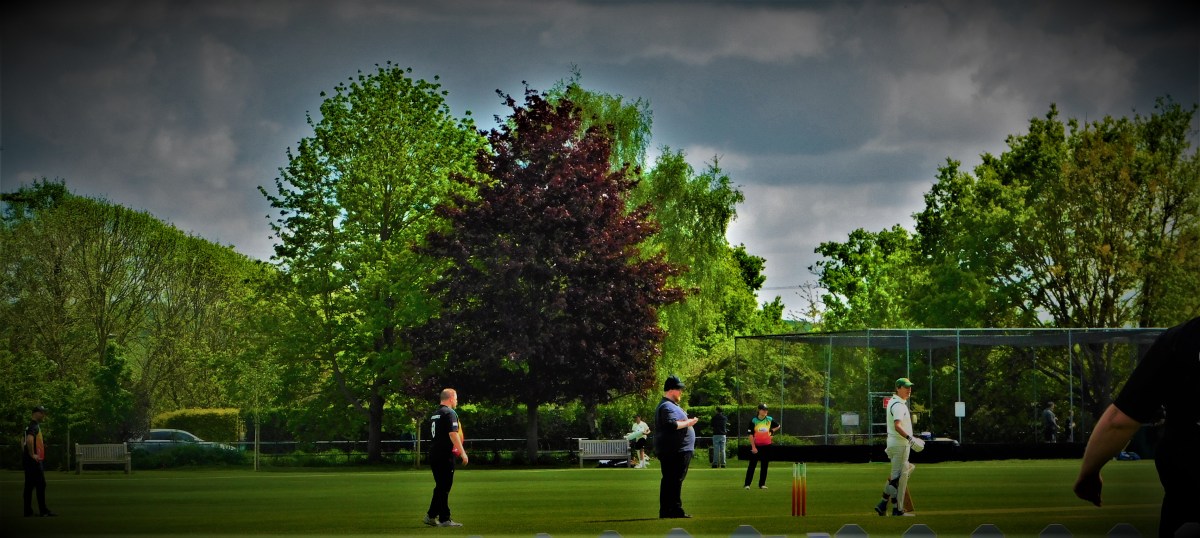
On Sunday the Metronomes, a cricket club who raise funds for charity and who I follow on twitter, were playing at Broxbourne and since that is close enough to me that I can get there and back in a day, even on the Sunday before a bank holiday Monday I decided to go and watch. This post describes the day from my point of view.

GETTING THERE

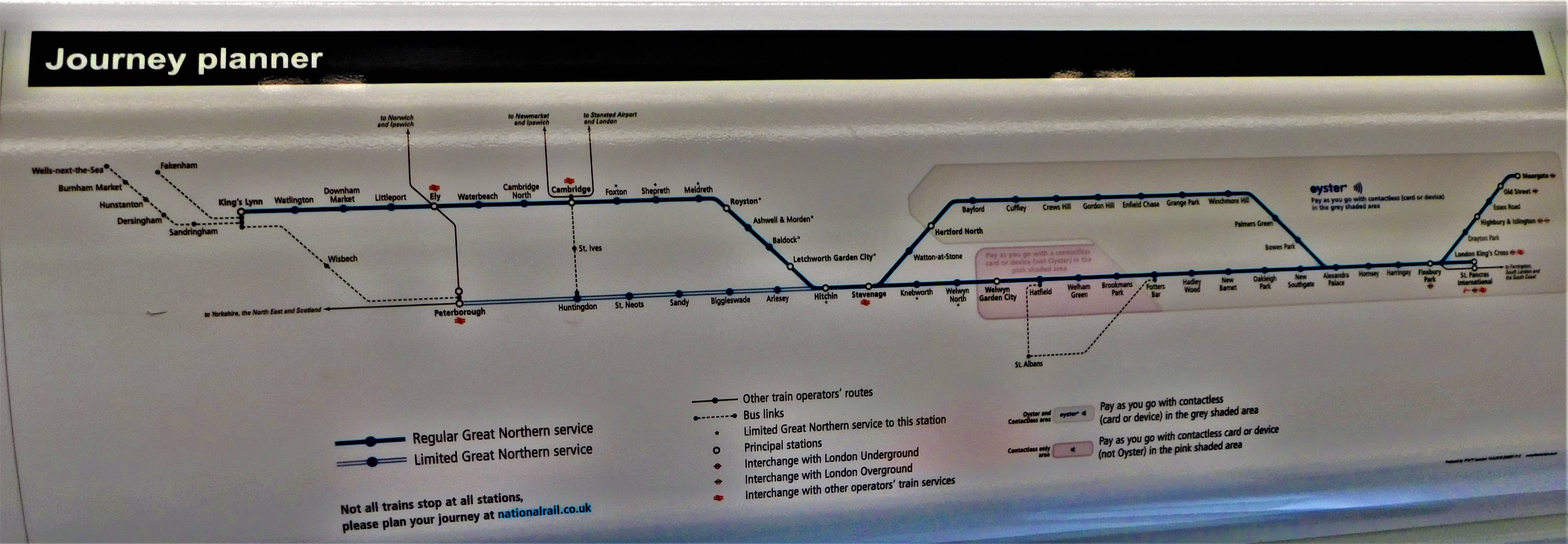
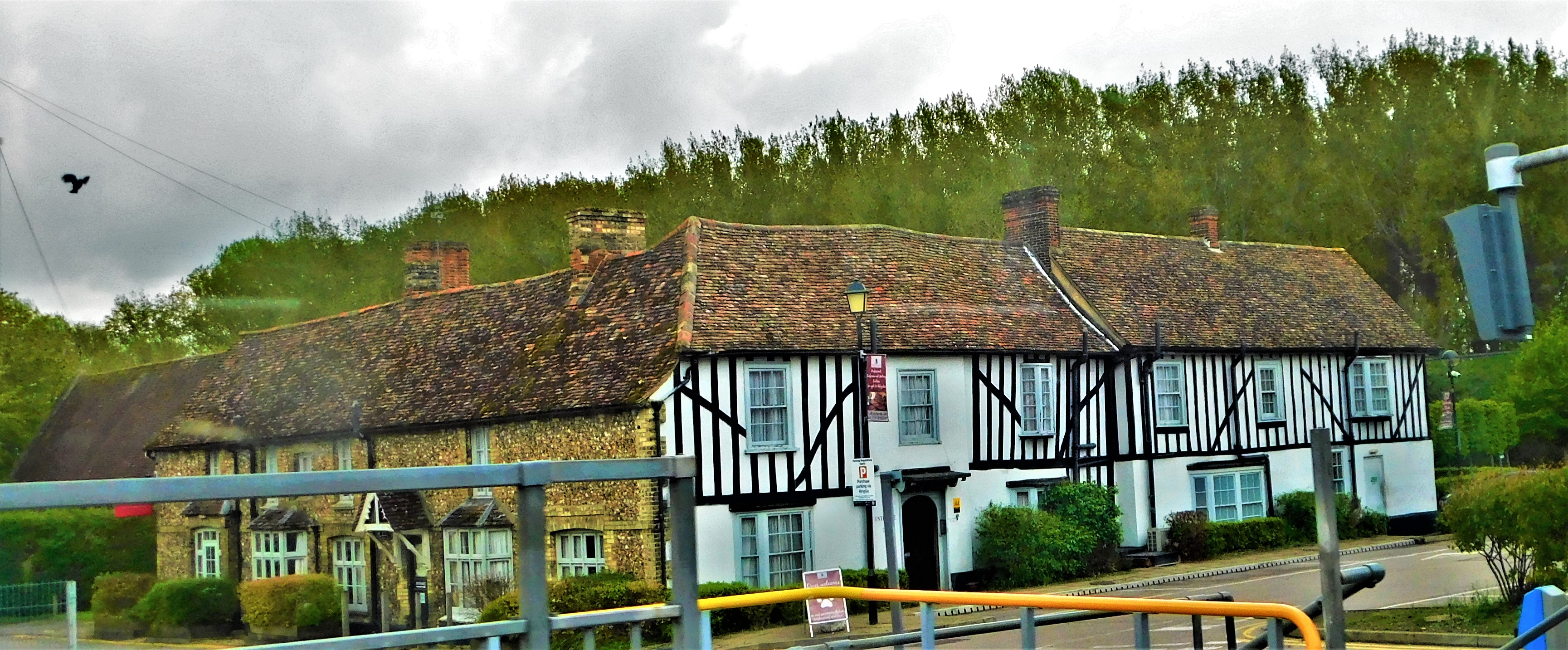
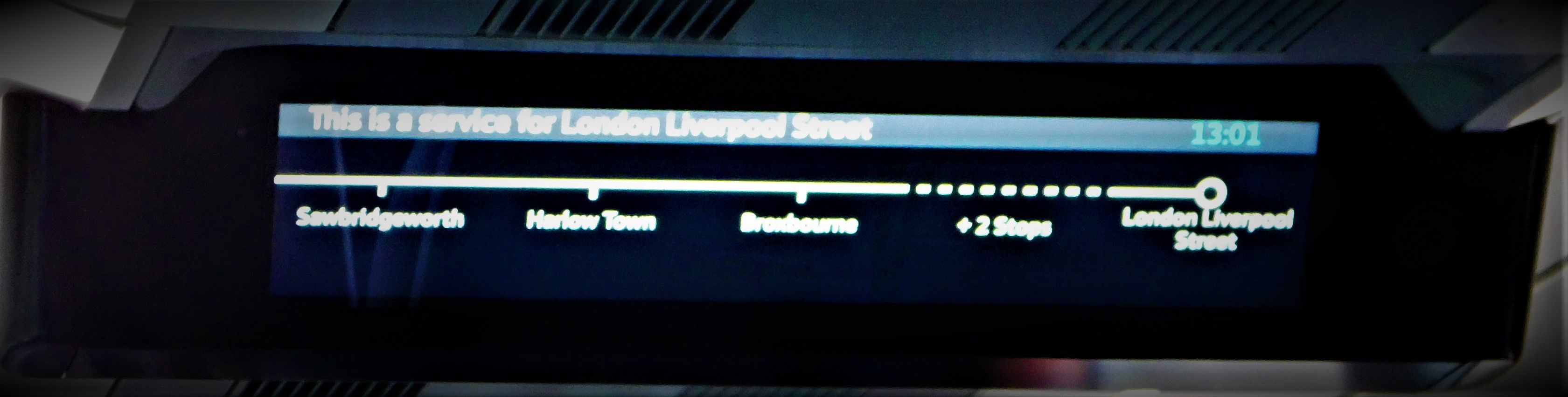
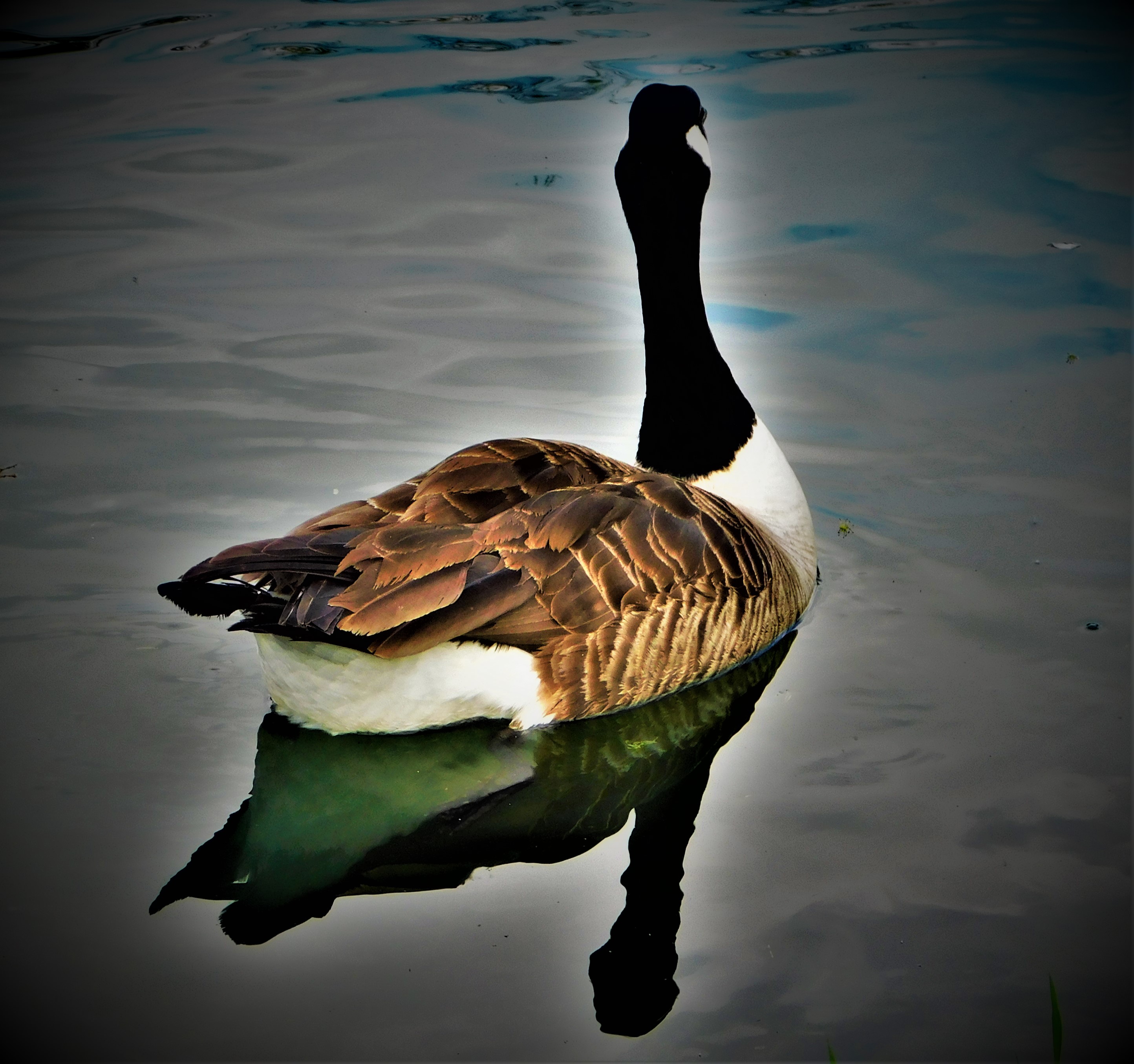
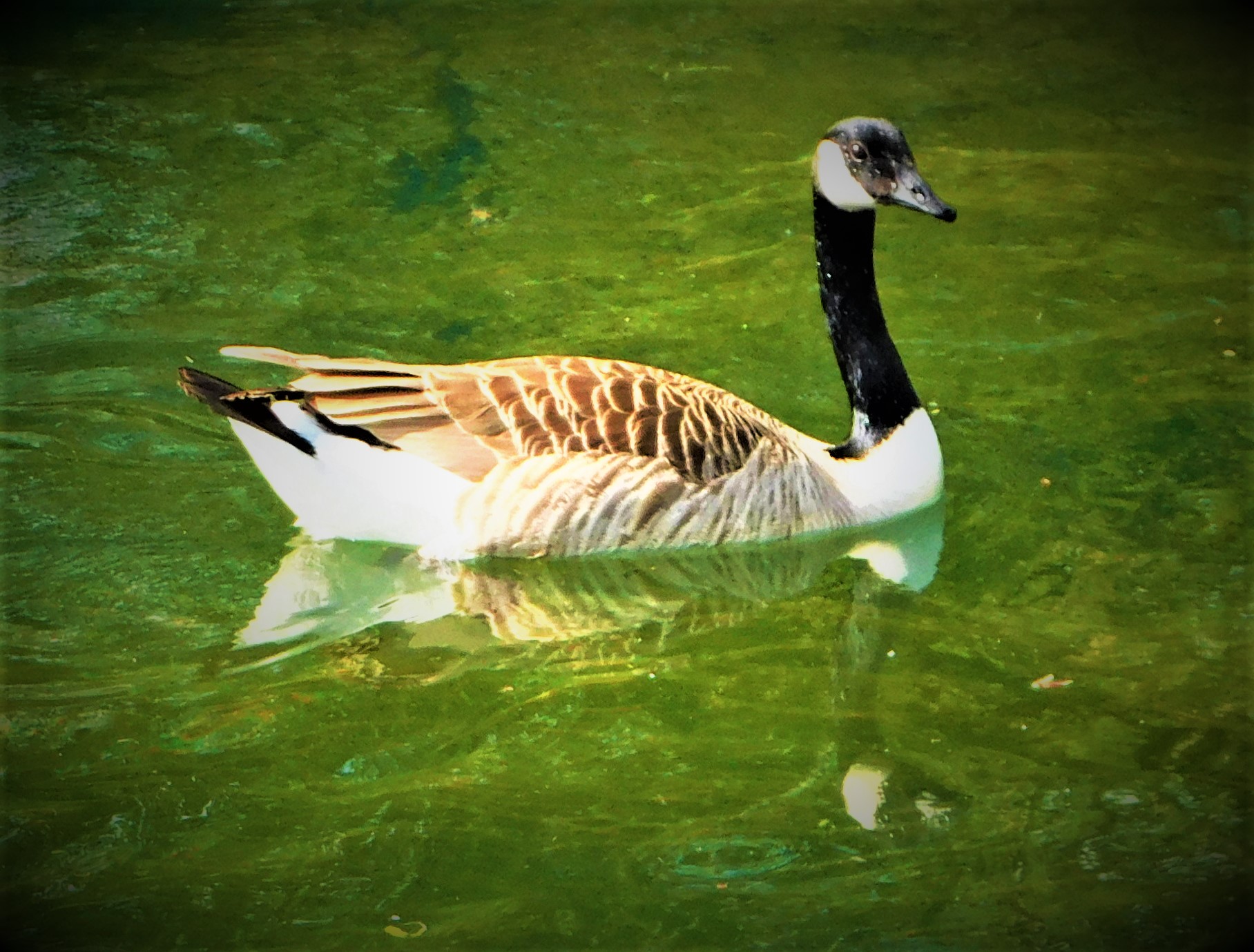
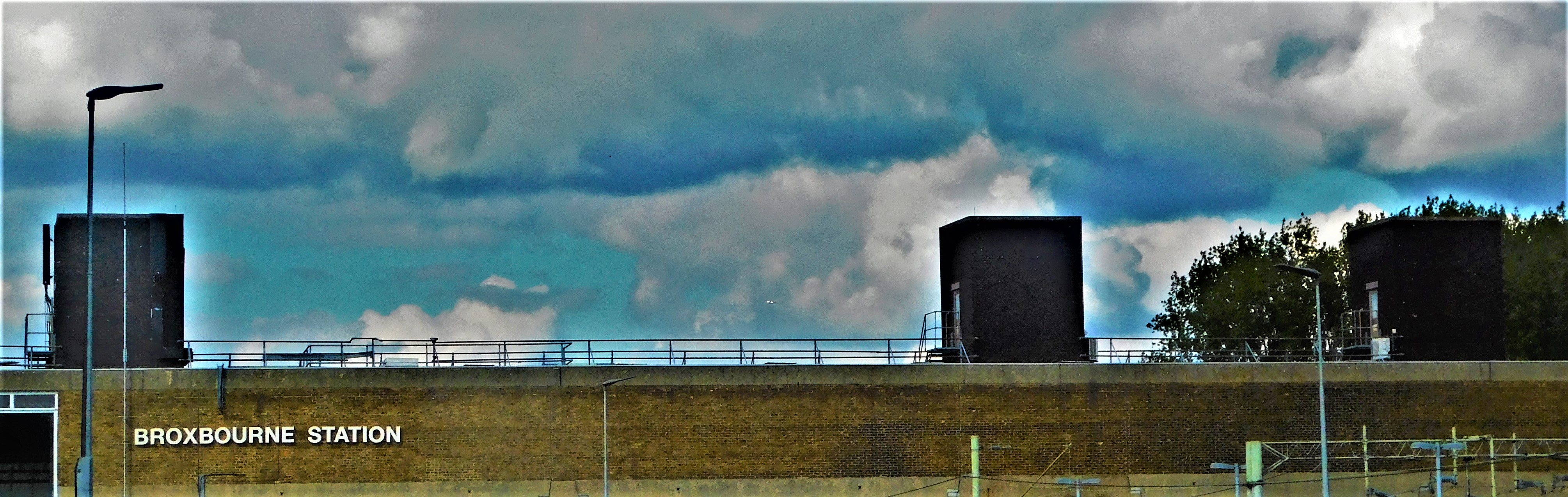
I arrived at King’s Lynn station in good time for the train I intended to catch, noting immediately that it was terminating at Ely, which meant a replacement bus service would be operating between Ely and Cambridge. Fortunately this did not materially affect the outward journey, and I arrived at Broxbourne at 13:16. The walk from the station to Broxbourne cricket club is short and scenic, much of it being within sight of the river Lea. Among the highlights were Canada Geese.

AT THE MATCH

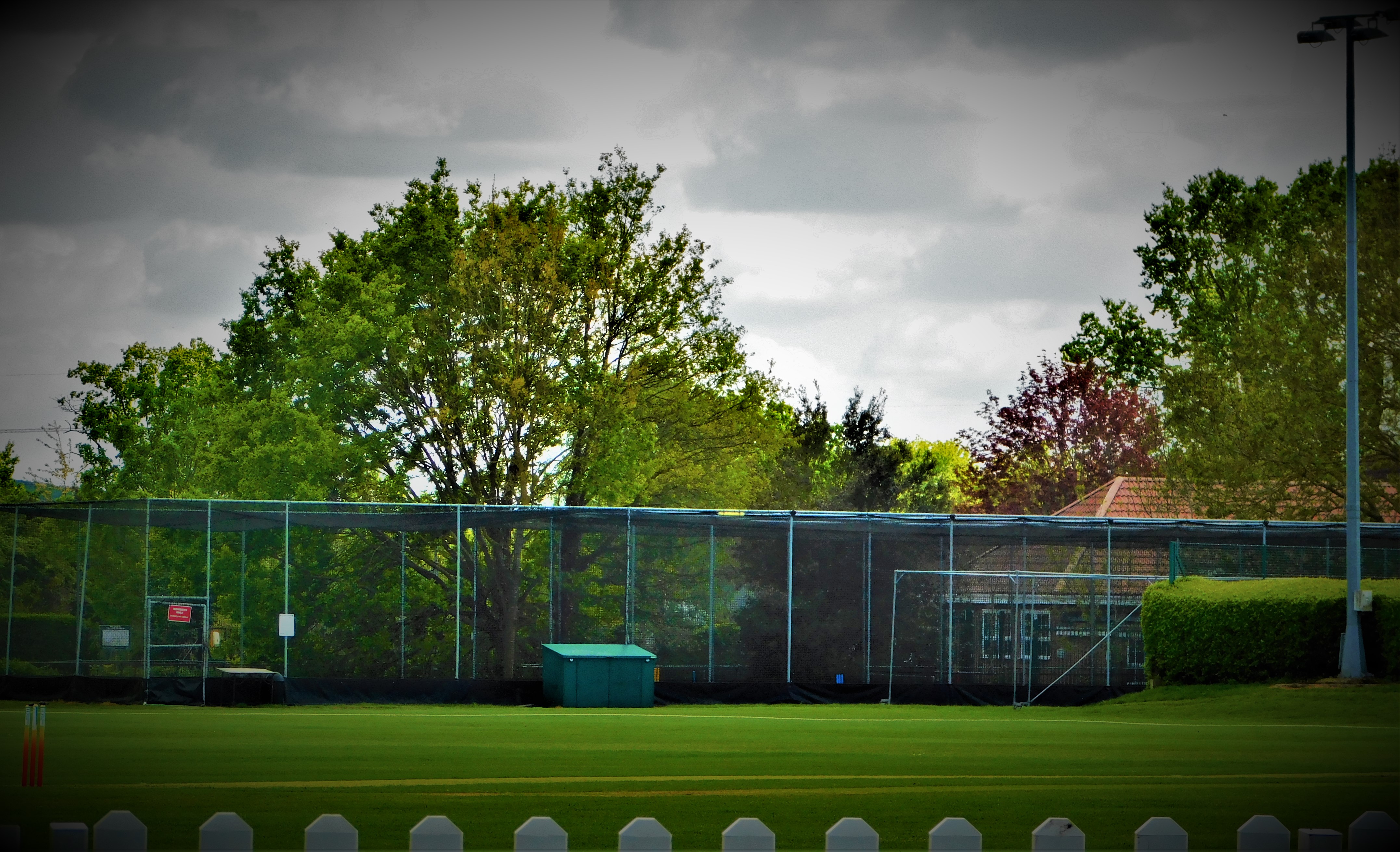
I found a seat with a decent view of the action, and ate my lunch and drank my bottle of water. Later I bought a good but seriously overpriced pint of beer. The opposition, the Three Graces batted first, and they did not fare especially well. During the innings break Mark Puttick, a keen statistician and part of the Metronomes introduced himself. Later, during the Metronomes response, their founder, Bex Coleman, also introduced herself. Mark had expressed his belief that Metronomes could chase down the total without needing him to bat, and that proved to be the case – a superb opening stand set them up, and there only ever looked like being one outcome. I left shortly after the handshakes, to ensure that I could get home at a sensible time.

THE JOURNEY HOME

The train from Broxbourne to Cambridge stopped at every station along the way, and I had a bit of a wait for the onward bus connection to Ely, and then a substantial wait at Ely for the train to King’s Lynn (fortunately the weather was very pleasant – Ely is a nice station, but in bad weather it is a horrible place to have to wait – the wind can be vicious in East Anglia and Ely is very exposed. I got home just before eight o’clock.

All Time XIs: Greenery

A ‘greenery’ XI and a photo gallery in two parts.

As my photo galleries indicate I enjoy spending time in and around greenery, so for today I am creating an XI of cricketers whose names connect with greenery in some way, shape or form.

THE XI IN BATTING ORDER

  1. John Berry Hobbs (right handed opening batter, outstanding cover fielder, occasional right arm medium pace bowler). More commonly known as Jack Hobbs, aka ‘The Master’, but it is that middle name ‘Berry’ that qualifies him for this XI.
  2. Les Berry (right handed opening batter). A long and distinguished career for Leicestershire, though typically for a player at an ‘unfashionable’ county scant recognition from the England selectors.
  3. *Andrew Flower (left handed batter, occasional wicket keeper, occasional off spinner, captain). At the height of his career the world number one ranked batter. Also had a distinguished coaching career, albeit England’s rise to number one in the test rankings under his stewardship was accompanied by a number of the players suffering in terms of personal well being.
  4. Grant Flower (right handed batter, left arm orthodox spinner). A fine batter and a useful bowler, well worth his place in this side.
  5. James H Parks (right handed batter, right arm slow medium bowler). The only cricketer ever to score 3,000 runs and take 100 wickets in the same first class season. I have included his middle initial to distinguish him from his son James M Parks, a batter/ keeper.
  6. Cameron Green (right handed batter, right arm fast bowler). Still young, but the tall Aussie is very rapidly establishing himself as a multi-format star.
  7. Wilfred Flowers (right handed batter, off spinner). A good enough all rounder to have done the season’s double five times in the course of his career and to have had a respectable test record.
  8. +Dick Lilley (wicket keeper, right handed batter). A long serving England keeper of the late 19th and early 20th century and a useful lower order batter. Although the plant is spelt differently it is of course the lily that gets him in.
  9. William Lillywhite (right arm fast bowler, right handed batter). The ‘nonpareil’, one of the first masters of ’round arm’, the bowling style that developed from under arm and led to over arm, along with his county colleague James Broadbridge. Again it is the lily that gets him in.
  10. Dennis Lillee (right arm fast bowler, right handed batter). The lily gives the side another great opening bowler.
  11. Eric Hollies (leg spinner, right handed batter). Our line up is completed with a leg spinner, using the fact that his surname looks like the plural of ‘holly’.

This XI has a powerful line batting line up and a varied bowling attack – Lillee, Lillywhite, Green and Parks to provide pace, seam and swing, and Hollies, Flowers and G Flower providing a full range of spin options

HONOURABLE MENTIONS

Graham Rose, the Somerset bowling all rounder, was a clear candidate. James M Parks, like his father James H would have his advocates, but I preferred the finer keeper in Lilley. Had Grant Flower not had a place already then left arm spinner Holly Colvin, a former world cup winner for England Women, would have been up for consideration. Another Holly who some might have considered was Aussie Women’s pacer Holly Ferling. Arthur Bush, Gloucestershire wicket keeper in WG Grace’s early days (and best man at the latter’s wedding as well), was not quite good enough to displace Lilley. New Zealand women’s seamer Lea Tahuhu could have been included by way of her first name – lea is a poetic word for meadow.

PHOTOGRAPHS

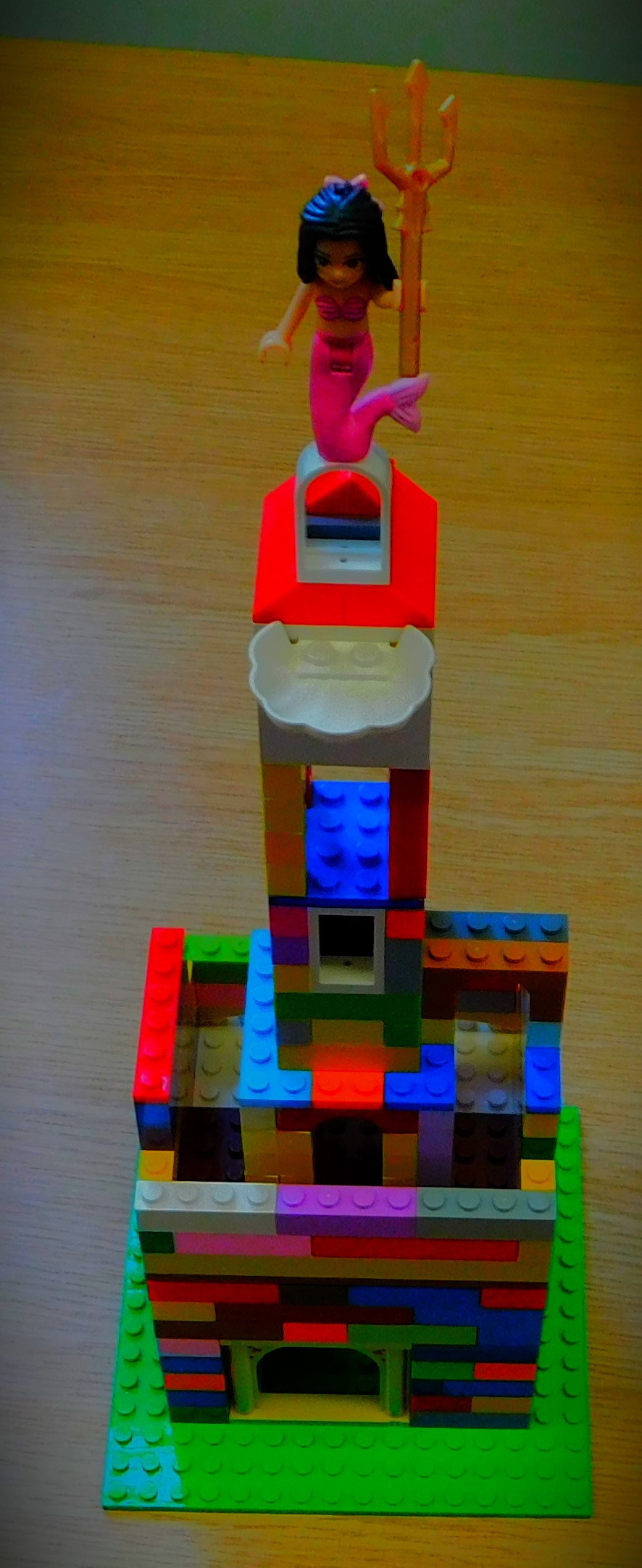
My usual sign off comes in two parts because today was a Just a Cuppa Autism Acceptance morning at King’s Lynn Library. As an autistic person, a founder member of the West Norfolk Autism Group and a big library user I enjoy these mornings hugely – my preferred activity during them is lego architecture…

Now for my regular pictures…

All Time XIs – The Letter N

Continuing the exploration of the all-time XIs theme with a look at the letter N.

Welcome to this latest installment in my exploration of the ‘all time XIs’ theme. This time the team all have surnames beginning with the letter N.

THE XI IN BATTING ORDER

  1. Stan Nichols (Essex, England). Left handed batter, right arm fast bowler. He didn’t play many games for England, but he was an Essex stalwart for many years, and he did on occasion open the batting for the county, a role I have given him in this.
  2. Mudassar Nazar (Pakistan). A stubborn right handed opening batter and occasional purveyor of medium pace. He forms an excellent counterpoint to the flamboyant Nichols.
  3. Seymour Nurse (West Indies). An excellent batter with test HS of 258. He is the first of a powerful trio of middle order batters for this team.
  4. Arthur Dudley Nourse (South Africa). A test average of 53, maintained through a long career.
  5. Arthur William ‘Dave’ Nourse (South Africa). A left handed batter and left arm medium pace bowler. He was Dudley’s father, but never coached his son. Once an argument about how to hold the bat broke out in a game of street cricket that Dudley was playing, and Dudley took the matter to his father. Papa Nourse, completely composed, told Dudley “Son I learned to bat with a fence paling – now you go and do the same”. From that moment on Dudley did things his way.
  6. *Monty Noble (Australia). A right handed batter and off spin bowler, he was one two notable all rounders to play for Australia in the early 20th century, Warwick Armstrong being the other. He was highly regarded as captain of the side, a role I have given him in this XI. He was the third victim of arguably the most notable test hat trick ever taken, when at Headingley in 1899 JT Hearne accounted for Clem Hill, Syd Gregory and him in successive balls – one great batter, one very good one and one all rounder. He was the bowler when Albert Trott hit his famous blow that carried the Lord’s pavilion. His accounts of the 1924-5 and 1928-9 Ashes series are both excellent reads. His full record can be viewed here.
  7. +Paul Nixon (Leicestershire, England). Years of sterling service for his county did not translate into many England caps, but he was a superb keeper, and good enough with the bat to have scored 1,000 FC runs in a season – the first Leicestershire keeper to reach that mark since 1935.
  8. Makhaya Ntini (South Africa). Over 300 test wickets confirm his status as a top notch fast bowler.
  9. Shahbaz Nadeem (India). A left arm orthodox spinner with a fine FC record whose international opportunities have been limited by the fact that he is a contemporary of Ravindra Jadeja and Axar Patel, both of whom are quite rightly ahead of him in the pecking order.
  10. Sarfraz Nawaz (Pakistan). Not a genuinely fast bowler, but a highly effective operator at fast medium. His greatest moment came with Australia 305-3 chasing a target of 382 – they were 310 all out, Sarfraz Nawaz taking all seven of those wickets, to give him nine in the innings, at a cost of one run.
  11. Anrich Nortje (South Africa). One of the fastest bowlers of the current era, no opponents relish facing him.

This side contains a somewhat make shift opening pair, a powerful trio at three, four and five, a genuine all rounder, a keeper who could bat and four fine specialist bowlers. It is not one of the strongest XIs in this series, but it is certainly not the weakest either. If forced to choose I would always prefer a strong bowling side with slightly questionable batting over a powerful batting side that will struggle to take 20 wickets – the former combo is much more likely to win matches, while the latter will probably be made to settle for a draw when its batting fires and be defeated when it does not.

HONOURABLE MENTIONS

I will start with the question of openers: the main alternatives to using Nichols in that role were Scott Newman, who never played international cricket though he was fairly prolific at county level, and Imran Nazir of Pakistan, most of whose greatest successes came in limited overs matches.

Henry Nicholls of New Zealand is a gritty batter but not quite of the necessary class to displace Nurse or either of the Nourses from this XI.

Otto Nothling was a fine all round athlete, and a good cricketer at state level in Australia, but when the chance came at test level he did nothing. Had I not settled on Noble as skipper I would have considered Shelley Nitschke for the all rounders slot – her being a left arm spinner would have made selecting the specialist spinner somewhat easier.

The only alternative to Nixon for the keeper’s slot that I could think of was another player with Leicestershire connections, Tom New. He was perhaps a little better with the bat than Nixon but he was not as good a keeper, and that settled the issue.

Rana Naved of Pakistan at number eight would have strengthened the batting (none of my four chosen bowlers would be likely to make a major contribution in that department), but while his record at FC level and in limited overs internationals was good, he paid over 50 a piece for his test wickets. Australian brothers Lisle and Vernon Nagel both bowled medium fast, making use of their height (6’6″) to generate awkward bounce. Lisle once took 8-32 in an innings in a tour match vs MCC (during the 1932-3 tour), but he did not deliver for the test team. Buster Nupen, the only test cricketer born in Norway, came close, but he paid 32 a piece for his wickets at the highest level, just too much. Australian pacer Ashley Noffke was never a regular at international level, and similarly current Indian pacer T Natarajan has yet to establish himself at the highest level.

Mark Nicholas could only have made the XI as a specialist captain, a notion I do not especially approve of, and with Noble available to skipper one that was hardly necessary. He would however get to lead the comms team when this XI was in action.

Nasim-ul-Ghani who was the first nightwatcher to score a test ton did not do enough with his left arm spin to merit inclusion. Sunil Narine, formerly of the West Indies and now plying his trade in short format leagues around the world is an off spinner thus with the presence of Noble doubly disqualified. Similar arguments apply to Afghan legend Mohammad Nabi.

I fully expect that ten years or so from now the young Afghan left arm wrist spinner Noor Ahmad will have taken his place among the cricketing elite, but at the moment, not altogether surprisingly for a 17 tear old he does not have enough of a record to be worth a place. He may suffer somewhat because his country have such a glut of quality spinners: Rashid Khan, Mujeeb-ur-Rahman, Qais Ahmad and Zahir Khan are just four of those he is up against for international honours.

PHOTOGRAPHS

Our cricketing journey through the letter N is at an end and it remains only to apply the usual sign off…

All Time XIs – The Letter L

A couple of pieces of news and a continuation of my exploration of the All Time XIs theme with a team whose surnames all begin with L.

Before I get to the main meat of this blog post – another variation on the all time XIs theme I have a couple of pieces of news to share.

HERITAGE OPEN DAY

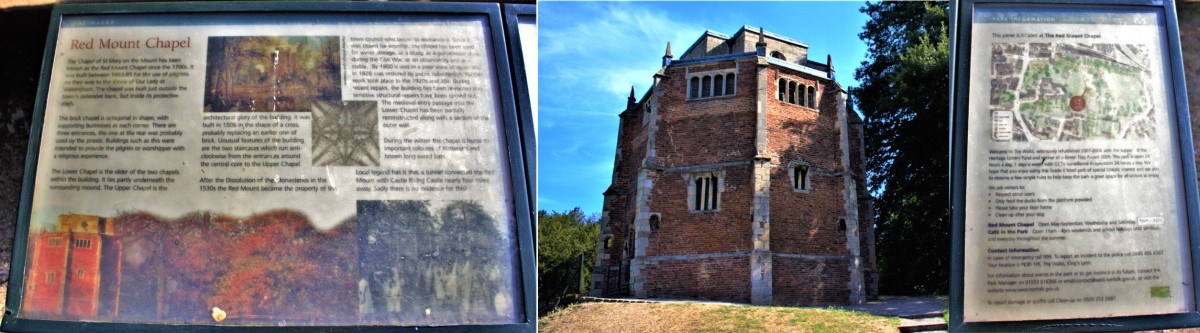
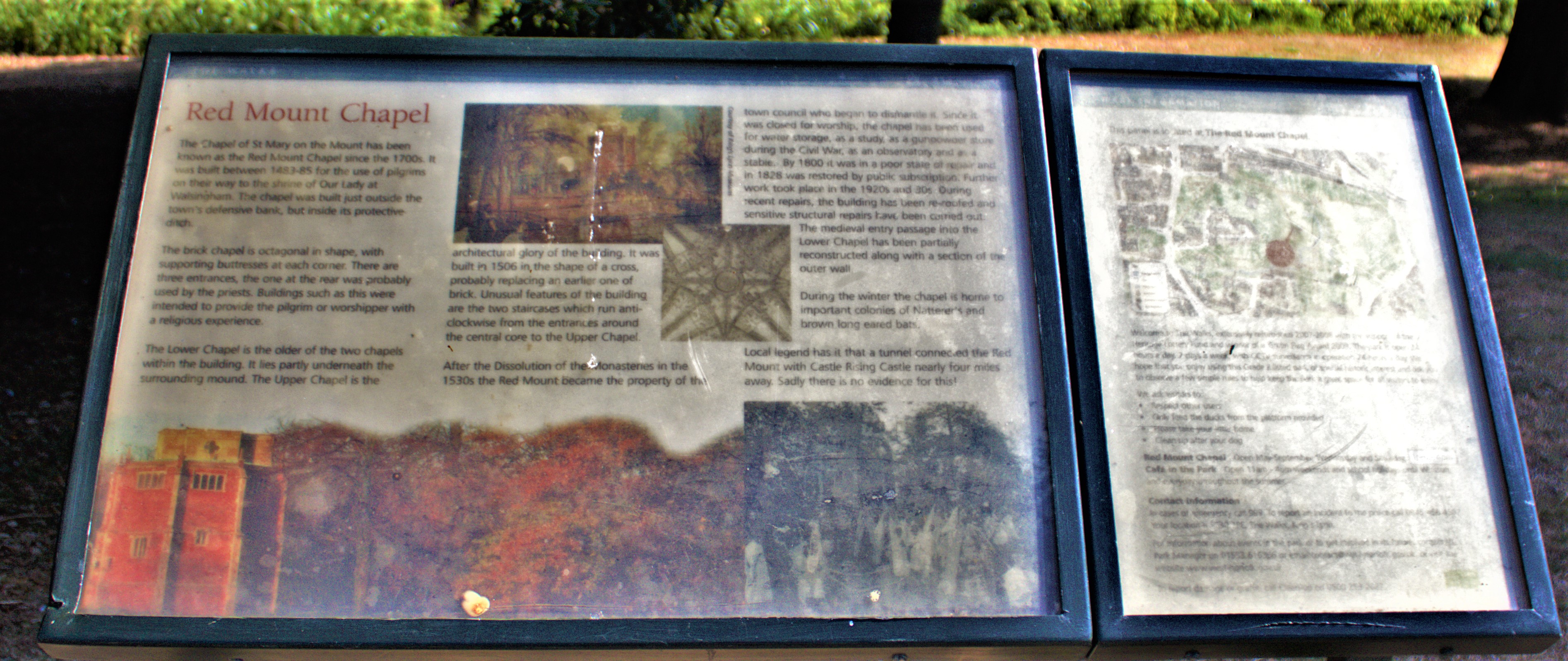
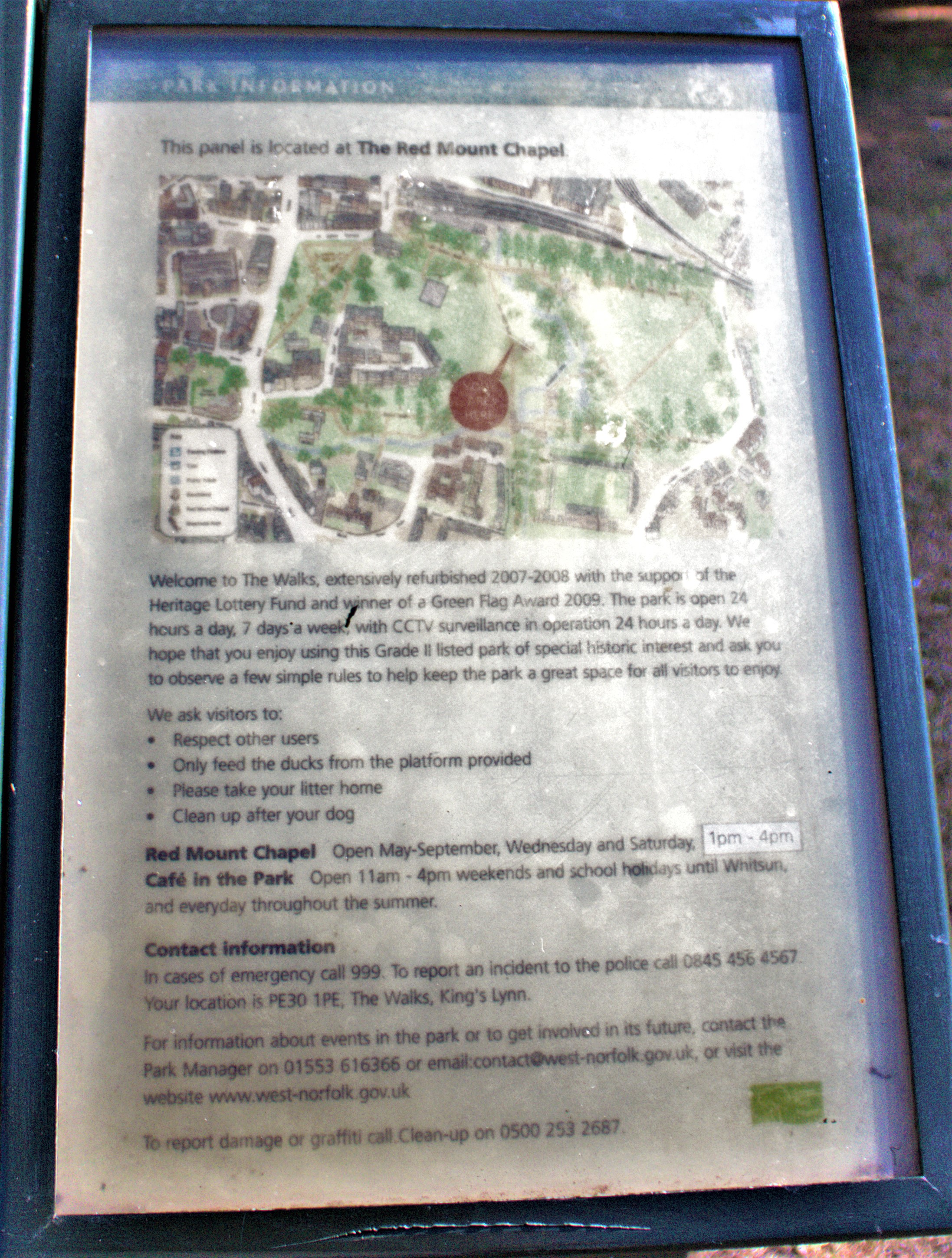
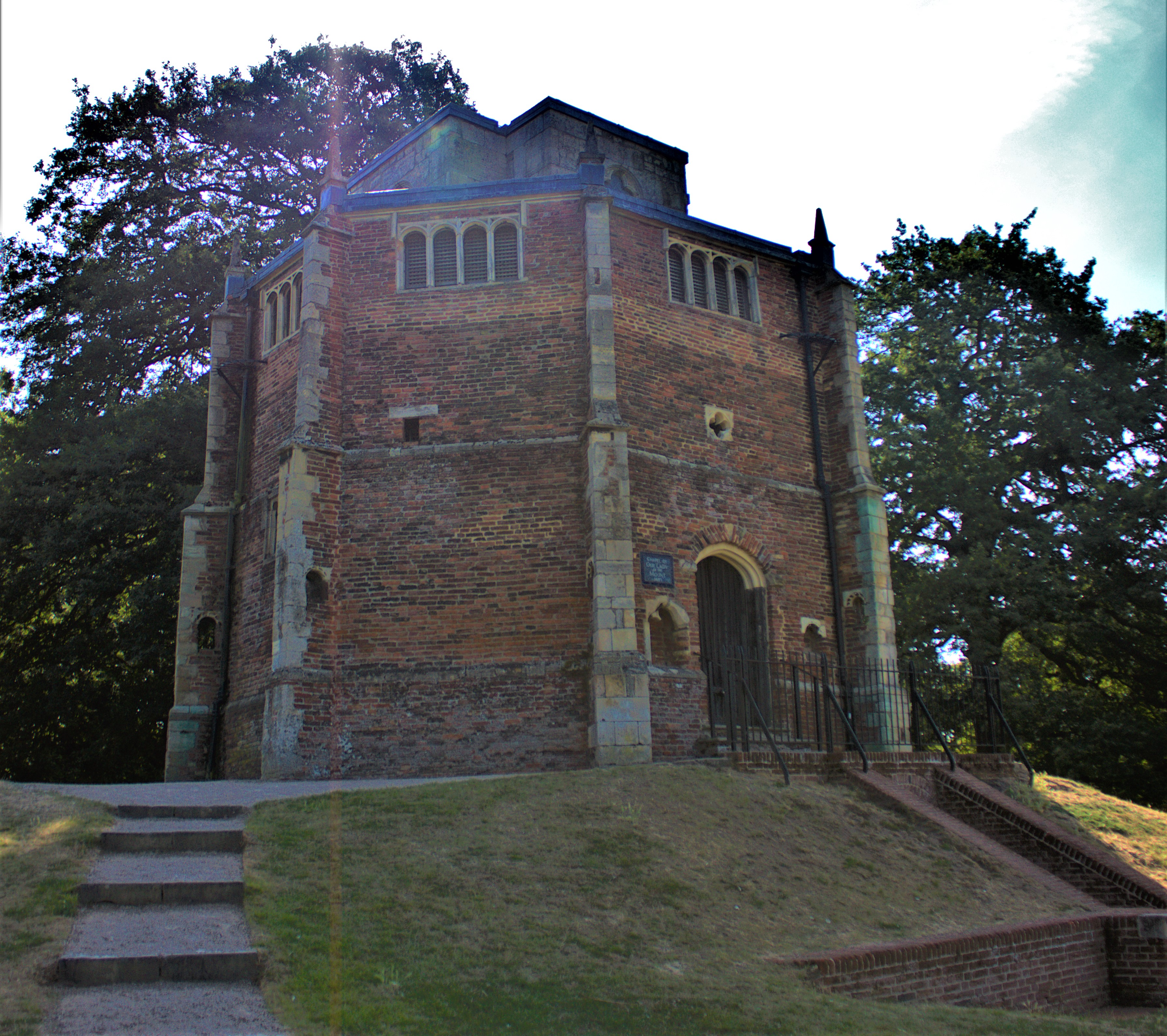
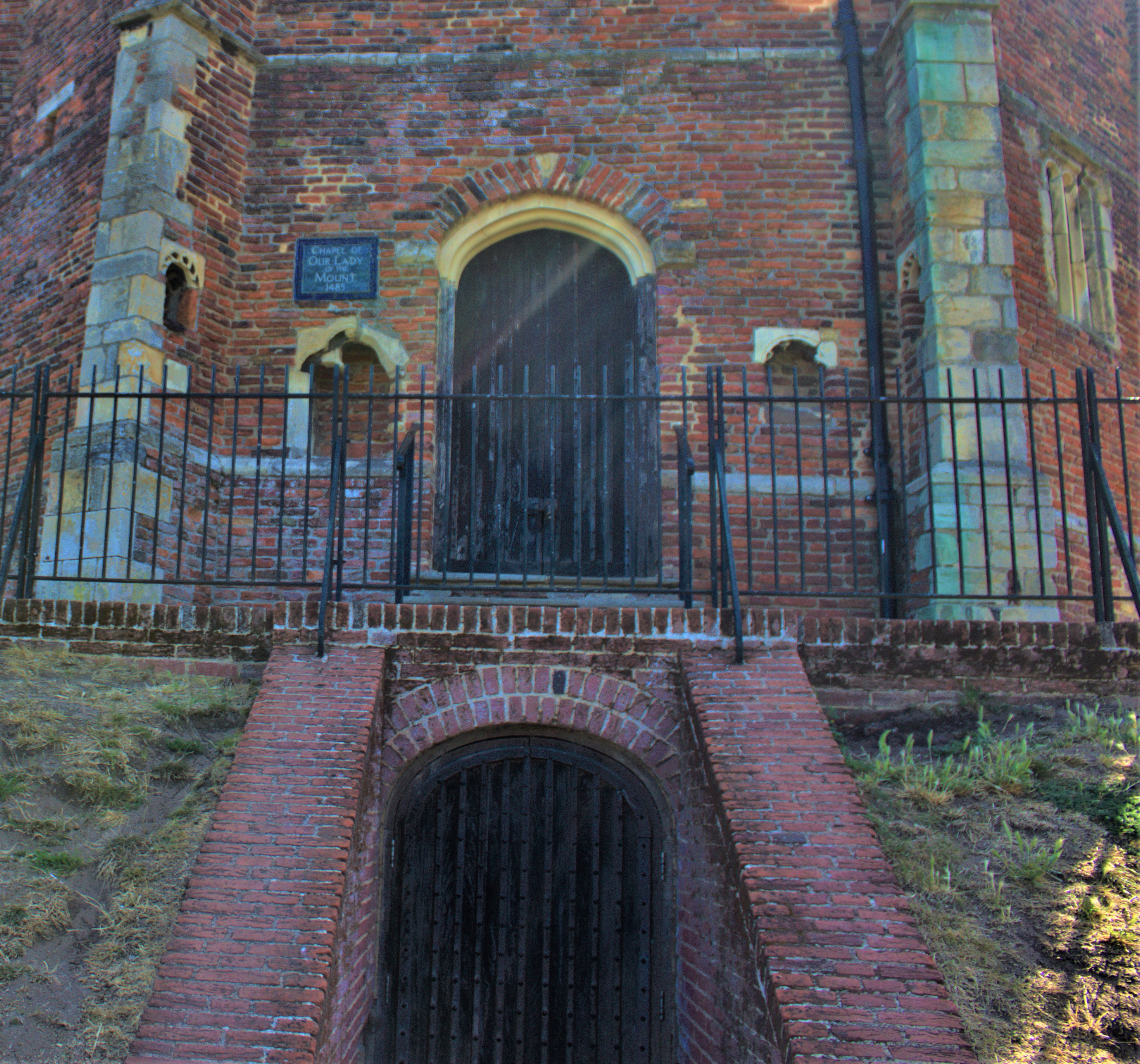
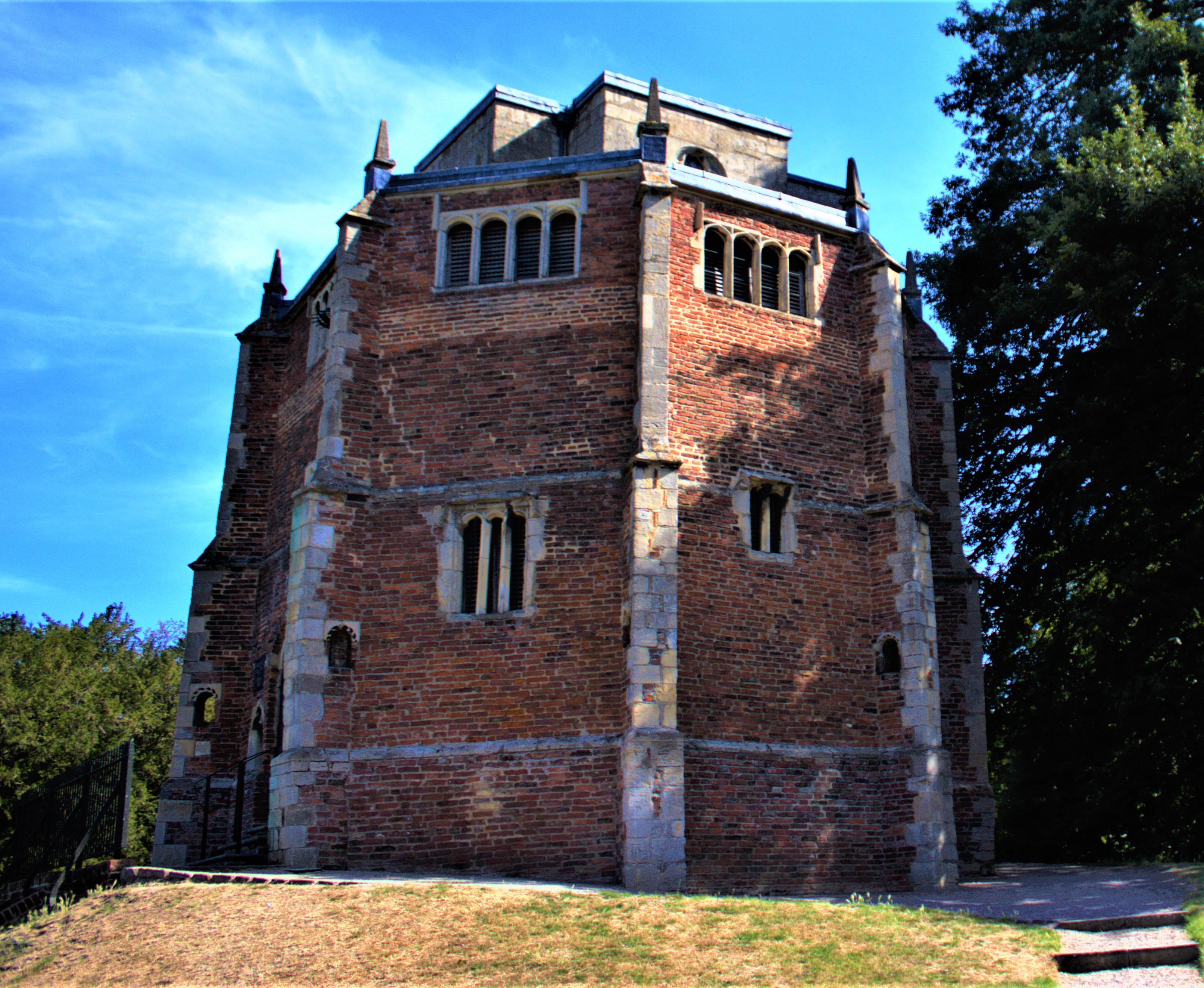
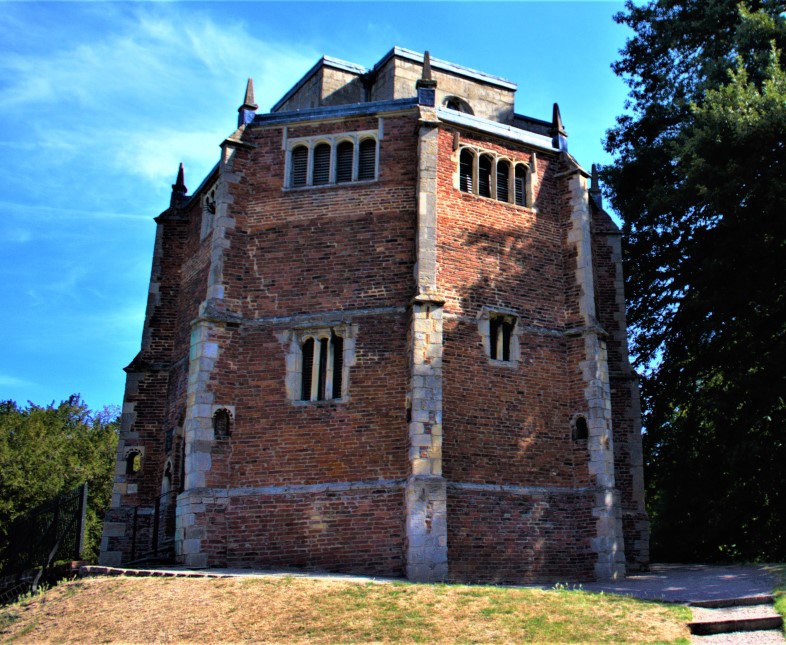
Yesterday I got the news of my stewarding commitment for Heritage Open Day (Sunday 11th September), and I regard it as a plum posting: the Red Mount Chapel, between 10AM and noon. I have visited this remarkable place a number of times, including during last year’s Heritage Open Day.

PRESS COVERAGE OF WNAG

Your Local Paper have produced an article about the Beer Festival at Stewart House raising funds for the West Norfolk Autism Group.

Now we move on to the main meat of the post, a look at the greatest cricketers to have surnames beginning with the letter L.

THE XI IN BATTING ORDER

  1. Bill Lawry (Australia). A dour left handed opener, his test record speaks for itself.
  2. Marnus Labuschagne (Glamorgan, Australia). One of the best contemporary test match batters in the world. He generally bats at three, but I am moving up one place to open due to the number high quality batters I have to accommodate and the fact that there are not many regular openers of quality who had surnames beginning with L.
  3. Brian Lara (Warwickshire, West Indies). The only person to twice hold the world record individual score in test cricket and one of only two (Bradman being the other) to simultaneously hold the world FC and test record individual scores.
  4. VVS Laxman (India). A monumental 281 vs Australia in 2001 helped set up only the third instance of a team coming back from being made to follow on to win a test match. He was part of a massively strong middle order, playing alongside Tendulkar, Dravid and Ganguly in their prime.
  5. *Clive Lloyd (Lancashire, West Indies). A shoo-in for the captaincy of this side, as one of the two greatest West Indian skippers ever (Frank Worrell being the other). 110 test matches yielded him 7,515 runs, and he quite often only had to bat once because of the immense strength of his West Indies side.
  6. James Langridge (Sussex, England). A left arm spin bowling all rounder, his international opportunities were limited by him being a contemporary of Hedley Verity who had first dibs on the left arm spinner’s spot. Nonetheless his test averages were the right way round, while in the course of his long first class career he averaged 35 with the bat and 21 with the ball.
  7. +Gil Langley (Australia). One of the many great wicket keepers produced by Australia over the years. He was the first keeper to make as many as nine dismissals in a single test match, a feat later equalled by Rodney Marsh and bettered by Jack Russell.
  8. Ray Lindwall (Australia). One of the greatest of all fast bowlers and a handy enough lower order batter to have scored two test centuries.
  9. George Lohmann (Surrey, England). The cheapest wicket taking average of anyone to have claimed 100+ test wickets – 110 at 10.75 each, also by far the quickest strike rate of any taker of 100+ wickets at that level – one every 34 balls.
  10. Jim Laker (Surrey, Essex, England). For my money the greatest off spinner ever to play the game. 193 wickets in 46 test matches, at 21 a piece. His absolute peak was the 1956 Ashes when he took 46 wickets at 9.60 a piece in the series, including a test AND FC record match analysis of 19-90 at Old Trafford. In the tour match for Surrey v Australia he took 10-88 in the first innings of the match, bowling 46 overs on that occasion. His most shattering single piece of bowling came at Bradford in 1950 when playing for England against The Rest he took 8-2 (one of the singles being a gift to Eric Bedser) as The Rest collapsed to 27 all out.
  11. Dennis Lillee (Northamptonshire, Australia). A former holder of the record for most career test wickets – 355 in 71 test matches. He was at least two great bowlers – a fire and brimstone quick in his younger days, and a superbly accurate fast-medium bowler late in his career.

This team has a strong top five, albeit one of them batting out of position, a great all rounder, a great keeper and four great and well varied bowlers. Two genuine quicks in Lindwall and Lillee, a very crafty medium pacer in Lohmann, Laker’s off spin and Langridge’s left arm spin represents a strong and superbly balanced bowling attack.

HONOURABLE MENTIONS

I considered two specialist openers in addition to Lawry. John Langridge, brother of James, scored 76 first class hundreds and tallied over 34,000 FC runs but never gained an England cap. The other possibility, as a rebuke to Cricket South Africa for their treatment of her, was Lizelle Lee, hounded into international retirement by her board. However, although I recognize that there is an element of a gamble in playing a regular number three as an opener I would challenge any who insist on selecting one of these openers to say who out of Lara, Laxman and Lloyd you will drop to accommodate Labuschagne in his preferred number three slot.

Another fine middle order batter who had to miss out was the little West Indian battler Gus Logie.

The choice of James Langridge as all rounder meant that two high quality left arm spinners missed out: Tony Lock and Jack Leach. Left arm wrist spinner Jake Lintott may well merit consideration for this XI in a few years time, but he has played very little long form cricket as yet.

The best quick bowlers to miss out were Bill Lockwood and Harold Larwood. Lockwood was one of the pioneers of the slower ball, but as fine a cricketer as he was he could not dislodge Lindwall. Harold Larwood had one great test series (the 1932-3 Ashes when he claimed 33 wickets), but otherwise a fairly ordinary international career, and could hardly therefore be seen as a challenger to the consistent excellence of Lindwall and Lillee. Brett Lee was quick but somewhat erratic, reflected in his slightly high test bowling average. Geoff Lawson had a patchy career and was not worth serious consideration.

PHOTOGRAPHS

Our look at the letter L is at an end and it remains only to produce my usual sign off…

All Time XIs – The Letter K (Plus Metronomes’ Debut Match)

A dual purpose post – a brief account of the Metronomes inaugural match and continuing my exploration of the all-time XI theme with a look at the letter K.

This is a two part post – I will begin with an account of yesterday’s match between Spen Victoria and The Metronomes to raise funds for the National Autistic Society and awareness of autism, before continuing my exploration of the all time XIs theme with a team of players whose surnames begin with the letter K.

METRONOMES’ DEBUT

The much anticipated ‘match for autism’ between Spen Victoria CC and The Metronomes took place yesterday. Spen Victoria’s scenic home ground was the venue. Most of the players involved were enthusiastic club cricketers, though the Metronomes had one overseas star, Roberta Moretti Avery, captain of Brazil.

Michael Coleman, one half of the couple whose idea this match was and who did so much to bring it to fruition, along with his wife Bex, took the new ball, with initially nine slips posted. 10 runs accrued of the first over. Mark Puttick who had done much to keep the occasion in people’s minds with a 100-day countdown featuring cricket statistics relating to each number opened the bowling at the other end and bowled a respectable first over. However, it was first change bowler Isaac Lockett who took the first wicket (actually he claimed the first three wickets taken by the Metronomes), while Moretti Avery had her first impact on the game with a wicket. There was a playing condition that anyone reaching 30 had to retire, and two Spen players reached that landmark, one of them very quickly indeed. In the end Spen tallied 175-8 from their 20 overs, a fine score.

It was soon apparent that Metronomes would struggle to chase this, they got away to very a slow start. The chief culprit was an opener by the name of Himsworth, who faced 19 dots out of his first 21 balls. Dugnutt, who had claimed a wicket with his spinners scored a spirited 26, while Moretti Avery completed a fine all round effort by becoming the third player in the match to reach 30. Ben Bonney holed out off the last scheduled delivery with Metronomes well adrift, but an extra over was bowled, which enabled WG Rumblepants, creator of several magnificent pictures of well known cricketers, to have a bat, and he managed a single. Metronomes ended up losing by 20 runs. We wait to find out how much money was raised.

PICTURES ONE: NEW STUFF

As a dividing line between the two segments of the post here are some pictures of my most recent purchases:

PART TWO: THE LETTER K

We now move on to the second part of the post, the continuation of my exploration of the theme of all time XIs. We look today at players whose surnames begin with K.

THE XI IN BATTING ORDER

  1. Dimuth Karunaratne (Sri Lanka). Finding openers for this XI was not easy, but the gritty Sri Lankan left hander has a test average of almost 40 and has not always had a lot of support from down the order.
  2. Majid Khan (Glamorgan, Pakistan). Had a similar average to that of his opening partner, but was otherwise very different, being a flamboyant right hander.
  3. Rohan Kanhai (Warwickshire, West Indies). We have the word of CLR James who watched him in action that he was a genius with a bat in his hands, and the evidence of over 6,000 test runs at 47 to provide the hard fact that justifies his place in this side.
  4. Virat Kohli (India). Though he has struggled recently, not scoring a century since November 2019 he remains India’s greatest batter of the post-Tendulkar era.
  5. Jacques Kallis (Middlesex, South Africa). One of the two greatest ‘batters who bowl’ ever to play the game (his record reads similarly to that of Sir Garry Sobers, although he did not master as great a range of skills as the Barbadian).
  6. *Imran Khan (Sussex, Pakistan). With a batting average of 37 and a bowling average of 22 he is firmly established as one of the greatest of all all rounders, and he was also an excellent captain, a role I have given him in this team.
  7. +Syed Kirmani (India). This one will arouse controversy, but as you will see in the honourable mentions I felt it necessary to overlook the most obvious choice of keeper whose name begins with K. I went for Kirmani over his compatriot Budhi Kunderan because he was a much finer keeper than the latter, and this side is strong in batting.
  8. Bart King (USA). He took over 400 wickets at 15 a piece, most of them for Philadelphian touring teams in England, and also averaged 20 with the bat. He was the original ‘king of swing’.
  9. Rashid Khan (Afghanistan). Probably the best leg spinner currently playing the game.
  10. Anil Kumble (India). One of only three bowlers ever to take all ten wickets in a test innings, and the fourth leading taker of test wickets in history with 619 scalps. He was a very different type of bowler from Rashid Khan, relying mainly on top spin and bowling at almost medium pace.
  11. Charles Kortright (Essex). One of the fastest bowlers ever to play the game, and perpetrator of the harshest put down that the legendary WG Grace ever found himself on the end of: “Surely you’re not going already Doctor, there’s still one stump standing.”

This team has a contrasting pair of adequate if not great openers, a power packed 3-5, one of the greatest all rounders ever, a keeper who can bat, and four well varied bowlers, all of whom had some ability to bat – no order with Kumble at 10 can be considered shallow! The bowling with a pace trio of Kortright, King and Imran Khan, plus Kallis as fourth seamer, and two very different types of leg spinner in Kumble and Rashid Khan also possesses both depth and variety.

HONOURABLE MENTIONS

Before moving on to the standard honourable mentions two explanations are warranted:

EXPLANATION 1: YOUNIS KHAN

Many would have given this man the number three slot that I gave to Rohan Kanhai, but he is more needed for the letter Y, which is much tougher to fill than K, so I have held him back until then.

EXPLANATION 2: ALAN KNOTT

One of the greatest keepers ever to play the game and a fine middle order batter, he missed out because of his decision to go on the first rebel tour to apartheid South Africa. Regular readers of my posts will know that I take a very dim view of these rebel tours, and the one Knott signed up for, having told England that he was no longer willing to tour, was the first of them all, and carries extra opprobrium for that reason.

OTHER HONOURABLE MENTIONS

Two others I considered for the opening slots were Mohsin Khan of Pakistan, whose test average was similar to those of Karunaratne and Majid Khan, and Michael Klinger, who never managed to earn a baggy green cap. His FC average was on the wrong side of 40, so he missed out.

Probably the two best middle order batters I overlooked were Alvin Kallicharran and Vinod Kambli. JH King of Leicestershire and briefly England was a gritty left handed batter and a left arm medium fast bowler who would have brought extra variety to the bowling attack, but I had no way to accommodate him. Heather Knight has a remarkable test record, and her off spin would have given an extra bowling option, but I could only accommodate her by playing her as an opening batter, a role that as far as I am aware she has never performed.

Jim Kelly who kept for Australia around the turn of the 20th century was a fine performer in that role, but probably not the equal of Kirmani. Dinesh Karthik would have been in the mix for the gauntlets had I been picking a limited overs side, but unless otherwise stated I always have long form cricket in mind, though there might be room for him in the commentary box.

There were two other contenders for Kortright’s slot: JJ Kotze, South Africa’s first genuine express paced bowler and Neville Knox of Surrey and England. Both were of limited effectiveness at test level, and Knox only had two really good FC seasons before knee trouble got the better of him. Michael Kasprowicz was not a regular pick for Australia in his playing days. Aristides Karvelas, Sussex’s Greek international doesn’t yet have the weight of achievement to merit serious consideration, but he may enter the conversation in future. I would have liked the variation in the spin attack to be greater than between two admittedly different leggies, but Murali Kartik (SLA) did little at international level, Tom Kendall (SLA), first holder of the best bowling figures in test cricket (7-53 in the fourth innings of the inaugural test), played only two tests, and a mere nine FC matches in total, Zahir Khan (left arm wrist spin) doesn’t yet have the weight of achievement to force his way in.

PHOTOGRAPHS

The cricketing journey through the letter K is at an end, and it remains only to provide my usual sign off…