An account of an amazing finish in Hyderabad and a mention of another in Brisbane.
This morning saw two superb test match finishes. I was following the India v England match on Talk Sport2, while over on Five Live Sports Extra TMS were covering Australia v West Indies. A West Indies side who lacked most of their best known names and had been written off in brutal terms in the run up to the series, and who were 0-1 down in a two match series (this latter is an abomination that should never occur) managed to overcome Australia, winning by a slender eight runs. The body of this post is devoted the action I was listening to, in Hyderabad.
ENGLAND CREATE HOPE
England resumed 126 runs ahead of India with four second innings wickets standing (see here for an account of days 1-3). Rehan Ahmed and Tom Hartley both provided good support to Ollie Pope, while the Surrey man headed towards a double hundred. At 173 he established a new record for a visiting number three batter in a second innings in India, beating the 172 scored by Ken Barrington at Kanpur in 1961. At 177 he passed Alastair Cook’s record for the highest second innings score in India by any English batter. The loss of Hartley and Wood in quick succession, which brought a limping Leach to the crease (the left arm spinner has a knee injury, though he managed to both bat and bowl today) derailed Pope’s advance on the 200 mark, and in the new circumstances he essayed a somewhat desperate reverse sweep and was out for 196. Given the circumstances (India, pitch showing signs of misbehaviour – the ball that got Rehan Ahmed went through very low indeed, England under the gun for much of his innings) this was as good a test knock as has been played by an English batter in my lifetime. England had reached 420, setting India 231 to win the match. Lunch was taken at the end of the England innings. Few Indian bowlers had cause to enquire to closely as to their figures, but the shining exception was Jasprit Bumrah, who somehow conjured up figures of 4-41. Bumrah now has 146 test wickets at 20.85, which means that of bowlers who have finished with more wickets than him precisely two, Sydney Francis Barnes of England, 189 at 16.43 each and Alan Keith Davidson of Australia with 186 at 20.53 each have better averages than the Indian pace ace.
THE INDIAN CHASE
Rohit Sharma began well for India, while Tom Hartley, perhaps heartened by having batted so well, was a different bowler from the guy who took only just more than 20 overs to concede 100 in the first innings. Hartley got Jaiswal, who had given him a lot of stick in the first innings, and also got Shubman Gill cheaply. Gill has talent to burn, but the hard facts are that after a decent number of tests he now averages below 30 at that level, which is not the stuff of which number threes are made. At 63 Hartley made his most important intervention to date, pinning Sharma LBW for 39 (the Indian skipper sent it upstairs, but it couldn’t have been much plumber than it actually was). Axar Patel was promoted to number five in the hope that the presence of a left hander would disrupt Hartley. He batted reasonably until with 17 to his name he pushed one straight back to Hartley and it was 95-4. At 107 KL Rahul fell LBW to Leach. At 119 came a double blow which virtually settled the issue, Jadeja being run out by Stokes’ direct hit throw and then Shreyas Iyer being caught by Root off Leach. That left India needing 112, with keeper Bharat, off spinning all rounder Ashwin and the two rank tail enders Bumrah and Siraj to score them. Bharat and Ashwin threatened for a while, scoring 57 together before Hartley got one through Bharat;s defences for his fifth wicket of the innings. One run later a smart stumping by Foakes off Hartley sent Ashwin on his way, leaving the two specialist bowlers to attempt to score 54 more for victory. Virtually every ball, especially those faced by Siraj, looked capable of yielding the final wicket, but the end was prolonged deep into the extra eight overs, claimed by England to finish things today, as fortune favoured the batters for a time. Eventually Siraj charged down the pitch against Hartley and missed his shot giving Foakes the easiest of stumping chances, which the keeper made look every bit as easy as it was. India were all out for 202 giving England victory by 28 runs. Hartley, so awful in the first innings, had redeemed himself with 7-62 second time round. Pope, who had taken a couple of catches early in the Indian innings to go with his magnificent 196 was deservedly named Player of the Match. Without his innings there would have been nothing for England to defend. India had cause to rue the cavalier way in which they batted in the first innings – they could and should have scored well over 500 against the England bowling of that innings, and that would have prevented any chance of them facing a target in the face of which they could collapse.
A look at the action in the first three days of the test match between India and England in Hyderabad and a photo gallery.
India and England are currently locked in battle at Hyderabad, and after three days of play there is just a chance of decent finish. This post looks at the action so far.
PRELIMINARIES
There were huge question marks over England’s selections. James Anderson was overlooked and three front line spinners were named – Rehan Ahmed, Jack Leach and Tom Hartley. Ahmed is 19 years old and hugely promising, Leach is England’s best current front line spinner (alas, not the highest of bars), while Hartley was quite frankly a joke of a selection – Lancashire’s decision to sign Nathan Lyon as overseas player for the upcoming season tells you what they think of him as a red ball cricketer. With Brook having withdrawn from the series for personal reasons even England could find no excuse for not playing Ben Foakes, so at least the gauntlets were in good hands.
DAY ONE
England won the toss and batted. 70 from Ben Stokes got them to 246, which didn’t look too bad. However India got off to an absolute flier in reply, helped by Tom Hartley bowling some utter rubbish – he was at that point going at seven an over on a turner. Only the experienced Leach, with 1-24 from nine overs was anywhere near test standard with the ball, and India were 119-1 overnight.
DAY TWO
India moved into seemingly complete control, even though their batting was far from flawless – virtually every wicket they lost was down to bat batting rather than good bowling, three players reached 80, and two of those three got themselves out in the 80s, while the third, Jadeja, was unbeaten at the close. The day ended with Axar Patel scoring 14 off the last three balls, bowled by Hartley, who in spite of being donated two test wickets never looked remotely like the real deal. India were 421-7 and ahead by 175.
DAY THREE
I missed the first session due to not understanding the workings of my phone’s alarm system – it has different settings for week days and weekends. England took the last three Indian wickets quickly, restricting the deficit to 190. The most damning stat of the innings for England was that with three front line spinners selected Joe Root, very much a batter who bowls, had taken 4-79`. By lunch England were 89-1, with Crawley gone, but Duckett and Pope, who had been very jumpy in the first innings, both going well.
The afternoon session belonged to India, with four wickets going down, but Foakes staunched the flow of wickets and settled into a partnership with Pope. In the evening session Pope and Foakes continued to prosper, their partnership reaching 112, before a freak delivery from Axar Patel, which shot along the deck, accounted for Foakes. Pope had by then completed a century, and Rehan Ahmed proved to be a good partner as well. By the close England were 316-6, with Pope 148* and looking every inch a test match number three. England thus lead by 126. Given the paucity of their bowling, even with the pitch showing signs of genuine mischief they probably need to double their current advantage to really worry India, but the situation is not completely hopeless, as it seemed to be at the end of day two.
Noting that the county championship is only 95 days away, by featuring Tom Soar’s career best. Also the first photo gallery of the new year.
Welcome to a new year. I have decided to make the main body of my first post of 2024 fit with the start of a new county championship season being 95 days away. I then have a photo gallery to share – today has been largely bright and sunny and I have been out and about.
TOM SOAR’S CAREER BEST
Tom Soar is not an illustrious name in the history of cricket, and fast bowling was his main occupation (323 FC wickets at 23.82 with a best of 8-38). His highest score with the bat was 95, and it came in a truly remarkable match.
Somerset had batted first and posted a total of 315, Ernie Robson top scoring with 74. Hampshire began poorly in reply and it would have been even worse for them had Somerset keeper Wickham pulled off a stumping chance against Major Robert Poore. Poore survived, which would have felt ominous to Somerset, given that at Portsmouth earlier that season he had already smashed them for two centuries in the match. Hampshire were 62-4 when Soar joined Poore. The pair put on 196 together before Soar was out for 95. Poore was now joined by another army officer, Captain Teddy Wynyard, and just over four hours this pair proceeded to hammer 411 runs, before Wynyard fell for 225. Poore was out a few balls, for precisely 300 runs more than he had scored at the time Wickham missed that stumping. Hampshire declared at 672-7, an advantage of 357. A dispirited Somerset could only manage 206 at the second time of asking and lost by an innings and 151 runs.
PHOTOGRAPHS
My usual sign off…
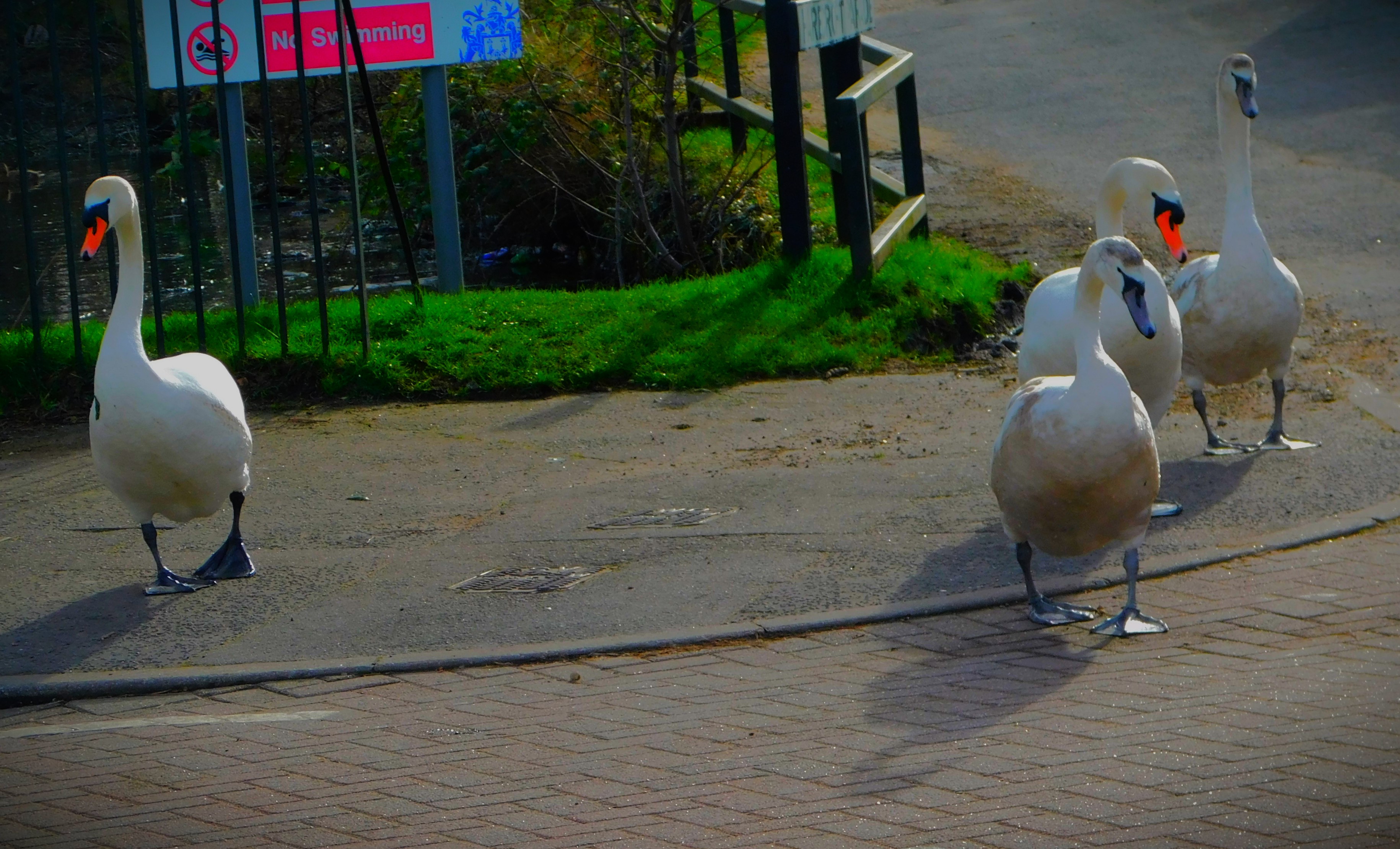
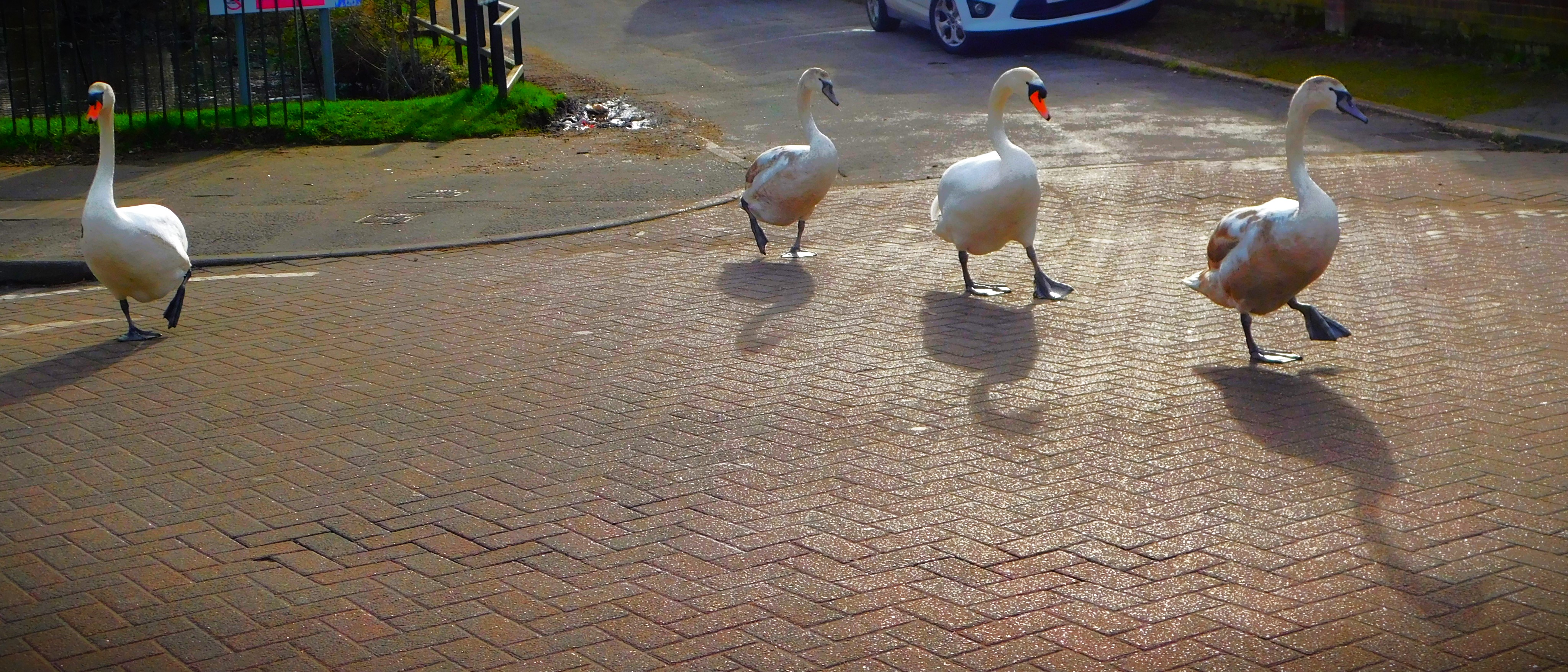
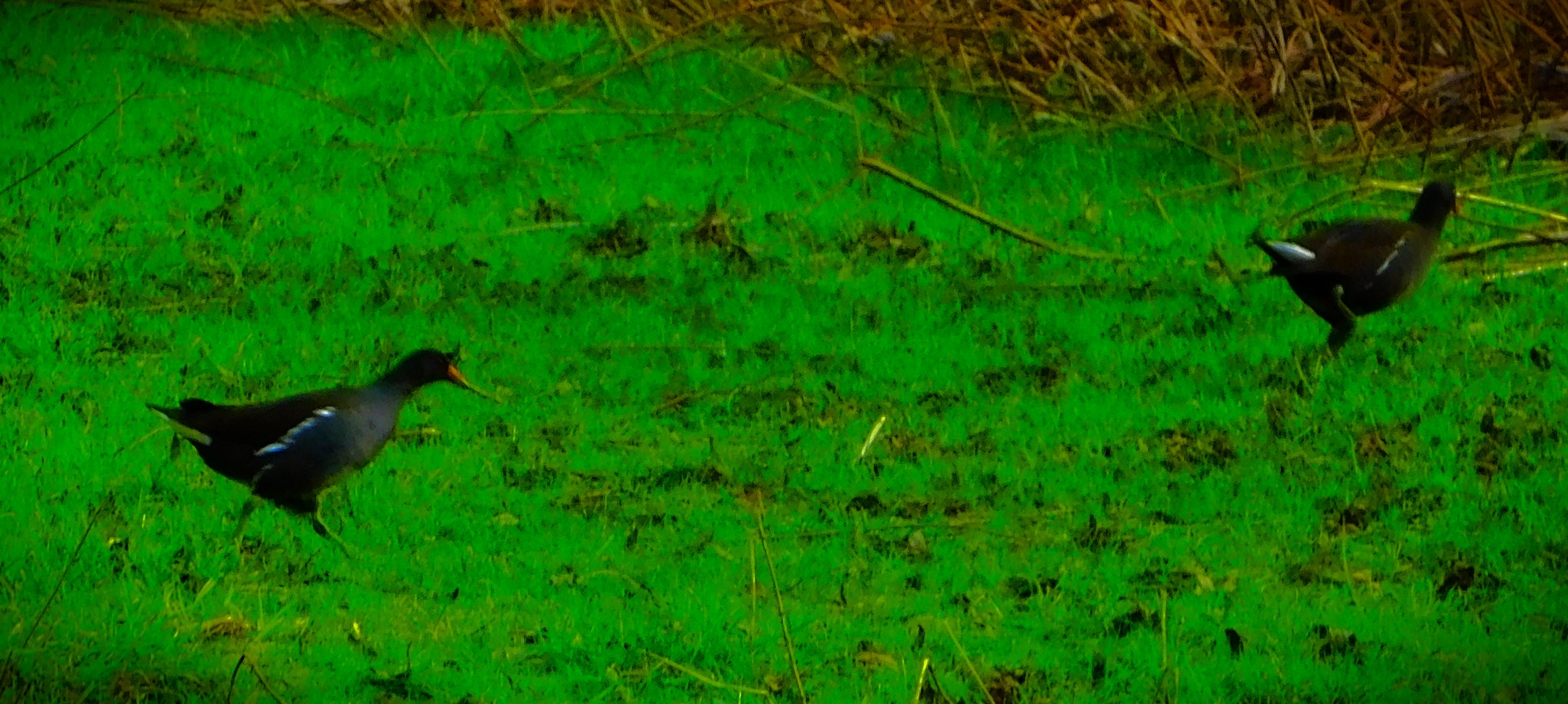
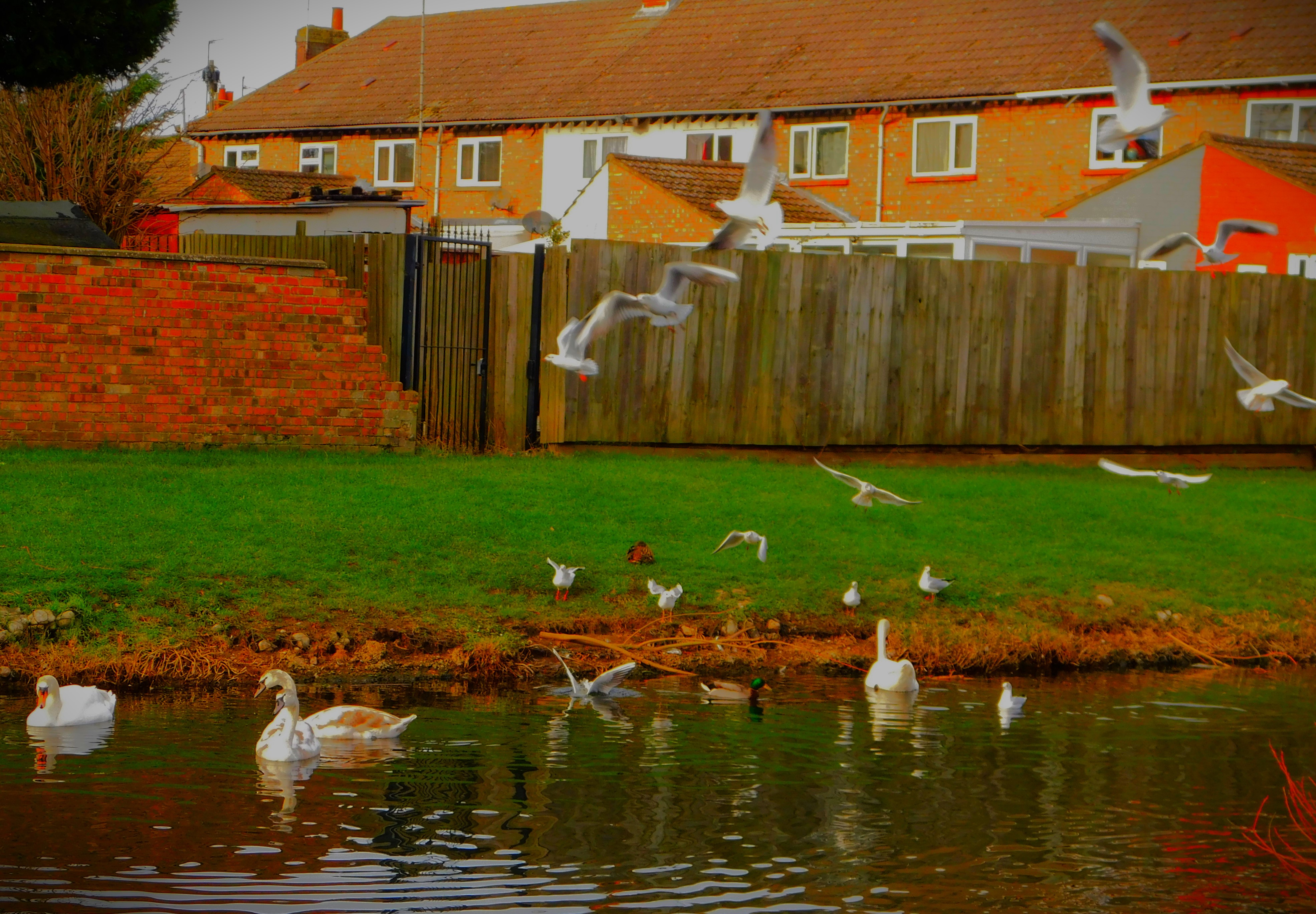
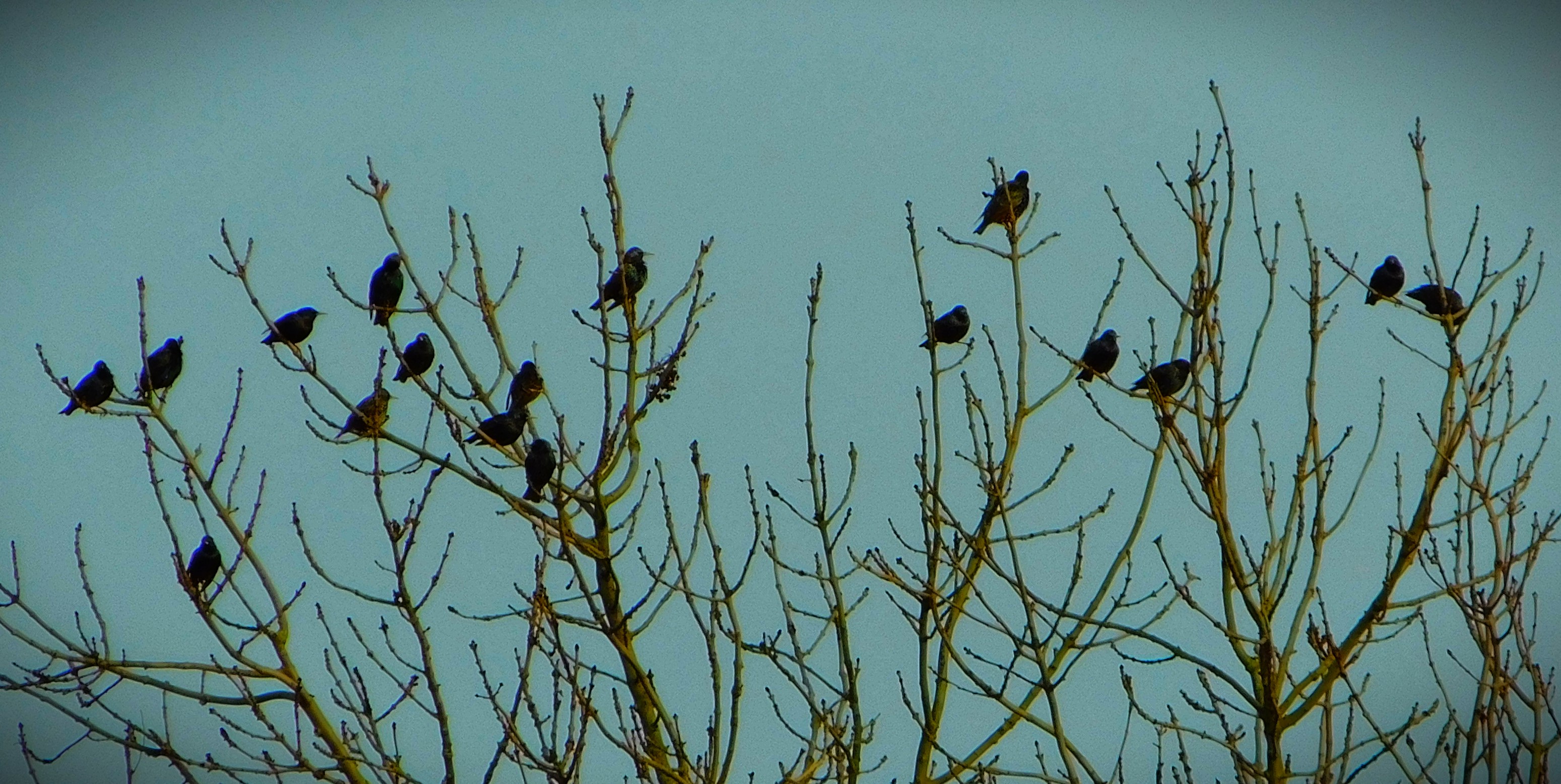
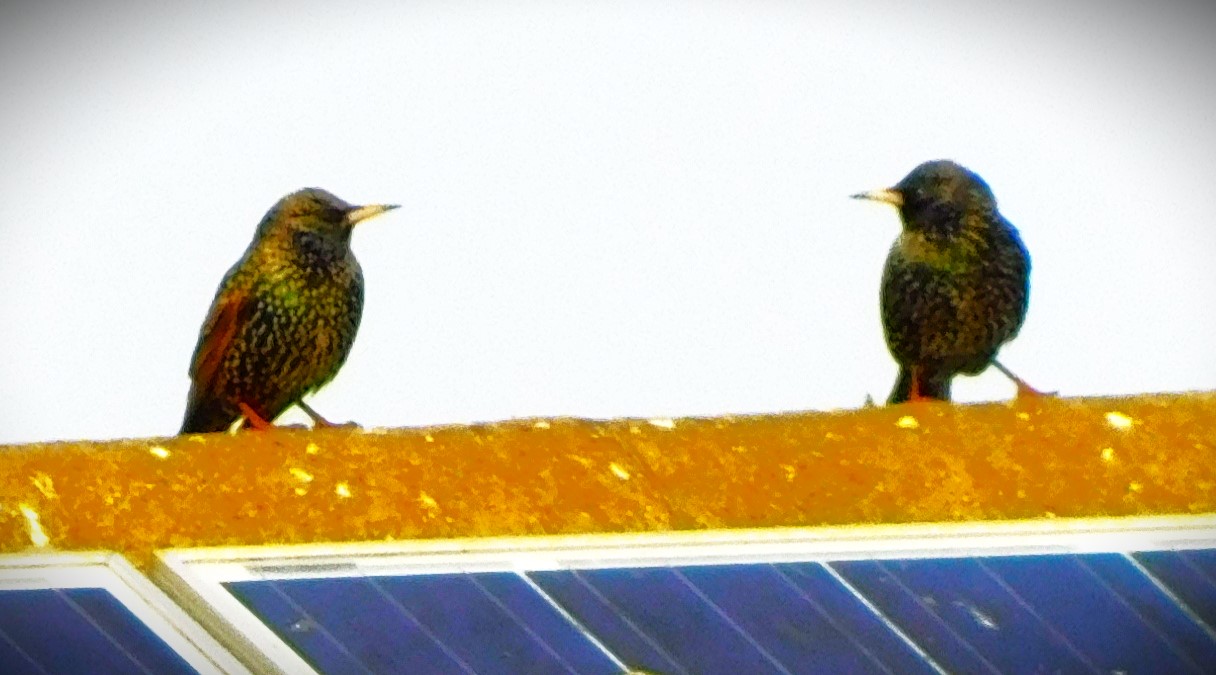
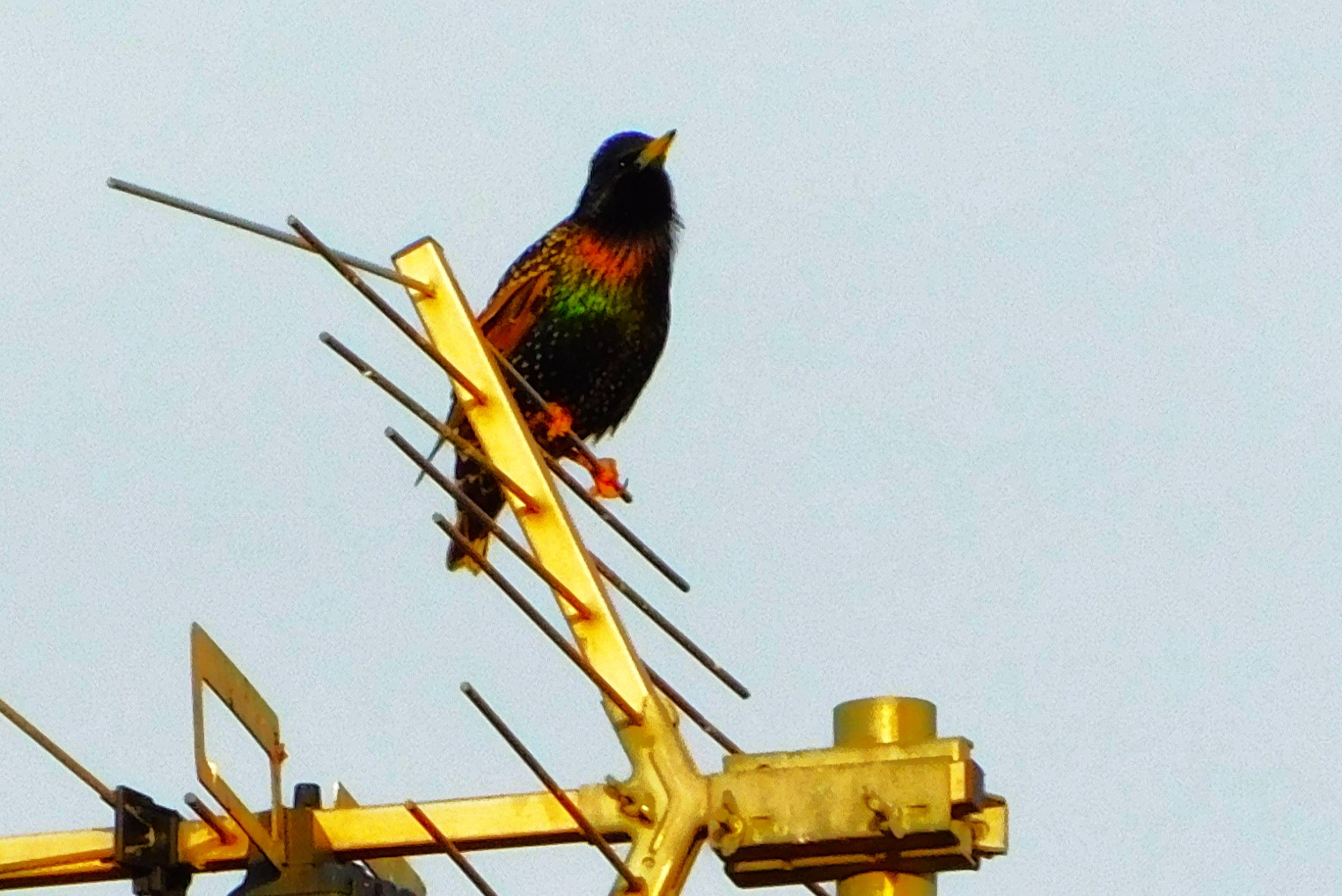
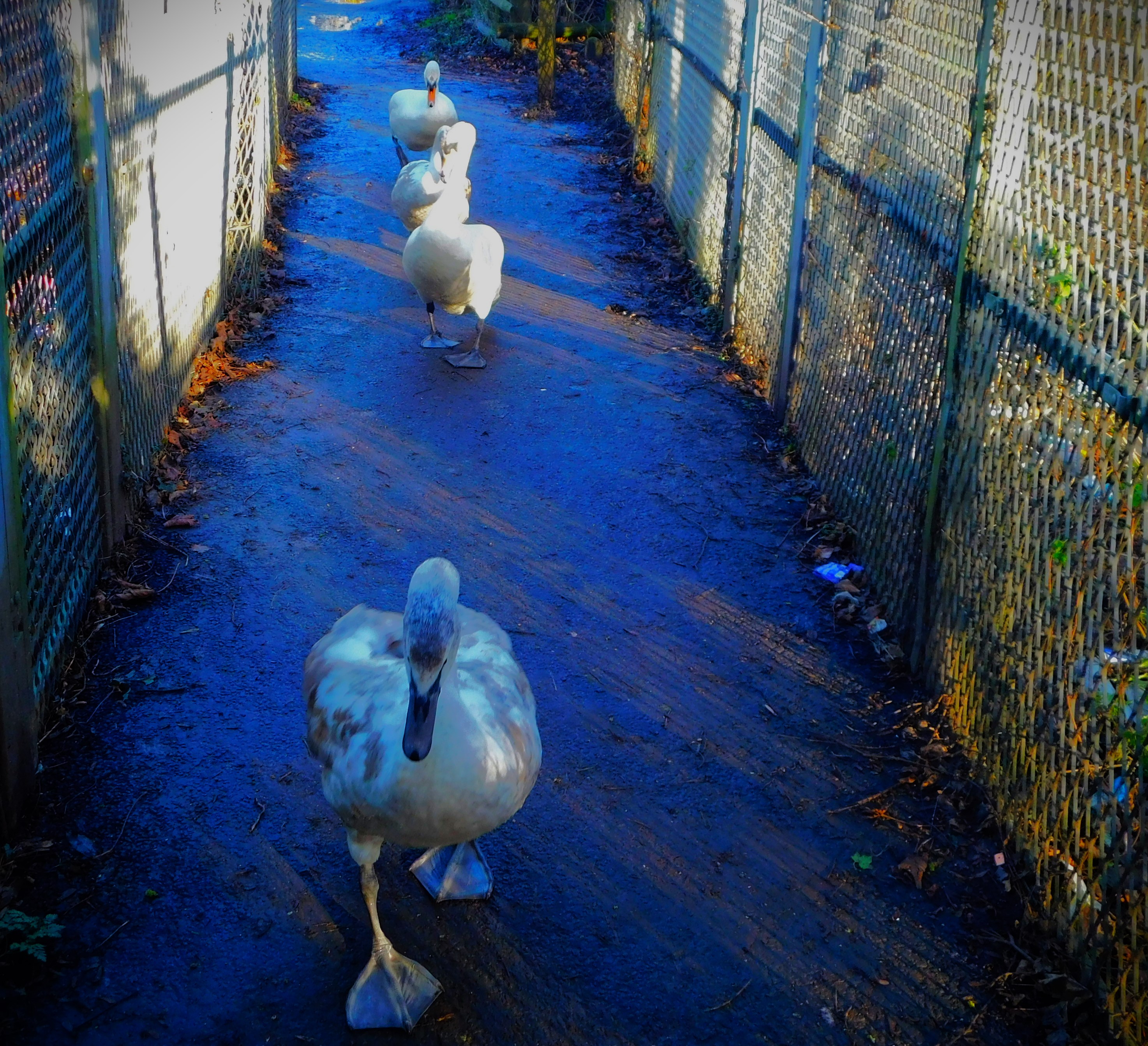
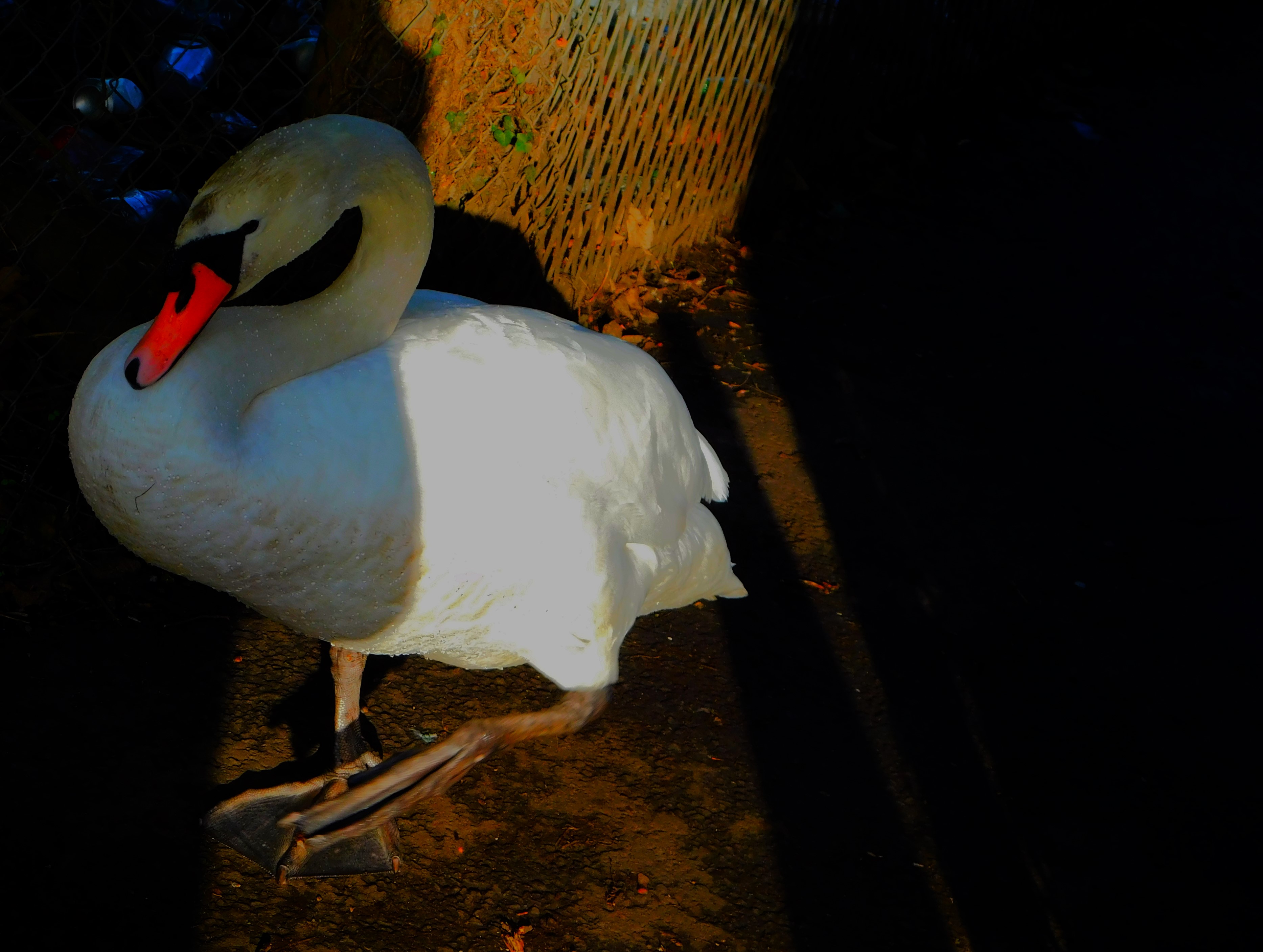
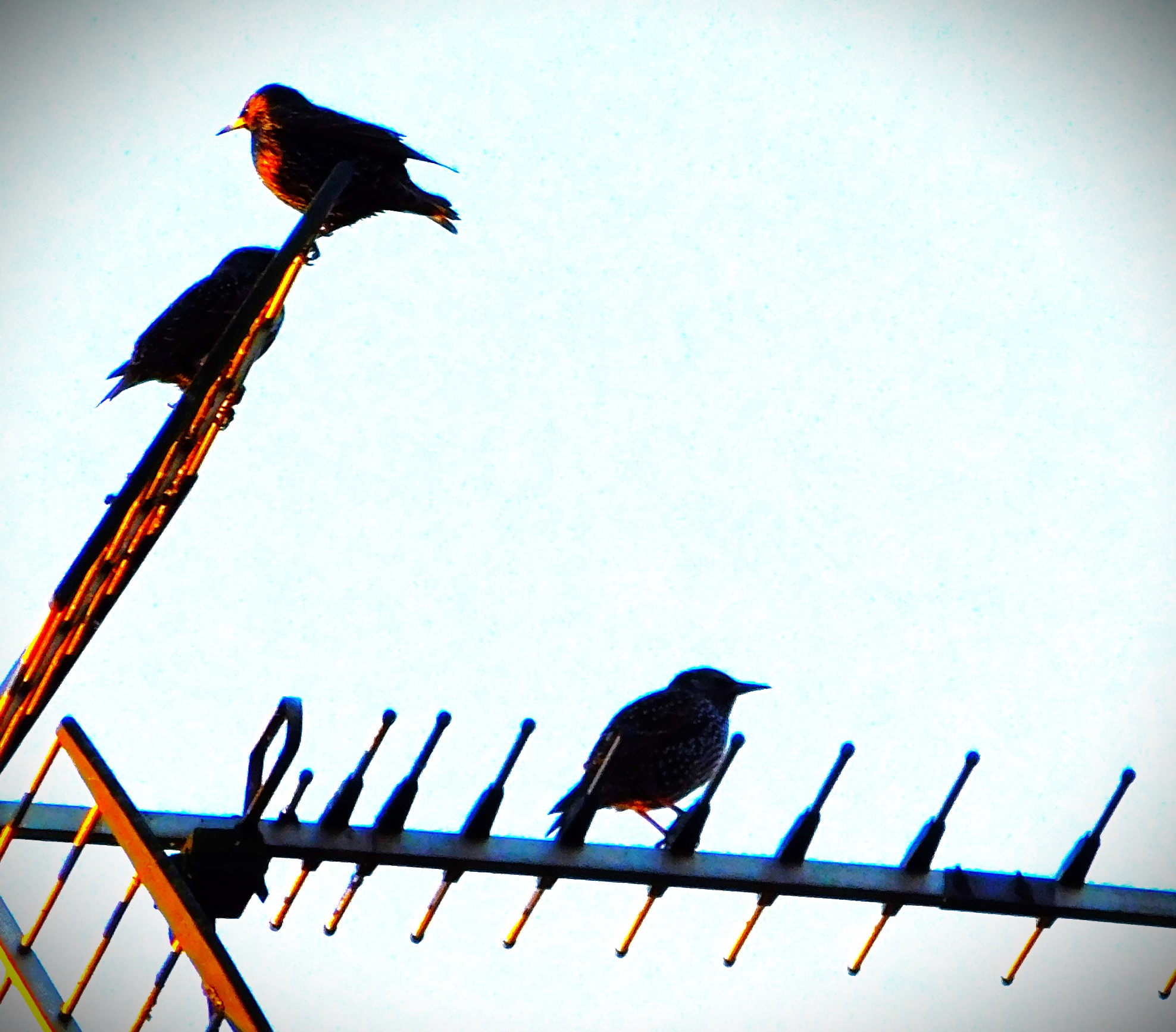
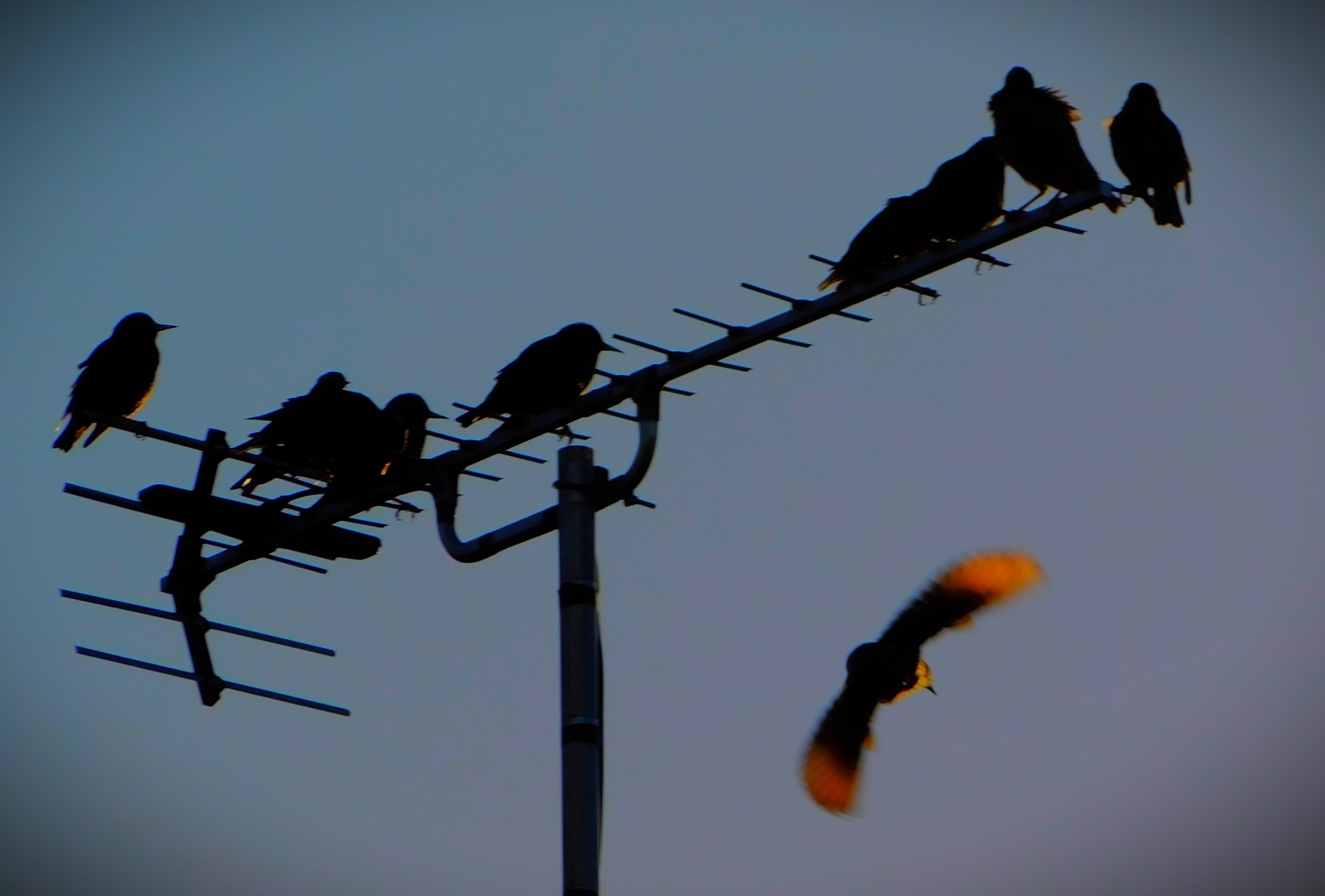
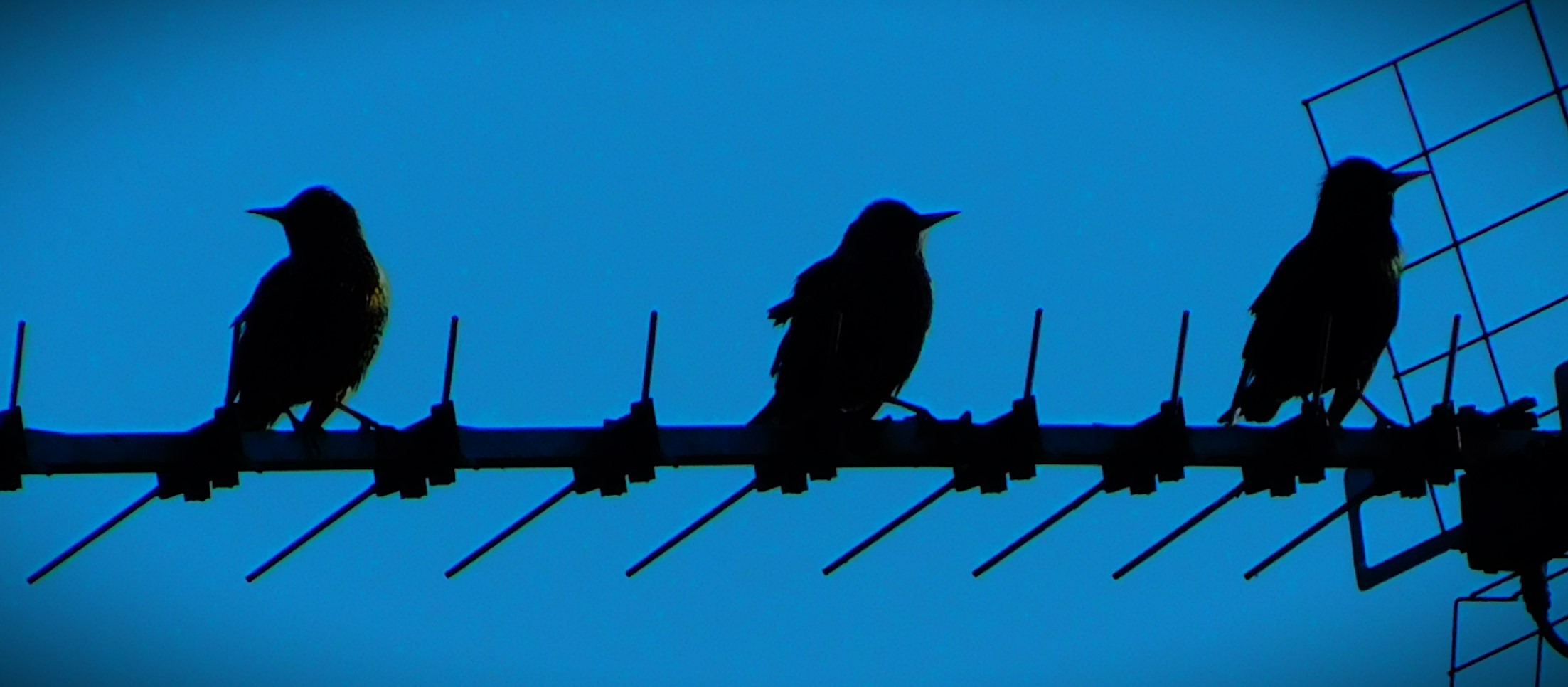
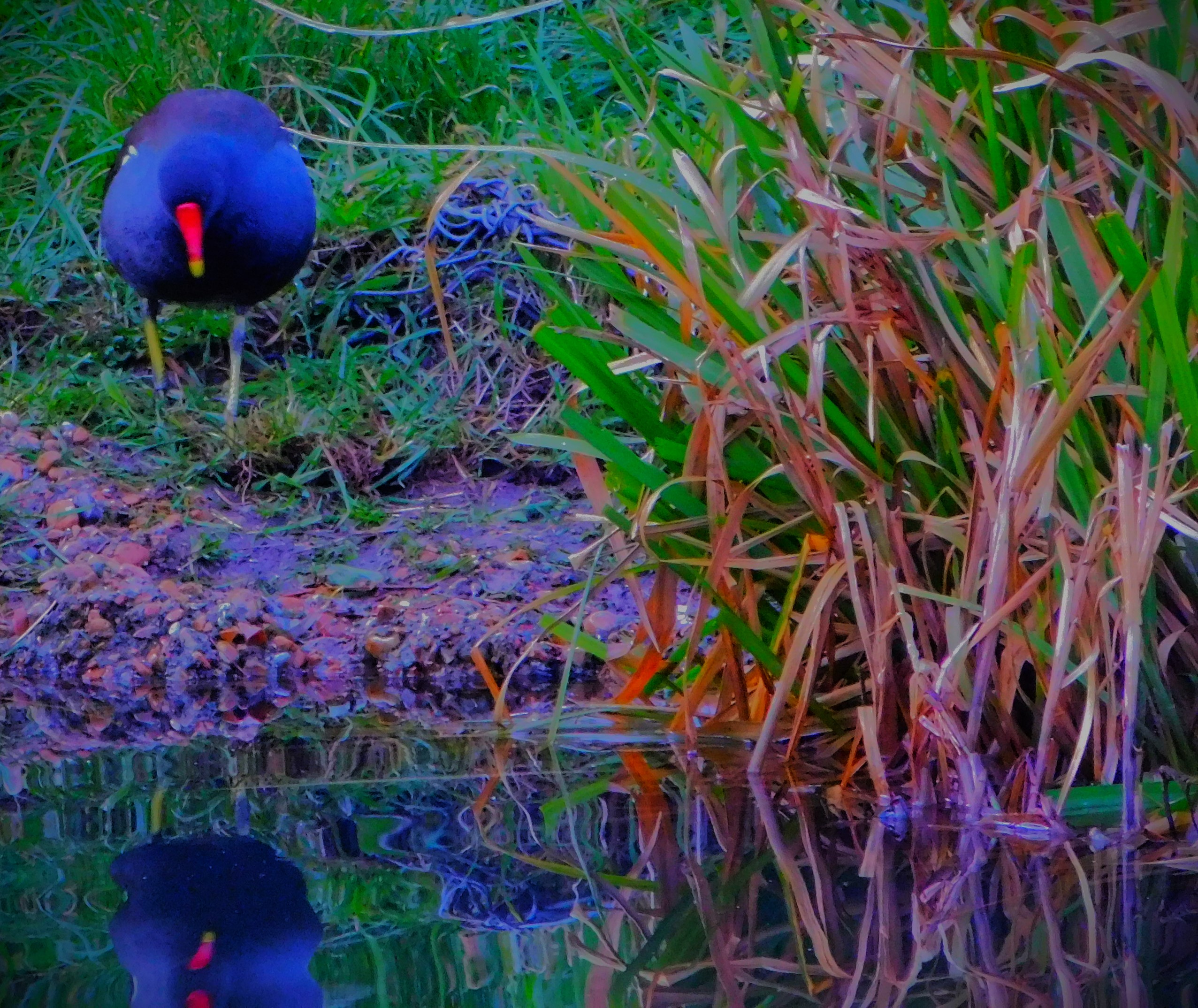
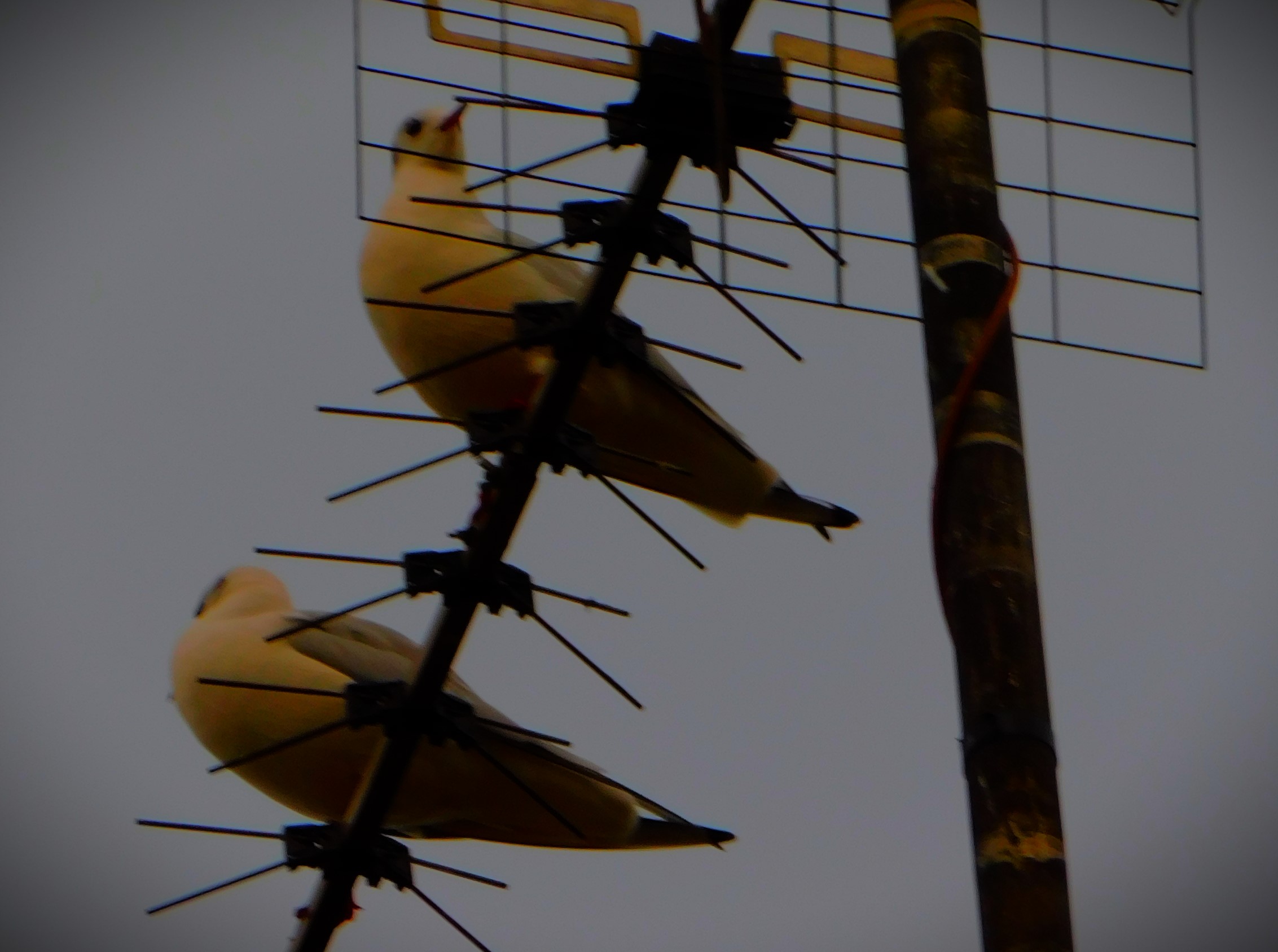
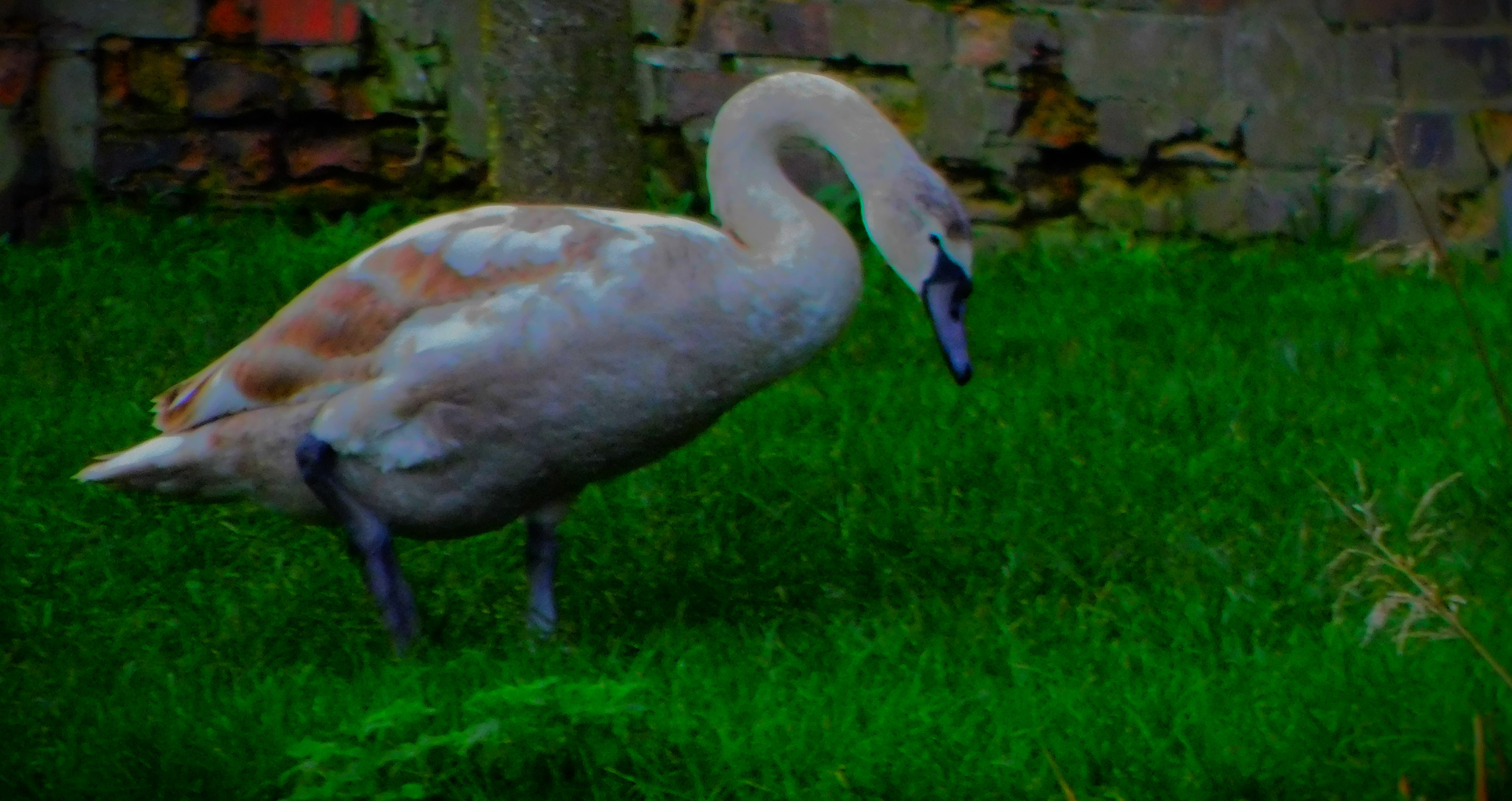
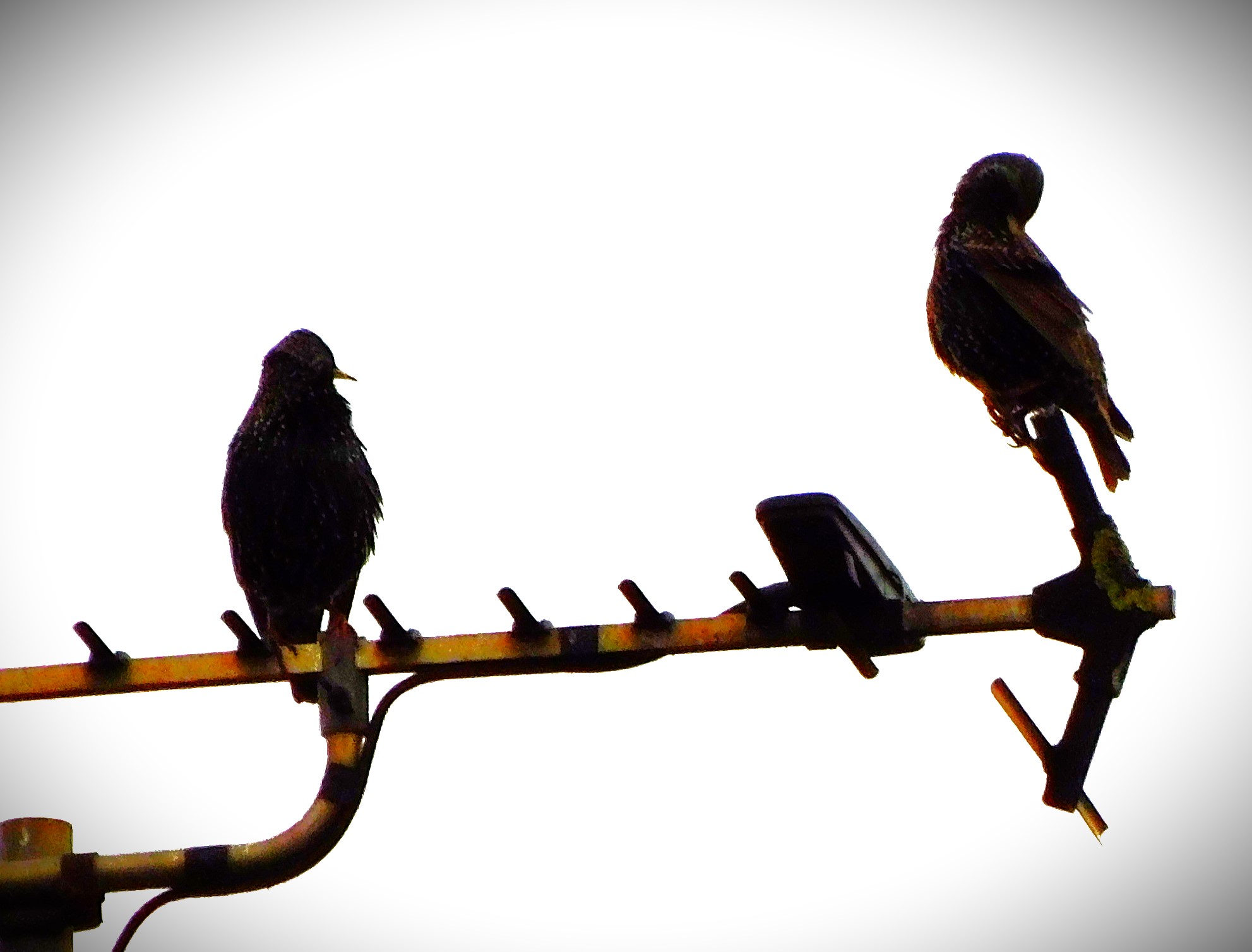
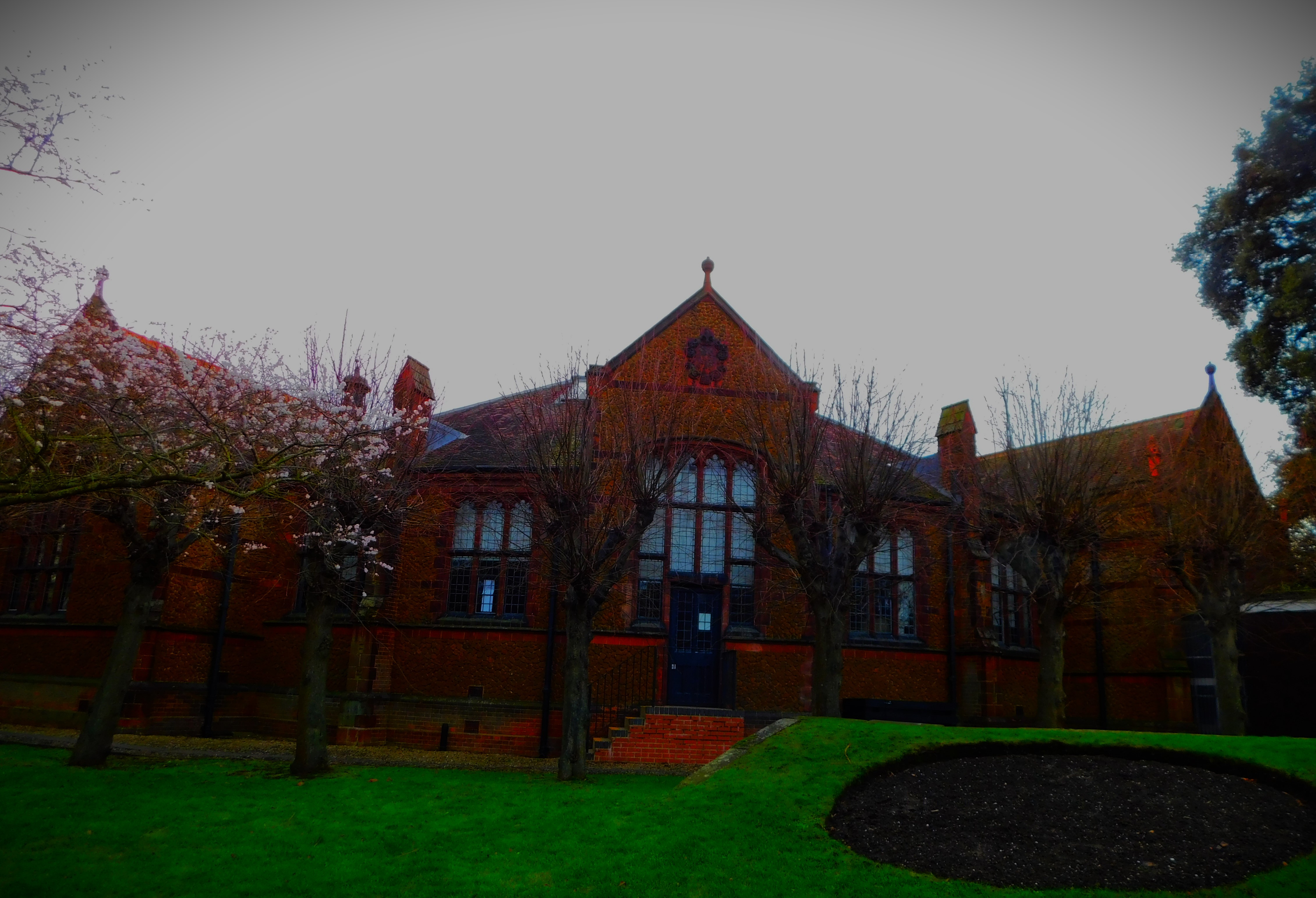
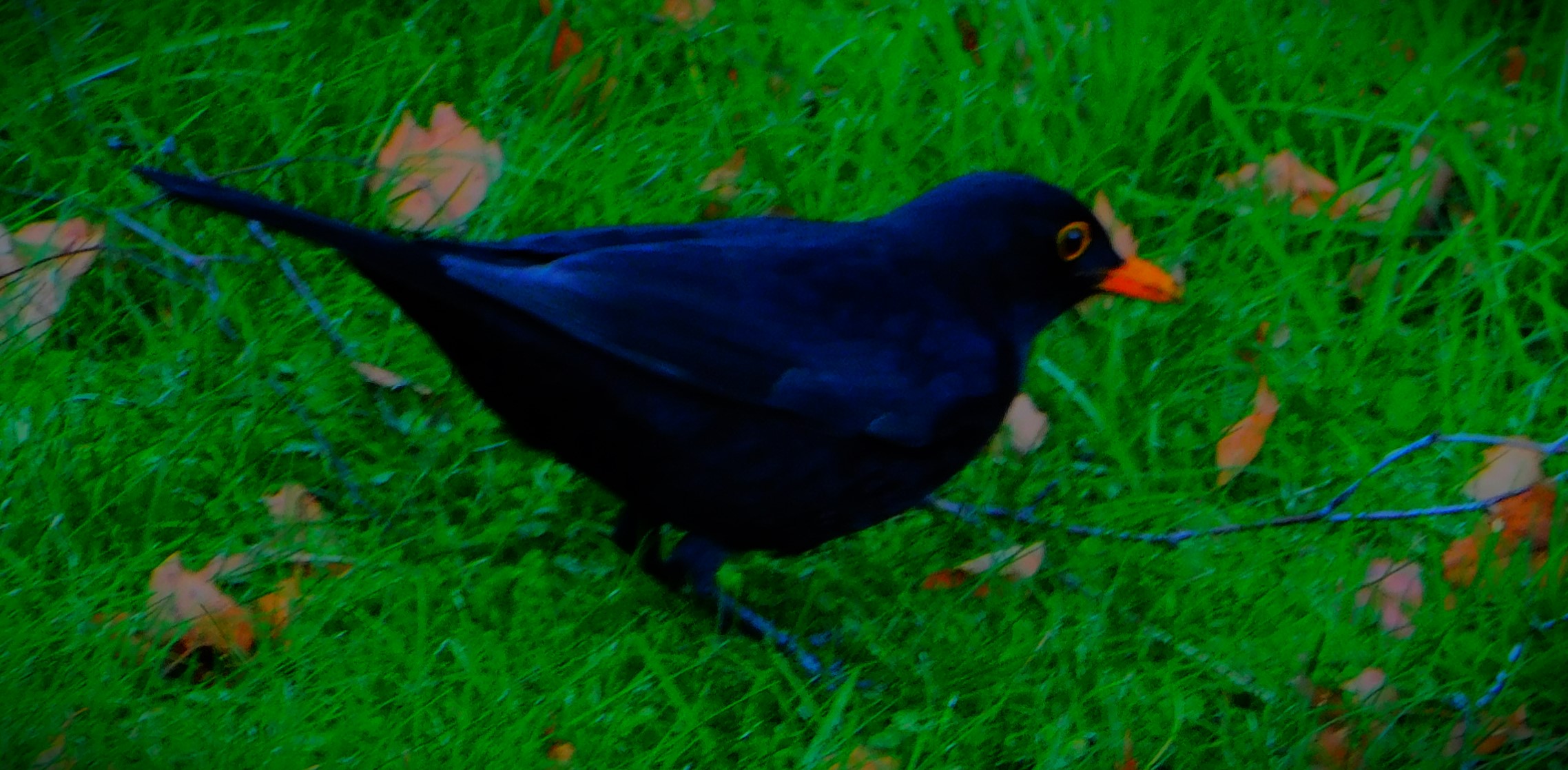
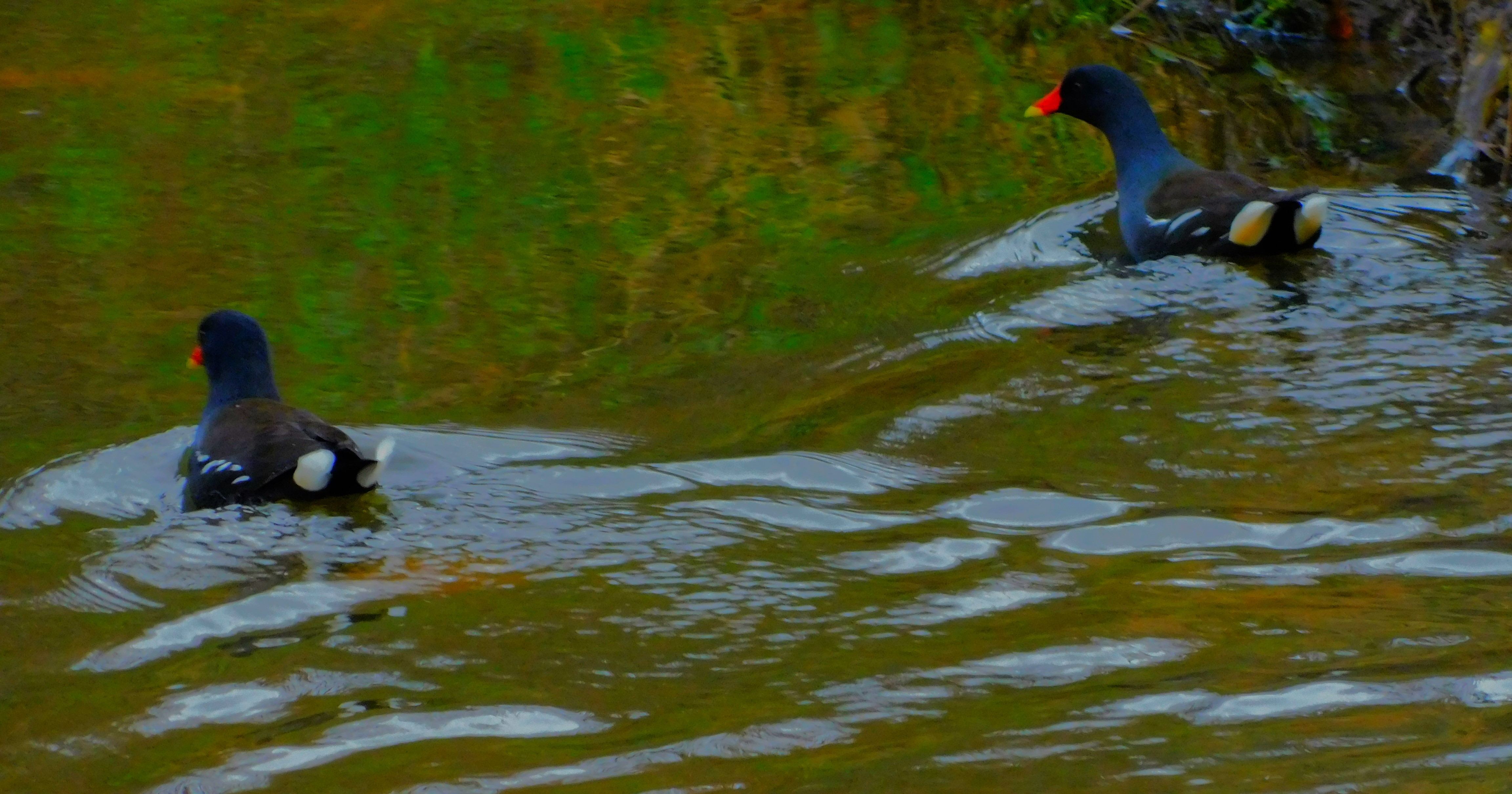
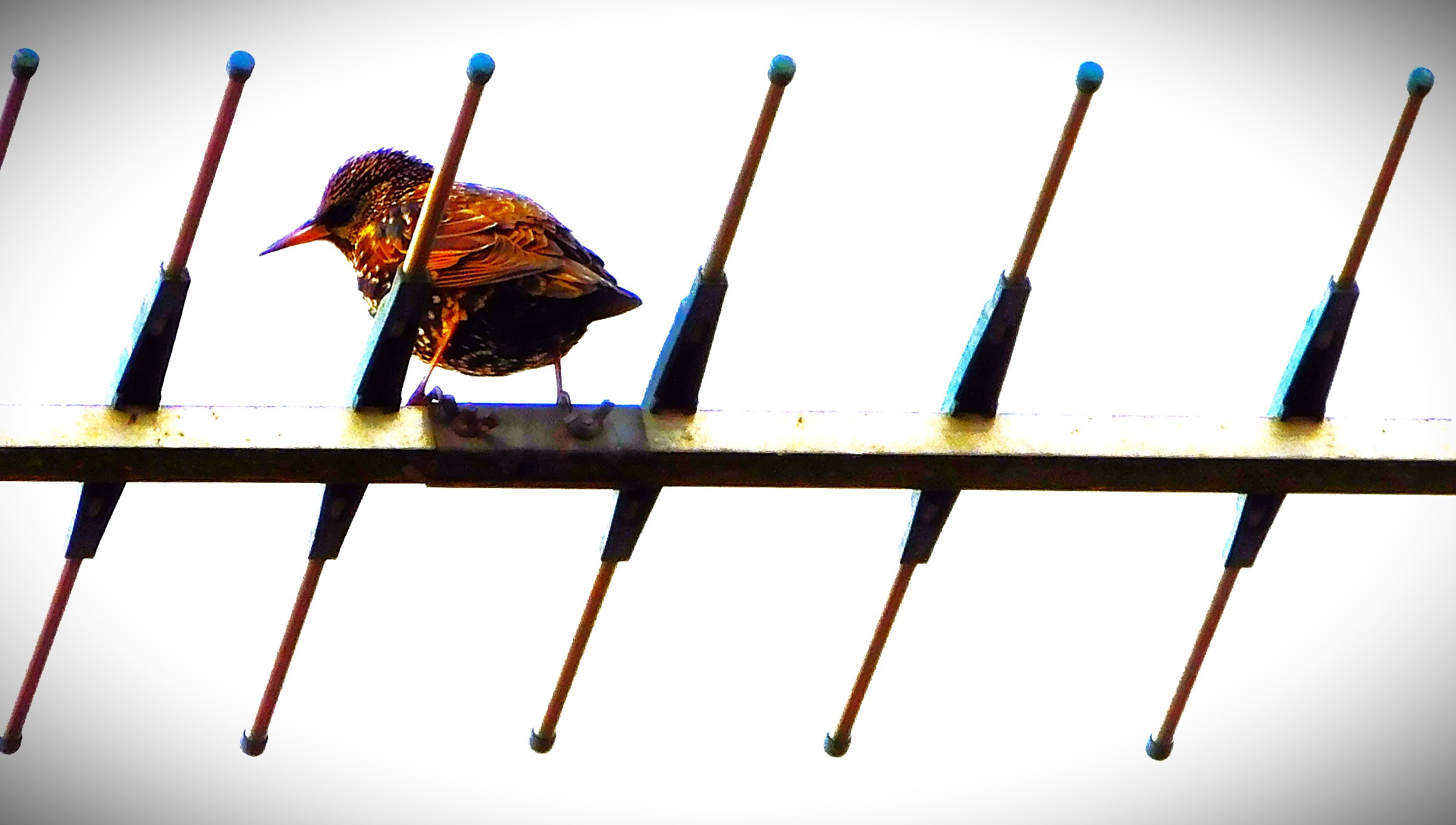
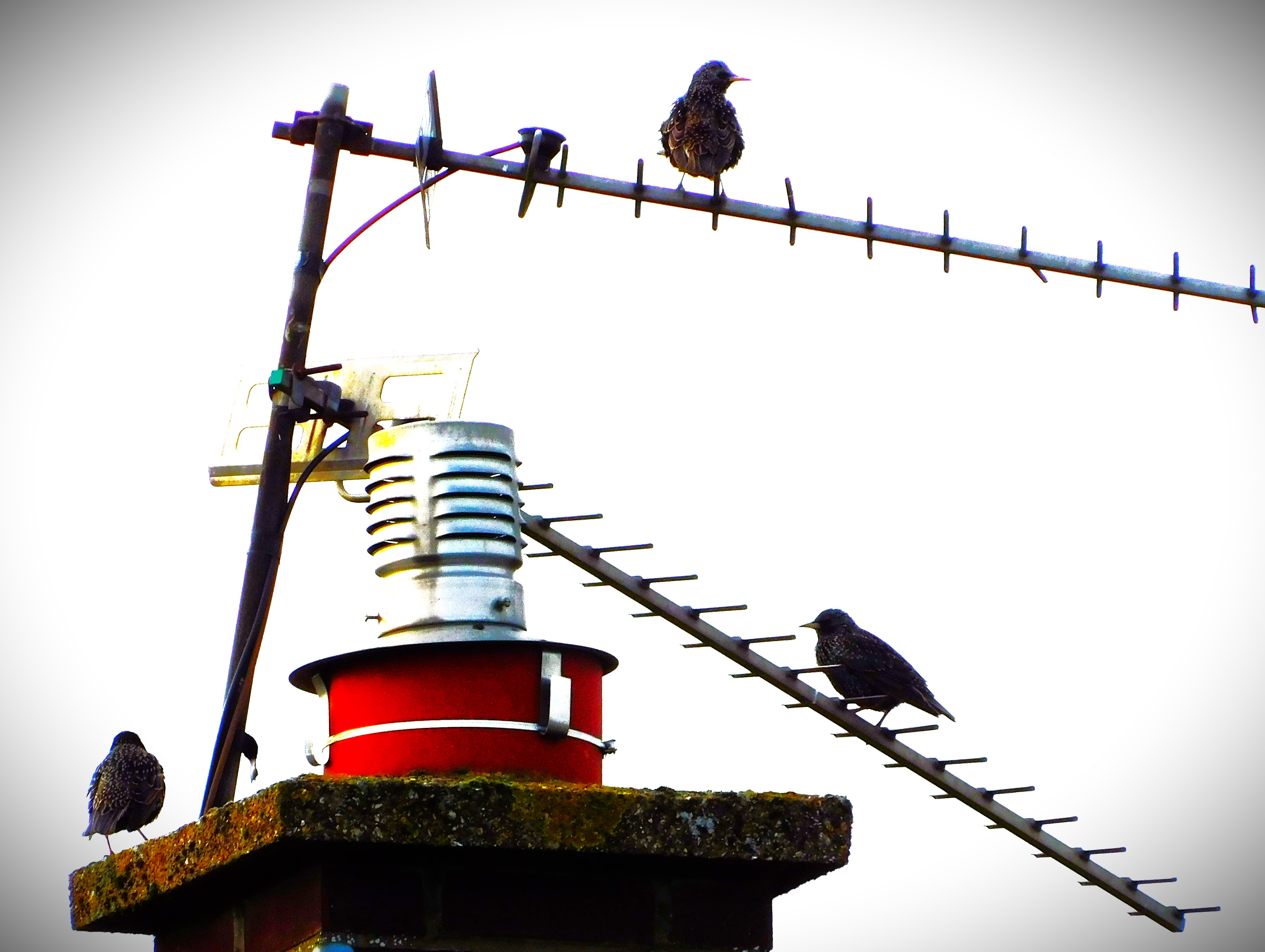
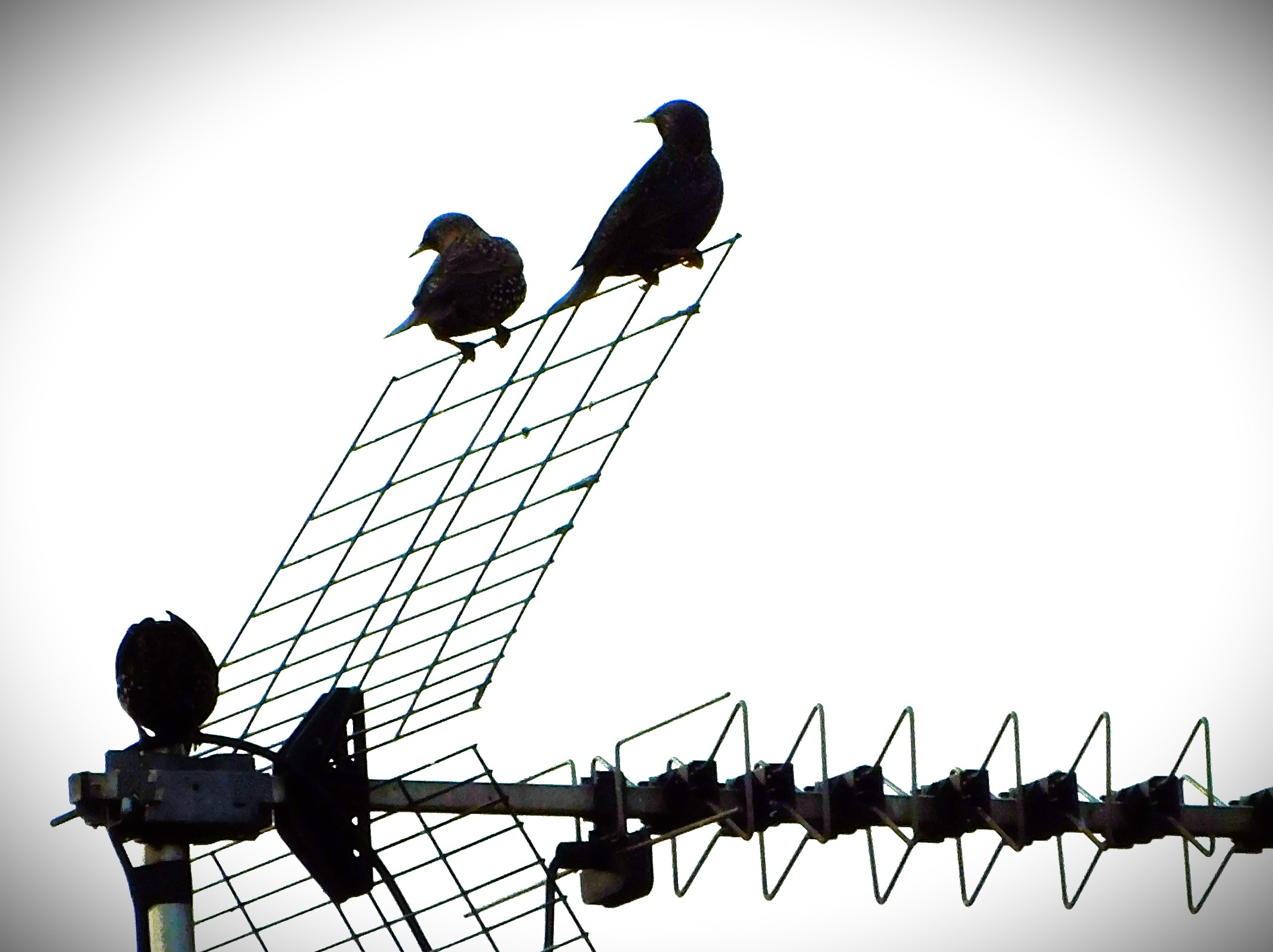
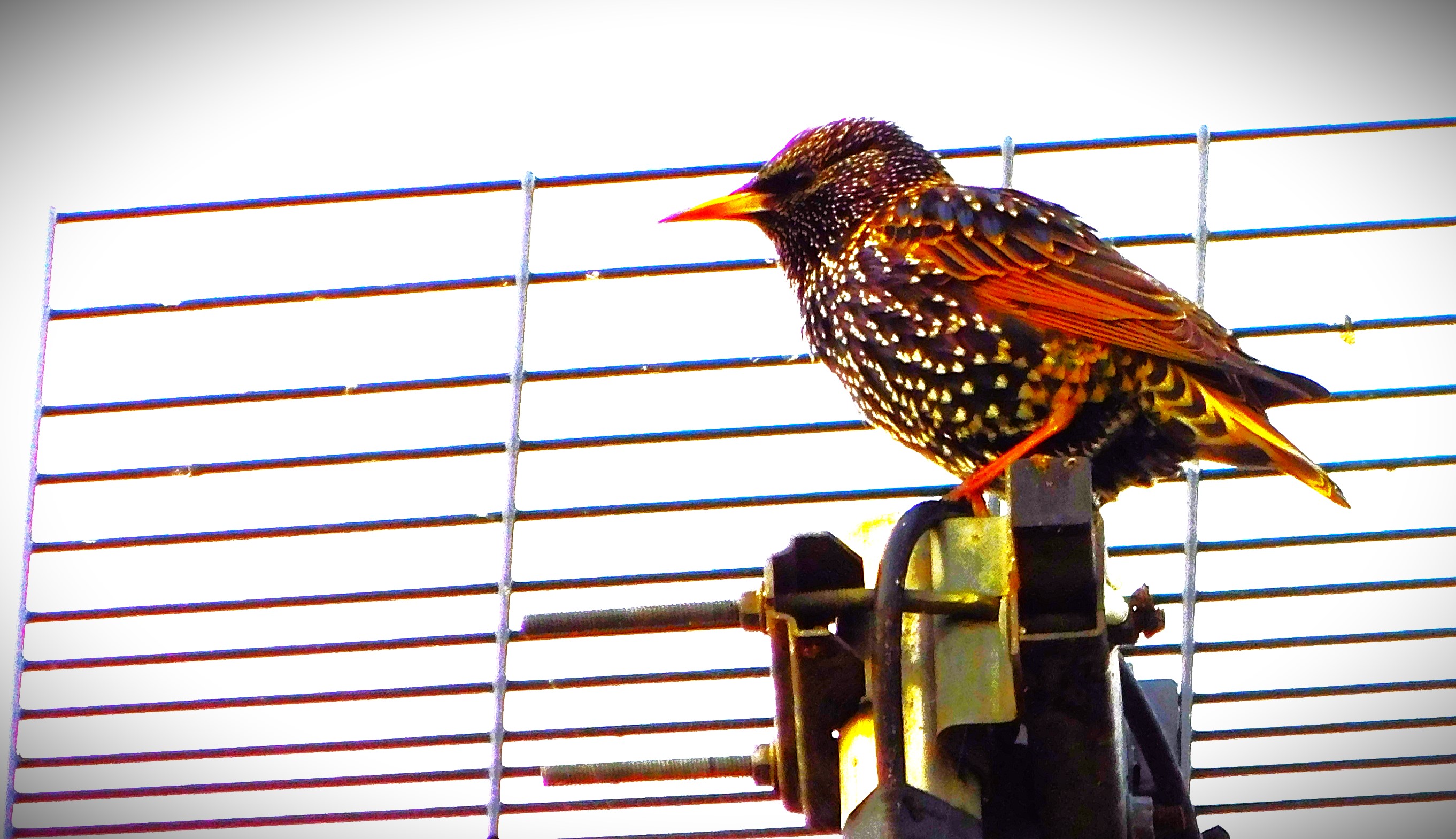
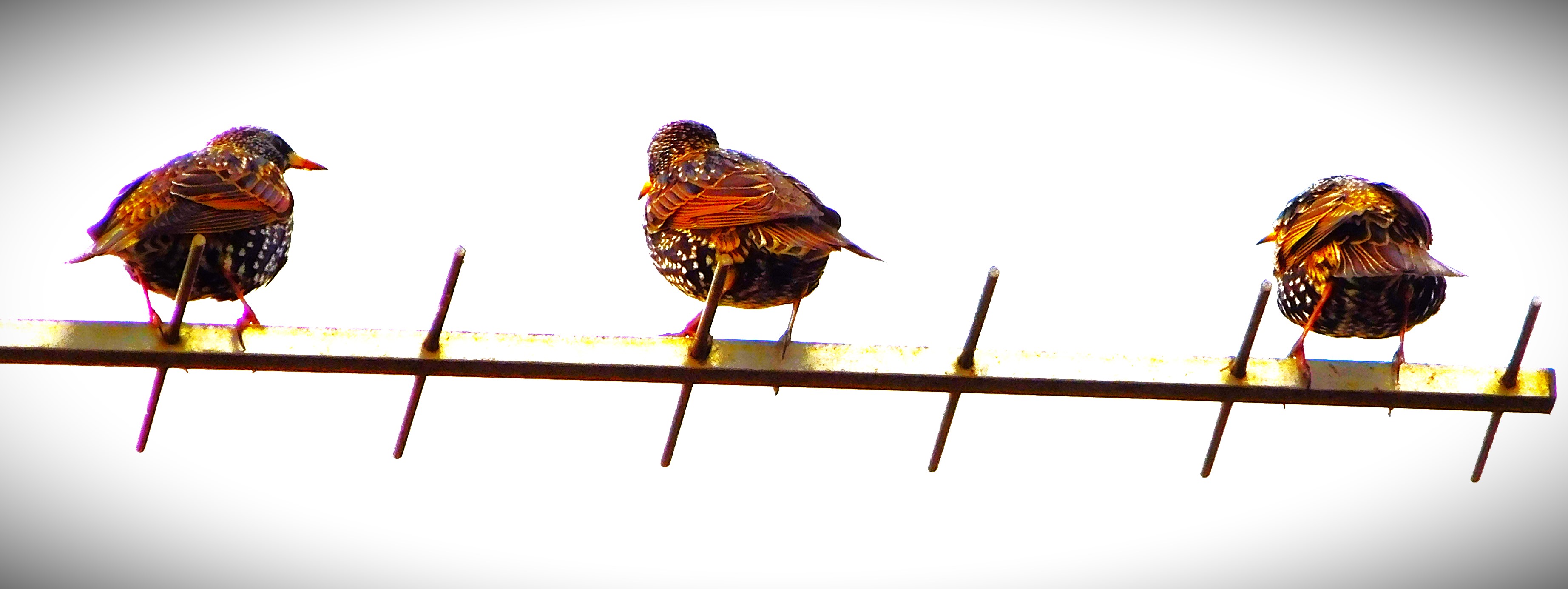
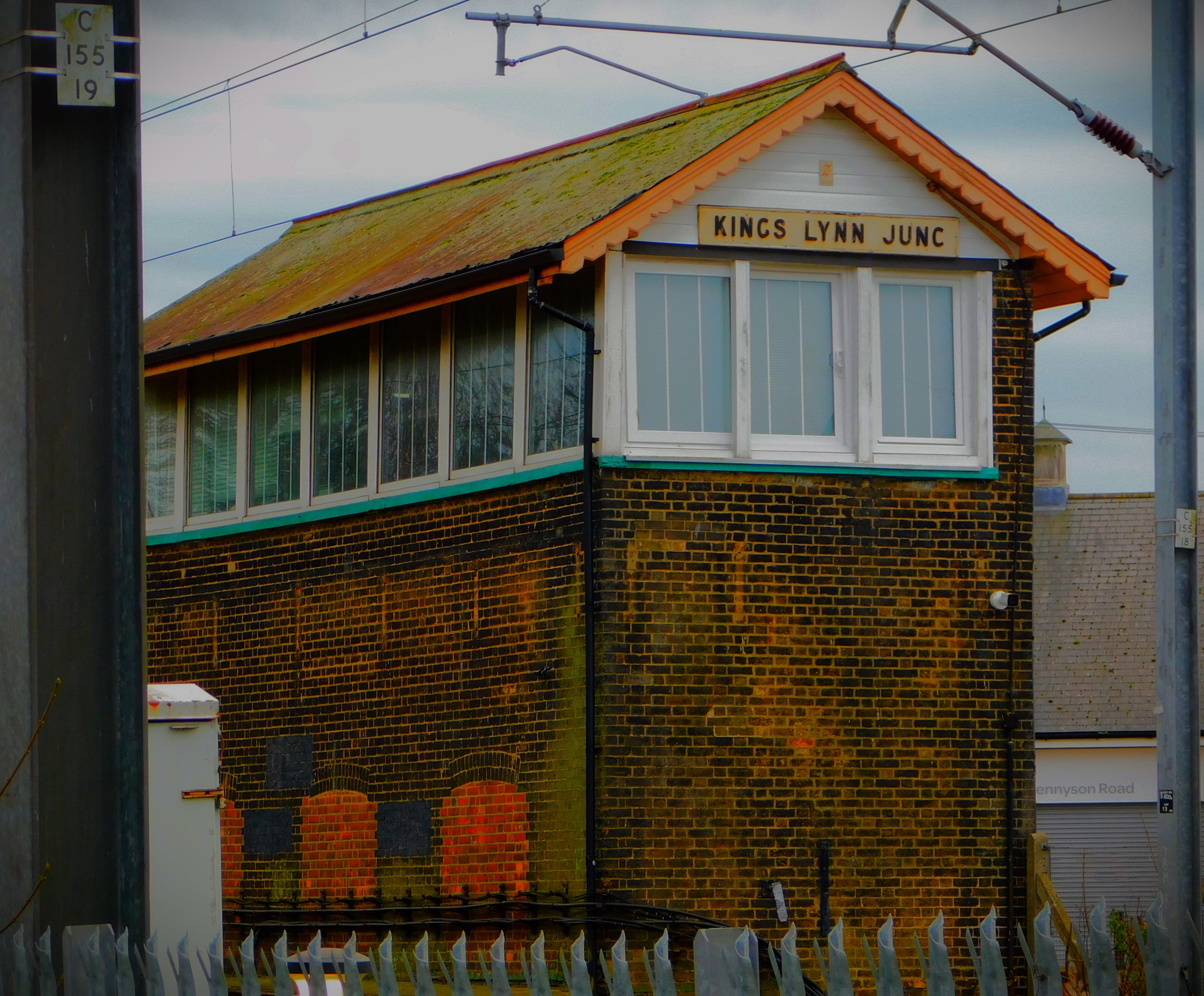
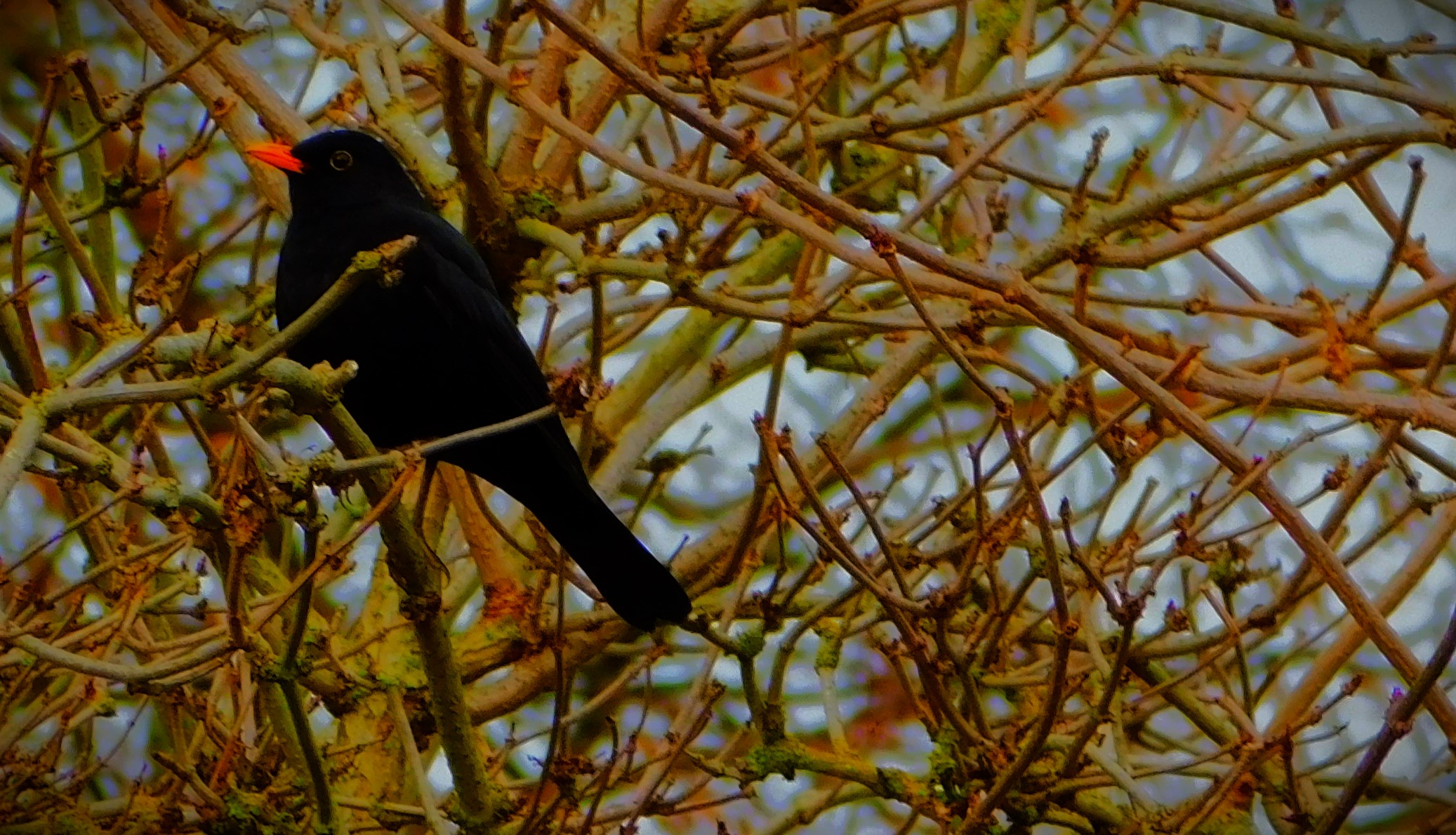
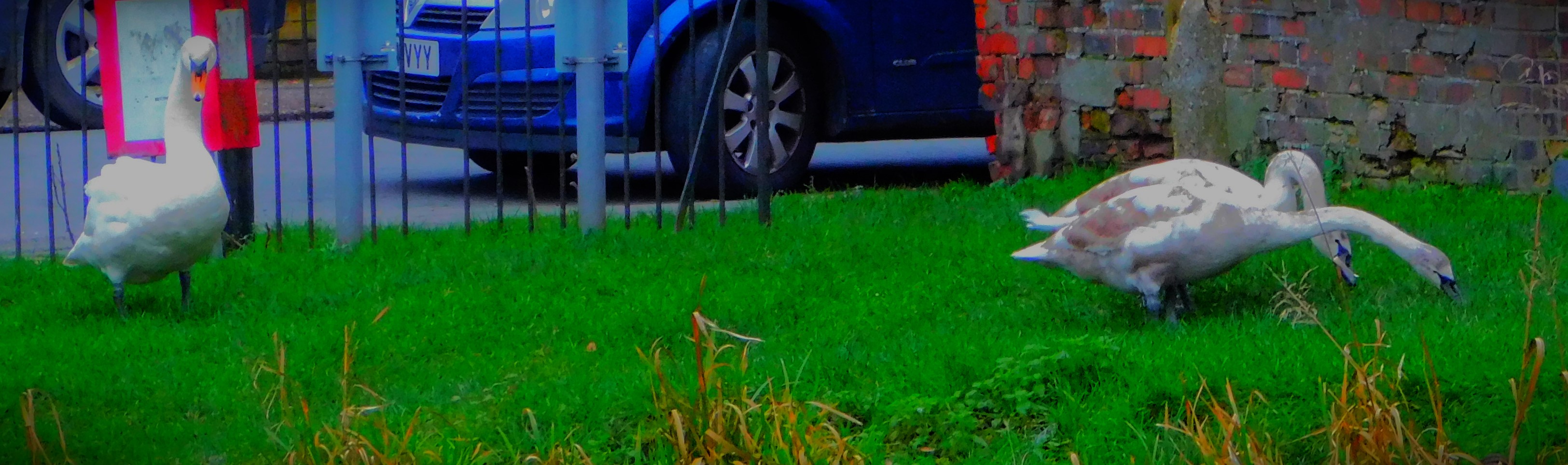
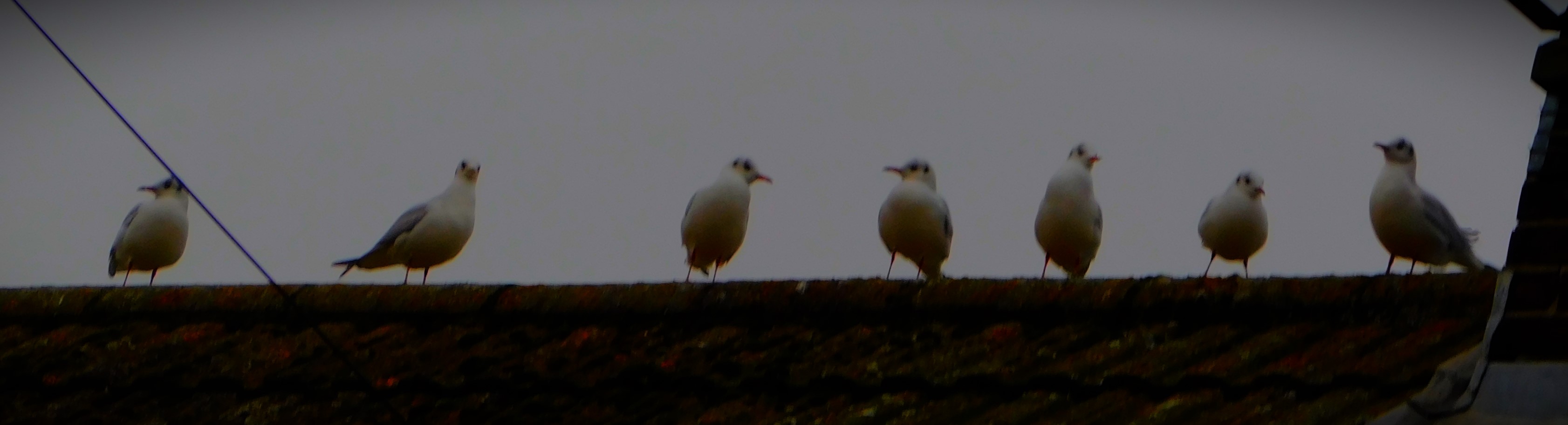
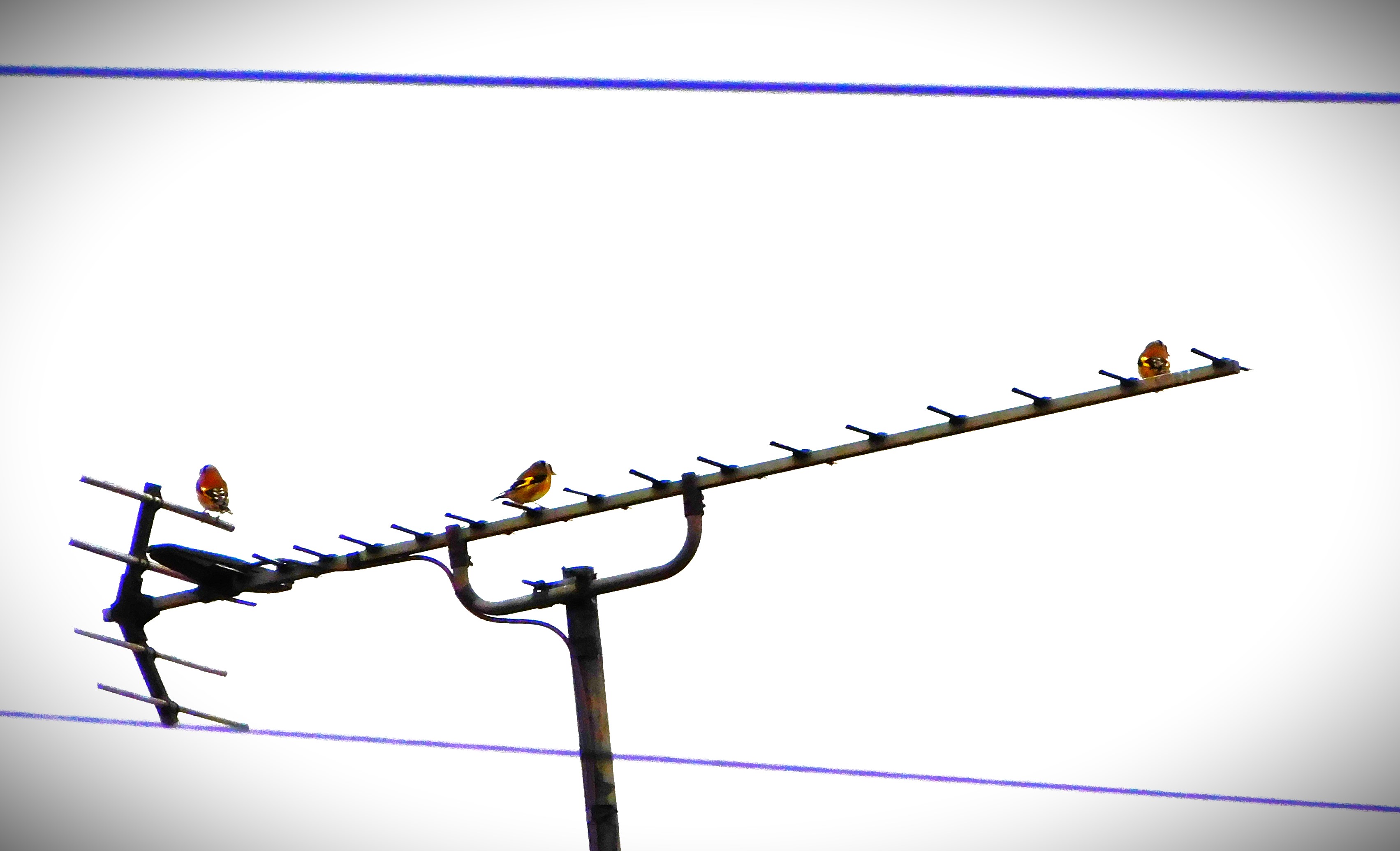
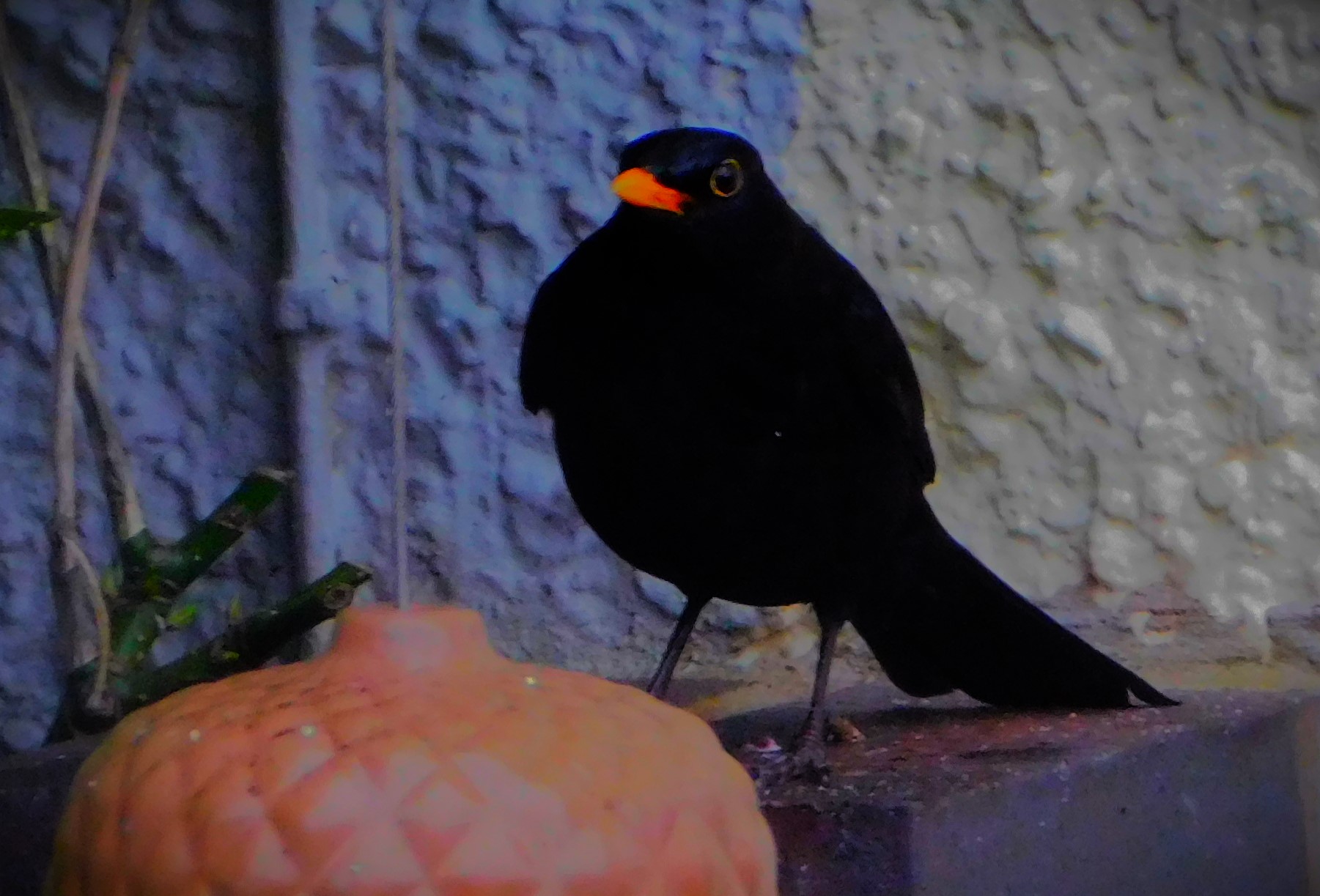
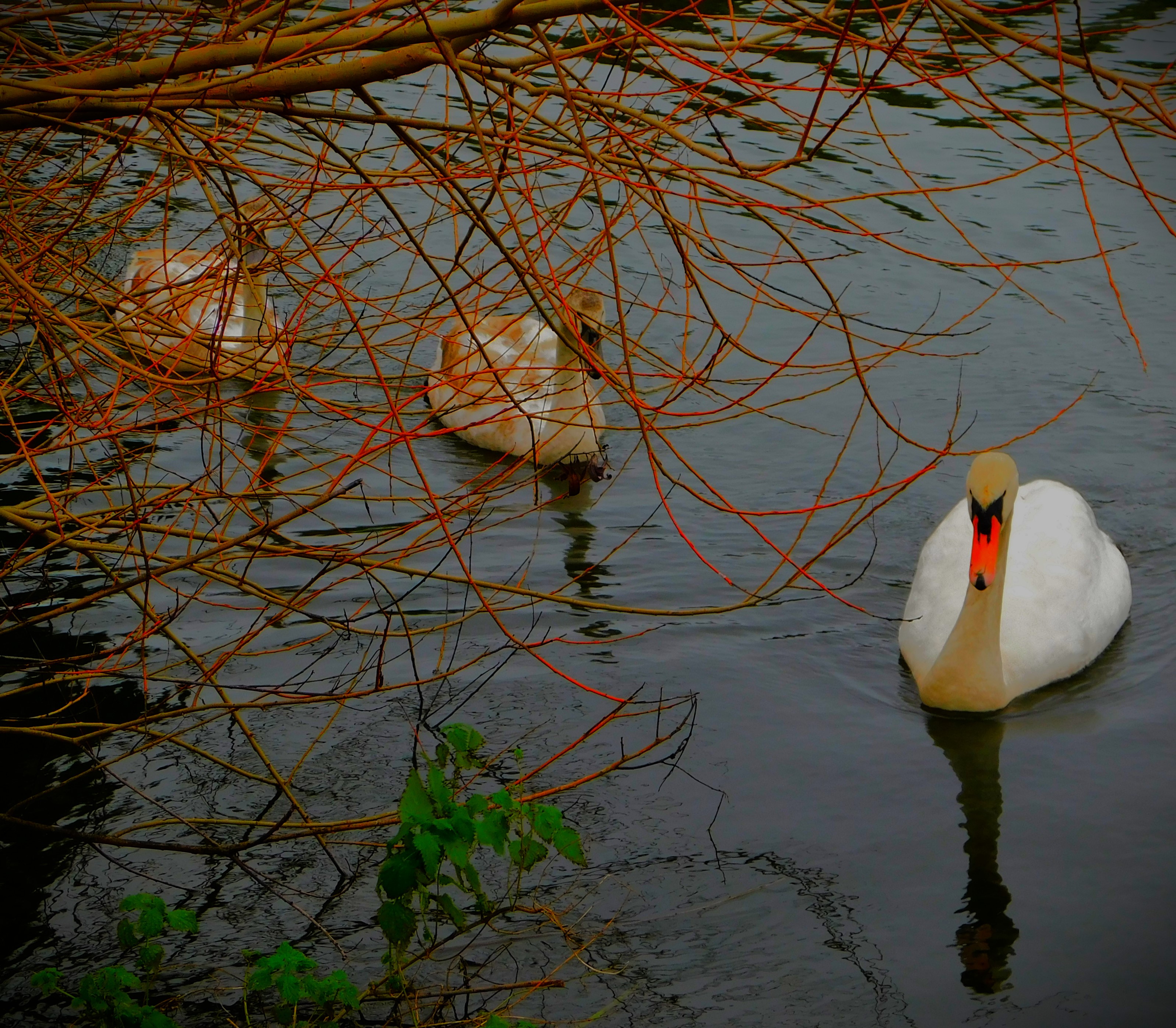
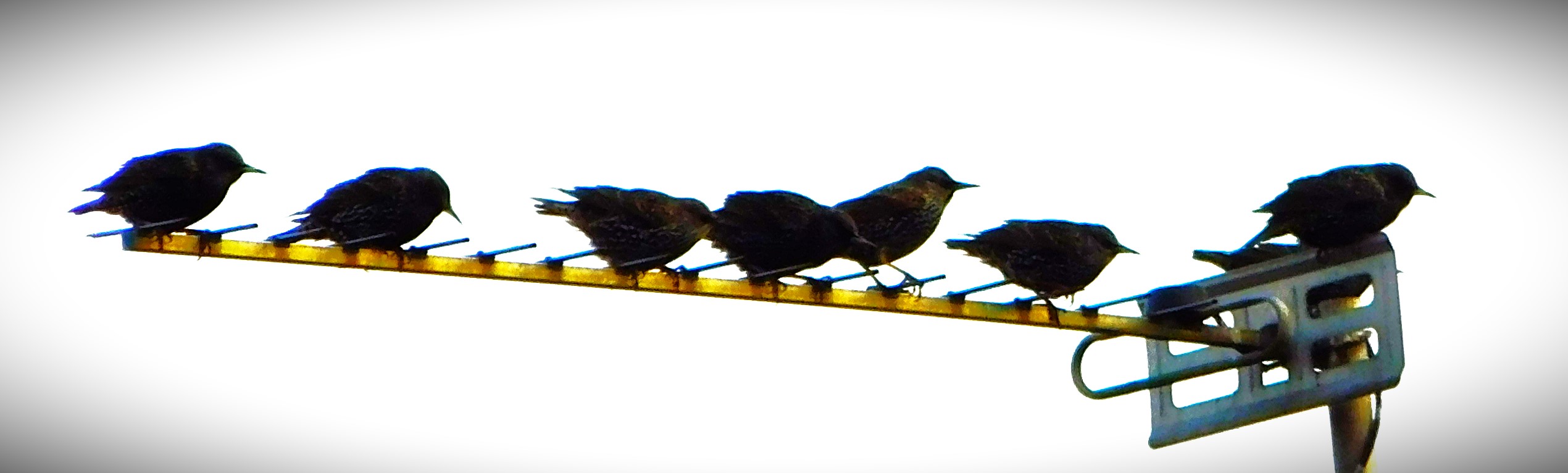
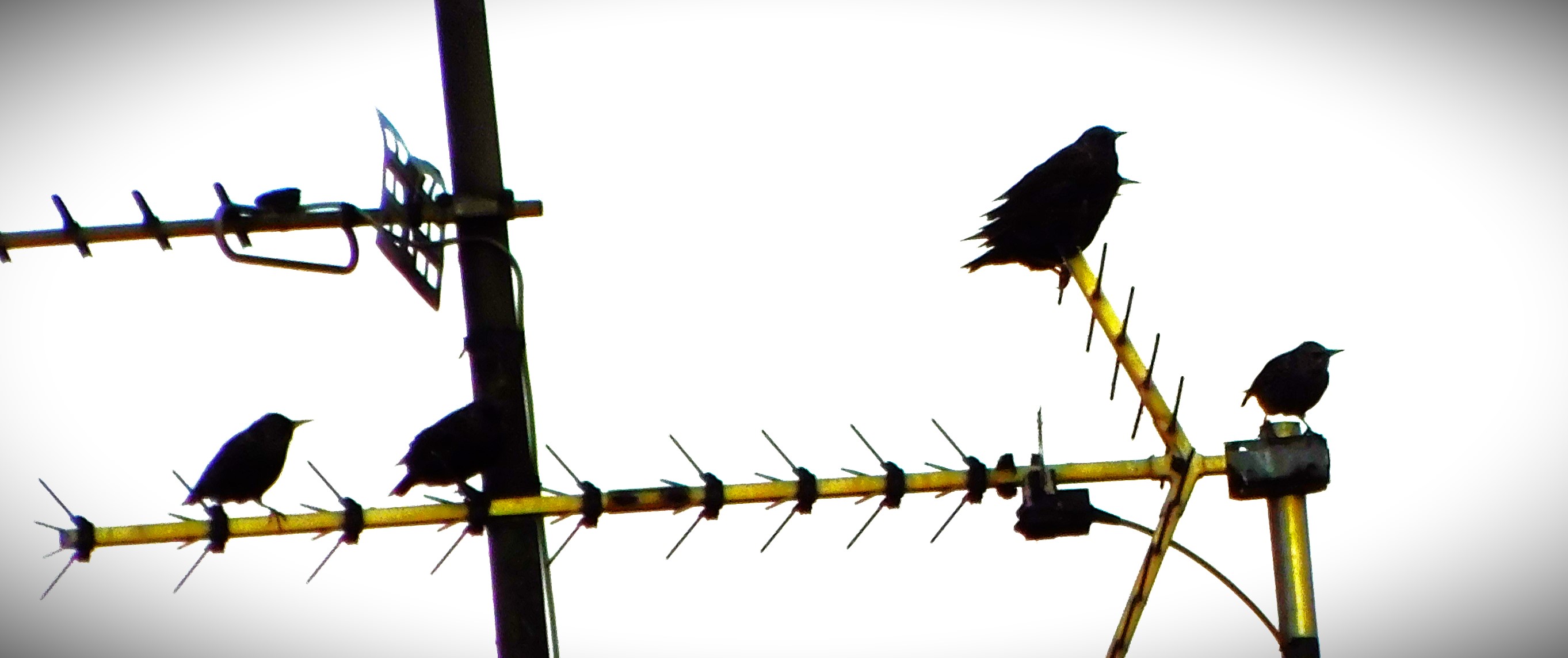
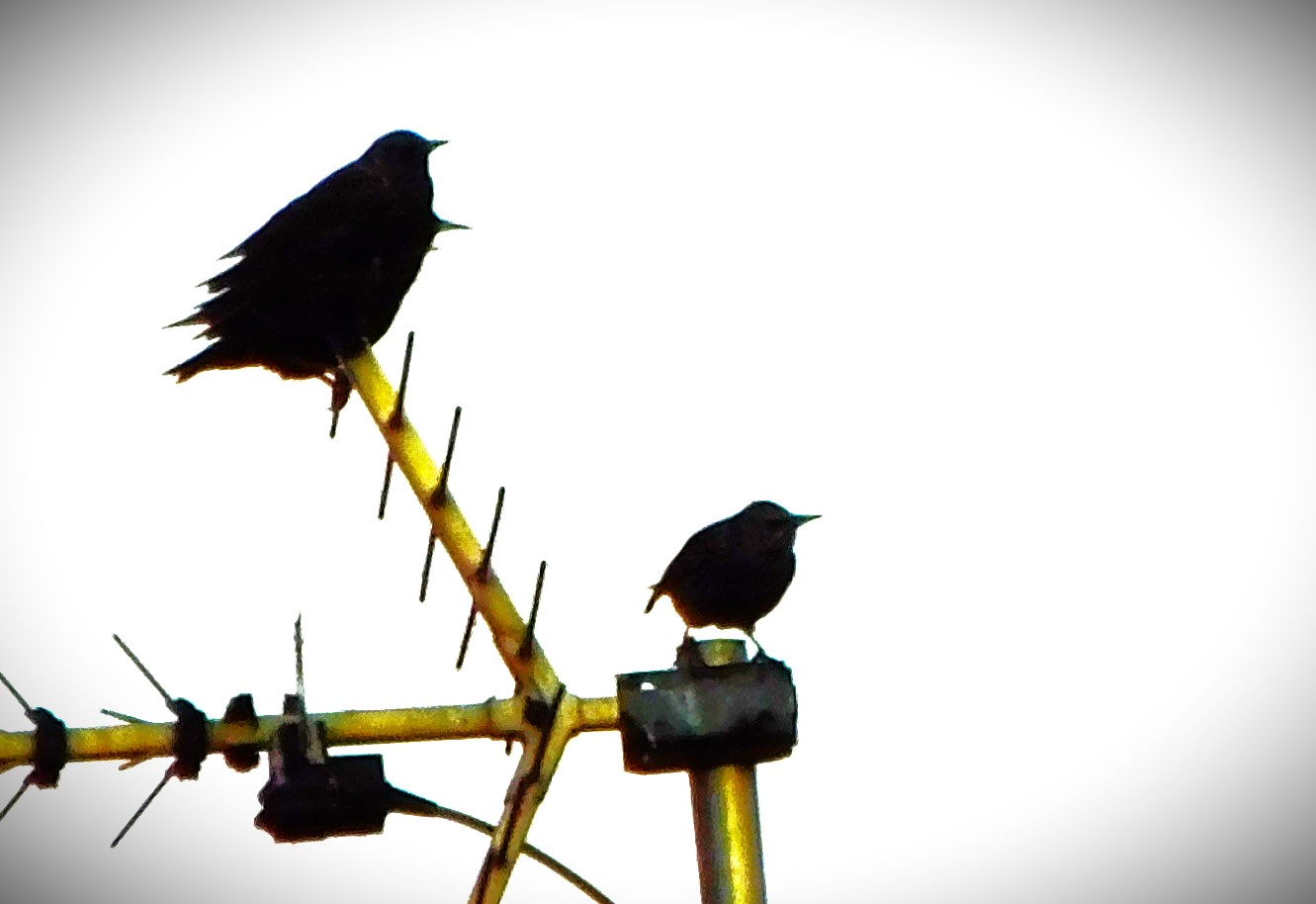
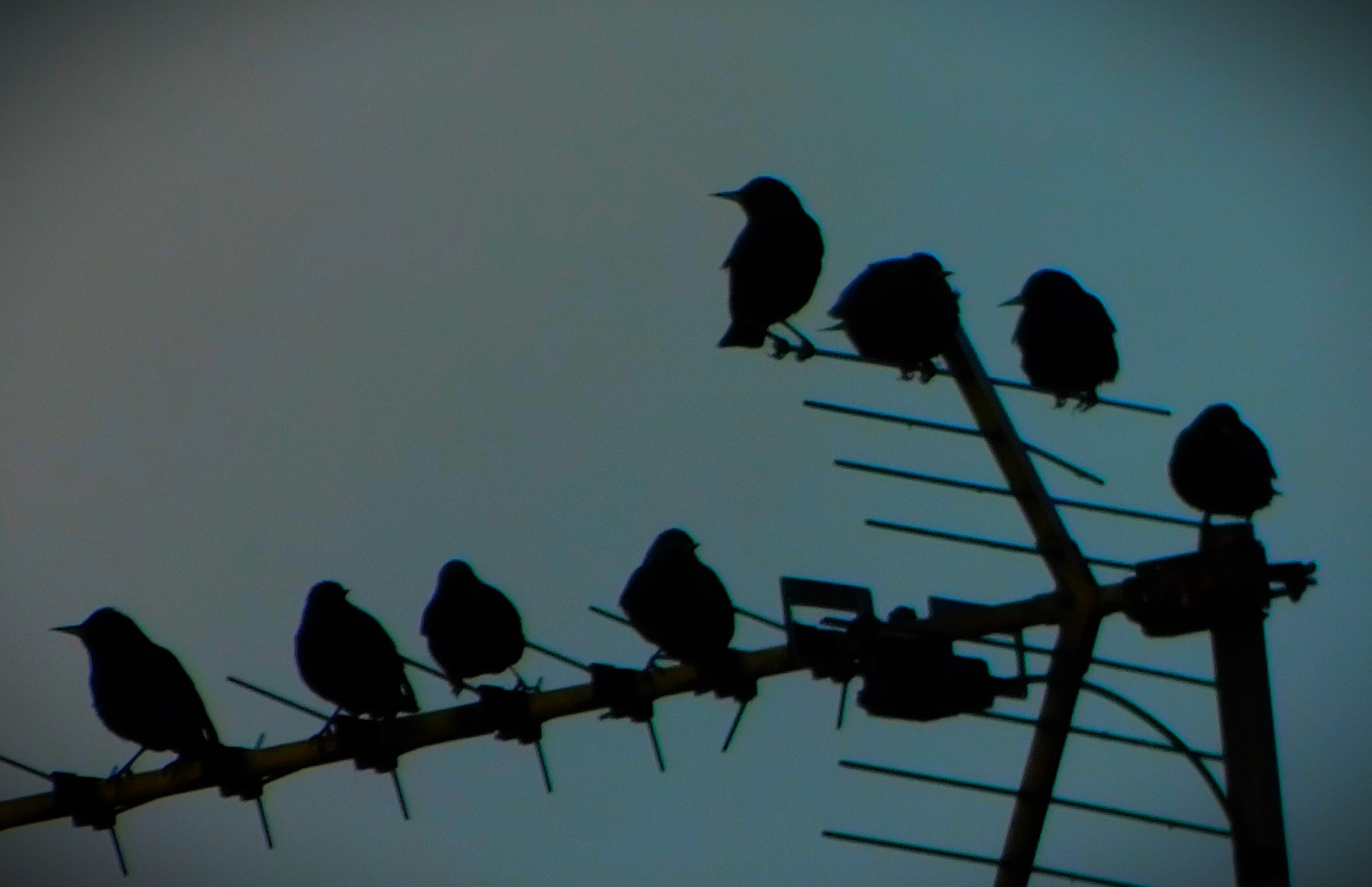
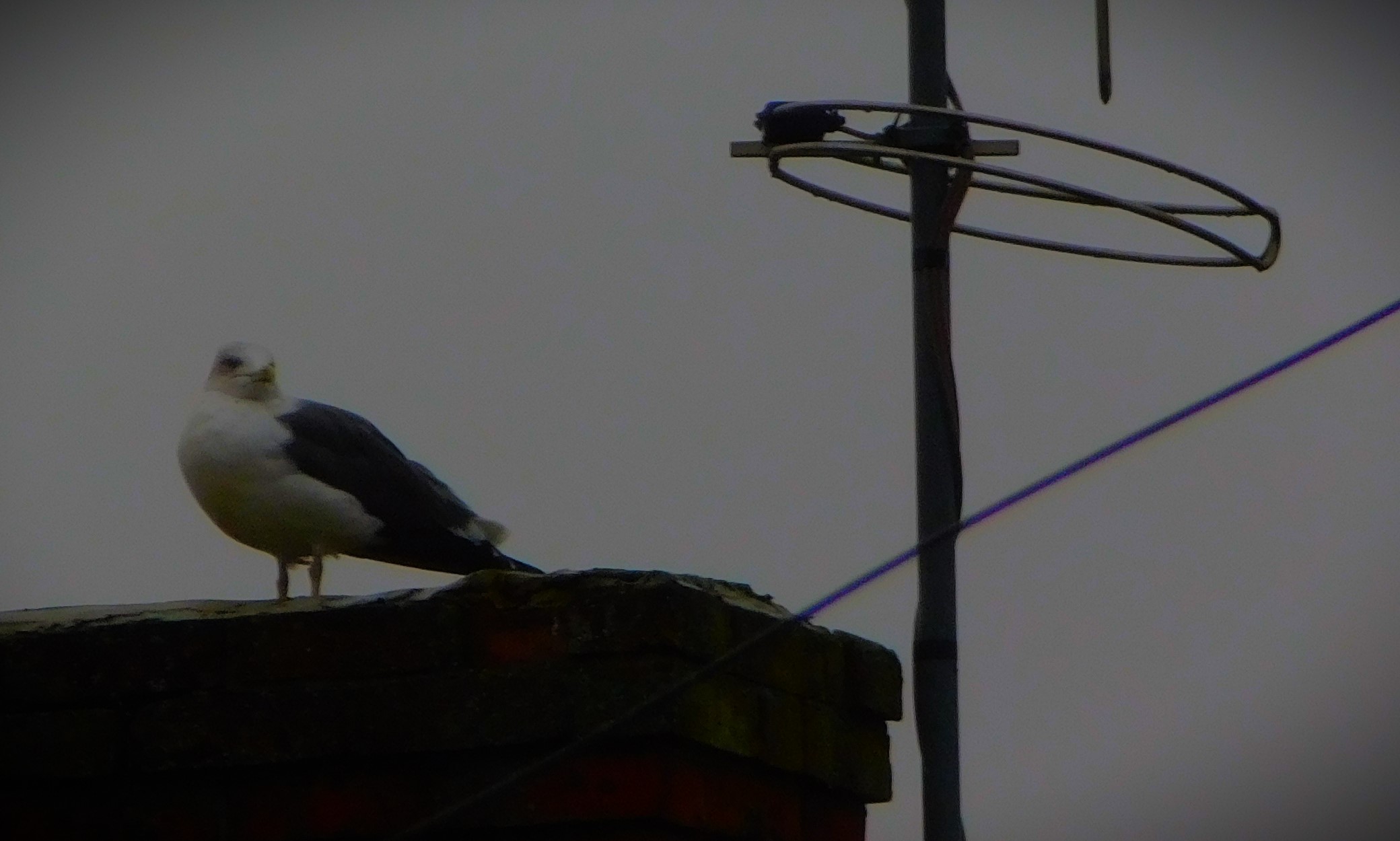
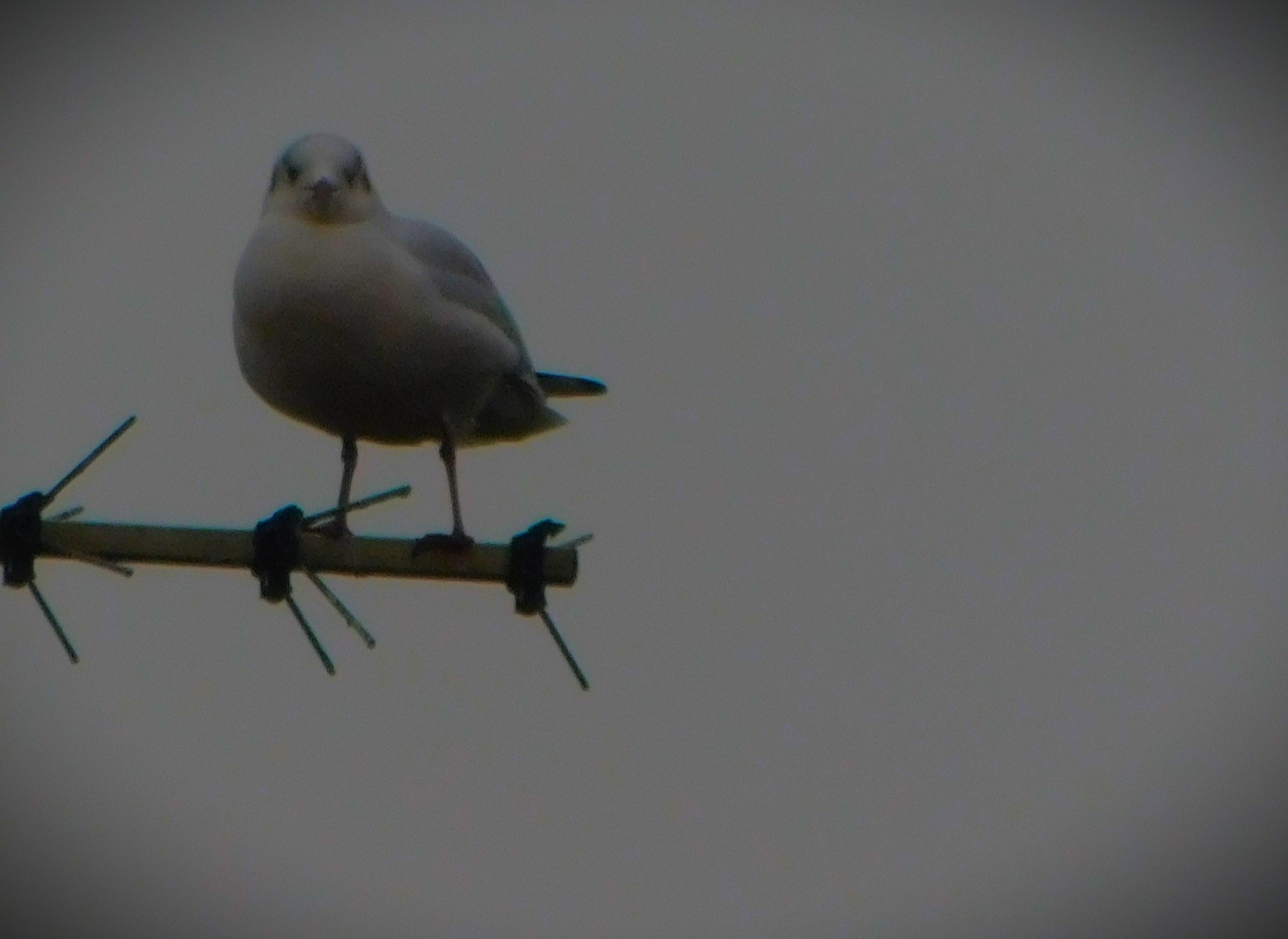
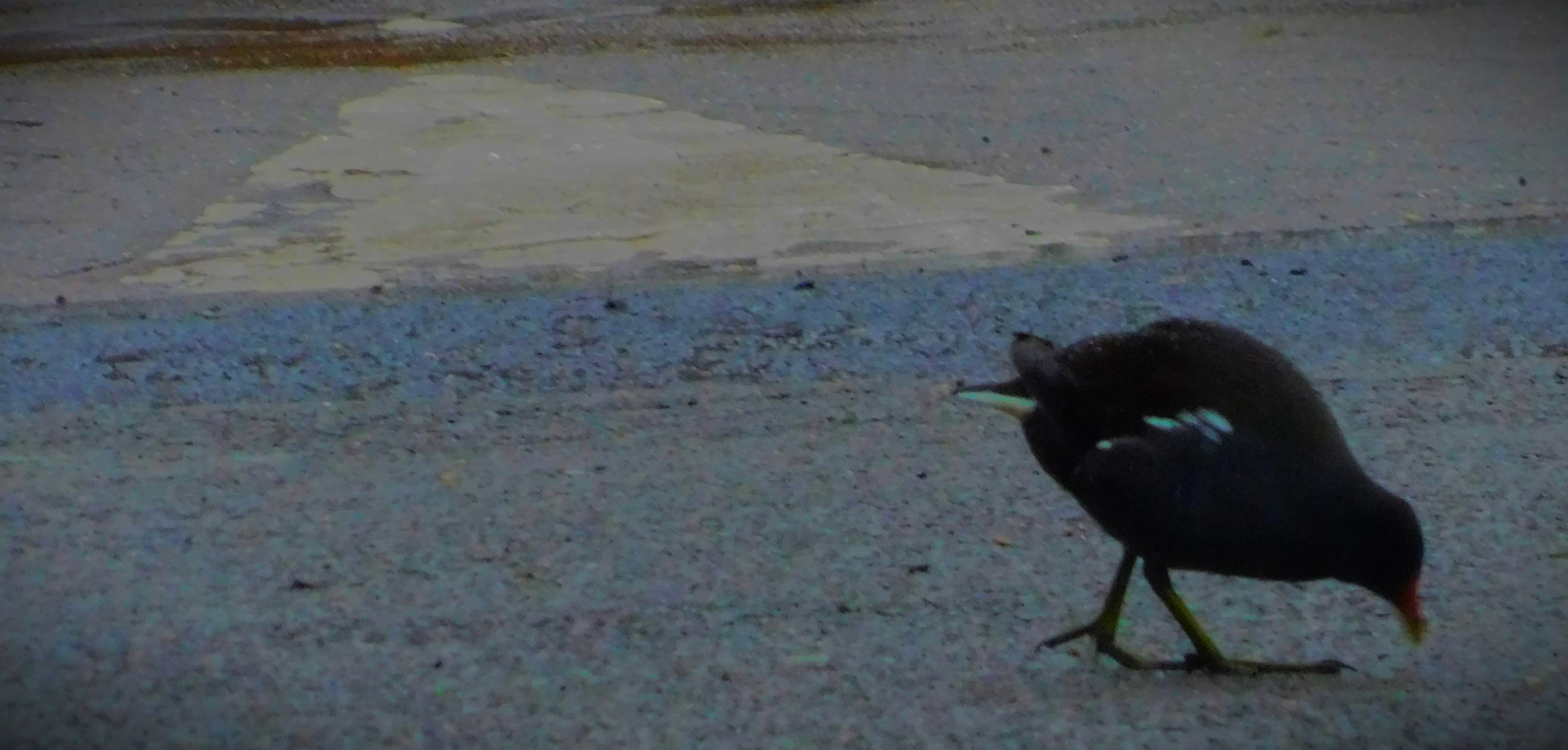
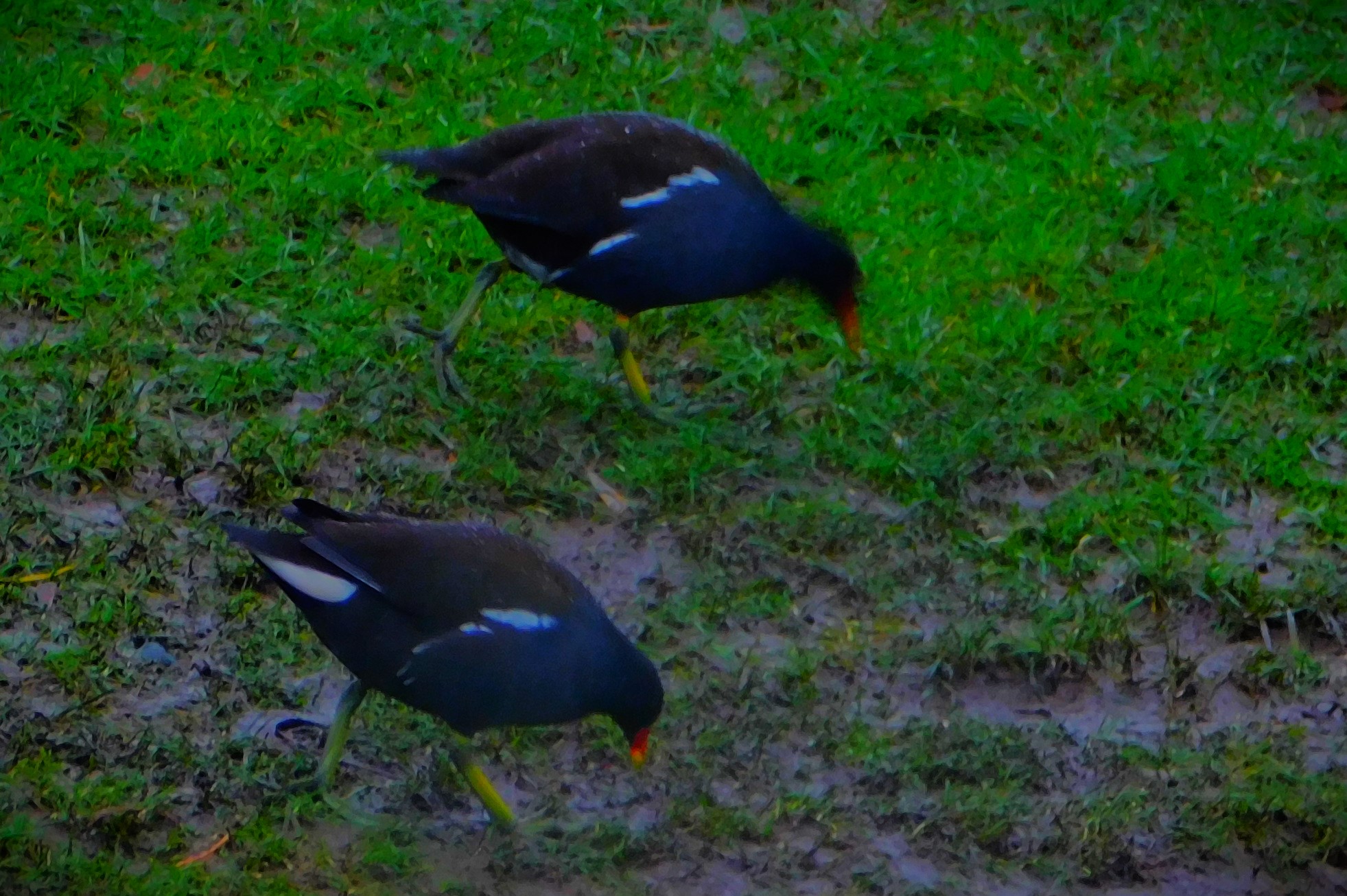
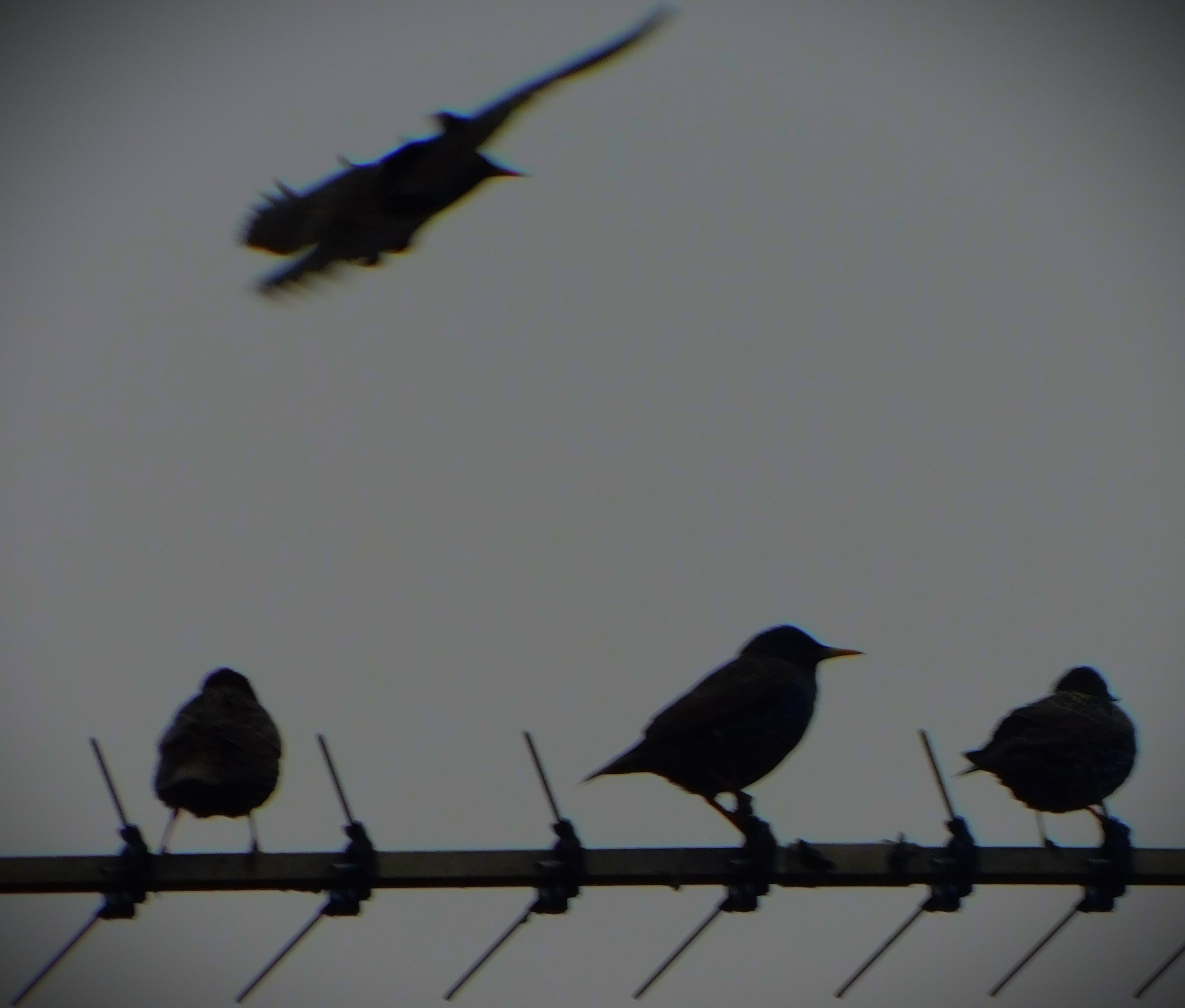
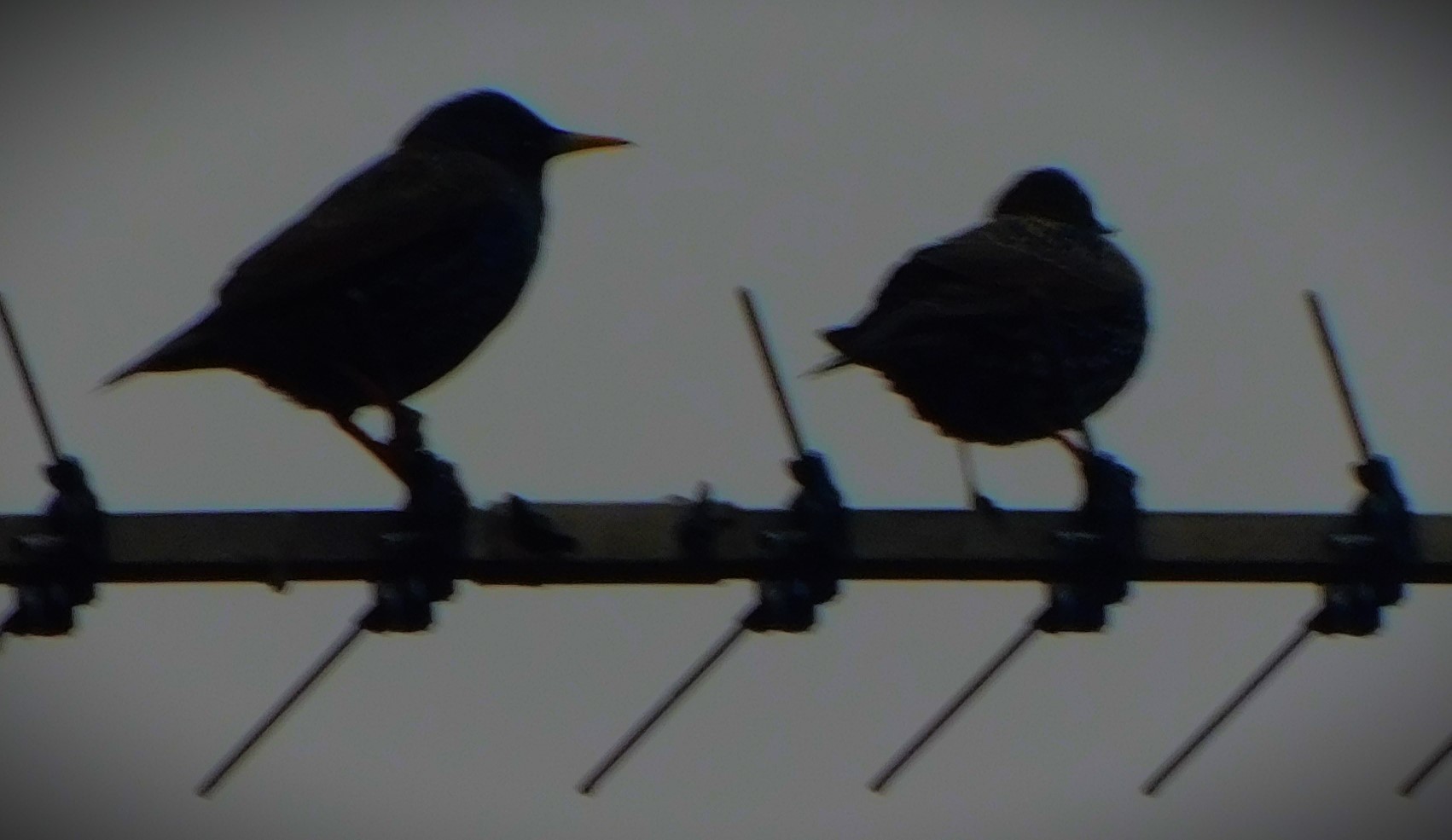
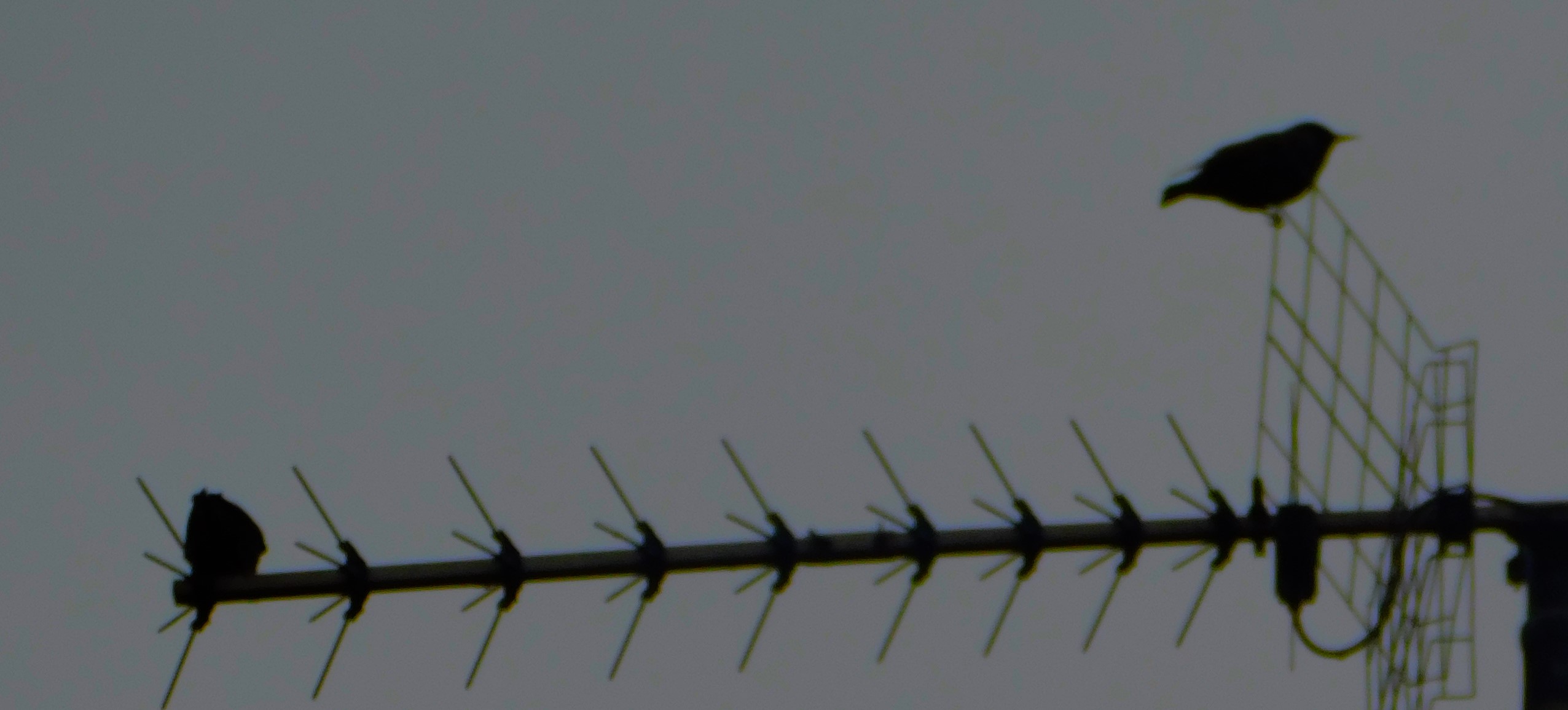
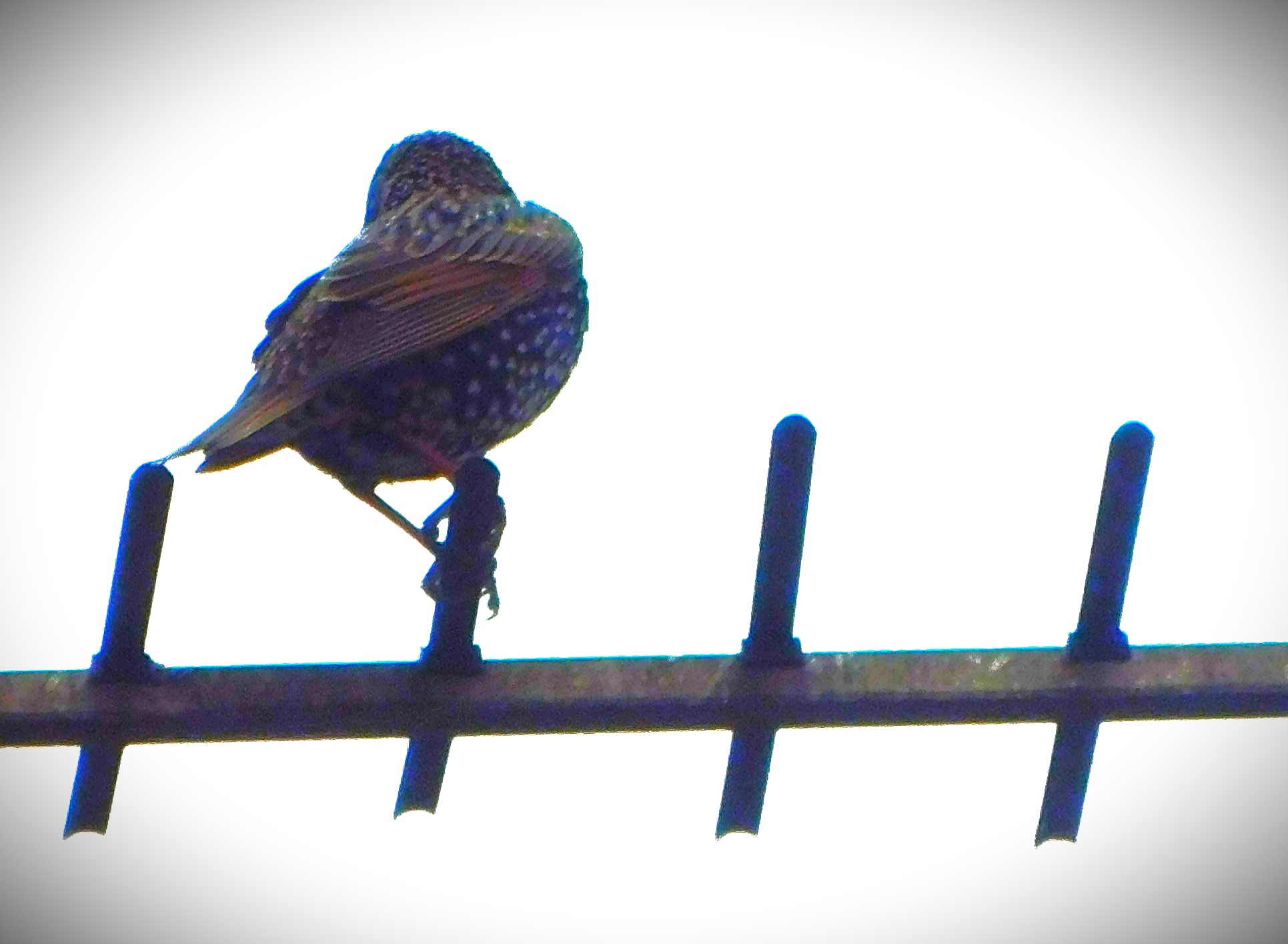
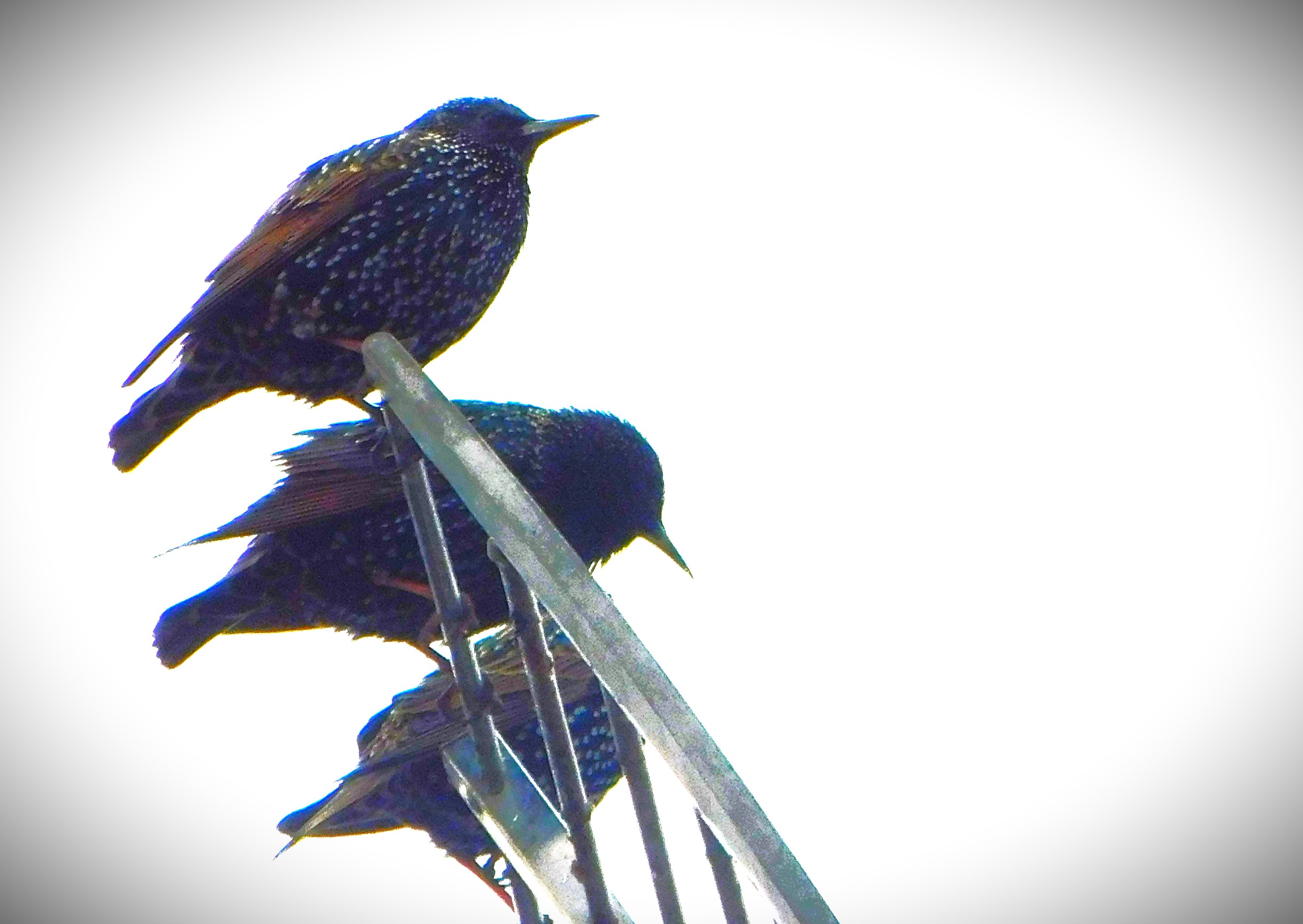
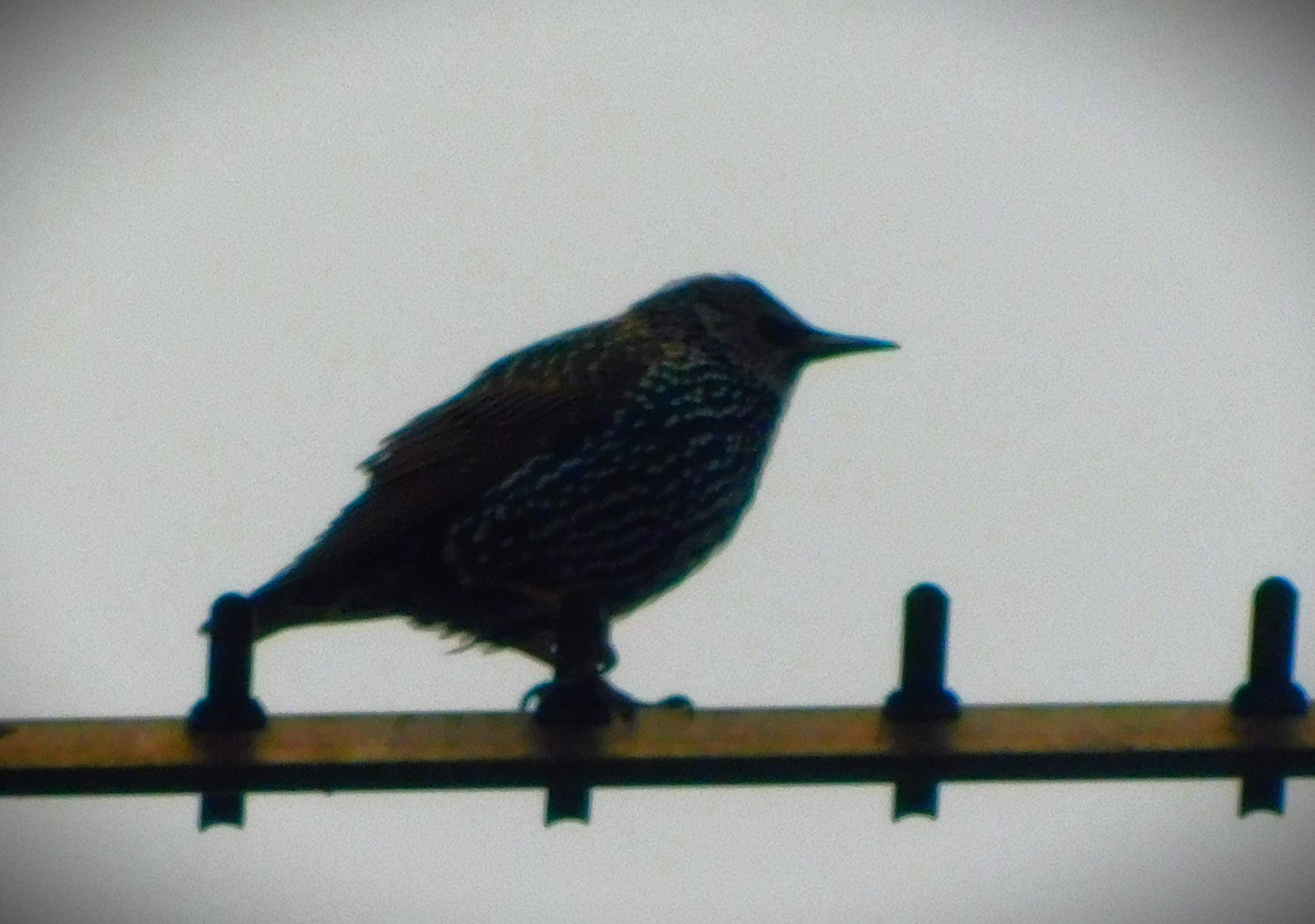
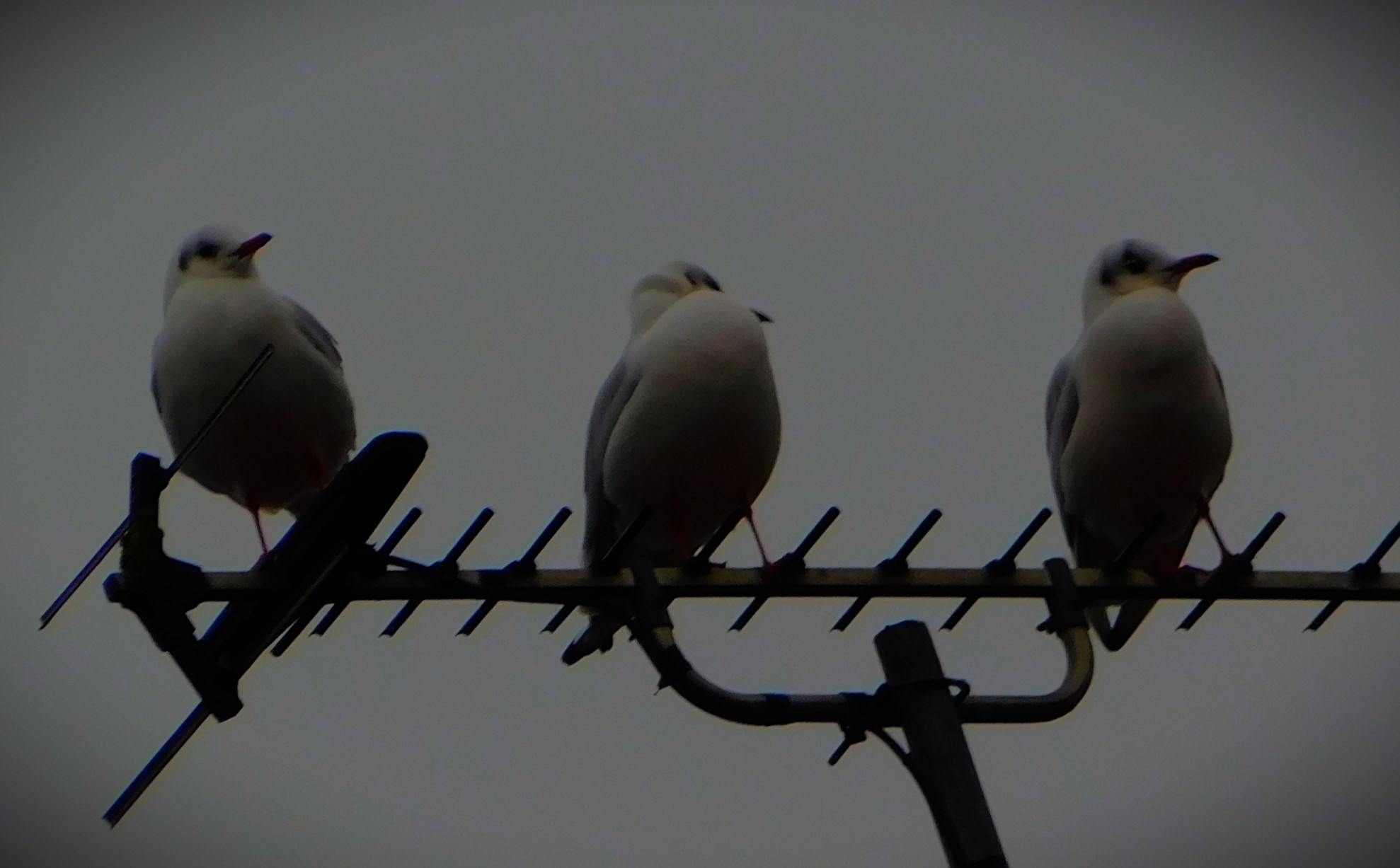
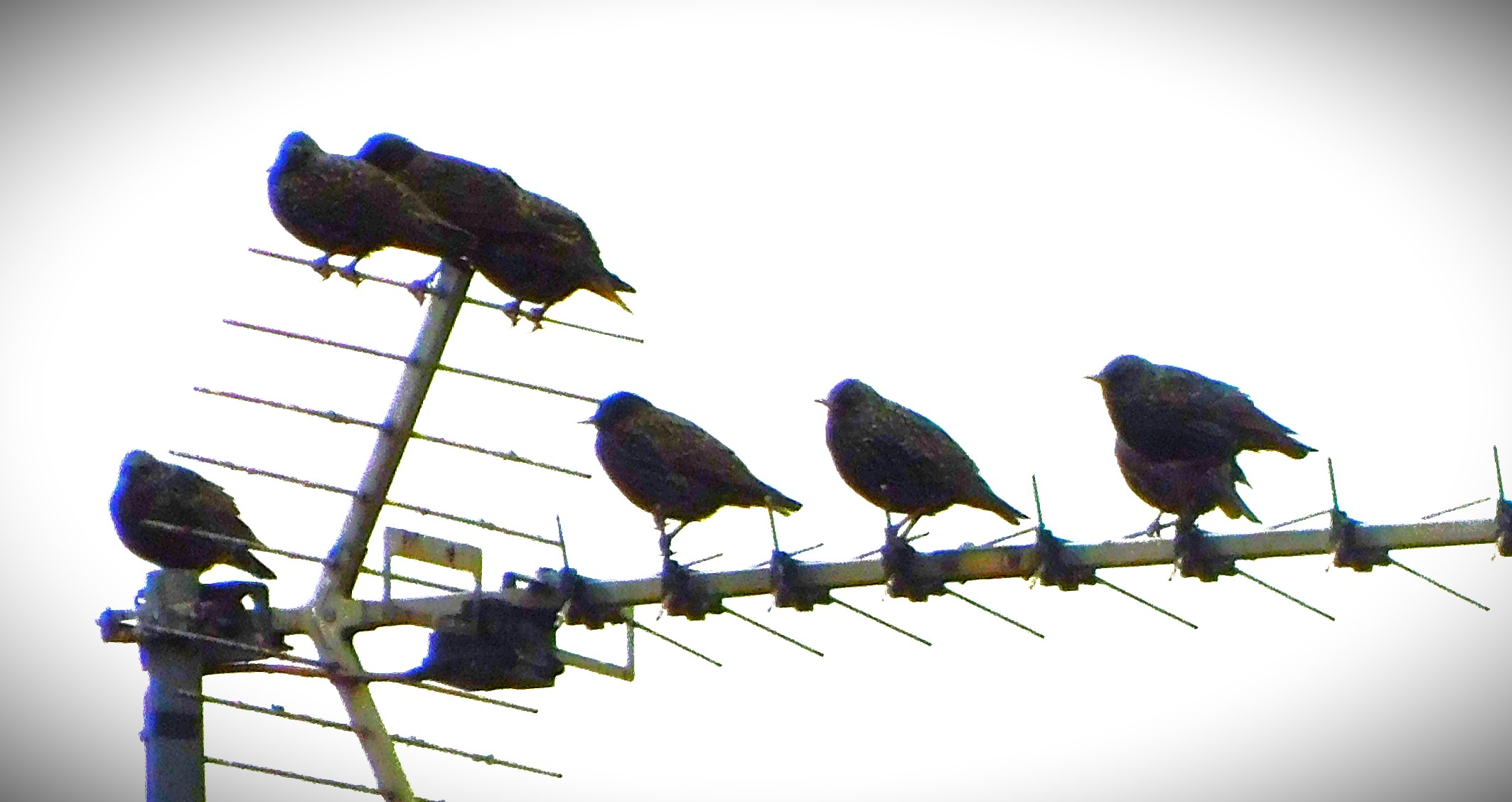
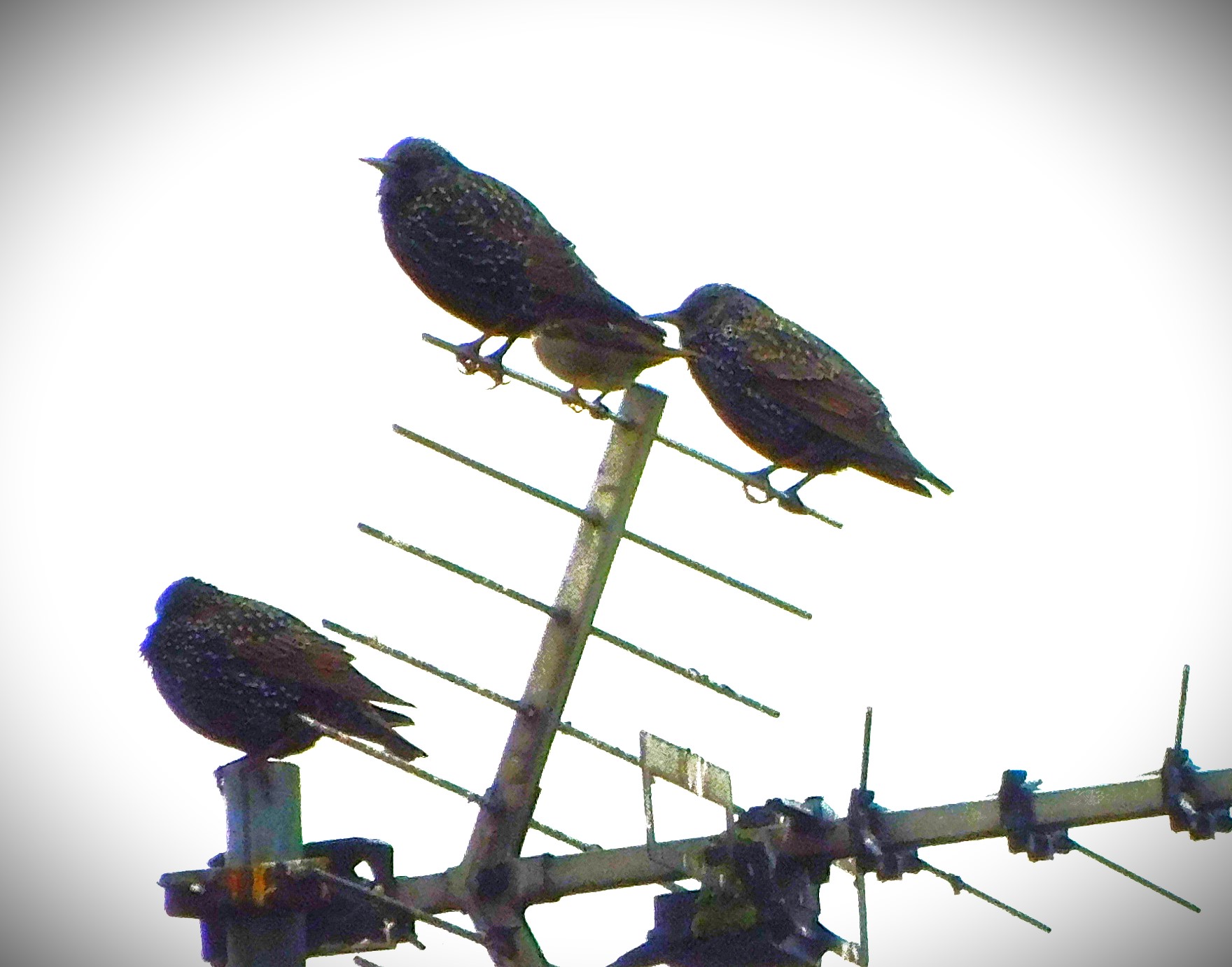
A gathering of gulls.MoorhenWhite duckSwansBlue tit.I think this was a skein of geese, going by the shapes of the birds.BlackbirdMy first starling of 2024JackdawsSparrows
A look at the first two days play between Australia and Pakistan at the MCG and a splendid photo gallery.
The Boxing Day test match between Australia and Pakistan at Melbourne has now seen two days play, albeit one of them disrupted by the weather, and is beginning to take shape.
THE AUSTRALIAN INNINGS
Pakistan won the toss and elected to put Australia in to bat. A truncated opening day ended with the hosts 187-3 after a “curate’s egg” bowling and fielding effort by Pakistan. At 226-4 Australia still looked very well placed, but then Pakistan fought their way back into things, and Australia eventually tallied a mere 318, respectable after being sent in but by no means formidable. Marnus Labuschagne with 63 had the only half century off the bat in the innings, but Pakistan may well come to regret the fact that they allowed Extras to tally a half century as well (52, including 15 wides). Debutant Aamer Jamal claimed three wickets, while Shaheen Shah Afridi, Mir Hamza and Hasan Ali each had two, and Agha Salman, brought on to bowl the last over before lunch on day one, was gifted the wicket of David Warner.
THE PAKISTAN RESPONSE TO DATE
Pakistan began well, and at 124-1 it looked like things were going their way, but then came a passage of play that completely changed things. Pat Cummins removed Abdullah Shafique for 62, hanging on to a hard return chance. Then he widened the breach by bowling new batter Babar Azam for 1. Lyon got Shan Masood for 54, Hazlewood produced a beauty to get through the defences of Saud Shakeel for 9, and Pakistan were 151-5 and in a lot of trouble. Cummins claimed a third scalp of the innings when he got one to take the edge of Salman’s bat to make it 170-6. However Jamal defended stoutly, while wicketkeeper Mohammad Rizwan, who had performed better behind the stumps than 20 byes and 15 leg byes might suggest, batted well. When the cut off time arrived Pakistan were 194-6, with Rizwan 29*. Much rests on him on day three – it will largely by his further contribution or lack of it that decides whether Australia will have a really commanding lead or not. At the moment Australia are in the box seat, but many worse positions than the one Pakistan are currently in have seen sides emerge victorious.
PHOTOGRAPHS
Yesterday morning was bright and sunny, and I got out for a long walk while the weather was pleasant. I was well rewarded, including sightings of an egret and a couple of cormorants among other things…
An egret in the mud on the west side of the Great Ouse, opposite Hardings Pits (features in six pictures)Cormorants at one of their most regular perching spots (10 pictures)
An account of how I made the best of being alone for Christmas and ,enjoyed my day. Lots of photographs.
My parents, sister and nephew are all off in far flung parts of the world, and my aunt is also away for Christmas. This meant that my own Christmas would be what I made of it . The rest of this post is my own account of yesterday.
PLANNING THE DAY
I decided that I would spend the hours of daylight away from my computer, and that I would have my fancy Christmas Day meal (a home cooked variation on the steak & chips theme) in the evening. I selected some Christmas music to play through the day, and planned to do some walking during the daylight hours. My parents had arranged that I would have a package to open on the day.
THE MORNING
I went out for my first walk just before 9AM, which took in both the ponds near where I live, the Kettlewell Lane tree/ river area, The Walks, the Peace Garden/ Greyfriars tower, the town centre, St Nicholas’ Chapel, Bawsey Drain and back along Columbia Way. I then played the first of my chosen Christmas Music CDs. When this CD finished I headed off for my second walk, which again included both ponds, but this time I took the footpath from the second pond that leads to Loke Road just before the junction with Gaywood Road, crossed Loke Road, headed onto Gaywood Road for a short stretch before crossing it and heading down Tennyson Avenue. Just before the railway crossing I took the footpath that heads towards Lynnsport and followed to the point at which it meets the Gaywood River path, which I walked along until I reached a path off it towards the Discovery Centre and thence back home.
THE AFTERNOON/ EARLY EVENING
I had lunch while a second CD played. When the second CD finished I went out for a third walk, taking in the first pond, a route through to the footpath alongside Bawsey Drain and followed that footpath until Columbia Way, at which point spots of rain warned me that I needed to take the direct route home, along Columbia Way, rather than extend the walk further as I had been considering. I then played the rest of the Christmas music I had picked out, returning to the computer briefly in the early evening.
COOKING SUPPER
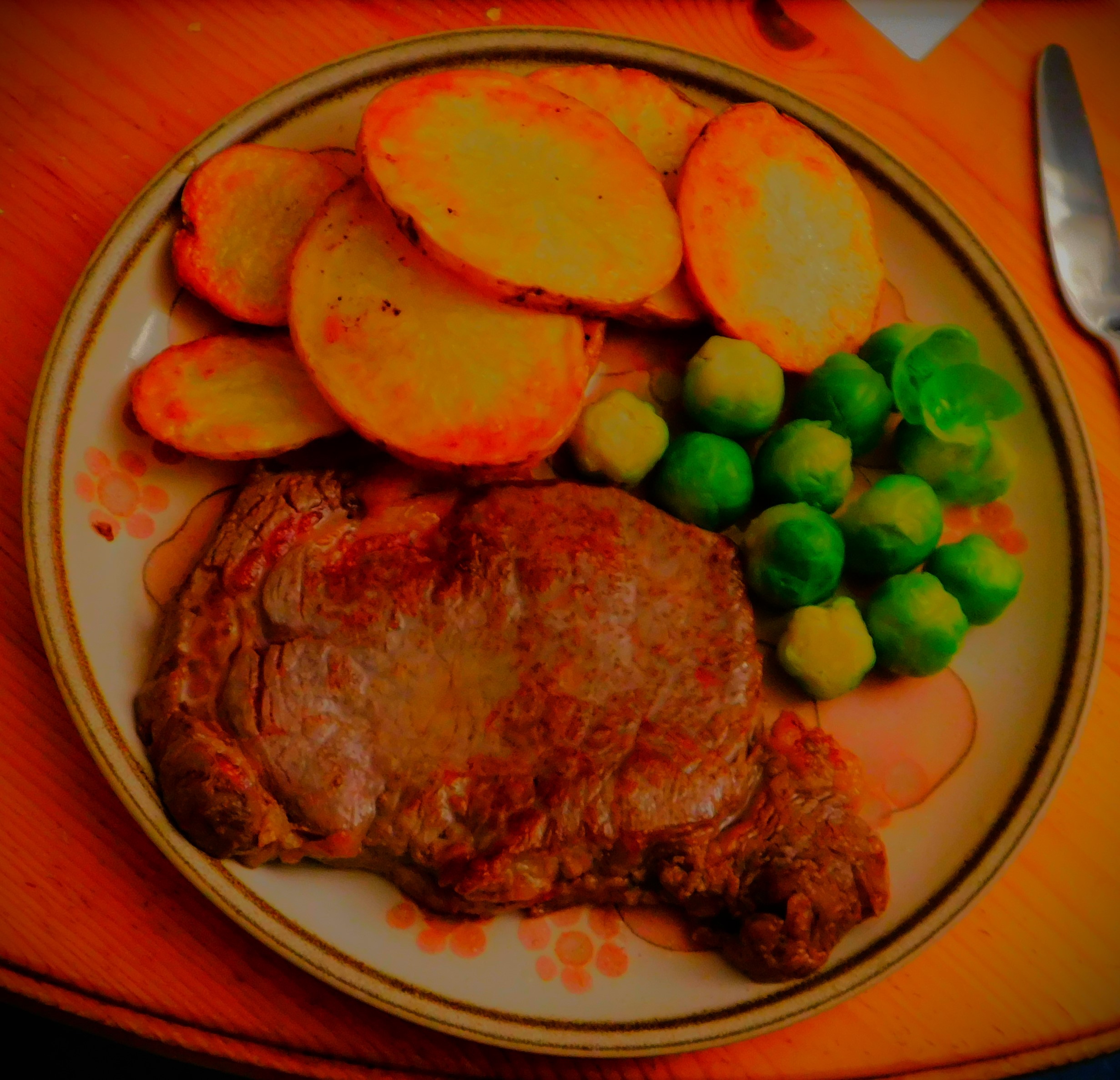
I put the oven on at about 7PM, set to approximately 175 Celsius, taking care to turn the extractor fan on and open a kitchen window. I oiled a baking tray next. Then I cut a large potato into slices of approximately equal thickness, thick enough that when cooked they would still obviously be potato and thin enough that they would have a bit of crunch. I placed this slices on the oiled baking tray, sprinkled some salt over them, and then added a little more oil. I put them into the oven to cook. Then I got to work on the brussels sprouts, preparing a dozen for cooking, placing them in a saucepan and boiling a kettle full of water to cook them in. Once they were on and cooking I turned the potato slices over. I tenderised the steak, got some oil in small frying pan heating up (to colour on the outside while still being red in the middle the steak has to go in to oil that is already hot), and at the appropriate moment I put the steak into cook, flash-frying it for a minute on each side at high heat. I then plated it up, before draining the sprouts, pouring a drink and then getting the potatoes out. This is what my variation on a steak & chips theme looked like on the plate:
For the record it tasted splendid.
For afters I had a small jar of Kalamata olives.
THE END OF THE DAY
I was mindful of the fact that the Boxing Day test match at Melbourne between Australia and Pakistan, which Test Match Special were covering, got underway at 11:30PM UK time (Melbourne is 11 hours ahead of us). I thus timed my heading to bed so that I could have that commentary playing while I was in bed. I enjoyed the day, and my Christmas meal worked well.
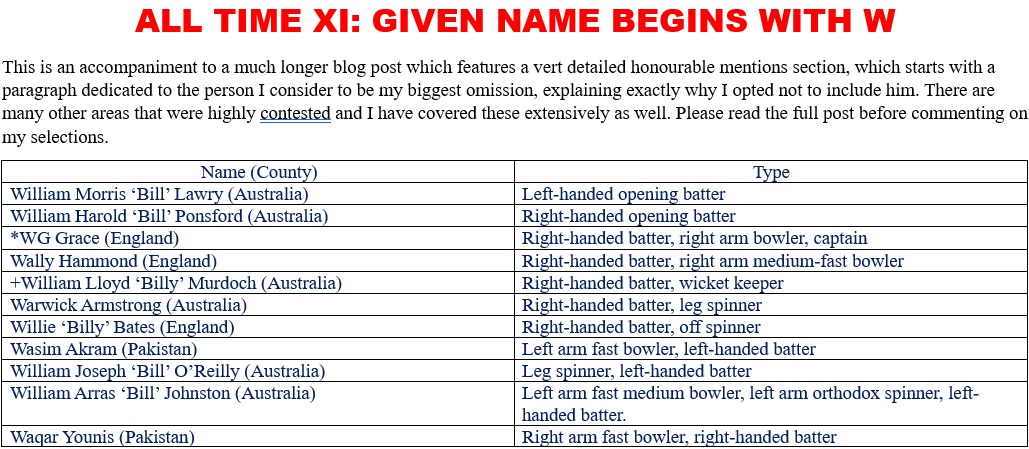
An all time XI of players whose given names begin with W, a very detailed honourable mentions section and a photo gallery.
Today I present an all time XI of players whose given names begin with W and a detailed honourable mentions section, as well as my usual photo gallery.
THE XI IN BATTING ORDER
William Morris ‘Bill’ Lawry (Australia, left handed opening batter). He averaged 47 with the bat in test cricket.
William Harold ‘Bill’ Ponsford (Australia, right handed opening batter). Until Brian Lara came along only one player had achieved two first class scores in excess of 400, Ponsford, with 429 against Tasmania in 1922 and 437 against Queensland in 1927. In December of 1927 he became the only player ever to score 1,000 first class runs in a calendar month outside of England, with a sequence of 1,146 runs in five innings. His test record was not quite so outstanding, but even at that level he averaged 48, which included centuries in each of his first two test matches and centuries in each of his last two.
*WG Grace (England, right handed batter, right arm bowler of various styles, captain). Cricket’s first superstar, and in his best decade, the 1870s, he averaged 49 with the bat at a time when the best of the rest were just about managing 25. Only one other person in cricket history ever sustained being twice as prolific as the best of the rest over a long period – Bradman.
Wally Hammond (England, right handed batter, right arm medium-fast bowler). He scored 7,249 runs at 58.45, including 905 at 113.125 in the 1928-9 Ashes.
+William Lloyd ‘Billy’ Murdoch (Australia, right handed batter, wicket keeper). Australia’s best batter in the earliest years of test cricket, and a fine enough keeper that FR Spofforth missed the first ever test match because he initially didn’t believe that any keeper other than Murdoch could handle his bowling.
Warwick Armstrong (Australia, right handed batter, leg spinner). A fine all round cricketer whose feats included scoring over 2,000 runs and taking over 100 wickets in first class matches on the 1905 tour of England. 16 years later he almost captained an undefeated side, the only loss they sustained on the tour coming at the hands of ‘an England XI’ assembled by AC MacLaren.
Willie ‘Billy’ Bates (England, right handed batter, off spinner). The first England bowler ever to take a test hat trick, part of a match performance in which he scored a 50 and took seven wickets in each Australian innings.
Wasim Akram (Pakistan, left arm fast bowler, left handed batter). One of the greatest ever.
William Joseph ‘Bill’ O’Reilly (Australia, leg spinner, left handed batter). Only one batter among those he came up against in the course of his career could truly claim to have his measure: Don Bradman.
William Arras ‘Bill’ Johnston (Australia, left arm fast medium bowler, left arm orthodox spinner, left handed batter). The third essential member of Australia’s immediate post WWII bowling attack after Lindwall and Miller, as well as being two types of bowler in one he was possessed of great stamina – it was not unknown for him to go straight from spinning the old ball to swinging the new one. Three times he was Australia’s leading wicket taker in Ashes series. In England in 1953, with the active connivance of some his team mates, who got themselves out in some of the later matches to help engineer the outcome, he became only the second player to average 100+ for an English first class season (17 innings, 16 not outs, 102 runs, average 102.00) after Bradman in 1938 (the Don achieved his average of 115.66 for that season without any such shenanigans going on).
Waqar Younis (Pakistan, right arm fast bowler, right handed batter). A superb practitioner, and one who regularly shared the new ball with Wasim Akram.
This side has a powerful batting line up, and a wealth of bowling options. The only regular type of bowling that is not featured is left arm wrist spin. The front five of Younis, Akram, Johnston, O’Reilly and Bates are formidable in their own right, and in the unlikely event that they prove insufficient there are Armstrong, Grace and Hammond as back up options.
HONOURABLE MENTIONS
I start this section with a paragraph devoted to my most notable omission…
WILFRED RHODES
One of the most extraordinary performers in the history of cricket, with a remarkable five-phase playing career – specialist left arm spinner, all rounder, specialist batter, all rounder, specialist left arm spinner. The trouble is that brilliant as he was as an all rounder at county level his England career was almost exclusively spent either as specialist bowler (early and late periods) or as a specialist batter (in the run up to WWI). His batting would not warrant selection as a specialist and if I pick him as a specialist bowler I would have to leave out Johnston, who offers me two bowling options in one and had an outstanding test record.
OTHER HONOURABLE MENTIONS
The opening slots were rich in potential candidates. Lawry’s only rival for the left handed openers slot was Warren Bardsley, the first batter ever to score twin centuries in a test match and possessor of a fine overall test record, as well as being Australia’s leading scorer of first class centuries until Bradman came along, more than half of those tons having come in England.
Ponsford was rivalled for the right handers opening slot by two other Williams who were generally known as Bill, WA Brown and WM Woodfull. Woodfull in particular is unlucky to miss out, while Brown also had a fine record.
I regard WG Grace as an essential pick and my reckoning is that he could handle first drop, though he did prefer to open. Two regular number threes who thus miss out are William Gunn, the Gunn of Gunn & Moore, whose test record did not live up to his superb first class record and William Scotton, also of Nottinghamshire, whose ability to bat for long periods of time came at the expense of run scoring. William John ‘Bill’ Edrich was another who might have had this slot, averaging 40 in test cricket in spite of losing six prime years to WWII. WG ‘Billy’ Quaife had a splendid record for Warwickshire but his seven tests were disappointing. Wajahatullah Wasti of Pakistan once scored twin tons in a test match but did little else at that level. William Yardley has a place in the record books – in 1870 he became the first player ever to score a century in the Varsity Match.
Among the all rounders I could not accommodate were Wasim Raja, WE ‘Bill’ Alley, Wanindu Hasaranga de Silva, Wilf Flowers and William ‘Billy’ Barnes.
My decision to entrust the gloves to Murdoch meant that three very accomplished keepers, Wriddhiman Saha of India, Wasim Bari of Pakistan, and Arthur Theodore Wallace ‘Wally’ Grout of Australia missed out.
WH ‘Bill’ Lockwood was a fine bowling all rounder, and possibly the pioneer of the slower ball, but not a serious rival to Akram for the number eight slot. A number of Williams, all known as Bill, were fine quick bowlers: Whitty, Voce, Bowes, Copson, Andrews and Bestwick among them. Two Williams known by their full first names, Lillywhite and Mycroft, were both great bowlers kept out by the immense strength in depth available for this squad. Wes Hall and Wayne Daniel were two of the many superb quicks to come from the coral island of Barbados, and both can be considered unlucky to miss out. Walter Mead, a bowler of mixed spin for Essex who claimed a 17 wicket match haul against the 1893 Australians and had a magnificent first class record was the biggest miss in the spin bowling department.
In a few years time there may be a second WG in the line up – WG Jacks of England, an attacking batter and a capable off spinner who is in the process of establishing himself in international cricket.
An all time XI of players whose given names begin with T, including an honourable mentions section which pays particular attention to four specific areas, and a photo gallery.
Today I look at great players with given names beginning with the letter T. This was a particularly tough XI to select, and I will be starting the honourable mentions section with four disputed areas in this team. Incidentally I offer wholehearted congratulations to India Women on their all time record test victory over England Women. Their star was Deepti Sharma, who scored runs in both innings and was the chief destroyer with the ball as well, claiming 5-7 in the first England innings and 4-32 second time round.
THE XI IN BATTING ORDER
Tom Hayward (England, right handed opening batter, right arm medium pacer). In 1900 he passed his 1,000 FC runs for the season before the end of May, only the second ever to do so after WG Grace, all though the good Doctor scored all his runs actually in May, whereas Hayward’s tally included runs in April. 14 years later Hayward brought up the career landmark of 100 first class hundreds, again second ever to do so after WG. In 1906 he scored 3,518 first class runs in the season, a tally that stood as a record for 41 years, before Denis Compton and Bill Edrich both beat it in the same season. He also ushered on to the scene a fellow native of Cambridge named John Berry Hobbs.
Tamim Iqbal (Bangladesh, left handed opening batter). An attack minded left hander to go with the more conservatively minded right hander Hayward, and one with a test average of close to 40.
*Tom Abell (England, right handed batter, right arm medium pacer, captain). I needed a captain for this side, and this was my solution.
Tom Graveney (England, right handed batter, occasional leg spinner). A stylish batter, with a test record of very considerable substance as well.
Travis Head (Australia, left handed batter, occasional off spinner). It has taken a while for him to really establish himself at the very highest level but he is now one of the best batters in the world.
Trevor Goddard (South Africa, left handed batter, left arm medium pacer). A genuine, but massively under-appreciated all rounder, I go into more detail about this slot in the next section of the post. For the moment, suffice it to note that he averaged 34 with the bat and 26 with the ball at test level.
+Tom Blundell (New Zealand, wicket keeper, right handed batter). An accomplished keeper/ batter for New Zealand, his record demands that he be included.
Tom Emmett (England, left arm fast bowler, left handed batter). By the time test cricket was a thing he was past his absolute prime, but his FC averages were the right way around, 14.84 with the bat and 13.55 with the ball, which convert using my usual metric to 22.26 with the bat and 20.23 with the ball in the modern era.
Tom Richardson (England, right arm fast bowler, right handed batter). His 14 test appearances yielded 88 wickets. His achievements for Surrey were staggering as well. Between 1894 and 1897 inclusive (four English seasons and one tour of Australia), Richardson claimed 1,005 first class wickets.
Tom Goddard (England, off spinner, right handed batter). He started as a fast bowler, but following advice from Gloucestershire team mate Charlie Parker, who had noted the size of Goddard’s hands and the strength of his fingers he went away and remodelled himself as a spinner, and in that capacity he was one of the greats, ending a very long career (forced because of an attack of pleurisy) as the fifth leading first class wicket taker of all time, with 2,979 scalps at 19.84 each.
Taijul Islam (Bangladesh, left arm orthodox spinner, left handed batter). 44 test appearances have yielded him 192 wickets, sufficient to earn him his place in this XI.
This side is strong in batting, even with the 9, 10, 11 being old style tail enders, and has lots of bowling, with Emmett, Richardson, Tom Goddard, Islam and Trevor Goddard as the main attack and Hayward, Abell and Head all capable of providing support if needed.
HONOURABLE MENTIONS
I will start with four particularly contentious areas, in batting order:
First, the number three slot. Technically I should have given this to Tom Latham of New Zealand, but I decided it was worth possibly sacrificing a few runs per innings to have Abell’s captaincy available.
Second, the all rounder position. Many would have opted for Trevor Bailey, but Goddard actually had better records in both departments than the other Trevor. Bailey averaged 29.74 with the bat and 29.21 with the ball at test level, Trevor Goddard 34.46 with the bat and 26.22 with the ball. Goddard also had a better wicket taking rate than Bailey, claiming an average of exactly three per test whereas Bailey averaged just 2.16 per test. Thomas Odoyo of Kenya would be a contender for a limited overs side.
Third, the wicket keeper’s slot. Taslim Arif had an amazing record with the bat for Pakistan in the few tests he got selected for, but he was never first choice keeper. Tim Ambrose of England was a quality keeper and a useful batter, but not quite good enough to displace Blundell. Tom Box, an legendary keeper of the mid 19th century also merits a mention.
Fourth, the new ball pairing. I opted for a pair of outstanding practitioners he never overlapped, rather than a pair with respectable records who bowled in tandem a considerable number of times at the highest level, Trent Boult (LFM) and Tim Southee (RFM), both of New Zealand. My feeling is that Emmett and Richardson were so great as individuals that I am prepared not to pick the established pairing, but I acknowledge that there is a good case for picking the Kiwis.
Thilan Samaraweera of Sri Lanka was a fine batter on flat subcontinental pitches, but did little outside of Asia.
Two quality English seamers who missed out were Tom Cartwright and Tim Bresnan. Tom Wass of Nottinghamshire, a bowler of both fast medium and leg spin who took 1,666 first class wickets at 20 without ever getting an England call up was a challenger for the place I gave to Taijul Islam. Tymal Mills would be in the mix for a T20 side, but concerns over his back have led him to restrict himself to cricket in which he never has to bowl more than four overs at a stretch.
Tim May of Australia was a fine off spinner, but not fine enough to dislodge the fifth leading wicket taker in FC history. Tommy Mitchell of Derbyshire was a good leg spinner, who claimed three wickets at 20 each in his sole test appearance, which came during the 1932-3 Ashes in the one match for which England deemed two specialist spinners necessary.
Tom Walker of Hambledon does not have a complete enough career record to be selected, but needs mention for historic reasons – he was the first to attempt round arm bowling, and also pioneered lob bowling. Thomas Lord, a native of Thirsk, was a negligible cricketer, but the third of the three grounds he arranged for the Marylebone Cricket Club, which opened for business in 1814 is one of the most famous cricketing venues in the world.
Finally, while picking a fictional character is too much even for me to consider, Tom Spedegue of “Spedegue’s Dropper” would certainly have given the bowling extra variety.
PHOTOGRAPHS
My usual sign off…
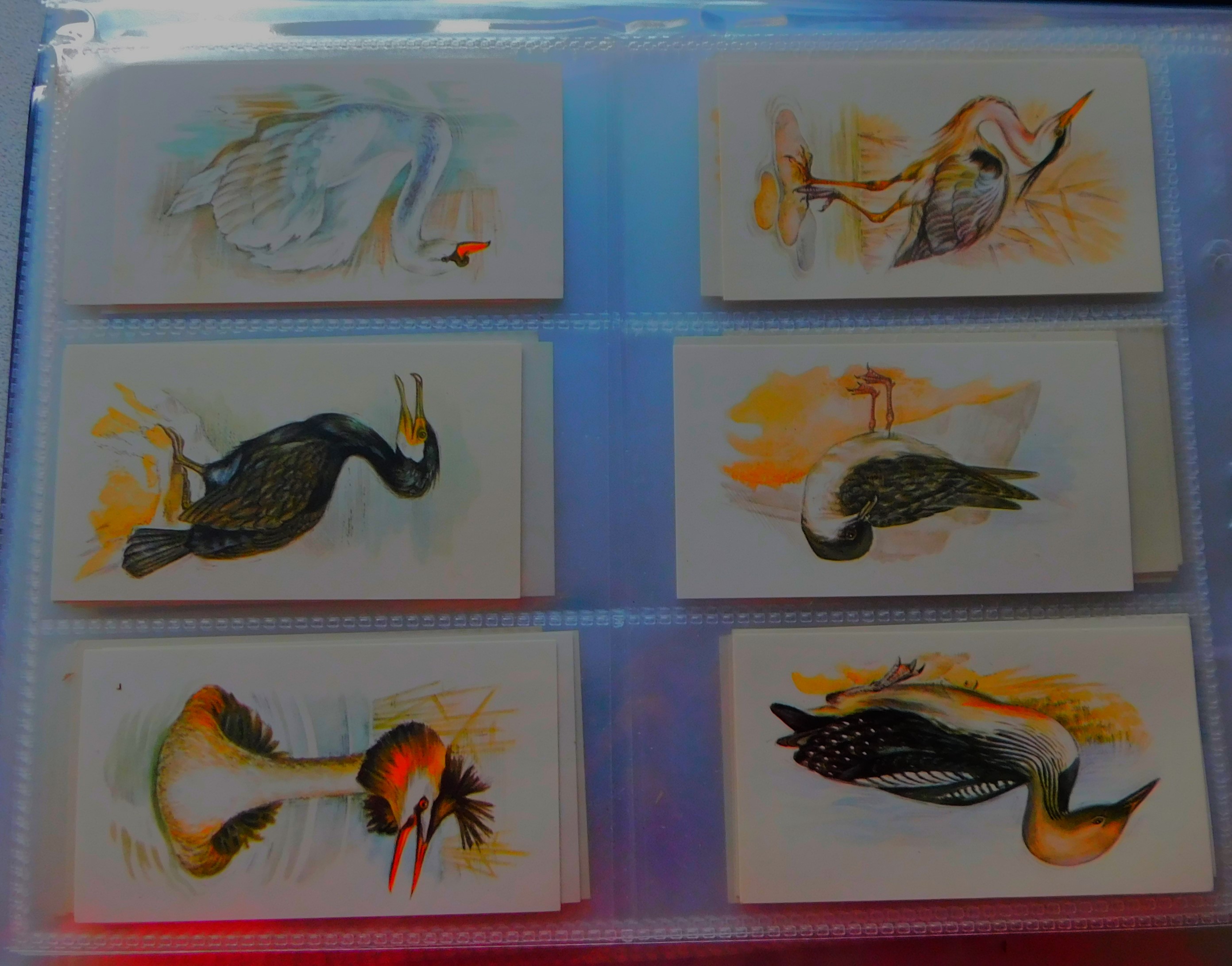
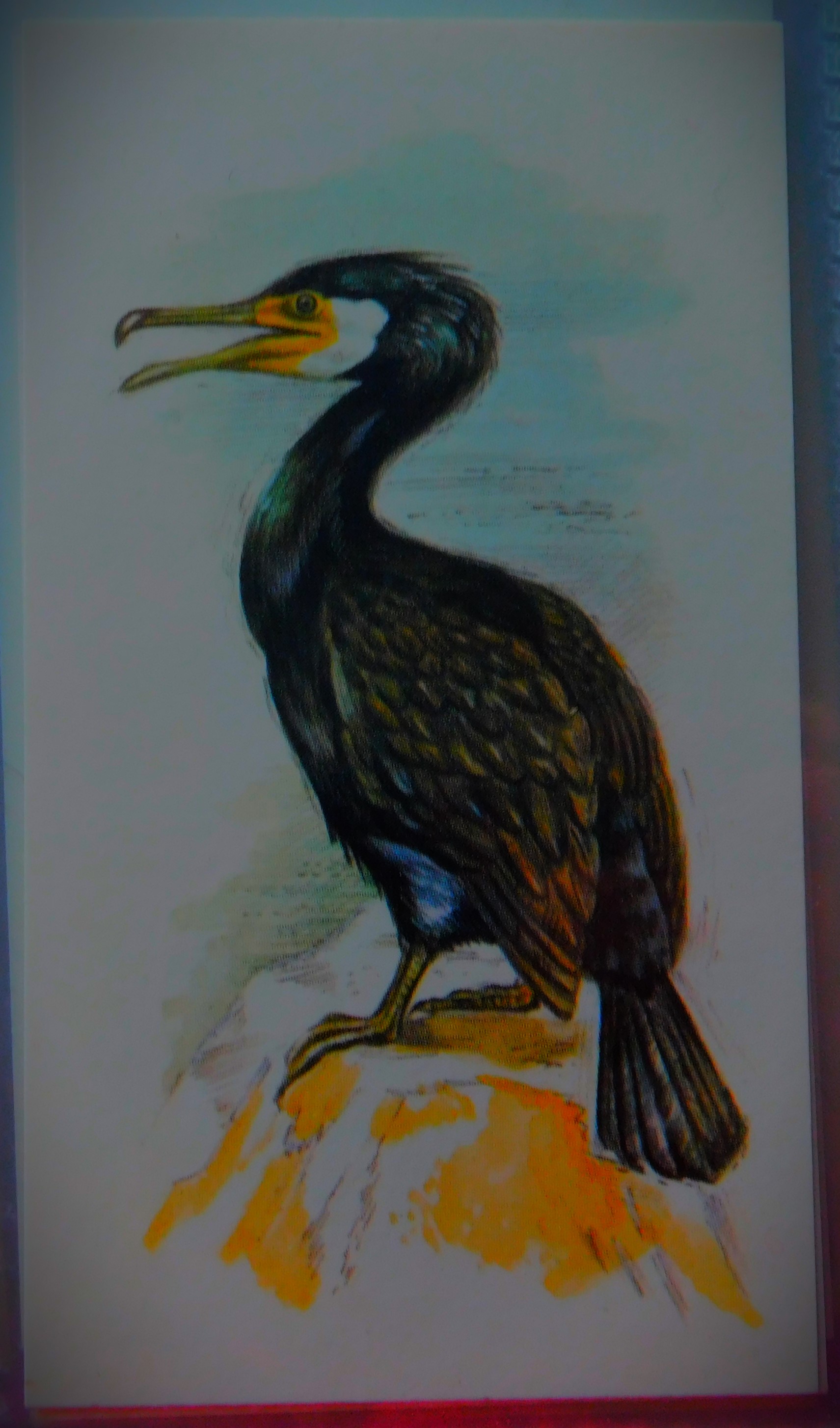
The dates for the next year’s Autism Acceptance just a cuppa sessions at King’s Lynn libraryLego architecture, at today’s Autism Acceptance just a cuppa (six pics)A cormorant swimming in the Gaywood River near Kettlewell Lane was an unexpected sight (features in a number of pics).A title page for my wildlife themed cigarette cards, using one of my own photos.
An all time XI of players whose given names begin with L, a number of honourable mentions and a large photo gallery.
Today, with England Women in the process of thrashing India Women in a T20I and with England Men getting underway in the second ODI against West Indies Men at 5:30PM UK time we meet an all time XI all of whose given names begin with the letter L, and a few honourable mentions.
THE XI IN BATTING ORDER
Laurie Fishlock (England, left handed opening batter). Unsuccessful at the very highest level, partly due to World War II, which coincided with what should have been his best years as a player, his FC record was excellent.
Len Hutton (England, right handed opening batter). One of the greatest openers there has ever been, and all the more remarkable given the effects of WWII – not just an enforced six year absence from playing, but also a training accident that left one arm shorter than the other.
Laura Wolvaardt (South Africa Women, right handed batter). An average of 45.69 in ODIs is a fine achievement, and that it is way ahead of her T20I average suggests that longer formats suit her.
*Lindsay Hassett (Australia, right handed batter, captain). His career was disrupted by WWII, but he still emerged with an excellent test record. Although Hutton won the only series in which he and Hassett were opposed as skippers I have noted that the only two of the first four matches which got close enough to completion to enable one to form a view were both heading Australia’s way when time ran out. Hassett had also got the better of Freddie Brown in 1950-1 down under, especially in the first match, when rain created a vicious sticky, Brown attempted to redress the balance by declaring at 68-7 to get Australia in on the treacherous surface, Hassett countered with a declaration of his own at 32-7, and England made such a hash of surviving the remainder of this hectic day that they closed on 30-6, including McIntyre being run out coming back for a fourth.
Len Braund (England, right handed batter, leg spinner). A fine county all rounder who had his moments at test level. His batting was better than his record might suggest – almost the whole of his career happened before WWI, and he encountered a lot of poor pitches, and often didn’t have much support from the rest of the Somerset batting line up, which was notoriously brittle.
+Les Ames (England, wicket keeper, right handed batter). The first test match keeper to also be a genuinely front line batter, his career highlights included 120 against Australia in an innings victory at Lord’s in 1934, a score which remained an Ashes record for a keeper until Alan Knott scored 135 at Trent Bridge in 1977.
Liam Dawson (England, right handed batter, left arm orthodox spinner). He was called up for England before he was really ready for elevation and has been overlooked ever since (though with a test tour of India looming that may change), but he has been improving, and his all round skills played a large part in Hampshire faring well in the 2023 season.
Learie Constantine (West Indies, right arm fast bowler, right handed batter) An explosive all round cricketer who had some great moments for the West Indies and became a legend in the Lancashire League for Nelson.
Lance Cairns (New Zealand, right arm fast medium bowler, right handed batter). A fine bowler and a big hitting lower order batter.
Lasith Malinga (Sri Lanka, right arm fast bowler, right handed batter). His career highlights include taking four wickets in four balls in each of two international formats.
Lance Gibbs (West Indies, off spinner, right handed batter). He briefly held the record for career test wickets, going past Fred Trueman’s 307, ending with 309, which stood until Dennis Lillee went past it.
This XI has good batting depth, with a strong top seven and explosive bowling all rounders at eight and nine. The presence of so many multi-dimensional players, including the keeper Ames, enables the side to have an enviably balanced and well varied attack, with Malinga, Constantine and Cairns attending to pace/swing/seam and Gibbs, Dawson and Braund covering the spin department nicely.
HONOURABLE MENTIONS
I nearly went for an all-Yorkshire opening pair, with Louis Hall joining Hutton at the top, but Fishlock’s left handedness swung the verdict his way. Les Berry of Leicestershire and Lionel Palairet of Somerset were also potential openers. In the middle order Lala Amarnath, Hilary Angelo ‘Larry’ Gomes (the latter could have had the number three slot that I gave to Wolvaardt, giving me a second left hander) and another South African, Lizelle Lee, were all potential picks in this area. Lahiru Thirimanne of Sri Lanka was talented but ultimately failed to deliver on that talent. Liam Livingstone would at one stage have seemed a candidate, but his red ball form his been non-existent for some time, and in white ball cricket England seem to be treating him as a bowling all rounder, with his batting now considered of secondary importance. Lance ‘Zulu’ Klusener just missed out on an all rounders slot. A few years ago I would have expected Lewis Gregory to be worth a place in this XI but his career his flatlined. Len Hopwood, a left arm seamer and right handed batter for Lancashire, would have been a candidate for the number eight slot except that he failed absolutely in both of his test appearances. Len Coldwell spearheaded the Worcestershire bowling attack when that county when two championships in the 1960s but was found wanting at international level. Len Muncer of Middlesex and Glamorgan could spin the ball both ways, and played a significant role in the latter county winning its first championship in 1948, but he never played at international level. Laxman Sivaramakrishnan bowled leg spin for India in the 1980s, but not well enough to merit a place in this XI. Lisle Nagel, a tall right arm seamer in the 1930s once took an eight-for against a visiting England side in a tour match, but did little at international level. Two contemporary pacers, Lockie Ferguson of New Zealand, and Lance Morris, on the fringes of the Australian test side, would both have their advocates. Ferguson is a limited overs specialist, and if I were picking an XI for limited overs he would get the nod. Morris may yet force his way in to the reckoning, but at the moment he is unproven. Lebrun Constantine, father of Learie, was a fine wicket keeper but not fine enough to displace Ames.
PHOTOGRAPHS
I have a fine photo gallery to end with…
England Women have won their match against India Women, by 38 runs, which is a huge margin in a T20. Nat Sciver-Brunt scored 77 with the bat, and Sophie Ecclestone took 3-15 in her full four overs with the ball.
An acknowledgement of a major omission in yesterday’s post, a look back at yesterday’s west Indies v England ODI, an all time XI of players with given names beginning with K and a photo gallery.
This is a two-in-one post – yesterday saw the start of England’s new era in ODI cricket after the disaster of the world cup, and I look back at that match. I also parade an all time XI of players whose given names begin with K. Before getting into either of the main features I have on other thing to do…
ACKNOWLEDGE AN OMISSION
I noted yesterday when I covered cricketers whose given names began with J that I was dealing with an embarrassment riches. So much was the case that I entirely missed someone with a claim to place in the XI and to whom I should certainly have given at the least an honourable mention: Joel ‘Big Bird’ Garner the extra tall West Indies quick bowler of the 1970s and 80s. Note that I make no effort to perform the blogging equivalent of burying this rectification in 6 point type in the middle of page 27.
AN UNDERWHELMING RELAUNCH FOR ENGLAND
Yesterday saw the first match of a three match ODI series between the West Indies and England. The former had failed to even qualify for the recent ODI world cup, while the latter had an unmitigated disaster of a tournament.
THE PRELIMINARIES
After their world cup nightmare the England team showed a number of changes. Unfortunately Jos Buttler was allowed to retain the captaincy, a mistake which was to prove costly. Another poor call was the selection of left arm medium pacer Sam Curran who had proven valueless at the world cup. On the credit side a new look opening pair of Phil Salt and Will Jacks looked like a step in the right direction, as did the selection of young leg spinner Rehan Ahmed. Liam Livingstone was also in the XI, being treated as a bowling all rounder, scheduled to come in at seven and expected to bowl a full allocation of 10 overs. The West Indies had selected two frontline spinners as well, Gudakesh Motie (left arm orthodox) and Yannic Cariah (leg spin). Buttler won the toss and decided that England would bat, a correct call in my opinion.
THE ENGLAND INNINGS
Salt and Jacks made a blazing start, and were going at ten an over at one point, but both got out with the job half done, which was representative of the England innings as a whole. In the end, with the assistance of a late flurry from Sam Curran and Brydon Carse, England tallied 325 from their 50 overs. Gudakesh Motie had 2-49 from his ten overs, and Yannic Cariah 2-62 from his.
THE WEST INDIES RESPONSE
This was a tale of good spin bowling, good pace bowling from Gus Atkinson, dire pace/ seam bowling from Carse and Curran and terrible captaincy by Buttler, with Shai Hope playing a great innings, Romario Shepherd a spectacular one, and Sherfane Rutherford a brief but supremely eventful one.
Bizarrely, on a pitch that was helping spin, and with two of England’s designated pace options taking a hammering, Buttler chose not to deploy sixth bowler, off spinner Will Jacks. This piece of captaincy, curious at best, downright dreadful at worst, would cost England the match.
All seemed to be going pretty well for a time, and at one point the West Indies required run rate was close to 11 an over. However, once Rehan Ahmed (an exemplary display of leg spin bowling earning him 2-40 from his 10 overs) was finished, no one else was quite as good, though both Livingstone and Atkinson conceded runs at a respectable rate. The problem was the bowling of Curran and Carse, and the stubborn refusal of Buttler to deploy Jacks. Shepherd and Hope combined to take 23 off one Curran over, which made the ask manageable for the West Indies. After 48 of their 50 overs, with all of Ahmed, Livingstone and Atkinson bowled through and it having long since become too late to introduce Jacks the West Indies needed 19. Buttler opted to entrust the 49th over to Sam Curran, who had leaked 79 from eight overs up to that point. Five balls later, three of which had been dispatched into the stands Curran’s figures stood at 9.5-0-98-0 and West Indies had won the game with seven balls to spare. Shai Hope after a cautious start necessitated by circumstances had finished in glorious style, taking his score to 109* off 83 balls, his 16th ODI century, an innings in the course of which he passed 5,000 career ODI runs. Shepherd had hit 48 off 28 balls, Rutherford 6 off three, each ball being a genuine event – he hit his first ball in ODI cricket for six, was given out to his second but had the decision overturned, and then holed out off his third. Also worthy of mention was opener Alick Athenaze, whose 66 prevented his side from being sunk without trace. Hope was deservedly Player of the Match. Had England managed to win, Rehan Ahmed would have been an equally deserving recipient of the award for his bowling, but the incompetence of Curran and Carse and the poor captaincy of Buttler meant that Ahmed’s great effort was ultimately in vain and England’s brave new era of ODI cricket had started with a defeat. England need a new ODI skipper as a matter of urgency. Personally, with no absolute stand out candidate I would gamble on Jacks – slow bowling all rounders often make good skippers, and albeit on a small sample size, England historically fare well when captained by someone with first two initials WG – eight wins out of 14 matches under such a captain to date.
THE K XI IN BATTING ORDER
Kraigg Brathwaite (West Indies, right handed opening batter). Opening batters with given names beginning with K were hard to find, but the West Indian is noted for being able to bat time and has a respectable record in what has been a problematic area for his side ever since the Greenidge/ Haynes pairing broke up.
Krishnamachari Srikkanth (India, right handed opening batter). With a blocker in the number one slot I wanted my other opener to be more aggressively inclined. His career highlights include being the top individual scorer in a world cup final that his side won.
Ken Barrington (England, right handed batter, occasional leg spinner). One of the least appreciated of test cricket’s super stackers, his average of almost 59 an innings over the course of a long career puts him right up among the all time greats.
Kumar Sangakkara (Sri Lanka, left handed batter, wicket keeper). Few would seriously dispute his claim to be regarded as his country’s best ever test match batter.
Kane Williamson (New Zealand, right handed batter). Another modern great, the third element of an extremely powerful engine room for this XI.
*Keith Miller (Australia, right handed batter, right arm fast bowler, captain). One of the greatest all rounders ever to play the game, and reckoned by everyone who played under him to have been a superb captain as well.
+Kyle Verreynne (South Africa, wicket keeper, right handed batter). Yet to fully establish himself at international level, but his domestic record is excellent.
Kapil Dev (India, right arm fast medium bowler, right handed batter). An extraordinary record for his country, even more so given that he was often the only member of the attacks of which he was part who was actually capable of bowling a ball at above medium pace.
Kagiso Rabada (South Africa, right arm fast bowler, right handed batter). An indisputably great fast bowler.
Katie Levick (England, leg spinner, right handed batter). The only non-international I have picked, she has a splendid record in domestic cricket, and a little like George Dennett (see this post) she has been unlucky that her career has happened at a time when England women have been exceptionally well served by spinners. With Miller capable of turning his hand to off spin it seemed sensible to select a specialist spinner of a different type.
Ken Farnes (England, right arm fast bowler, right handed batter). A promising career was nipped in the bud by the outbreak of WWII, but by then he had done enough to earn his place in this XI.
This XI has an opening pair who should combine well, a very powerful 3,4,5 combination, an ATG all rounder, a quality keeper-batter, a great bowling all rounder and three high quality specialist bowlers. Farnes, Rabada, Miller, Kapil Dev and Levick is by an reckoning a powerful bowling unit.
HONOURABLE MENTIONS
Kevin Pietersen is probably the standout name among those I could not find space for in the XI. The only way to get him in would be to use him as an opener, presumably in place of Srikkanth, and that was never a role he relished. Two Indian princes, the uncle and nephew KS Ranjitsinhji and KS Duleepsinhji were also unlucky to miss out on middle order slots. Kim Hughes had talent to burn but ended with a record that was not weighty enough to merit inclusion. Ken Rutherford recovered from a dreadful start at test level to become a highly respected middle order batter, but someway short of qualifying for inclusion in this XIs middle order. Karen Rolton, who has a cricket ground named after her in her native Australia, was s superb batter who deserves at least this mention. Kusal Mendis of Sri Lanka is a fine player, but not quite fine enough in my view. Ken ‘Slasher’ Mackay, a left handed blocker and right arm medium pacer, was also on the fringes. KL Rahul would have been in as keeper had I been picking with ODIs in mind. Karun Nair did once score a test match triple century, but that innings accounted for four fifths of his career tally at that level. Ken Wadsworth and Kiran More were both challengers for the keepers slot, while Keith Andrew was a top quality keeper, but a bunny with the bat. Keith Piper, keeper-batter in Warwickshire’s mighty unit of the mid 1990s also deserves a mention. Keith Barker, a left arm pacer and a useful lower order batter, was a candidate for the number eight slot, but I felt that Kapil Dev’s international pedigree had to tell in that instance. Kyle Abbott was a candidate for a seam bowling slot, but with Kapil Dev already inked in I preferred the fire and brimstone of Farnes. Kuldeep Yadav was the other candidate for the specialist spinner’s slot. Krom Hendricks, the first non-white South African cricketer to have been a documented victim of discrimination based on the colour of his skin, does not have a detailed enough career record to be selected, but warrants an honourable mention.
An all time XI all of whom have given names beginning with J. There was a massive embarrassment of riches available for this letter, so the honourable mentions section is large. There is also a photo gallery of course.
Today, in a post the will feature a huge list of honourable mentions, our XI are linked by having given names beginning with J.
THE XI IN BATTING ORDER
Jack Hobbs (England, right handed opening batter, occasional right arm medium pacer). One of the greatest ever to play the game, unchallengeable for this spot.
John Edrich (England, left handed opening batter). A member of the ‘hundred hundreds’ club and someone with a superb test record. Scores of 310* v New Zealand and 175 & 164 v Australia show his ability to really cash in on a good start.
Javed Miandad (Pakistan, right handed batter, occasional leg spinner). In the whole of his long test career his average never dipped below 50. Many would still name him as his country’s all time number one batter.
Joe Root (England, right handed batter, occasional off/ leg spinner). Undoubtedly one of the greatest batters England has ever produced.
Jacques Kallis (South Africa, right handed batter, right arm fast medium bowler). An absolute champion cricketer. Garry Sobers mastered a greater range of skills, one could argue that the likes of Aubrey Faulkner, Keith Miller and Imran Khan were truer all rounders, and one can list batters (though not very many) who were better and a greater number of bowlers who were better, but it would be brave person to state unequivocally that anyone has been a better cricketer than the South African.
James Langridge (England, left handed batter, left arm orthodox spinner). He got few opportunities at test level due to overlapping with Hedley Verity, though he did take a seven-for on debut at that level. In a long and distinguished first class career he averaged 35 with the bat and 21 with the ball.
+James Foster (England, wicket keeper, right handed batter). The most heavily contested slot in the entire XI, as you will see when we look at the honourable mentions, but the person I have chosen was a magnificent keeper, a good middle order batter and was badly treated by the England selectors of his day.
*Jason Holder (West Indies, right arm medium fast bowler, right handed batter, captain). An impressive captain, in spite of never having had the luxury of having a really strong side under his command, and his averages are the right way round.
Jim Laker (England, off spinner, right handed batter). One of the greatest off spinners ever to play the game. In 46 test appearances he took 193 wickets at 21.24 each, which included the best innings and match figures in test history, 10-53 and 19-90, at Old Trafford in 1956 against the oldest enemy.
James Anderson (England, right arm fast medium bowler, left handed batter). England’s all time leading test wicket taker, more test wickets than any other non-spinner, and still going in his 40s.
Jasprit Bumrah (India, right arm fast bowler, right handed batter). One of the leading contemporary pace bowlers, and probably the best pace bowler his country has ever produced.
This side has an awesomely strong top five, a genuine all rounder, a keeper who was also a good batter, a bowling all rounder and three all time great specialist bowlers. The bowling, with Bumrah, Anderson and Holder to bowl pace, Laker and Langridge to bowl spin, Kallis as sixth bowler and in the unlikely event of them being needed Hobbs, Miandad and Root available as back up options is both strong and well varied, and should have little trouble taking 20 opposition wickets on even the flattest of pitches.
HONOURABLE MENTIONS
Jack Robertson is the only obvious challenger for an opening role. The middle order was studded with options: Johnny Tyldesley, Joe Darling, Jack Ryder and Jesse Ryder being the four most obvious to miss out. James Hildreth had a magnificent record for Somerset but never got picked for England. I would expect James Rew to avoid Hildreth’s fate, but at the moment he is one for the future. James H Parks and James M Parks would both also have their advocates. The two legendary Hambledonians James Aylward and John Small have to be relegated to the honourable mentions due to lack of sufficient detail about the career records.
Jack Gregory might have had the slot I gave to Jason Holder but I wanted the latter’s captaincy as well as his playing skills. Jacob Oram of New Zealand was a fine all rounder, but I wanted a spinning all rounder, given that Kallis’ selection was set in stone and I also wanted Holder in the number eight slot. Johnny Douglas, both an England cricket captain and an Olympic gold medallist at middleweight boxing, cannot be completely ignored.
There was a logjam of keepers to consider, even after disqualifying Robert Charles ‘Jack’ Russell and Clifton James ‘Jack’ Richards is in neither case was Jack either their given name or derived from John. John Murray, Jackie Hendriks, Jeff Dujon, Junior Murray, Jack Blackham, Jimmy Binks and Jim Kelly are the seven most obvious potential keepers that I had to overlook.
There was if anything an even greater wealth of seam/ pace bowling talent. Josh Hazlewood is probably the most obvious miss to a contemporary audience, but two other Aussies, Jeff Thomson and Jason Gillespie were also formidable in this department. Jack Cowie, probably New Zealand’s best pre-Hadlee quick, also merits a mention. John Wisden has to be mentioned for historical significance, and a later Sussex pacer, John Snow also had a fine test record. Javagal Srinath, the first genuinely fast Indian bowler I ever saw in action, was another candidate. James Broadbridge was one half of the first truly great bowling partnership in cricket history, along with William Lillywhite, but it was the latter who was the greater bowler.
James Lillywhite Jnr, England’s first ever test skipper, was one of the spinners I had to overlook. Jason Krejza once took 12 wickets in a test for Australia, but he conceded 358 runs while doing so. Jim Sims was a good enough leg spinner to be selected for England and a useful lower order batter. Jemma Barsby, who bowls both off spin and left arm orthodox spin, and has recently helped the Adelaide Strikers to win a second successive WBBL title was another I considered. Jack Noreiga remains in a club of one as a West Indian to have test match nine-for. Jim Higgs had some successes as a leg spinner for Australia. Jack Saunders, who bowled left arm spin and seam for Australia in the early 20th century had a fine record as well. Two left arm spinners, Johnny Briggs and Johnny Wardle, both had excellent test records. Jimmy Matthews once took a hat trick in each innings of a test match, but those six scalps were almost half his career tally of test wickets and he never took more than four in an innings at that level.























































































































































































































































































































































































































































































 aspiblog