An account of my Heritage Open Day, with lots of pictures.
Yesterday was King’s Lynn Heritage Open Day 2025 (Downham Market will be having their equivalent this coming Sunday, and I may pay a visit). This post looks back at the day. This post of course covers only a fraction of the sites that were open for the day – the official brochure listed 58 sites.
HERITAGE OPEN DAY
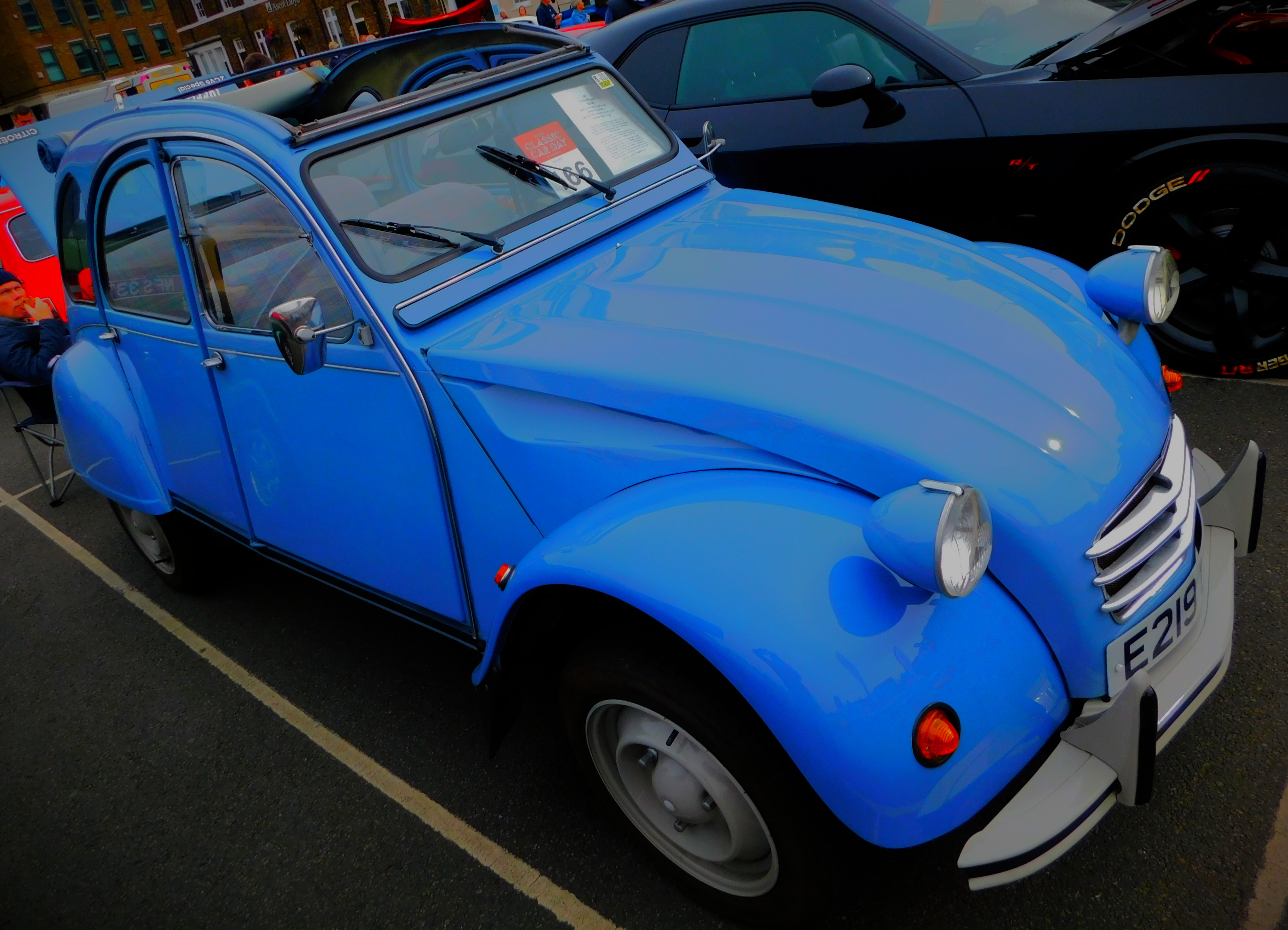
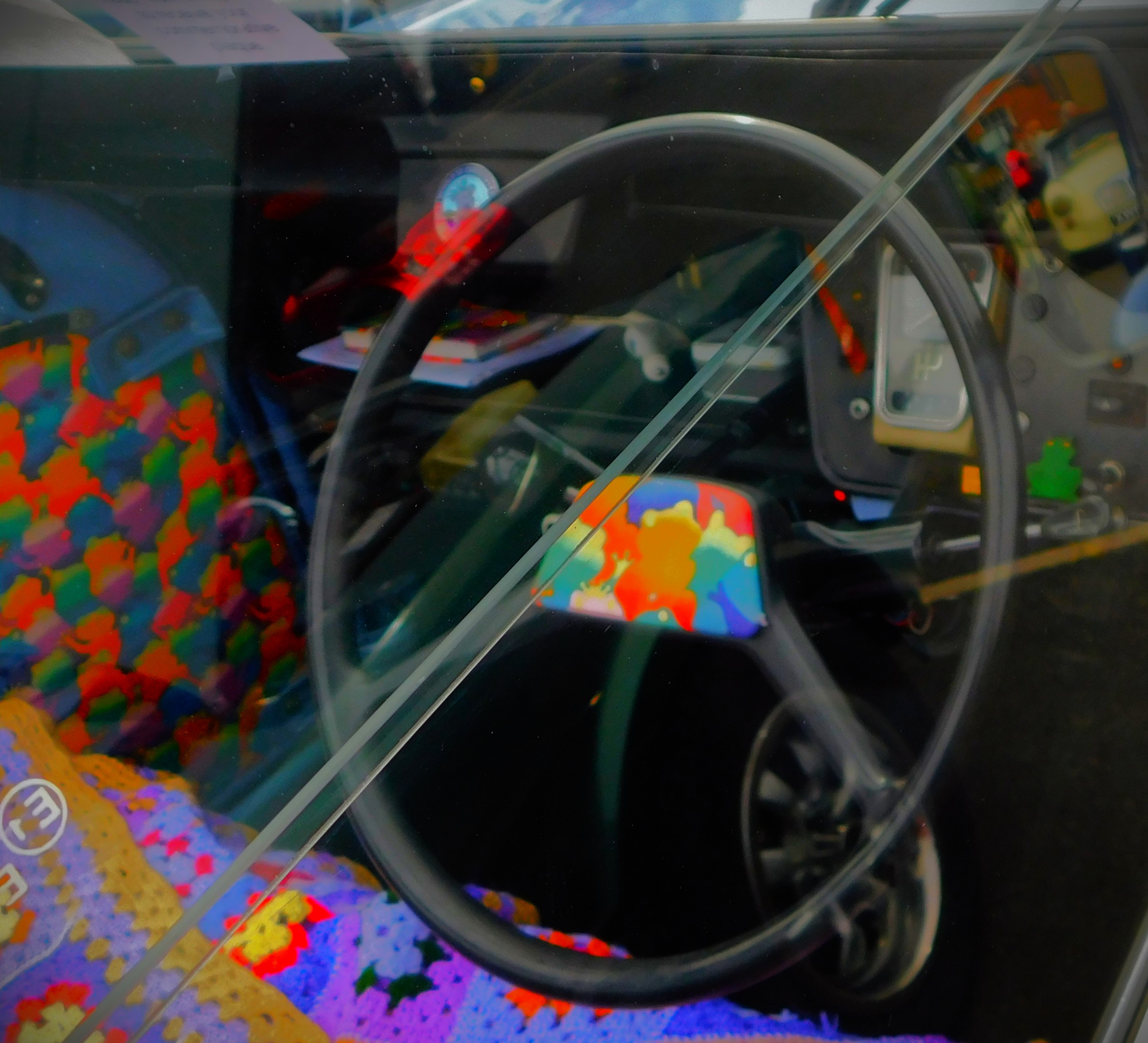
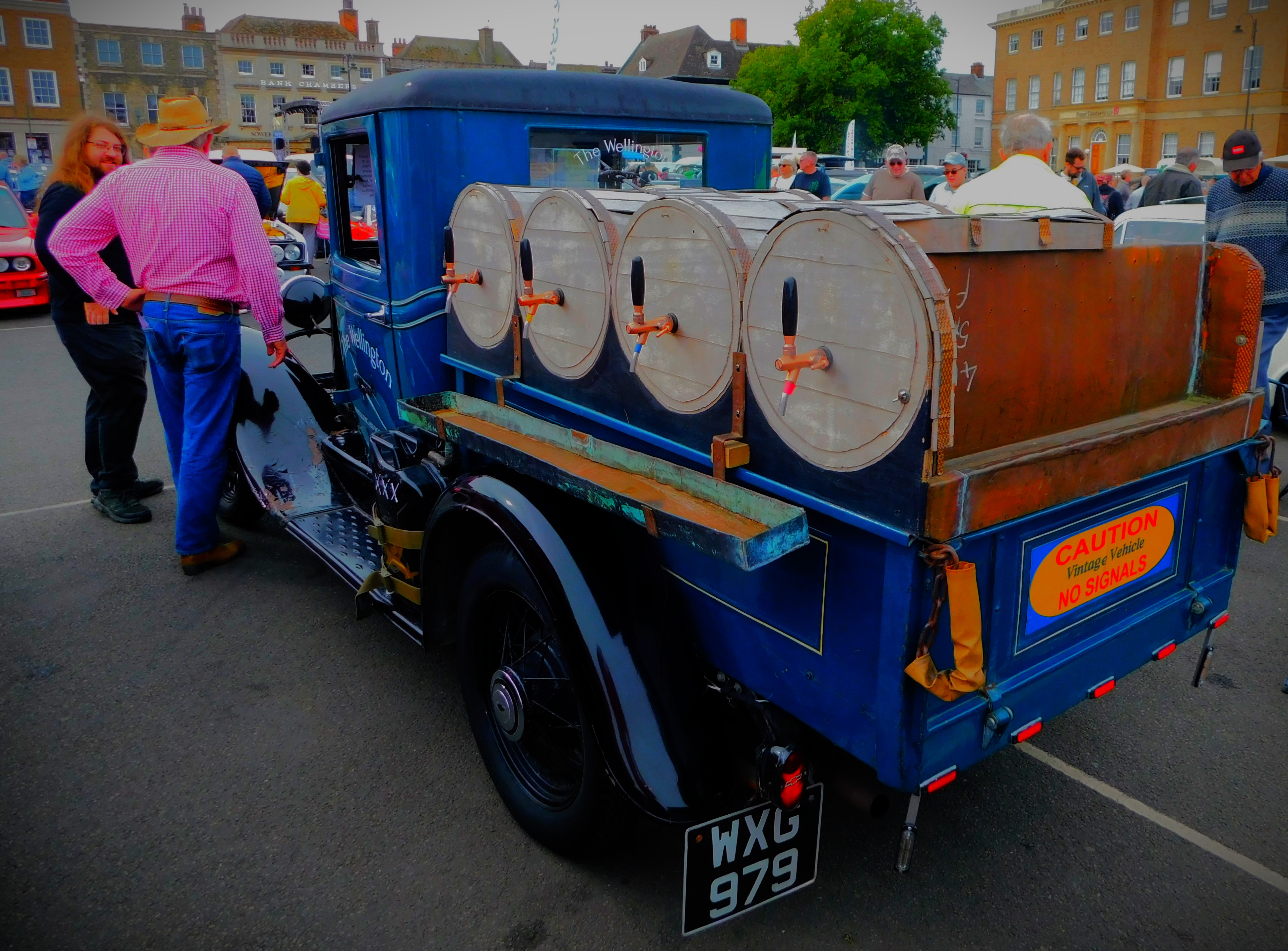
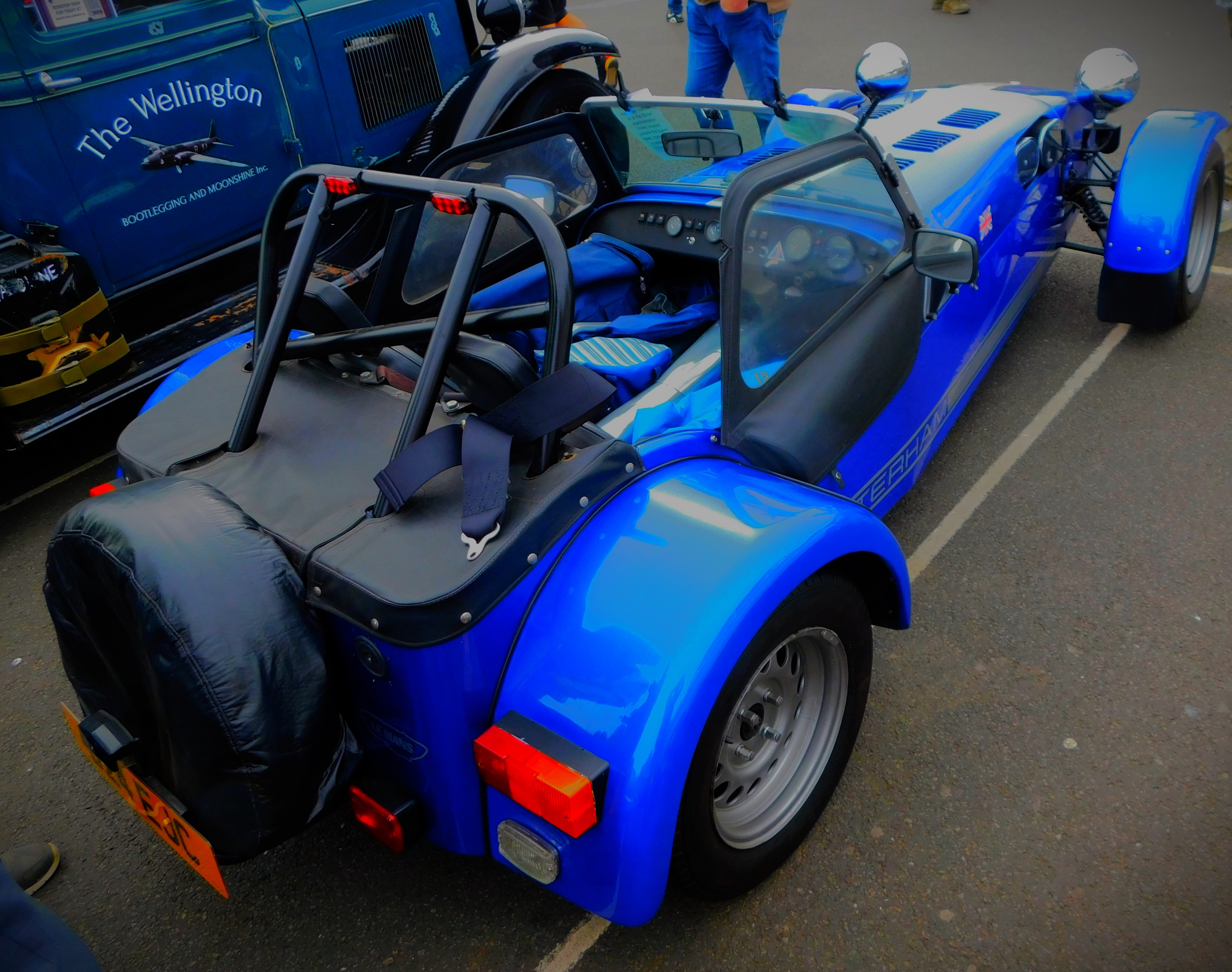
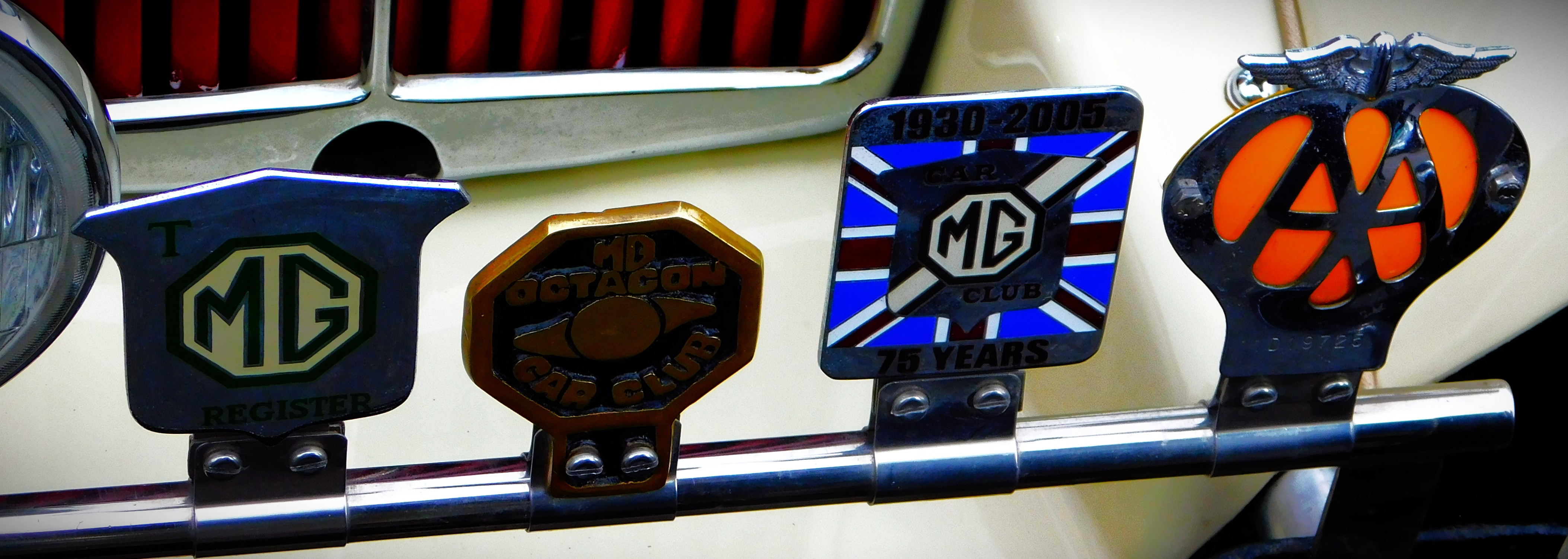
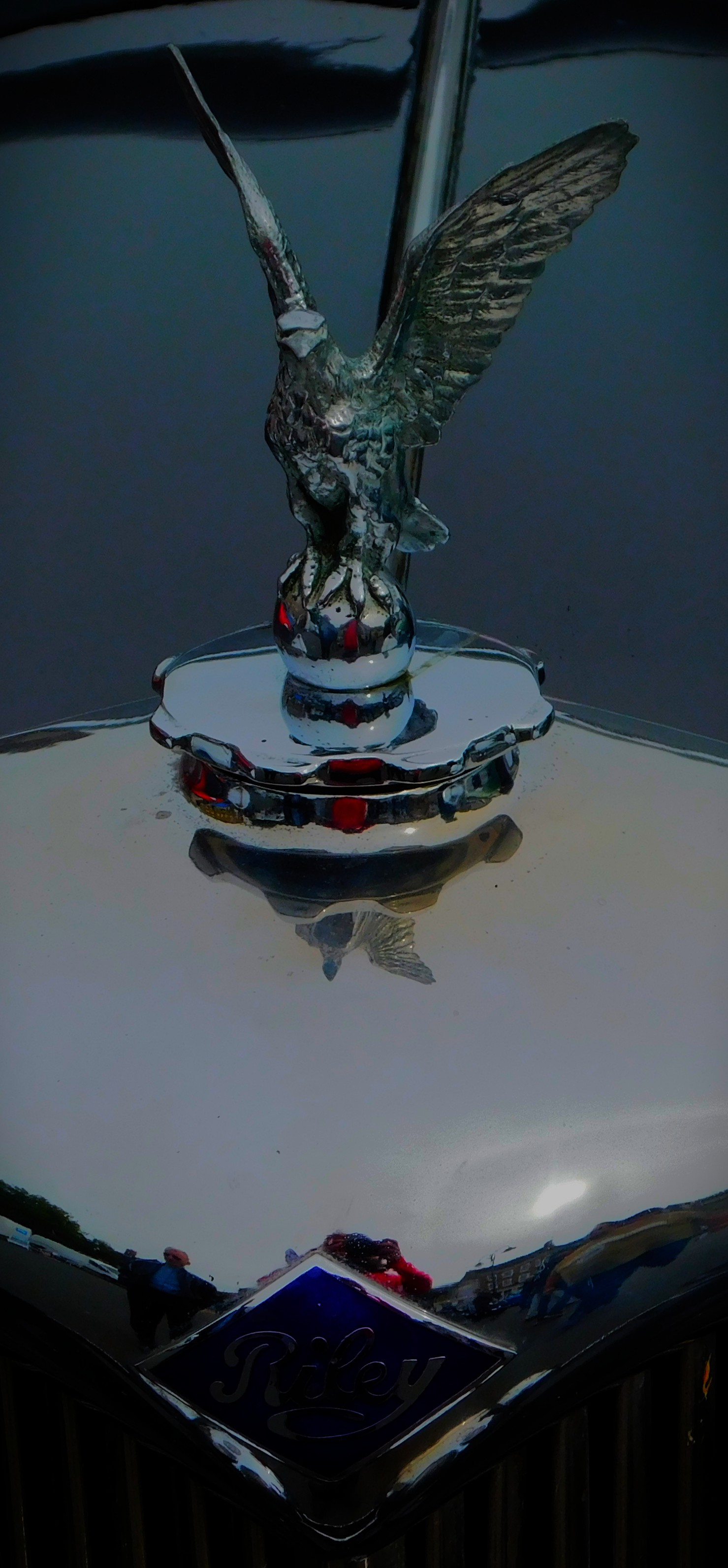
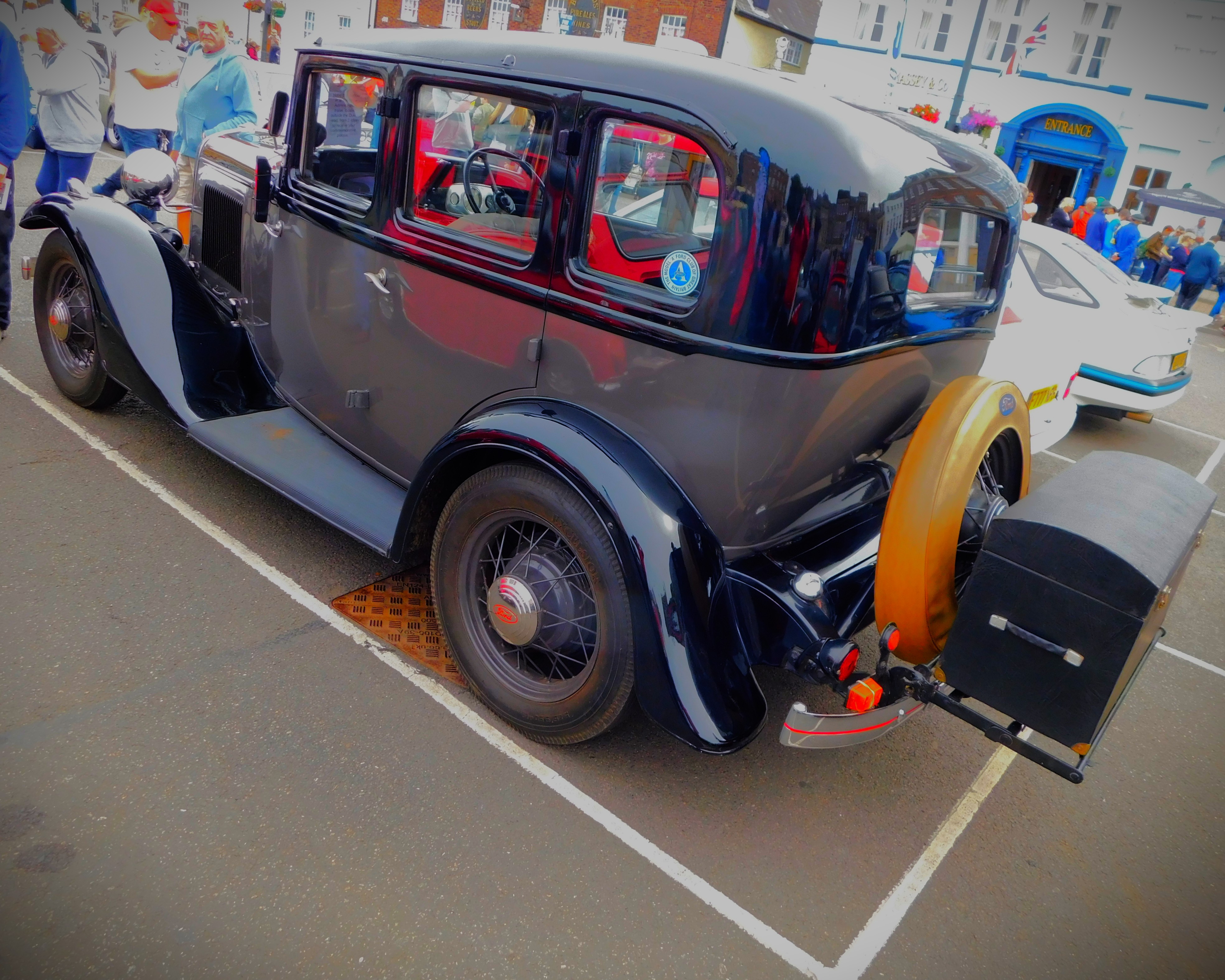
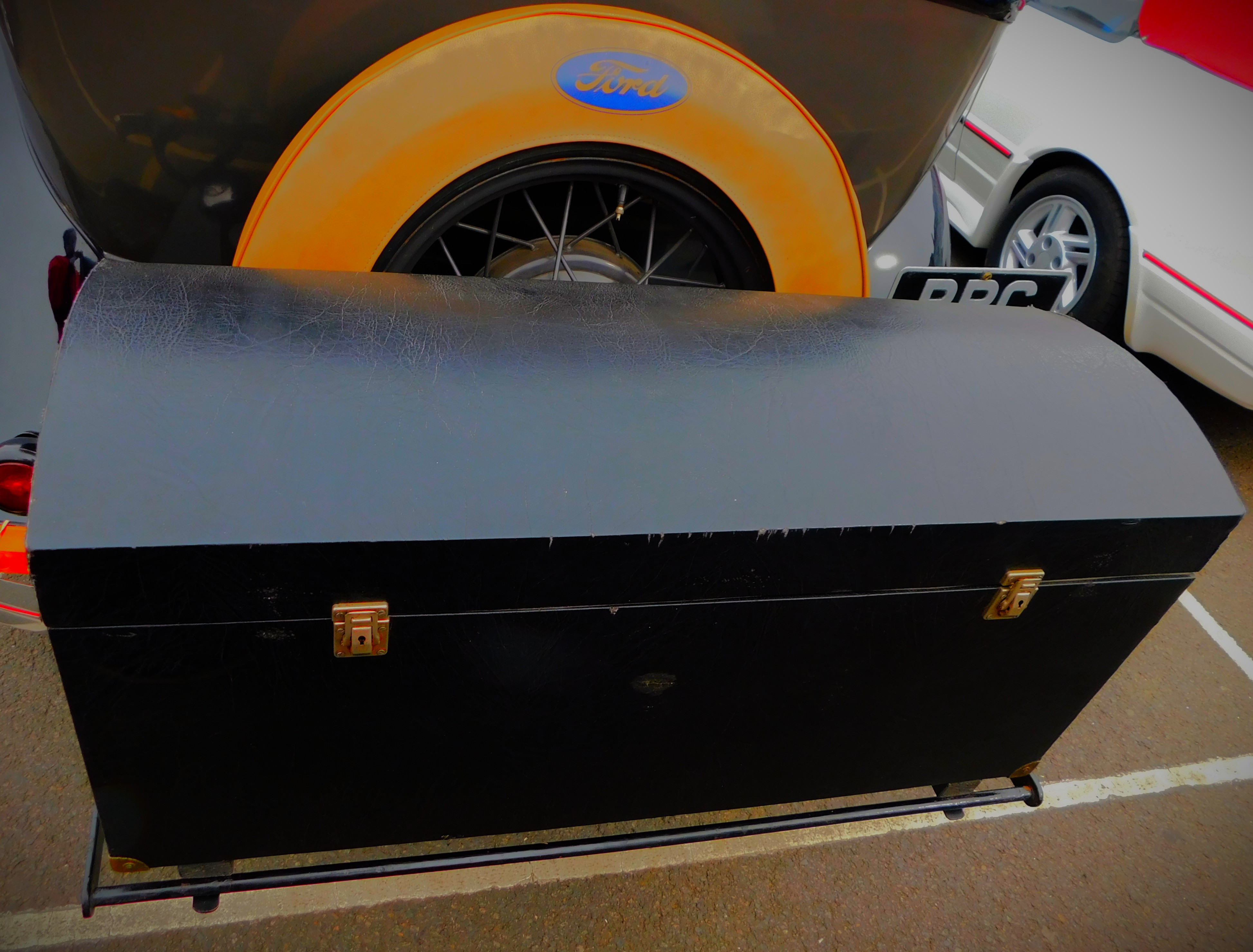
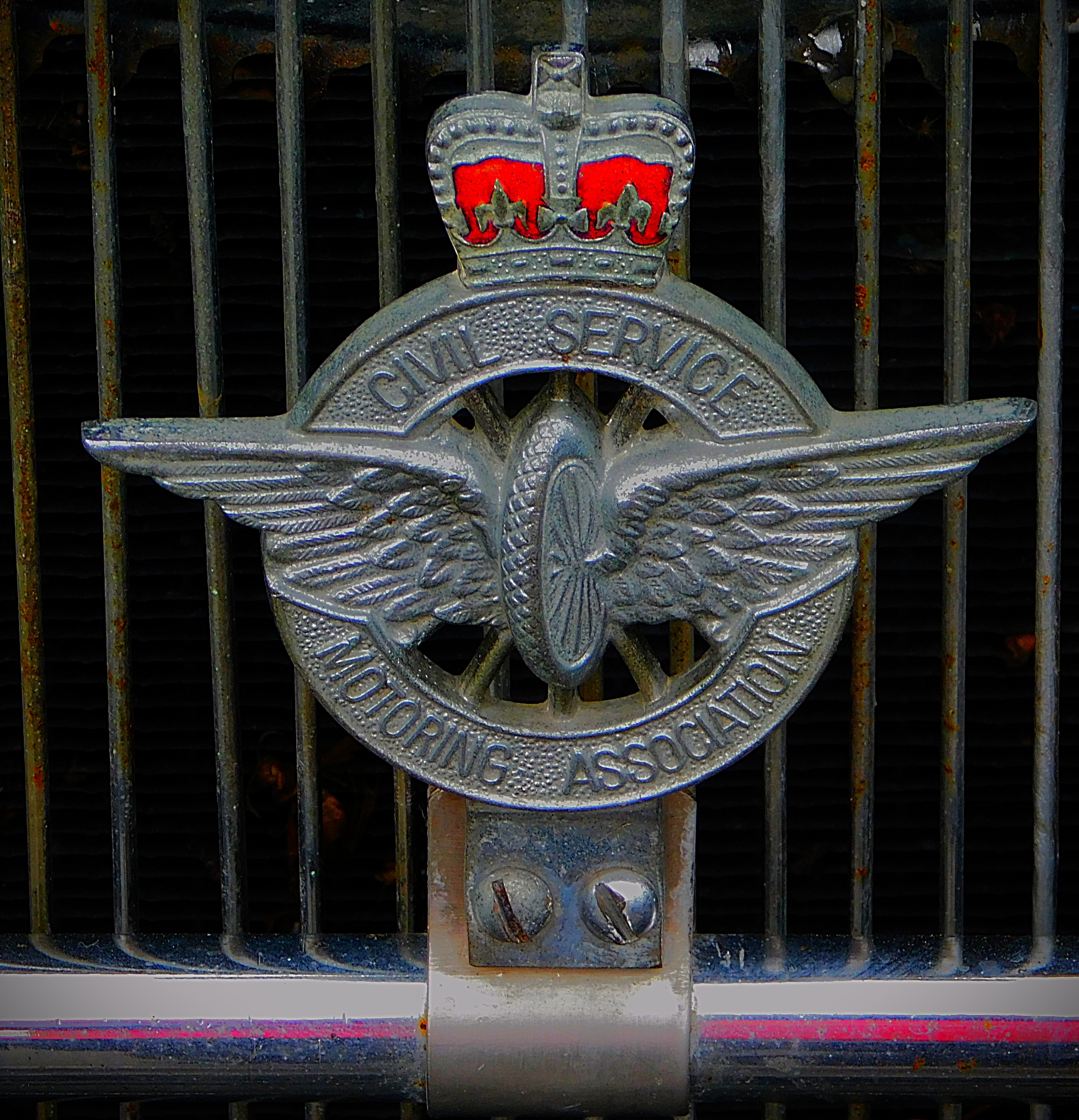
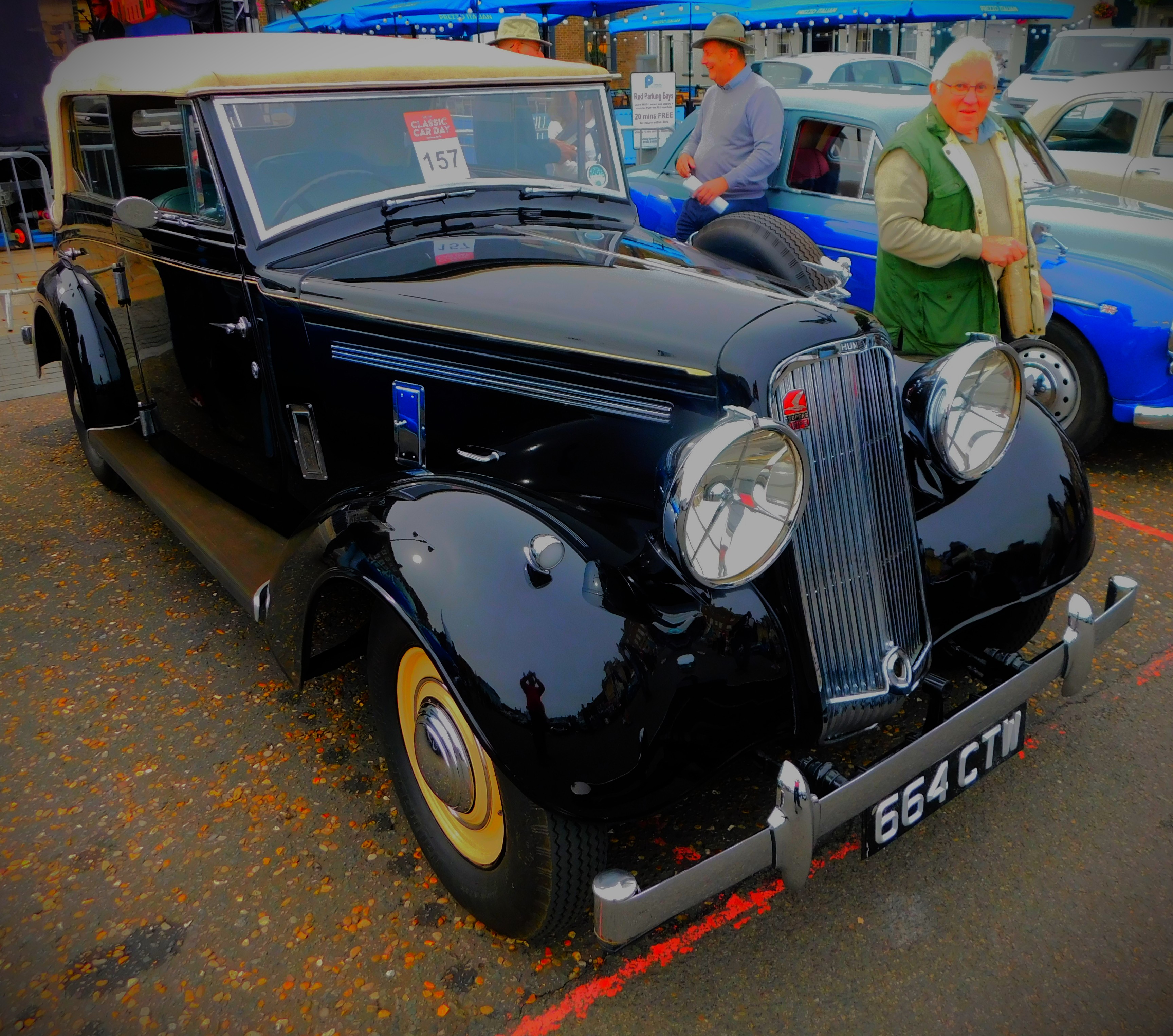
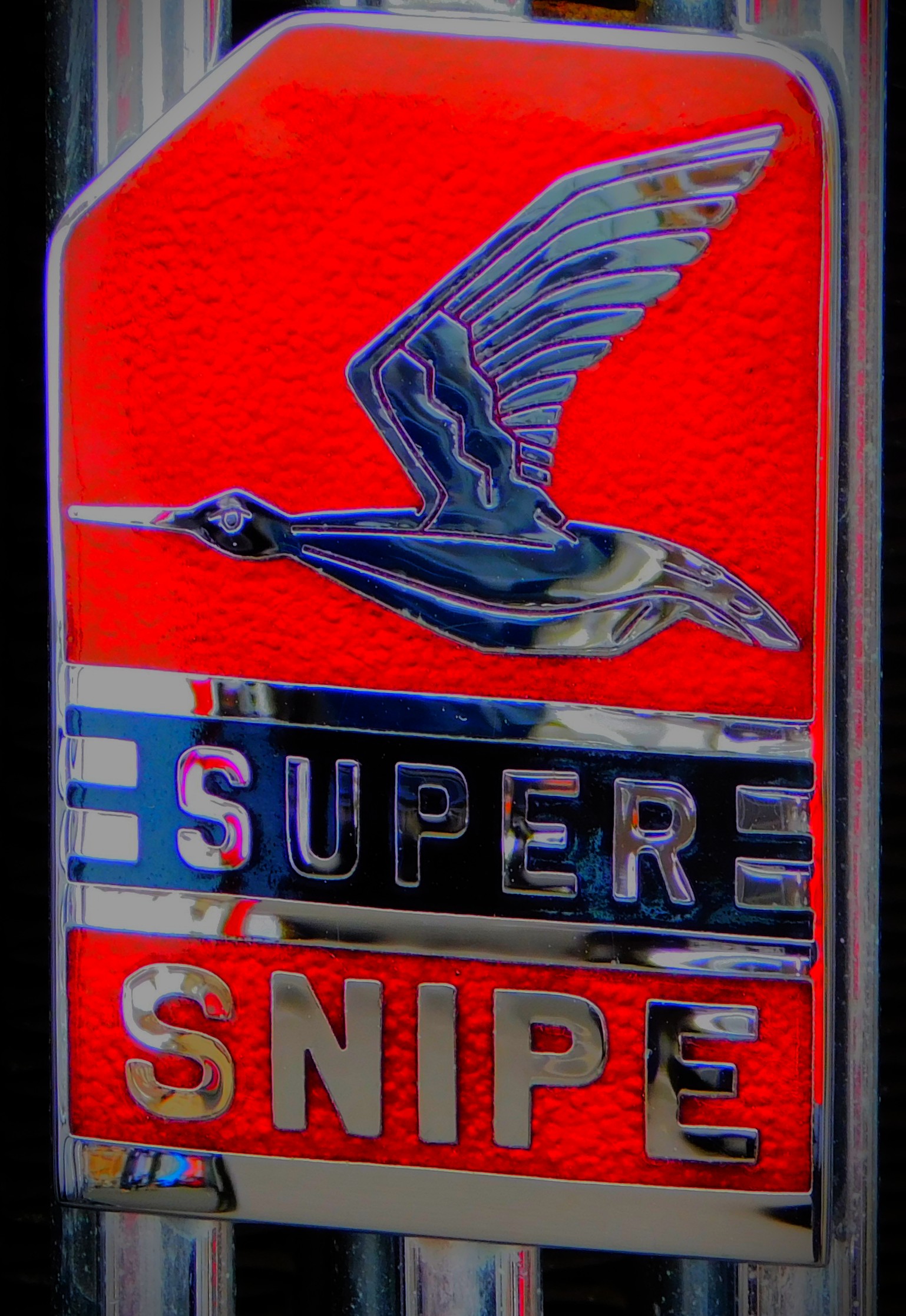
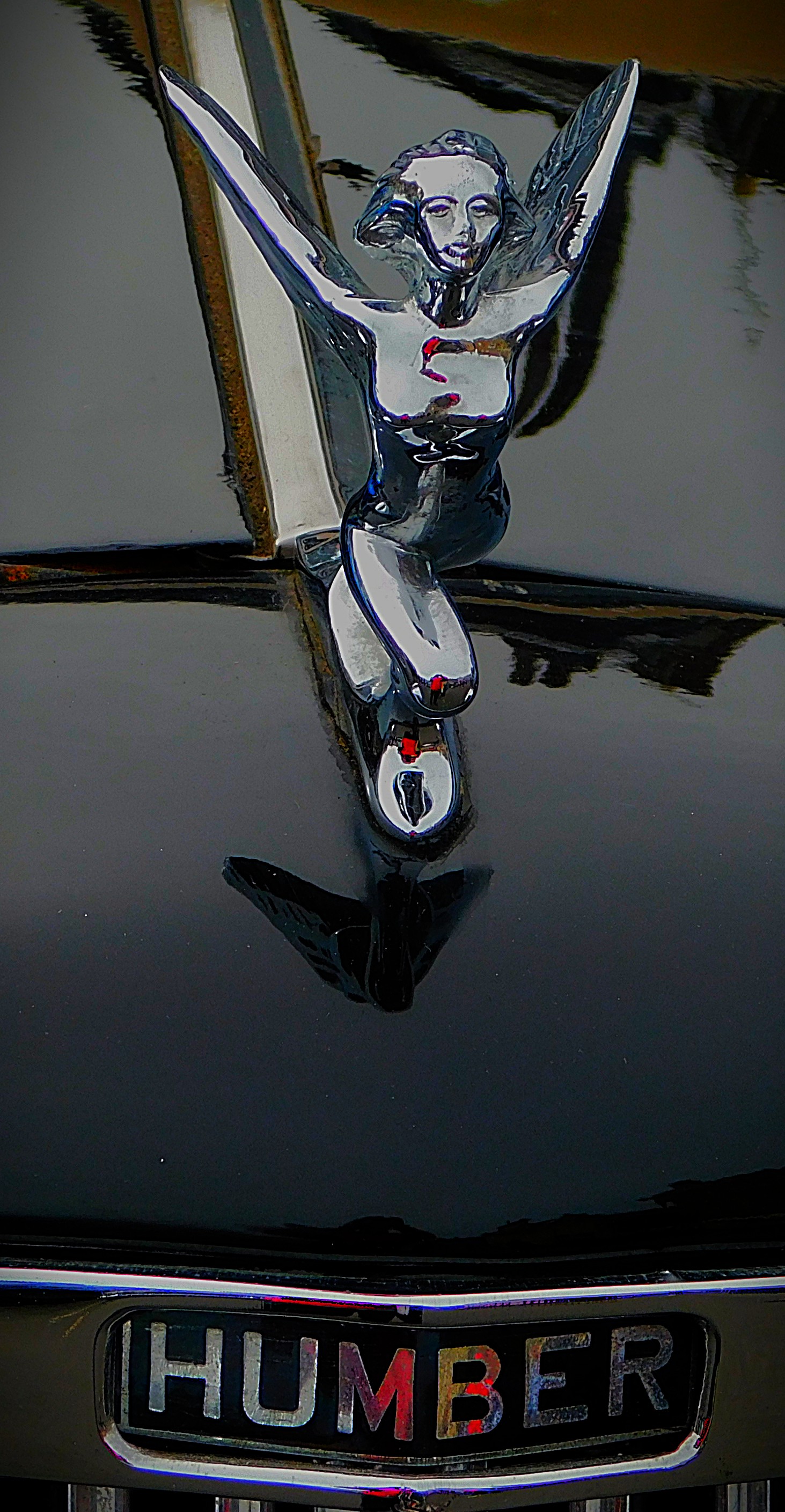
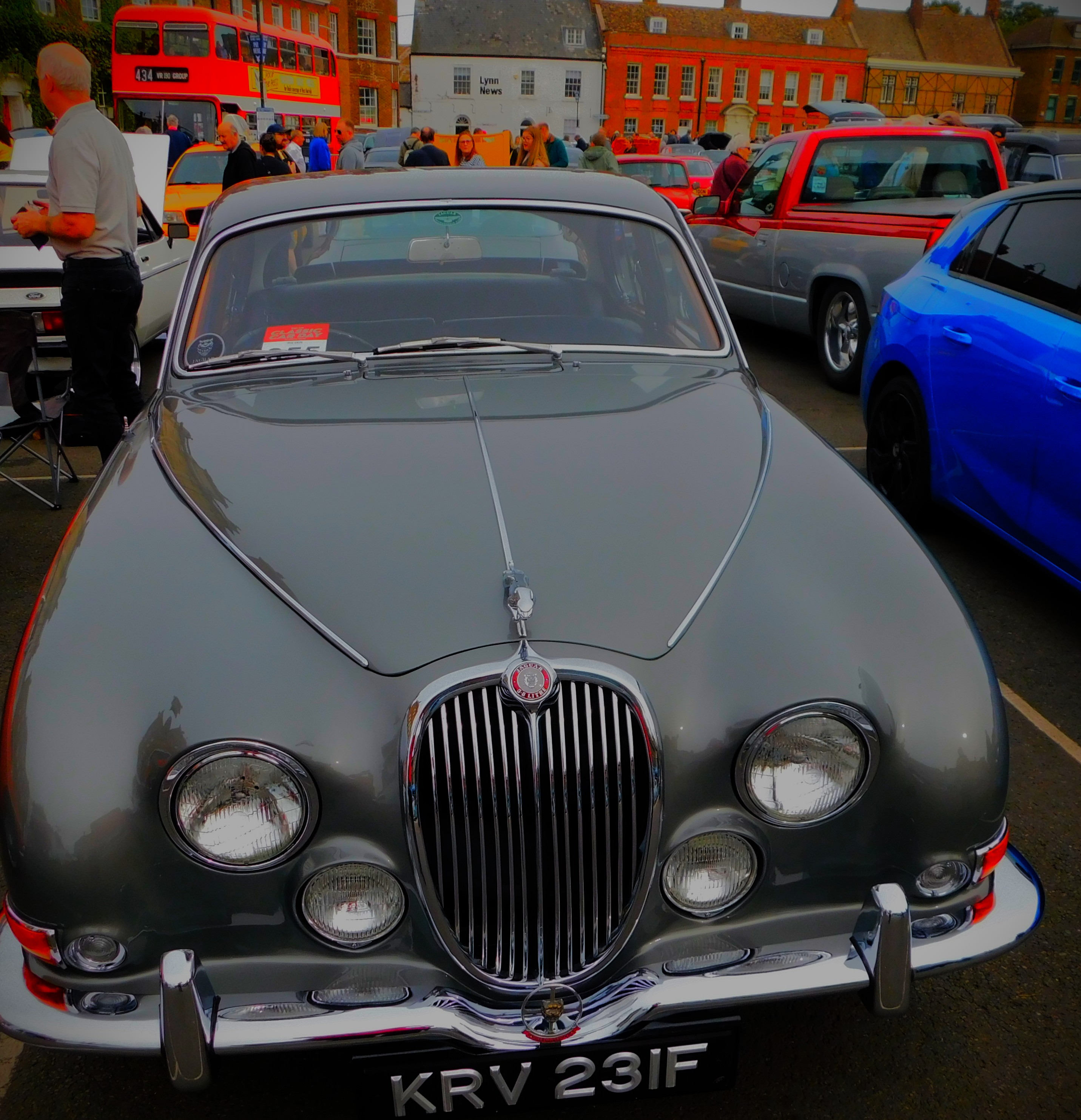
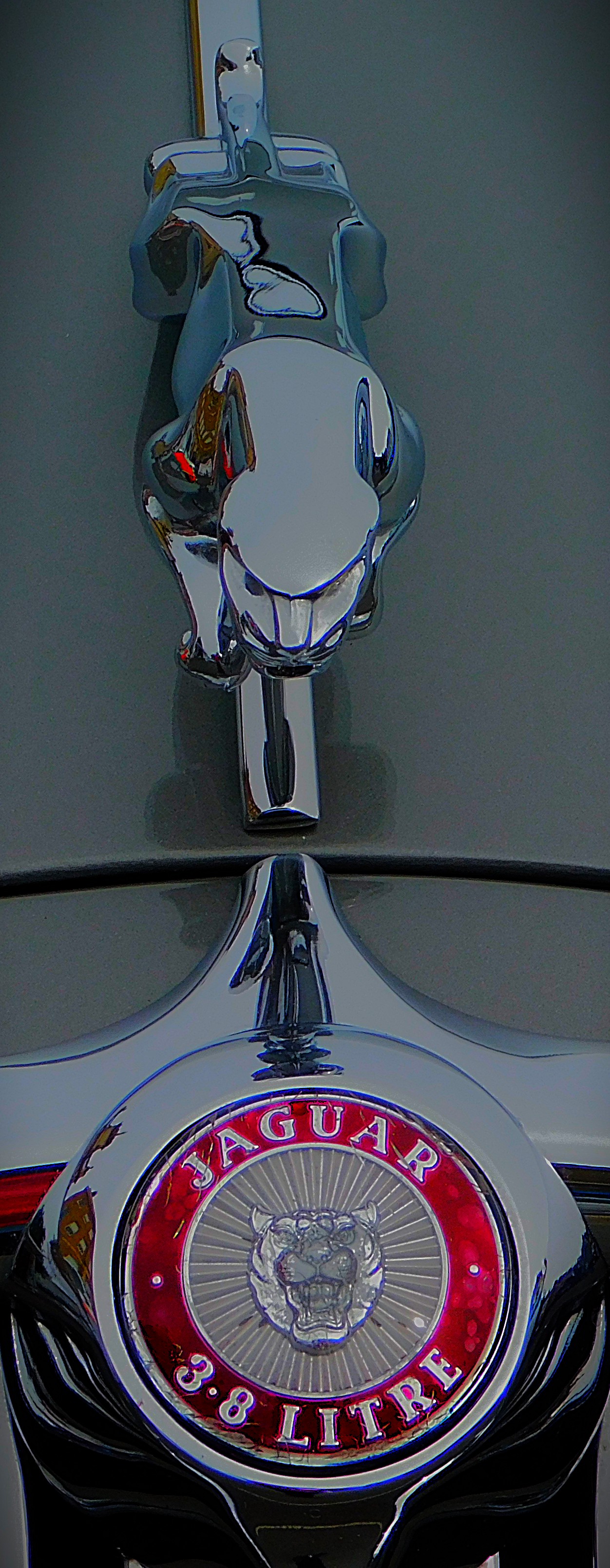
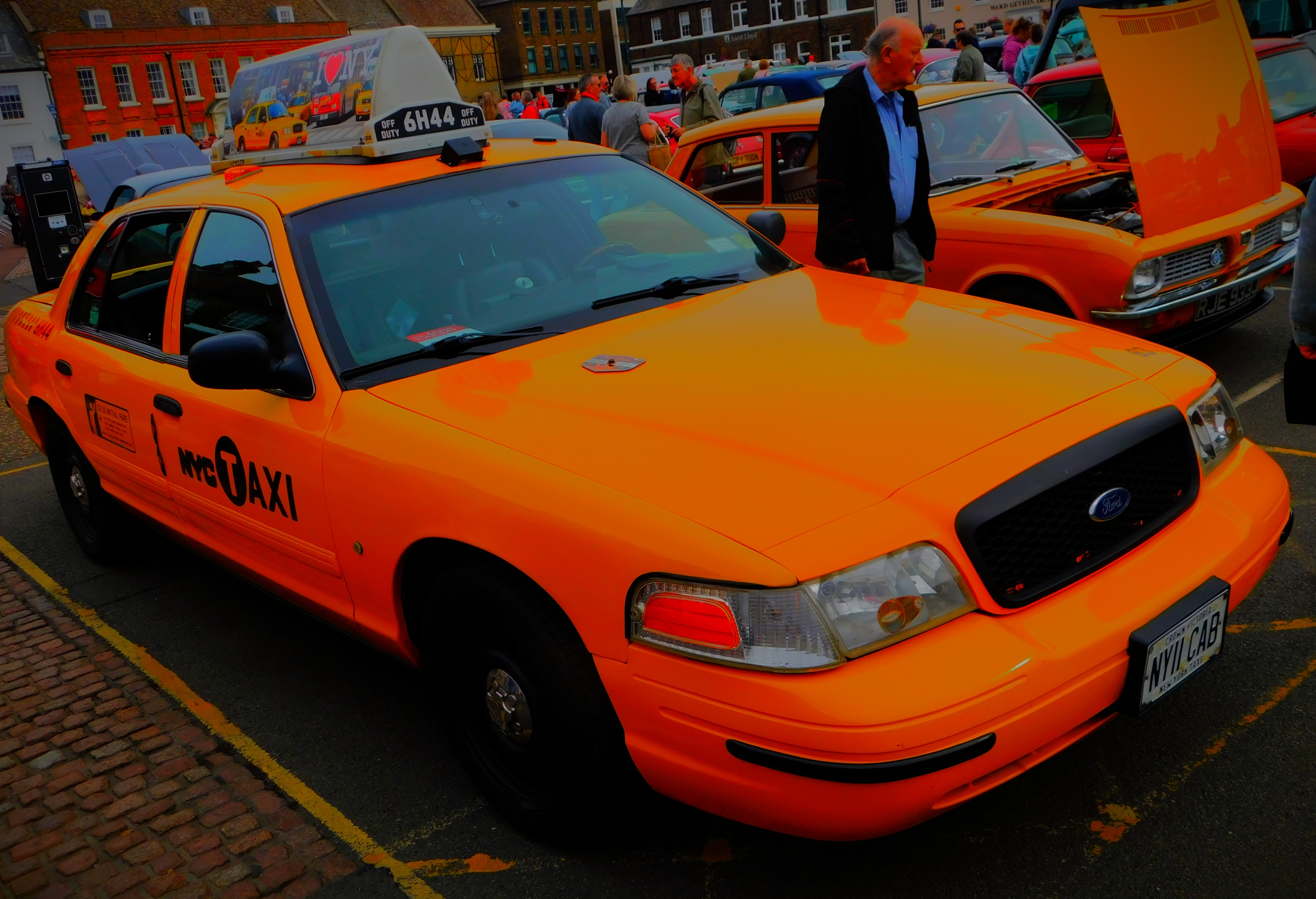
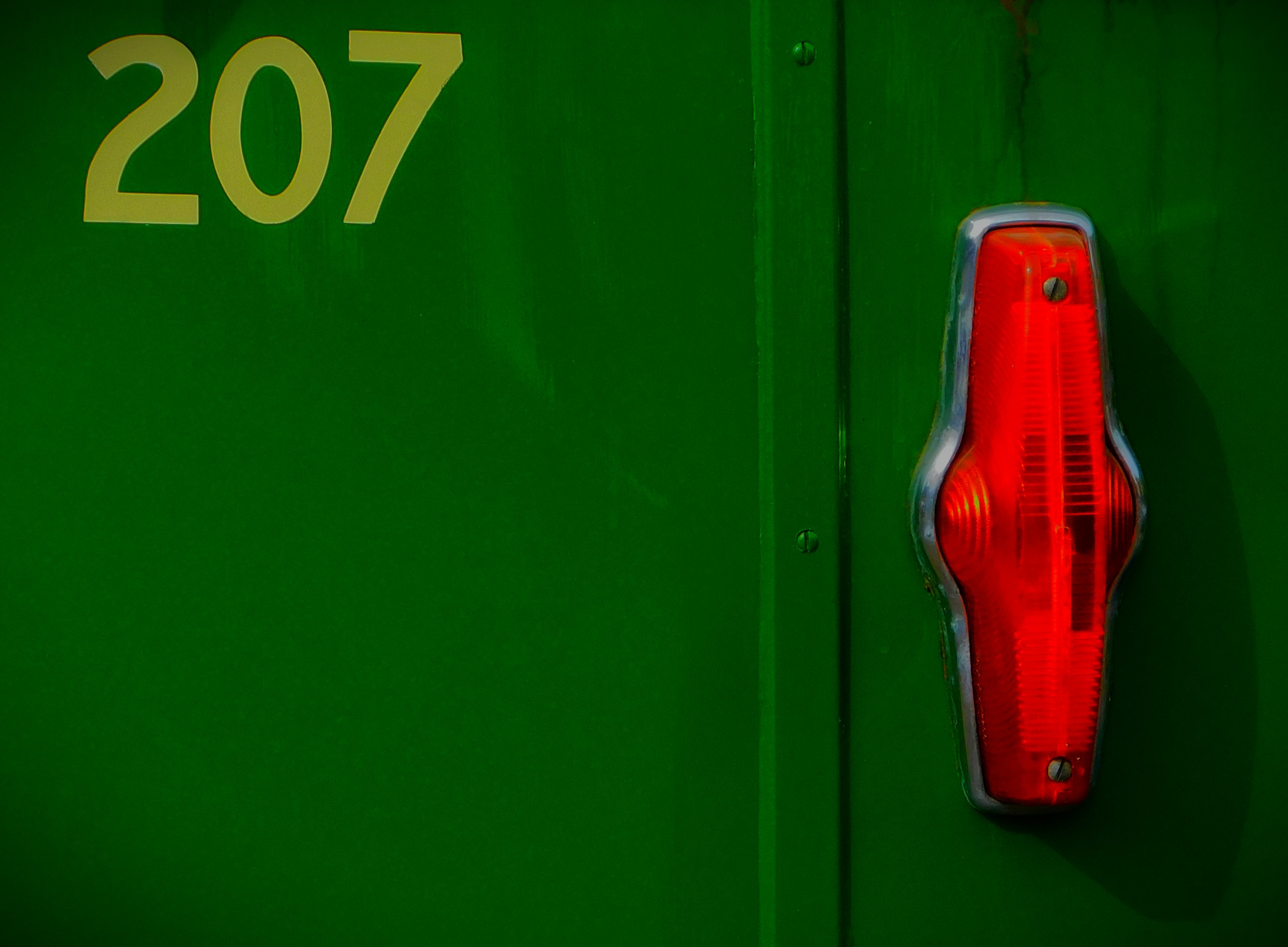
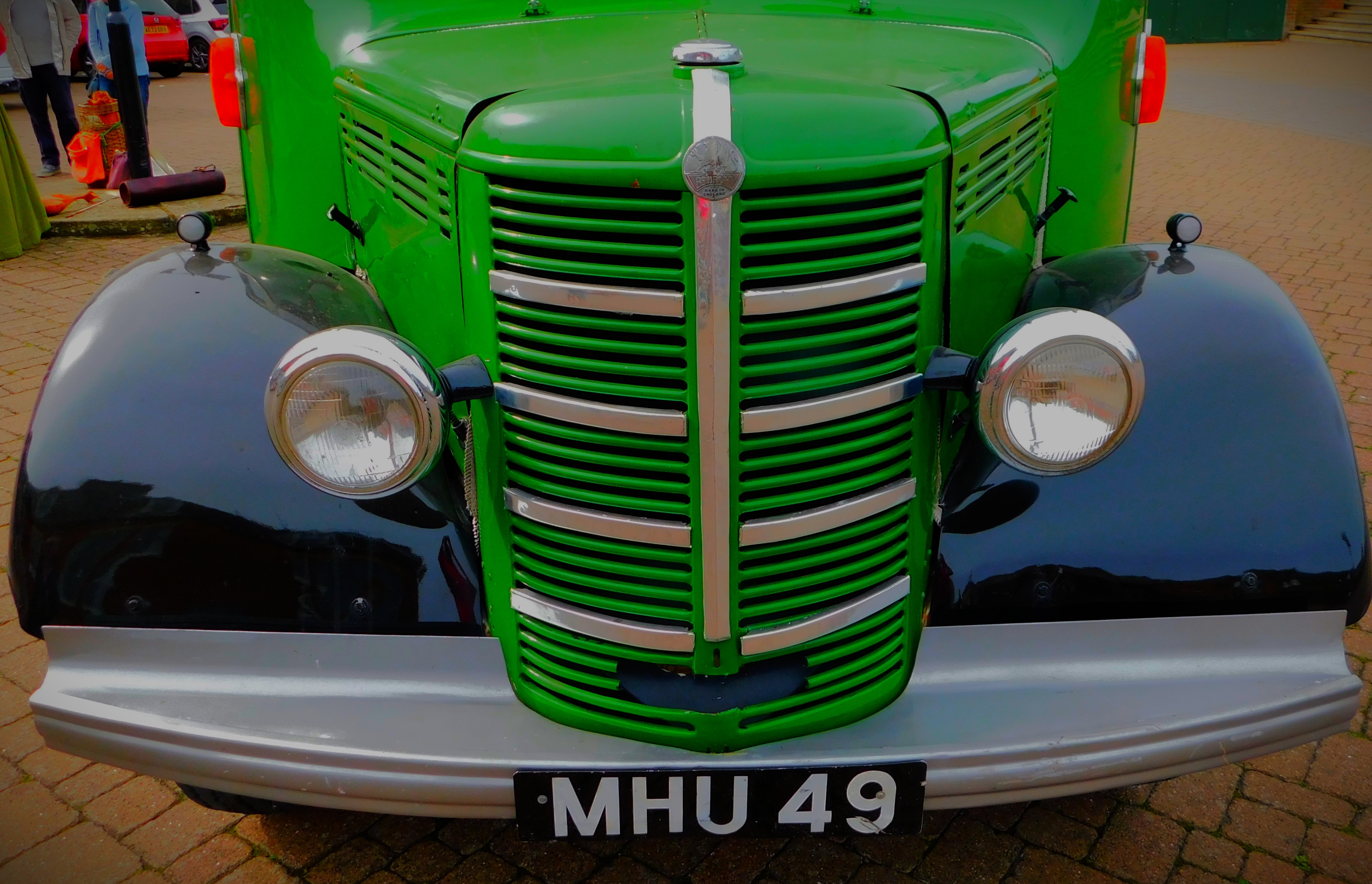
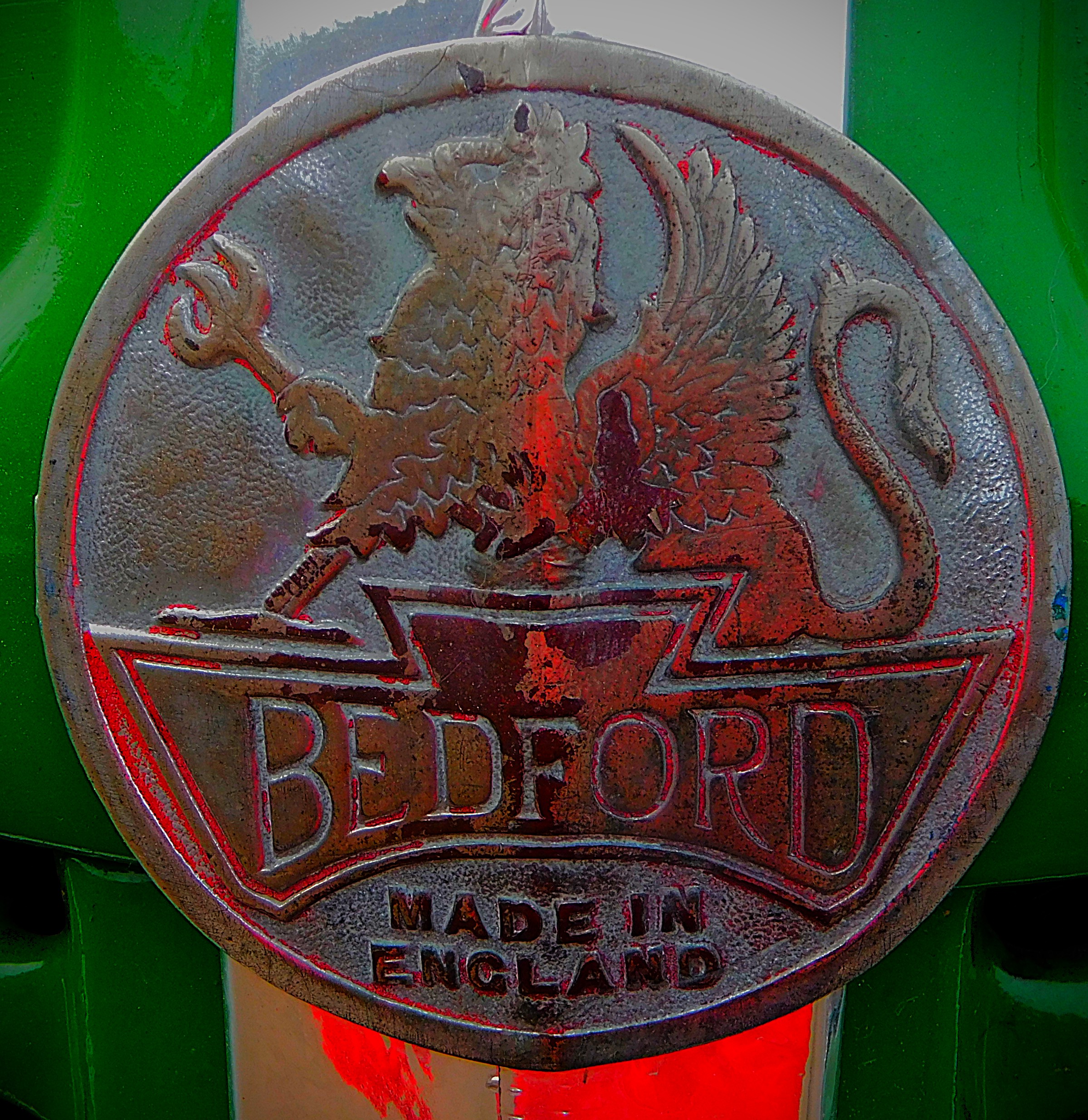
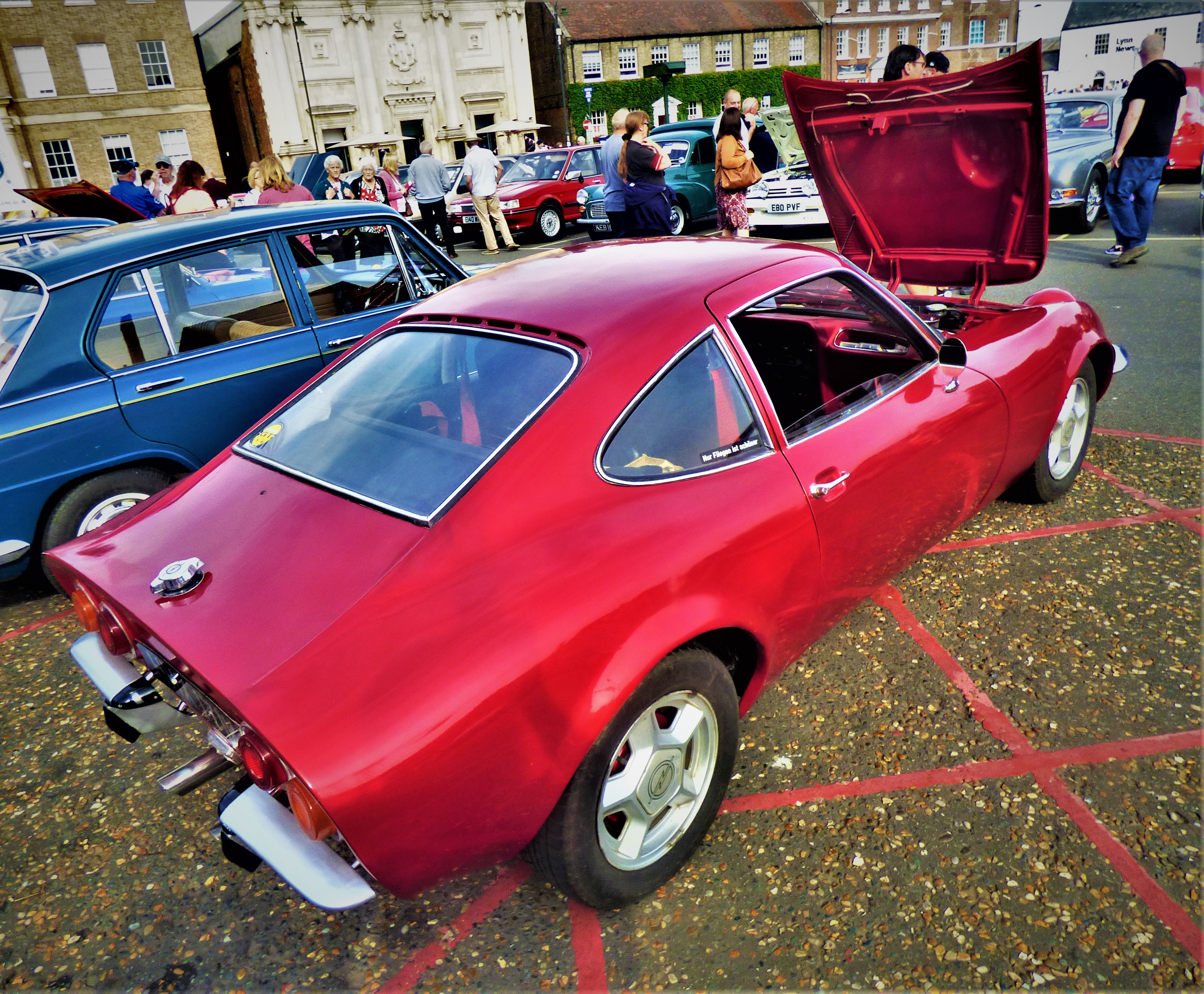
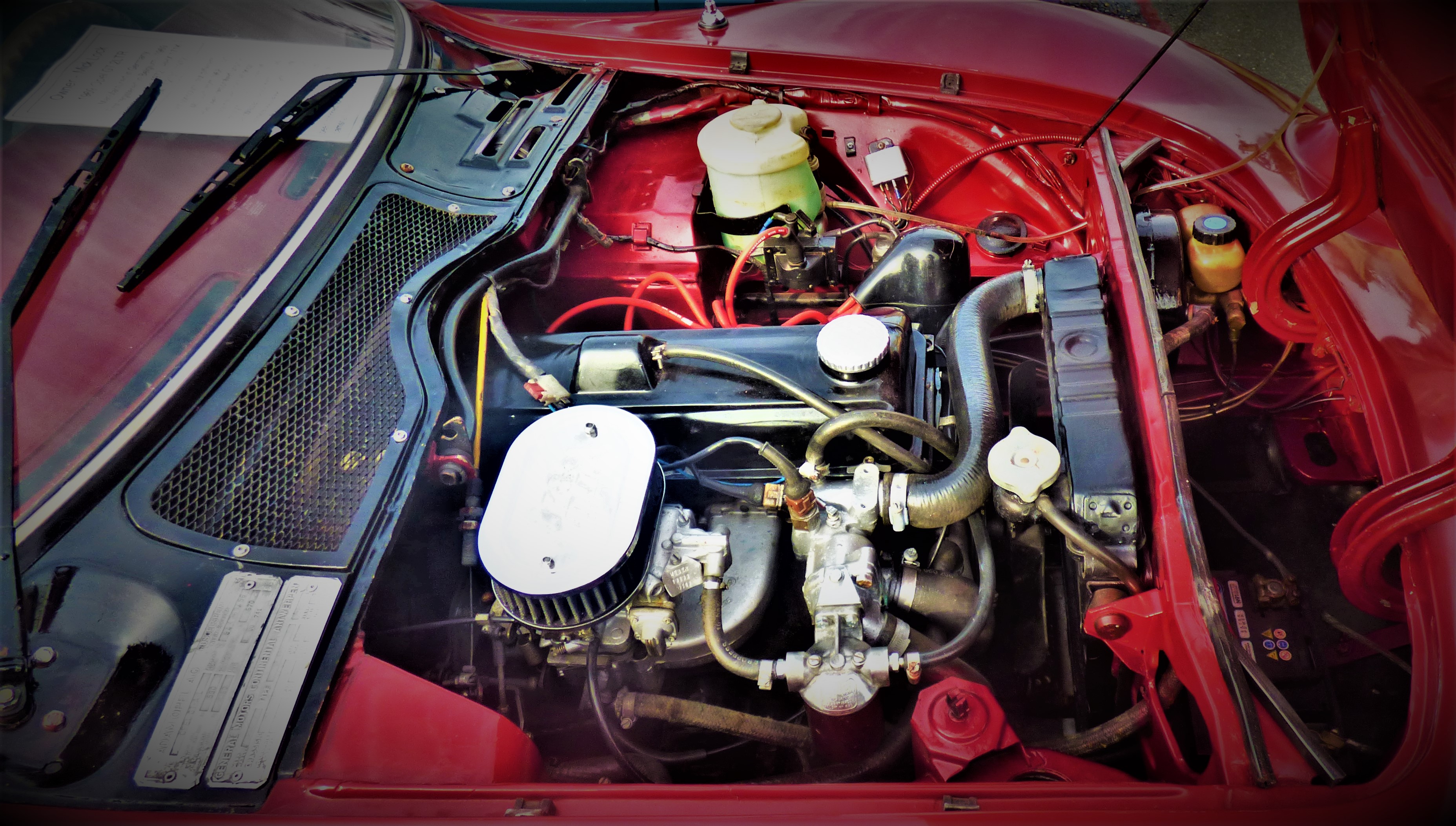
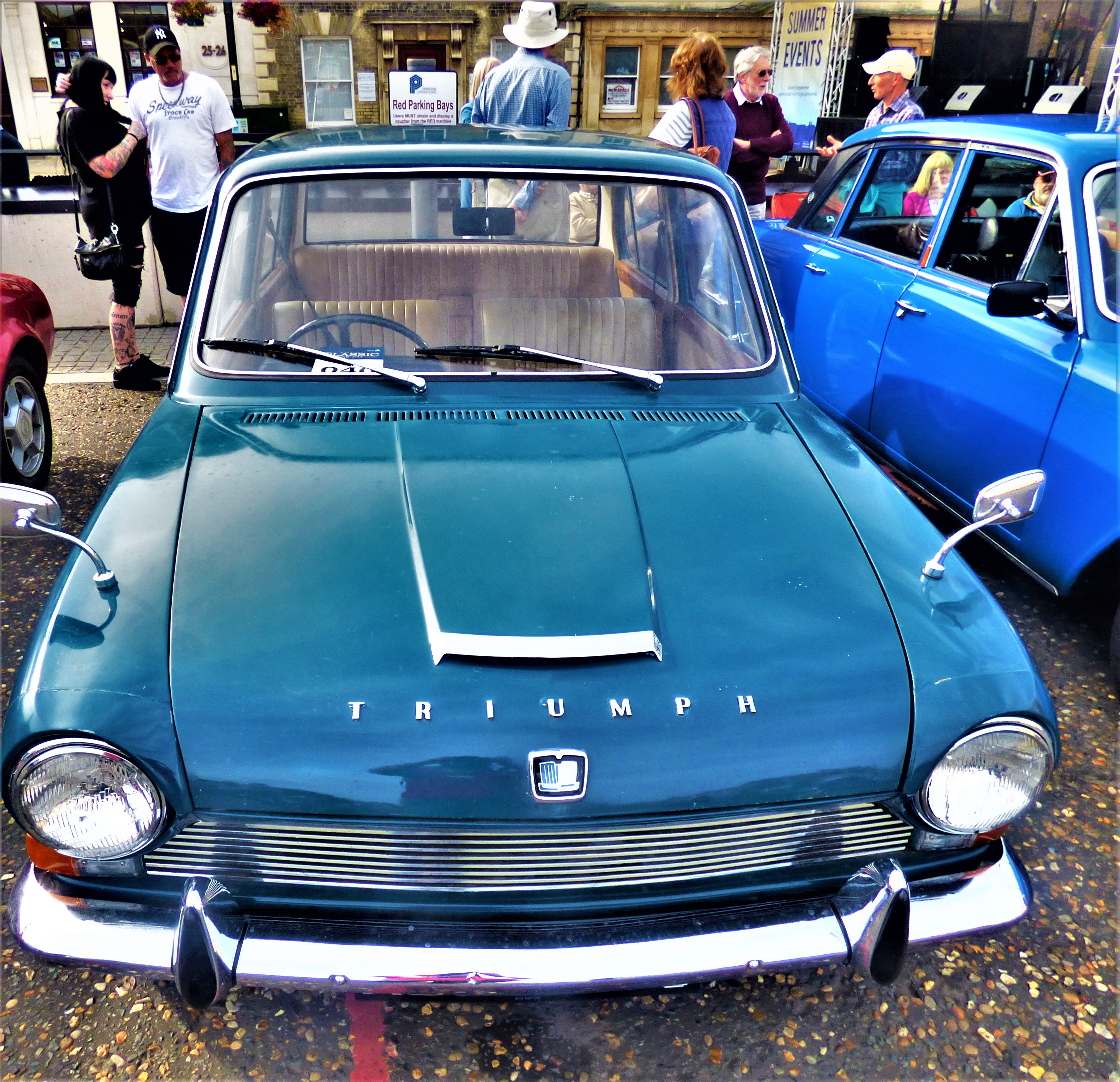
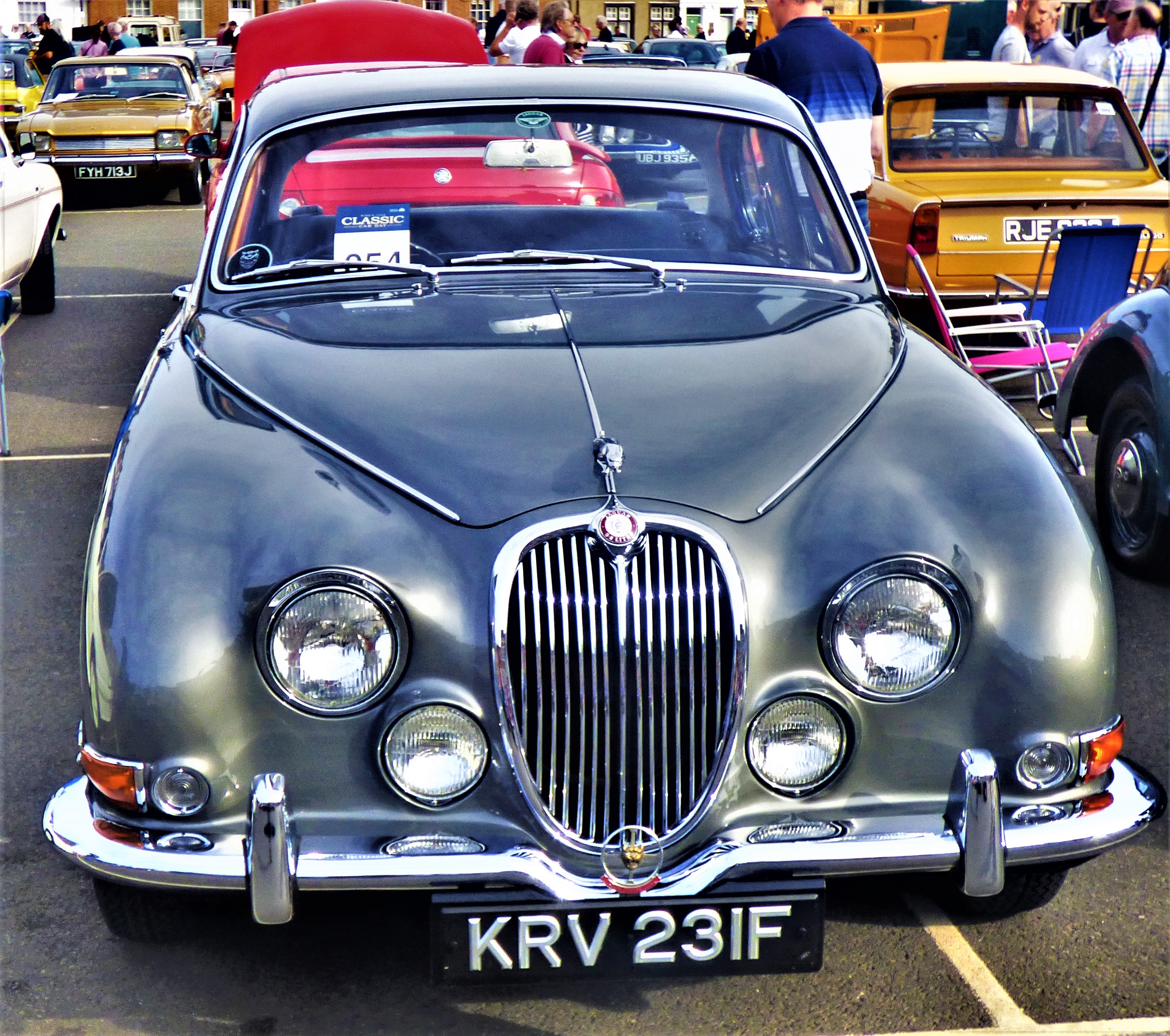
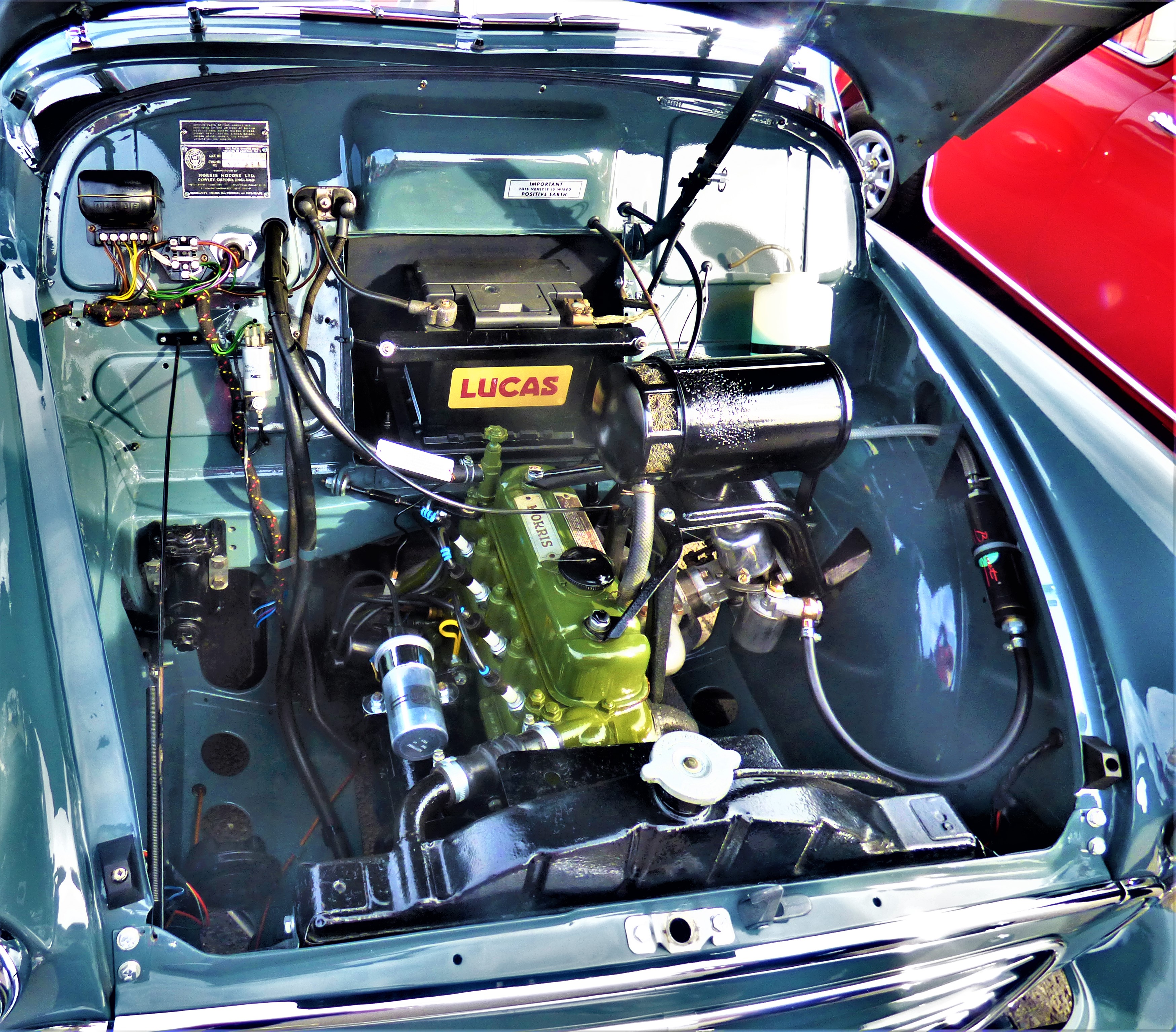
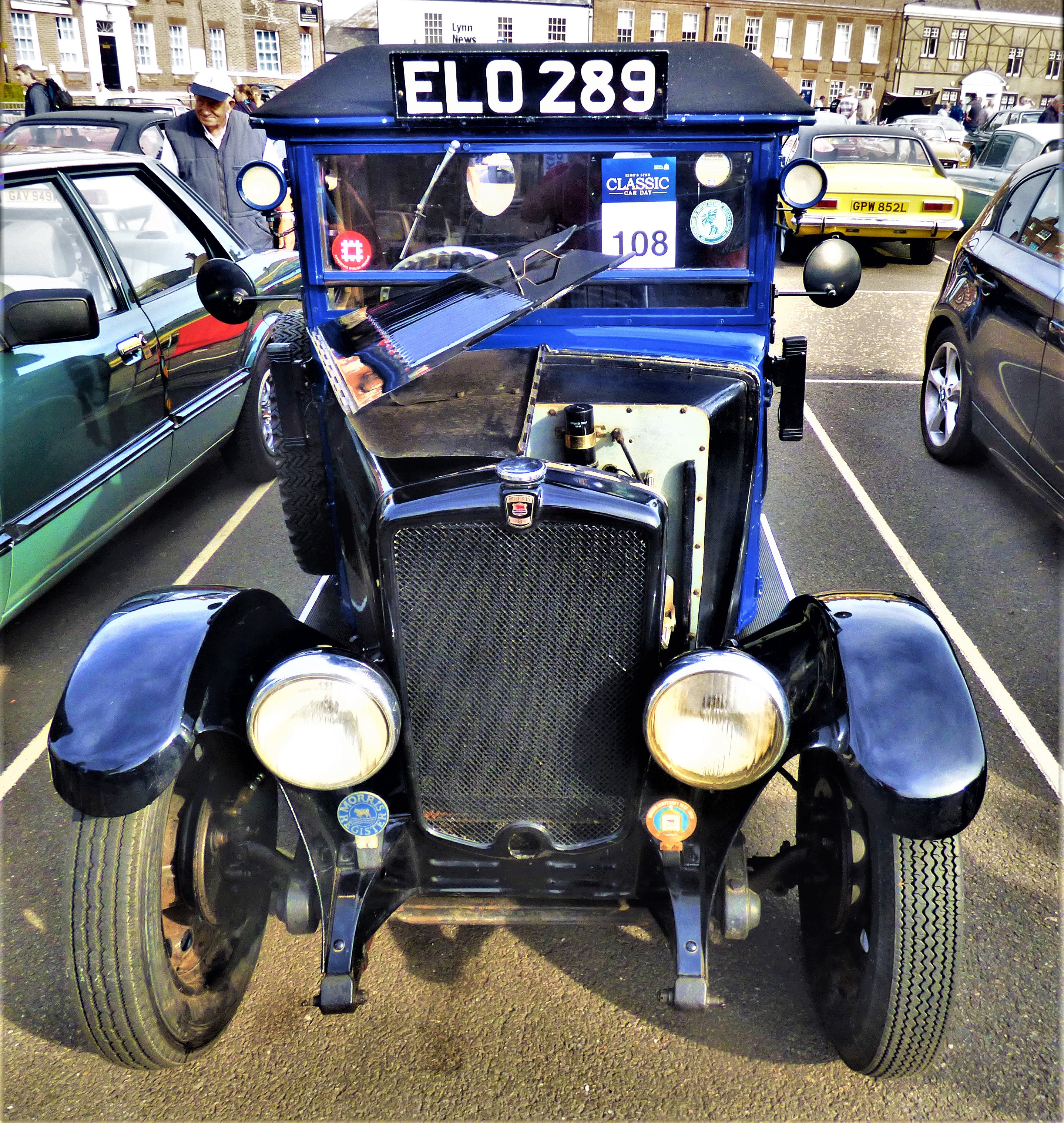
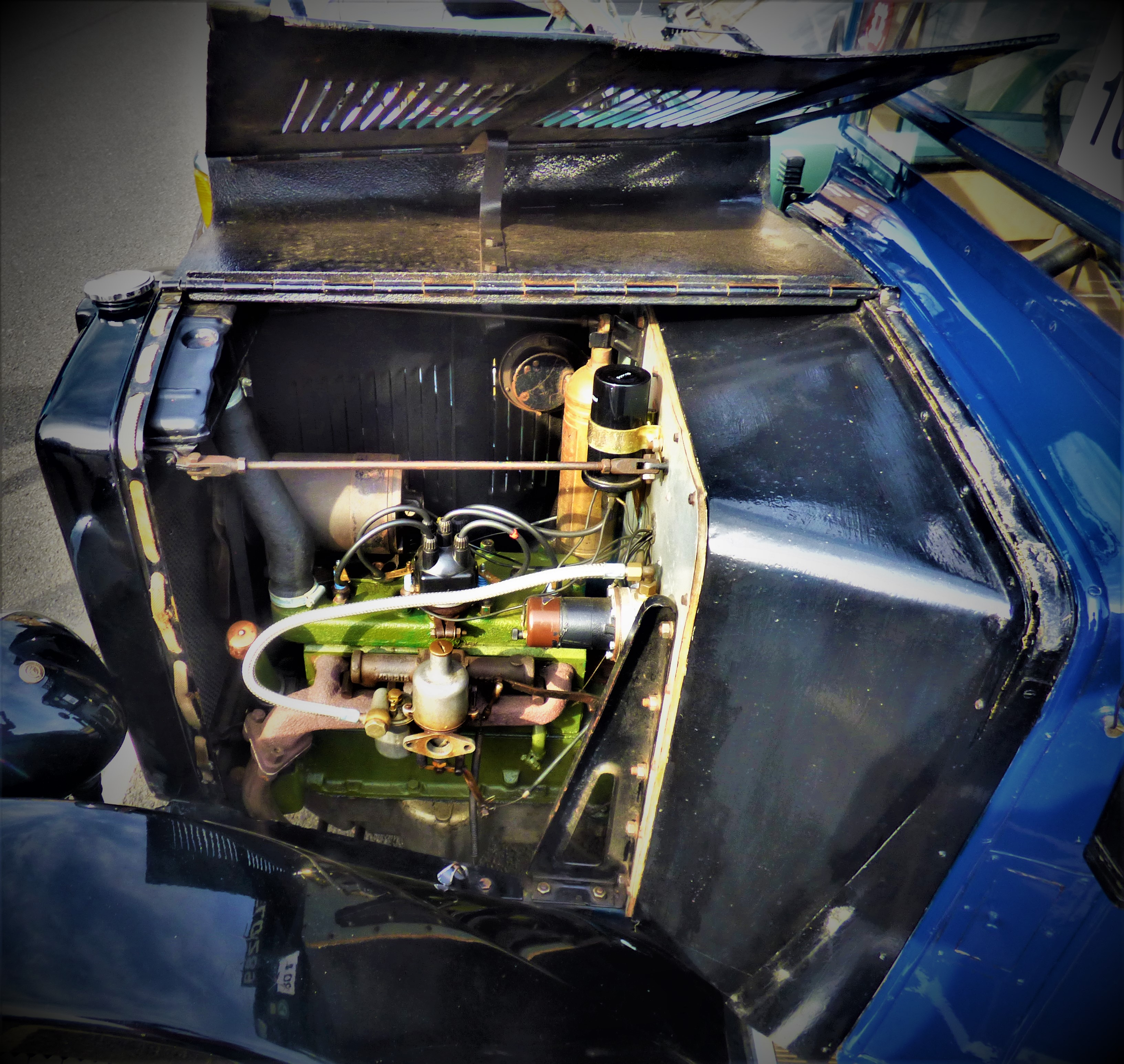
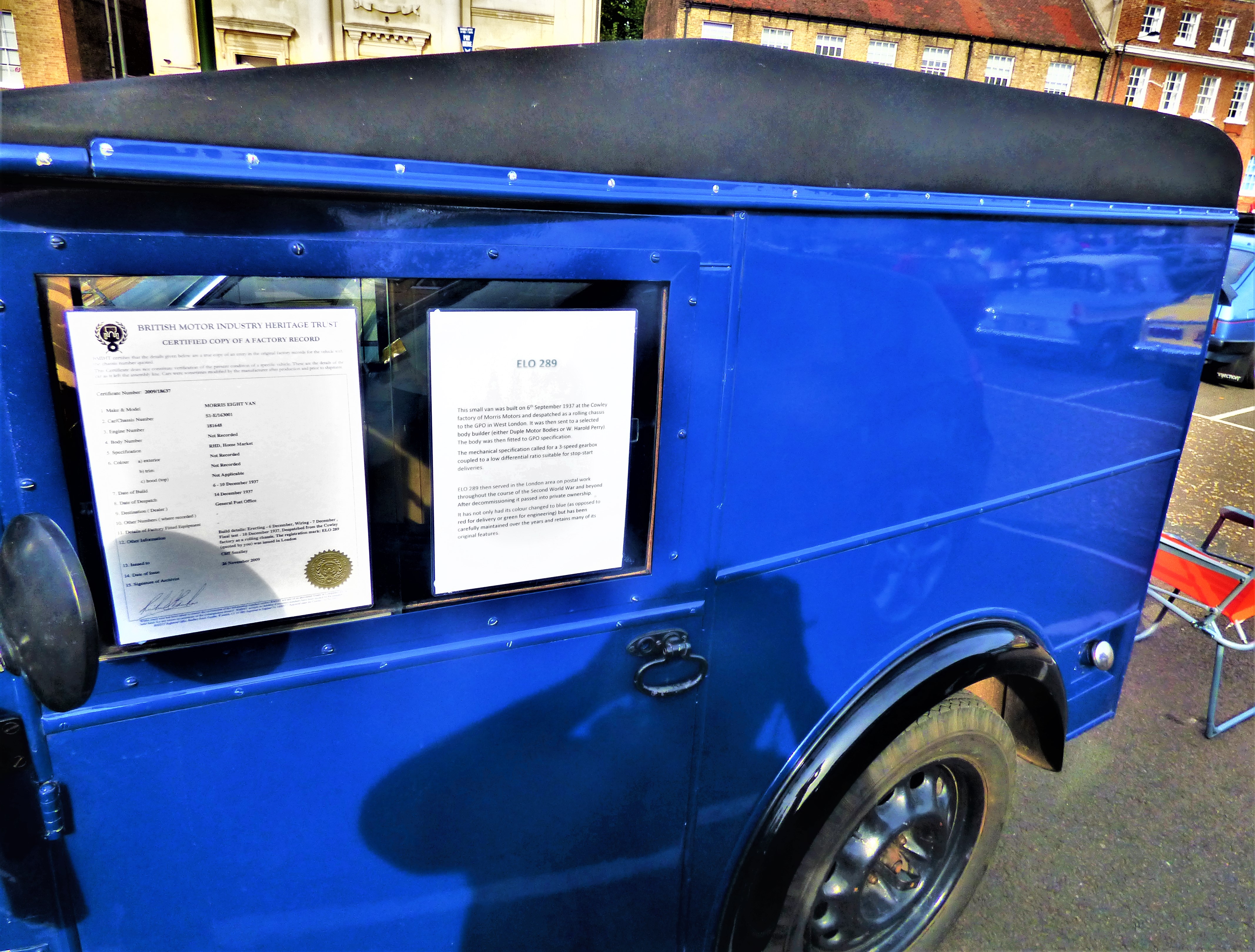
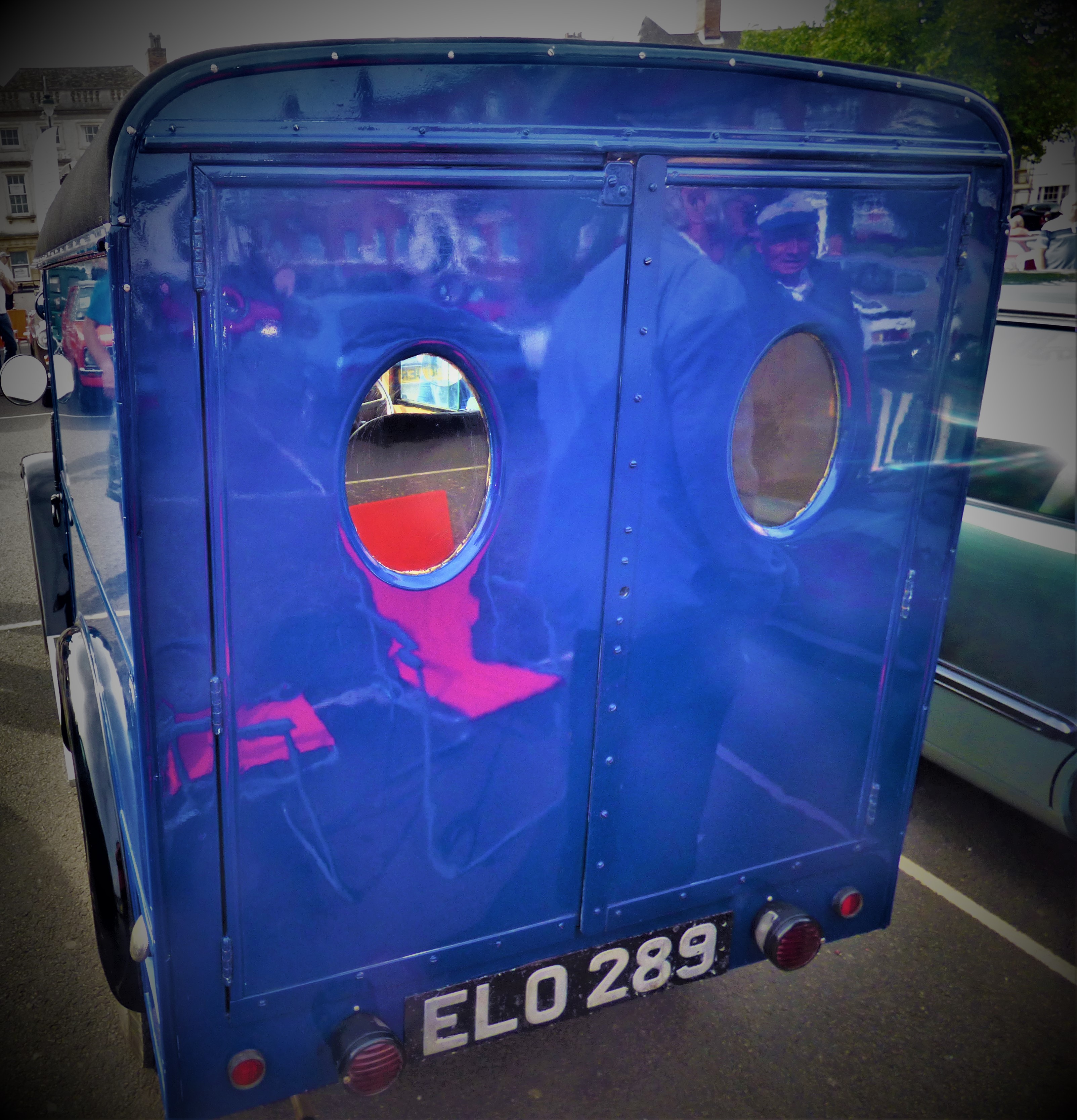
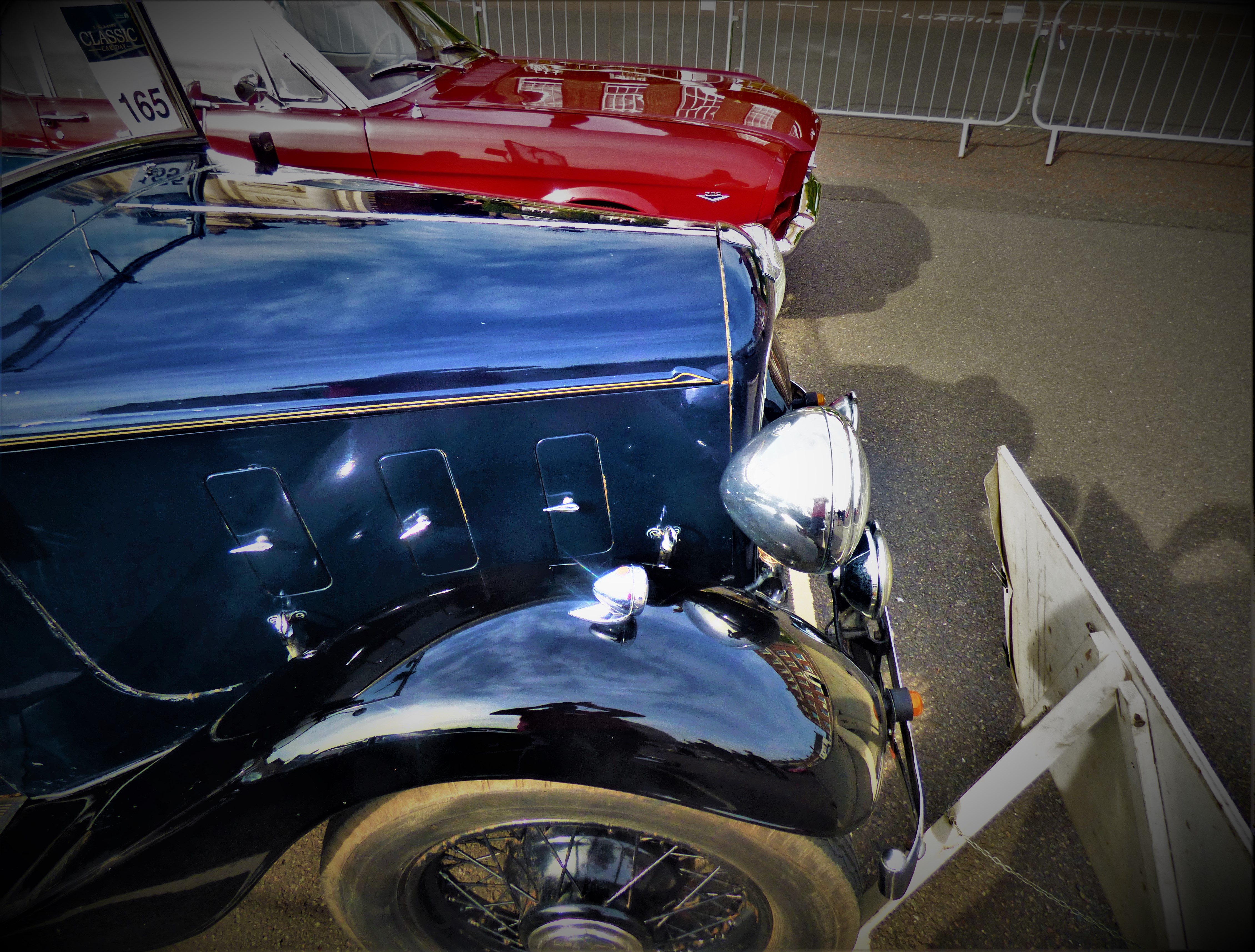
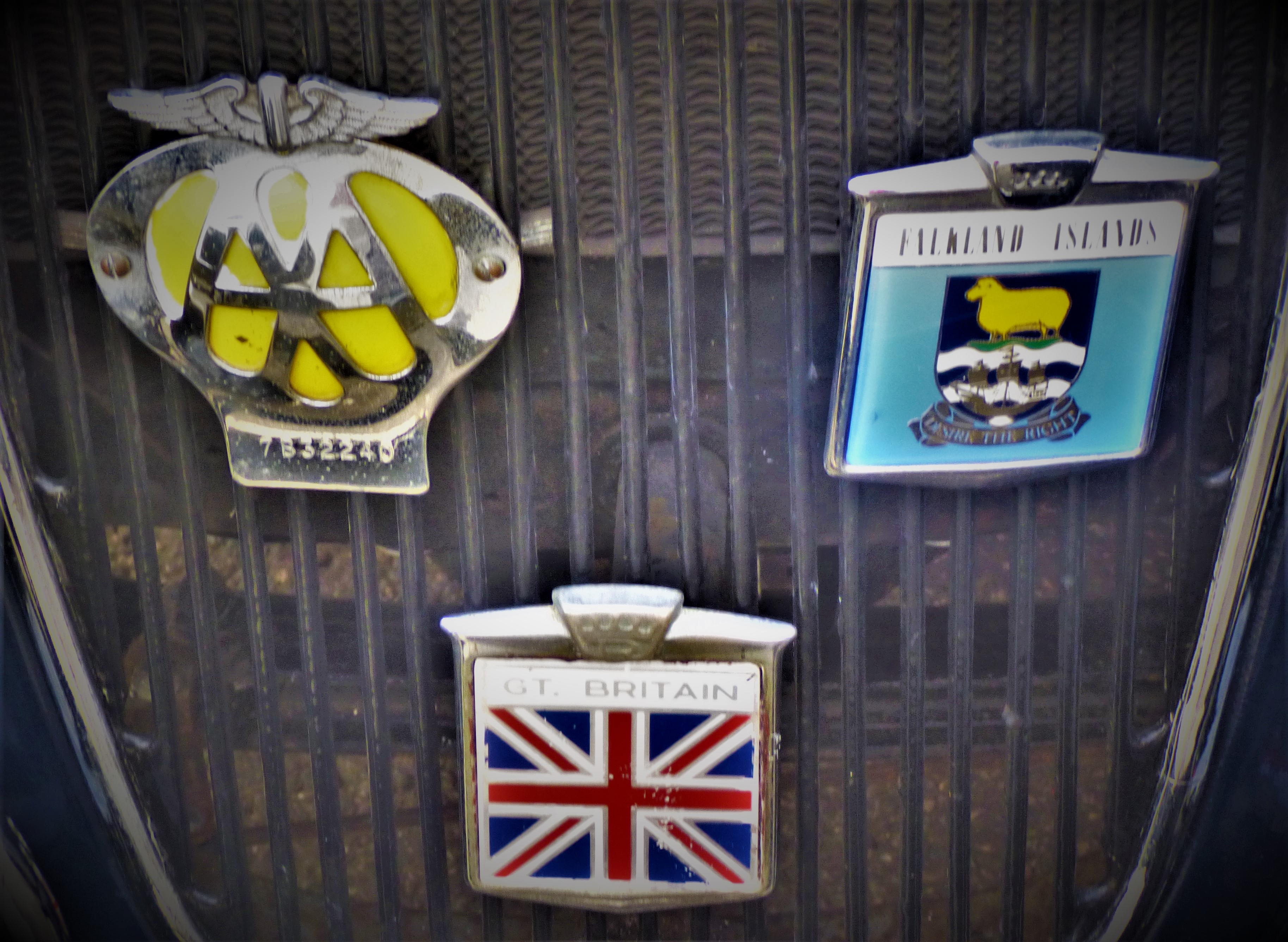
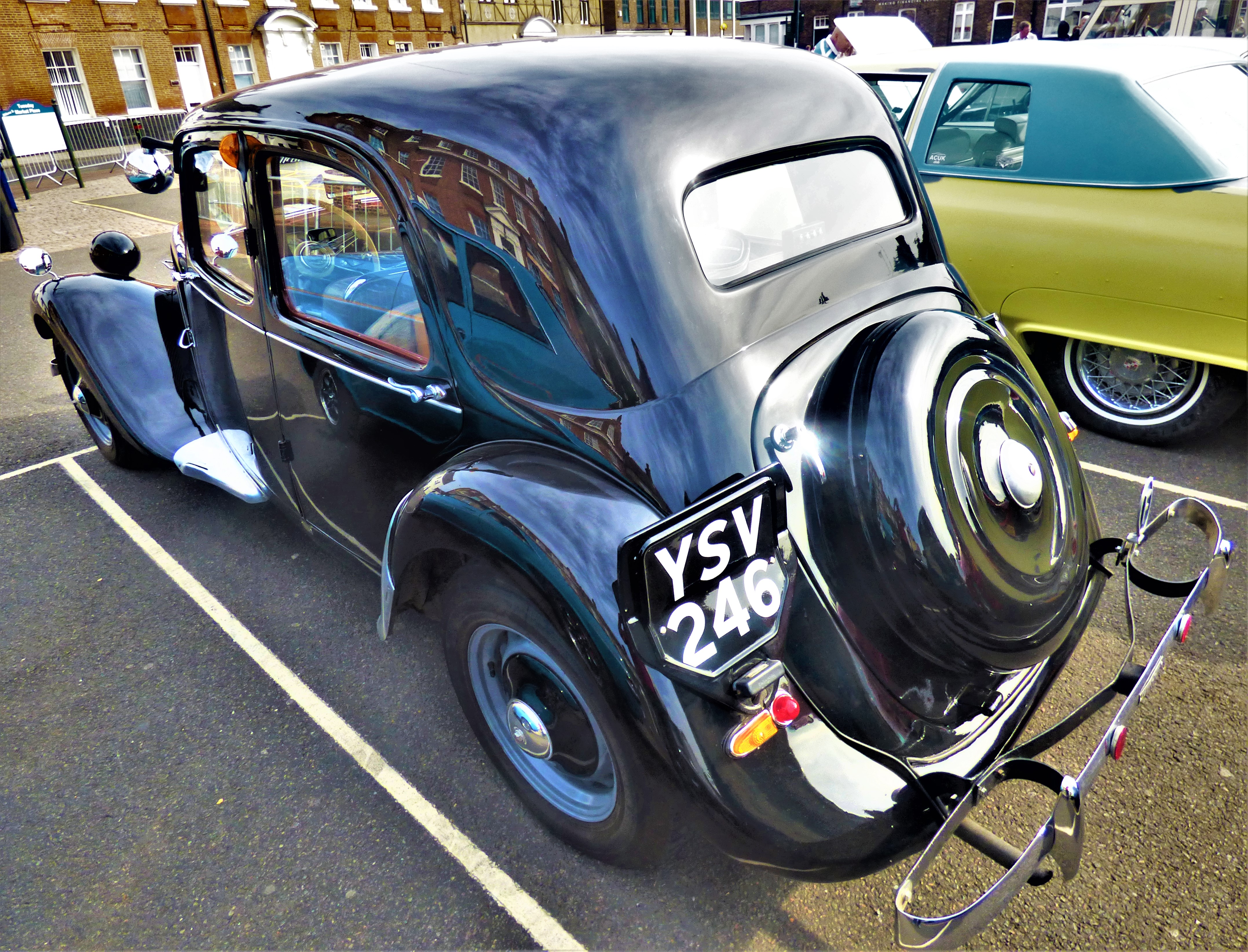
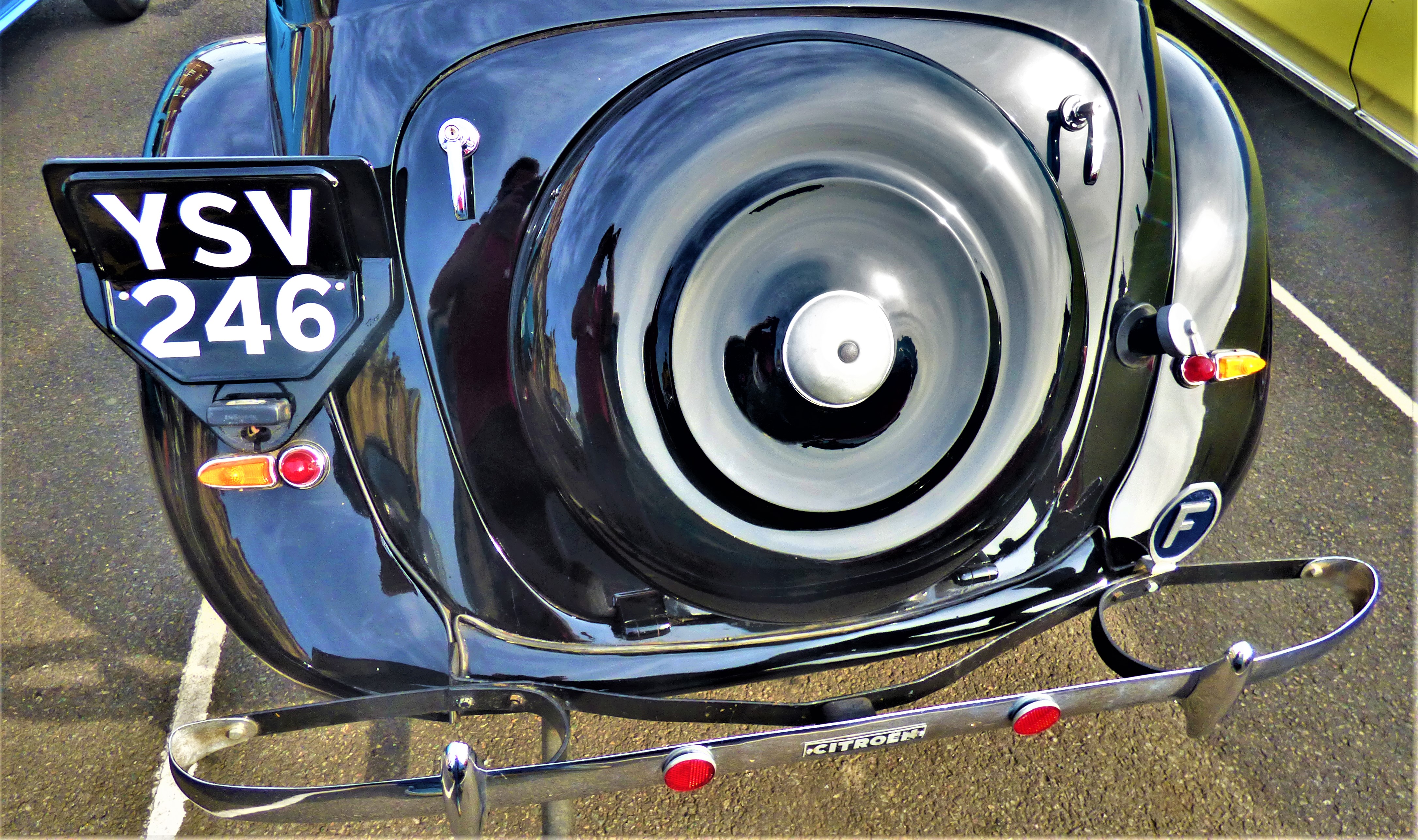
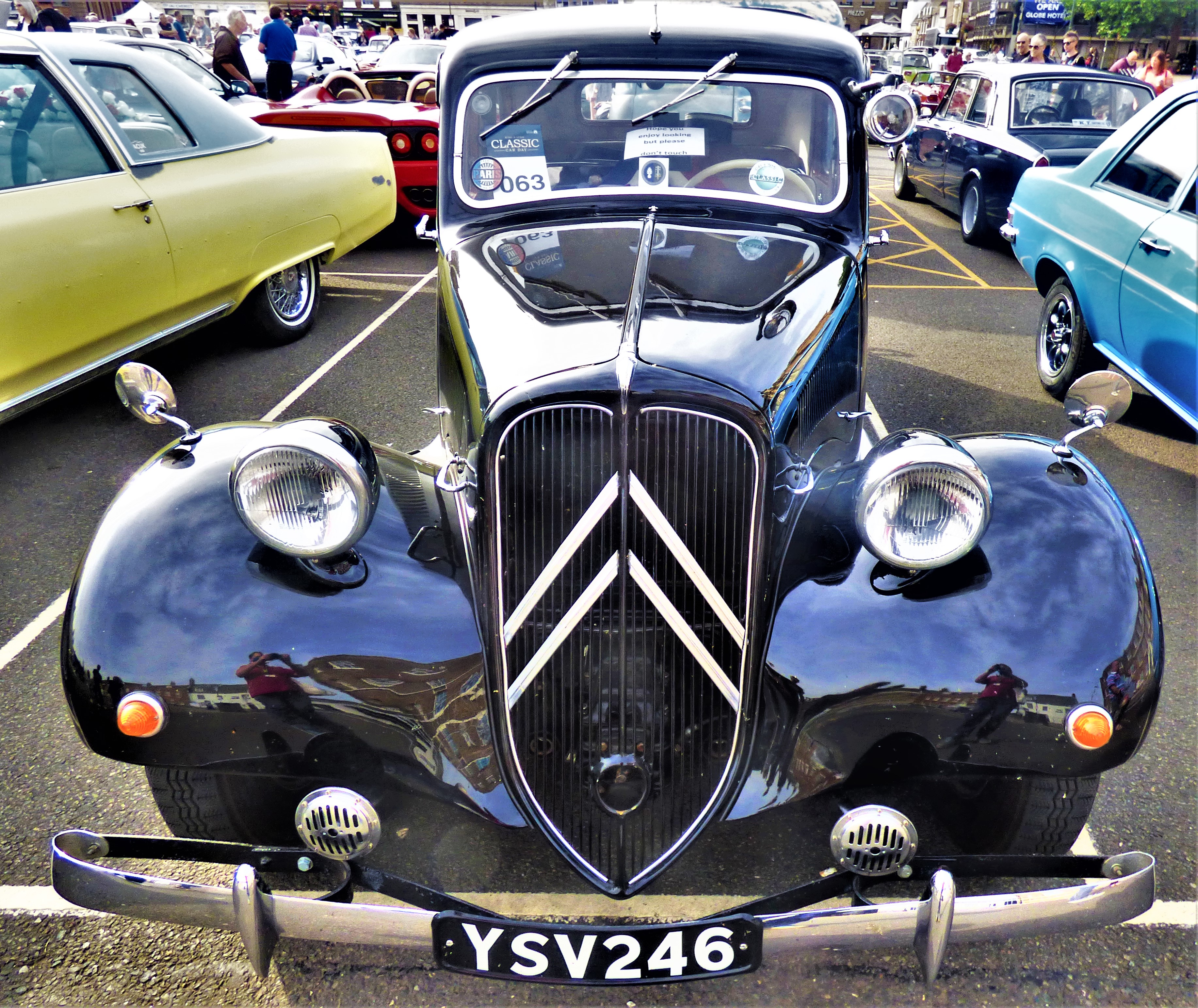
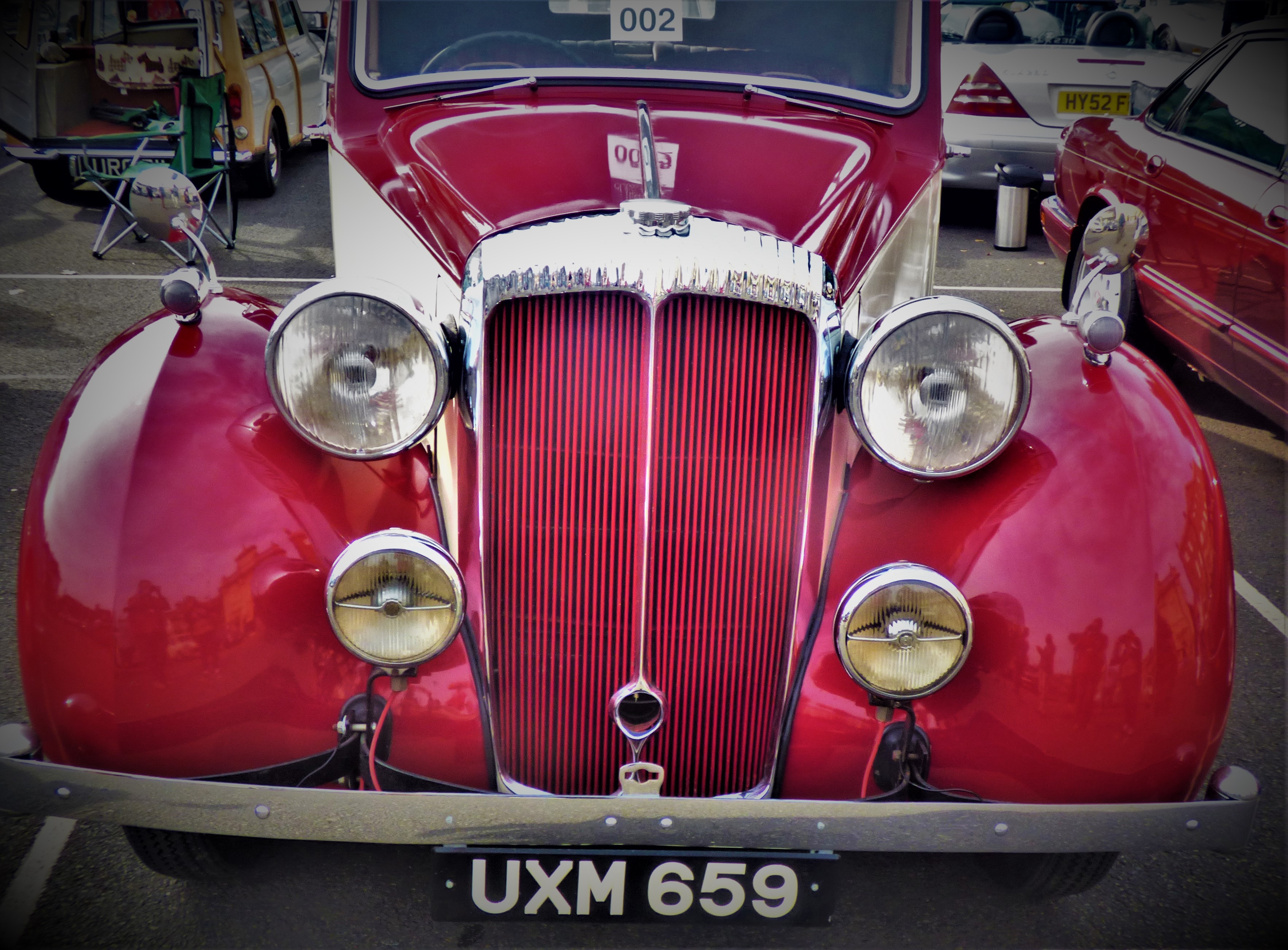
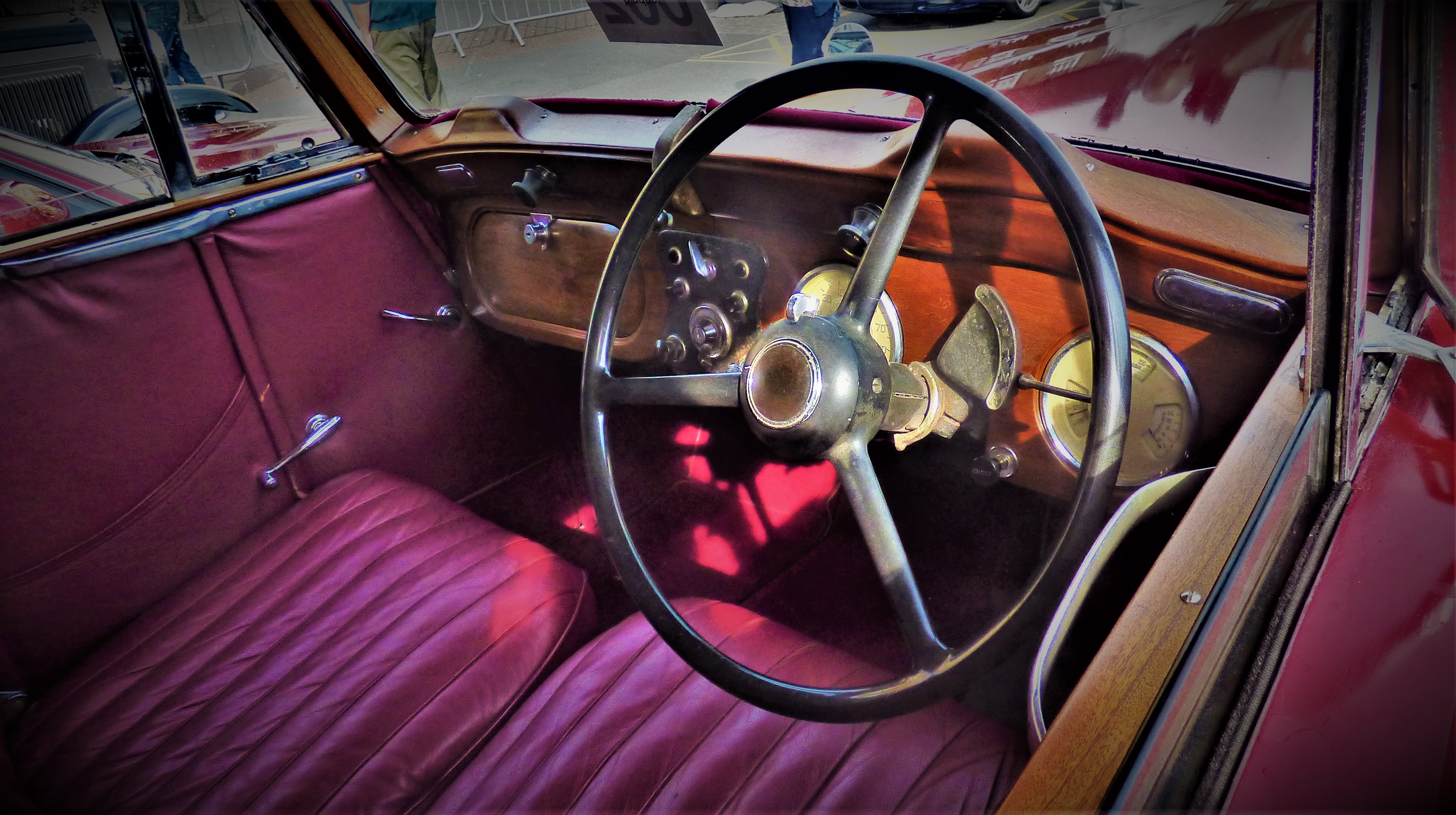
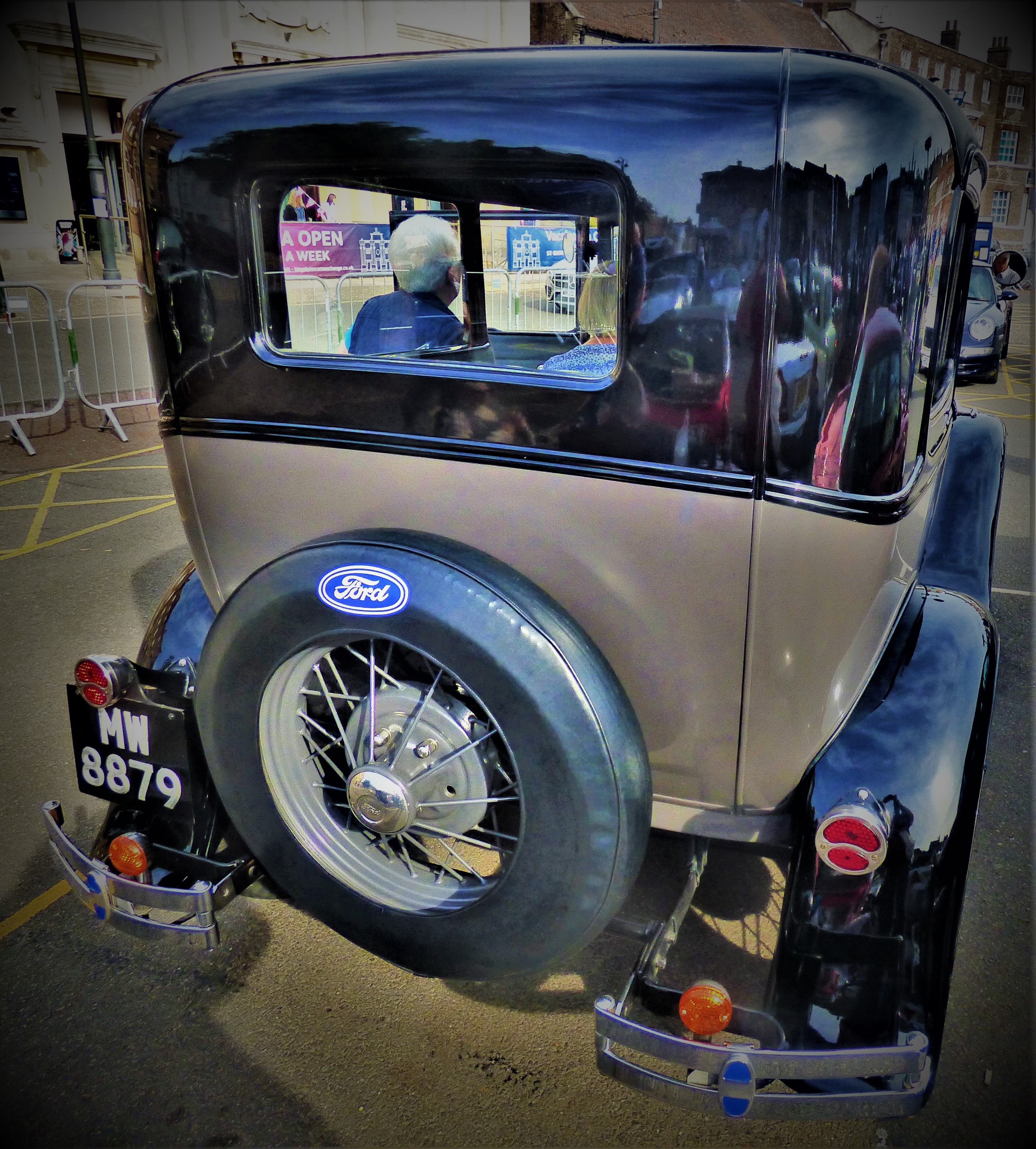
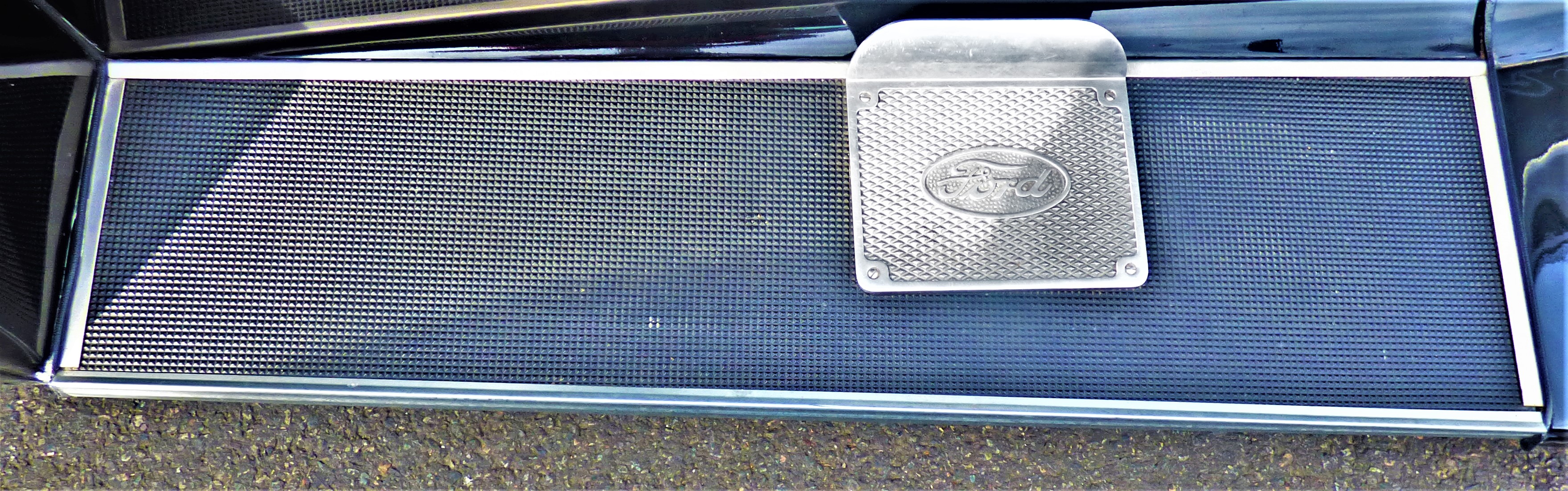
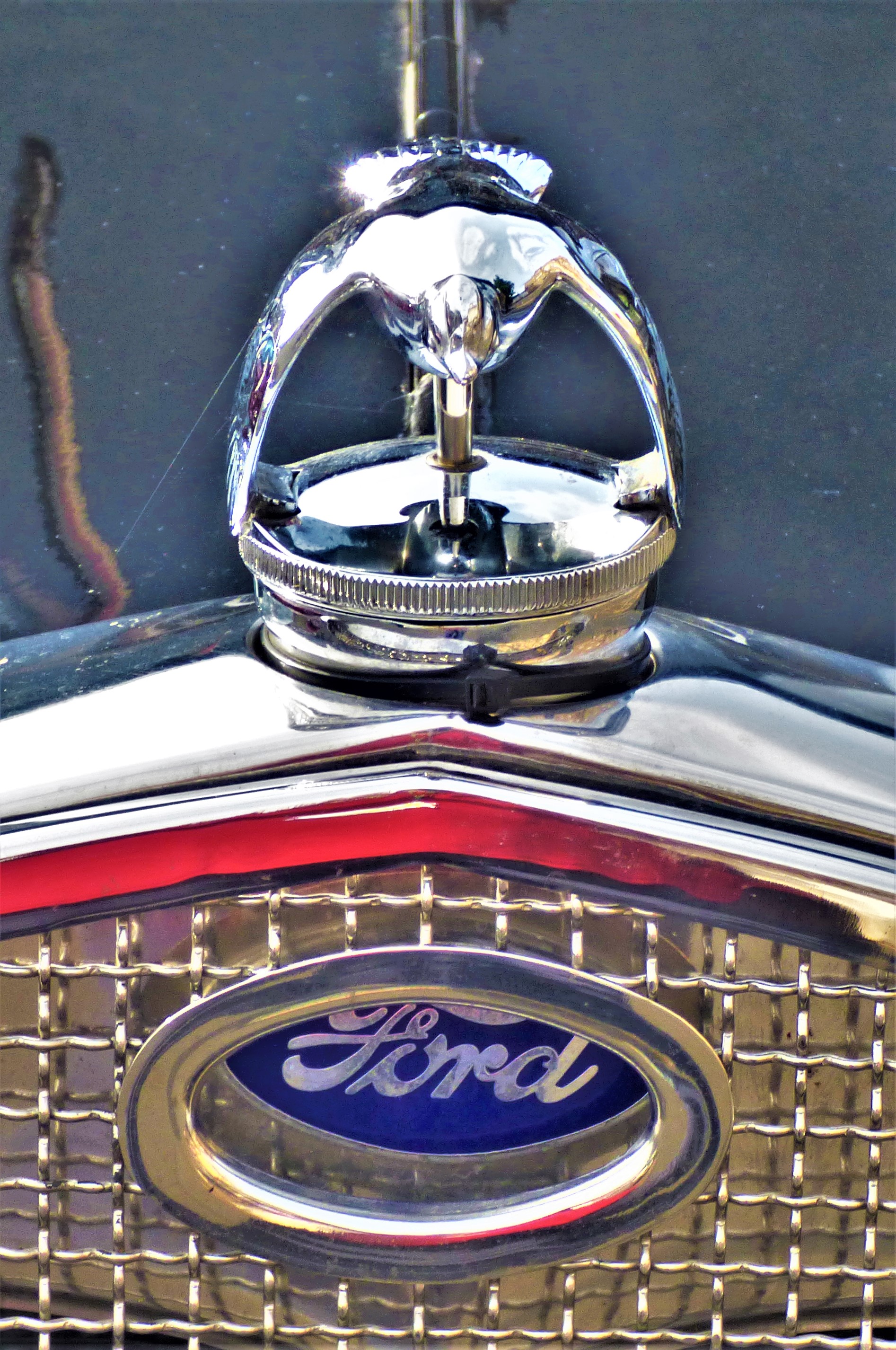
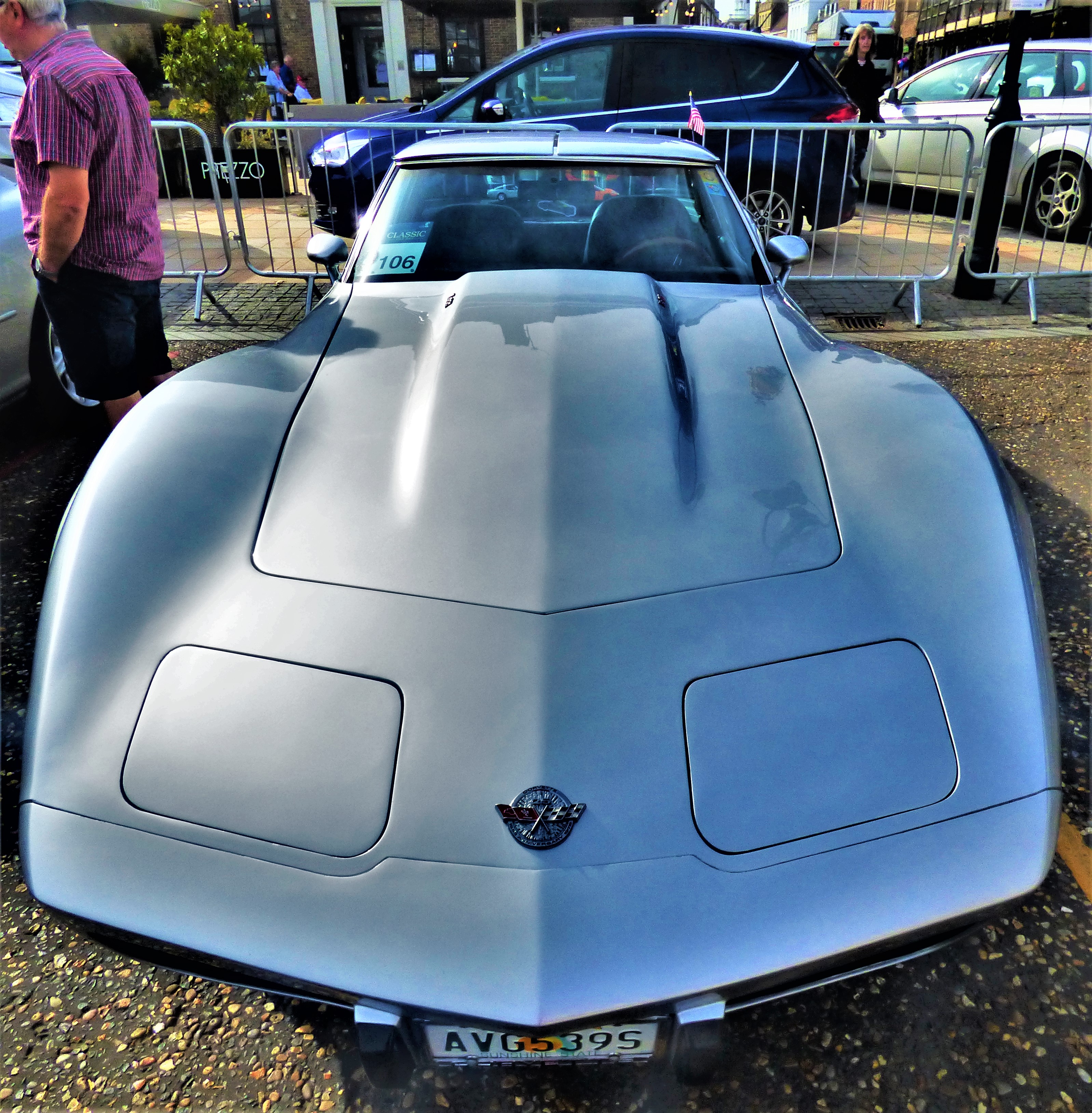
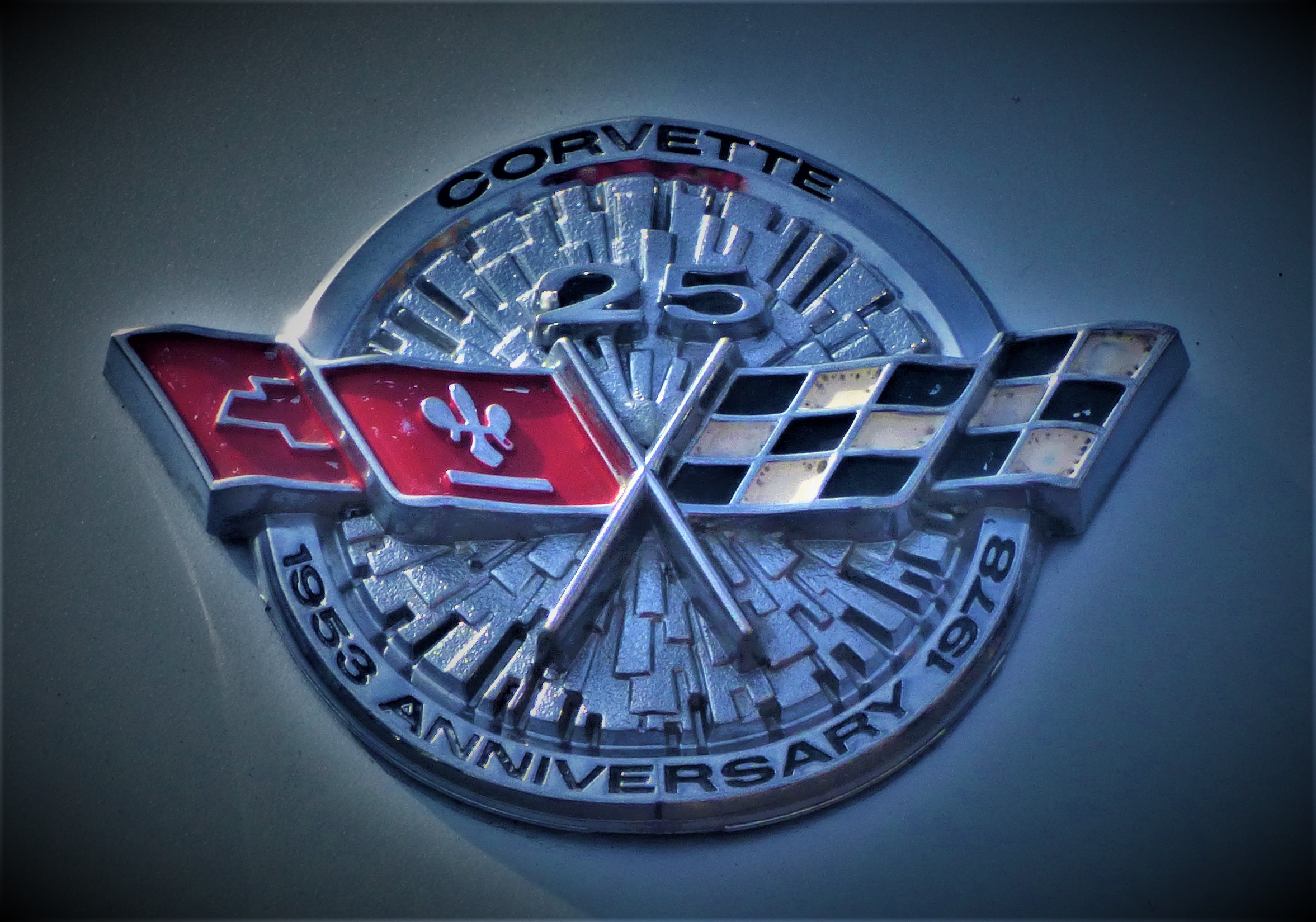
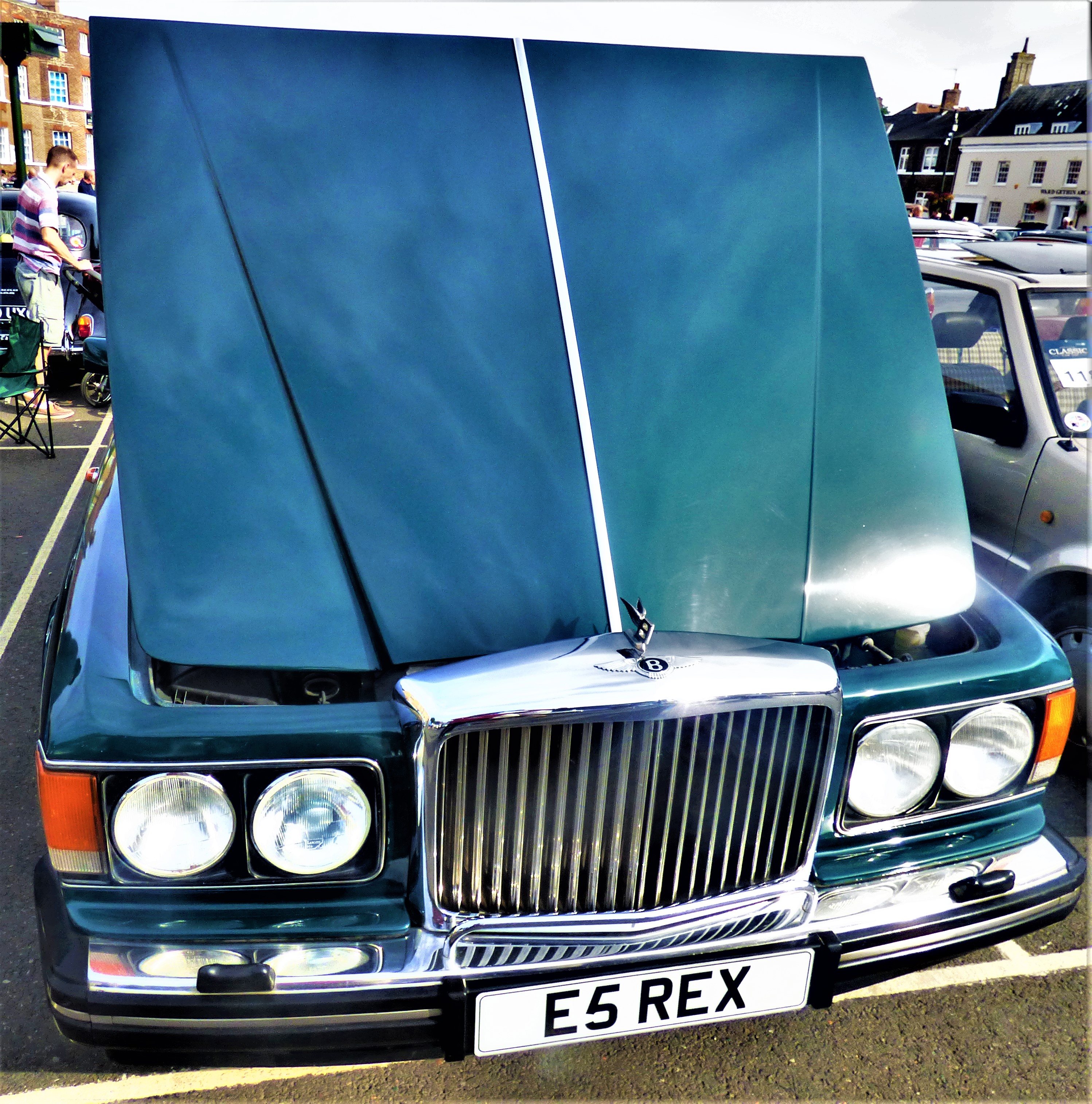
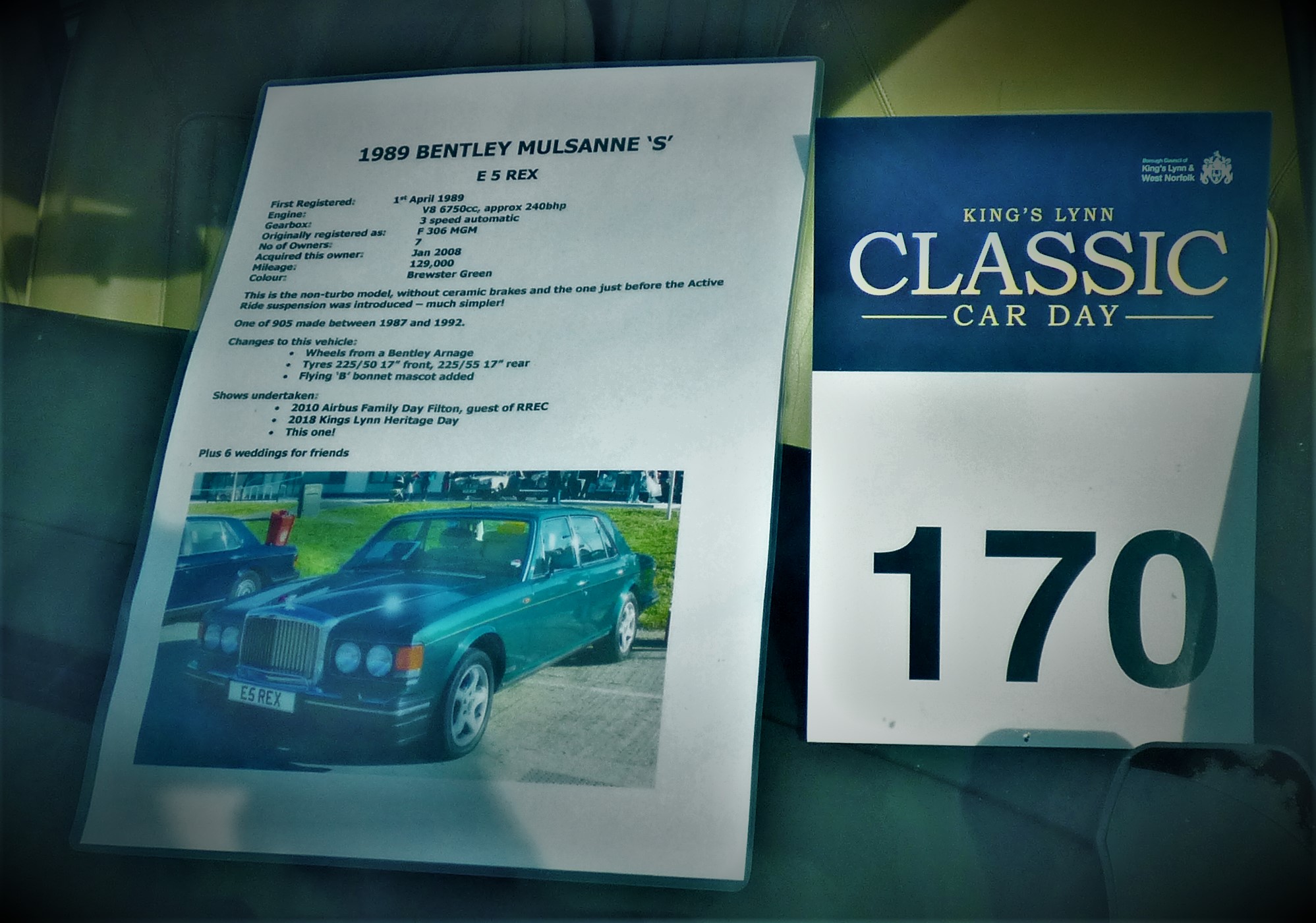
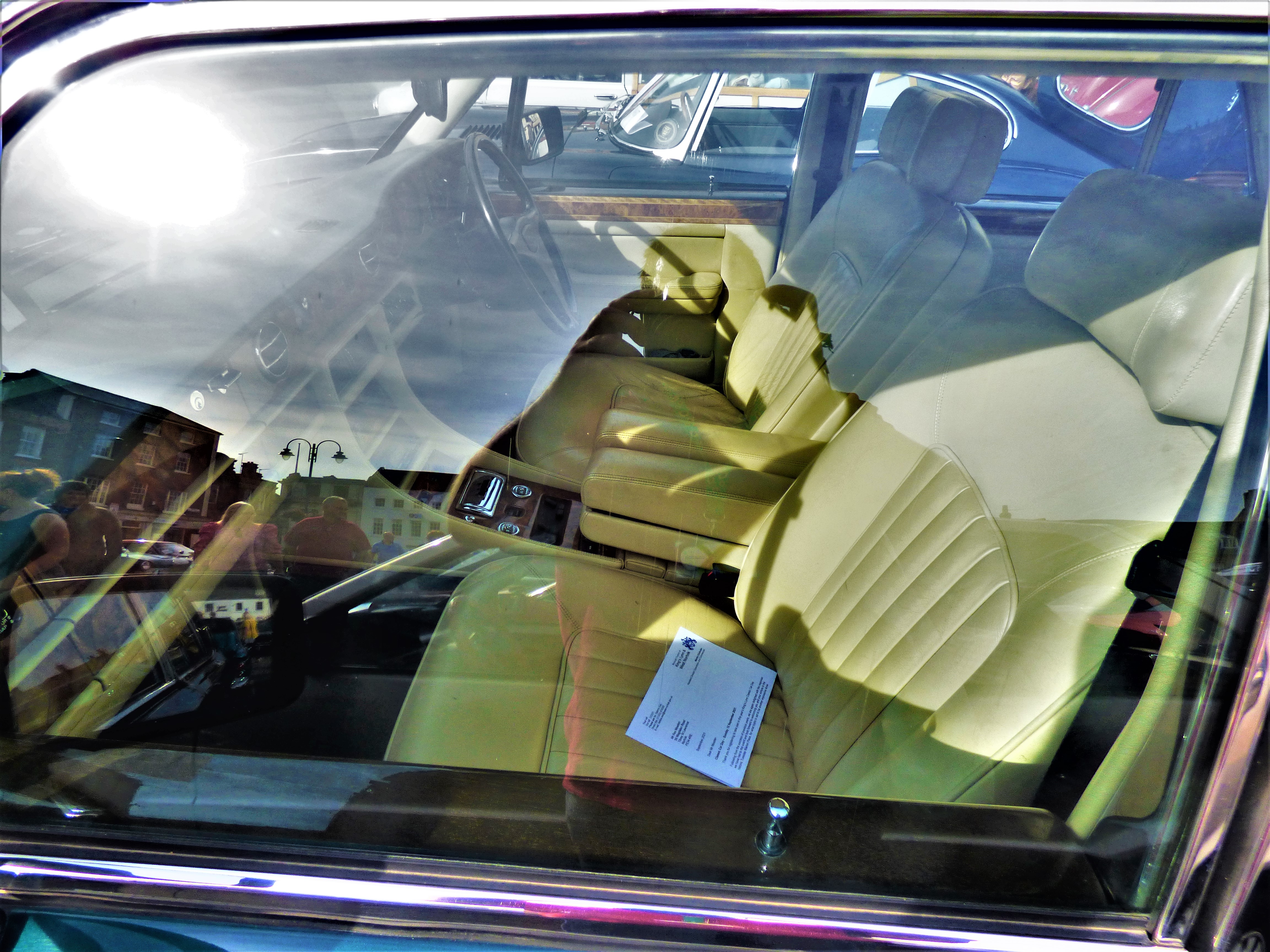
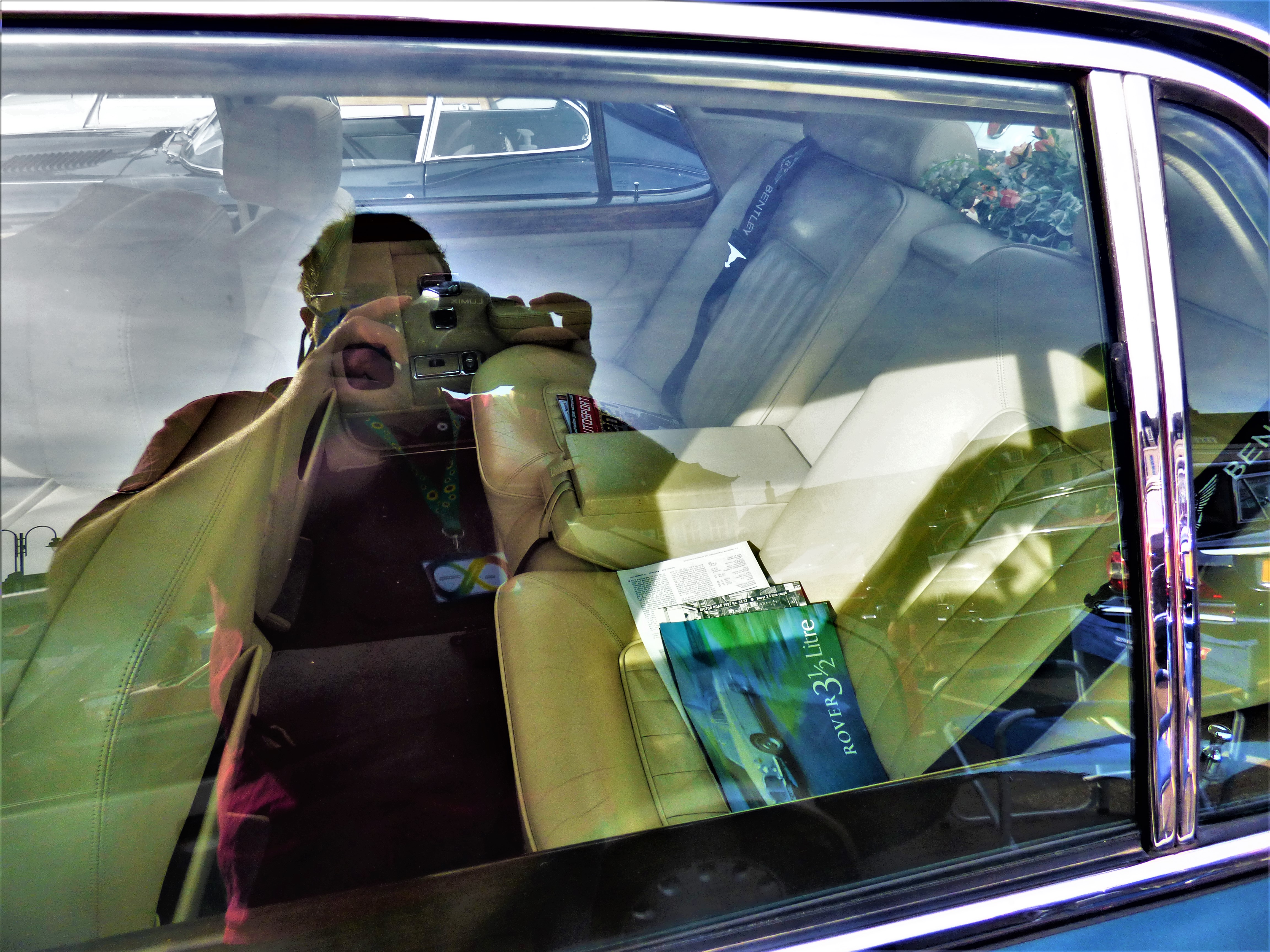
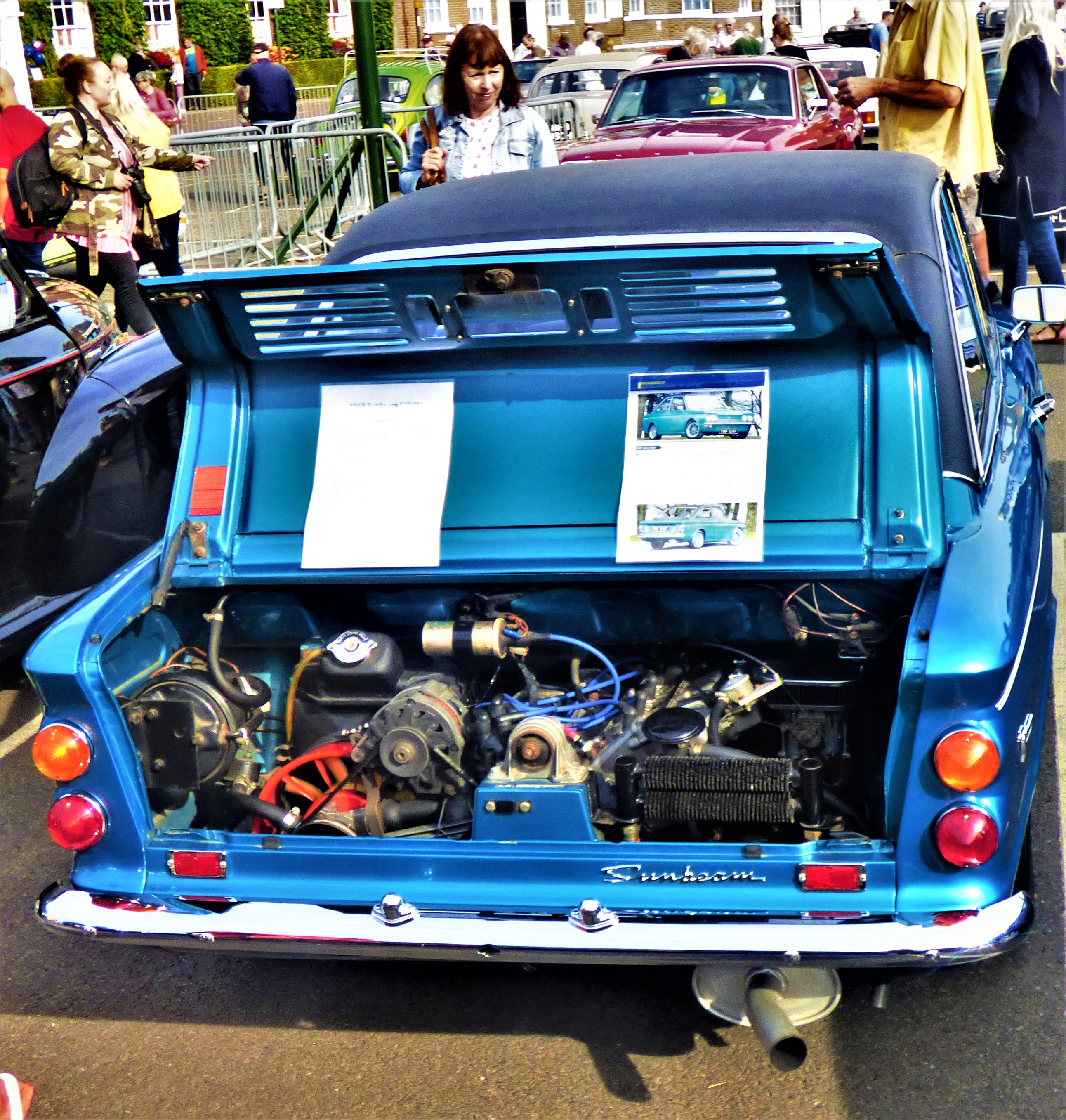
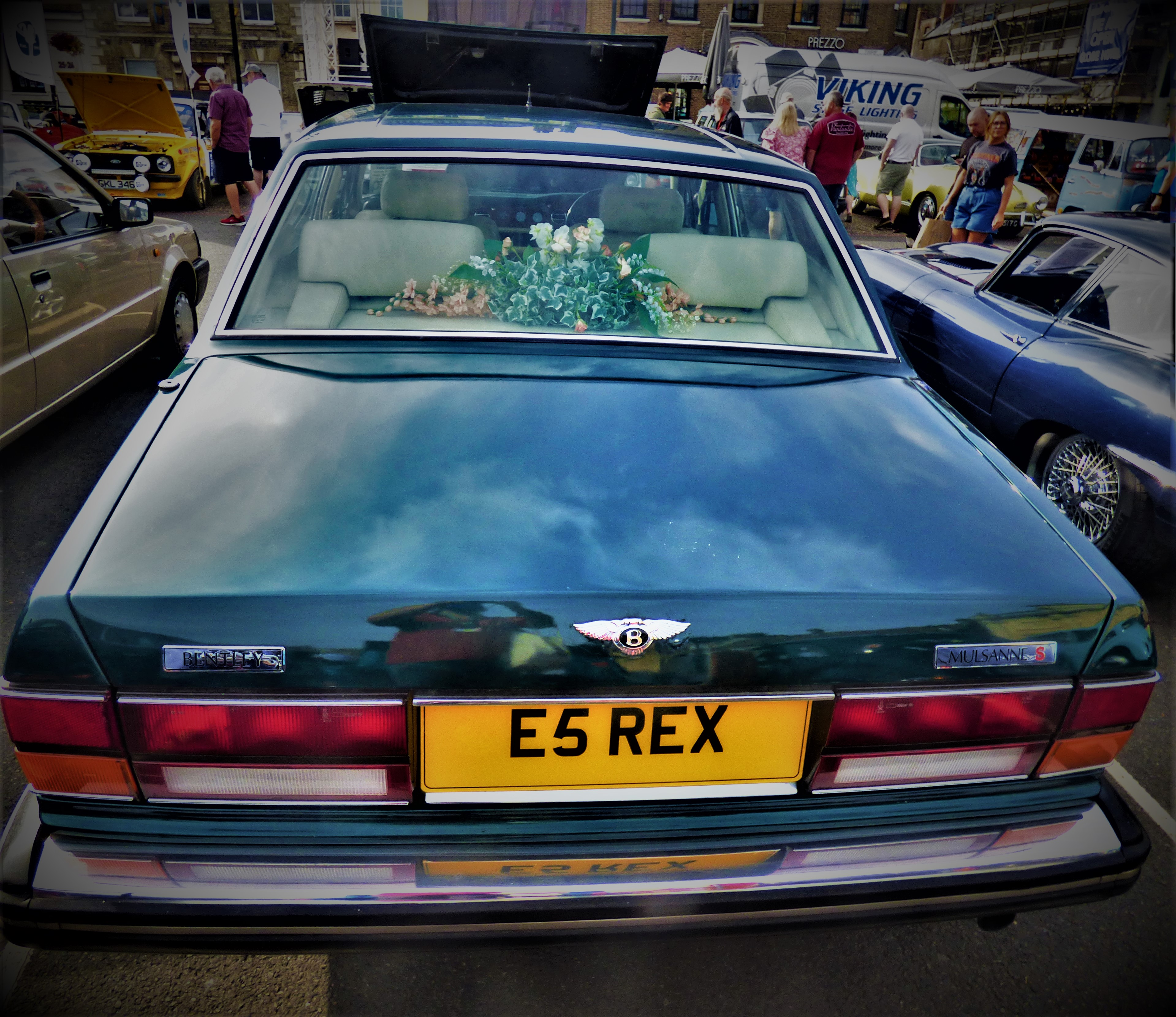
I set forth from home at about 10:15, intending to see a few things before doing my stewarding, and then either go home or look at a few more places after stewarding. I started with a look at some of the classic cars in the Tuesday Market Place…
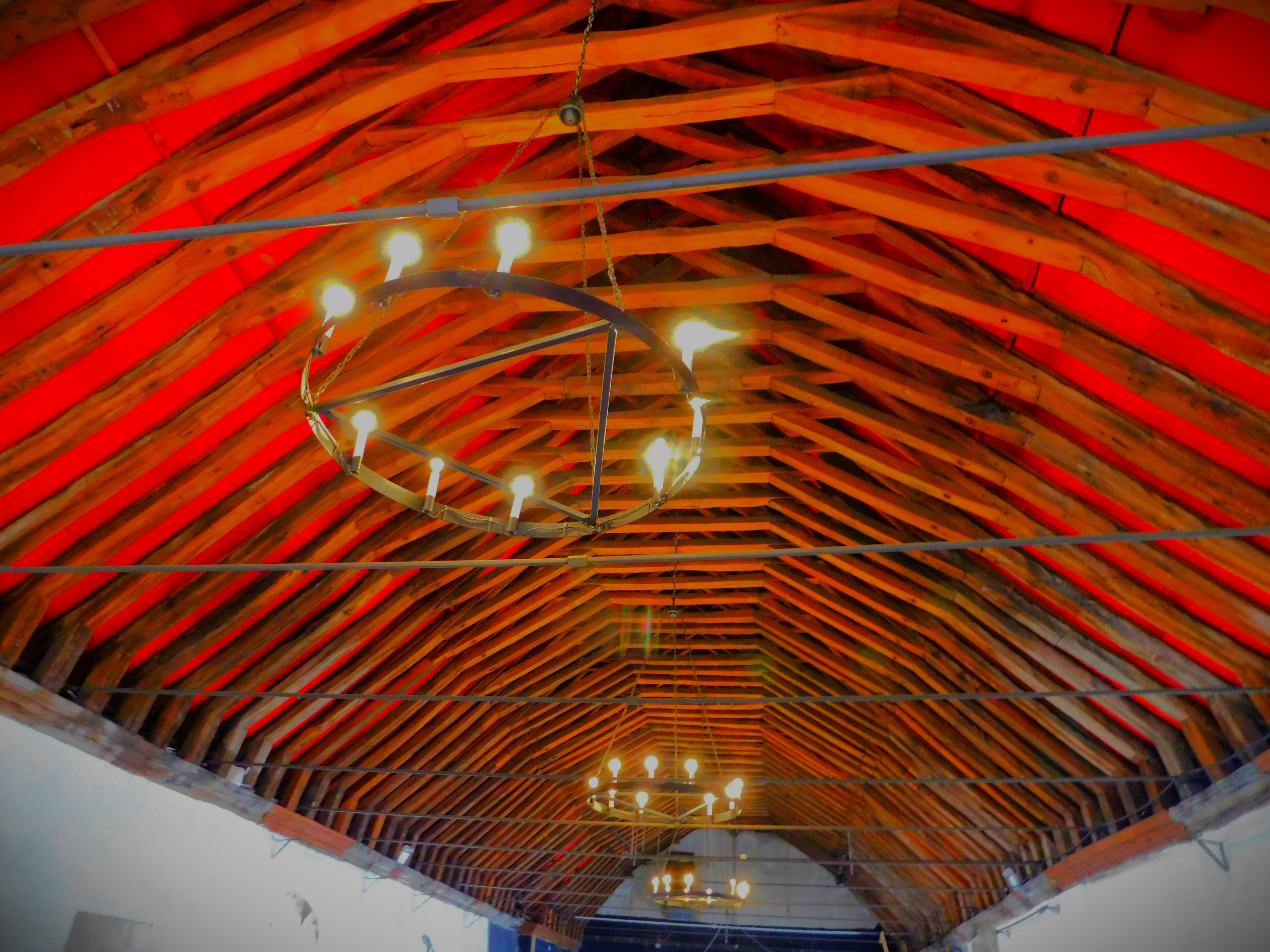
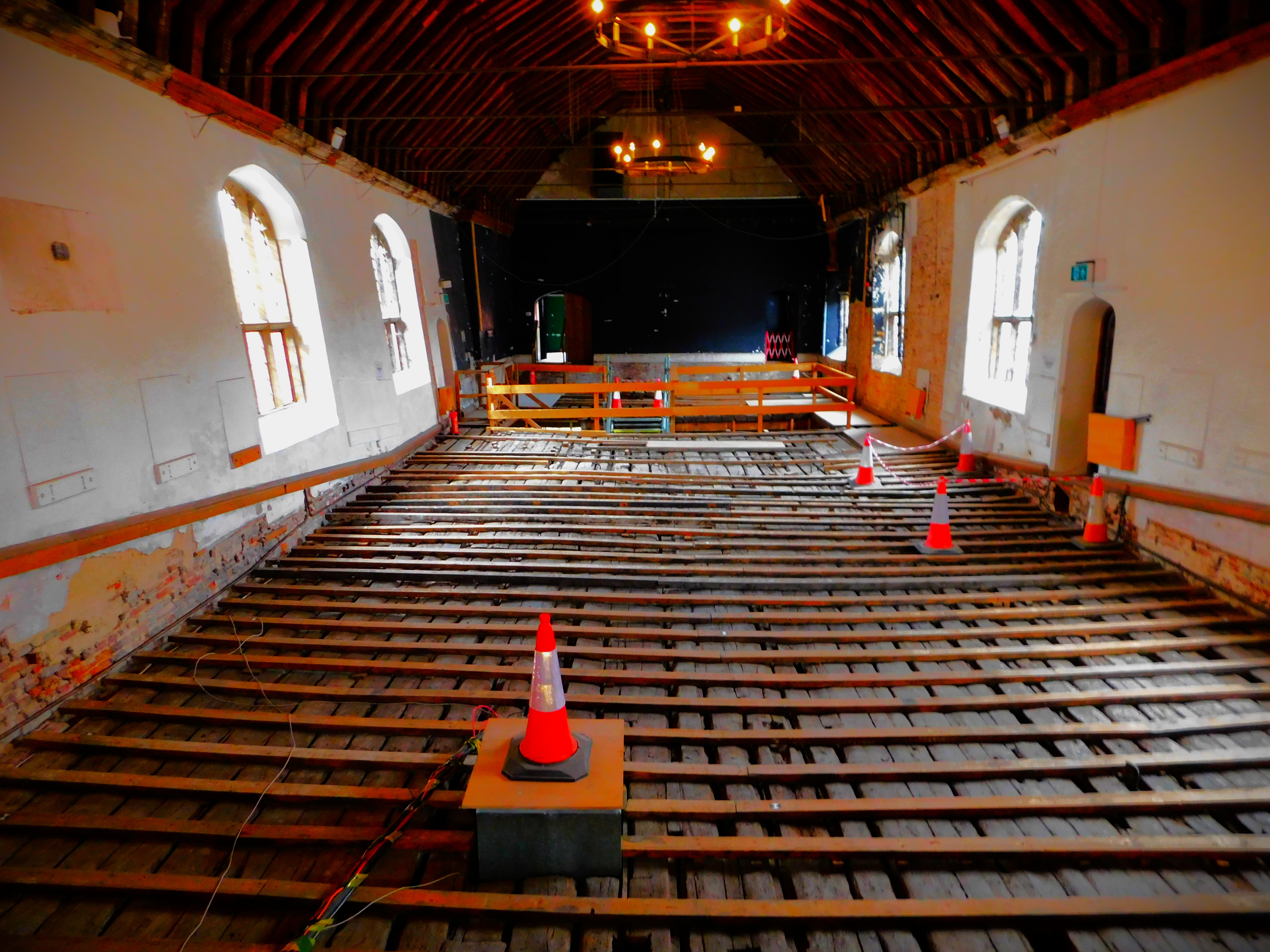
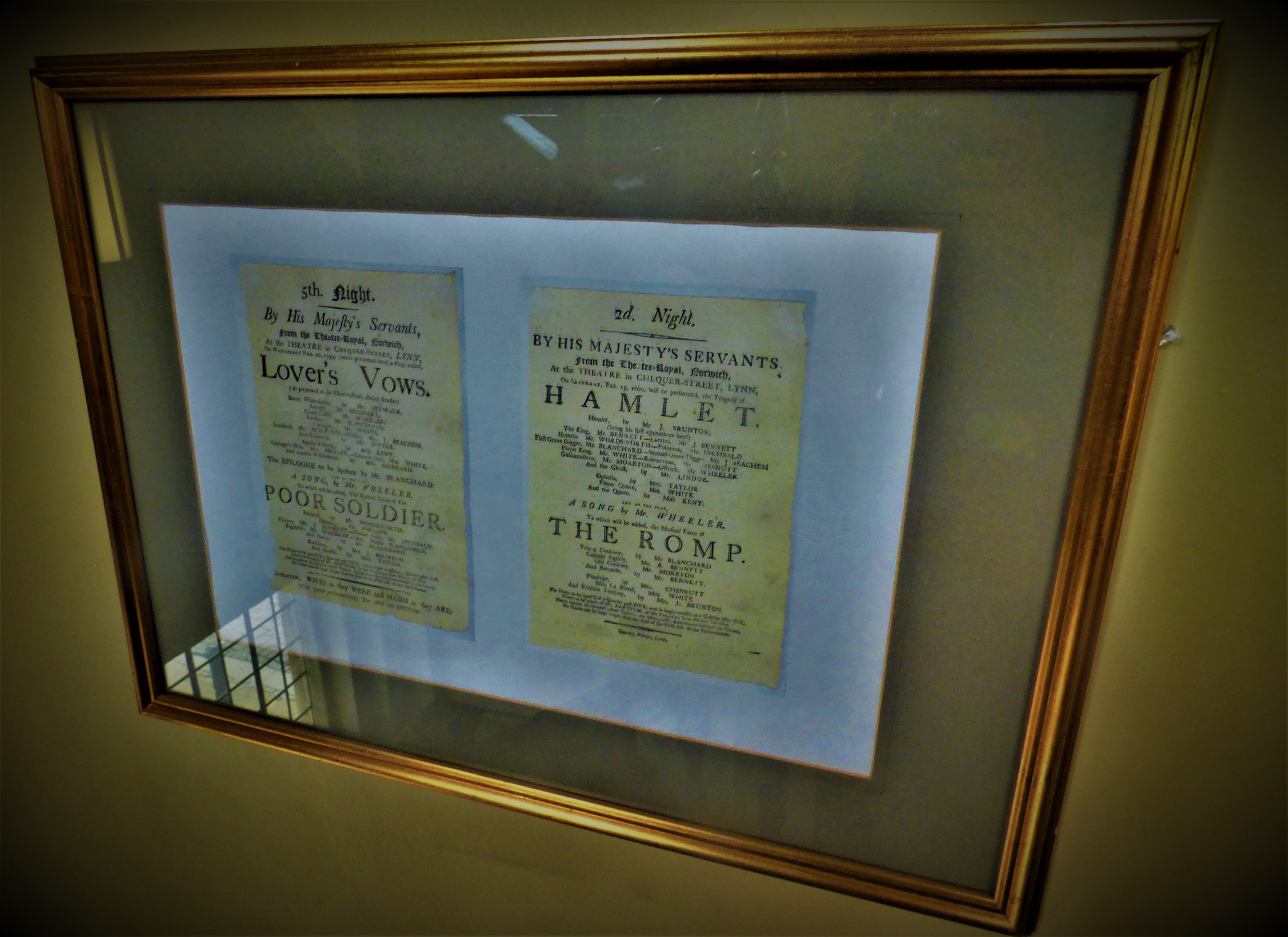
My next port of call was the Guildhall of St George on King Street, a building that dates from the late 14th century, meaning that it was over 200 years old when Shakespeare came to town (this guildhall includes a theatre that has been staging live performances for over six centuries, and the Bard of Avon was among those to visit in that capacity).
The frontage of the Guldhall of St George
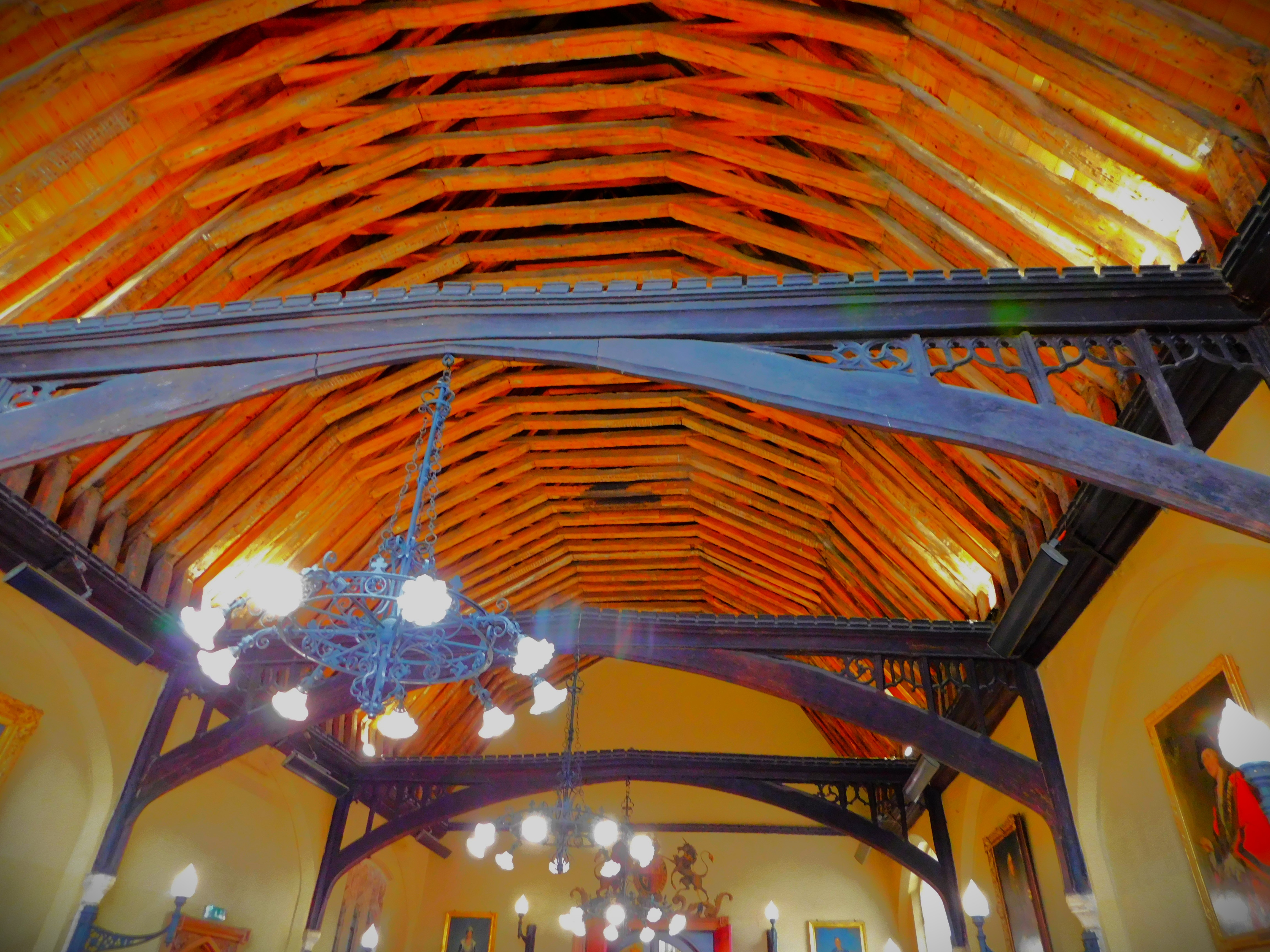
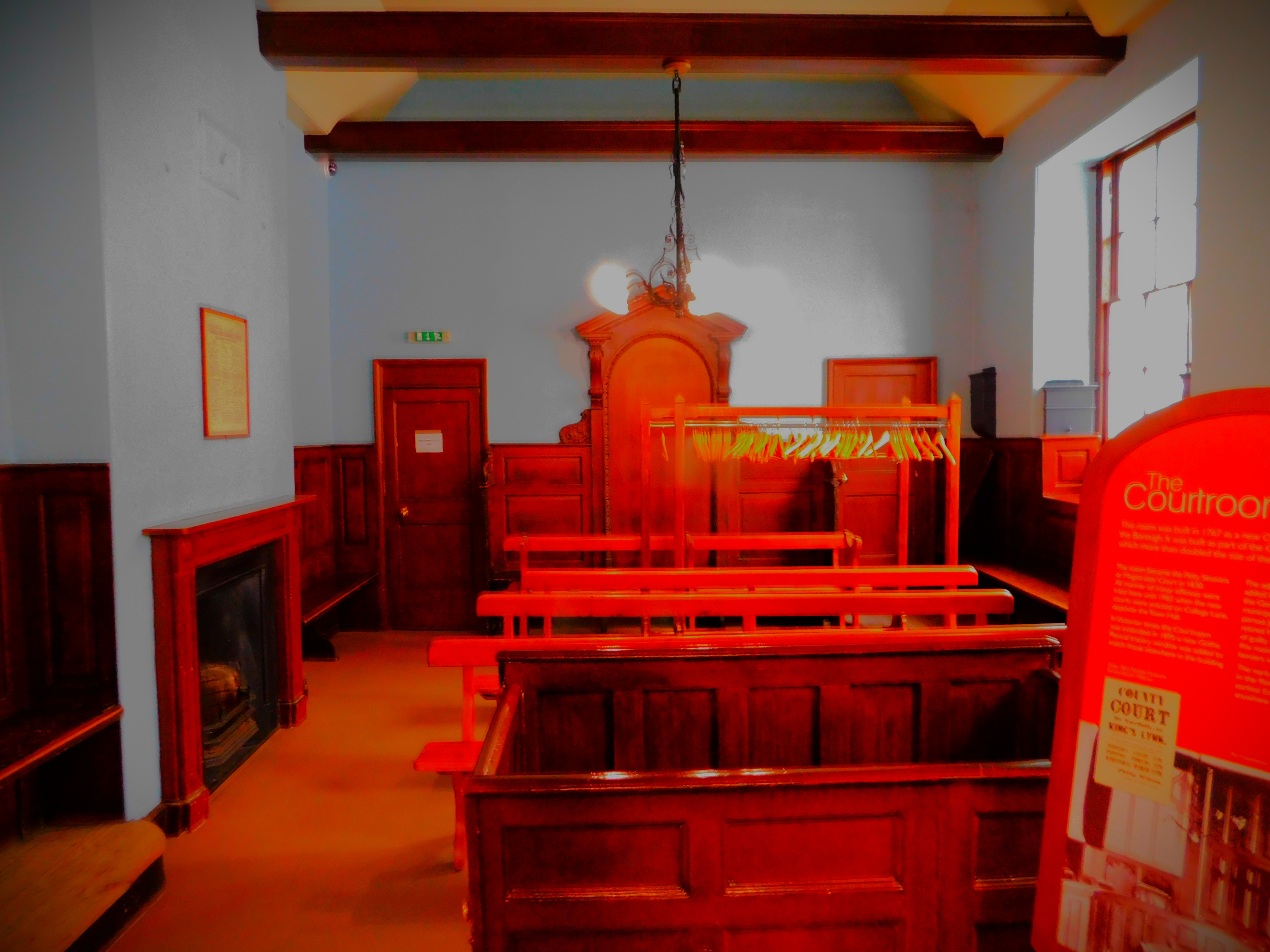
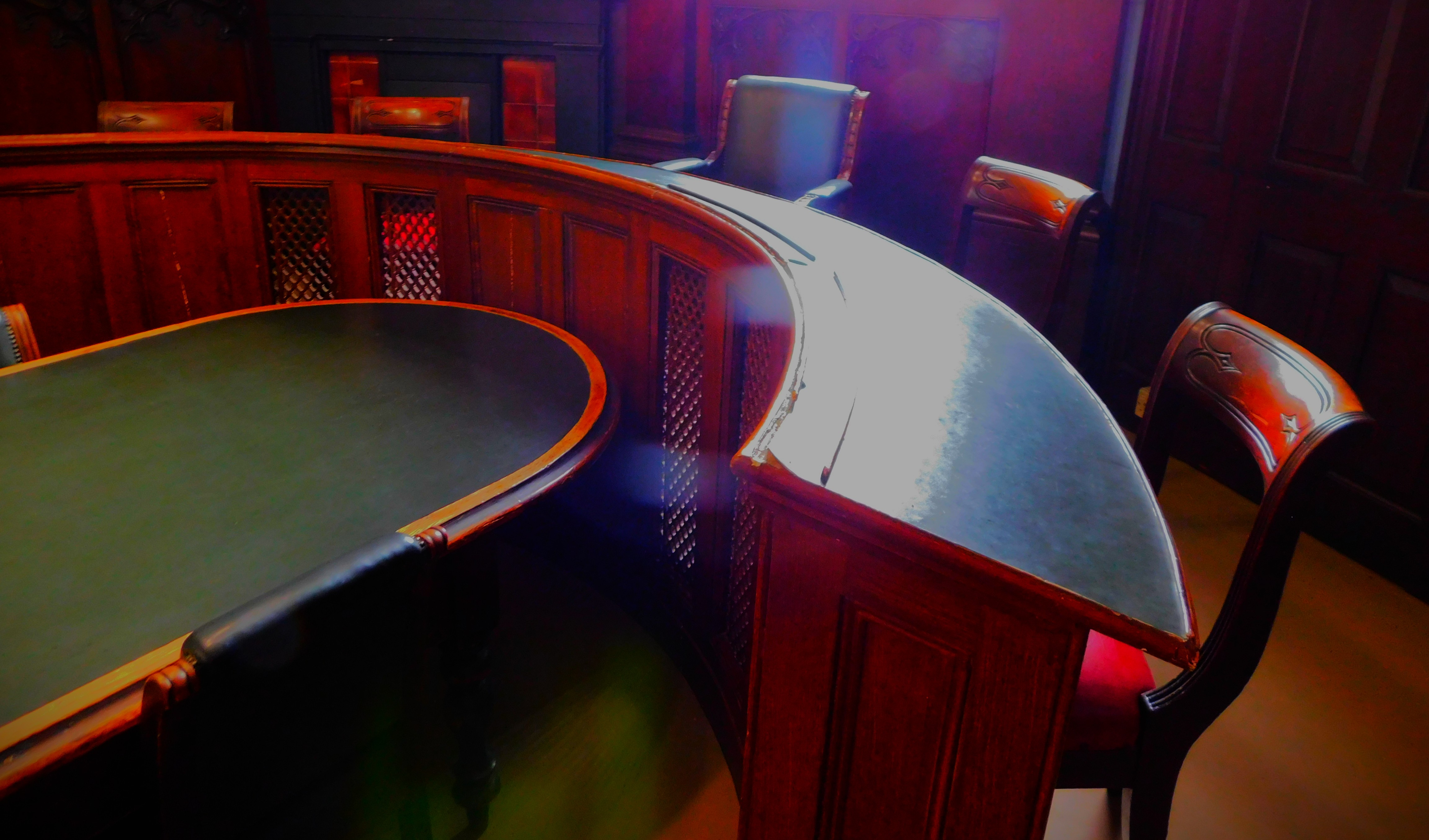
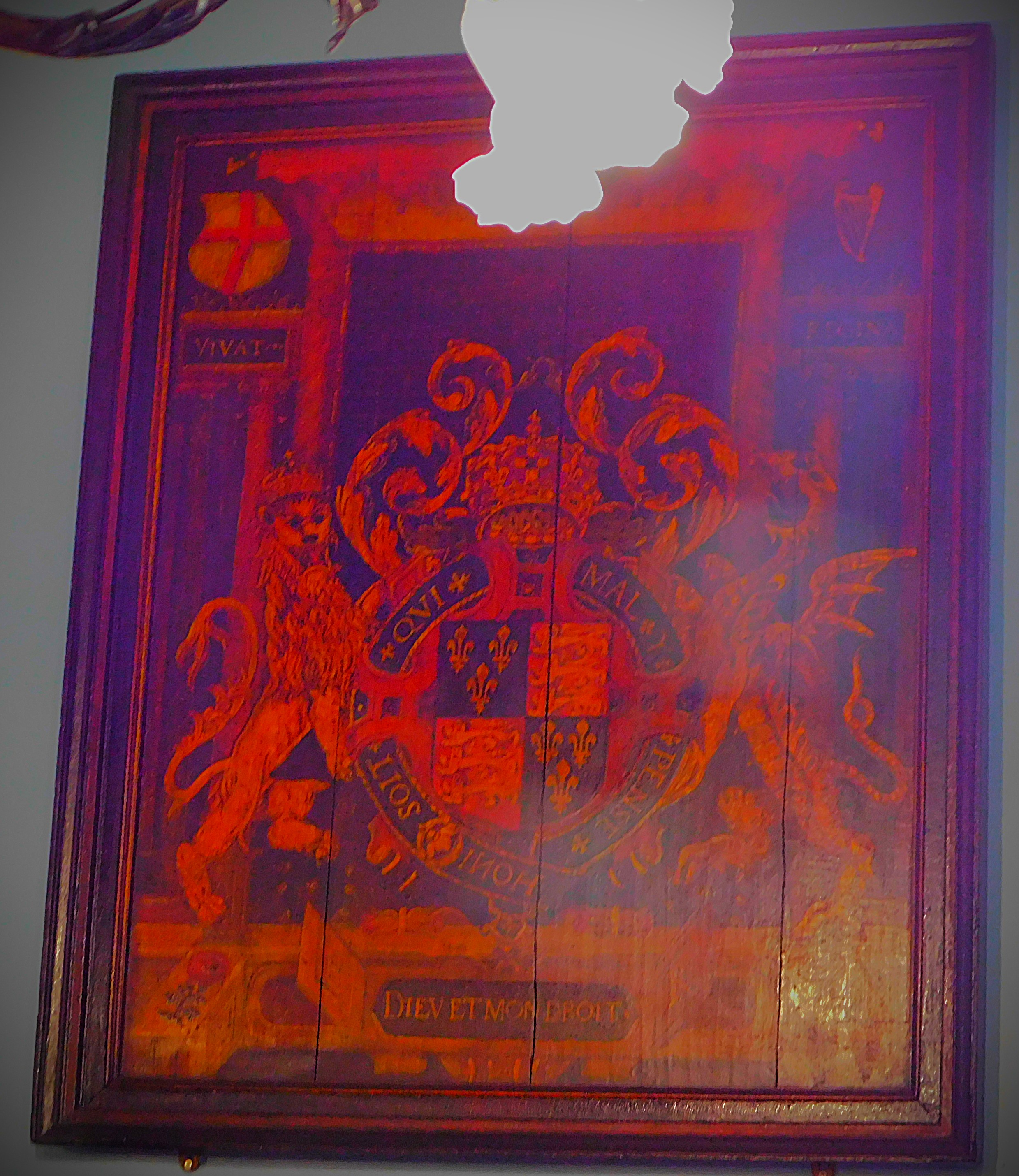
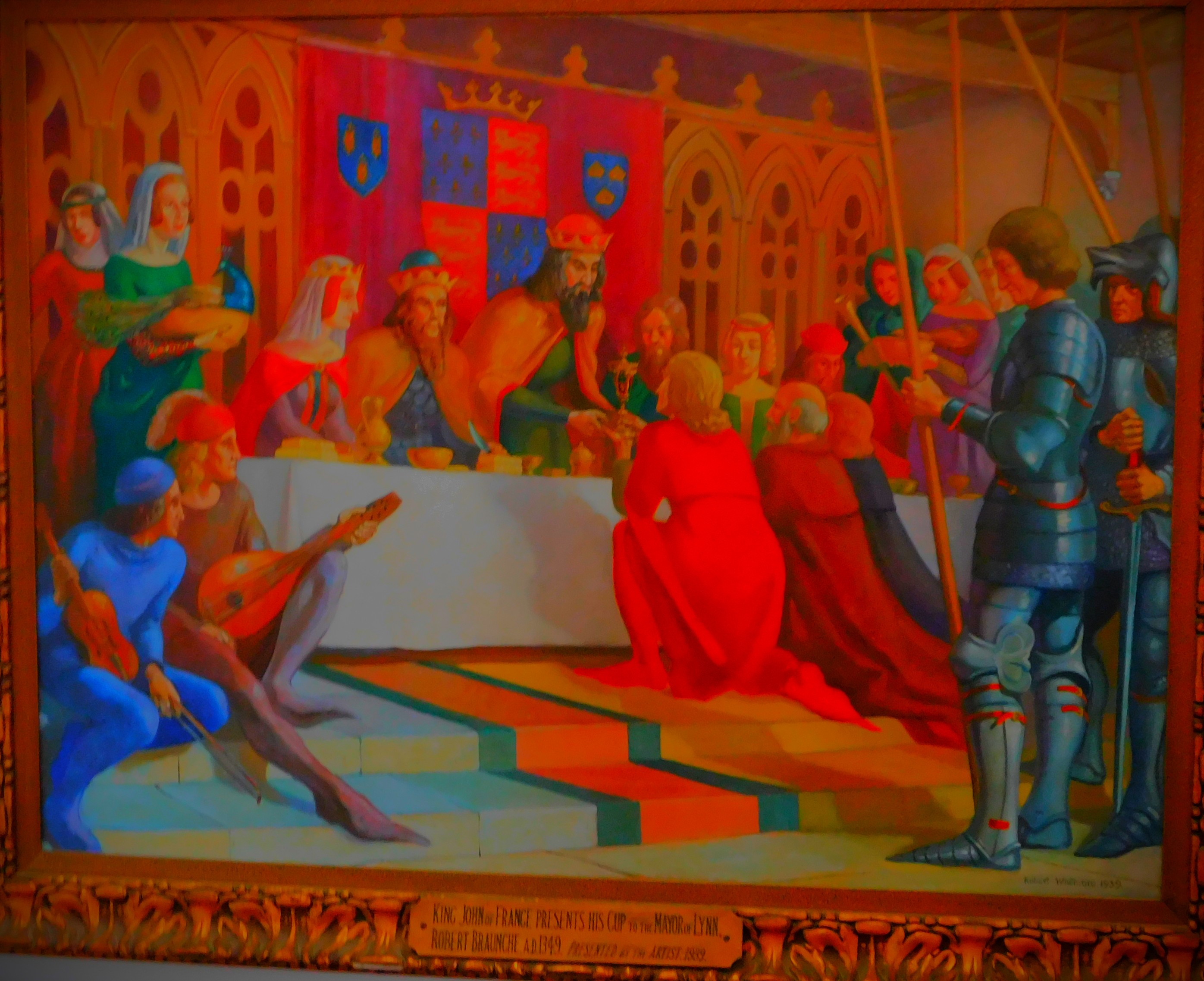
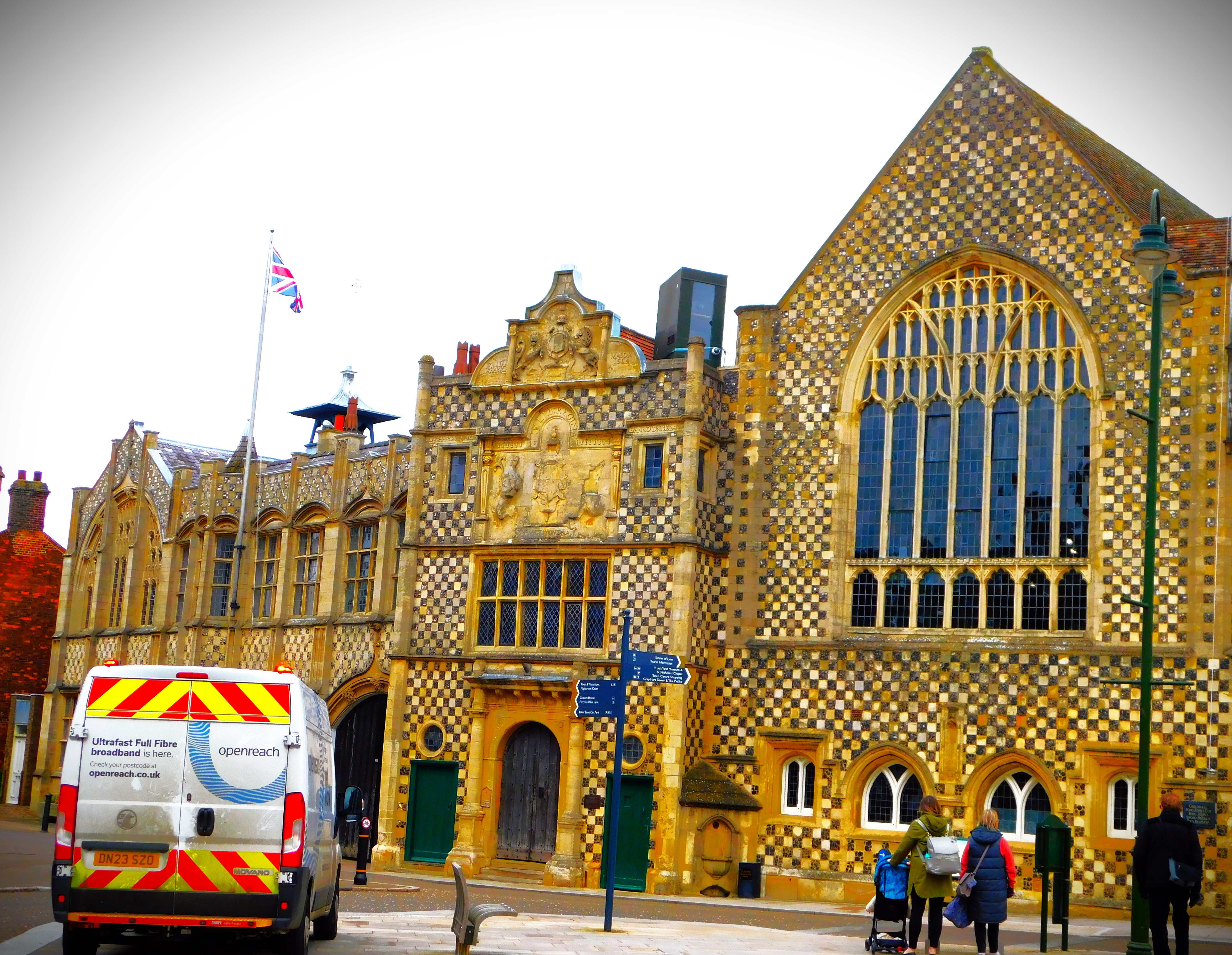
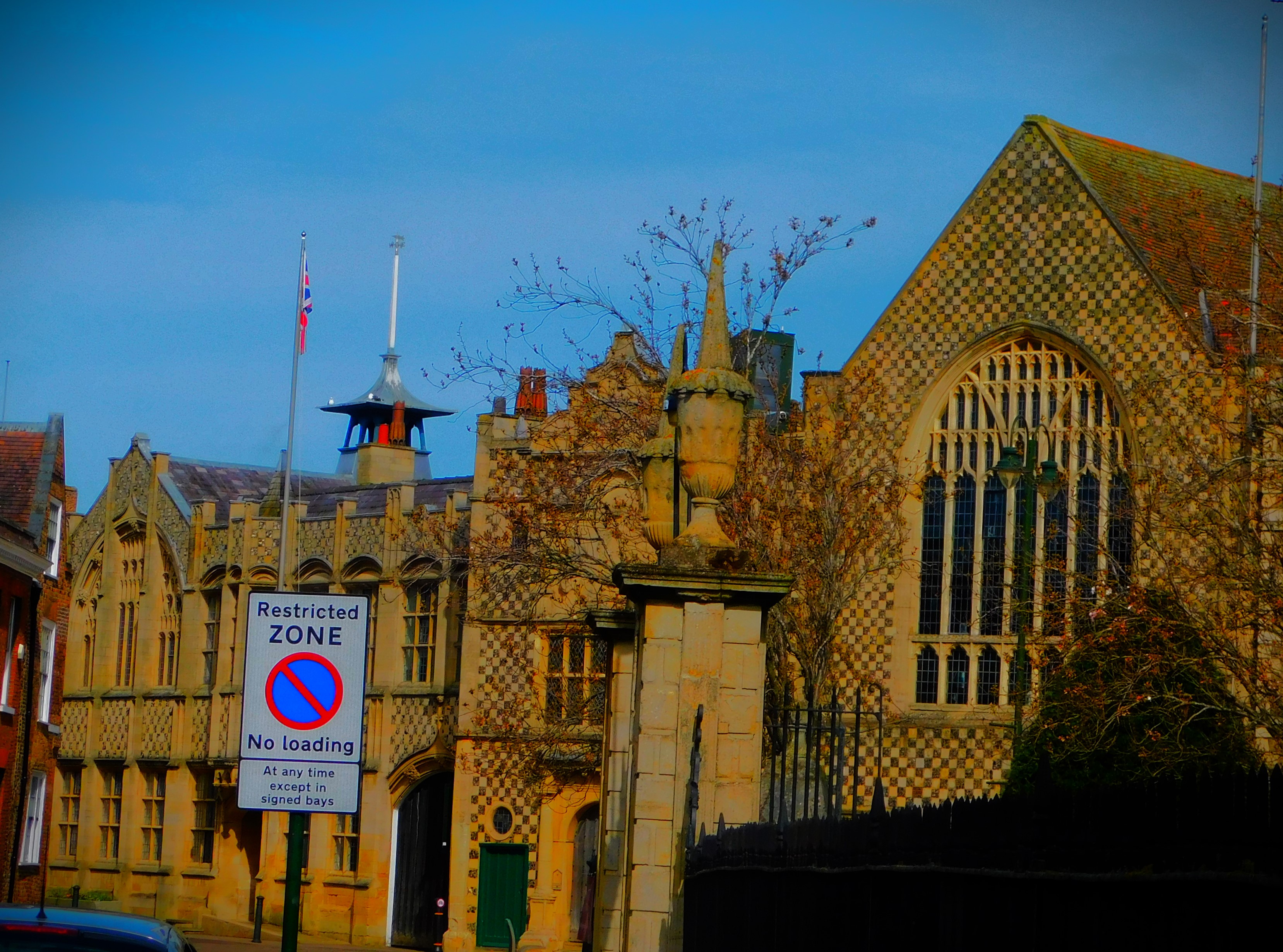
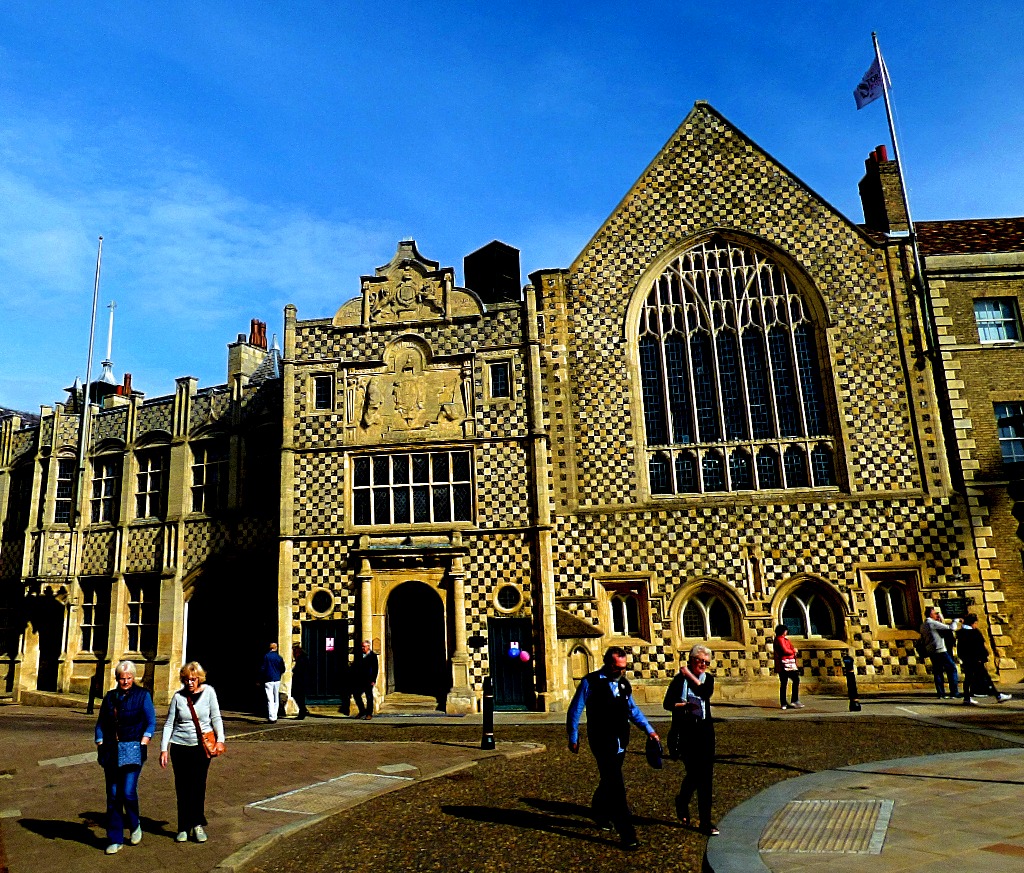
My next port of call was another guildhall, the Guildhall of the Holy Trinity, which also serves as King’s Lynn’s Town Hall.
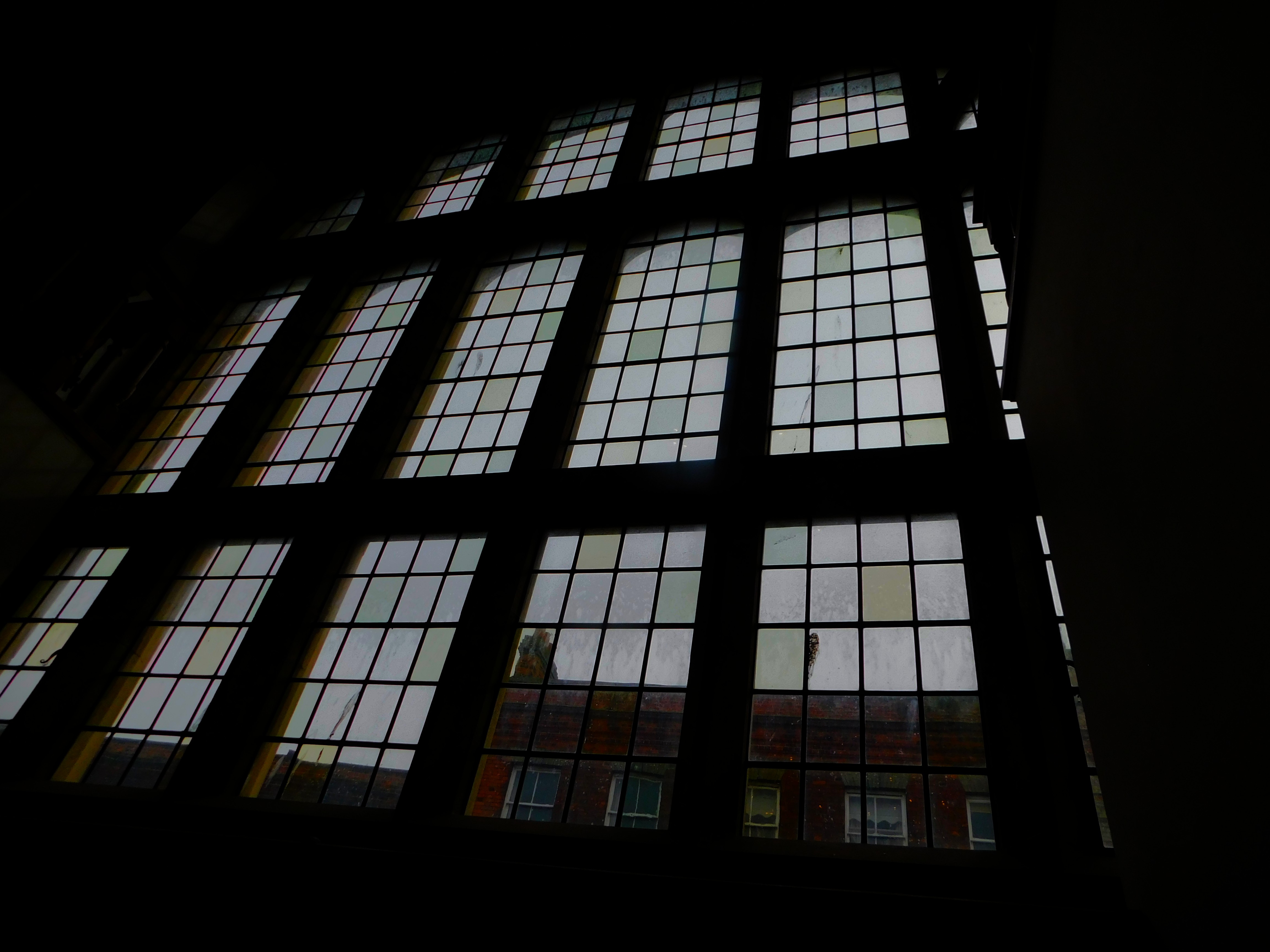
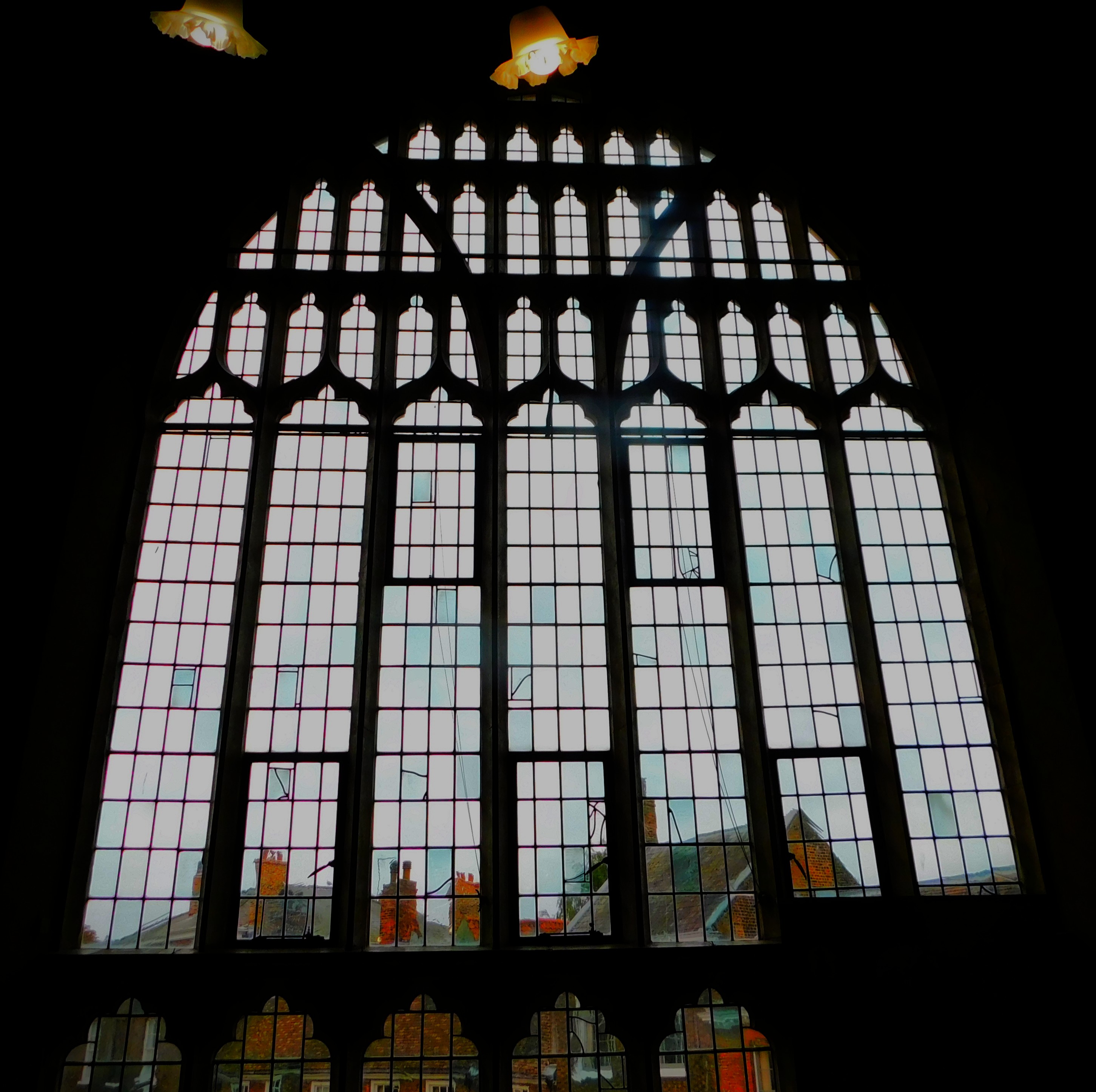
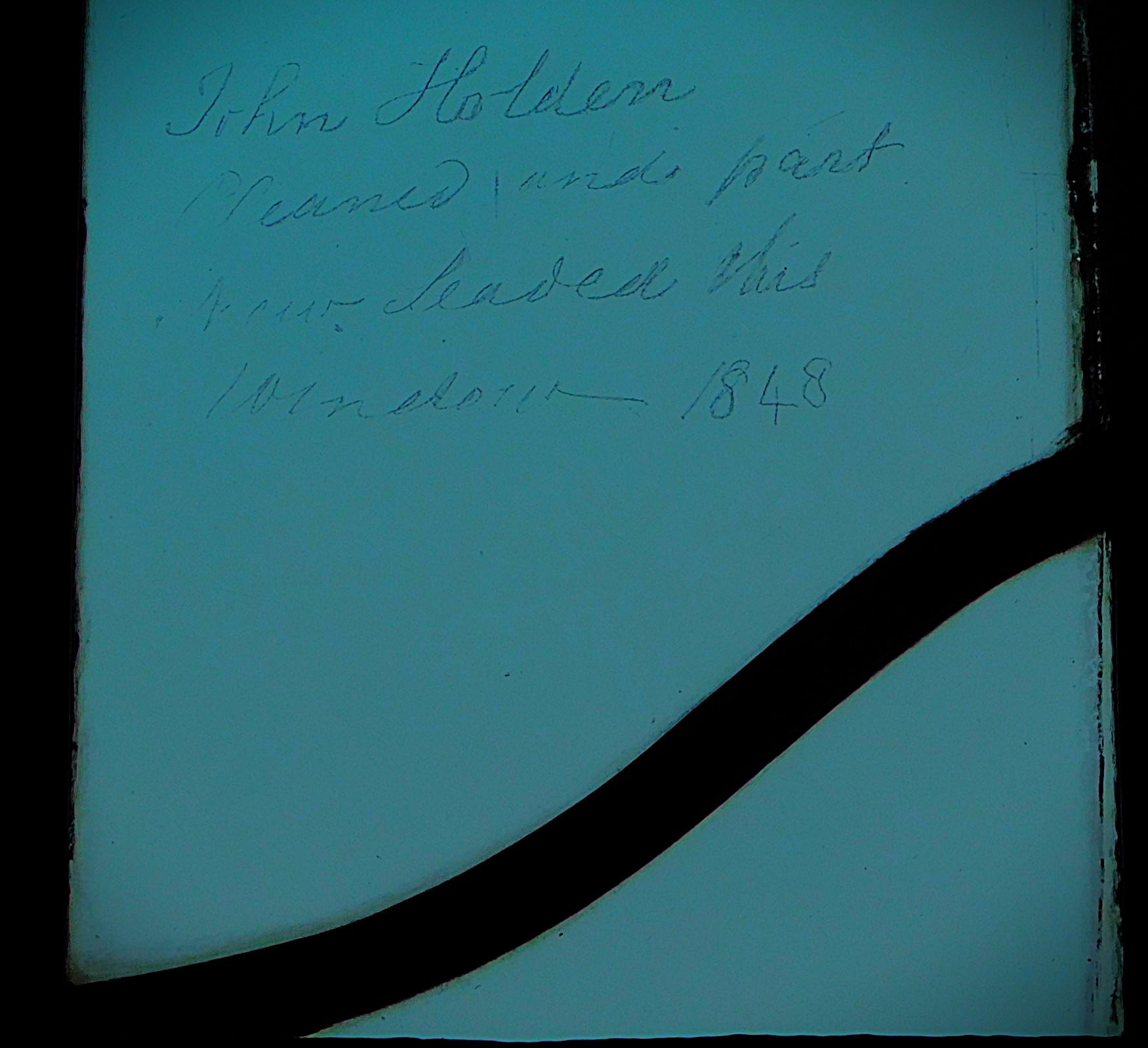
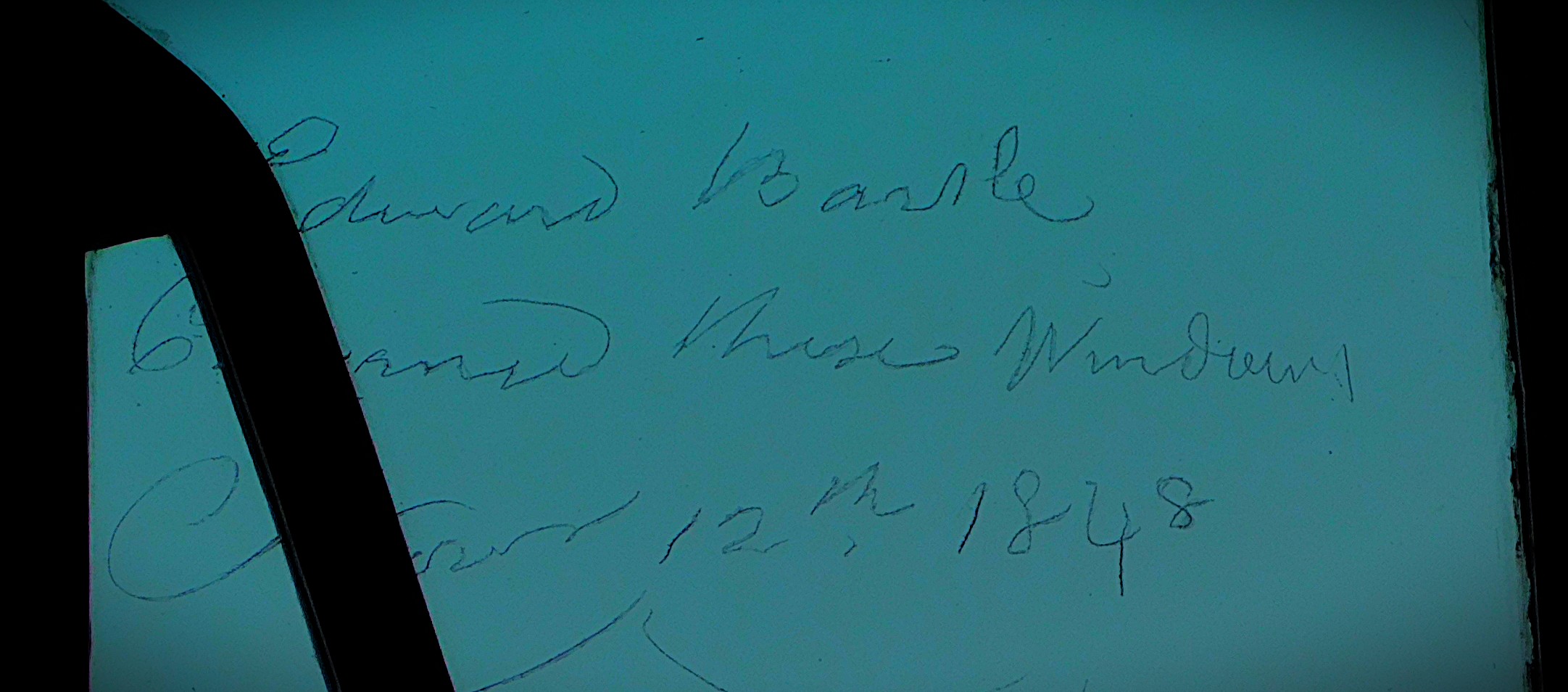
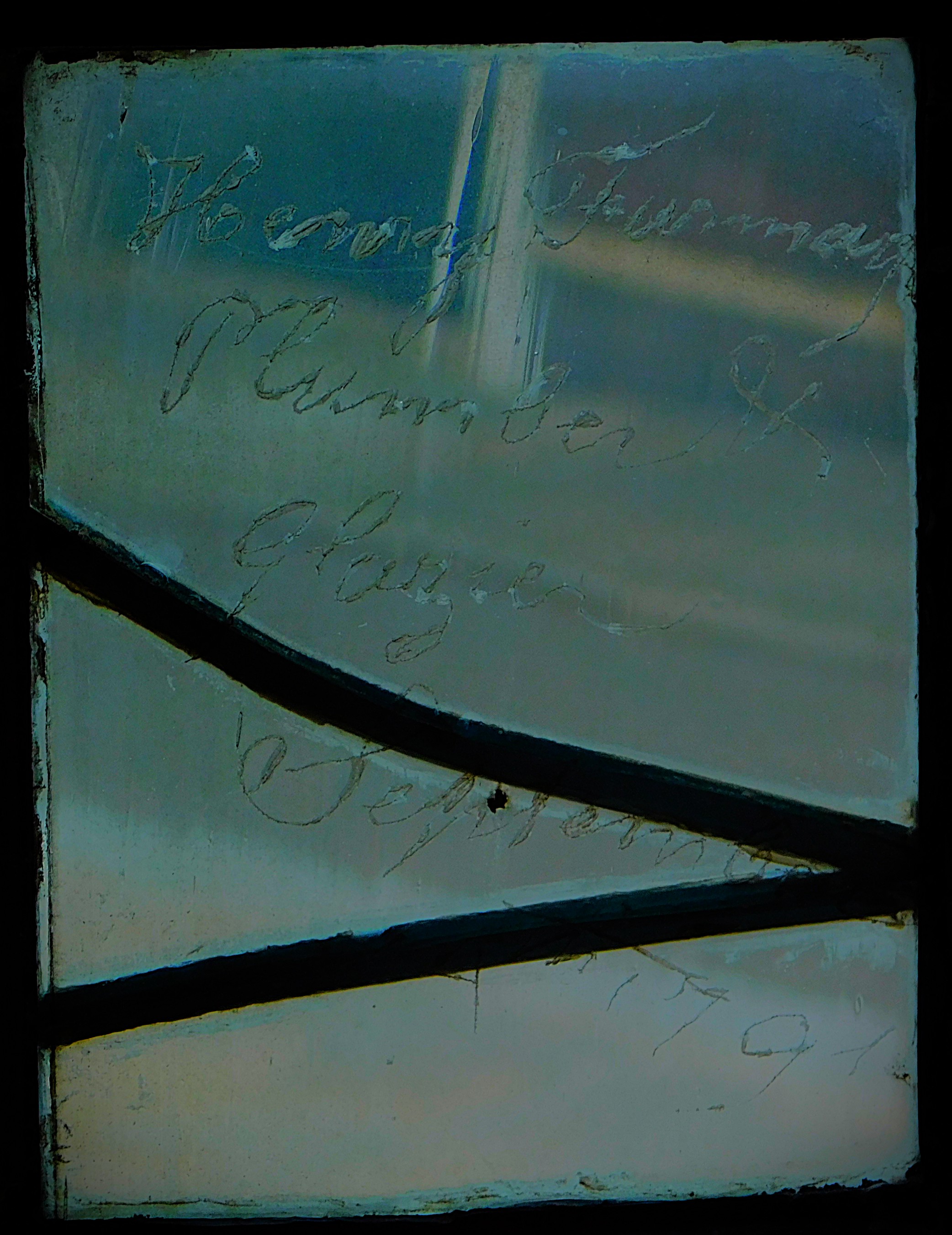
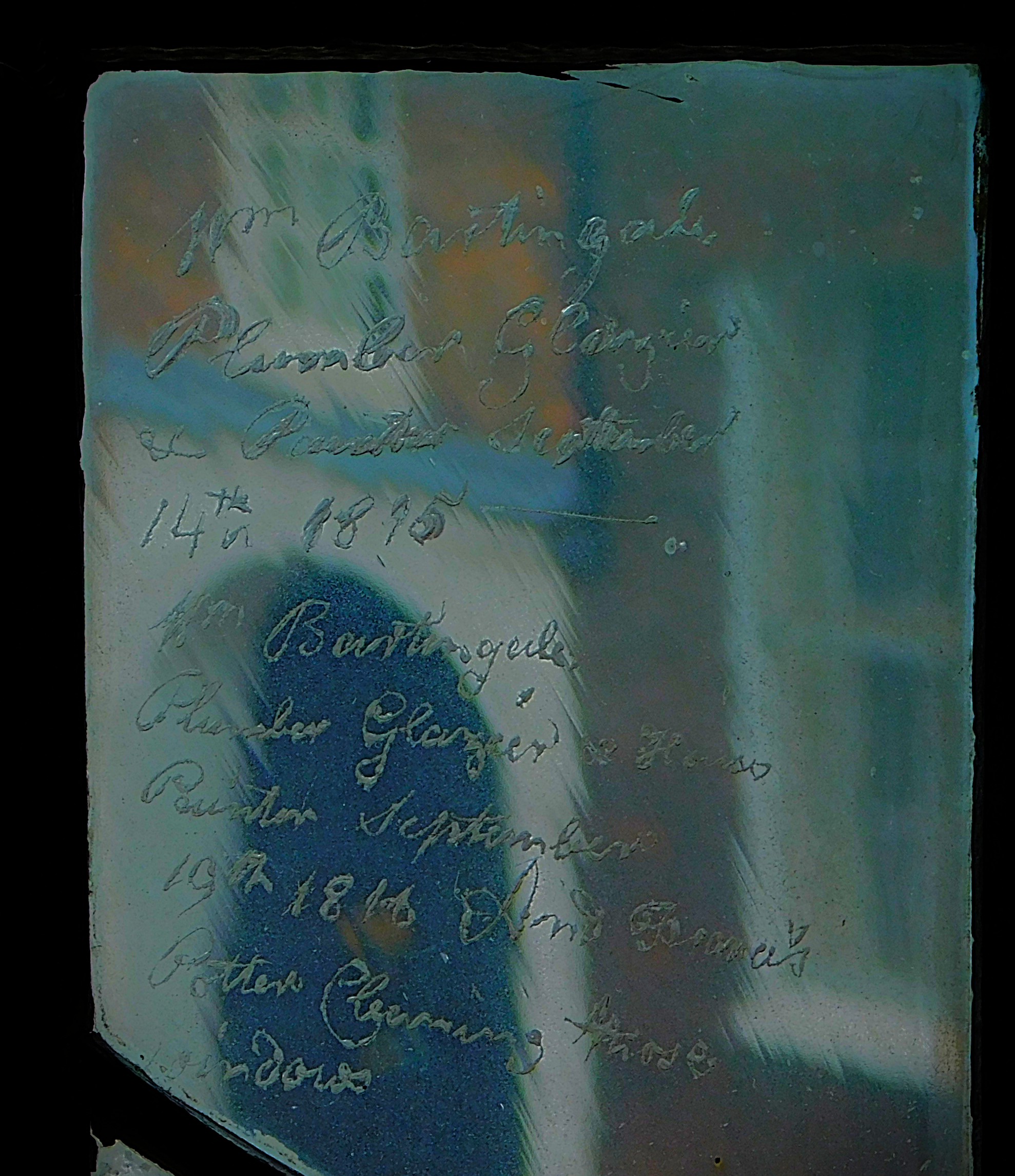
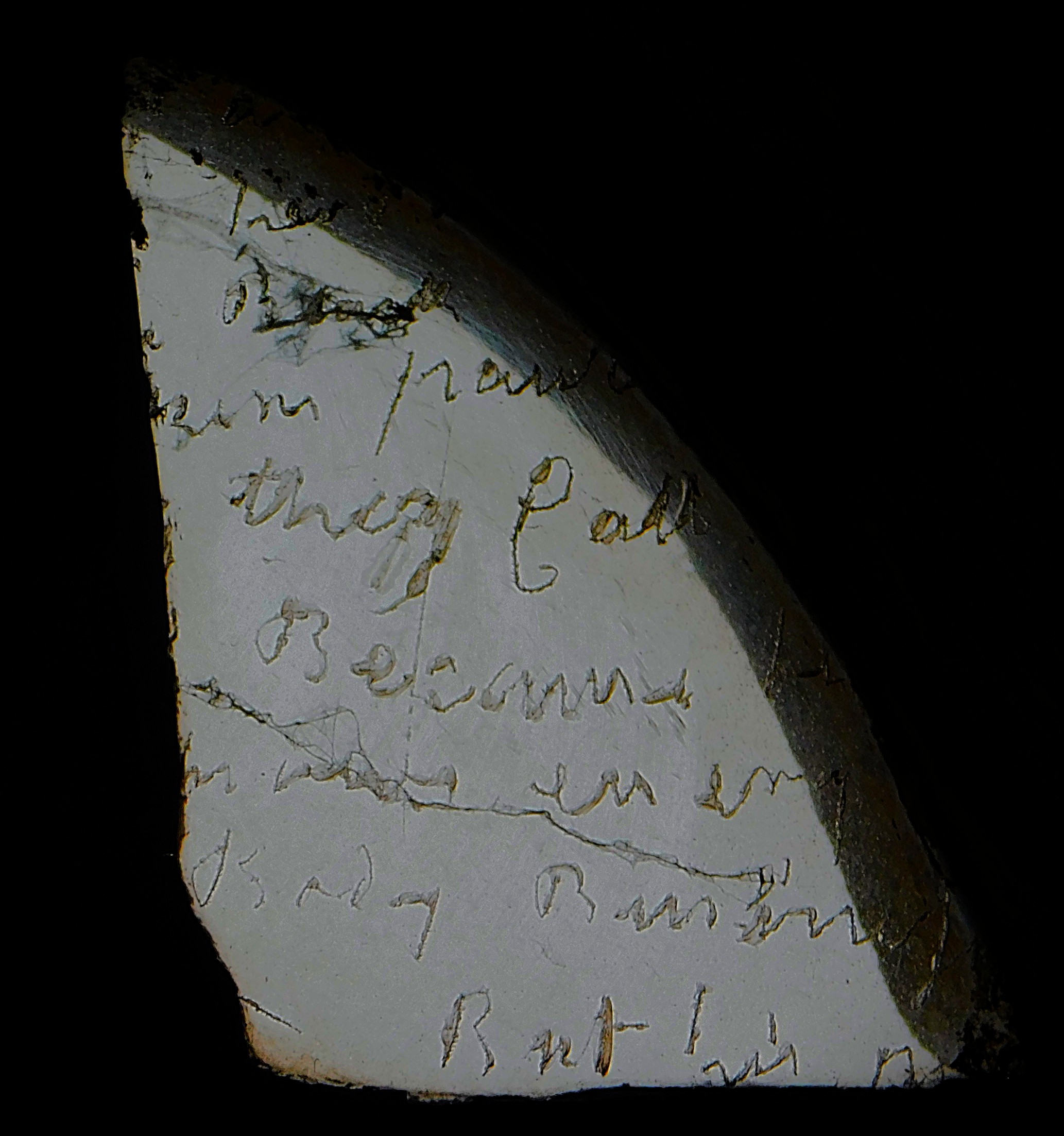
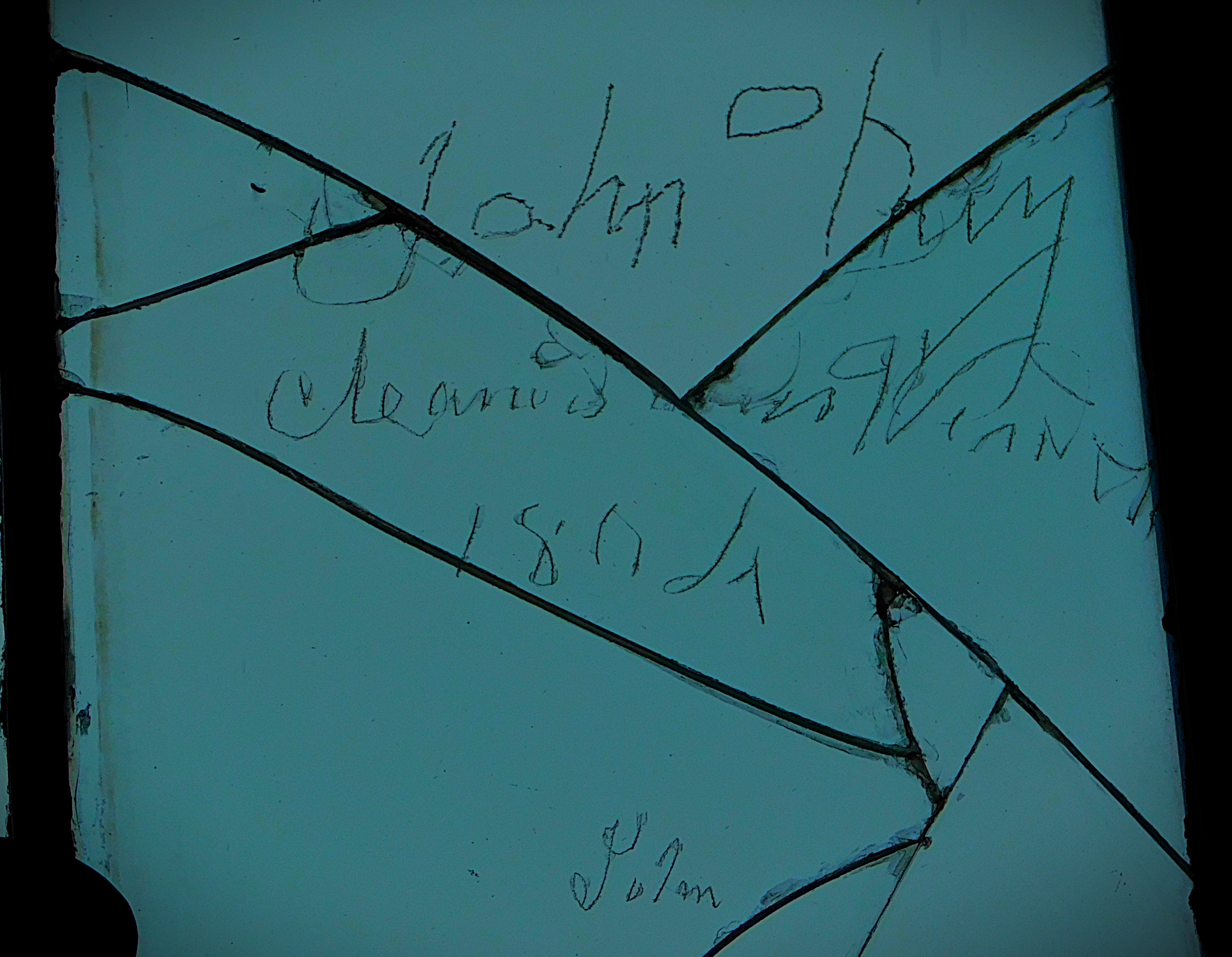
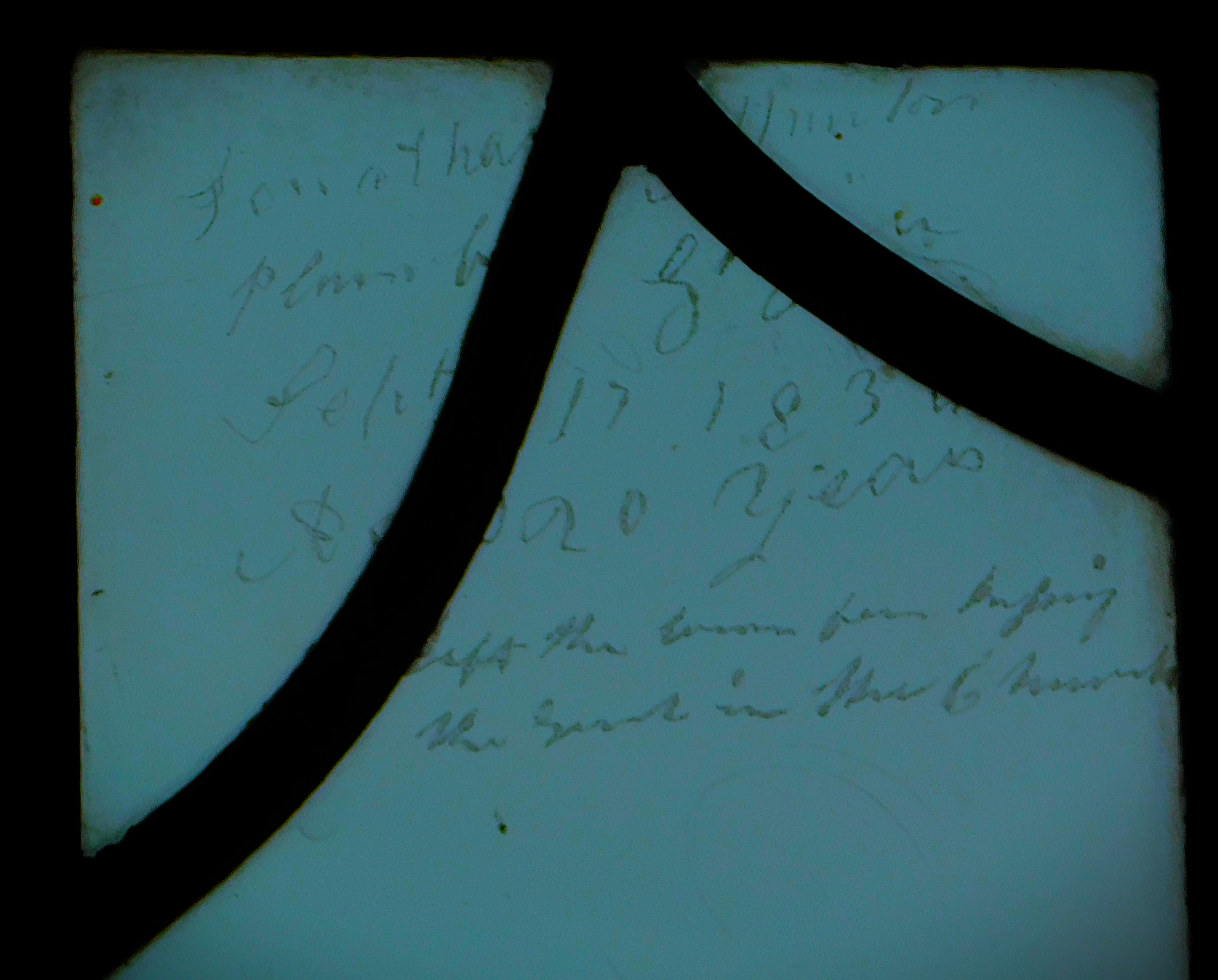
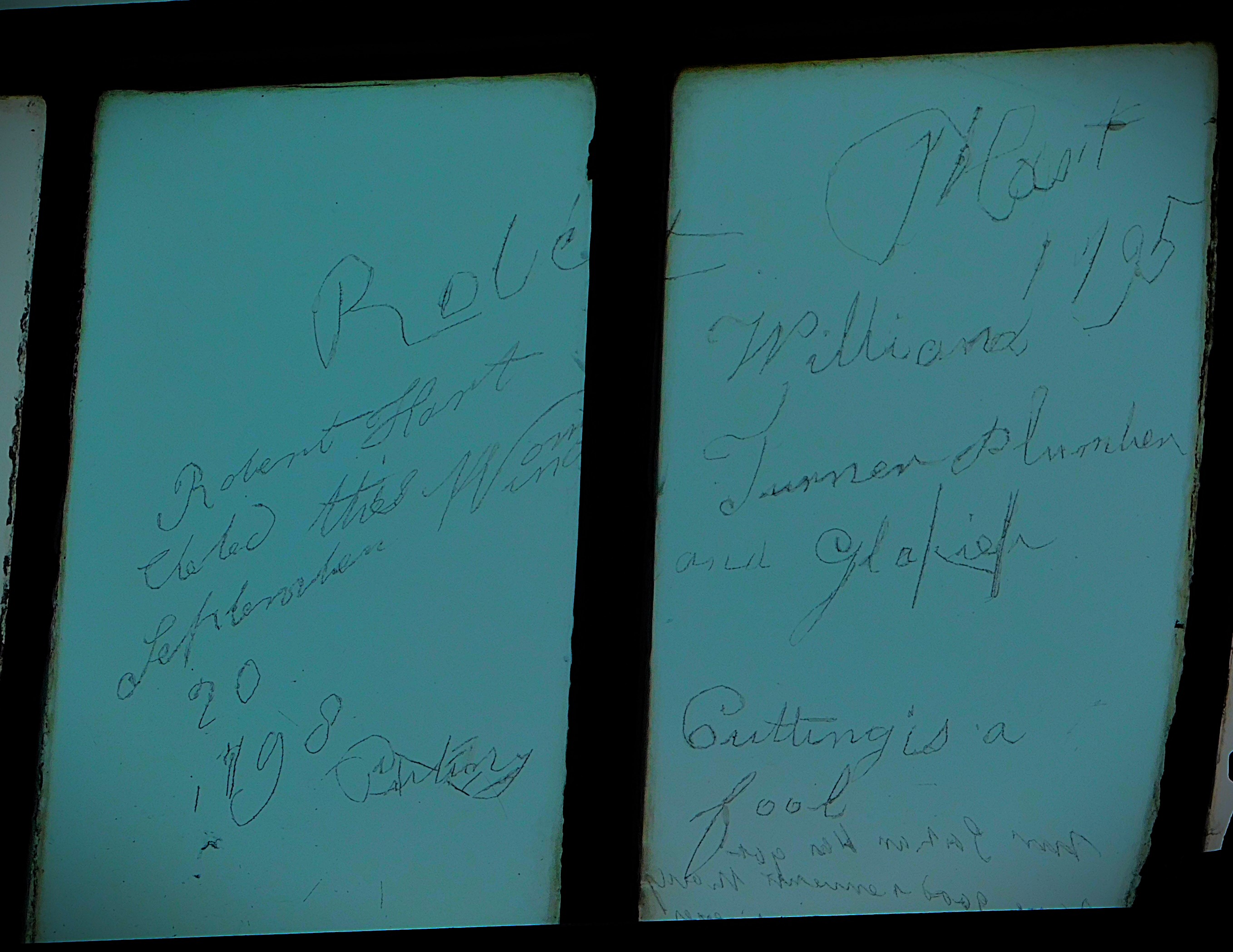
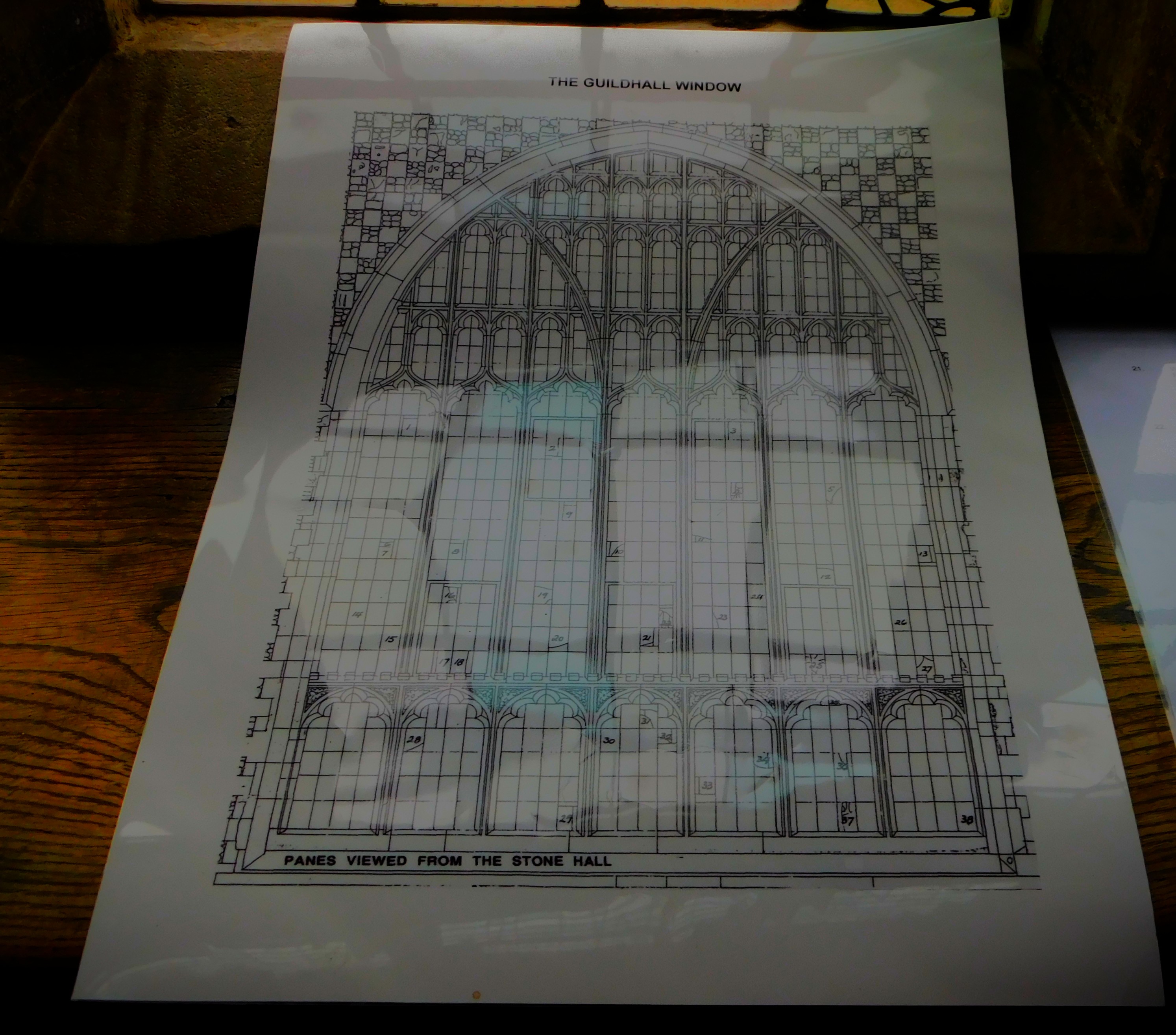
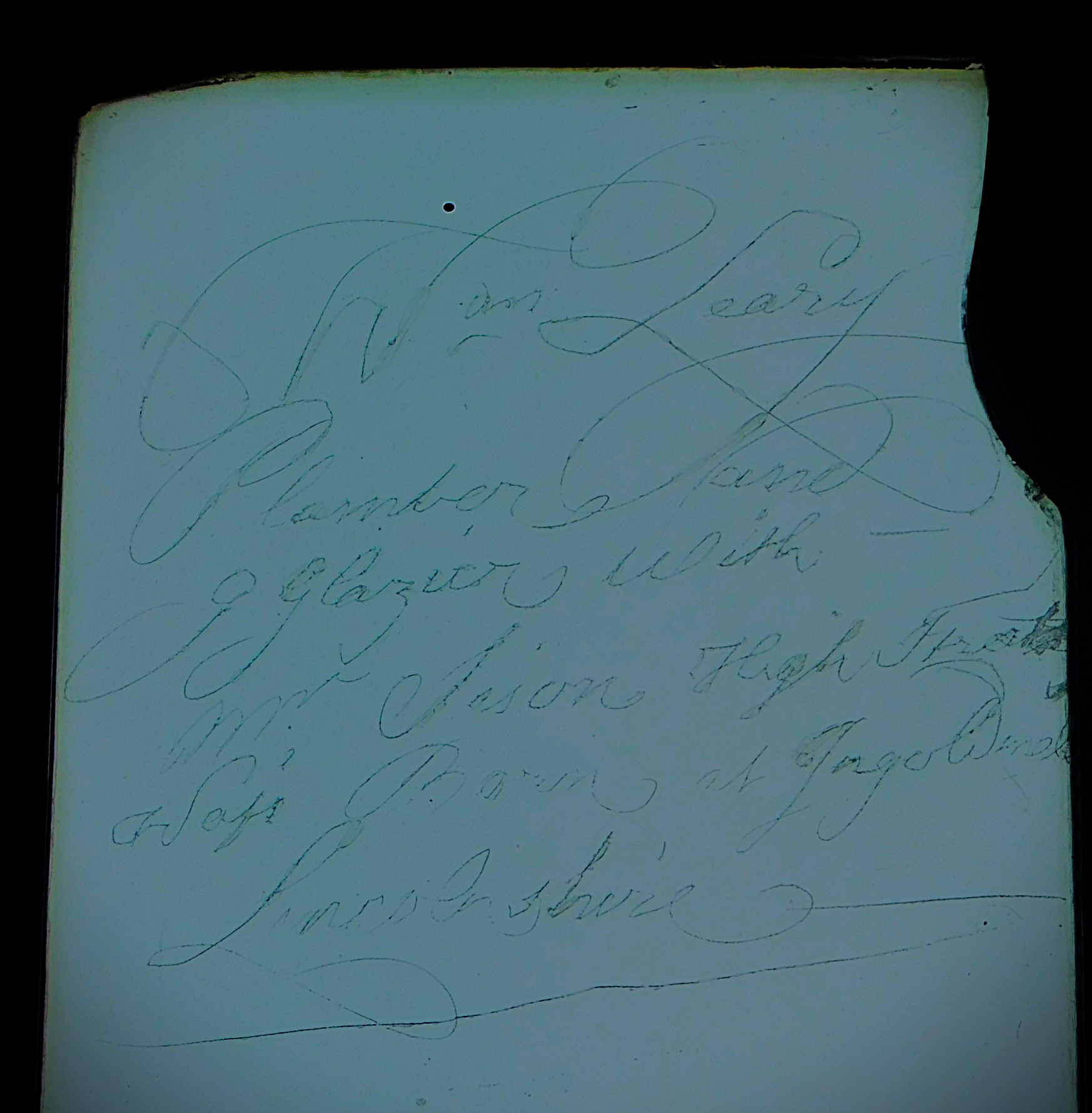
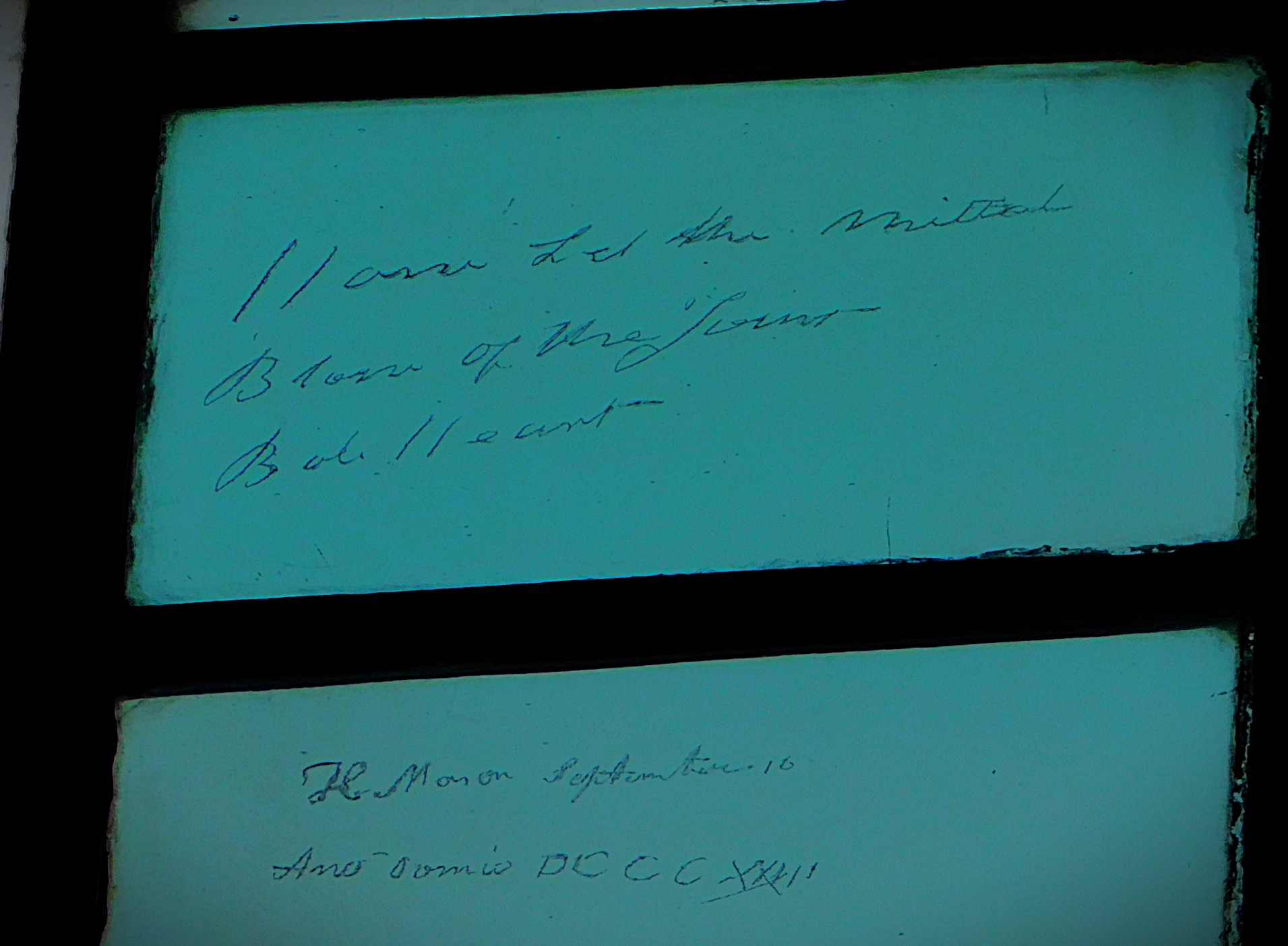
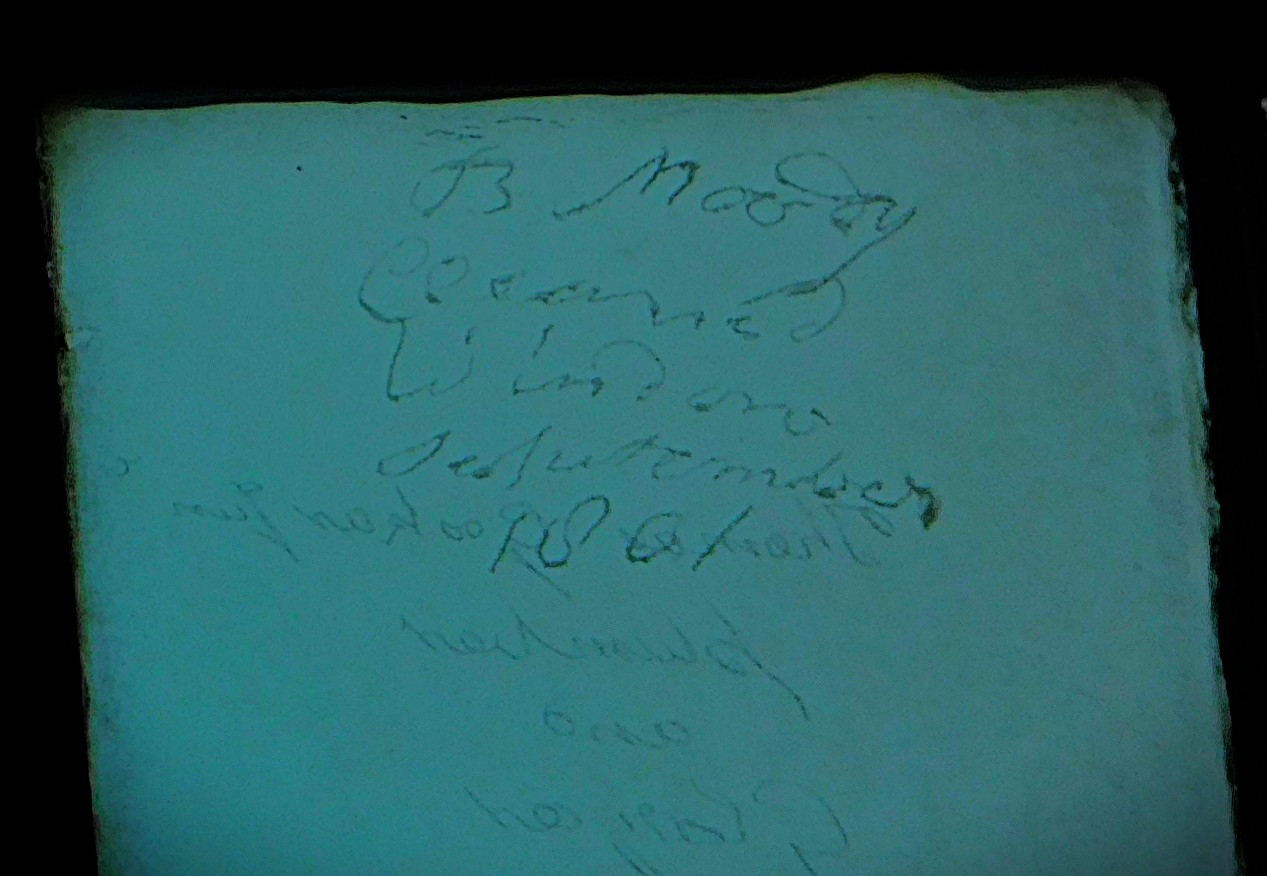
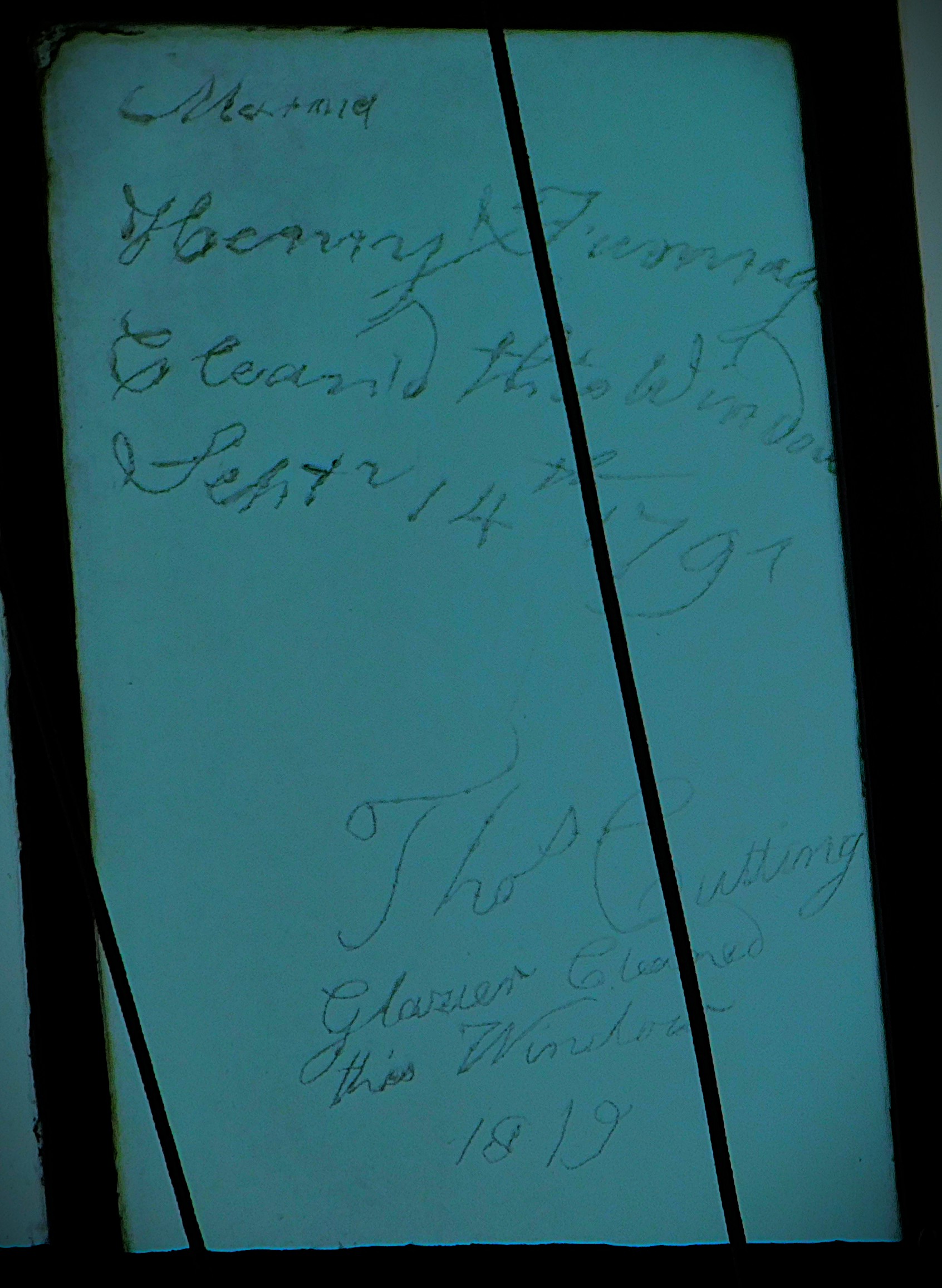
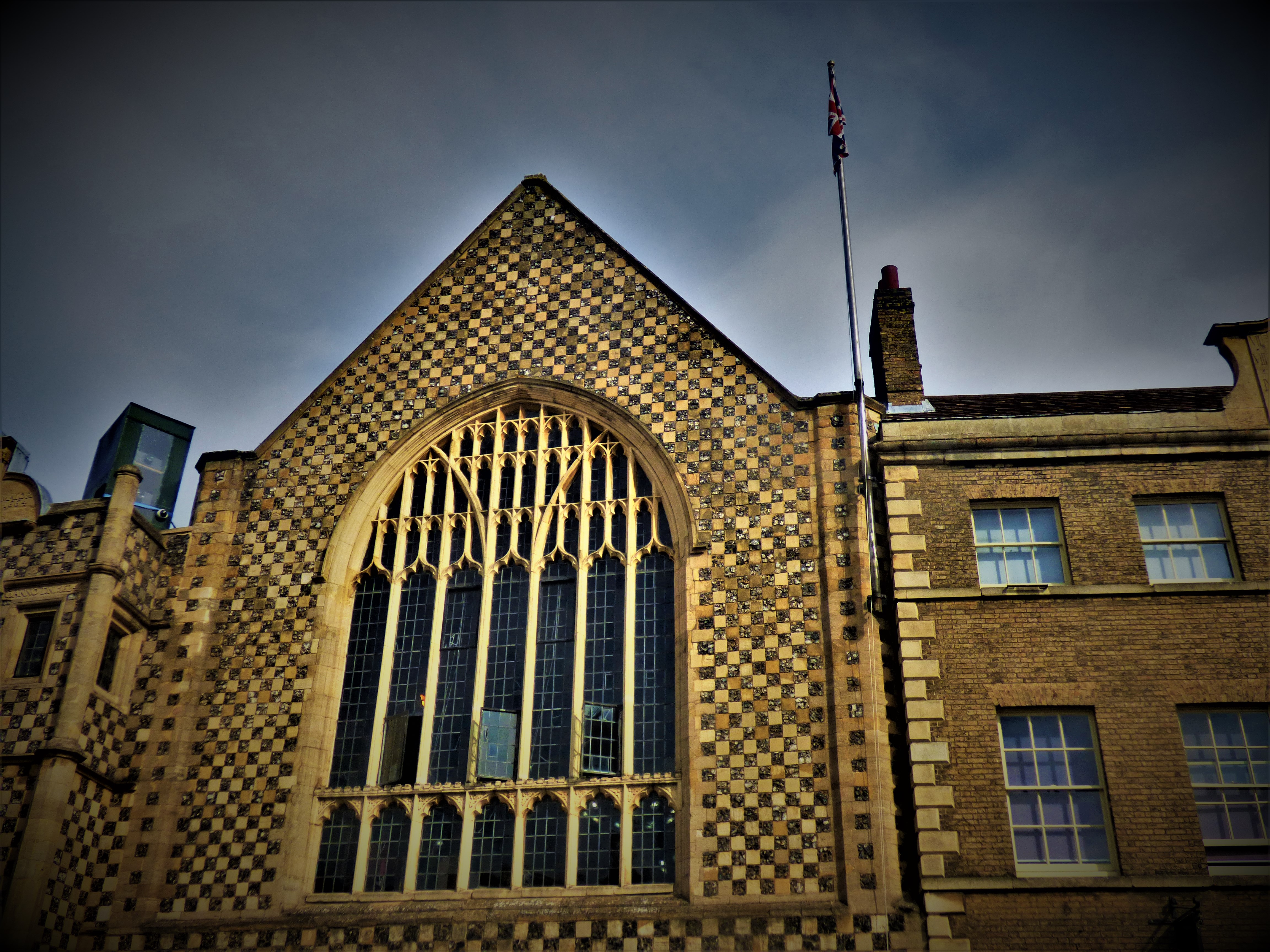
The massive front window of this guildhall, viewed from inside……various panes have writing scratched into them.
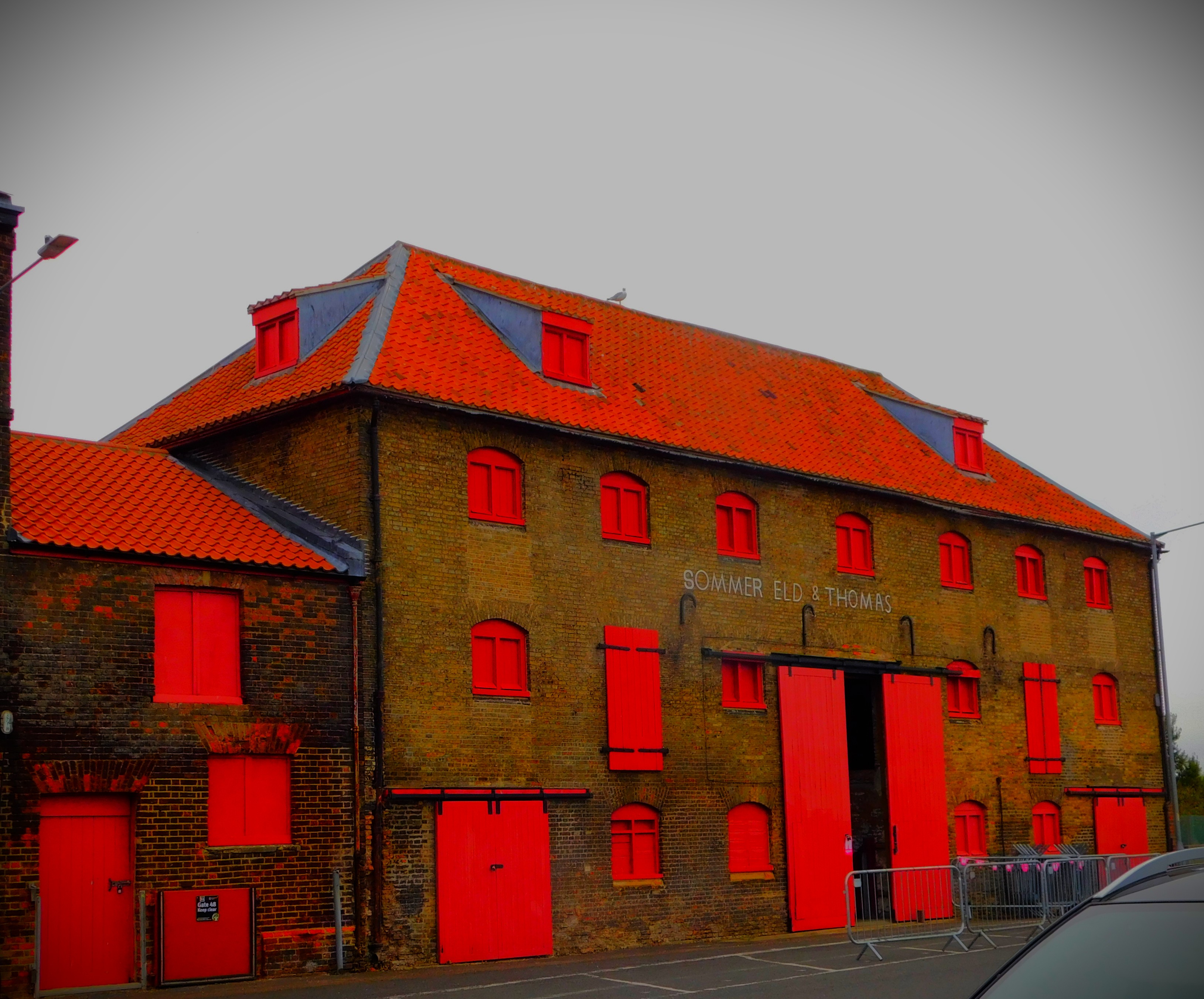
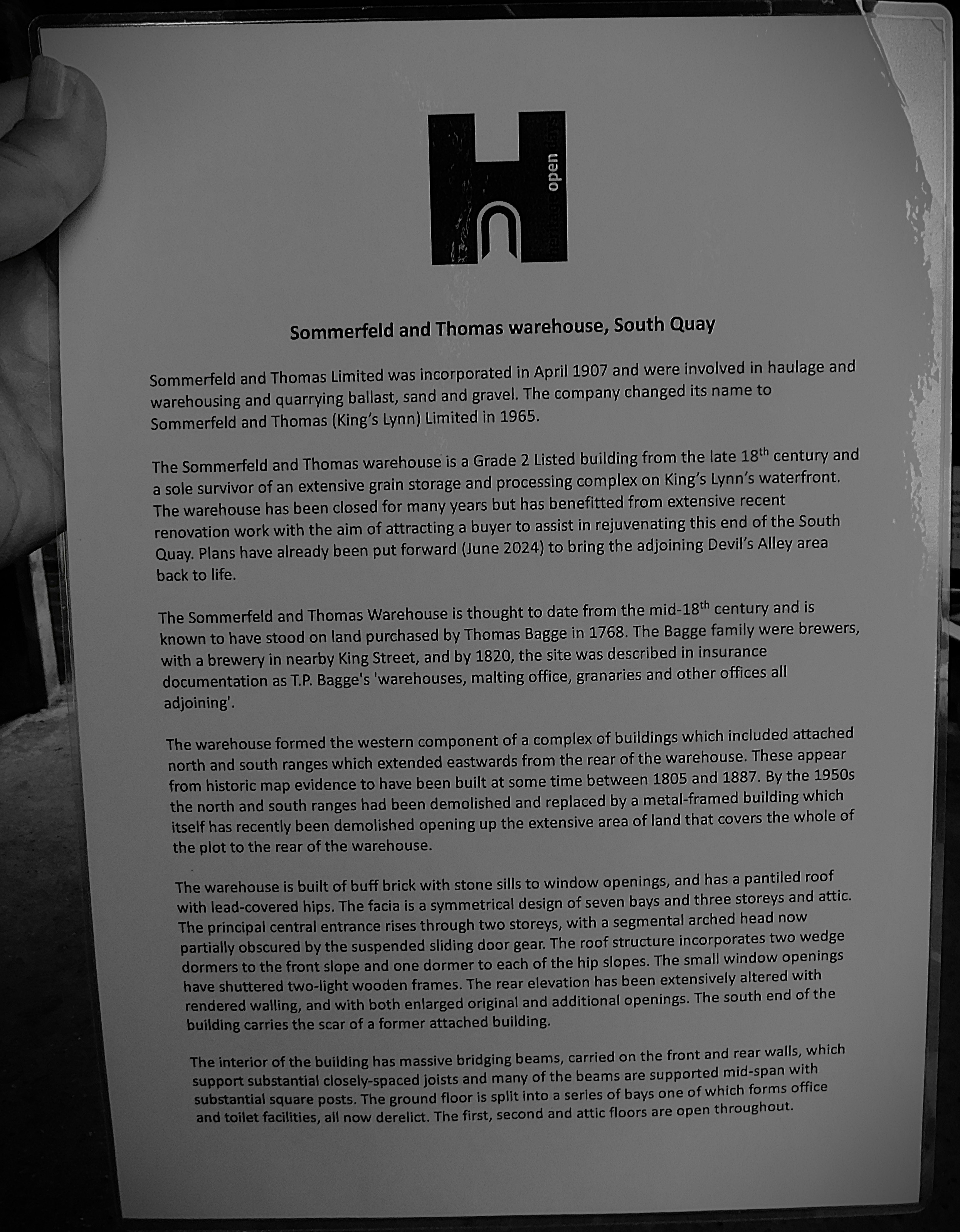
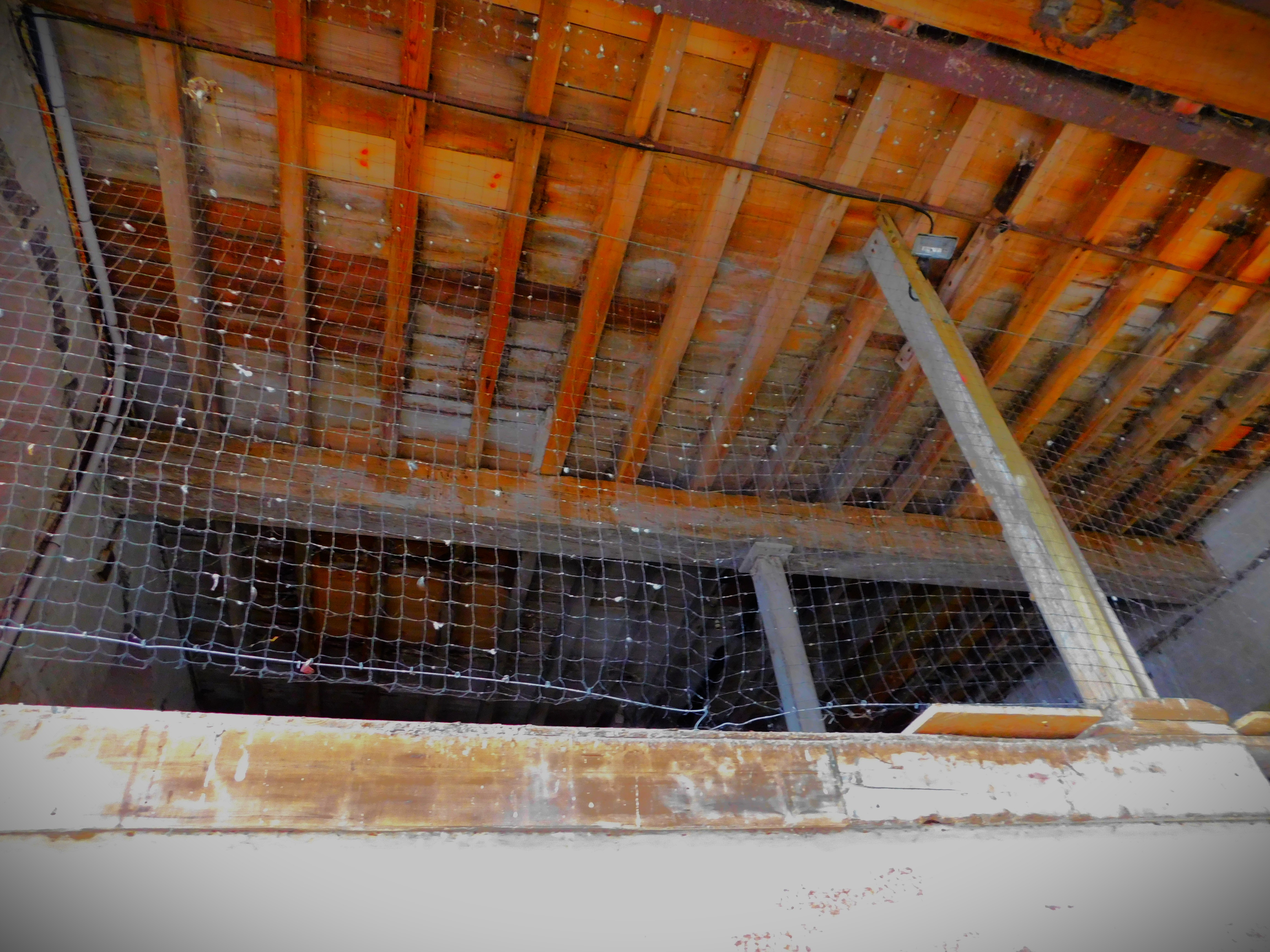
After this I headed to the river front, and Sommerfeld & Thomas, some of which was open for viewing for the first time.
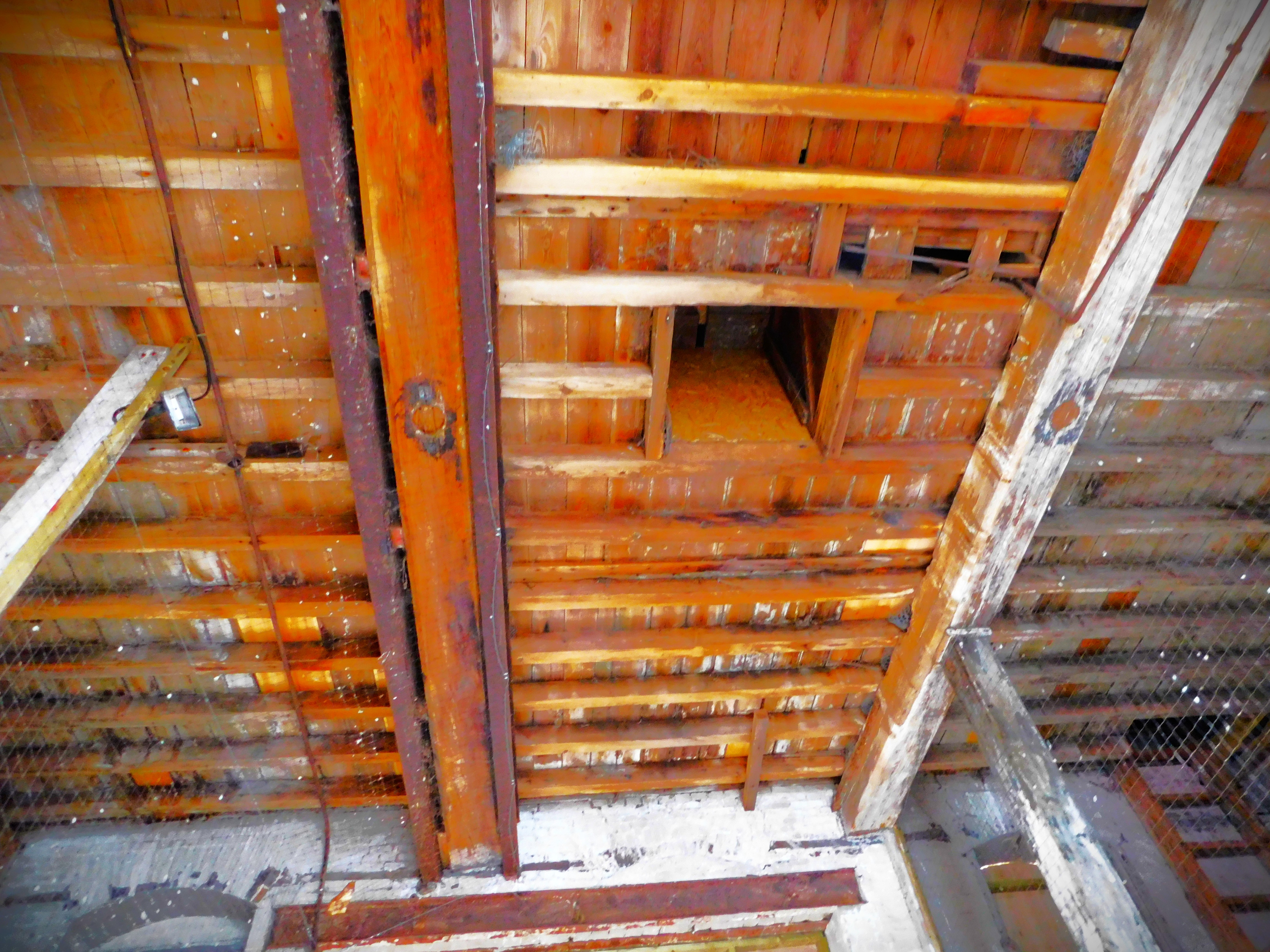
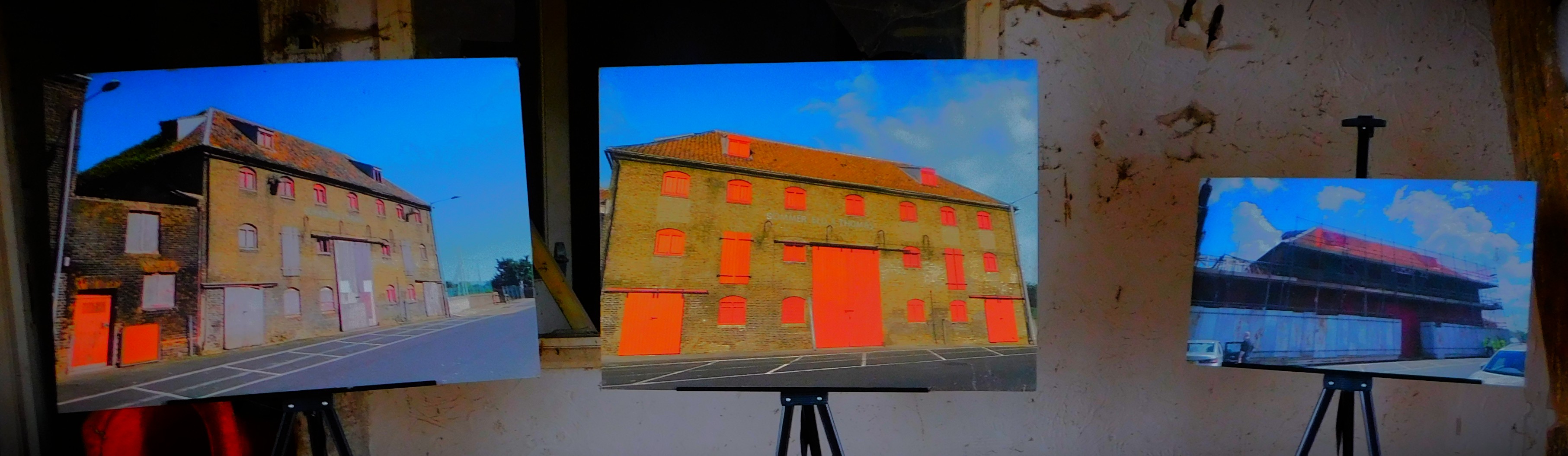
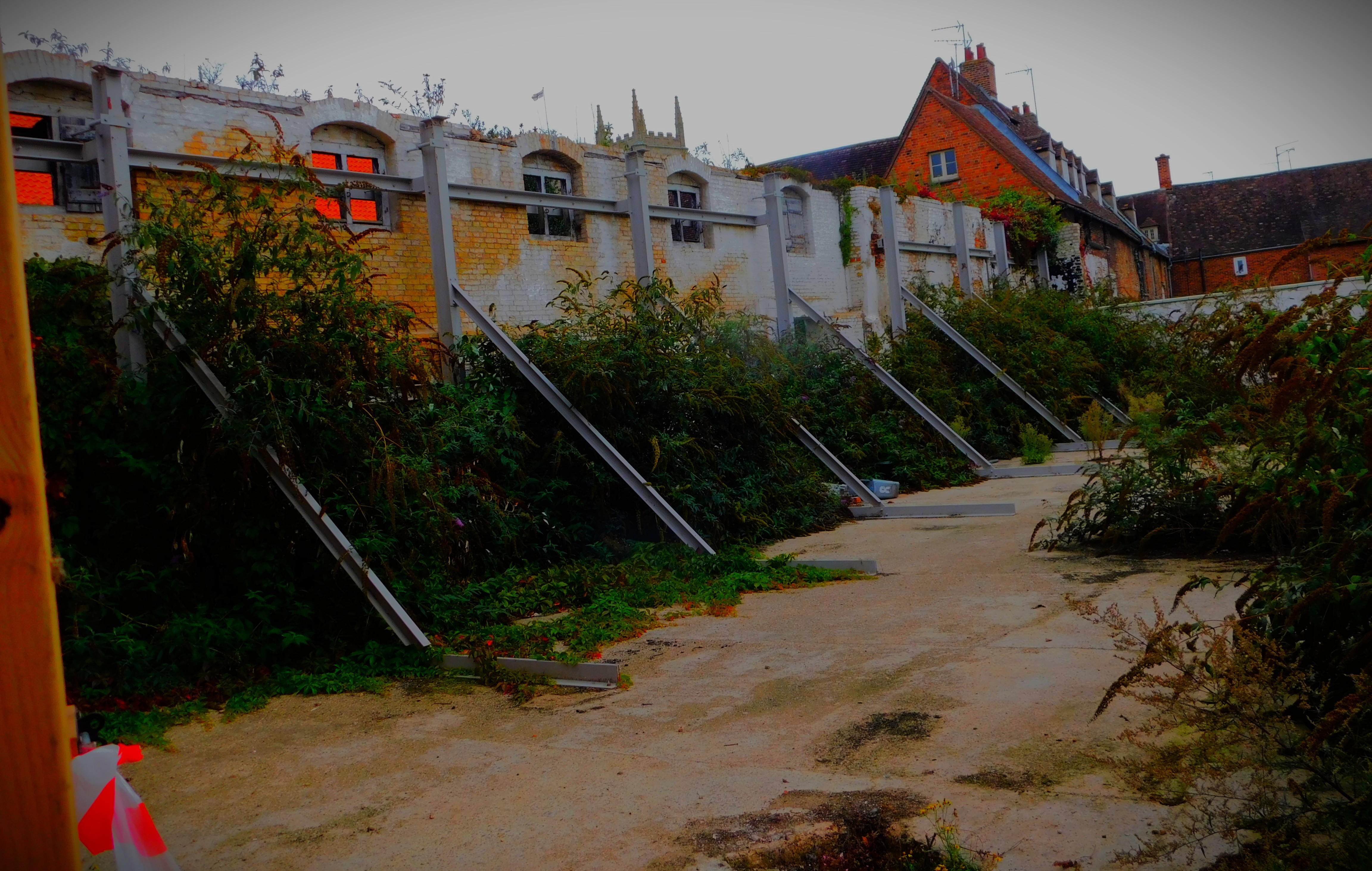
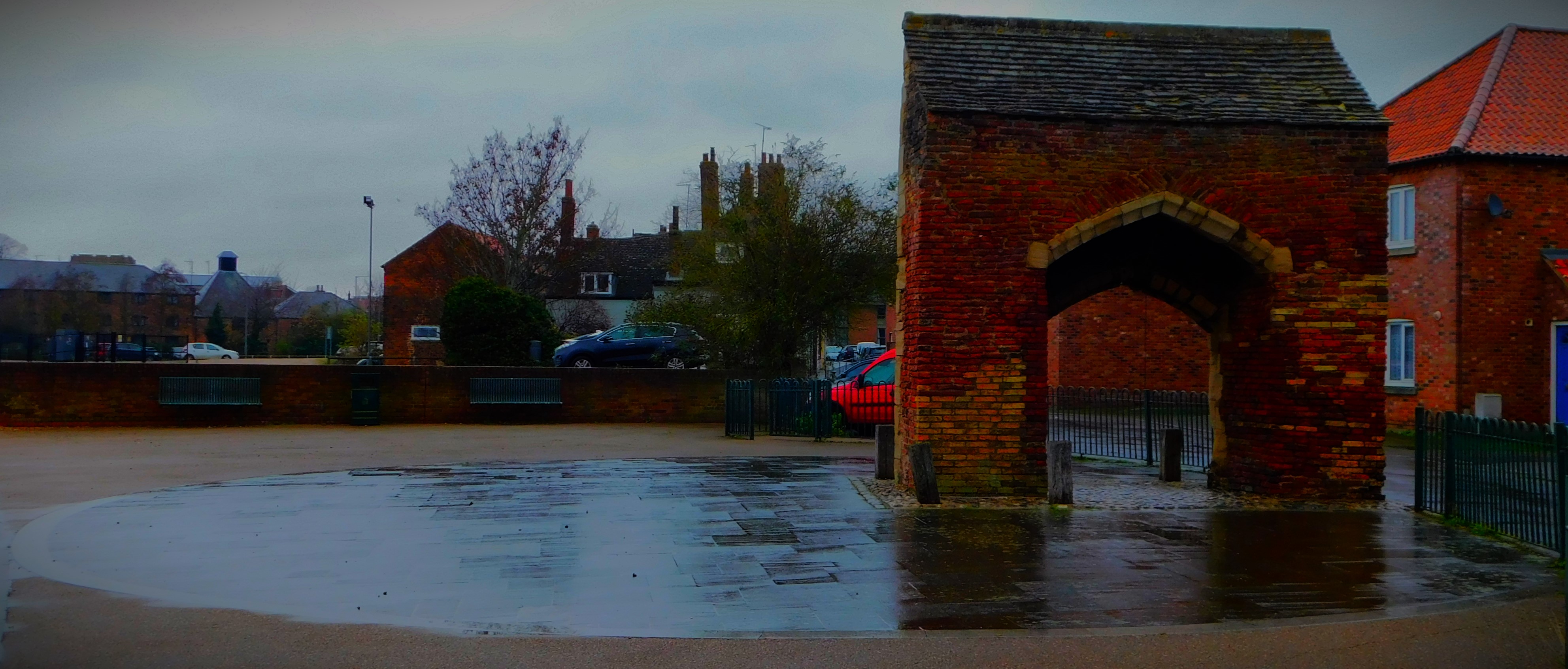
The outside view of Sommerfeld & ThomasThese remains out back (two pics) indicate just how huge Sommerfeld & Thomas was in its heyday.
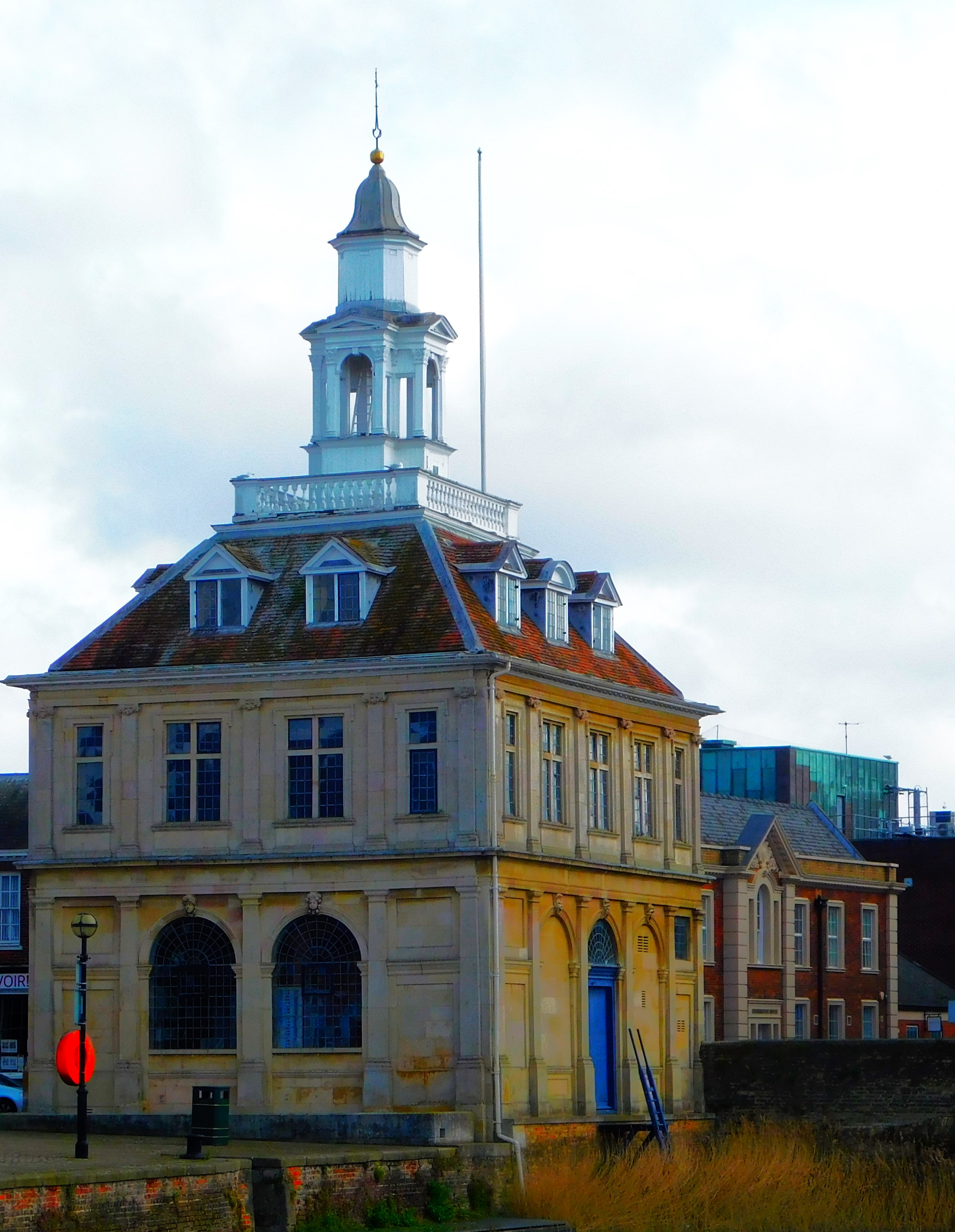
I then headed along the river front and past Custom House to King Street.
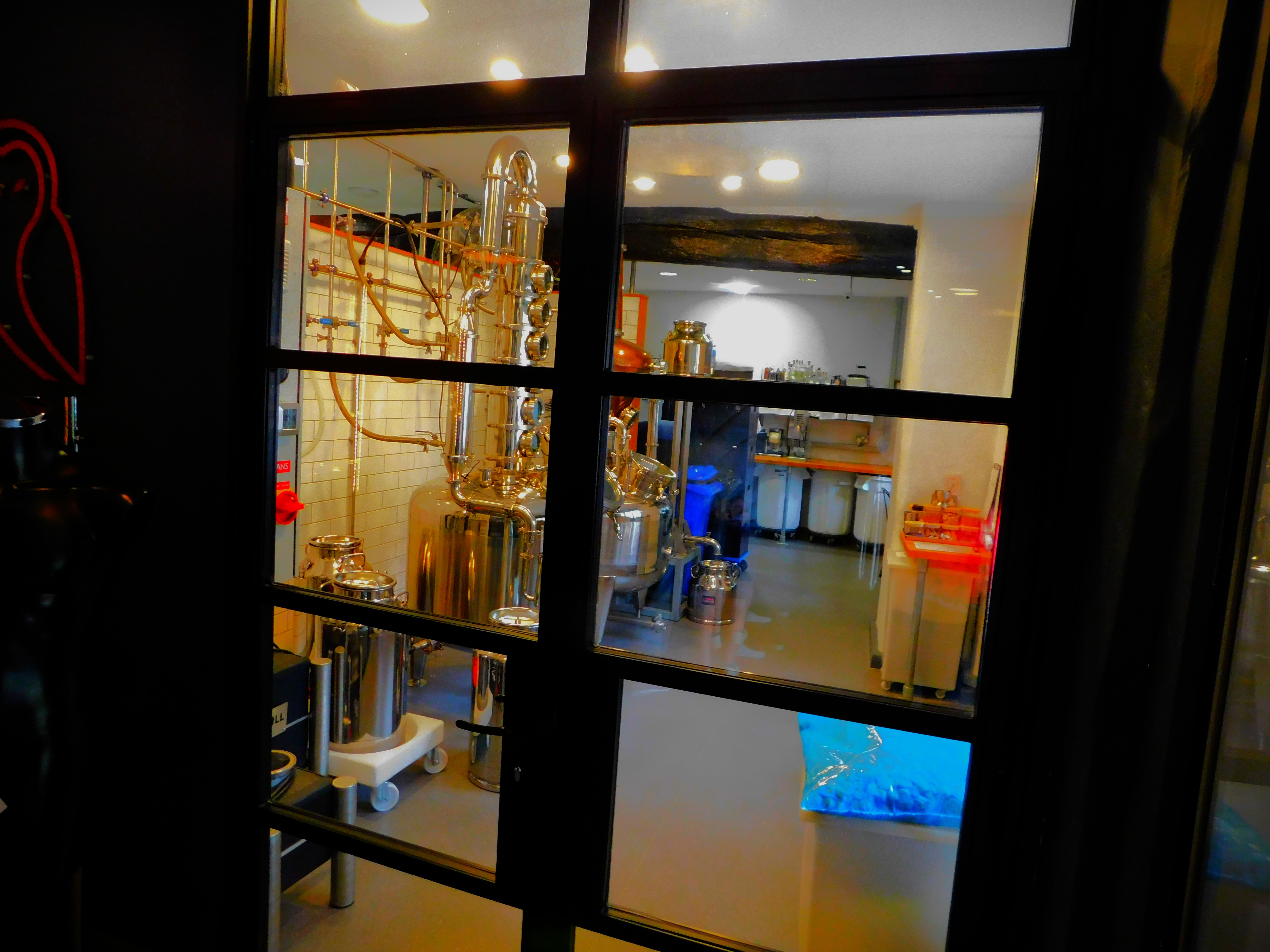
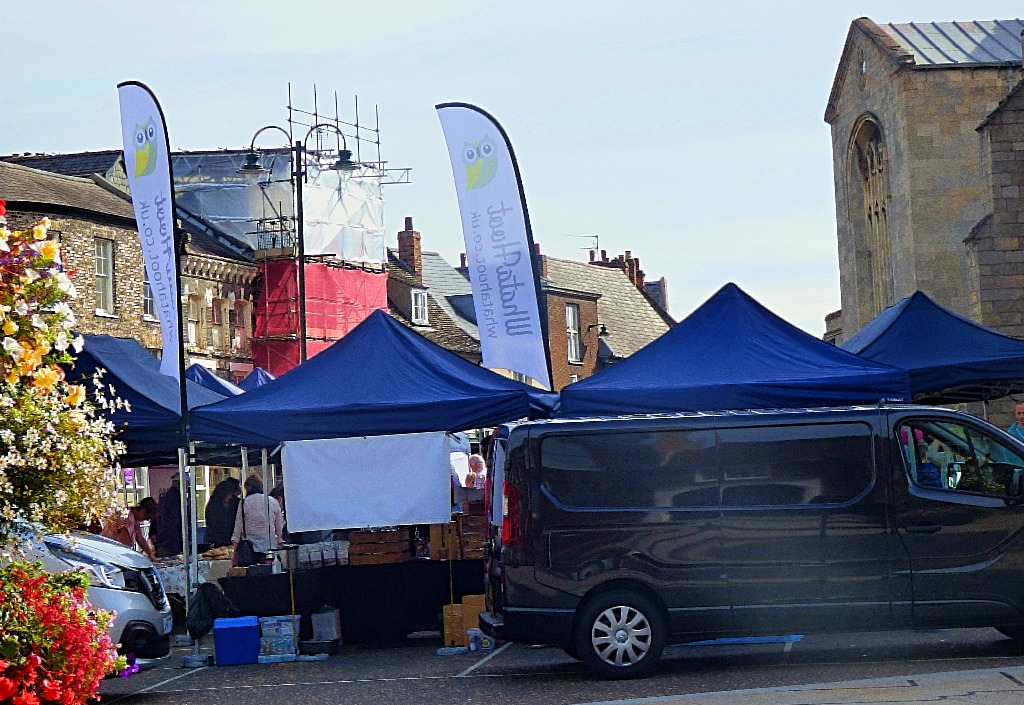
Back on King Street I made a quick visit to the What a Hoot Distillery. I did not purchase anything there, though until I saw the price I was briefly considering their golden rum.
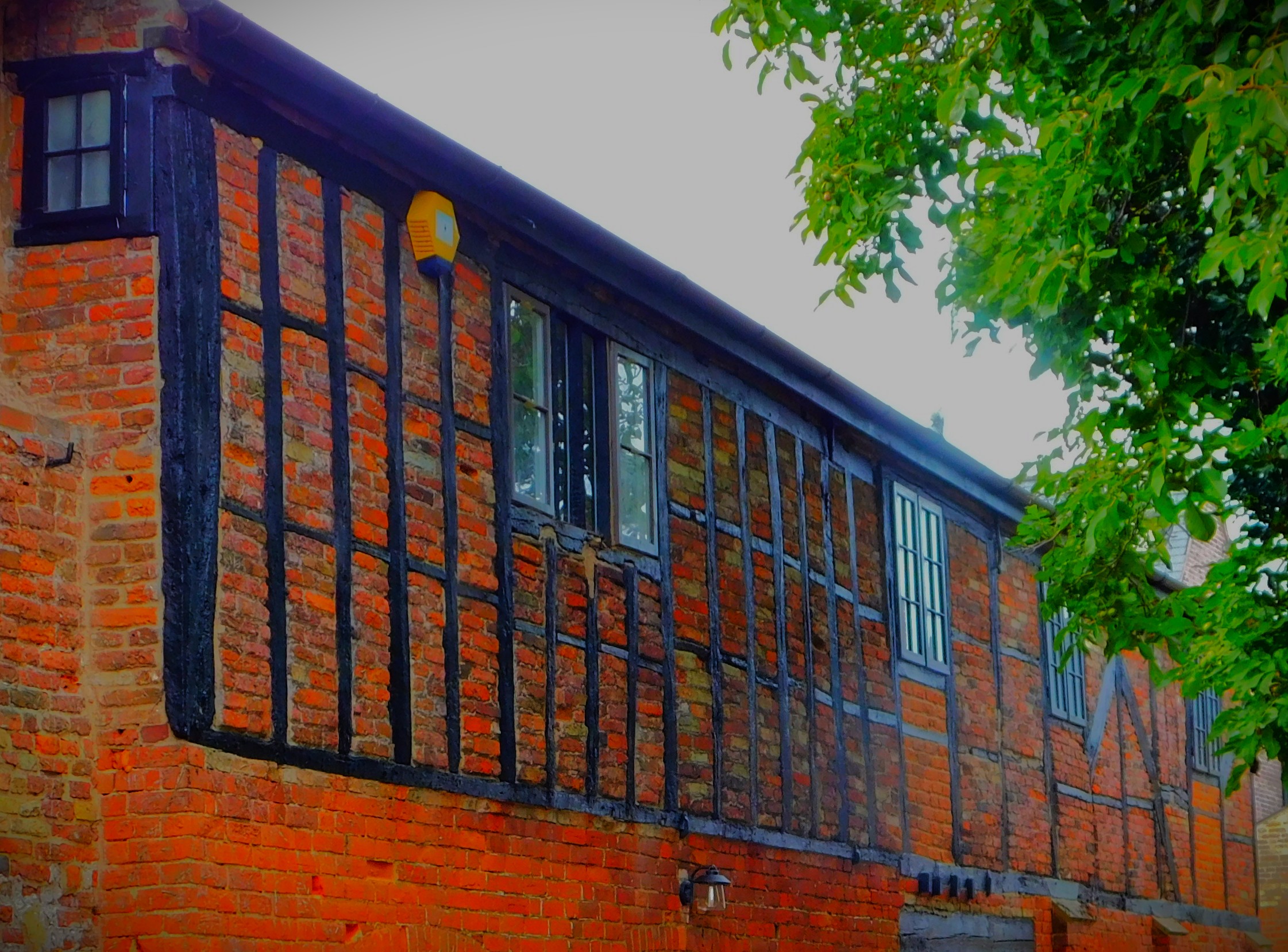
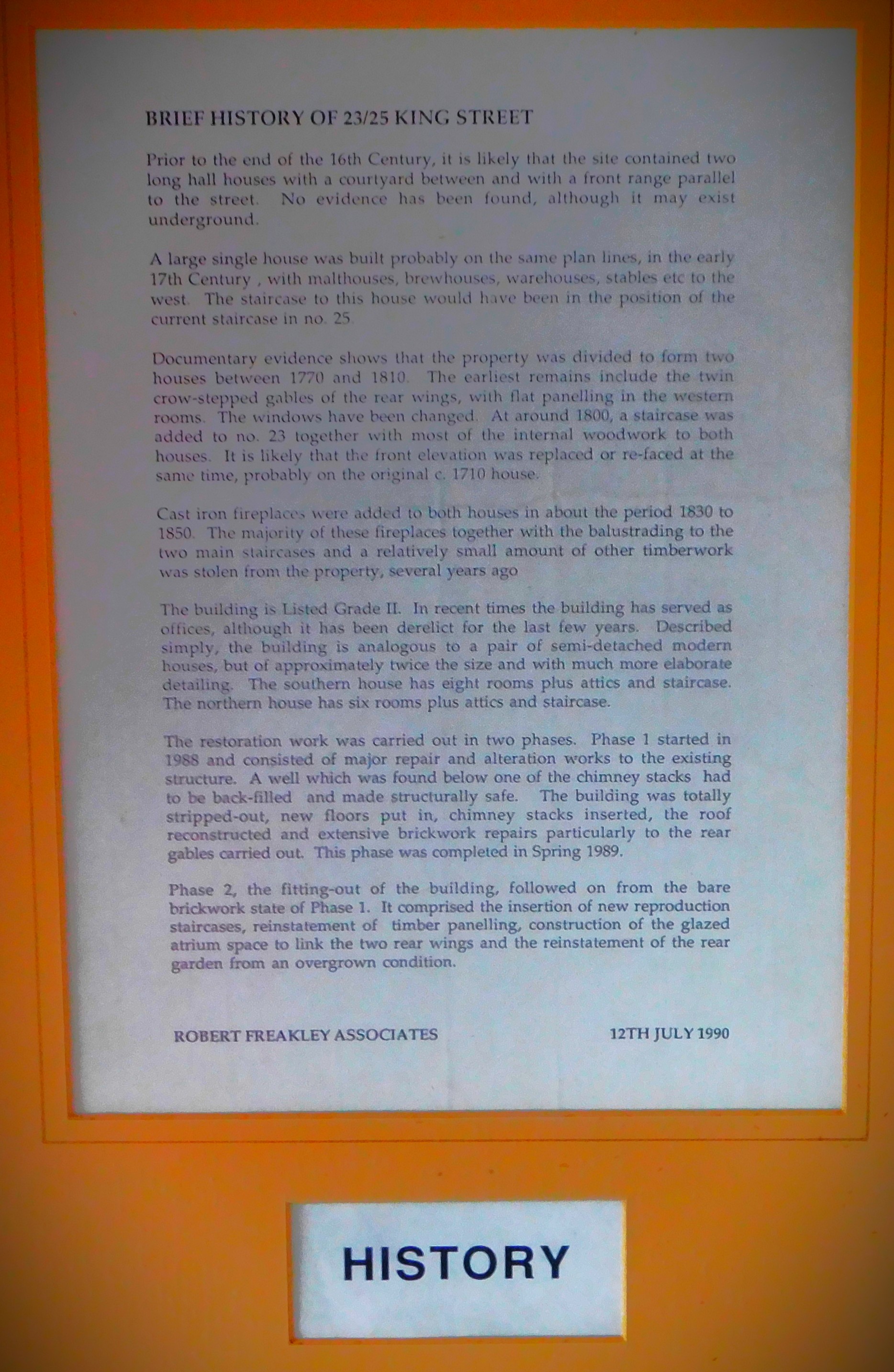
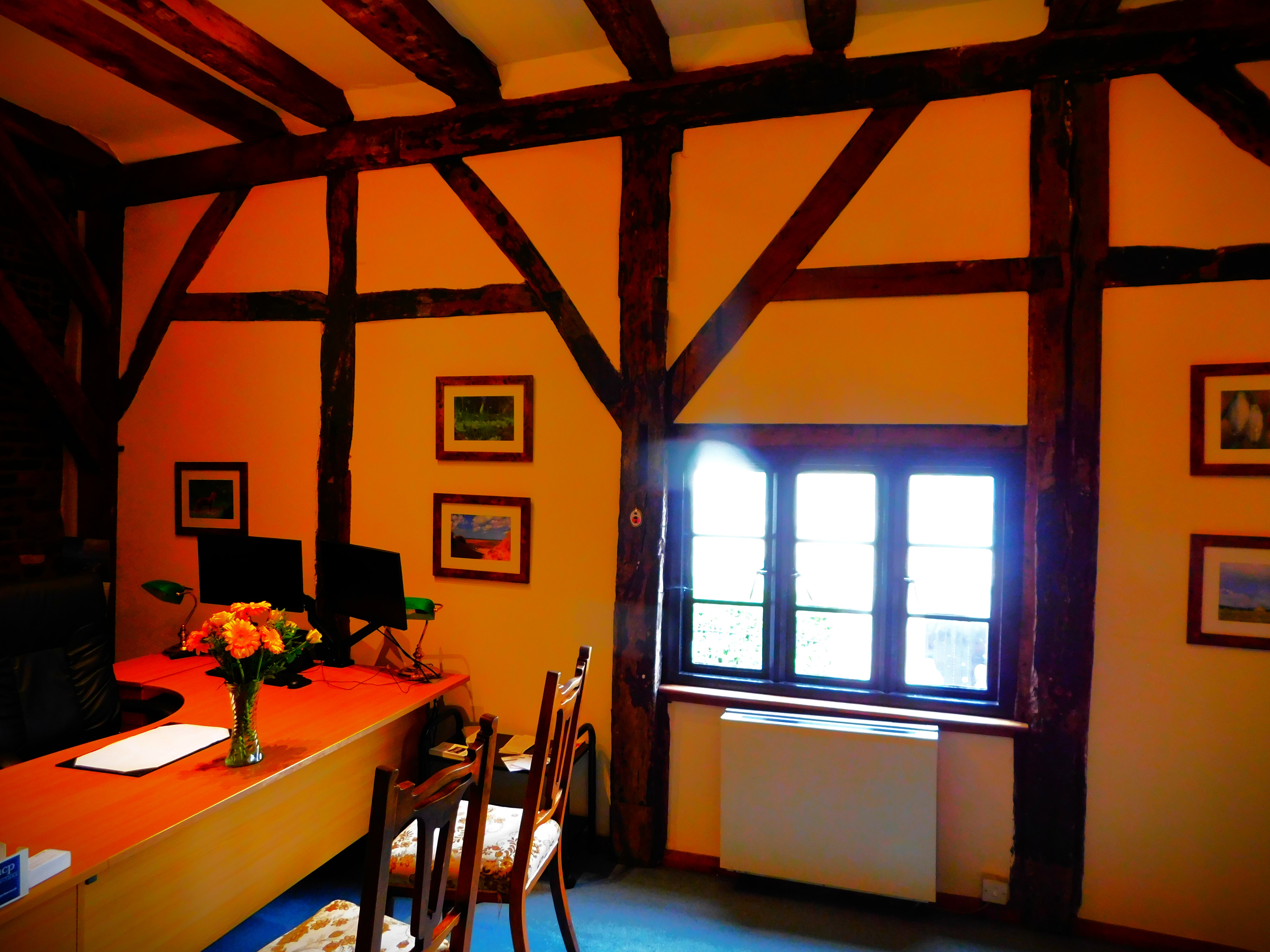
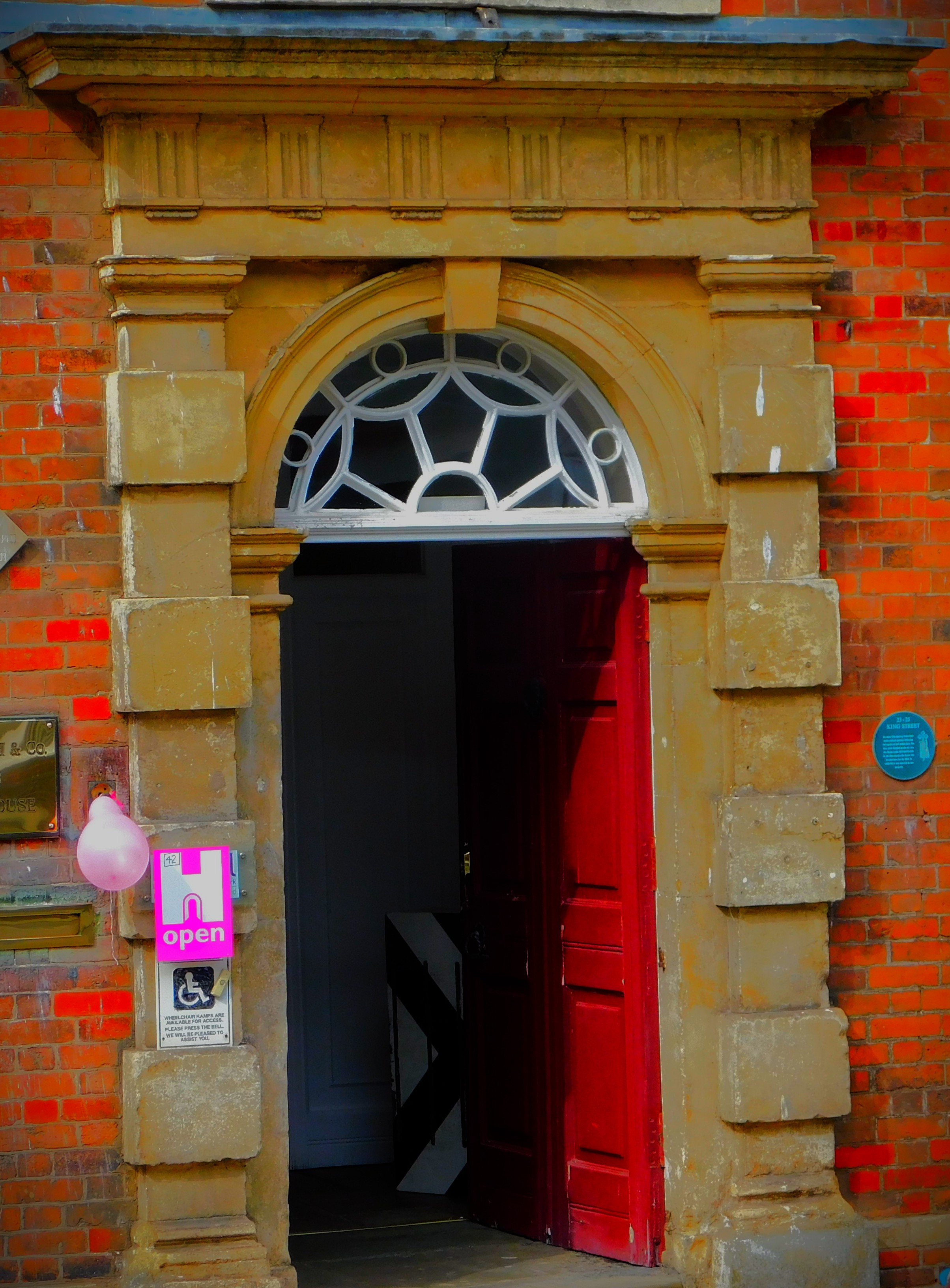
I then visited numbers 23-25 King Street, once private residences, now a solicitor’s practice – the two houses were joined together in 1989.
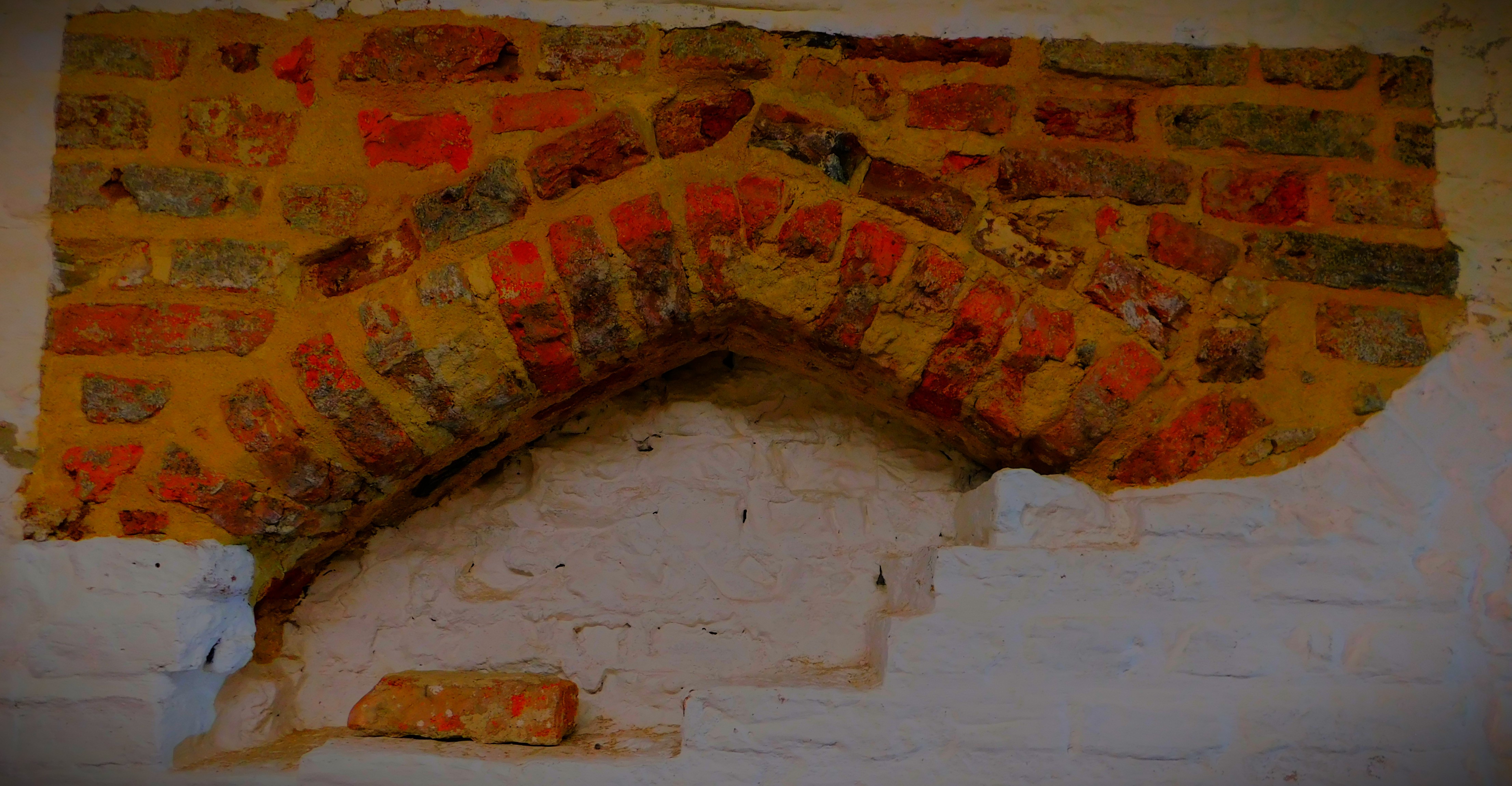
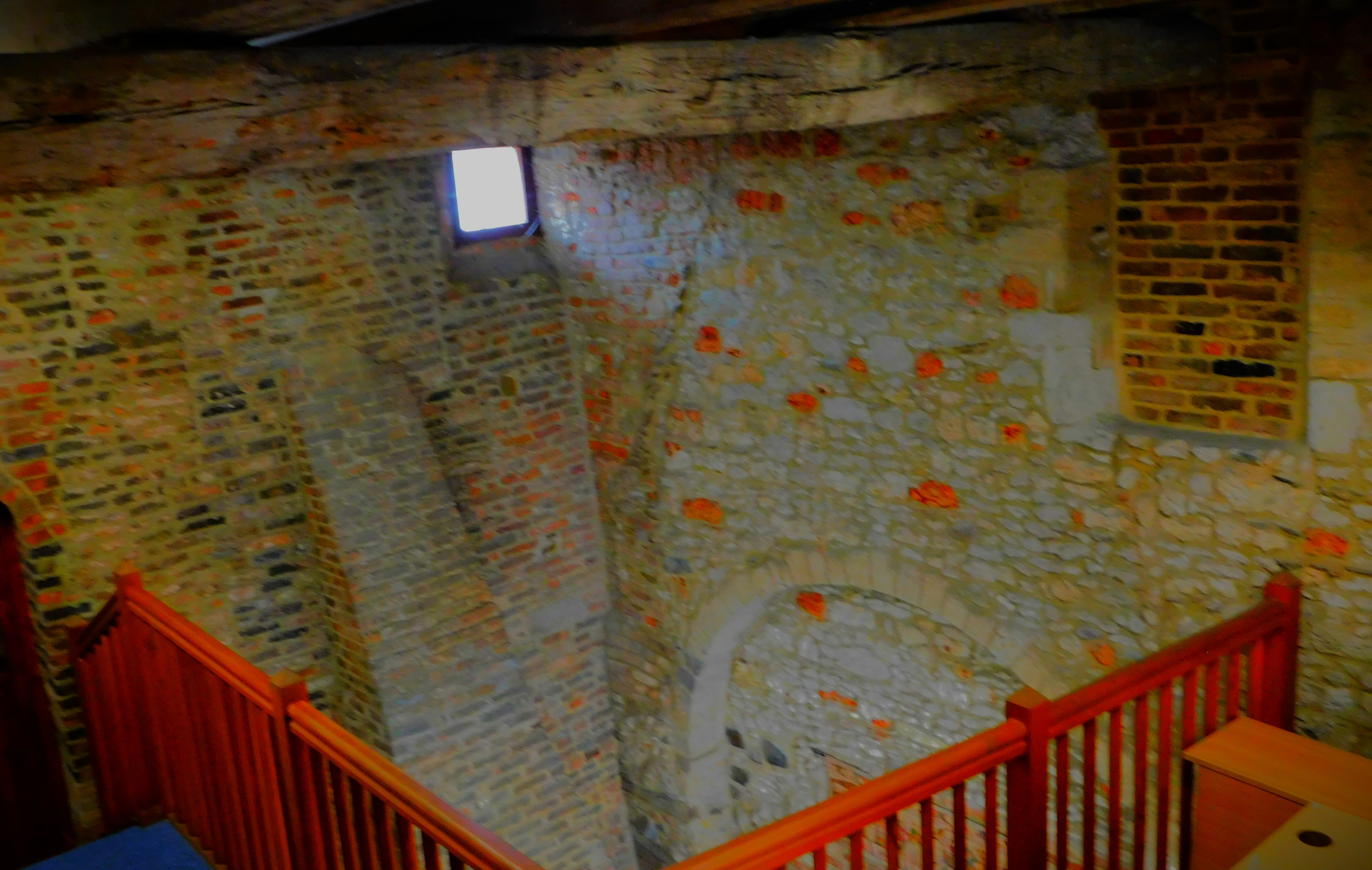
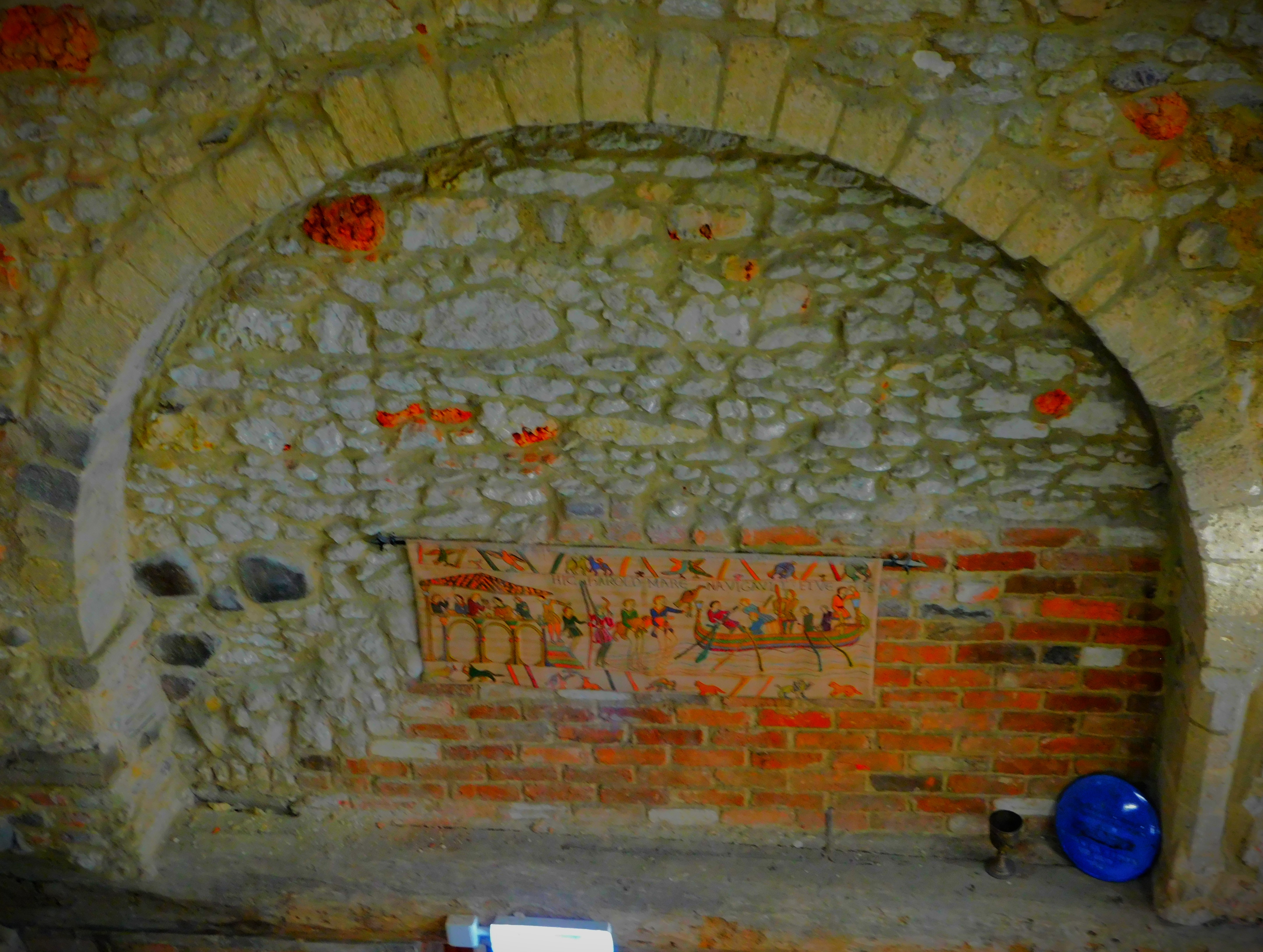
My last visit before heading towards the Bank House for my stewarding commitment was to another solicitor’s building, a regular port of call of mine, because it is Norman in origin and therefore among the oldest in King’s Lynn (the oldest building in the town is All Saints Church, Hillington Square, also Norman).
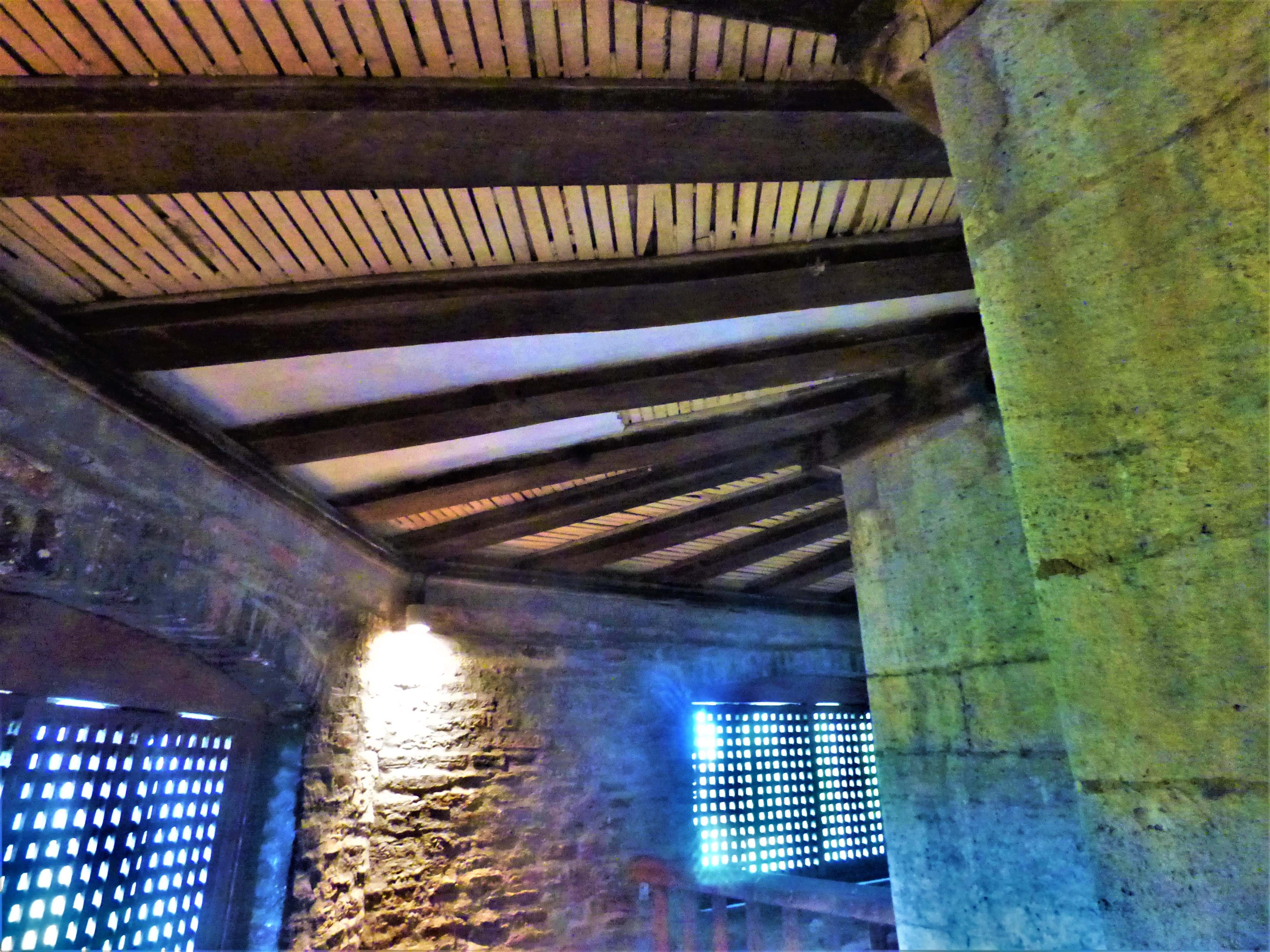
The stewarding, at the Bank House, was not especially difficult, although the placing of the hotel’s coffee machine was unhelpful, and a lack of functioning lighting restricted the portion of the cellars that was open to the public. My fellow steward then disappeared without telling me anything somewhat less than half way through our slot, and the Bank House being popular I never had a long enough quiet spell to be able to make a phone call, so had do all the stewarding myself. I waited until both stewards for the final session had arrived before taking my leave, and opted to head for home.
PHOTOGRAPHS
Some of the photographs here relate to Heritage Open Day, others are my usual sort…
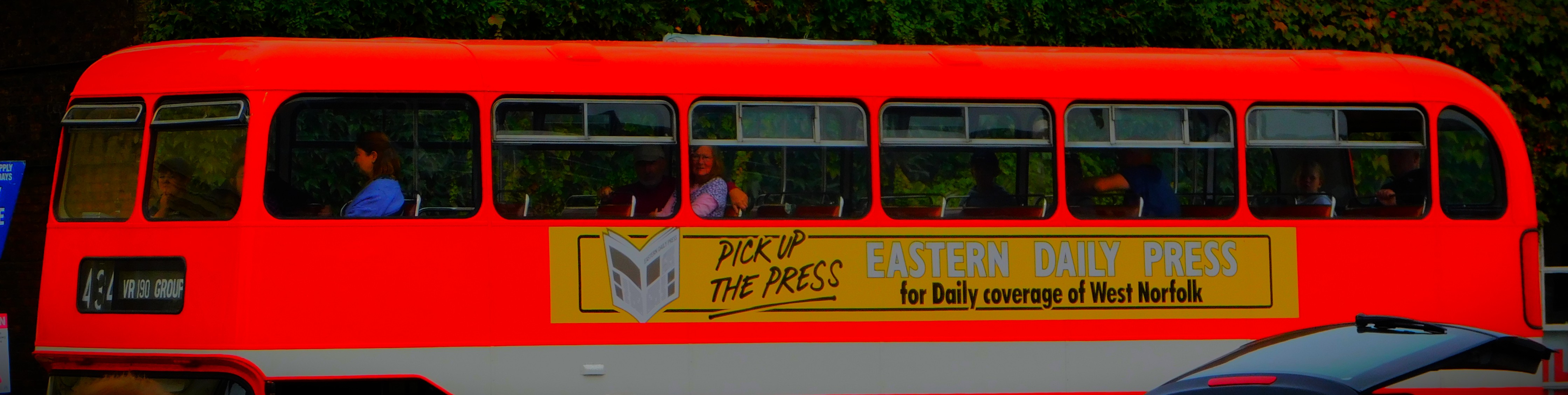
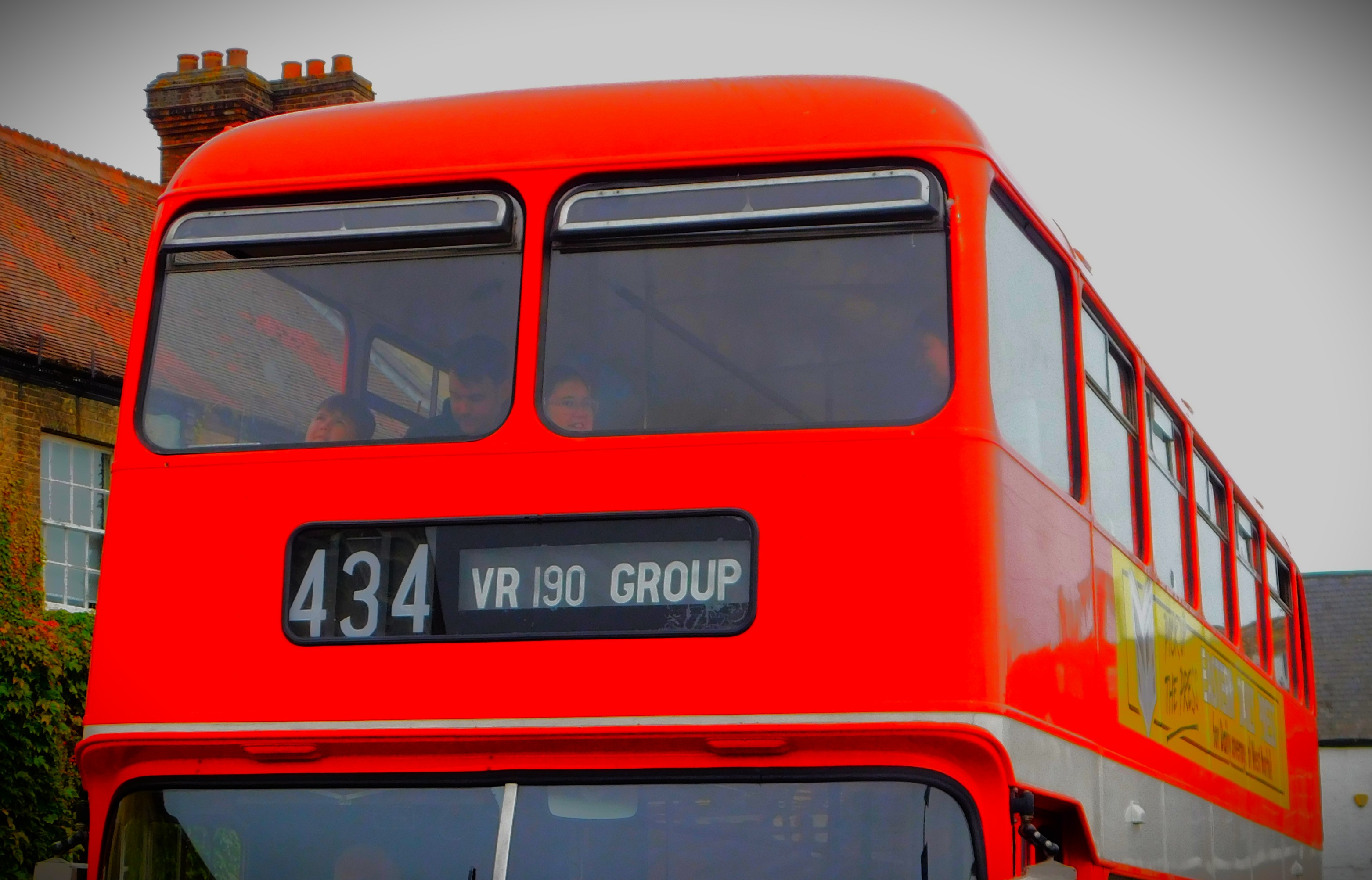
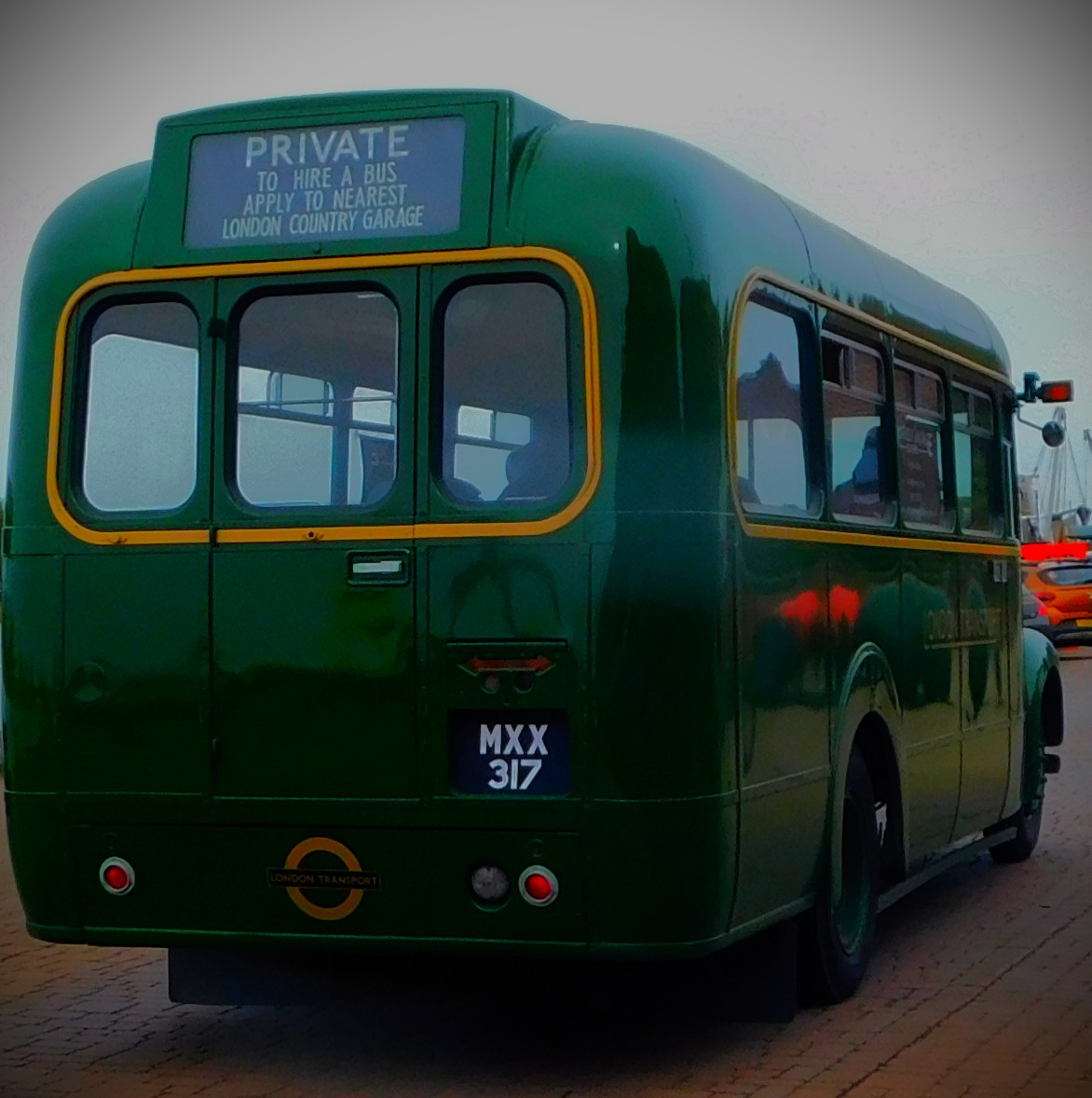
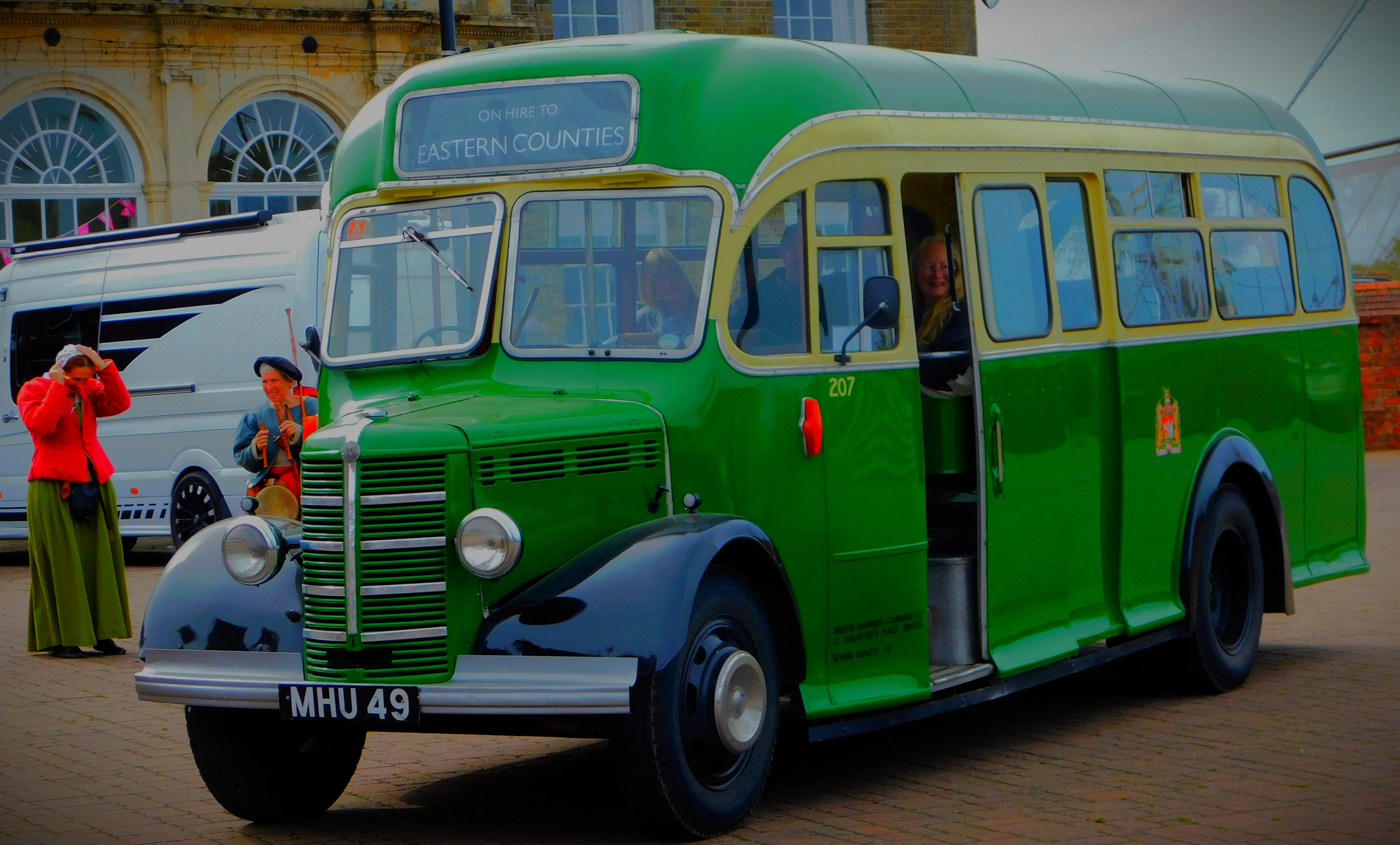
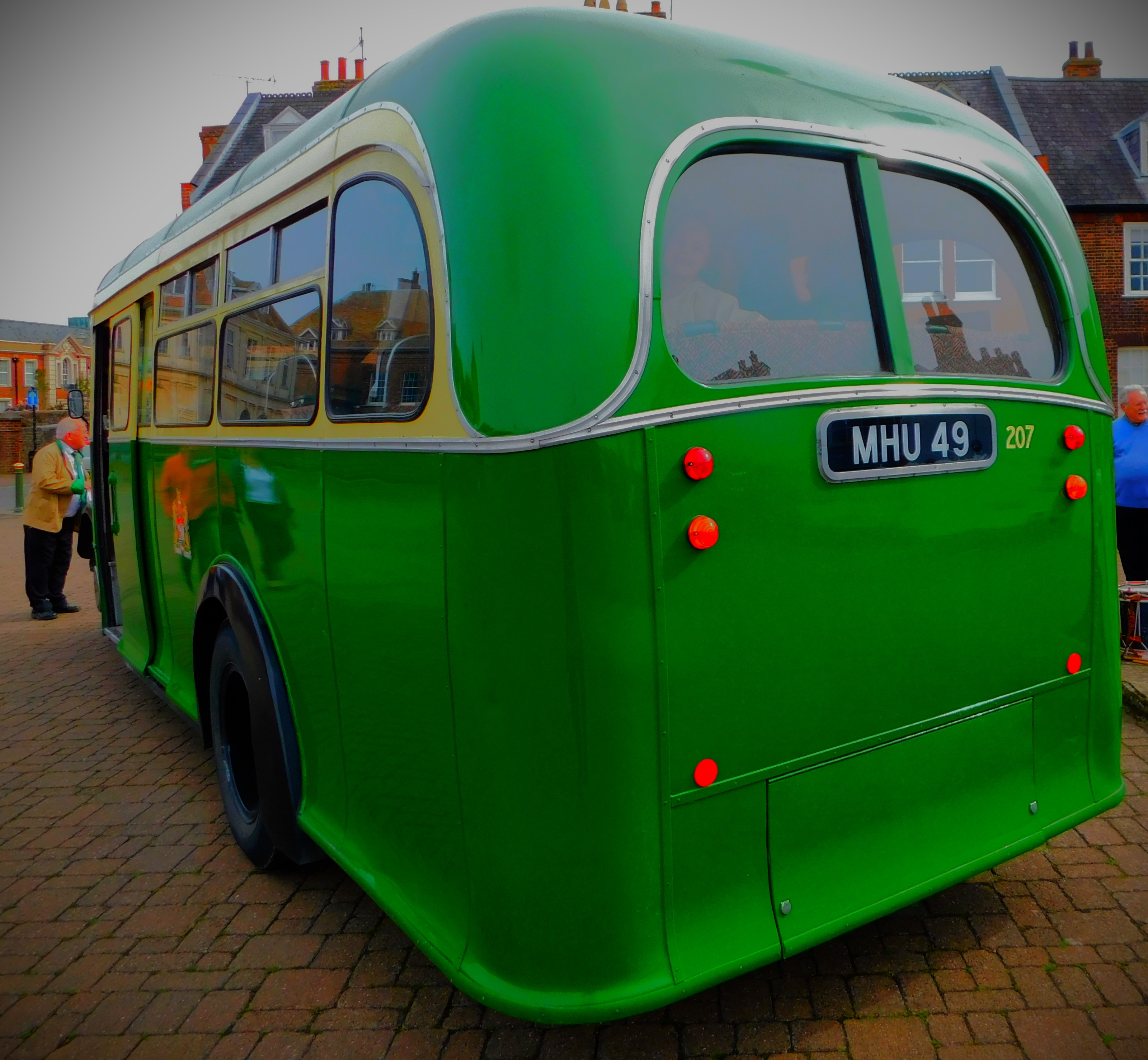
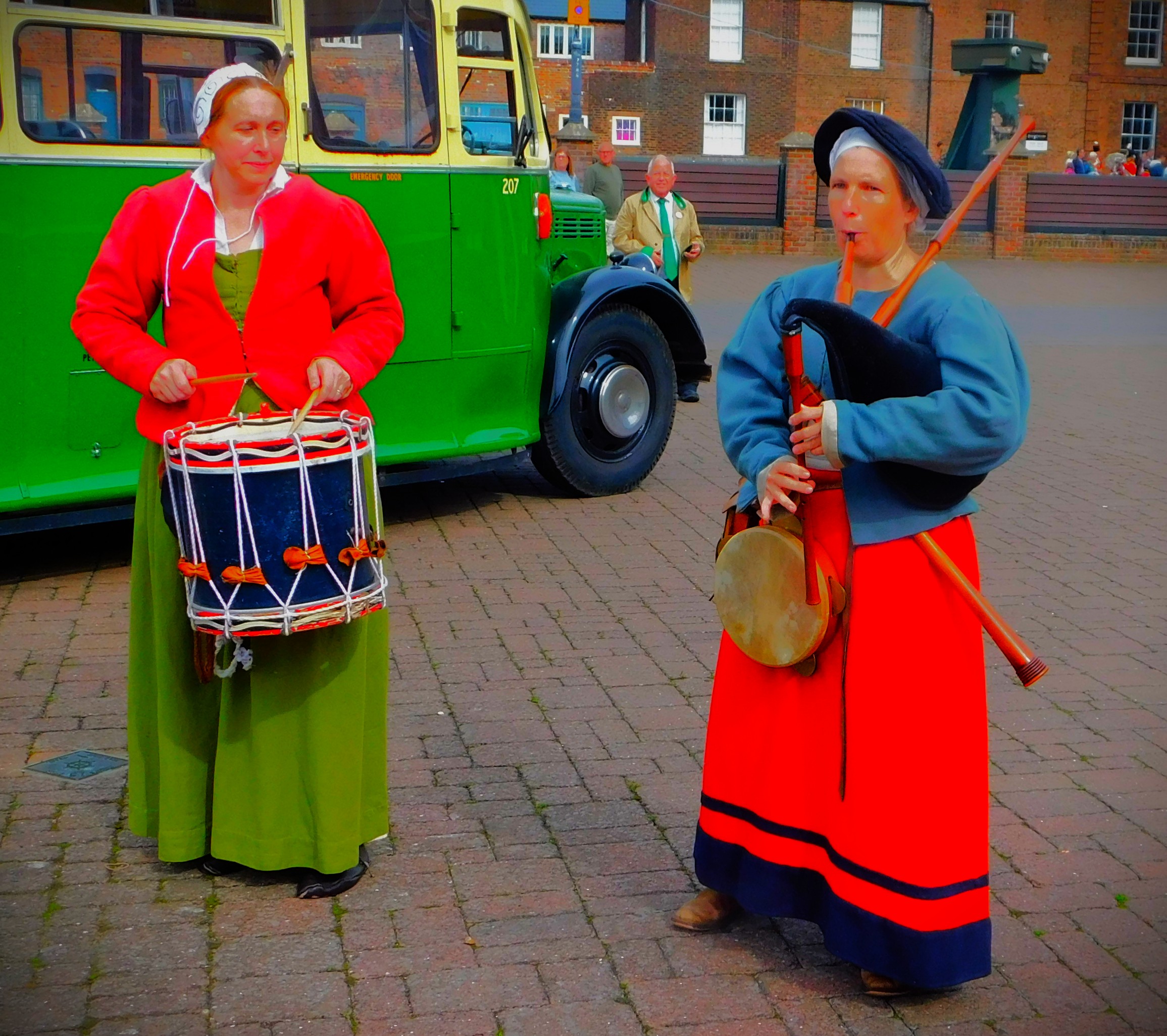
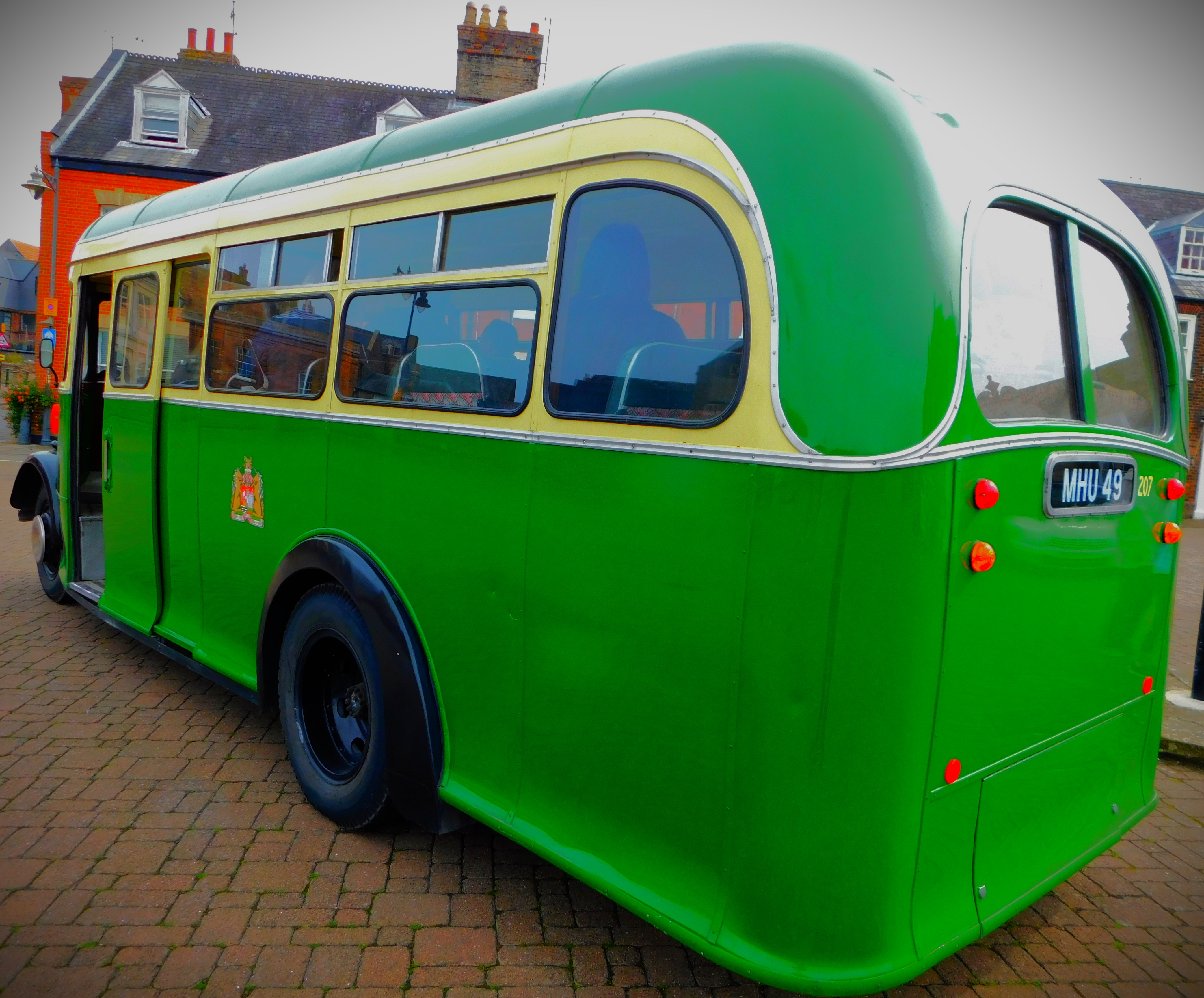
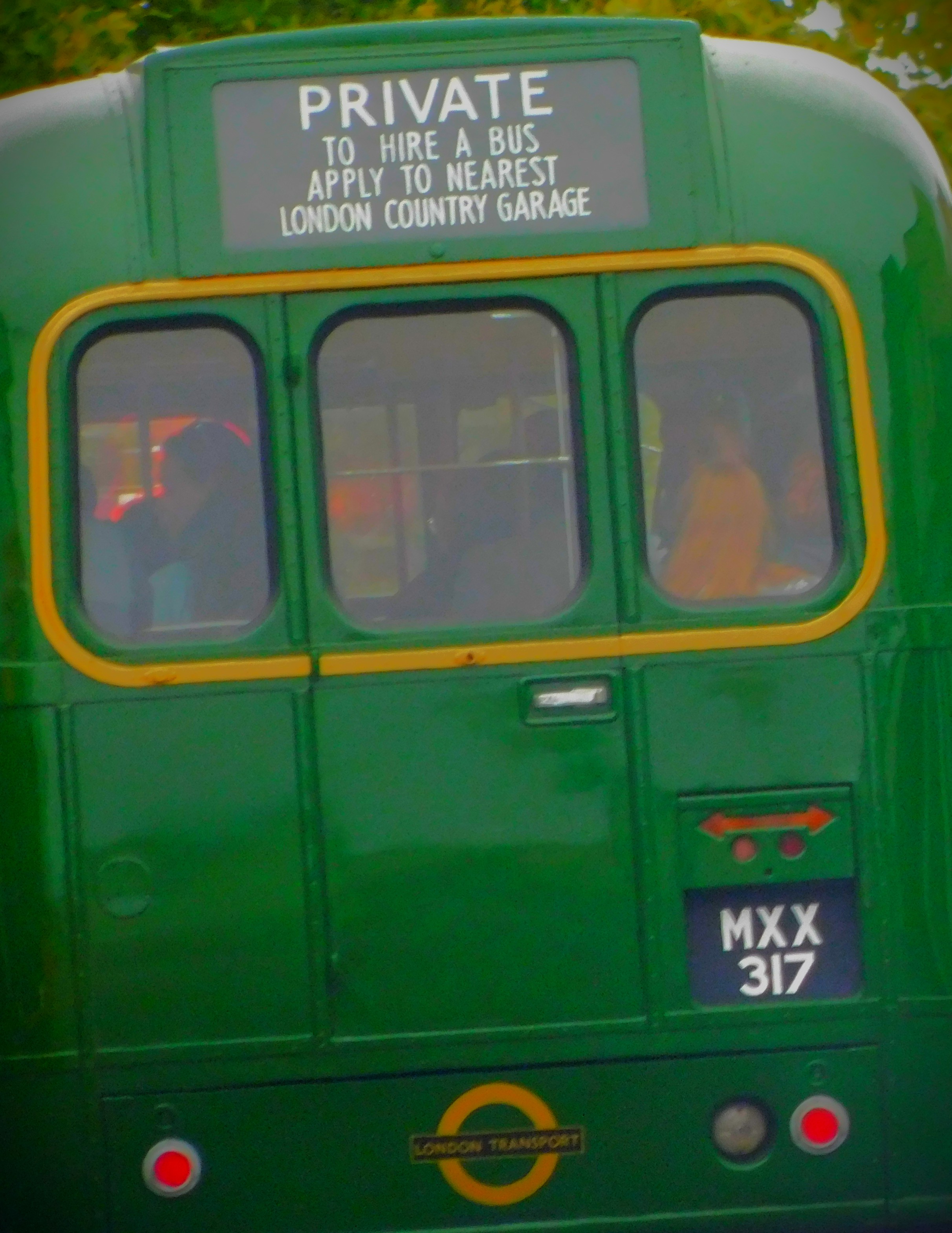
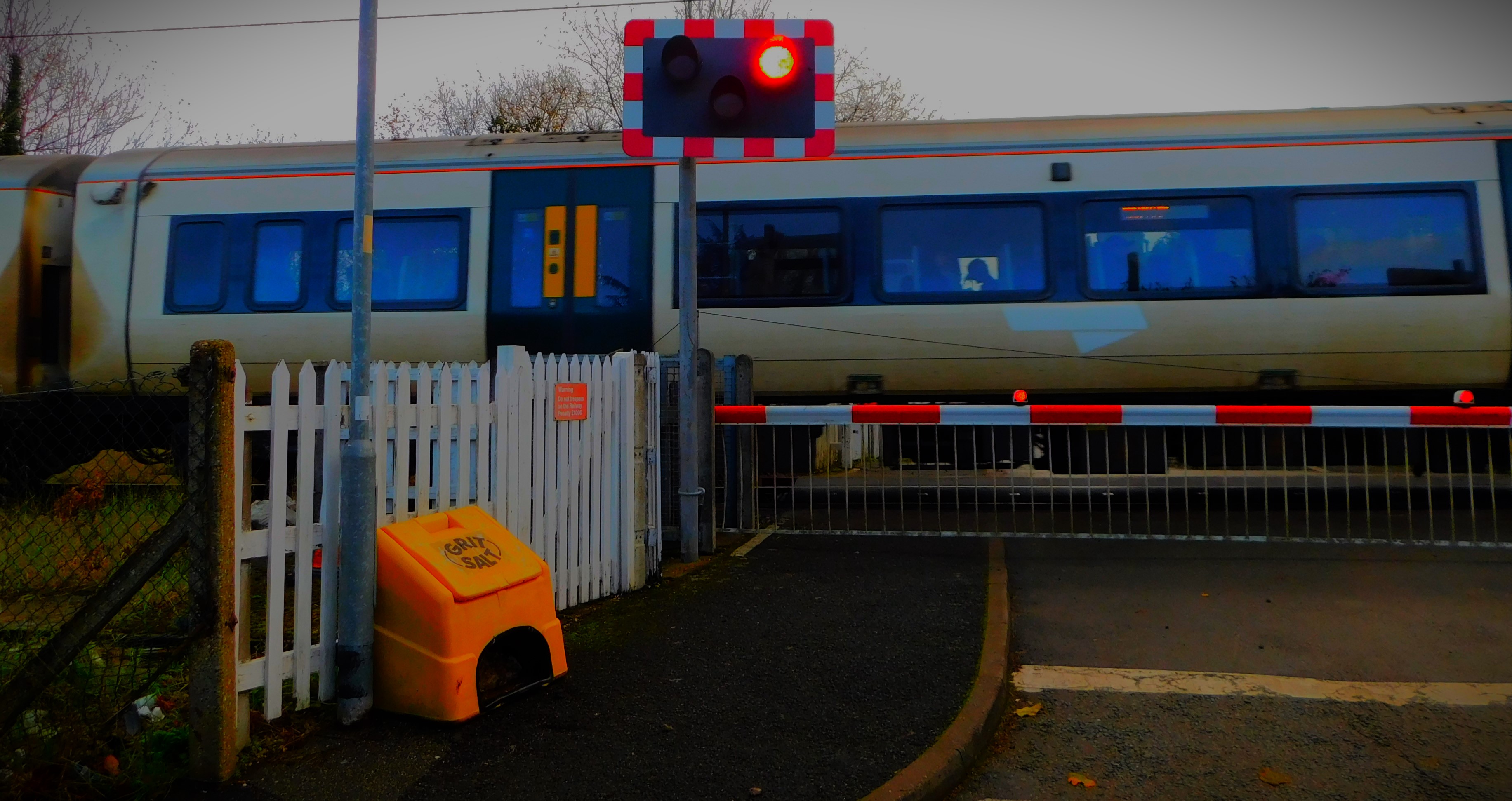
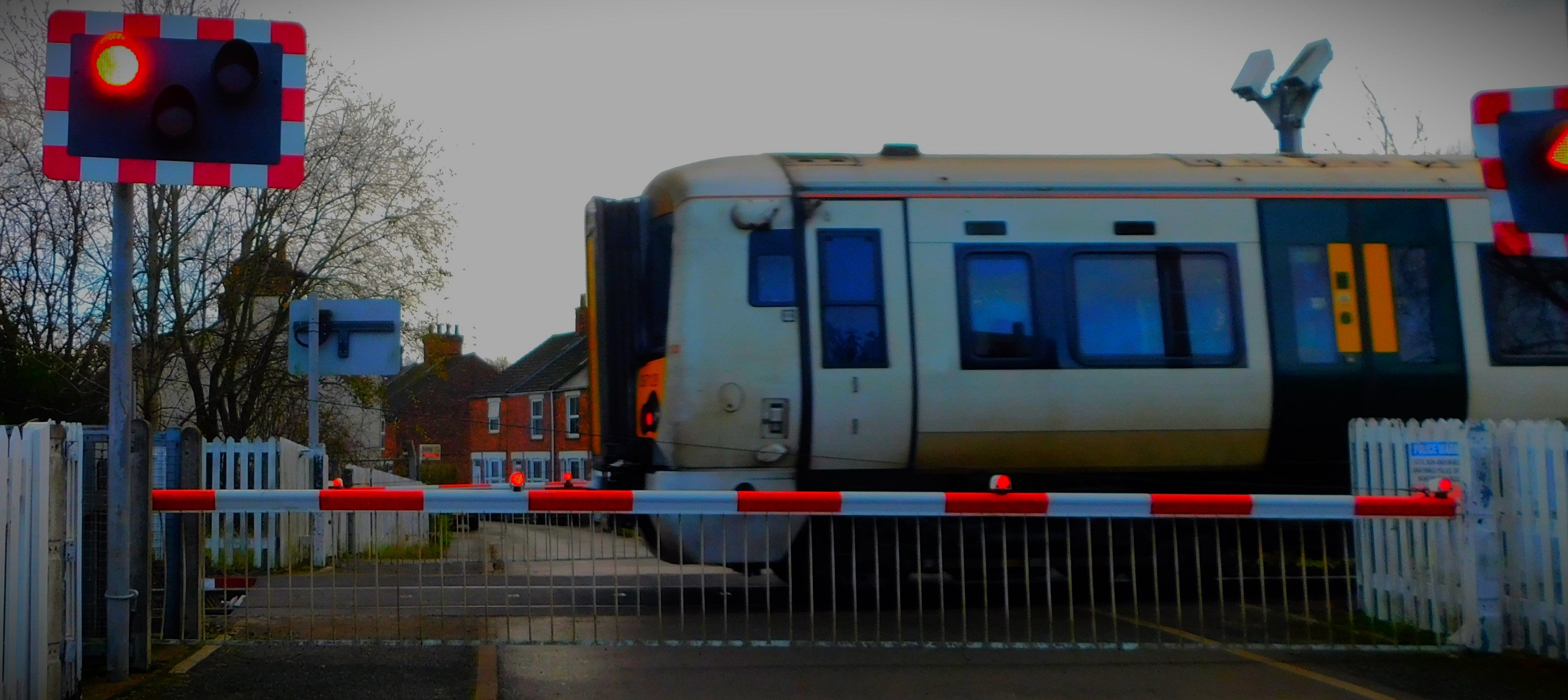
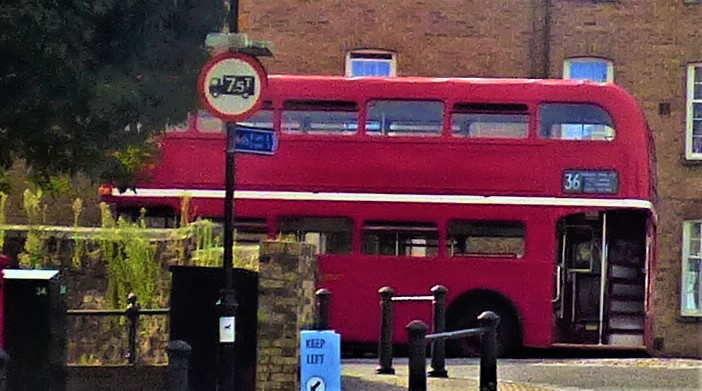
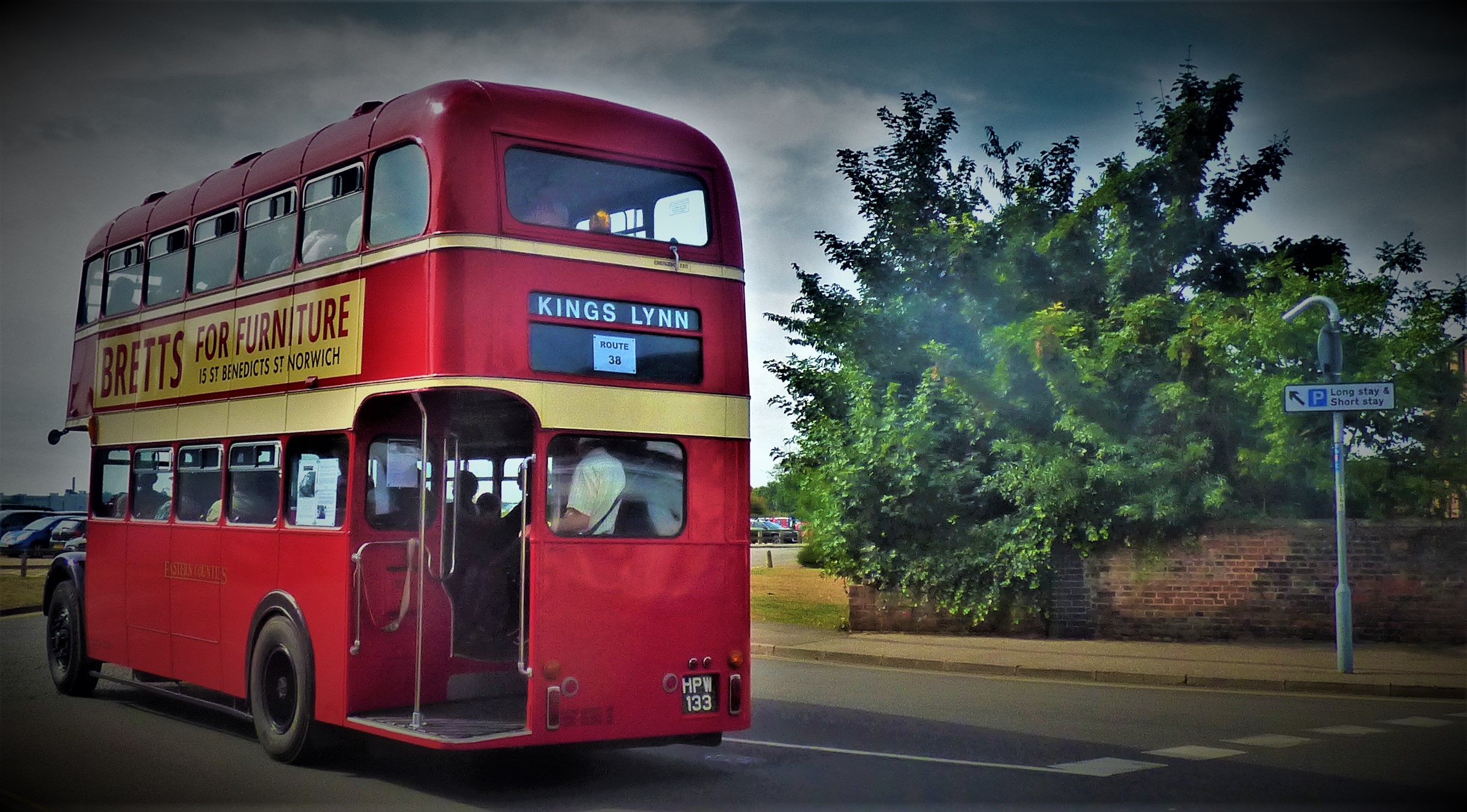
This little bus was stopped outside the Bank House when I photographed it. It was too close to the beginning of my stewarding slot for me to ride on it.I spotted this from my stewarding spot outside the Bank House.At the bus station on my route home…Crossing Railway Road – my last photo of Heritage Open Day.
Details of my stewarding commitment for this year’s Heritage Open Day (Sunday 14th September). A picture gallery from today at work.
This post, with a gallery from today at work, is going to be a brief one.
HERITAGE OPEN DAY 2025
King’s Lynn has its annual Heritage Open Day on the second Sunday in September. On this day various interesting buildings are opened for public viewing. This year that second Sunday is the latest possible date – the 14th. In order to ensure that the day runs smoothly stewards are required at the various buildings. Stewards will tell you about the history of the building, will monitor numbers, and at some of the busier and/or more problematic sites will engage in a measure of crowd control. I have been one of the stewards for some years now, and of course made myself available again this year. I have recently found out where and when I will be stewarding. For stewarding purposes the day is divided into thirds – 10AM to Noon, Noon to 2Pm and 2PM to 4PM. I will be stewarding at the Bank House Hotel, whose chief attraction is a remarkable cellar system, dating back to times when rather more goods arrived in and departed from King’s Lynn than the King’s customs guys ever knew about, between noon and 2PM. I am delighted to have been given this venue.
PICTURES
The majority of these were scans. Unlike on Tuesday, when I told you which was which, I leave it to you to see if you can tell…
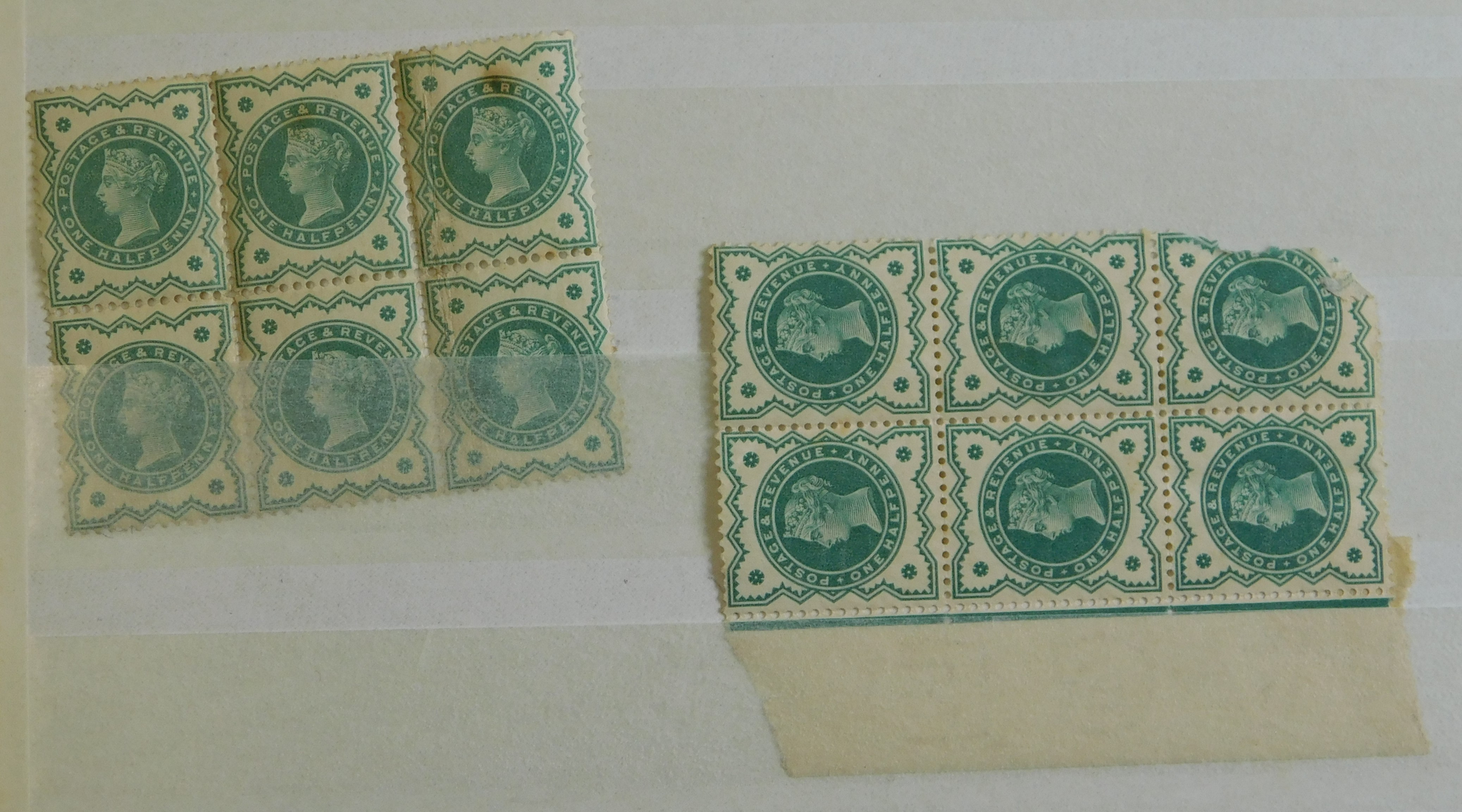
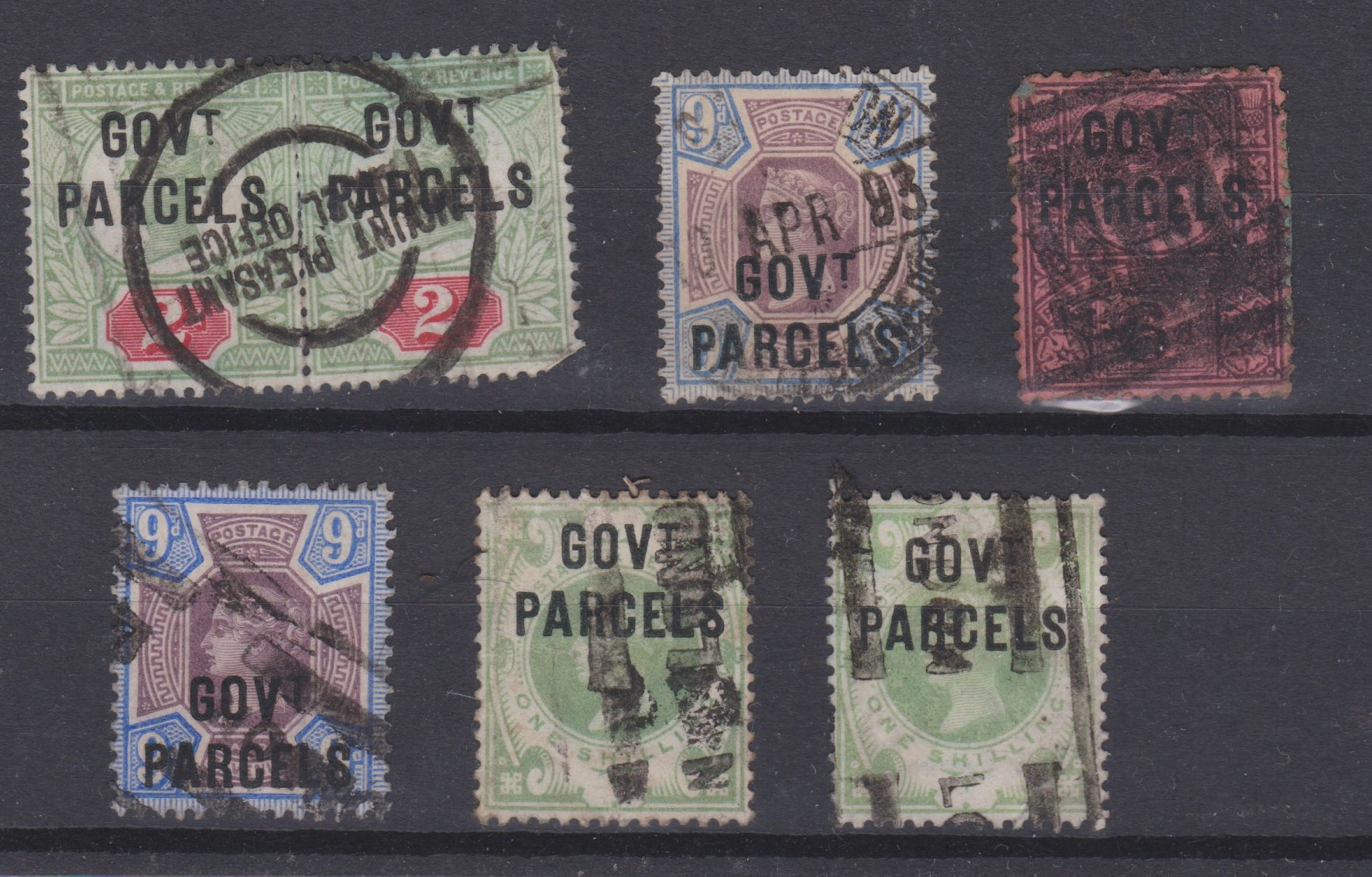
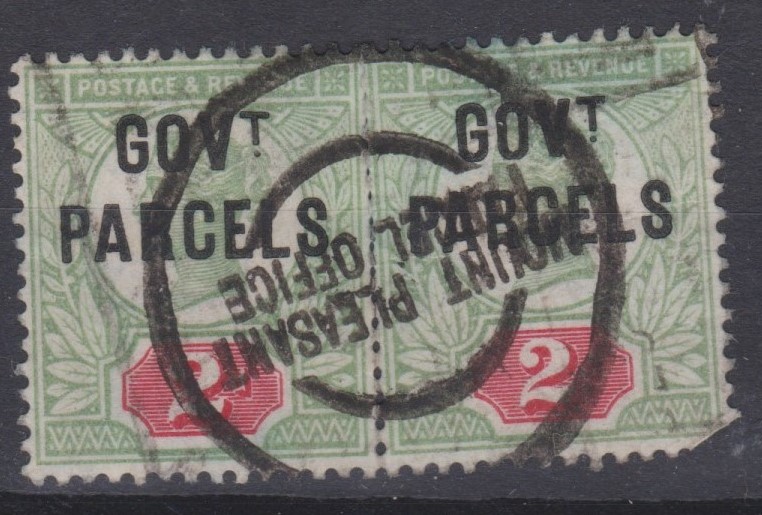
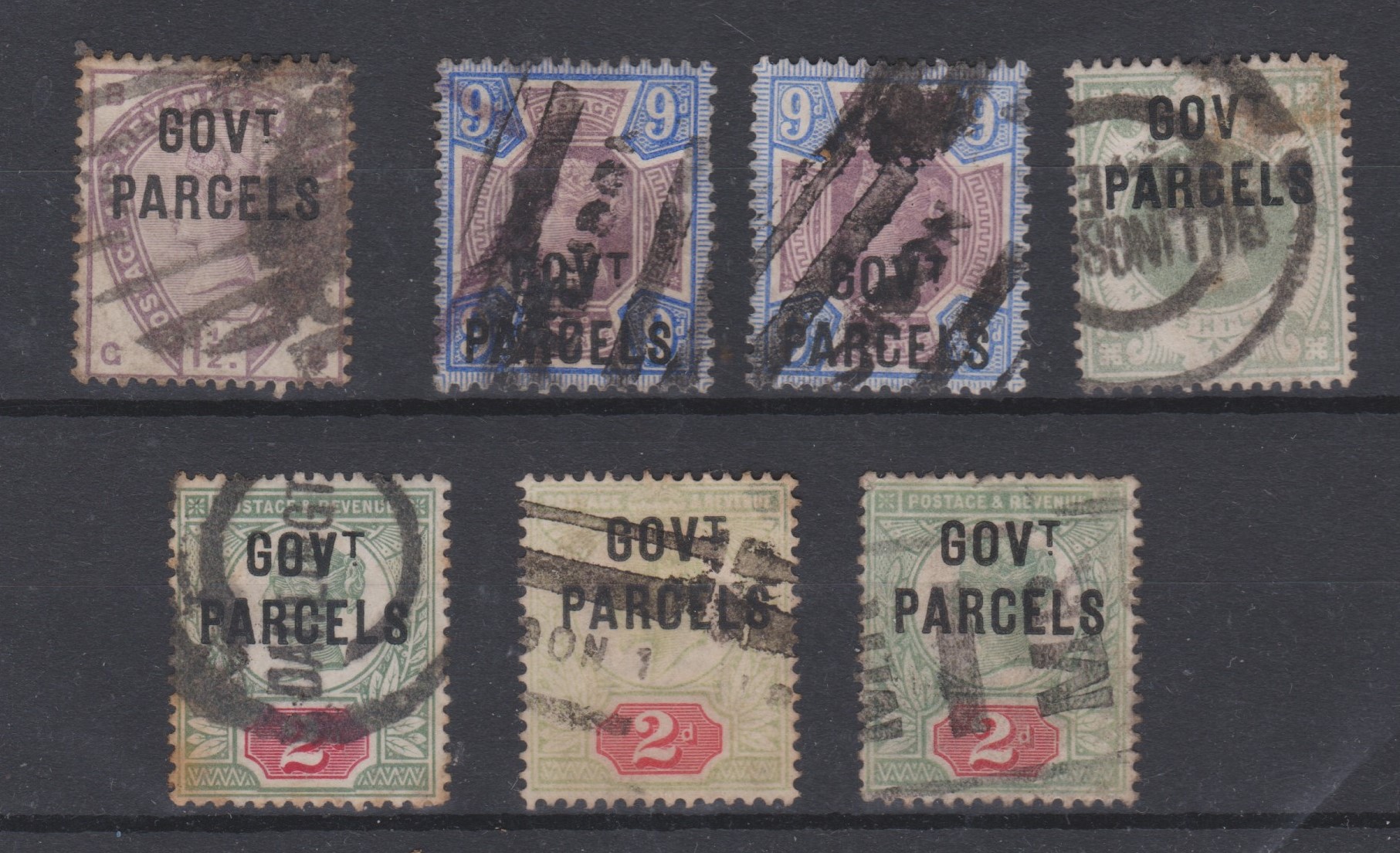
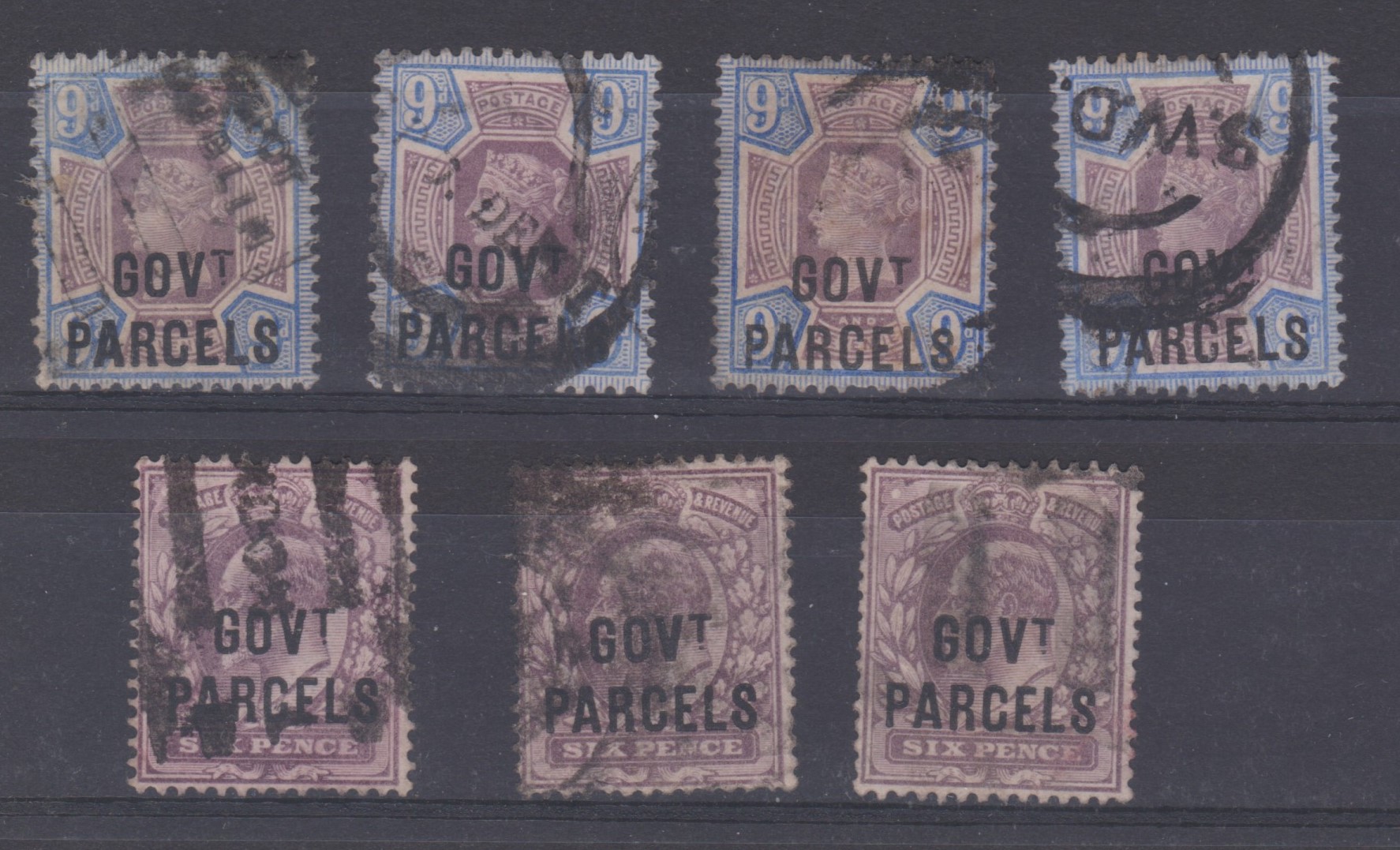
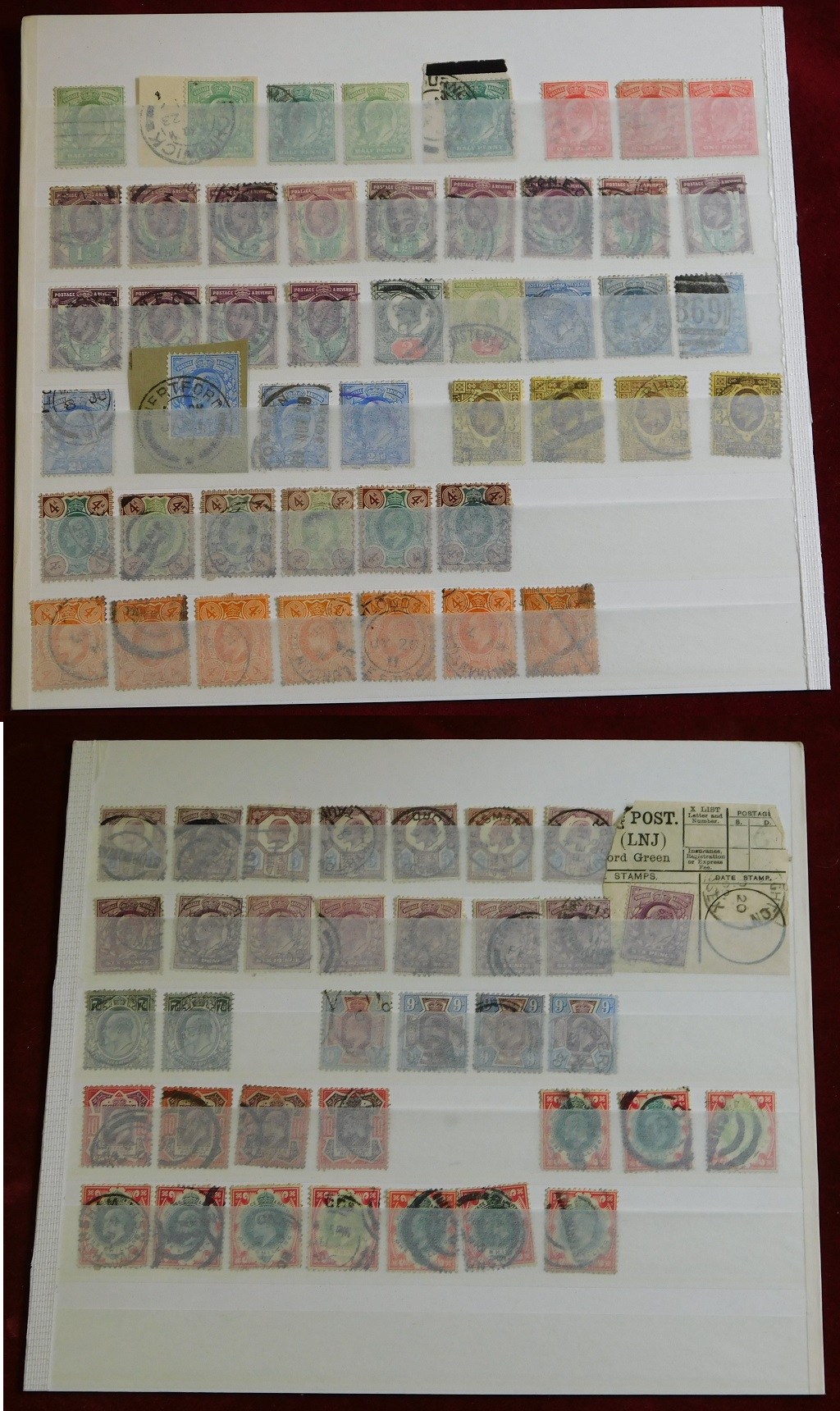
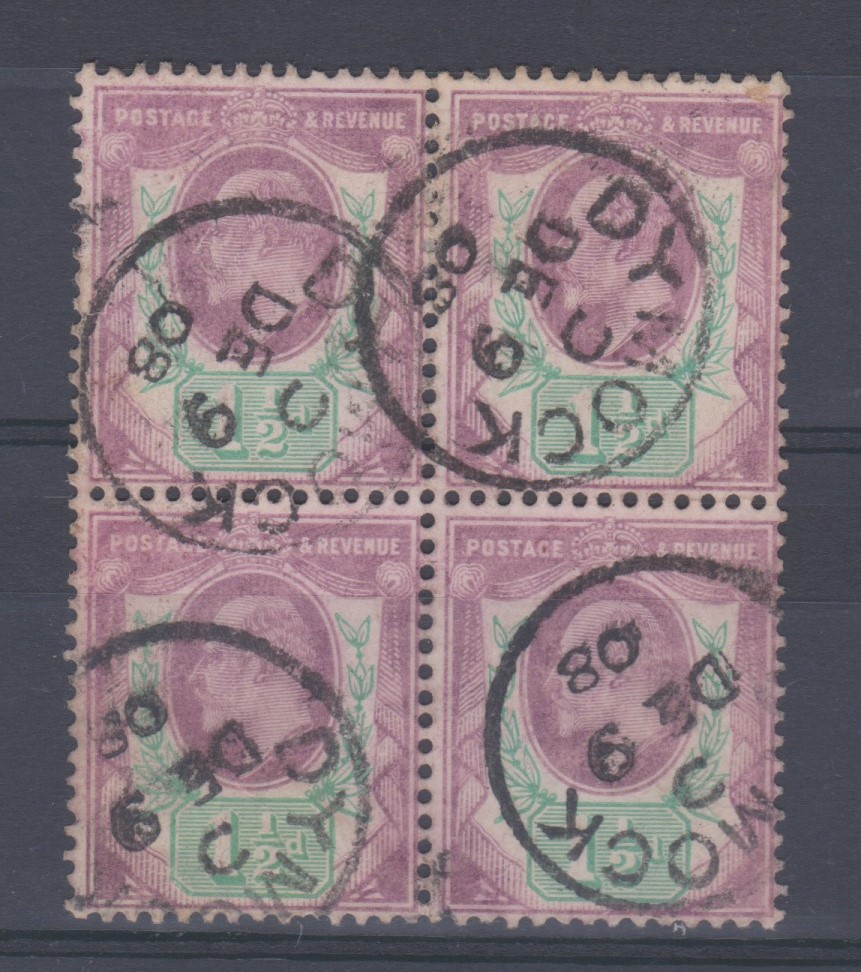
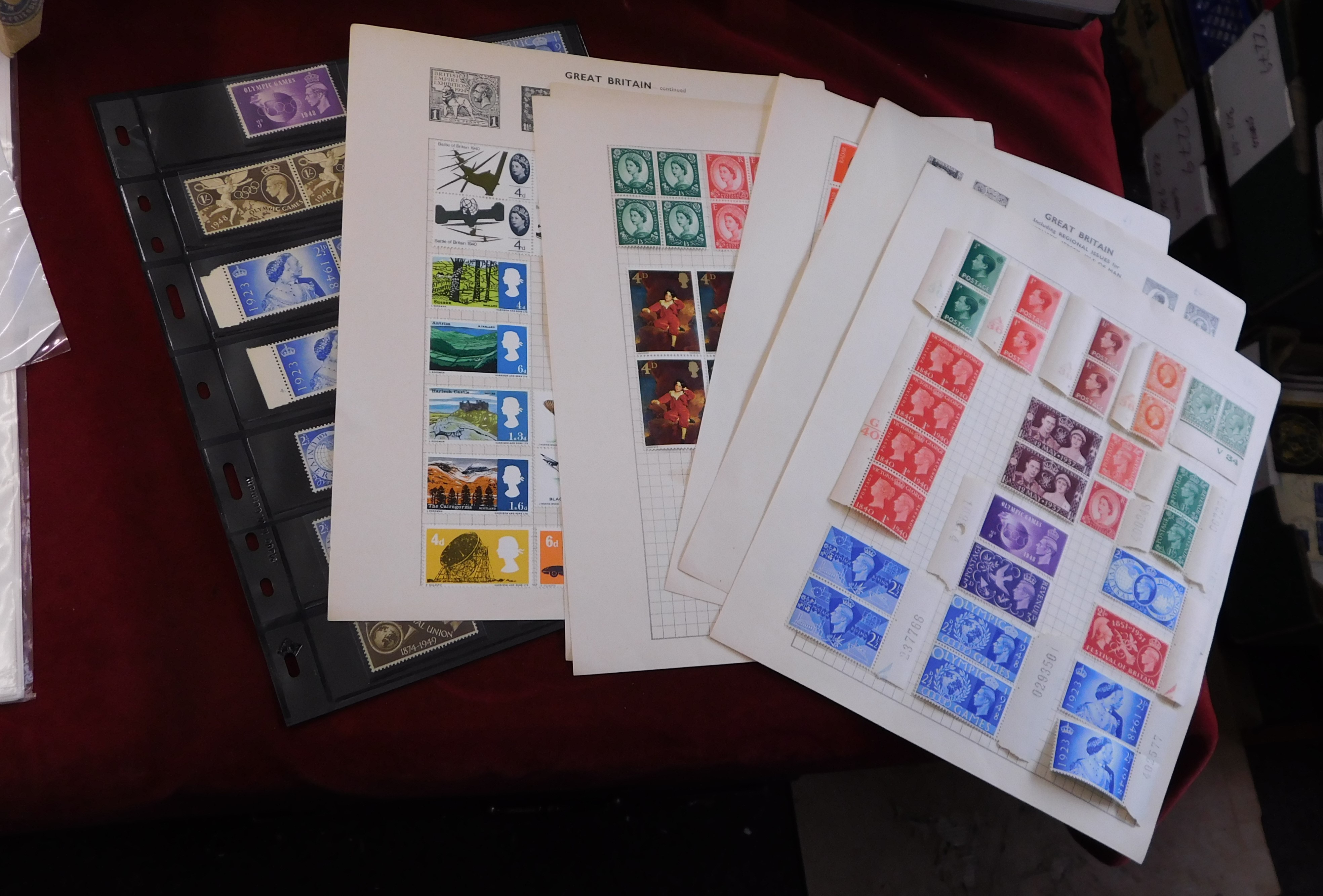
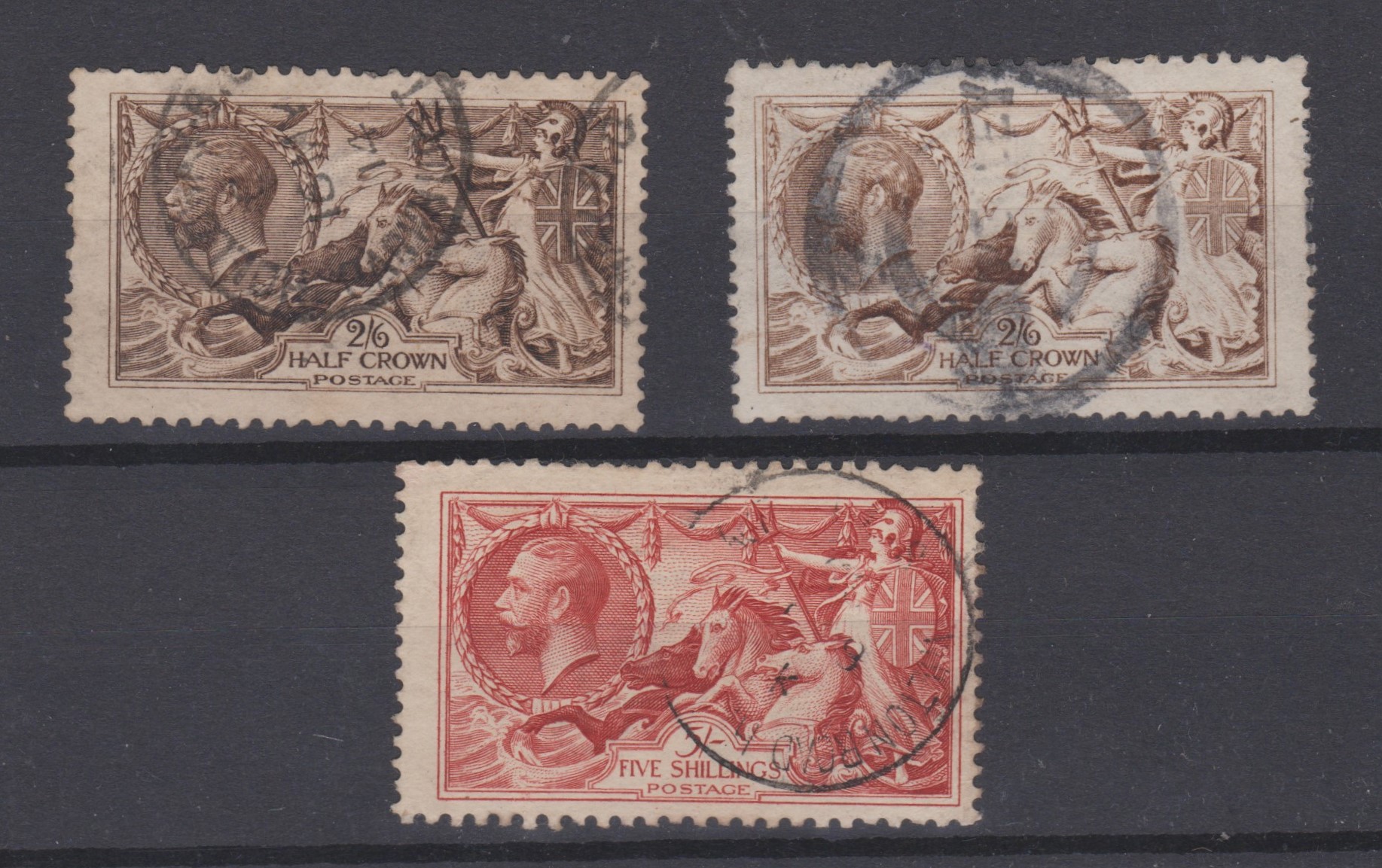
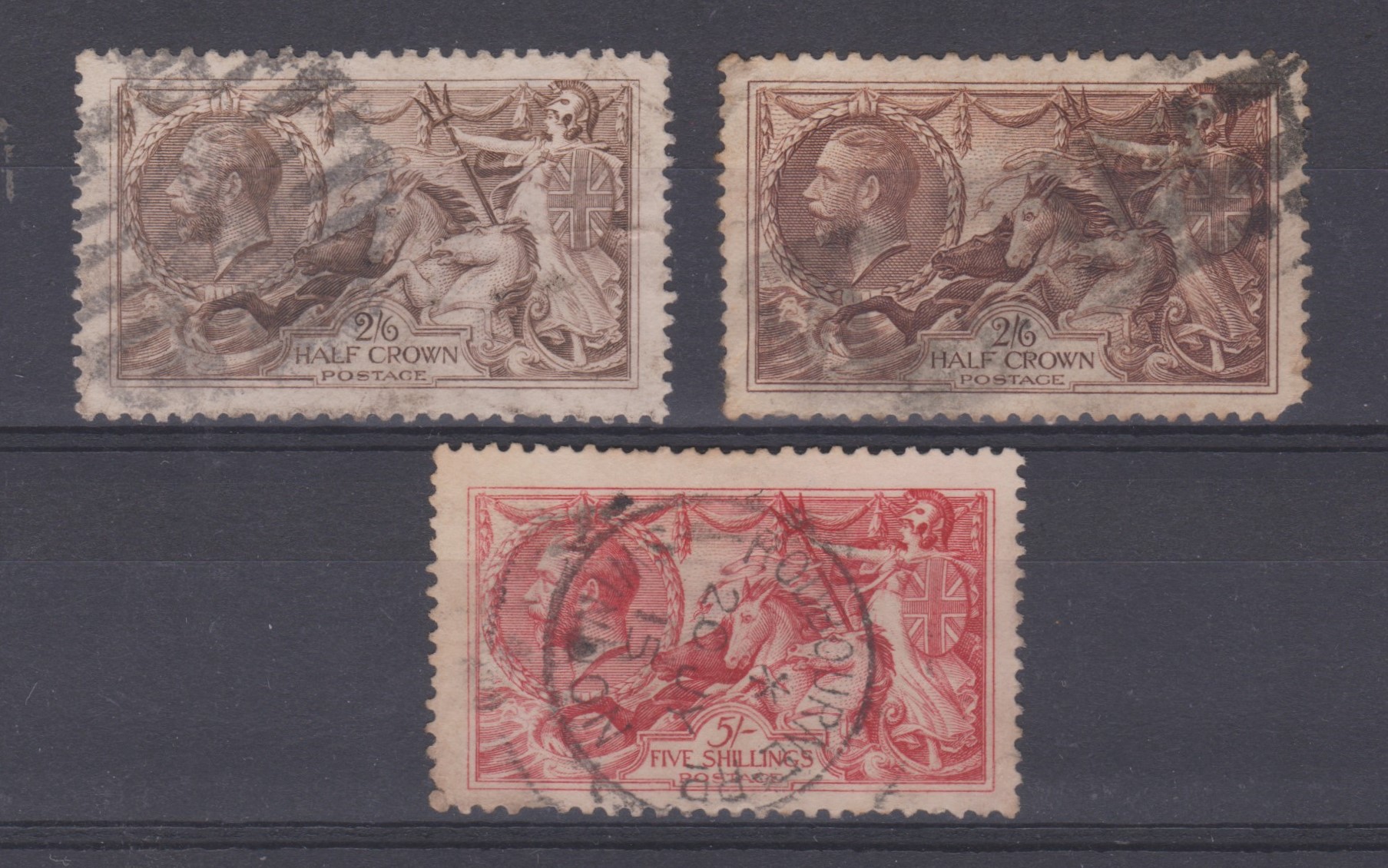
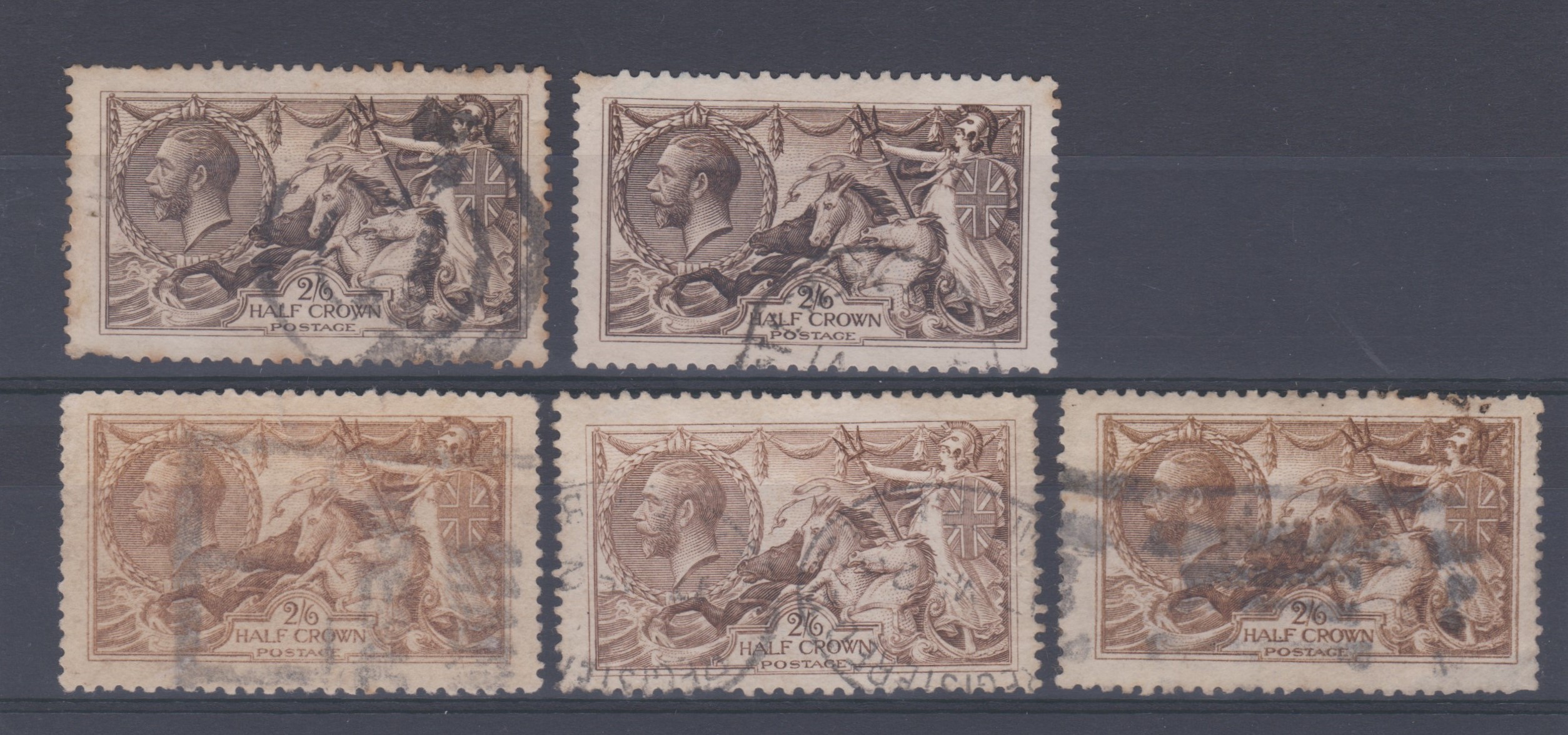
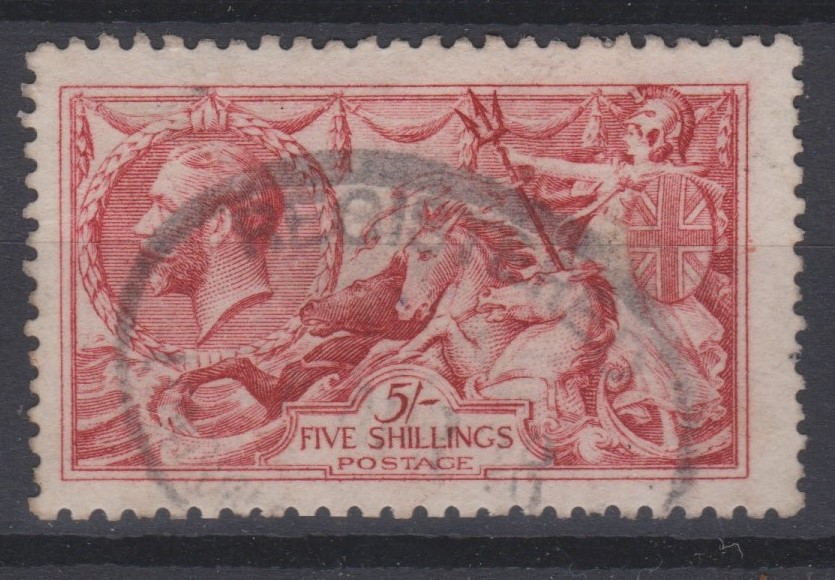
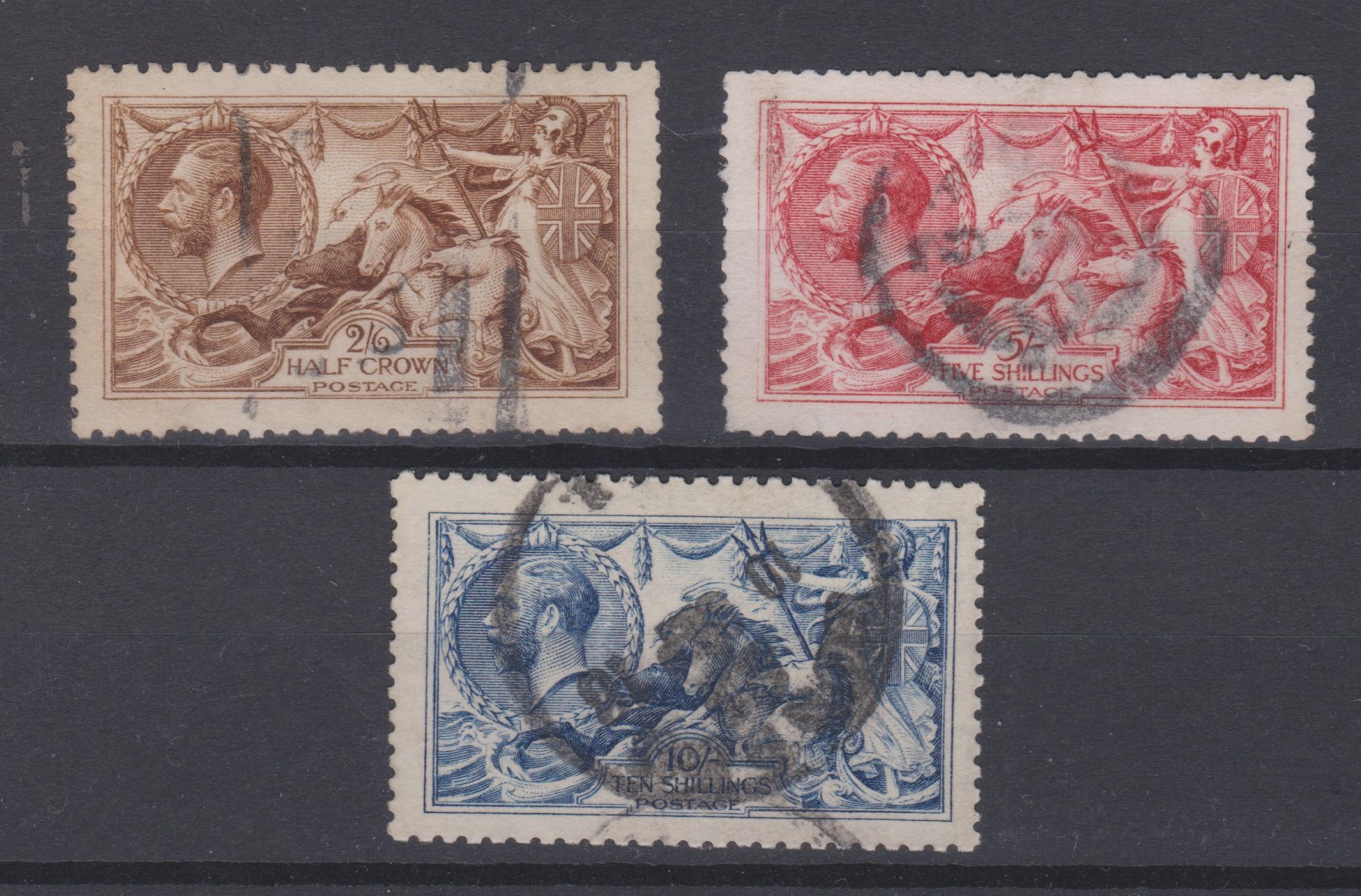
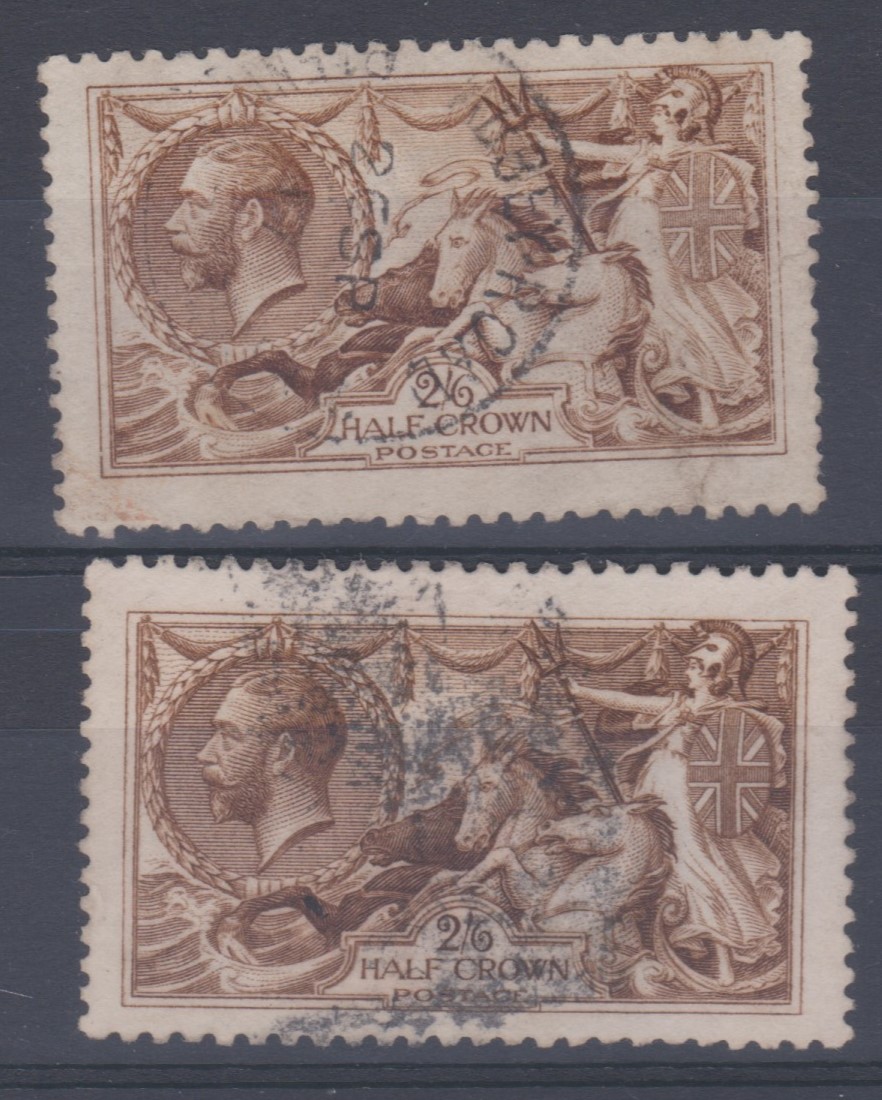
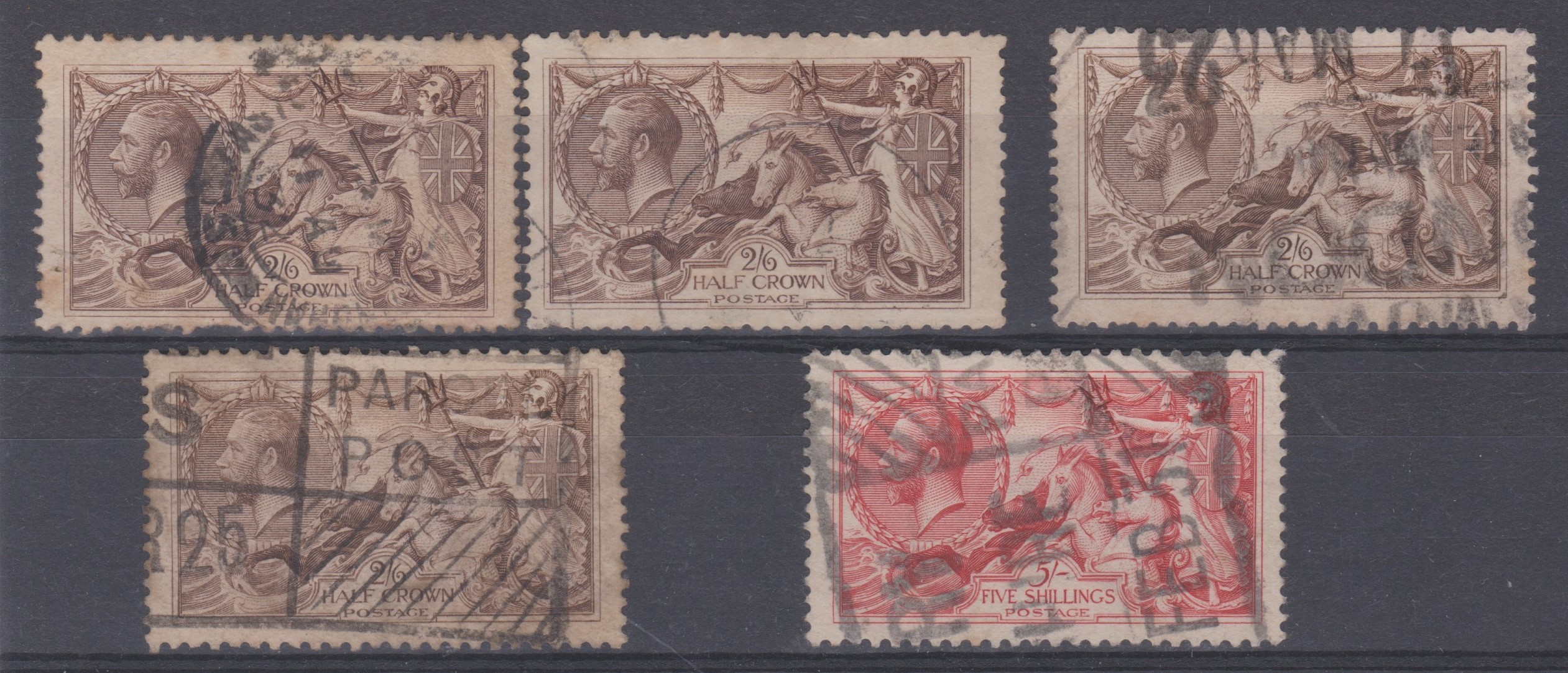
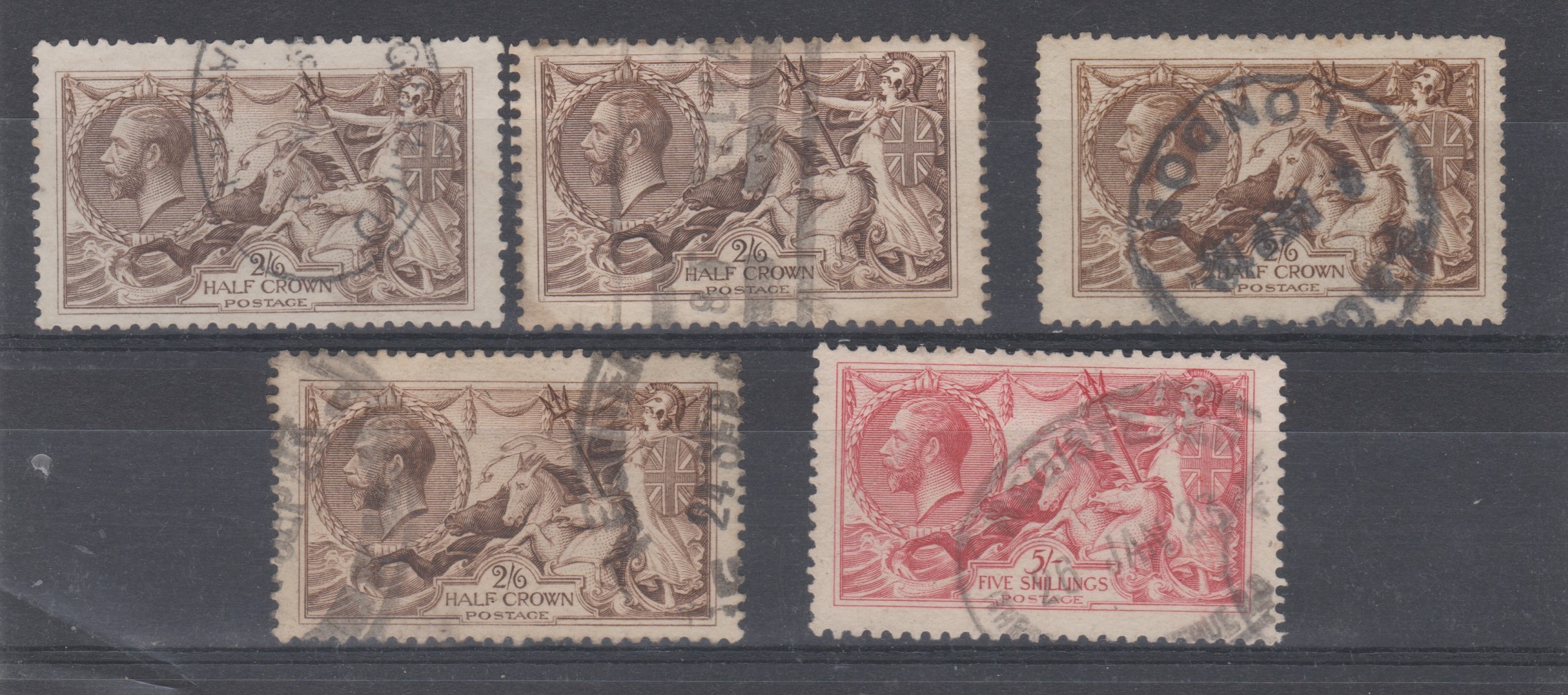
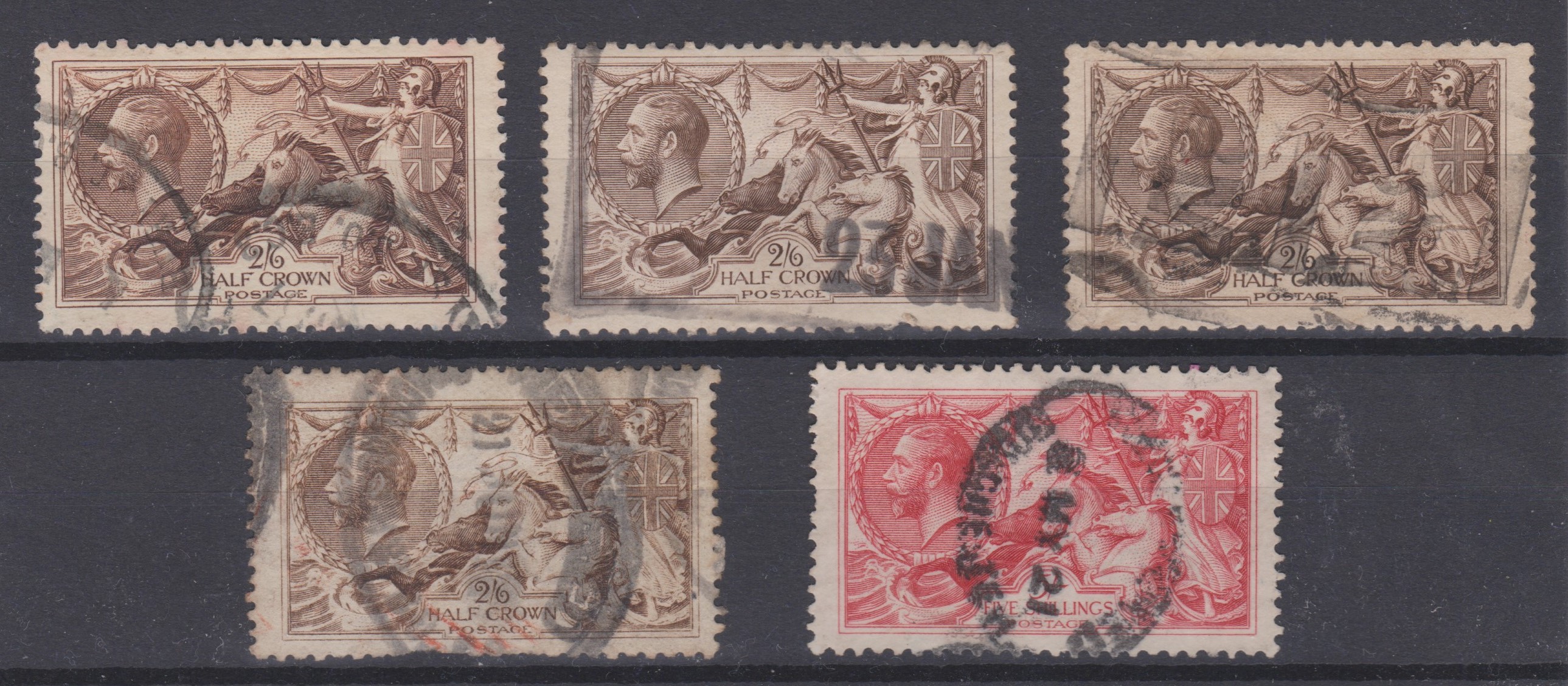
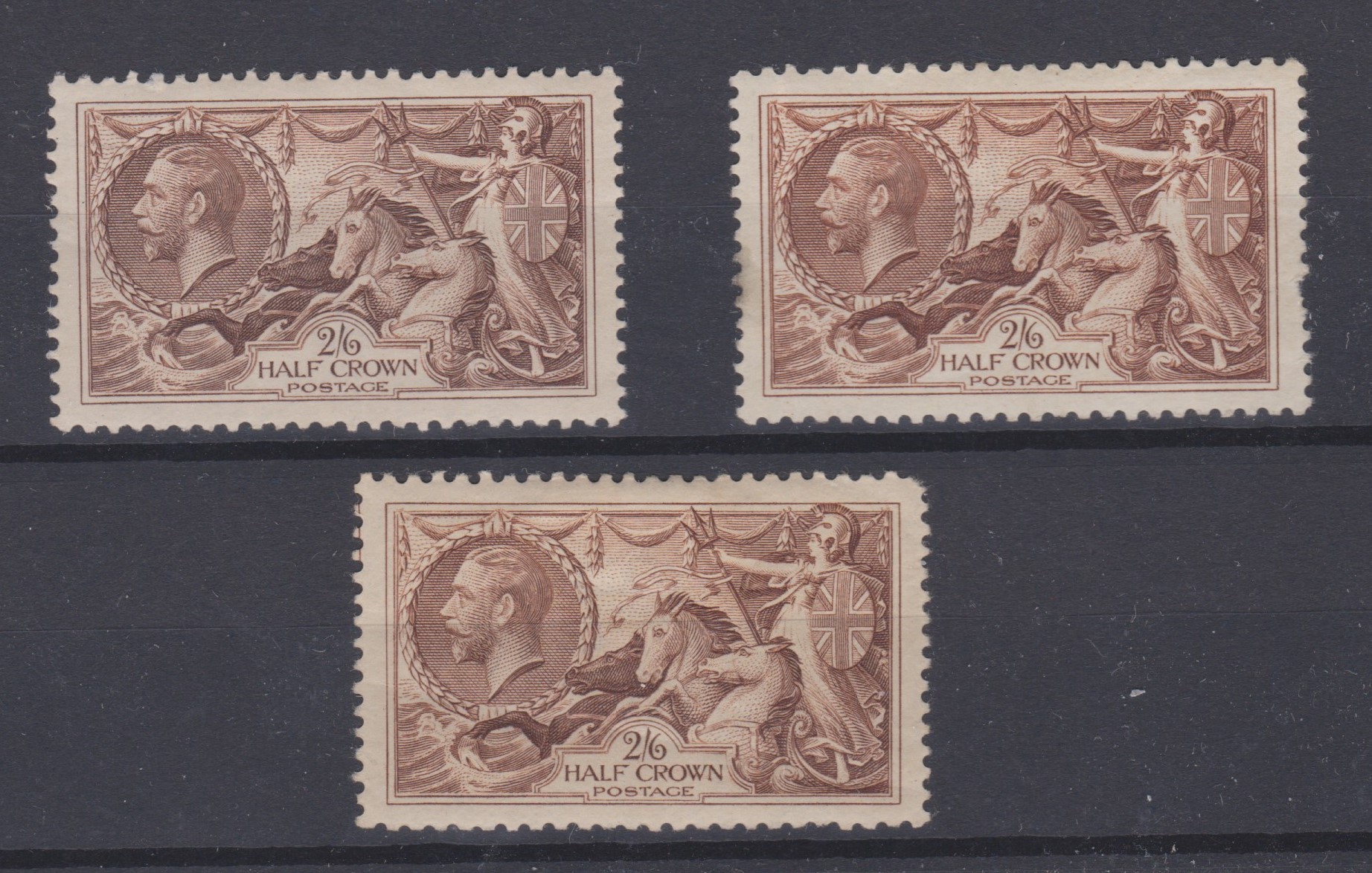
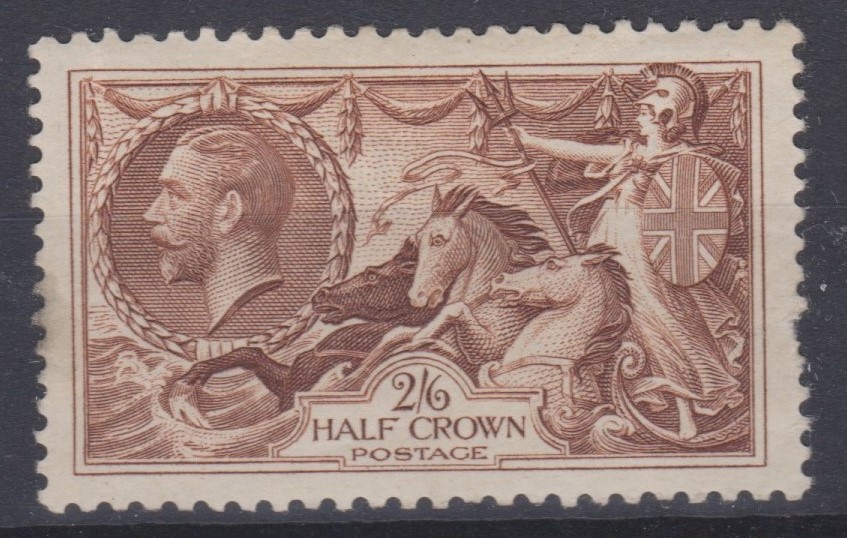
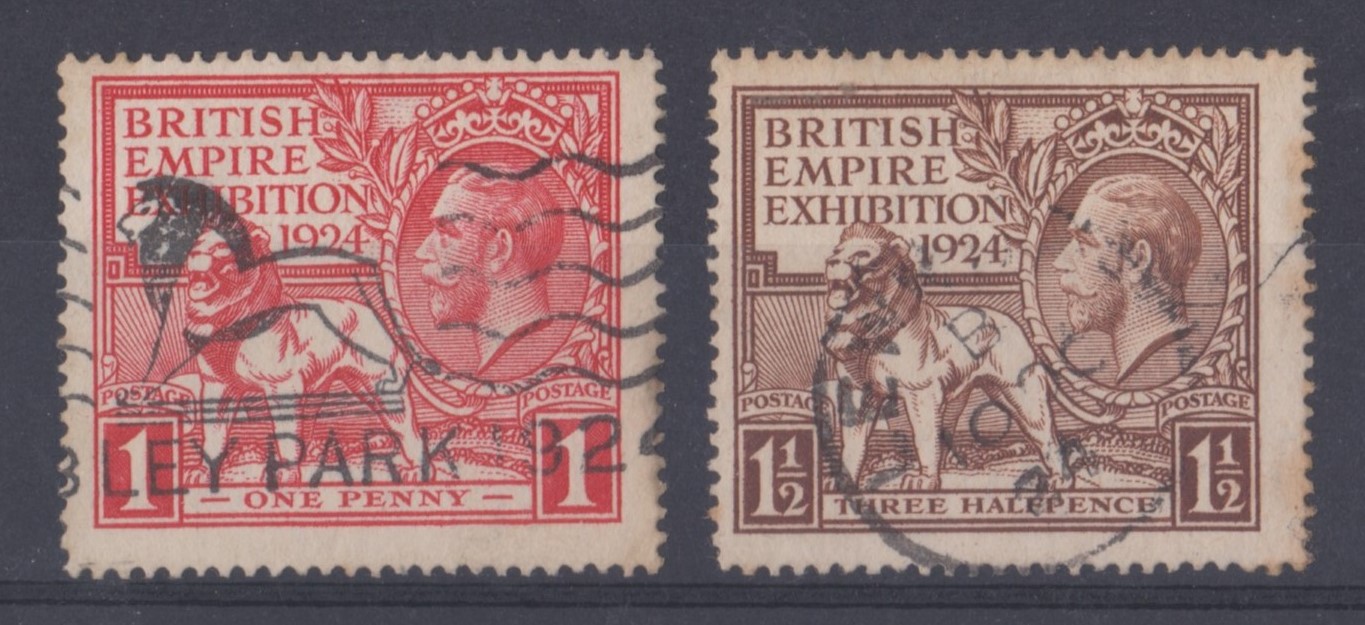
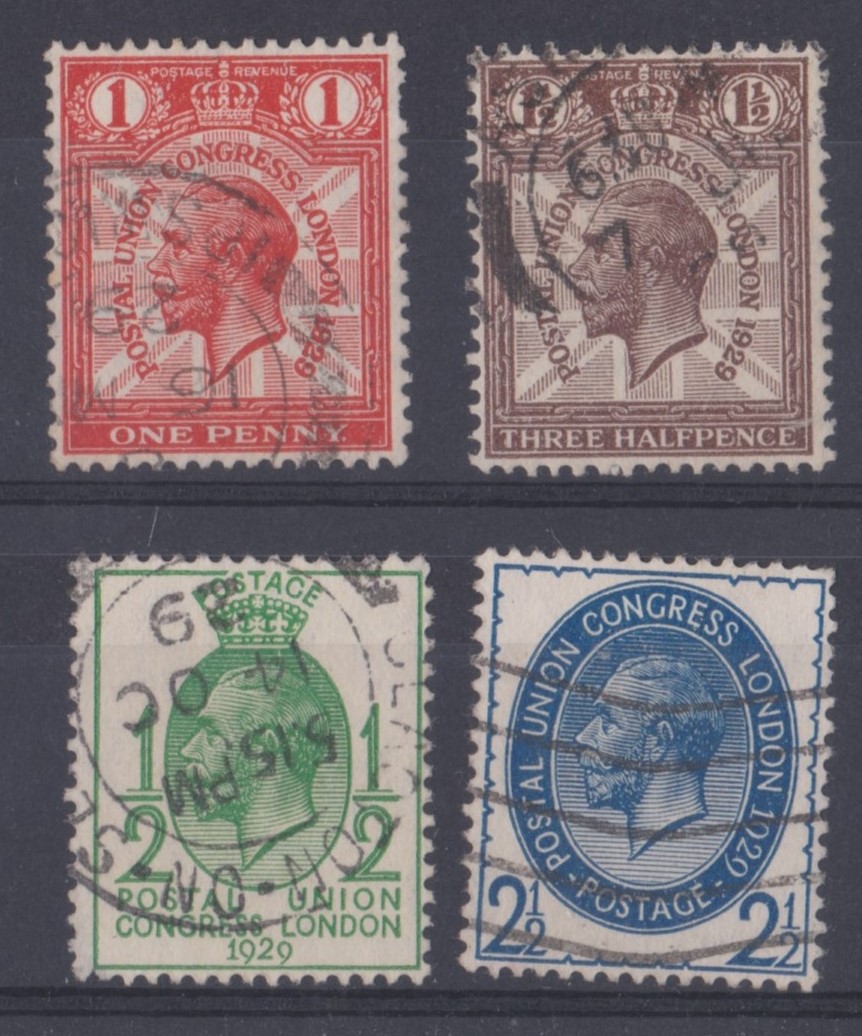
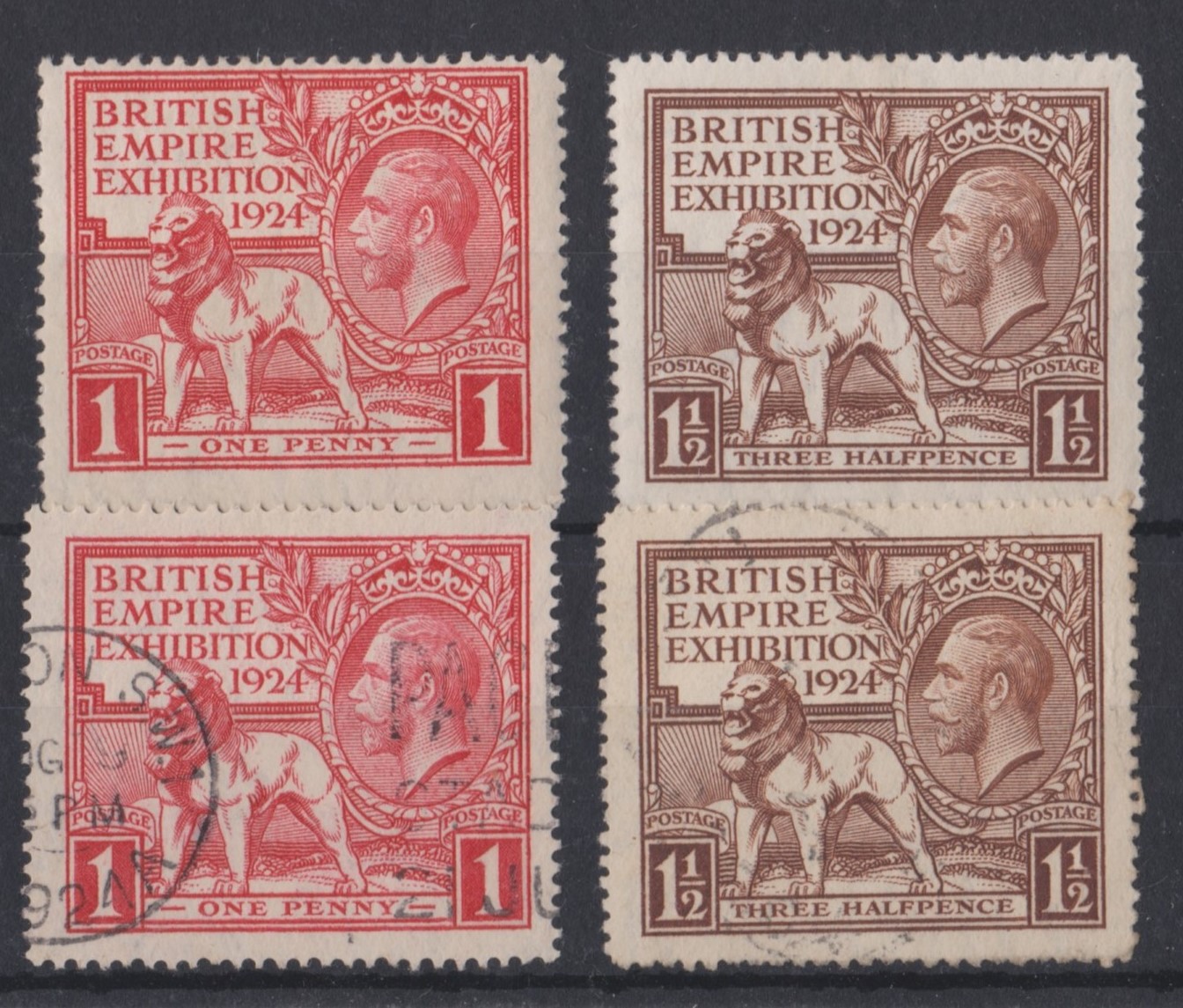
Lot 150 (four images total). These are high value because they are mint. Although they are quite hard to tell apart each is a slightly different colour.
Sharing a large quantity of photographs taken in the last two days in and around King’s Lynn.
I did two walks during the daytime yesterday, visited my sister and nephew for supper in the evening. I have also done a very long walk this morning, taking full advantage of weather that was genuinely pleasant by December standards – it started to rain lightly near the end of the walk, but I got over two hours worth of dry weather before the rain came.
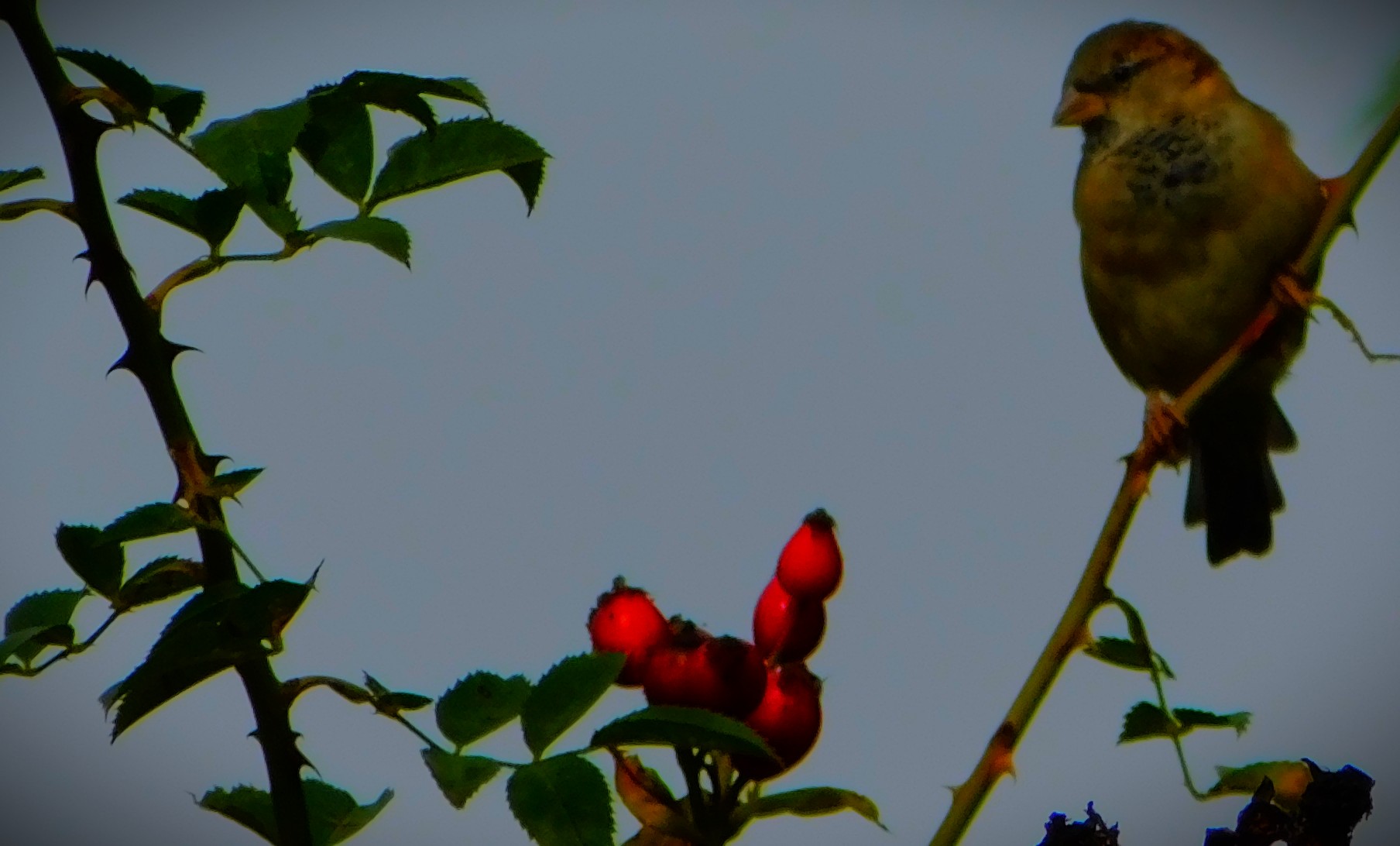
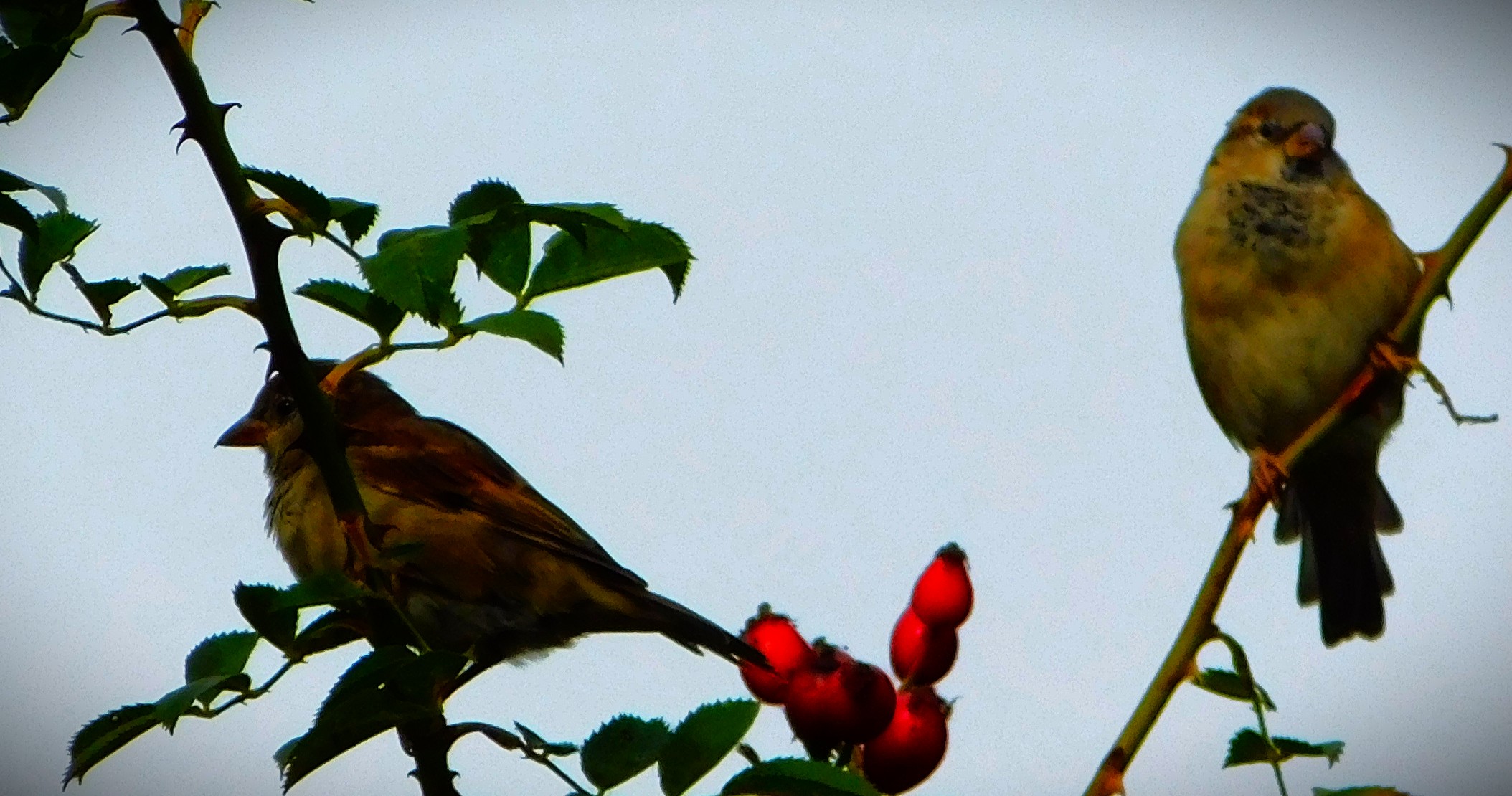
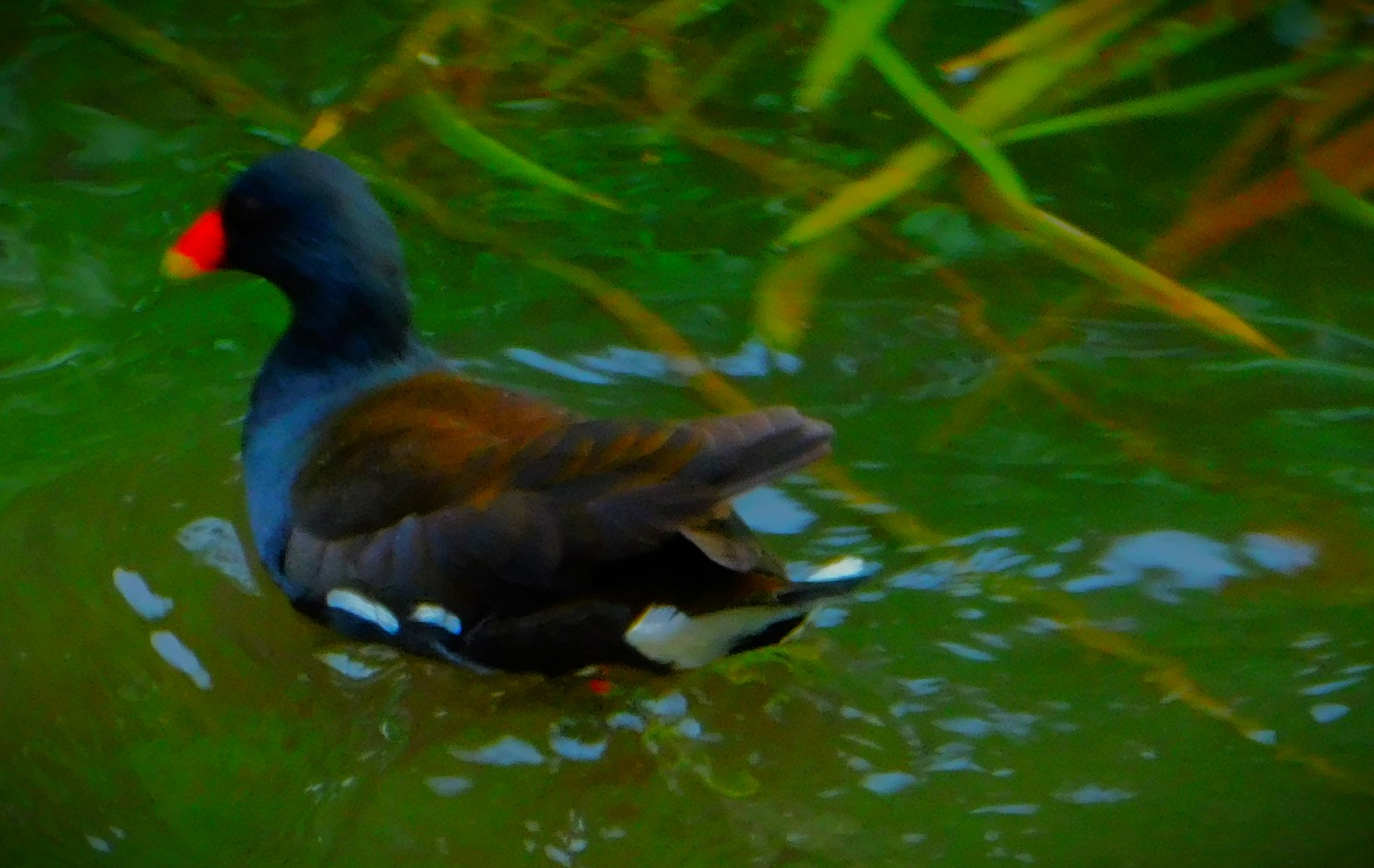
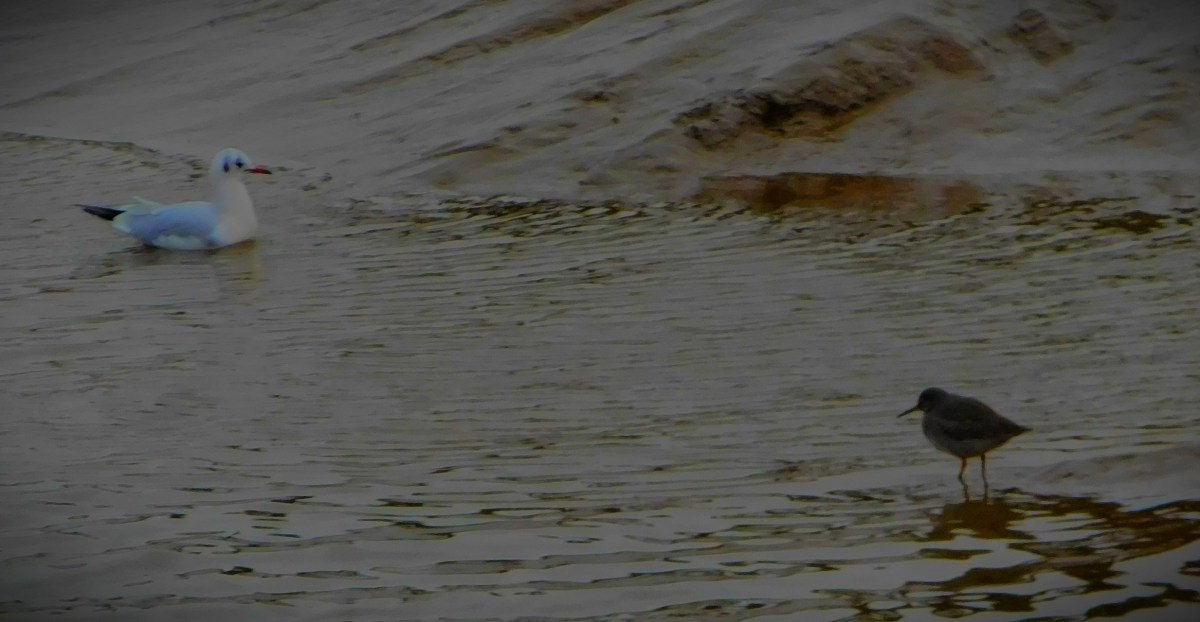
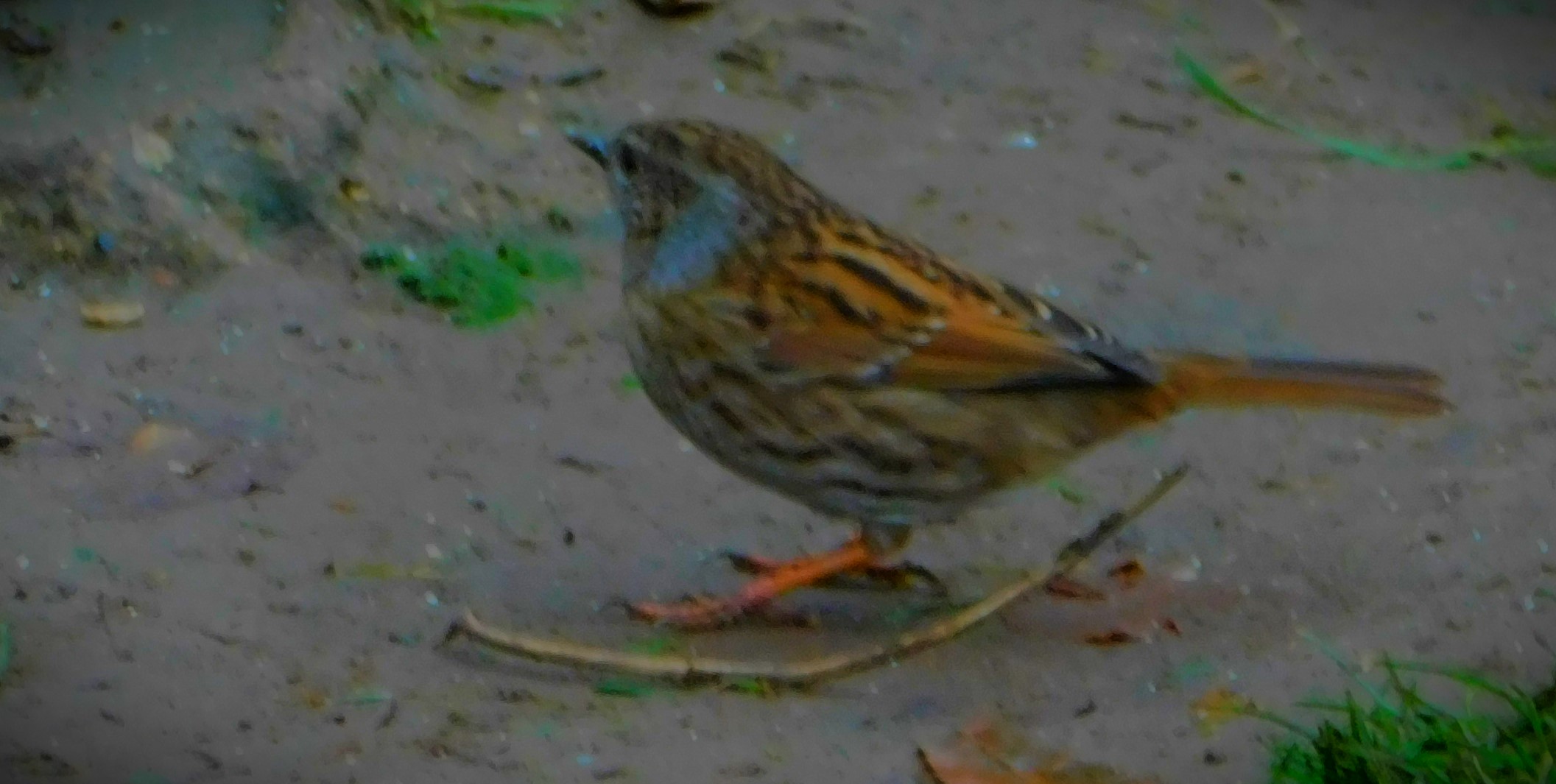
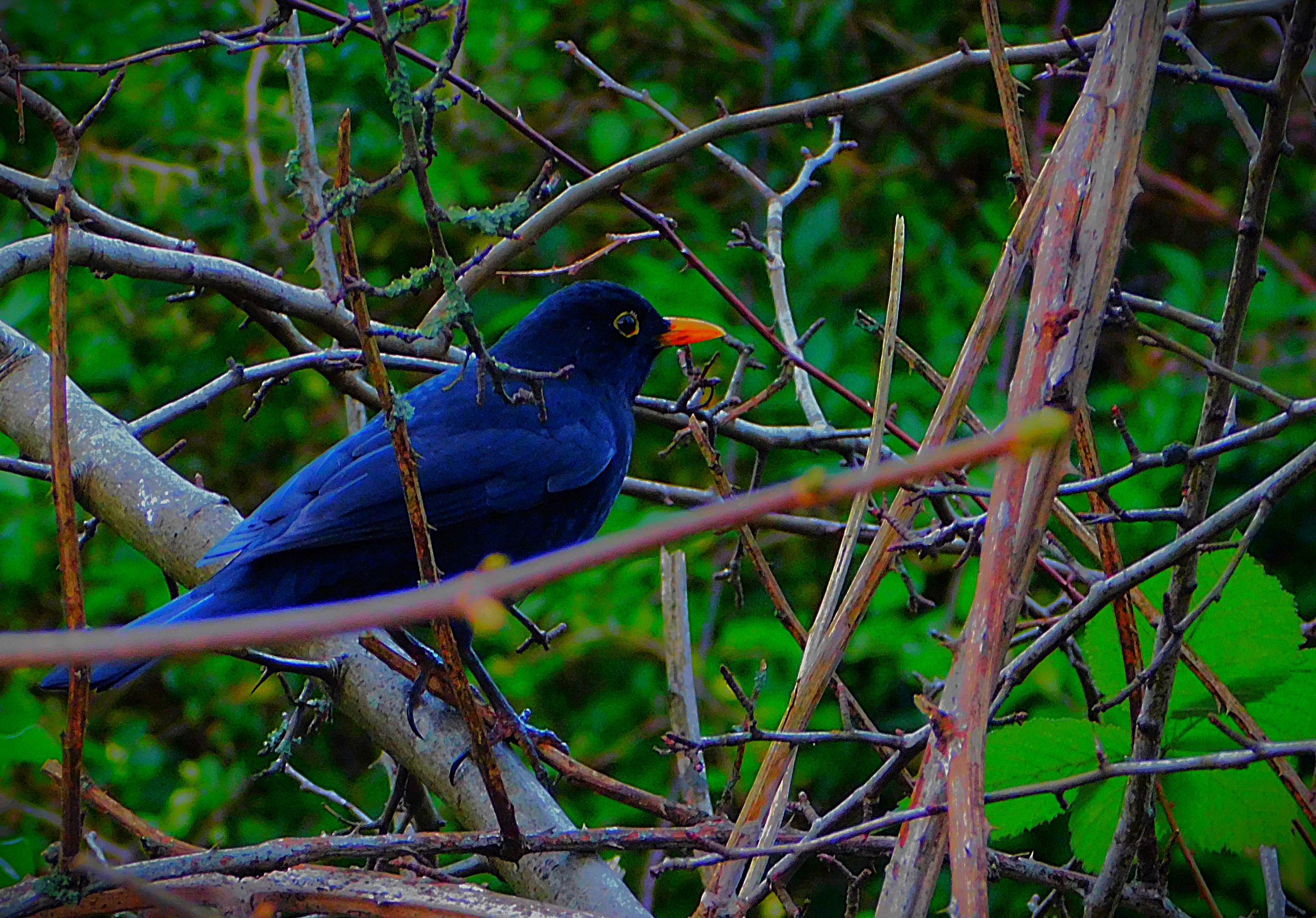
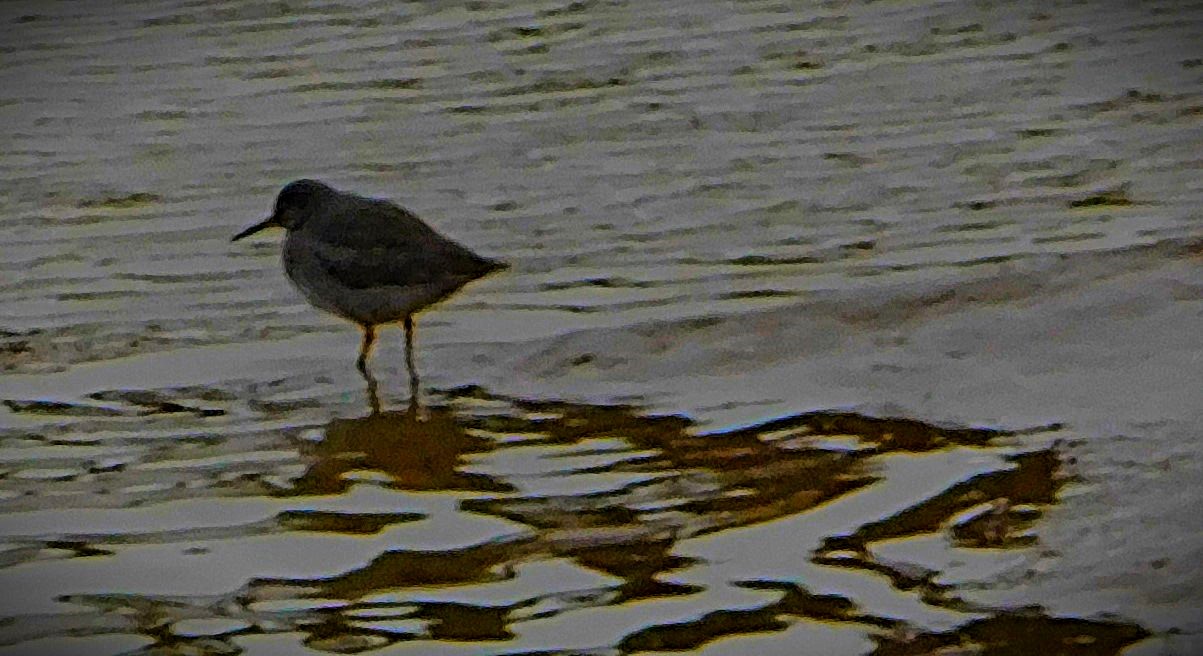
These excursions provided me with a very large photo gallery – once I had finished the editing process there were 150 pictures there. As well as pretty much all the regular bird sightings I managed to get pictures of a dunnock and a common sandpiper (the latter was near the mouth of the Nar this morning).
This afternoon has been unyieldingly grim, and this being December even at 4PM the such daylight as there was is already beginning to fade.
Enjoy a bumper gallery (and don’t forget to click to view pictures at larger size)…
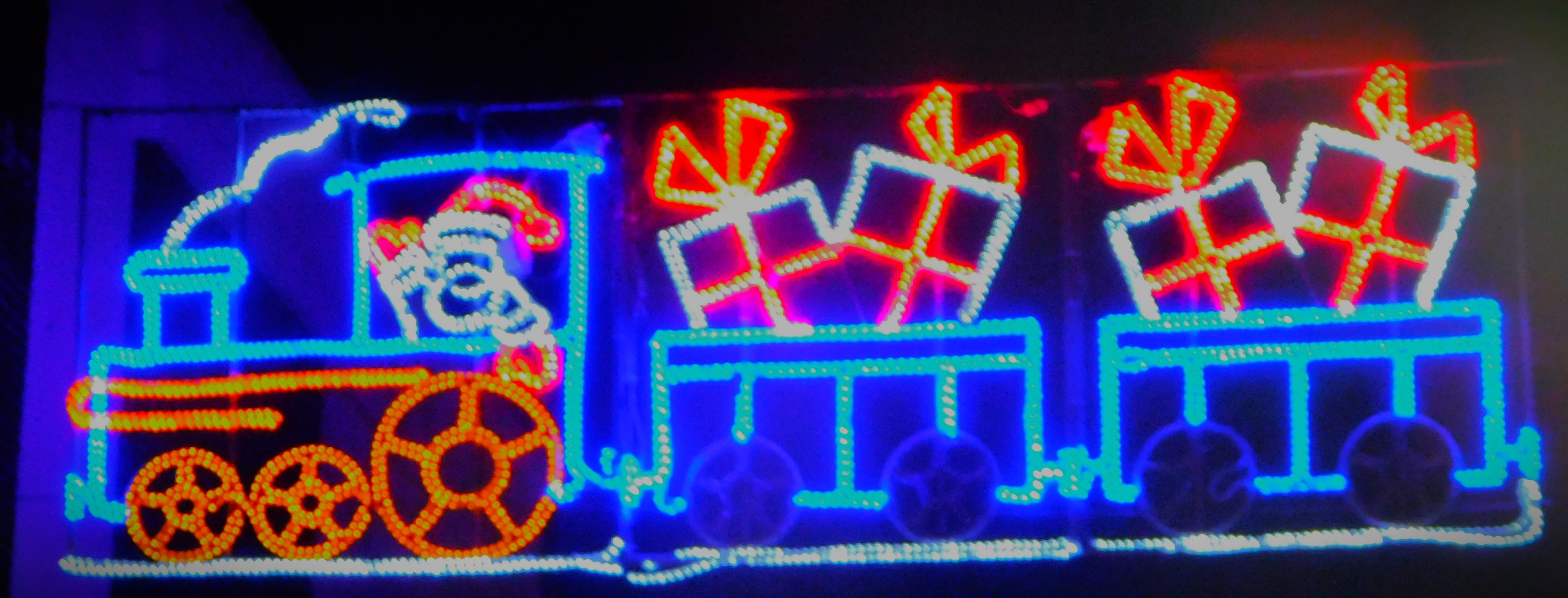
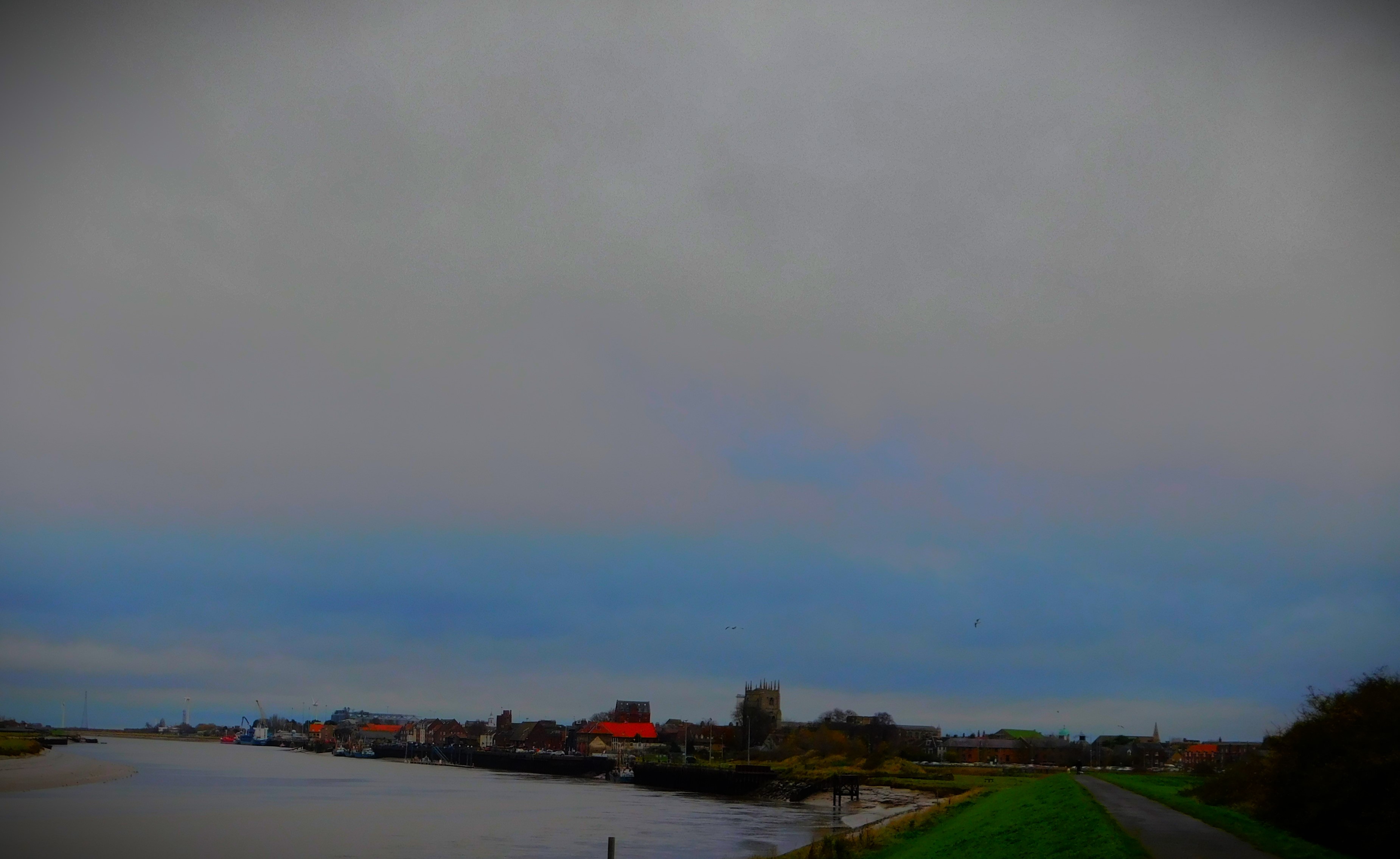
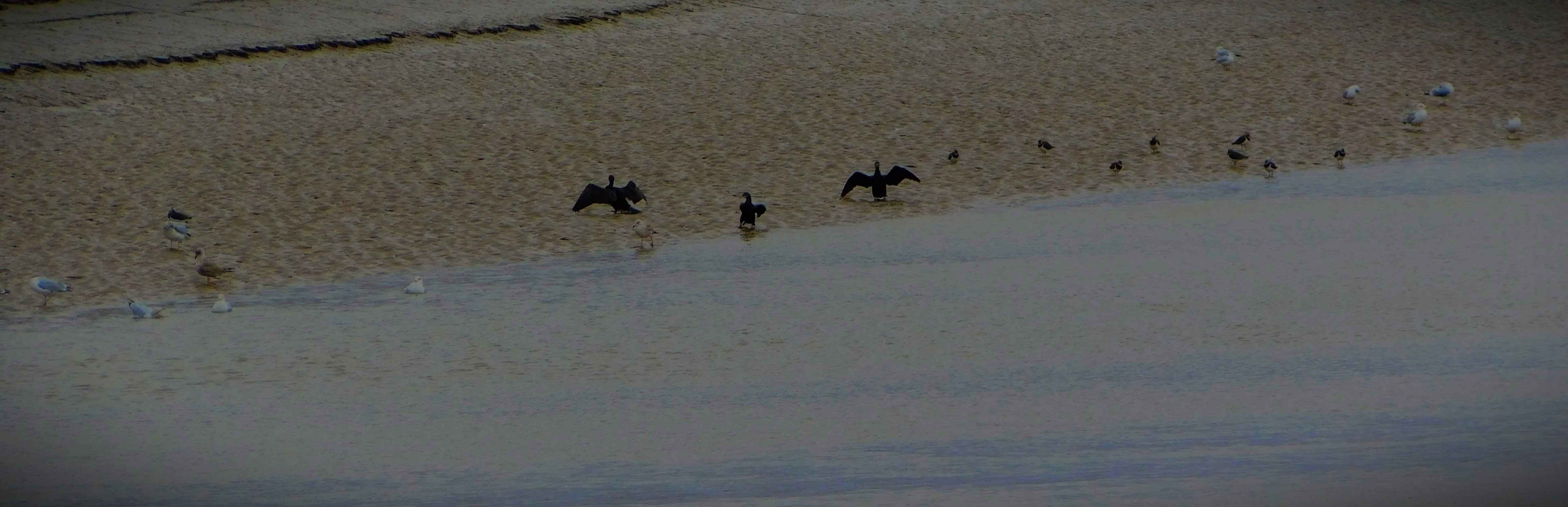
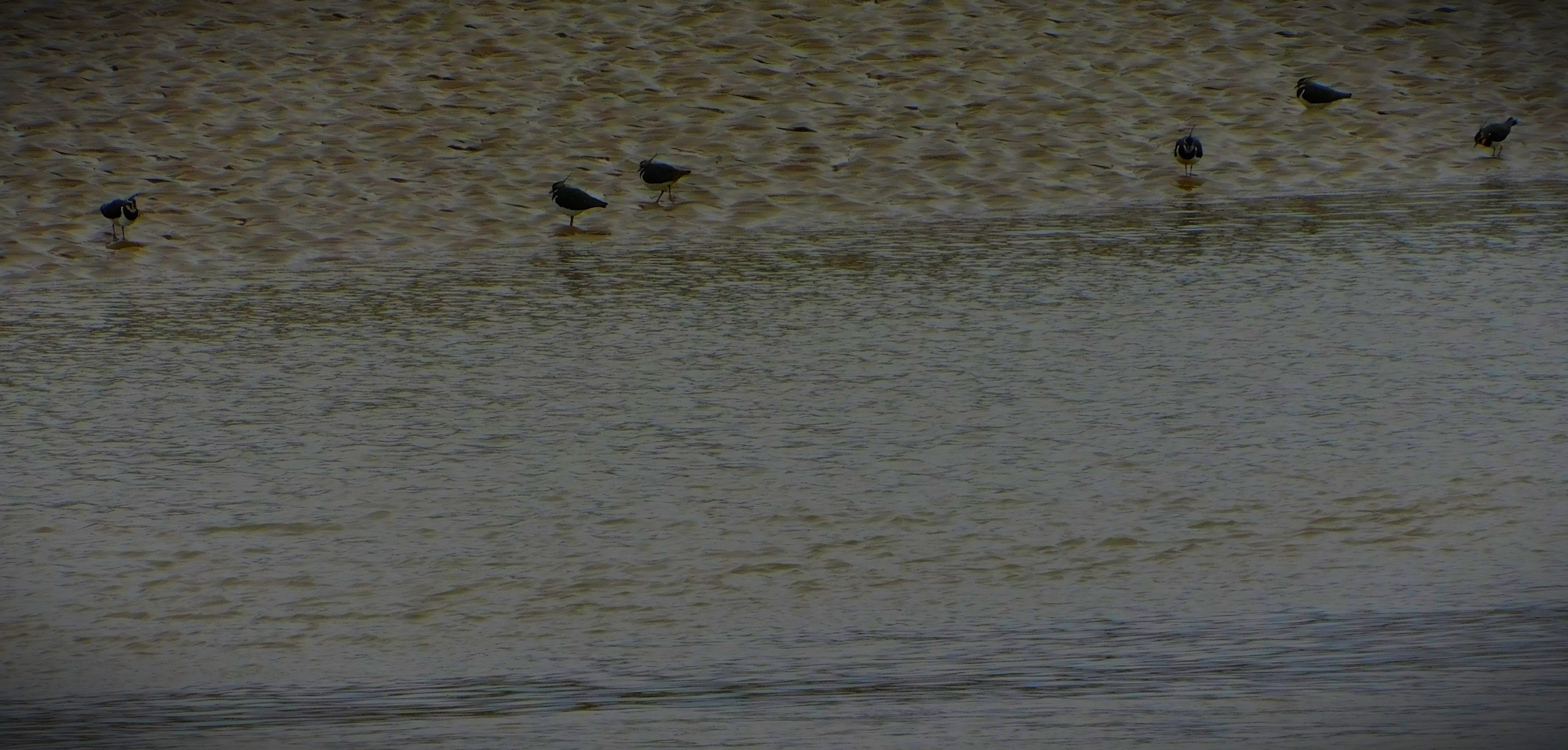
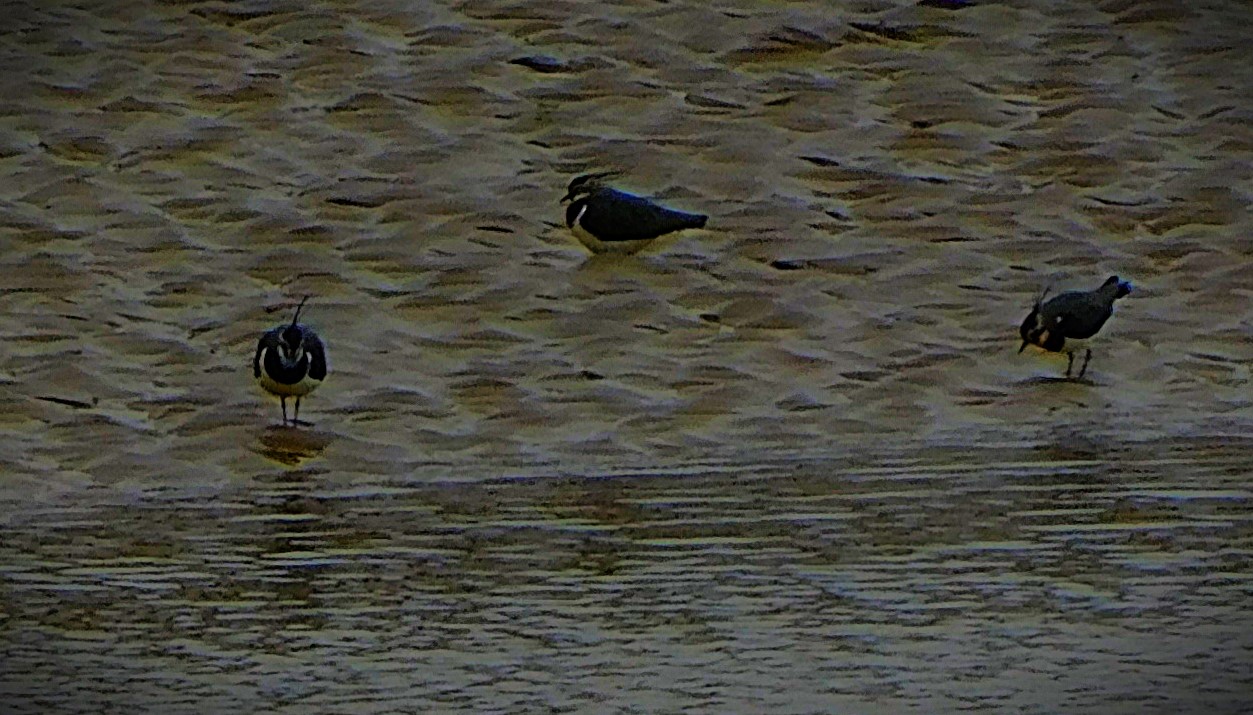
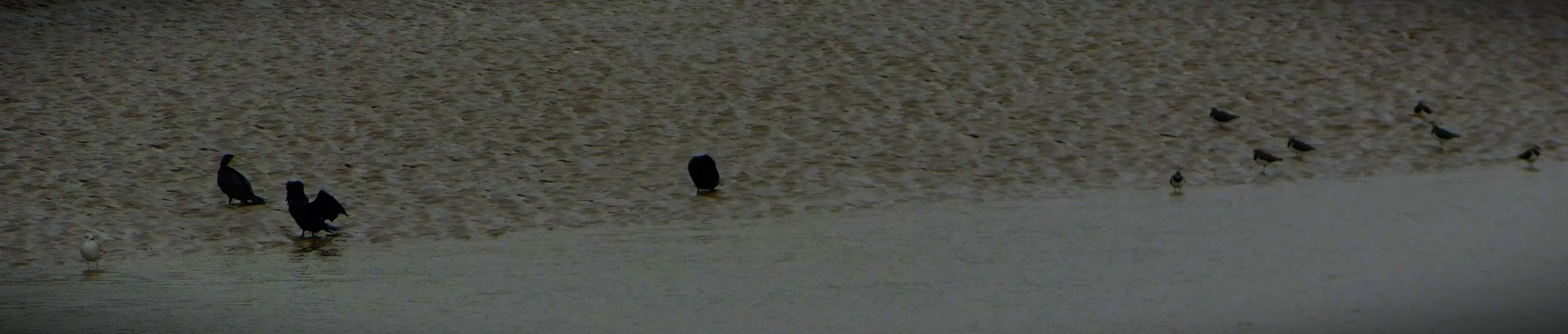
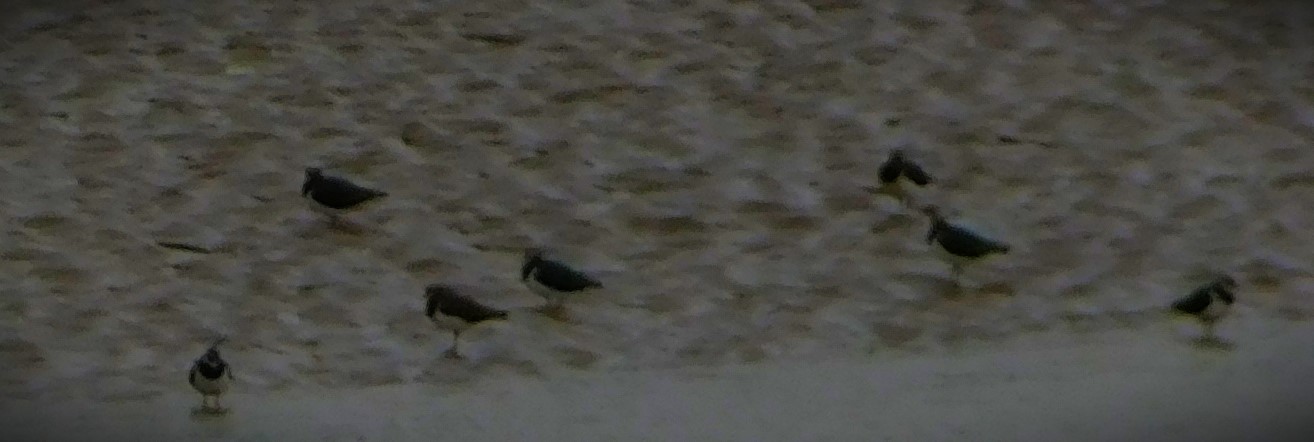
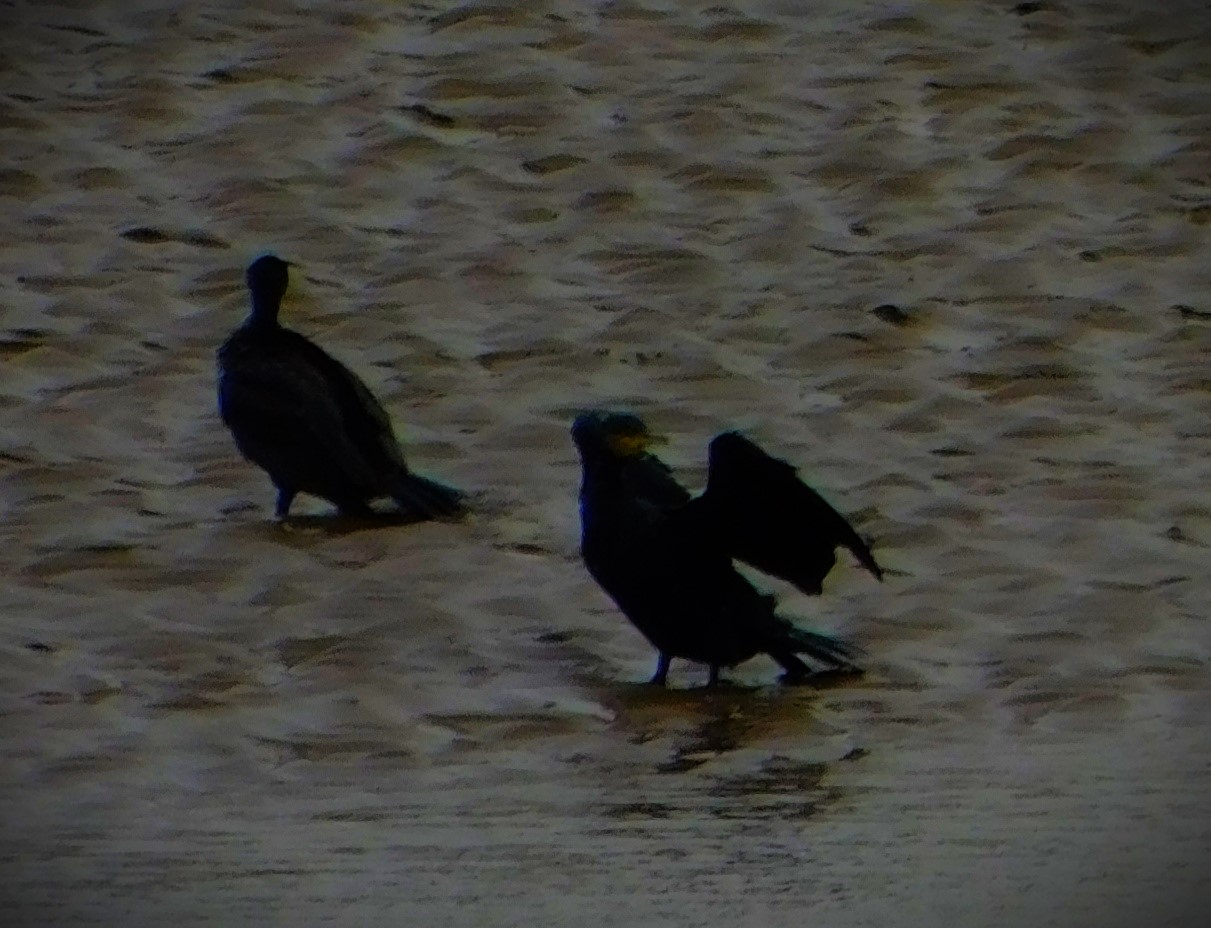
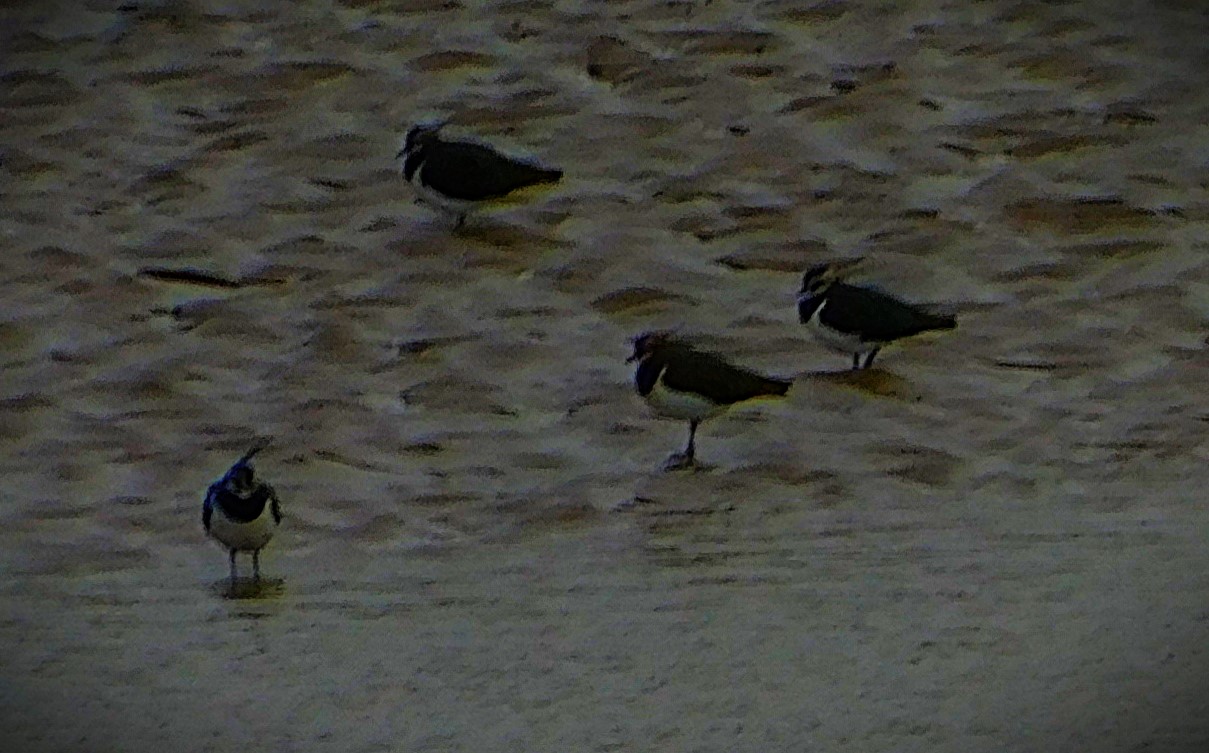
Sunday morning pics…The dunnock. In size and build it is not dissimilar to a sparrow, but the colouring is very different.Sunday afternoon pictures…This new building……was inspired by this much older one opposite it.Sunday night pics.I got a picture of the train fully lit up at the third attempt.Todays pictures start here.The official start of King’s Lynn coming in from the southeast of the town.In olden times this was the southern edge of the town.A stretch of the Nar – this river has its source near the town of East Dereham, close to the centre of Norfolk.Two cormorants with wings outstretched simultaneously.Lapwings in triangular formation at the waters edge (the far side of the Great Ouse from me).The common sandpiper, which features in five images in total.The feature image.
An account of a walk in and around King’s Lynn. This particular variation on a favourite walking theme of mine took place yesterday late morning. There are plenty of photographs.
It is no secret to followers of this blog that I do a lot of walking, and that I go nowhere without my camera. This post looks in detail at a recent walk.
WALKING IN AND AROUND KING’S LYNN
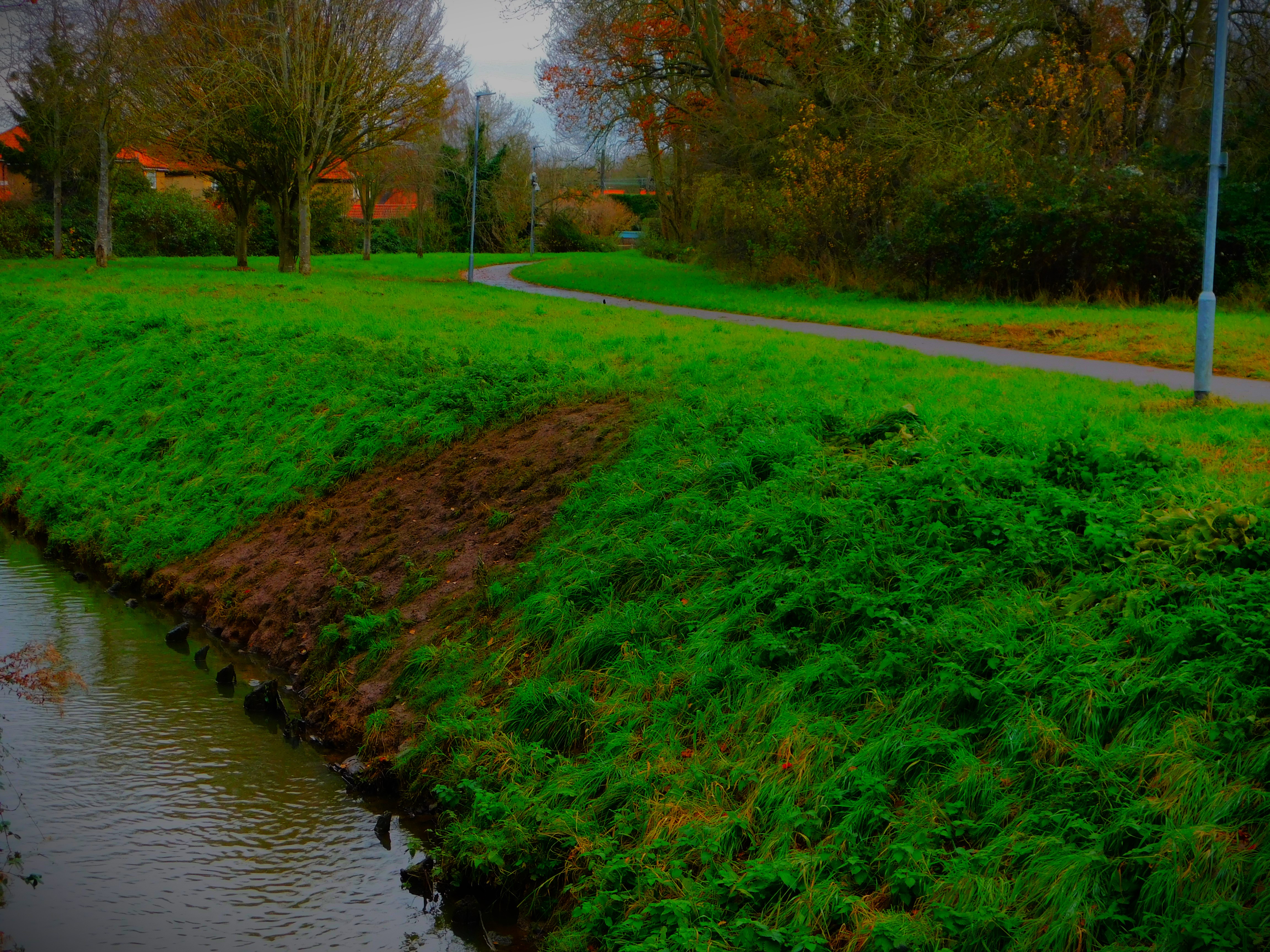
One of my favourite themes around which to construct walking routes in and around King’s Lynn is what I call the ‘three rivers’. The three rivers of that title are the Gaywood, multiple sections of which are encompassed, the Nar, which is crossed twice at different points, and Great Ouse, the main river in this part of the world, alongside which some of the walk takes place. The particular walk that this post uses for detail took place yesterday, when the weather was bright and sunny but cold.
THE WALK
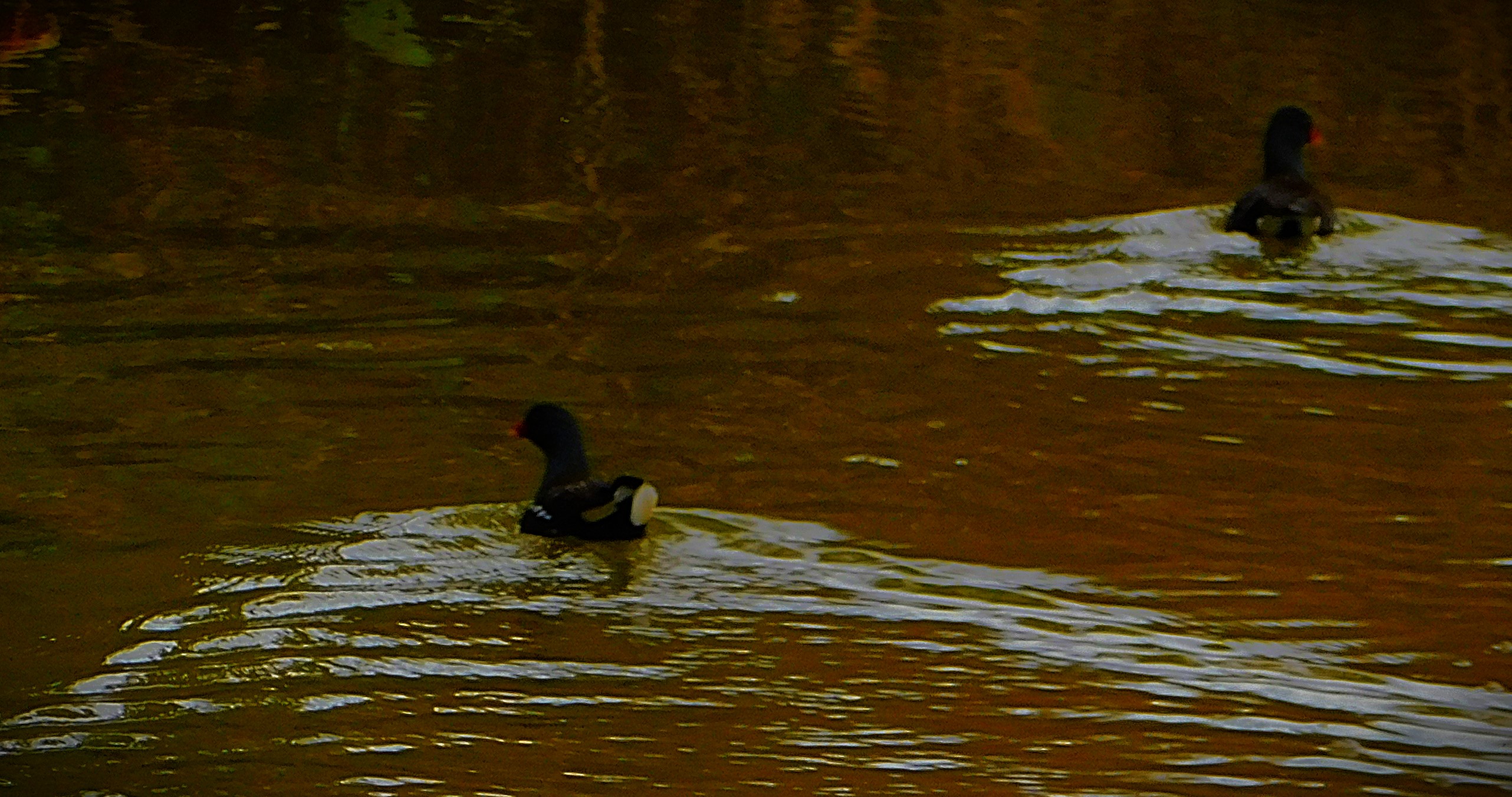
I started by leaving my house by the back door, as I was heading at first in the general direction of the town centre. The road that runs behind the row of houses in which I live is a private road and is unnamed. It disgorges on to Raby Avenue, which I crossed, and then headed down Townshend Terrace, a side road which forms a right angle, running from Raby Avenue to a pond at which point it swings 90 degrees and disgorges onto another road. However, as you will see I was not going that way. The pond usually yields pictures, and it did so this day as well…
While Townshend Terrace goes on way, a footpath leads in the opposite direction, through to Loke Road. On the far side of Loke Road, almost directly across from this footpath is a side road called Harewood Parade, which leads round the side of a second pond, until it terminates and is replaced by footpath which heads into a section of greenery flanked on one side by a section of the Gaywood River and on the other by Kettlewell Lane. Although the second pond did not yield anything for the camera on this occasion, the rest of this segment of the walk did…
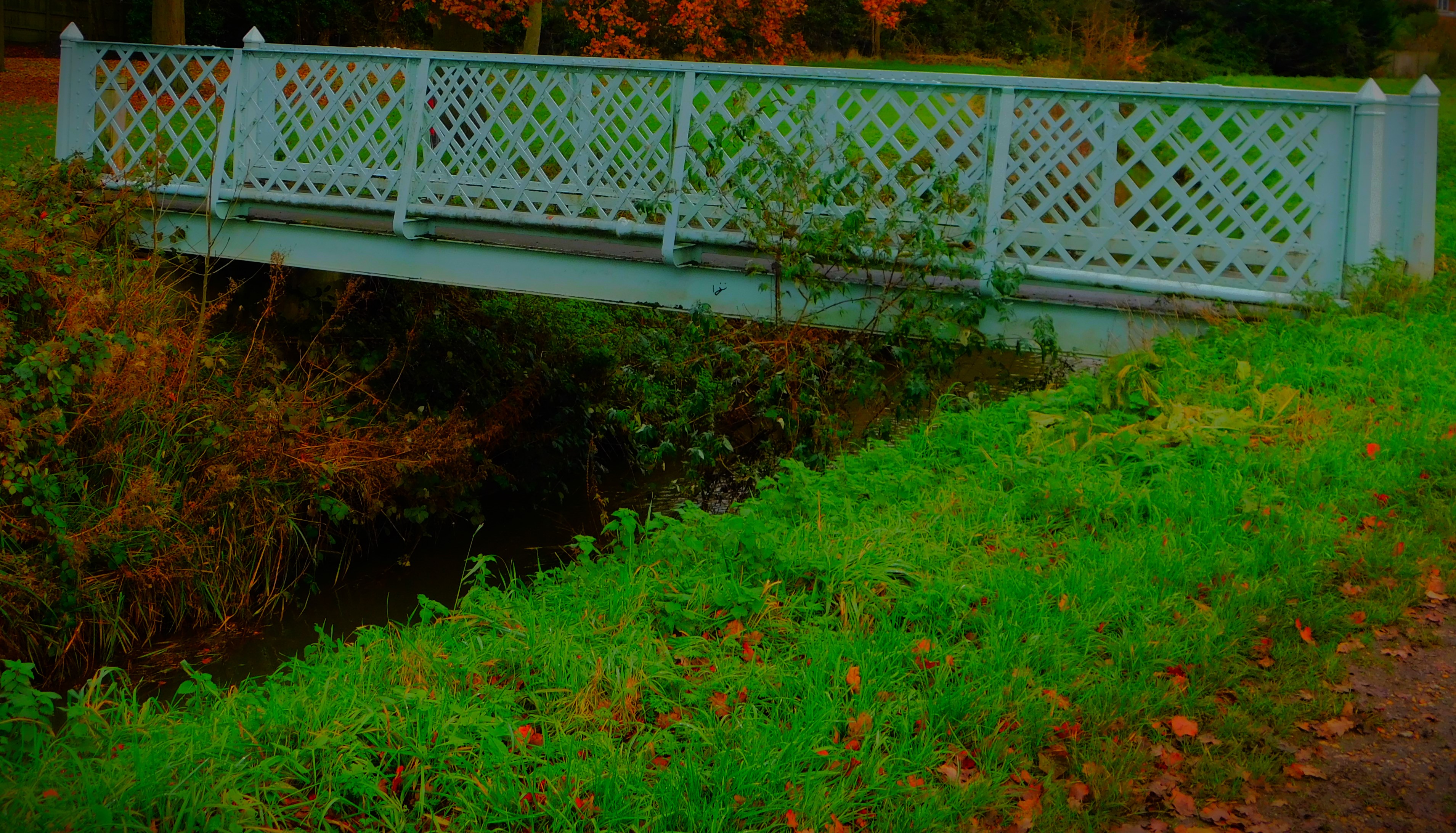
Kettlewell Lane leads out on to what at that stage is Littleport Street, though a little way north it becomes Gaywood Road. By this stage one is very close to the town centre, but one is not committed to main roads. I crossed Littleport Street at the light controlled crossing on Eastgate Bridge, and headed down Highgate, past a little patch of greenery that sometimes yields pictures though not on this occasion, and down a little side passage that leads to a small bridge back over the Gaywood to the town side and another little section of greenery, which I exited on to Wyatt Street at the other side. I then crossed Wyatt Street, and took a footpath that runs alongside Eastgate primary school before coming out on Blackfriars Road, the road that runs past King’s Lynn station. At this point, for a brief period there are no further options for main road avoidance, so I followed the road round past the station, and shortly after the station headed into the park called The Walks. I headed alongside another section of the Gaywood (heavily sculpted at this stage of its route) until I reached the white metal bridge that leads in to the Vancouver Garden wherein is located the bandstand. I exited the Vancouver Garden by the other bridge from it, crossed the Broadwalk, and headed for the Seven Sisters exit. This section did not yield many pictures, but there were a few…
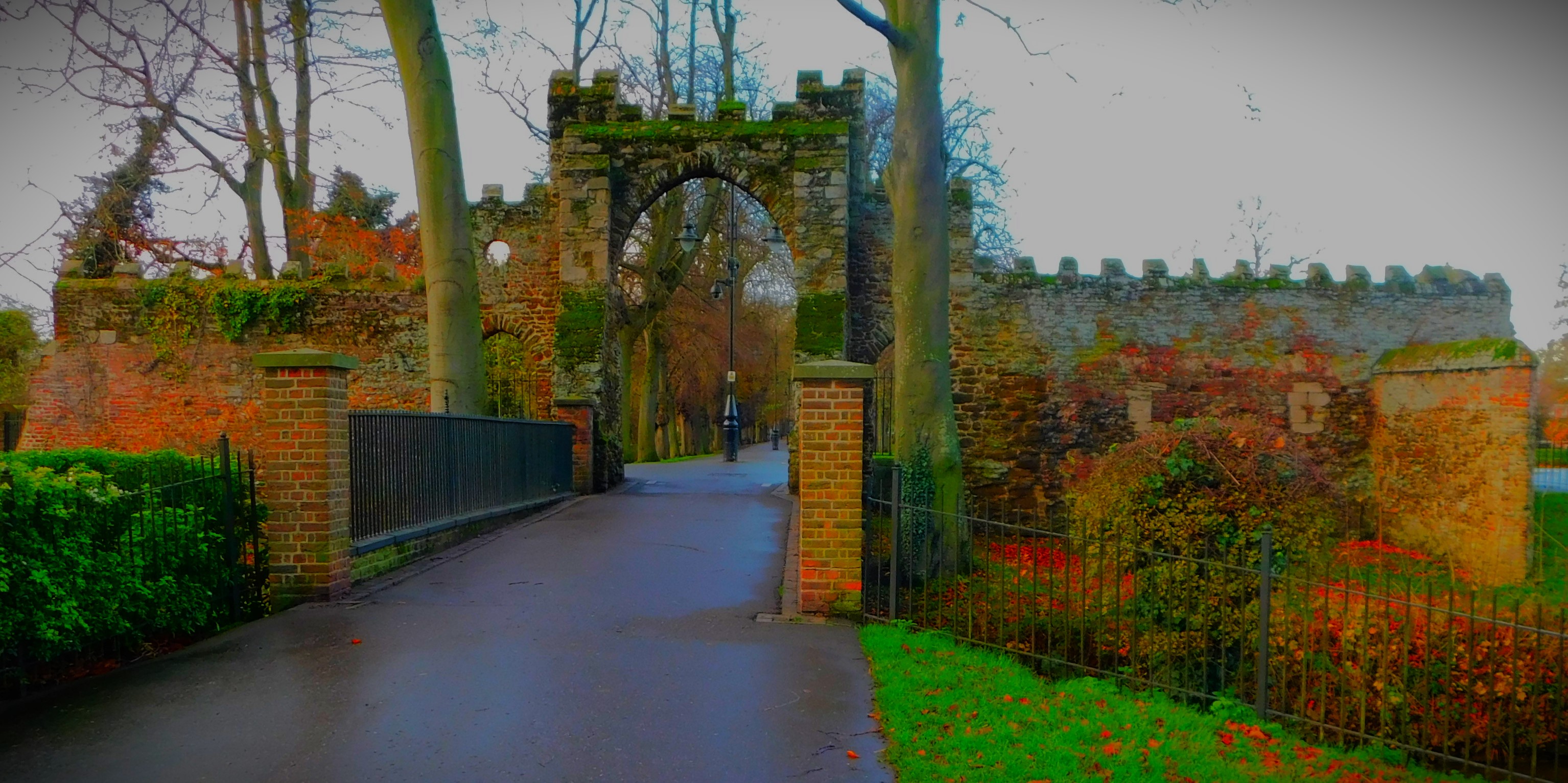
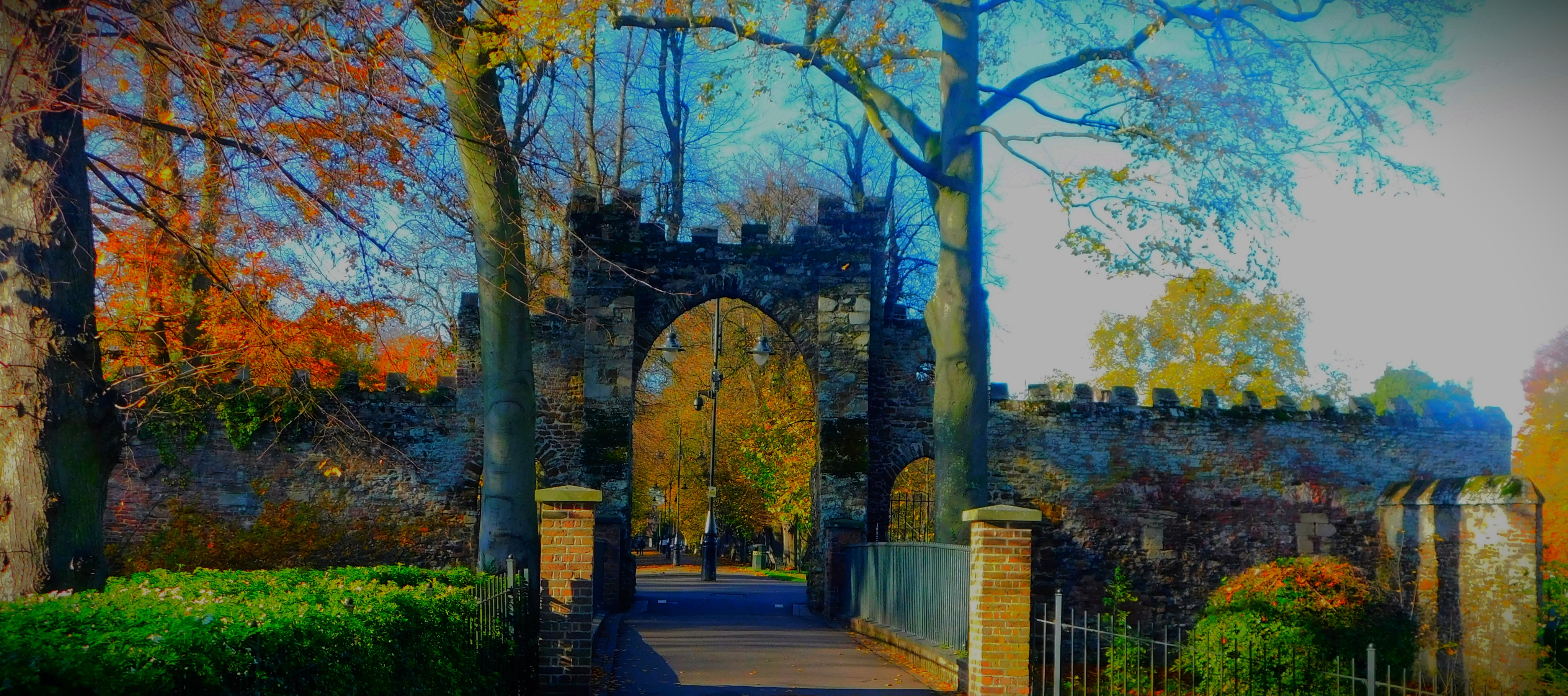
The Guanock Gate
From the Seven Sisters exit I headed to where a passage leads through to London Road, joining that road at a light controlled crossing, which I availed myself of. I then headed away from town, passing the South Gate and then turning down the road that crosses the Nar, which I exited on to Hardings Way before taking a footpath through Hardings Pits to the Great Ouse at a point south of the town.
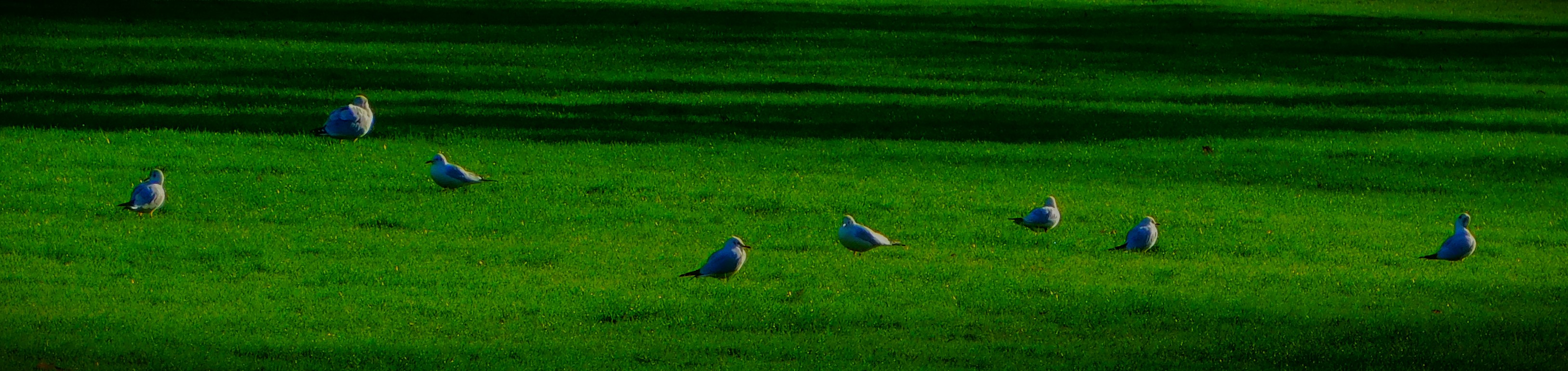
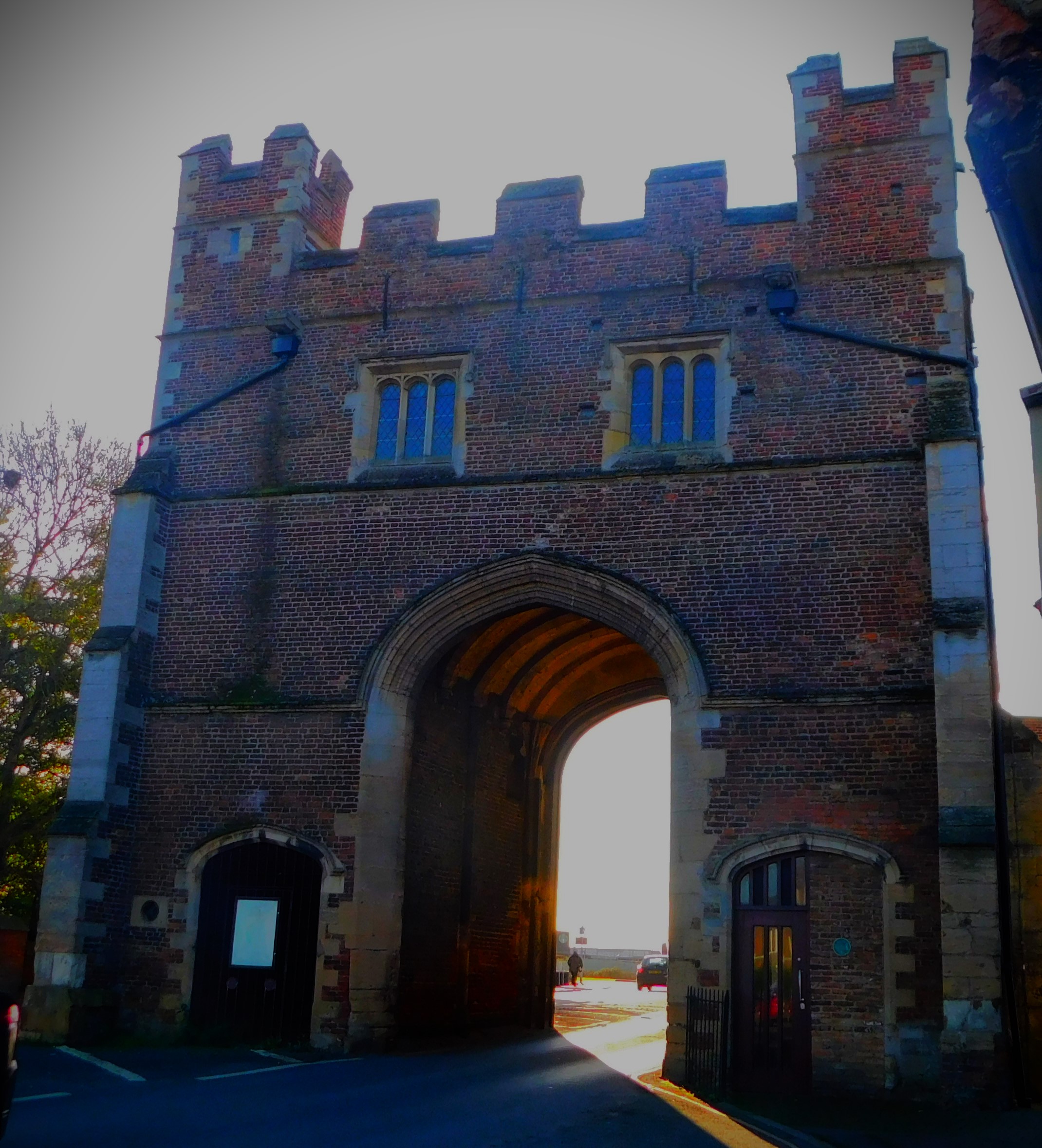
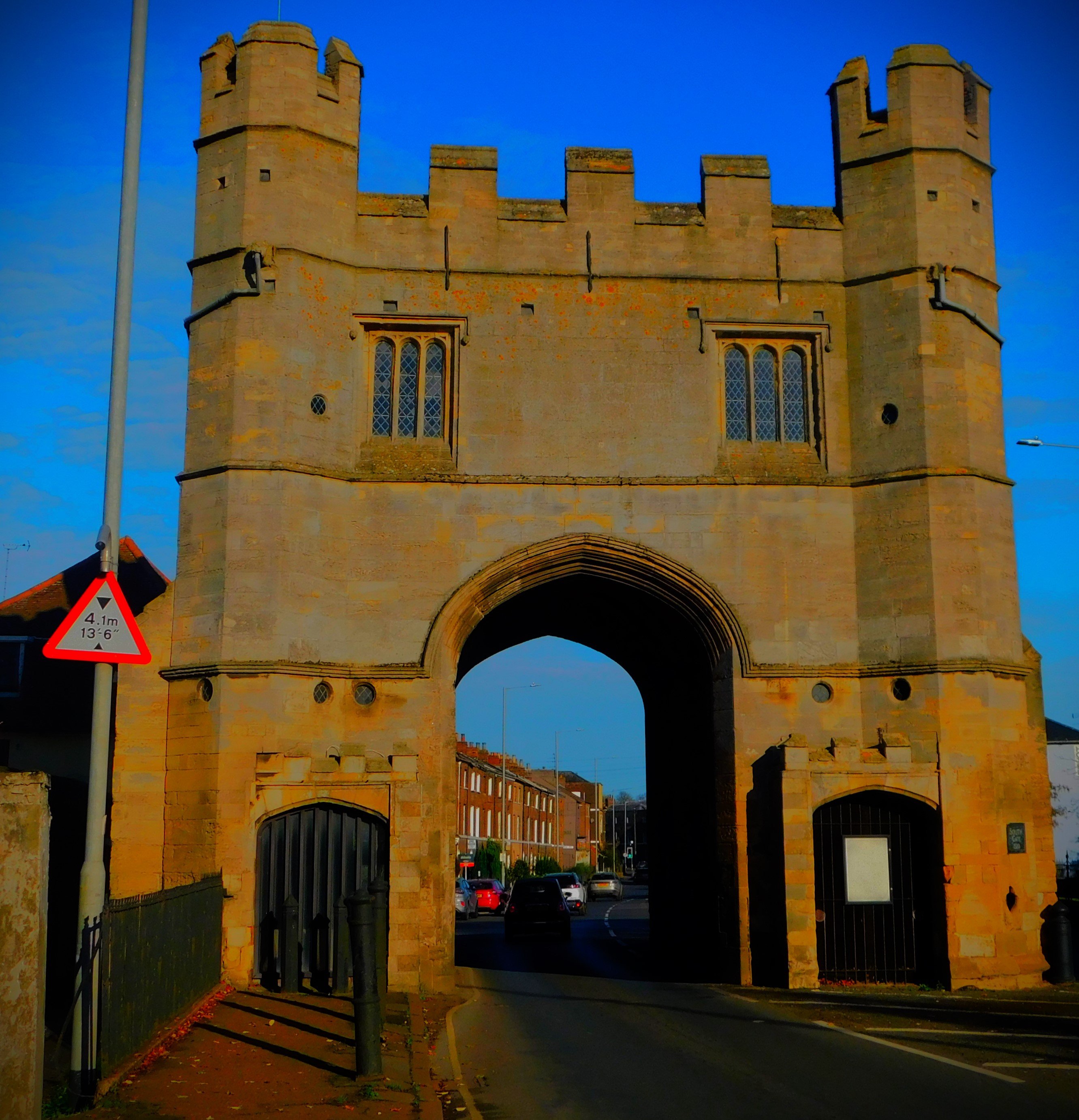
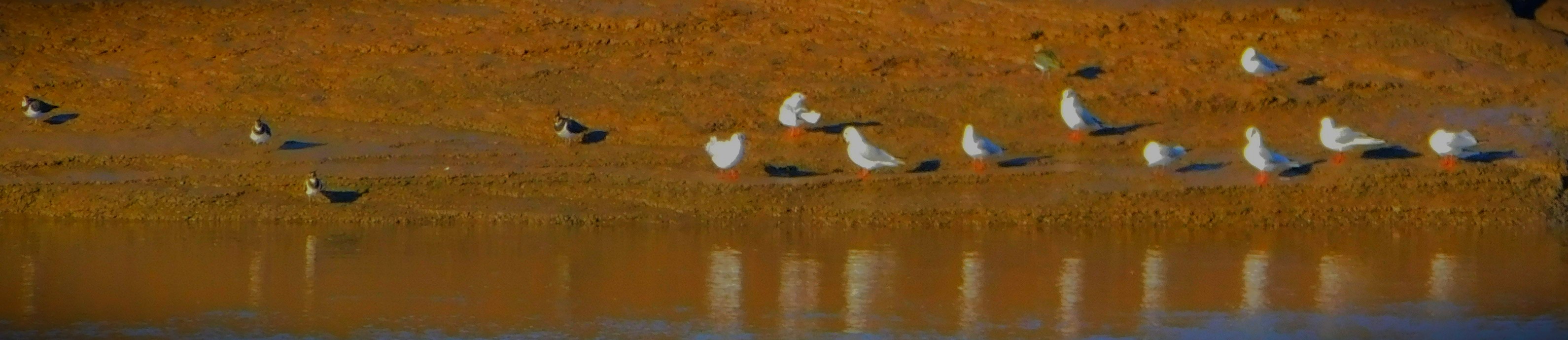
The South Gate (town side)The South Gate (out of town side).The only picture I got in Hardings PitsLapwings and Gulls at the far edge of the Great OuseKing’s Lynn viewed from the river bank on leaving Hardings Pits/A gathering of birds.
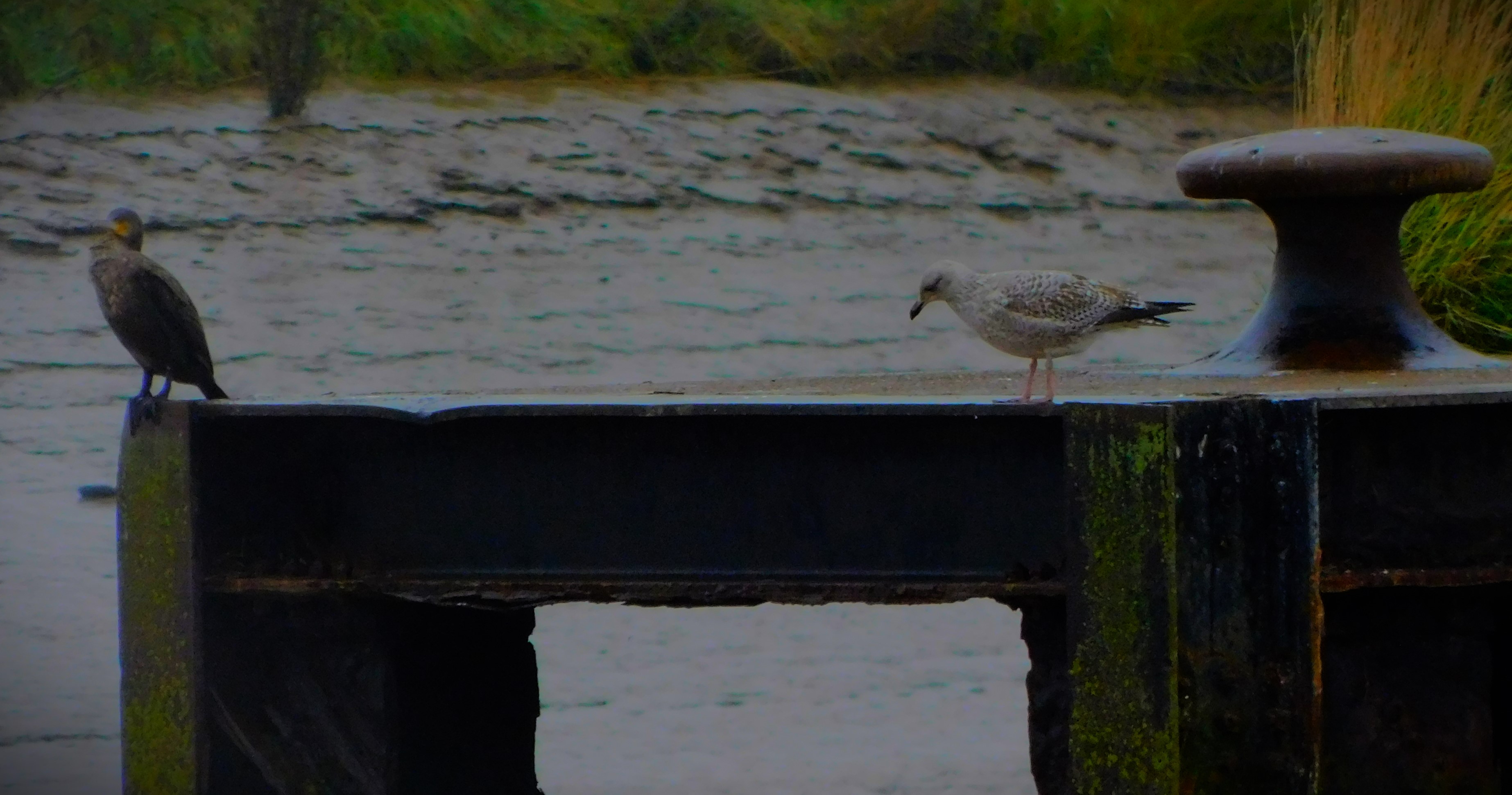
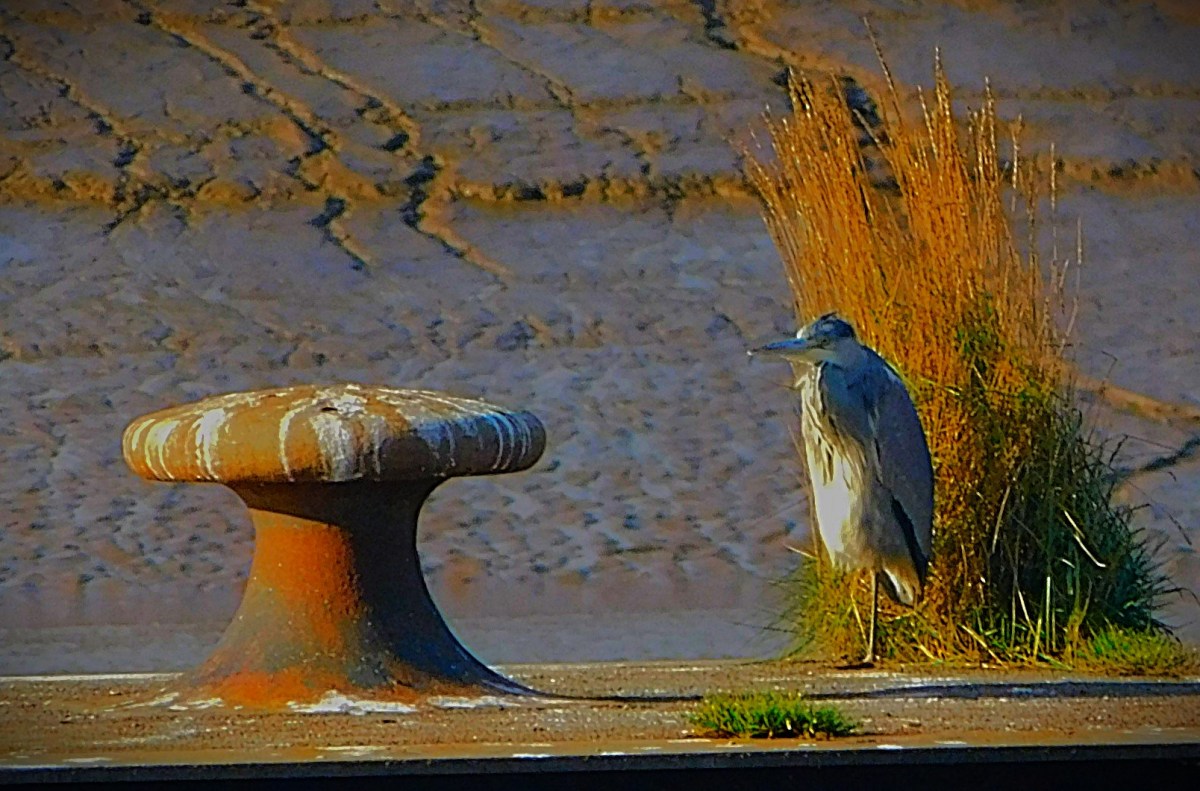
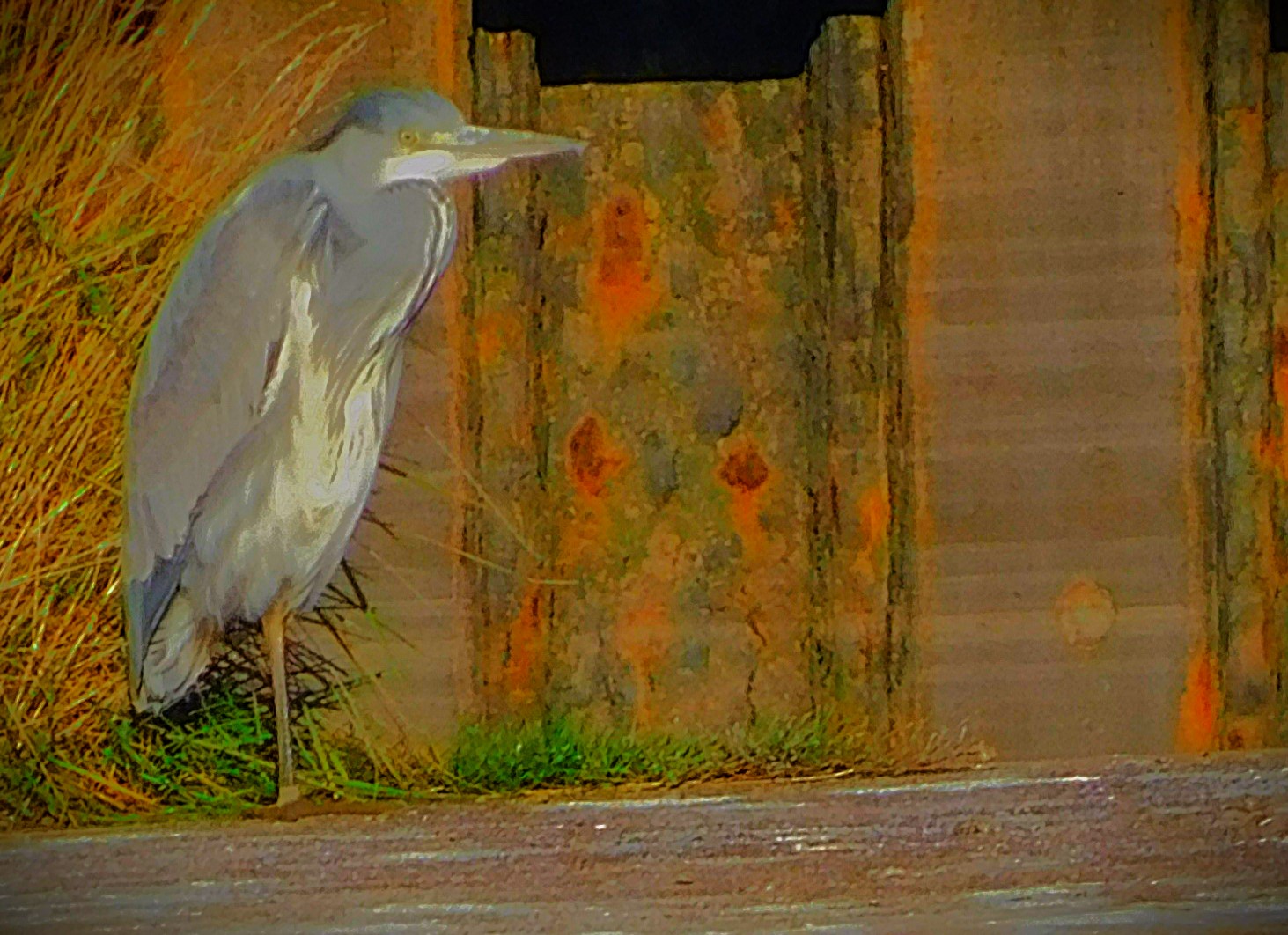
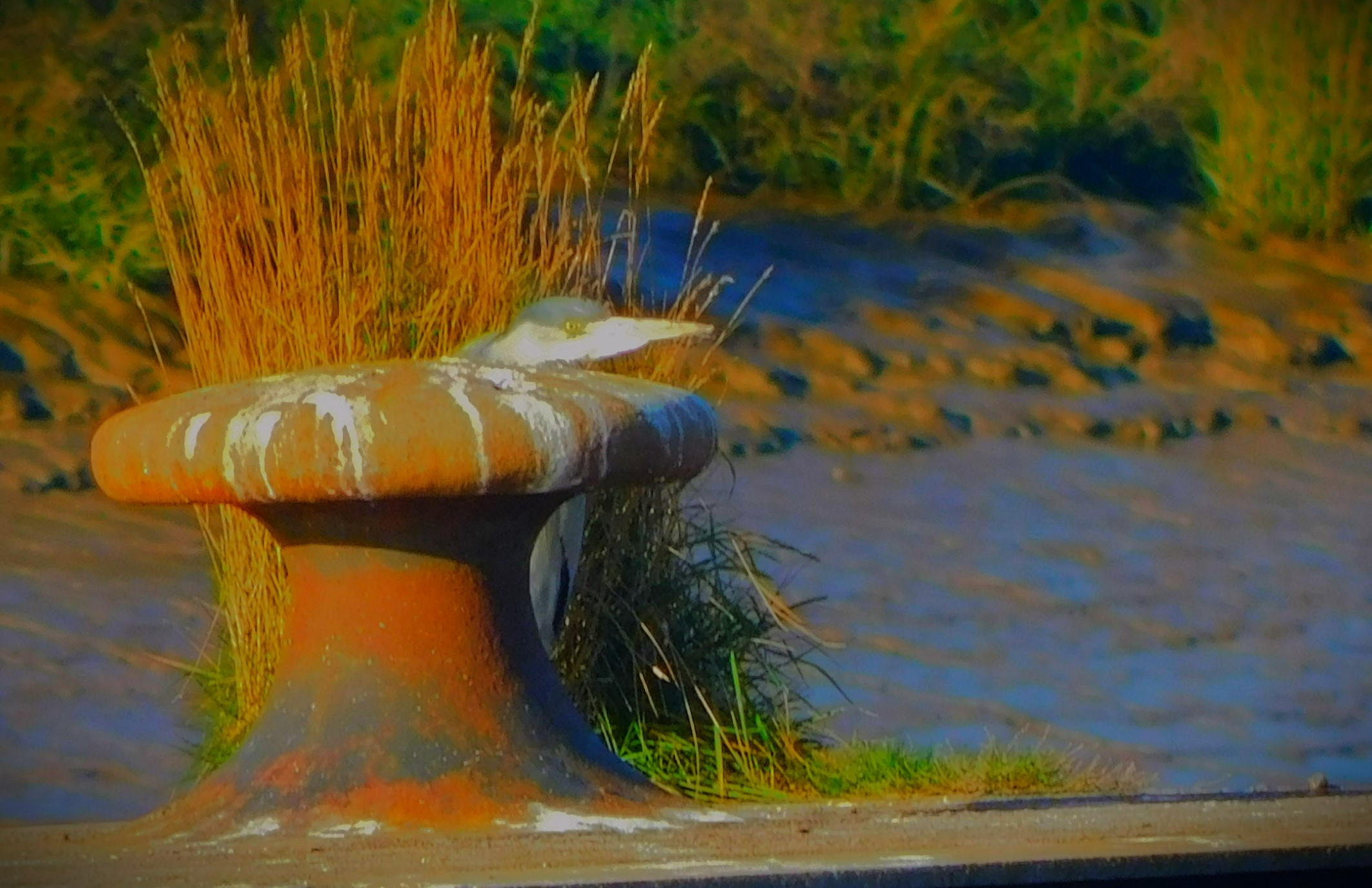
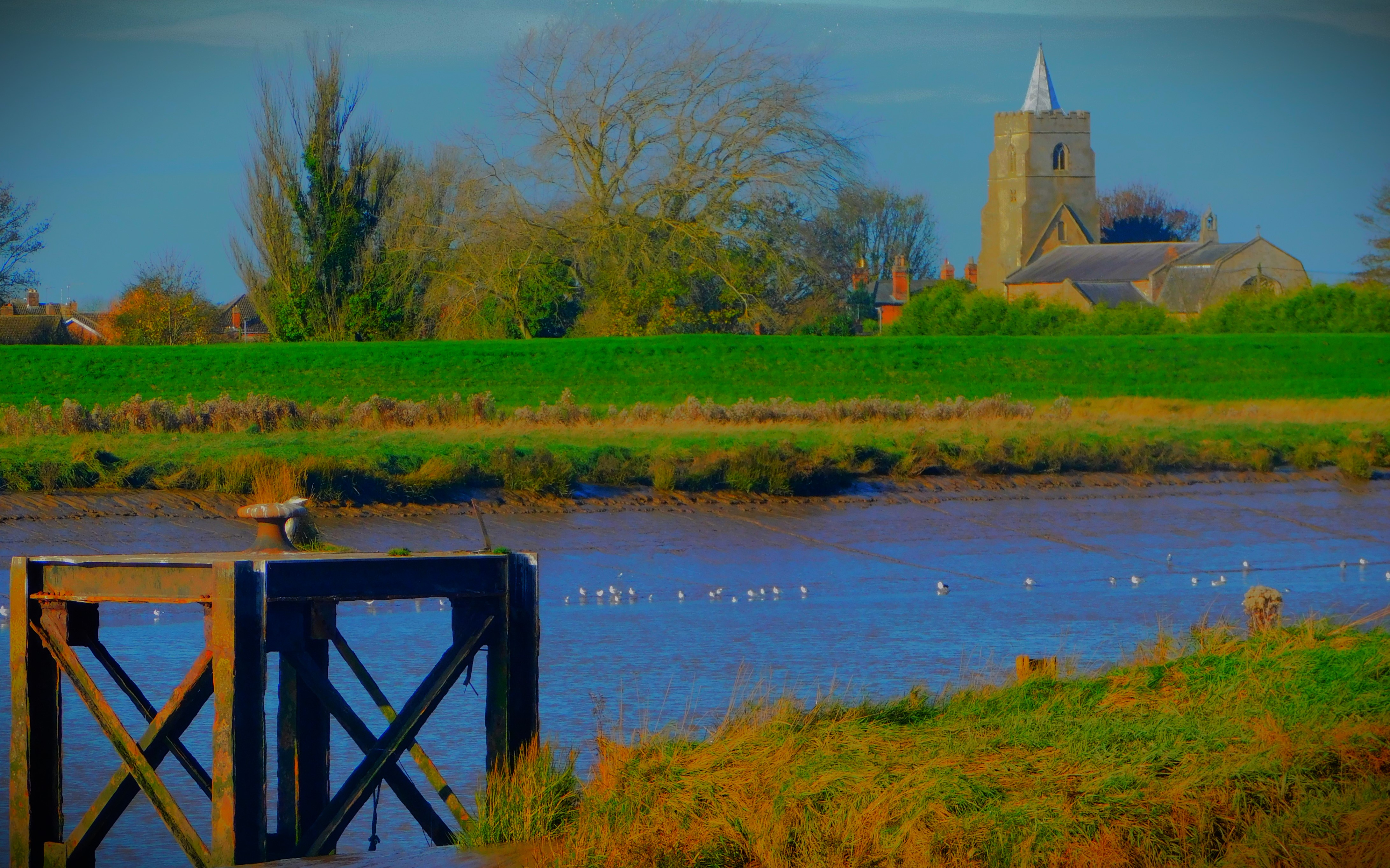
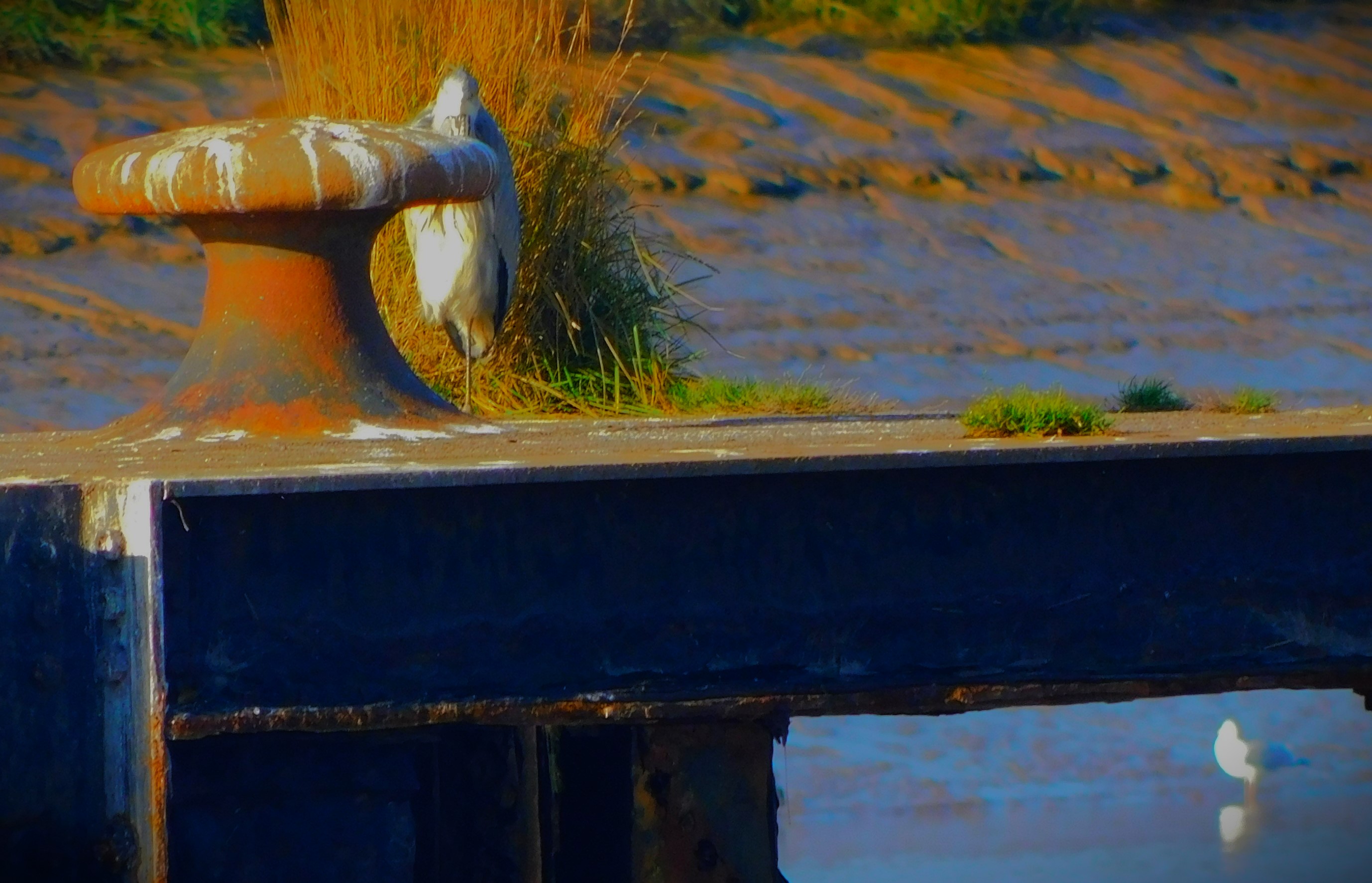
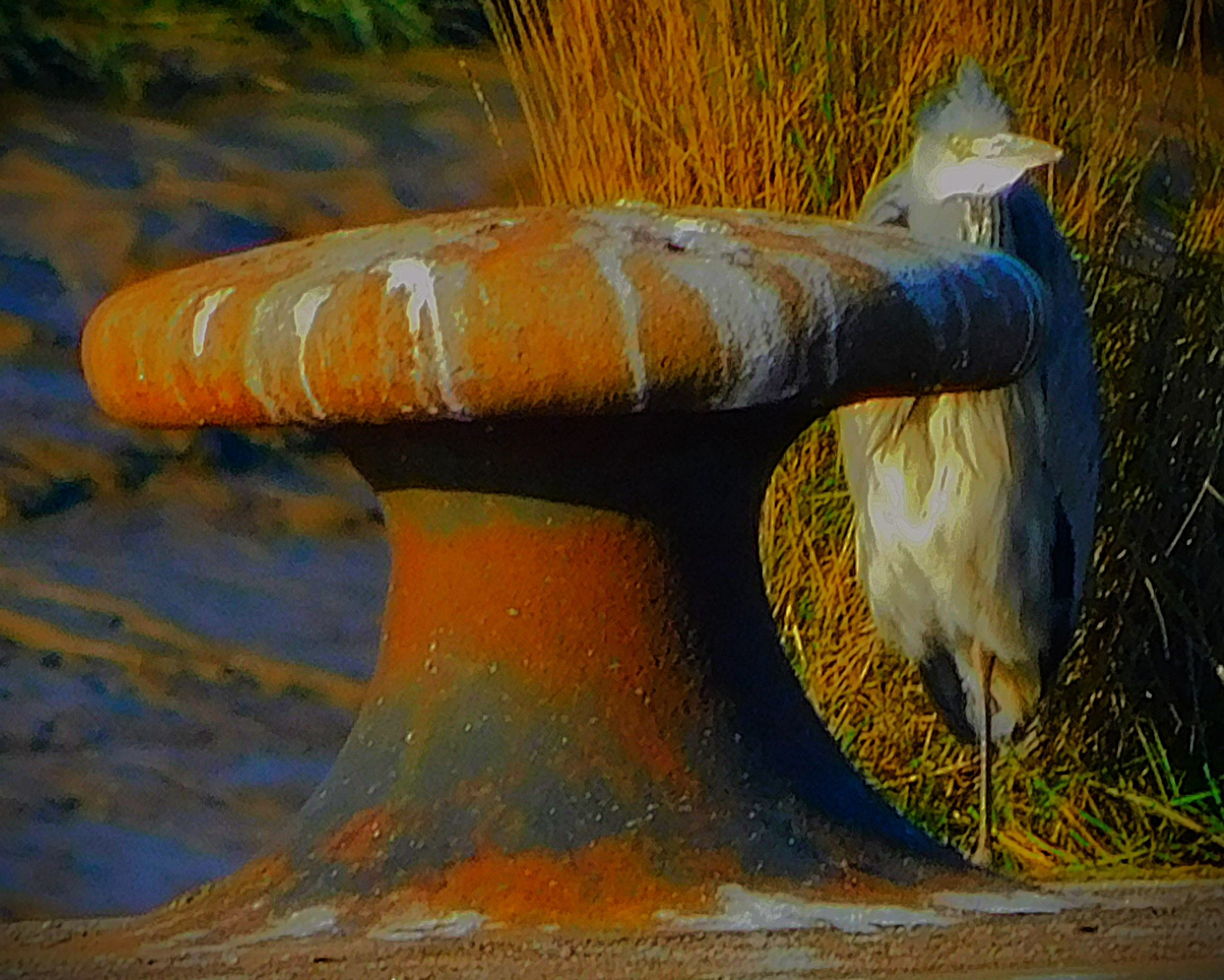
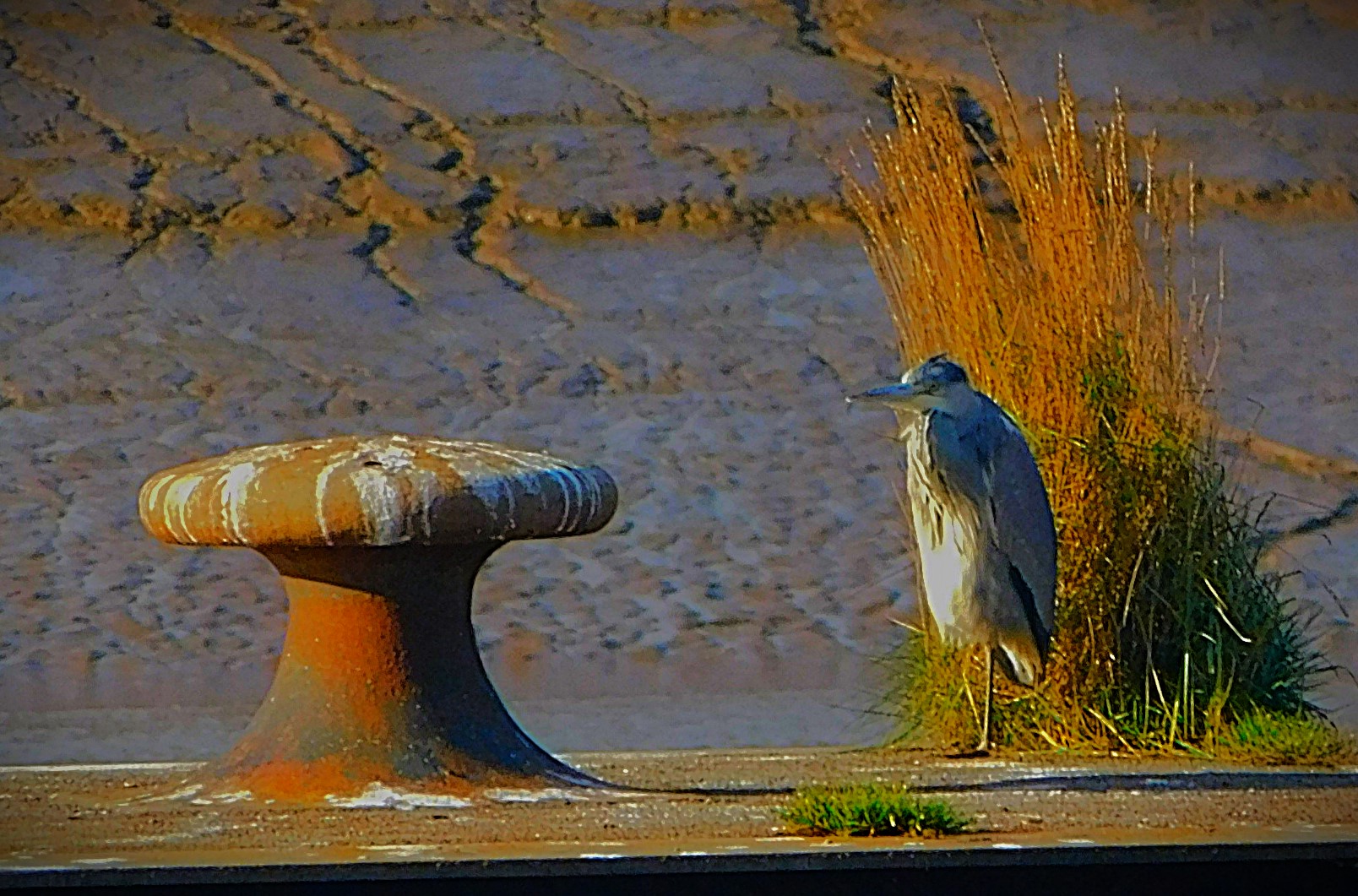
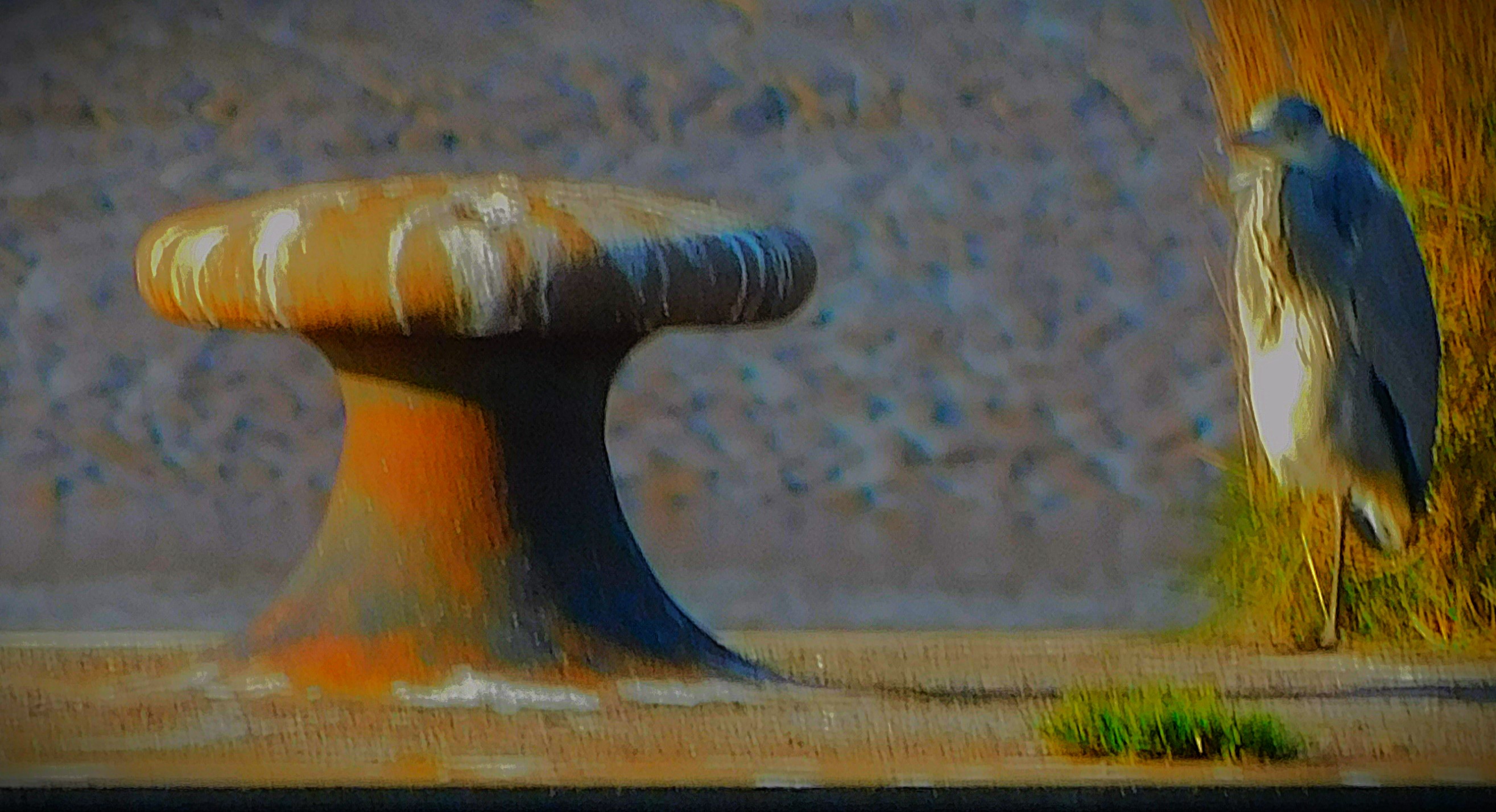
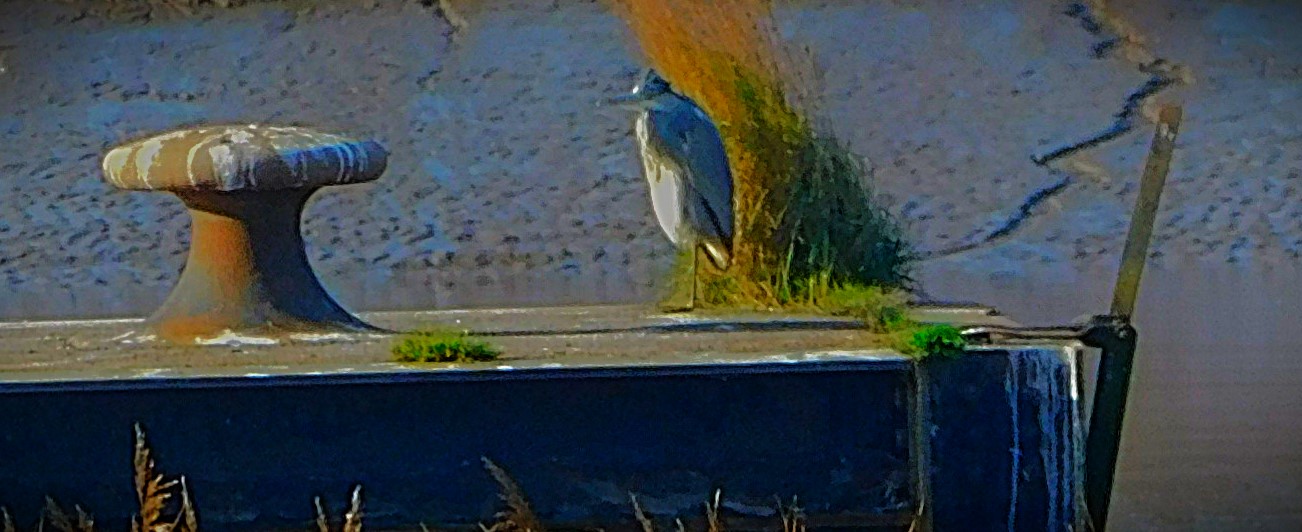
The next port of call was ‘Cormorant Platform’, although none of the birds that led me to give it that name were present on this occasion. There was a heron there however…
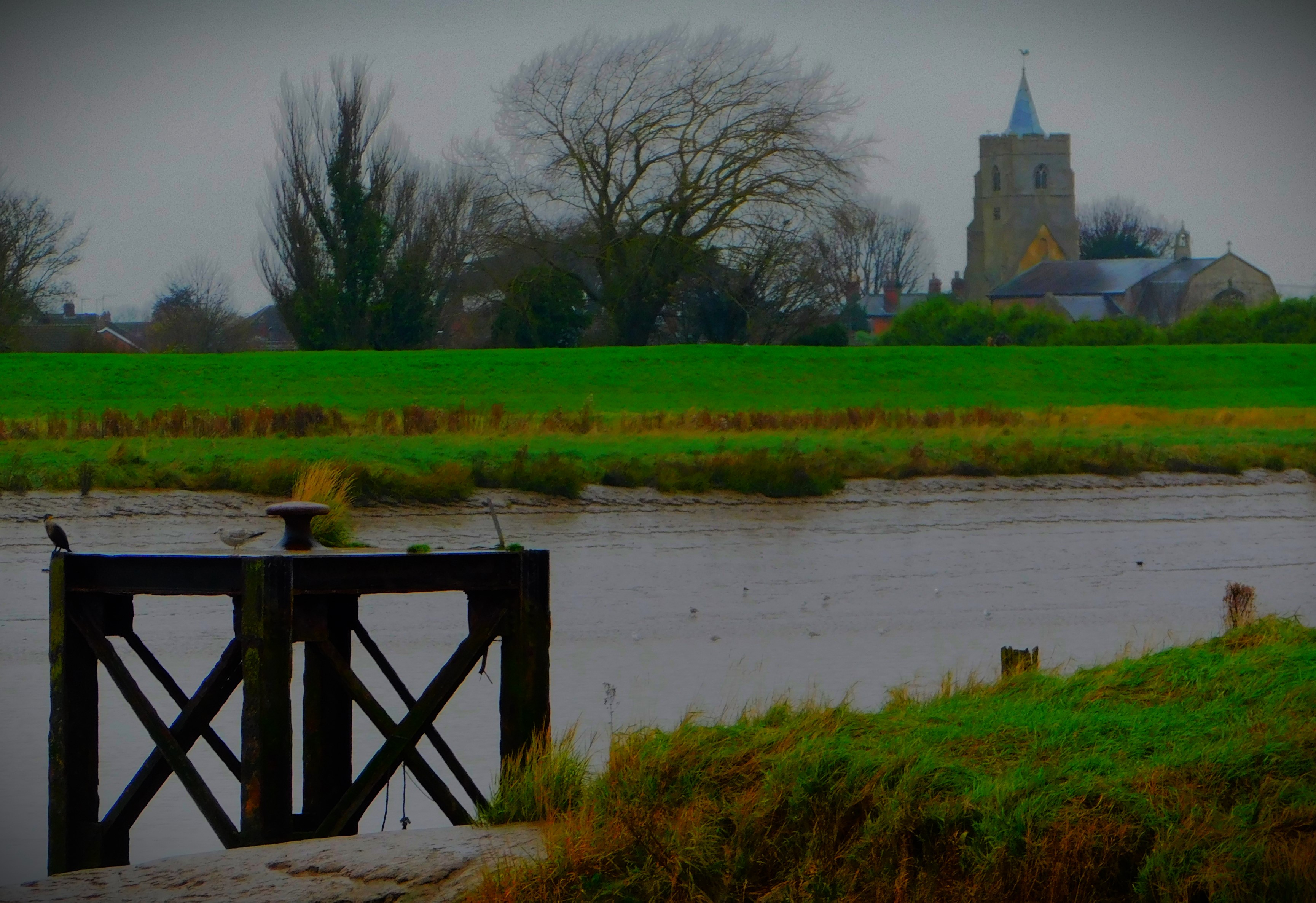
The heron and platform in the foreground, West Lynn church in the background.
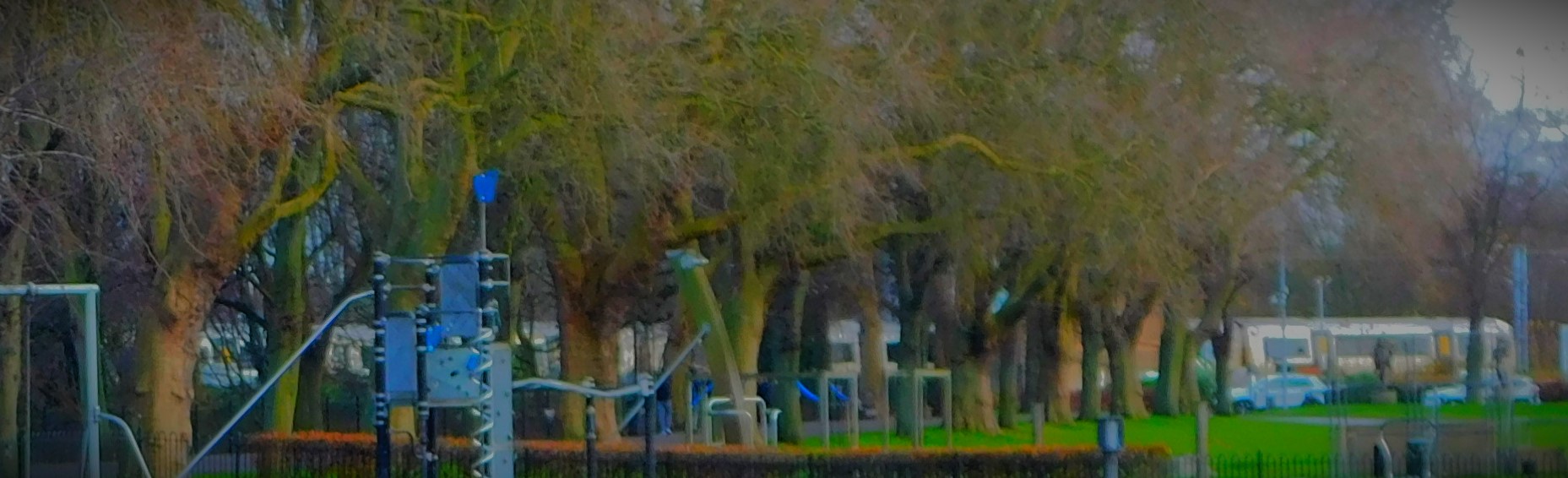
From here I headed on to a dike which can be muddy, but as we have had little rain of late I knew would be fine, and followed it until the path bifurcated – one route led to more of the Great Ouse, and the possibility of following that river as far as Purfleet Quay, but on this occasion i took the other, heading across another part of Hardings Way, through a gateway and down a side road which leads to play area that is at the meeting point of several roads, one of which leads to All Saints Church, reckoned to be the oldest church in King’s Lynn and then by way of Hillington Square to Millfleet.
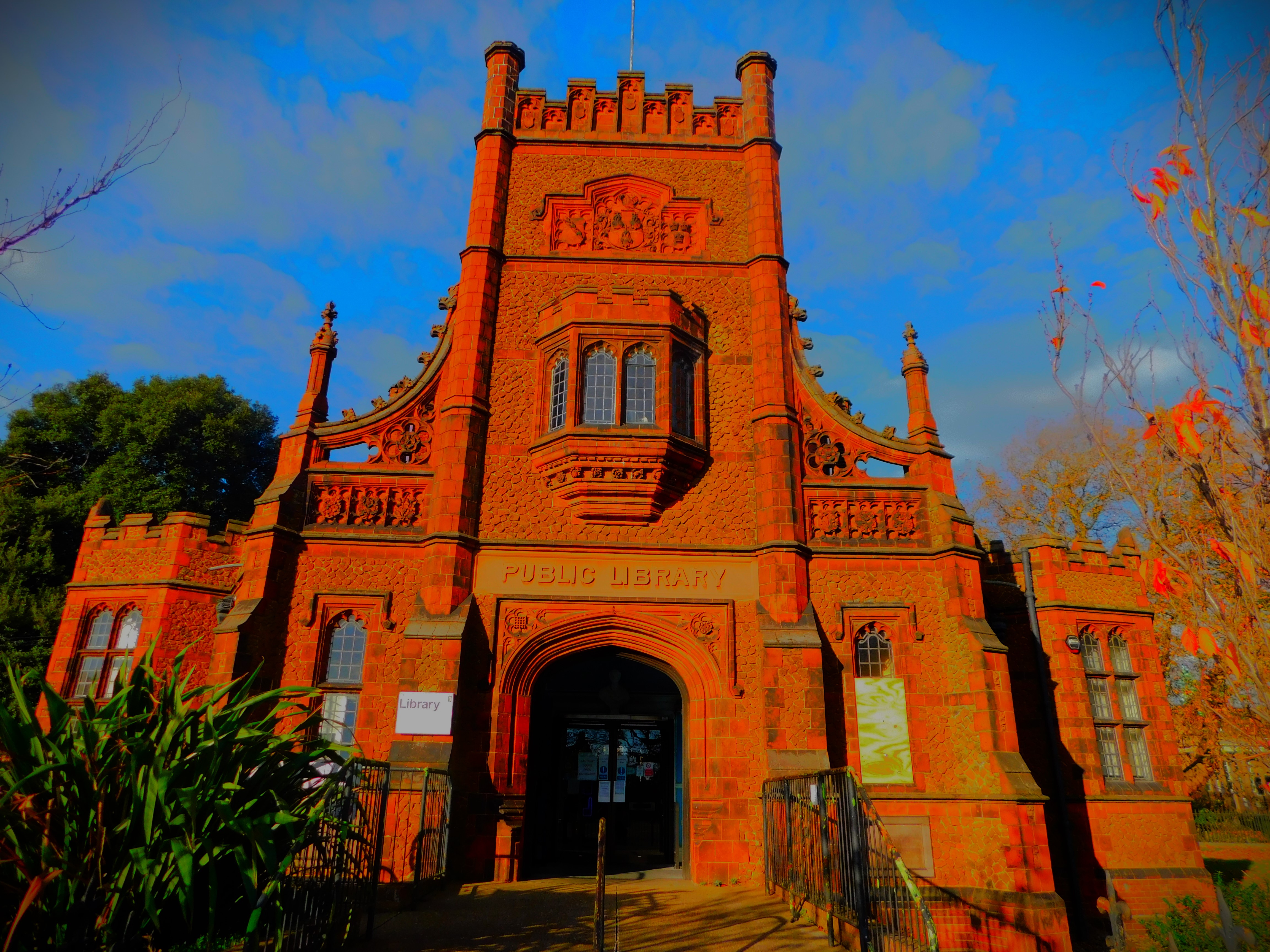
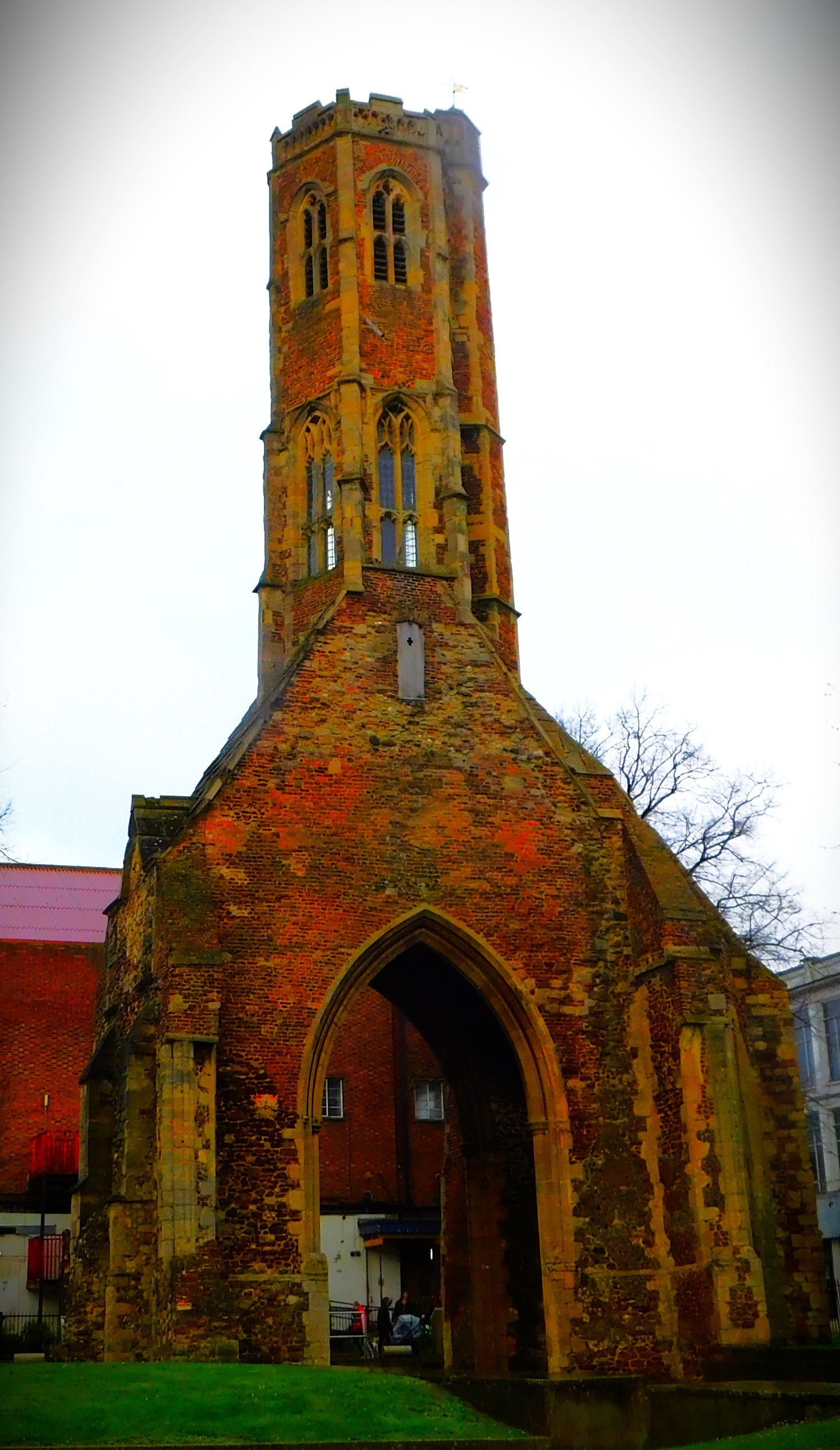
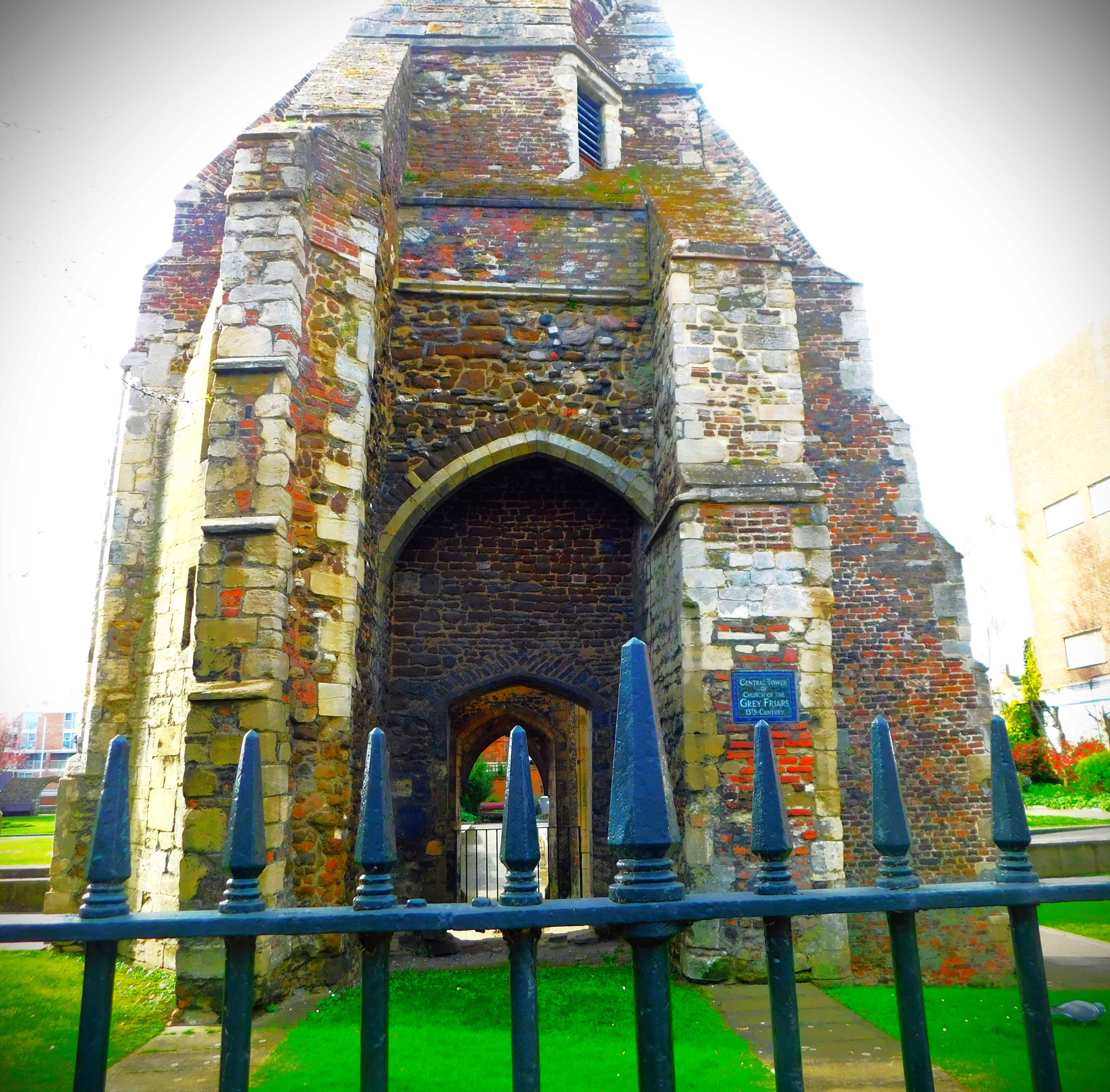
I crossed Millfleet at a light controlled crossing, headed up past the library, though on this occasion I did not visit that establishment as I already had a number of books out. I then went past the war memorial and Greyfriars Tower, before heading on to Tower Street and thence to the bus station, though I was merely passing through, not intending to catch a bus. From the bus station I headed along Railway Road, crossed at a light controlled crossing and walked along the northernmost section of Norfolk Street to arrived a triangular road crossing that invariably involves two waits if you are a pedestrian, followed Littleport Street until the junction with Kettlewell Lane, passing through the greenery to the second of the two ponds mentioned earlier in this piece, but I now did not entirely duplicated the starting route, instead heading along Loke Road, on to Columbia Way, and then availed myself of a recently opened cut through to the private road behind my house and thus got home.
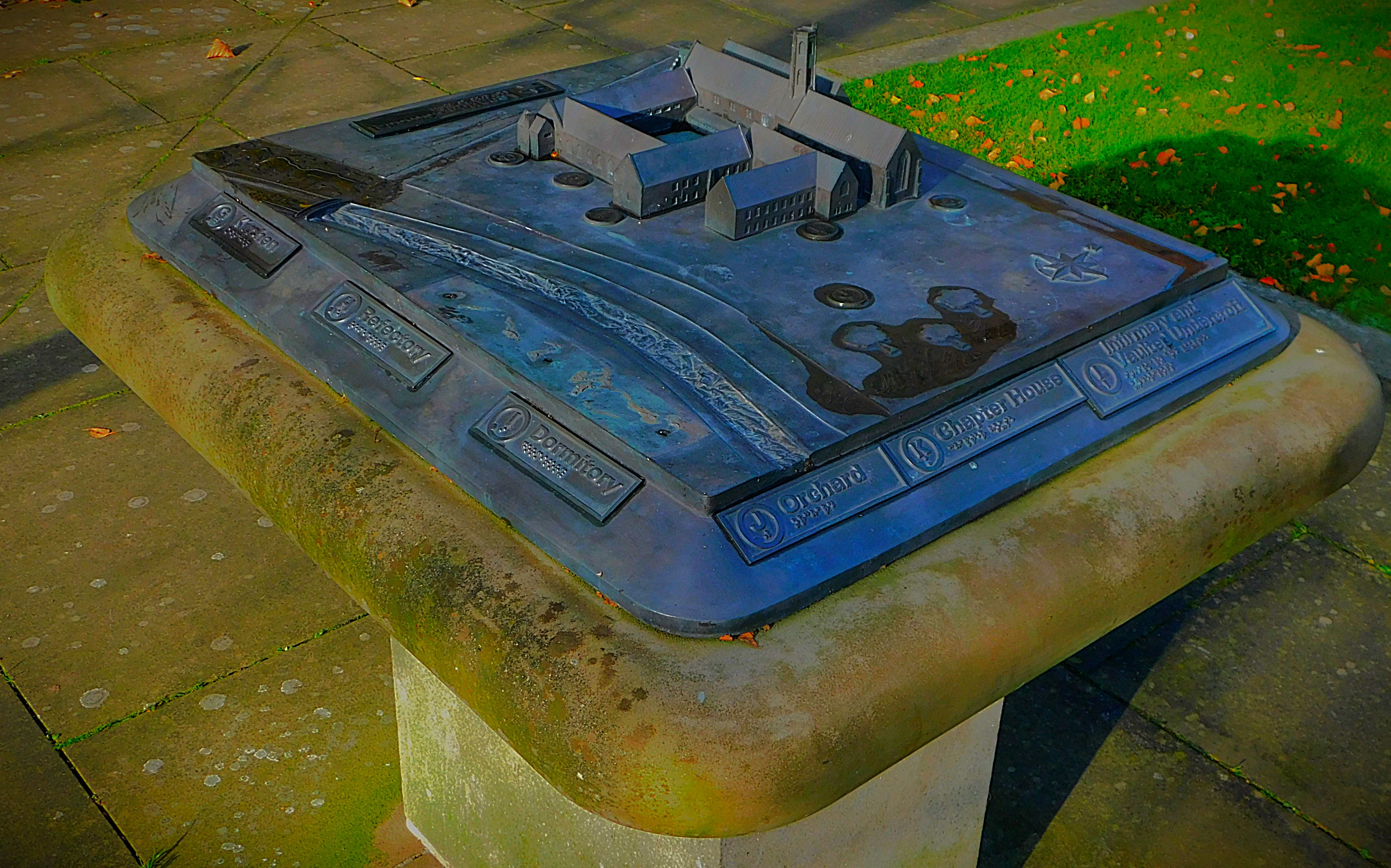
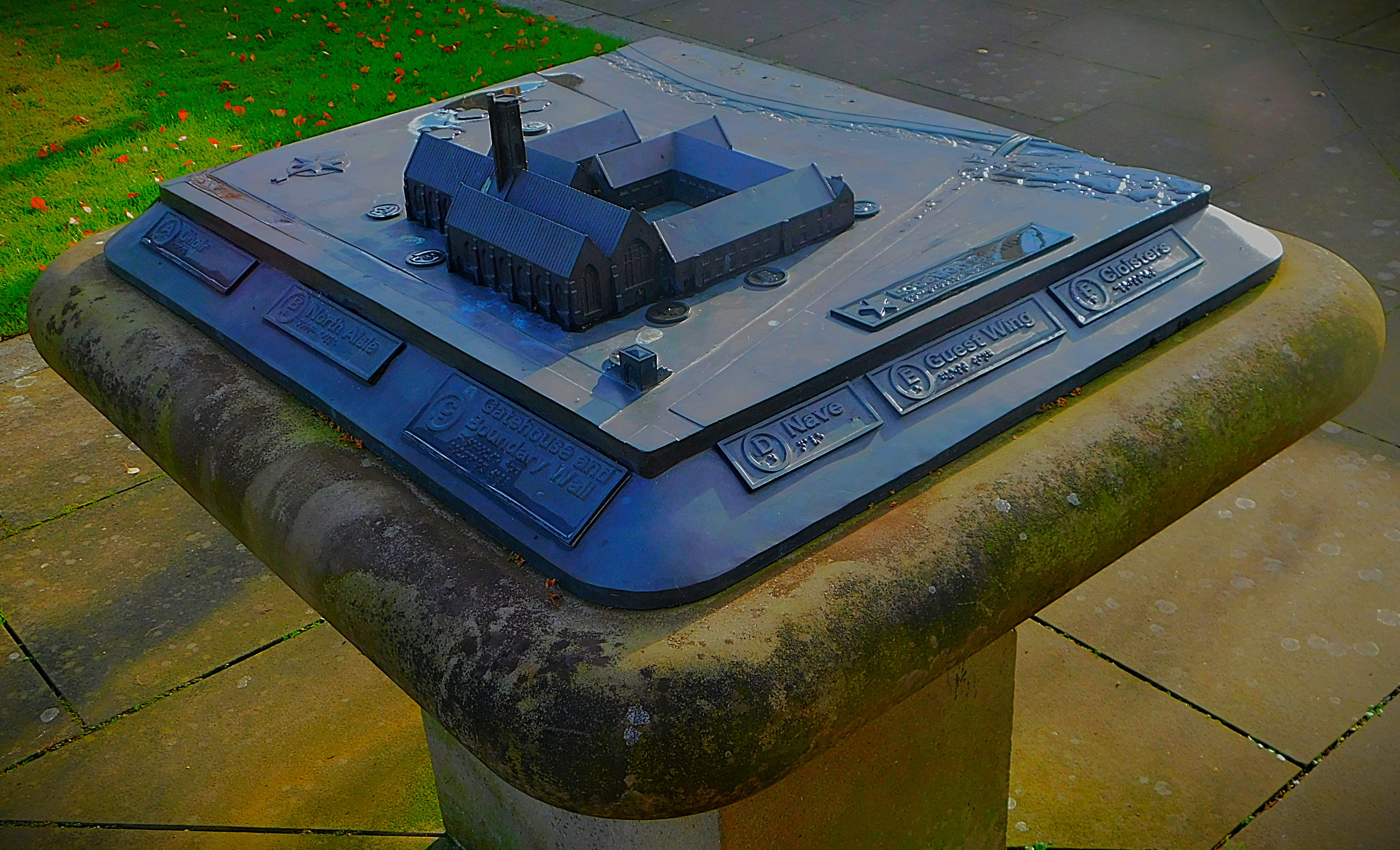
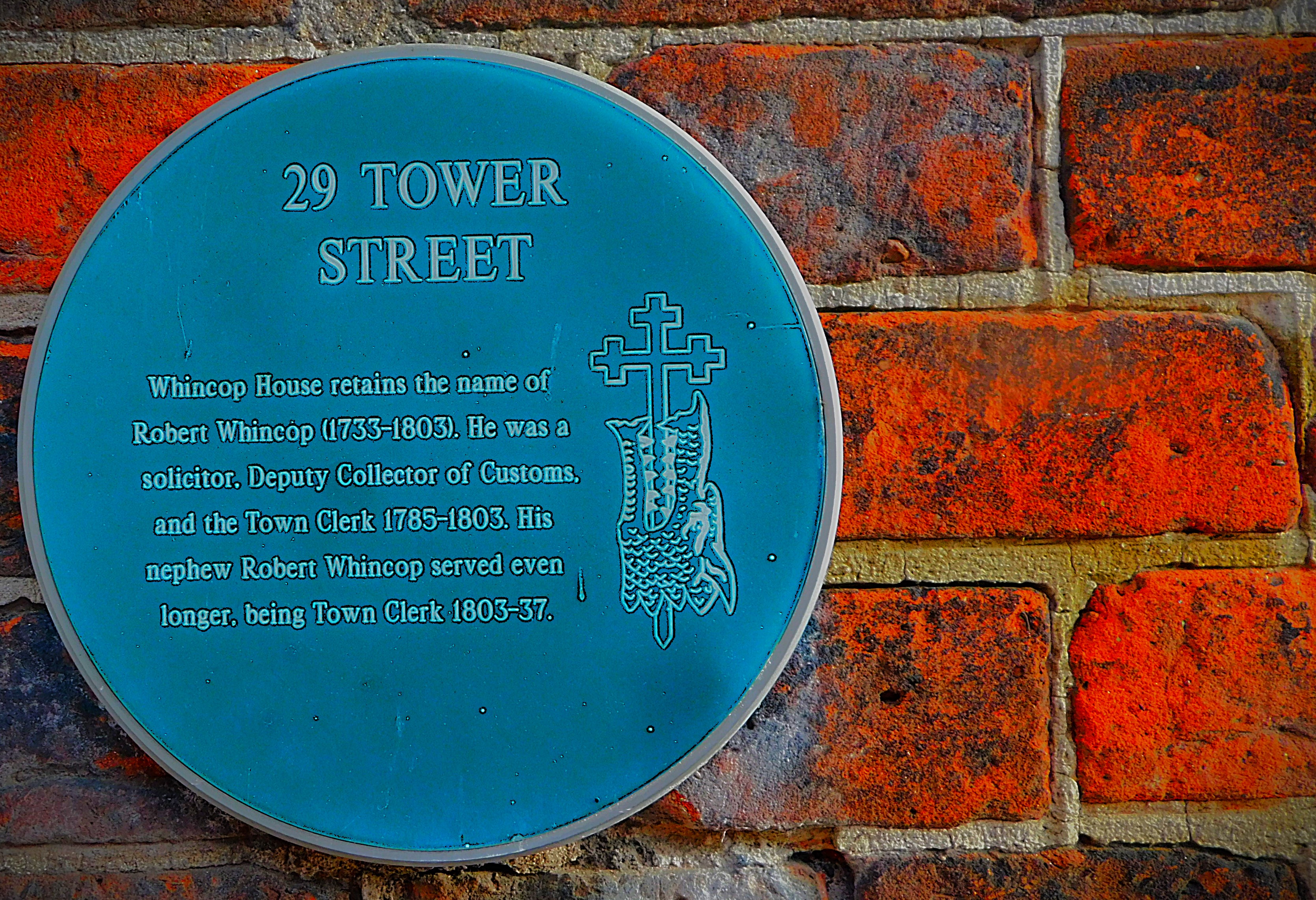
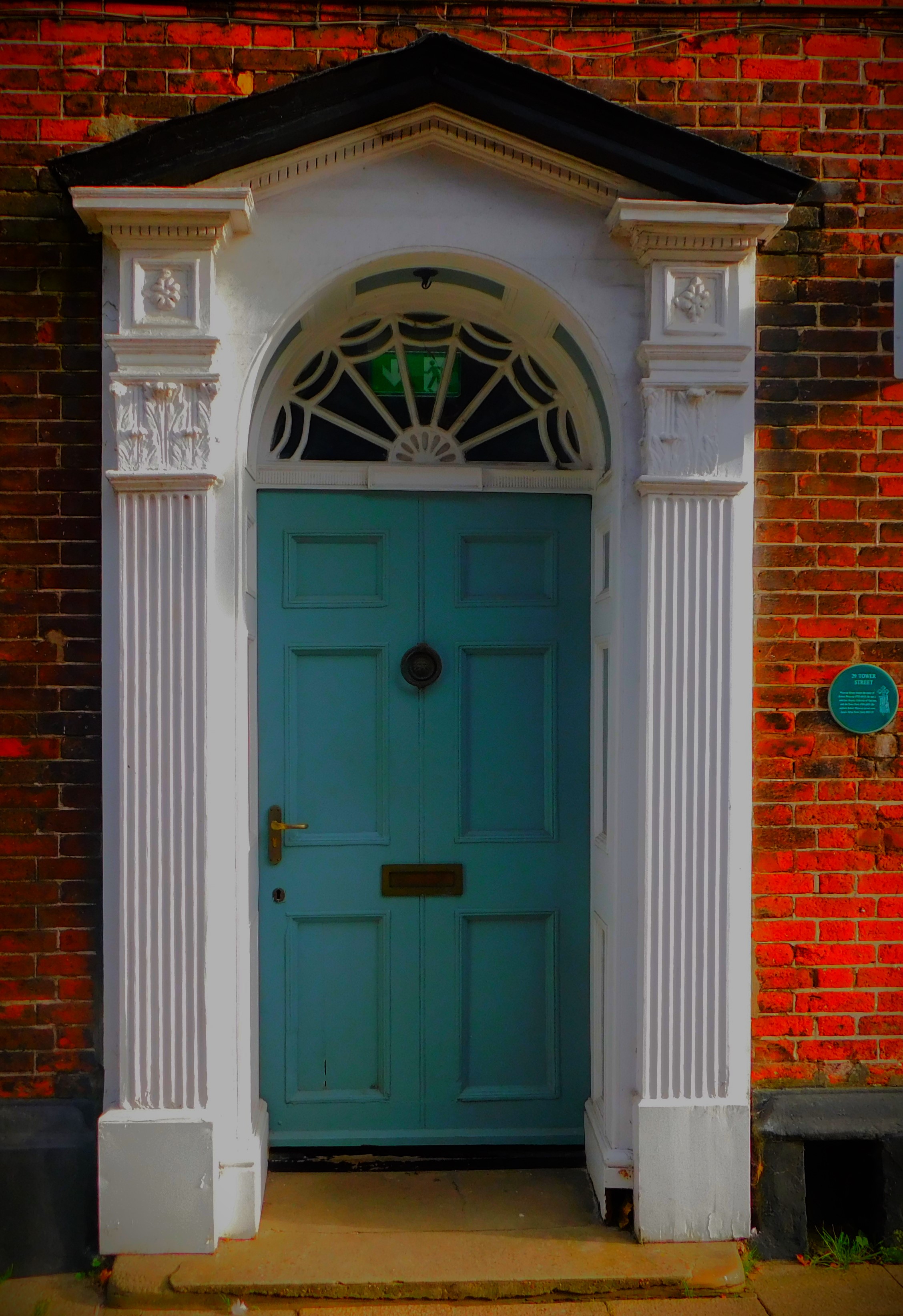
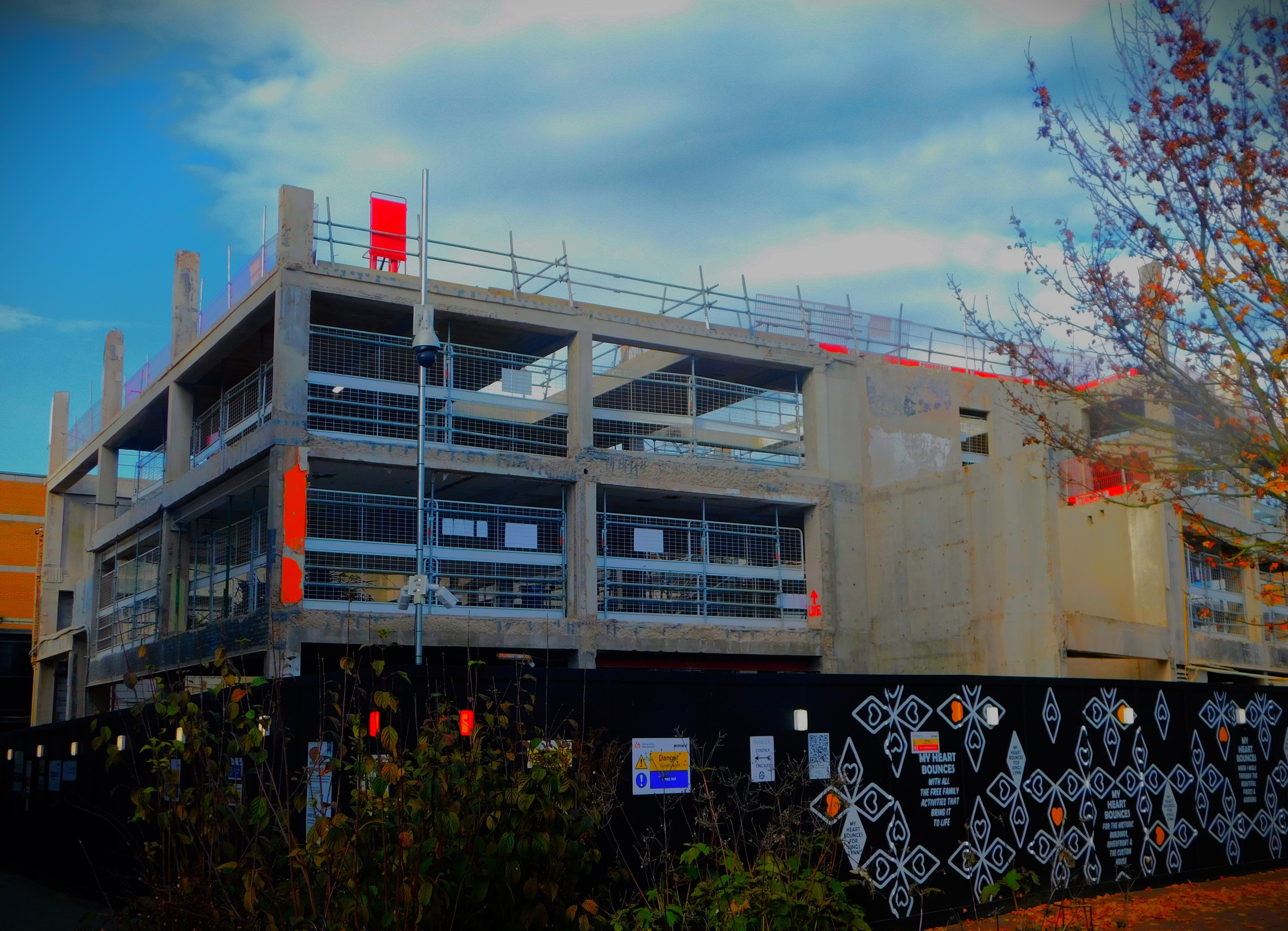
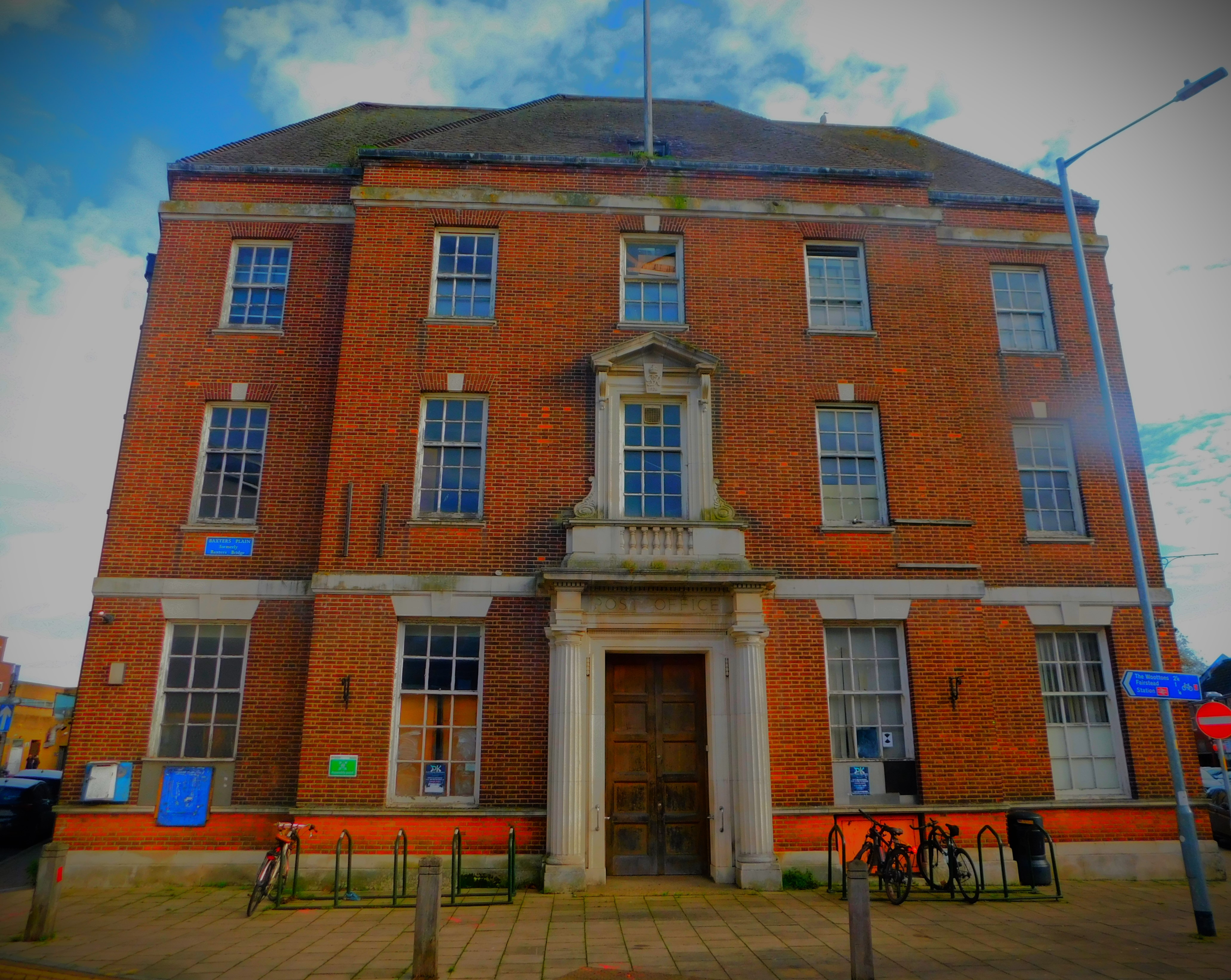
King’s Lynn library.The war memorial and Greyfriars Tower.Two images of a scale model showing what the Franciscan Friary would have been like in its 13th/ 14th century heyday.An arched doorway on Tower StreetThis used to be Argos, and when work on it is finished it will be a Library and community hub for King’s Lynn. The old building will remain fully accessible to the public whatever use it may be put to.Once upon a time, when such things still existed, this was King’s Lynn Main Post Office.
I hope you have enjoyed this account of a variation on one of my favourite walking themes, that of the three rivers.
A look back at Early Music Day at the King’s Lynn Festival.
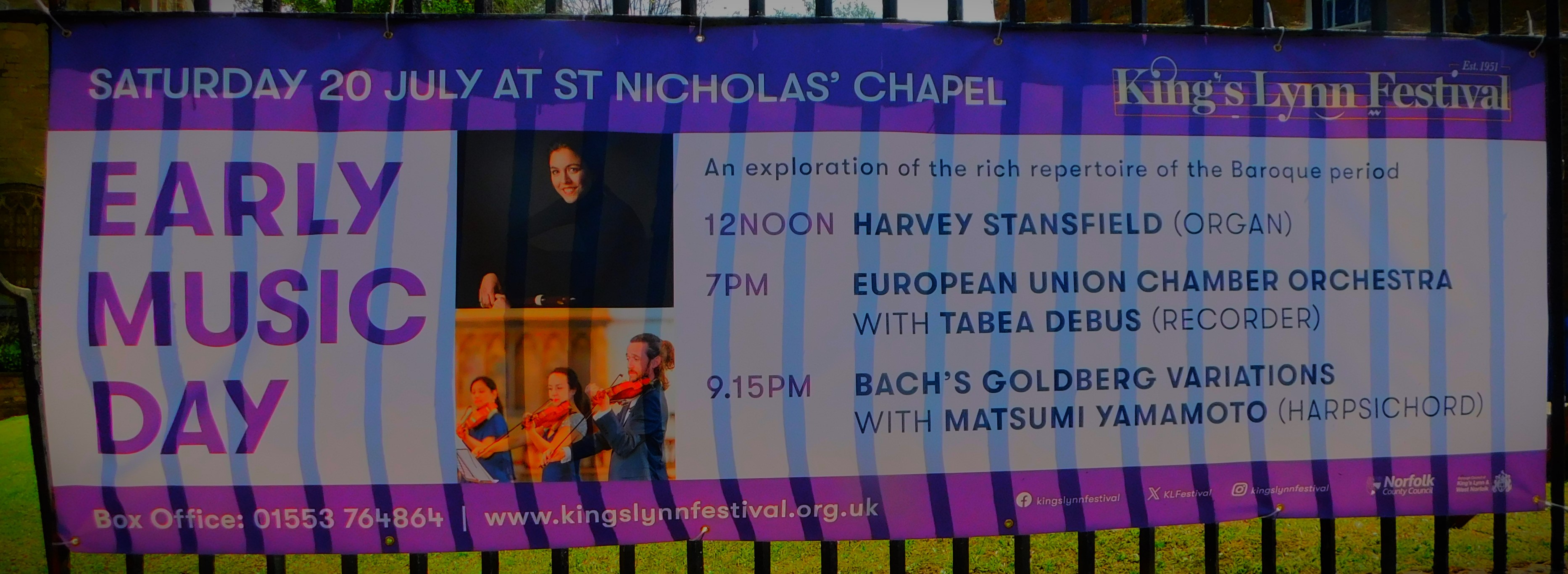
I have had a very busy weekend – Saturday was Early Music Day at the King’s Lynn festival, and on Sunday I was involved with a fund-raising event at Norton Hill, and there was a family meal in the evening. This post deals with the Saturday.
HOW EARLY MUSIC DAY WORKS
Early Music Day at the King’s Lynn Festival comprises three concerts – a short one at noon, a longer one that starts at 7PM and a final short late evening concert that gets underway at 9:15PM. I attended with my mother, and we had lunch out after the noon concert. I then went home between that and the evening concerts to catch up on progress in the test match that was going on between England and the West Indies. The end of the early evening concert and the start of the late evening concert are so close together that one cannot do very much in the gap between them.
THE MIDDAY CONCERT
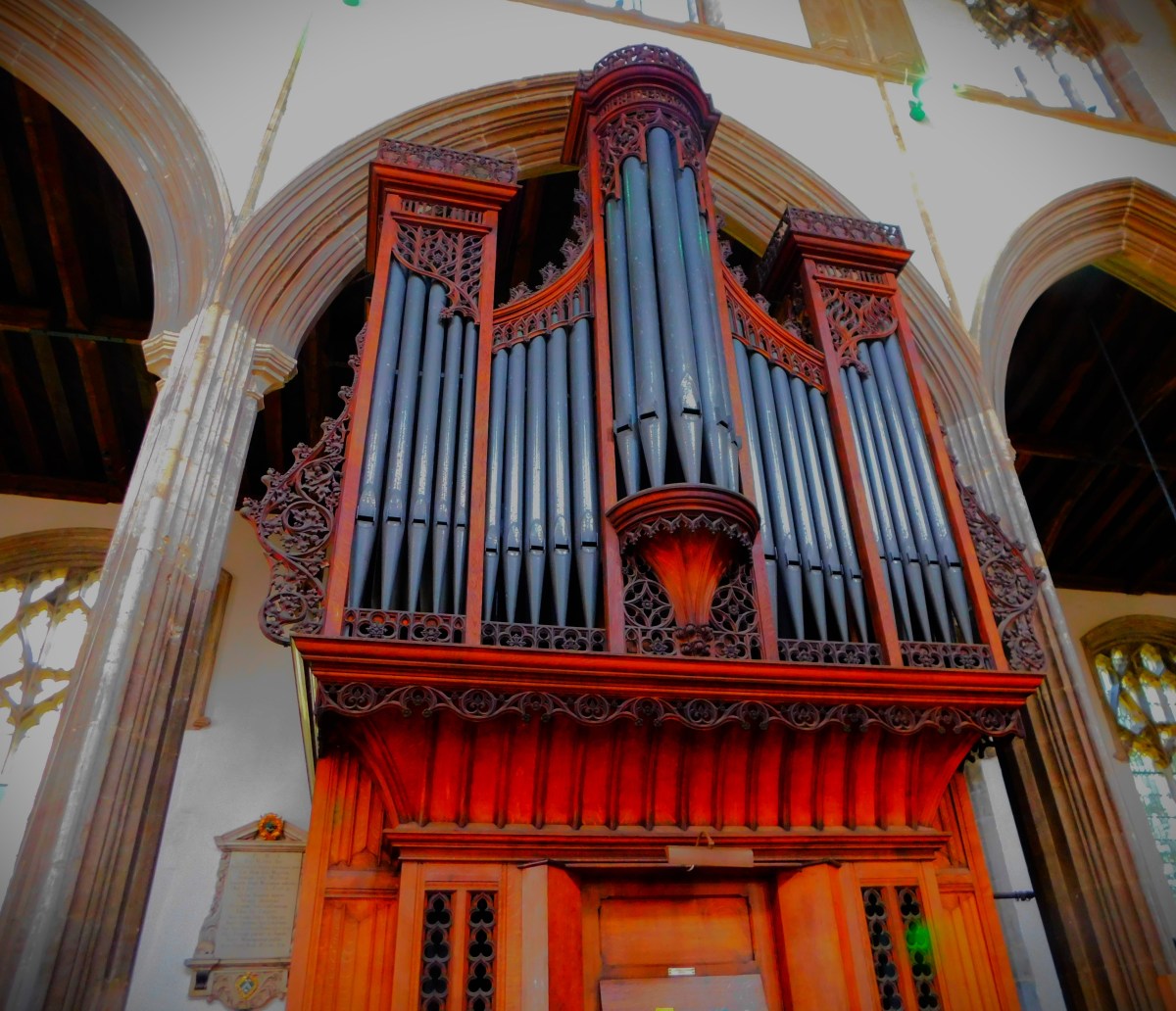
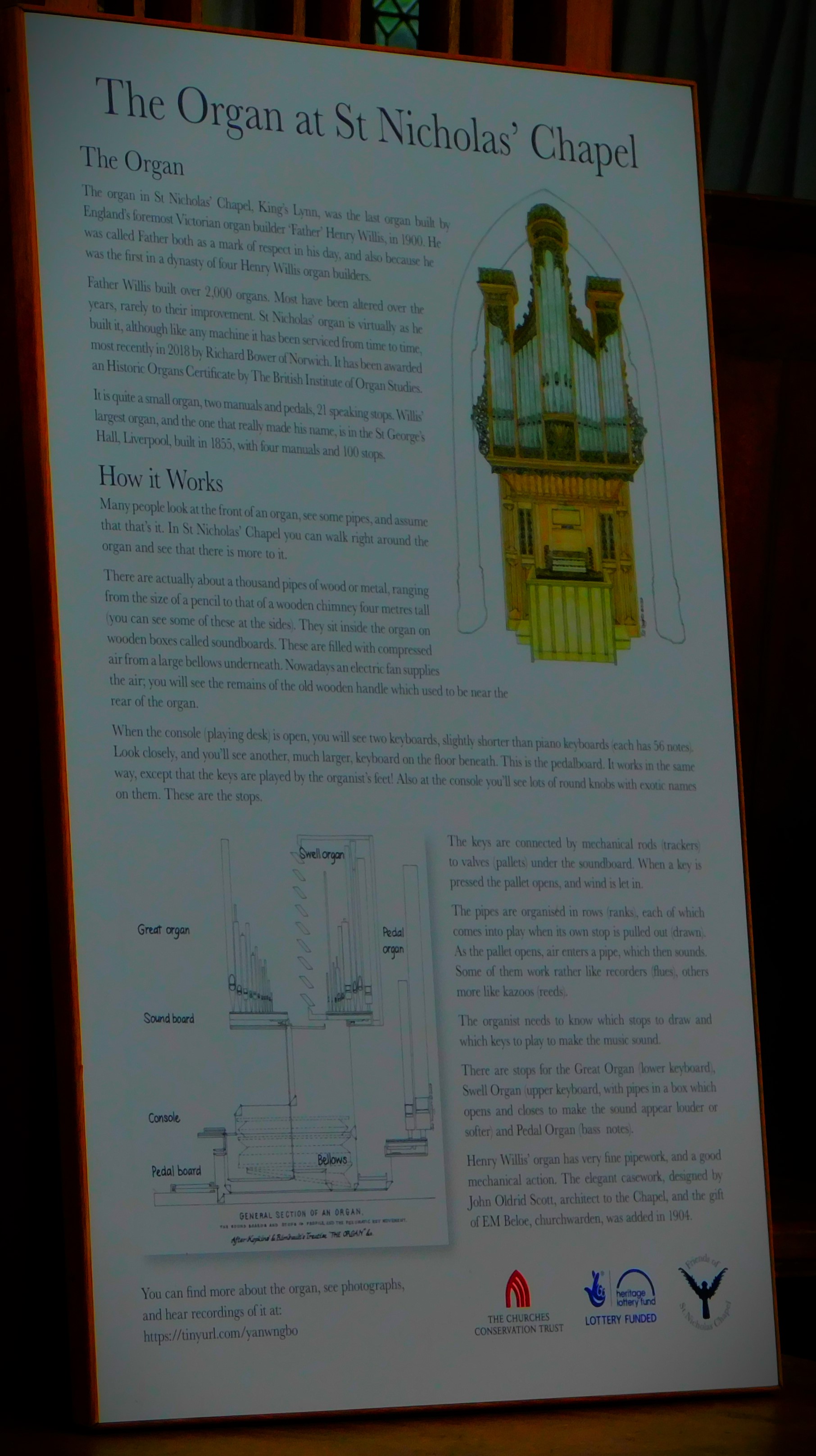
This was an organ recital by Harvey Stansfield and he had chosen some excellent works. Featured composers included JS Bach and the man he once walked 200 miles (each way) to see, Dietrich Buxtehude, among others. The organ at St Nicholas chapel is a superb instrument, and Stansfield’s performance was 100% worthy of such an instrument. Unfortunately attendance at this concert was both very small and very old – my mother looked younger than most of the audience, never mind me. Those who did the find the time to attend got a real treat. The full programme was: Bach, prelude and fugue in E Flat, Buxtehude, Praeludium in D Major, Coleridge-Taylor, Impromptu in F, Schumann, canonic studies 2&3 and Mendelssohn, Sonata no3 in D Major.
THE LUNCH
We had lunch at Marriotts, sat outside overlooking the Great Ouse (unfortunately the scene was marred by the river being at rather low tide which meant that lots of mud was on display). We were joined by my father who had already eaten, but who did indulge in a drink, and my nephew who both ate and drank. I, knowing that my arrangements for the rest of the weekend pretty much ensured that my next proper meal would be the Sunday supper had a steak and chips, which was a gargantuan meal.
THE EVENING CONCERTS
The early evening concert featured the European Union Chamber Orchestra and two guest recorder players, Tabea Debus and Miriam Monaghan. Being a chamber orchestra and hence limited in size the lead violinist, Hans-Peter Hoffman led the orchestra. The programme was Handel, The Arrival of the Queen of Sheba, Corelli, Concerto Grosso Opus 6 Number 1, Telemann Concerto for Recorder in F, Vivaldi, Concerto for two violins in A major, Opus 3 Number 3, Telemann, Suite Perpetuum Mobile and Bach, Brandenburg Concerto number four. This was much better attended than the earlier event, and was just as enjoyable in its own different way.
The late concert was a performance of Bach’s Goldberg Variations in their entirety, by Masumi Yamamoto on a harpsichord (the same harpsichord that had featured in the early evening concert, but a different player thereof). This music when played on a harpsichord by a really expert player (and she is certainly that) is superb, and certainly knocks the spots off any version of it on a piano.
PHOTOGRAPHS
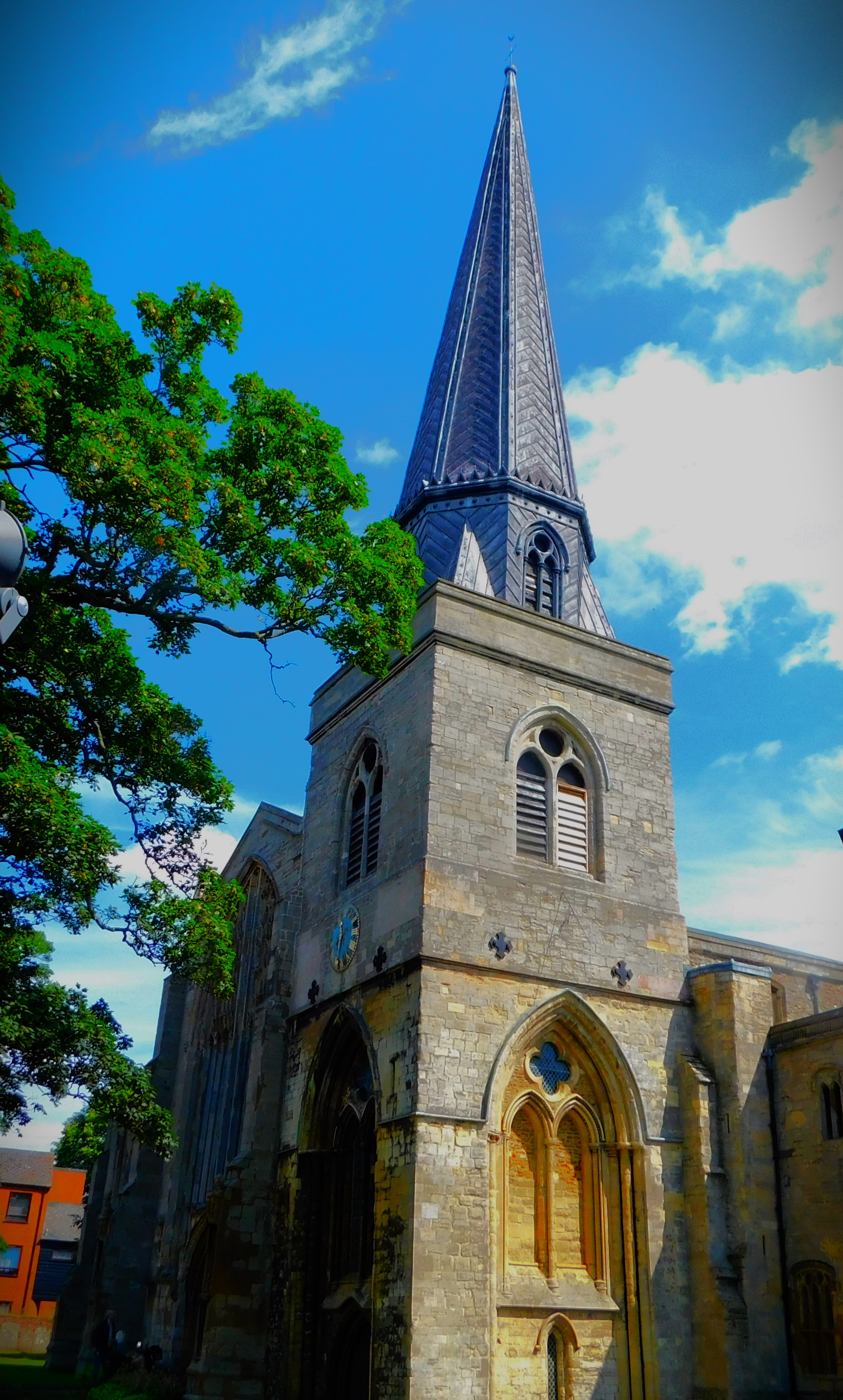
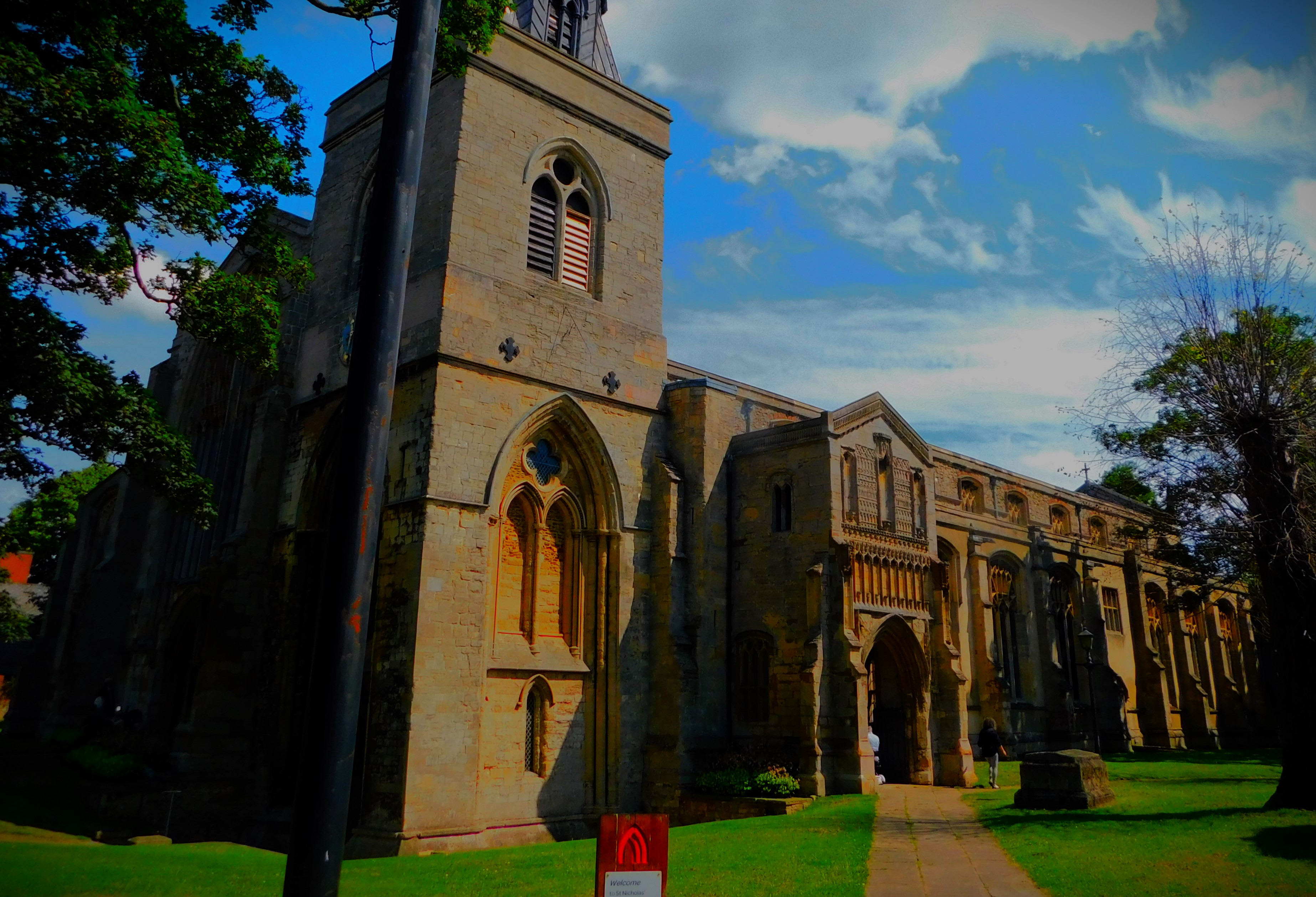
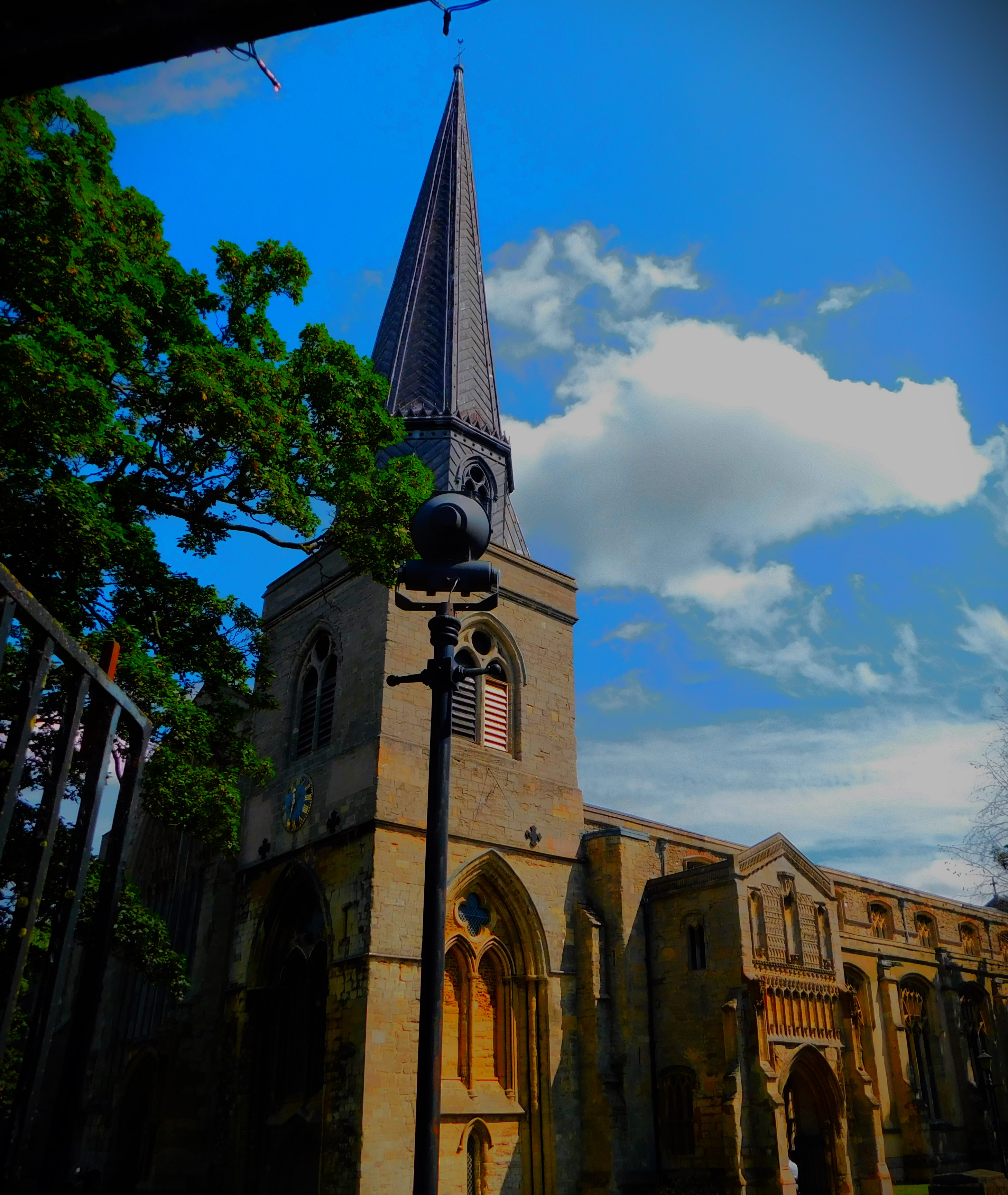
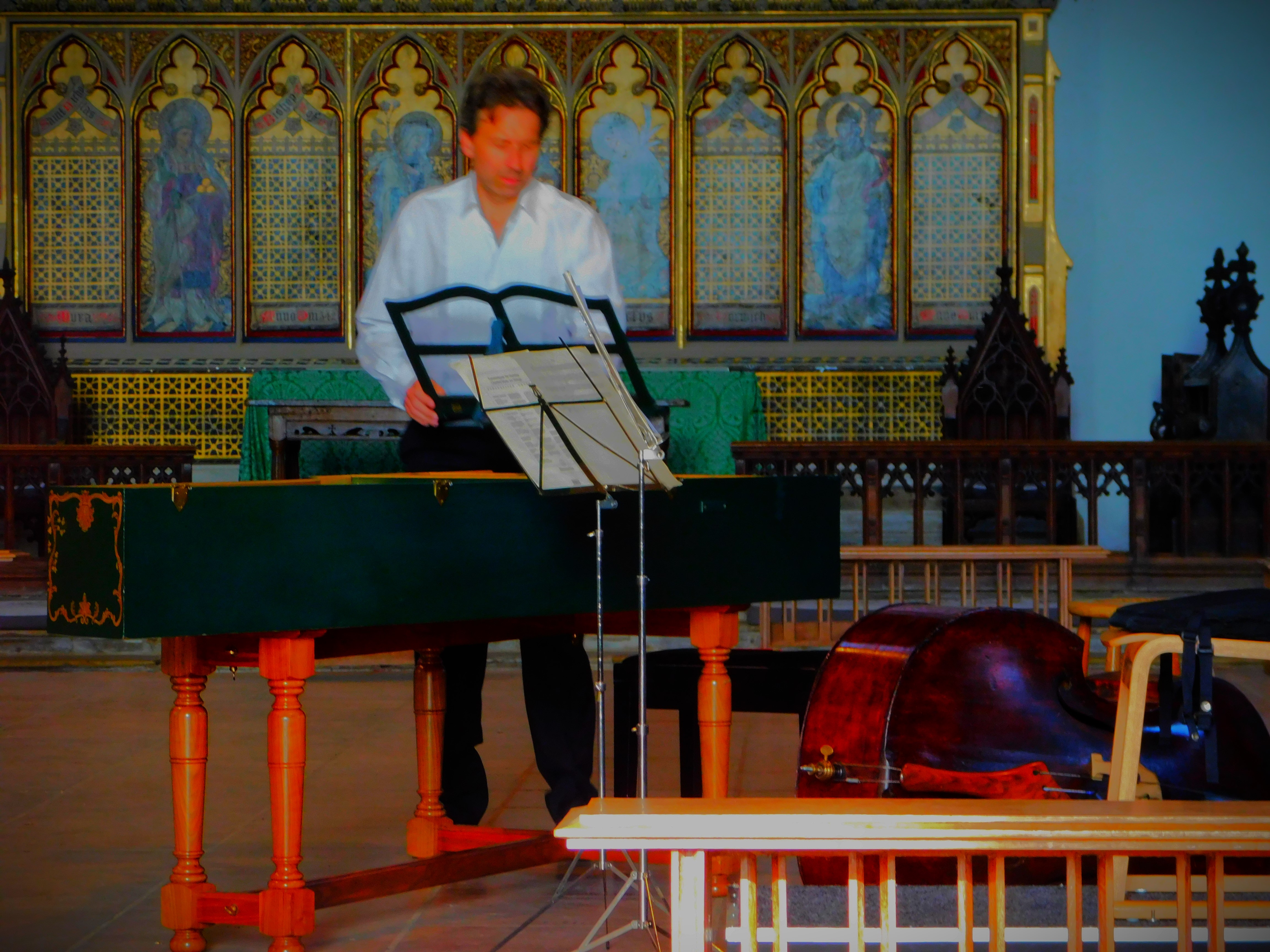
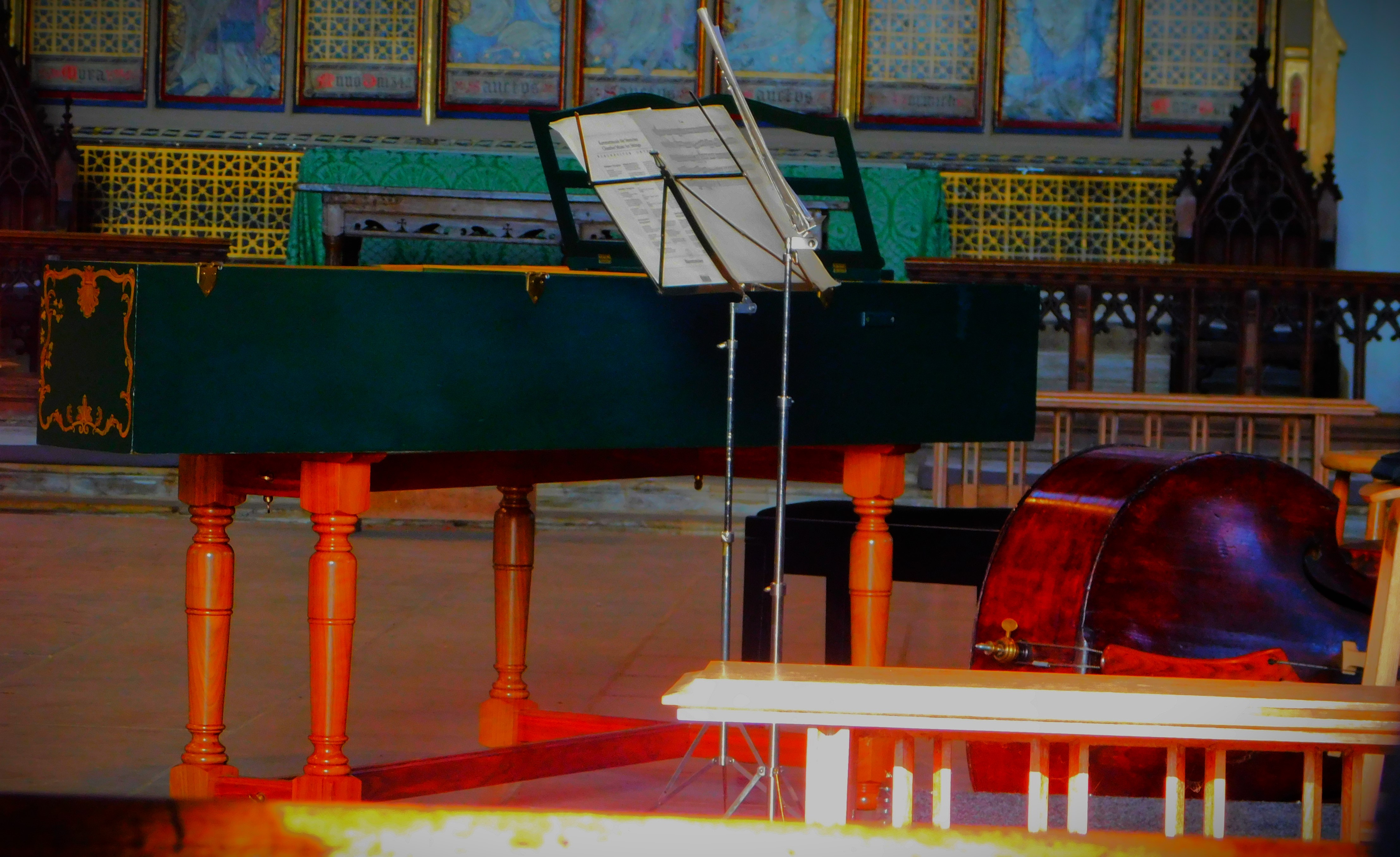
My photo gallery for this post is purely St Nicholas Chapel (where all three concerts took place) and musical instruments…
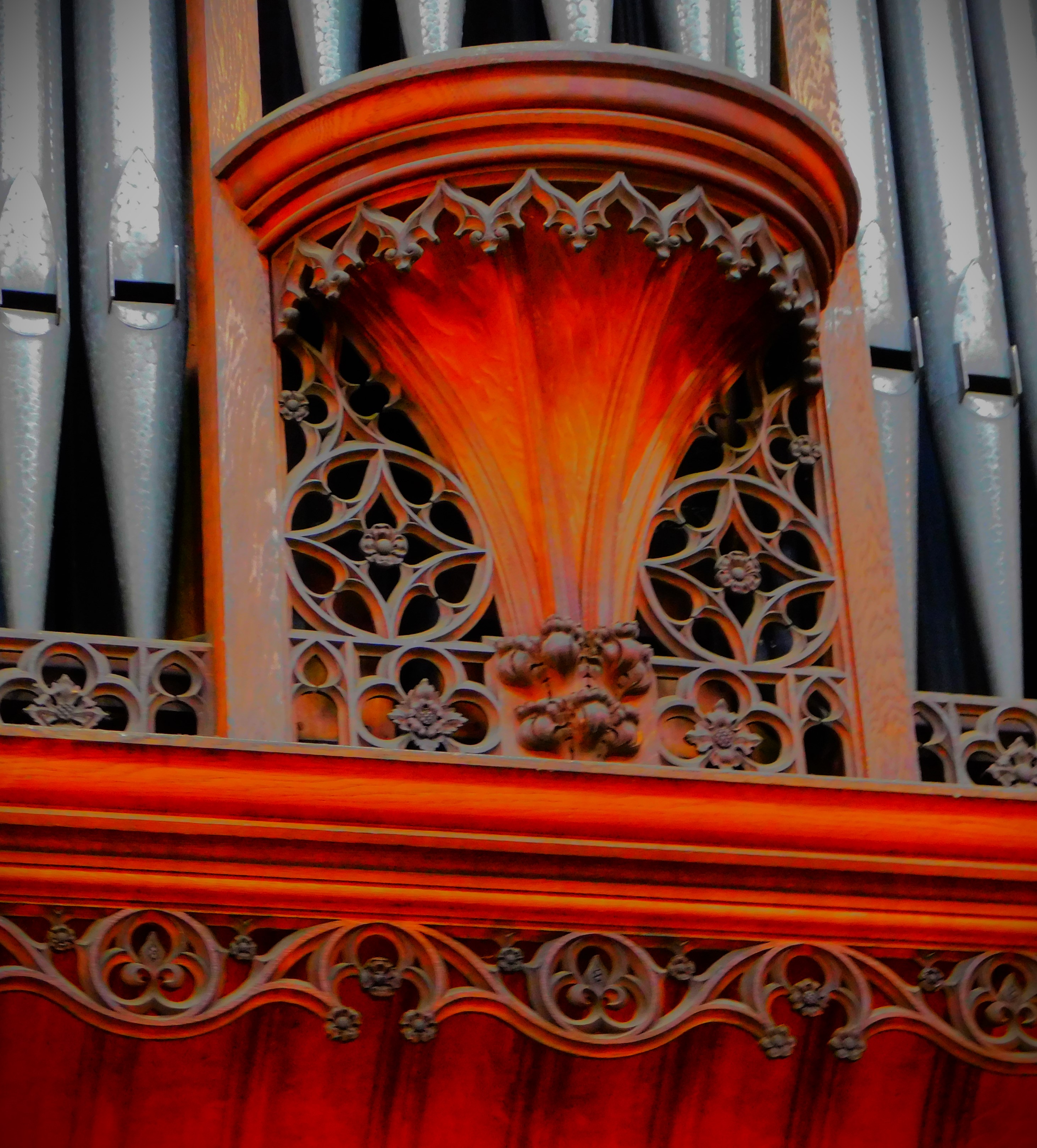
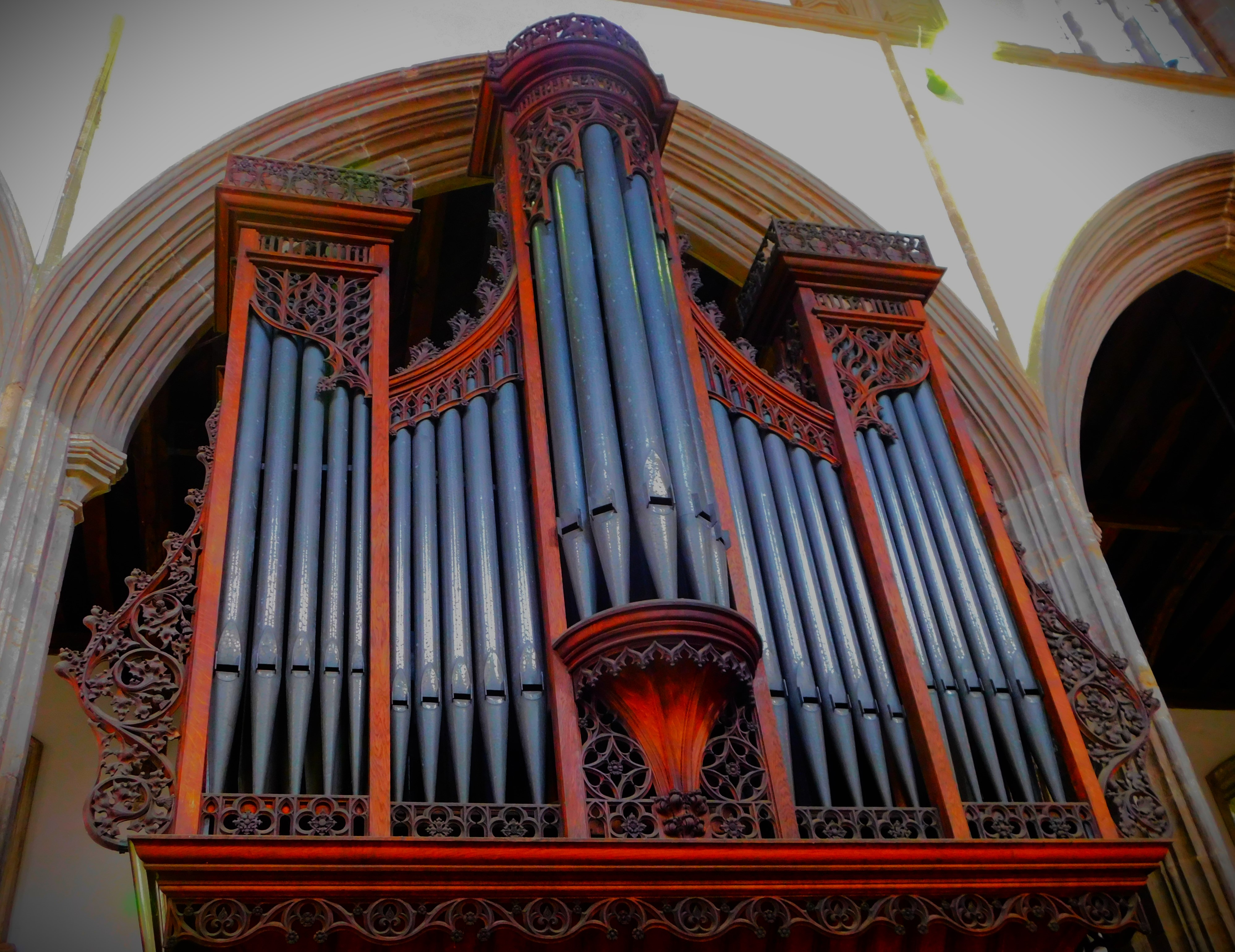
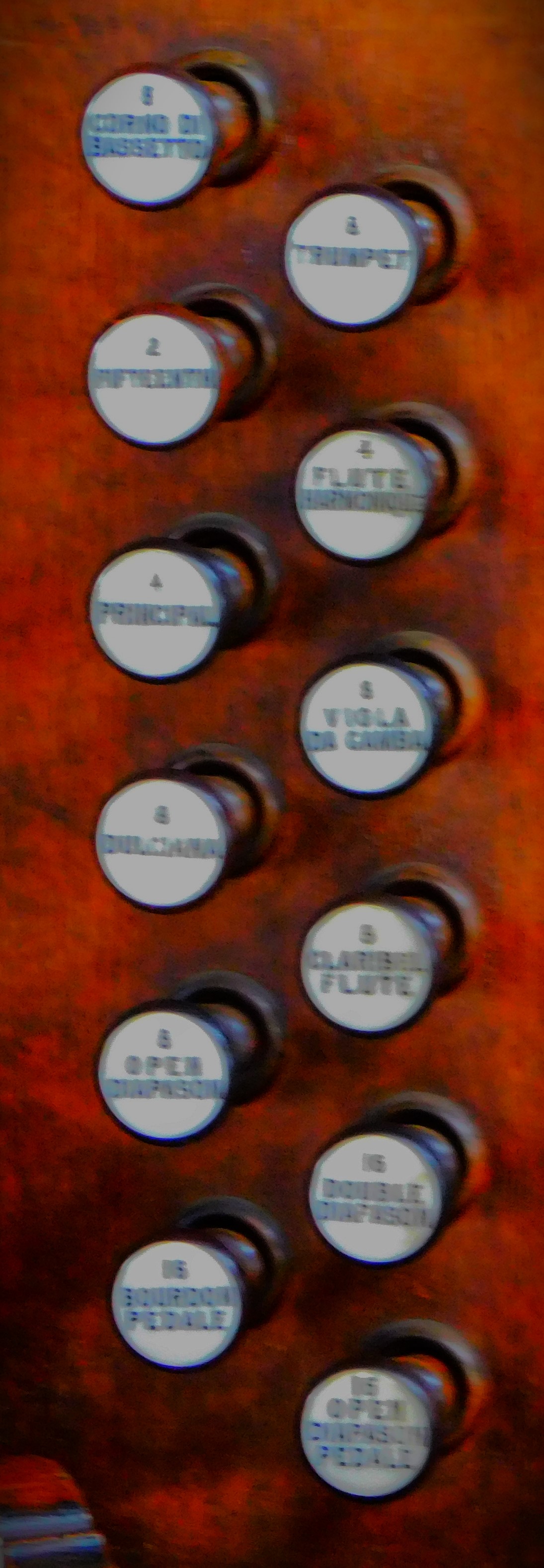
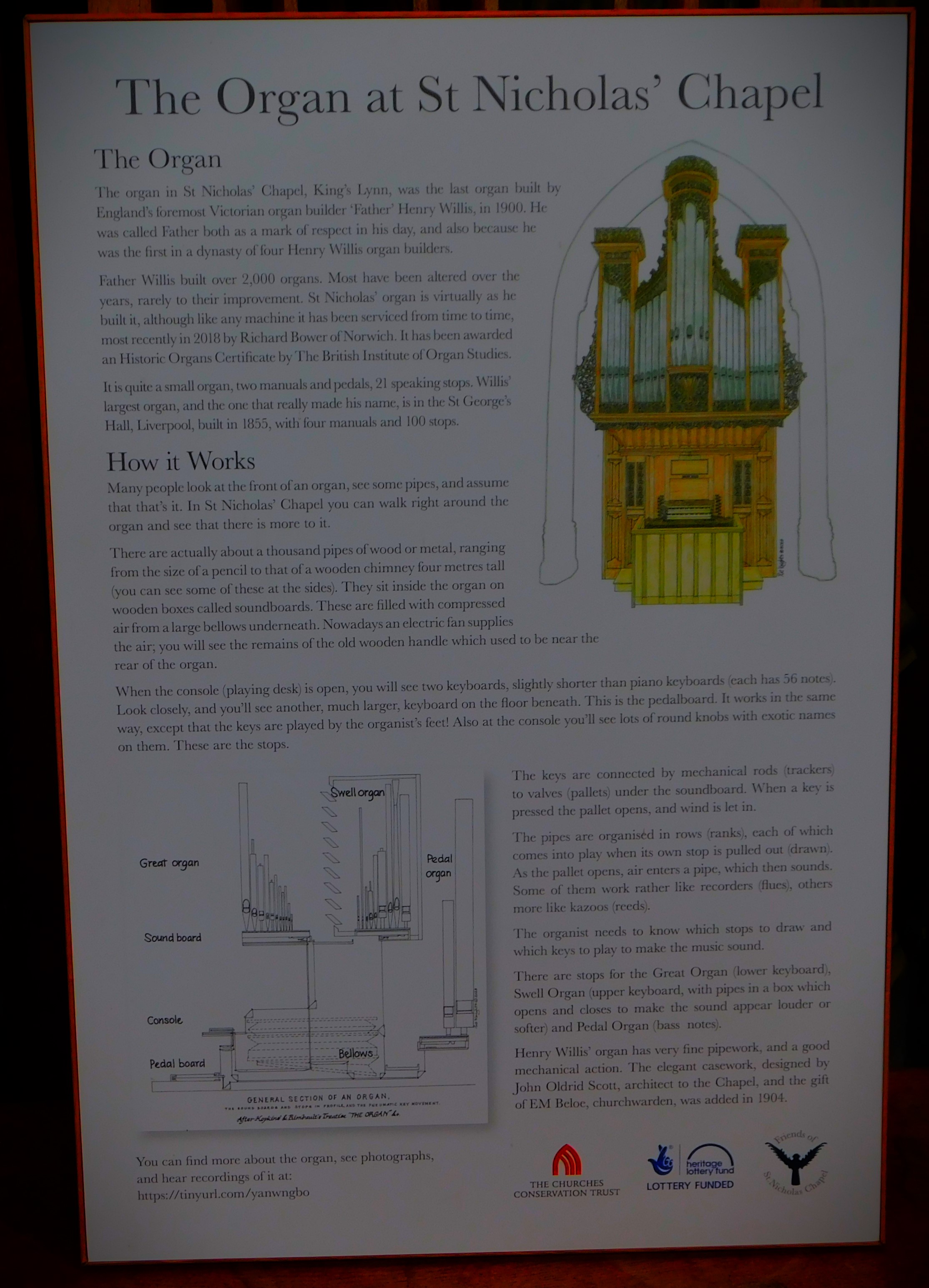
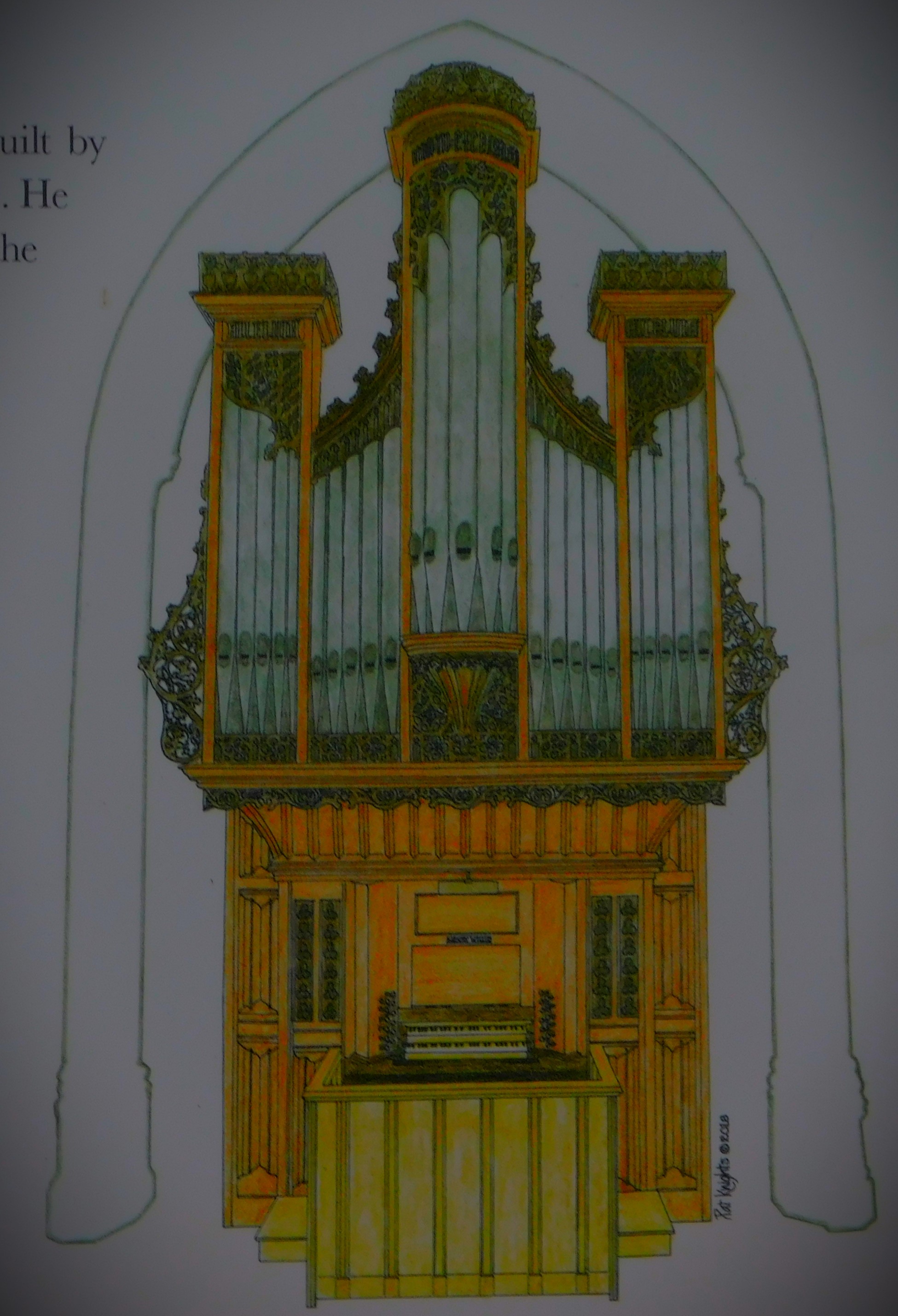
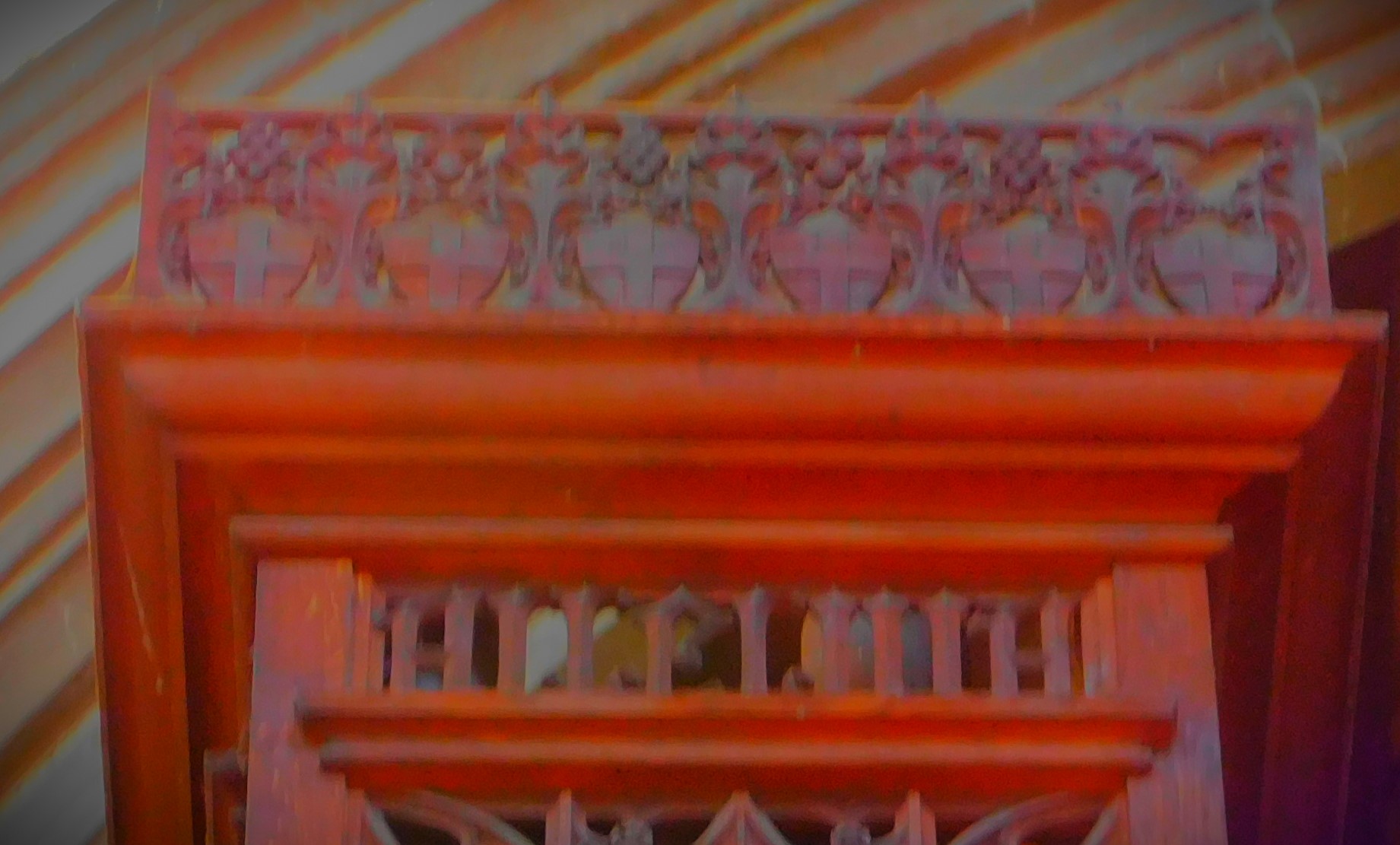
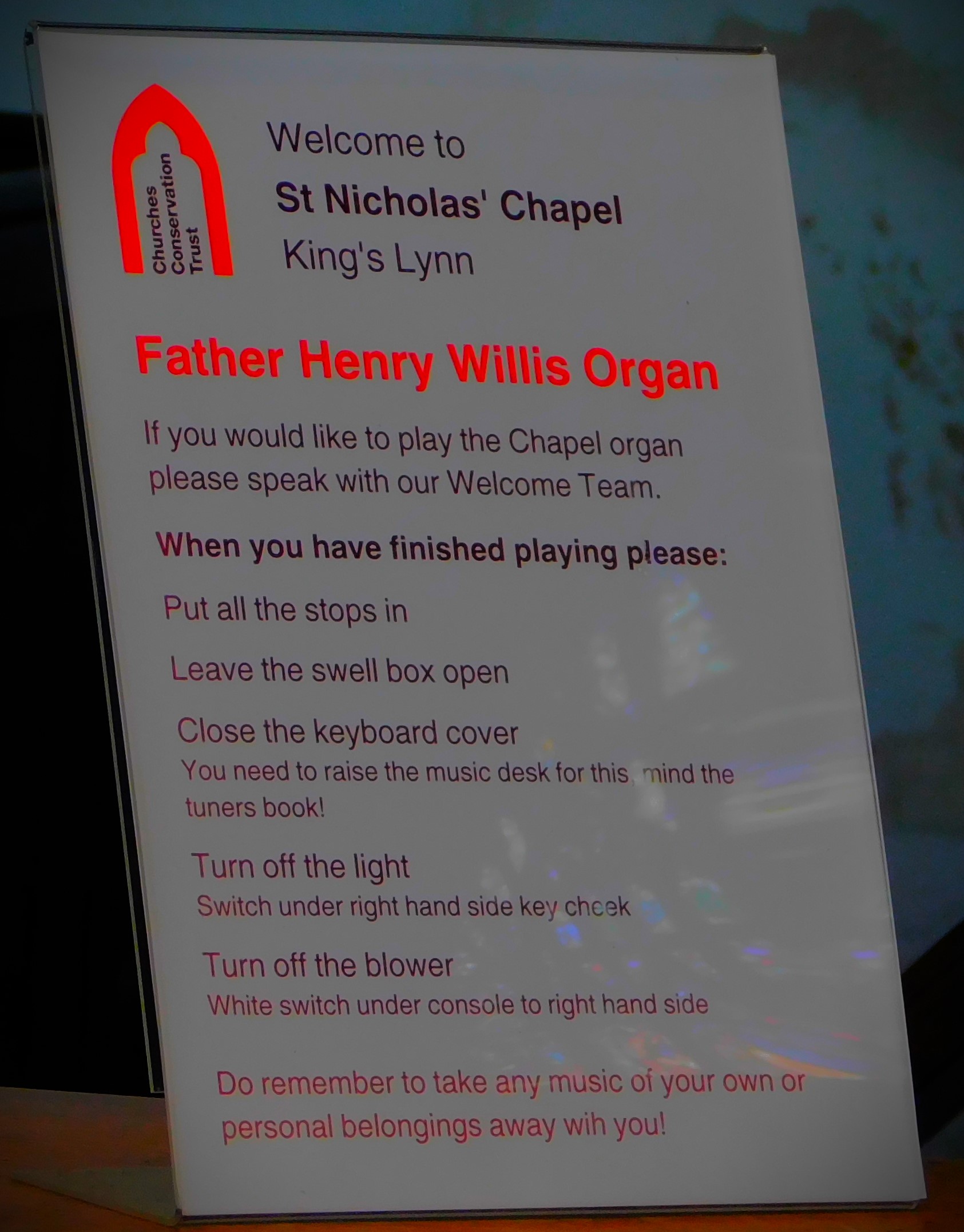
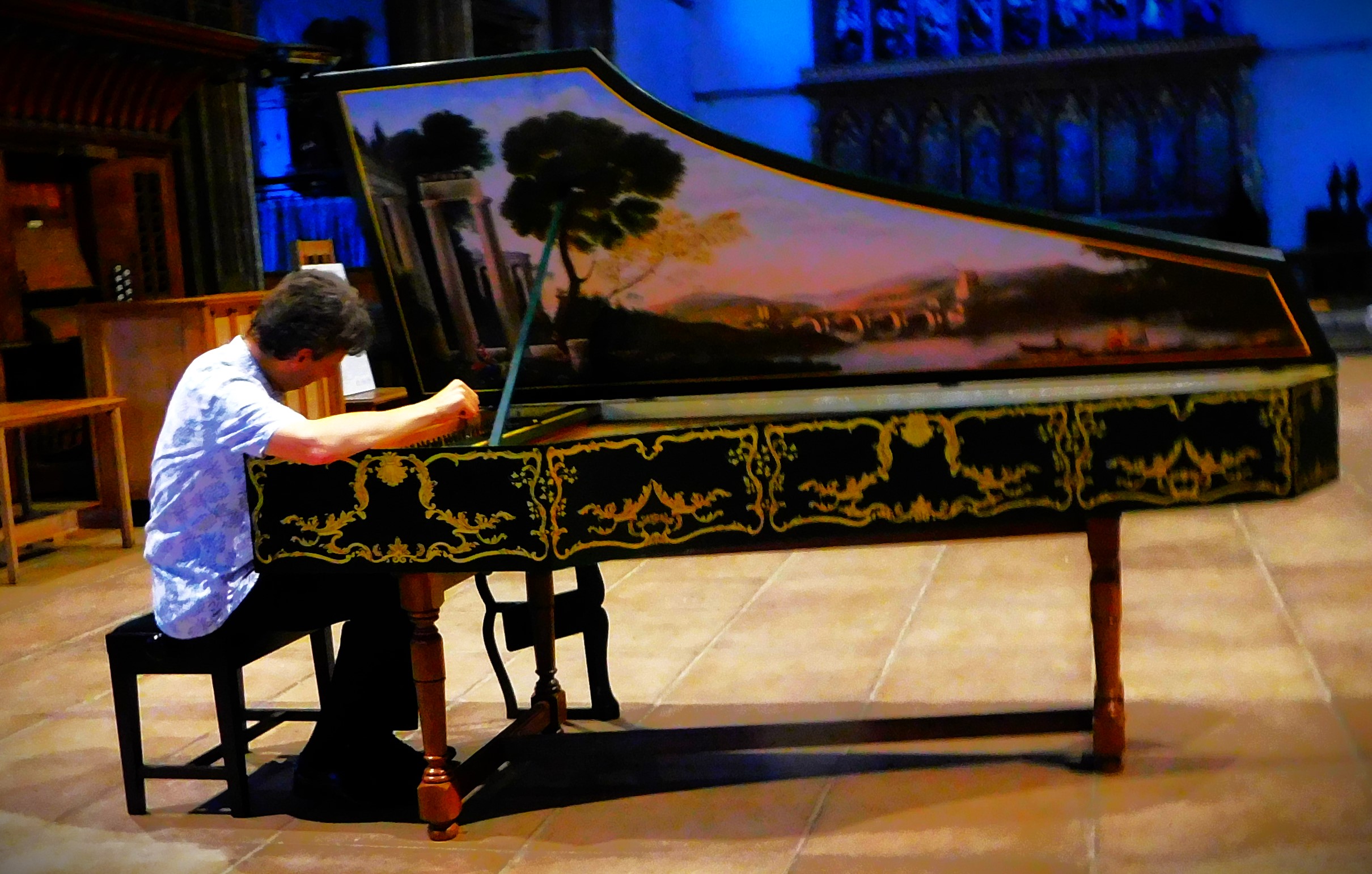
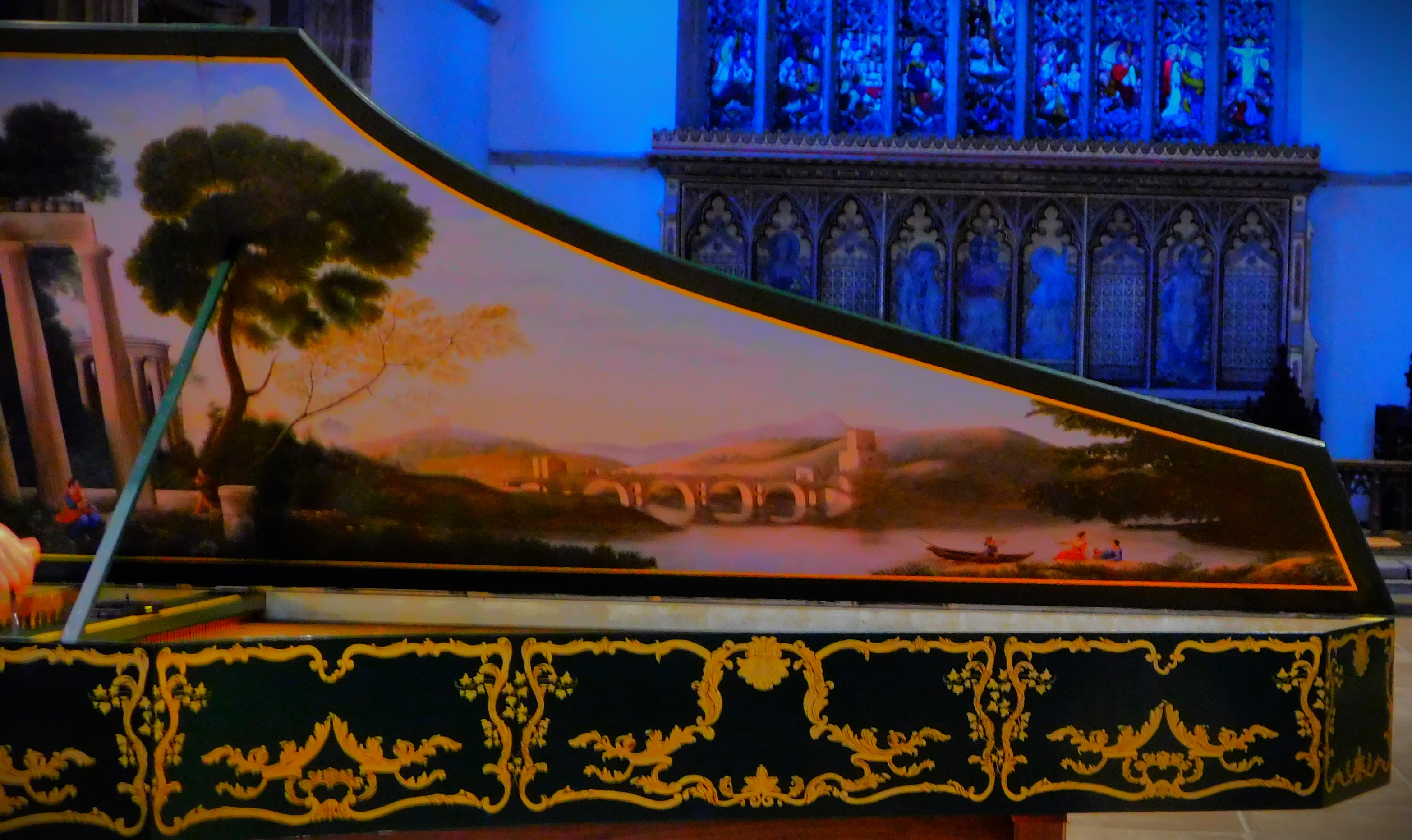
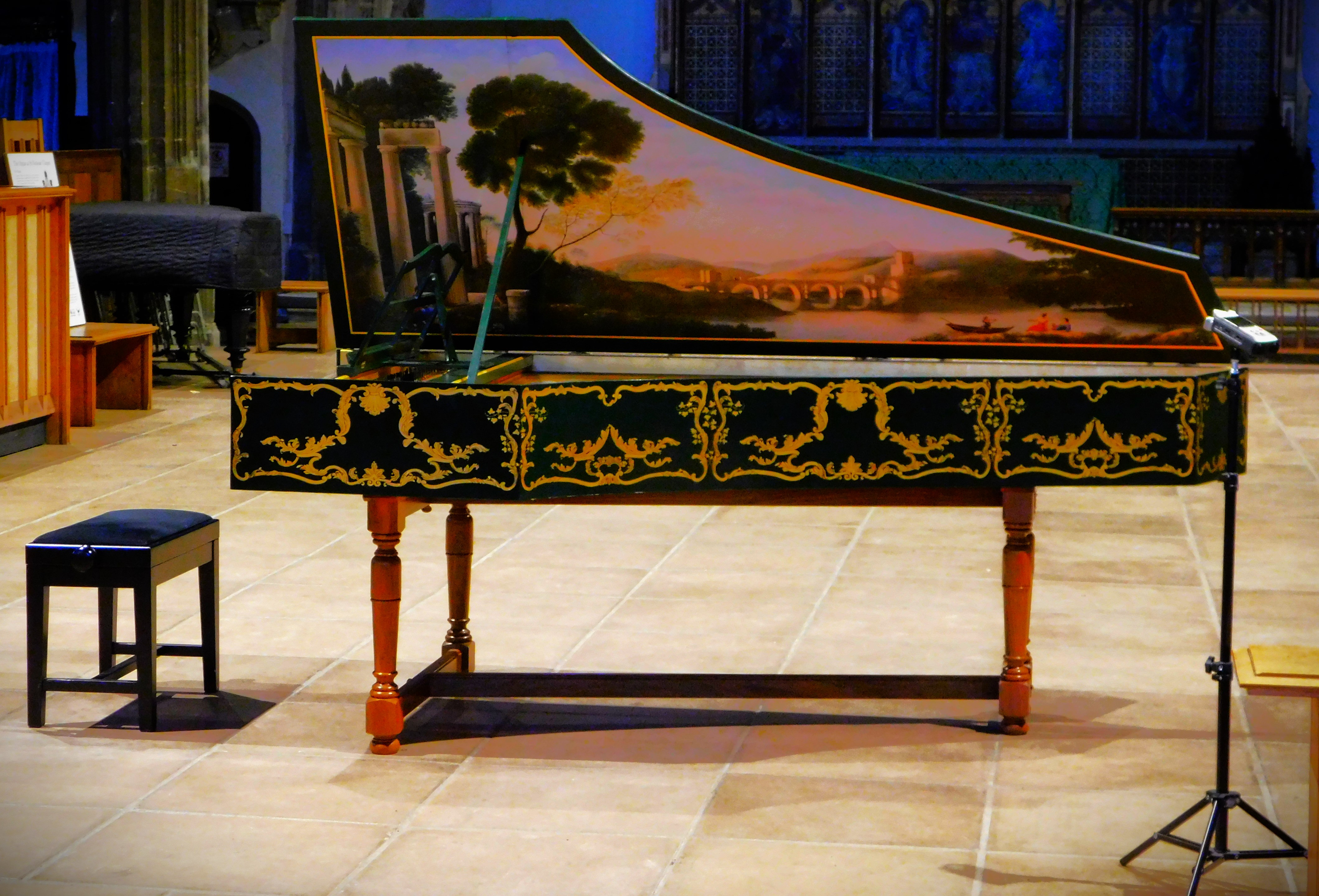
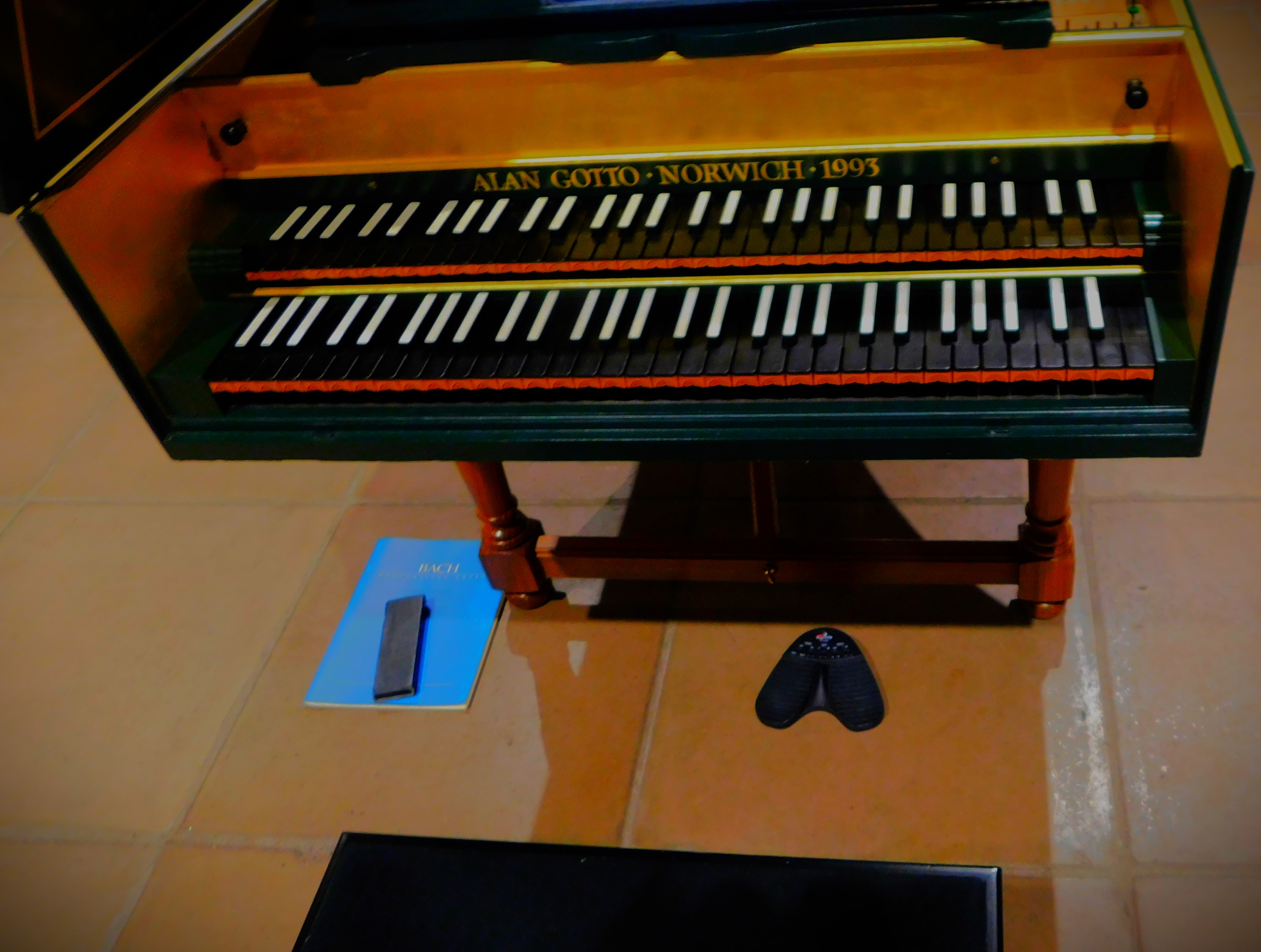
The organ at St Nicholas Chapel.The Harpsichord all set for the final concert.The double keyboard – which comes into play in a big way in the Goldberg Variations.
I use a recent acquisition to showcase some of the more iconic buildings in King’s Lynn.
This is the first post I am creating that is inspired by lot 526 at James and Sons’ May auction. This item, a 1950 Temporary Guide to King’s Lynn was knocked down to me for £5. In the post that follows I will be showing each of the images I produced when photographing the item for auction and then producing pictures of the buildings concerned taken by me in 2024.
FRONT COVER AND MAP
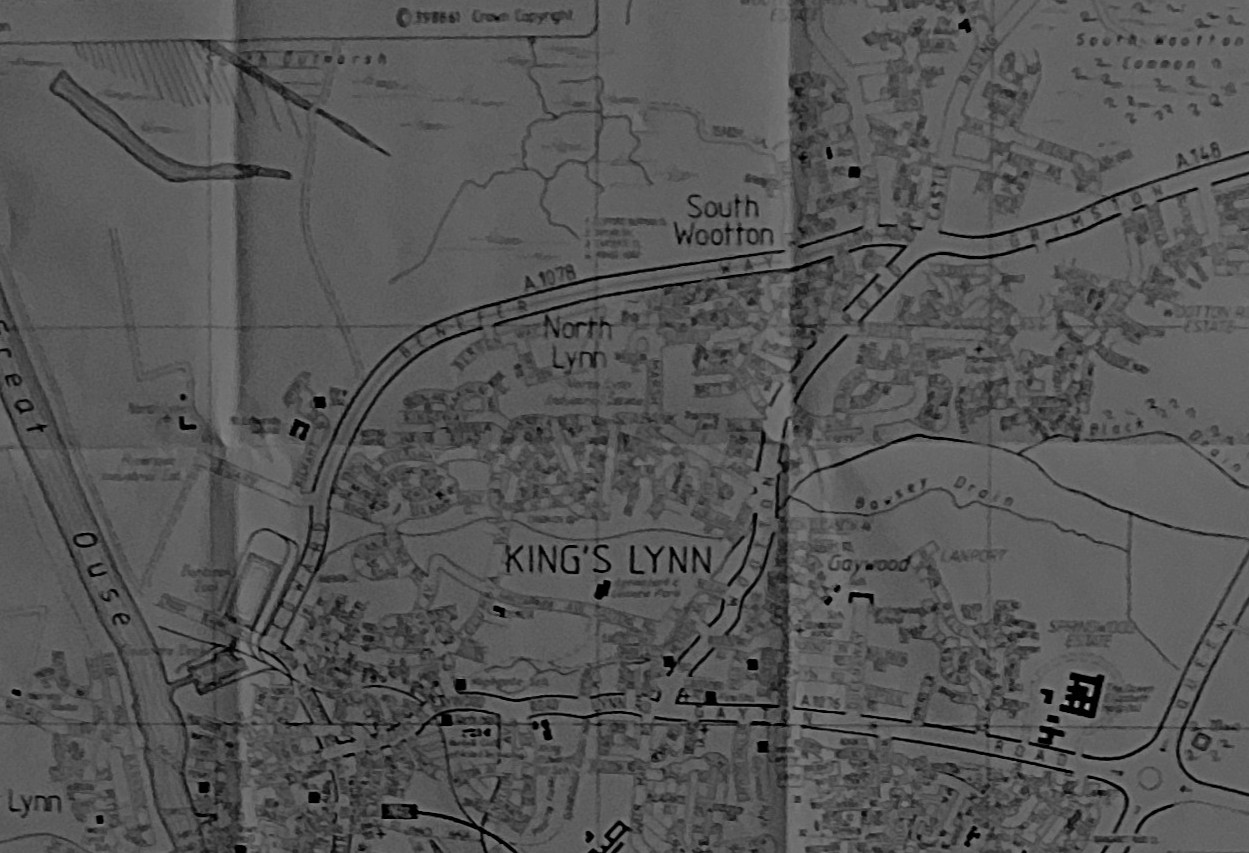
The first two images are of the front cover and the map. These have no present day equivalents.
The Map…
COMPARISON PICTURES
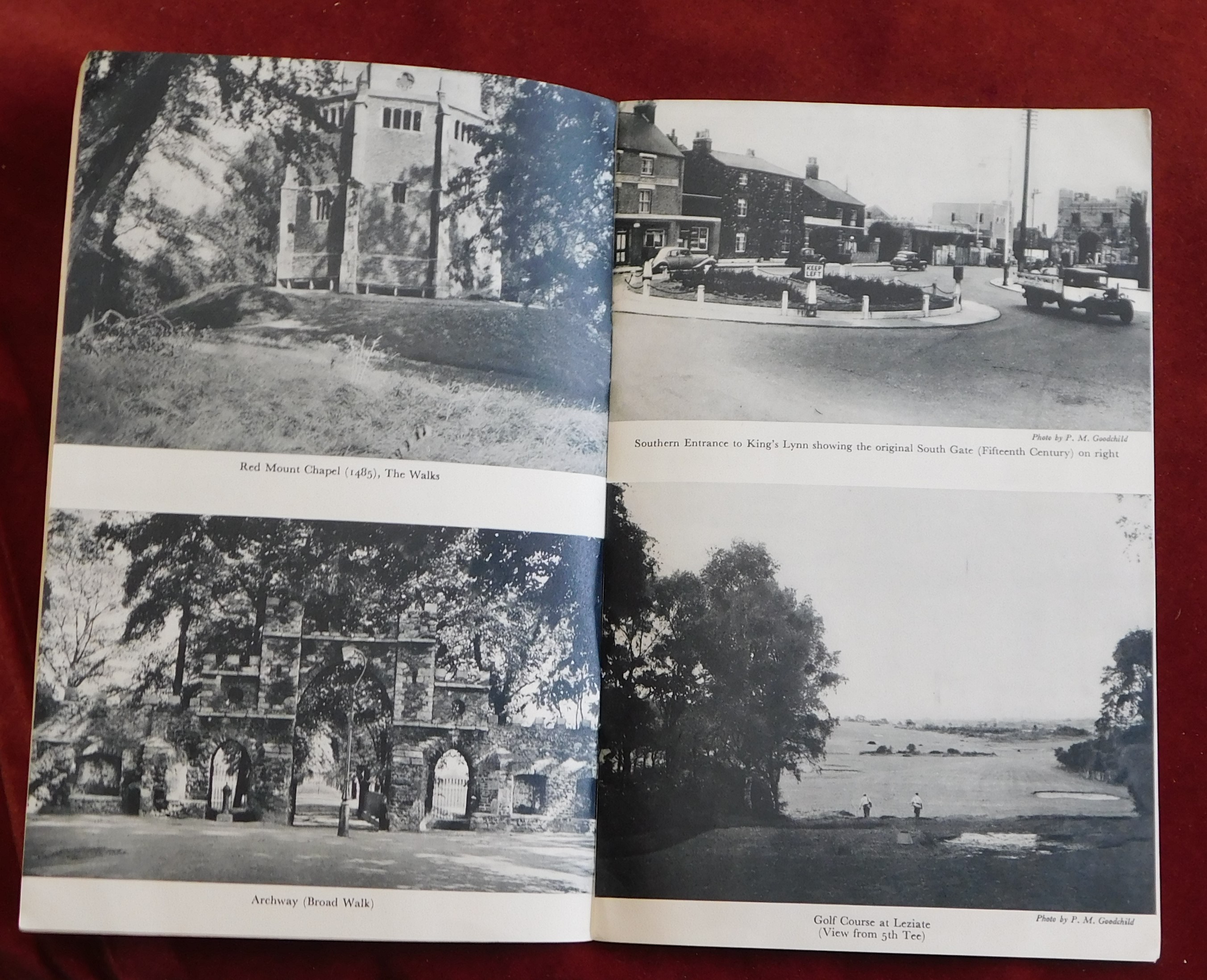
The first image that offers modern comparisons from my own stock of pictures is this one…
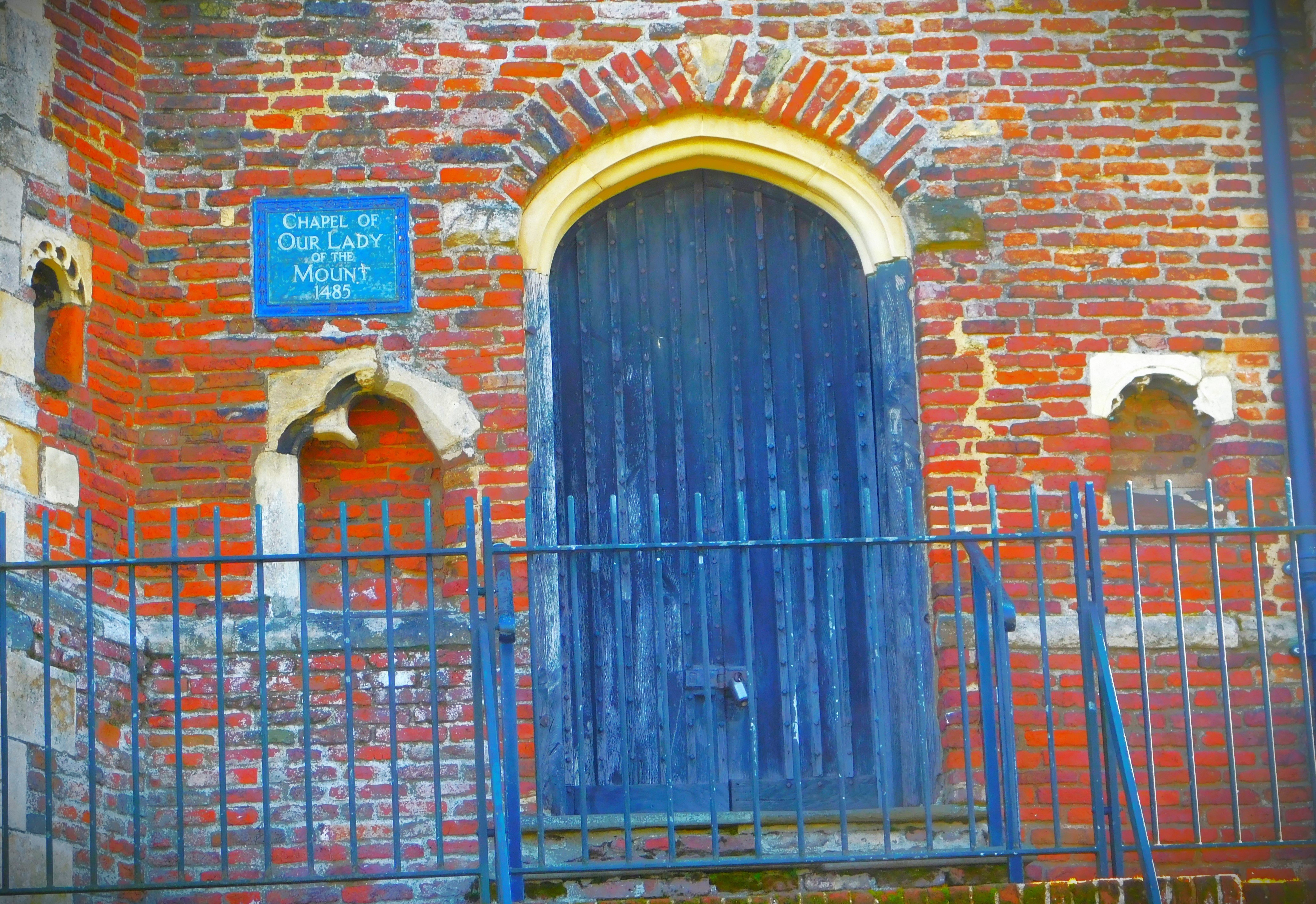
There are four landmarks in this image – The Red Mount Chapel and The Archway in Broad Walk, or as it is correctly known Guanock Gate, on the left side as you look, the South Gate Approach (no direct equivalent, but I have got the gate itself) and Leziate Golf Course (no equivalent).
My pictures for comparison are presented as a gallery – to see a larger version of an image just click on it.
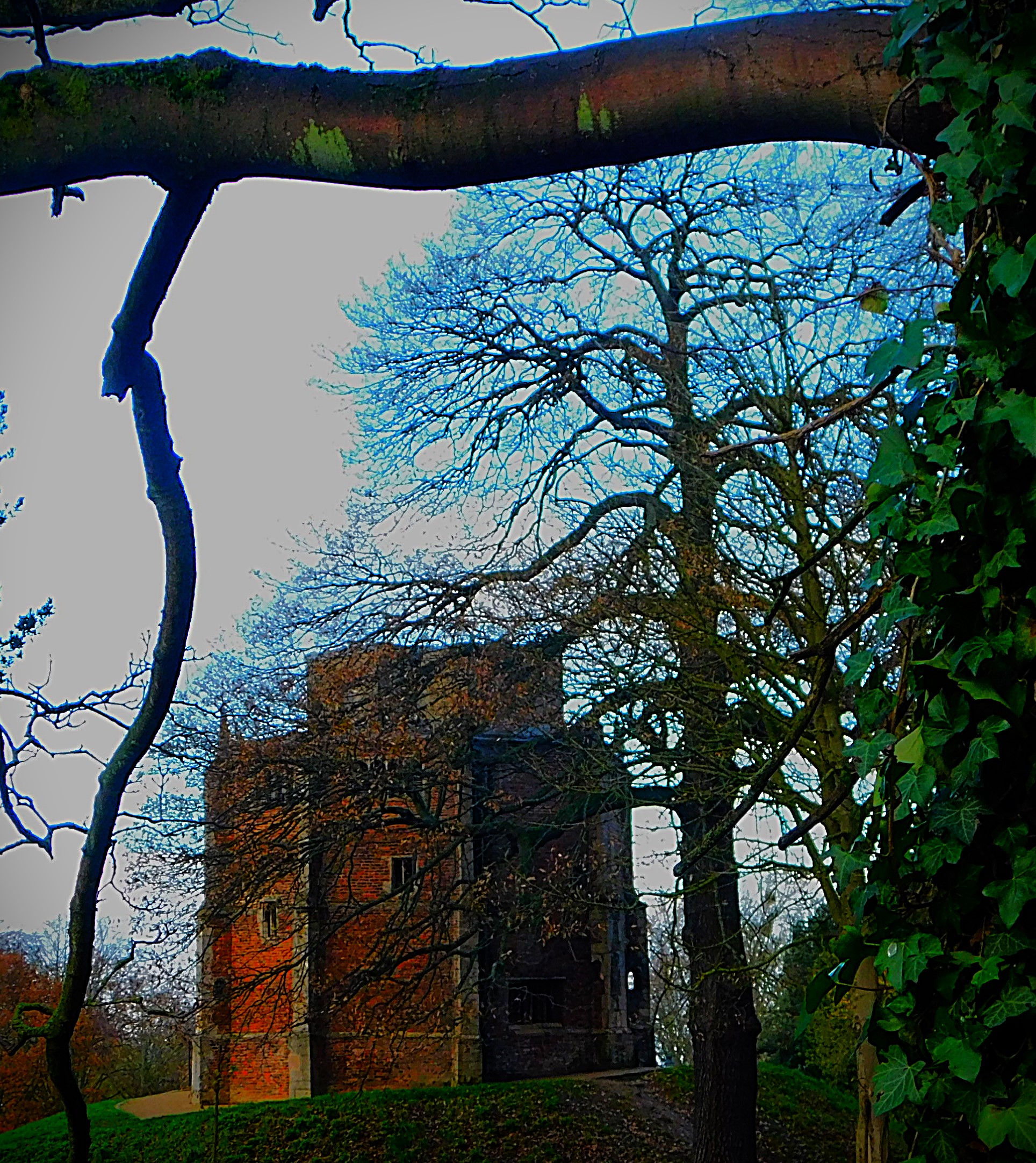
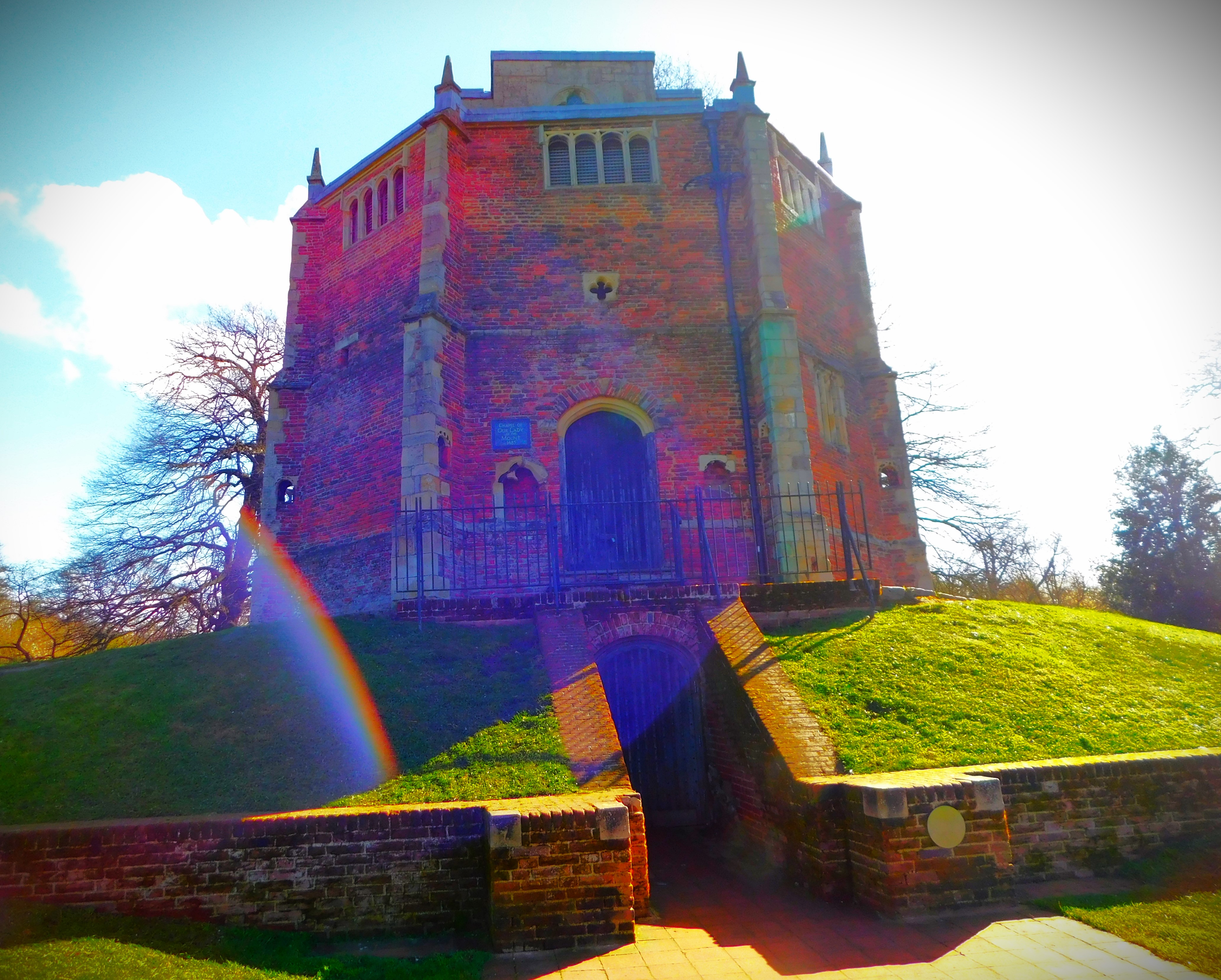
Front on view of the chapel.Close up of the upper door to the chapel.Close up of the name plaqueA more side on view of the chapel.The Guanock Gate town sideThe Guanock Gate out of town side.The South Gate looking towards the town.
Here is the next image from the booklet…
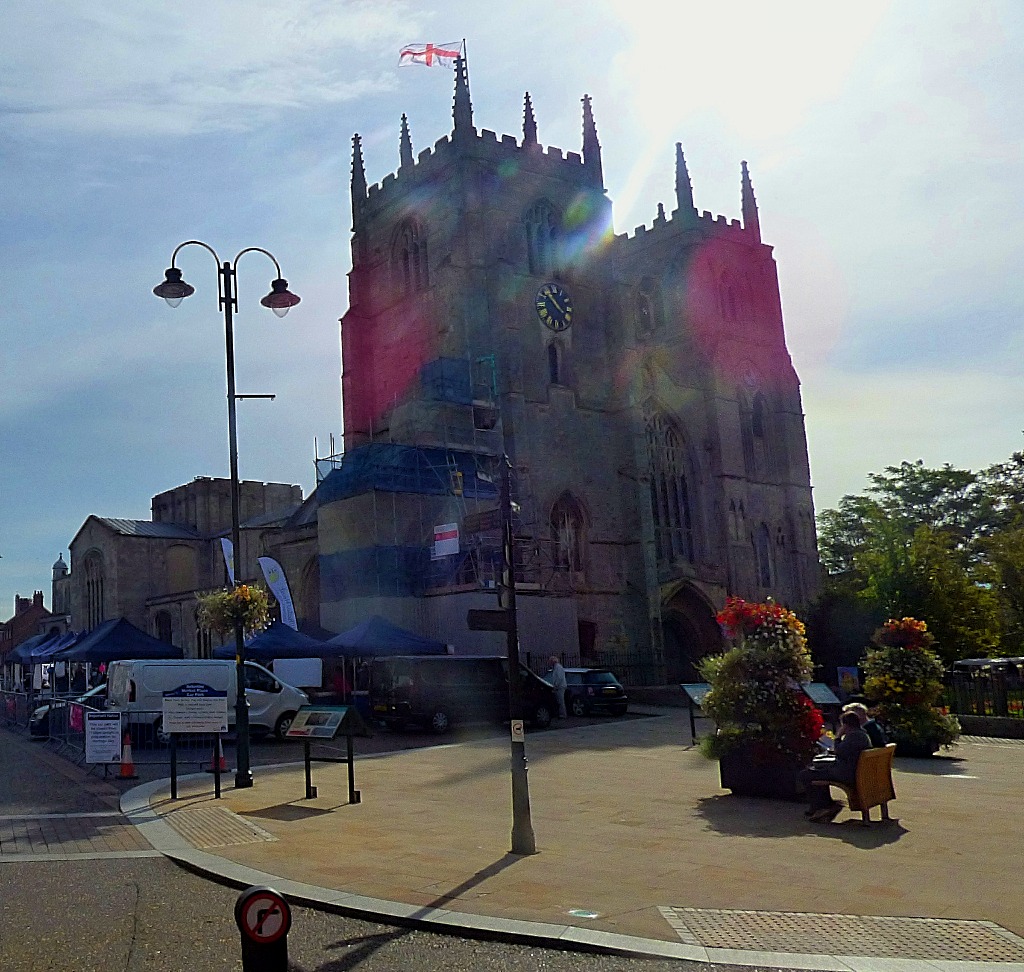
On the left is Greyfriars Tower and on the right what was then St Margarets Church and is now King’s Lynn Minster.
2024 versions…
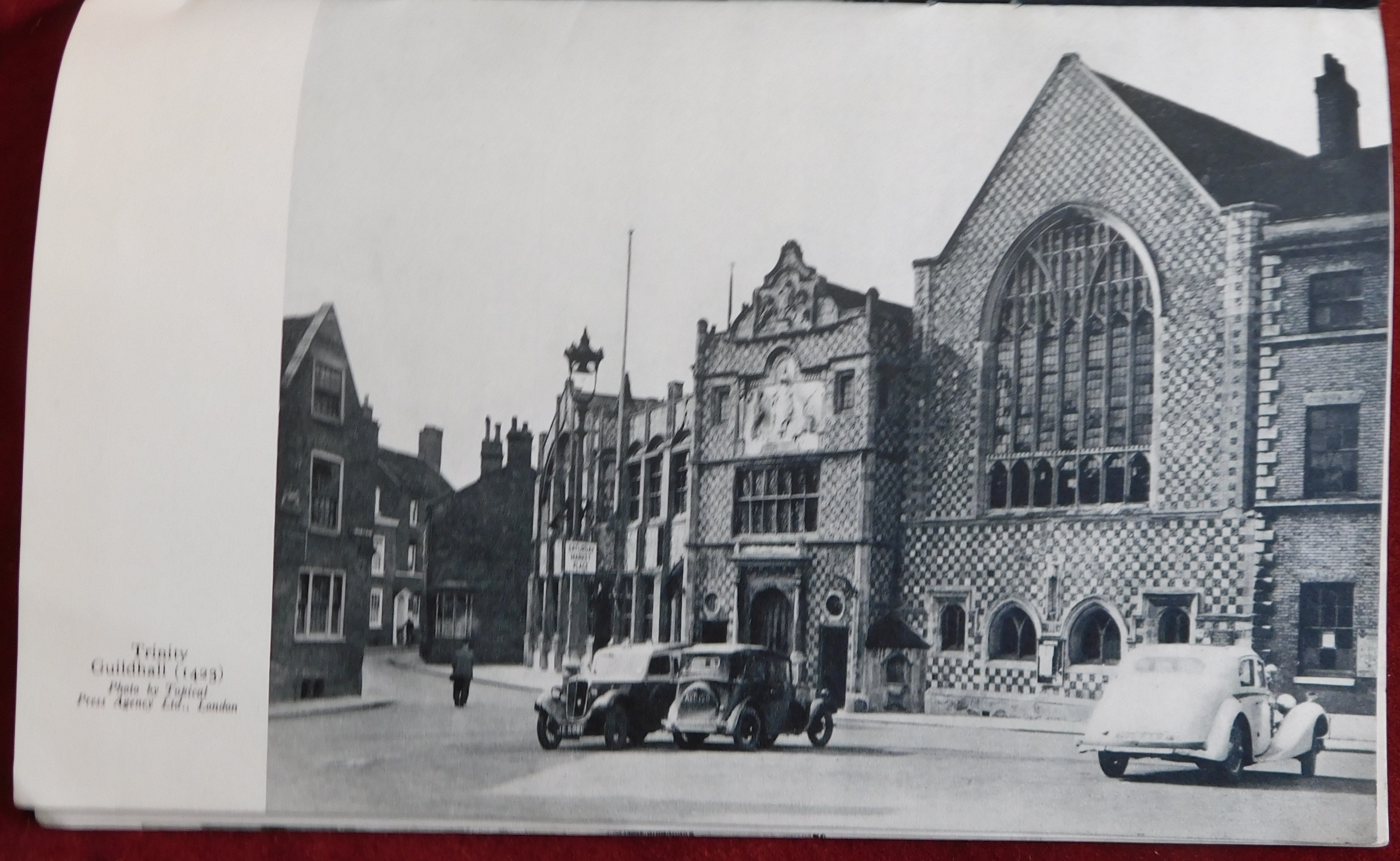
This was the next image I produced for auction…
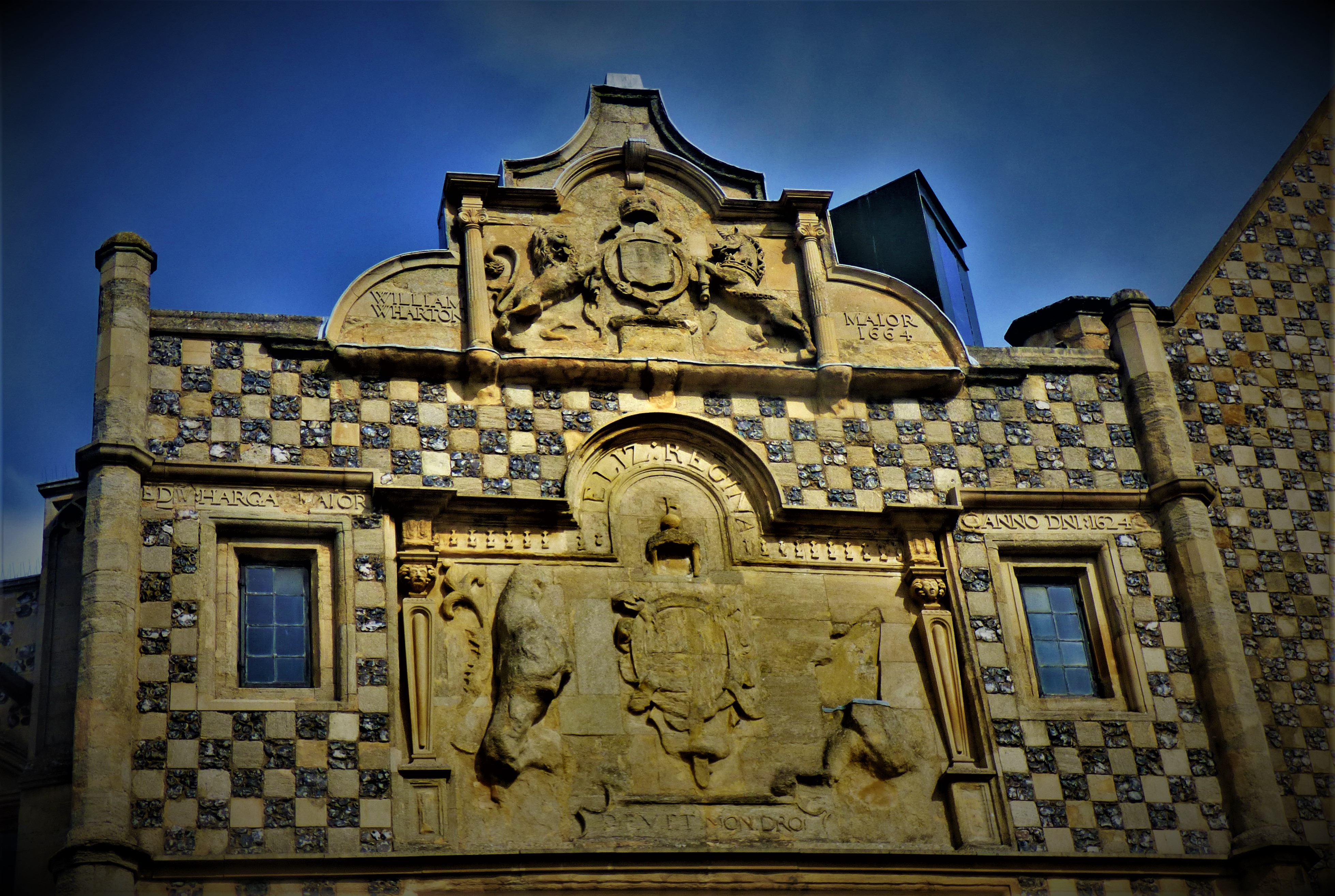
This is the iconic Guildhall of the Holy Trinity, also known as King’s Lynn Town Hall.2024 images of the building (six pics – click to view at a full size).
The next image I produced for auction was this:
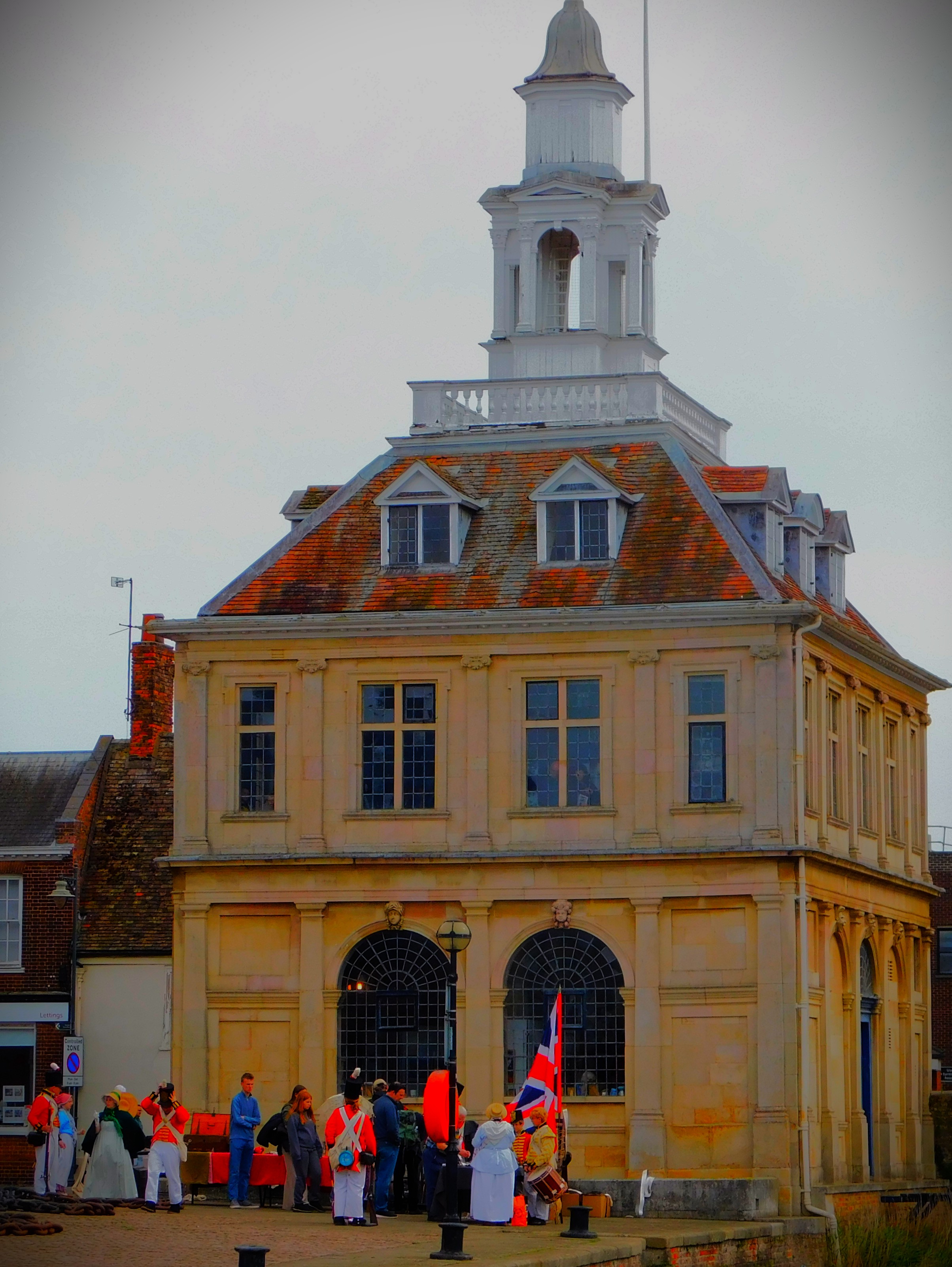
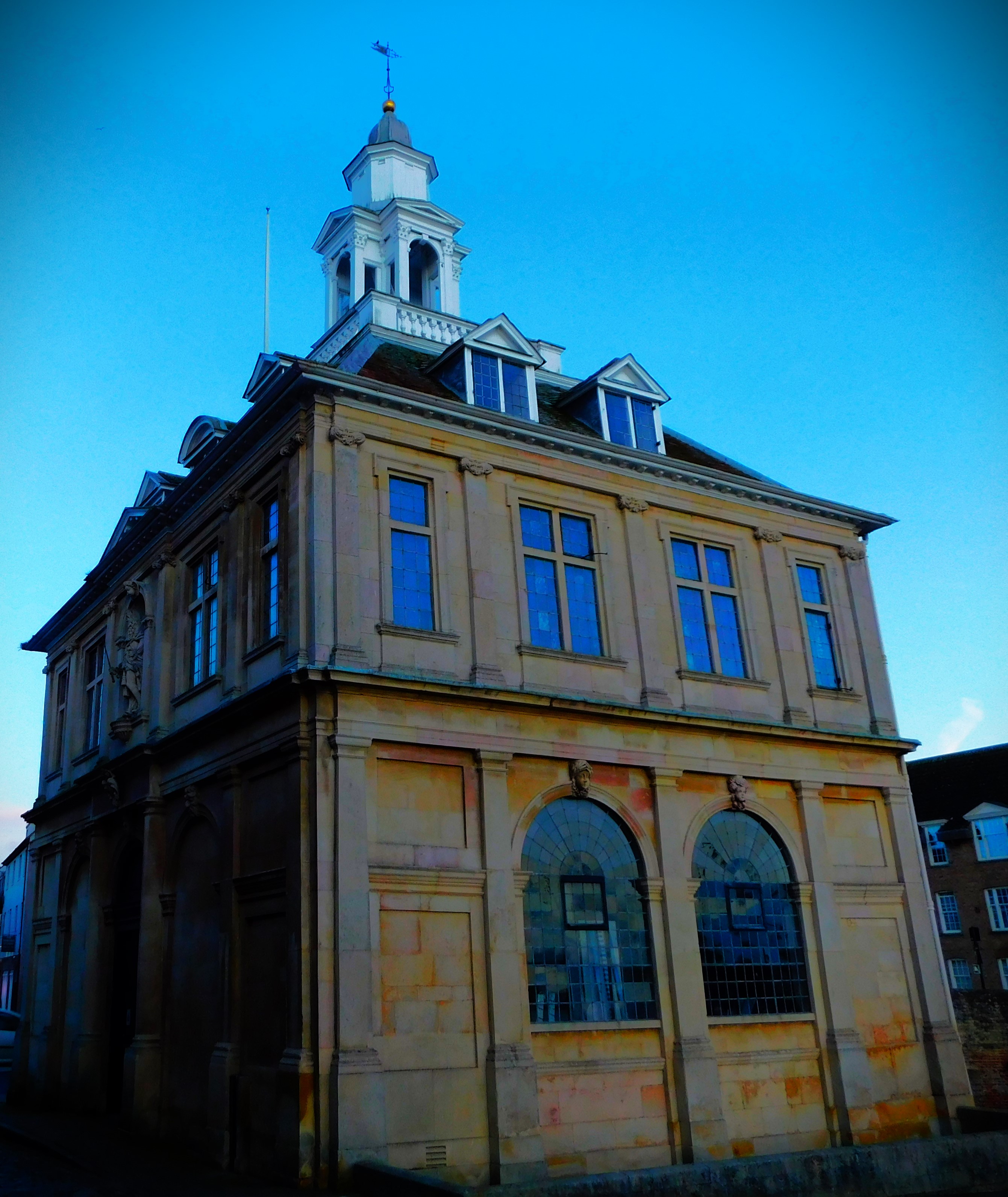
The Custom House, the most iconic building in the town.
The Custom House is the official dividing point between the two medieval towns that together form King’s Lynn. Here are some 2024 pictures…
The next and final image in the gallery for auction was this one…
The South Porch of St Nicholas Chapel.
This is what this looks like in 2024…
There has recently been restoration work done on this chapel (witness the scaffolding in the top left corner of this picture.
Yesterday was Heritage Open Day 2021, and this is my account of the day as I experienced it.
Heritage Open Day in King’s Lynn happens on the second Sunday in September (except last year when for reasons not needing elaboration it did not happen at all), which this year was yesterday. This post describes the day as I experienced it, and is rather longer than my usual posts.
THE BEGINNING: TUESDAY MARKET PLACE
There is a classic car show in the Tuesday Market Place in conjunction with Heritage Open Day, and viewed as the museum pieces that such contraptions should become some of the specimens are seriously impressive…
THE CUSTOM HOUSE
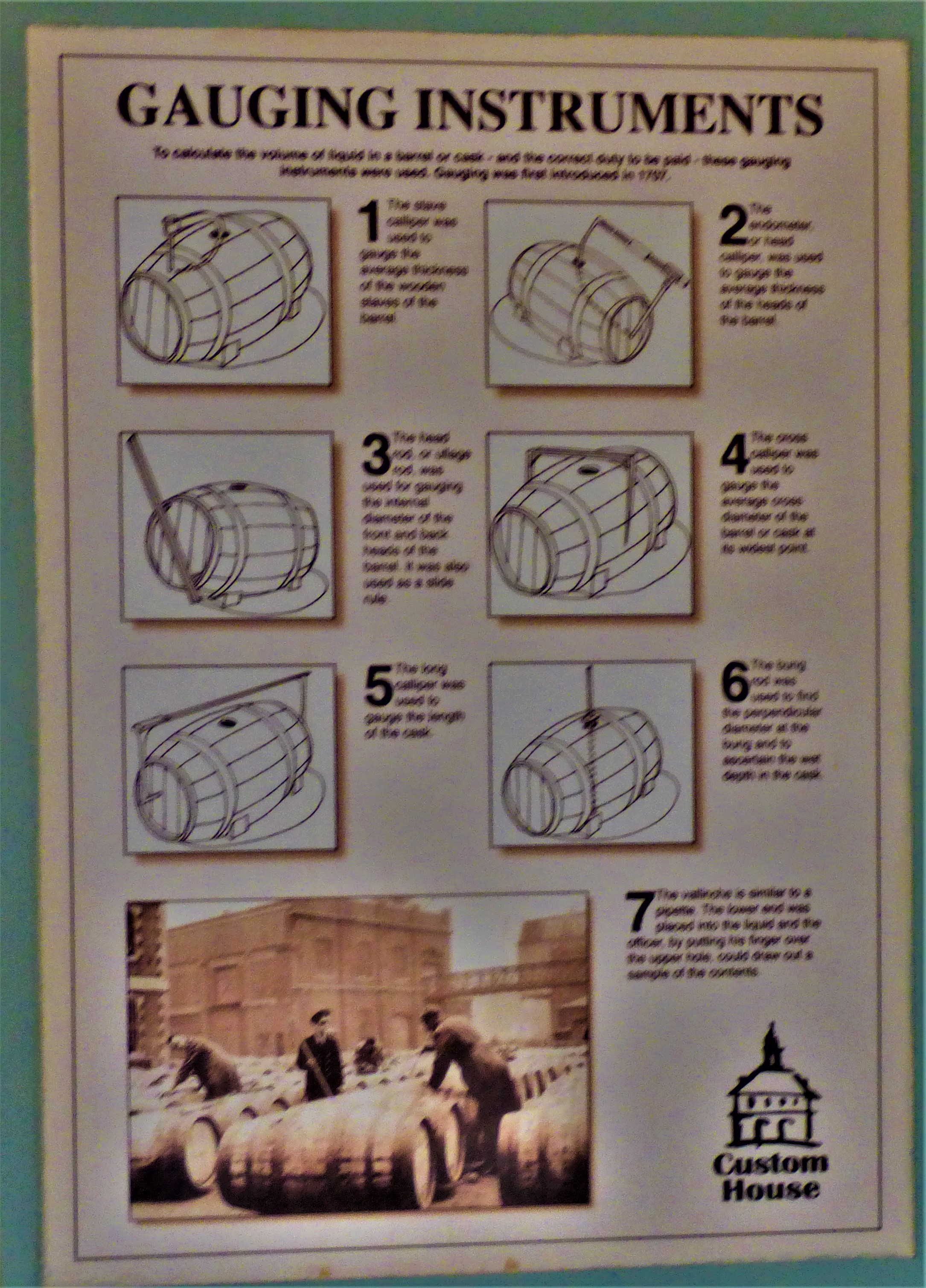
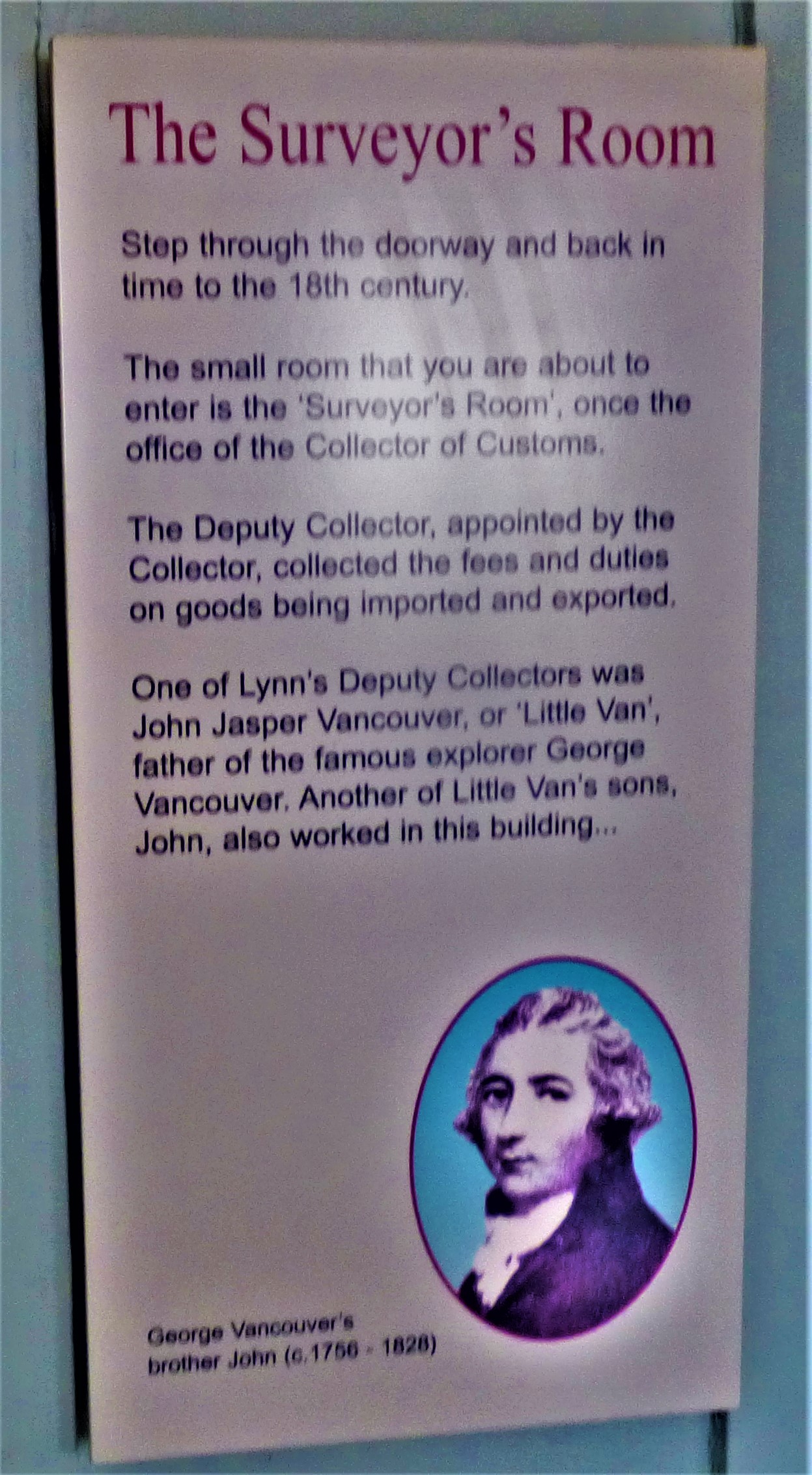
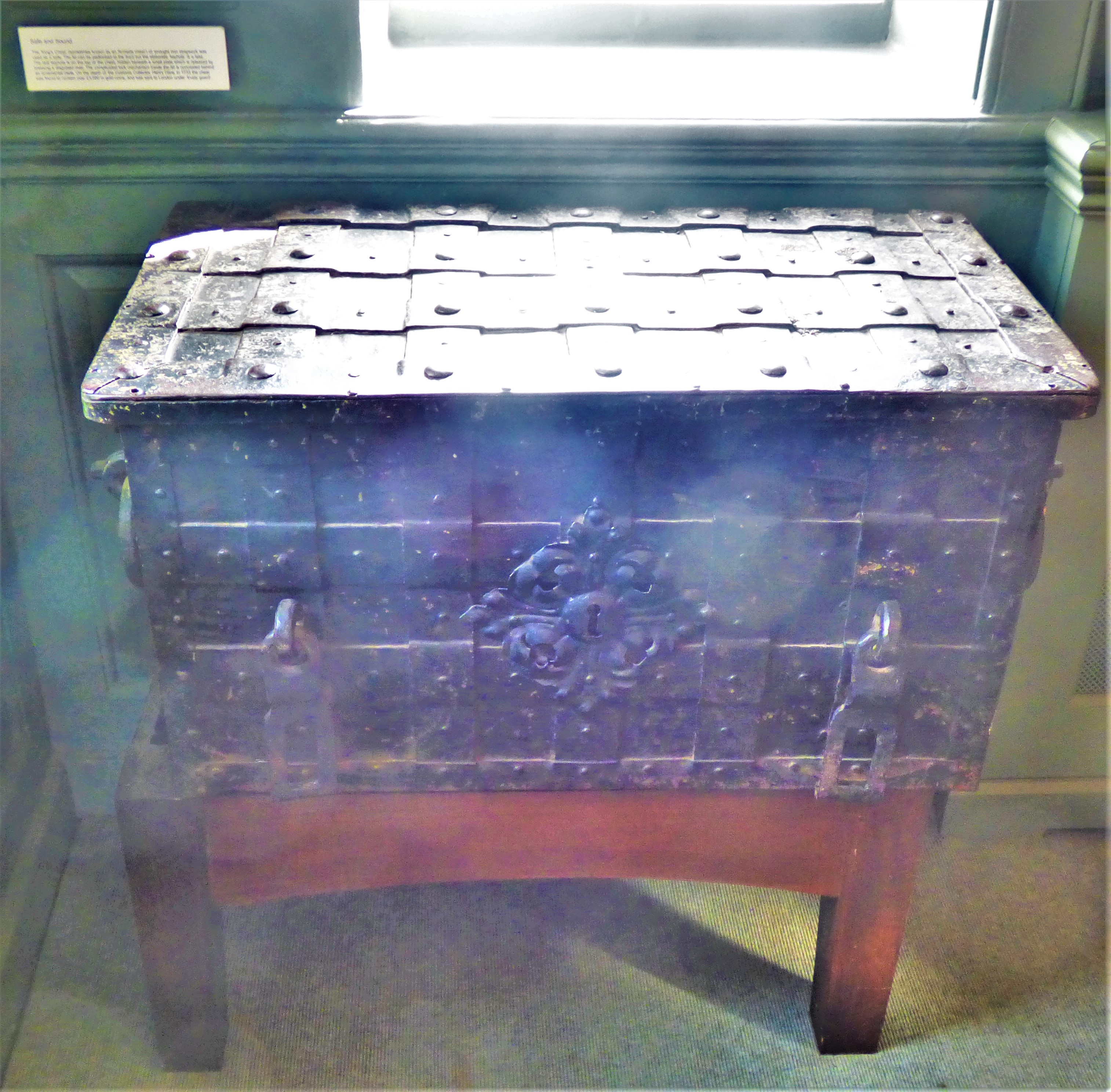
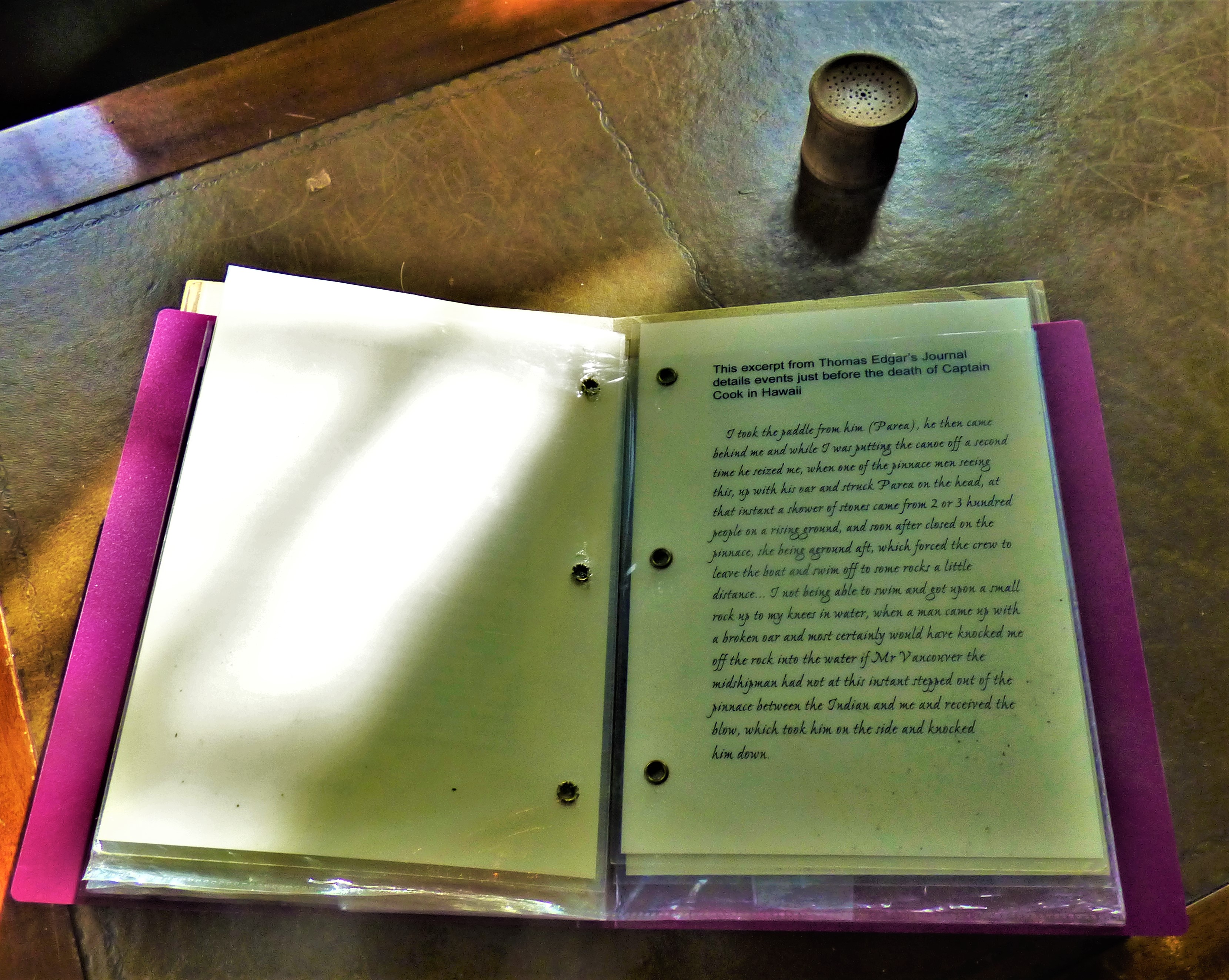
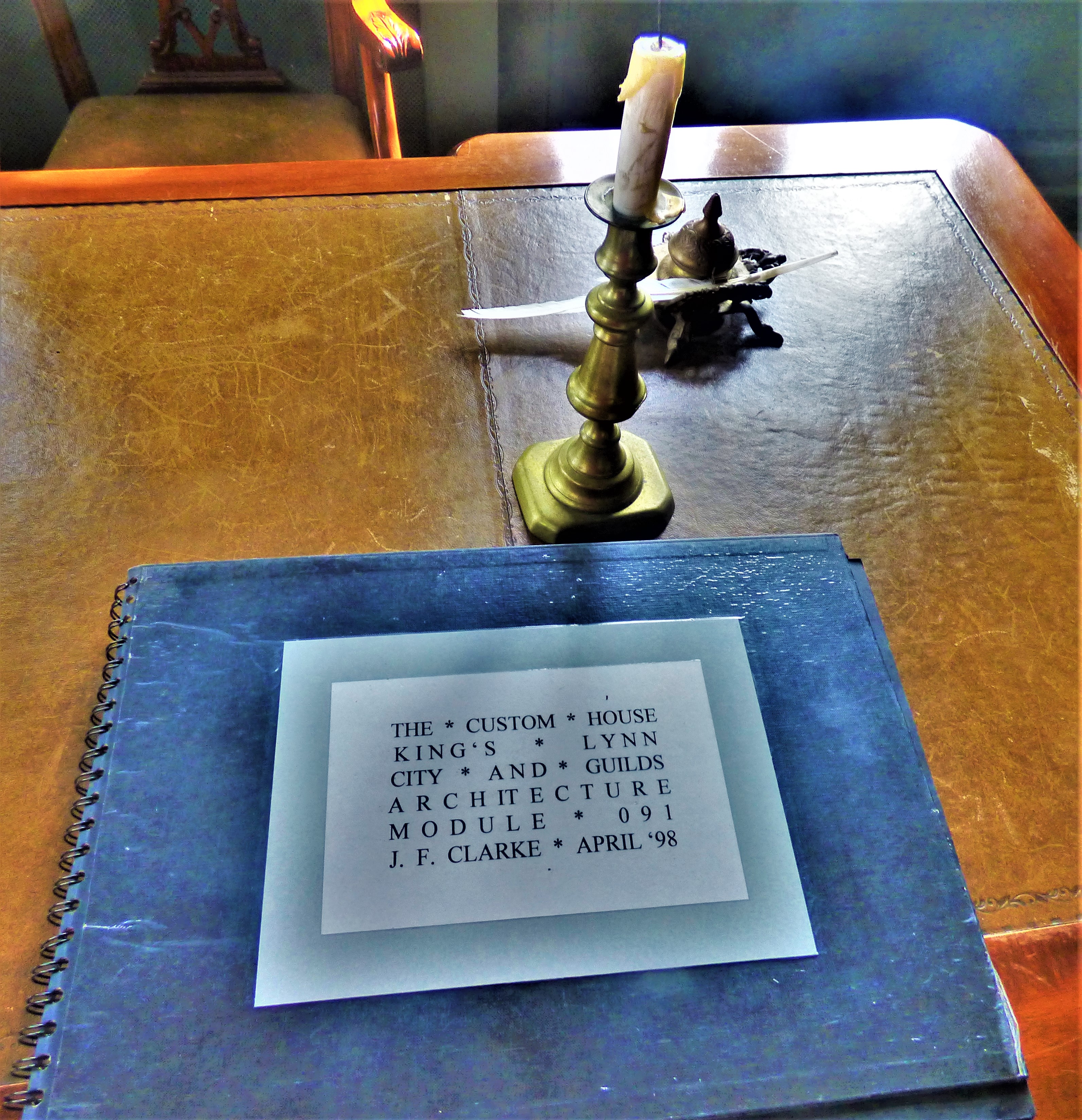
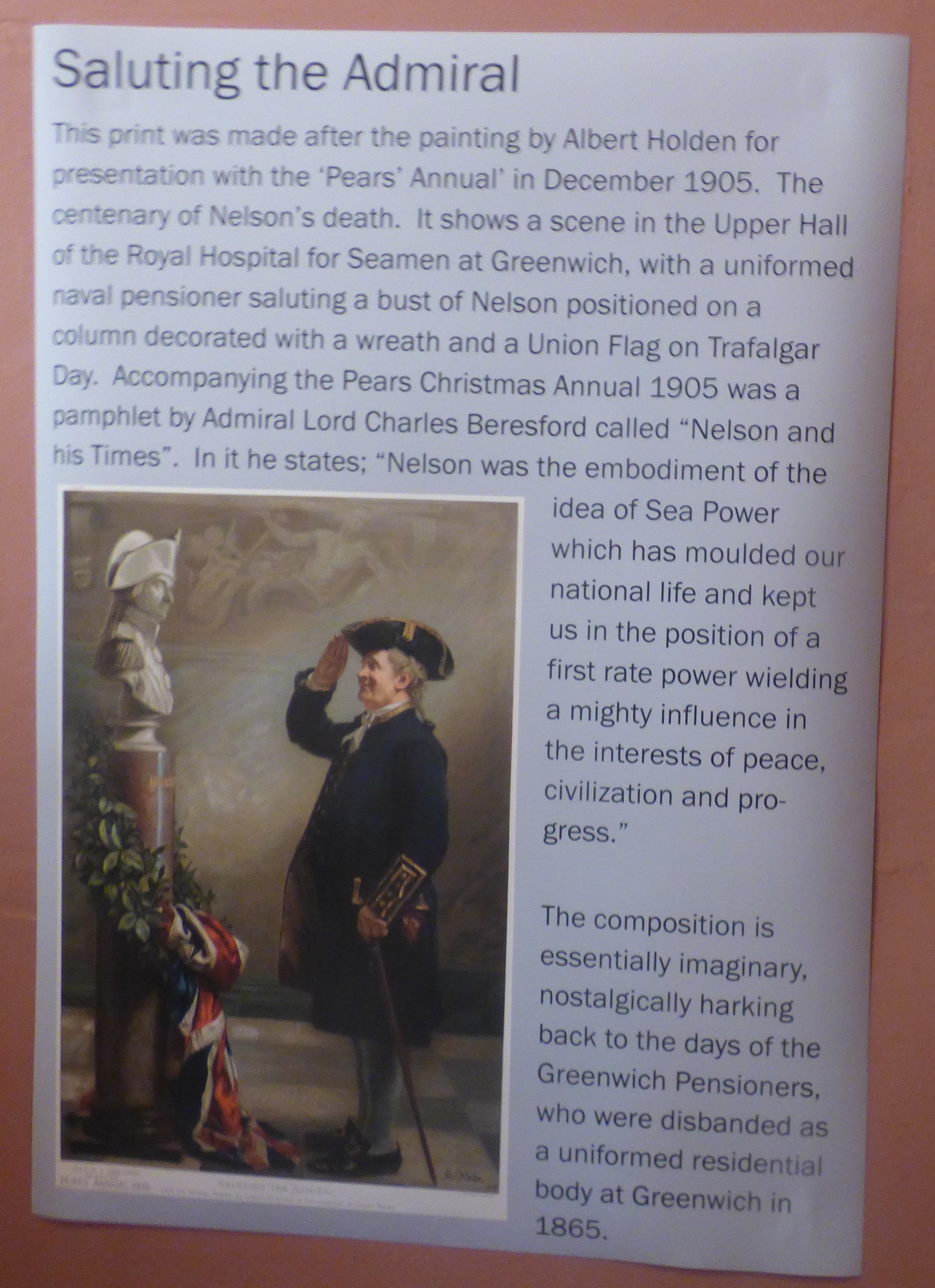
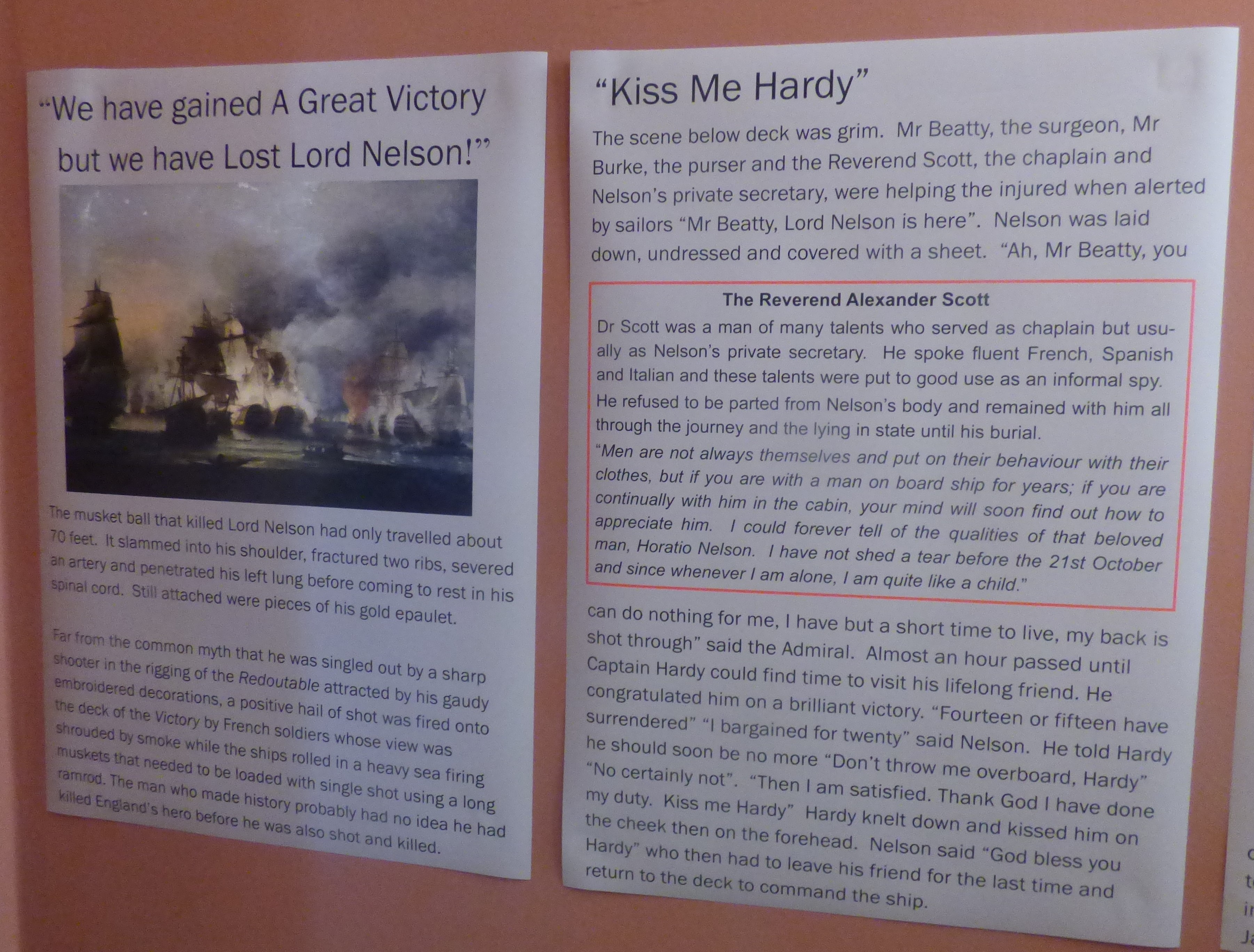
The first building I visited this time round was The Custom House, one of the two most iconic buildings in Lynn (The Townhall/ Guildhall is the other). They have an excellent little display upstairs, and it was well worth venturing indoors to see it…
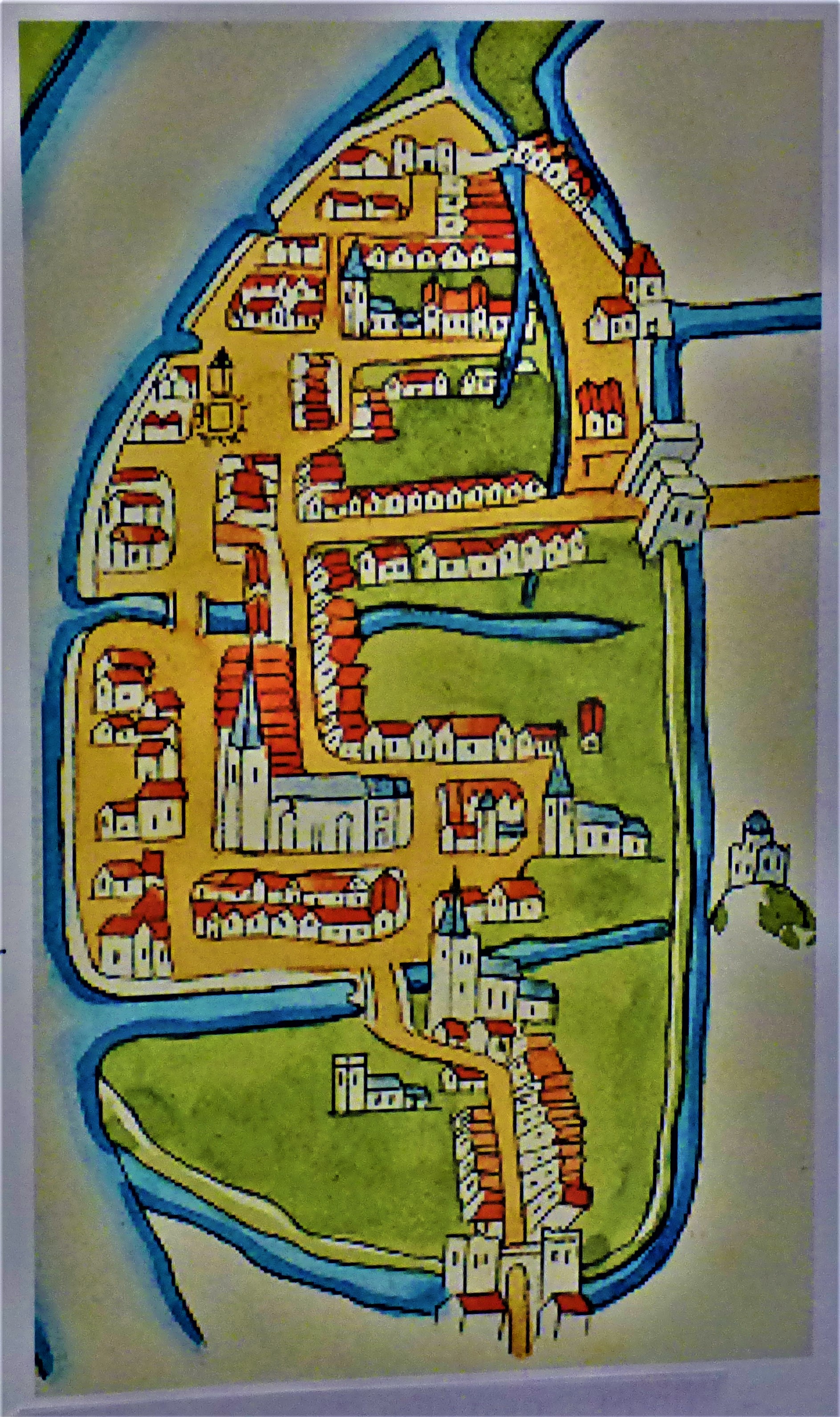
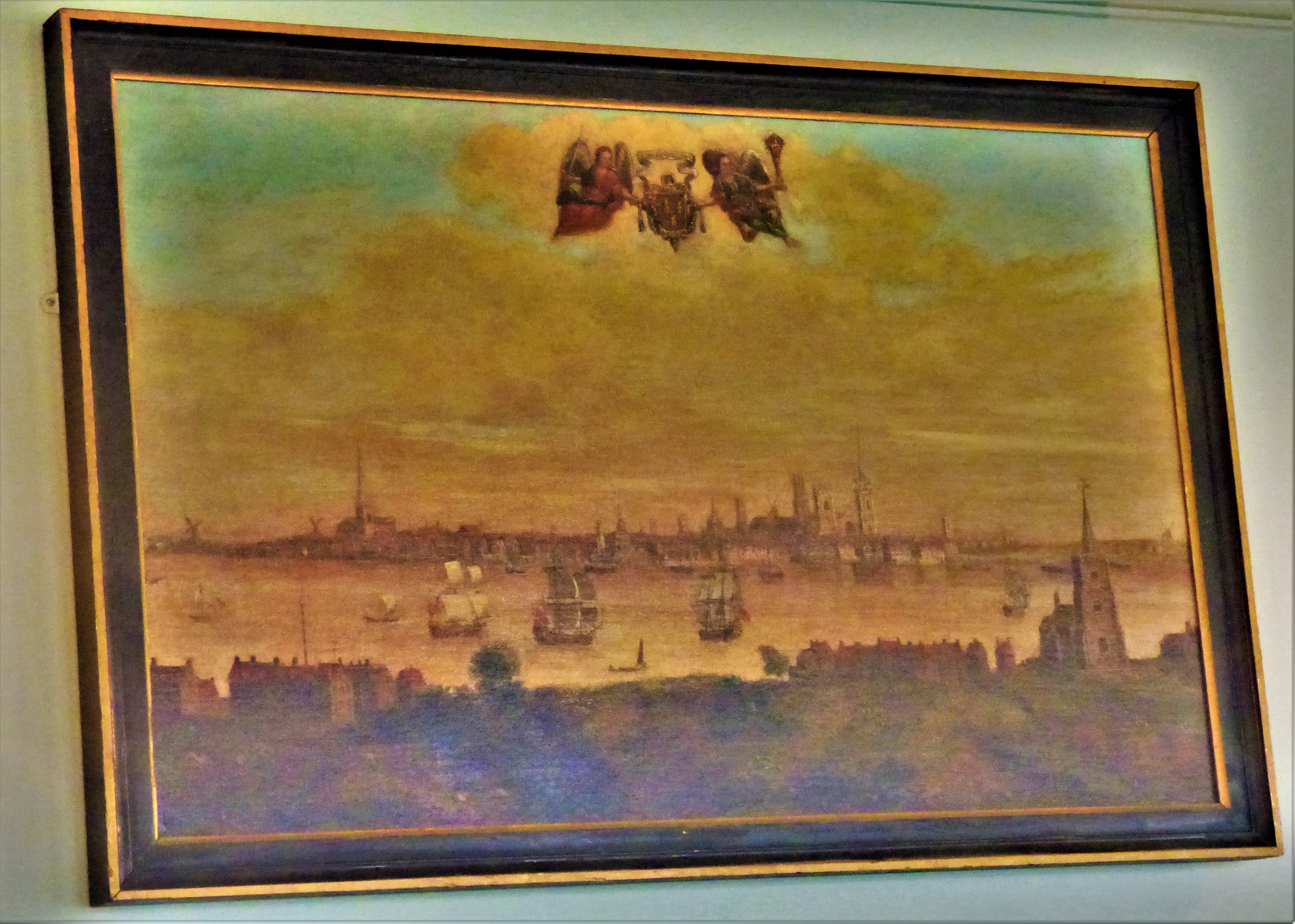
King’s Lynn in 1581
THE RED MOUNT CHAPEL
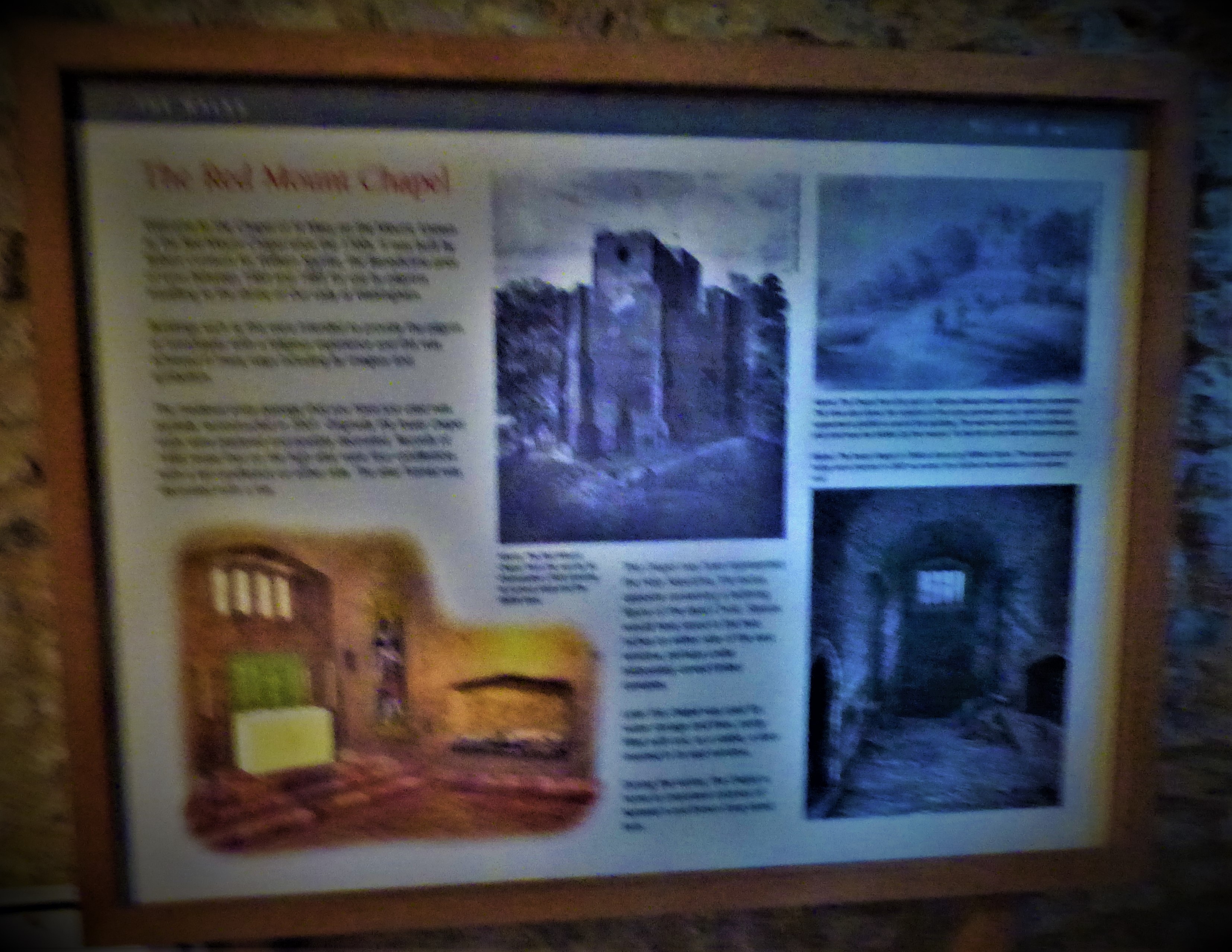
A favourite of mine, standing on its own in the middle of an area of parkland, with the bandstand visible through the trees and the ruins of the Guanock Gate about 100 yards away. There are actually two chapels, the upper chapel and the lower chapel, and the thick walls and small windows that the outside of the building features are testament to the need to guard against religious persecution in earlier times…
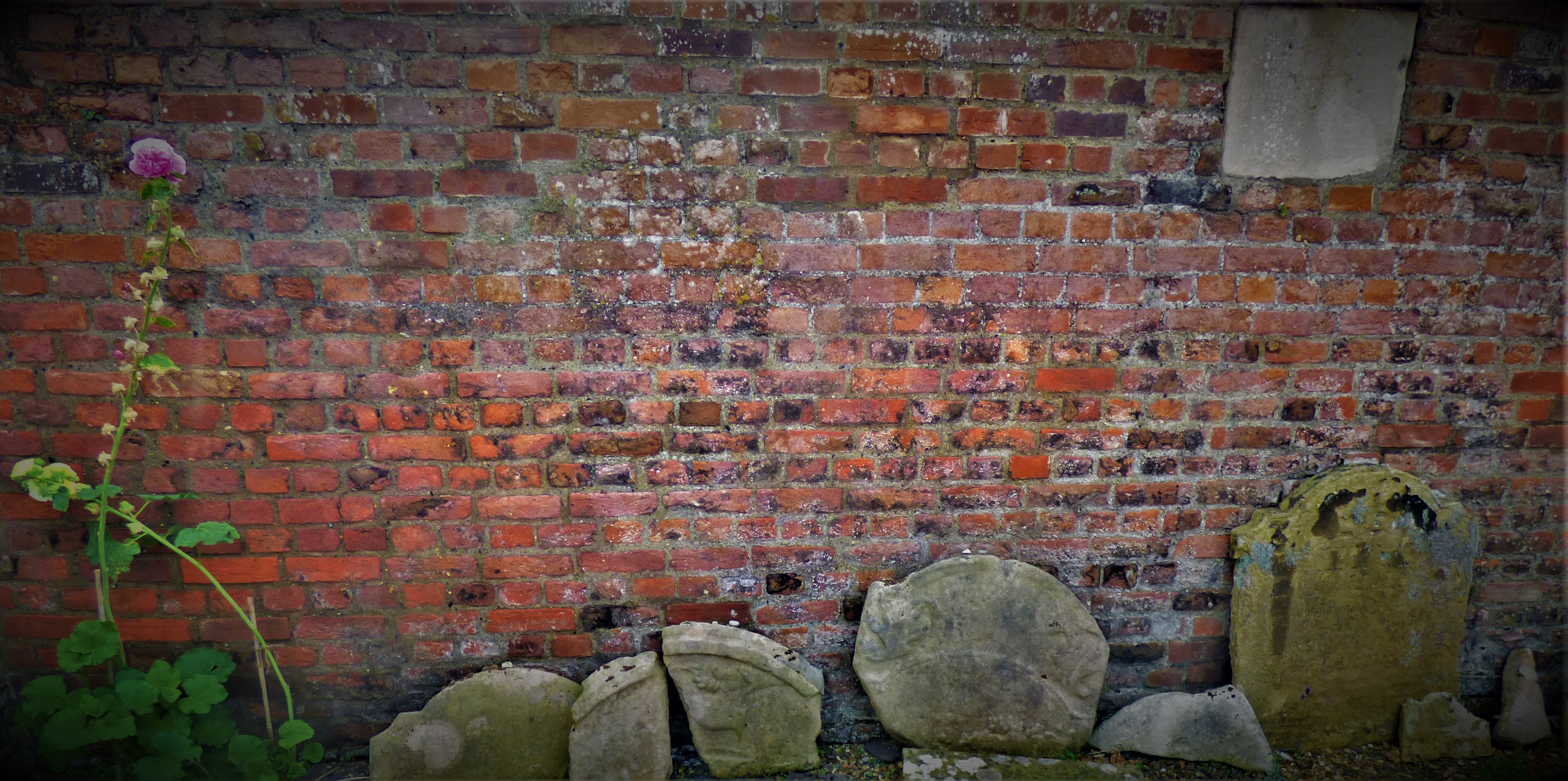
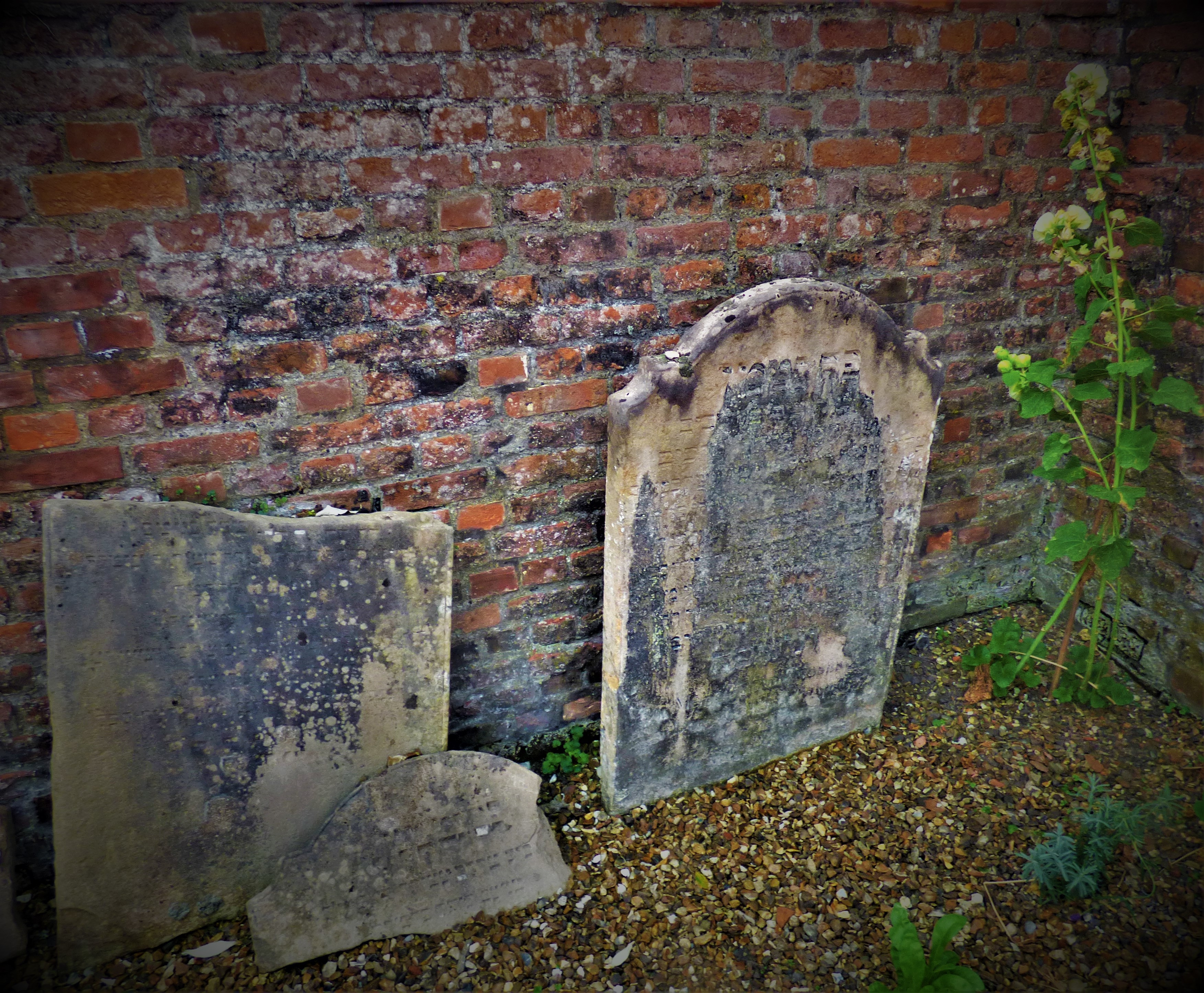
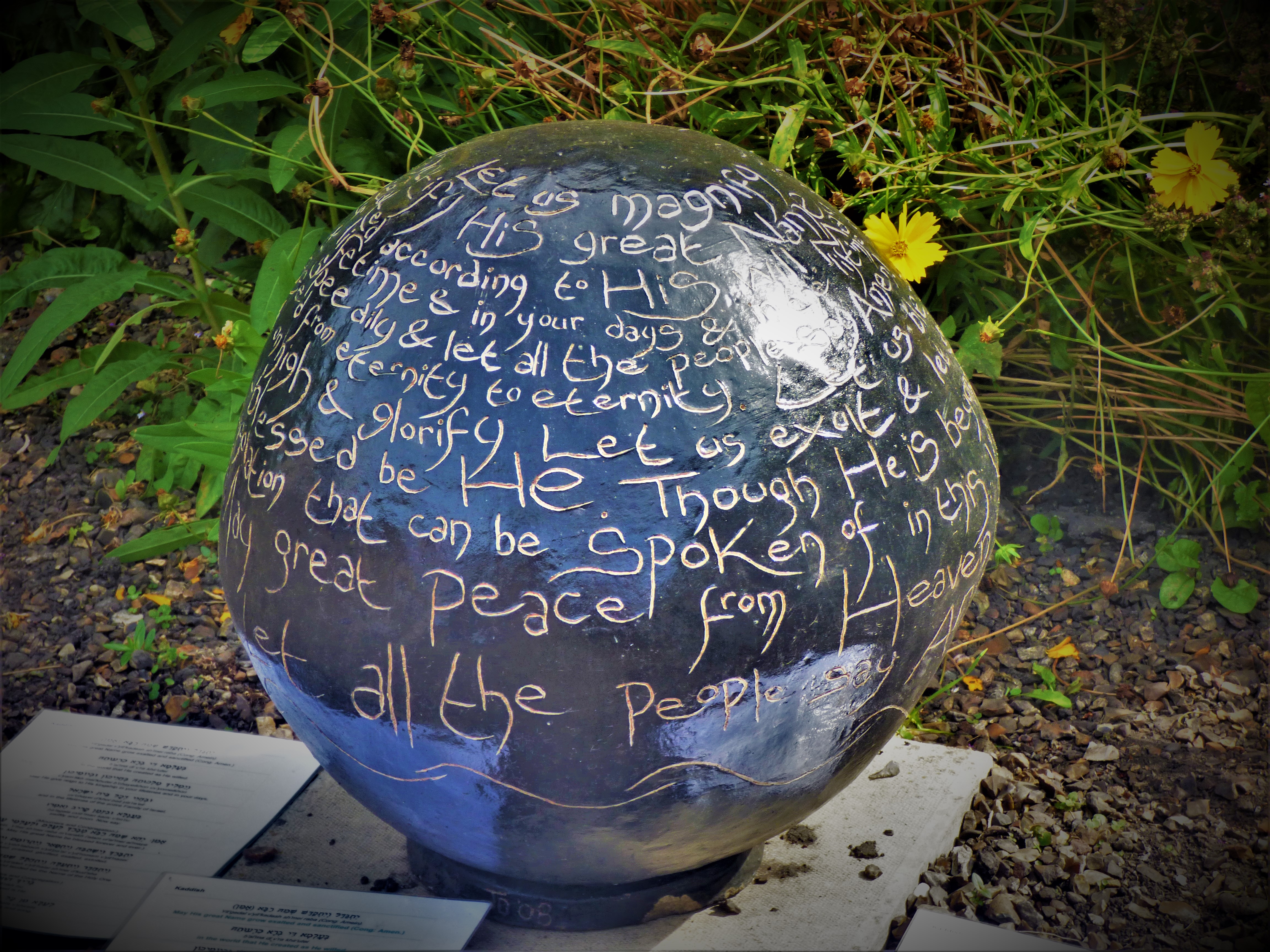
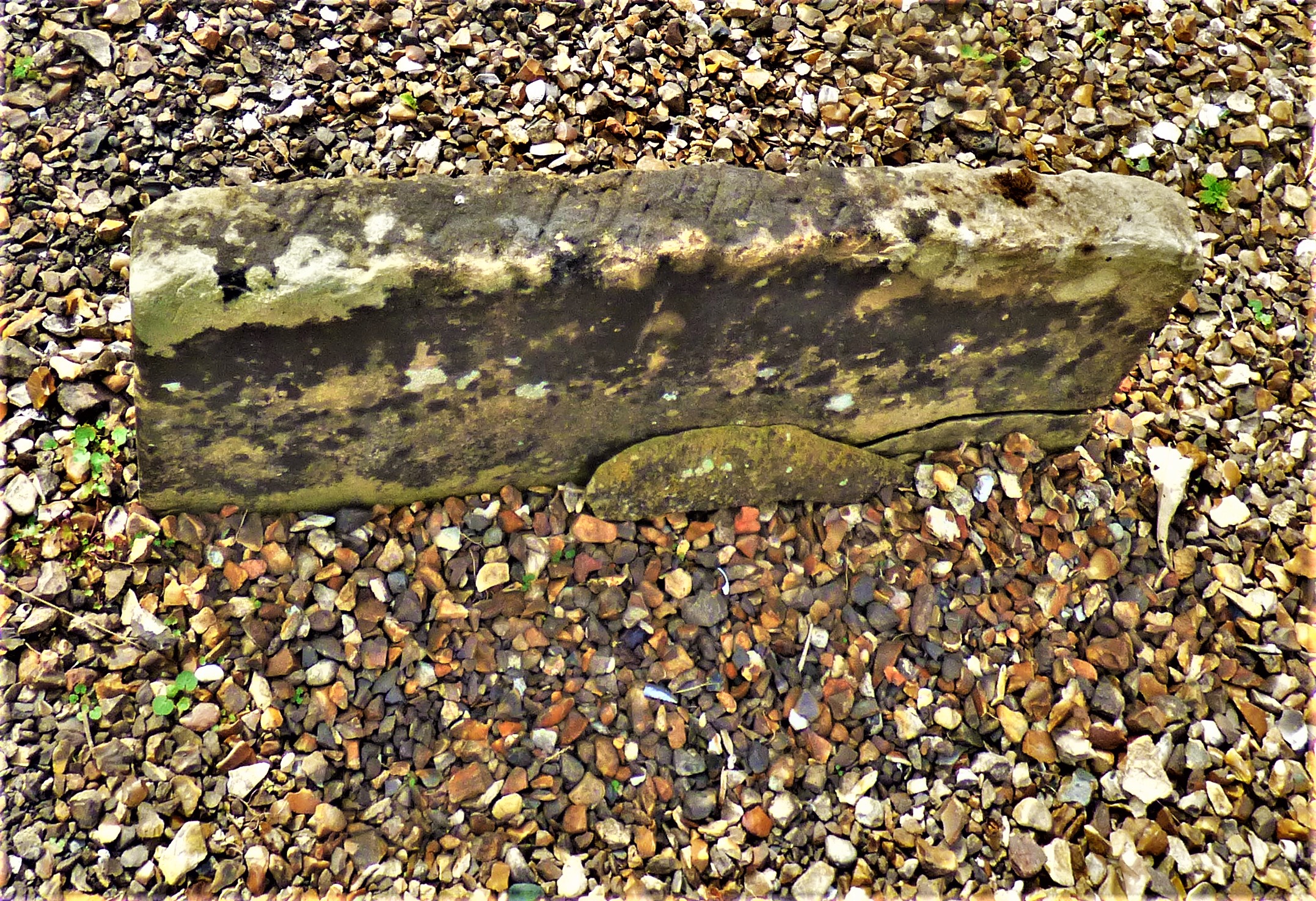
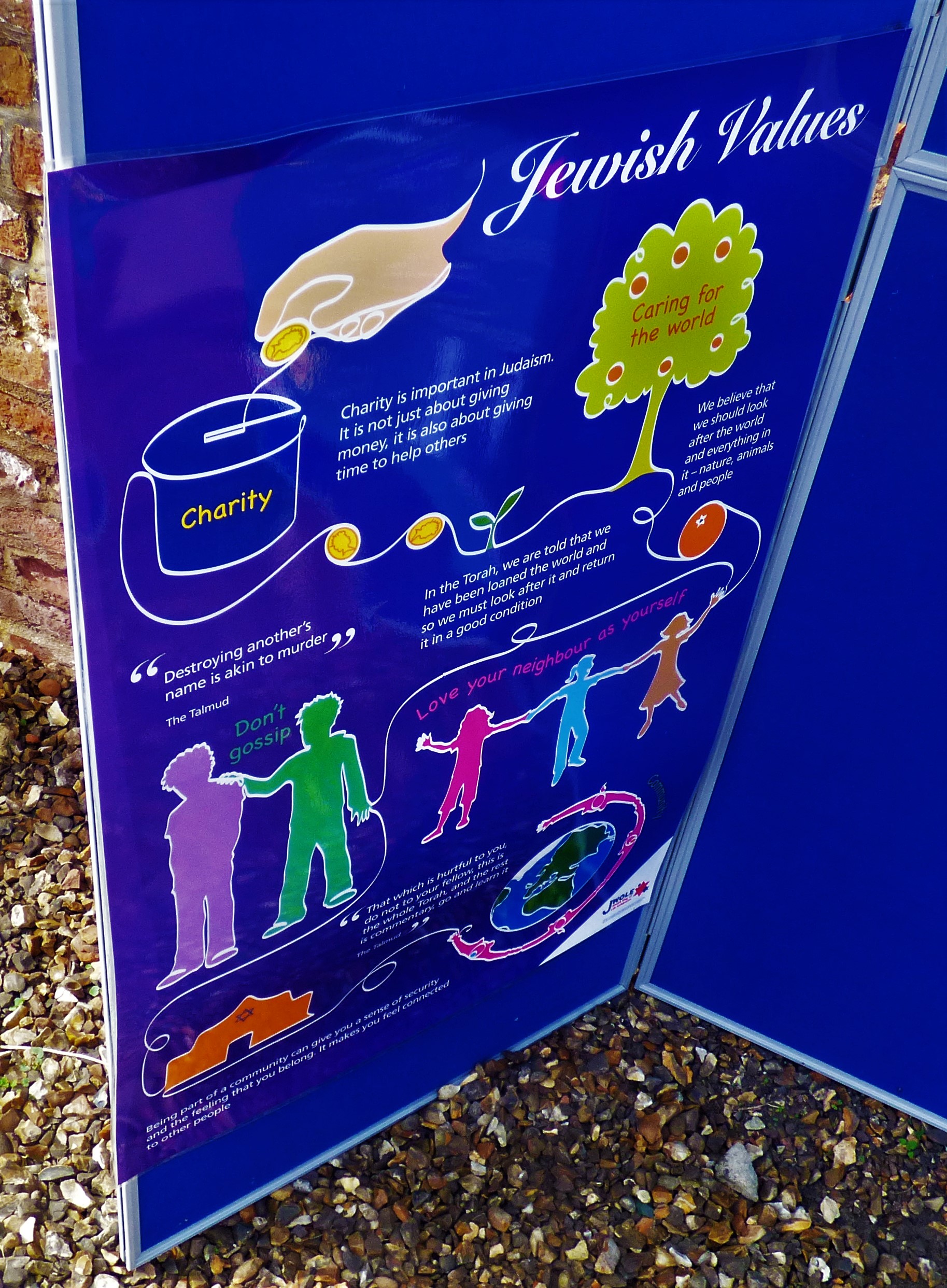
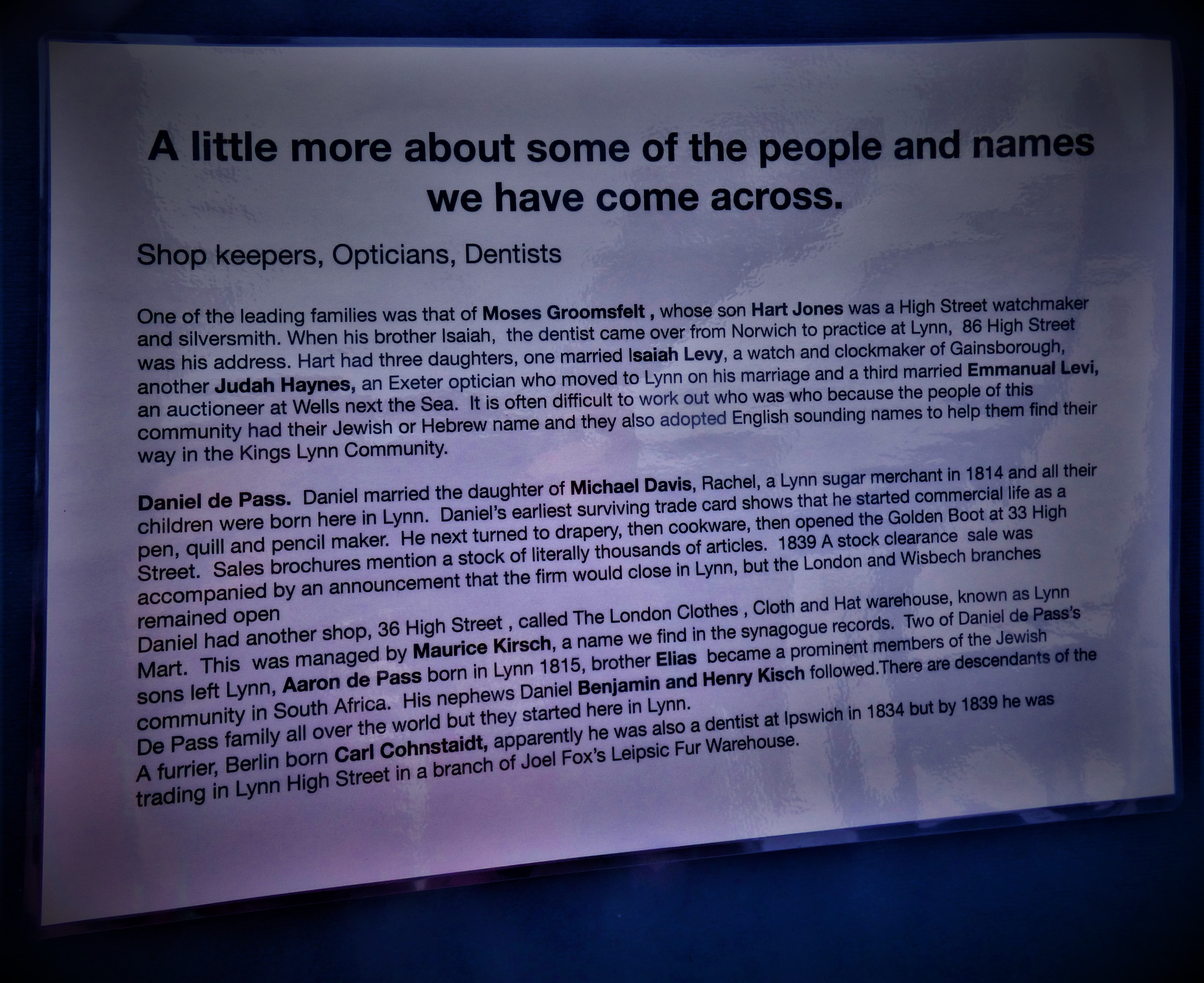
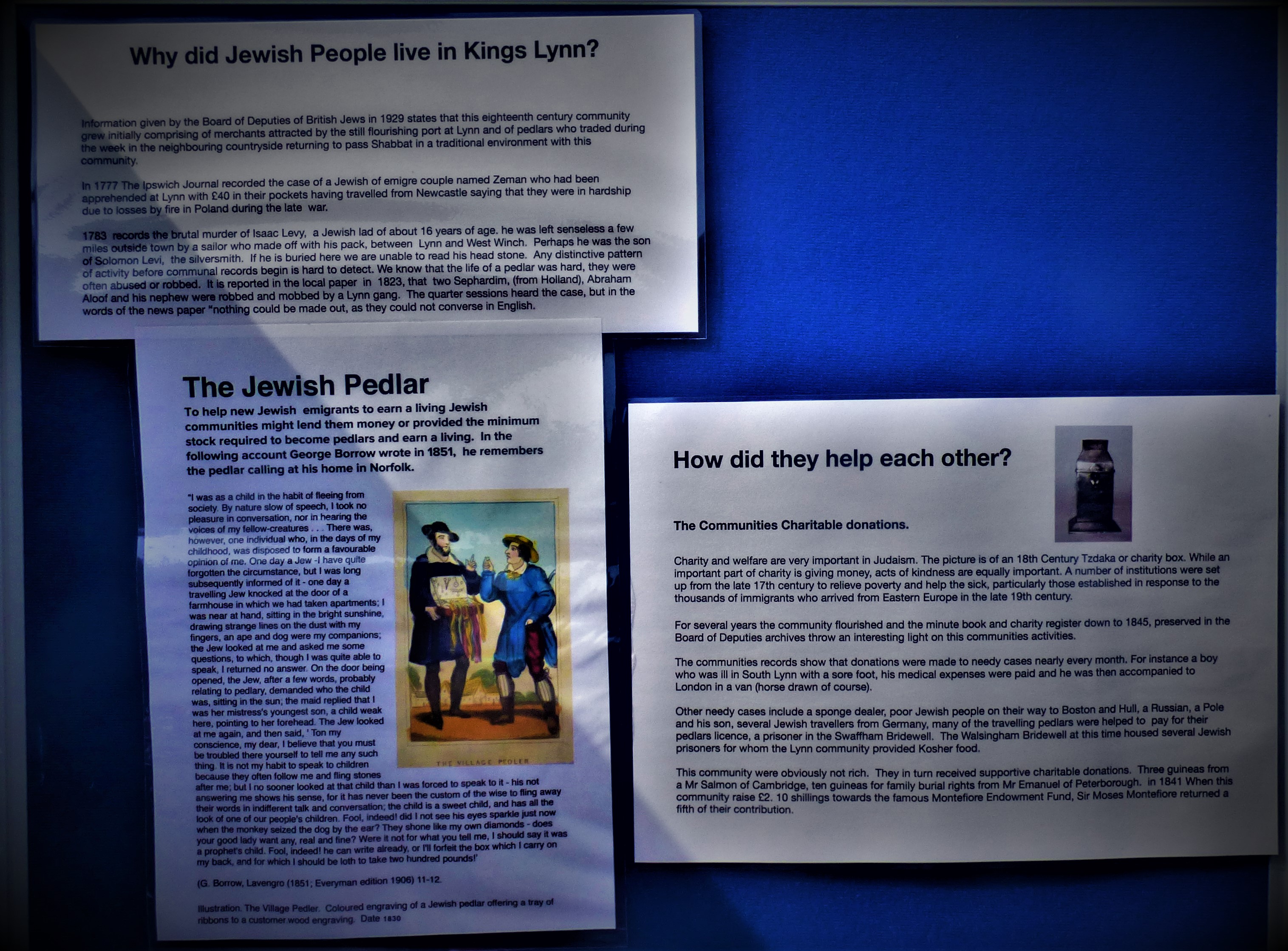
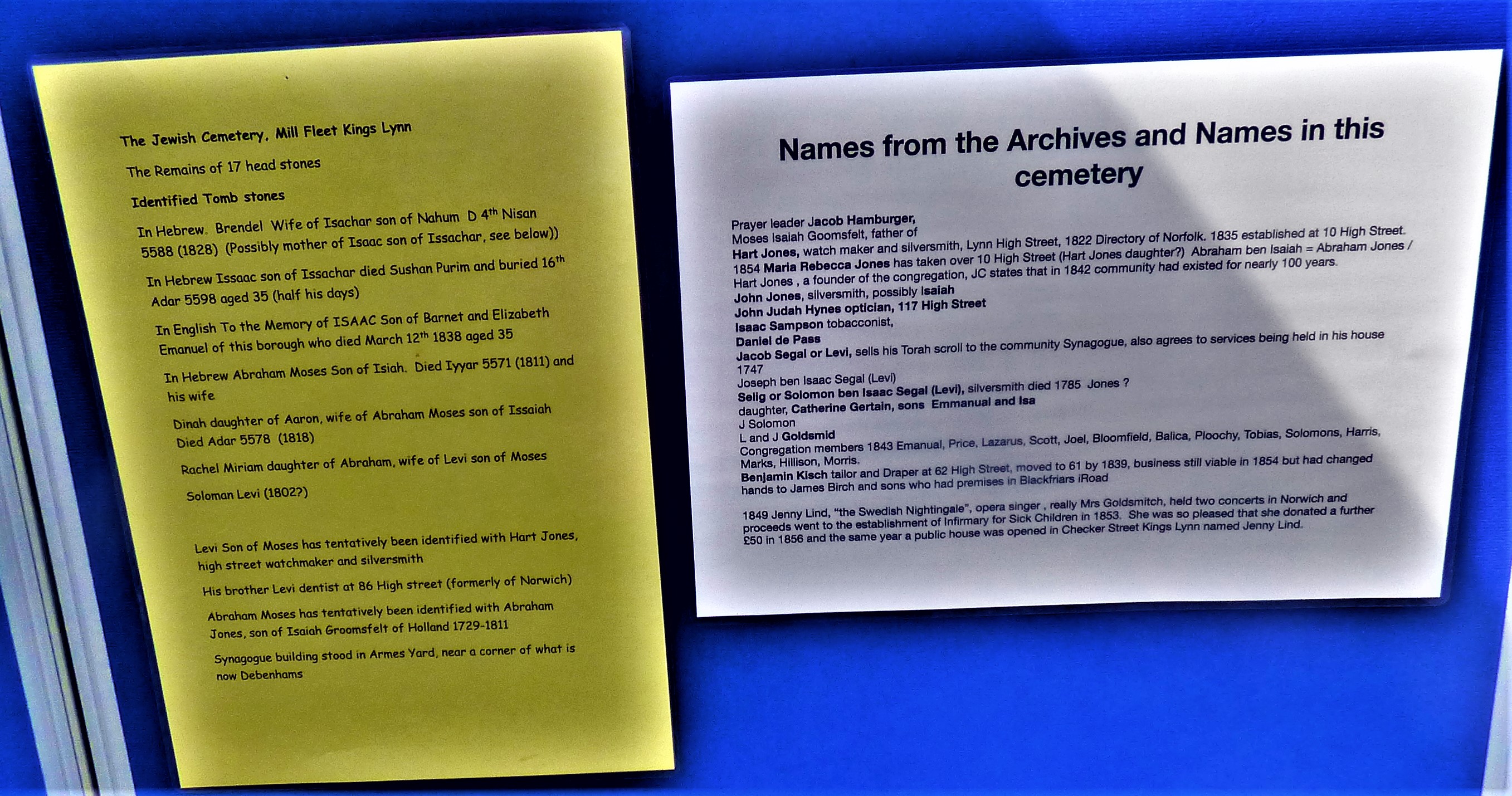
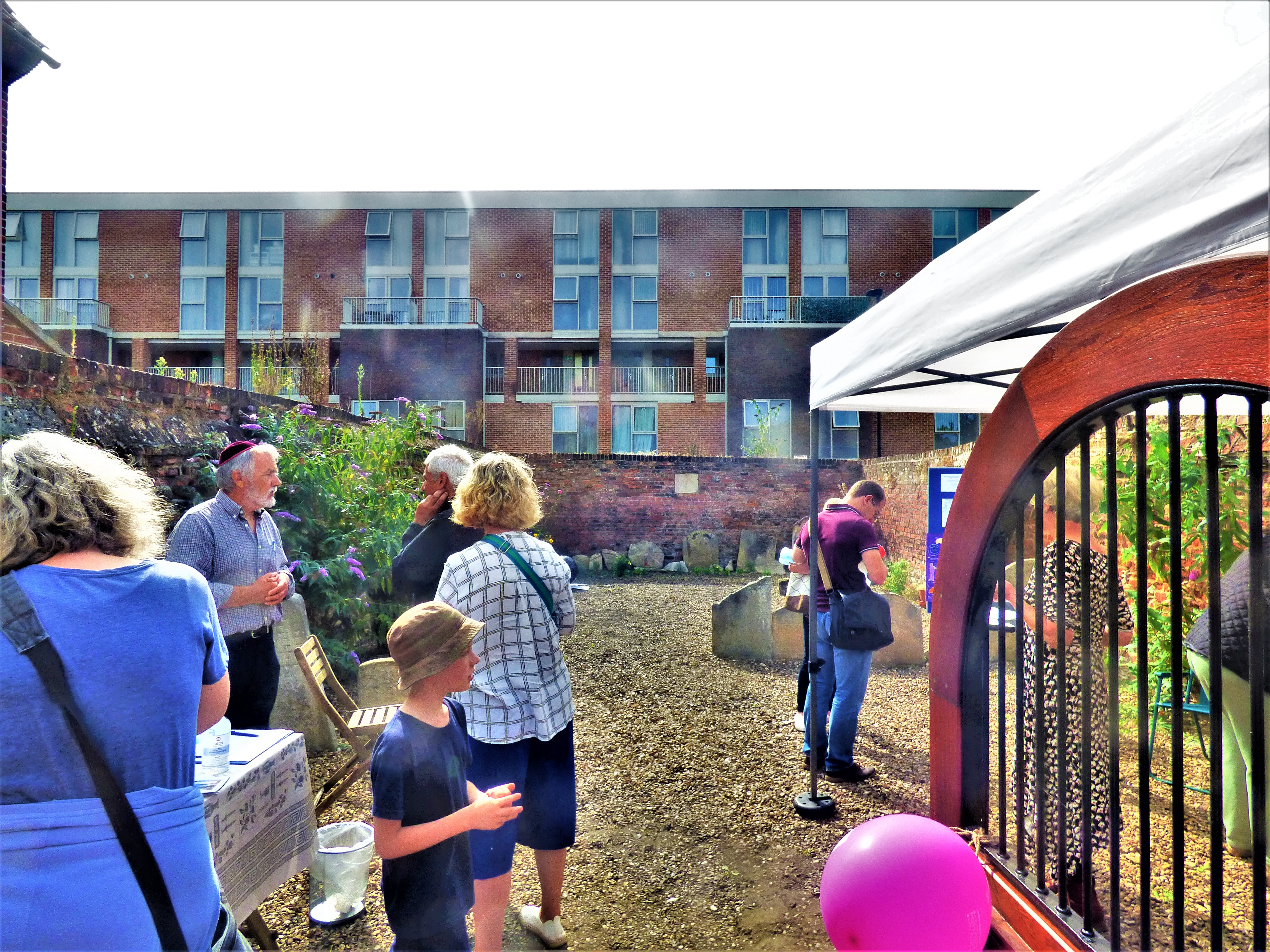
THE JEWISH CEMETERY
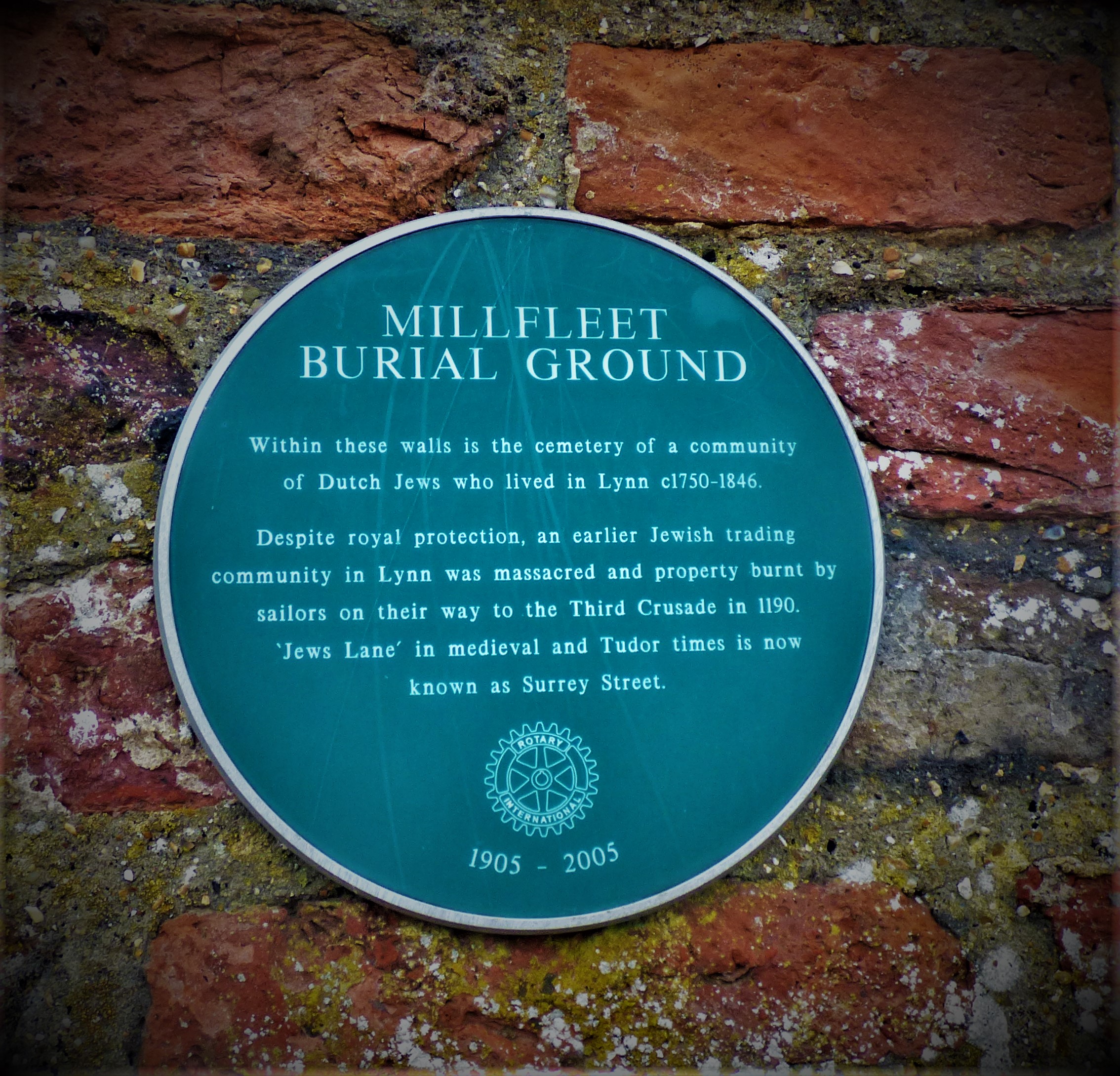
This is near the top end of Millfleet, and most of the year if one spots it one can glimspe through the gate and see some of it. It was fully open for Heritage Open Day, and with lots of extra information made available…
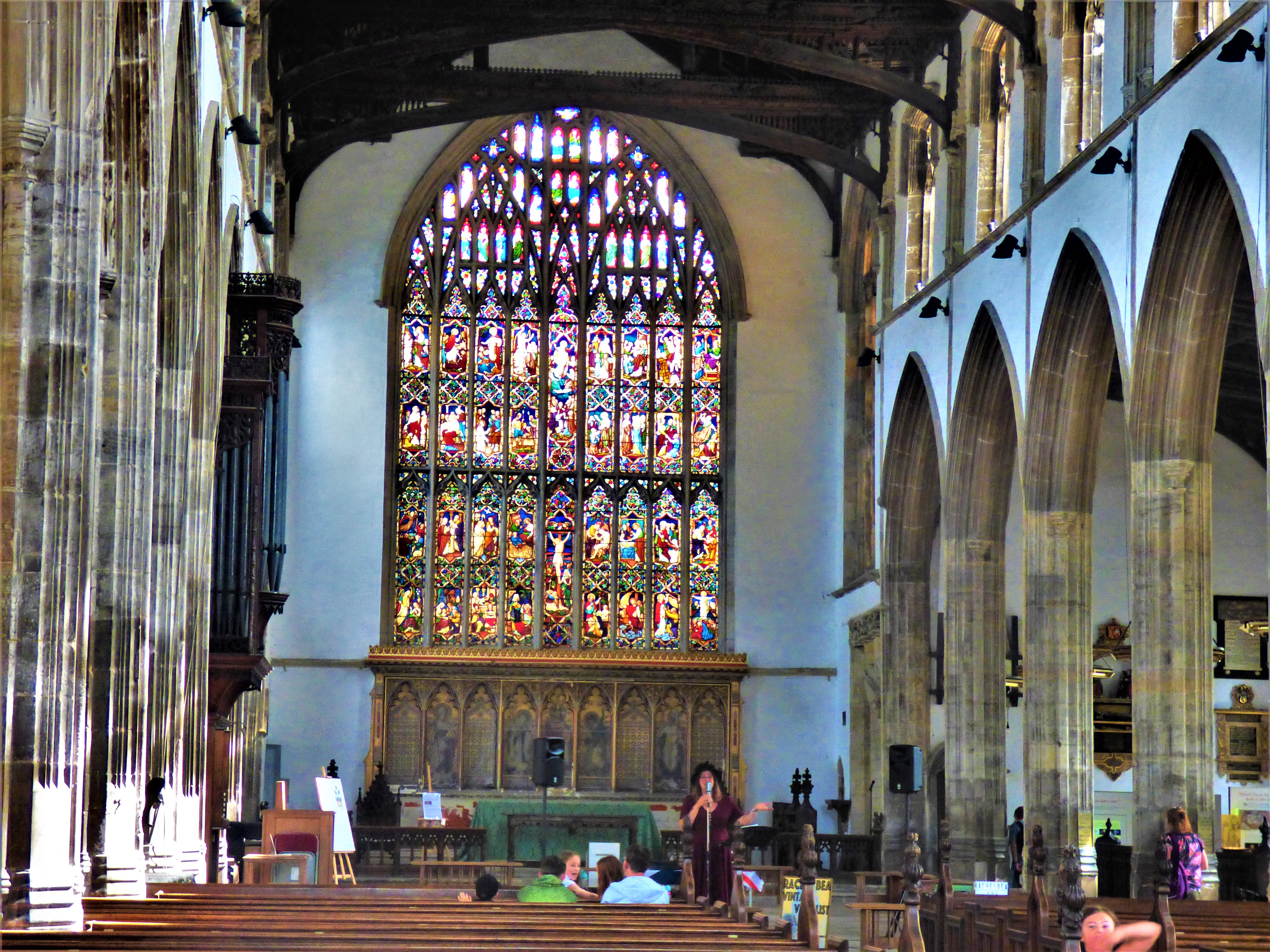
ST NICHOLAS CHAPEL
I know this place well, but was interested to see what might be happening there in Heritage Open Day, and have no regrets about having ventured in.
VOLUNTEERING: HAMPTON COURT GARDEN
I was assigned the 2PM to 4PM shift at Hampton Court Garden, also referred to as the Secret Garden, because most of the time very few people are aware of it’s existence – the only clue from the street any time other than Heritage Open Day is a very ordinary looking navy blue door set into the wall, an even the passage providing direct access from the courtyard is one that you would only know as such if you had been told (the extreme lowness of the door into the garden that way means that it cannot be used on Heritage Open Day for Health and Safety reasons). There are at least three places called Hampton Court, the famous one in Surrey, another in Herefordshire, and this one (Wolsey’s former pad in Surrey is the parvenu of the three). This Hampton Court is named in honour of John Hampton who was responsible for the newest side of the courtyard, which actually made it a courtyard (even this, two centuries younger than anything else there, dates from the 17th century). He was a baker who made good use of being based at the heart of a town that was the third busiest port in England at the time – he specialized in ship’s biscuits, for which he had a captive market.
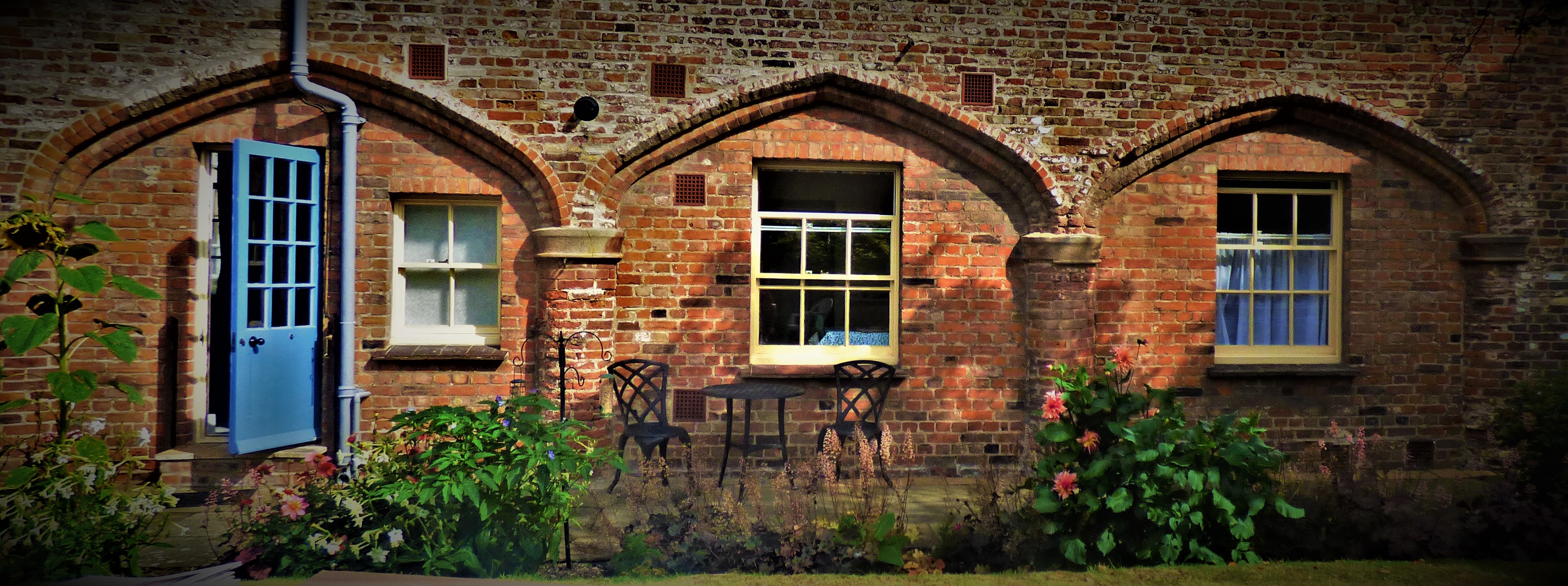
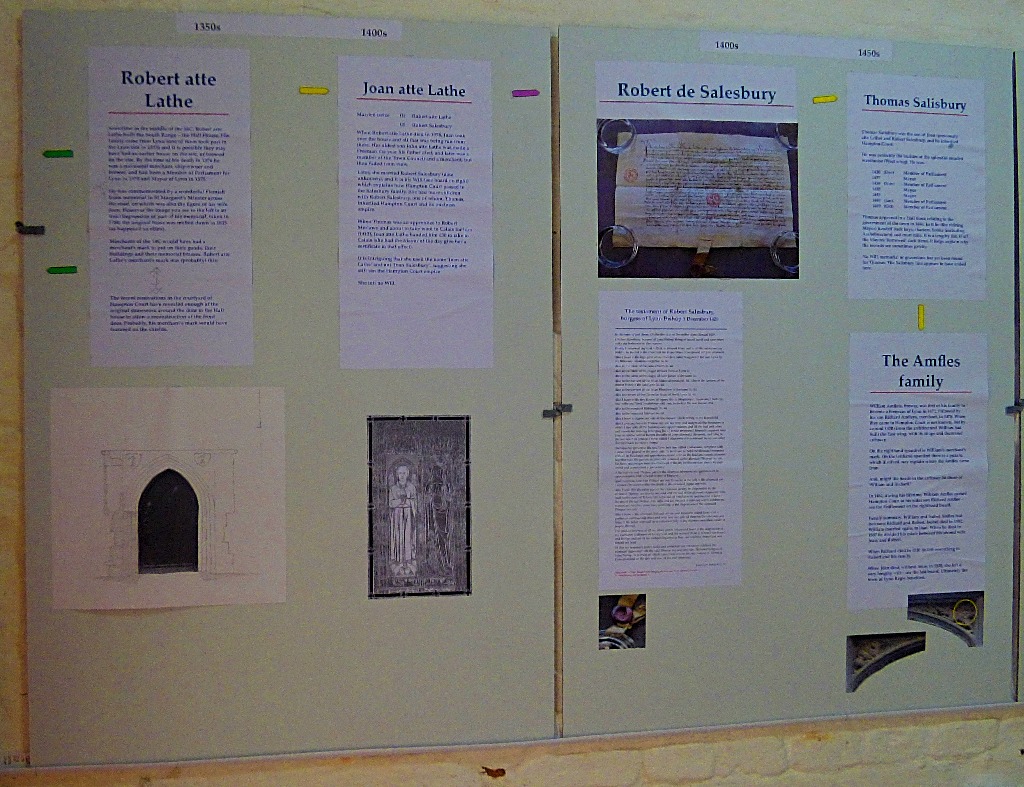
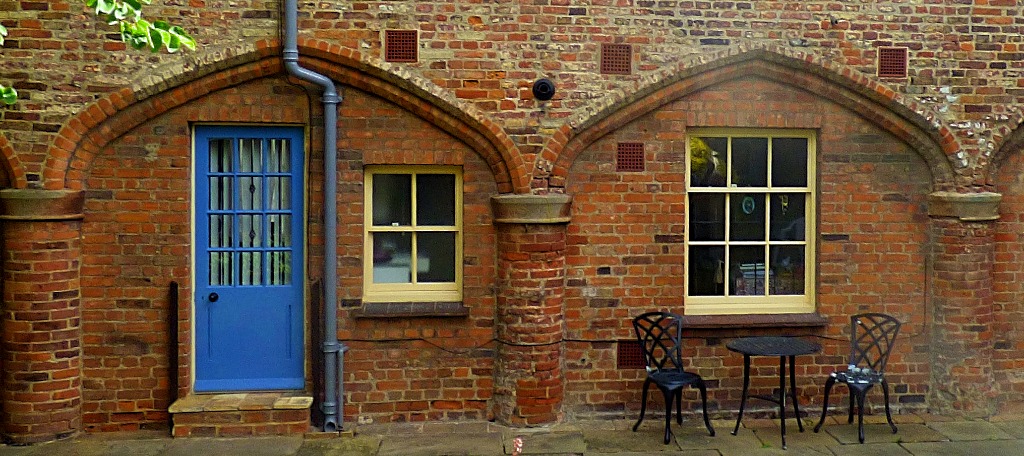
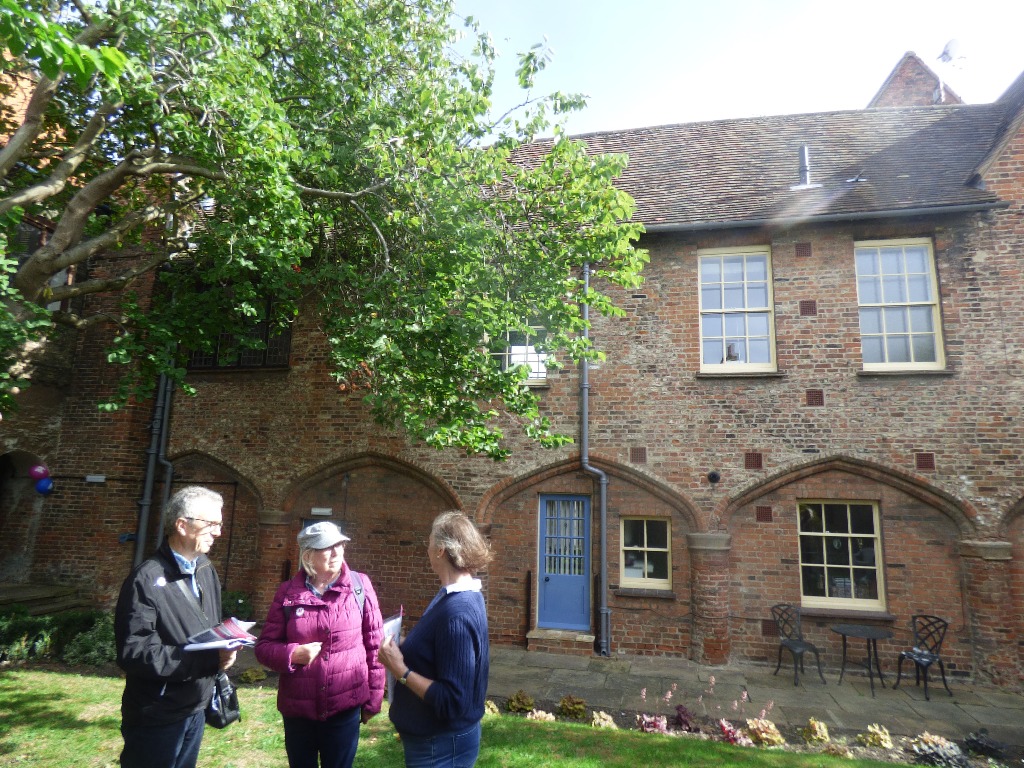
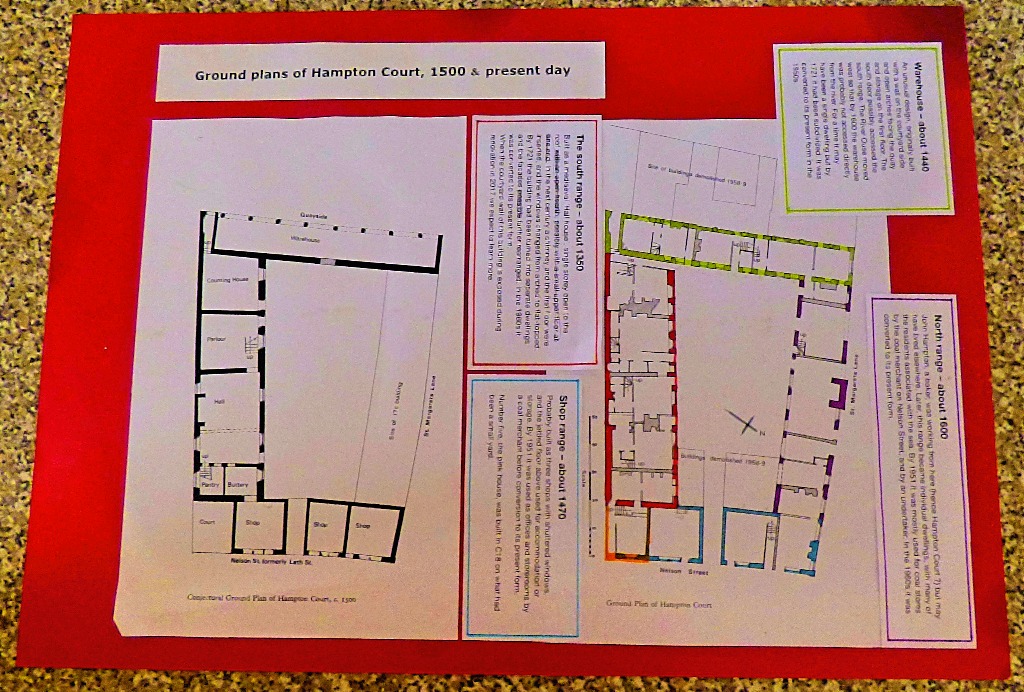
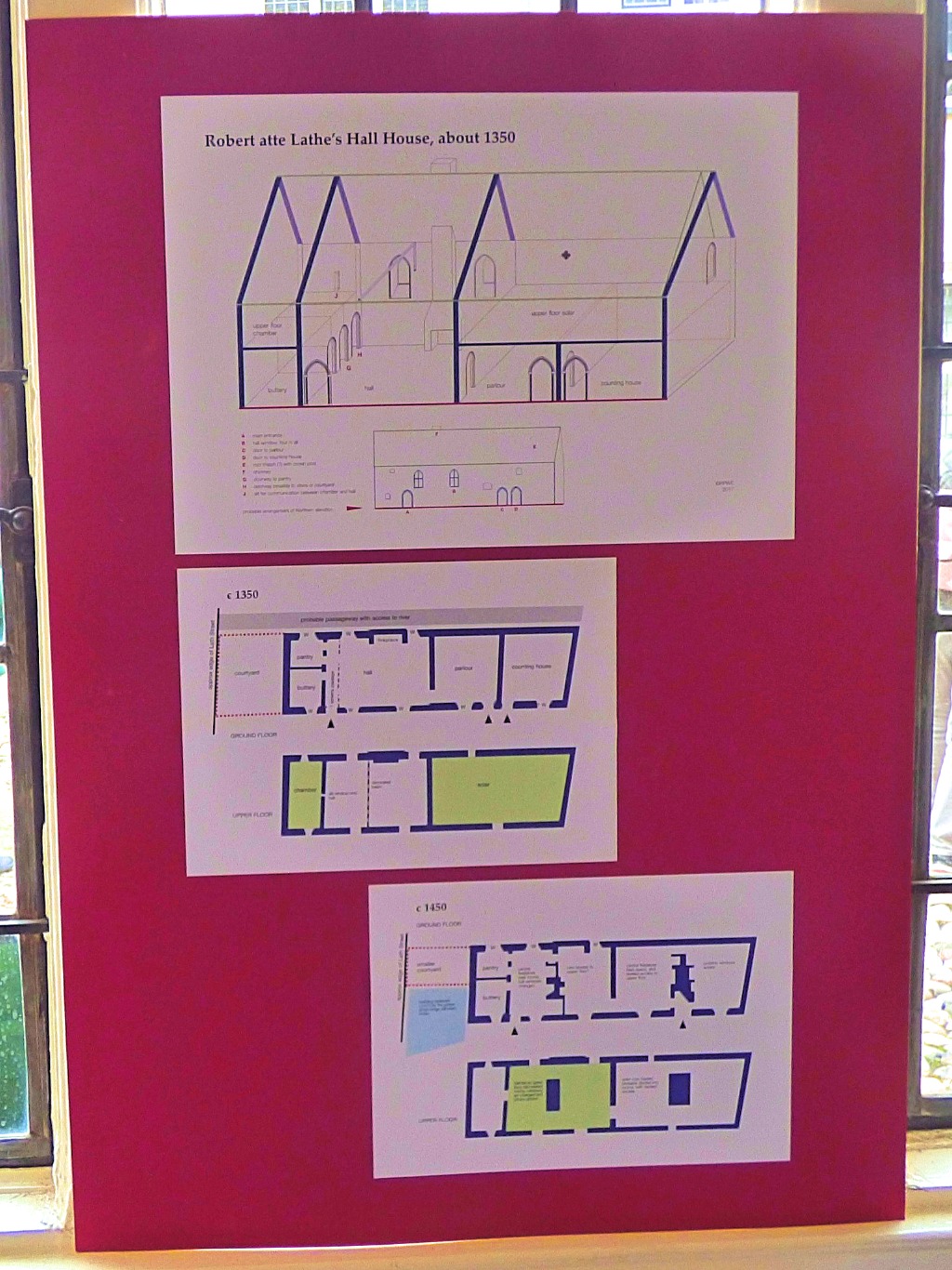
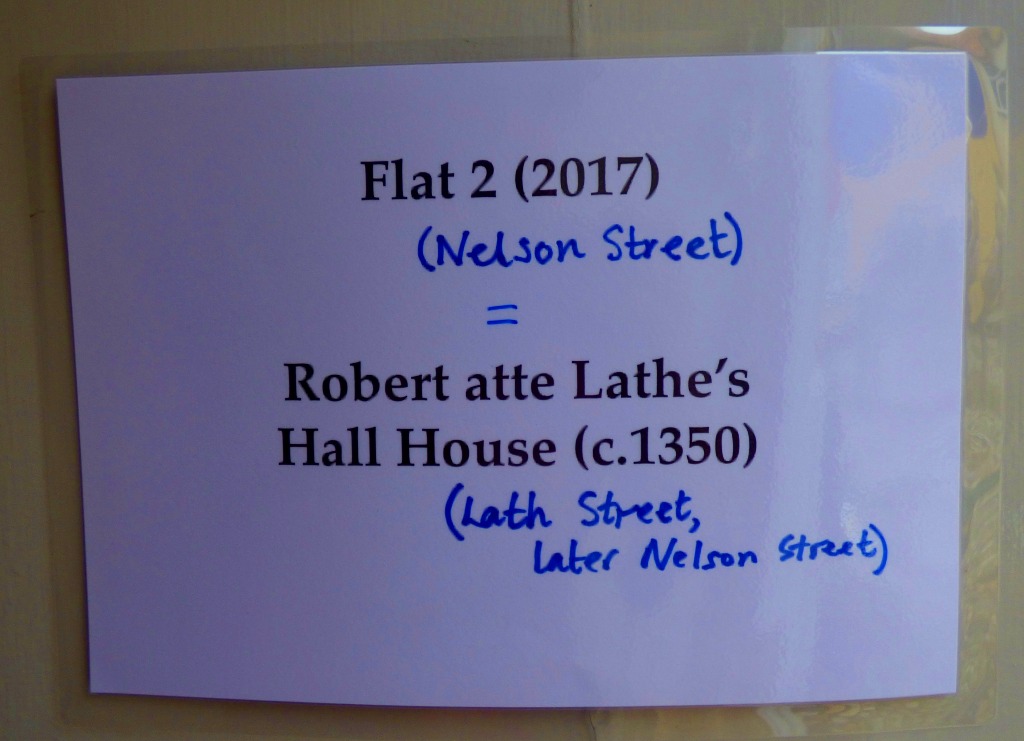
The part of Hampton Court visible from the garden dates from 1440 and started life as an arcade fronted warehouse facing directly onto the river (it is the last surviving example of such a frontage in England). The earliest part of Hampton Court dates from 1350, and the first expansion happened in 1400.
The warehouse lost its raison d’etre through two factors: ships got bigger, and the river silted up. A new quayside was constructed resulting in the relocation of the river to its current location fractionally east of Hampton Court, and this left the warehouse quite literally high and dry.
It was nearly lost forever in the mid 20th century, because in the 1930s Hampton Court was basically derelict. At one time the council intended to knock it down and replace it with a modern block of flats but then a very determined lady by the name of Mrs Lane came on the scene. She bought the place up bit by bit and renovation work started. From this the King’s Lynn Preservation Trust came into being, and they own the freehold on Hampton Court to this day, with the individual flats, which are all different from one another, being leasehold properties.
My chief responsibility in my stewarding role was take note of numbers of people coming to visit. These numbers were reassuringly high – by the end of the day the tally was in the region of 500 visitors, and there were many expression of surprise and delight from those to whom it was a new place.
The first of two pictures showing the remains of the arcaded frontage – when this was first built those arches were completely open and good were off loaded directly from ships into the warehouse, where they would other have gone upstairs to be stored or straight through to the shops that fronted onto what is now Nelson Street.
OTHER PHOTOGRAPHS
These remaining photographs were taken at various places in and around town during the day but do not belong in any specific section…
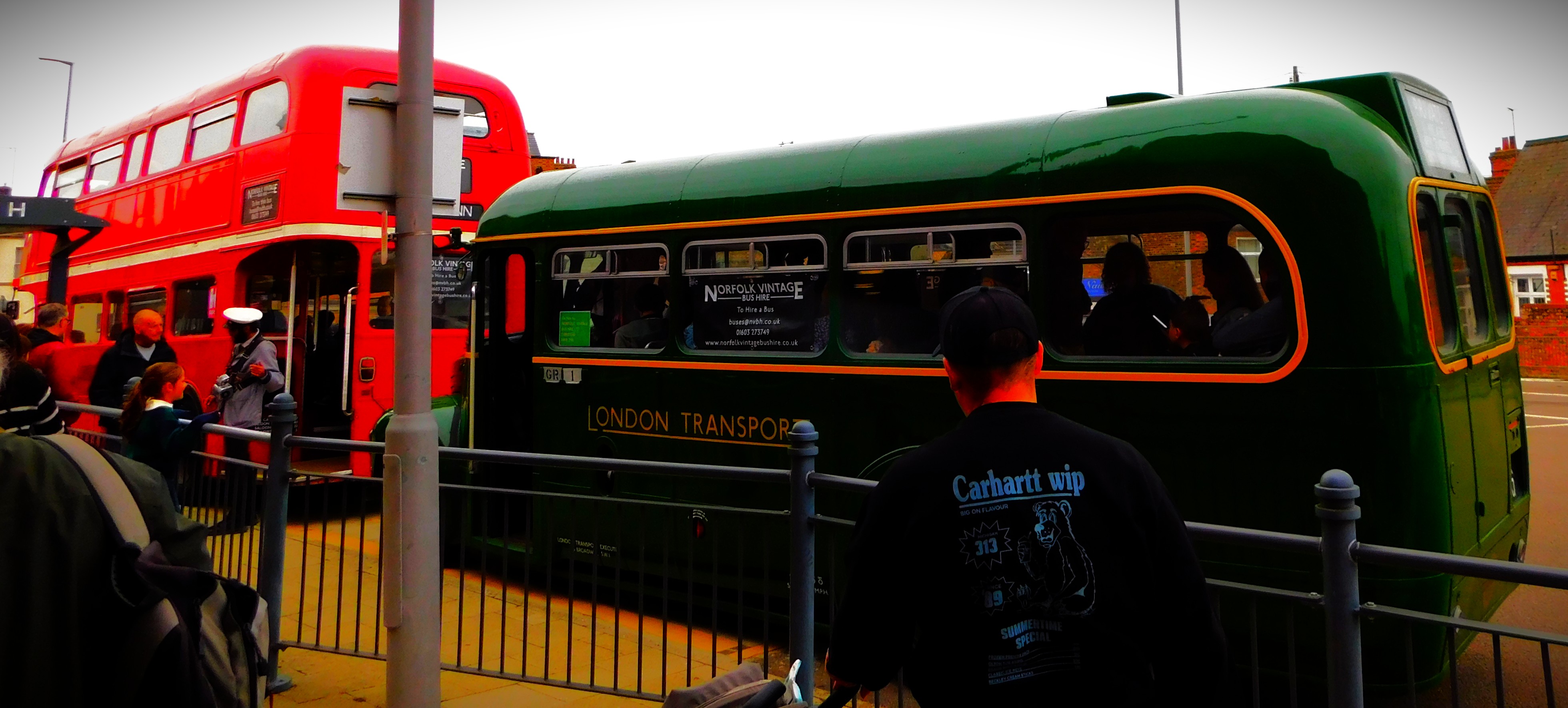
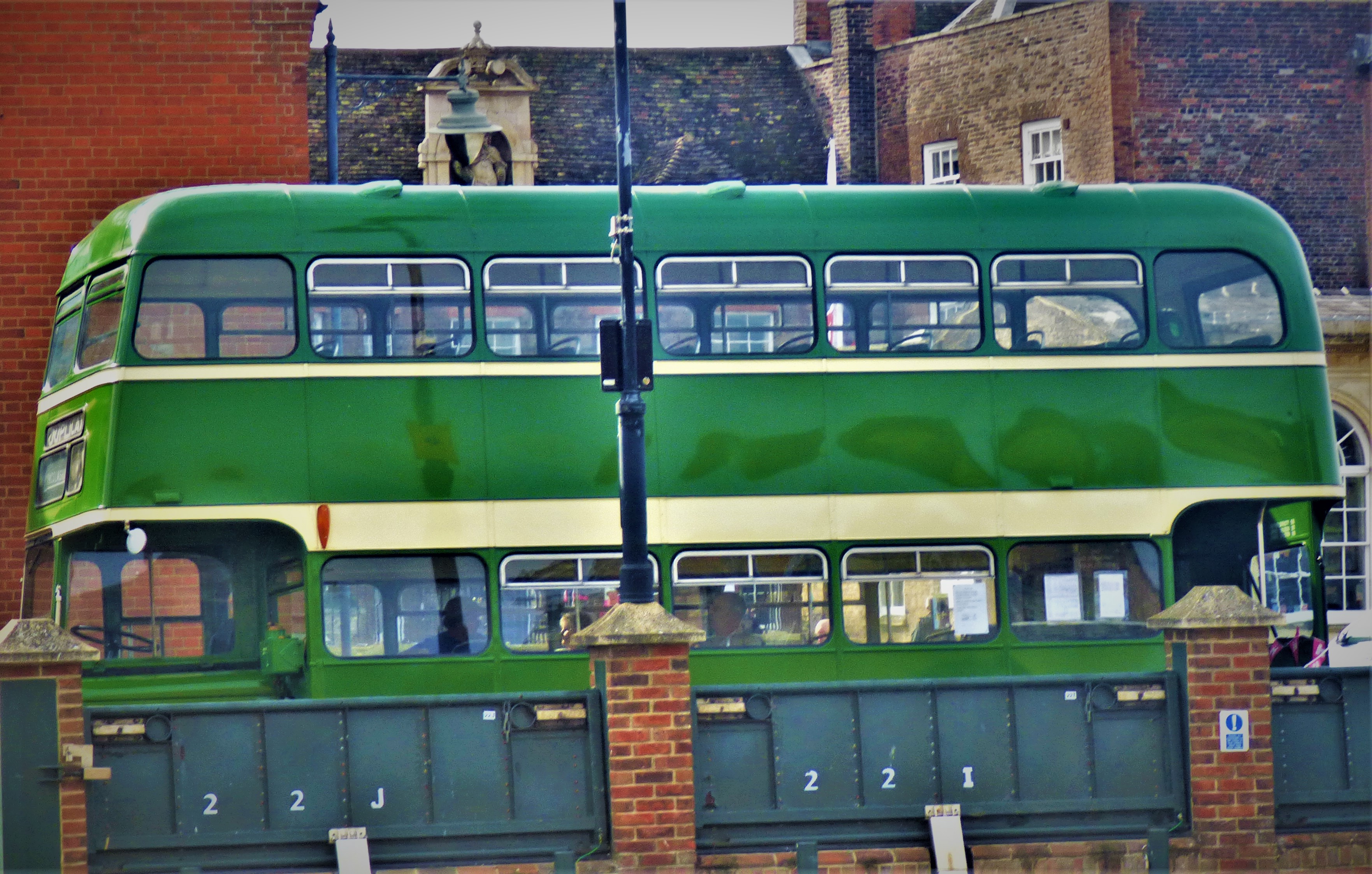
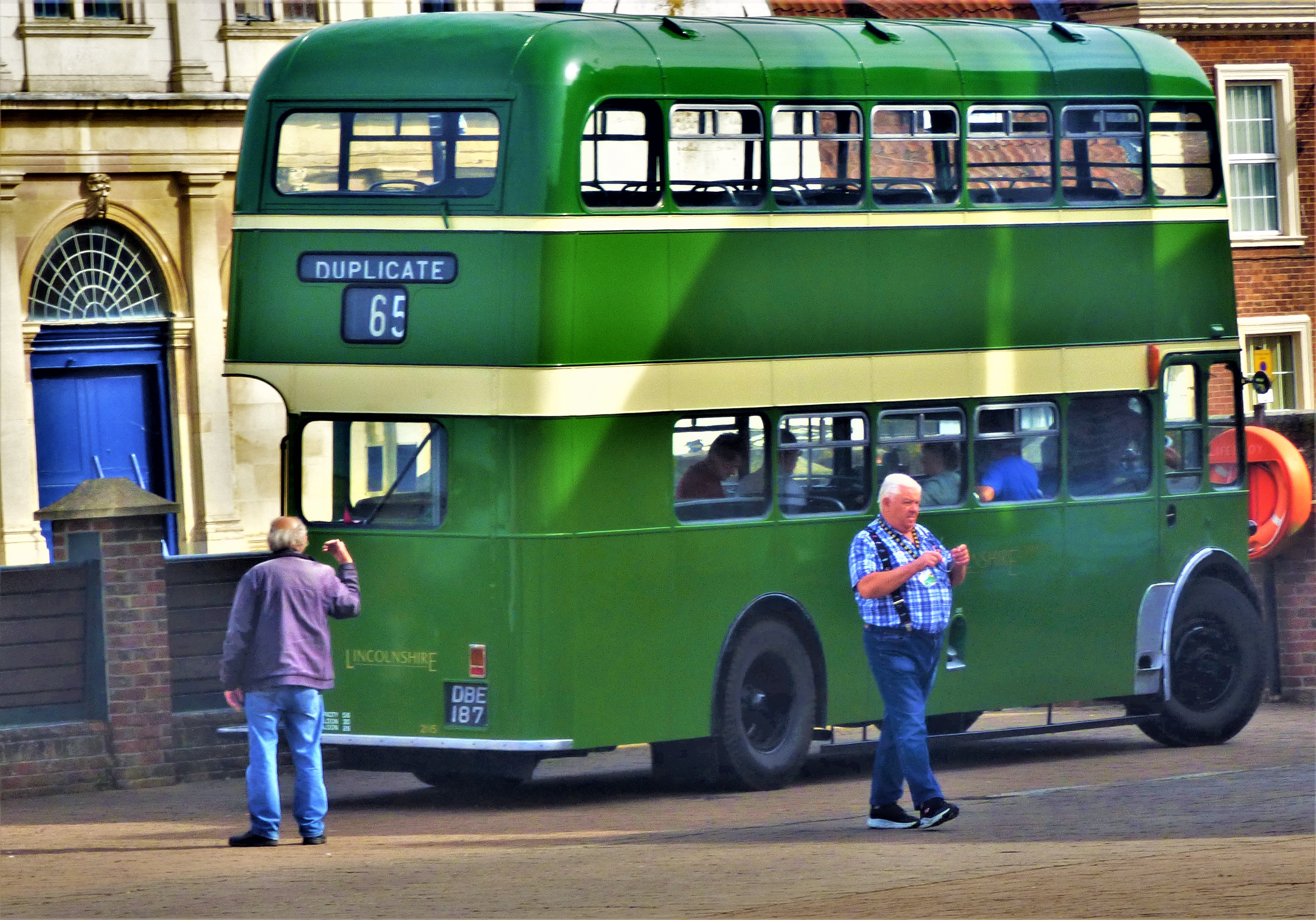
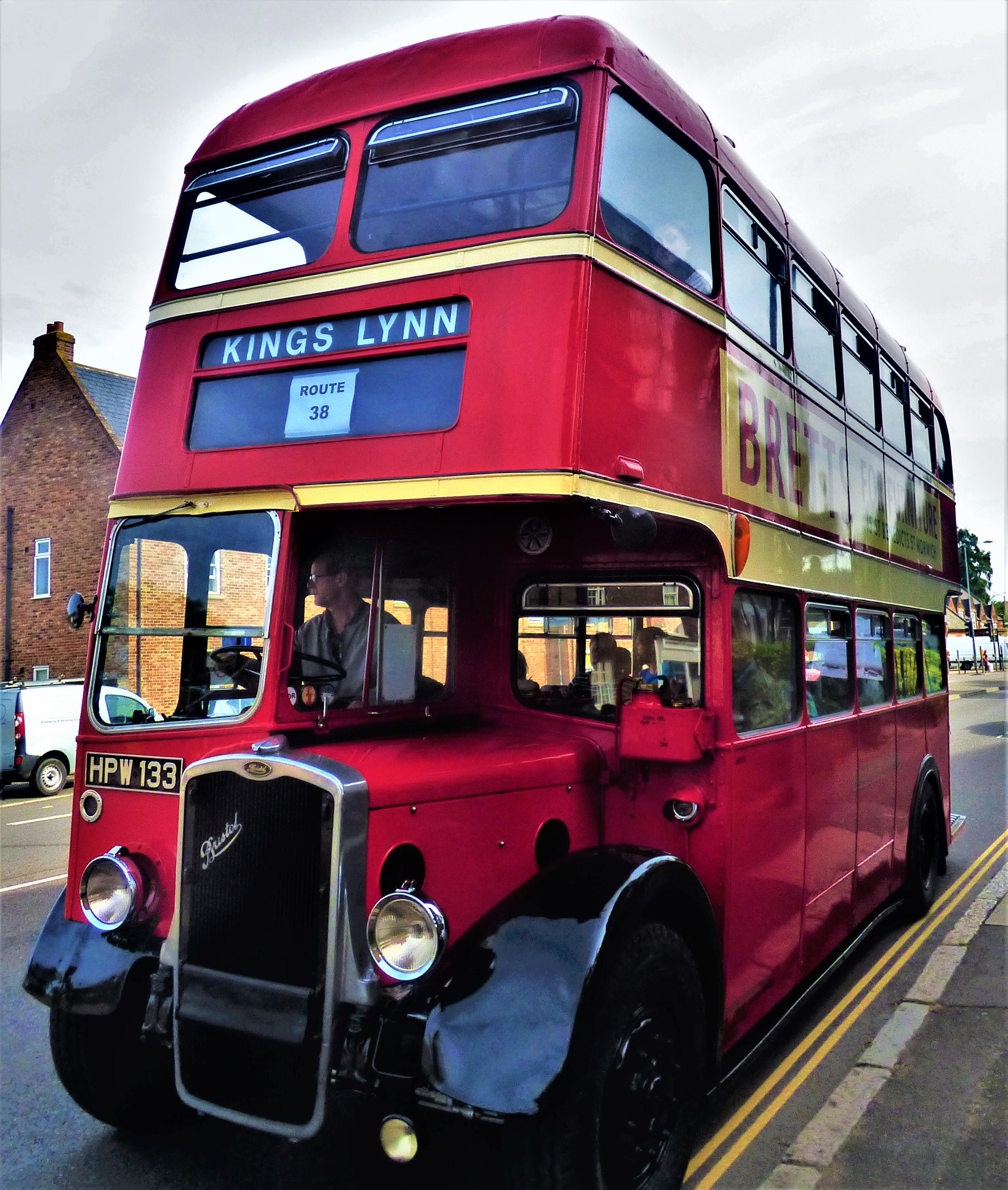
There were many antique buses providing tours for those who wanted to see things that way. This particular example is actually old London Transport stock – buses of this type were still in regular service in London during my childhood and adolescence.
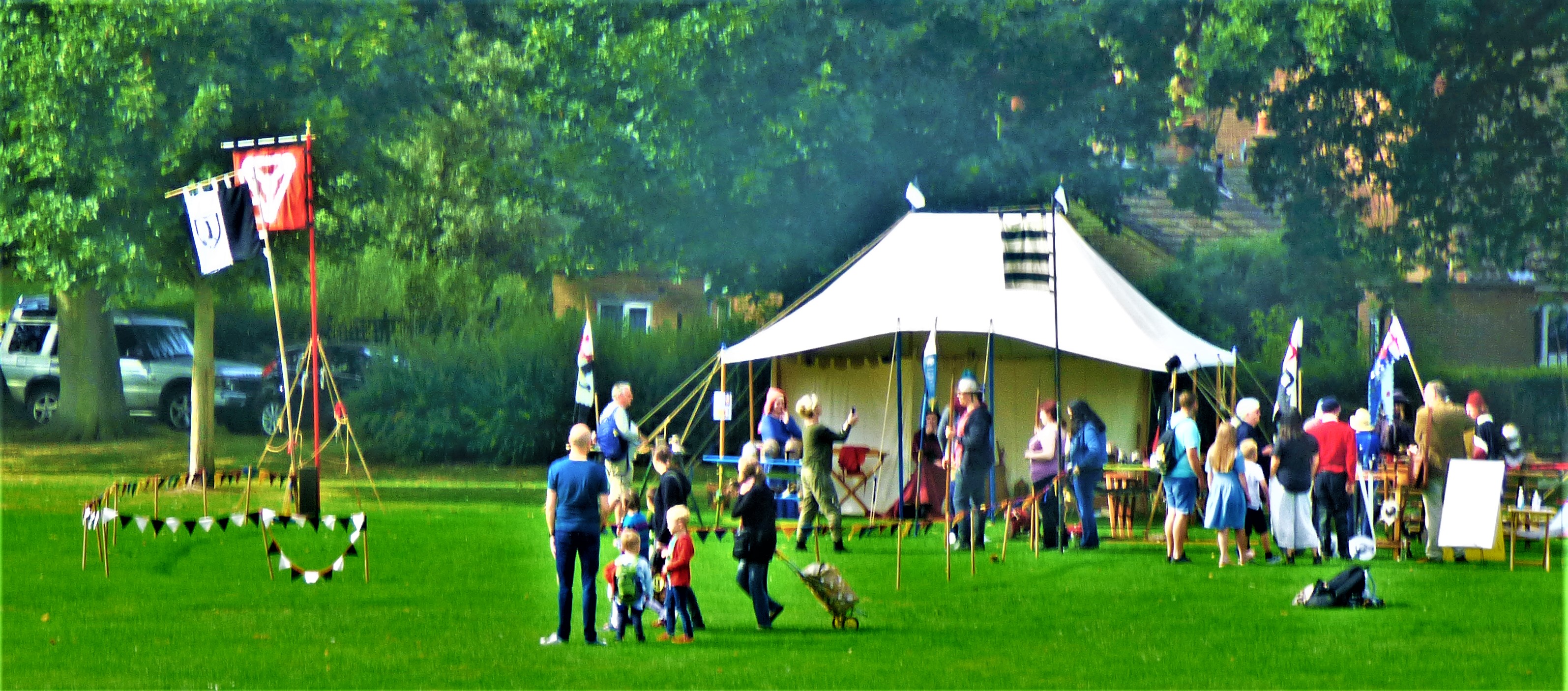
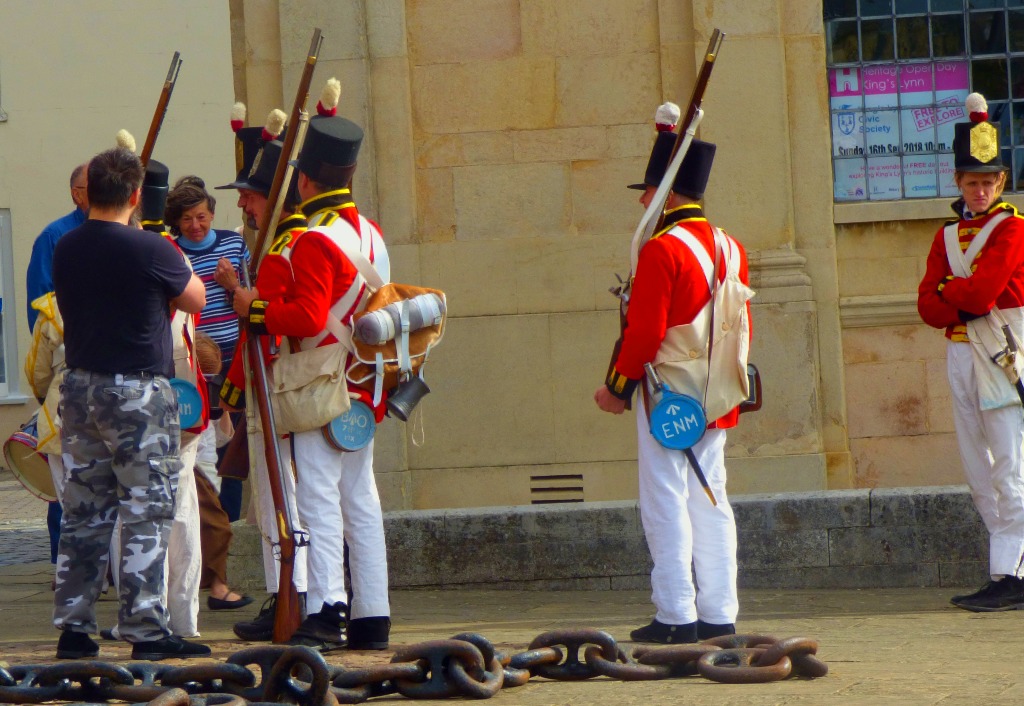
“Norfolk Militia” strutting their stuff outside the Custom House.
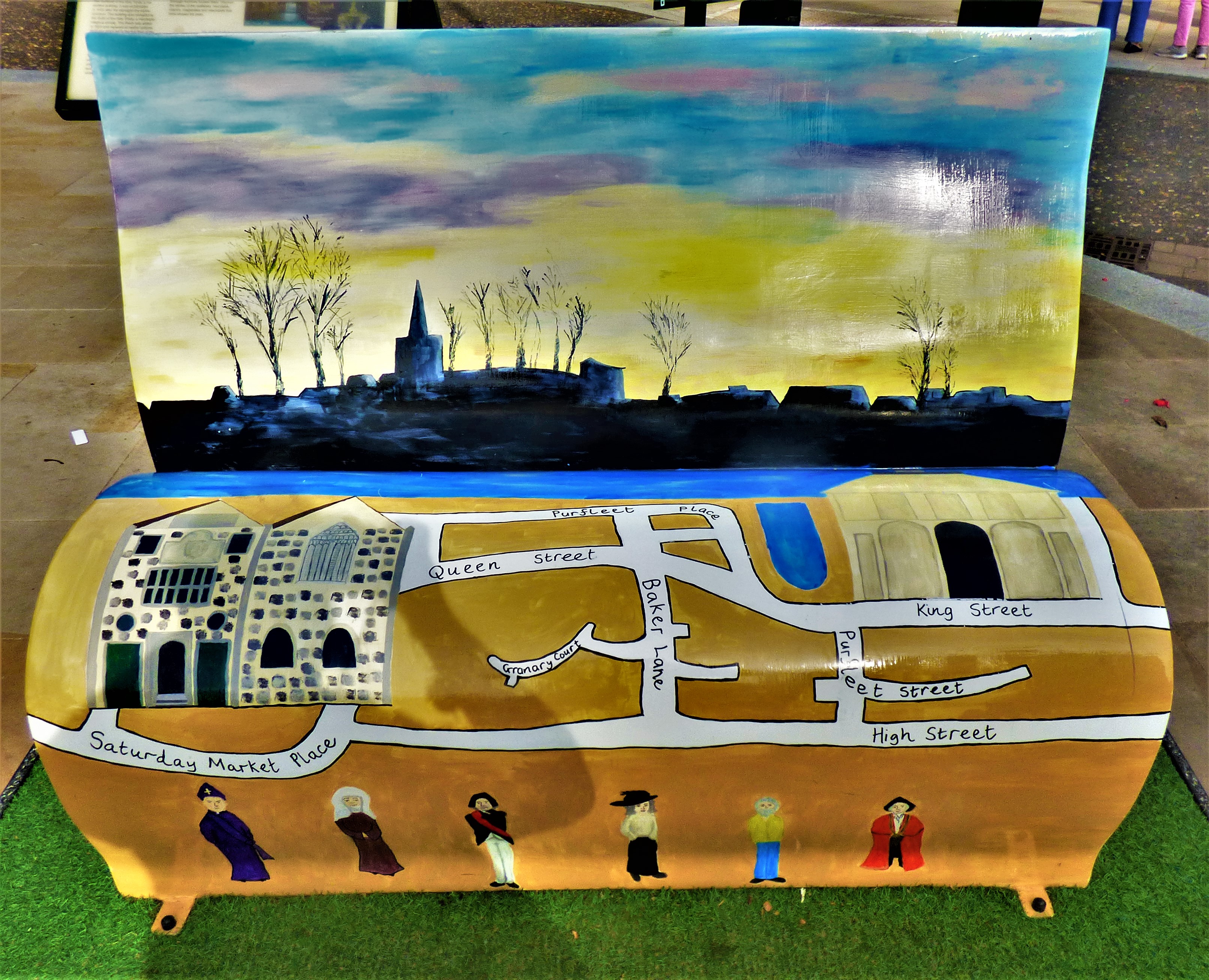
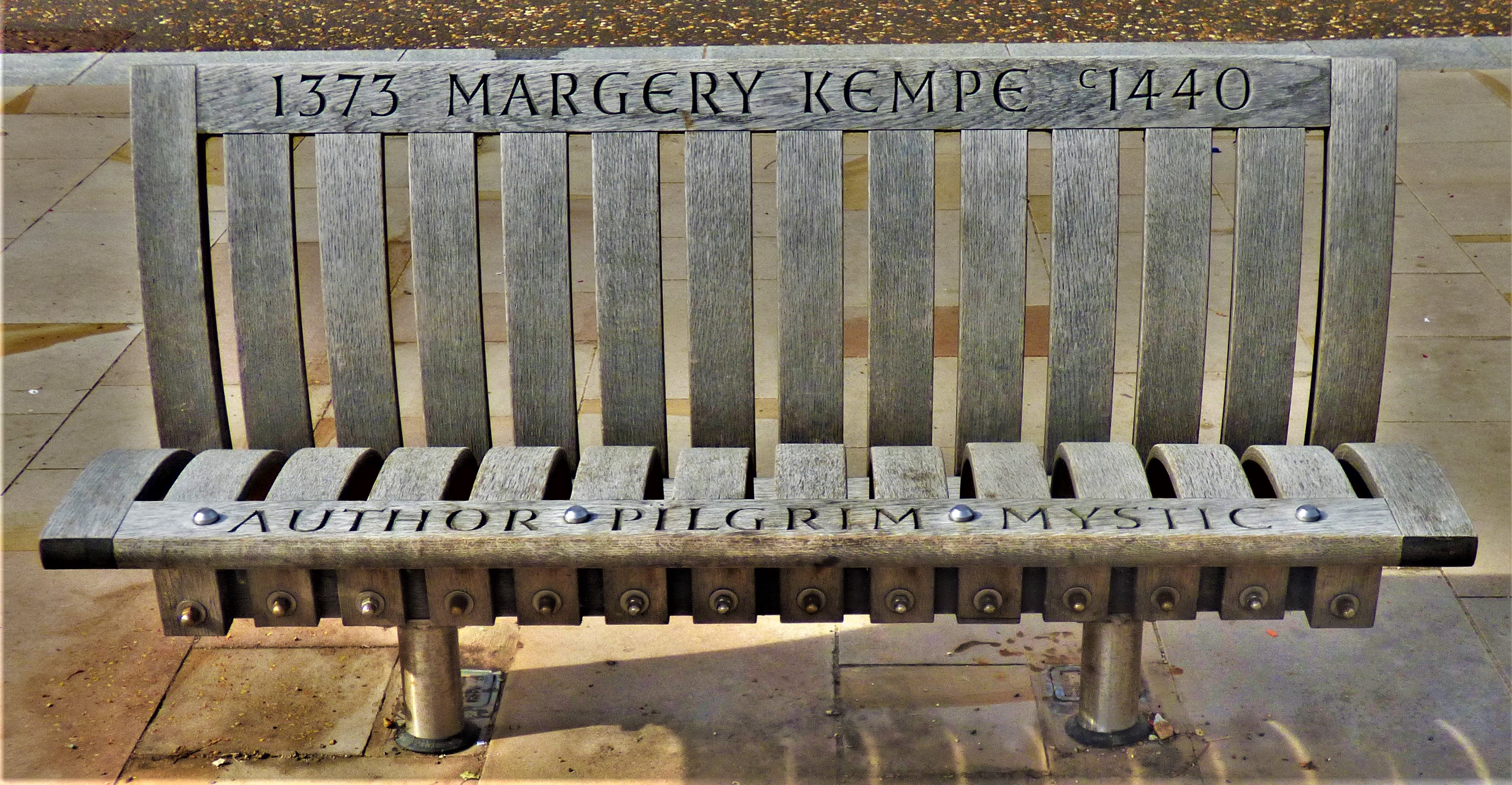
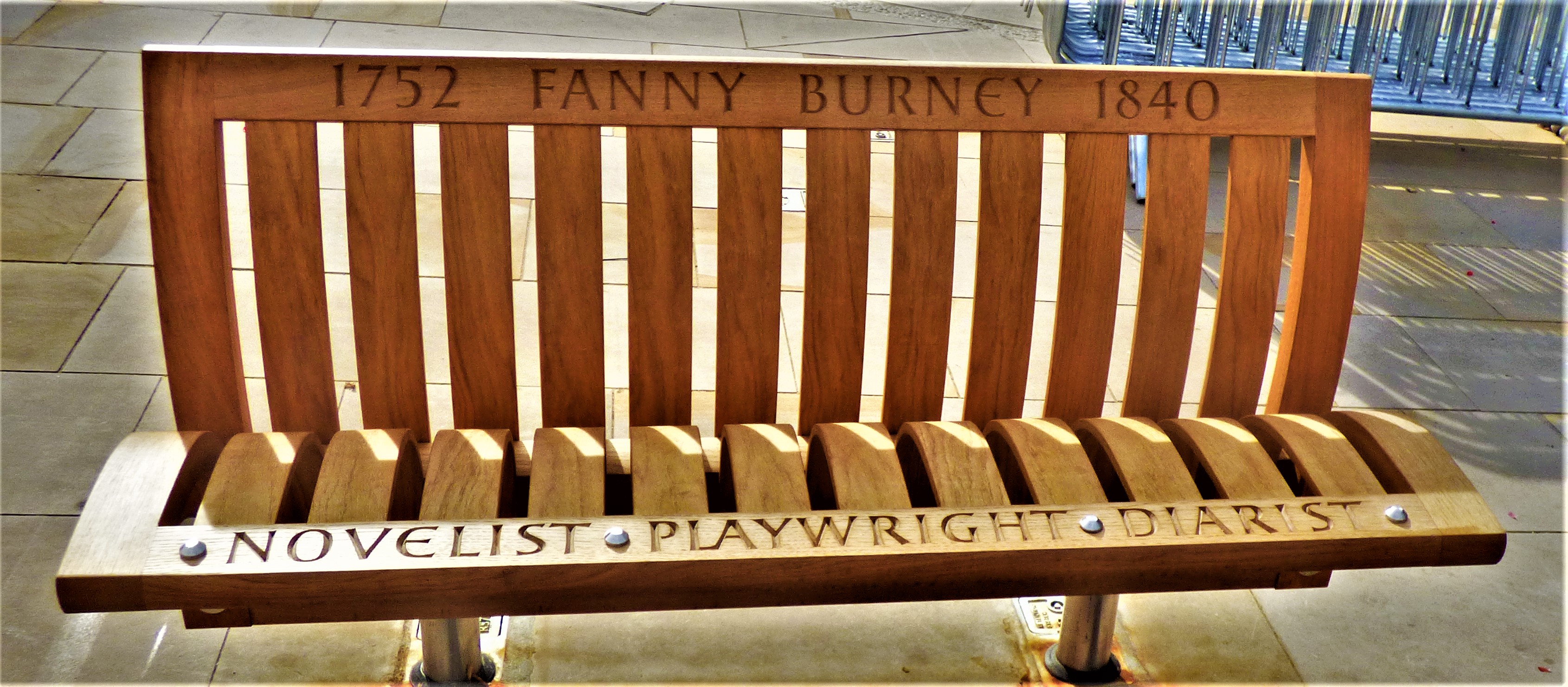
Benches honouring two notable ladies associated with this area…
This year’s Heritage Open Day (Sunday 16th September) came in the middle of a very busy period for me. I was scheduled to cover the Bank House for two hours, and imagined spending a bit of time both before and after that taking in the rest of the event. As it happened I was laid up for the whole of the Saturday with a bug, and still not completely recovered by the Sunday morning.
THE DAY ITSELF
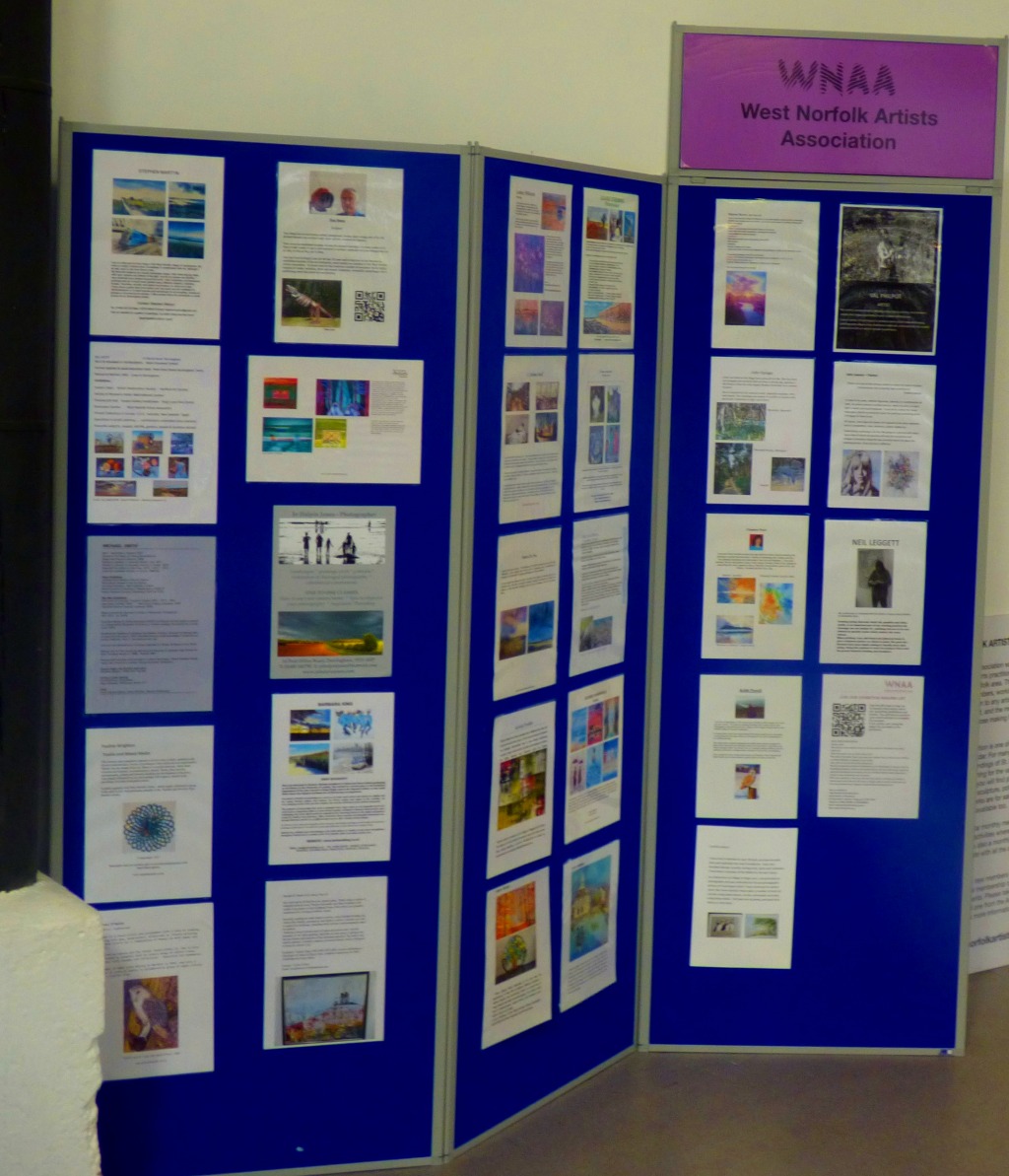
Eventually, at just after 10:30AM, I set off to visit Hampton Court, reassure my aunt that I was well on the way to recovering and then make a fairly leisurely trip round to the Bank House. I took in an arts exhibition and made myself known to the photographers there. I also visited a solicitor’s office which is set in a Norman house. I arrived at the Bank House a bit early, and after reminding myself what the cellars looked like I spent a few minutes watching my predecessor handle things before I relieved him a little early because he was doing another session immediately afterwards. After two hours of what was basically a crowd control job (right in the slot for an autistic person – natch) I was quite tired, so after a brief visit to a club on Ferry Lane where I could consume some lqiuid refreshment while looking out over the river I went home to chill for a while before having supper with my aunt.
PHOTOGRAPHS
I will be giving the solicitor’s office a post to itself, and will also be giving the Bank House extended coverage, so this pictures are from elsewhere:
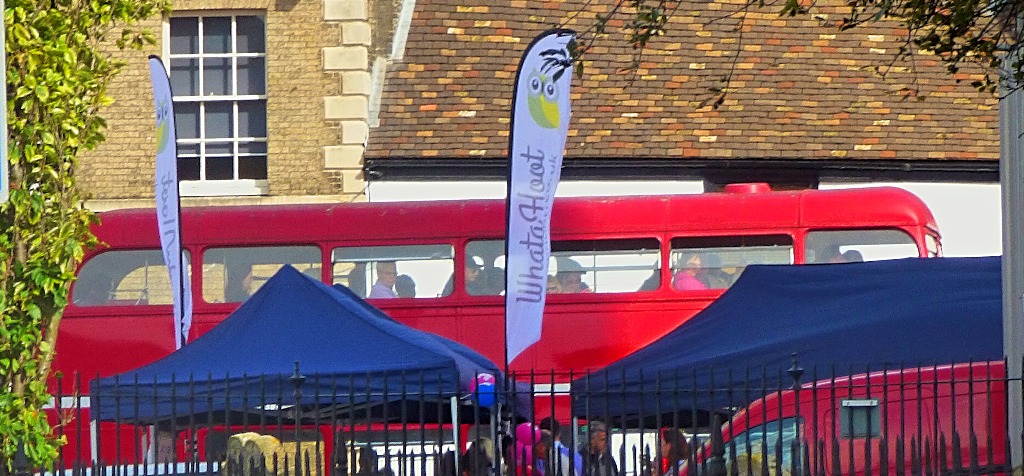
This is an old red bus, made by Leyland who manufactured the iconic old London buses, but it is not a genuine London bus.
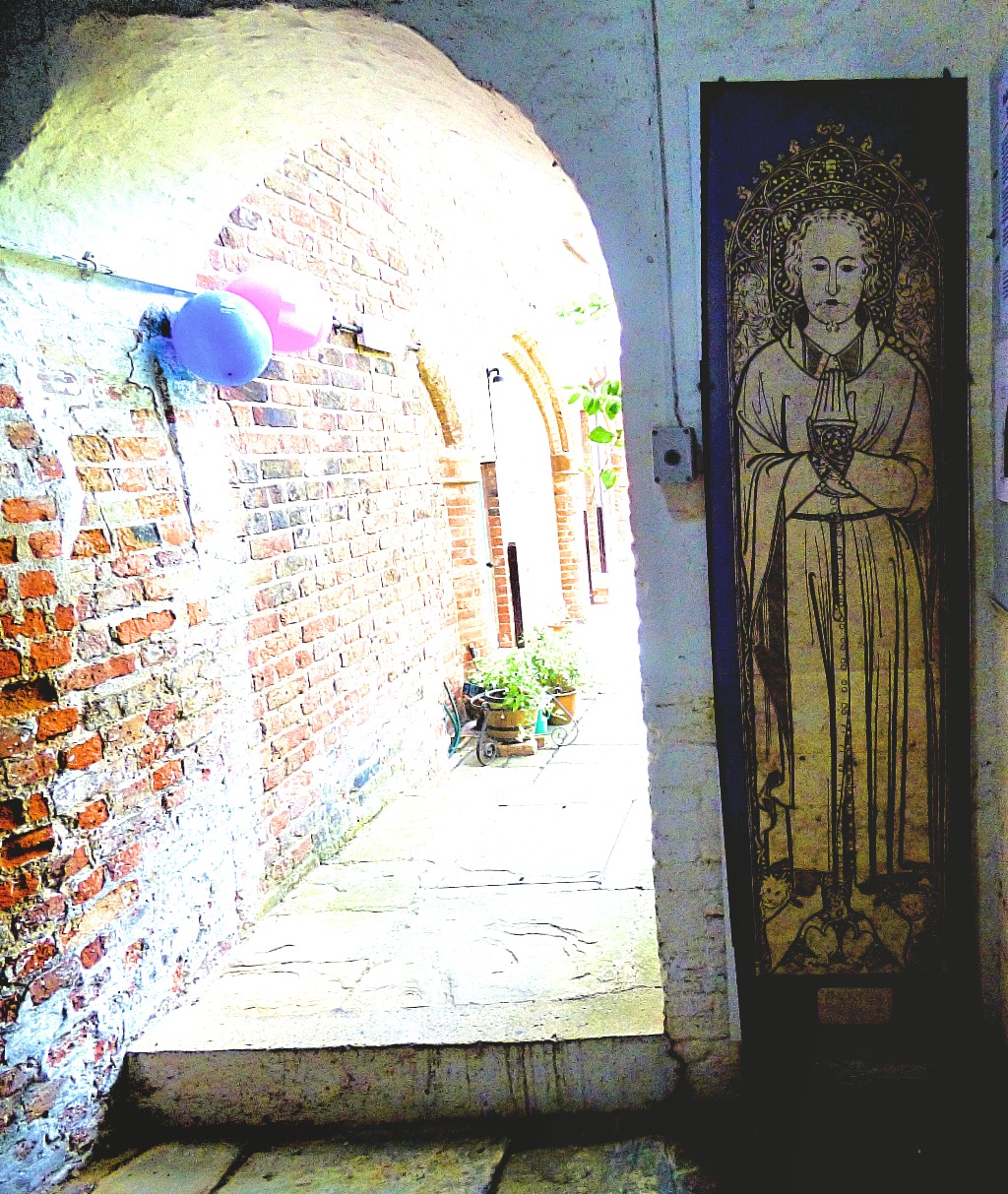
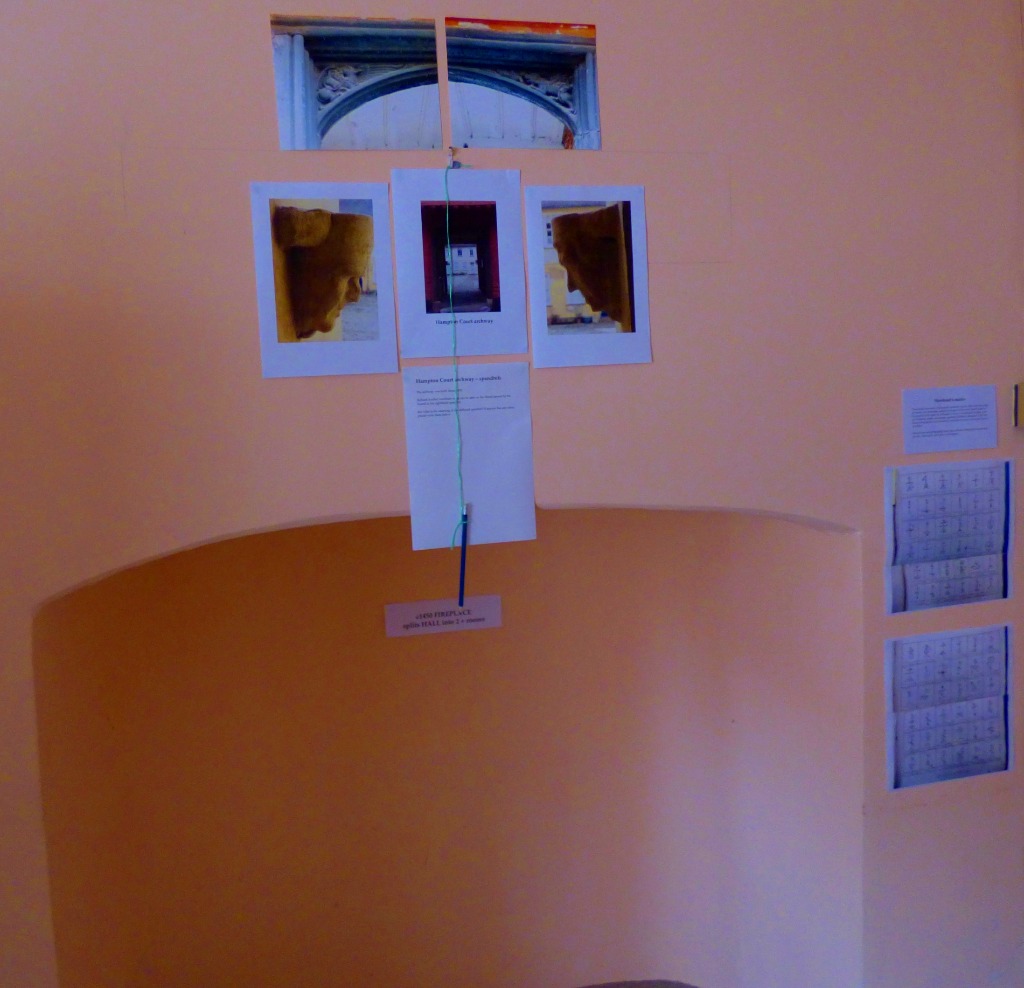
The passgeway leading in to the Secret Garden featured a historical display put together by the indefatigable Hendrina Ellis.
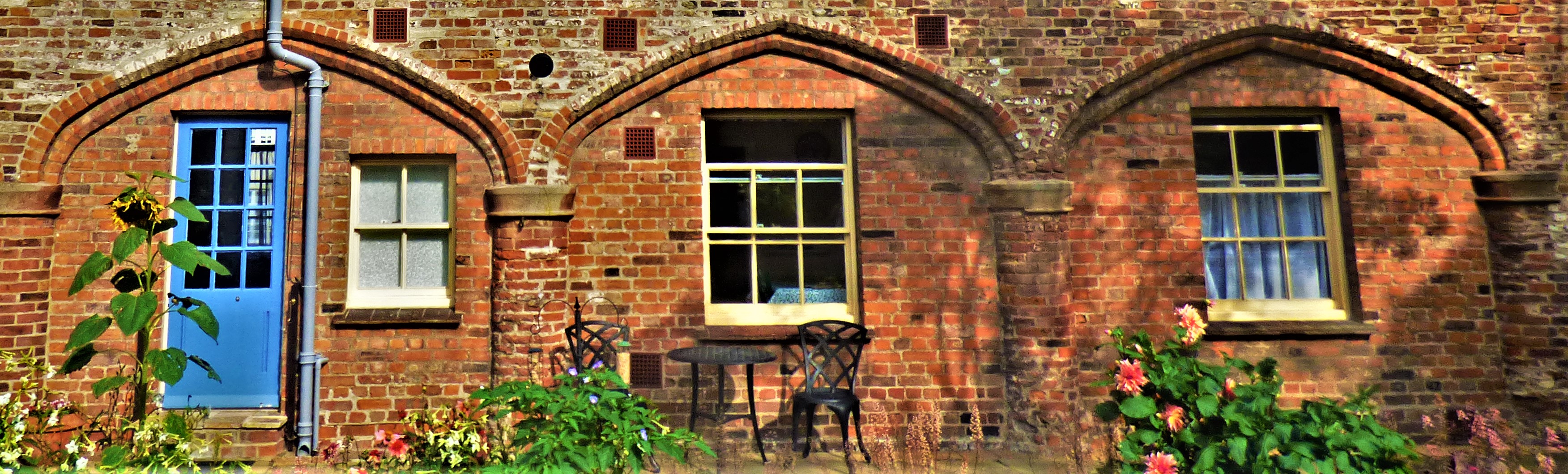
The series of arches at the rear of this shot were a warehouse frontage which in those days looked directly out on the river (now almost 100m distant from them)
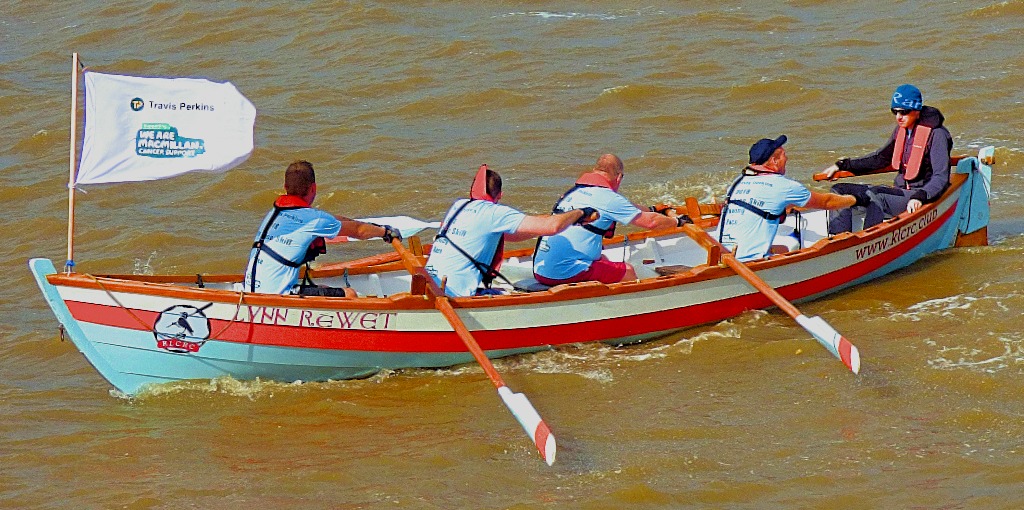
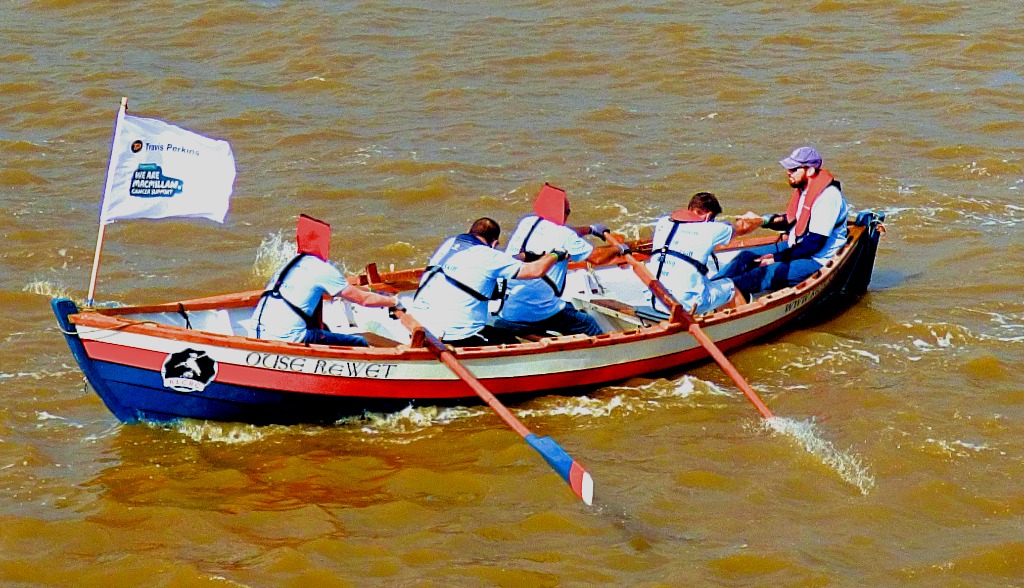
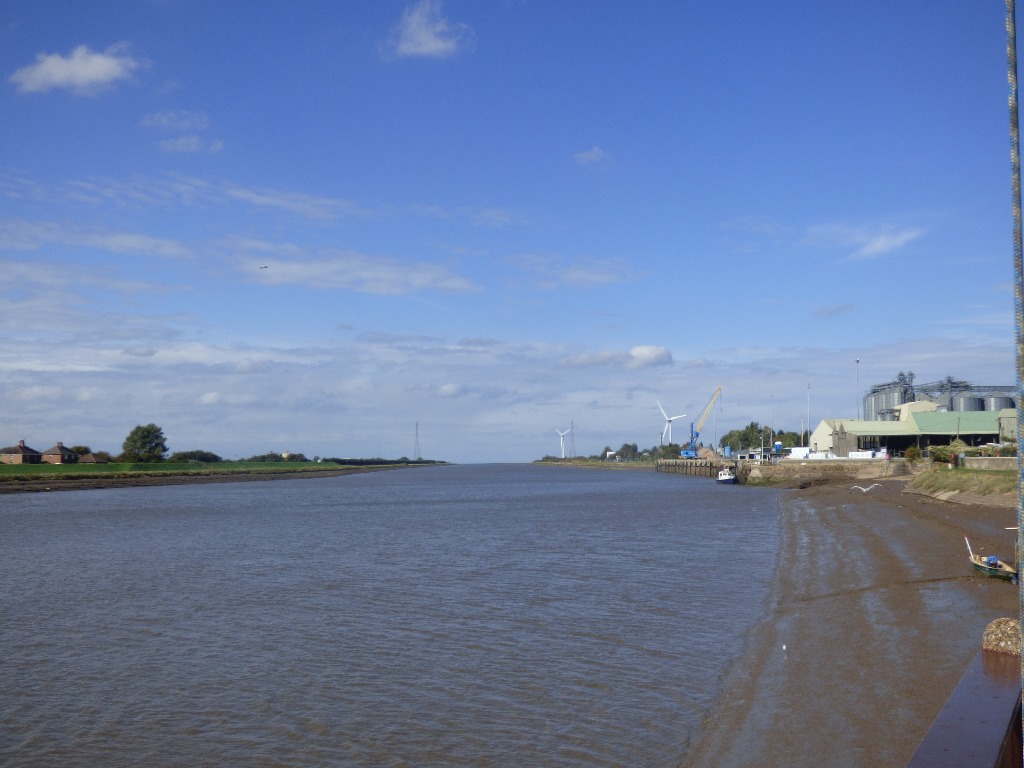
A rowing regatta was happening on the river.
A militia company were stationed near the Custom House (the rifles were loaded with blanks btw)
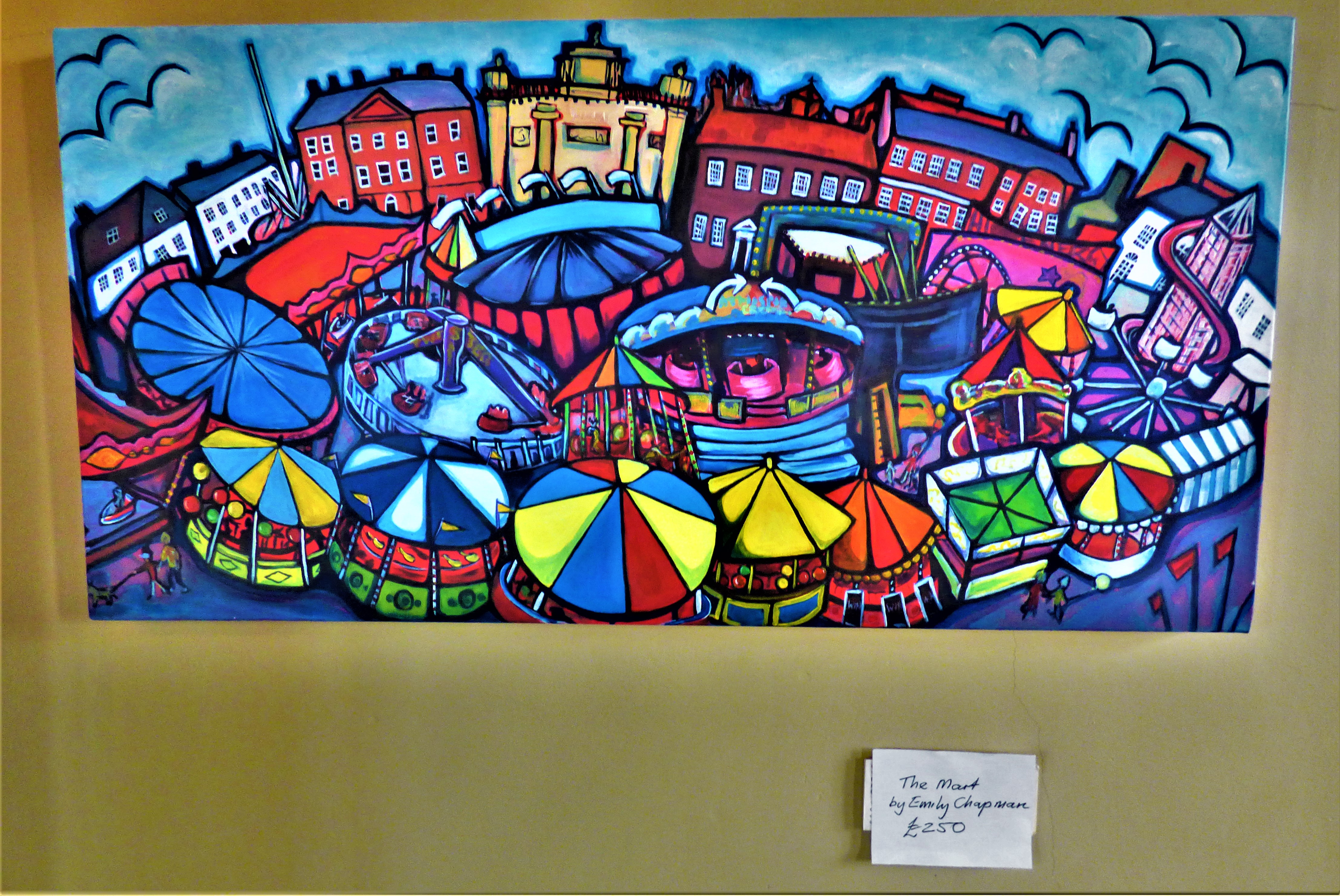
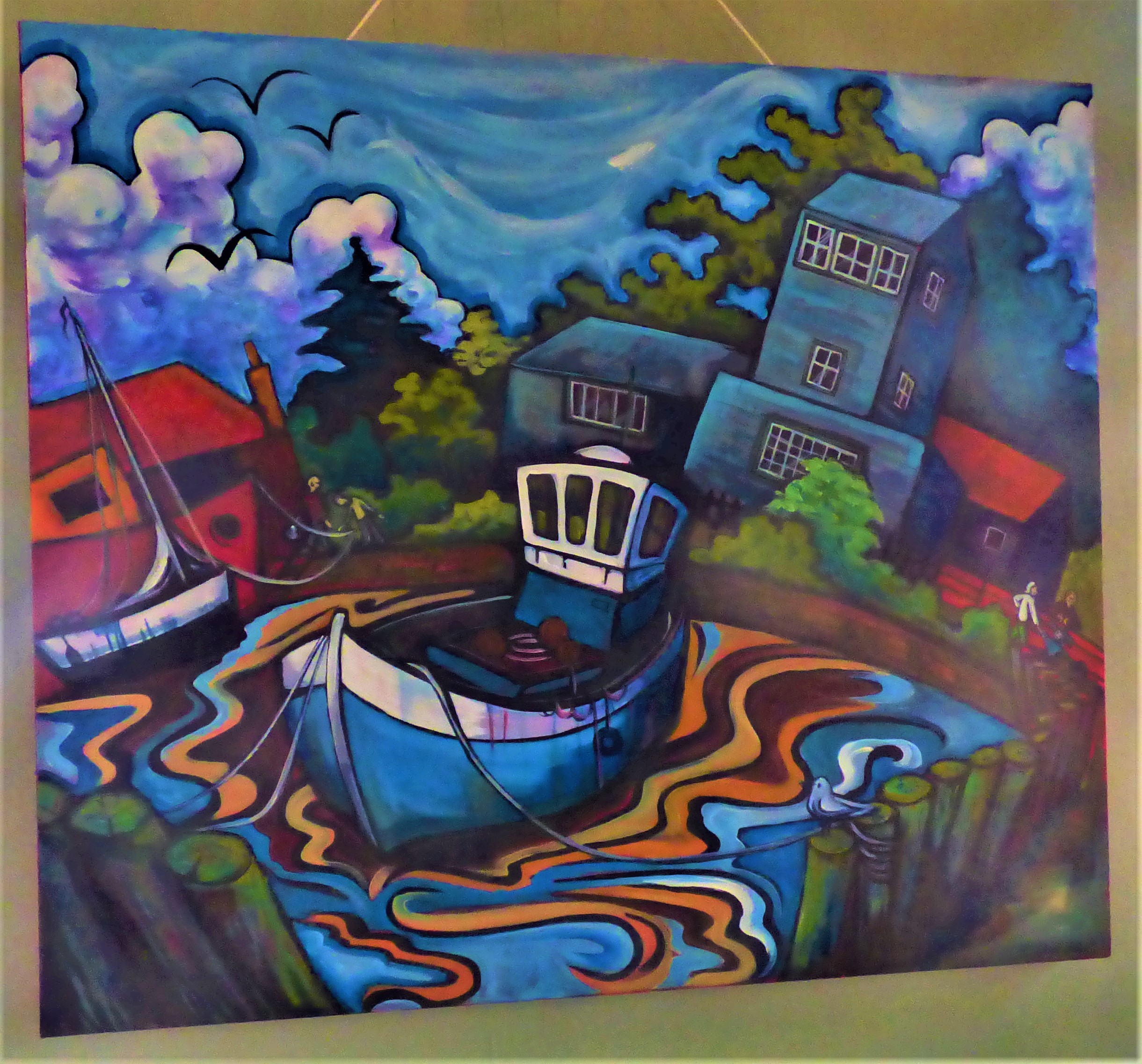
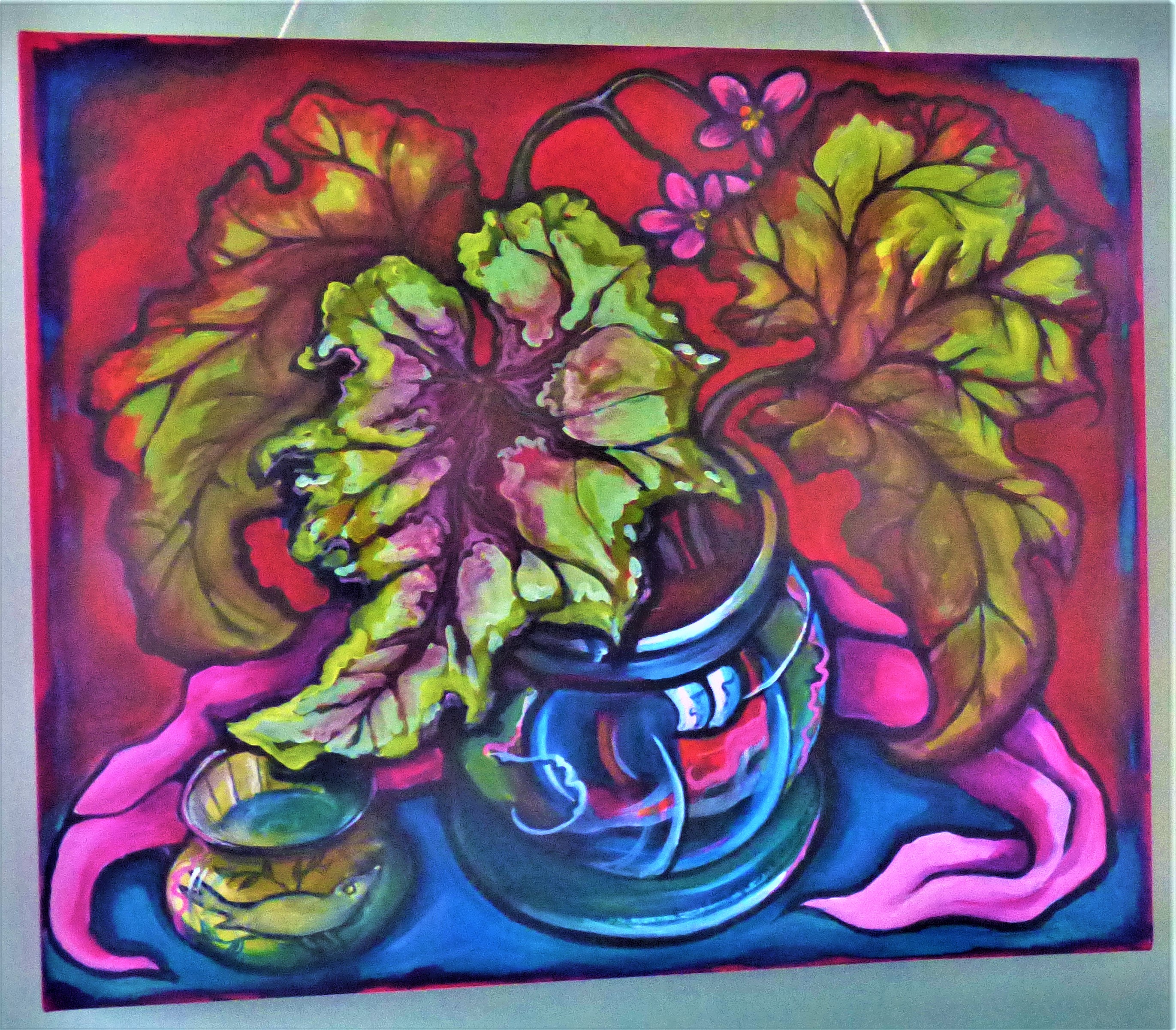
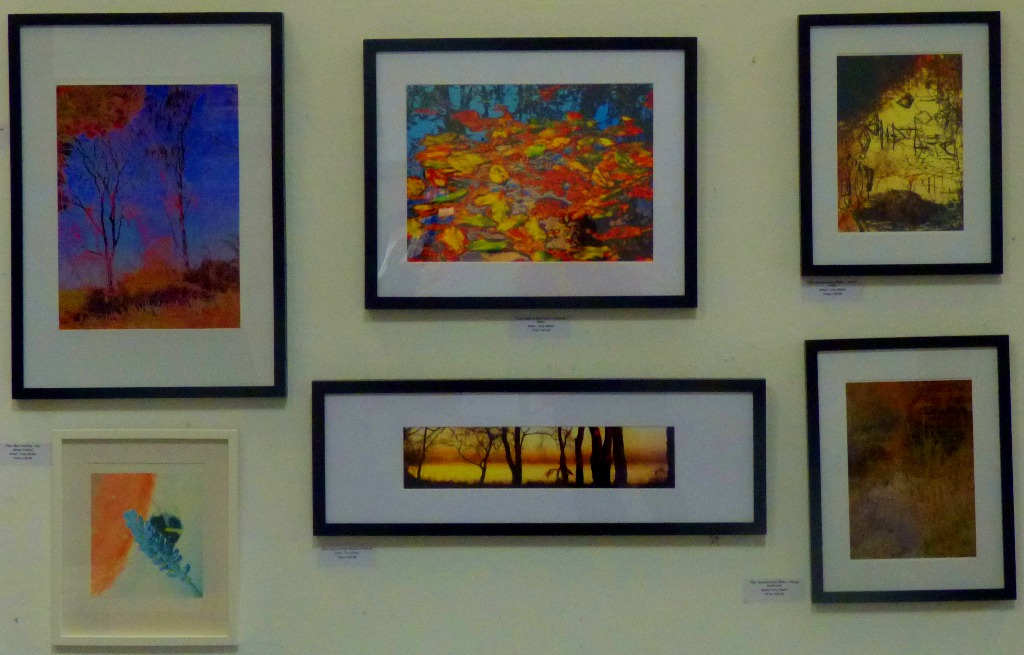
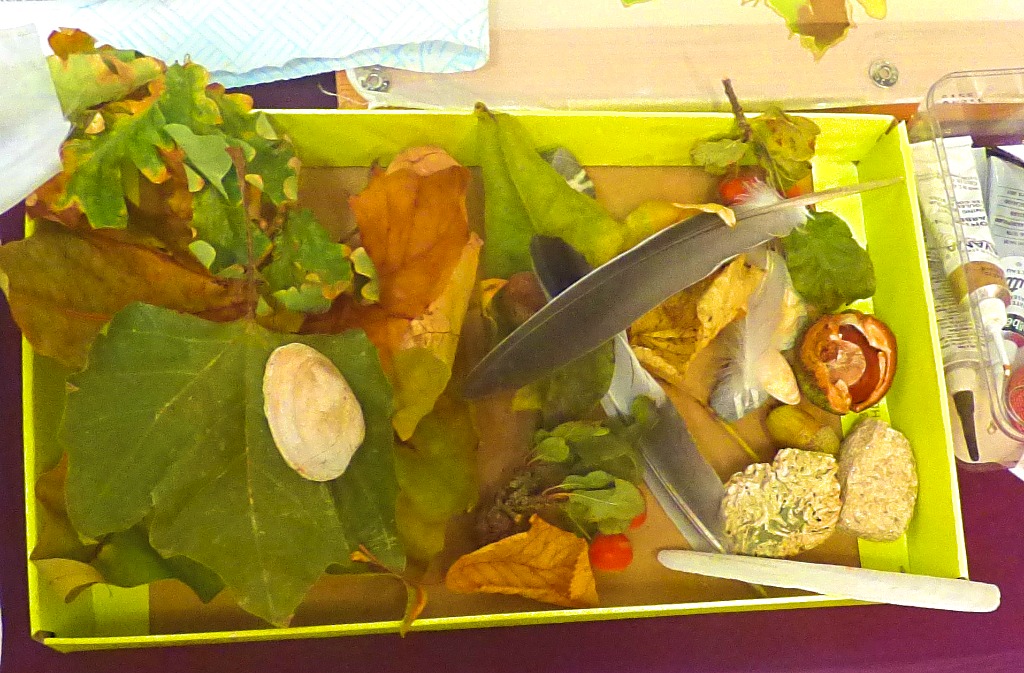
The first of a number of pictures from the art exhibition.
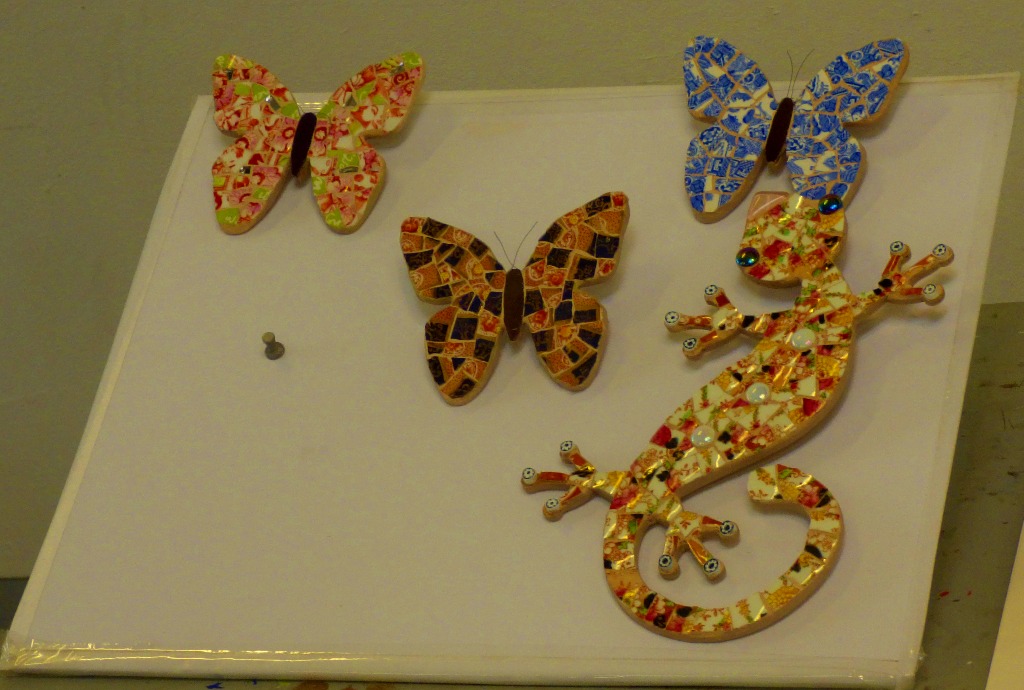
Creatures made using tessarae
This butterfly set into a mosaic frame particularly impressed me.
A glimpse of the Tuesday Market Place
The Guildhall of St George
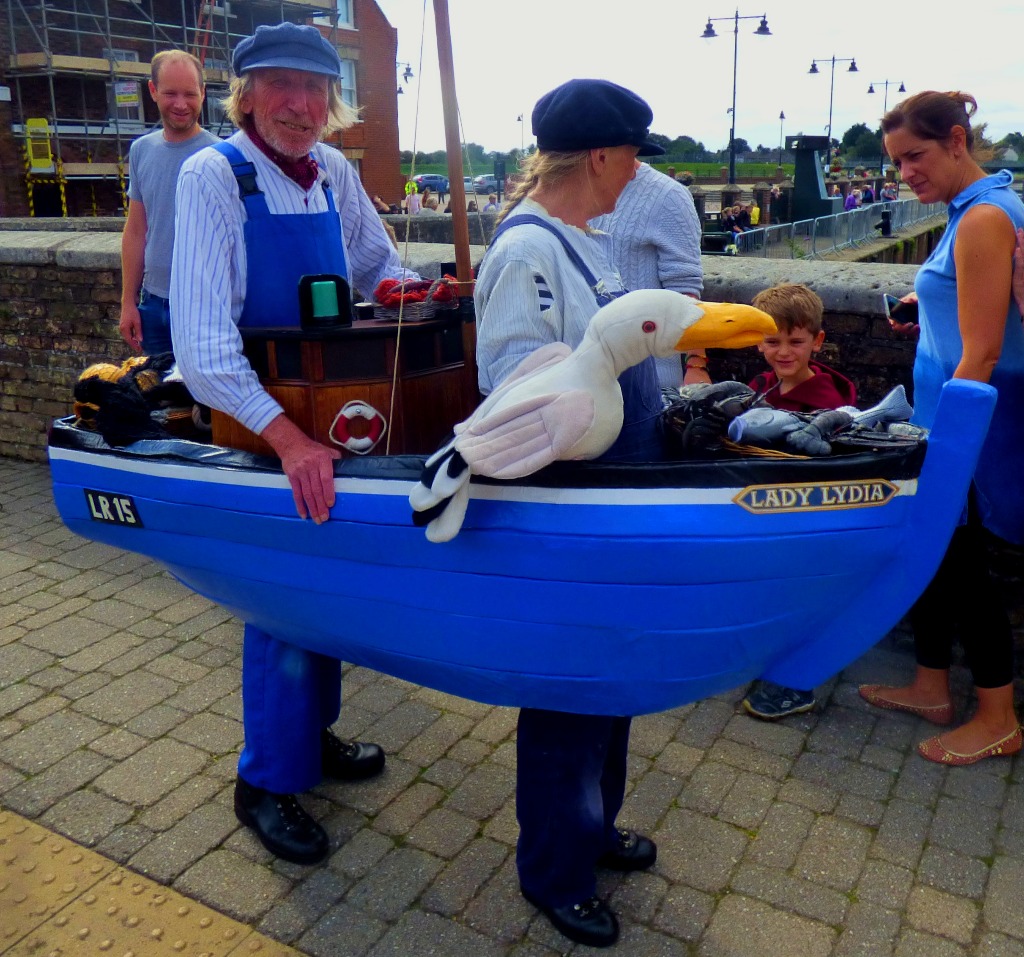
A walking boat – and no this is not the West Stand at Headingley on a Saturday!
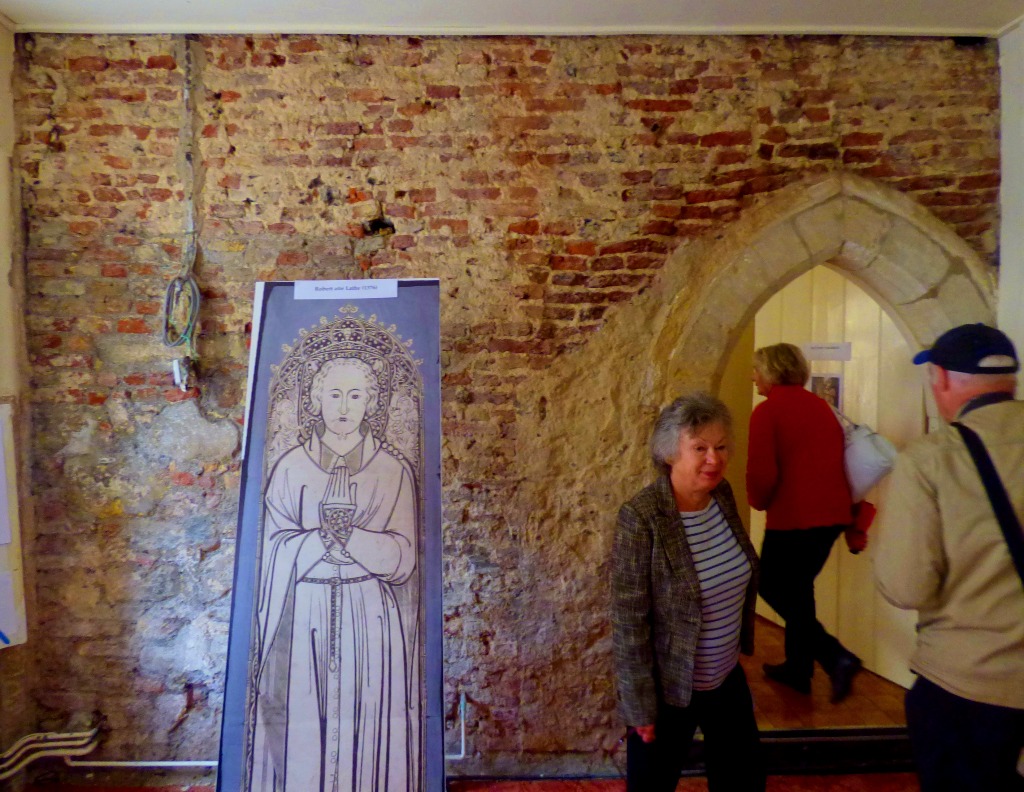
Continuing my account of Heritage Open Day 2017 with an account of the unique opportunity presented by the fact that 2 Hampton Court is currently being renovated.
INTRODUCTION
This post continues my account of Heritage Open Day 2017, which started with an overview and continued with a post about my experience volunteering at 27 King Street. This post deals with an opportunity that was available for the first and probably last time this year. Having anticipated the effect that my two-hour volunteering stint was likely to have on me I had decided this warranted being seen before that.
SOME HISTORICAL BACKGROUND
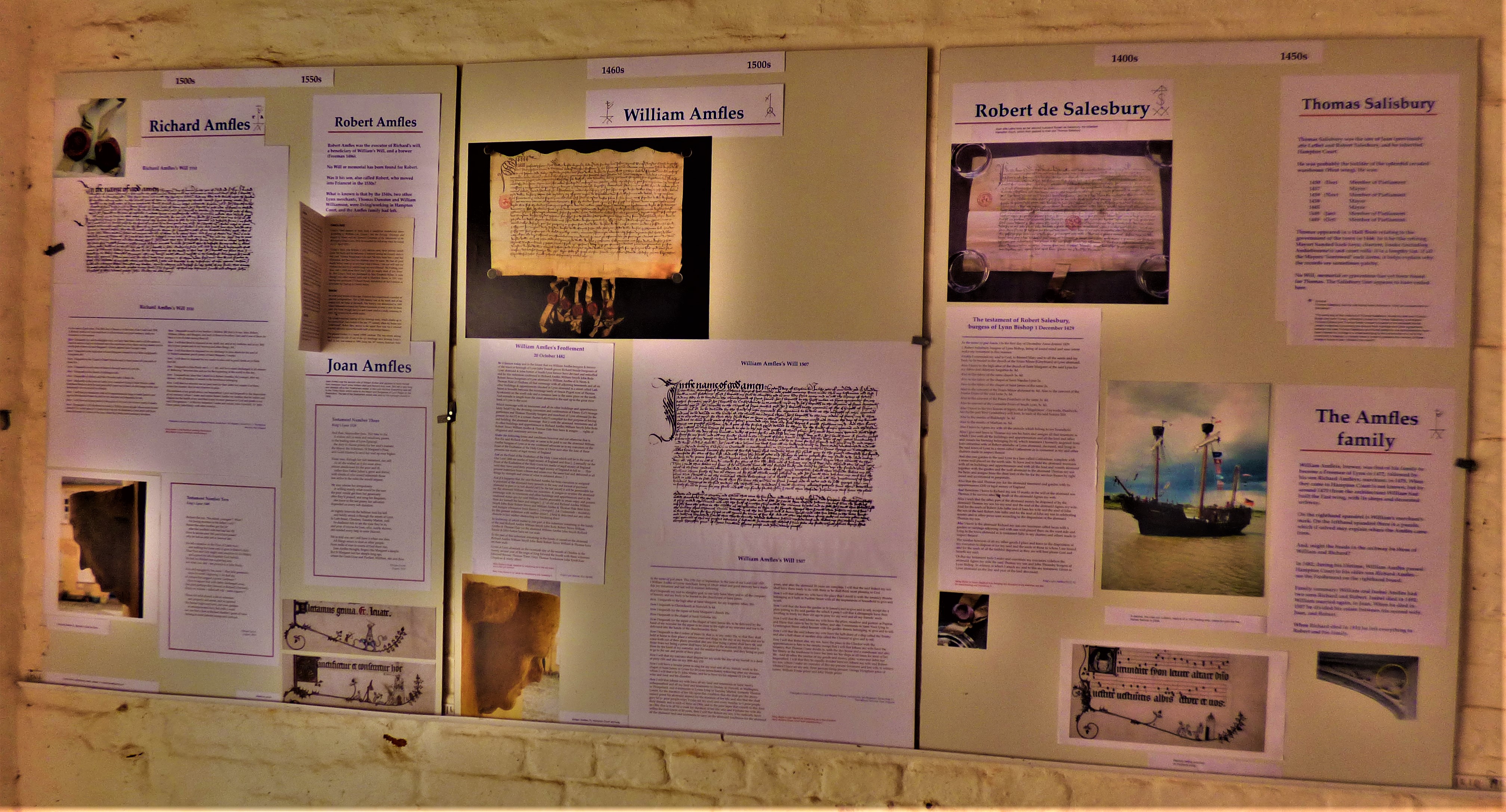
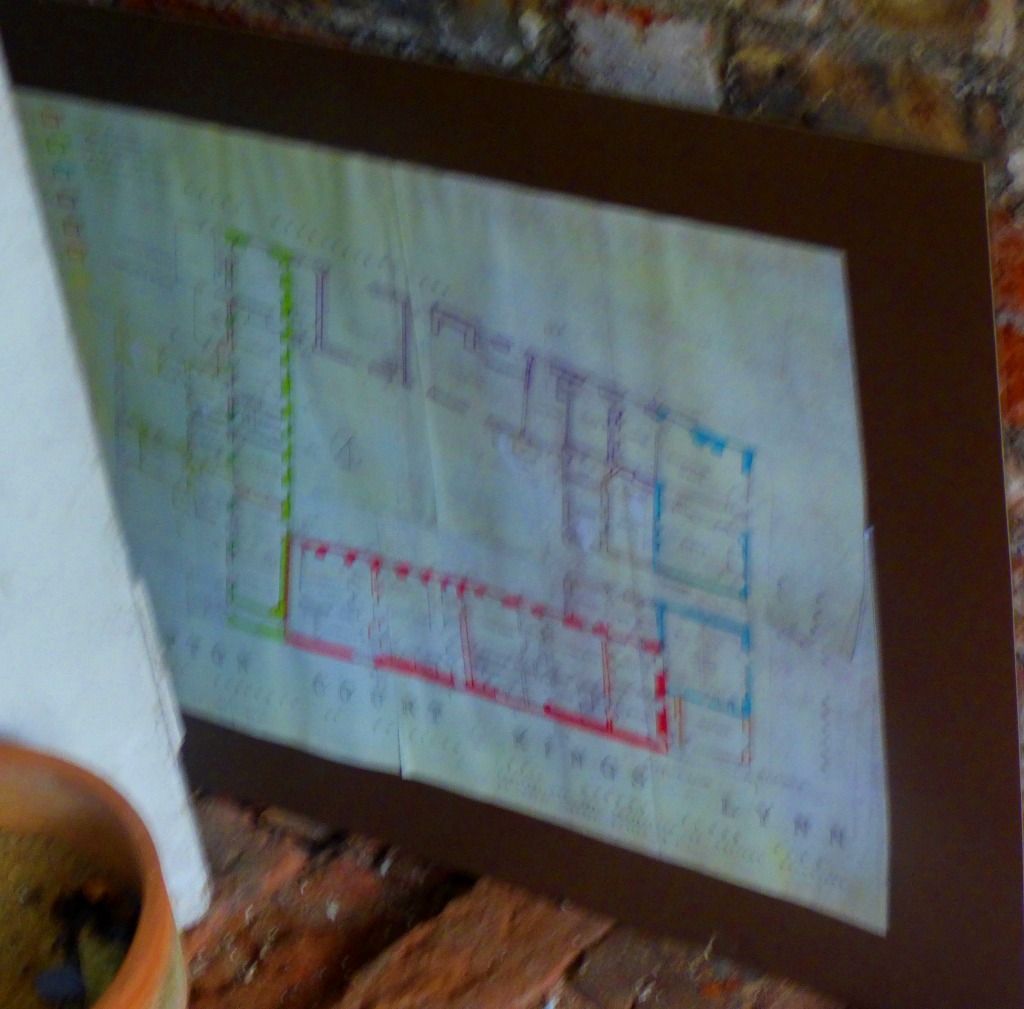
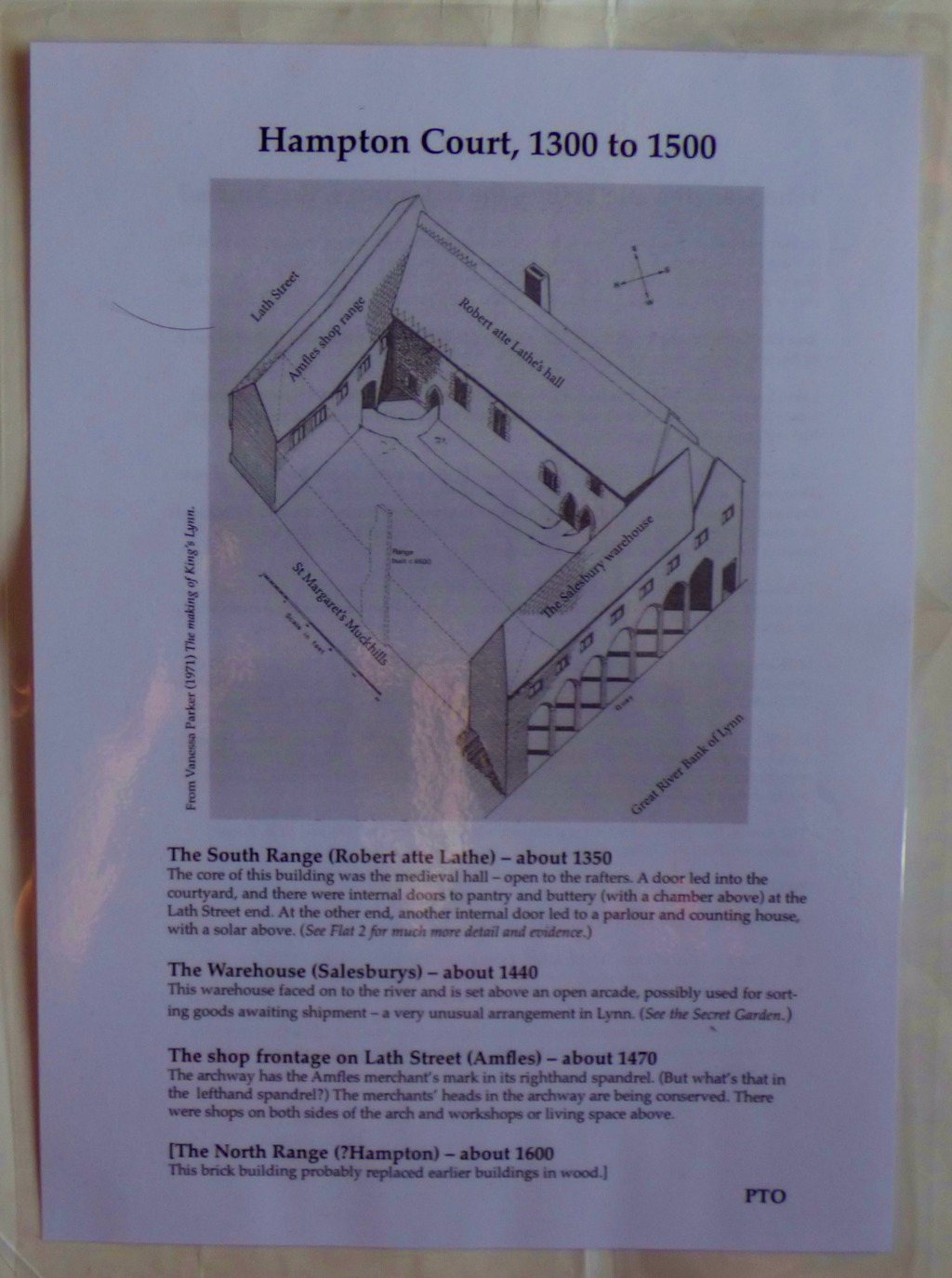
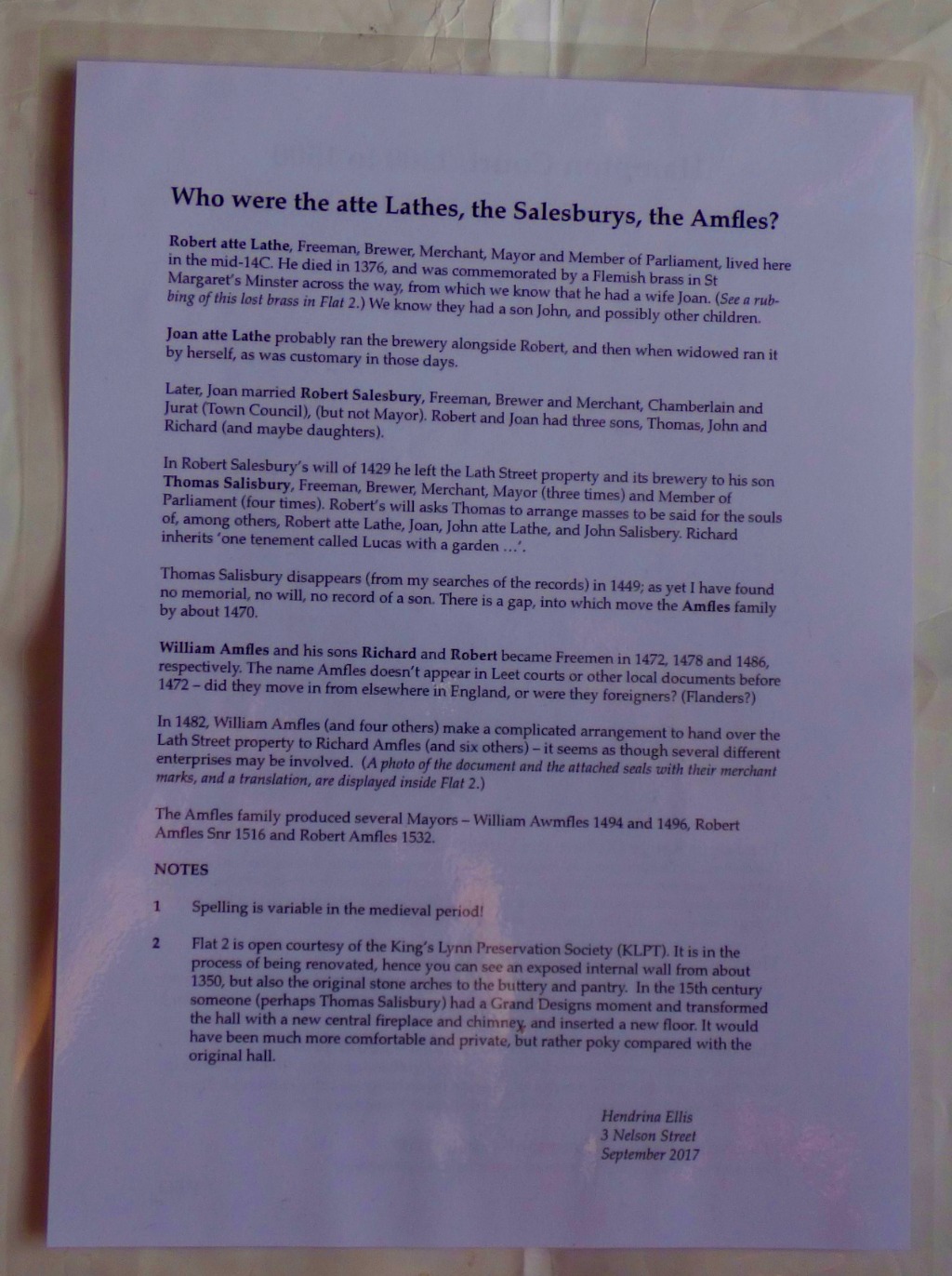
A double sided A4 information sheet about some of the history of the place had been put together by Hendrina Ellis:
There is no connection between this Hampton Court and the famous Hampton Court in Surrey (there are in fact at least three places with this name, the other being in Herefordshire, and the one in Surrey is the newest of the three, being a touch under 500 years old).
2 HAMPTON COURT IN PICTURES
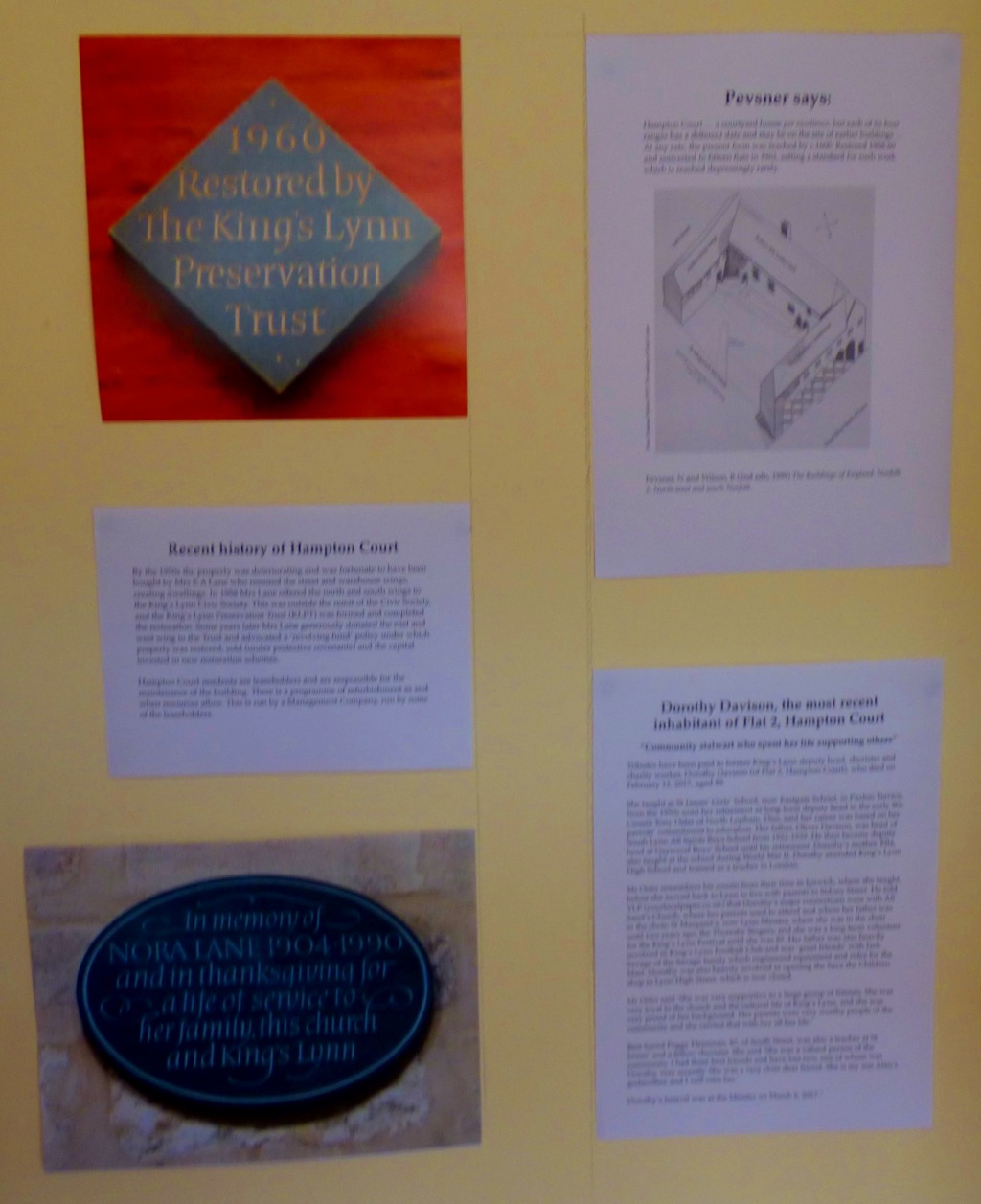
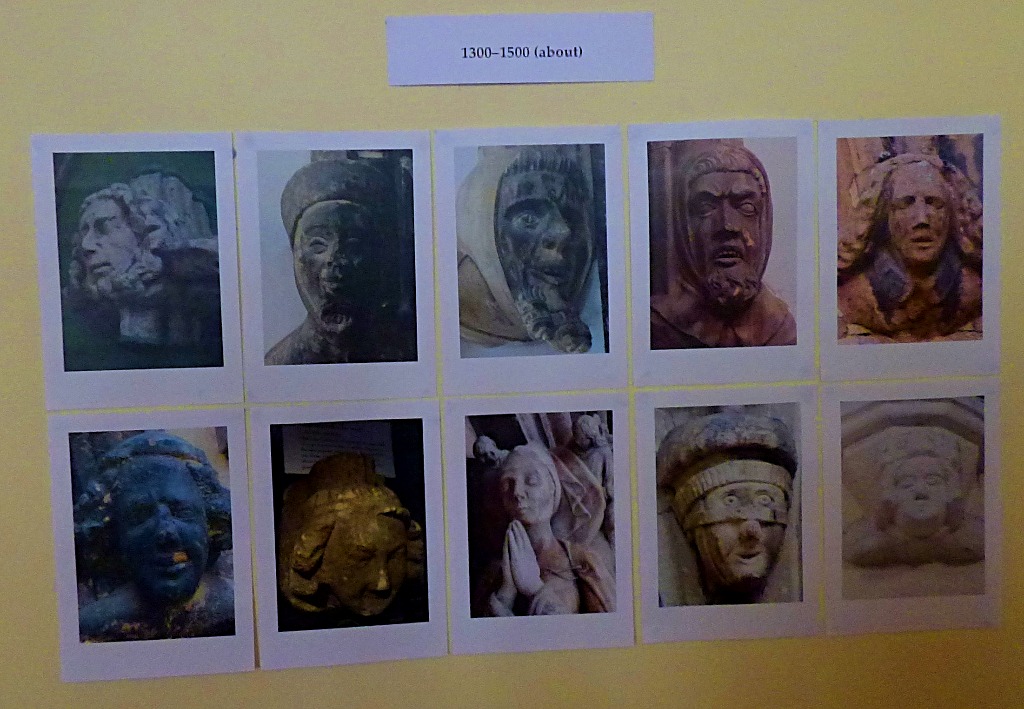
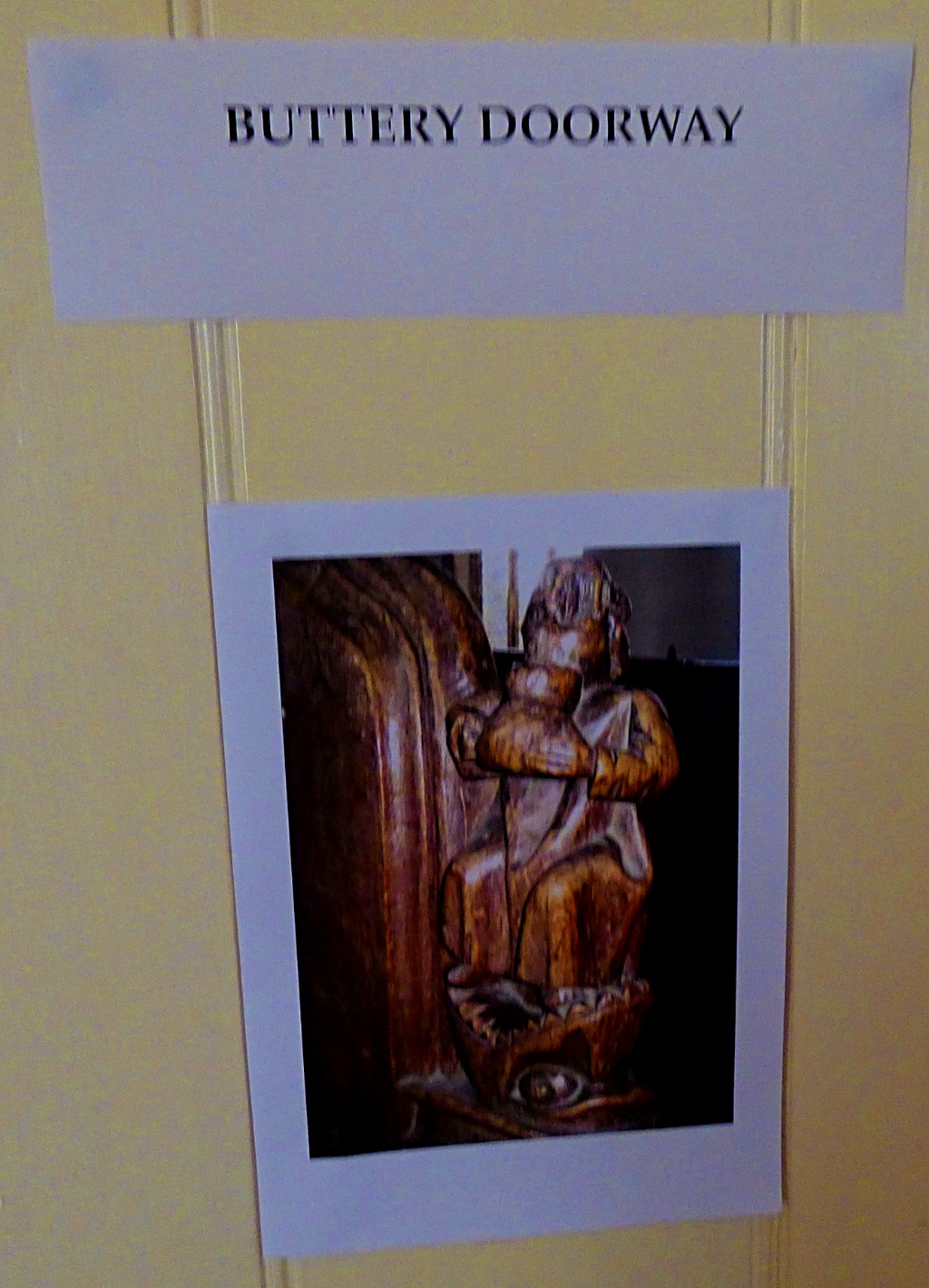
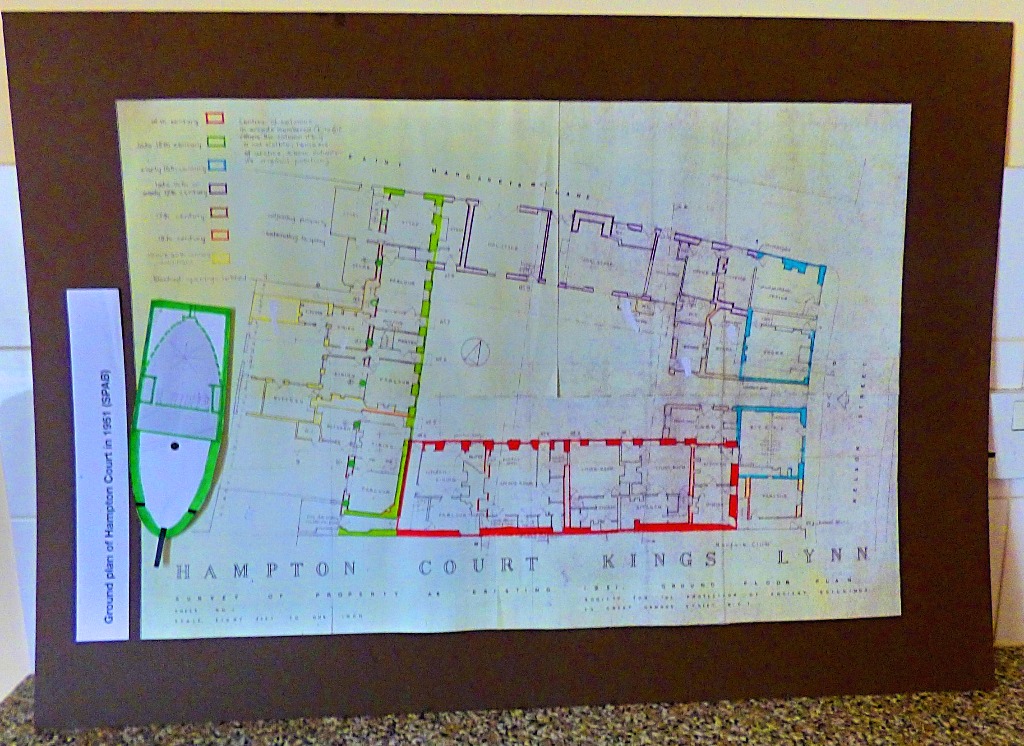
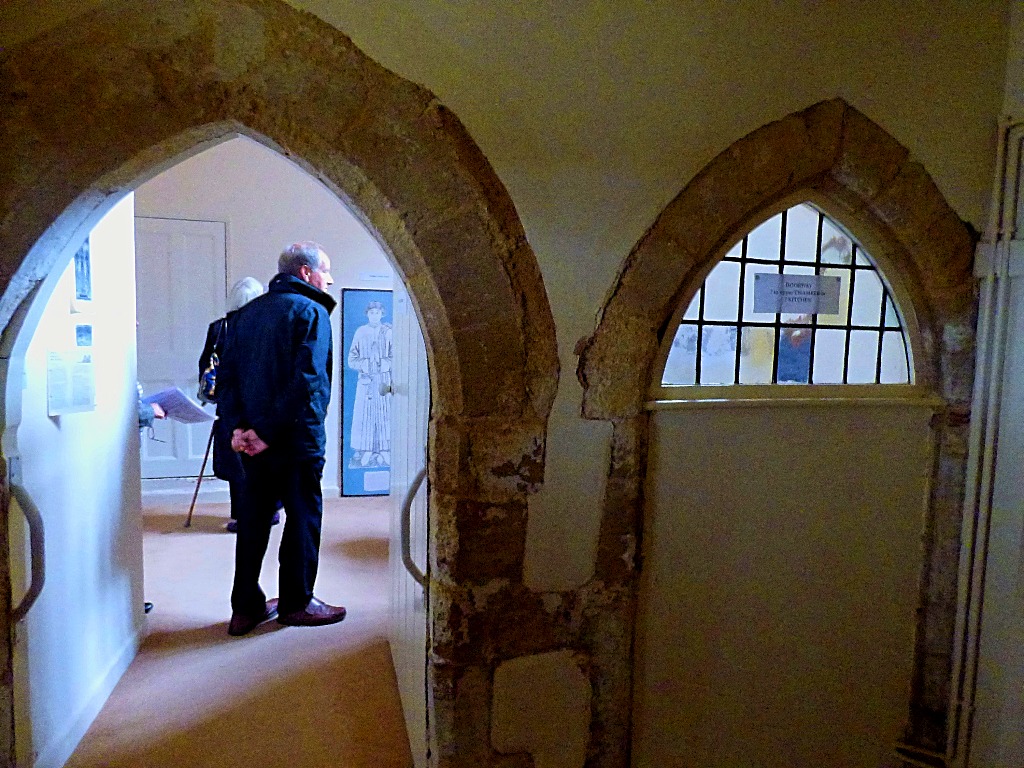
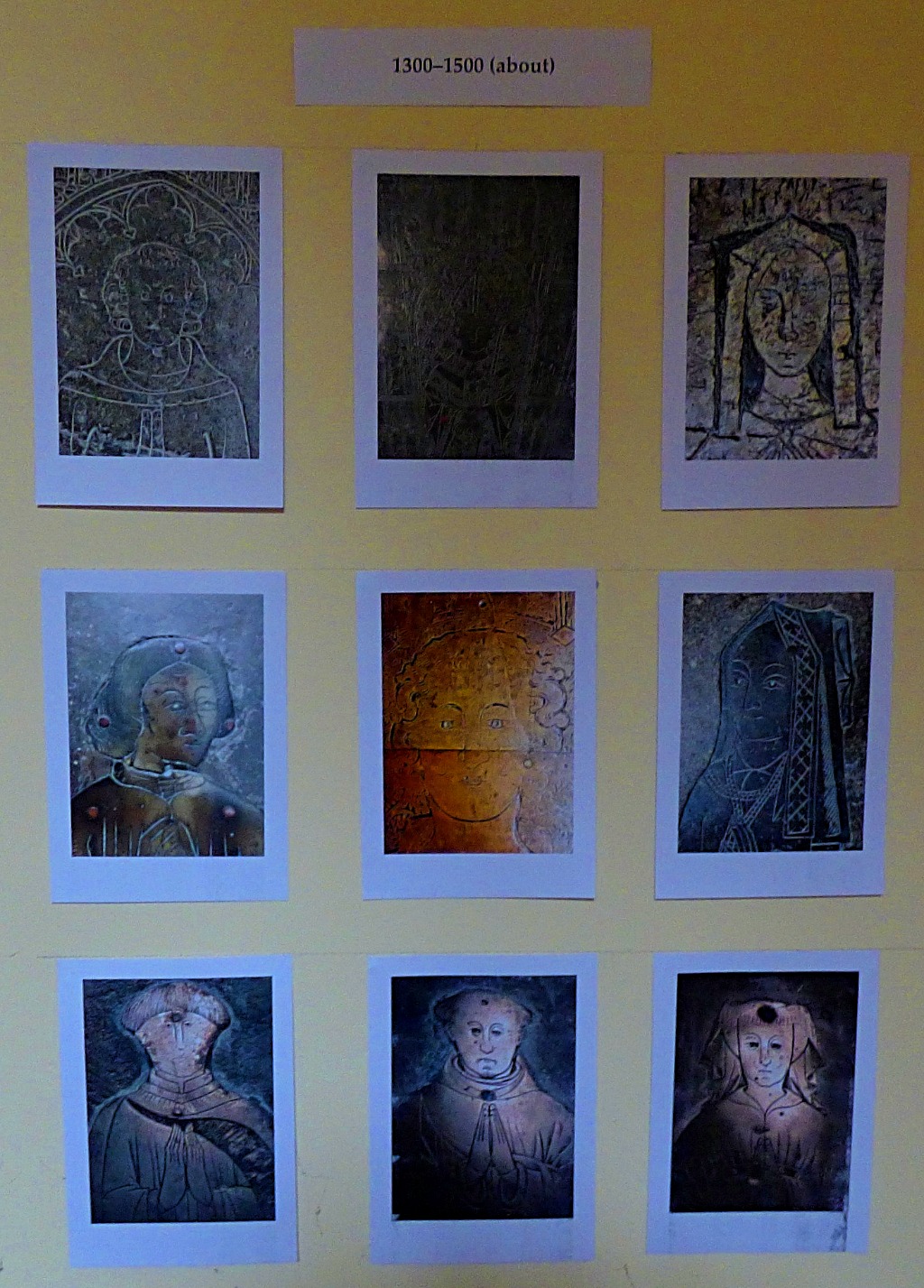
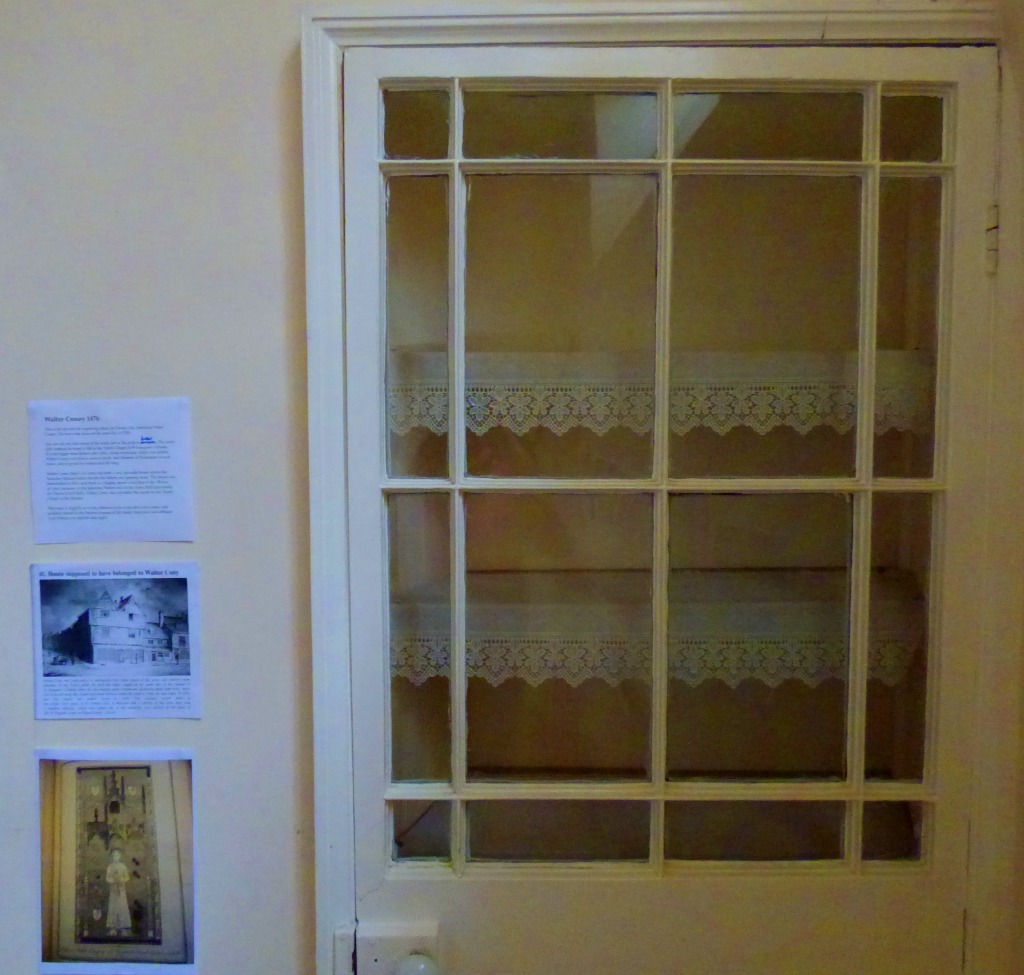
As well as the building itself there was a small exhibition about the history surrounding it. For the rest of this post my camera takes centre stage, giving you the chance to see what I managed to capture of this unique experience:
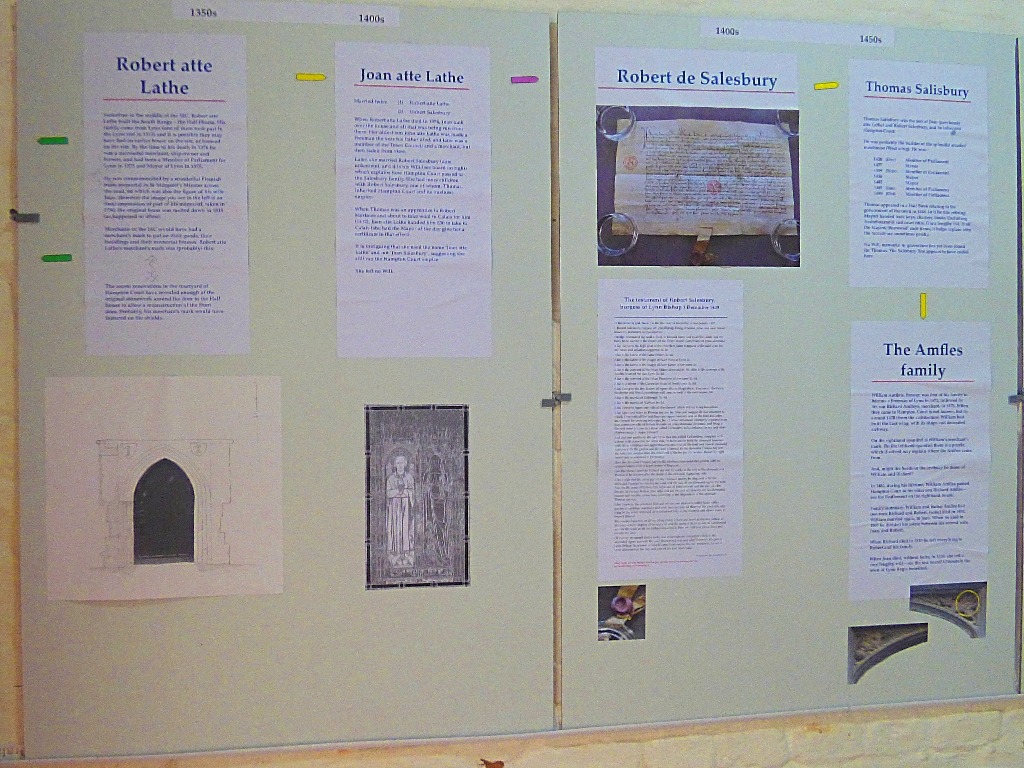
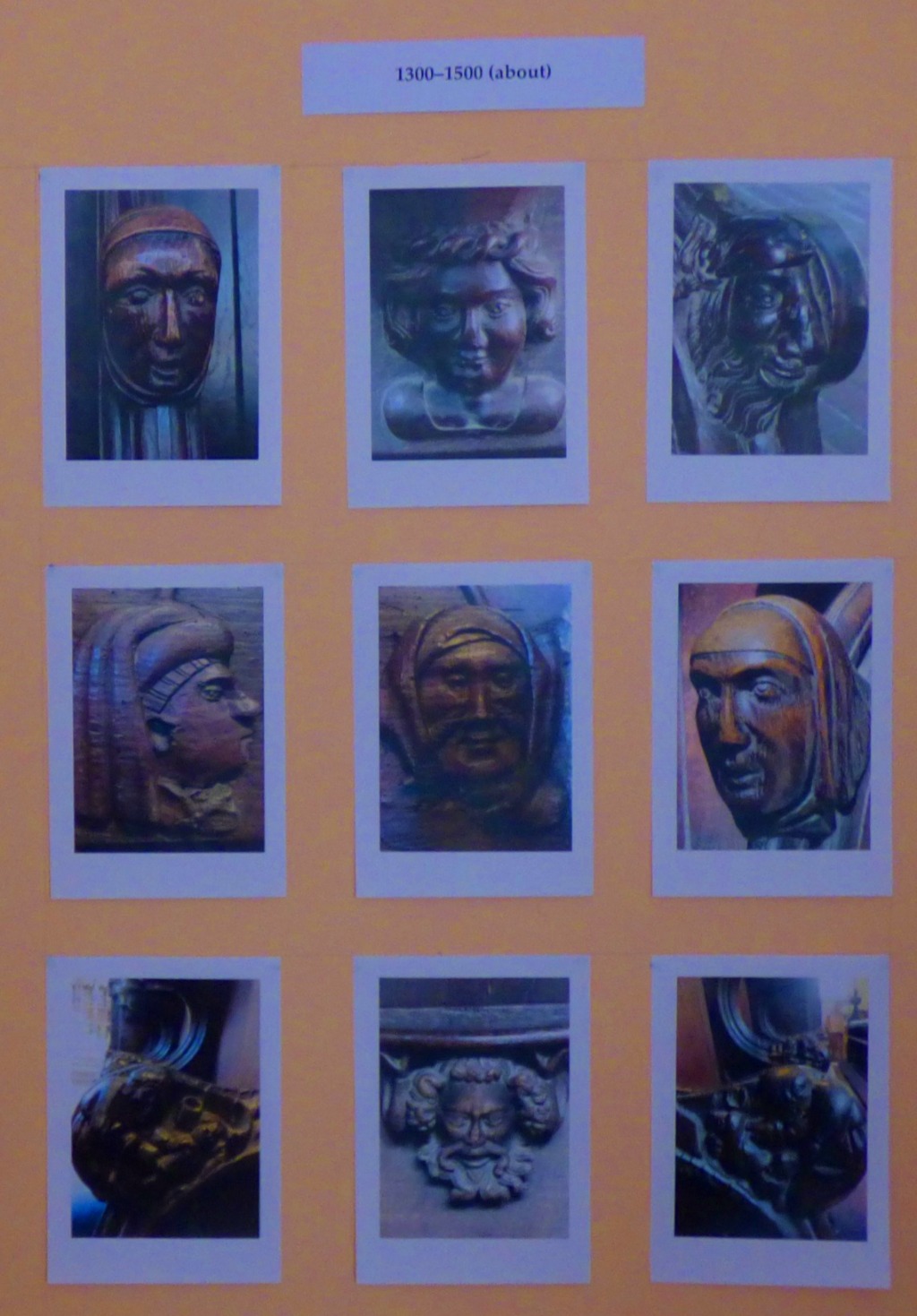
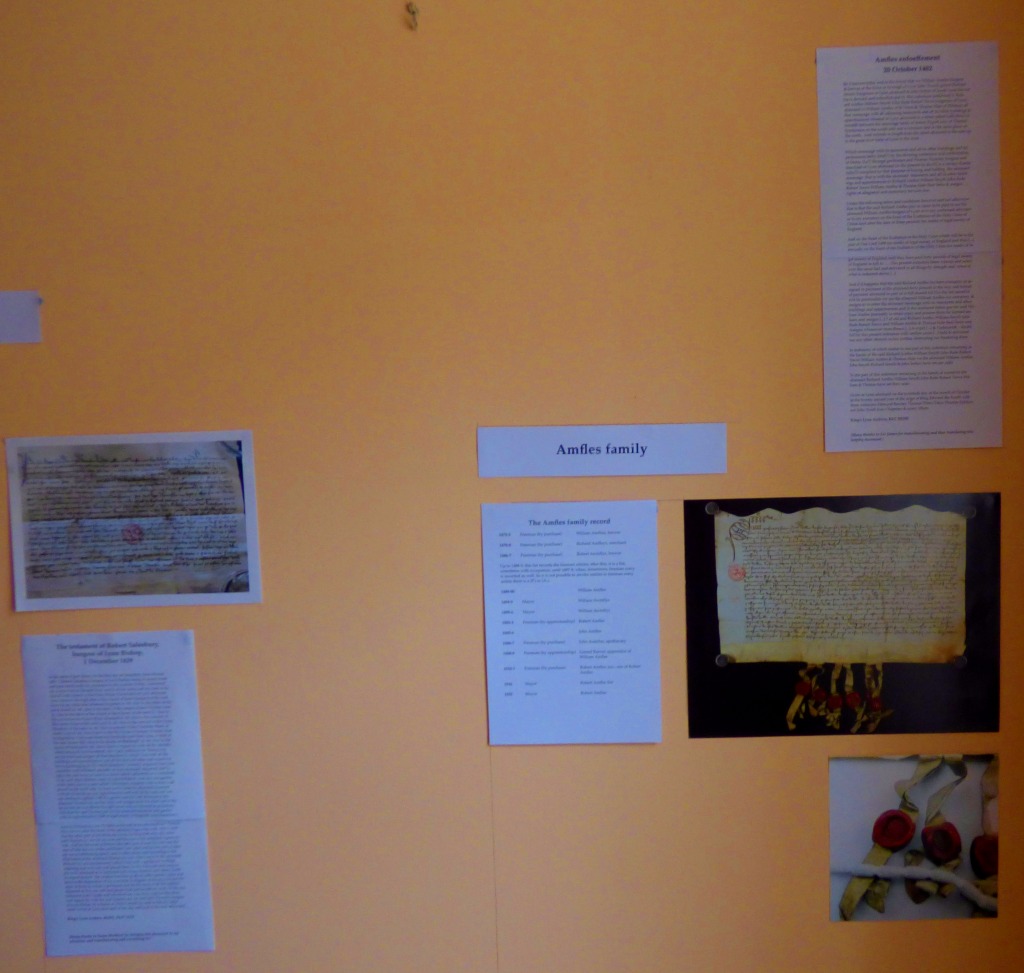
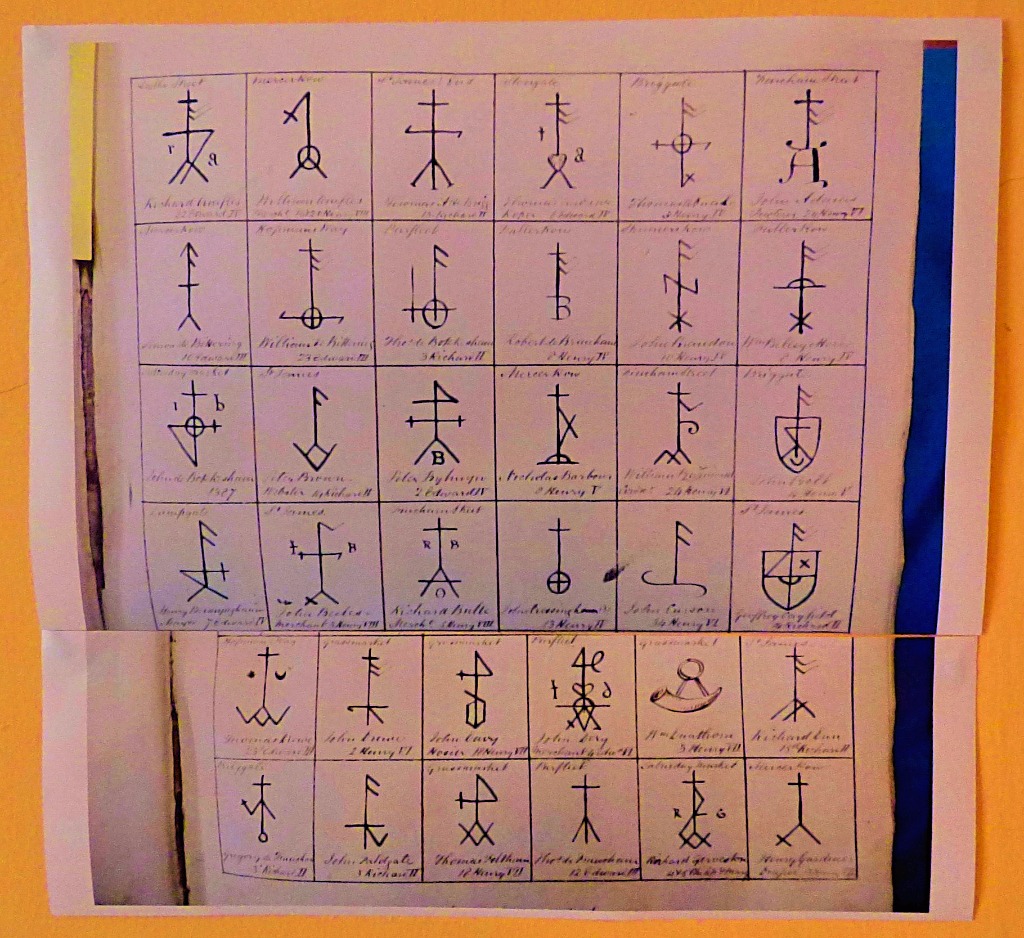
I was so impressed by this display that…
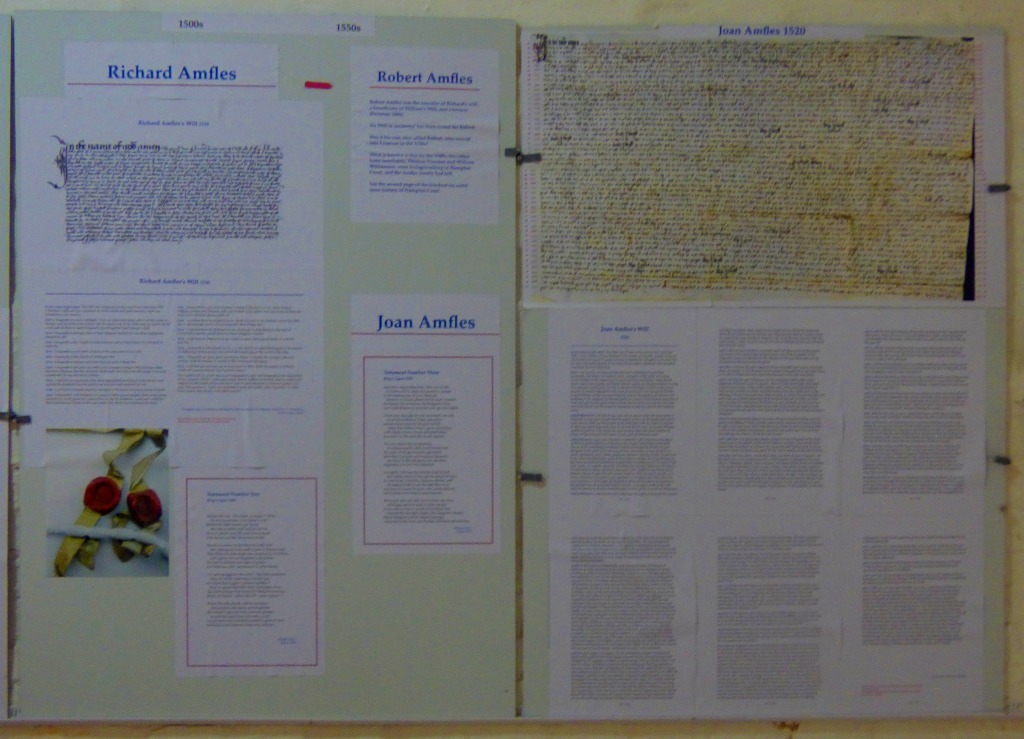
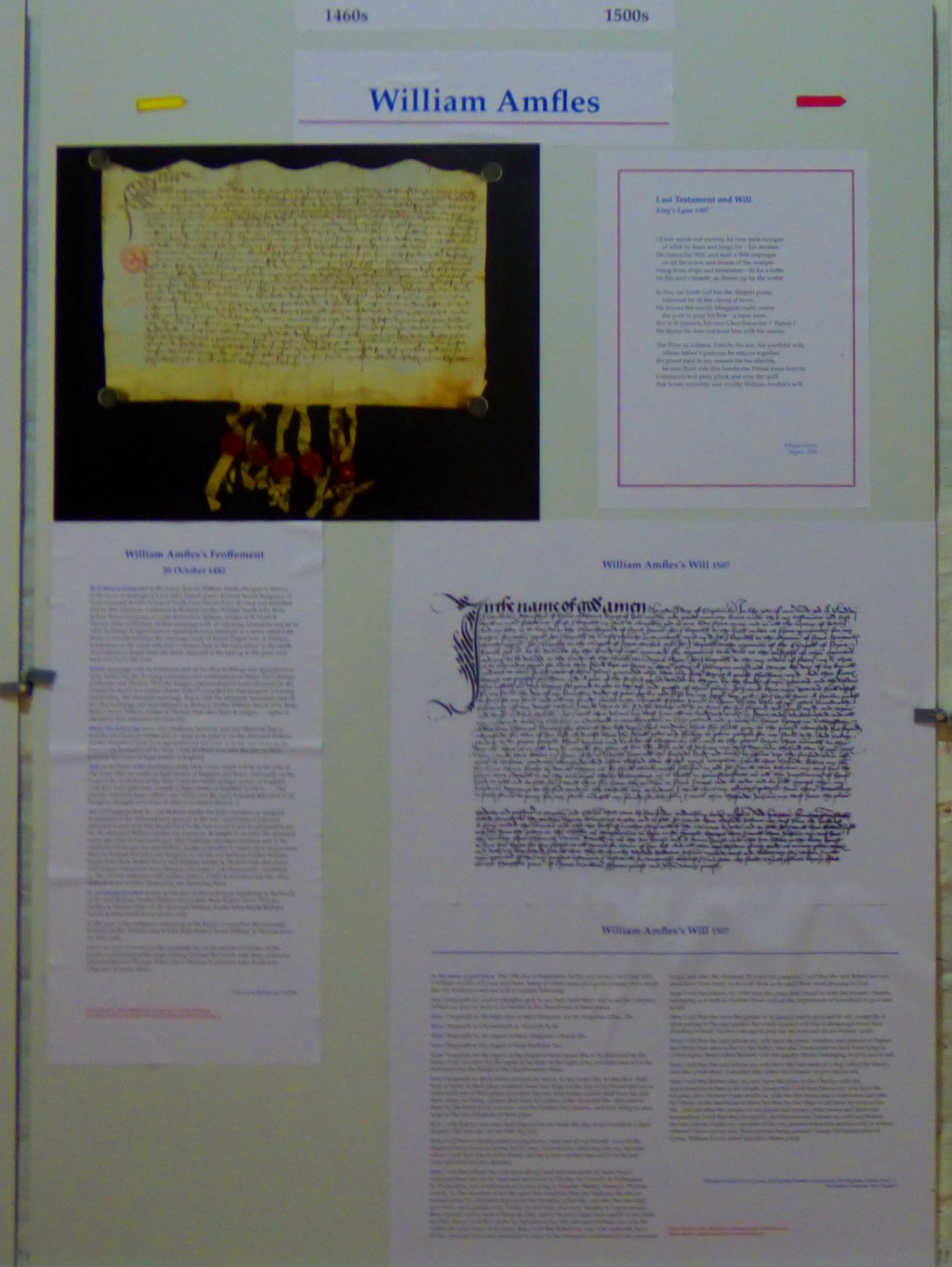
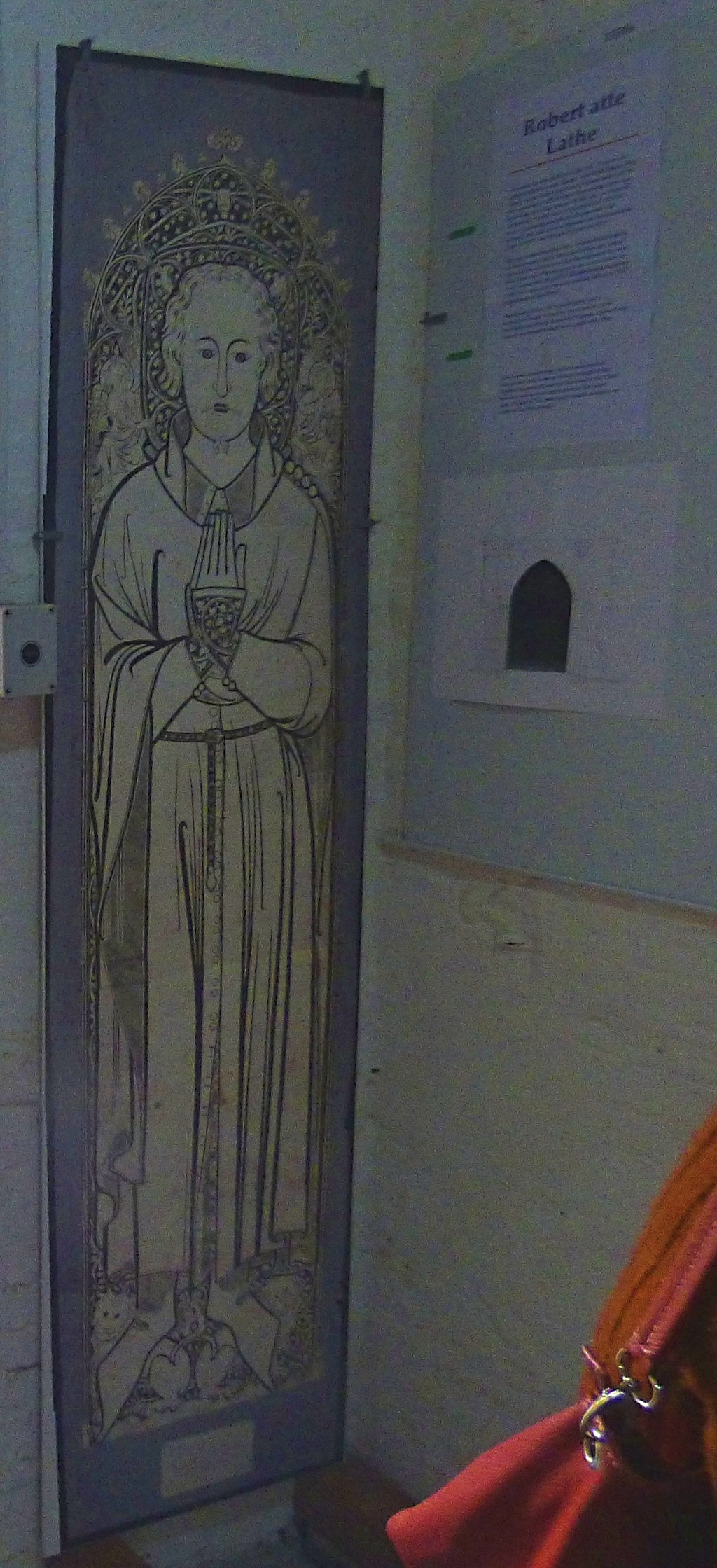
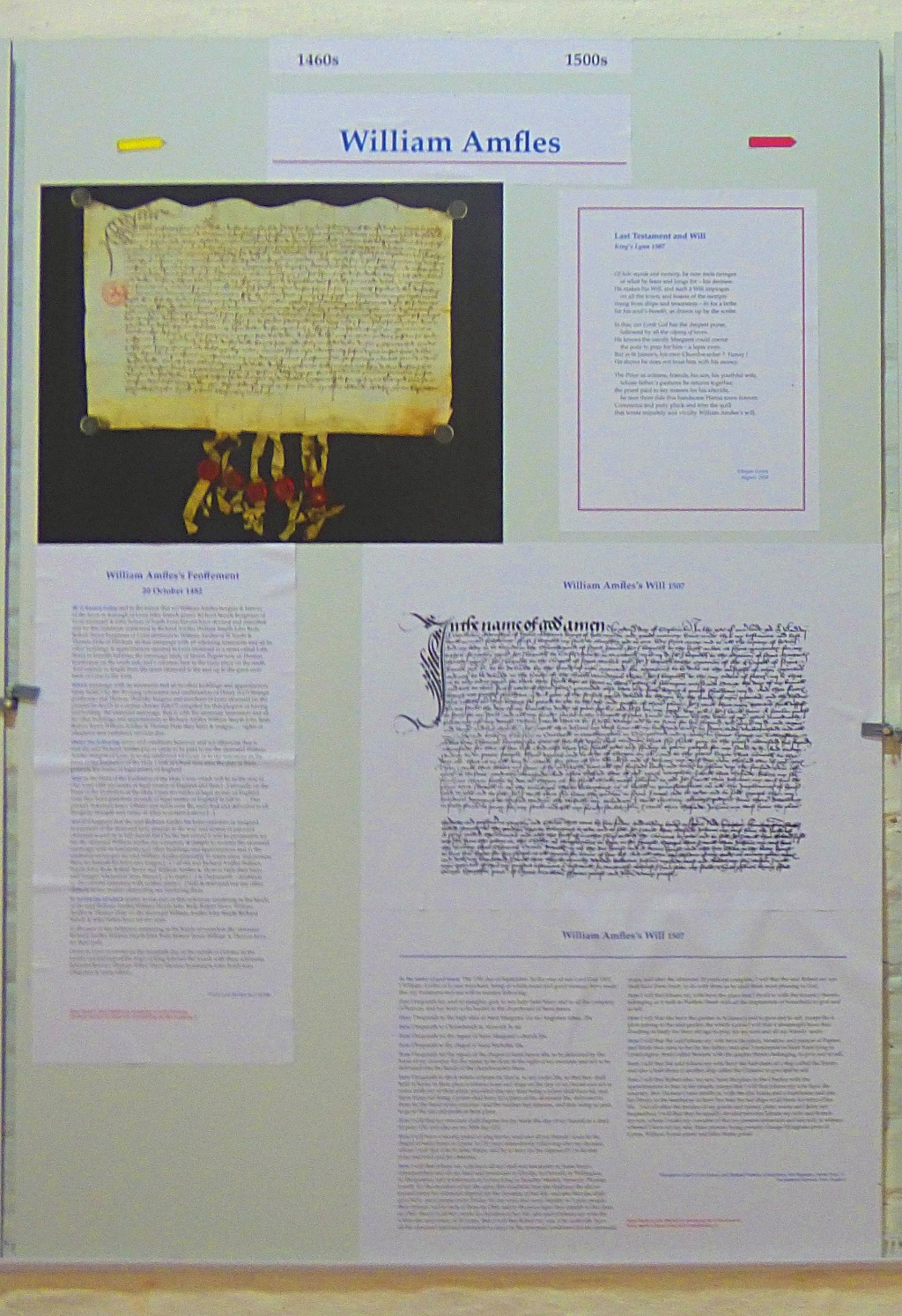
…I took close up shots of each individual sheet
CONCLUSION
This was an excellent start to Heritage Open Day. The King’s LynnPreservation Trust did a splendid job of presenting this building to best effect.
A post for International Womens Day announcing the launch of a Just Giving page raising funds for a public bench featuring King’s Lynn’s most famous daughter, Margery Kempe, to be placed in the Saturday Market. Whether or not you donate please share widely.
INTRODUCTION
This is very appropriate for International Women’s Day, and very useful for the town of King’s Lynn if we manage to raise the money.
THE PLAN
The plan is for the bench to be located in the Saturday Market Place, in the area of town where Margery Kempe, King’s Lynn’s most famous daughter, lived.
WHAT YOU CAN DO
If you are able you can donate on the Just Giving page created by my Aunt with some minor assistance on my part that has gone live this very afternoon by clicking on the image that ends this little post. Whether you do so or not you can help by sharing this as widely as possible.
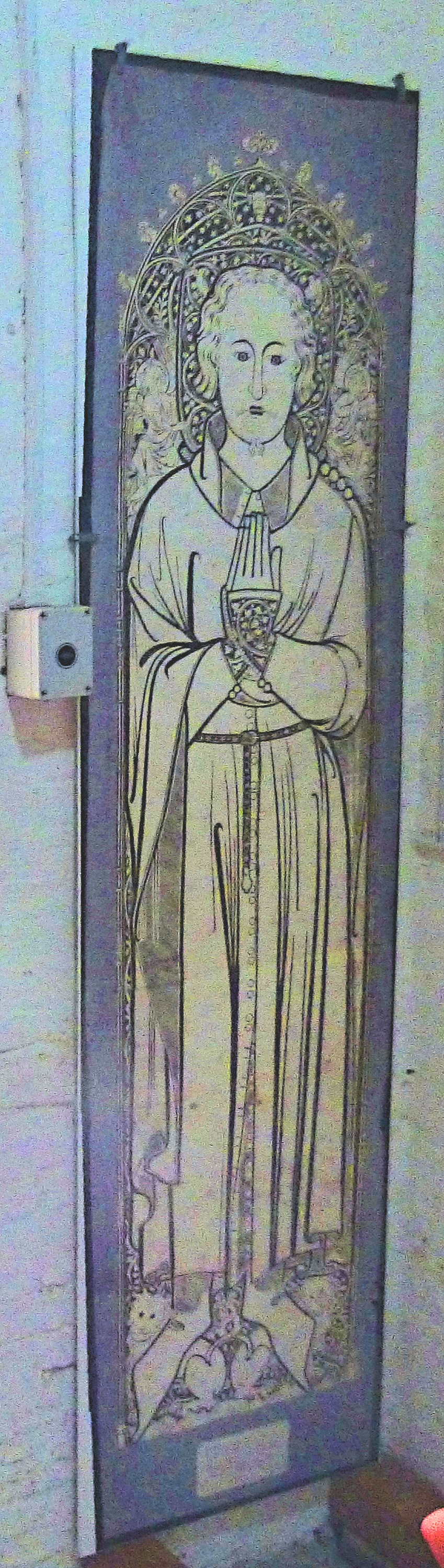
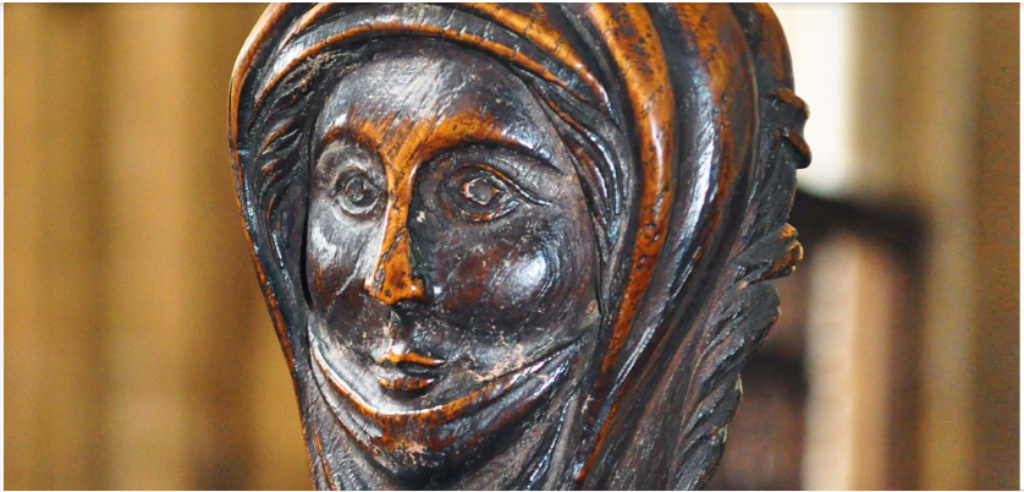
This carving of Margery Kempe, used to illustrate the Just Giving page, can be seen in King’s Lynn Minster.










































































































































































































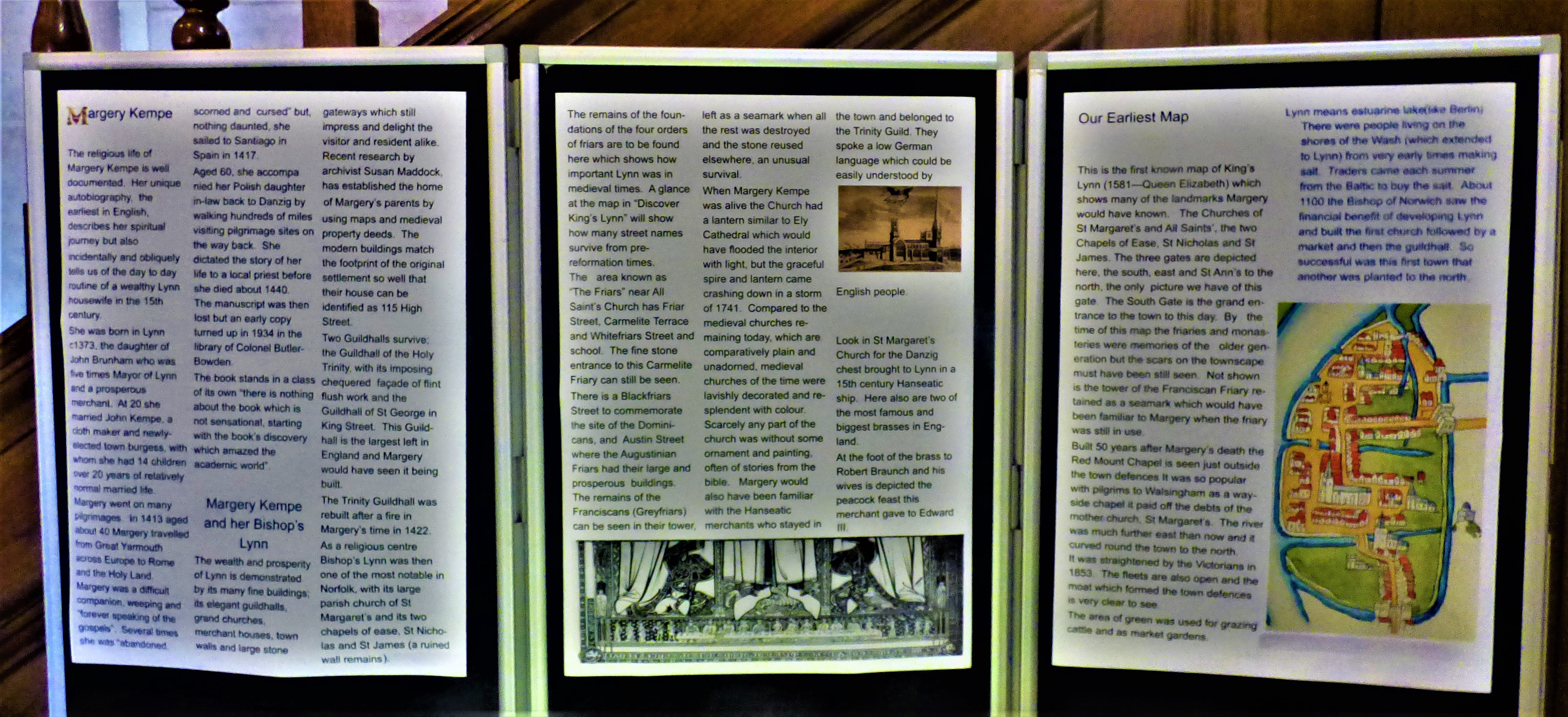
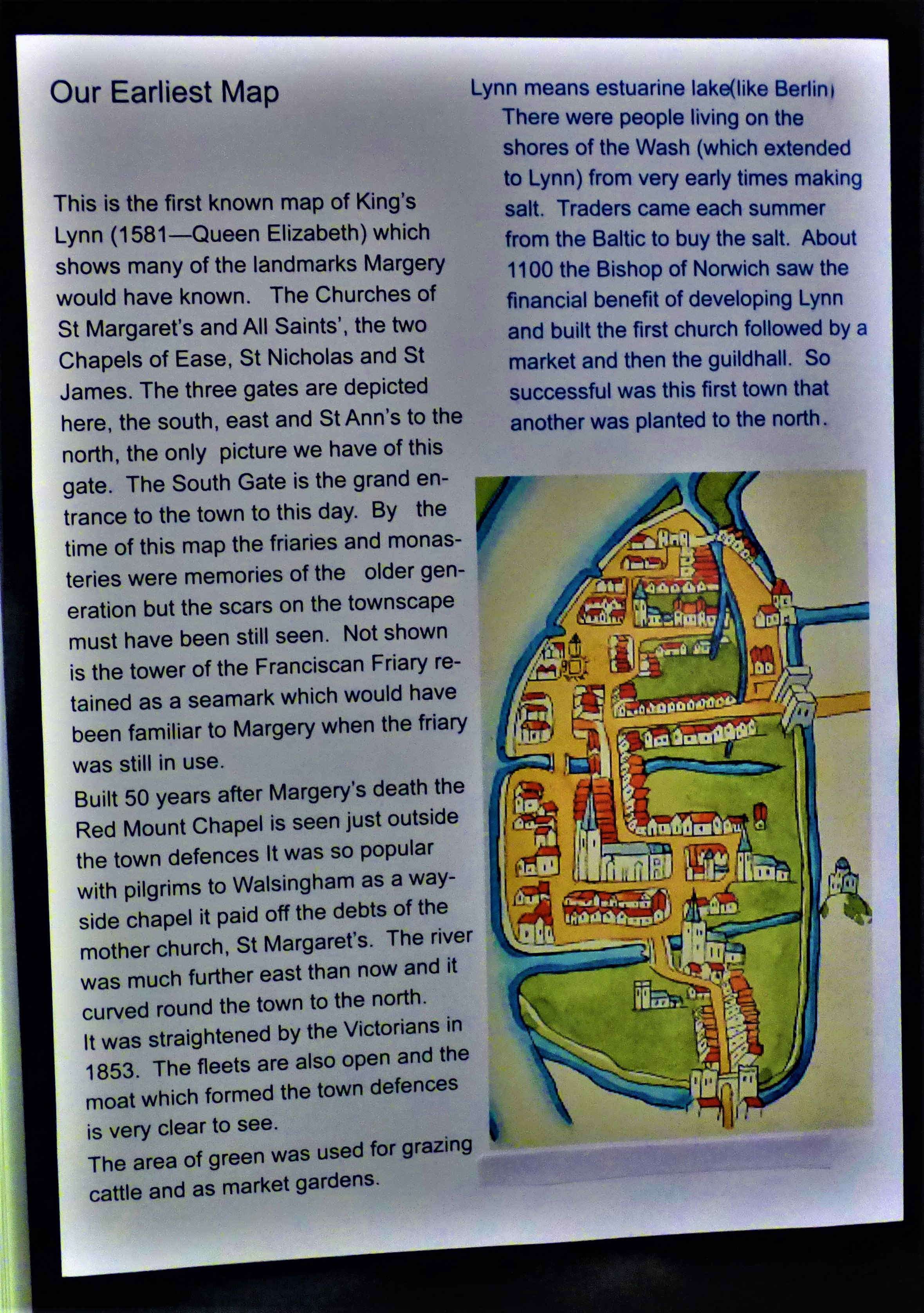

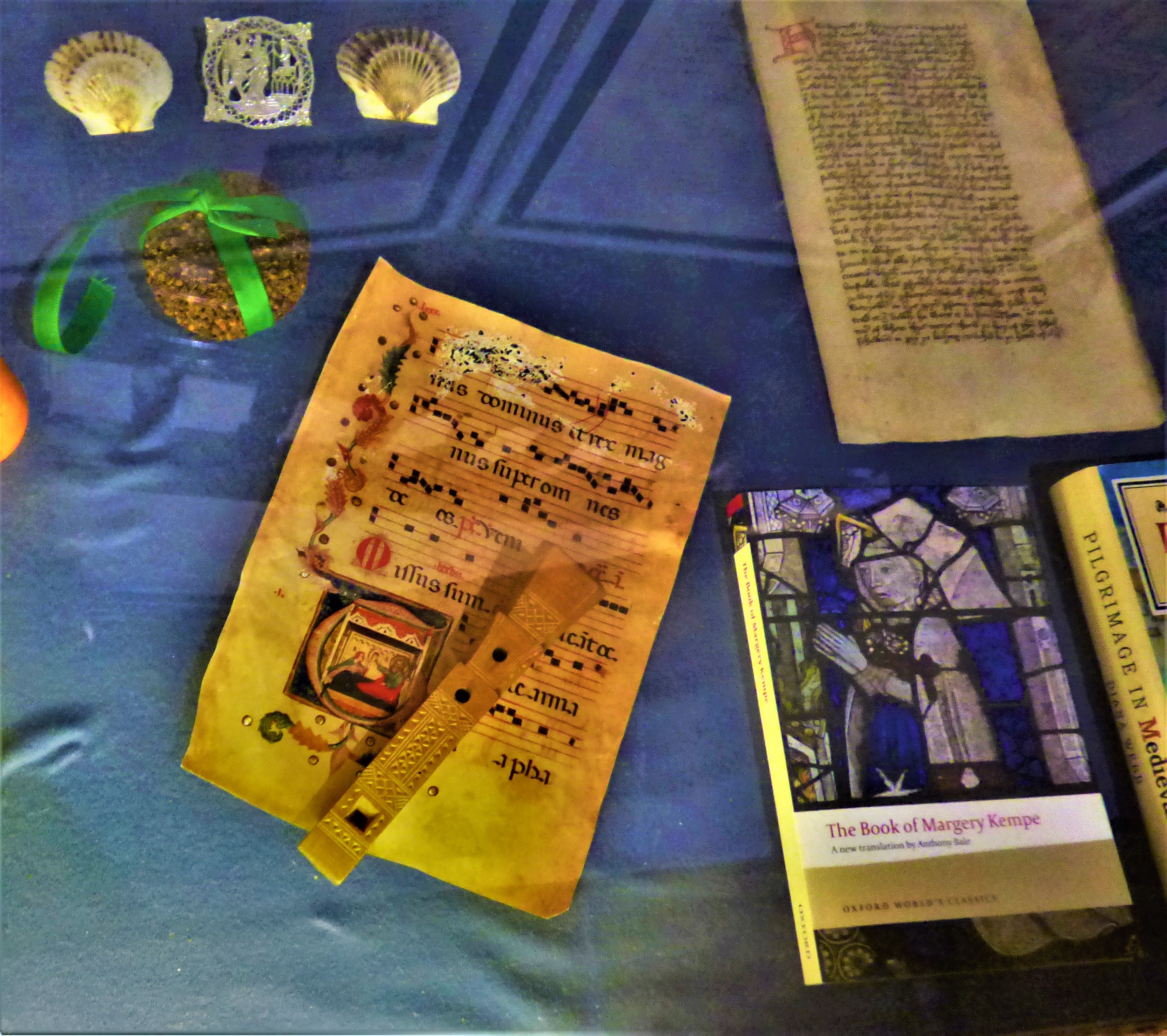
























































 aspiblog