An account of a visit to Watatunga yesterday with my parents.
17 days ago I visited Watatunga Wildlife Reserve as part of a West Norfolk Autism Group delegation for what should have been assemblage of mental health related charities, and blogged about it the following day. My mother was impressed enough by my account of the day to decide that when she and my father visited me this weekend before they head to Australia for several months we would visit the place ourselves. This post looks back at that visit.
AGE DOTH NOT WITHER NOR CUSTOM STALE…
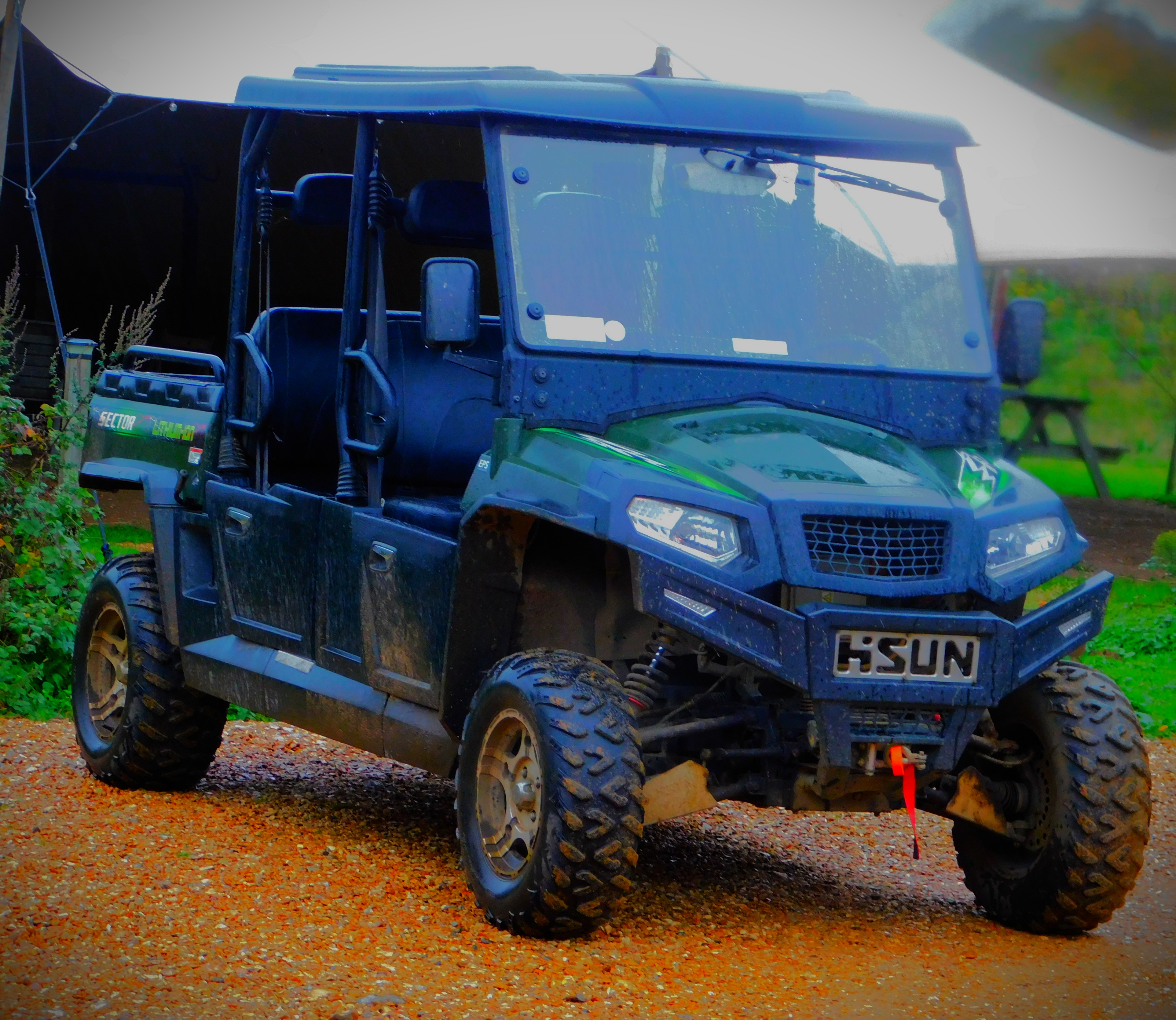
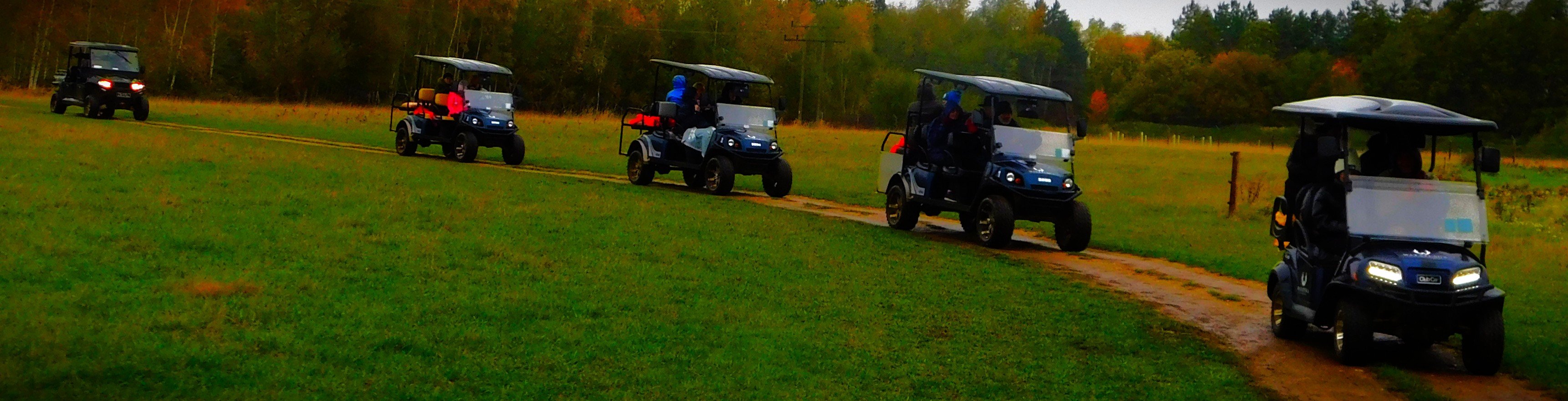
There were several important differences between my two trips – the first time I travelled round in a trailer, this time round we were in a buggy (I commented while we were on our way there that these buggies looked a little like they had been built using Quadro, which was an exaggeration, but not massively much of one. They have no sides, and the roofs do not provide full coverage either. They bounce like crazy whenever the surface underneath is rough, which is quite often. The weather was inclement, and although my seat was wiped down before I sat on it, and I was given a poncho to shelter my legs I still ended up with slightly damp trousers. Also with the clocks having just gone back it was darkening by the time we finished our trip, and pitch black by the time our taxi arrived to take us to King’s Lynn station, from where I walked home while my parents travelled south. However, for all the issues with our mode of transportation, the weather and the encroaching darkness I enjoyed this visit as much as I had enjoyed the previous one, even though they were so close together.
PHOTOGRAPHS
Here are the pictures I took that came out well enough to keep…
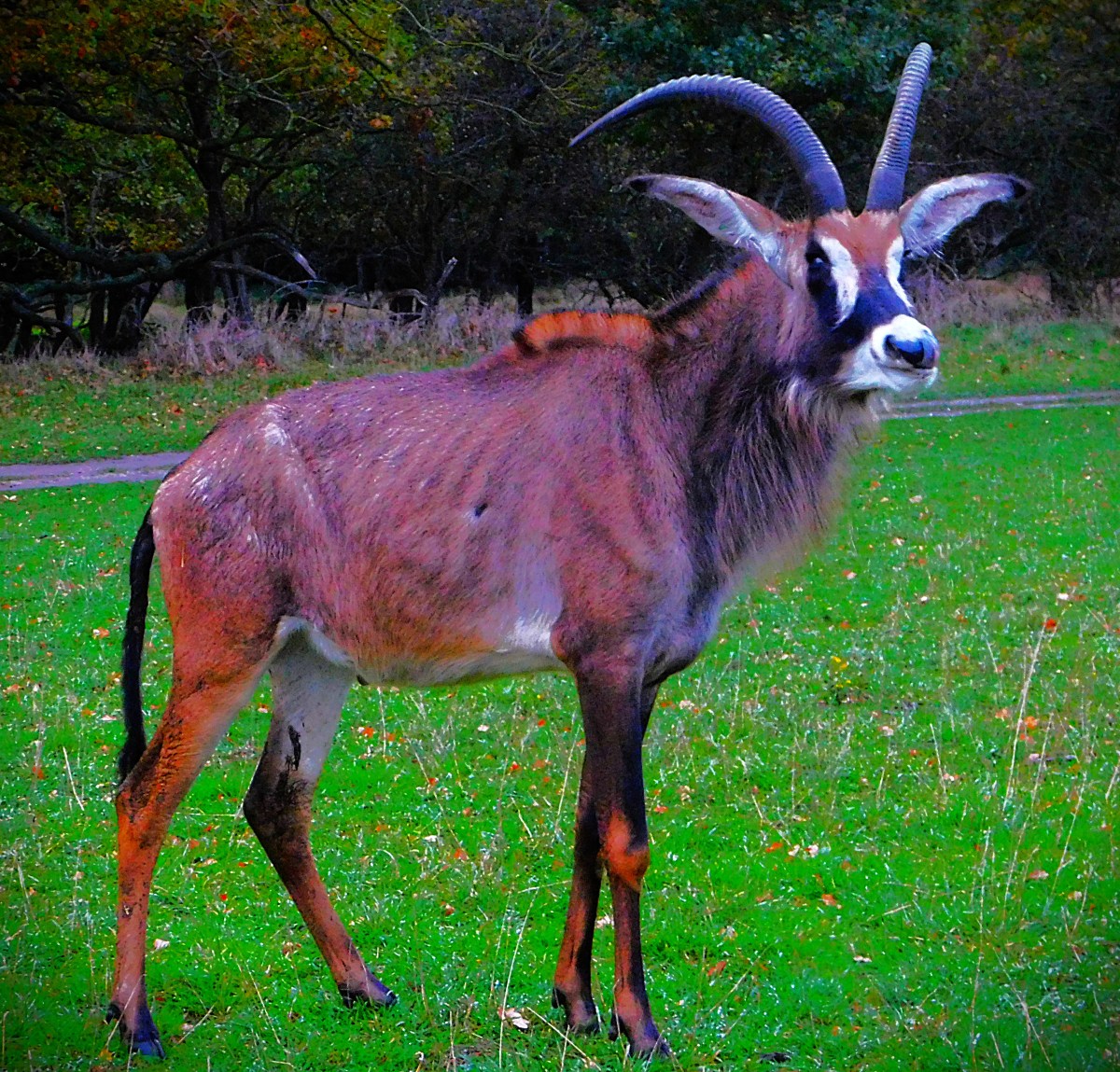
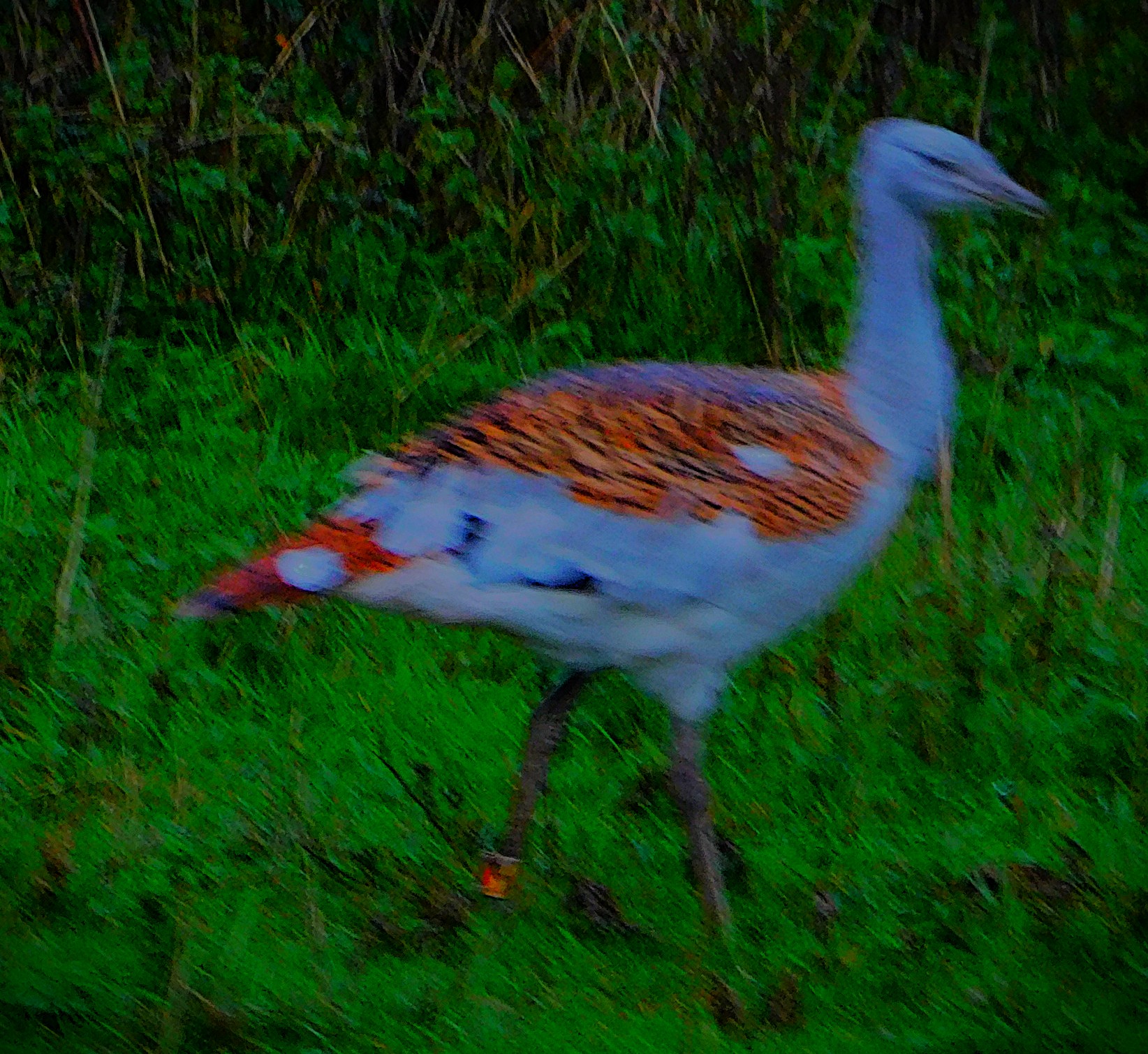
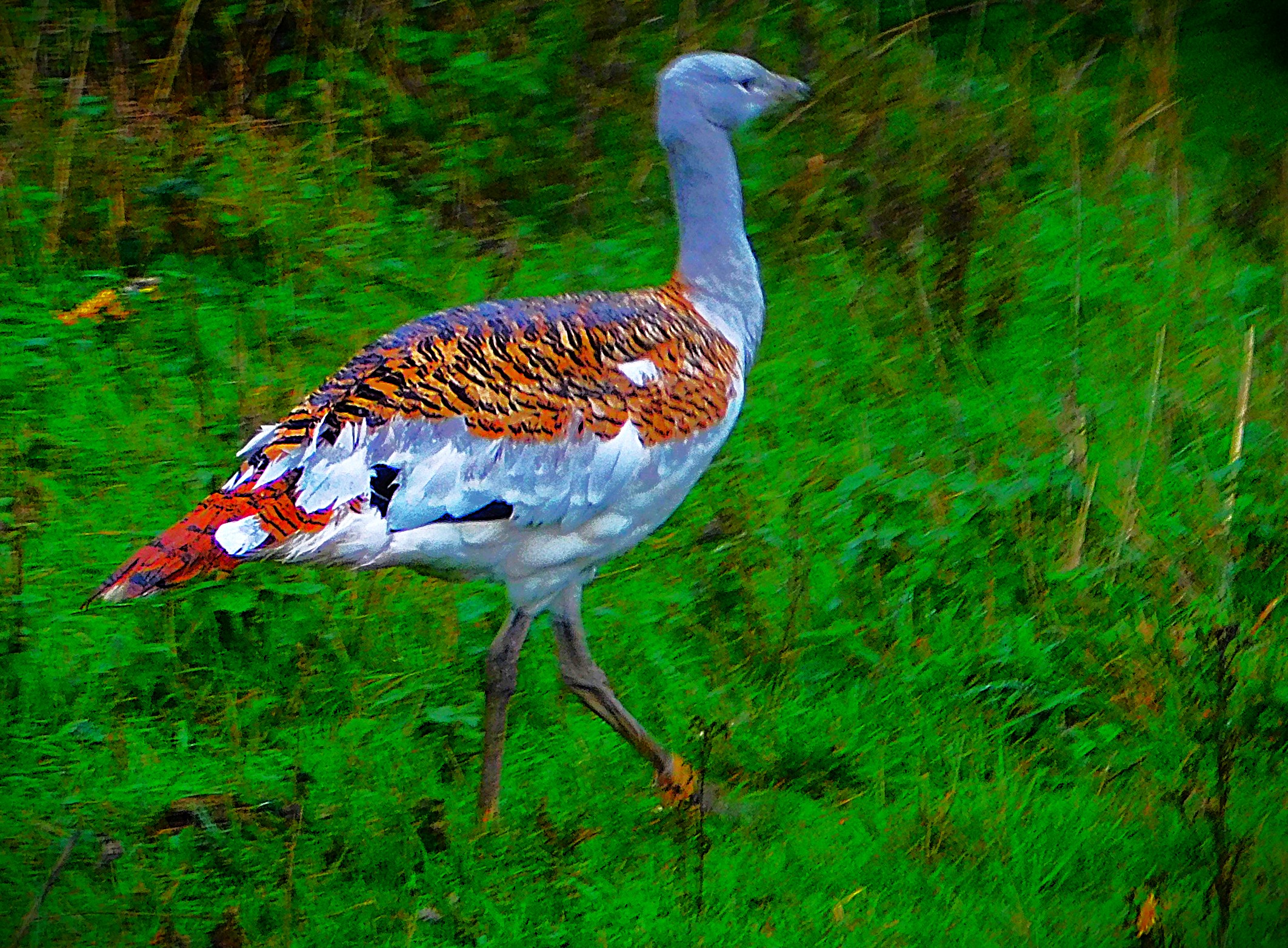
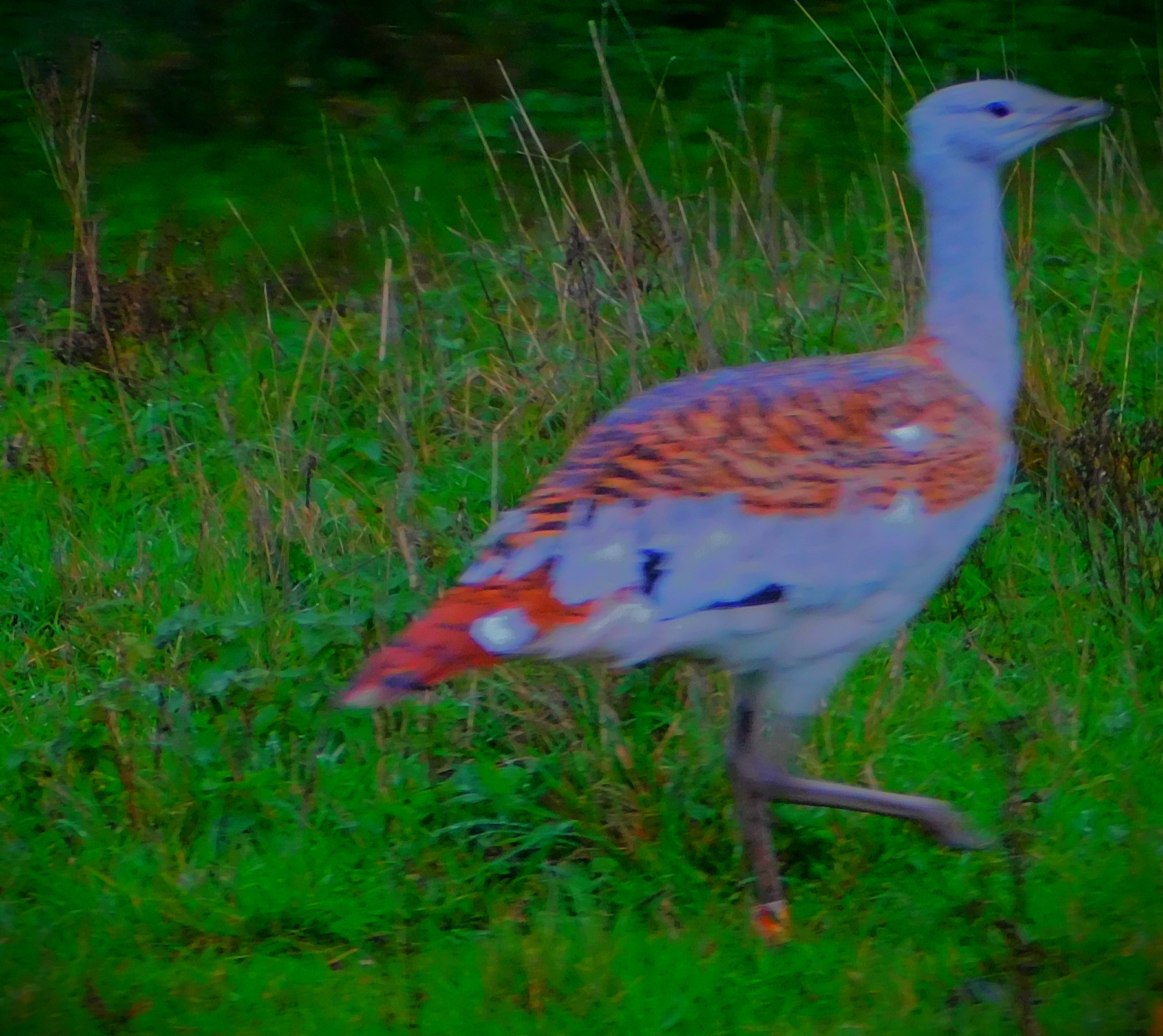
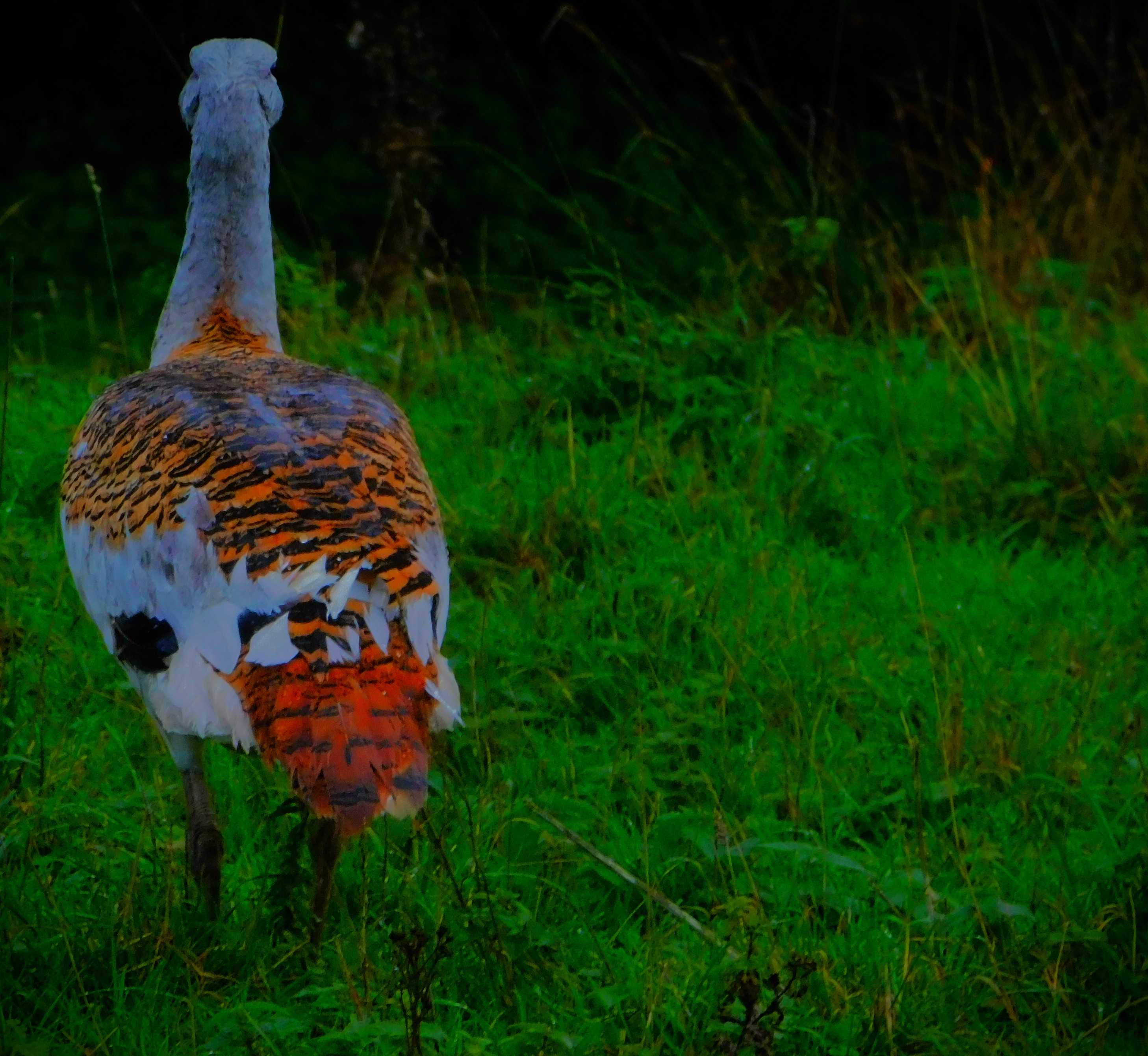
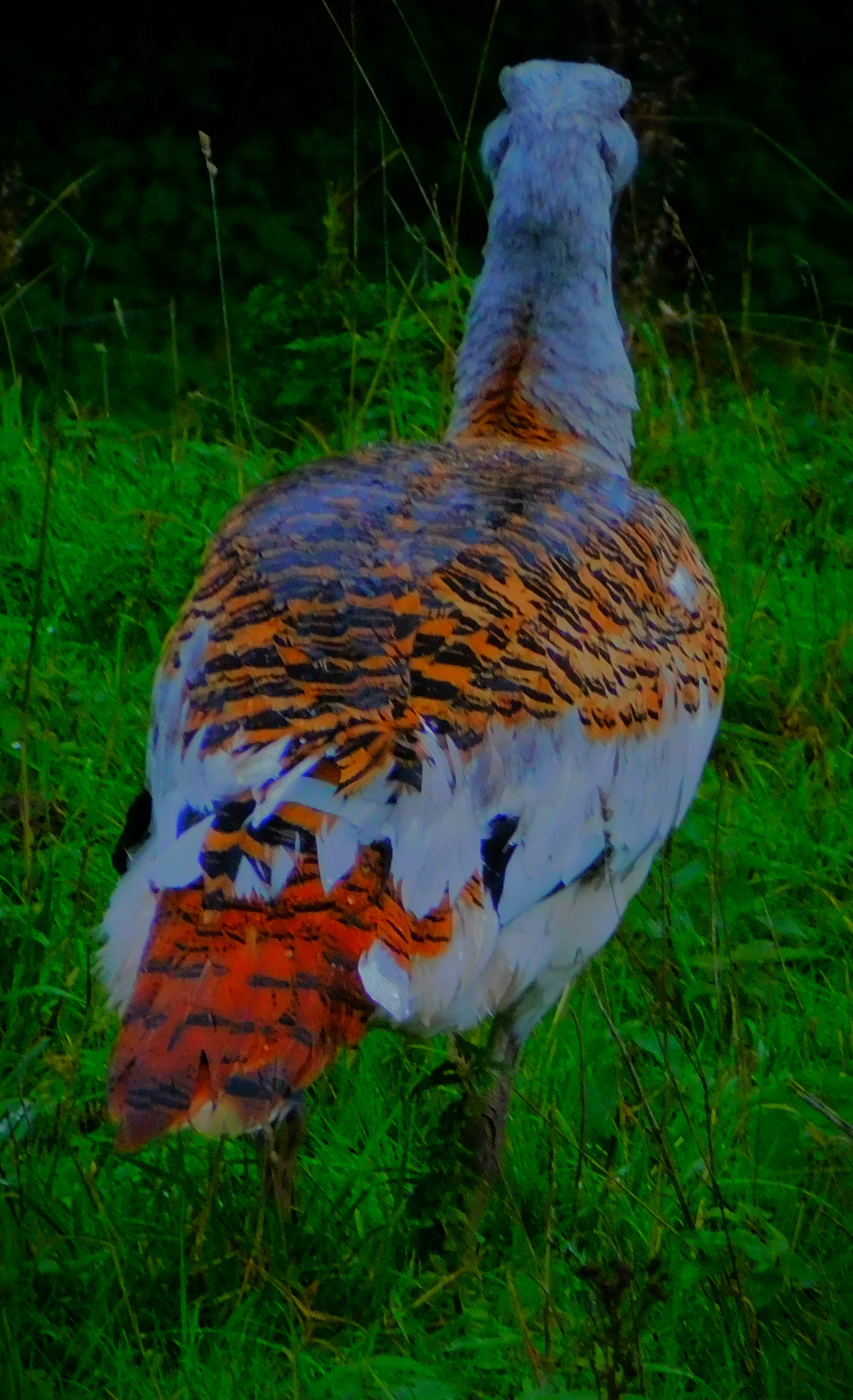
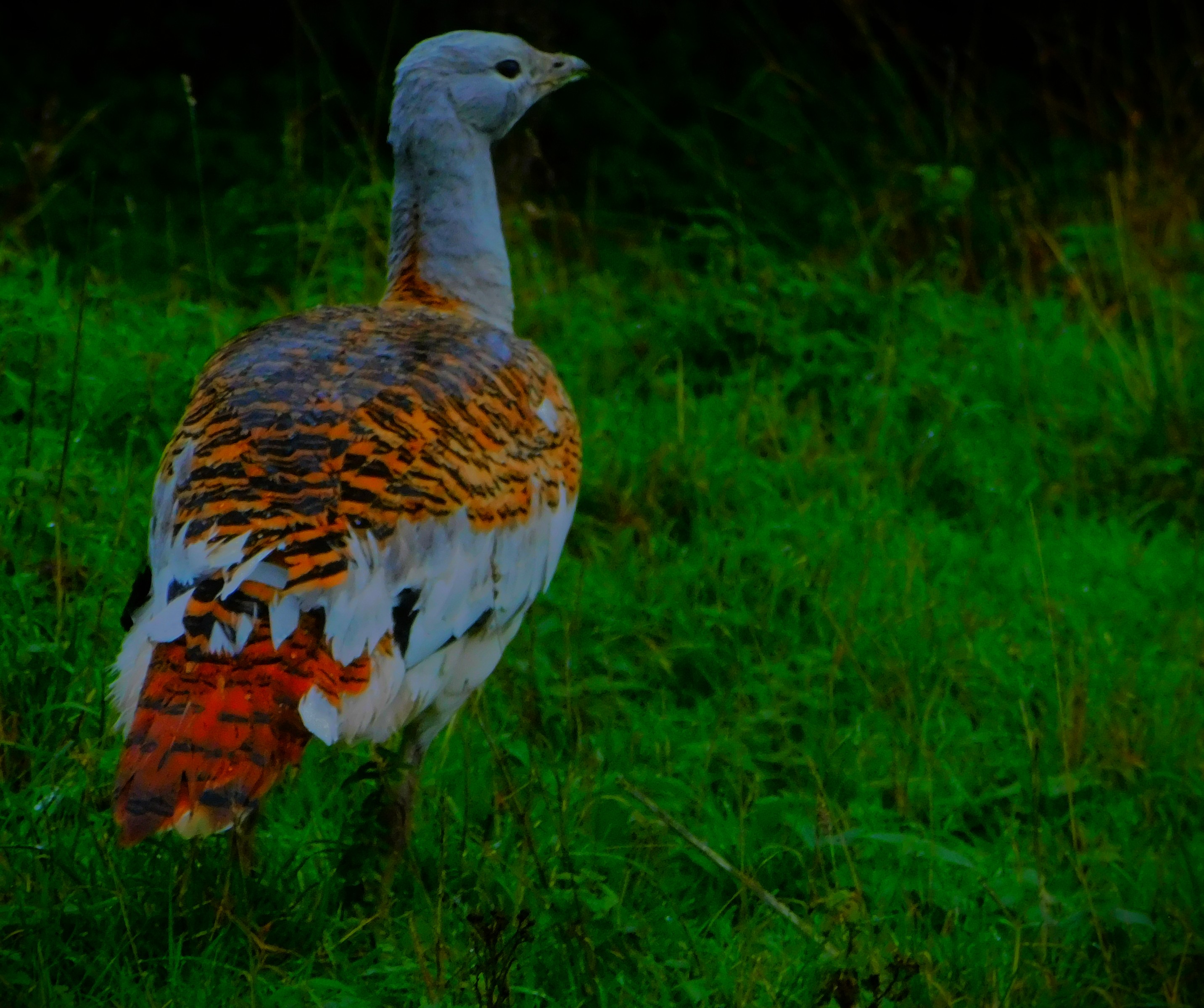
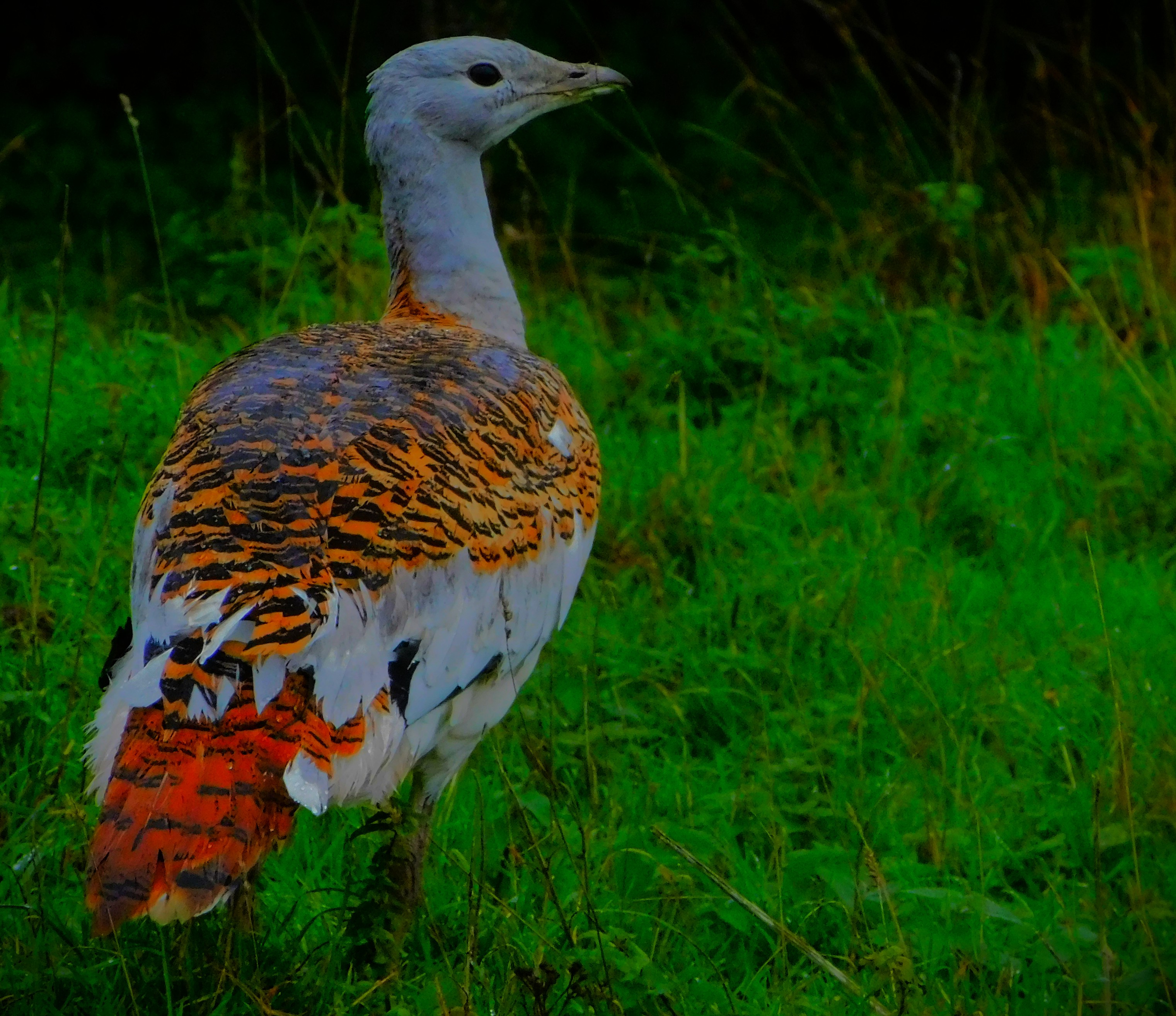
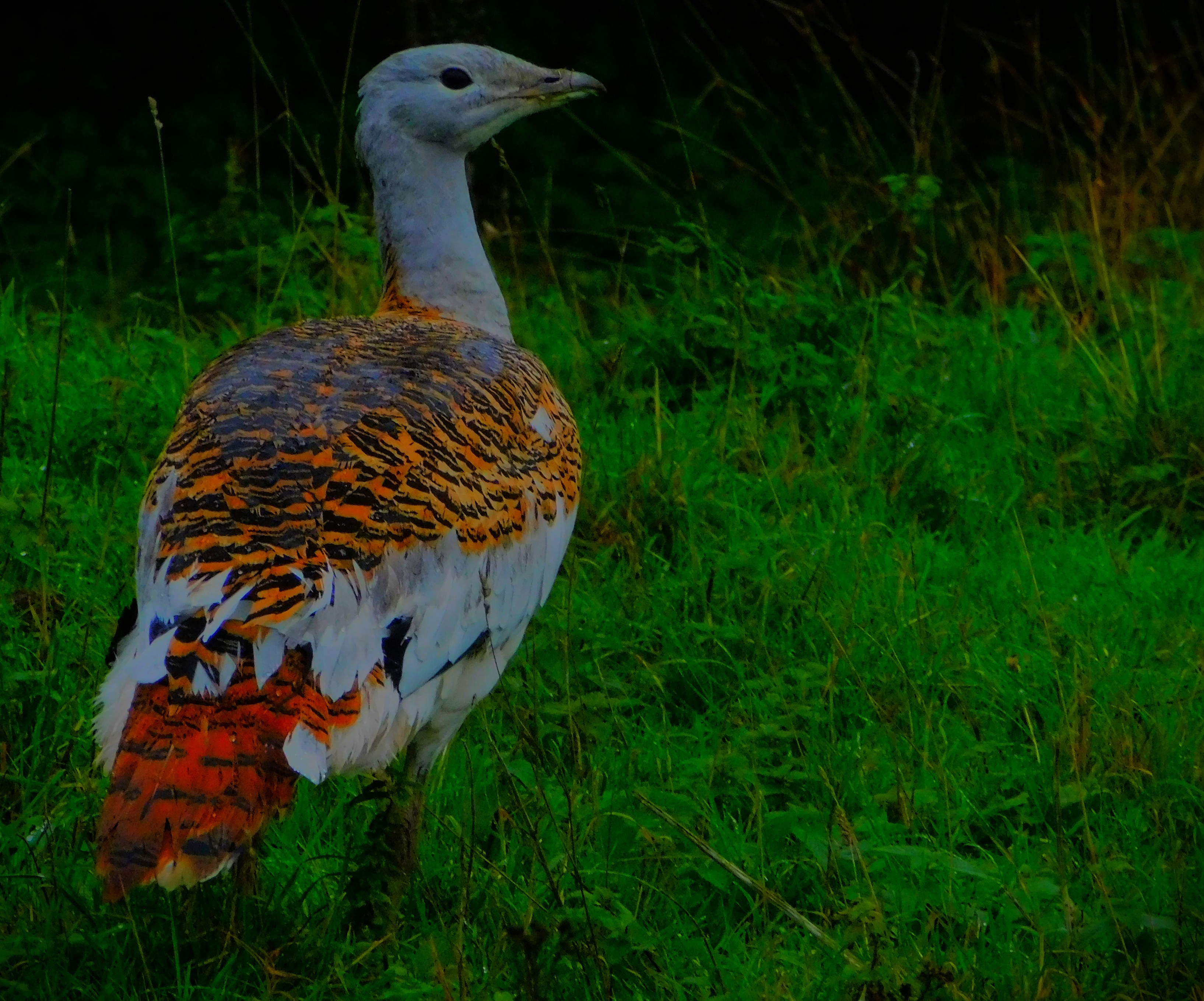
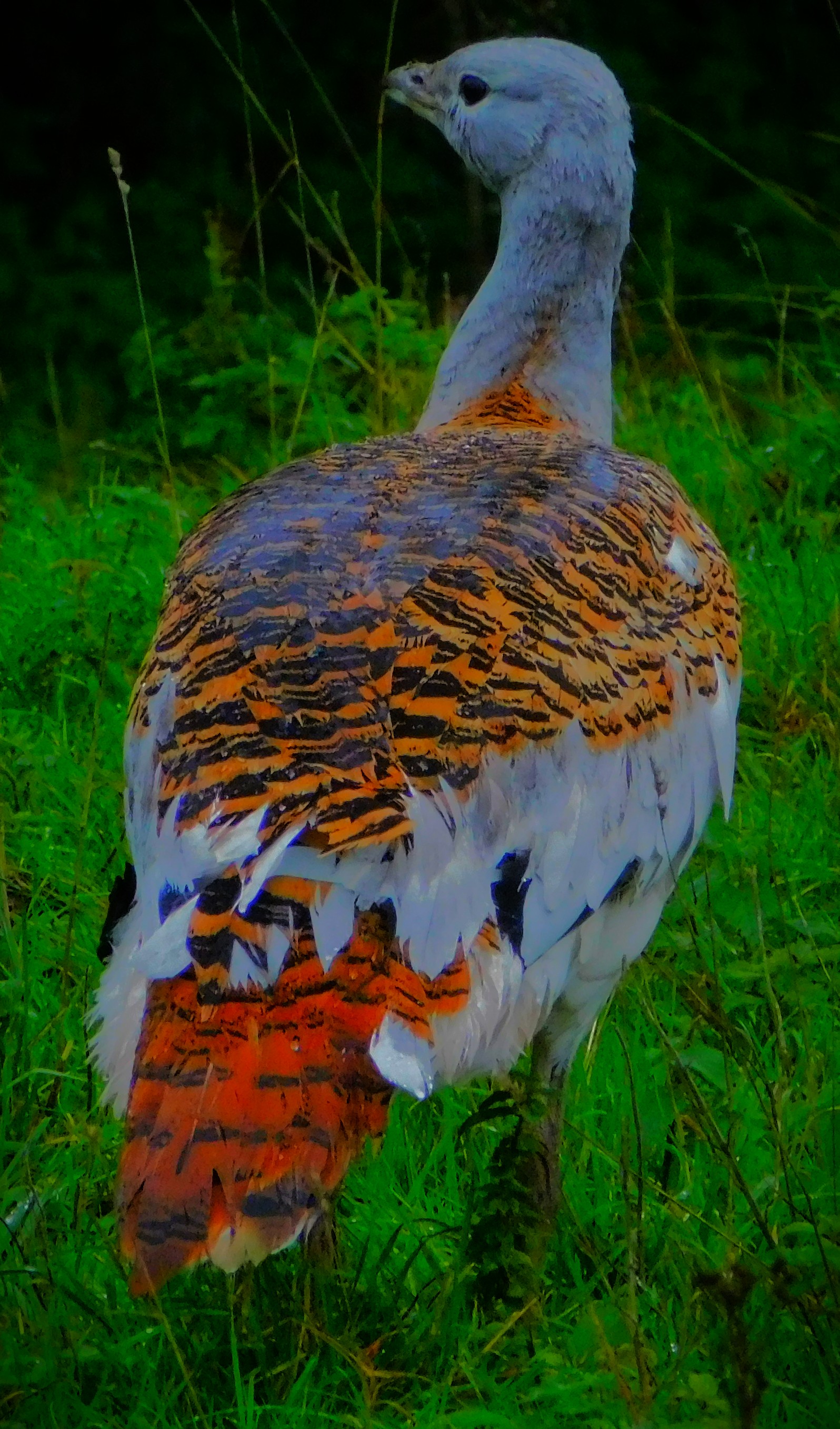
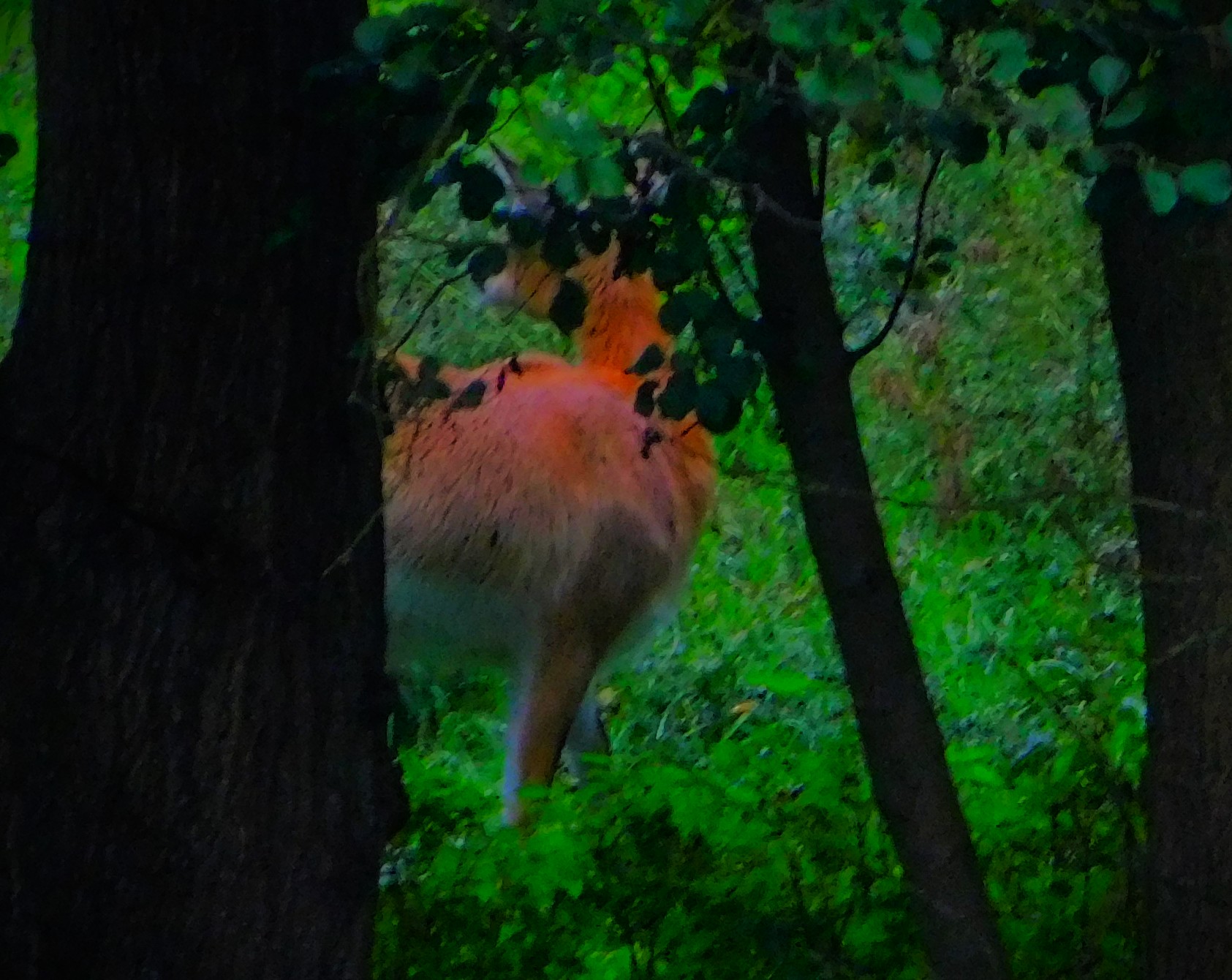
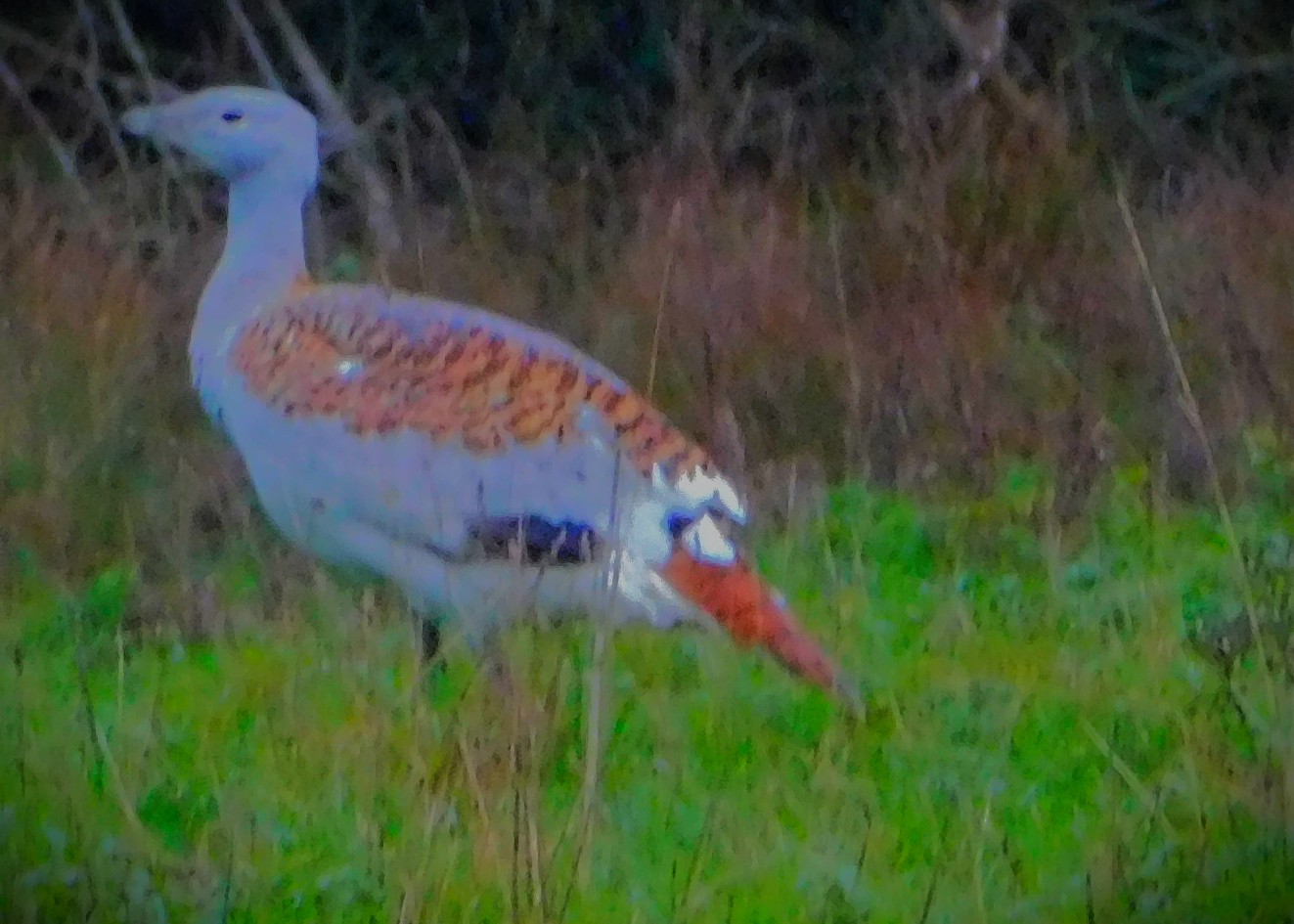
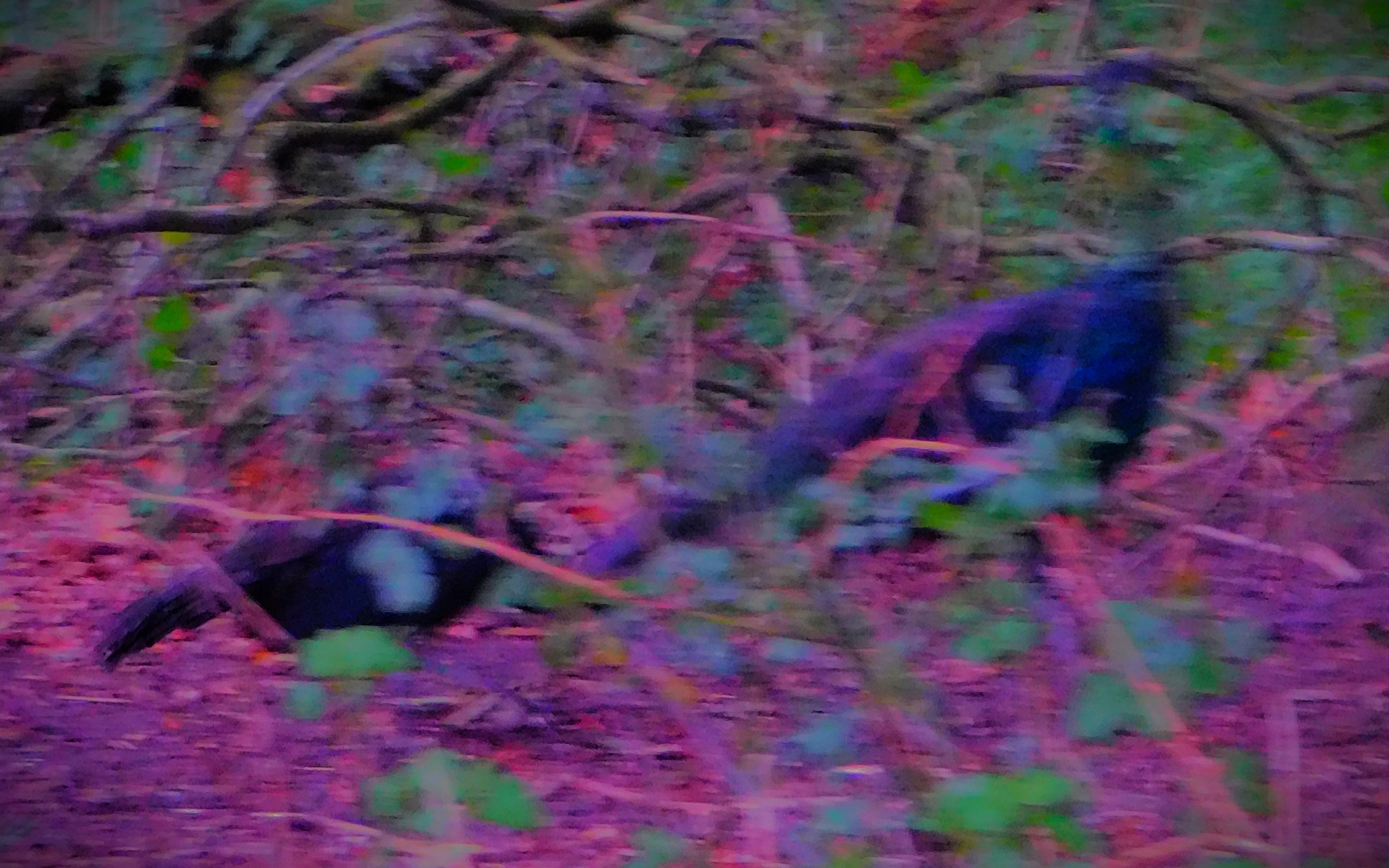
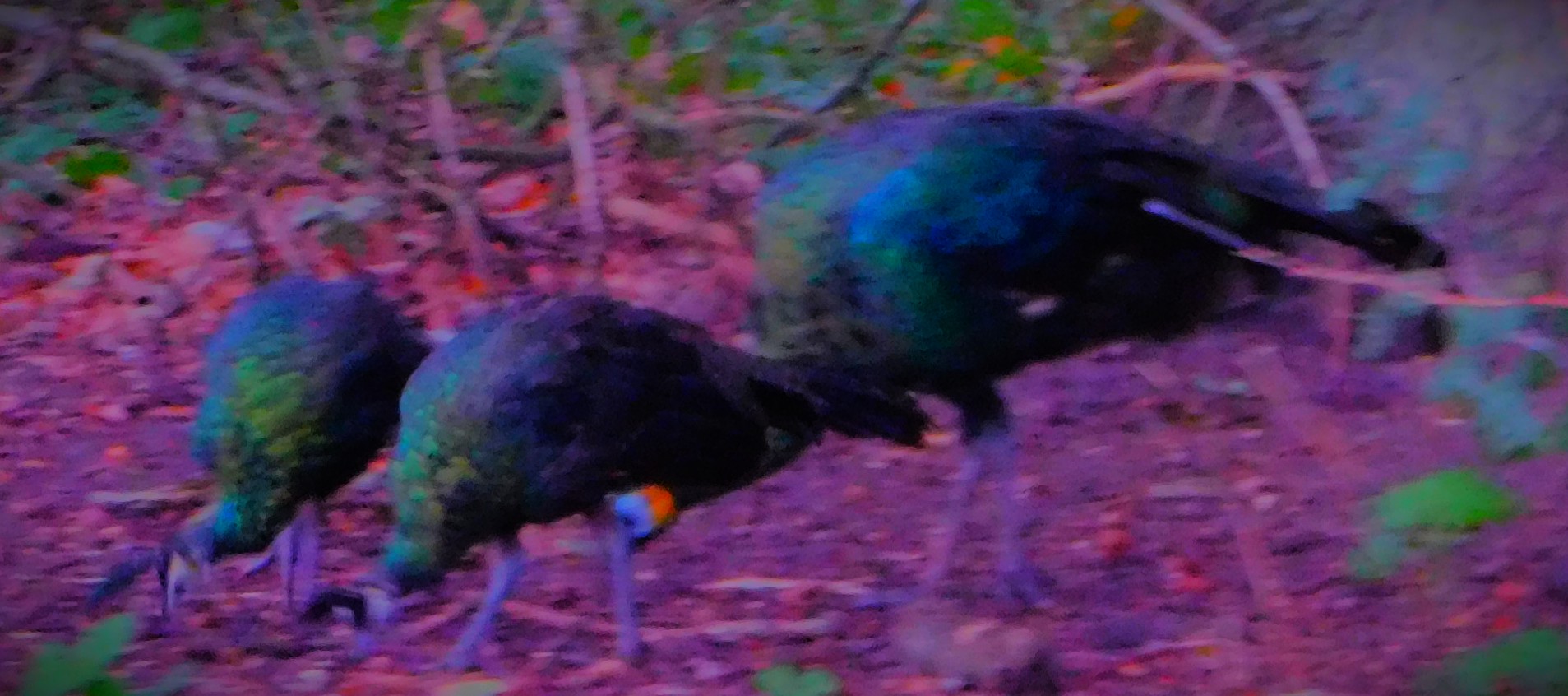
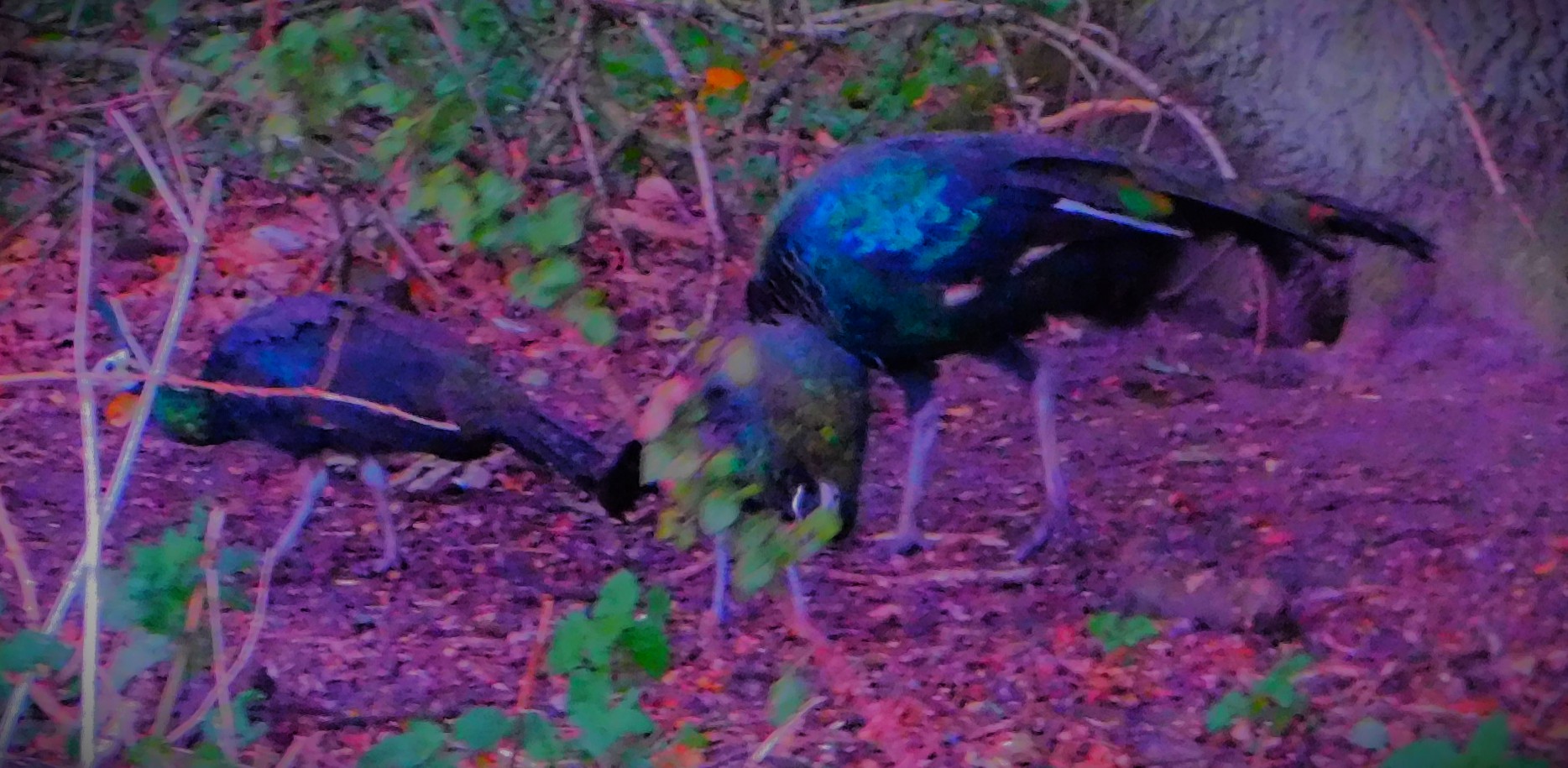
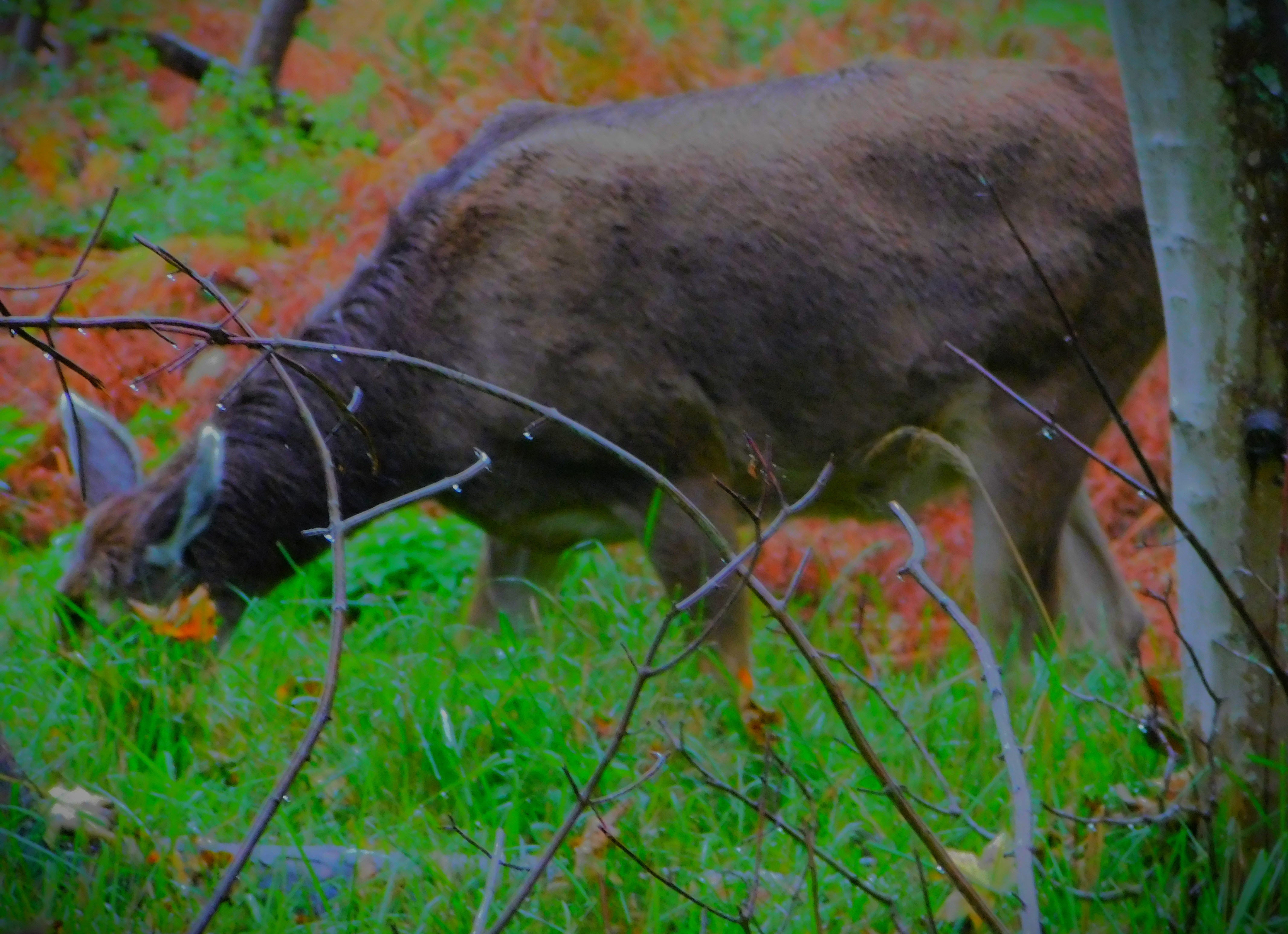
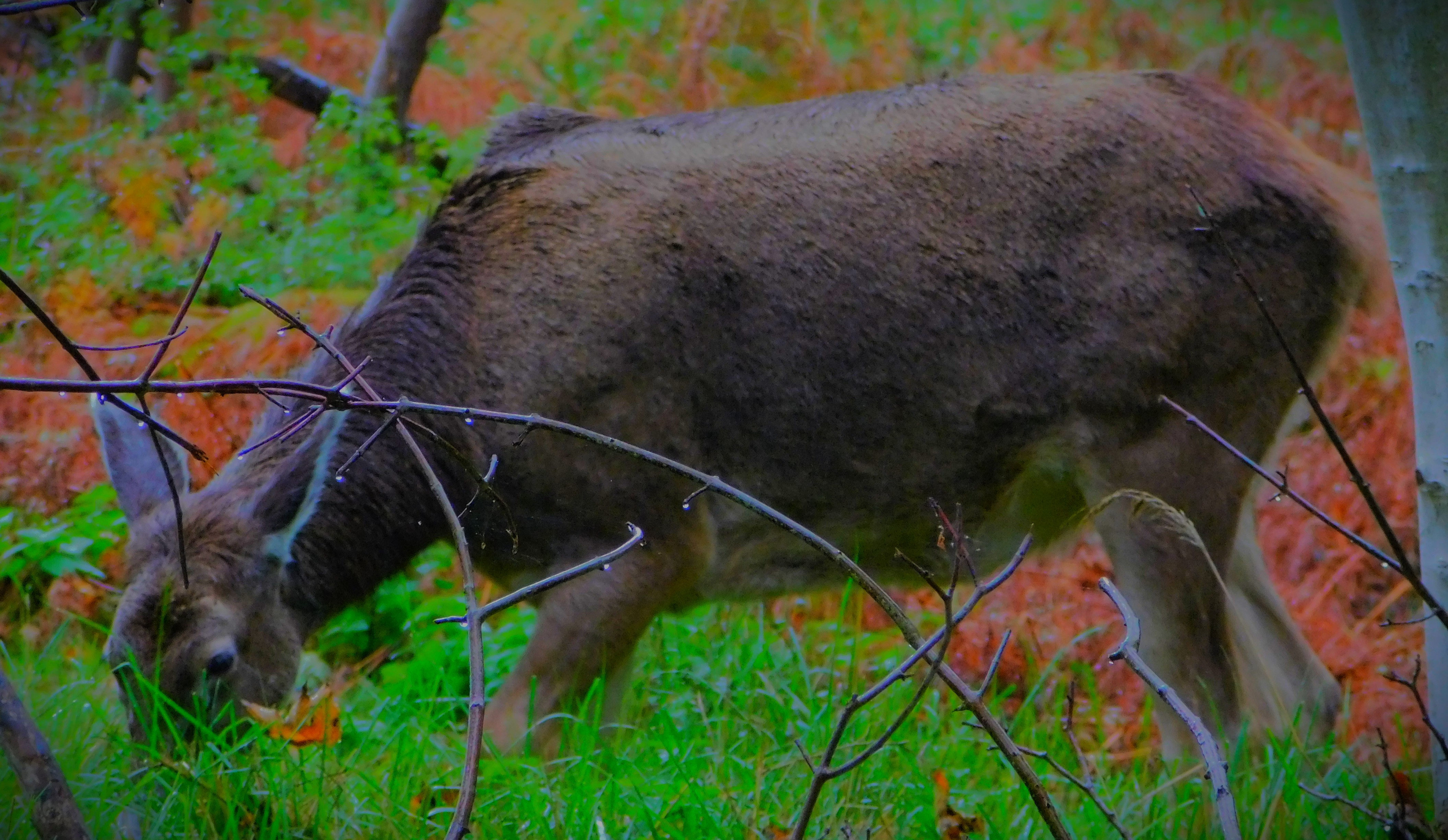
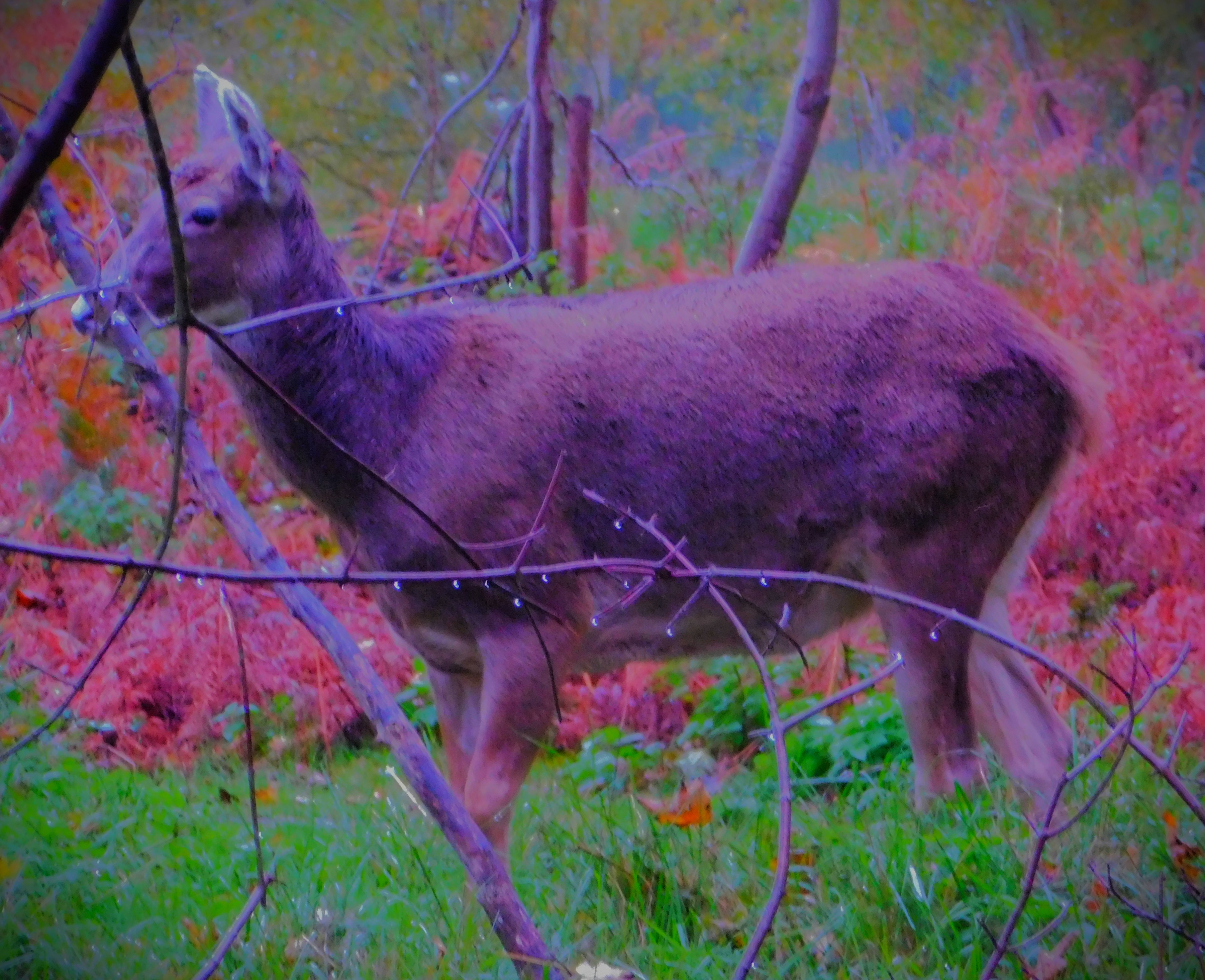
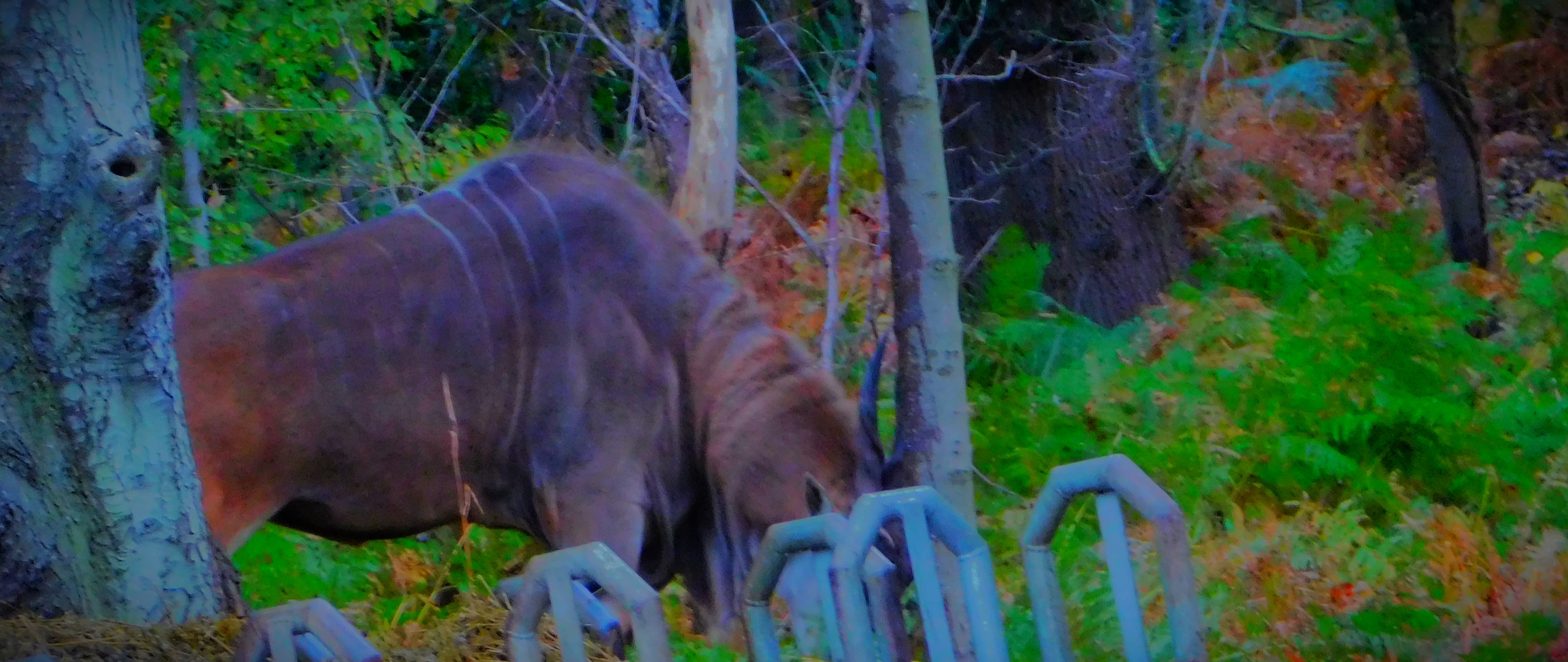
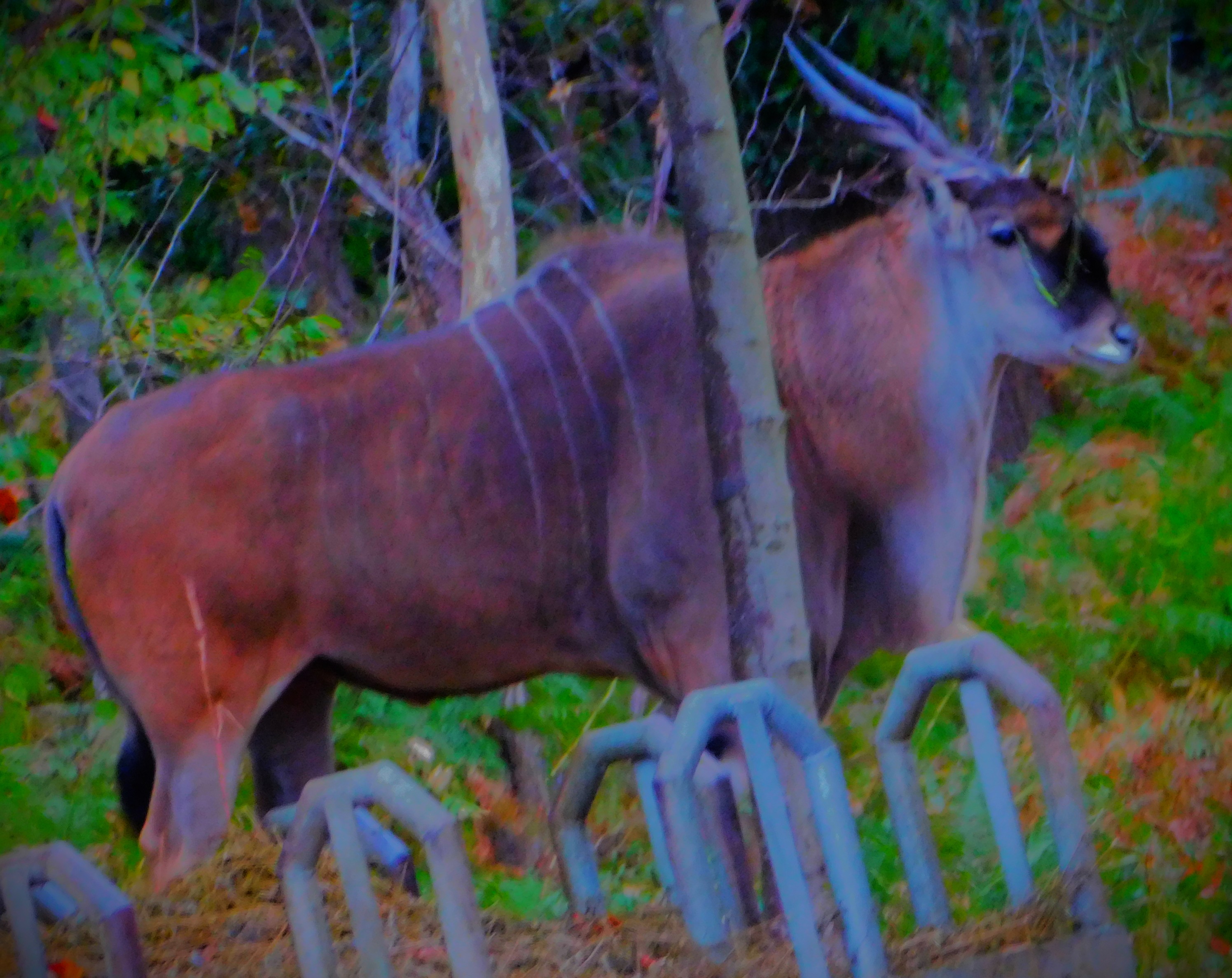
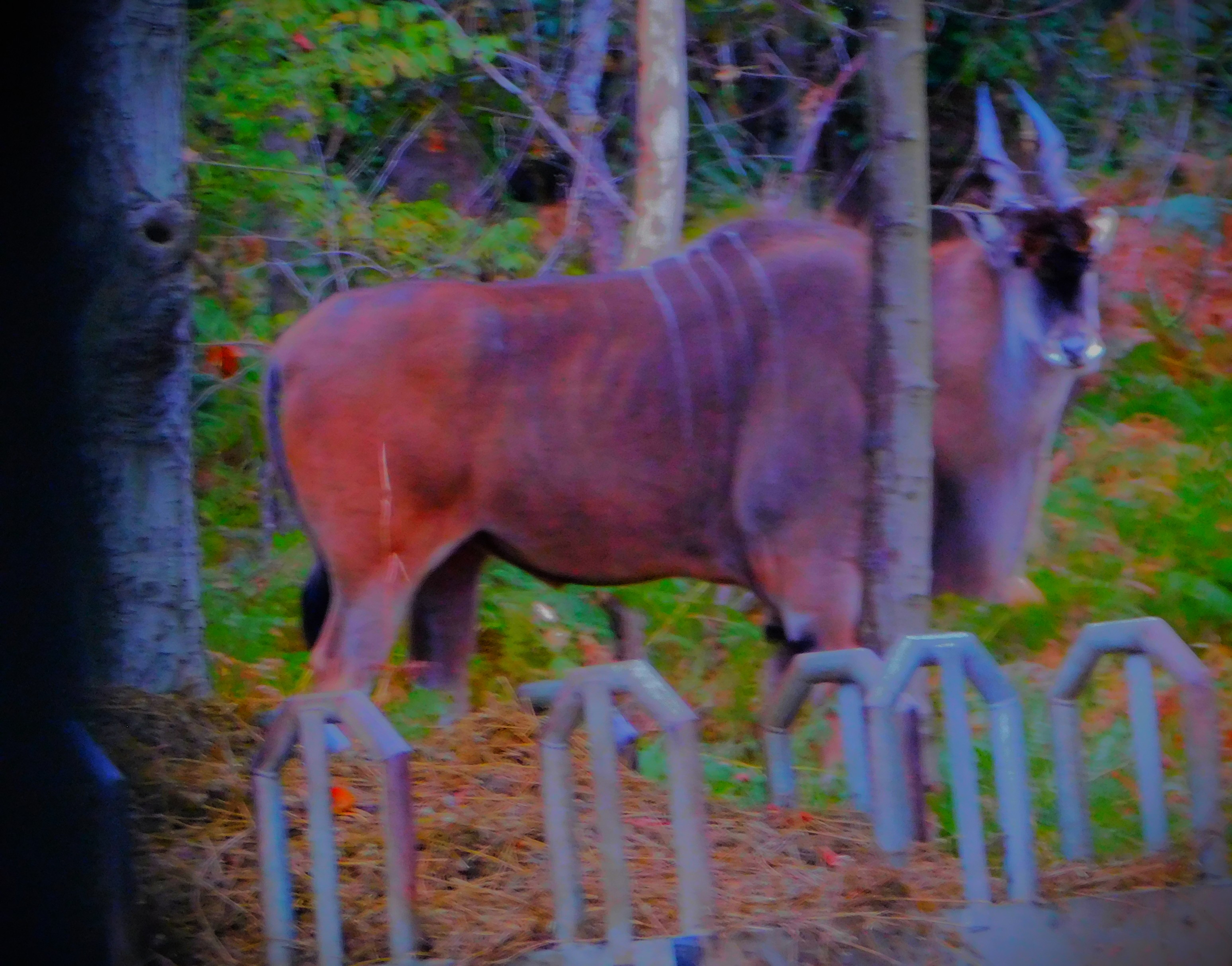
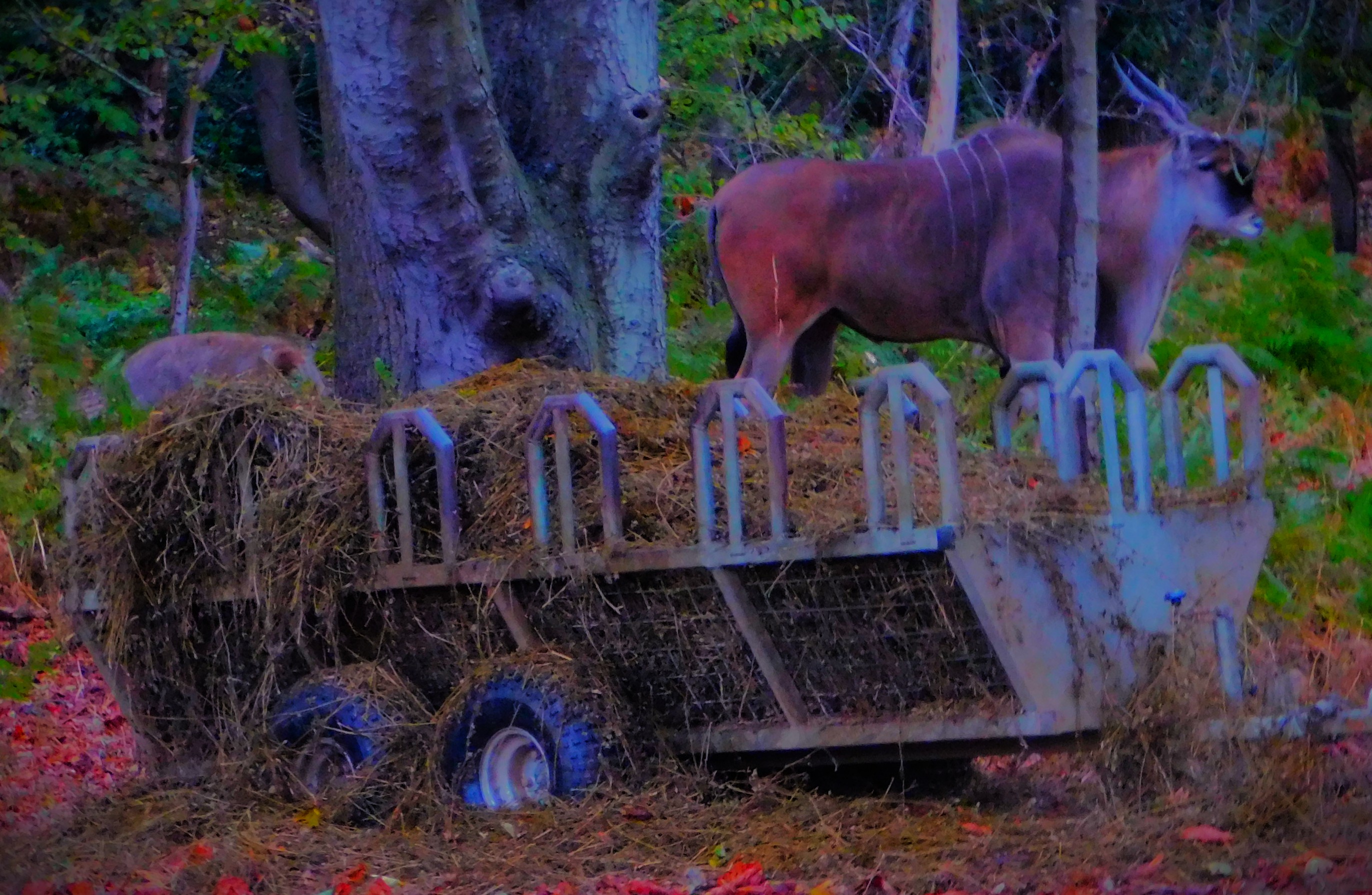
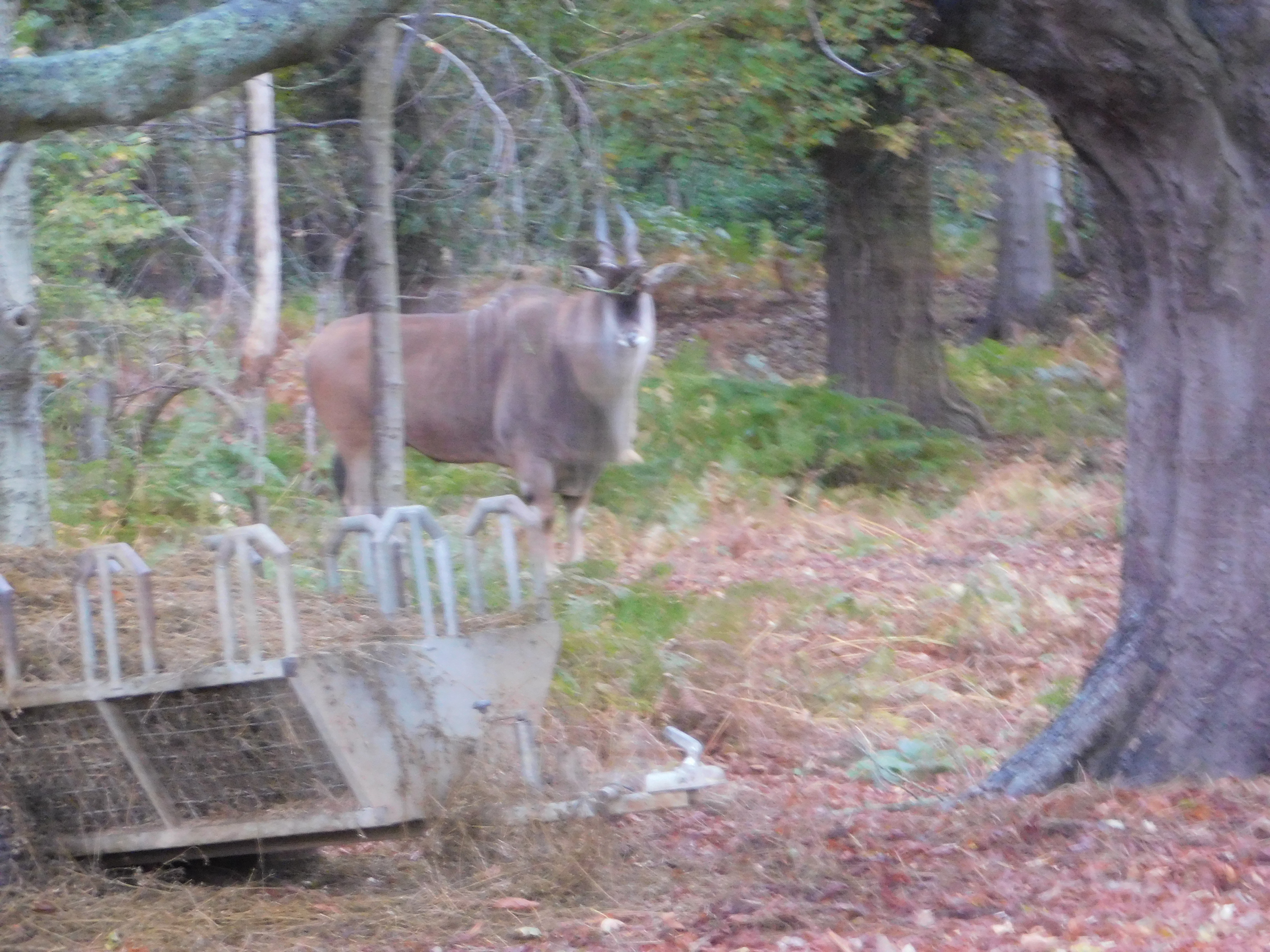
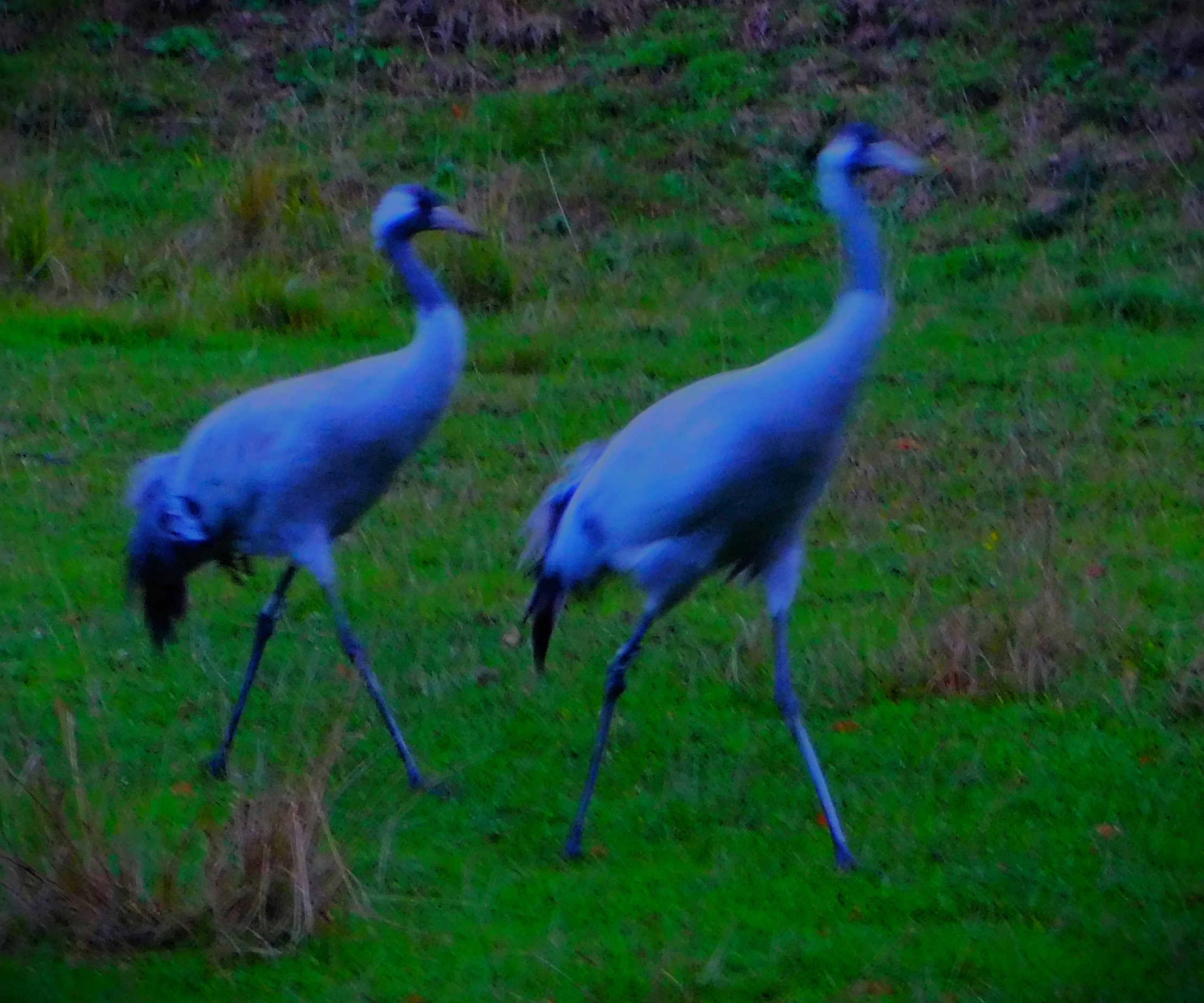
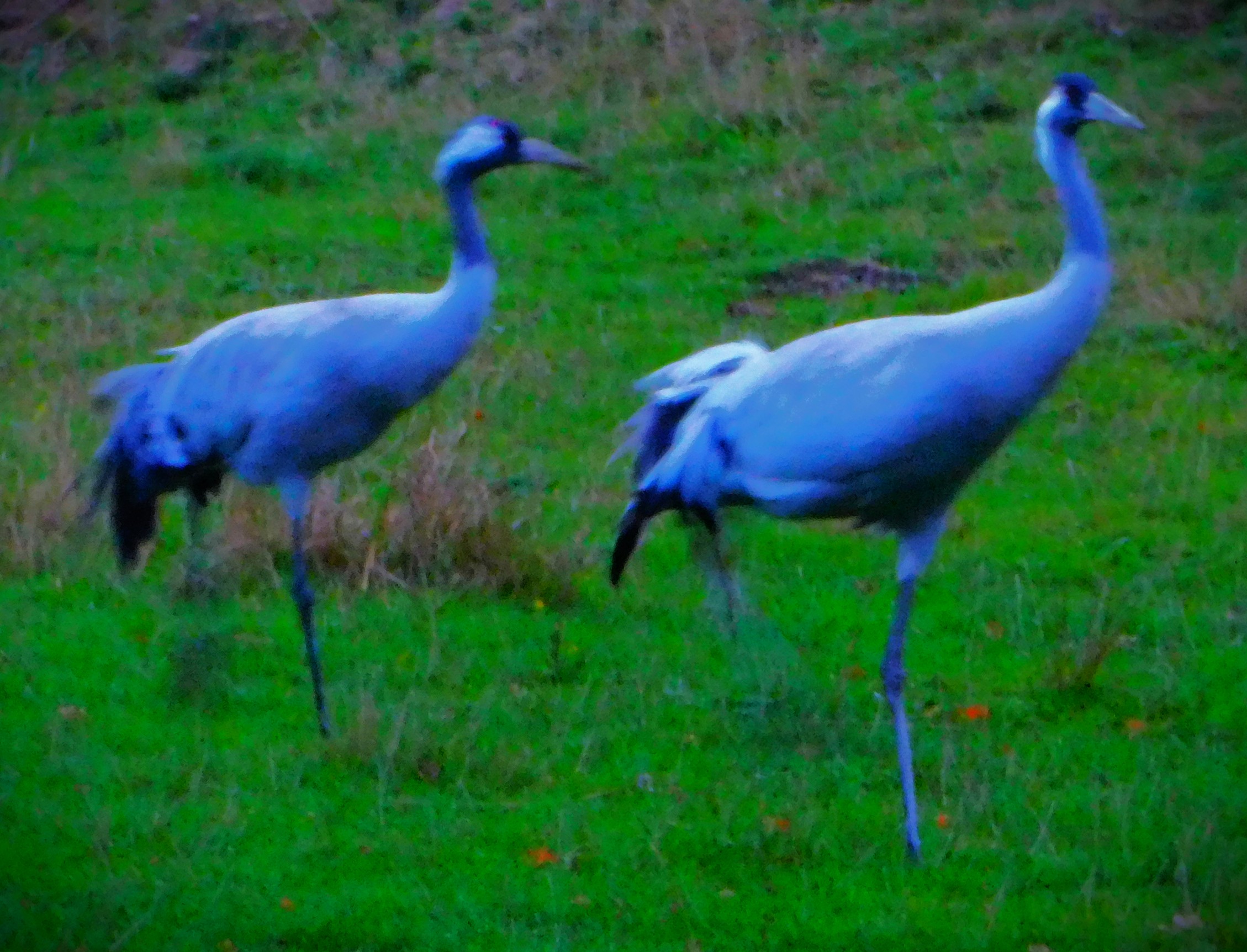
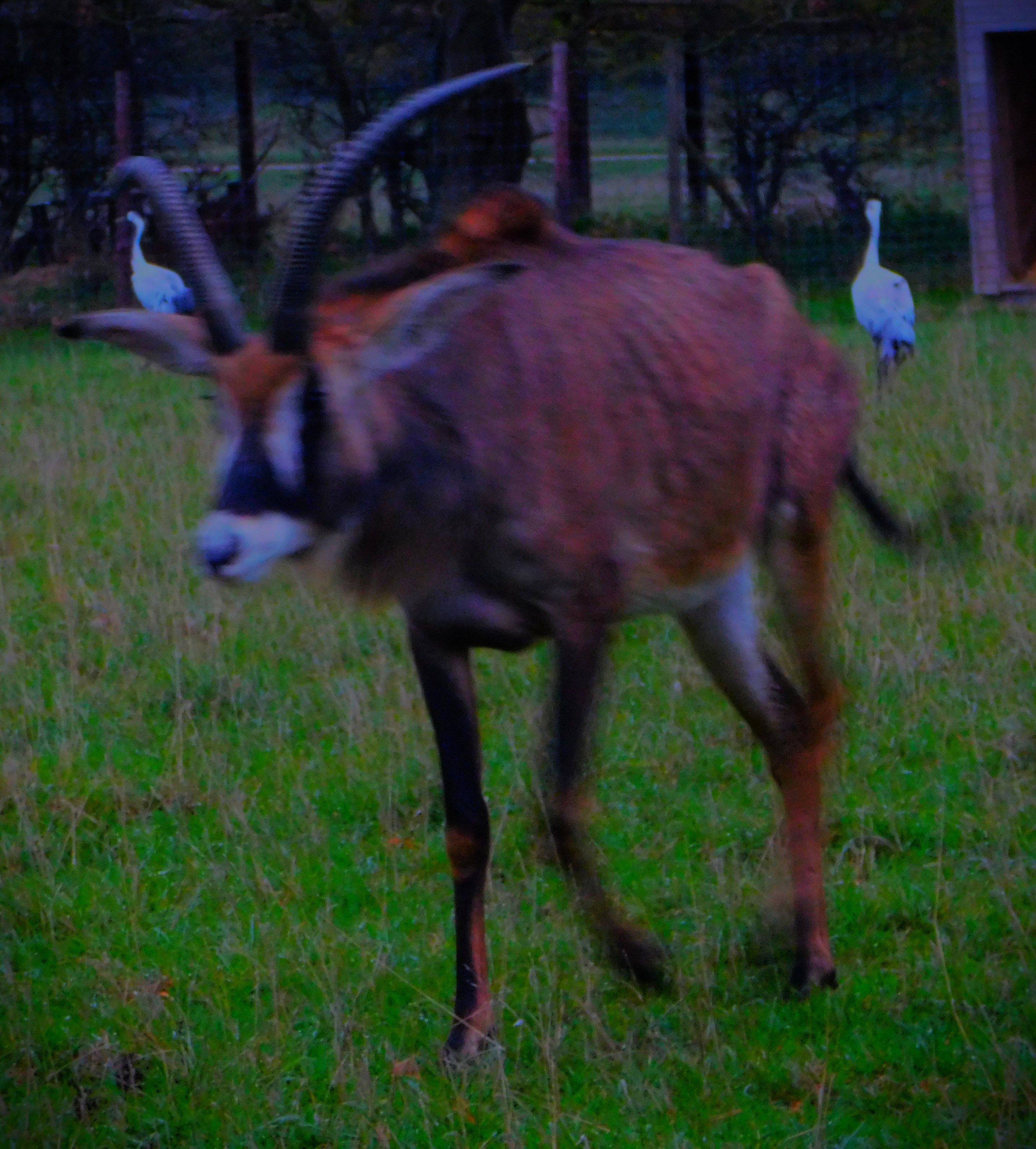
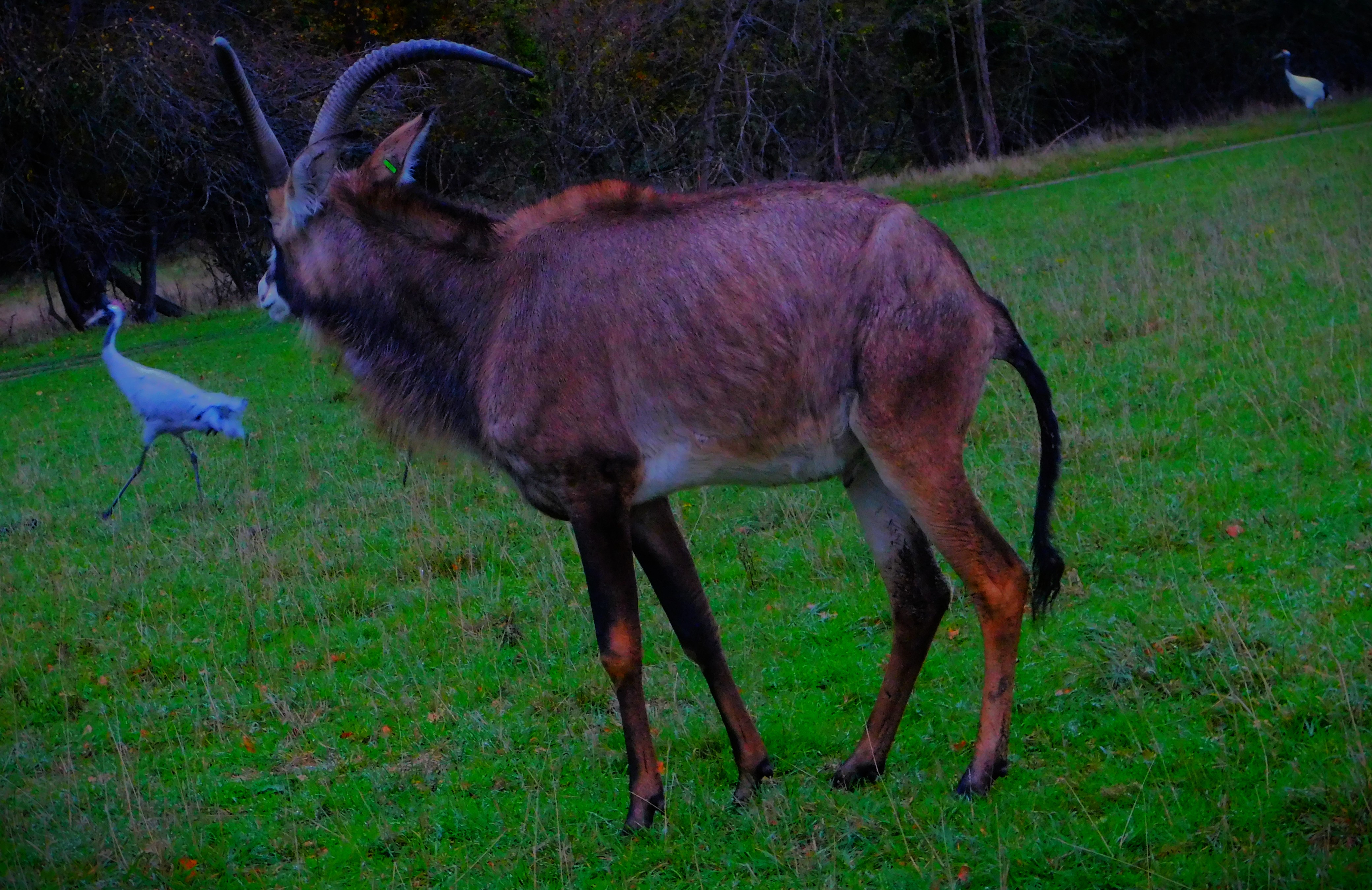
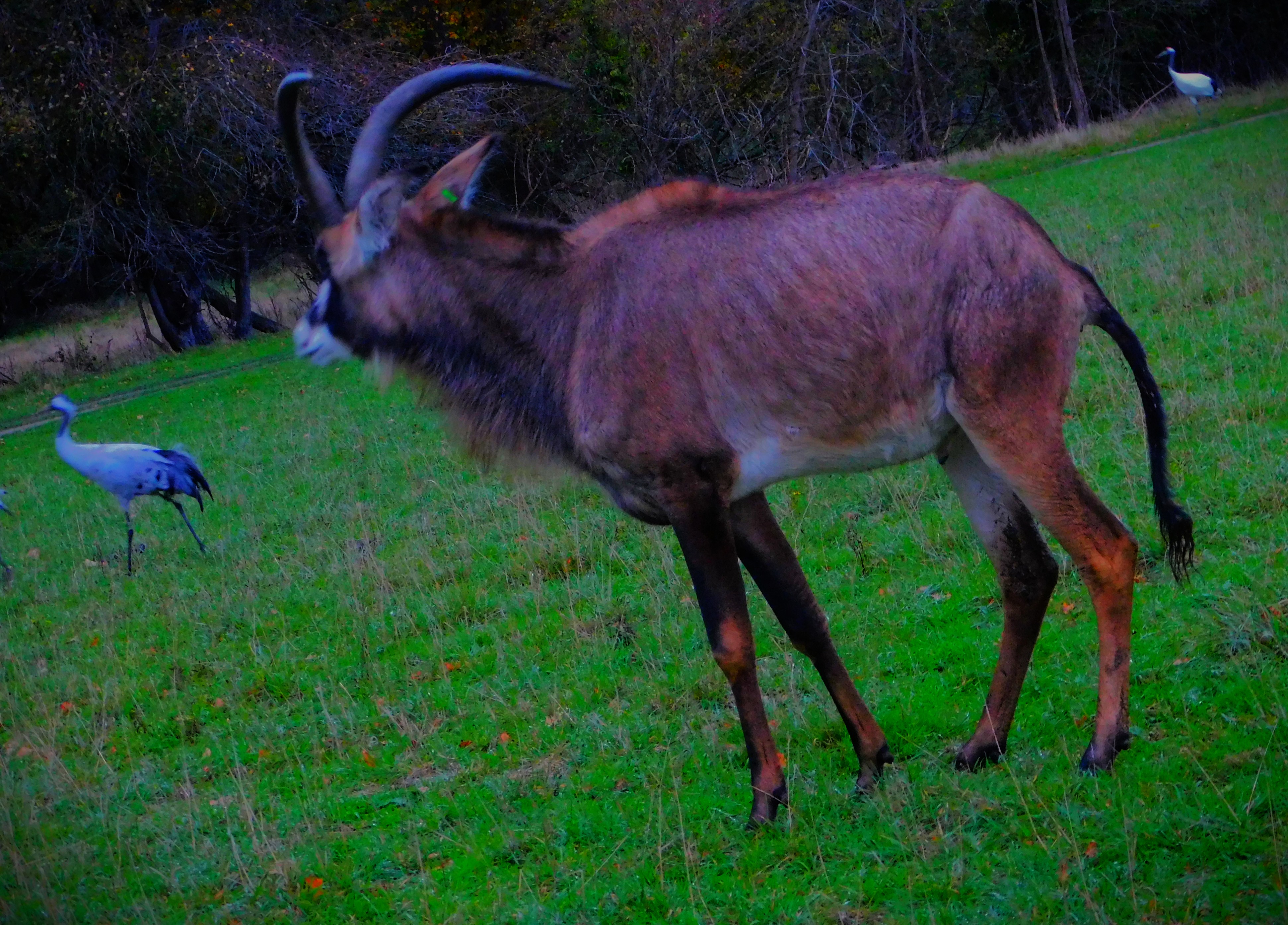
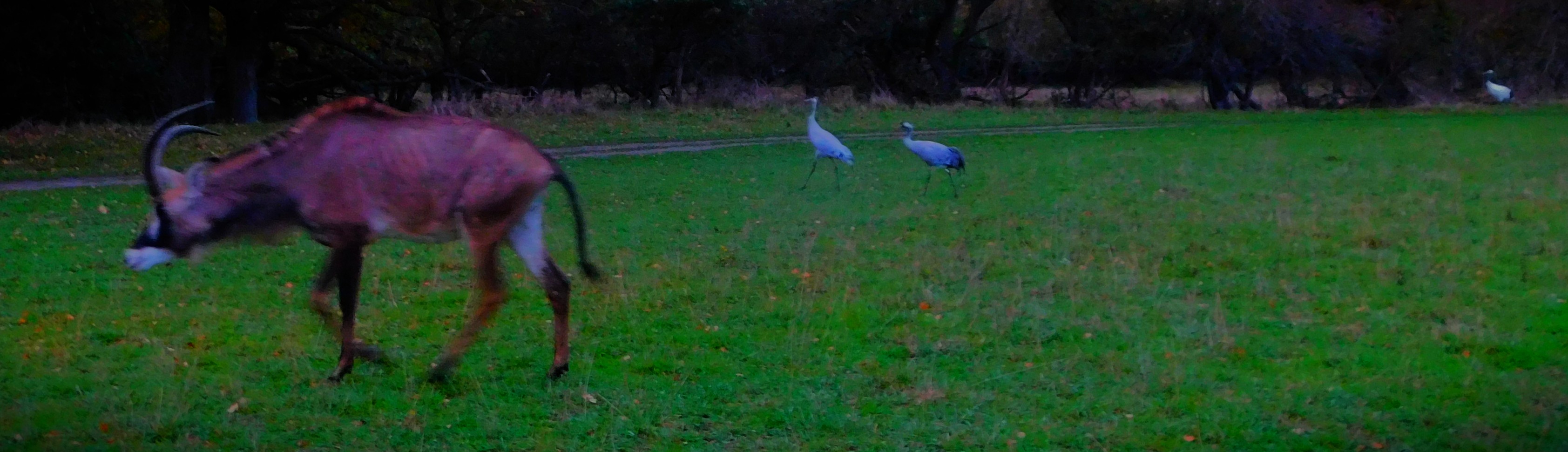
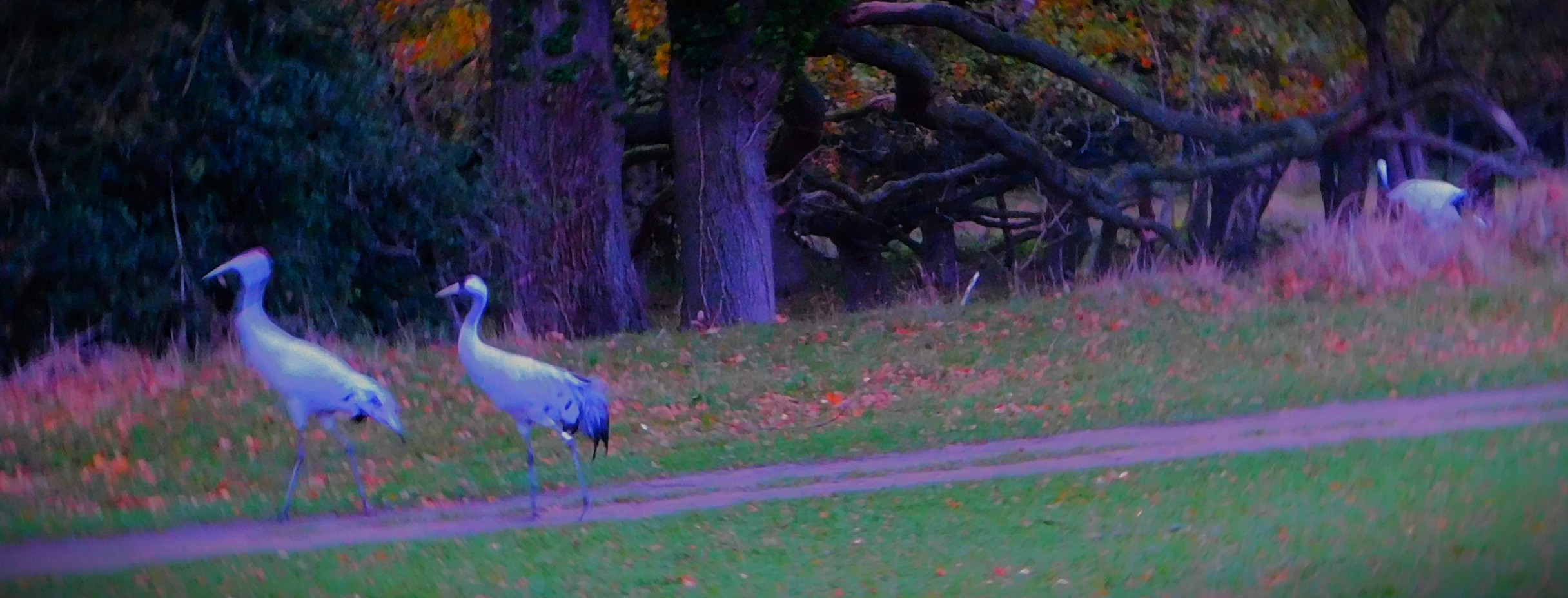
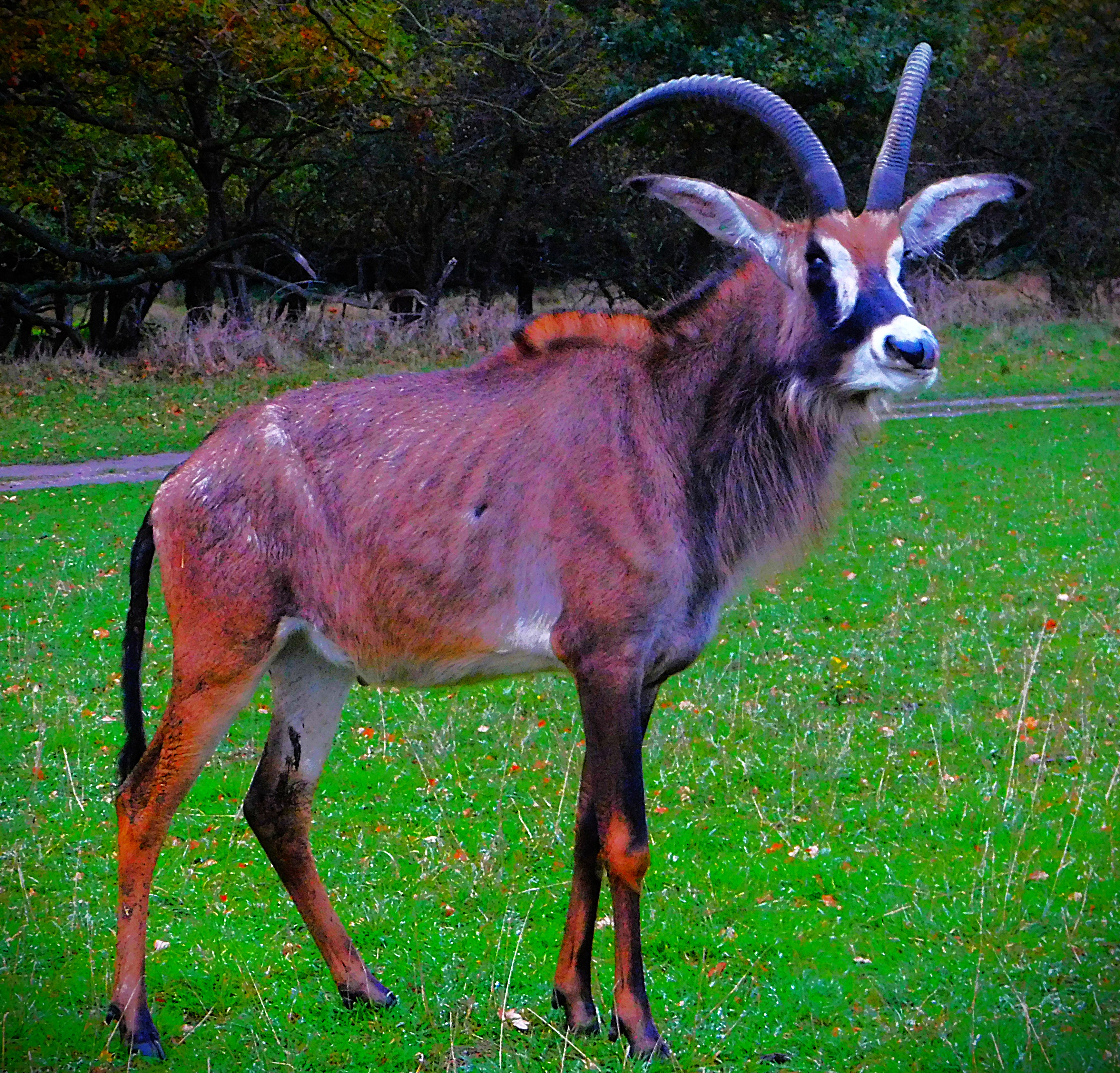
Some of the buggies – note that as we were a group of three ours was smaller than most of these.Great Bustard male.Javan peafowls – these are very rare, so the two chicks are big news.Watatunga’s largest resident, a one ton Cape Eland and its satellite, a Nilgai (only the latter’s back is visible). These two species could never meet in the wild since they live on different continents.Eurasian CranesA roan antelopeThe roan antelope.An eastern bongo (the silvery stripes identify it) with a pair of Eurasian cranes in the foreground.Guinea fowl – the light was fading by this point.
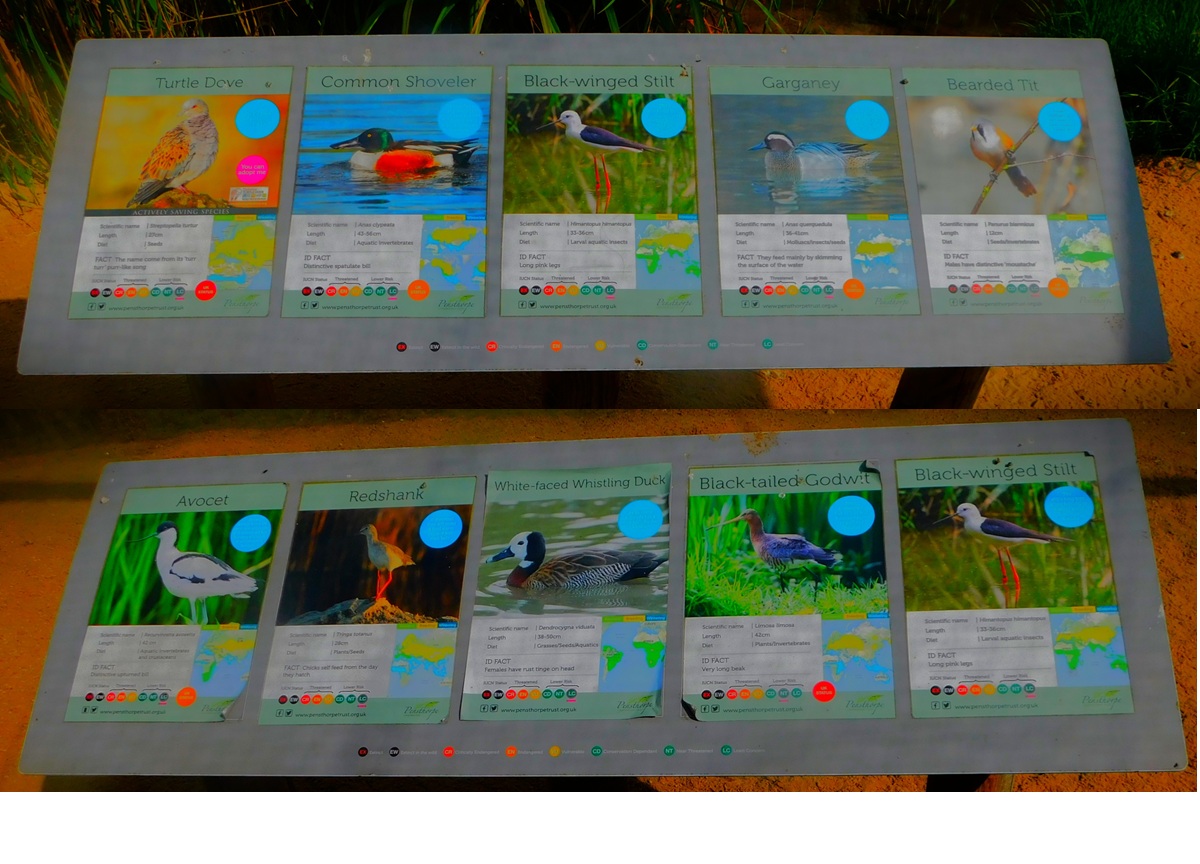
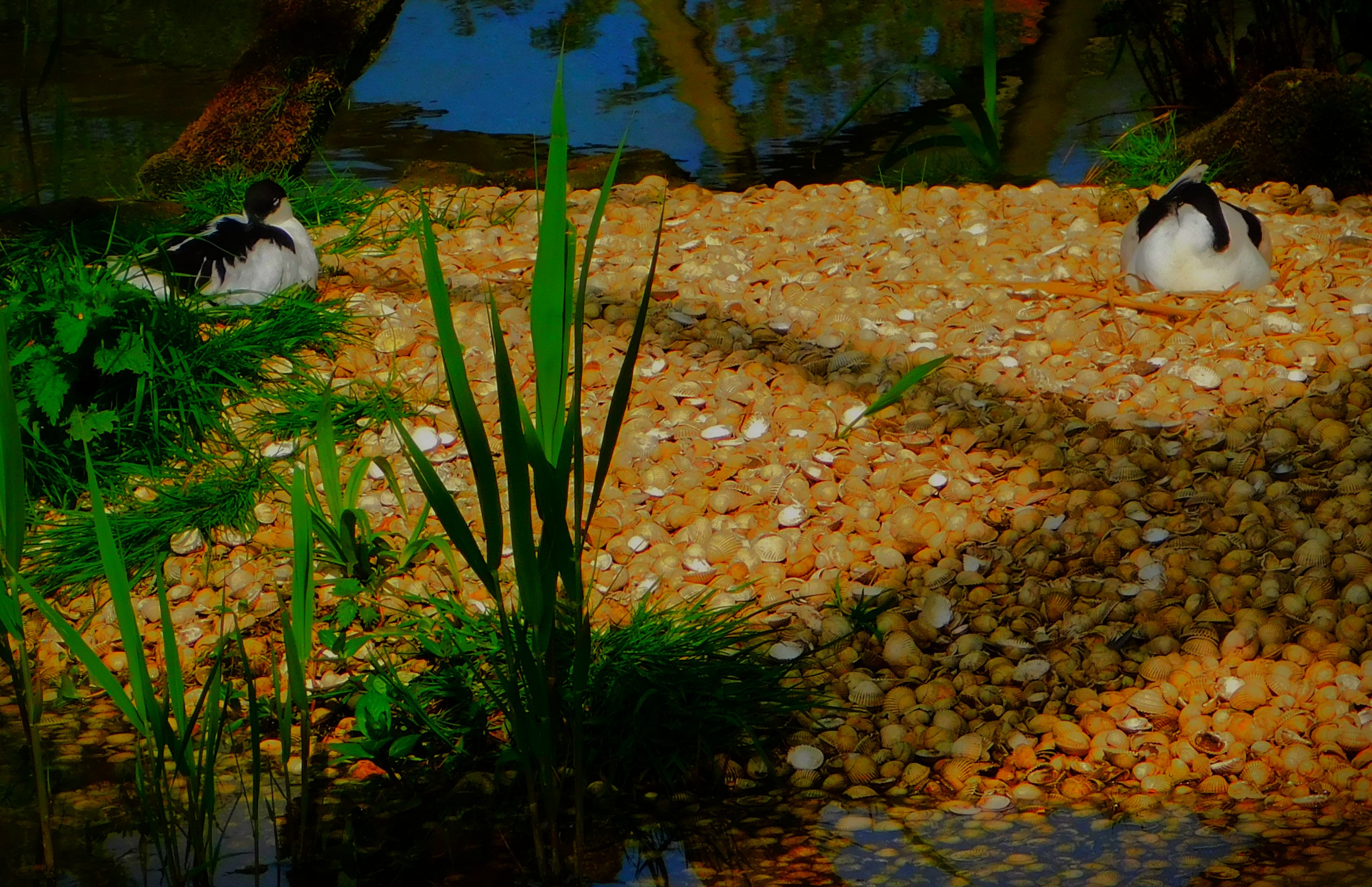
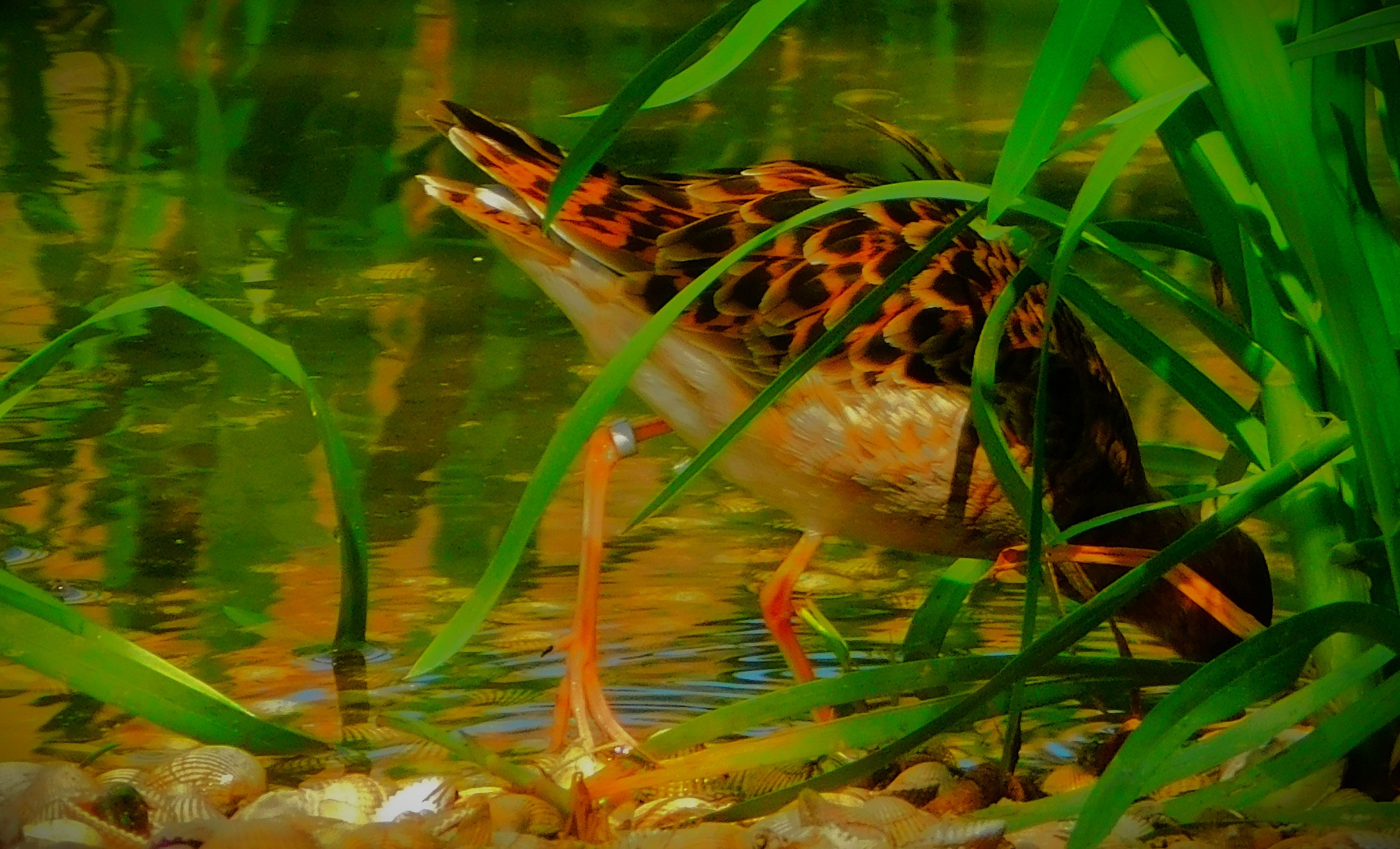
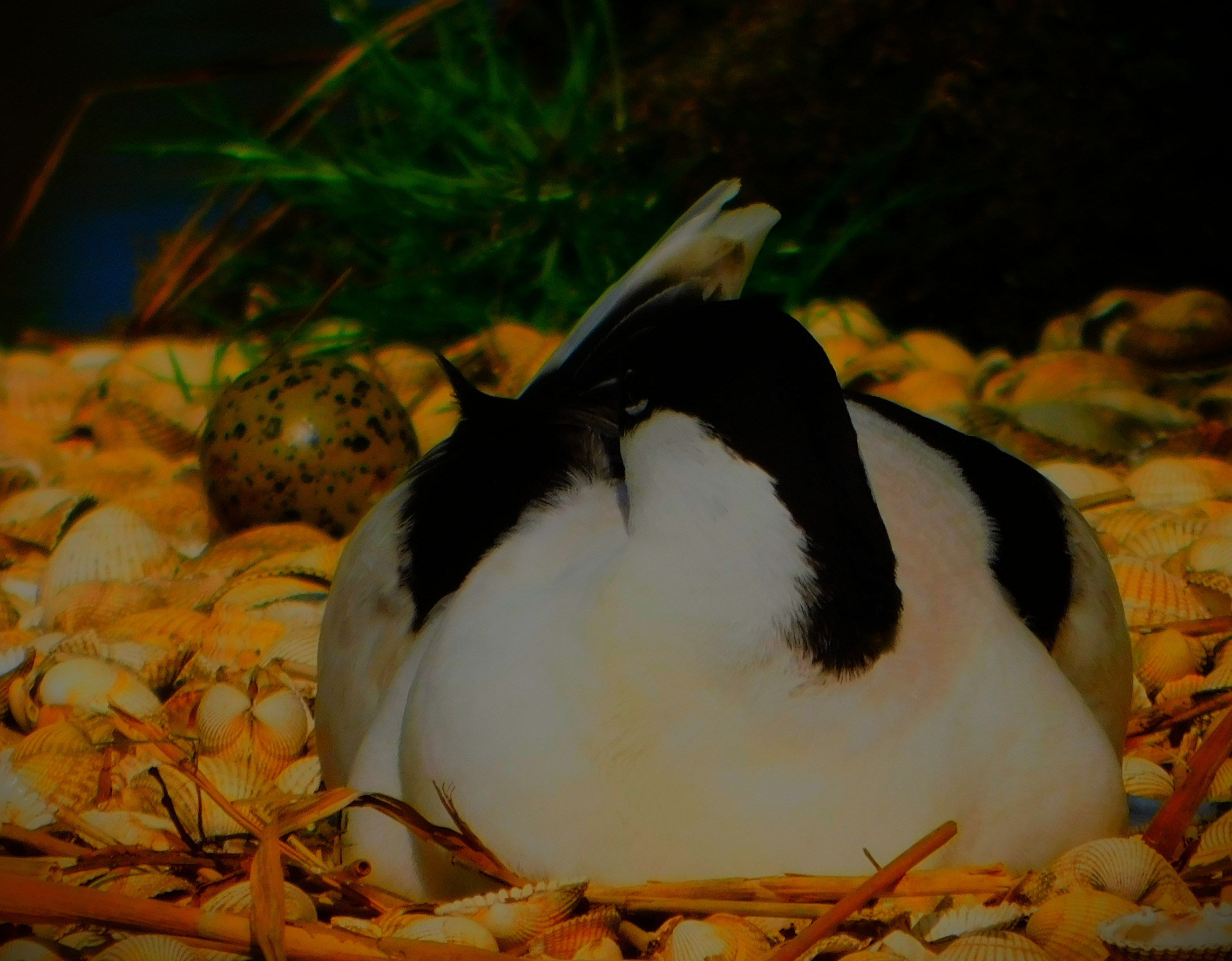
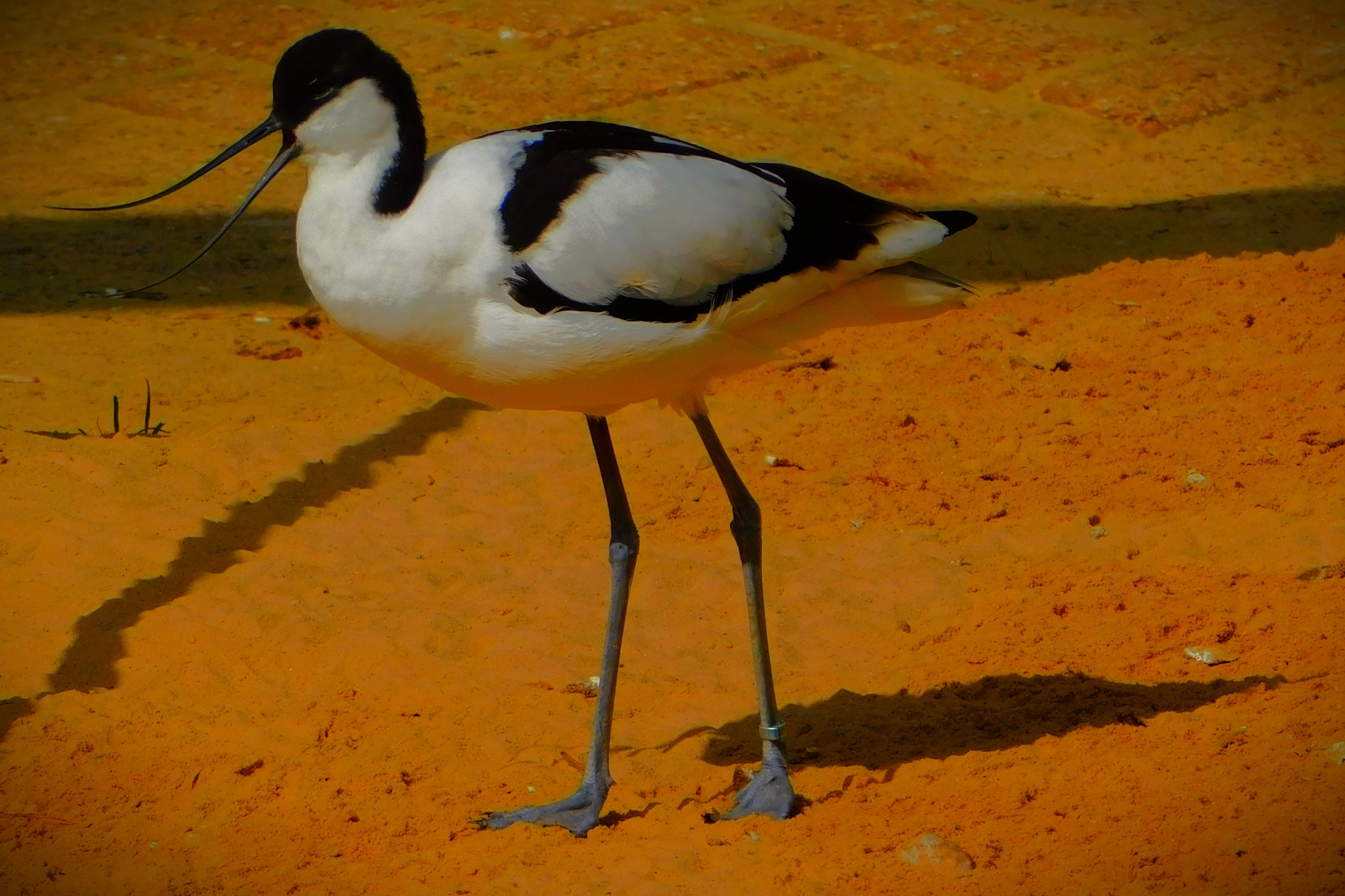
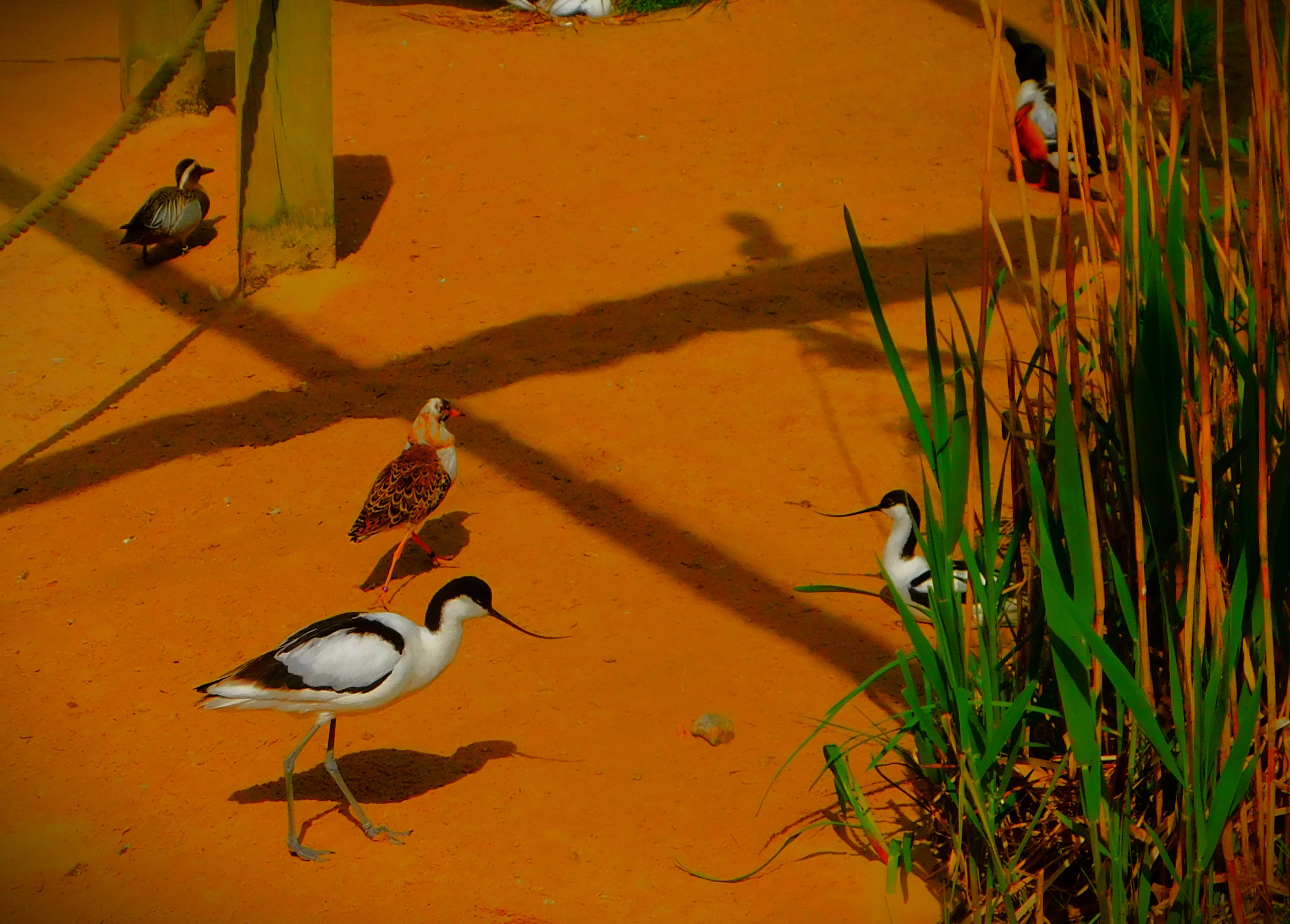
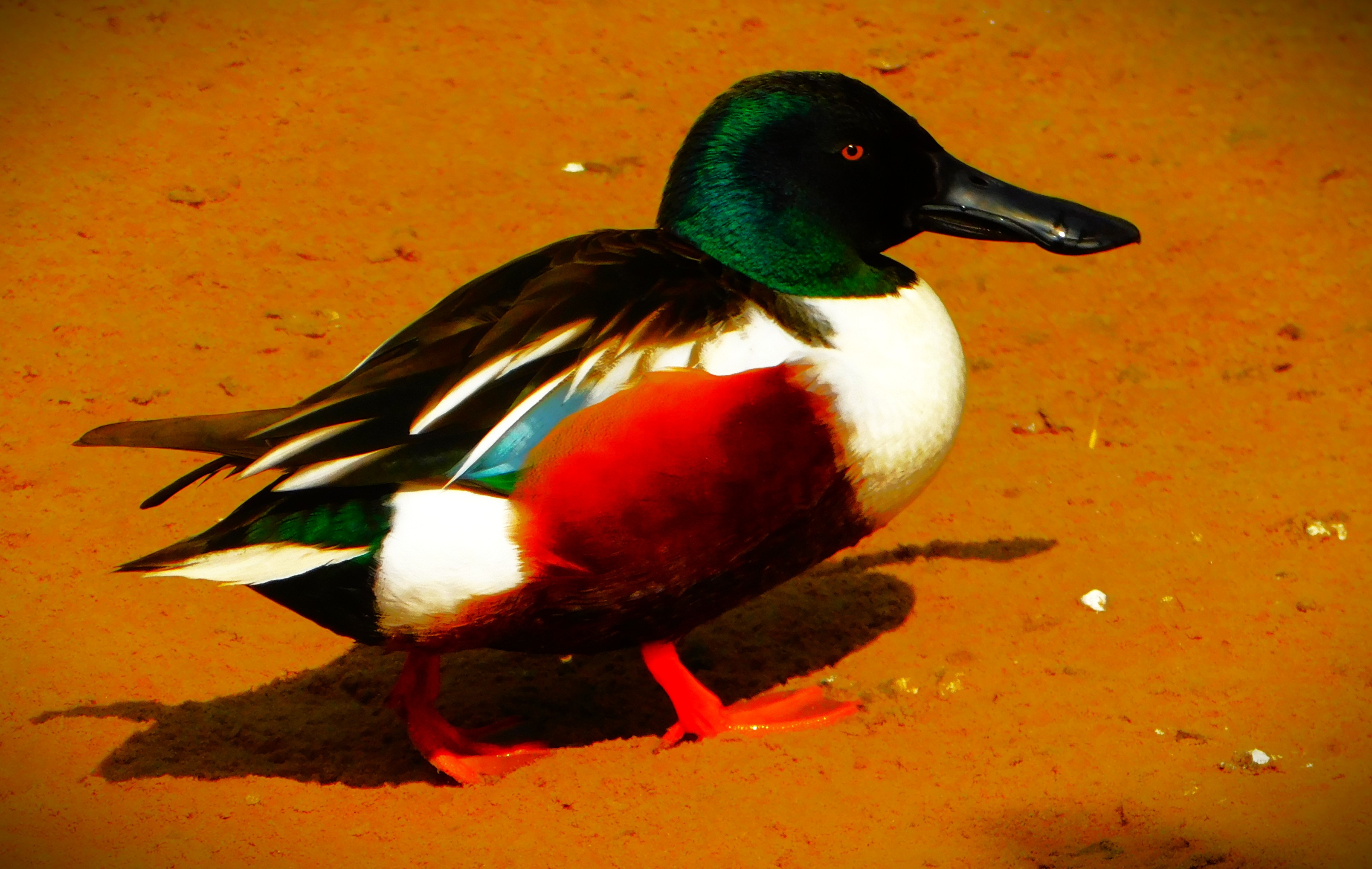
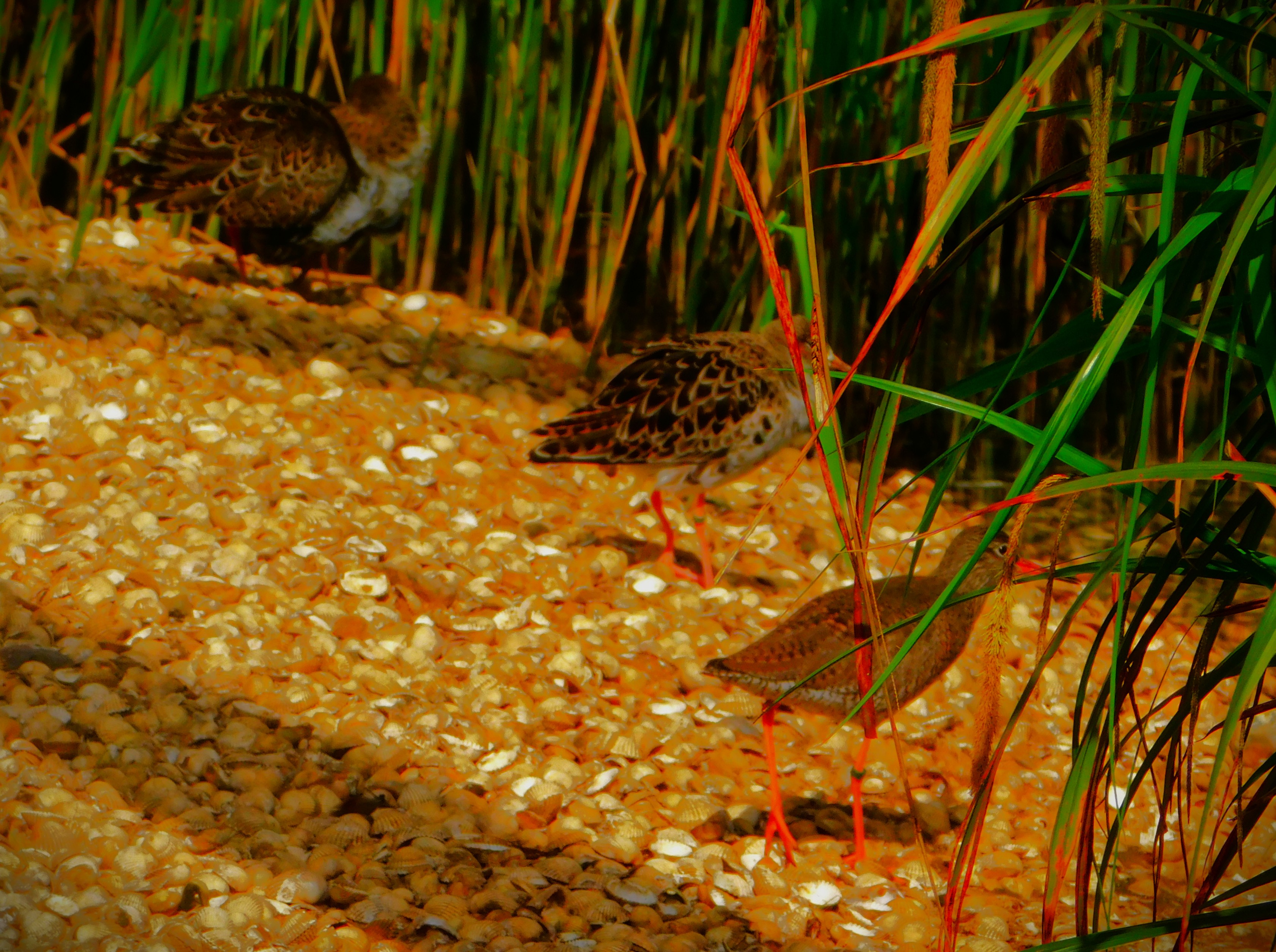
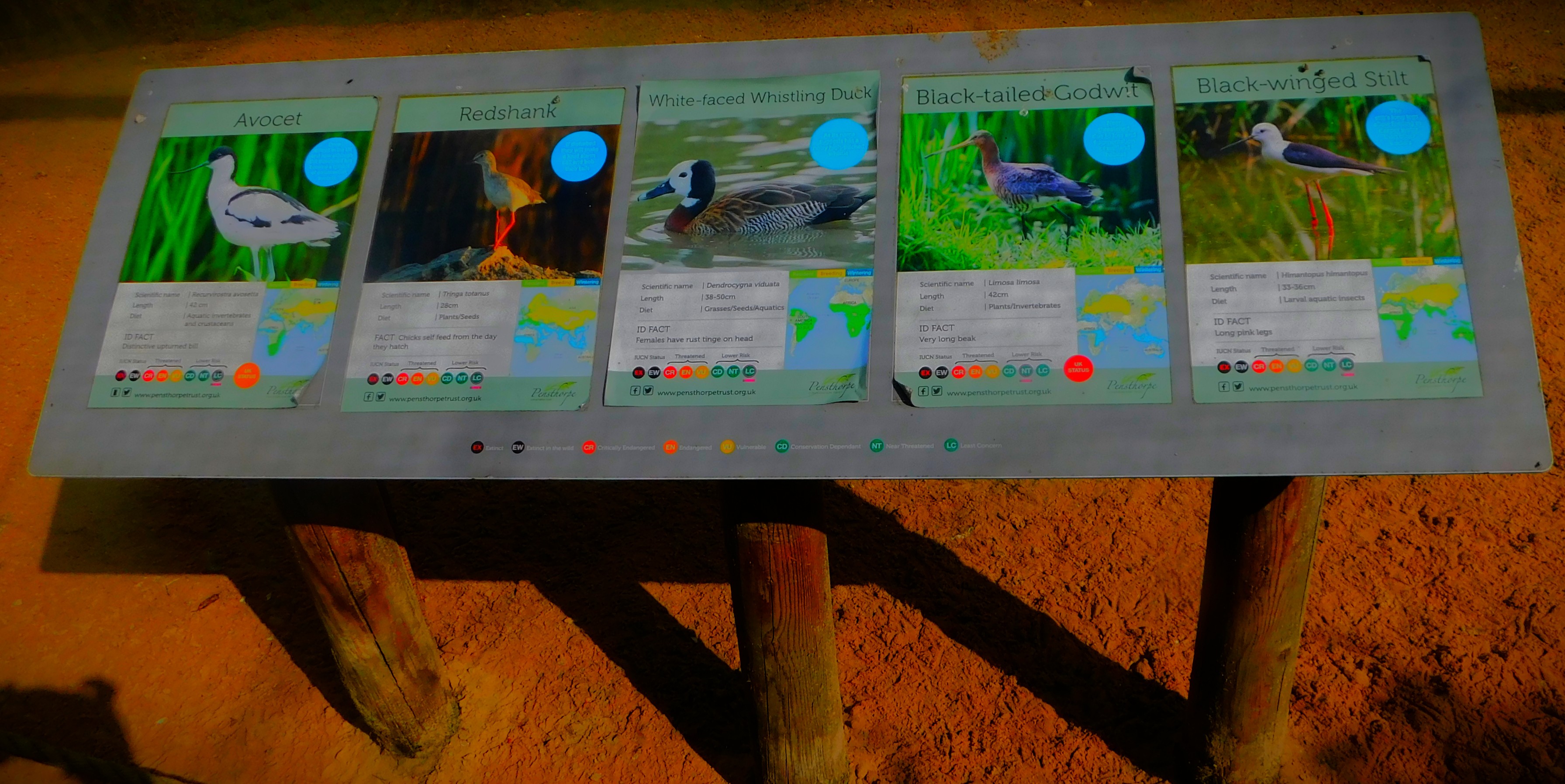
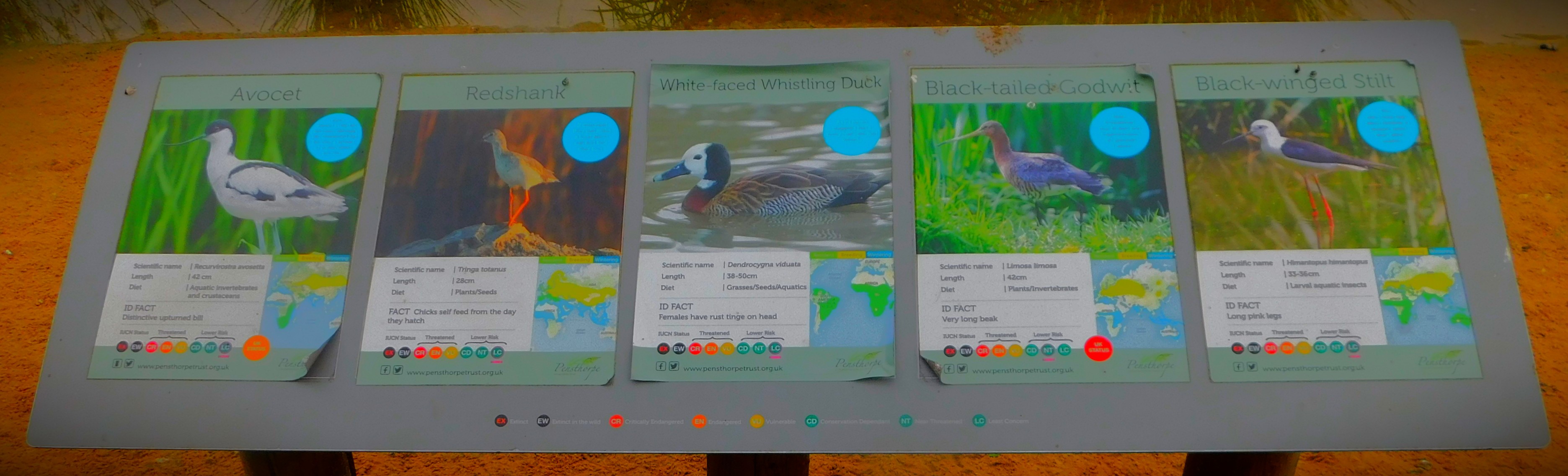
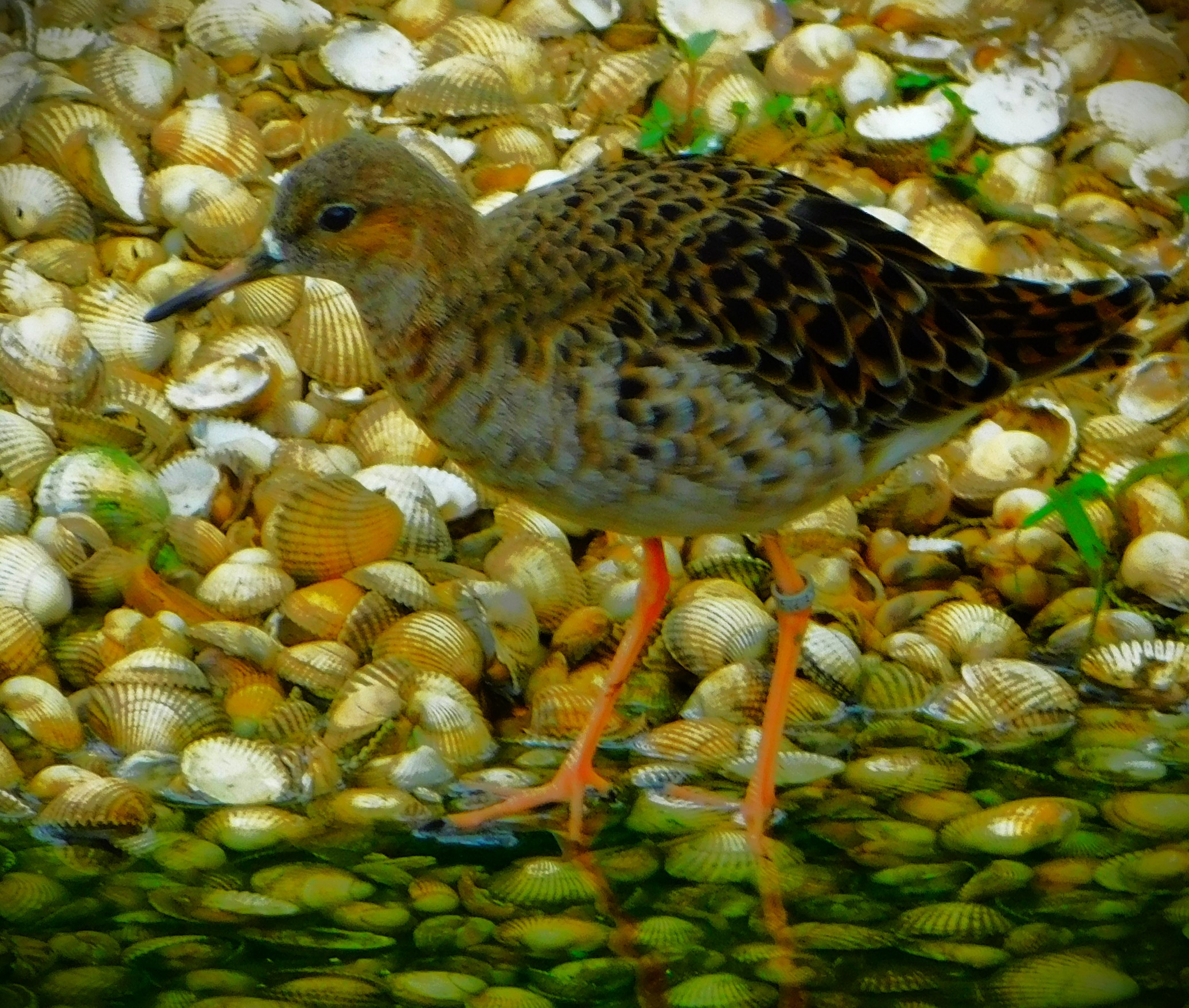
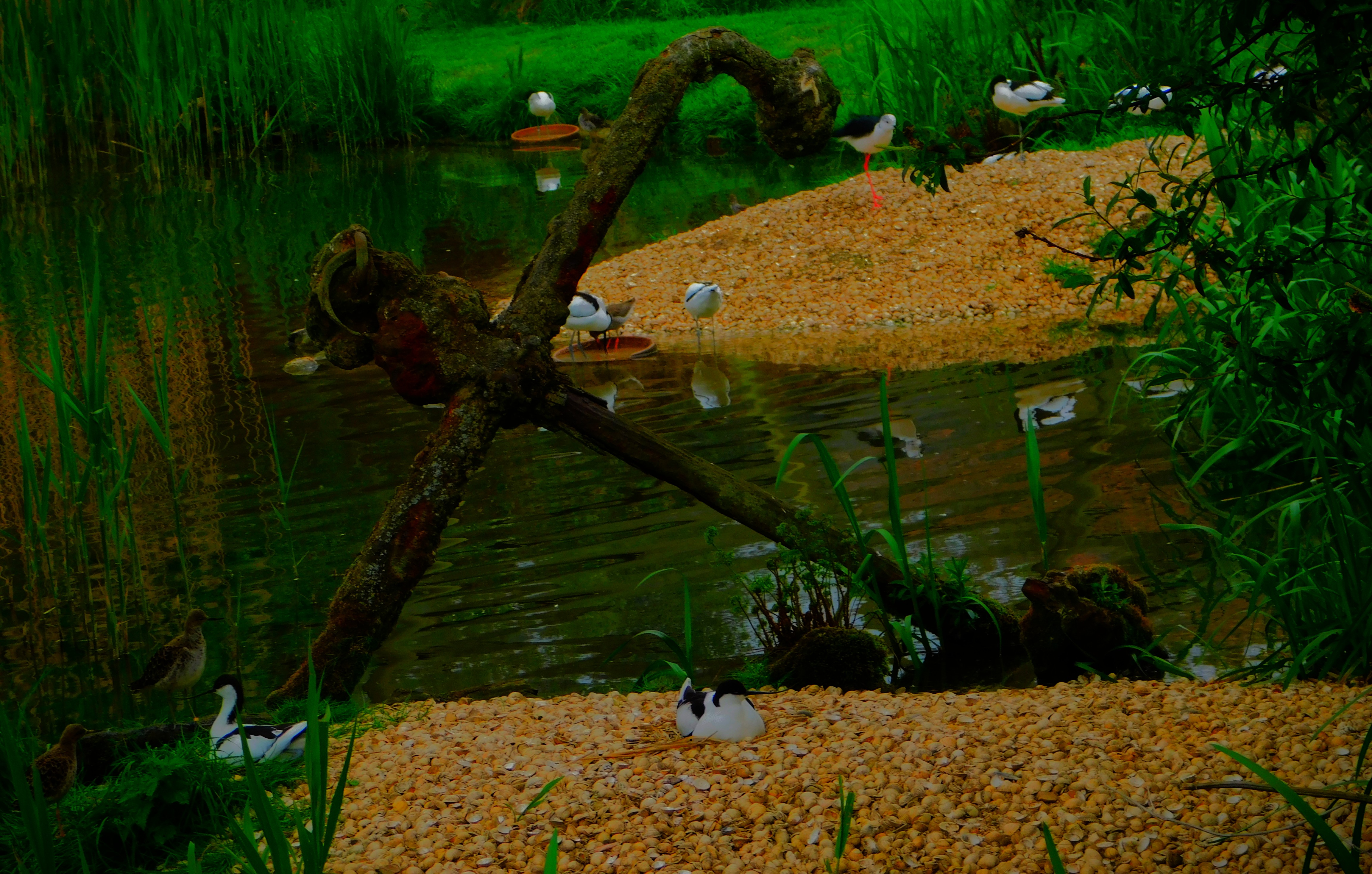
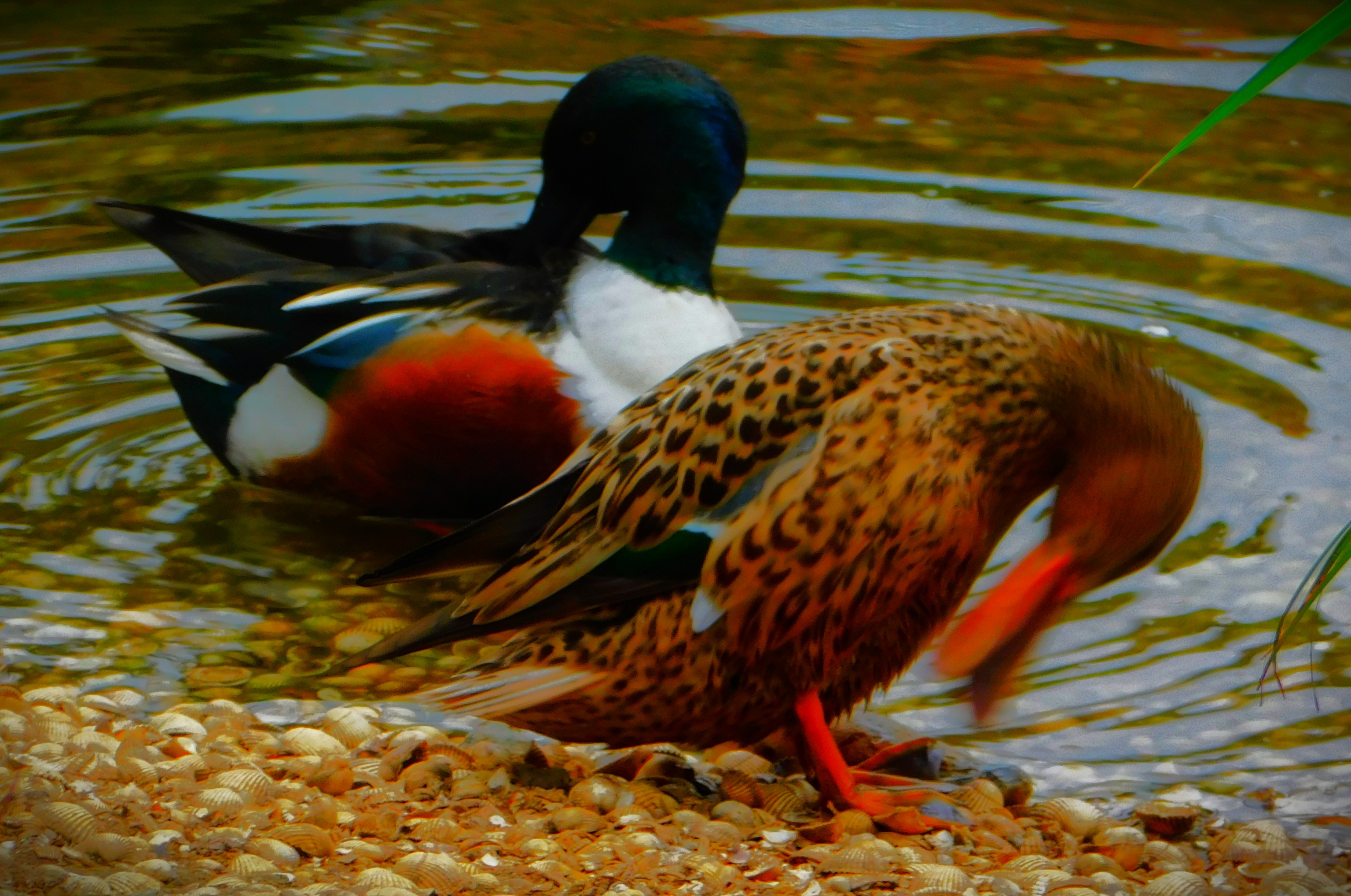
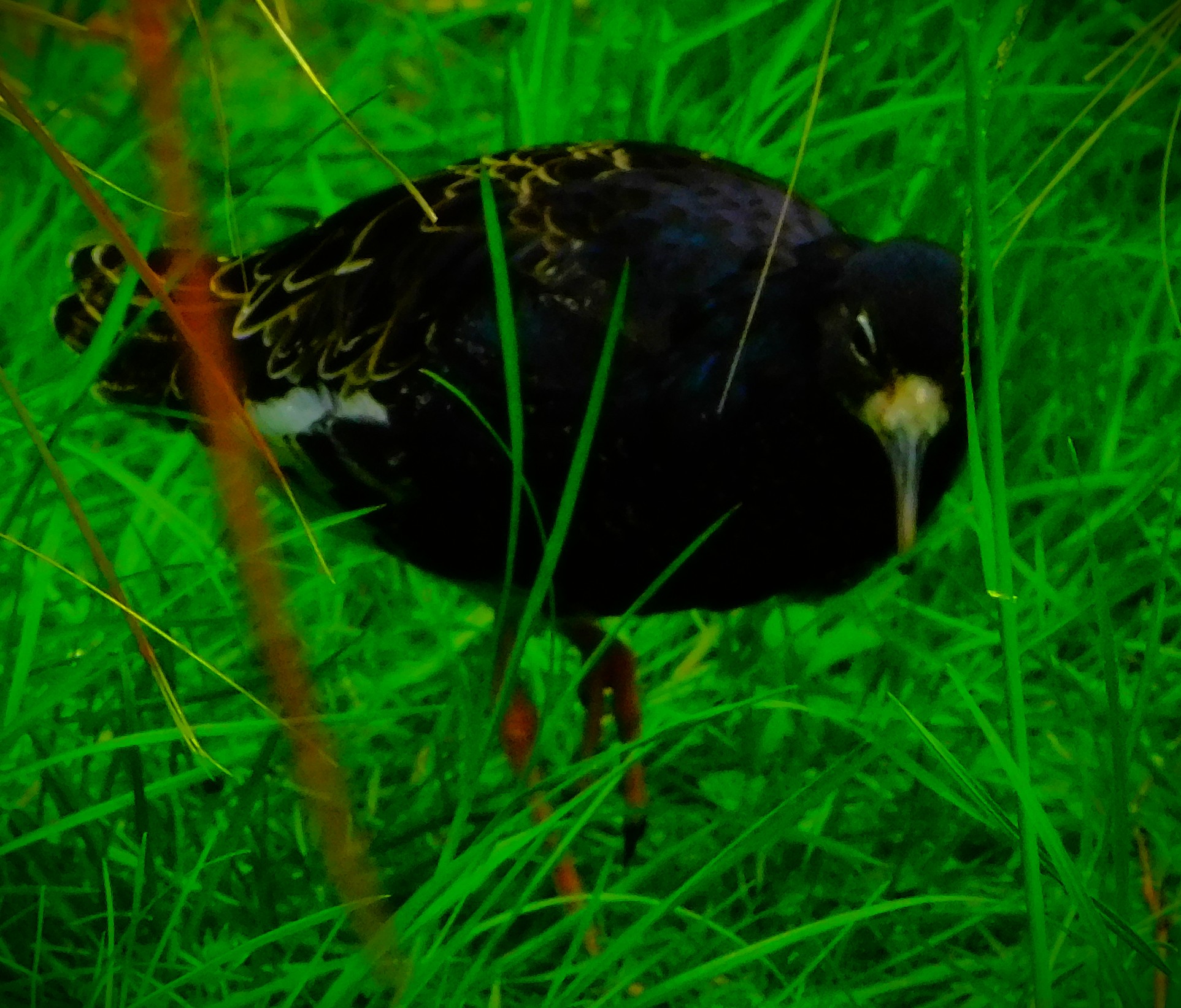
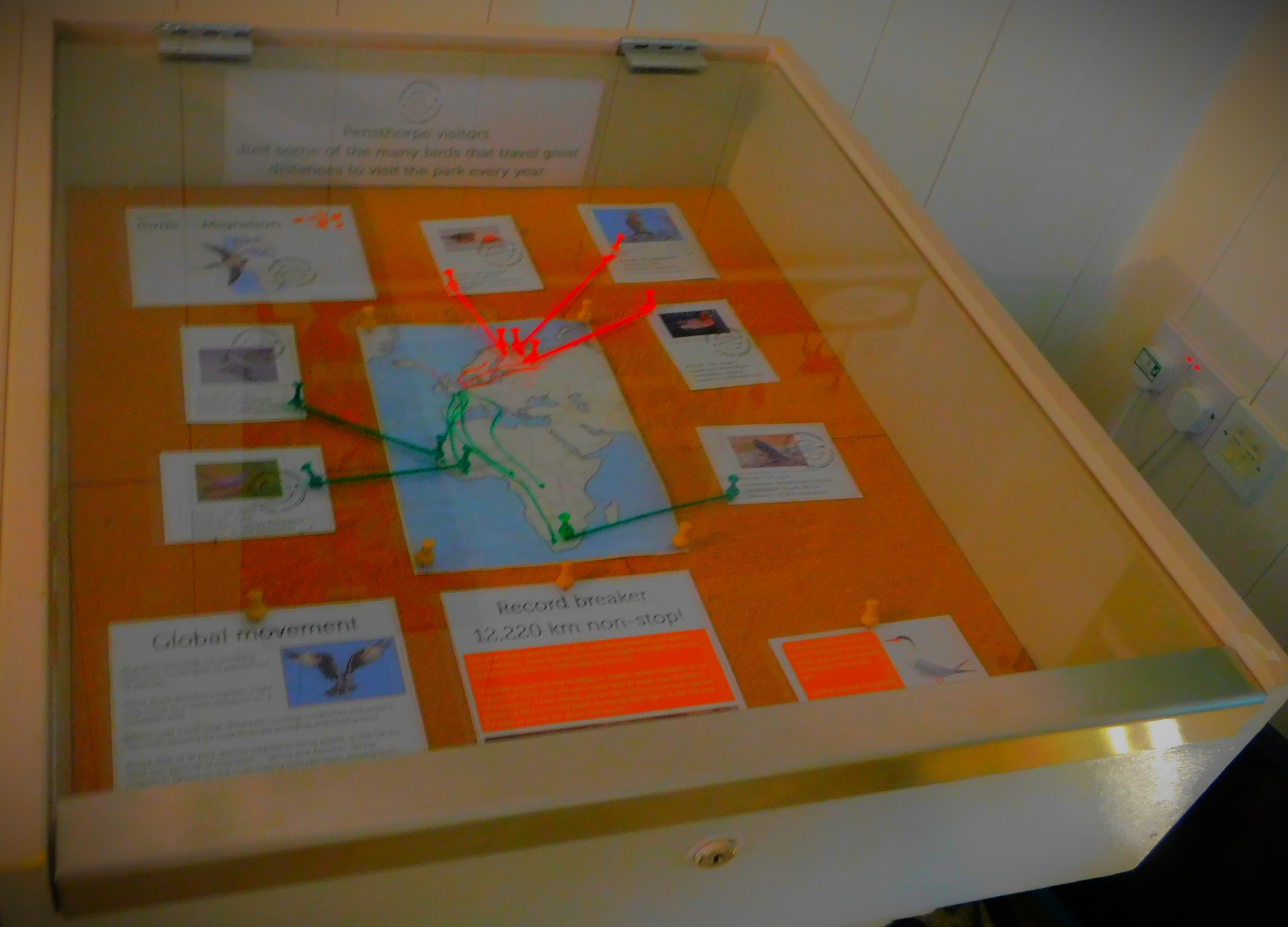
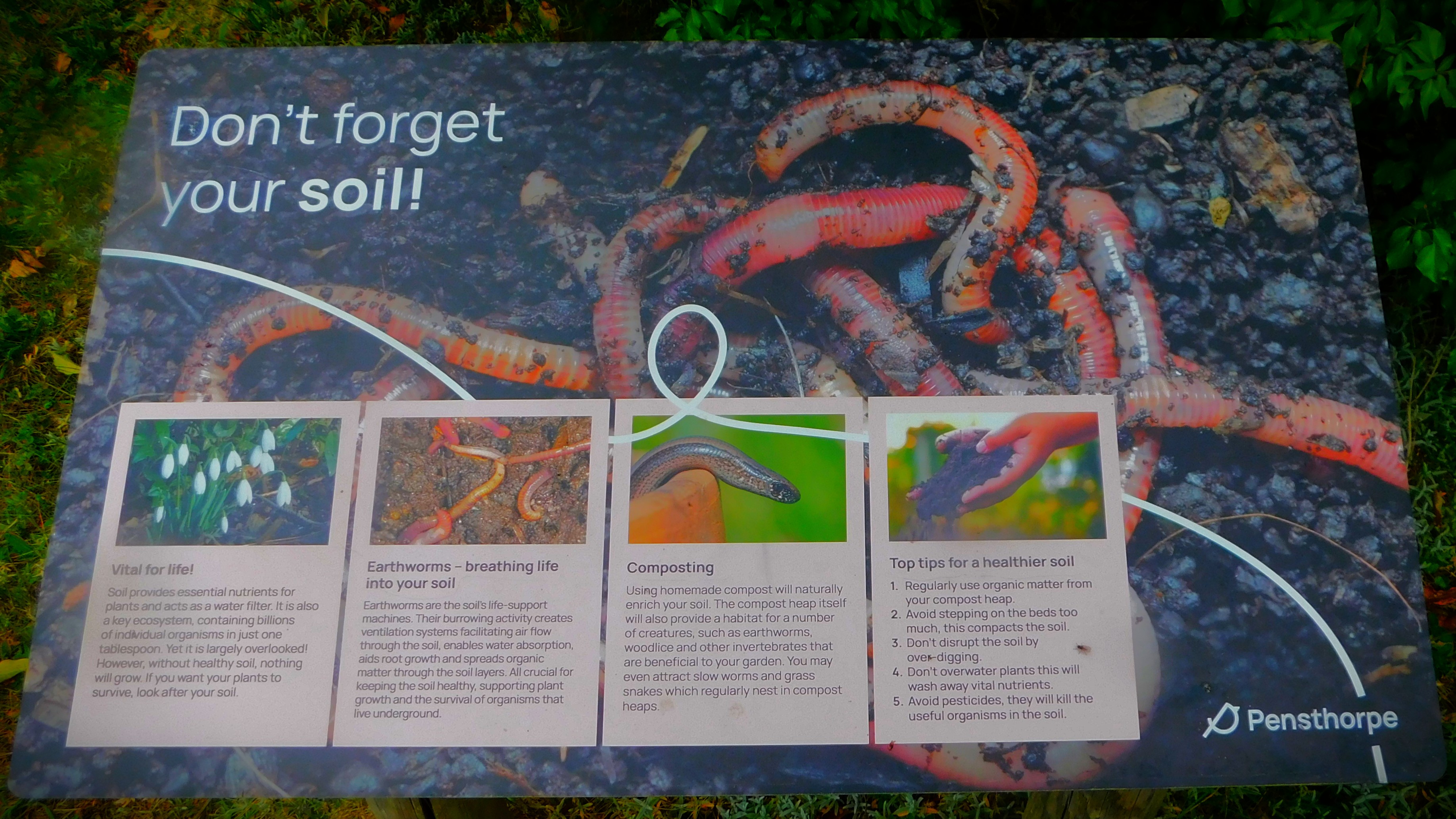
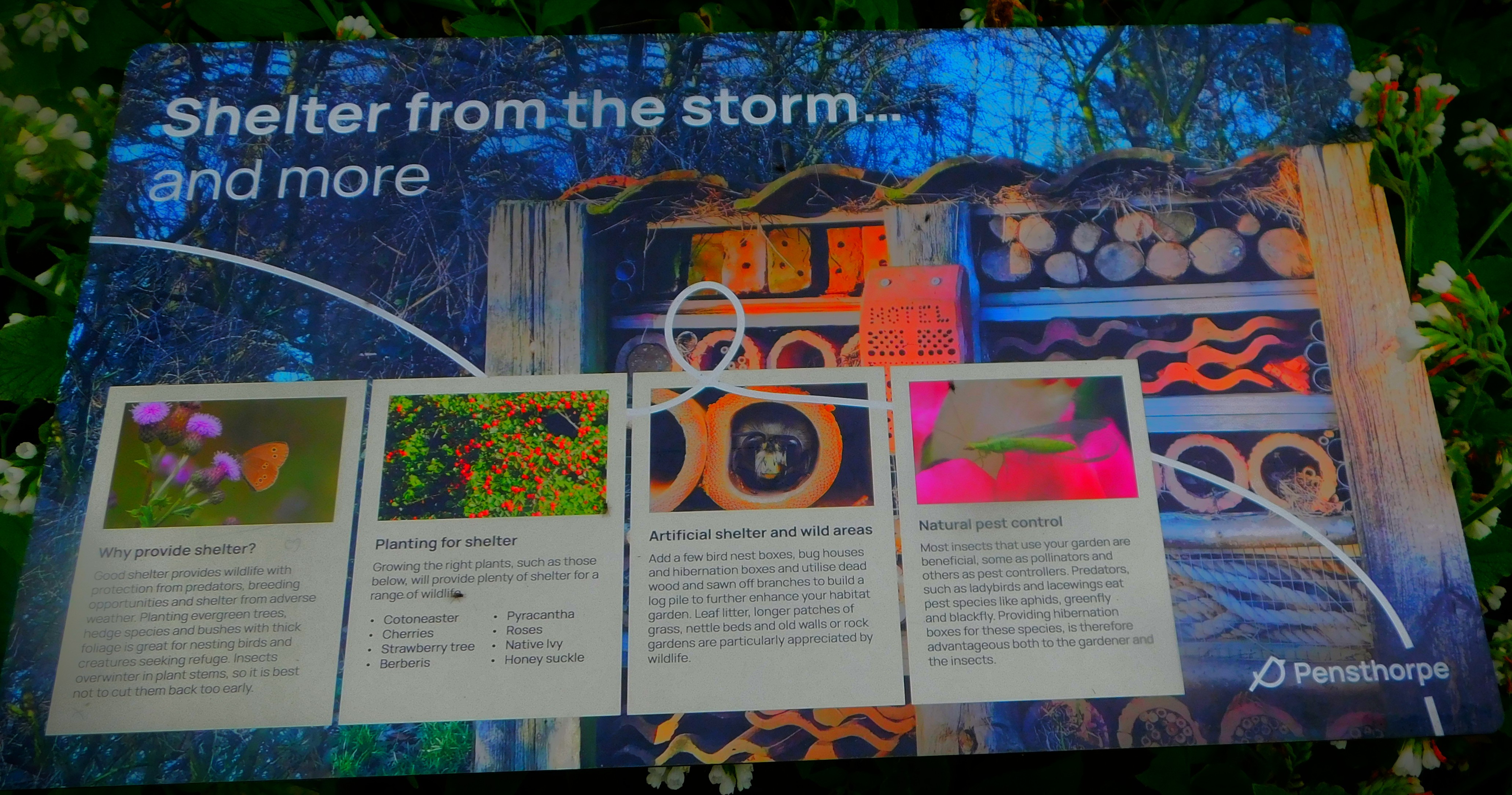
The Waders Aviary at Pensthorpe is just beyond the gift shop, through which the rest of the site is accessed. It is thus suitable for being visited briefly on multiple occasions over the course of the day, and being self contained and relatively small it is not a place that one should be in very any great length of time continuously. Information at Pensthorpe is always exemplary, and the composite picture with which this section ends will provide you with help following the photo gallery.
PHOTOGRAPHS
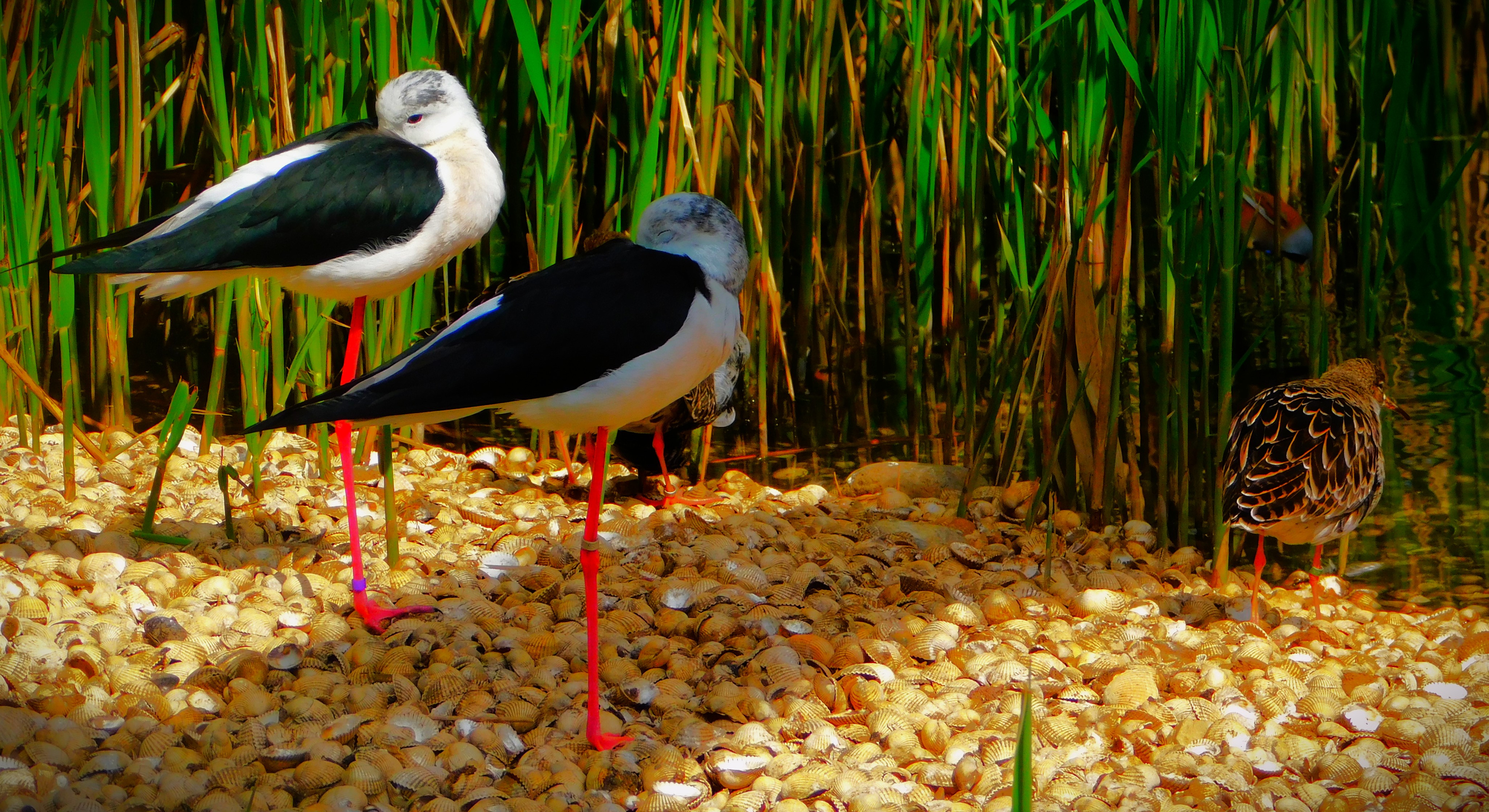
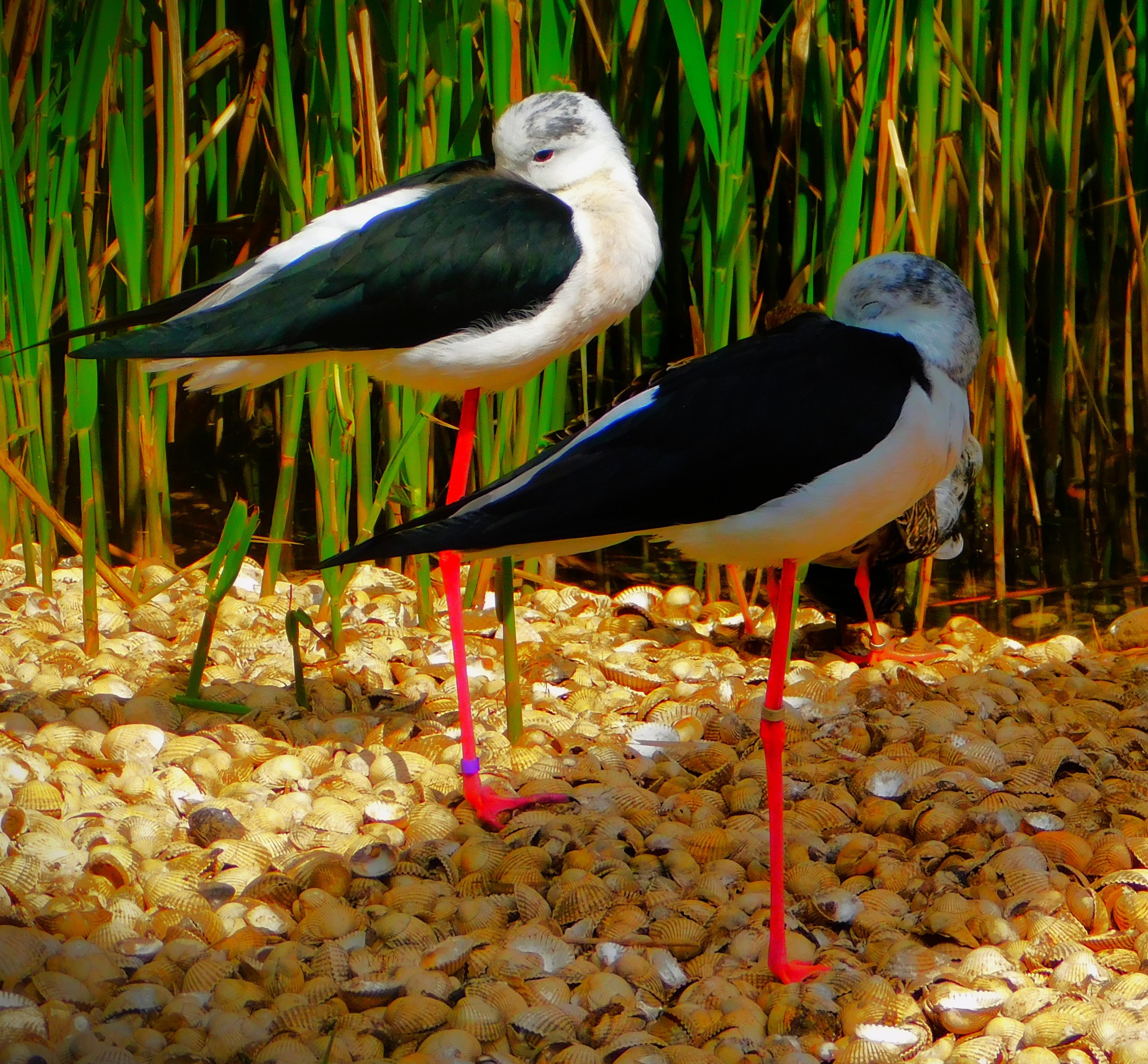
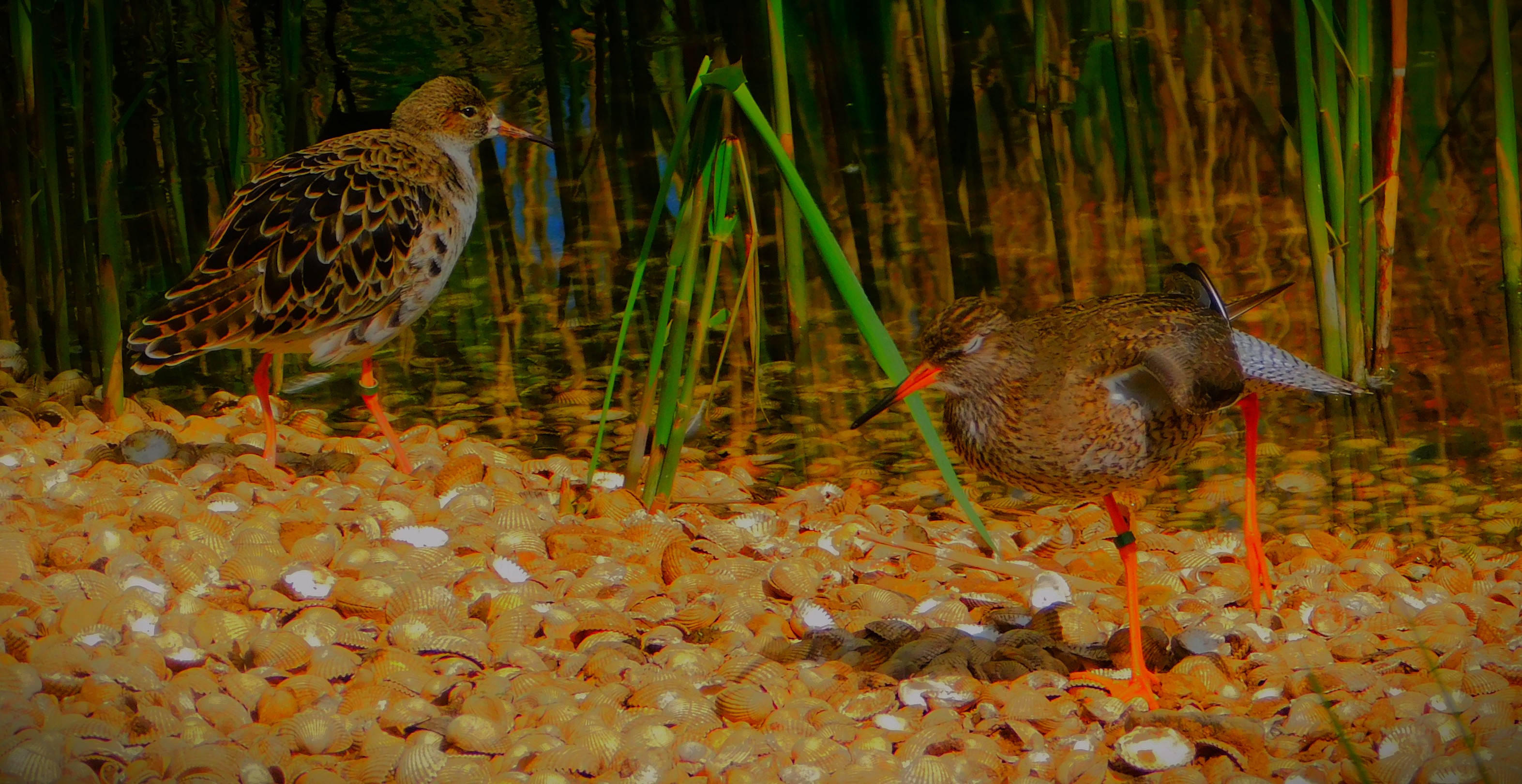
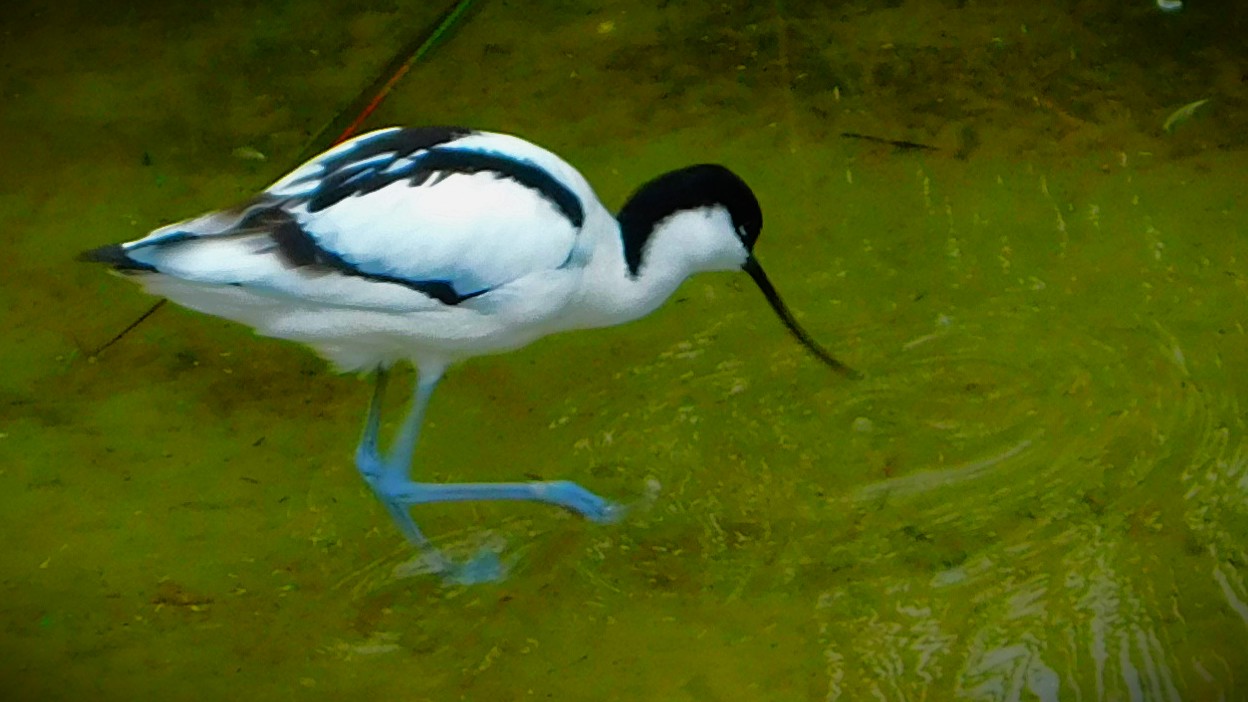
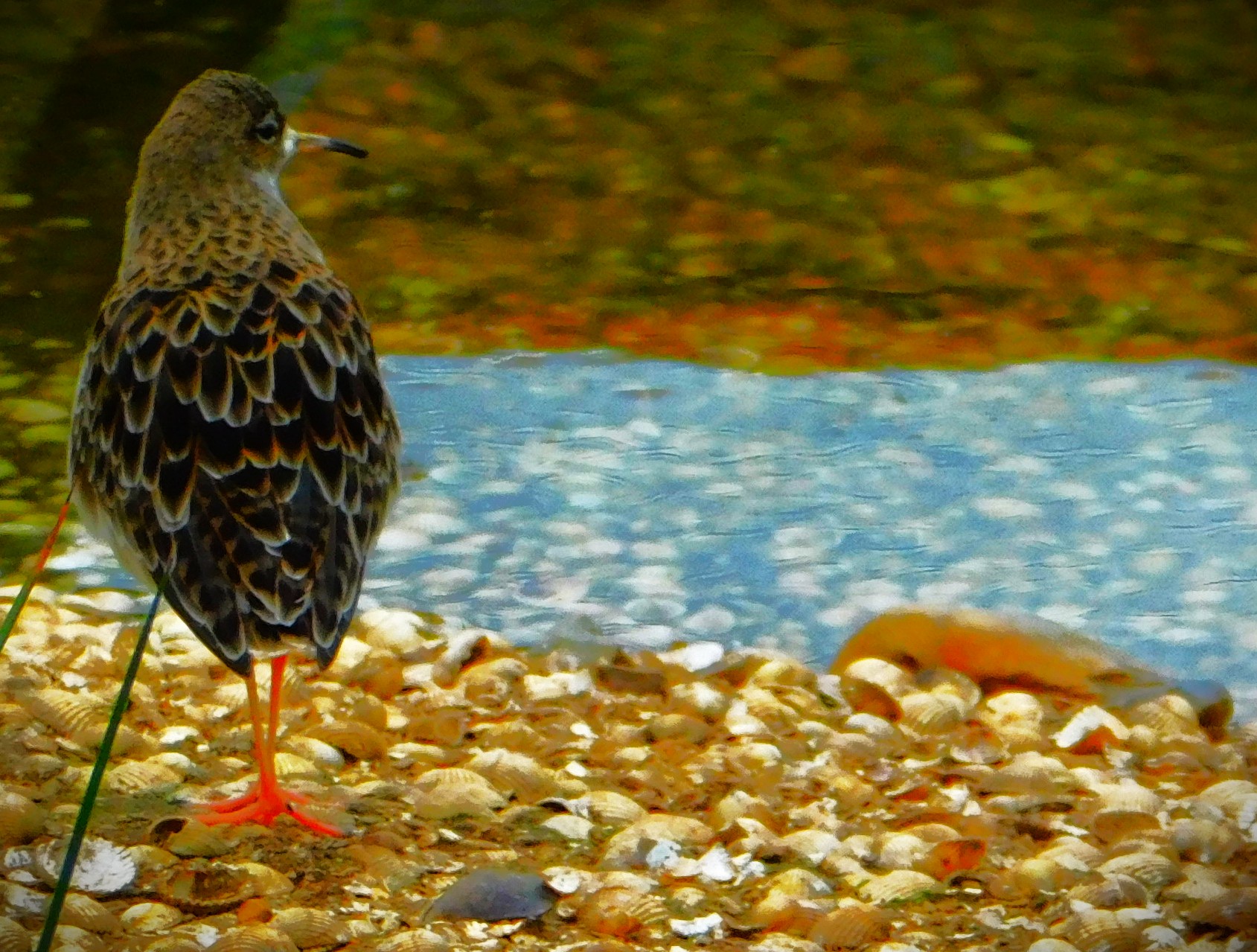
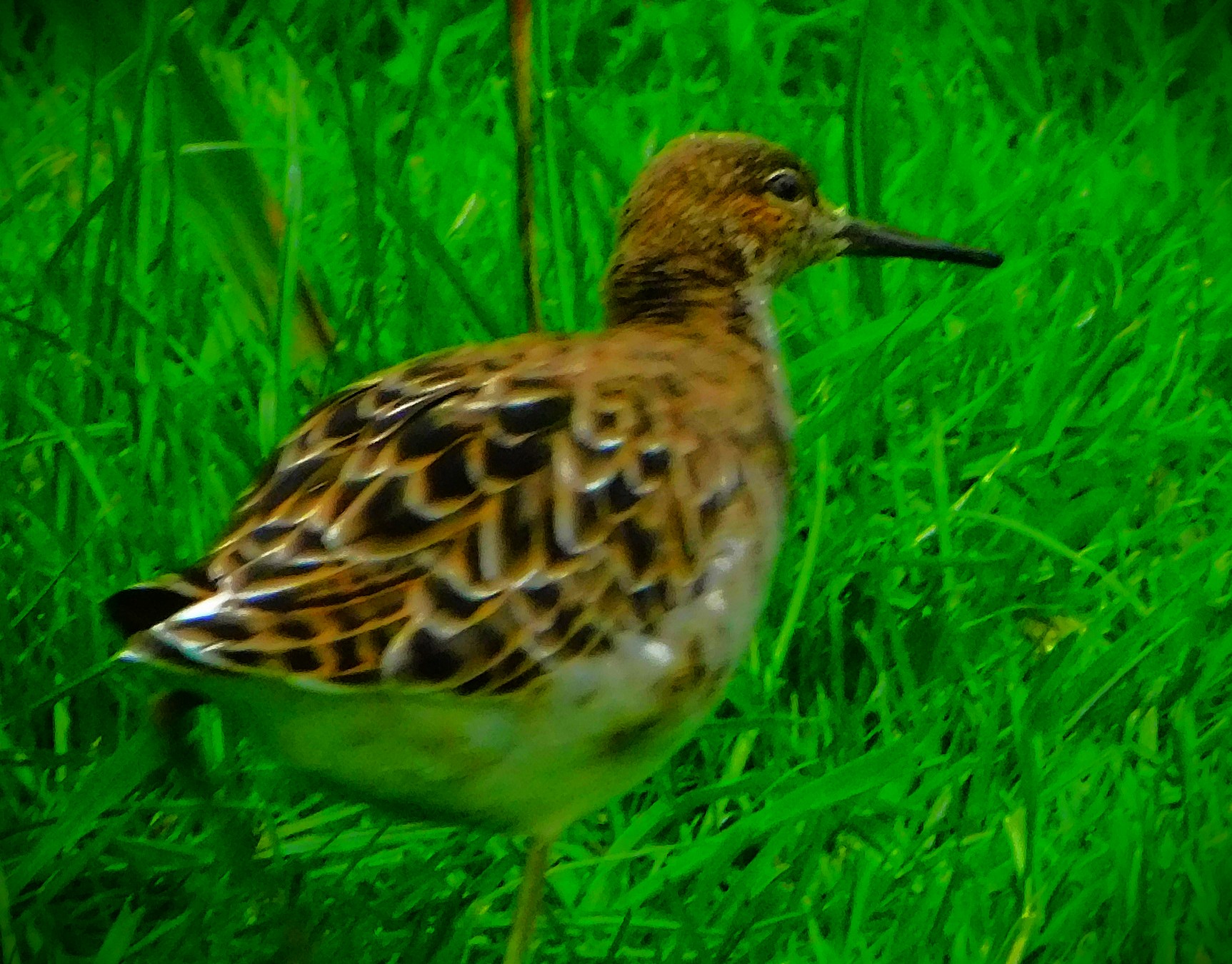
The full gallery from my visits to this splendid enclosure:
The penultimate post in my series about Saturday’s West Norfolk Autism Group outing to Pensthorpe on Saturday, looking at the trauker ride.
Welcome to the penultimate post of my mini-series about the West Norfolk Autism Group outing to Pensthorpe which took place on Saturday. So far there has been an introductory post, a post covering the Discovery Centre and those general pictures not shared in the opener and a post dedicated to the Cranes and Flamingos. This post zeroes in on the trailer ride, for me an essential part of the Pensthorpe experience.
SEEING THE BITS THAT ARE NOT WALKABLE
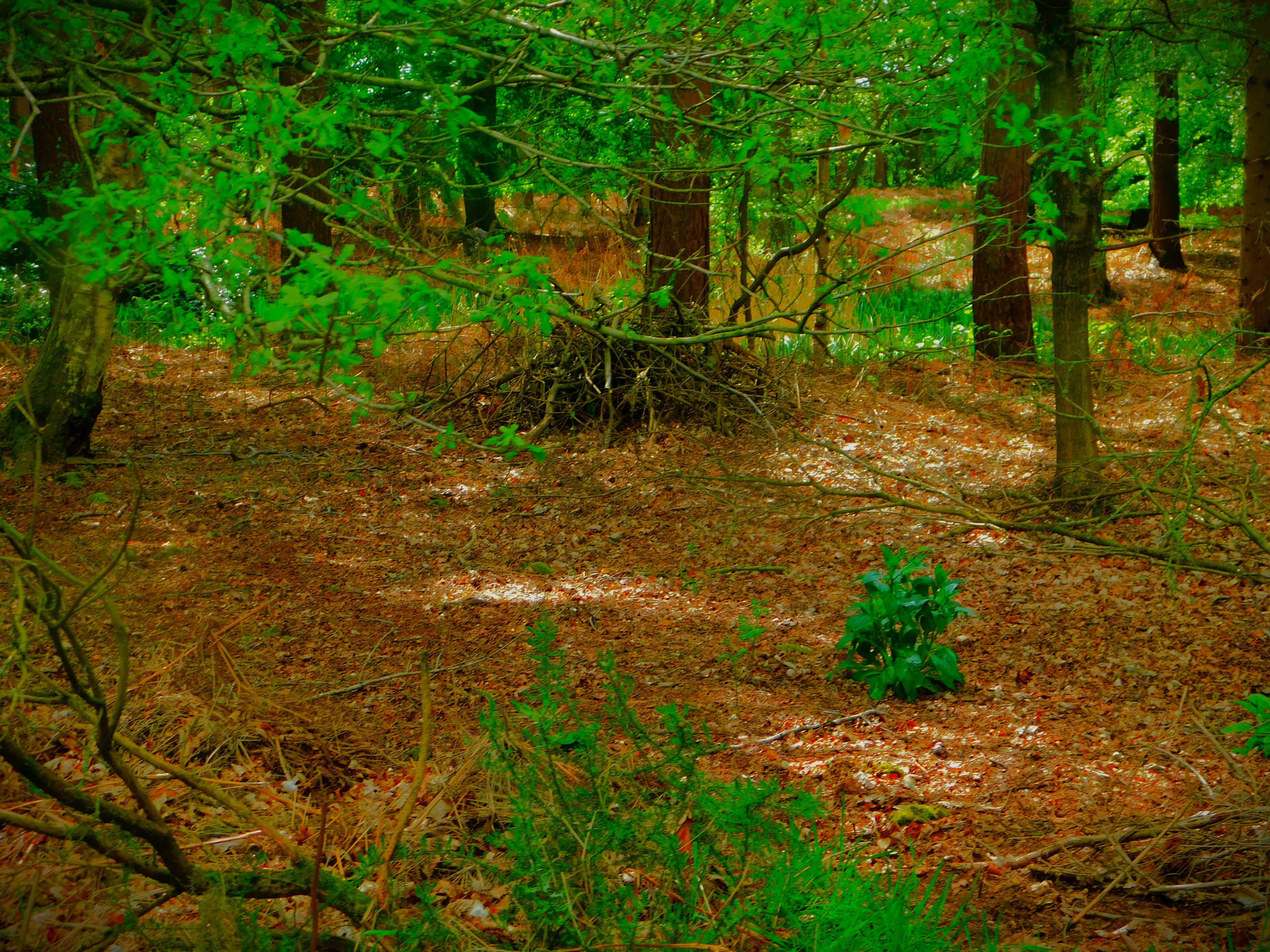
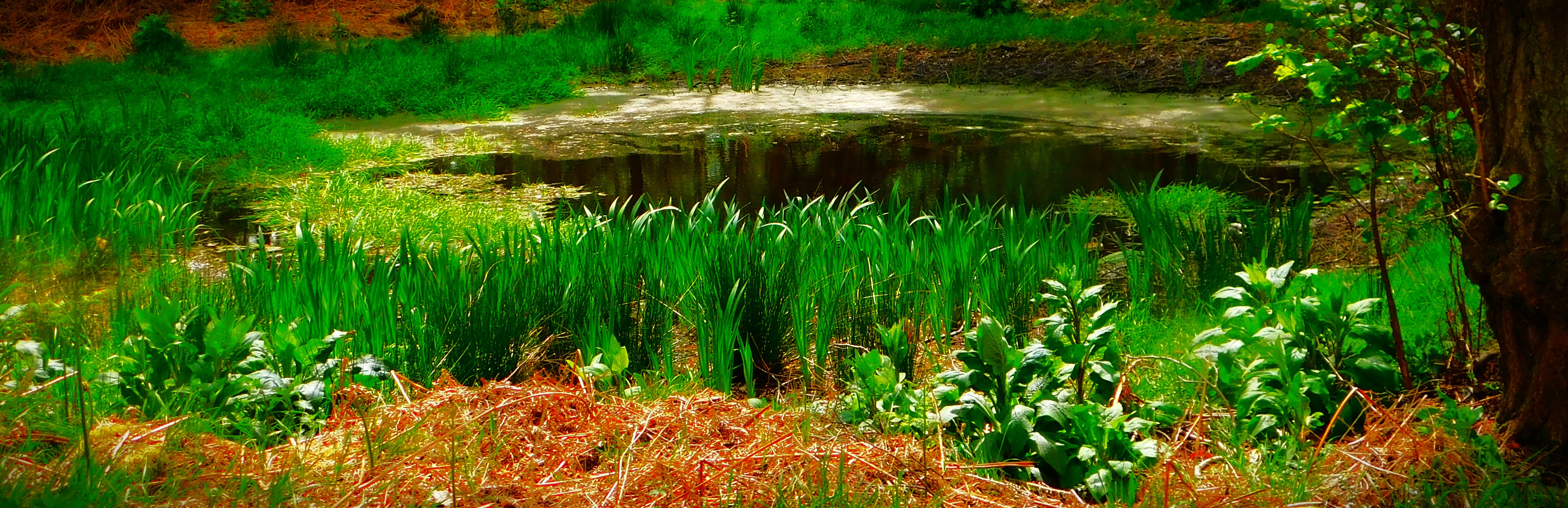
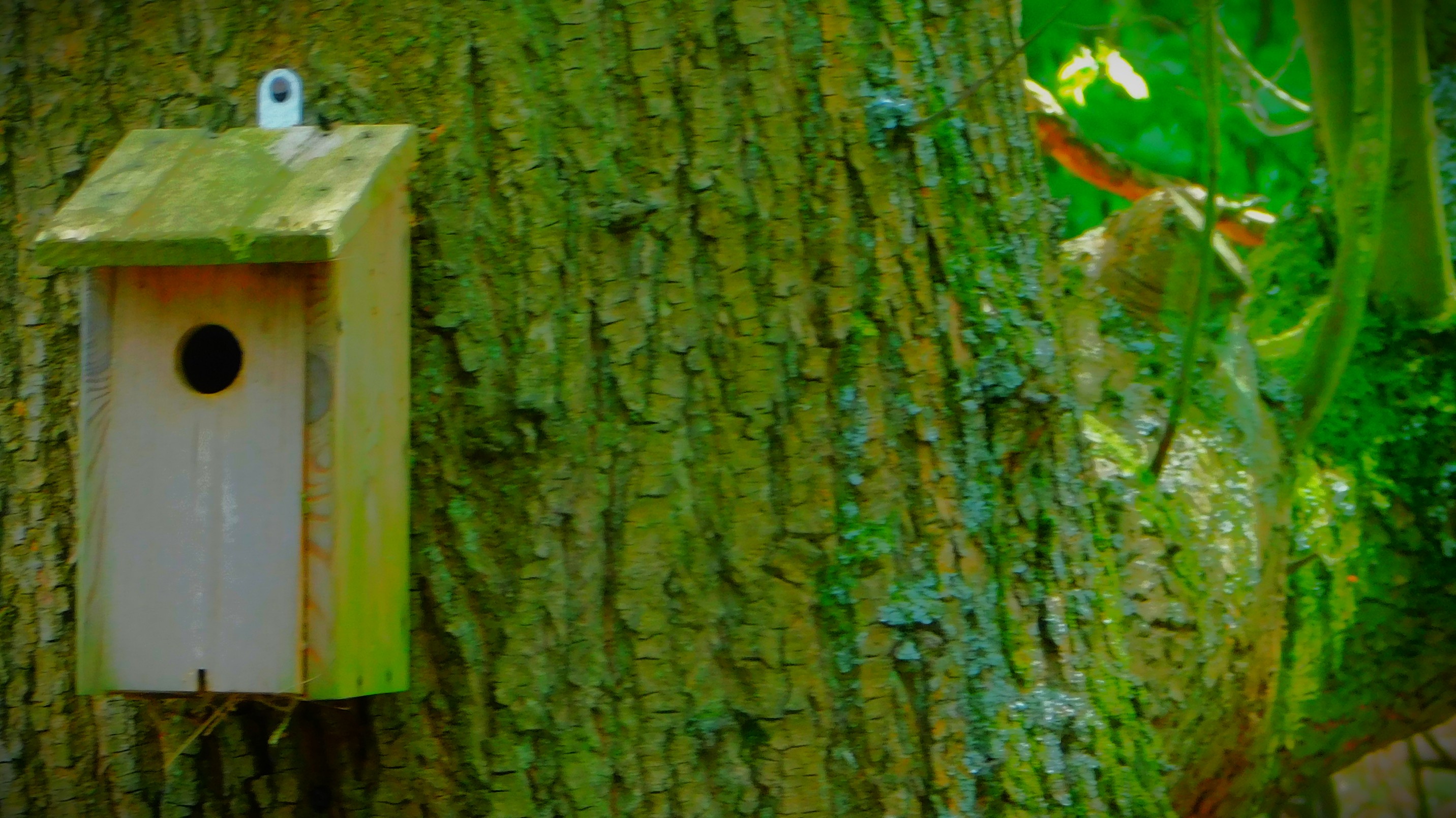
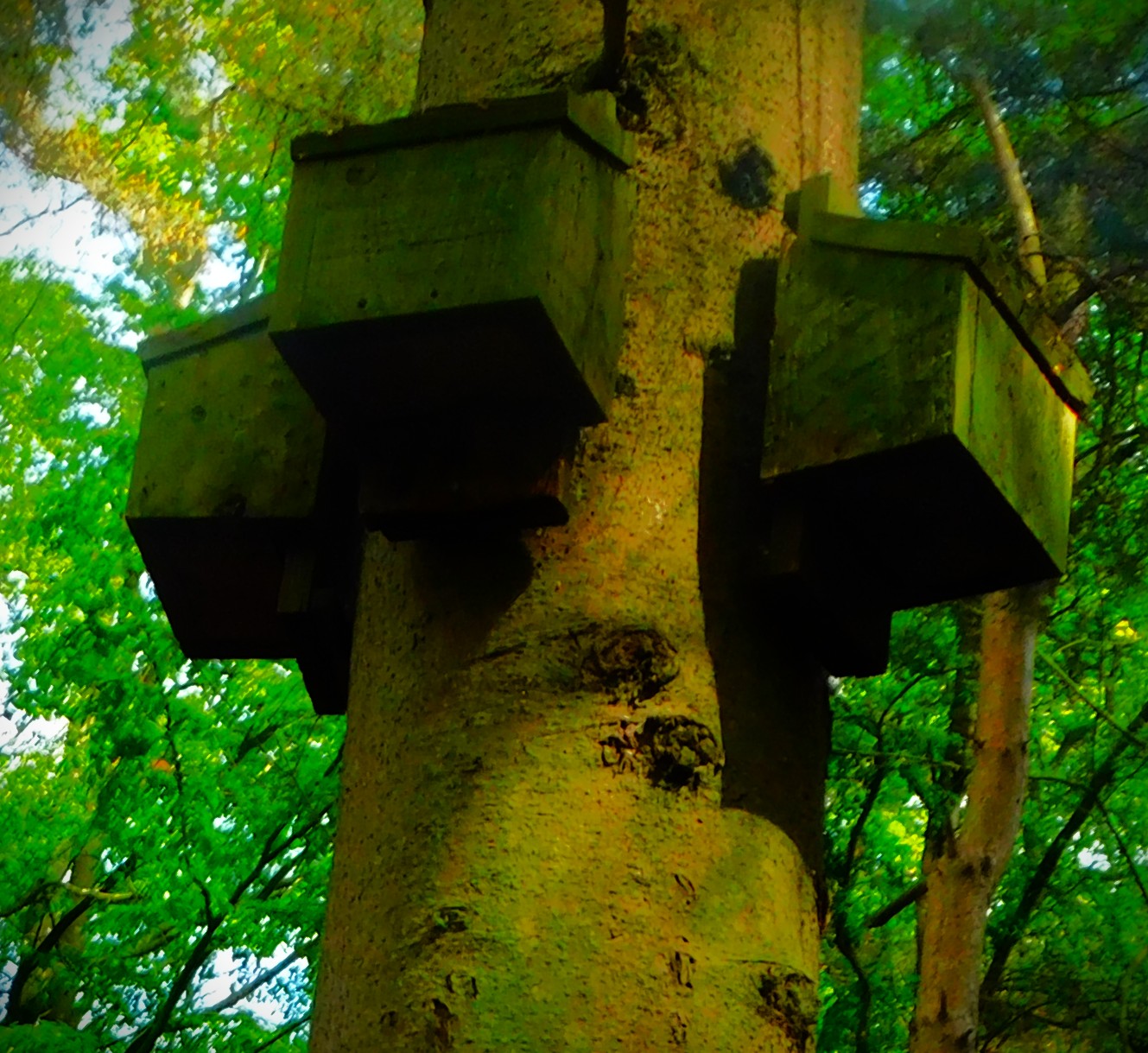
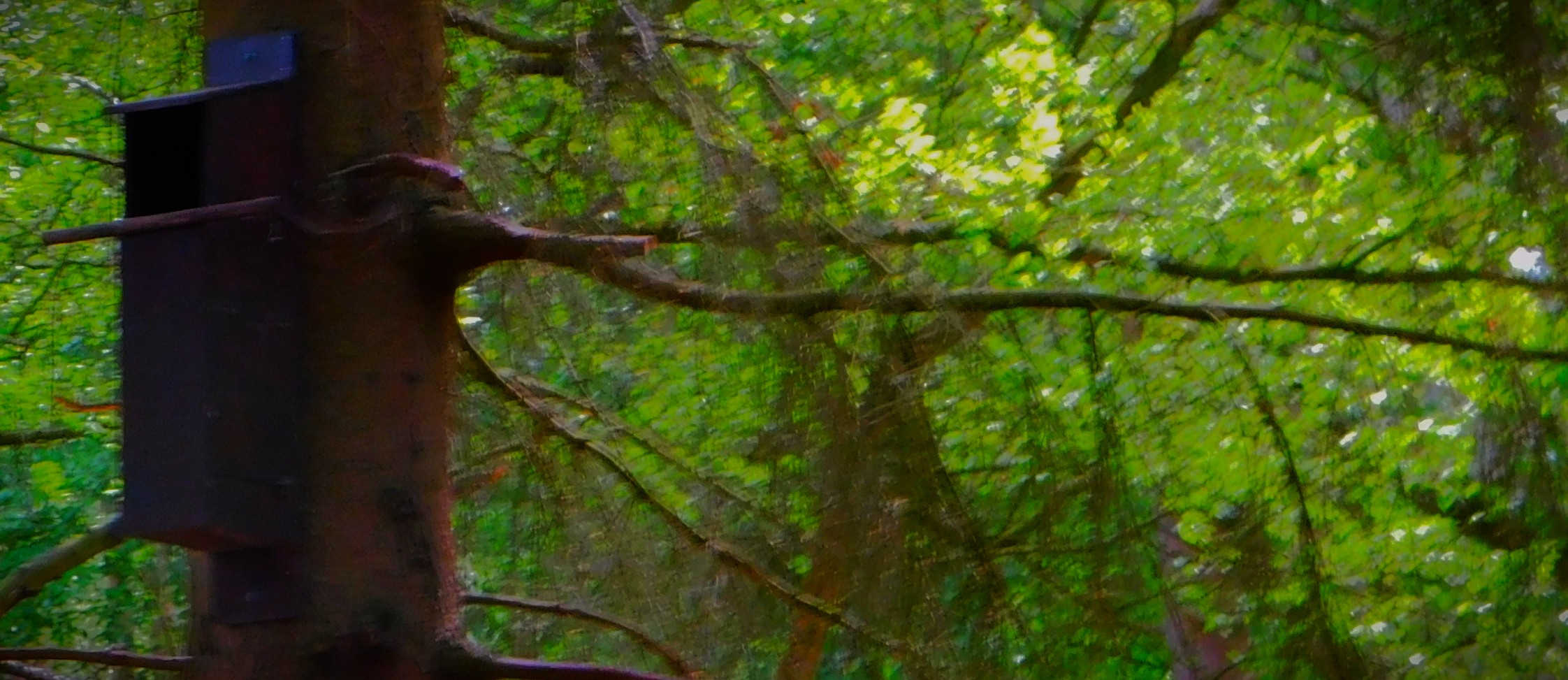
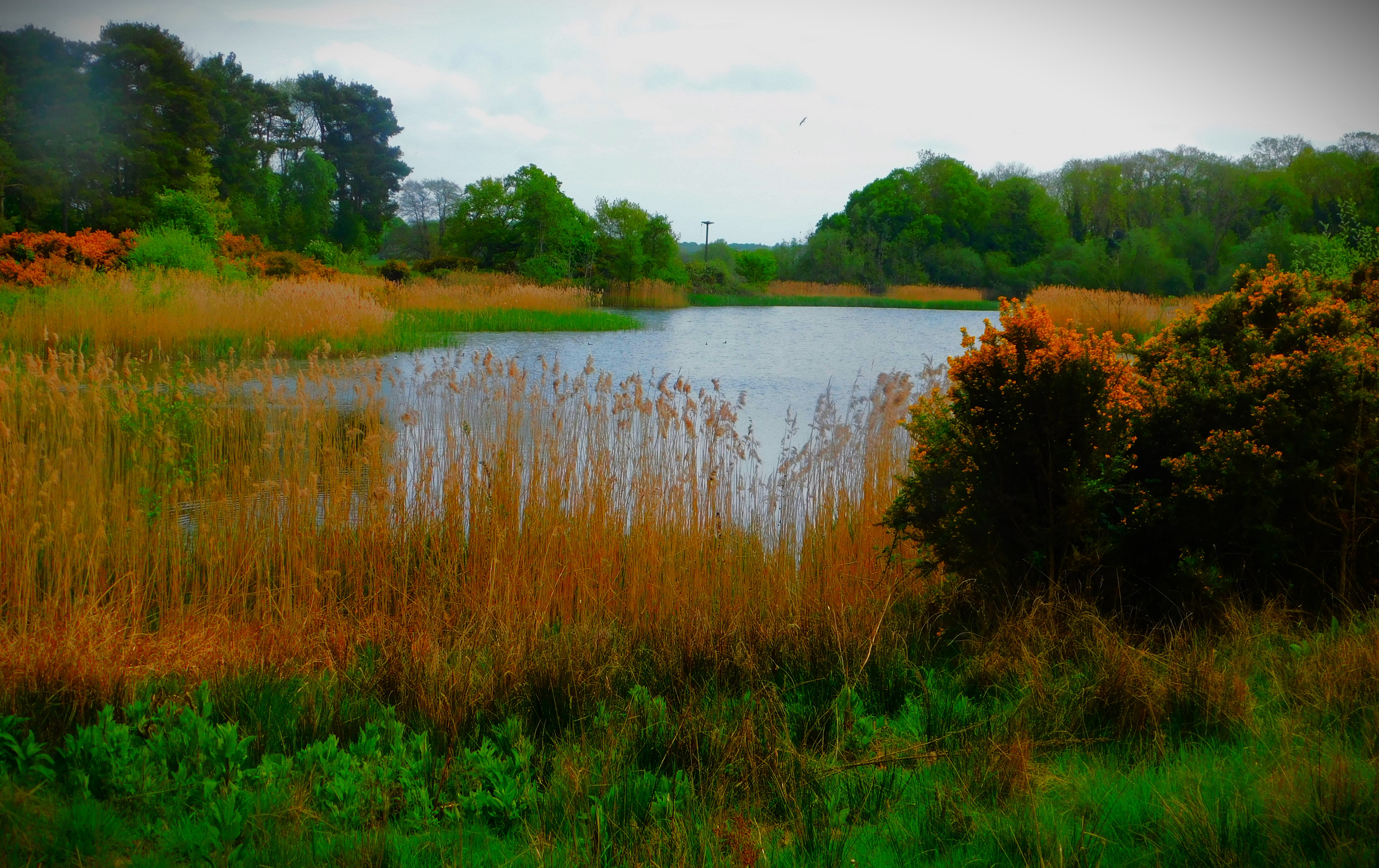
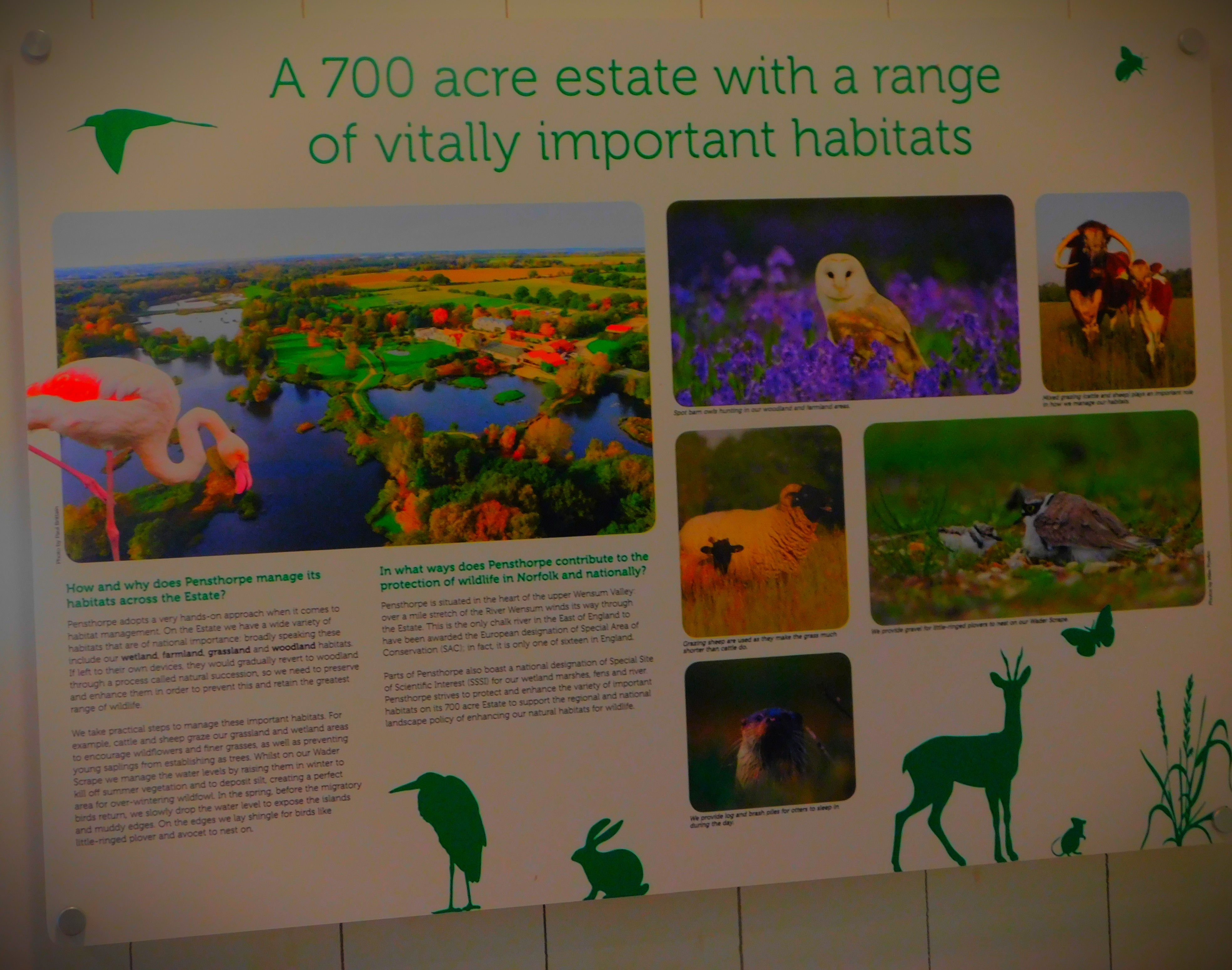
Pensthorpe is a very large site (from Anglo-Saxon times until the 14th century Pensthorpe was a town, larger than nearby Fakenham), and there are some parts that cannot be accessed on foot, which is where the trailer ride comes in. On this occasion there was a small delay on the stated start time of the ride. As well as a natural park/ nature reserve, Pensthorpe owns farm and grazing land, and generates all its own electricity, mainly via solar panels. Among the beasts that are taken to graze here in the appropriate season are sheep, Aberdeen Angus cattle and longhorn cattle. There is both old and new growth woodland, with one section having started life as a classic intensive conifer plantation, now being thinned out to allow more sunlight to reach the forest floor. One also gets distant views of some of the lakes, including ones equipped with nesting platforms for Common Tern. There are two sections of the route that were once parts of railways, both closed in the early 1960s, and the infrastructure destroyed. At one stage there is a direct view of a ‘maltings’ building (making malted barley is the first stage of the process of beer making). There were dragonflies about, though I was unable to capture any on camera – strictures regarding moving targets when you yourself are in motion apply as much to the only kind of shooting I am interested in as to the other kind. There are many kinds of bird and bat box to be seen. Also reminders of the natural history of the area in the form of small lakes where water has filled holes originally gouged out by glaciers. These are important habitats for creatures such as frogs. The site’s single most important asset is the river Wensum, a chalk stream, and a such heavily protected. I enjoyed my journey on the trailer, and having remembered that I travelled on the non-drivers side on previous occasions I sat on the driver’s side this time round.
PHOTOGRAPHS
Here are the pictures from the trailer ride…
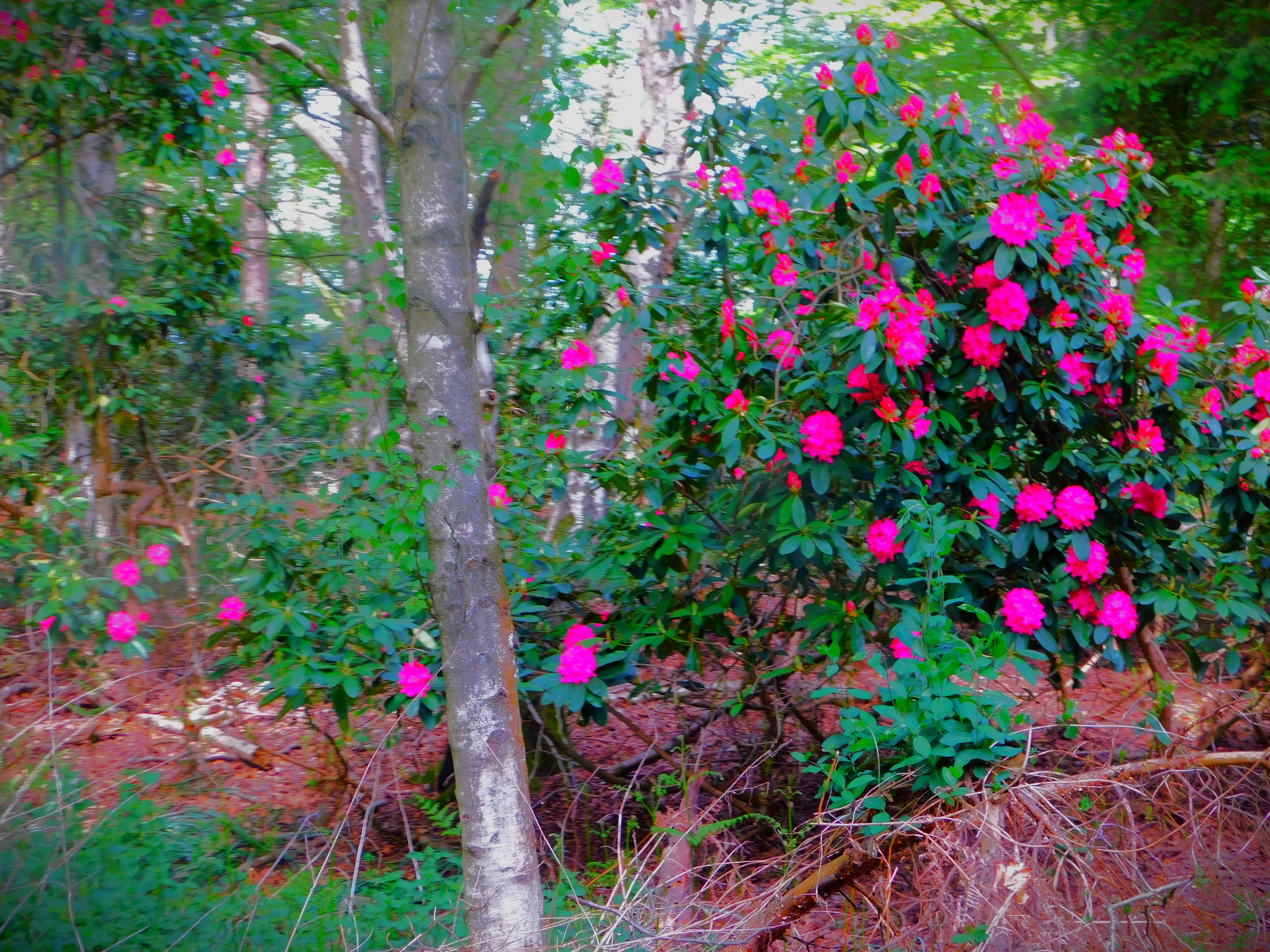
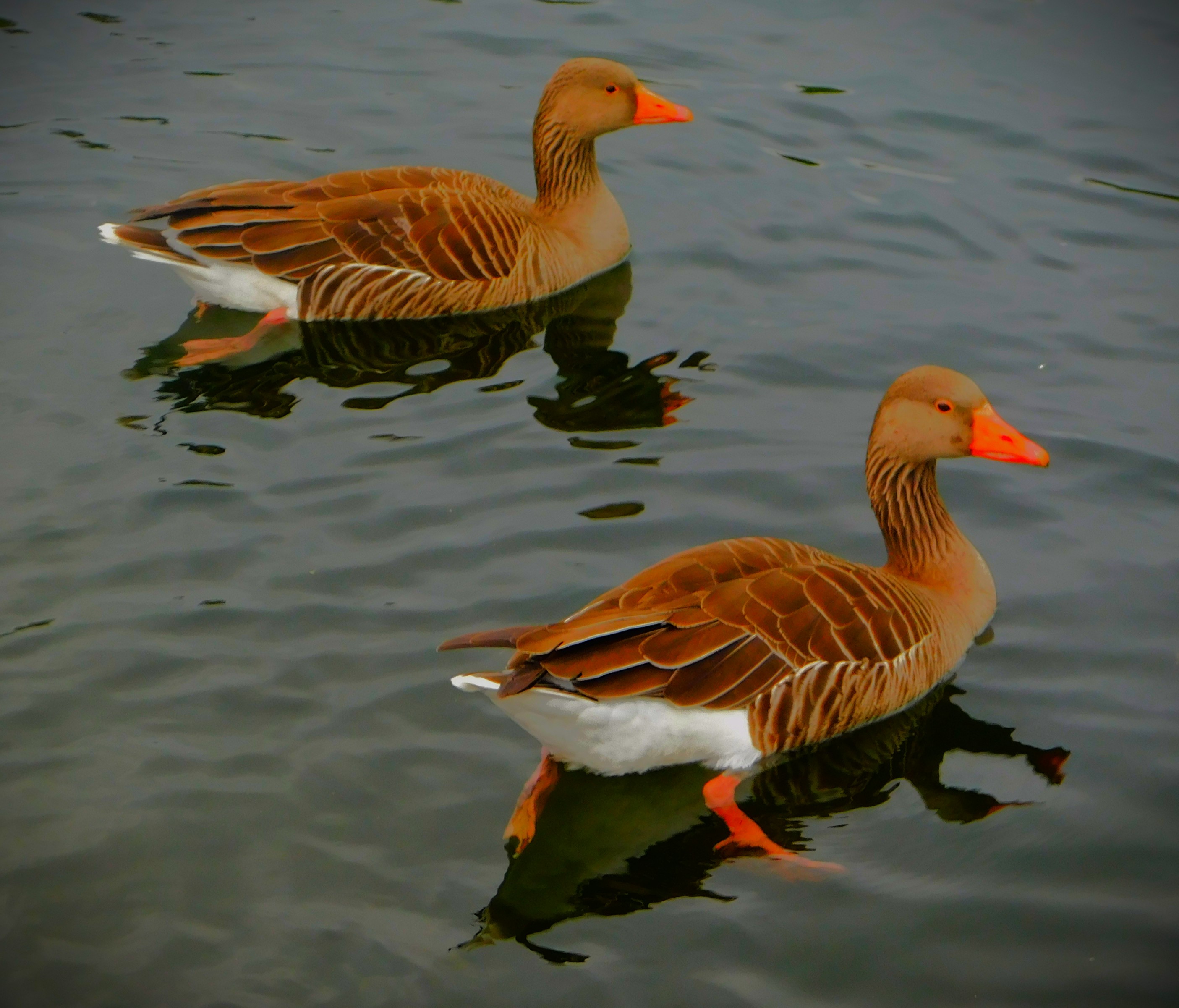
Crossing the Wensum.A place for hedgehogs to hibernate in the winter.Bat boxes, circling the tee so that bats using them can always position themselves as far from the sun as possible. RhododendronsA Greylag Goose family.
The second post in my Pensthorpe series: A look at the Discovery Centre and the rest of my general photos,
This is the next post in my series about the West Norfolk Autism Group outing to Pensthorpe Nature Reserve (68 of us went in total). It features the Discovery Centre and those of the general photos that I have not already shared.
THE DISCOVERY CENTRE
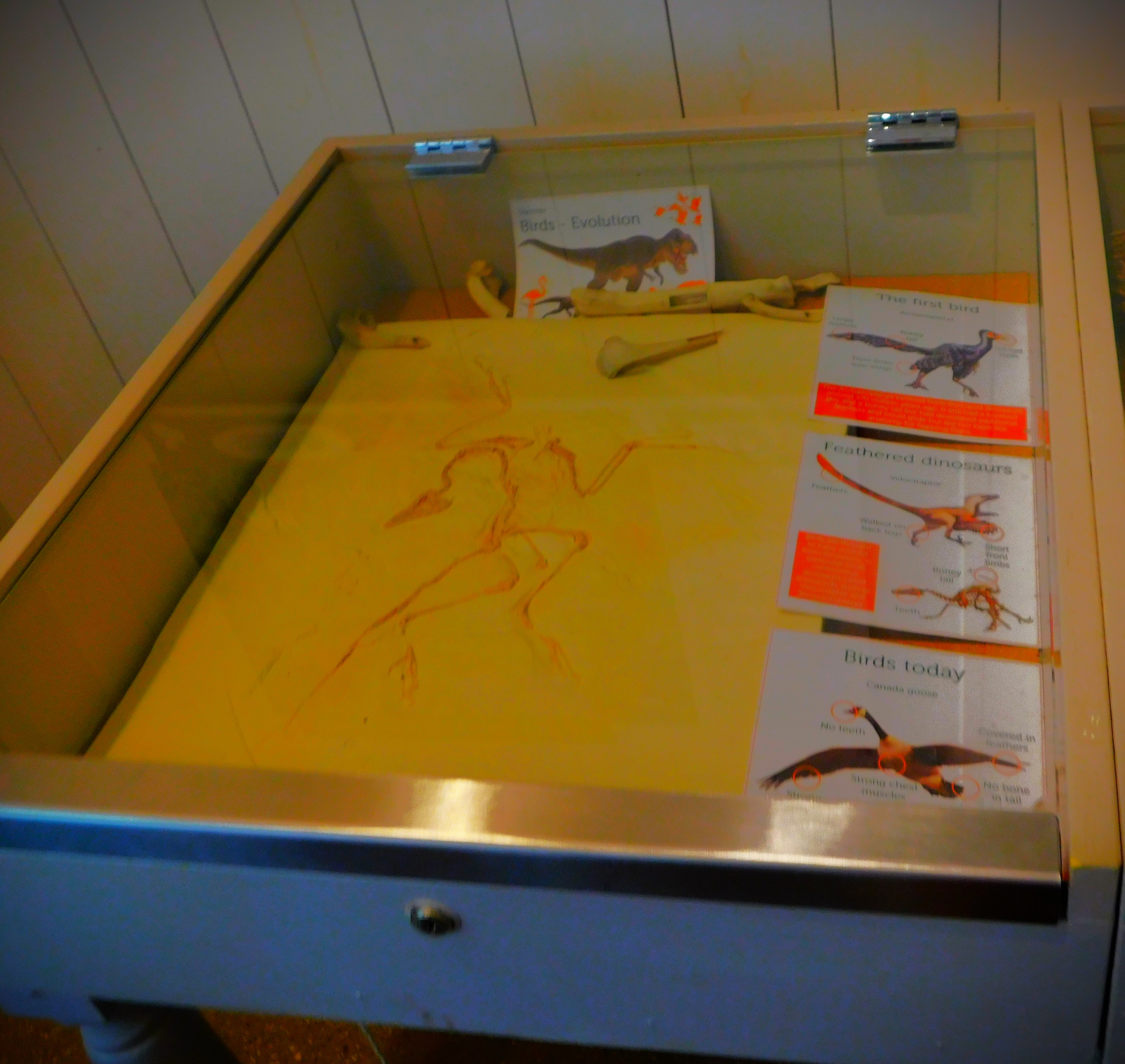
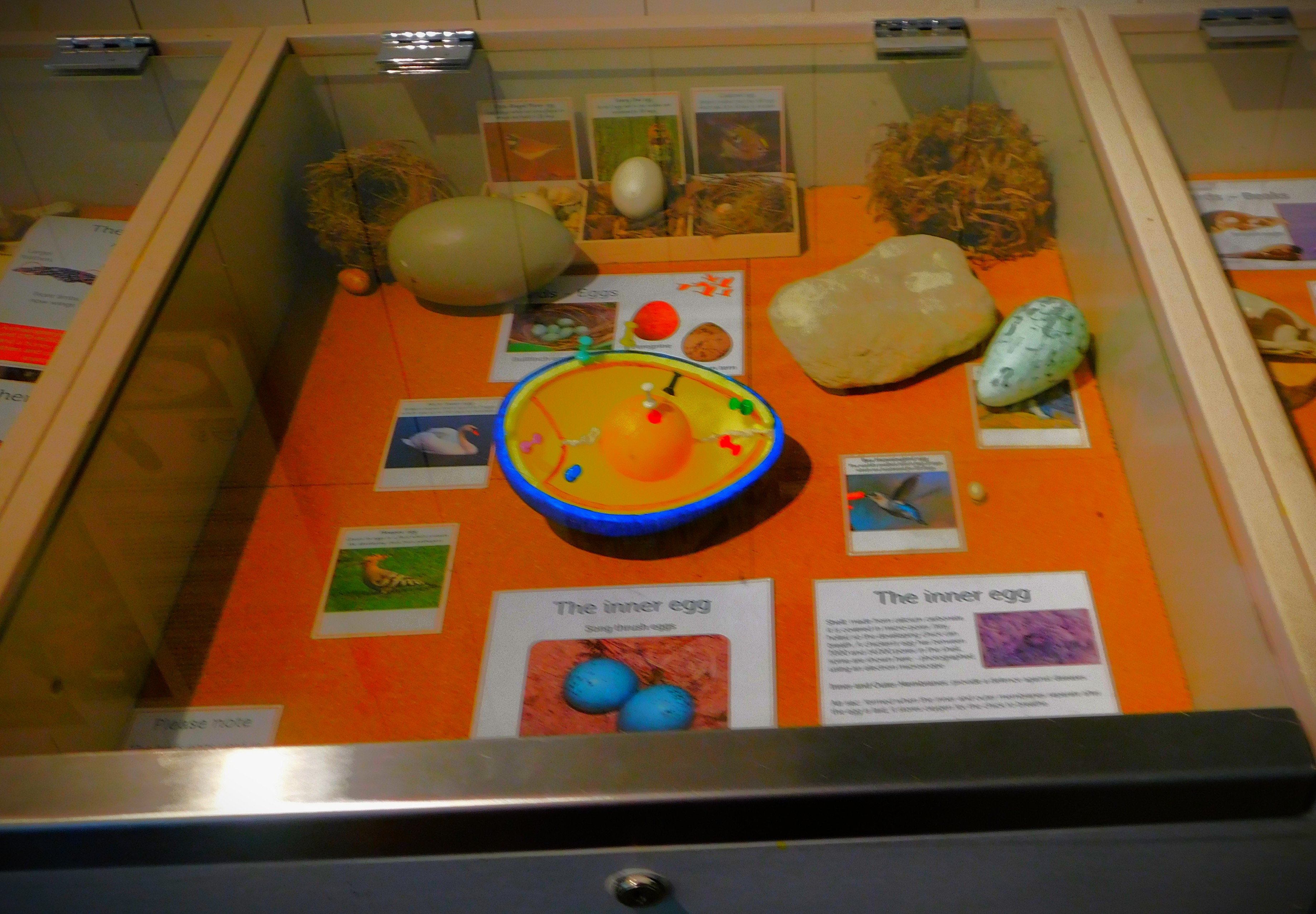
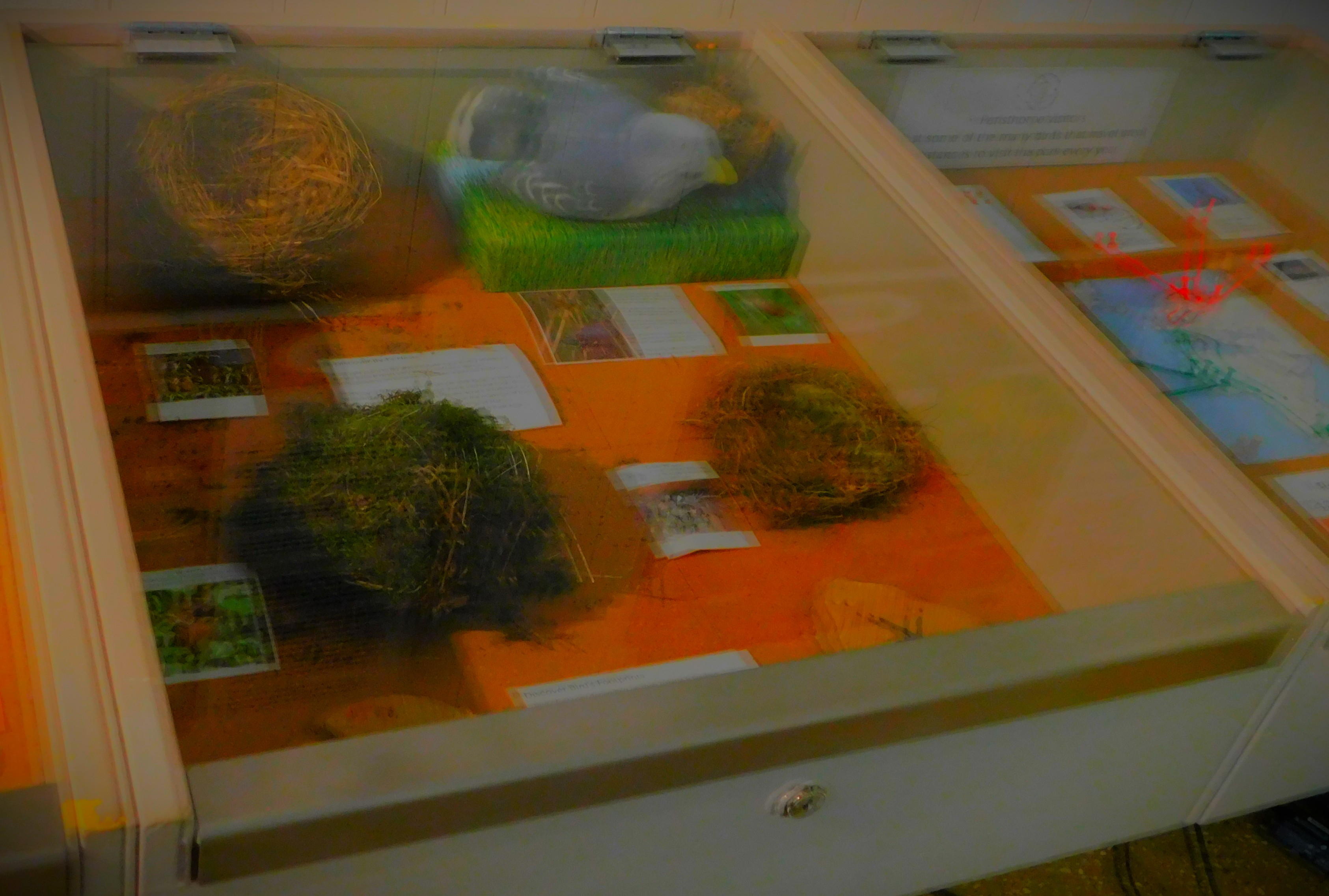
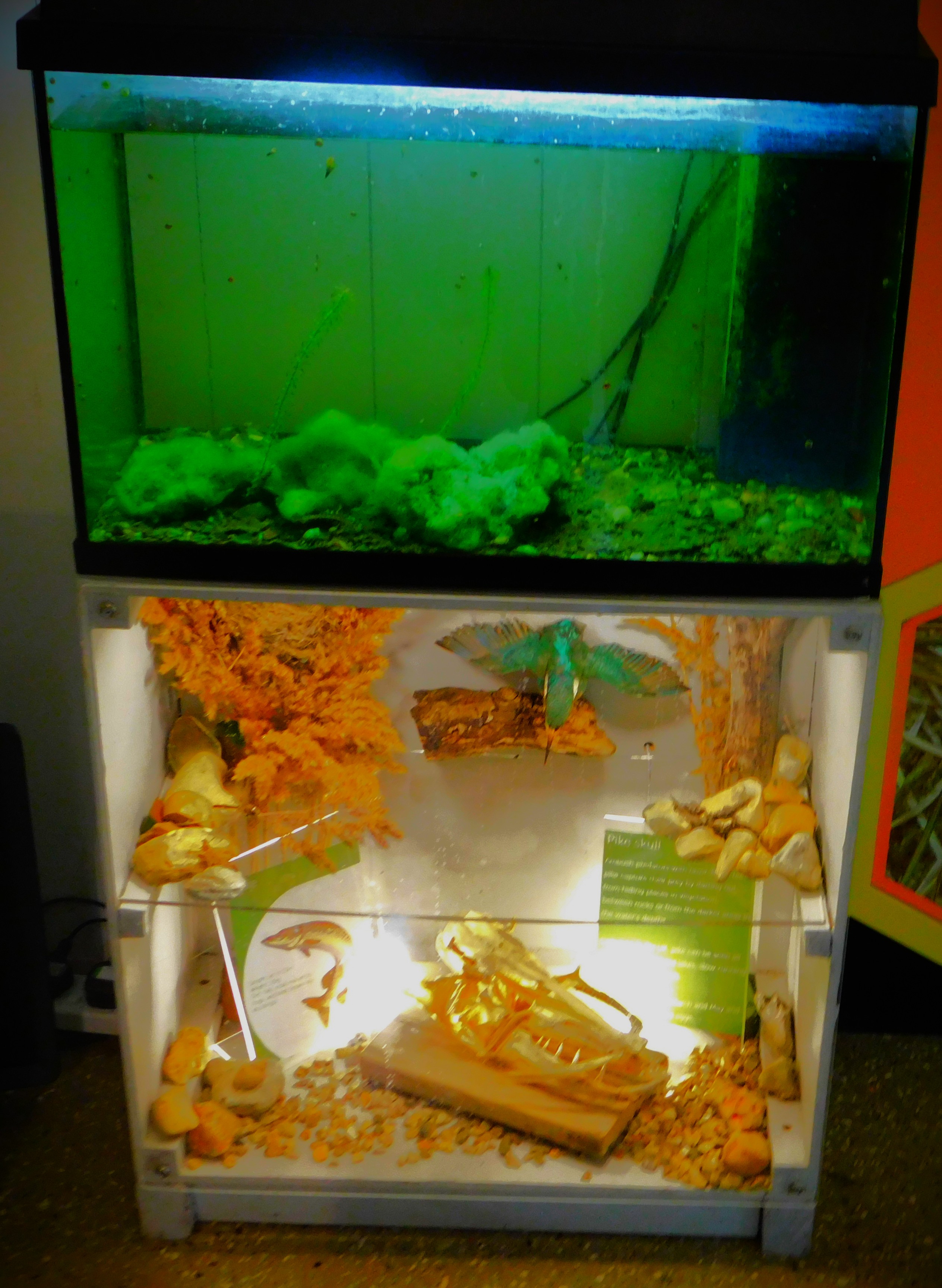
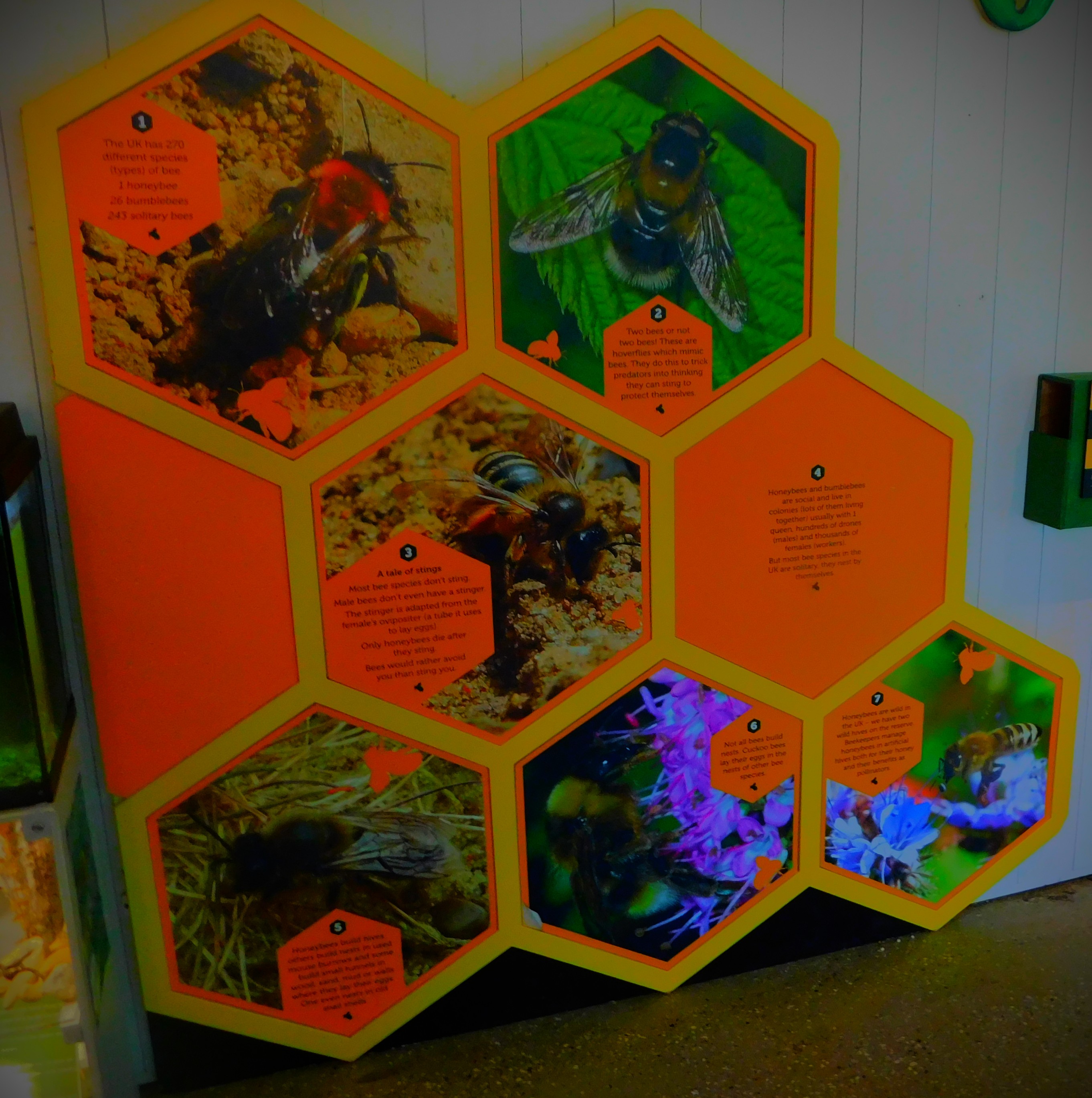
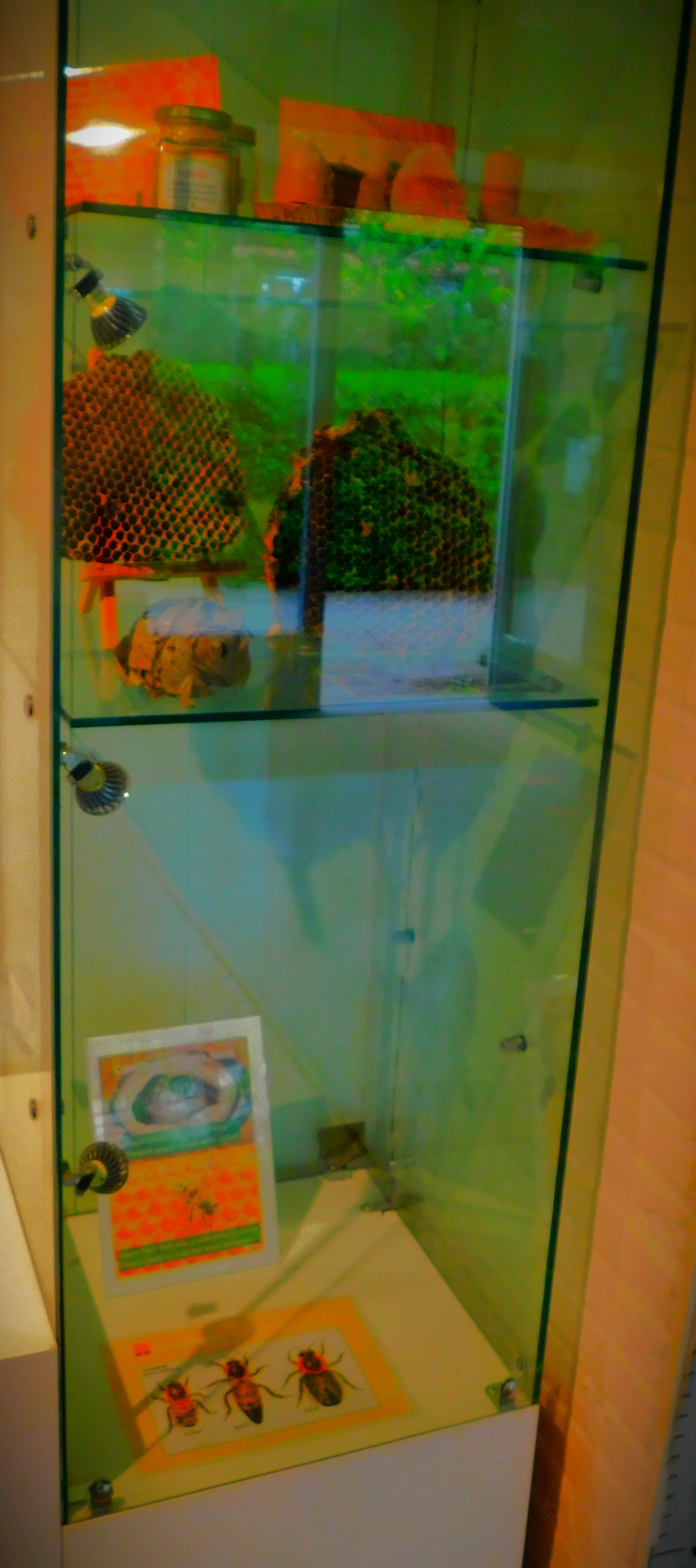
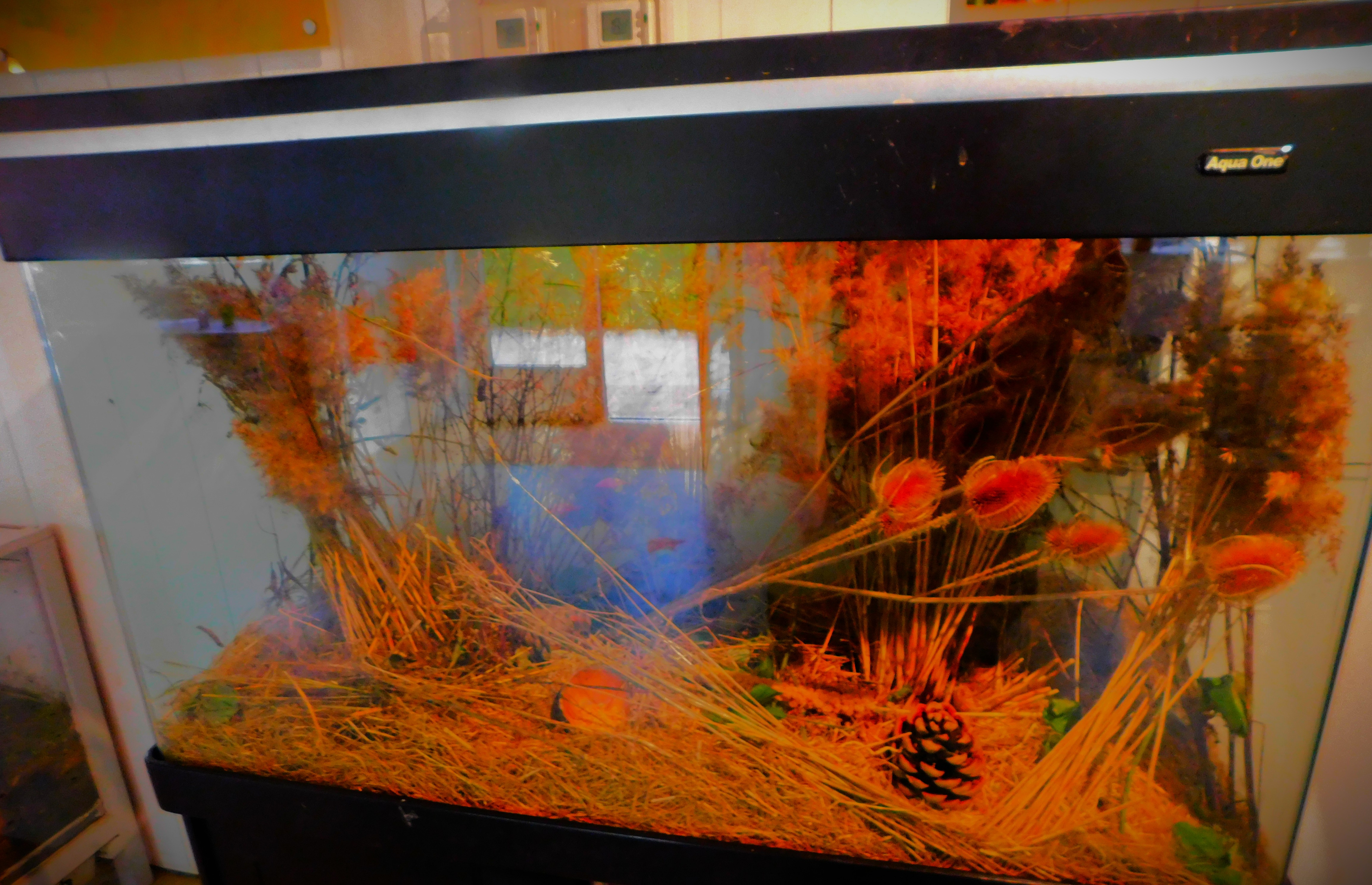
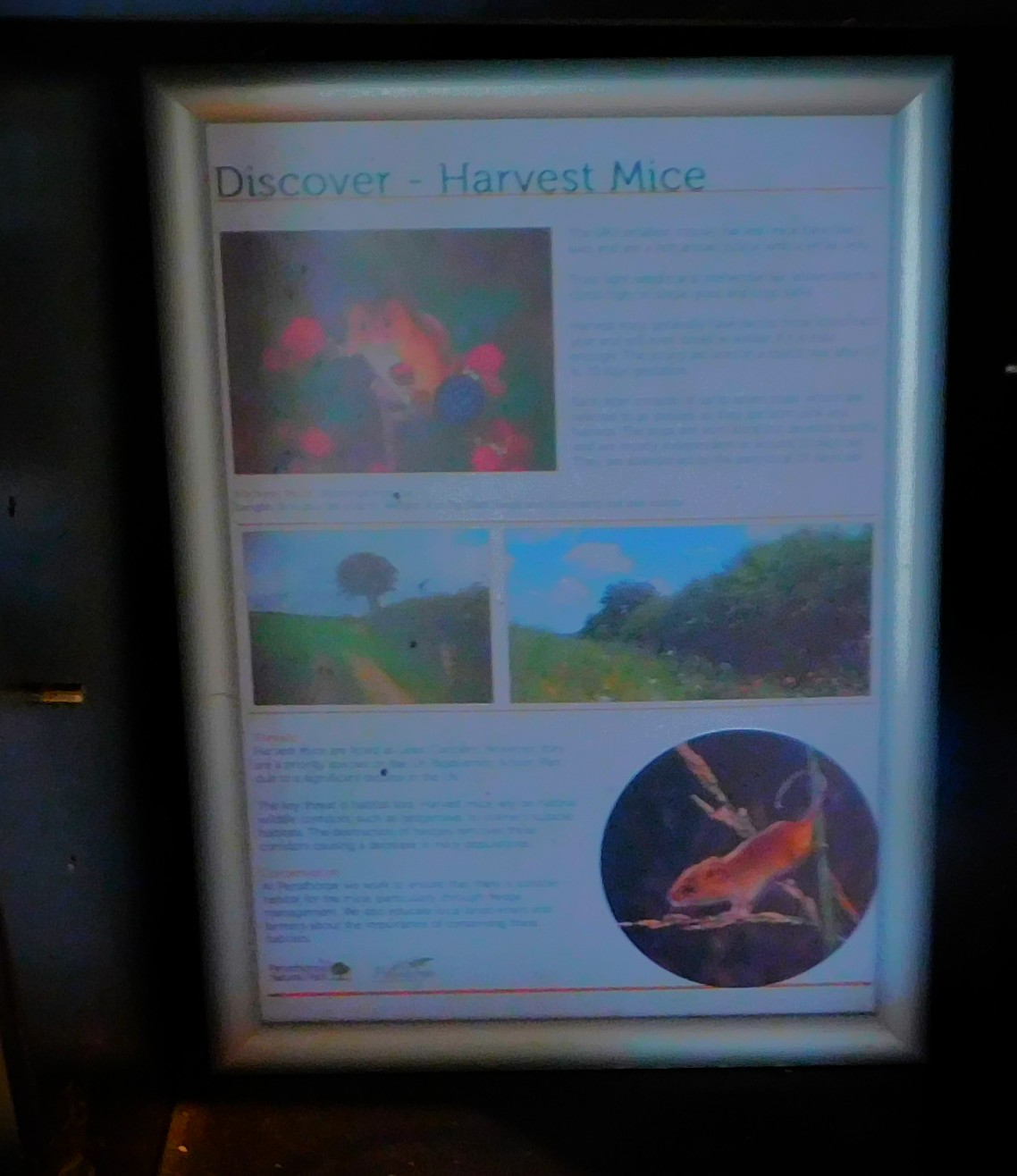
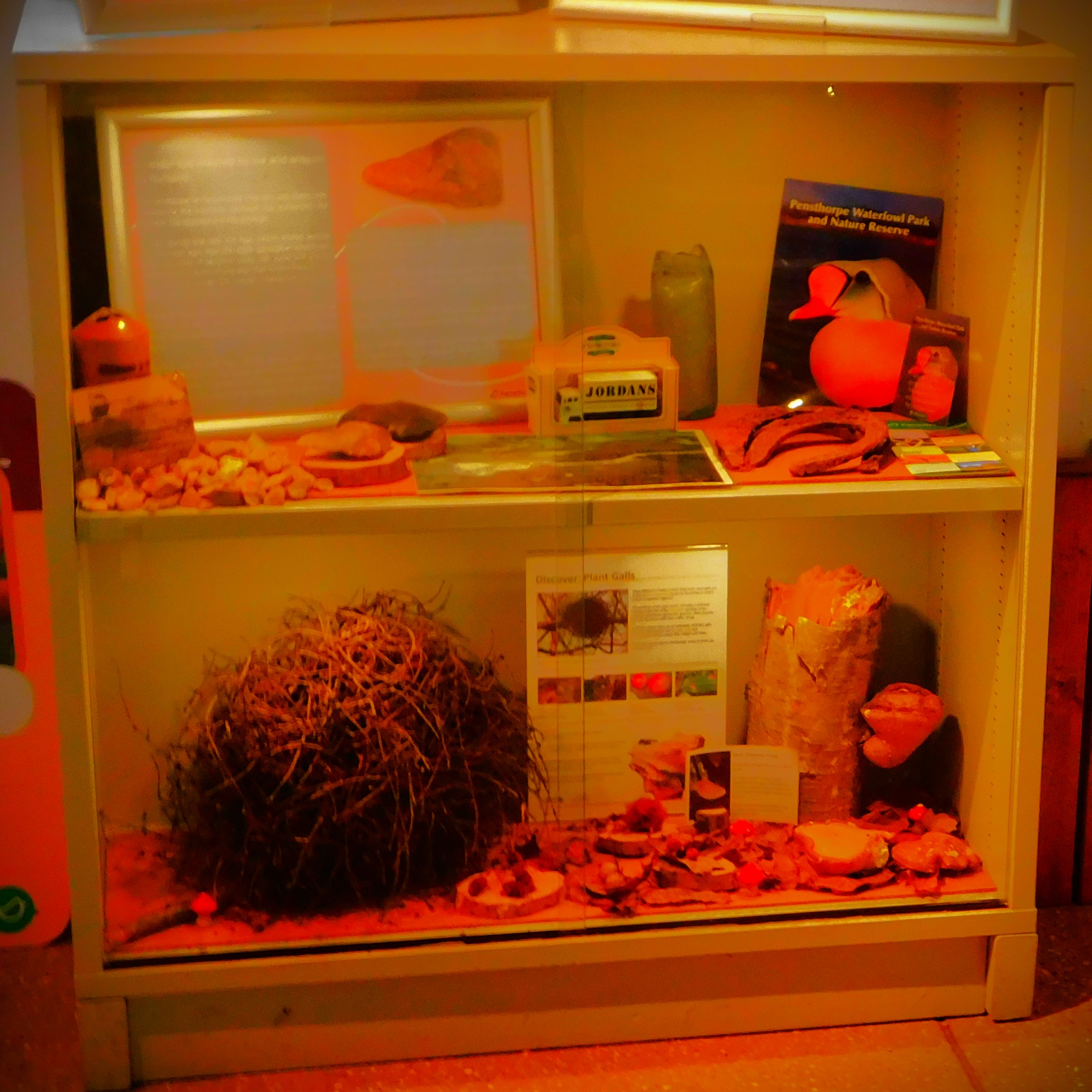
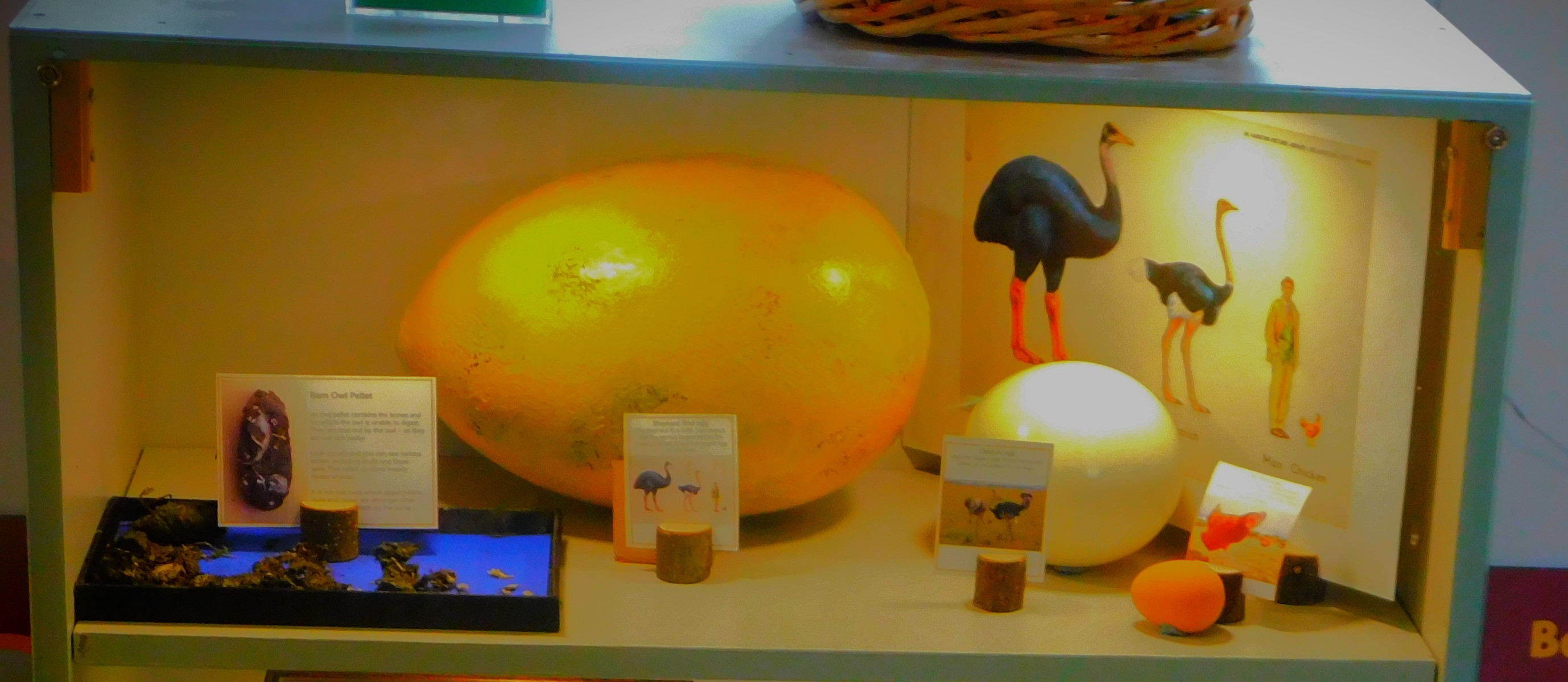
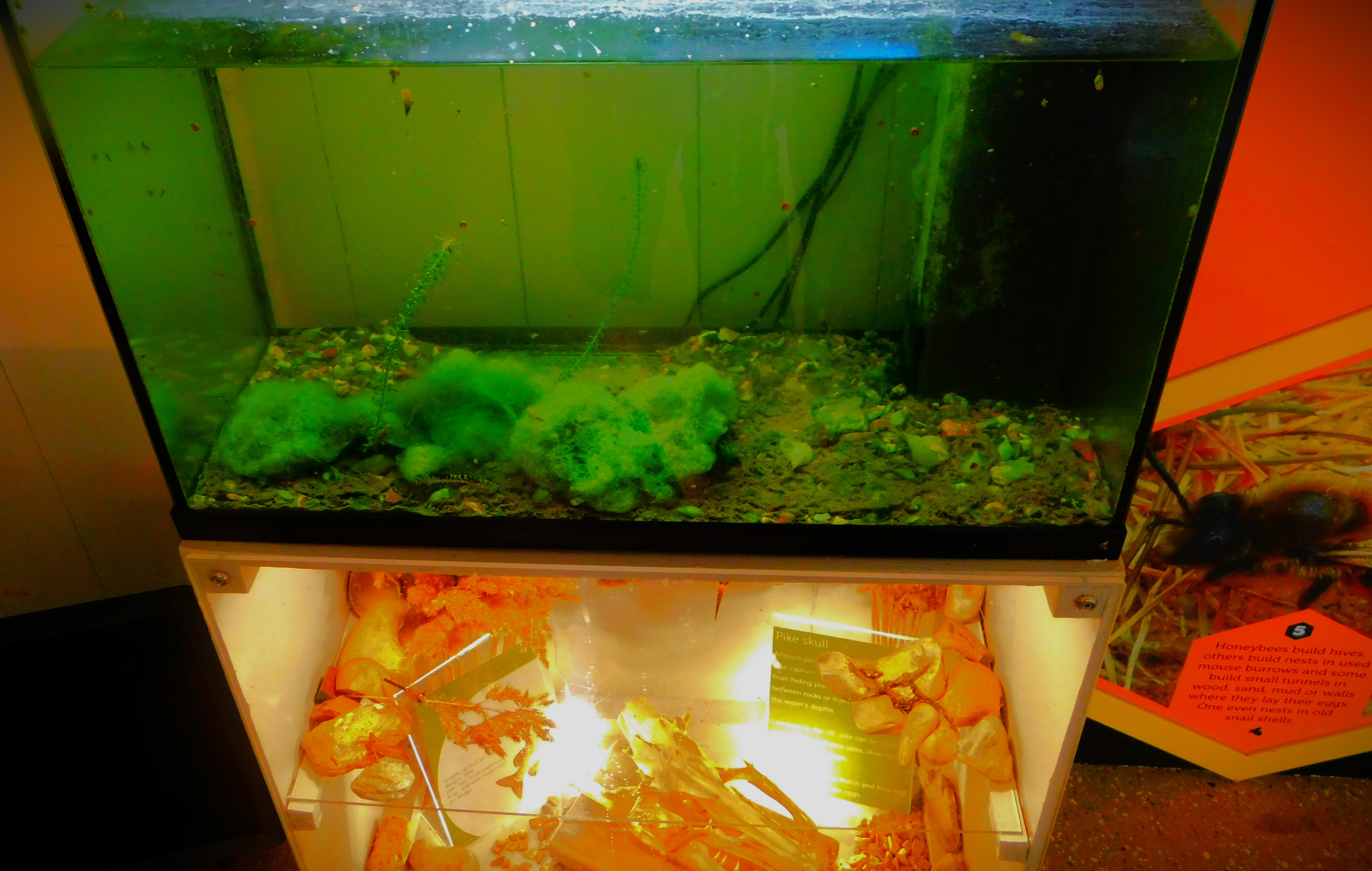
The Discovery Centre at Pensthorpe is a small museum featuring exhibits about the natural history and evolution of birds, stuff about bees, stuff about the area through the ages, and a couple of mini-habitats – a fish tank and specially created habitat tank for harvest mice (as well as being tiny – an adult harvest mouse weighs 4-6 grammes – these creatures are exceedingly shy, and they did not show themselves while I was in there). Though I would recommend visiting it at least once when at Pensthorpe there is no need fit such a visit into any kind of plan for exploring the site – it is located close to the main entrance and can be fitted in any time you fancy.
OUT AND ABOUT AT PENSTHORPE
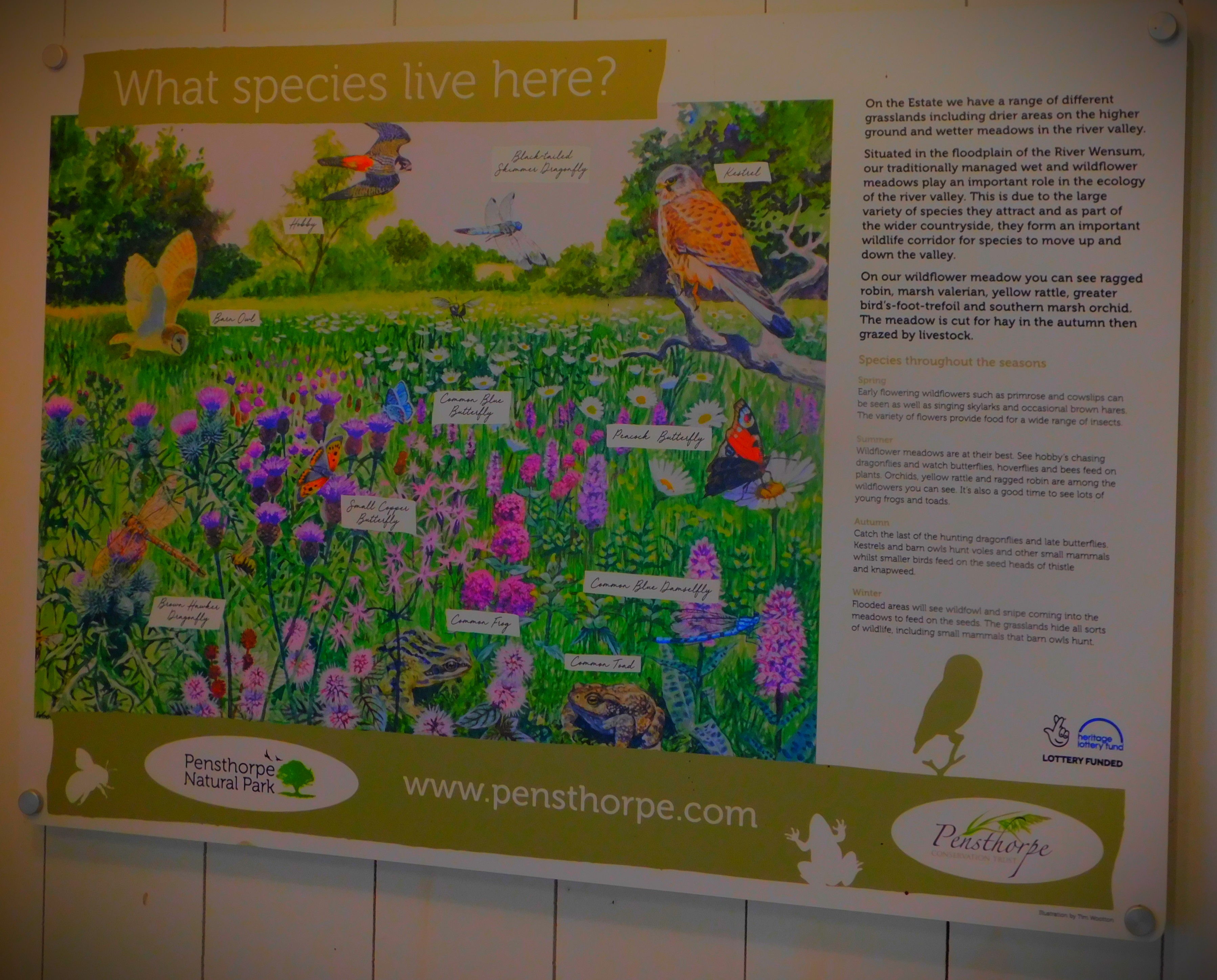
As well as the specific locations of interest there is an enormous amount to be seen just walking around the site – huge numbers of water birds of a wide variety, sculptures, art works of various kinds, a great variety of habitats, and lots of information boards all of which merit attention.
PHOTOGRAPHS
This the second half of the general photo gallery…
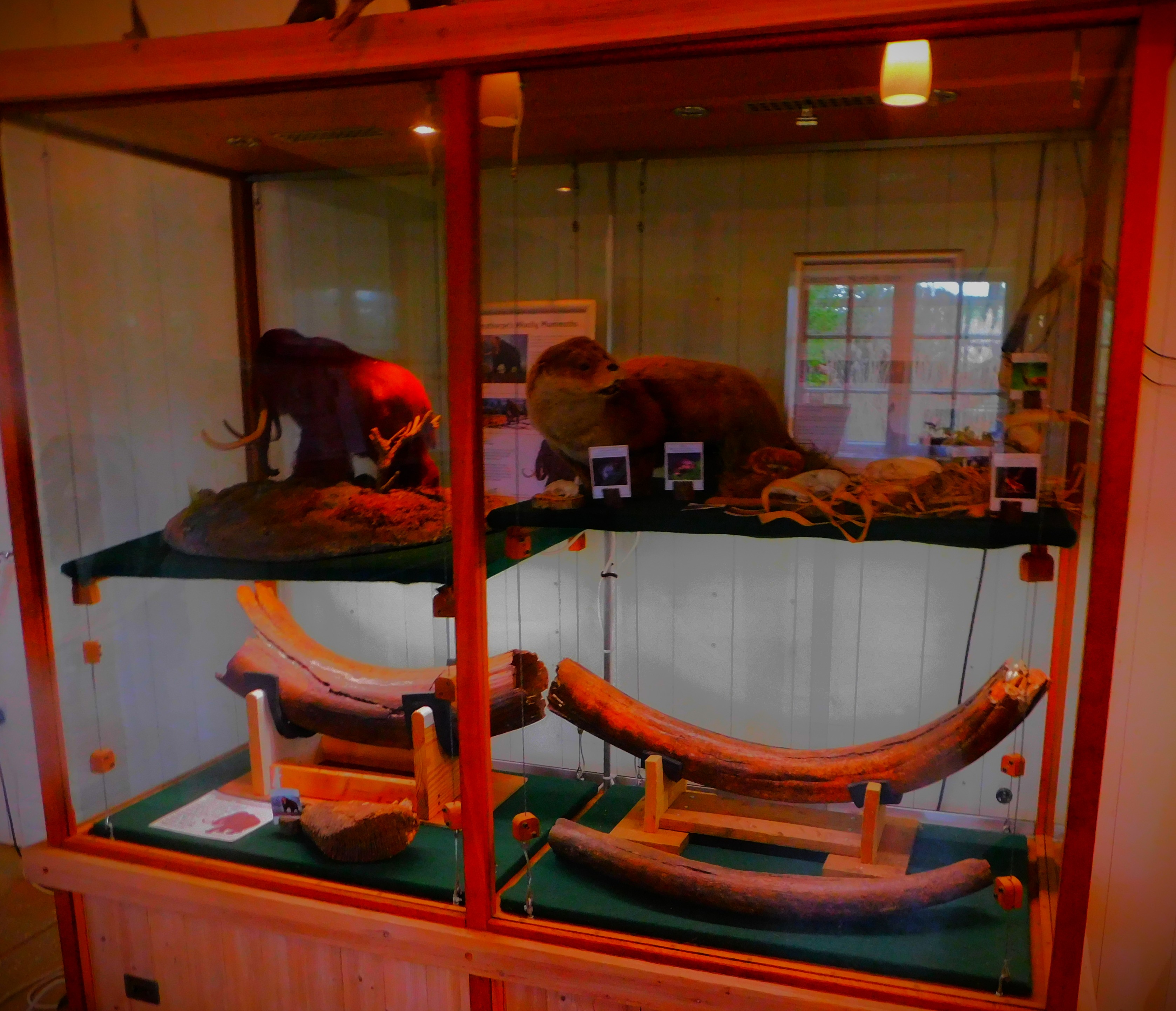
This is at the entrance/ exit of Pensthorpe. Mammoth bones have been found in the course excavations in this part of the world – 10,500 years ago or thereabouts this was at the southern edge of a vast ice sheet, and beyond the ice sheet would have been tundra, where the mammoths would have roamed.
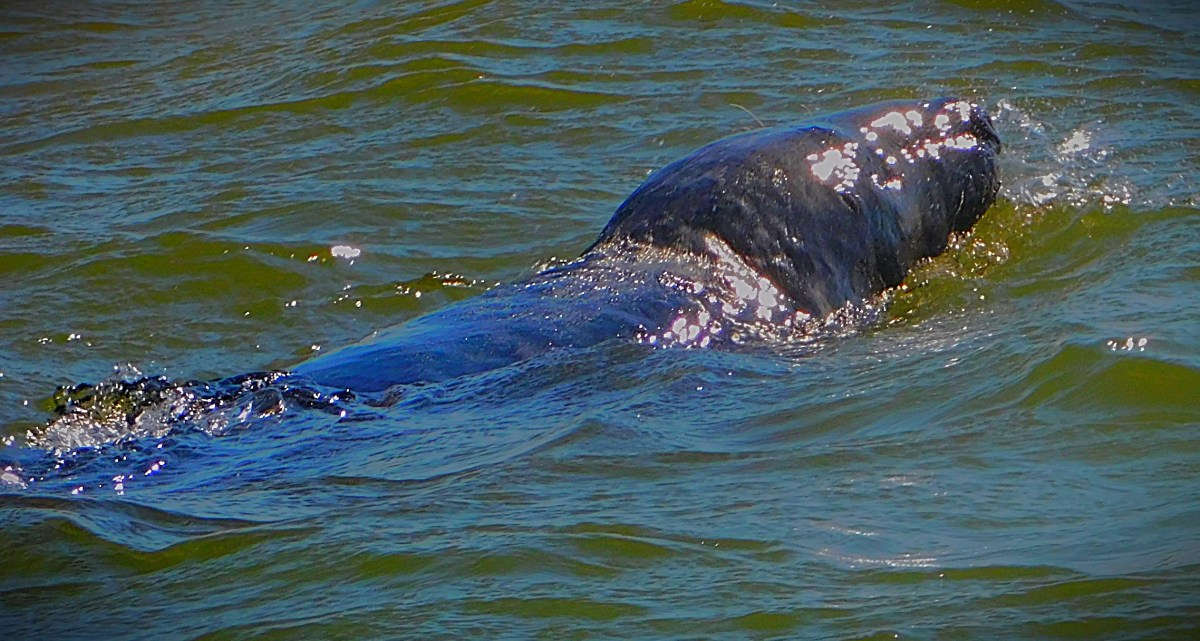
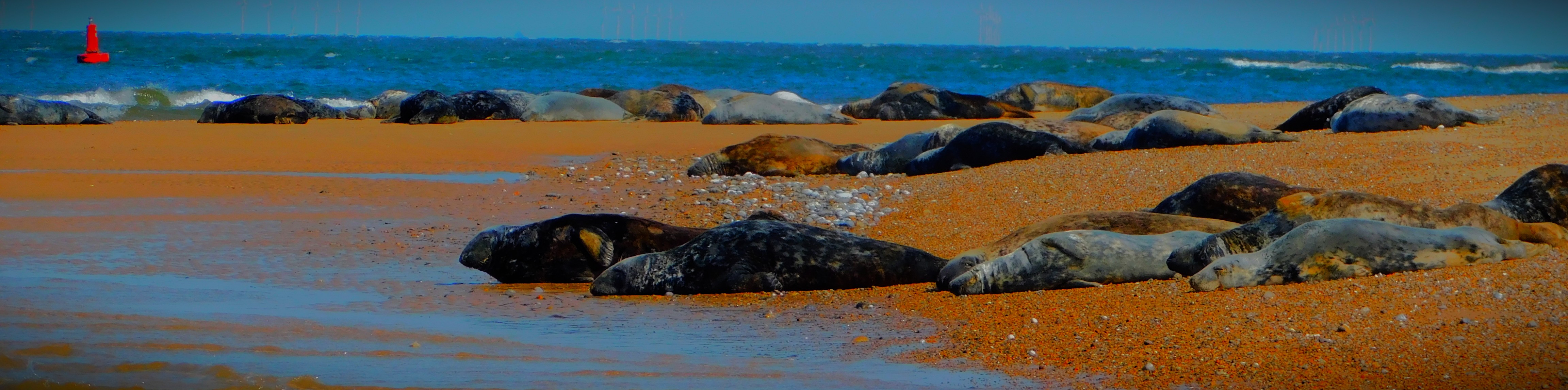
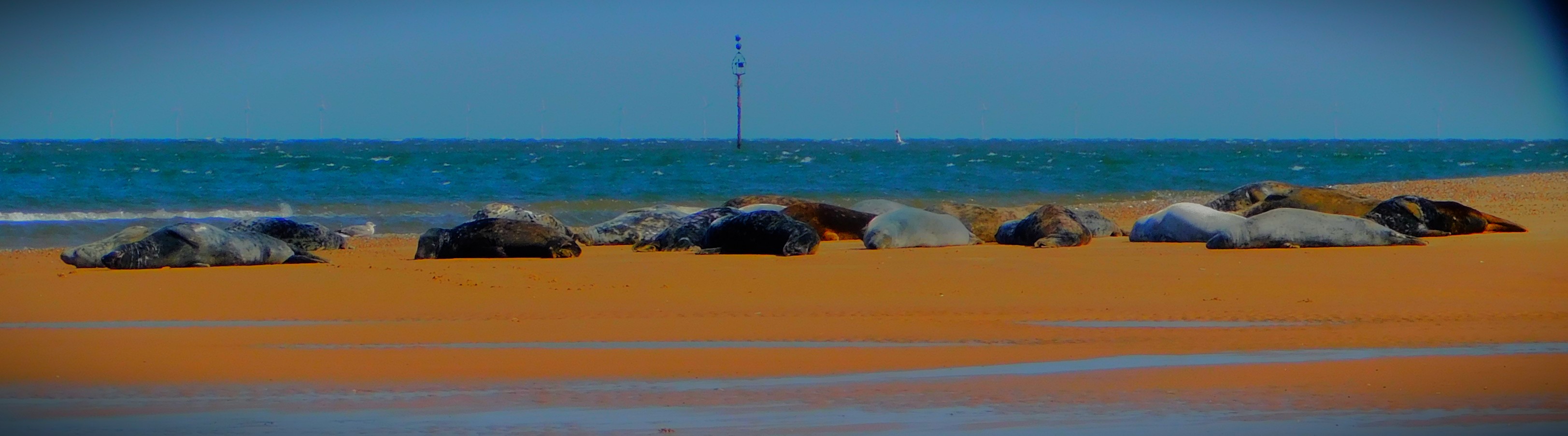
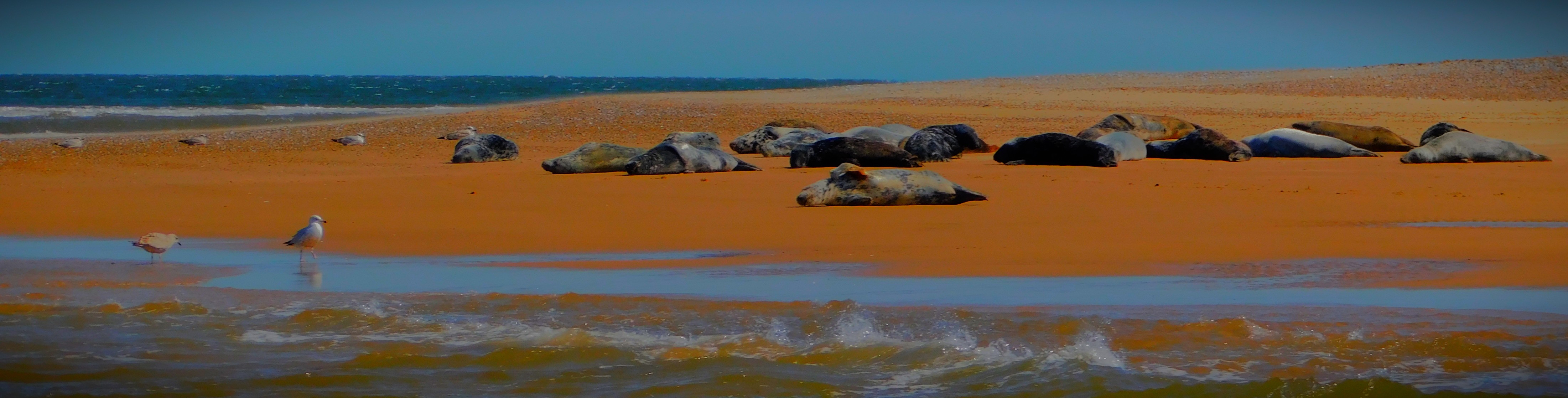
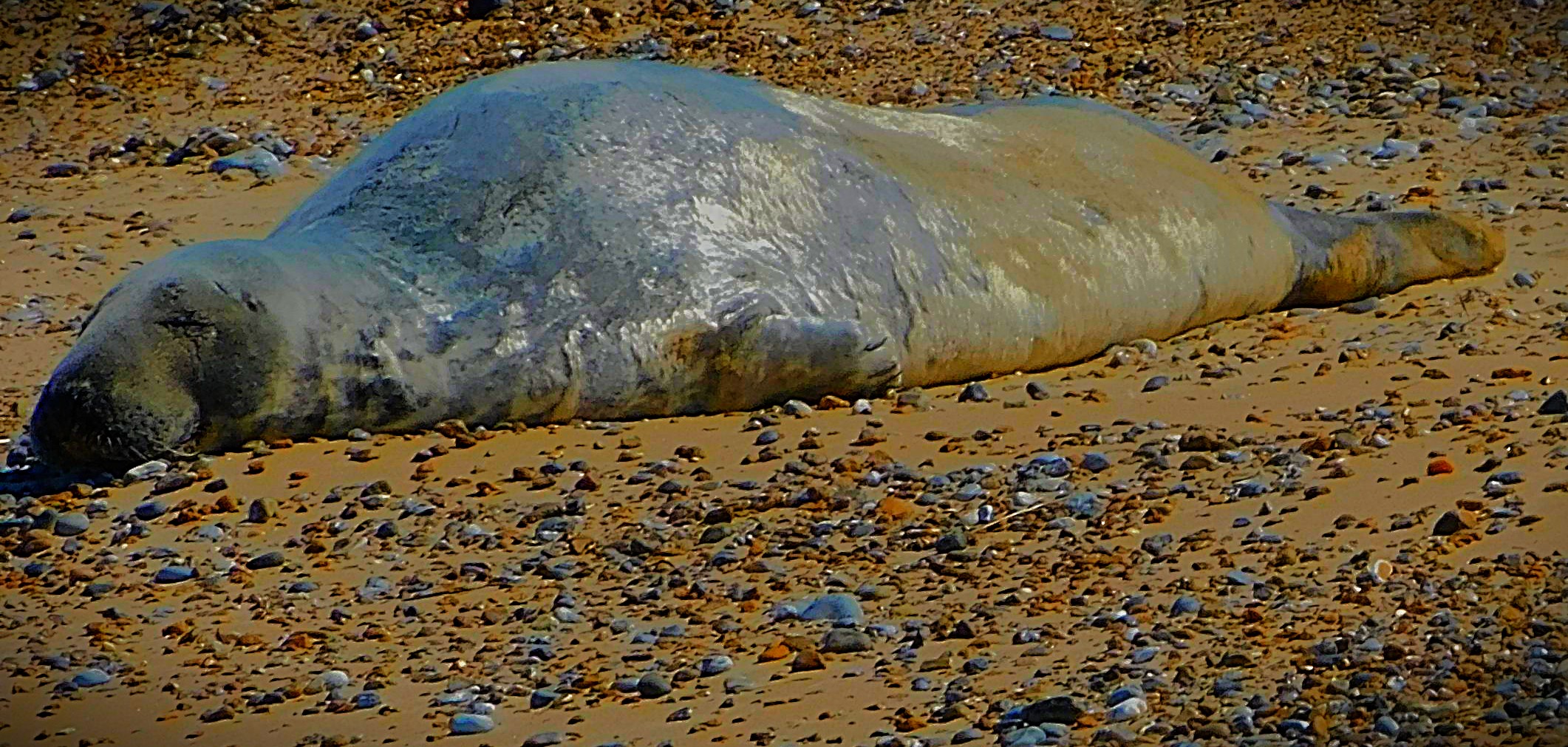
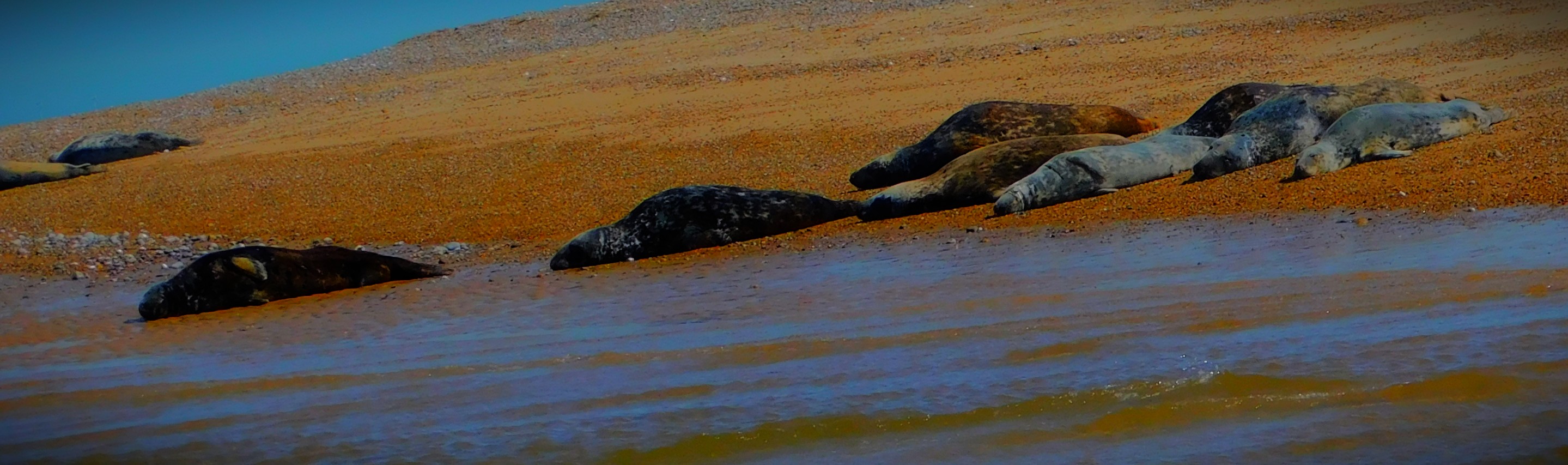
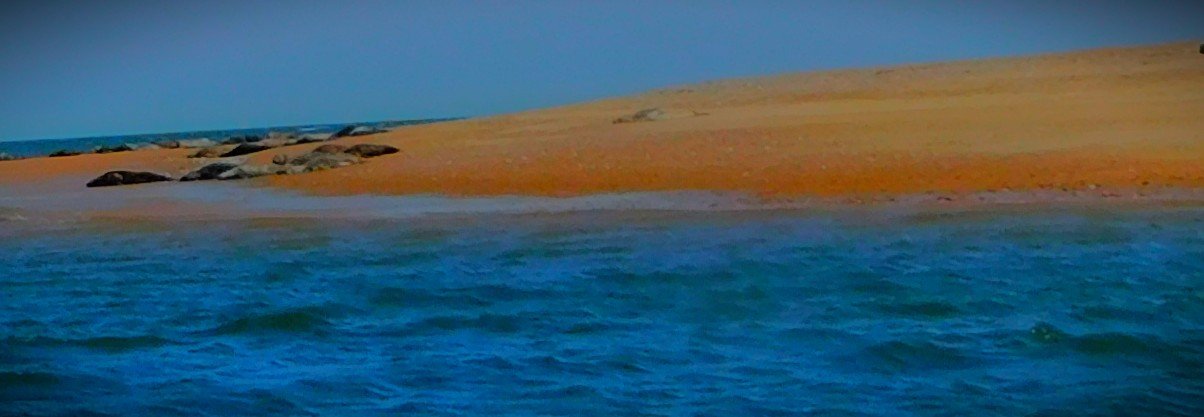
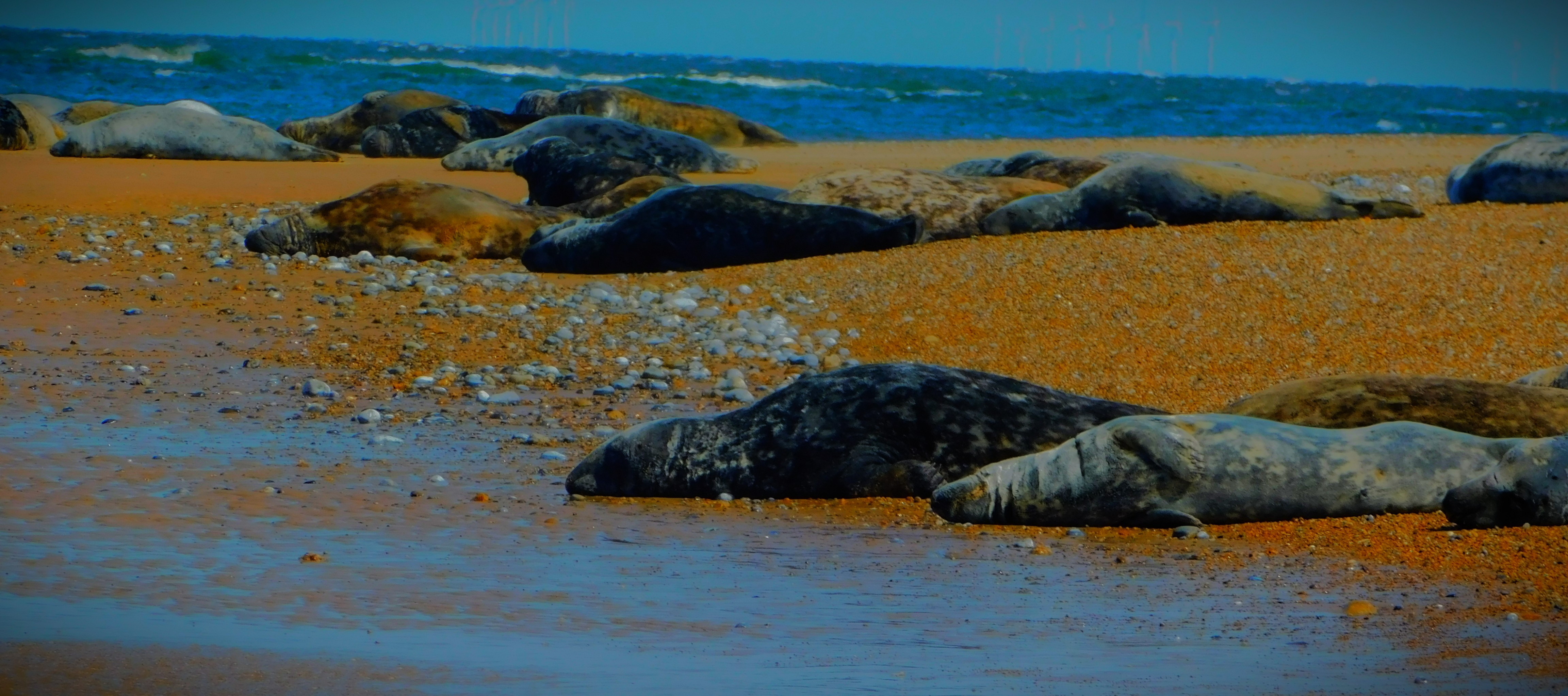
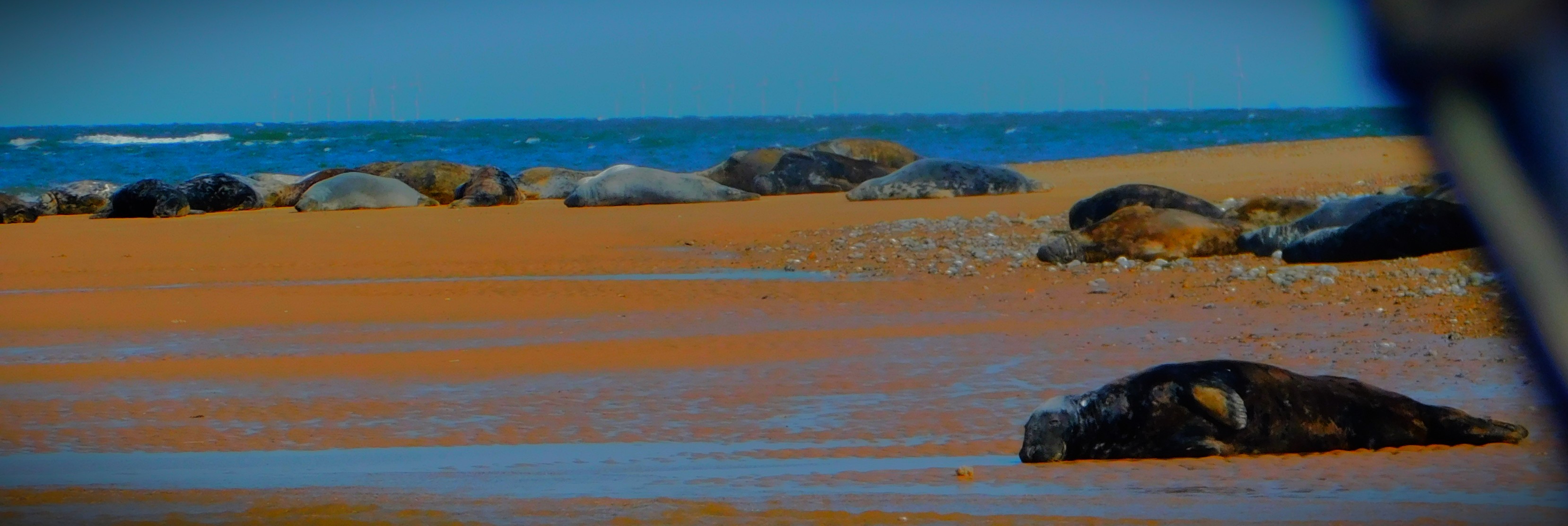
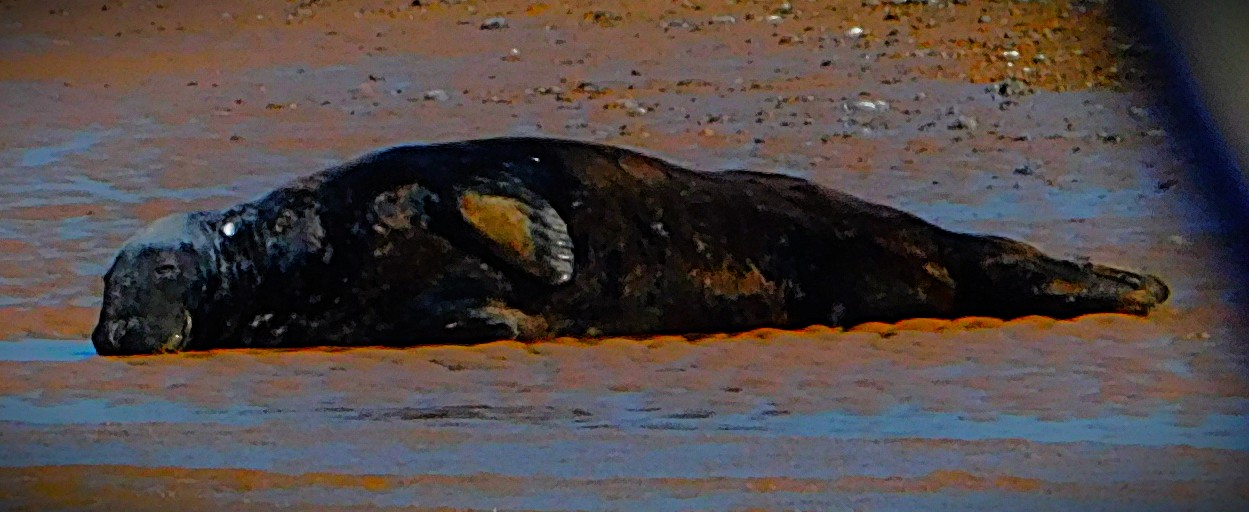
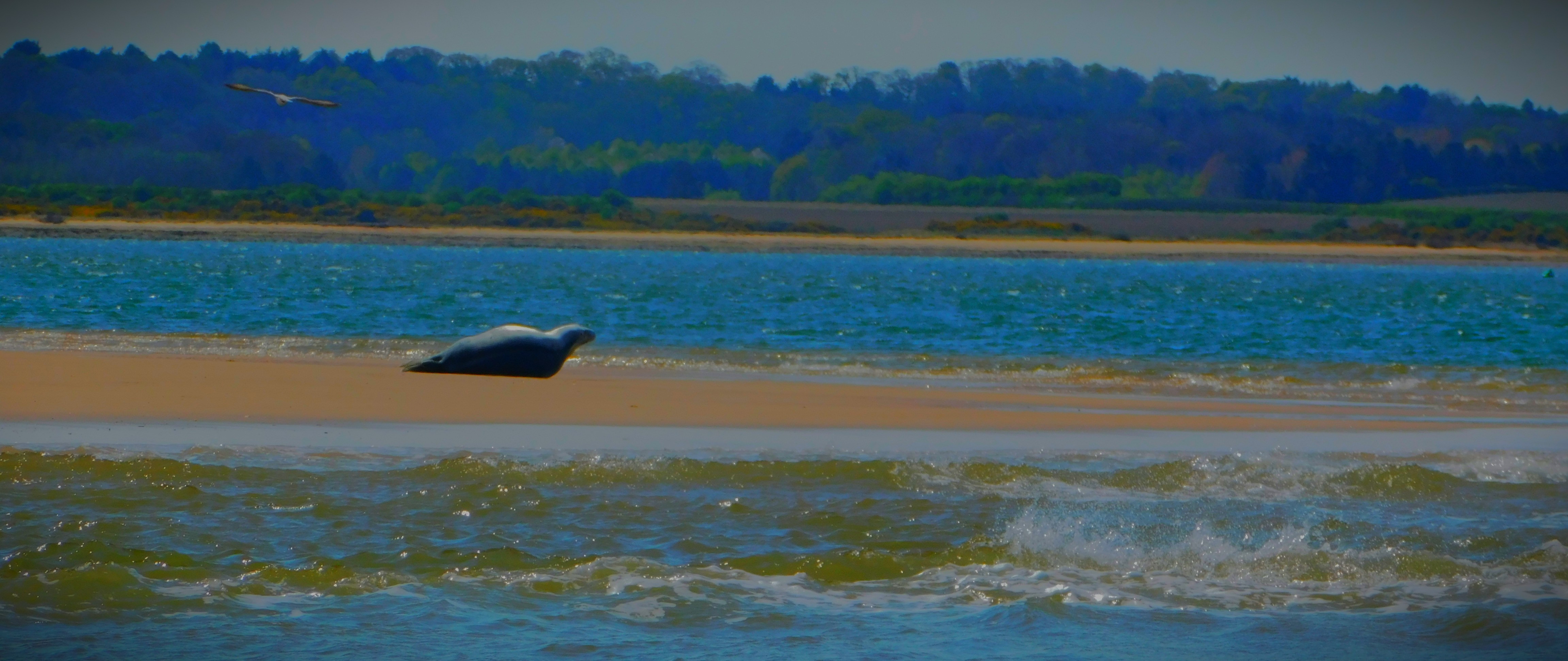
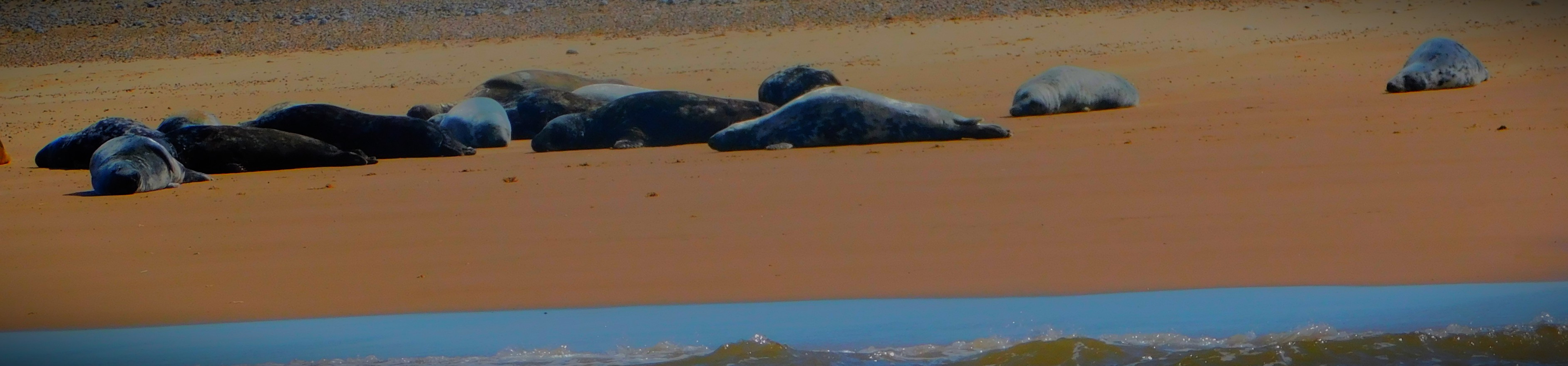
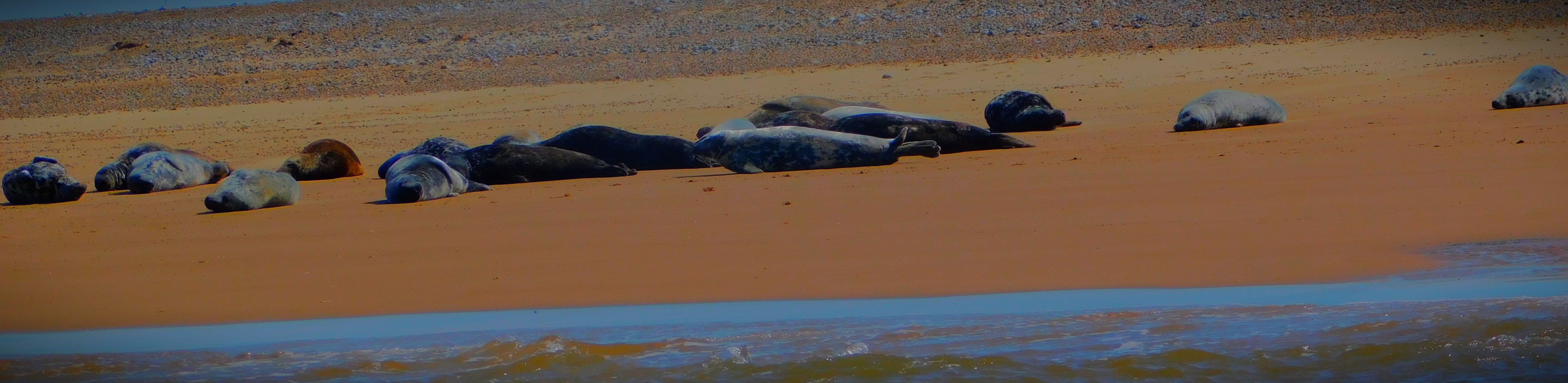
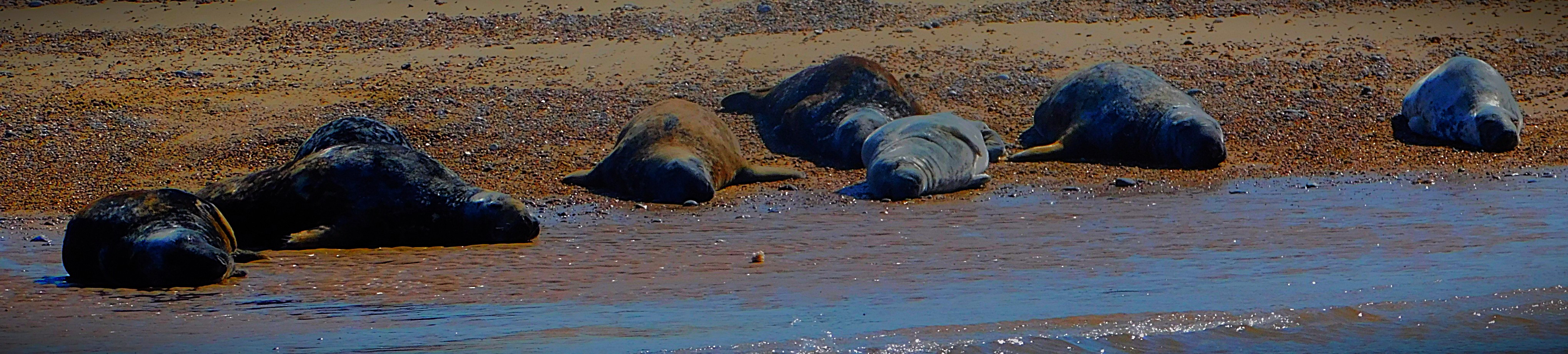
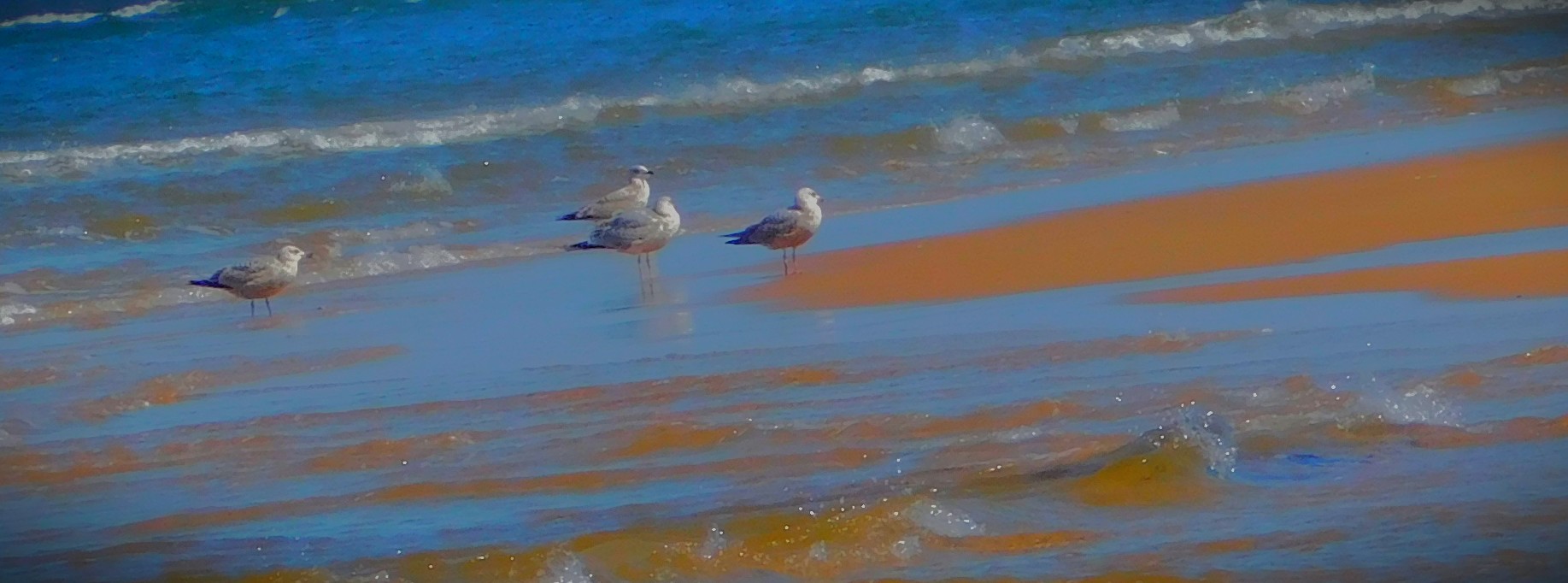
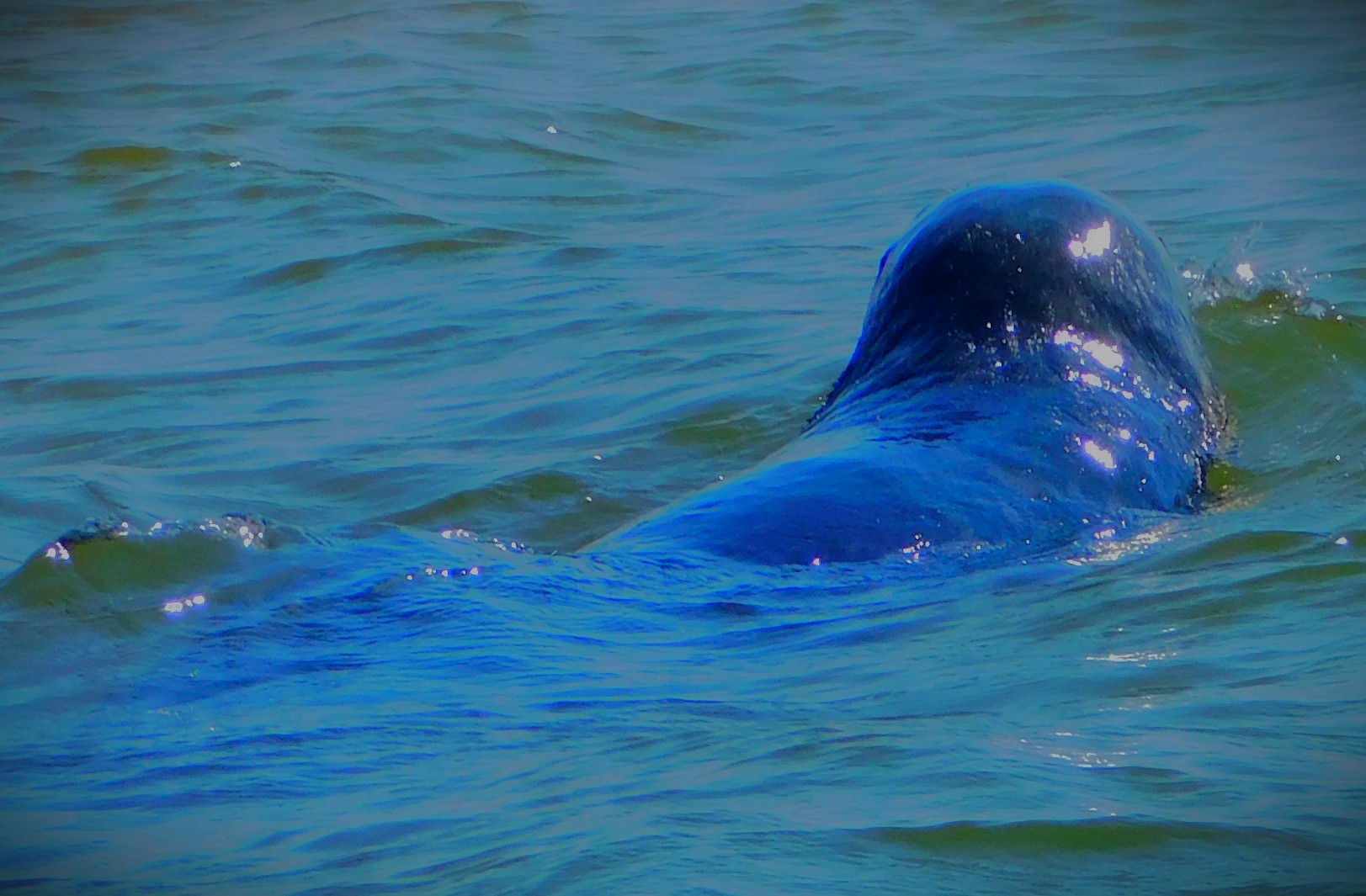
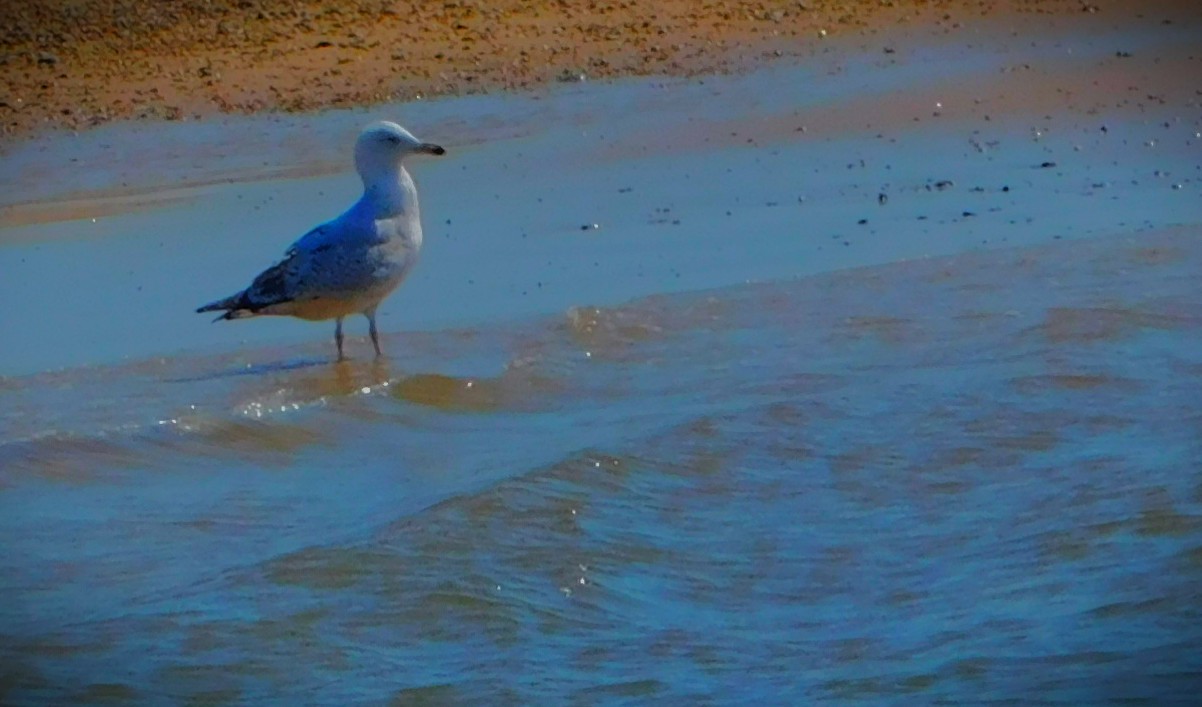
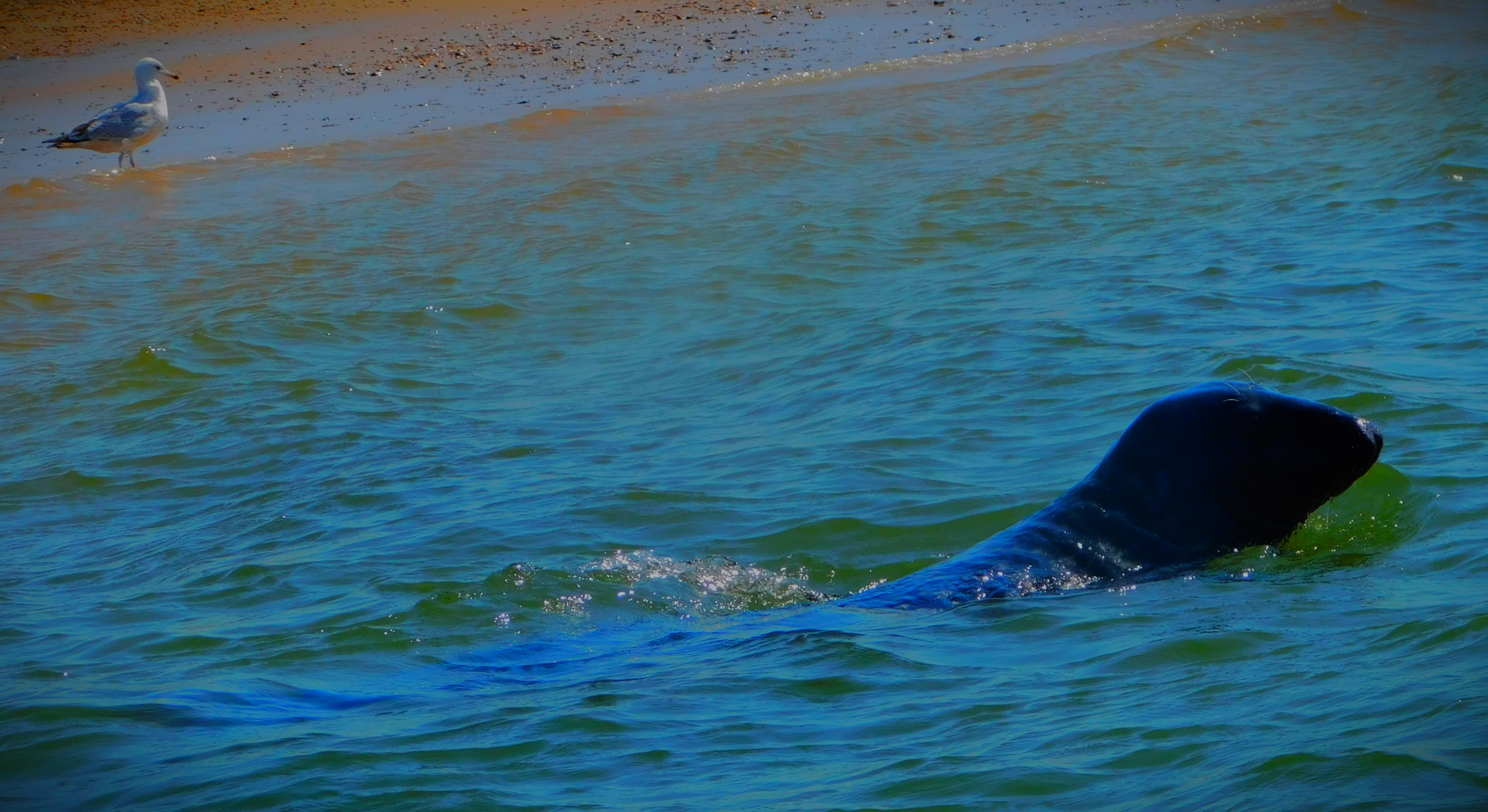
A look back at a trip I took with my parents yesterday to see the seals at Blakeney Point. This post has a huge photo gallery.
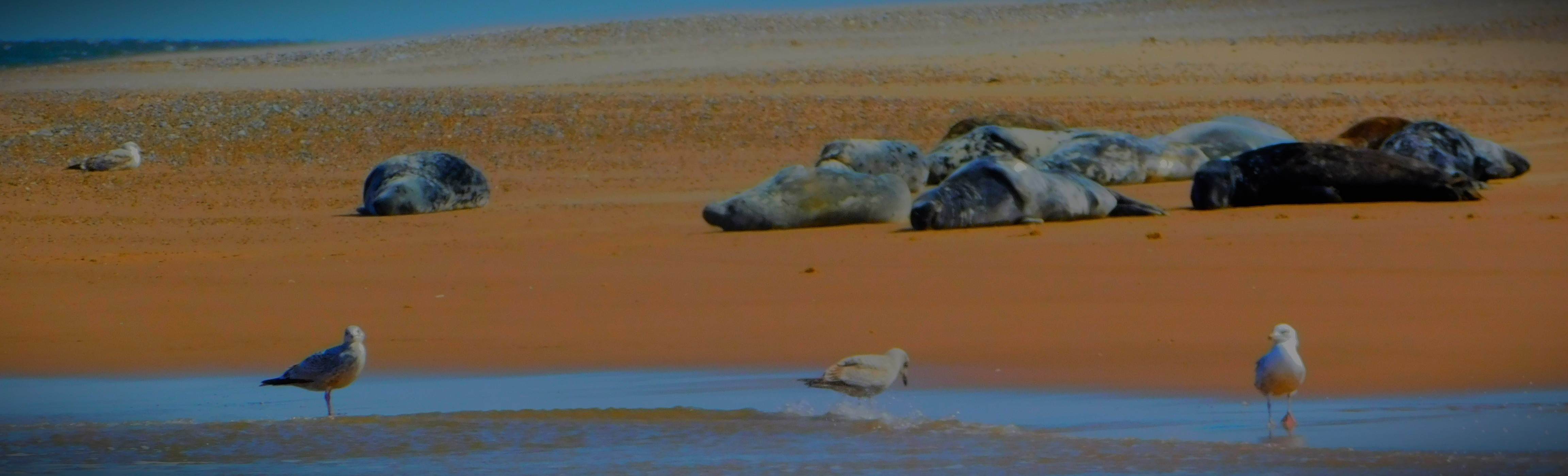
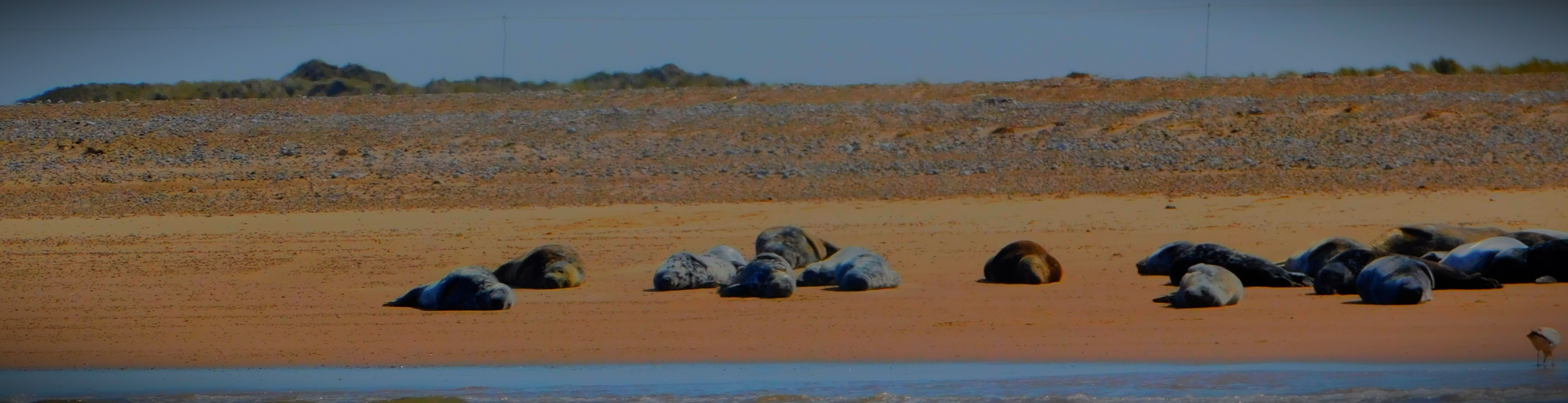
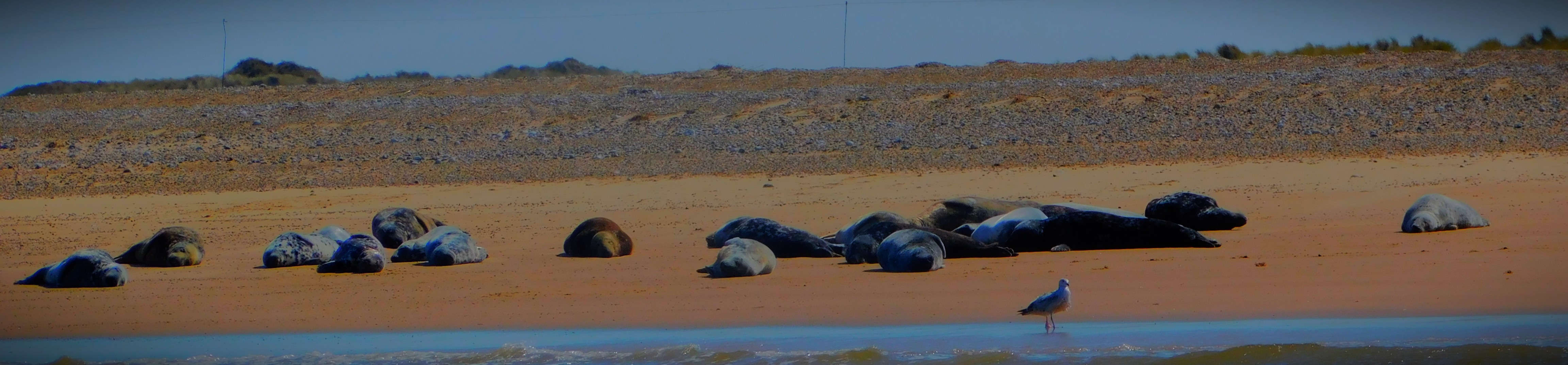
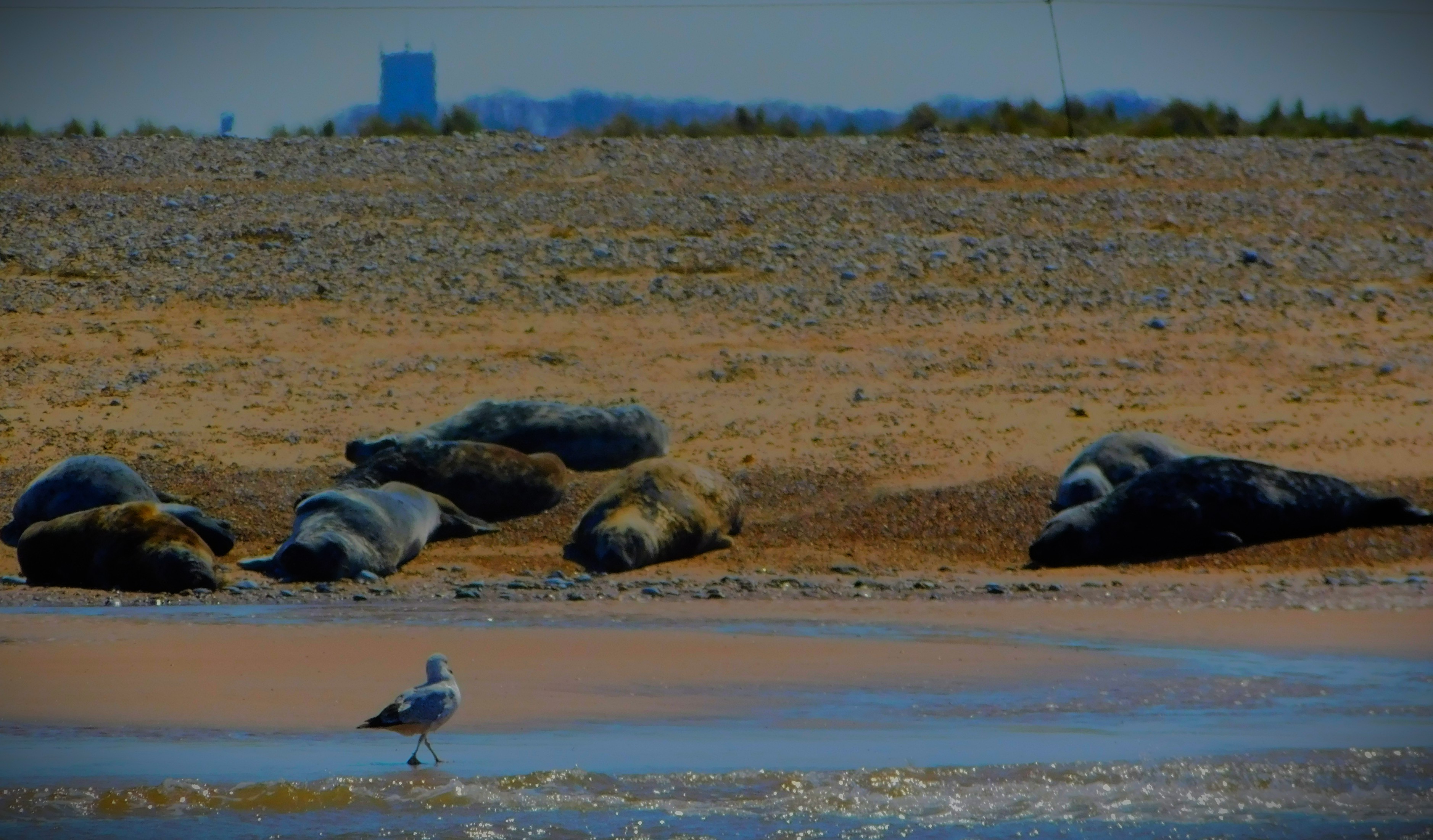
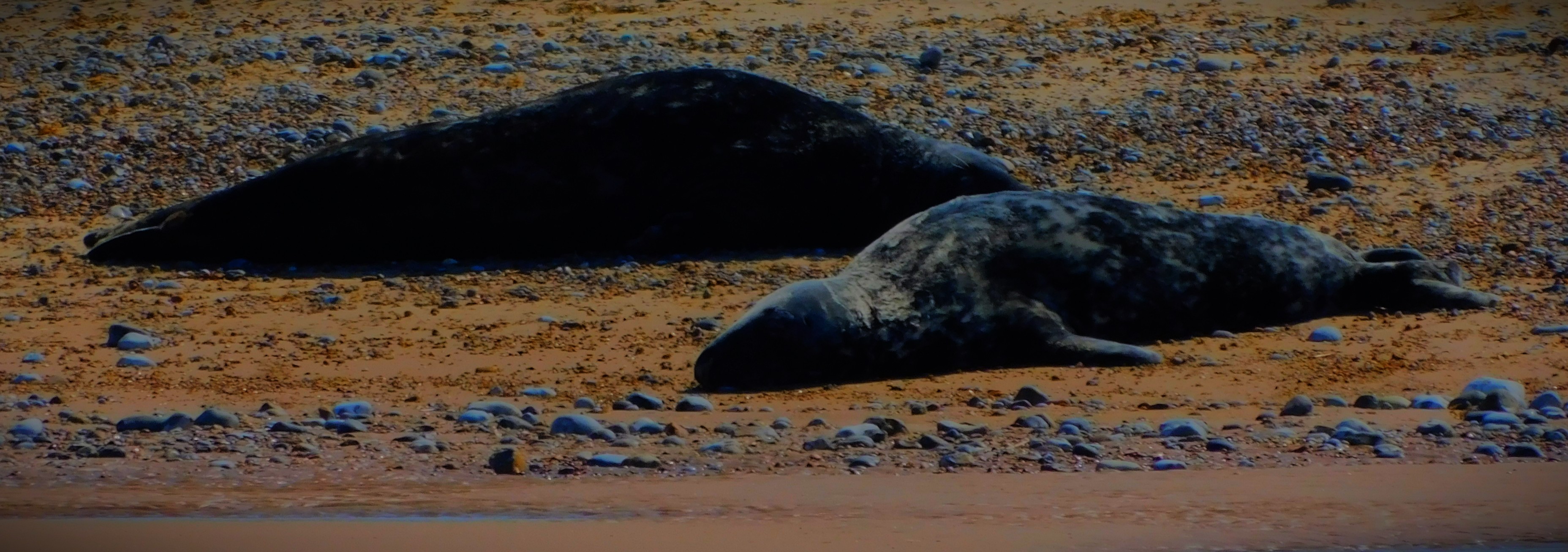
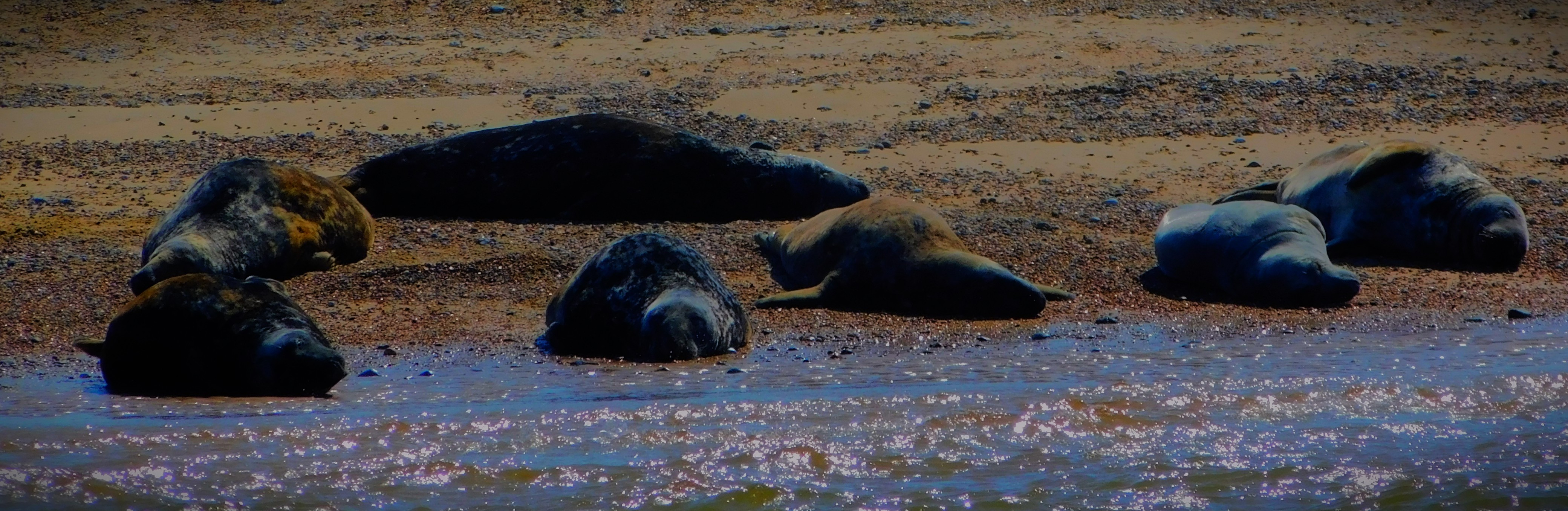
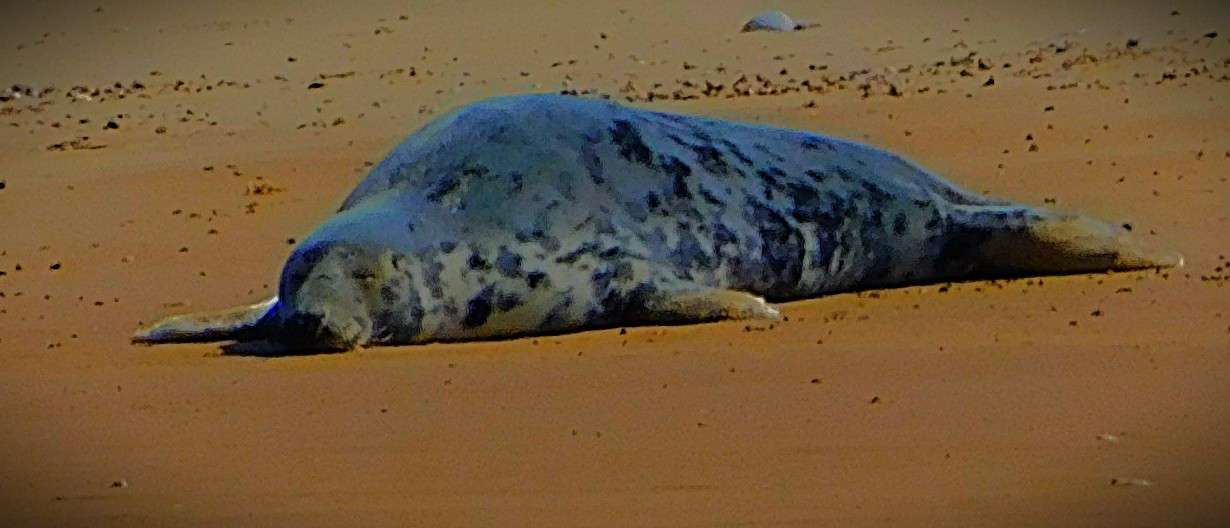
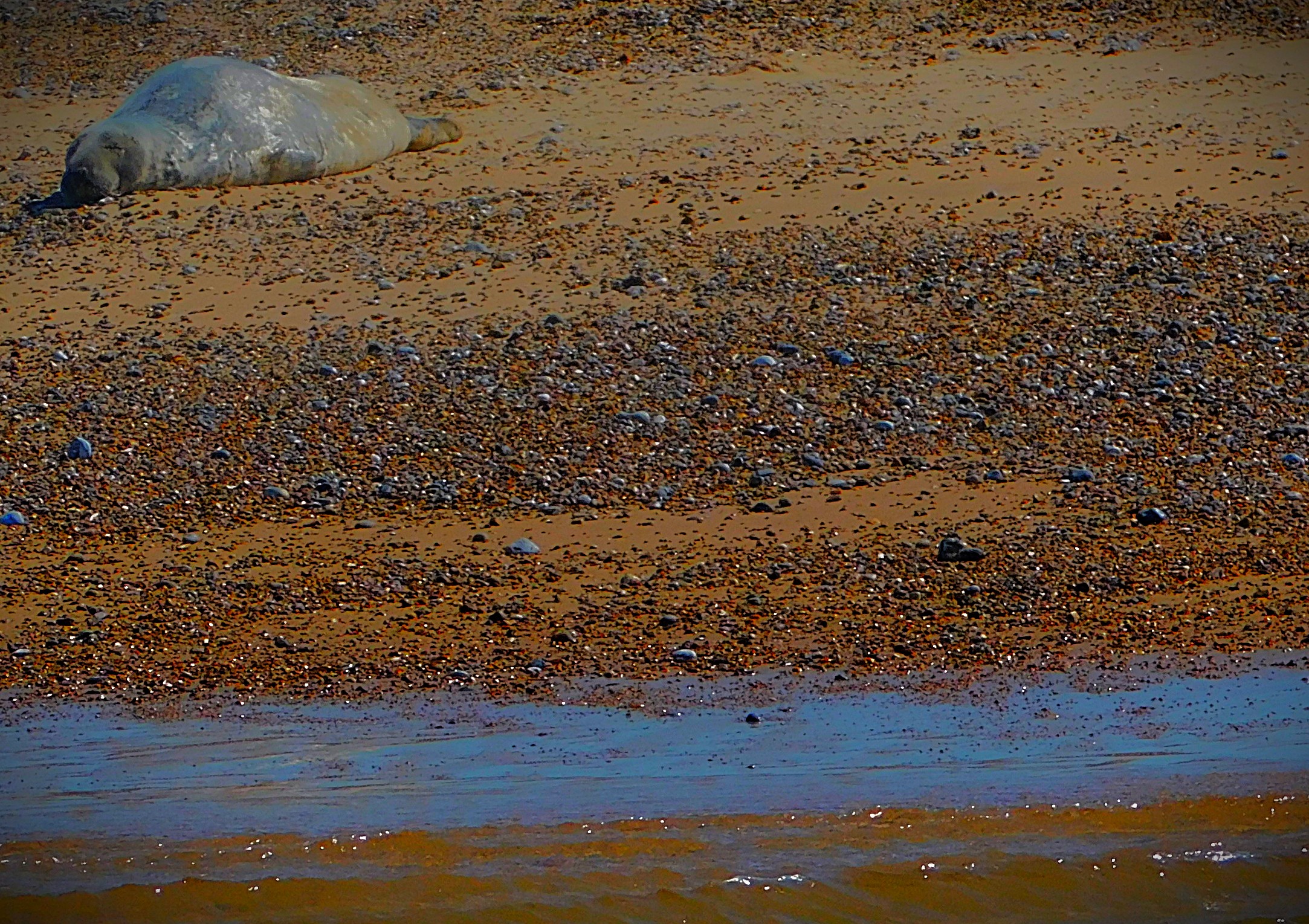
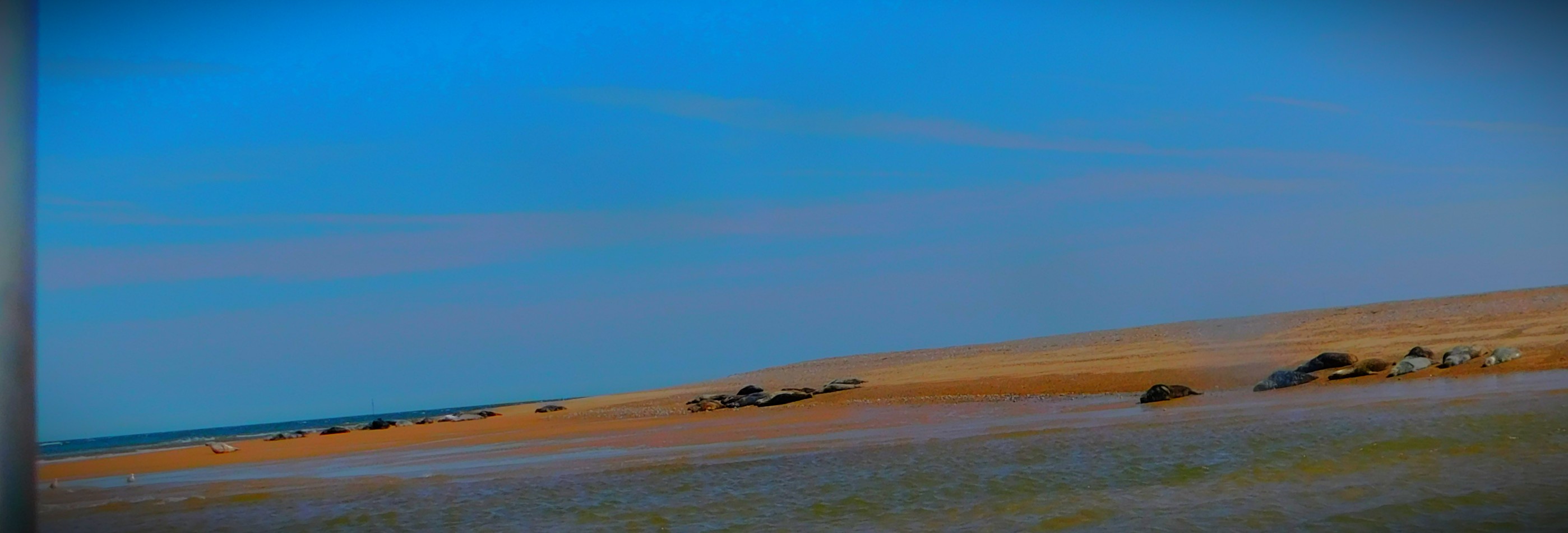
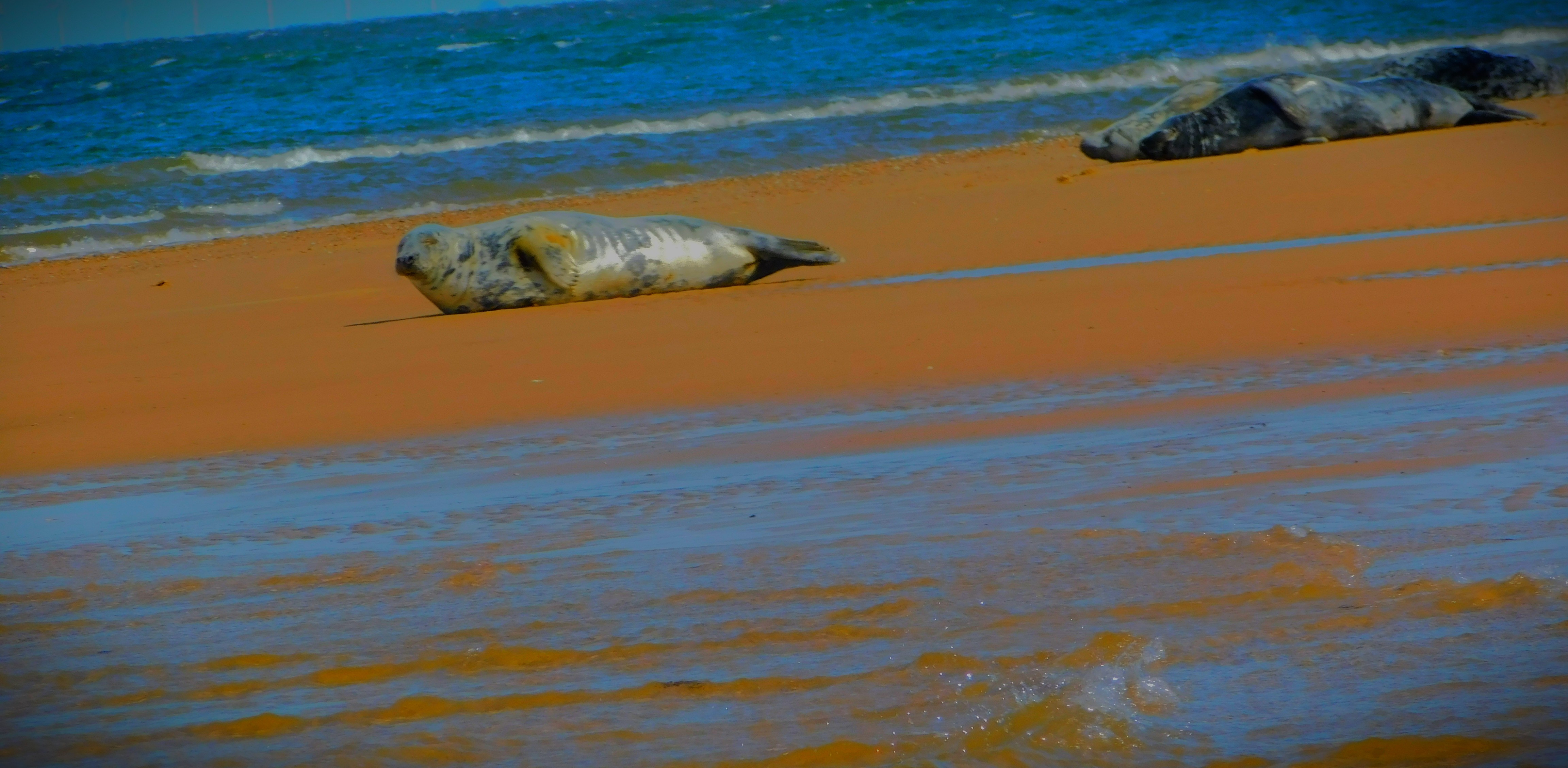
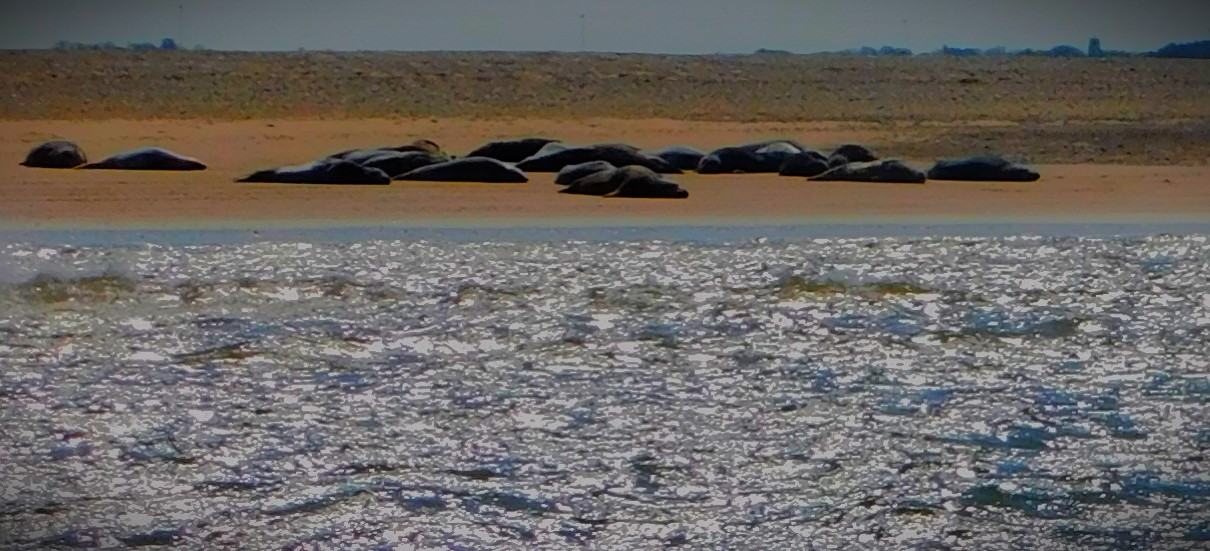
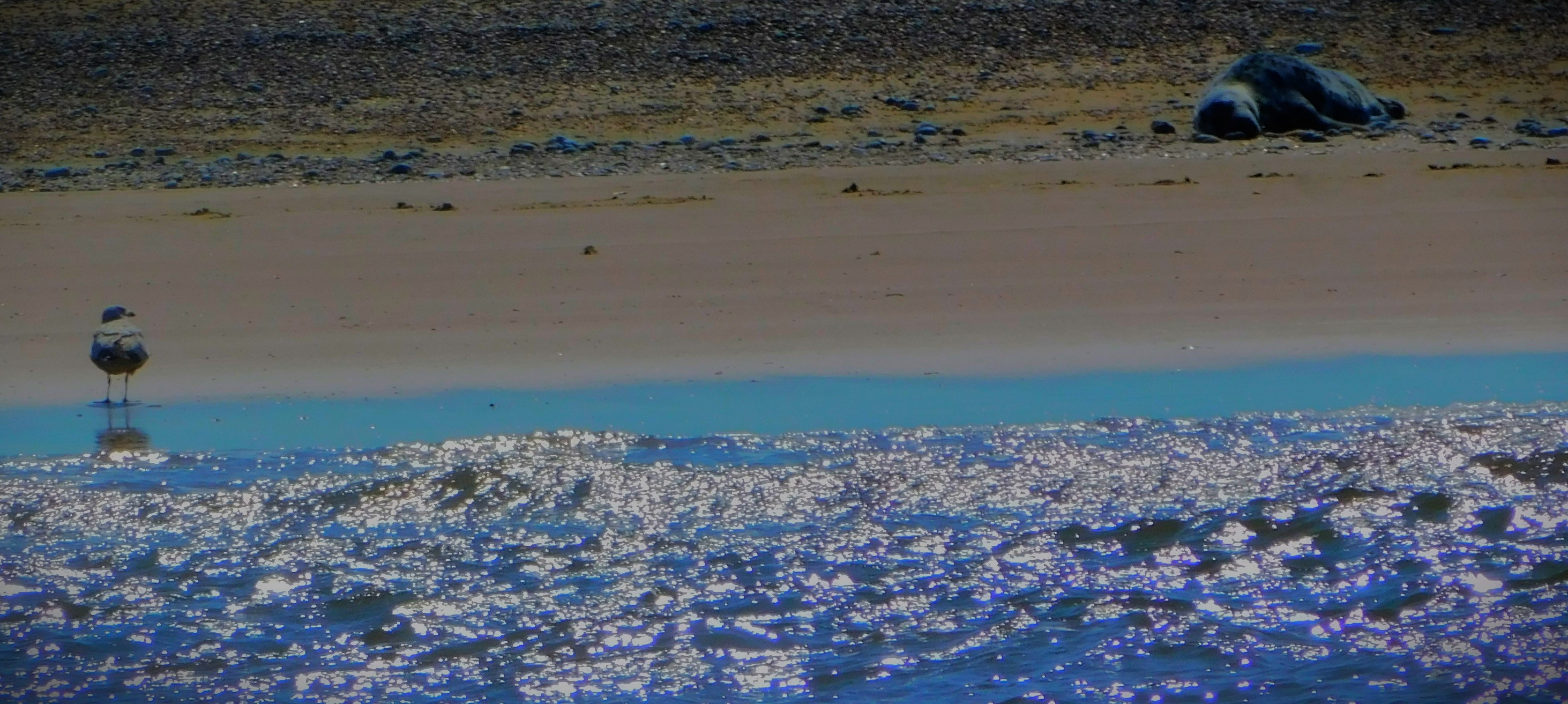
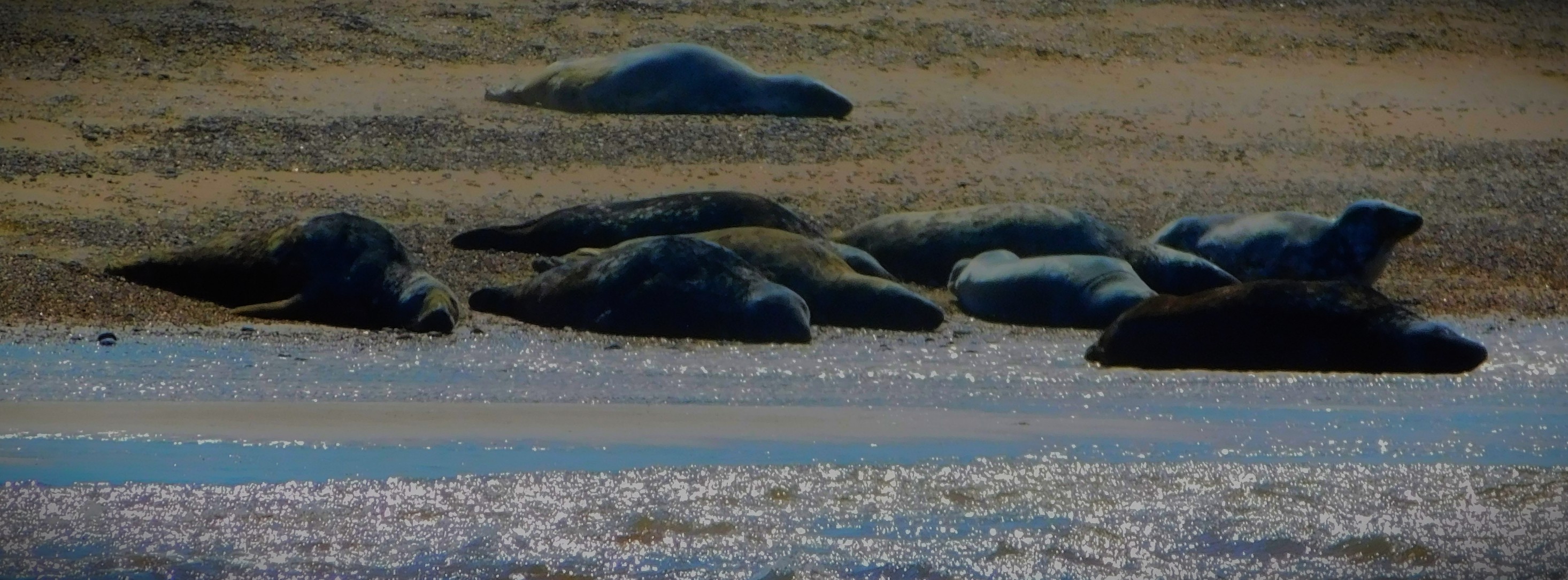
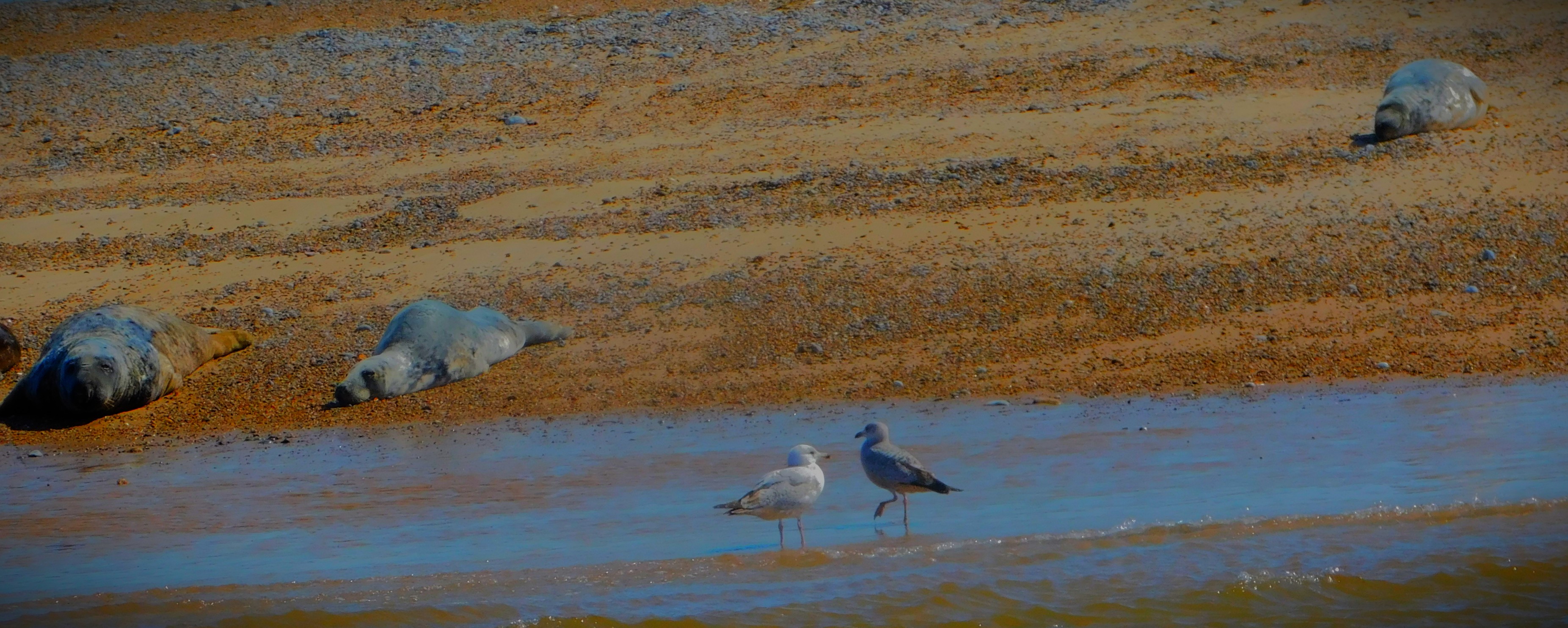
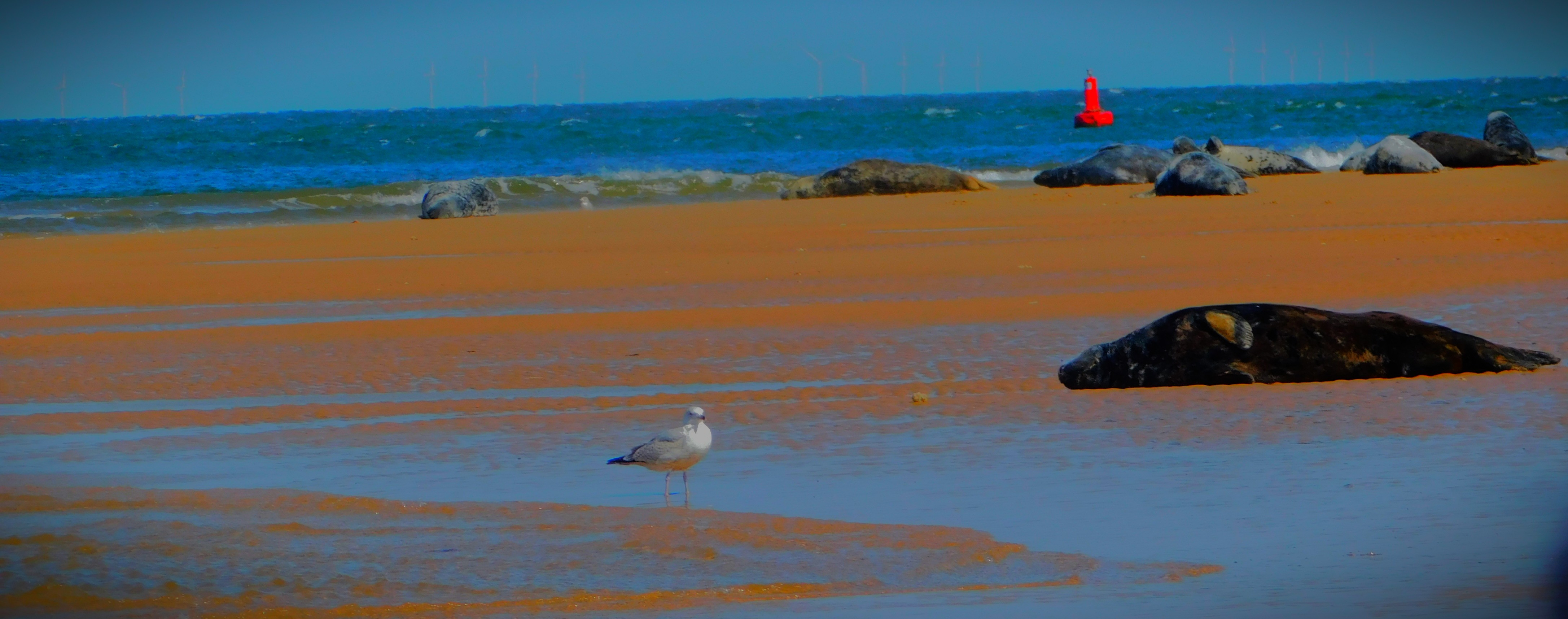
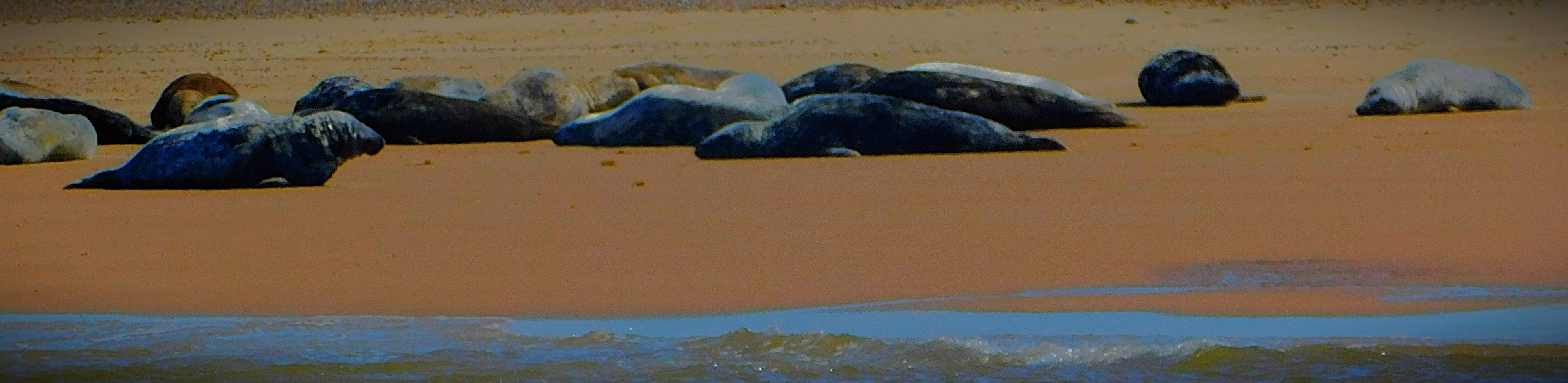
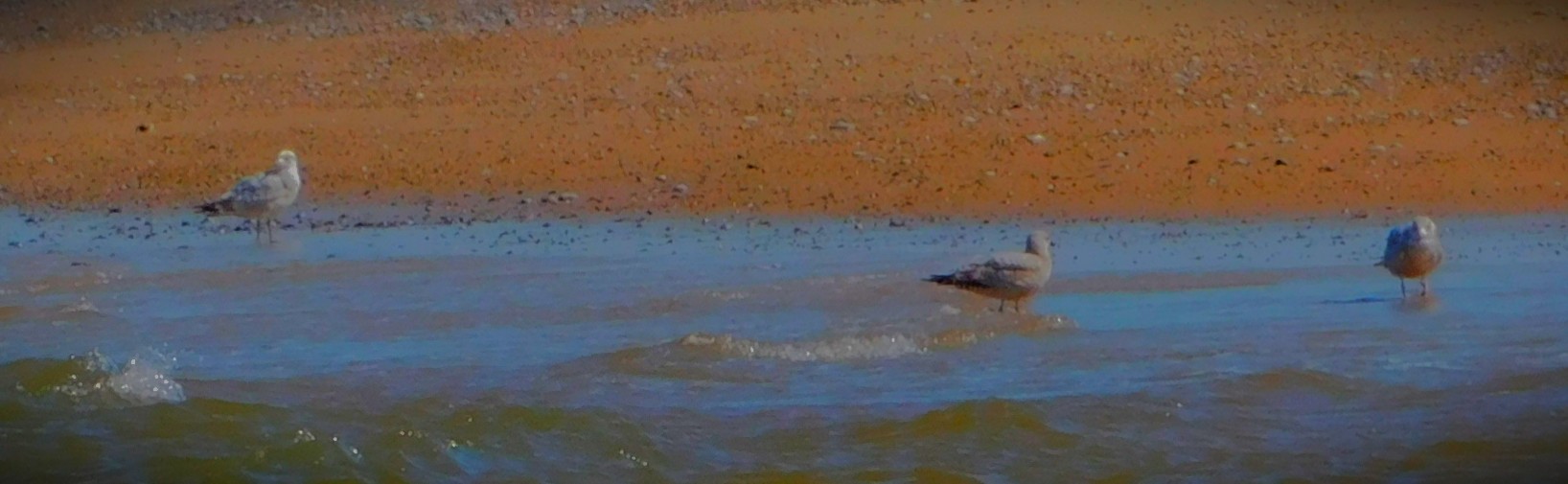
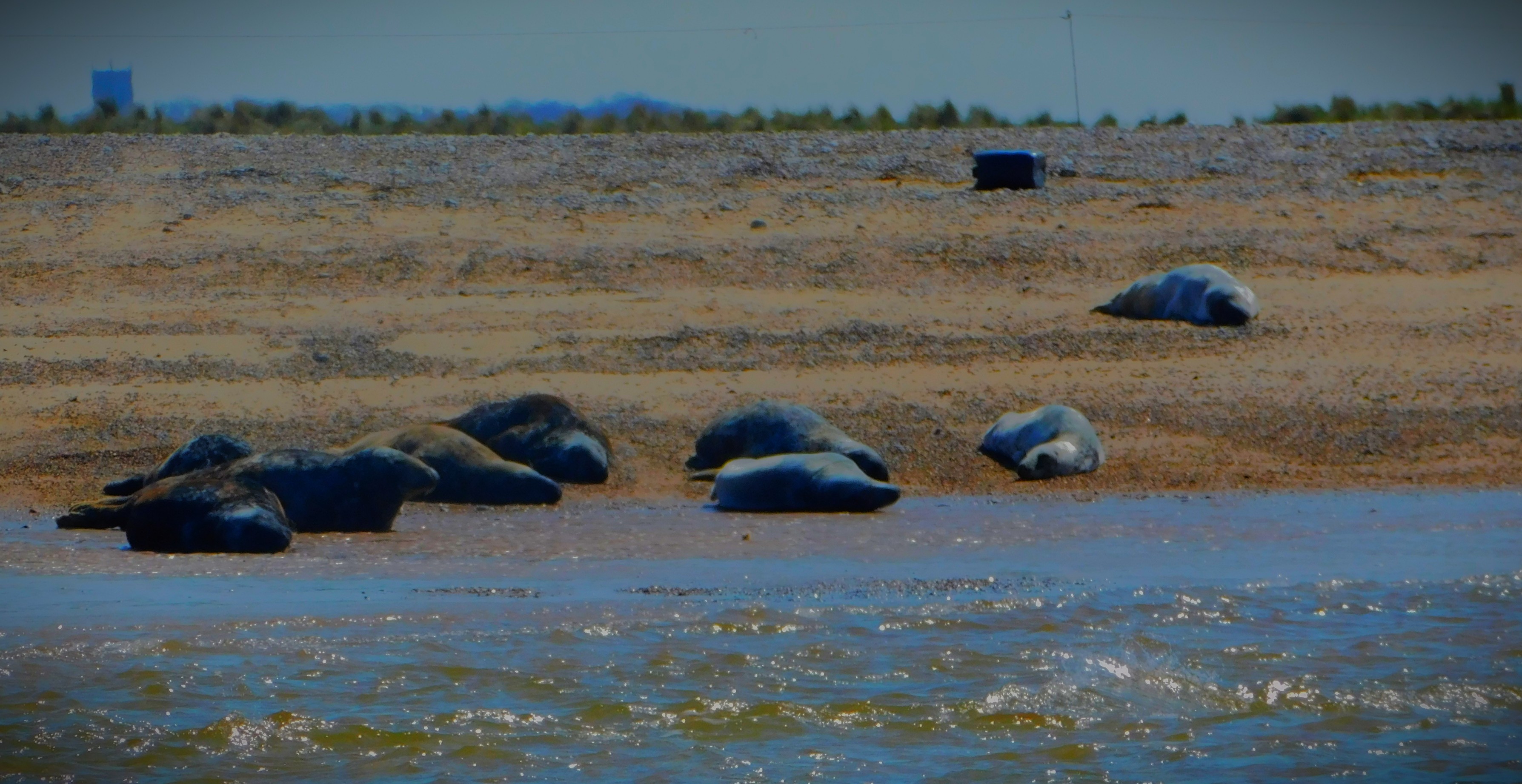
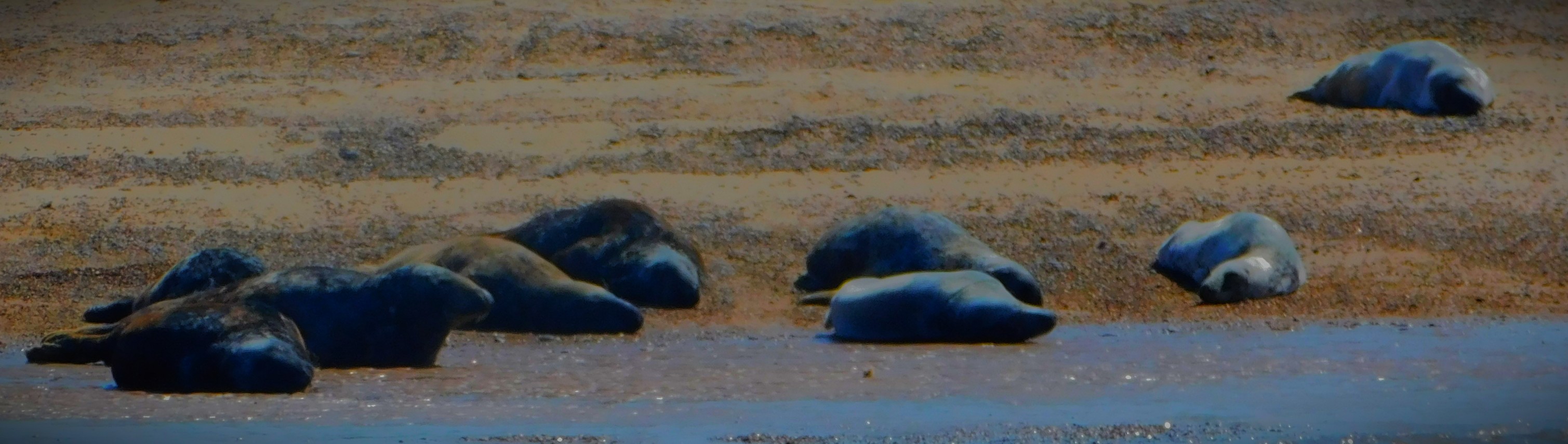
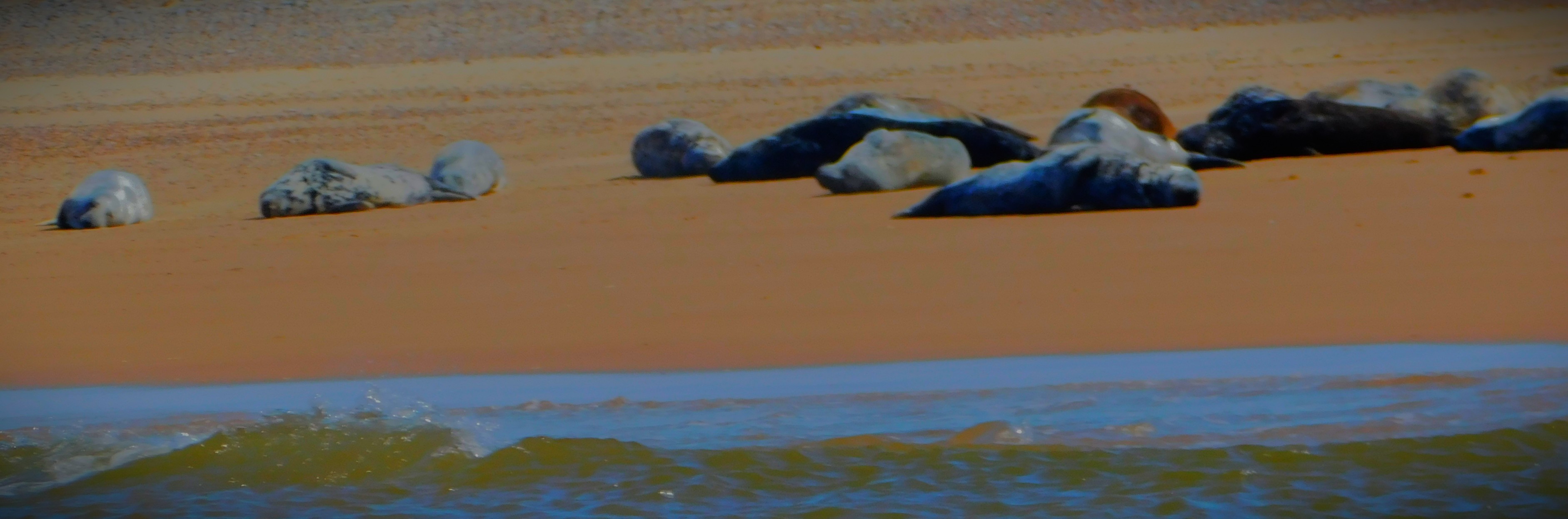
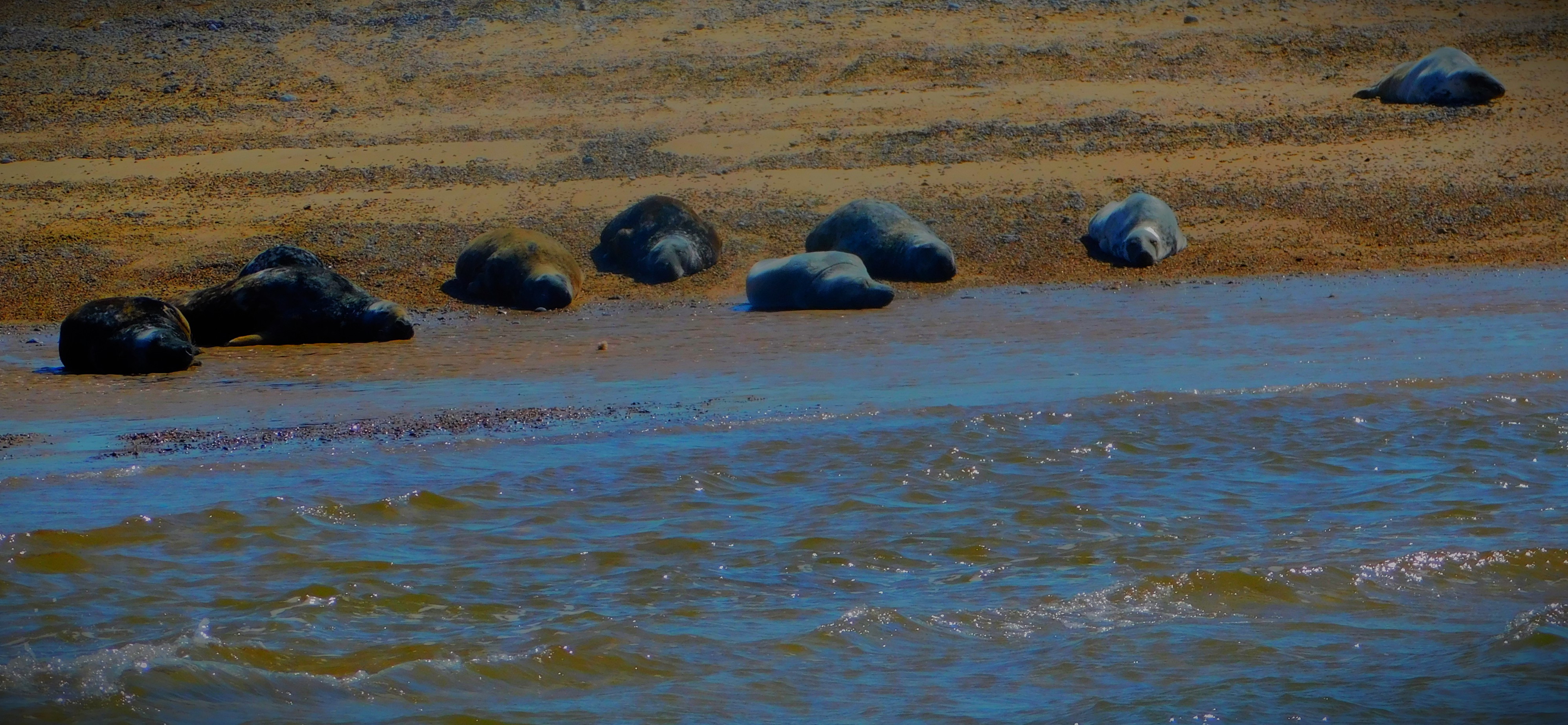
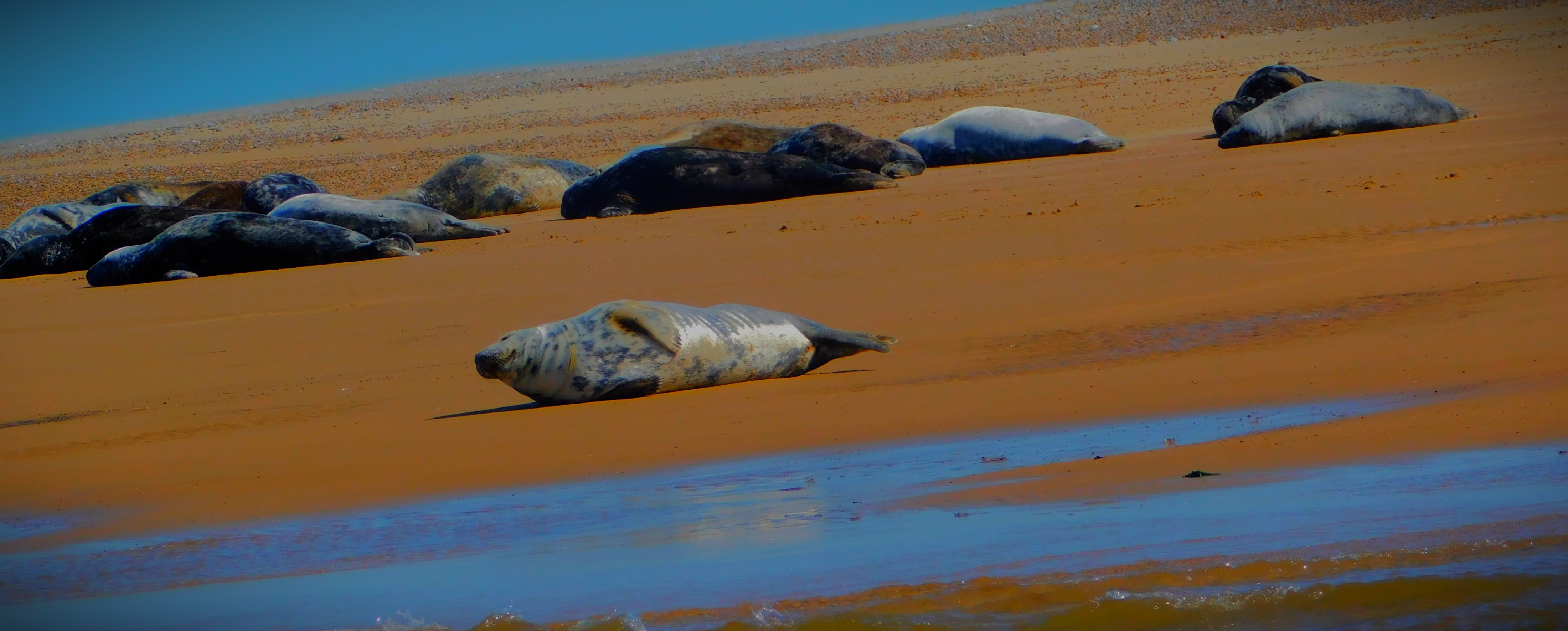
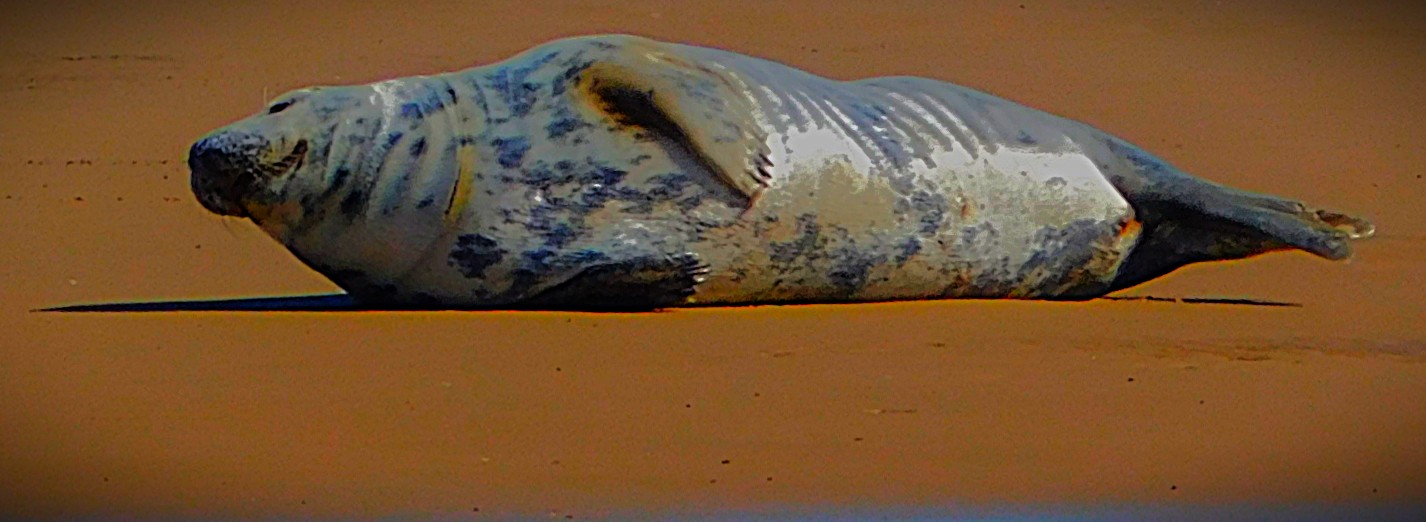
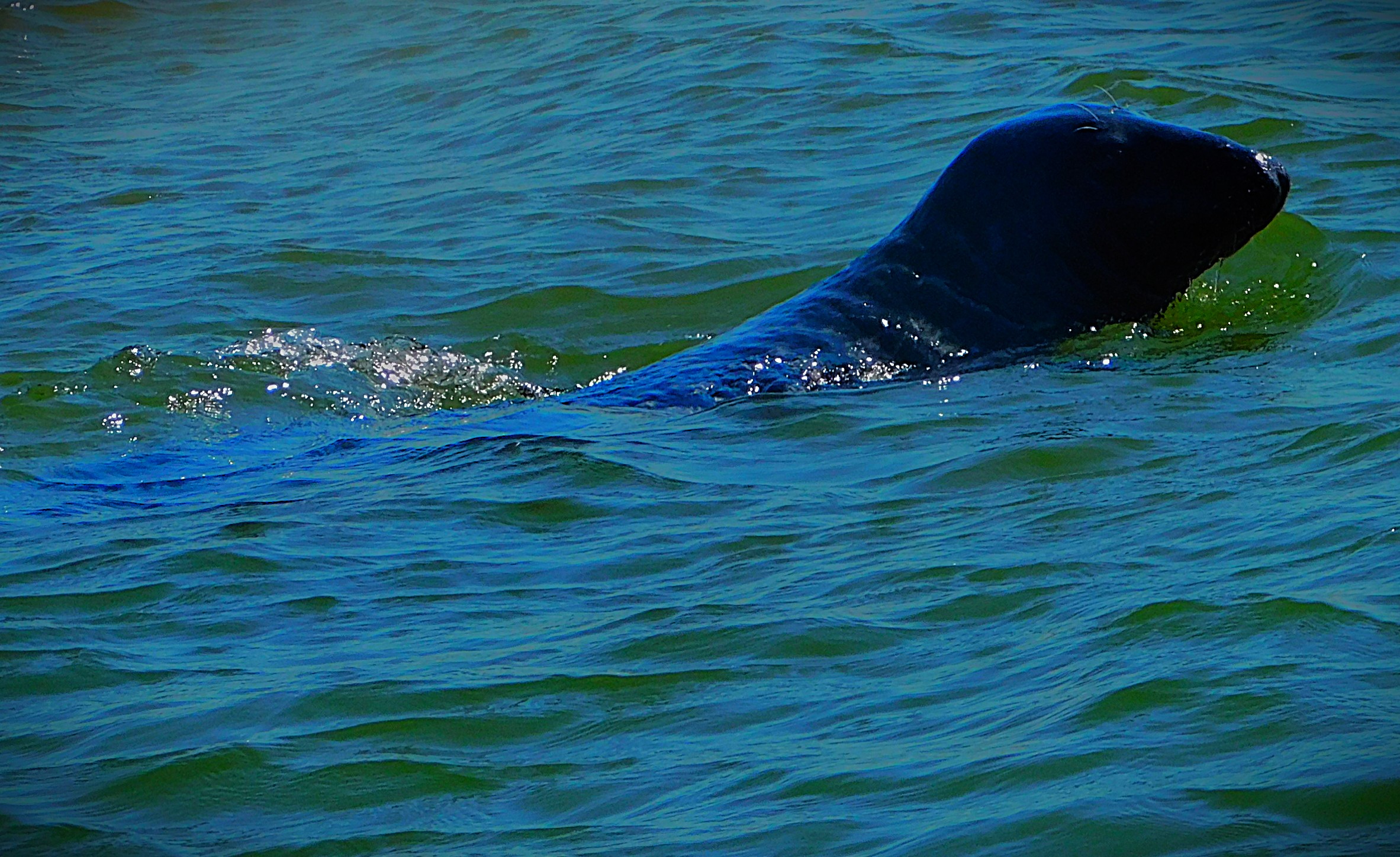
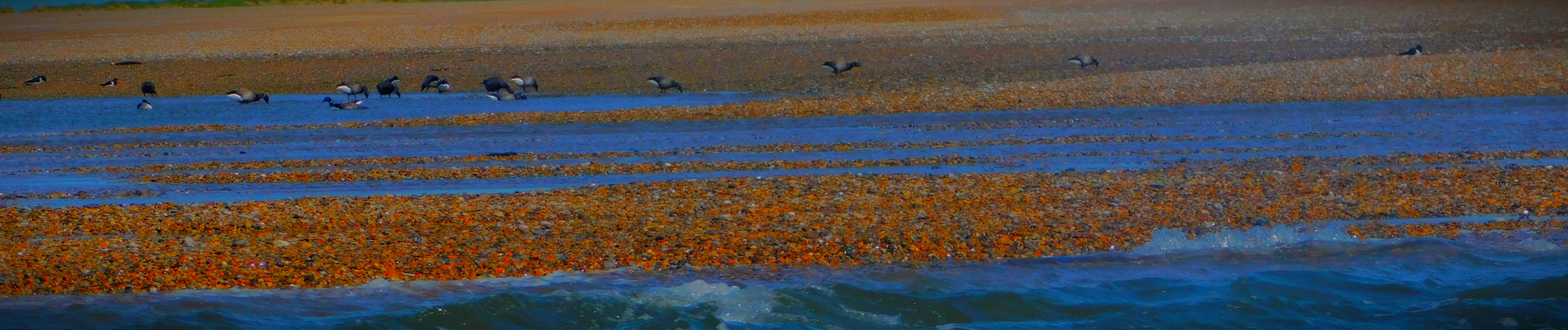
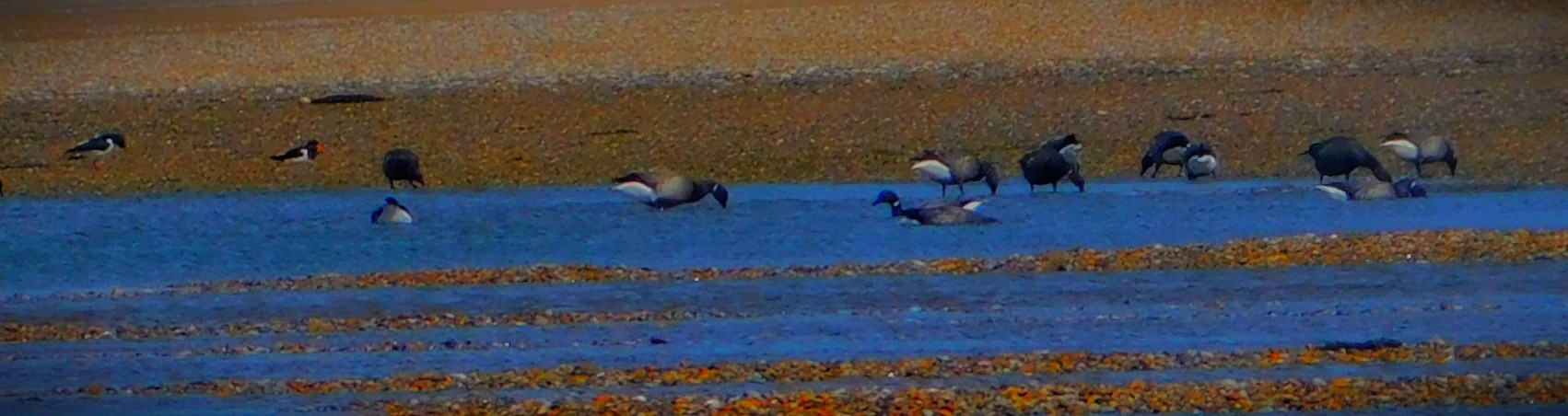
My parents are in Norfolk at the moment, and yesterday we went out to see the seals. This involves catching a boat from Morston Quay, and at this time of year where the pups are still quite young no disembarkation is allowed at Blakeney Point where the seals congregate. Morston Quay is not accessible to a non-driver, so this is an activity that I could only participate in with the assistance of someone who drives. This post is largely to share the very large photo gallery that the trip yielded.
THE DAY IN DETAIL
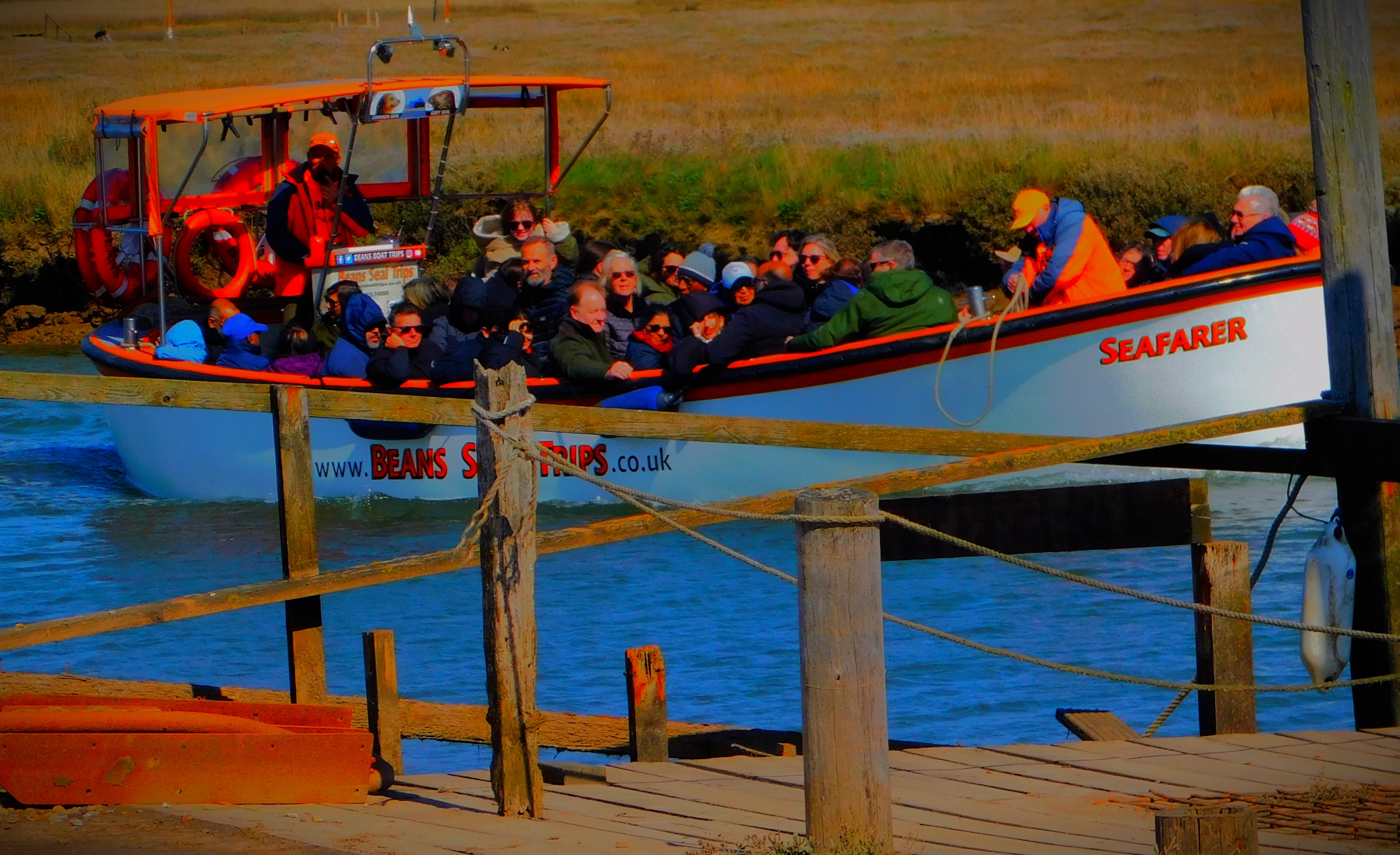
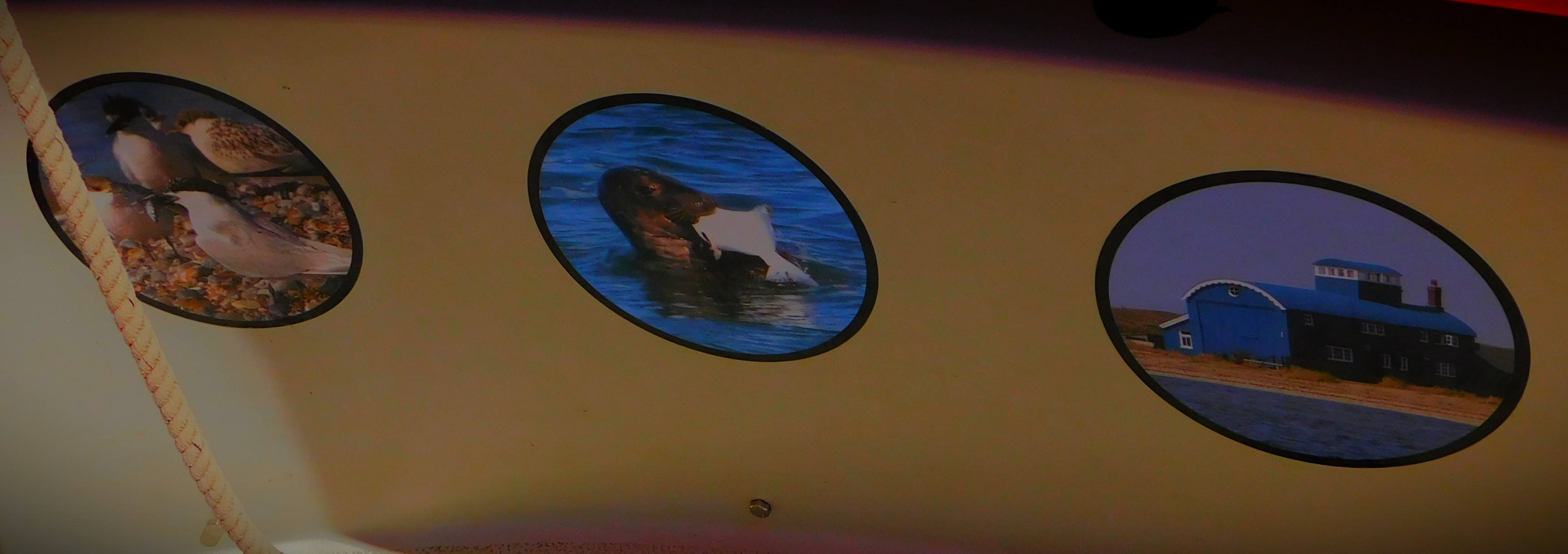
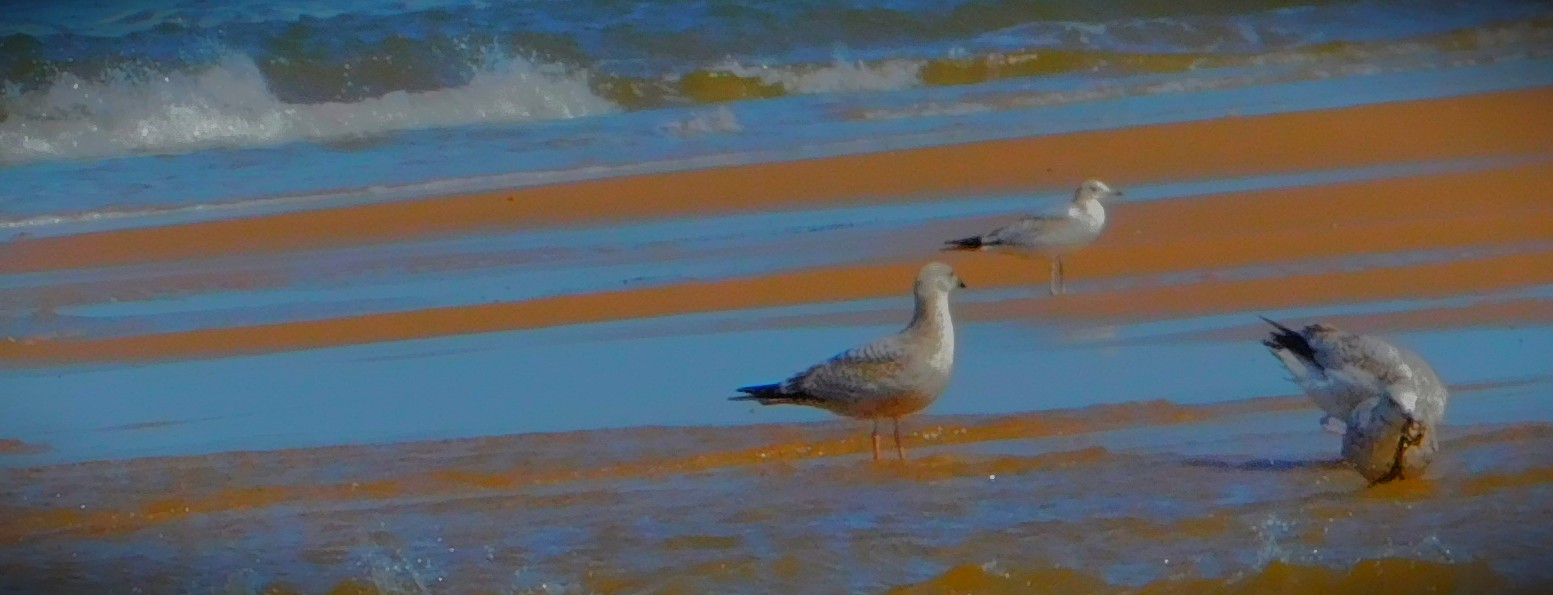
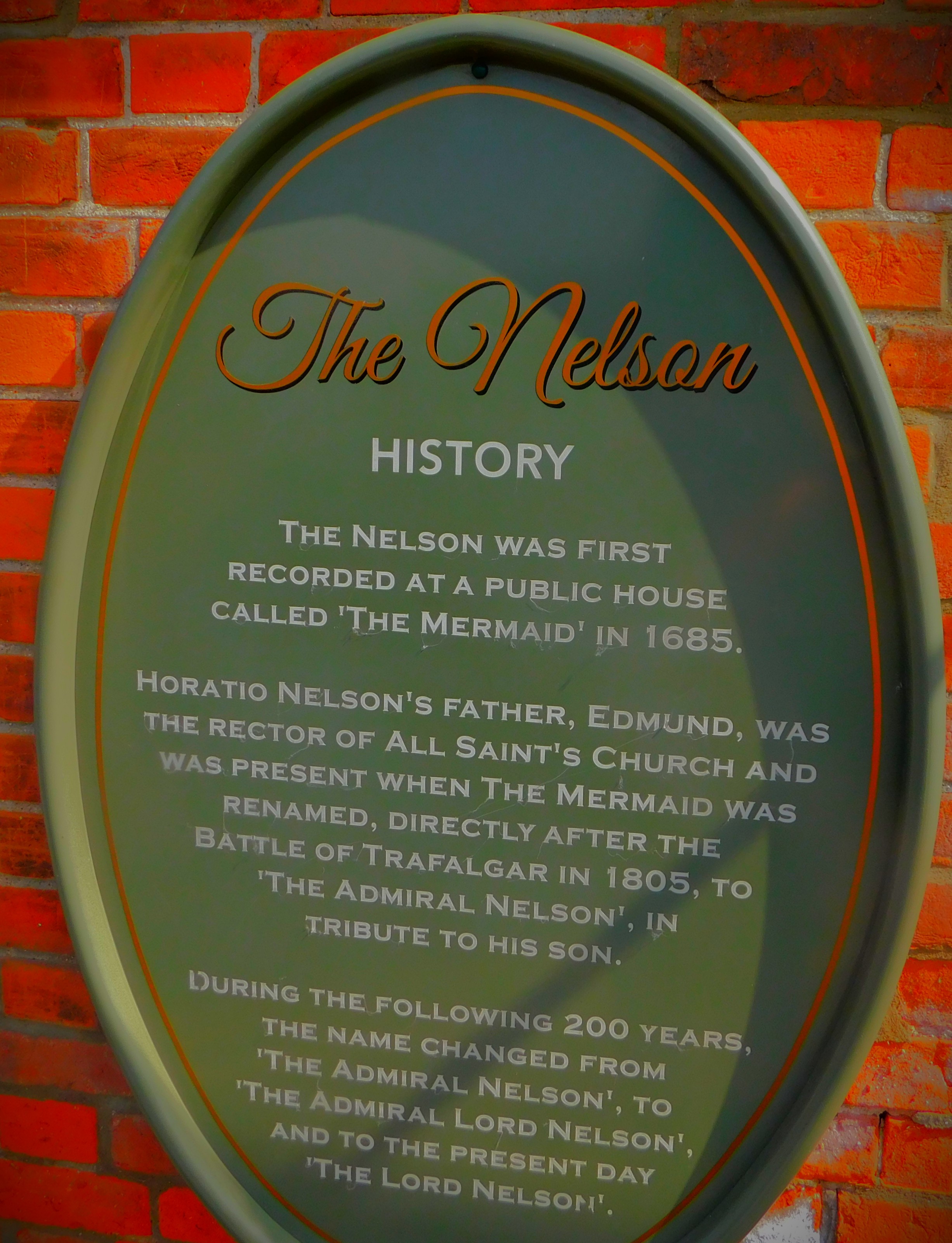
First thing in the morning it was cloudy in King’s Lynn, but there never felt like being a threat of rain and in the course of the car journey to Morston Quay the clouds completely dissipated so we arrived at our destination. The breeze was sufficient to require a jumper to be worn, though there was enough heat in the sun that it was fairly clear that absent the breeze the jumper could have been discarded. The boat trip, in our case with Beans Boats, involved going out to the landward side of Blakeney Point (although a stout craft, and equipped with all the necessary safety devices the boat was not suitable for going into the open sea beyond Blakeney Point), making several passes alongside the area where the seals were congregating (there were also a few seals out in the water, as the gallery will show) and then returning. I think everyone got splashed with sea water during the journey. We had originally hoped to have lunch at a pub called The Hero, but that establishment was absolutely packed out, so we looked elsewhere. In Burnham Market, just inland, and therefore not as busy as those places right on the coast, we found a place called The Nelson and had an excellent meal there. We then returned to King’s Lynn.
PHOTOGRAPHS
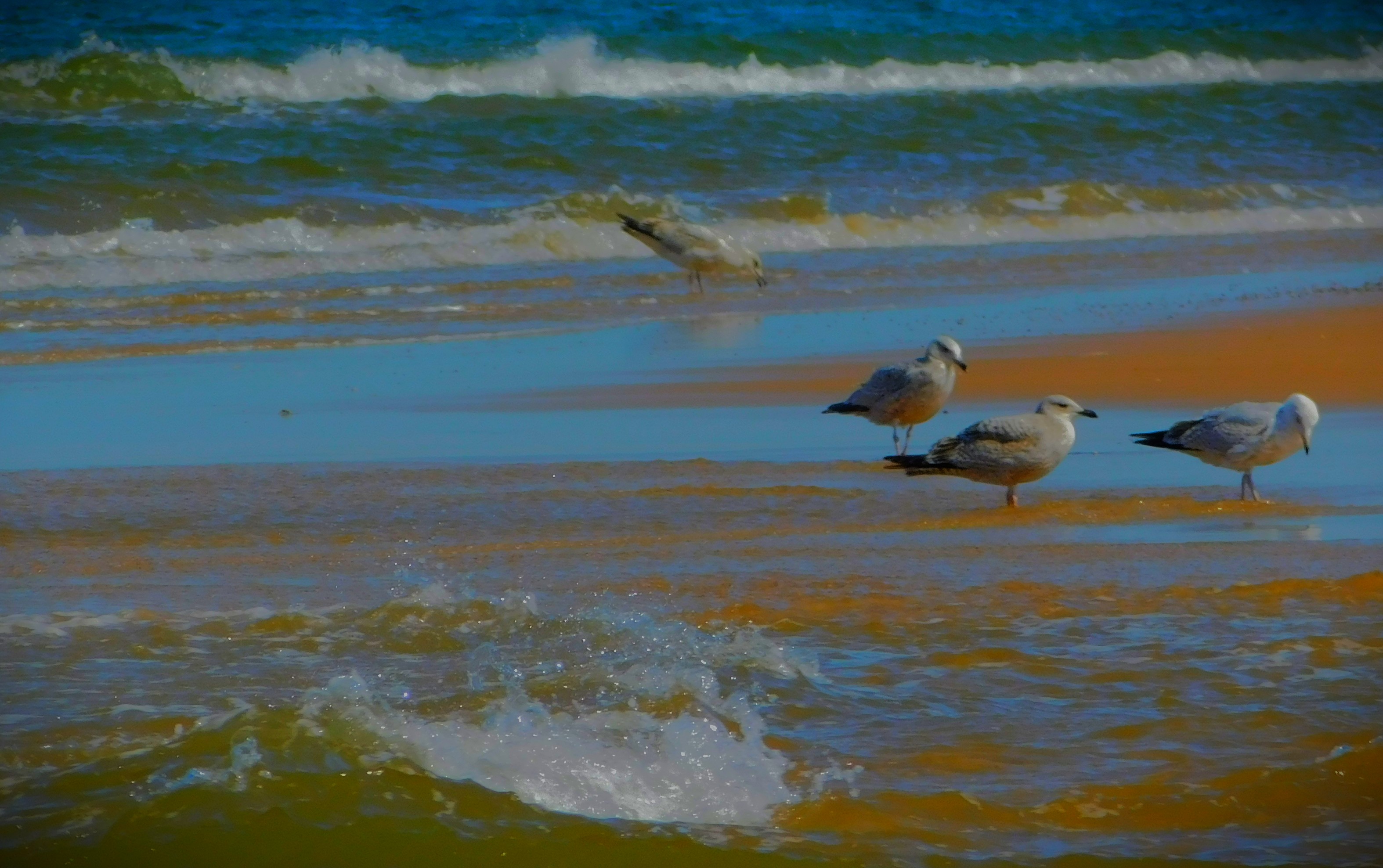
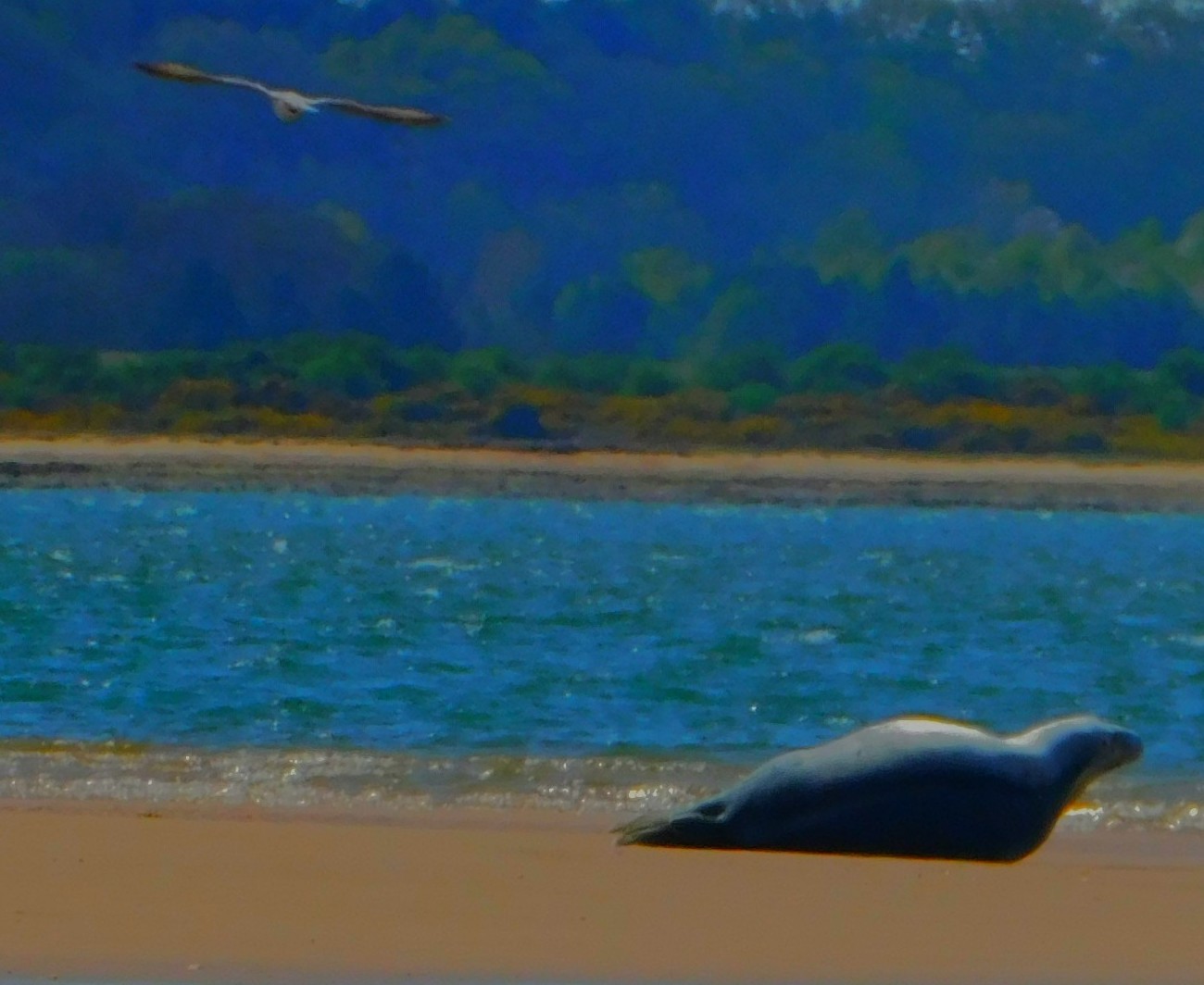
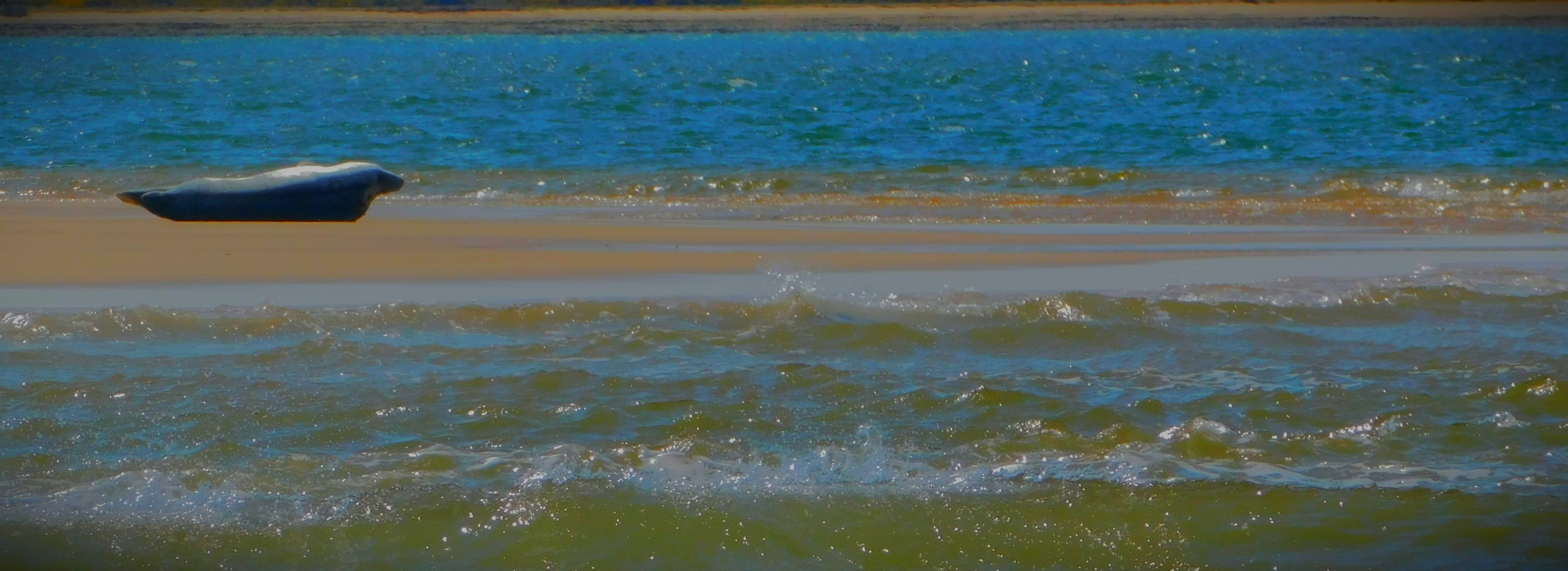
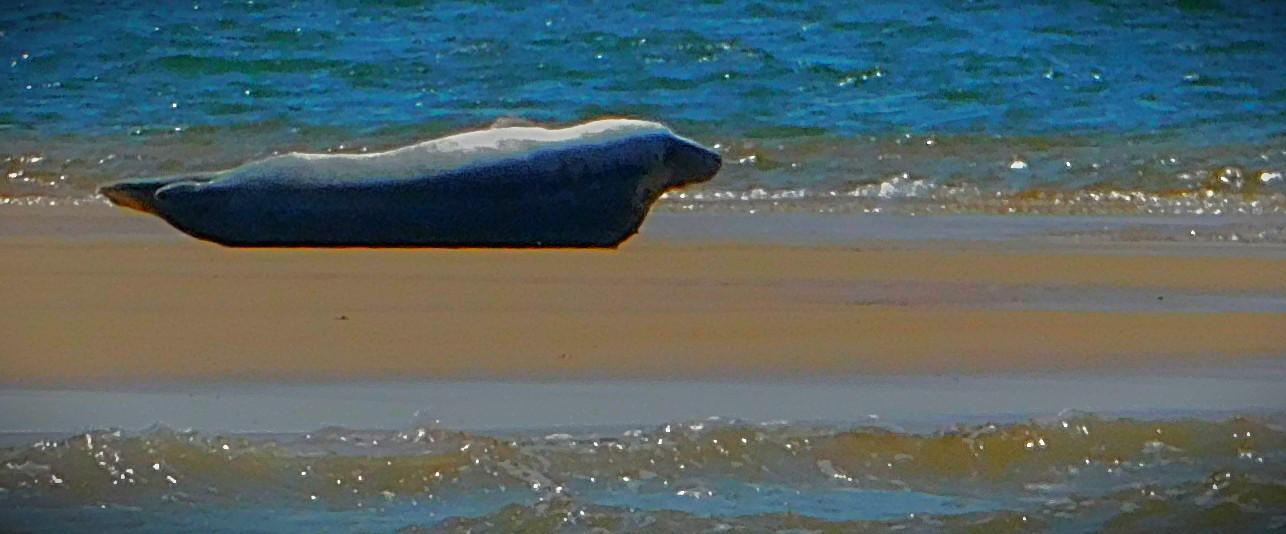
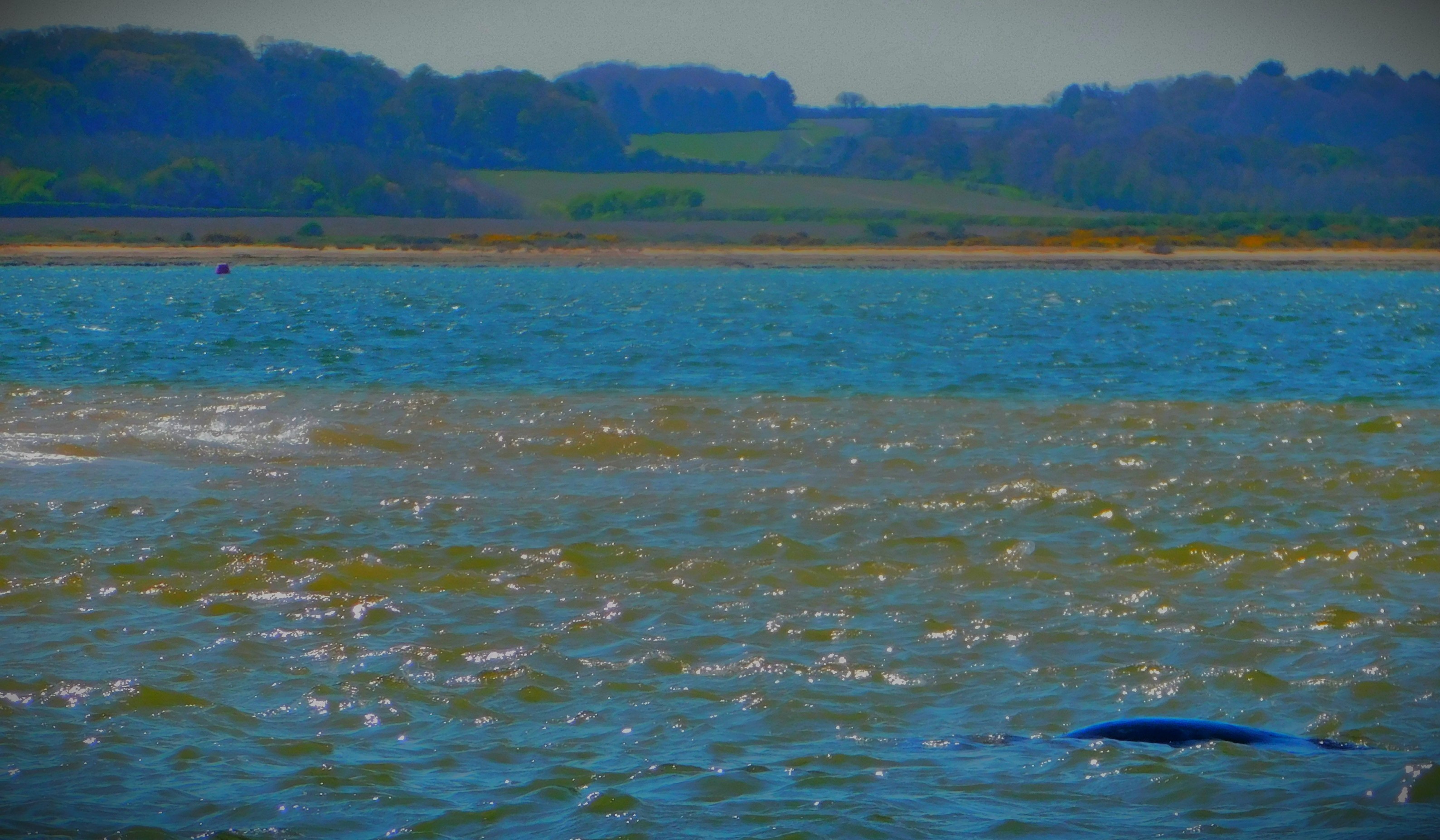
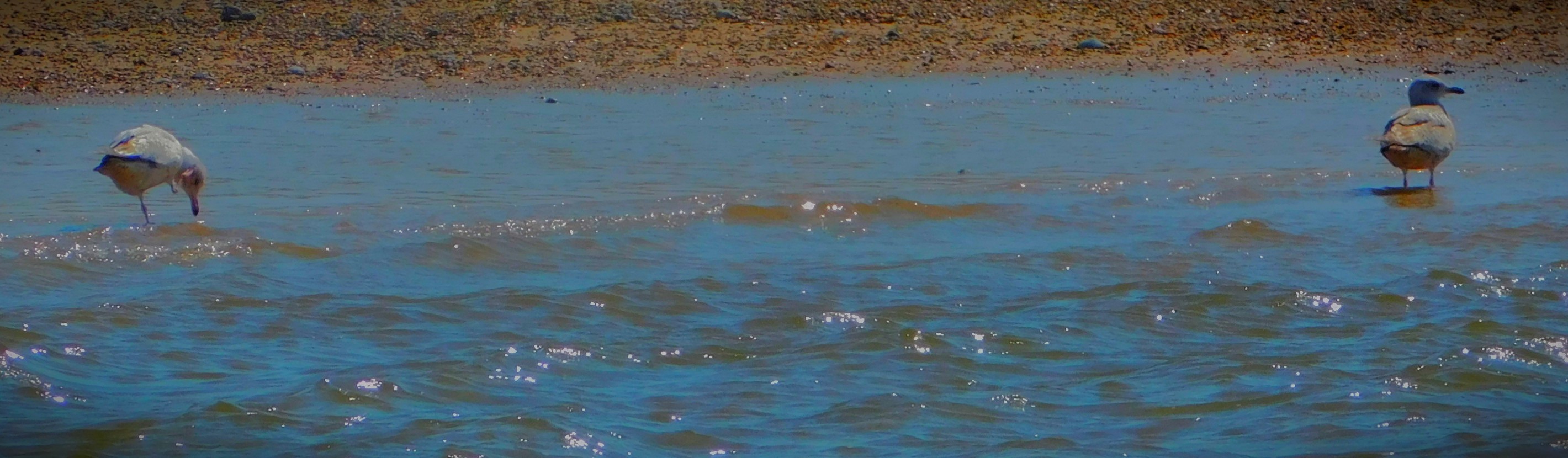
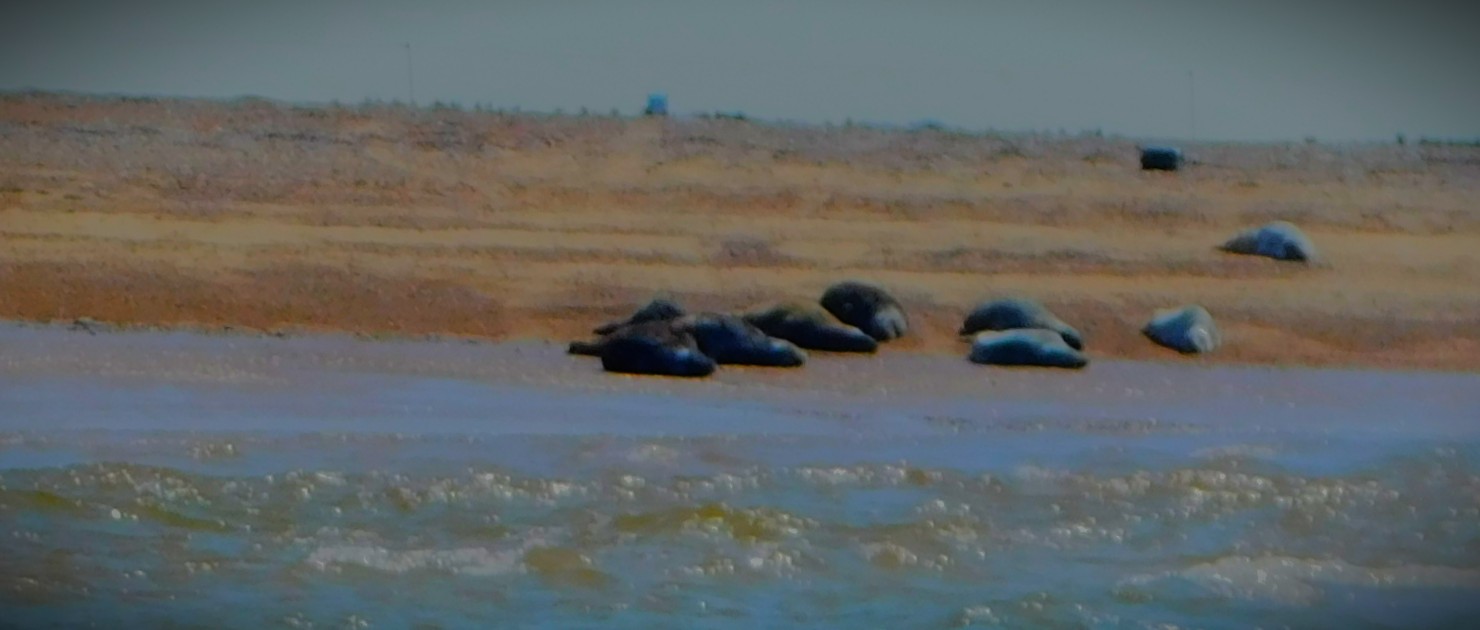
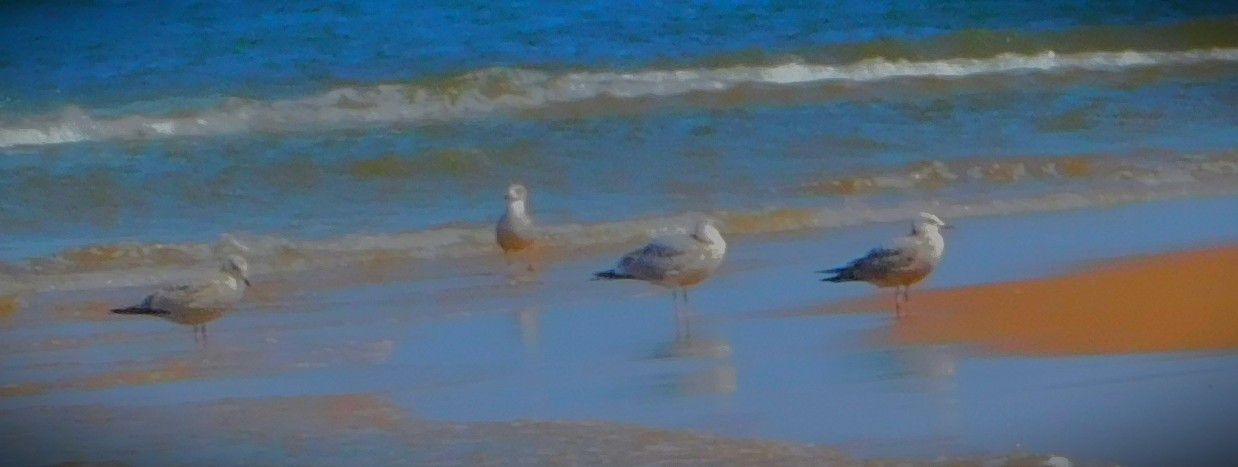
Although the seals were the stars of the day, there were also some interesting sea birds on show. Enjoy the gallery…
I took a few pictures throjugh the car windows during the journey from Lynn.I also took some pictures at Morston Quay before boarding the boat, starting with this one.The boat we were to travel in coming back from its previous trip.The seal pics start here.Some pictures of seals in the water.The gallery ends with pictures at The Nelson
A look at the amazing test match the ended at 7:20PM yesterday and a substantial photo gallery.
This post looks back at a test match that had everything. From the moment Zak Crawley creamed the first ball of the match for four through to 7:20PM yesterday when Pat Cummins struck a four to third man to settle things the fortunes of war swayed hither and thither. I will be producing a detailed set of player ratings and a look at who England might pick to deal with obvious problems revealed in this match.
THE CLOSING STAGES
I was at work yesterday, but a rain delay at Edgbaston meant that I got to witness the closing stages of the match by way of Test Match Special and cricinfo. On a last day pitch definitely favouring spinners supposed front line spinner Moeen Ali had the indignity of being outbowled by part timer Joe Root. Stokes, injured knee and all, bowled with great determination. Broad and Robinson were both excellent, though Anderson did little. Stokes declined to take the new ball when it first became available, and when Root got Carey to make it 227-8, 54 still needed, it looked like the move had paid off. However Stokes persisted with the old ball, and Cummins and Lyon gradually settled in. Finally, with the deficit halved England took the new ball, but although Broad and Robinson bowled well they simply could not break through. In truth I had been rooting for what would have been only test cricket’s third ever tie, because each side had at least one player who did not deserve a loss – Khawaja for Australia and Root for England being the standouts. A tie clearly outranks a draw, as it is a result in keeping with the Stokes ethos. However, I have no complaints about the end result, and certainly none whatsoever about the final stages of the match.
ENGLAND’S MAIN PROBLEMS
I am going to start this post by stating firmly one thing that did not cause England to lose: Stokes’ declaration on the first evening has been the subject of much comment, a good deal of it hostile. The truth is the problems lay elsewhere than that decision:
‘samey’ main bowlers: as splendid as they all are at what they do Anderson, Broad and Robinson are too similar as bowlers for England to accommodate all three of them in the XI.
Wrong choice of main spinner: it should not have surprised anyone that an ageing player who has not played red ball for a couple of years struggled with the extra workload entailed in bowling in the long form of the game, nor that someone coming into the match with a bowling average against Australia of 65 did not pose very much of a threat.
Wrong choice of wicket keeper: for my money Bairstow’s three definite missed chances (two catches and one stumping), plus the potential chance he didn’t go for, leaving the ball to pass between him and Root for four more than neutralized his contribution with the bat. Last summer Bairstow played as a specialist batter, with Foakes behind the stumps, and if Bairstow has a role in the side it is as a batter, not a keeper/batter.
Players getting in and getting themselves out. : in the second England innings three players got to 40, and not one of them went on to 50. At least one of those three should have gone on to a genuinely major innings.
PLAYER RATINGS
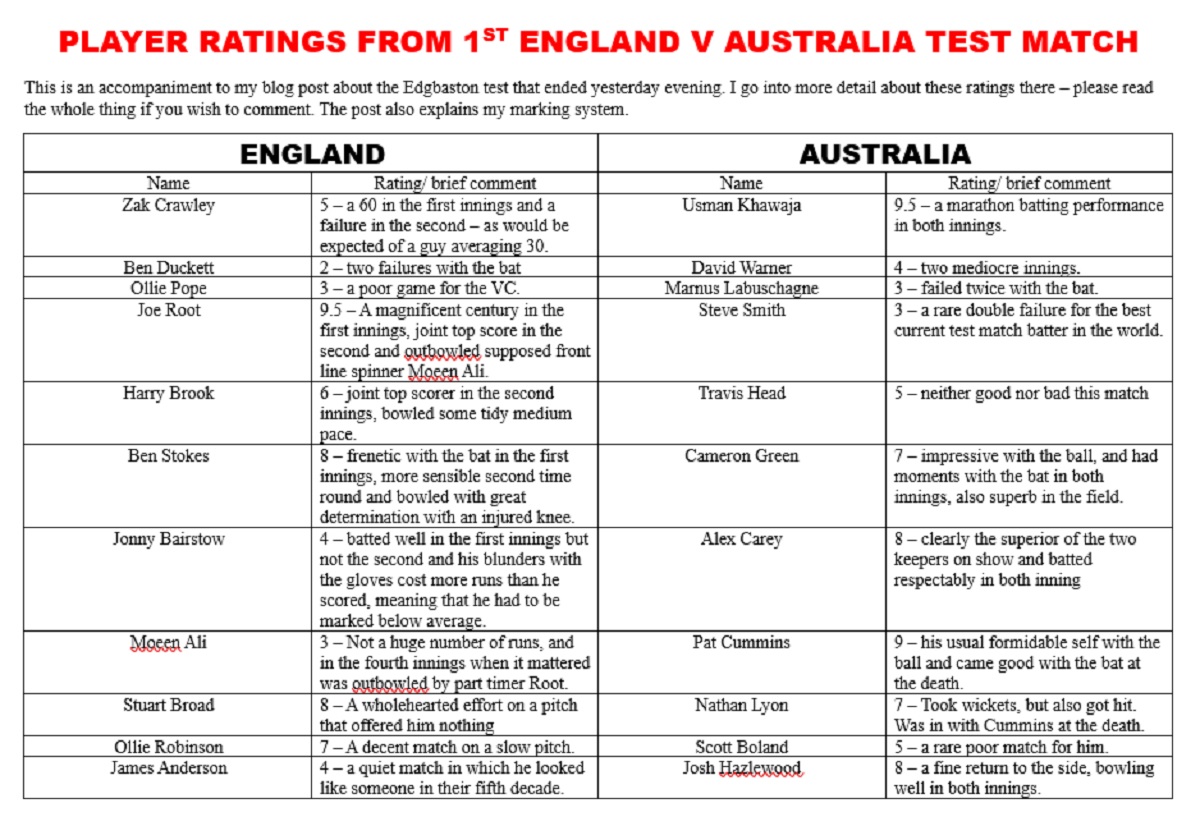
I will be going through each team in official batting order, using a scale of 0 (did nothing of value at all) through to 10 (perfection). Please note that when using such scales I use the whole scale – no courtesy marks just for turning up.
ENGLAND
Zak Crawley: 5. A dead average performance from someone who is in truth a dead average player – 61 in the first innings and a failure in the second is nothing special for an opener.
Ben Duckett: 2. Two failures with the bat this time, but he surely has credit in the bank from Pakistan and New Zealand to retain his slot.
Ollie Pope: 3. A promising start in the first innings, and his dismissal was somewhat unfortunate, but a skittish performance in the second in which he never looked like getting settled. Not one of the vice-captain’s finest outings.
Joe Root: 9.5. A glorious hundred in the first innings, joint top scorer in the second and out-bowled the ‘front line spinner’. Although this was a performance that underlined his status as one of the greatest cricketers his country has ever produced I dock him half a point for getting out on 46 in the second innings.
Harry Brook: 6. He was joint top scorer in the second innings, and bowled some tidy medium pace along the way.
Ben Stokes: 8. An overly frenetic batting performance in the first innings, but a much better effort second time round, and a determined bowling performance in spite of having knee trouble.
Jonny Bairstow: 4. The most controversial mark I am giving, but as I stated earlier in this piece I reckon that the chances he either missed or simply didn’t go for cost more runs (remember as well as the extra runs scored by the reprieved batters you have to factor in extra runs scored at the opposite end in the same period) than he contributed with the bat, and his second innings demonstrated another point about Bairstow the keeper/batter – he rarely scores well after a keeping performance. Since I have have him in net debit for the match I have to give him a below average score to reflect what was overall a below average performance, and on a scale of 0-10, 5 is average.
Moeen Ali: 3. Did not do a lot with the bat, and had a poor game with the ball, to the extent that on a final day pitch which was helping spinners he had the indignity of being out-bowled by part time Joe Root.
Stuart Broad: 8. A wholehearted bowling effort on a pitch that offered him absolutely nothing.
Ollie Robinson: 7. A solid bowling effort in unfavourable conditions, and some lower order runs in the second innings. His reaction to dismissing Khawaja in the first Australian innings attracted a lot of condemnation, but frankly given the way their bowlers have been known to treat opposition batters Aussies are the last to have any right to complain about this kind of thing
James Anderson: 4. Did little in the match, and I for one would not be terribly surprised if he missed Lord’s.
AUSTRALIA
Usman Khawaja: 9.5. A marathon effort with the bat in both innings. The only blot on his copybook is that he did not quite see the job through in the final innings.
David Warner: 4. Not absolute failure, but two moderate scores.
Marnus Labuschagne: 3. Failed twice with the bat.
Steve Smith: 3. The best current test batter in the world suffered a rare double failure in that department.
Travis Head: 5. Could not duplicate his brilliance against India in the WTC final, but not an outright poor performance.
Cameron Green: 7. Impressive with the bat, albeit assisted by Bairstow in the first innings, respectable with the ball, and fielded superbly.
Alex Carey: 8. Clearly the superior of the two keepers on show, and batted well, albeit with two assists from his opposite number in the first innings.
Pat Cummins: 9. His usual formidable self with the ball and batted well in both innings, getting Australia over the line in the second.
Nathan Lyon: 7. He took wickets in both innings, but also took some punishment. He was batting with Cummins when the winning runs were scored.
Scott Boland: 5. A poor match with the ball, but given how close it was his 20 as nightwatch in the fourth innings redeemed him somewhat.
Josh Hazlewood: 8. Bowled well on his return to the side from injury.
Foakes has to return to the side as keeper. I would personally achieve this by dropping Crawley, and having someone else open the innings. Ali cannot be retained, and I would say genuine possibilities are: Rehan Ahmed, Liam Dawson, Dan Moriarty (not a Surrey regular alas, but always bowls well when given the opportunity, as an FC bowling average of 27 suggests), Jack Carson, or the ultra-radical option of asking Sophie Ecclestone if she is up for playing alongside the men. Also, I would rest Anderson and bring in Wood to give the seam attack a point of difference. Chris Woakes has a splendid record at Lord’s, and playing him at number eight and relying on Root for spin is another option.
PHOTOGRAPHS
This has been a long post, but for those of you who made it to the finish this is my usual sign off…
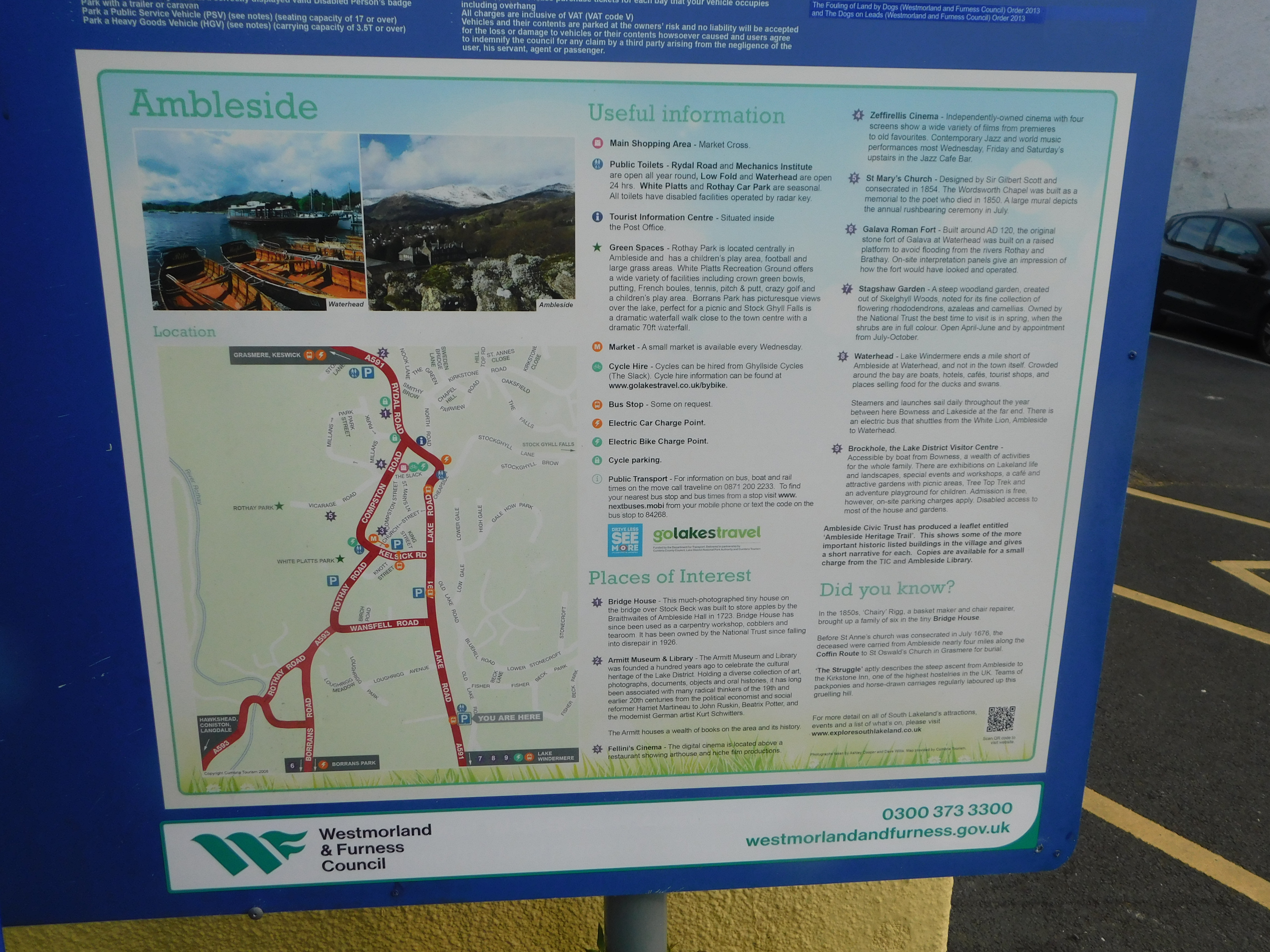
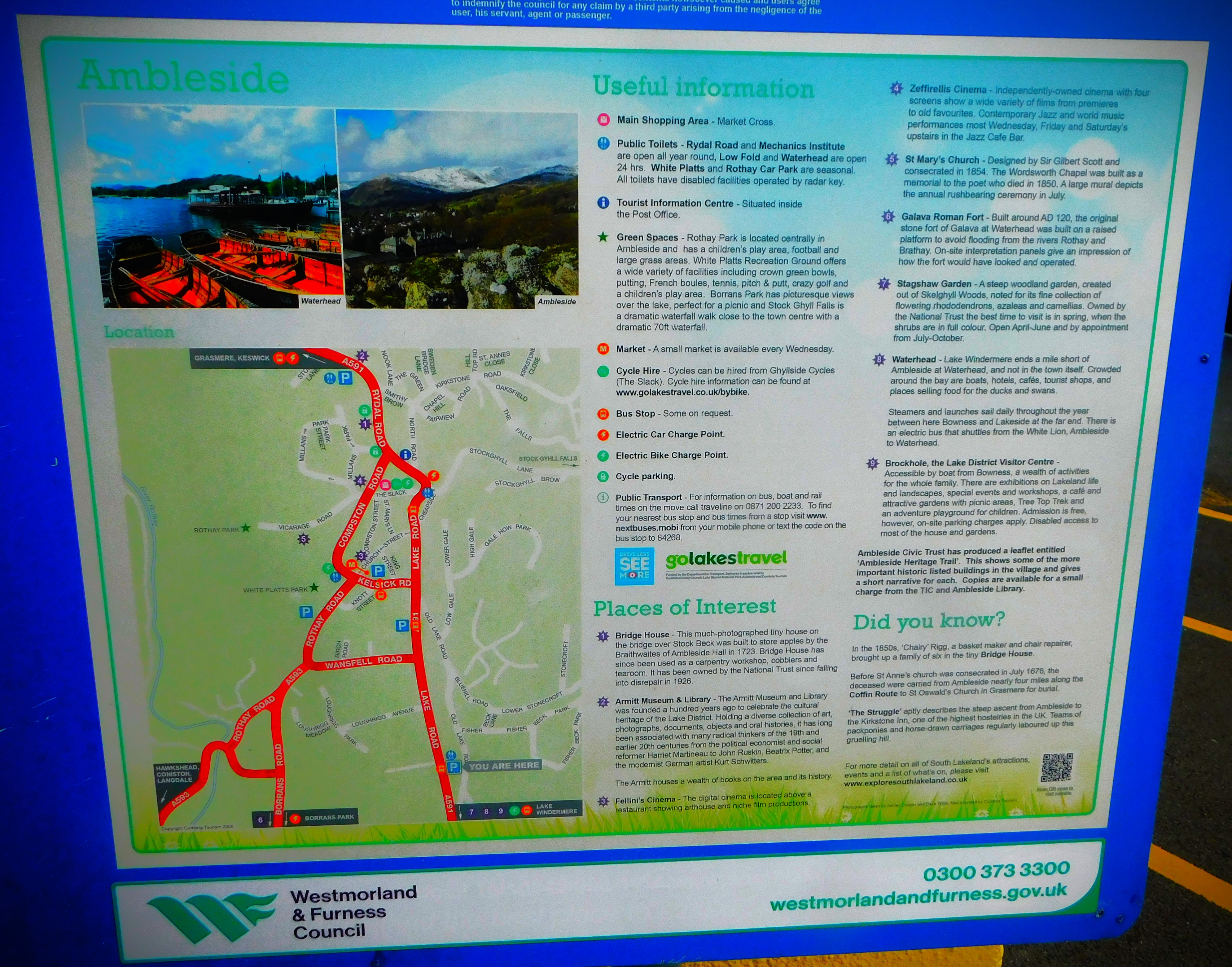
A look at Ambleside, as I get into the meat of my series about my holiday in the Lake District.
I am back from my short holiday in the Lake District, though I still have quite a lot of photos to edit. This post (see here for the earlier ones, posted while I was there).
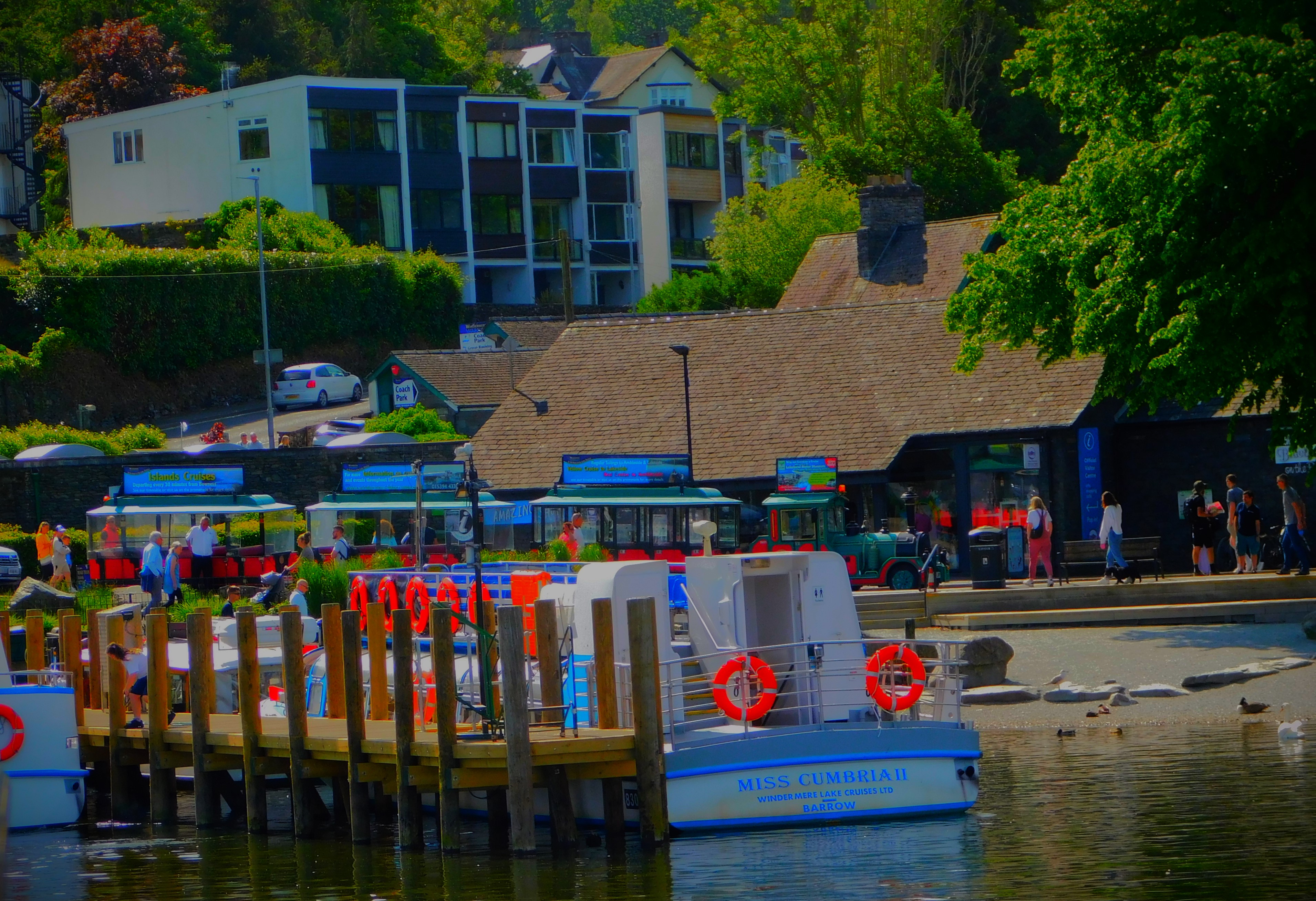
AMBLESIDE
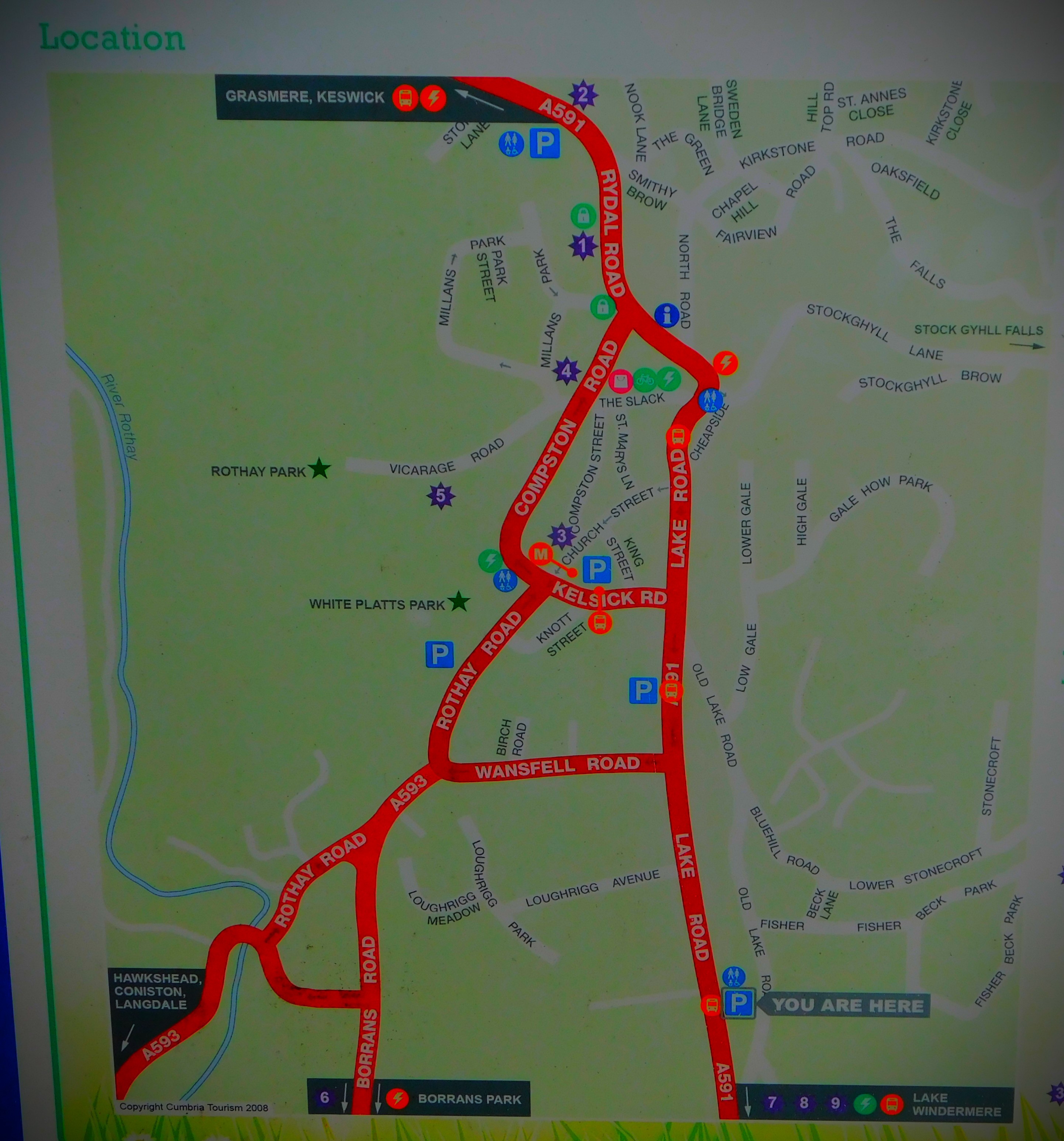
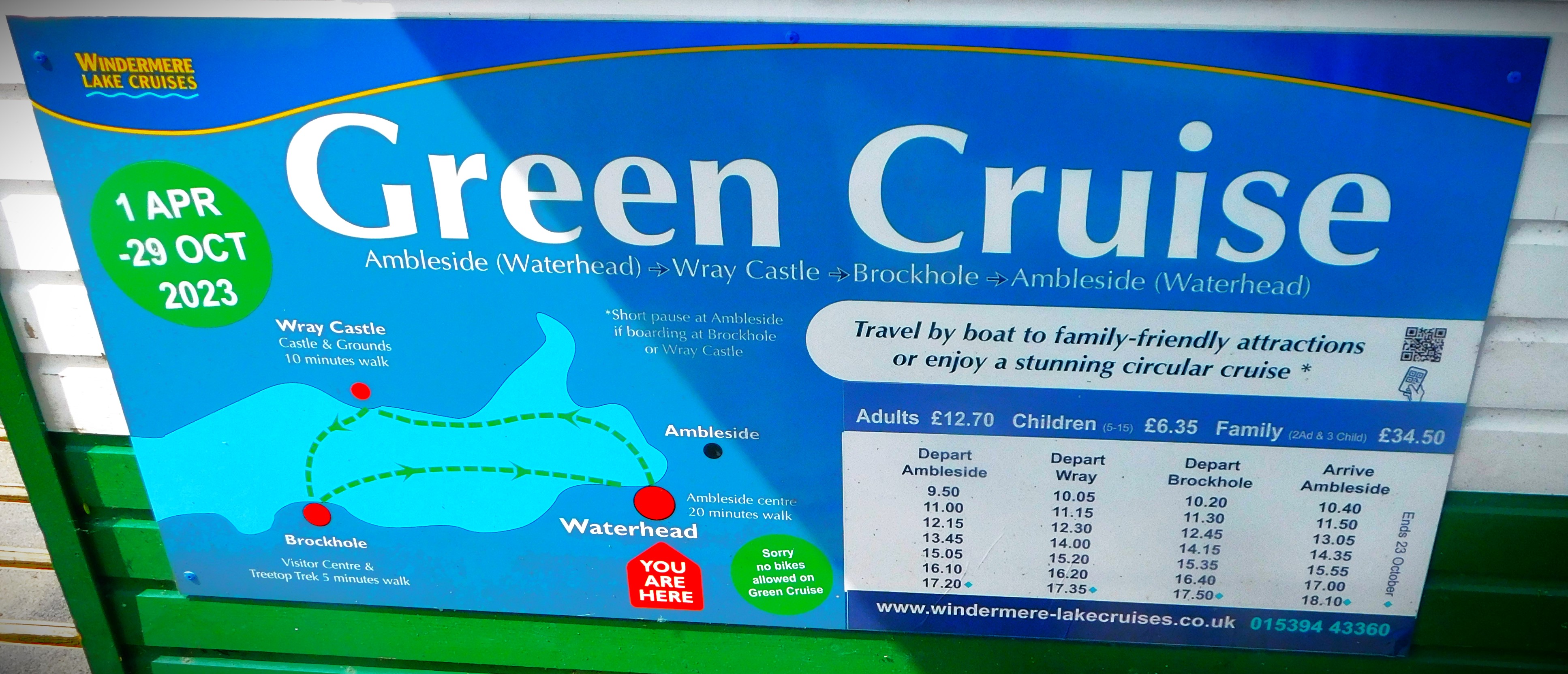
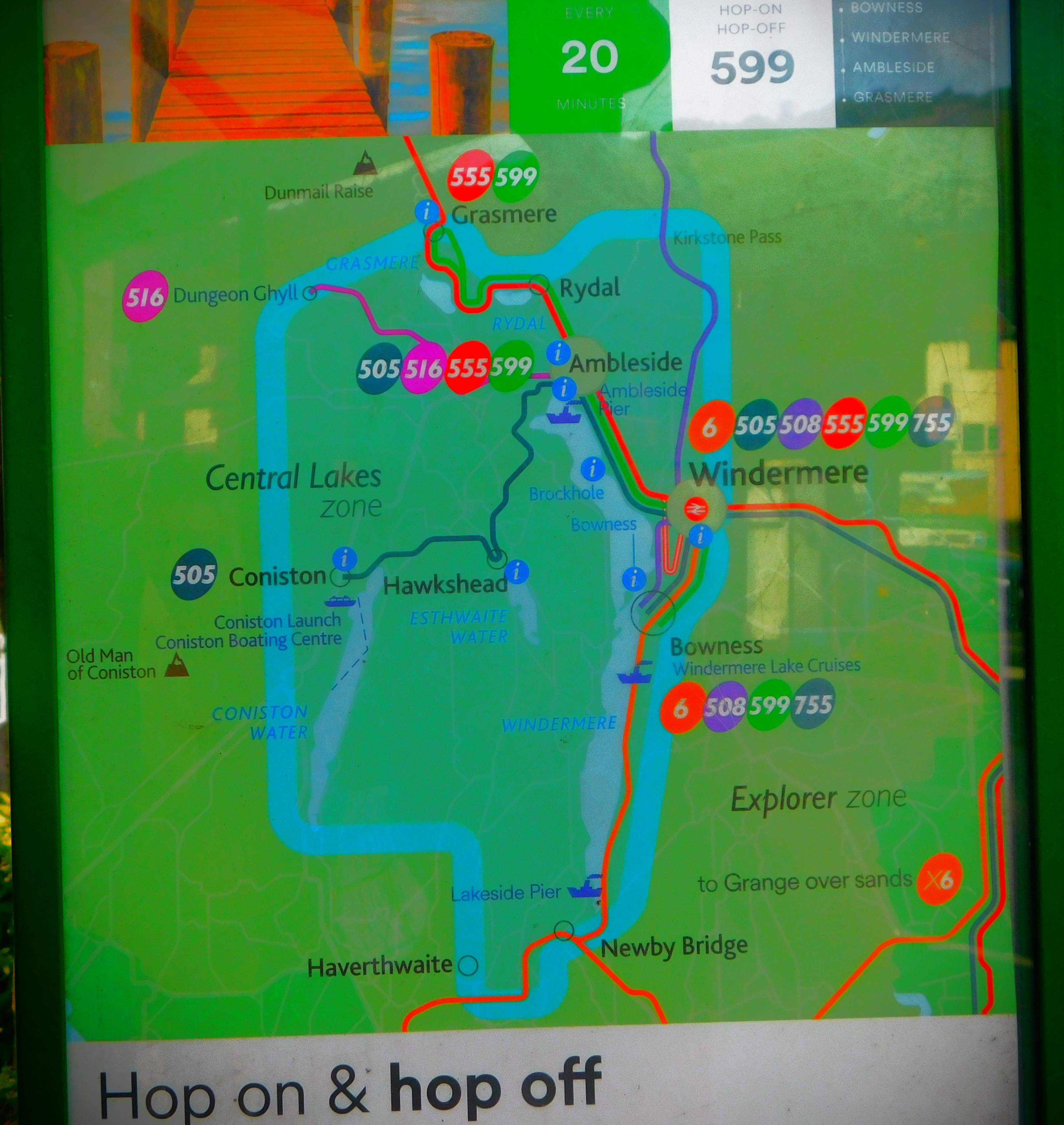
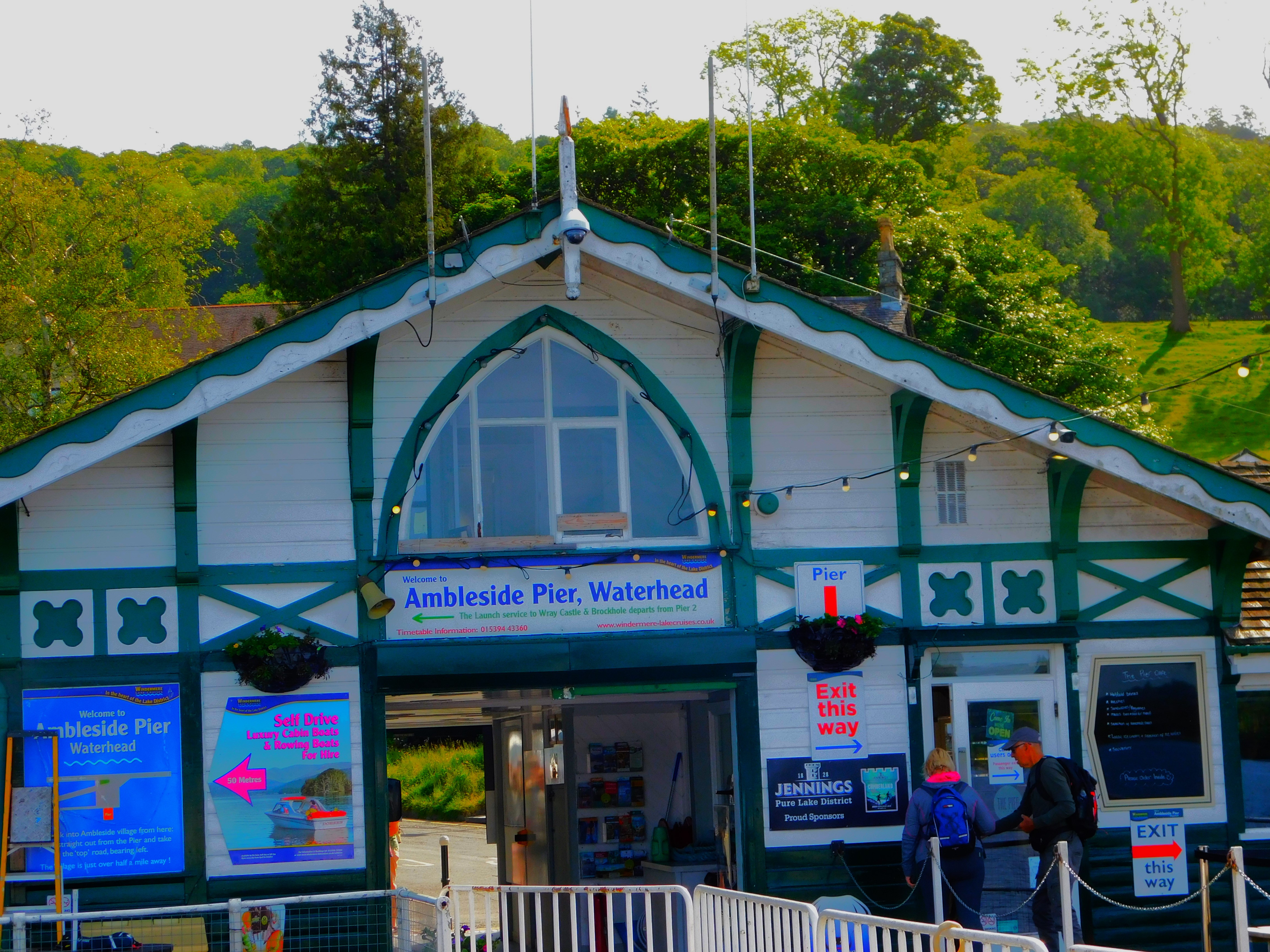
On the Saturday evening we did a small amount of exploring the town, including consuming beers at the bar of the cinema (we had gone the wrong way from the cottage we were staying in, and missed the pubs which we then saw on our walk back). The following day we visited the pier to find out details about lake cruises, and decided to do that on the Monday. We walked round the lakeside as far as a place called Low Wood Bay, a small resort for the seriously well heeled, and got a bus back into Ambleside. After the Monday we took one more boat ride on Tuesday morning, but thereafter focussed our attentions on the excellent bus network as a way to get from place to place. Ambleside Bus Interchange proved very well located for our purposes, a very short walk from the cottage in which we were staying.
PHOTOGRAPHS
Here are the first set of Ambleside pictures (there will be at least one further pure Ambleside post), which include a few pointers to what else will be coming up later in the series…
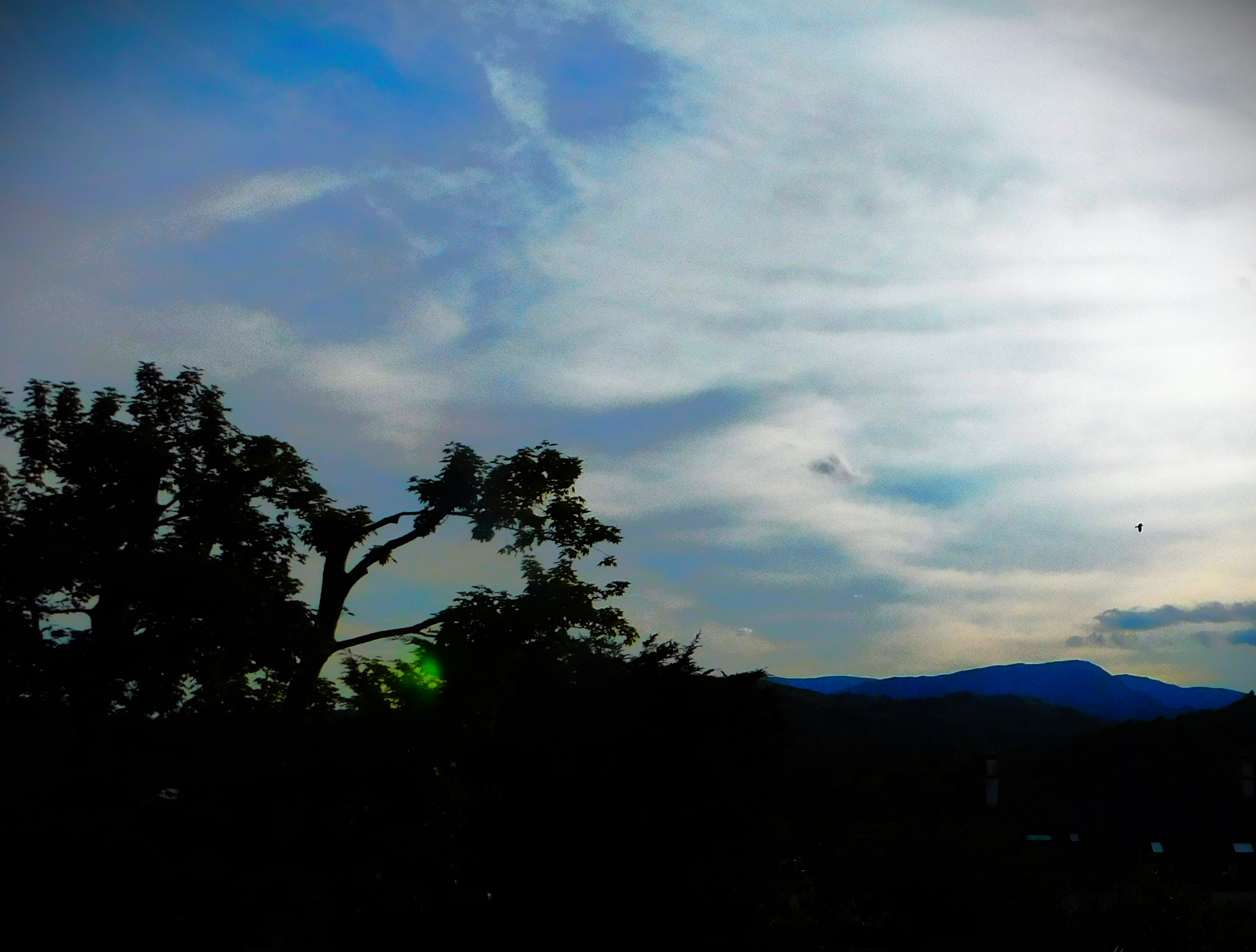
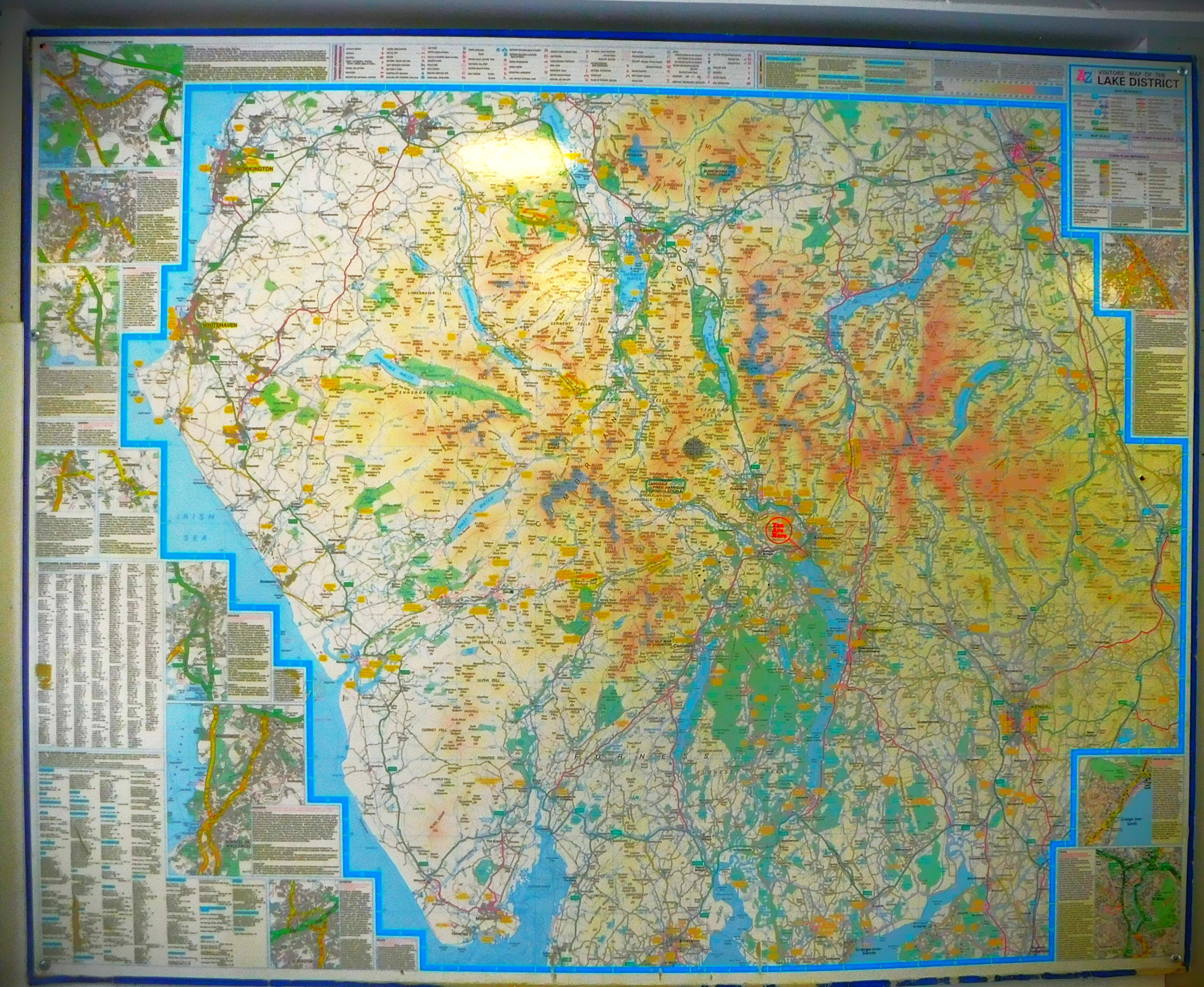
Some hints of what is to come on this blog when I have edited all the pictures I have from my holiday in the Lake District.
After yesterday’s boat trips around Windermere and today’s visits to Brockholes, Grasmere (“The Grasmere Grudge” for my fellow Tope fans) and Keswick (where in Tope’s lake mysteries series main protagonists Persimmon ‘Simmy’ Brown’s other half Christopher Henderson works as an auctioneer) I have a huge number of images to edit and prep for showing on this blog. However, I though this was a good moment to signpost some of the many forthcoming posts about this holiday.
AMBLESIDE GENERALLY
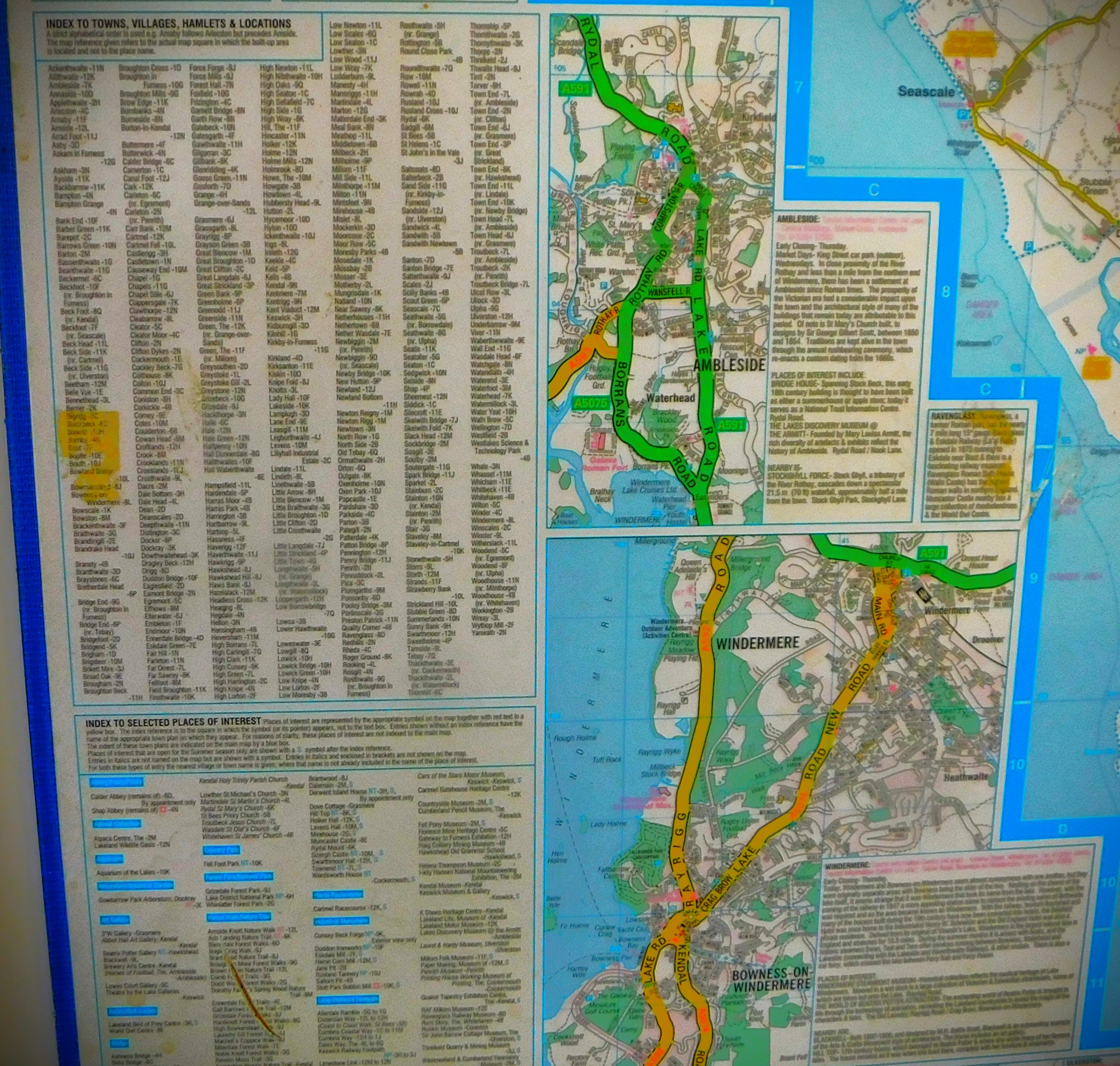
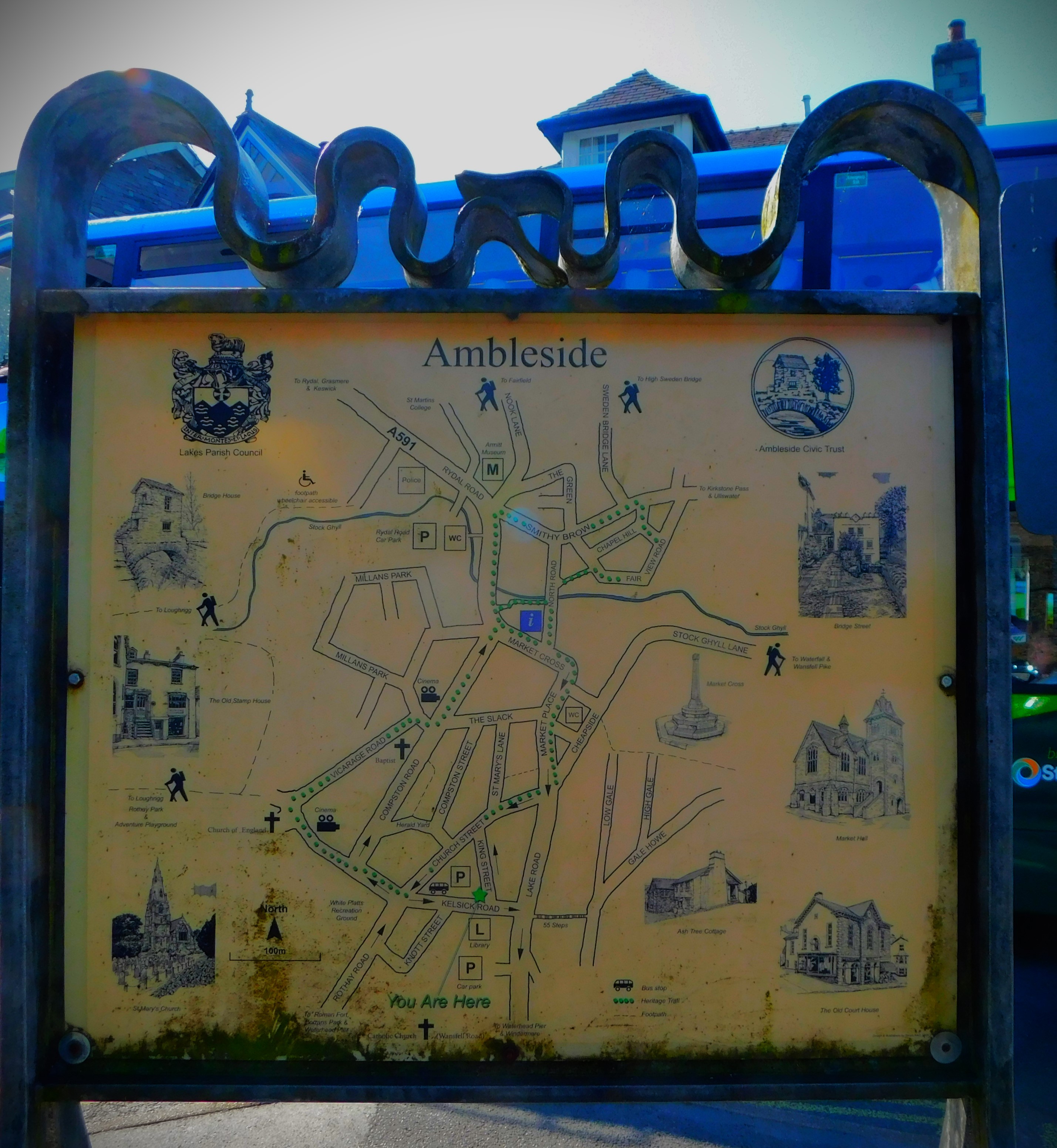
Ambleside is a fine little town in its own right, and since every trip starts with a walk to some part of Ambleside or other (my parents car has remained parked just below the cottage in which we are staying since our arrival on Saturday and will do so until Thursday morning when my journey home begins) opportunities for taking photographs in and around Ambleside have abounded.
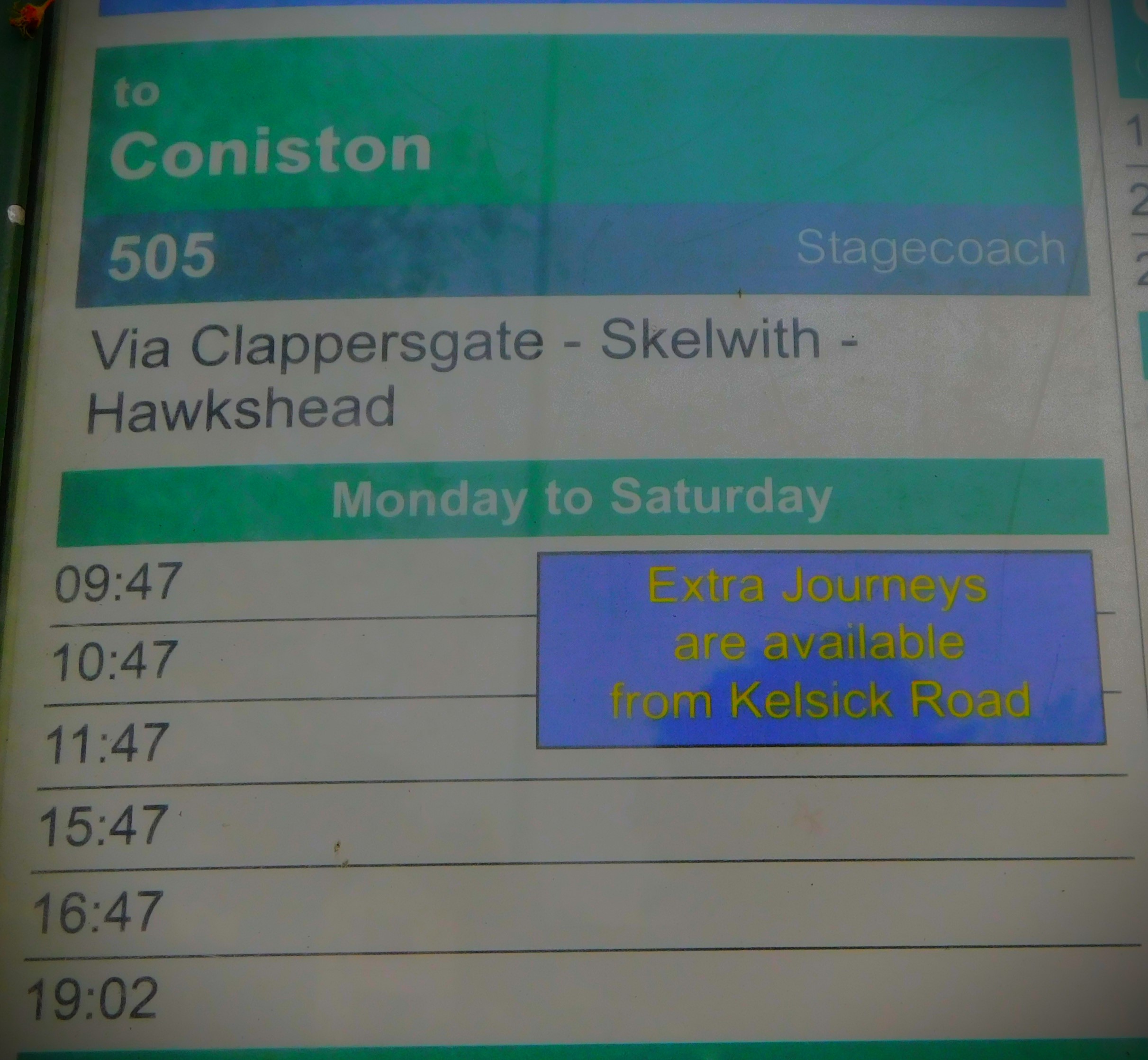
A clue as to why the car is not needed once one has arrived in Ambleside – services are frequent.
ON WINDERMERE
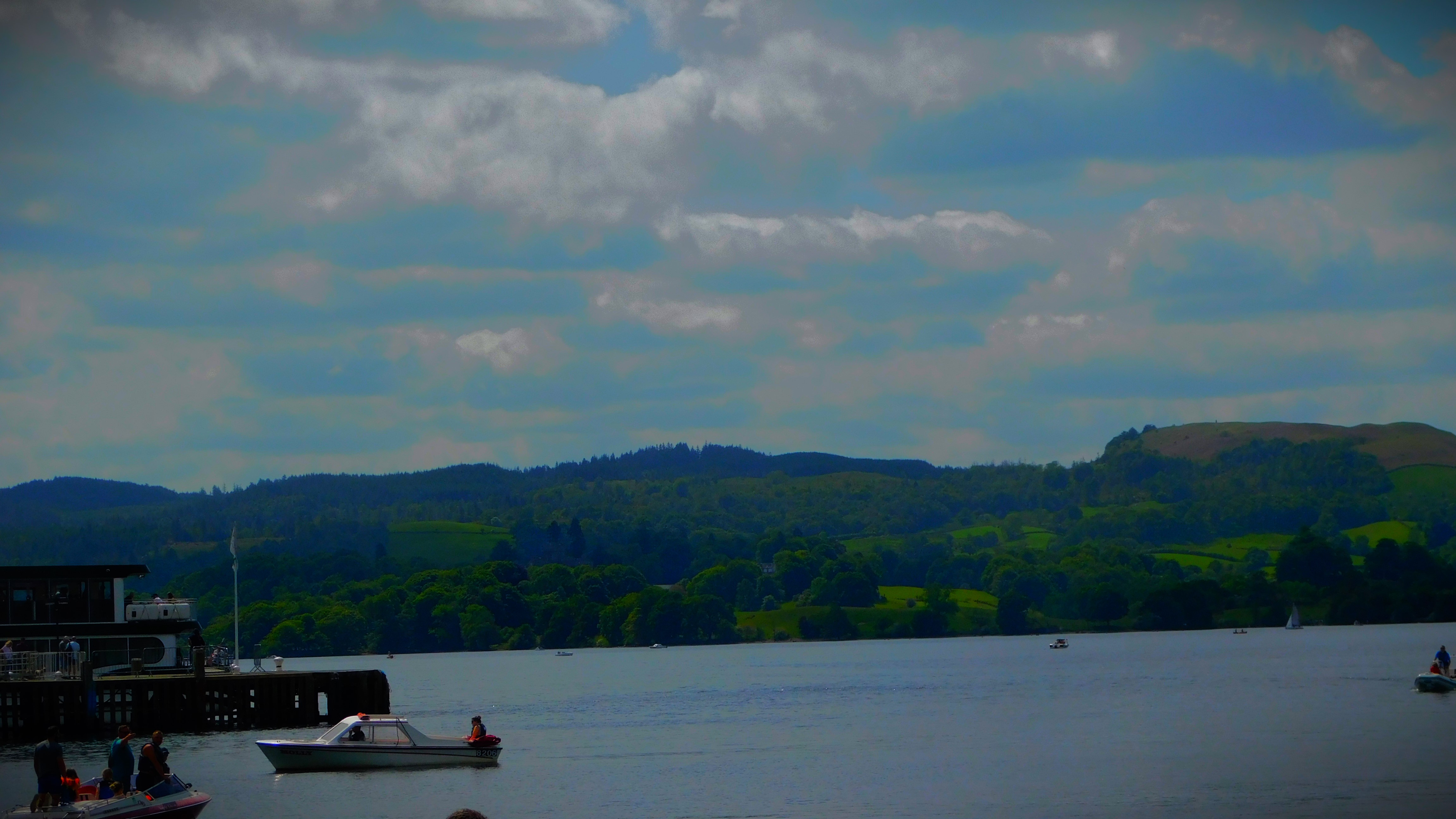
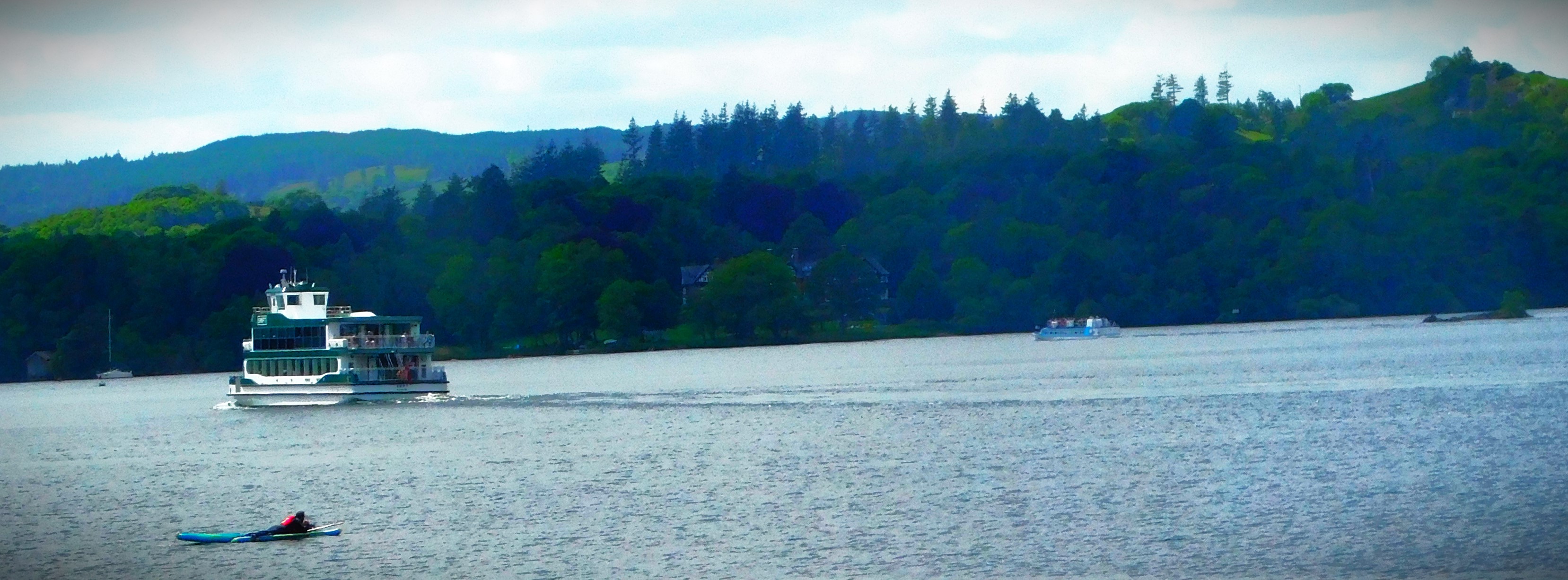
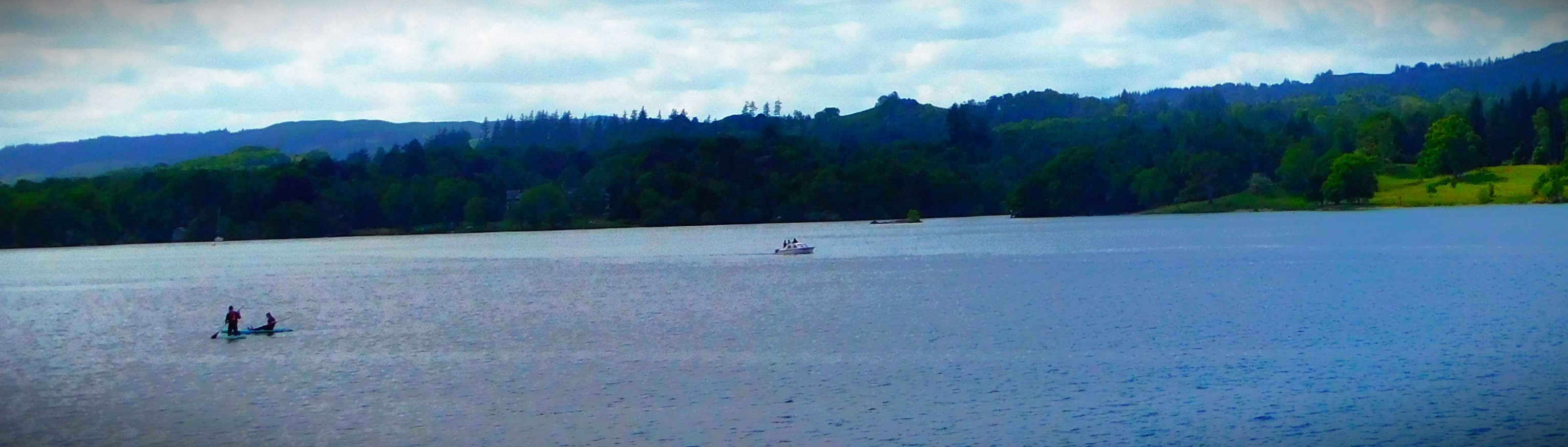
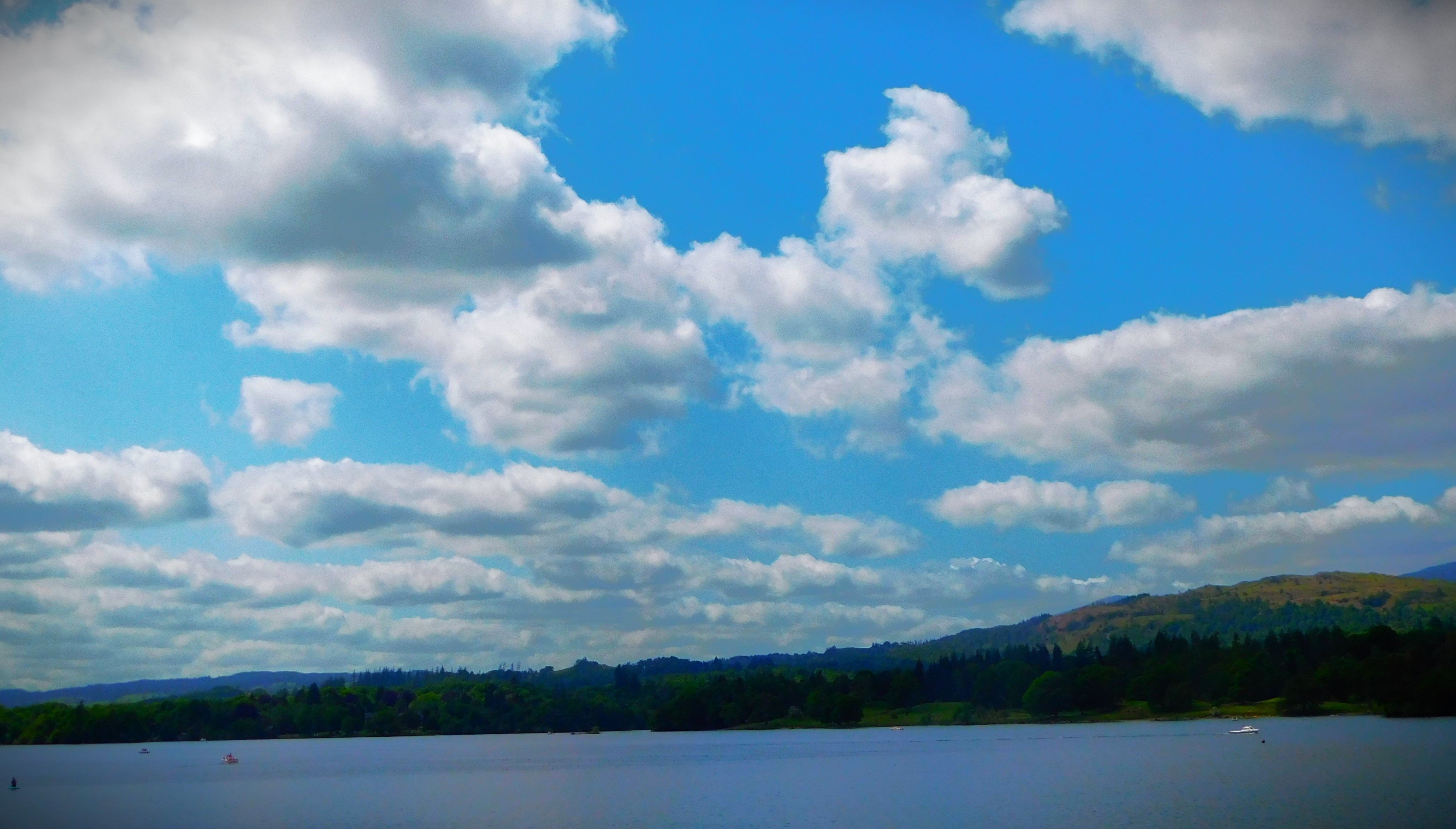
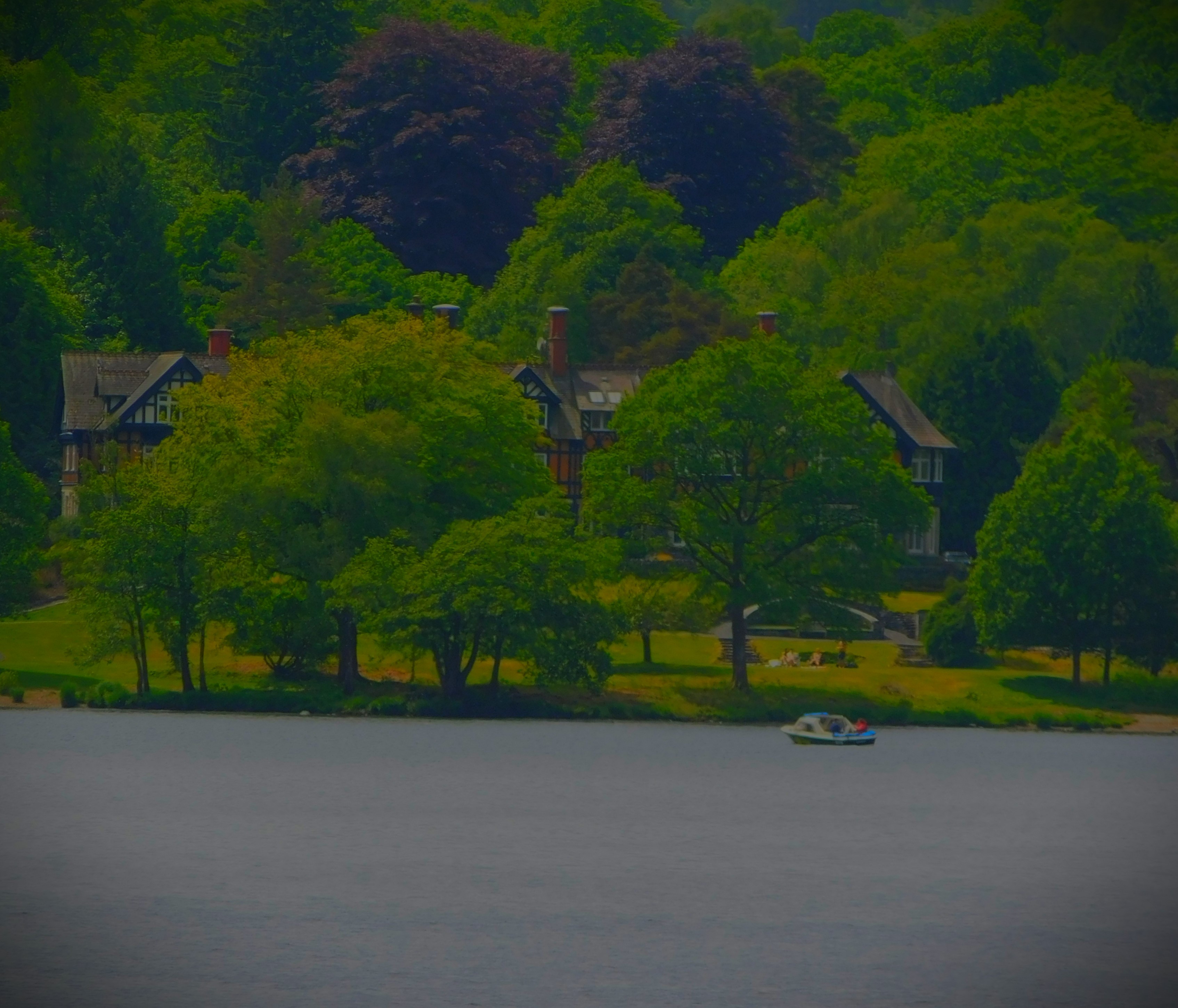
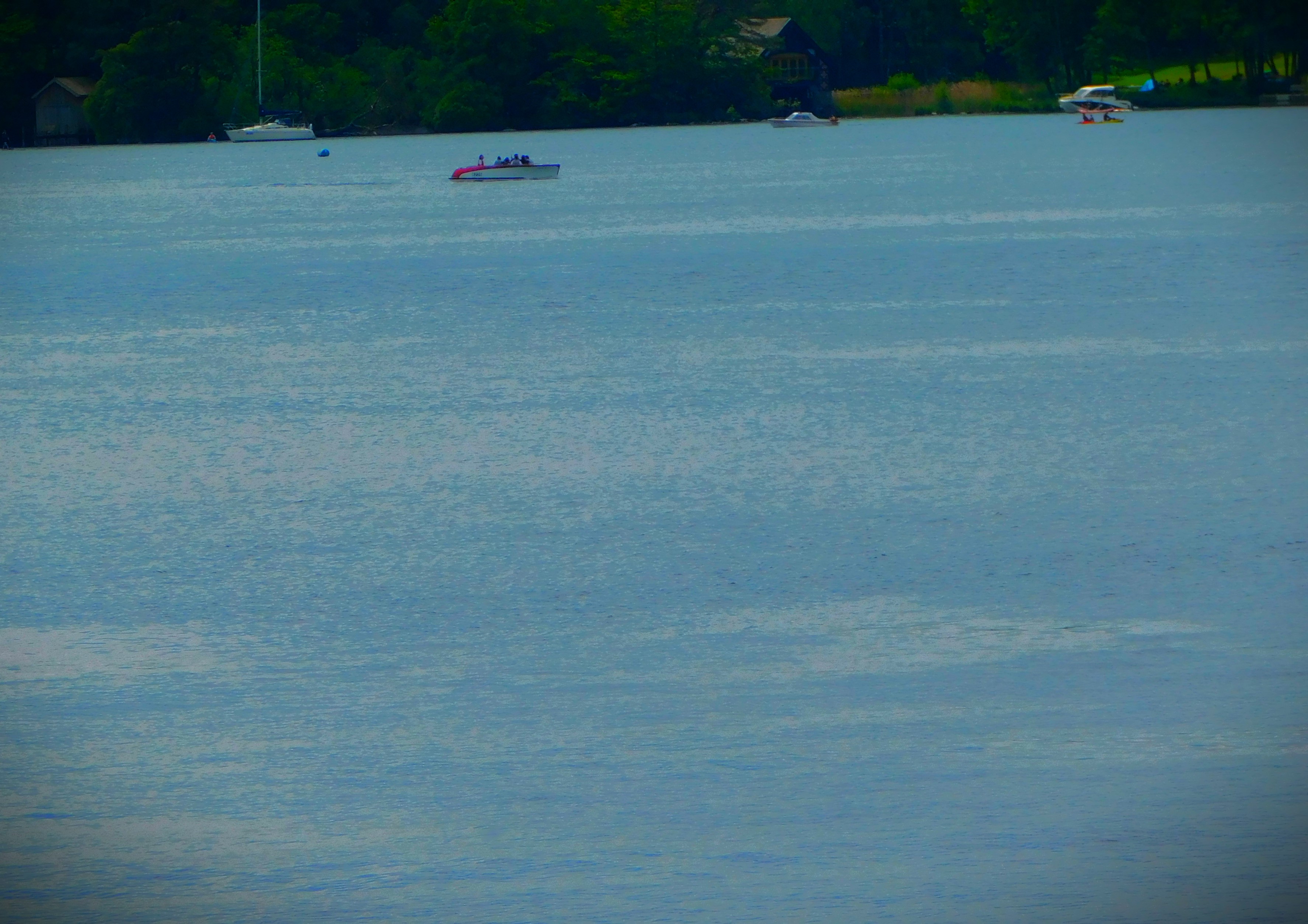
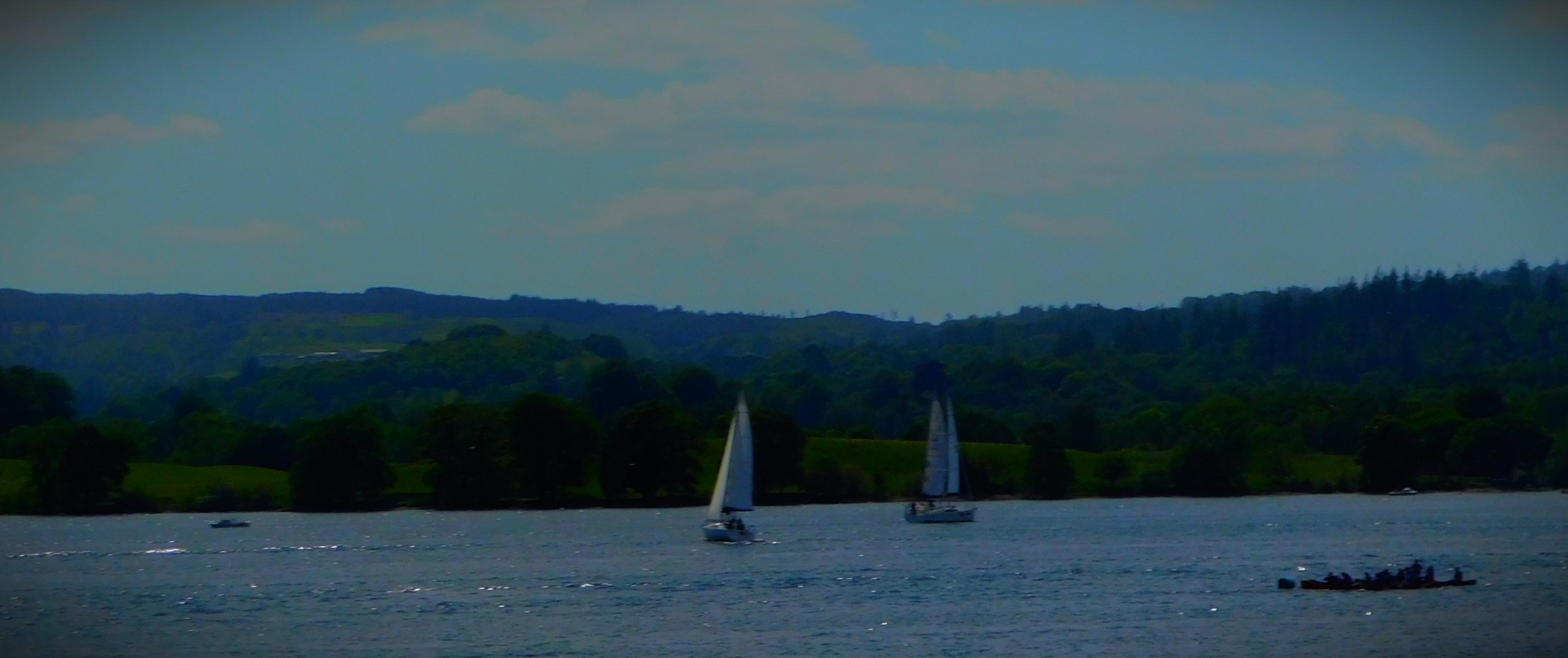
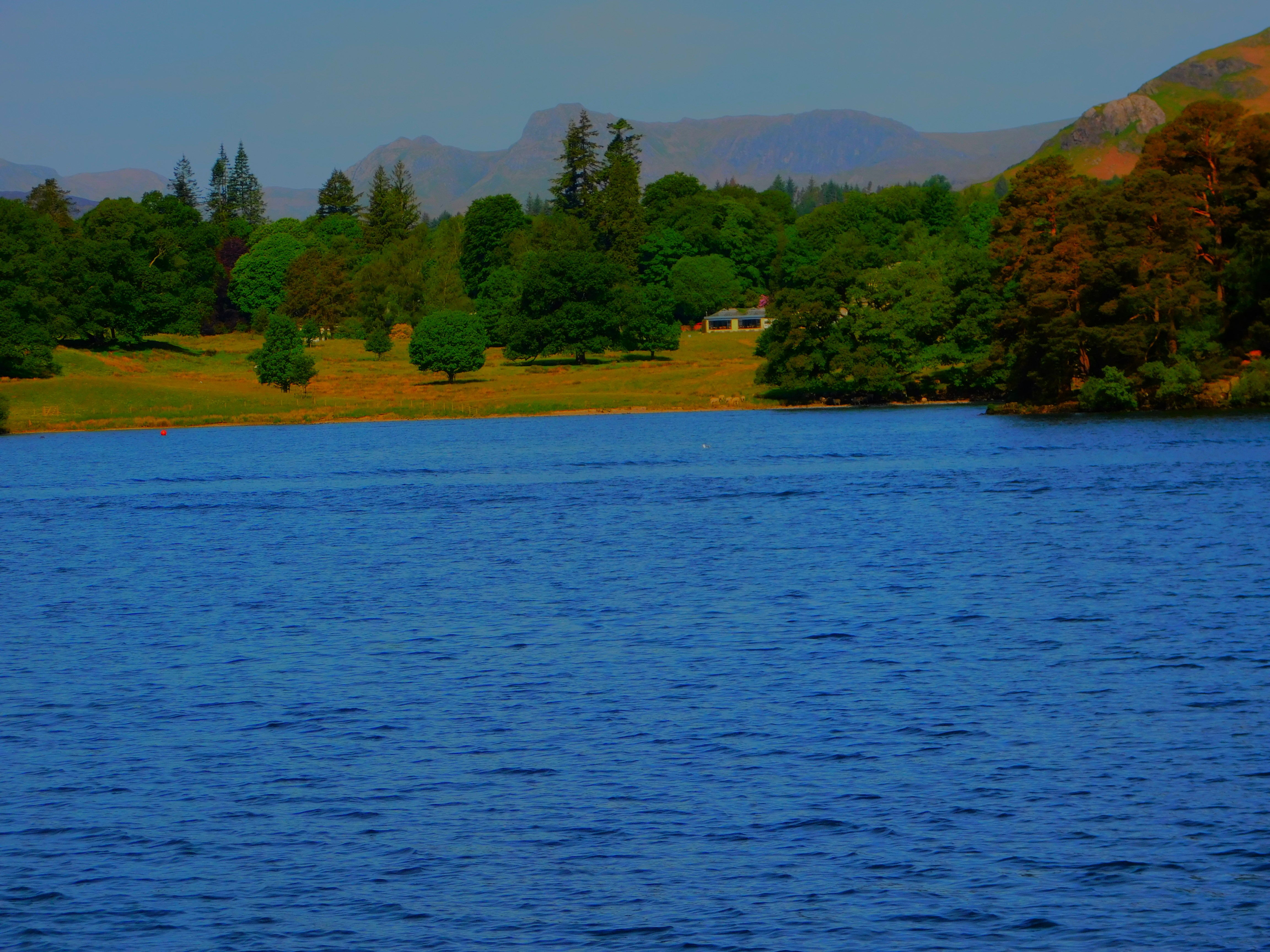
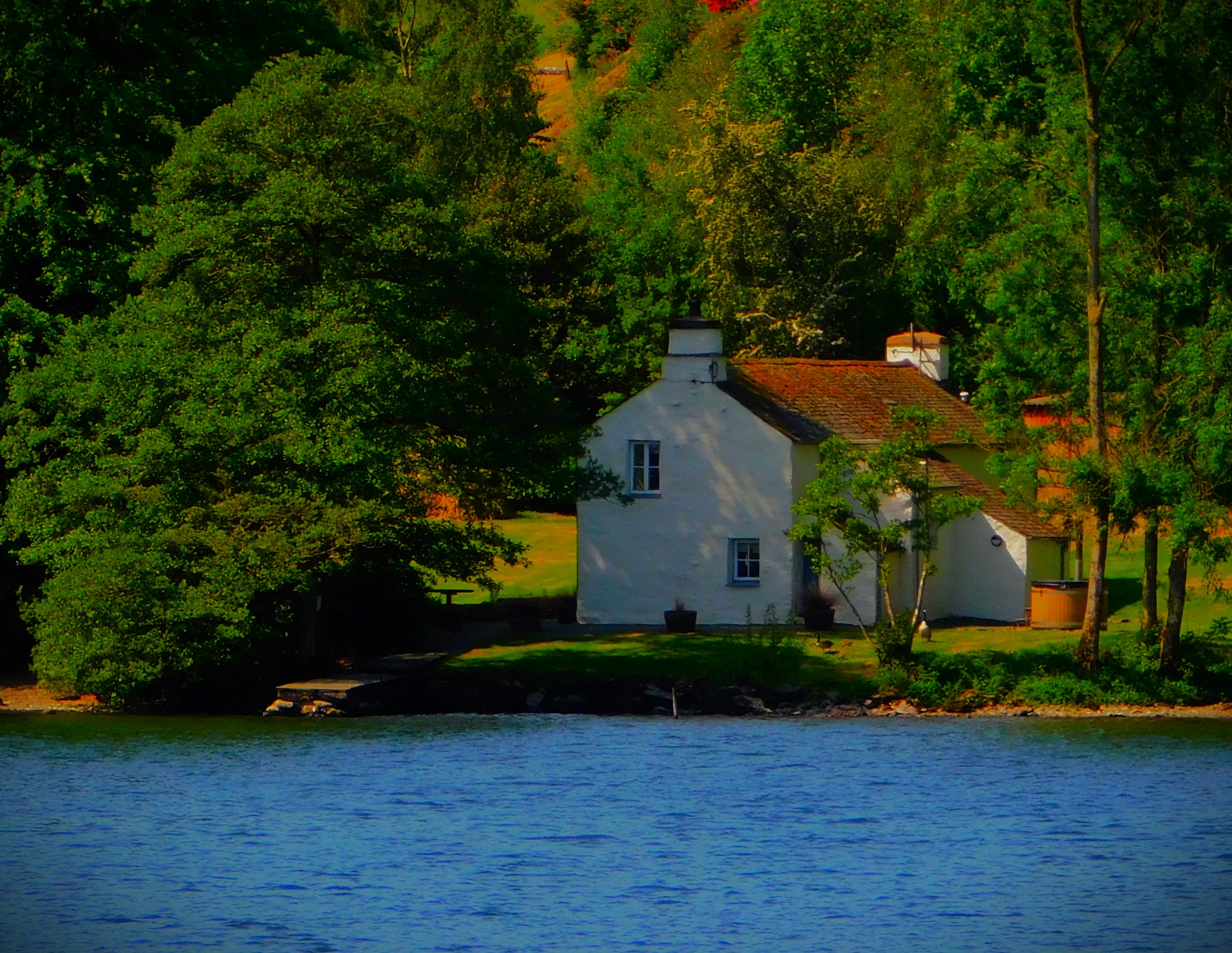
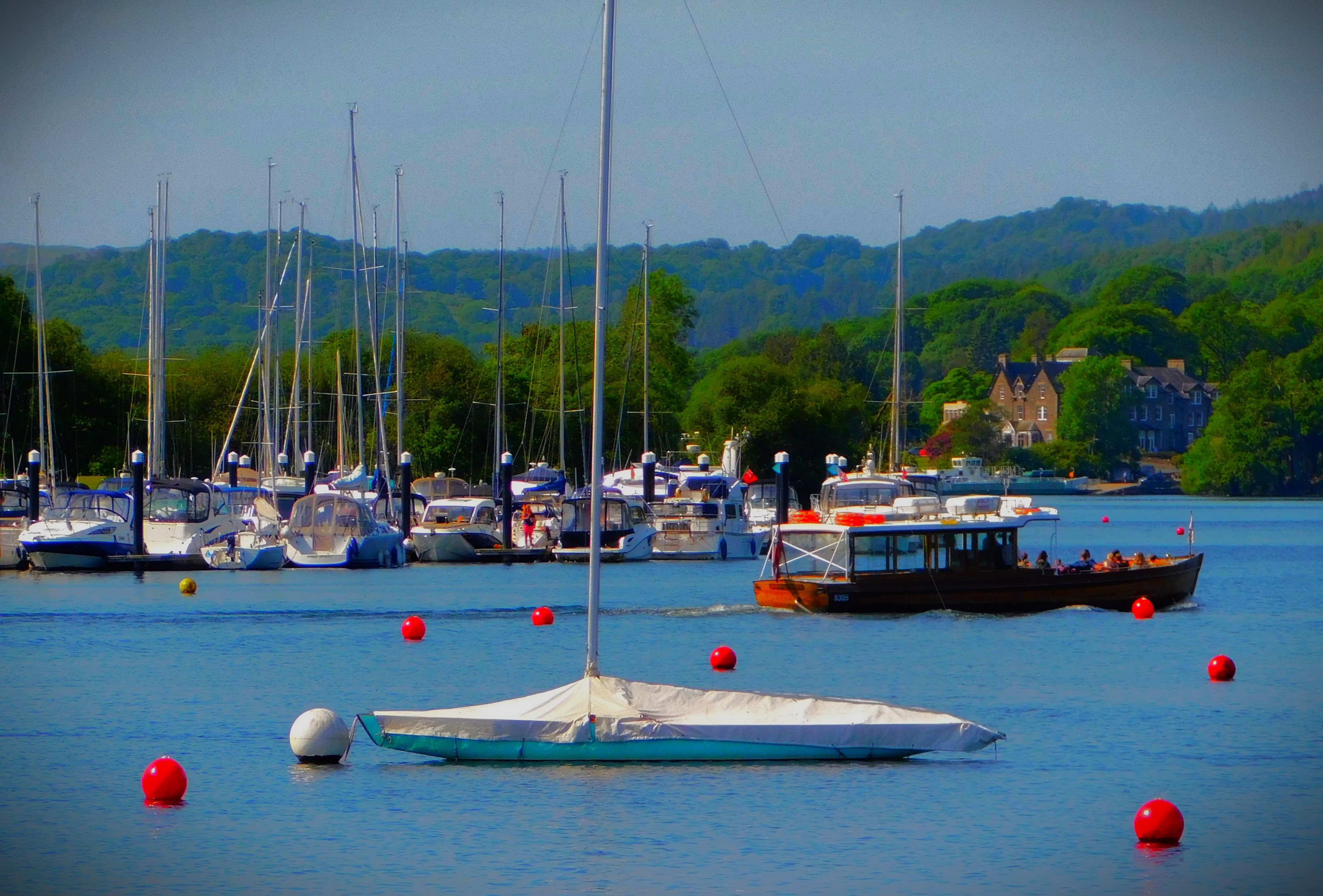
The atrocious behaviour of the local water company notwithstanding (they have been polluting Windermere by pumping raw sewage into it) Windermere remains very scenic, and the boat trips I have taken have been exceedingly enjoyable.
BIRDS OF WINDERMERE
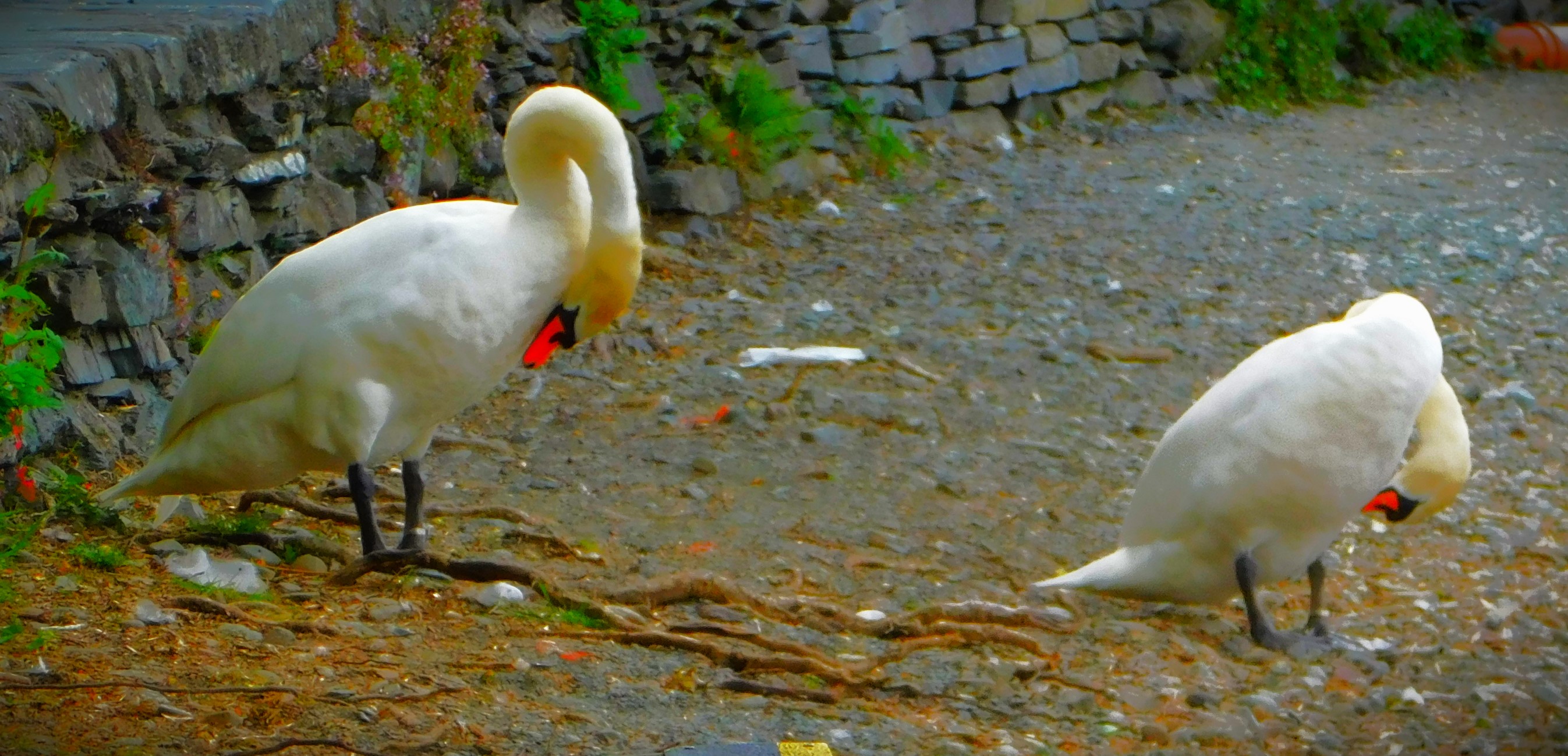
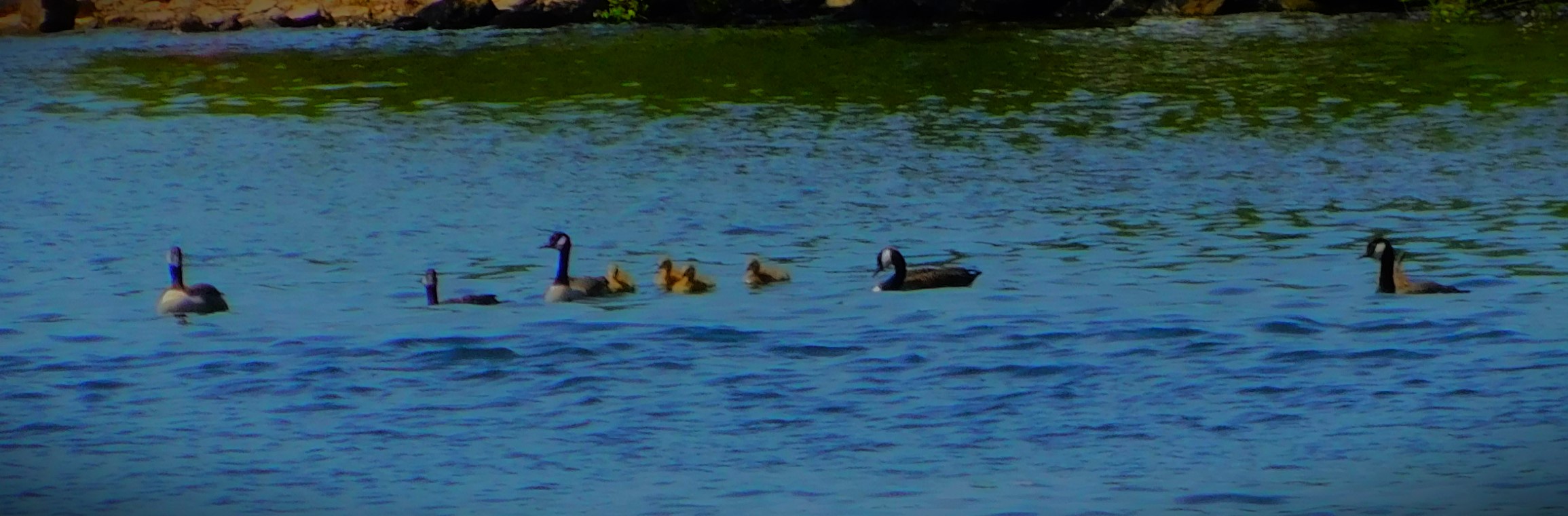
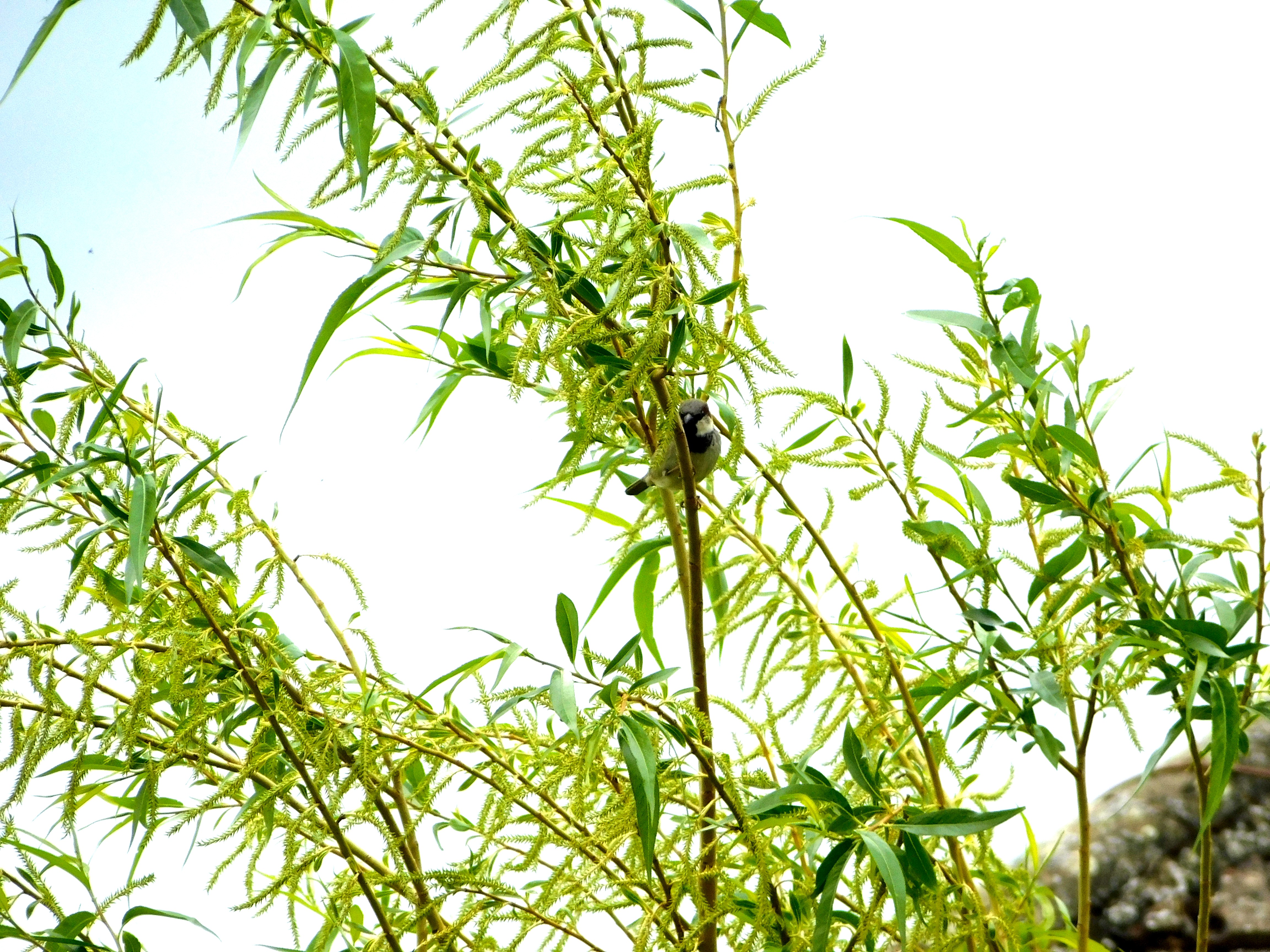
Windermere is home to a considerable quantity of birdlife (I have am not close to editing all my bird images yet), and I have managed to capture a not entirely insignificant fraction of it.
BOATS OF WINDERMERE
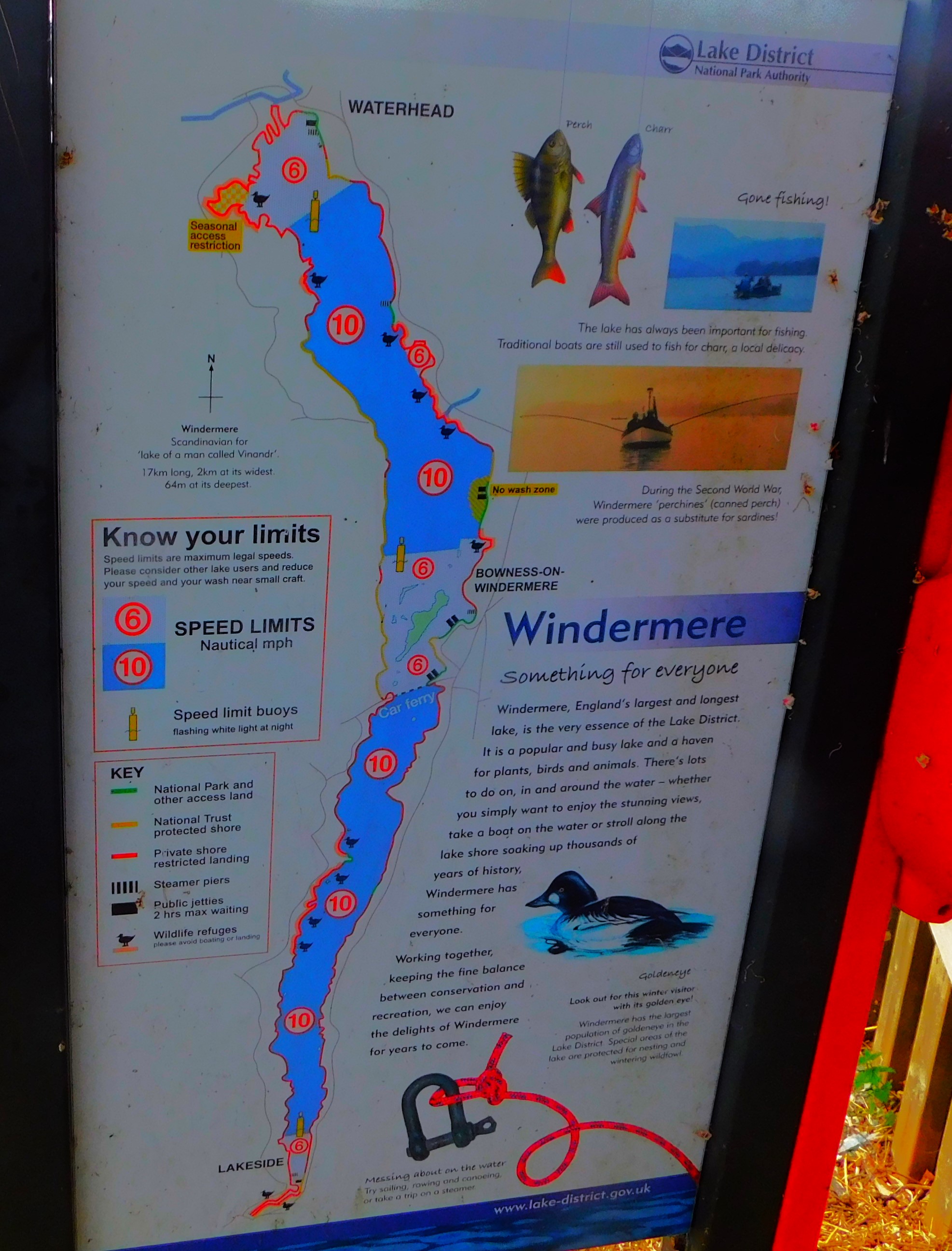
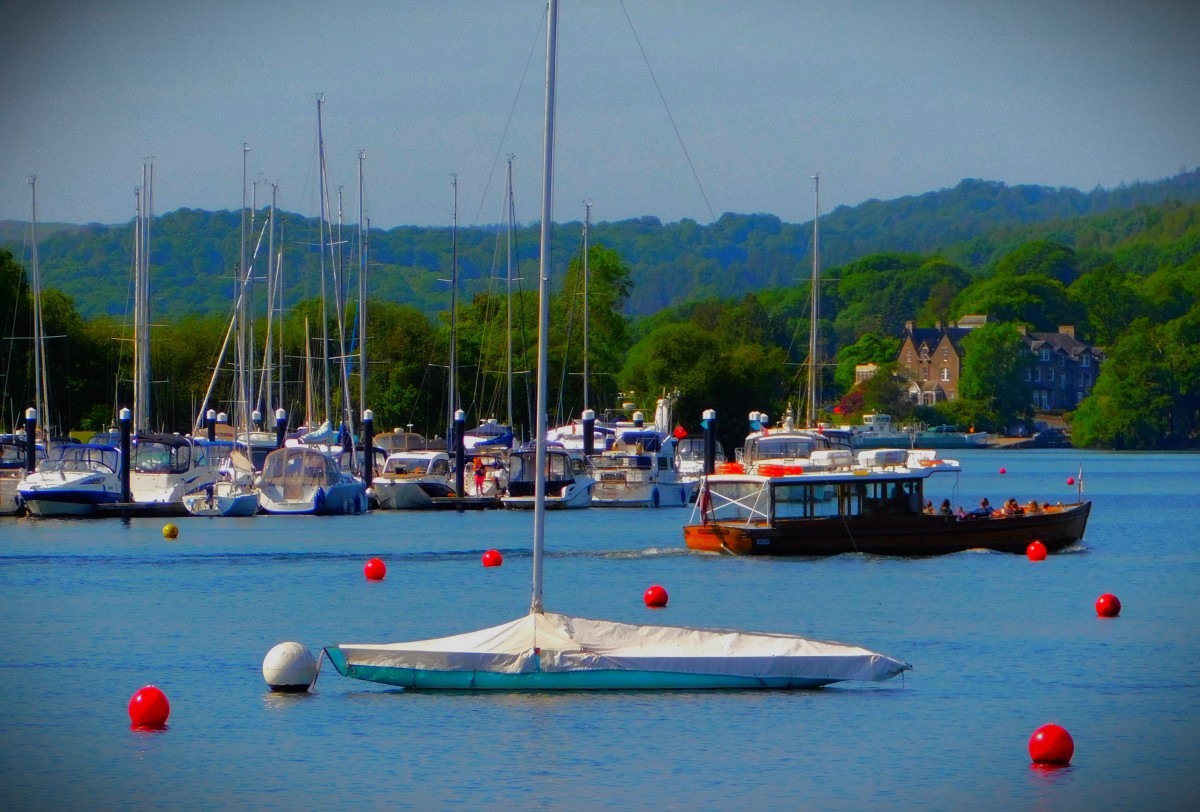
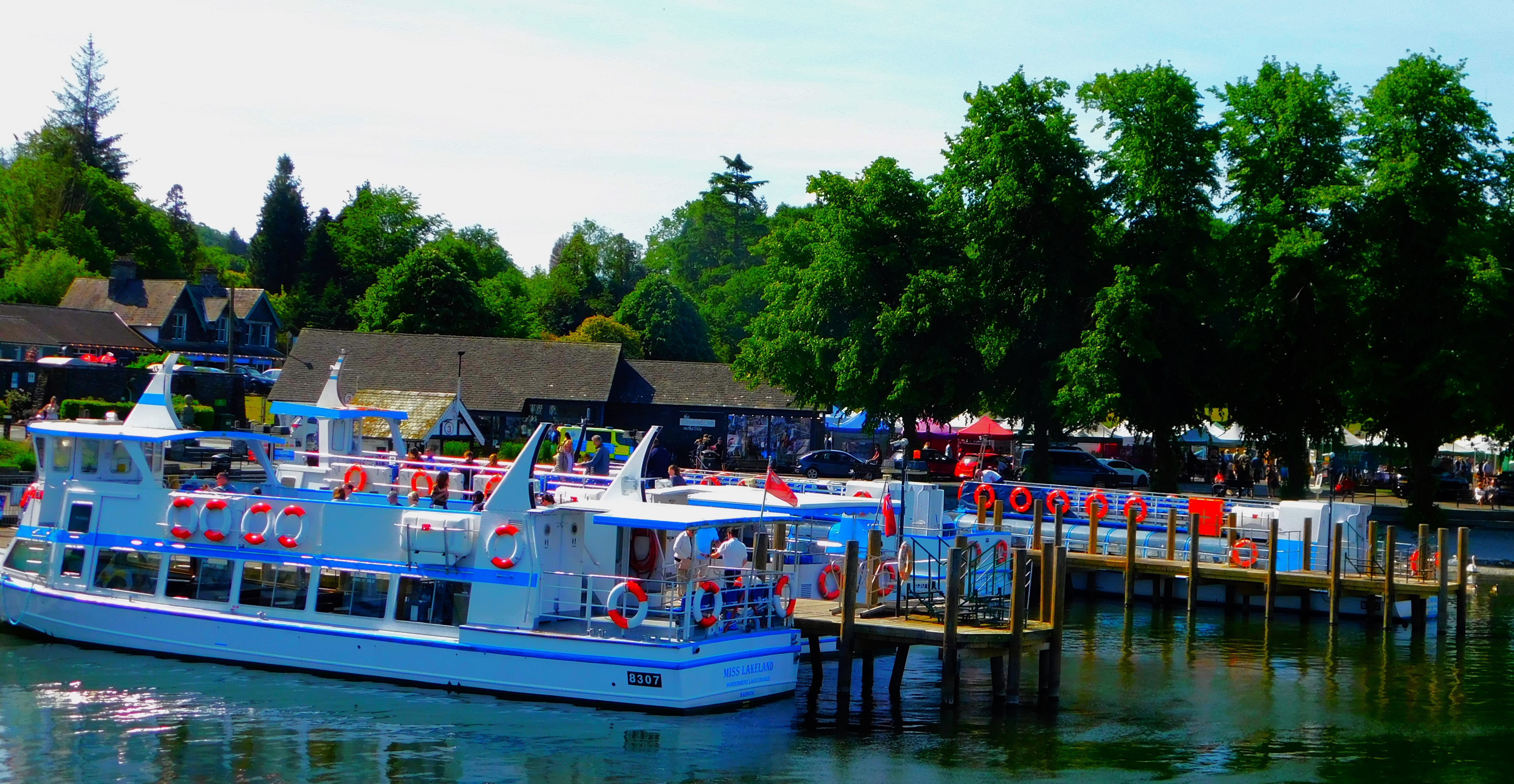
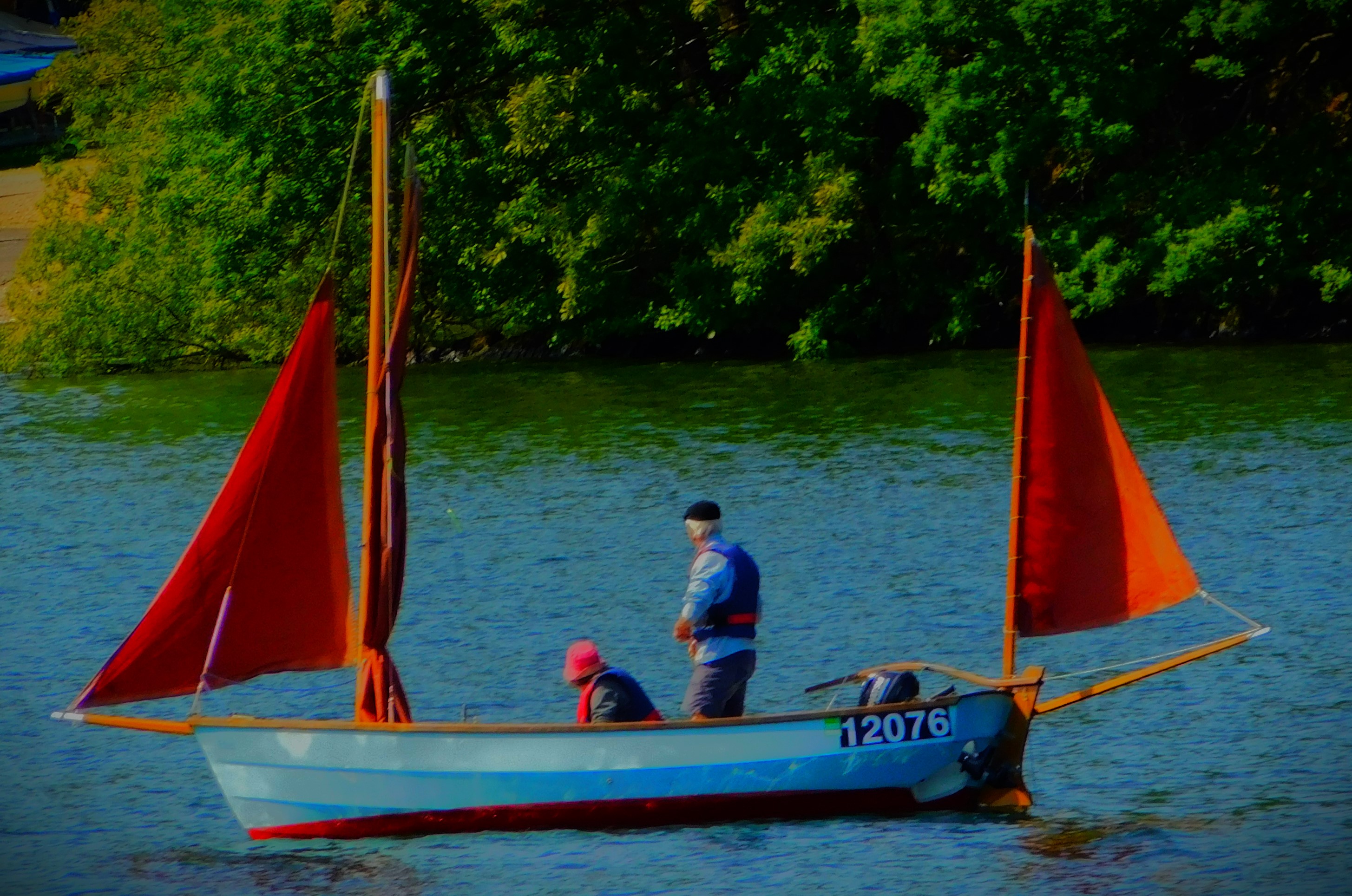
For very obvious reasons there are tight speed limits on Windermere, but nonetheless a considerable variety of watercraft make use of it.
A STEAM RIDE
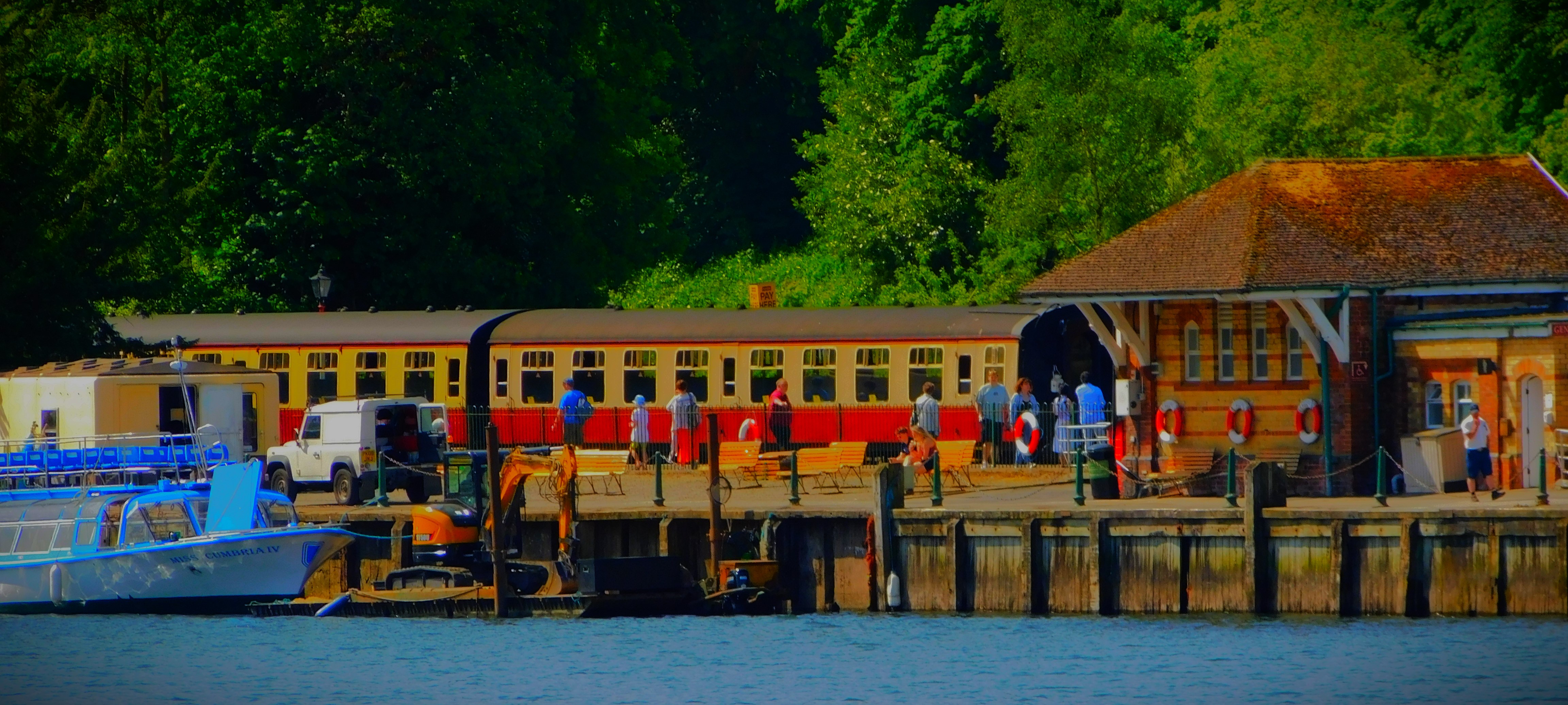
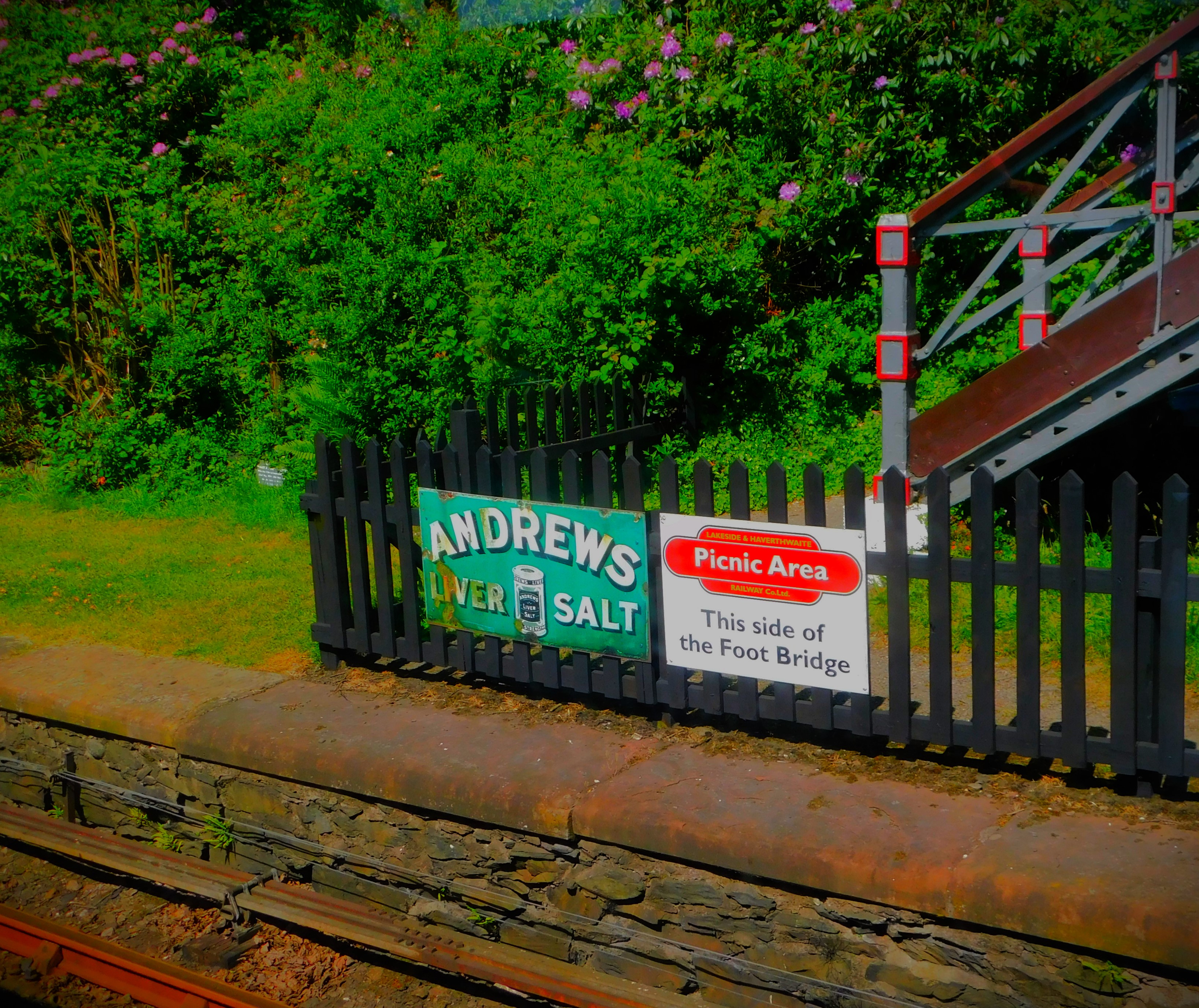
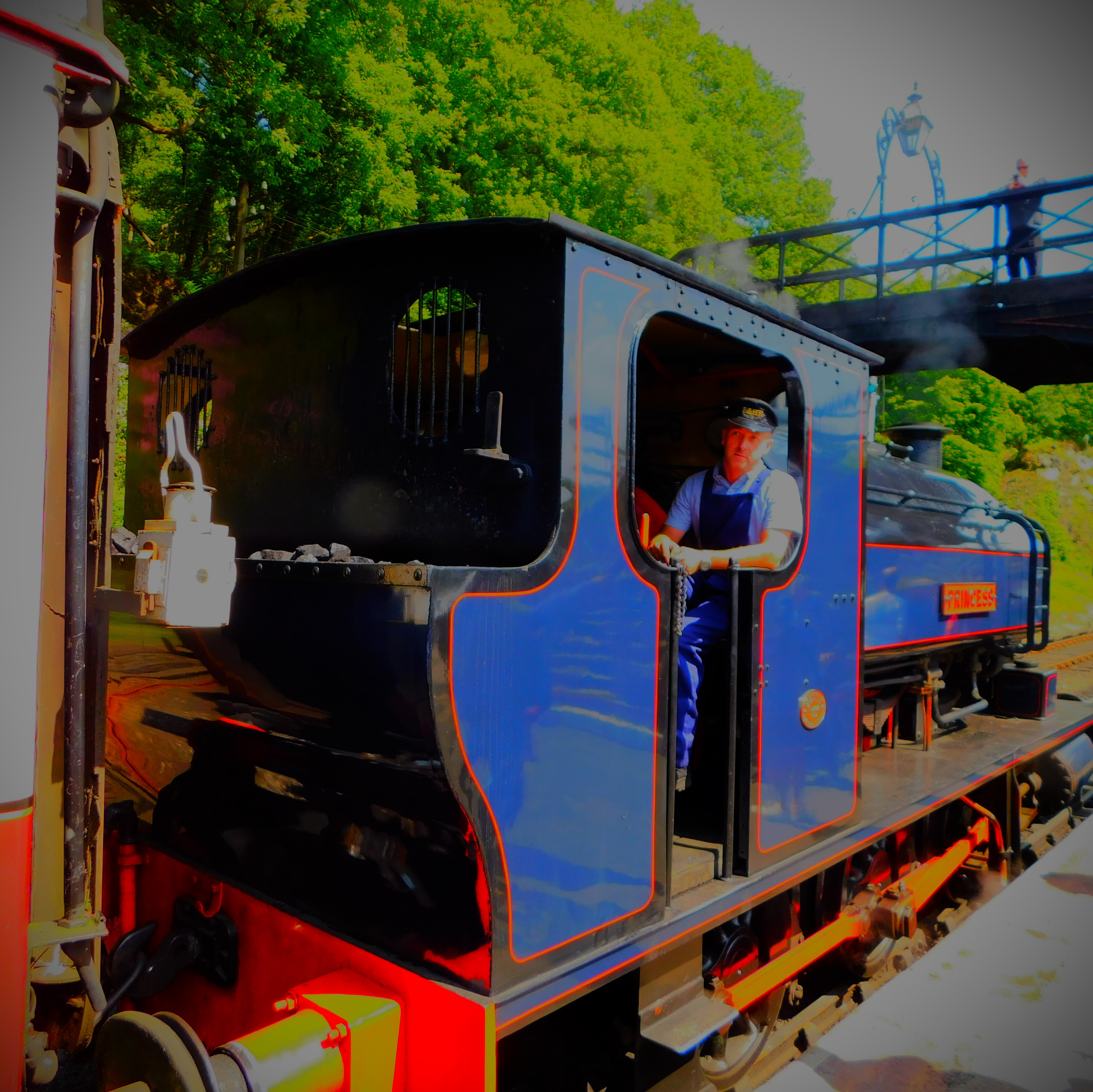
One of the boat drop of points for the big Windermere Cruise is called Lakeside, and is one terminus of a heritage railway which follows the line of Windermere’s exit river towards the Irish sea. It travels a short distance to a place called Haverthwaite, and then back to get another boat onwards, and is a fun little journey.
CASTLE WRAY
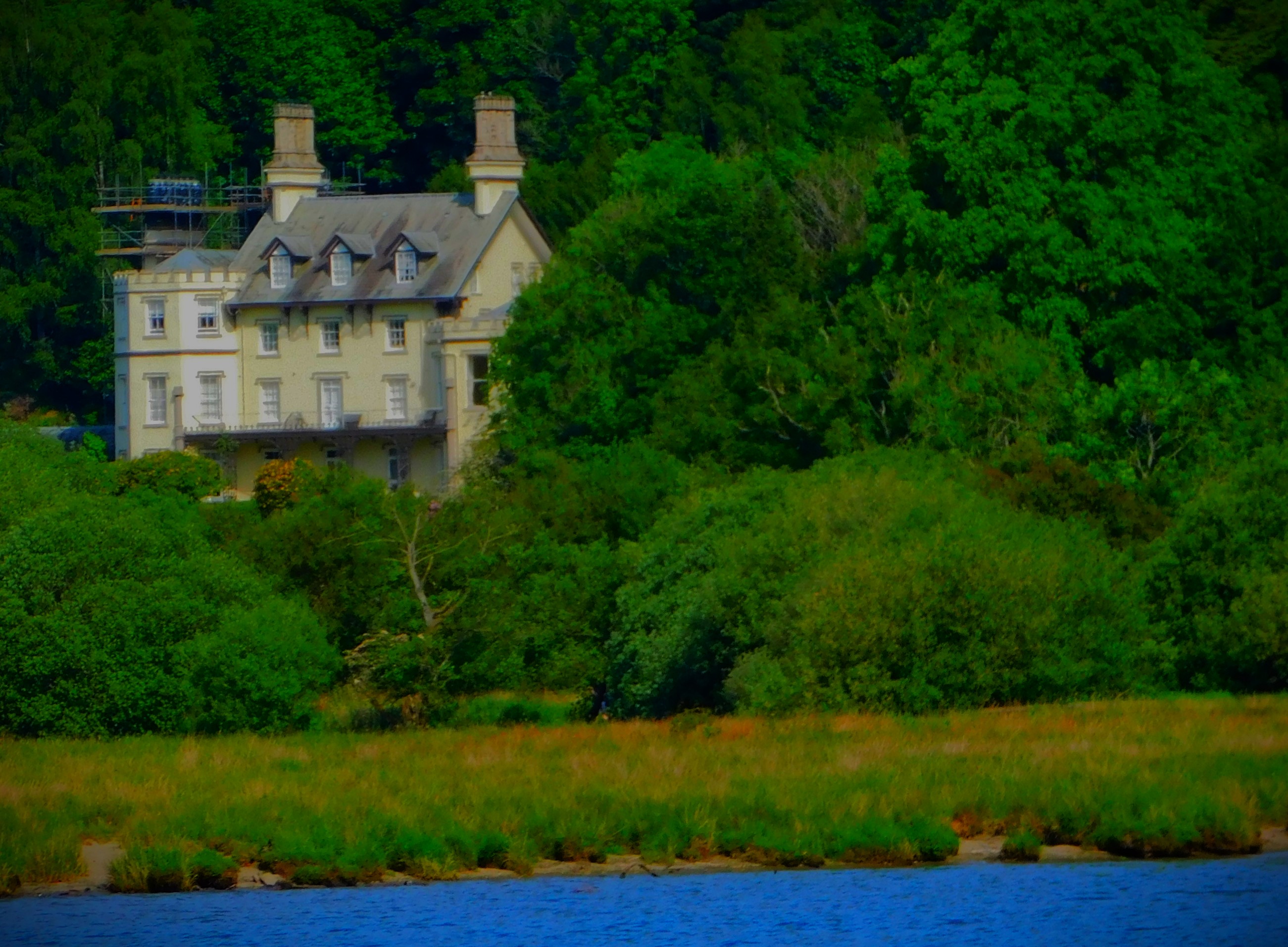
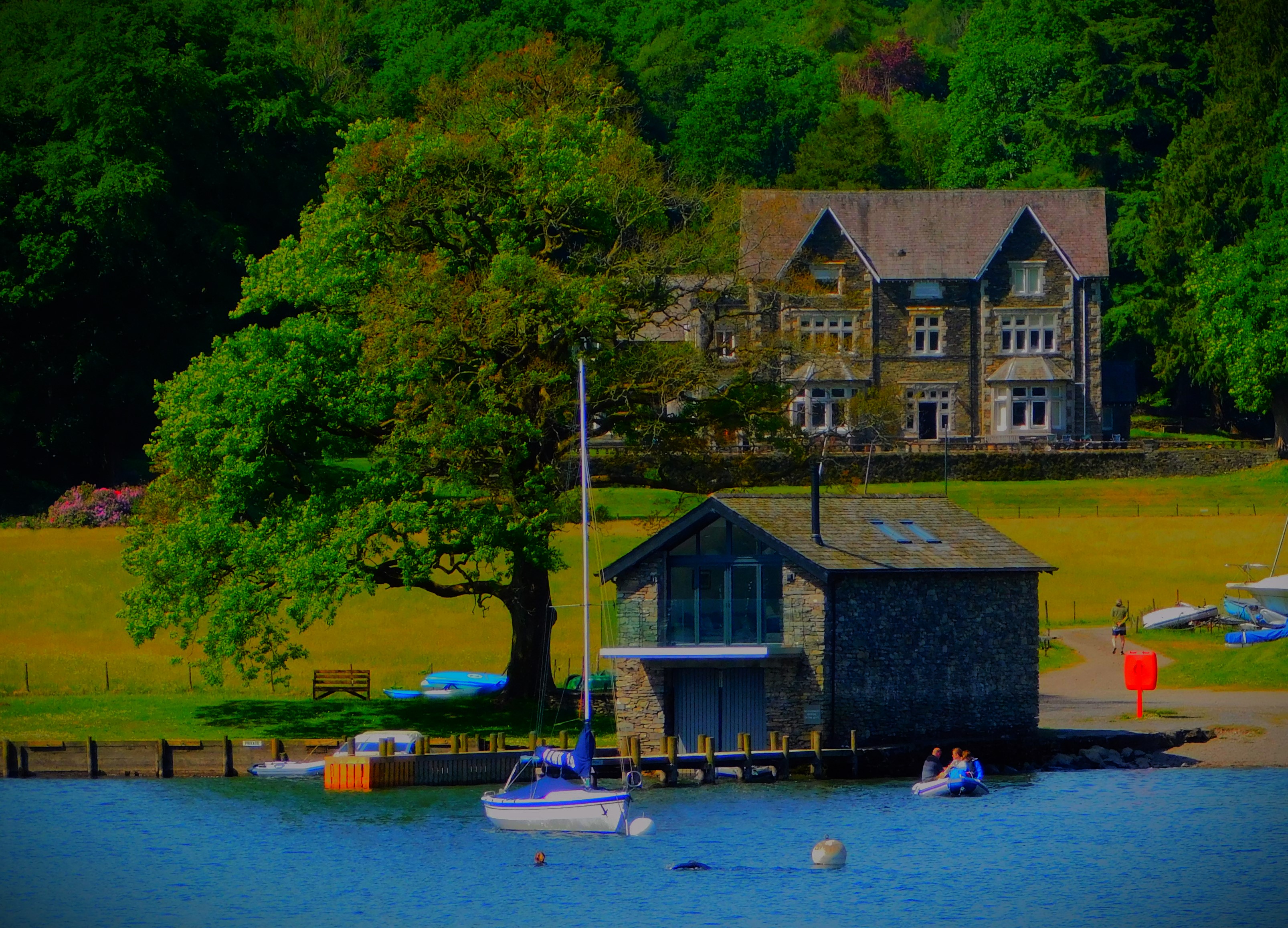
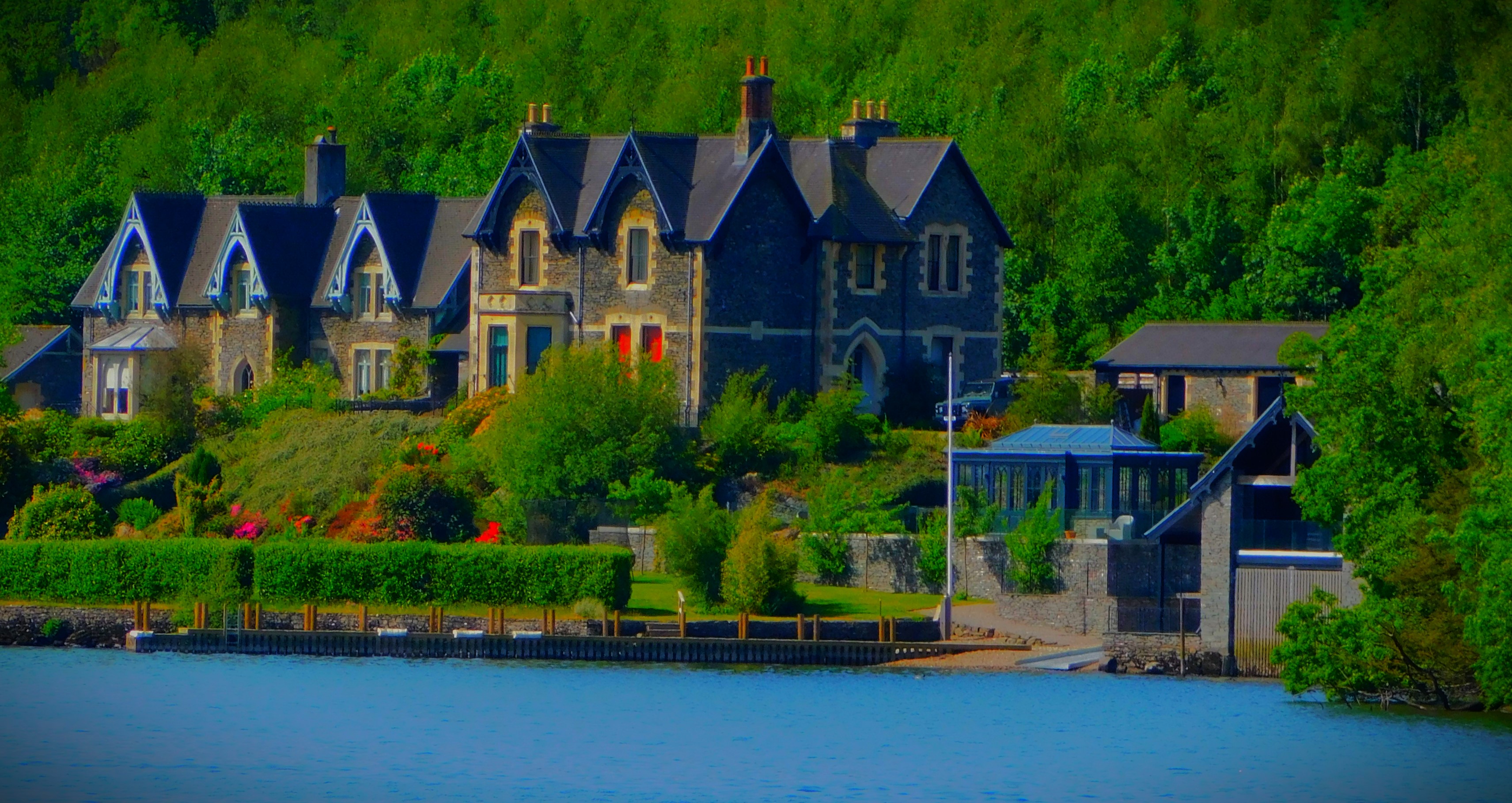
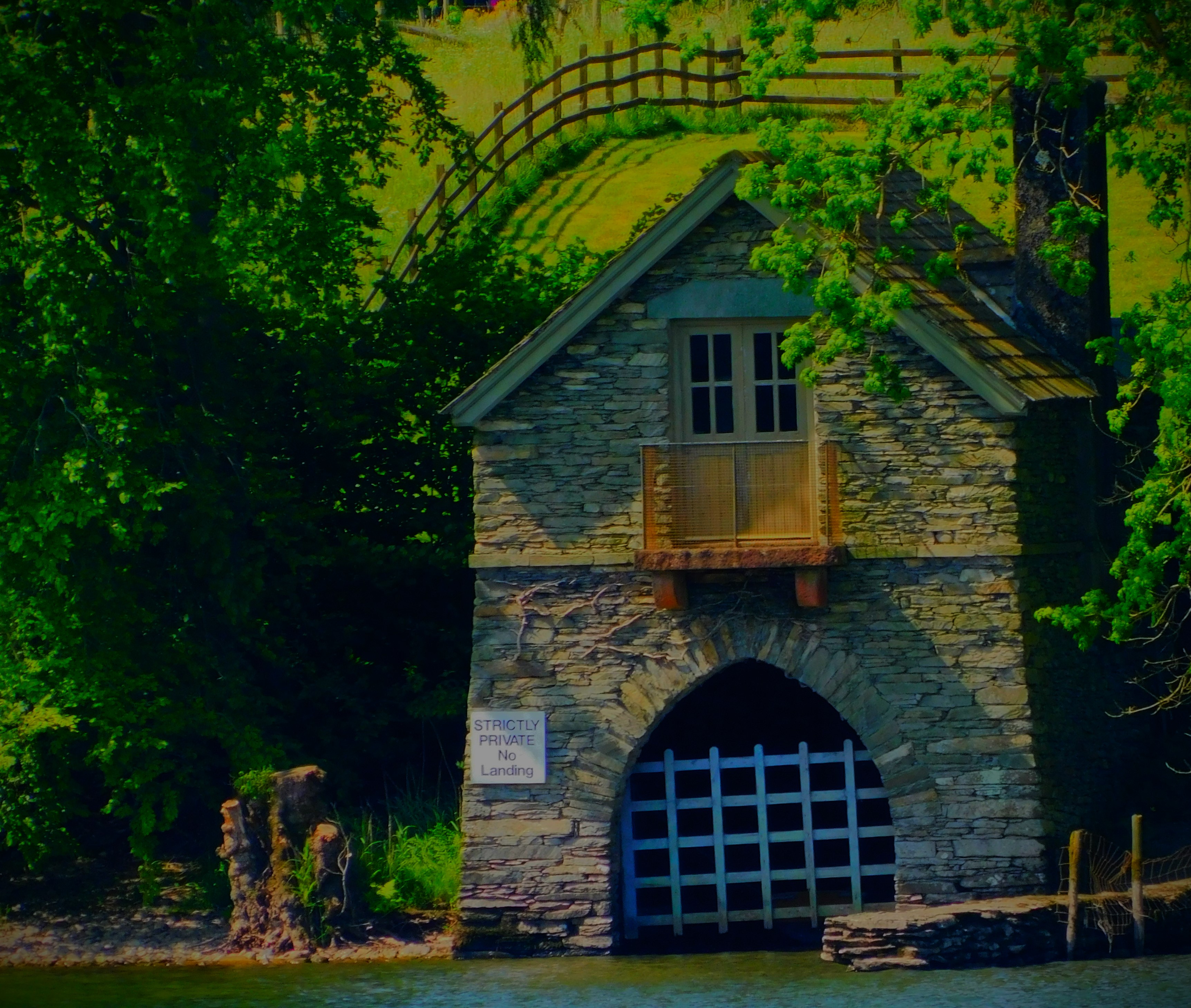
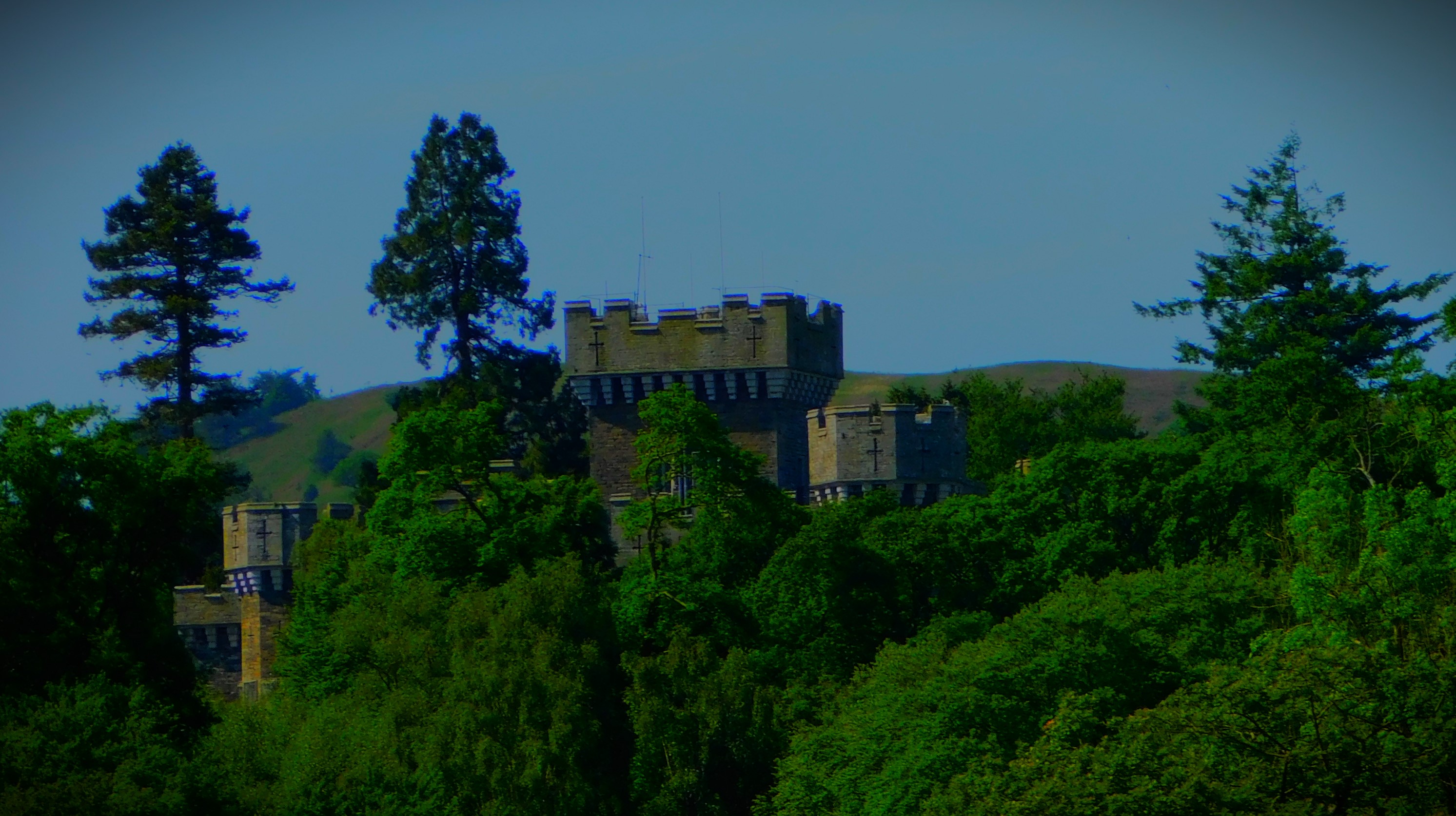
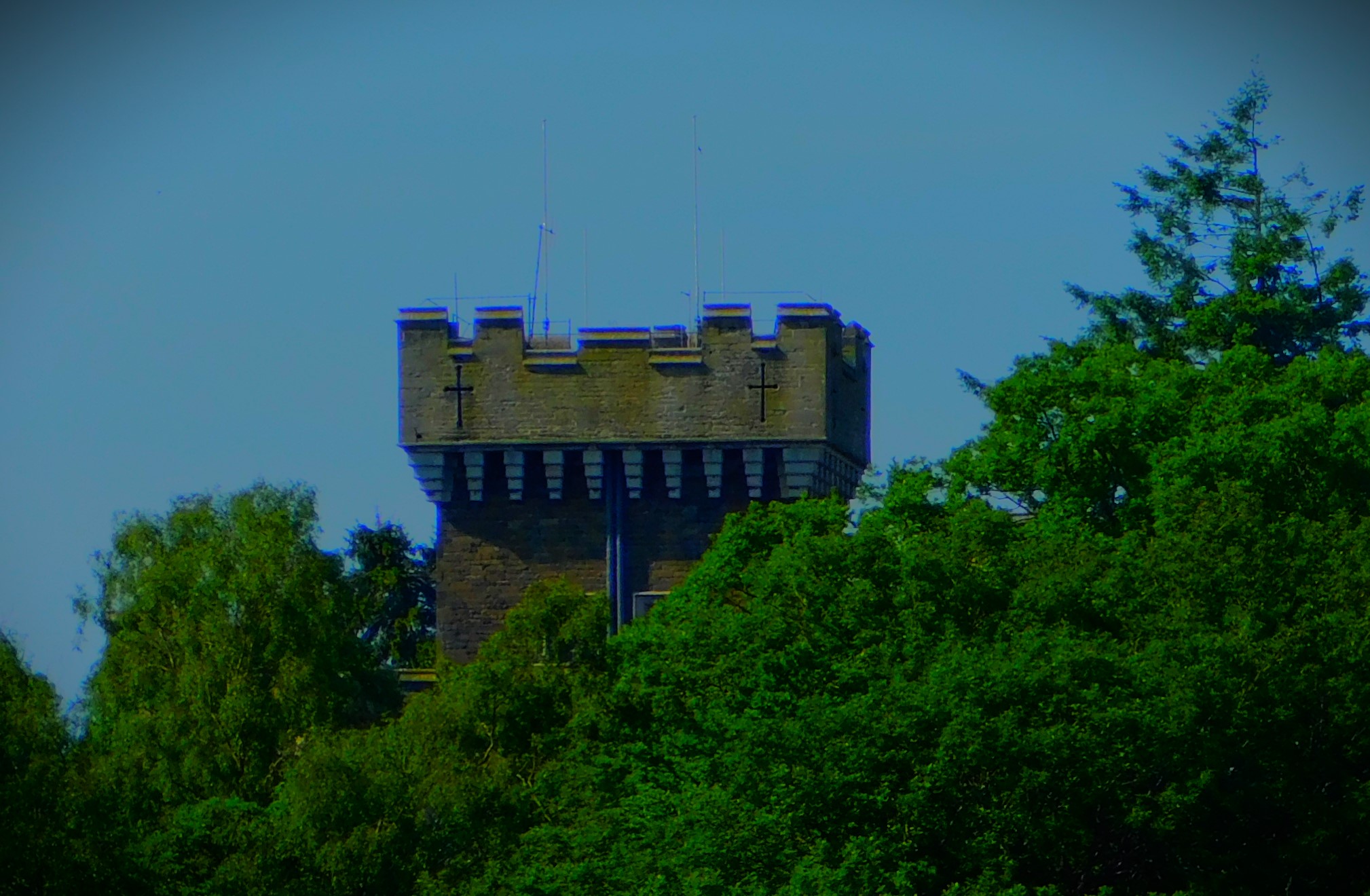
The last place for which I have any edited images is Castle Wray, which I captured from afar a number of times before we actually landed at it’s boathouse on Monday evening. The close pictures are among the unedited at the moment. It is not a real castle – it was built in the 1840s for a wealthy doctor.
An account of changing computers by way of explaining a few days of not blogging.
I am finally able to blog again after a few days without a computer on which I could do so. This post describes the trials and tribulations of the last few days.
RIP OLD COMPUTER
My old computer gave warning signs of trouble on Sunday, and on Monday morning it became very obvious that it was no longer usable. As a temporary measure to maintain some degree of connectivity I dug my even older computer out, and fortunately it proved still just about usable, although I could not do much on it. On Wednesday morning I went to PC World to check out new computers and find one that would do what I needed and was not too extortionately priced (my mother was willing to cover the cost, for which I am very grateful. My local PC World is on an industrial estate just to the south of King’s Lynn proper, while I live just to the north of King Lynn’s proper. This gave me, as a non-driver, two options: two buses, into and then out of town, or a longish walk. It being spring, and the weather actually being springlike I opted without hesitation for the latter. I found a suitable machine at a not extortionate price and made the necessary arrangements, and left it with the store for them to set it up for me, which they said would take a couple of days. Today, wanting the machine in my possession for my upcoming trip to the lake district I went back to PC World to collect, and eventually was able to do so.
NEW COMPUTER SETUP
I connected to my new computer, while keeping the very old one connected as well for a few moments in case I needed to check emails on it to access my email account from the new device. Once I was sure I would not need to use it further I returned to it is old resting place in case of emergency. The photo editing software on the new machine is somewhat different from that on the old machine and I am still coming to terms with it.
PHOTOGRAPHS
The photographs in this section were edited on three different machines – my very old laptop, a computer at King’s Lynn library and my new laptop…
The above were edited on my very old laptop…
Some of the images I have edited on my new laptop…
The third section of the gallery are the pictures I edited at the library on Monday.
A look at the best players from before the official inauguration of the county championship, some comments on the selection of England test squad for the one off match against Ireland and a large photo gallery.
Today I create an XI of the best players most or all of whose careers took place before there was a county championship. Incidentally, there is a page from which all my posts about Saturday’s excursion to Pensthorpe can be accessed. Before I get into the main business of today’s post there is a brief section about…
ENGLAND TEST SELECTORS BLUNDER BIG TIME
The squad for the first test match of the home season, against Ireland is now out, and there are three areas of concern, two selections and an omission. Zak Crawley, a proven failure at test level, retains his slot at the top of the order. Far worse, Ben Foakes has been dropped to make way for the return to test action of Jonathan Bairstow. There may be a case for picking Bairstow, though in a test career which stretches back to 2012 he has blown hot and cold, and more often cold than hot, but there is not even the shadow of a case for dropping Foakes, the best current keeper by far, and someone who has been scoring big runs for Surrey in the championship this season, including a century at better than a run a ball when Surrey were looking for a declaration. Many people have posed this as being a challenge about how to accommodate Bairstow, and I have two options, listed in order of preference:
Opt for what C Auguste Dupin would call “the sagacious and comprehensive expedient of making no attempt to accommodate Bairstow”. England are coming off a very successful winter without Bairstow, and Bairstow’s overall test record is that of a mediocre middle order batter, certainly not sufficient to warrant discarding Foakes.
Have Bairstow open the innings as he does in white ball cricket and drop the proven failure Crawley (I would prefer to see a proper opener such as Ben Compton or Ali Orr picked in Crawley’s case, but at least Bairstow would probably be an improvement were he coming in in place of Crawley).
It is now time to get back to the main meat of the post…
THE XI IN BATTING ORDER
*WG Grace (right handed opening batter, right arm bowler of various types through his career, captain). Had a quarter of a century of first class experience by the time of the first official county championship, so even though he played his last first class game as late as 1908 he qualifies.
Arthur Shrewsbury (right handed opening batter). The man WG rated as the second best batter around (himself obviously no1), and since he played 15 years of FC before the inauguration of the Championship and 12 afterwards he just qualifies.
James Aylward (left handed batter). In 1777, just eight years after John Minshull had scored the first recorded century in any form of cricket, he hit the Hambledon record score of 167, which remained an all comers record for 43 years.
William ‘Silver Billy’ Beldham (right handed batter). In an era when centuries of any kind were rare he hit three in matches of indisputably first class status.
Fuller Pilch (right handed batter). Acknowledged as the best batter of the 1830s and 1840s, a period when scoring was very low.
Alfred Mynn (right handed batter, right arm fast bowler). “The Lion of Kent”, an absolute man mountain, and a great all rounder. He was quick enough that on one occasion someone fielding at long stop (directly behind the keeper) to his bowling once had to be hospitalized after being hit in the chest by several of his deliveries.
Vyell Walker (right handed batter, right arm slow underarm bowler). One of only two cricketers to have scored a century and taken an all-10 in the same first class fixture (the other, WG, is also in this XI). As an underarm bowler any turn he got would have been the equivalent of an overarm bowler bowling leg spin, which makes him a good slow bowling partner for the next guy in the order…
Billy Bates (right handed batter, off spinner). A massively impressive career record, probably equating in the modern era to averaging 32 with the bat and 25 the ball (actual averages were 21 and 17). He was even better in his brief test career, averaging 27 with bat and 16 with the ball, which probably equates to 41 and 24 in the modern era.
+Tom Box (wicket keeper, right handed batter). He appeared in every fixture that Sussex played for an unbroken 24 year period, and although his batting average looks very low to modern eyes it is about 60% of that of Fuller Pilch, rated the best batter of the era.
William Lillywhite (right arm fast roundarm bowler, right handed lower order batter). Rated the best bowler of his era (he was referred to as ‘the Nonpareil’, one half of my envisaged new ball pairing.
William Mycroft (left arm fast bowler, right handed tail end batter). 800 first class wickets at 12 a piece.
This side has a powerful batting line up, with everyone down to Bates at number eight definitely capable of playing a match winning innings. The bowling, with Mycroft, Lillywhite and Mynn to bowl pace, and Bates and Walker two contrasting types of slow bowler, plus of course the redoubtable WG is magnificent, having both depth and variety.
HONOURABLE MENTIONS
The two chief rivals to Shrewsbury for the position of Grace’s opening partner were John Small of Hambledon and EM Grace. Lambert, scorer of twin centuries in a match in 1817, a feat which stood alone for half a century until WG Grace emulated it might have had a middle order slot. George Osbaldeston was a fine fast bowling all rounder, but not I reckon the equal of Mynn. Had I been going to pick an overseas player it would have been Dr ME Pavri (India), who visited England in the 1890s and achieved remarkable things as a pace bowling all rounder (once in his native land he decided in advance that team mates weren’t needed, took on an XI on his unaided own, and beat them). Among the great bowlers who missed out were David Harris (Hambledon), the Notts duo of Alfred Shaw and Fred Morley, James Broadbridge and John Wisden both of Sussex and two Yorkshire speedsters, Tom Emmett (left arm) and George Freeman (right arm). Sam Redgate, John Jackson and George Tarrant would all also have their advocates.

















































































































































































































































































































































 aspiblog