Originally posted on aspiblog: INTRODUCTION Welcome to the latest installment in my “All Time XIs” series. Today we are looking at Somerset. In the course of our journey we will meet heroes of the past, stars of the present, a couple of hopes for the future and the man who when I get round to…
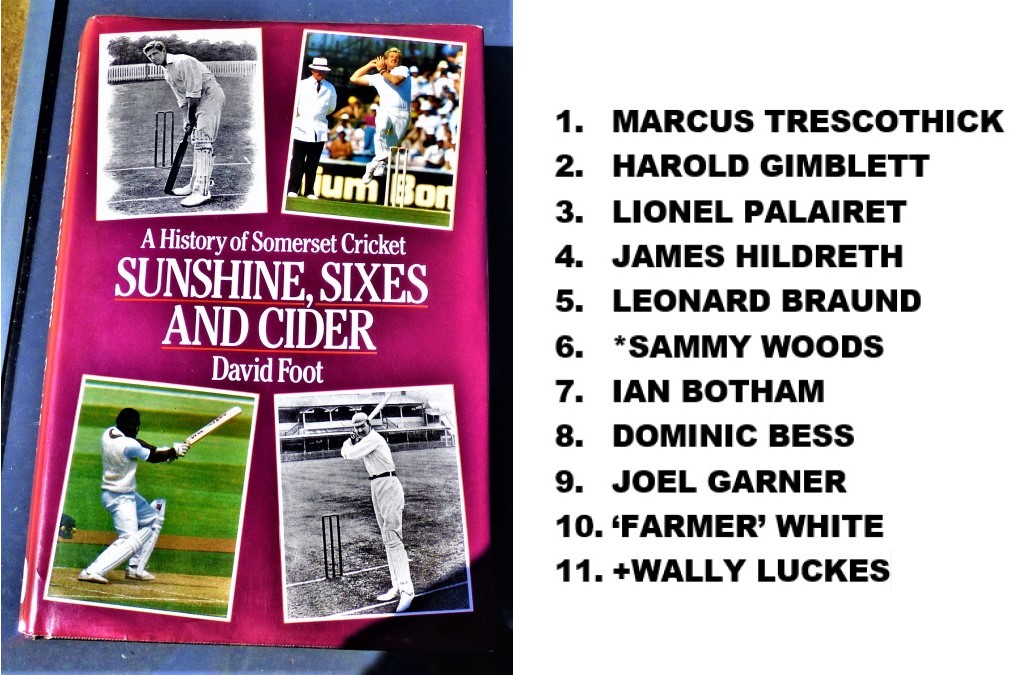
When I created this post OTD last year Bess was riding high and having felt it necessary to exclude Leach I hoped he would continue to go well and justify my faith in him. Not helped by some mismanagement over the winter he has gone backwards since then, and I would remove him from the XI and replace him with Brian Langford, who took 1410 wickets at 24.79 in 510 first class appearances. Thus the revised XI is Trescothick, Gimblett, Palairet, Hildreth, Braund, *Woods, Botham, Garner, Langford, White, +Luckes. I also have some new photos to show…
Welcome to the latest installment in my “All Time XIs” series. Today we are looking at Somerset. In the course of our journey we will meet heroes of the past, stars of the present, a couple of hopes for the future and the man who when I get round to creating it will be captain of the “What Might Have Been XI”.
SOMERSET ALL TIME XI
Marcus Trescothick – left handed opener who scored stacks of runs in his long and distinguished career. He was selected for England against the West Indies in 2000, showed masses of character in surviving an early onslaught from the veteran pacers Ambrose and Walsh, going on to score 66 on debut. That same winter facing the very different challenges posed by a dry pitch and some crafty spinners in Sri Lanka he made his maiden test hundred. Runs continued to…
An autistic perspective on April the Second, with some important links.
This post is mainly geared to sharing, since I have made some good connections today, but I am also going to say a bit about today and what it should really be about.
APRIL THE SECOND
Today is offically dubbed ‘World Autism Awareness Day’, a designation that for reasons I explained two days ago I find difficult to accept. I will be in town for the turning on of special lights tonight, but they will be in the colours of the National Autistic Society, and as branch secretary of NAS West Norfolk I can fully accept that – had the lights going on been blue I would have refused to have anything to do with the event as a matter of principle.
Autistic people should be accepted for who they are. Regrets about who/what they are not have no place in acceptable discourse about autism, neither should attempts to change important parts of who we are. If an autistic person stims, let them do so. If an autistic person has special interests allow them to pursue those interests, do not try to wean them away from those interests.
The narrative has to move forward – at barest minimum Autism Acceptance is mandatory, and as I have said before Autistic Pride is not inappropriate either. Take note of the ‘spectrum infinity’ device that heads this blog, and of the different version I use for my equivalent of business cards.
SOME SHARES FROM TODAY
I start this section with a thank you to Phoebe MD, who has once again opened up her blog for others to promote their own blogs – do take the opportunity thus offered by clicking here.
My own interaction with the above blog has already brought to my attention a lovely post which is part of my reason for creating this post:
Yuvi MK, who runs the artwarlock blog, has produced a post in which she displays World Autism Awareness Day Doodle Cards, which you can read by clicking here – and I urge you to do so.
My other autism related share for today comes from the wonderful neurodivergent rebel, who should need no introduction to readers of this blog. She takes the subject of Autism Awareness Month head on and explains just why autistic people are so averse to ‘lighting up blue’. Please read the piece by clicking here.
Finally for this section, I am focussing on one of my own special interests: cricket. This time last year, with the first coronavirus lock down in full force and no knowing when there would next be live cricket is creating a series of ‘all time XIs‘ posts, which started with one for each of the 18 first class counties. On April 2 last year my subject was Kent – click here to read in full. In retrospect I would make one change to my chosen XI – Underwood in for Blythe, because Underwood’s bowling method would lend extra variety to the attack – Blythe, like Woolley was a very orthodox left arm spinner.
A post put together for England ace Tammy Beaumont’s 30th birthday.
Today is England Women’s cricketer Tammy Beaumont’s 30th birthday. I celebrate the day by drawing your attention to some of my previous writings about one of my favourite current cricketers.
A RADICAL SOLUTION TO ENGLAND’S OPENING WOES
This blog’s first mention of Tammy Beaumont was in August 2018 when Cook was nearing retirement and Keaton Jennings was proving not to be up to the task. I had noted that Beaumont had been scoring well for some time in international cricket, and that other than Rory Burns no one was making a really convincing case for themselves. I still think England would have been well advised to try out my suggestion. The post can be viewed here, with the featured image from it reproduced below:
THE OPENING POST OF THE 100 CRICKETERS SERIES
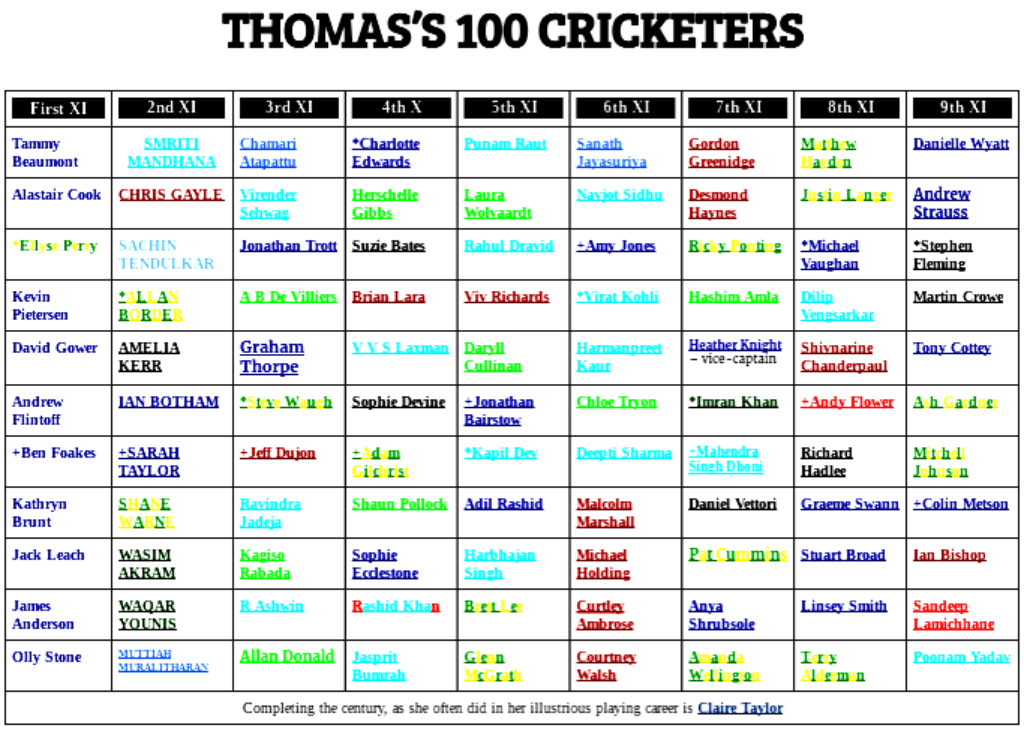
When I produced my ‘100 Cricketers’ series in 2019, I started with a post dedicated to Tammy Beaumont (the series also concluded with a standalone post dedicated to a female cricketer, Claire Taylor). This post can be viewed here. An overview of the entire series with links to all posts can be seen by visiting this page. I reproduce the complete list of those involved below.
TAMMY BEAUMONT IN ALL TIME XIS
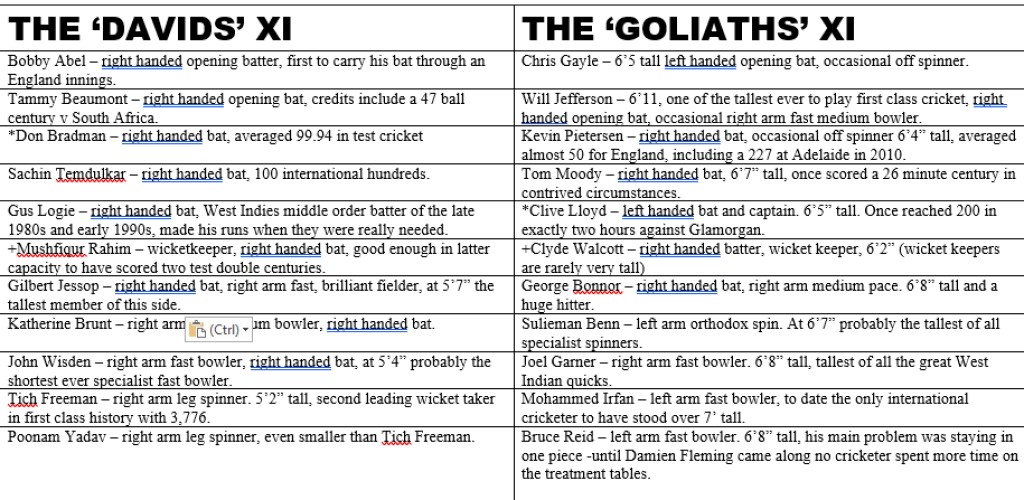
During the first lockdown I produced a series of All Time XI themed posts which you can view by clicking here. The first of these to feature Tammy Beaumont was a contest in which an XI of Goliaths took on an XI of Davids. It can be seen here, with the feature image reproduced below.
An international women’s day special, selecting an XI of the finest contemporary female cricketers, with a couple of extra features.
Today is International Women’s Day, and as a cricket fanatic I am commemorating it by selecting an XI comprising the finest talents from contemporary women’s cricket.
THE XI IN BATTING ORDER
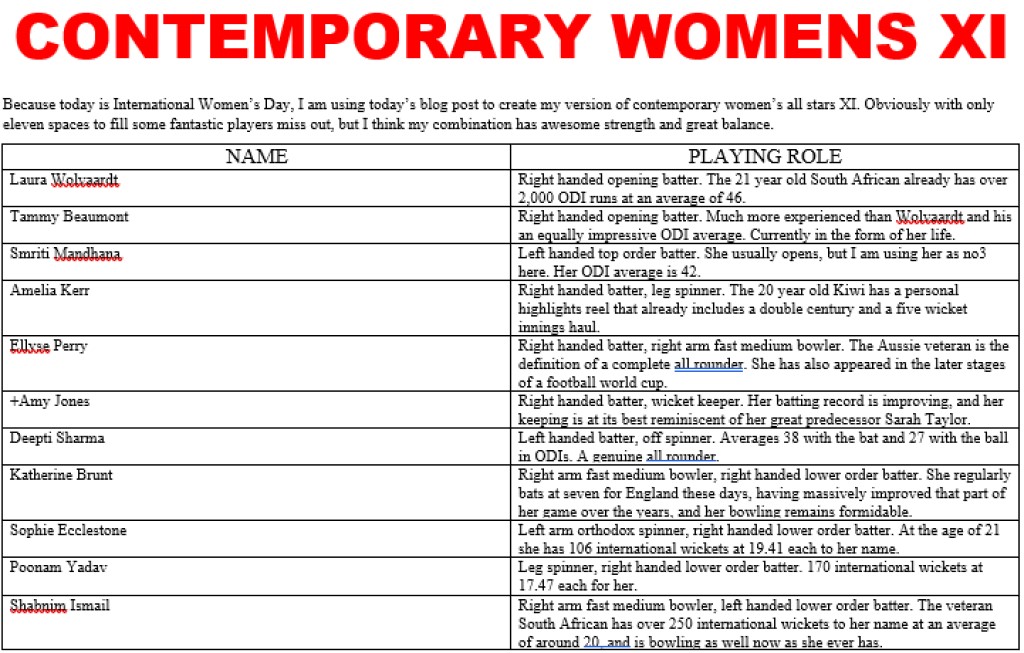
Laura Wolvaardt – right handed opening batter. The 21 year old South African already has over 2,000 ODI runs at an average of 46. She forms one half of an opening partnership that blends youth and experience and could confidently be expected to function superbly. A career best 149 and one other hundred indicate that she can go big.
Tammy Beaumont – right handed opening batter. Just a few days short of her 30th birthday, the experienced England opener is in the form of her life at the moment, reflected by her status as the no1 ODI batter in women’s cricket. She averages a run per innings less than Wolvaardt, but has played rather more. Seven centuries in ODIs confirm her ability to go on and get big runs.
Smriti Mandhana – left handed top order batter. She normally opens for India, but should also go well at number three. An ODI average of 42, including four centuries at that level indicates a player of high class, and she is also one of the most aesthetically pleasing of all international batters, especially when driving through the covers.
Amelia Kerr – right handed batter, leg spinner. At the age of 20 she has a personal highlights reel at international level that includes a double century and a five wicket haul. In the one victory New Zealand recorded over England in their recent series she starred with 72 and four wickets.
Ellyse Perry – right handed batter, right arm fast medium bowler. The 30 year old Aussie is the most complete all rounder in the game. Her eight test appearances have yielded her a batting average of 78 and a bowling average of 18, in 112 ODIs she averages 52 with the bat and 24 with the ball, while in 120 T20Is she averages 28 with the bat and 19 with the ball. She has also found time to feature in the later stages of a football world cup along the way – she is an all rounder in more than one sense!
+Amy Jones – right handed batter, keeper. Her batting is improving, and her keeping at its best can be reminiscent of great predecessor in the role, Sarah Taylor.
Deepti Sharma – left handed batter, off spinner. She averages 38 with the bat and 27 with the ball in ODIs.
Katherine Brunt – right arm fast medium bowler, right handed lower order batter. She regularly bats seven for England, having massively improved that area of her game over the years, but it is her bowling that makes her worth her place.
Sophie Ecclestone – left arm orthodox spinner, right handed lower order batter. 106 international wickets at less than 20 each and she is still only 21. For more detail on her please visit Inside Edge Cricket’s post on her produced specially for today as this post is, by clicking here.
Poonam Yadav – leg spinner, right handed lower order batter. A complete contrast to her predecessor in the order, who is very tall, the leggie is the smallest member of the XI, and bowls very slow, high tossed spinners. She has many remarkable spells to her credit, perhaps the most outstanding being against Australia in a world T20 cup match, when the latter were seemingly cruising to victory when she was brought on and nailed on for defeat by the time she had bowled her four overs.
Shabnim Ismail – right arm fast medium, left handed lower order batter. The veteran South African is bowling as well now as she ever as and will be an excellent new ball partner for Brunt. She had a superb tournament in the most recent running of the Women’s Big Bash League.
This team comprises a stellar top five, two of whom are genuine all rounders, a splendid keeper/batter at six, a genuine all rounder at seven, a top quality bowling all rounder at eight and three superb specialist bowlers. Brunt and Ismail with the new ball, Perry as third seamer if needed and spin quartet of Ecclestone, Yadav, Sharma and Kerr provides a bowling attack that should be comfortably able to meet all eventualities. Below is the team in infographic form:
LINK AND PHOTOGRAPHS
Just the one link before my usual sign off, a tweet which fits the international women’s day theme – it is a list of rape prevention tips, which rather than being the usual victim-blaming c**p such things usually are actually addresses those who need to be told – the men. It was posted by Theresa Drennan, and can be viewed it’s original niche by clicking here.
A variation on my All Time XI theme pits a ‘Blast from the Past’ XI against a #BBL10 Composite XI. Also, on the 40th anniversary of the Chappell incident I look at under arm bowling.
Today we revisit all-time XI territory with a bit of a twist, and then I have a bonus section prompted by today being the 40th anniversary of Trevor Chappell’s most (in)famous moment on the cricket field.
THE GROUND RULES
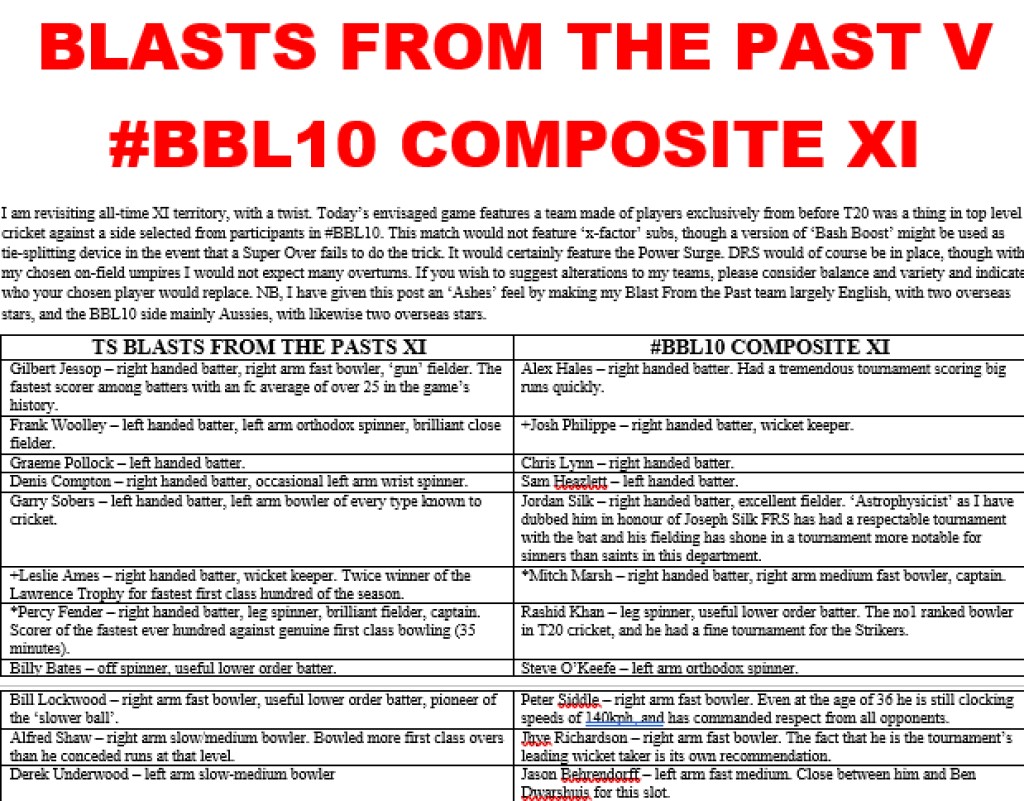
I have given this post a hint of an ‘Ashes’ flavour – my Blast From The Past XI is mainly English, though this being put in a T20 setting I have allowed myself two overseas players, while similarly my BBL10 Composite XI is mainly Australian with two overseas players permitted. It is two XIs, with the ‘x-factor sub’ idea given the treatment it deserves – in the bin. A variant on the ‘Bash Boost’ could be used as a tie-splitting procedure if a Super Over doesn’t do the job, while the Power Surge would remain. Naturally, DRS would be in use for this contest, though with my chosen on-field umpires, of whom more later, Claire Polosak as TV Replay umpire probably wouldn’t be overturning many deicisons. If you think I have had mistakes with either XI please feel free to make alternative suggestions, but remember that balance and variety are important, and tell me who should be dropped to make way for the people you want.
THOMAS SUTCLIFFE’S BLASTS FROM THE PAST XI
All members of this team played before T20 was a thing in top level cricket, and only three even played what is now called List A cricket.
Gilbert Jessop – right handed batter, right arm fast bowler, ‘gun’ fielder. The fastest scoring batter with a first class average of over 25 that the game has ever seen, a useful fast bowler and an electrifying fielder, the ‘Croucher’ is a must for this side.
Frank Woolley – left handed batter, left arm orthodox spinner, excellent close catcher. All-out attack was his natural tendency with the bat anyway, his all round record was astonishing – 58,969 runs at 40 an innings, over 2,000 wickets at 19 a piece and 1,018 catches in first class cricket, the latter a record for any outfielder.
Graeme Pollock – left handed batter. One of my overseas players, and one of the three members of this side to have played List A cricket – he actually held the record in that format with an innings of 222, which stood until Ally Brown hit 268 for Surrey v Glamorgan at The Oval, with the pitch for that game being way off centre, giving a very short boundary on one side.
Denis Compton – right handed batter, occasional left arm wrist spinner.
Garry Sobers – left handed batter, left arm bowler of pretty much every type known to cricket. The first person ever to hit six sixes in an over in first class cricket, and without a doubt the most complete player the game has yet seen. My second overseas player, and one of the three members of this side to have played List A. He averaged 38 with the bat and 21 with the ball in list A, though his only ODI innings was a duck (he did bowl respectably in that game).
+Leslie Ames – right handed batter, wicket keeper. Twice a winner of the Lawrence Trophy for the fastest first class hundred of the season, the only keeper ever to score 100 first class hundreds, all-time record holder for first class stumpings – 418 in total in his career.
*Percy Fender – right handed batter, leg spinner, brilliant fielder, captain. He scored the fastest century ever scored off authentic first class bowling, in 35 minutes versus Northamptonshire.
Billy Bates – off spinner, useful lower order batter. Took England’s first ever hat trick, part of a performance in which took seven wickets in each innings and scored 55 with the bat.
Bill Lockwood – right arm fast bowler, useful lower order batter. One of the first fast bowlers to develop a slower ball as part of his armoury, and he caused as many problems with it as any player prior to Franklyn Stephenson.
Alfred Shaw – right arm slow to medium bowler. Bowled more overs in his first class career than he conceded runs, took his wickets at 12 a piece, and once said “length and successful variation of pace are the secrets of good bowling”, a philosophy which would stand him in good stead for T20s.
Derek Underwood – left arm slow-medium bowler. The third member of this side to have played List A cricket. His economy rate in ODIs was 3.44.
This team has massive batting depth, with only Shaw and Underwood unlikely to contribute in that department. Only Pollock and Ames of the XI are completely unrecognized as bowlers, with Sobers’ three styles meaning that there are in total 10 front line options plus Compton’s left arm wrist spin.
#BBL10 COMPOSITE XI
This XI have been selected on their performances during the tournament and with an eye to balance and variety. Note also that I have only allowed myself two non-Aussies.
Alex Hales – right handed opening batter. He has had a quite magnificent tournament, and in many people’s eyes should be back in the mix for England’s T20 team.
+Josh Philippe – right handed batter, wicket keeper. Excellent with both bat and gloves this tournament.
Chris Lynn – right handed batter. Usually an opener, I put him at three here, with his four fifty plus scores in the tournament indicating that he is far from finished just yet.
Sam Heazlett – left handed batter. His ‘Sambulance rescue‘ innings of 74 not out off 49 when his team were in big trouble against Thunder yesterday sealed his place in this XI.
Jordan Silk – right handed batter, excellent fielder. There were many possibilities for this slot, but ‘Astrophysicist’ (in honour of Joseph Silk FRS) gets the nod because in a tournament where there have been rather more sinners than saints in the field he has shone in that department.
*Mitch Marsh – right handed batter, right arm medium fast bowler, captain. A T20 side really needs six front line bowling options at minimum so that you have cover if one misfires, and Marsh’s batting is unequivocally good enough to be no six, usually considered mainly a batter’s position.
Rashid Khan – leg spinner, useful lower order batter. The Afghan, rated the no1 T20 bowler in the world, did superbly for the Strikers before his country’s needs took over and he left the tournament.
Steve O’Keefe – left arm orthodox spinner. He has bowled very economically this tournament.
Peter Siddle – right arm fast bowler. The veteran impressed for the Strikers, still being able to hit the 140kph mark, and generally being very accurate.
Jhye Richardson – right arm fast bowler. The leading wicket taker in this tournament.
Jason Behrendorff – left arm fast medium. Close between him and Ben Dwarshuis for this slot.
This side has good batting strength, and a strong and varied bowling attack, and should be able to give a good account of itself.
MY ON-FIELD UMPIRES
In keeping with this post I choose one umpire who is in the ‘blast from the past’ category and one from the modern era to officiate on the field. I am opting for Frank Chester, who stood in 48 test matches, a record at the time and for many years afterwards as my ‘blast from the past umpire’. One story about Chester to sum up his skill in this role: there was an occasion when he was officiating and a ball went through to the keeper with an audible click en route, the fielding side went up in a huge appeal for caught behind and were shocked when Chester gave it not out, while the umpire, unflustered, walked up to the stumps at the batter’s end, looked at the off stump and nodded to himself – he had identified the faint red mark that confirmed that he was right, and that the click has been the ball brushing the stump not quite hard enough to dislodge a bail. The other on-field umpire for this contest, from the modern era, is Aleem Dar.
THE CHAPPELL INCIDENT AND UNDER ARM BOWLING
It was 40 years ago today that with New Zealand needing six off the last ball to tie the match and no11 Brian McKechnie on strike Greg Chappell ordered his brother Trevor to roll that last ball along the ground. This disgraceful incident led to under arm bowling being ruled illegal, an overreaction in my opinion. Since that time a law change has seen balls that bounce multiple times called no balls, so the Chappell situation can be handled simply by adding a note that a ball that rolls along the deck is considered to have bounced an infinite number of times and is therefore a no-ball. This would keep the way open for a latter-day Jephson or Simpson-Hayward, or indeed a would-be reviver of the art of David Harris to emerge, while preventing dishonourable tactics such as those used by the Chappell brothers 40 years ago (if you would have it so Greg can be considered the chief culprit, but Trevor cannot be held blameless, since he could have challenged his brother and said that he would not adopt those tactics but would bowl the best yorker he could summon up).
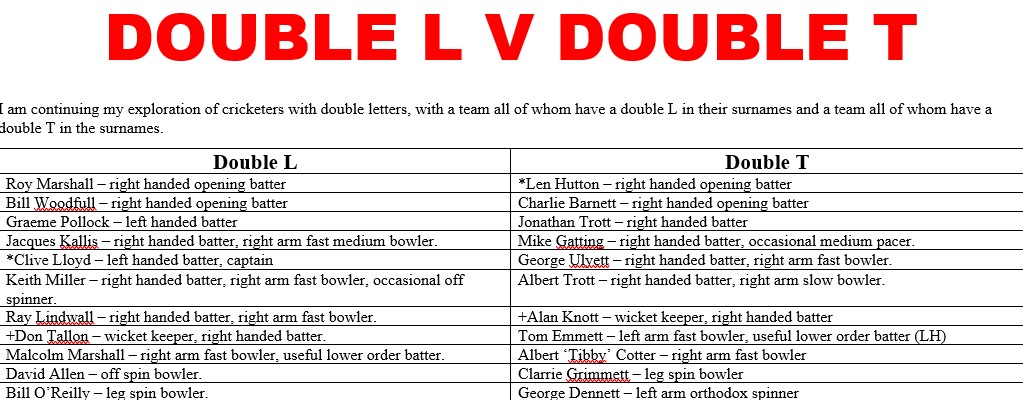
An ‘all time XI’ post that continues the double letter theme from a couple of days ago. A team of players whose surnames contain a double L are pitted against a team of players whose name contains a double T.
After my recent post about cricketers with double letters in their names I am exploring the theme further with a team of players all of whom have a double L in their surnames taking on a team of players all of whom have a double T in their surnames.
TEAM DOUBLE L
Roy Marshall – right handed opening batter. He was part of the 1950 West Indies team that toured England, and there were those who reckoned that in terms of pure talent he was the equal of any of the three Ws. However, his main distinction was a brilliant overseas player for Hampshire, including playing a key role in their first ever County Championship.
Bill Woodfull – right handed opening batter. He averaged 65 in first class cricket, 46 in test cricket. He once went two whole years without being out ‘bowled’ at all. Although both were right handers he represents a good contrast to Marshall as he was a blocker, while Marshall preferred a more flamboyant approach.
Graeme Pollock – left handed batter. A test average of 60.97, including a highest score of 274.
Jacques Kallis – right handed batter, right arm fast medium bowler. A man who averaged over 50 with the bat and in the low 30s with the ball. Just as Woodfull was a blocker to accompany Marshall the hitter, so Kallis’ approach is much more staid than was that of Pollock.
*Clive Lloyd – left hander batter, captain. 7,515 test runs for the Guyanese giant. He scored the joint second fastest first class double hundred ever, reaching that mark in precisely 120 minutes v Glamorgan, thereby equalling Gilbert Jessop who reached 200 in the same length of time for Gloucestershire v Sussex. He made a century in the final of the first ever men’s cricket world cup (the women had taken their bow in this format two years previously).
Keith Miller – right handed batter, right arm fast bowler, occasional off spinner. Australia’s greatest ever all rounder, and one the two individuals in whose honour the Compton-Miller medal was named. He once took a seven-for in his secondary bowling style, on a Brisbane pitch (uncovered in those days) that had been turned into a mud heap by heavy overnight rain.
Ray Lindwall – right arm fast bowler, right handed batter. He scored two test centuries with his batting, while has bowling record was outstanding.
+Don Tallon – wicket keeper, right handed batter. Rated by many of those who saw him (including Bradman) as the greatest of all keepers, and a capable batter.
Malcolm Marshall – right arm fast bowler, useful lower order batter. An all-time great of fast bowling.
David Allen – off spinner. The Gloucestershire bowler took his first class wickets (over 1,200 of them) at 23.64, and was unlucky that his prime years coincided with those of Titmus and Illingworth, which limited his test exposure. I opted for him over Illingworth because he was a slower bowler than Illingworth, contrasting nicely with my other front line spinner who was notably quick for a bowler of his type…
Bill O’Reilly – leg spinner. He bowled his leg breaks at a briskish medium pace and had a well concealed googly in his armoury. Although the pair famously did not get on Bradman rated O’Reilly high enough to include him in his all time World XI, covered in detail by Roland Perry in “Bradman’s Best”.
This team has a stellar top five, a legendary all rounder at six, a great bowling all rounder at seven, an all-time great keeper who could also bat at eight and three quality bowlers to round out the order. Only David Allen, included for reasons of balance (apologies Mr D K Lillee, four fast bowlers plus Kallis with only O’Reilly as a spin option just doesn’t look right). could be considered other than great. Another fast bowler who could not be accommodated on similar grounds was big Bob Willis. Phil Tufnell might have had the second spinner’s berth, but his successes were too sporadic to make him eligible as far as I am concerned.
TEAM DOUBLE T
*Len Hutton – right handed opening batter, captain. Take a look at his outstanding record and then consider that he missed six years of his prime due to World War II, from which he also emerged with one arm shorter than the other following an accident.
Charlie Barnett – right handed opening batter. Again combining a blocker and a hitter for our opening pair. In the Trent Bridge test of 1938 he was 98 not out by lunch on the first day, opening with Hutton. There is a story that a spectator once arrived a few minutes late a Bristol and saw that one over had gone and the score was 20-1 – Barnett had hit five fours and then been dismissed by the sixth ball!
Jonathan Trott – right handed batter. From 2010 to 2012 he was a superb no3, including scoring two centuries in an Ashes series in Australia, the first to help save the first match at the Gabba and the second to bury Australia at the MCG after the hosts were dismissed for 98 on the opening day.
Mike Gatting – right handed batter, occasional medium pacer. A combination of a very slow start at international level and the fact that he played on for too long at the end makes his test record look ordinary, but for the second half of the 1980s he was superb at that level.
George Ulyett – right handed batter, right arm fast bowler. A test best score of 149, and he also had a seven-for at that level.
Albert Trott – right handed batter, right arm slow bowler. He made a sensational start to his test career, taking 8-43 in one innings of his debut match and also scoring 110 undefeated runs in his own two batting innings (38* and 72*). He also featured prominently in his second test match, but was surprisingly overlooked for the 1896 tour of England captained by his brother Harry. He travelled over anyway, signed for Middlesex, and was a few years the best all rounder in the game. Even after his star had faded he had occasional spectacular moments, such as the devastating spell in his benefit match where in a short space of time he took four wickets in four balls and followed up with another hat trick to finish things, unfortunately to the detriment of his financial well being. He played three times for England against South Africa, and his test record from five matches played shows a batting average of 38 and a bowling average of 15 (26 wickets, including two five fors, but no ten wicket match).
+Alan Knott – wicket keeper, right handed batter. One of the greatest of all glovemen and he tended to score his runs when they were most needed.
Tom Emmett – left arm fast bowler, left handed batter. At a time when such were much scarcer than today he was good enough with the bat to score a first class hundred, and his averages at that level are the right way round – 14.84 with the bat and 13.55 with the ball. Test cricket came too late for him (he was already 35 when he played in the first ever test match, the first of seven such appearances).
Albert ‘Tibby’ Cotter – right arm fast bowler. Had a fine record for Australia in the first decade of the 20th century.
Clarrie Grimmett – leg spinner. 216 test wickets in 37 matches at that level, and more first class wickets (1,424) than anyone else who never played in the County Championship.
George Dennett – left arm orthodox spinner. 2,151 first class wickets at 19.82 and never played for his country. Against Northamptonshire in 1907 he had match figures of 15-21, only to see rain save his opponents in the end. Gloucesterhsire scored 60 all out in the first innings, Northants then crumbled for just 12, Dennett 8-9, Jessop 2-3, Gloucestershire then made 88 at the second attempt, and set 137 to win Northants were 40-7, Dennett 7-12, when the rain made its final decisive intervention.
This side has depth in batting, with everyone down to Emmett at eight capable of making a significant contribution, a superb bowling attack with Emmett, Cotter and Ulyett to bowl fast, and Grimmett and Dennett two great spinners.
PHOTOGRAPHS
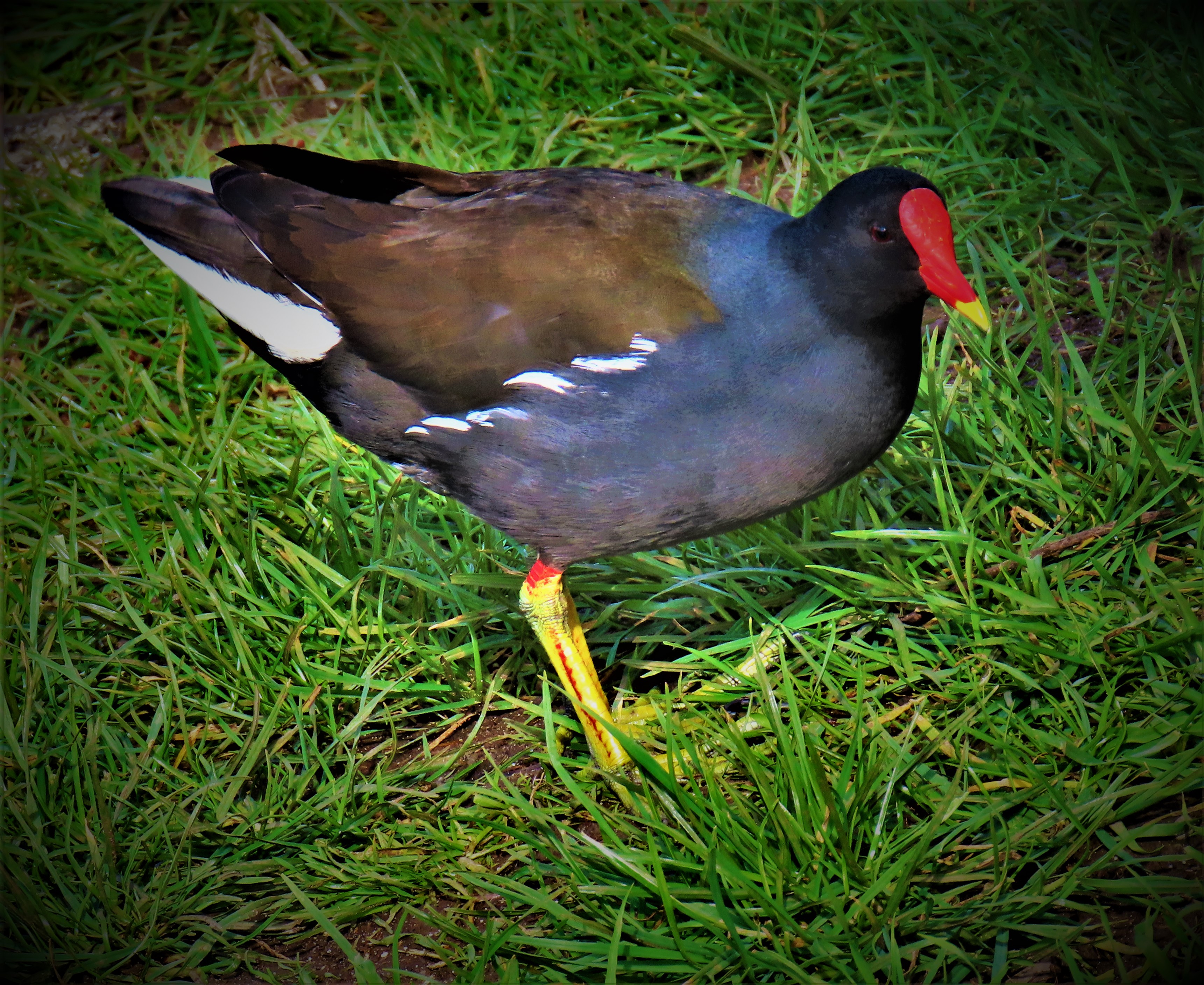
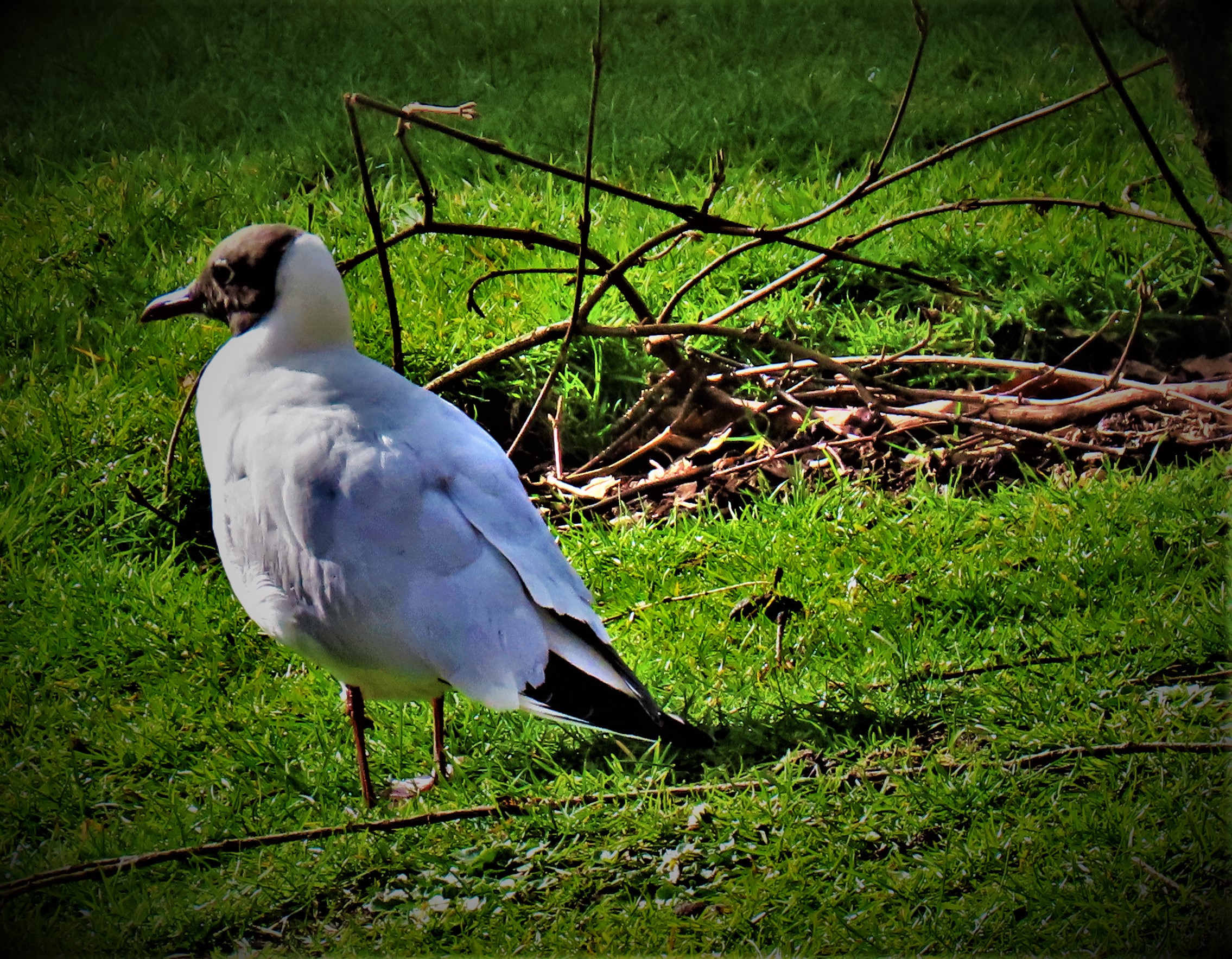
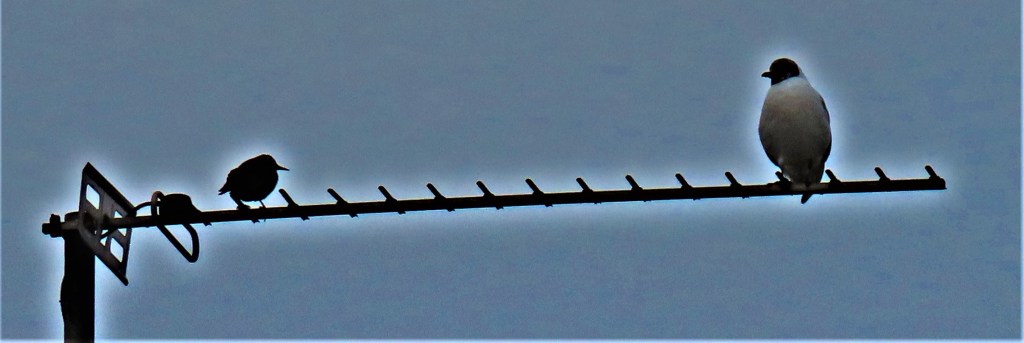
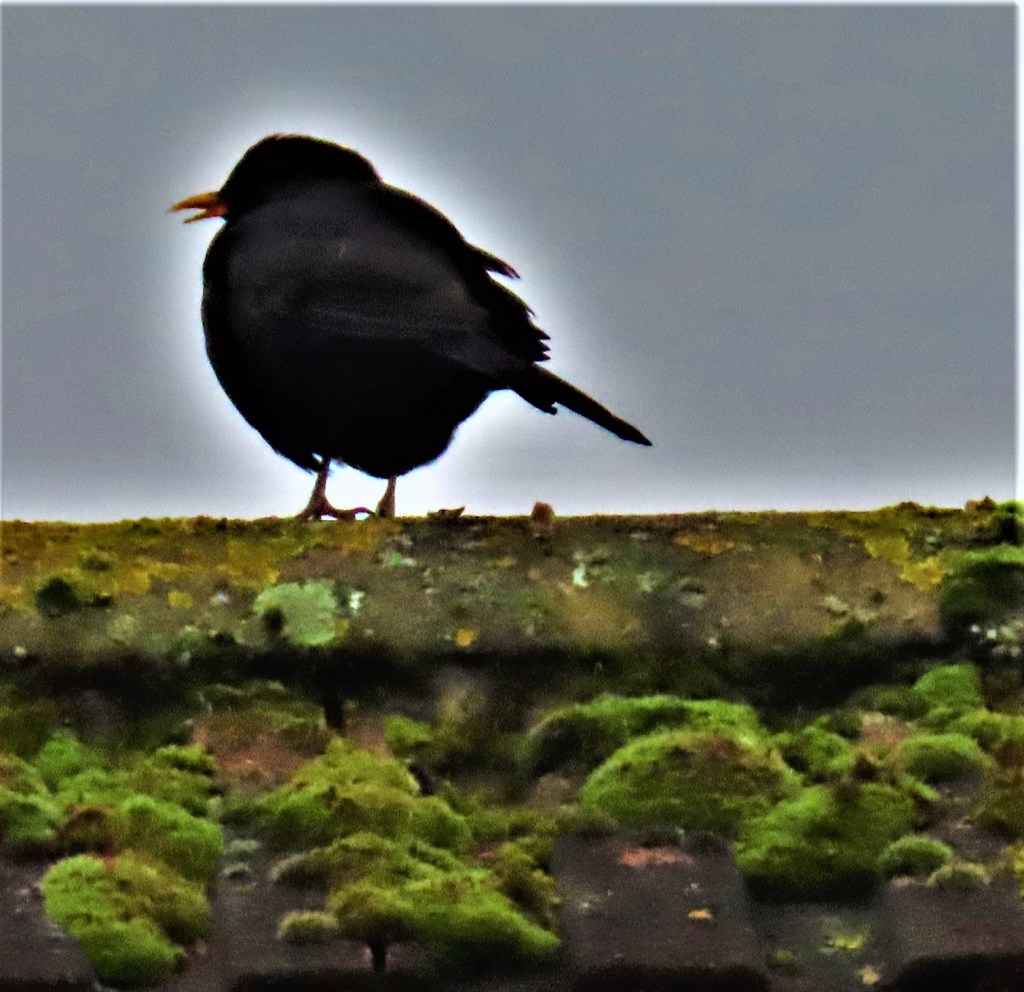
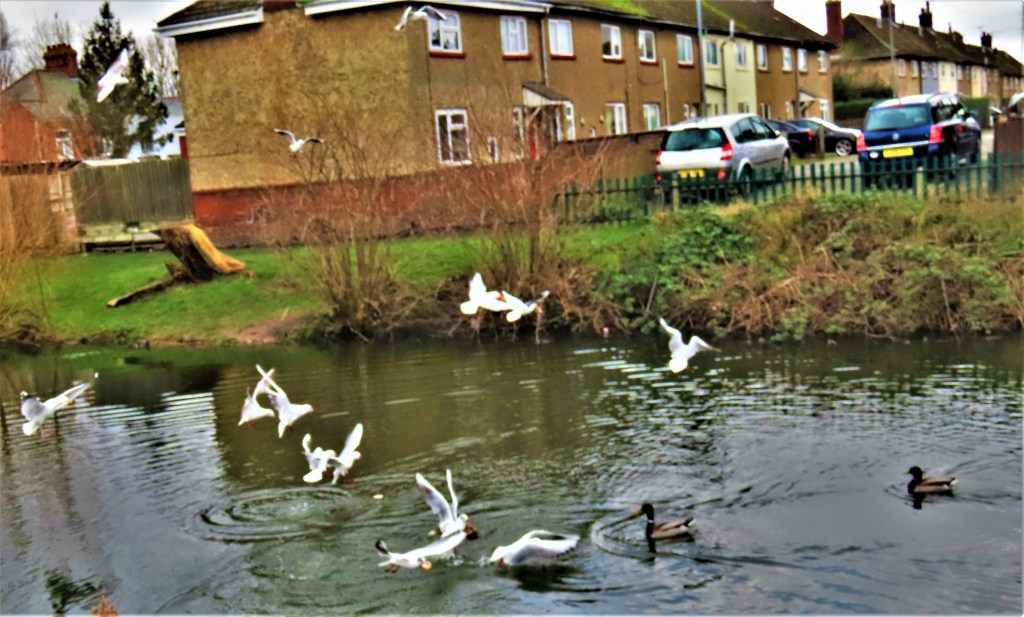
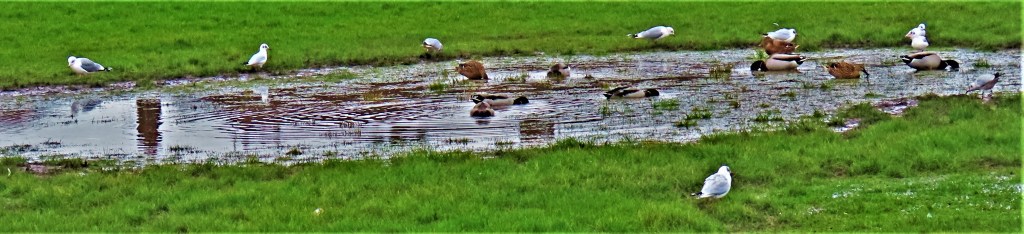
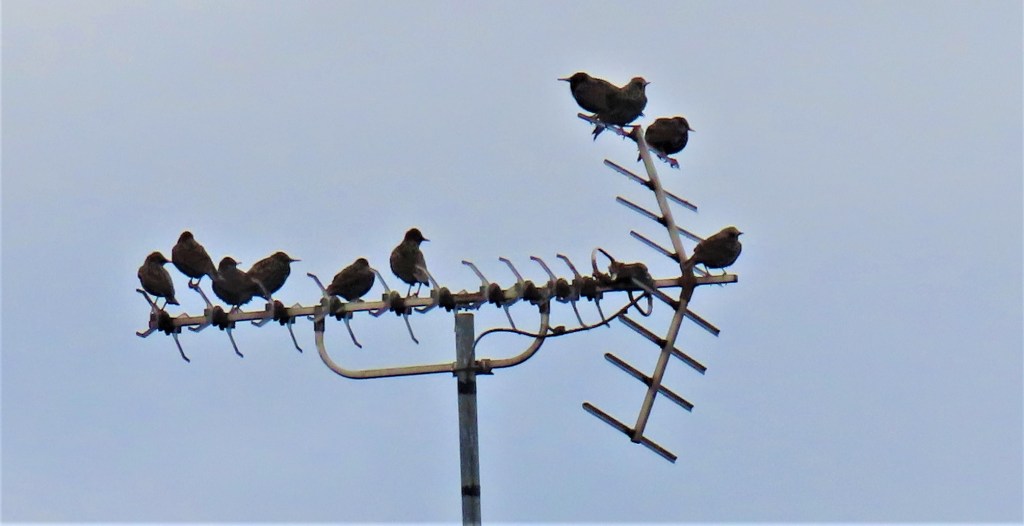
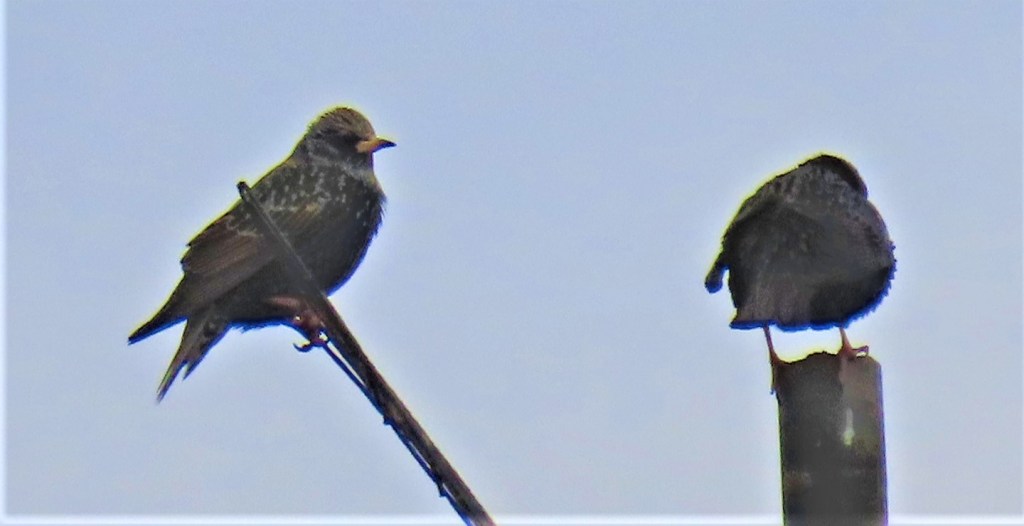
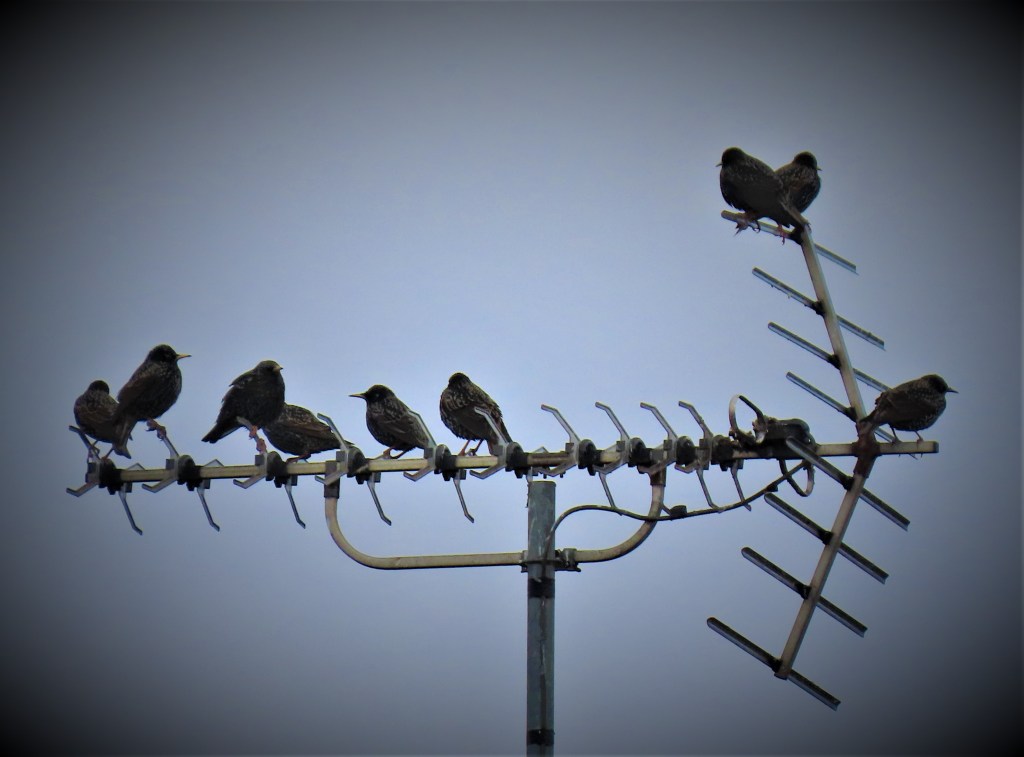
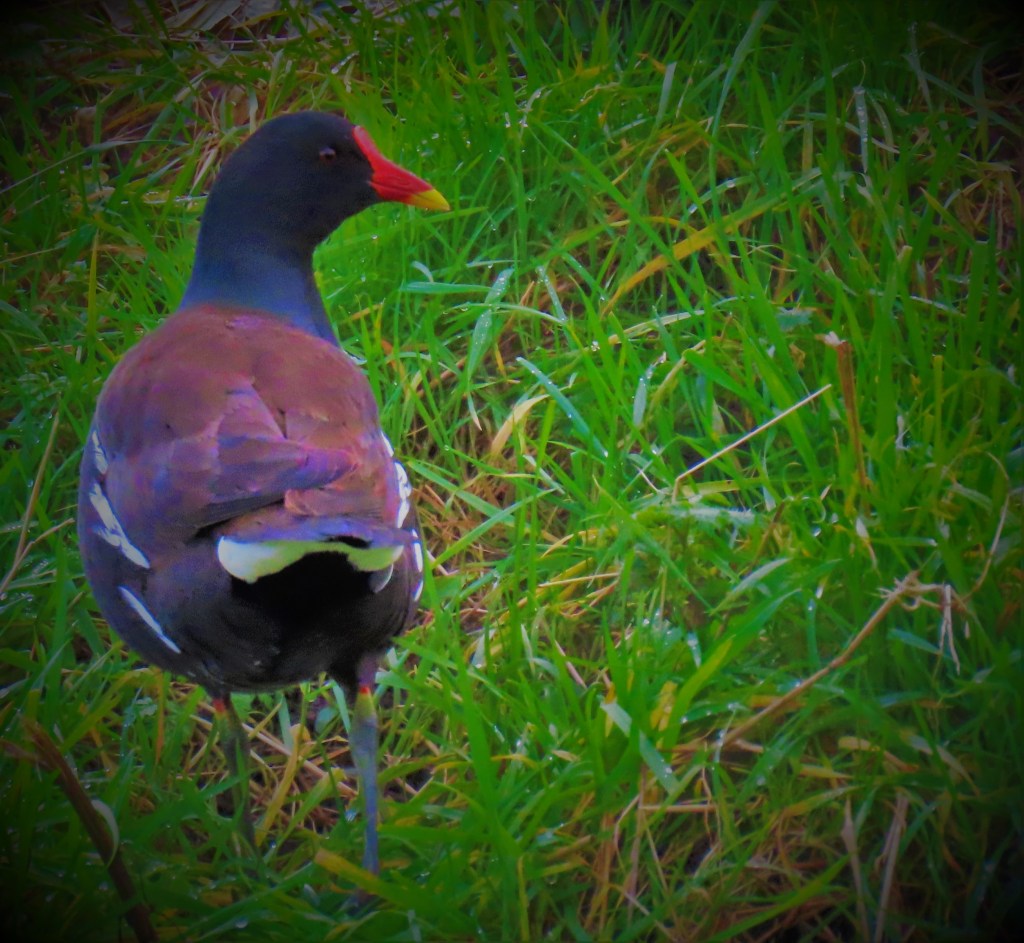
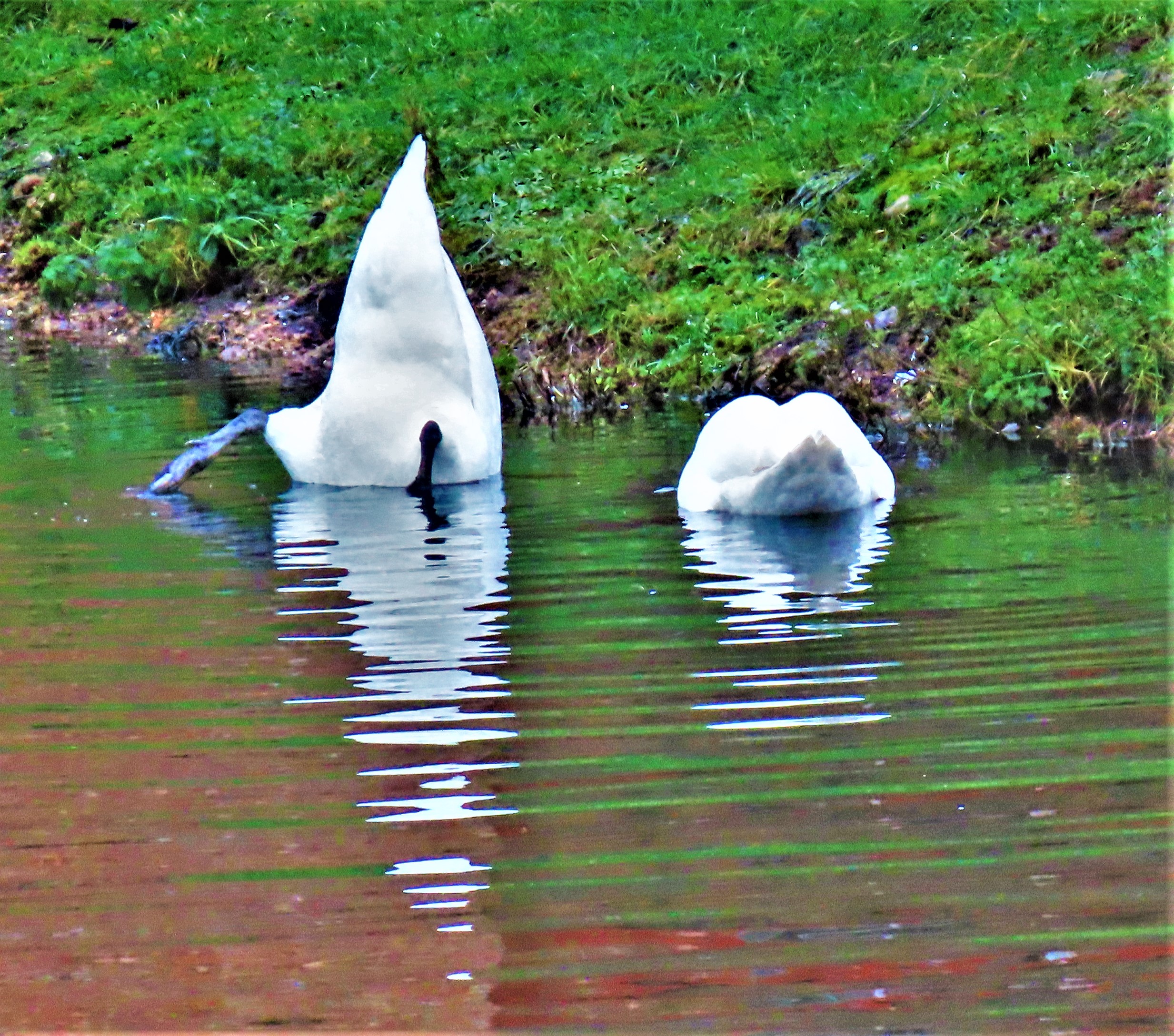
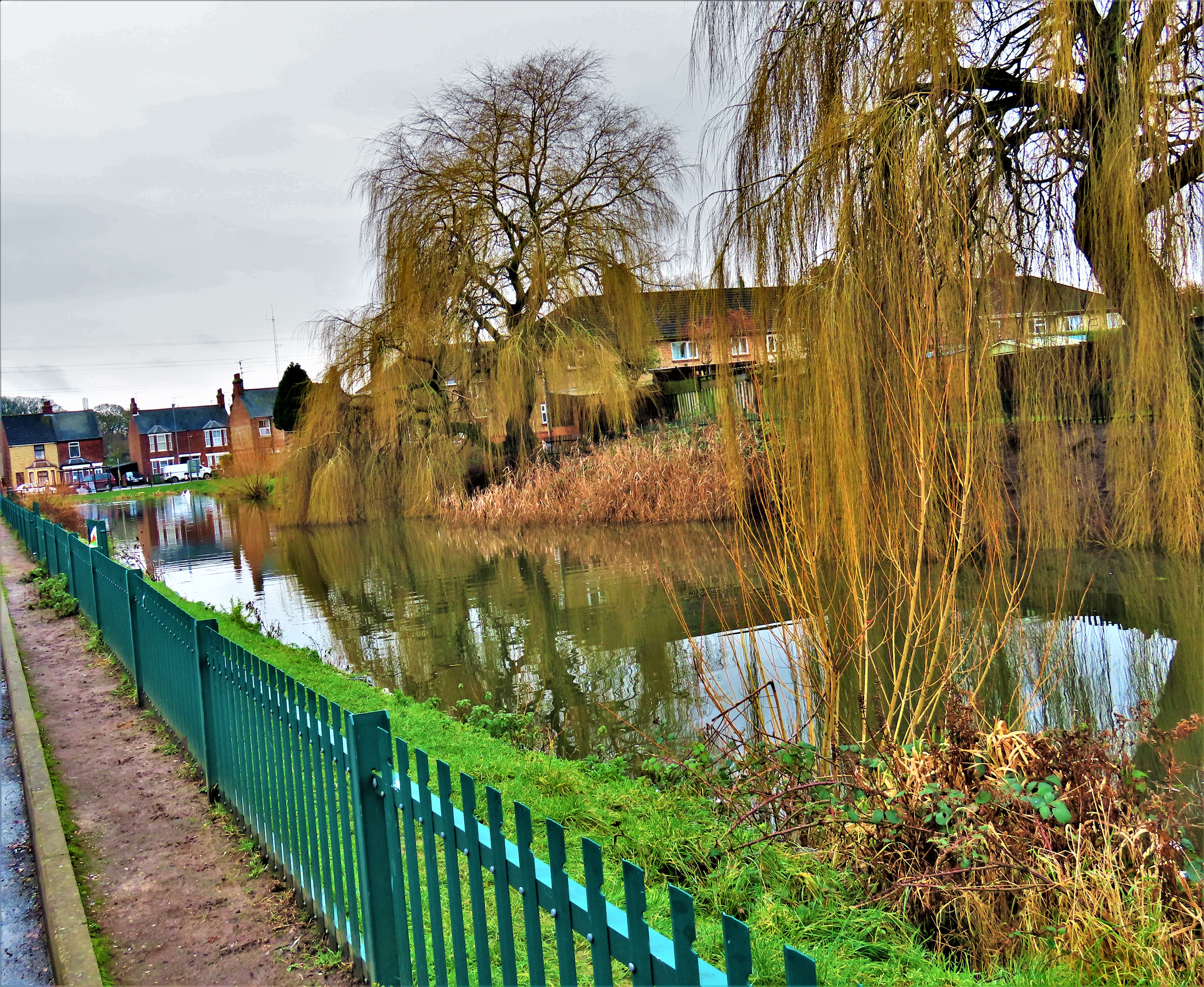
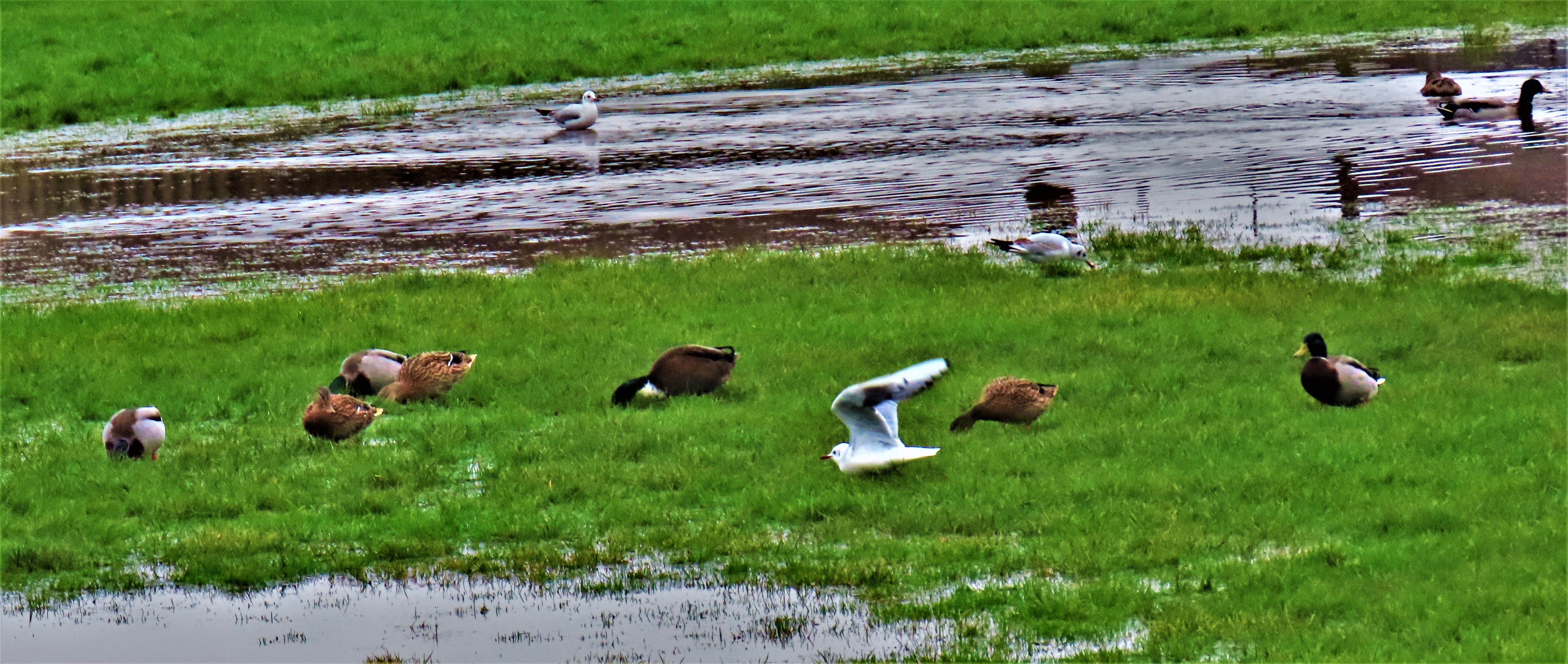
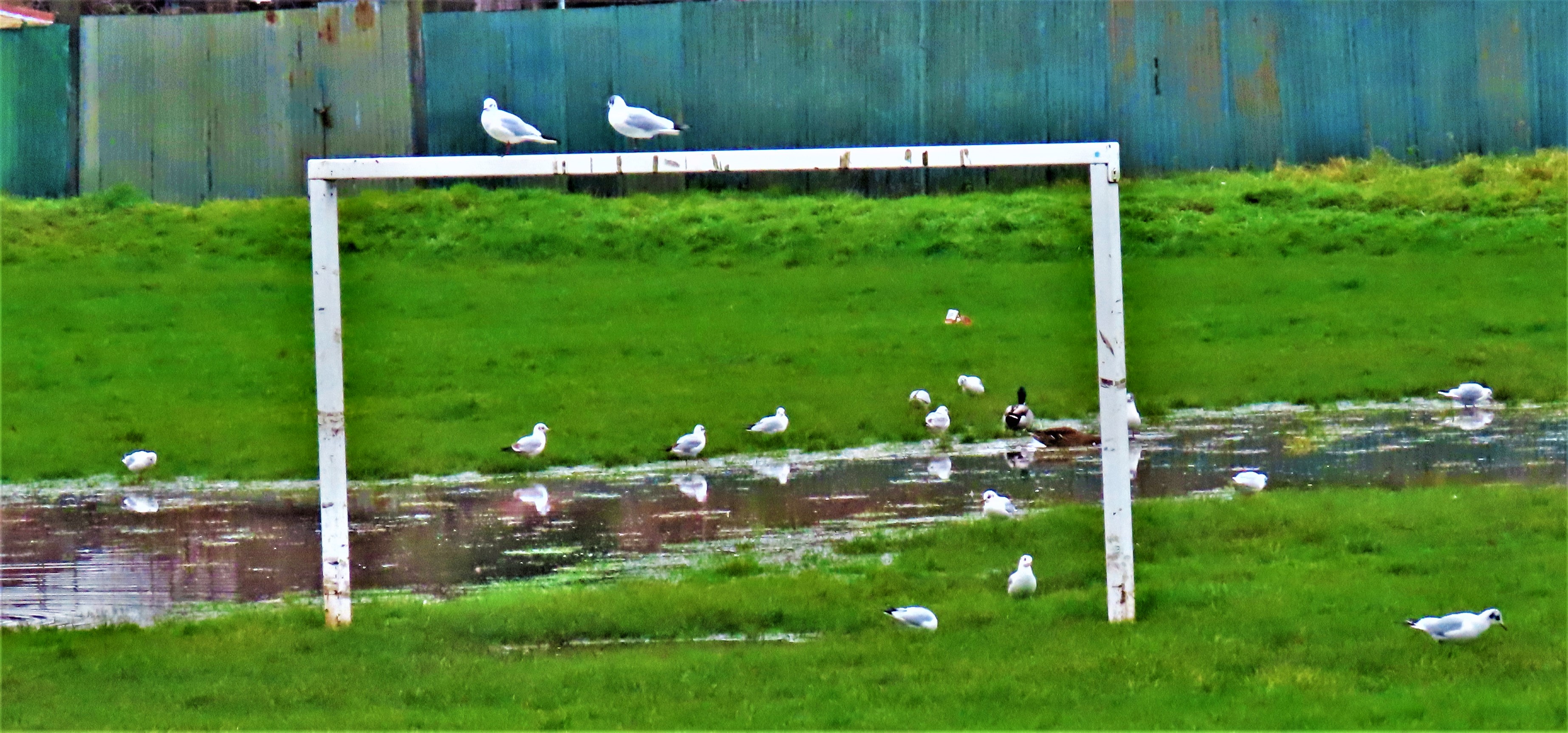
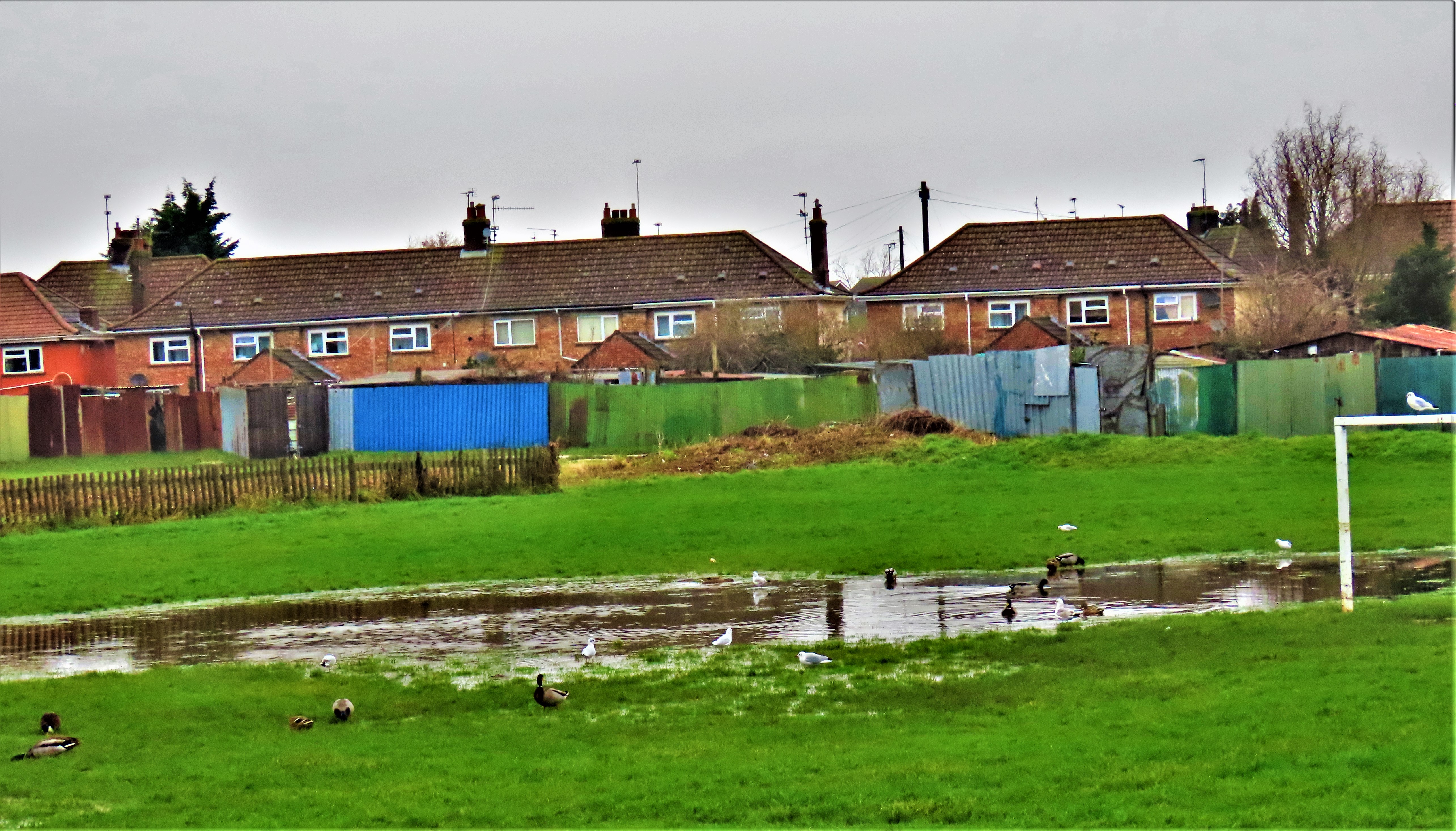
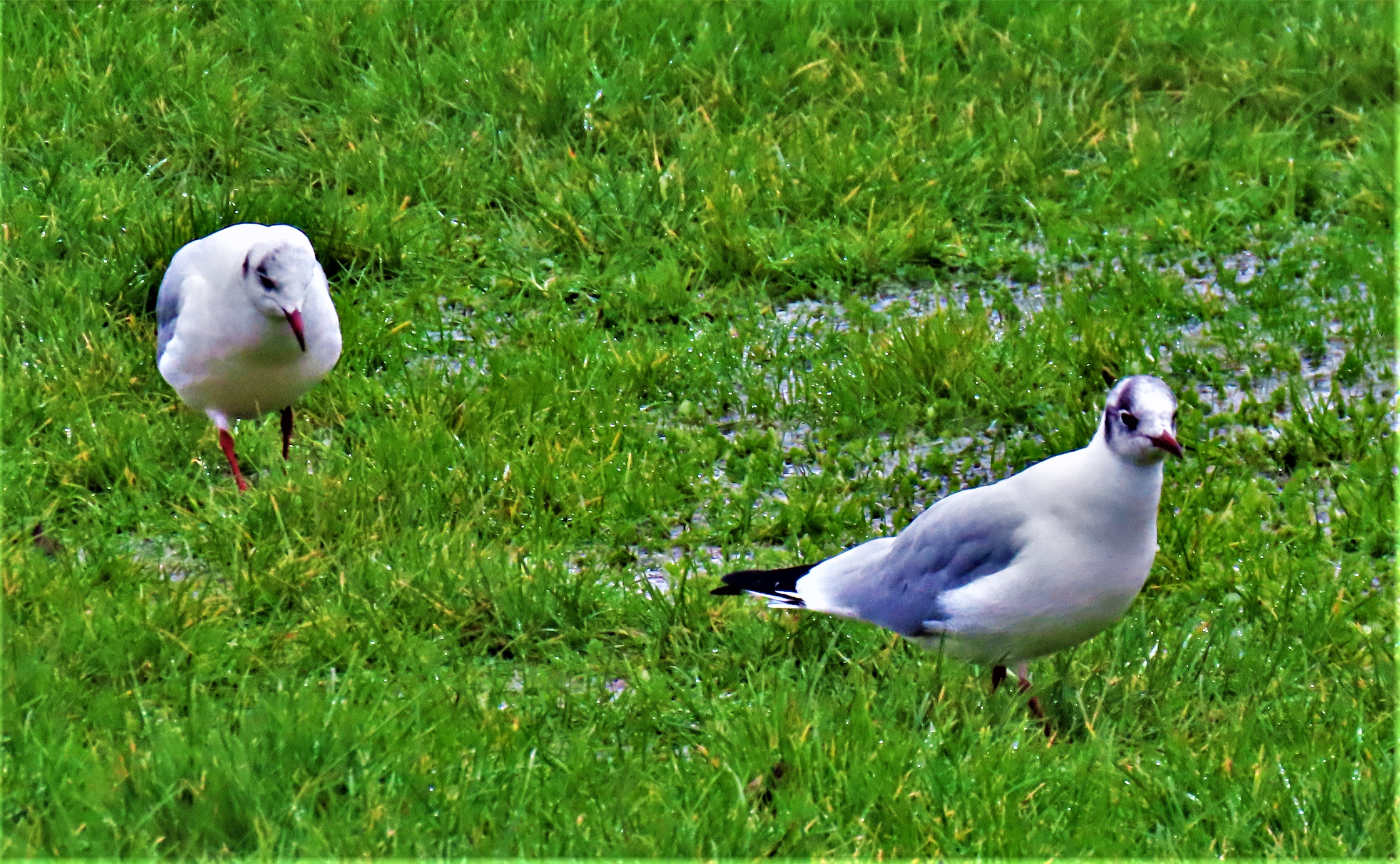
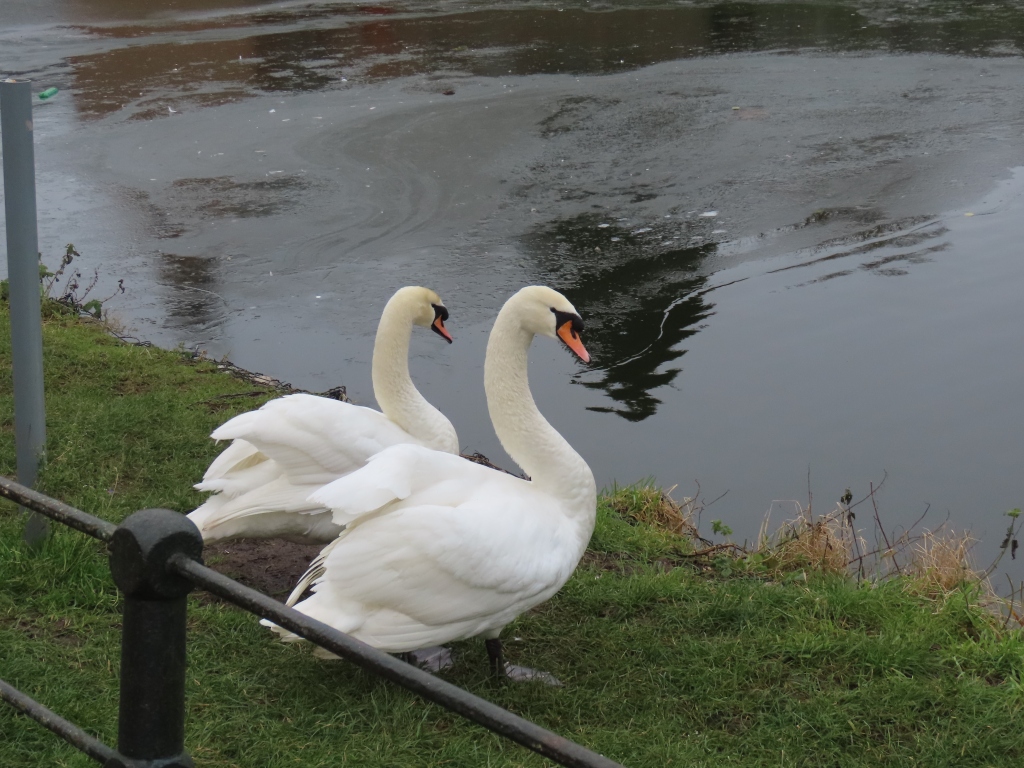
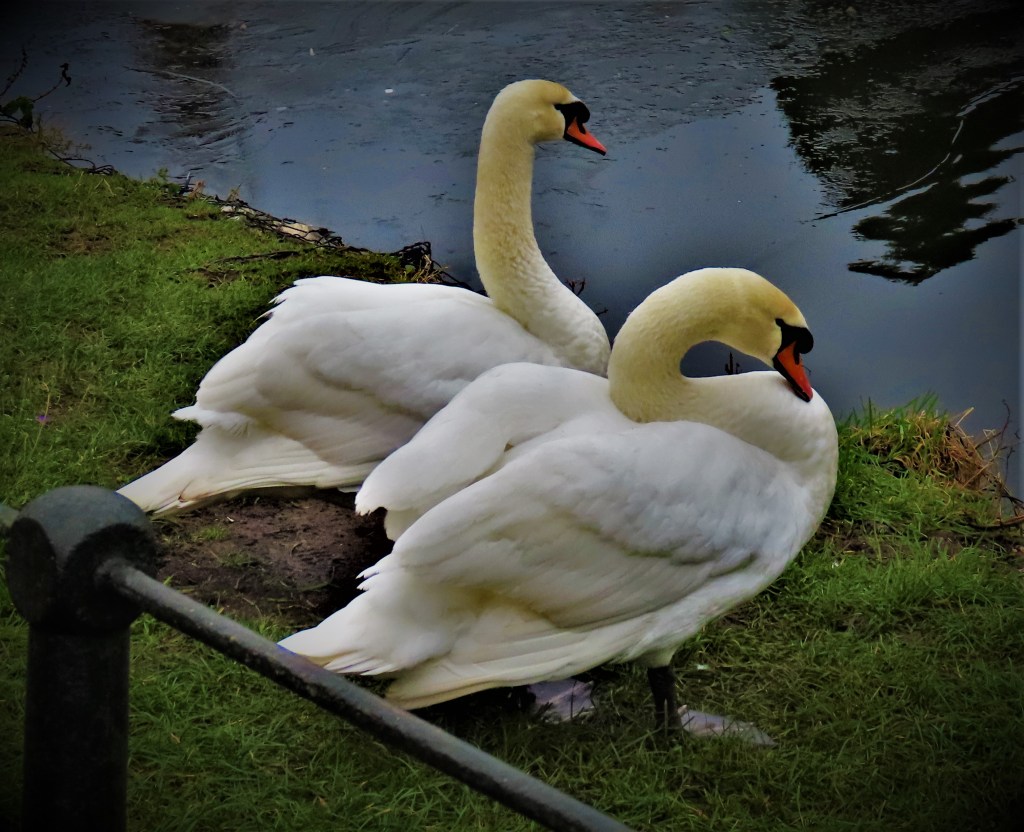
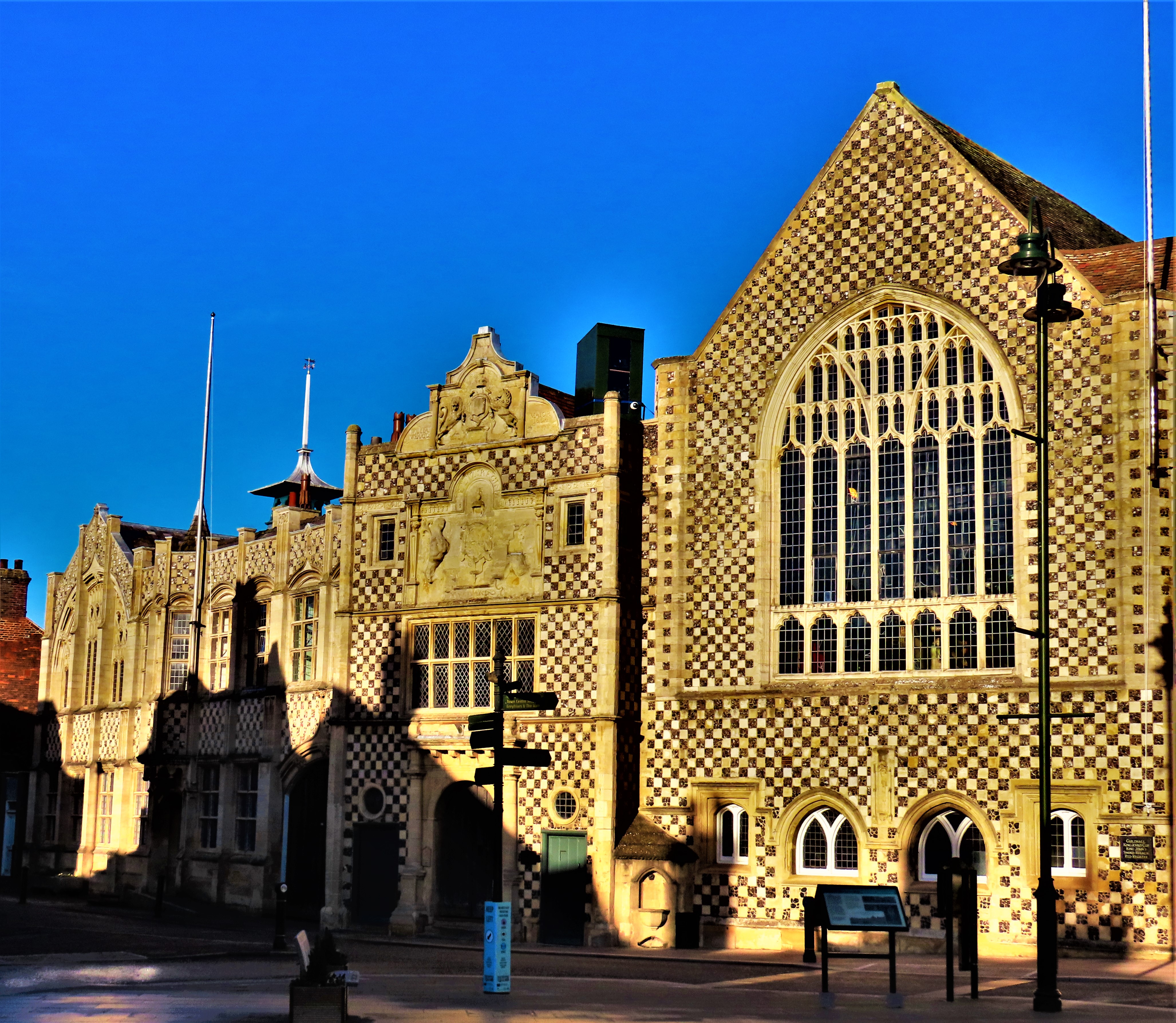
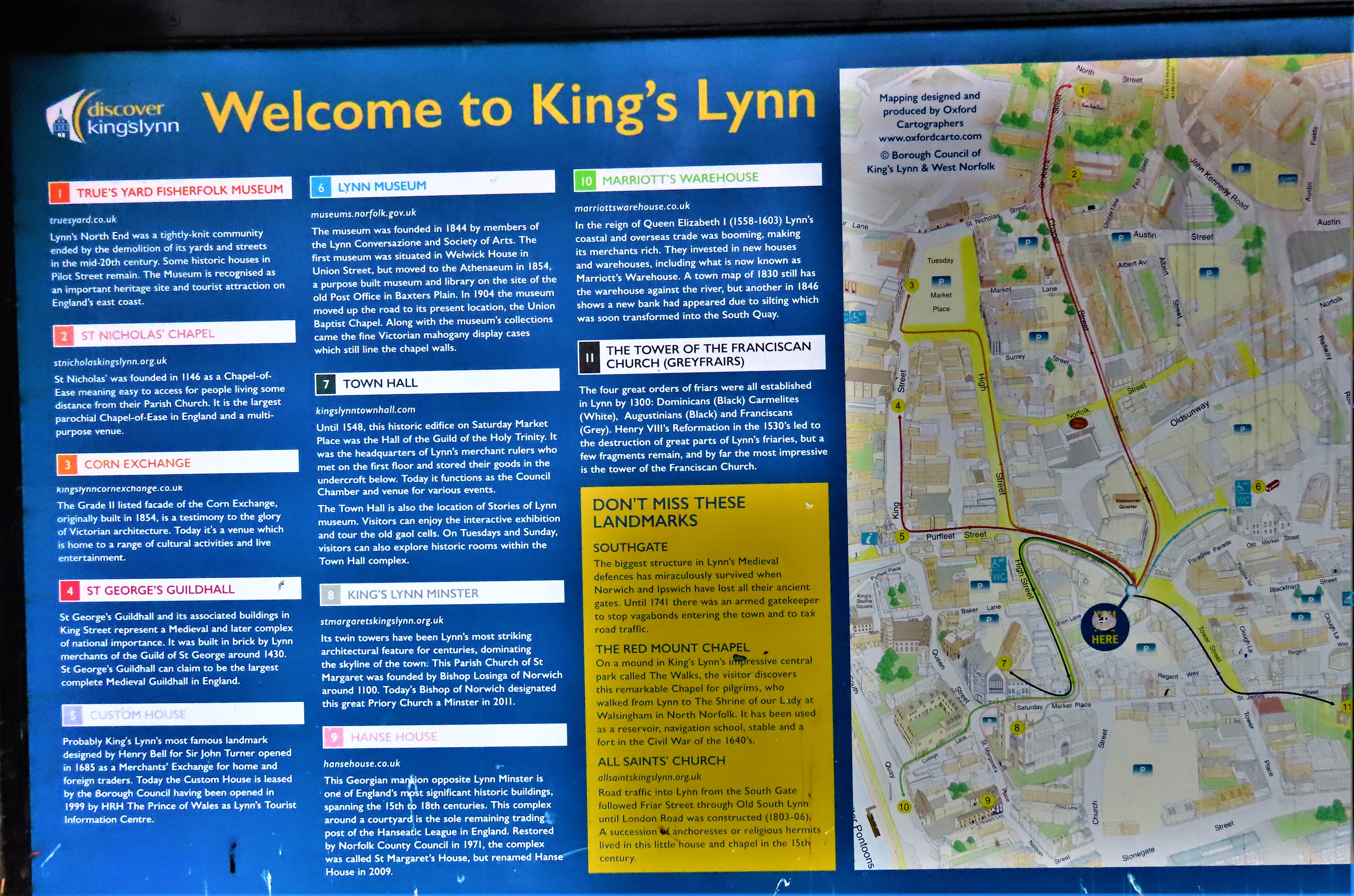
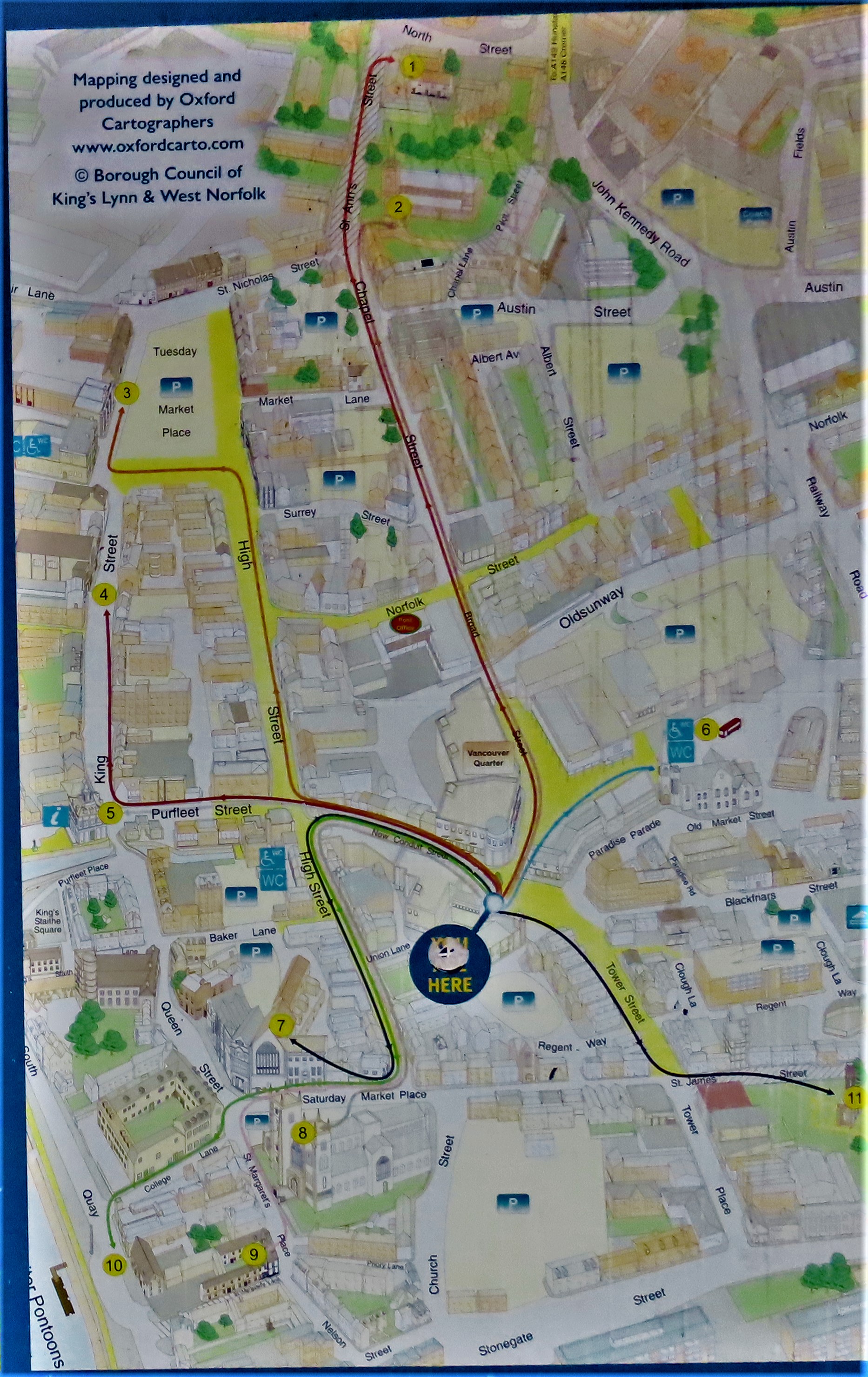
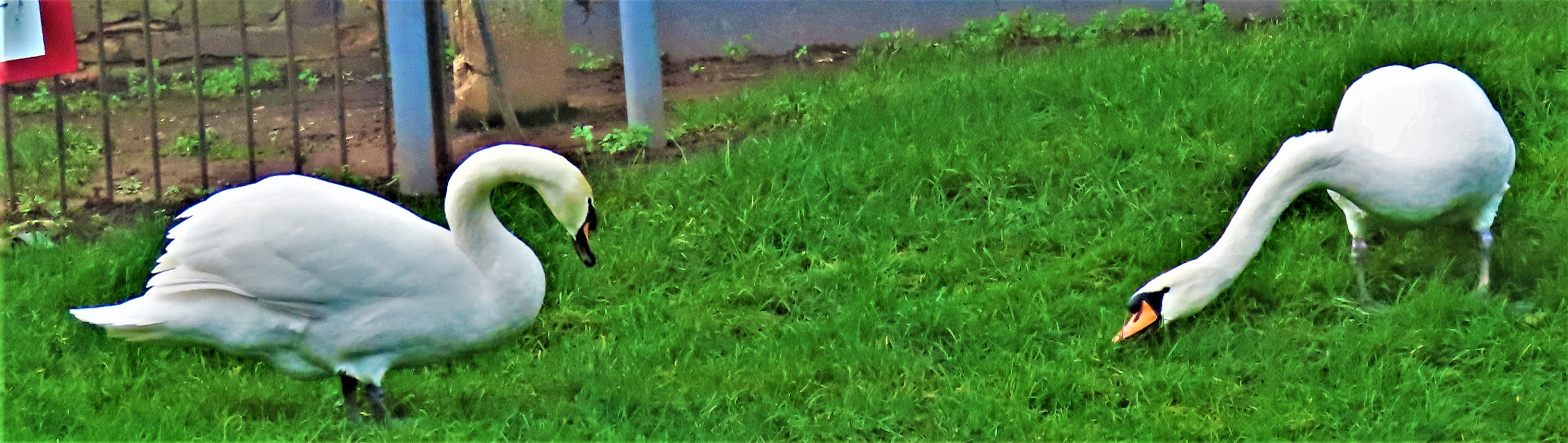
I have a fine collection of photos for you, including swans demonstrating synchronized diving:
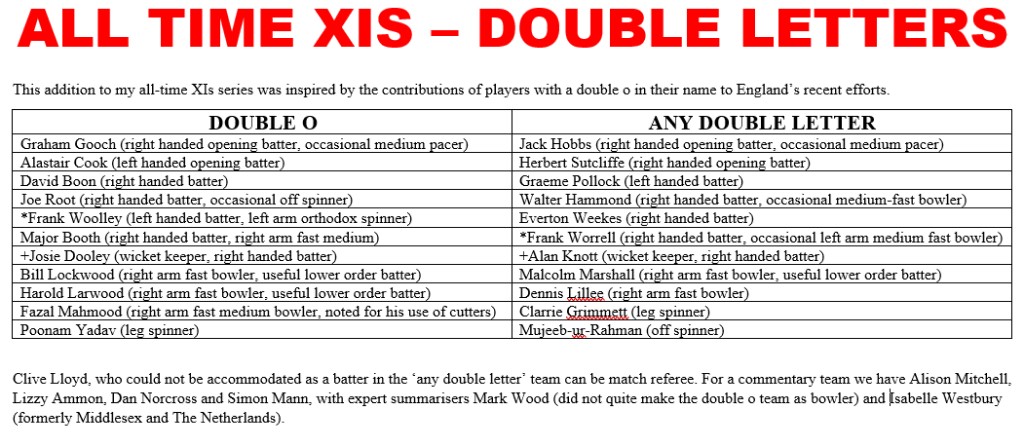
An addition to my ‘All Time XIs’ series, this time taking double letters as its theme.
The role of players with a double o in their names for England in recent times got me thinking about a team of players who all featured that combo, and I then started thinking about other names with double letters in, resulting in a new post for my All Time XIs series.
THE DOUBLE O XI
Graham Gooch – right handed opening batter, occasional medium pacer. Scorer of 8,900 test runs, and player of the best test innings I have ever personally witnessed – 154 not out in an innings tally of 252 vs West Indies at Headingley in 1991, with Ambrose running riot on a pig of a pitch.
Alastair Cook – left handed opening batter, scorer of more test runs than any other left hander – 12,475 of them in all.
David Boon – right handed batter, started as an opener, but moved down to no3 to enable the formation of the right-left Marsh-Taylor combination and enjoyed tremendous success in that latter position.
Joe Root – right handed batter, occasional off spinner. Arguably England’s finest batter of the 21st century, Cook’s achievements notwithstanding.
*Frank Woolley – left handed batter, left arm orthodox spinner. The only player to have the treble of 10,000 first class runs, 1,000 first class wickets and 1,000 first class catches, and indeed the only person to have taken 1,000 catches as other than a wicket keeper. In first class cricket he averaged 40 with the bat and 19 with the ball, and his bowling won at least one test match for England. I am sufficiently impressed by his tactical thoughts, as expressed in “King of Games” to name him as captain even though as a professional of that era he never had the job.
Major Booth – right handed batter, right arm fast medium bowler. Major was his given name (he was named in honour of a respected Salvation Army figure), not a rank. He would certainly have played many times for England but for the first World War (he lost his life during the battle of the Somme). In the late stages of the 1914 season he and Alonzo Drake, another cut off in his prime by the outbreak of war, bowled unchanged together through four successive first class innings.
+Josephine Dooley – wicket keeper, right handed batter. One of the successes of the most recent edition of the Women’s Big Bash League.
Bill Lockwood – right arm fast bowler, useful lower order batter. He was one of the first fast bowlers to develop a really effective slower ball.
Harold Larwood – right arm fast bowler, useful lower order batter. The list of visiting fast bowlers to have blitzed the Aussies in their own backyard is a short one, and the Notts express features prominently on it.
Fazal Mahmood – right arm fast medium bowler. Pakistan’s first authentically great bowler, he took 12 wickets in their first ever test victory at The Oval in 1954. He was known as a master of bowling cutters, often wreaking havoc on the matting pitches which were standard in his homeland at the time.
Poonam Yadav – leg spinner. The tiny Indian causes huge problems with her craftily flighted slow leg breaks. The greatest demonstration of her ability to change the course of a match came in the most recent World T20 when Australia seemed to be coasting as she began her spell and were obviously beaten by the time she had finished.
This team contains a strong top five, an all rounder at six in Booth, a keeper who can bat at seven and four great bowlers with plenty of variation. Woolley is an excellent second spin option with his left armers, and Gooch and Root might also contribute with the ball.
THE ANY DOUBLE LETTER XI
Jack Hobbs – Right handed opening batter, occasional medium pacer. The Master, scorer of 197 first class centuries in total, 12 of them in Ashes tests. He achieved all that in spite of losing four years of his cricketing prime to World War 1.
Herbert Sutcliffe – right handed opening batter. First class average 52.02, test average 60.73, Ashes average 66.85. When the going got tough, he got going. He formed the most successful opening pairing in test history with Hobbs, their average opening stand being 87.81.
Graeme Pollock – left handed batter. The South African averaged 60.97 before his country’s international isolation ended his test career. I opted for his left handed stroke play in preference to having a third right handed opener in Hutton occupy this slot.
Walter Hammond – right handed batter, occasional medium-fast bowler. 7,249 runs in 85 test matches at 58.45, and that average only ended up below 60 because he returned to test action after World War Two, when into his forties.
Everton Weekes – right handed batter. He had a similar average to Hammond in test cricket.
*Frank Worrell – right handed batter, occasional left arm medium-fast bowler, captain. He averaged 49.48 in test cricket, and was one the most successful captains ever, taking the West Indies from also rans which they had been for their entire history to that point to being champions by the time he finished.
+Alan Knott – wicket keeper, right handed batter. One of the game of cricket’s most noted eccentrics, and also one of the greatest keepers ever to don the gauntlets. He also averaged 32.75 with the bat, and tended to score big runs when the team most needed them.
Malcolm Marshall – right arm fast bowler, useful lower order batter. Arguably the greatest fast bowler of the golden age of West Indies fast bowling.
Dennis Lillee – right arm fast bowler. The Aussie was for some years test cricket’s all time leading wicket taker, and his 164 Ashes wickets is a tally surpassed in the history of those contests only by Shane Warne who finished just short of 200.
Clarrie Grimmett – leg spinner. The New Zealand born Aussie who having moved country to better his cricketing prospects had to then cross two state boundaries before establishing himself in first class cricket at the third time, and did not make his test debut until the age of 33 still became the first bowler ever to take 200 test wickets, capturing 216 from 37 test appearances – nearly six per game at the highest level. His Aussie team mate Bill O’Reilly, who was second choice for this spot, was adamant that Grimmett, then 46, should have been selected for the 1938 tour of England.
Mujeeb-ur-Rahman – off spinner. A bit of a gamble on this one – left armer George Dennett with 2,151 first class wickets at less than 20 a piece could easily have been named for this spot, but the young Afghan off spinner has impressed most times he has had the ball in his hand of late.
This team features a very strong top six, one of the all time great keepers, and four great bowlers. I consider that Hammond and Worrell between them make up for the lack of a genuine all rounder. There are too many honourable mentions to name, but before moving on to the next section I would just like to say that if you have someone who you think I have missed please indicate which of my selections should be dropped to make way for them.
OFF THE FIELD
Clive Lloyd, a near miss for a batting place in the ‘any double letter’ team can be match referee, a role he also filled with distinction. In the commentary box we can have Alison Mitchell, Lizzy Ammon, Dan Norcross and Simon Mann, with expert summarisers Mark Wood (not too far off a bowling spot in the double o XI) and Isabelle Westbury (Middlesex and Holland).
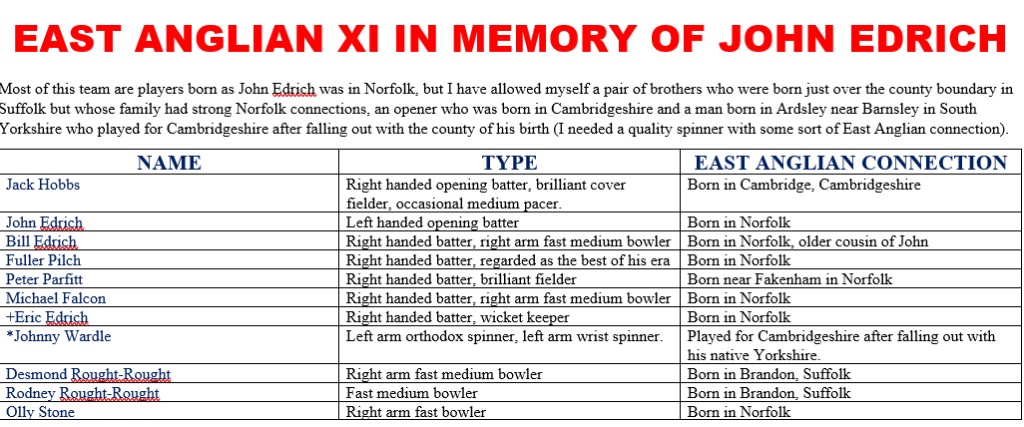
An XI with East Anglian connections in honour of John Edrich.
As I write this the Melbourne Stars are closing in on victory over the Sydney Sixers, while India enjoyed a good opening day at the MCG, dismissing Australia for 195 and reaching 36-1 in response, Shubman Gill impressing on debut with 28 not out overnight. Most of the players in the XI I present are Norfolk born, as John Edrich was, although there is one Cambridge born player and two brothers (out of three who had first class experience) who were born in Suffolk, while the captain was born in Yorkshire but played for Cambridgeshire after falling out with his native county.
EAST ANGLIAN XI
John Edrich – left handed opening batter. Almost 40,000 first class runs at an average of 45, 103 first class hundreds, a test triple century (a knock that included 52 fours and five sixes) and the highest individual score in the first ever ODI back in 1971.
Jack Hobbs – right handed opening batter, occasional medium pacer, brilliant cover fielder. The Master – 61,237 first class runs including 197 centuries. 3,636 runs including 12 centuries in Ashes matches. Born in Cambridge.
Bill Edrich – right handed batter, right arm fast medium bowler. Older cousin of John Edrich and one of four brothers who all turned out at first class level. He lost six of his prime cricketing years to World War Two, in which he distinguished himself as a flying ace but still amassed 85 first class centuries.
Fuller Pilch – right handed batter, rated by contemporary observers as the best of his era (the 1830s and 40s). Also sufferer of a bizarre dismissal for the Players against the Gentlemen in 1837 – the line in the scorebook reads “hat knocked on wicket”. The Players won a very low scoring match by an innings.
Peter Parfitt – right handed batter, brilliant fielder, occasional off spinner. He once took four catches in a test innings, against Australia in 1972.
Michael Falcon – right handed batter, right arm fast medium bowler. His averages are just the right way round.
+Eric Edrich – right handed batter, wicket keeper. 53 dismissals in 38 first class appearances.
*Johnny Wardle – left arm orthodox spinner, left arm wrist spinner, useful lower order batter. Born in Ardsley, just outside Barnsley in South Yorkshire. After a distinguished career for his native county and for England (102 test wickets at 20.39) he fell out with the Yorkshire authorities and ultimately played minor counties cricket for Cambridgeshire (Yorkshire in their vindictiveness ensured that no other first class county would touch him). His claim on a place is somewhat tenuous but I needed a quality spin bowler somewhere in the side, so I decided to stretch a point and include him.
Desmond Rought-Rought – right arm fast medium bowler, took his first class wickets at 28 a piece. Born at Brandon in Suffolk.
Rodney Rought-Rought – fast medium bowler, cannot ascertain which arm he used – am hoping it is left for the sake of variety. Brother of Desmond and also born at Brandon.
Olly Stone – right arm fast bowler. In this side, with the two Rought-Roughts, Falcon and Edrich able to bowl seam there would no excuse for using him in other than short spells at top pace.
ANALYSING THE XI
This team has a solid batting line up, one bowler of genuine pace, various fast-medium bowlers and one of the finest spinners of them all. It would give a good account of itself in most conditions. The Sydney Sixers somehow turned their game against the Melbourne Stars around and won by one wicket with one ball to spare, taking all four points.
In view of the news of John Edrich’s death, and his role in this, the first of the All-Time XIs that I created a few months back, I am repubishing this…
Since there will be no cricket, or any other sport come to that, for a while I am going to fill the void by playing selector for a few all-time squads. Since I grew up in south London I will start with Surrey.
MY SURREY XI EXPLAINED
Jack Hobbs – more first class runs and more first class hundreds than anyone else, also still has the England record for Ashes runs – 3,636 of them, including another record, 12 centuries in those matches. He was also a more than handy bowler of medium pace and a brilliant fielder at cover point. His claim to an opening slot is unanswerable.
John Edrich – the left hander was one of three strong contenders for this slot, and both of the other two, Andrew Sandhamand Tom Hayward, actually did open the innings with Hobbs, but although I see the value of…
A look at the innovations featured in the tenth edition of the Big Bash League and a visit to all-time XI territory, with place names the link on this occasion.
A two-parter today, first looking at the innovations featured in this year’s Big Bash League and then, inspired by something I noticed during commentary on today’s weather hit game a revisit to all-time XI territory.
BBL INNOVATIONS
The current version of the Big Bash League, the tenth running of said tournament, features three innovations, and I shall touch on each in turn:
Power Surge: instead of a straight six overs of power play and then 14 of standard fielding restrictions there are now four overs of power play, and then a Power Surge of two overs, to be claimed at any time after 10 overs at the behest of the batting side. This has been a really successful innovation, with a lot of thought going into to when to take it. Ideally you would want two set batters at the crease to maximize the potential gain, and also to be quite close to the end of the innings to use it as a kind of springboard into a big finish. I can see the possibility of claiming it for overs 11 and 12 if the openers are still together, on the understanding that a big hitter will be promoted to cash in on it if one of the openers falls. If that is not an option then if two batters are going well at the end of the 15th over, claiming it for overs 16 and 17 with a view to really making the final quarter of the innings pay would appeal. I do not share TMS Commentator Simon Mann’s view about taking it for the last two overs of the innings being a good notion.
Bash Bonus Point – a bonus point is awarded to the team who score more from their first 10 overs, while three are awarded for the outright win. This has led to some interesting situations where teams knowing that overall victory is effectively out of the question go all out for being ahead after 10 overs in an effort to salvage something, as opposed to concentrating on surviving the full 20 overs so that their net run rate does not take a hammering. I consider this to be a success, although I could see a situation where a team gets knocked out due to this innovation, and fans would not be happy with that.
The ‘x-factor’ sub: players designated for this role before the game may be brought in (no more than one per side) after a maximum of ten overs of the first innings of the match. The substituted player must not have batted and may not have bowled more than one over (sensible caveats which prevent a specialist batter being used and then replaced by a specialist bowler, and vice versa). I have witnessed only two matches (via TMS commentaries) in which these players have been used, one of them today’s no-result. I have waited until I had actually seen the usage of such players before commenting on the innovation, but I have seen nothing to alter my initial thinking that if you actually pick your best XI at the start you should not need to make use of this option, and the fact that uptake of it has been very limited is itself a comment on the innovation. Thus I score these innovations at two out of three.
A PLACE NAMES XI
One of the players who featured in today’s match was Joel Paris, a left arm pace bowler, which started me thinking about players who have places in their names. I set myself rules that the place name must be the whole of on the player’s names, not part thereof, and that it must be spelt the same way (as you will see later this latter was germane). After I have been through the batting order I will explain some of those who missed out for one reason or another.
Sir Leonard Hutton – right handed opening batter, occasional leg spinner. Hutton is a place in Essex, on the edge of Shenfield.
Sidney George Barnes – right handed opening batter, occasional leg spinner. A combination of World War Two and the fact that he and the authorities did not always get on limited his test career to 13 matches, in which he recorded an average of 63. Barnes is near Putney, either southwest London or Surrey depending on who you consult.
Frank Woolley – left handed batter, left arm orthodox spinner, excellent close fielder. Woolley is a small village, almost precisely equidistant between Barnsley and Wakefield in Yorkshire.
Ken Barrington – right handed batter, occasional leg spinner. Upper and Lower Barrington are a matched pair of villages in Gloucestershire (Marcus Berkmann mentions them in one of his books about life in cricket’s lower reaches).
Victor York Richardson – right handed batter, fine fielder, occasional wicket keeper. A fine test batter in the 1920s and 30s, and grandfather of two others, Ian and Greg Chappell, his middle name gets him into this team.
*Warwick Armstrong – right handed batter, leg spinner, captain. I rated him the finer of the two regular test captains in this line up, and anyway I wanted Hutton free to concentrate on his batting. In the 1905 tour of England he scored over 2,000 runs and took over 100 wickets in first class matches.
+Jack Blackham – right handed batter, wicket keeper. He played in each of the first 17 test matches ever contested and is regarded as one of the greatest of all keepers. Blackham is a small village almost exactly equidistant between East Grinstead in Sussex and Tunbridge Wells in Kent.
Washington Sundar – off spinner, left handed lower order batter. The 21 year old Indian has been making a name for himself in T20, but he also has a more than adequate FC record, averaging 31.29 with the bat and 26.93 with the ball in that format.
Joel Paris – left arm fast medium bowler, left handed lower order batter. His first class averages are just the right way around – 23.38 with the bat and 23.25 with the ball.
Sydney Francis Barnes – right arm fast medium bowler, right handed lower order batter. In the case of Sidney Barnes the batter I had to use his surname as the place name, but this greatest of all bowlers qualifies twice over, since his first name Sydney is spelt the same way as Australia’s largest city.
Ian Peebles – leg spinner, right handed lower order batter. Peebles is due south of Edinburgh.
This team has a deep batting order, a very varied and strong bowling attack, and would definitely give a good account of itself. Now for some honourable mentions:
William Maldon Woodfull, a fine opening bat and captain for Victoria and Australia would qualify by virtue of his middle name, which is a place in Essex and also the place in Victoria where he was born. Anthony William Greig, an attacking middle order bat good enough to average 40 in test cricket and a decent bowler of both medium pace and off spin missed out by a single letter – the Cornish seaside village of Antony not having an H in its name. Rahkeem Cornwall might have replaced Washington Sundar without unduly weakening the team (he is also an off spinner and more than useful lower order batter). Had I allowed myself to reach back a few hundred years to a long antiquated spelling of a place near York, which is now always spelt Bootham, as it is pronounced, I could have accommodated Ian Terrence Botham – the single o spelling was once a thing. Arran Brindle, a batter for England women who has at least one century in men’s club cricket to her name, could have got in via her first name. Ian Peebles’ place in the XI could have gone to either of two other leg spinners, Richie Benaud, whose name derives from a village in France, but who I would have heading the commentary team, and Amanda-Jade Wellington. Finally, I was tempted to find a place for Mike Gatting who shares a surname with a legendary former UK constituency. The old Gatting constituency, disenfranchised in 1831, contained one grand house, and it happened on one occasion that the butler had a quarrel with the master of the house and stood against the master’s son (the master by this time considering himself to old to be a candidate). The master voted for his son over the butler and that was that.











































































































































































































 aspiblog