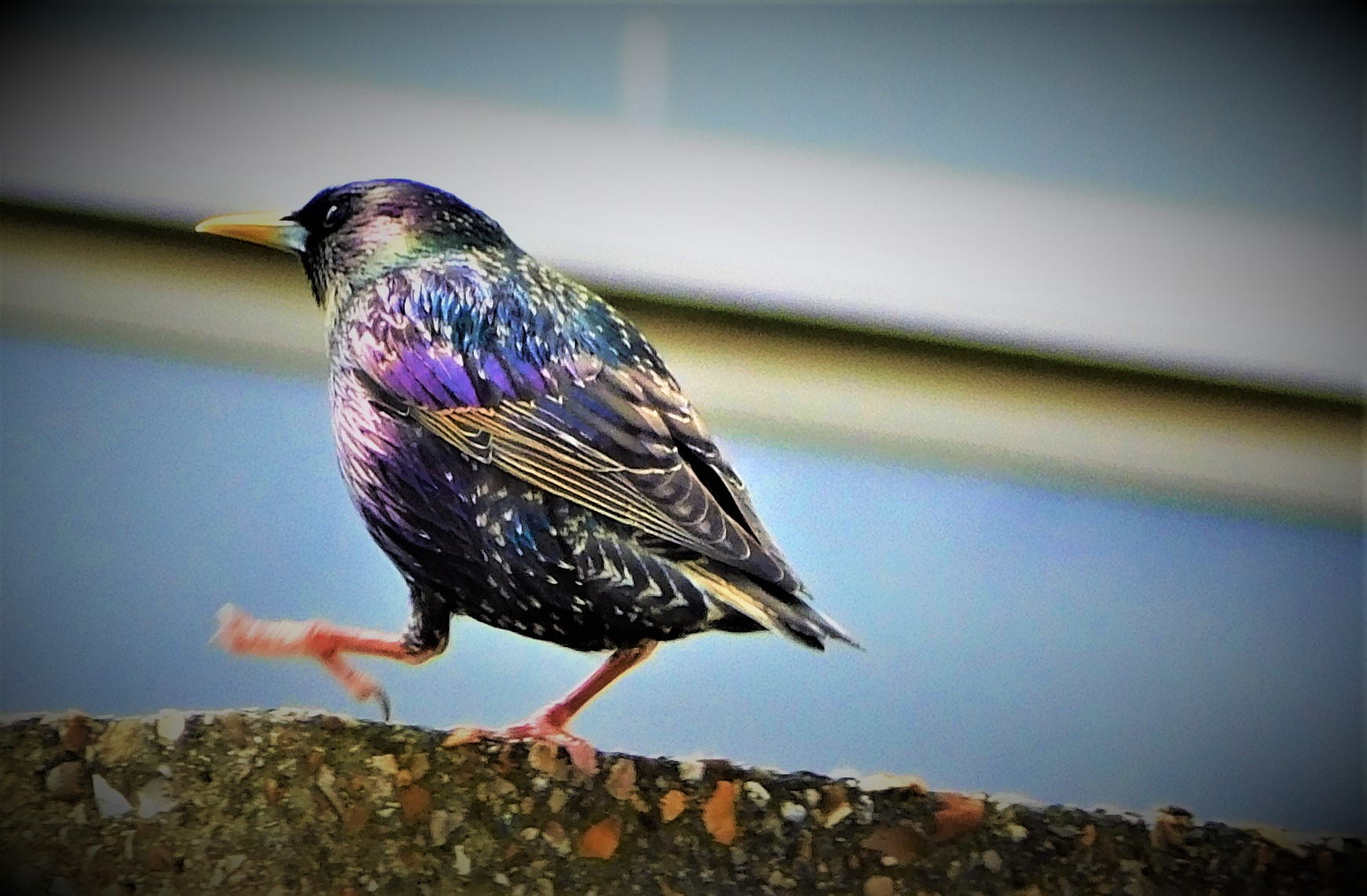
Channel Islands 2: Setting the Scene for the Rest of the Series

Resuming my coverage of my holiday to Guermsey and Alderney, setting the scene for what is to come in this series of posts.

I wasn’t entirely sure when I put the first post of this series about my holiday up as to when I would be able to post. There was no internet connection in Alderney, although I was able to edit plenty of photos ready for use. Yesterday we travelled back from Alderney to Guernsey, and then visited two places which both proved of huge interest, and left me with over 300 photos to edit to catch back up with that side of things. Between last night and this morning (I was underway before 7AM) I completed that job, meaning that at least until the end of today I am up to date in terms of photos. I am going to use the rest of this post to outline the rest of the series for you.

PLANNED POSTS

I will devote one post to the day we spent on Guernsey before we were able to travel across to Alderney.

The journey to Alderney will account for the next post.

The Harbour at Braye, Alderney – the boat bottom right of shot is the one we travelled on from Guernsey to Alderney.

I will produce several posts about Alderney:

A cricket themed post in honour of John Arlott who spent his last years on Alderney – this will take the form of a two-fold journey, through a large amount of space and centuries in time as I cover cricketing links relating to my journey (two of them highly contrived, I admit), creating a spectacular XI in the process.

Students of the game will instantly realise how the road sign in this picture enabled me to sneakily fill one of the opener’s slots -the other was already filled fair and square.

A post about our first visit to St Anne, the sole town on the island.

Probably two posts about the walk we did on our second full day on the island.

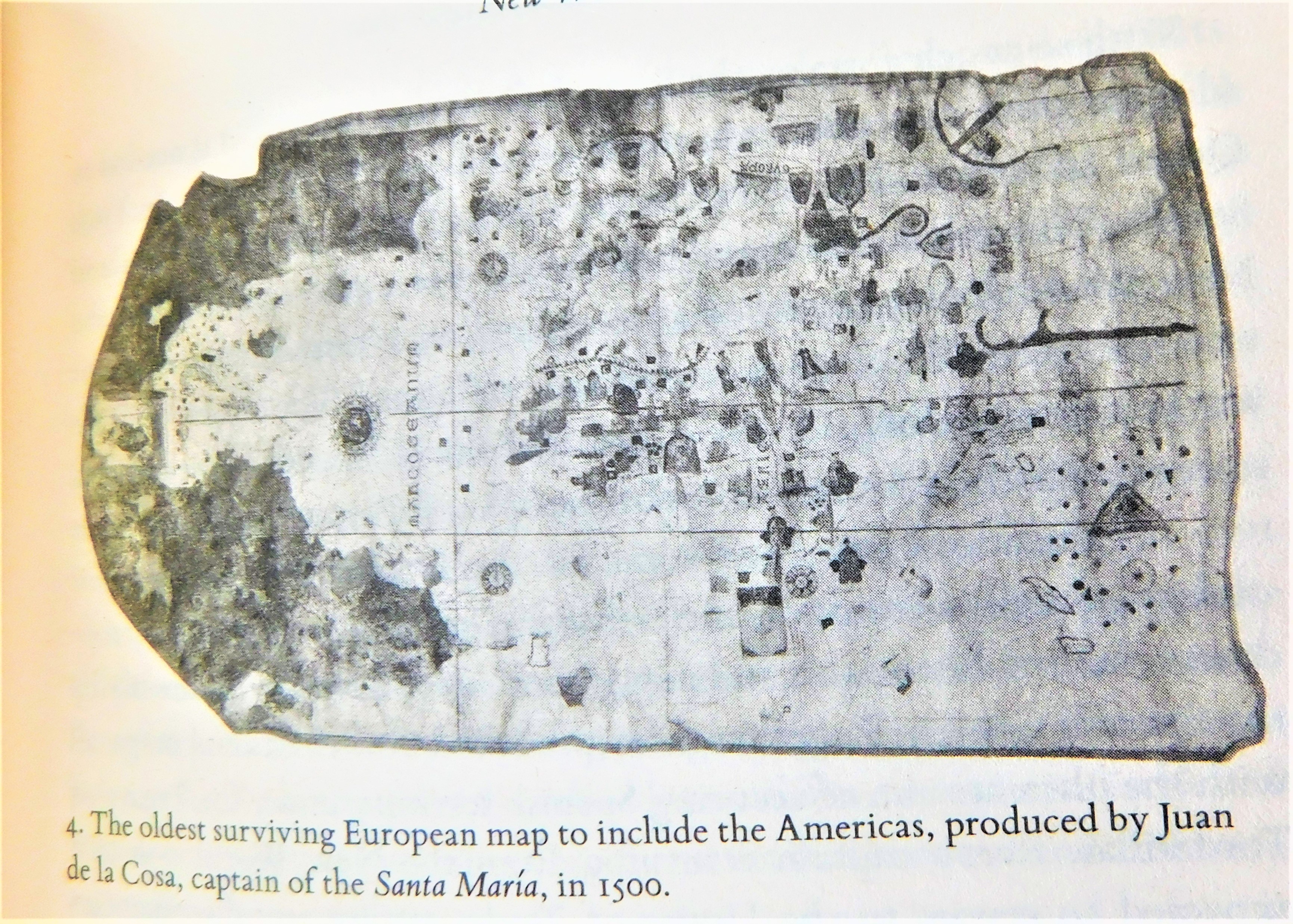
A special post featuring maps of Alderney and the Channel Islands, several great examples of which I saw:

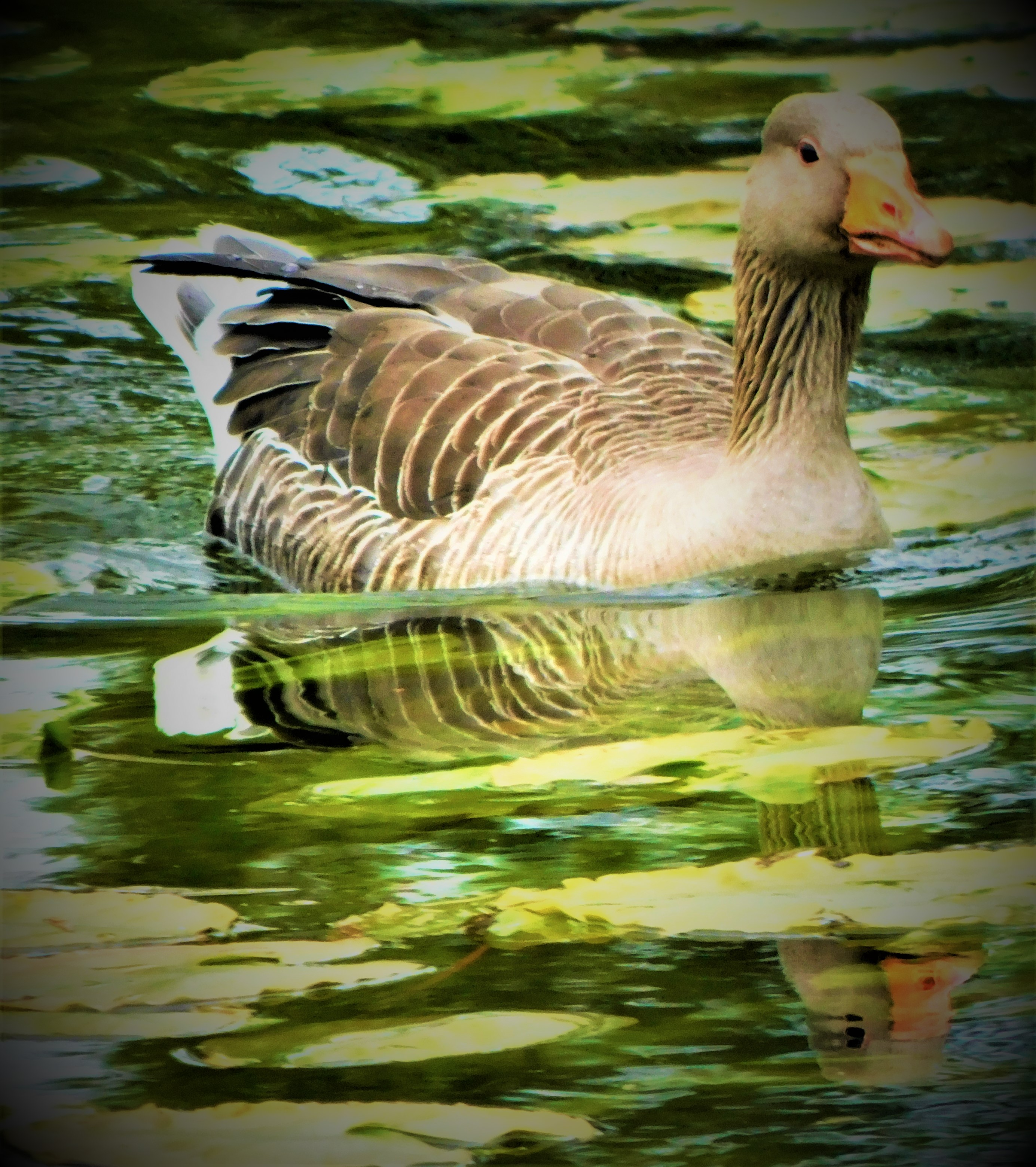
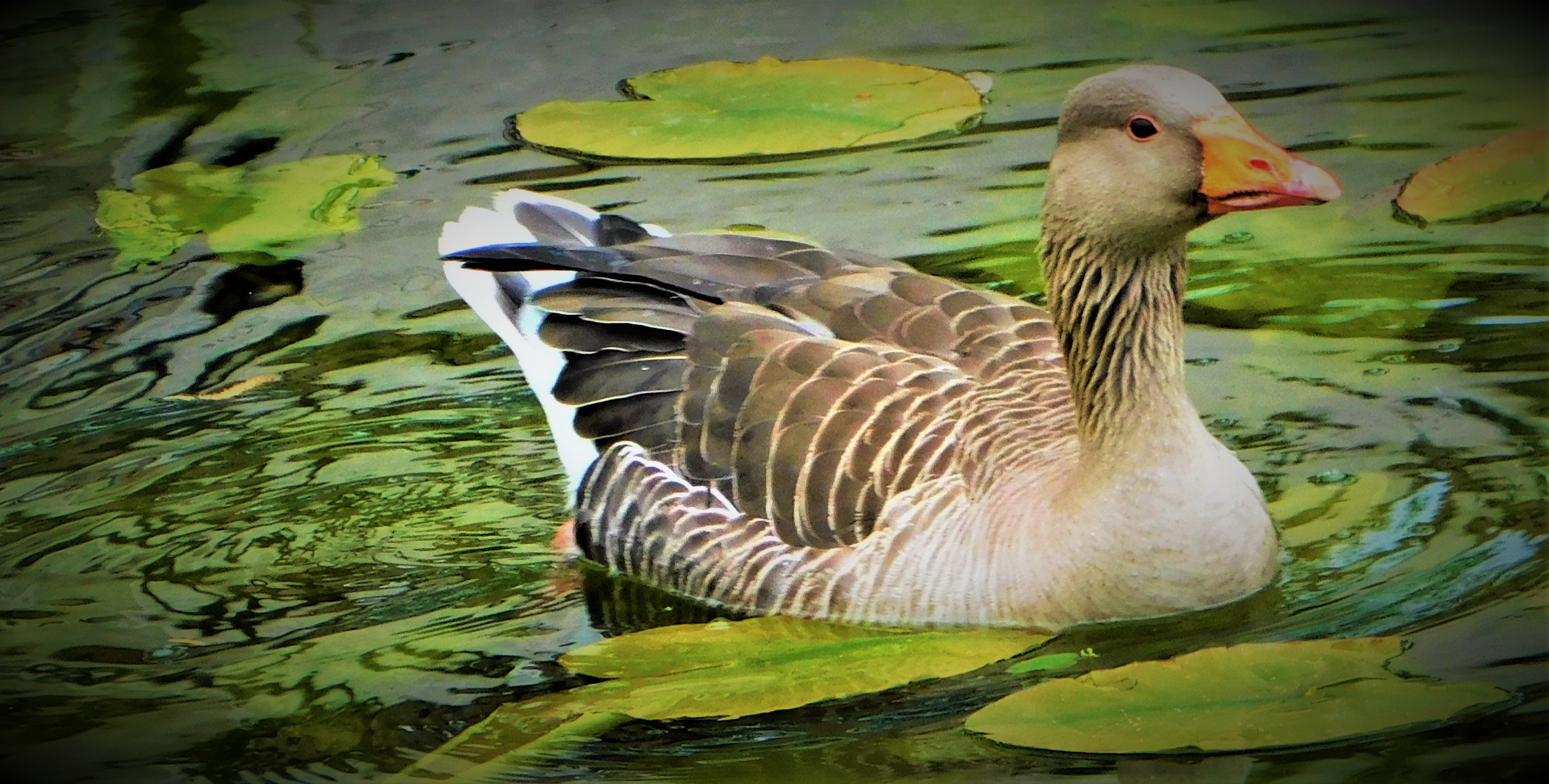
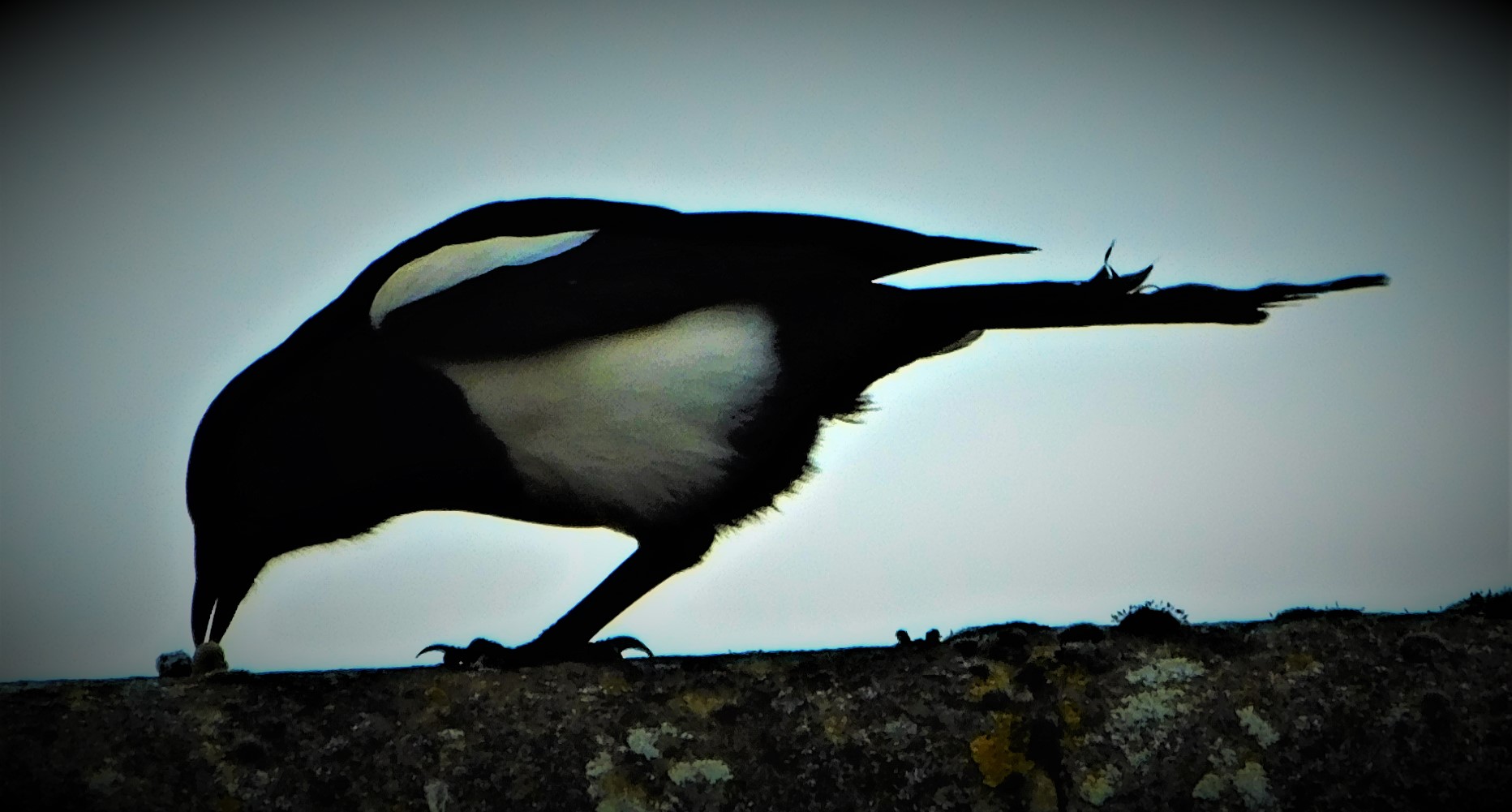
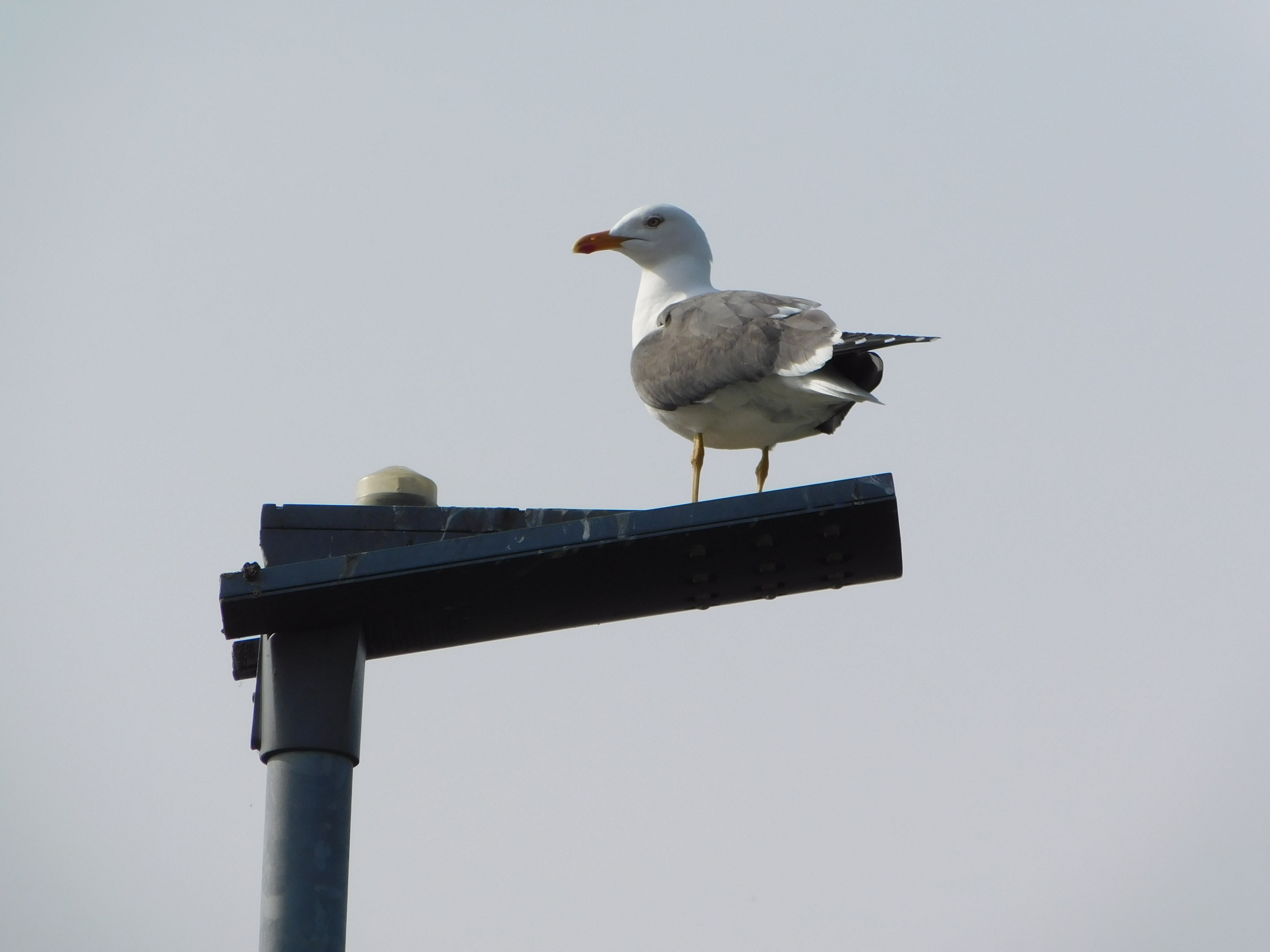
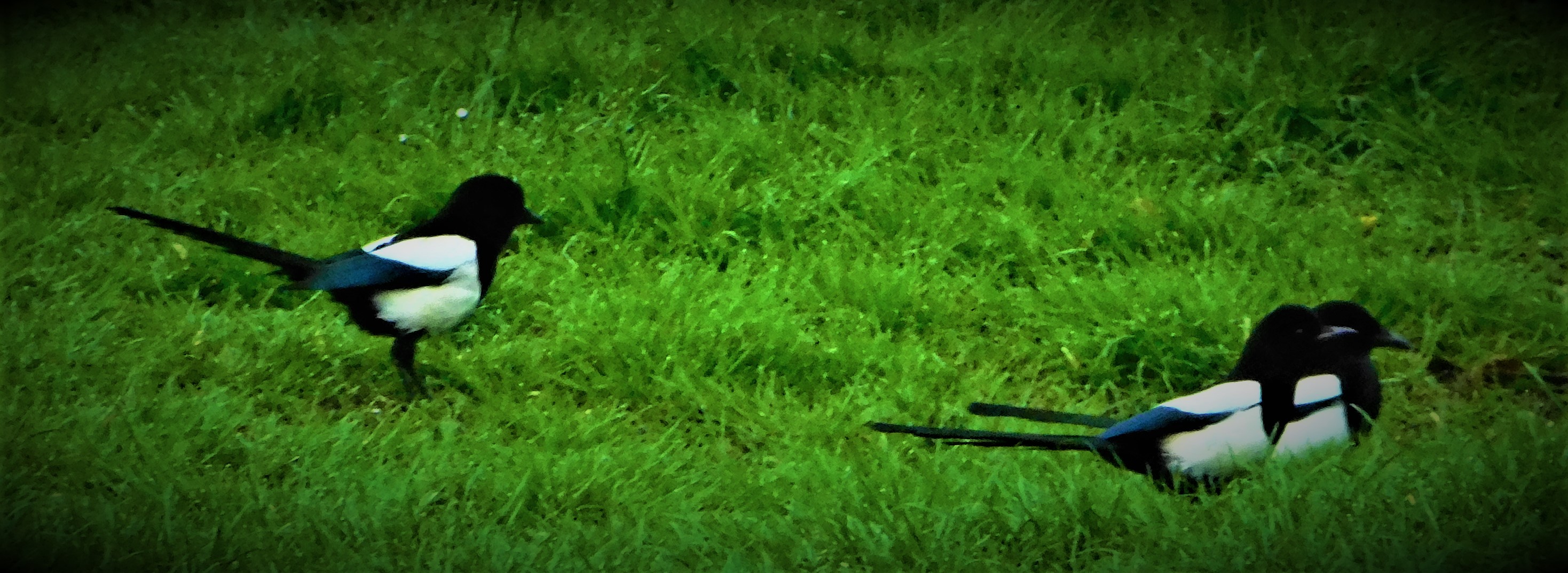
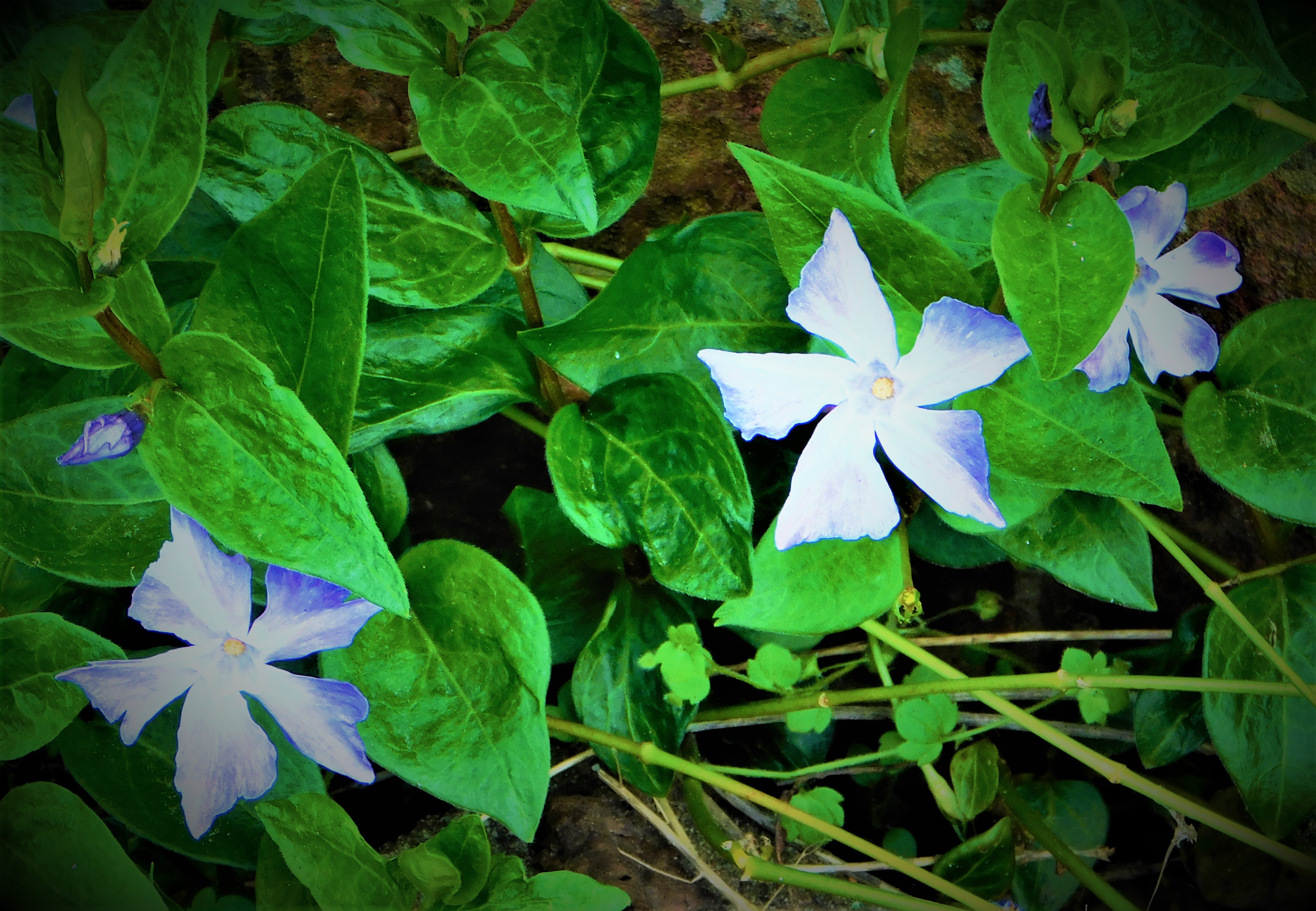
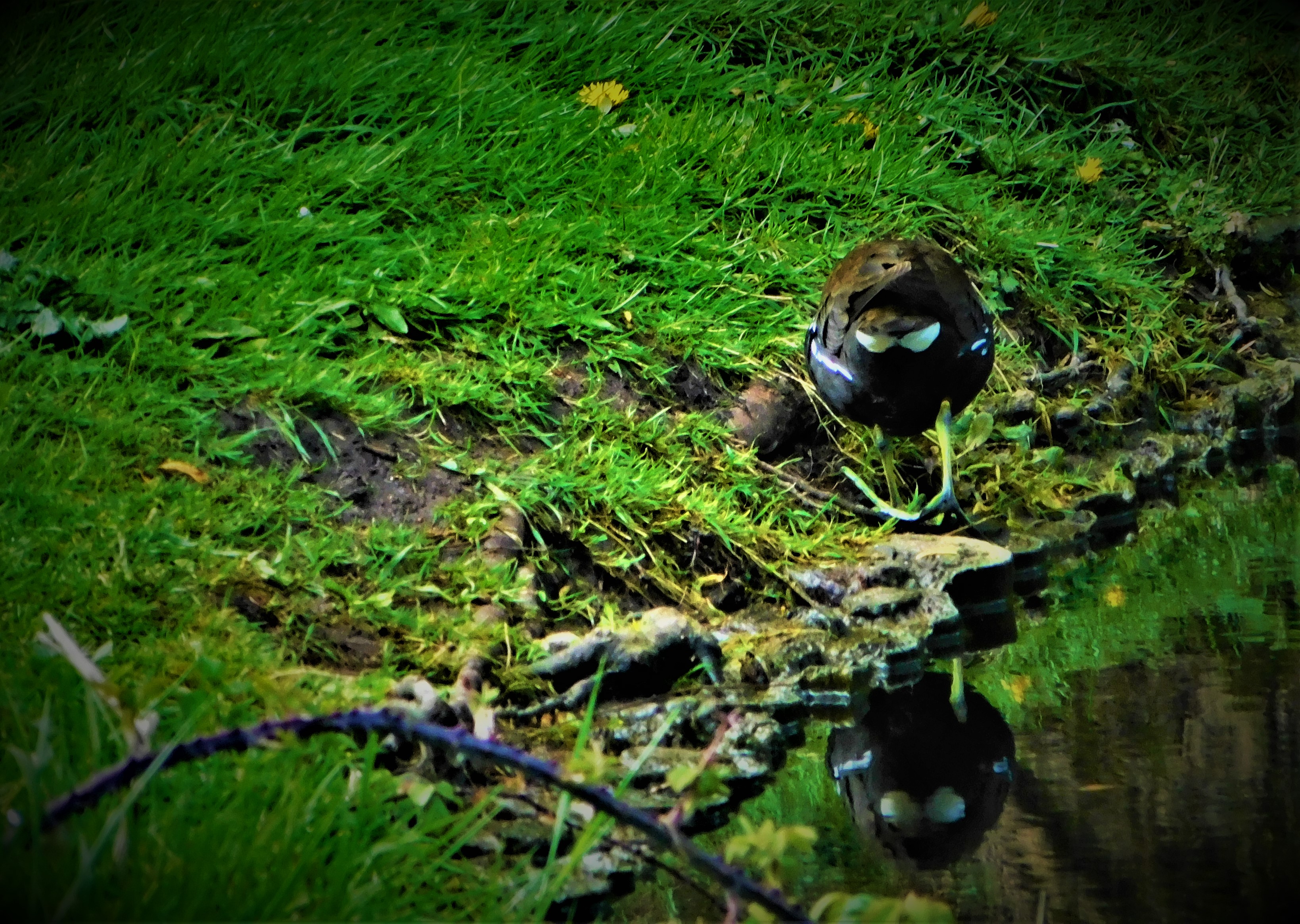
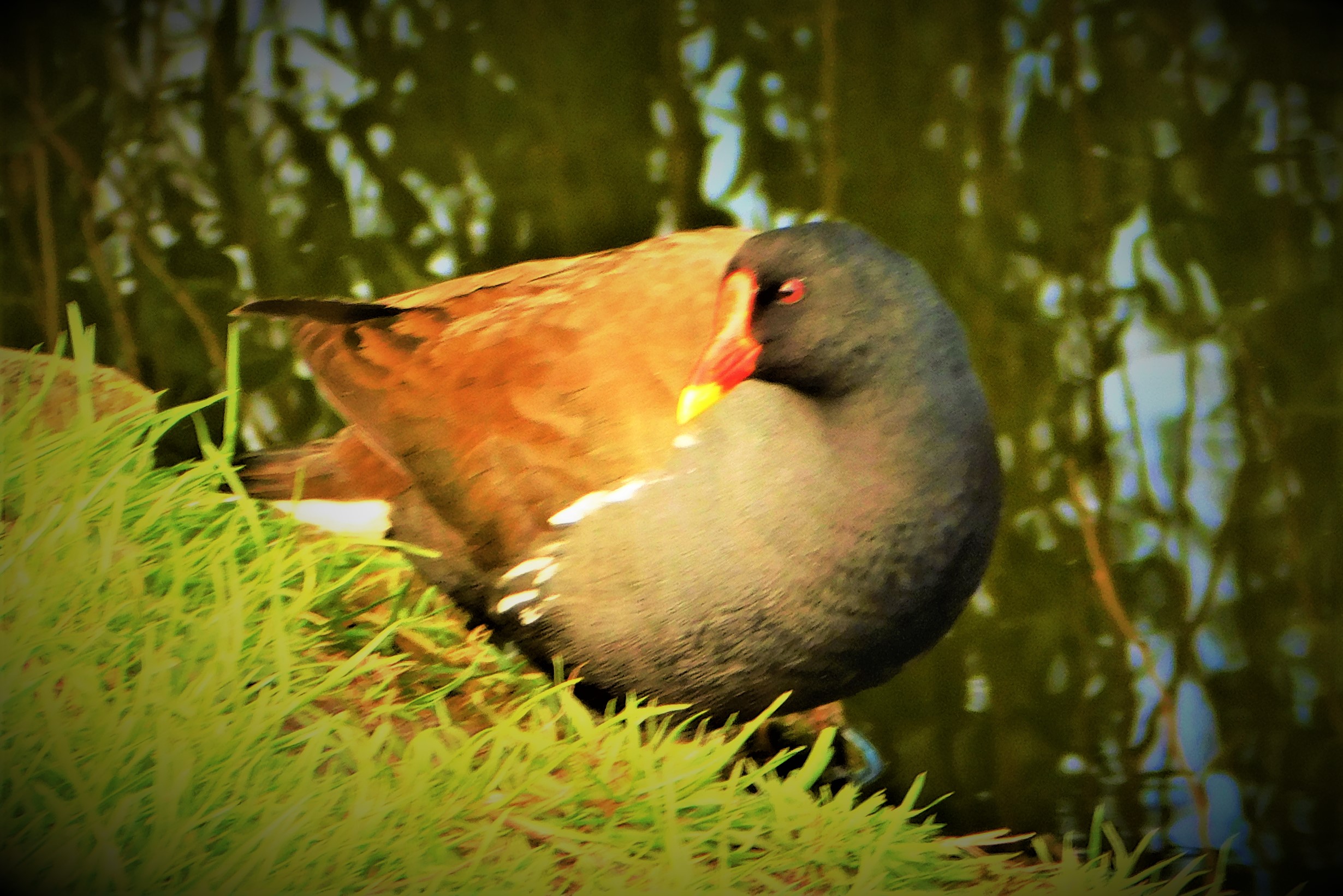
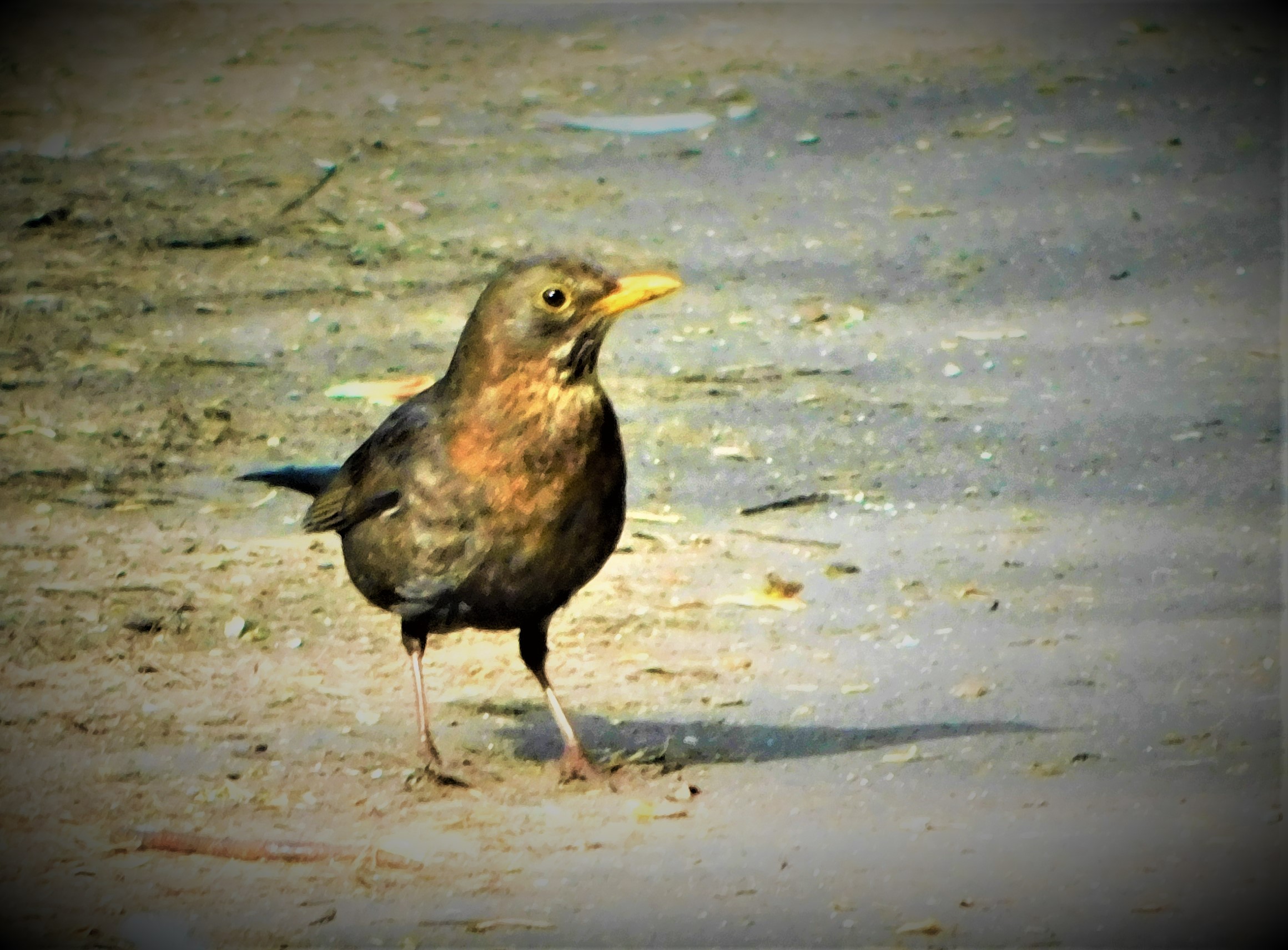
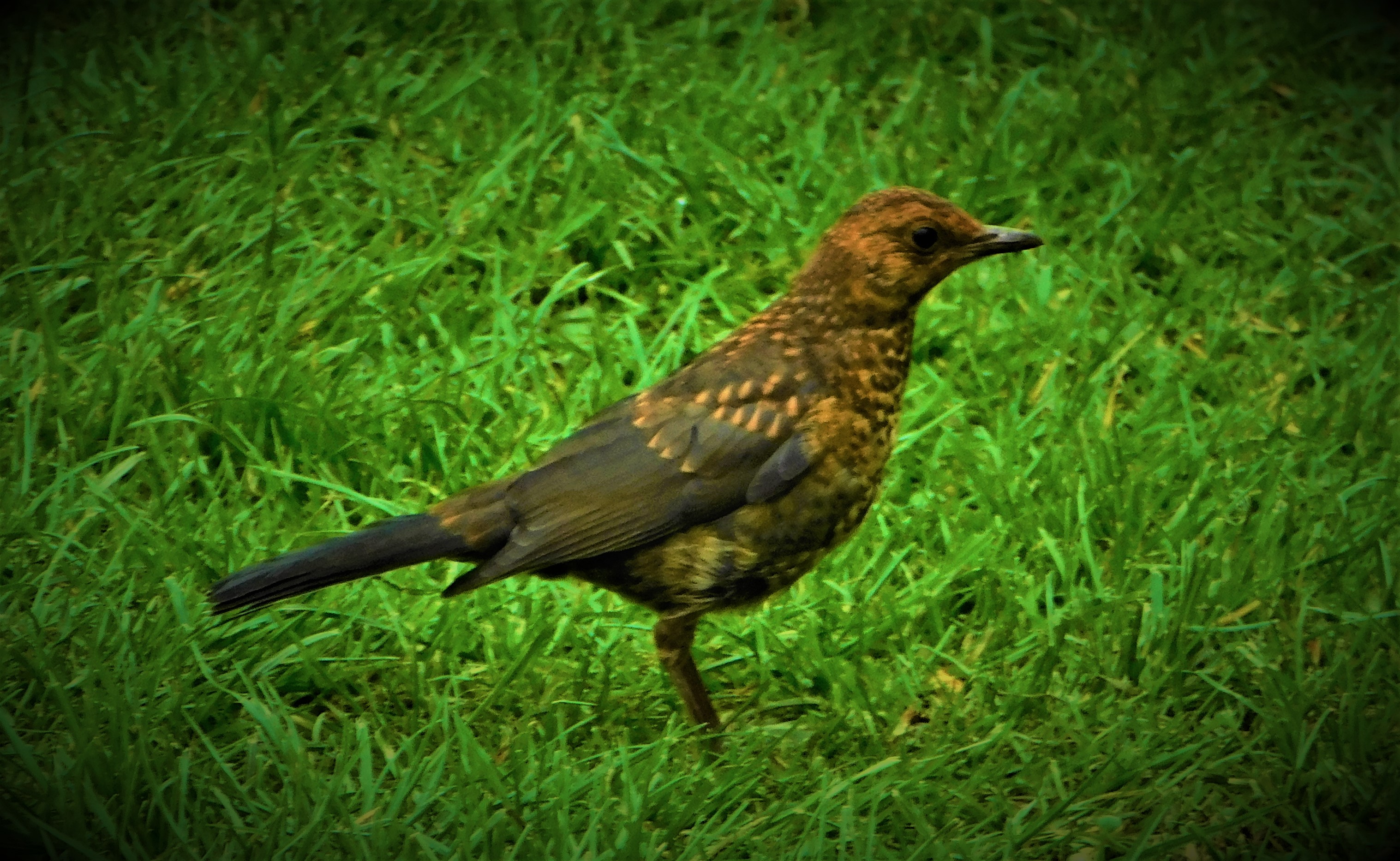
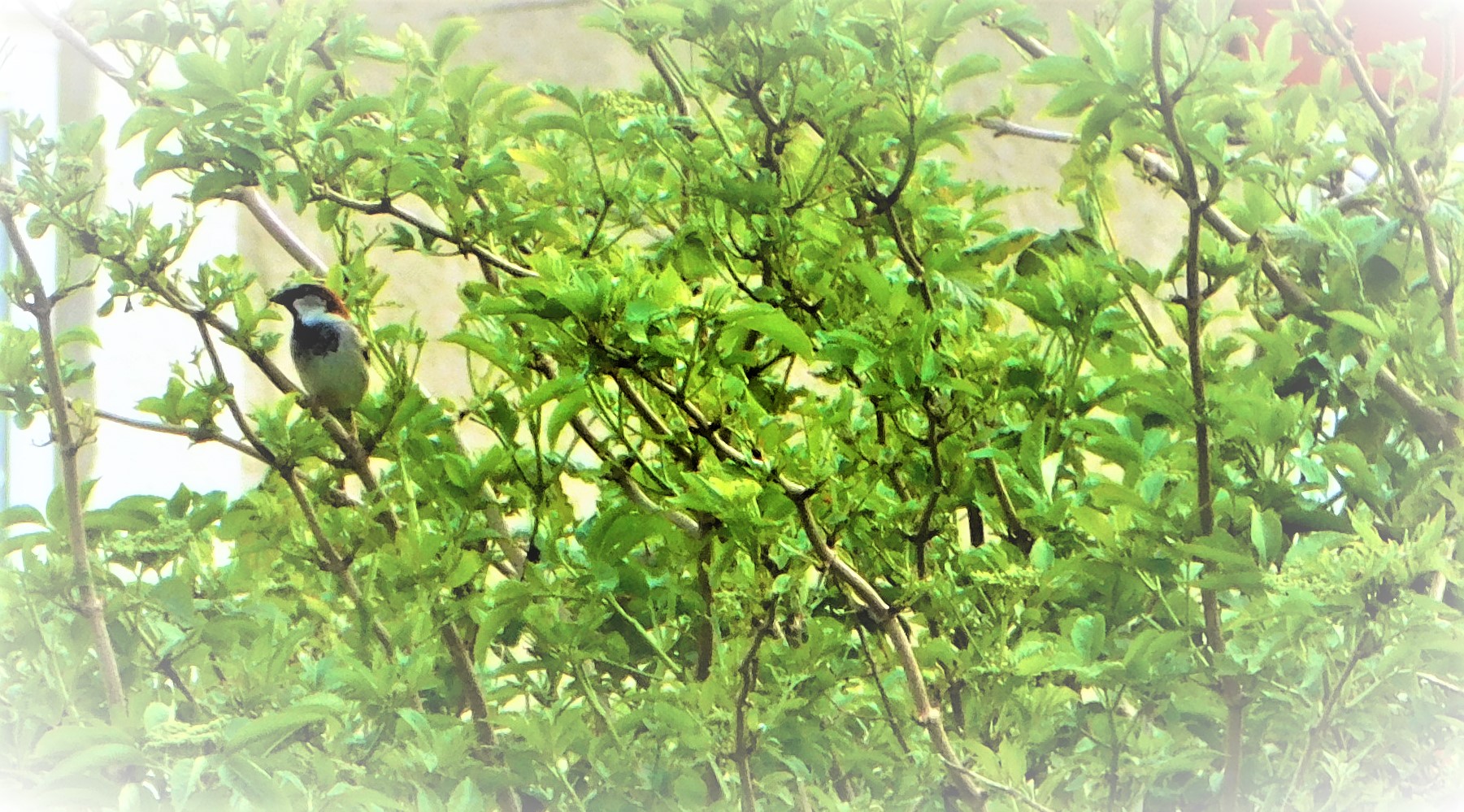
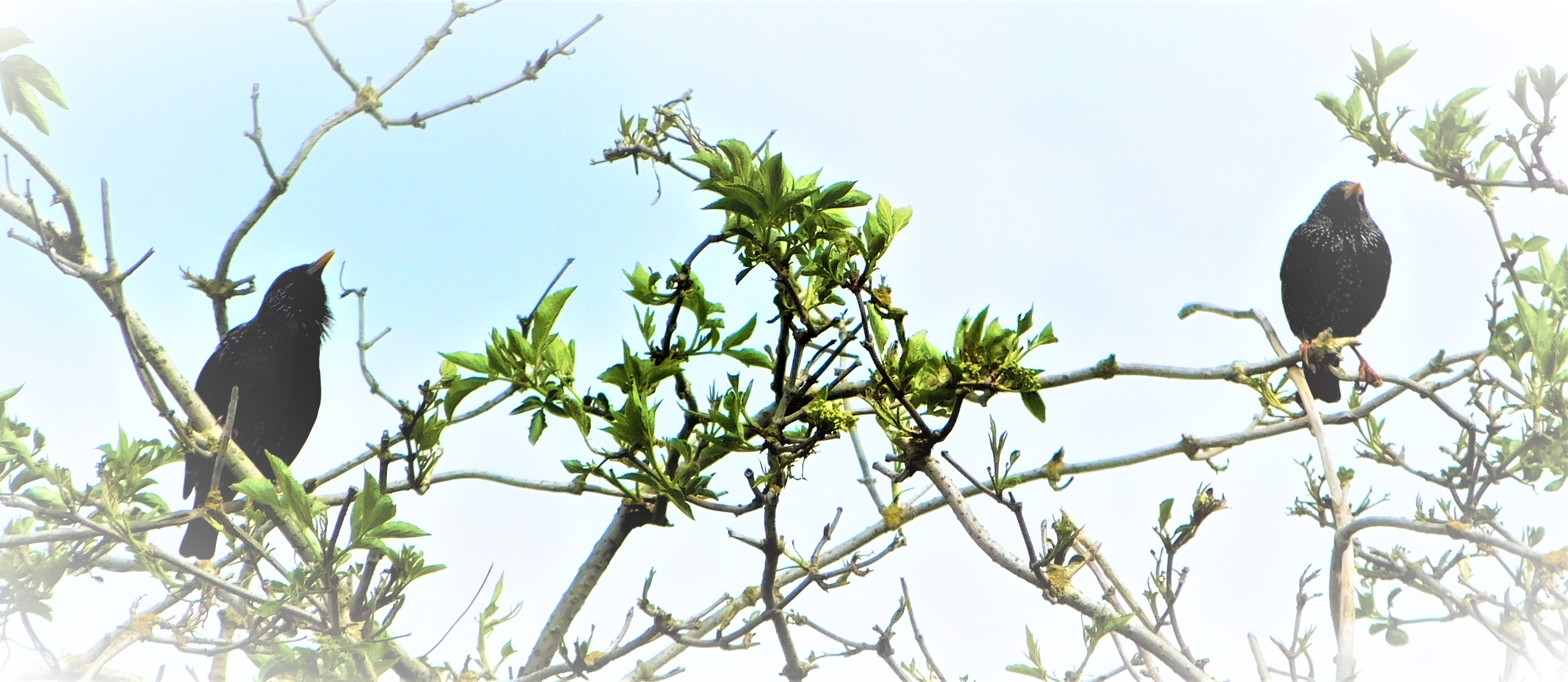
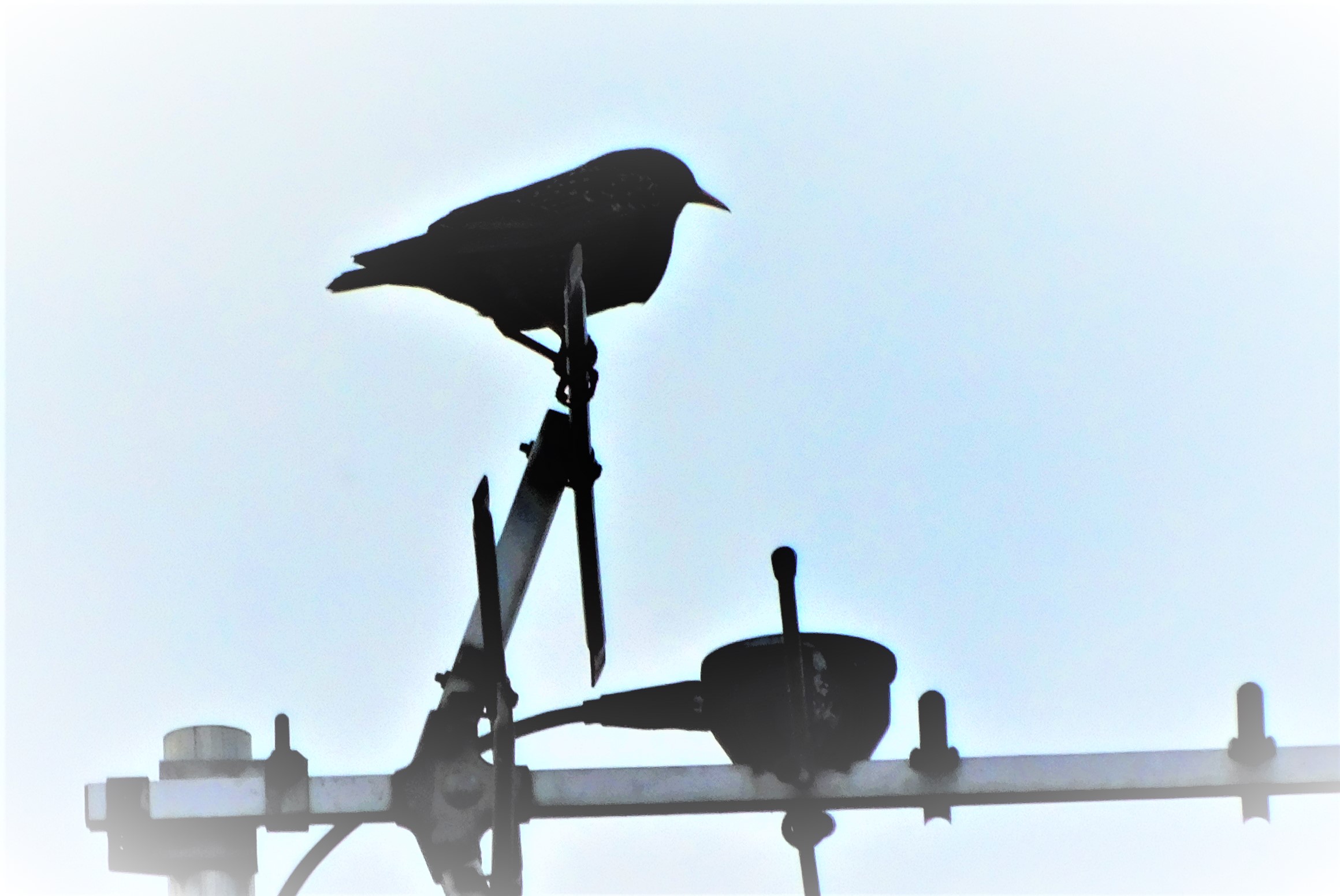
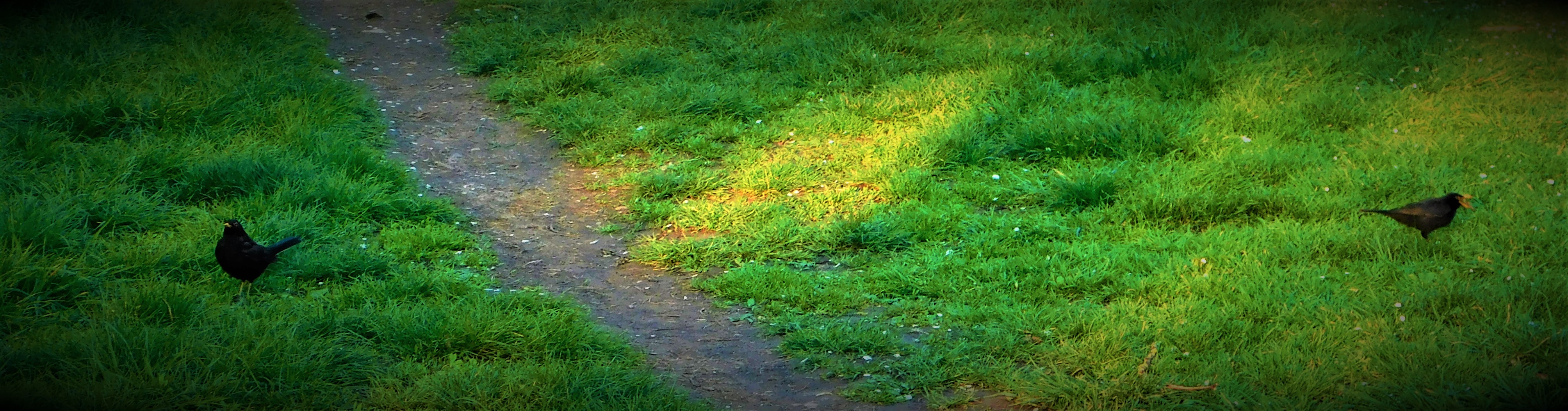
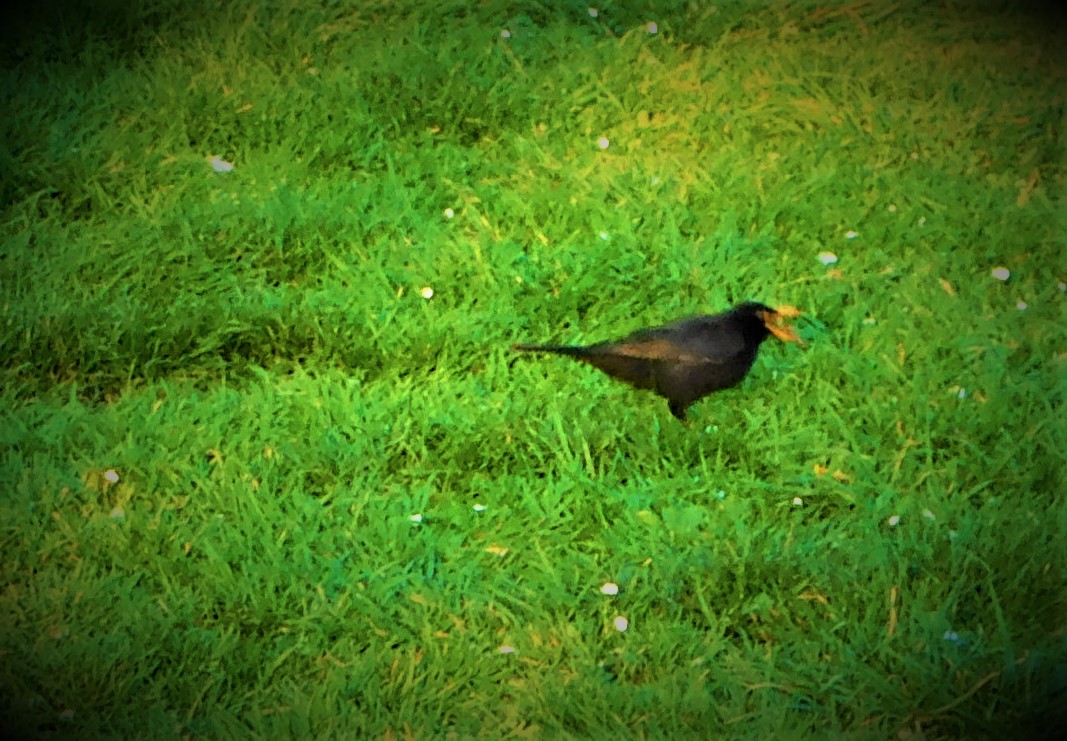
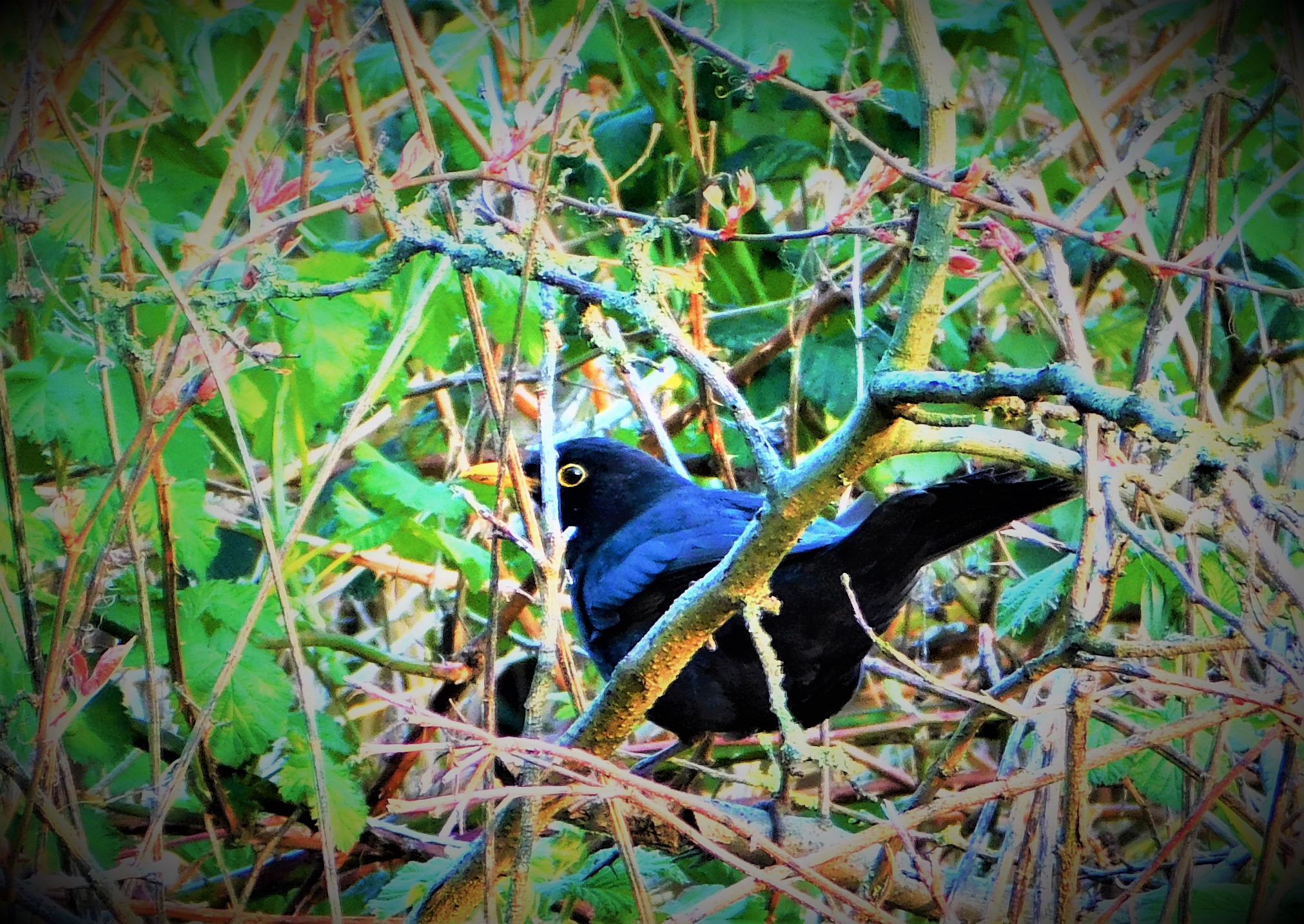
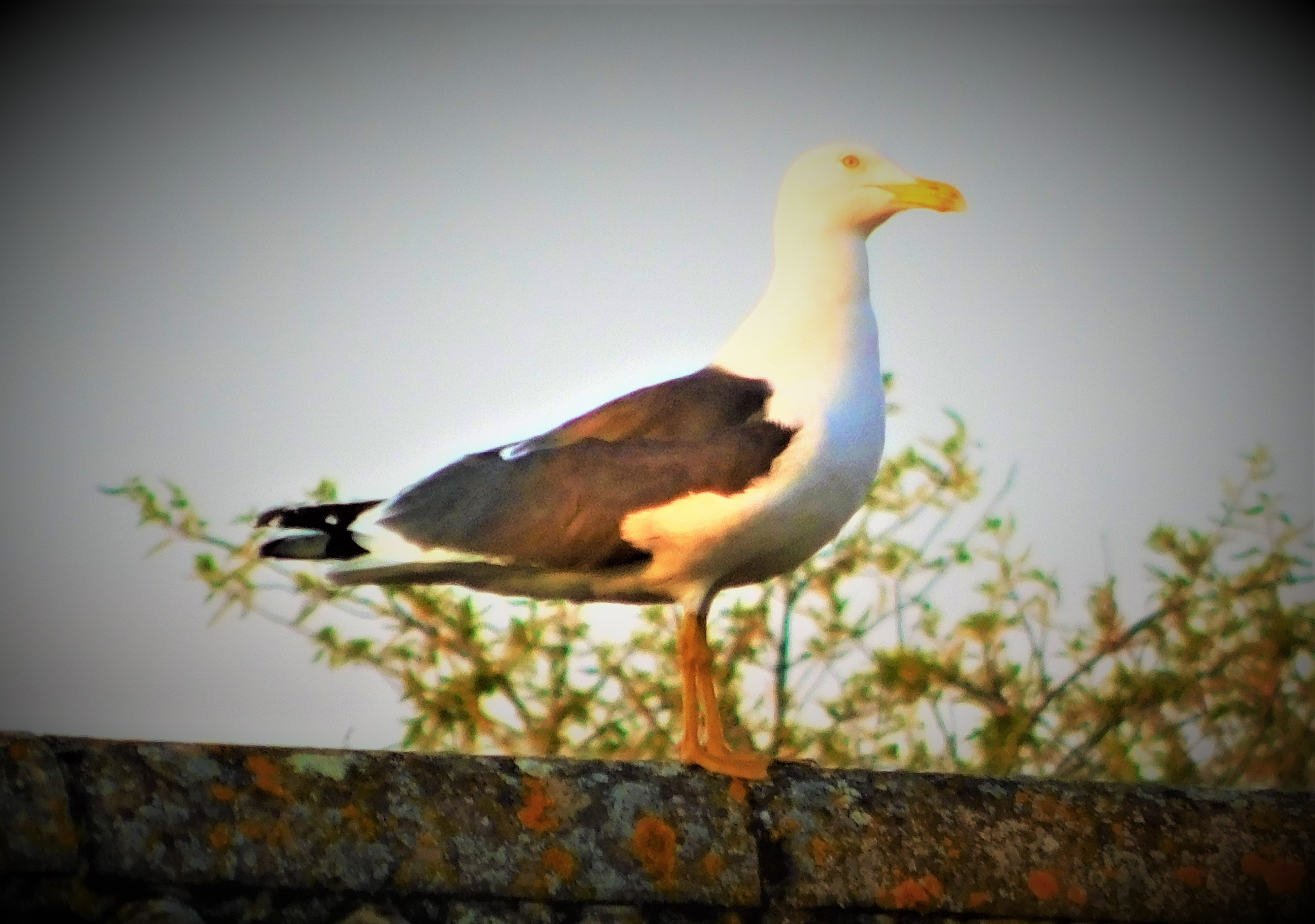
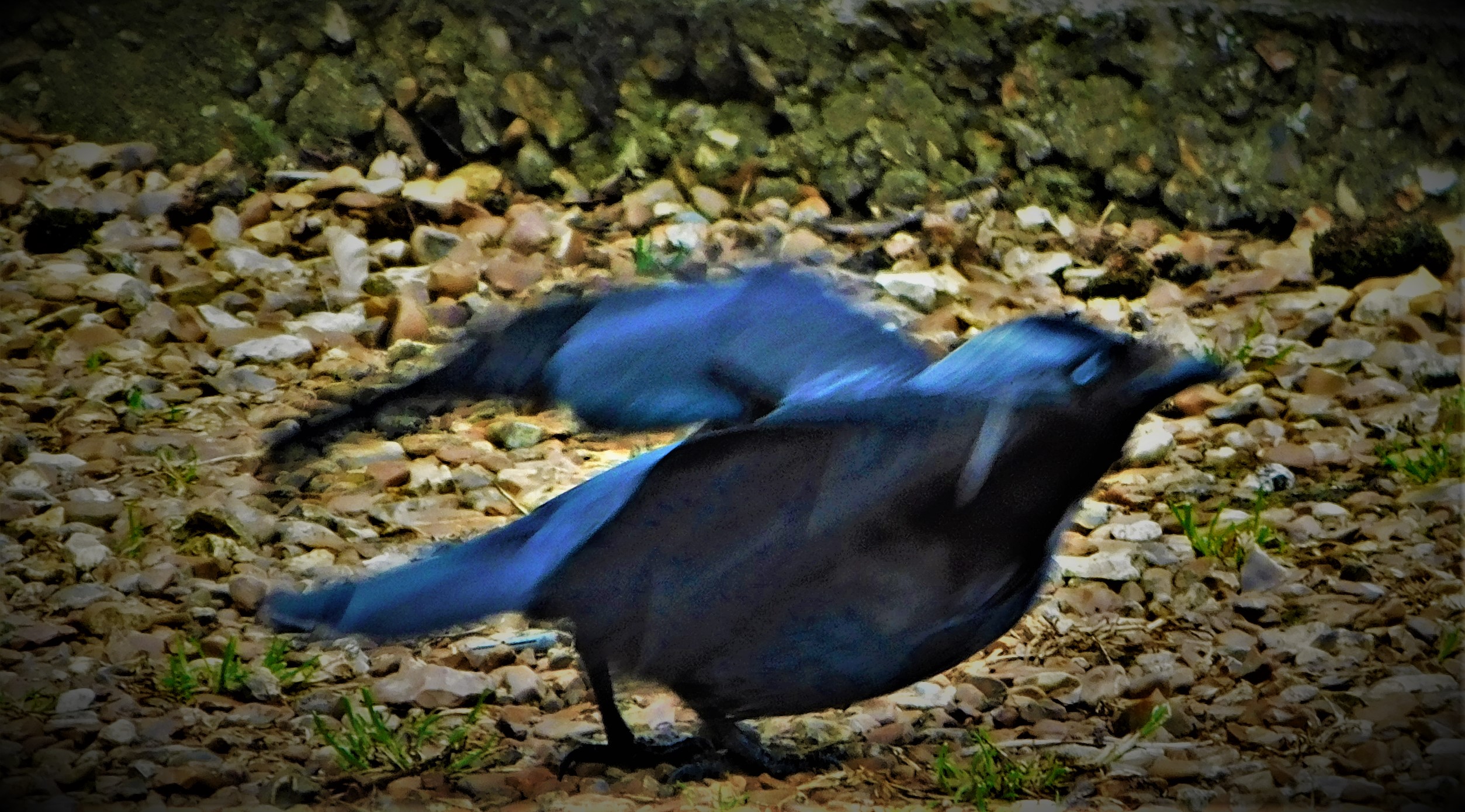
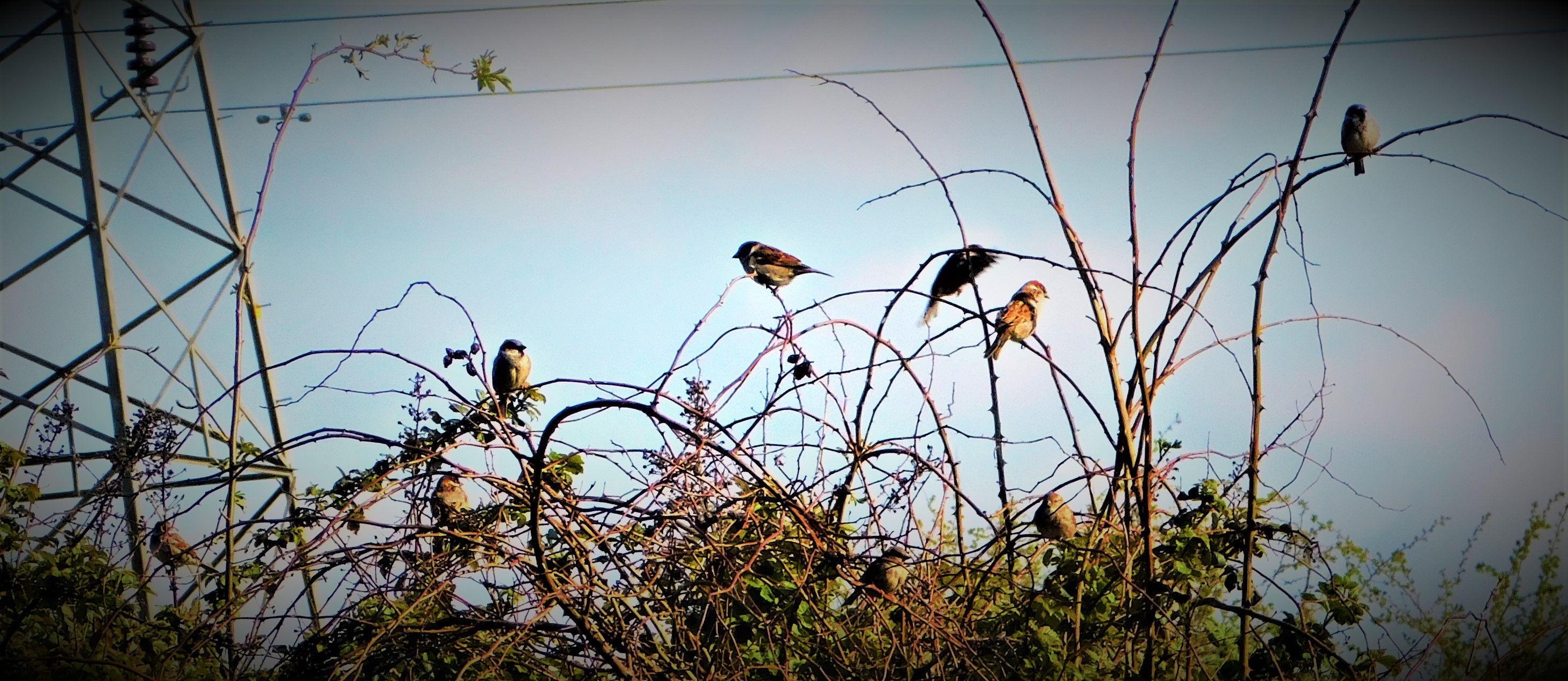
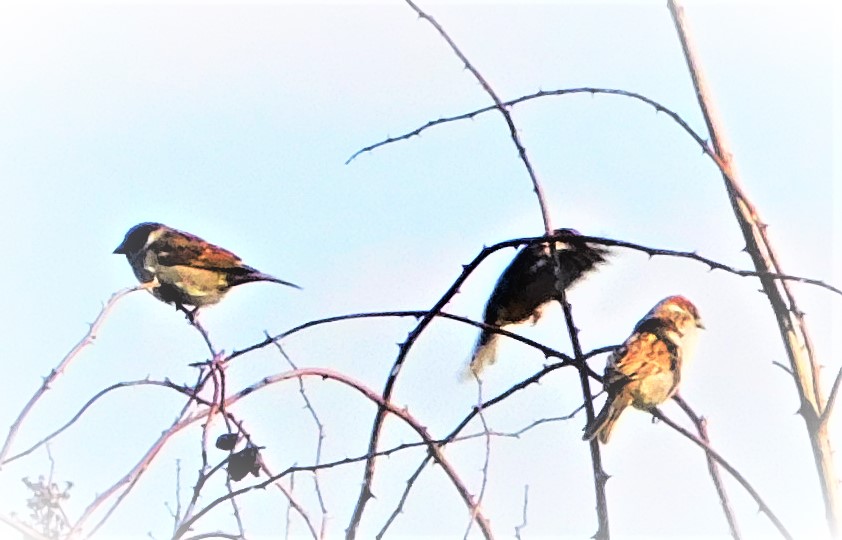
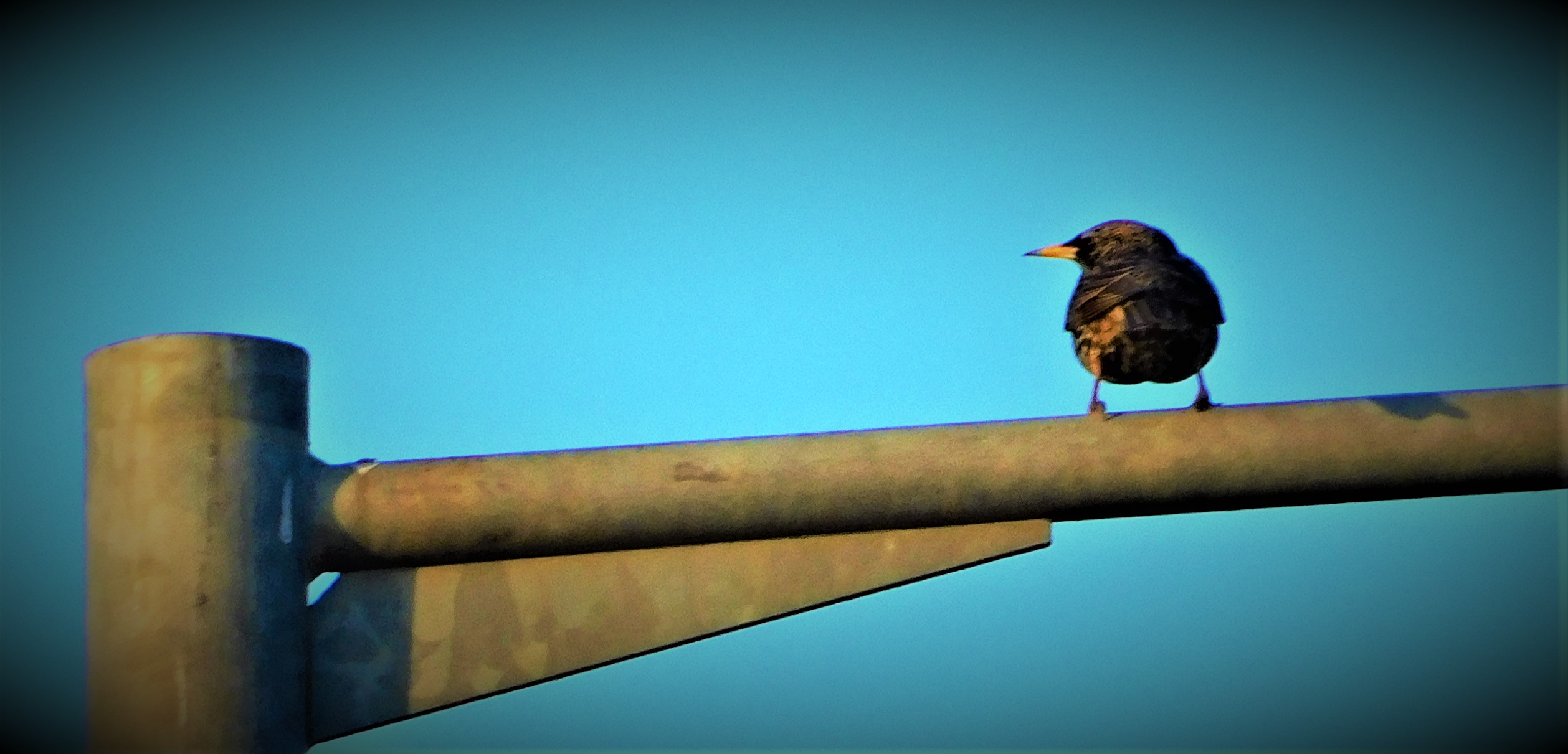
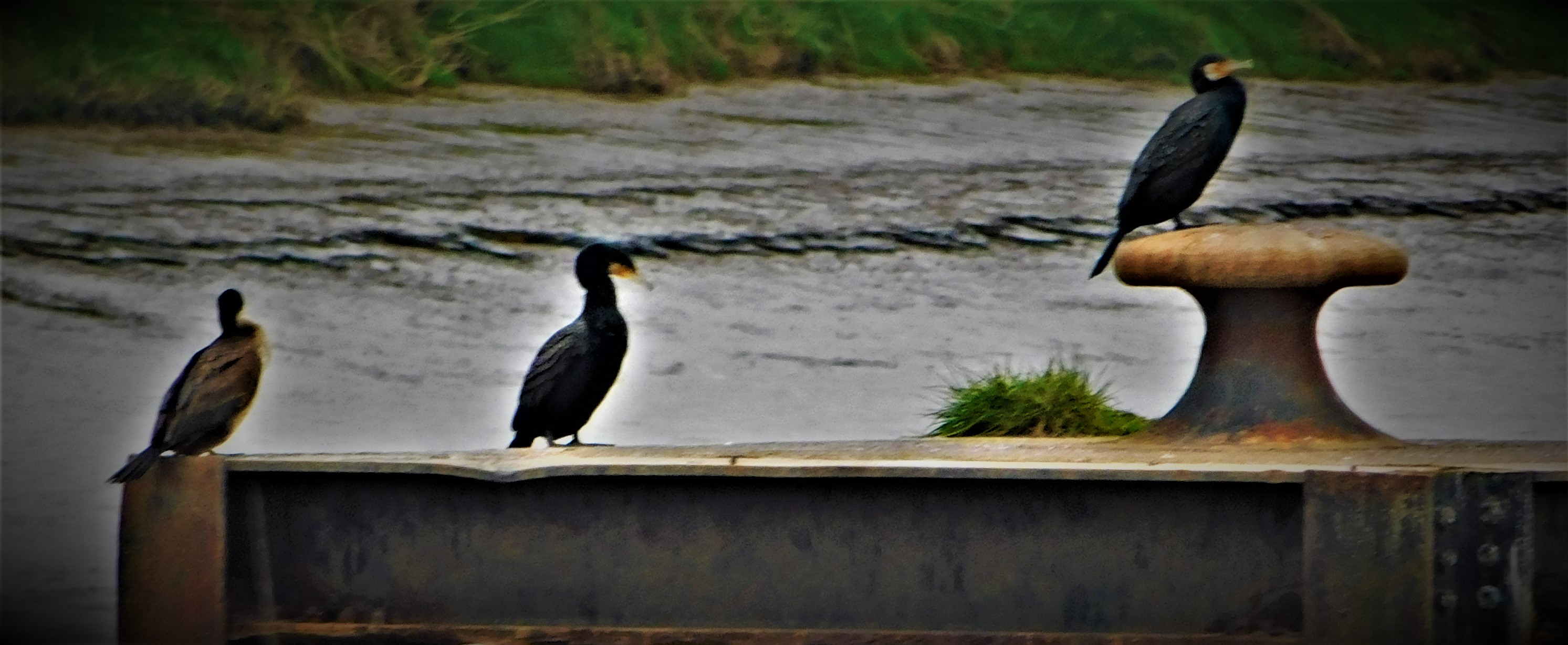
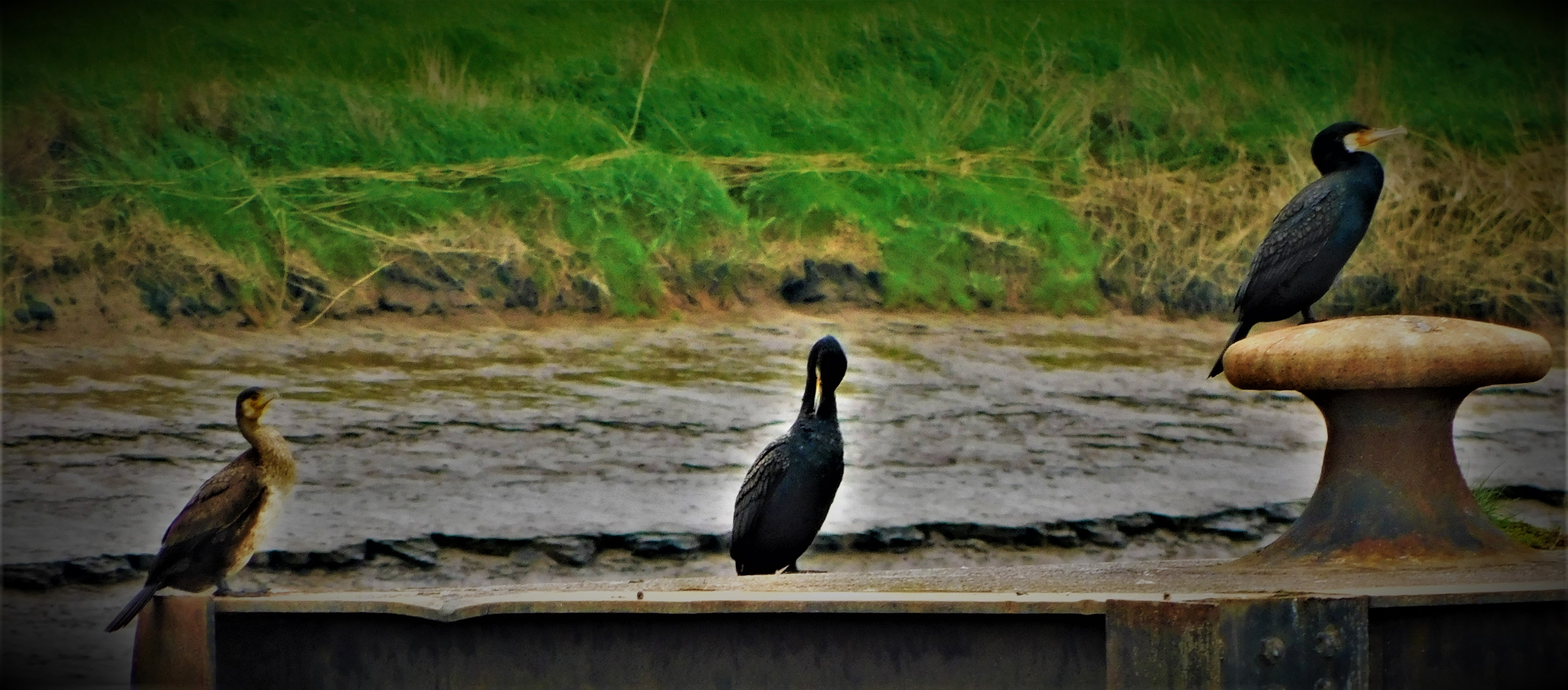
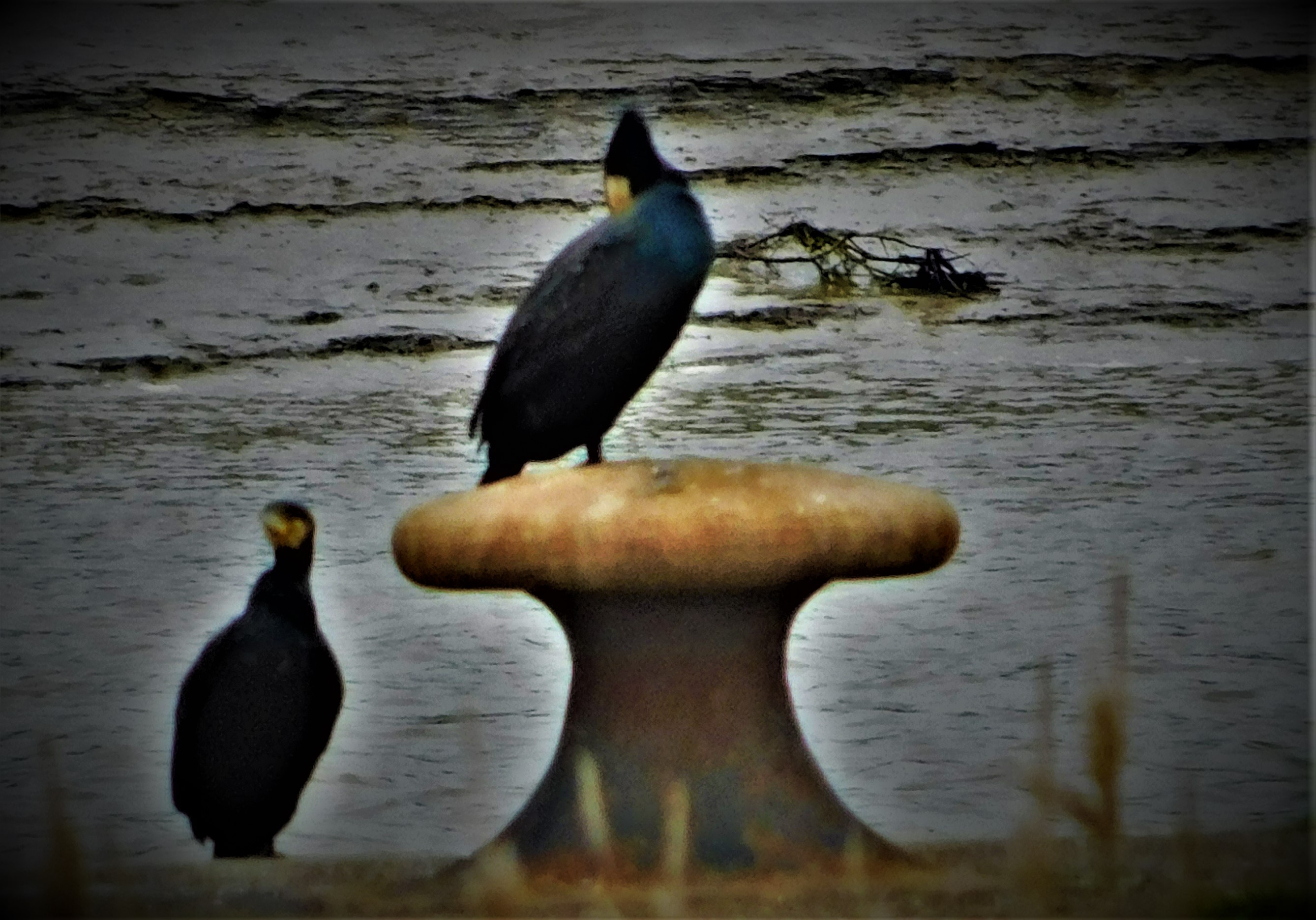
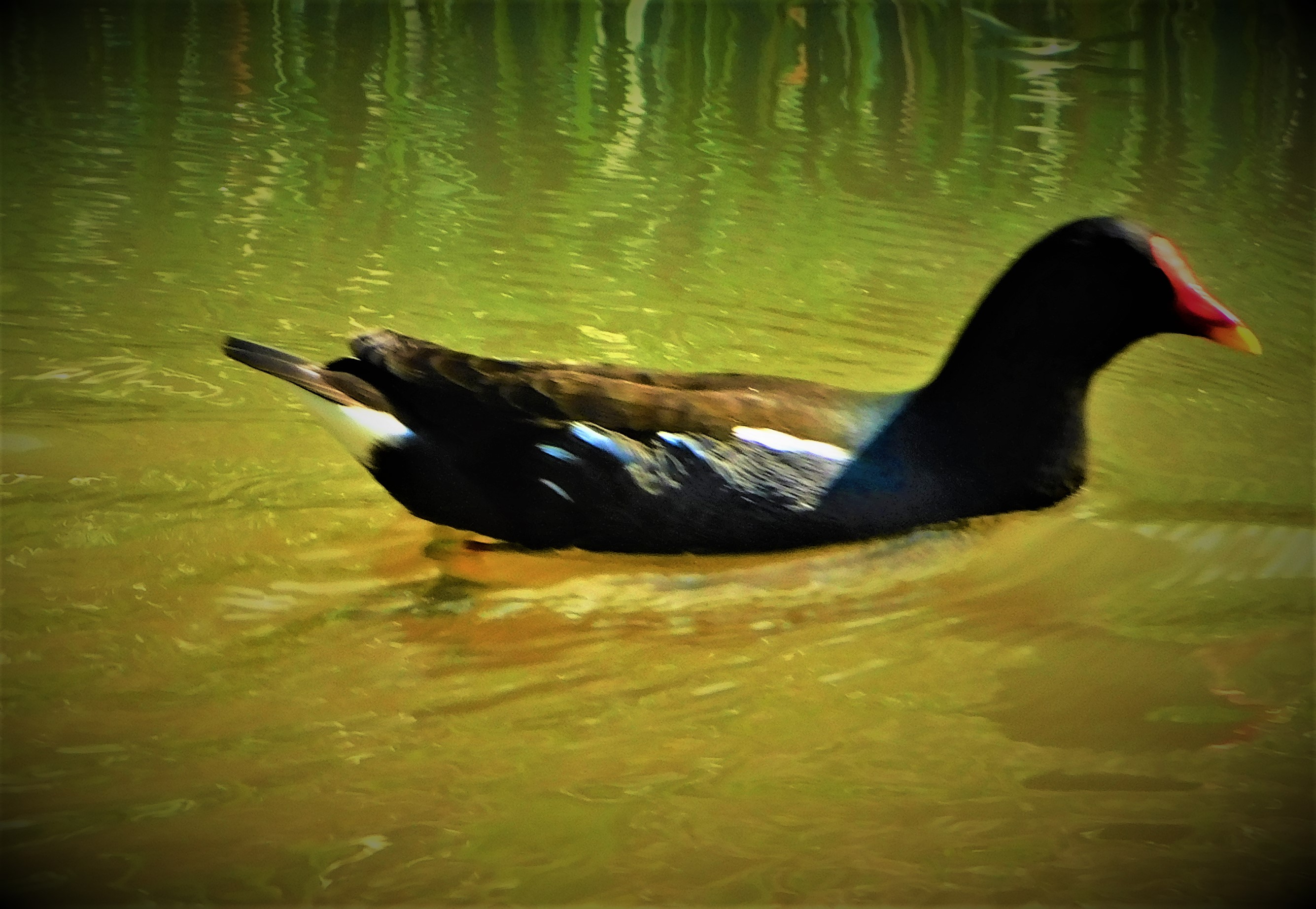
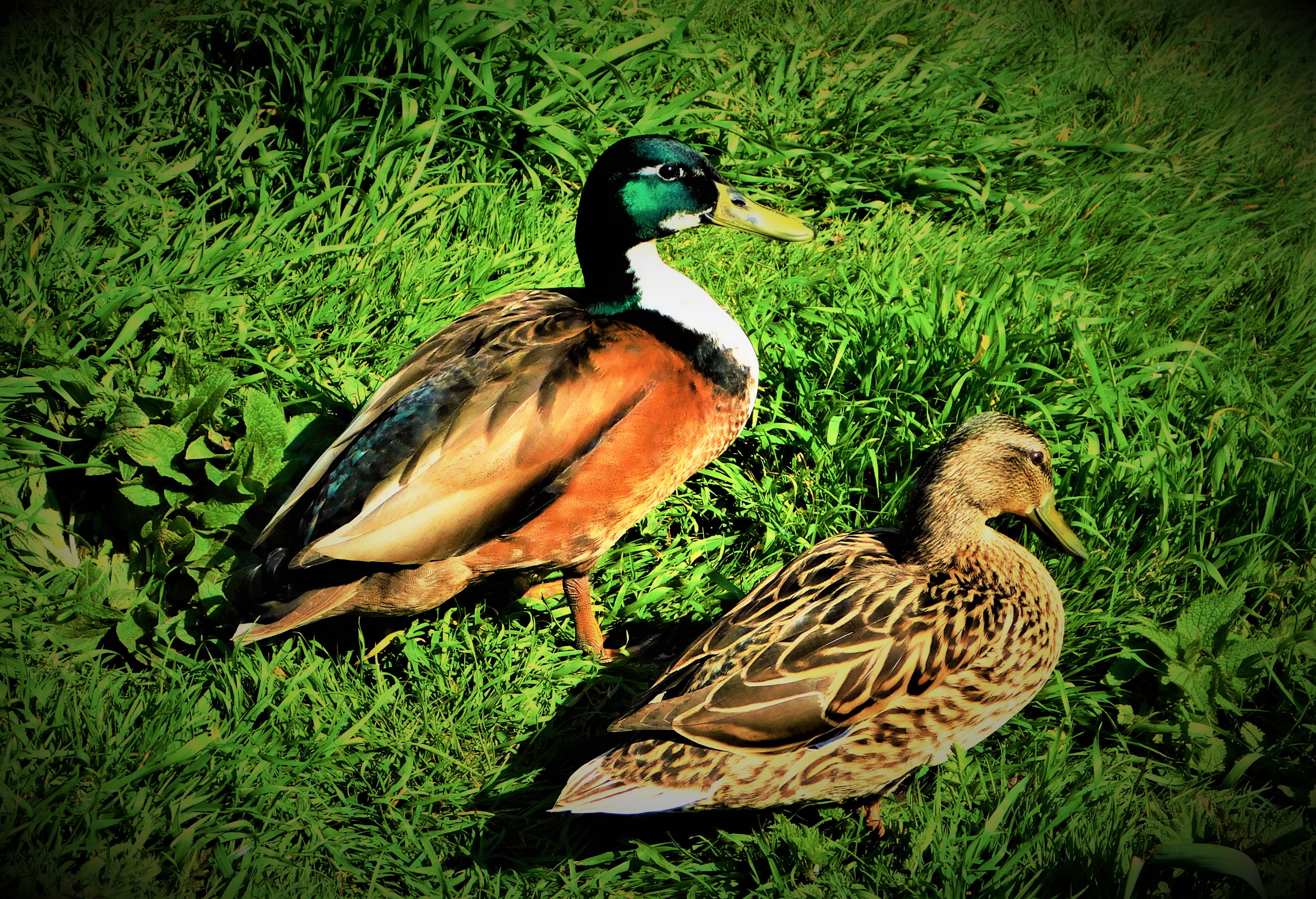
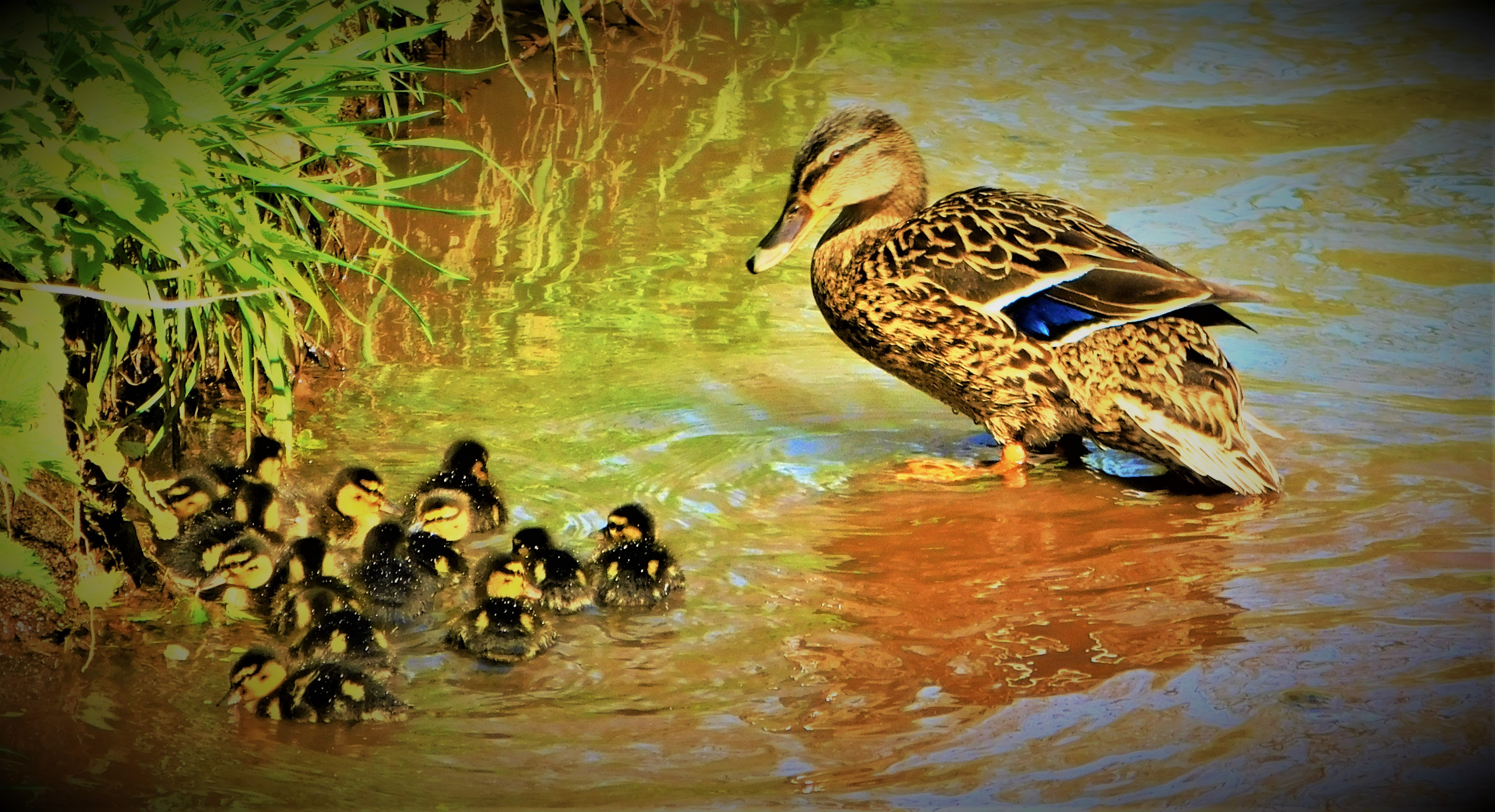
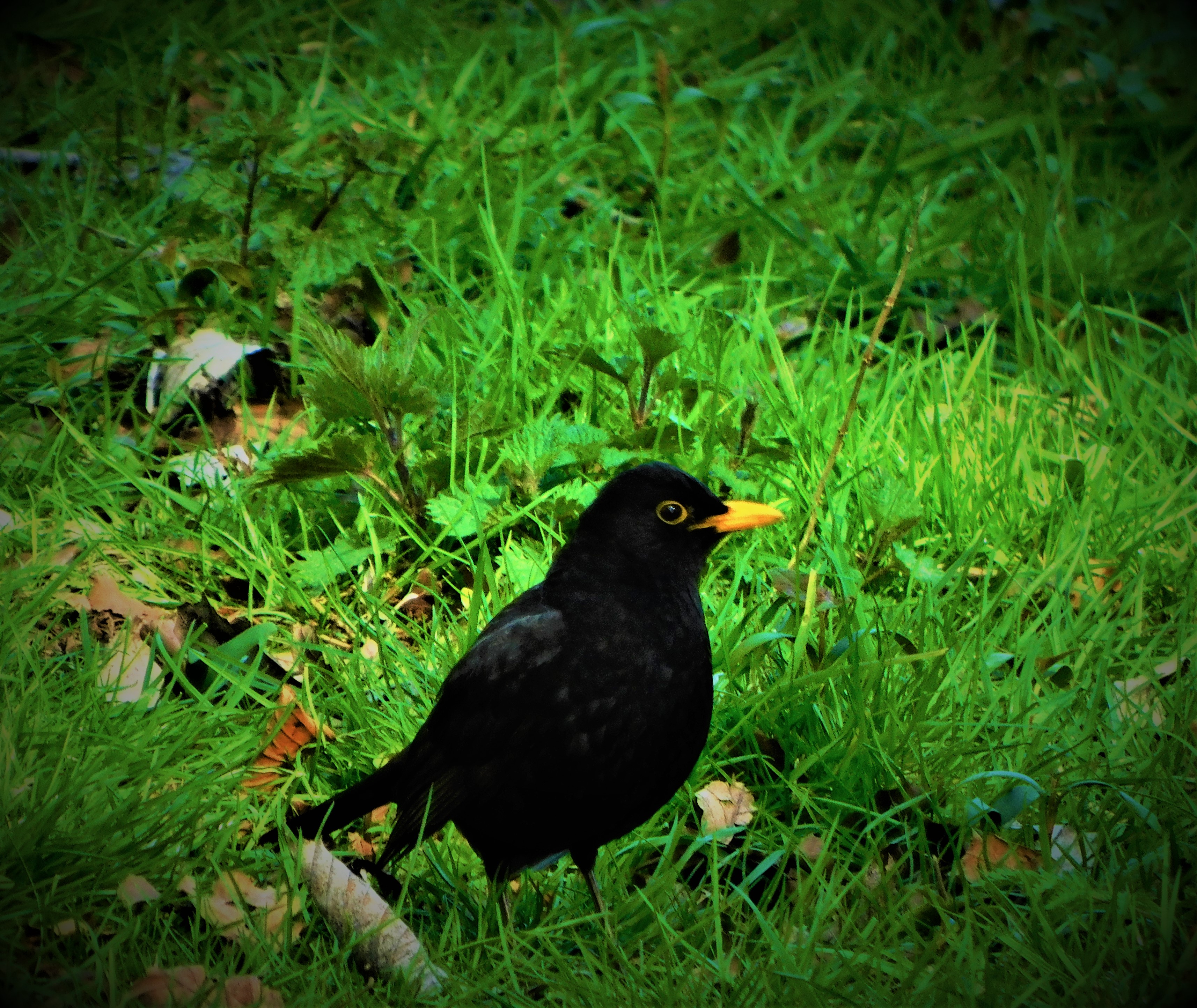
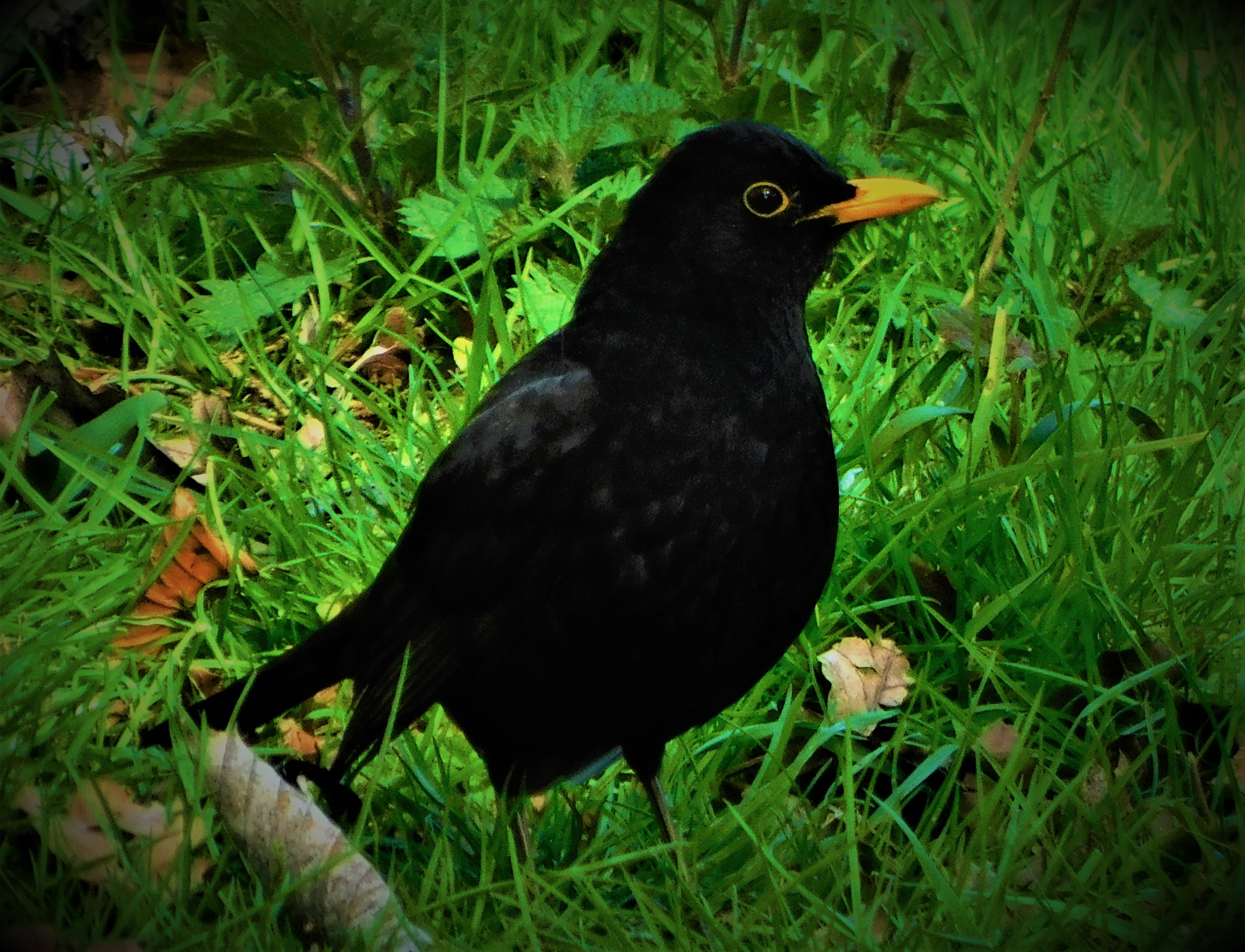
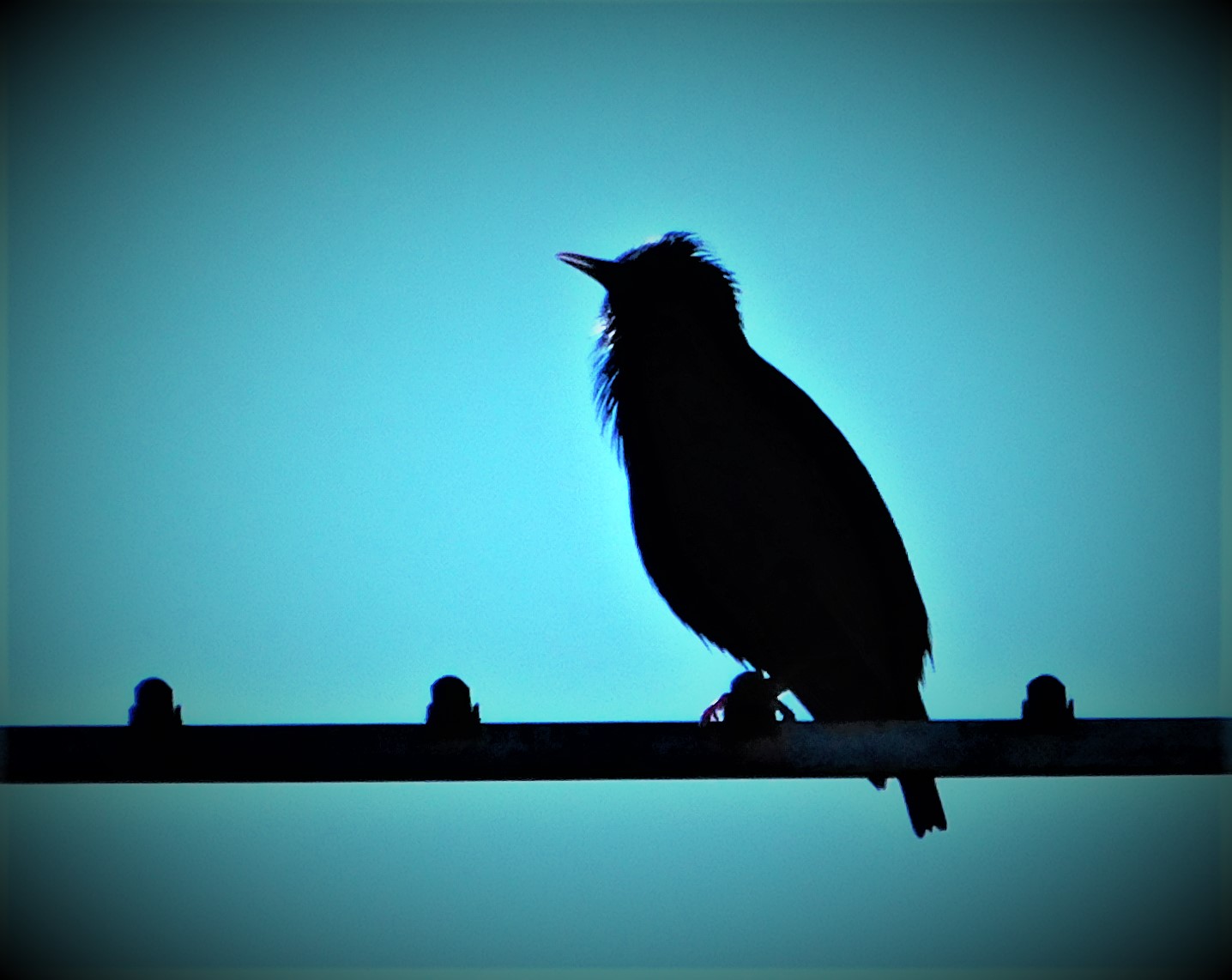
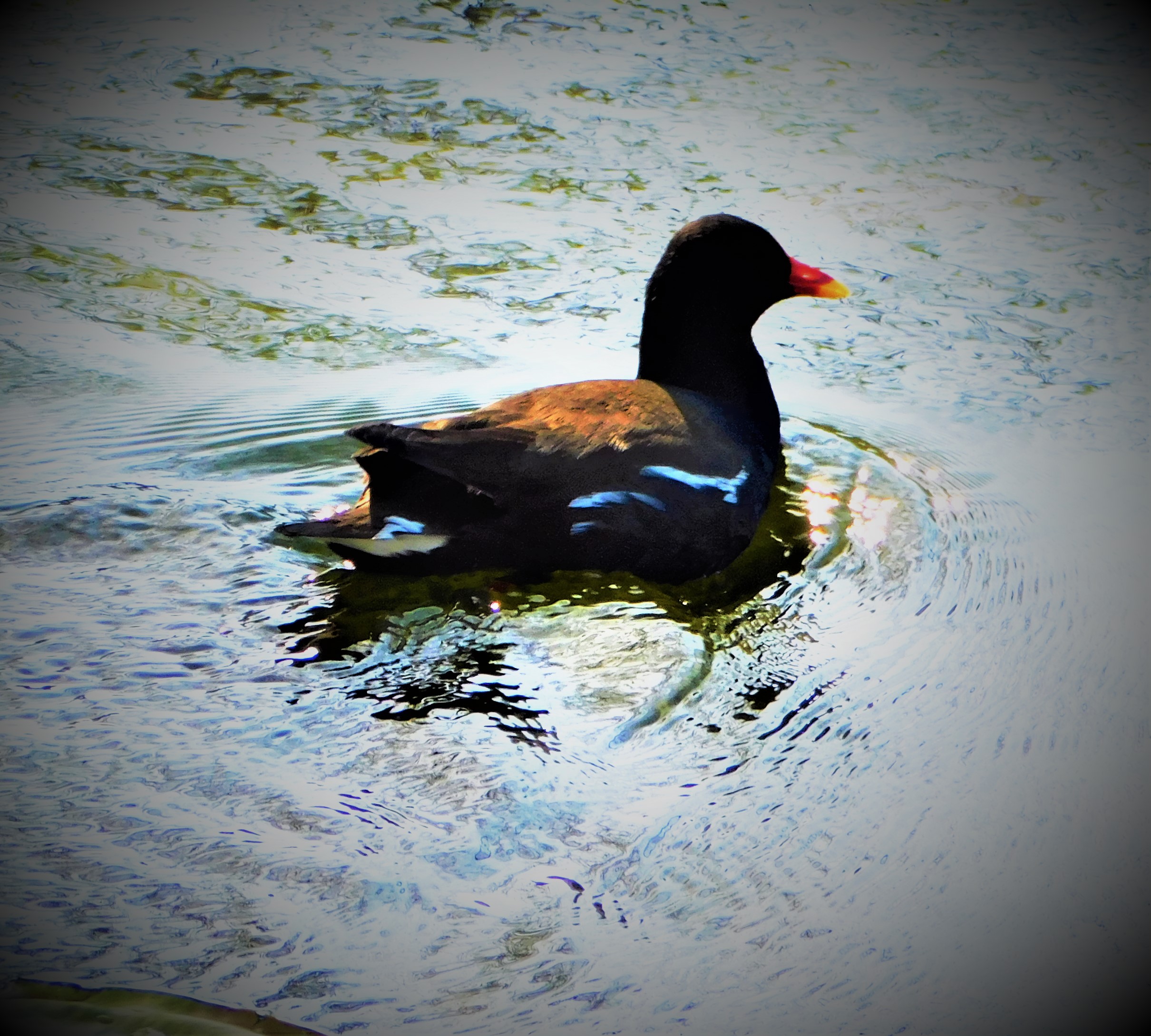
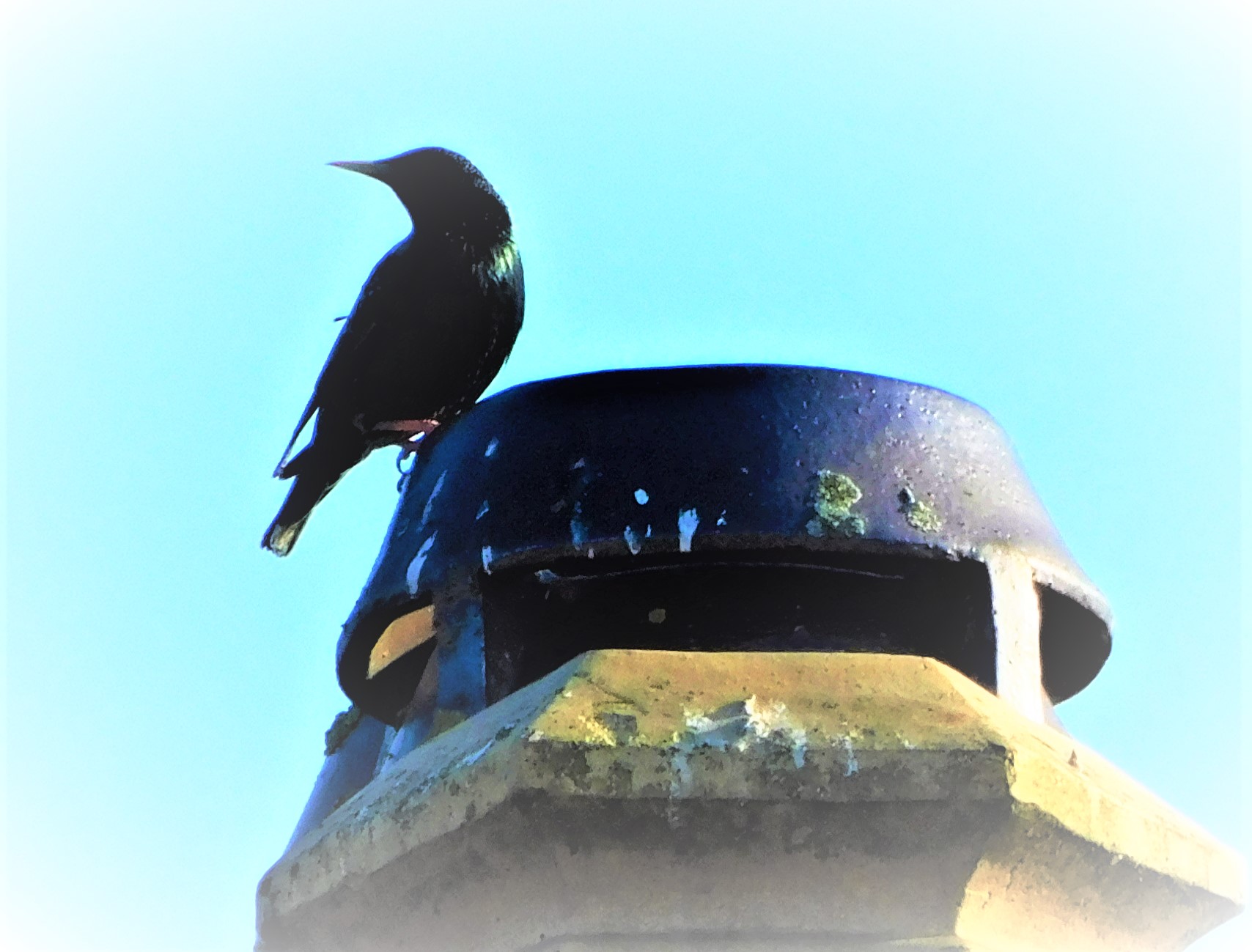
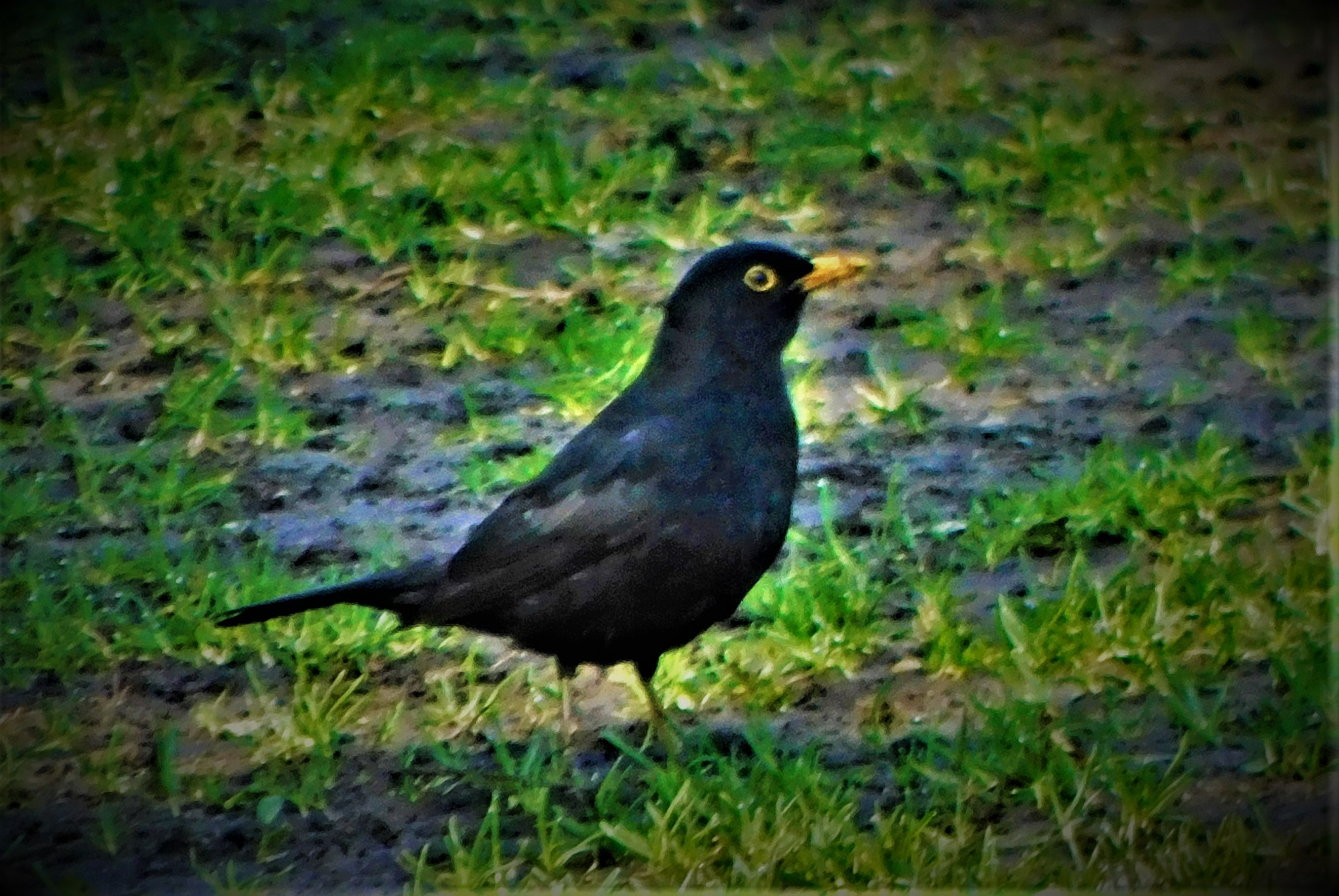
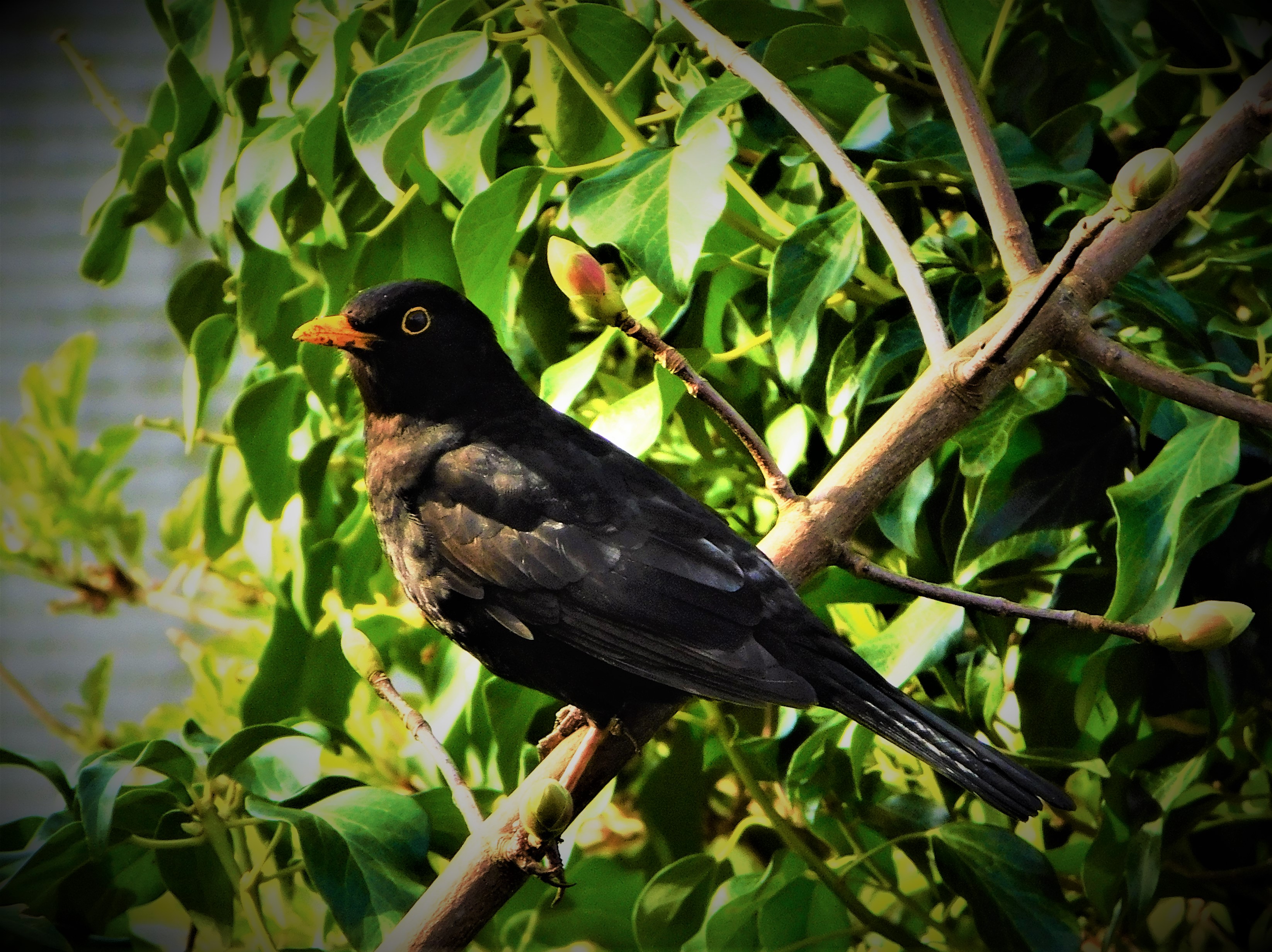
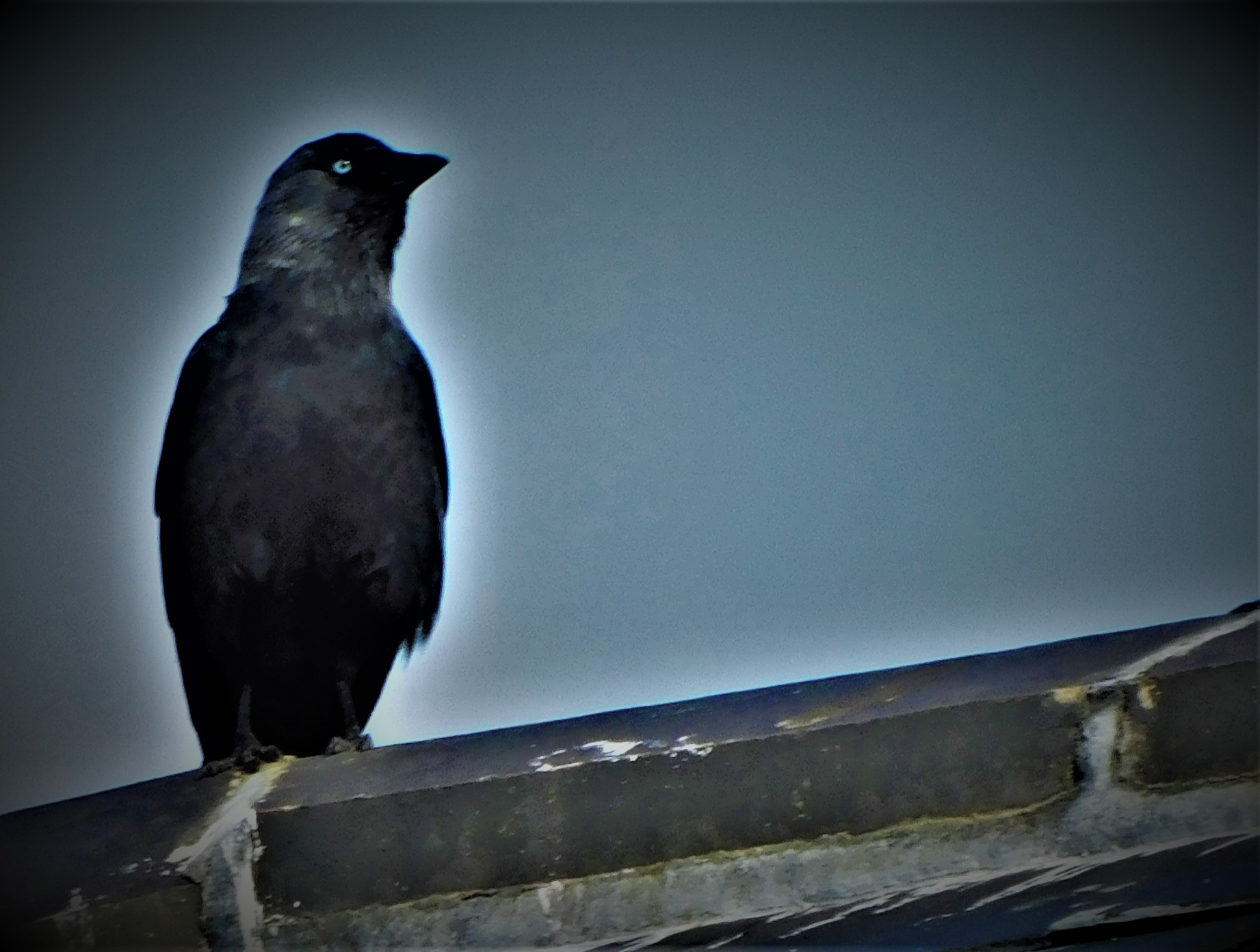
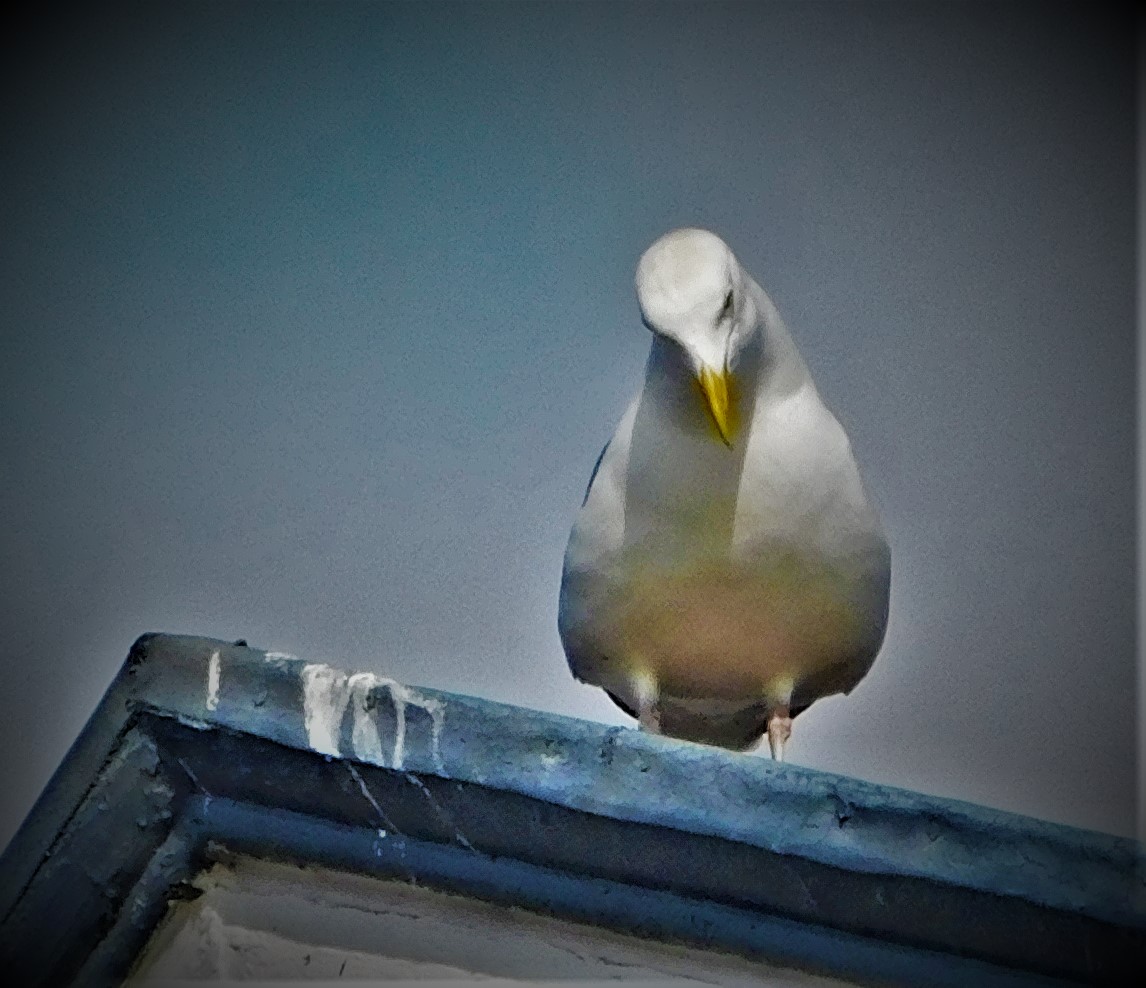
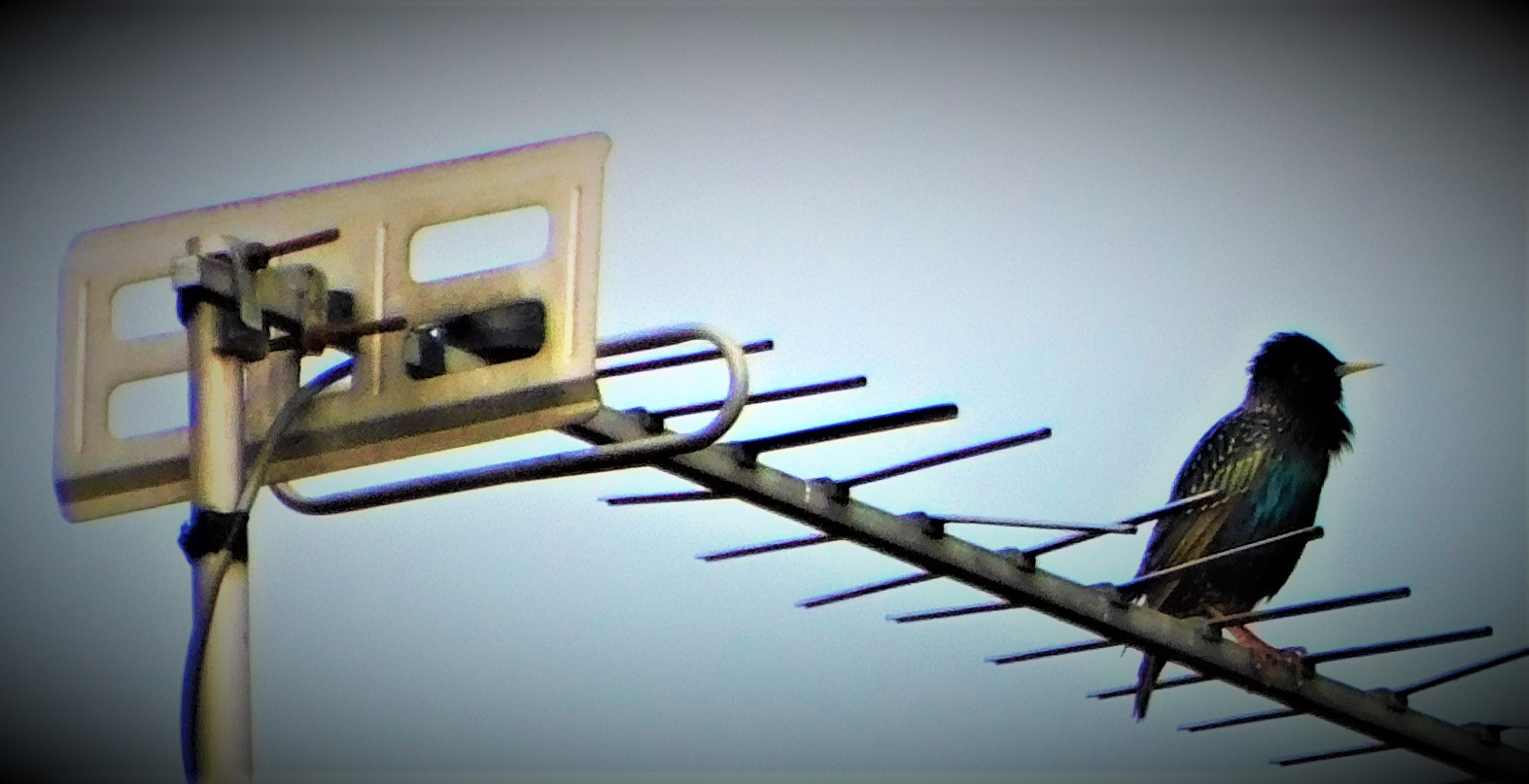
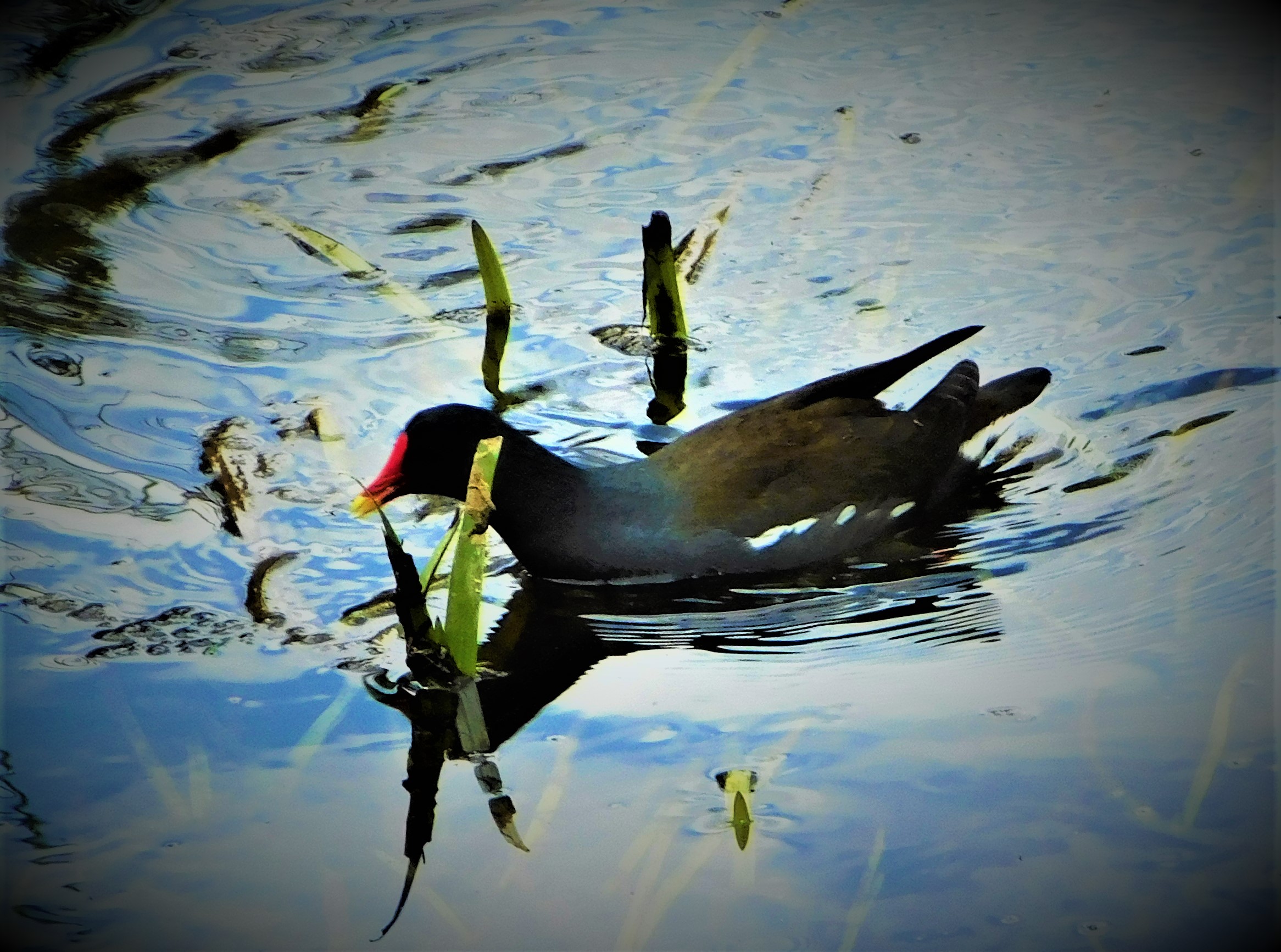
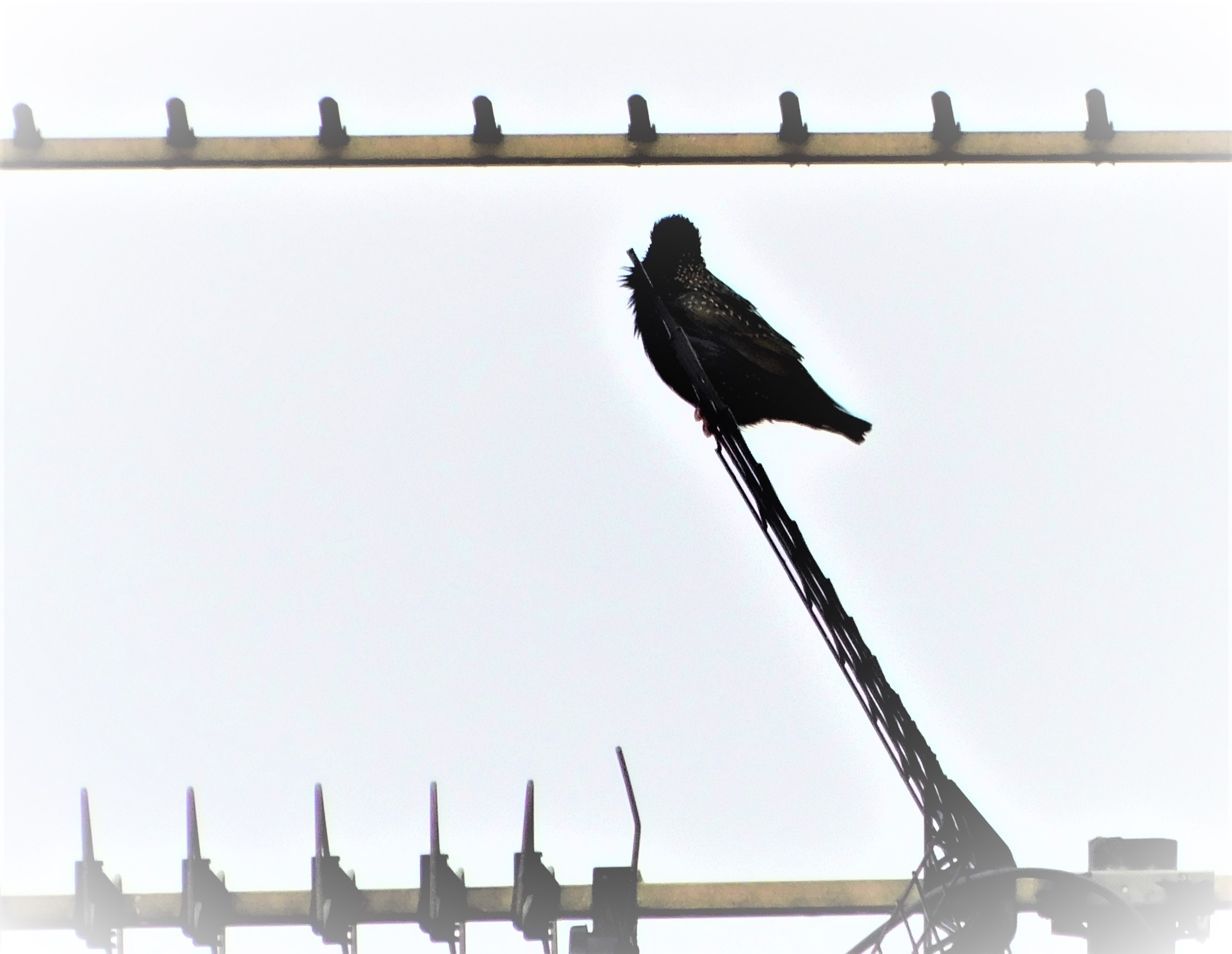
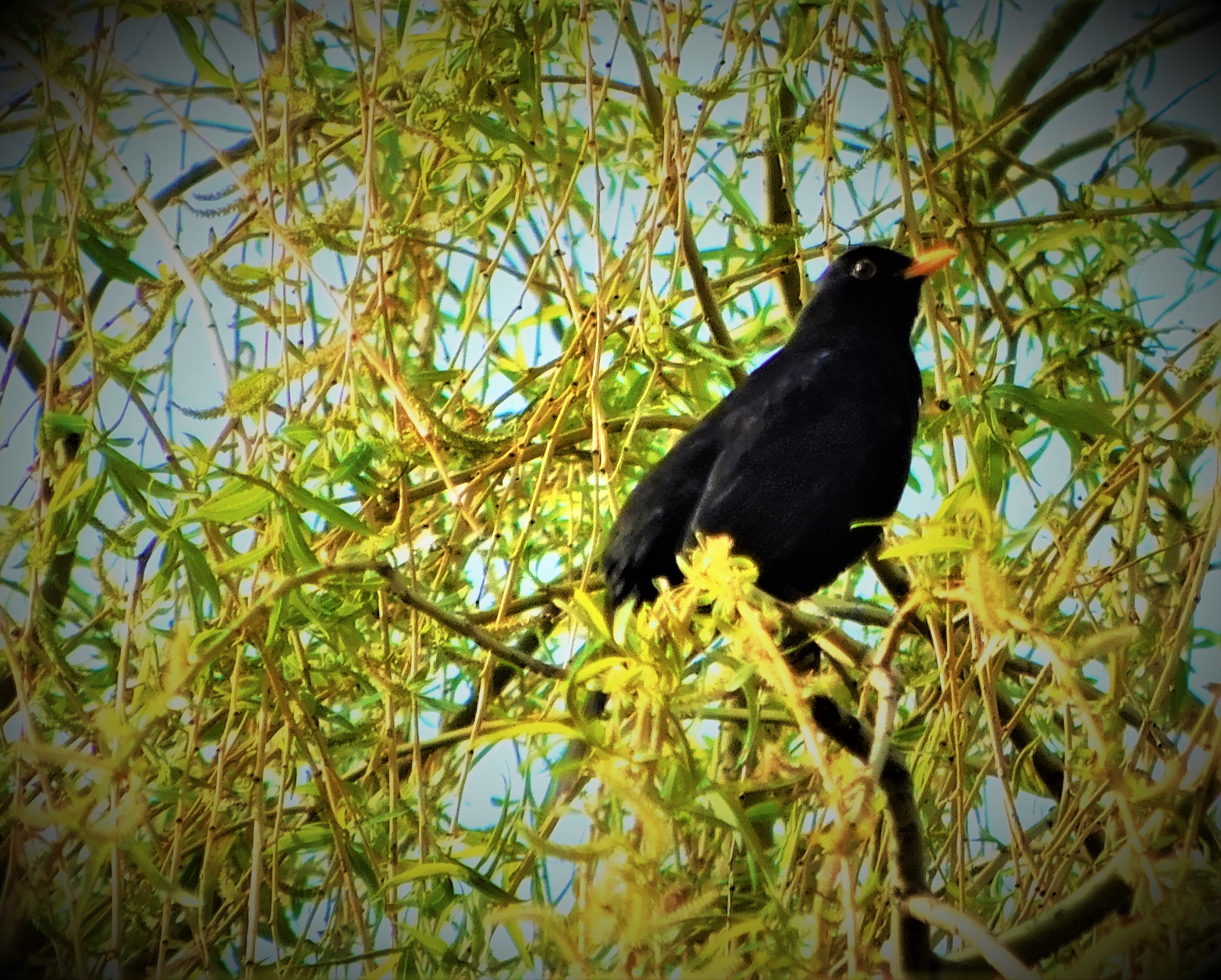
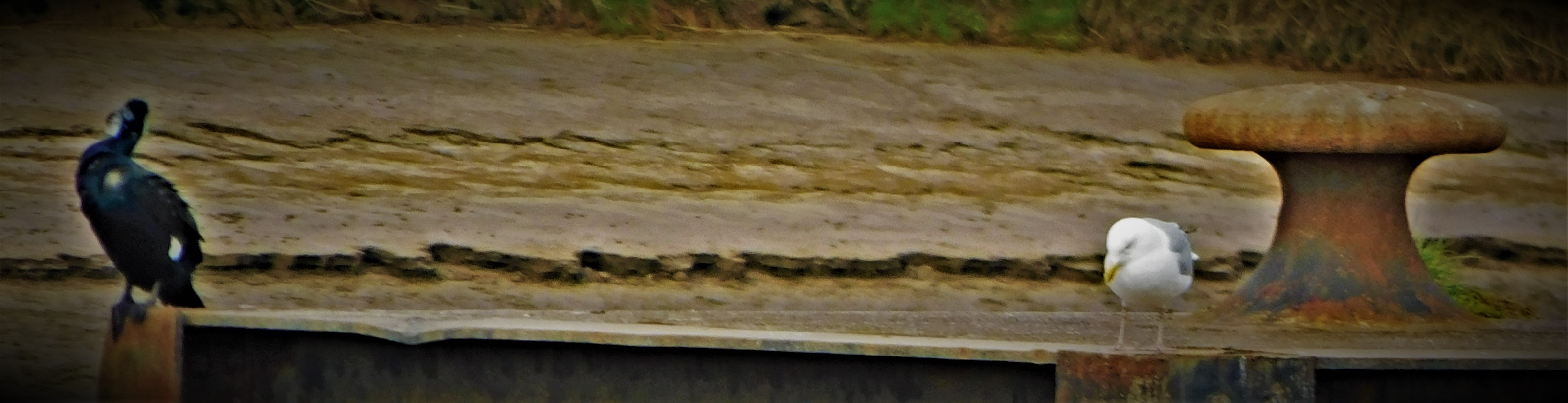
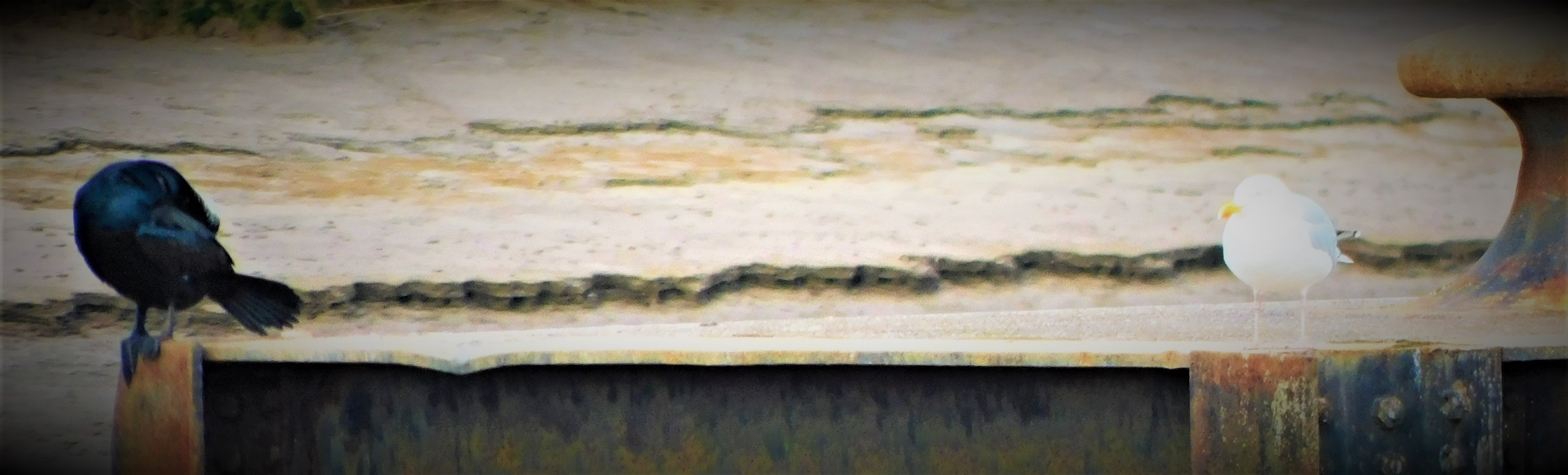
A special post dedicated to the birds of Alderney, of which I saw some fine specimens.

A post about the return journey to Guernsey.

Every post relating to Alderney will feature a view of Fort Clonque, where we stayed.

A view of the fort taken from the far end of the causeway that links it to the rest of the island.

Events since arriving back on Guernsey warrant at least three posts already:

A post about the Little Chapel.

Two posts minimum about the Occupation Museum (Guernsey was occupied by the Germans from 1940-5).

I have no doubt that today’s events will be worth at least one further post, and then there is the return journey.

Three Little Snippets

Exactly what the title suggests!

Just a brief post to remind people of my existence. I shall follow my title precisely…

ONE: HEARING AID

Ten days ago I was fitted with a hearing aid. I have had to change the batteries once (this is in keeping with the advice I was given that these batteries, which are specially made for use with hearing aids, and can be obtained free of charge either at the hospital or at the West Norfolk Deaf Association have a lifespan of approximately one week.

TWO: A MASSIVE AUCTION

A longstanding client of James and Sons is selling his collection. He was a bulk collector of stamps, postal history and first day covers. Yesterday I began the process of imaging these items, which will be going under the hammer in April. Even selling the stuff by the box/ crate, with no small lots, it will be a two day sale. Here are some samples from yesterday…

UNUSUAL BIRD SIGHTING

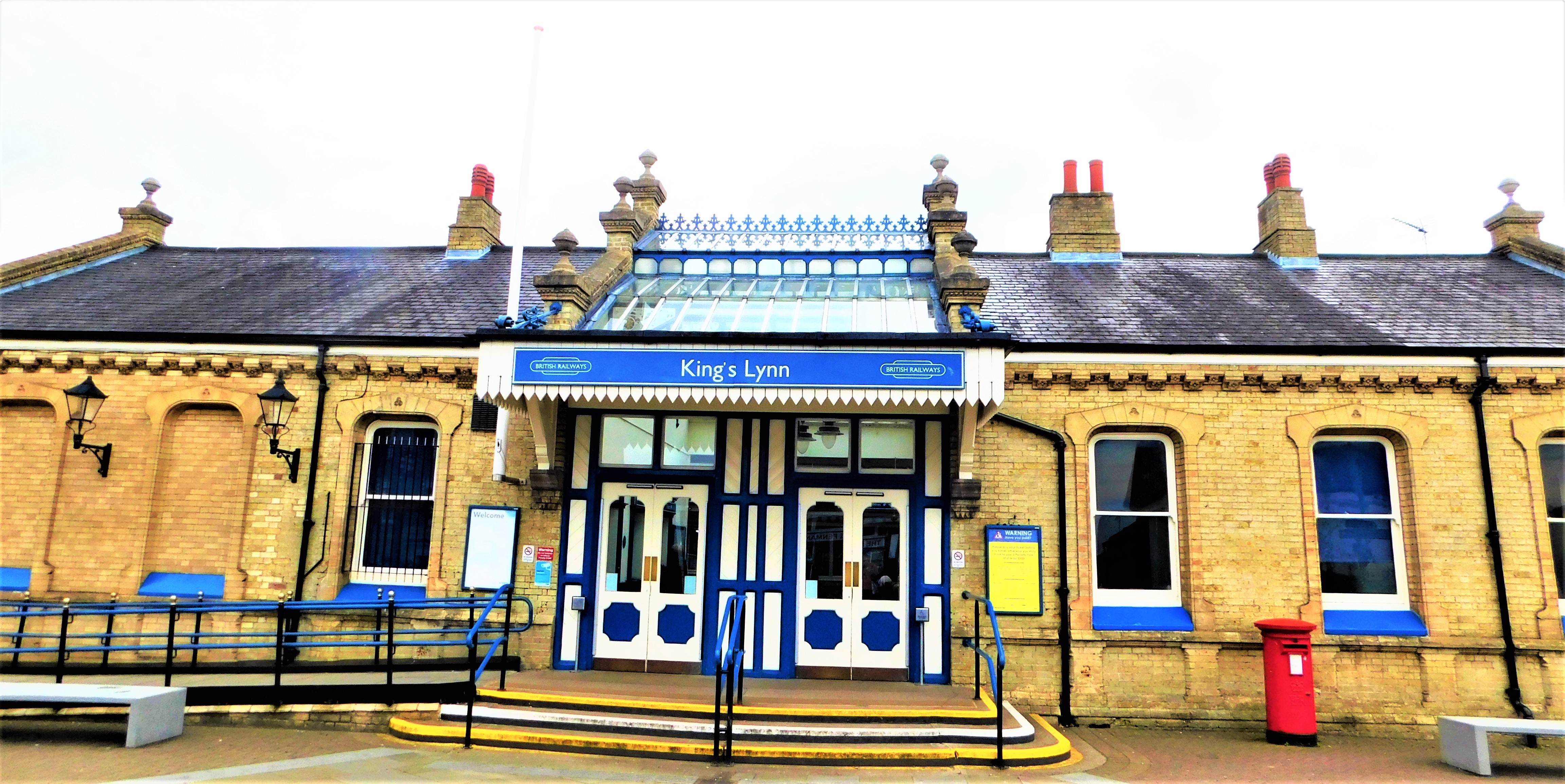
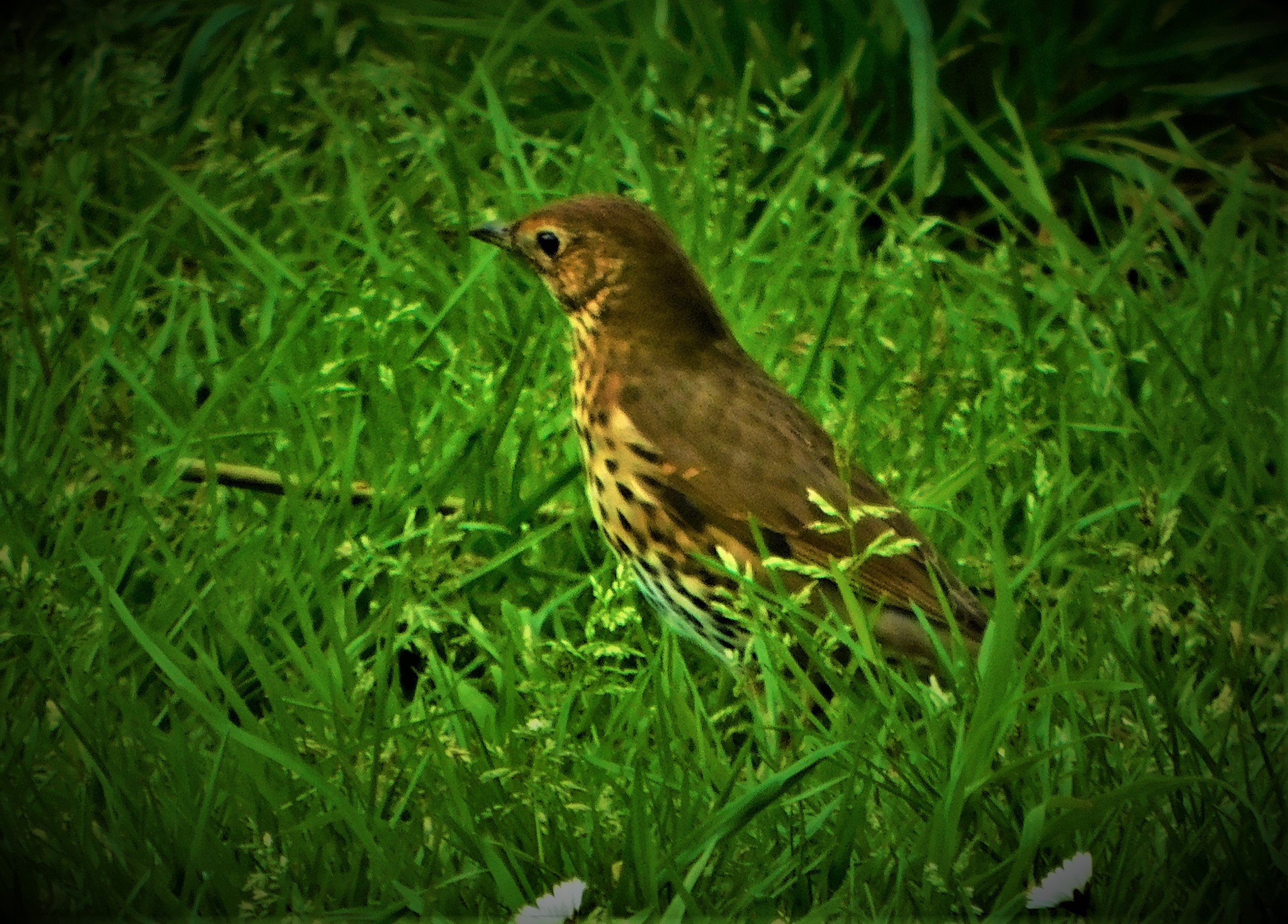
This is today’s sign off – I was out walking earlier (it is sunny today in King’s Lynn, though still cold enough to warrant a coat), and I saw a Little Egret in Bawsey Drain, not very far from my house…
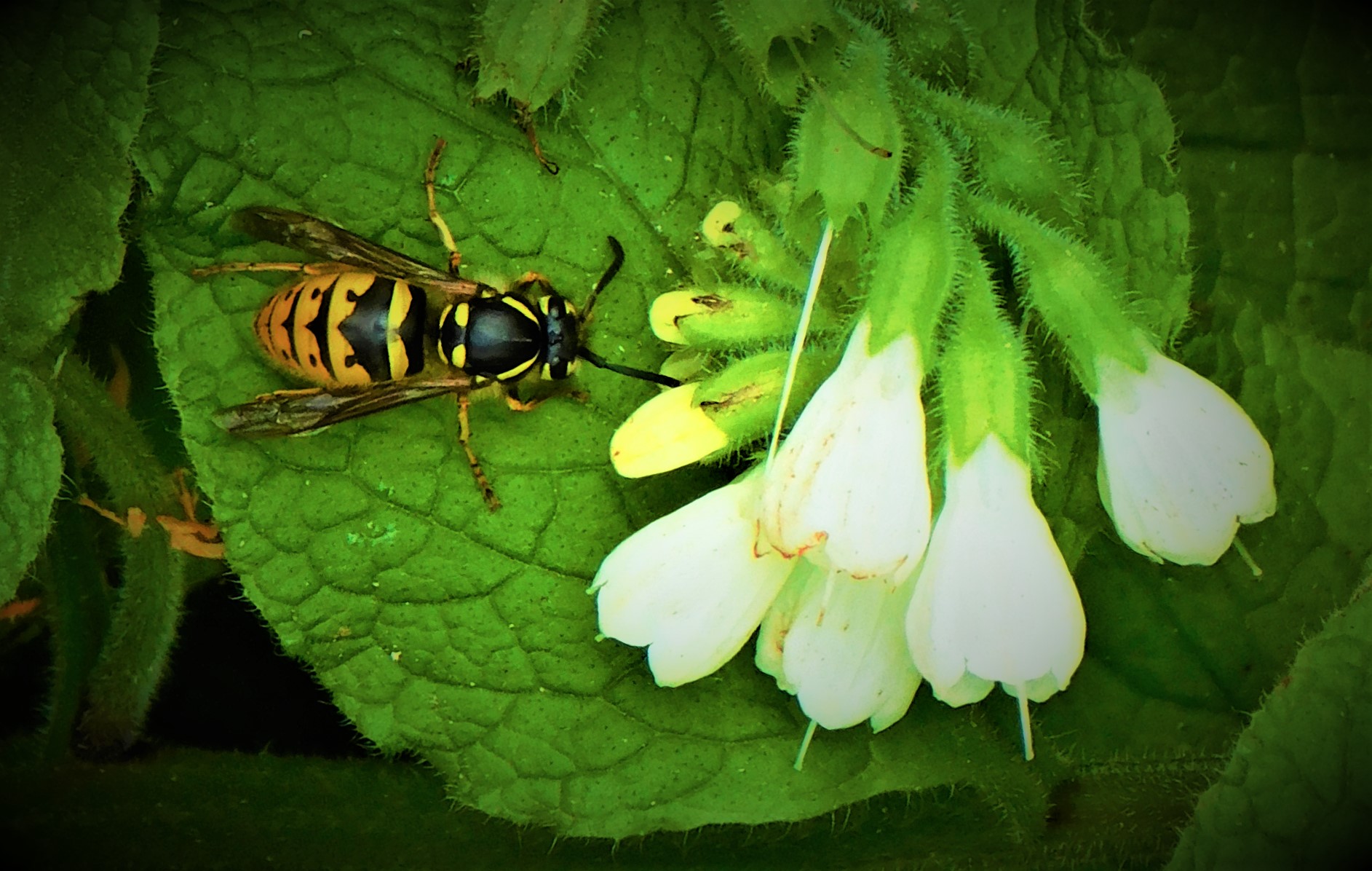
Scotland 2021: Wick

An account of my day in Wick near the end of my recent Scottish holiday.

We have reached the last full day of my Scottish holiday (May 28 – June 5th), the Friday which I spent in Wick (a mix up over booking times meant that I had an extra day in Scotland after we were supposed to leave the house in which we had been staying, having missed the first day, so I was booked into a hotel in Wick, from whence I was departing early on the Saturday morning).

ARRIVING IN WICK

I was dropped at the Norseman Hotel in Wick, where I would be staying overnight. Unfortunately it was far too early to check in, but fortunately I was able to deposit my larger bag at the hotel which meant that I had at least some freedom of movement.

ETYMOLOGICAL NOTE

Wick derives from Old Norse and means ‘bay’ in English. It is most often seen as a place name ending, with -wich, as in Norwich, an alternative version. The -vik of Narvik in northern Norway derives from the same root. The fact that Wick has no prefix indicates that when it was first settled it was the only bay in the area that was considered significant.

EXPLORING WICK

My explorations started by following the Wick River inland. This was a nice walk, with lots of bird life in evidence along the way. When I got to back to Wick I explored the town itself. I also took the opportunity to locate the railway station and make sure I knew how to get there the following morning. After a visit to a cafe I was finally able to check in to the hotel. In the event I did not head back out until the following morning, being very tired. The hotel room was perfectly pleasant, although the wifi connection that the hotel so wants its guests to know about proved to be rather unreliable.

PHOTOGRAPHS

I got lots of good pictures while in Wick…
Scotland 2021: Dunnet Head and St Mary’s Crosskirk

An account of the first part of Tuesday as I work through my Scottish holiday, from which I returned on Saturday just gone.

Welcome to the latest post in my account of my holiday in Scotland, from which I got home very late on Saturday (a combination of that, a long day of travel and poor internet connections at the hotel I stayed in on Friday are the reason I have not put a post up for a few days). Today I cover the first activities of the day after my birthday (See here for the main event of that day), when after a brunch we set off to visit Dunnet Head and the remains of St Mary Crosskirk, a 12th century chapel the burial ground of which is still very well preserved before going on a distillery tour in the afternoon.

DUNNET HEAD

Dunnet Head is the northernmost point of mainland Britain and is noted for its bird life, though I did not get to see much of the latter. There is an ordinance survey summit marker at the highest point of the head, a viewing area from which one can enjoy splendid sea views and a lighthouse designed by Robert Stephenson of the great engineering family which played a huge role in railway history (the novelist Robert Louis Stephenson was also of this family, being Robert of lighthouse fame’s grandson).

St Mary’s Crosskirk

The walk to access this ruin is in parts steep, including a staircase that looks more unpleasant to walk than it actually is. It also takes one past a wind farm, while there are some splendid views along the way. The chapel itself is missing its entire roof and part of its walls.

PHOTOGRAPHS

Here are some pictures from both attractions…
Scotland 2021: John O’Groats

A look at John O’Groats and its environs – pics from my first full day of this Scottish sojourn.

This post looks at my first full day of this Scottish sojourn, and at a walk we did from John O’Groats to the beginning of Duncansby Head. Duncansby Head is most north-easterly point of the British mainland, while a few miles down the road is Dunnet Head, the most northerly point of the British mainland.

THE END OF BRITAIN

Other than it’s geographical location John O’Groats itself has rather little to recommend it (the name derives from a 15th century Dutchman Jan de Groot – the dutch Groot being pronounced the same as groat, which way back when was a small silver coin worth fourpence), but the walk out towards Duncansby Head is interesting though rough in places. There is a lot of bird life in these parts that one would see no where else in Britain – birds that are mainly creatures of the arctic but which sometimes come south.

I chose some beers from the John O’Groats brewery (I opted for an oatmeal stout which in a quite dreadful pun is named ‘Deep Groat’).

Today as you will find has been much busier,but yesterday I was not fully recovered from being in transit for 23 hours.

PHOTOGRAPHS

Here some photographs from yesterday:

Watlington Wildlife

My write up of yesterday’s tour round Watatunga Wildlife Reserve near Watlington in Norfolk.

Watlington, just down the A10 from King’s Lynn, might seem like an unlikely place to see interesting wildlife, but it harbours a secret, accessed by means of an prepossessing looking gravel track that leads to a carpark and reception centre both of which are within eye- and earshot of the A10…

THE WATATUNGA
WILDLIFE RESERVE

This establishment, whose website has the strapline “Conservation Today for Wildlife Tomorrow” is explored by motorized buggy, which means that you need at least one person in your group to have a full driving license (also the walk from Watlington station would take some time and a lot of it is along a busy road with no footpath) and is home to a range of interesting species (birds and herbivorous mammals only).

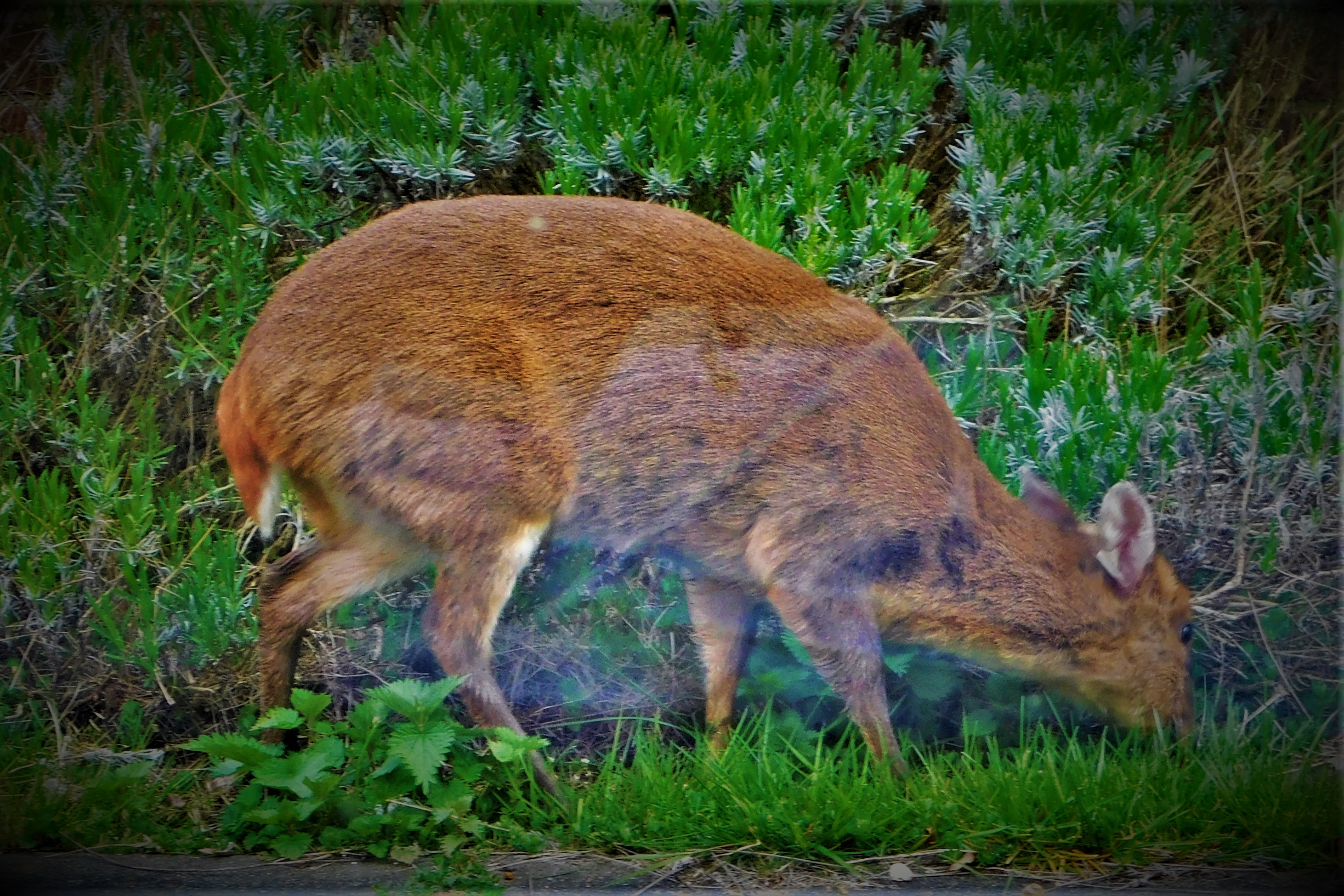
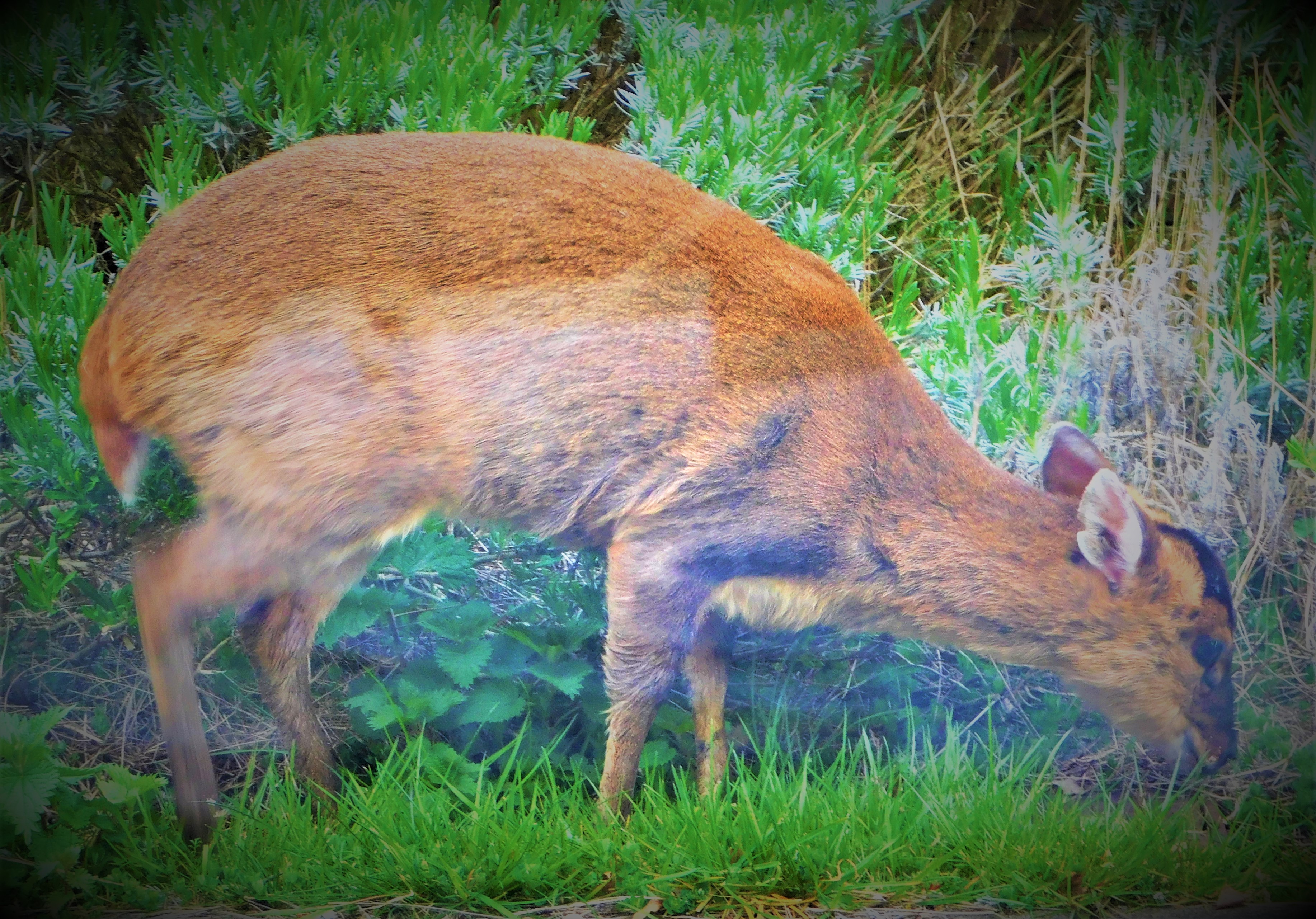
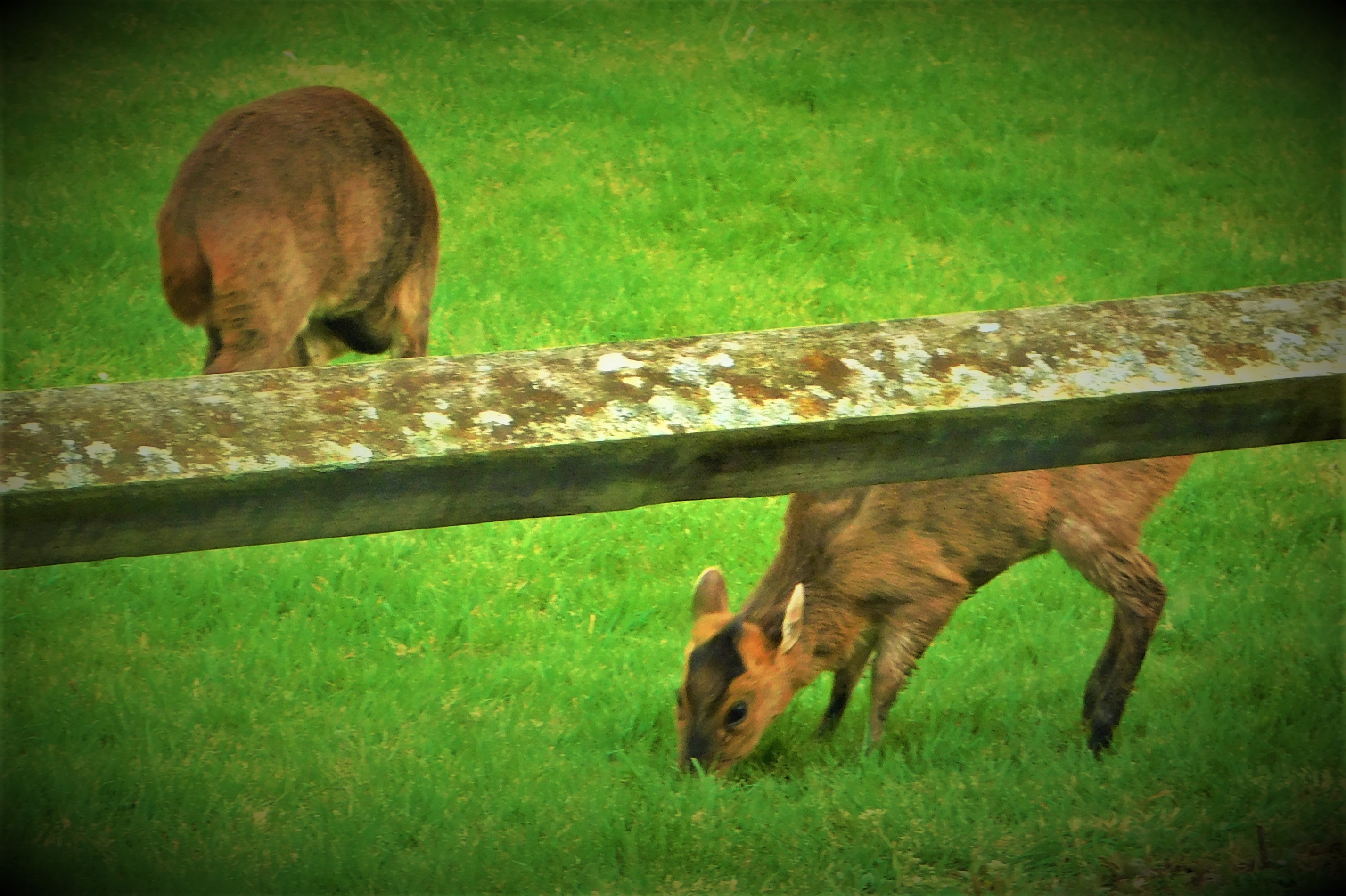
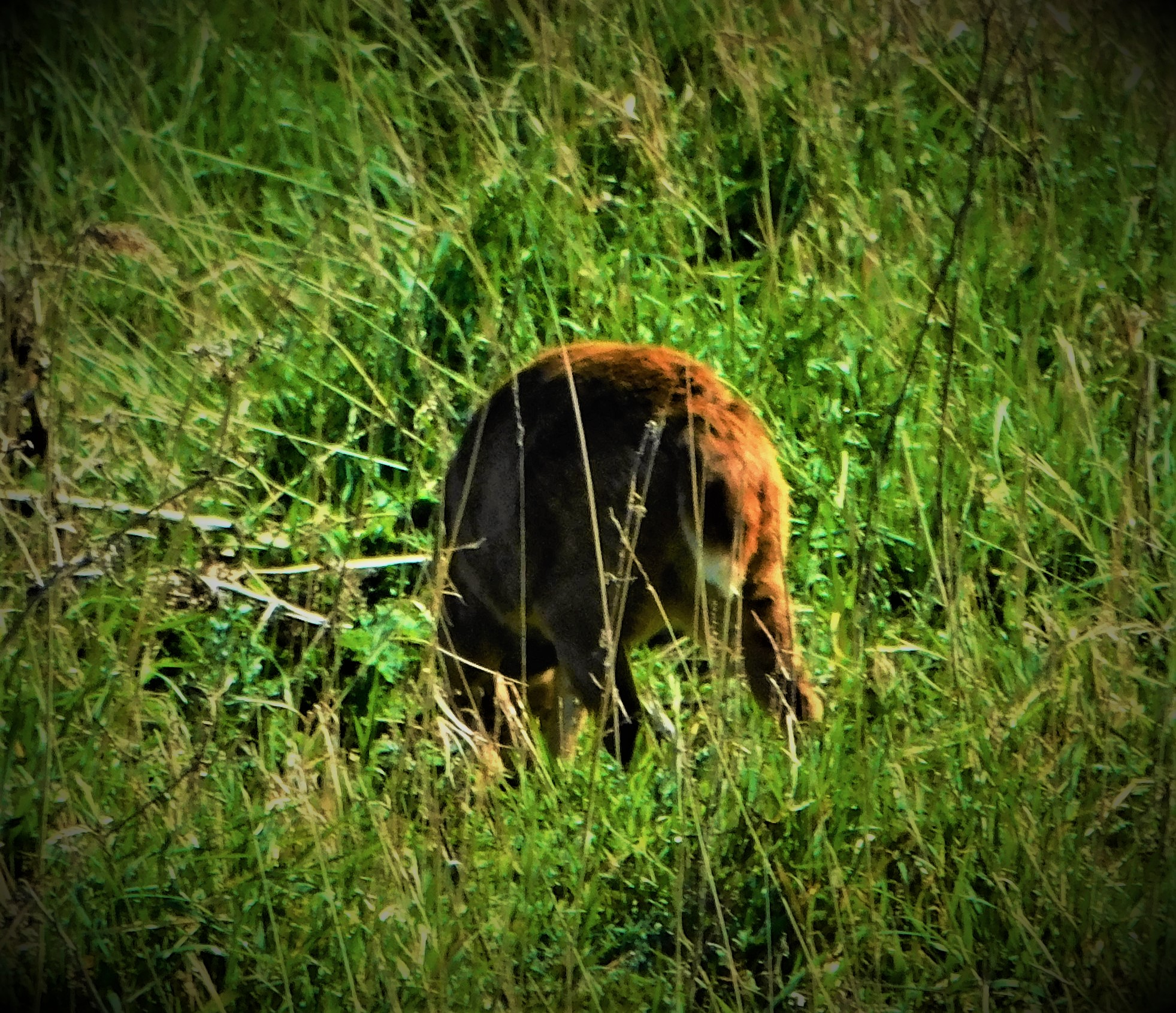
Yesterday a number of us from NAS West Norfolk got to experience this. We used five four seater buggies and one six seater for our groups, with me sharing a buggy with our branch chair and her son. We had a guide who told us what could be seen. After a stretch along a sand track and then through a tunnel which was ankle deep in water we got to the reserve proper and we were not disappointed – lots of wonderful creatures were indeed on show.

After our arrival back at the reception area I got a lift back to the train station, arriving just in time to catch the 18:23 to King’s Lynn, meaning I was home just before seven.

PHOTOGRAPHS

Even with the difficulties imposed by being in a moving vehicle (with occasional stops, but strictly no getting out of the vehicle at any point) I got some splendid pictures:

I hope you enjoy these pictures of the wonderful wildlife of Watatunga, just as I thoroughly enjoyed seeing the creatures yesterday, even in less than ideal weather.

An XI Of Players Whom Age Did Not Wither

A team of players who performed great deeds when in the veteran stages of their careers.

This post, which revisits all-time XIs territory was inspired by a discussion on radio 5 live about people delivering as veterans. Here therefore is a team composed entirely of players who enjoyed great success during their veteran years.

THE VETERANS XI

  1. Warren Bardsley – left handed opening batter. At the age of 42 he carried his bat through Australia’s first innings at Lord’s in 1926, still the oldest to achieve that feat at test level. His previous test centuries, twin tons at The Oval, had come 17 years previously, a record lapse between test centuries.
  2. Jack Hobbs – right handed opening batter. The Master was 46 when he scored the last of his test centuries, at Melbourne during the 1928-9 Ashes, still the oldest ever to reach three figures at that level (at first class level the palm goes to Billy Quaife of Warwickshire who signed off with a ton in his last first class knock at the age of 56 and 4 months).
  3. Charlie Macartney – right handed batter, left arm orthodox spinner. At the age of 40, in the second, third and fourth matches of the 1926 Ashes he peeled of centuries, including reaching one during the morning session of the first day after a wicket had fallen to the first ball of the match at Headingley.
  4. *Misbah-ul-Haq – right handed batter, captain. More test centuries after the age of 40 than anyone else. One of those centuries as a veteran was the quickest in terms of balls faced in test history.
  5. Michael Hussey – left handed batter. He had to wait until he was into his 30s for a test call up, and made full use of it when it finally came. In the 2010-11 Ashes he performed a series-long ‘Casabianca on the burning deck’ act, not quite enough to save his side, but mightily impressive for a veteran.
  6. Imran Khan – right handed batter, right arm fast bowler. One of the greatest of all all rounders he came out of retirement to lead his country to World Cup glory in 1992. He was the other possible captain, had I not awarded that distinction to Misbah-ul-Haq.
  7. Richard Hadlee – right arm fast bowler, left handed batter. He just seemed to get better as his career went on. He is to date the only person to have played test cricket after being knighted for cricket reasons (the Hon Sir FS Jackson’s knighthood was bestowed for other reasons, while Sir TC O’Brien was a baronet with the honorific inherited). This team’s number 10 may well join him in this club if he does not consider our honours system irretrievably tainted by some of the recent beneficiaries.
  8. +Bob Taylor – wicket keeper, right handed batter. After spending many years as Alan Knott’s understudy at test level it was in the veteran stage of his career that he became officially England’s first choice keeper. He turned 40 during the Headingley test of 1981, and his career still had three years to run at the top level.
  9. Sydney Francis Barnes – right arm fast medium bowler, right handed lower order batter. His greatest test moments were the 1911-2 Ashes (34 wickets, at the age of 38), the 1912 triangular tournament and the 1913-4 tour of South Africa, when at the age of 41 he took 49 wickets in the first four test matches before a quarrel over Ts and Cs led to him missing the final match. He paid just over 10 runs a piece for those last 49 wickets, ending his career with 189 wickets in 27 matches at the highest level, seven per game, which is far more than anyone else to have played a double figure number of test matches (Lohmann, just over six, with 112 wickets in 18 tests is number two on that list). These wickets cost him just 16.43 a piece, and although he played no first class cricket after World War 1, he had professional contracts in various leagues right up to the outbreak of World War 2, meaning that for 44 years of his adult life there was someone willing to pay him to play cricket.
  10. James Anderson – right arm fast medium bowler, left handed lower order batter. He has taken more wickets in tests since turning 30 than anyone else in the game’s history, and his wickets in 2021 are currently costing him just 10 a piece.
  11. Clarrie Grimmett – leg spinner, right handed lower order batter. The Dunedin born leggie had not only to move countries, but then cross two state boundaries to find regular first class cricket. As a result, he was already 33 when called up for his first test match. Even starting that late he took 216 wickets in 37 test appearances, and although he was then 46, many, including his old friend and bowling partner Bill O’Reilly, would have taken to him to England for the 1938 Ashes.

This team has a left/right handed opening combination, three excellent batters one of whom is a left hander in the next three slots, a genuine all rounder at six, a bowling all rounder at seven, one of the greatest of all keepers and three ace bowlers to round out the XI. The bowling is awesome, with Hadlee, Khan and Anderson a formidable pace trio, Barnes the greatest of all bowlers, and two front line spinners in Grimmett and Macartney.

PHOTOGRAPS

My usual sign off, with the addition of an infographic:

The Case Against A Test Recall For Jonny Bairstow

The case against the proposed recall to the England test squad of Jonny Bairstow.

Apparently England are considering recalling Bairstow to the test squad due to an injury to Ollie Pope. In this post I set out the reasons why they should not be doing so.

TRIED AND UNTRUSTED

Bairstow was dropped from the test squad because he was consistently failing to deliver in that format. His brilliance in limited overs cricket is unquestionable, but the case of Jason Roy should serve as a warning. Roy had a fantastic 2019 World Cup, and was drafted into the test squad off the back of it. Save for one good innings against Ireland at Lord’s he never looked like making the grade as a test batter. Not only that, the knock that his confidence took through his failures in test cricket has impacted on his international white ball form to the extent that his place in the squad is now in jeopardy.

DANIEL LAWRENCE AND JAMES BRACEY

On any rational assessment Daniel Lawrence and James Bracey should be ahead of Bairstow in the queue for a test place. Both have fine recent first class records, both made runs in intra-squad games in the preparation for the Covid-hit 2020 home international season. I would probably opt for Lawrence of the two, but fully acknowledge the case for Bracey. Lawrence and Bracey are both very much players for the future, and the upcoming series in Sri Lanka would give them a chance to stake a long term claim, whereas Bairstow would be a very regressive selection.

COUNTY CHAMPIONSHIP

The proving ground for long format players is supposed to the county championship, and even in the abbreviated 2020 season, where Essex and Somerset played six matches each and everyone else five more than one youngster accepted opportunities that came their way. The inclusion of Bairstow in a test squad would smack of ‘closed shop’ practices and look suspiciously like a slap in the face not just for the players I have actually named above, but for the County Championship. Jordan Cox of Kent had an amazing season, especially for someone who was still in his teens at the time (he has just turned 20), and has every right to expect a test call to come sooner rather than later, and like Lawrence and Bracey he would be more deserving of such than Jonny Bairstow.

The other alternative route the selectors could go down given his recent success with the bat is to promote Buttler to no 6 and give the wicket keeper’s role to Foakes. This too would be superior to the non-solution of a recall for Bairstow, especially if given the nature of Sri Lankan pitches they plan to elevate Matthew Parkinson, the young leg spinner.

PHOTOGRAPHS

Here are some recent photographs…

Cornish Winter Break 5: Eden Project (3)

My third and final post about this visit to the Eden Project – dealing with the Mediterranean Biome.

INTRODUCTION

This is my third and last post about our family outing to the Eden Project, covering the Mediterranean Biome.

MEDITERRANEAN IN CONTEXT

There are other parts of the world that have the same type of climate as the Mediterranean – parts of South Africa, southwestern Australia and parts of the USA, and they all feature in this Biome. There was much bird life in evidence in the Biome as well. My camera got steamed up and I failed to notice, so the photographs did not come out as well as I would have liked, but nonetheless I share them. After we had finished in this Biome we had a late lunch (sausage casserole with accompanying vegetables in my case, washed down with a bottle of locally brewed beer – from St Austell, the closest town of any significance) and then made our way back to the car park, availing ourselves of the bus from the visitor’s centre because I was getting tired by then (a legacy of the cancer that nearly killed me at the back end of 2018). I will certainly be visiting this place again in the not too distant future and would list at as an absolute must see place if you are visiting Cornwall.

P1290407 (2)P1290409 (2)P1290410 (2)P1290411 (2)P1290412 (2)P1290413 (2)P1290414 (2)P1290415 (2)P1290416 (2)P1290417 (2)P1290418 (2)

P1290419 (2)
A plan of the Biome.

P1290420 (2)P1290421 (2)P1290422 (2)P1290423 (2)P1290424 (2)P1290425 (2)P1290426 (2)P1290427 (2)P1290428 (2)P1290429 (2)P1290430 (2)P1290431 (2)P1290432 (2)P1290433 (2)P1290435 (2)P1290435 (3)P1290436 (2)P1290440 (2)P1290441 (2)P1290442 (2)P1290445 (2)P1290446 (2)P1290449 (2)P1290450 (2)P1290451 (2)P1290453 (2)P1290455 (2)P1290456 (2)P1290461 (2)P1290472 (2)P1290475 (2)P1290476 (2)P1290477 (2)P1290500 (2)P1290501 (2)P1290522 (2)P1290523 (2)

P1290524 (2)
These last few pictures were taken outside, on the way back to the visitor centre.

P1290525 (2)P1290526 (2)P1290527 (2)P1290528 (2)P1290529 (2)

Cornwall for Christmas

An account of journey from King’s Lynn to Cornwall for the festive period.

INTRODUCTION

After a very quiet day yesterday, following a day of travelling the day before I am settled at my parents place in Cornwall, where I shall be spending Christmas and the New Year. This post details the journey down, before ending with some photographs.

KINGS LYNN TO CORNWALL

On Friday night it was the sensory friendly Panto performance at the Corn Exchange, King’s Lynn, which was excellent fun. On Saturday morning, with my packing accomplished I got the 9:20AM bus from just opposite my bungalow to the town centre (my baggage was heavy, so walking would have been very tough), arriving in good time to board the 10:13 train to London. Almost precisely two hours later I arrived at King’s Cross, with 45 minutes to get from there to my pre-booked seat from Paddington to Plymouth. The Hammersmith & City line (the district/circle line station is Paddington in name only) played ball for once, and I was at Paddington in good time. There was a warning that all was not necessarily well on the GWR when the platform information for my train did not come up on the departures screen until 10 minutes before it was due to leave. Ensconced in my seat I poured a cup of coffee from my cheapo travelling flask (it proved up the job) and waited for departure…and waited some more, until an announcement came through that our driver had been delayed on an inbound service and that we would be at least 20 minutes late getting underway. At this point I phoned my mother because even with no further delays that was likely to prove enough to prevent me making my connection at Plymouth for an onward journey to St Germans. I therefore arranged to be collected from Plymouth instead. In the event, it was fully 40 minutes after our scheduled departure time that the train finally got moving. We lost no further time on the journey, although the last section between Totnes and Plymouth felt like it was taking a long time. It would have been about eight and a half hours after I had left my bungalow in North Lynn that I finally got to my parents place.

CORNWALL

A combination of tiredness from the previous day’s travelling and some fierce Cornish weather ruled out doing anything much yesterday. However today we will be going to Looe. In the bad old days of rotten boroughs the two villages of East Looe and West Looe were both recognized as parliamentary constituencies, and each returned two MPs. These days it is well known as a seaside resort.

PHOTOGRAPHS

My usual sign off…

P1280943 (2)P1280945 (2)P1280947 (2)P1280948 (2)P1280950 (2)P1280952 (2)P1280953 (2)P1280955 (2)P1280956 (2)P1280956 (3)P1280957 (2)P1280958 (2)

P1280959 (2)
A present from Karan – a London Undeground themed storage box.

P1280962 (2)P1280963 (2)P1280965 (2)

P1280966 (2)
Now Assembled (three pictures)

P1280967 (2)P1280968 (2)P1280969 (2)

P1280971 (2)
Pictures from the James & Sons christmas lunch – which took place at a Thai restaurant near HQ in Fakenham.

P1280972 (2)P1280973 (2)P1280974 (2)P1280975 (2)P1280976 (2)P1280977 (2)P1280978 (2)P1280979 (2)P1280980 (2)P1280981 (2)P1280983 (2)P1280984 (2)P1280985 (2)P1280986 (2)P1280987 (2)P1280988 (2)

P1280989 (2)
Christmas lights in King’s Lynn

P1280990 (2)P1280991 (2)P1280992 (2)P1280997 (2)P1280998 (2)P1280999 (2)P1290004 (2)P1290005 (2)

P1290008 (2)
Waiting for the panto to start (three pics)

P1290009 (2)P1290010 (2)

P1290011 (2)
A display at Paddington.

P1290012 (2)
Shots from the living room at Fort Picklecombe, showing some fairly dramatic weather.

P1290014 (2)P1290015 (2)P1290016 (2)P1290017 (2)P1290018 (2)

P1290019 (2)
Waves crashing around the lighthouse.

P1290021 (2)

P1290022 (2)
Sailing in these conditions is either very brave or very foolish.

P1290024 (2)P1290025 (2)P1290027 (2)P1290028 (2)P1290032 (2)