A look back at the final stages of the contest for the Border-Gavaskar Trophy and a photo gallery.
Early this morning UK time, midway through the afternoon session of day three in Sydney, Australia completed a six-wicket win over India which gave them a 3-1 series victory with one match drawn, and for the first time in a decade possession of the Border-Gavaskar Trophy. This post looks at the developments of days two and three of the final match.
DAY TWO
Day two started well for India but in the end left them poorly placed. They secured a small first innings lead, dismissing Australia for 181. Their own second innings however was a poor show with the shining exception of Rishabh Pant. Pant, justly criticized for his two dismissals in the previous match at the MCG, played a magnificent knock on a pitch that always helped the bowlers. He scored 61 off 33 balls, hitting some gorgeous shots. In the circumstances, with wickets falling regularly it was the right way to approach things, and it was an unforgettable display. Even with these pyrotechnics India were still 141-6 at the close of day two, 145 runs ahead overall, and with Bumrah in hospital for scans on an injury.
DAY THREE AND WRAP UP
Ravindra Jadeja was out early, and the tail offered little further resistance. Cummins claimed two of the last four wickets and Boland the other two, his fifth and sixth of the innings and ninth and tenth of the match. Australia lost four wickets en route to victory, but Travis Head and Beau Webster, who had an excellent test debut, scoring 57 and 39 not out, as well as bowling 13 overs for 29 in the first Indian innings and taking 1-24 from four overs in the second, saw through such danger as there was, putting on an unbeaten 58 for the fifth wicket to take Australia over the winning line. Crucially for Australia, although he had batted Jasprit Bumrah did not bowl – their task would have been exponentially tougher had he been able to do so.
Scott Boland’s match haul of 10-76 (4-31 and 6-45) saw him named Player of the Match, while Jasprit Bumrah’s 32 wickets across the five matches saw him named Player of the Series. India came into this match still with a chance to retain the BGT, and that was almost solely due to Bumrah. Without him the only question at the SCG would likely have been whether or not the Aussies could make it 5-0. Full scorecard here.
A look back at the batting of the England Women against South Africa Women in their ODI in Kimberly today (I had a commitment which meant I missed the South African chase) and a photo gallery.
Kimberly in South Africa is home to the world’s largest man made hole, and by the halfway stage of today’s WODI there the England women were in a similarly sized metaphorical hole largely of their own making. I did not get to witness the South African chase due to having to go to the West Norfolk Eye Centre, in the grounds of Queen Elizabeth Hospital for my annual experience of the set of tortures collectively known as Glaucoma tests, a journey that as the weather though dull was not especially cold by December standards I opted to make on foot, rather than spend money on a bus fare (as it happened, even though it was pitch dark by then I also made the return journey on foot), however I was entirely unsurprised to find when I arrived back home that they had won at a canter. This post looks at the woes of the England innings.
A TERRIBLE START
Tammy Beaumont was dropped in the first over of the match, the other opener Sophia Dunkley struck one emphatic boundary, but was then caught at slip playing a terrible shot in that same opening over. Kapp also accounted for Beaumont, bowled for 11, again playing a very poor shot. Nat Sciver-Brunt was the third early victim, LBW and for my money culpable on two grounds – first it was yet another poor shot, and second she burned a review attempting to overturn it. Danni Wyatt-Hodge was fourth out, LBW to Nadine de Klerk, and the first not to be culpable in her own dismissal – it was a genuinely good ball. However she cannot be totally acquitted – she burned England’s last review, and it was stone dead. True the point of impact was above the knee roll of the pad, but Wyatt-Hodge is a fairly small woman, for all the power with which she can hit the ball on her many good days, so not much should have been read into that. Heather Knight and Amy Jones looked to be steadying the ship until Jones went on to the attack against Annerie Dercksen and succeeded only in picking out Chloe Tryon, a superb fielder who duly completed a fine catch to make it 77-5. The wickets continued to tumble, and when Knight was LBW to left arm spinner Nonkululeko Mlaba (the same way Alice Capsey had gone to be sixth out) for 40 it was 106-7. Charlie Dean and Sophie Ecclestone, the two great England spinners, fought hard, putting on 67 together for the eighth wicket. Dean battled her way to the top England score of the day, an unbeaten 47, raising the total to 186, still dismal, but not as bad as it had looked like being. While England are still ahead overall in the multi-format series they need to realize that in a 50 over innings there are occasions when all out aggression is not the right approach. Dunkley in particular got out in a way that suggested an inflexible commitment to unbridled aggression. Marizanne Kapp is a model of consistency with the ball, and her opening spell in the next ODI will probably pretty much match this one ball for ball – and England need make sure it does not do so wicket for wicket as well.
PHOTOGRAPHS
Some of these pictures come from yesterday either side of work, but most were taken during this morning’s walk, when the weather behaved rather curiously – it started bright and sunny and then became very misty – usually when one gets mist and sunshine on the same day it happens the reverse way around, mist first, then the sun breaks it up…
Todays pictures start here.A blackbird with a distinctive white patch around its throat.By the time I had reached the vicinity of ‘cormorant platform’ the mist was making its presence felt in no uncertain terms.
A look ahead to the final of WBBL10 and a large photo gallery.
We now know who the contending teams will be in the final of the Women’s Big Bash League 2024, which takes place early tomorrow morning UK time. This post looks at those two sides and their routes to the final.
MELBOURNE RENEGADES
This is a story of remarkable turnaround in the space of a single year. Last year the Renegades were something of a joke franchise, whereas this year they have taken the most direct route to the final – they won the league stage outright, thereby not only qualifying directly for the final but getting to play that match at home, which since it is the final means at the Melbourne Cricket Ground (MCG, or for locals ‘The G’ for short). Renegades have never previously made a final, and were wooden spoonists last year (an unwanted distinction that stays in Melbourne, with Melbourne Stars this years wooden spoonists). Renegades have a history of being overly conservative, and one huge reason that no longer applies is the presence of Deandra Dottin, who had not played a professional match in over a year when the Renegades signed her but has been excellent this tournament. Dottin is one of two West Indies aces in the Renegades line up, along with opening batter cum off spinner Hayley Matthews. Wicket keeper Nicole Faltum has also been a crucial cog, scoring important runs as well as doing her main job.
BRISBANE HEAT
Brisbane Heat brushed Sydney Thunder aside as dismissively as an Aussie in summer brushes flies aside, winning the Challenger match by nine wickets with 4.4 overs to spare. This was Heat’s sixth successive match win. They had finished second in the league stage which meant they were at home for the Challenger match. Heat look be peaking at precisely the right time, and as part of that opening batter/ keeper Georgia Redmayne produced her best batting form of the tournament in the Challenger match. A minor concern is an injury to Indian star Jemimah Rodrigues who who had to retire hurt with a left wrist injury, sustained initially in the field and aggravated while batting in that chase. The biggest stories of Heat’s tournament which could see them become the first ever three-time champions of this competition have been two youngsters. Heat lost the services of a pacer and of leg spinning all rounder Amelia Kerr. A like for like replacement for Kerr does not exist, and in the event Heat filled both gaps by promoting youngsters to first team status. Lucy Hamilton, a left arm pacer, and Grace Parsons, a leg spinner have both bowled superbly this tournament, while veteran Indian seamer Shikha Pandey has also been notably economical. Hamilton, an 18 year old from the sugar town of Bundaberg, has taken 11 wickets at 16.54, with an ER of 6.50, and her best figures are a barely credible 5-8 from a full four overs. Parsons, 21 years old, has taken 10 wickets at 21.80, with an ER of 6.81 and a best of 3-10. 35 year old Pandey, the third bowler I mentioned, has taken 12 wickets at 22.00 with an ER of 6.76 and a best of 2-14. Her experience and consistency has helped to ease the path for the two youngsters. Heat have the form, Renegades have the status as winners of the league stage, and there is a third factor – the weather forecast for Melbourne is not good, though there is a reserve day available for the final.
PHOTOGRAPHS
I have not posted since Wednesday, with Thursday being a work day and yesterday being the day of the WNAG committee Christmas meal, so even though the weather has not always been good for photography in the period concerned I have a decent sized gallery…
Possibly the thinnest crescent moon I have ever seen.The meal was at Pizza Express in the town centre.The menu was intriguingly shaped – rectangular when close, parallelogram when open.
A look at today’s fixture in the ODI Cricket World Cup – a small matter of India v Pakistan. Also a photo gallery – though the temperature is more October like today than it has been for the previous 12 days of the month the sun has been out, making walking pleasant.
Today’s match in the ODI Cricket World Cup is the biggest clash of the group stage – bitter rivals India and Pakistan are in opposition. These two sides rarely meet outside tournaments because of the strained relations between the two countries. This post looks at the match that is currently in progress.
PAKISTAN MAKE A GOOD START…
India won the toss and put Pakistan in to bat. Pakistan looked to be going very well for much of their innings. Both openers got going but then got out (Abdullah Shafique for 20, Imam-ul-Haq for 38). However Babar Azam and Mohammad Rizwan looked like setting Pakistan up for a very respectable total, pushing the score up to 155-2.
…THEN COLLAPSE
The Pakistan innings unravelled spectacularly from this point – Babar Azam was out for exactly 50, Saud Shakeel failed outright (these two falling in the space of four balls from Kuldeep Yadav, the left arm wrist spinner), then Rohit Sharma cashed in on this double strike by calling Jasprit Bumrah back into the attack at the other end. Bumrah clean bowled Rizwan for 49 and Pakistan were five down. Both the two new batters failed cheaply, one to Jadeja and one to Bumrah (Yadav had completed his 10 overs, with superb figures of 2-35), and Pakistan were suddenly 171-7. The eighth wicket pair cobbled together a stand of 16, at which point Score Predictor had Pakistan somehow mustering a final total of 237, which looked very optimistic indeed. It soon looked like a fantasy land prediction, as both batters were out with the score on 187, and with 9.5 overs to go Pakistan had numbers 10 and 11, Shaheen Shah Afridi and Haris Rauf batting together. They advanced the score by four runs before Rauf was pinned LBW. From 155-2 at high water mark Pakistan had surrendered their last eight wickets for just 36 runs. While the failure of the middle and lower order batters was shocking the real problems had actually happened earlier – three of the top four had topped 30, but none went on to play the sort of major innings around which a respectable total can be built. Rizwan took 69 balls to accrue his 49 runs, a rate of progress that can only be justified if you do actually bat all the way to the end of the innings AND you considerably increase your rate of scoring in the late part of the innings.
INDIA IN TOTAL CONTROL
Pakistan’s only hope after posting such a poor score themselves was to start fast with the ball, with early wickets being imperative. In the event it was India who got away to a flier, and their tempo has never slackened. Rohit Sharma followed his astute captaincy with a batting masterclass that had commentators speculating on him reaching a century before the end. That was not to be, as he was caught by Iftikhar Ahmed off Shaheen Shah Afridi for a superb 86, but as I type these words India are 161-3 after 23 overs, needing a mere 31 with 27 possible overs remaining.
PHOTOGRAPHS
Today’s photo gallery is not as large as some of mine, but I think it is good one…
While I have been preparing this for publication India have moved on to 168-3 after 26 overs – 24 needed off a possible 24 overs.
A look back at Leicestershire’s amazing ODI Cup triumph yesterday and a photo gallery.
This post looks at the amazing denouement to the One Day Cup final between Leicestershire and Hampshire which took place at Trent Bridge yesterday. I covered the Leicestershire innings yesterday, so today’s post looks at Hampshire’s response.
HAMPSHIRE SEEMINGLY IN CONTROL
Although Leicestershire took regular wickets, and Hampshire were always behind the required rate the southerners seemed to be in control of the chase for much of its duration, with Prest, Weatherley and Dawson all making major contributions. With three overs to go the pendulum seemed to be swinging a little Leicestershire’s way, with Hampshire needing 25, and the last pair of batters who could be expected to do anything in that department together…
THREE OVERS OF SWINGS AND ROUNDABOUTS
These final three overs formed a story in their own right. The match seemed to have swung decisively back Hampshire’s way when Joshua Hull leaked 14 from the 48th over, meaning that Hampshire needed 11 off the last two overs, a walk in the park by modern limited overs standards. Chris Wright bowled the 49th over of the innings, and in it was a superb one. All Hampshire were able to accrue from it was three singles, leaving them eight to get off the last over. It has become something of an axiom of modern limited overs cricket that one wants to settle the issue before the final over, and what happened in the 50th over of this innings went some way to showing why this is so. Hull had been very expensive to this point, and Hampshire may still have fancied their chances at the start of the over, but things soon got very tight – the first three balls yielded singles meaning that the ask was now five off three balls. The fourth ball of the final over virtually settled the contest, Liam Dawson being caught by Wright off Hull to bring Scott Currie, a specialist bowler, in at the strikers end, with suddenly five needed off two balls. Currie scored a single, which did at least get Keith Barker, a genuinely competent batter, on strike, with four needed from the final ball. Hull kept his head, and Barker could do no better than a single giving Leicestershire victory by two runs, after the latter had been 19-4 and then 90-6 in their innings. Not quite “BY THE BAREST OF ALL MARGINS!!”, but an epic contest, which was alive right down to the 600th ball out of 600. Harry Swindells, whose extraordinary maiden list A century (117* off 96) had given Leicestershire a total that they could seriously think about defending was deservedly named Player of the Match. Leicestershire last won an equivalent of this trophy as long ago as 1985, and have largely been struggling on all fronts in recent years. Hampshire were possibly over casual in their handling of the chase, allowing the required rate to climb up over eight per over, clearly thinking “one big over will do it”. They got that big over in the 48th, but it did not do the job for them – Wright’s salvage operation in the 49th gave Hull something to defend in the 50th, and my impression listening in was Hampshire didn’t really try to do more than score singles off the first three balls of the final over, at which point Dawson panicked and got himself out, which virtually sealed things. All of Hampshire’s major scorers struck at well below 100 – Dawson 57 off 64, Prest 51 off 62, Weatherley 40 off 52 and Brown 33 off 43, while only Holland (16 off 13) and Barker (12* off 11) managed to score at over a run a ball. Full credit though to Leicestershire for hanging on at the death, even if Hampshire can be said to have contributed to their own downfall. A full scorecard can be viewedhere.
PHOTOGRAPHS
My usual sign off…
The red admirals were out in force this morning – there are at least four in this shot.
My all-time Surrey XI, as I find ways to make up for the absence of live cricket.
INTRODUCTION
Since there will be no cricket, or any other sport come to that, for a while I am going to fill the void by playing selector for a few all-time squads. Since I grew up in south London I will start with Surrey.
MY SURREY XI EXPLAINED
Jack Hobbs – more first class runs and more first class hundreds than anyone else, also still has the England record for Ashes runs – 3,636 of them, including another record, 12 centuries in those matches. He was also a more than handy bowler of medium pace and a brilliant fielder at cover point. His claim to an opening slot is unanswerable.
John Edrich – the left hander was one of three strong contenders for this slot, and both of the other two, Andrew Sandhamand Tom Hayward, actually did open the innings with Hobbs, but although I see the value of picking an existing partnership, Edrich’s left handedness creates an extra problem for the fielding side to contend with, and for me that is the crucial factor.
Ken Barrington – finding big run scorers associated with Surrey is not difficult, but what sets Barrington apart (and no 3 is has natural position) is that he was even more of a heavy scorer at test level (average 58.67).
Graham Thorpe – that rara avis an English middle order batter from the 1990s with a record to boast about. A century on debut against Australia and an average in the mid 40s maintained through precisely 100 test caps tells its own story about his consistency.
Peter May – In what was an overall low scoring decade (the 1950s) he maintained a test average of 46.77, and was also highly prolific for his county.
+Alec Stewart – in spite of the fact that doing so loses some of the brilliance of Stewart the batter I name him as keeper for the sake of the balance of the side. The leading scorer of test runs in the 1990s, and a very able keeper. Given the top five he would very likely be coming in with free rein to play his strokes.
*Percy Fender – a fine all-rounder, a highly respected captain who many felt should have had the England job and precisely the right kind of person to be batting no 7 in a strong team – he holds the record (35 minutes) for the fastest century against genuinely first class bowling.#
Alec Bedser– a man who in the period immediately after World War two was not just the spearhead, but pretty much the entire spear of England’s bowling attack, and the first to take 200 wickets for England.
Jim Laker – probably the finest of all orthodox offspinners, and for Surrey he was frequently more successful away than at home (in each of seasons 1955, 1956 and 1957 this applied to name but three).
Tony Lock – the other half of the great spin pairing of the 1950s, a slow left-armer.
Tom Richardson – a fast bowler who took more wickets for Surrey than any other bowler in their history. His 1,000th first class wicket came in his 134th first class match, and his 2,000th in his 327th.
This team consists of an awesome top five, a batter-keeper at six, an all-rounder and four frontline bowlers. There are two left handers among the top batters, and the bowling contains the new ball pair of Richardson and Bedser, an offspinner, a slow left armer and a leg spinner (Fender), plus Hobbs’ medium pace if required. I have not included an overseas player, but if mandated to do so I would bring in Waqar Younis in place of Richardson.
George Lohmann (definitely in an all-time Surrey tour party as cover for Bedser), Martin Bicknell, Bill Lockwood and Alf Gover all merit consideration as bowlers, while other than the openers I could not accommodate Douglas Jardine andEric Bedser were two of the better batters to miss out. Mark Ramprakash did not come into my calculations because his record at the highest level was ordinary, and the bulk of his runs for Surrey came while they were in division 2 and not up against the strongest bowling attacks.
PHOTOGRAPHS
I am rationoing my photographs at the moment because I cannot be sure of getting opportunities to take more in the immediate future.
A look at today’s cricket action and a lot of photographs.
INTRODUCTION
Today’s ODI between England and Pakistan is just past the half way stage. There are also fixtures under way in the county championship. This post looks at all the action.
AROUND THE GROUNDS
First the ODI:
England v Pakistan at Bristol – Pakistan 358-9 from 50 overs, Eng 46-0 after 7 overs.
Pakistan have put up a good total, but not one that is by any means out of England’s reach.Imam-ul-Haqwith 151 was the principal contributor. Chris Woakes took 4-67, a superb performance in the circumstances. I reckon England will chase these down.
With the close of play approaching on day 1 this is what is happening in the County Championship:
Essex v Nottinghamshire – Nottinghamshire 187, Essex 35-0.
This is looking good for Essex. Forties from Ben Slater and Joe Clarke were the only notable batting efforts for Nottinghamshire. Jamie Portertook 4-75 for Essex, while Simon Harmer had 2-20 from 17 overs, an extraordinarily economical performance for a spinner on day 1.
Kent v Yorkshire – Yorkshire 210 all out, Kent 114-4. Yorkshire were 96-6 at one point, but a lower-order fightback got them to respectability, and they have then bowled well. No Yorkshire batter topped 30 – Brook and Tattersall with 29 each were top scorers. Milnes took three wickets and Podmore two. Zak Crawley is going well for Kent, having passed 50. Tim Bresnan has taken two wickets for Yorkshire.
Somerset v Surrey – Surrey 325-6. Centuries from Rory Burns and Dean Elgar saw Surrey dominate most of the day, but late wickets for Somerset have brought them back into things. Lewis Gregorywith 3-44 has been by far the most successful bowler for Somerset.
Glamorgan v Gloucestershire – Gloucestershire 360-6.
This match is taking place not in either county, but instead in Newport, Gwent (Glamorgan play ‘home’ matches in various odd locations, including Colwyn Bay). James Bracey made 152 and Gareth Roderick 88. Marchant de Lange has been the least ineffective of Glamorgan’s bowlers with 3-76.
There are apparently three Koi Carp in this pond – and according to my informant various people have been trying to catch and keep them. I managed to photograph two of them during this visit.
An update on my slowly improving health, some of the recent cricket, a few interesting links and lots of photographs.
INTRODUCTION
This post looks at my slowly but surely improving health and a few other things as well.
CRICKET UPDATE
My last set of predictions did not work out too well. I was right on one, and wrong on two, albeit the second wrong one (Scotland/Afghanistan owing more to a D/L calculation that gave the match to Afghanistan when rain intervened with them needing 57 off 31 balls with seven wickets standing (it was the latter that helped Afghanistan), a target that they would almost certainly not have succeeded in chasing down had the match gone the distance. Had Middlesex started less dreadfully they may have borne out my prediction of a successful chase, since even after slumping to 24-5 they finished up not far short of the target. In the semi-finals, which took place yesterday, Somerset thrashed Nottinghamshire while Hampshire won a closer game against Lancashire. Thus the final will be between Hampshire and Somerset, with the former starting as favourites.
In the first match of their ODI series England beat Pakistan by 12 runs in an extraordinary game which saw 734 runs scored in 100 overs – England 373-3 from 50, with a very rapid century from Jos Buttler, Pakistan 361-9. Left-arm medium pacer David Willey bowled superbly in the closing stages to save England from potential embarrassmAent.
There are County Championship games starting tomorrow, so watch this space!
HEALTH UPDATE
Yesterday I was feeling sufficiently good to venture somewhat further afield than for some time, although still not very far, going as far as the pond opposite Harewood Parade. Today I was again feeling good, and encouraged by the continuing sunshine did the same thing, although I had forgotten that BB Care were due to visit and missed them in my eagerness to get out. There is a long way to go, but things are definitely improving.
LINKS AND PICTURES
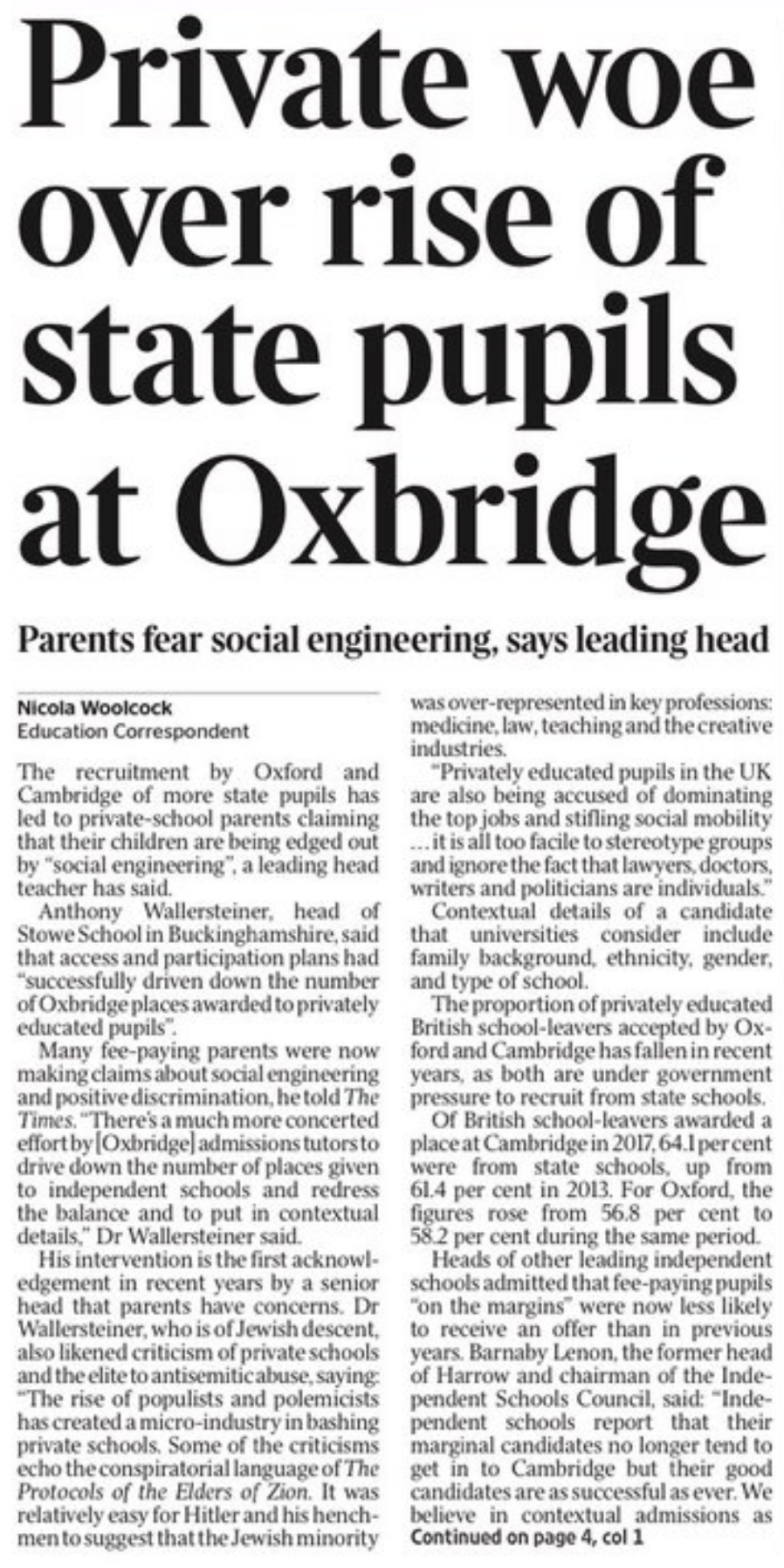
An article appeared in Saturday’s Times in which the head teacher of Stowe School (£38,000 per year to have your children educated there) had the cheek to complain about the fact that slightly more state school students are now getting into Oxbridge. Many have pitched into him, but the best evisceration of both him and the article came from Richard Murphy of Tax Research UK:
Some thoughts about the early stages of the English Cricket Season, some photographs and some puzzles.
INTRODUCTION
The second round of County Championship matches in season 2018 are now on their second day. Additionally the fact that here in England we seem to have skipped spring, going dorectly from a long, unpleasant winter into summer means I have a particularly fine selection of photographs for you, and there will be puzzles.
THE COUNTY CHAMPIONSHIP
Scoring is low everywhere. At Chester-le-Street it is looking a first innings tally of 169 will be sufficient for Kent to record an innings victory (Durham, shot out for 91 yesterday morning are 39-7 in their second innings, needing their last three wickets to double that paltry tally just to avoid the innings defeat). Essex and Lancashire are already into their third innings as well, Essex having scraped together 150 first up and Lancashire replying with 144. Essex are 39-0 in their second innings. Somerset, having actually claimed a batting bonus point by reaching 202 are poised for a handy first innings lead, Worcestershire being 153-8 in response. Surrey also topped 200 – making 211, and Hampshire are 79-6 in response. Yorkshire made 256 in their first innings, and Nottinghamshire are 110-6 in response. Derbyshire made 265, and Middlesex have also reached three figures, being 101-5 in response. Gloucestershire are 47-0 in response to Glamorgan’s 236. Northamptonshire were all out for 147 and Warwickshire are about to overhaul them, with wickets in hand. Finally, Sussex batting first are a comparatively monumental 304-7 (three batting bonus points, although they will not get a fourth as they have had 108.3 overs, and bonus points are only awarded in the first 110 overs of a team’s first innngs) against Leicestershire.
Every match is in progress, which beats last week, when Yorkshire failed to produce a playing surface on which the game could be played, resulting in their match against Essex being abandoned without a ball being bowled.
The low scoring is a major problem – the batters will gave little confidence since they are not making runs, and as soon as they face conditions in which the ball does not get up to mischief most of the wicket-taking bowlers will revert to being their workaday selves (we saw, unforgettably for all the wrong reasons, over the winter how seamers who bowl accurately but not especially fast are cannon fodder for international class batsmen on good pitches).
From the point of view of England possibles these two rounds of championship matches have been largely valueless – the 75 from James Vince on the opening day was the usual Vince fare – excellent while it lasted, but did not last long enough to be satisfactory and given the conditions no bowling figures can be taken with anything other than a substantial helping of salt.
PHOTOGRAPHS 1: AN ASPI.BLOG FIRST
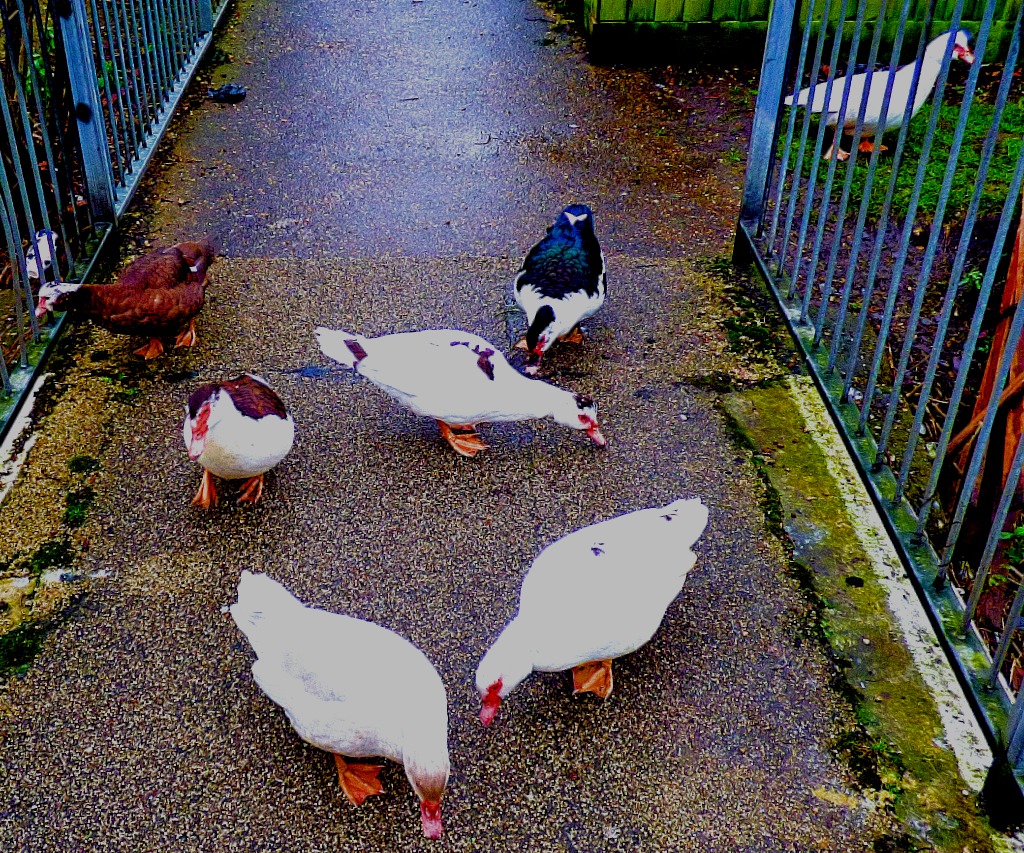
The Muscovy ducks first saw a few months back are still in residence, and they have been joined by an unusual visitor, the second largest bird species I have seen in King’s Lynn – Canada Geese.
The white patch at the top front of the otherwise pure black neck (the head and bill are also pure black) is, along with the colossal size, the key identifier of these birds as Canada Geese.
PUZZLE 1: MATCHSTICKS
My first offering from brilliant(the source of all of today’s puzzles – note also that all can be solved without even using pen and paper, never mind mechanical assistance – I did) is an exercise in visualization:
PHOTOGRAPHS 2: MUNTJAC
This muntjac was nibbling the grass on the playing field of the Lynn Academy, and I was taking pictures through a screen of plants:
PUZZLE 2: CLEAR ICE
PHOTOGRAPHS 3: SQUIRREL
I got two shots of this squirrel, one om the ground, and one as it swarmed up a tree trunk:
PUZZLE 3: POLYOMINO
Another exercise in visualization (my own success with this one enabled me to celebrate what I call my brilliant.org Pi Day – 314 successive days on which I had solved at least one of their problems!):
PHOTOGRAPHS 4: SMALLER BIRDS
PUZZLE 4: CONVERGENCE
PHOTOGRAPHS 5: BUTTERFLIES
PUZZLE 5: CUBE
My own method for solving this one once again involved visualization, although other methods were also used.
In view of some of the moans that appeared on brilliant in relation to this problem please note the crucial words “by rotating” in the question – they are absolutely key.
PHOTOGRAPHS 6: THE REST
AFTERWORD
While I have been completing this post Durham have succeeded in making Kent bat again, though it is still massive odds against that game even making it onto the third of the scheduled four days.
Introducing the concept of National Park Cities, publicising a thunderclap about the same and displaying some of my own photographs.
INTRODUCTION
To take part in a Thunderclap you have to be on at least one of facebook, twitter or tumblr, so for the benefit of those among my readers who cannot take part I am also including some recent photos of my own that tie in well with this particular thunderclap.
NATIONAL PARK CITIES
The idea behind this thunderclap, set up the folks at team4nature is that there are recognized health benefits to people having easy access to nature. Among the potential pioneers of the concept of a National Park City is London, and you can declare your support here. To take part in the thunderclap click here, or on the image below, which shows the story in full:
PHOTOGRAPHS
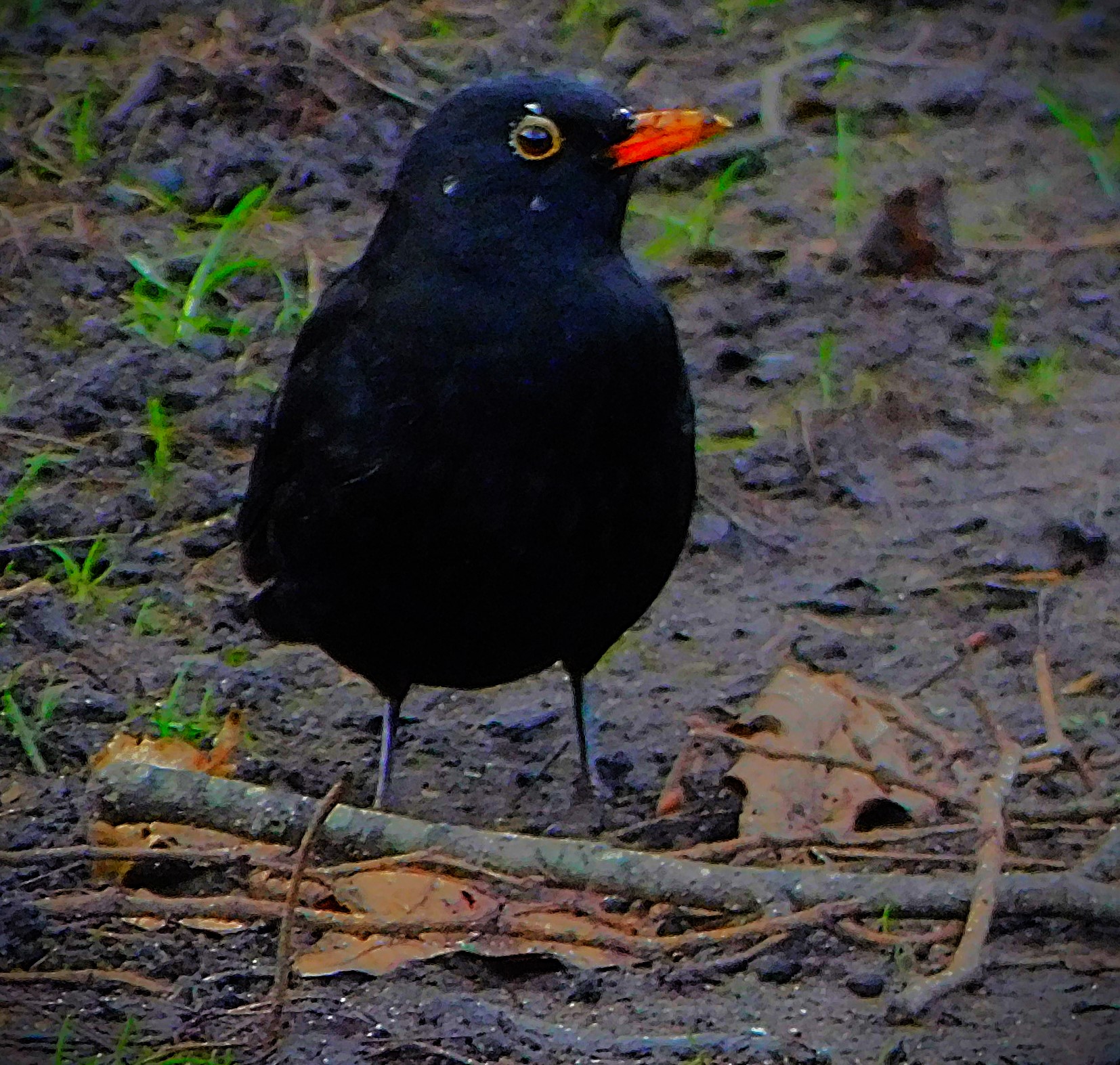
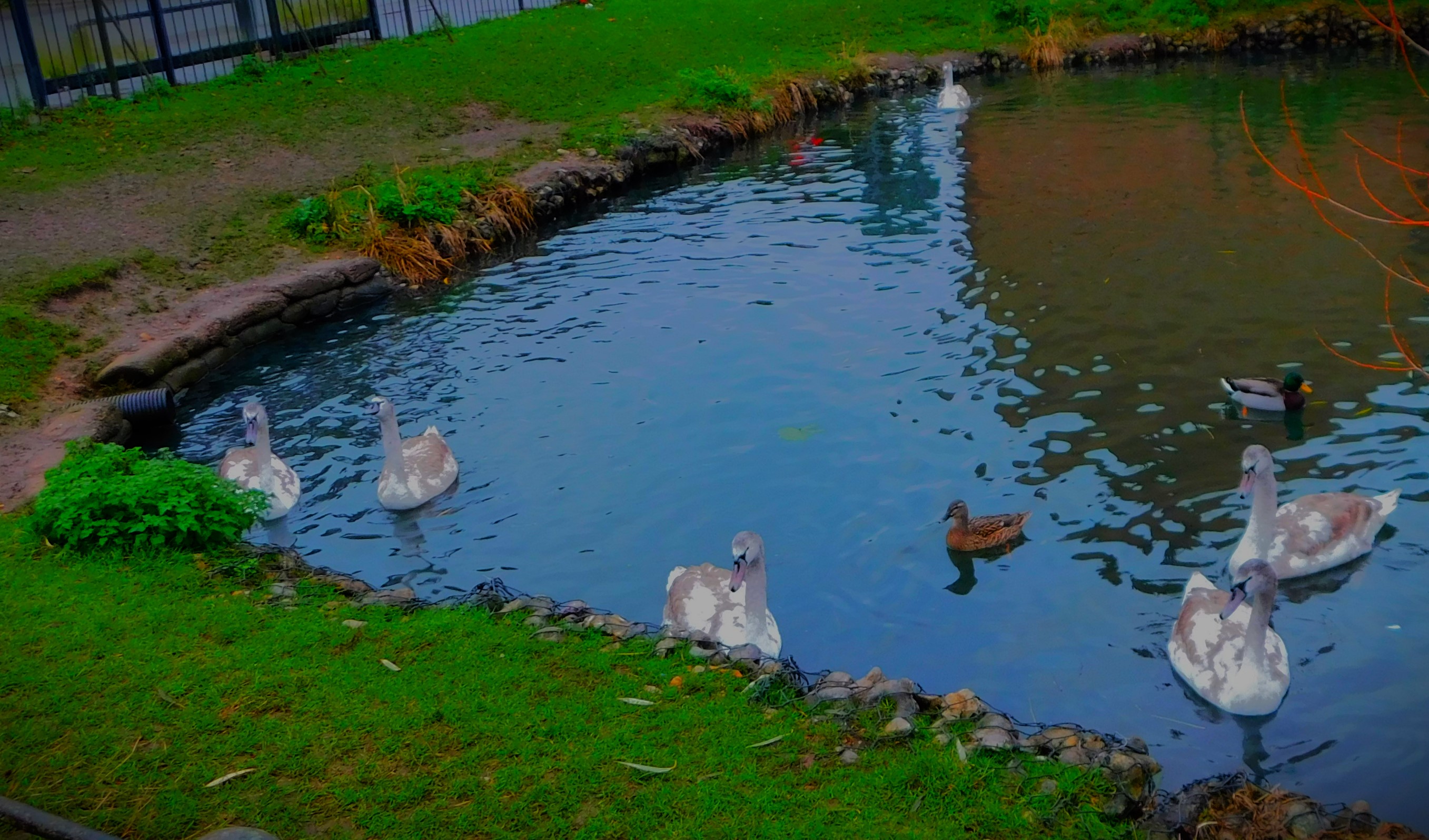
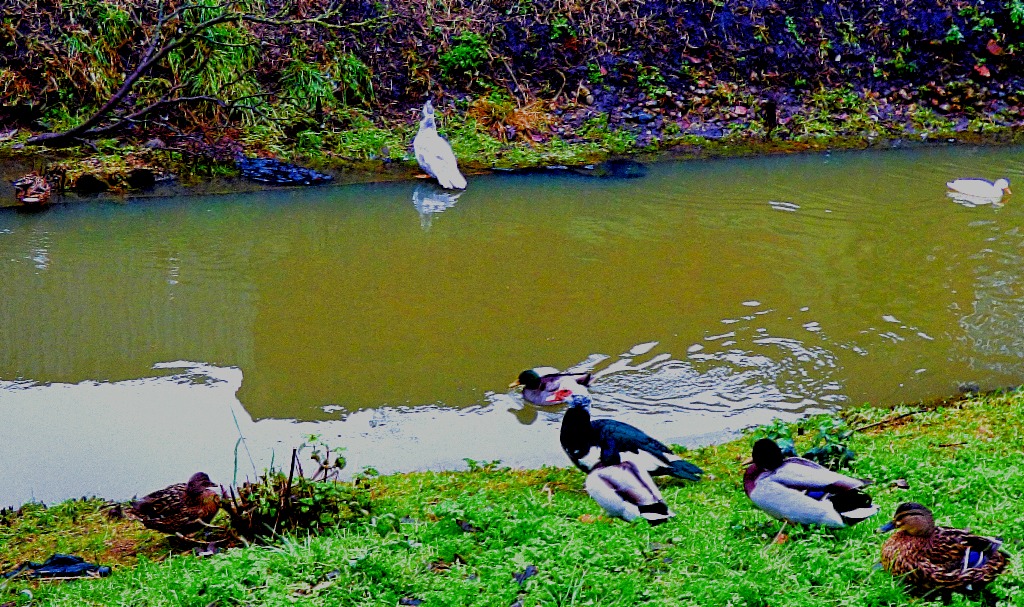
Here are some of my recent nature pictures, which also feature the two main parks in King’s Lynn, The Walks and Lynnsport Park and sections of Bawsey Drain and The Gaywood River.

























































































































































































































































































































































 aspiblog