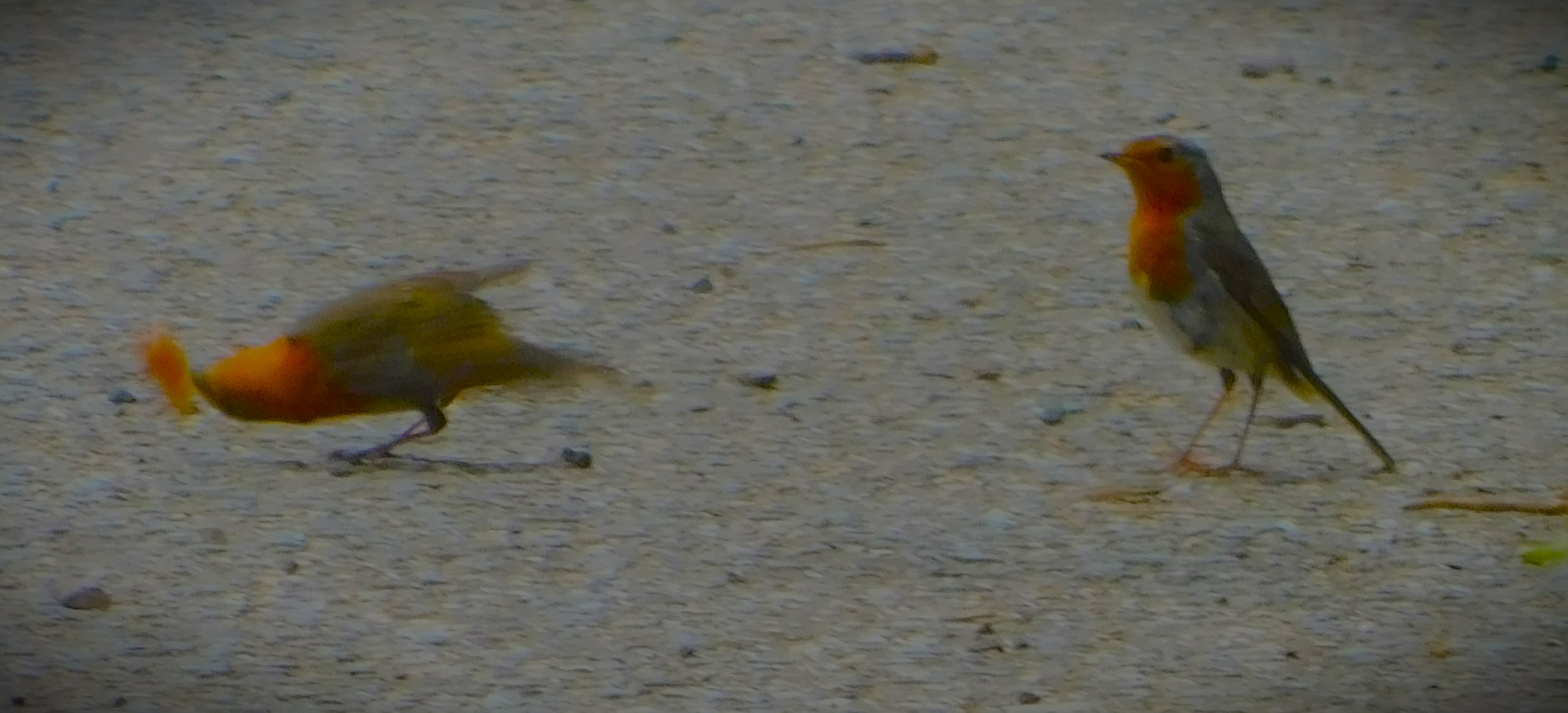
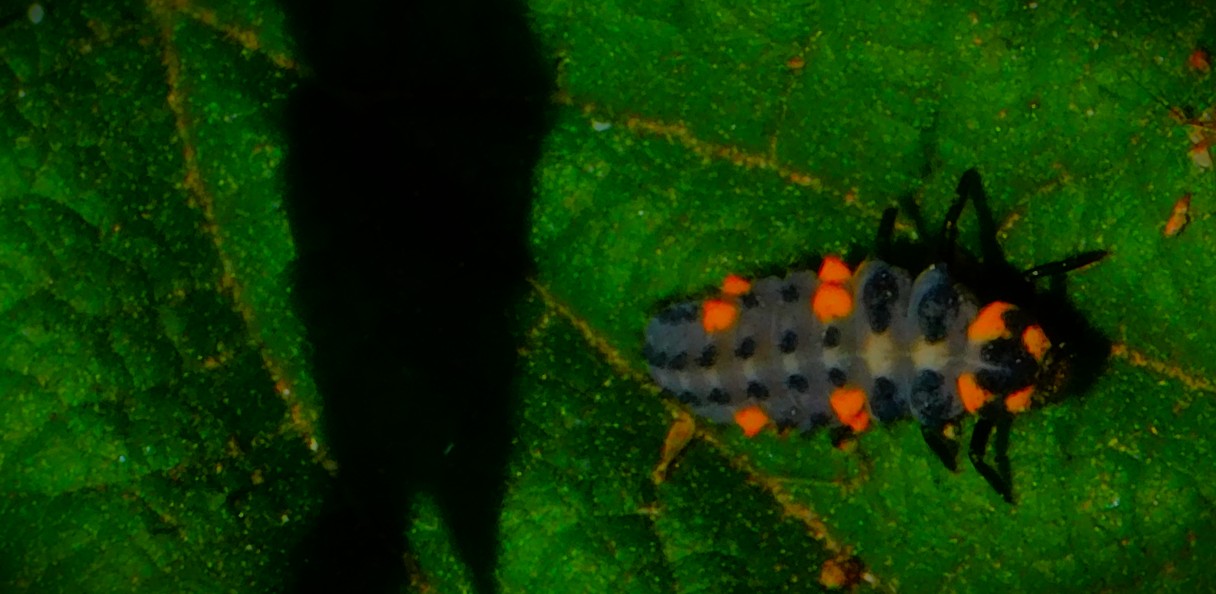
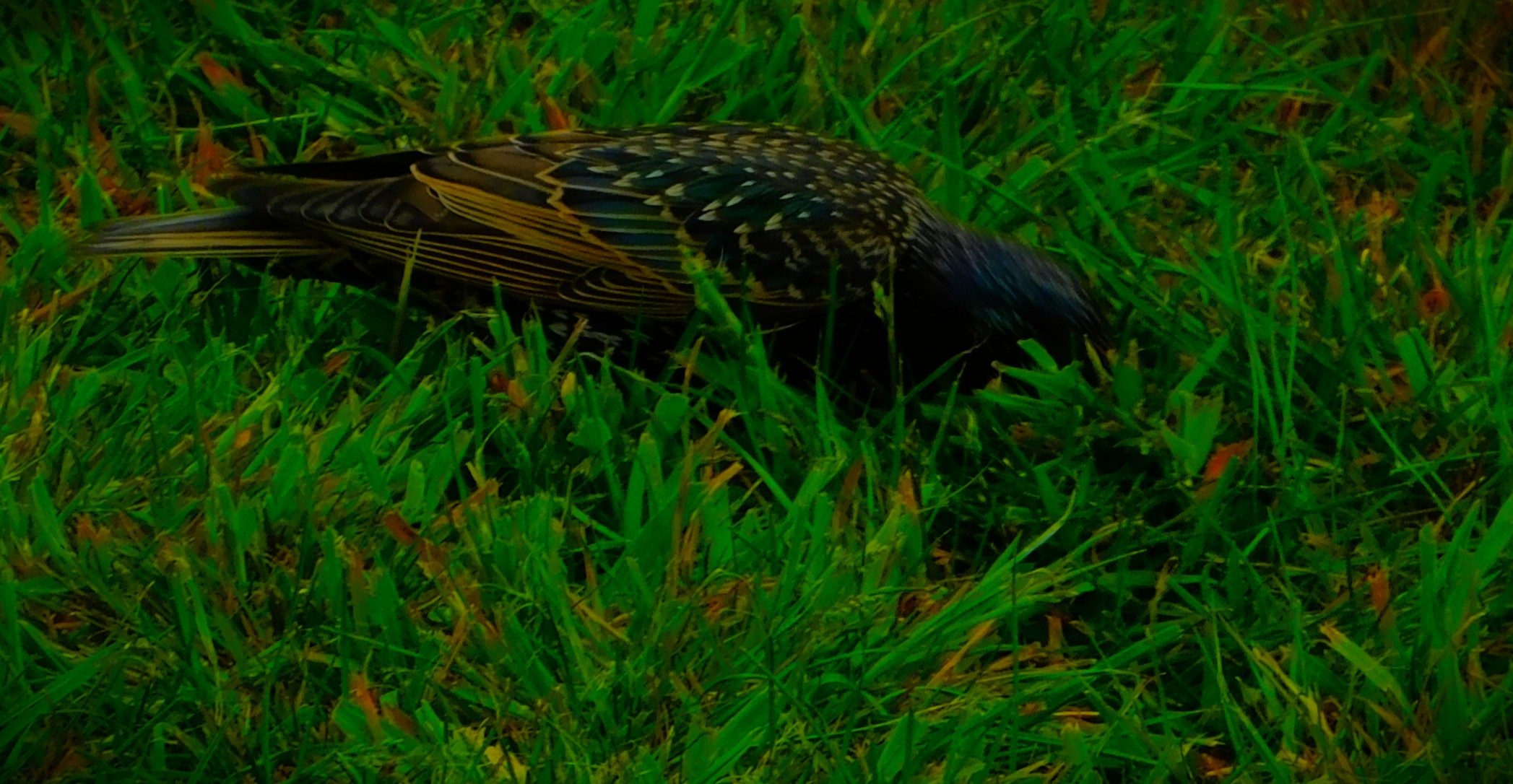
50th Birthday Holiday 10: Glenborrodale Nature Reserve

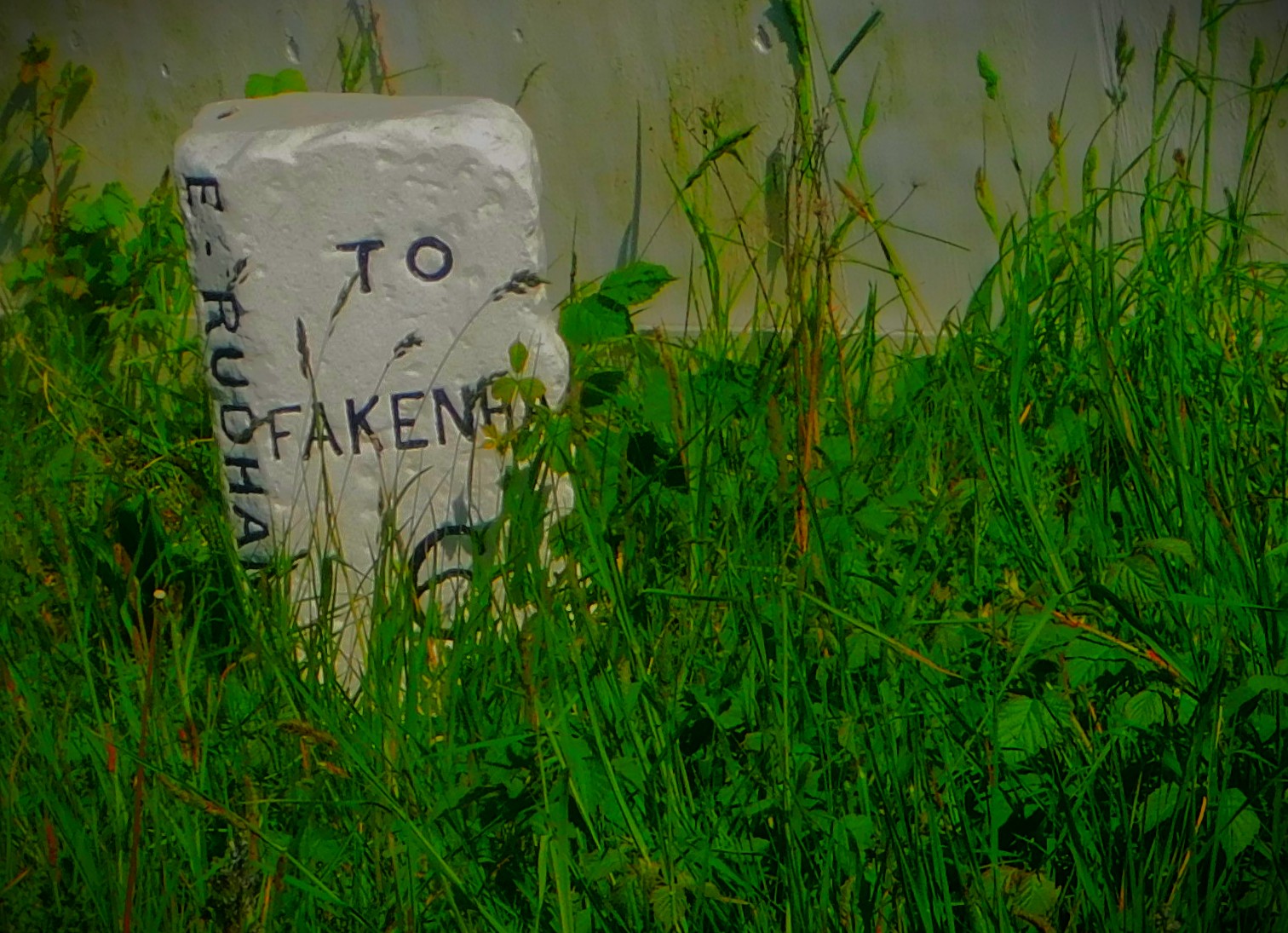
Continuing my account of my 50th birthday holiday with an account of the walk around Glenborrodale nature reserve.

Welcome to the latest post in my series about my holiday in the far west of Scotland around the time of my 50th birthday (I was away from 25th May to 1st June inclusive). We are now starting to deal with Friday May 30th which was a fairly busy day.

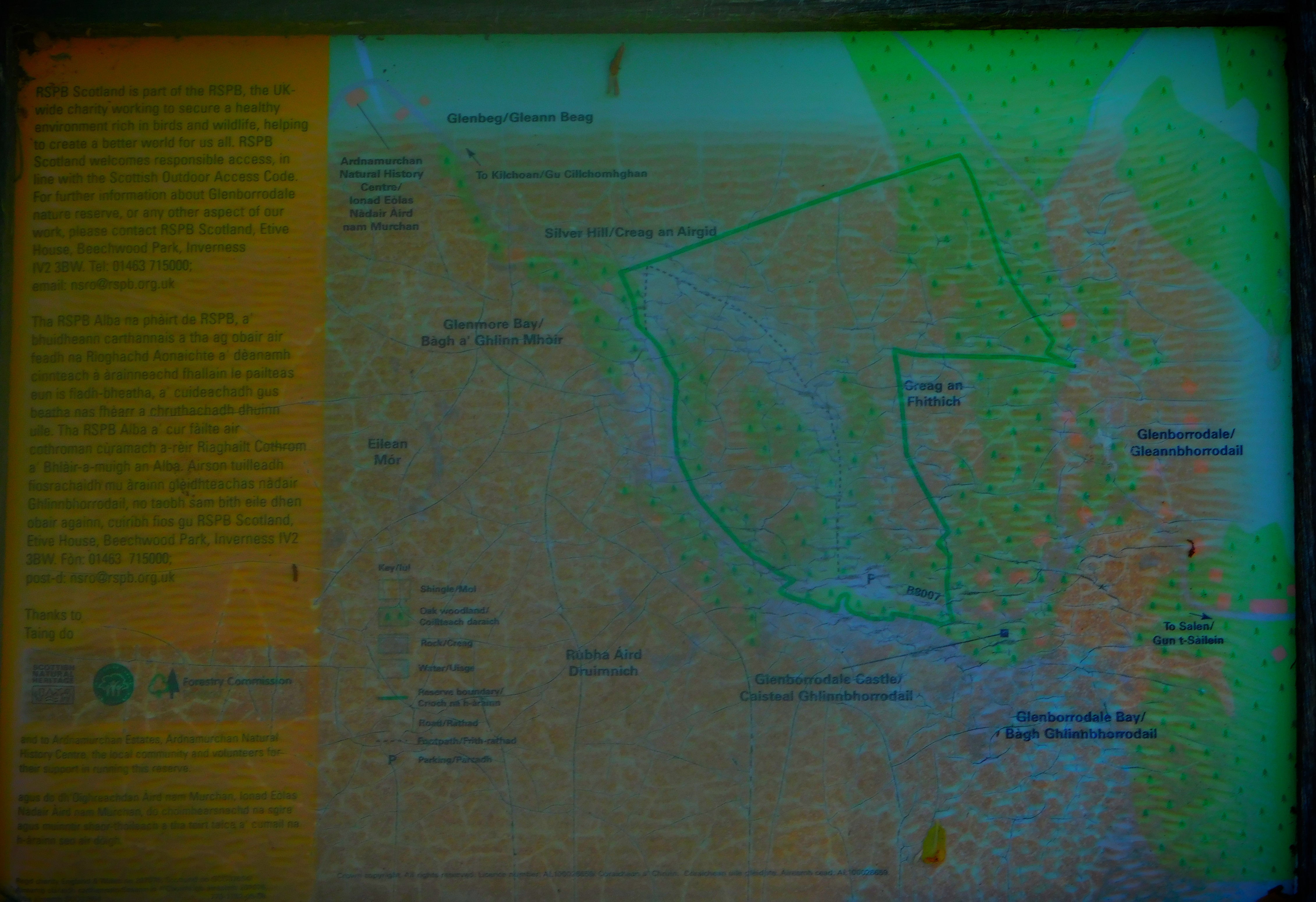
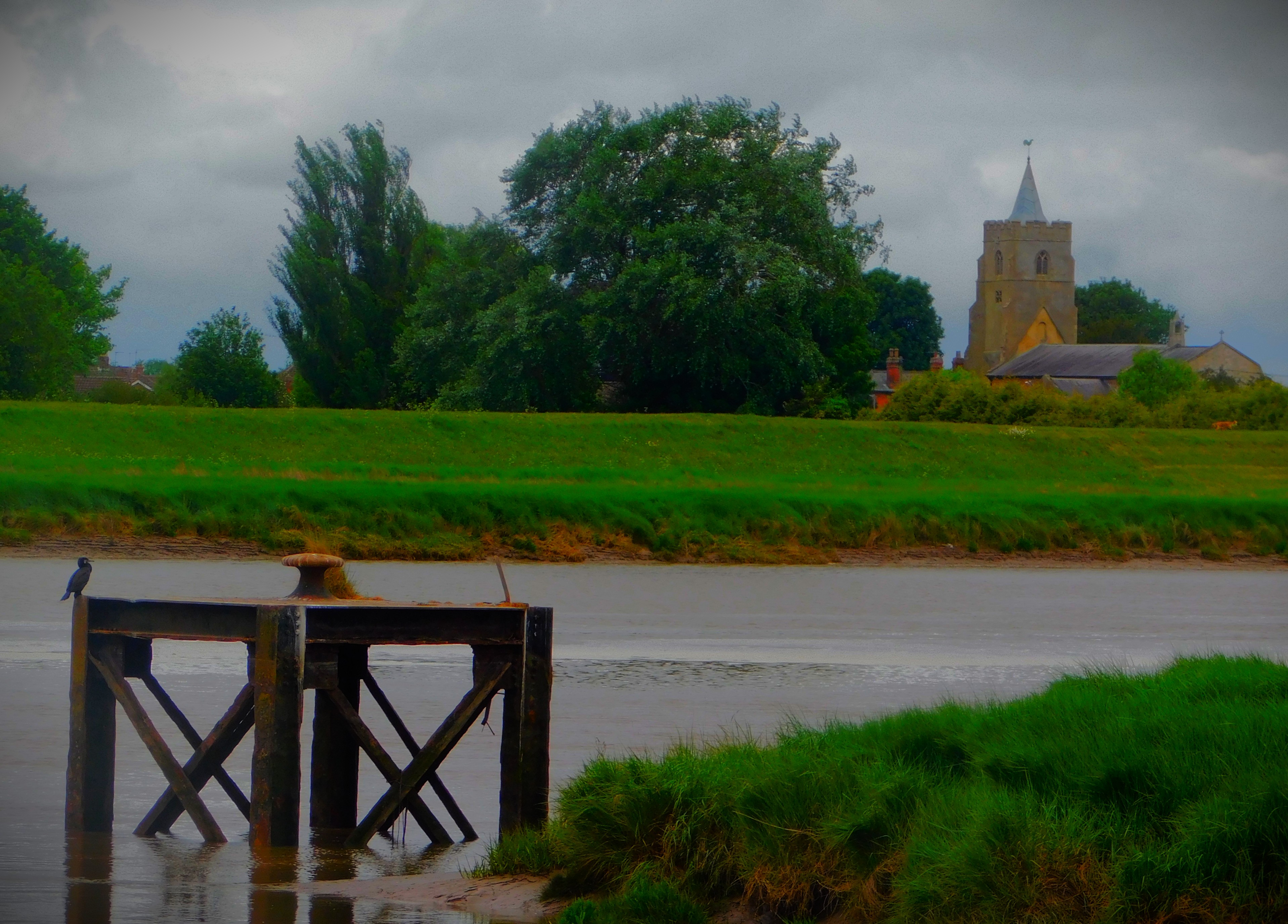
Glenborrodale is itself pretty far west, and the nature reserve is west of the village. Thus most people approaching the nature reserve do from the east, to the point that the directions in our booklet of walks for getting there assumed as a default that everyone would be approaching from the east. However, we were actually approaching from the west, which meant that the instructions for getting there had to be mentally flipped – we had to realize that we were going to see the nature reserve before we saw the village it is named after. Here is a map plus some supplementary detail:

This map, extracted from the information board at Strontian, shows the whole Ardnamurchan Peninsula. We were staying more or less at the point where the road to the lighthouse diverges from the road to Portuairk, right at the western end of the peninsula, while Glenborrodale is in the south-eastern corner of the peninsula. This was actually the furthest east we travelled on any of our excursions during the week.

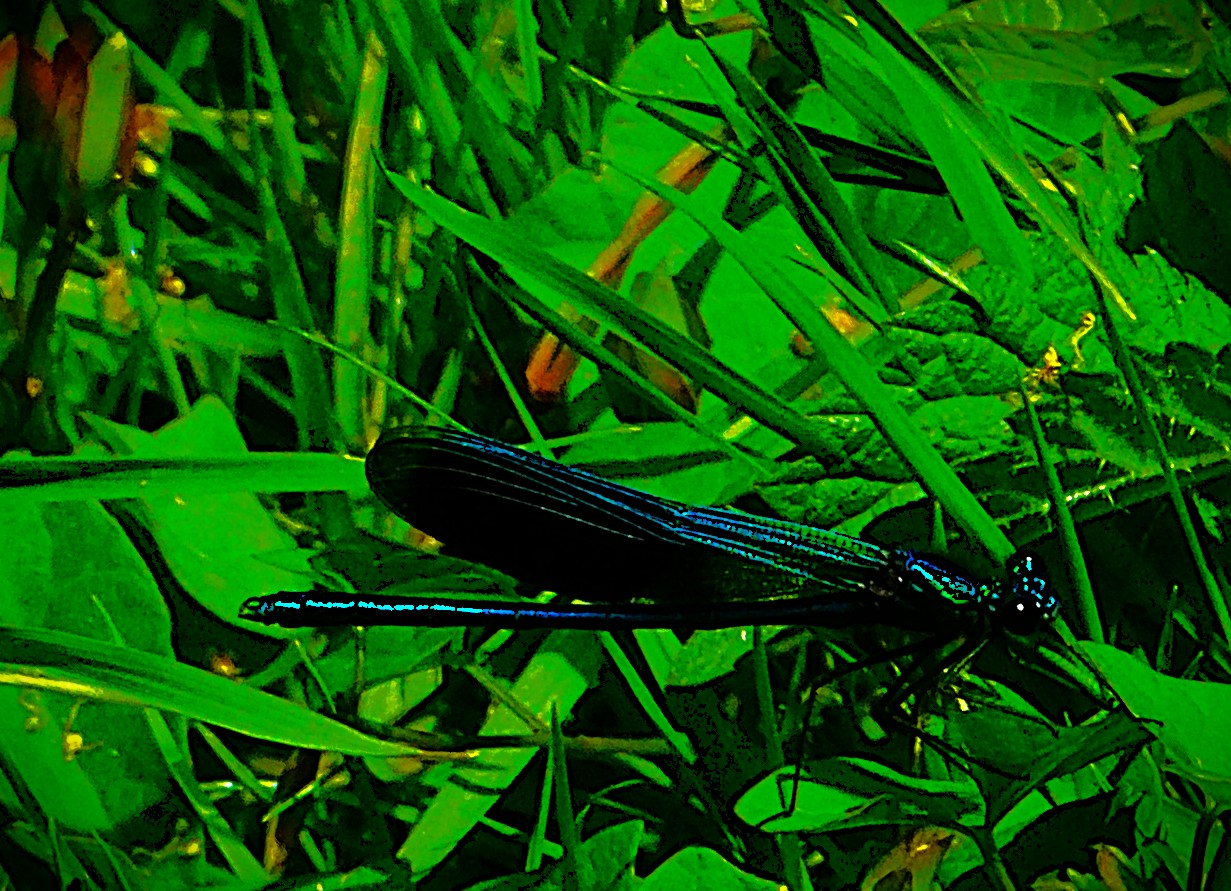
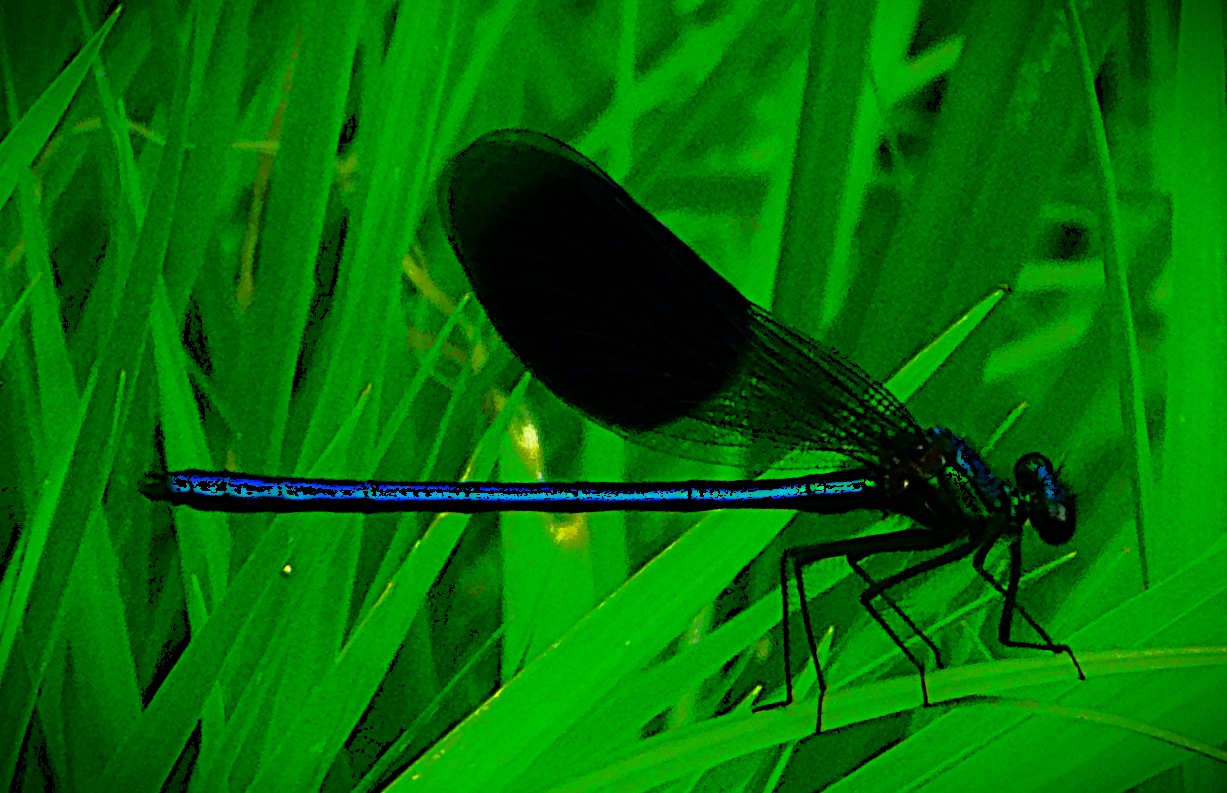
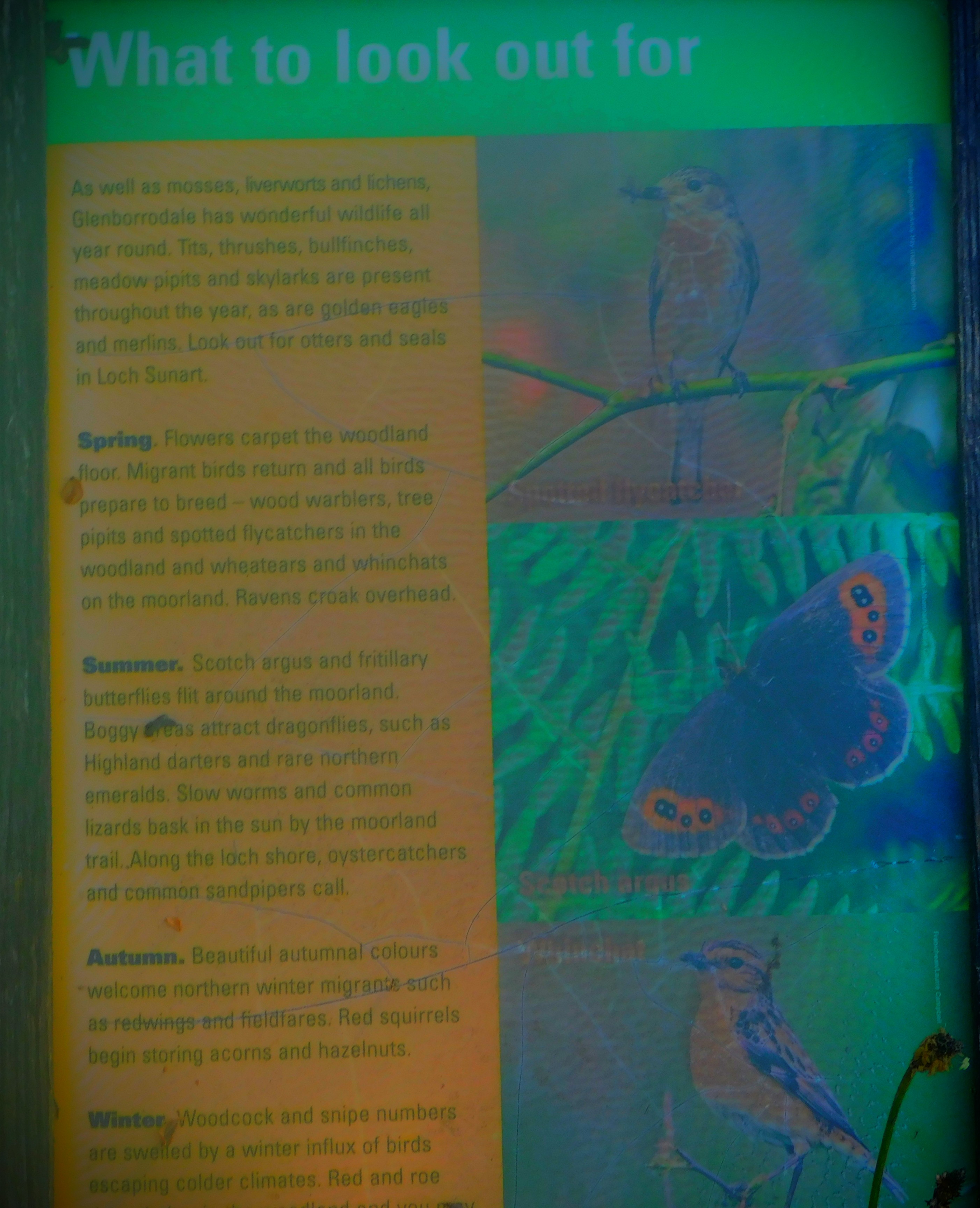
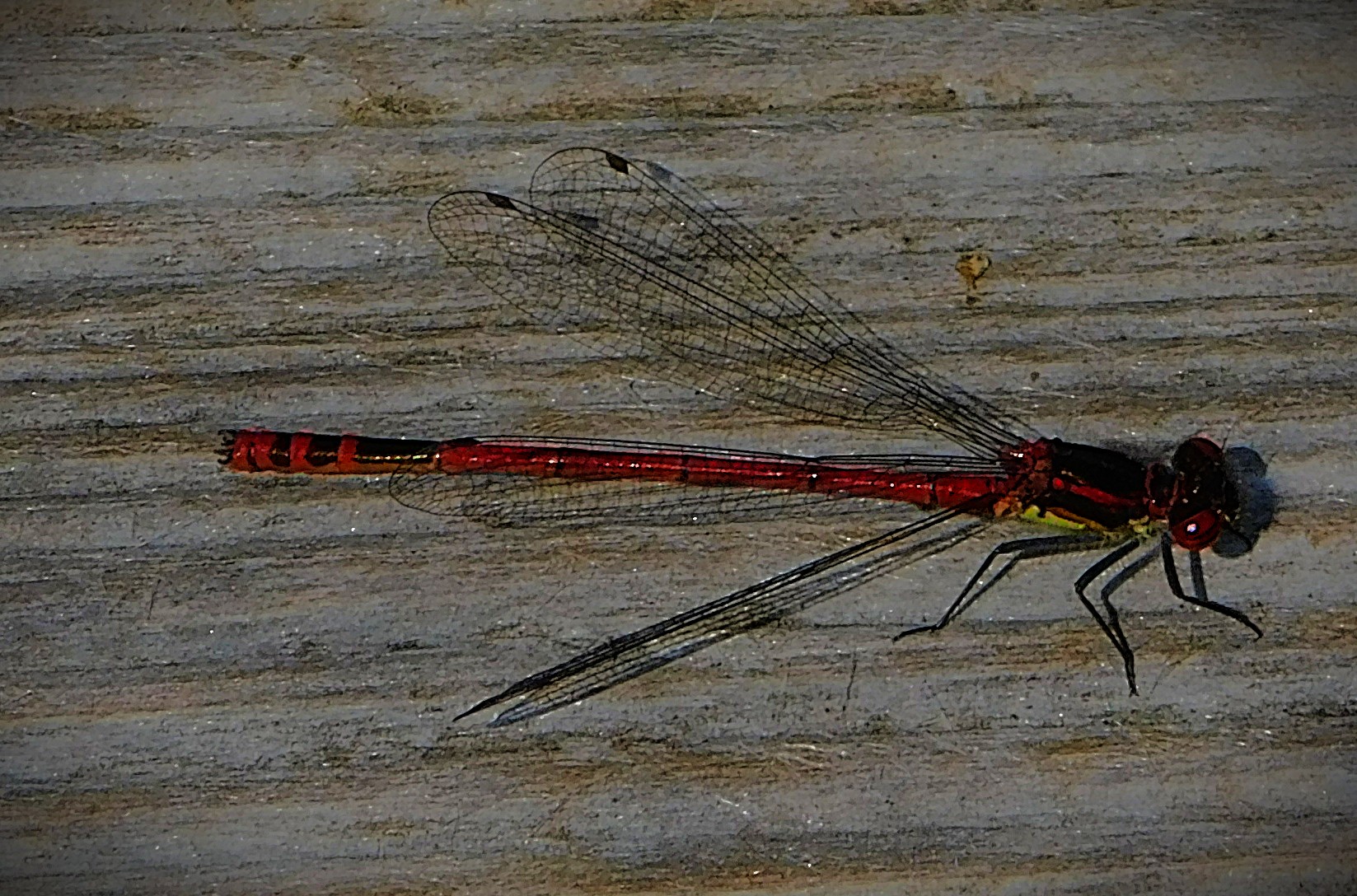
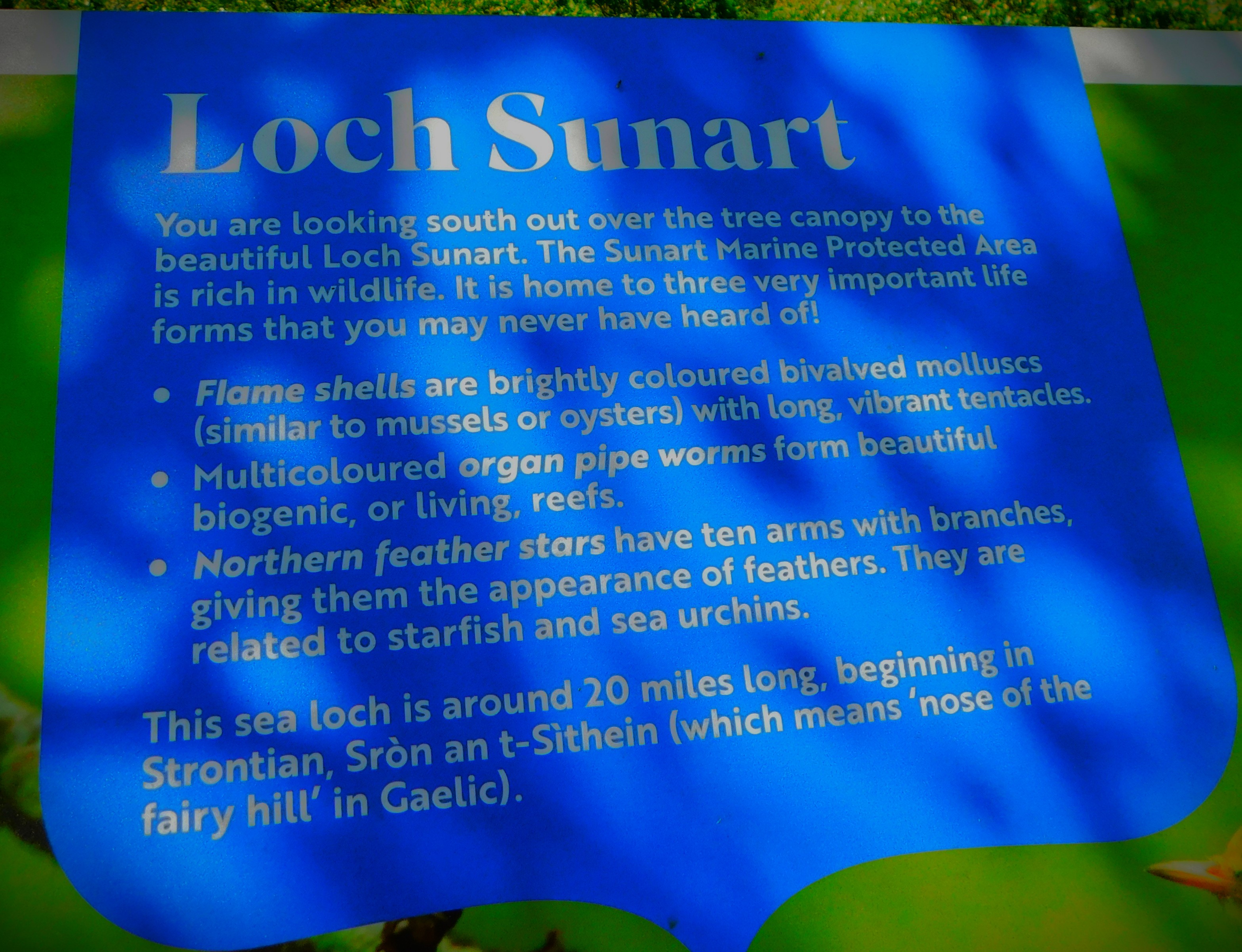
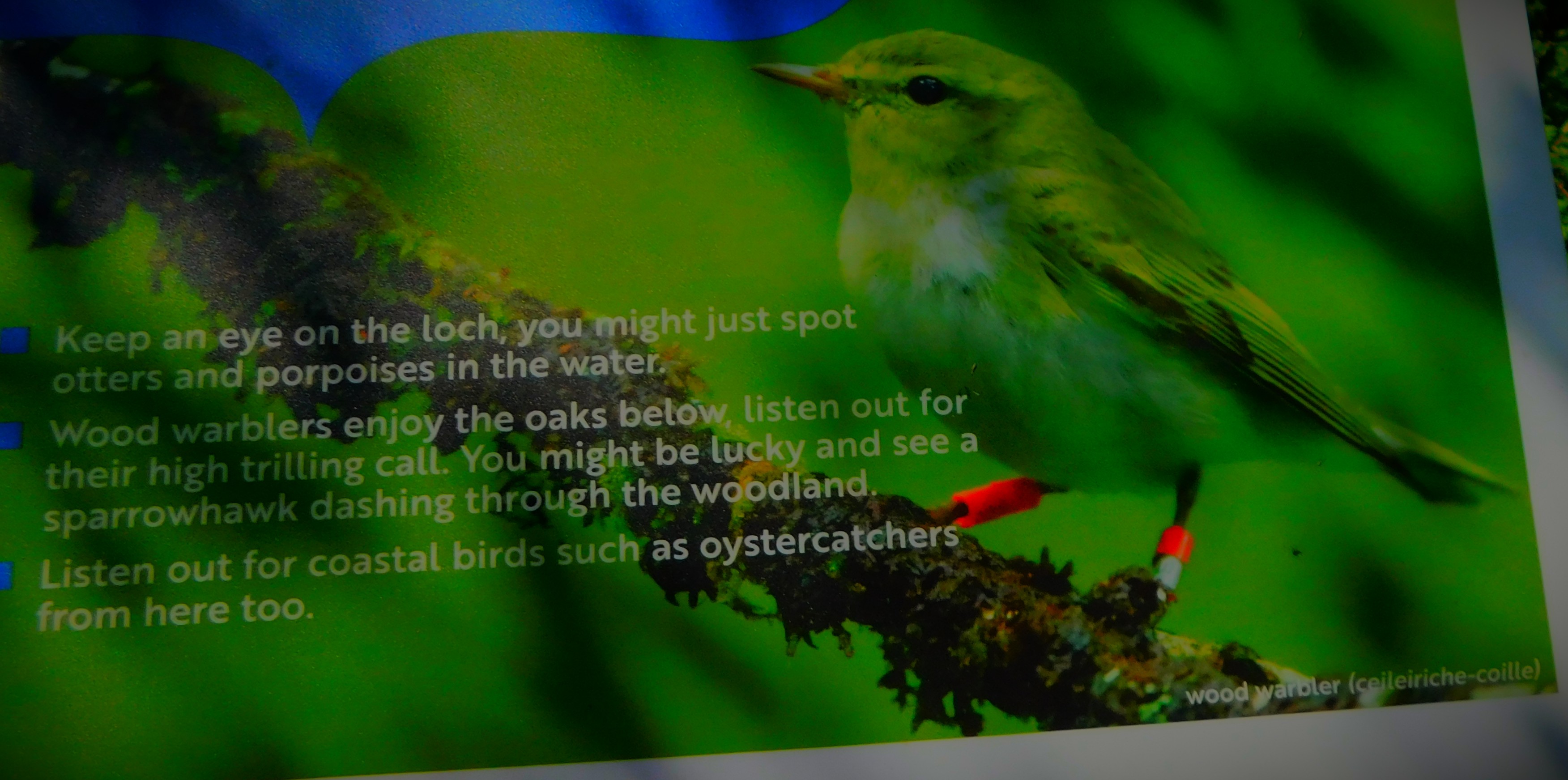
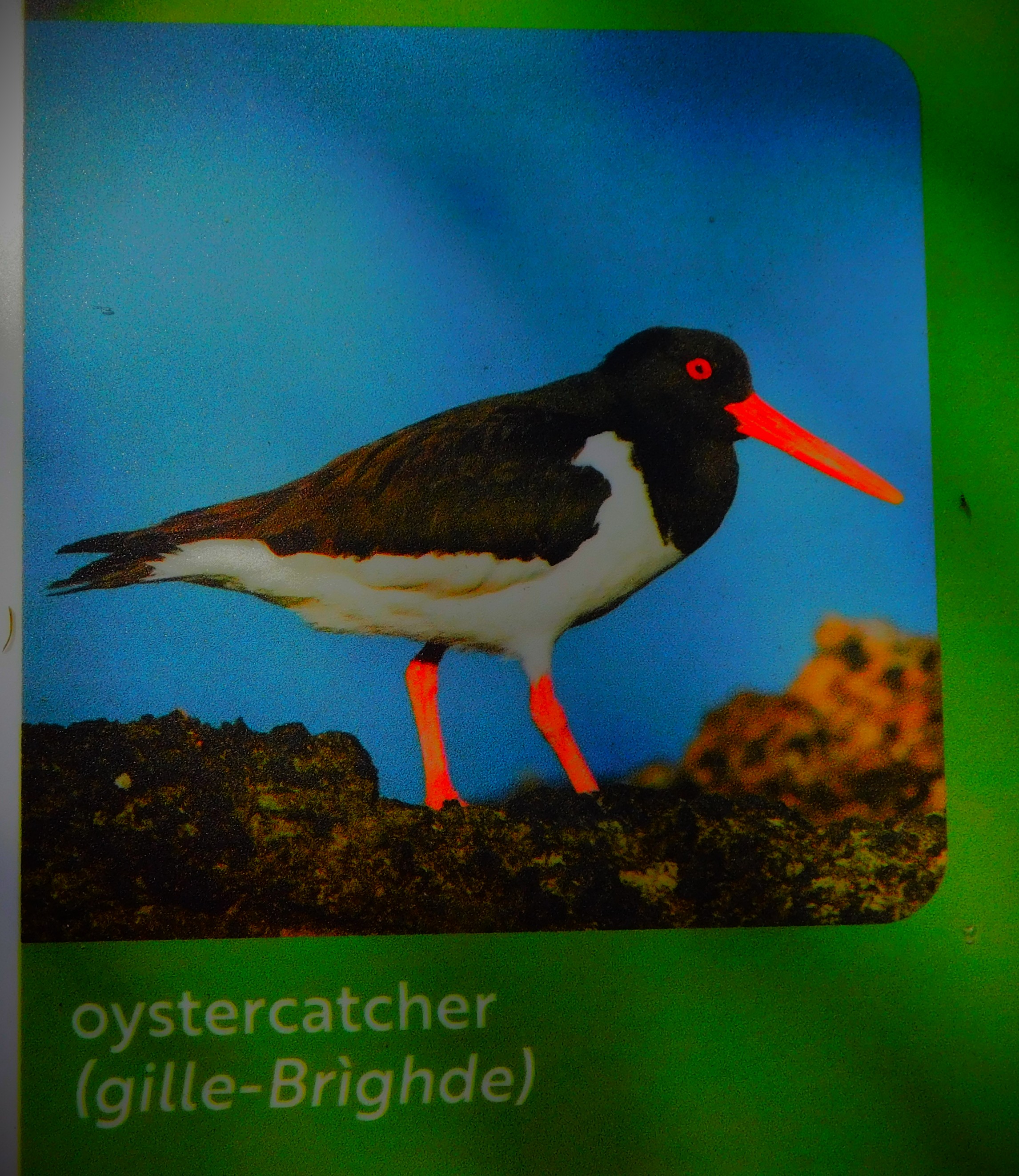
The walk is circular, ending with a stretch along the road to get back to the car park. The nature reserve part of the walk starts with a long ascent, then a brief flat patch where one walks on boardwalks (these boardwalks are superb, and made the walk much more enjoyable than it might have been). Then there is a long downhill section back to the road. There are information boards at various points along the route about what you can see. This nature reserve is under the aegis of the RSPB and they have a section about this walk on their website. I did not manage to spot a Violet Beetle, but I did get one green bodied dragon fly and three common/ highland darters in the course of the walk. I thoroughly recommend this walk should you be in the area.

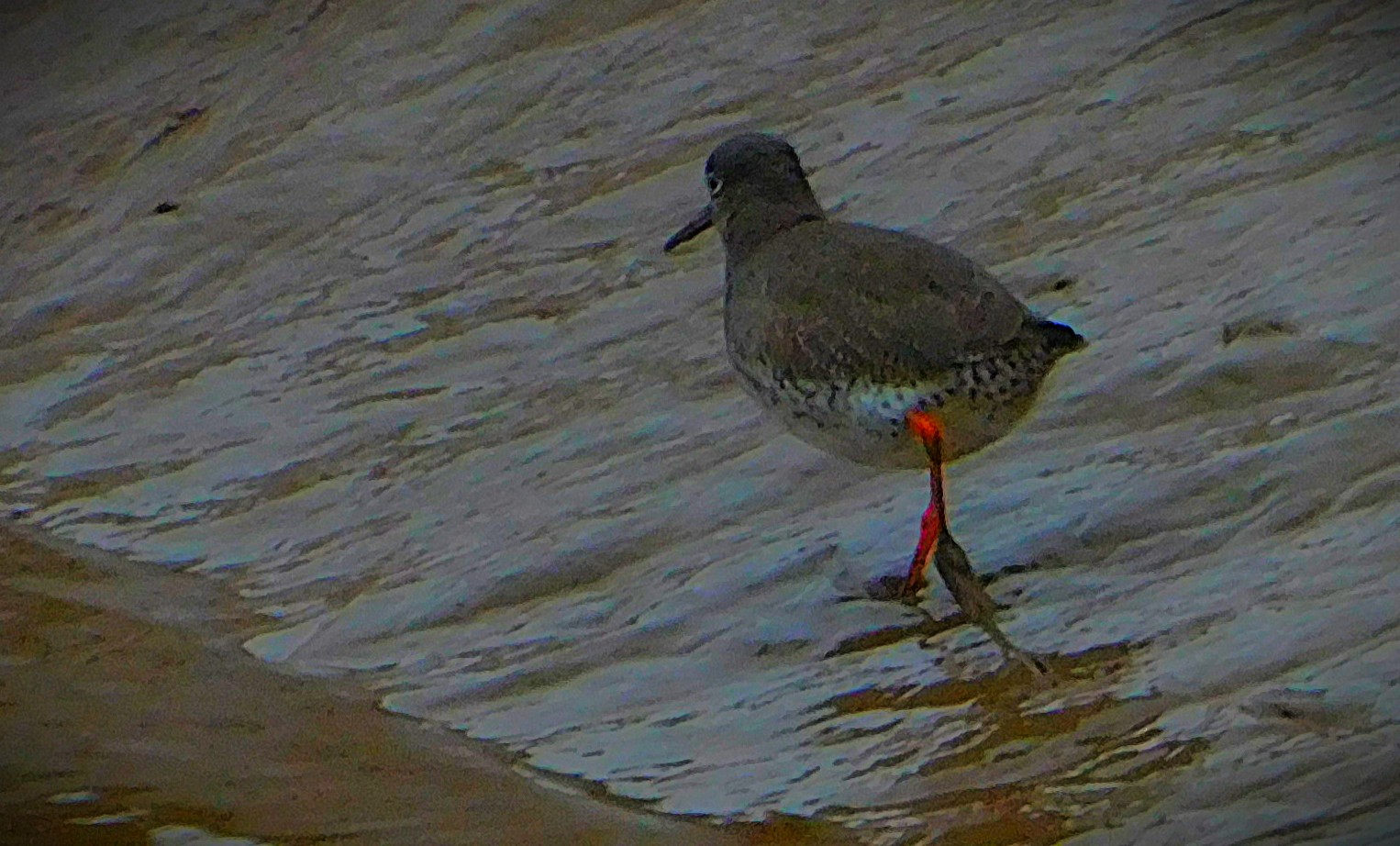
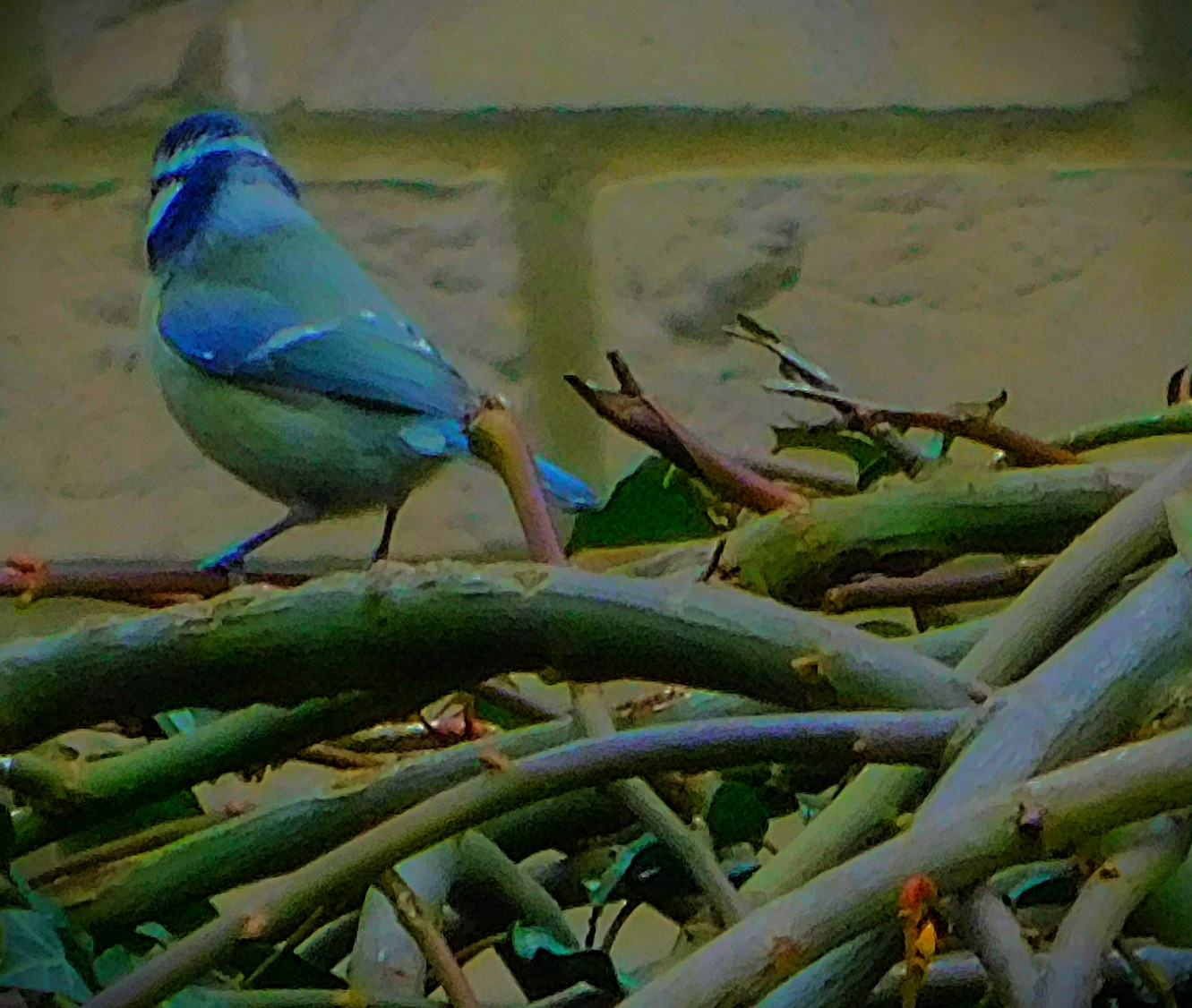
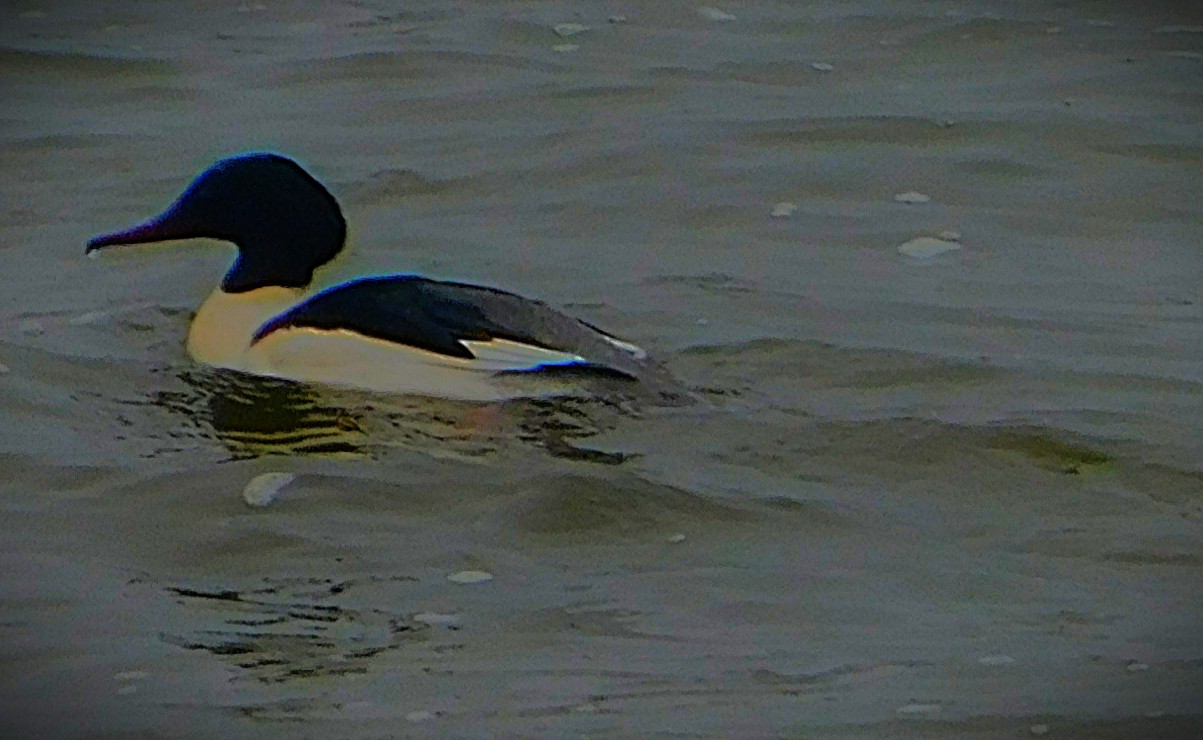
Here is my gallery from this walk….

Raising a Bat to Celebrate Life’s Half Century

A brief post scheduled to coincide with my 50th birthday, There are precisely 50 photos in the gallery.

By the time this post is published I will be nearing the end of a stay in the far west of Scotland that, necessitated by my birthday falling on a Saturday runs from a Sunday to a Sunday. Posting until I am back from that holiday is likely to be light, and may even by non-existent apart from this one.

50 is double a square number, and equal to a square number plus one. Because we work in base 10 it is a significant number in the game of cricket – a score of 50 is halfway to one of a hundred and is generally celebrated by a batter who reaches it. It is of course this that gave me the title for this post. WG Grace was the first to play test cricket at the age of 50 (subsequently Wilfred Rhodes, who played at the oldest age of any test cricketer, 52 years 165 days, George Gunn and Bert ‘Dainty’ Ironmonger all emulated this feat).

This post is scheduled to appear not only on my 50th birthday, but at the very time of day at which I was born.

I have selected 50 of my pictures to form a special gallery for this post…

England Going Well in Nottingham

A look at the events of the first two days of England v Zimbabwe at Trent Bridge and a photo gallery.

The second match of the Womens T20I series between England and West Indies has just got underway at Hove. Today has been the second day of a four day test match between England and Zimbabwe men’s teams at Trent Bridge. I missed most of yesterday’s play for various reasons.

Zimbabwe won the toss and inserted England. Allegedly Ben Stokes would also have bowled first had he won the toss. Whatever the reasoning behind Zimbabwe’s decision, and the one England would possibly have made, bowling first did not work out well for Zimbabwe. By the close of day one England had piled on 498-3 from 88 of a supposed minimum of 90 overs. I only caught one fairly brief passage of this day’s play, but I did get to hear Pope’s century (the third of three scored for England that day), Root’s 13,000th test run (only four others have ever reached this milestone – Dravid, Kallis and Ponting will be all in Root’s rear view mirror by the end of this season, but Tendulkar’s tally of 15,921 remains a long way off) and Pope’s 150 (he was going ballistic by this stage of proceedings, and that third 50 took only 33 balls). England continued scoring quick runs on the second morning. It was the dismissal of Brook for 58 off 50 balls, which made the score 565-6 that prompted Stokes to declare. The Zimbabwe first innings was a one man show, that man being 21 year old right handed opening batter Brian Bennett, who reached three figures off a mere 97 balls. He did not get a great deal of support from the rest of the order. He was reprieved on 89 when Root dropped a catch in the slips off Ben Stokes. Stokes was not long delayed – he took a wicket in his next over, and added a second in the course of what was a fairly brief spell. At 139 Josh Tongue had him fending a short ball into the hands of Pope at forward short leg but a call of no-ball saved him. In Tongue’s next over the same sequence of play – short ball, fend, catch by Pope, ensued and this time it was a legal delivery. Bennett’s dismissal made it 246-6, and with Richard Ngarava having injured his back while bowling and not being fit to bat it did not take terribly long to wrap the innings up. The final score was 265 all out, giving England a lead of precisely 400. In view of it being a four day match, and tomorrow’s forecast being a little dodgy Stokes had no hesitation in sending Zimbabwe in again. Bennett could duplicate his first innings form, being pinned LBW by Atkinson for 1 (it was given not out on the field, but Atkinson sent it upstairs and was proven right). Tongue then intervened with the wicket of Zimbabwe skipper Craig Ervine, caught by Pope at forward short leg. Sean Williams batted impressively to reach 22 not out by the close, but at 30-2 Zimbabwe are still 270 runs short of avoiding an innings defeat.

My usual sign off…

The Tale of a Launch

A look at the start of the new era of England Women’s cricket and a photo gallery.

Yesterday the new era of England Women’s cricket with Charlotte Edwards as head coach and Natalie Sciver-Brunt as captain had its first practical test in the form of a T20I against West Indies Women at Canterbury.

While Heather Knight, who had resigned as skipper in the wake of her team’s disastrous tour of Australia, kept her place as a player there were some new and some returning faces in the England squad. The final line up chosen at the toss was: Danni Wyatt-Hodge, Sophia Dunkley, *Natalie Sciver-Brunt, Heather Knight, +Amy Jones, Alice Capsey, Em Arlott (her international debut), Issy Wong, Charlie Dean, Linsey Smith and Lauren Bell. With batting all rounders at numbers 3 and 6, a wicket keeping all rounder at 5, a genuine all rounder at 7 and bowling all rounders at 8 and 9 there was depth and variety in both batting and bowling. With Dean and Smith to bowl spin (Dean off spin, Smith left arm orthodox), and Bell, Wong and Arlott to bowl seam/swing plus Capsey (off spin) and Sciver-Brunt (rightarm medium) all bases save leg spin were covered. Ecclestone is returning from a knee injury and was not picked in this squad on the ground of managing her return to full fitness, while leg spinner Sarah Glenn was in the squad but did not make the final XI. Also watching from the side lines were veteran opener Tammy Beaumont and young batting all rounder Paige Scholfield. Sciver-Brunt won the toss and put West Indies in to bat.

The pitch looked good for batting, the conditions were excellent, and there was good batting on show from Hayley Matthews, the West Indies skipper. Sadly none of her team mates were able to offer her decent support. Until wicket keeper Mandy Mangru scored a sparky 17 late in the innings no one save Matthews had managed double figures. Sciver-Brunt showed imagination in her handling of her bowlers, putting Dean on for the second over and Smith for the third, and carefully not introducing Arlott until the Power Play was done. Matthews played a magnificent innings, reaching her hundred off the final ball of the innings. As for her team mates the final West Indies tally of 146-7 sums up their efforts with no need of further comment.

This total was soon put in perspective by England, for whom Wyatt-Hodge and Dunkley led off with a 50 opening stand in quick time. Sciver-Brunt kept the momentum going in partnership with Dunkley, who batted superbly. Knight, playing her first innings back in the ranks after nine years as skipper, played with wonderful freedom, outscoring even Dunkley. England won by eight wickets with 3.3 overs to spare, Dunkley 78 not out from 54 balls, Knight 43 not out from 27 balls. There will be tougher tests ahead than this West Indies side, but it was a defeat in a T20 (their last group fixture of the T20 World Cup) at West Indian hands that set the stage for the disastrous visit to Australia, in which England were whitewashed and deserved that fate. My Canterbury Tale is told and it remains only to provide…

My usual sign off…
A Concatenation of Classic Finishes

A look back at a remarkable day of cricket, including three (count ’em) classic finishes to county championship matches. Also a photo gallery.

Just over an hour and a half ago Jack Morley, Derbyshire’s number 10, kept out the fifth ball of the final possible over of the match, and with Derbyshire eight wickets down, but a long way adrift, Lancashire accepted that they were not about to capture two wickets with one legal ball left and the latest round of County Championship matches had officially ended. This was the third splendid finish to a match in very quick succession. This post looks back at the stories of this merry Monday.

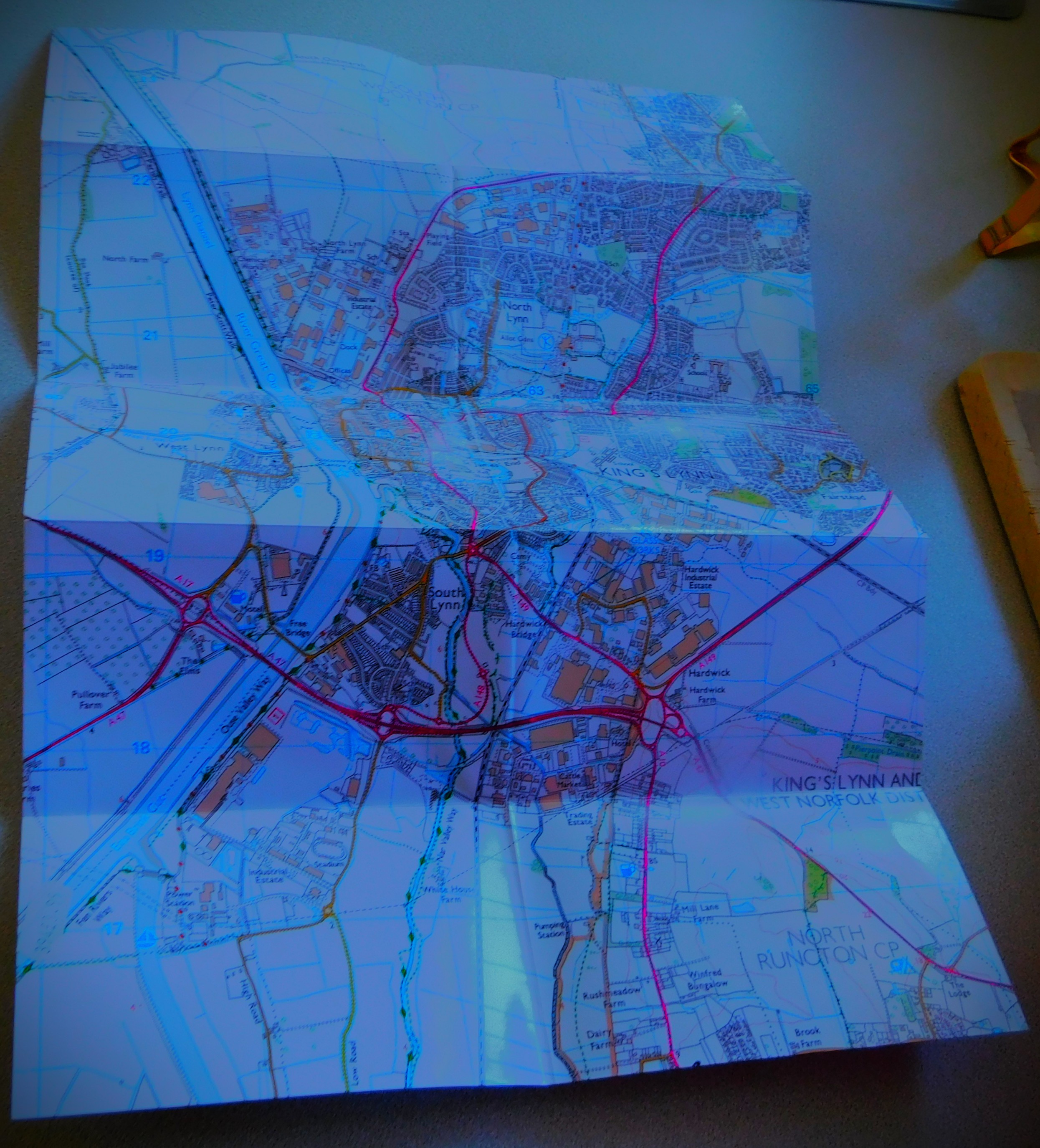
My morning was to a certain extent tailored around the fact that I had arranged to get myself vaccinated against the current variant of Covid-19 at 10:00. The venue for this jab, Well King’s Lynn, is on Loke Road, only a few minutes from my home by the quickest walking route, though I extended it both ways, on the way there because I also had a few things to purchase at Morrison’s, and on the way back because I was in the mood to do so, and as has always been the case with me and covid vaccinations, I did not feel so much as a hint of an unpleasant side effect. I decided that my first port of call cricket wise would be the Women’s One Day Cup match between Hampshire and Warwickshire, while also having cricinfo tabs open to follow progress in other matches, and that I would revert to the championship after this match was done. I missed the ending of Surrey versus Yorkshire, which followed a predictable course, ending with victory for Surrey by an innings and 29 runs.

At first it looked like Hampshire were in charge. At one point they had reduced Warwickshire to 93-6. Abigail Freeborn was batting well, and now for the first time she found genuine support from the other end. Charis Pavely, a 20 year old who also bowls left arm orthodox spin, actually outscored Freeborn, contributing 55 to their seventh wicket stand of 97. Warwickshire captain Georgia Davis now came in and helped Freeborn to boost the final Warwickshire total to 243, and Arundel Castle is not especially noted for high scores. Freeborn just missed out on a century, being 94 not out at the end of the innings. The Hampshire openers fell cheaply, but then Charli Knott and Hampshire skipper Georgia Adams shared the biggest partnership of the match, and although Warwickshire then pegged Hampshire back once more, Mary Taylor played a little gem of an innings in the closing stages to get her side over the line with four balls to spare.

To say that Gloucestershire have been unconvincing at Bristol in recent years is to err on the side of generosity – before today they had not won a red ball match at county HQ since 2022. They need 162 in the final innings to beat Kent, and given their poor record at Bristol in recent times they would have been quaking when their seventh wicket went down at 138. That brought Zaman Akhter in join Cameron Green. This pair picked their way towards the target, and in the event got there for no further loss. After 970 days Gloucestershire had finally won a red ball match at county HQ.

Glocuestershire’s triumph left two matches still in progress. At Chester-le-Street Durham had managed to get through Nottinghamshire’s second innings quick enough to leave themselves a chase of 92 in 18 overs to take the win. At Old Trafford Derbyshire had initially been looking at a potential chase against Lancashire but were by this stage hanging on grimly for the draw. By the time the Gloucestershire match finished there were under 10 overs left in both games, and Durham after being temporarily rocked back by Mohammad Abbas striking twice in the opening over were well on course for the win. Derbyshire were eight down, with Anuj Dal and Jack Morley defending gamely. Durham were 10 short of victory when Alex Lees was out, both bowler and keeper trying to get under the catch, and the latter, South African Kyle Verreynne finally claiming it. Durham promoted Brydon Carse to number five, and although Colin Ackermann reached a 50 before the end, it was Carse, like a ham actor stealing the Oscar winner’s line, who made the winning it, a straight driven four with 10 possible balls remaining. That left Derbyshire’s rearguard as the last cricket action of the day. They were into the final over there by then. Anuj Dal had clocked up 100 balls survived in the innings just before the end of the Gloucestershire match, and his score was 12 not out at the time. By the time Morley, 0* off 36, had played out the final few balls to secure the draw Dal’s final innings figures were 13* (115) – even more self denying than Hashim Amla’s 37* (273) for Surrey v Hampshire a few years ago. Ben Atchison, Derbyshire’s number nine had also contributed a 21 ball duck to the resistance act.

The three county championship match finishes described in this post illustrate just what is best about this, the oldest of all organized professional cricket competitions. At 135 years of age the County Championship is in splendid health.

My usual sign off…

County Championship Current Round

A look at the current round of county championship fixtures, with the focus on the battle of the behemoths – Surrey v Yorkshire. Also a photo gallery.

Another round of fixtures in this year’s county championship got underway on Friday (there is one more round, some of which I will unavoidably miss) before the Vitality Blast, One Day Cup and Hundred are played, with the second half of the championship season happening after these competitions are done. This post looks at events on the first two and a half days of the current round.

These are the two most successful clubs in the county championship’s long history, with Surrey dominating the current era. Surrey won the toss and opted to bowl first. Yorkshire had somewhat the better of the morning session, Surrey definitely the better of the afternoon session, but what still looks getting on for two full days later like the decisive tipping point of the contest occurred midway through the evening session. Yorkshire at 237-6 were still holding their own when Bairstow, previously majestic, played a very poor shot at Dan Lawrence’s part time off spin to be caught by Tom Lawes for 89. The Yorkshire first innings folded rapidly thereafter, with only a further 18 runs accruing. Burns and Sibley made it through to the close without loss, making it definitively Surrey’s opening day.

Day two went meltingly in Surrey’s favour, and by end of it they were 384-7. There were no centuries, but both Aussie recruit Kurtis Patterson, batting at number three, and Ben Foakes at number five topped 80. Foakes was 7th out for 86, with the score at 351, but unlike Yorkshire who folded from the point their seventh wicket fell, Surrey were far from done. Jordan Clark, far better with the bat than most county number eights, now assumed control of the innings, and New Zealander Nathan Smith also played competently.

The Surrey innings lasted for slightly more than a standard length morning session on day three (as they were nine down at the scheduled interval time an extra half hour was playable in the session, and about 10 minutes thereof were actually needed. Surrey scored 512 in total, for a first innings lead of 257. They were already well ahead when their seventh wicket fell, but whereas Yorkshire had added only 18 more from that point Surrey’s last three wickets piled on 161 between them. Bean fell early in the Yorkshire innings, to the bowling of Nathan Smith. Jordan Clark, scorer of 69 in the Surrey innings, made the big breakthrough when he had Adam Lyth caught by Patterson. Since then James Wharton and Jonathan Tattersall have batted well together, and at the moment Yorkshire are 81-2, 176 runs short of avoiding the innings defeat. Given how far adrift they still are Yorkshire probably need to bat until tea time tomorrow before they can even begin to feel safe. Tattersall has just lost patience and played a loose drive at Clark resulting in a catch to Sibley. Tattersall batted 82 balls for his 12. Yorkshire are 83-3, still 174 short of avoiding the innings defeat. Bairstow, the first innings top scorer is now at the crease.

Somerset are playing Sussex, and it is just possible that a decision to enforce the follow on when they could reasonably have gone in again (it was the afternoon of day two, and their advantage was 186, so they could justifiably have opted to bat till lunch on day three, and have five sessions in which to wrap up the Sussex second innings). As I type they need another 109 with seven second innings wickets standing. I will not condemn them even if their decision to enforce does end up backfiring, because I think too many sides have a knee-jerk aversion to going for the quick kill in these situations, often citing a need to rest the bowlers. Lancashire are in action against Derbyshire, and Lancashire’s Sir James Anderson collected three cheap wickets in his first first class bowl since being accorded that status.

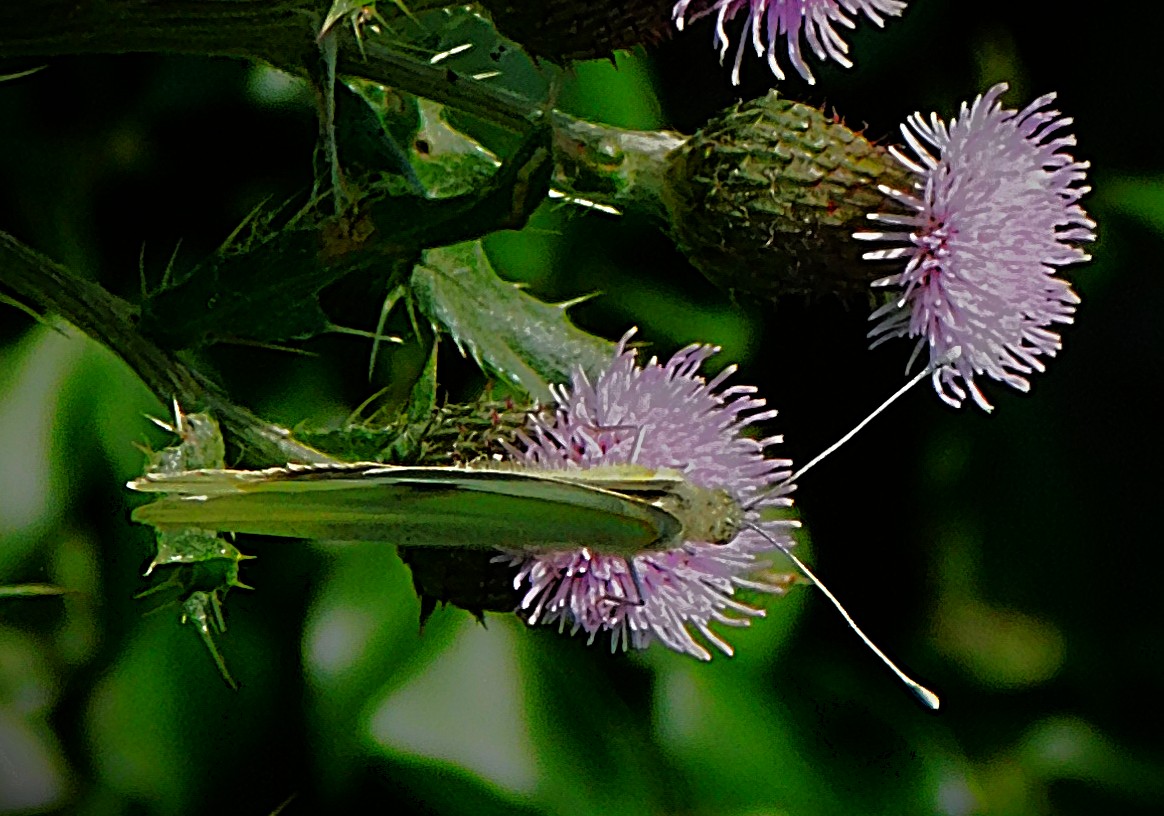
Yesterday, I included a picture of a pair of butterflies that I had not been able to identify on a flower head. I have been given what I believe after checking online to be a correct identification: Large Blue or Phengaris arion. As you will see today yielded another new butterfly find…

Excitement at Exmouth

A look back at the T20 match that took place between the Somerset and Durham women’s teams and a photo gallery.

Last night in the Vitality Women’s T20 Cup Somerset Women entertained Durham Women at Exmouth. This post looks back at the second half of that match (I missed the first half, joining the action after the county championship match I was following had ended for the day).

Durham Women had been restricted to 124-9 from their 20 overs with England off spinner Charlie Dean underlining her class by taking 4-12 from her four overs. This did not seem likely to test Somerset unduly, especially when Bex Odgers started like a train. Odgers scored 39 off 18 balls, of which she hit nine for fours, in an opening stand of 54 that Somerset well ahead of the rate. Odgers’ innings would prove to be the only 30+ score of the match. Once Odgers was out Somerset hit the buffers, and at low water mark were 107-9, needing 18 from two overs, with Alex Griffiths batting in company with the Somerset number 11, 19 year old Croatian Erin Vukusic. Vukusic had not a good evening, leaking 24 from two overs in a low scoring affair. However, while she did not score any herself, she partially redeemed her poor bowling by running well in support of Griffiths, who almost took Somerset home. In the end a quickly run two off the final ball levelled the scores – 124-9 for each side. As this competition is knockout one there had to be a super over. For this Somerset batted first, and former England skipper Heather Knight emerged alongside Odgers. Knight scored five off the first two balls of the over, but then Odgers was out first ball. Somerset ended with only eight from their super over. Unsurprisingly given her figures in the full match Charlie Dean took the ball for Somerset. Durham opted to trust their regular openers, Hollie Armitage and Bess Heath, and it took just three balls for this pair to punish Somerset for failing to win in regular play.

My usual sign off…

Beckenham Blast

An account of a remarkable match between Surrey and The Blaze at Beckenham in the Women’s One Day Cup, and a photo gallery.

On Wednesday the Women’s One Day Cup saw Surrey entertain The Blaze (I am not sure why they have been allowed to continue under that name while all other such names disappeared in the close season reforms to women’s domestic cricket in England and Wales) at Beckenham. This post looks back at a remarkable day.

Shrewd observers may have already noted that the ground at Beckenham is officially known as The Kent County Ground, making this not in actuality a Surrey home game. Beckenham is only just Kent rather than Southeast London, and I presume Kent raised no objection to the venue being used for a Surrey home game.

The Blaze batted well, though no one made a really massive score. There was a fluent 80 from Amy Jones opening the batting, 56 from Scotland all rounder Kathryn Bryce, 82 off just 67 balls from Georgia Elwiss, and a rapid 34 from Scotland wicket keeper batter Sarah Bryce. They racked up 346-9 in total, a fine score, but at Beckenham, with its flat pitch and lightning fast outfield not necessarily a winning one. Ryana McDonald-Gay was the most economical Surrey bowler with 1-53 from her ten overs. Leg spinner Dani Gregory was the most penetrative, with 3-63 from eight overs.

Surrey lost Dunkley for 20, but then Capsey played a superb innings. The problem was she did not get enough support. Danni Wyatt-Hodge scored an aggressive 43 off 40 balls, while Paige Scholfield was even more aggressive for her 37off 31 balls, 24 of those runs coming in the form of sixes. After Scholfield’s dismissal Davidson-Richards, Chathli, Franklin and Moore all went fairly cheaply (Franklin’s 17 was the best score by any of these four). At 227-7, with McDonald-Gay, definitely more bowler than batter coming in to join Capsey, and only Alexa Stonehouse and Dani Gregory, the second as close to a genuine number 11 as you will see in 21st century professional cricket still to come it looked like the Blaze had secured the points. McDonald-Gay helped Capsey to add 65 for the eighth wicket. Stonehouse also offered support, but at 307, with Surrey still 39 adrift Capsey’s great knock ended for 125. Gregory rose to the occasion and batted above her usual station, but the real revelation was Stonehouse from number 10 in the order. By the time the final over started not only were the last pair still there, they had somehow reduced the runs needed to nine. Stonehouse hit the first ball of that final over for four and the heist looked on. The next four balls saw five needed off five balls turn into two needed off one, or one for a tie (there are no ‘super overs’ in this competition, so a tie would mean a share of the points), with Gregory, the number 11, on strike. In the event Gregory managed the single that split the points, and since each side had scored 346-9 from their 50 overs. This was the highest scoring tie in the history of women’s List A cricket. I suspect that Elwiss, who had followed her 82 with the bat by taking 3-35 from seven overs and taking the catch that dismissed McDonald-Gay would have been named Player of the Match for her all round contribution, though Capsey’s innings also deserves credit. Full scorecard here.

My usual sign off…

A Result Unique to Cricket

A look at the draw in cricket (some other sports also use that term for a result but none use it in the way cricket does), with two very different examples from the most recent round of county championship fixtures. Also a large photo gallery.

While cricket is not the only sport to use the word ‘draw’, the way that word is used in cricket is different from in any other sport. In cricket the draw covers any situation in which neither team has been able to win within the allotted time. Ties are rare in cricket because to be a tie the side batting second has to lose its final wicket with the scores level – if times runs out with scores level, as happened in the “We flippin’ murdered ’em” test match between Zimbabwe and England, when then coach David ‘Bumble’ Lloyd, exasperated by Zimbabwe getting away with bowling deliberately wide because the umpires obtusely stuck to test match rules regarding wides, flipped his lid in the immediate aftermath of the result being confirmed. This post looks at two very different draws from the last round of county championship fixtures by way of illustrating the sheer range of match situations that can come under the heading of ‘drawn’ in the game of cricket.

Warwickshire hosted Surrey, winners of the last three county championships, in this round of fixtures, and as far I am concerned the surface the Edgbaston ground staff offered up for the occasion tells its own story about Warwickshire’s level of ambition for this match: they wanted a high scoring draw, from which each side would accrue a respectable haul of points, since they did not believe they could beat Surrey. Rory Burns won the toss for Surrey but then put Warwickshire in to bat. Warwickshire batted for the first five sessions of the match, piling up 665-5 declared. By the end of the third of the four scheduled days Surrey were nine down, with Ben Foakes and Matther Fisher together at the crease. Had Warwickshire got the final wicket early on the fourth morning they may have been able to make life hard for Surrey in the follow-on. In the event, even with the half hour extension permitted when a side is nine down at the lunch interval, Warwickshire did not get the wicket at all that morning. By the time Fisher was finally last out for 40 Foakes had gone to a career best 174 not out, and Surrey had topped 500, having batted 178 overs. They had not quite done enough to avoid the follow on, which Warwickshire enforced as they had to. The Surrey second innings was barely underway by tea time, at which point Jupiter Pluvius, clearly as unimpressed by the pitch and the farce of a match that resulted as I was, intervened, enabling a game that had pretty much been DOA to be officially put out of its misery. I hope that Warwickshire get a points deduction for preparing such a surface – it was blatantly unfit for a four day game, since it would have taken eight days at a minimum to generate a result on it.

When Essex resumed overnight on 64-4, 456 adrift of a gargantuan victory target this match did not look like being a great one. However, the overnight pair of Critchley and Pepper held the fort until the stroke of tea when Pepper was out. Two more wickets immediately post tea, Thain and Critchley, left it up to South African Simon Harmer, mainly noted for being the best off spinner currently playing county cricket, but also a very useful lower order batter to shepherd the tail if Essex were to escape with a draw. When Rajitha was out just in to the last hour (and we were dealing in time by then because a combination of Essex being committed to defence and spinners bowling for Yorkshire meant that way more than the scheduled minimum number of overs was being bowled) Jamie Porter, with a career batting average of six, joined Harmer for the last stand. The last over of the match, which Yorkshire just managed to sneak in, getting it underway at 17:59 on day four, one minute before the scheduled close, Dom Bess’ 38th of the innings, the 133rd in all, and the 106th that Yorkshire bowled on that final day began with Porter on strike, but the Essex number 11 managed a single, just the second run of his innings, off the first ball thereof which meant that Harmer was back on strike. Harmer played out the remaining five balls, and Essex, 273-9 and still 247 short of the winning target had held out for the draw in a very exciting finish. Yorkshire might have been less cautious about their second innings declaration, but when they had Essex four down overnight it looked as though they had more than made up for any overcaution about that declaration, and Essex deserve credit for the way they fought through to that draw.

My usual sign off…

County Championship Action

A look at happenings in the latest round of county championship matches, which got underway yesterday morning. Also a photo gallery.

This season’s sixth round of championship fixtures got underway yesterday morning. As an indication of changing times it was on May 9 1895 that WG Grace’s first class season got under way. After that late start to the season the fixtures came thick and fast, and precisely three weeks after his season had begun the good doctor notched up his 1,000th run of the campaign. This post looks at what happened yesterday.

Surrey are taking on Warwickshire at Edgbaston. Yesterday, on a lovely sunny day, Rory Burns the Surrey skipper won the toss, and with overhead conditions suggesting that it was a time to bat and no hint of demons in the pitch he opted to put Warwickshire in to bat. Not only were wickets slow in coming (while runs were not so), both the first two, those of openers Alex Davies and Rob Yates, for 45 and 86 respectively, would have had the batters very annoyed with themselves. Davies, having started very impressively, charged down the pitch at part time off spinner Dan Lawrence, missed his stroke and was bowled. Yates, looking nailed on for a century, had an uncharacteristic swing at one from Tom Lawes and succeeded only in nicking it behind where Foakes, as ever, was unerring. Sam Hain got to 26 before he was caught by Lawrence off Clark. Then Lawrence, whose 20 overs of off spin on day one of a championship match form Exhibit A in the case against Burns’ decision to bowl first, took the only really well earned wicket of the day, producing a fine delivery to bowl Aussie all rounder Beau Webster for 15. New Zealander Tom Latham was looking utterly secure, and moved past three figures with no hint of difficult. He was joined after the dismissal of Webster by Ed Barnard, treated by his former county Worcestershire as a bowler who bats, but now at Warwickshire regarded as a genuine all rounder who is if anything more batter than bowler. This pair were still in residence at stumps, with the score 364-4, and Latham closing in on 150. They are still together as I type, just over a quarter of an hour into day two, with three runs added to the overnight total as they settle in. Ed Barnard has moved to 50 since I typed this section, Latham has passed 150 and Warwickshire are 394-4. Dan Lawrence is about to have his first bowl of day two at 11:37AM.

The most inconsistent day yesterday was that of Sussex, who started with an opening stand of 80, then lost five wickets for one run, and six for eight runs, then recovered to post 284, with off spinner Jack Carson registering a maiden first class hundred and first class debutant James Hayes contributing an unbeaten 33 from number 11 as the tenth wicket stand yielded 73. For Glamorgan, in action against Kent at Canterbury Ben Callaway, an all rounder who bowls both off spin and left arm orthodox spin, was 91 not out, closing in on what will be his maiden first class century. He has just reached the landmark while my photo gallery was uploading. Essex, seeking to recover from a setback against Somerset (see here), are not going well against Yorkshire at Chelmsford. They bowled the visitors out for 216, a decent effort, but are currently 35-4 in reply.

My usual sign off…