Cornish Christmas 6: The Journey Home

An account of my return journey from Cornwall to Norfolk, with a photo gallery.

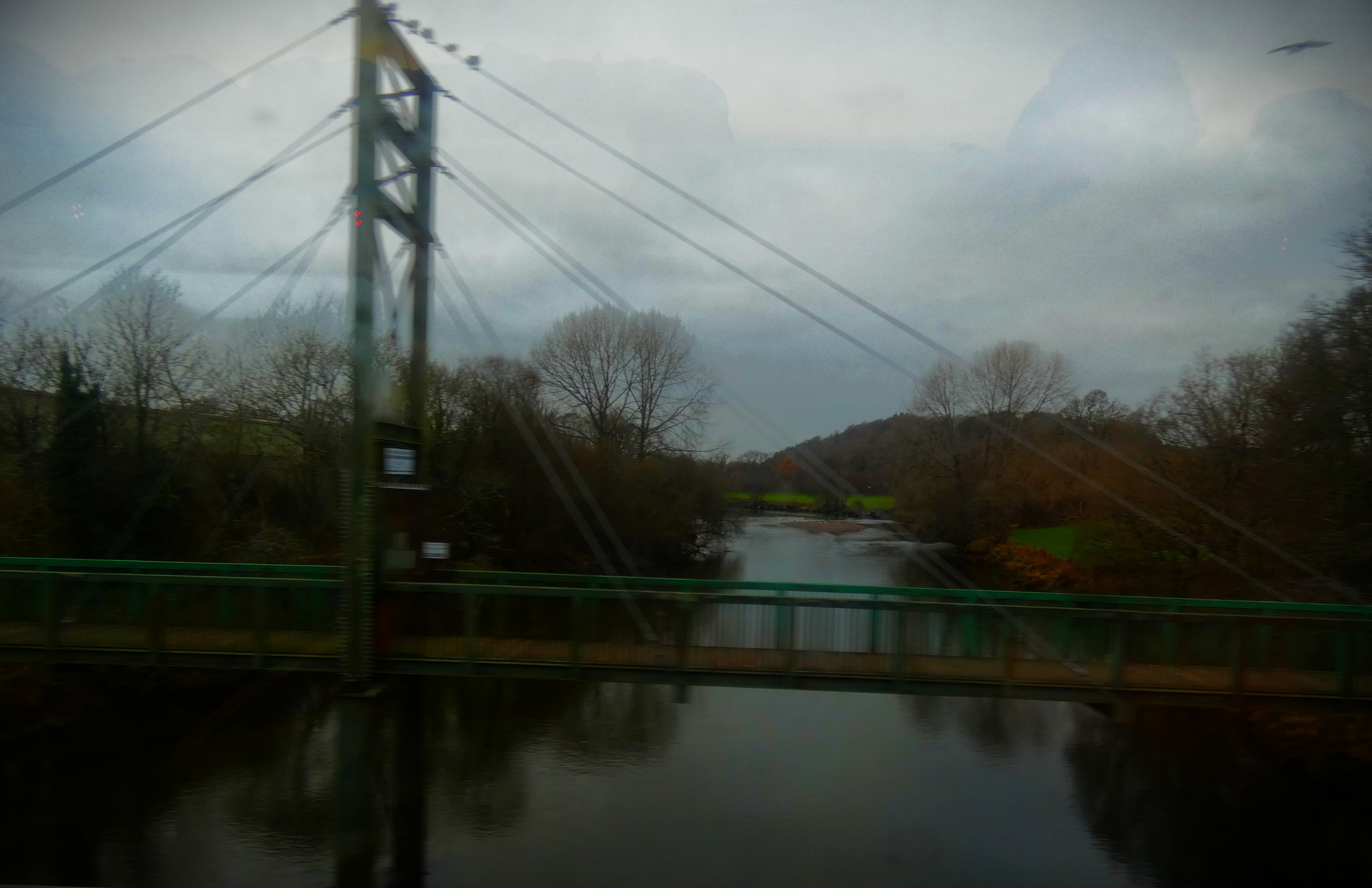
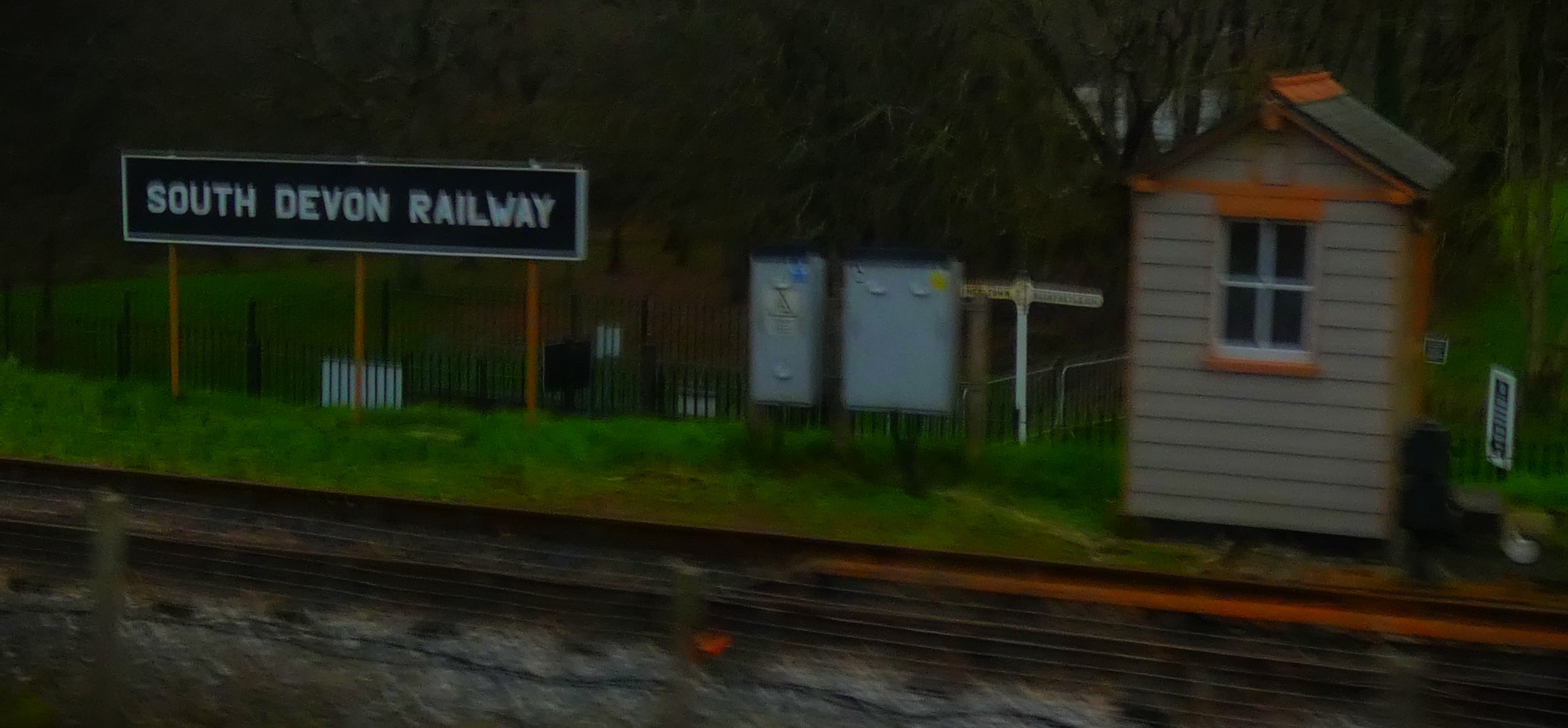
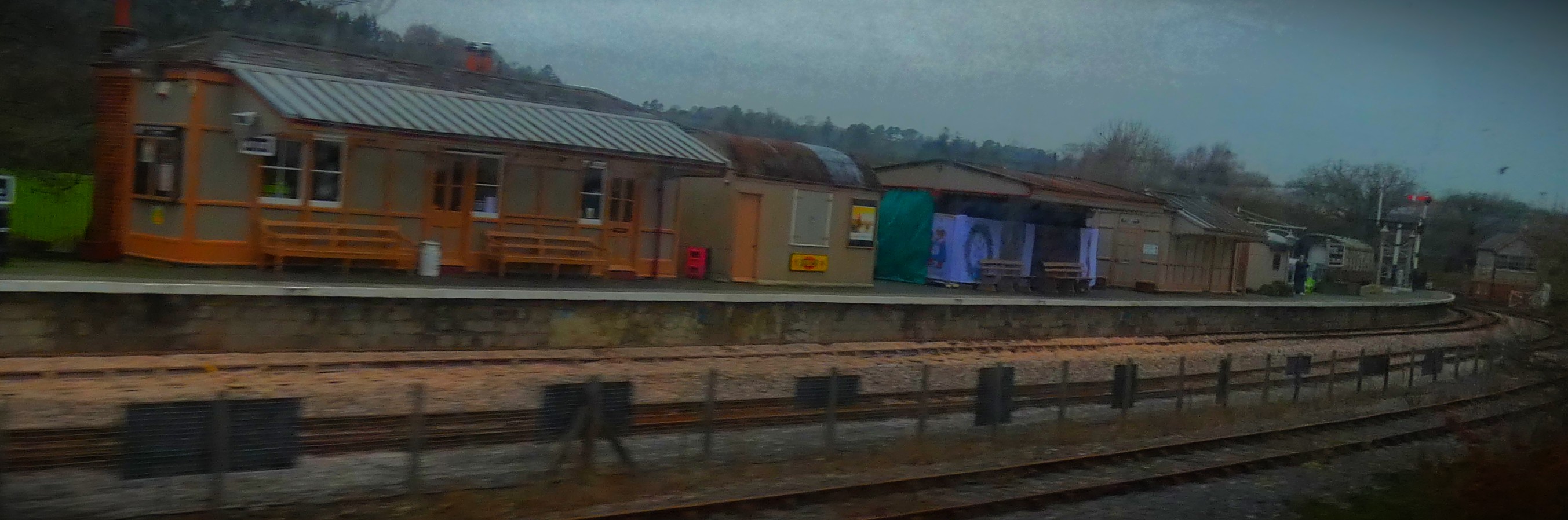
This is my final post about my Christmas in Cornwall, and details the return journey.

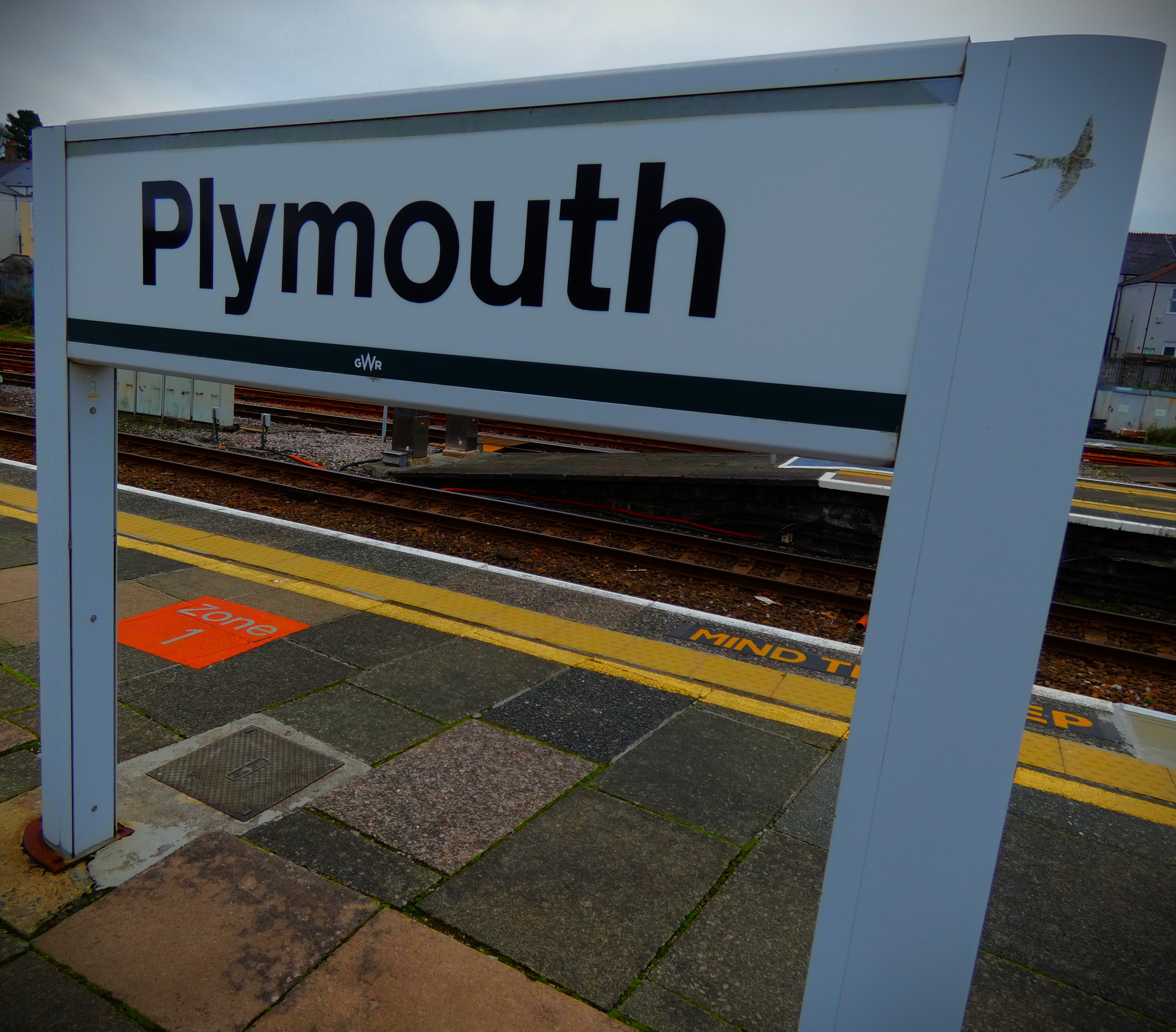
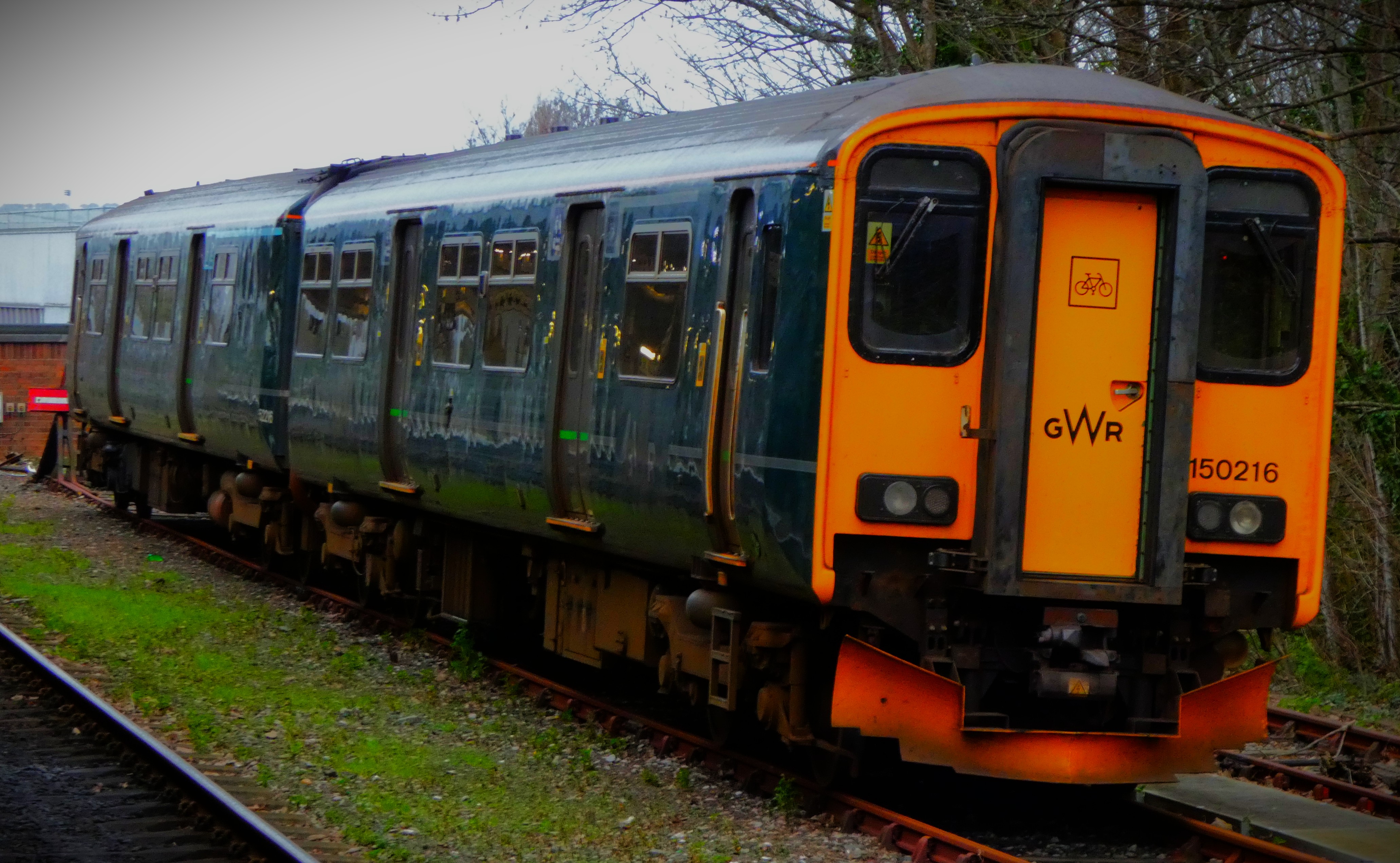
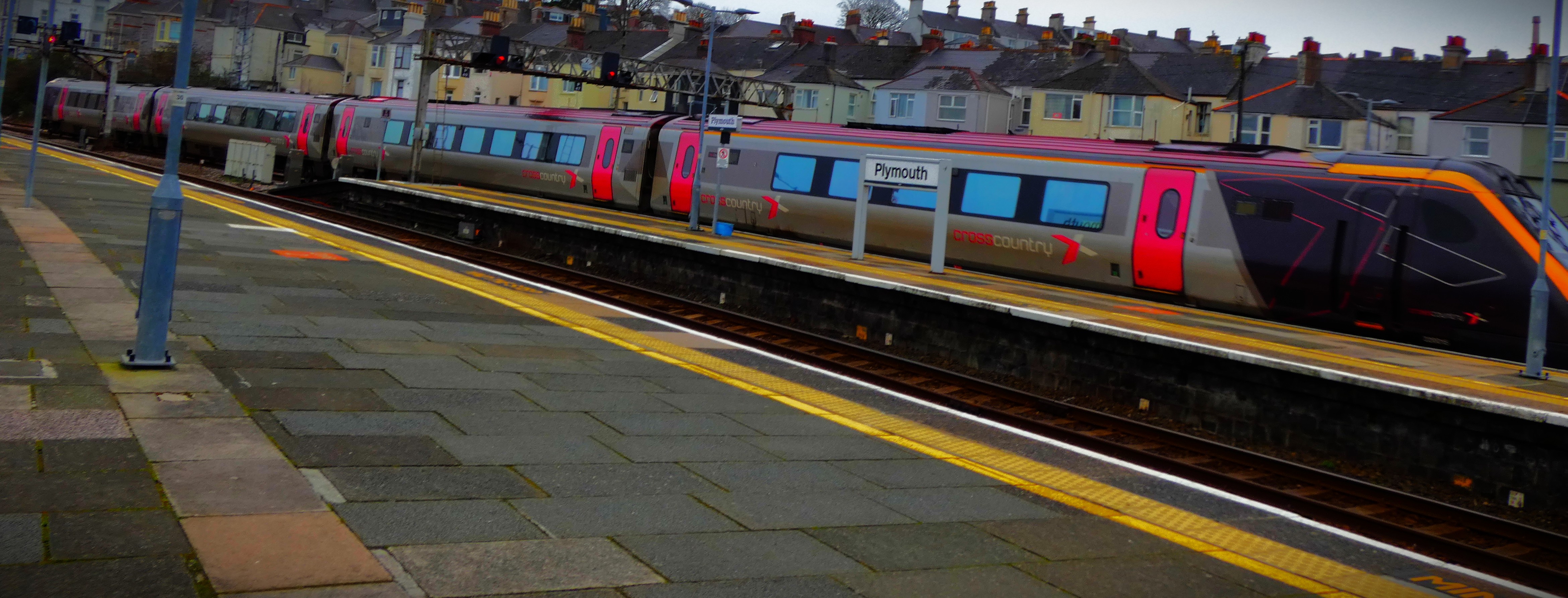
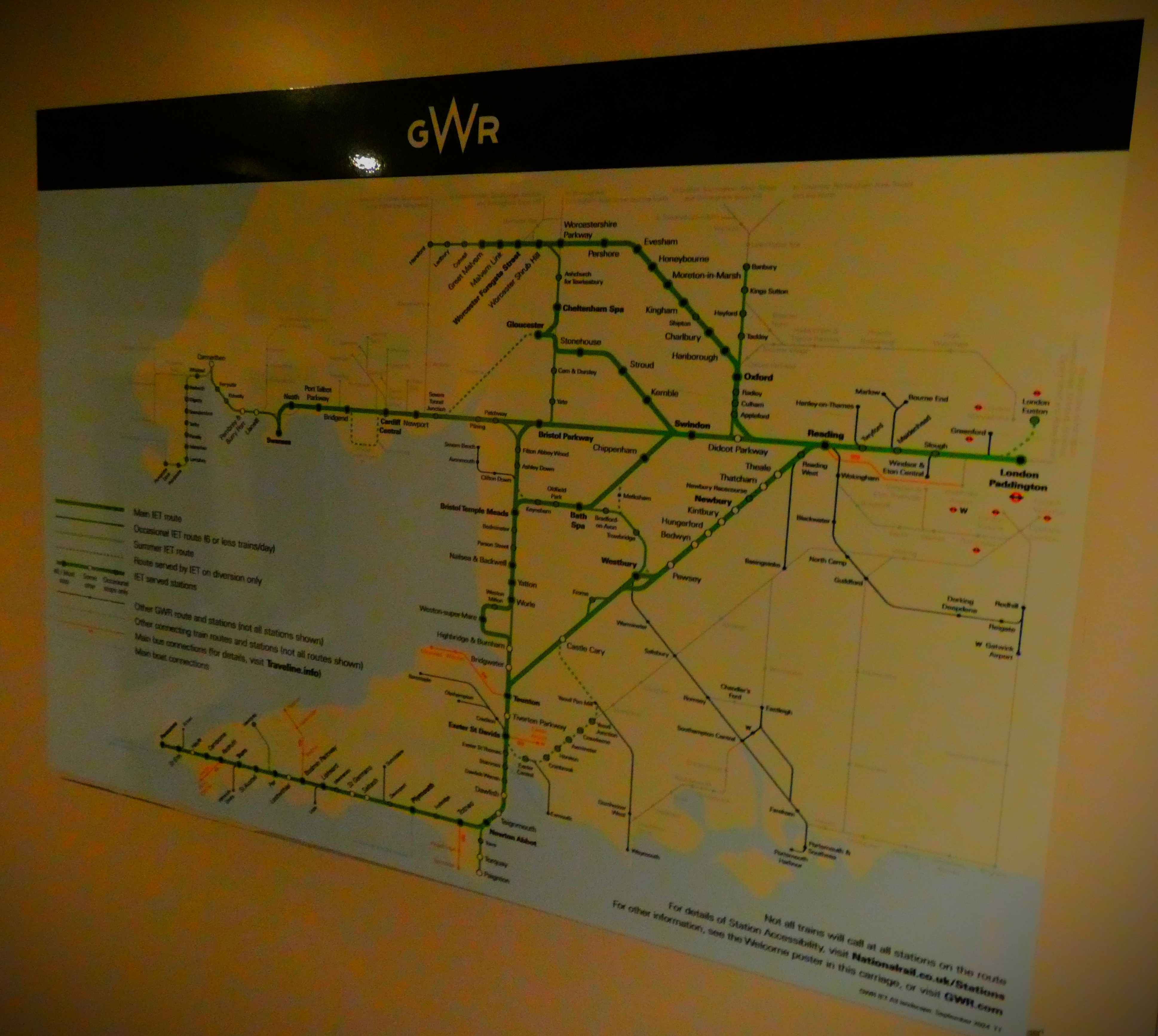
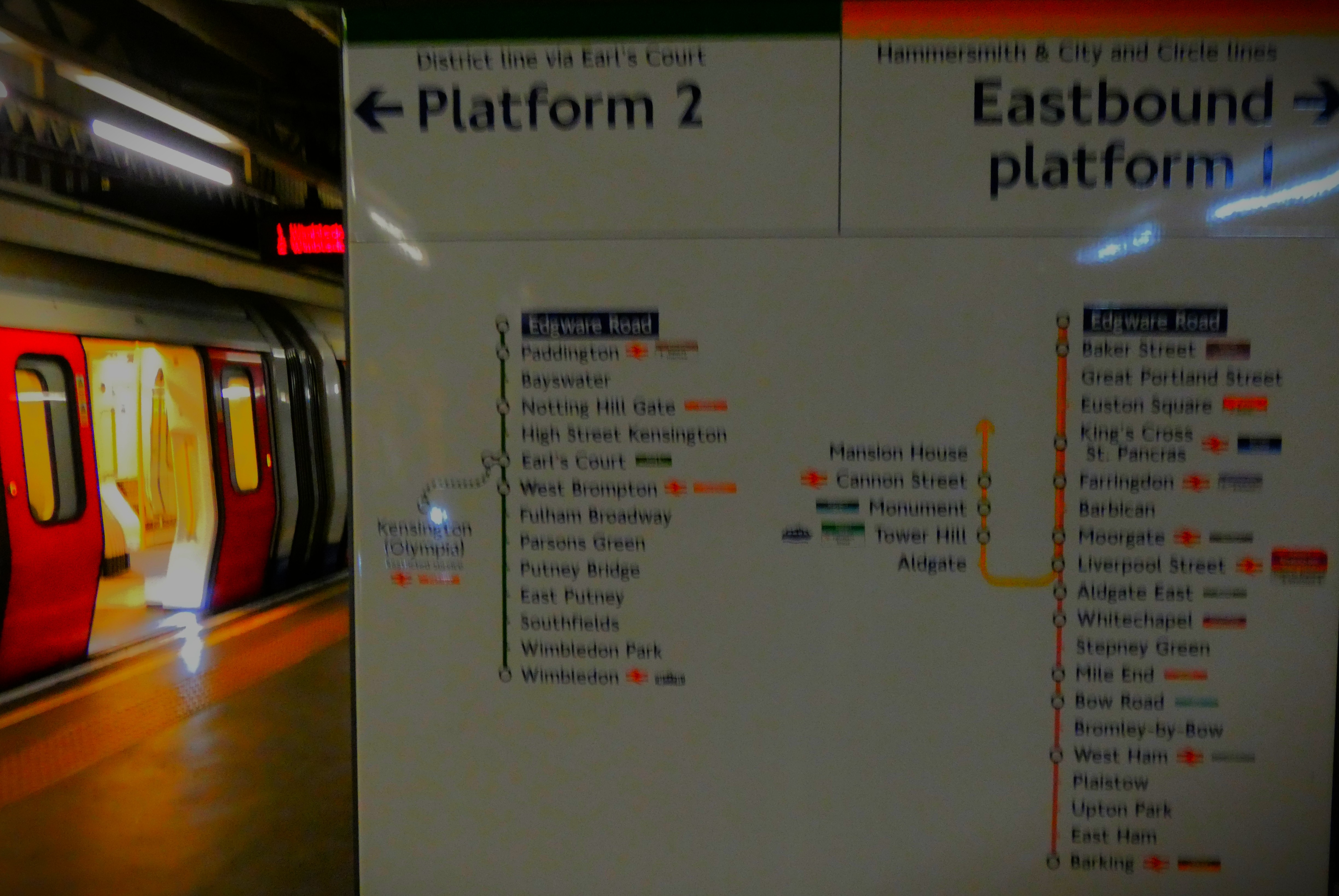
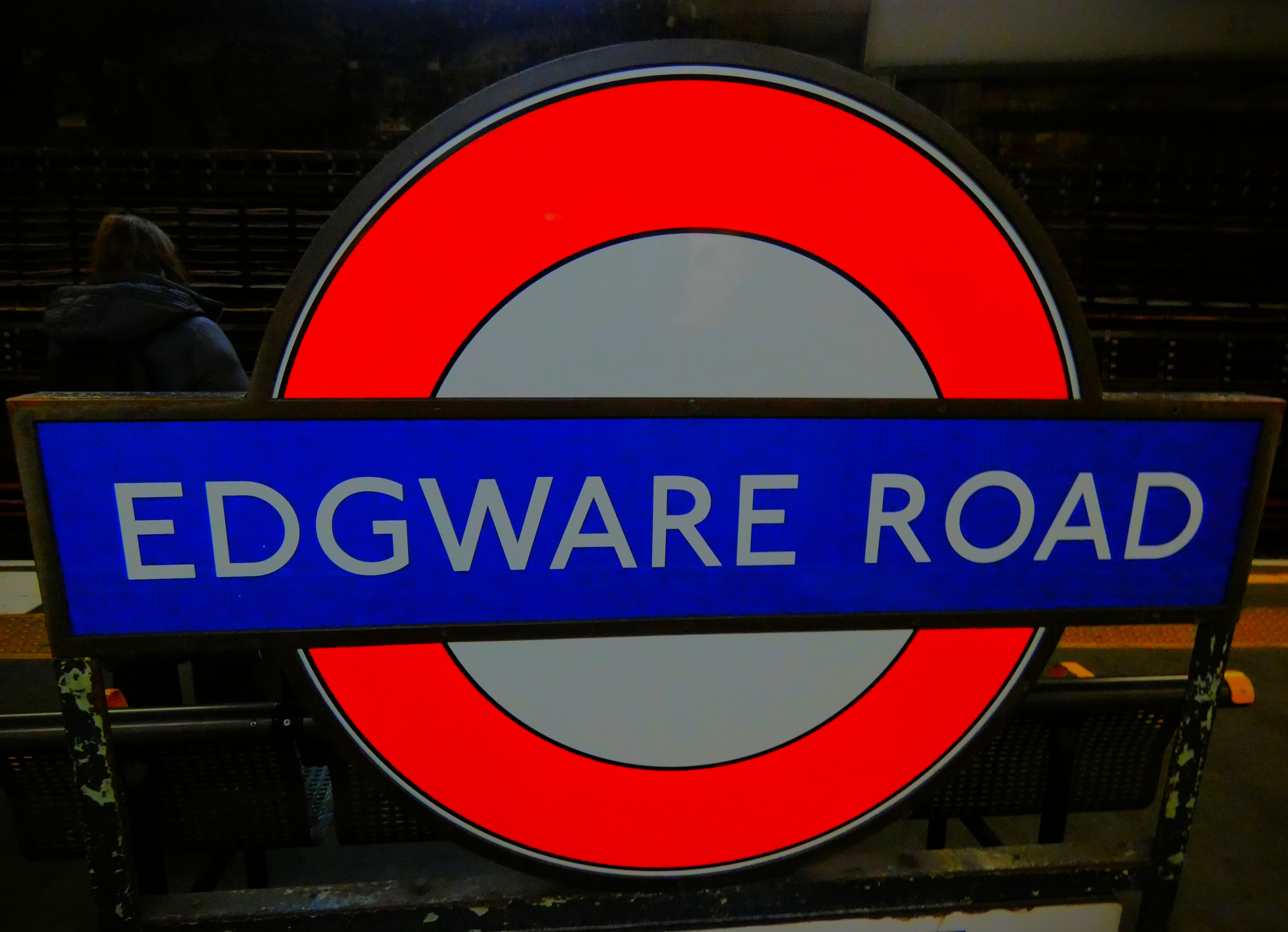
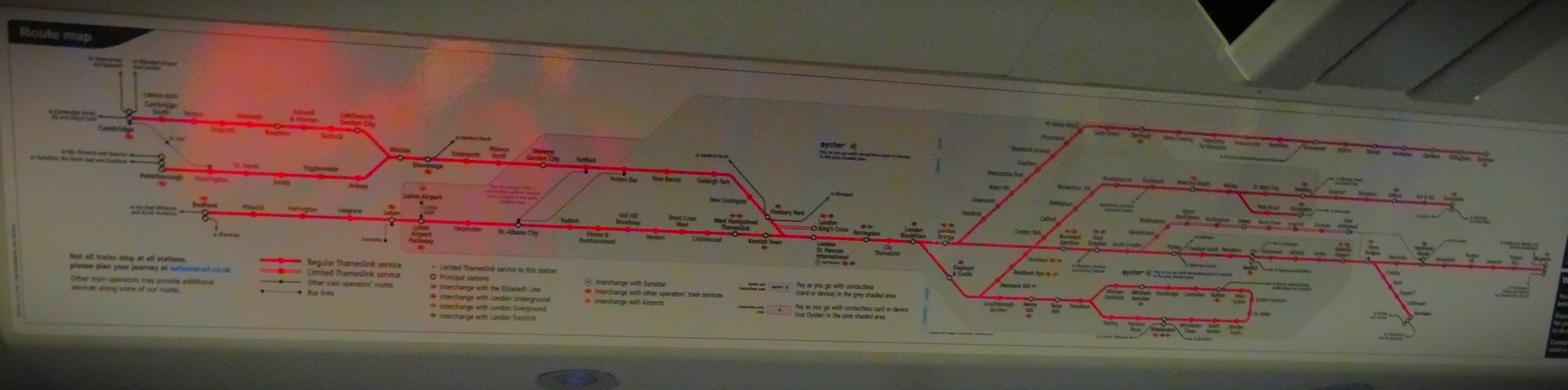
I was travelling on a Sunday, something I normally try to avoid because it can be problematic. I was booked on the 14:15 from Plymouth, and had various subsequent connections to make. We left Fort Picklecombe at 12:45, and arrived at Plymouth station a little over an hour after that. As I was booked in coach A I had to get to the far end of the platform to be able to get to my booked seat. The train ran a little bit late, but not enough to disarrange my subsequent plans (incidentally GWR have already paid compensation for the problems with my outbound journey). Because I was right at the front of the train I would have had to walk the entire length of the platform at Paddington to get to the bridge that gives access to the Hammersmith and City line platforms, which was never a practical proposition. I therefore went through the ticket gates onto the concourse at my end of the platform, and boarded a circle line train at the Praed Street platforms, changing trains at Edgware Road as required. At King’s Cross I found my way to my next train, a non-stop service to Royston from where I would catch a replacement bus to Cambridge North and then board a train for the last stage of the journey to King’s Lynn. Everything on this stage of the journey went smoothly, and I arrived into King’s Lynn station exactly on schedule at 20:48. It remained only to walk home, a journey of about 20 minutes, and then unpack.

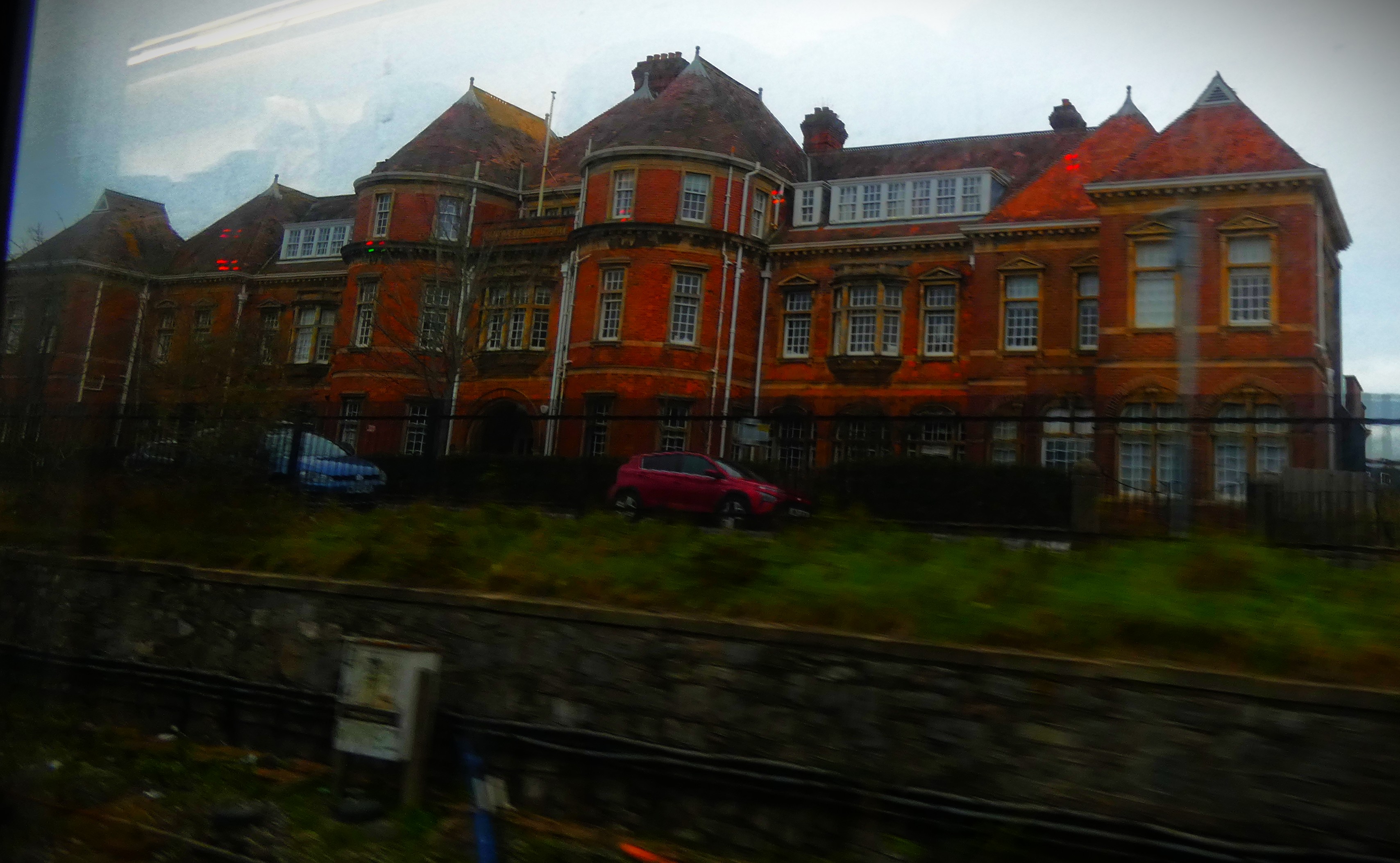
It was of course dark for much of the time I was travelling, but not for the really scenic part of the journey before Exeter, though I was on the wrong side of the train to get the full benefit of that.
A Cornish Christmas 4: Golitha and the Doniert Stone

A look back at the Boxing Day activities of my Christmas in Cornwall, with a video and lots of photographs.

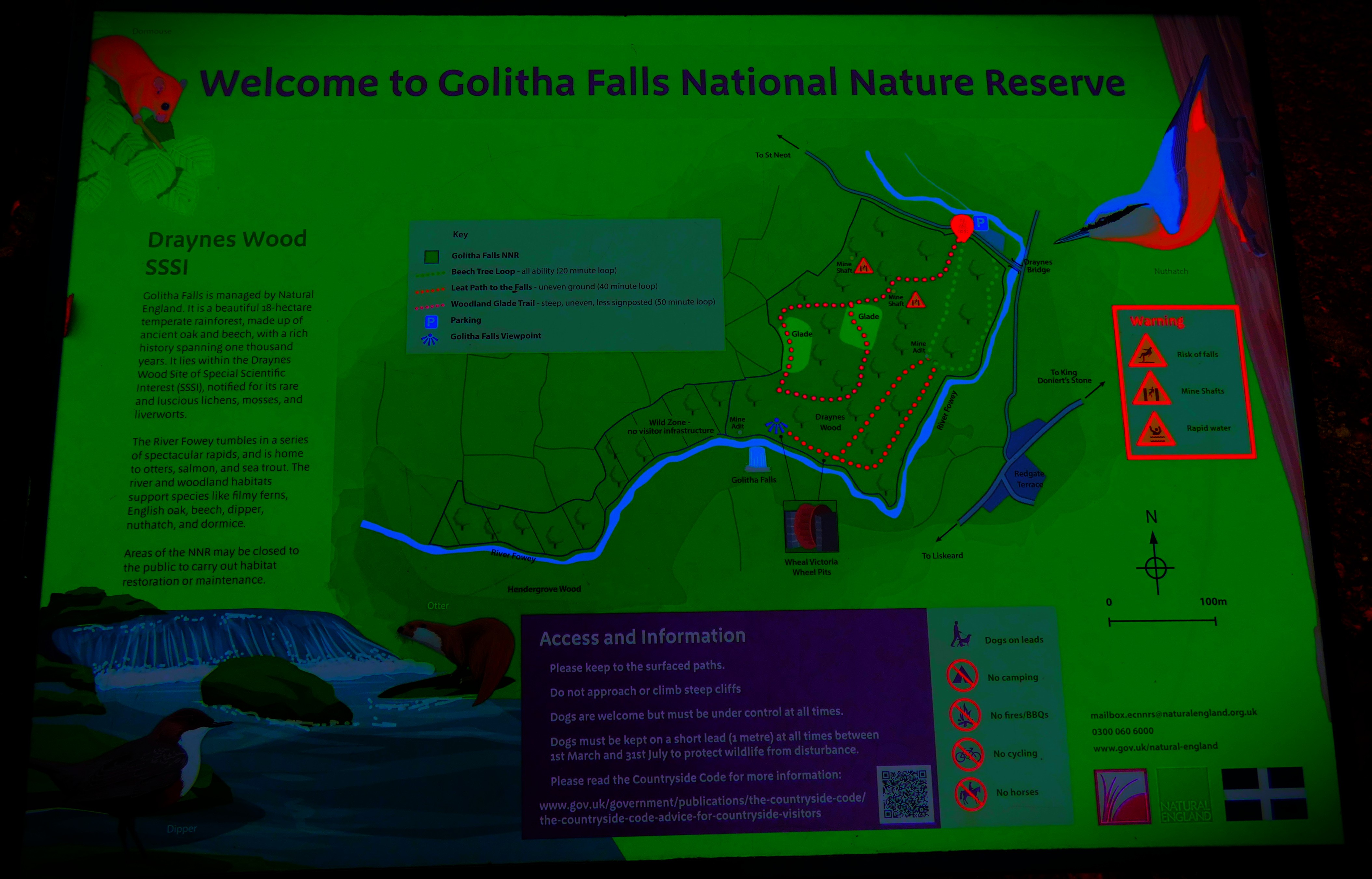
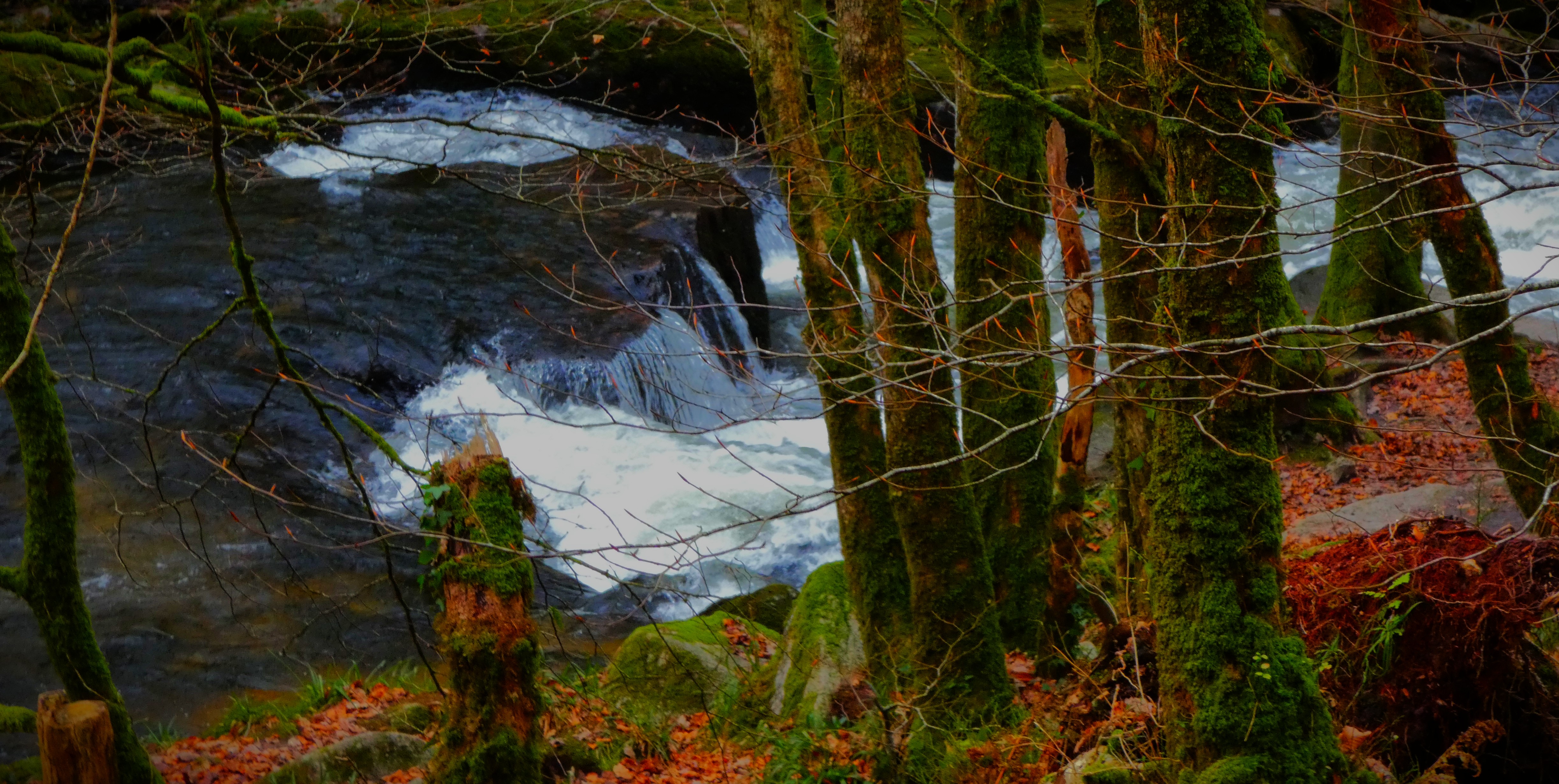
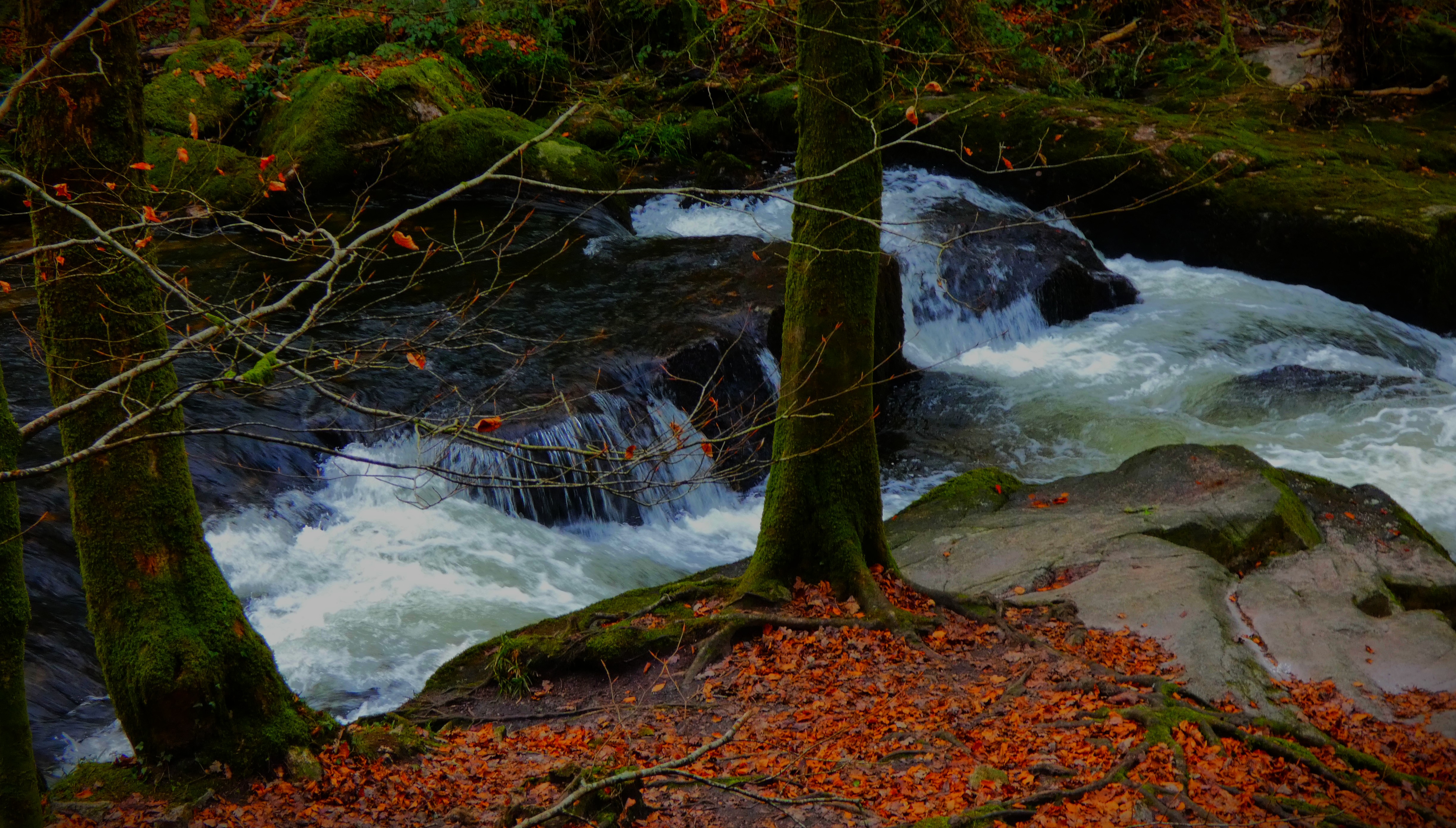
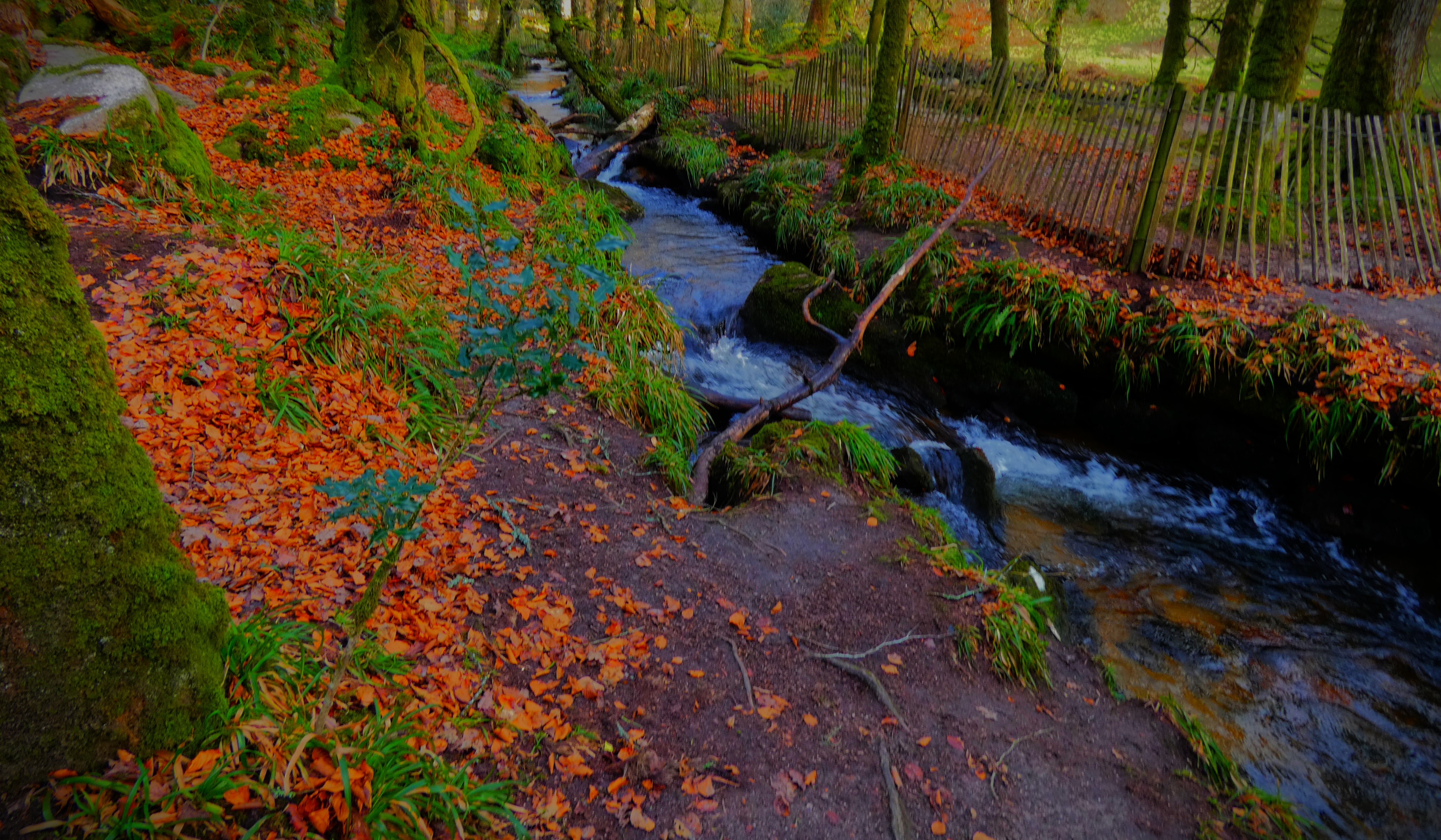
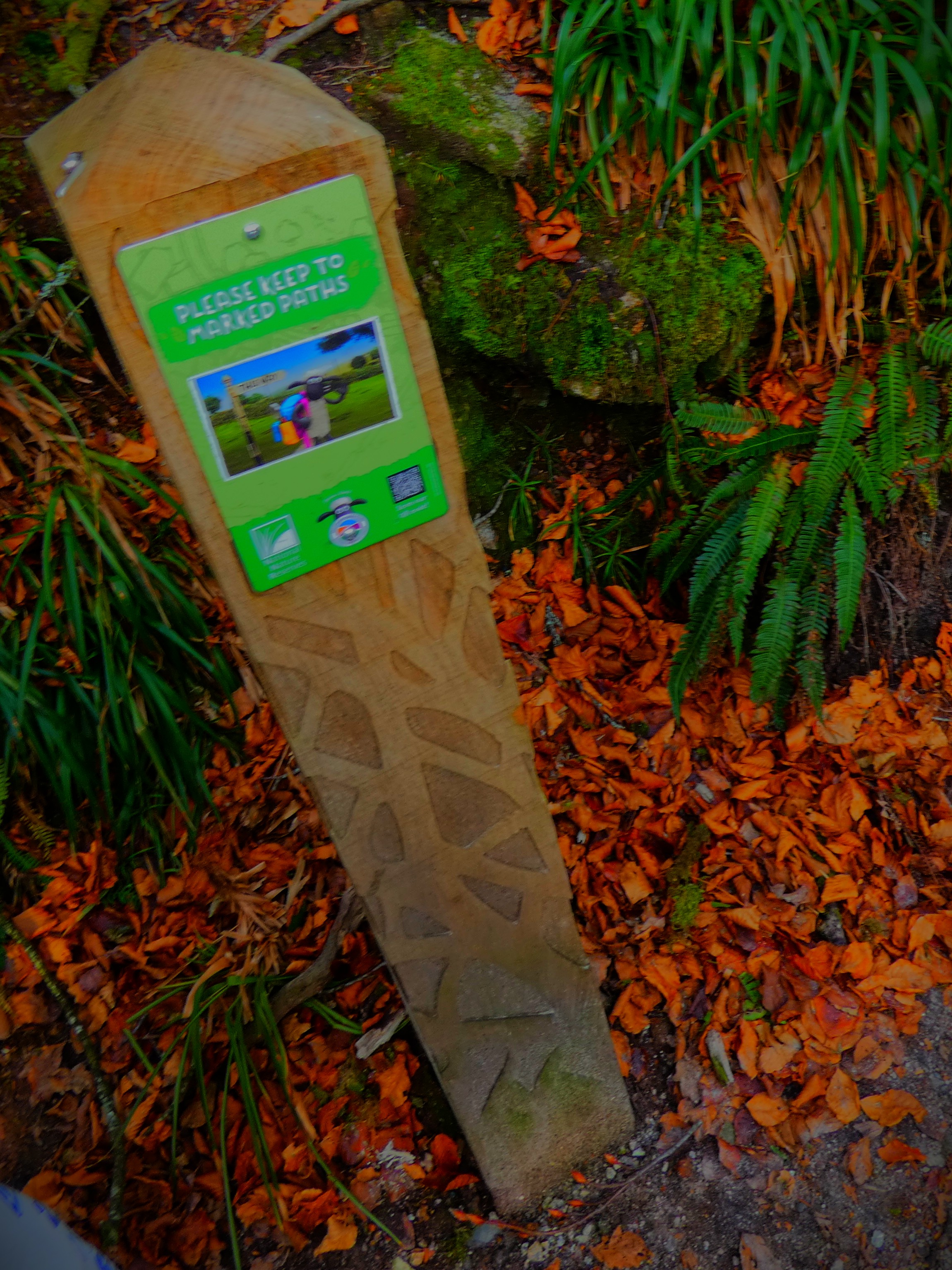
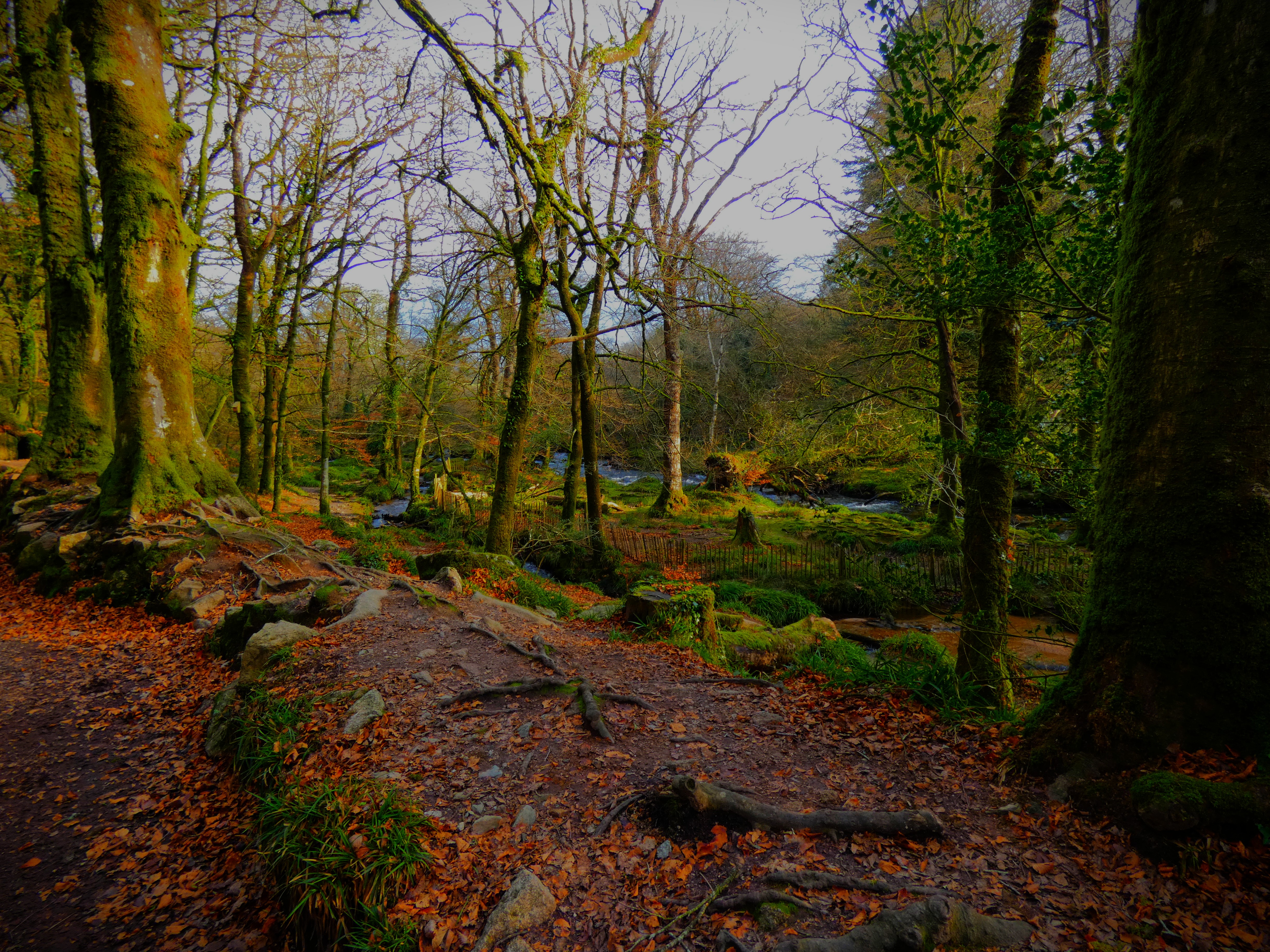
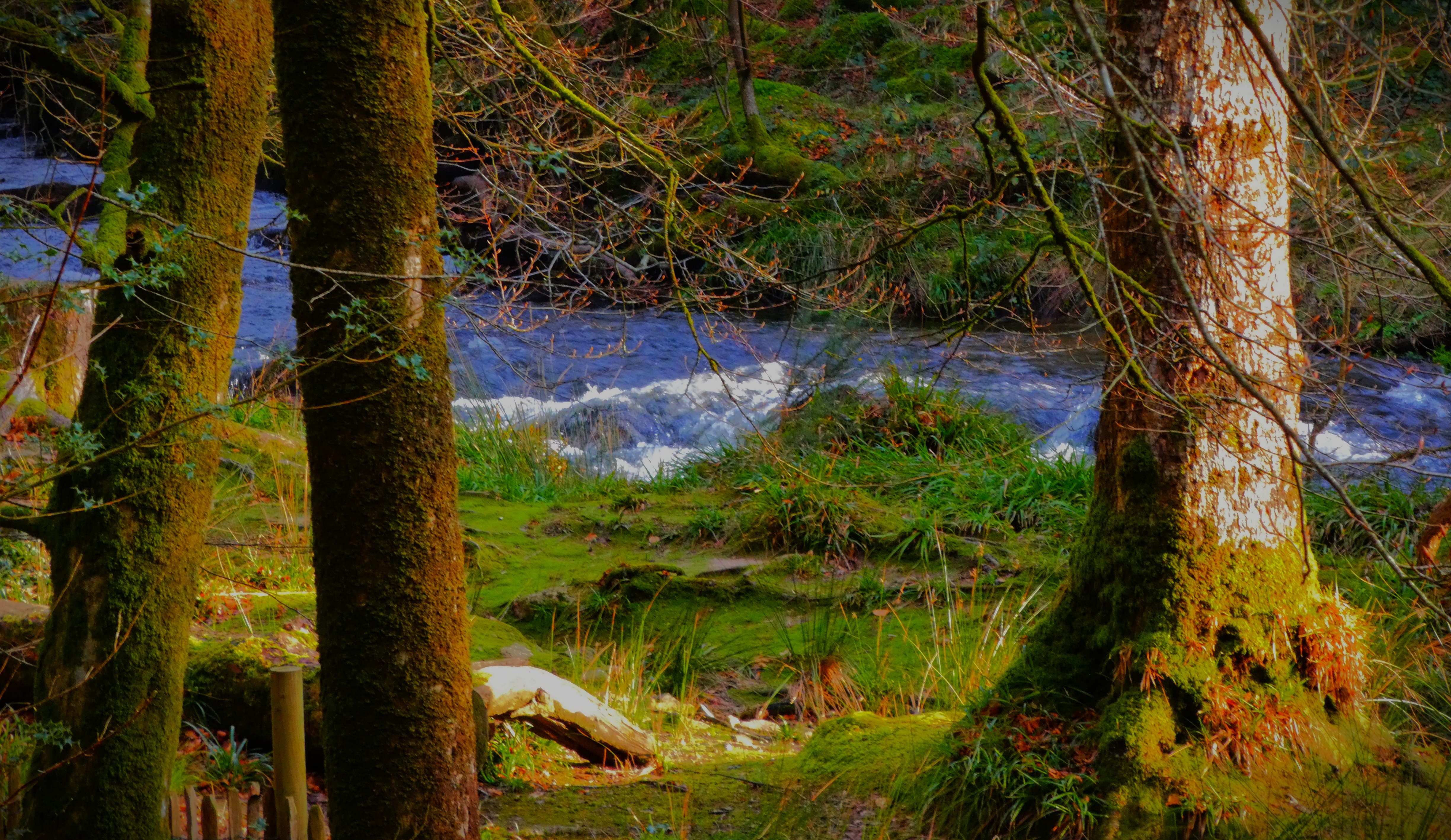
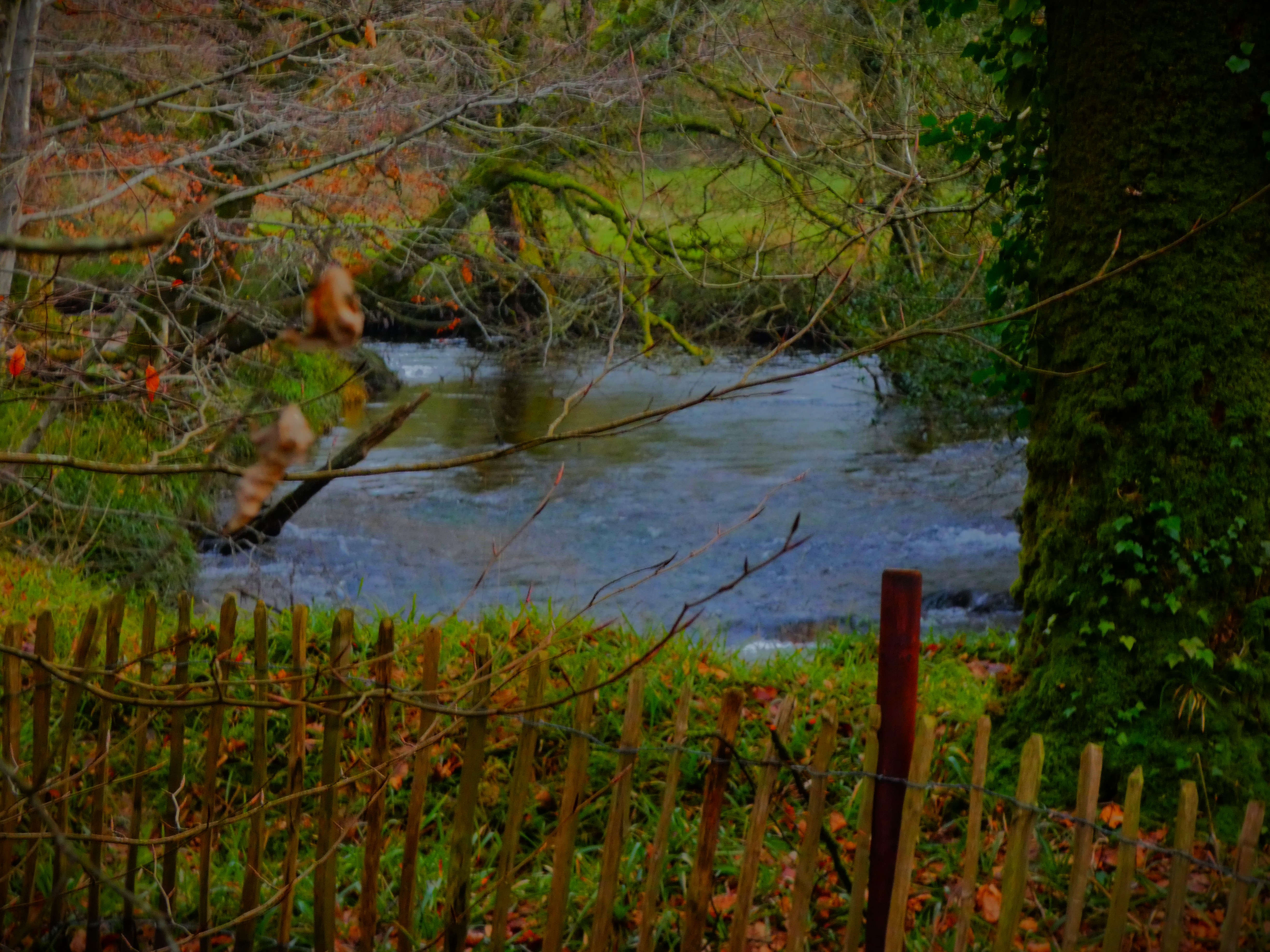
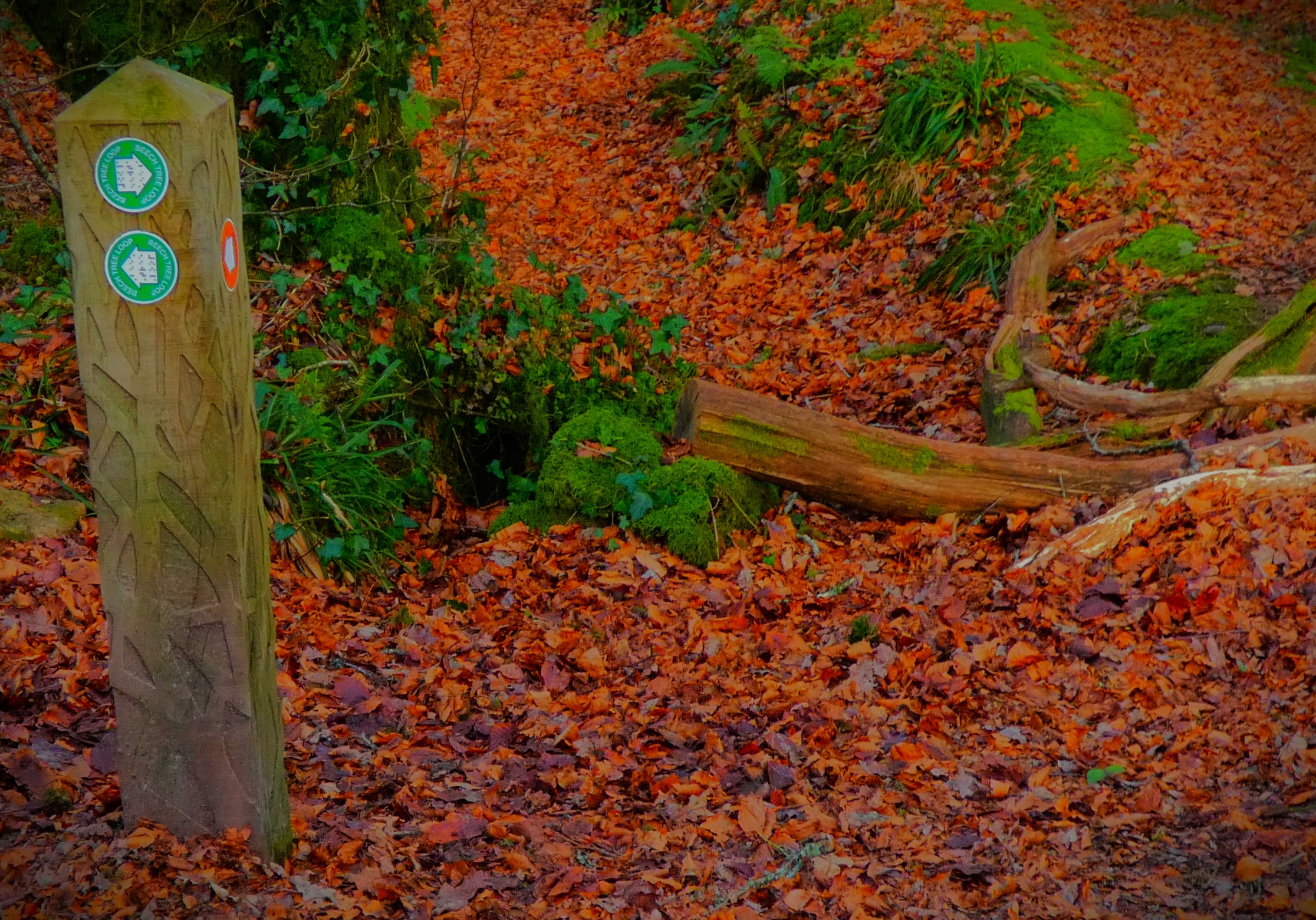
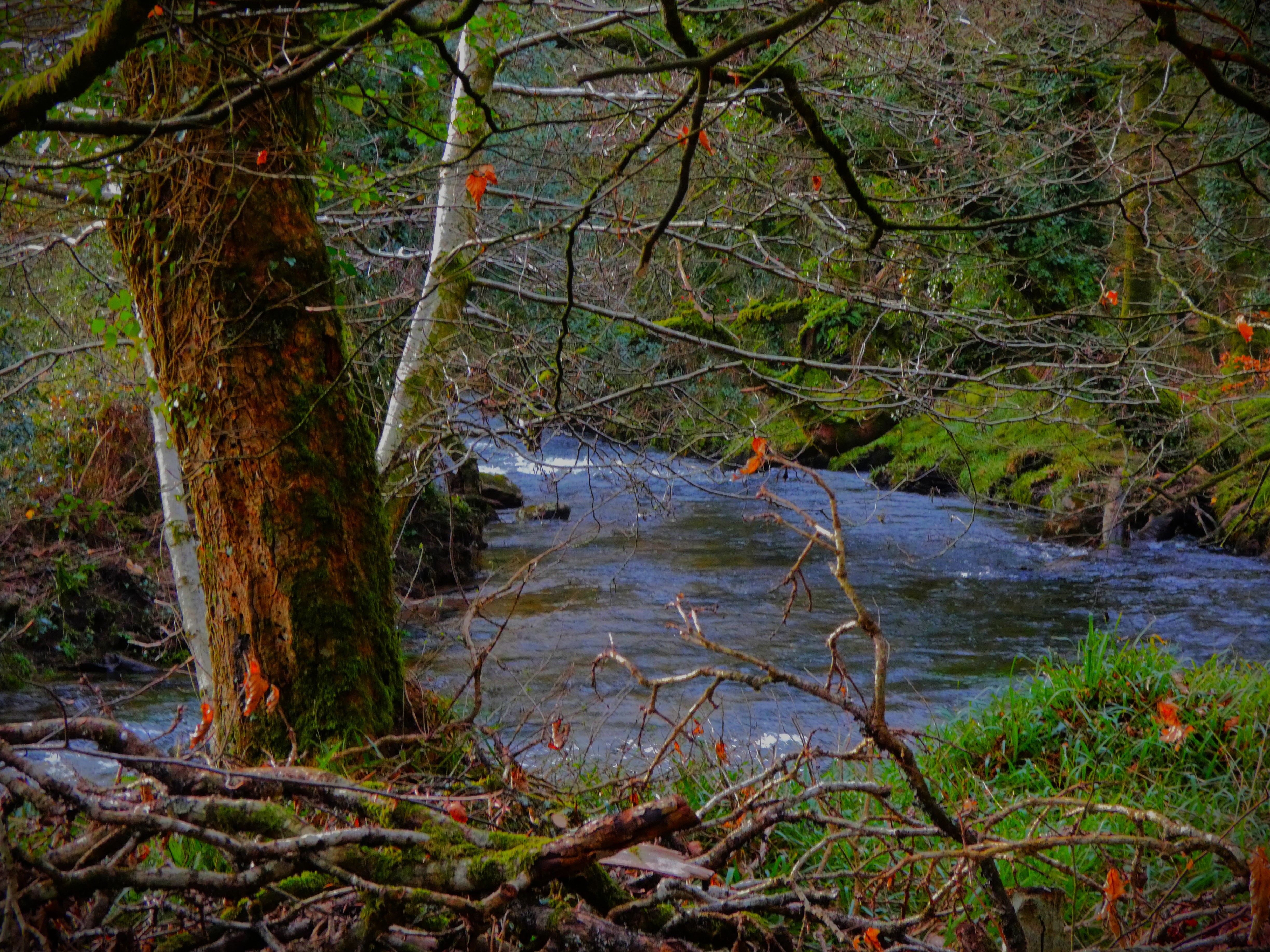
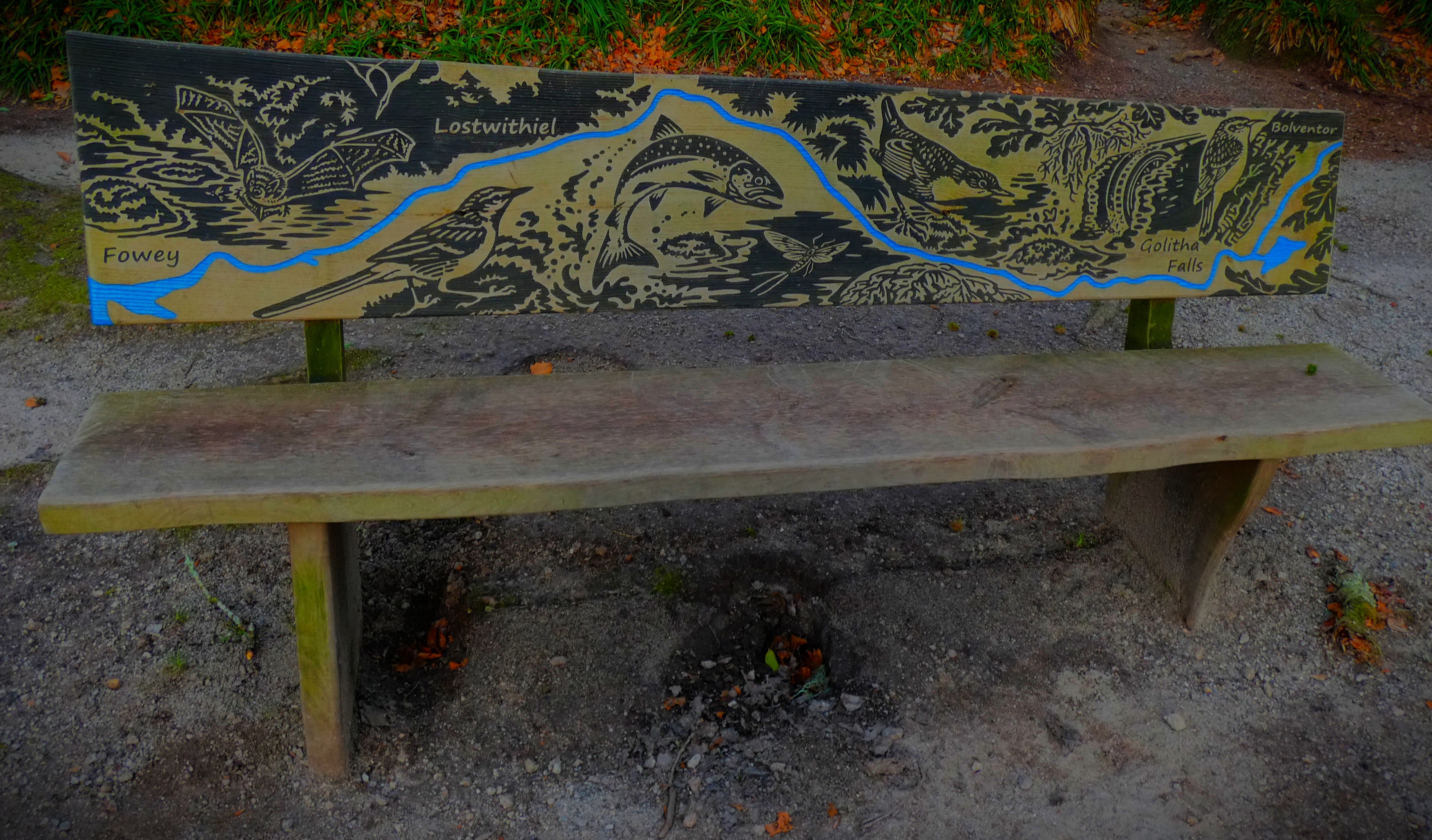
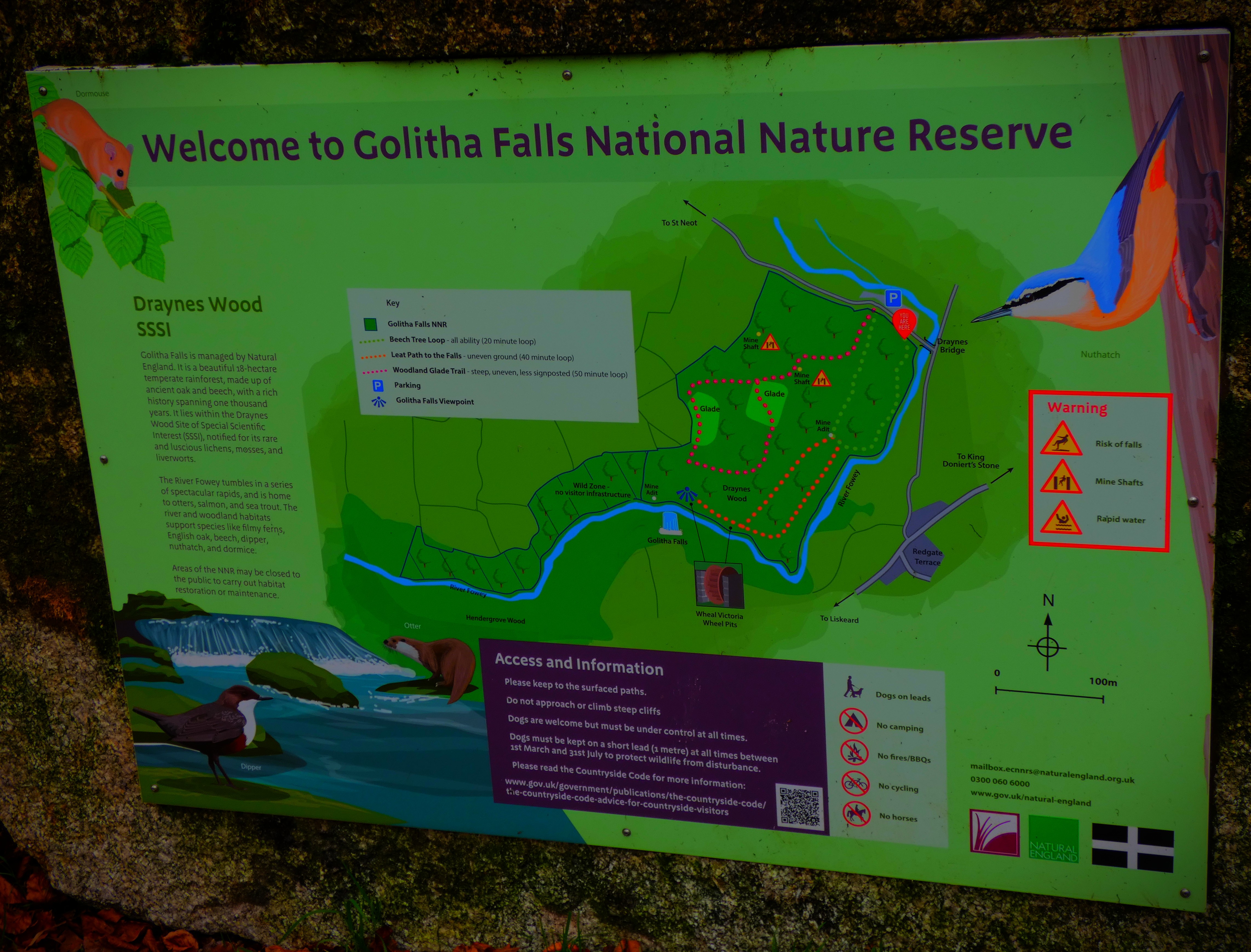
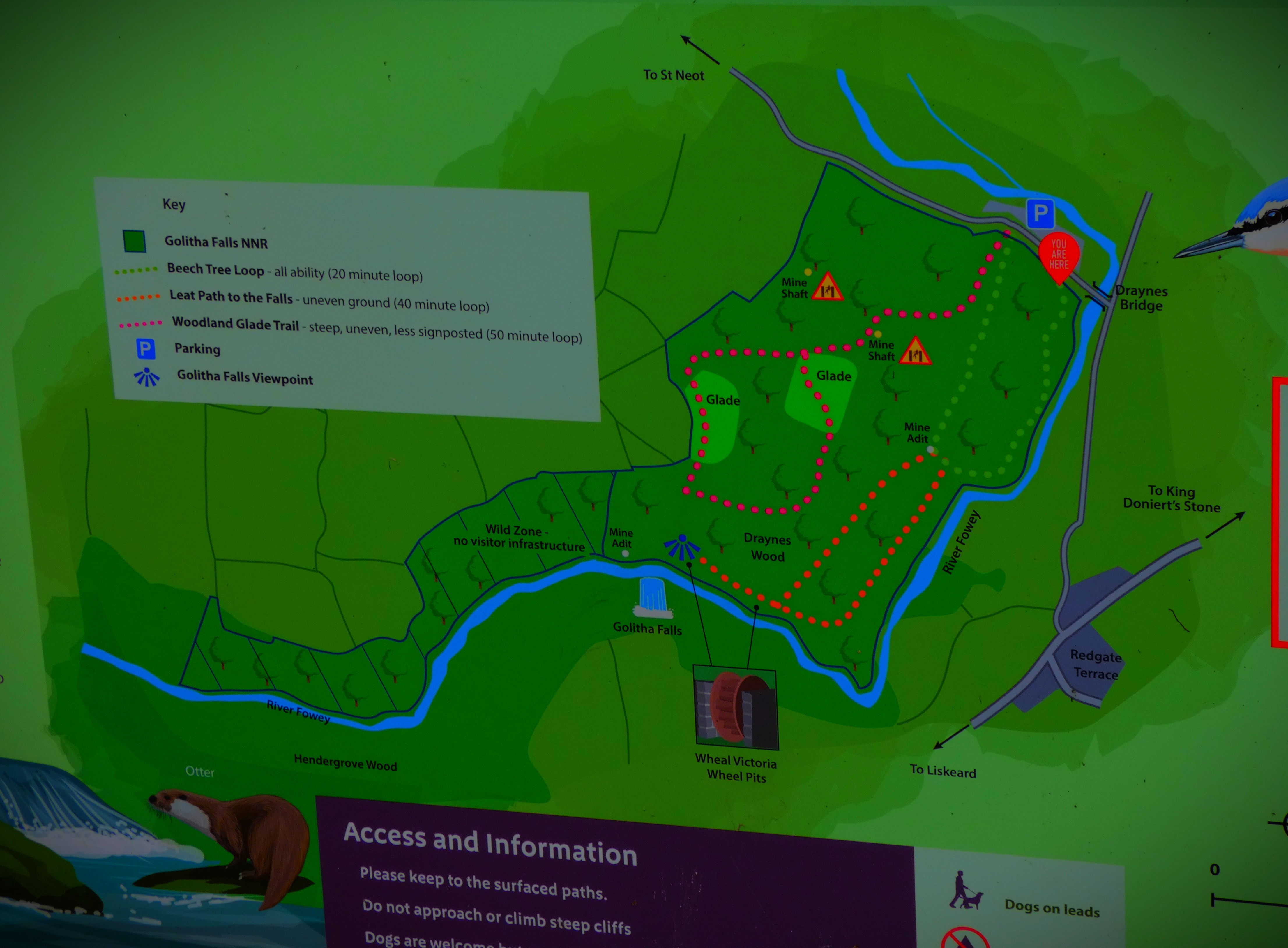
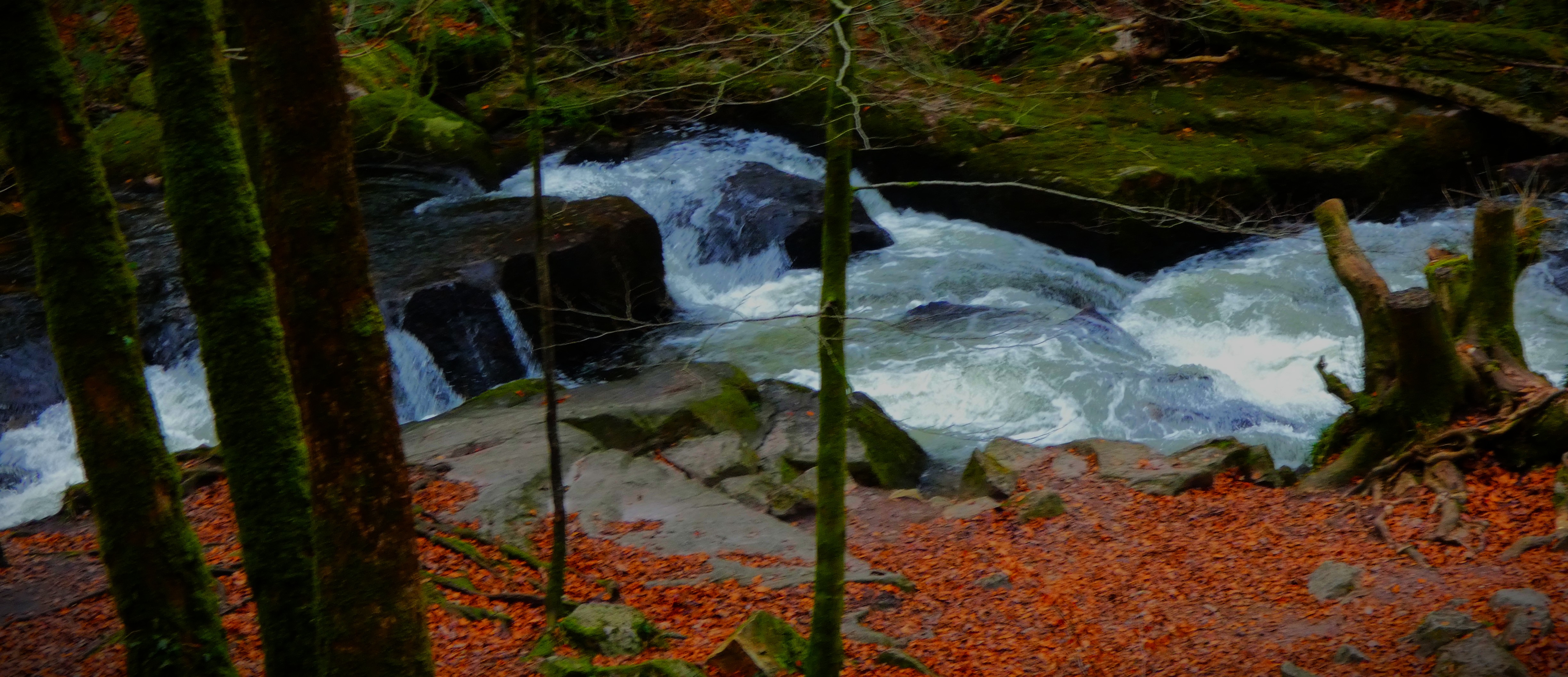
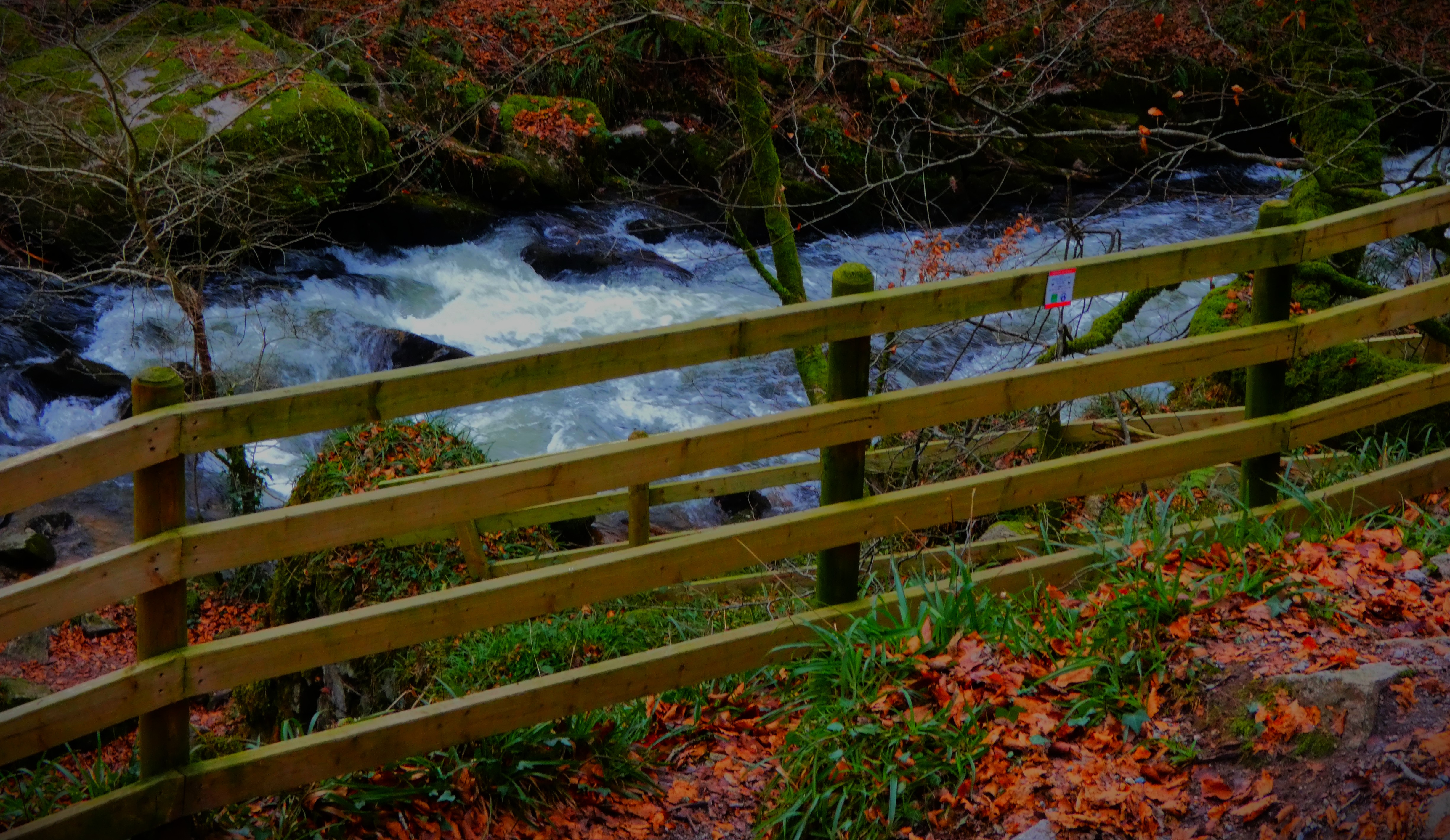
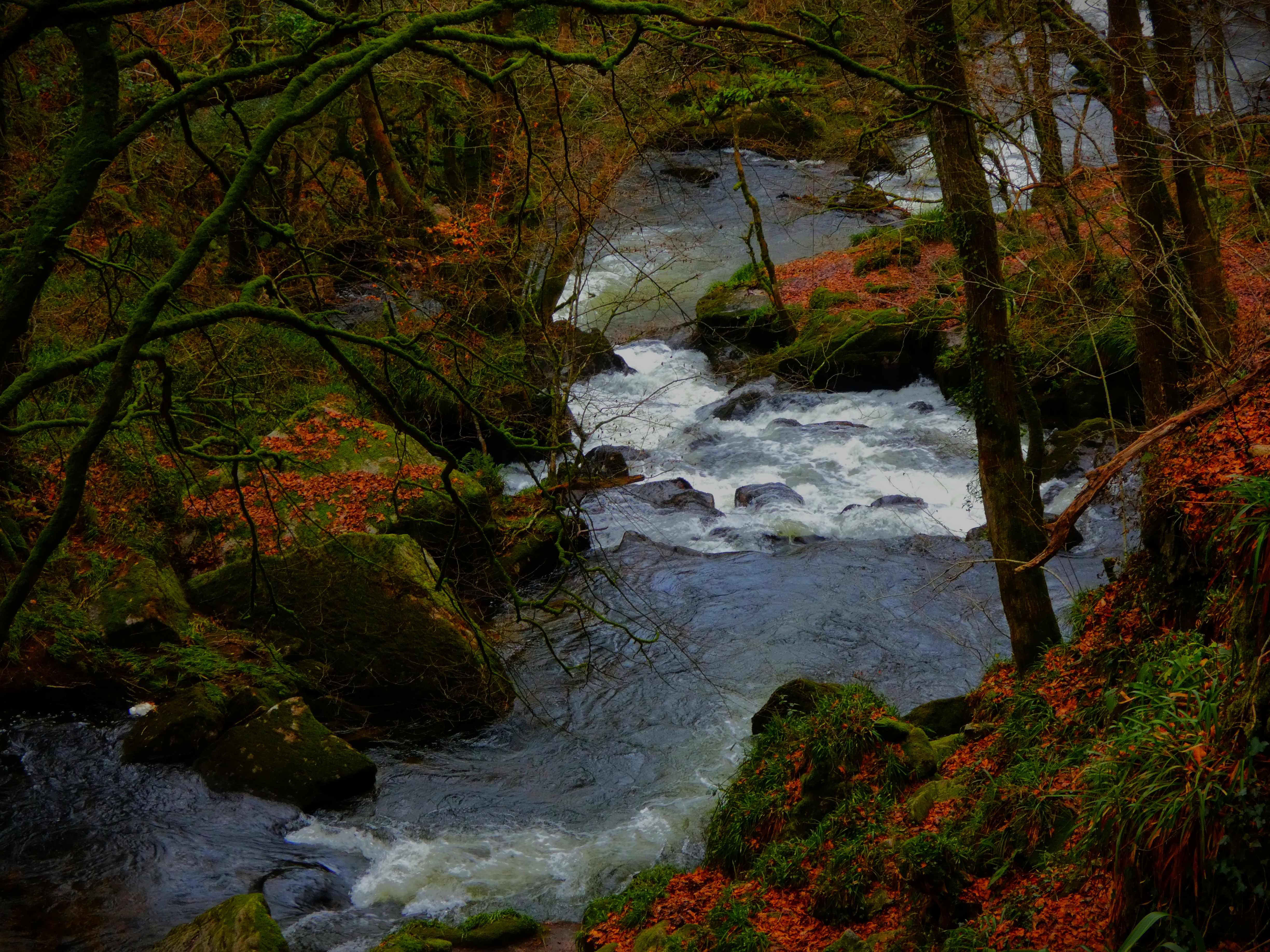
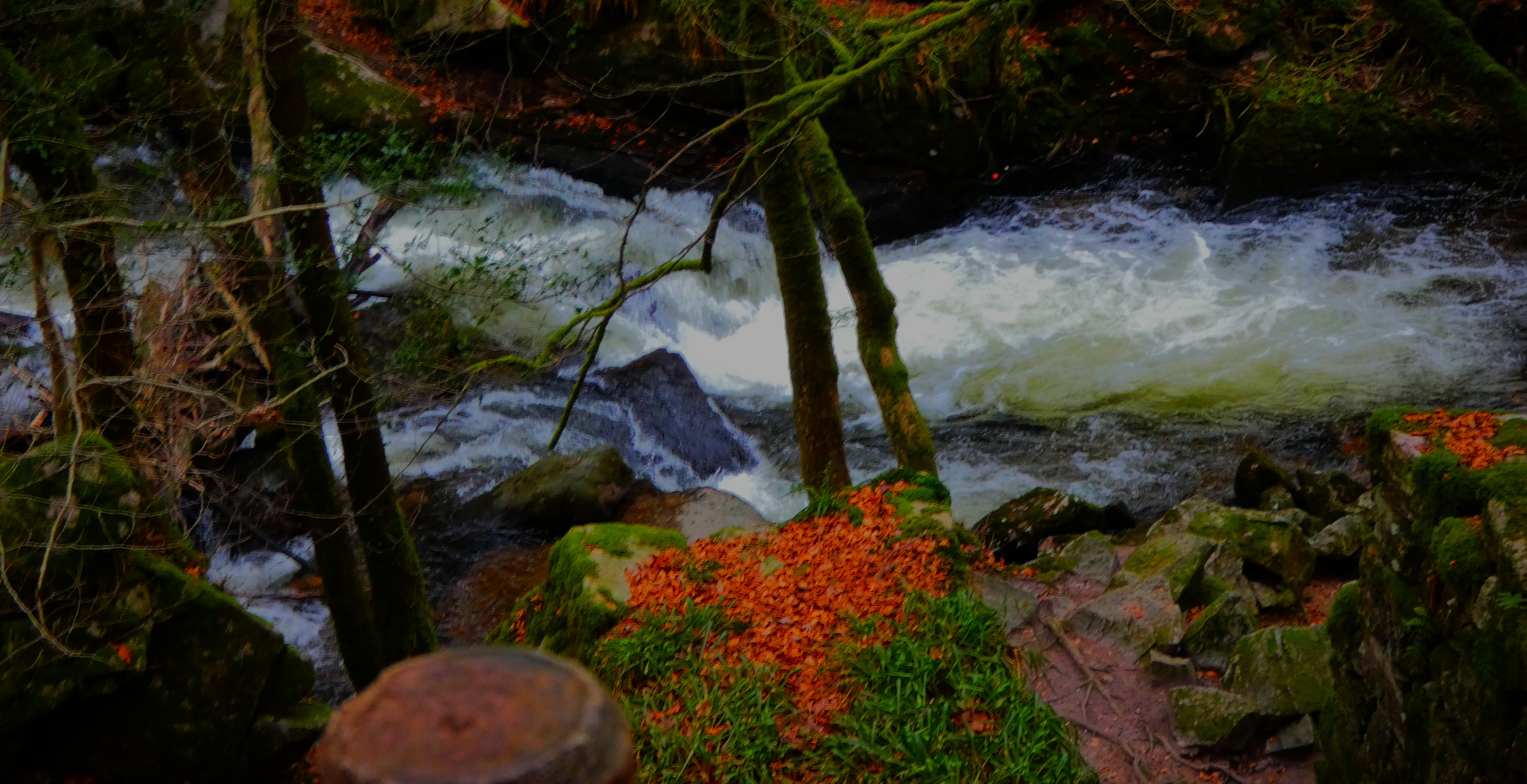
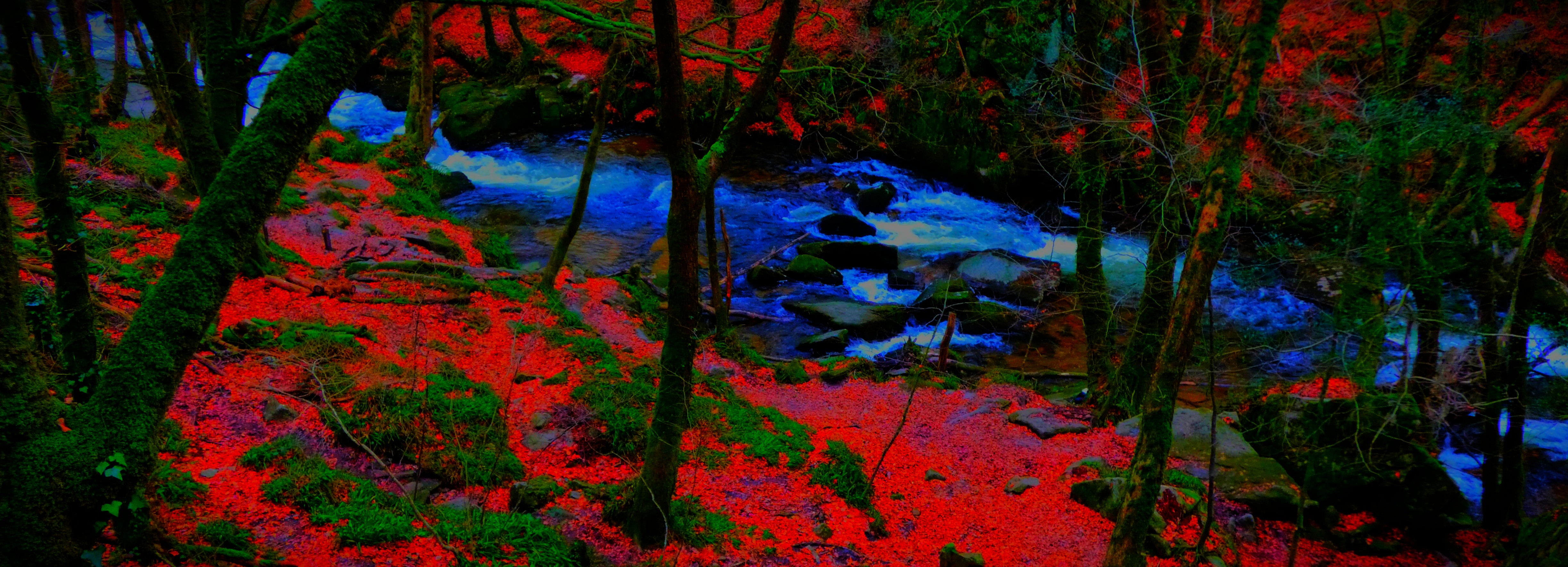
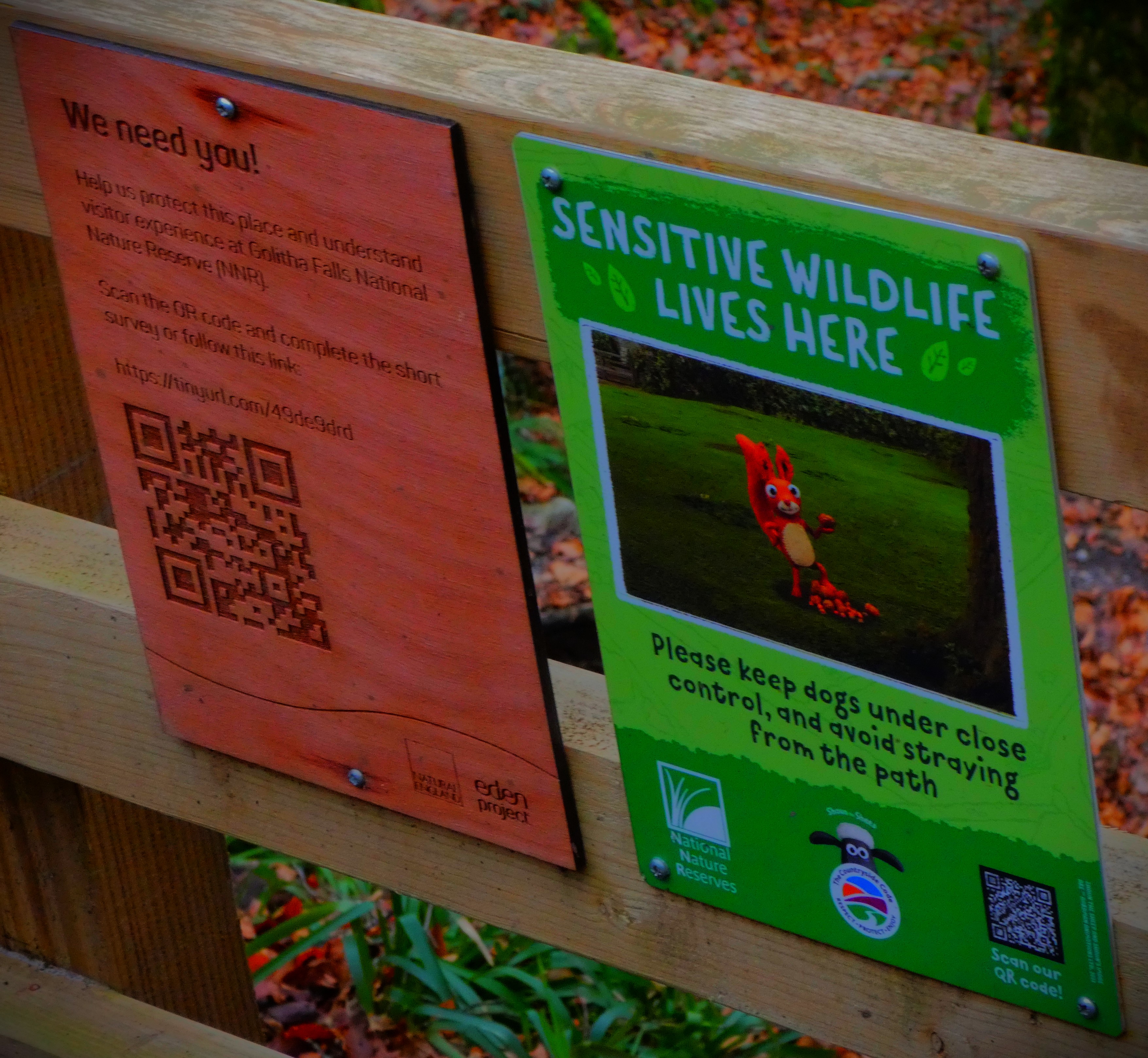
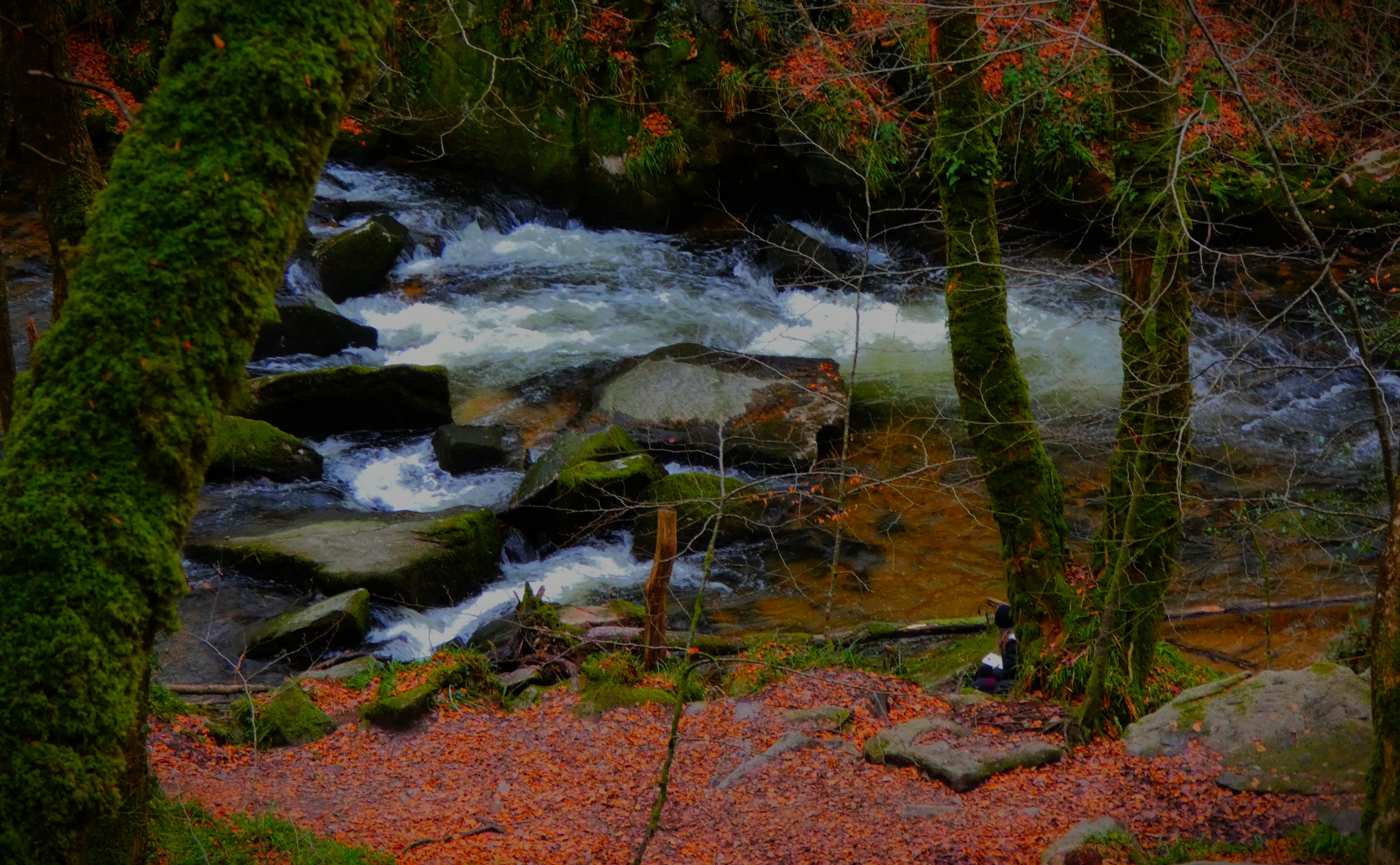
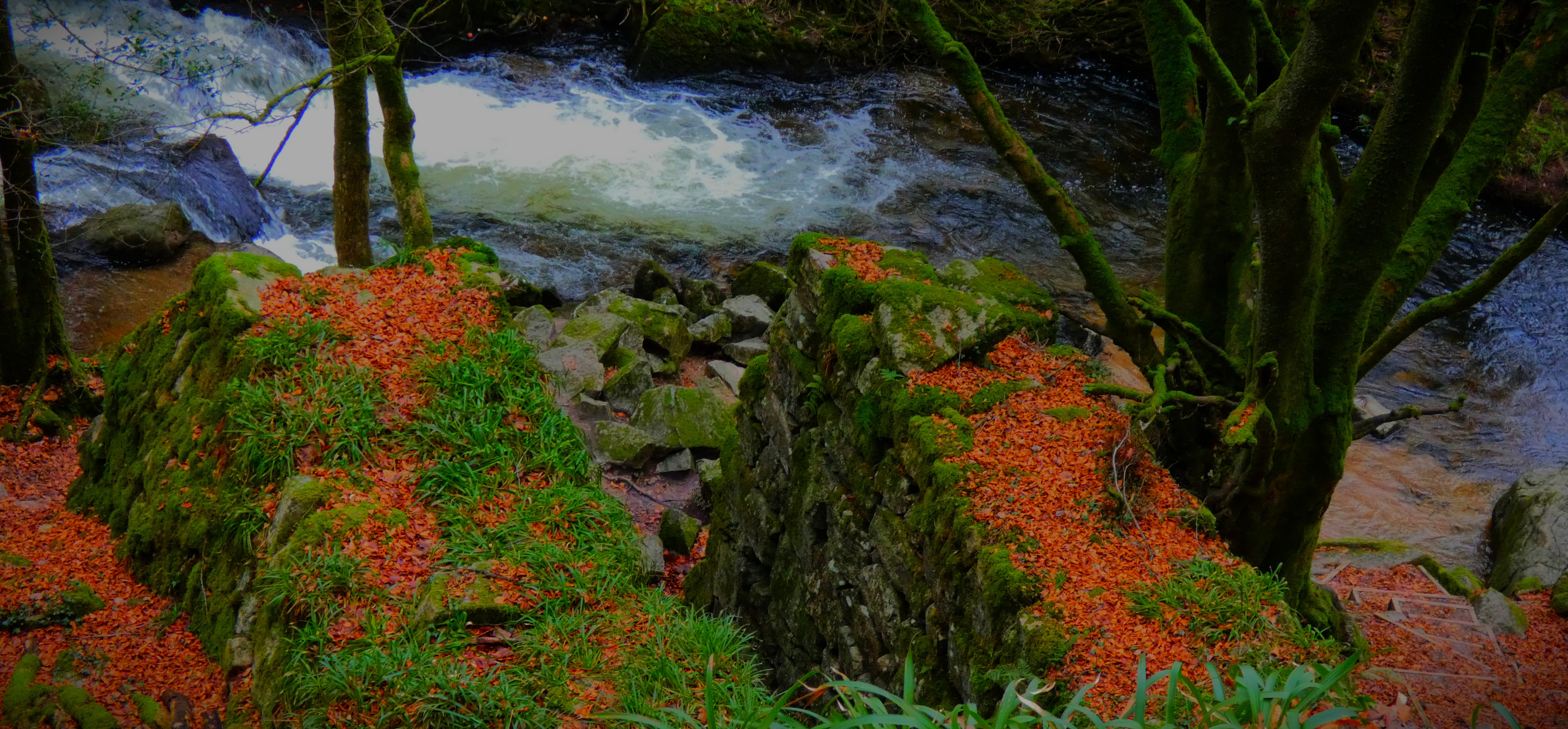
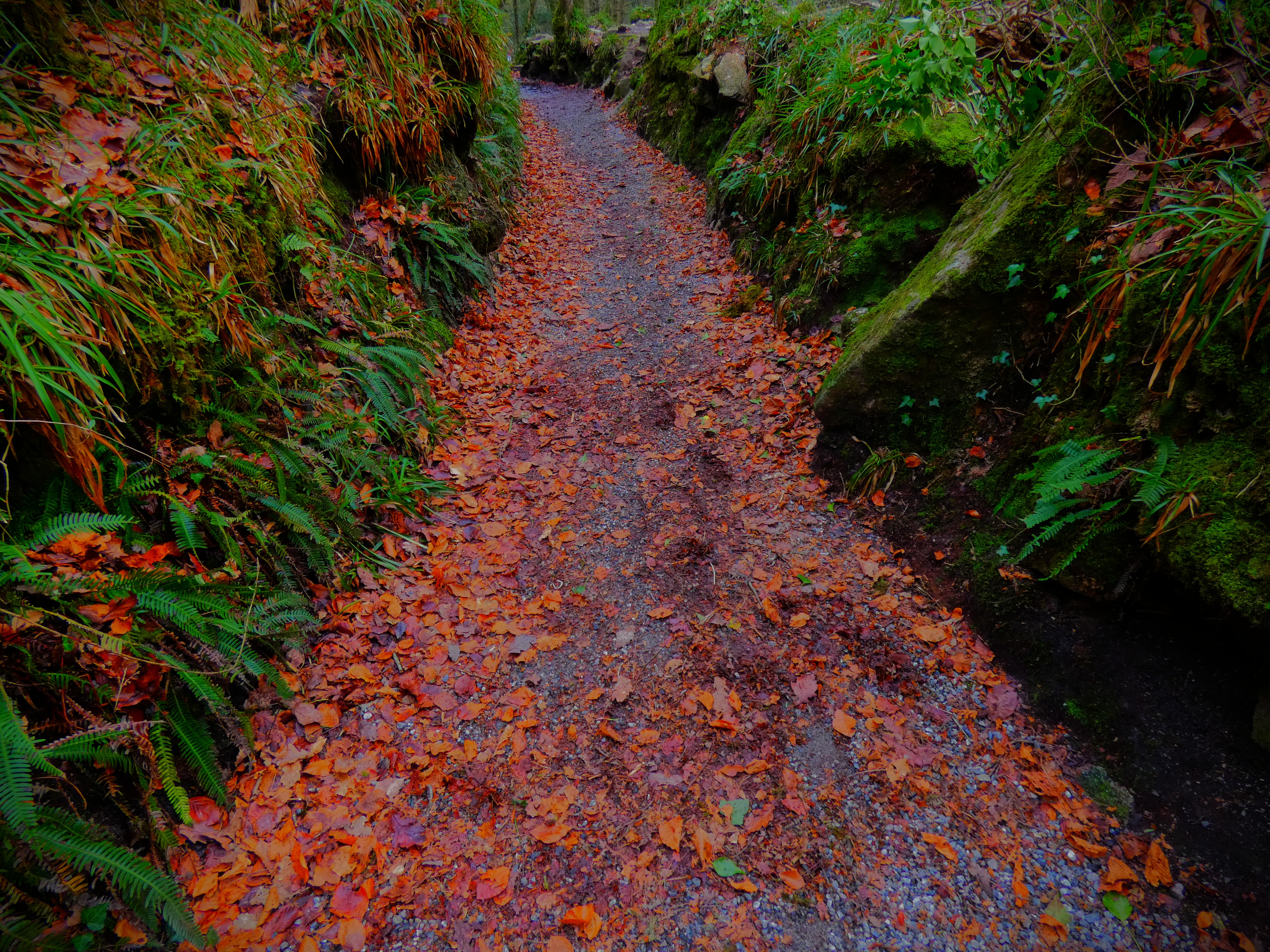
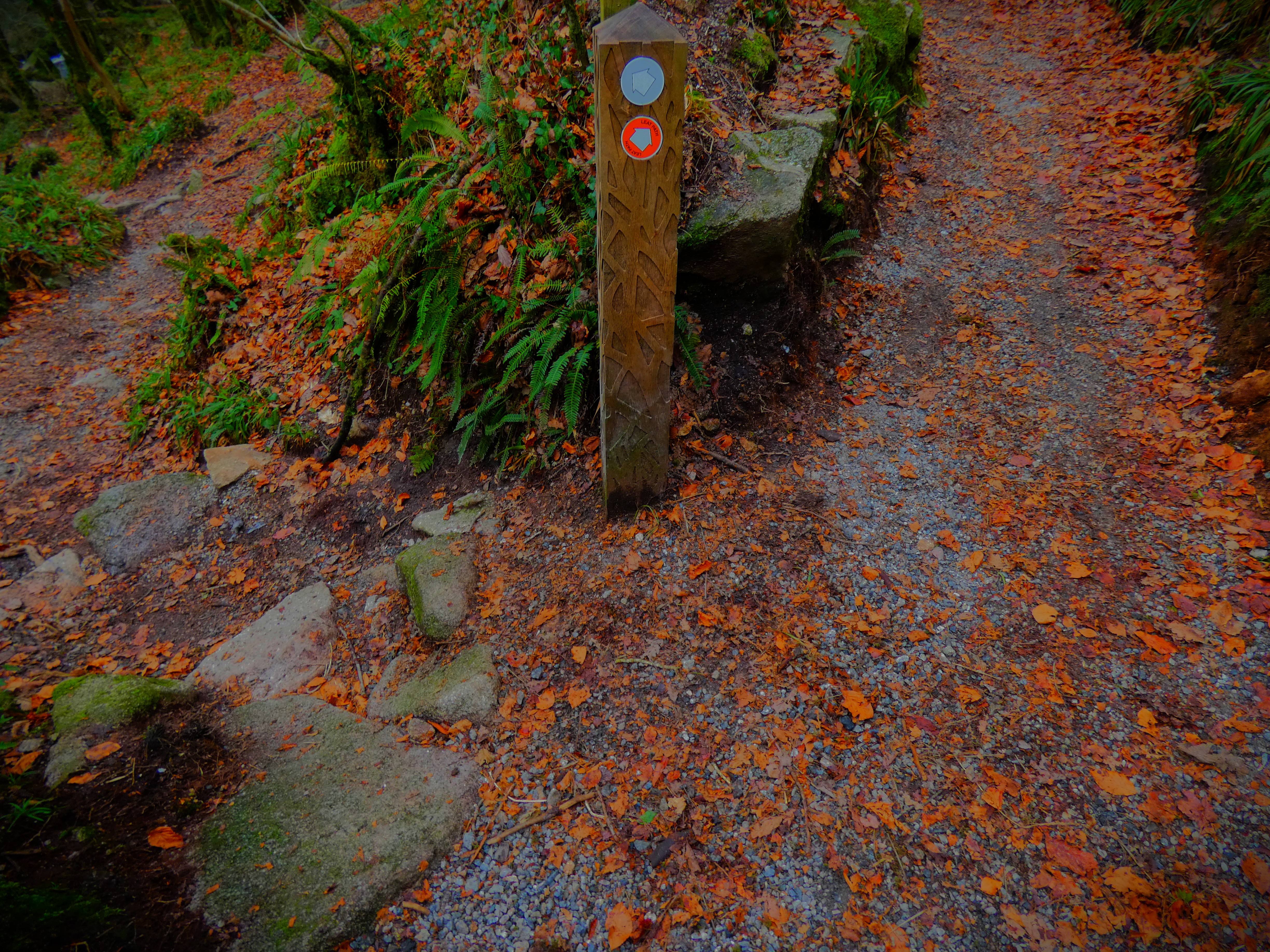
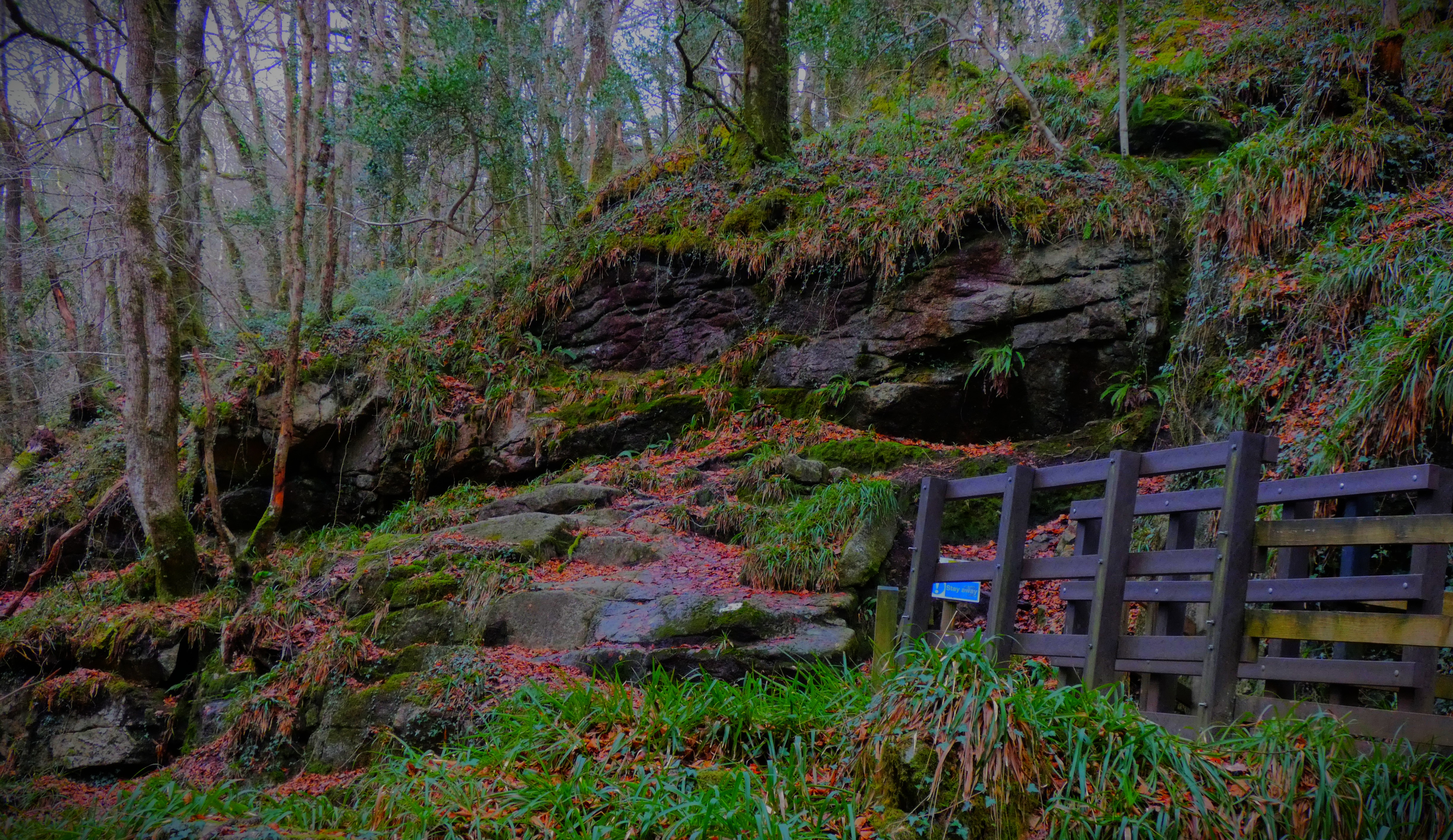
On Boxing Day we went out walking. Our original plan was to do a circular walk beginning with the Golitha falls Nature Reserve and continuing with a circular walk. This was later modified.

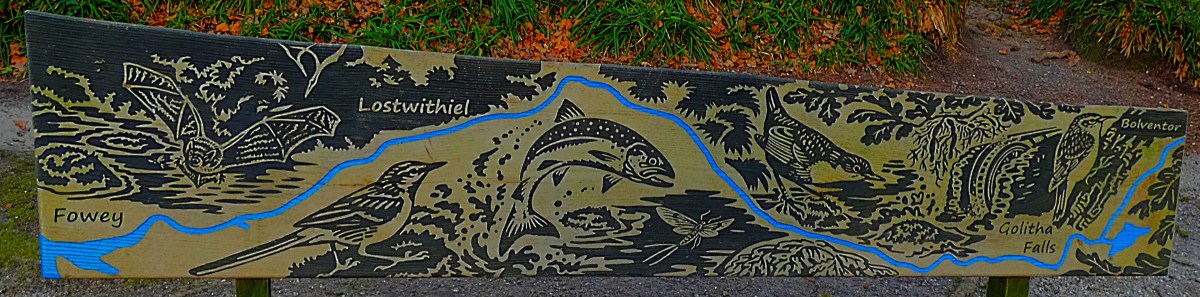
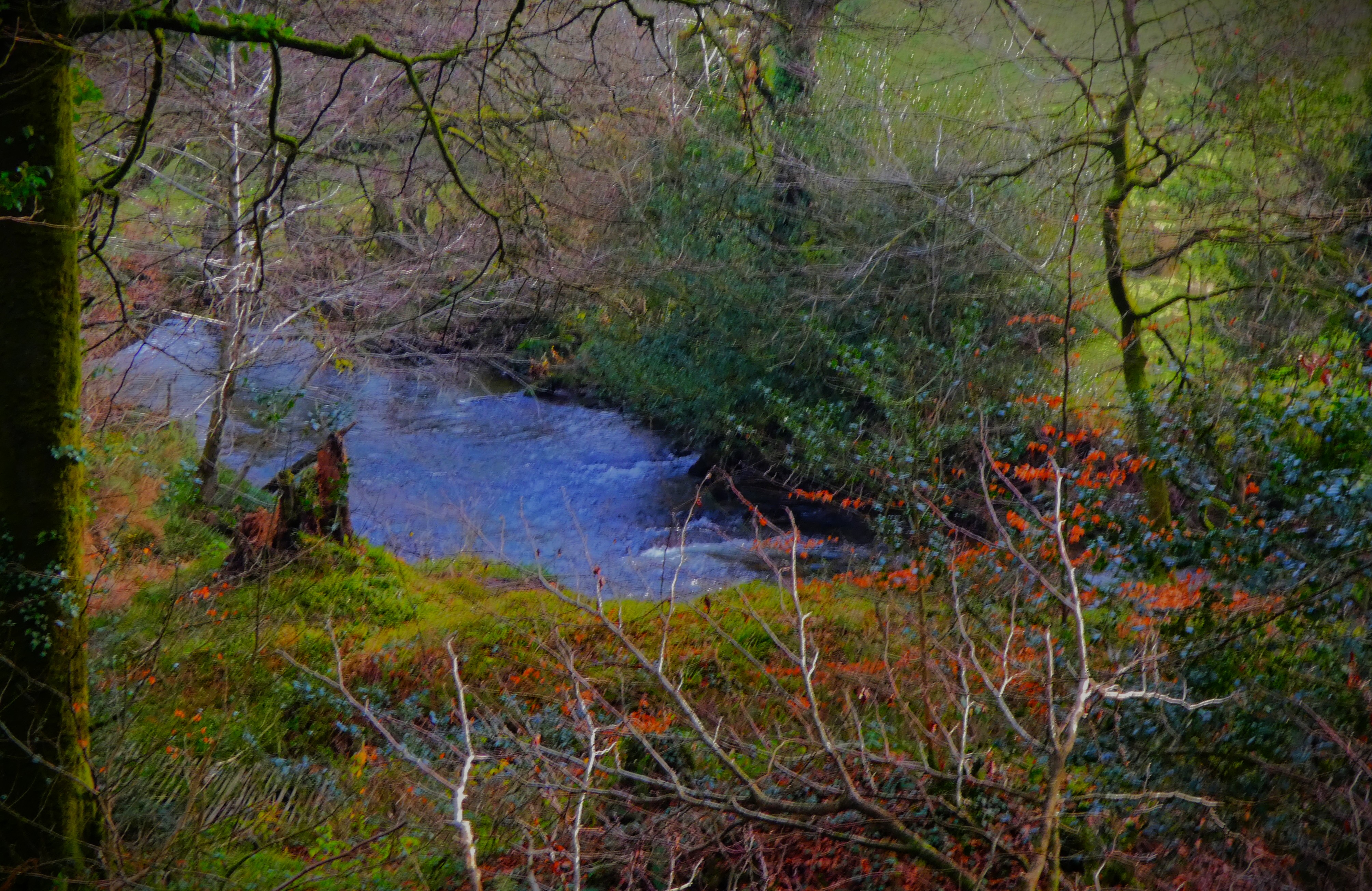
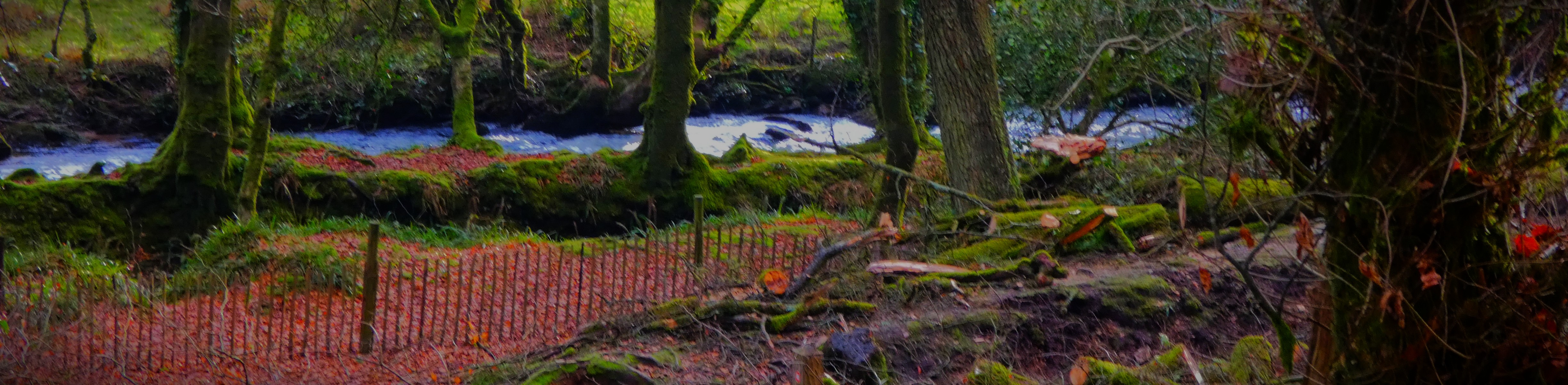
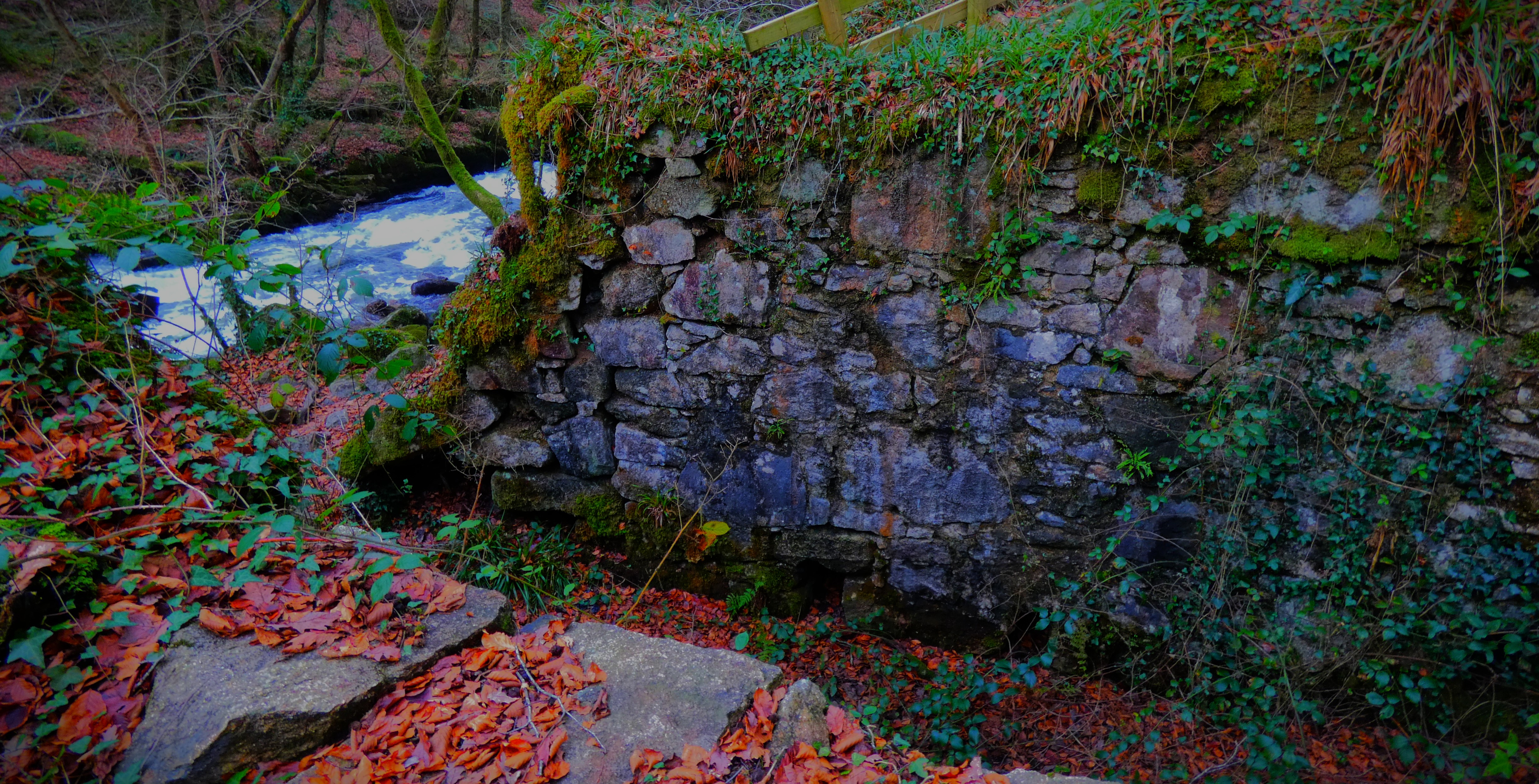
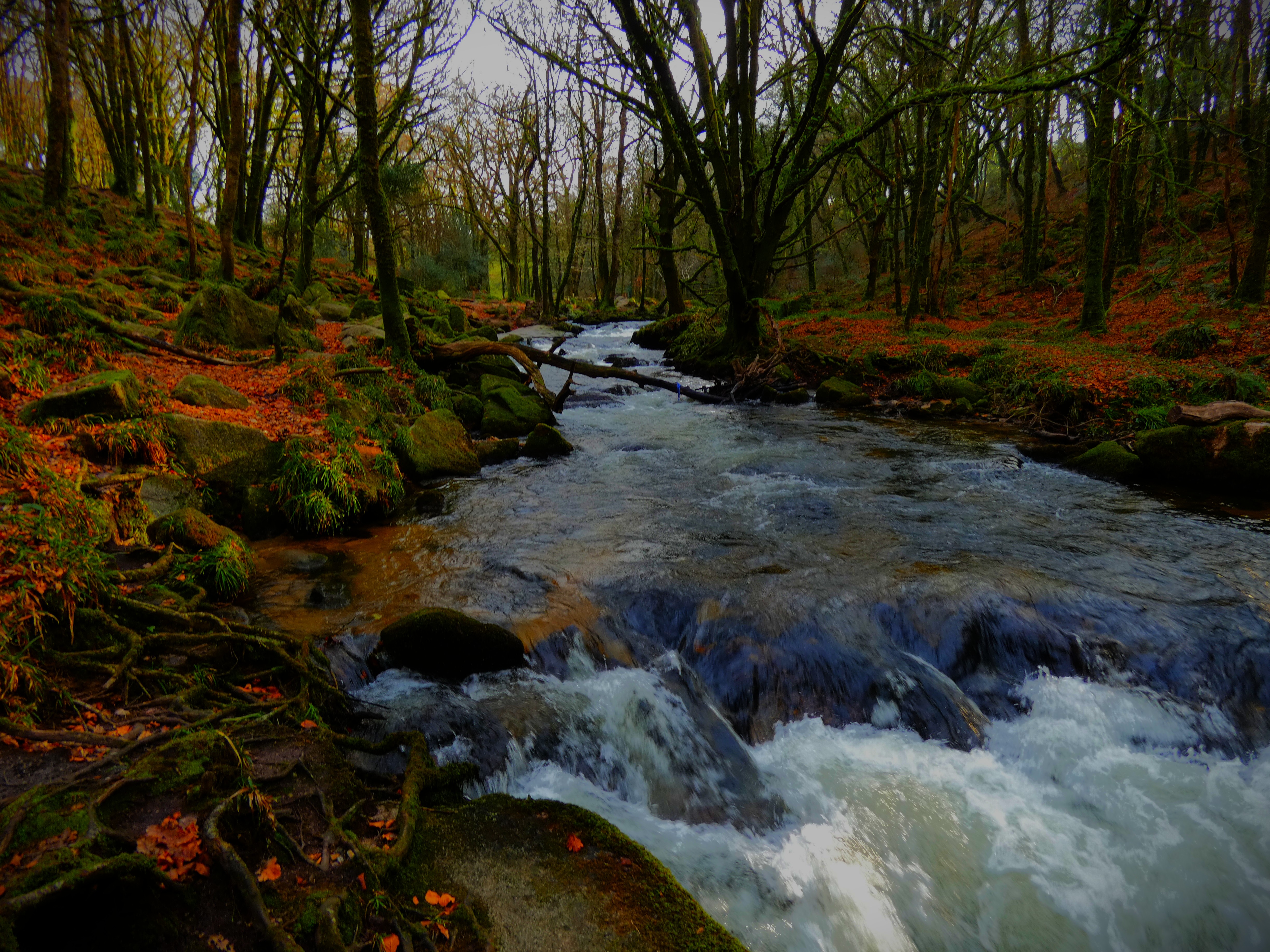
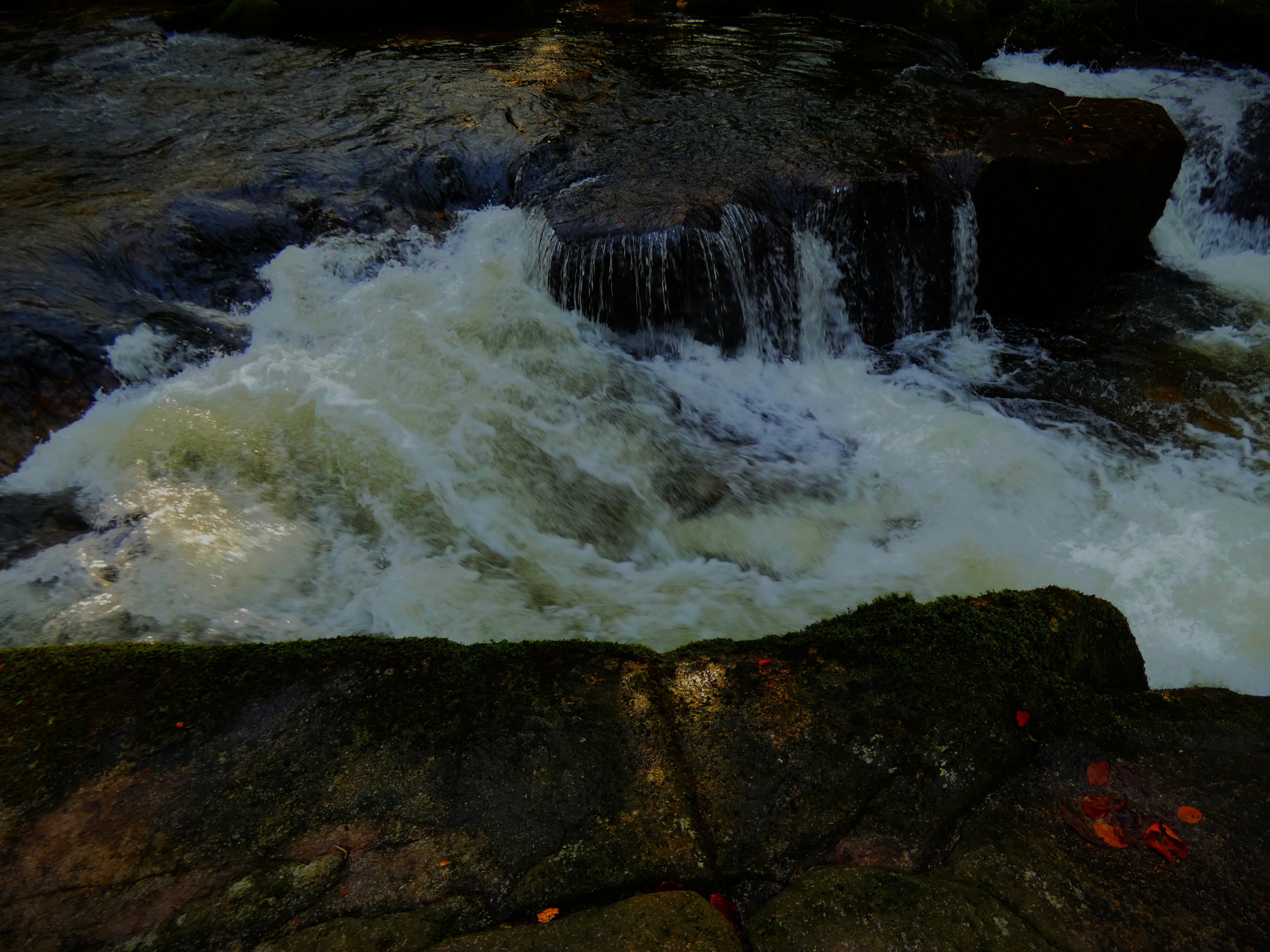
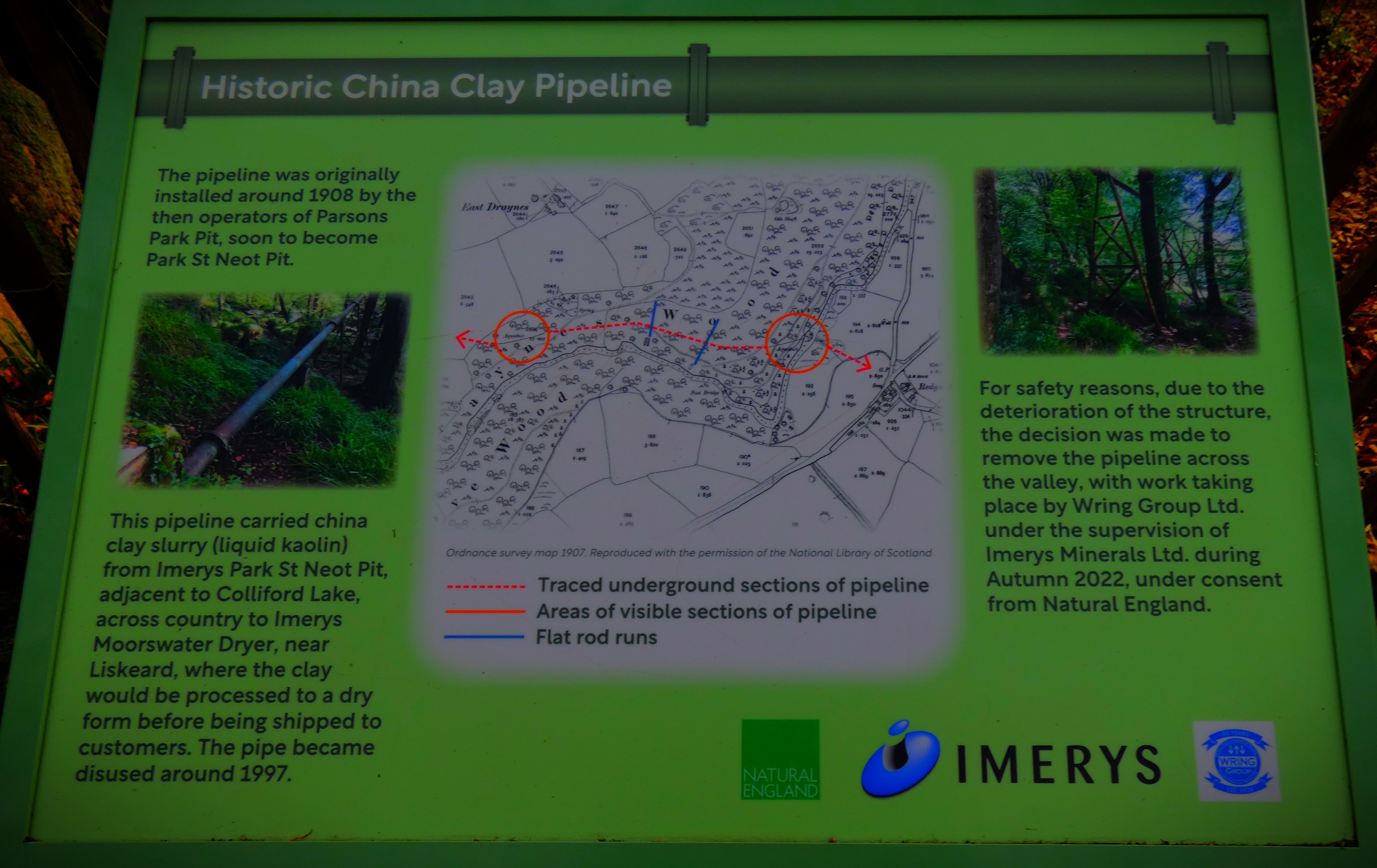
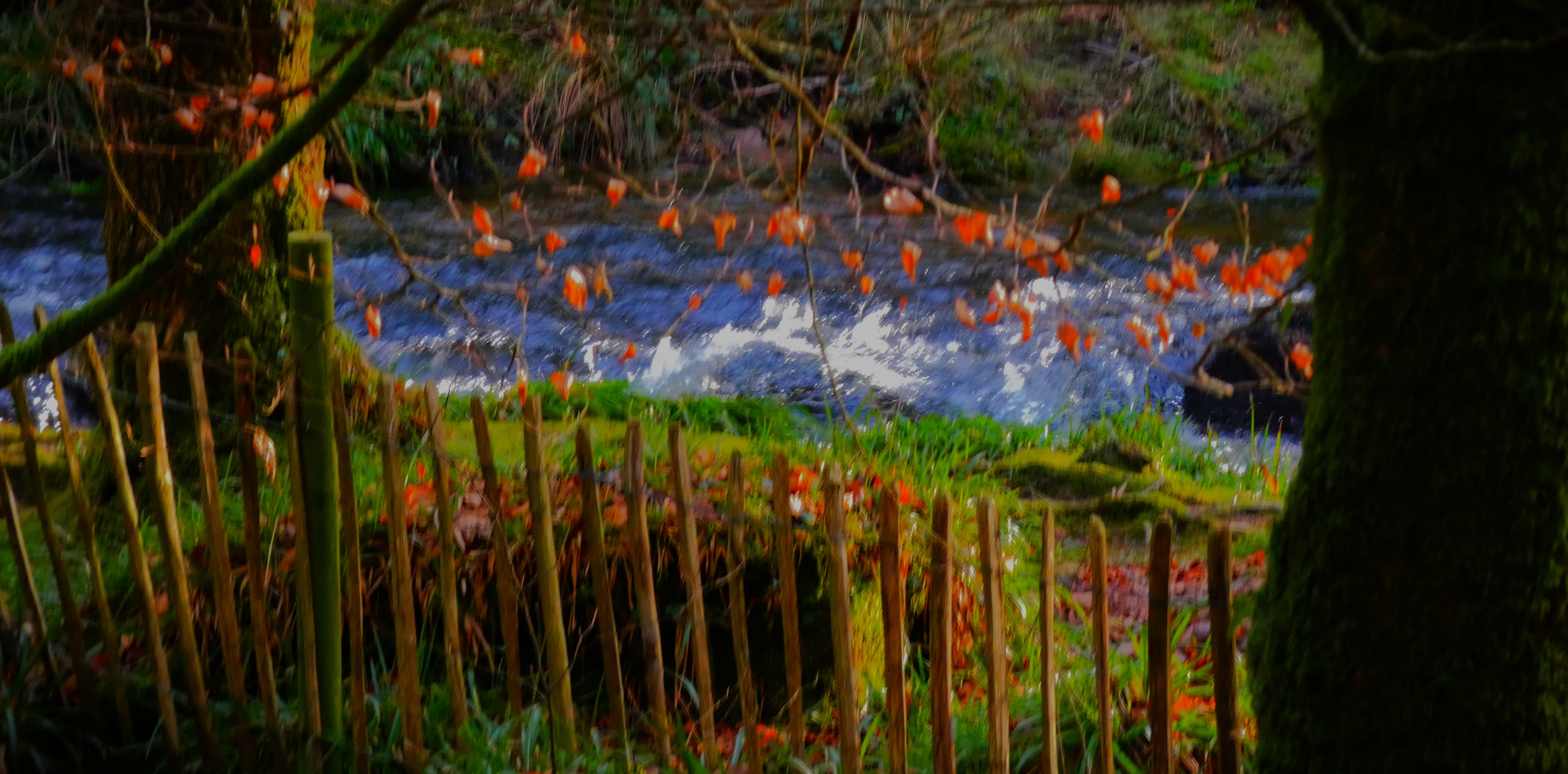
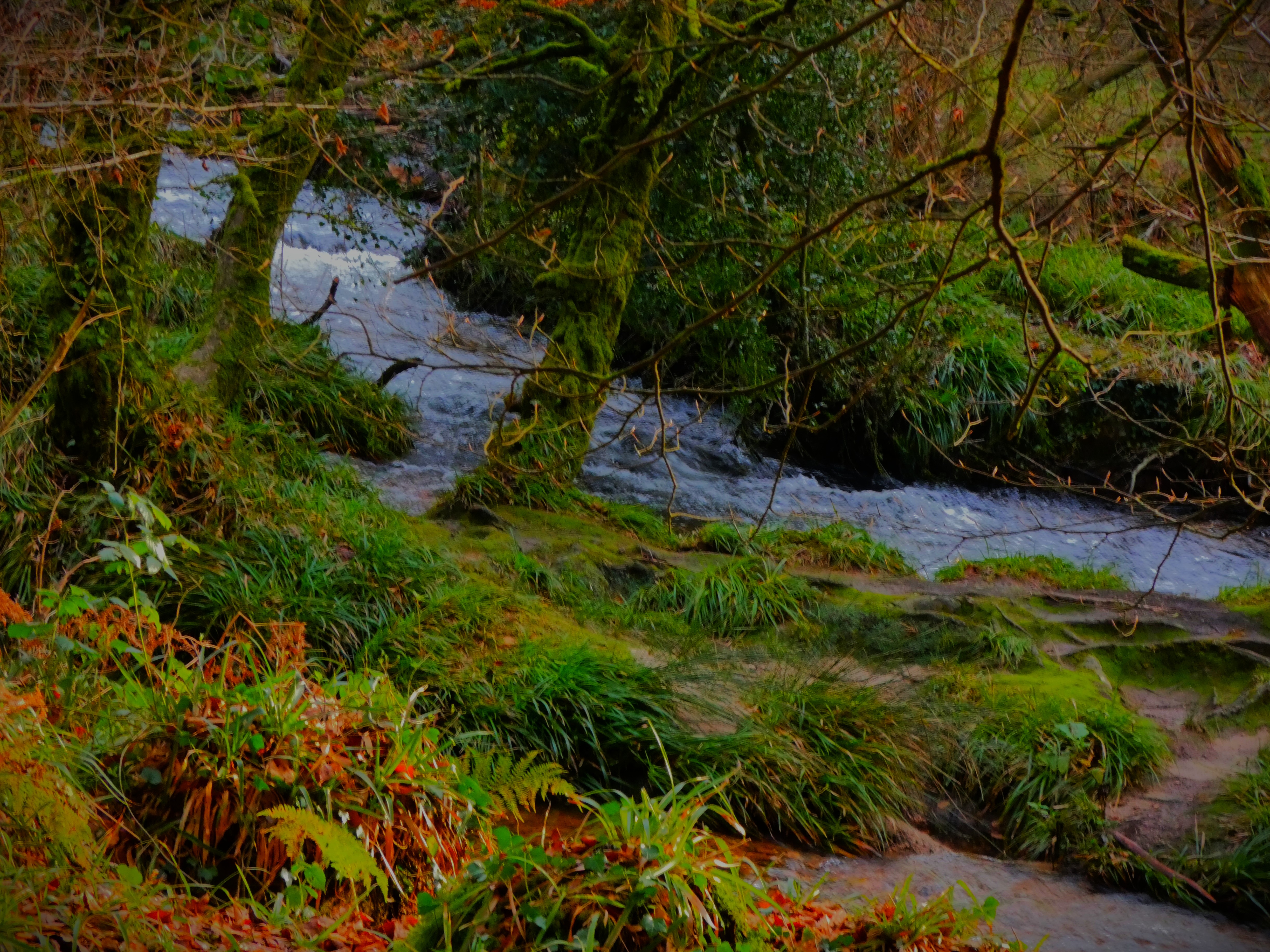
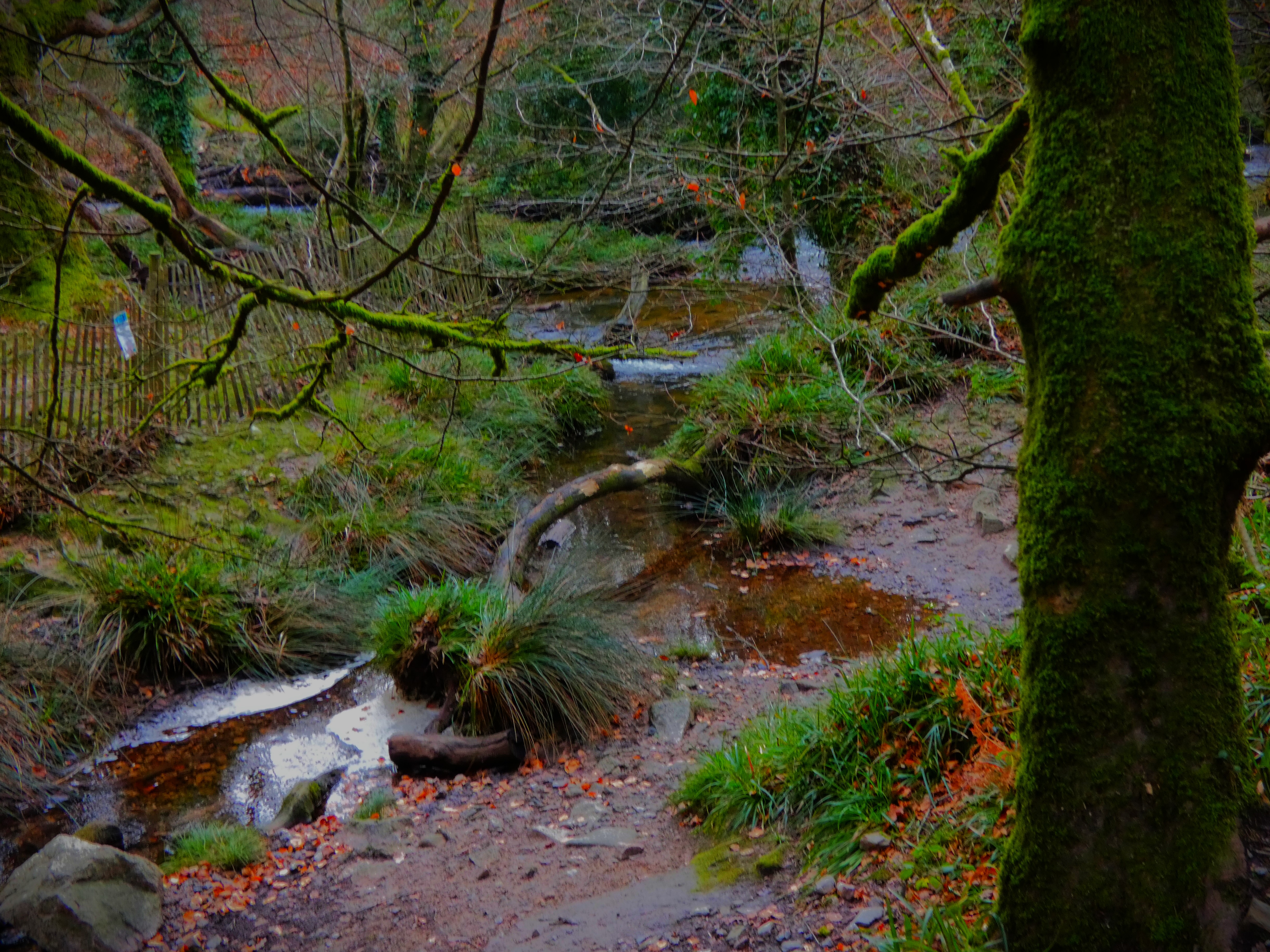
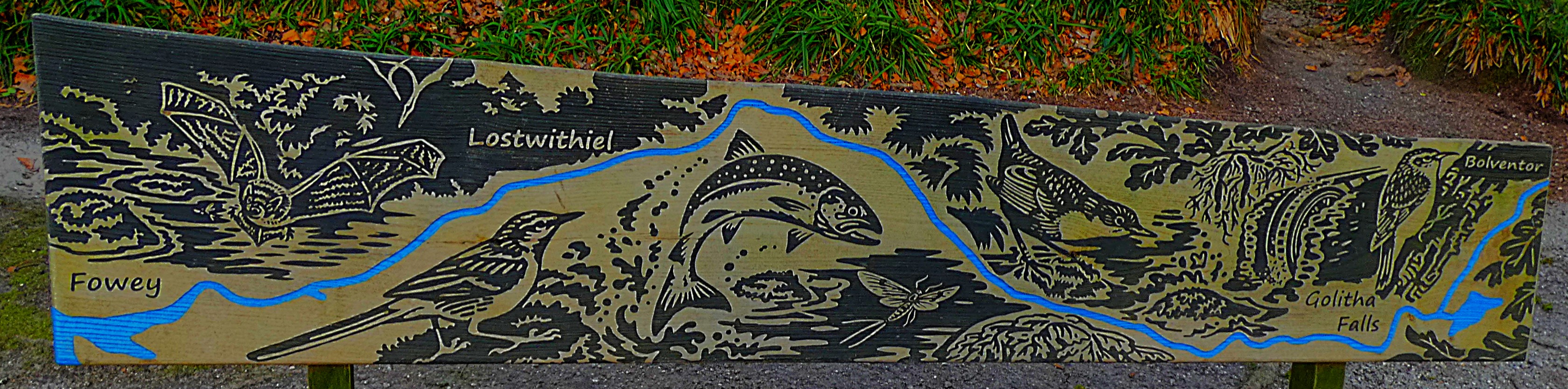
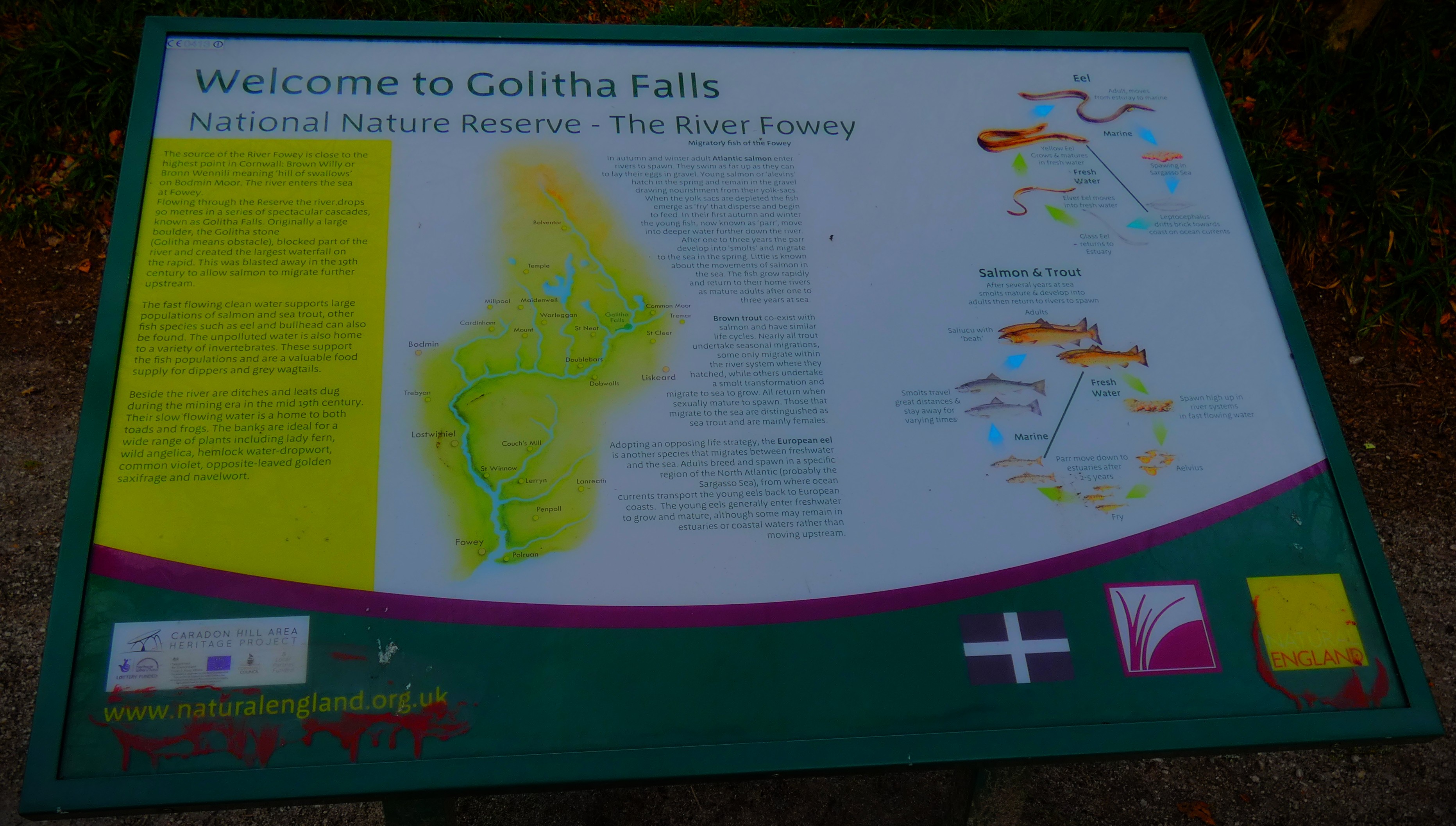
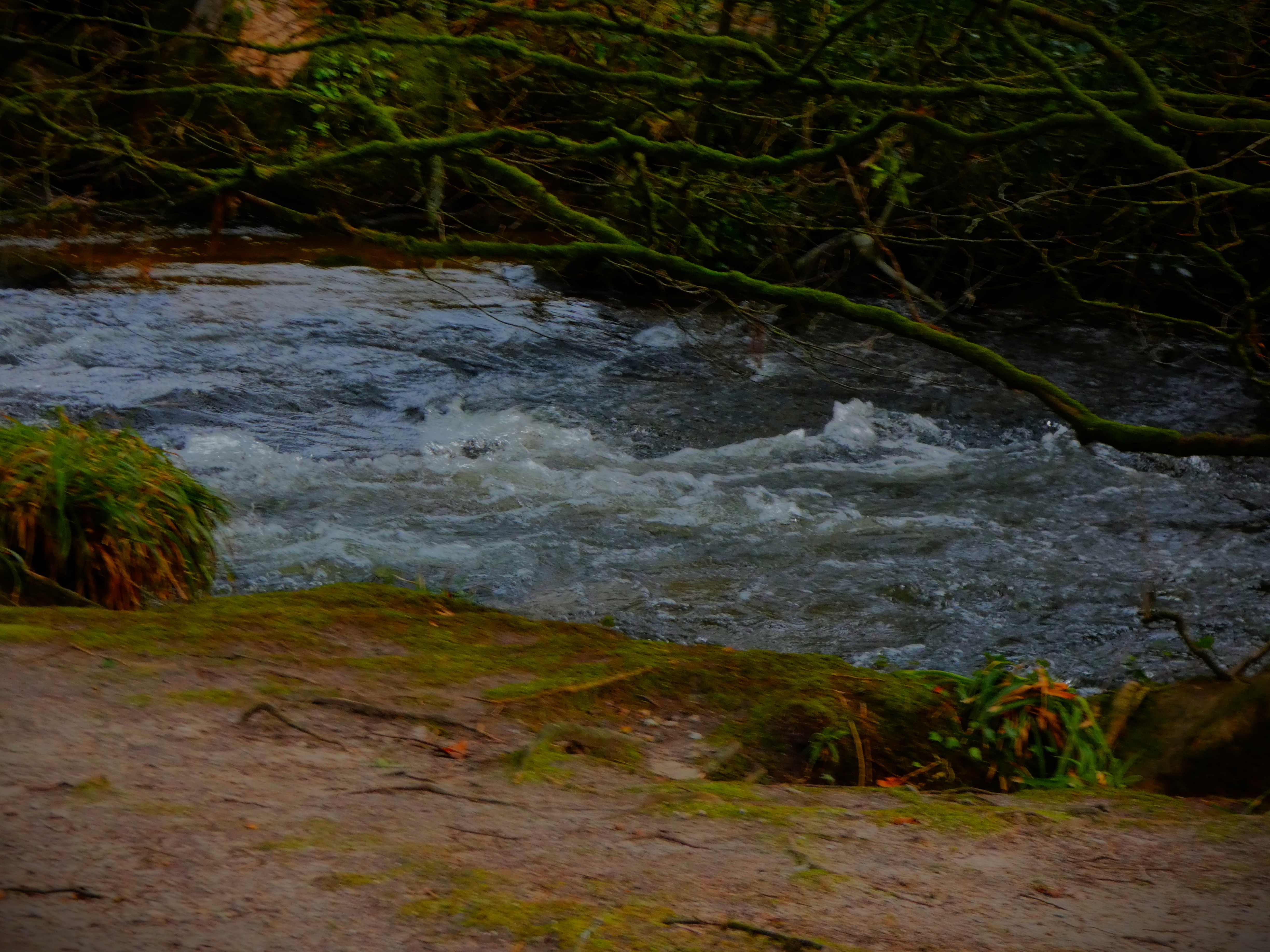
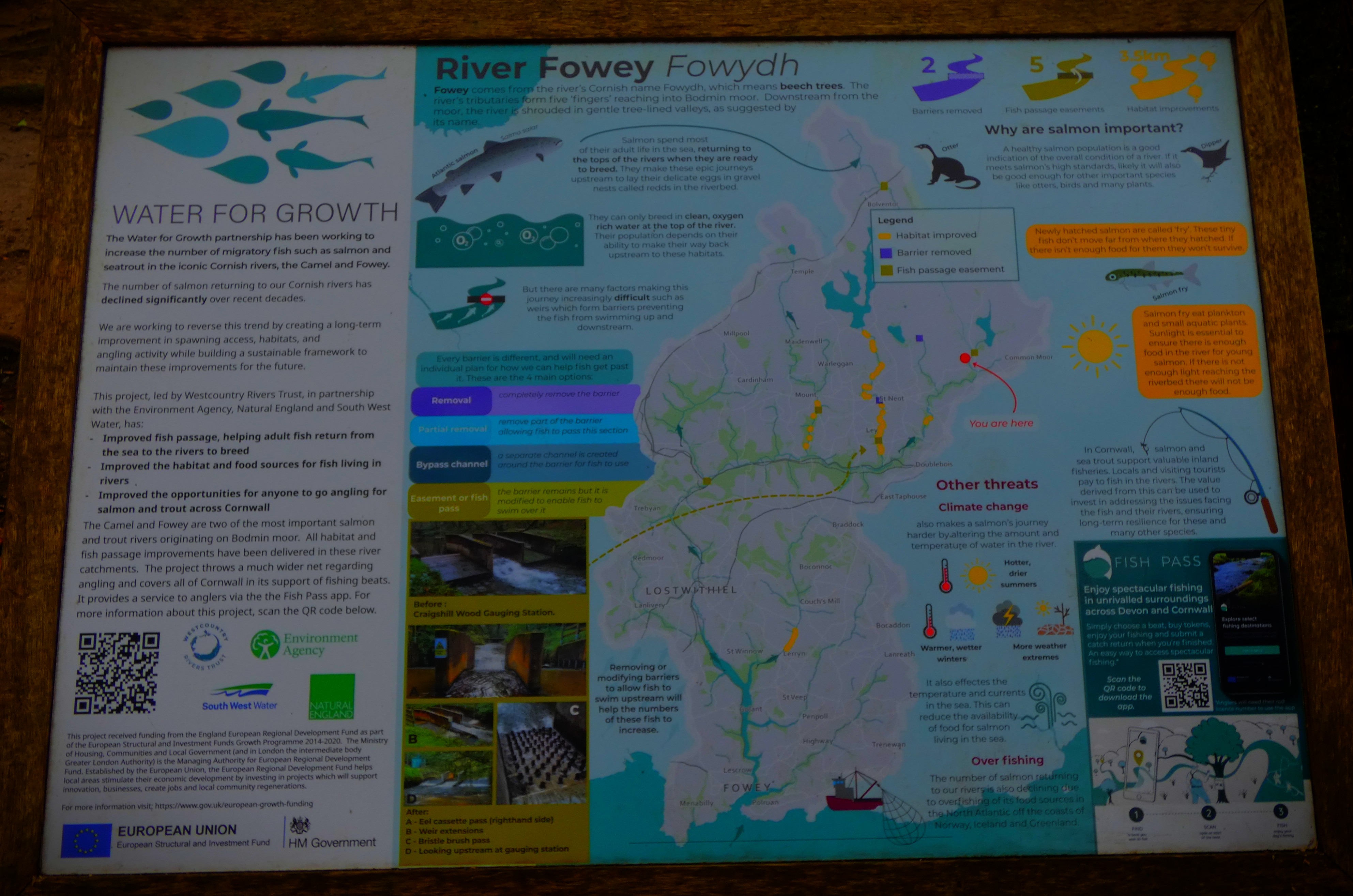
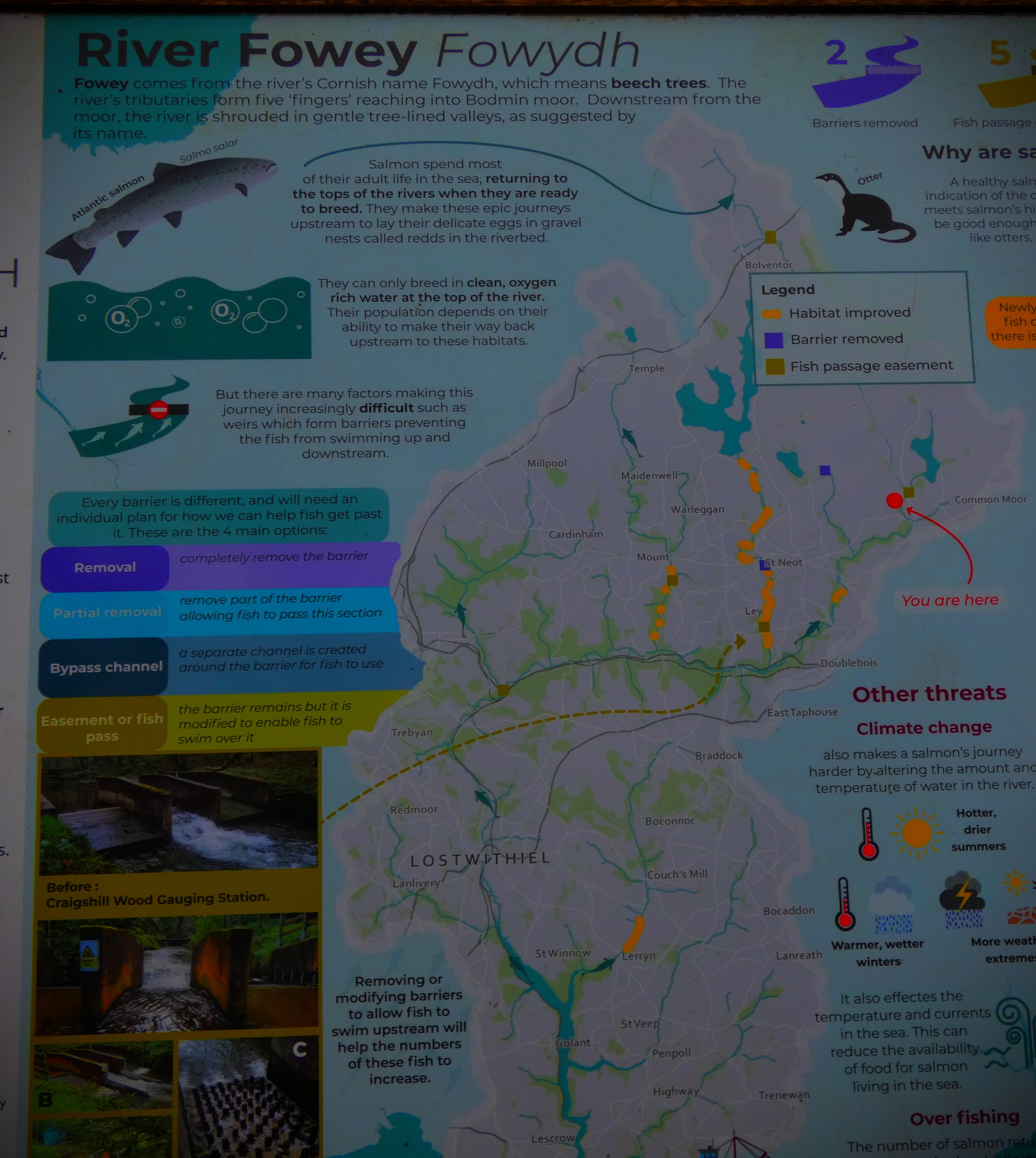
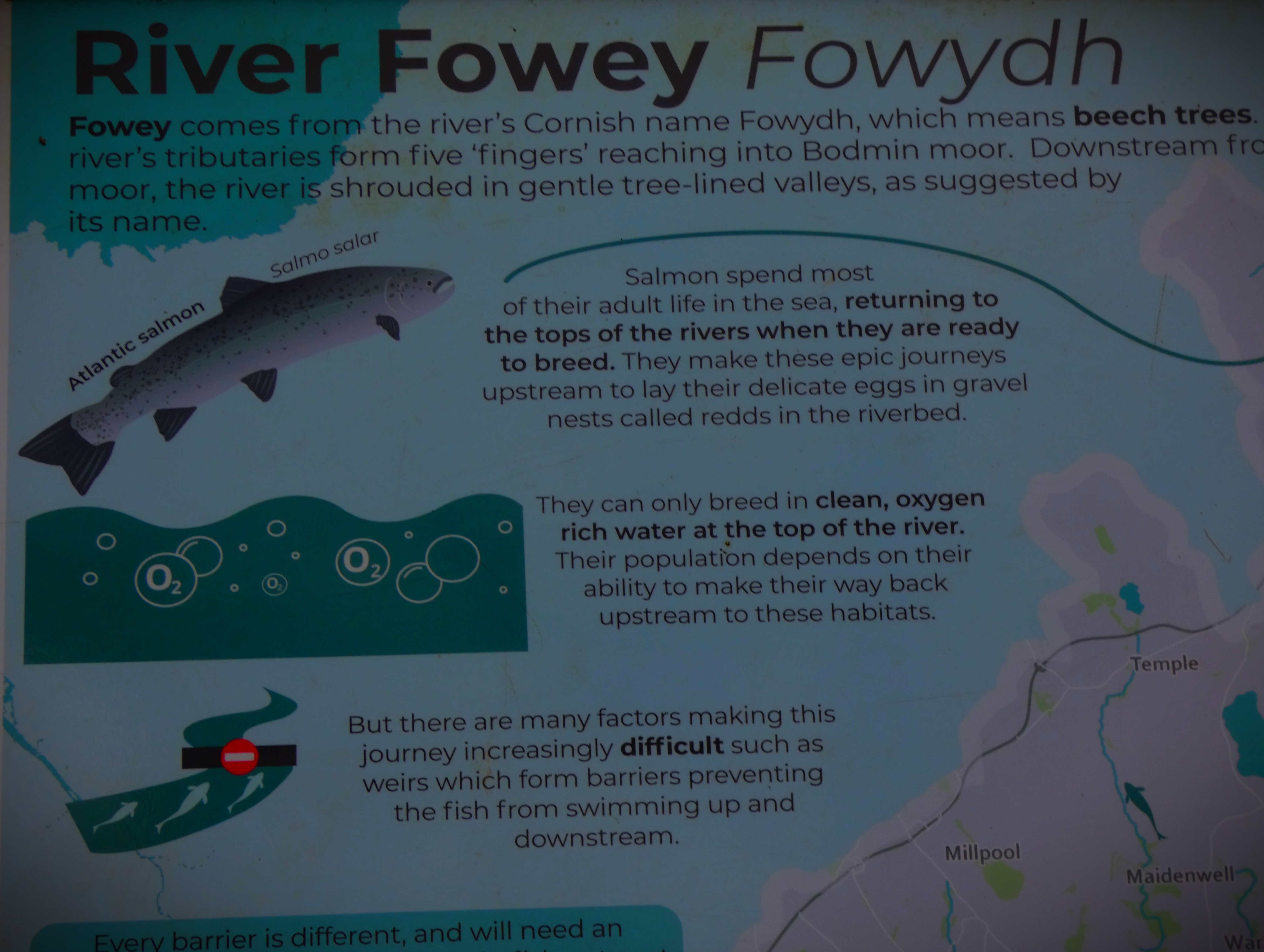
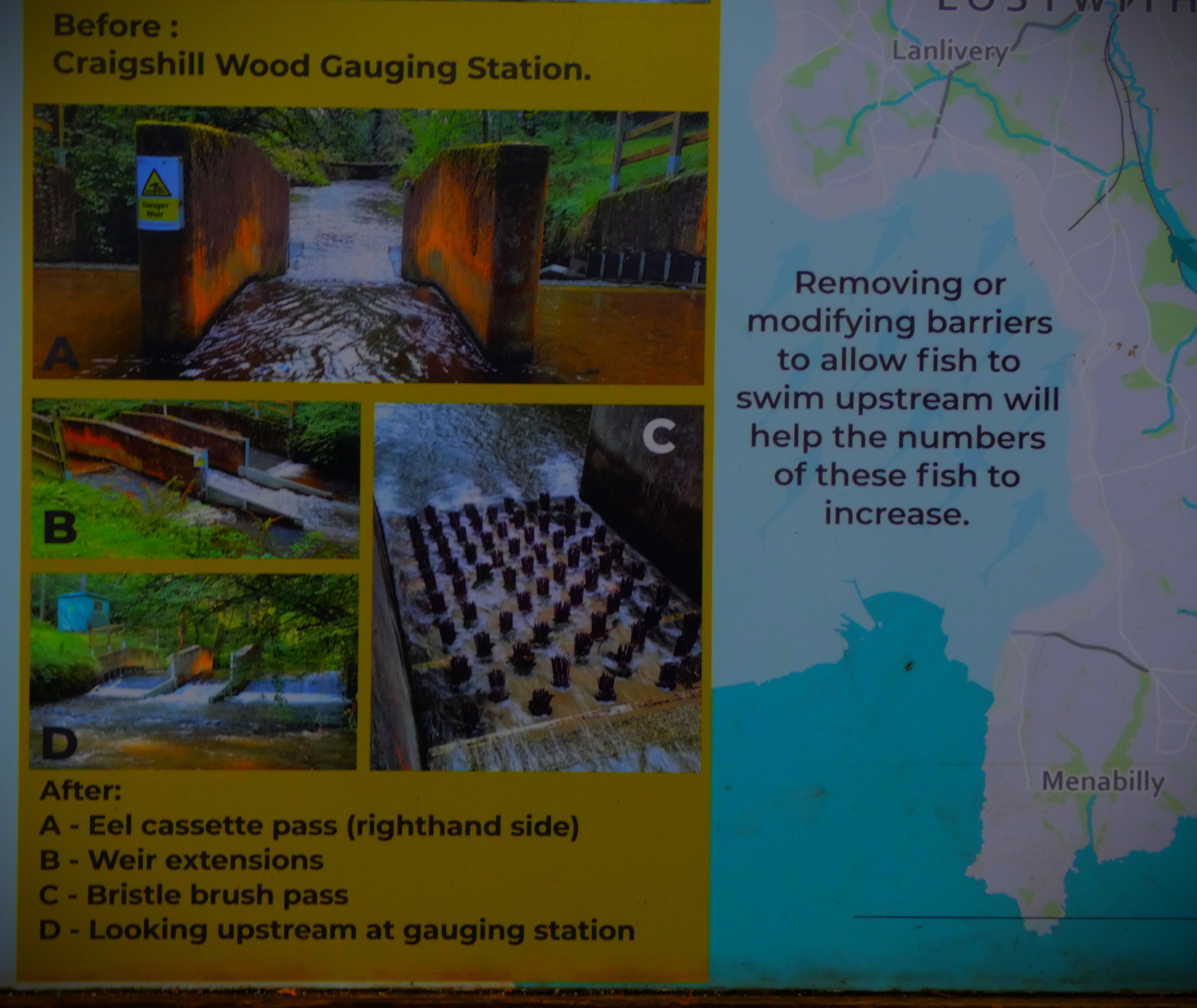
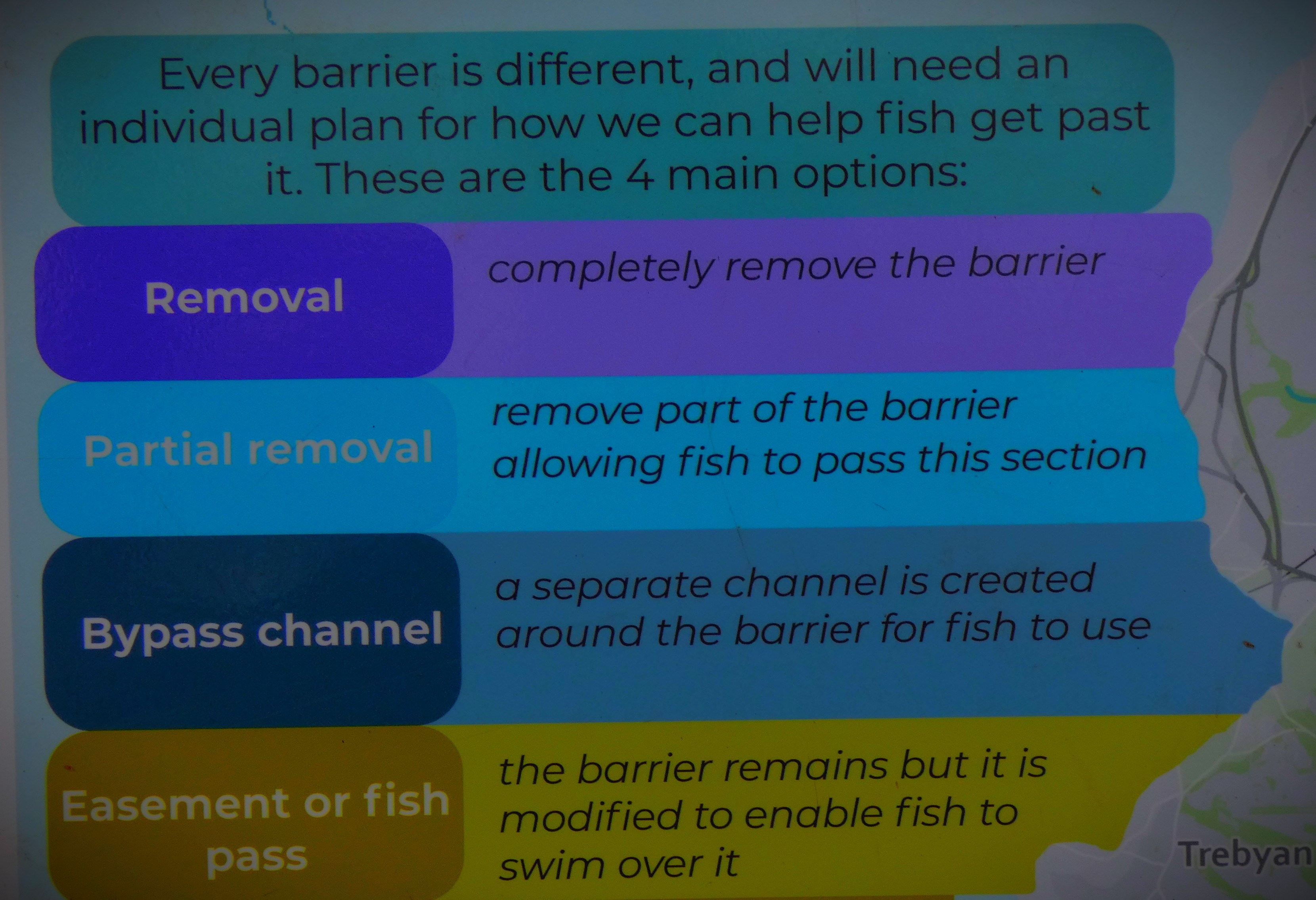
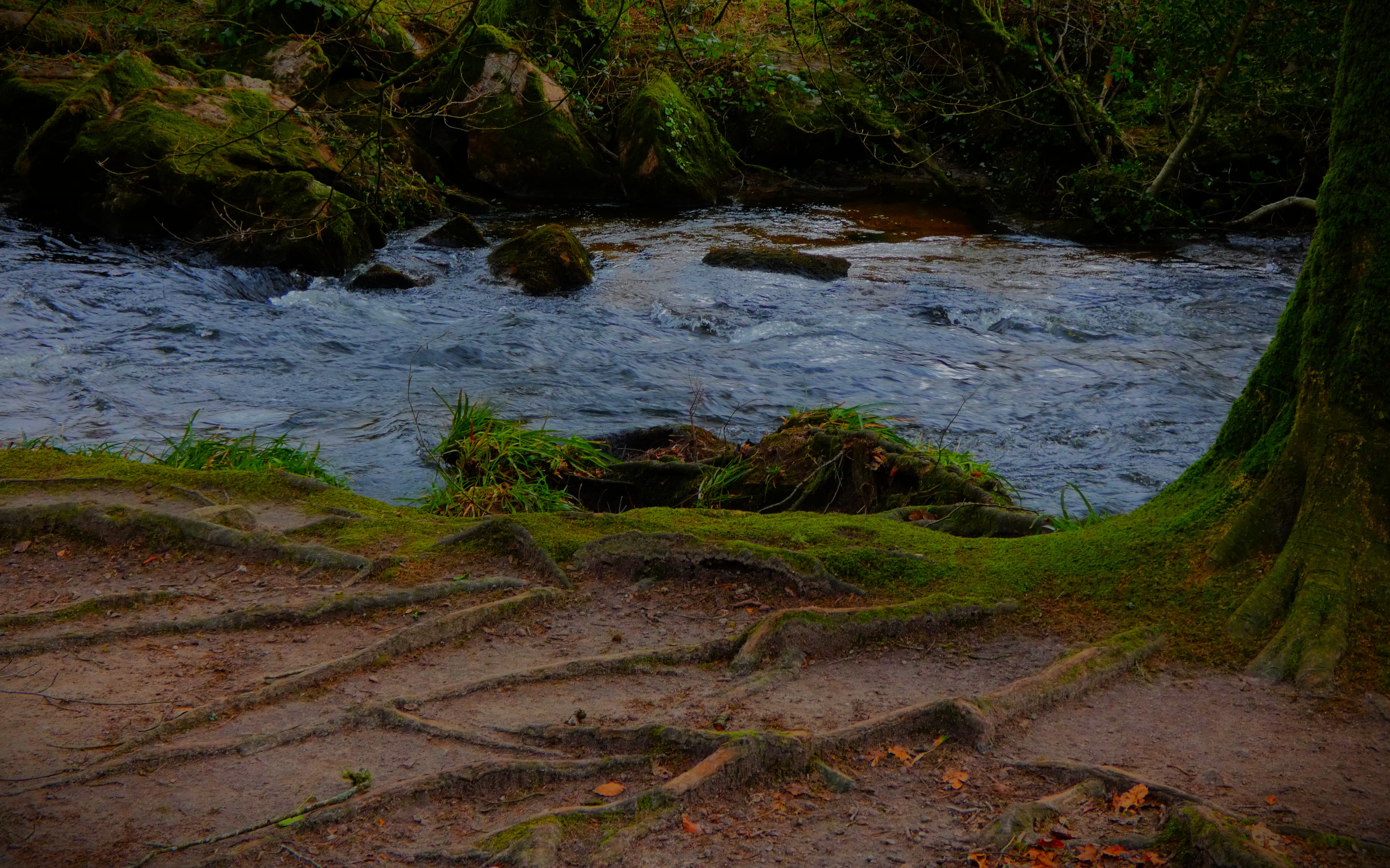
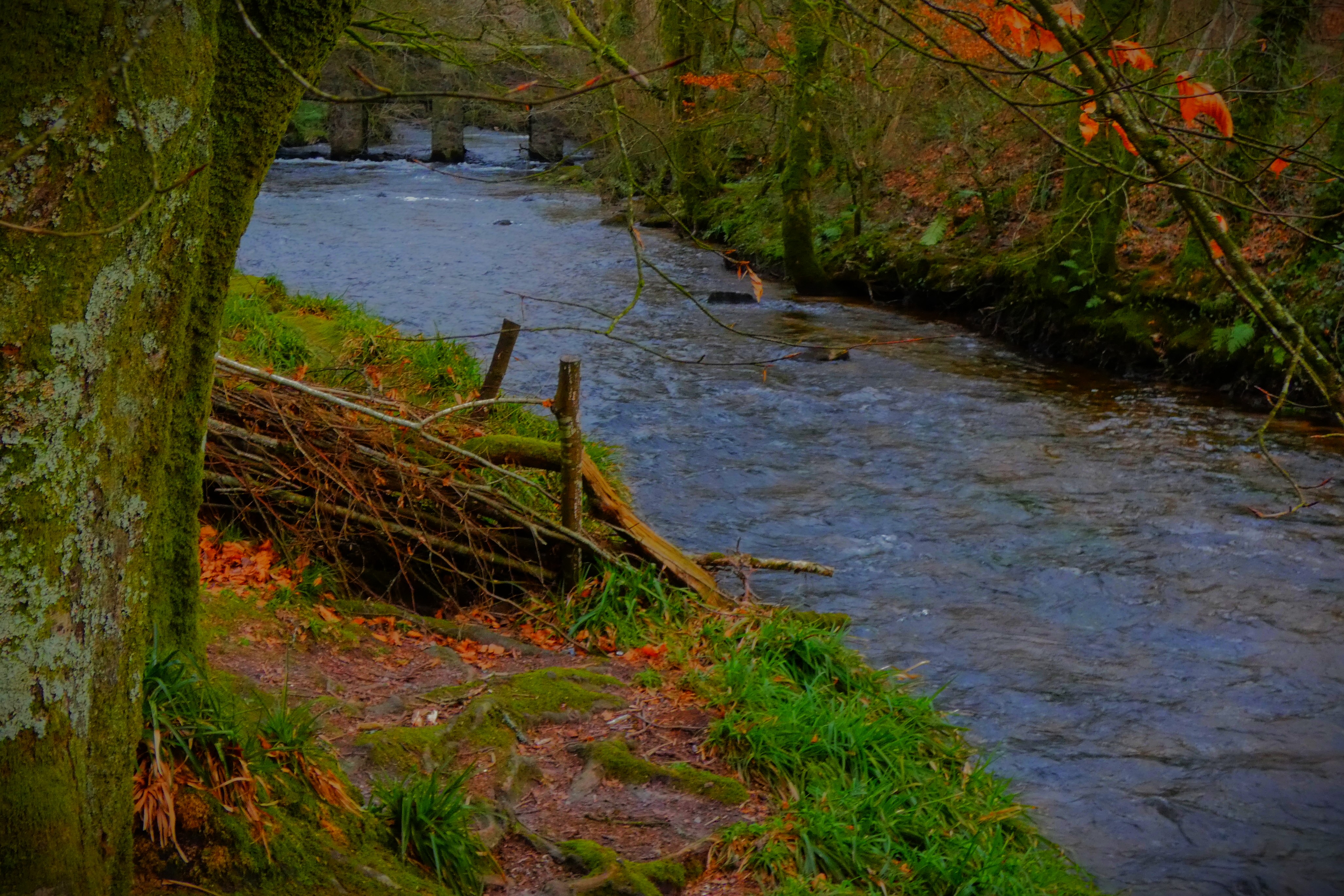
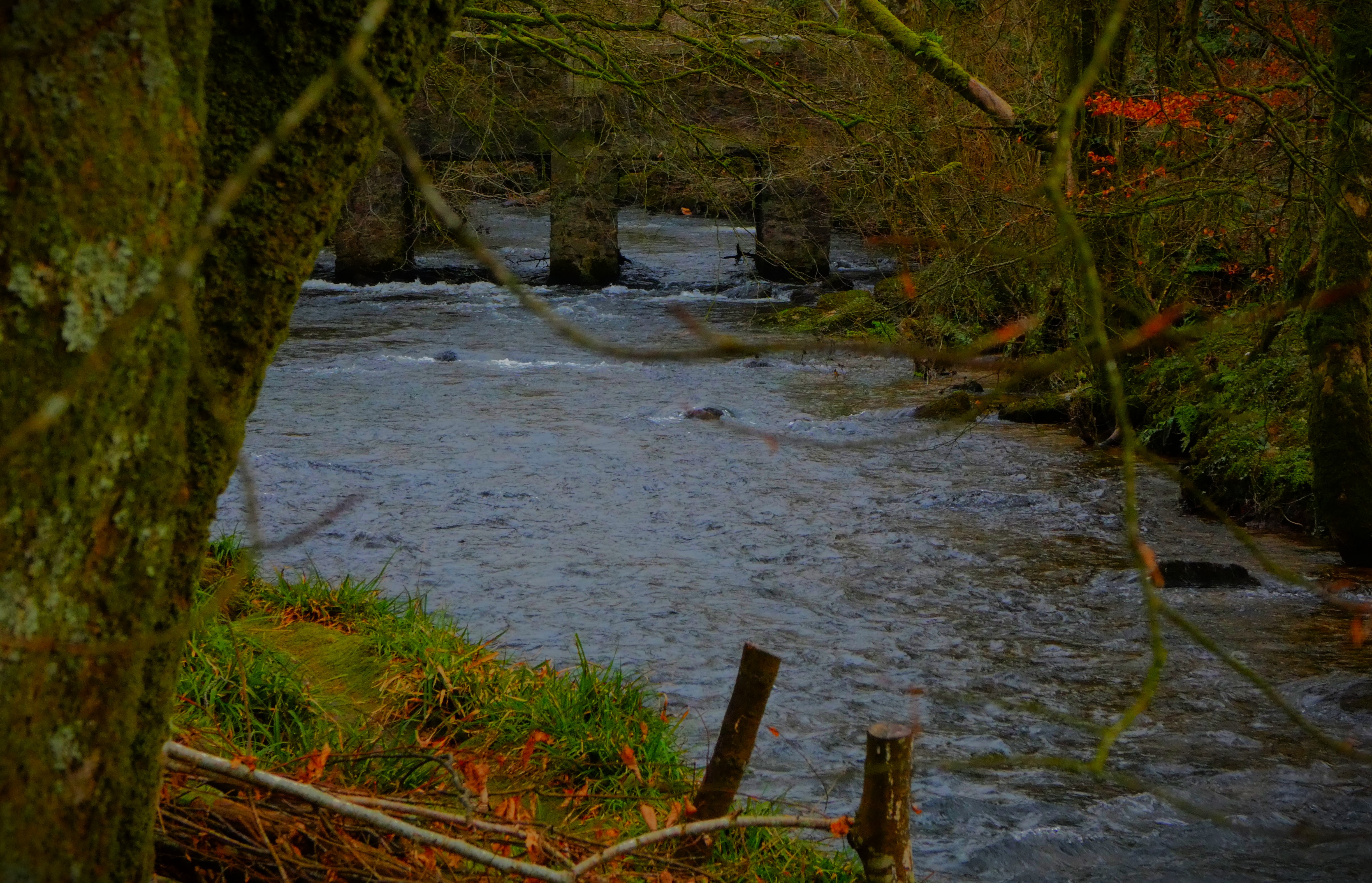
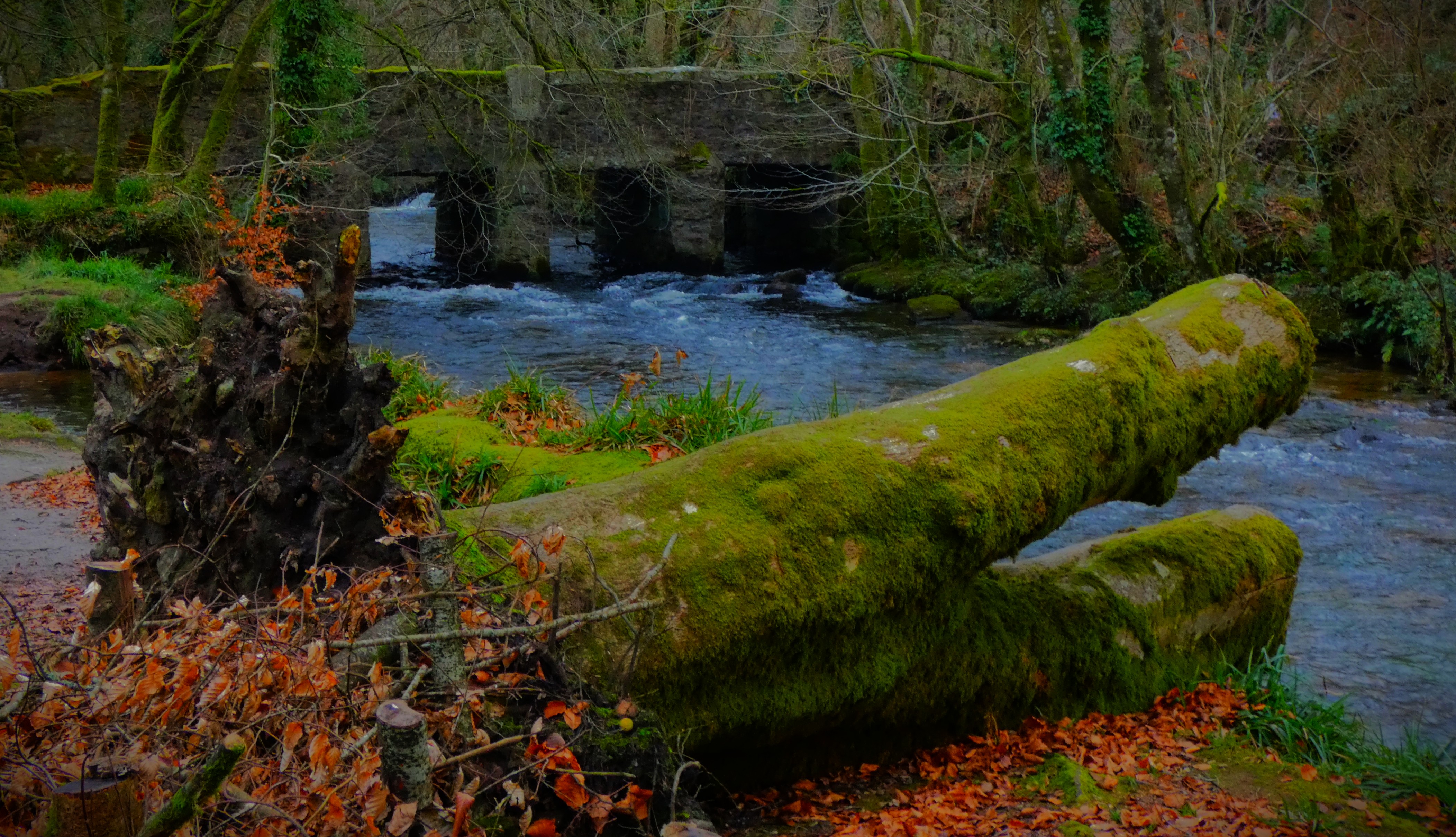
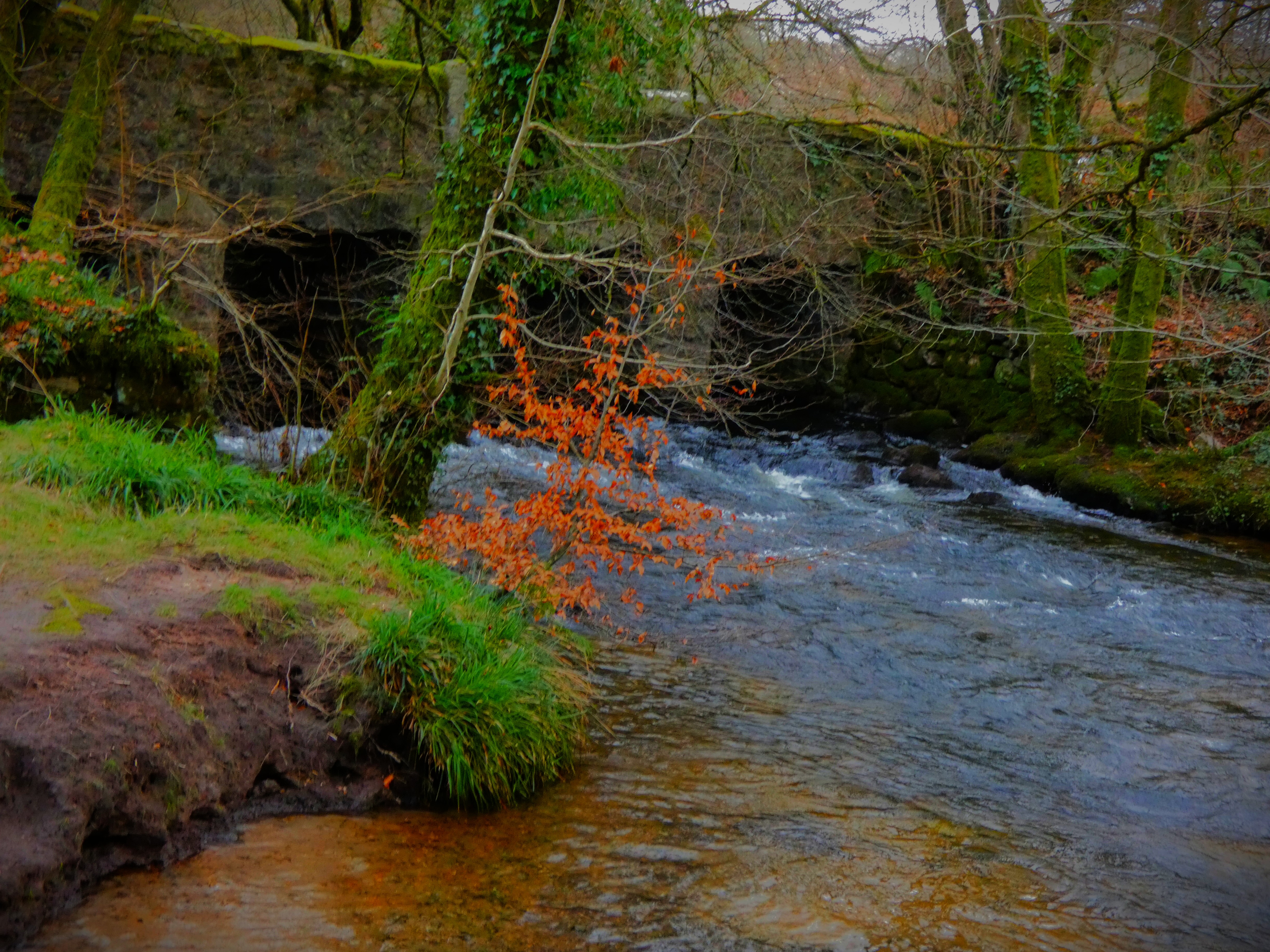
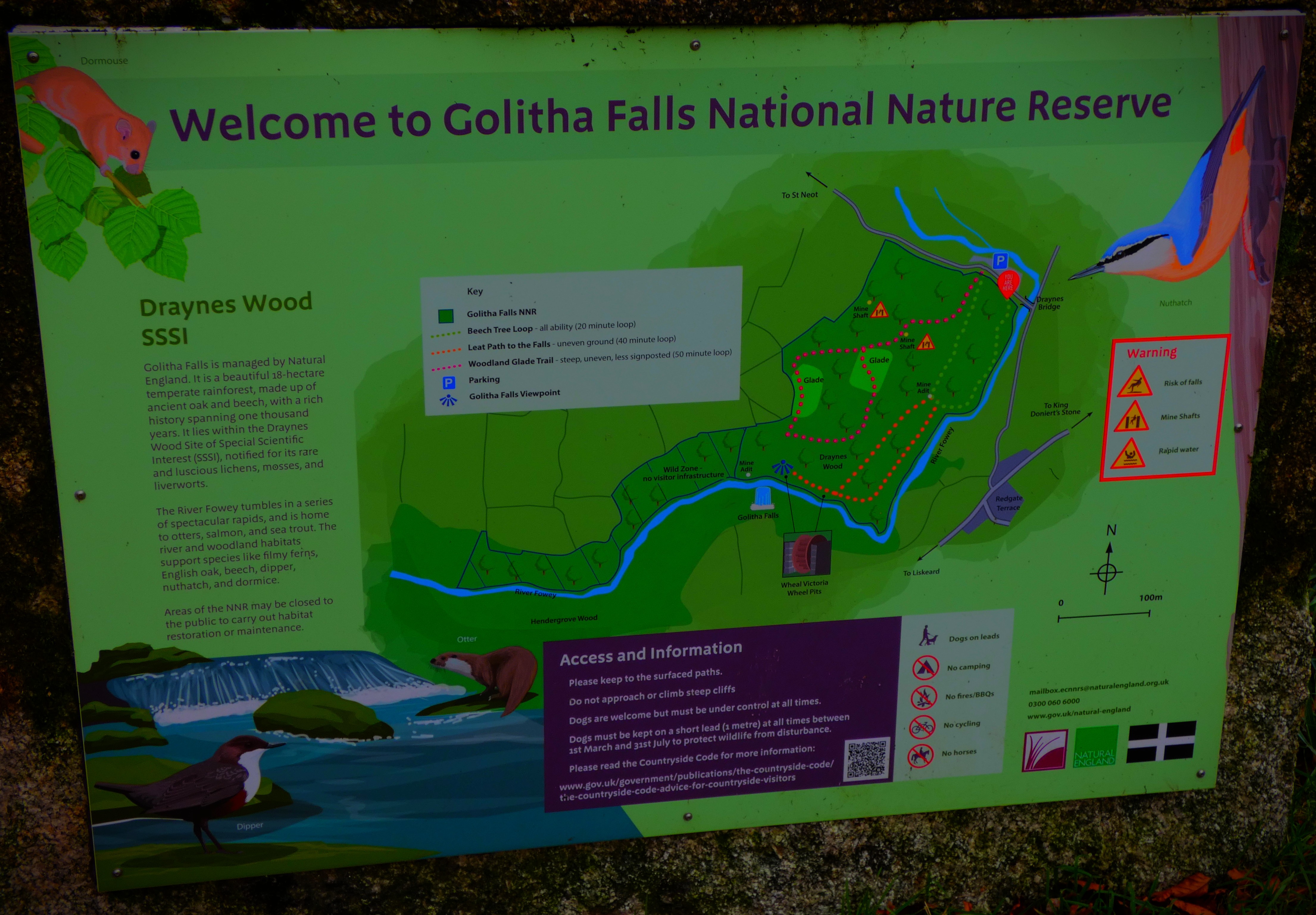
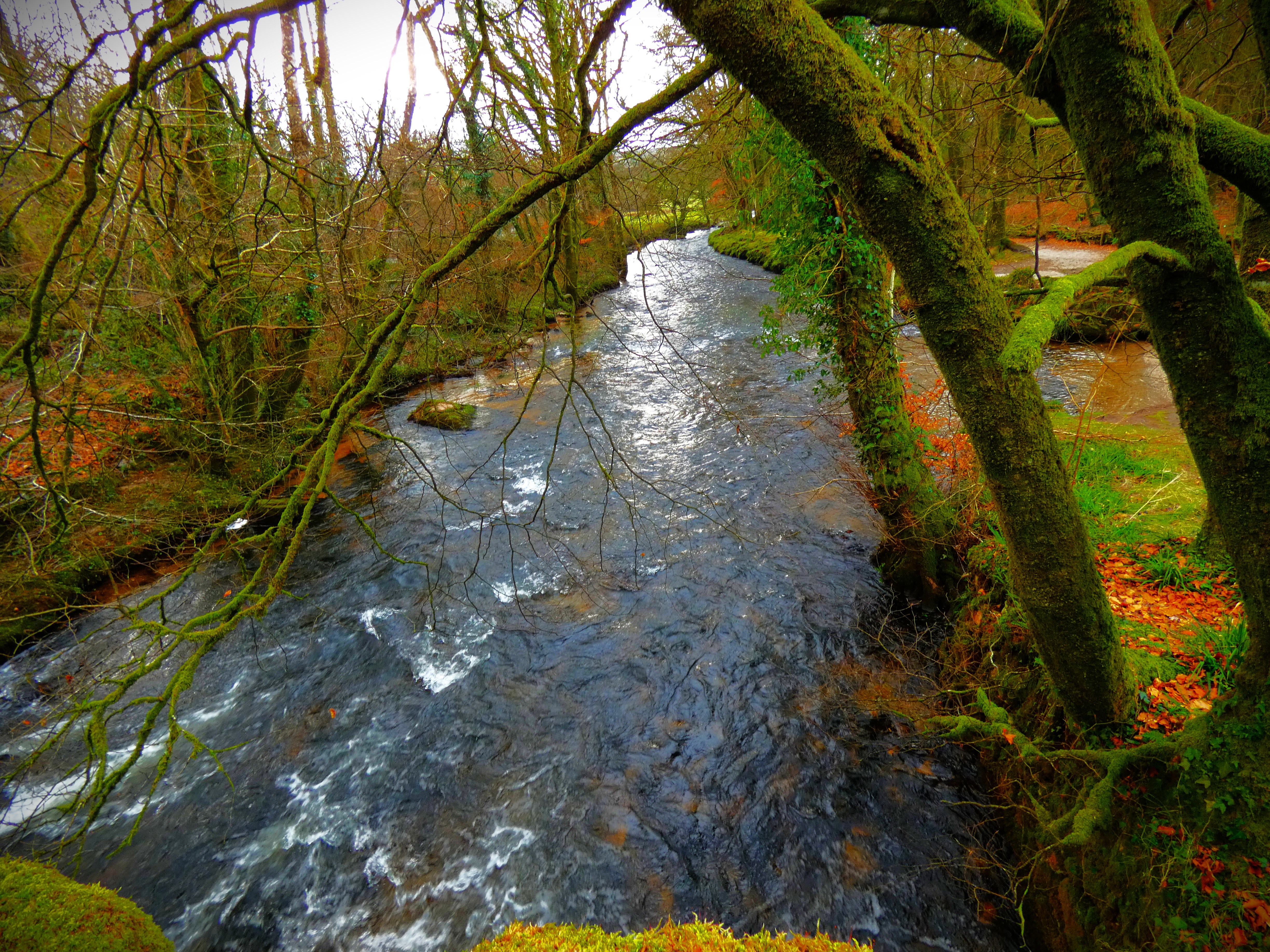
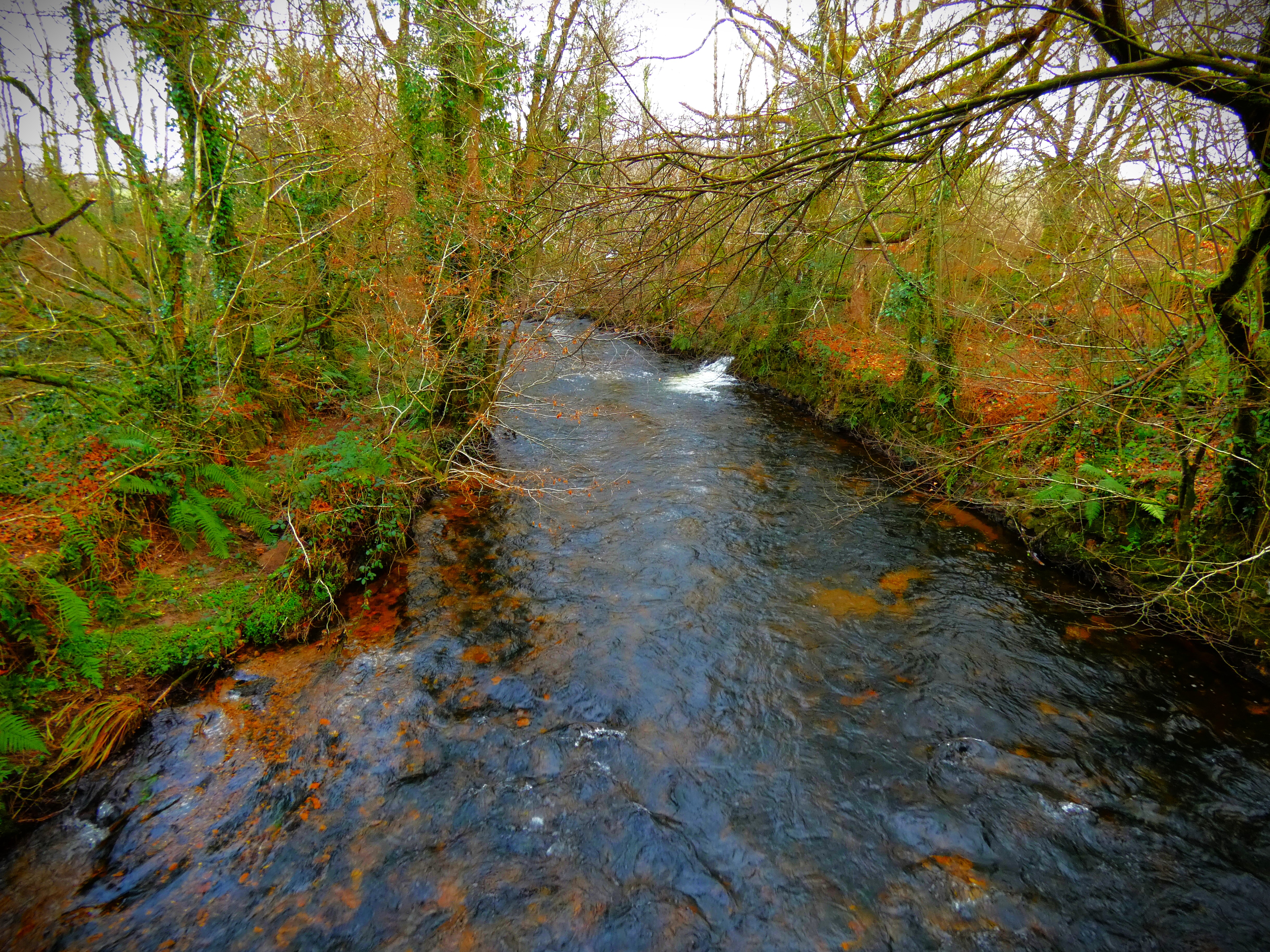
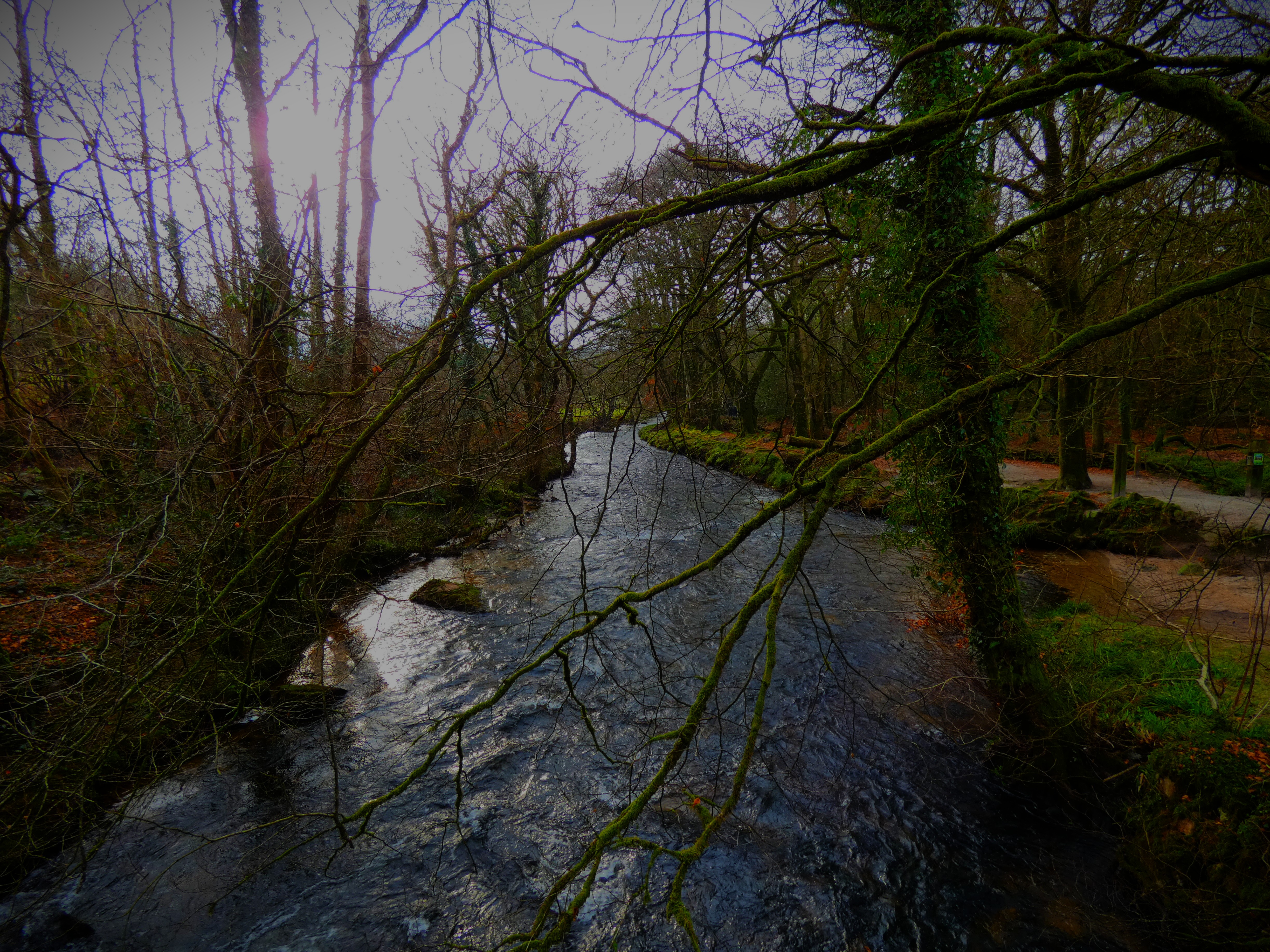
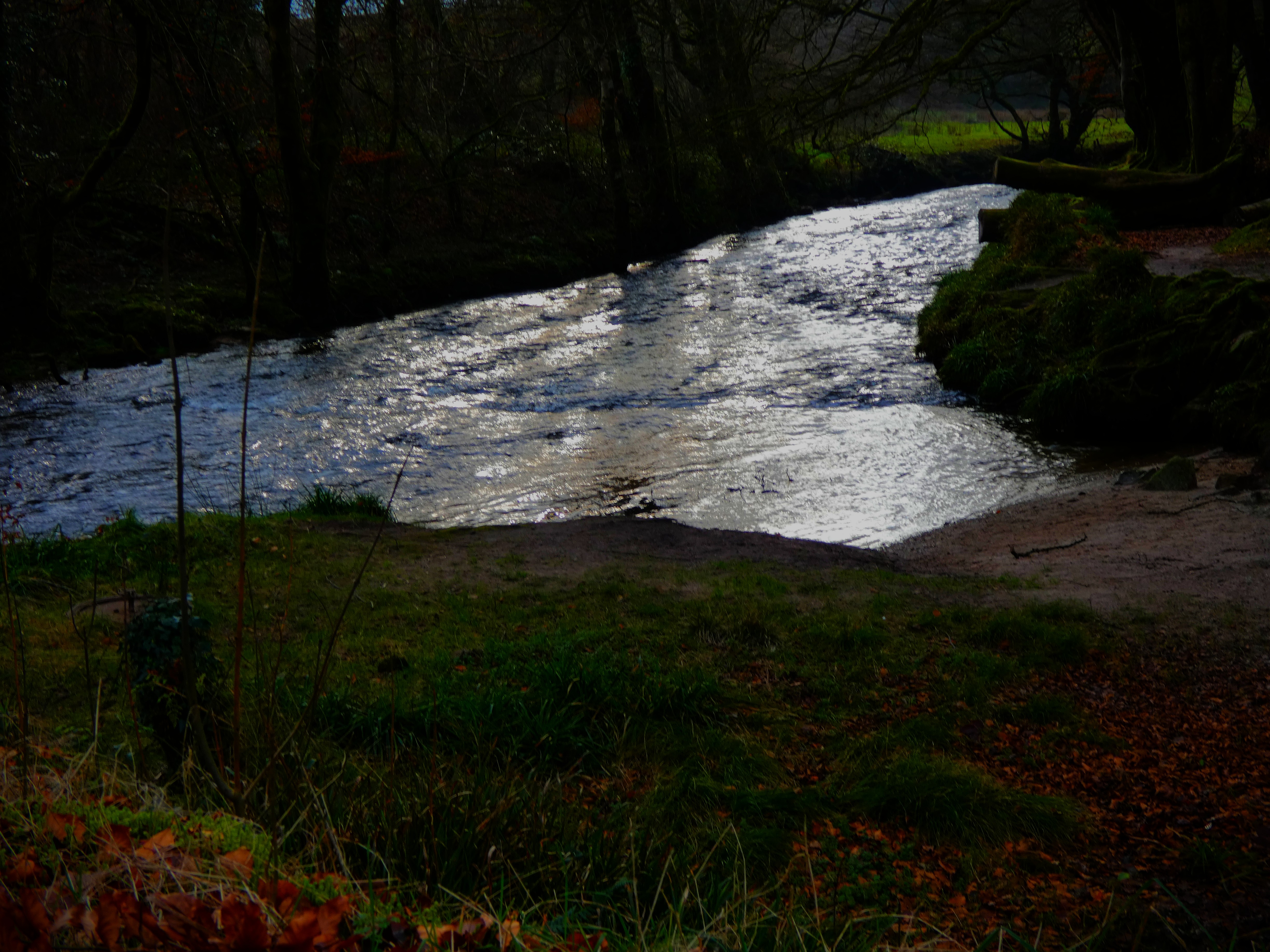
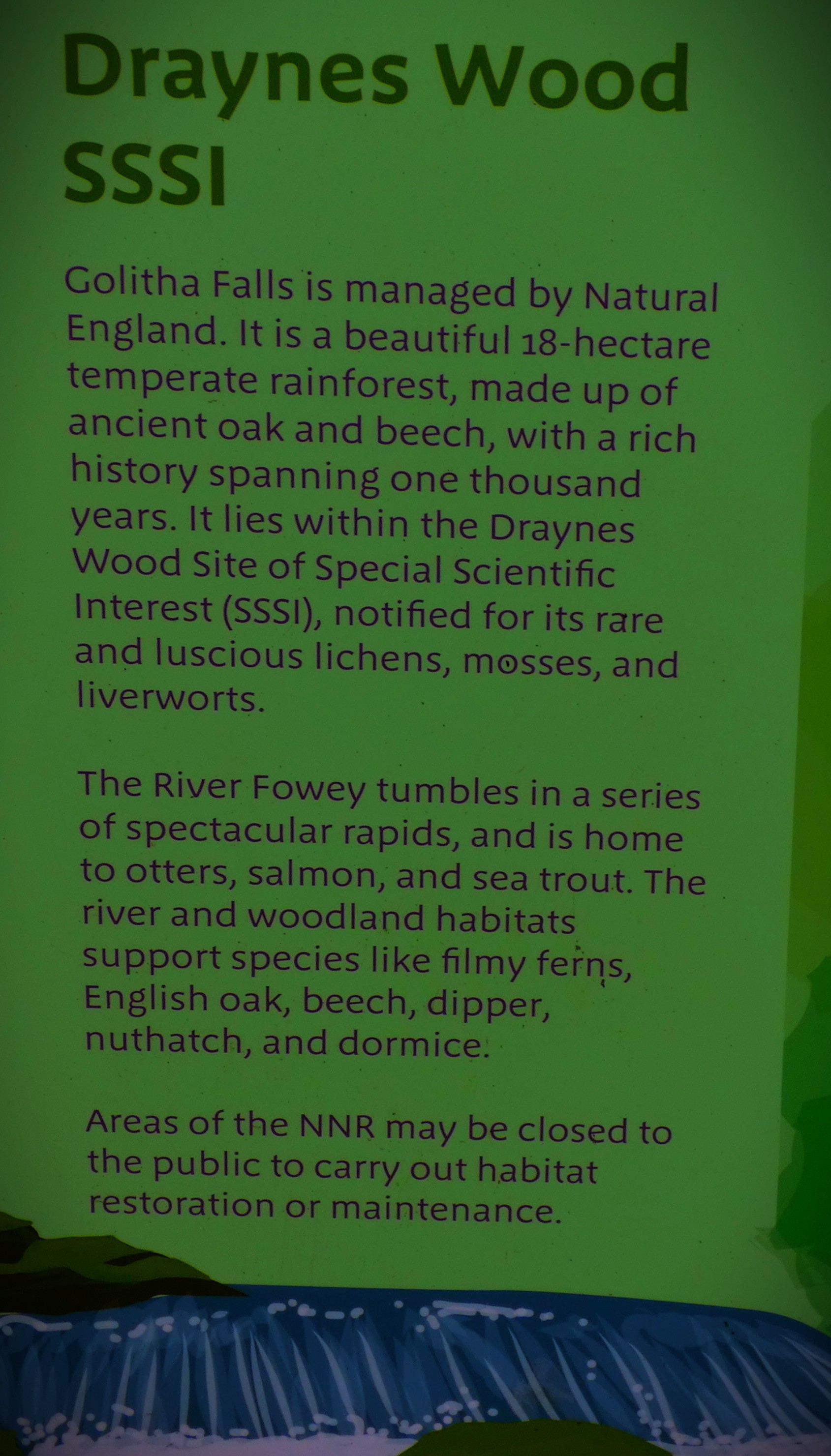
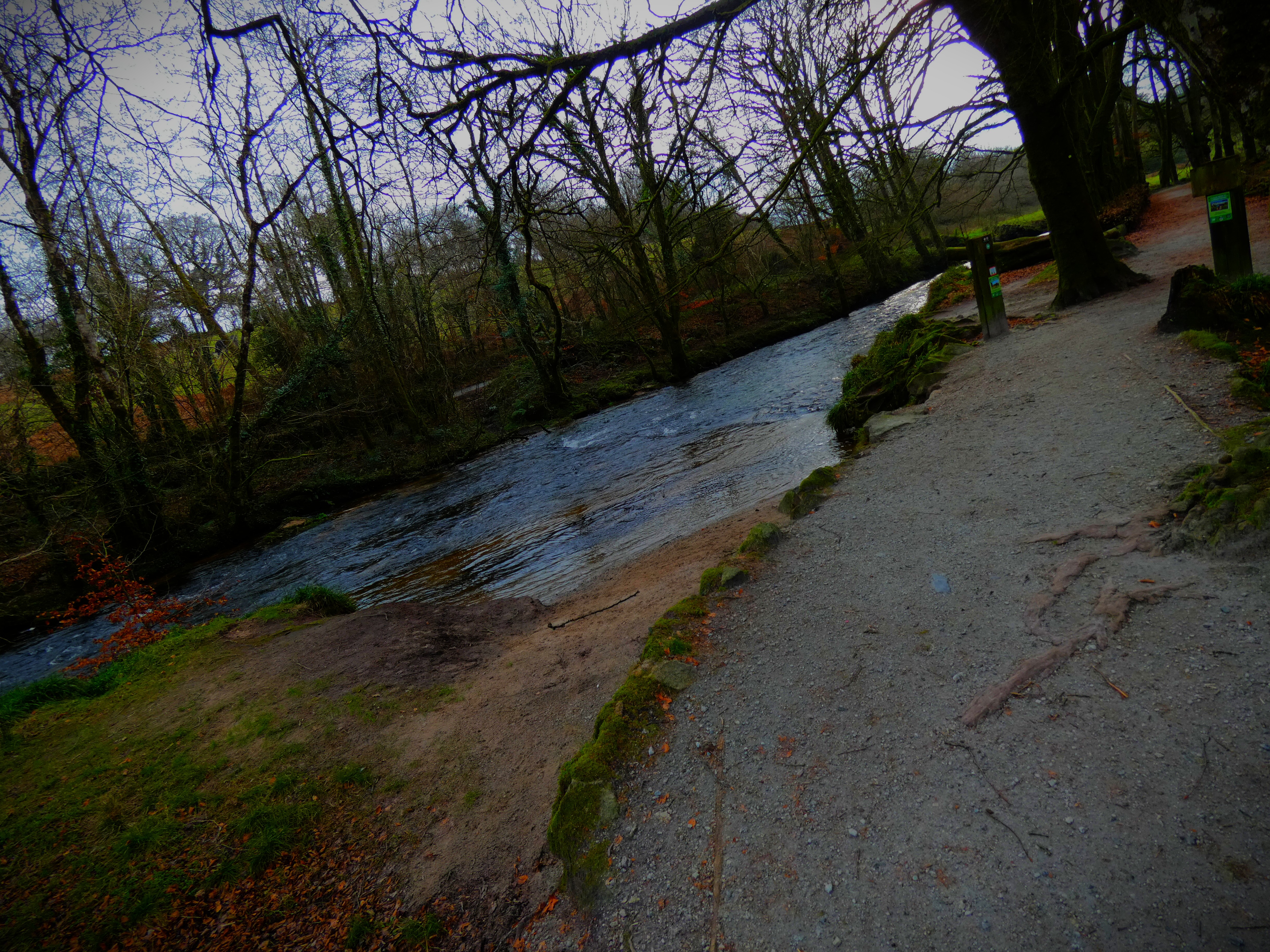
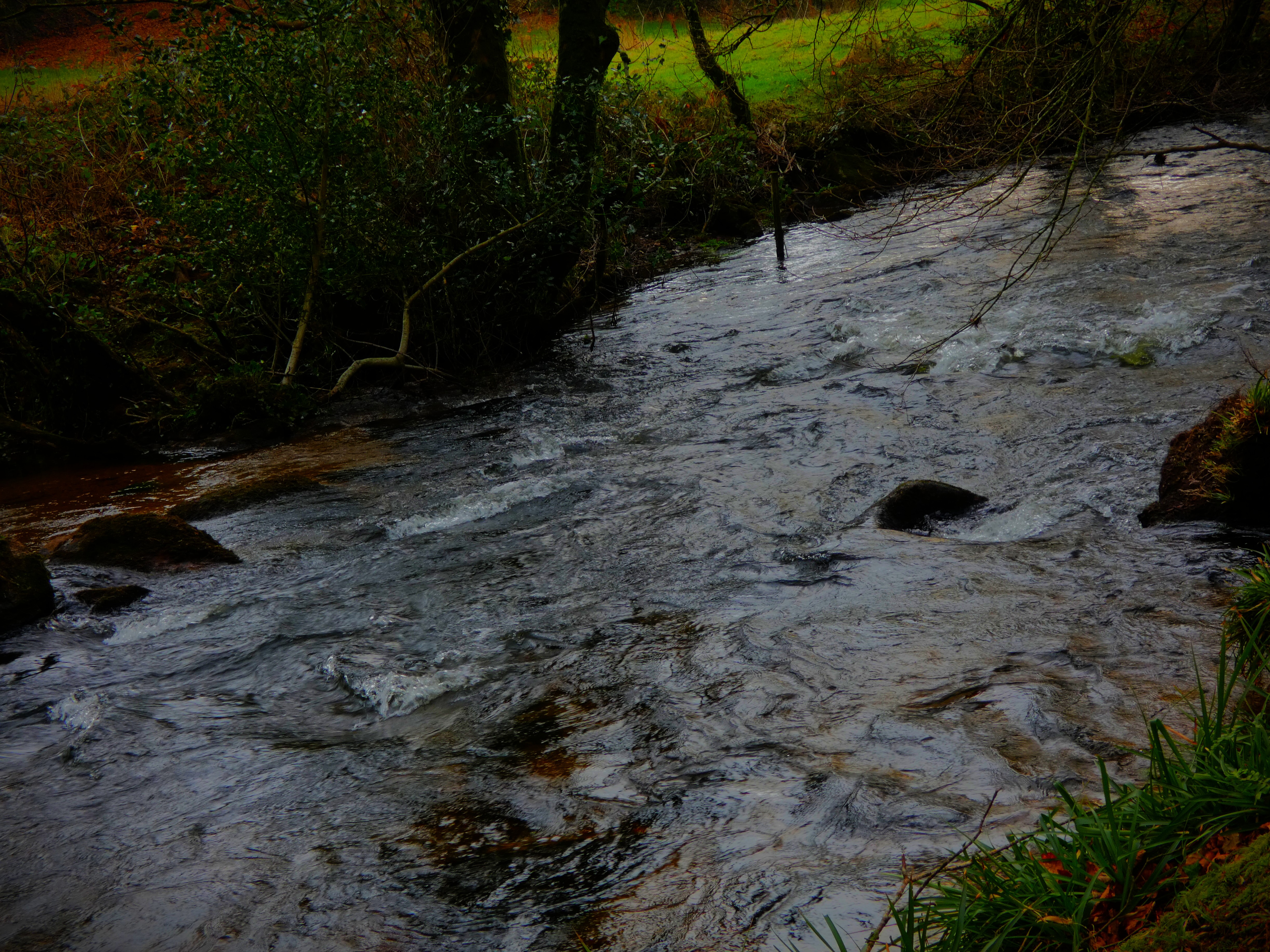
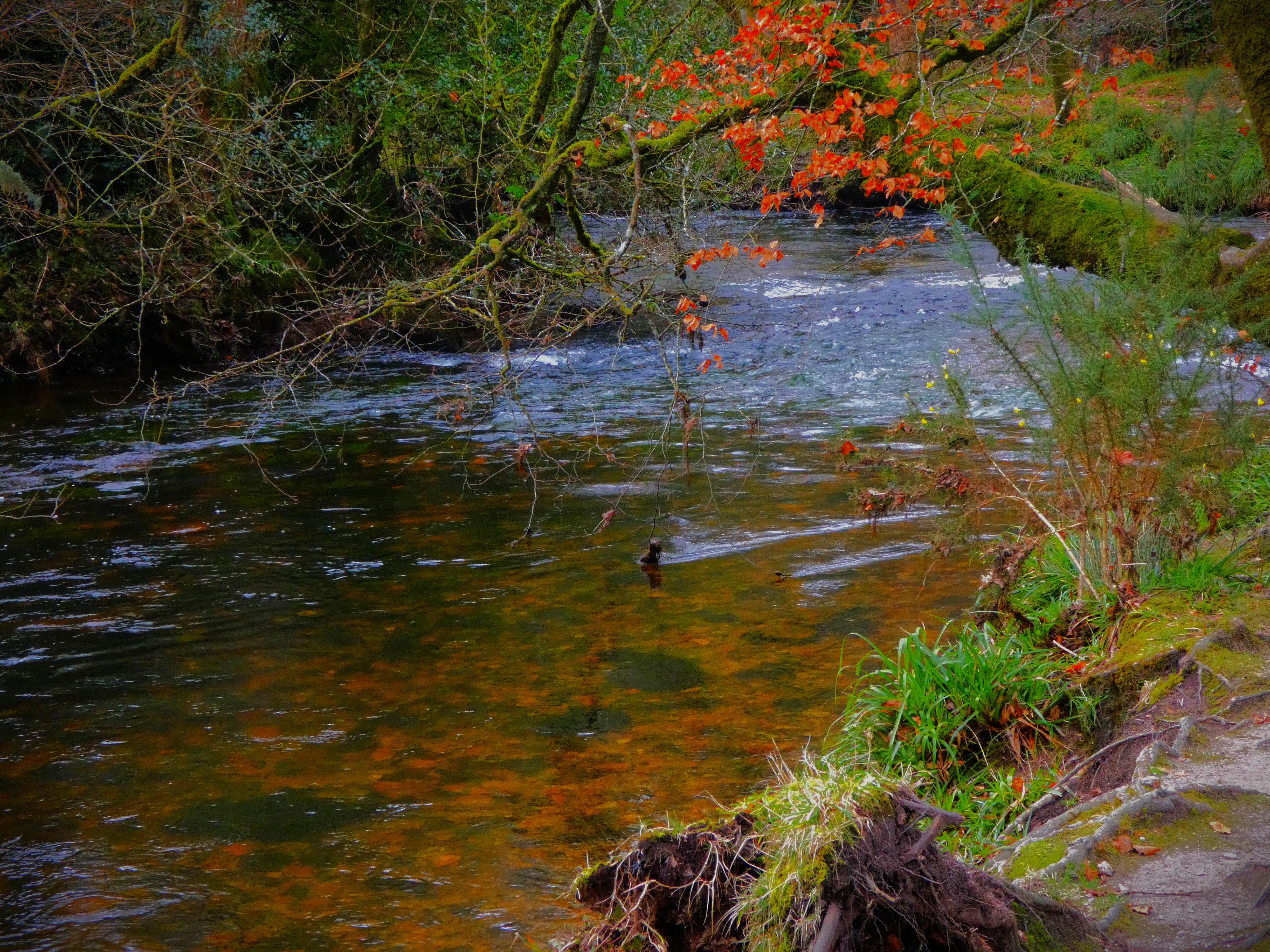
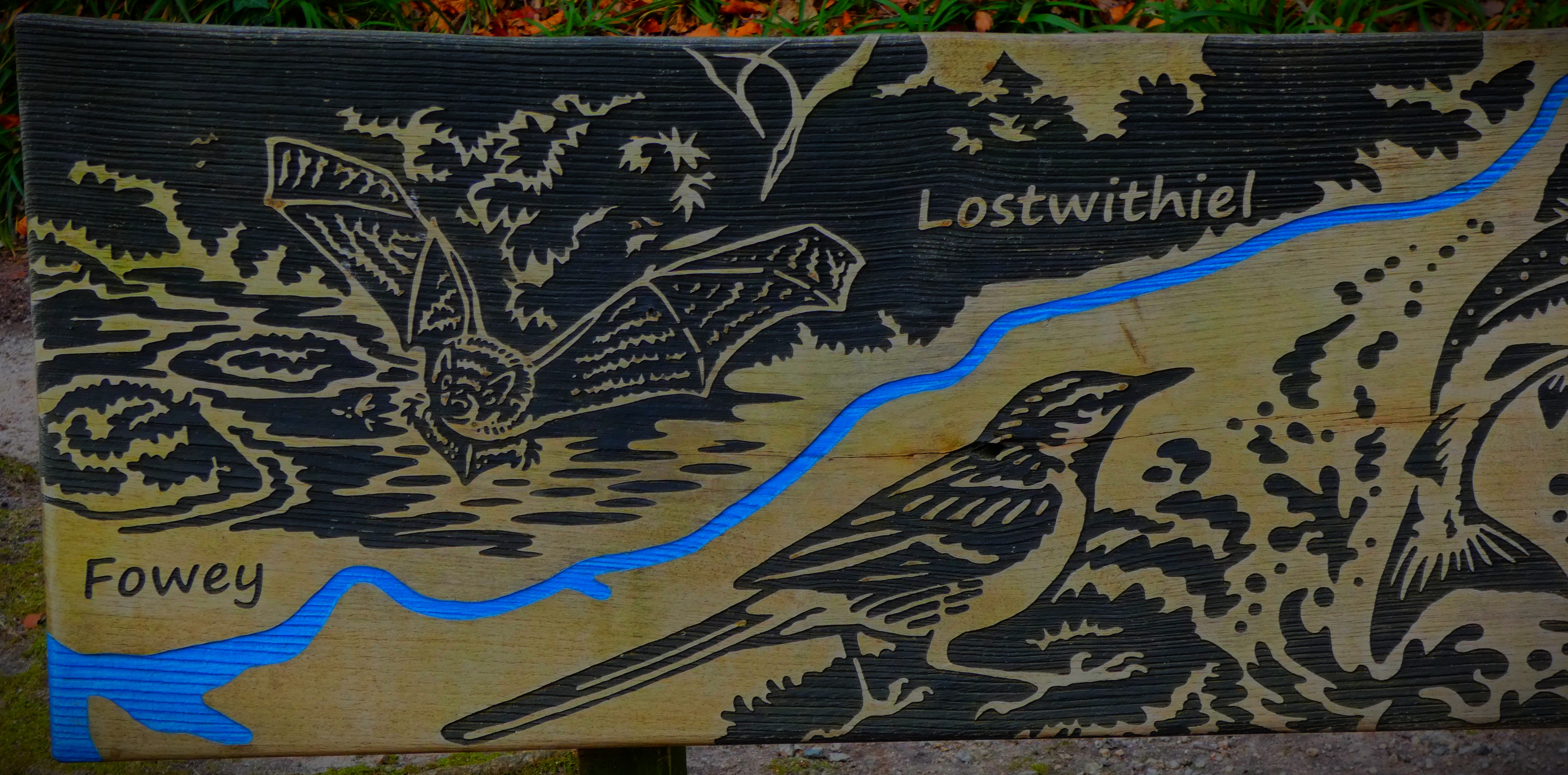
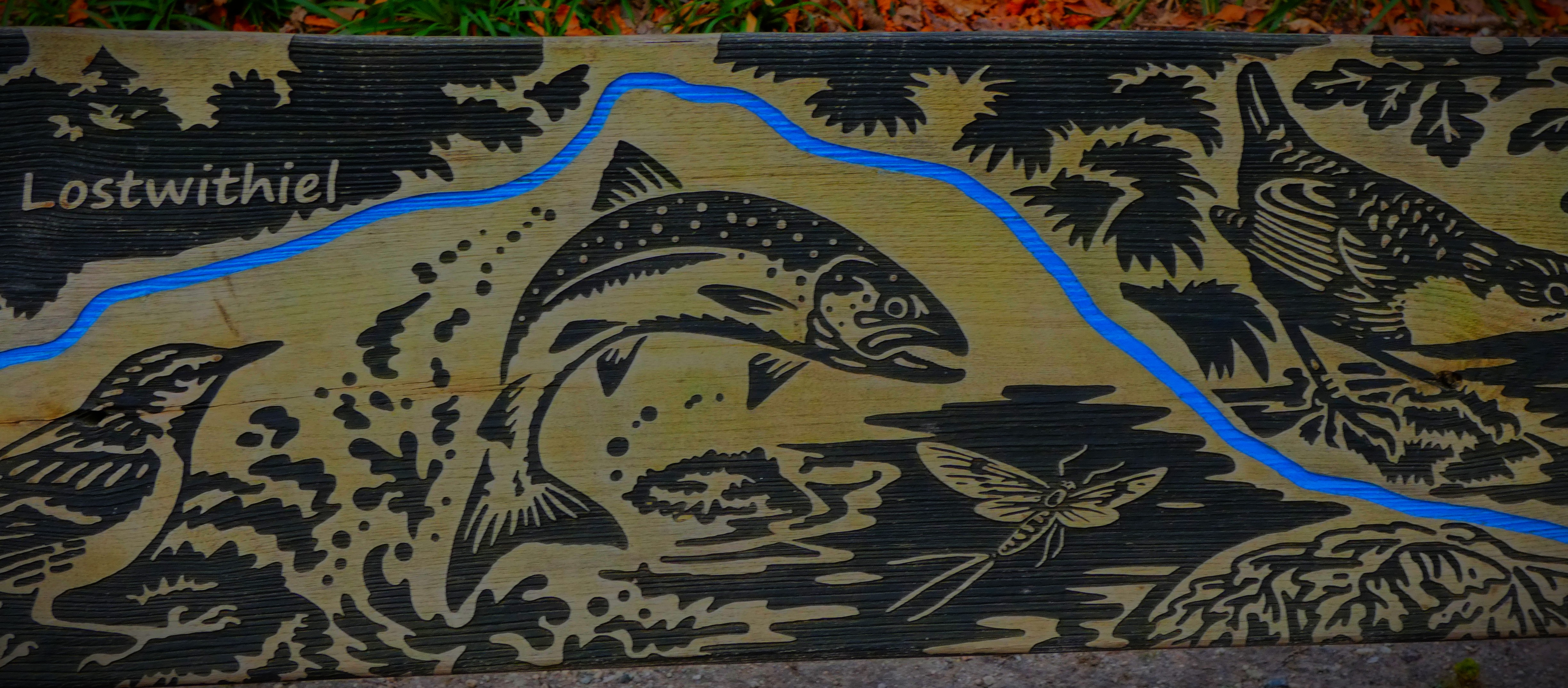
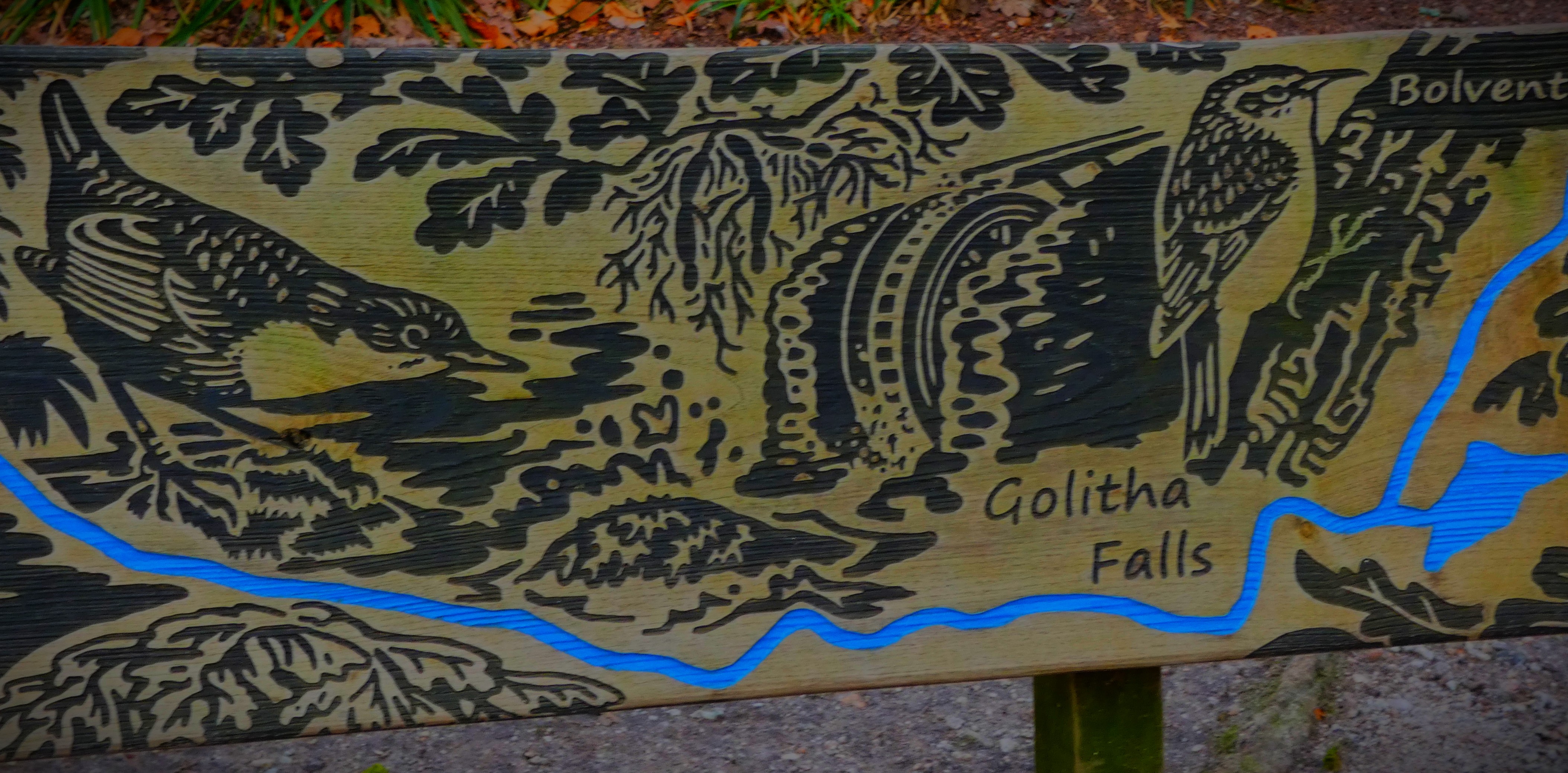
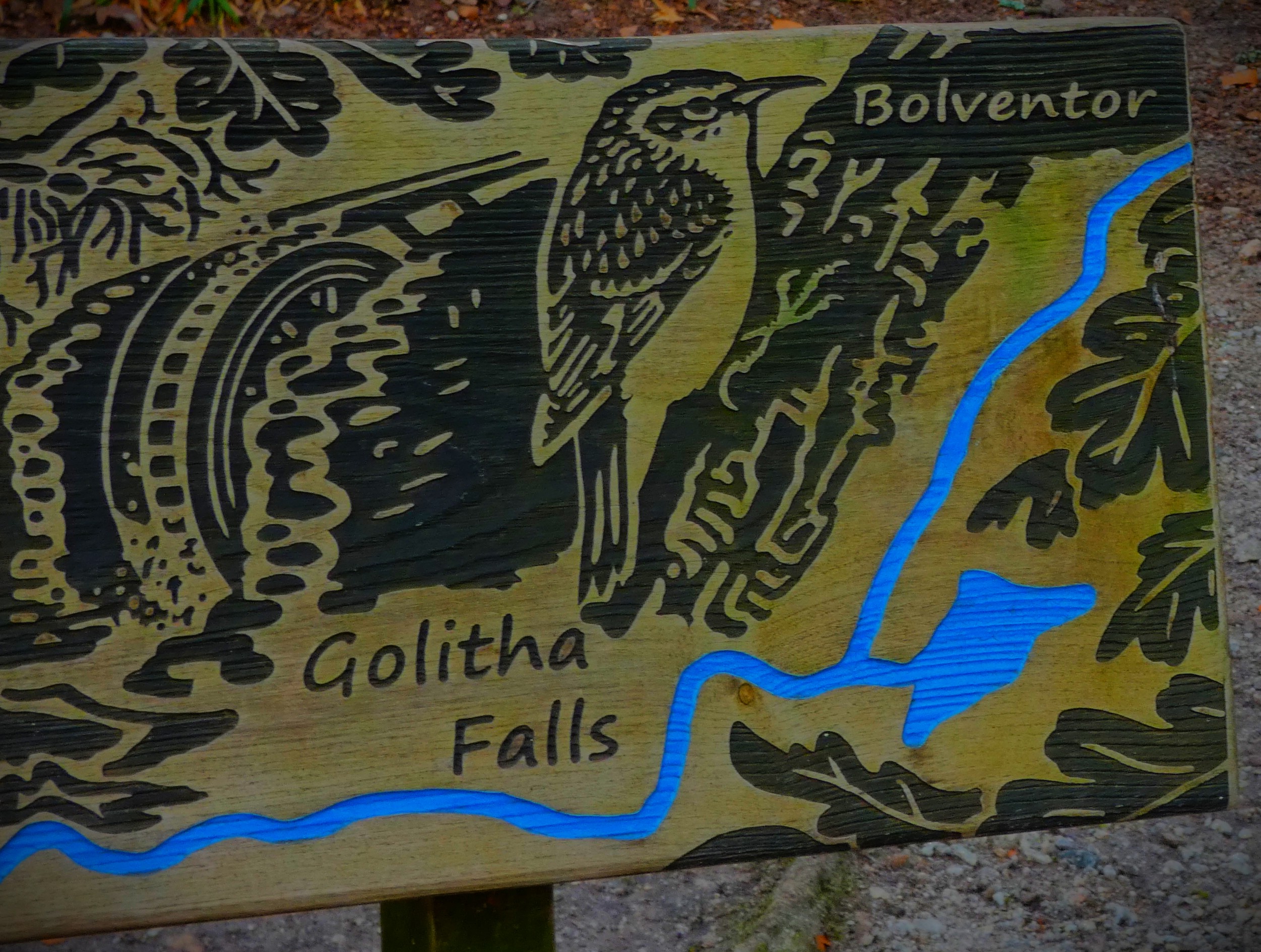
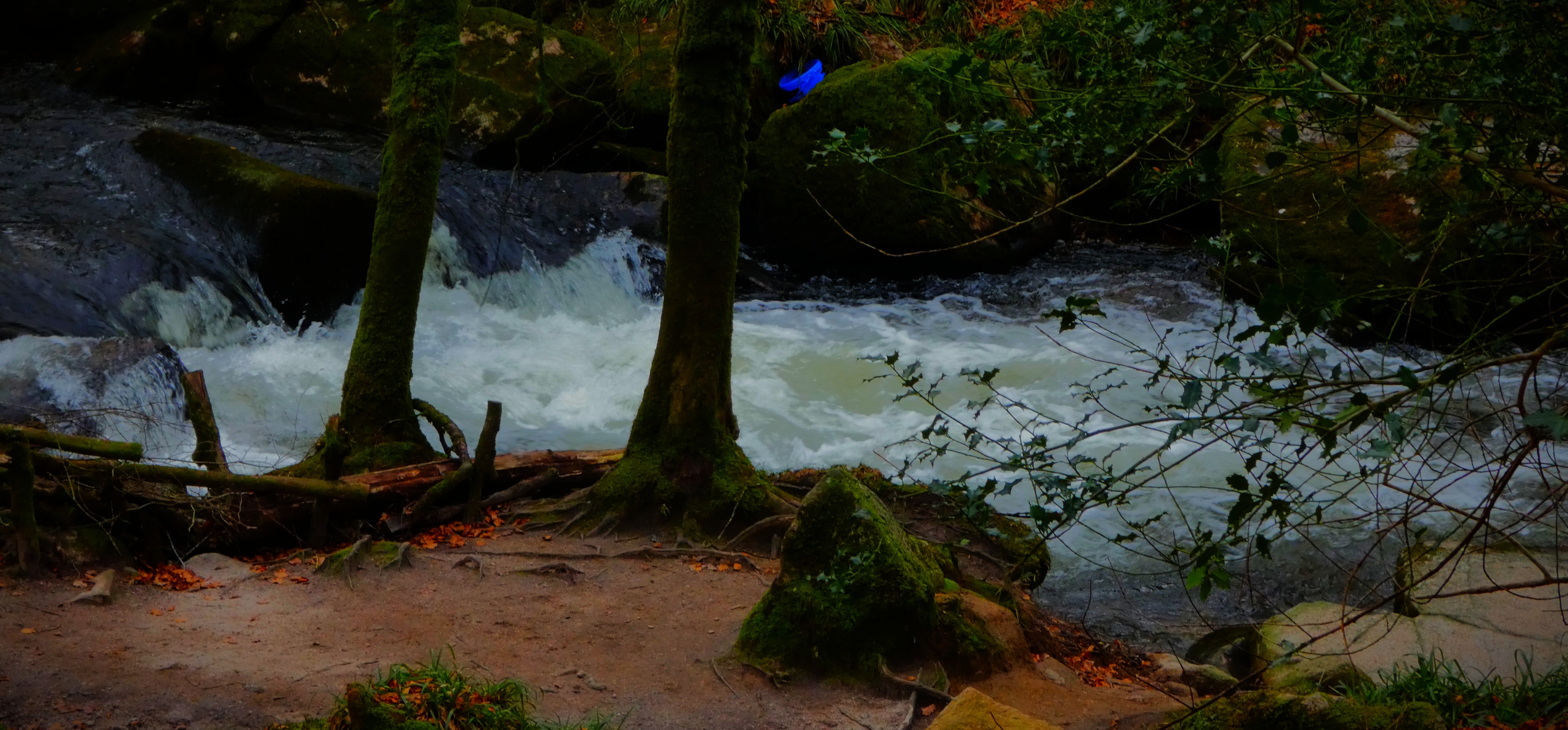
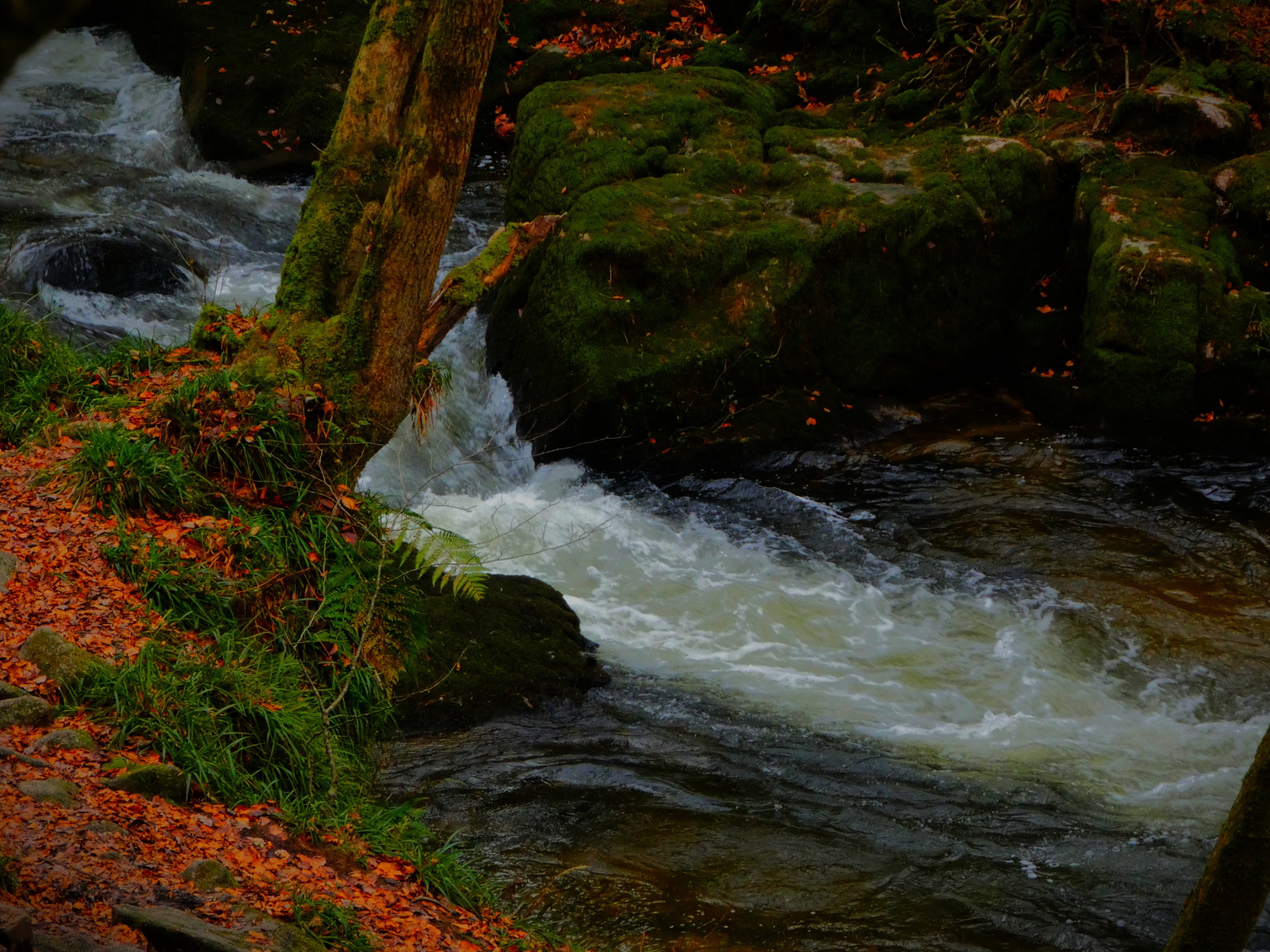
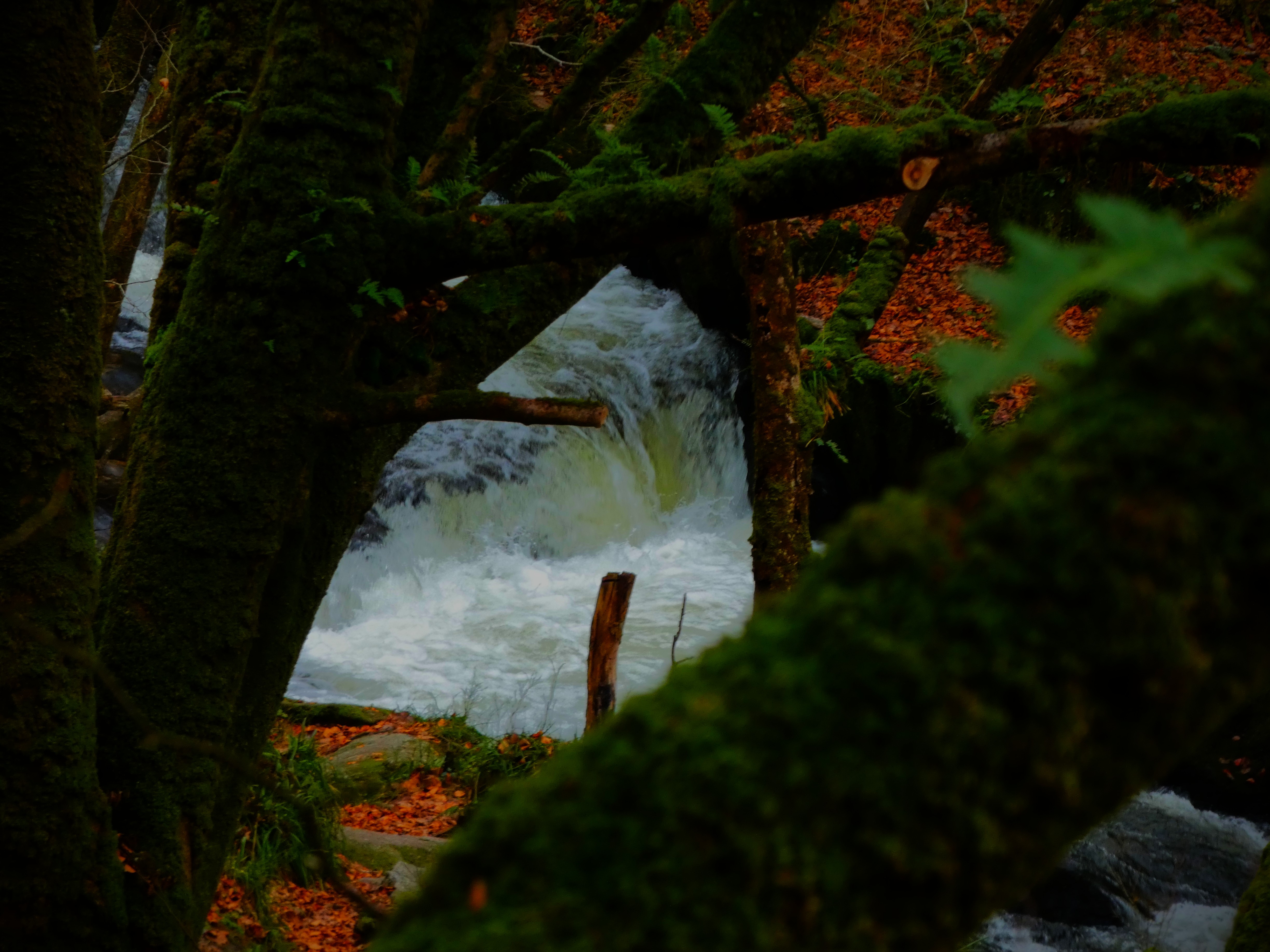
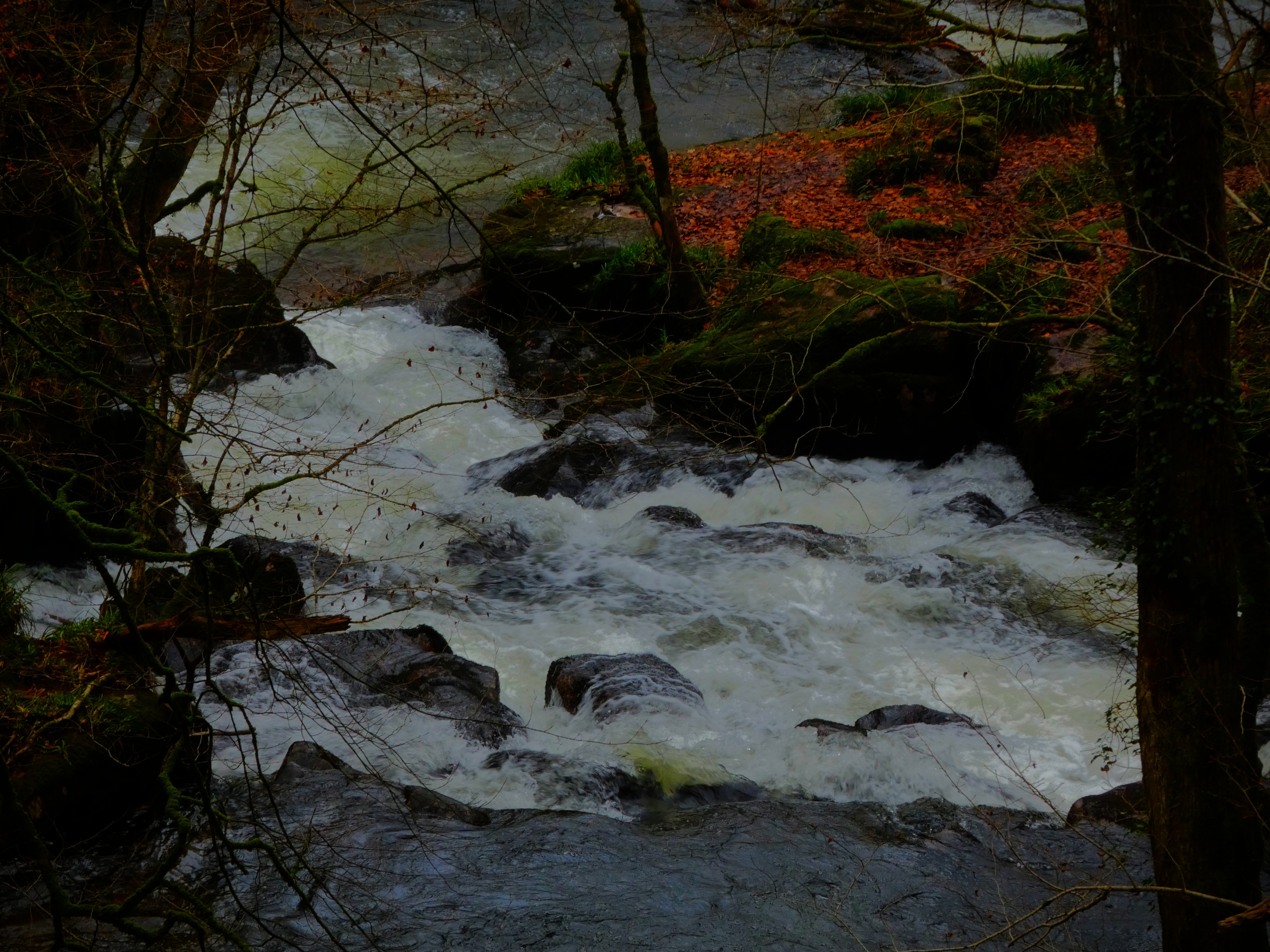
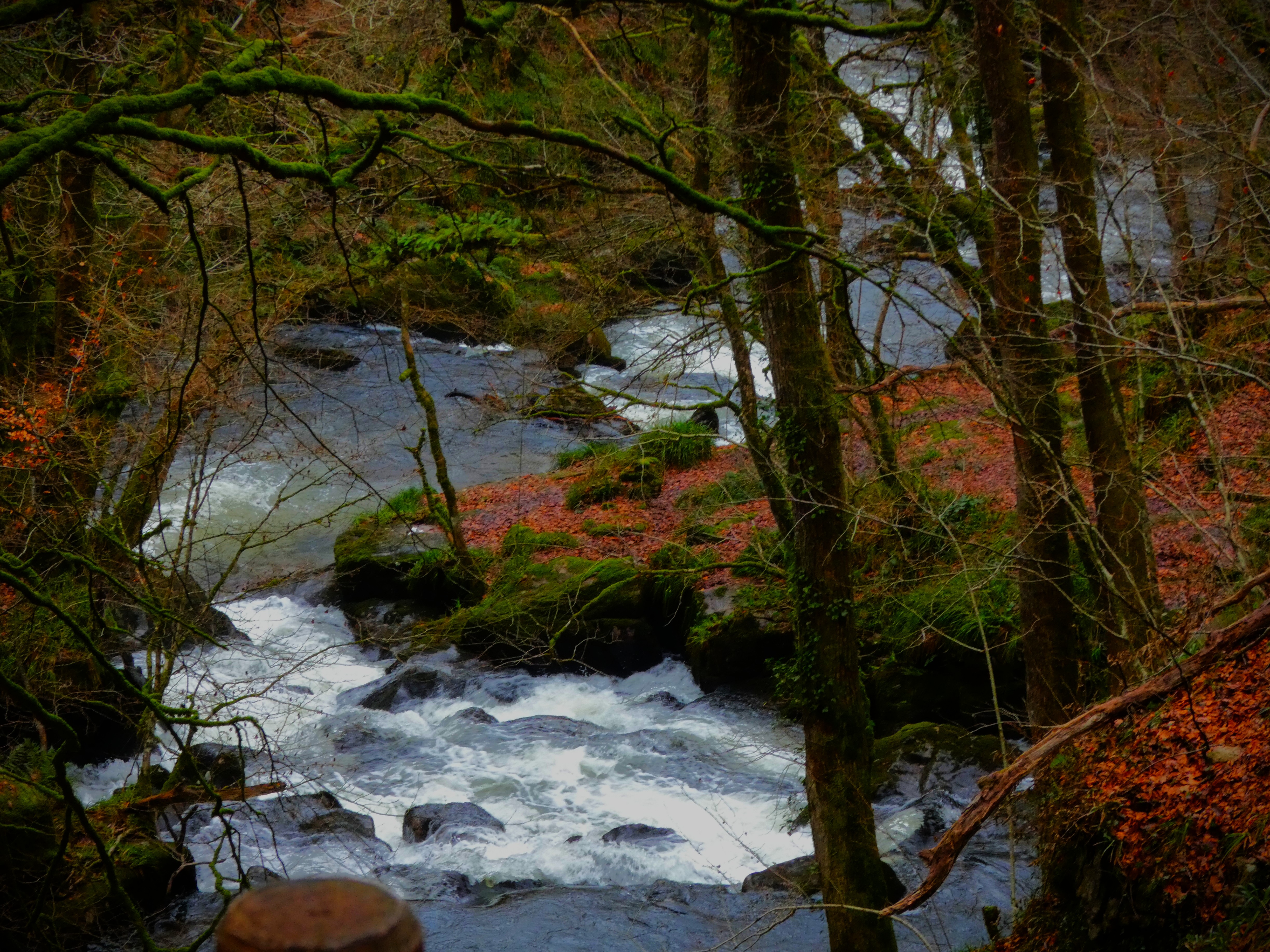
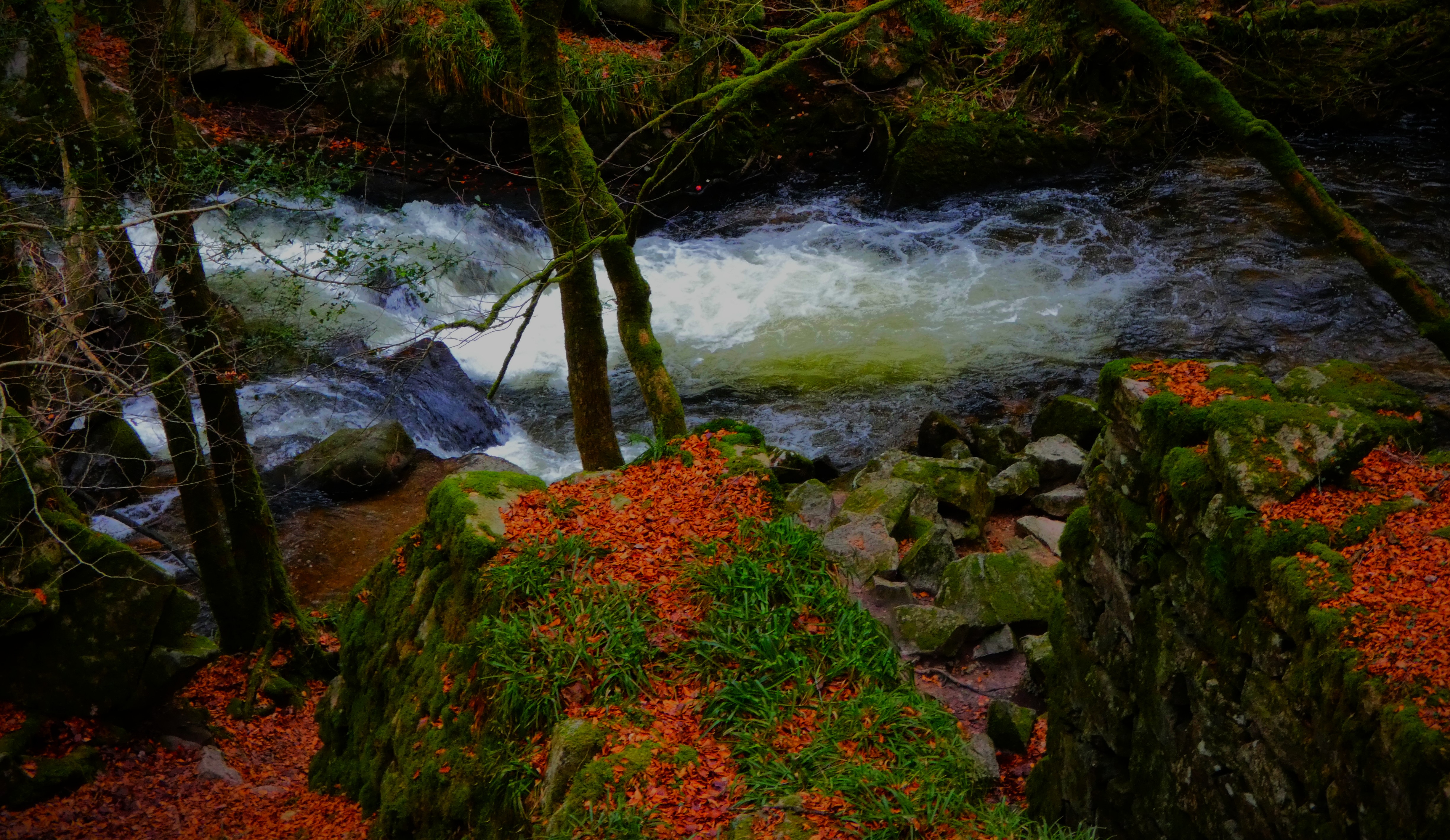
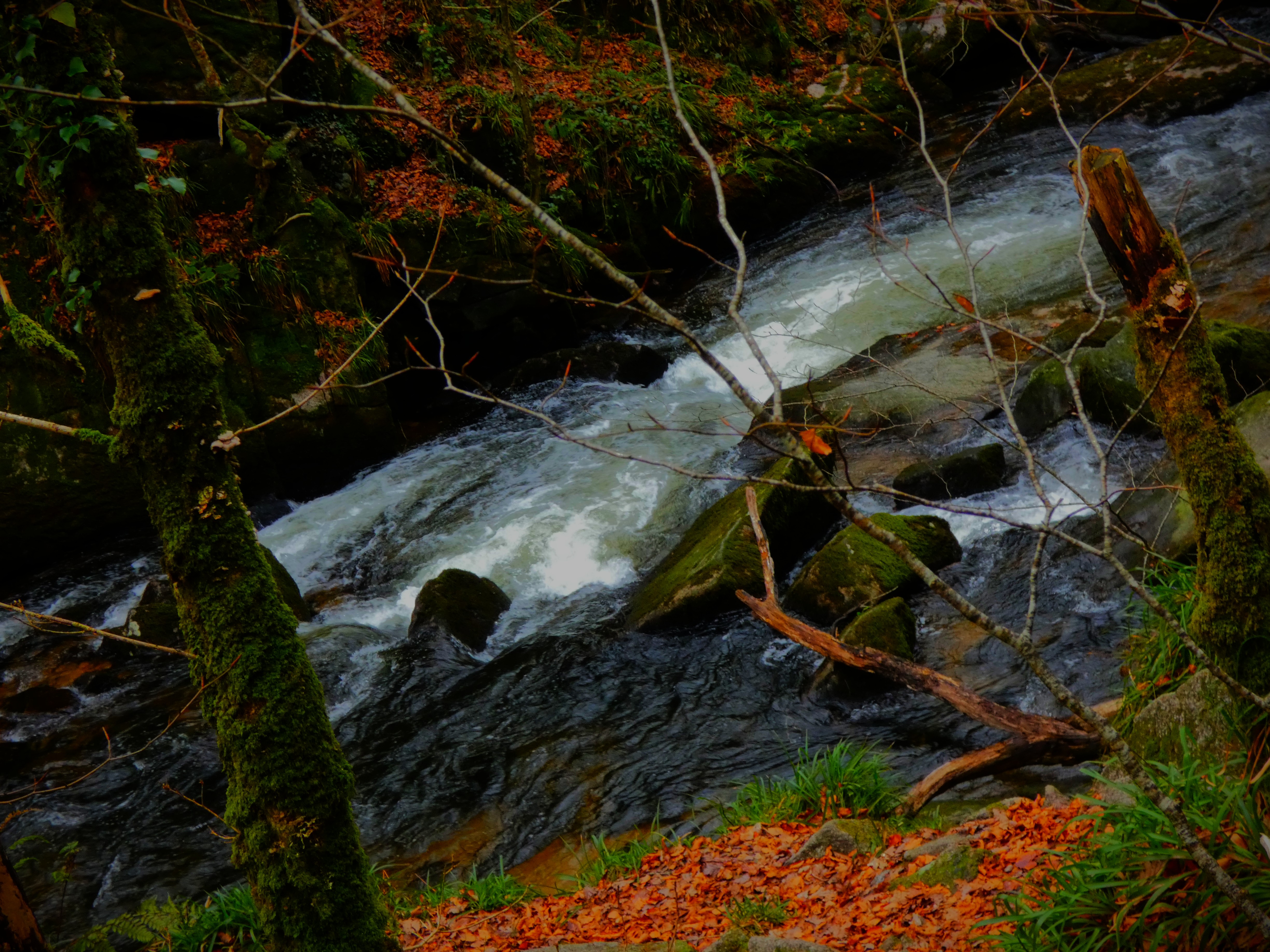
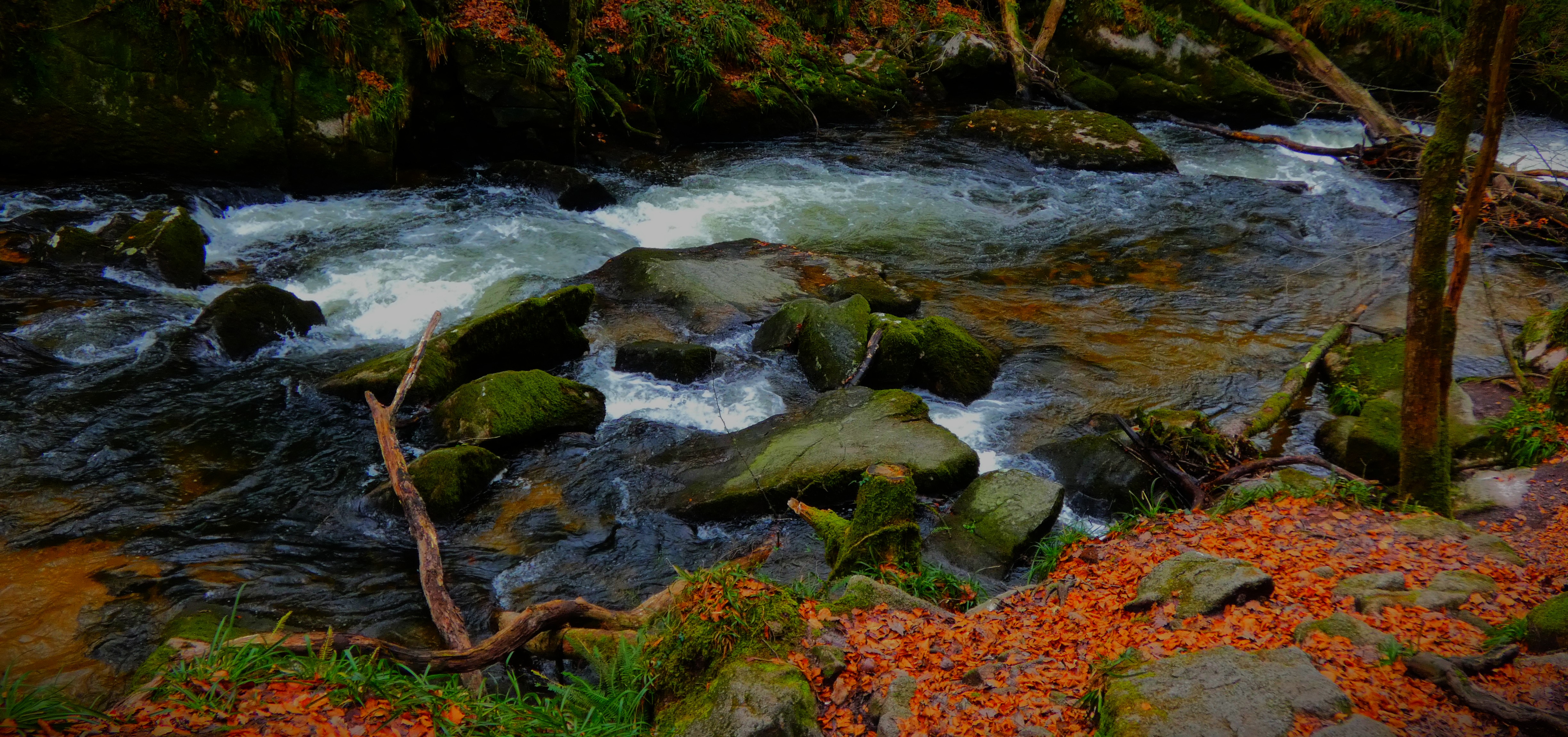
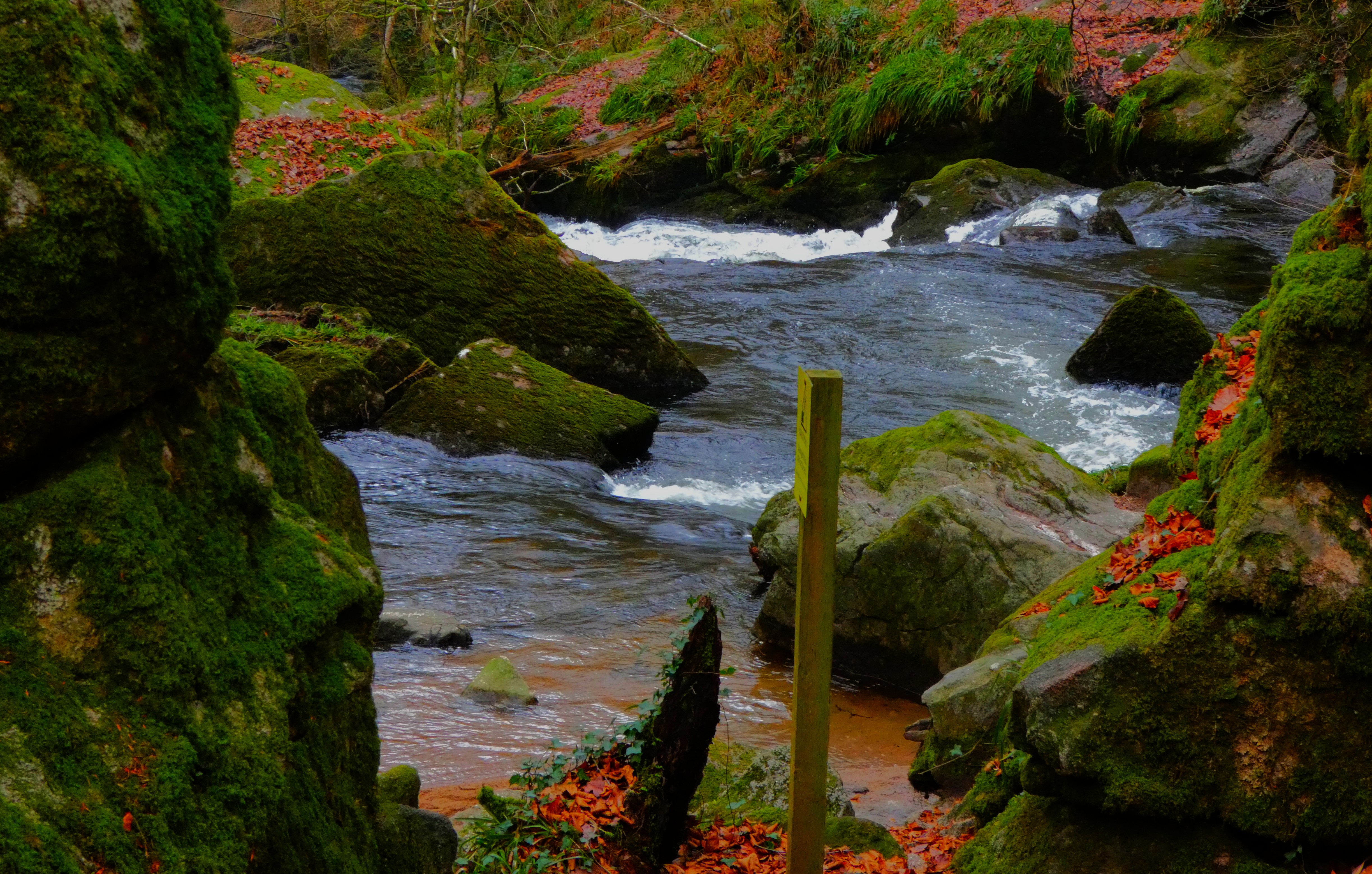
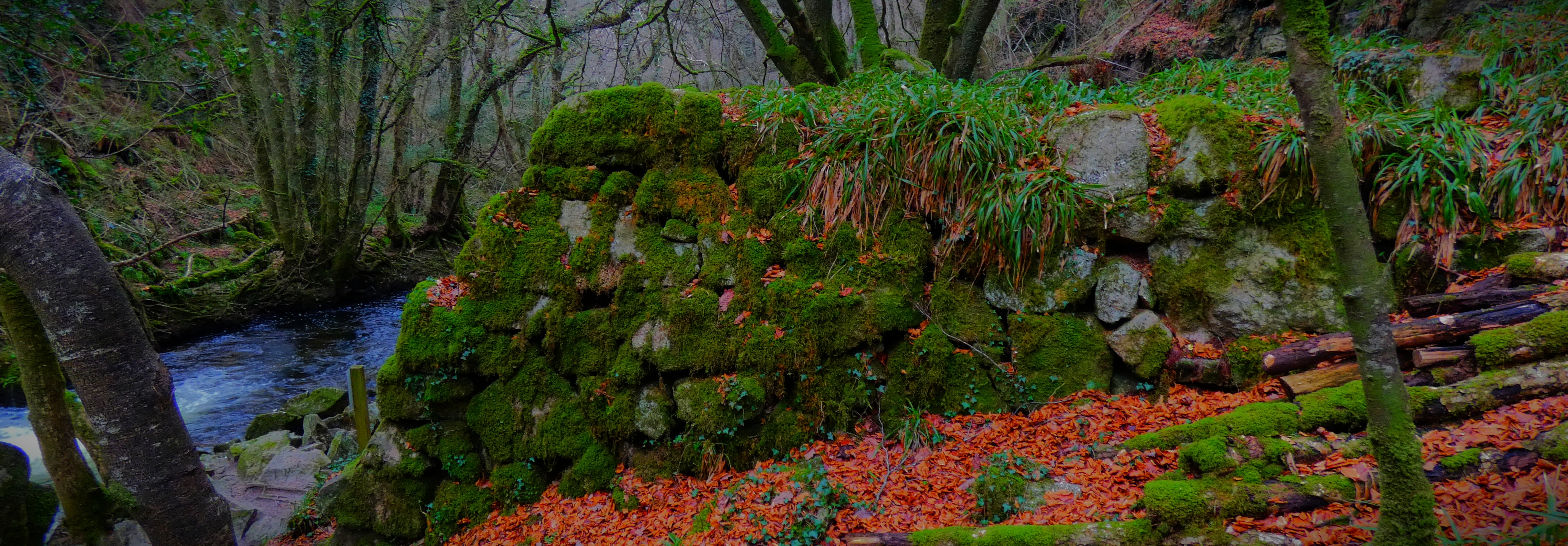
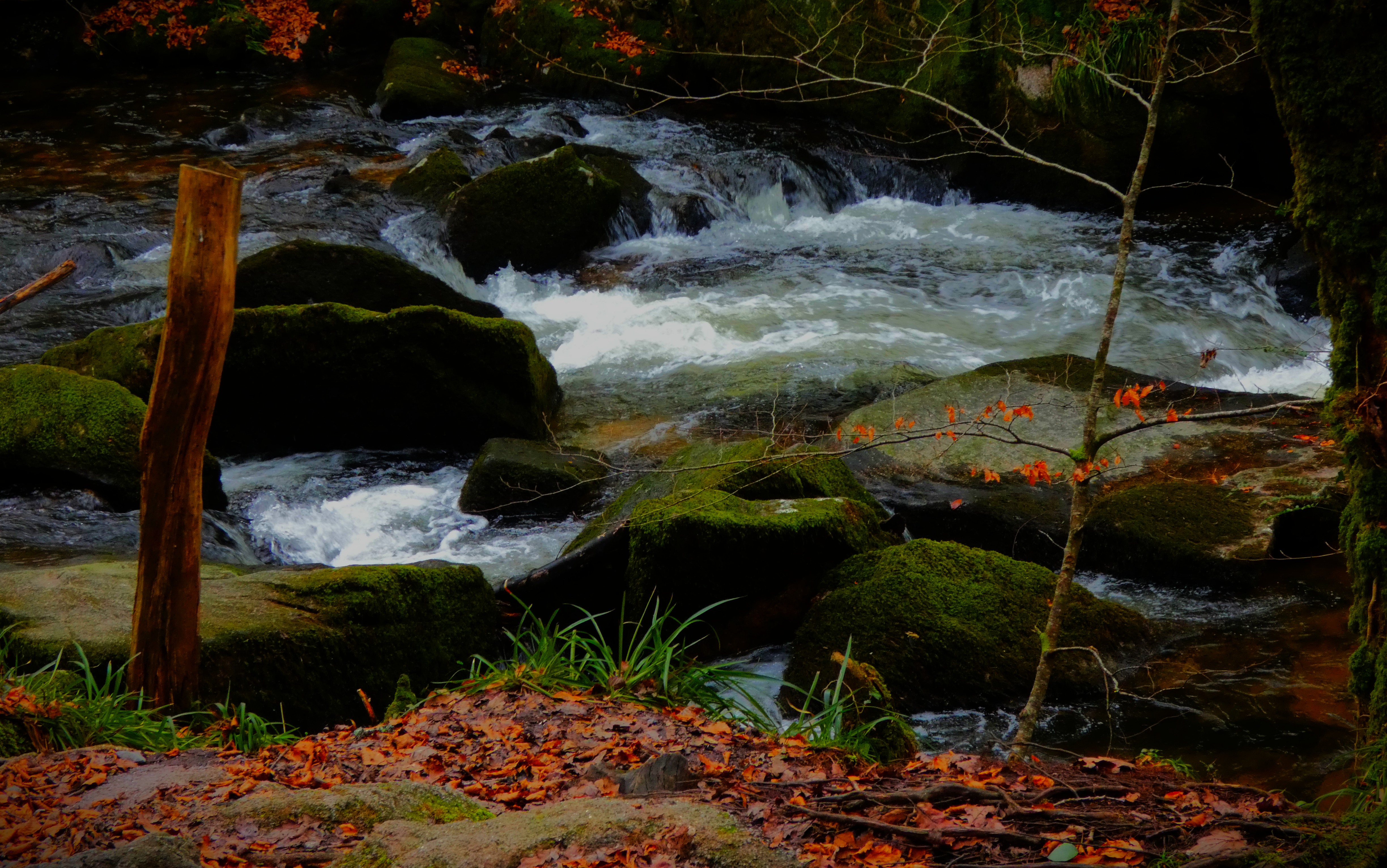
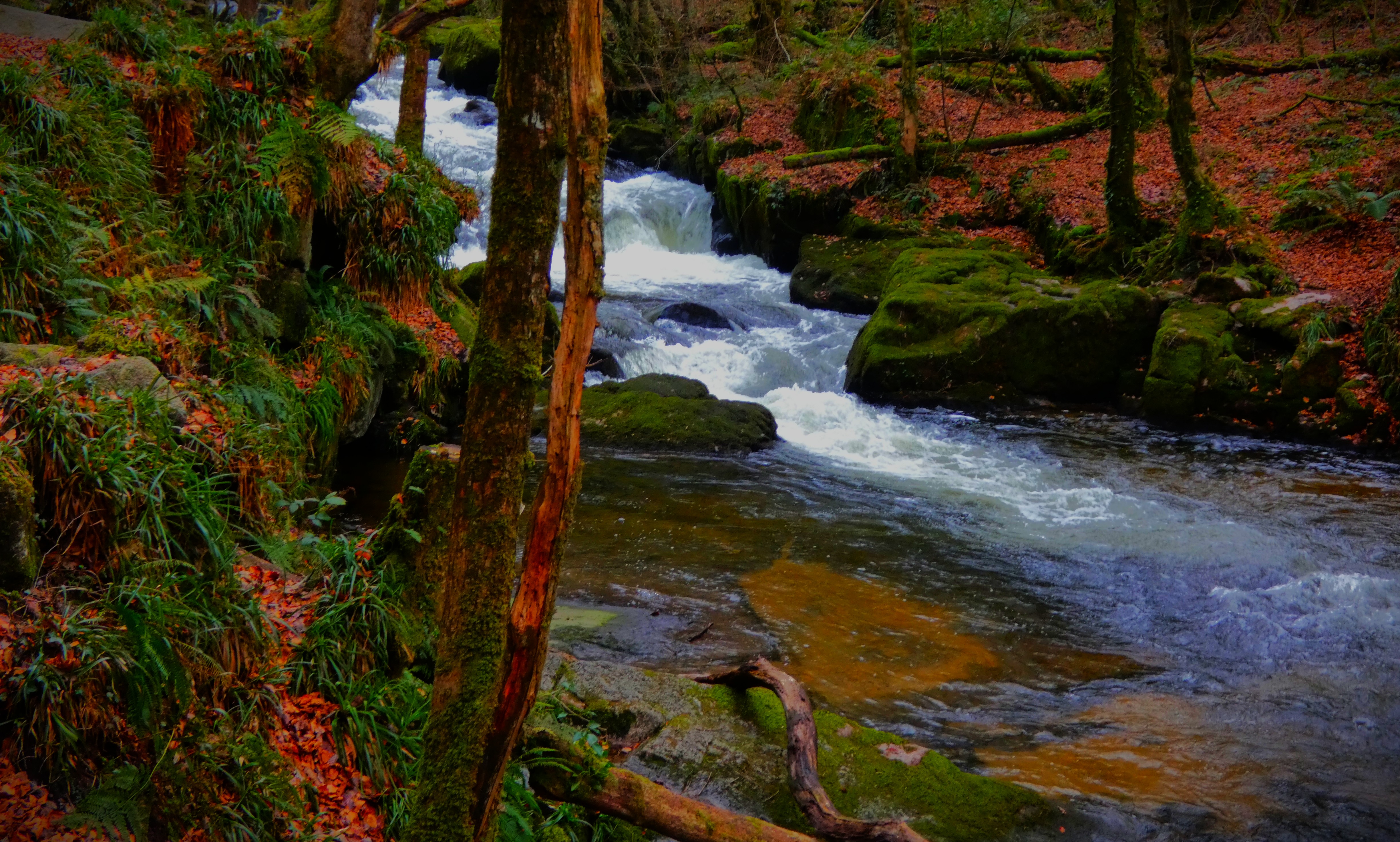
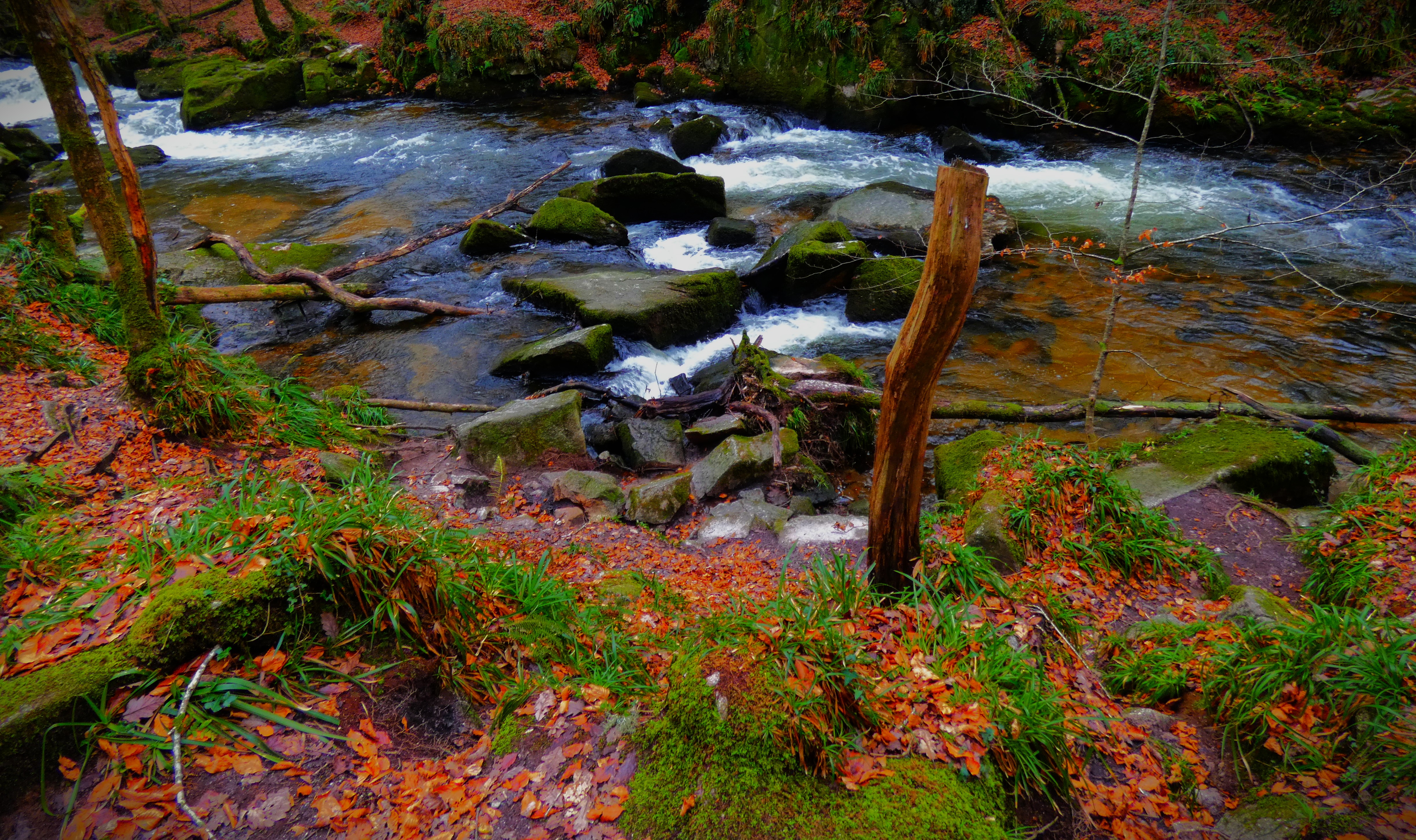
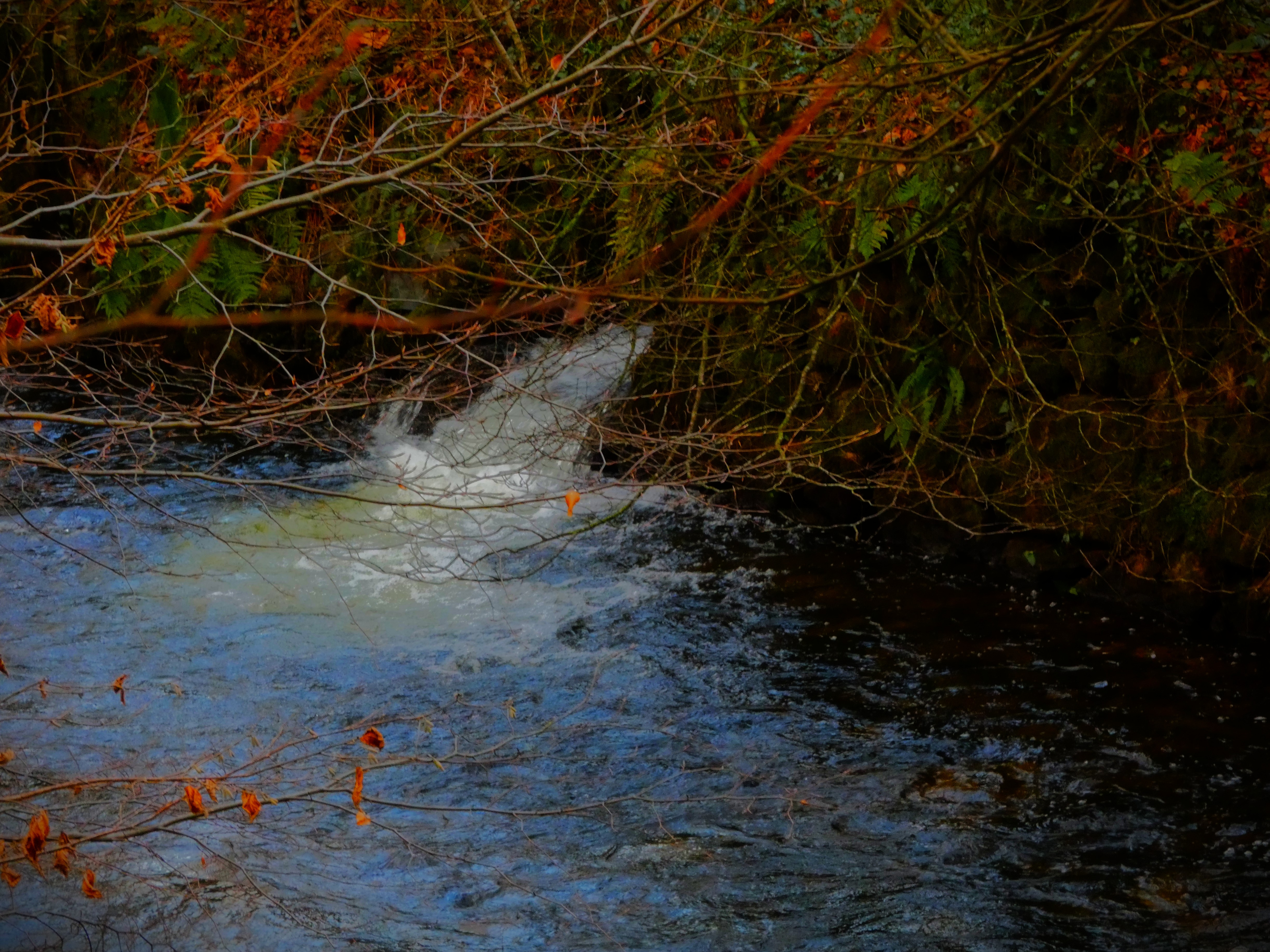
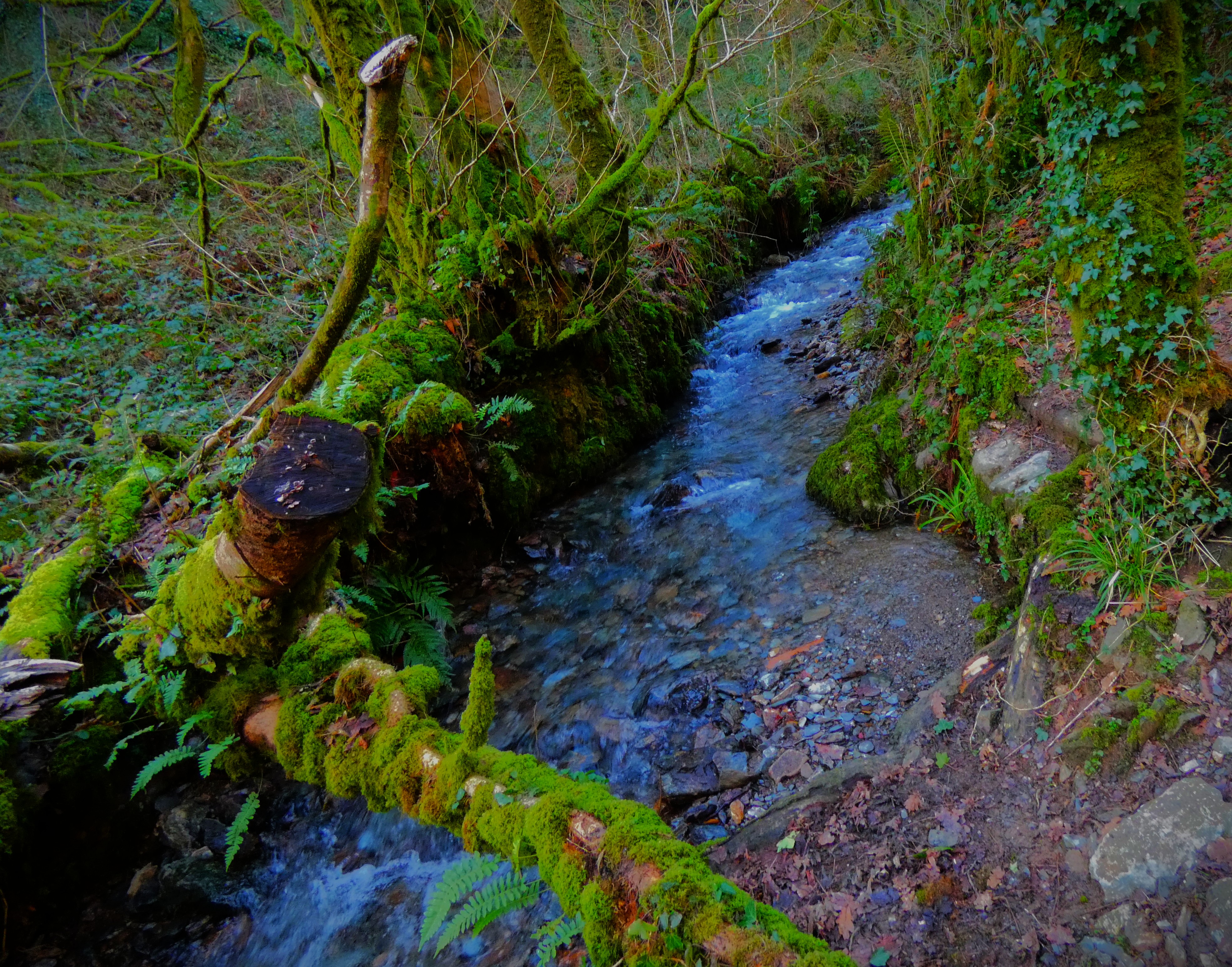
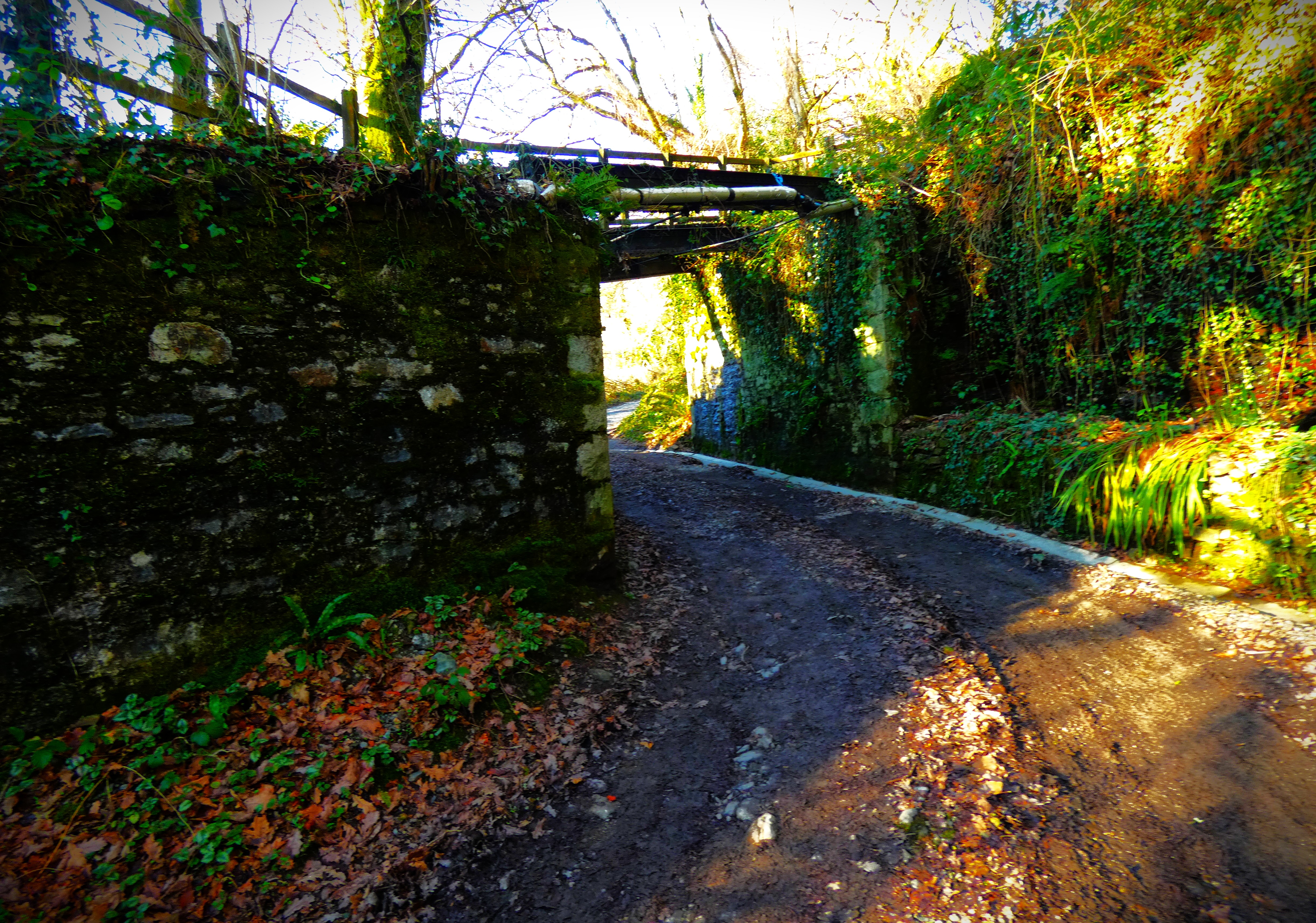
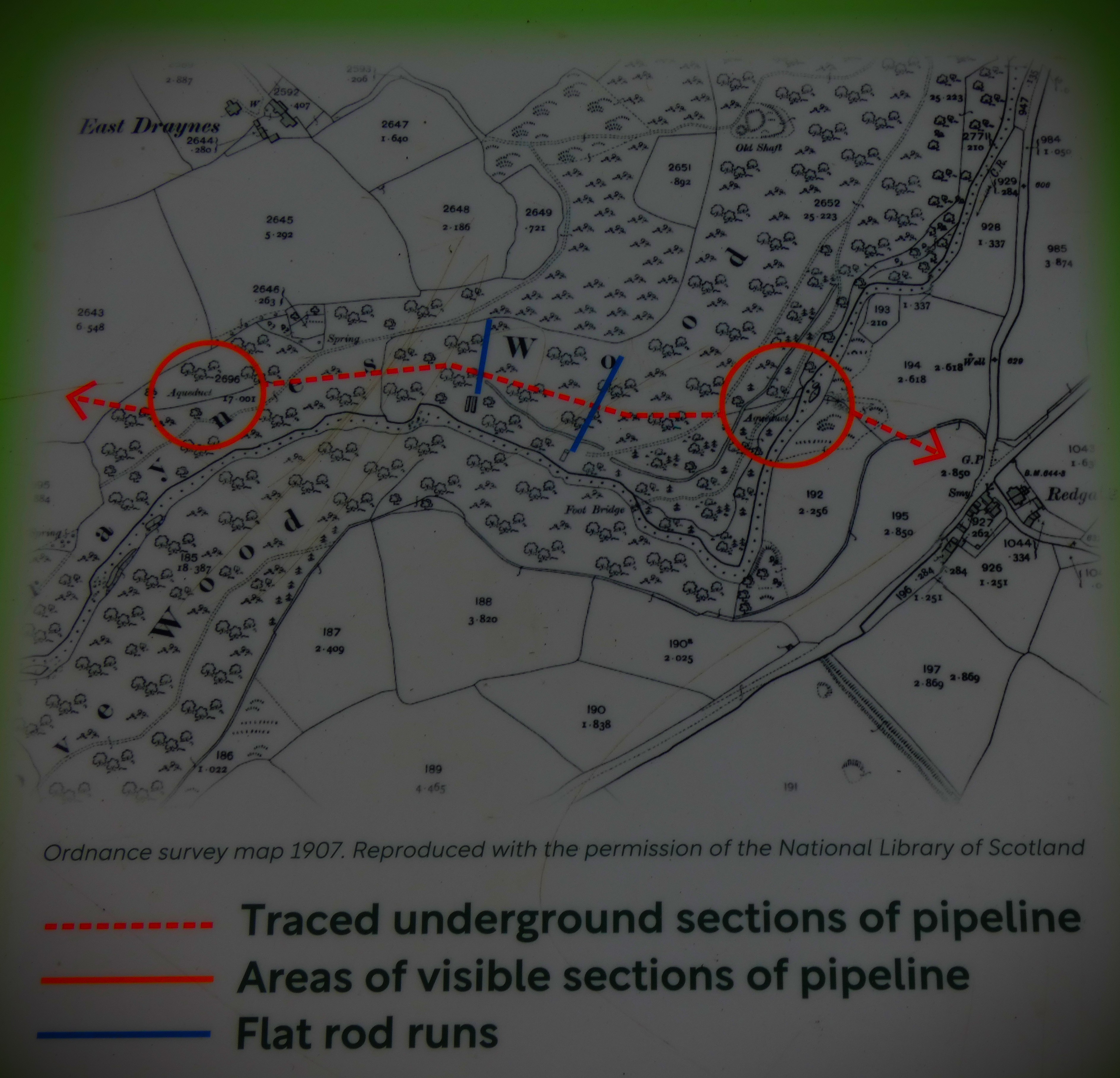
Golitha falls are actually more a series of rapids on the river Fowey than falls as such. The nature reserve is very beautiful and has some interesting historic connections – the town of Fowey, at the estuary of the river Fowey used to be important in the pottery trade, and the clay from which the china was made passed through this region. In the course of our explorations we saw details of a pipeline that had once carried liquid kaolin.

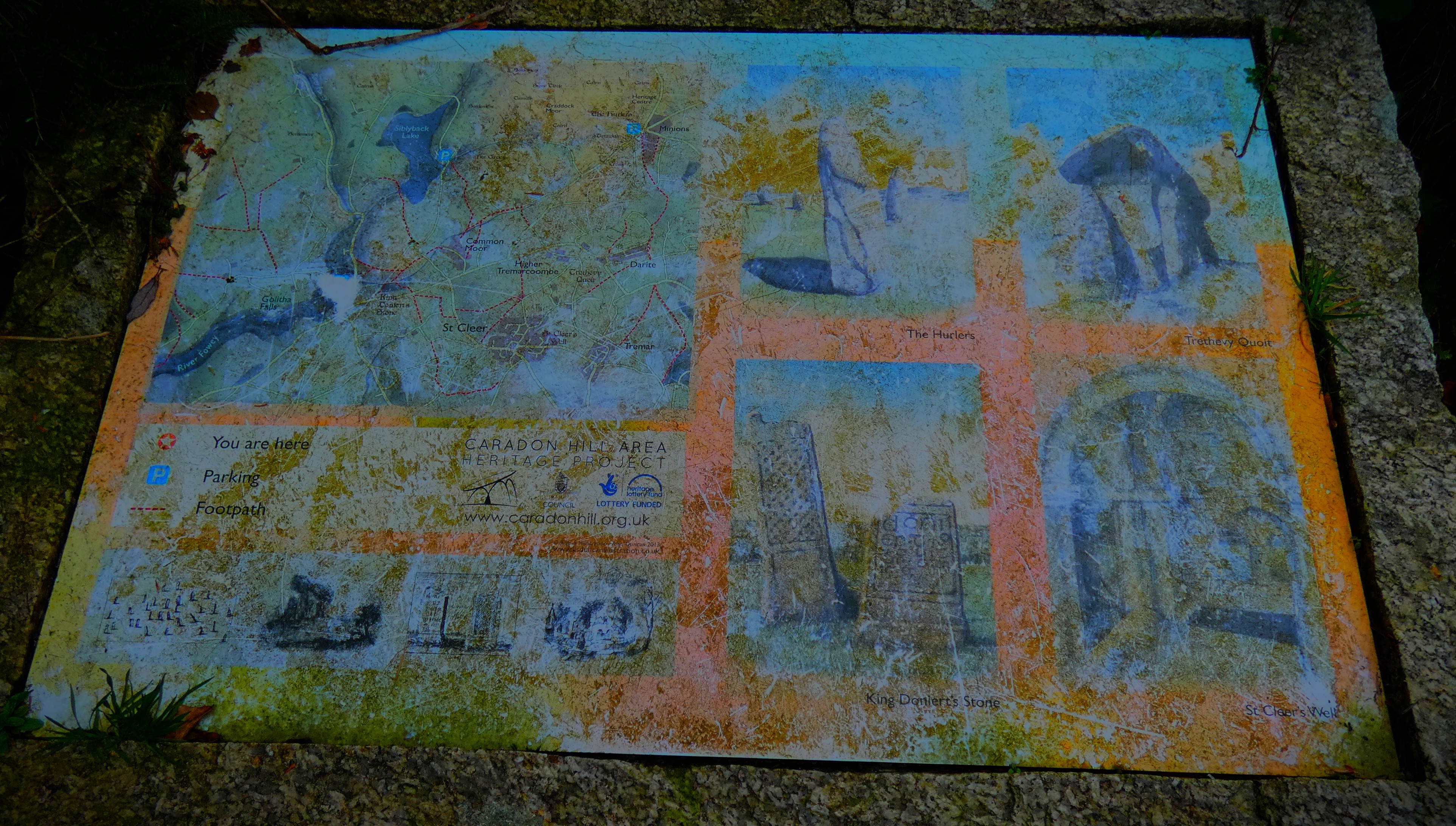
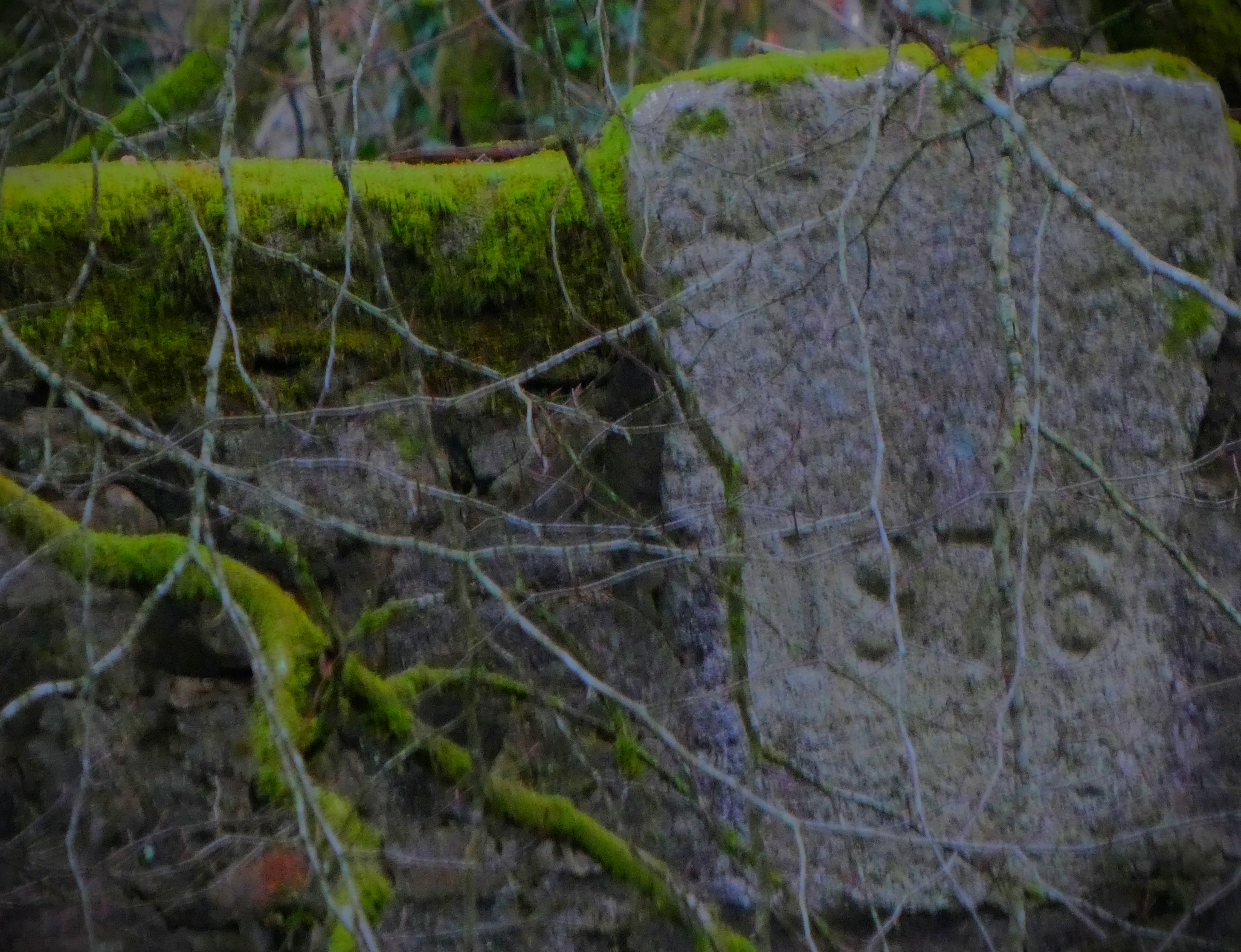
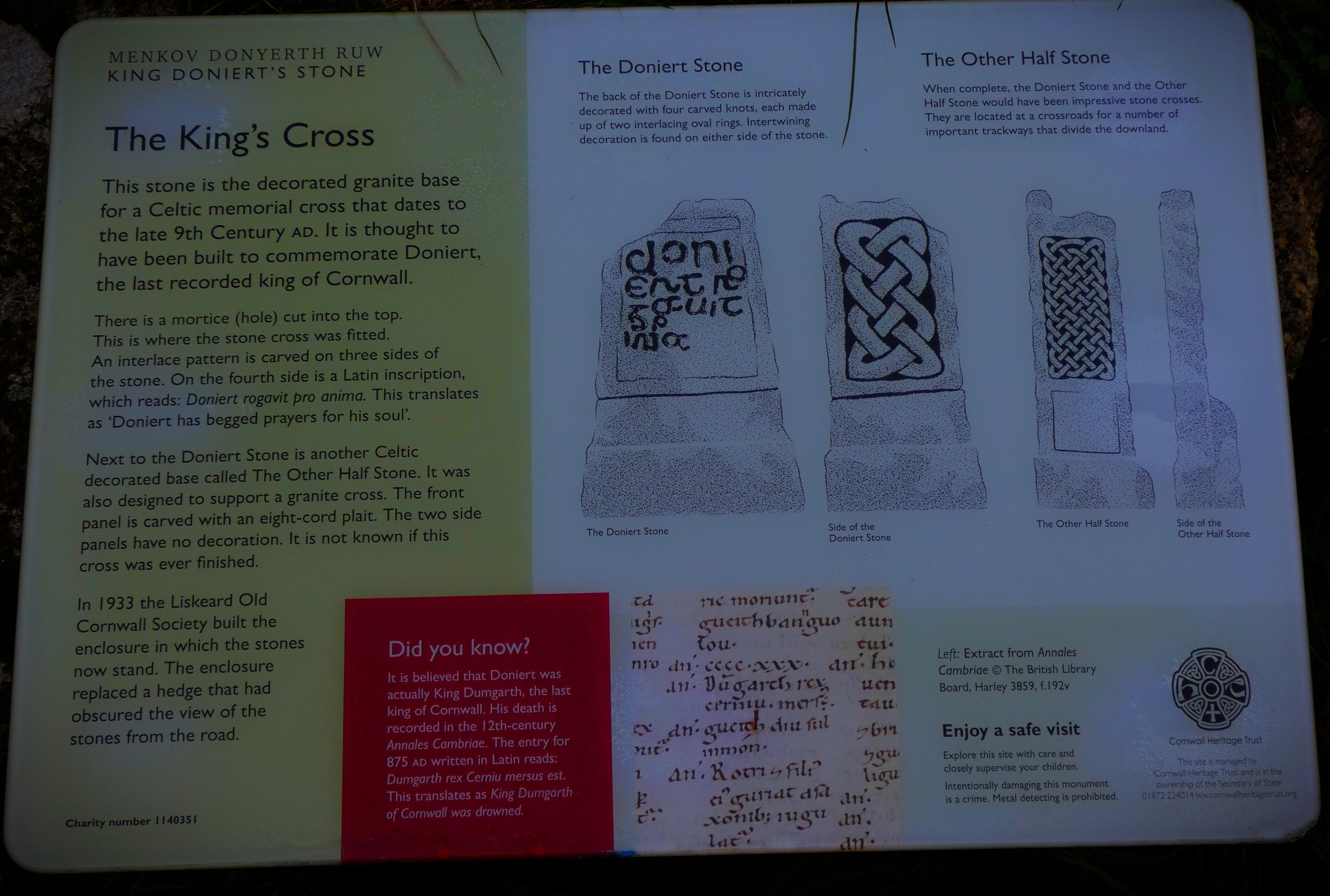
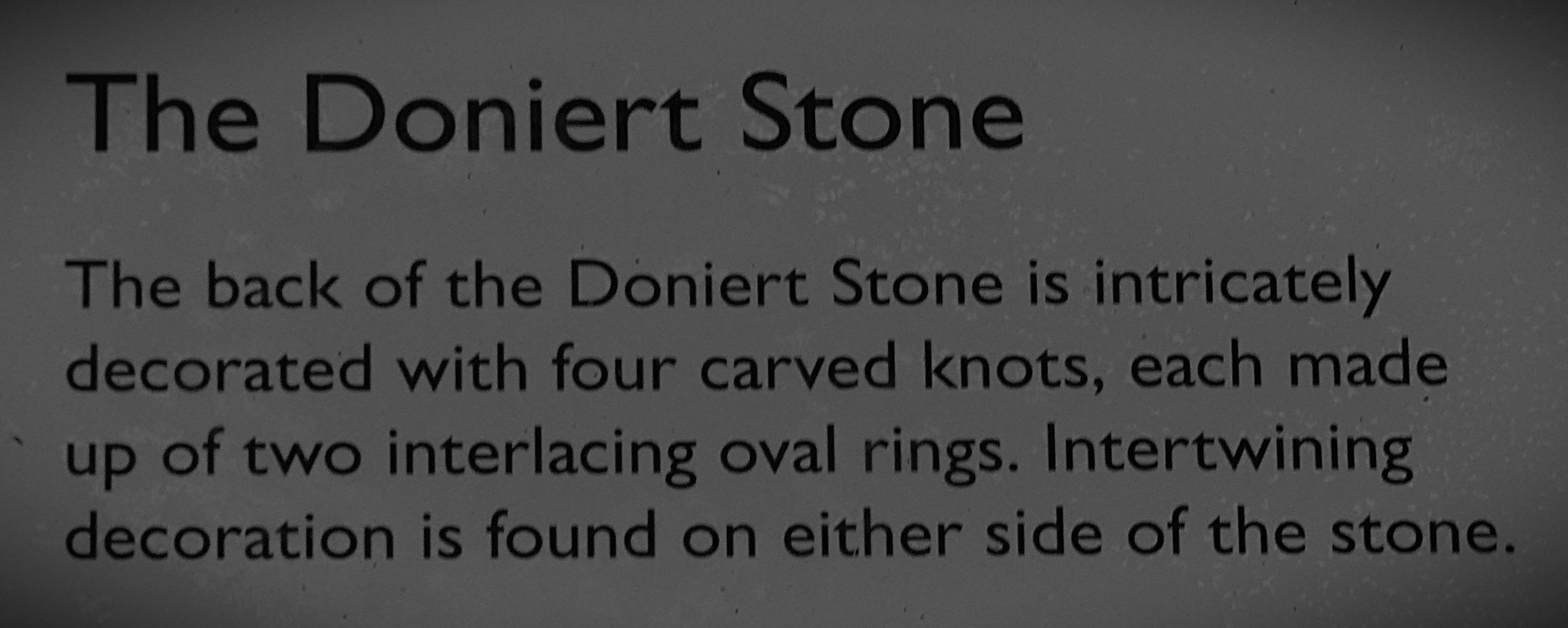
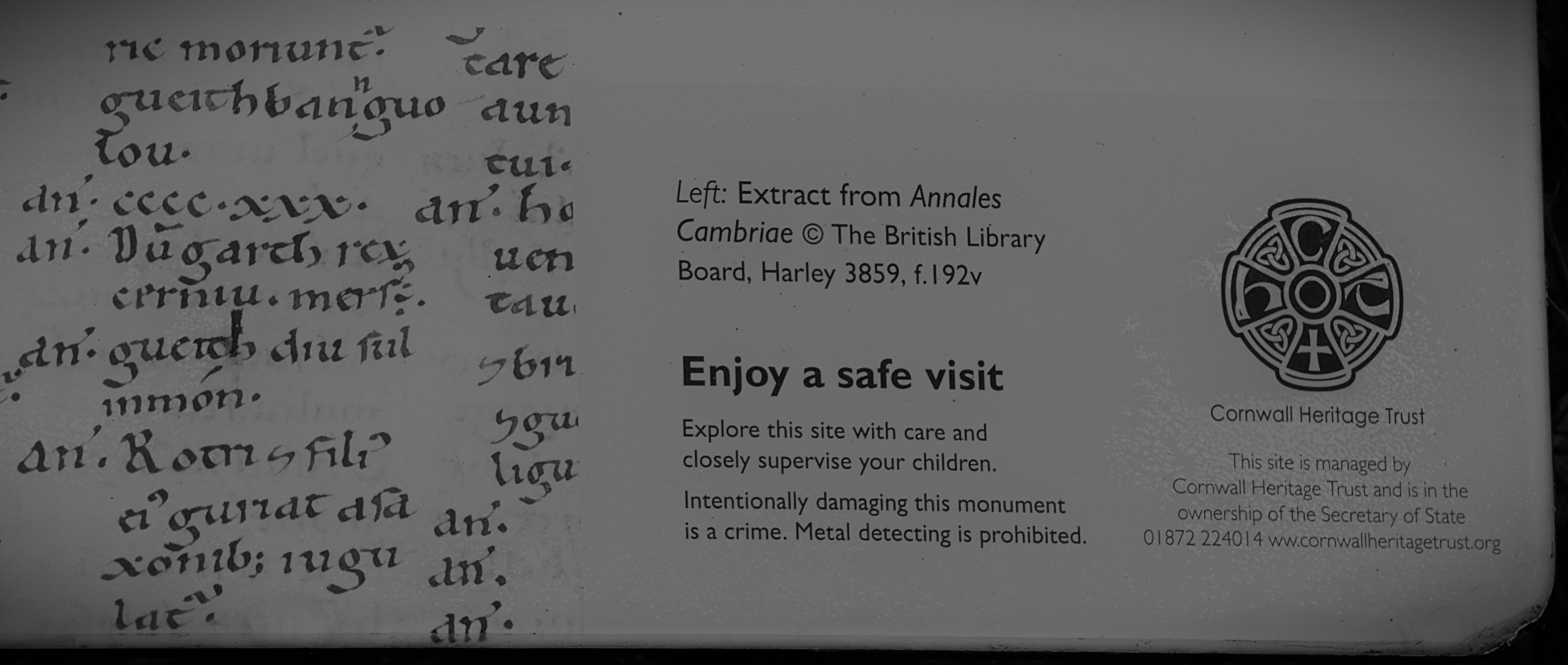
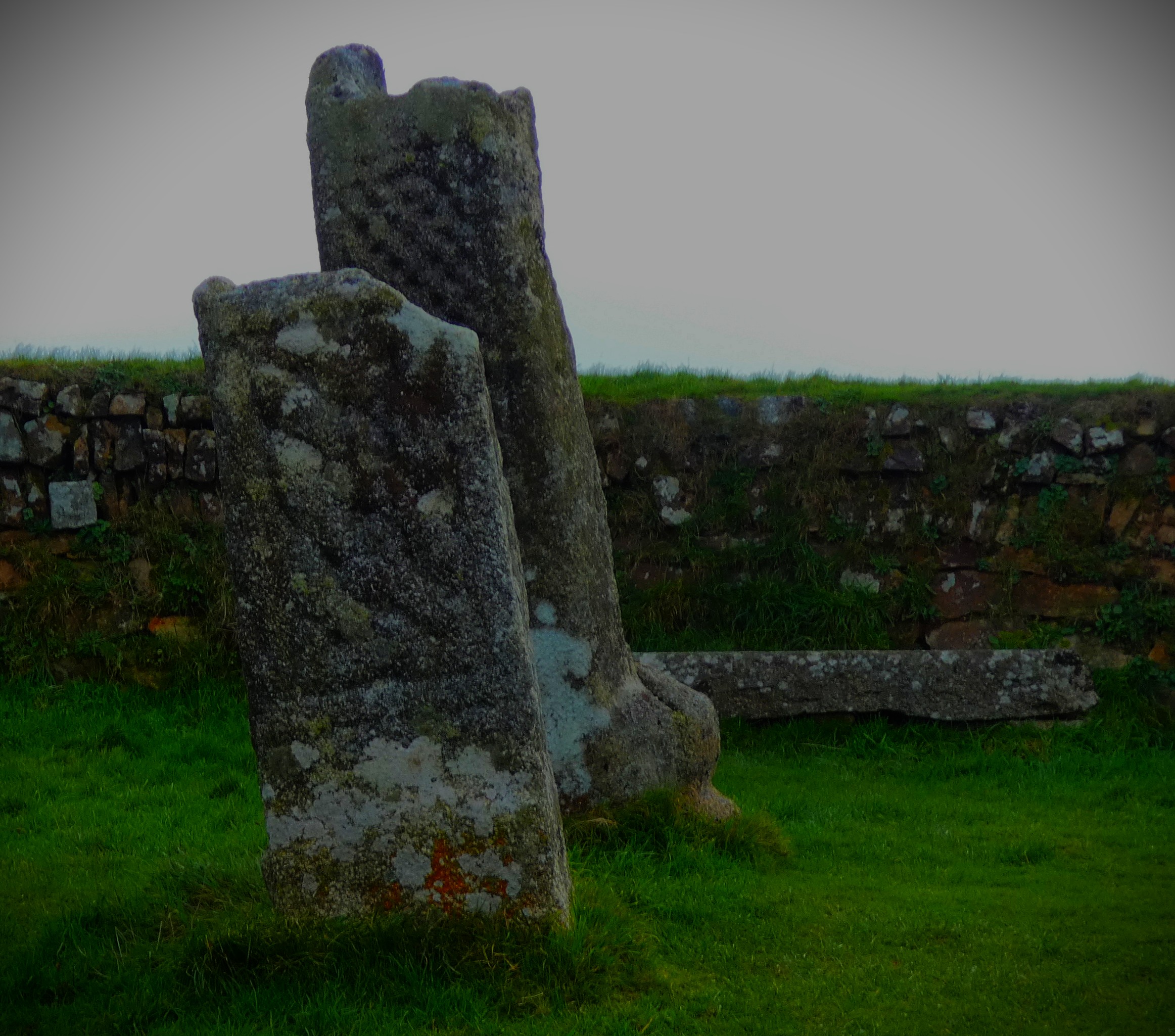
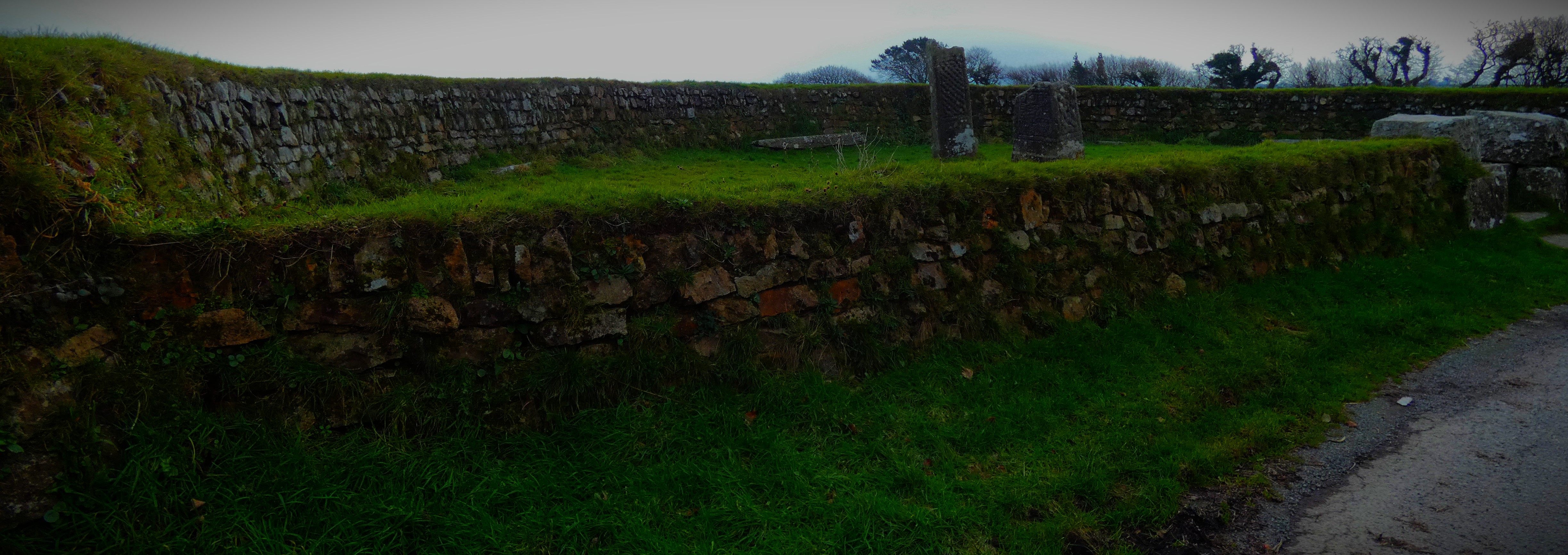
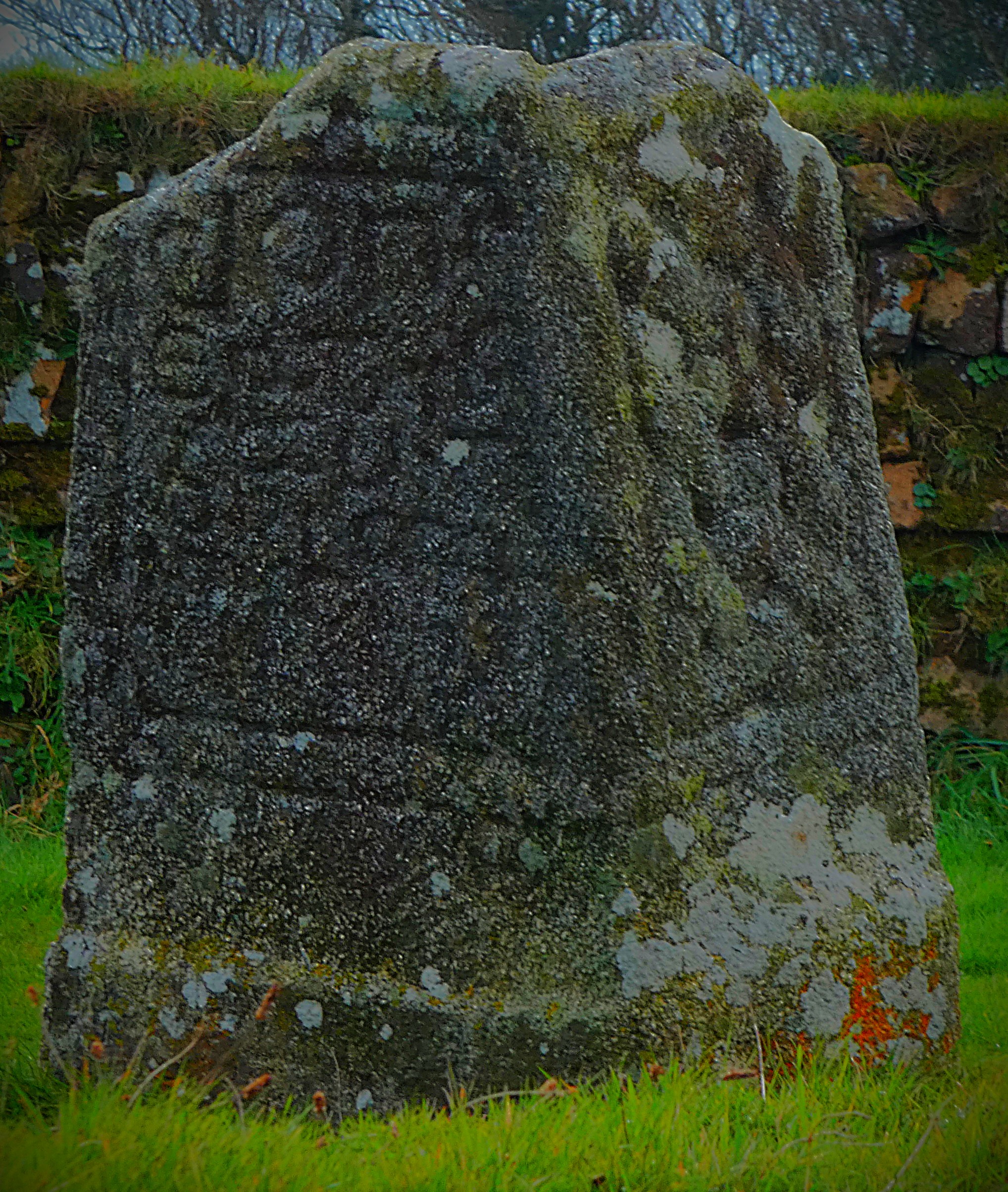
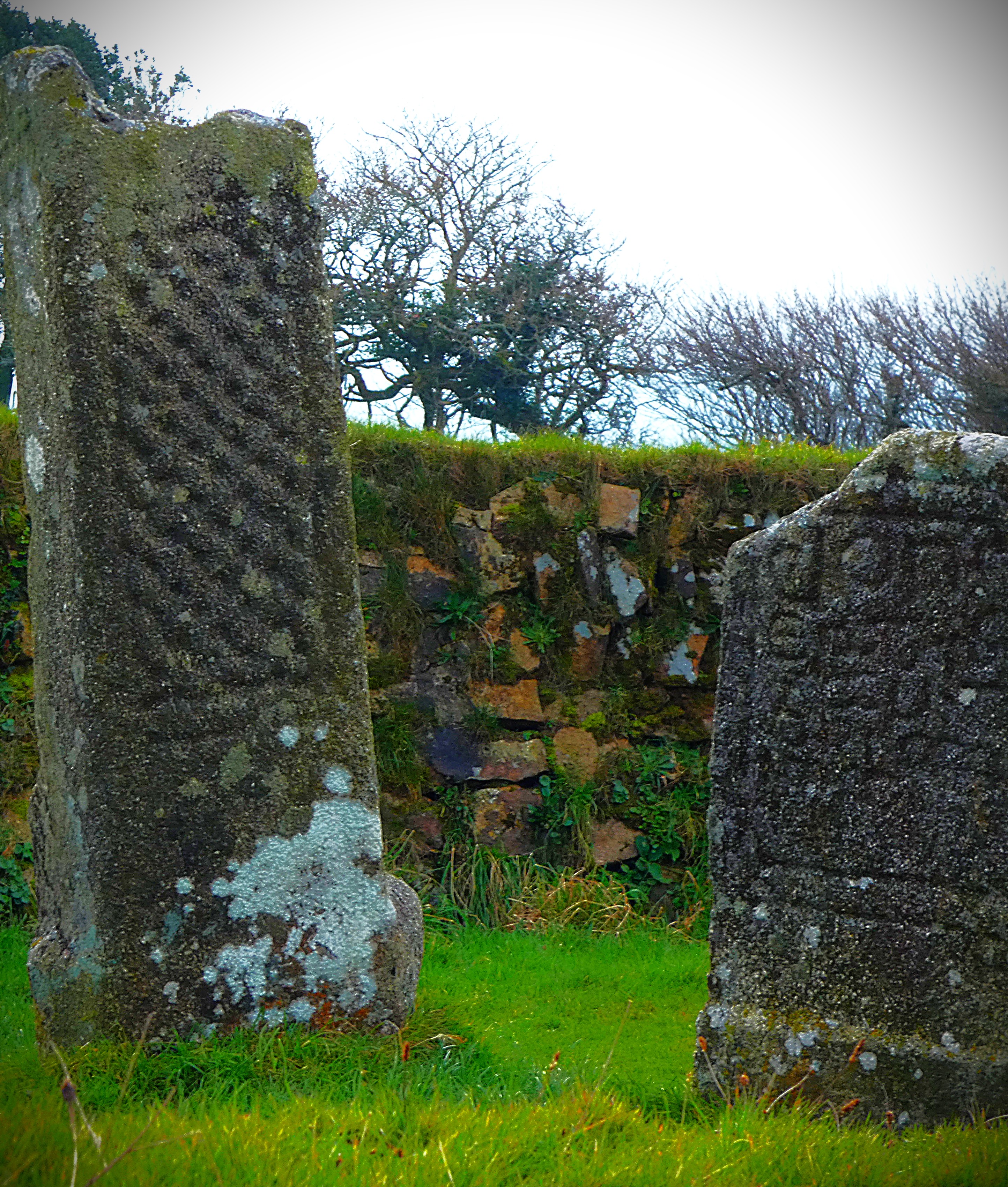
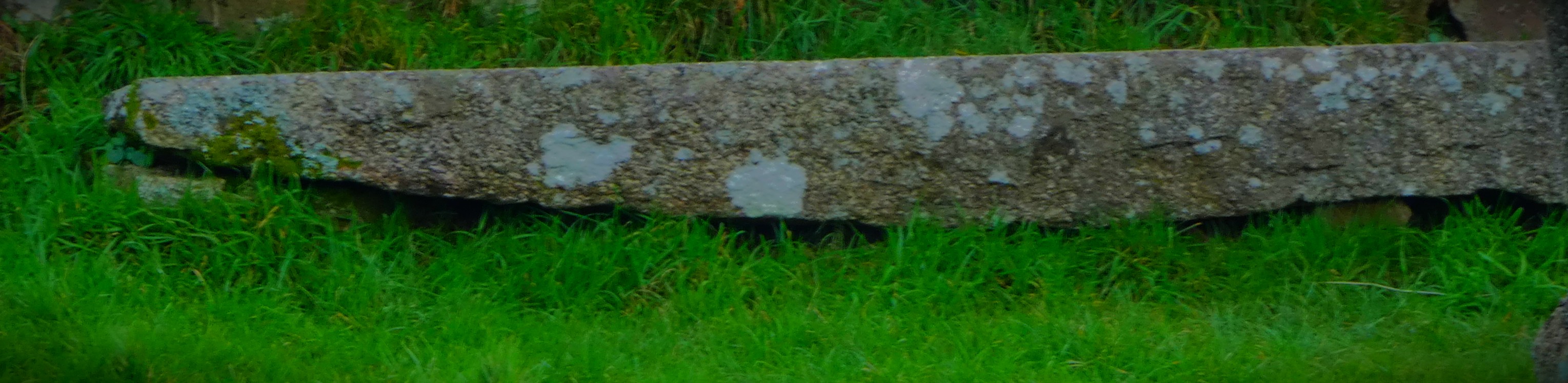
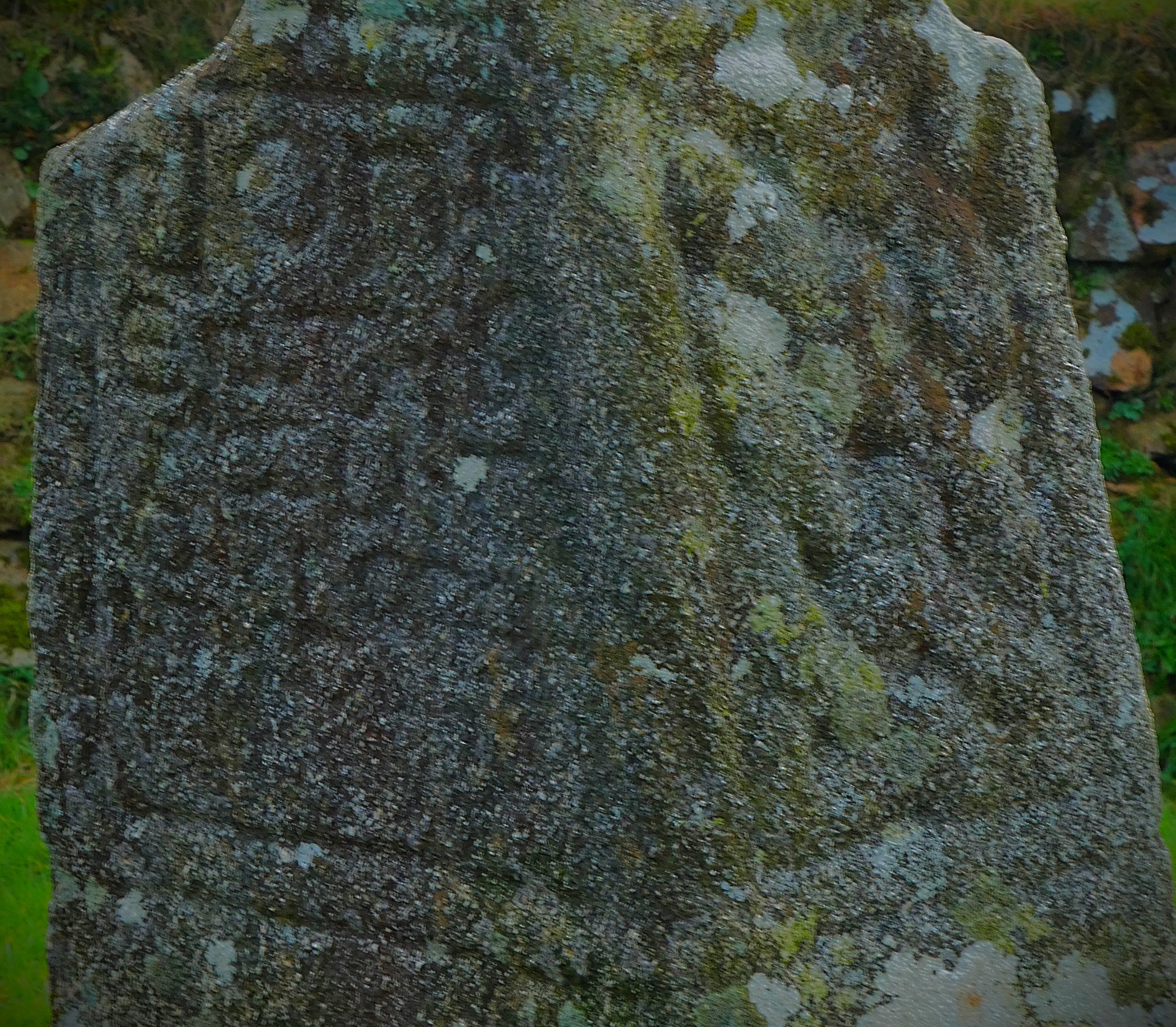
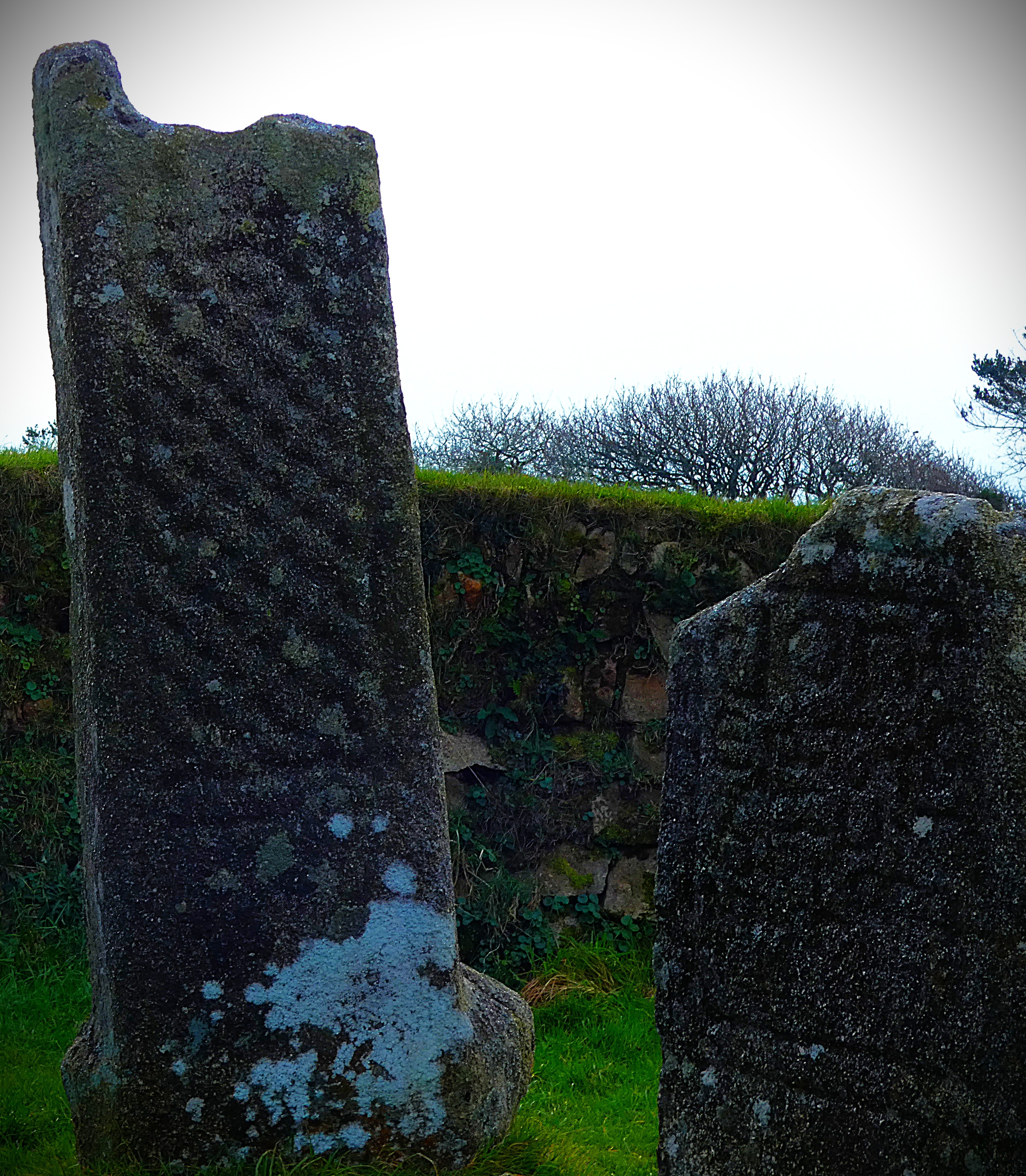
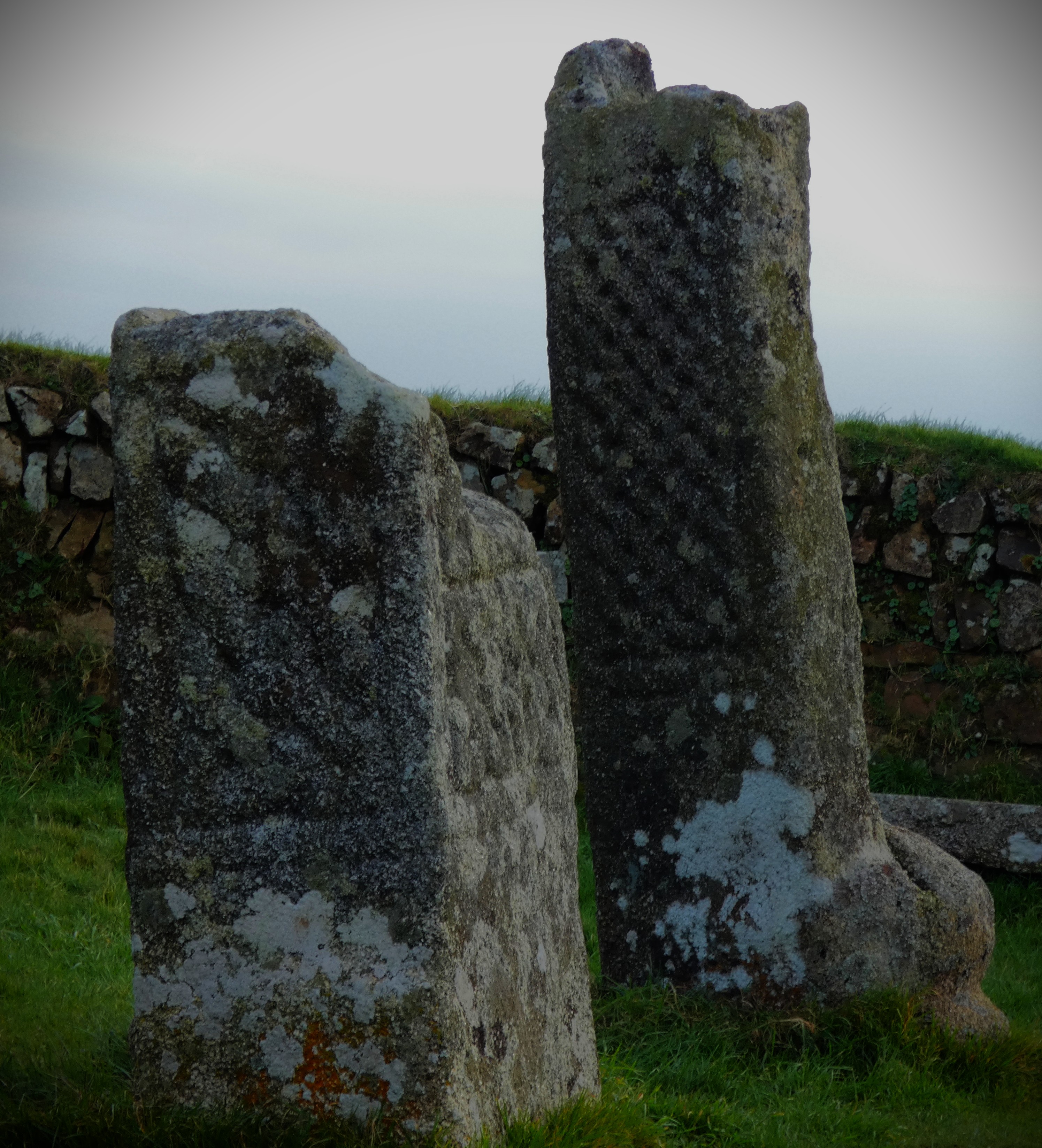
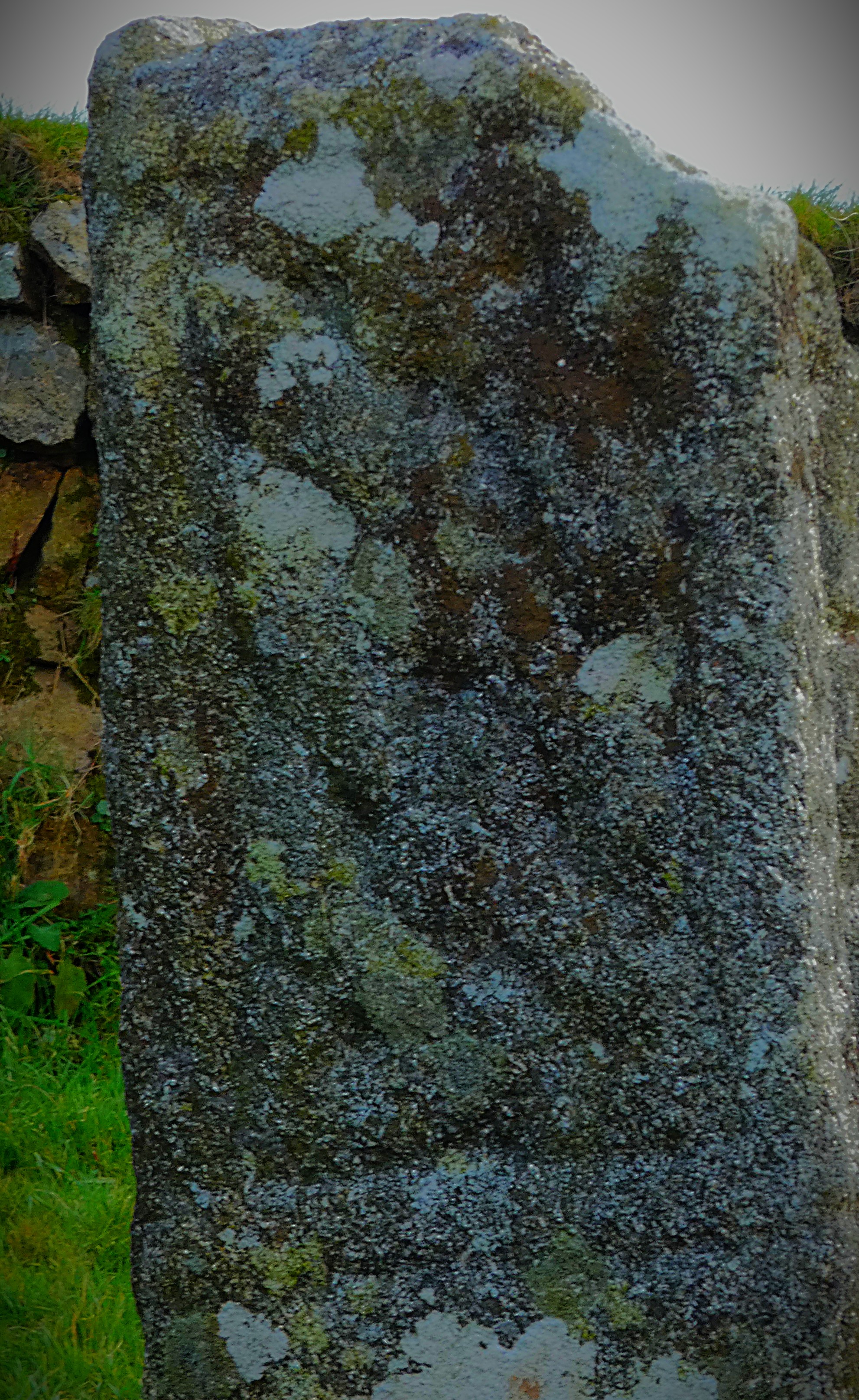
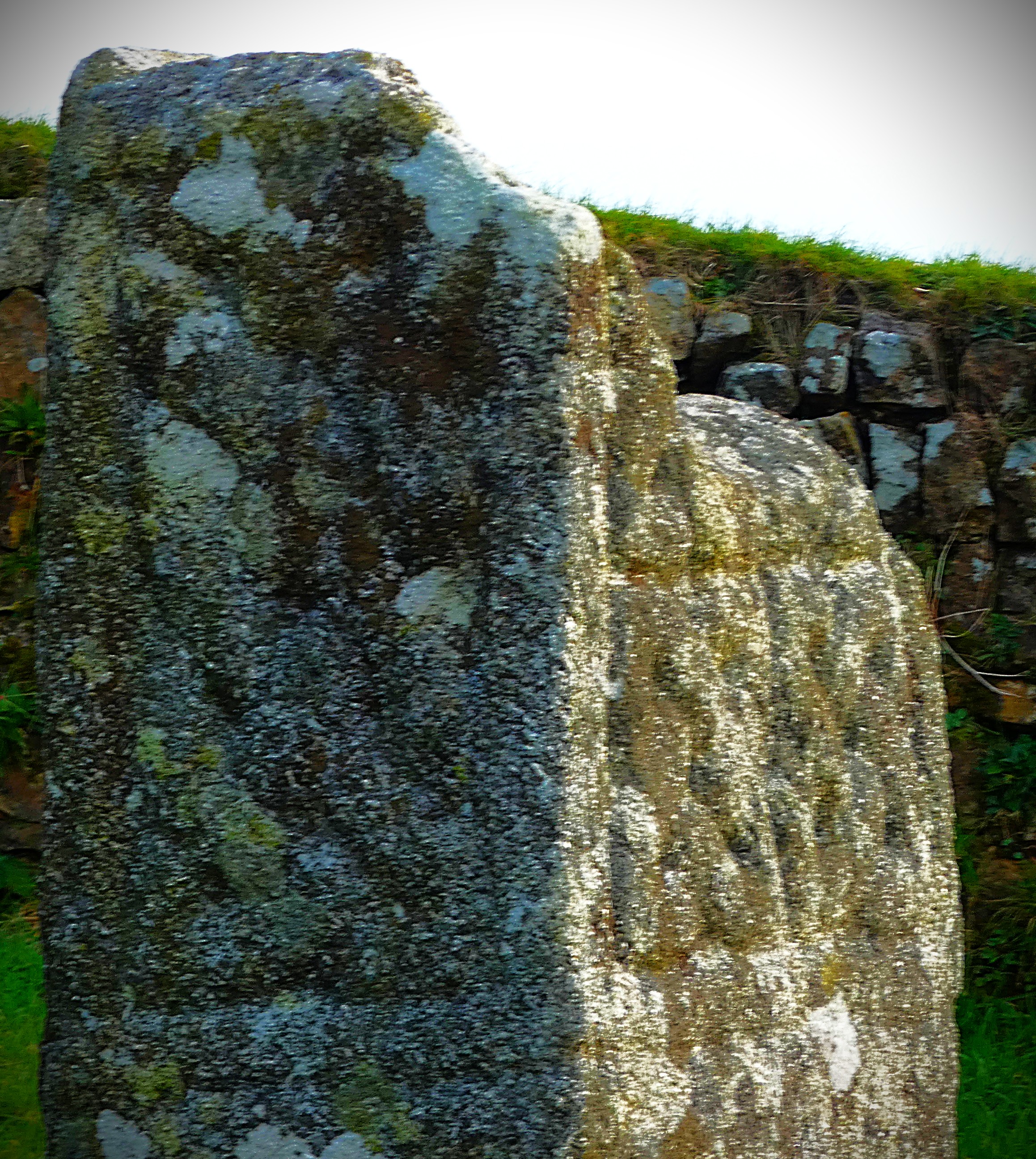
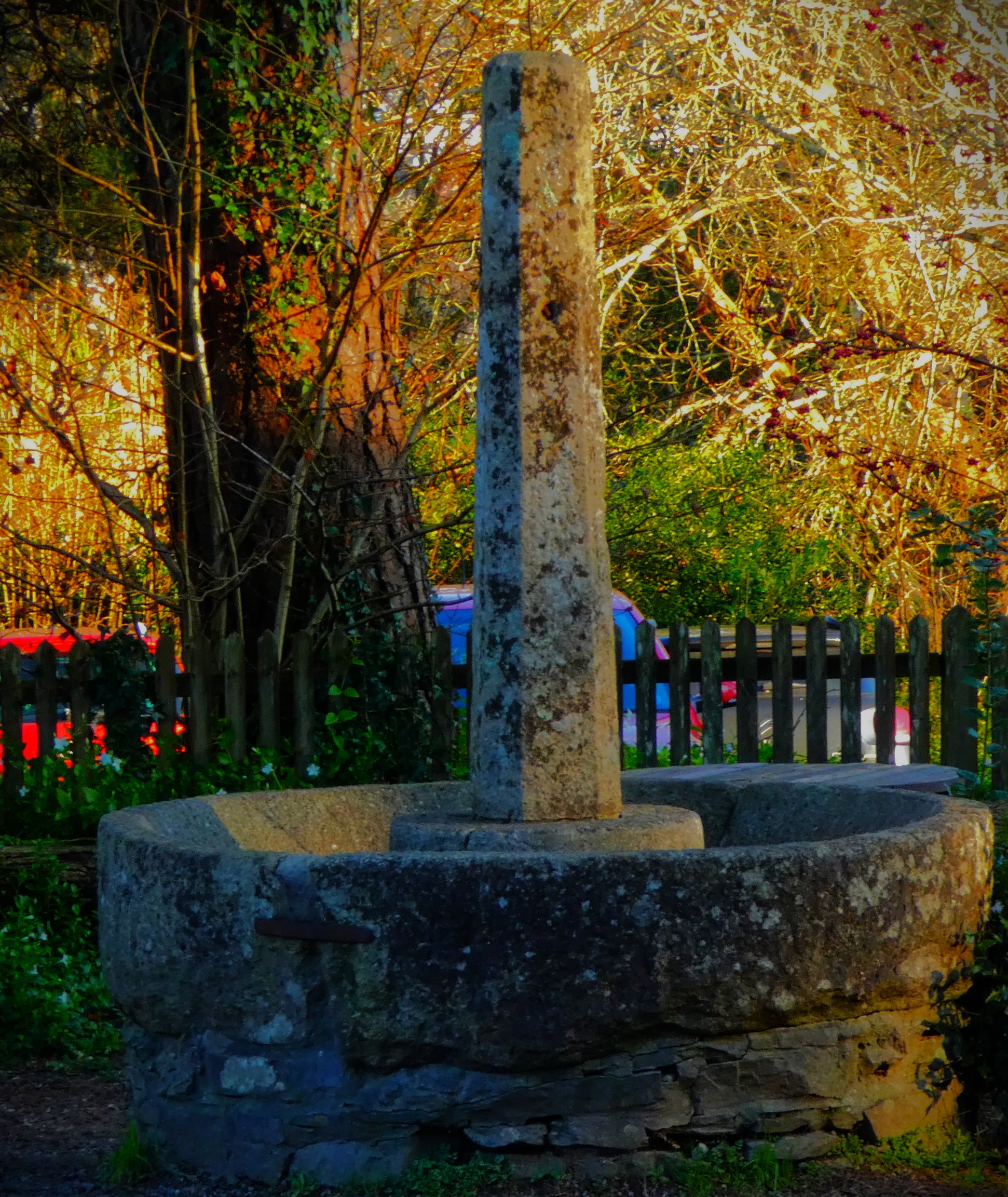
Doniert was the last recorded King of Cornwall back in the ninth century. His stone and an accompanying half stone sit in a semicircular enclosure just off a road. Although our original walk plan had to be abandoned to a stretch that was too muddy to be passed – I had a shoe sucked off before we abandoned our original plan – we were able to find an alternative route to the Doniert Stone and see this very interesting historical relic.

Here is a video…

Here are my pictures from this excursion…

A Cornish Christmas 3: Cotehele and Calstock

An account of a visit to Cotehele House and a scenic walk thereafter.

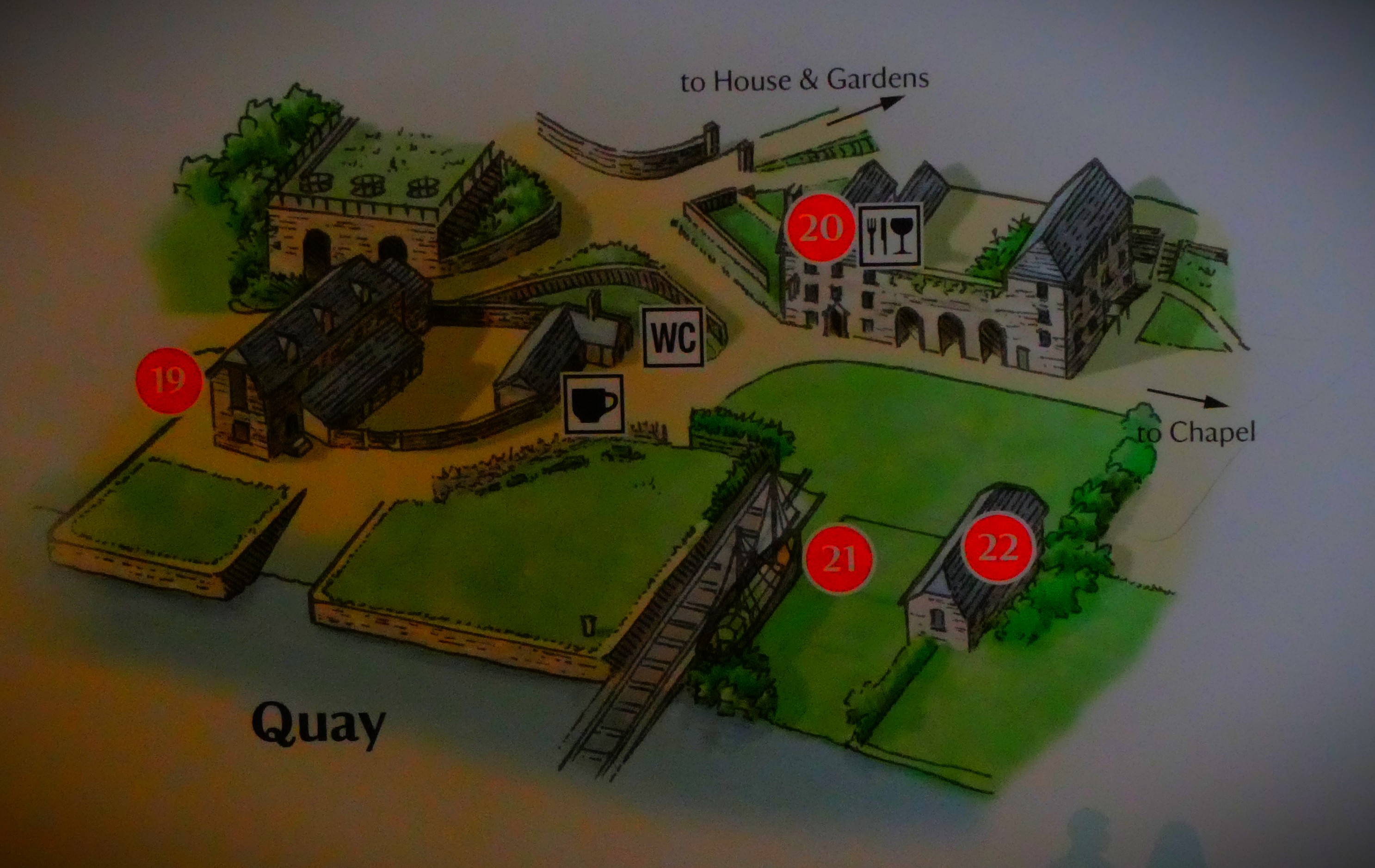
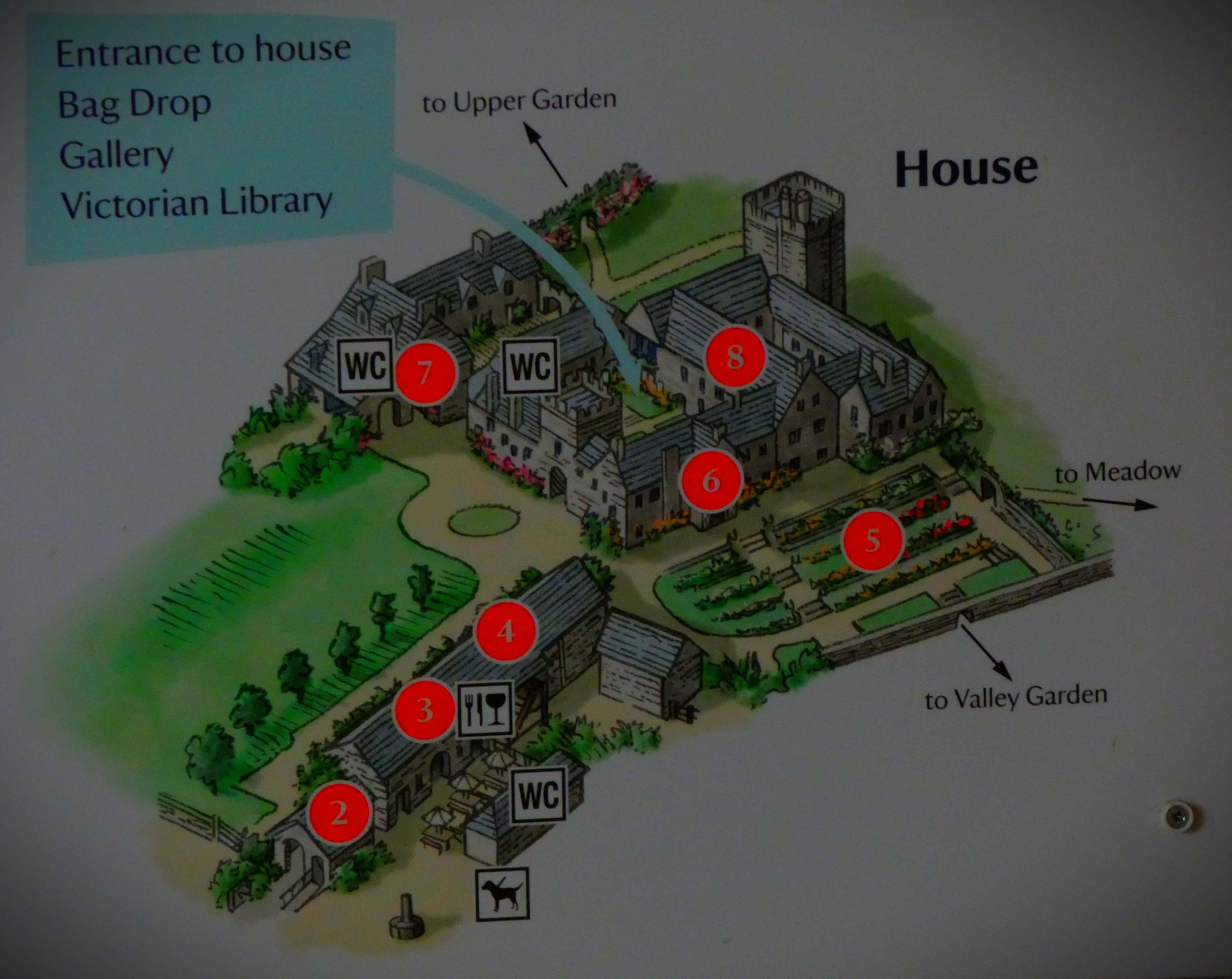
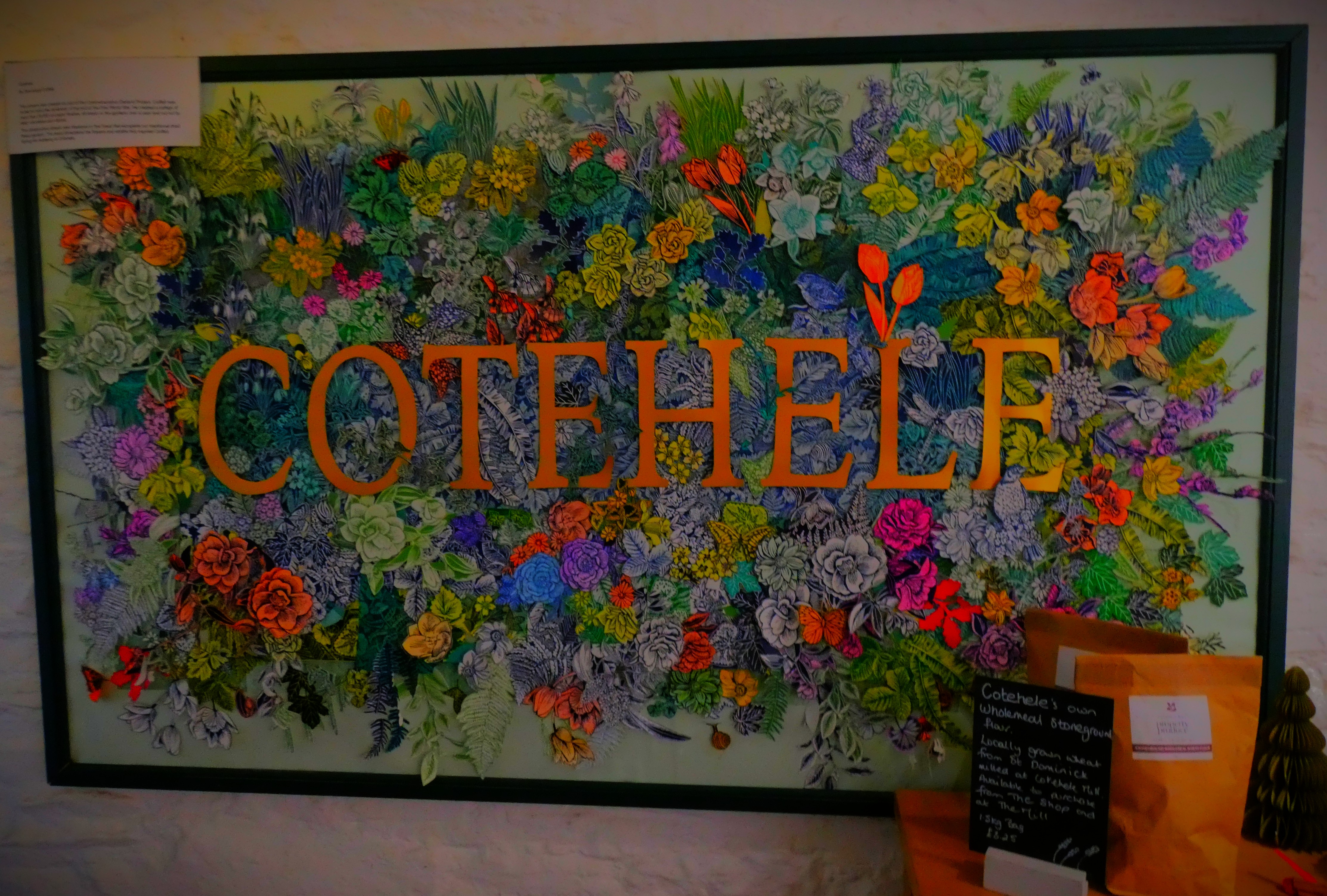
I begin this third post in my series about my holiday in Cornwall with an apology. The photo gallery is incomplete due to a mishap in the course of this walk. I lost my tote bag, which contained among other things spare batteries for my camera, which meant that when the battery I was using ran out part way through I could not replace it. Fortunately someone had handed it in at reception at Cotehele House and I was able to retrieve it.
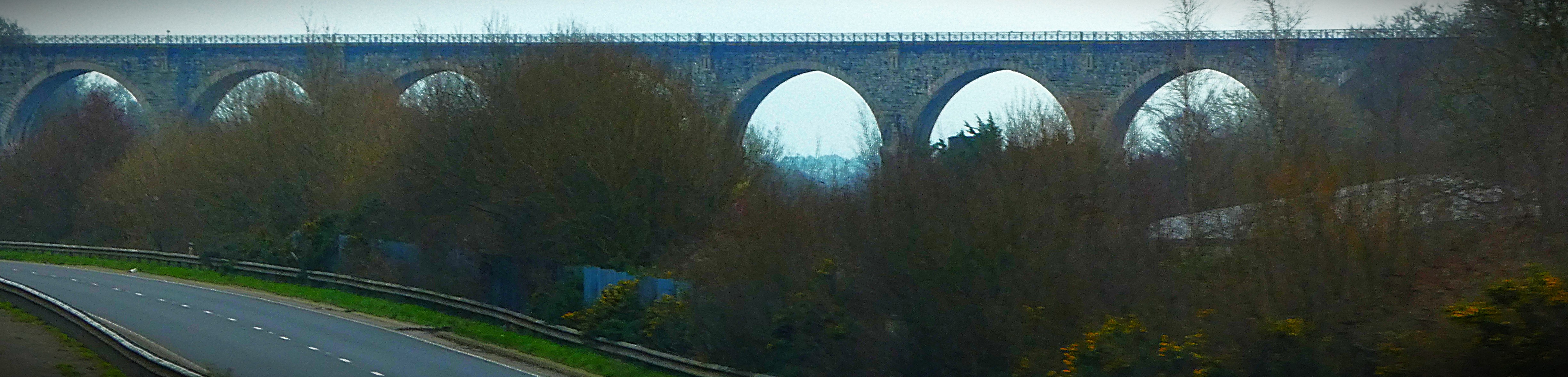
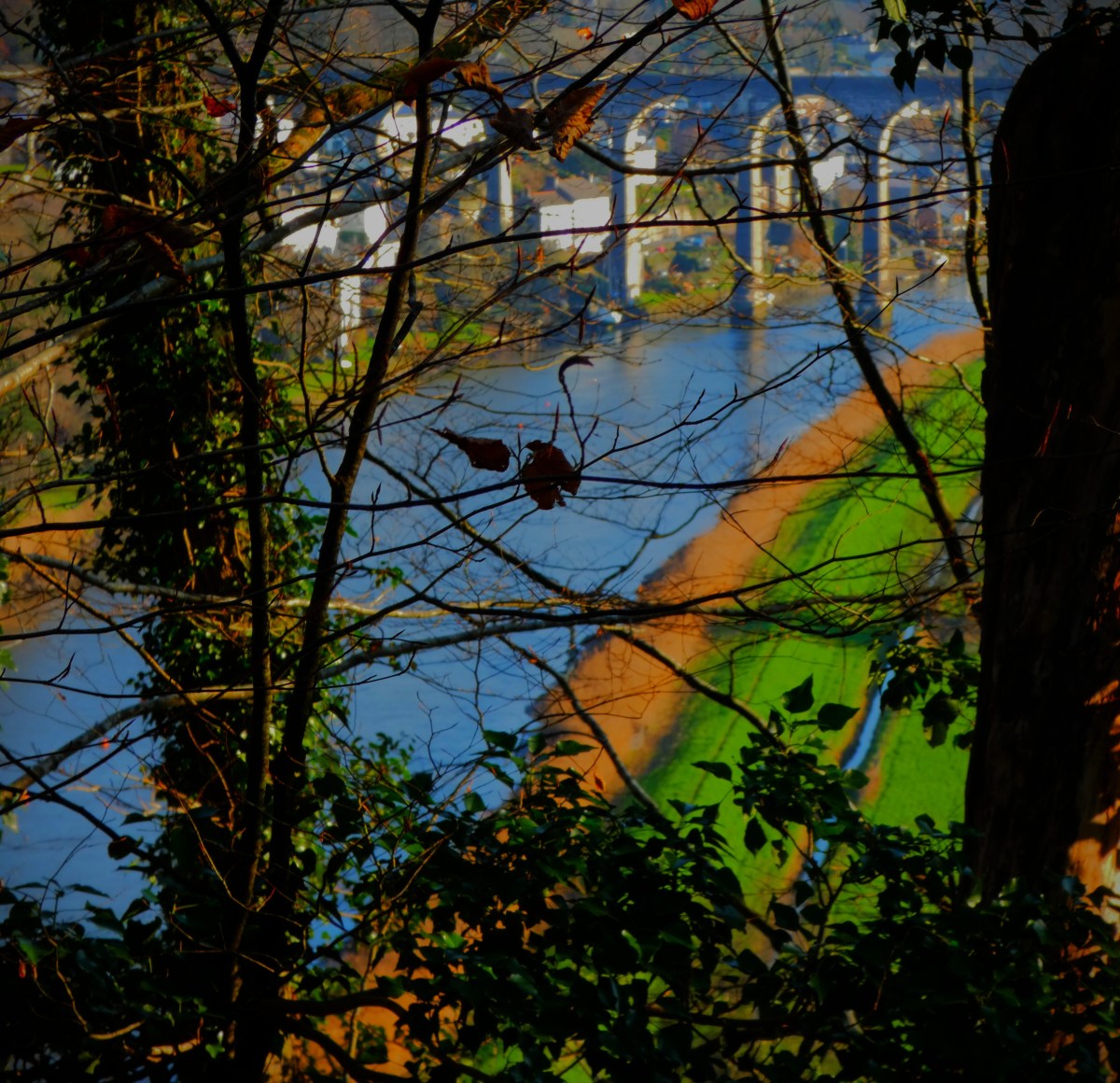
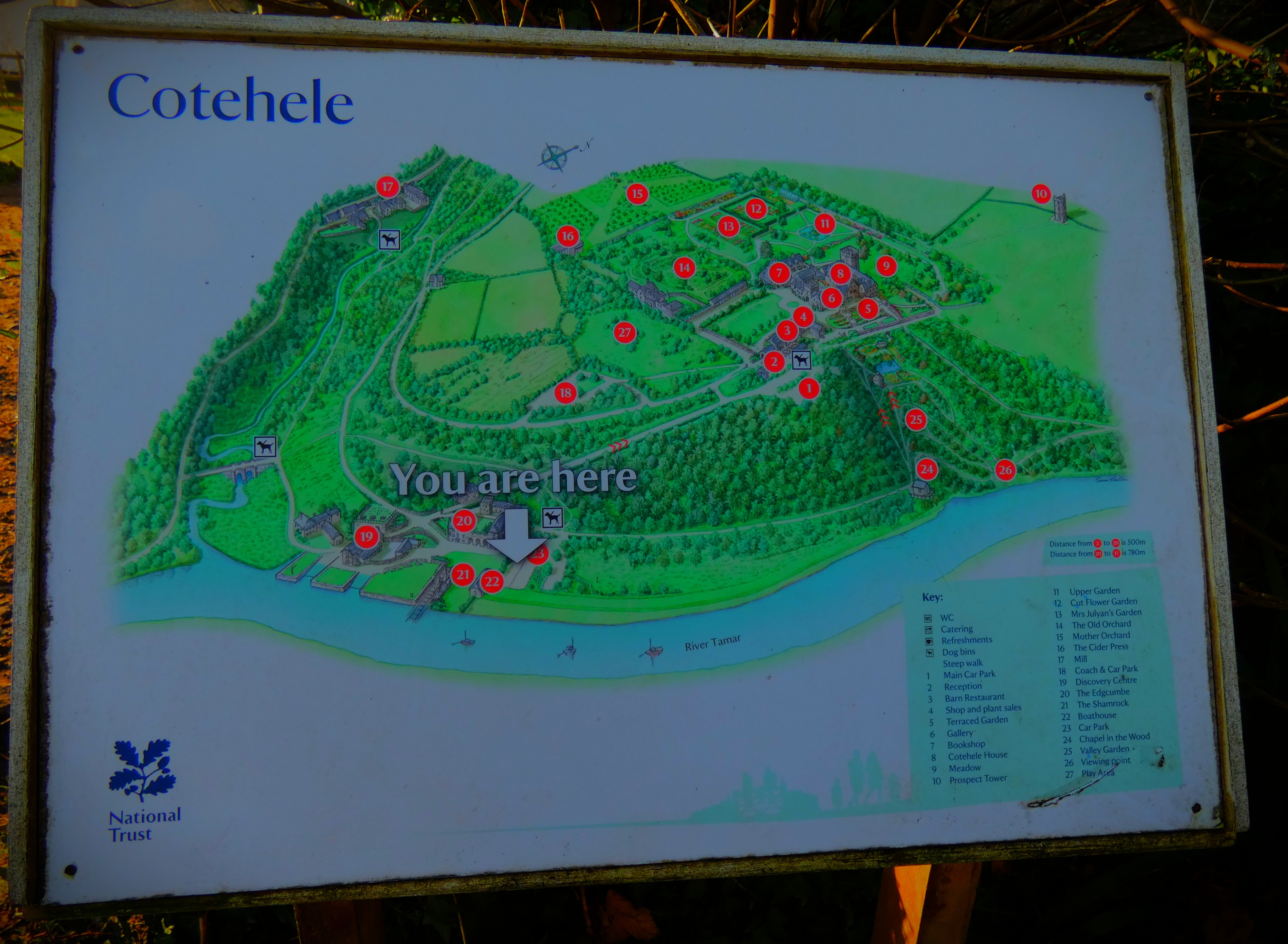
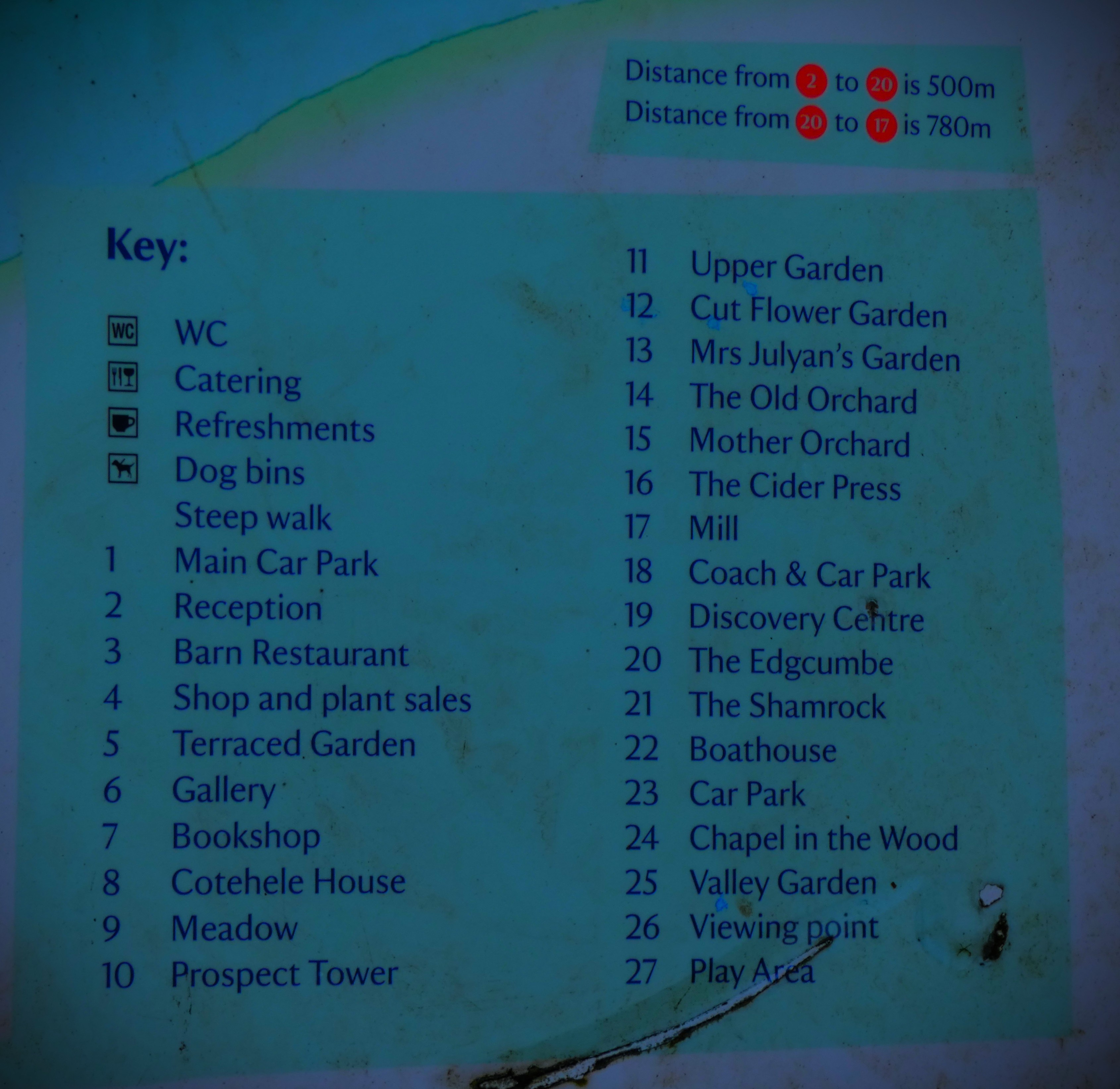
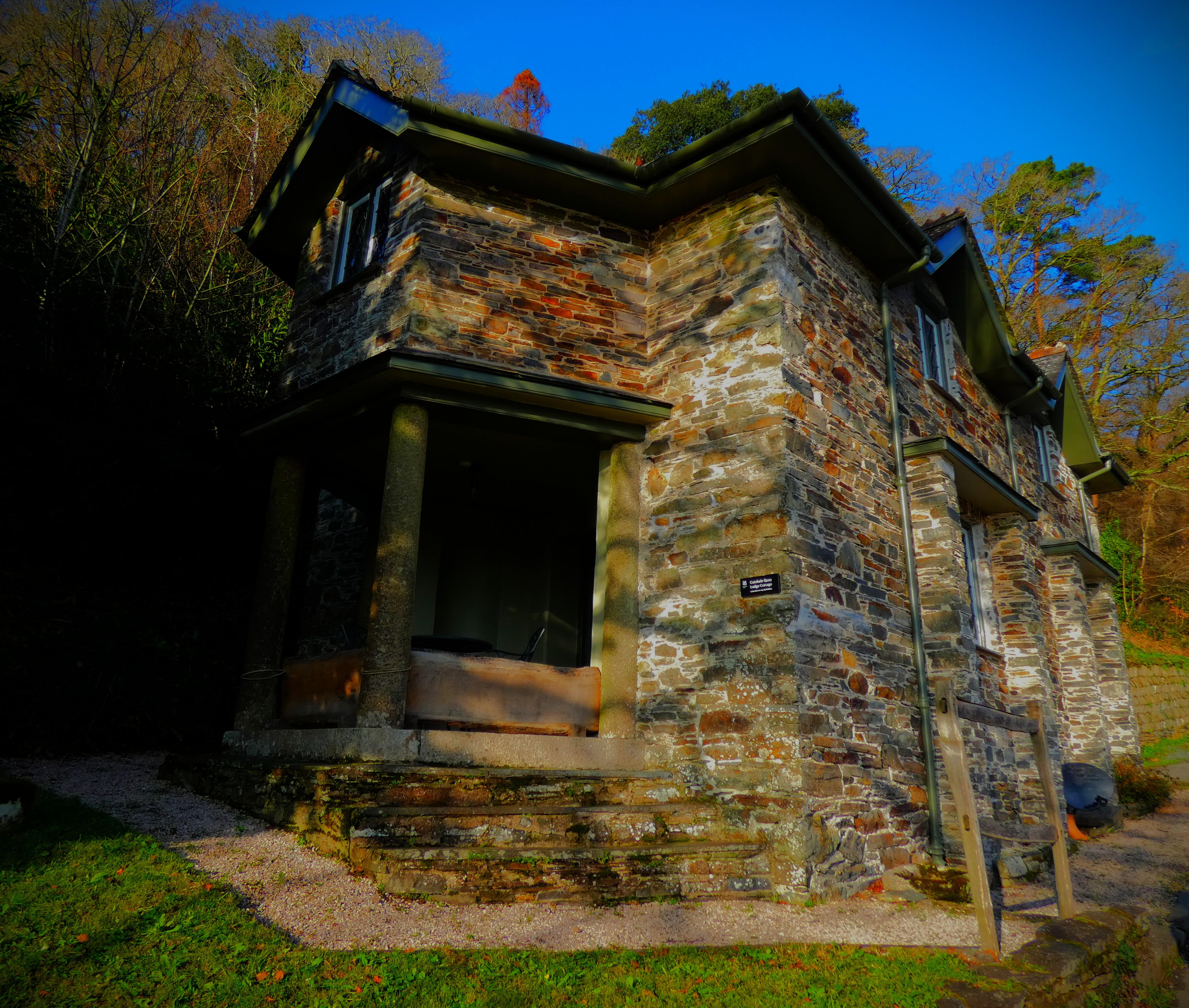
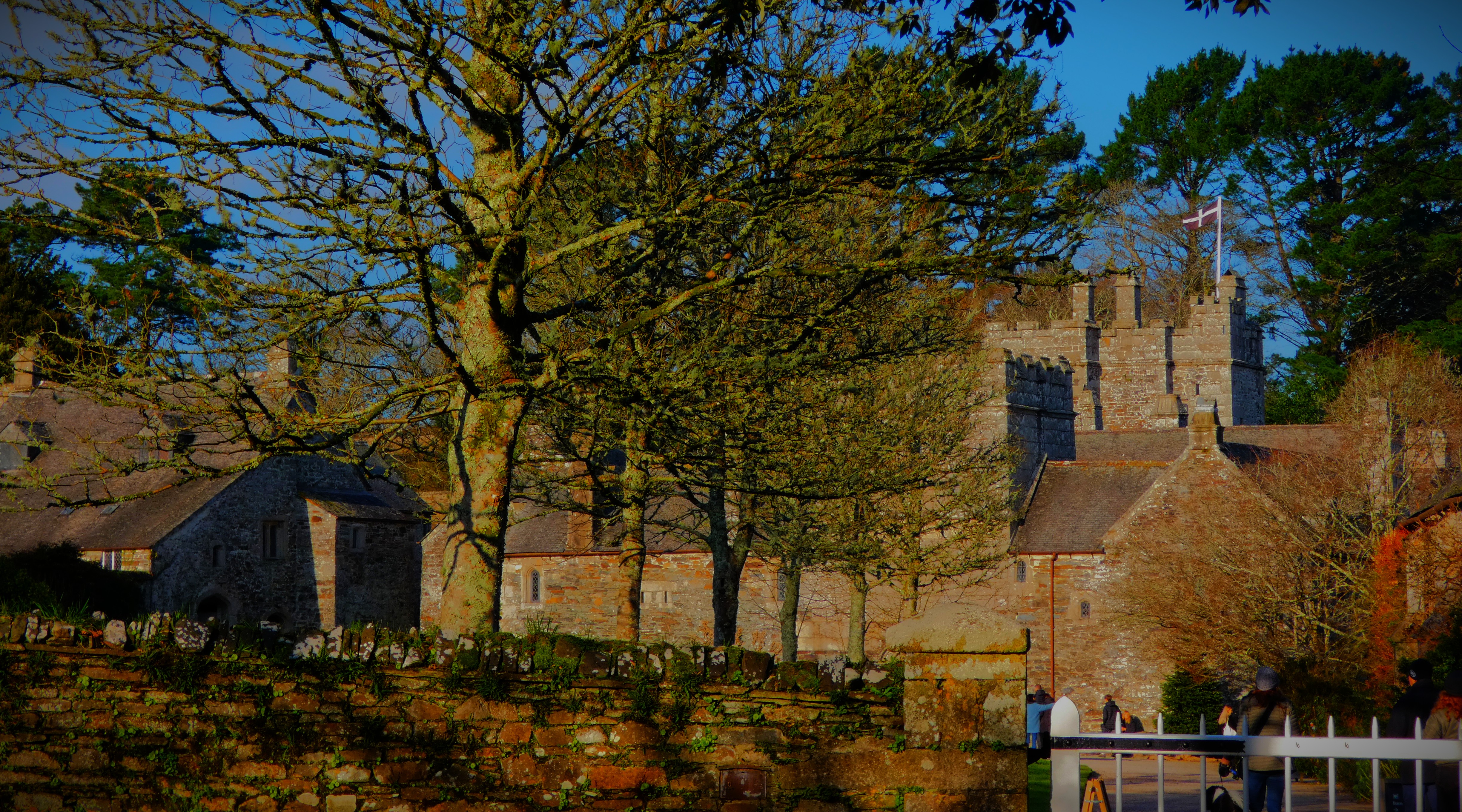
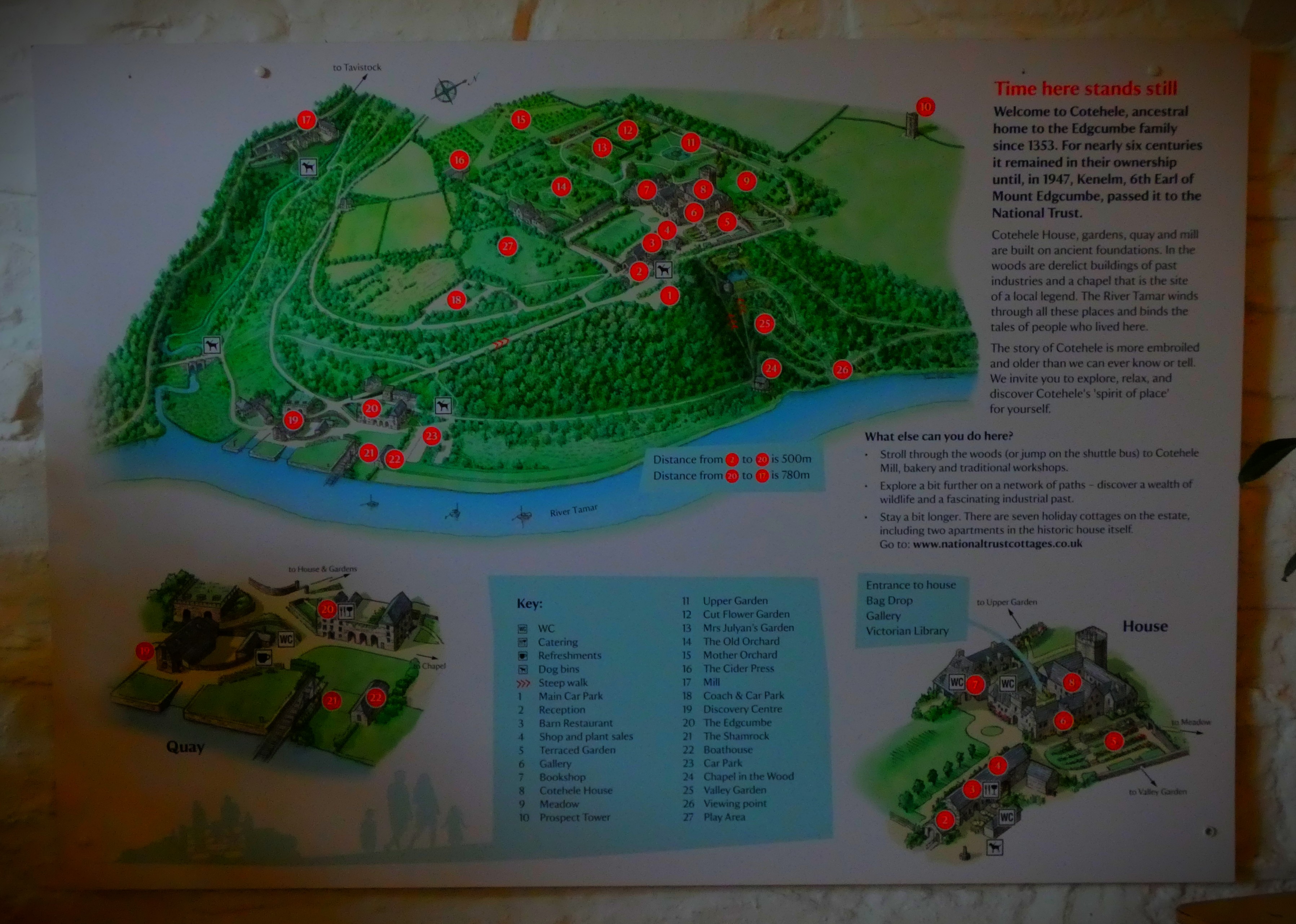
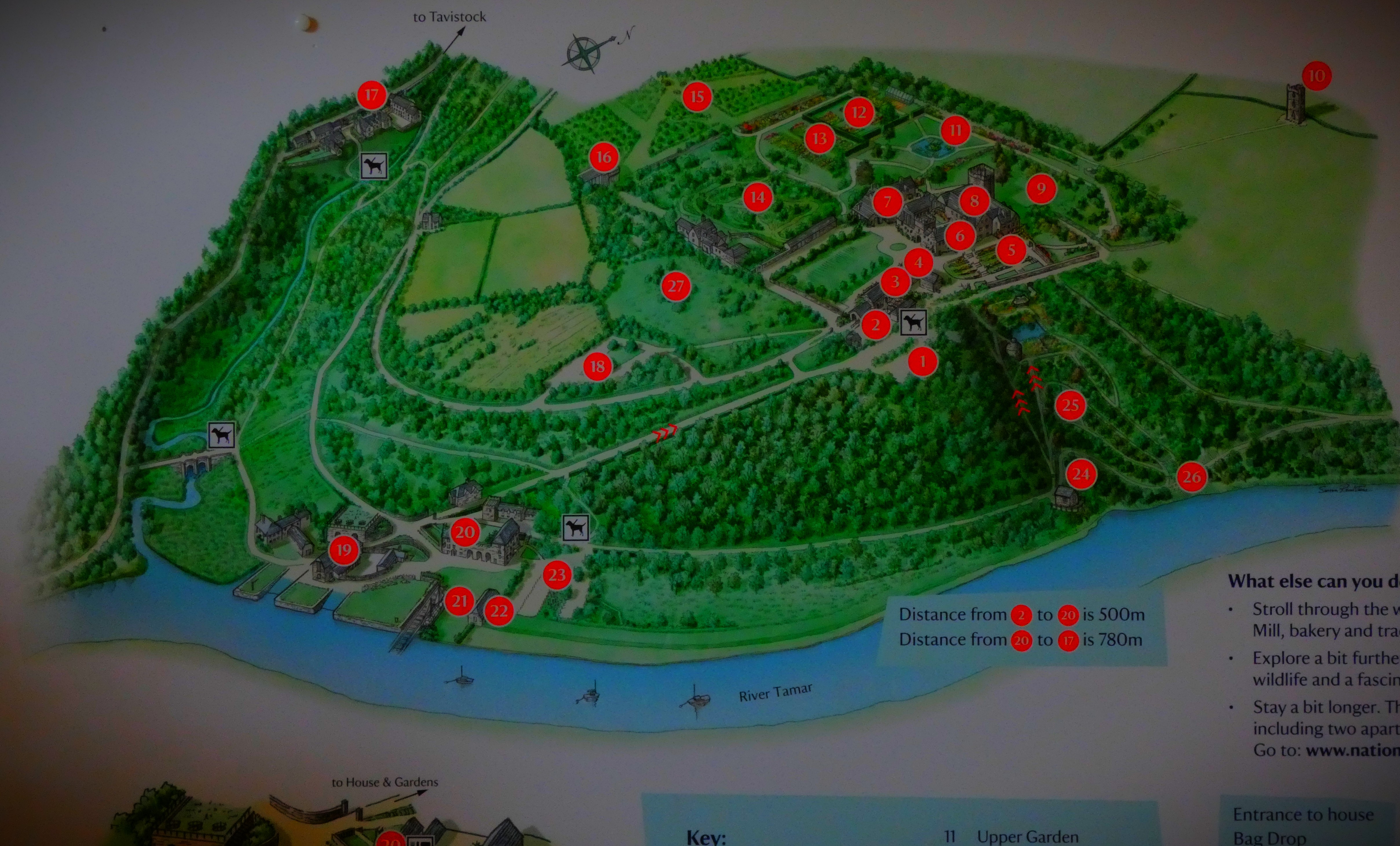
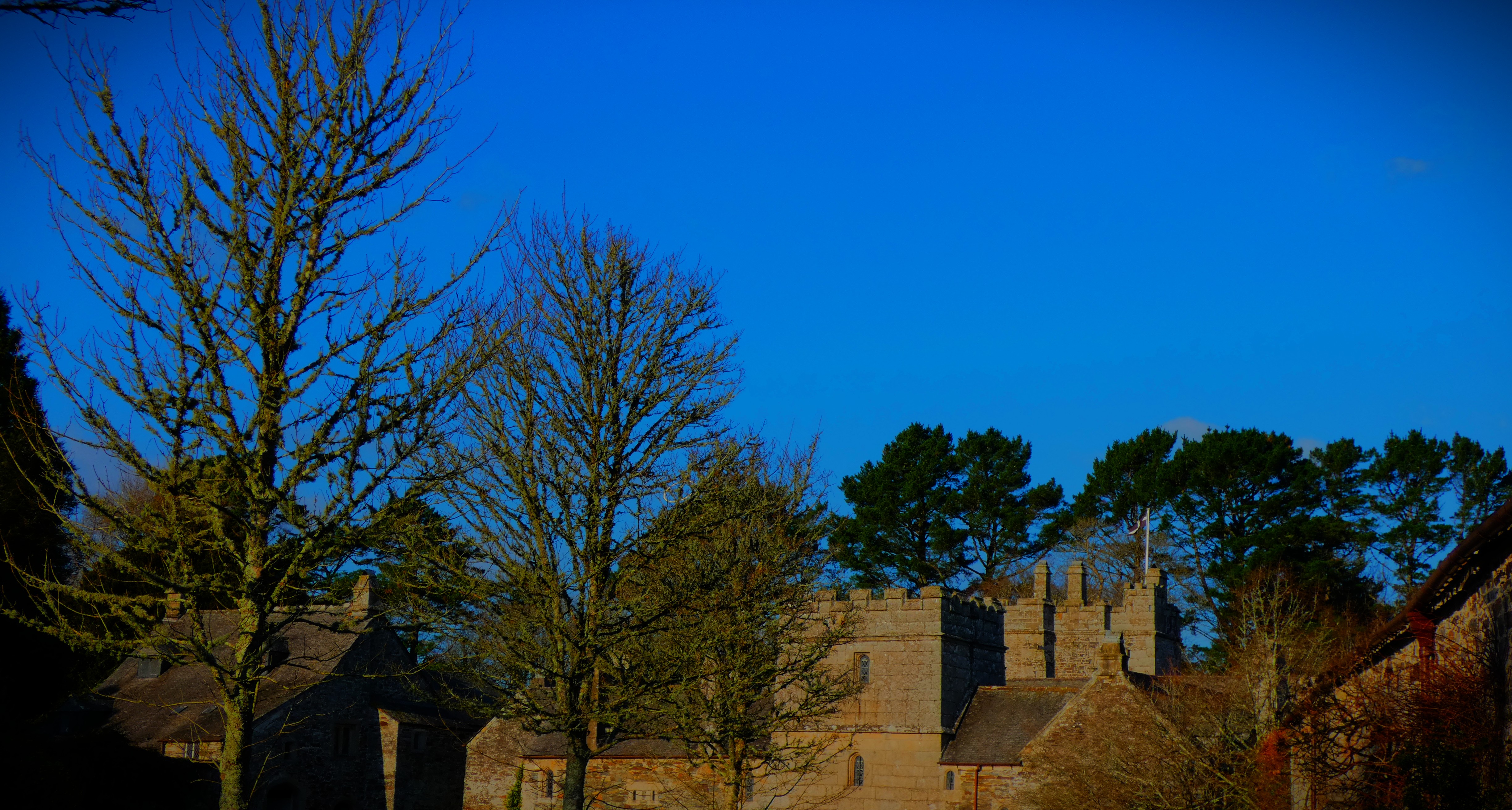
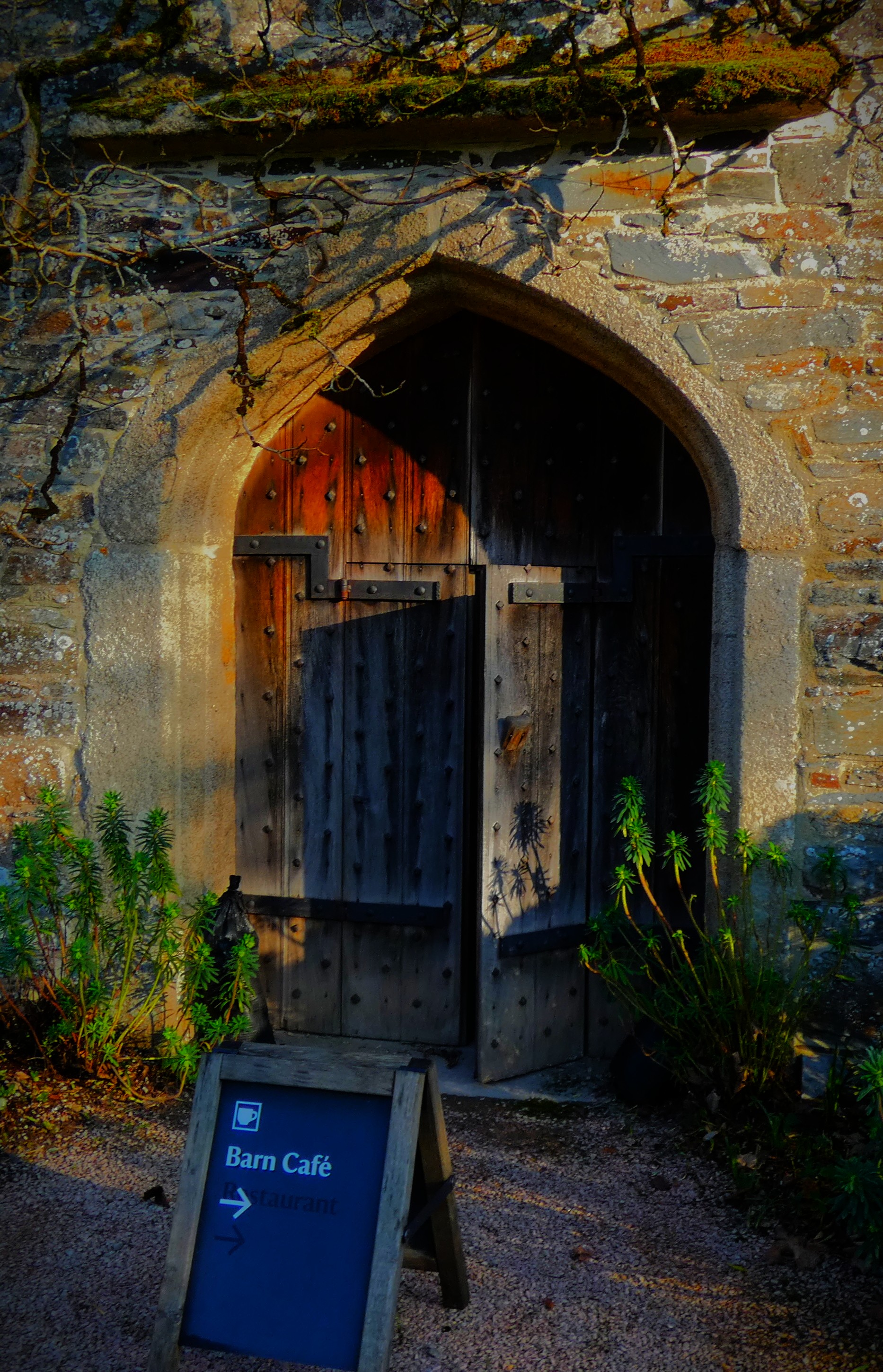
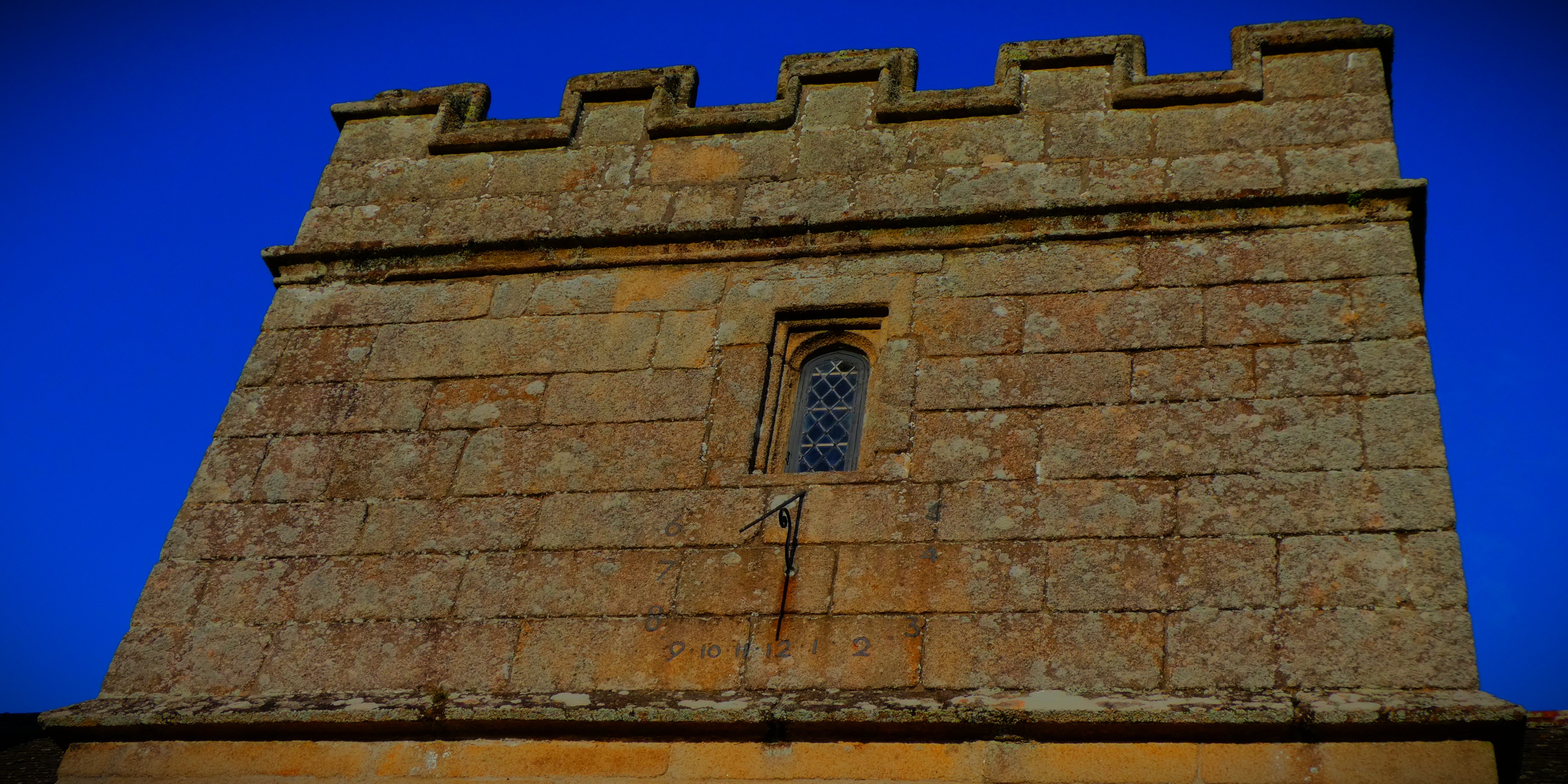
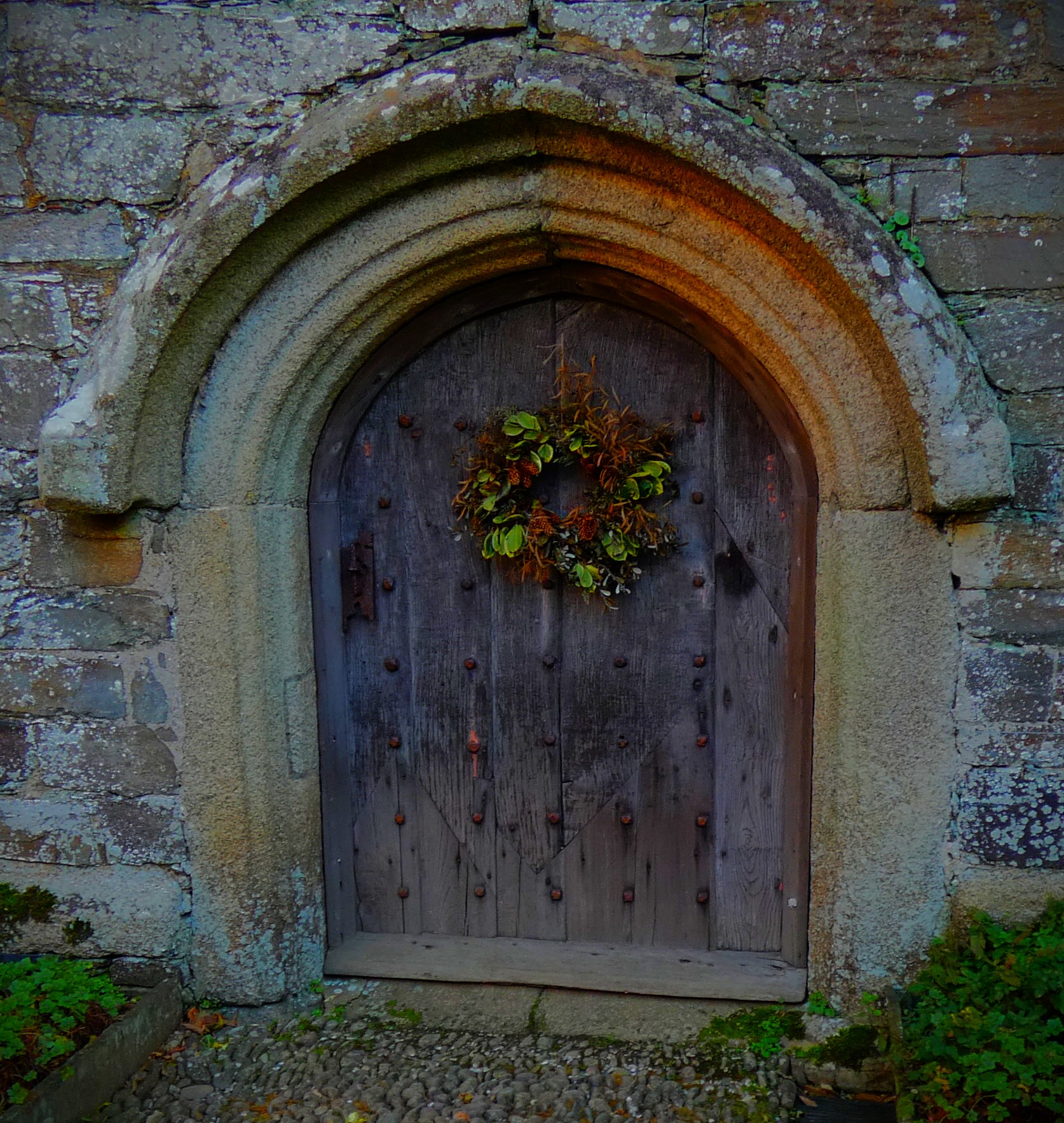
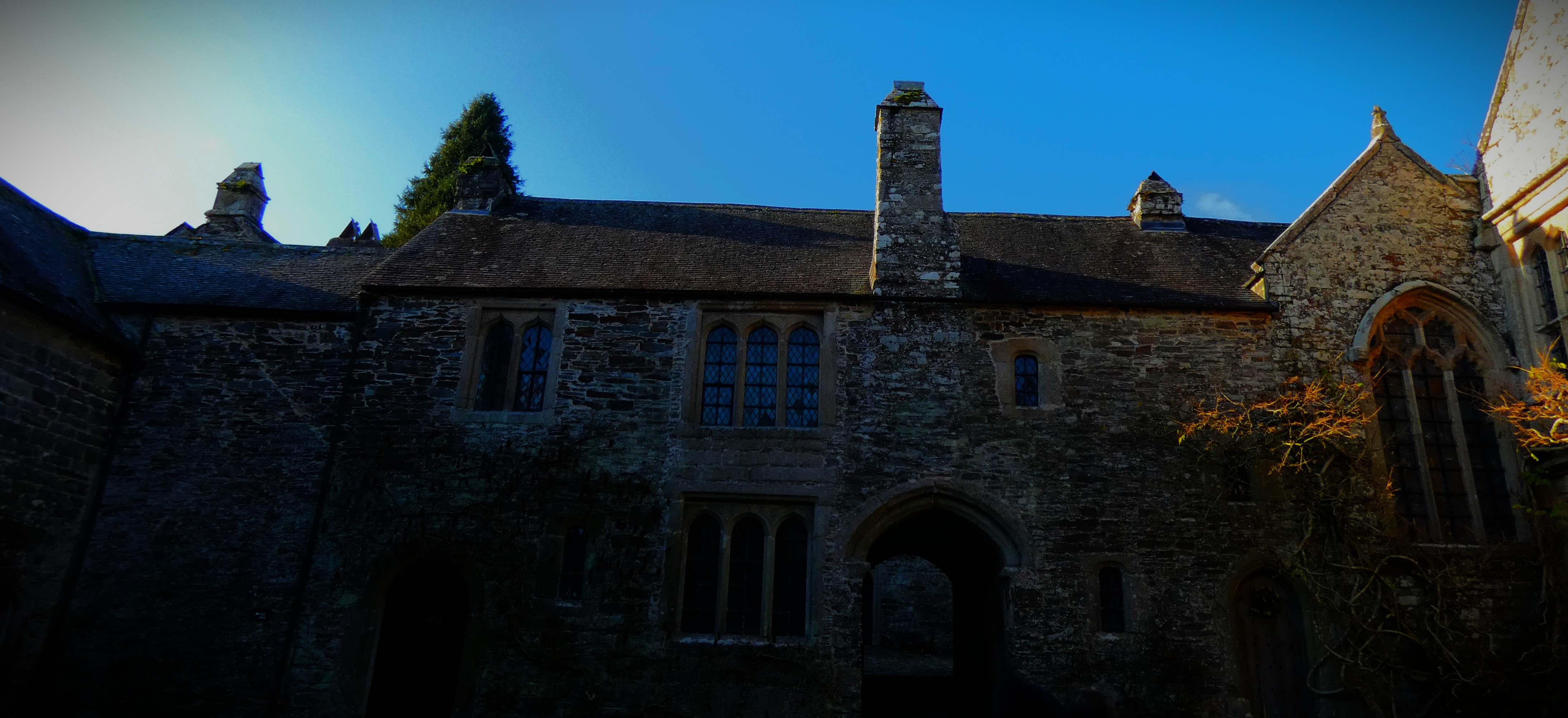
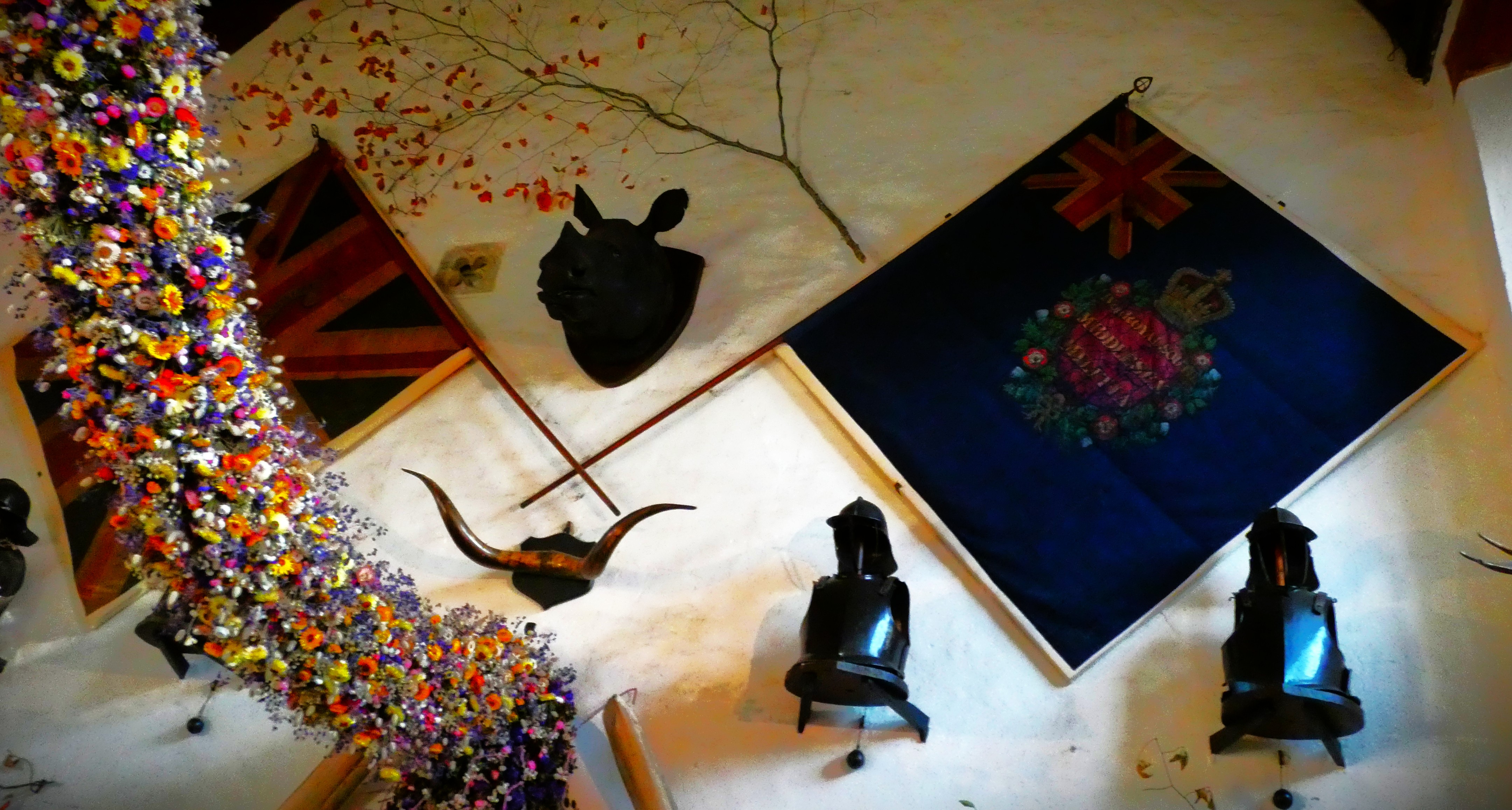
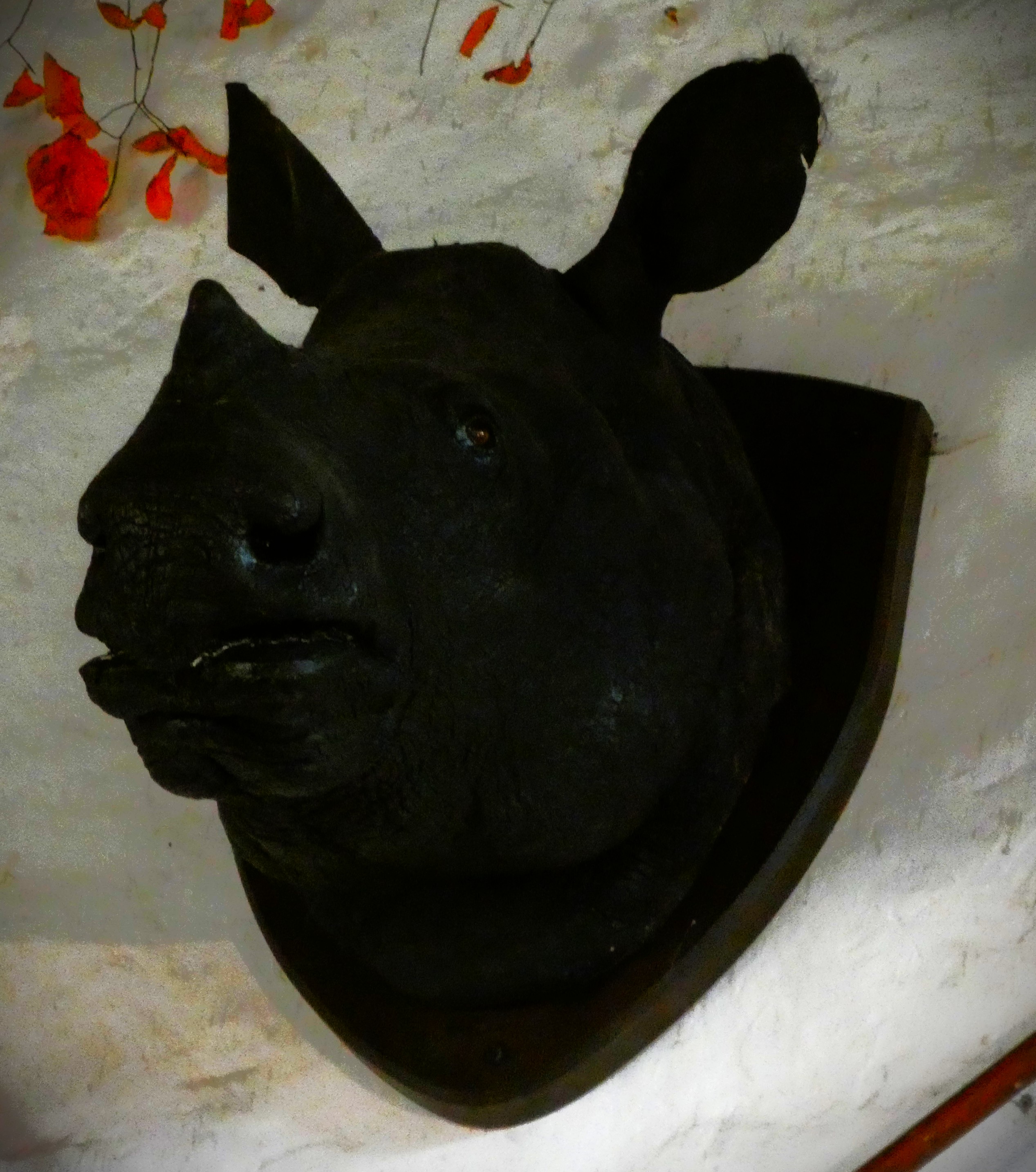
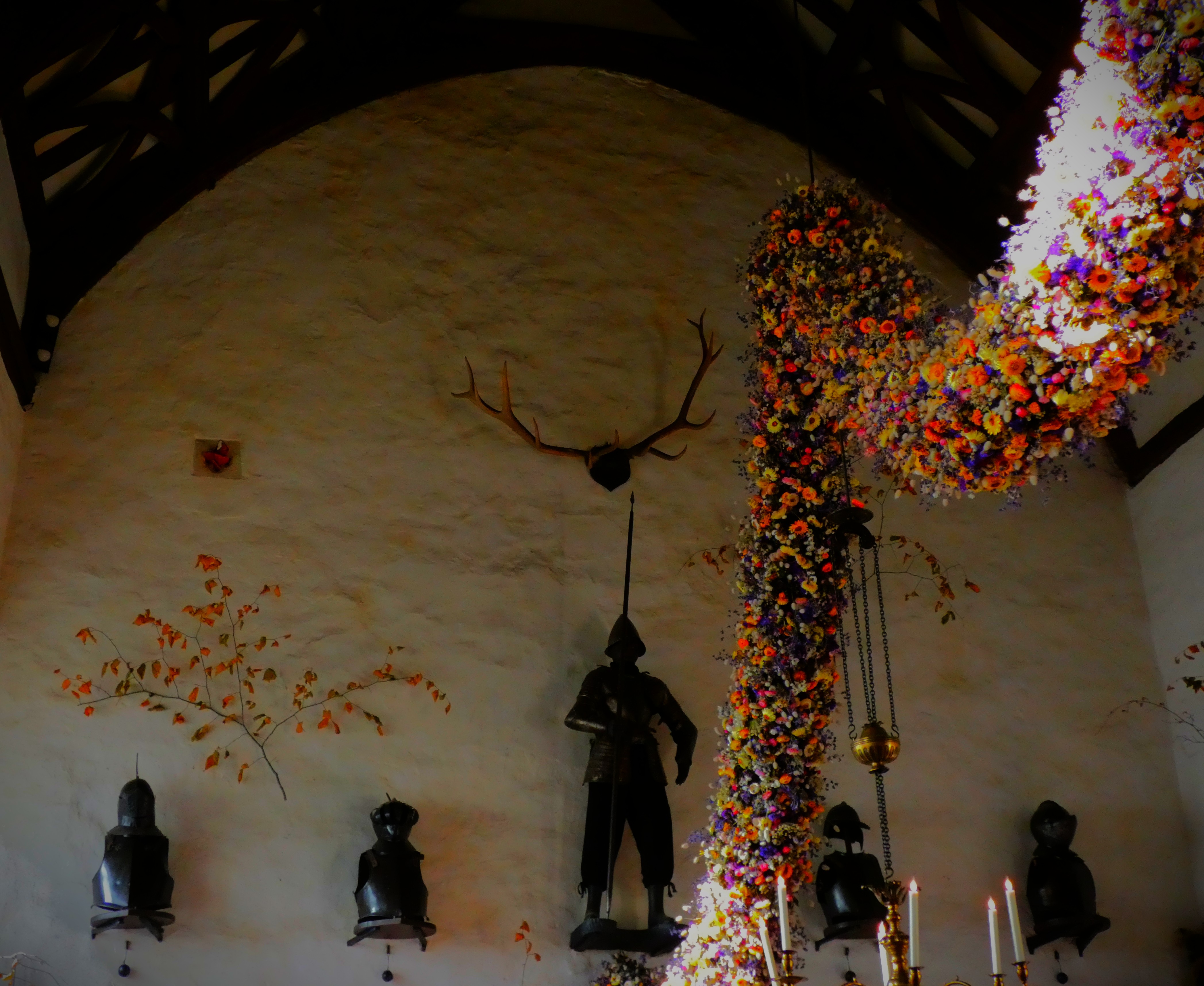
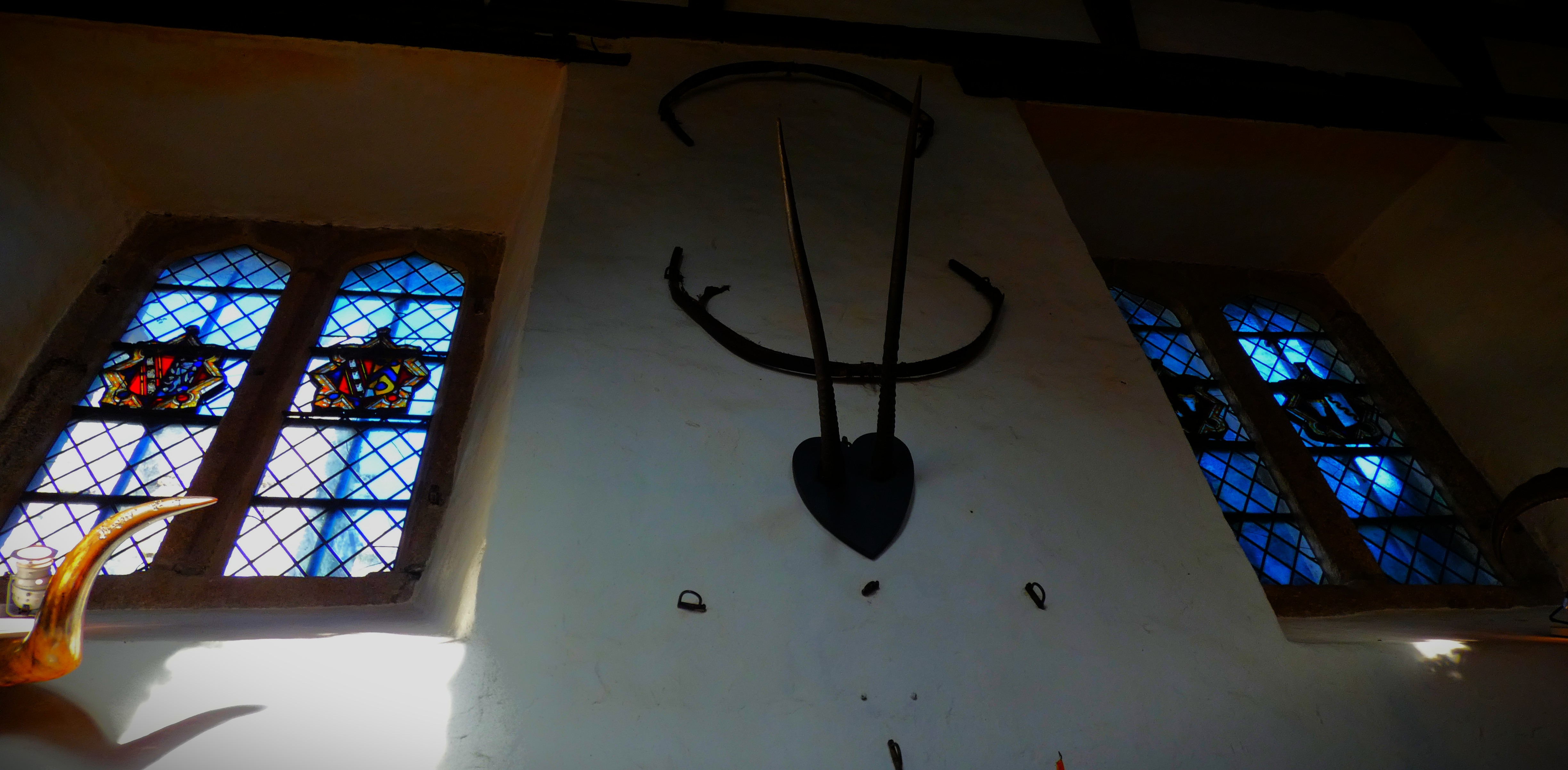
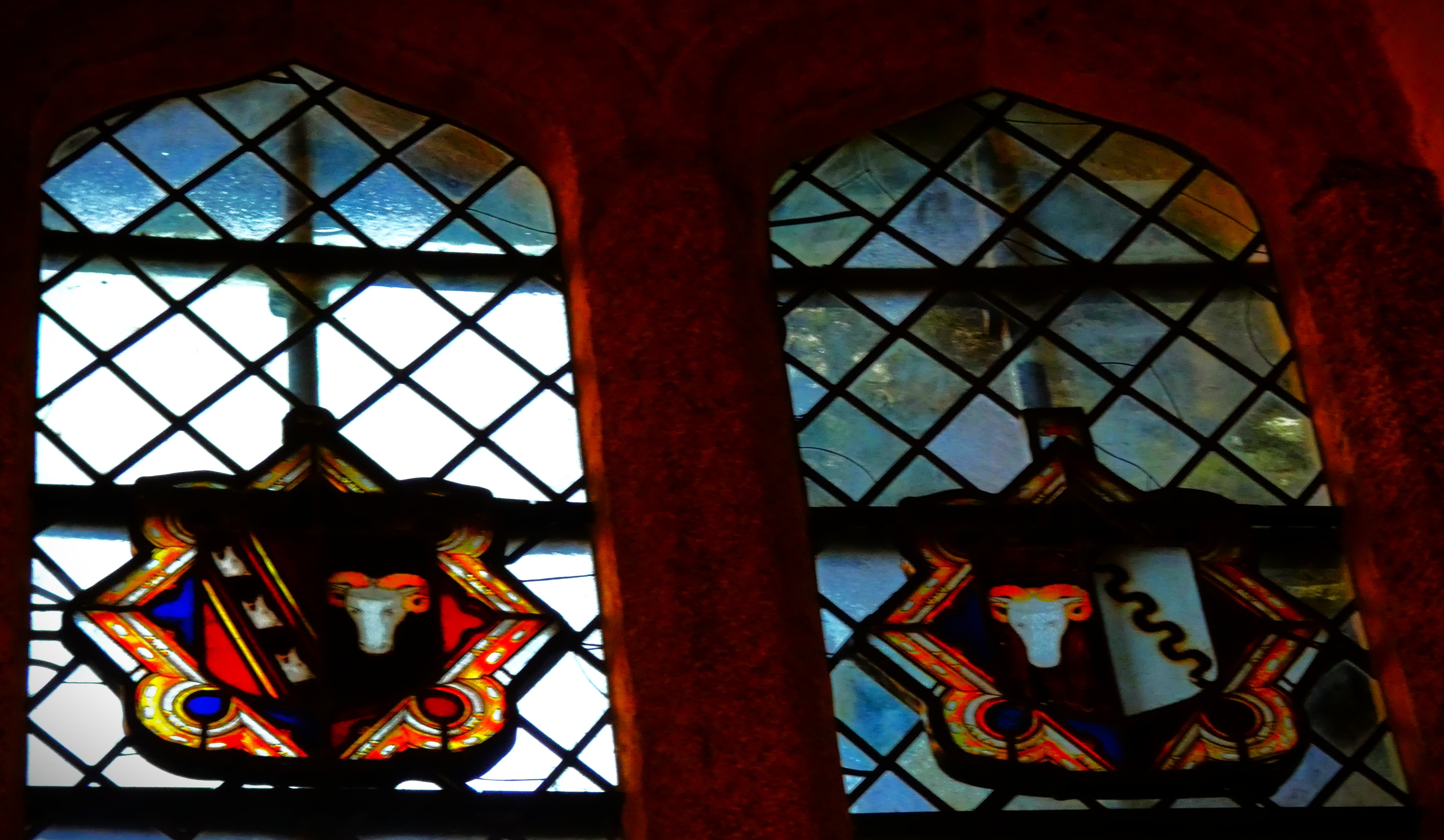
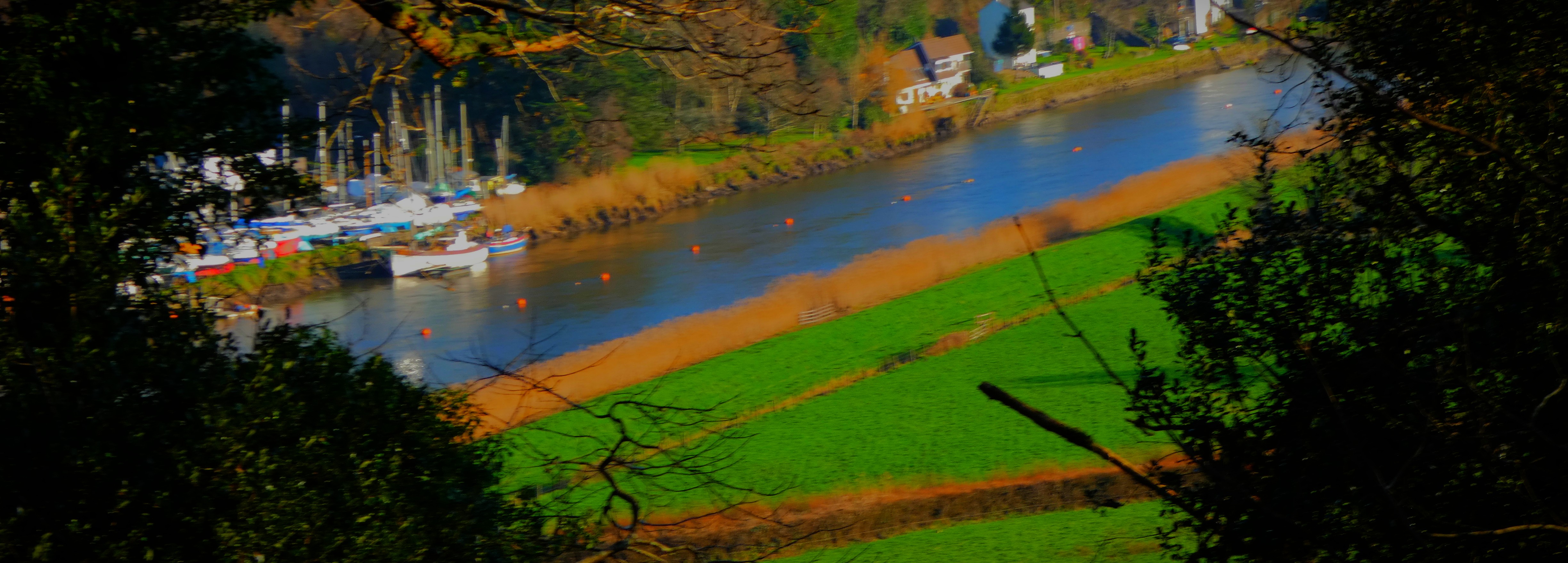
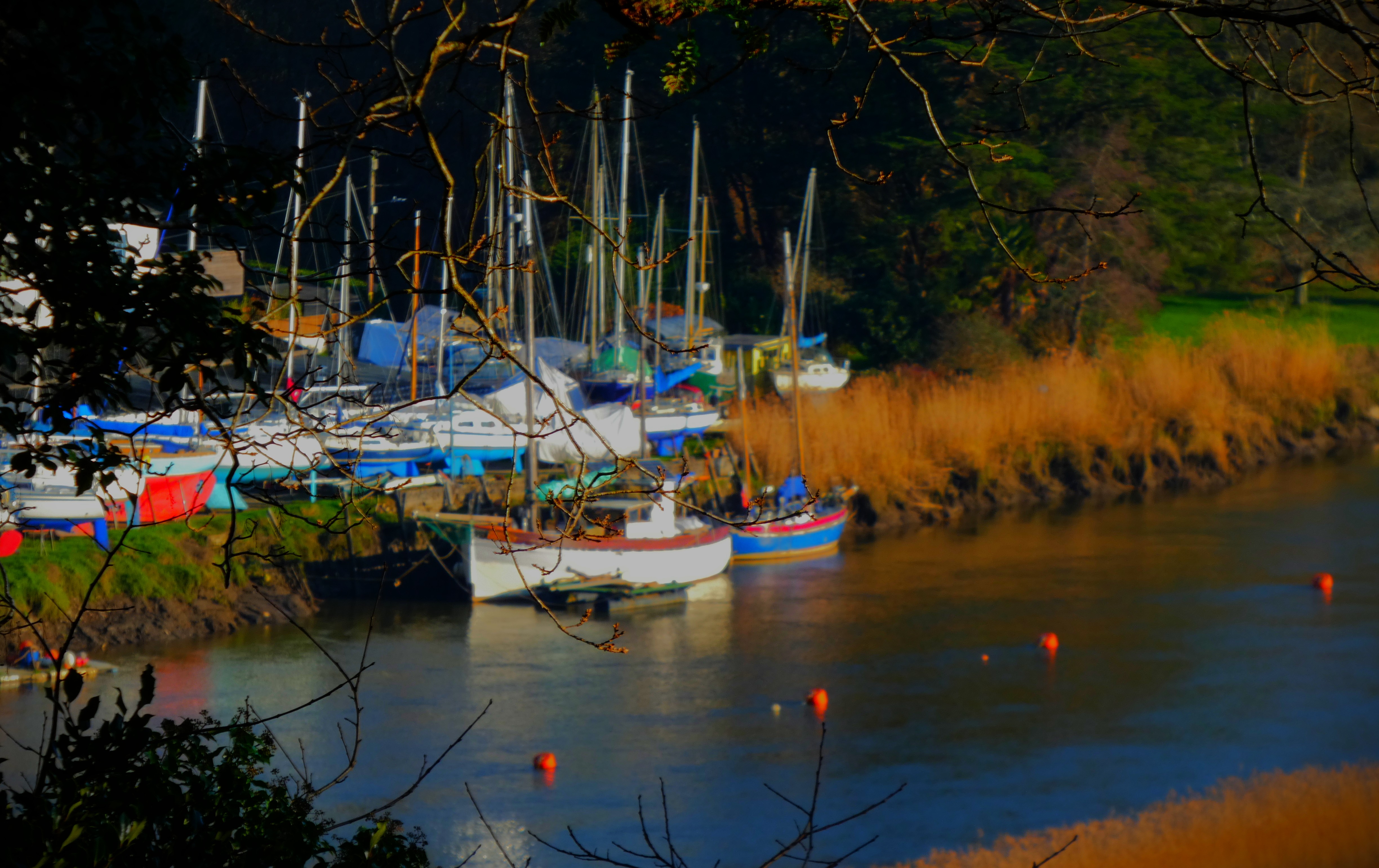
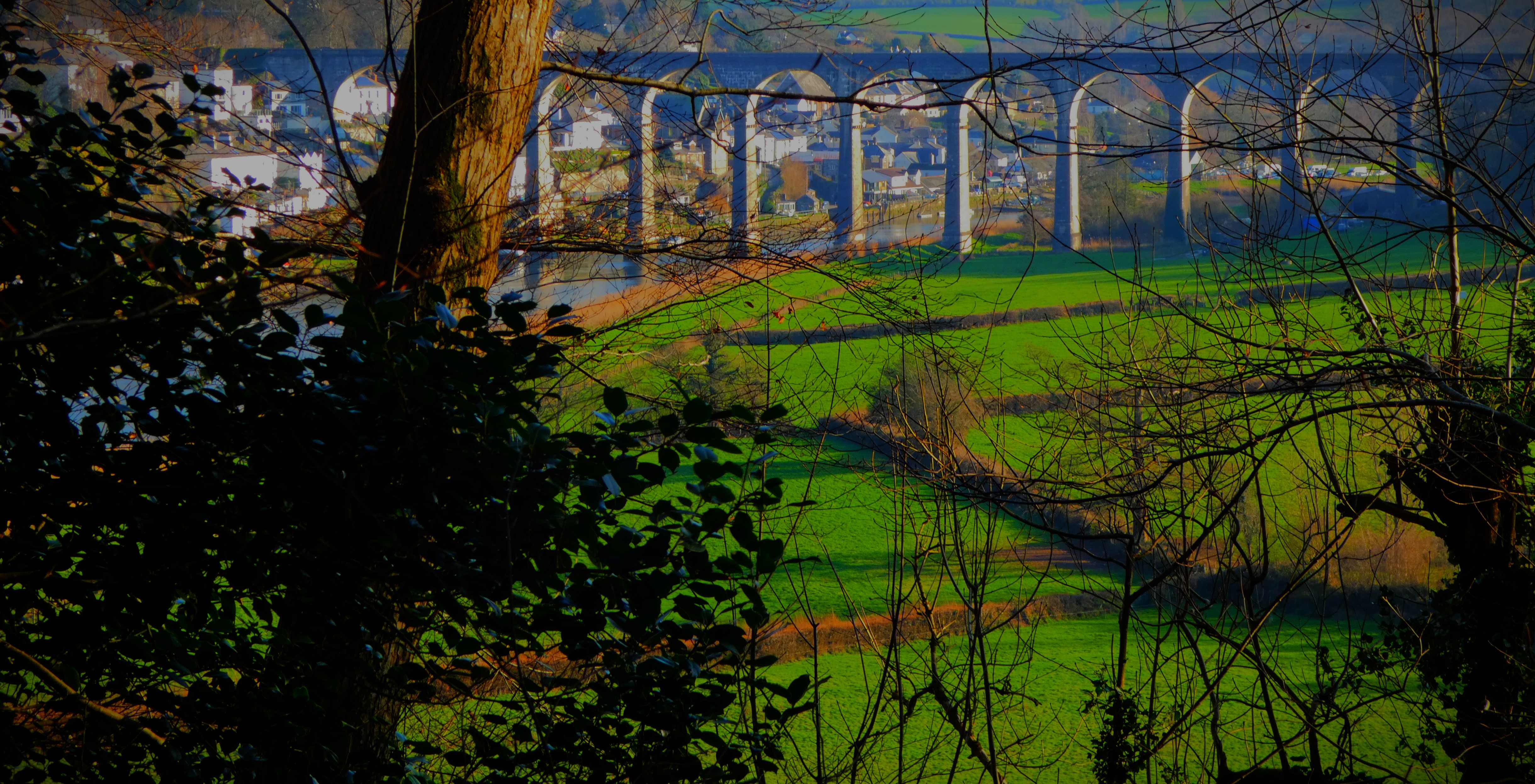
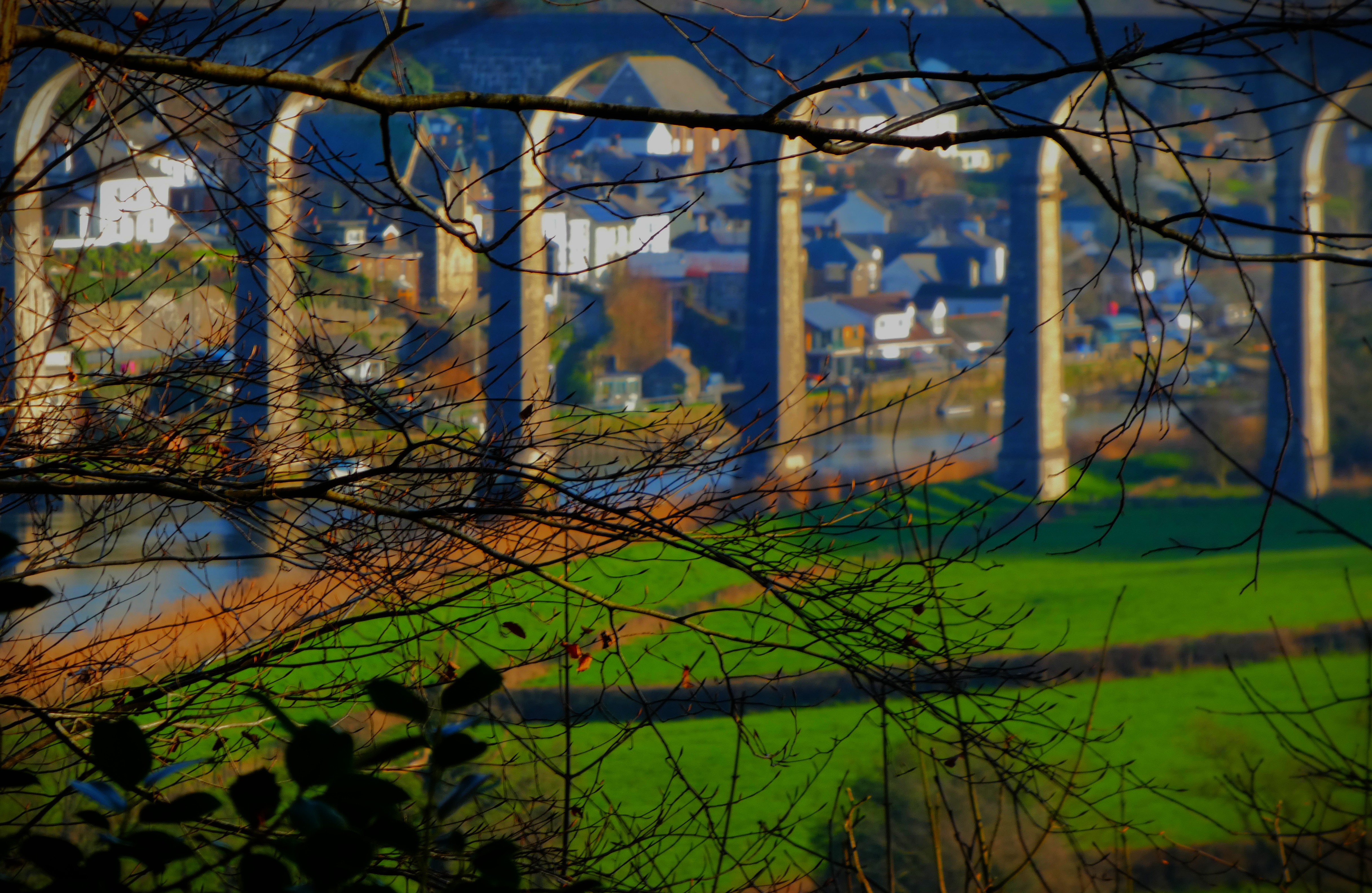
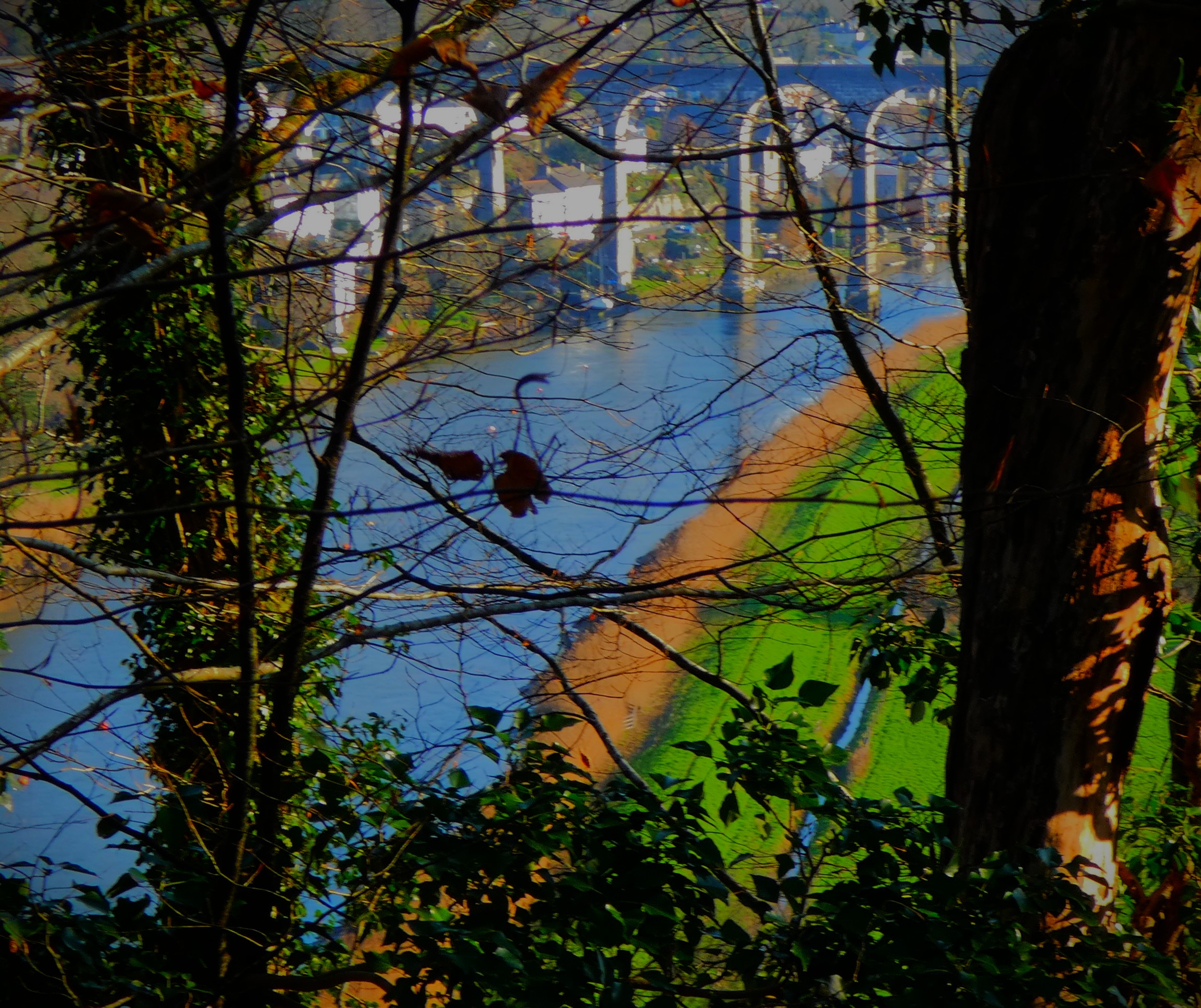
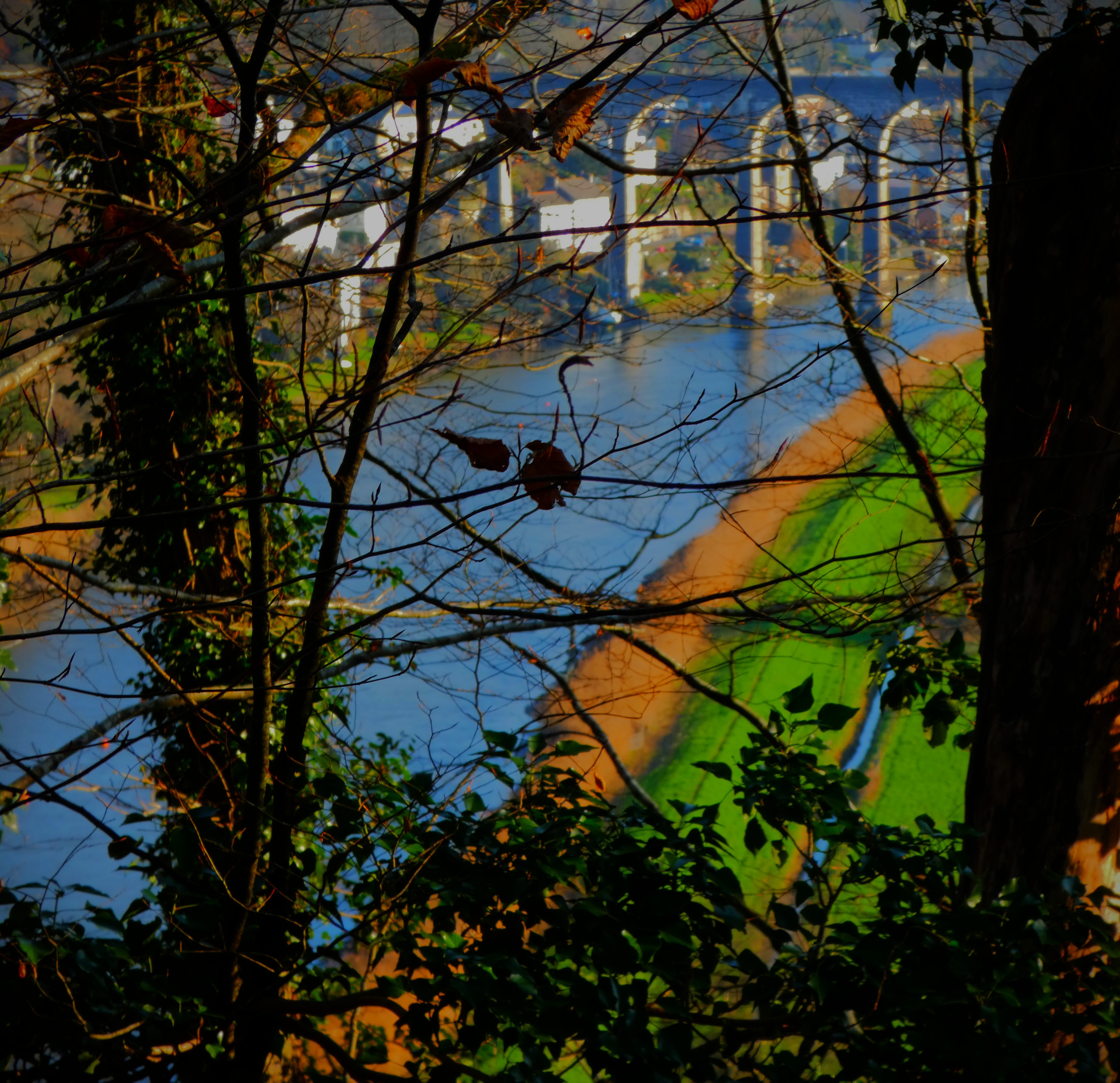
On Christmas Eve we visited Cotehele House, for six centuries home to the Edgecumbe family, until the then Earl of Edgecumbe passed it to the National Trust in 1965, and then went for a scenic walk, which began with a wander through the hills and ended with a walk back along the Tamar Valley. We passed Calstock Church, quite separate from Calstock itself (I got no pictures of the church as my camera was out of battery by then), got some glorious views of the Calstock Viaduct, which carries the Tamar Valley line over the river of the same name (I managed to capture some before my camera ran out), and visited a pub on the way back along the Tamar Valley. Surprisingly for a pub on a popular walking route in a scenic location the prices were not by British standards extortionate – I produced a £20 note to purchase three drinks, fully expecting only shrapnel back by way of change, and my change included a £5 note as well as a few coins. We got back to the fort just as darkness was falling.
Here is my incomplete but hopefully still impressive photo gallery from this day…