A look at the latest developments in Warwickshire v Surrey and a photo gallery.
Today is day three of the opening round of county championship fixtures for the 2026 season. This post looks at what has been happening between Warwickshire and Surrey.
THE DAYS EVENTS
Sam Hain was the first to fall on day three, trapped LBW by Matt Fisher for 94. Mousley continued his impressive play of the previous day until he fell for 144, caught by Rory Burns off James Taylor. That was 394-4. Warwickshire skipper Ed Barnard looked in magnificent form until Burns caught him off Fisher for 25. Aussie Beau Webster became the fifth Warwickshire player to top 50 in the innings before being pinned LBW by Tom Lawes. Numbers 7,8 and 9 in the Warwickshire order, Kai Smith, Chris Woakes and Jordan Thompson, all fell to 18 year old left arm spin bowling all rounder Ralphie Albert, Smith to a catch by Foakes, Woakes clean bowled and Thompson caught by Fisher. Thompson’s dismissal ended the innings, with Ethan Bamber having been LBW to Taylor for 11. Warwickshire thus ended on 544, a first innings advantage of 216. Albert’s figures were 20.3-1-80-3, splendid in such a huge total. The only Surrey bowler to be more economical than Albert was Australian veteran Sean Abbott, whose right arm seam yielded 25-4-74-1.
A look at goings on on day two of Warwickshire v Surrey and a photo gallery.
Today is the second day of the county championship season. This post looks at events at Edgbaston where Warwickshire and Surrey are playing.
YESTERDAY EVENING
Surrey continued the fightback I reported on yesterday, eventually reaching 328, of which 128 came from the bat of Ben Foakes. The last wicket fell right on the stroke of time, meaning that Warwickshire did not have to bat in the evening session. They would have been disappointed to let Surrey off the hook from 65-6, but would also have noted that the pitch was definitely easier to bat on than it had been at the start.
TODAY
Today has belonged to Warwickshire. They have moved into a first innings lead for the loss of a mere two wickets. All four batters to have gone to the crease for them so far (Alex Davies, Rob Yates, Dan Mousley and Sam Hain) have topped 50. Mousley reached his first ever county century (he has scored an FC hundred for The Lions, England’s ‘understudy’ squad) just before the light got bad enough for the umpires to take the players off. With Sam Hain unbeaten on 80 at the other end Warwickshire were 330-2, two runs ahead of Surrey’s 328. With the pitch now playing very easily Warwickshire can and should leave Surrey with only a draw to play for – it would be advisable for Warwickshire to give themselves a bowl at Surrey tomorrow evening if they are not already all out by then, but they can certainly afford to bat for two whole sessions tomorrow, and possibly for another hour after tea just to render their lead insuperable.
PHOTOGRAPHS
My usual sign off…
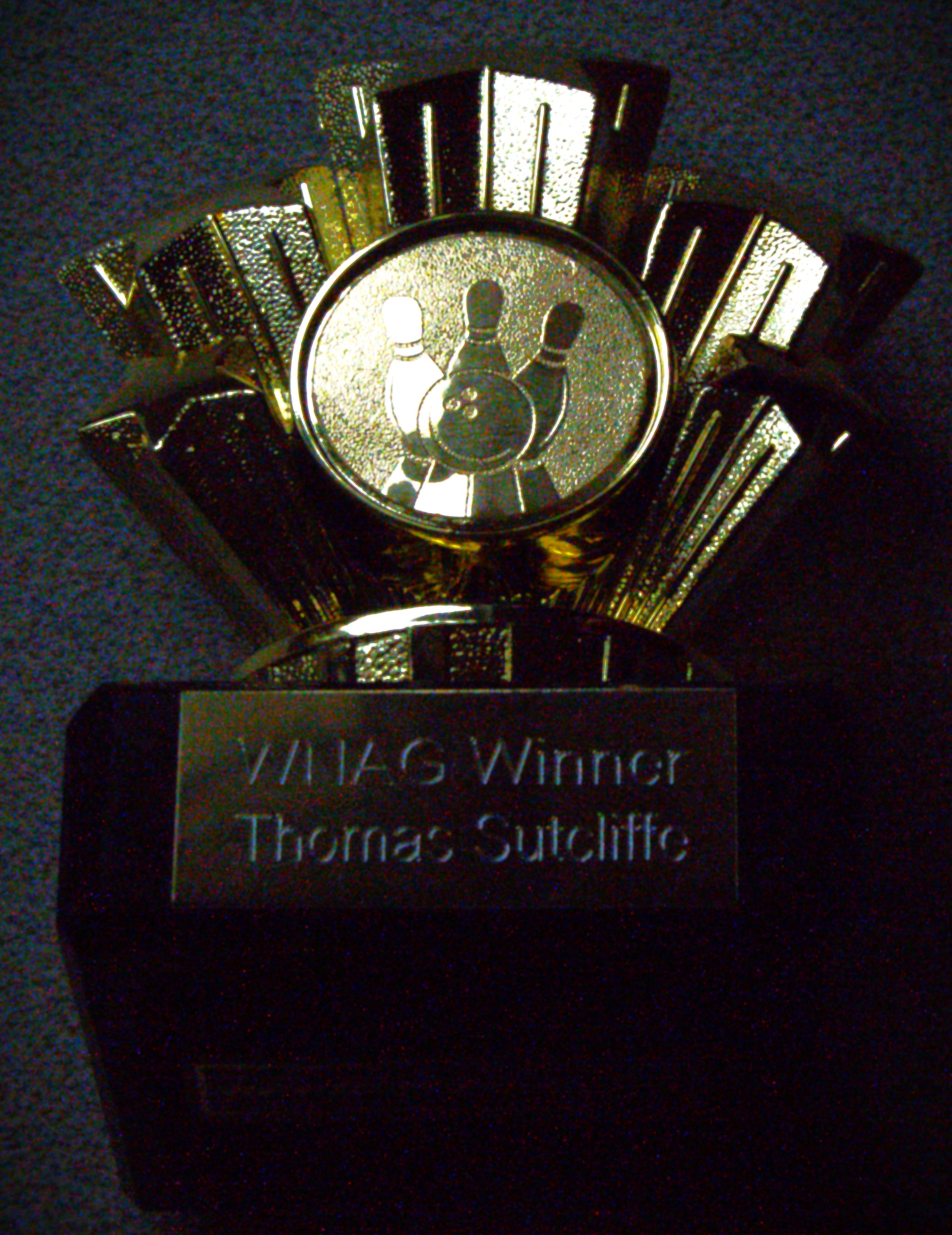
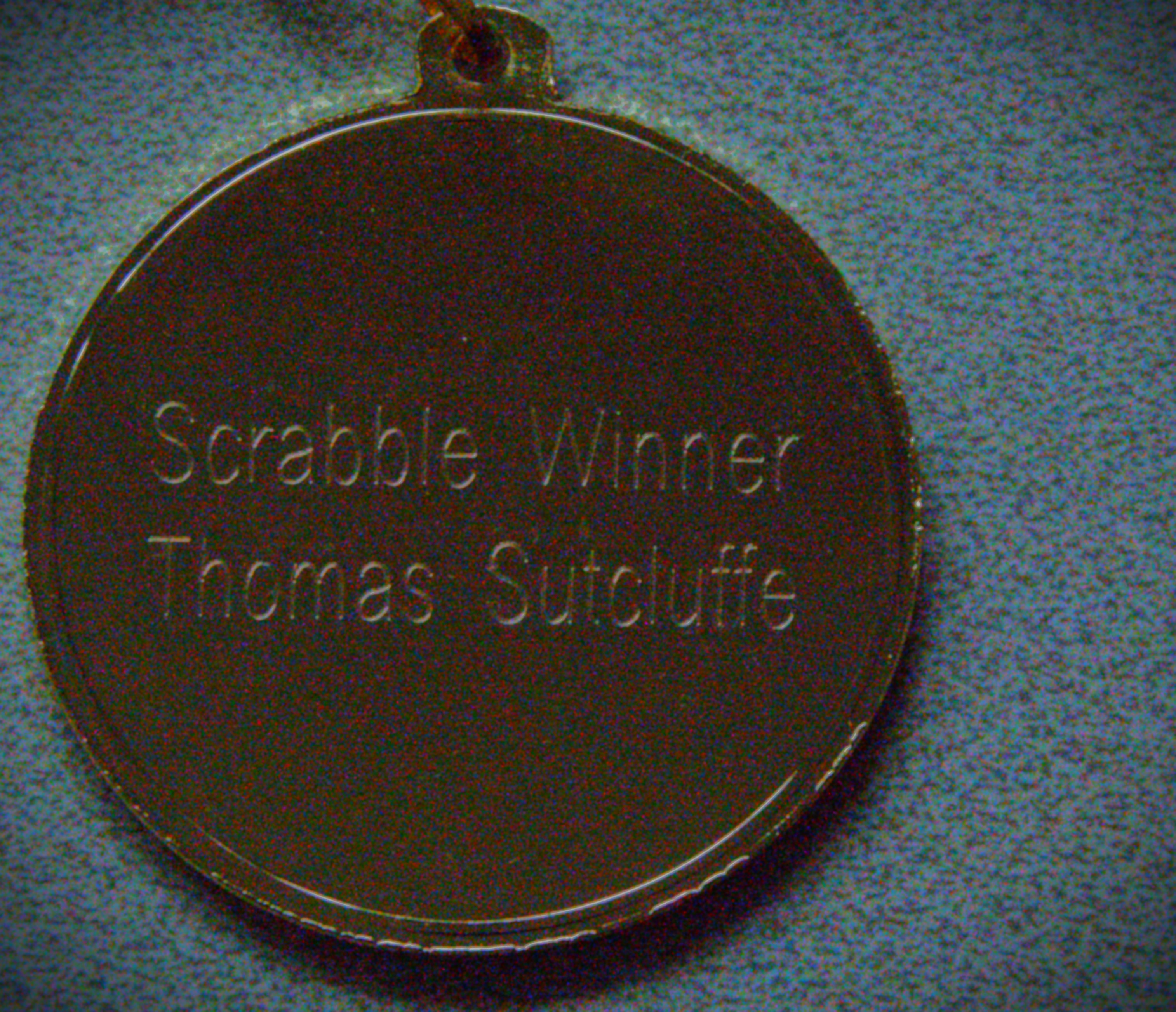
The WNAG 4th birthday cake.Pictures of my new trophy and medal (six in total).Today’s pictures start here.
A look at events in Warwickshire v Surrey on the opening day of a new cricket season and a photo gallery from work.
The 2026 first class cricket season got underway at 11am UK time this morning, making use of the fact that today and Monday are both bank holidays to play a round of four-day fixtures on which no day will be a regular working day. This post looks at goings on at Edgbaston where Warwickshire are facing Surrey. One piece of big general championship news is that the powers that be have seen sense and abandoned the experiment of using the Kookaburra ball in English matches as the failure it was.
EARLY STRUGGLES
Warwickshire won the toss and put Surrey in to bat. Surrey survived a tough morning largely through Dominic Sibley who batted through at one end. They should have made it through the session for the loss of three wickets, but a loose shot from Dan Lawrence right on the stroke of the interval handed Ethan Bamber his third scalp of the morning and sent Surrey in for lunch at 61-4. Almost as soon as the afternoon session started there was more trouble for Surrey, as Sibley was caught by Rob Yates off Chris Woakes and then Woakes clean bowled teenager Ralphie Albert to make it 65-6…
THE REVIVAL
At that point Ben Foakes, a world class wicket keeping all rounder who should be a regular in the England test side, was joined by Tom Lawes, a talented young seam bowler who can bat. This pair batted through the afternoon session, Lawes reaching a new career best 78 not out by the interval, while Foakes was on 55 not out, and the score had risen to 198-6. Foakes is a very experienced campaigner, and is likely to pass the career landmark of 10,000 first class runs before the end of the season. Play is just resuming for the evening as I type this.
PHOTOGRAPHS
First, a standalone from last night, the fourth birthday of the West Norfolk Autism Group (WNAG):
Me at the fourth birthday celebrations of WNAG, which took place at Strikes in Gaywood yesterday evening. The trophy I am holding aloft is for a win at ten pin bowling, while the gold medal around my neck is for a triumph at scrabble. The WNAG T shirt is on over my jumper because it was not warm enough to be in just a T shirt and I felt that on this occasion that T shirt had to be on display.
My remaining pictures come from work…
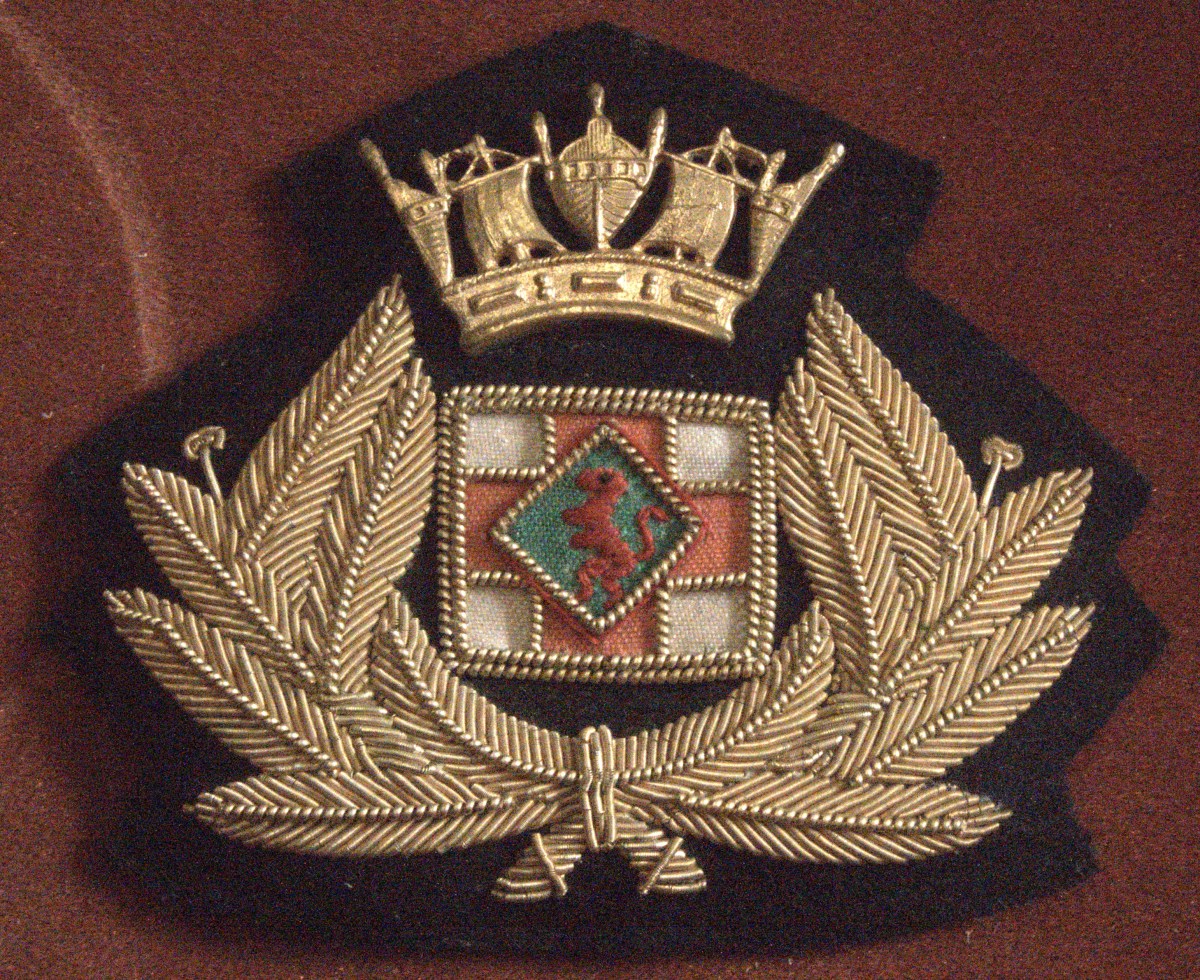
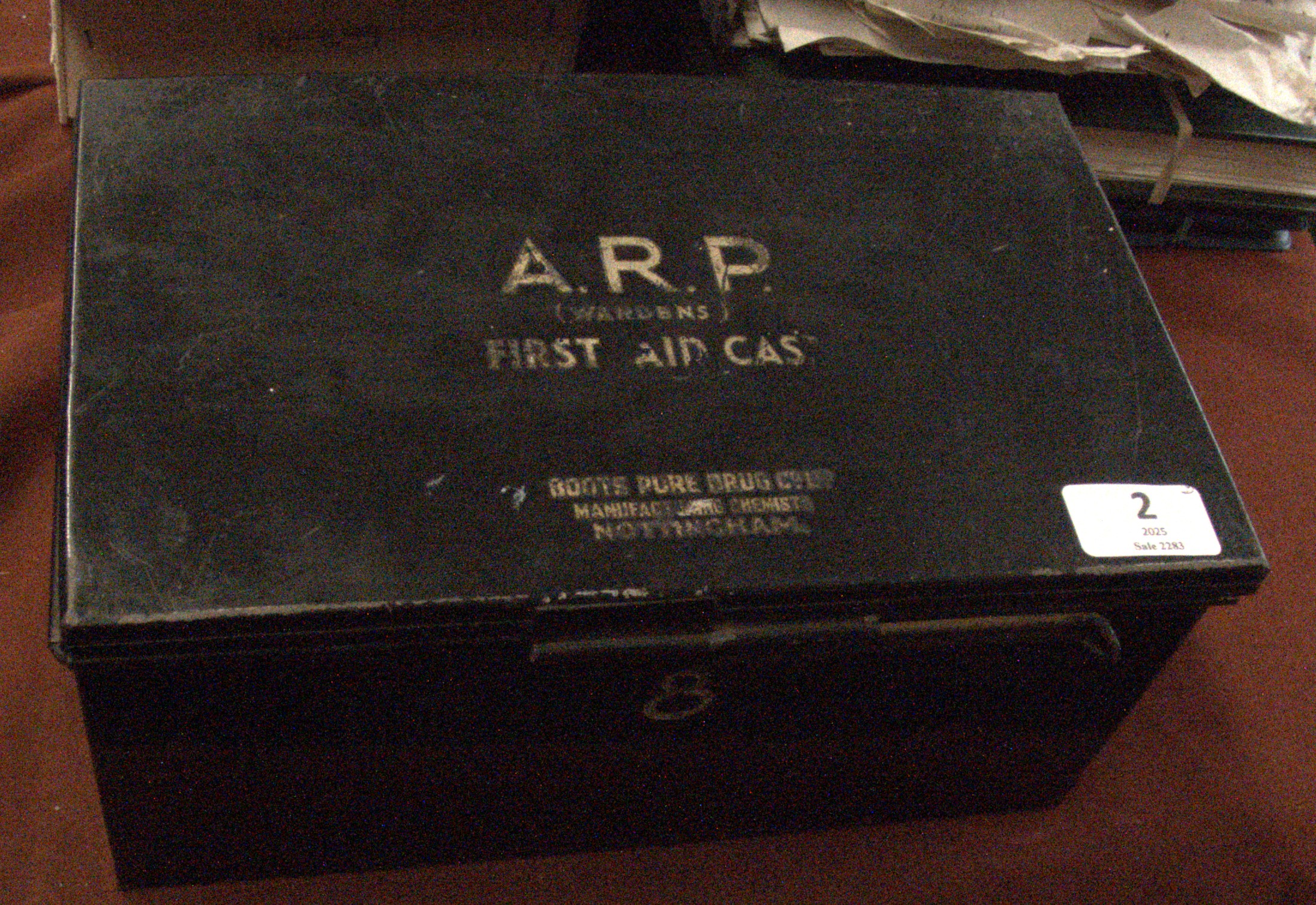
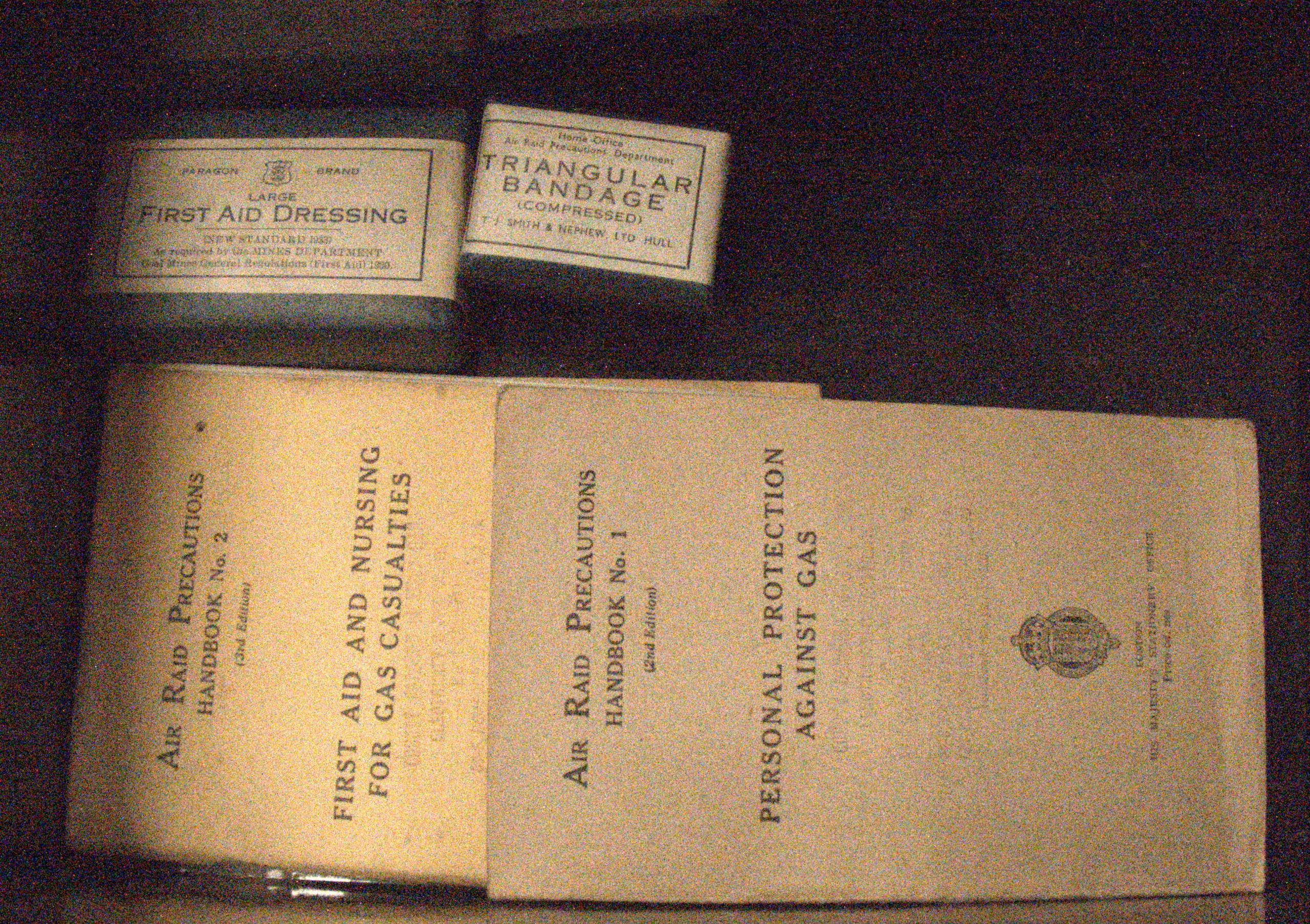
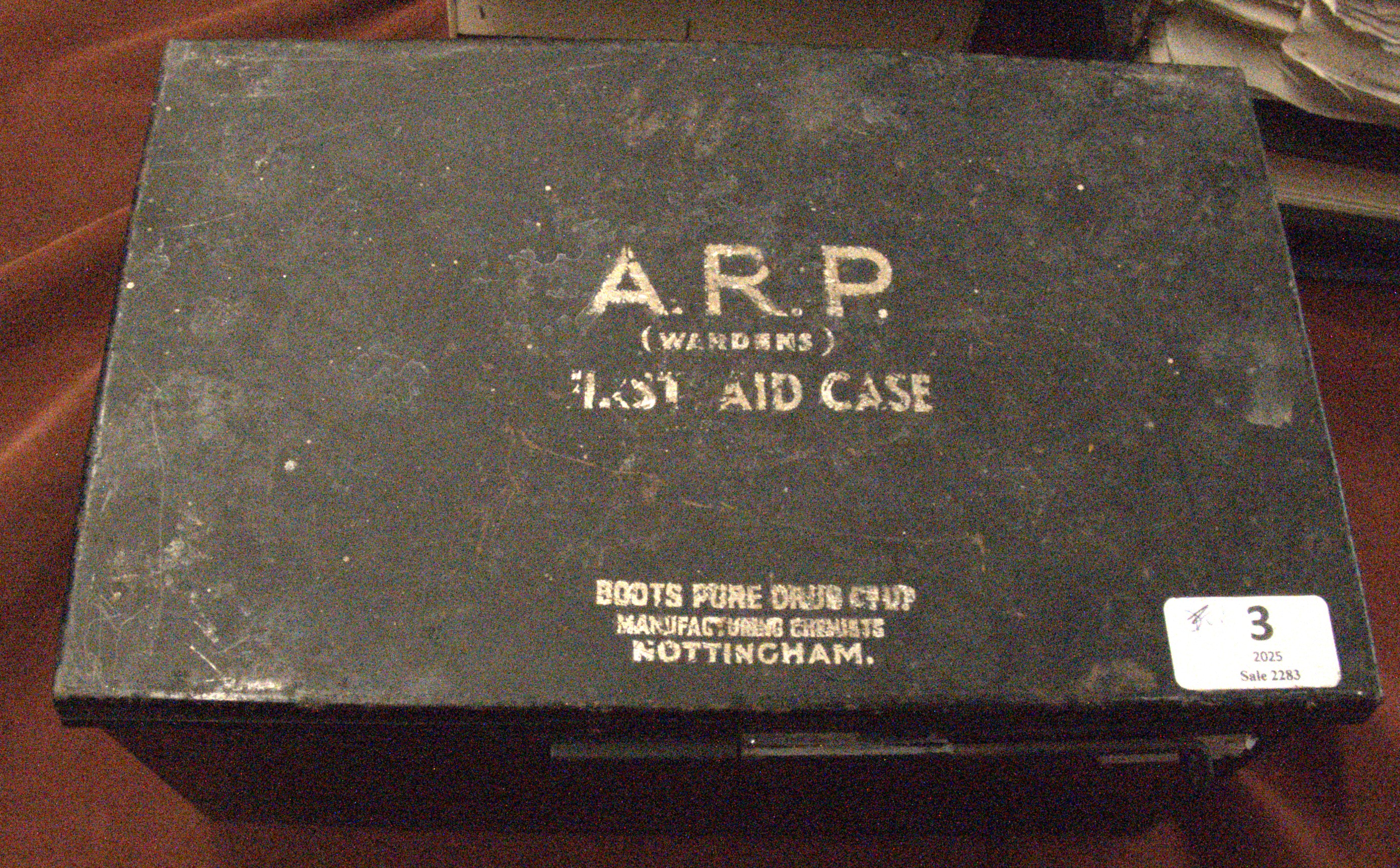
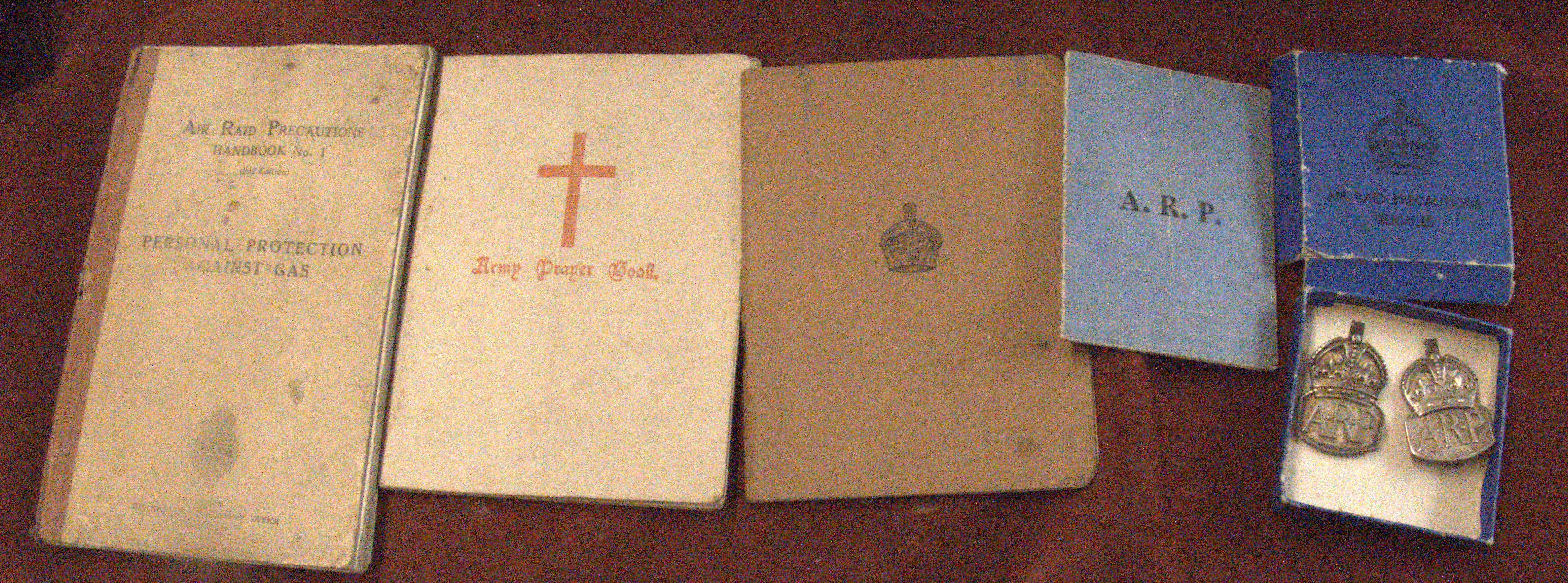
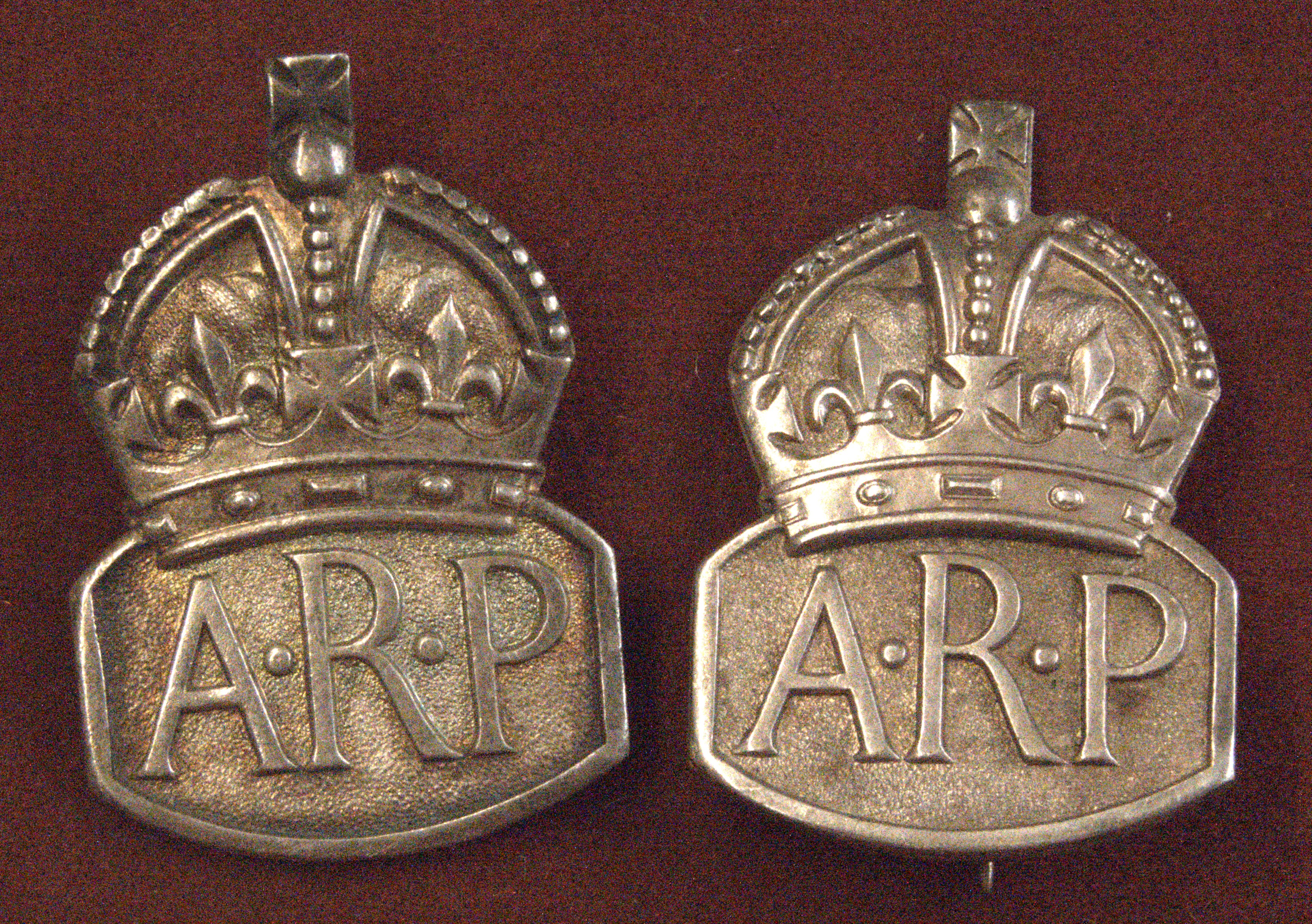
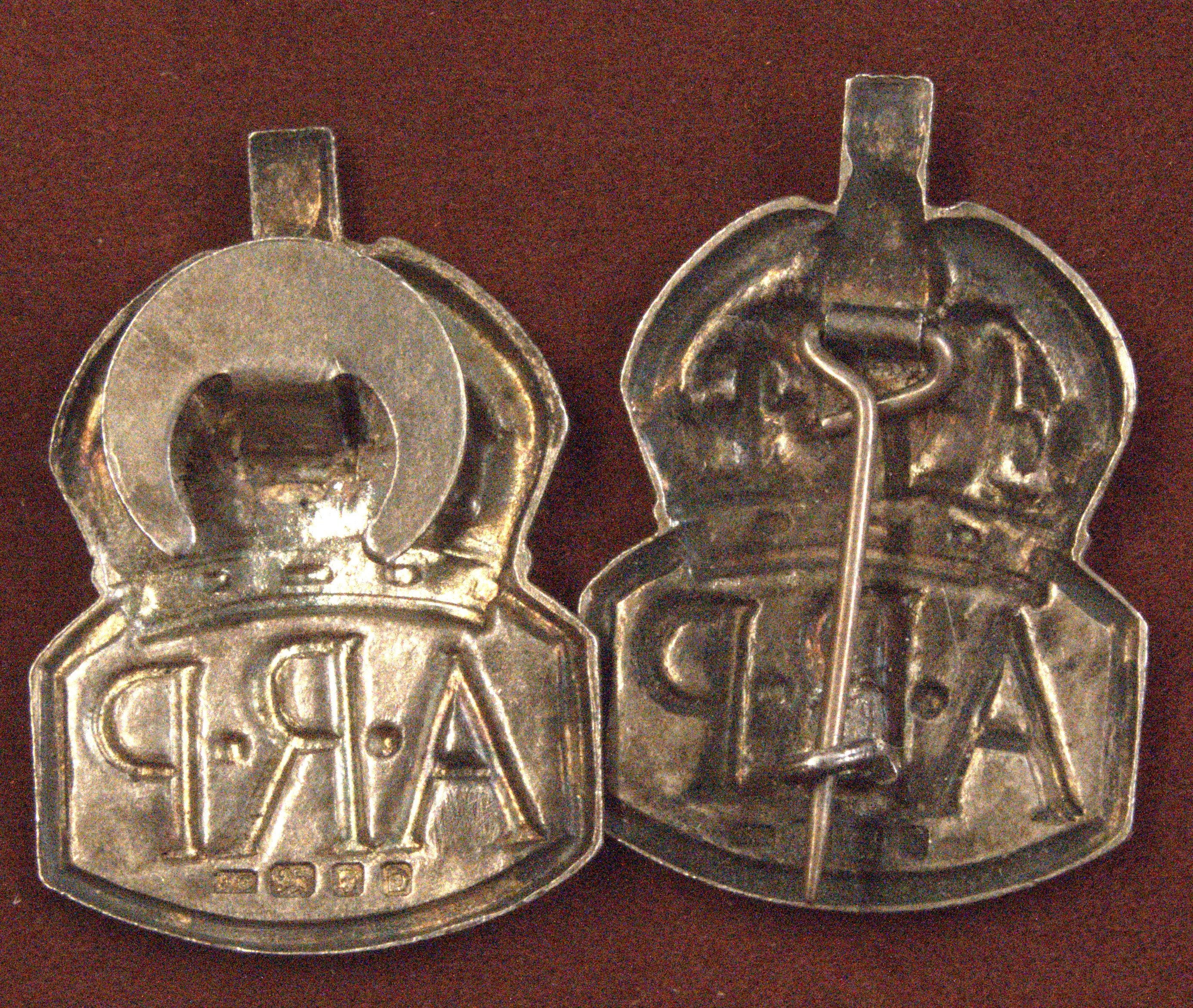
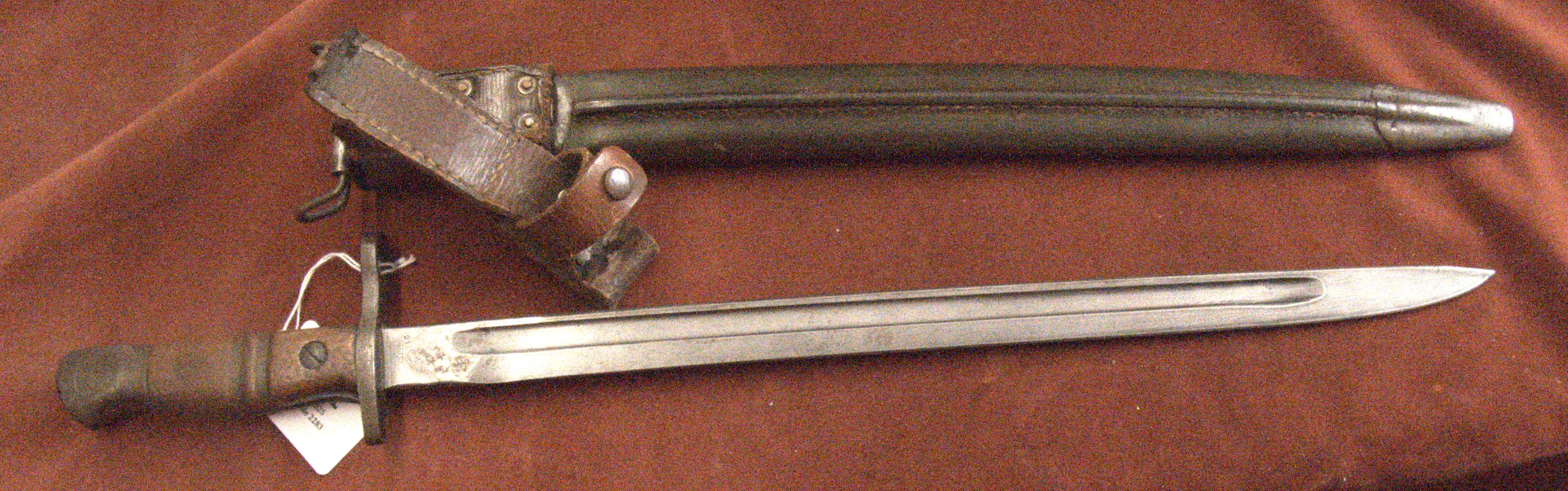
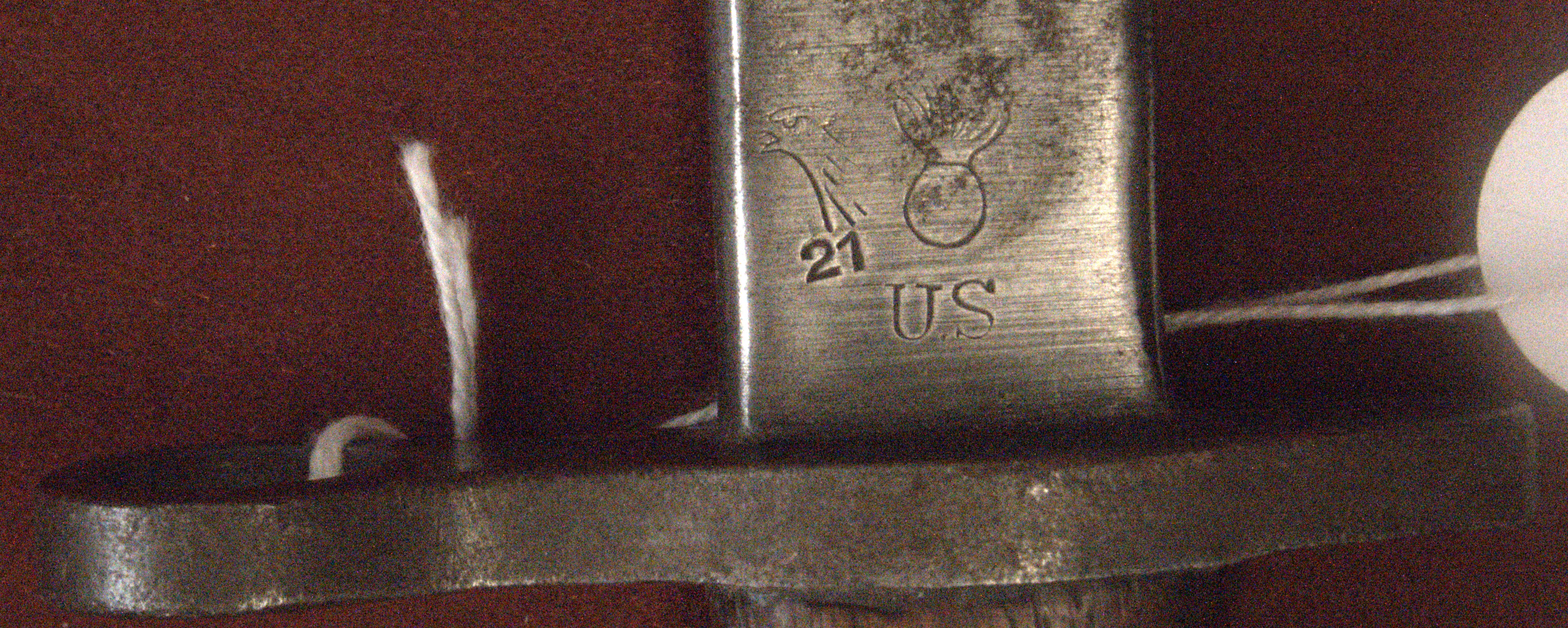
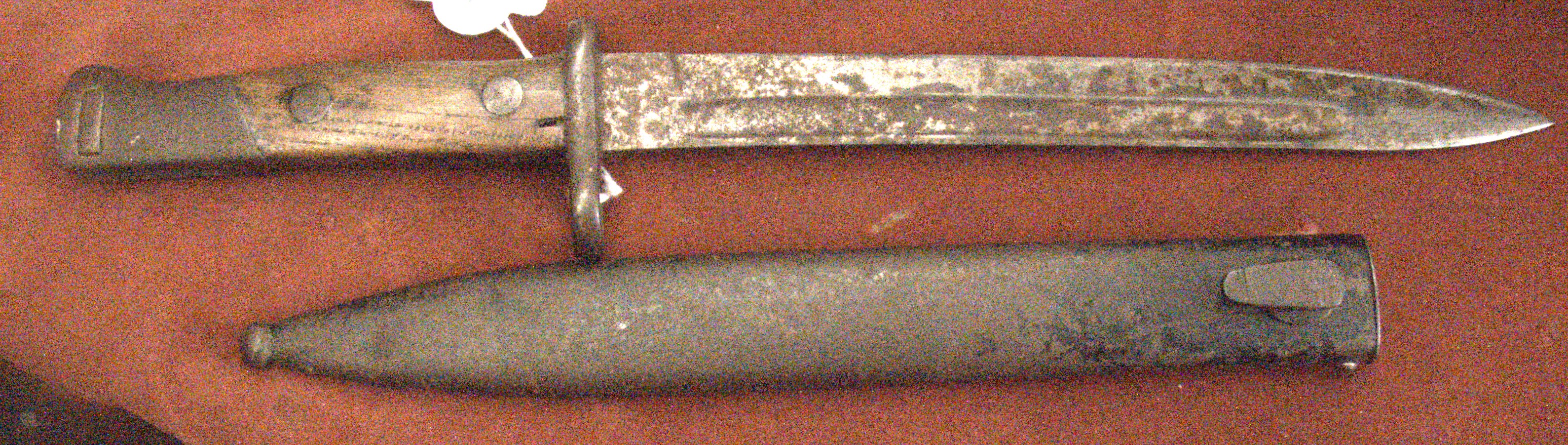
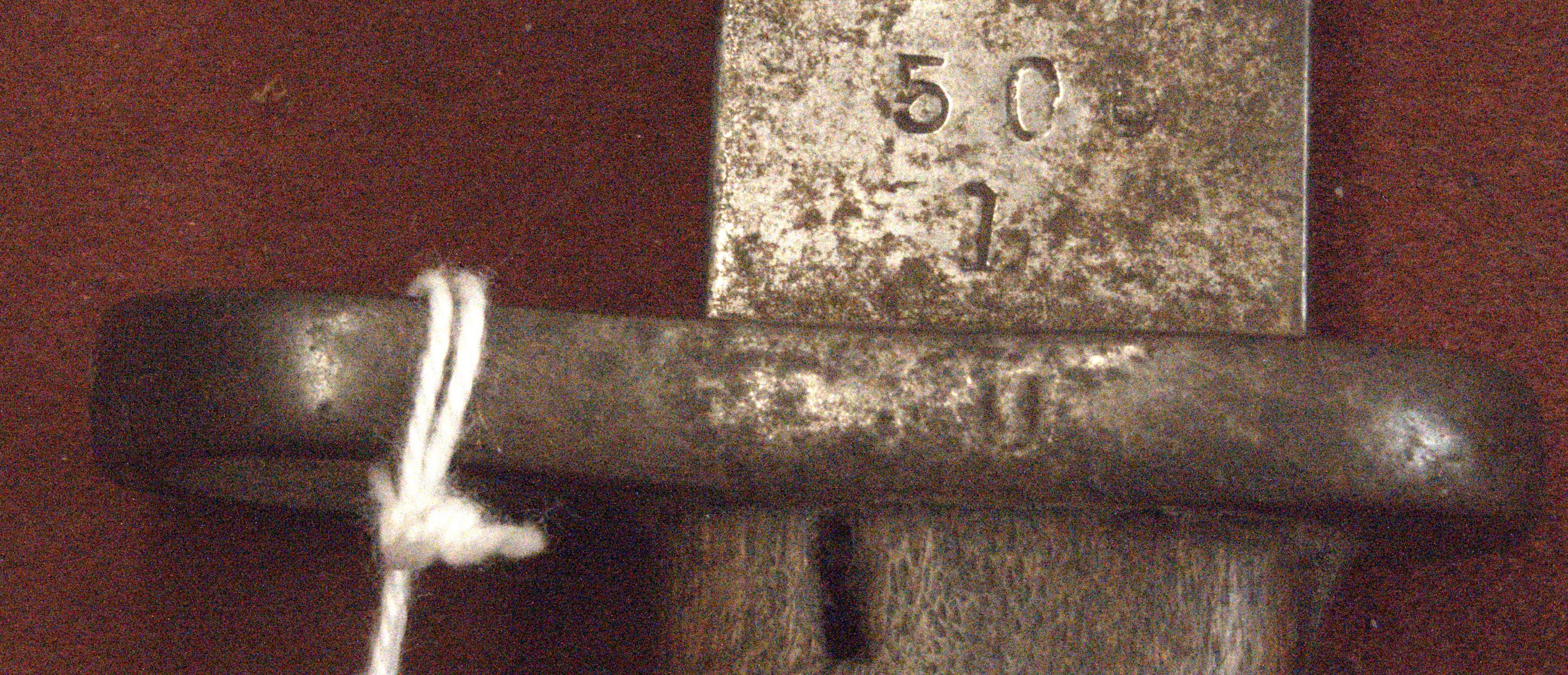
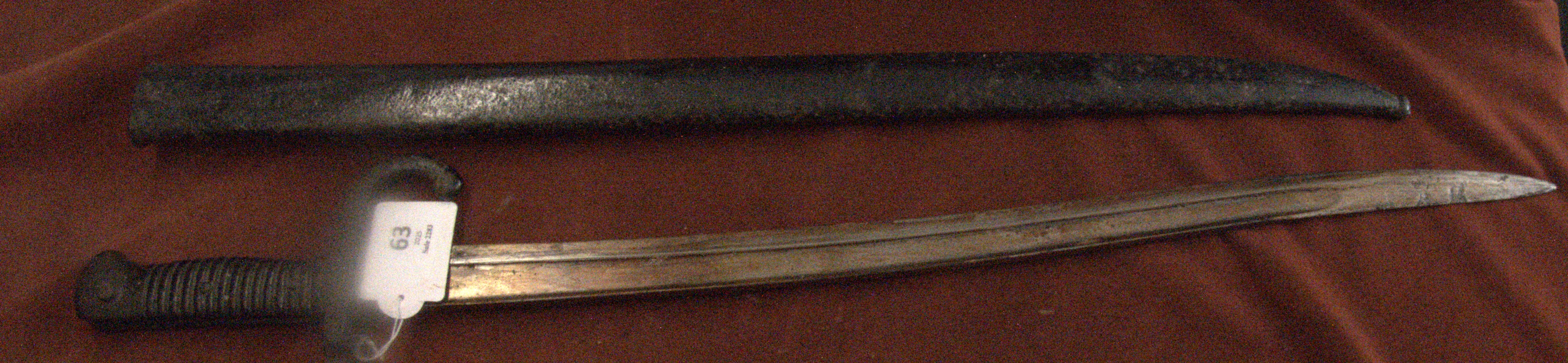
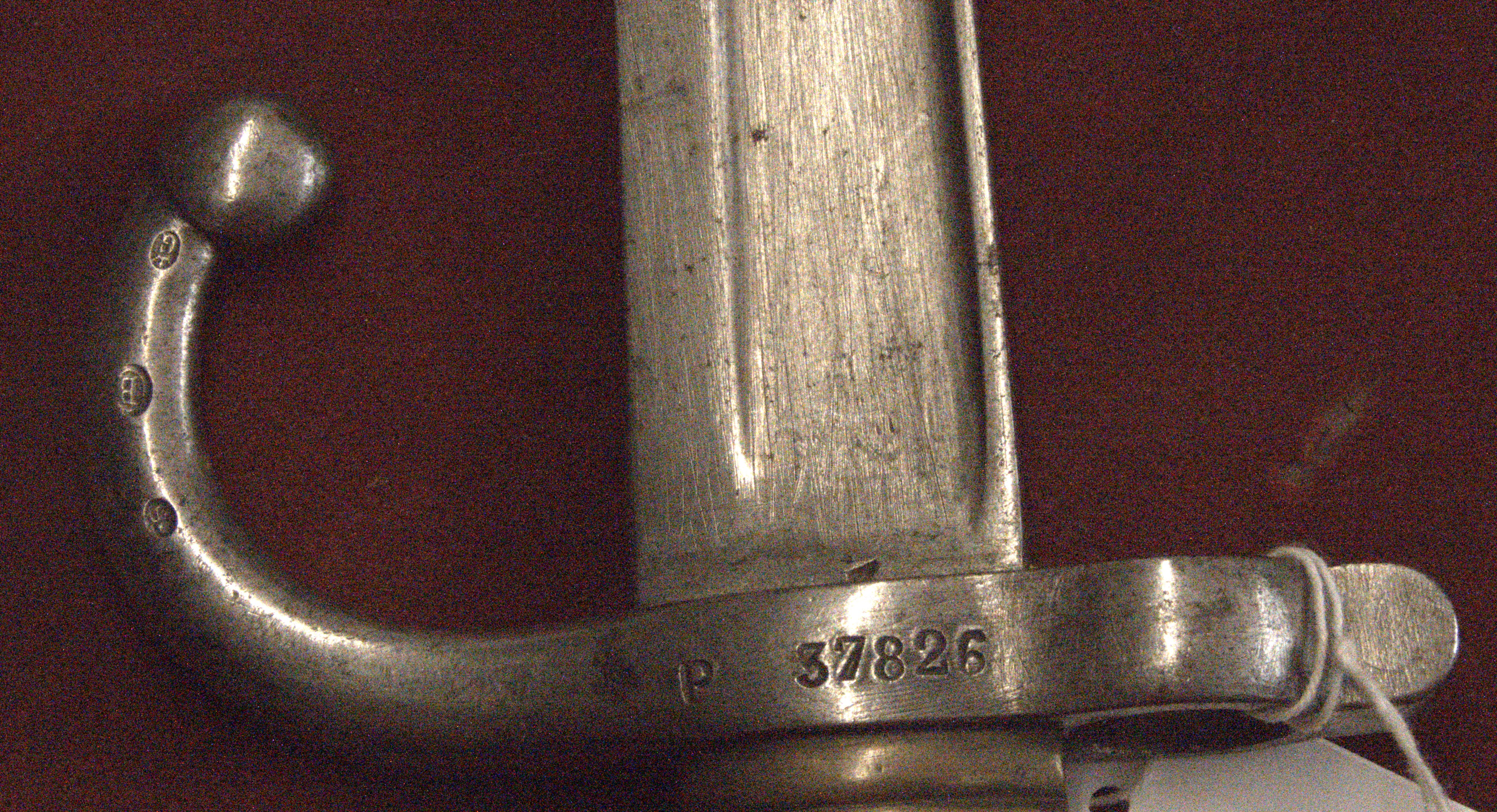
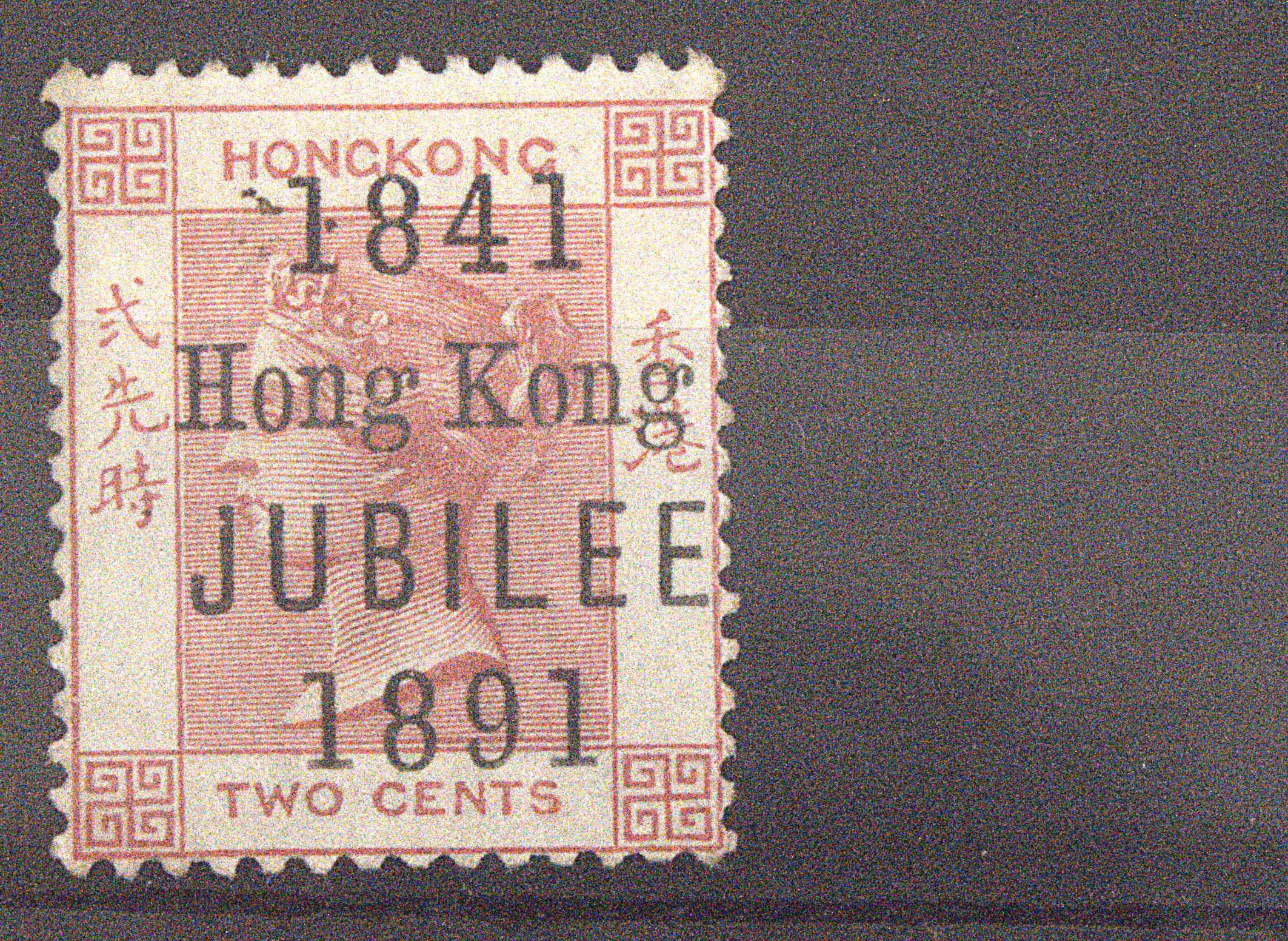
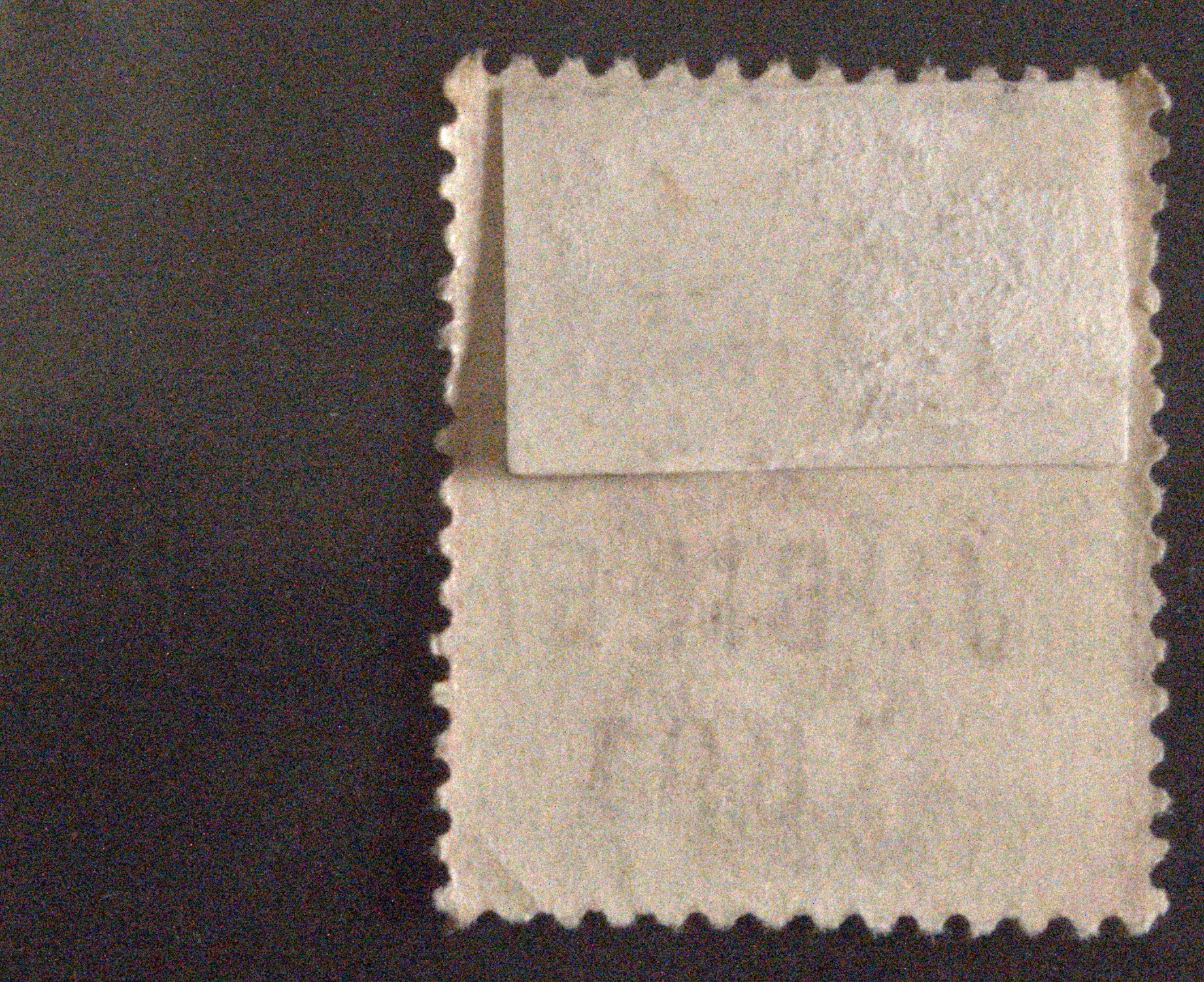
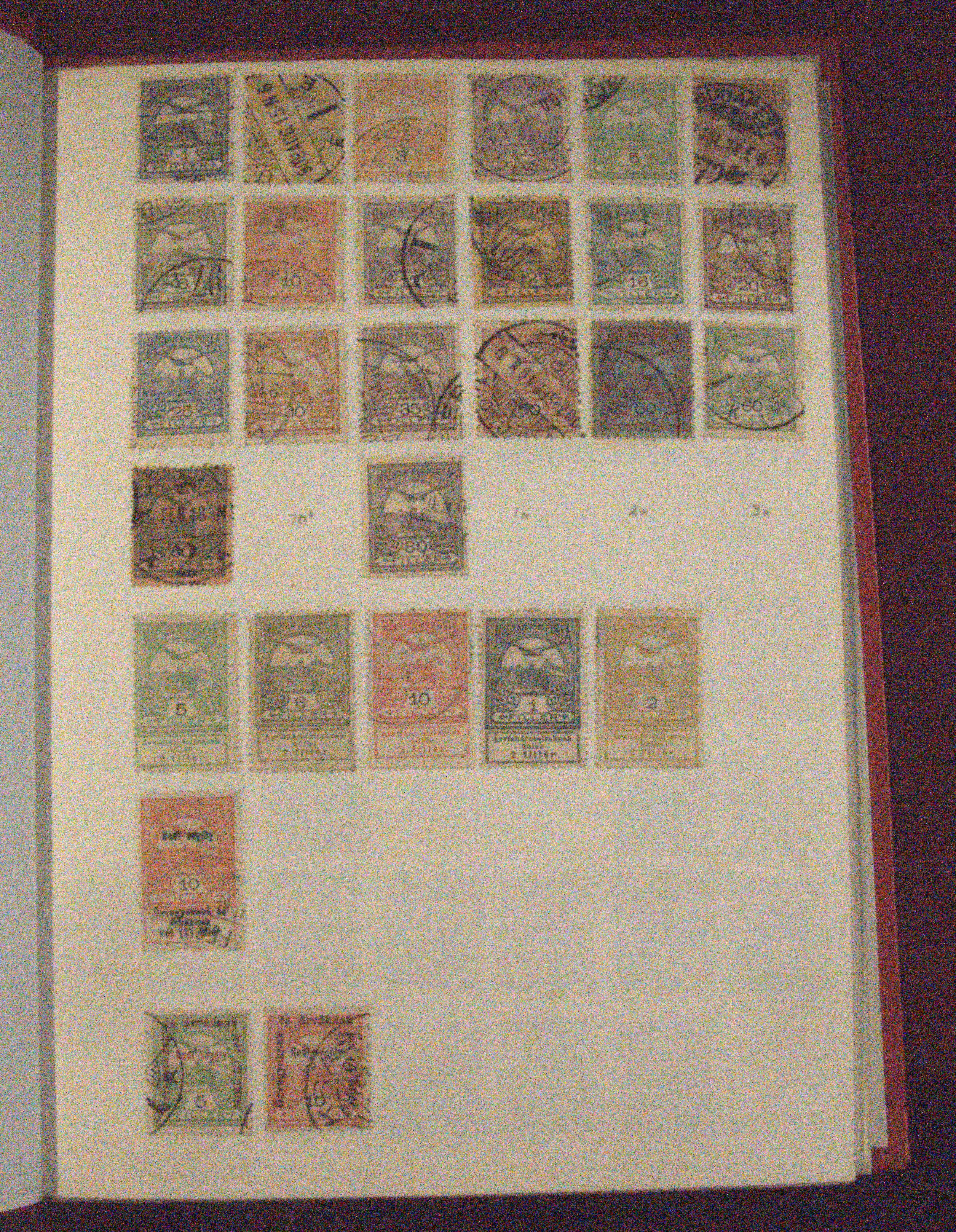
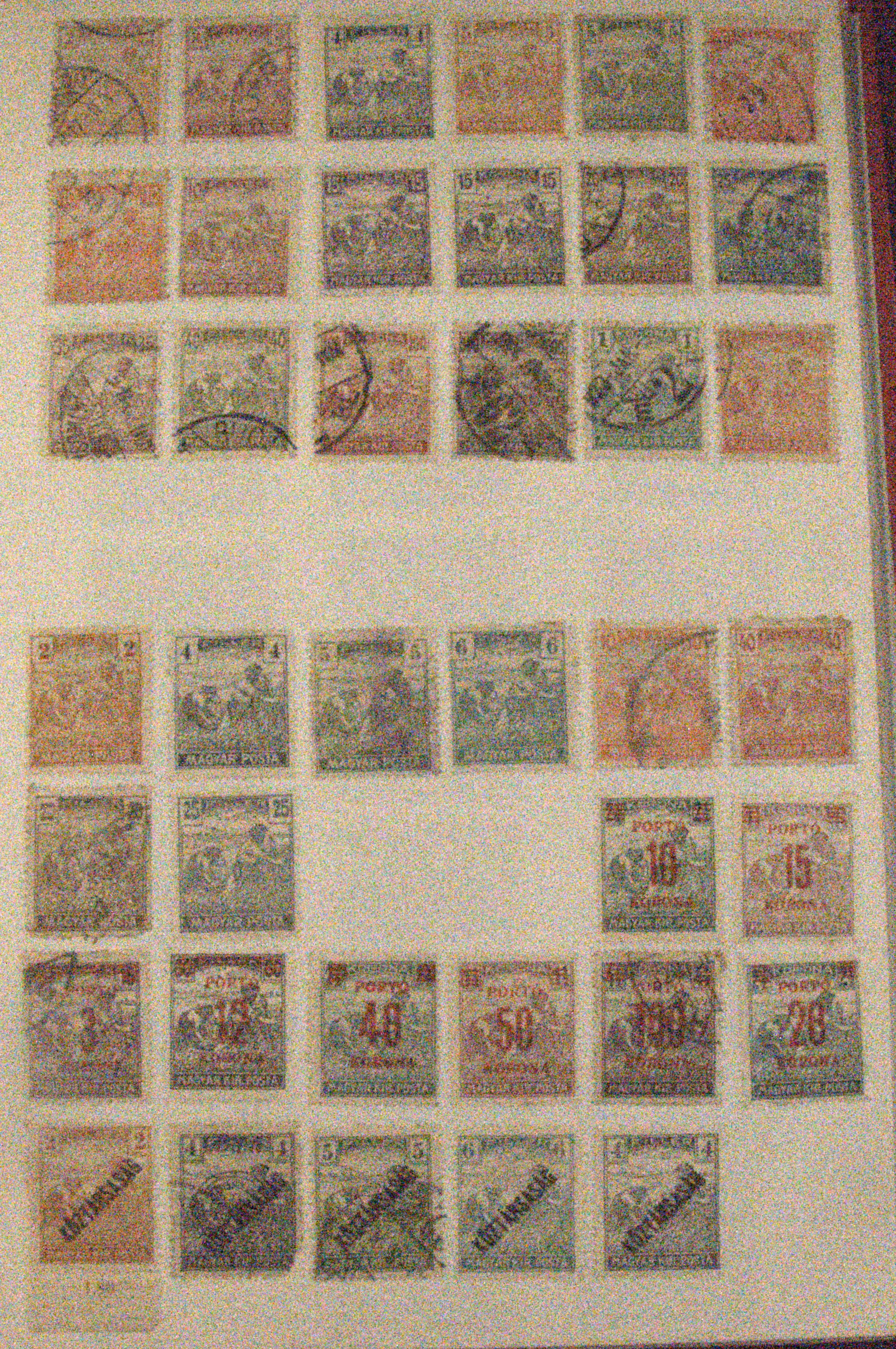
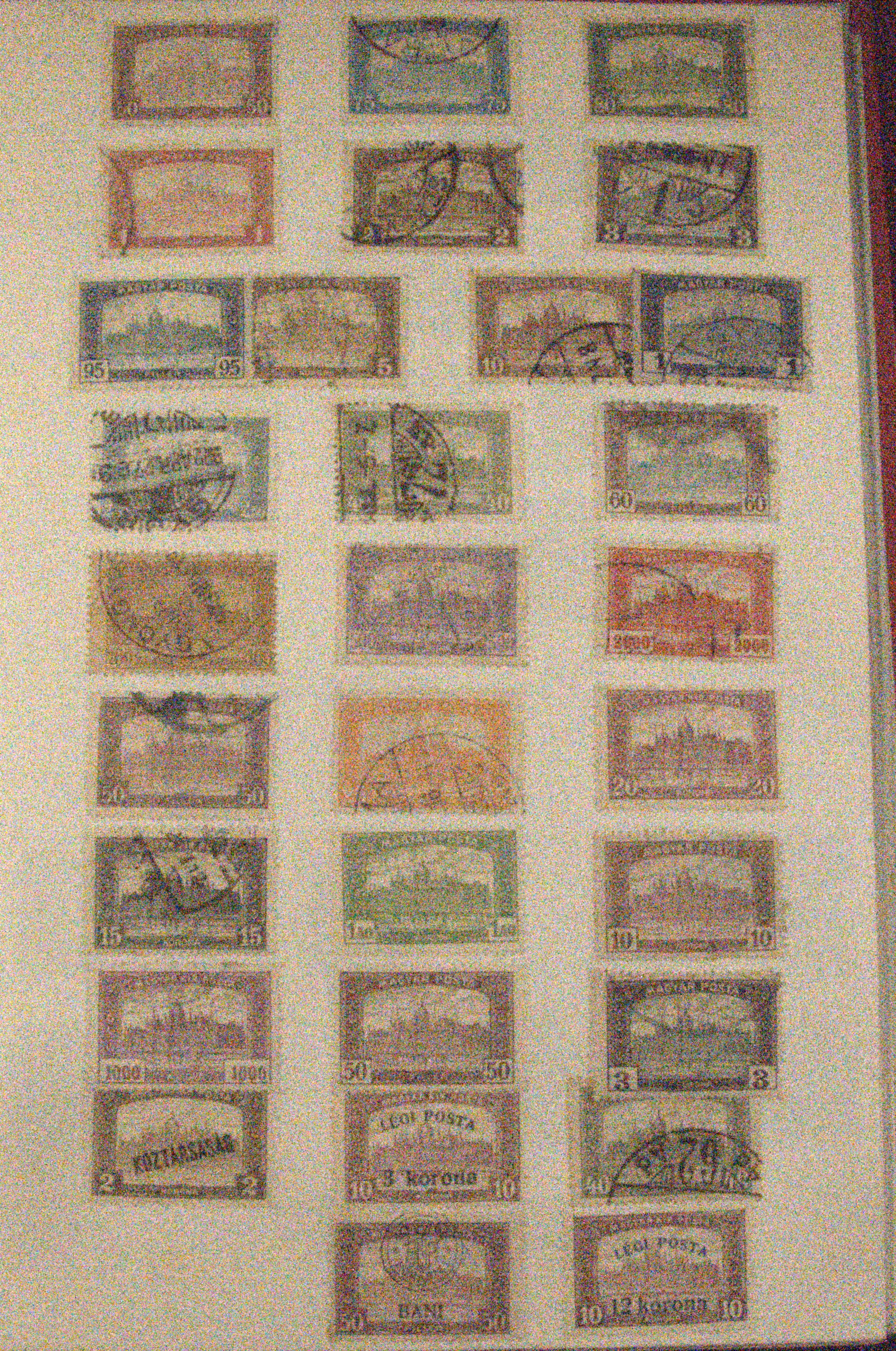
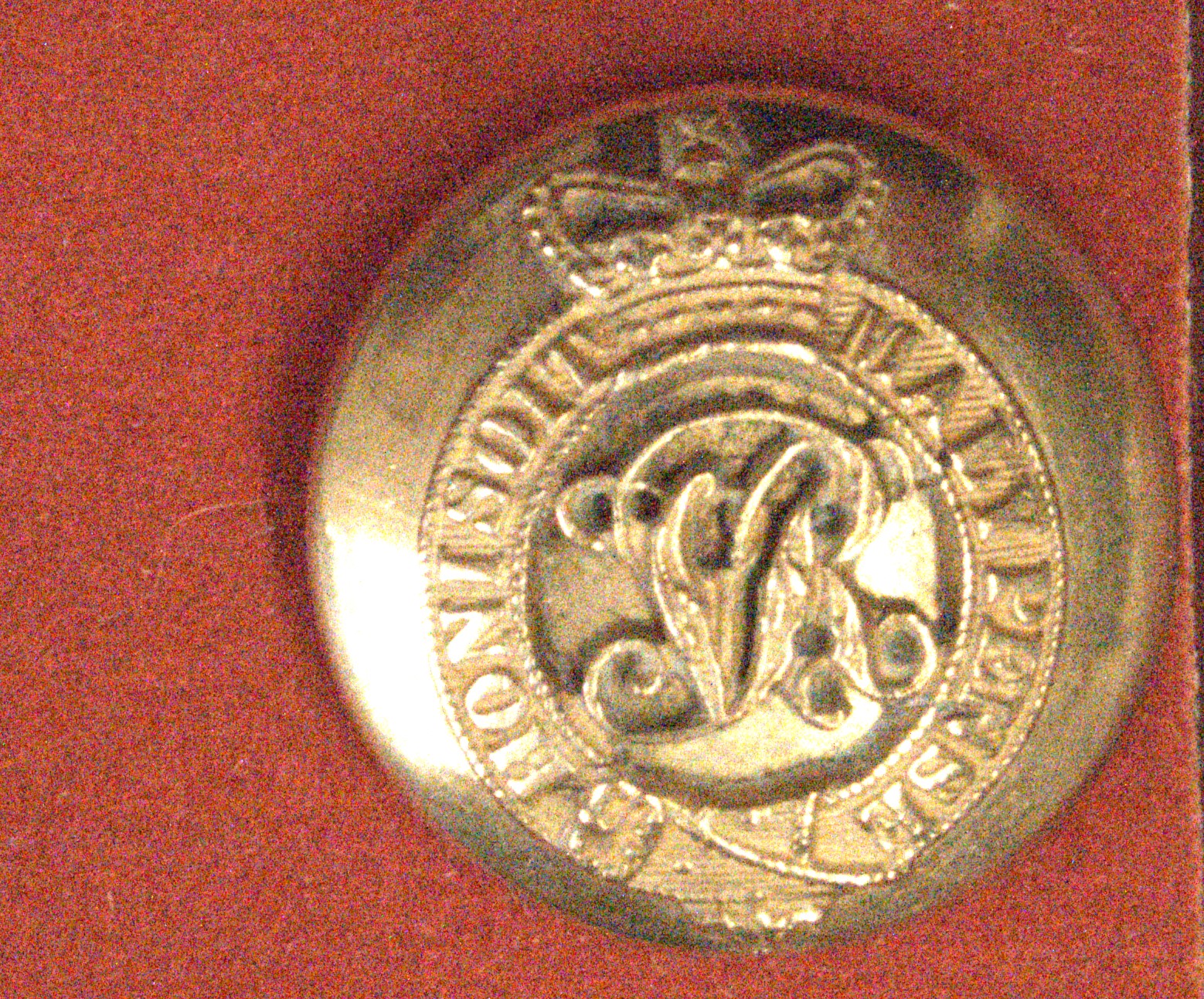
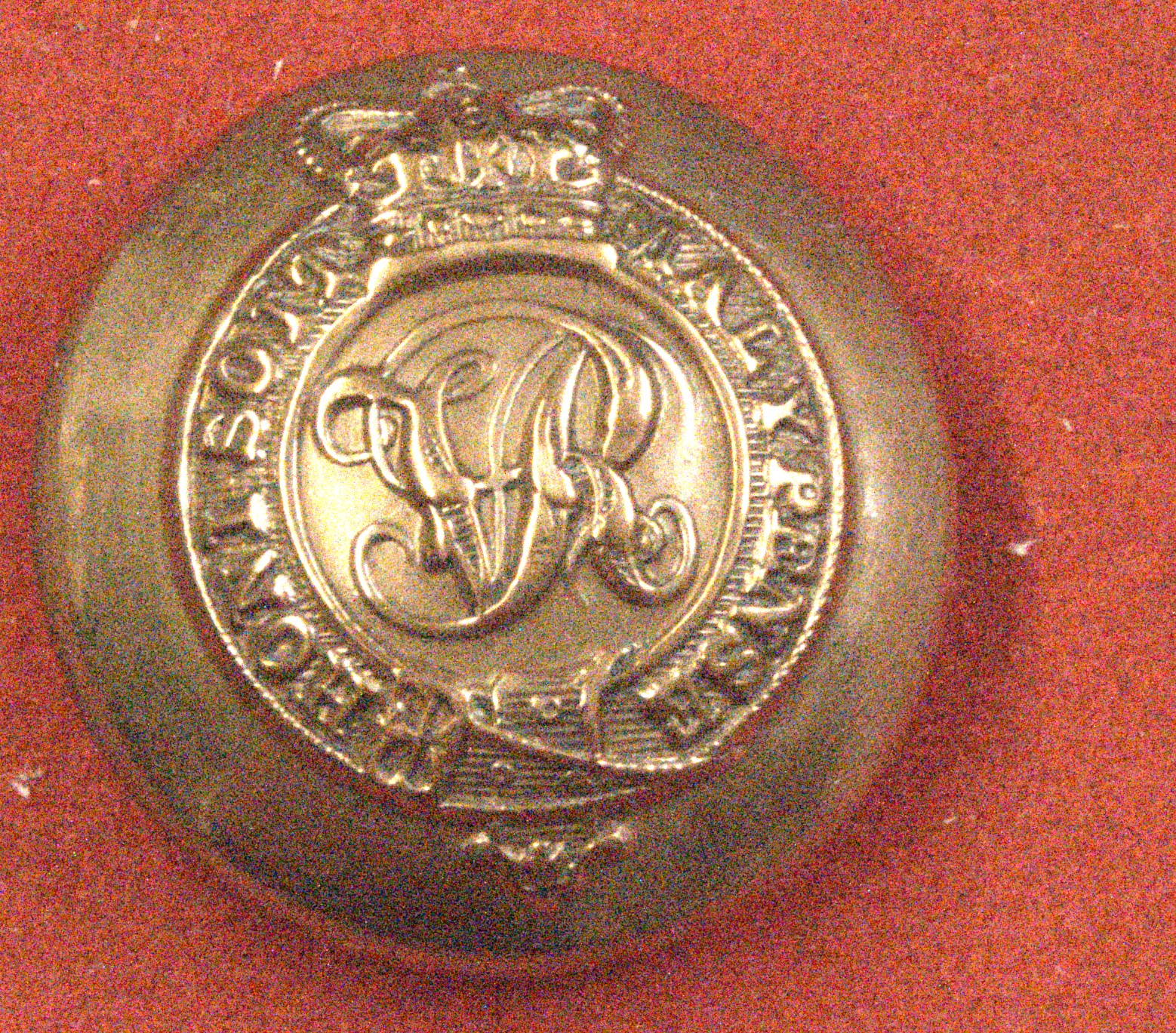
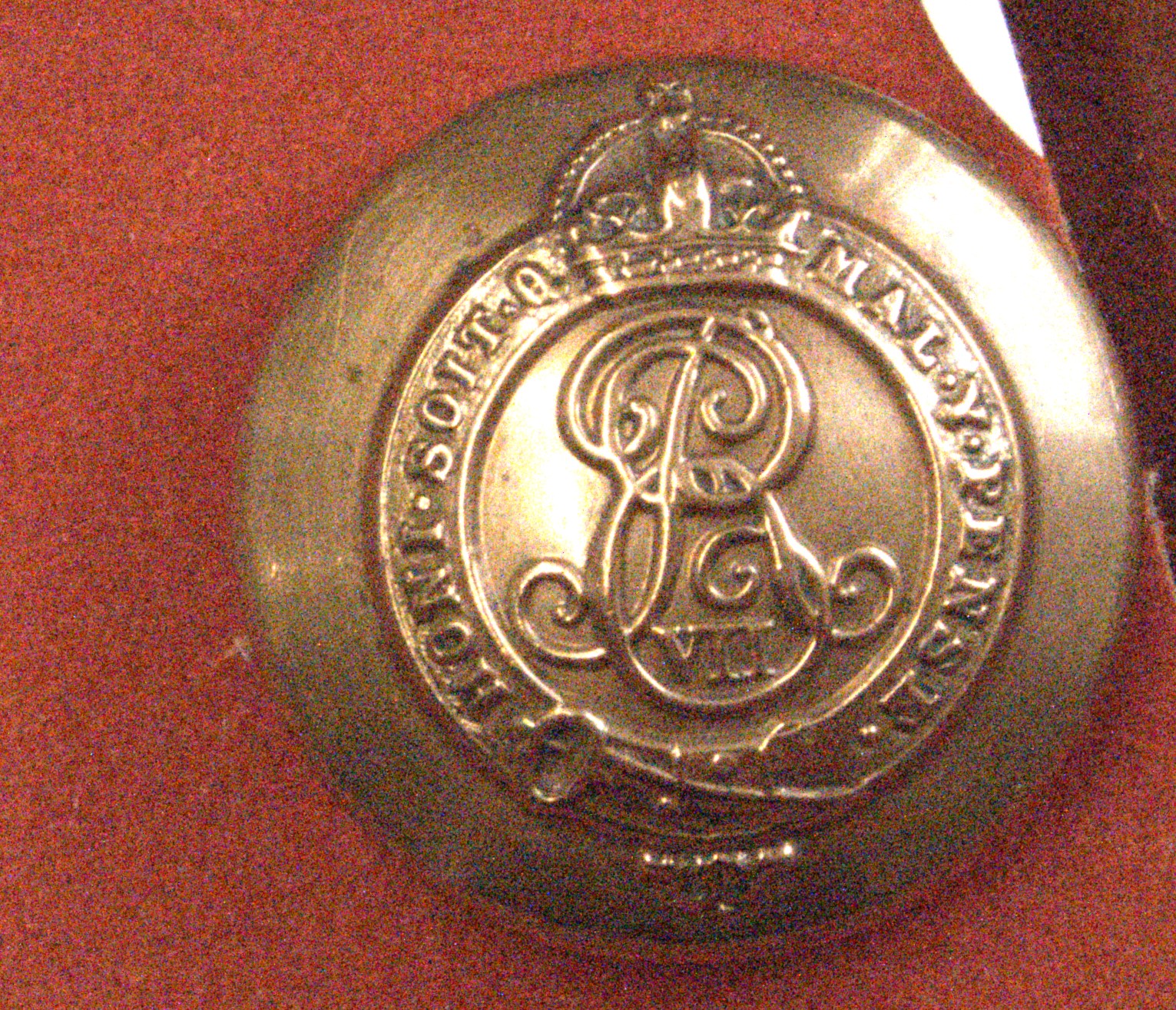
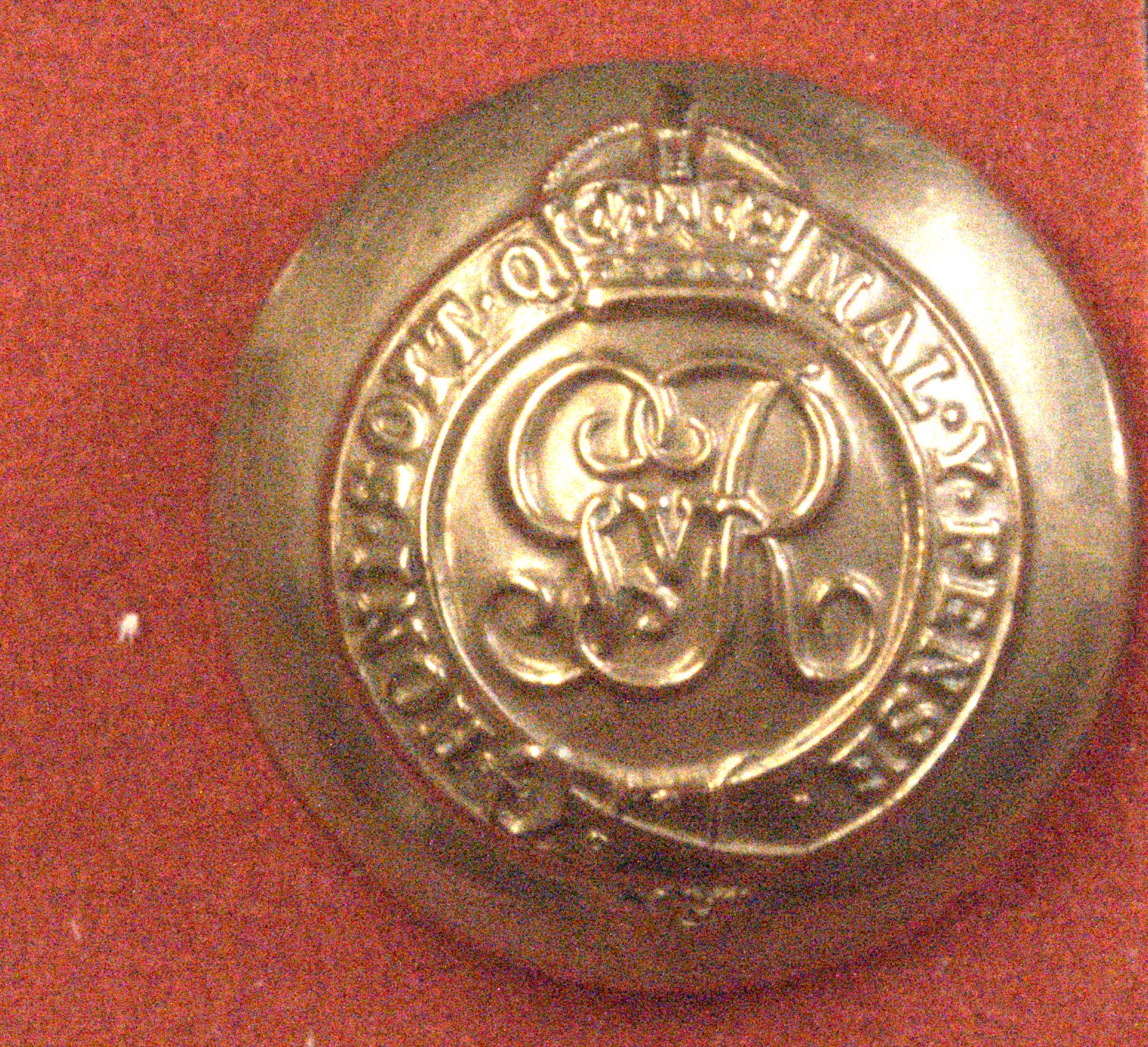
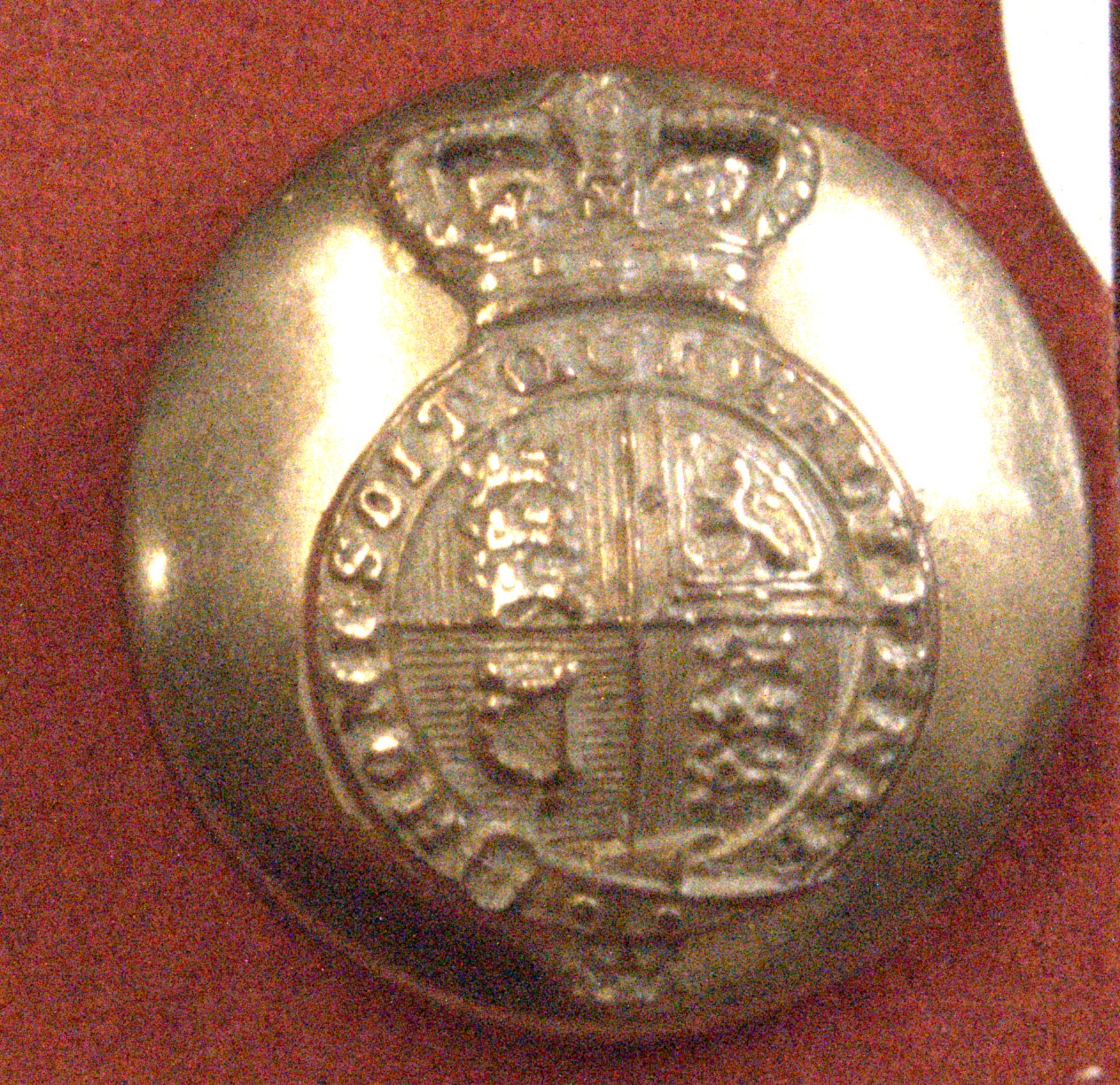
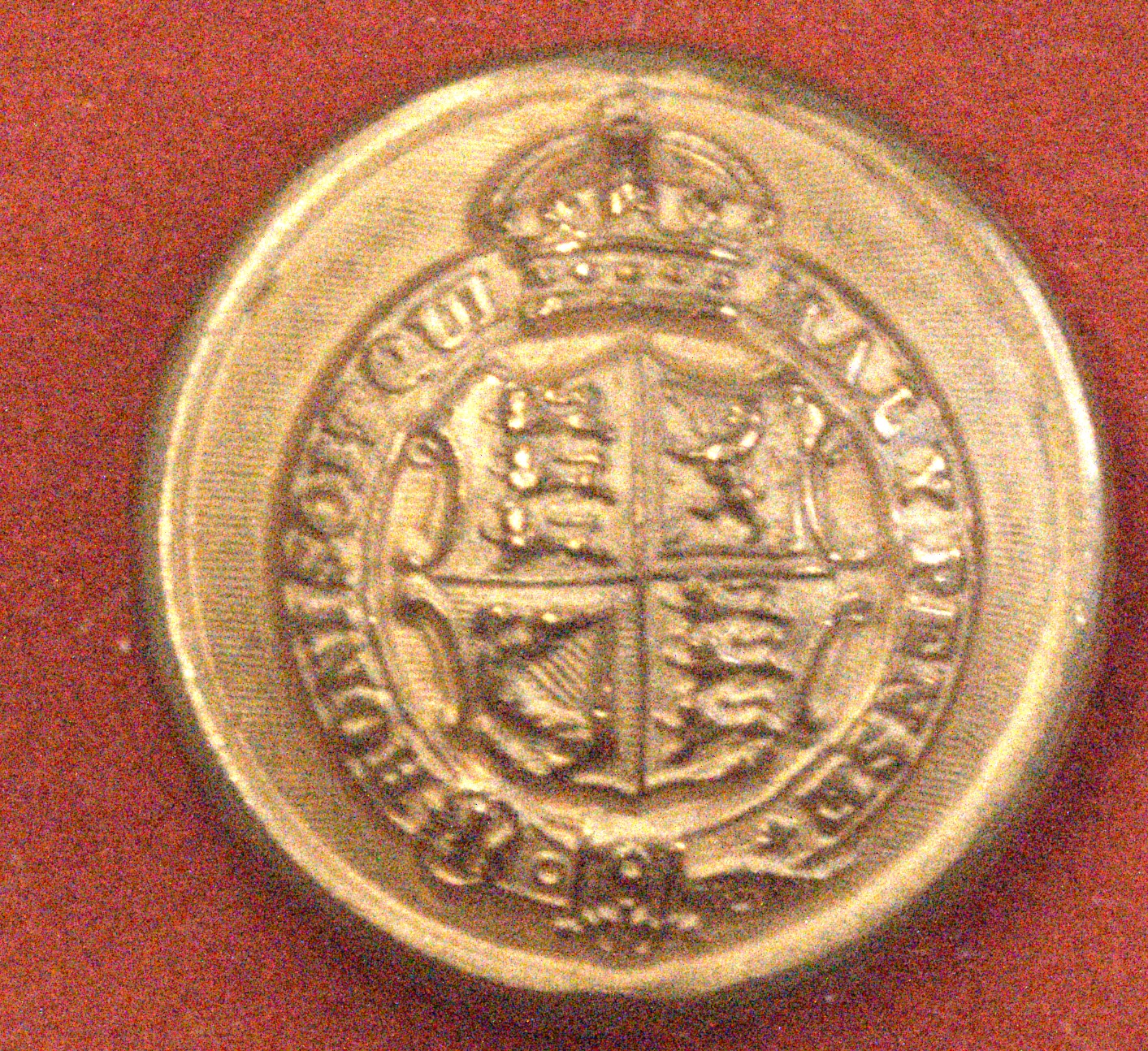
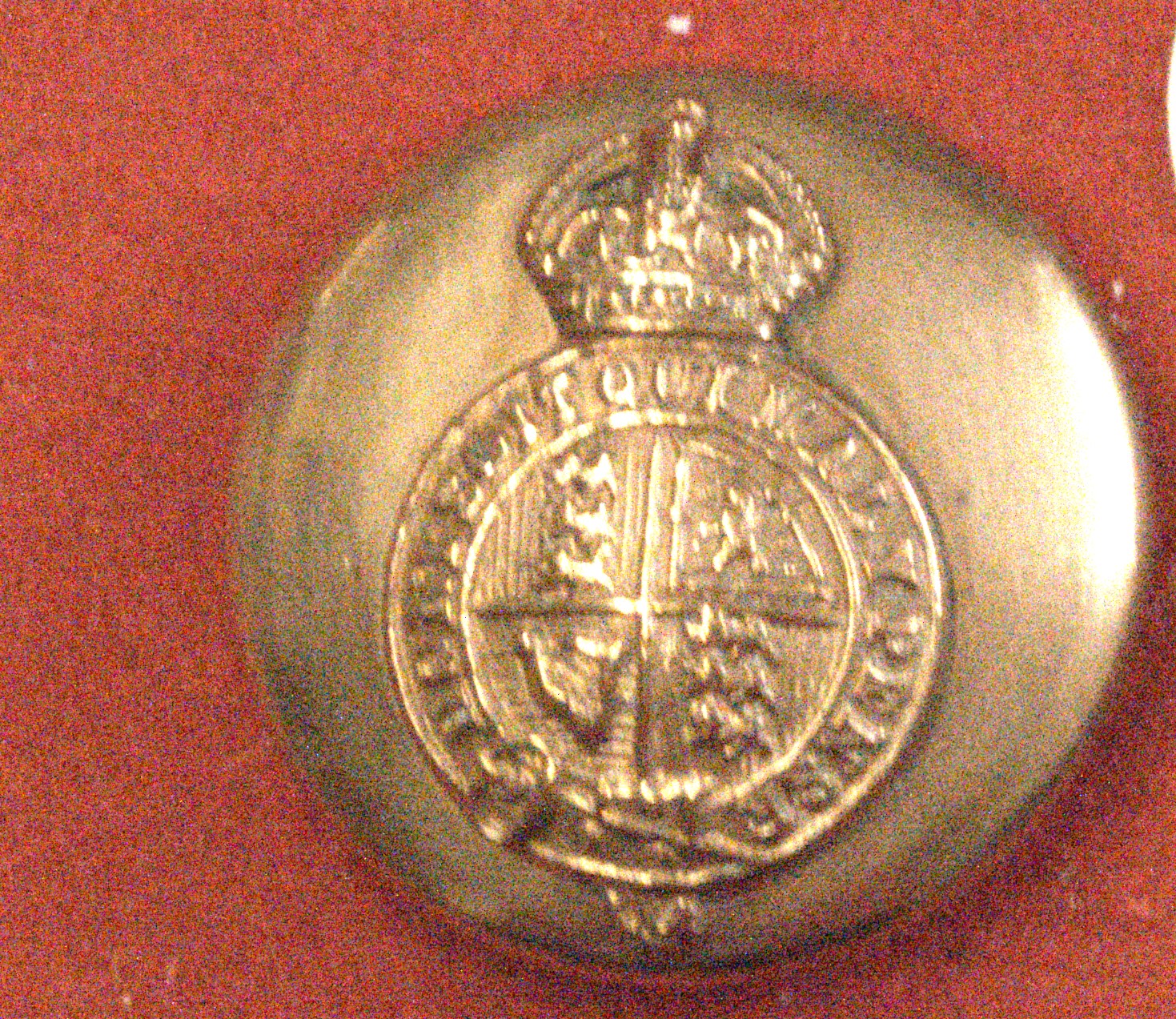
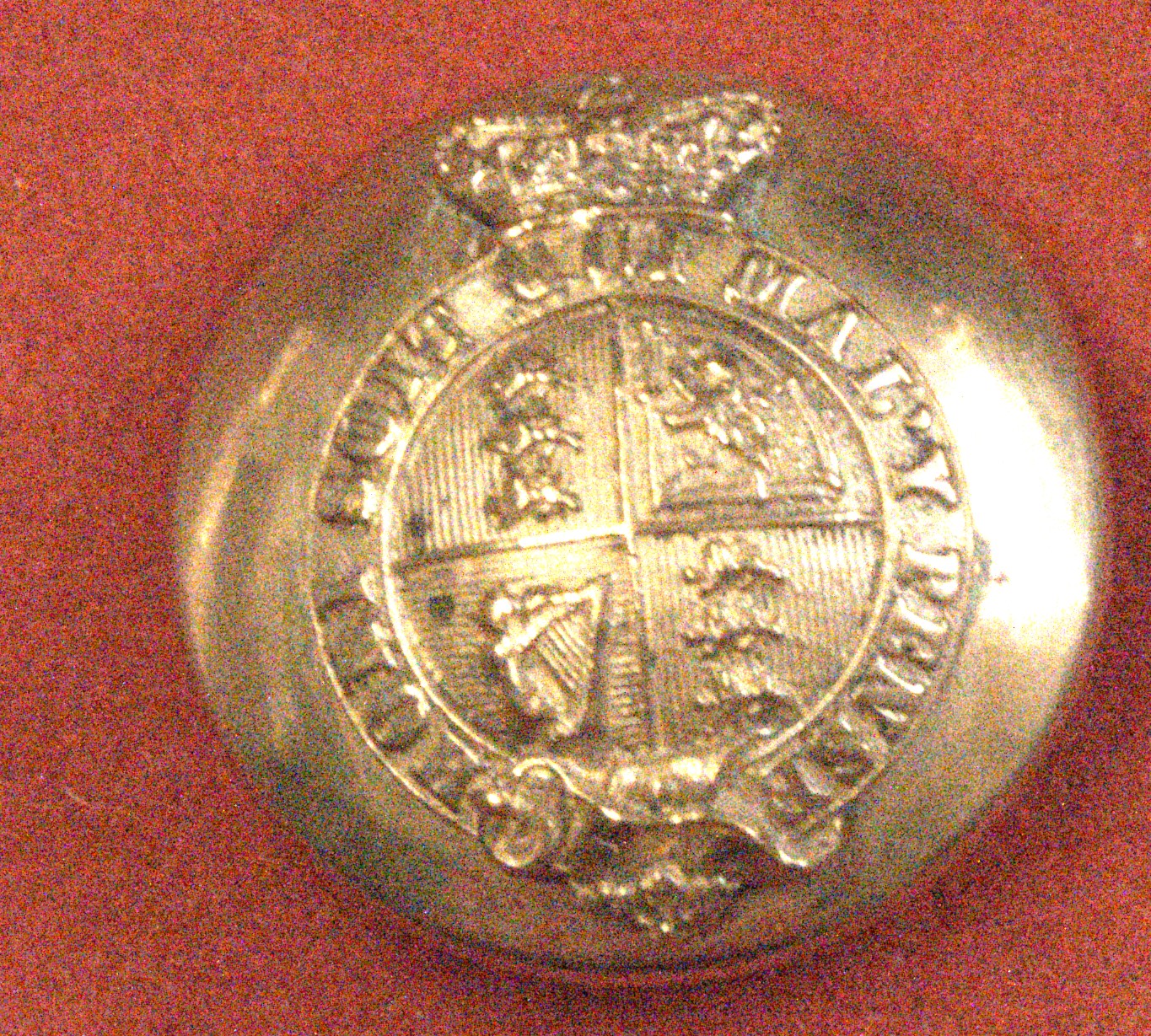
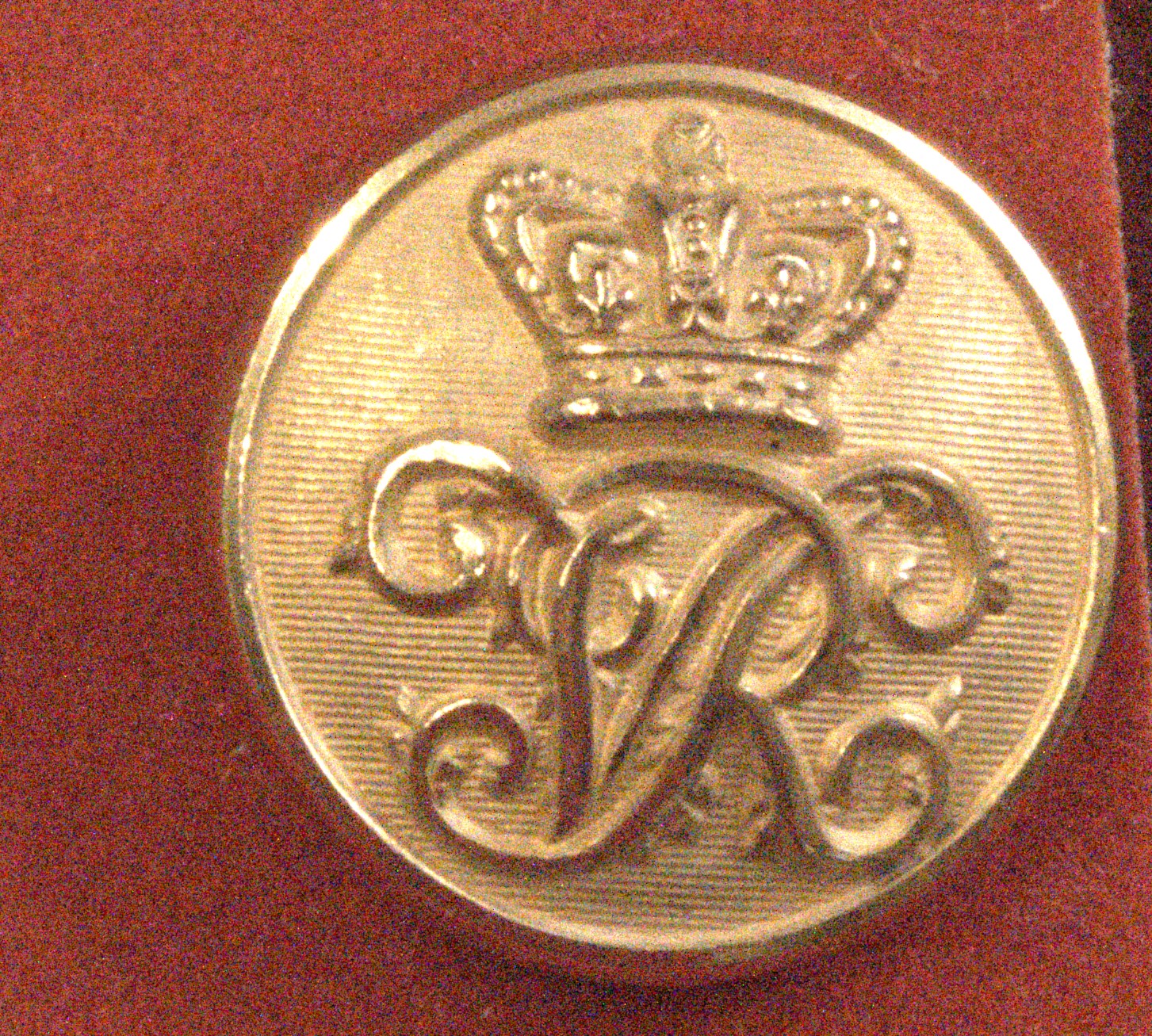
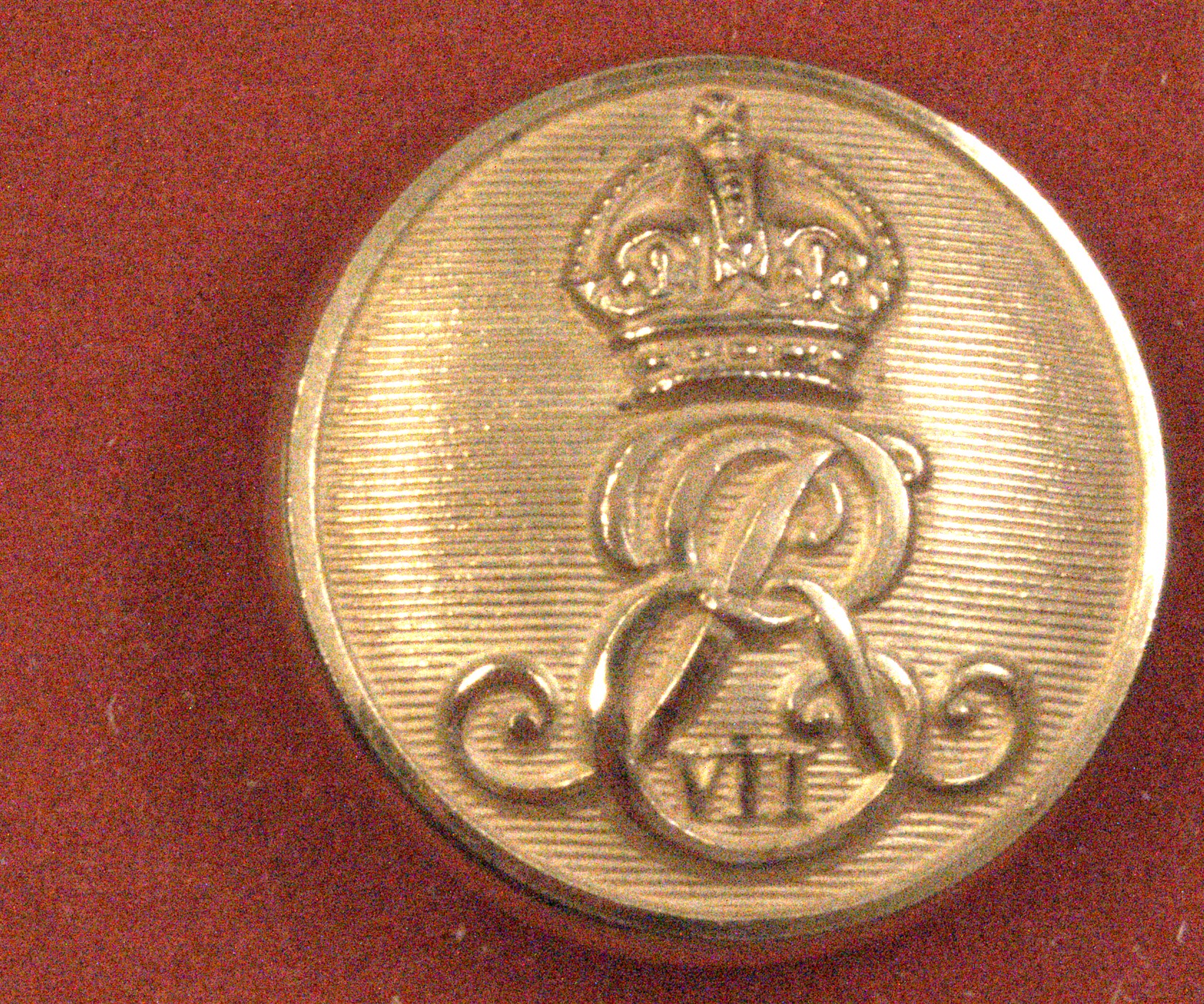
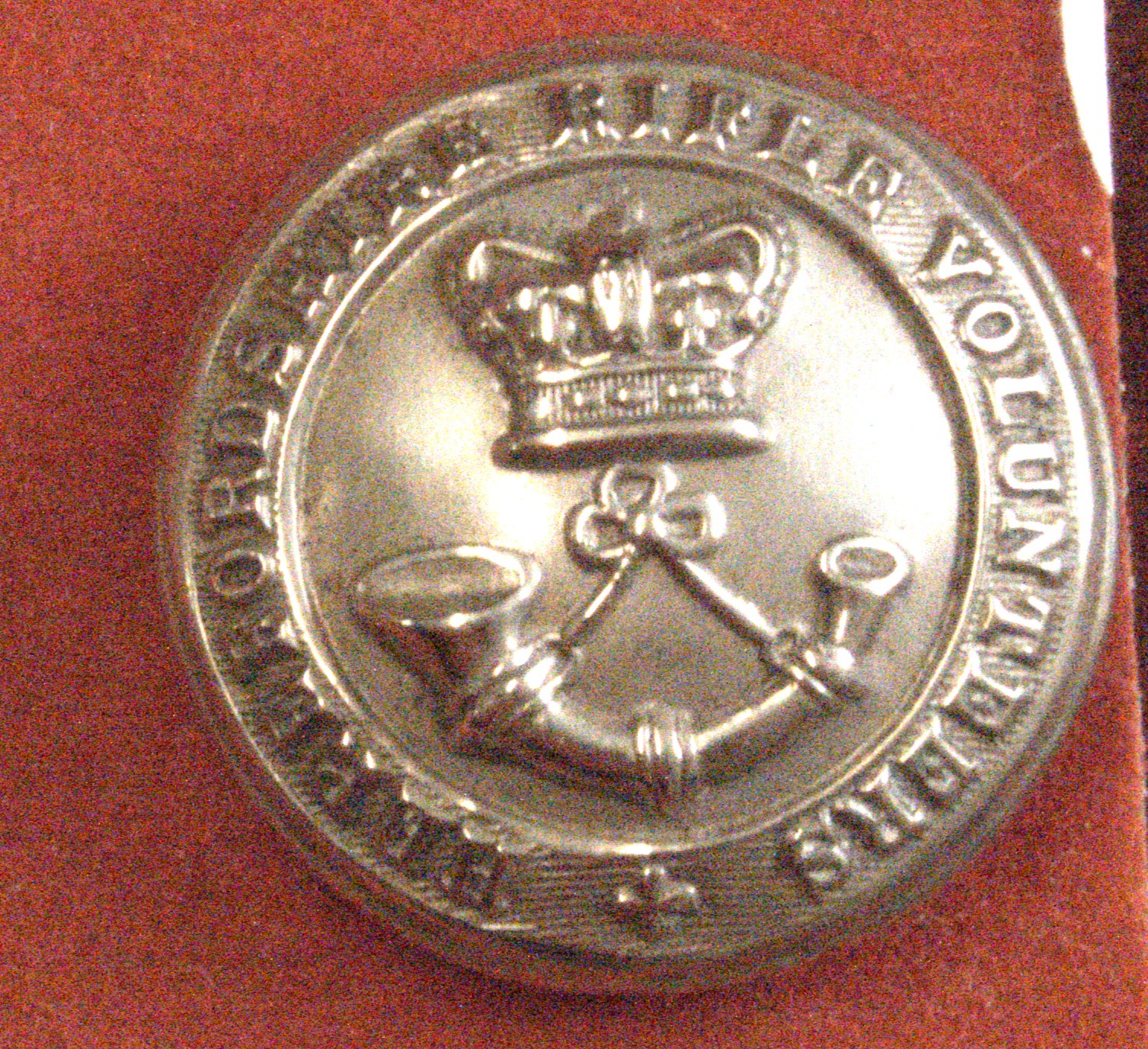
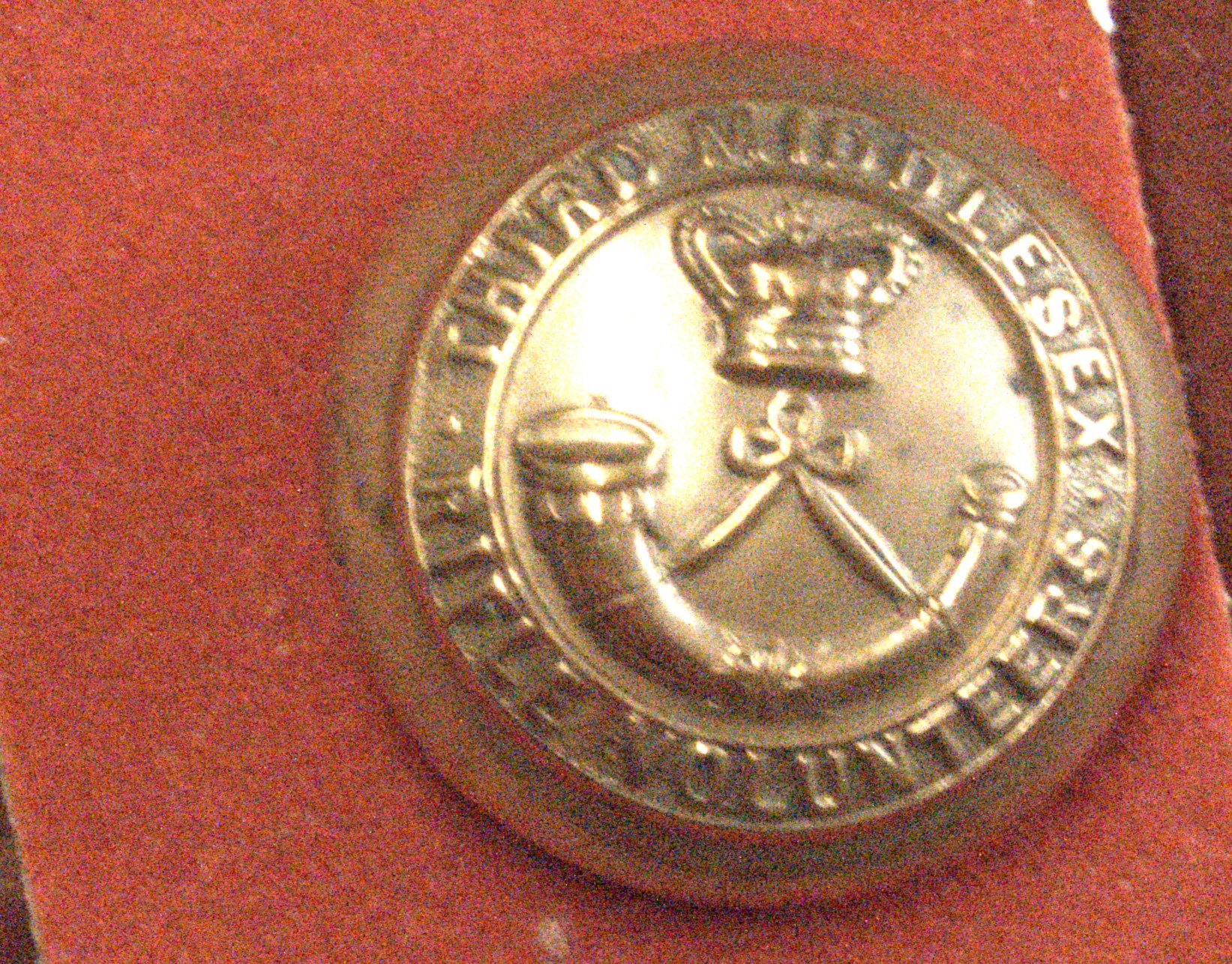
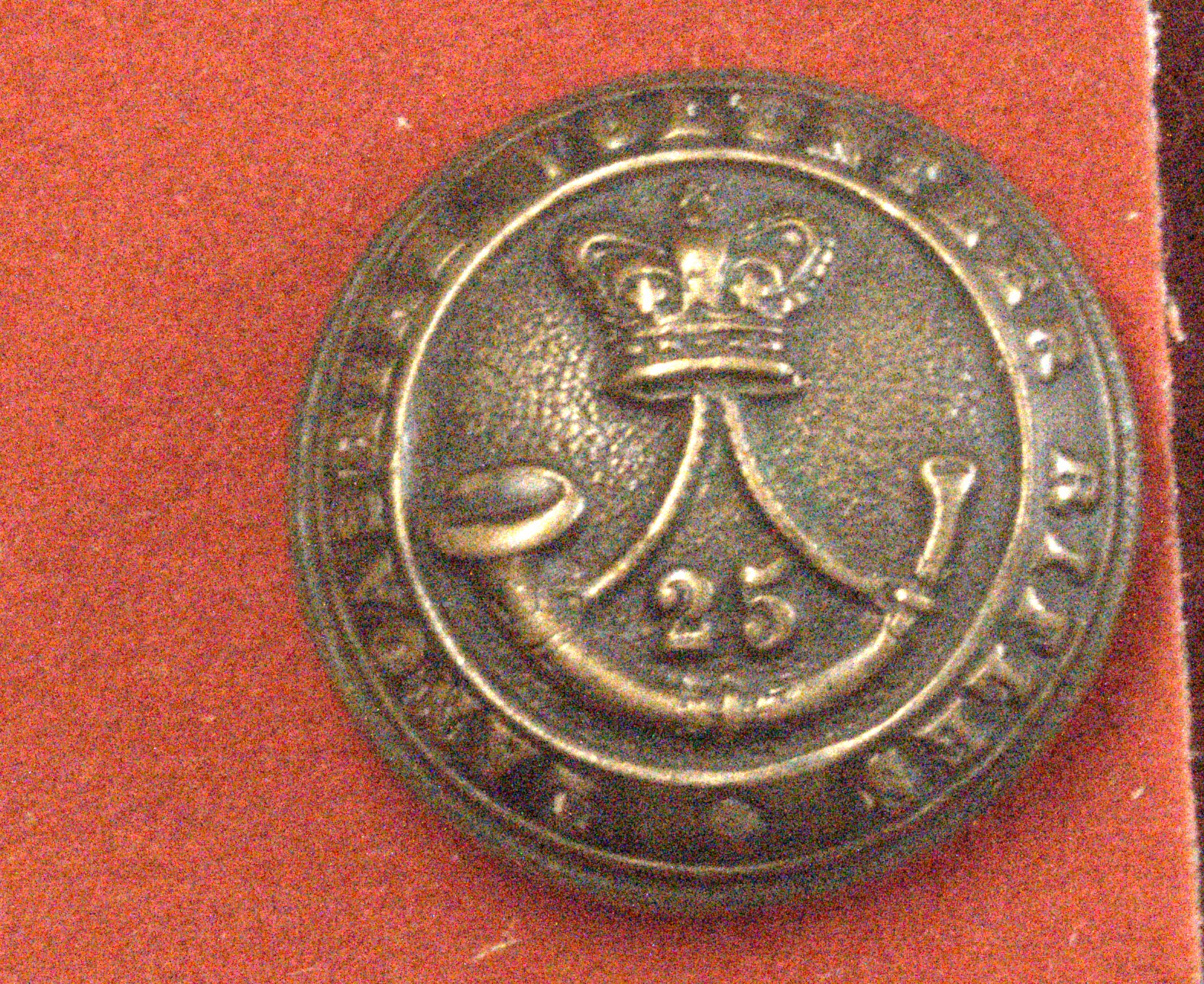
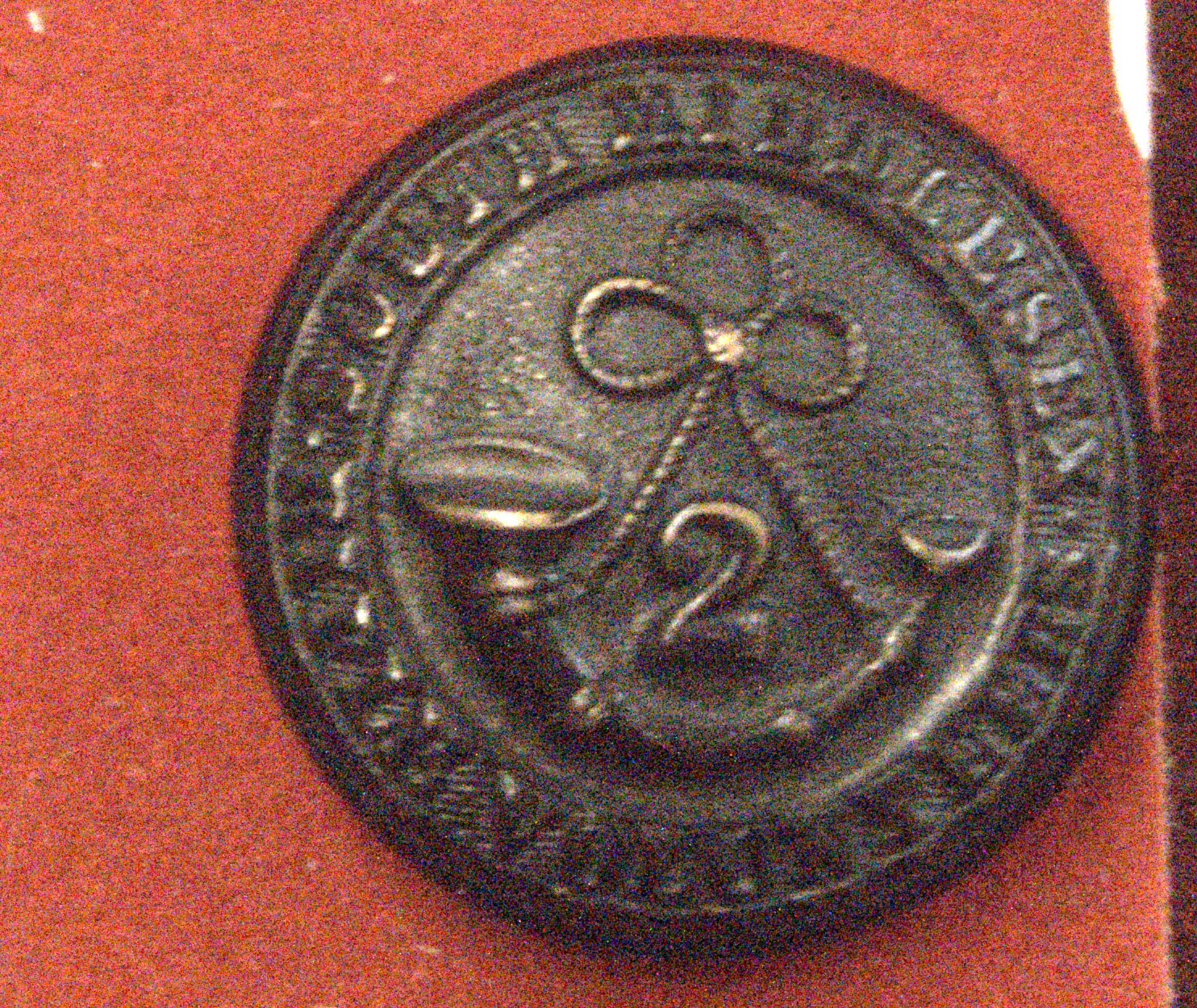
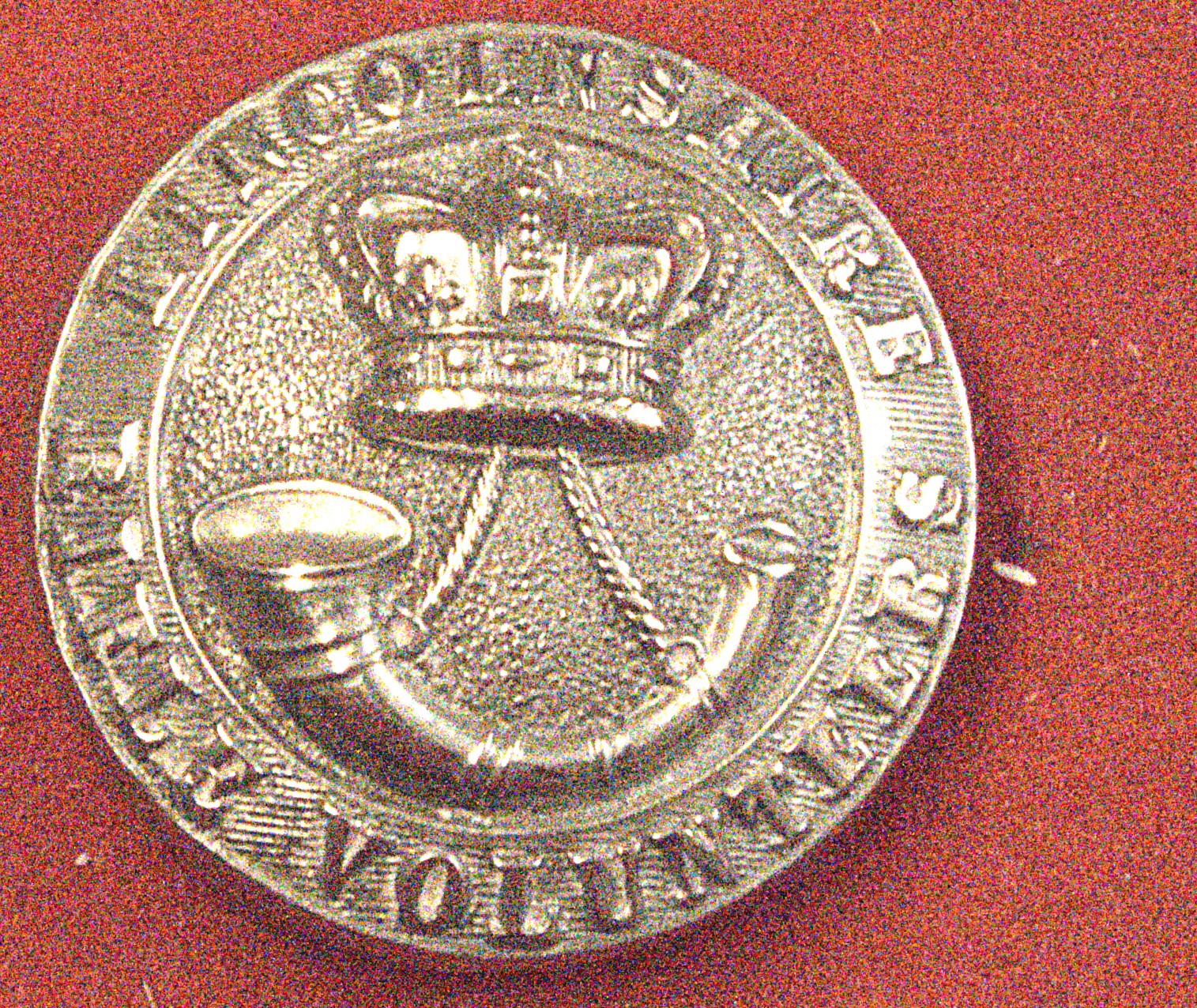
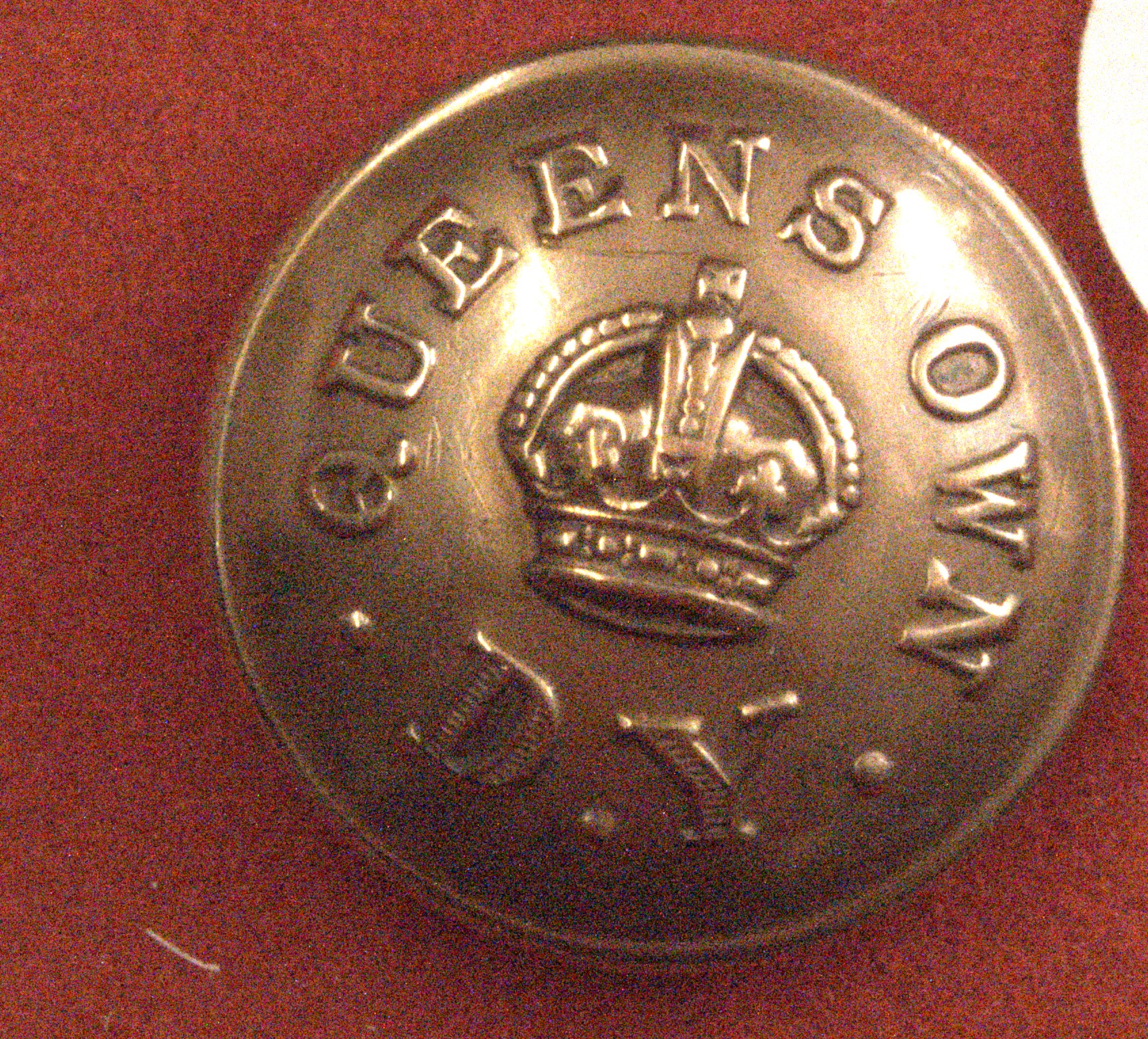
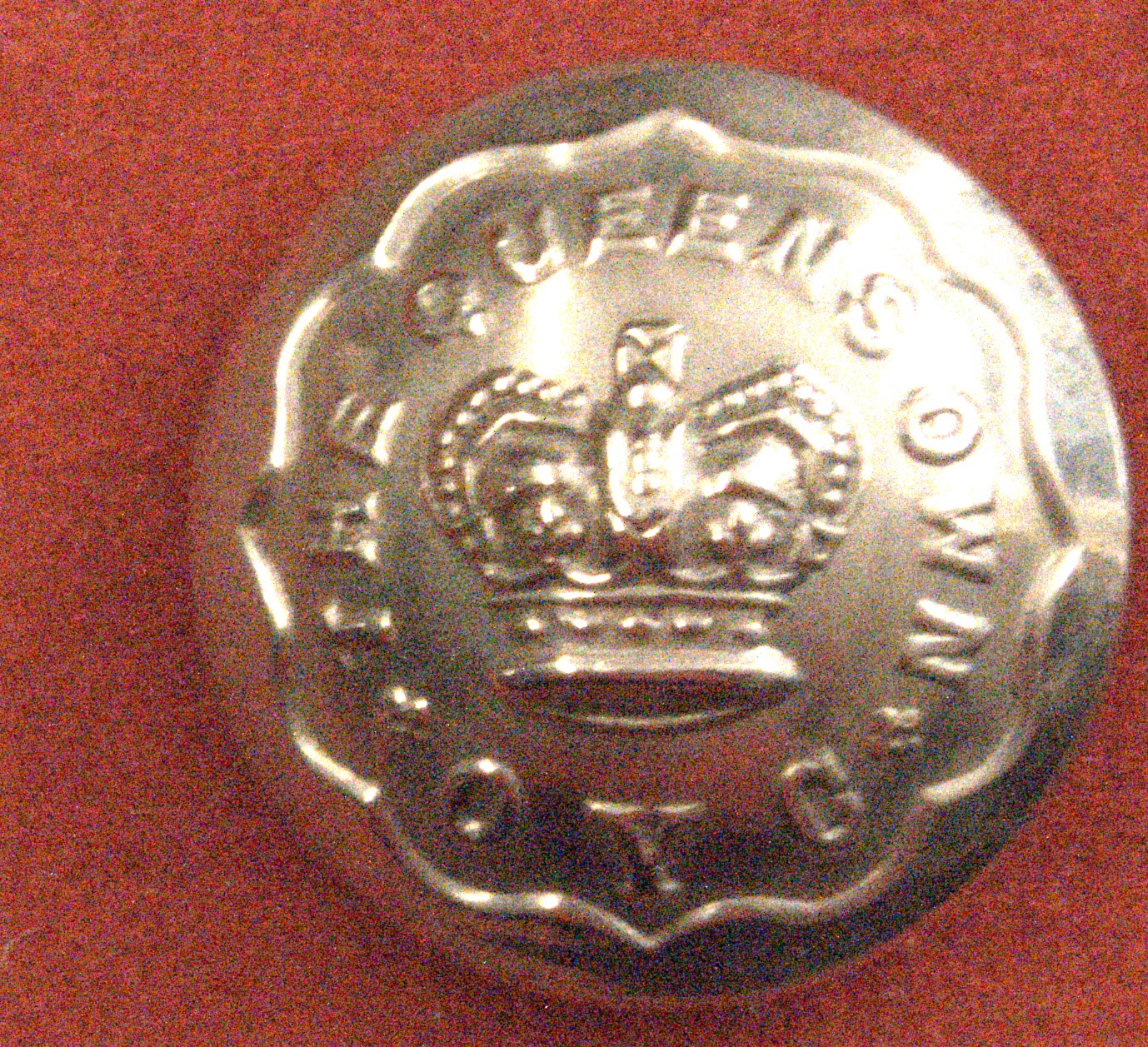
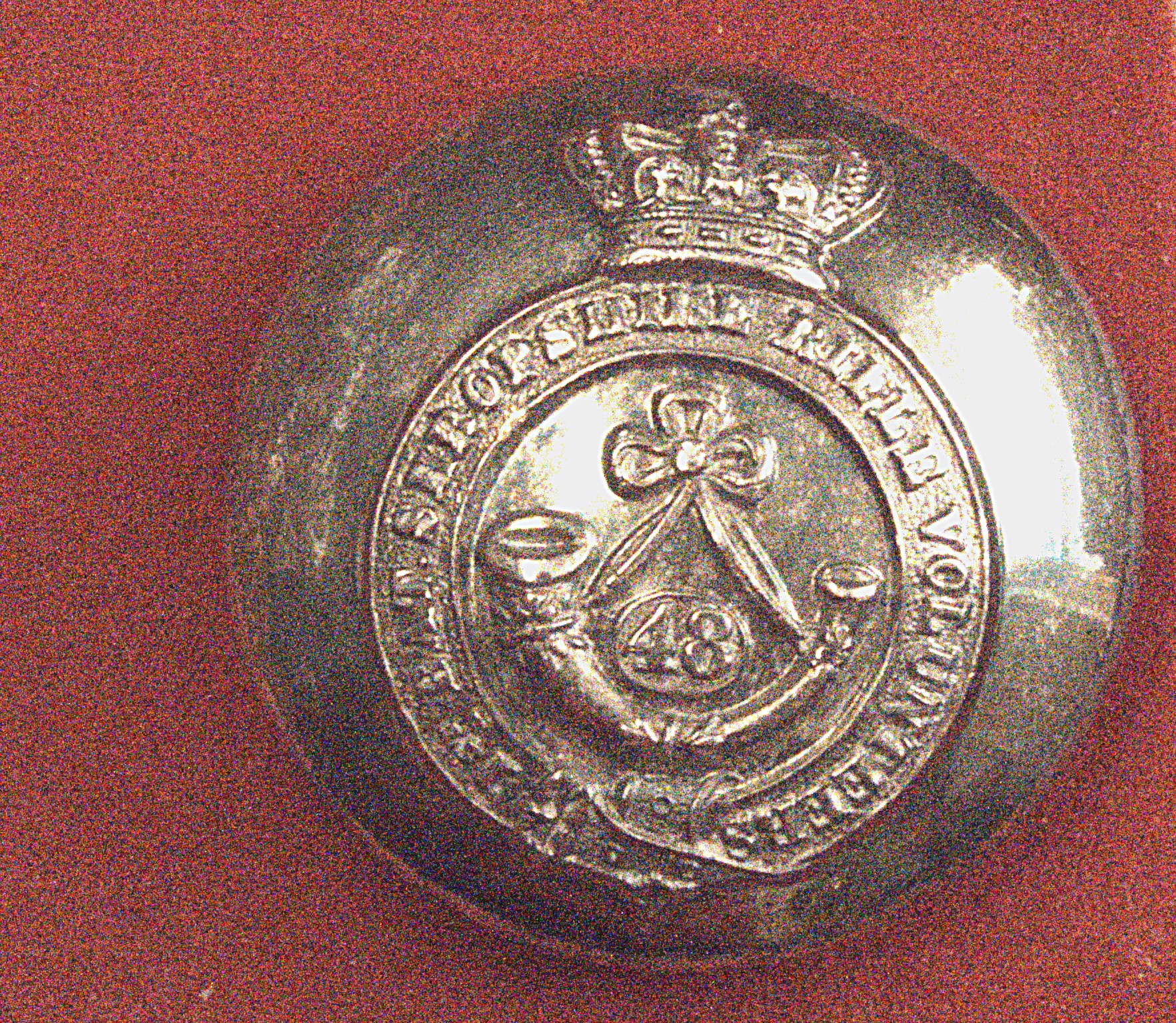
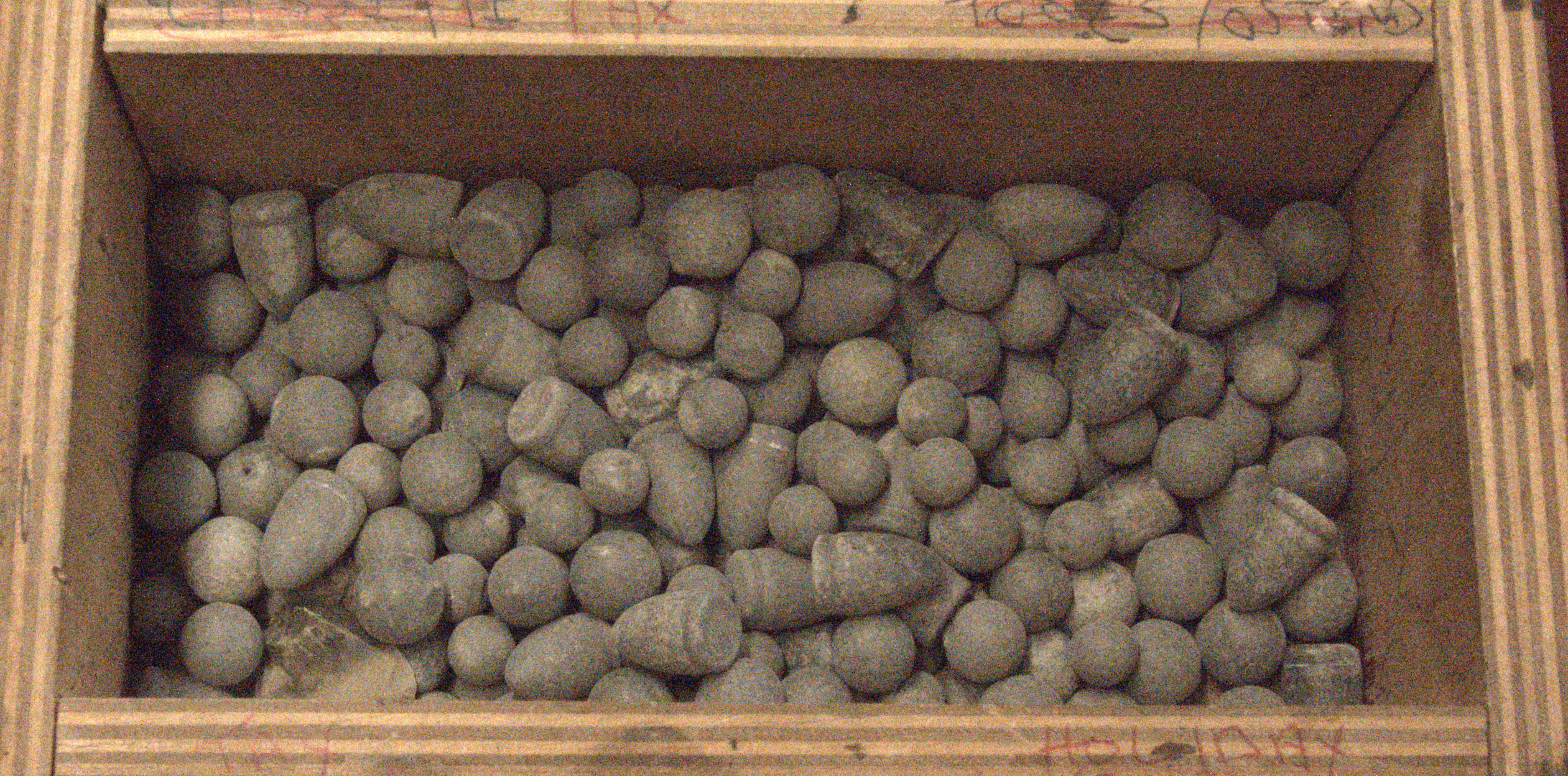
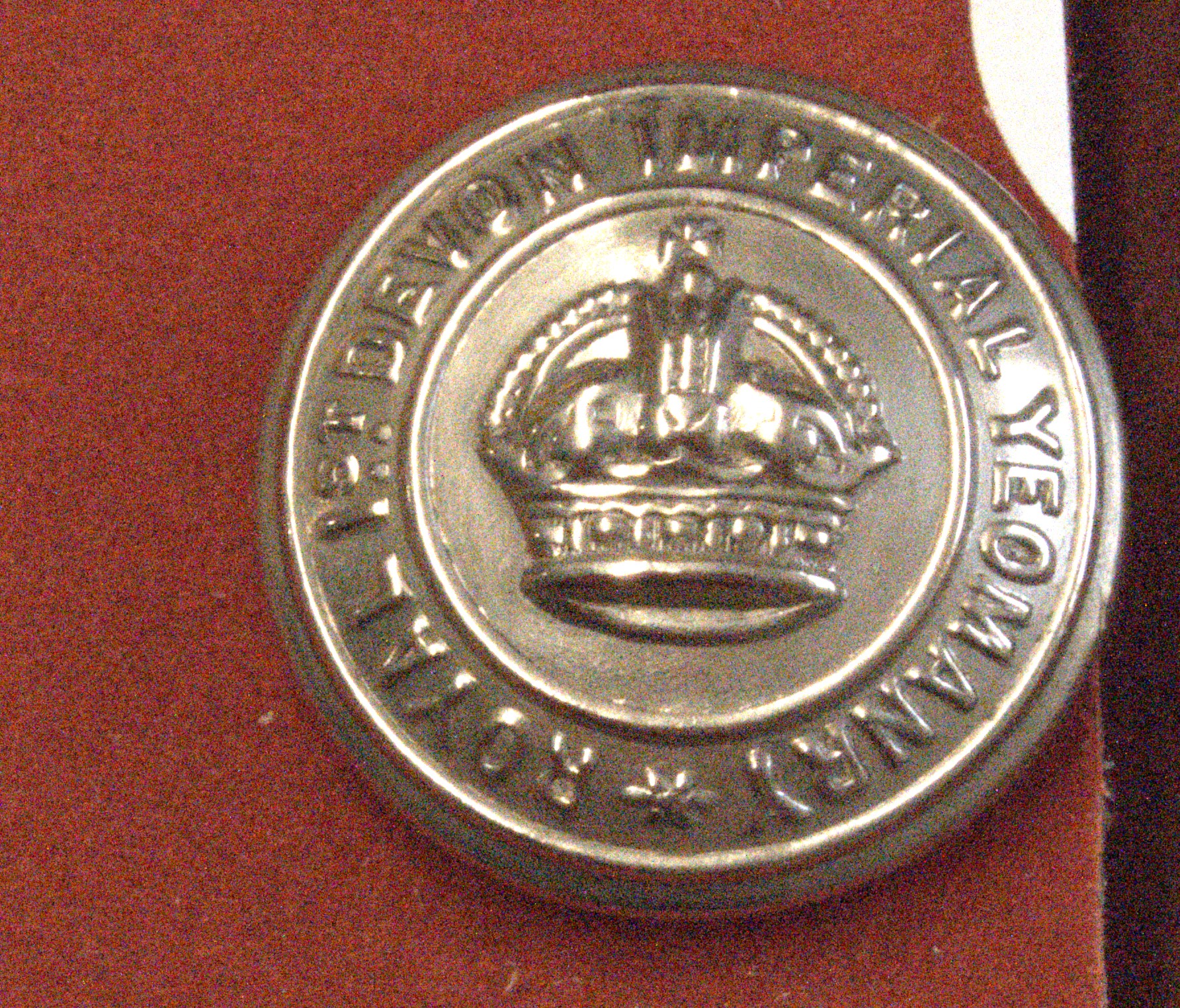
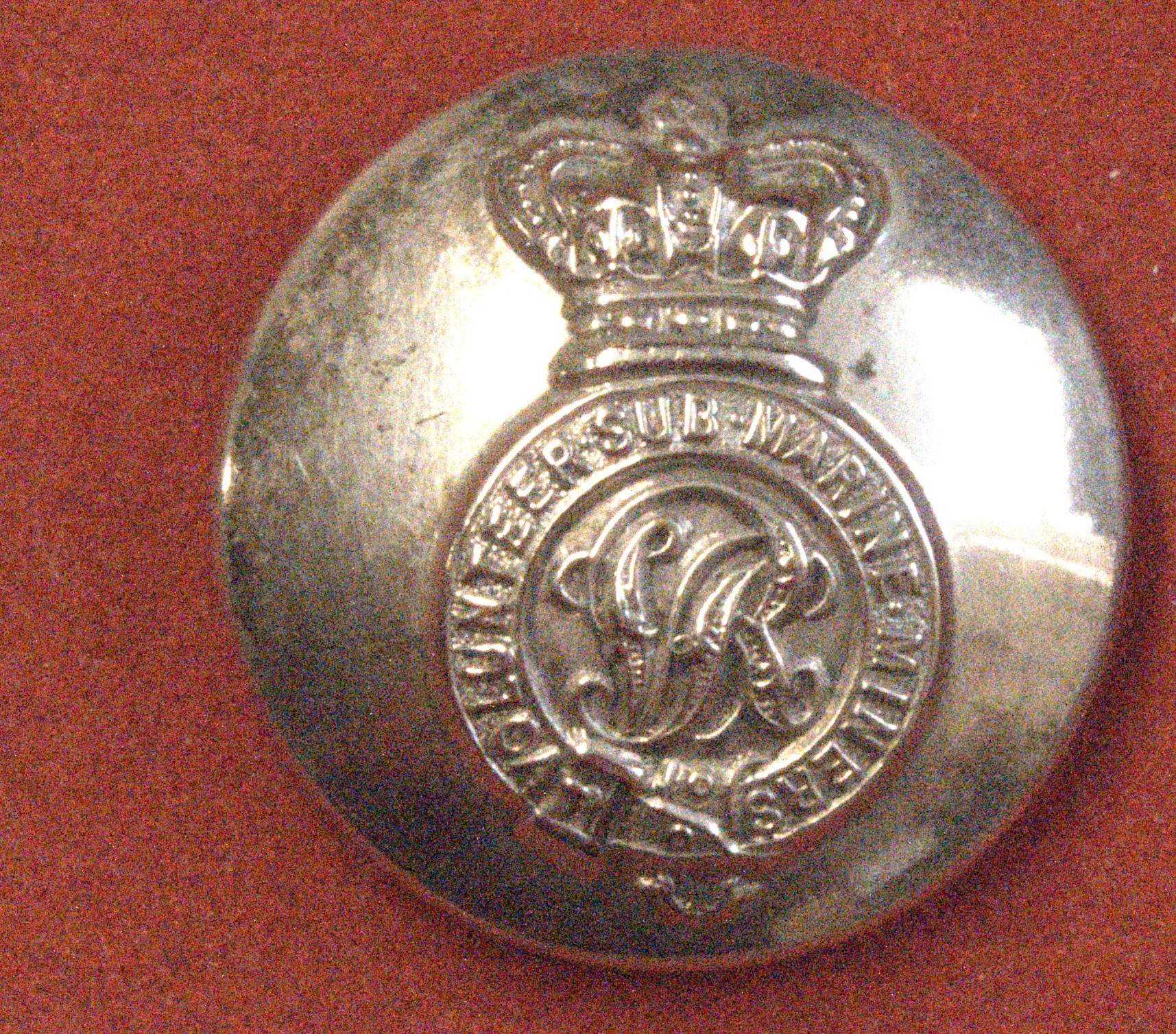
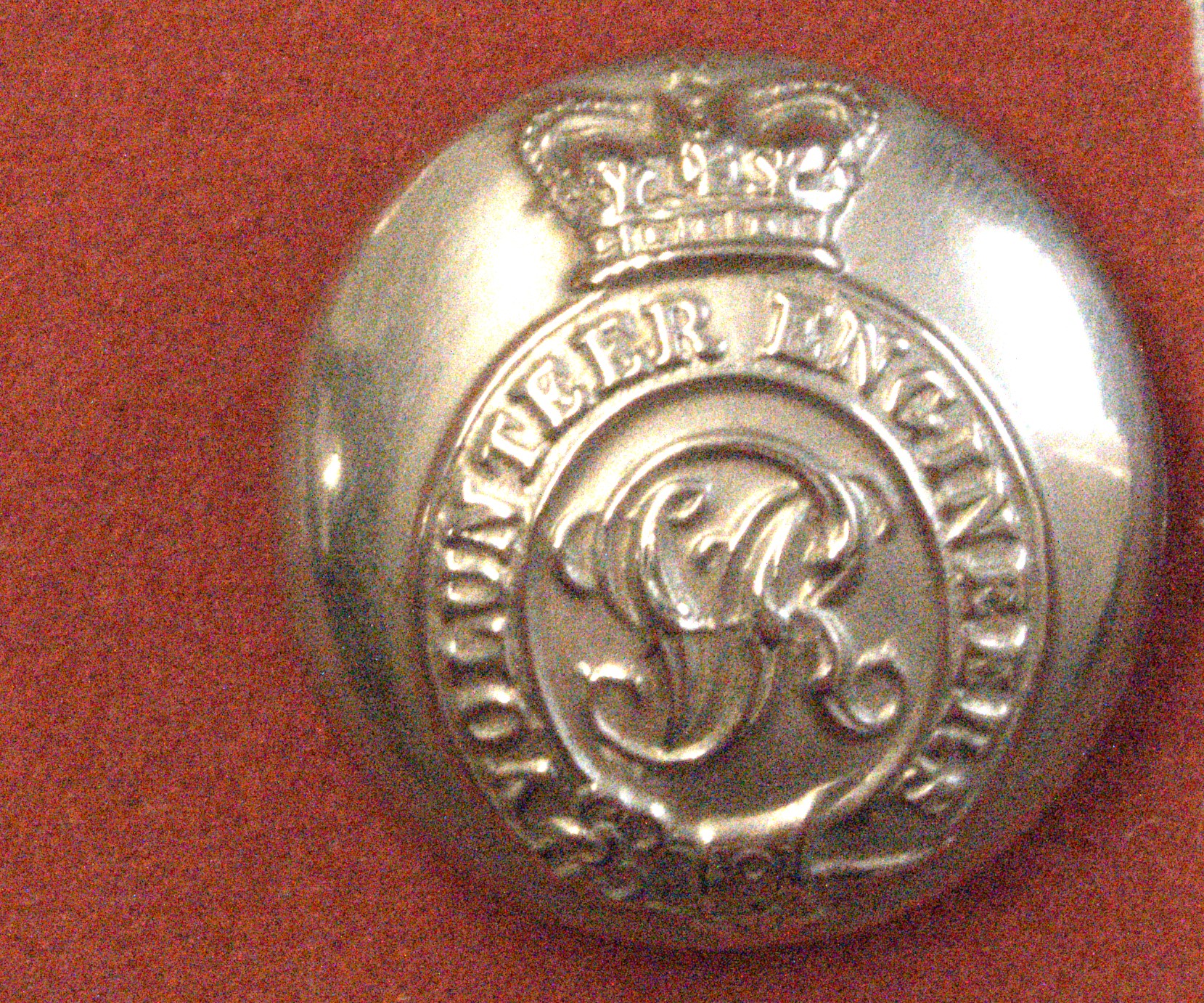
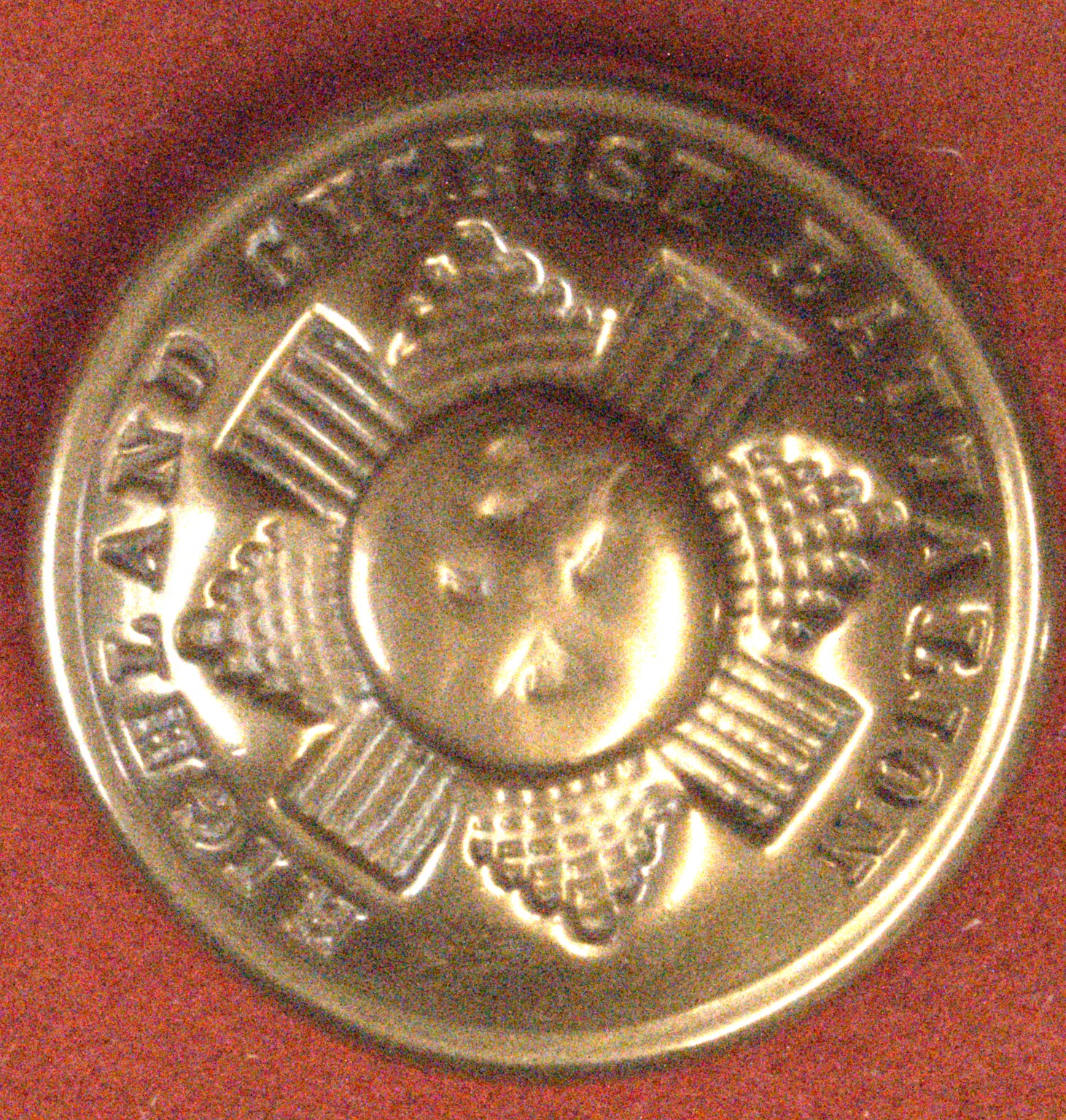
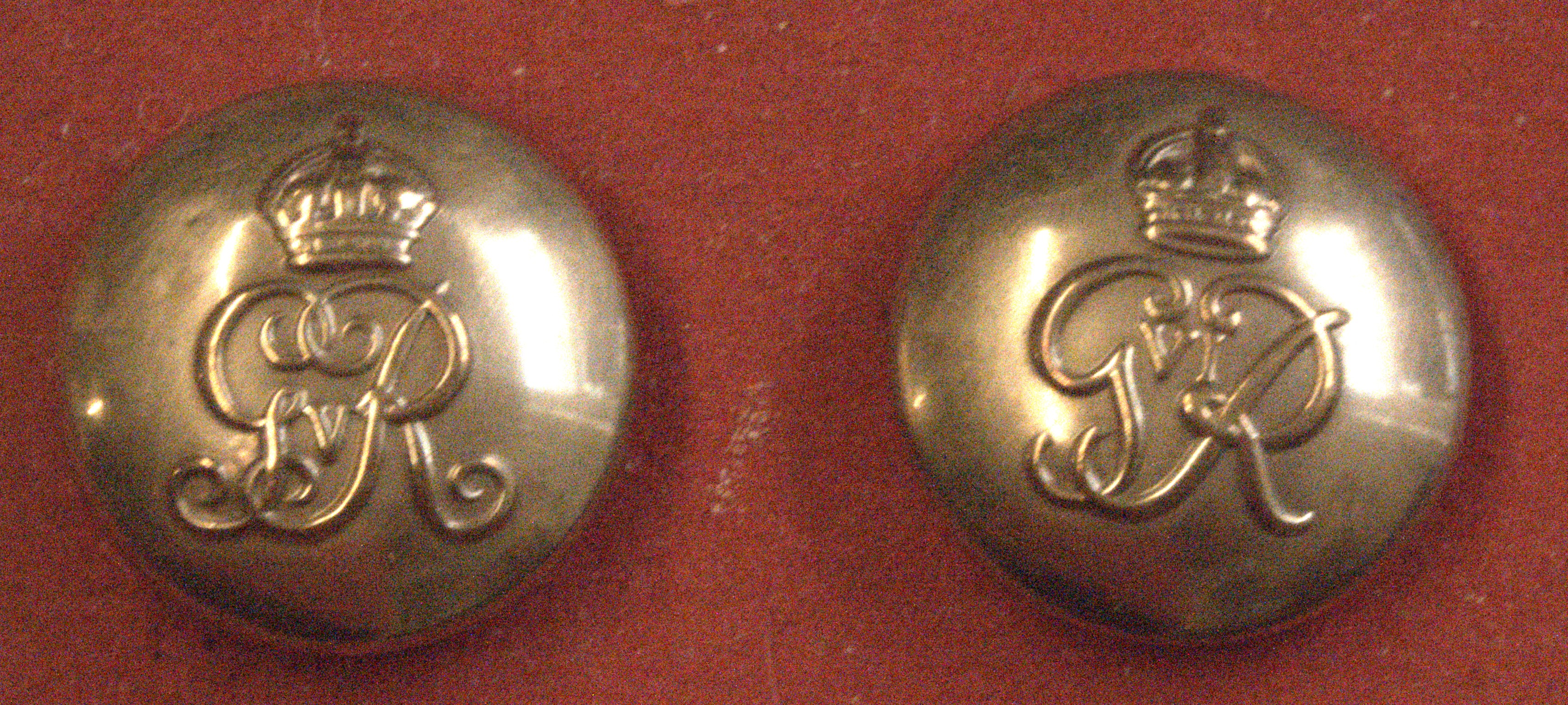
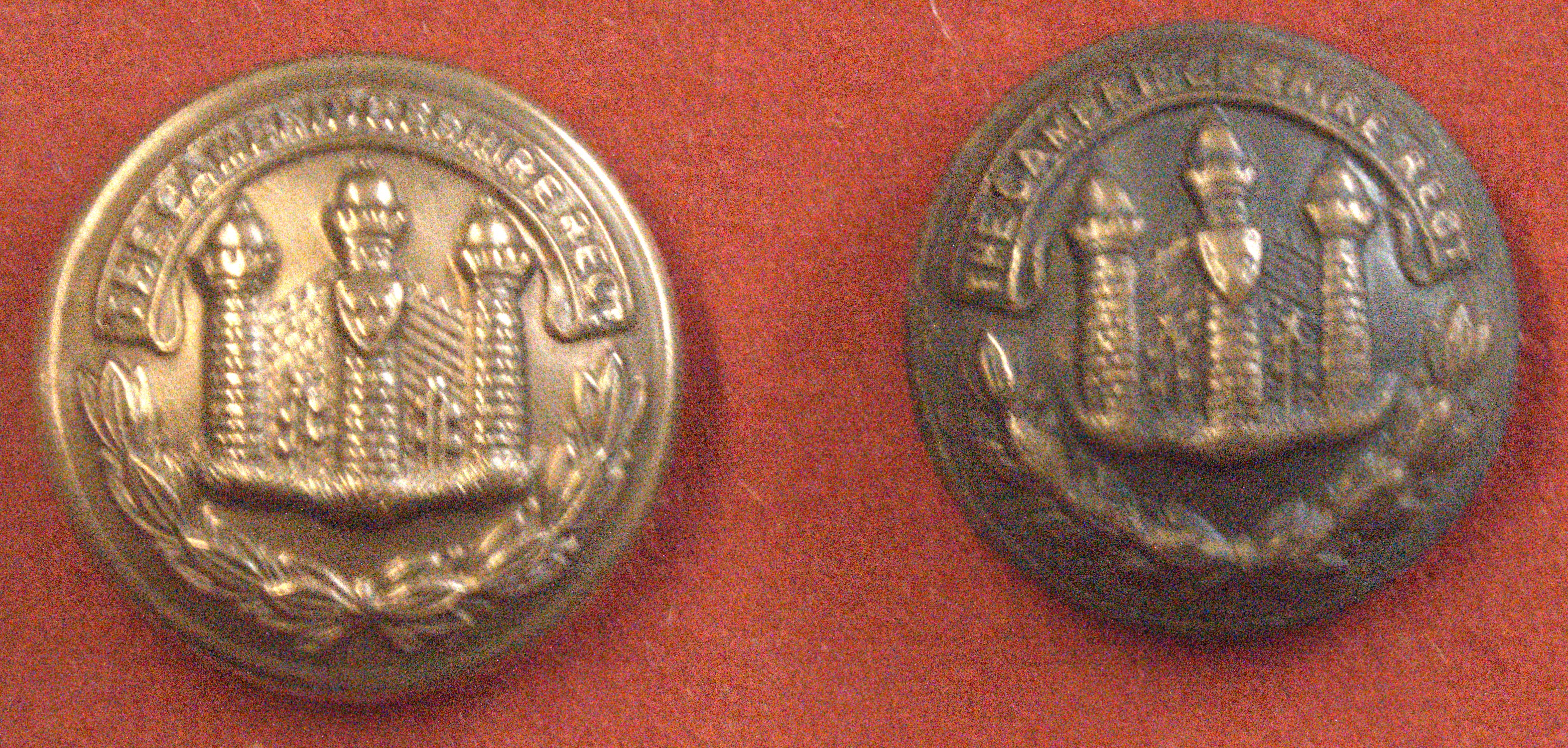
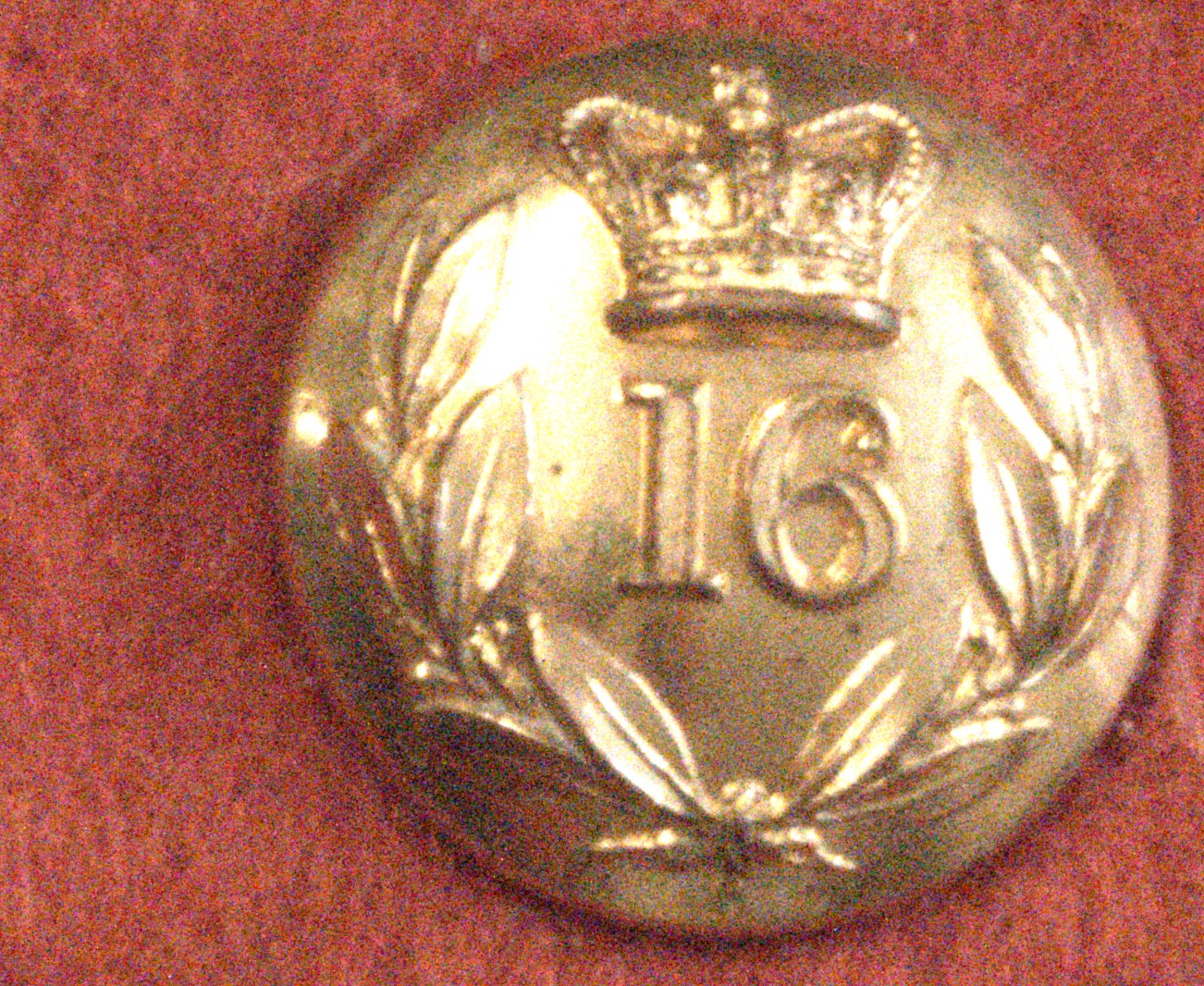
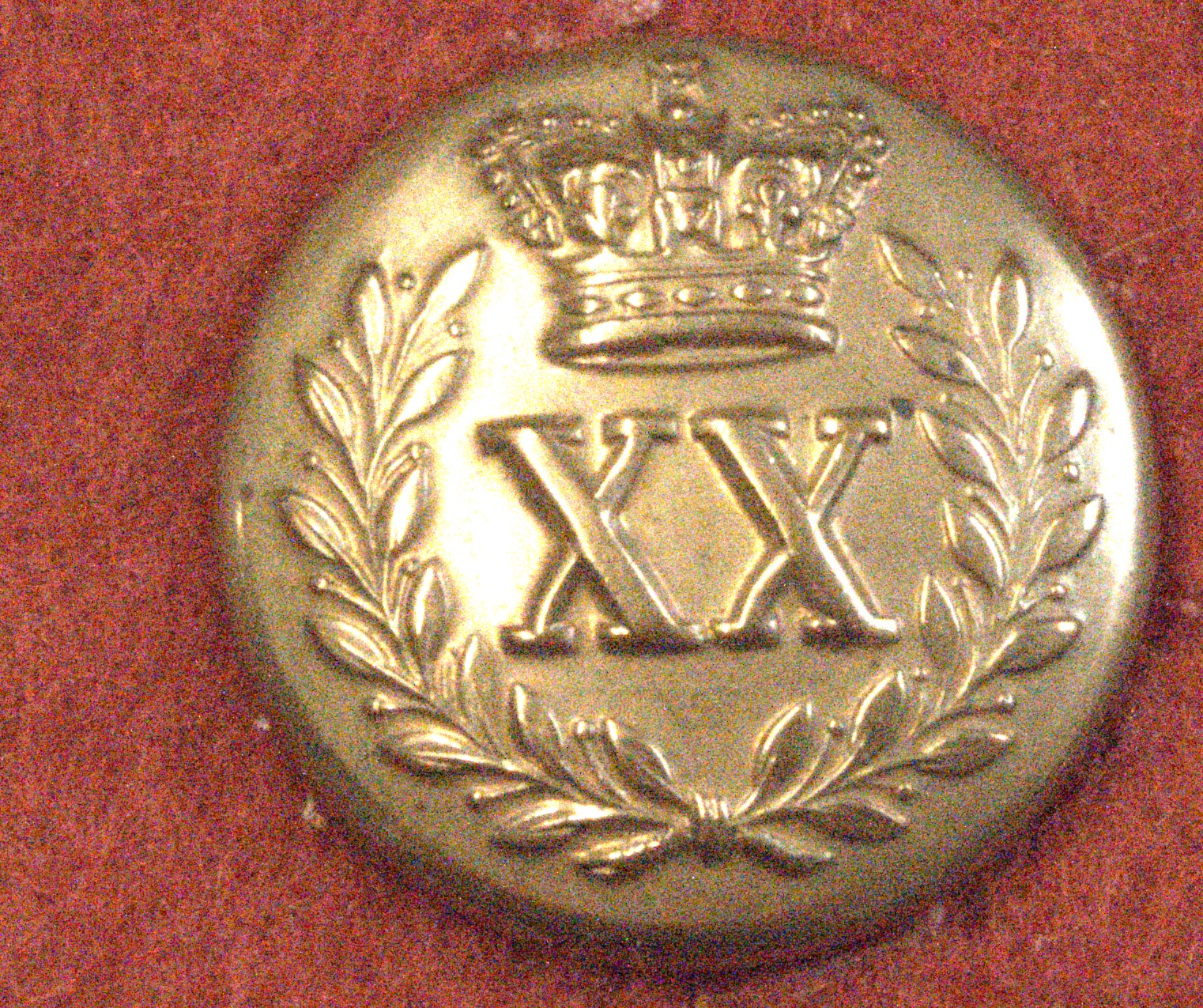
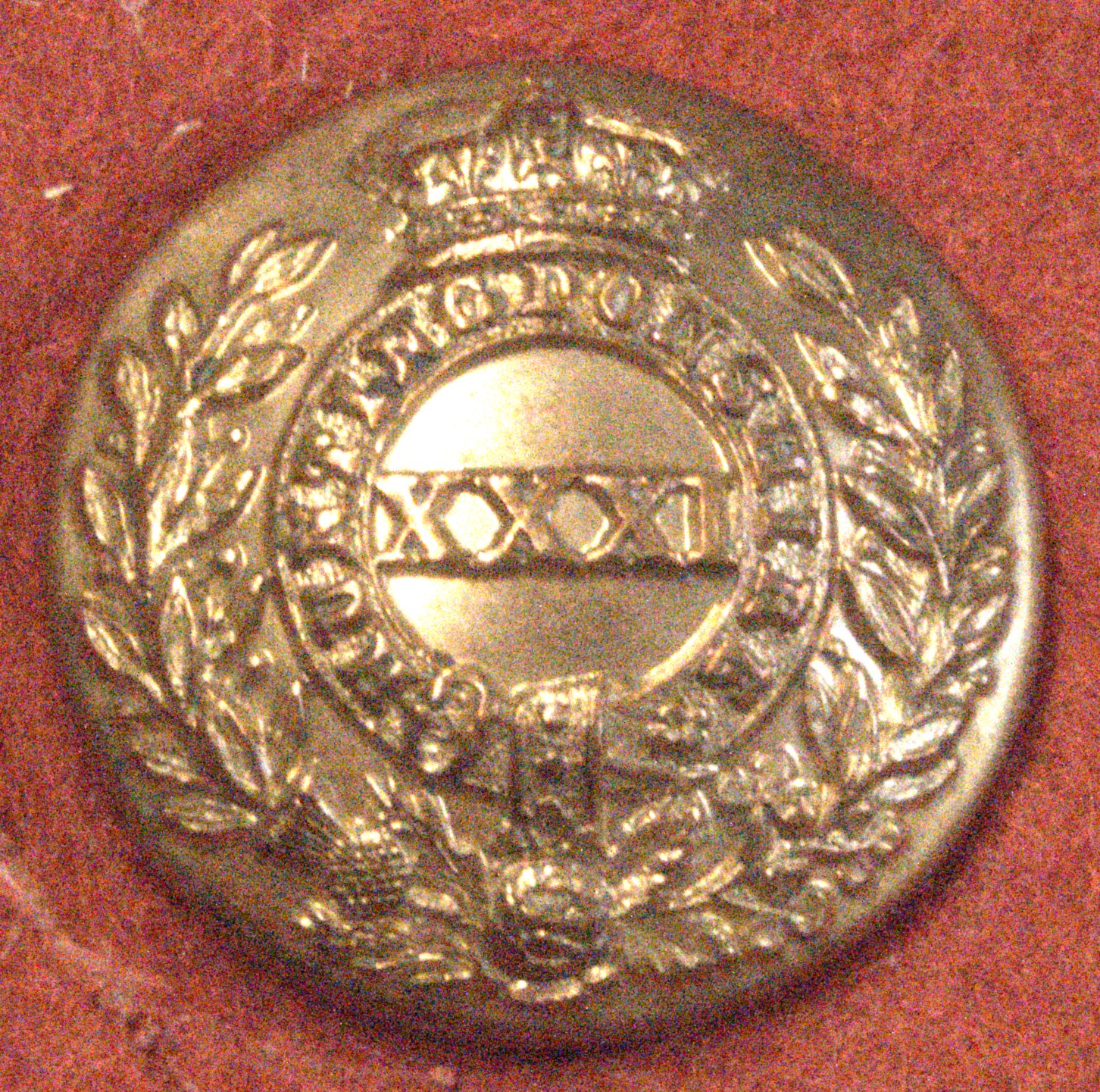
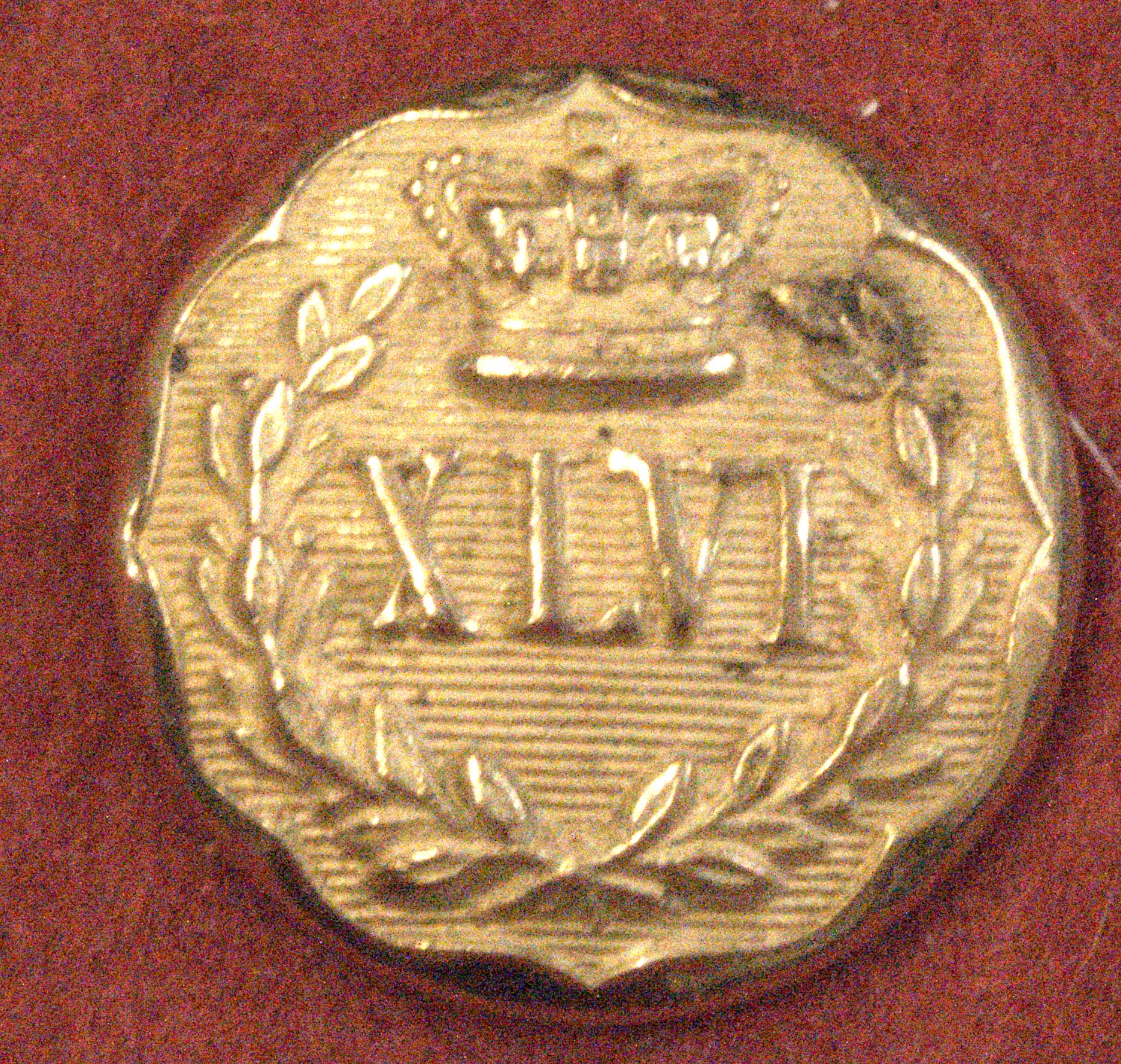
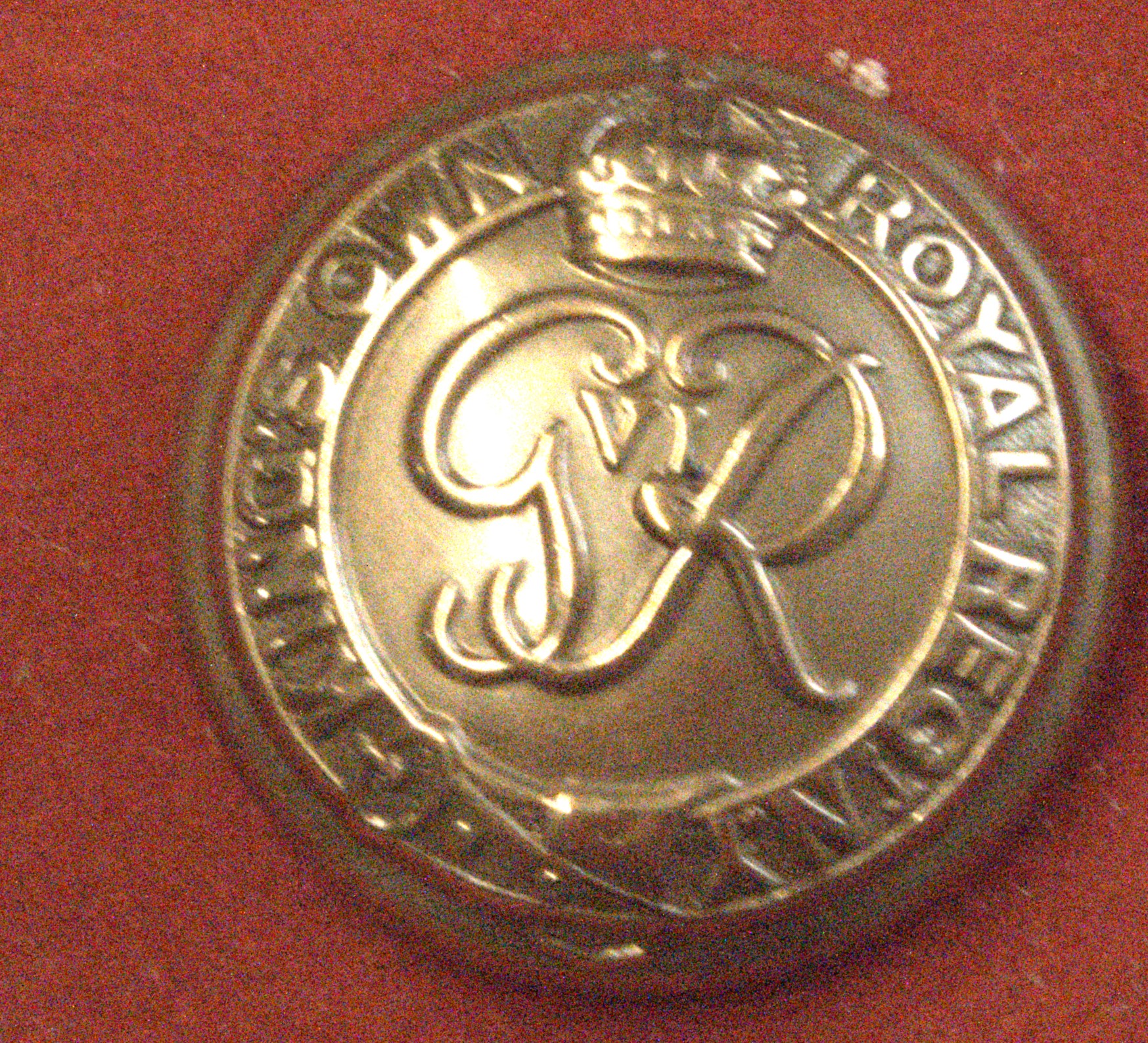
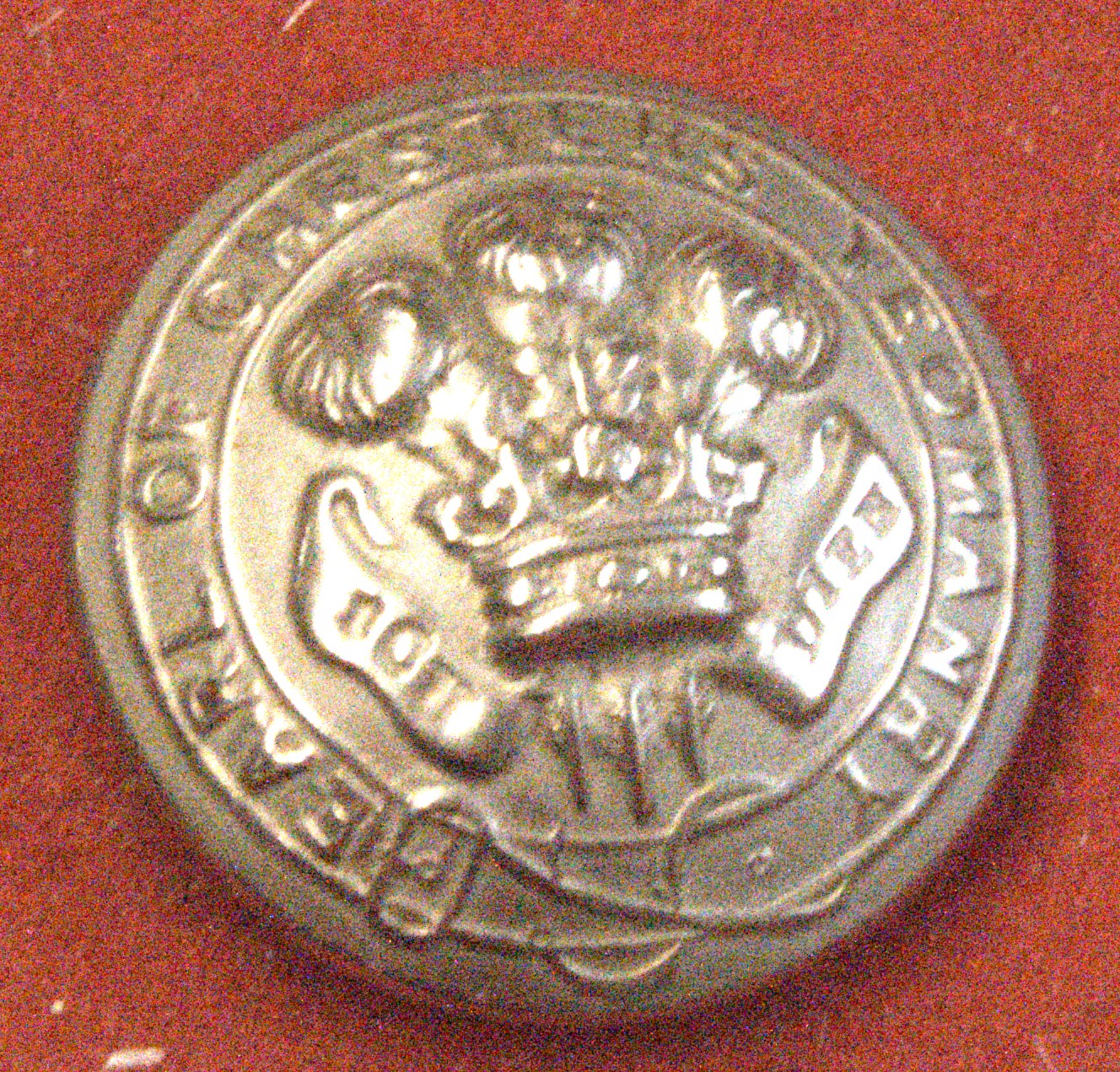
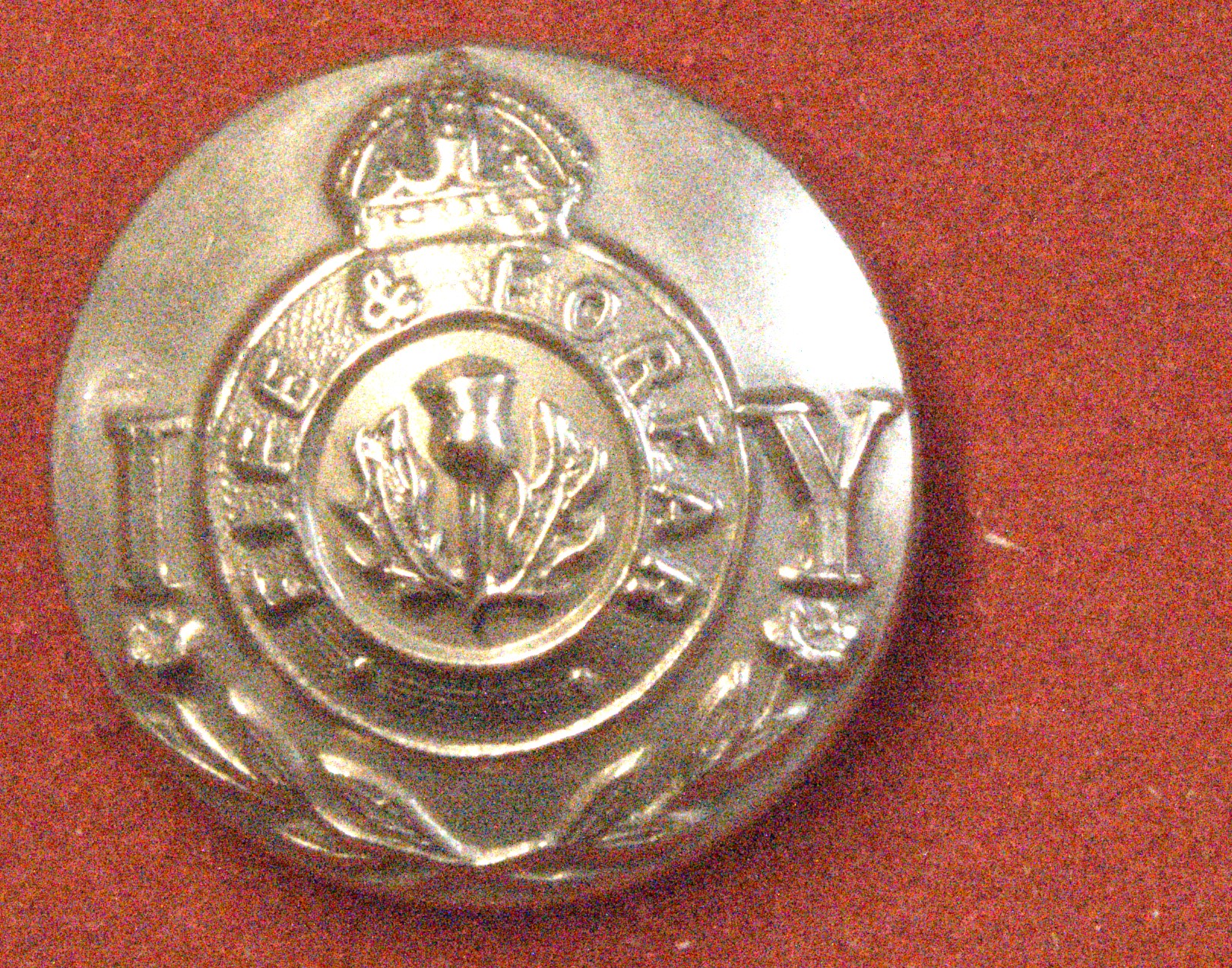
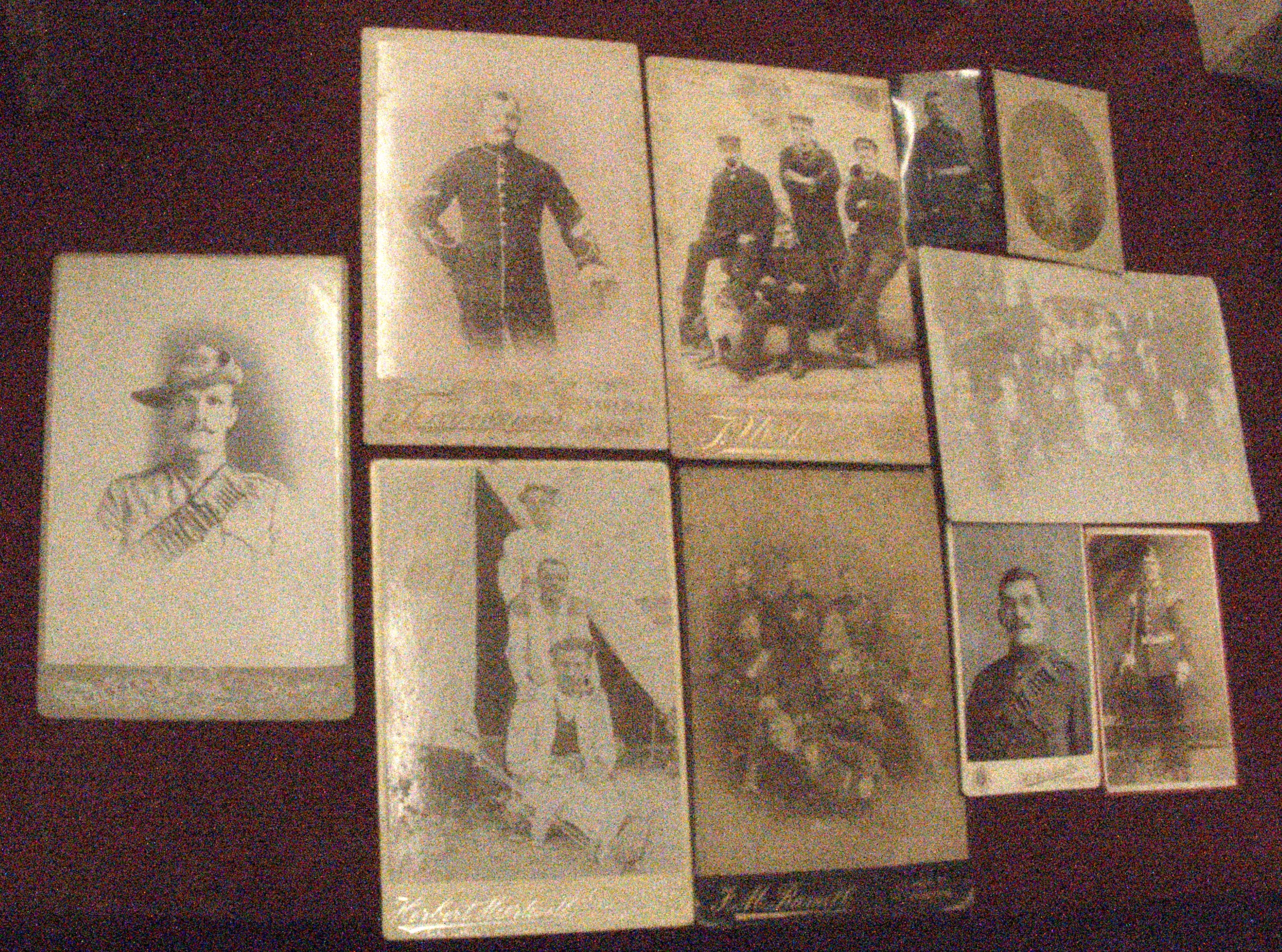
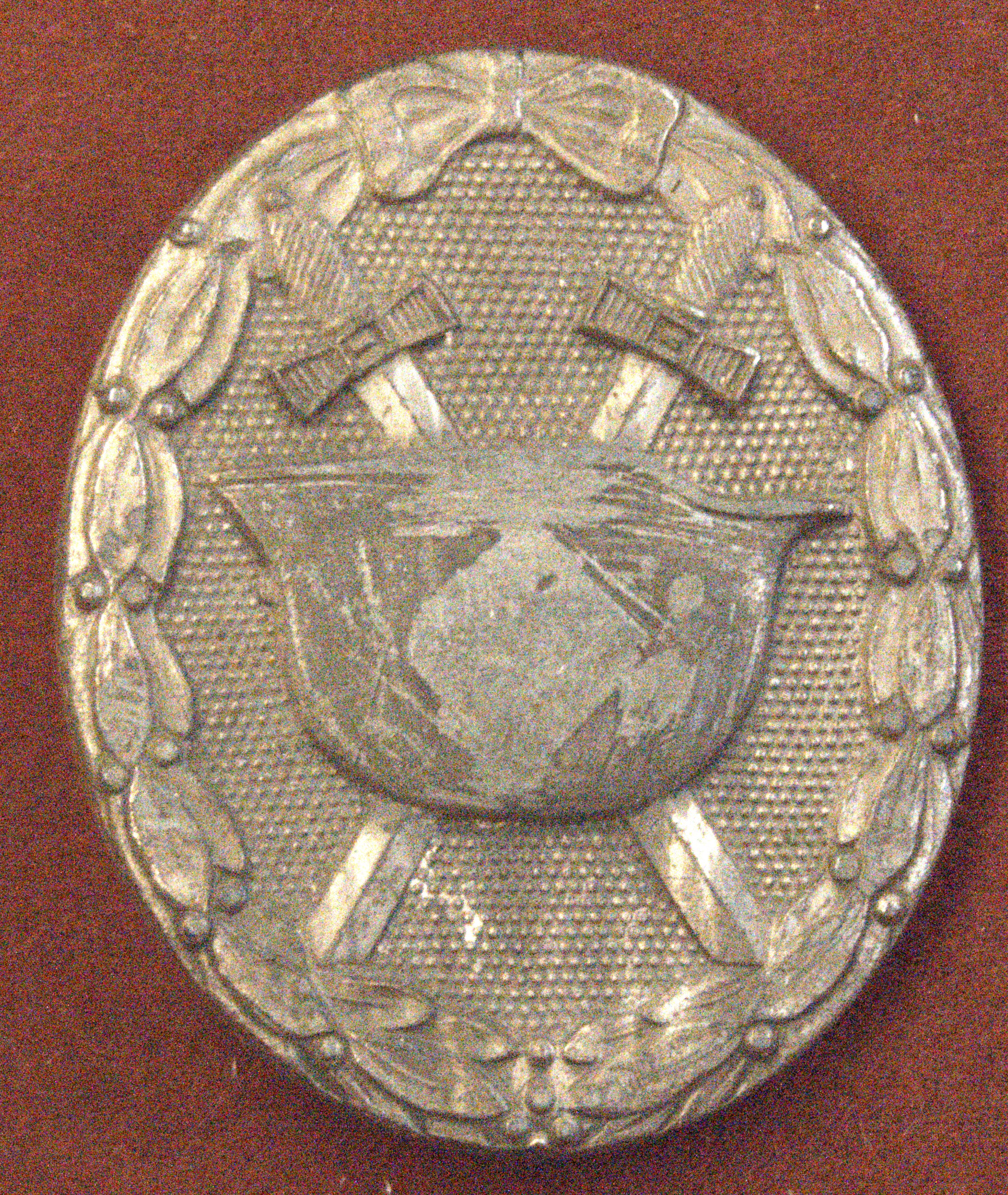
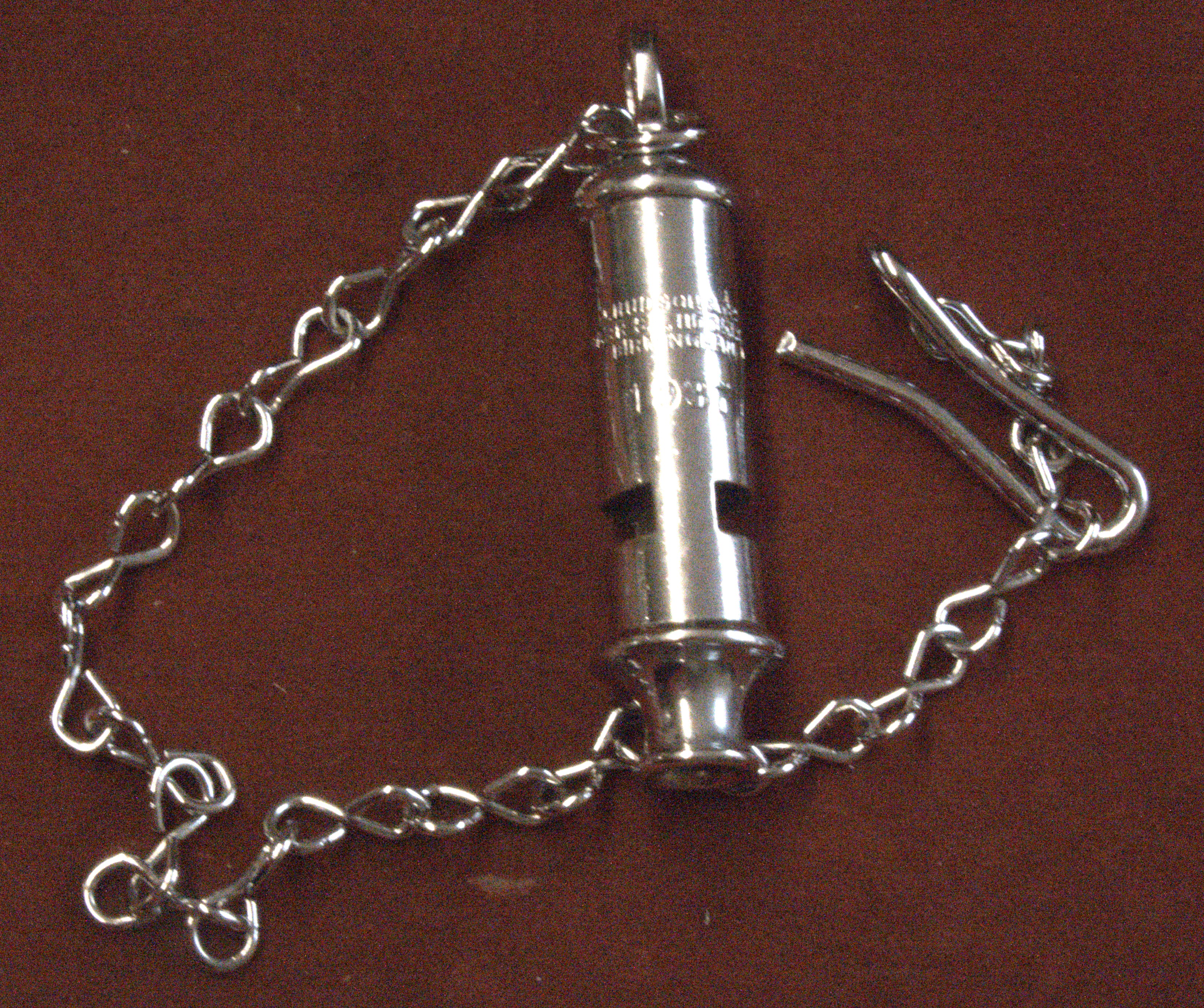
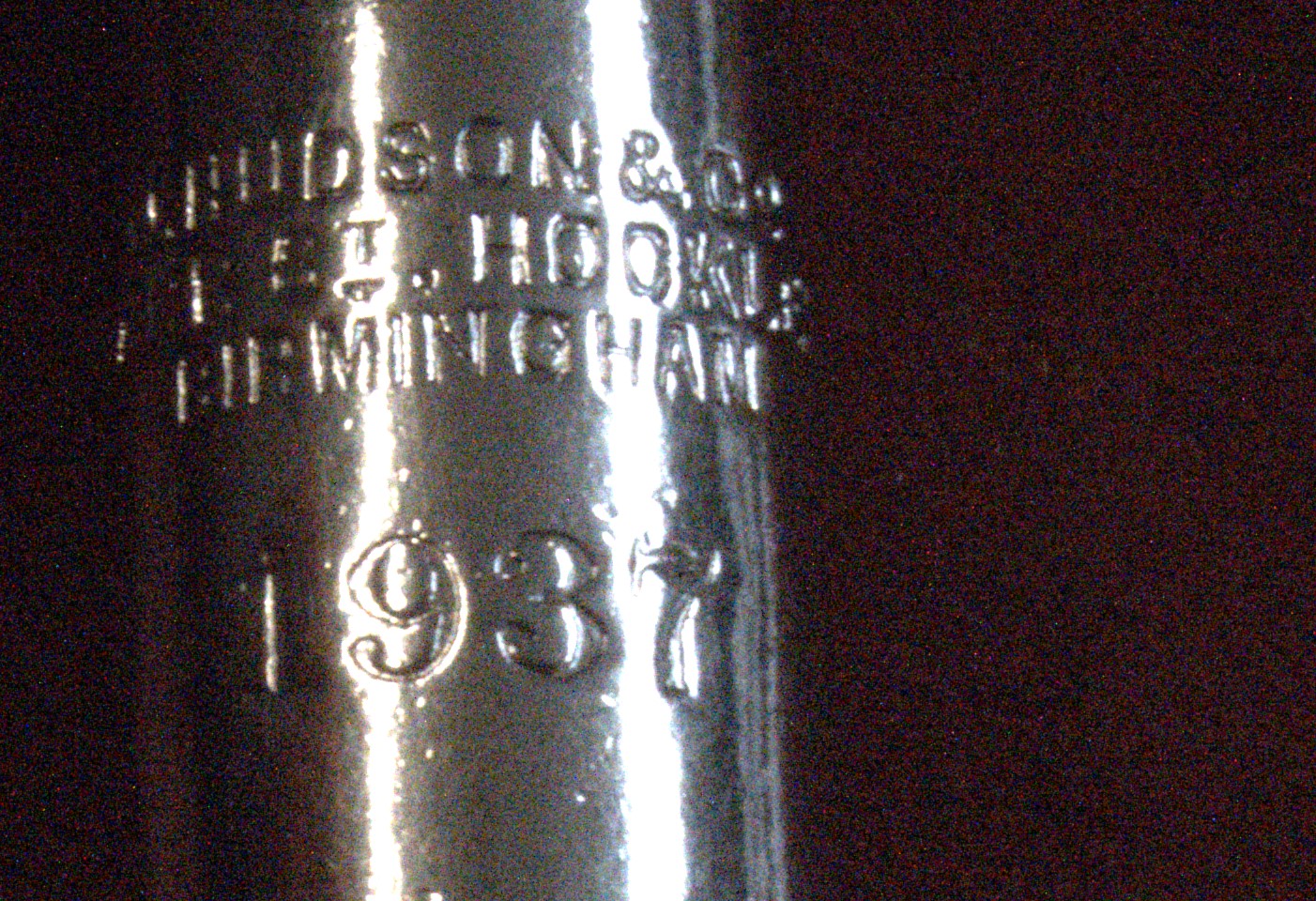
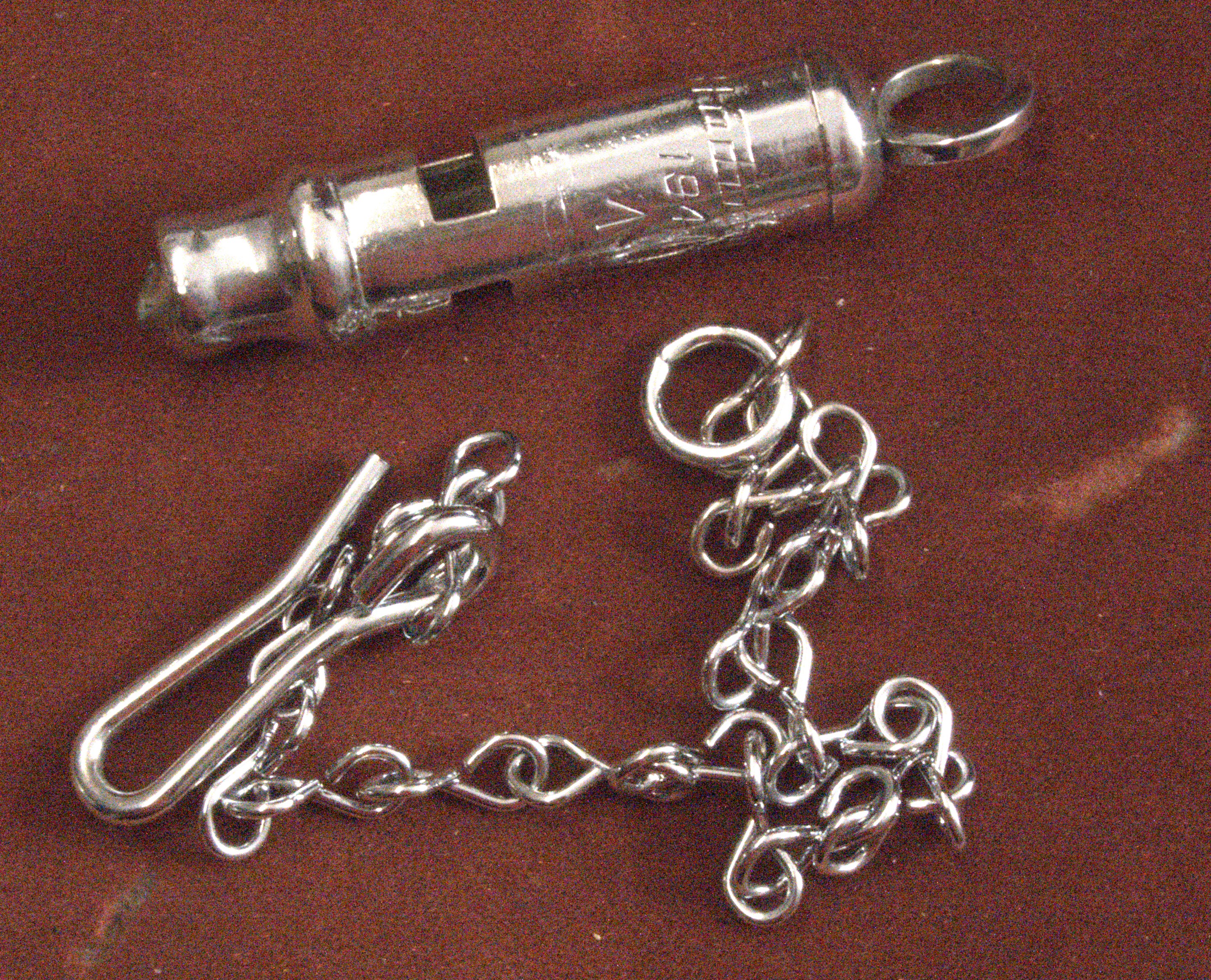
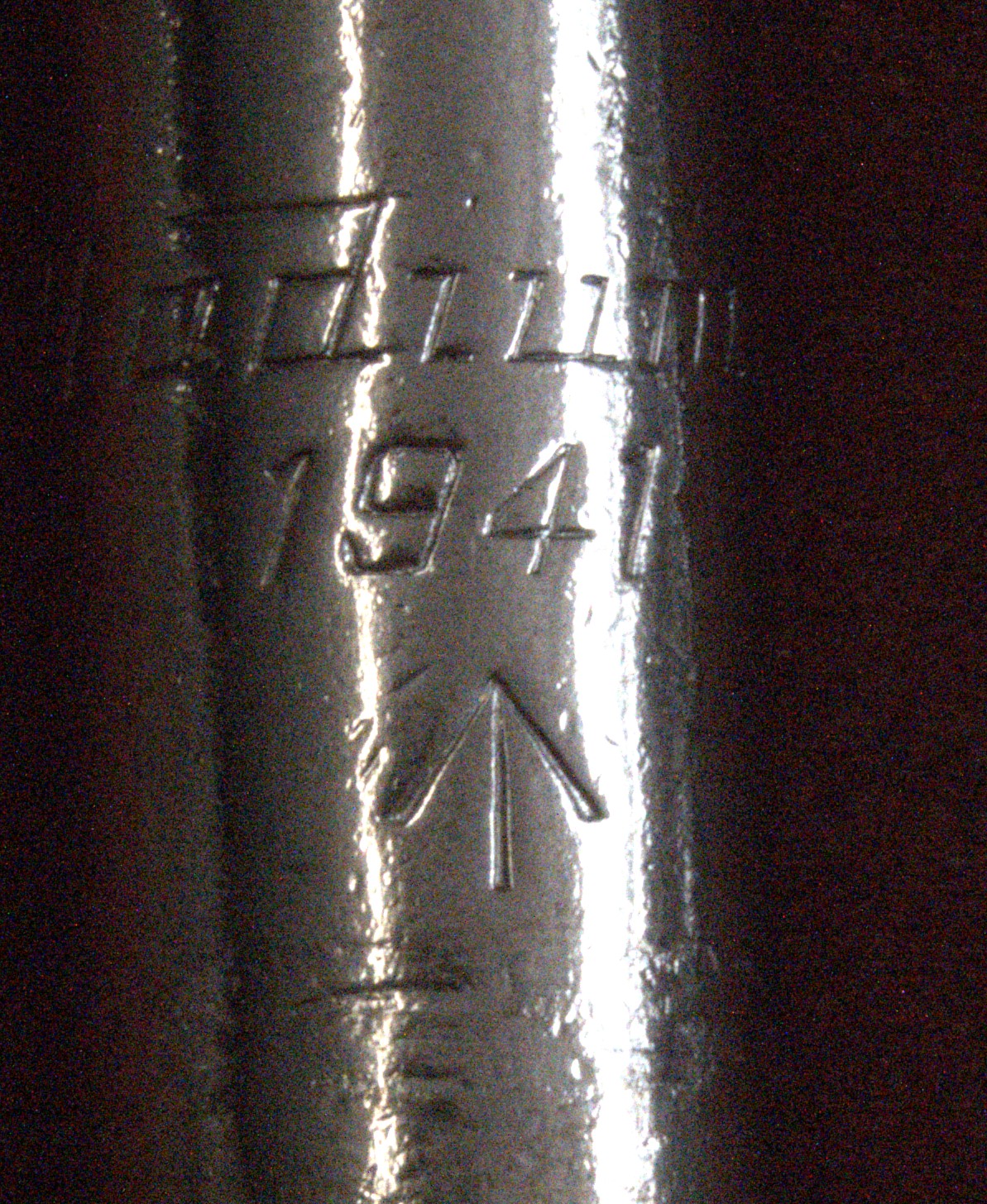
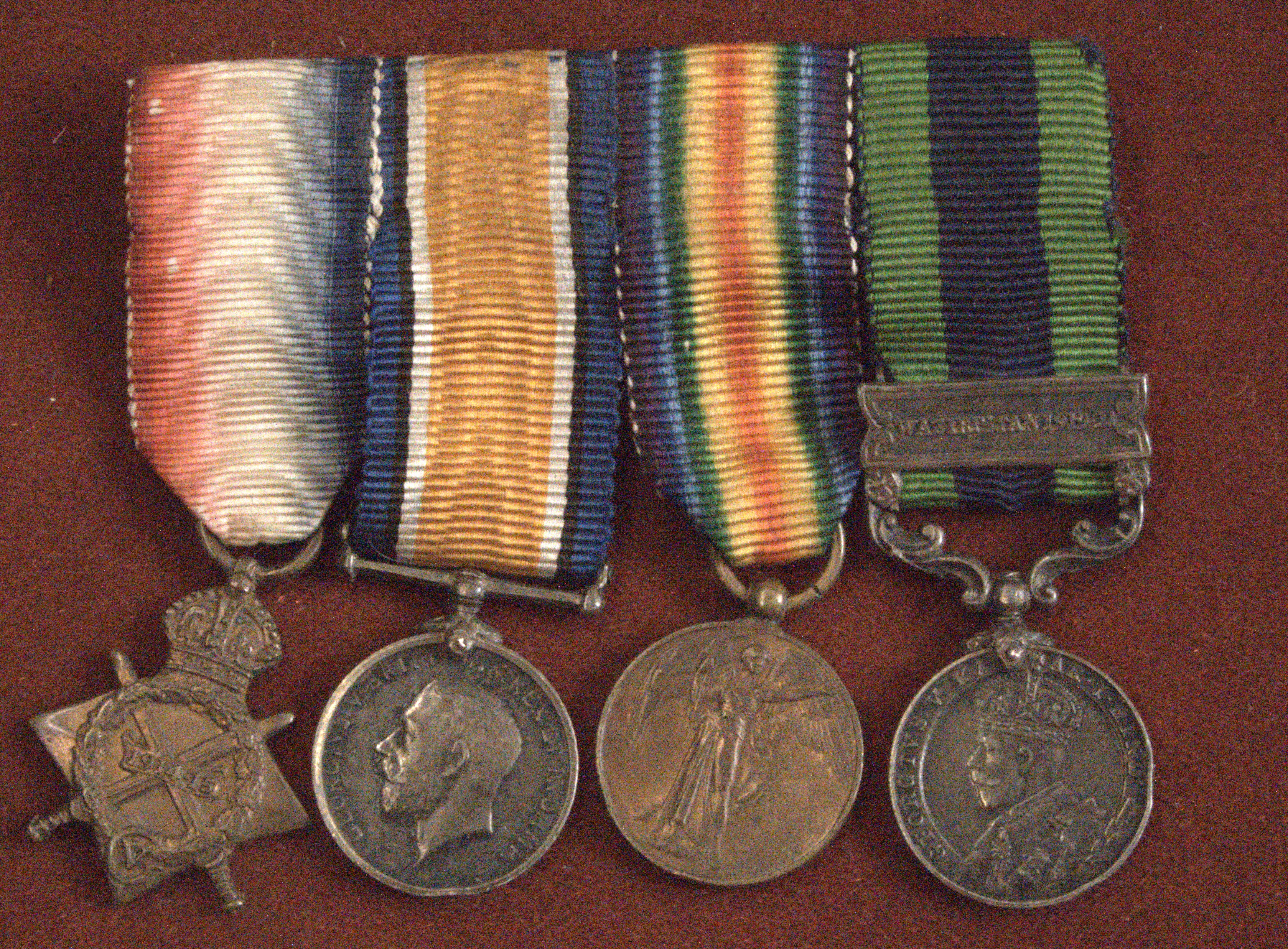
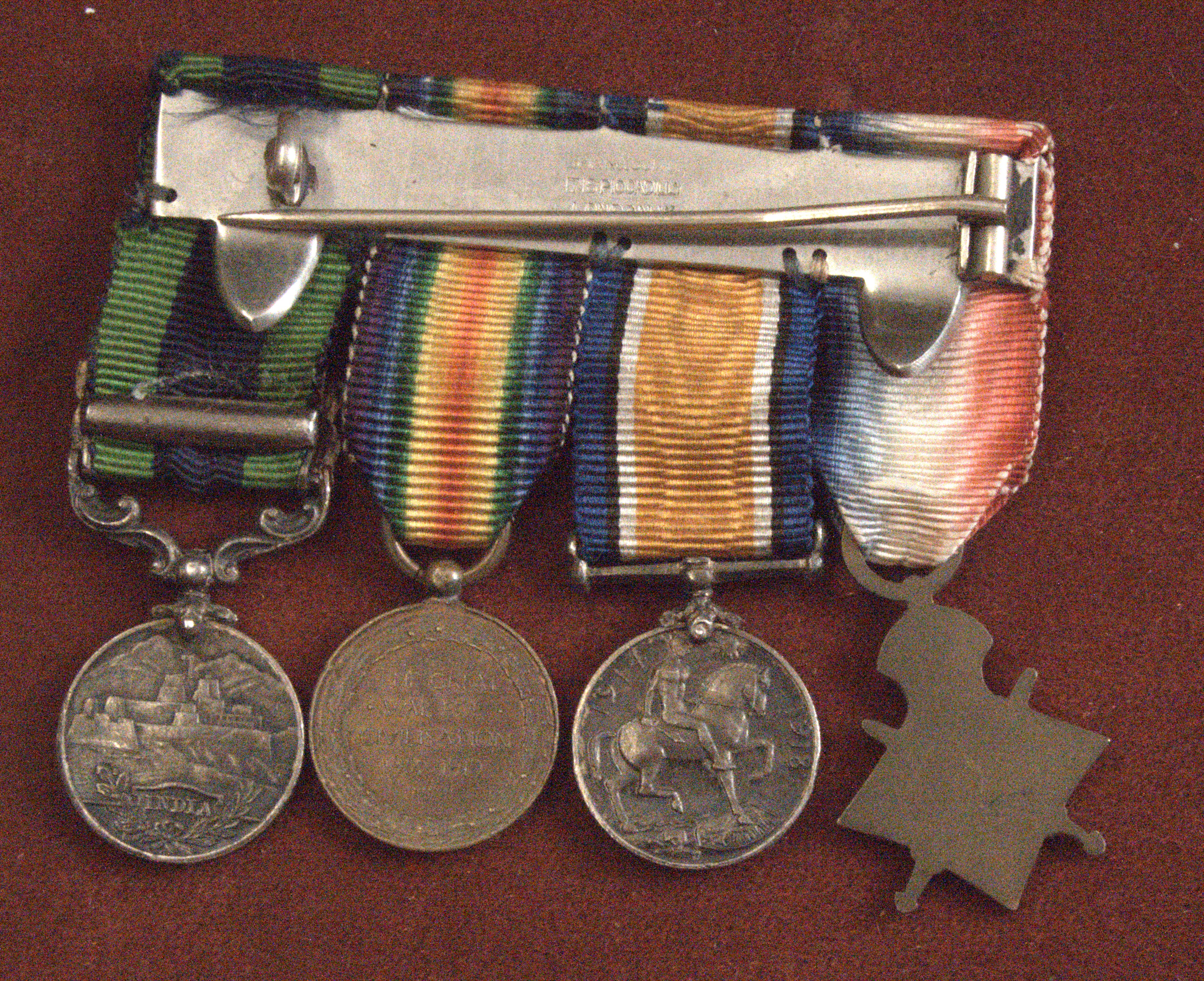
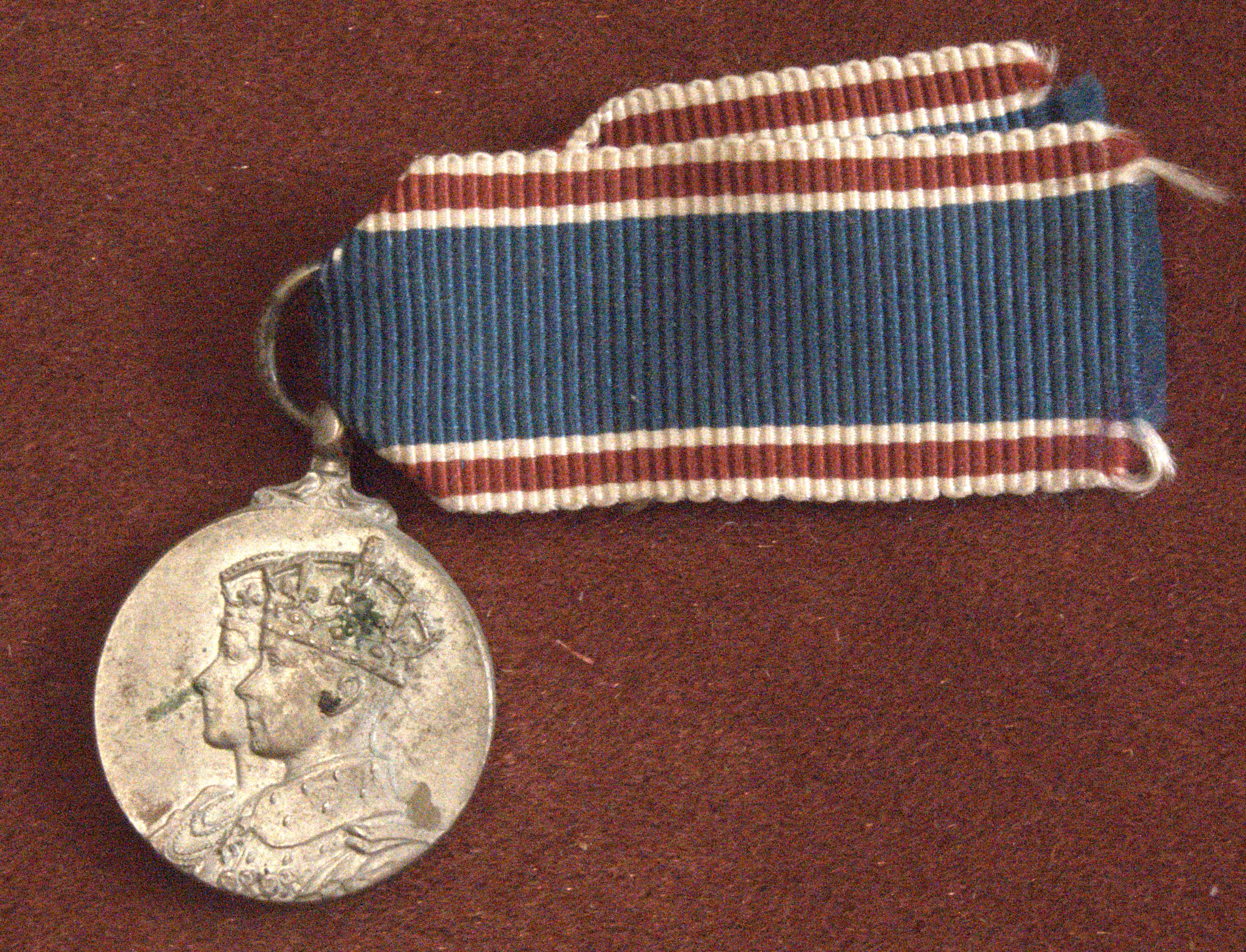
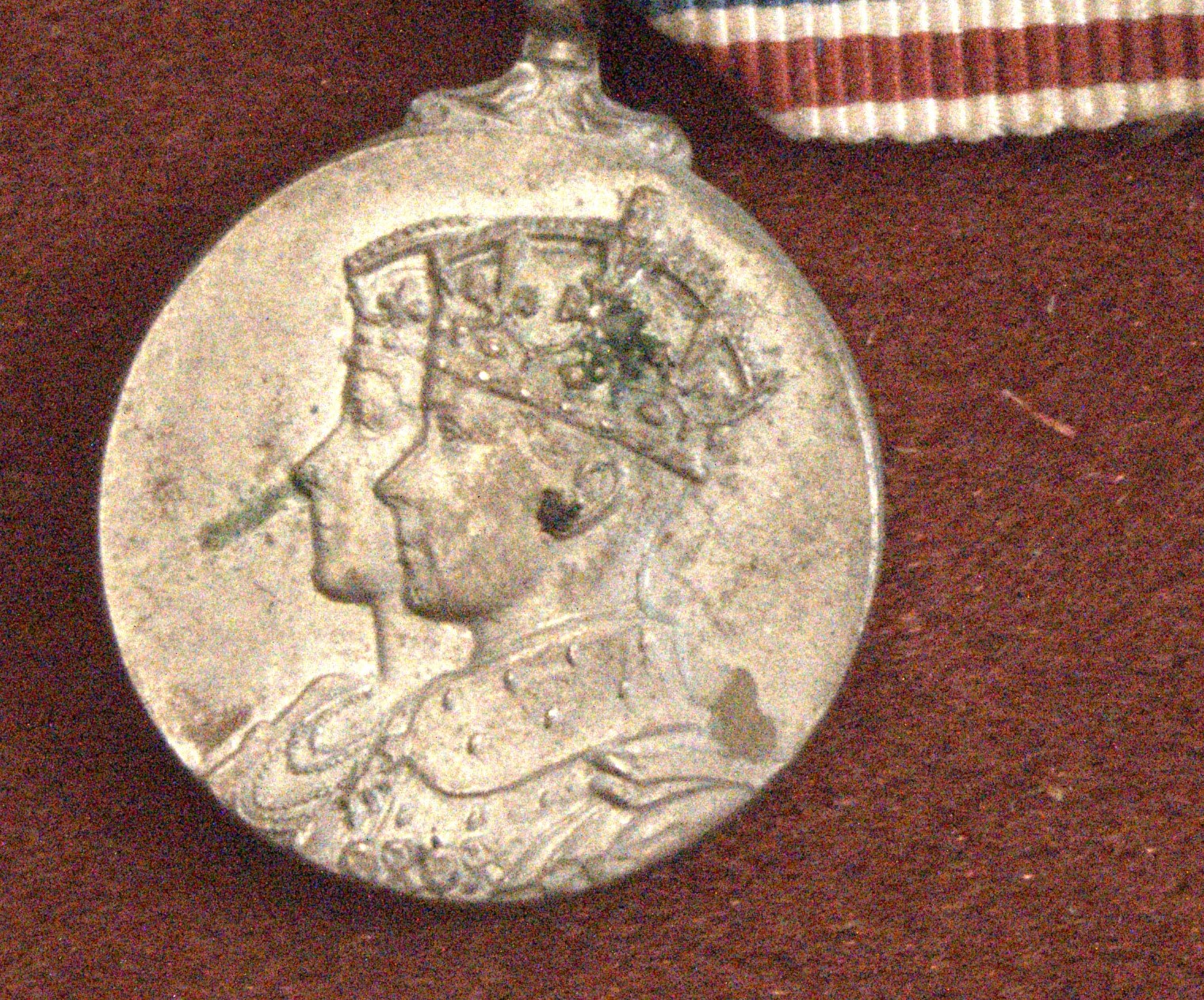
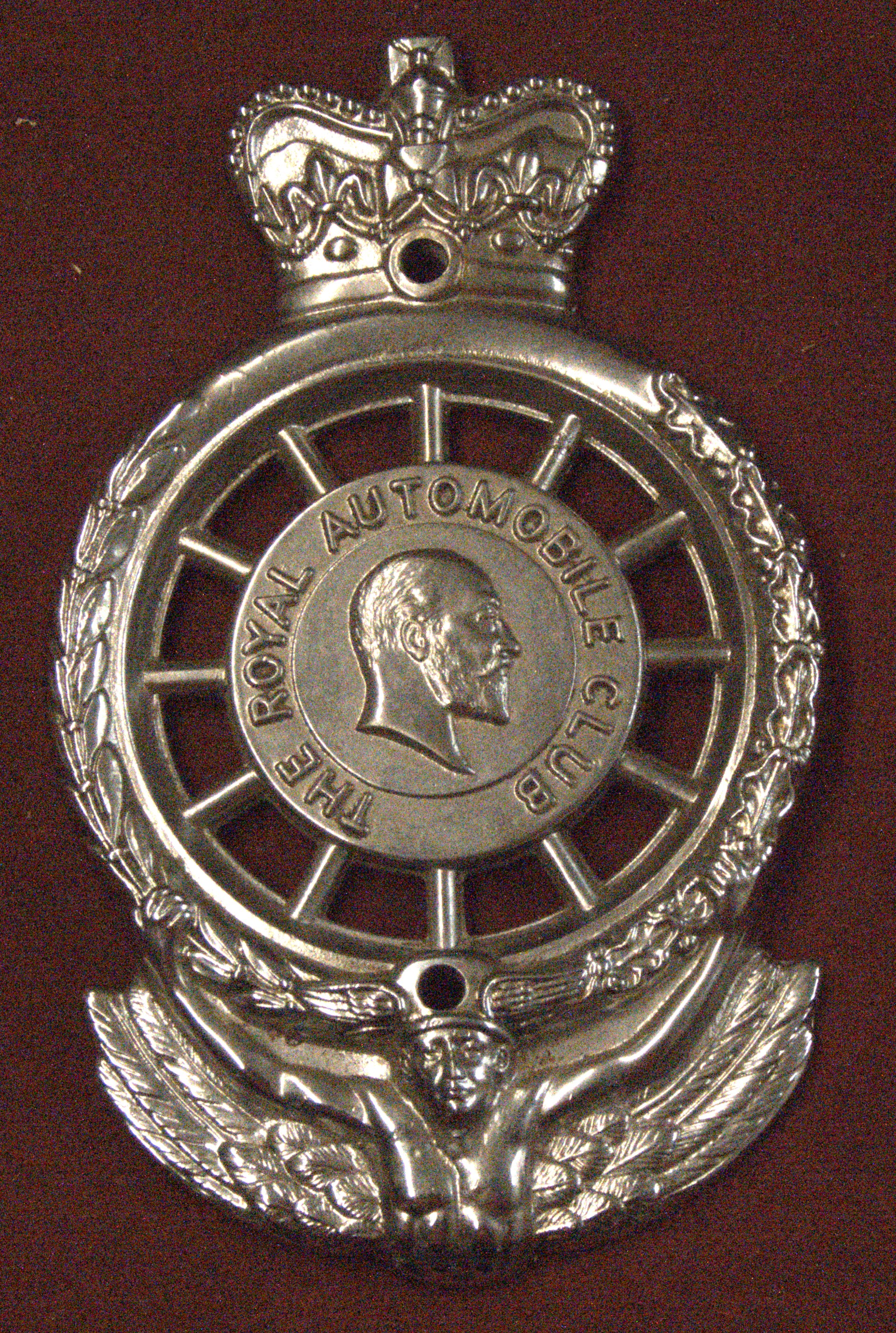
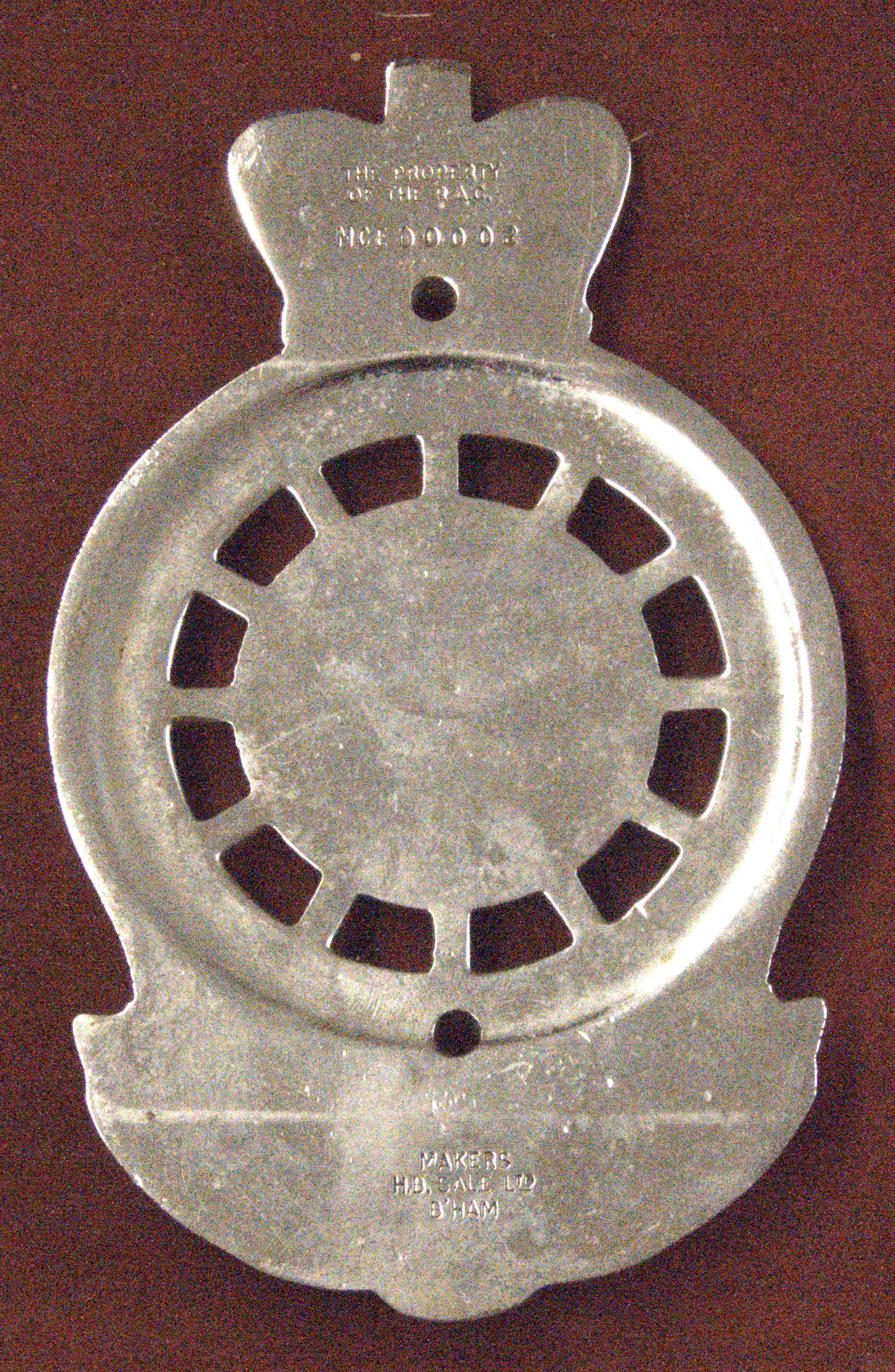
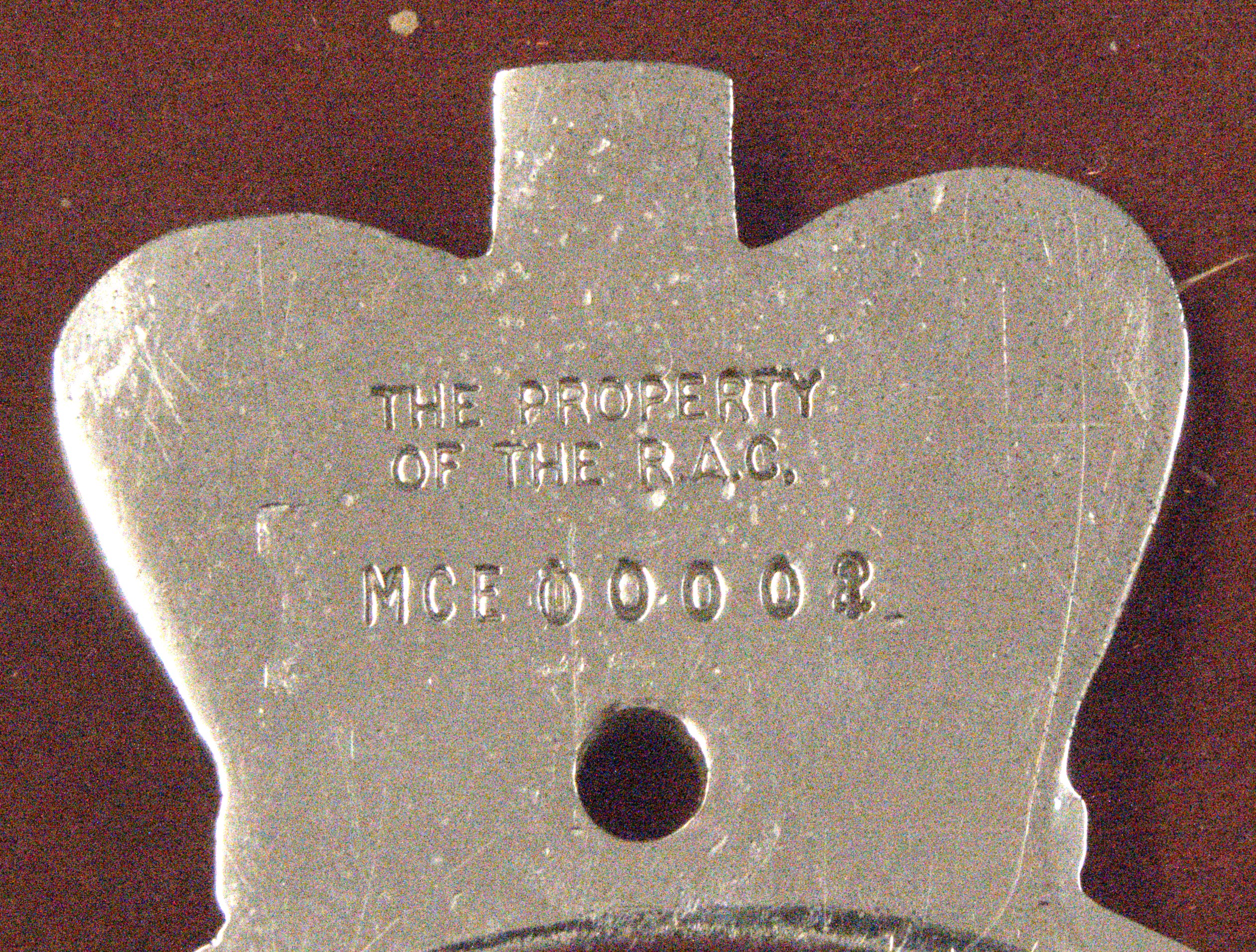
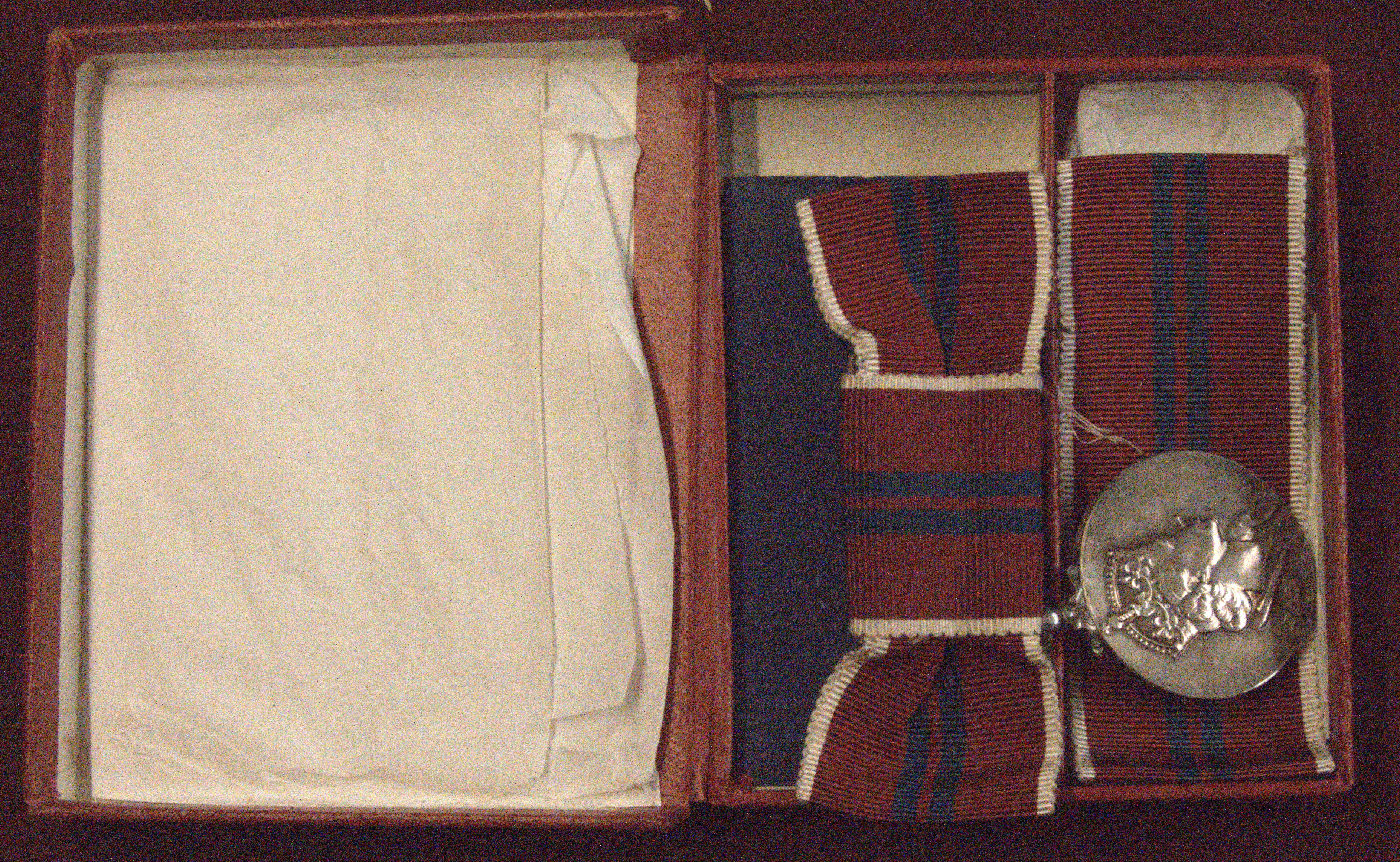
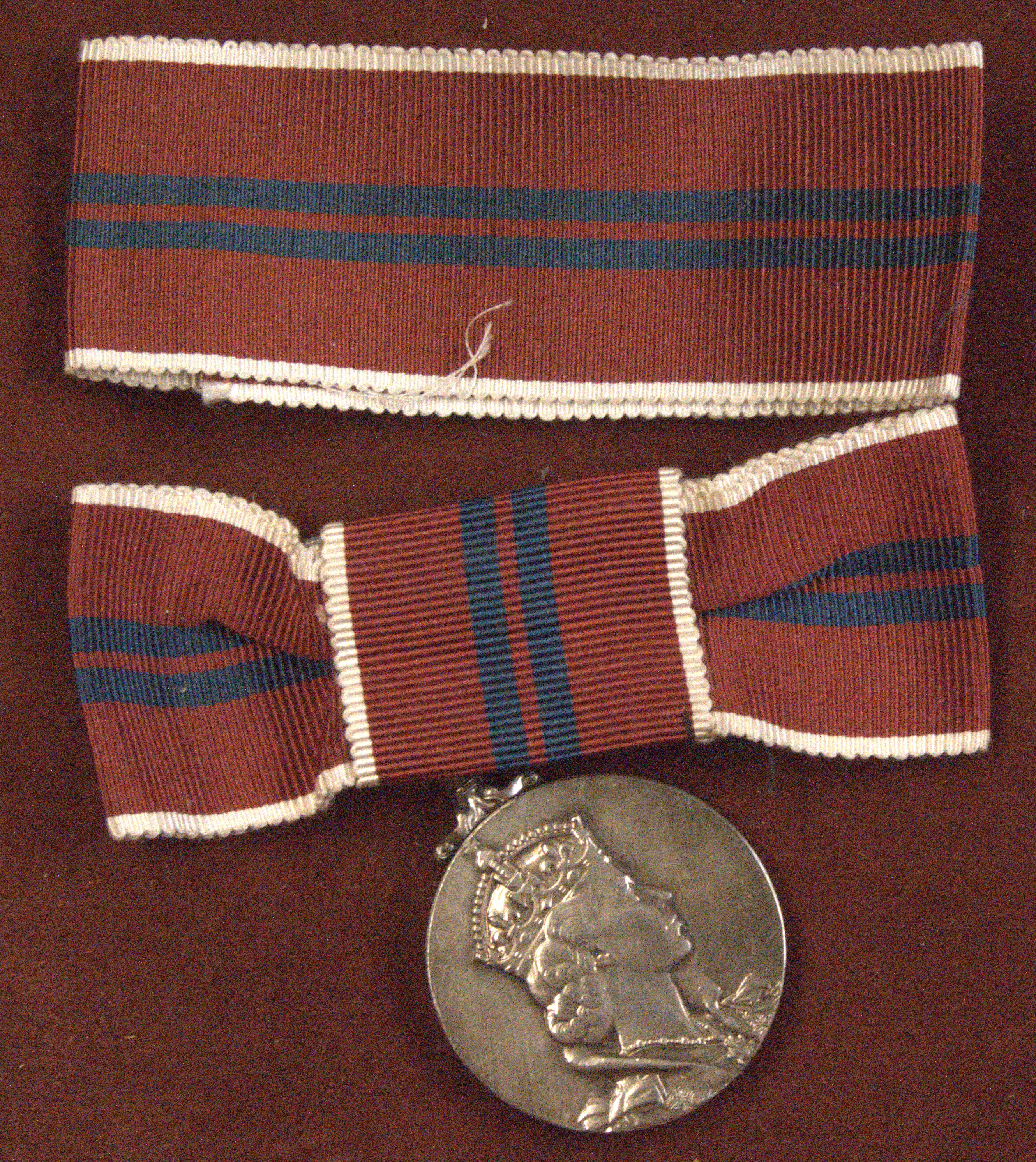
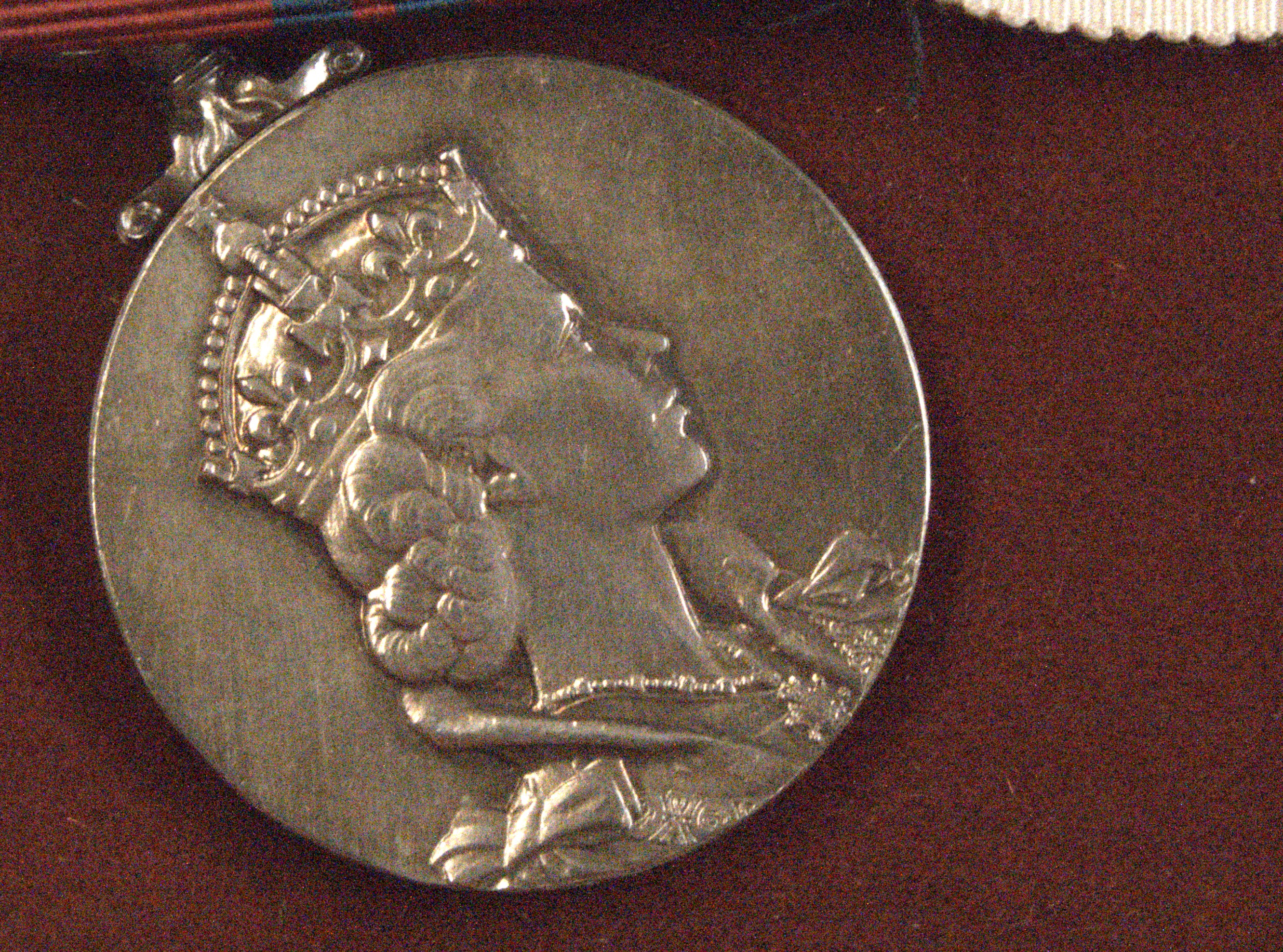
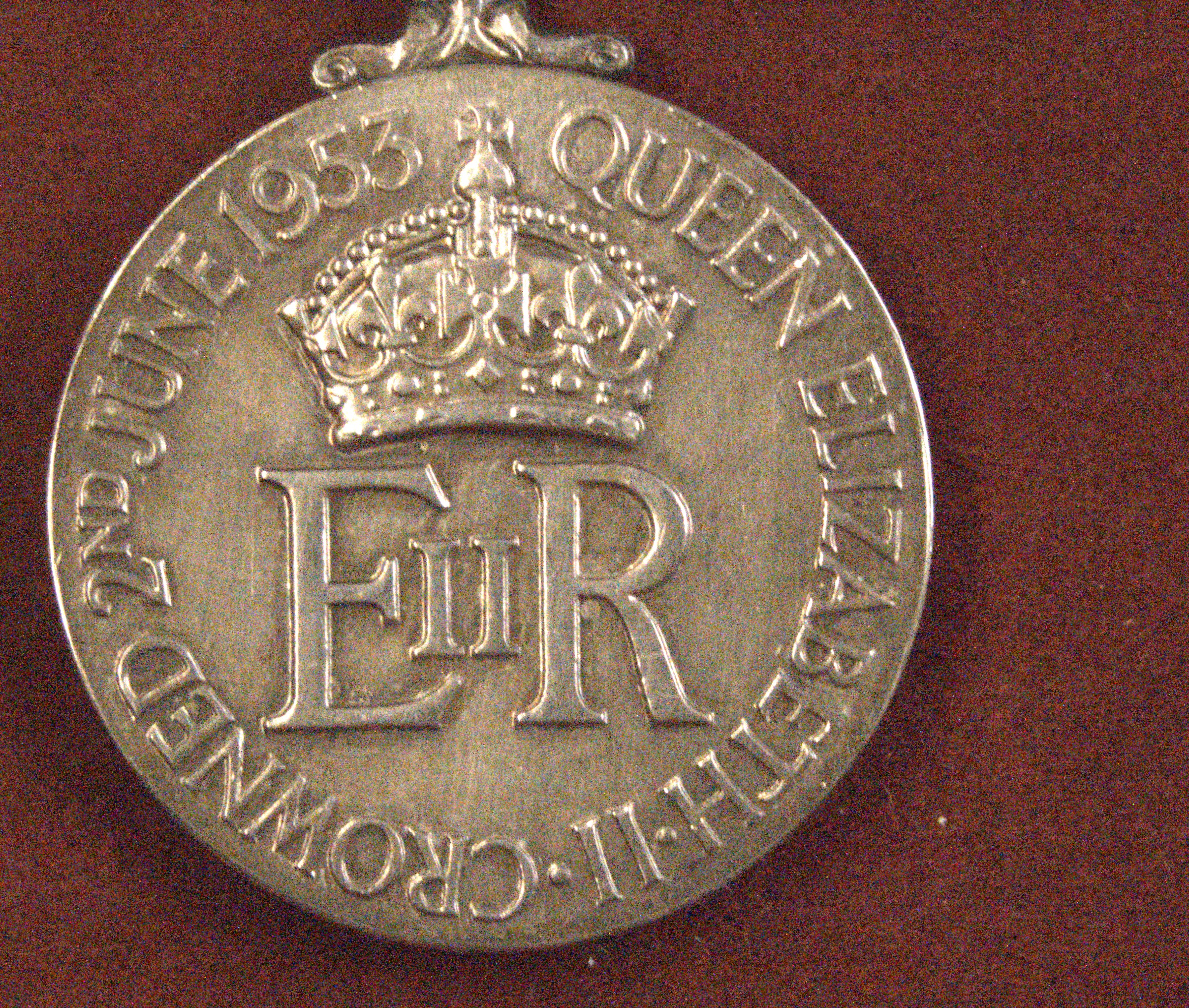
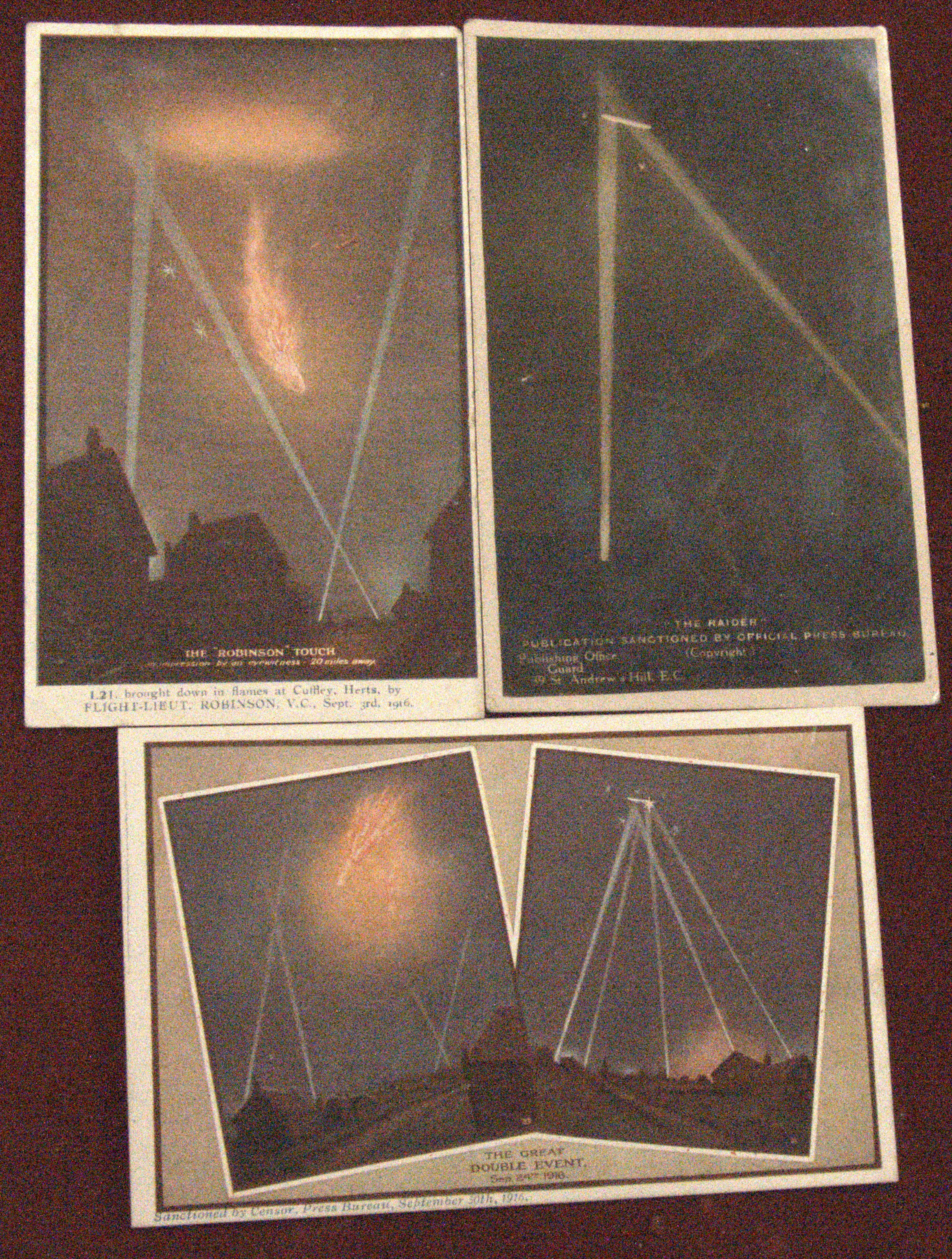
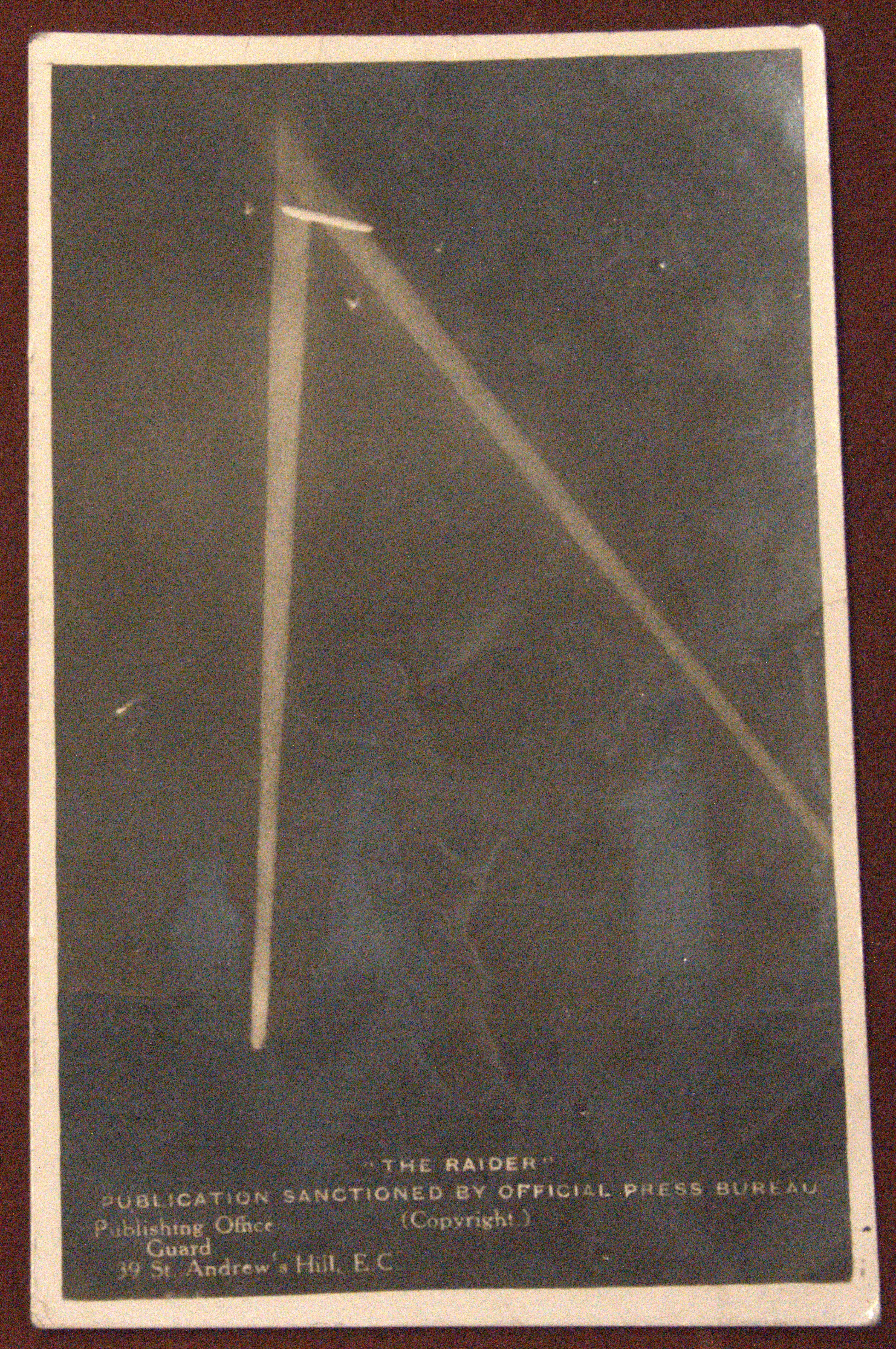
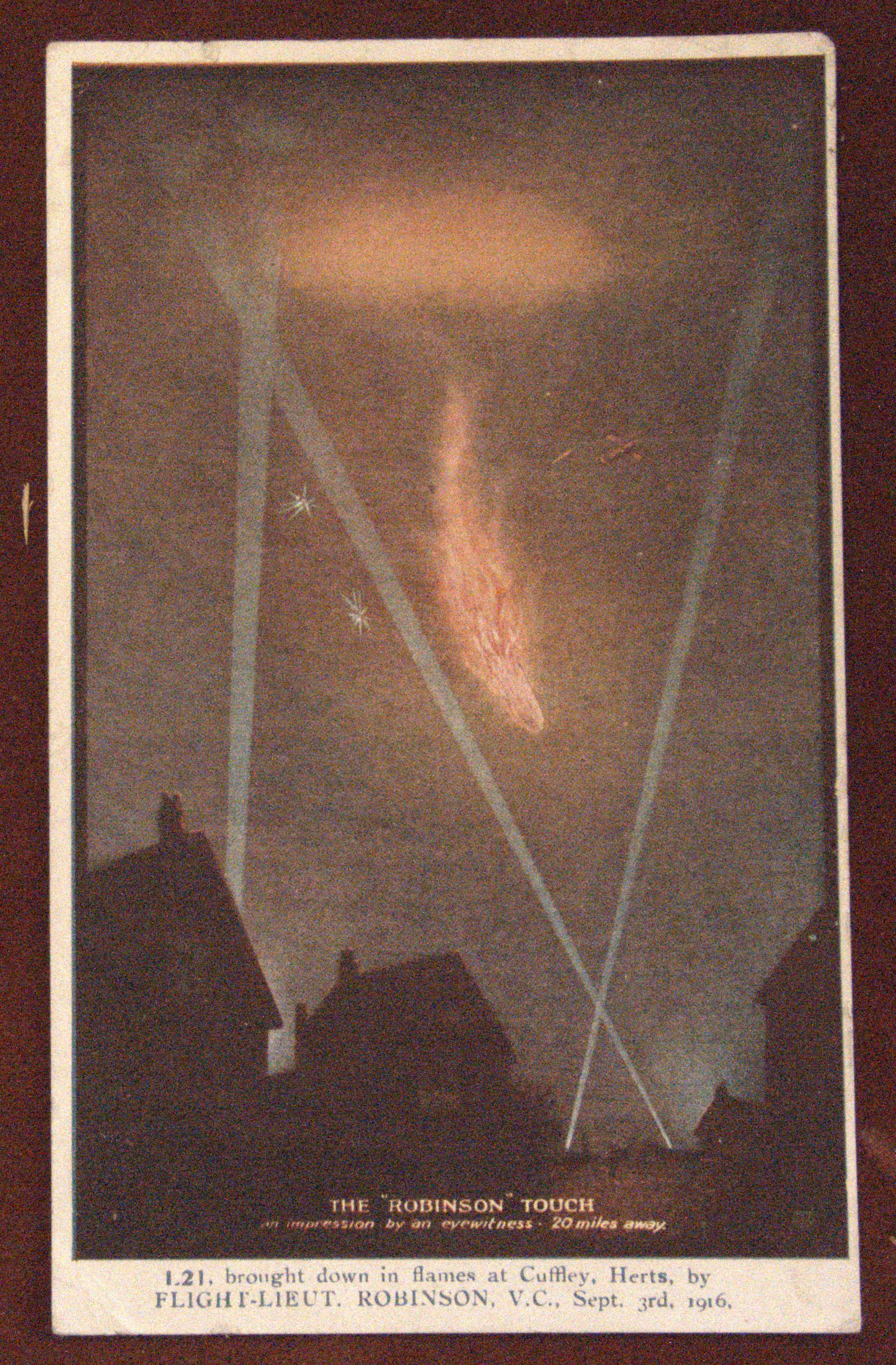
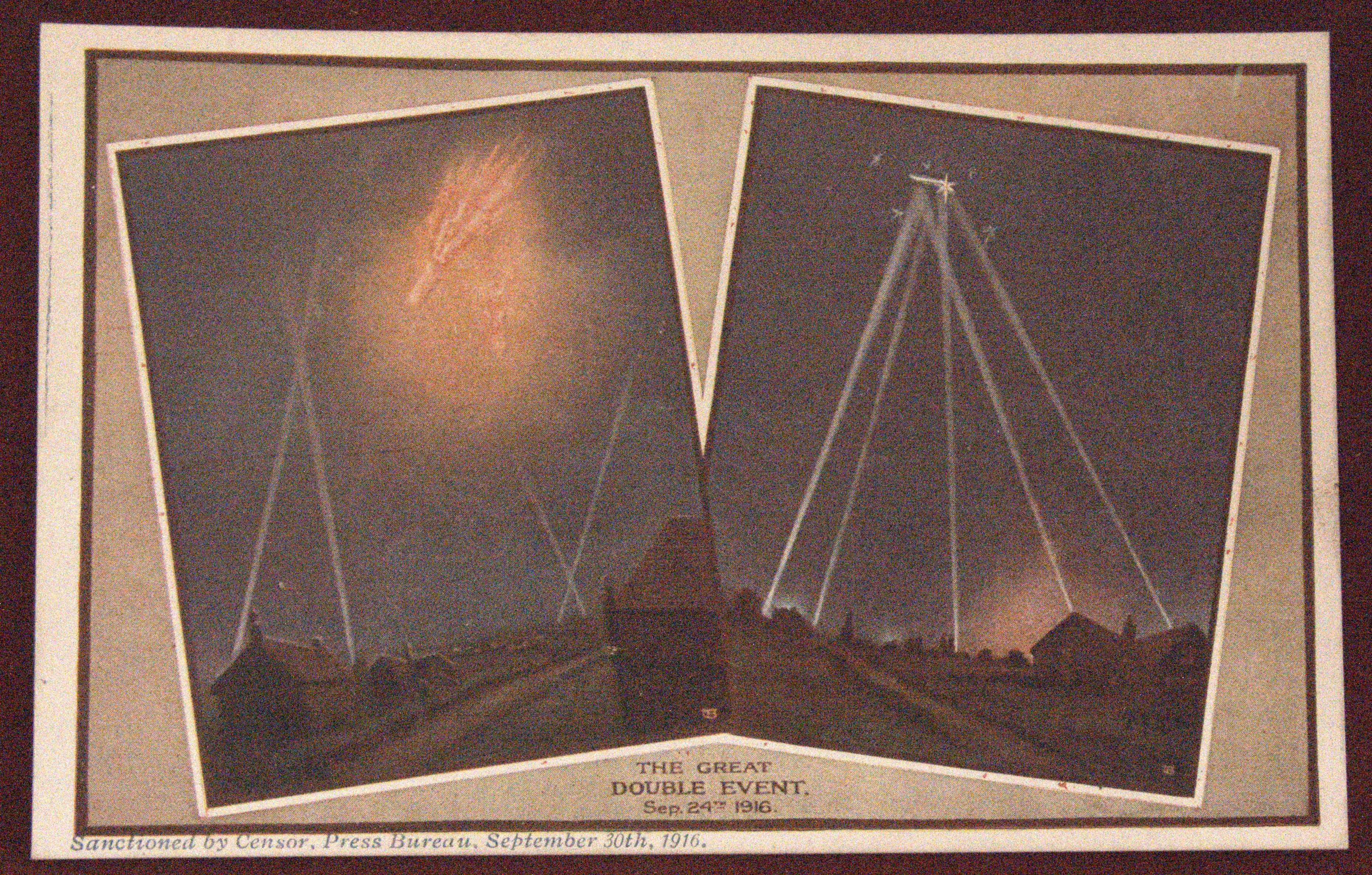
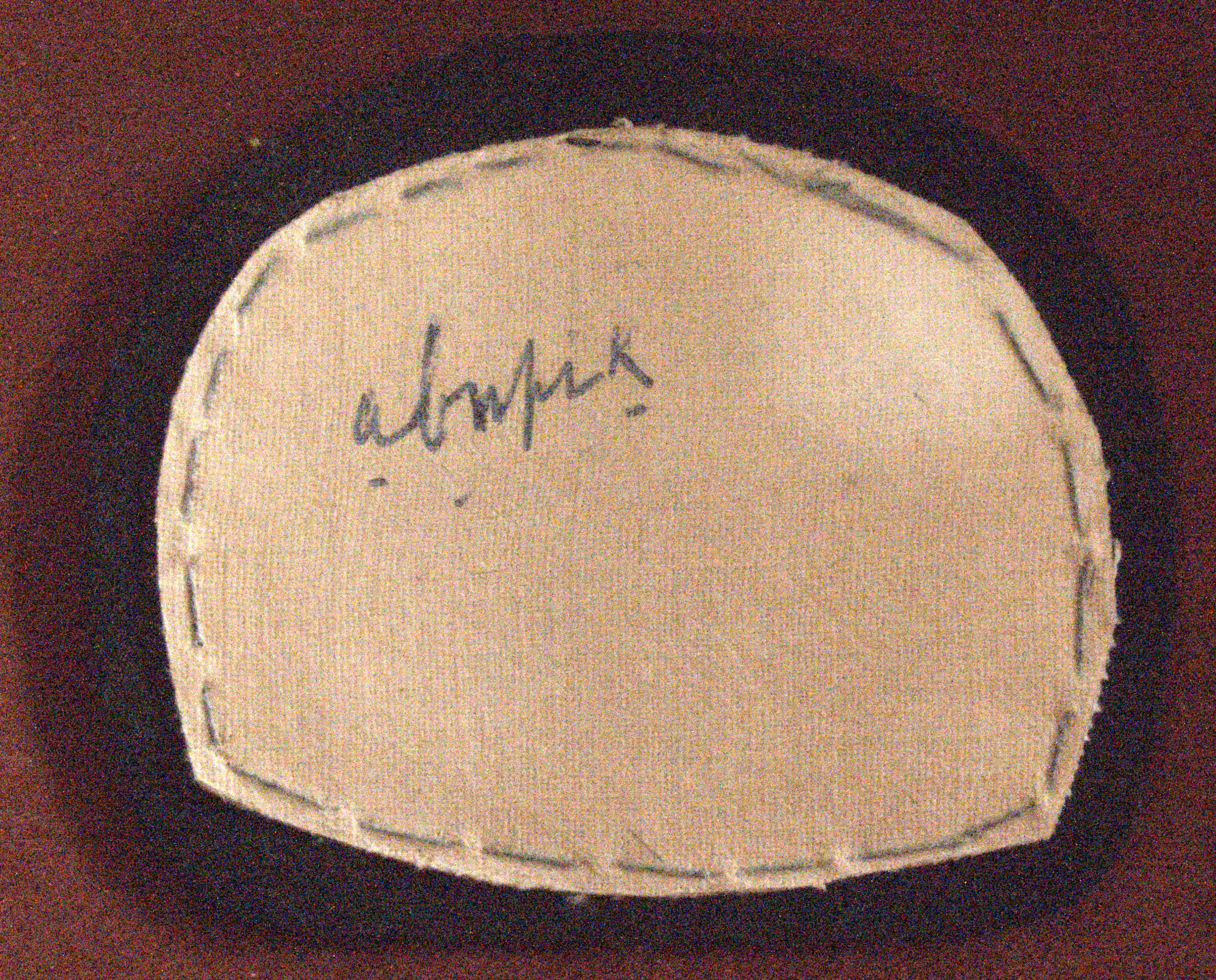
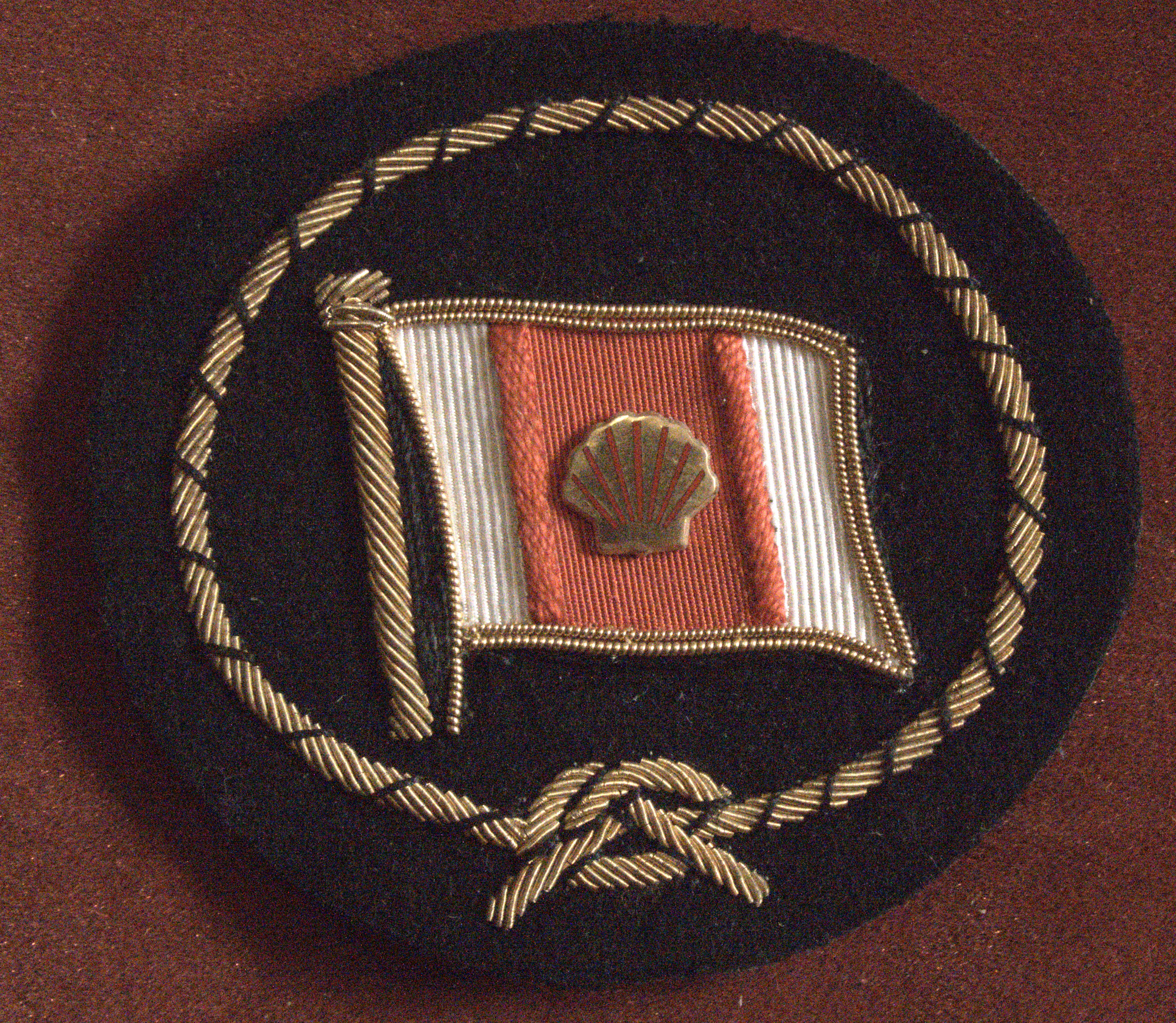
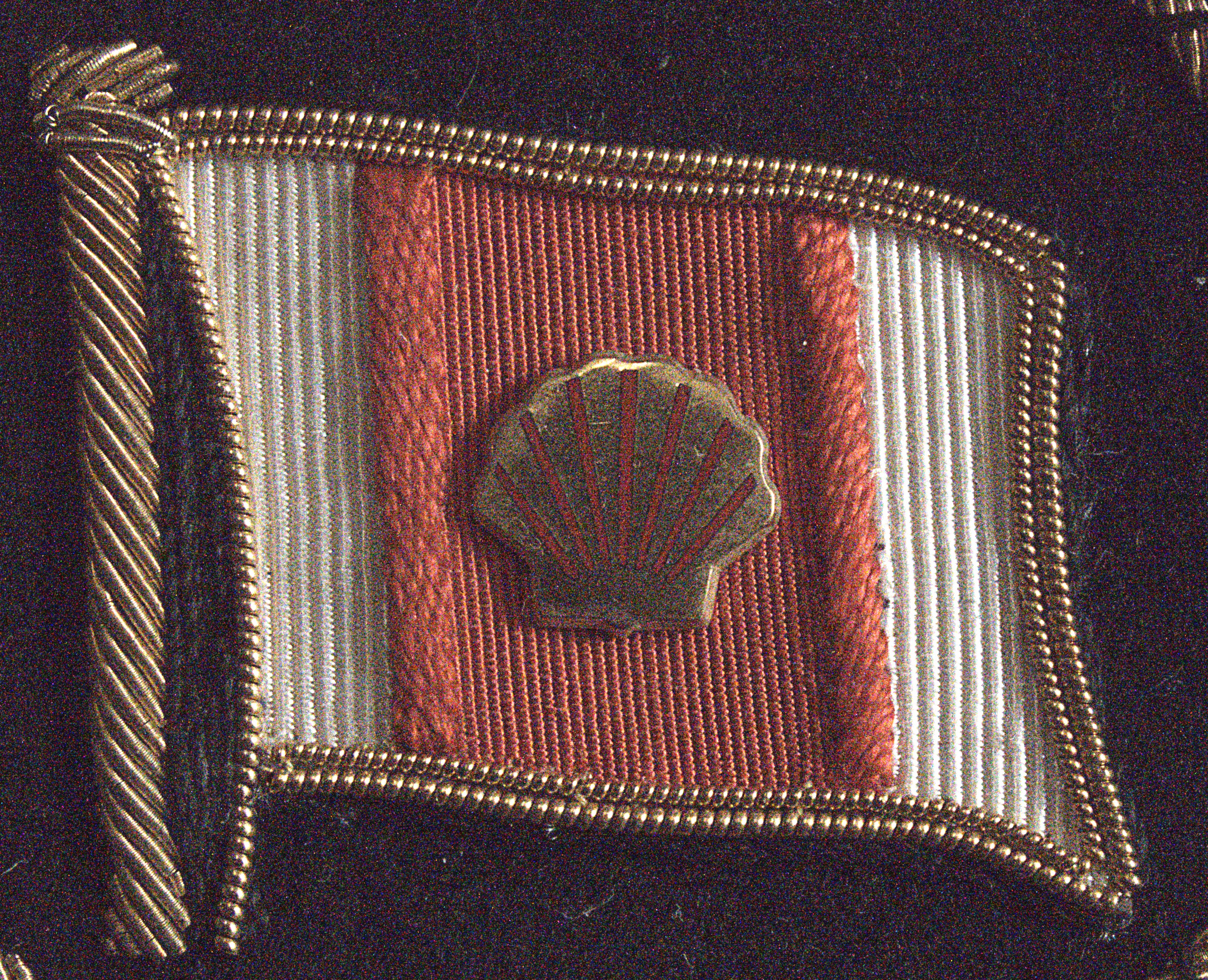
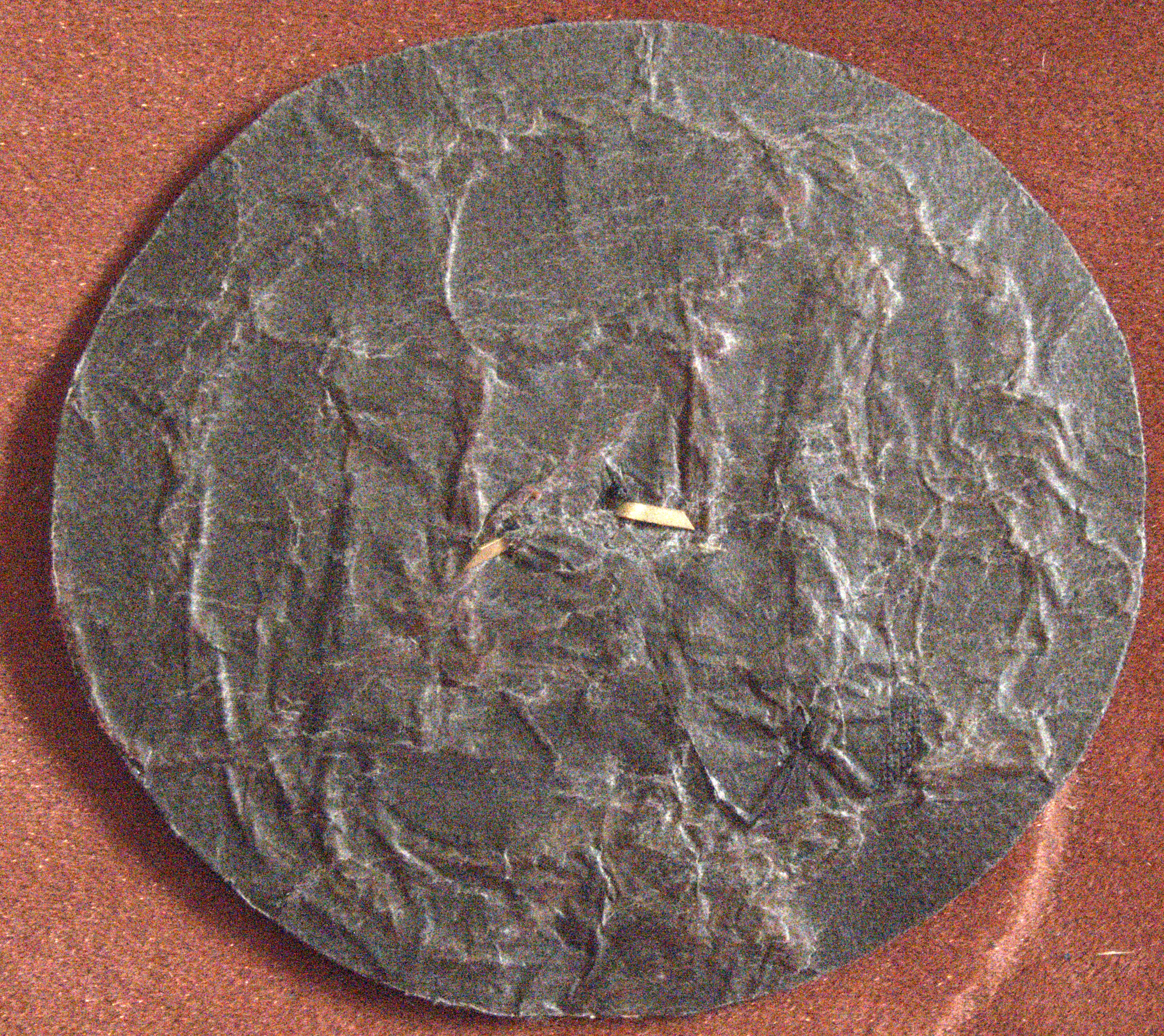
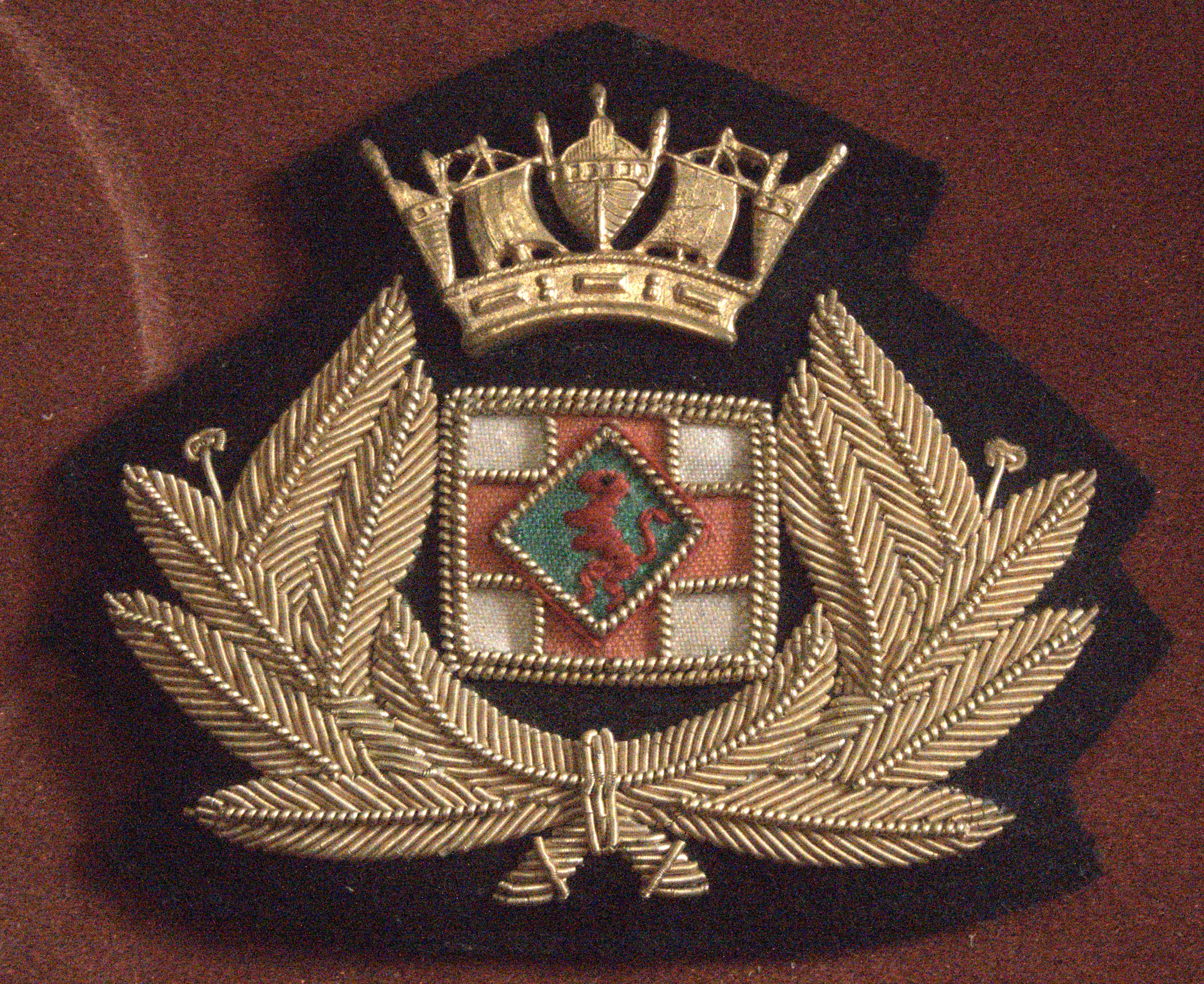
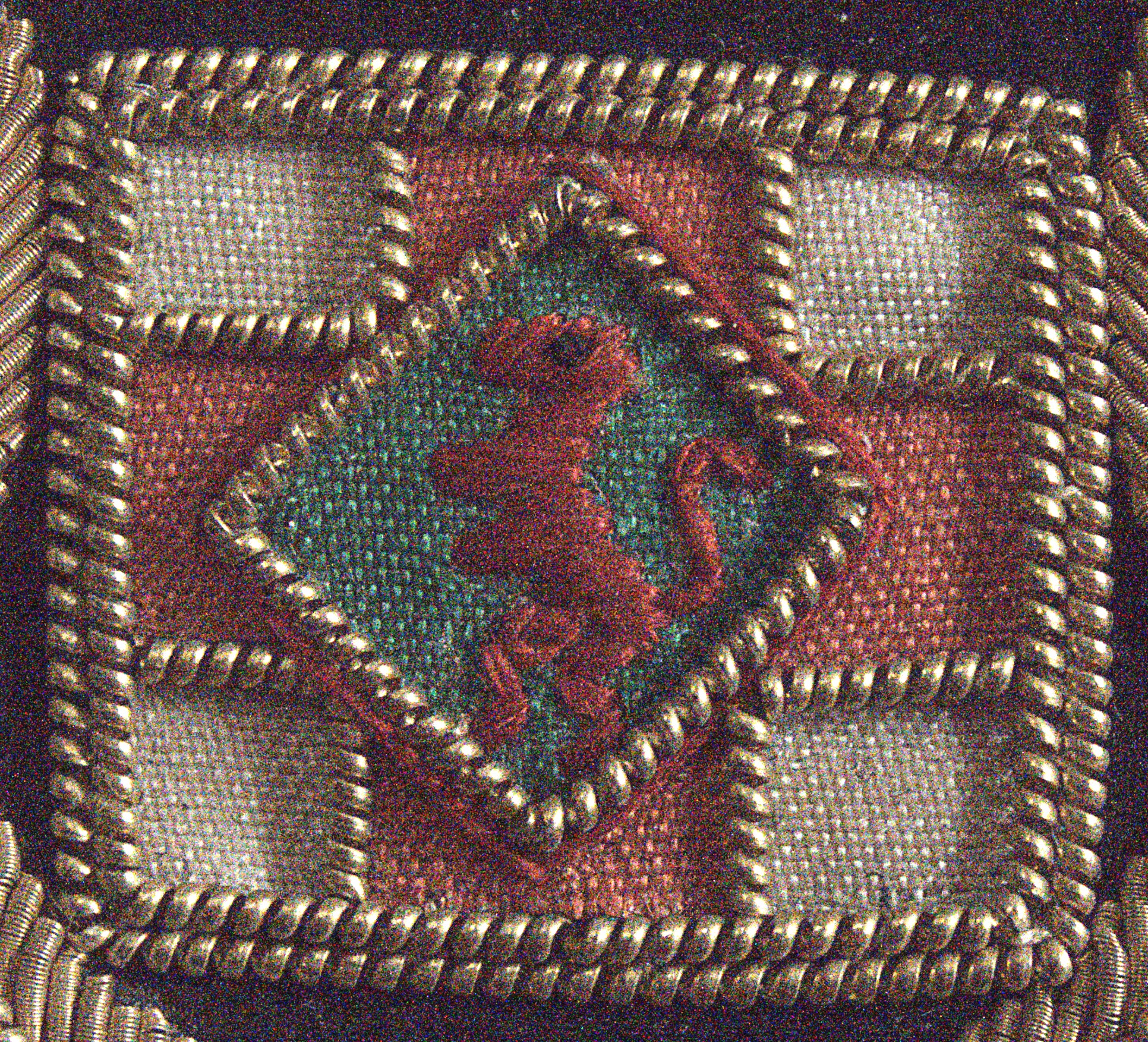
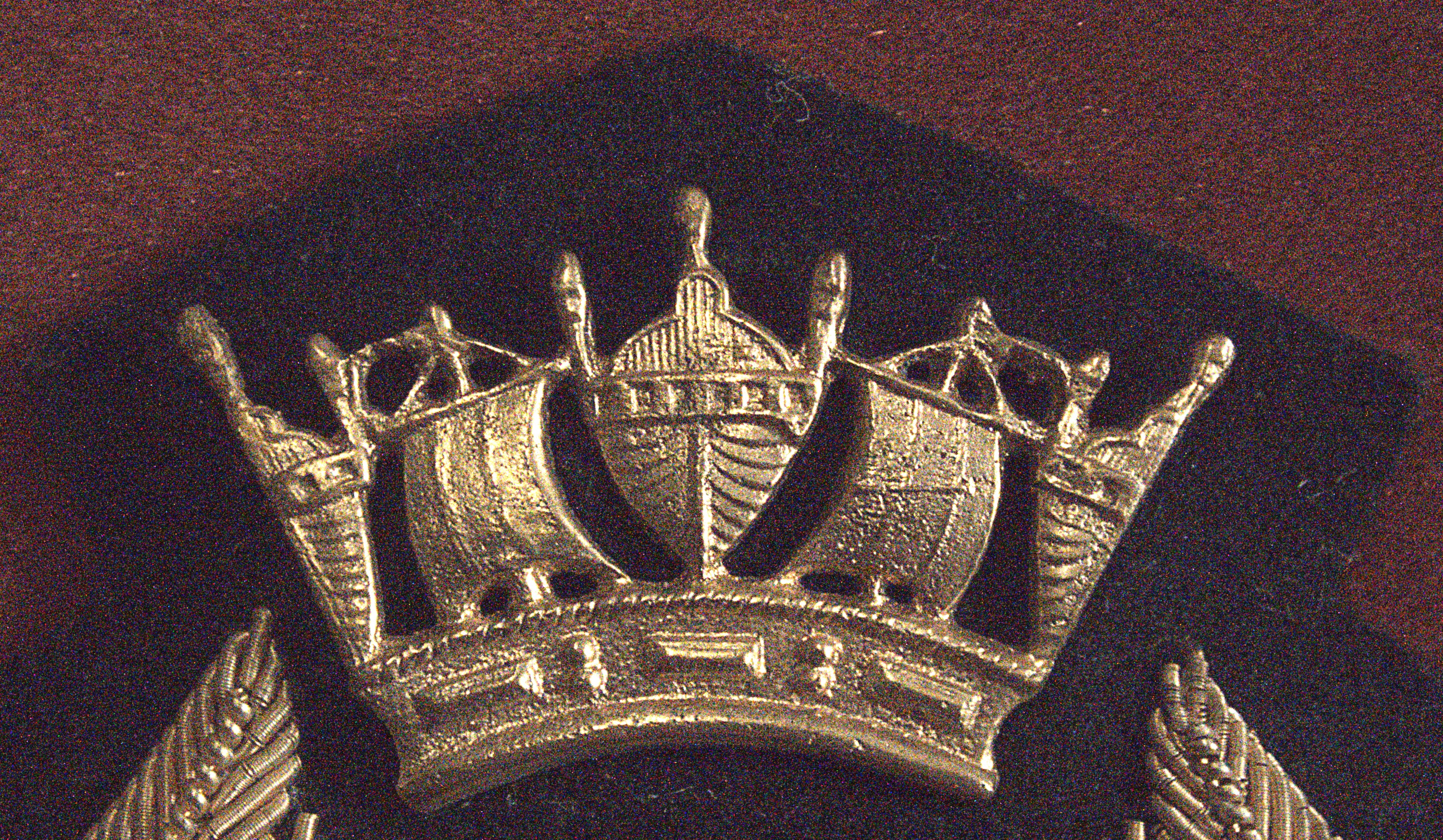
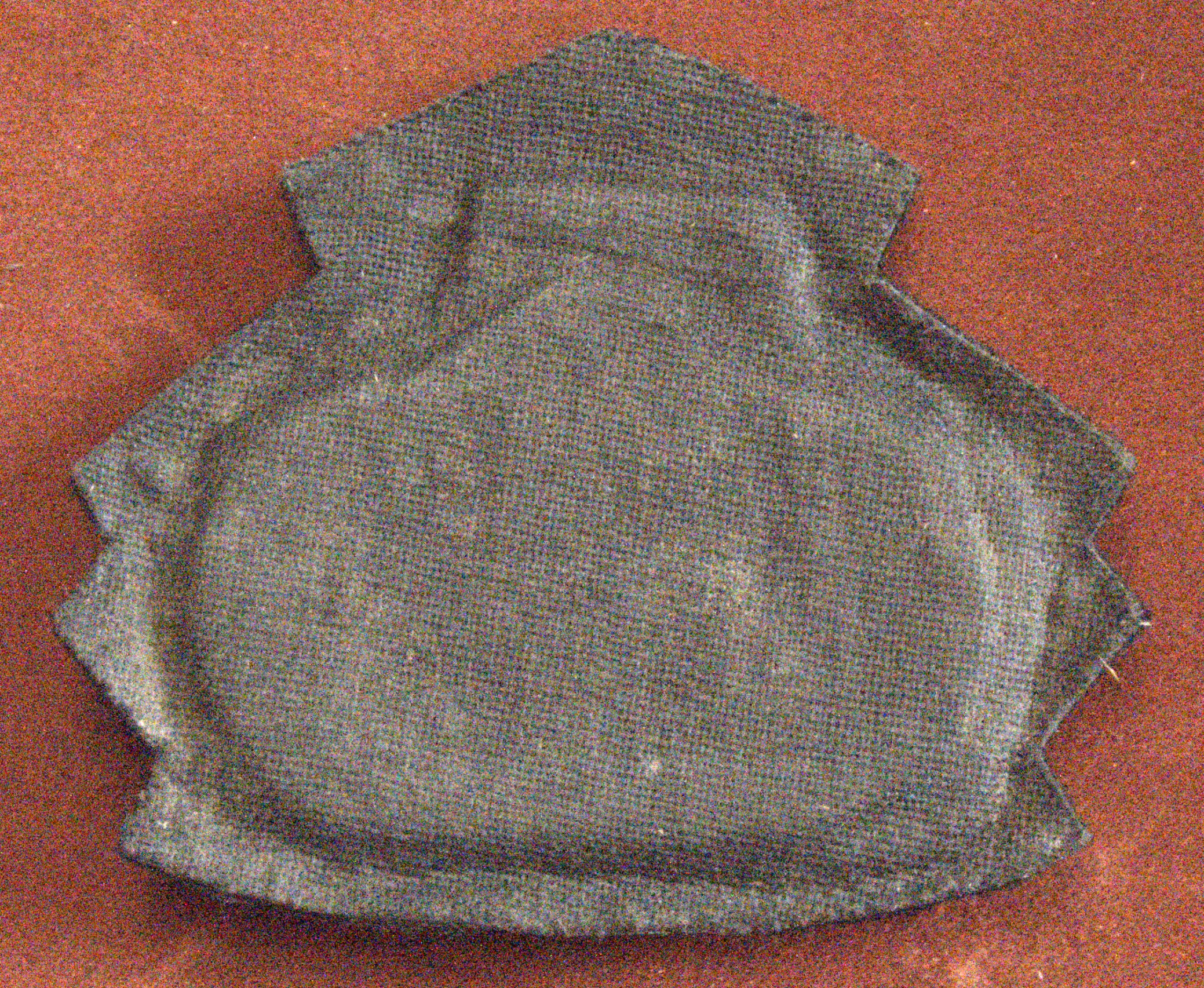
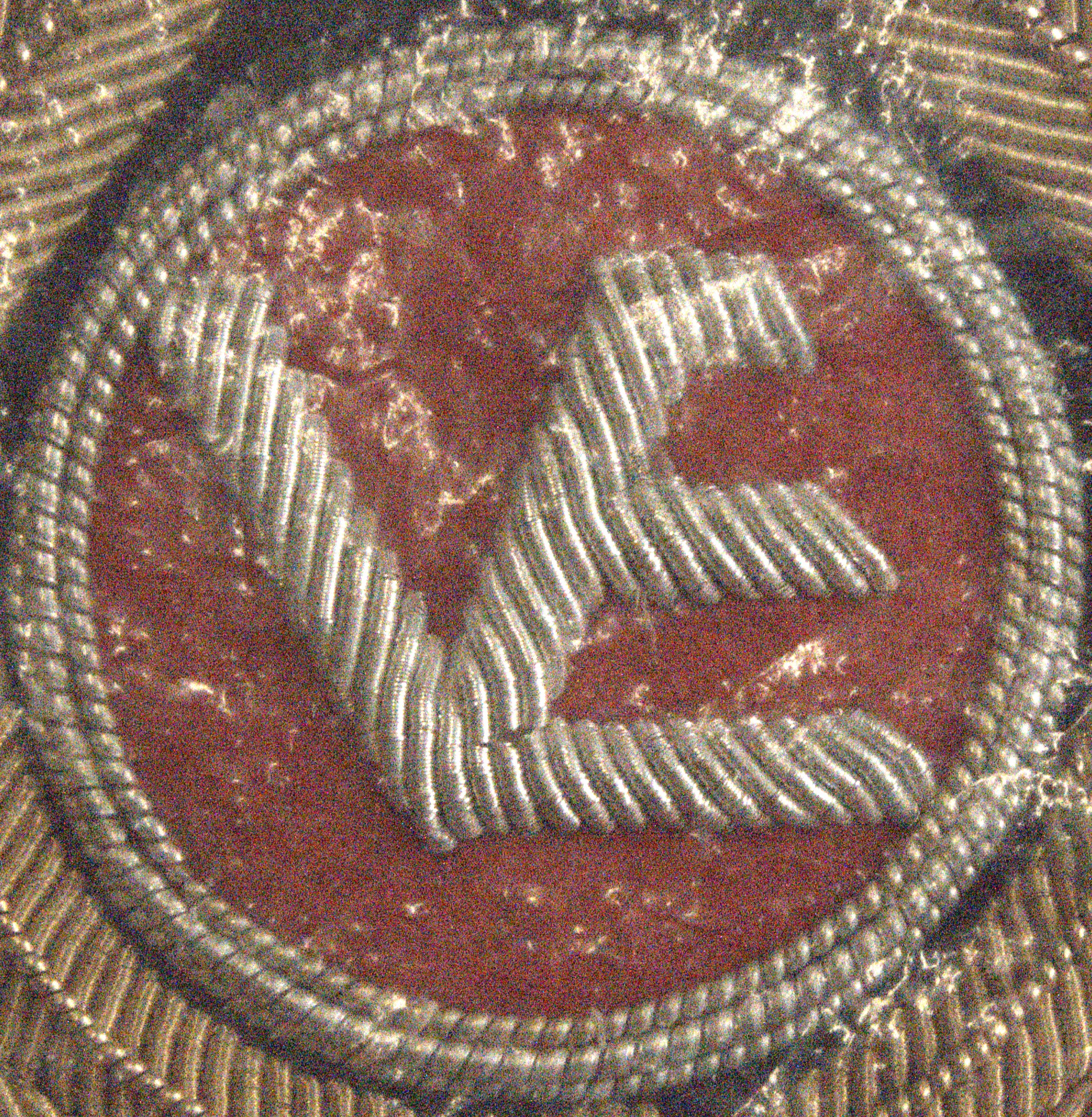
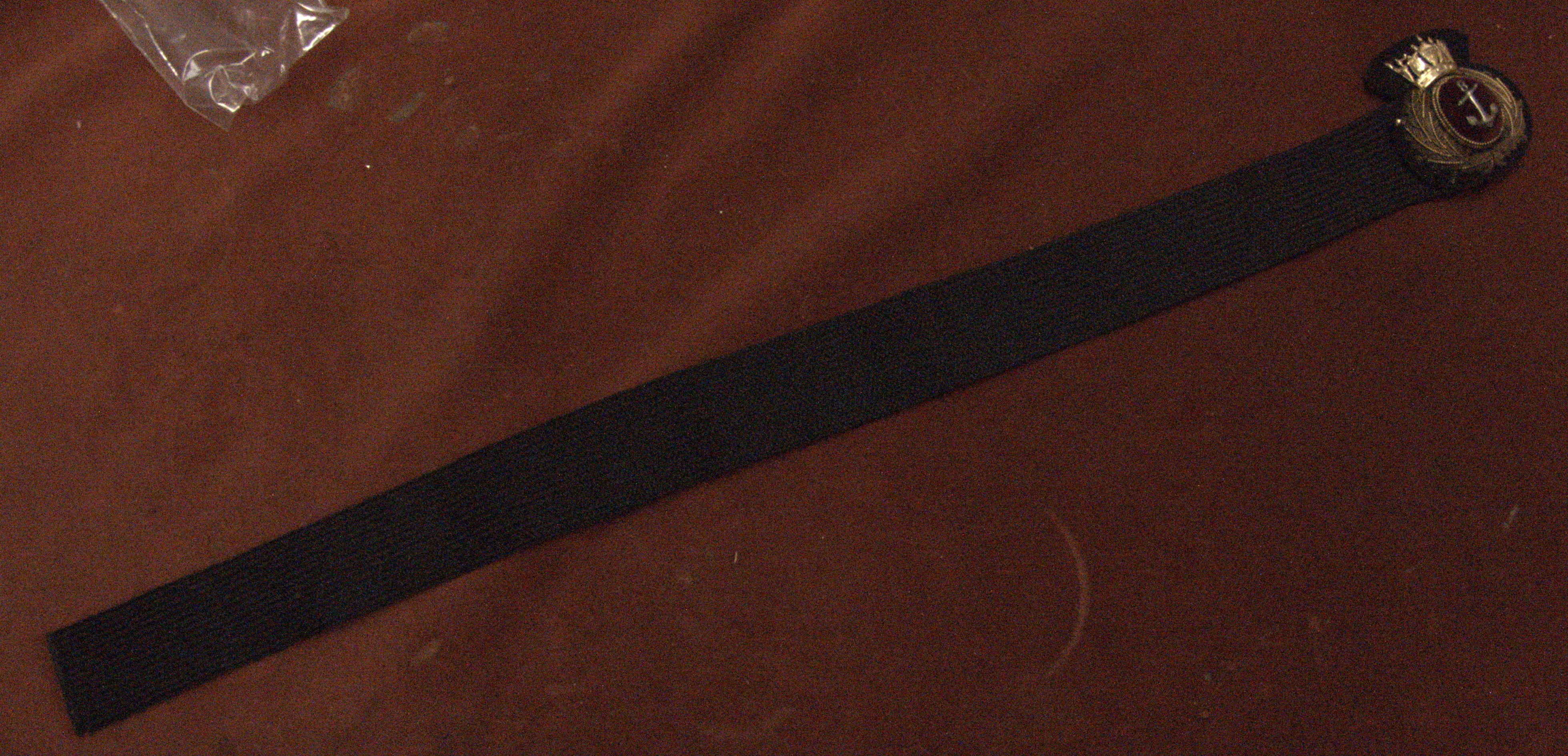
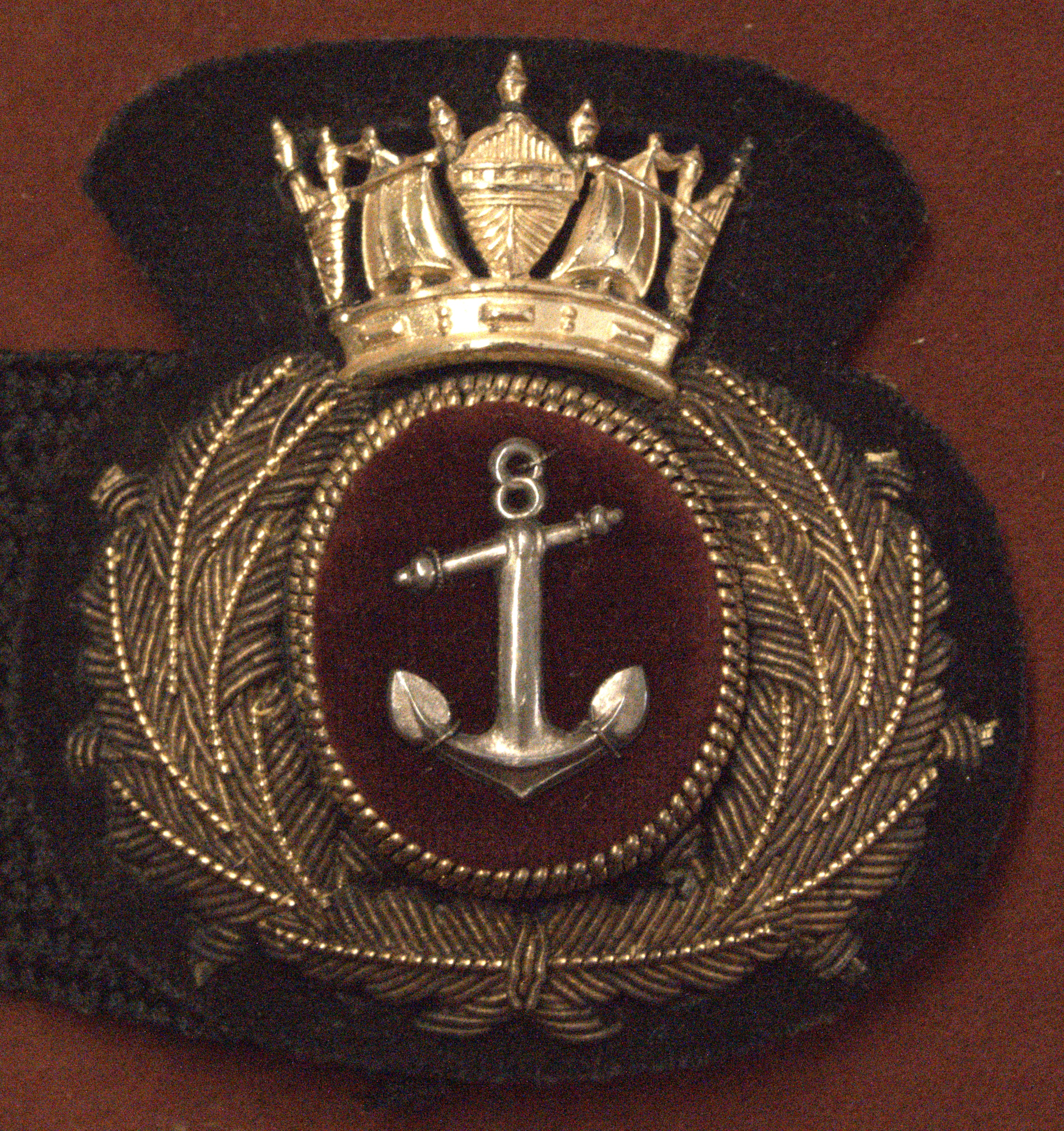
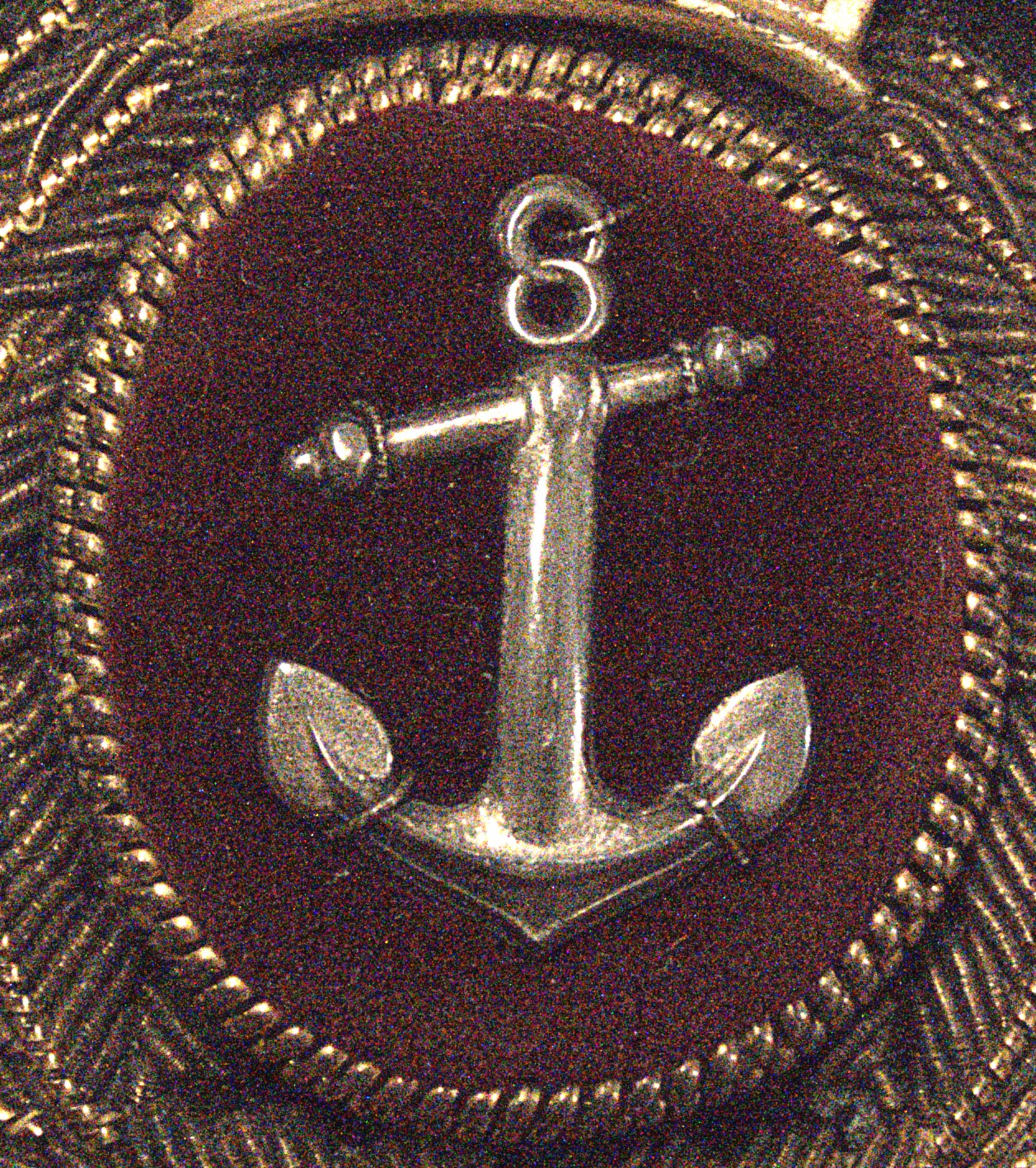
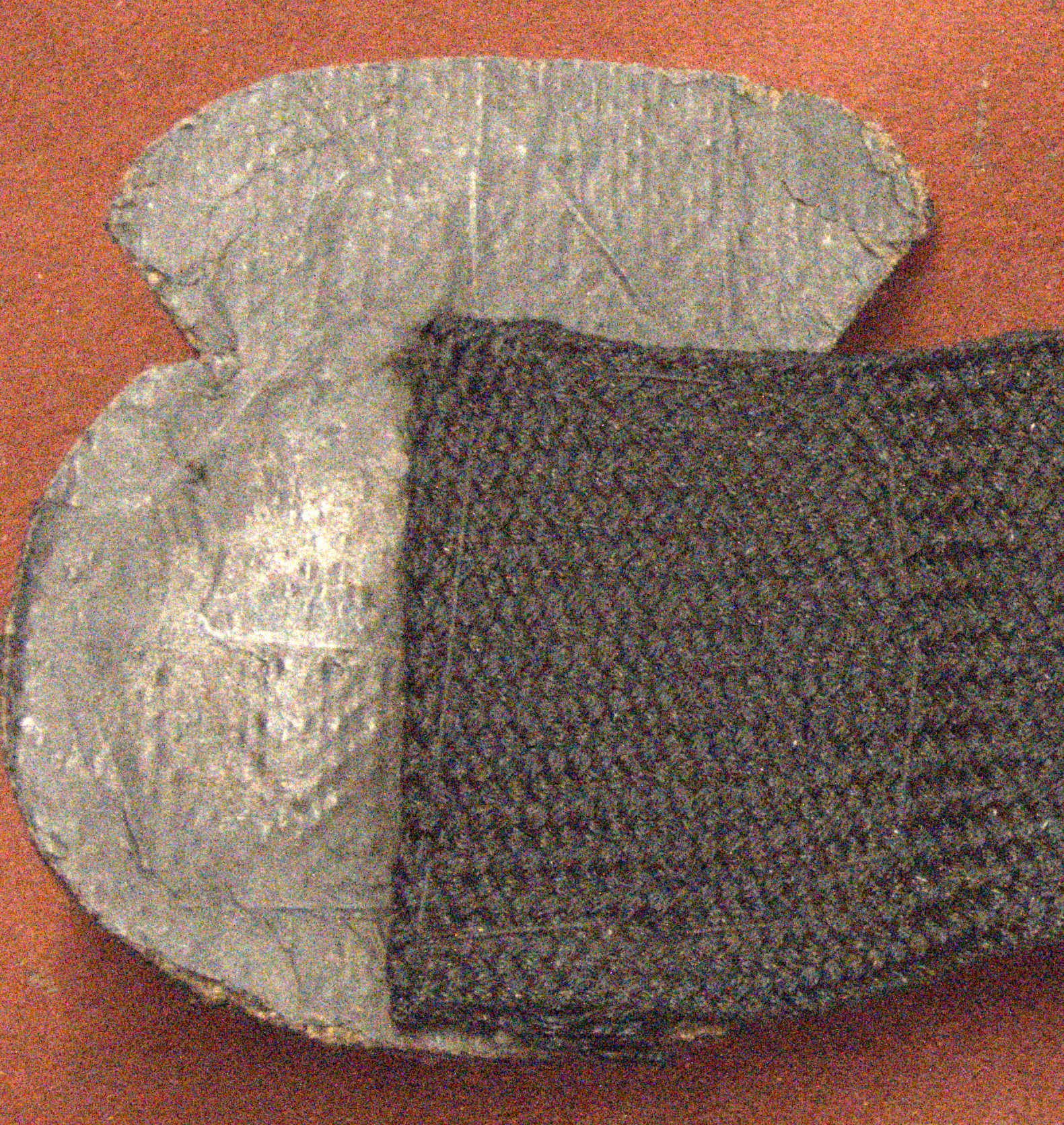
We start with some items of militaria which will be going under the hammer at the end of April.This lot made almost double the high estimate in our March auction……partly because of this image of the reverse and the accompanying confirmation that I was able to offer that the blob of gum is original.This is one of 70 postcard lots in the April sale – I have not images the others yet.
A look back at today’s World T20 Final between India and New Zealand and a photo gallery.
The final of the 2026 World T20 Cup took place in Ahmedabad this afternoon UK time. The contending sides were the home side India, who had beaten England by seven runs in a semi-final that yielded almost 500 in 40 overs, and New Zealand who had spectacularly downed South Africa in the other semi-final. This post looks back at today’s match.
THE INDIAN INNINGS
New Zealand had won the toss and opted to bowl, hoping to do what they had in the semi-final. That was soon looking very unlikely, as Abhishek Sharma and Sanju Samson tucked into a Kiwi bowling attack never looked remotely threatening. Sharma, who had had a miserable tournament prior to today, made spectacular amends by hitting 52 off 21 balls, while Samson scored 89 off 46 balls, and Ishan Kishan weighed in with 54 off 25 balls. A final blitz of 26* (8) from Shivam Dube took India north of 250 – 255-5 from 20 overs. Mitchell Santner had figures of 4-0-33-0, and Glenn Phillips bowled one over for five runs, and seems bizarre given what happened to his colleagues that he was not called on again – outwith the two bowlers I have just mentioned New Zealand leaked 217 runs from 15 overs, an ER of 14.47 per over. James Neesham managed 3-46 from his full four overs. At the other end of the scale fast bowler Lockie Ferguson was left nursing figures of 2-0-48-0.
THE NEW ZEALAND CHASE
There proved to be one bowler who was not emasculated by the pitch. Jasprit Bumrah, who calls Ahmedabad home, produced an incredible display. He finished with 4-0-15-4, which would have been outstanding figures in any situation, but in a major final on a pitch that gave every indication of being a batters paradise it strained credulity that anyone should achieve such figures. Wickets 2,3 and 4 were all clean bowled, all with deliveries that were in effect quick off breaks. The fourth victim, New Zealand skipper Santner who had made 43, knew exactly what was coming but was unable to prevent the delivery from doing its work anyway. India won by 96 runs to retain the world cup, and Bumrah quite correctly was named Player of the Match (on this surface his bowling far outweighed any batting performance), while Sanju Samson was named Player of the Series, having contributed 321 runs across the tournament, while also keeping wicket.
PHOTOGRAPHS
This gallery comes from Friday, when I travelled to Norwich to make use of the big library there, since King’s Lynn library is closed at present…
A look at happenings in the test match between Australia Women and India Women at the WACA that concluded earlier today, focussing on a reminder of past glories from Ellyse Perry, a command performance from star of the moment Annabel Sutherland and a hint of future greatness from teenager Lucy Hamilton. Also a photo gallery.
Early this morning UK time Australia Women completed an emphatic ten wicket win in their test match against India Women at the WACA in Perth. This post looks at the three principal contributors to that result (with apologies to 35 year old Ellyse Perry, who I hope has a few more years left in her, for classing her for the purposes of this post as ‘past’).
ELLYSE PERRY
The veteran (who started as a bowler batting at number eight) was not called upon with the ball in this match, but she contributed a splendid 76 with the bat, an innings that saw her move to the top of the Australian Women’s all time test career run scoring list with 1,006 runs in the format.
ANNABEL SUTHERLAND
At the age of 24 Annabel Sutherland is well established as one of the game’s great all rounders. Even by her standards her performance in this match was incredible. In the first Indian innings she took 4-46, a test career best with the ball. Then she dominated the Australian reply, scoring 129, her fourth test century (a new Australian record, putting her behind only Jan Brittin of England who amassed five such scores in a career spanning almost two decades), which ensured that Australia had a big first innings lead. Remarkably she has now converted four 50+ scores in test cricket out of four into centuries. Three of those centuries have come in Perth. She added a further 2-15 in the Indian second innings to her earlier contributions, and was not required to bat in the second Australian innings.
LUCY HAMILTON
19 year old Lucy Hamilton was on debut, having shown herself to be a fine left arm pace bowler who can bat. She bowled superbly, taking 3-31 in the first Indian innings and 3-32 in the second, and in between times played a very useful little innings of 23, which helped move Australia from 79 ahead at the fall of the eighth wicket to their final advantage of 125. Her emergence onto the international scene has confirmed that Australia have unearthed yet another star. Hamilton hails from Bundaberg, a small sugar growing, rum making town which long ago produced Don Tallon, named by Don Bradman as the best keeper he ever saw in action. Full scorecard here.
An account of an extraordinary semi-final of the men’s T20 World Cup 2026 and a photo gallery.
The first semi-final of the 2026 T20 World Cup took place today at Eden Gardens, Kolkata. New Zealand faced South Africa, who had looked the most impressive team at the tournament prior to today. This post looks back at the match.
THE SOUTH AFRICA INNINGS
South Africa lost two early wickets before staging a bit of a revival. They reached 77-3 before Dewald Brevis and David Miller were both out at that score. Marco Jansen, the very tall left handed seam bowling all rounder, breathed some life into South Africa by hitting an undefeated 55 from 30 balls. He received support from Tristan Stubbs (29), but was starved of strike in the final over of the innings. South Africa in the end had a score of 169-8, much better than had looked on when they were 77-5, but probably not good enough.
THE NEW ZEALAND CHASE
Finn Allen and Tim Seifert opened the batting for New Zealand, and right from the word go they made the Proteas score look downright risible. By the time Kagiso Rabada bowled Seifert for 58 (33) the score was 117-1 from 9.1 overs, and the match was a good as settled. Remarkably it took a mere 3.4 overs more for New Zealand to seal the victory, with nine wickets and 7.1 overs to spare. The architect was Allen. At the start of the 13th over New Zealand were 149-1 with Allen 76 not out from 28 balls. The next five deliveries, bowled by Jansen, were dispatched for 4,4,6,6,4 to take Allen to 100* (33 balls, 10 fours, 8 sixes). Jansen only just escaped conceding as many with the ball as he had scored with the bat – his figures were 2.5-0-53-0. Kagiso Rabada, 3-0-28-1 for an ER of 9.33, was the only Protea bowler to go for under 11 an over. New Zealand have served due notice that they will pose a serious threat to whoever wins tomorrows match between co-hosts India and England. England are the likelier of the two sides in action tomorrow to be really dangerous – they have got to the semi-finals without ever finding peak form but somehow doing enough. For the Proteas this will be a sickeningly familiar feeling – they have a long history of being very impressive in the early stages of tournaments and then coming unstuck on a big ‘winner takes all’ day.
PHOTOGRAPHS
The weather continues to be pleasant here in Norfolk, and I have big photo gallery to end with…
A look at today’s events at the T20 world cup and a photo gallery in two parts, including the first bumblebee of 2026.
The second stage of the men’s T20 world cup of 2026 is well underway. Today saw Sri Lanka facing New Zealand.
A NEW ZEALAND INNINGS IN THREE PARTS
New Zealand started well, and were 76-3 at one stage, before then slumping to 84-6. With 7.5 overs to to go at that point New Zealand looked out for the count. However Mitchell Santner and Cole McConchie, helped by some poor Sri Lankan bowling came back strongly, and by the time Santner was caught off the final ball of the innings he had scored 47 from 31 balls, while McConchie had 31 not out from 23 balls, and with the assistance of extras the pair had doubled the score, giving New Zealand a final total of 168-7.
PHOTOGRAPHS 1
A NON-CHALLENGE
Sri Lanka never looked remotely like challenging the total they had allowed New Zealand to get away with. At low water mark they were 29-4 after 8.2 overs. 140 off 11.4 overs is doable if you have plenty of wickets in hand, but that was not the case here. In the event it was only a mini-revival of their own that even got the Sri Lankans to three figures. The final margin was 61 runs. Mitchell Santner had taken 1-19 from his four overs, but missed out on Player of the Match because Rachin Ravindra, scorer of 32 off 22 balls in the New Zealand innings, had produced figures of 4-0-27-4. This result officially eliminates Sri Lanka from the tournament of which they are co-hosts and confirms that England are in the semi-finals. England have not been super impressive so far, but there is an old saying that “you can only beat what is put in front of you” – and by and large England have managed to do that.
PHOTOGRAPHS
I sign off with the second half of today’s photo gallery…
The first bumblebee of 2026, getting nectar from a little purple flower – this was on Monday (two pics).
A look at developments in the men’s T20 world cup, including a major elimination and a great individual effort by a Canadian.
The first stage of the 2026 men’s T20 world cup is now well advanced. This post looks at a couple of major stories.
ADIOS AUSTRALIA
Australia having already been beaten by Zimbabwe faced Sri Lanka on Monday. When the folks from down under passed the hundred mark in eight overs they looked unstoppable. However Sri Lanka fought back, and as wickets fell Australia’s scoring faltered. In the end Australia managed 181, and were all out just before the end of the 20th over. That total was on the face of it still defensible, but now Pathum Nissanka, well supported by Kusal Mendis and Pavan Rathnayake proceeded to play an absolute blinder of an innings, racking up 100 not out from 52 balls with 10 fours and five sixes. Sri Lanka won by eight wickets with two whole overs to spare, and the mighty Aussies were looking straight at the exit door from the tournament. This was officially confirmed yesterday when the match between Sri Lanka and Zimbabwe was washed out without a ball being bowled. The truth is that after the two defeats they had sustained, both of which were strictly merited Australia would have needed a massive helping of good fortune to qualify and they deserved not to receive such good fortune. I also reckon that a really big name falling at the first hurdle is good news for the tournament.
A GREAT INNINGS
When the first match yesterday, between Canada and New Zealand got under way, no one playing for an associate nation had ever score a century at a T20 world cup. Yuvraj Samra, named in honour of former India international Yuvraj Singh, and like him a left handed batter, scored 110 off 65 balls with 11 fours and six sixes for Canada to become the first such player. Unfortunately for him he did not receive enough support from his team mates – Canada still only managed 173 from their 20 overs, and they then bowled so appallingly that New Zealand reached the target with 4.5 overs and eight wickets to spare.
TODAY SO FAR
Pakistan battered Namibia by 102 runs in the first game of the day to secure their qualification, and South Africa beat the UAE by six wickets with almost seven overs to spare to finish this stage of the tournament with a 100% record – played four, won four. India and the Netherlands are currently doing battle, and an upset does not currently look terribly likely.
A look back at three matches at the T20 world cup that were each in their way remarkable, and a photo gallery.
The 2026 Men’s T20 World Cup is continuing – as I type the USA are facing off against the Netherlands. This post looks back briefly at three very different fixtures.
WHEN ONE SUPER OVER DOES NOT SUFFICE
The match between Afghanistan and South Africa had more twists and turns than a mountain road. At various stages each side looked like winning but at the end of regular play the scores were tied- 187 each. Afghanistan looked in control of the first Super Over but a spectacular finish by South Africa saw that one tied. South Africa batted first in the second Super Over and score 23 from their over. When the first two balls of the reply were a dot and wicket it looked all over, but then Ramanullah Gurbaz hit three successive sixes to bring Afghanistan back into contention. A wide then reduced the ask to five, but off the final ball Gurbaz’s luck finally ran out as he was caught in the deep, and South Africa took the points.
TWO UPSETS
Italy do not have any great reputation as a cricketing nation, while Nepal had given England an almighty scare in their previous outing and are generally considered only just outside the elite. Yet when these sides met Italy won by ten wickets with an absurd amount of time to spare.
This morning Zimbabwe faced Australia. Zimbabwe have a good record against Australia in World Cup matches, stretching back to 1983 when Zimbabwe won the first match they ever played at a world cup by beating Australia. Therefore an upset was always a live possibility. A Zimbabwe total of 169-2 meant that they were certainly in the game going into the second half of the contest. Brian Bennett, a hugely impressive young opener, had anchored the Zimbabwe innings with 64 not out, while Tadiwanashe Marumani and Ryan Burl each scored 35, and Sikandar Raza hit 25 not off 13 balls at the end. Blessing Muzarabani and Brad Evans bowled superbly and soon had Australia right on the ropes at 29-4. Glenn Maxwell and Matt Renshaw launched a fightback, but then Maxwell was out, and Stoinis lasted only four balls before being well caught. Zimbabwe looked in control for most of this innings, but the moment that effectively killed any chance of a miraculous recovery came with a mere eight further balls to come – Renshaw was caught by Burl of Muzurabani to make it 139-8, 31 needed off eight and only tail enders left. Adam Zampa scored two off the fifth ball of the 19th over, but then Muzurabani bowled him to make 141-9 after 19 overs, 29 needed off the last over with numbers 9 and 11 together. Muzurabani had the extraordinary figures of 4-0-17-4. Three balls and five runs later it was all over, Matthew Kuhnemann being run out to end proceedings. Zimbabwe had won by 23 runs, and had looked in charge for most of the match. This result has created the intriguing possibility of the cricketing superpower that is Australia failing to make the final eight.
An all time XI of players who have namesakes in detective stories and a photo gallery.
Today I select an XI of players who are namesakes of characters in detective fiction.
THE XI IN BATTING ORDER
Percy Holmes (right handed opening batter, Yorkshire and England). In most eras other than the one he played in he would have been one of the first names on the England team sheet, especially given what a great partnership he formed with Herbert Sutcliffe. As it was he generally missed out due to the presence of Jack Hobbs. His record for Yorkshire was outstanding, and at the time of his retirement included five of the ten highest individual scores made for the county. His fictional alter ego is of course the one and only Sherlock Holmes.
Herbert Sutcliffe (right handed opening batter, Yorkshire and England). One of the greatest opening batters ever to play the game, and shared 69 first class century opening stands with Holmes. He gets in by way of Magda Josza’s “Sherlock Holmes and the Femmes Fatales”, which features among others Lady Elizabeth Sutcliffe and her uncle Sir Vincent Sutcliffe.
Fred Bakewell (right handed top order batter, Northamptonshire and England). By the time a car crash brought his career to a premature close he had done more than enough to establish himself as a great batter. His fictional equivalent is Diana Bakewell, heroine of the Rachel McLean/ Millie Ravensworth series of London cosy mysteries of which I have read three thus far.
Jack Ryder (Australia, right handed batter, right arm medium fast bowler). One of the finer batters of the 1920s, his credits include a test match double century. He was also a useful enough bowler to occasionally be entrusted with the new ball. His namesake is James Ryder, villain in “The Adventure of the Blue Carbuncle”.
*Warwick Armstrong (Australia, right handed batter, leg spinner, captain). A magnificent all rounder, and a ruthlessly effective leader. The eight successive Ashes match victories he presided over (a 5-0 sweep in Australia in 1920-1, and the first three matches of the series in England in 1921) remains an all time record. His alter ego is Superintendent Armstrong from the Museum Detectives series.
Vallance Jupp (Sussex, Northamptonshire, England, right handed batter, off spinner). In the 1920s he achieved the double feat of 1,000+ runs and 100+ wickets in FC matches eight times in consecutive seasons. I have slipped him in by means of a small piece of sleight of hand – one of The Railway Detective, inspector Robert Colbeck’s colleagues is an inspector Vallence, and by altering one letter I got in a link to my favourite of all detective series.
+Adam Gilchrist (Australia, wicket keeper, left handed batter). |One of the all time greats of the game, although his legacy could be considered tarnished by the fact that a number sides nowadays blatantly sacrifice keeping quality for better batting from the keeper. One of the three students in the Holmes story of that title is named Gilchrist.
Gus Atkinson (Surrey, England, right arm fast bowler, right handed batter). He has had a superb start to his England career, though like too many of his team mates he had a poor time on the recent tour of Australia. Gus the cat is a character in the London cosy mysteries that also gave us a Bakewell.
Don Wilson (Yorkshire, England, left arm orthodox spinner, left handed batter). Though his England record was not great he took his first class wickets at 21 a piece. His alter ego is of course Daniel Wilson, one half of the Museum Detectives.
Ted McDonald (Australia, Lancashire, right arm fast bowler, right handed batter). One half of the first great fast bowling pair to operate at test level along with Jack Gregory, he later became one the spearheads of Lancashire’s most successful ever period. Though I have to add a letter to his surname to do it, I have two very different alter egos for him: Alec MacDonald, one of the few Scotland Yarders Holmes actually treats with respect (see “The Valley of Fear”) and Kylie MacDonald, one of the pair of detectives in the elite NYPD Red unit that features in a series of books with that title, the first six by James Patterson and Marshall Karp, and the seventh by Marshall Karp.
William Mycroft (Derbyshire, left arm fast bowler, right handed batter). Took over 800 FC wickets at 12 a piece in his career. With one Holmes brother sharing his name with an opening batter this XI ends with the other, Mycroft, sharing his name with an opening bowler.
This side has a more than adequate batting line up, and a stellar array of bowling talent – McDonald, Mycroft and Atkinson as front line pacers, with Ryder available as fourth seamer if needed, and Wilson, Jupp and Armstrong covering all the spin bases. I will not do honourable mentions for this one – there are a vast range of possibilities. Feel free to comment with your own ideas.






































































































































































































































































































































































































































































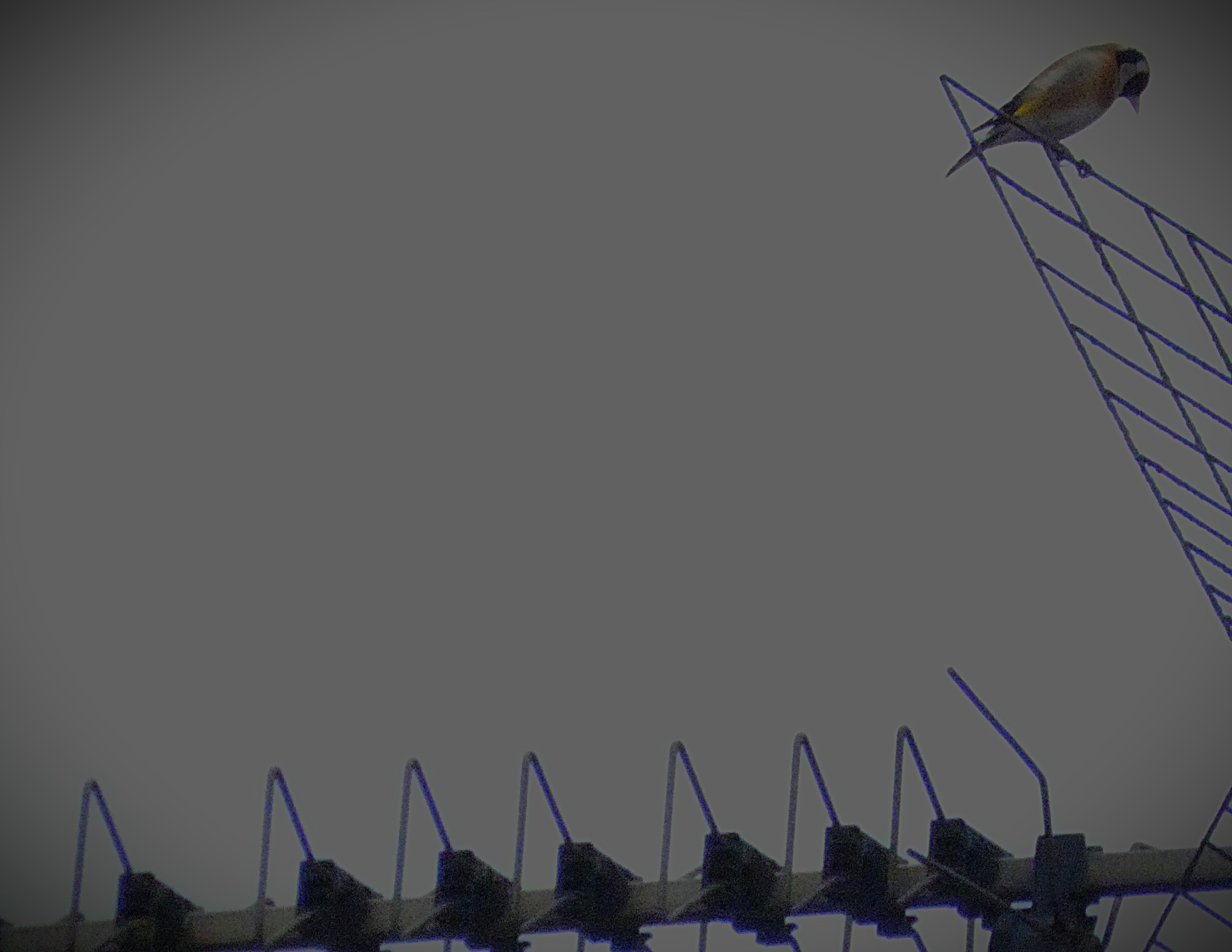


























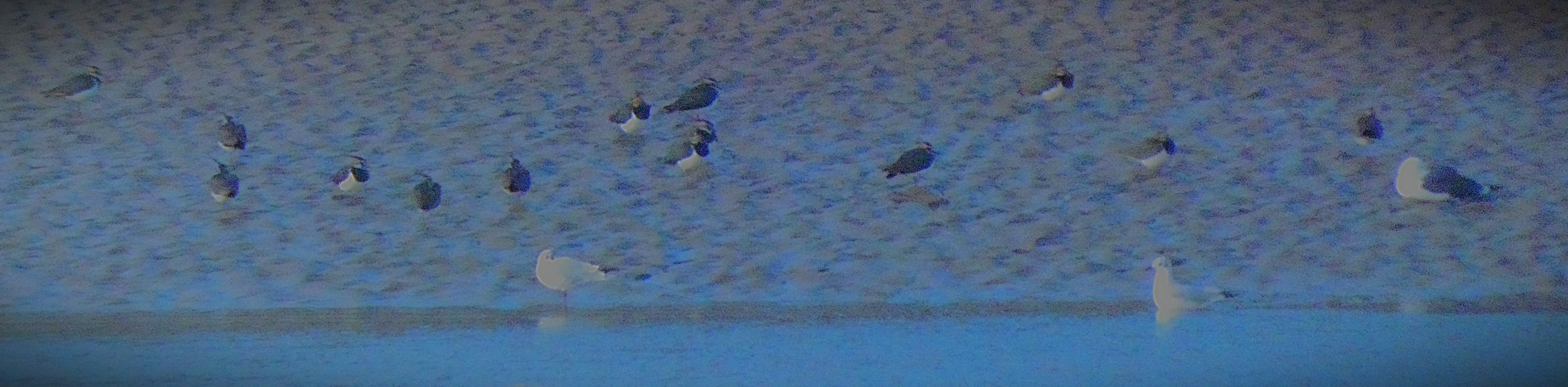
































































































































































































































 aspiblog