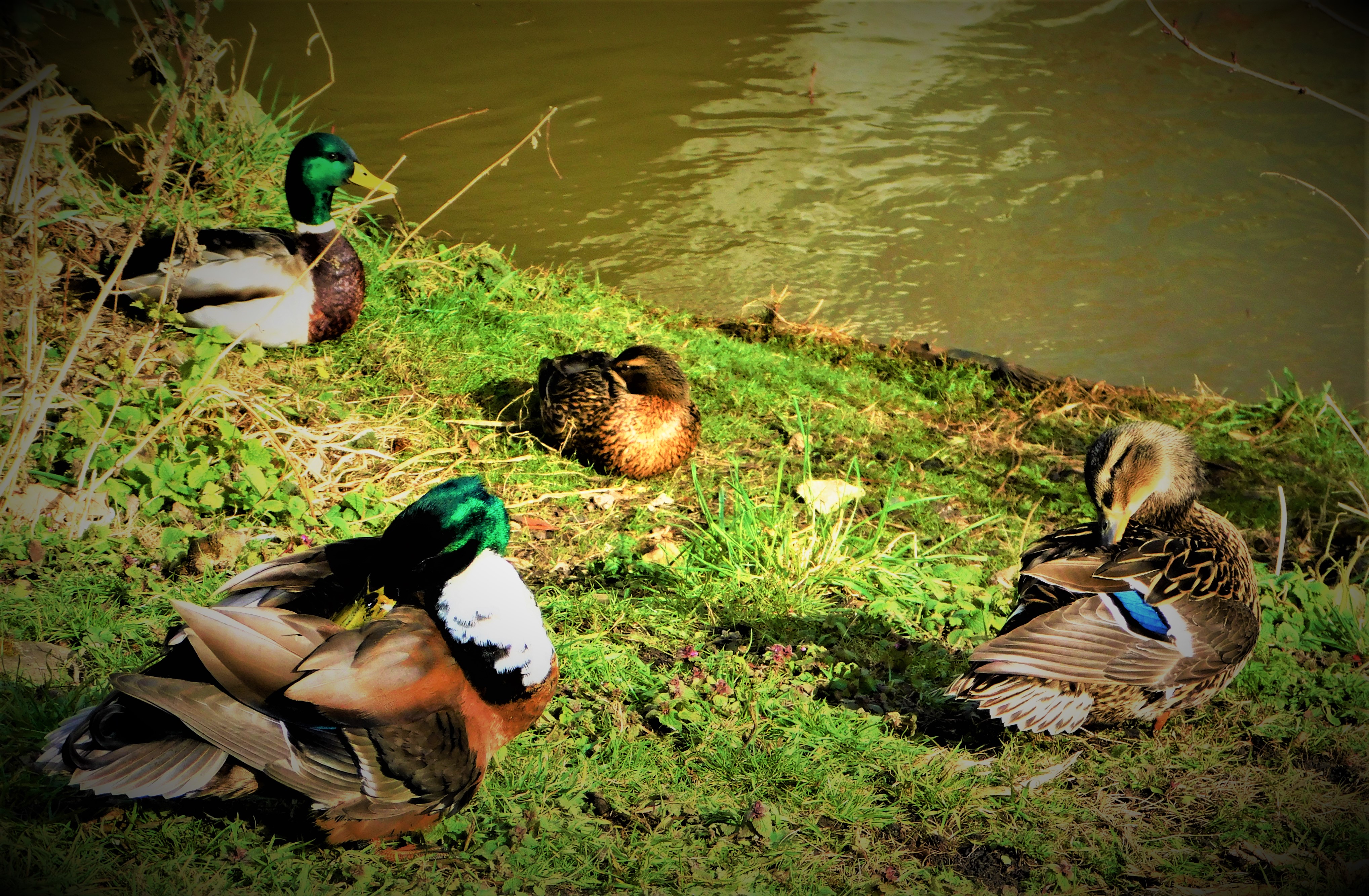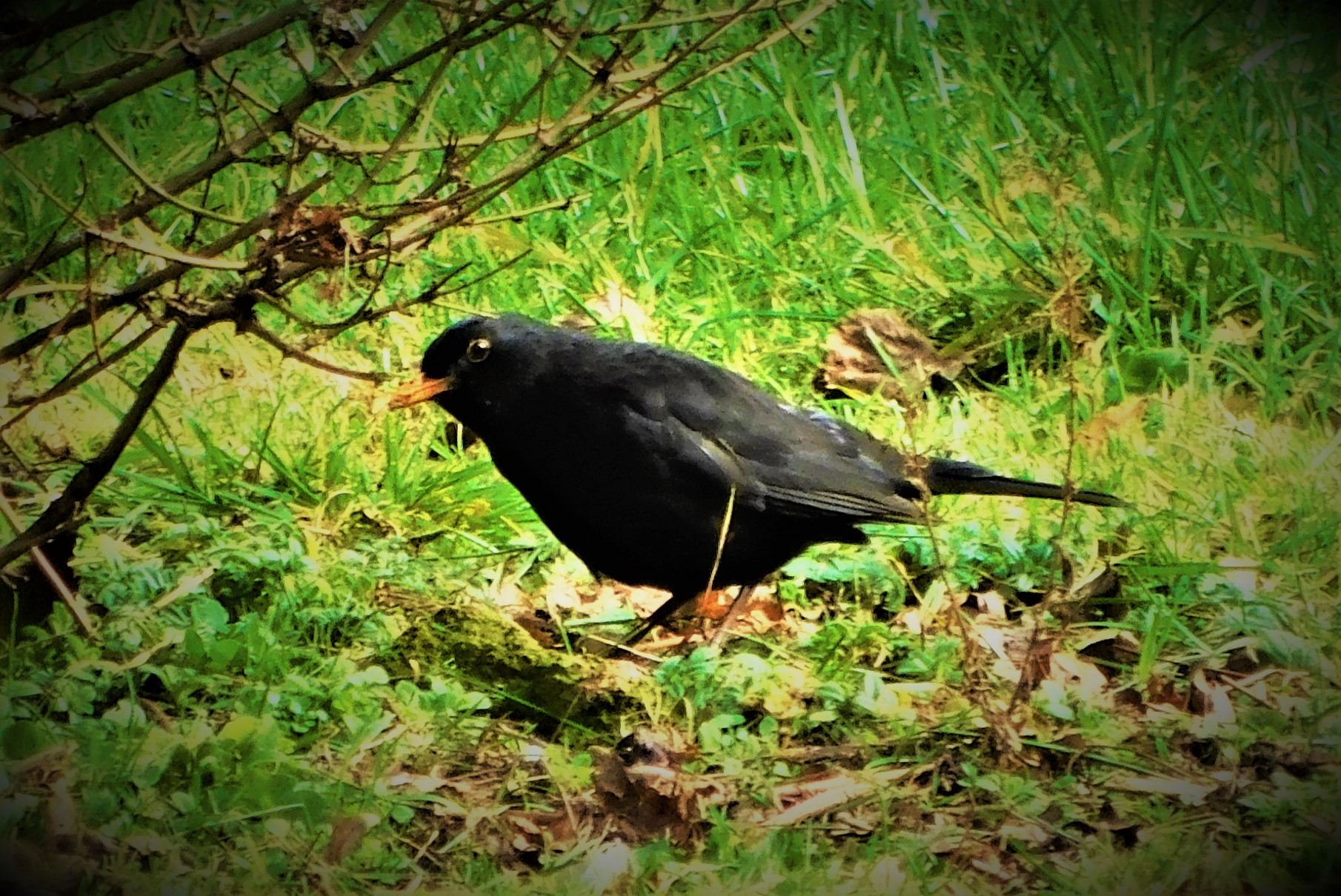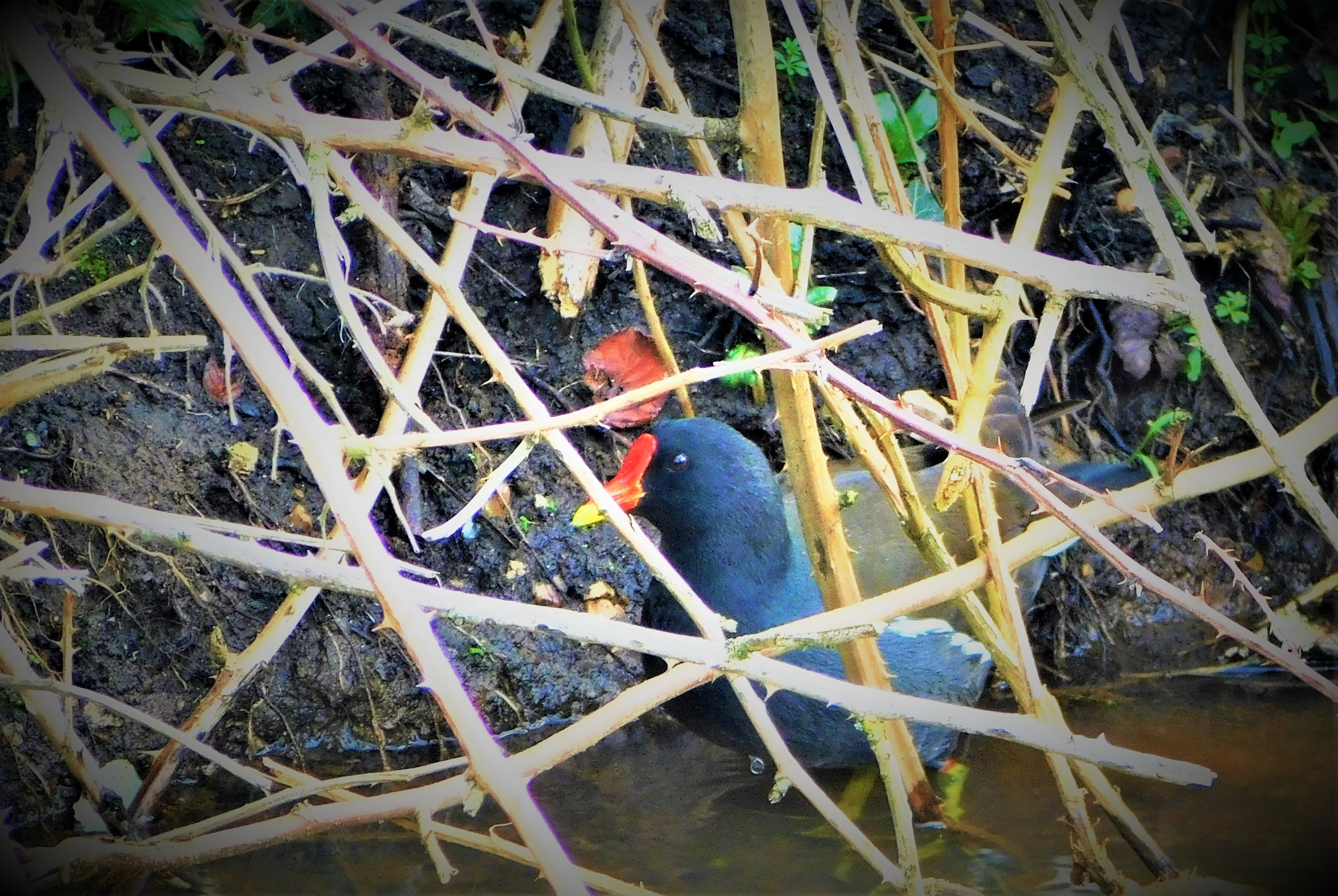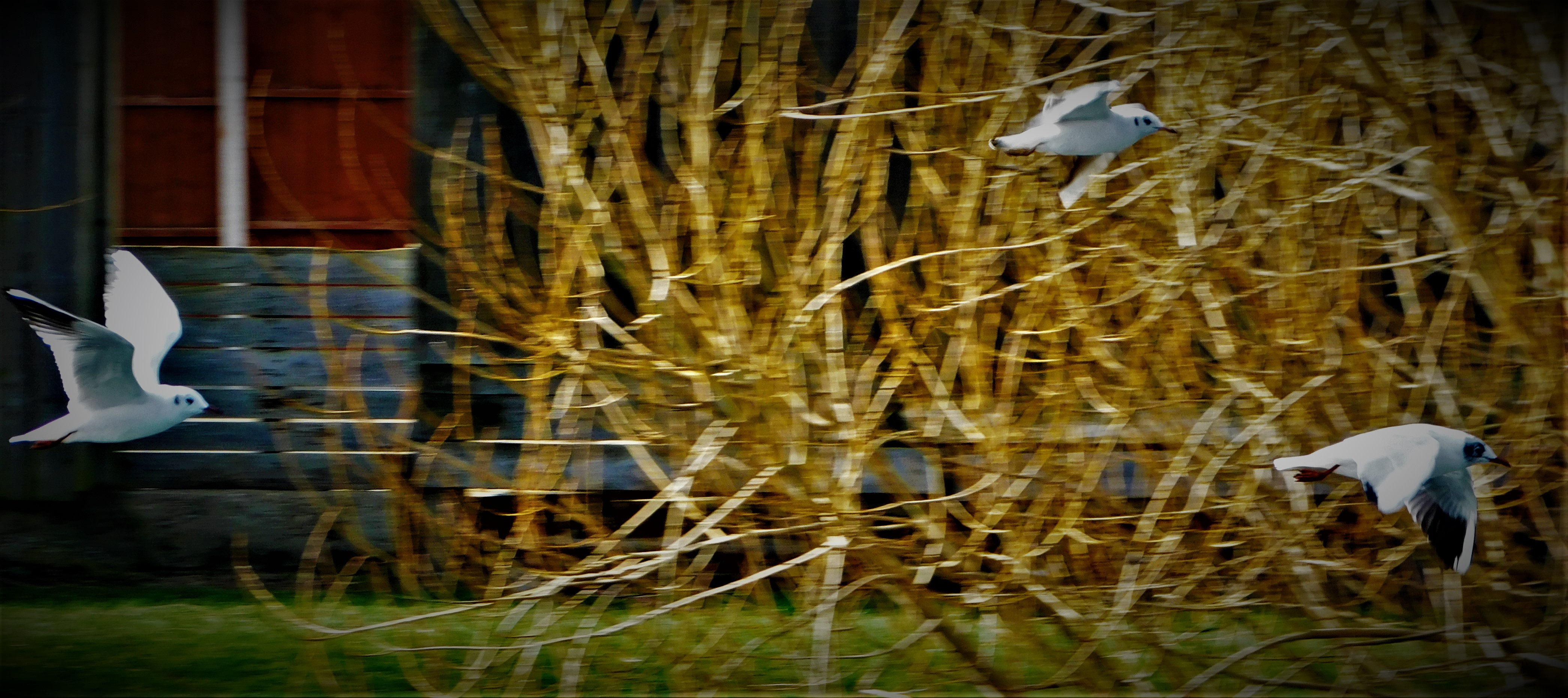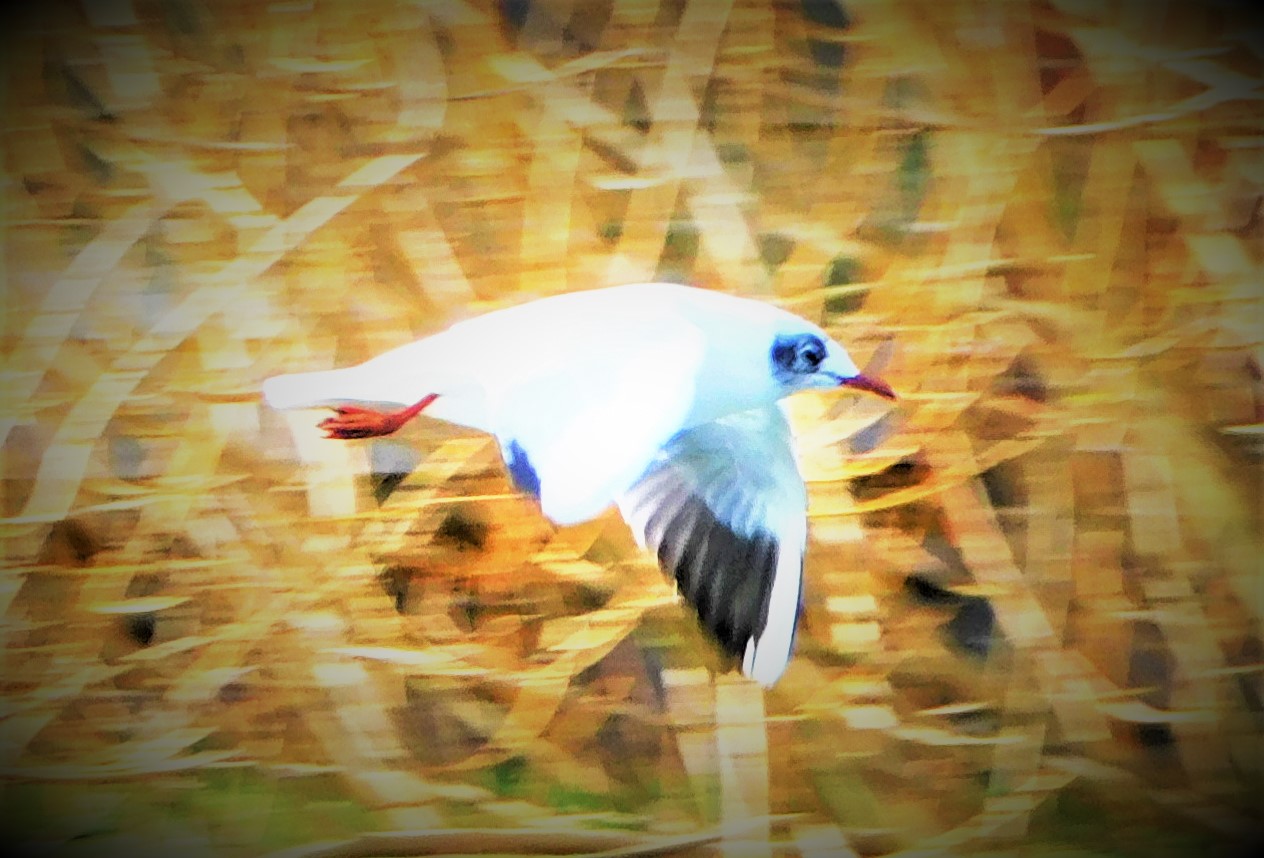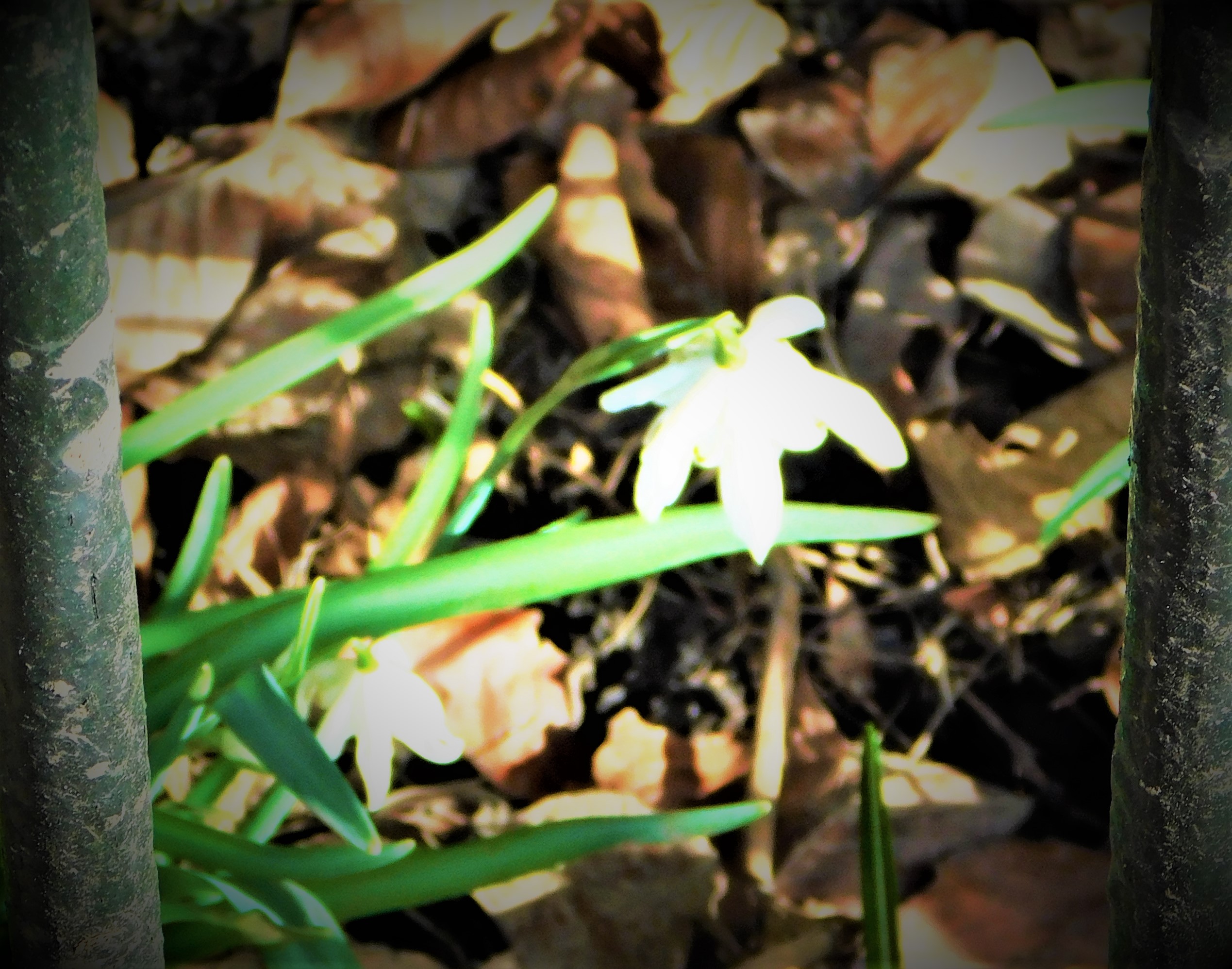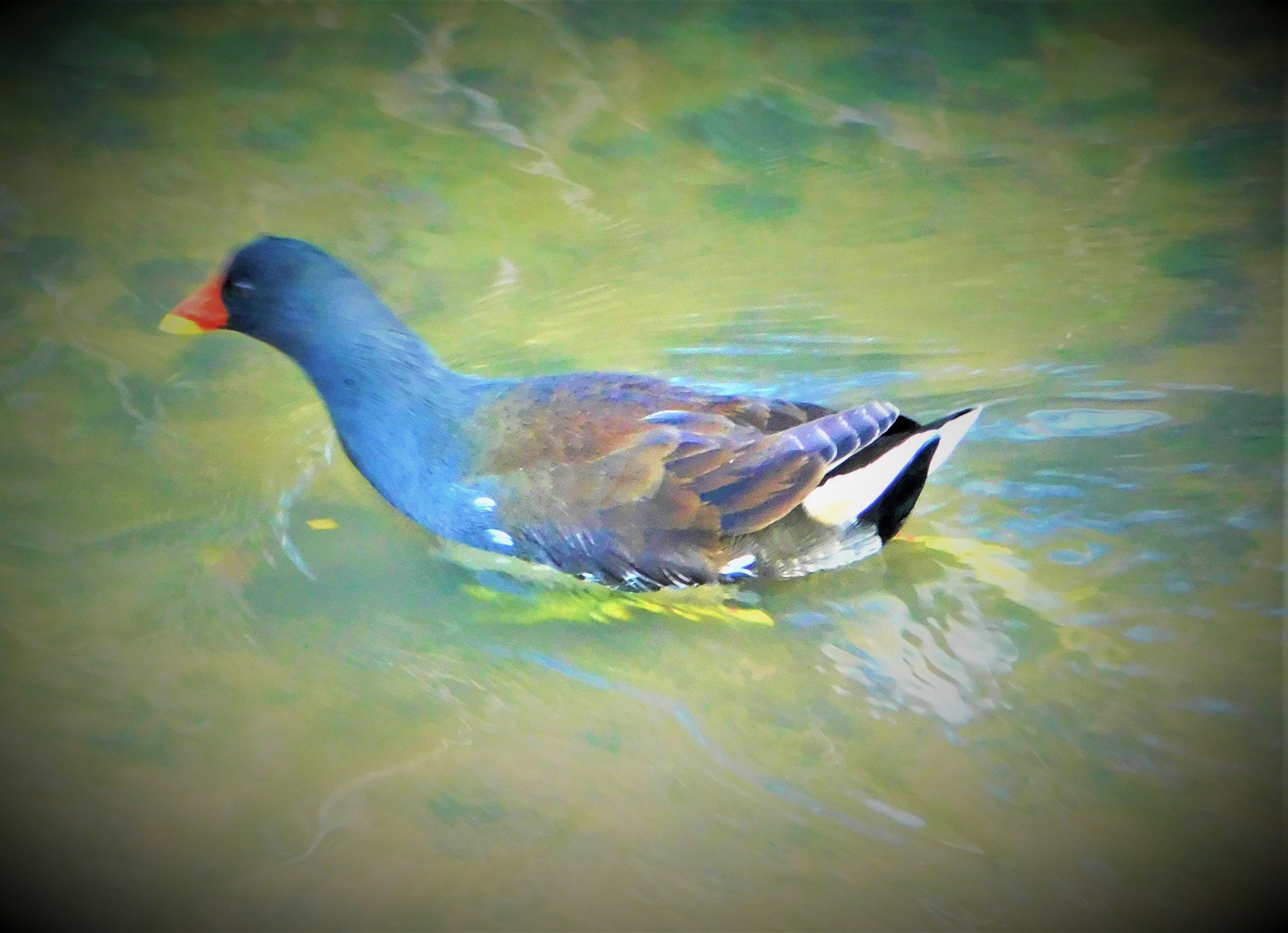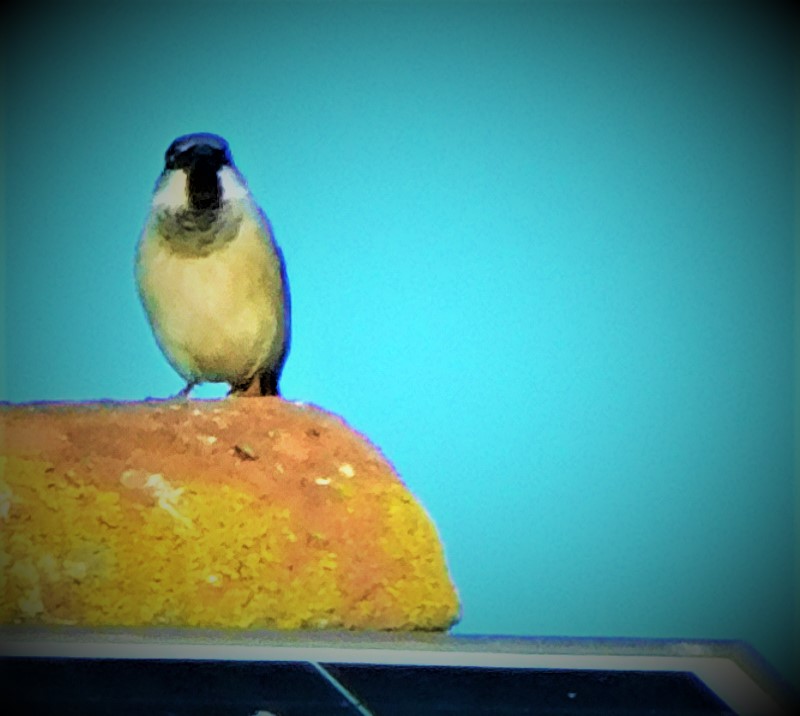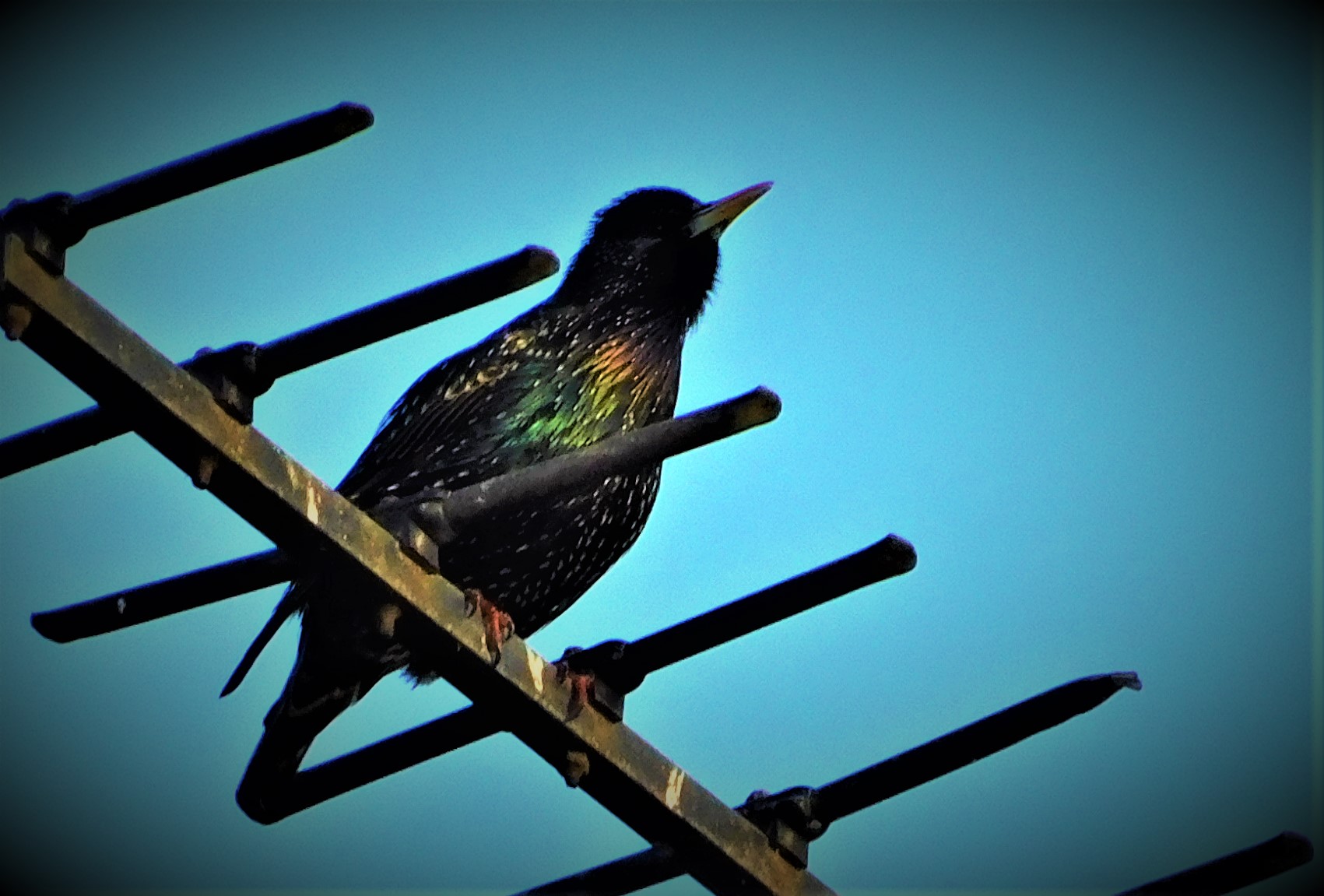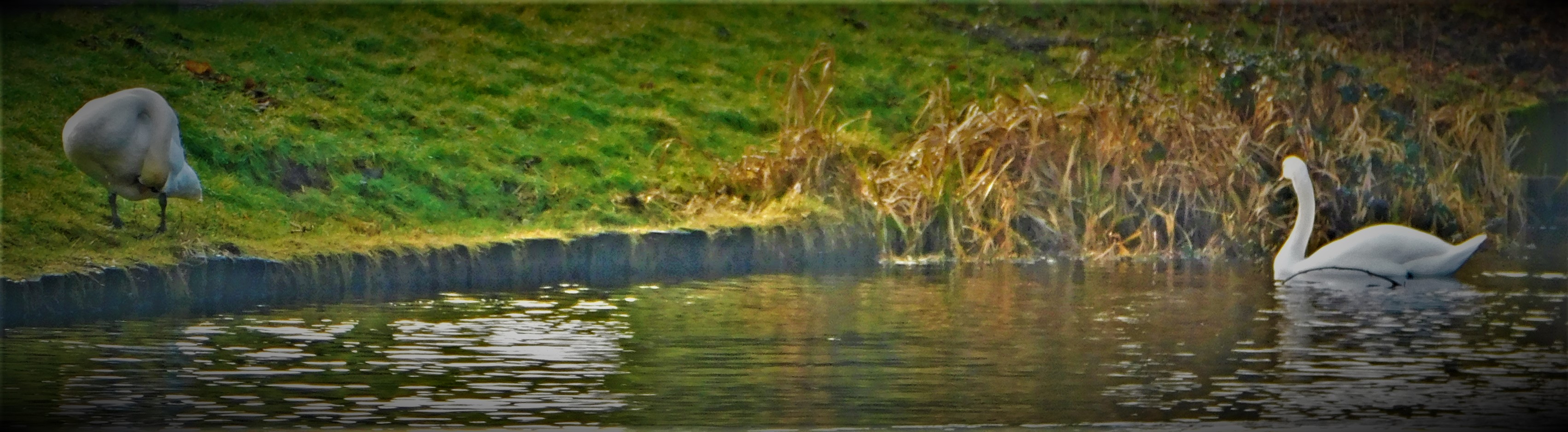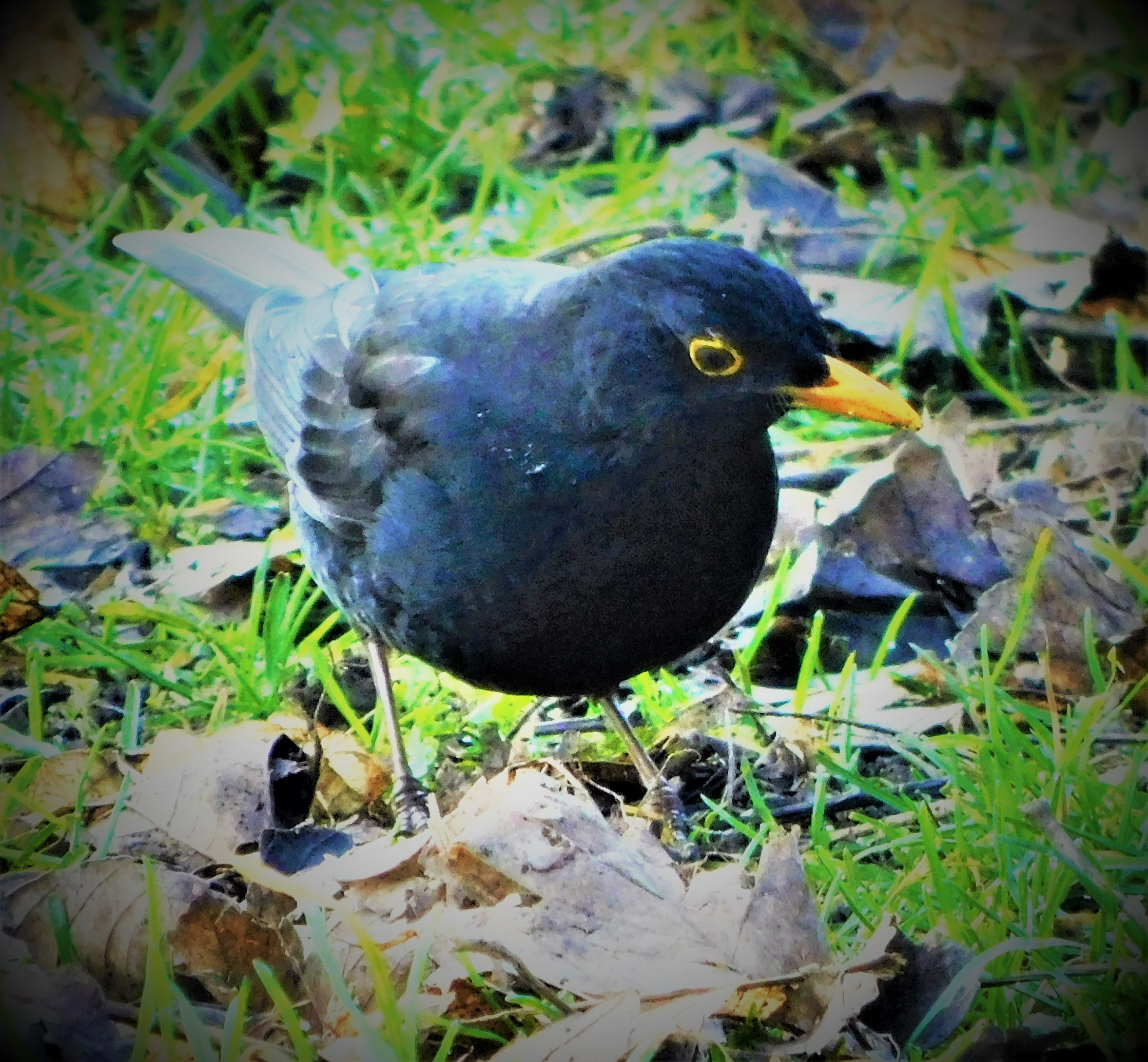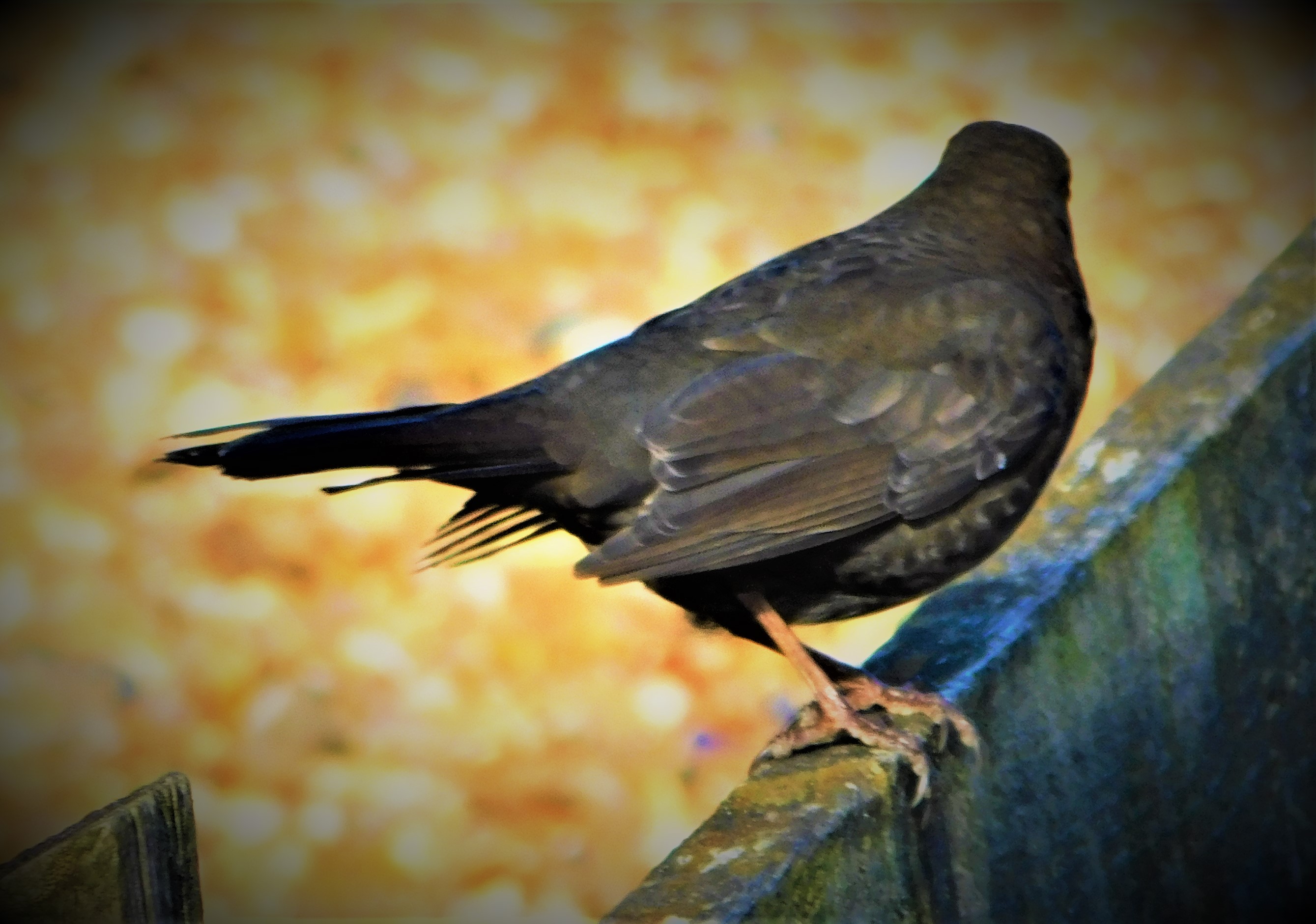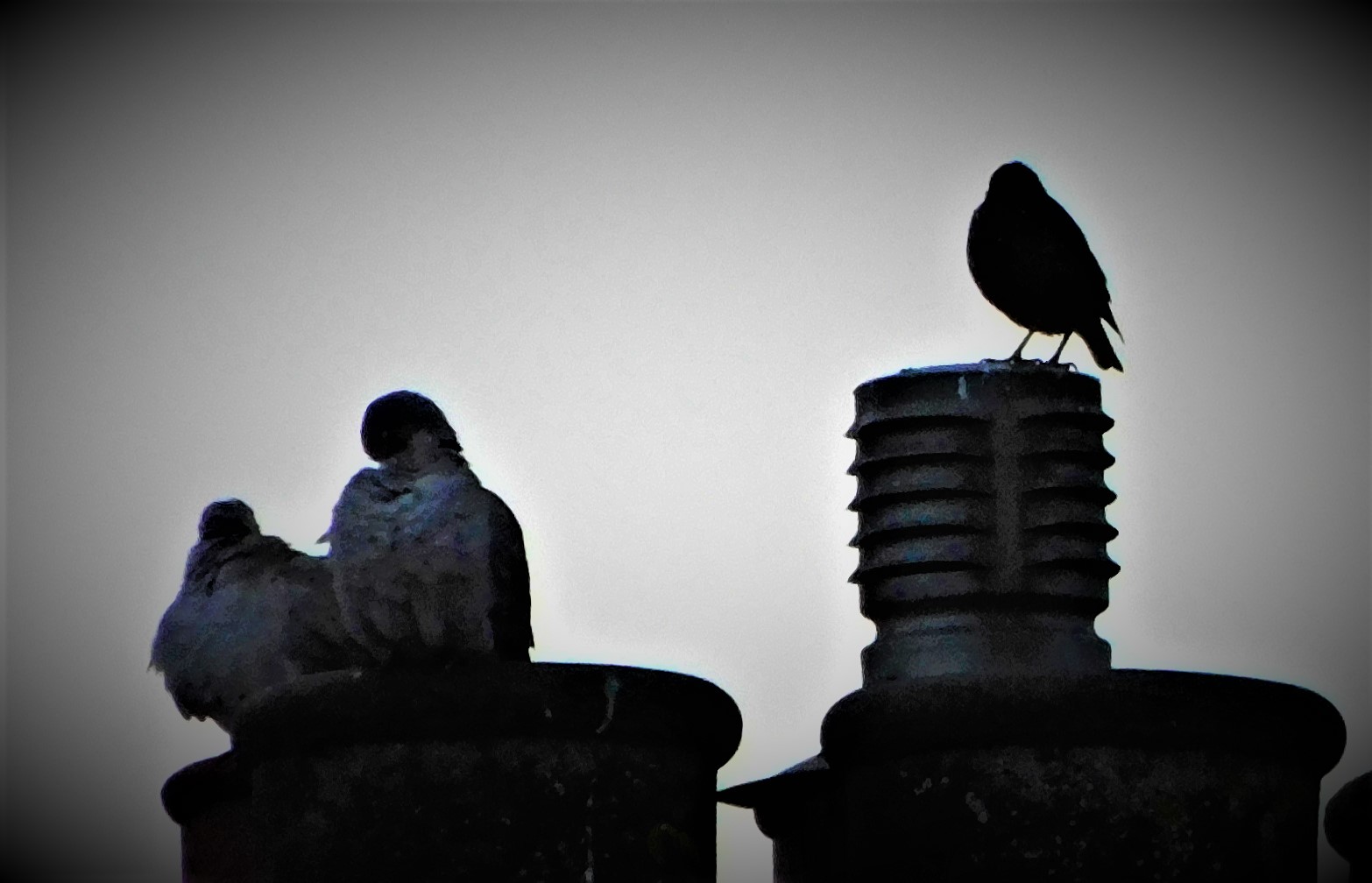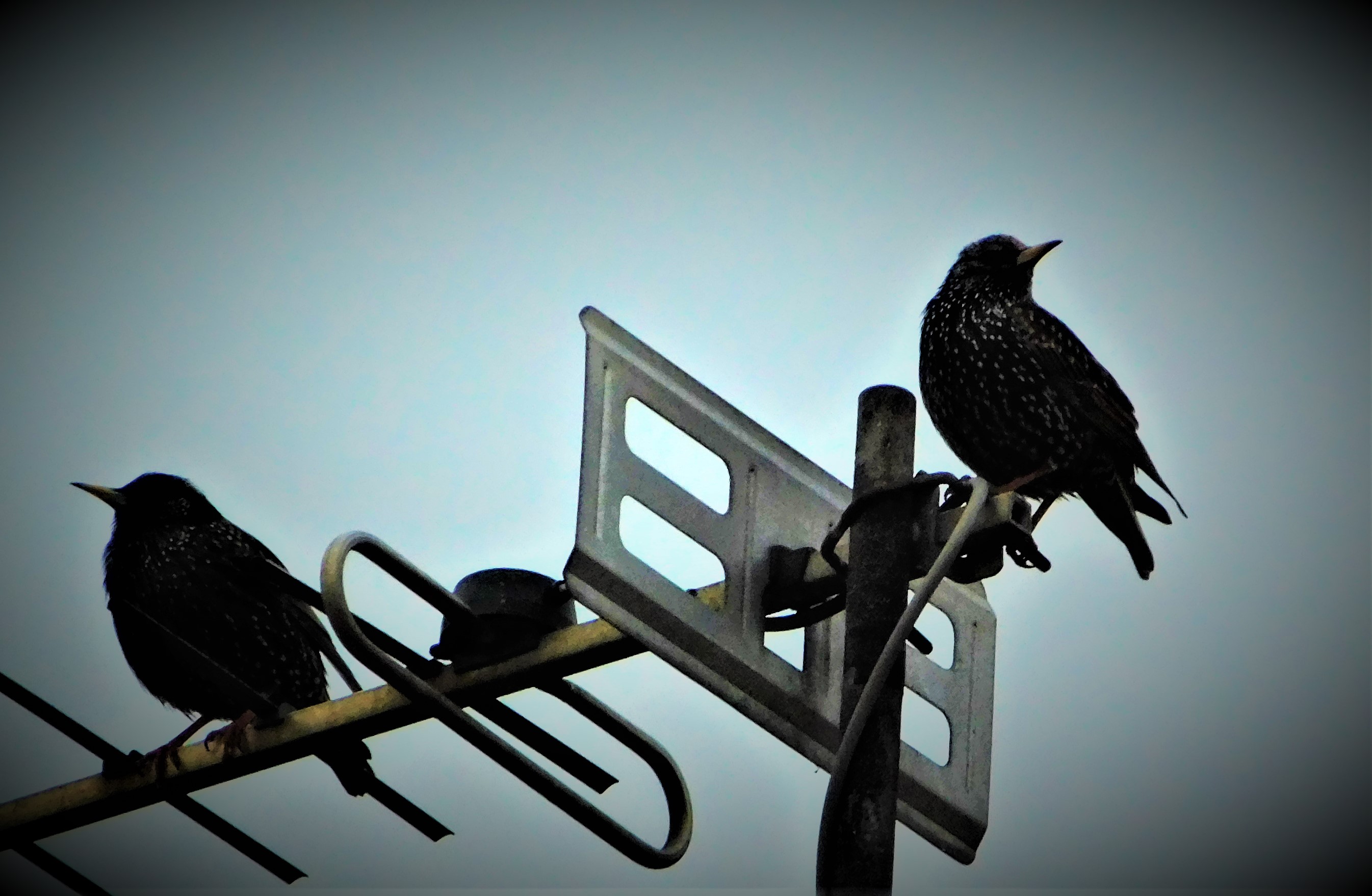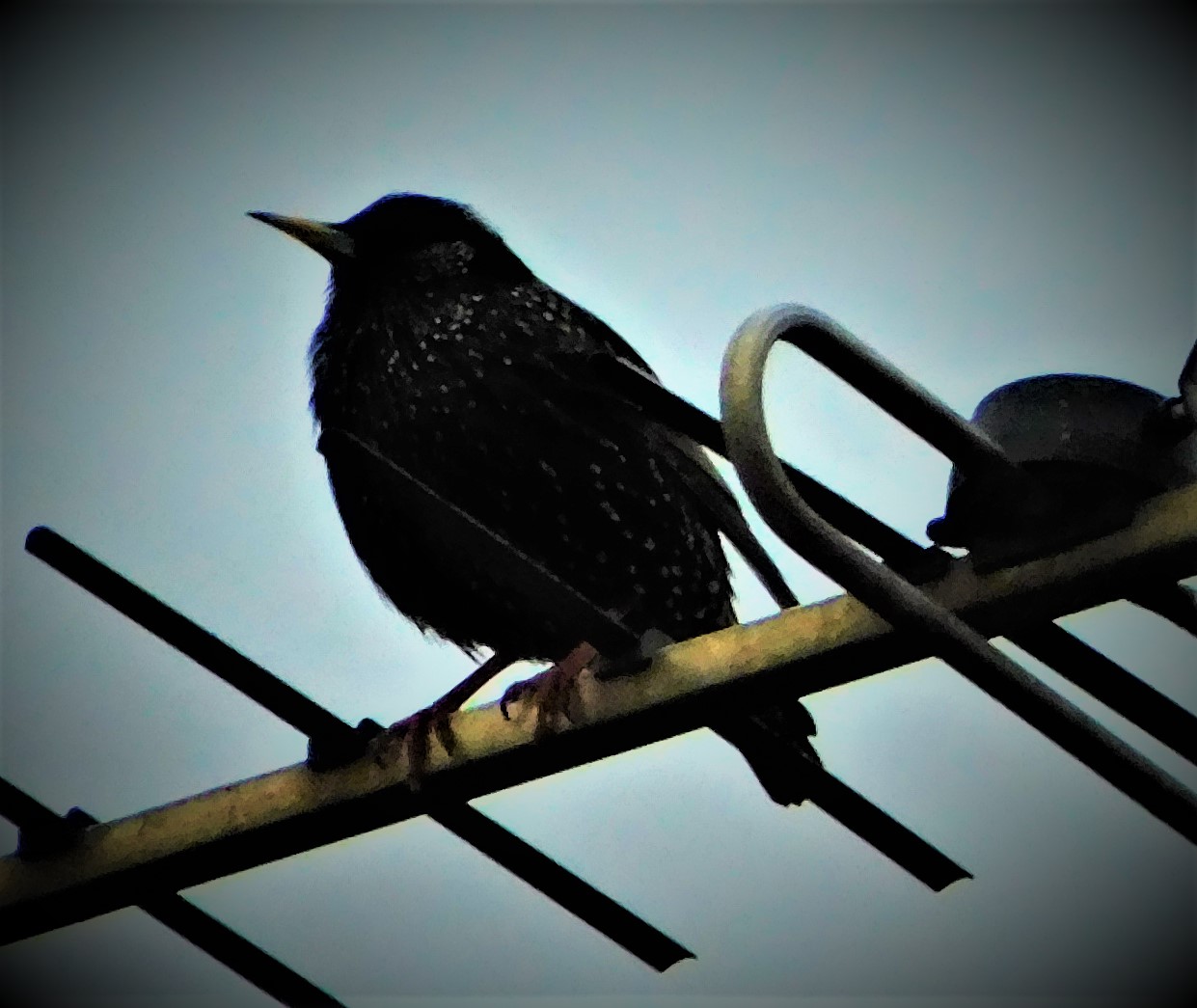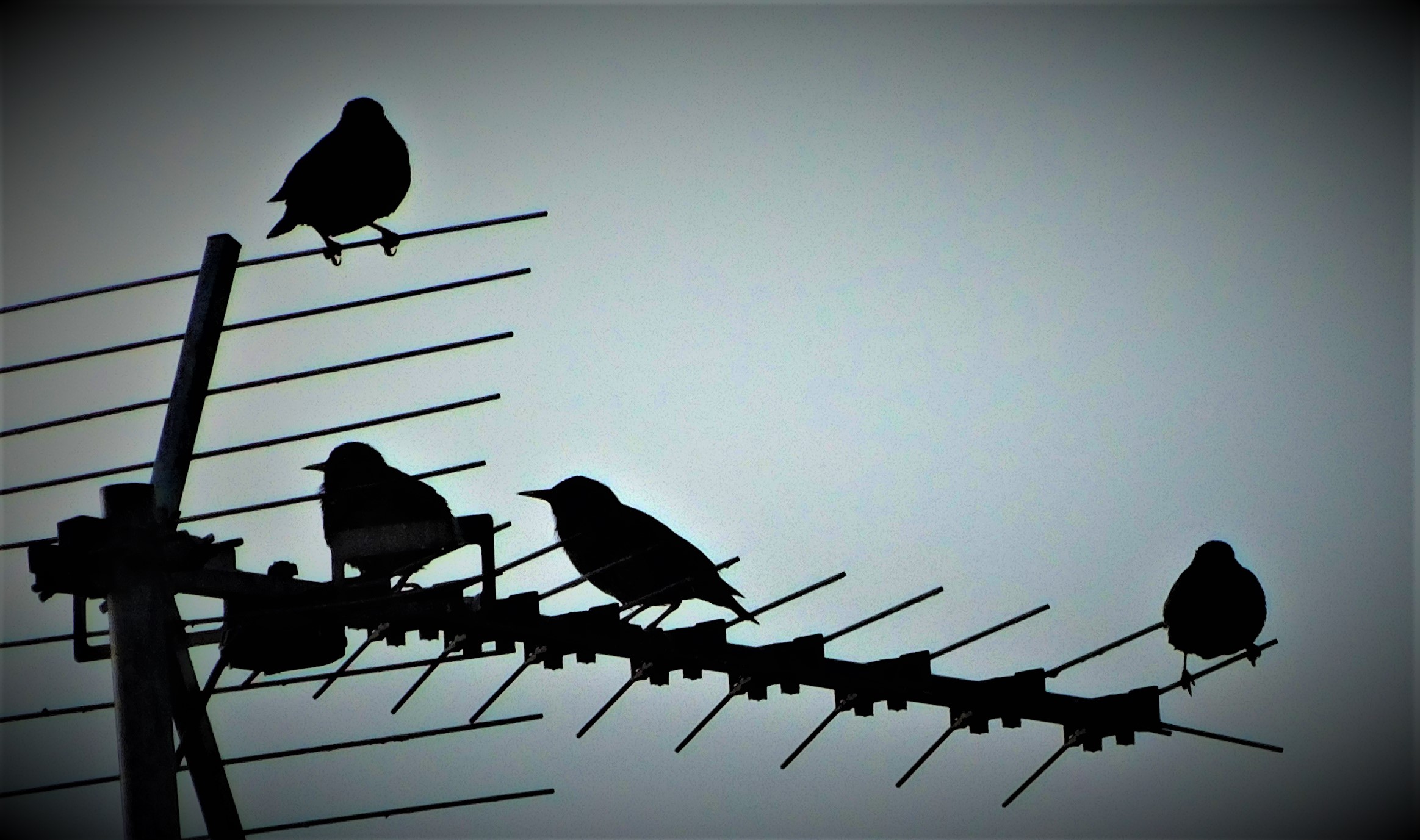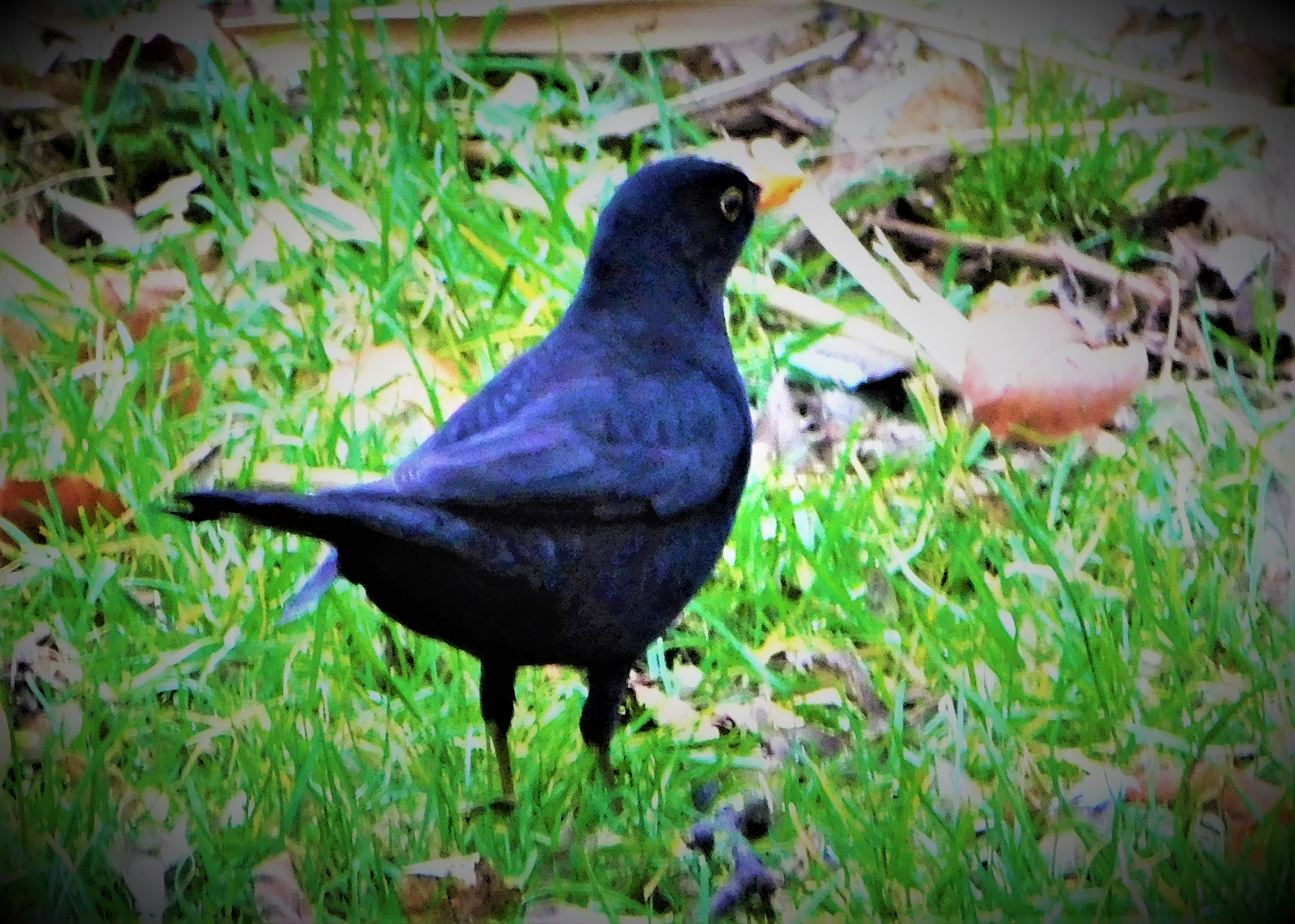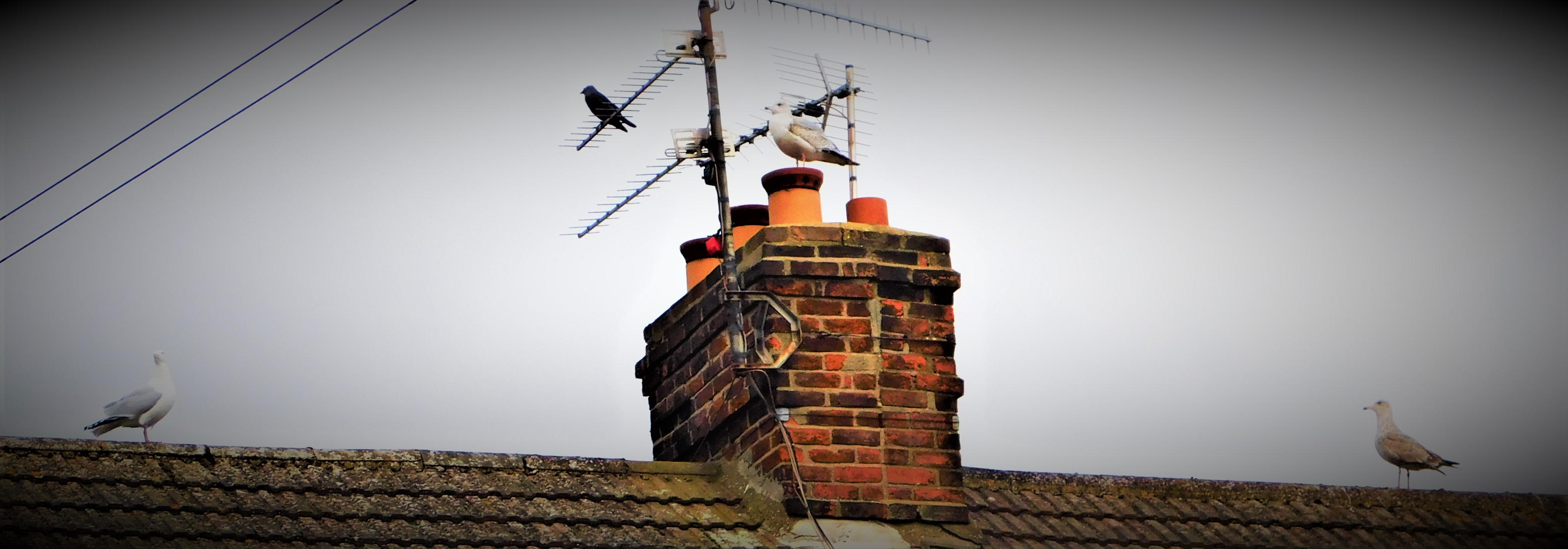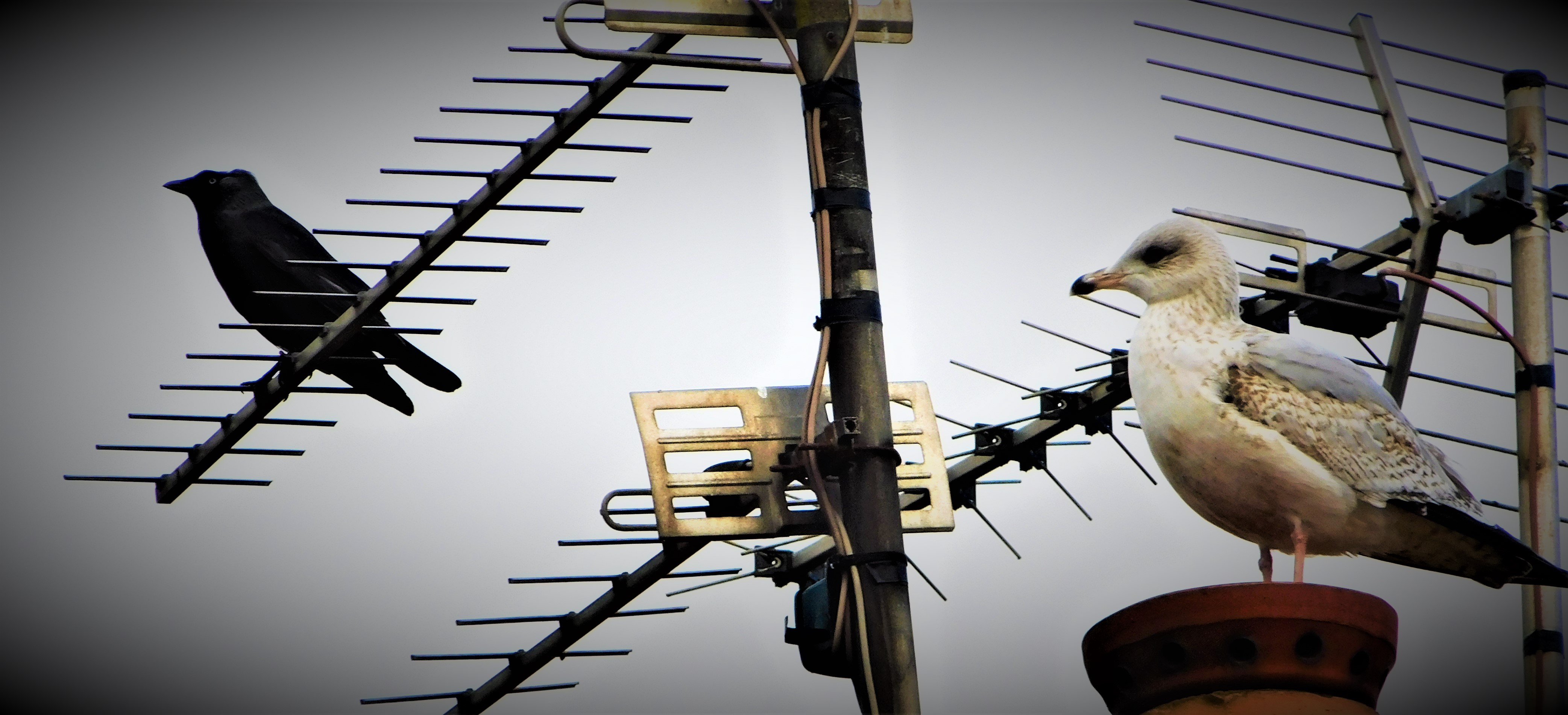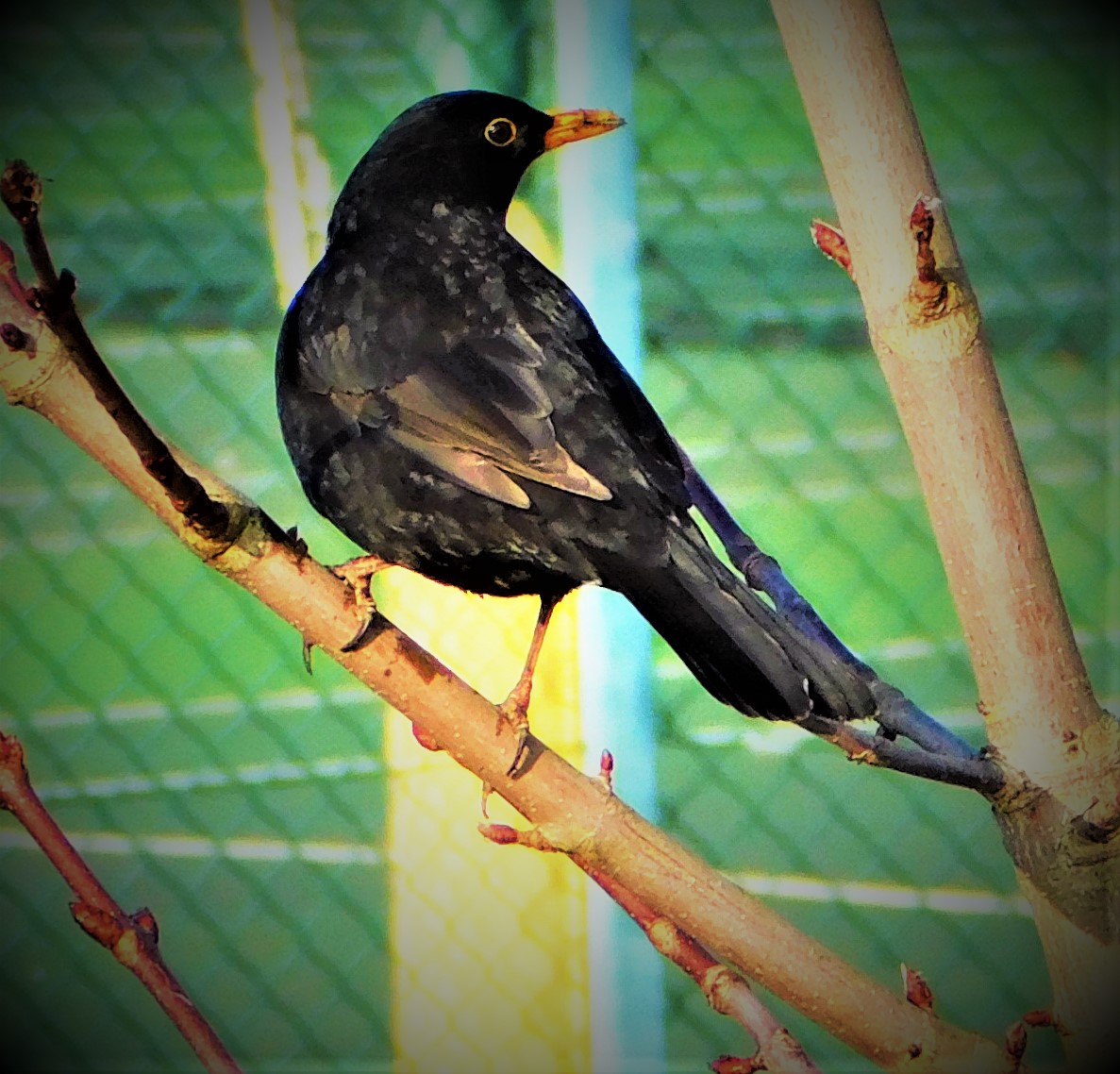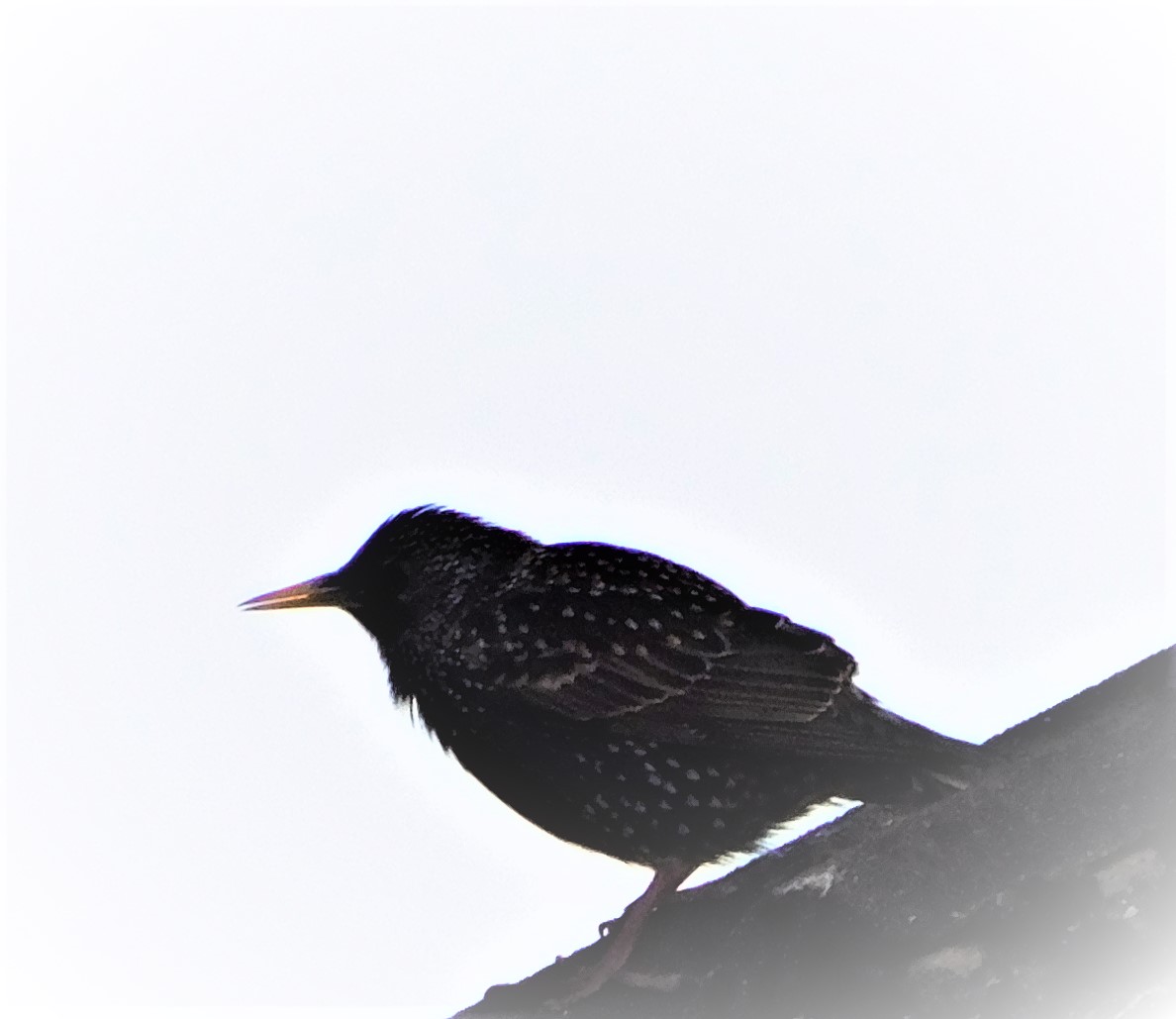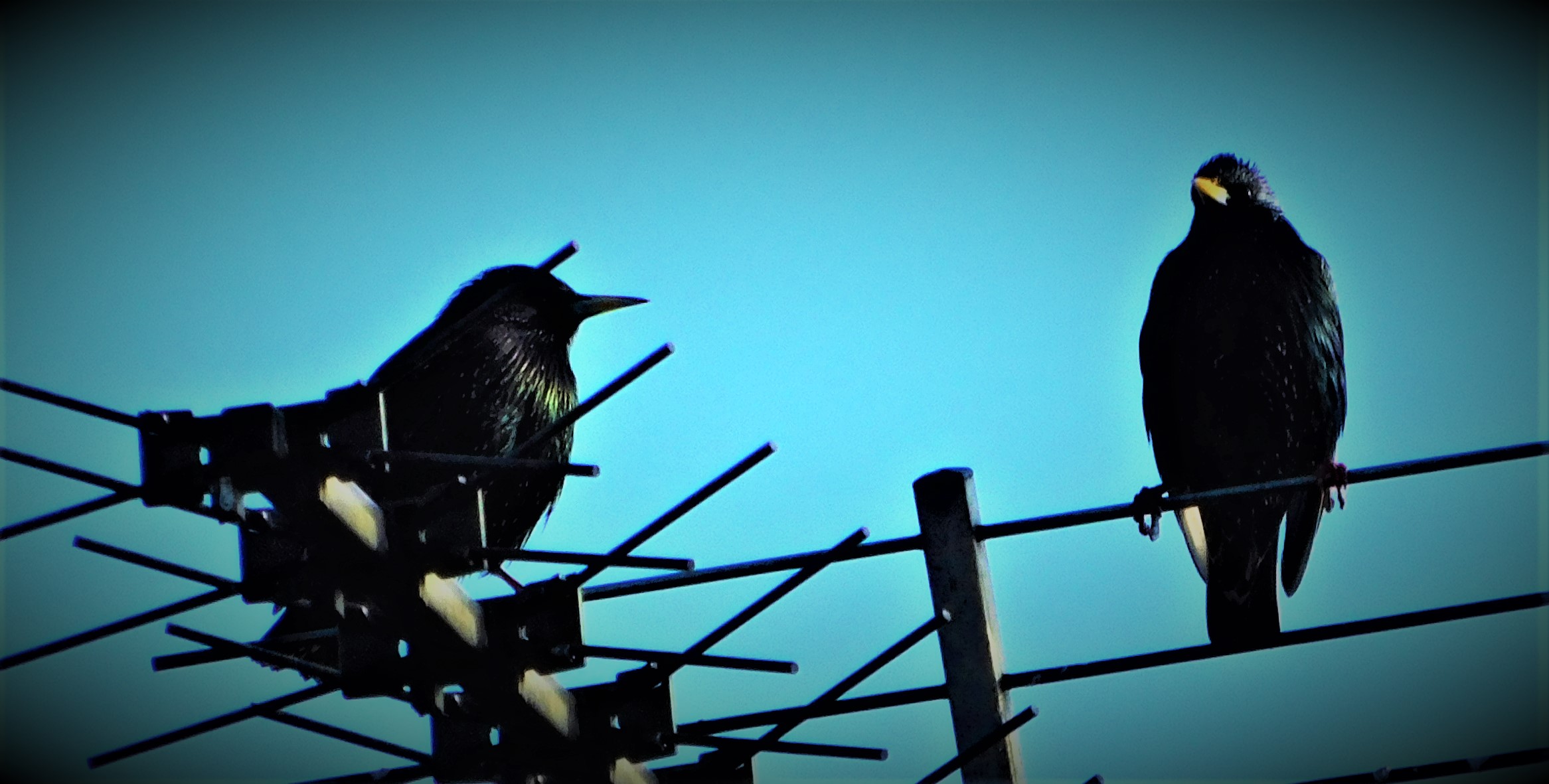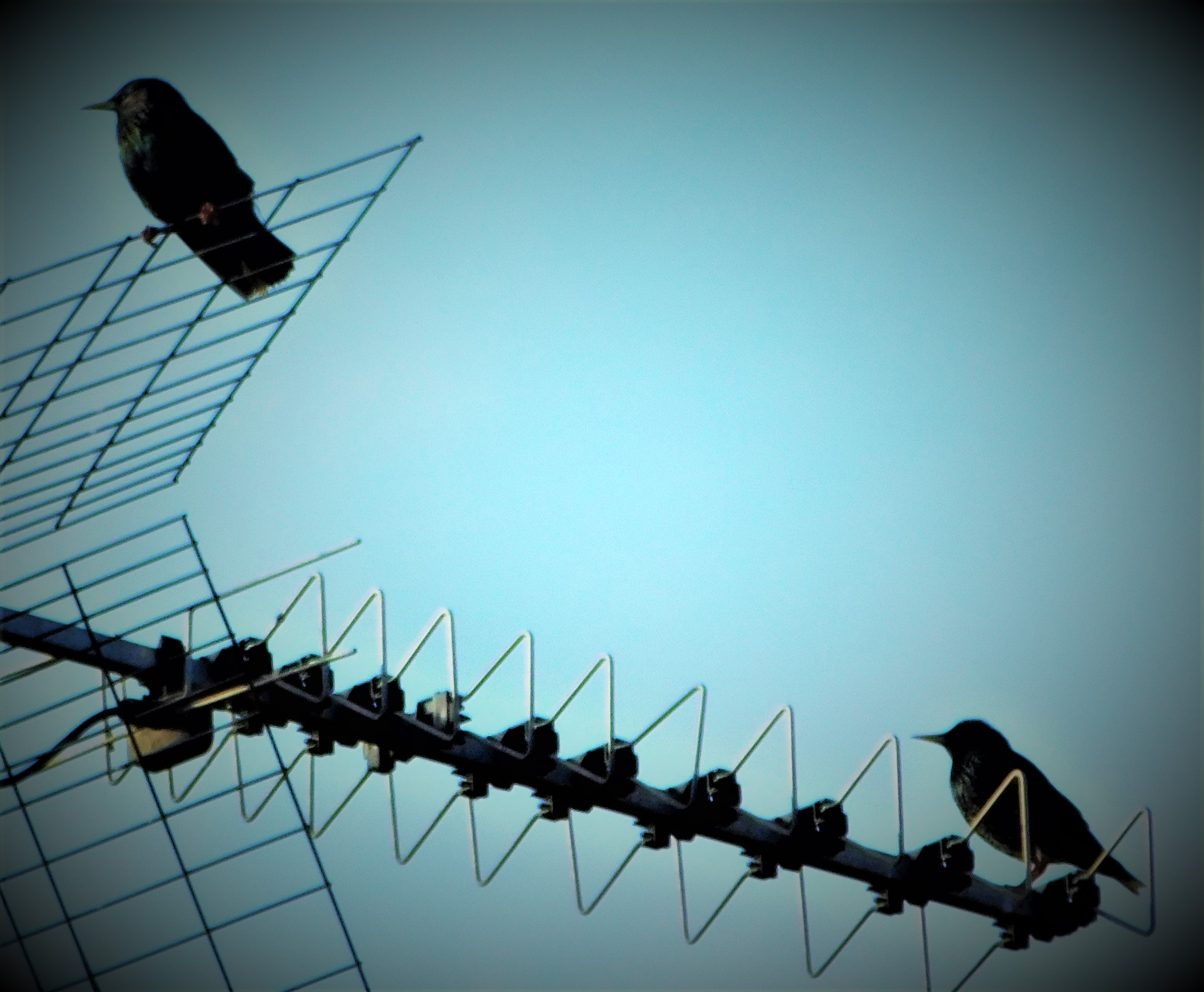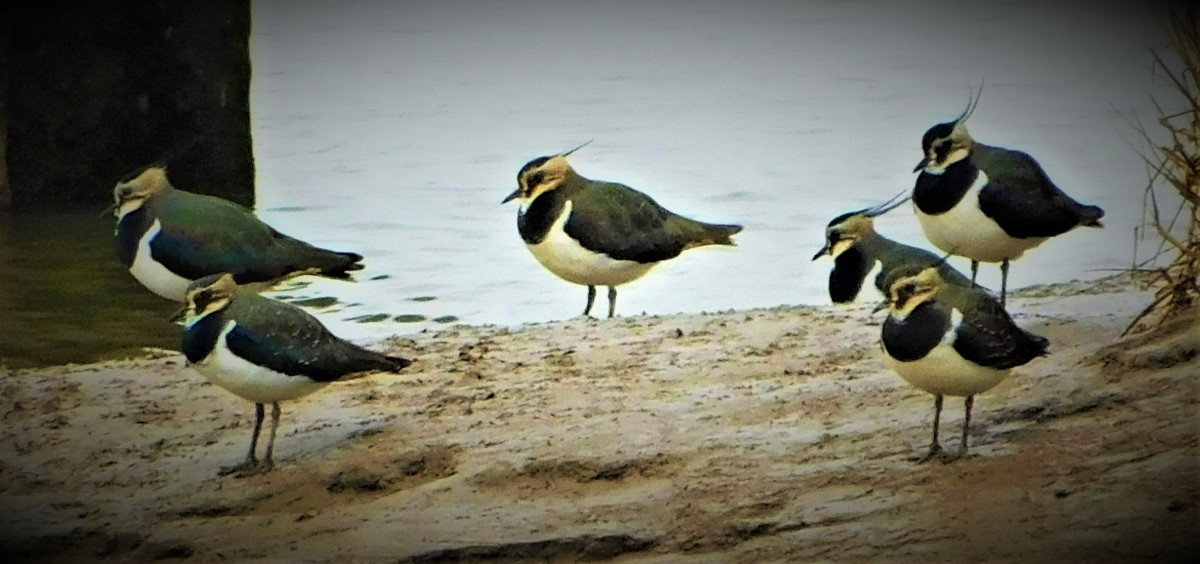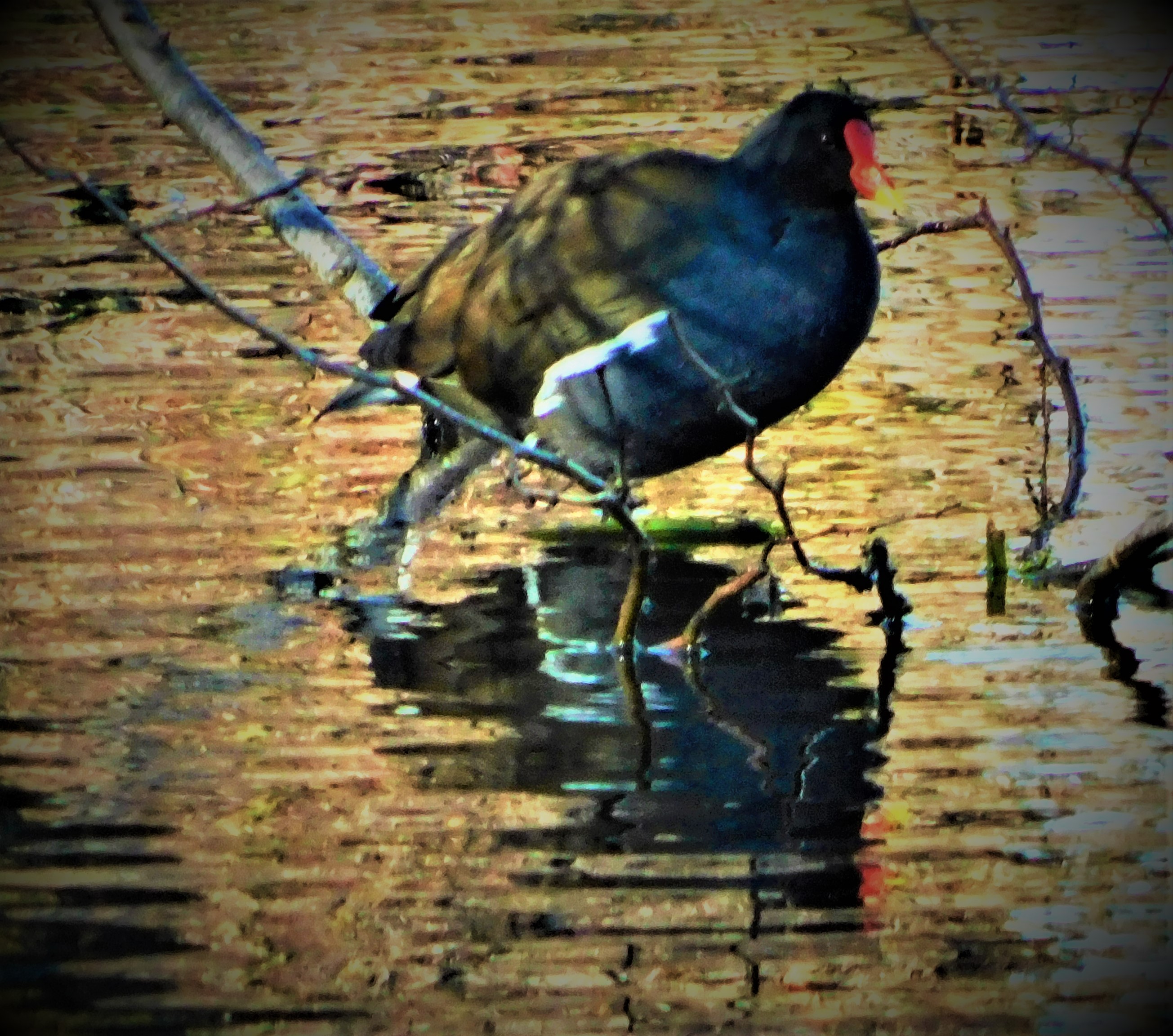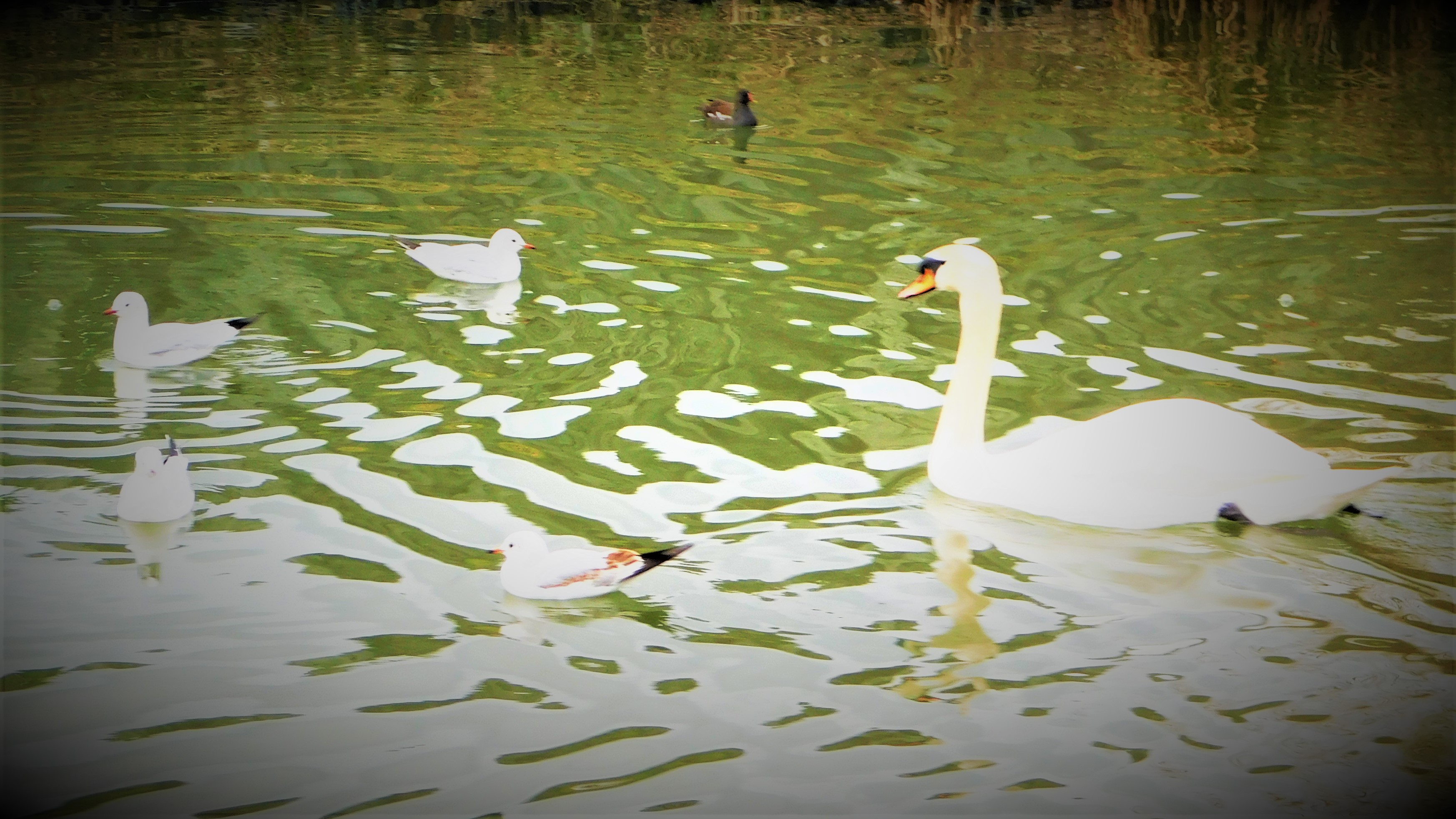
A brief look back at yesterday’s cricket and a huge photo gallery, including the first lapwings of 2023.
Yesterday was Subcontinent day in the Womens T20 World Cup. In the first match of the day India were pitted against Pakistan, while in the second Bangladesh took on Sri Lanka.
INDIA V PAKISTAN
Pakistan looked to have done pretty well when they tallied 149 from their 20 overs. The experienced Bismah Maroof scored 68* off 55 balls, while Ayesha Naseem made an aggressive 43* off 25 balls. India were second best for 16 of their allotted 20 overs, but a combination of poor Pakistani bowling and some good batting by them in overs 17,18 and 19 saw them turn things round and win with a whole over to spare.
BANGLADESH V SRI LANKA
Bangladesh made a not terribly impressive 126 from their 20 overs. However, when teenager Marufa Akhter took 3-0 in her first eight balls as an international bowler Sri Lanka were 25-3 and looking shaky. The fourth wicket pair stopped the rot, and upped their tempo once the immediate danger of a collapse had past. In the end, like India earlier in the day they had a whole over to spare when the winning boundary was hit. The unbroken 4th wicket stand was worth 104* and both players had topped 50.
PHOTOGRAPHS
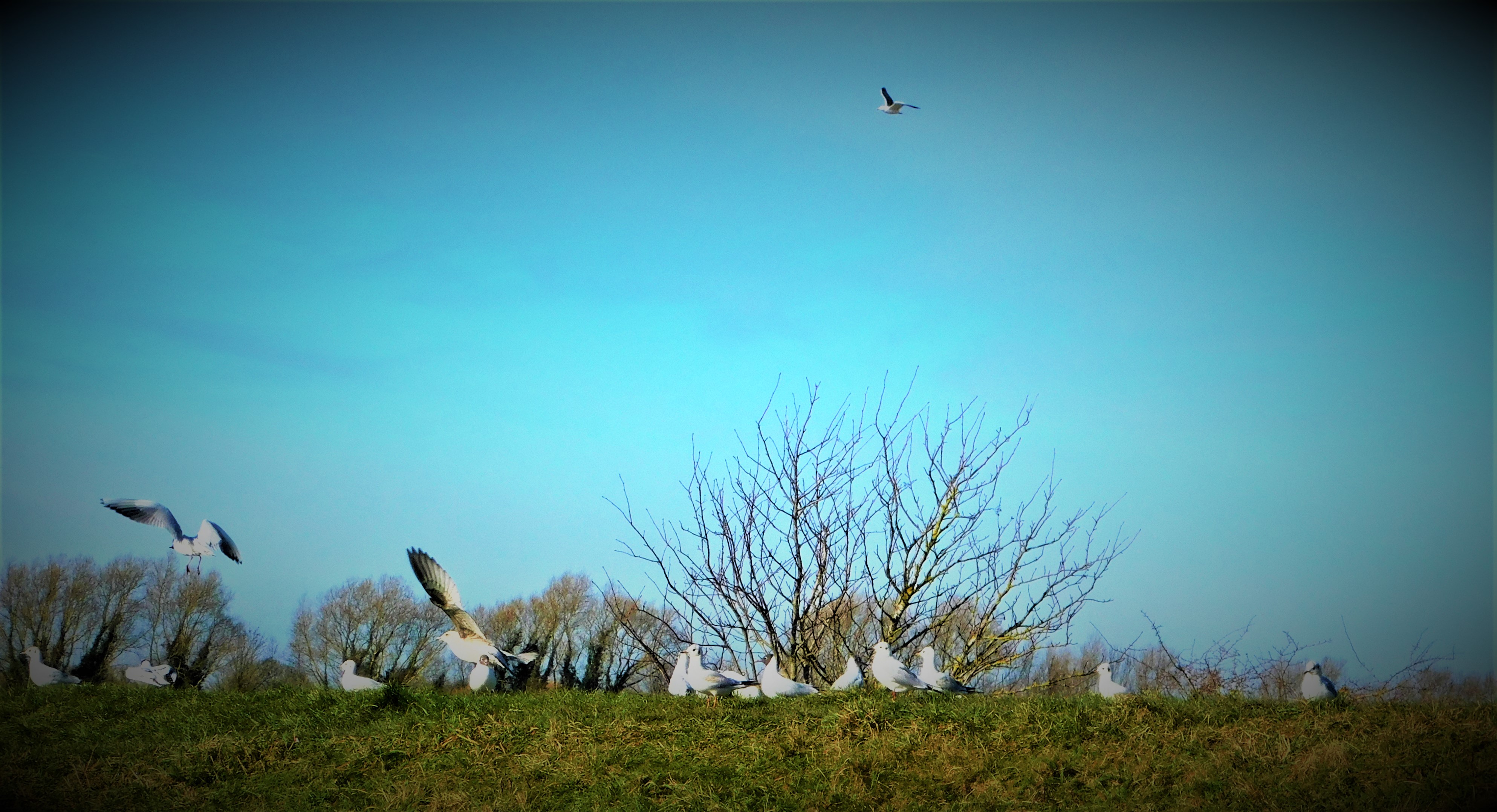
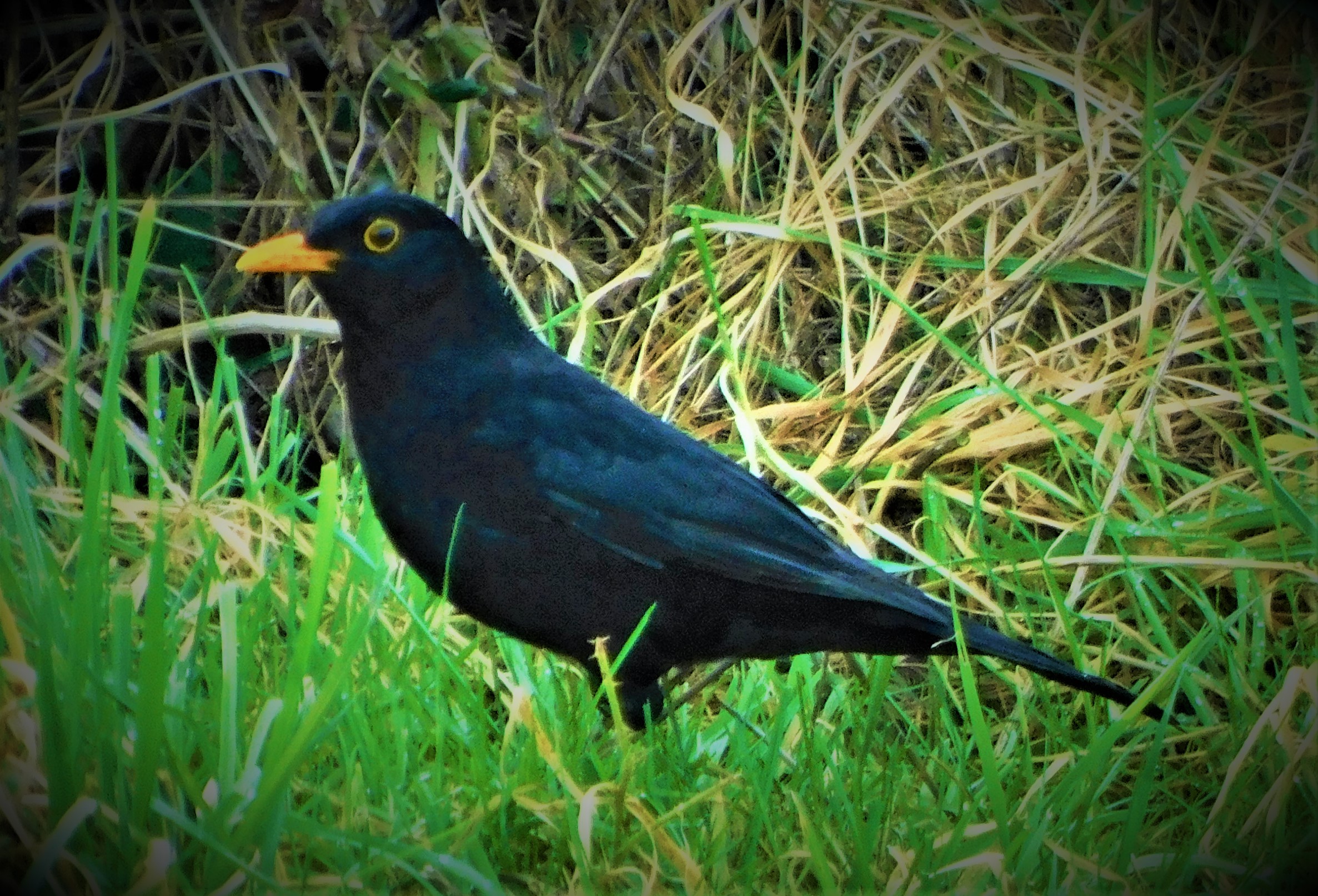
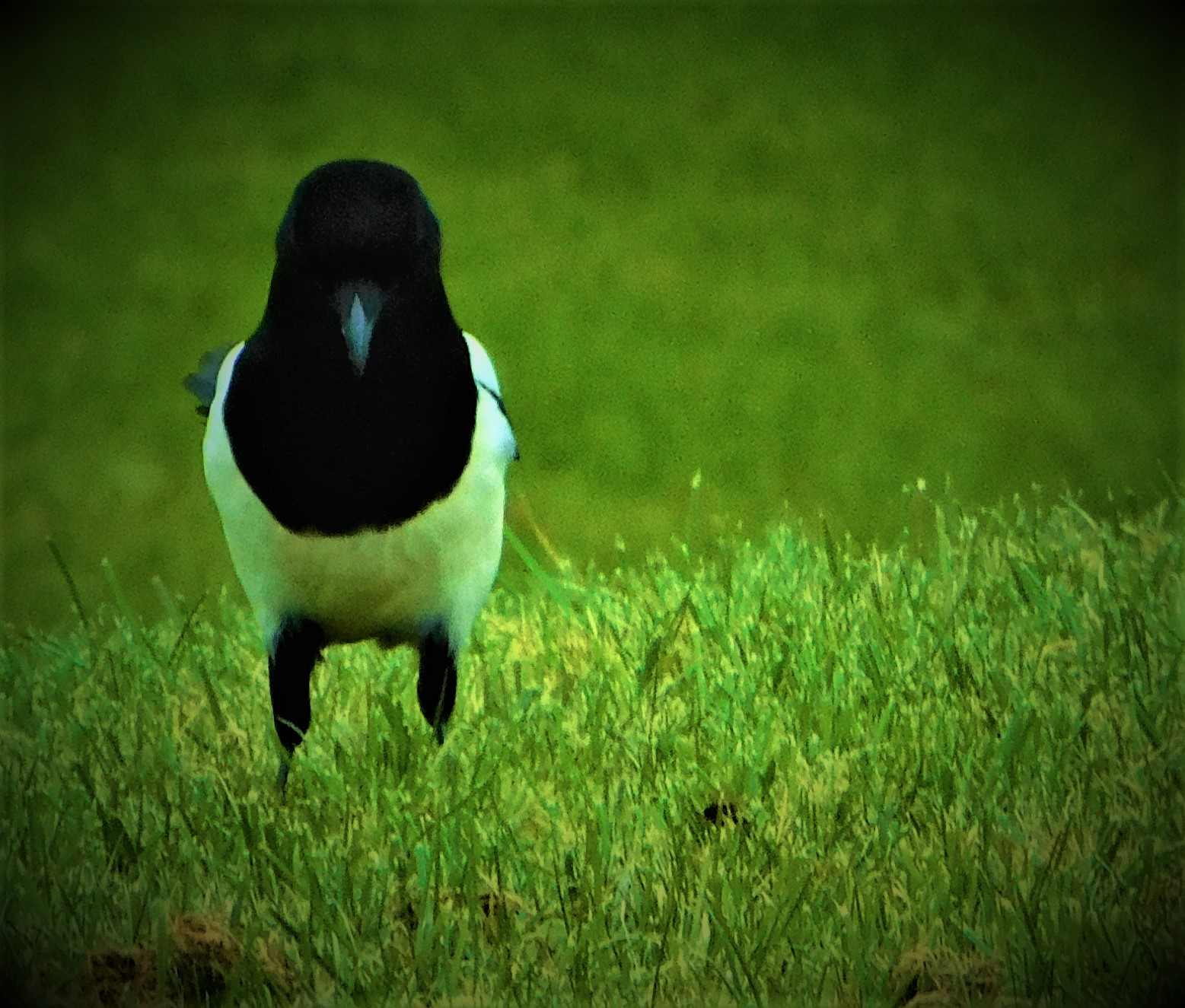
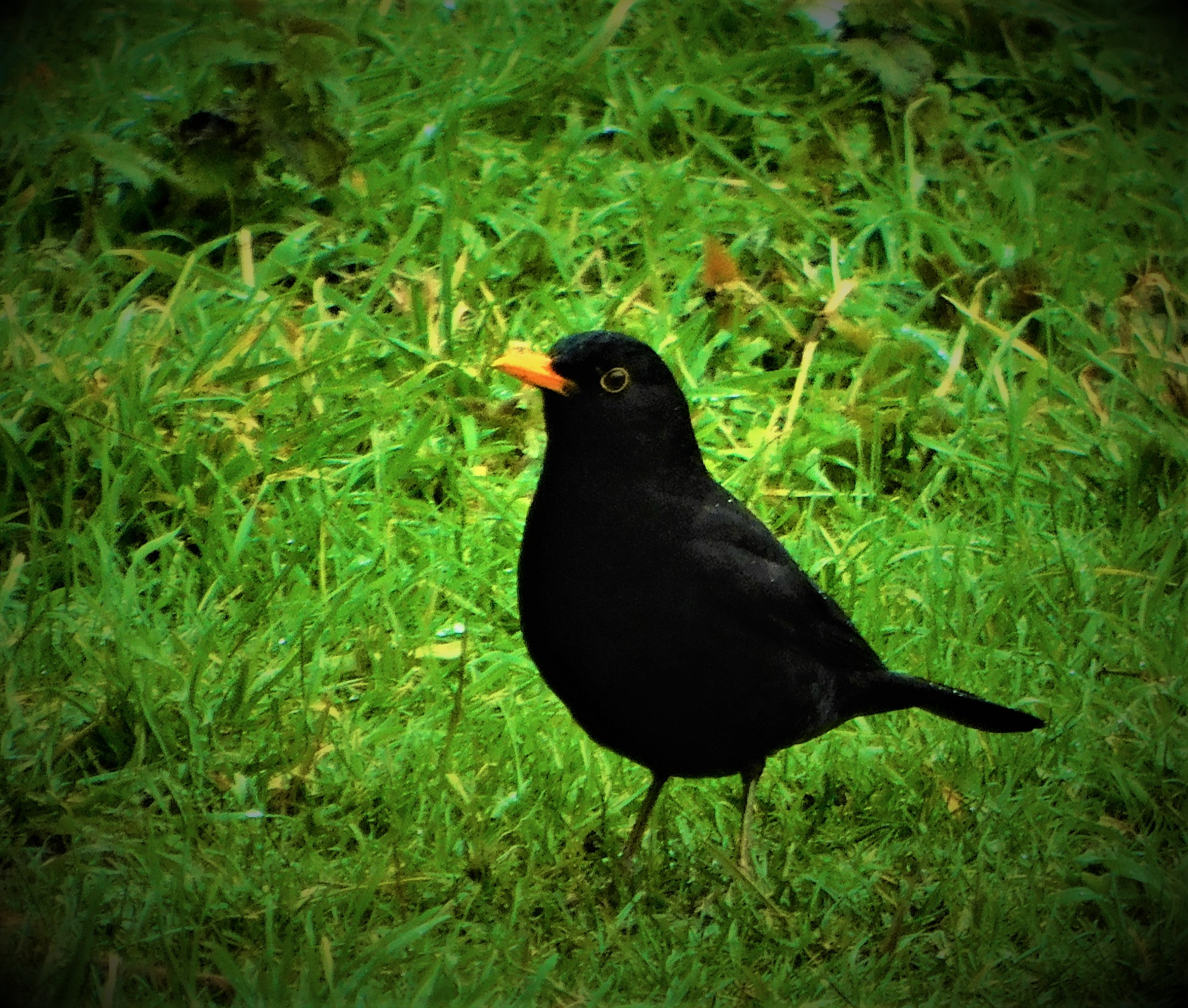
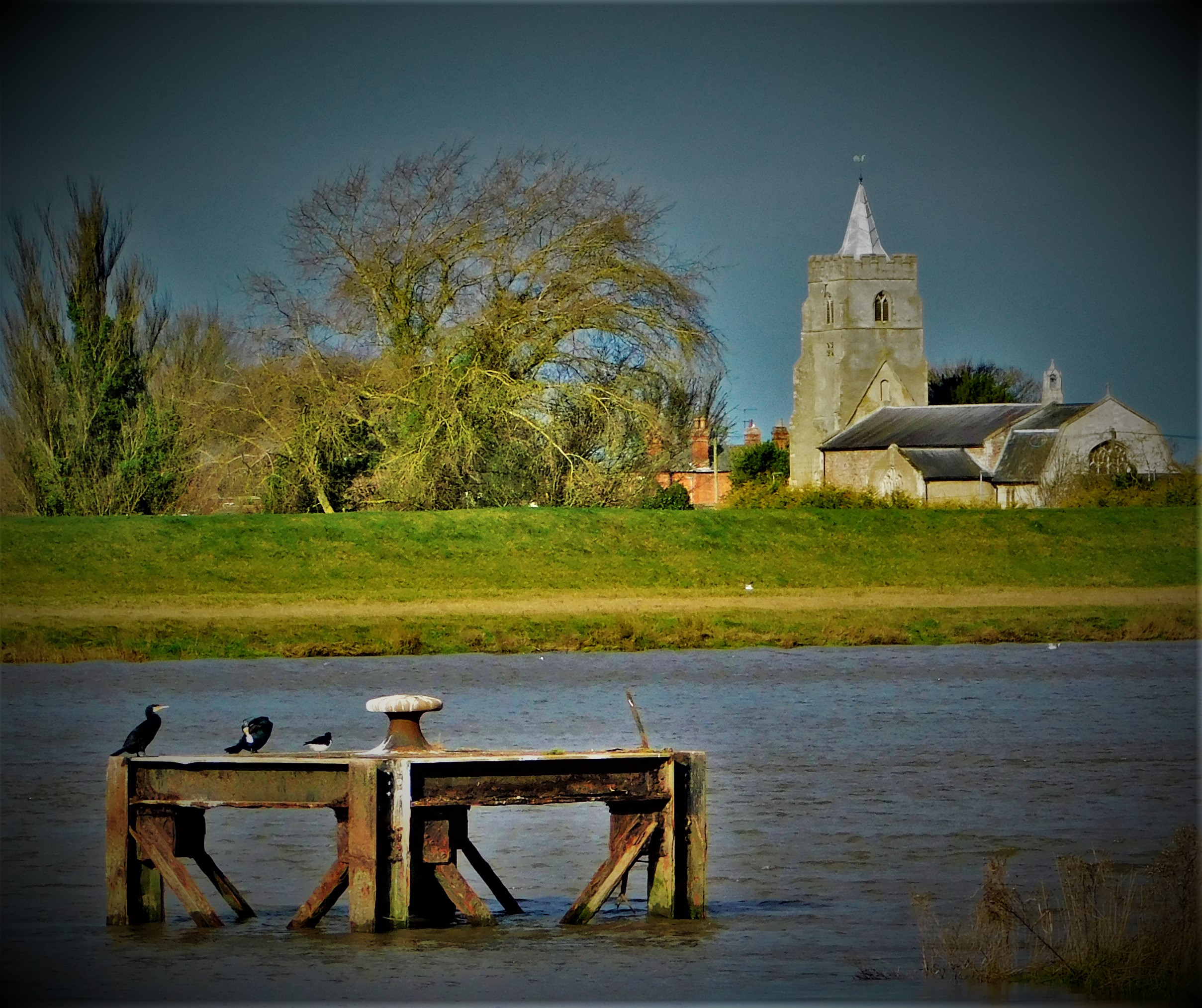
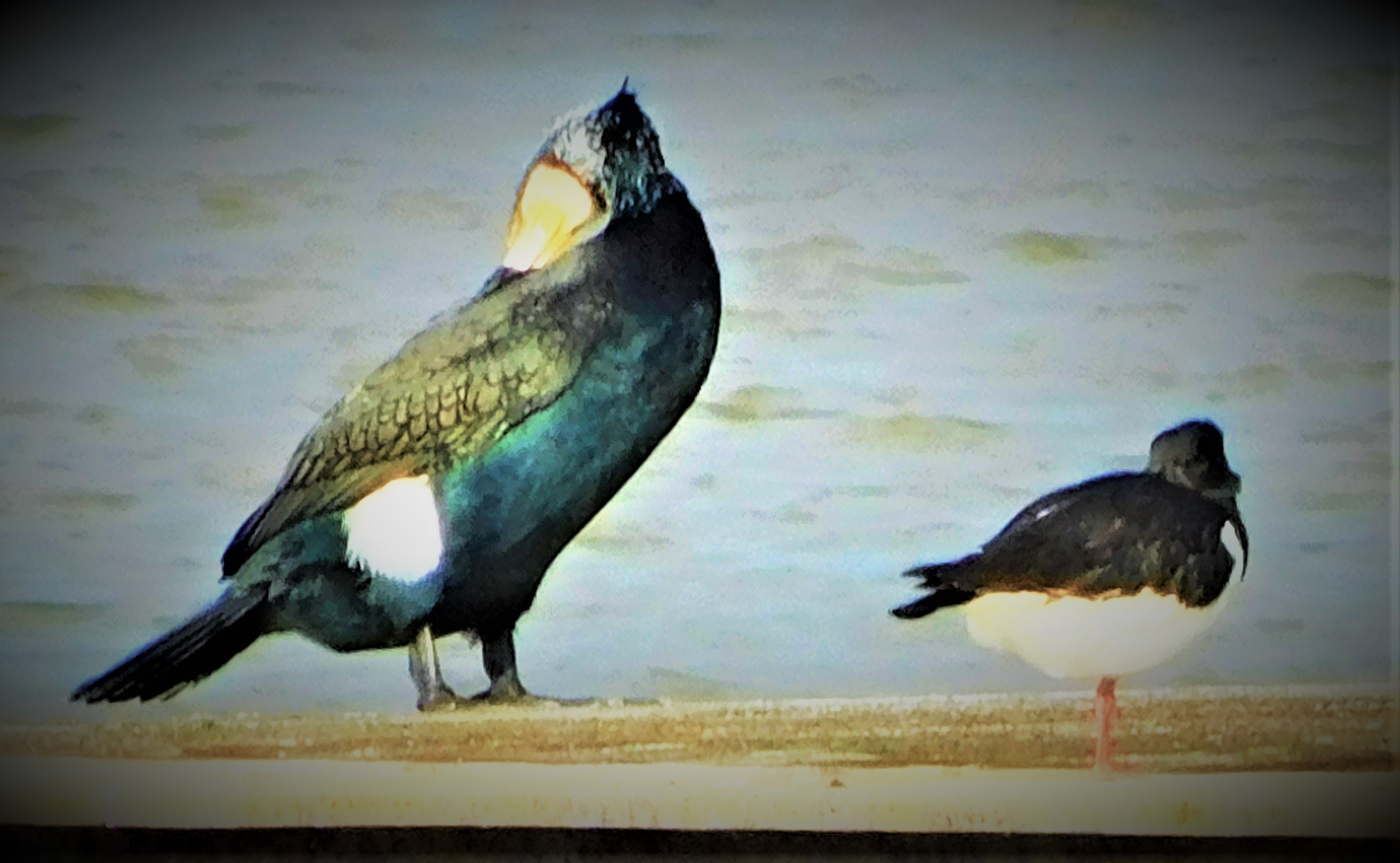
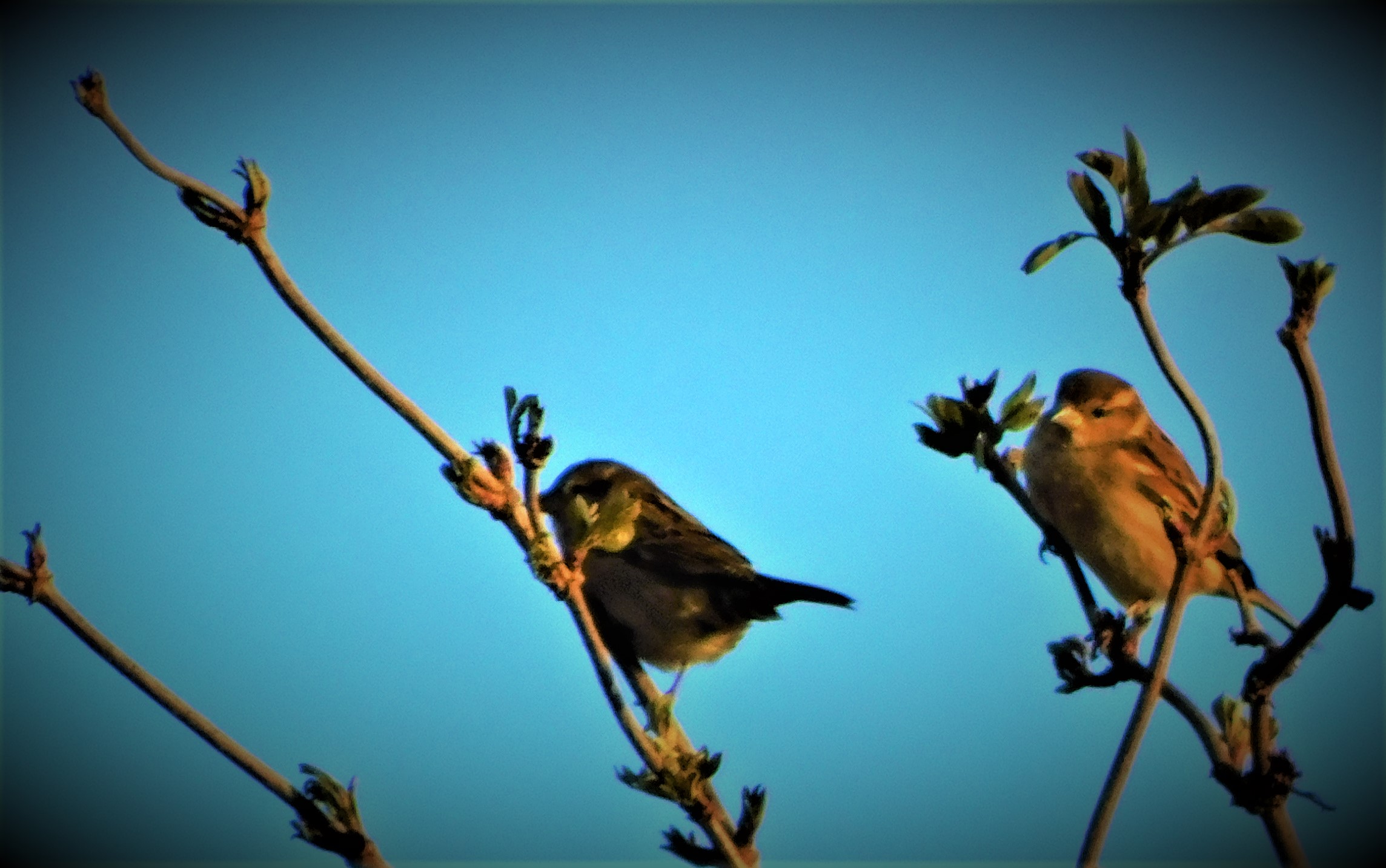
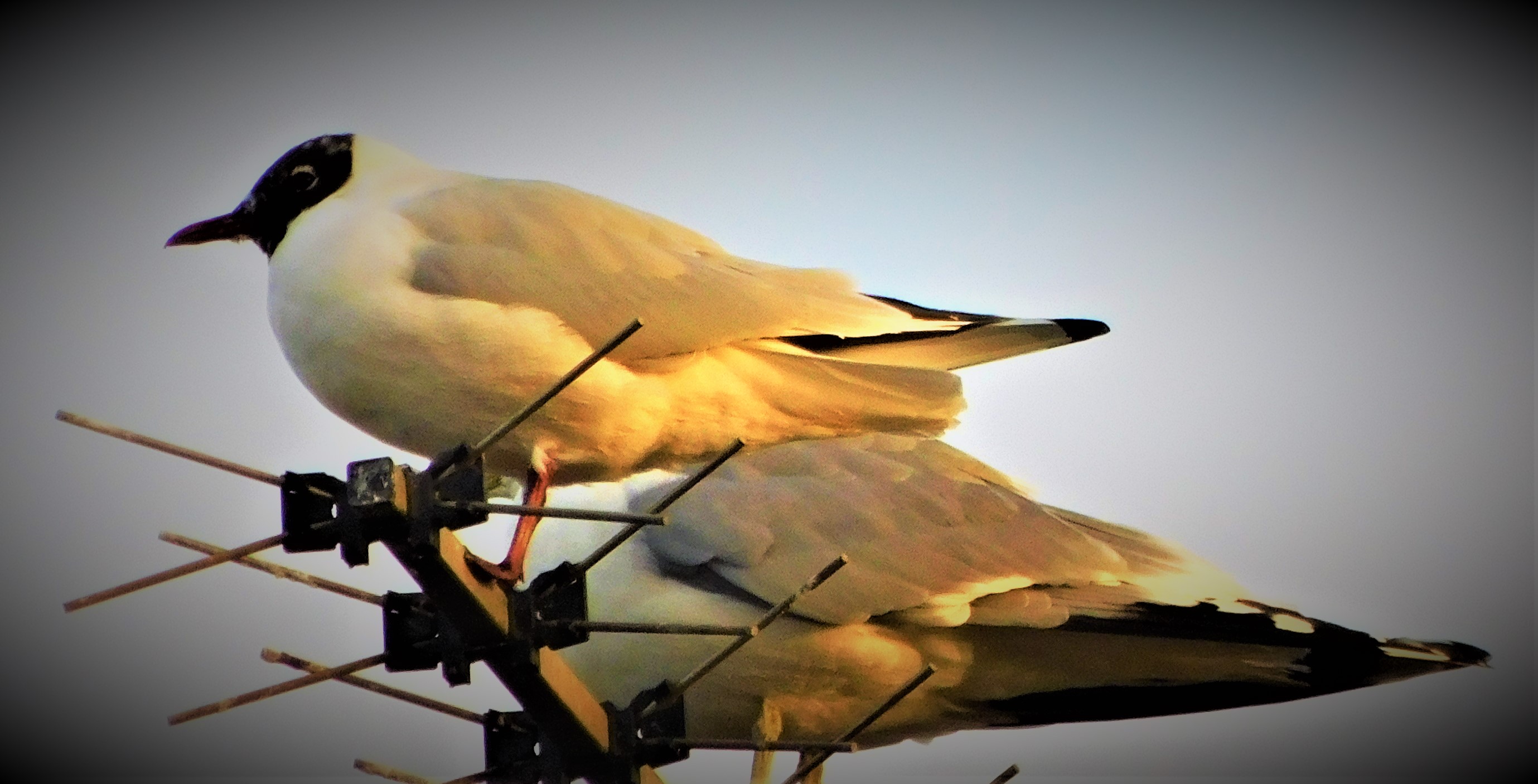
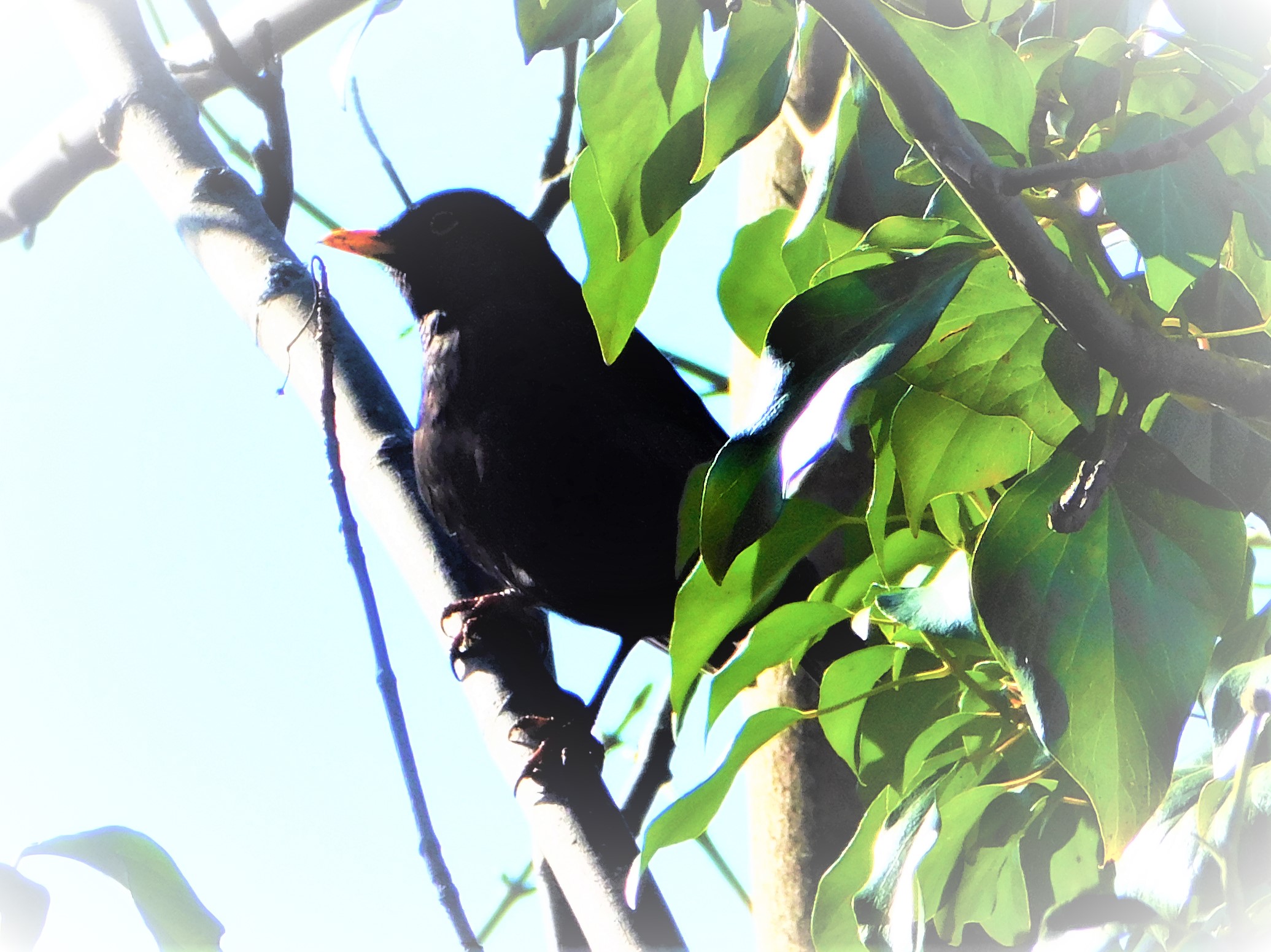
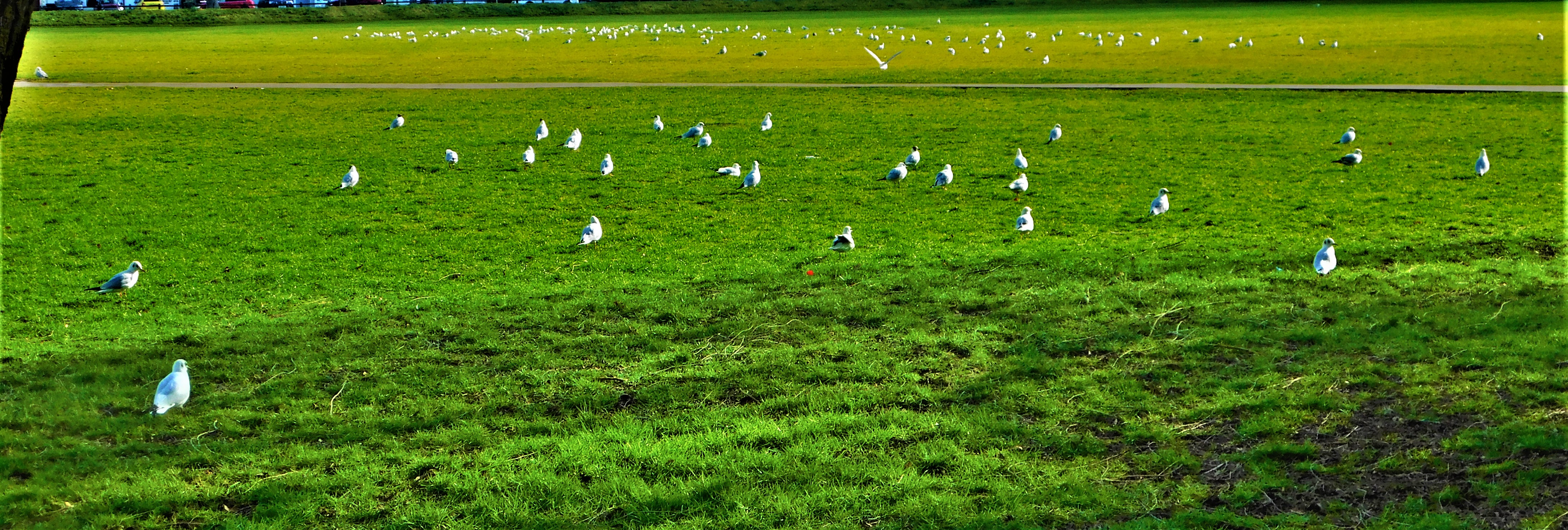
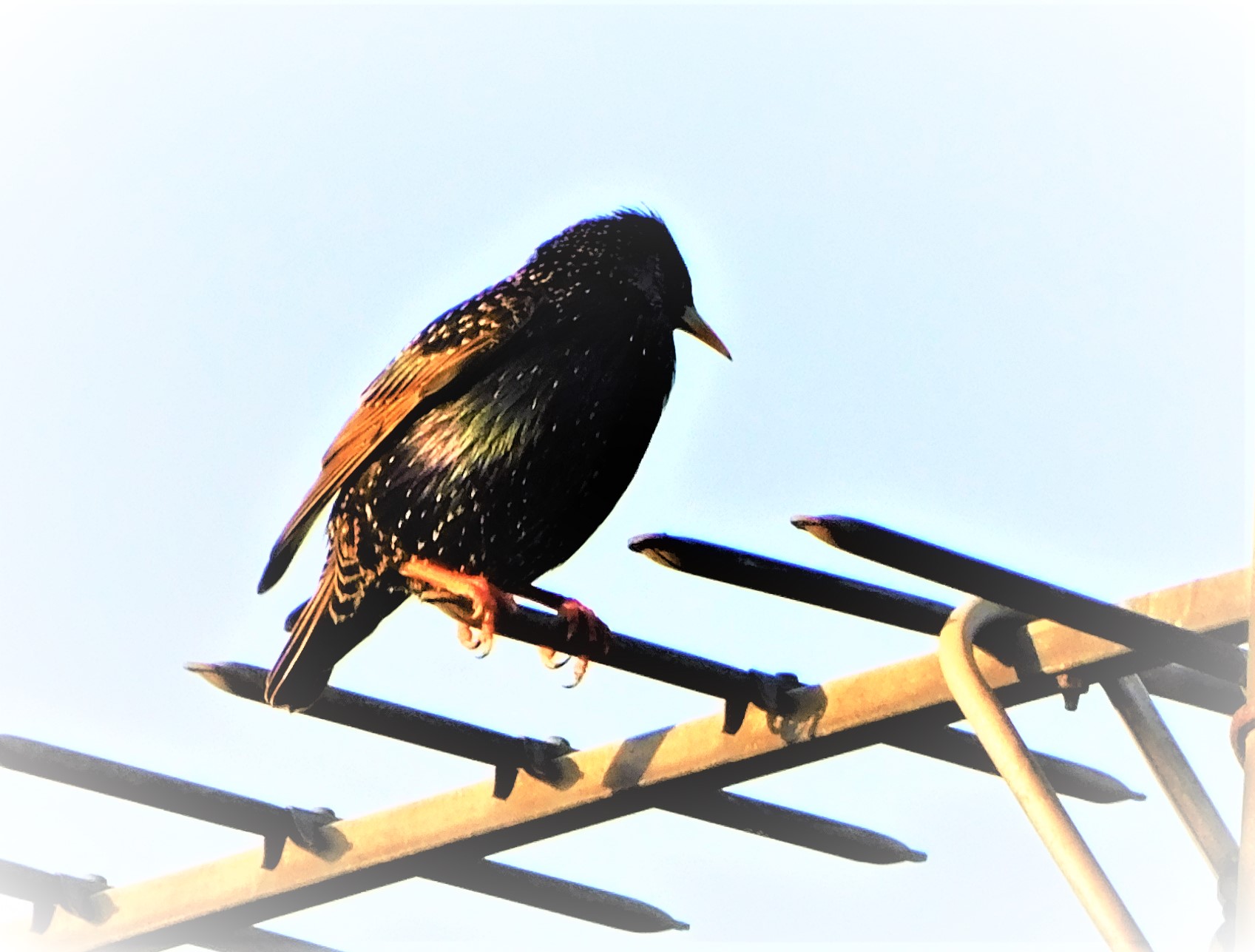
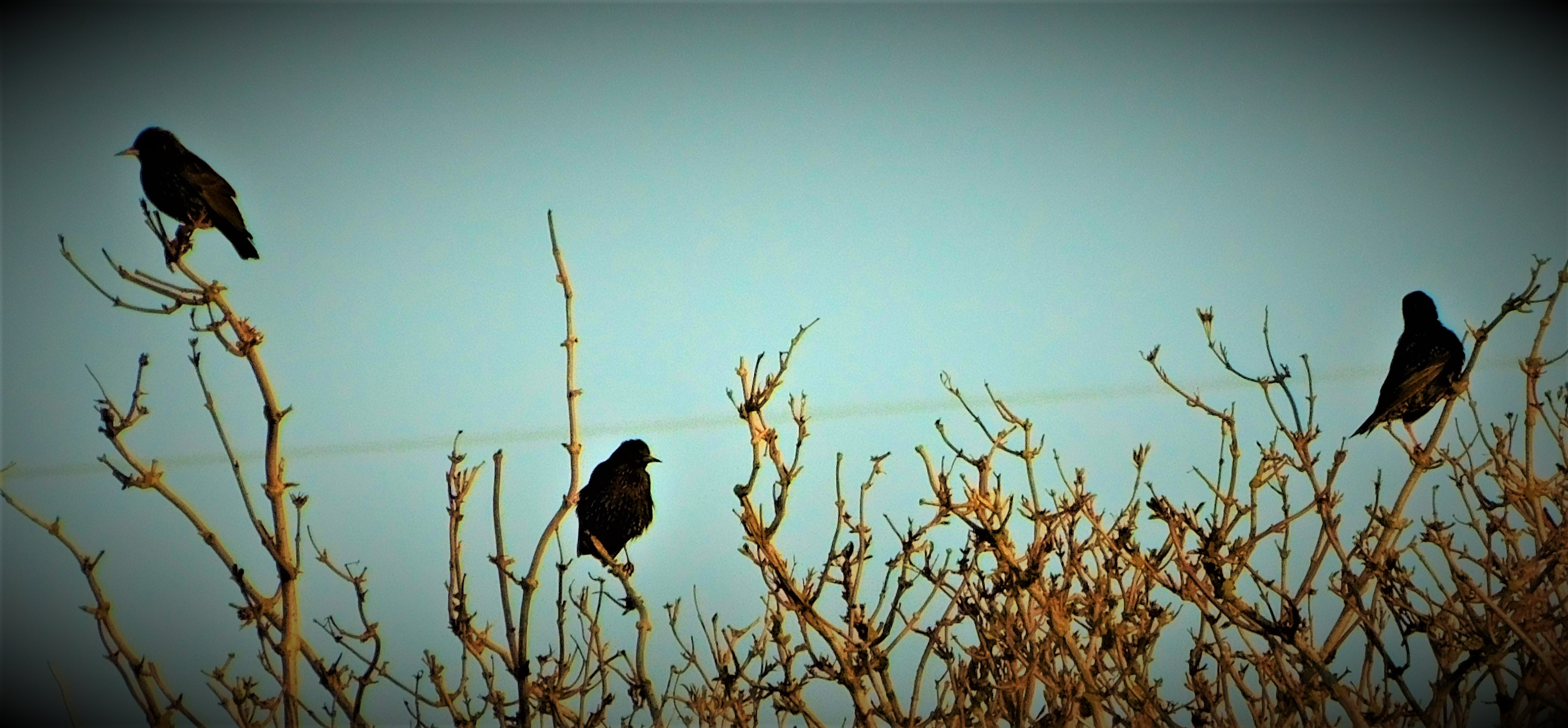
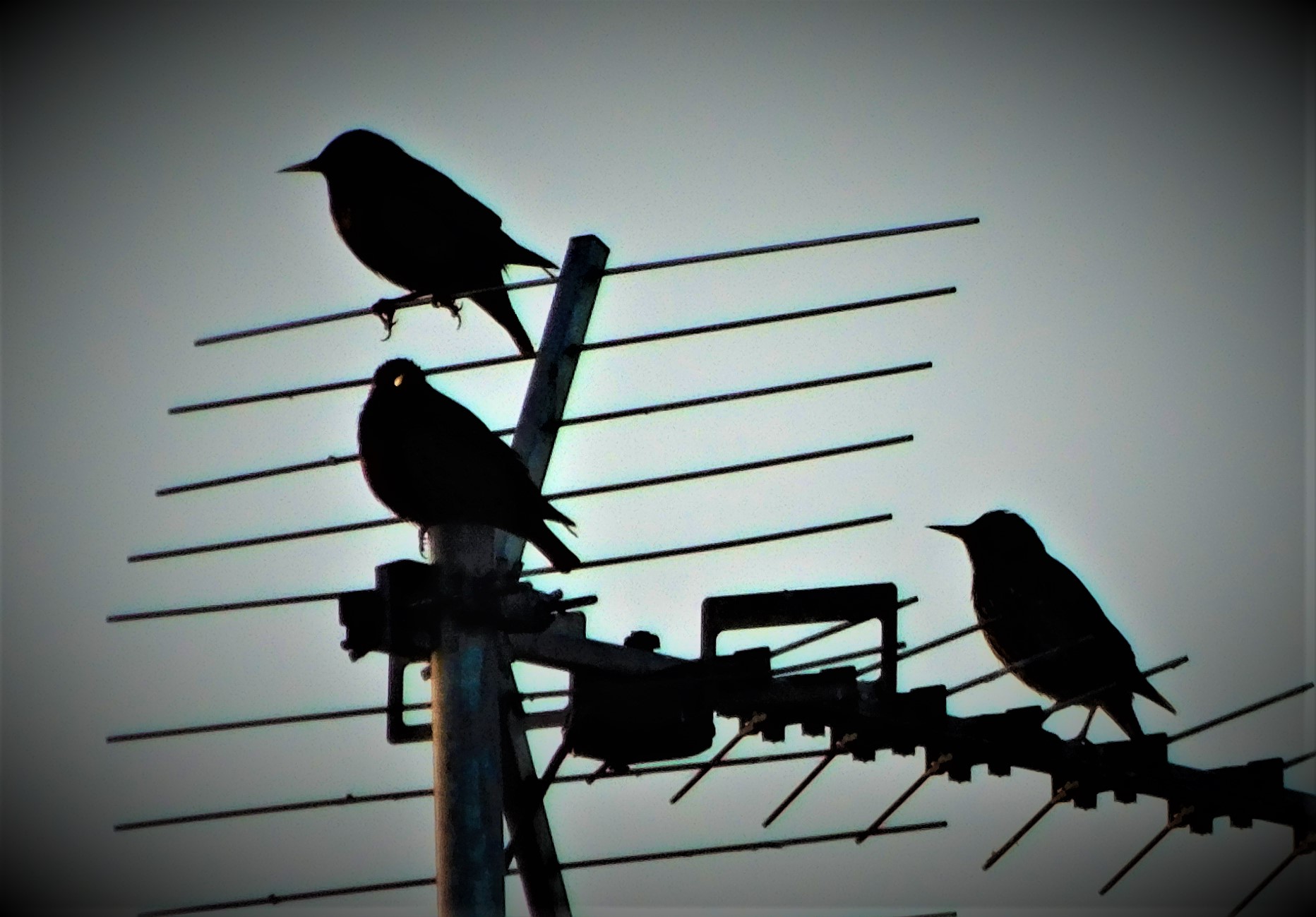
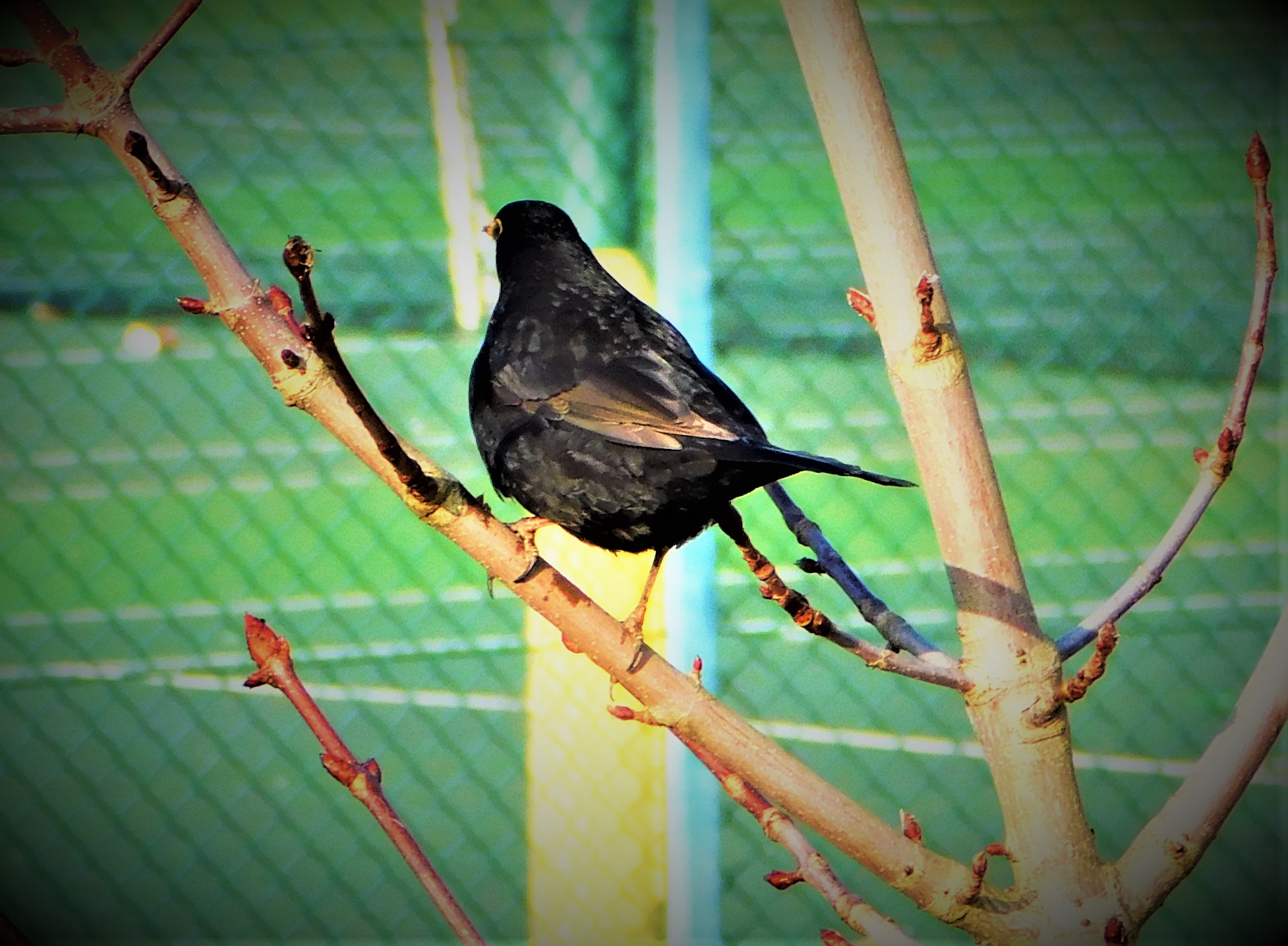
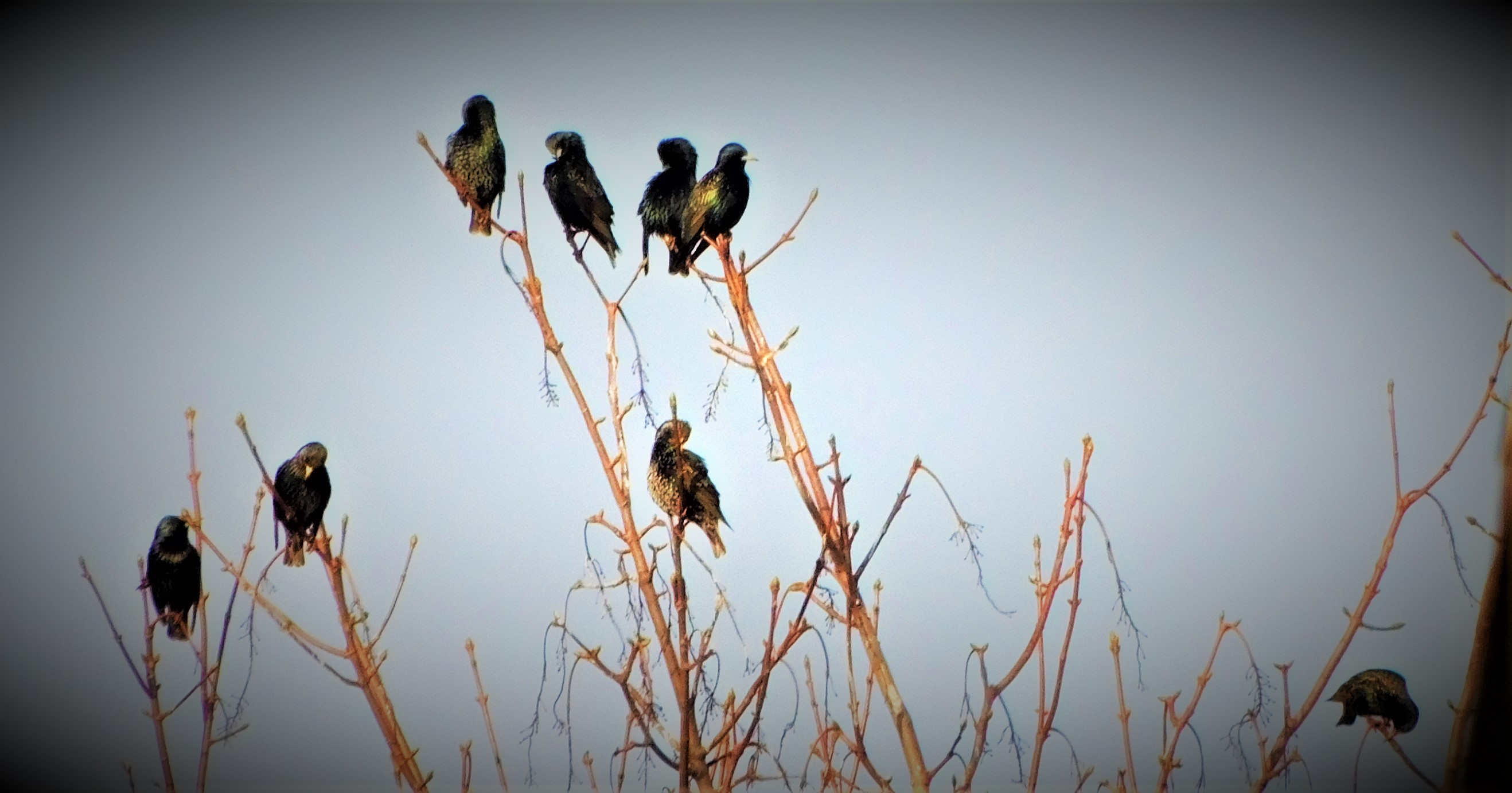
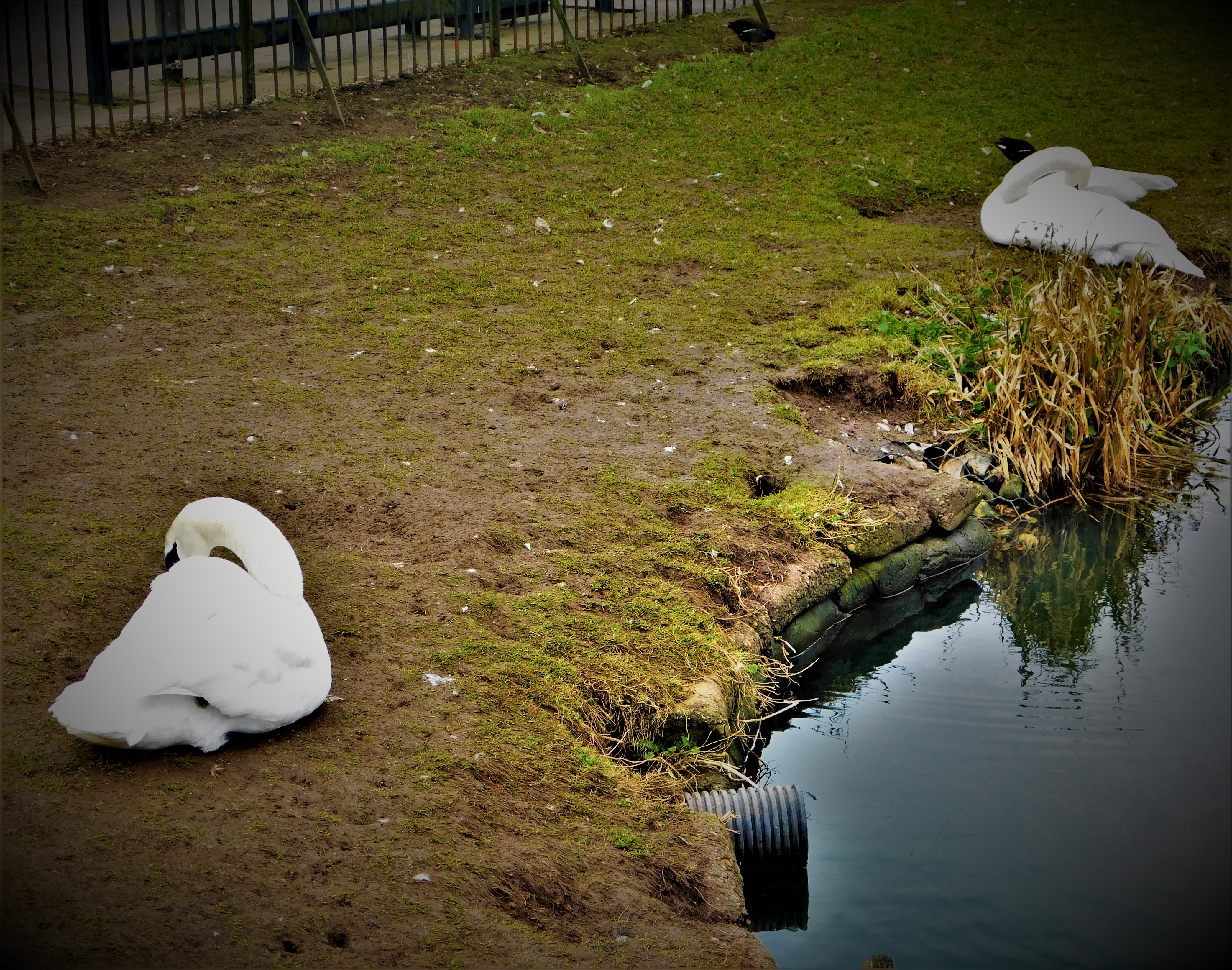
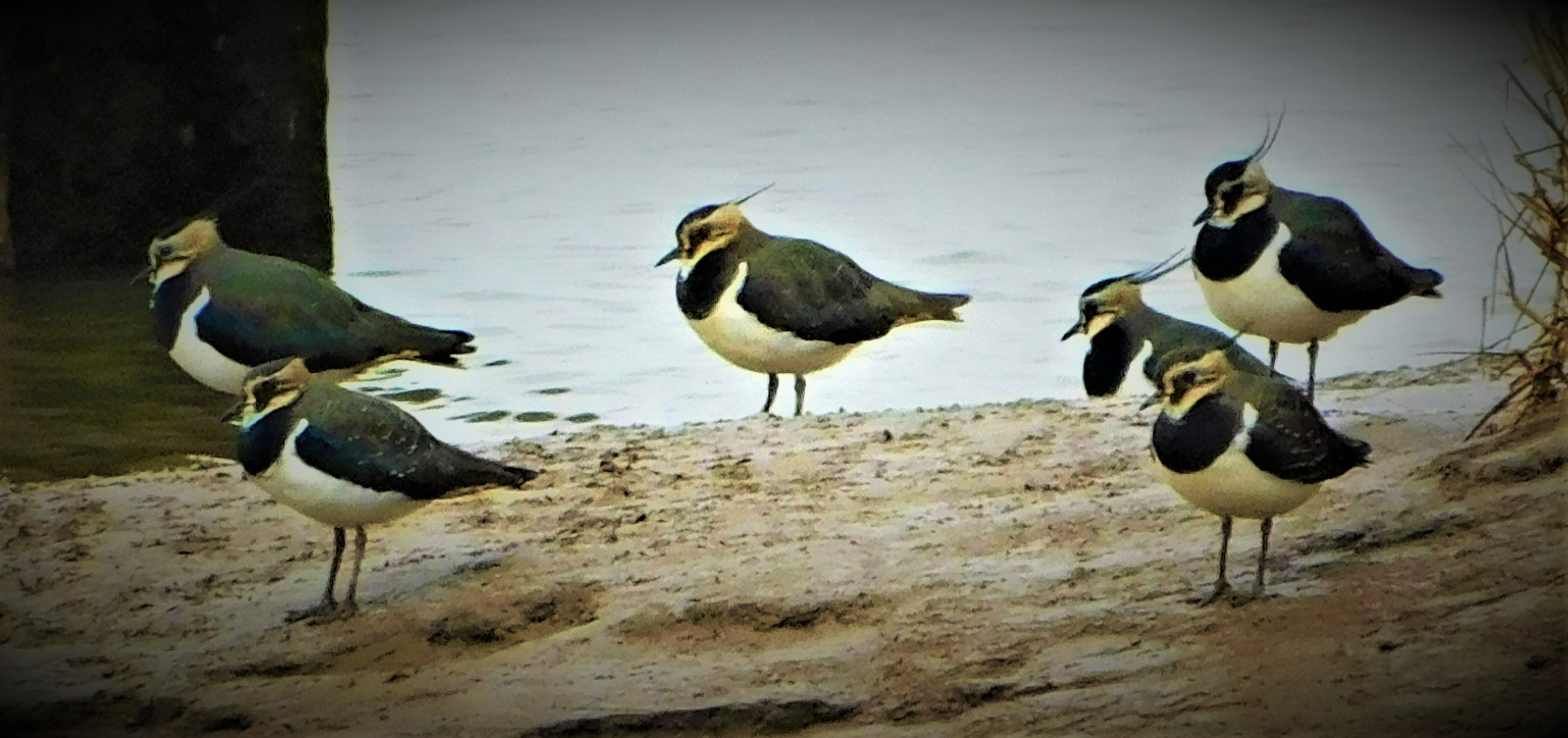
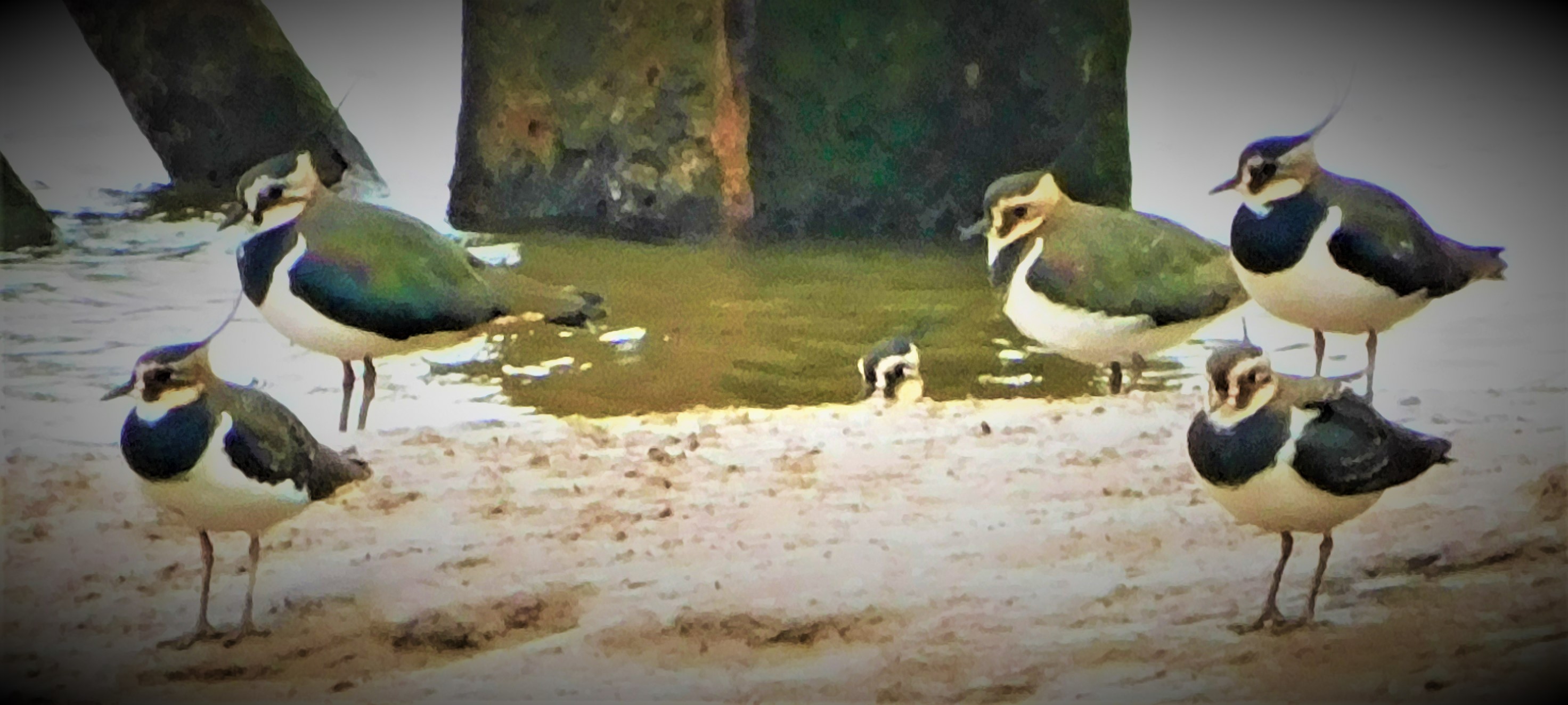
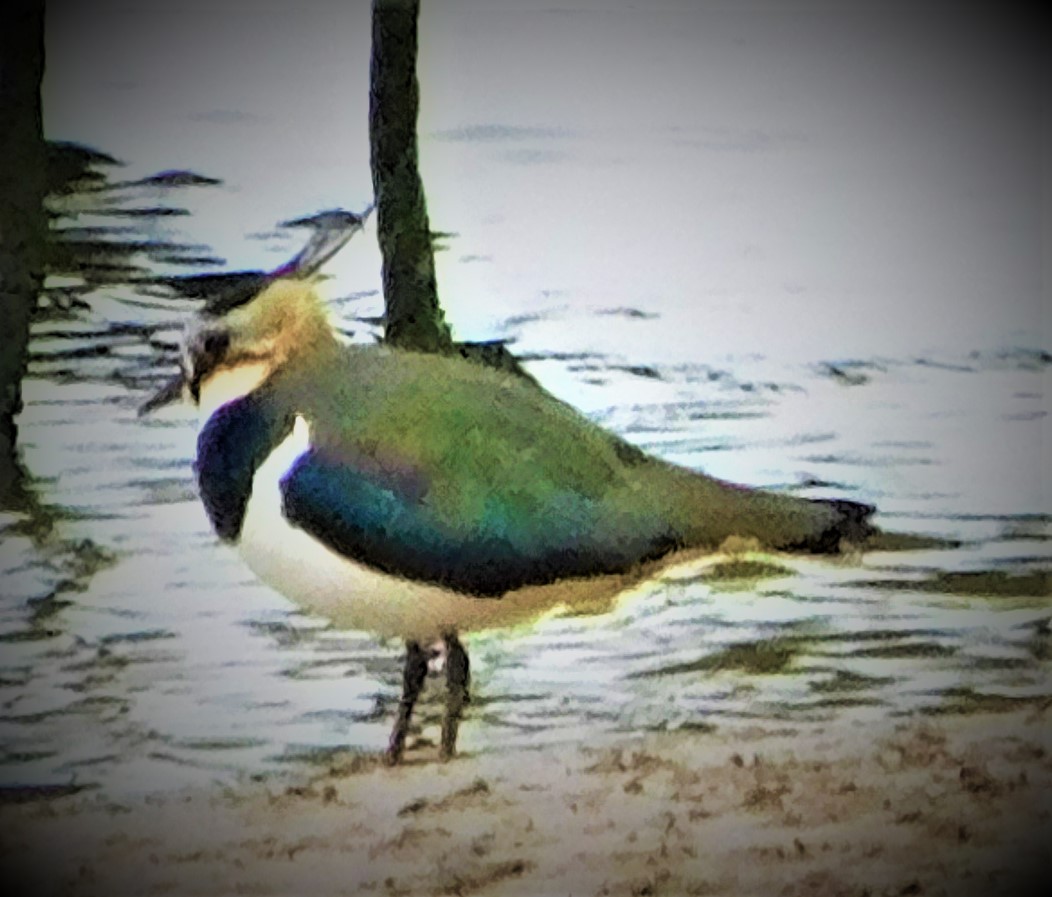
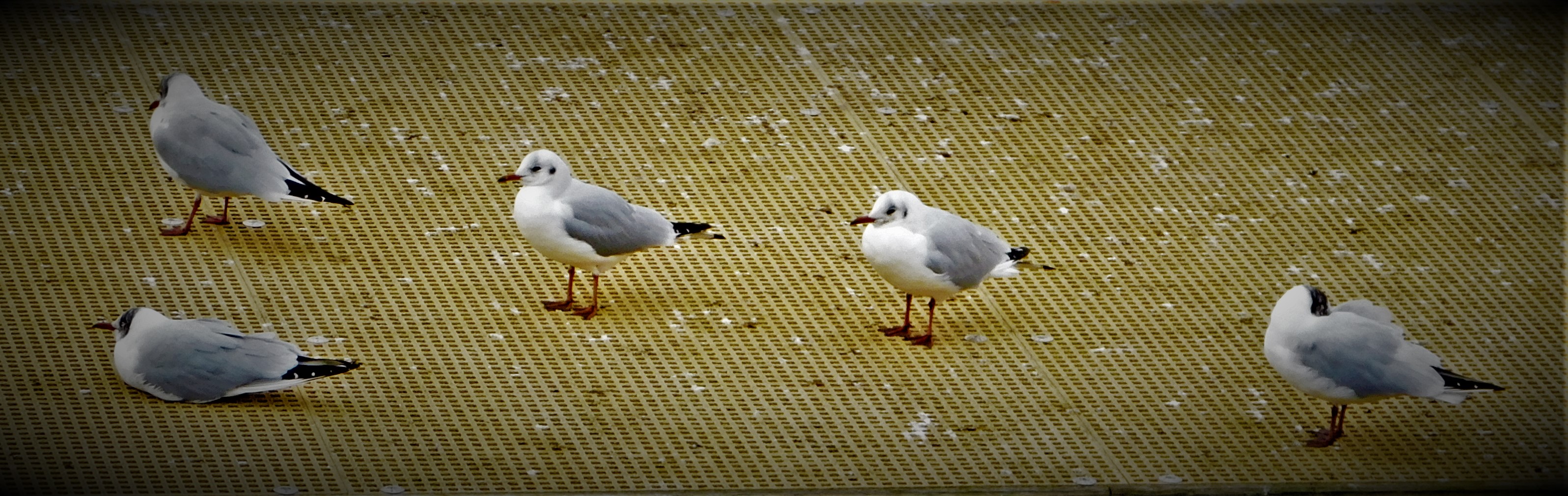
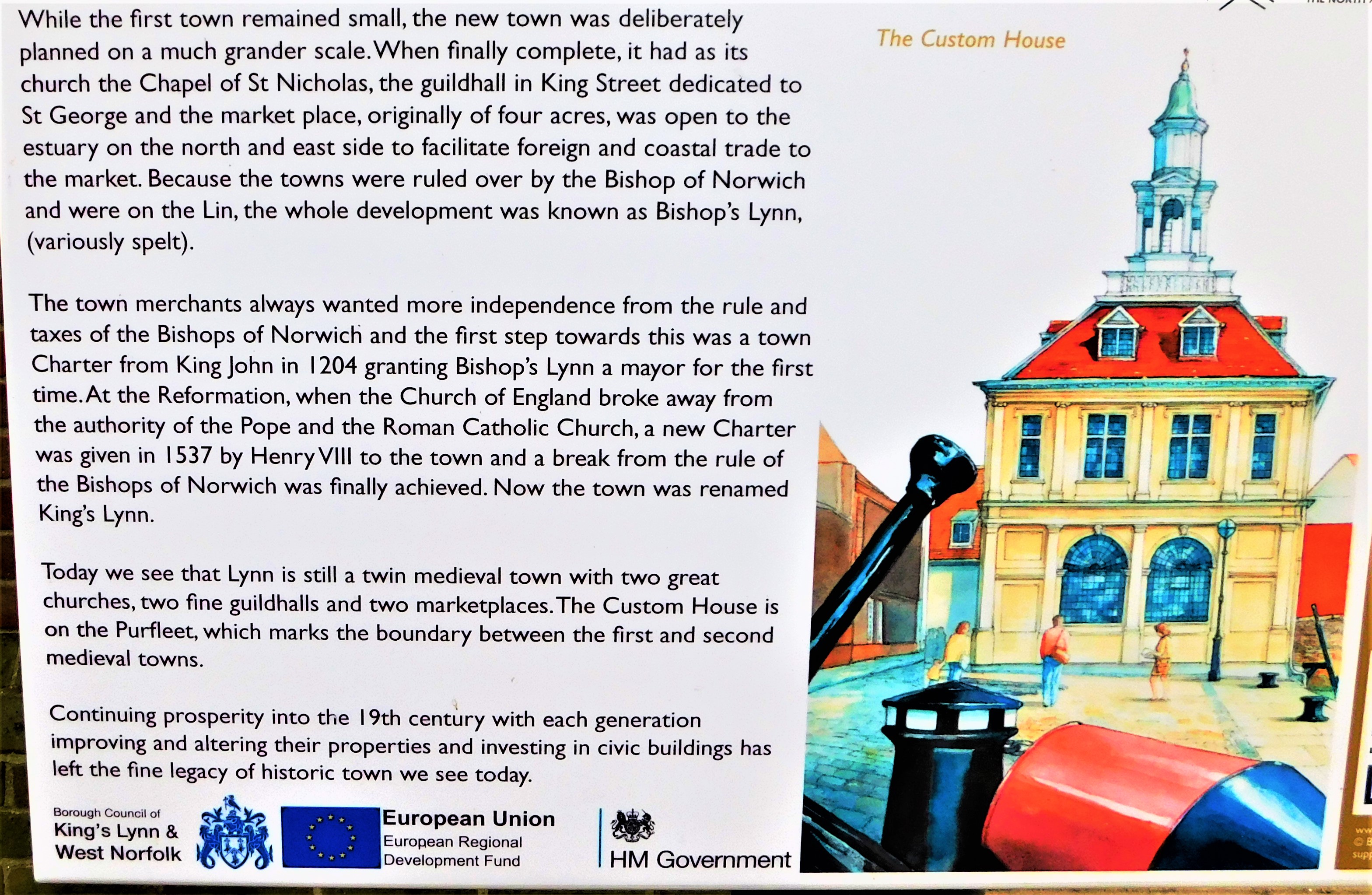
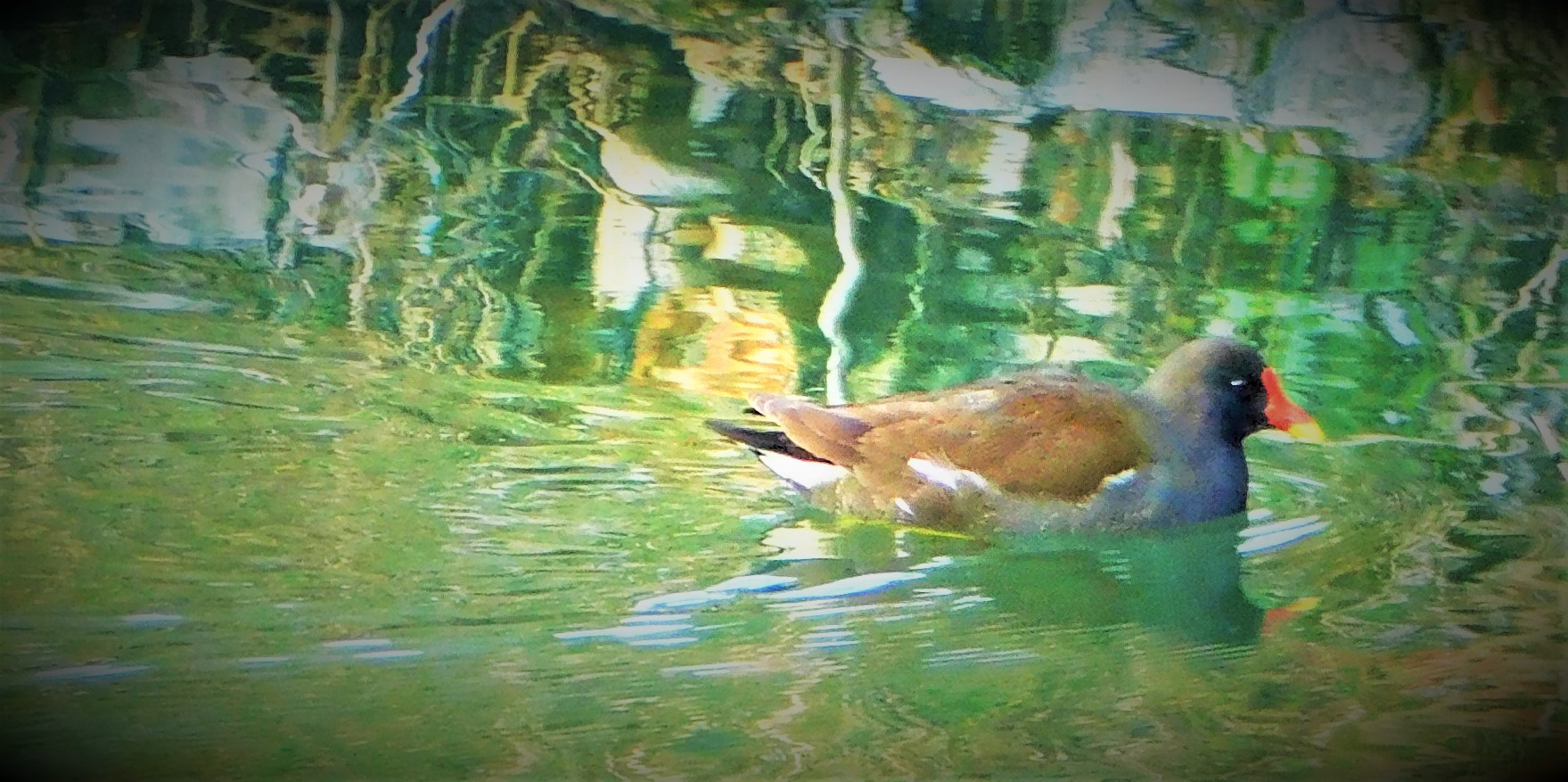
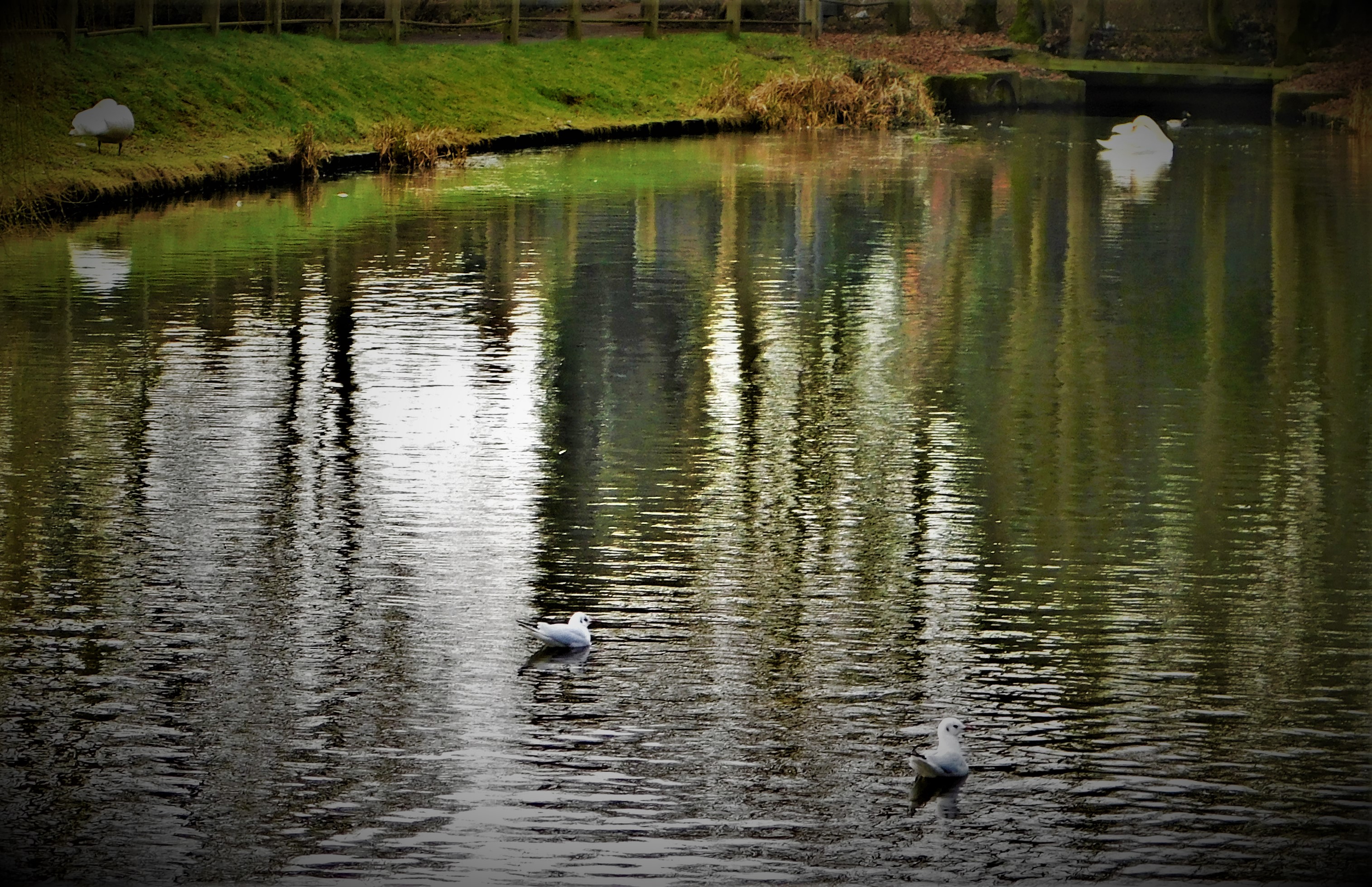
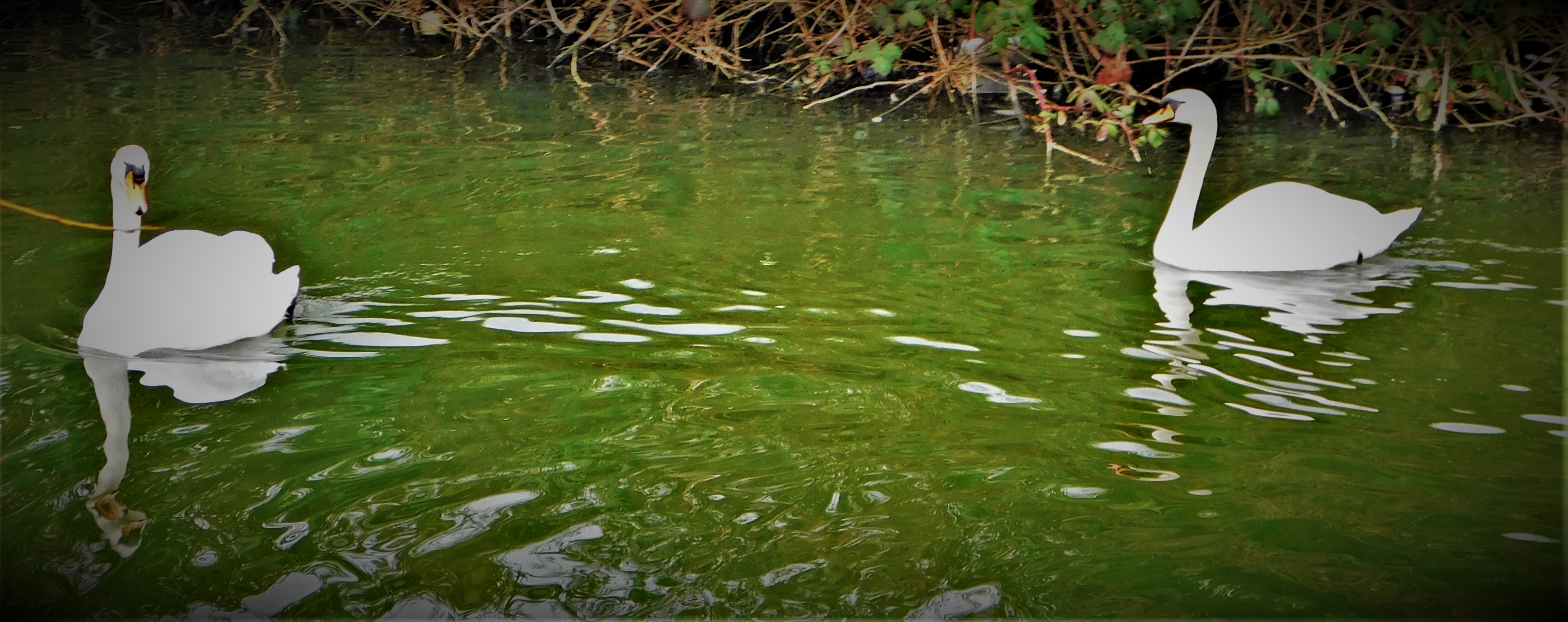
I have a huge gallery to share with you, including the first decent pictures I have managed to get of lapwings in 2023 – this morning at the point where the Nar flows into the Great Ouse.
A look back at yesterday’s two matches in the Women’s T20 World Cup and some photographs.
The Womens World T20 Cup is underway in South Africa. This post looks back at the two matches that took place yesterday.
ENGLAND V WEST INDIES
West Indies batted first. There were no huge selection surprises. Katherine Sciver-Brunt entered the record books just by taking the field – at 37 years 224 days she became the oldest person ever to turn out for England in a Women’s T20 World Cup match. She also then became England’s oldest ever wicket taker in a match of this nature. England were not quite at their best with the ball and in the field, though Sophie Ecclestone emerged with 3-23 from her four overs. West Indies probably scored about 15 runs more than they should have done due to English lapses, eventually finishing on 136.
Sophia Dunkley served notice of her and England’s intentions by scoring 34 off 18 balls. However, she, Danni Wyatt and Alice Capsey all fell before England were halfway to the target. At that point Heather Knight joined Natalie Sciver-Brunt, and there were no further alarms as England cruised home with over five overs to spare.
AUSTRALIA V NEW ZEALAND
Australia are the current holders, and arrived at the tournament with an awesome looking squad. A blistering batting performance, with Alyssa Healy scoring a record equalling sixth World T20 cup 50 and Ellyse Perry scoring 40 off just 22 balls saw Australia total 173-9, a total that would require excellent batting and a fair amount of luck to overhaul.
The Kiwis, whose batting line up is not the deepest, started disastrously with both openers out for ducks in the first over of the reply. The third wicket pair hinted briefly at a revival, but when that stand was ended by a controversial decision. Thereafter no one really threatened to anything with the bat. Ashleigh Gardner took her first ever international five-for, 5-12, half of those runs coming from one defiant blow from Jess Kerr with the writing already on the wall. To sum up NZ’s fortunes, she was out to the very next delivery, and thje tenth and final wicket fell four balls later. NZ had scraped up a measly total of 76, going down by 97 runs.
PHOTOGRAPHS
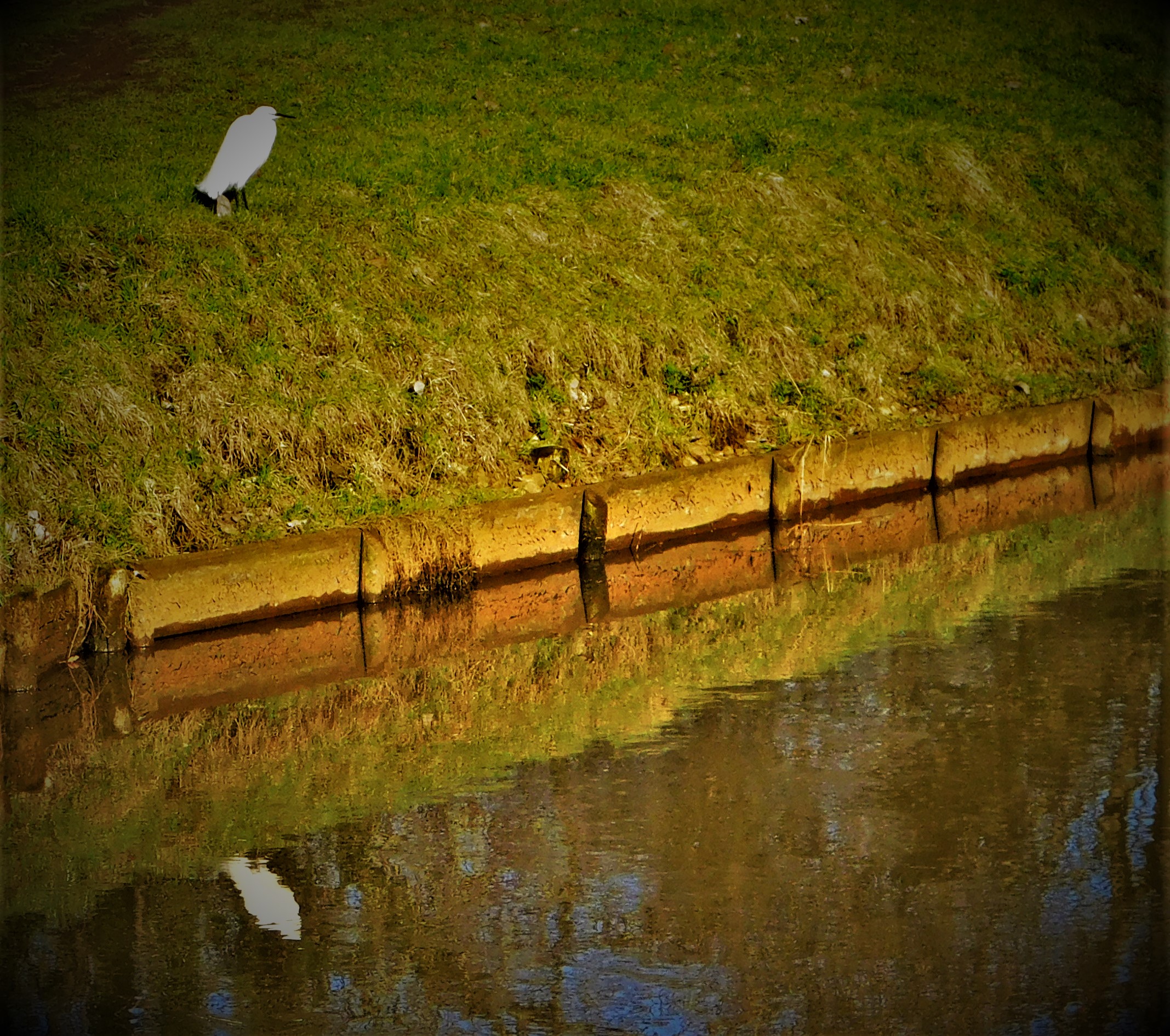
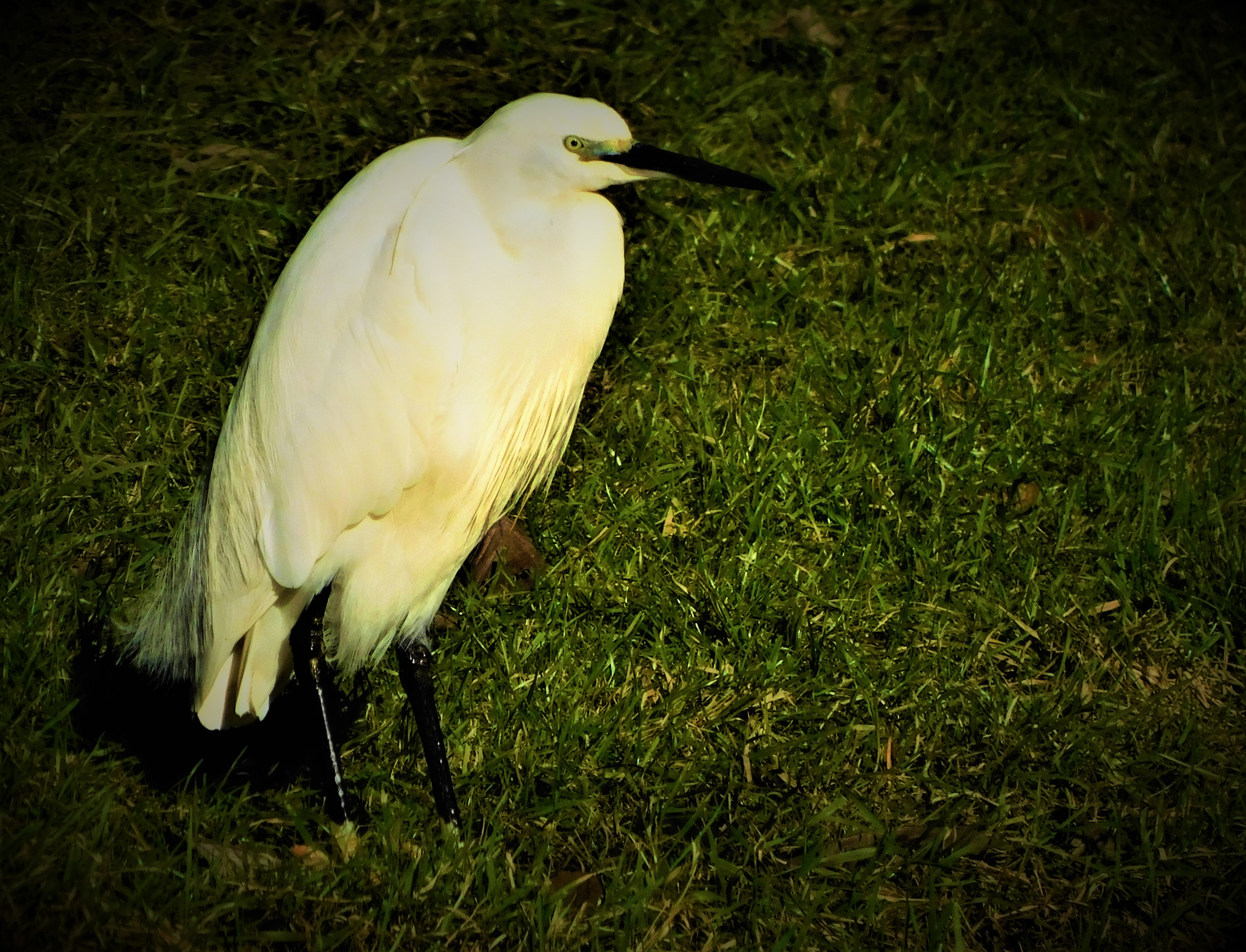
Today’s usual sign off comes in two parts, first a general gallery and then a specific focus on the Egret that seems to have taken up residence in the environs of the Gaywood River.
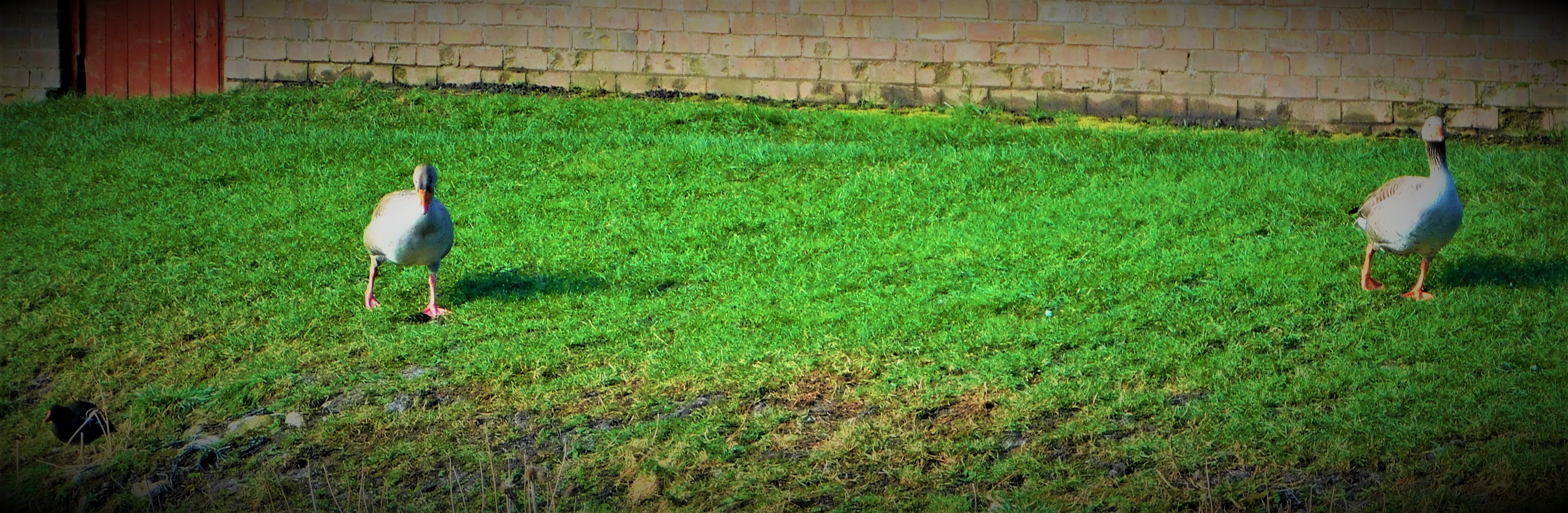
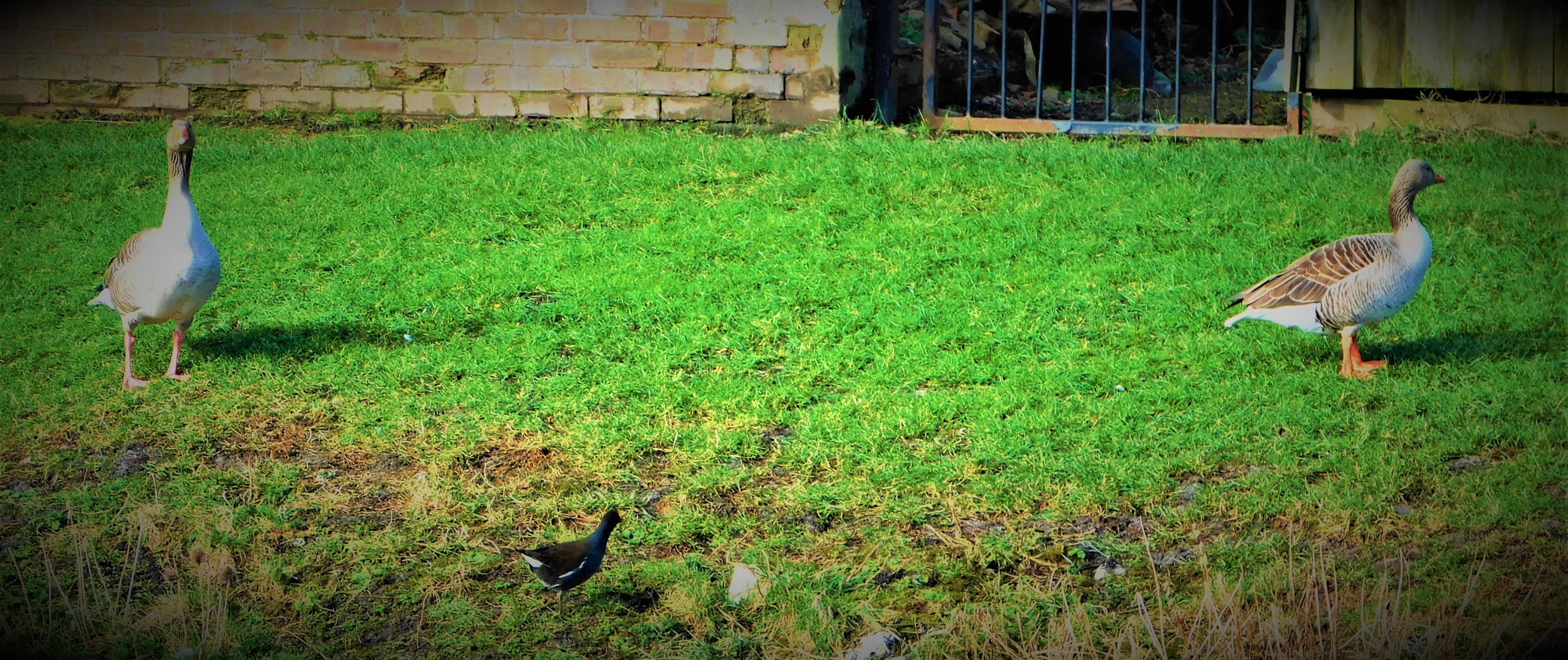
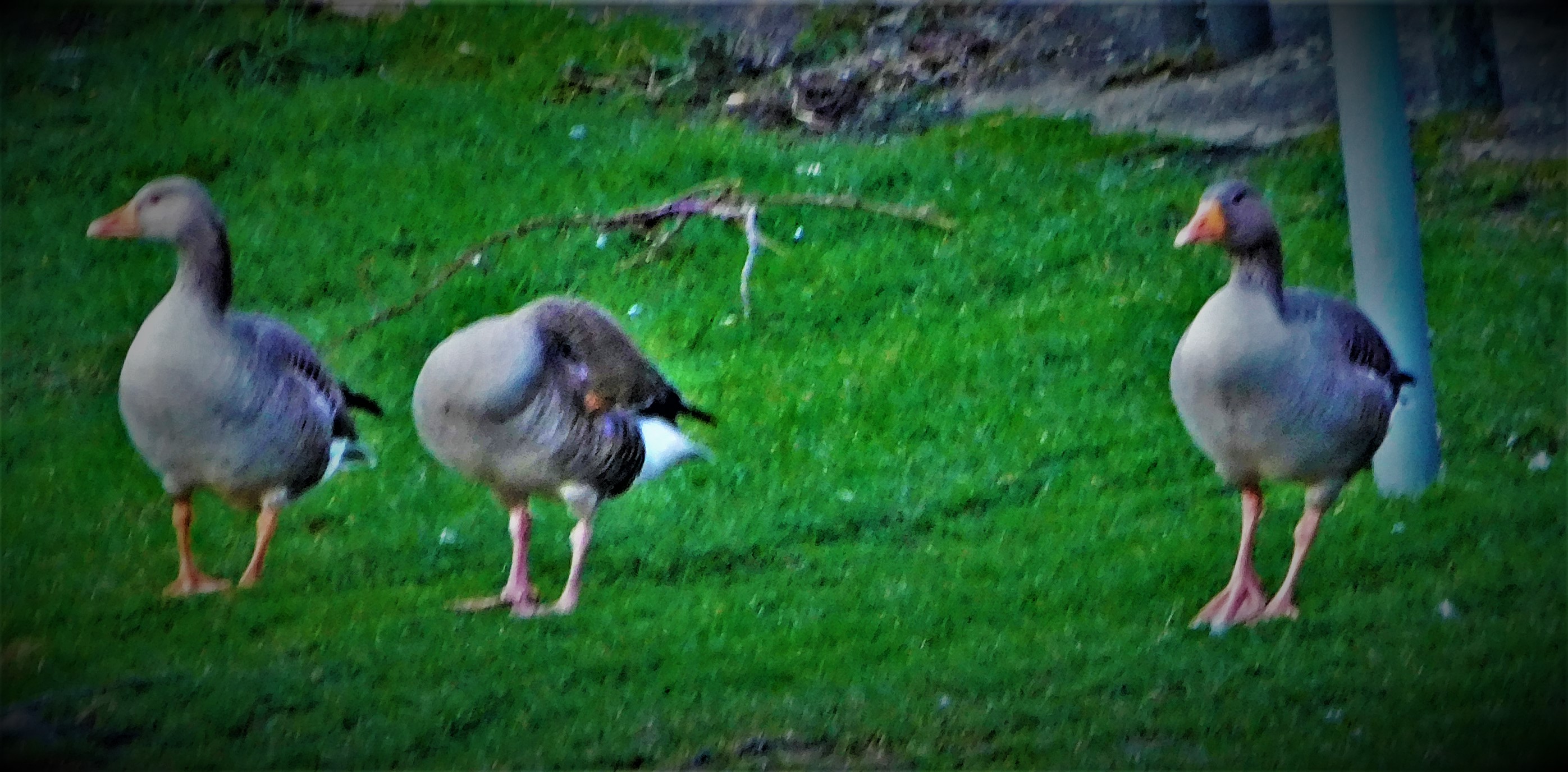
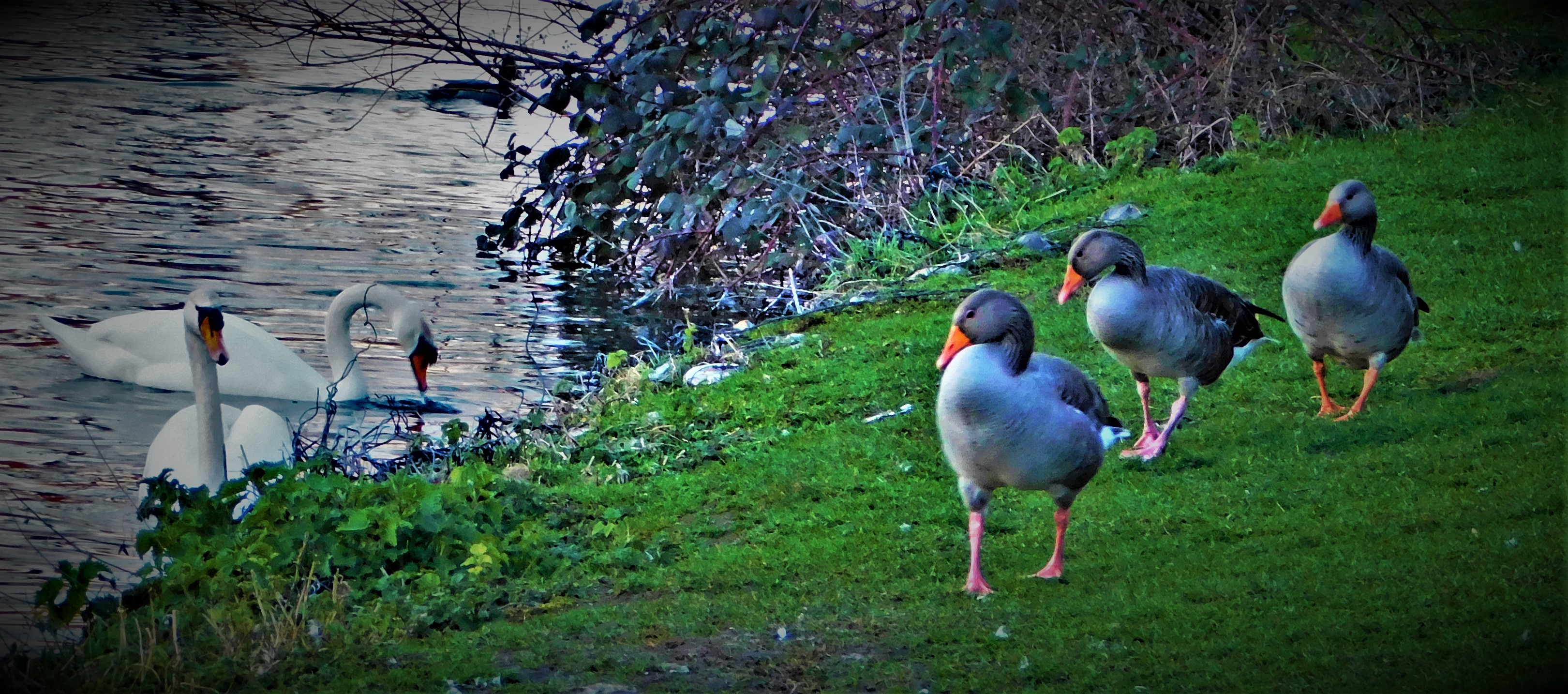
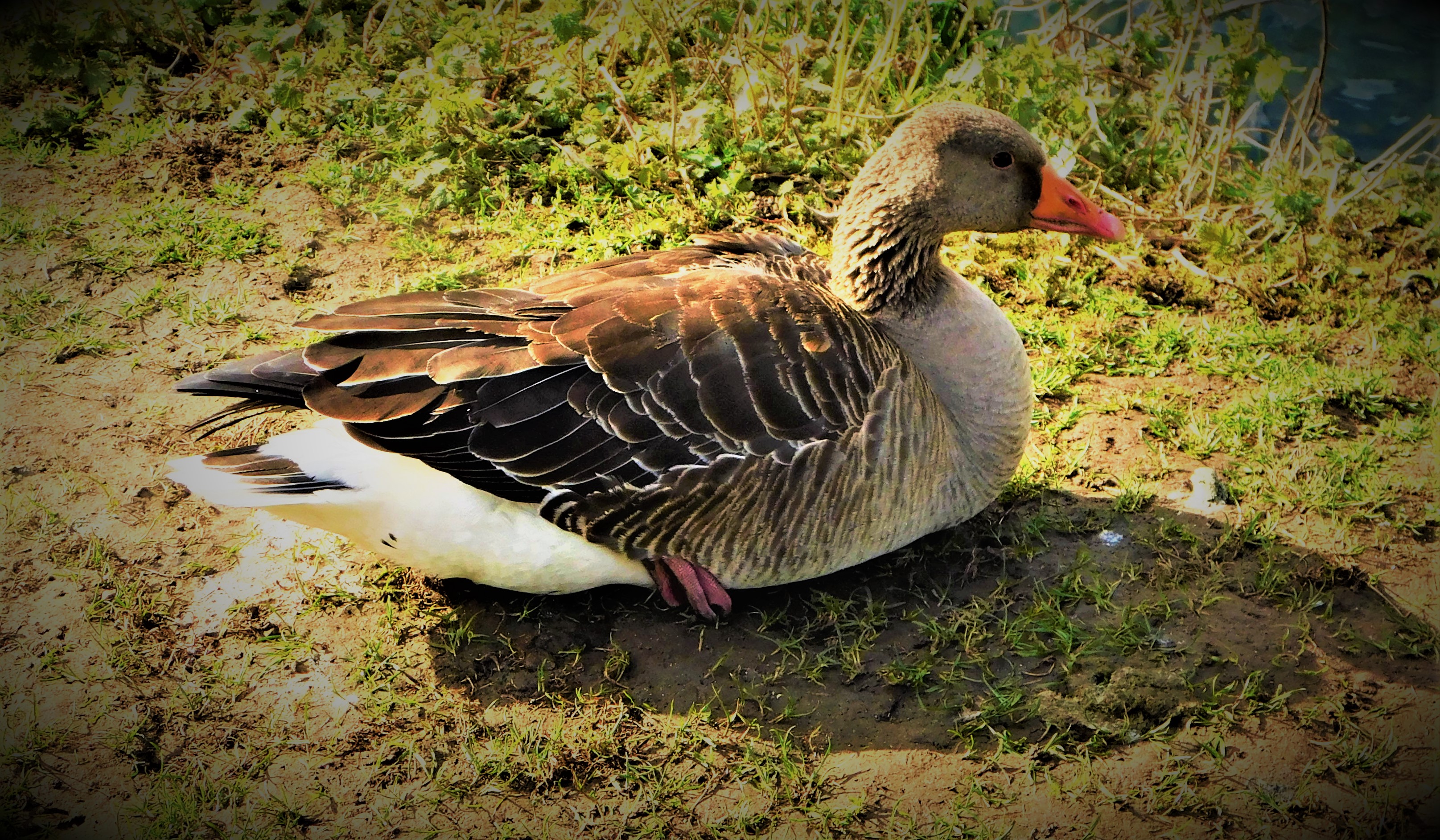
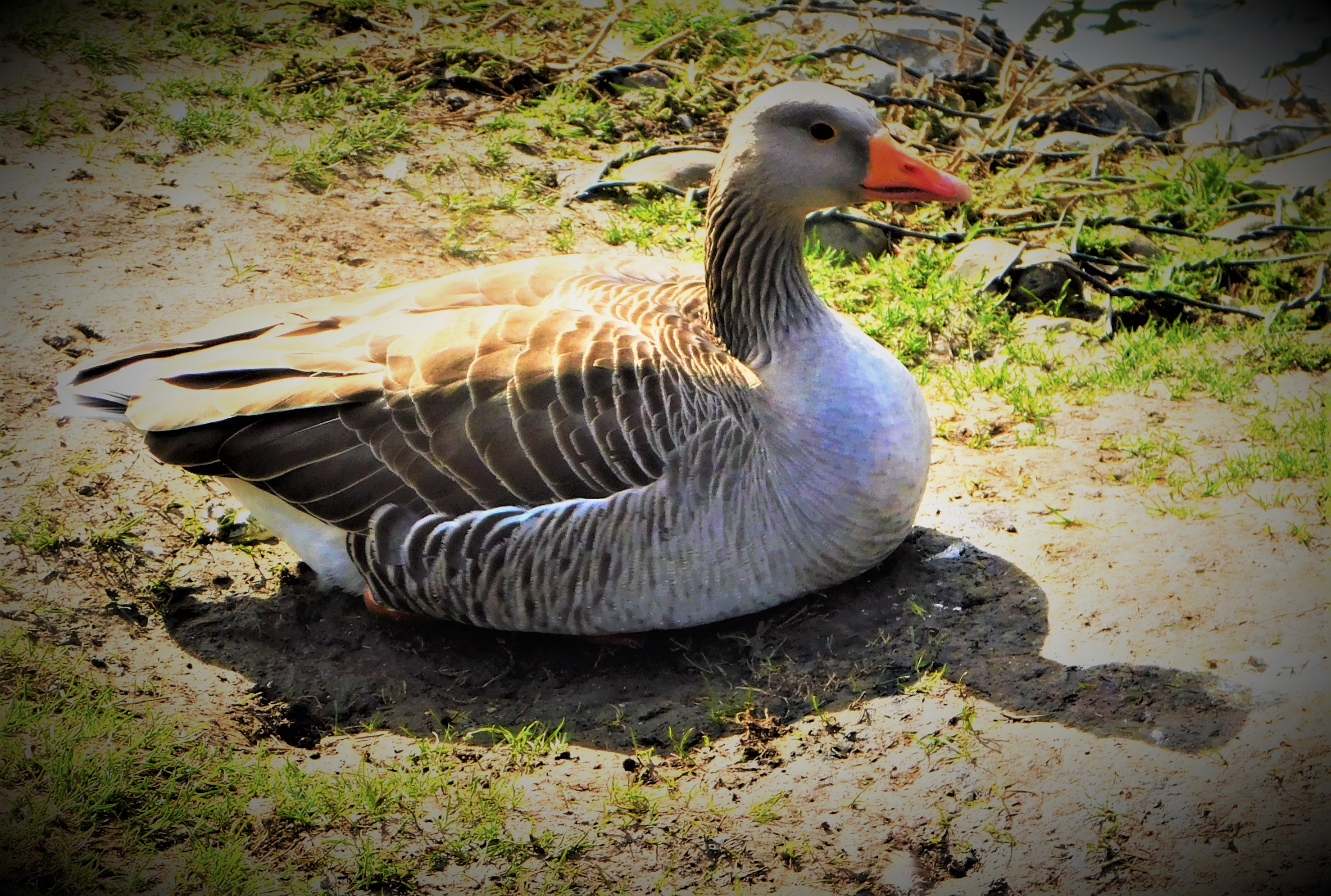
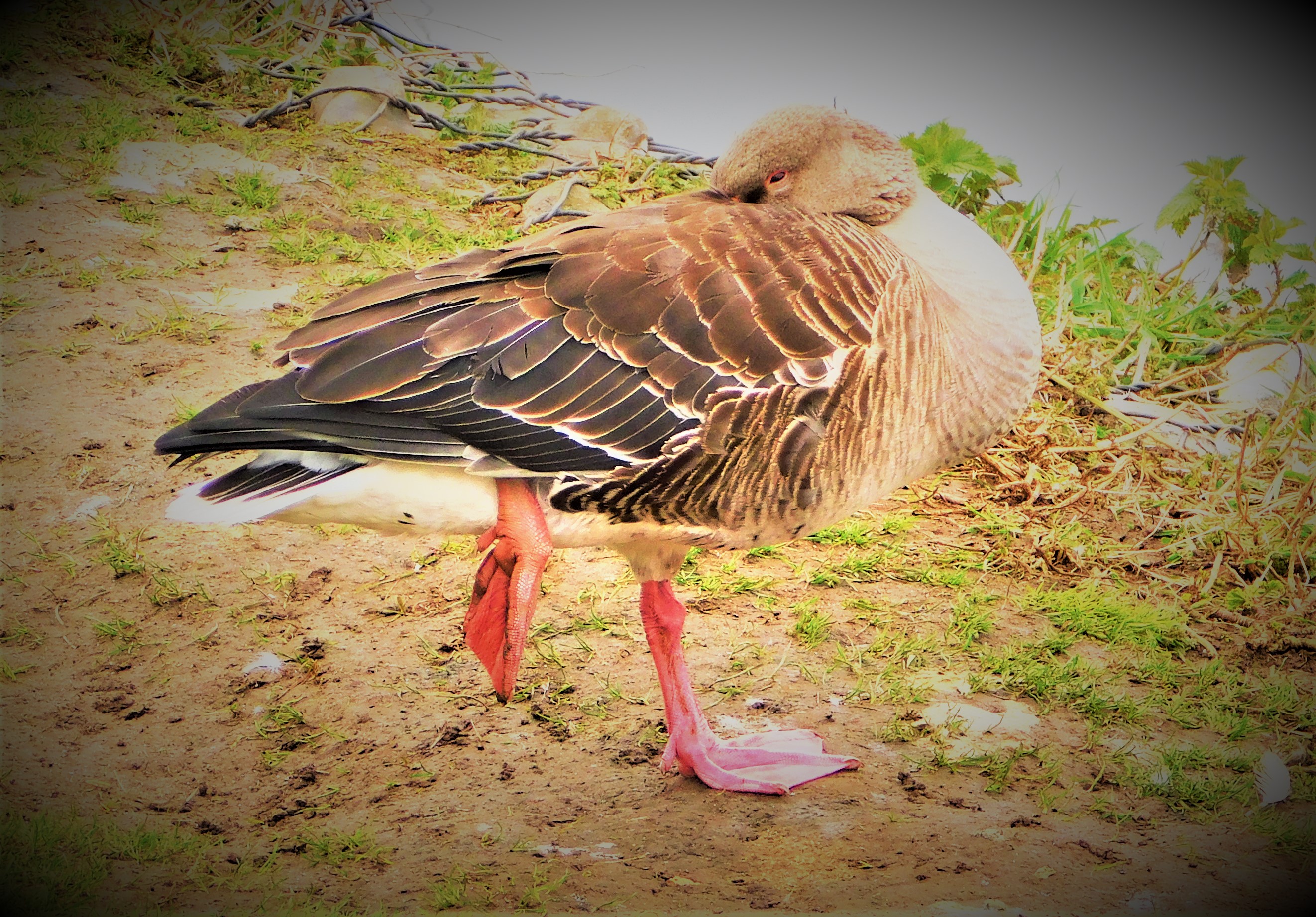
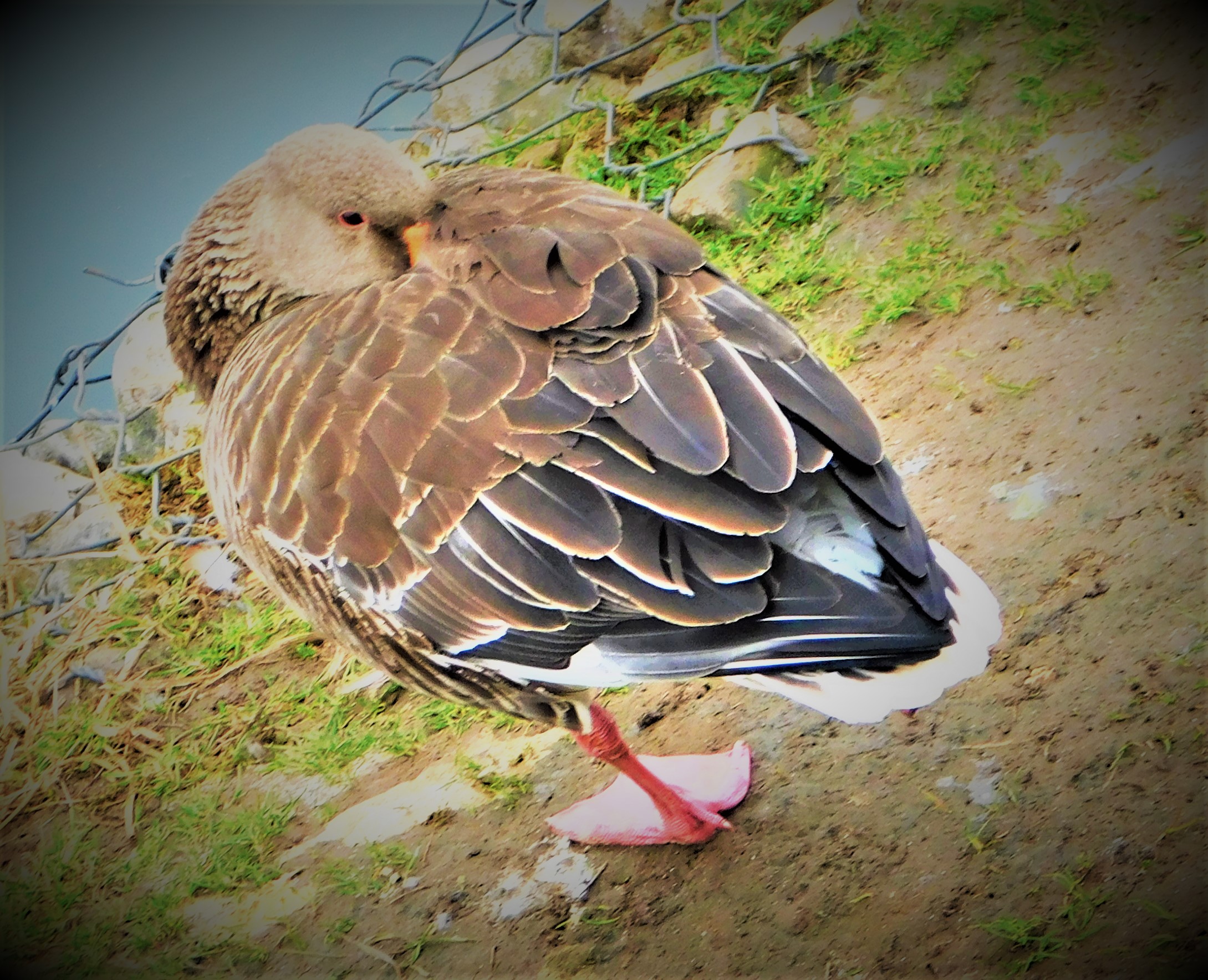
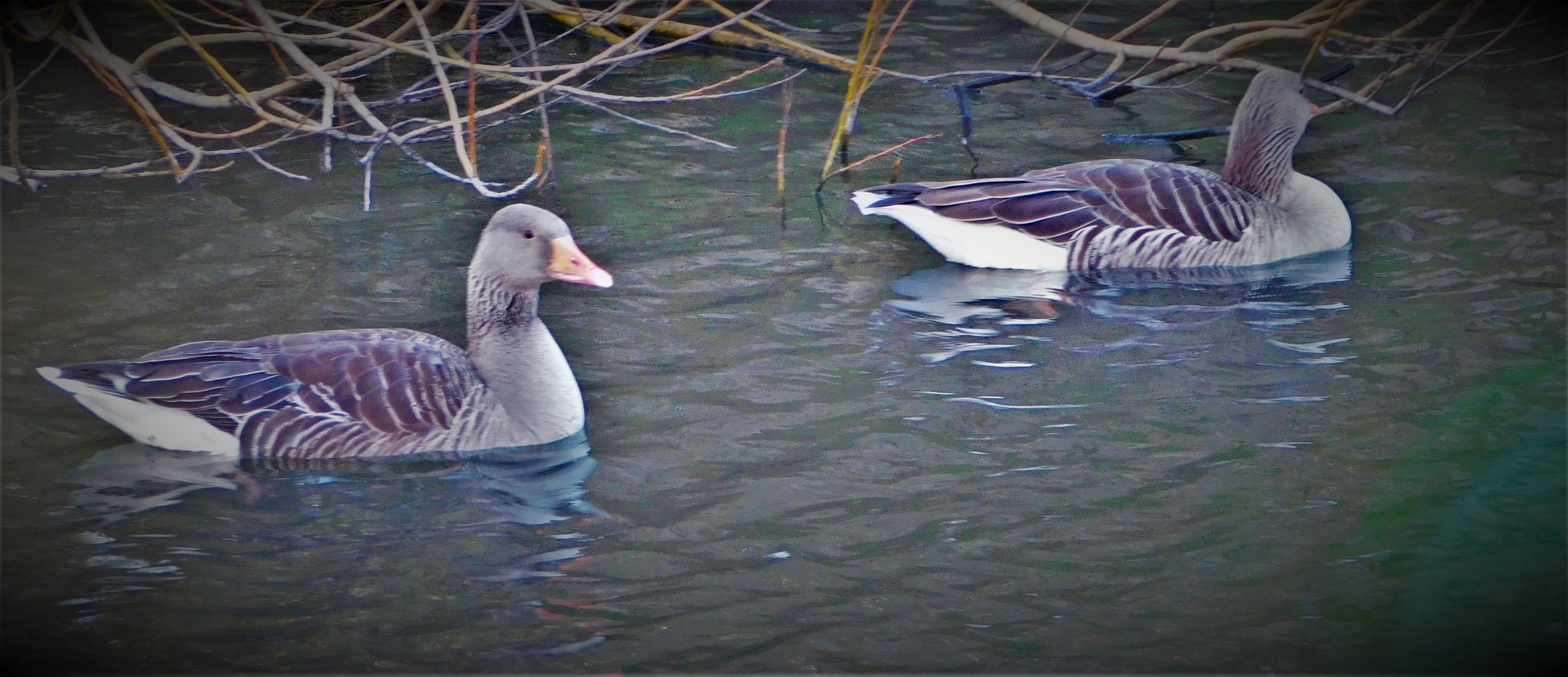
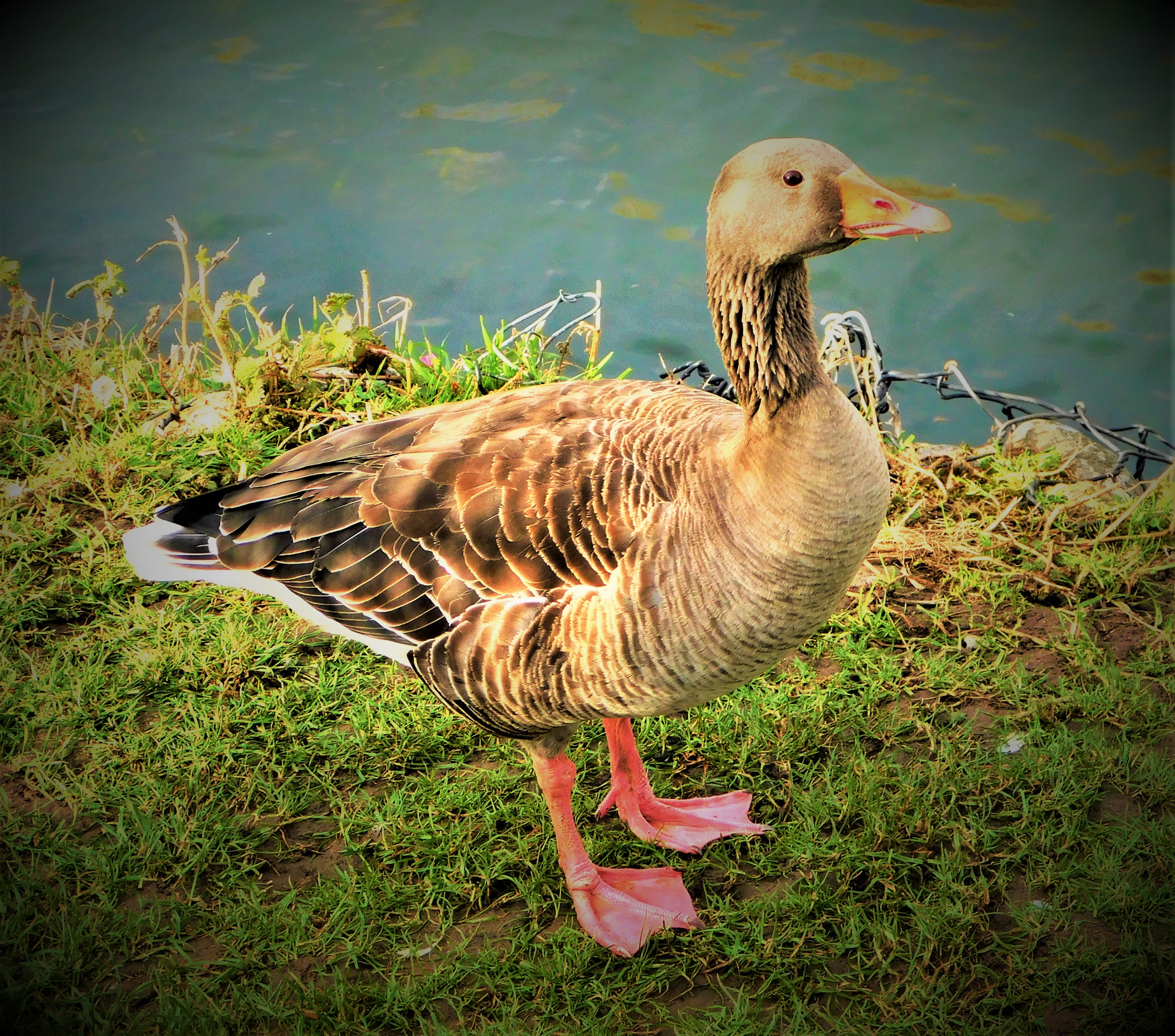
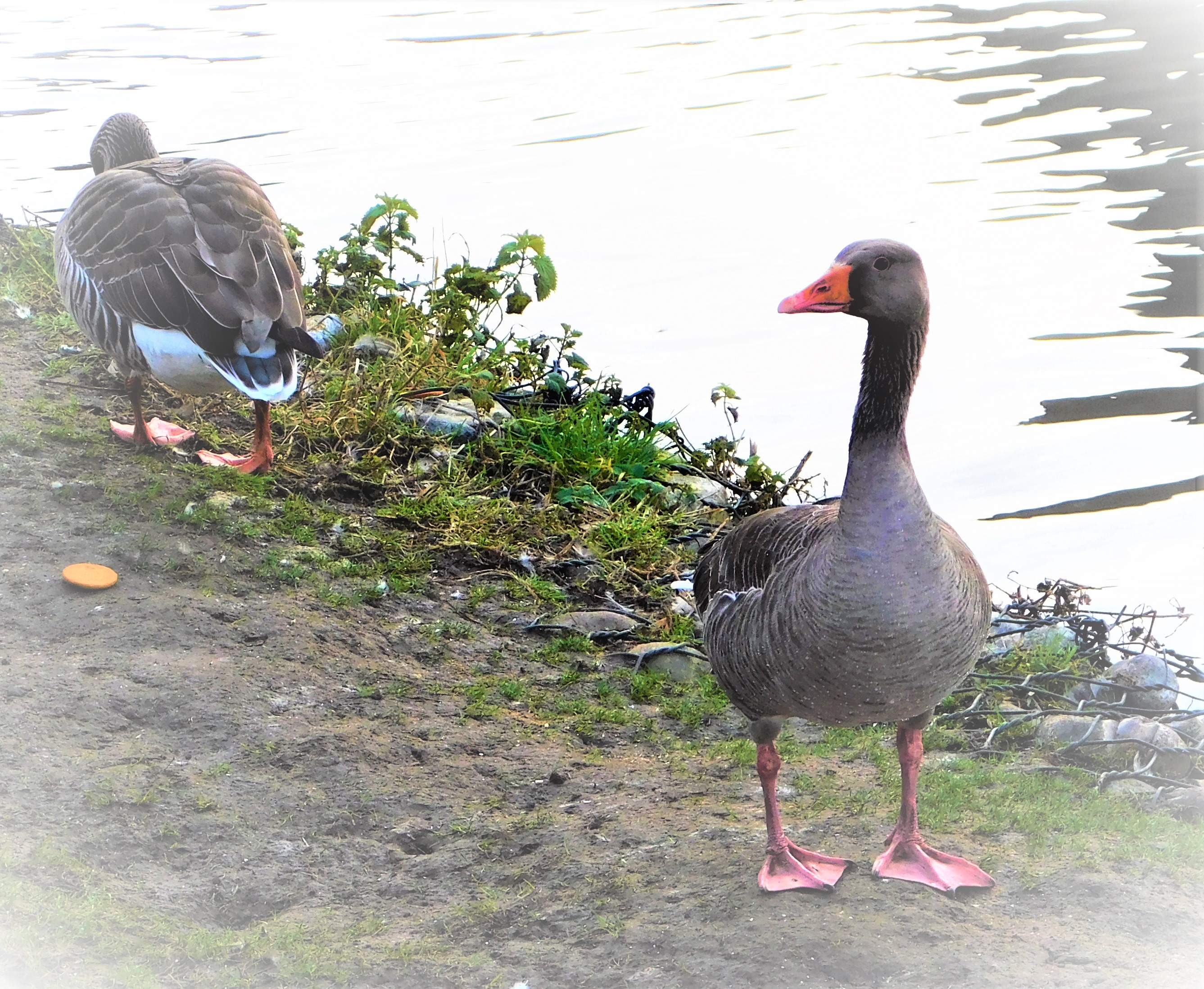
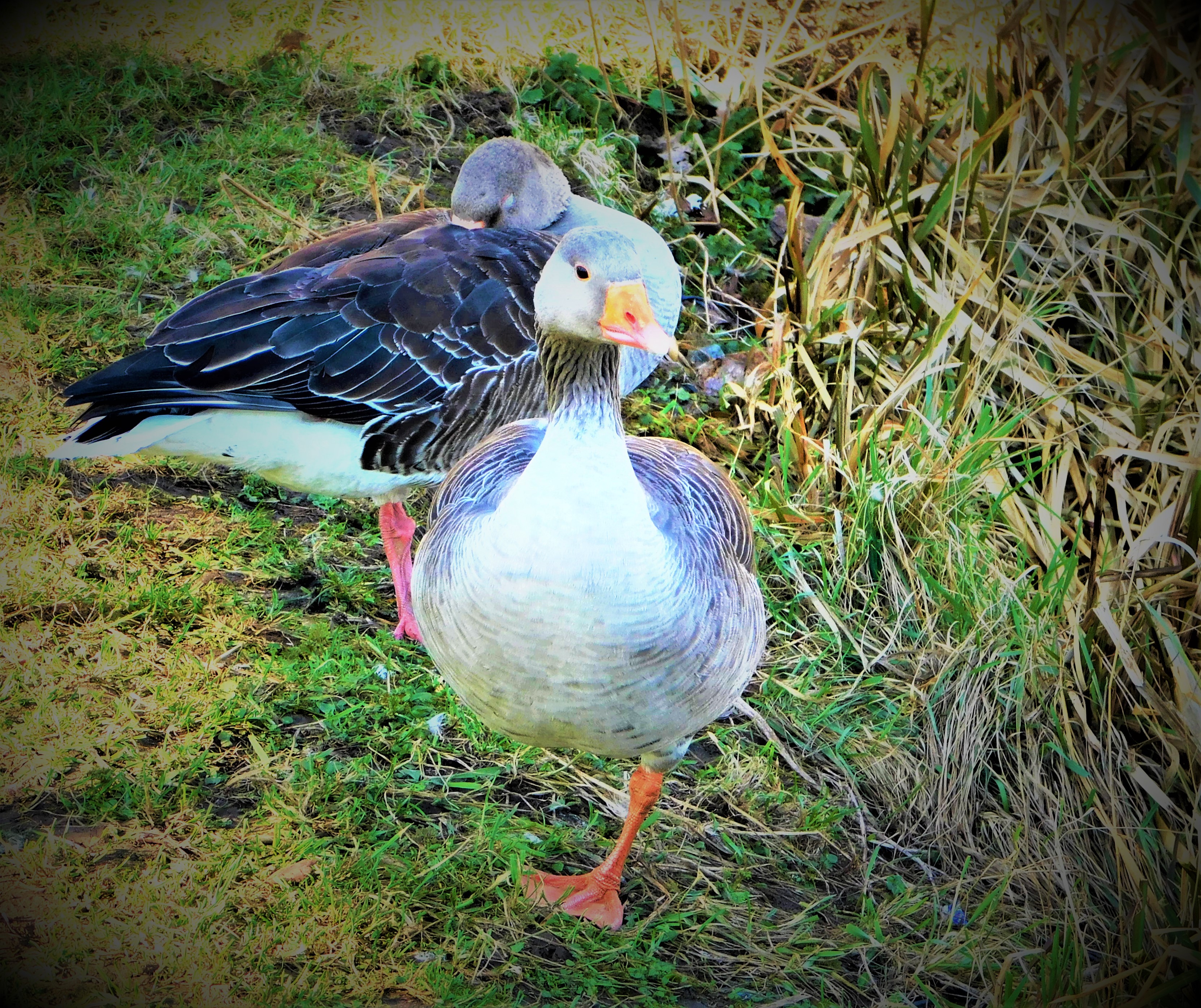
These three pictures show the first Greylag Geese of the year.
A post noting a new West Indies men’s test record opening partnership and looking at what this might mean for West Indies going forward. Also walk details and of a course a photo gallery.
In today’s post I look a story developing in Zimbabwe, and what it might mean for West Indies Men’s test team.
A NATIONAL RECORD OPENING STAND
Zimbabwe are not the most threatening of opponents, but as against that West Indies had to contend with regular interruptions due to the weather and the fact that overhead conditions when play was possible during the first two days certainly favoured the bowlers. Remarkably, the opening pairing of Kraigg Brathwaite and Tagenarine Chanderpaul were still together for the start of the third day’s play. With the score on 296 Brathwaite was dropped, and he then hit the next ball for four to bring up WI’s first ever 300 run opening stand in test cricket (also beating the previous national record of 298 by Gordon Greenidge and Desmond Haynes in the process). The stand had reached 336 by the time Brathwaite was dismissed. England’s all time record opening stand was also achieved in southern Africa – Len Hutton and Cyril Washbrook putting up 359 at Ellis Park, Johannesburg during the 1948-9 tour of South Africa. Tagenarine Chanderpaul was still there on 207* when West Indies declared at 447-6, while Brathwaite had scored 182. Zimbabwe ended the day 114-3 in reply. They can only hope to save the match, while West Indies need 17 wickets in the last two days to win it (and also for Zimbabwe’s first innings to end up at 247 or less – with so little time left WI cannot hope to win if they have to bat a second time unless it is in pursuit of a very small total, with Zimbabwe having just avoided an innings defeat).
WEST INDIES OPENING WOES
In their entire history West Indies have had two authentically great opening partnerships, Greenidge and Haynes already referred to, and the earlier combination of Allan Rae and Jeffrey Stollmeyer. Conrad Hunte, an excellent test match opener in the late 1950s and early 1960s, never had a truly reliable opening partner, and neither did Chris Gayle in the 2000s. A side who can get away to a strong start when batting have a much better chance than one that regularly loses early wickets, and while finding a reliable opening pair has been far from the only problem West Indies have had since the end of their golden era in the early 1990s it will be big news not just for them, but for cricket as a whole, if this pair prove to be the real deal (Brathwaite already has a substantial test record, but Tagenarine Chanderpaul has only played a few matches, though he has made a stellar start to his test career).
PHOTOGRAPHS
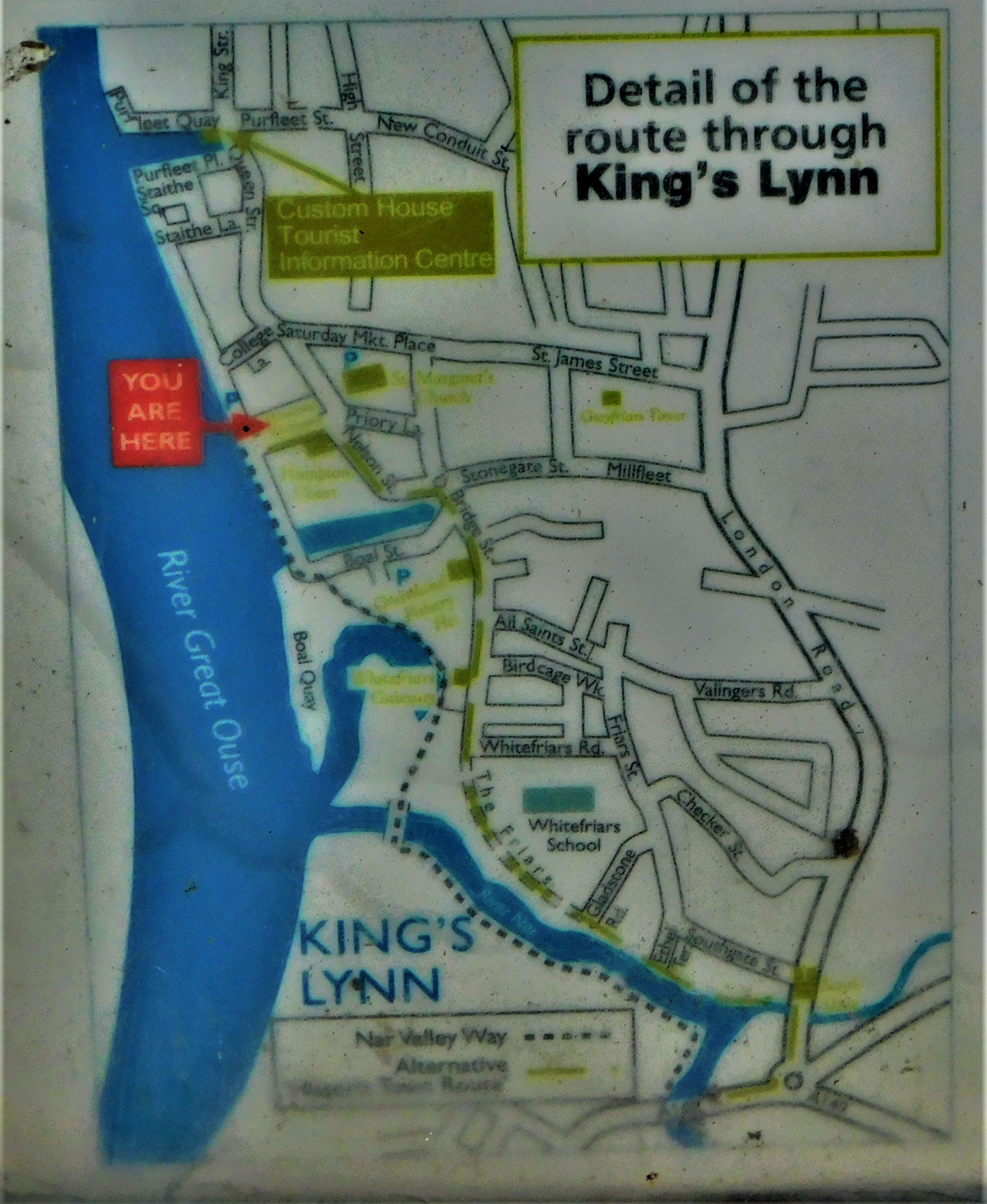
Most of the photographs in today’s gallery come from two walks, with a few in between them. Yesterday I was invited to an early supper at a flat on Purfleet Quay. By the direct route this a walk of 15-20 minutes, but I had decided to go a long way round on the way there and take the quick route home due to the fact that the latter walk would be entirely in the dark. Thus I headed by way of the two ponds near me, the stretch of the Gaywood near Kettlewell Lane, across Littleport Street, past Highgate Methodist Chapel, across another section of the Gaywood, along the only section of main road I followed during the walk down past the station to the entrance to The Walks. I headed onto St John’a Walk, then took the footpath past the Red Mount Chapel and turned onto Broad Walk, emerging onto London Road, which I crossed onto the top of Millfleet, then passing through Hillington Square and inter alia All Saints Church, the oldest in King’s Lynn. Then it was down to the river by various side roads, a quick check in at the location where the Nar joins the Great Ouse, then round the dike that overlooks old Boal Quay, and on to the Great Ouse which I followed as far as the point where the Purfleet joins it, and having crossed the bridge I then headed up Purfleet Quay to the flat.
The second walk was today, and I started by walking along Columbia Way until it meets Bawsey Drain, along which I headed towards town. I departed from Bawsey Drain via the last bridge across it before one reaches town, headed by a combination of minor roads and footpaths through to Loke Road near Loke Road Recreation Ground, from which I followed a path which leads to the Kettlewell Lane river section, and then I looped round by way of Morrison’s, before passing the Kettlewell Lane river section a second time, heading past the two ponds and thus back to my back door.
An account of the final of the Big Bash League, and a photo gallery highlighted by a Little Egret.
Today saw the final of the 12th instalment of the Big Bash League. The two teams to make it were Perth Scorchers who did it the easy way, winning the league stage and then beating Sydney Sixers to qualify for the final, and Brisbane Heat who did it the hard way, sneaking into fifth and last qualifying slot (I am glad to report by the way that this is the last occasion on which five teams out of eight will qualify for the knock outs), and then winning three straight games to join the Scorchers in the final. Perth had home advantage for the final.
THE BRISBANE HEAT INNINGS
Brisbane Heat won the bat flip and decided to bat first. The first two overs were extraordinary – in the first Josh Brown scored 13, with three fours, all off the edge and with little or no control of the shot and all off decent deliveries. He added another 12 off the first five balls of the second, in more orthodox fashion and then mistimed a drive off the sixth ball of the over and was caught – 25-1 after two overs, Brown 25 (12). The second wicket pairing then had a decent partnership and at the halfway stage Heat were 86-1, and looking at 180-190, with possibly half an eye even on 200. Then came the five over spell which in retrospect cost Heat the match – in overs 11-15, which included their Power Surge (an unmitigated disaster for them – 8-2 from those two overs) they managed just 33 runs and lost two wickets. They had a decent last five overs, and ultimately had 175 to defend.
THE PERTH SCORCHERS RESPONSE
Little went right for Scorchers in the first 10 overs, and they were 62-3 at the halfway stage. However, they had a superb third quarter to their innings, ending the 15th over, which was also their first Power Surge over, on 119-3, exactly where Heat had been at the same stage of their innings. Two quick wickets, those of the two set batters, the second a horrendous run out seemed to have killed their hopes stone dead, but then Cooper Connolly joined Nick Hobson, the latter culpable in the run out referred to earlier. Connolly, still in his teens, was especially impressive, and between them the sixth wicket pair reduced the ask to 10 off the final over. Michael Neser, at the opposite end of the experience spectrum to Connolly, bowled it. Connolly took a single off the first ball, Hobson just cleared the boundary off the second, and then hit a throughly convincing four off the third and Scorchers had won the match and were BBL winners for a fifth time. This edition of the BBL has been patchy (and some would say that such a description is generous on my part) but the final was match worthy of such an occasion. The vast majority of T20 matches, enjoyable as they often are while they happen, are distinctly unmemorable, a charge that cannot be levelled at this one. A full scorecard can be viewed here.
PHOTOGRAPHS INCLUDING AN ADDITION TO ‘BIRDS SEEN IN 2023’
Today, on my way home from an expedition to King’s Lynn town centre I saw a Little Egret dabbling at the edge of the Gaywood River (in the section between Kettlewell Lane and Loke Road, which I often pass as it is close to a route that scores highly on ‘main road avoidance’, crossing a couple but not involving spending any more time than that alongside such a road). I start my usual sign off with new sighting…
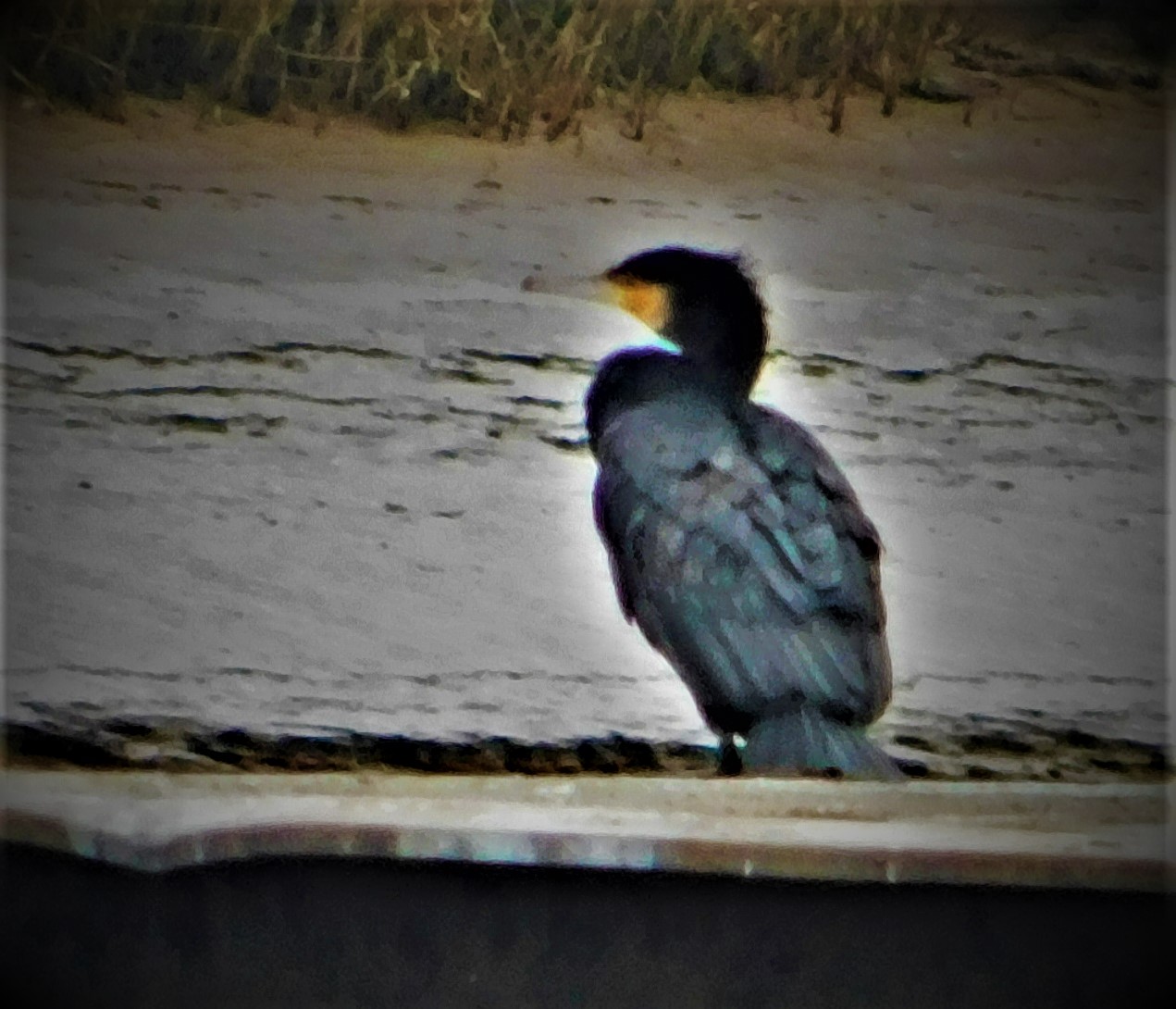
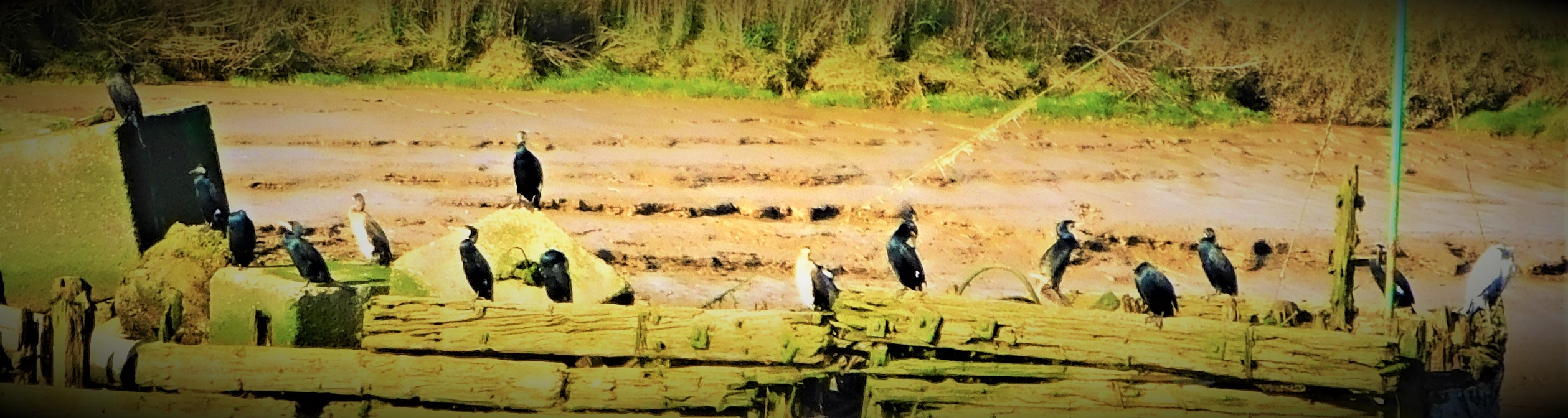
Though not a first sighting of the year this cormorant was in an unusual location for such a bird – the section of the Gaywood closest to the train station.
A look back at England’s consolation win over South Africa in the final match of the ODI series, a description of a walk and a load of photographs,
On Wednesday England and South Africa played the third and final match of their ODI series in South Africa. South Africa had already won the series having won the first two matches.
ENGLAND 14-3 AND THEN…
South Africa won the toss and put England into bat. In the early stages they would have had few doubts about the correctness of this decision as England were 14-3 early on. Then Jos Buttler joined Dawid Malan and England began to fight back. At the 30 over mark England were 149-3. Overs 31-40 yielded a further 90 runs, and both set batters were still there. England’s hopes of a really substantial total suffered a setback in the 41st over, when Dawid Malan was out, to end an England all time record ODI 4th wicket stand. In the event dome bright hitting from the lower middle order batters boosted the England total a a mightily impressive 346-7.
ARCHER FINDS HIS MARK
Much of the interest in England’s defence of their total centred on Jofra Archer, in the side in place of Olly Stone and hoping to demonstrate that injury woes that no so long ago seemed to have put his international career in jeopardy were behind him. Archer bowled magnificently, being consistently the quickest bowler on either side and making a number of crucial interventions. When Markram and Klaasen were threatening he dismissed Klaasen, and then followed up by dislodging the dangerous David Miller cheaply. Similarly when Klaasen and Jansen looked threatening it was once again Archer who broke the stand. It was only fitting that the delivery early in the 42nd over of the South African innings that claimed their last wicket was bowled by Archer. South Africa were all out for 287, beaten by 59 runs, and Archer, just into the last of his 10 allotted overs, had claimed 6-40 on his return to international action.
A TERRIBLE PLAYER OF THE MATCH AWARD DECISION
In a match in which 633 runs were scored in just over 91 overs a bowler taking six cheap wickets, including removing several batters just as they were starting to look dangerous, should be a sh00-in for the Player of the Match award. However, cricket is a batter’s game, and Jos Buttler’s century allied to three catches behind the stumps got him the award. The simple fact is that without Archer’s bowling Buttler’s runs would have counted for nothing – it was only the fact that largely due to Archer SA were bowled out that prevented England’s total from being overhauled – SA were up with the rate almost all the way through their innings, and never dangerously far adrift of it.
BOOSTING THE PHOTO GALLERY
I already had quite a few photos to share from earlier in the week, and today, although the weather was not as pleasant for walking as it had been on Tuesday and Wednesday yielded plenty more. I had decided that today was the day to put in a repeat prescription form, which meant there was one fixed point on my travels, but otherwise I could pick out my own route. I set off from the back door of my home, headed past the two ponds close to it, then along the Gaywood where it flows past the Kettlewell Lane trees, across Littleport Street, down past Highgate Methodist Chapel, across another section of the Gaywood and on past the station and an ASLEF picket line, and through the walks to where I had to drop off the prescription request. I then headed for the Broad Walk, which I followed through the Guanock Gate before diverging through the Vancouver Garden and then along the path that cuts diagonally across the Recreation Field before joining St John’s Walk where the latter meets Tennyson Avenue. I crossed Tennyson Avenue and walked along the path that runs between the grounds of King Edward VII Academy on one side and the King’s Lynn Academy on the other and then crossed Gaywood Road, and continued on past Lynn Sport until I reached Bawsey Drain, which I then followed to its junction with Columbia Way, before walking about half of the next section and then turning back. I followed Columbia Way as far as Greenpark Avenue and then headed down that road and walked a tiny section of the Gaywood River Path before heading back home by way of the Discovery Centre. In total I was out and about for approximately two hours, and got some decent photographs.
PHOTOGRAPHS
Time for my usual sign off…
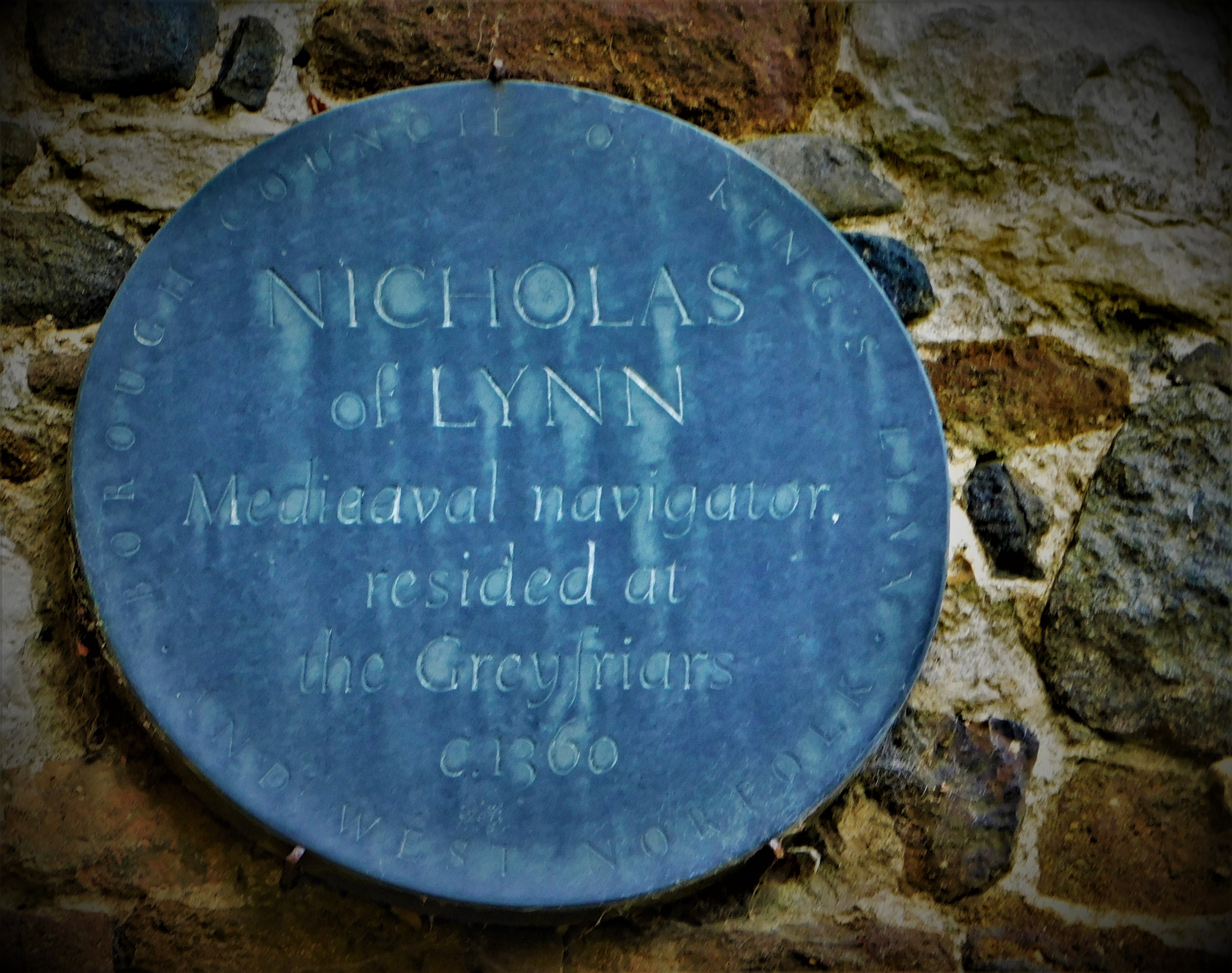
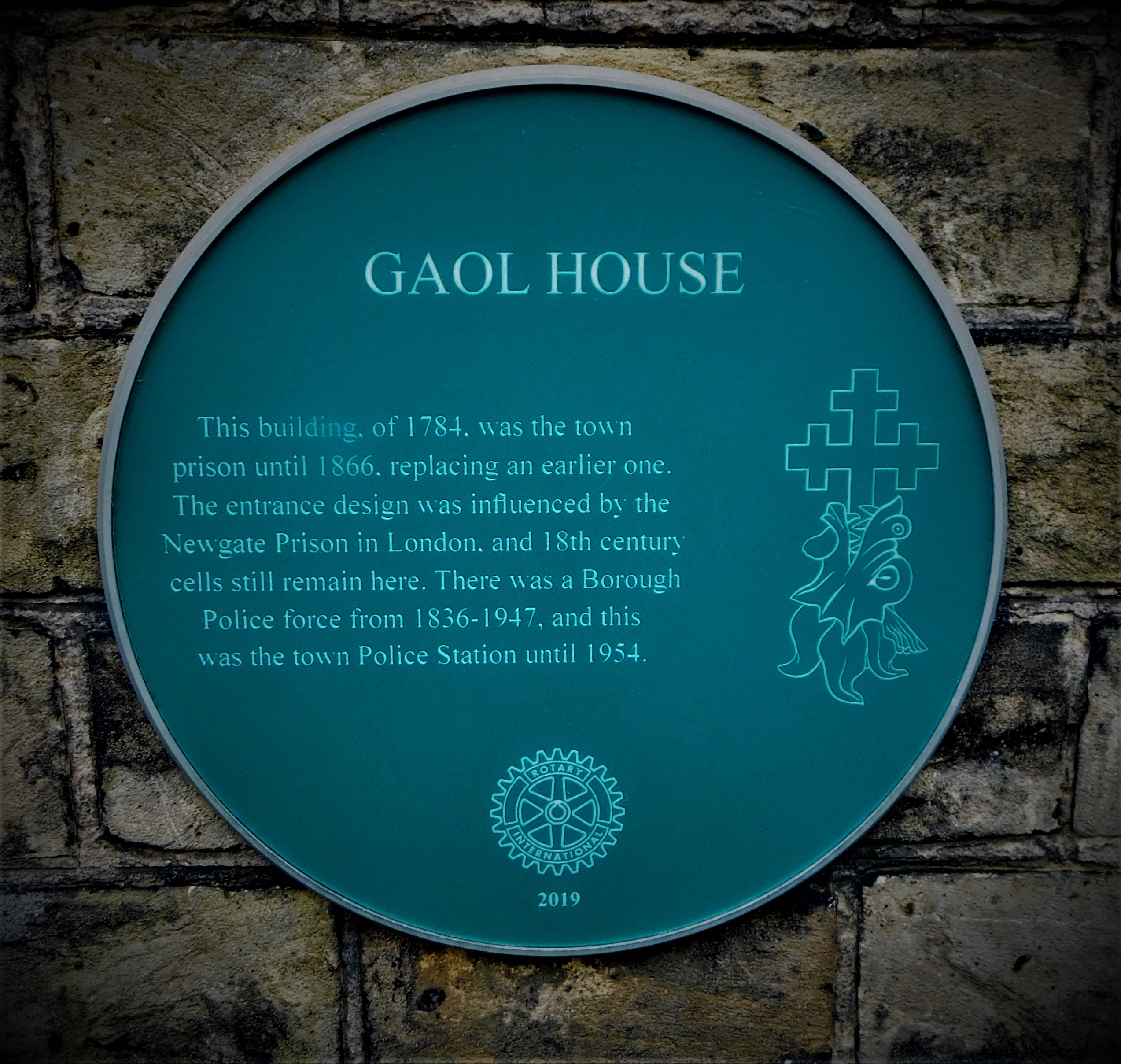
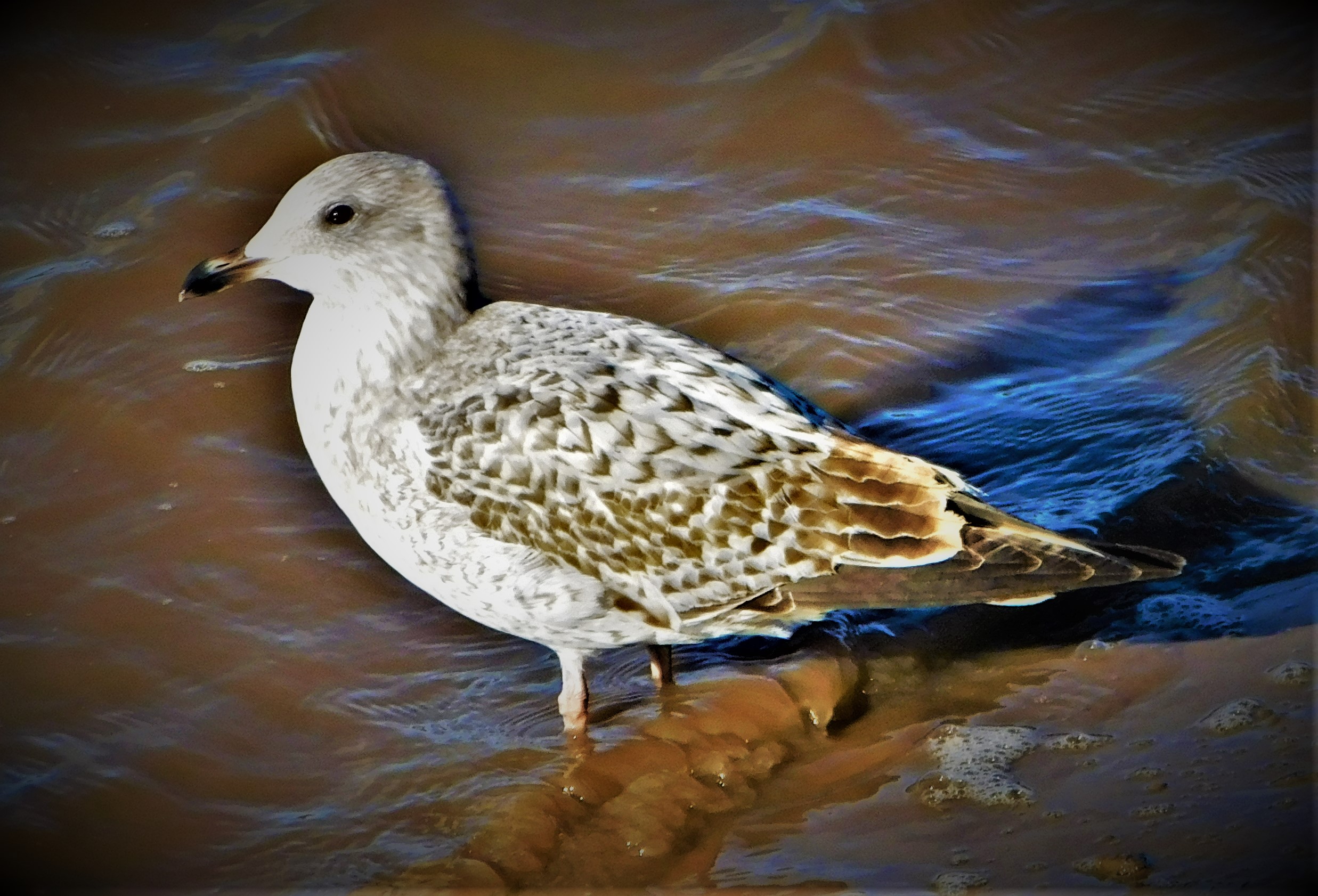
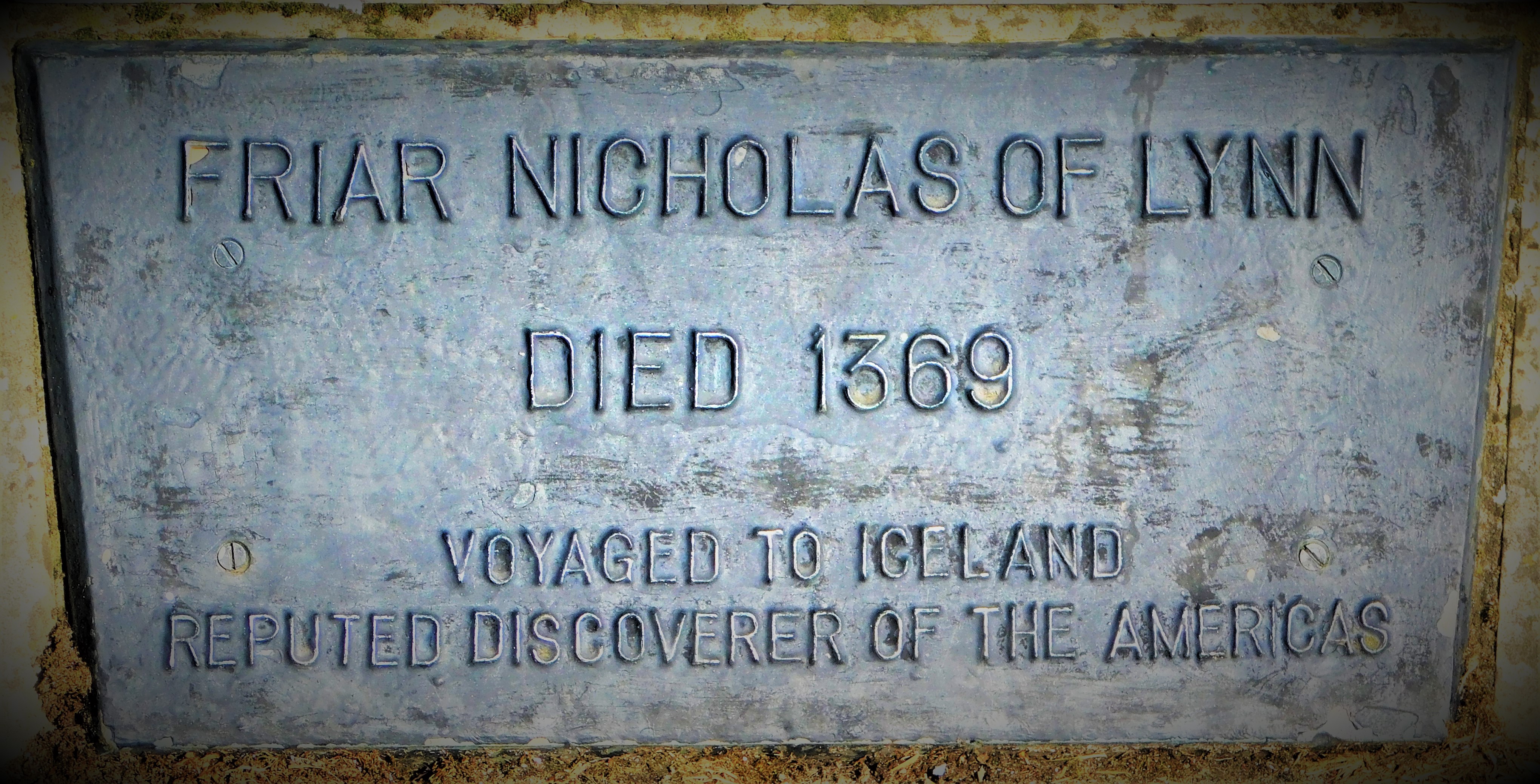
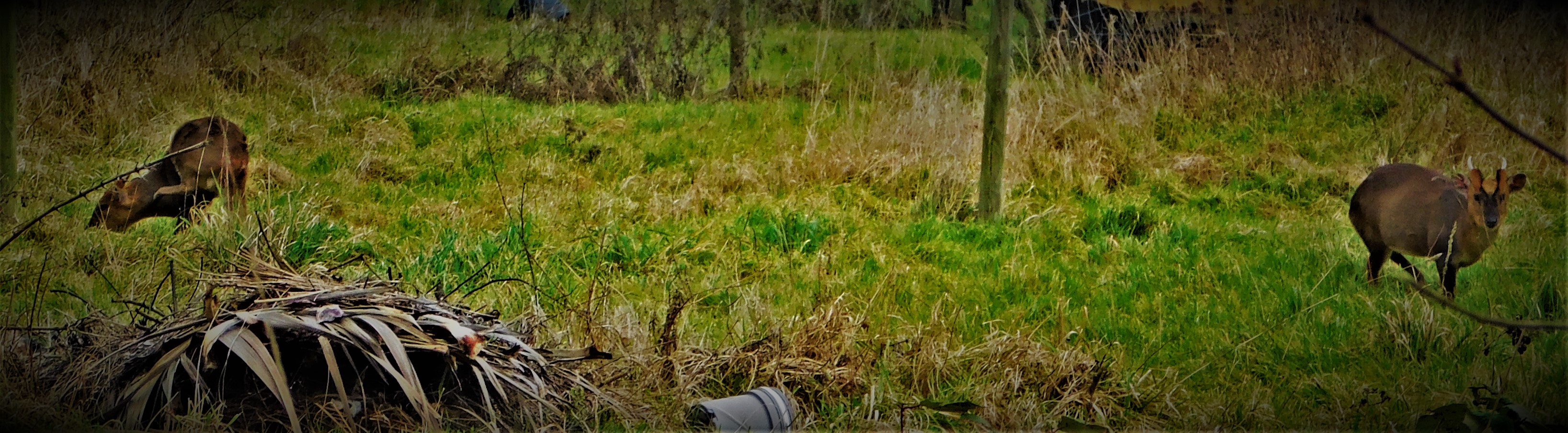
A blue plaque giving current Northwest Norfolk MP James Wild appropriate levels of respect.Today’s photos start here.This deer was too far distant to make an ideal subject, but I did my best.
A look back at yesterday’s final of the Womens U19 T20 World Cup, a passing mention of England Men’s loss to South Africa and lots of photographs.
This post looks back at yesterday’s final of the inaugural World U19 Womens T20 World Cup between England and India.
A DAY IN WHICH LITTLE WENT RIGHT FOR ENGLAND
India U19 Women won the toss and put England in. Liberty Heap fell for a duck very early on, and before the match was much older Grace Scrivens who had had a majestic tournament and Seren Smale were also out. Wickets kept falling, and apart from Ryana Macdonald-Gay, who scored 19, no one really ever looked like scoring runs. England were all out for 68. India bowled very well, and their fielding was absolutely sensational – few senior Indian sides of either sex could matched these youngsters in that department.
England themselves had been exceptional with the ball and in the field all tournament, but not even they could make 68 look a defensible total, and India duly won by seven wickets with almost six overs to spare.
India produced a magnificent performance in this final and England had no answers. However England showed enough in the tournament to suggest that their women’s side can also look forward to a bright future. We will see a lot more of these young women, including in some cases in the inaugural WIPL – Grace Scrivens will surely have a contract there, and maybe also Sophia Smale.
DOUBLE TROUBLE FOR ENGLAND IN SA
England’s senior men’s side were also in action in SA yesterday, playing the second match of three match ODI series, with SA having won the opener. When England posted 341-5 from their 50 overs all looked rosy for them. However, Temba Bavuma scored a rapid century to put SA firmly in contention, and David Miller (58* off 37 balls) controlled the closing stages of the chase, taking SA past the finishing line off the first ball of the 50th over, securing the series for them. Unsurprisingly, given the effect that major landmarks have on people’s minds it was Bavuma who was named Player of the Match for his ton, but Miller’s effort in the closing stages, especially after Markram was out with over 60 still needed, leaving Miller effectively in sole control of the chase from that point on, was every bit as important to SA’s cause as Bavuma’s innings up top.
PHOTOGRAPHS
My usual sign off, bolstered by the fact that weather was pleasant today (still cold, this being January in high northern latitudes, but bright and sunny) meaning that a long walk was a positive pleasure…
A look ahead to the final of the inaugural Women’s U19 T20 World Cup, and as usual some of my photographs.
This post looks ahead to tomorrow’s final of the inaugural Women’s Under 19 T20 World Cup. England and India will be fighting it out.
INDIA
India did enough to make the semi-finals with some comfort, but in spite of the inclusion of two established senior internationals in Shafali Verma and Richa Ghosh they have not had things all their own way. They beat New Zealand very comfortably in their semi-final, as the latter produced their only poor performance of the tournament at just the wrong time.
ENGLAND
England utterly bossed their first round group, and were barely any less convincing winners of their Super Six group. It was a different matter in the semi-final against Australia, as their batting misfired for the only time in the tournament, and they had a mere 99 to defend. However, their bowlers set about repairing the damage in very impressive fashion. At 59-7, and again at 77-8 they seemed to have the match won. The ninth wicket pair added 19, but then, a mere boundary stroke away from the final, Milly Illingworth was run out to make it 96-9. Four balls later Grace Scrivens claimed the final wicket, and England were home by three runs. Hannah Baker was named Player of the Match for taking 3-10 from her four overs.
A BATTLE ROYAL
I expect this contest to go down to the wire, but I think that England’s successful defence of a mere 99 in their semi-final is enough to make them favourites – their batting has failed only that once all tournament, and their bowling has been magnificent throughout, whereas India came into the semi-finals as the least impressive of the four qualifiers. Whatever happens tomorrow England have let the cricketing world know in no uncertain terms that the future of their women’s team is in good hands.
A look at Rwanda’s involvement in the inaugural Women’s U19 T20 World Cup, plus some recent photographs.
Greetings from the frozen wastes of West Norfolk – the freeze here has now got to the stage where Bawsey Drain is partially frozen over, never mind the ponds. In today’s post I look at a great story to emerge from the inaugural Womens U19 T20 World Cup, and make some suggestions for the future.
THE BIGGEST SUCCESS OF THE TOURNAMENT
Obviously in absolute terms this will belong to whoever ends up lifting the trophy, which will not be Rwanda, whose journey will end at the Super Six stage (England, New Zealand and India are all looking strong, and no one familiar with Australia in knock out stages would dare rule them out), but in relative terms, to reach the Super Six stage, and to win one match at that stage (v West Indies) on Rwanda’s resources far outranks any of the achievements of the big guns.
RWANDA’S STRENGTHS AND WEAKNESSES
Rwanda are an excellent bowling side (Henriette Ishimwe, who took four wickets in four balls to seal the win over Zimbabwe had a comparatively quiet match in the Super Six win over West Indies, when the spinners dominated) but struggle with the bat – that great win over West Indies was achieved with only four wickets and two overs to spare even after dismissing their opponents very cheaply. If a side is going to be weak in one department I would prefer it to be batting, as a good bowling side can often make up for frailties with the bat, whereas there is nowhere to hide if your bowlers cannot do the job.
RWANDA GOING FORWARD
The top sides should make space for Rwanda in their schedules – more competition against them could only improve Rwanda. I would also like to see domestic competitions (Rachael Heyhoe-Flint trophy, Charlotte Edwards cup, The Hundred, The WBBL, and coming into existence later this month, the WIPL) include Rwandans among their overseas signings. There are a number of current Rwandan players who would be excellent value as an overseas signing in these leagues. A new nation with no prior cricketing heritage making its presence felt on the world stage can only be a good thing for those of who want the game we love to continue to grow and develop, and I give these young Rwandan women my heartfelt congratulations for their contribution to this tournament.
A brief bit about England’s great start to the Super Six stage of the inaugural U19 Women’s World Cup, and some photographs.
Today the Super Sixes stage of the inaugural Women’s Under 19 T20 World Cup got underway. England were in action against Ireland first up. A dominant batting performance, headlined by Grace Scrivens scoring 93, while Liberty Heap backed her up with 42, and with Seren Smale and Niamh Holland providing late cameos to boost the final total saw England rack up 207-2 from their 20 overs. England were equally dominant with the ball, with Hannah Baker (leg spin) and Sophia Smale (slow left arm) each collecting three cheap wickets. Ireland limped to 86 all out, and England had won by 121 runs, giving them a net RR of +6.050 as well as the two points for the win. The longer this tournament goes on the stronger this England side look. Full scorecard here.
SOPHIA AND SEREN SMALE
In spite of sharing a surname and both having forenames beginning with S Sophia and Seren Smale are apparently unrelated. Sophia, the left arm slow bowler, hails originally from Newport, Monmouthshire, while Seren, a keeper/batter was born in Wrexham, Denbighshire.
Sophia Smale has already had some success in The Hundred, but it is probably Seren Smale who has the easier route to full international honours – as a keeper and a good batter she has two ways of gaining recognition, while unless England opt to play two left arm slow bowlers (unusual in the modern era to put it mildly) in the same XI Sophia Smale has Sophie Ecclestone between her and full international recognition. Nonetheless, I hope and expect that both will gain full international honours.
PHOTOGRAPHS
Even in the sub-zero temperatures that we are currently experiencing in King’s Lynn there are still plenty of opportunities for photography, so here is my usual sign off…
A look at a couple of incidents from the inaugural Women’s Under 19 T20 World Cup and of course a photo gallery.
The inaugural Women’s Under 19 T20 World Cup is currently taking place in South Africa. 16 teams are involved, ranging from top tier cricketing nations like Australia, England and India to newcomers to the cricketing world stage such as Indonesia and Rwanda. In this post I look at two incidents from the tournament.
PAKISTAN V RWANDA – ROATeNSE STRIKES
For more about the ROATeNSE as I call it, please visit this post. This one happened near the end of the Rwanda innings, and attracted the usual howls of protest from those opposed to this form of dismissal (I have yet to meet a logical argument against it – it rarely if ever gets beyond “I don’t like it, so it shouldn’t happen.”). I note three things about this particular dismissal:
The bowler ran in smoothly and only changed tack when noting as she was about to bowl that the non-striker was out of her ground.
There was nothing marginal about it – the batter had her bat trailing behind her, and the toe end of that implement, closest part of bat or body to the crease line, was at least a foot out, possibly 18 inches, while the batter herself was at least a full yard beyond the crease line.
This was not a situation in which an accusation of desperation (a popular tactic among opponents of the ROATeNSE) could be made – Rwanda had lost a lot of wickets and were headed for a poor score (Pakistan won easily in the end, with just over two overs to spare).
In addition to the above important points I also noticed (I saw a video clip of the incident) that the non-striker could see the bowler at all times and was still careless enough to stray out of her ground.
FOUR IN FOUR AND A CHANGE TO THE I XI
Today Rwanda were in action again, this time against Zimbabwe. They managed 119 from their 20 overs, and when Zimbabwe were 80-6 in response a close finish looked on. At that point Rwandan seamer Henriette Ishimwe took the last four wickets with consecutive balls giving Rwanda victory by 39 runs. When I did my all time XI series for each letter of the alphabet in the second half of 2022 the Is had a very weak seam combination, and this proof of Ishimwe’s skill is sufficient to induce a change – she replaces Anthony Ireland in that XI (she is also a useful lower order bat, whereas the Zimbabwean was a genuine number 11). That leads on to a question that crops whenever this wicket taking sequence happens:
IS IT A DOUBLE HAT TRICK?
Some people notice that the sequence WWWW contains two sets of three Ws – nos 1,2 and 3, and nos 2,3 and 4 and ignoring the fact that using this to call the sequence a double hat tricks means counting the second and third wickets twice (once in each hat trick) insist on referring to it as a double hat trick.
For me this is absolute nonsense – only four distinct wickets are taken, so it is four wickets in four balls, while a double hat trick would be six in six – two independent sequences of three in three in succession.
Additionally, the phrase hat trick exists because of a match that took place at the Hyde Park ground in Sheffield in the early 1850s. In that match Heathfield Harman Stephenson, captain of the itinerant All England XI, took three wickets with successive balls and the crowd were so impressed by his feat that they passed a hat around to collect money for him. Both hat and coins were presented to Stephenson. I doubt very much that a fourth successive wicket would have got the hat passed around again, but had Stephenson taken another three in succession either then or later it might well have been, and had another bowler matched his achievement it probably would have been.