Role Reversal in Guwahati

A look back at the world cup semi-final between England and South Africa at Guwahati today, and especially at an astonishing display from Laura Wolvaardt. Also lots of photos.

Today saw the first semi-final of the 2025 women’s cricket world cup, between England and South Africa. These two sides played their first match of the tournament at this same venue, and on that occasion South Africa were bowled out for 69 and England won by 10 wickets. In South Africa’s last group match, after a superb middle phase of the competition they fell victim to Alana King’s amazing one-woman show and were again all out for under 100. Thus England probably thought they had little to fear.

Laura Wolvaardt and Tazmin Brits led off with a century stand, but then England took three wickets in next to no time. Marizanne Kapp then provided fine support for Wolvaardt, scoring 42 from 33 balls before being caught by Charlie Dean off Sophie Ecclestone, who was looking something close to her best with the ball after sustaining a shoulder injury last time out. Many have suggested that Sinalo Jafta, the Proteas keeper, is too high in their order at number six, and 1 off four balls before Lauren Bell bowled her did nothing to alter that impression. Ms Jafta has now played 46 ODIs, with an average of 12.59 and a best score of 29, not the stuff of which top six batters are made. With the first ball of the 41st over Ecclestone claimed her fourth scalp of the day, her 16th of the tournament, making her leading wicket taker thereof, and her 37th world cup wicket in all, by bowling Annerie Dercksen for 1 to make it 202-6…

…Laura Wolvaardt had survived all the carnage, and reached three figures off 115 balls. Now, starting from that 202-6 after 40.1 overs, and with Chloe Tryon her main remaining supporter she turned a high class ton into the sort of innings that settles matches and possibly even tournaments. Wolvaardt’s acceleration in the final phase of the innings was so dramatic that her third 50 took a mere 21 balls, including four sixes when she had none in her first 100 runs. In the end a catch by Capsey off Bell got her for a magnificent 169 off 143 balls, including 20 fours and five sixes, with 62 off her last 69 runs being in boundaries – eight fours and five sixes in that period. The innings catapulted her to the top of the scoring charts for the tournament, moved her past 5,000 ODI runs in all and moved her ODI batting average north of 50. Her dismissal made it 291-7 after 48 overs. Chloe Tryon and Nadine de Klerk completed a remarkable last 10 overs for the Proteas by scoring 28 off the last two overs between them for a final total of 319-7, 117 of them in the last ten overs. Off the 40 overs not bowled by Ecclestone (10-1-44-4) South Africa scored 275-3. This innings has caused a backdated change to my team of the tournament – on Monday I had Alyssa Healy as Smriti Mandhana’s opening partner and Wolvaardt as reserve opener, but after today I have changed my mind, Wolvaardt opens with Mandhana and Healy is reserve opener and keeper, with Beth Mooney taking the gloves: S Mandhana, L Wolvaardt, +B Mooney, S Devine, A Sutherland, D Sharma, A Gardner, Shorna Akter, A King, S Ecclestone, Marufa Akter, with the reserves now N Sciver-Brunt, A Healy, L Smith and K Gaud.

The England innings began in spectacular fashion, of the wrong sort for them, with the top three of Amy Jones, Tammy Beaumont and Heather Knight all departing for ducks, with the only run accrued in the seven balls of mayhem in which this happened being a wide. After that beginning it was miracles required territory, and although Sciver-Brunt batted very well and Alice Capsey scored her maiden ODI 50 England never looked like getting on terms. When Linsey Smith was last out, caught by Luus off de Klerk for 27, England were all out for 194, beaten by 125 runs, a remarkable turnaround from that opening group fixture at this same venue. Full scorecard here.

My usual sign off…

BBL 2024-5’s Big Cull

A look at today’s action in the BBL and the state of play in that competition with one group match still to play. Also a large photo gallery.

There were two BBL matches today – first at the Docklands Stadium in Melbourne the Renegades played host to Brisbane Heat, and then in Perth the Scorchers played host to Adelaide Strikers. At the start of today all four of these teams had mathematical chances of qualifying, as also did incumbent fourth placers Melbourne Stars. By the end of today only one of the four teams in action retained a chance of qualifying. This post looks at how the day unfolded.

Brisbane Heat batted first, and a score of 196-4 should at least have tested their hosts. Unfortunately some very ordinary bowling and a quite magnificent innings from Jake Fraser-McGurk (95 off 46 balls) saw Renegades win by three wickets with two whole overs to spare, a result that put Renegades fourth, ahead of city rivals Stars on net run rate, but with the latter having a game in hand, to be played tomorrow. Scorecard here.

Adelaide Strikers found themselves batting first, and started at a tremendous gallop, looking likely to score over 200 for a significant part of their innings. However they suffered a horrendous batting collapse from a high water mark of 88-2 after 7.1 overs, ending up being all out for 161 from 19.1 overs.

The Perth Scorchers innings was where games within games came into play – they needed 162 from 20 overs to win, but a close match would see both sides eliminated, one on absolute terms and the other on net run rate. The calculations revealed that Scorchers needed to knock the runs off in 18 overs or less to move into fourth on net run rate, while Strikers needed to restrict Scorchers to 146 or less to take fourth spot themselves.

At the half way stage Scorchers were 85-3, ahead of the basic required rate, but short of where they needed to be to win in 18 overs or less. When the fourth wicket pair were still in residence at the end of the 12th over Scorchers took their two over Power Surge, quite rightly – with the 18 over win in mind they could have delayed at most one more over while still getting full benefit from their surge. In the event they did superbly in those two overs, scoring 31 runs and losing only one wicket. In the course of 16th over two things happened – first Scorchers moved to 147, which ensured that Strikers were eliminated even if they somehow won from there, and then the Scorchers 150 came up. At the start of the 17th over 11 runs were needed and Scorchers had two overs in which to get them to stay alive in the tournament. In point of fact it took Cooper Connolly precisely two balls to complete the job, with the third and fourth sixes of his innings. Connolly had scored 39* (21), and Scorchers had won by six wickets with 3.4 overs of their allocated 20 unused, and 1.4 overs of the 18 that they had at their disposal given net run rate considerations. Thus Scorchers currently sit fourth, with one group game, tomorrow morning between Hobart Hurricanes, already confirmed as winners of the league stage, and Melbourne Stars who will qualify if they can win, or if the match is washed out, or if it is tied and the Super Over is also tied. Scorecard here.

My usual sign off…

Women’s T20 Action

A look back at two women’s T20 matches which have taken place in the last 24 hours – South Africa v England and Melbourne Renegades v Brisbane Heat, the final of WBBL10. Also a substantial photo gallery.

Two important women’s T20 matches took place in the space of the last 24 hours. This post looks at both.

A multi-format series between the South African and England women’s teams is in progress. Yesterday saw the third of three T20Is that started the series off. England had already won the first two matches, and South Africa had weakened side for this match. South Africa batted first and had a horrible start. Lauren Filer, the quickest bowler on either side in this series (the absence of Shabnim Ismail from SA ranks ends all debate on this subject) clean bowled Anneke Bosch with the second ball of the match. In the second over another Lauren, the 6’1″ seamer Bell had Faye Tunnicliffe caught by Bouchier and it was 3-2. Annerie Dercksen got to 19 but then holed to Nat Sciver-Brunt off Bell to make it 25-3. Sune Luus and Chloe Tryon tried to revive things, but the last ball of the sixth over, off spinner Charlie Dean’s first, saw Luus caught by Knight. Eight balls and a mere three runs later Tryon also fell to the Knight/ Dean combo. Nadine de Klerk and Nondumiso Shangase shared a good stand until Shangase was stumped by Amy Jones off the bowling of left arm medium pacer Freya Kemp to make it 97-6. South Africa eventually reached 124, their last wicket falling to the final ball of the innings, with number 11 Ayanda Hlubi run out for 7 to end it. Charlie Dean had 3-26 from her four overs, while the other spinner Sophie Ecclestone had 1-16 from her four, the wicket being that of Eliz-Mari Marx, bowled by an absolute ripper of a delivery. This total looked modest on a pitch with a good deal of bounce (Centurion pitches tend to have this attribute) but little in the way of actual mischief. England soon made it look downright risible. Maia Bouchier and Danni Wyatt-Hodge got things going with a stand of 56 in 5.4 overs before Bouchier was out for 35 (21). That brought Sophia Dunkley out to join Wyatt-Hodge. Dunkley hit one massive six, but it was Wyatt-Hodge who was leading the charge by this stage. There were still 8.3 overs scheduled to be bowled when Wyatt-Hodge hit the four, her tenth to go with one six, that took her to 53* (31) and England to a nine-wicket win. Dunkley had scored 24* off 17 balls, and South Africa had damaged their own cause by conceding 16 extras. I will draw a veil over their bowling figures. A full scorecard can be seen here.

In the ninth edition of the Women’s Big Bash League, last year, the Melbourne Renegades were an absolute laughing stock of an outfit, taking the wooden spoon and never really looking like doing anything else all the way through.

In the small hours of this morning UK time they completed a remarkable transformation, with some assistance from the Duckworth-Lewis-Stern (DLS) method, winning the final against Brisbane Heat to lift the trophy.

Brisbane Heat won the toss, and with weather interruptions threatening opted to bowl first. DLS recalculations frequently do benefit chasing sides. Renegades were less than impressive in totalling 141-9 from their 20 overs, for which they were indebted to Hayley Matthews, already confirmed as Player of the Tournament, who held things together for them with an innings of 69. Charli Knott took three wickets and Grace Parsons two, but the most impressive bowling performance for Heat came from 18 year old Lucy Hamilton who capped a memorable first WBBL tournament of her career by producing figures of 4-0-19-1.

Heat were 19-2 after 3.2 overs when the rain came. The adjusted target once play could resume was 98 off 12 overs, meaning that Heat needed 79 off 8.4 overs from the resumption to win the match. Renegades could bowl two bowlers for three overs each if they so desired but otherwise two overs per bowler was the new limit. Heat never came close to getting on terms with the chase, and it was only a by then irrelevant six from Nicola Hancock off the final ball of the match reduced the margin to seven runs. Hayley Matthews had 2-24 to put alongside her 69 and was the clear-cut Player of the Match. Matthews this tournament has scored 324 runs at an average of 40.50 and a strike rate of 130.64 runs per 100 balls, and taken 14 wickets at 17.78 a piece, with an economy rate of 6.98 and taking a wicket every 15.2 balls on average.

The DLS recalculation undoubtedly worked against Heat because they had lost those two early wickets when the rain came, but I do not believe that it changed the outcome of this match – Heat were not favourites by the time the rain started, and were somewhat more clearly second favourites after the adjusted target was issued.

These pictures were all taken yesterday, in the course of two walks – yesterday morning was dull but not cold, yesterday afternoon was genuinely pleasant. Here are the photographs, plus a reminder that they can be viewed at a larger size by clicking on them…

One Day Cup Quarter Final Action

A look at the action in the first two quarter-finals of the One Day Cup, principally the west midlands derby between Warwickshire and Worcestershire. Also a photo gallery.

The first two of the four quarter-finals of the One Day Cup are approaching their respective conclusions. Both are still winnable for both teams. Leicestershire are 212-6 after 38 overs, needing 79 more to beat Hampshire. The rest of this post looks at the other match, which I am listening to on the radio.

Worcestershire batted first, and made a decent fist of things. Kiwi Michael Rae claimed three wickets and left arm wrist spinner Jake Lintott two, while Jake Libby held the innings together, scoring a century which helped his side to reach 286-9 from their 50 overs.

At first it looked like Worcestershire would defend this target with ease. When Chris Benjamin was dismissed, caught behind off Ethan Brookes (younger brother of Henry who plays for Middlesex) it was 77-5, and the experienced Will Rhodes was being joined by Kai Smith, a 19 year old wicket keeper whose previous highest score in professional cricket was 44.

Rhodes has fought hard, but it has been the youngster Smith who has been the revelation. He has long since left that 44 behind and gone past the 50 mark. He has been scoring fast as well, better than a run a ball, which is highly impressive in 50 over cricket. He just reached three figures, off the 89th ball of his innings, with two sixes and 11 fours along the way. Warwickshire are 222-5, needing 65 off 7.1 overs to win. This is definitely on, though I still make Worcestershire marginal favourites to hold on, and the wicket of either of these would change things.

It is also notable that this match features two front line left arm wrist spinners (i.e. both selected on the basis of purveying this rarest form of bowling) – I have already mentioned Lintott, and Worcestershire have a youngster of the same type in Tom Hinley.

While I have been preparing this for publication Warwickshire have moved past 250. Smith has 110* off 93 balls, and Rhodes is also upping the tempo, now on to 73* (105), having been 37* (72) at one time.

My usual sign off…

All Time XIs – South Africa 1889-1970

An XI from South Africa’s first period as a test playing nation and a huge photo gallery.

This is the first of what will be three posts about South African cricket – I will also cover the period of isolation and their second incarnation as a test nation. I have previously done an all time SA post (click here, although a current version would show some changes).

  1. Herby Taylor (right handed opening batter). The number of test match batters who could claim with any conviction to have mastered the great Syd Barnes totals one – this man, who in a series when Barnes took 49 wickets in four matches at less than 10 a piece before missing the fifth due to a dispute over terms and conditions scored 509 runs at 50.90.
  2. Trevor Goddard (left handed batter, left arm medium paced bowler). He was a regular opener, averaging 35 with the bat at test level and taking his test wickets (123 in 41 matches) at 26 a piece.
  3. Bruce Mitchell (right handed opening batter, occasional leg spinner). His bowling is not likely to be needed here as will be seen later. He 42 played matches over a 20 year span (split into two by WWII), scoring 3,471 runs at 48.88. He usually opened but I have put him one place lower in this XI to mix up the left and right handers.
  4. Graeme Pollock (left handed batter). He played enough test matches before isolation for his greatness to be confirmed, and because he never played county cricket he was barred from playing in Packer’s World Series Cricket, so his deeds post 1970 were largely confined to those performed in his native land, hence my decision to pick him in this XI rather than the next.
  5. *Dudley Nourse (right handed batter, captain). One of the legendary figures of South African cricket, averaging 53 at test level.
  6. Aubrey Faulkner (right handed batter, leg spinner). The most genuine of genuine all rounders, and as such one of the first names on the team sheet.
  7. +John Waite (wicket keeper, right handed batter). 141 dismissals in his 50 test appearances, and a good enough batter to average 30 at the highest level, with four centuries along the way, and that when he was often used as an opener, a tough ask for a keeper.
  8. Bert Vogler (leg spinner, right handed batter). 64 wickets at 22.73 in his 15 test appearances, and good enough with the bat to average 17 at test level with two half centuries.
  9. Hugh Tayfield (off spinner, right handed batter). One of the most economical of all test bowlers, once sending down 137 successive dot balls against England. He was also South Africa’s leading wicket taker of their first incarnation as a test nation with 170 scalps in 37 test matches at 25.91 a piece, and like Vogler he sometimes had his moments as a lower order batter.
  10. Peter Pollock (right arm fast bowler, right handed batter). As the elder of two brothers he had to get his younger brother out if he wanted a bat on their backyard games as a child, and since that younger brother was Graeme Pollock this took a fair bit of doing. 116 wickets in 28 test matches at 24.18 confirms that he developed into a decidedly good bowler. He was also far from being a rabbit with the bat.
  11. Neil Adcock (right arm fast bowler, right handed batter). A genuine number 11 with the bat, but 104 wickets at 21.10 each in 26 test matches confirms his greatness in his chosen department.

This side has great batting depth, with only Adcock absolutely incapable of assisting in that department and a well varied bowling attack. The seam department is a little light, with Goddard third in line in that department, but I would not anticipate this side struggling to take 20 opposition wickets.

I ruled out Barry Richards, reserving him for the 1970-91 side, as four test matches is an insufficient sample, and unlike RG Pollock he was seen all around the world after the enforced ending of his international career. That meant that other than my choices there were two serious candidates for the opening berths – Alan Melville and Eric Rowan. Melville, because of WWII, only got to play 11 test matches, though his record was outstanding in those matches. Rowan was nearly as awkward a customer for his team mates and the SA cricketing authorities as he was for opposition bowlers.

Two great figures from the early days of SA cricket, Jimmy Sinclair (their first ever test centurion) and Arthur William ‘Dave’ Nourse missed out because their records lacked sufficient substance to back up their legendary status.

The only rival for Faulkner’s slot was Eddie Barlow, but his test record was that of a batter who bowled, not an all rounder, so I opted for Faulkner as offering a more complete package. Some would have opted for Denis Lindsay as keeper, but he only had one really good series, whereas Waite was a consistent performer over a long period of time.

I regarded all my four specialist bowlers as having ironclad cases for inclusion. Of the quicker bowlers Peter Heine was the unluckiest to miss out based on concrete achievements. We have no way of knowing how great Krom Hendricks might have been if given the chance, and ‘Buster’ Nupen was superb on matting pitches but ineffective on turf, a disparity that is reflected in his modest test record. Athol Rowan was possibly an even more talented off spinner than Hugh Tayfield, but a knee injury sustained during WWII ruined his career.

My usual sign off…

Home Alone for Christmas

An account of how I made the best of being alone for Christmas and ,enjoyed my day. Lots of photographs.

My parents, sister and nephew are all off in far flung parts of the world, and my aunt is also away for Christmas. This meant that my own Christmas would be what I made of it . The rest of this post is my own account of yesterday.

I decided that I would spend the hours of daylight away from my computer, and that I would have my fancy Christmas Day meal (a home cooked variation on the steak & chips theme) in the evening. I selected some Christmas music to play through the day, and planned to do some walking during the daylight hours. My parents had arranged that I would have a package to open on the day.

I went out for my first walk just before 9AM, which took in both the ponds near where I live, the Kettlewell Lane tree/ river area, The Walks, the Peace Garden/ Greyfriars tower, the town centre, St Nicholas’ Chapel, Bawsey Drain and back along Columbia Way. I then played the first of my chosen Christmas Music CDs. When this CD finished I headed off for my second walk, which again included both ponds, but this time I took the footpath from the second pond that leads to Loke Road just before the junction with Gaywood Road, crossed Loke Road, headed onto Gaywood Road for a short stretch before crossing it and heading down Tennyson Avenue. Just before the railway crossing I took the footpath that heads towards Lynnsport and followed to the point at which it meets the Gaywood River path, which I walked along until I reached a path off it towards the Discovery Centre and thence back home.

I had lunch while a second CD played. When the second CD finished I went out for a third walk, taking in the first pond, a route through to the footpath alongside Bawsey Drain and followed that footpath until Columbia Way, at which point spots of rain warned me that I needed to take the direct route home, along Columbia Way, rather than extend the walk further as I had been considering. I then played the rest of the Christmas music I had picked out, returning to the computer briefly in the early evening. 

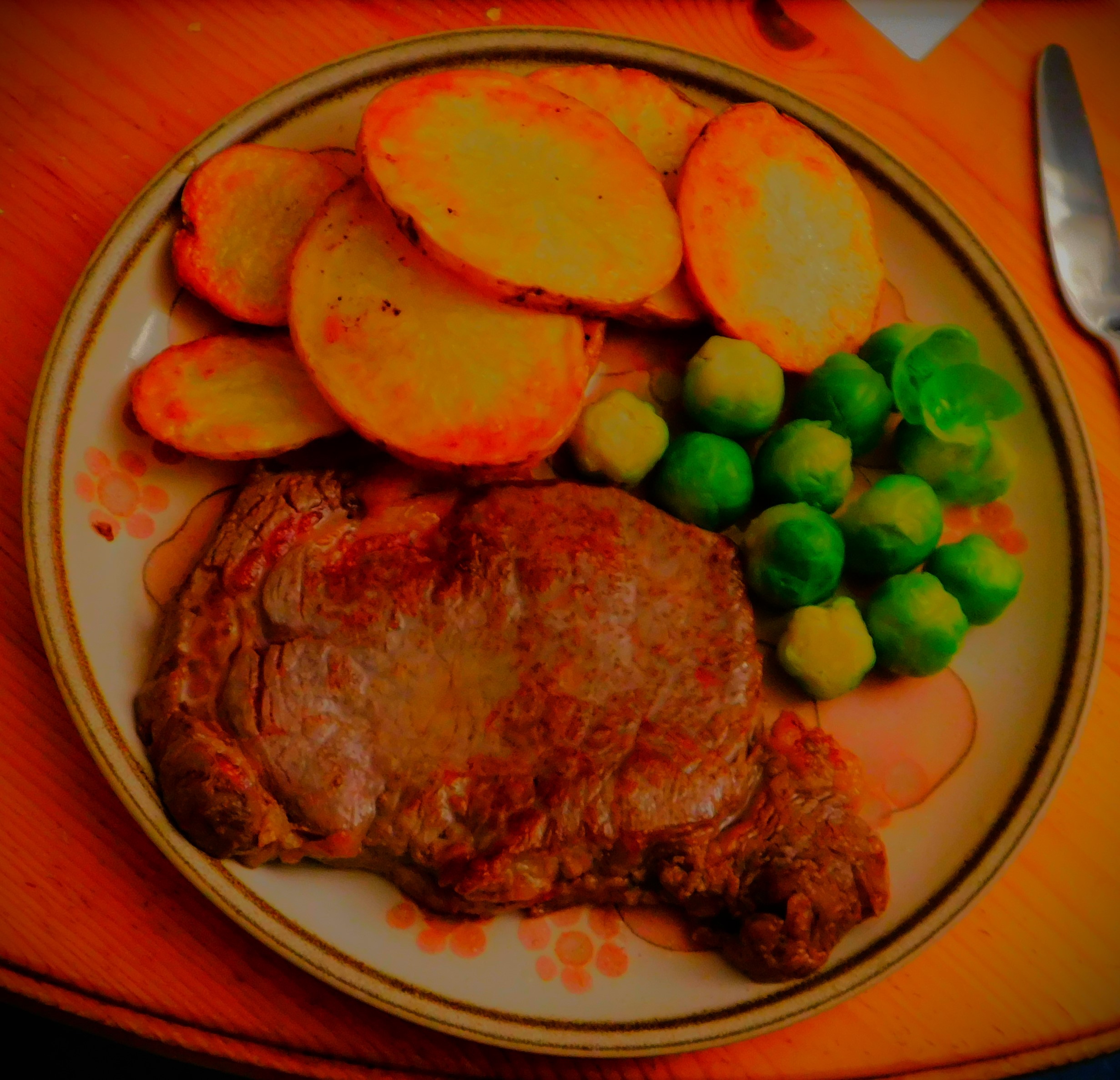
I put the oven on at about 7PM, set to approximately 175 Celsius, taking care to turn the extractor fan on and open a kitchen window. I oiled a baking tray next. Then I cut a large potato into slices of approximately equal thickness, thick enough that when cooked they would still obviously be potato and thin enough that they would have a bit of crunch. I placed this slices on the oiled baking tray, sprinkled some salt over them, and then added a little more oil. I put them into the oven to cook. Then I got to work on the brussels sprouts, preparing a dozen for cooking, placing them in a saucepan and boiling a kettle full of water to cook them in. Once they were on and cooking I turned the potato slices over. I tenderised the steak, got some oil in small frying pan heating up (to colour on the outside while still being red in the middle the steak has to go in to oil that is already hot), and at the appropriate moment I put the steak into cook, flash-frying it for a minute on each side at high heat. I then plated it up, before draining the sprouts, pouring a drink and then getting the potatoes out. This is what my variation on a steak & chips theme looked like on the plate:

For the record it tasted splendid.

For afters I had a small jar of Kalamata olives.

I was mindful of the fact that the Boxing Day test match at Melbourne between Australia and Pakistan, which Test Match Special were covering, got underway at 11:30PM UK time (Melbourne is 11 hours ahead of us). I thus timed my heading to bed so that I could have that commentary playing while I was in bed. I enjoyed the day, and my Christmas meal worked well.

I have plenty of photographs to share…

India Looking Dominant at ODI World Cup

A look back at the weekend’s action in the 2023 ODI World Cup – a somewhat fortunate two points for Pakistan, two rather more well earned points for Australia and an utterly dominant display by hosts India in today’s table topping clash with South Africa. Also a large photo gallery.

Since I last posed there have been three matches at the ODI Cricket World Cup: New Zealand v Pakistan, Australia v England and India v South Africa. This post looks at these matches and at the state of play in the tournament.

Pakistan won the toss and elected to bowl first, a type of decision that has a terrible track record at this tournament. That did not look like changing when New Zealand were batting – at the end of the 29th over I tweeted that a total of 400 was on for the Kiwis, and 21 overs later when their innings had run its course they were 401-6. A combination of an amazing innings from Fakhar Zaman, solid support from Babar Azam and good reading of the Duckworth-Lewis-Stern situation by Pakistan saved them from a poor decision at the toss. With rain threatening Pakistan started to seriously increase their scoring rate from the end of the 15th over onward, and by the time of the first intervention, in the 21st over they were 10 runs ahead of where they needed to be according to DLS. When the second and final interruption came midway through the 26th over they had increased their advantage to 20, and emerged with the two points when the rest of the match was rained out. It was well judged by Pakistan to get themselves significantly ahead of where DLS said they needed to be – there have been some famous mishaps involving DLS calculations, such as Mark Boucher studiously blocking a ball with the rain already falling in the belief that his side were already ahead on DLS, when they actually needed a single off that ball to get ahead. At the same time I feel that the Kiwis were hard done by – I don’t think that had the match been allowed by the weather to go the distance that Pakistan would have pulled off this chase would have been over 50 runs more than the biggest successful full distance chase of the tournament so far.

At 8AM UK time yesterday Jos Buttler won the toss at this match, and moments later uttered what has become something of doom laden phrase at this tournament “we’re going to bowl”.

This was not actually by any means one of England’s worst efforts of the tournament, though that is more a reflection of how bad they have been than of how good they were on the day. However, even with the bowlers showing up and restricting Australia to 286 from their 50 overs, it was never terribly close, and the final margin of 33 runs flattered England rather than Australia.

India were playing a world cup match at Eden Gardens, Kolkata for the first time since 1996 (that game was a disgrace for India in two ways, first they were totally outplayed by Sri Lanka, and second it was called off early and awarded to Sri Lanka because with India over 100 adrift with just two wickets left the “fans” rioted rather than suffer the closing stages of a defeat). Today’s match was billed as a clash of the titans, featuring as it did the two best teams of the tournament to date. India won the toss and chose to bat first, virtually a mandatory decision when facing South Africa (just ask Jos Buttler and Tom Latham, both of whom made the wrong decision in this situation)…

Rohit Sharma played some beautiful strokes early on, while Shubman Gill hit four fours and a six on his way to 23, but also allowed 18 dot balls to be bowled to him. India scored 91 off the first 10 overs and a huge total looked on. However, South Africa looked to have fought back quite well when India finished on 326-5 from their 50 overs. Virat Kohli equalled Sachin Tenulkar’s career tally of 49 ODI hundreds, while Suryakumar Yadav and Ravindra Jadeja provided some late hitting.

South Africa started their reply badly and it never got any better. Ravindra Jadeja followed his batting cameo by claiming five wickets with his left arm spin, while everyone else also bowled well. South Africa scraped up a beggarly 83 in 27.1 overs, going down by 243 runs, the biggest margin of defeat South Africa have ever suffered in any ODI (some of the sides from South Africa’s first incarnation as a test nation between 1889 and 1971 took some absolute thumpings). India had batted well, but it was the bowling that was really notable in this performance. Usually batting sides try to find a bowler or bowlers they can target and see if they can force the bowling side into using minor bowlers, but when an attack features three top class pacers and two top class spinners all of whom are in good form this is rather difficult to do.

India are now looking extremely likely to win the tournament – their performance against South Africa today was simply awesome, and was the second successive time they had bowled an opposition team out for under 100 while defending, a detail which might make Sri Lanka feel a little less ashamed of their own capitulation a few days ago. South Africa are qualified for the semi-finals and are likely to hang on to second place, meaning that they are most likely to face Australia in the semi-finals. The fourth semi-final slot is up for grabs between Afghanistan, New Zealand and Pakistan (listed in alphabetical order for the avoidance of prejudice). Bangladesh, England, Netherlands and Sri Lanka are battling for the minor places, with 7th and 8th in the group gaining qualification for the 2025 Champions Trophy. Personally I reckon that England deserve to finish the tournament precisely where they currently are: stone last. That would force them to make the necessary wholesale changes.

My usual sign off…

Pakistan and Australia Locked in Battle

A look at developments in today’s cricket world cup match between Australia and Pakistan, a heads up about auctions taking place next week and a photo gallery.

Today’s world cup match features Australia and Pakistan and is taking place in Bengaluru. The first part of this post looks at developments in this match.

Pakistan won the toss and opted to bowl first. Australia got away to a flying start, helped by Usama Mir dropping an easy chance to be rid of Warner early on. The opening stand yielded 259, and they came quickly, with a total of 400+ looking more likely than not at that stage. However, as wickets began to tumble the scoring rate declined, and in the end Australia had recorded 367-9 from their 50 overs. Warner had scored 163 and his opening partner Mitchell Marsh 121, while the standout bowler was Shaheen Shah Afridi with 5-51 from his 10 overs. Haris Rauf took three wickets, but that was only after taking a blasting early on – his first five overs went for 70.

Pakistan needed a fast start with the bat to stay in the hunt and they got one. Abdullah Shafique and Imam-ul-Haq each topped 50 but got out before going really big. This was the first occasion in world cup history that all four opening batters had scored 50+. Babar Azam fell to an excellent catch by Pat Cummins for 18, but Mohammad Rizwan and Saud Shakeel are going well and have got Pakistan to 203-3 in the 31st over, keeping them in the contest. Scoring has been brisk because the pitch is very flat, the outfield is lightning fast and the ground is significantly above sea level.

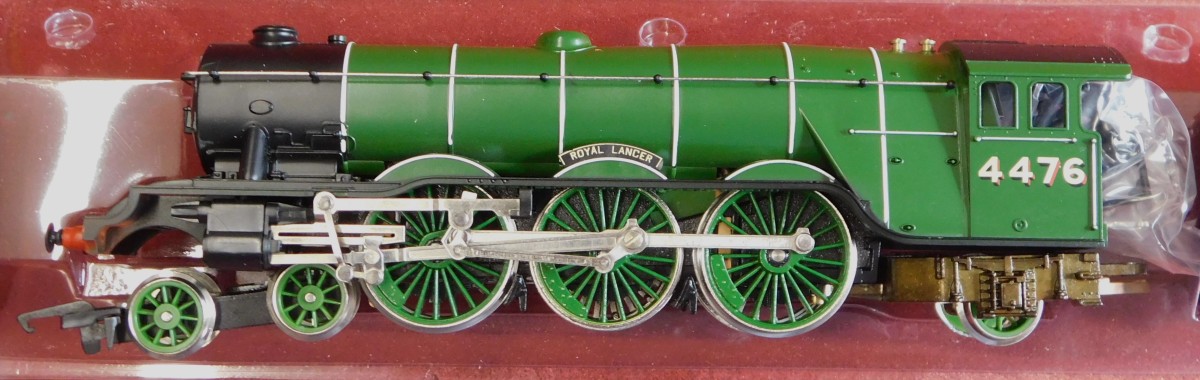
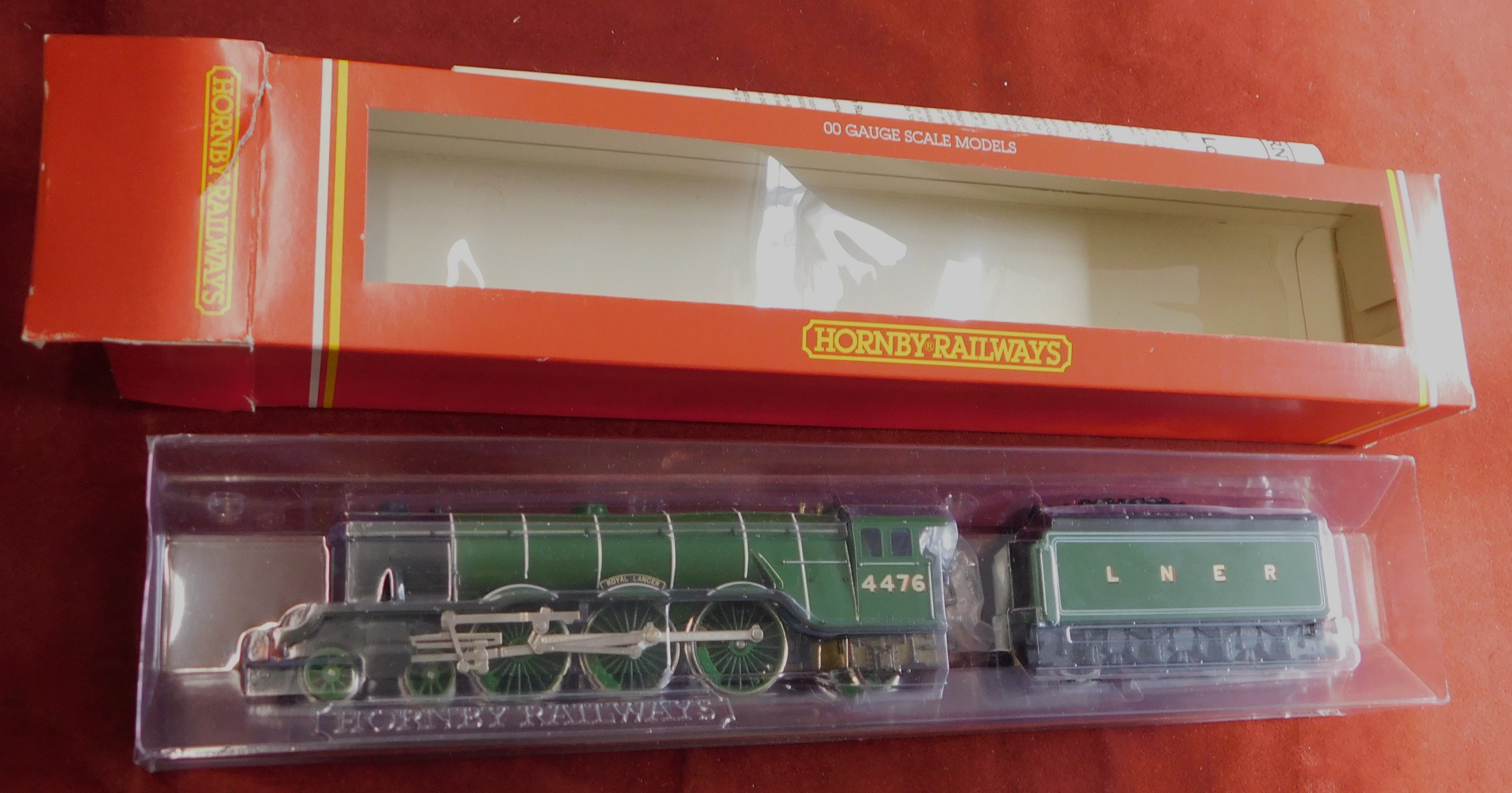
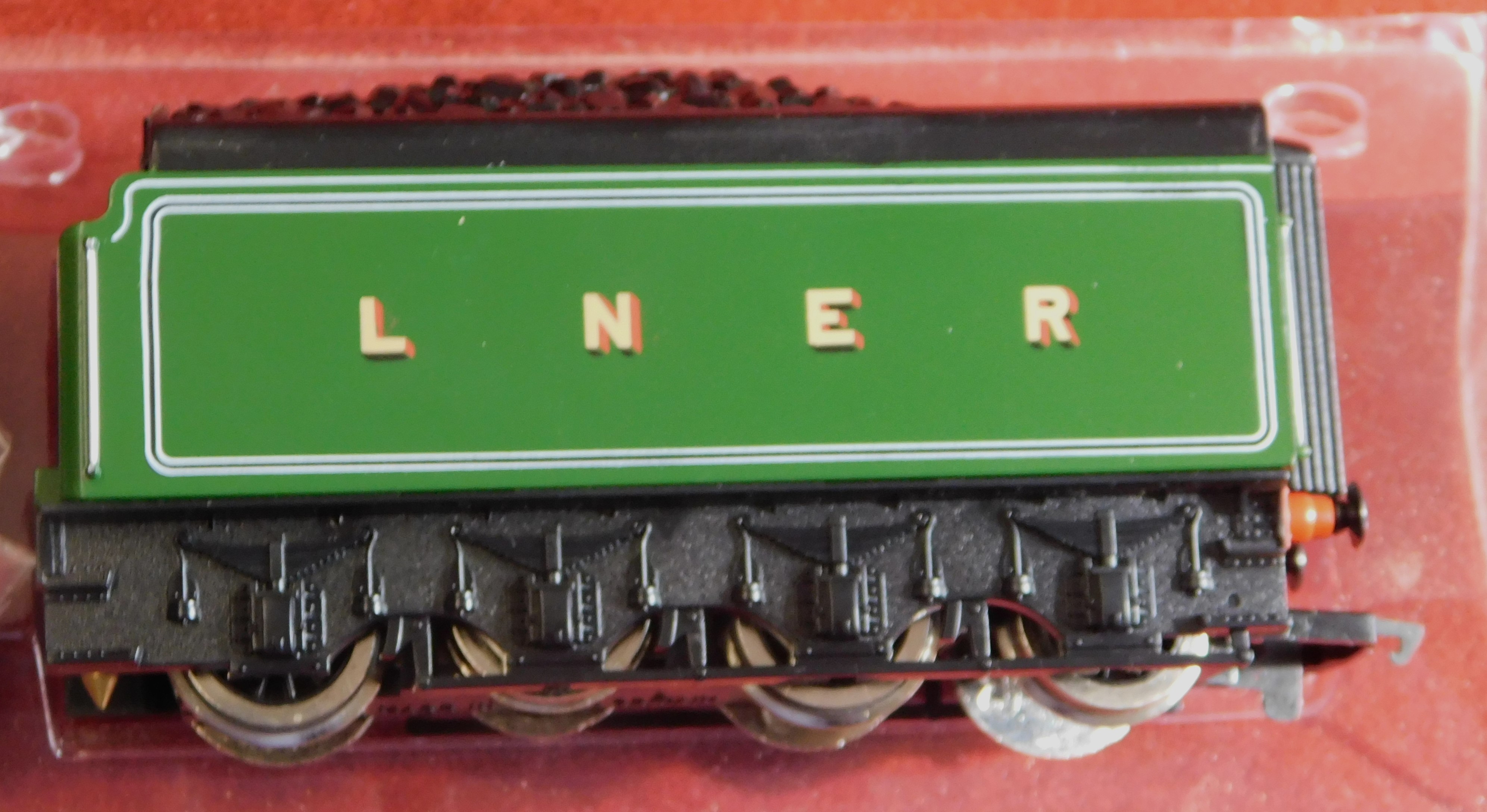
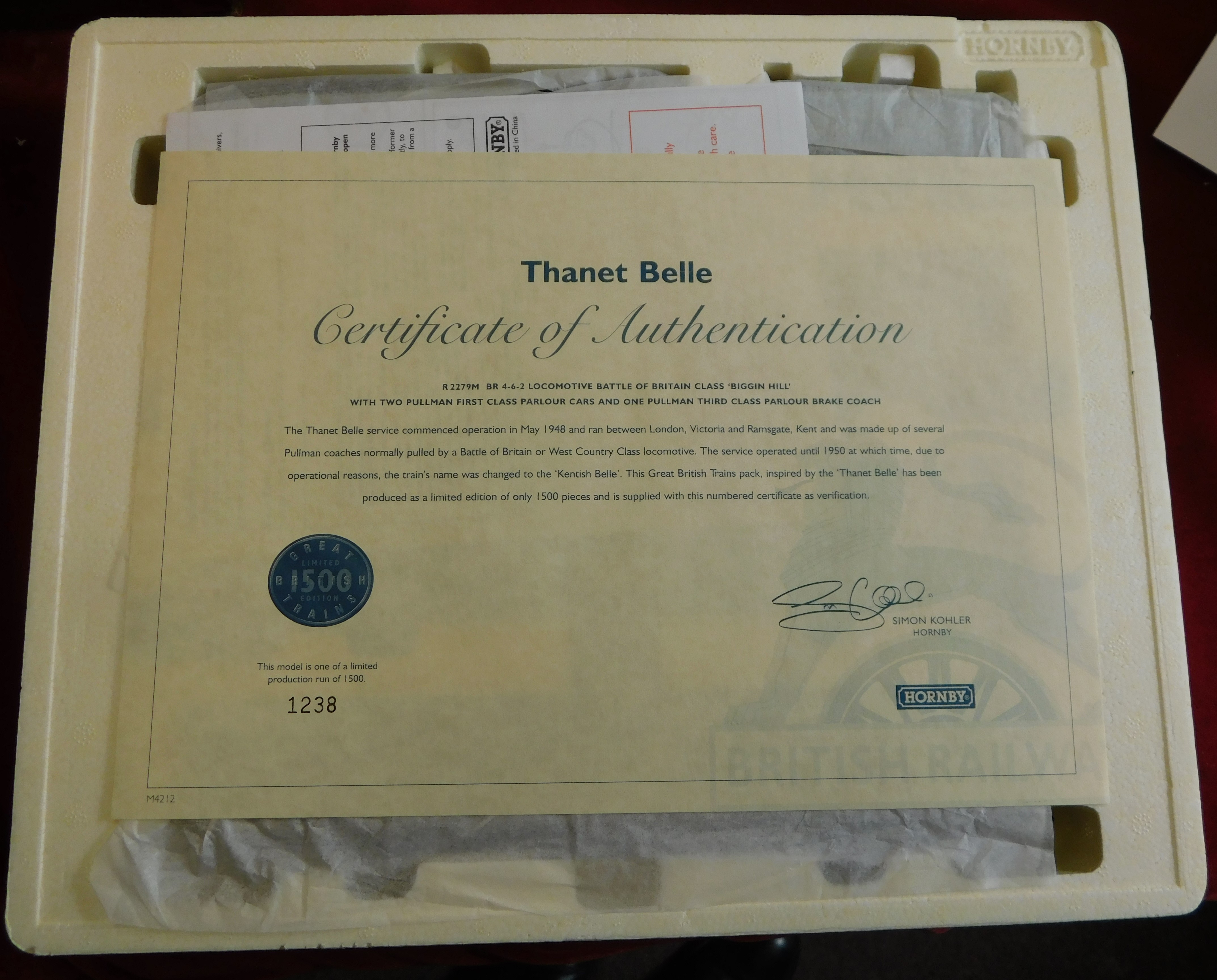
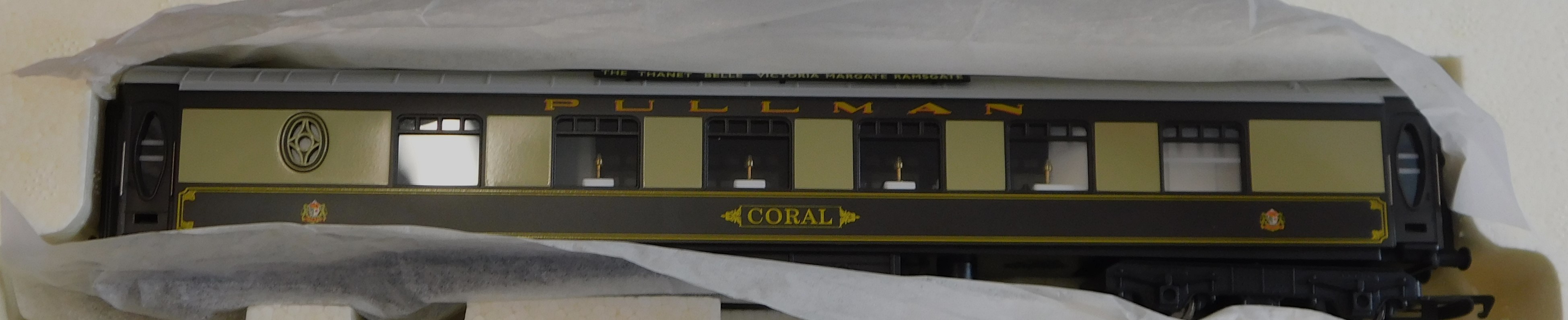
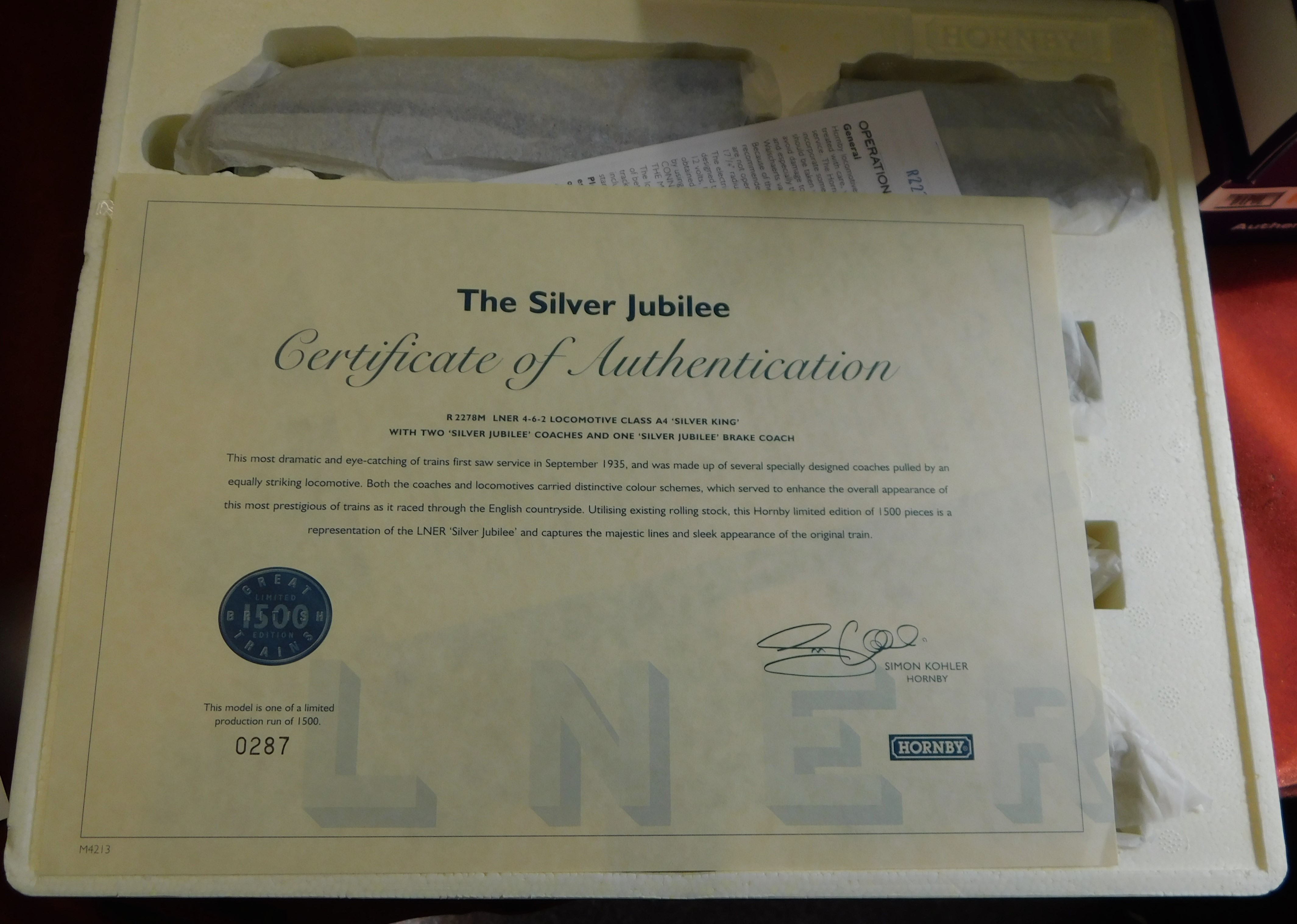
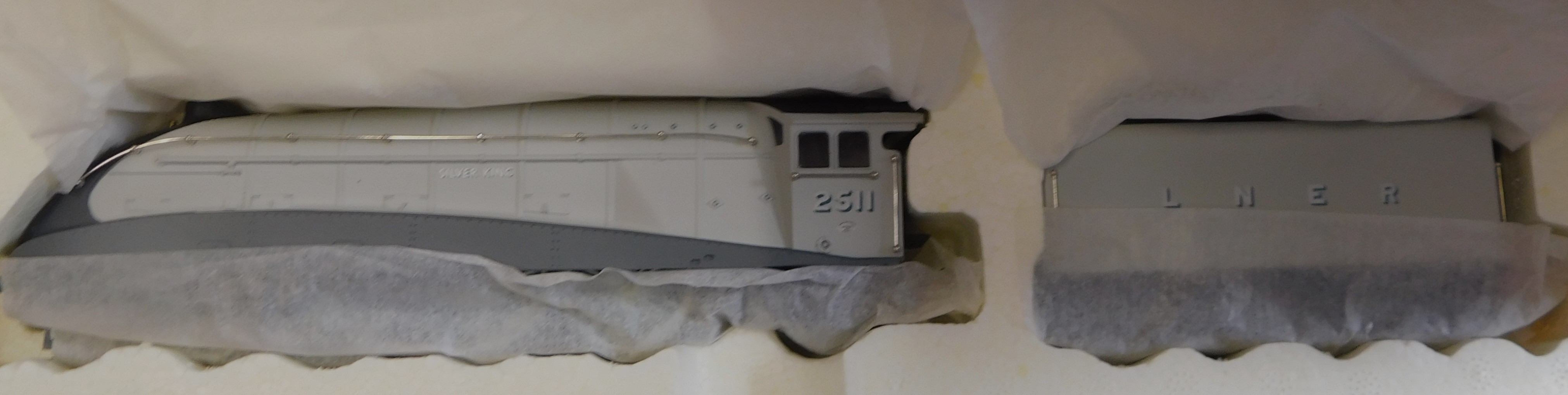
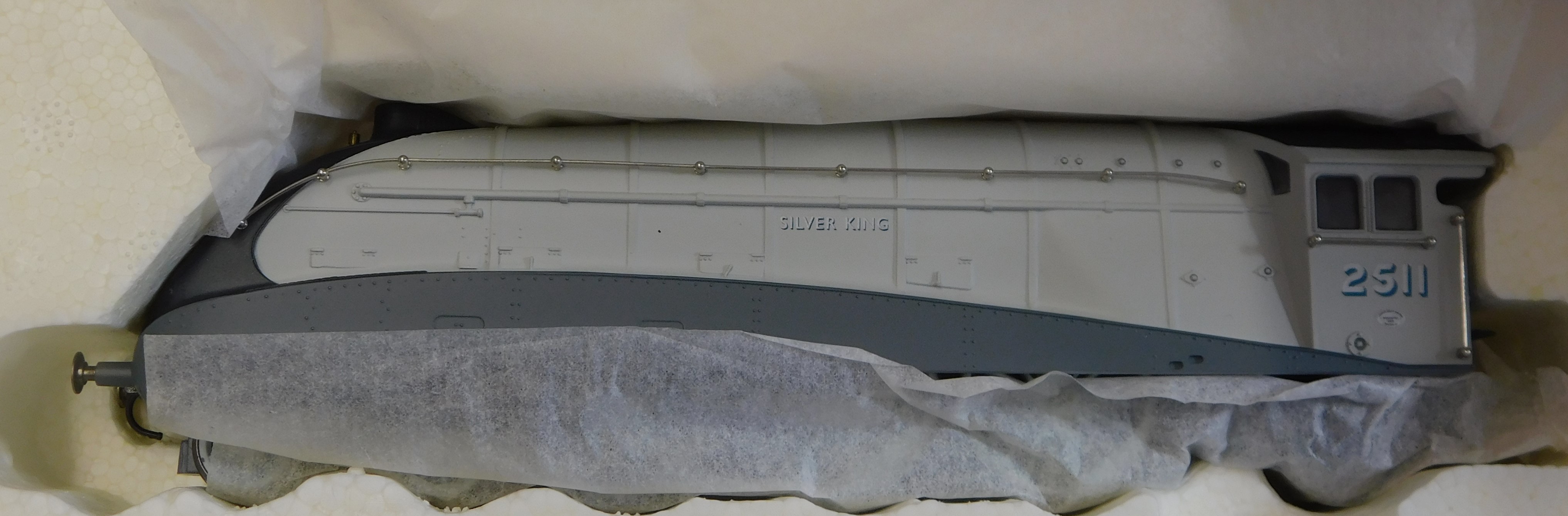
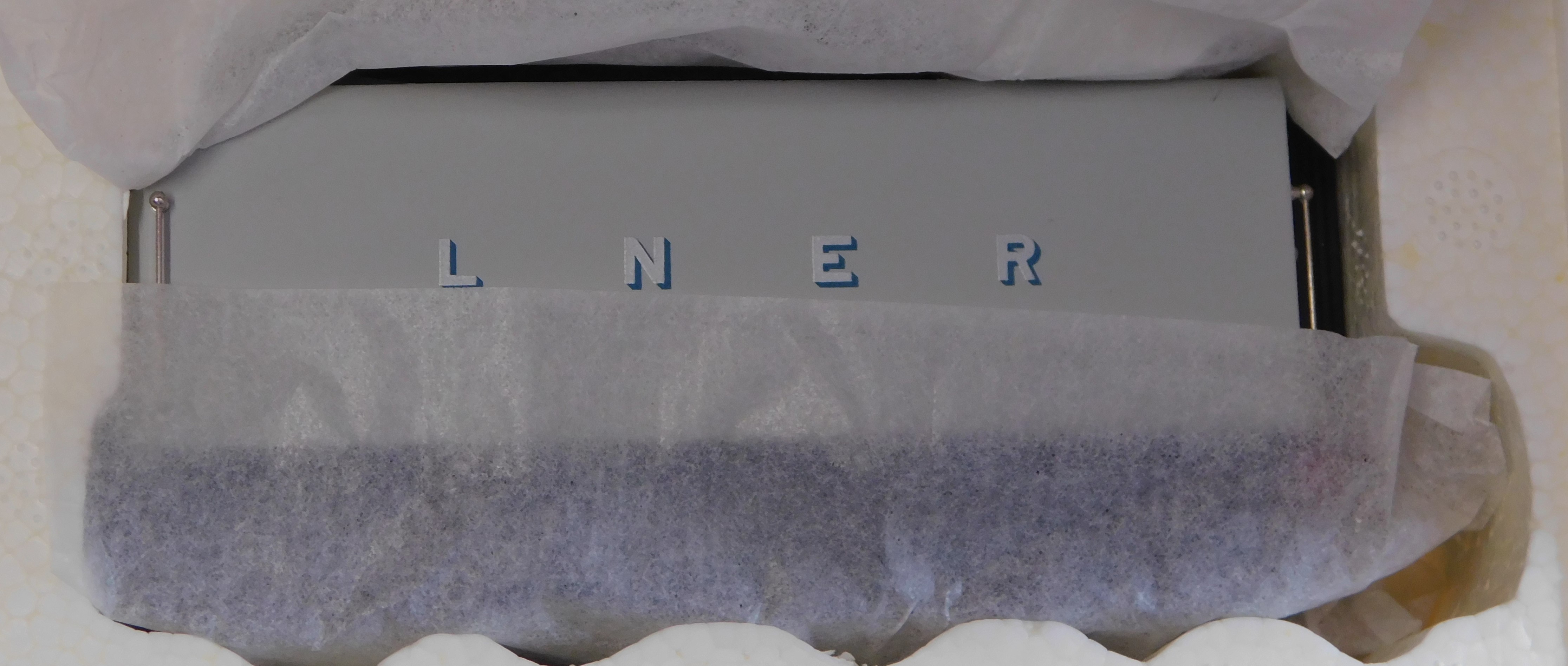
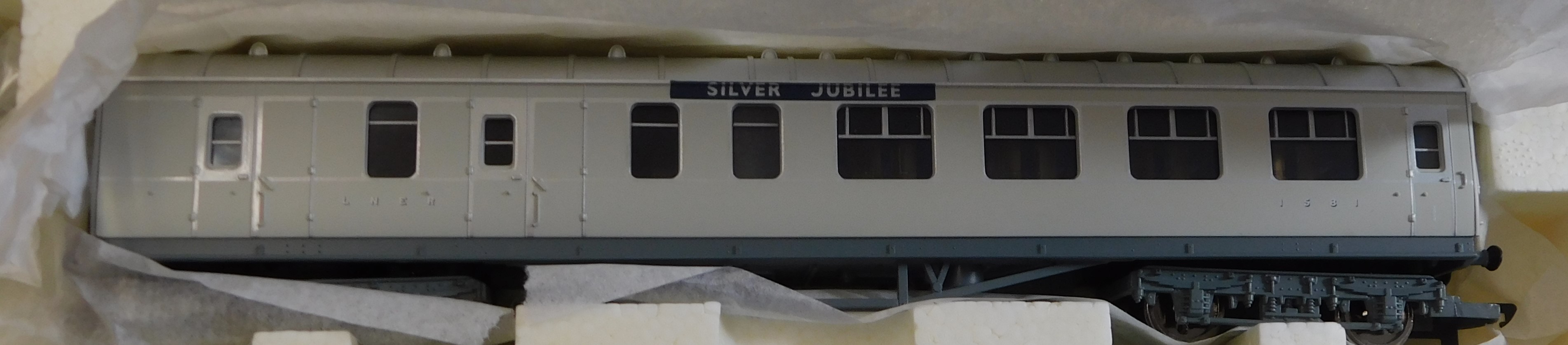
Next week James and Sons have a two-day auction. Day 1 (Tuesday) features mainly militaria, while day two features over 600 collectable railway models. The full catalogue can be viewed here or here. The models start with lot 501, which is on page six of the-saleroom’s listing (first link) and page nine of easyliveauction’s listing. Here are a few sample images:

My usual sign off…

While I have been preparing this for publication Pakistan have lost one wicket but have also moved on to 263 in the 38th over. 105 off 12.3 overs is not particularly daunting by modern standards.

The World Cup So Far

Some thought’s on the cricket world cup 2019 and some pictures.

INTRODUCTION

This is my first post for a while. I have lots of pictures to share. Aside from my continuing recovery from cancer (I have am expecting a date for my operation in the not too distant future, having recently had a pre-operation assessment) the cricket world cup has been centre stage for me since it got under on May 30th.

AN OVERLONG TOURNAMENT

Today is the 19th day of the tournament and the game currently taking place between Bangladesh and the West Indies marks the halfway point of the group stage (match 23 of 46). The reason why cricket world cups stretch on like this is because by and large only one match is scheduled per day (there have been a handful of days with two matches in this one, but very few), because the TV companies prefer it that way. During the last world cup I produced my idea for how to run a cricket world cup and not have it take such a ridiculously long time, and I reproduce that below:

THE SUTCLIFFE FORMULA

There has been much talk at the Cricket World Cup about how the tournament should be formatted, especially given that there are those who would reduce it to a ten team tournament (so utterly harebrained a notion that I do no more than mention it). Several of the associate nations at this world cup have given good accounts of themselves, with Ireland having a strong chance of progressing to the quarter finals.

My formula for a Cricket World Cup would be as follows:

16 teams to play in the tournament. Stage one would involve two groups of eight teams, the top four from each group progressing. Each group would play its matches in sets of four (hence two groups of eight), making seven rounds of matches for each group, to played on alternate days (i.e. this stage would span two weeks, with each side having a day off between matches.

After the group stage would be a three day break before the quarter-finals, which would be played all on one day. After a two day break the semi–finals would take place. Then following another two day break the final would take place. This would mean that the tournament would be played in a period of three and a half weeks (a sensible length for a global tournament).

As for the TV people: If they don’t like it they can lump it.

THOUGHTS ON WORLD CUP 2019

Apart from being miles too long once again this has been a good world cup so far. It has not featured the ludicrously high scoring some predicted, and the highest successful chase has been of a mere 244. That could go today however, as Bangladesh are 70-1 after 10 overs chasing 322 to beat the Windies.

PICTURES

P1240413 (2)
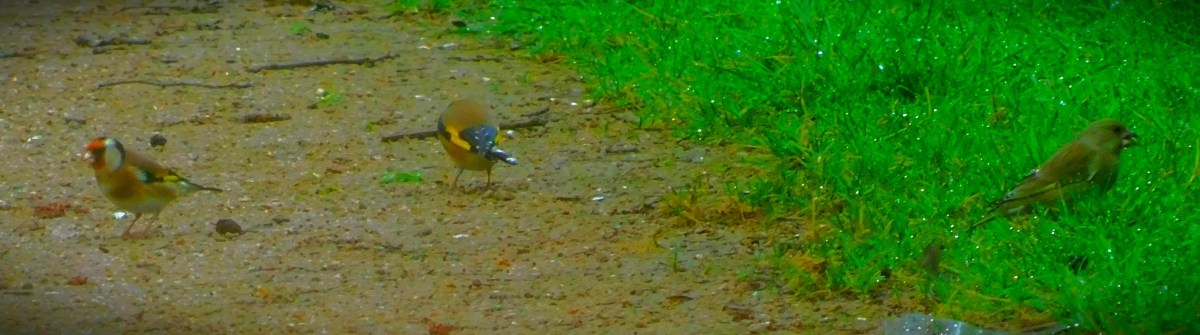
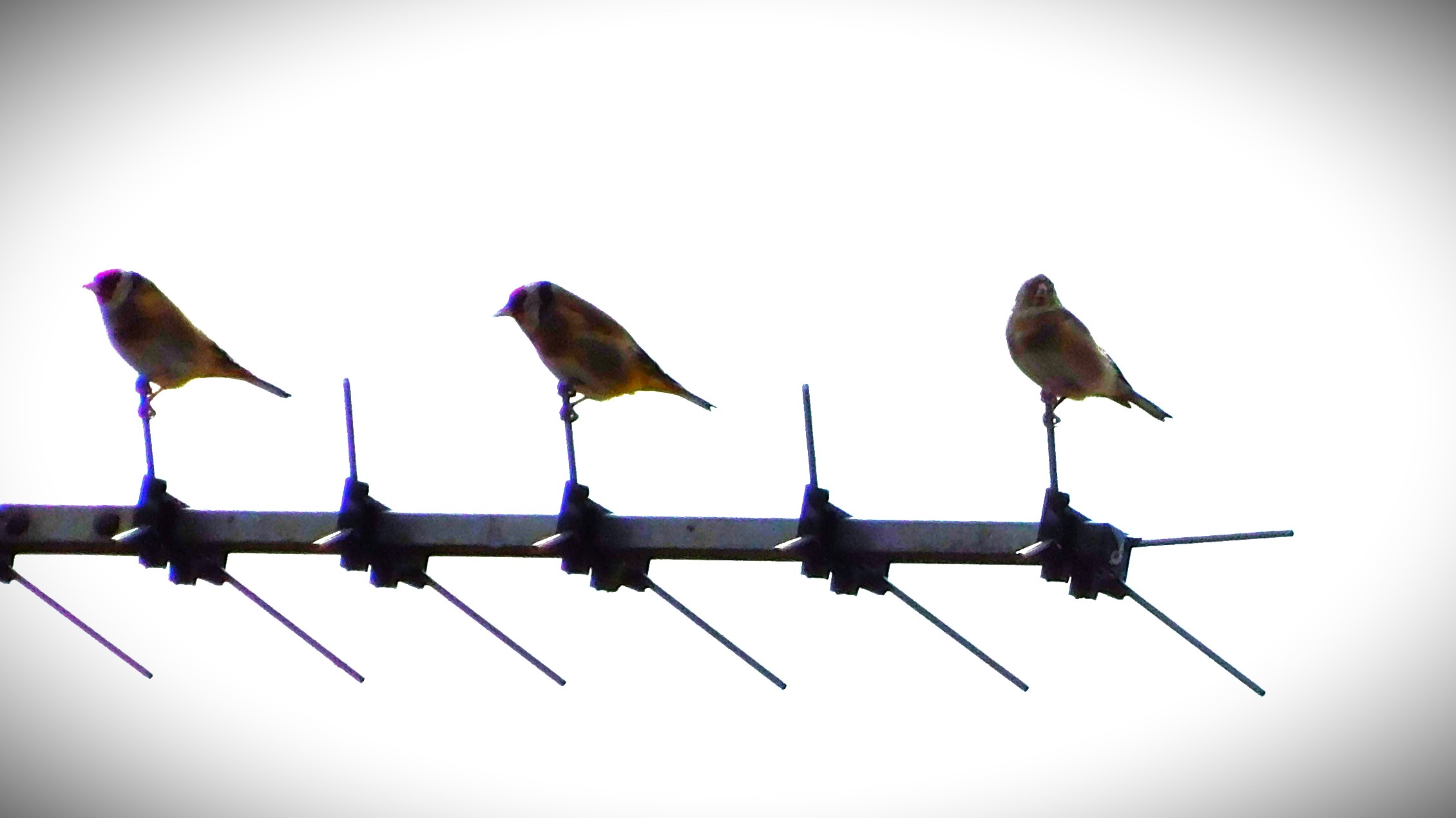
We begin with more on goldfinches….

P1240524 (2)P1240525 (2)P1240527 (2)P1240528 (2)P1240529 (2)P1240530 (2)P1240414 (2)P1240415 (2)P1240416 (2)P1240417 (2)P1240418 (2)P1240419 (2)P1240420 (2)P1240422 (2)P1240423 (2)P1240424 (2)P1240425 (2)P1240426 (2)P1240427 (2)P1240429 (2)P1240431 (2)P1240432 (2)P1240433 (2)P1240434 (2)P1240435 (2)P1240436 (2)P1240437 (2)P1240438 (2)P1240439 (2)P1240440 (2)

The Last Domestic 50 Over Final At Lord’s

Some thoughts on The Royal London Cup and England v Australia, and plenty of photographs.

INTRODUCTION

Somerset are heading for a comfortable win over Hampshire in the final of the Royal London Cup – the only question being whether they will complete the job before I finish this post or not. Meanwhile at the Ageas bowl England are trying to beat Australia in a World Cup warm up match (the tournament proper begins on Thursday.

A CRICKETING WATERSHED

This final is a ‘last’ in two different ways. It is the last to take place at Lord’s, and it is the last domestic 50 over final to involve anything approaching full strength sides, because next year this tournament will be taking place at the same time as “The Hundred”, a new competition in which sides will contest matches of 100 balls per innings, and the best players will all be involved in that competition. Fortunately, although Somerset have been definitely the better side it has been a decent match. Hampshire were 180-8 at one point in their innings, but boosted that to 244-8 so that at least Somerset had some work to do. 56 from Northeast and 55 not out from Fuller (this latter contributg to the final fling mentioned above) were the top scores for Hampshire. Jamie Overton took 3-48, Josh Davey 2-28 from eight overs and remarkably Tom Abell, mainly a batter, had 2-19 from five. 69 from young wicketkeeper/batter Tom Banton at the top of the Somerset innings is the highest score of the day so far, Azhar Ali the other opener made 45, and James Hildreth is currently 45 not out, batting now in the company of youngster George Bartlett.

England are very much in the game against Australia, in spite of the fact that Australia were allowed to play a team of 12.

PHOTOGRAPHS

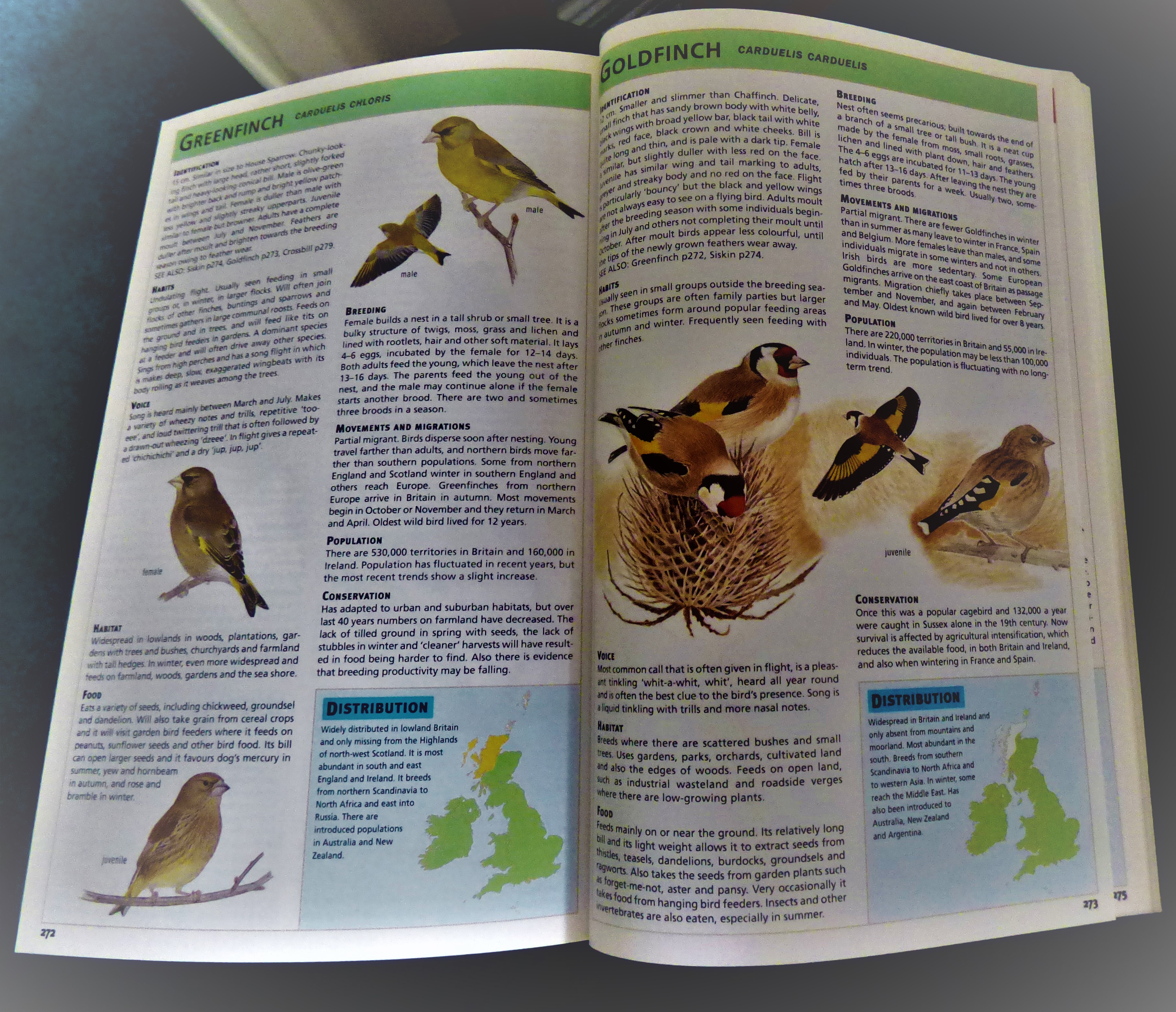
First, a new find for me – a couple of tiny little birds I spotted while out on a short walk earlier today and which (with help from Lynda Keen on twitter as well as my bird book) I have been able to identify as goldfinches:

P1240390 (2)

Here are my remaining photographs:

P1240343 (2)P1240344 (2)P1240346 (2)P1240347 (2)P1240354 (2)P1240357 (2)P1240358 (2)P1240359 (2)P1240360 (2)P1240361 (2)P1240362 (2)P1240363 (2)P1240363 (3)P1240364 (2)P1240365 (2)P1240365 (3)P1240366 (2)P1240367 (2)P1240368 (2)P1240369 (2)P1240371 (2)P1240372 (2)P1240373 (2)P1240374 (2)P1240375 (2)P1240376 (2)P1240377 (2)P1240378 (2)P1240380 (2)P1240381 (2)P1240382 (2)P1240384 (2)P1240385 (2)P1240386 (2)P1240387 (2)P1240391 (2)P1240392 (2)P1240393 (2)P1240394 (2)P1240395 (2)P1240396 (2)P1240397 (2)P1240398 (2)P1240401 (2)P1240402 (2)P1240403 (2)P1240410 (2)P1240411 (2)