A look at goings on at Edgbaston where England and India are engaged in a test match. Also a huge photo gallery.
As we approach tea on the third day of the second test match of the series between England and India for the Anderson-Tendulkar trophy we have already seen some remarkable cricket.
THE PRELIMINARIES
England named an unchanged side, with the plan being to introduce Archer, fit again after many injury woes, at Lord’s, the second match of these two back to back tests. India made a number of changes. Karun Nair was moved up from number six to number three, B Sai Sudarsan was dropped, and Nitish Kumar Reddy, a batter who bowls medium pace came in at number six. Thakur was dropped, and Washington Sundar brought in to strengthen the batting (his off spin could not be accounted a major factor on an English pitch). India also decided that Jasprit Bumrah could not play both matches of a back to back sequence and reckoned that he would fare better at Lord’s, Akash Deep replaced him at number nine. The Indian line up was loaded with batting depth, but a little light on bowling. Ben Stokes won the toss, and in spite of neither pitrch nor conditions suggesting it, and in spite of India’s batting strength he chose to bowl, the tenth time he has done so out of 11 toss wins on English soil.
THE GLORY OF GILL
Shubman Gill came into this match with a test average in the upper 30s, with many reckoning he had the talent to be doing far better than that. His effort in the first innings here underlined exactly why. With some notable support, chiefly from Jadeja and Sundar at numbers seven and eight in the order Gill, who never previously topped 150 at test level scored 269 from number four in the order, propelling India to a score of 587. A score of that magnitude has sometimes been a prelude to a defeat – at Sydney in 1894 Australia lost after racking up 586 first up, while in a three-day match at Chesterfield in 1904 Essex lost by nine wickets after running up 597 in the first innings, and 78 years later at Southport Warwickshire scored 523-4 declared on day one of three, had Lancashire a wicket down by the close, and lost by ten wickets two days later. However, for all these examples it was not looking bright for England.
HITTING THE FLOOR AND REBOUNDING
England were three wickets down by the end of day two, though Brook and Root had fared reasonably after the top three all got out to bad shots. Root fell early this morning, edging behind to make it 84-4, still 503 adrift. One ball later that was 84-5, Stokes only able to offer a catch to the keeper off a brute of ball from Siraj. Jamie Smith hit the hat trick ball for four, the start of a blistering counter attack that saw him reach three figures before the lunch interval. Brook also went to a hundred, and Smith has now moved past 150, and has so far hit 19 fours and three sixes in the course of his innings. The sixth wicket stand is currently with 252 unbroken, though England are still over 250 short of first innings parity. Mohammad Siraj has three wickets, Akash Deep two, and no other Indian bowler any, and there has not been much threat from any of them either. There was a crazy passage this morning when Krishna attempted to test Smith with “bouncers”, which were at his pace and on this pitch medium paced long hops off which Smith helped himself to a succession of boundaries. This sixth wicket partnership is massively impressive, but am still 100% certain that Stokes should have chosen to bat first. He has chosen to bowl first in both matches, got away with it at Headingley because India had batting collapses in both innings after strong starts (430-3 to 471 all out and 333-4 to 364 all our) but does not look like getting away with it here. I also feel that India’s selection was fundamentally defensive – if they were resting Bumrah then left arm wrist spinner Kuldeep Yadav should have been selected to give the attack a bit of bite. The tea interval has arrived while I have been preparing this for publication, with England 341-5, still 246 short of first innings parity.
PHOTOGRAPHS
My usual sign off…
This oystercatcher was on the roof of the church of St Peter and St Paul in Fakenham, an inland town.These four pictures showing a large group of Greylag geese were taken through the window of a bus, while it was stopped opposite Great Massingham’s village green.Four into three does not go – four hoverflies and three dandelion heads in this case.A European peacock butterfly on a buddleia about 100 yards from King’s Lynn station.A squirrel running along a high wall (it is a surviving section of town wall)Two for one on dragonflies by the Gaywood river.
An account of days four and five in Multan is England created history by winning by an innings margin after conceding over 500 in the first innings. Also a photo gallery.
In my previous post I told the story of the first three days of the opening test of the Pakistan v England series in Multan. I now tell the story of days four and five (please bear in mind day four was a work day for me and therefore I did not to get follow all of it).
ROOT AND BROOK DOMINANT
England started day four on 492-3. They utterly dominated the morning session, Root and Brook batting like a pair of titans. Had England scripted the session they would hardly have dared to make as good for themselves as it actually was. Not only did the Yorkies remain together throughout the session, they plundered 166 runs from 29 overs in the course of it. Both were well past 200 by the lunch interval, only the second time England had ever had two double centuries in a single test innings after Chennai in 1984 when Graeme Fowler and Mike Gatting did likewise. The partnership was worth an unbroken 409 at this point, already England’s second best ever for any wicket against all comers, also the highest ever England partnership between two players from the same county, relegating Hutton/ Leyland (Yorkshire, 382 for the second wicket v Australia at The Oval in 1938) into second place in this particular league table, with Denis Compton/ Bill Edrich (Middlesex, 370 v South Africa for the third wicket in 1947) and Ken Barrington/ John Edrich (Surrey, 369 for the second wicket v New Zealand in 1965).
After lunch the pair continued the assault, taking the total past 700 while they were still together. Both passed 250 along the way, Root first, closely followed by Brook who in spite of having given his partner an 80-odd run head start was threatening to overhaul him. Finally, Pakistan gained a measure of relief, when Salman Agha trapped Root LBW for a new test best of 262 to make it 703-4, ending the stand at 454, England’s record for any wicket in all test cricket, the all time fourth wicket record for all test cricket, and the fourth biggest partnership in test history, beaten only by Martin Crowe/ Andrew Jones 467 for the third wicket v Sri Lanka, Jayasuriya/ Mahanama 576 for the second wicket v India and Jayawardene/ Sangakkara 624 for the third wicket v South Africa, which means that this was also the biggest ever partnership in a test match not involving Sri Lanka.
Brook kept going, ticking off a few more milestones. At 270 he claimed possession of the highest test score by any member of this XI, a four taking past Crawley’s 267 also against Pakistan. Then came Cook’s 294, the highest score for England in the 21st century, then the triple century. It was at this point that I headed off to catch the bus to work, having made all my preparations and decided that I would take my leave either when Brook was out or when he reached 300, whichever came first, so I missed the last period of England’s charge towards a declaration. Later checks revealed that the declaration had finally come at 823-7, with Brook’s innings ending on 317, the second highest ever score for an England batter abroad behind Hammond’s 336* v new Zealand in 1933, and that Saim Ayub, pressed into service due Abrar Ahmed being ill (ill enough to hospitalized) had become a record breaking sixth Pakistan bowler to concede 100 or more in the innings. The previous was five, although in the first such instance of that happening, when Australia scored 758-8 declared v West Indies back in the 1950s, a sixth bowler, Sobers, avoided joining them by the narrowest possible margin, going for 99.
Pakistan thus began their second innings 267 runs adrift. It would appear to be in the early stages of their second innings that their hopes of escaping with a draw were killed. Abdullah Shafique was bowled by the first ball of the innings, and Pakistan somehow lost six wickets in the space of 24.2 overs, for 82 runs. The seventh wicket pair stopped the collapse to the extent of taking Pakistan to the close of day four on 156-6.
WRAPPING THINGS UP
Day five started with Pakistan needing 111 to avoid the innings defeat, with three wickets standing (it was confirmed that Abrar Ahmed was still ill in hospital and would not bat, though as a regular number 11 he was unlikely candidate for becoming a latter-day Eddie Paynter, rising from his hospital bed in his country’s hour of need and becoming the batting hero, as the Lancashire left hander did in the fourth test of the 1932-3 Ashes). Salman Agha and Aamer Jamal took their partnership past the 100 mark, but at 191 Jack Leach pinned Agha LBW for 63. Shaheen Shah Afridi resisted for a time, but after an over in which Brydon Carse gave him a tough time he drilled one back at Leach who took a superb return catch to make it 214-8. Naseem Shah got off the mark with a six, but missed another huge heave at the next ball and was stumped by Smith to end proceedings with Pakistan 47 short of avoiding the innings defeat. Leach’s polishing off of the tail gave him innings figures of 4-30, the stuff of miracles on this pitch, and match figures of 7-190. To put those figures in their true perspective, it means he took his wickets in this match at 27.14 each, while outside of his efforts the total score was 1,409-19, an average of 74.16 per wicket. Pakistan’s 556 is the highest first innings total by any side to lose a test match by an innings. There have been two higher scores in the first innings of a match by a side who ended up beaten: Bangladesh 595-8 declared v New Zealand quite recently, and Australia’s 586 at Sydney in 1894, when overnight rain at the end of the fifth day of a timeless match saw Australia caught on a vicious sticky and spun to defeat by Bobby Peel and Johnny Briggs, 113-2 becoming 166 all out and a loss by ten runs. Pakistan under Shan Masood have now lost six successive matches. The second match of this series starts, also in Multan, on Tuesday.
A look at developments in the first test of the Pakistan v England series, currently taking place in Multan, a link to an important campaign and a photo gallery.
The England men’s test side are currently in Pakistan, contesting the first match of a three match series. Multan is the venue.
PAKISTAN’S FIRST INNINGS
Pakistan won the toss and chose to bat. Abdullah Shafique and skipper Shan Masood shared a s second wicket stand of 253, and there were further major contributions from Saud Shakeel (82) and Salman Agha (104*) to boost the total to 556. Leach had 3-160 from 40 overs, Atkinson and Carse each claimed two wickets, while Bashir, Root and Woakes took one each. Though he was the most economical of the bowlers, going at precisely three runs per over, Woakes did precious little to suggest that he is worth his place overseas. Ben Duckett injured a thumb taking the catch that ended the Pakistan innings.
ENGLAND’S REPLY
Pope opened in place of Duckett and fell for a duck, but Crawley and Root saw things through to the end of the second day with the score 96-1.
Crawley donated his wicket with a really poor shot off Shaheen Shah Afridi, to make it 113-2 early this morning, but Duckett, now fit to bat, came in at number four and played excellently in partnership with Root. The third wicket stand had reached 136 when Aamer Jamal trapped Duckett LBW for a splendid 84 to make it 249-3. That brought Harry Brook to the crease, and neither he nor Root ever looked in any trouble from the Pakistan bowlers, though the Multan heat caused Root problems, in the form of cramps. By the time Brook joined the fray Root had already established himself as England’s all time leading test run scorer, having started the innings needing 71 to overhaul Cook’s tally, and now the milestones clocked up frequently: 50 to Brook, 100 to Root, 100 to Brook, 150 to Root. By the time stumps were pulled England had reached 492-3 and the partnership between the two Yorkies was worth an unbroken 243. Abrar Ahmed had bowled 35 overs for 174 and was wicketless. That included one spell of 23 overs, the longest wicketless spell by anyone against England since Old Trafford 2005 when Shane Warne bowled w=a wicketless spell of 24 overs. Root had 176 not out by the end of the day, having faced 277 balls and hit 12 fours, and thus run 128 of his own runs. Brook was 141 not out from 173 balls, with 12 fours and one six. The pitch has not yet shown any signs of breaking up, and Pakistan’s bowlers have by and large looked clueless. A draw would seem likely to because the pitch is emasculating the bowlers, but I could see an England win, if they bat well tomorrow, and Pakistan after a long time in the field and facing a large deficit, not to be expected after scoring 550, become dispirited and their second innings collapses. In total 250 overs have been bowled so far – 16 fewer than should have been allowing two overs for each innings break. Current scorecard here.
PHOTOGRAPHS
Just before my usual sign off, I have a link to share. The British sugar beet industry is seeking an ’emergency exemption’ from the ban on the use of Neonicitinoids for would if granted be a fifth successive year, hence the use of the use of speech marks around the key phrase. These pesticides are more poisonous gram for gram than DDT. It is time for two things:
The government needs to stand up to the sugar beet people and refuse them their exemption.
The right to apply for an emergency exemption then needs to be officially removed – the sugar beet industry has blatantly been abusing it, requesting such exemptions year after year rather than getting used to life without dangerous pesticides.
Butterfly Conservation are running a petition against the granting of this emergency exemption, which you can access here. There are four days left to do this. Image link below.
A detailed answer to a question posed by talk sport radio on twitter this morning in the form of a look at the resources available to the England test team at the moment plus a photo gallery.
Another English cricket season is around the corner (some pre-season warm up fixtures are already taking place), and it is a biggie – the Aussies will be touring later this summer. My title comes from a question that talk sport radio put out on twitter this morning, and I am using this post to give it a detailed answer – the brief answer is the single word “no”.
ENGLAND’S RESOURCES
Since Ben Stokes took over the captaincy the England test team has fared exceedingly well, and the side’s unprecedented 3-0 sweep of the series in Pakistan plus the subsequent 1-1 draw in New Zealand (with the second game lost by one run, Stokes going uncompromisingly for the win rather than shut the game down to secure the series) were both achieved without Bairstow. The only real vacancy in the batting order is at the top, where Crawley’s returns continue to be utterly inadequate for a test match opening batter. Foakes, the current keeper, played important roles with the bat in several of the wins and is without any shadow of a doubt well clear of Bairstow as a keeper. The bowling is also strong, although the spin department remains a concern. Even there, with Rehan Ahmed showing positive signs in Pakistan, the trend is upwards.
BAIRSTOW IN TEST CRICKET
While in the period immediately before injury forced his withdrawal from the side Bairstow was in absolutely white hot form with the bat, his test history, which dates back to 2012, is of blowing hot and cold, with the latter more frequently the case. He is apparently not happy with the notion of opening in test cricket, though he does so in both forms of limited overs cricket. For me the middle order is strong with the question being who to leave out. One way to accommodate Bairstow is to have Stokes, who certainly has the technical wherewithal to do so move up to open the batting, creating a middle order slot for Bairstow (WG Rumblepants suggested this on twitter in response to the talk sport radio query). None of Pope, Root, Brook or Stokes are dispensable, and I regard the notion of dropping Foakes, already on the receiving end of scurvy treatment from England selectors since his international debut in 2018, as an outrage.
THE ENGLAND TEST SIDE GOING FORWARD
With the powerful batting outlined above, plus Foakes as keeper, a slew of fine seamers available, plus outright pacers in the form of Wood, Archer and possibly Stone in the wings, and Leach and Ahmed available to bowl spin, plus Will Jacks on the fringes as a batter who bowls spin on the side, and a few county players knocking on the doors (a good start to the season for Ben Compton would certainly force the selectors to sit up an take notice to name but one) the truth is that the England test side does not need to perform mental gymnastics to find a way to accommodate an ageing middle order batter with a history of inconsistency at the highest level – they would do better to move forwards without him.
PHOTOGRAPHS
To put it mildly the weather these last few days has been less than ideal for photography, but I do have a small gallery of recent captures to share…
Photographed through the window of a bus, a pair of goldfinches using a cable (obviously very well insulated) as a perch.
A look at goings on the second test between New Zealand and England and a large photo gallery.
I am writing this as Australia and South Africa do battle in the final of the Womens’ World T20 Cup in front of a packed house crowd at Newlands, Cape Town – I will cover the closing stages of this tournament tomorrow. In this post I look at the first three days play in Wellington, where England are poised to win the test series against New Zealand.
THE ENGLAND FIRST INNINGS
I missed the first day’s play entirely – this being in New Zealand it is happening overnight my time. England were 21-3 at one point, but Harry Brook (184* by the close) and Joe Root (101* by the close) put on an unbroken 294 in what was left of the day – rain called a halt after 65 overs.
Brook was out early on the second day, but Root kept going, and when he reached his 150 Stokes declared. England had amassed 435-8. Root, the greatest English test batter of the 21st century and his heir apparent Brook had scored 339 of those for once out between them (Brook 186, Root 153*).
THE NEW ZEALAND FIRST INNINGS
By the end of day two, again hastened by bad weather, NZ were 135-7 and in all kinds of bother. A blitz by Southee, who ended with 73 off 48 balls, got NZ passed 200, but at 209 all out they had not quite done enough to dodge the follow-on. Anderson, currently the world no1 ranked test bowler at the age of 40, had three wickets as did Broad, and Leach outdid both of them with four. The next question was what Stokes would do – most current test skippers would not have enforced the follow-on, but as Stokes demonstrated at Rawalpindi not so long ago he is emphatically not most current test skippers…
THE NEW ZEALAND SECOND INNINGS
Stokes did enforce the follow-on, correctly in my view, given that this was day three and the weather was not to be relied on. New Zealand batted better second time round and reached the close on 202-3, still 24 runs in arrears. Kane Williamson and Henry Nicholls committed absolutely to defence in the latter stages of the day, which is why NZ are still in debit. If New Zealand can bat through day four they may be in a position to cause England trouble, but at the moment England are heavy favourites, and a couple of early strikes to start day four would underline that status.
A look back at the events of the third Pakistan v England test, which ended in the early hours of yesterday morning UK time.
At just about 5:40AM UK time yesterday Ben Duckett smashed a four to take England from 166-2 to 170-2 in the final innings of the test series in Pakistan, and in so doing created a piece of cricket history – no visiting side had ever won a clean sweep in a three+ match series in Pakistan until that moment. This post looks back at the events of the third match of the series (I covered the first two matches extensively already) and then at the key moments of this extraordinary series.
THIRD TEST: DAY ONE
Rehan Ahmed was given a debut for England, and Ben Foakes was recalled to the XI, Will Jacks and James Anderson being rested. For Pakistan Nauman Ali played in place Zahid Mahmood. Babar Azam won the toss and decided to bat, which looked like good news for Pakistan. Pakistan scored 304, with various players making useful runs but no one getting a massive score, and by the close England had lost Crawley. Nevertheless, England would have considered getting Pakistan all out on day one a good day’s work.
DAY TWO
England looked to be struggling at 145-5, when Ben Foakes joined Harry Brook, but a big stand between these two and some useful contributions from the rest of the order saw England to 354, a first innings advantage of 50. Pakistan were 21-0 by the close.
DAY THREE
This was the day the fate of the match was settled. Pakistan were 54-3 at one point, all three wickets to Leach to give him seven in the match. Then Babar Azam and Saud Shakeel shared a century stand. The key turning point came when Babar Azam smashed a slow long hop from Rehan Ahmed straight to Pope at midwicket. From then on the Pakistan middle and lower order imploded, a combination of poor shots from them and good work from England seeing a high water mark of 164-3 turn into 216 all out. Rehan Ahmed had 5-48 and Joe Root nabbed a wicket with his occasional off spin. Rehan Ahmed’s debut match figures of 7-137 were the best such by an England leg spinner since Charles ‘Father’ Marriott took 11-96 v West Indies at The Oval in 1933. Marriott, then 37 and a part time cricketer (he worked as a schoolmaster and turned out for Kent in the summer holidays) never played for England again, Ahmed should do so on many occasions. Leach’s seven wickets with his left arm spin were enough to make him the leading test wicket taker of 2022.
England needed 167 to win and there were 17 overs to be bowled that evening. Traditional test thinking would suggest a cautious approach and looking to get through without losing any wickets, but Crawley and Duckett set off at a merry pace. When Crawley was out Stokes made a typical Stokes move – the events of Pakistan’s second innings suggested that this was Rehan Ahmed’s day, so Stokes sent him in at number three. This divided opinion among those following the match – some, like me, thought it was superb, others grumbled about it being disrespectful to Pakistan. It had limited success, Ahmed making a rapid 10, but I think it was right nevertheless. In 1986 when John Bracewell scored his maiden test hundred against England, NZ skipper Jeremy Coney tossed him the ball that evening although it was earlier in the England innings than he would usually have deployed his off spinner, and was rewarded with a wicket – it was Bracewell’s day. Stokes then went in himself for the remainder of the evening. Stokes and Duckett played well together and England closed on 112-2, 55 short of victory. I thought, as I said in my post on Monday that this was far preferable to 40-0.
DAY FOUR
Stokes and Duckett never looked like doing anything other than knocking the runs off and the main focus of interest soon became whether Ben Stokes could hit his 108th career test match six, thereby breaking the record held by England head coach Brendon McCullum. The answer to that was no, and with McCullum’s native New Zealand being England’s next opponents the two are tied on 107 sixes in test cricket. England won by eight wickets, with among those not to bat in the innings being Root (thin series but still England’s finest), Brook (soon to collect both the Player of the Match and Player of the Series awards) and Pope. This time last year a rabble of an England test team were being obliterated in Australia, and if you had told me that 12 months on an England test side would be winning 3-0 away from home without Root scoring many runs I would have laughed outright.
PLAYER RATINGS
These my England player ratings in batting order:
Zak Crawley 4 – failed in the first innings, made a half decent score in the second.
Ben Duckett 8 – a comparative failure first up (26), but 82* in the final innings rounded out an excellent comeback series for him.
Ollie Pope 6.5 – a 50 in the only innings in which he batted, and although he was gifted it by a terrible shot from the batter his catch to dismiss Babar Azam and start the implosion of the Pakistan second innings was a good one.
Joe Root 5 – a duck in the only innings in which he batted, but three wickets for him across the two Pakistan innings count for something.
Harry Brook 9 – a superb century which pulled England out of some strife in the first innings. He had a superb series and should be part of the England test side for many years to come.
Ben Stokes 8.5 – a fairly quiet match for Stokes the player (26 and 35* with the bat, eight overs for 20 with the ball) though that second innings carried England to victory, but a fantastic match for Stokes the captain.
Ben Foakes 7.5 – a good and much needed 50 in the only innings in which he was needed to bat, and impeccable as ever behind the stumps.
Rehan Ahmed 8.5 – had a great time with the ball, and an entertaining one as “night hawk” in the final innings. His success bodes well for England’s future.
Ollie Robinson 6 – a useful contribution with the bat in England’s first innings, and didn’t do a lot wrong with the ball, though this was never a surface to suit him and his light workload reflects that fact.
Mark Wood 7 – an entertaining cameo with the bat, and on a surface that offered nothing to a fast bowler he gave it everything he had every time he was asked to bowl.
Jack Leach 7 – England’s work horse in this match – 57 overs across the two innings yielded him combined figures of 7-212 and his scalps included Abdullah Shafique (who had made a splendid start to his test career until this match) in both innings and Shan Masood and Azhar Ali (giving the latter a Bradman-like end to his career – bowled for a duck by an English spinner who batted at number 11) in the second – four of his seven scalps thus coming from the top three in the Pakistan order.
SERIES KEY MOMENTS
Day one – England score 500 in 75 overs. This set a template for attacking cricket, and indicated that England weren’t about to just settle for an all round boosting of batting averages on a flat pitch.
Day four – THAT declaration – Stokes sets Pakistan 343 in four sessions, albeit knowing that the light will be truncating the first and fourth of those sessions.
Day five – England keep pressing, and claim the final wicket with maybe 1.3 overs left before the light closed proceedings.
Second test day one – England attack on a turner. Many criticized England’s approach in the first innings of this match, but they managed 281 from 51.4 overs, and my own belief is that they would have made many fewer runs had they been obsessed with batting time. England went on to win, as a fourth innings target of over 350 proved too much for Pakistan.
Third test day one – England bowl Pakistan out in less than a day after the latter have chosen to bat.
Day two – England bounce back from 145-5 to claim a first innings lead of 50.
Day three – Rehan Ahmed takes five wickets as Pakistan slump from 164-3 to 216 all out, England knock off two thirds of their victory target in the 17 overs they have to face that evening.
Day four – Stokes and Duckett carry England to an eight wicket victory, Duckett making the winning hit, which means that England whose total tally of test match wins in Pakistan prior to this series totalled two had secured a 3-0 win in this series.
PHOTOGRAPHS
These pictures are split – I left the camera I took them with at work on Thursday, which was the peak of the freeze and retrieved it yesterday. To further increase the variation there are some night time pictures there…
A look at how it is that England stand on the threshold of a historic clean sweep of the test series in Pakistan, plus some photographs.
This post will be a fairly brief one, setting the scene for a more detailed one on Wednesday. The main subject is the match that is nearing its end in Karachi. No visiting men’s team has ever won every match of a three+ match test series in Pakistan, and as things stand England, already 2-0 up in the series are 55 runs away from victory with eight wickets standing (and three of those waiting to bat are Root, Pope and Brook, the latter two of whom have had outstanding series) in the final game. This match has featured three things until Stokes was appointed skipper have been in very short supply for the England men’s test team in recent years, and I tackle each in turn.
A WIN ORIENTED MINDSET
England have all too often approached test matches from a perspective of ‘must not lose’. Under Stokes that has very much become the correct ‘must win’ attitude. The first match of the current series, when Stokes boldly offered Pakistan a target of 342 in four sessions (albeit knowing that due to limited daylight both the first and fourth of said sessions would be of reduced length) exemplified this, as did the way England started their chase of 167 for victory in Karachi – rather than ‘make sure we don’t lose any wickets’ Stokes and England opted to see if they could win it before the end of the third day.
PUBLICLYBACKING PLAYERS
There have been two outstanding on-field examples of this in the current match: Harry Brook caused Stokes to be run out, and Stokes as he left the crease made a point of telling Brook not to worry about it. Brook duly scored a superb century. Today Rehan Ahmed took 5-48, a splendid performance (more on this and him in Wednesday’s post), especially for an 18 year old debutant, and when Crawley was first out Stokes decided that was Ahmed’s day and sent him in at number three to play the ‘night hawk’ role – an attacking version of the ‘night watch’ role. Ahmed only scored 10, but he hit two boundaries and helped maintain England’s momentum. Stokes himself went in at number four, but the light closed in. Nevertheless, so much of the task has already been accomplished that even if Pakistan start tomorrow sensationally it is hard to see England even getting nervous, never mind succumbing to those nerves – doing what England did is far preferable to a more conventional 40-0, and almost 130 still needed.
SPIN BOWLING
English pitches these days do not often favour spinners with the result that England have struggled in that department in recent times. Jack Leach took his 100th test wicket during this series, and in the period in which I have been an active cricket fan (mid 1980s to present) only one England spinner has taken over 100 test wickets at a better average than Leach – Graeme Swann (Derek Underwood played some of his career during my lifetime, but benefitted from uncovered pitches for much of his career – on a rain affected pitch, or at the other extreme, a dustbowl, he was truly ‘Deadly’, but on ordinary surfaces he was merely very accurate, and I don’t think he would take his wickets at much if anything below 30 each these days). In this match Leach and debutant Rehan Ahmed each claimed seven wickets, and even Joe Root had some success with the ball. This is important – many of those talking about England’s approach under Stokes are understandably dazzled by the incredible batting, but to win a match you generally need to take 20 wickets, and one reason England are poised for ninth win in ten test matches is that they have taken all ten of their opponents wickets in each of the last 19 innings in which they have bowled.
PHOTOGRAPHS
Before my regular photos I have two others that have appeared in previous posts to share for a special reason: Karachi is regarded as something of a fortress for Pakistan, and England are 55 runs away from taking it by storm, so which of the two photographs below do you think is more apt for the circumstances:
Please comment with your answer.
Now for my usual sign off…
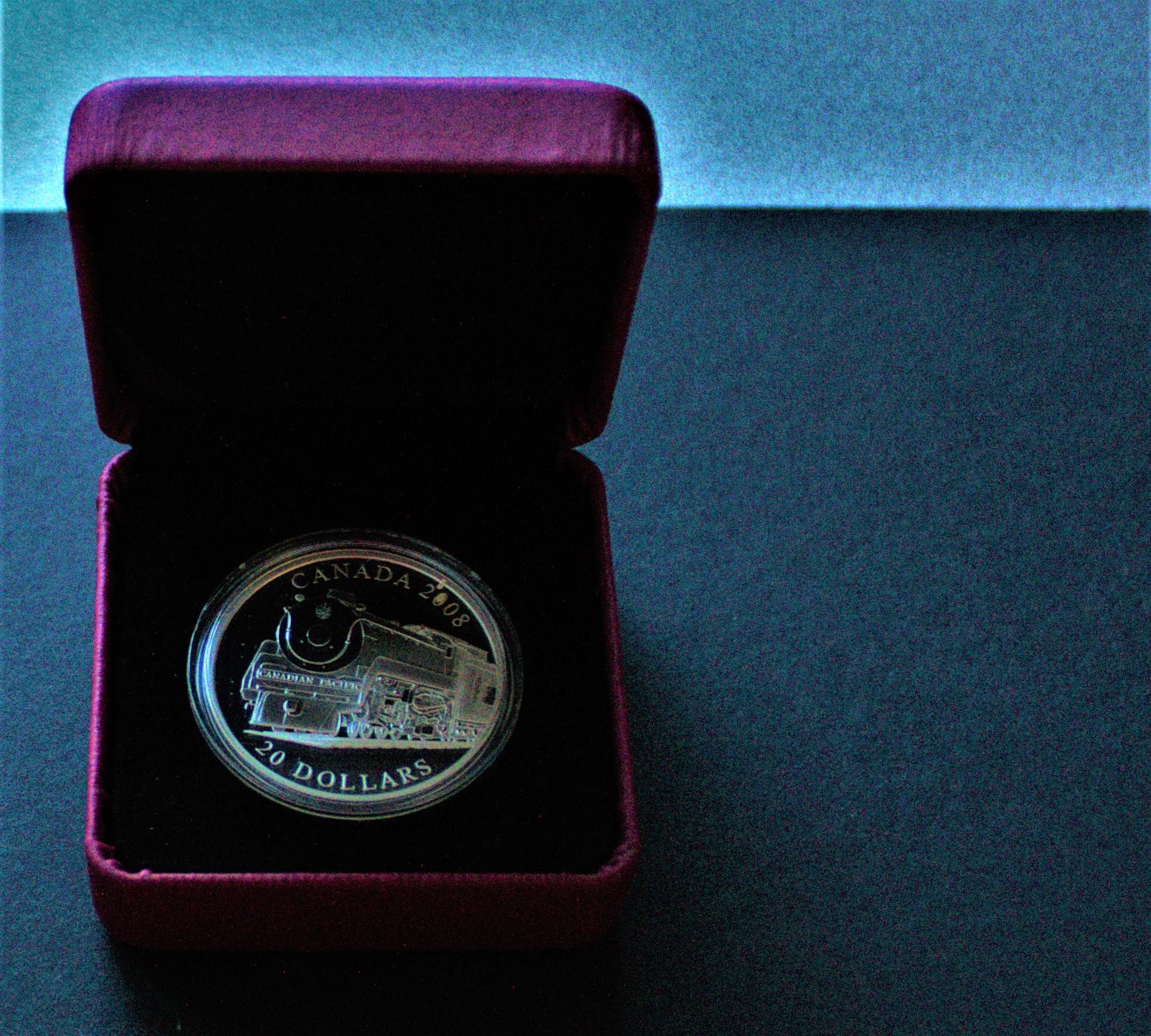
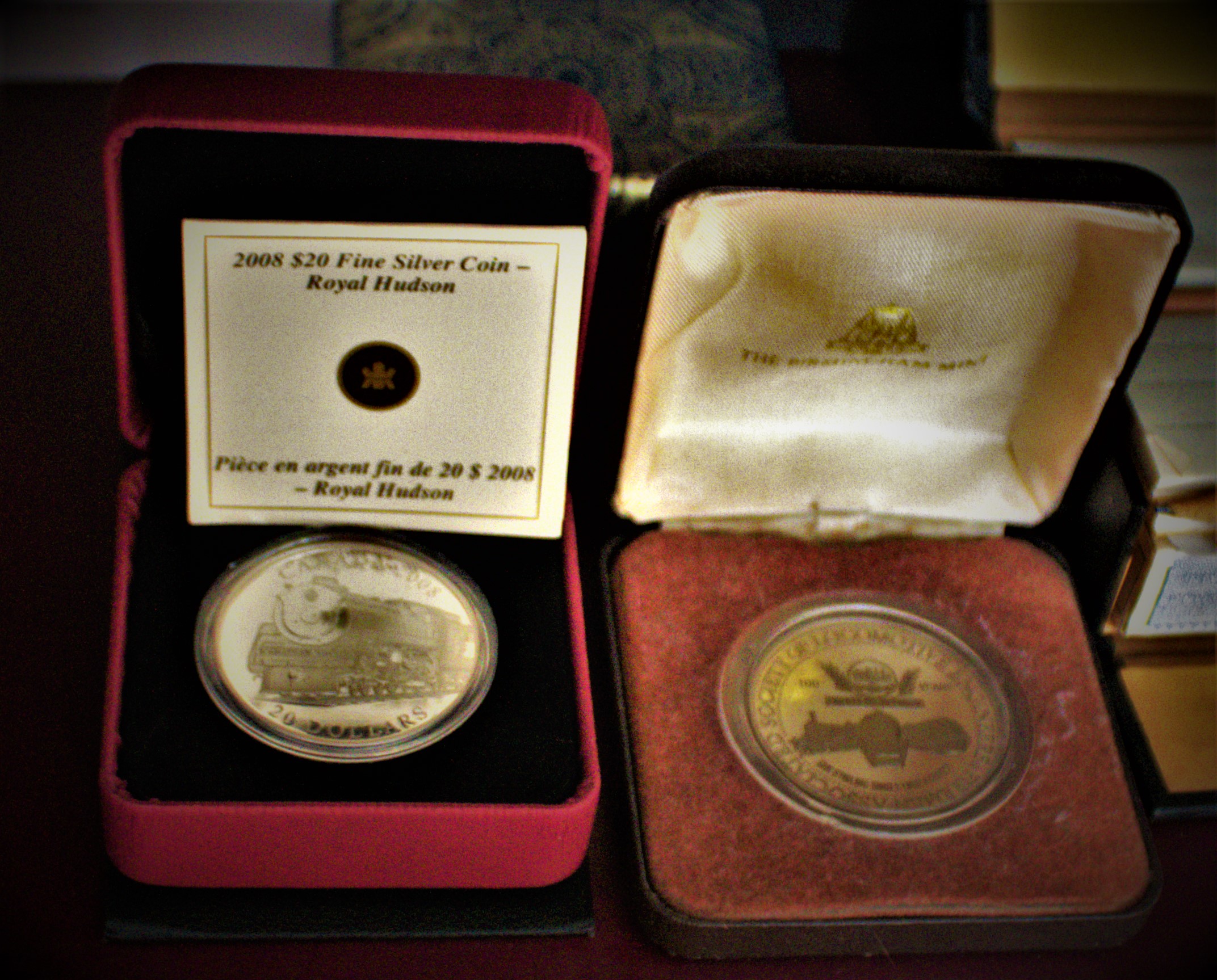
My last auction purchase of 2022 (eight images total)Installed in the Cabinet of Curiosities next to another piece of railway themed silver.Local pond at the peak of the recent cold snap (two pics)At the Autistic Group at King’s Lynn library, where I enjoy the lego (two pics)The next five pics show the same pond that was frozen solid as it is today in less vicious temperatures.
A look at England’s win in Multan, sealed earlier today.
This post looks at events in Multan and sets them in context. I have already covered the first two days play here, so this post takes up the story on day three.
DAY THREE
England extended their lead of 281 to 354, Brook completing a century to continue the highly impressive start he has made in test cricket. The last five wickets fell in a bit of a heap, but England had a substantial total to defend by then.
With Imam-ul-Haq initially unable to bat Mohammad Rizwan opened with Abdullah Shafique. These two both fell cheaply, and Babar Azam was also out with Pakistan massively adrift, but at that point Imam-ul-Haq joined Saud Shakeel, and they had a good partnership. Just before the end of the day Leach got Imam-ul-Haque for 60, and by the close Pakistan were 198-5, still needing 157 to win.
DAY FOUR
Saud Shakeel and Mohammad Nawaz got Pakistan to within 70 of the target, but Wood got both in a fiery spell just before the lunch interval, albeit the Shakeel dismissal was a rough one. Agha Salman and Abrar Ahmed resisted for a time immediately after the interval, but Anderson got Abrar Ahmed, and moments later Zahid Mahmood became Wood’s fourth victim. That left the last pair needing 36 runs to win, and they managed nine of them before number 11, Mohammad Ali edged Robinson to Pope to end that match. England were home by 26 runs. Many, including me, would have given debutant Abrar Ahmed the Player of the Match award for his 11 wickets and entertaining batting in both innings, and had been forced to name an England player for the honour I would have gone with Ben Duckett who played two superb innings, but landmark obsession carried the day, and Brook got it for his second innings hundred.
CONTEXT AND LOOKING AHEAD
This win was England’s eighth in nine test matches since Ben Stokes was appointed full time skipper. It also meant that in the space of a week they had doubled their all time tally of wins in Pakistan from two (in 1962 and 2000) to four. Pakistan are the fourth team England have won against (out of four they have played tests against) under Stokes – they came here off the back of home series wins over New Zealand and South Africa and a win in a one-off home test against India. England’s last win in Pakistan before this visit came at Karachi in 2000, and the third and final match of this series is in Karachi.
Jack Leach took his 100th test wicket during this match, and only one England spinner in my time following the game has taken that many wickets at a better average than him, Graeme Swann.
I would personally like to see Rehan Ahmed make his debut in the third test match, possibly in place of Will Jacks – with the series already won England can definitely allow themselves a look at Ahmed.
PHOTOGRAPHS
As this little gallery makes abundantly clear, Norfolk remains literally frozen…
A look at the first two days of the second Pakistan v England test, which is taking place in Multan.
Greetings from the frozen wastes of Norfolk. It is currently four degrees outside with a significant wind chill, and that represents the least bad it has been in the last 48 hours. The second test of the Pakistan v England series is currently taking place in Multan, and may even finish tomorrow, while I would bet money against there being a day five.
THE PRELIMINARIES
England decided to persist with Pope as keeper and number three even though Foakes was available. Mark Wood came into the side to strengthen the bowling. For Pakistan there was a debut for leg spinner Abrar Ahmed and a recall for Faheem Ashraf. Ben Stokes won the toss and chose to bat first. This was soon seen to be a correct call as there was already evidence of turn on day one.
DAY ONE
Ben Duckett made a fluent 63 and Ollie Pope 60, and there were some other useful contributions down the order. The story of the innings however was the debutant Abrar Ahmed, who took the first seven wickets to fall with his leg spin. This puts him second on the all time list to Alf Valentine who took the first eight wickets to fall in his debut match. The other leg spinner, Zahid Mahmood broke the sequence, and in the end claimed the last three wickets. England were all out for 281 from 51.4 overs, and some were condemning the team’s new, much more aggressive approach. However my own reckoning was that England of a year or so ago would not have batted much if any longer on this pitch and would have scored many fewer runs. Also of course, first innings efforts should really be assessed only after both teams have batted – and that would apply with a vengeance this time round.
Pakistan batted well in the remaining overs of day one, reaching 107-2. Babar Azam was especially impressive, while James Anderson, the man who just keeps on bowlin’, claimed the first wicket to fall to seam bowling in the match and Jack Leach extended the tally of wickets taking by bespectacled spinners to eight. With Pakistan looking well placed the would be writers of ‘bazball obituaries’ were having themselves a field day in spite of England’s record since Stokes assumed the captaincy full time being won seven, lost one.
DAY TWO
Pakistan seemed to start day two as they had finished day one, scoring well, but then Babar Azam fell for 75 to make is 145-3. Mohammad Rizwan took his place in the middle and the game tilted on its axis. It took Rizwan 25 balls to get off the mark, and even with two fours he managed in total 10 off 43 balls, and Pakistan went into a tailspin. Leach picked up his second, third and fourth wickets of the innings,, Root bagged two in an over with his part time off spin and Wood took two wickets along the way. It was only a lusty last wicket stand between Faheem Ashraf and Abrar Ahmed that got Pakistan past 200. They were all out 202, and England had a 79 run lead on first innings, precisely the same advantage they enjoyed in Rawalpindi, but one that looked a lot more significant on this surface.
England lost two early wickets, Crawley running himself out and Jacks promoted to number three in order that Pope could have more of a rest from his keeping. Root also failed by his own high standards, but Duckett played superbly once again, scoring 79. His dismissal, bowled by one from Abrar Ahmed that shot through low, was an ominous sign for Pakistan – they had needed him out, but they did not need to see a ball doing that with England already over 220 runs to the good. Pope was run out cheaply to make it 155-5, but skipper Stokes stayed with Brook until the light brought an early end to proceedings. By then England were 202-5, 281 runs ahead, with Brook 74* and Stokes 16*. Abrar Ahmed had taken his tally of wickets on debut to 10, but the two run outs meant that he could not equal the record performance by a debutant (16 wickets, achieved twice, by Bob Massie of Australia in 1972 and Narendra Hirwani of India in 1989). The alacrity with which Pakistan headed for the pavilion when the umpires decided the light was no longer good enough was telling as to their state of mind just two days into this match. The events of this second day’s play, rather like the events post Stokes’ declaration at Rawalpindi, left the naysayers looking more than a little foolish. It is dollars to doughnuts that at some point tomorrow or Monday the series score will be 2-0 to England.
PHOTOGRAPHS
Just before the photographs, I shared an old post in a twitter discussion this morning and it was well received. Now for my usual sign off…
An account of the extraordinary fourth day’s play between Pakistan and England in Rawalpindi, including an endorsement of Stokes and England’s approach.
Today was day four of Pakistan v England in Rawalpindi, and a remarkable day it was too. In this post I look at the events of the day and ahead to tomorrow and the future of international crickets oldest and greatest format, test cricket.
THE END OF THE PAKISTAN FIRST INNINGS
Pakistan boosted their total from an overnight 499-7 to 579 all out. All three wickets fell to Will Jacks, giving him 6-161 on test debut, his first ever five wicket innings haul in first class cricket. Agha Salman managed a 50.
THE ENGLAND SECOND INNINGS
England went about the business of extending their first innings lead of 78 with considerable spirit and gusto. At lunch they were 46-2, with Duckett and Pope gone. Crawley made exactly 50 before he was third out, and then came a gorgeous partnership between Root and Brook. Root at one point switched to batting left handed (his younger brother Billy, now at Glamorgan after spells with Yorkshire and Nottinghamshire, is actually a left handed batter). Root was fourth out, having scored 73, which was just enough to put his test average at 50.00. Stokes fell cheaply, but Jacks hit 24 off 13 balls, and then the injured Livingstone joined Brook, who was on for breaking the record for the fastest ever test ton by an English batter. That was not to be, as when Brook had reached 87 off 64 balls Naseem Shah clean bowled him to make at 264-7, a lead of 342. The umpires called tea, and as it transpired Ben Stokes decided that with only the crocked Livingstone and three specialist bowlers left it was time to declare. This move basically took the draw off the table.
PAKISTAN’S SECOND INNINGS
Pakistan set off in pursuit of the target of 343 with some brio, but Ollie Robinson induced Abdullah Shafique to pull a ball into deep square leg’s hands, and later in the same over the new batter, Azhar Ali, was injured and returned to the pavilion. Ben Stokes had rival skipper Babar Azam caught behind, but Imam-ul-Haq and Shakeel Saud lasted until fading light brought the usual early close to proceedings. Pakistan were 80-2 at that point, and therefore will need 263 with 7+ wickets standing (even if Azhar Ali can resume his innings at some point tomorrow he will not be fully effective when carrying an injury). Thus a game which in other circumstances would have been the drabbest of high scoring draws enters day five with three results possible and the draw (barring rain) not one of them. I would say the England win is most likely of the three, the Pakistan win a not too distant second and the tie, which would only be the third such result in test history cannot be entirely ruled out – in many ways this extraordinary match deserves such an outlandish final outcome.
STOKES’ DECLARATION & TEST CRICKET’S FUTURE
There were many criticisms of Stokes’ declaration on twitter, but none from me. Stokes has said many times that he has no time for draws, echoing the legendary Somerset fast bowling all rounder and skipper of yore, Sammy Woods, who once said “draws…they are for bathing in”, and this was a case of him putting that philosophy into practice. Although it represents a major gamble it was a logical move on two grounds:
With Livingstone injured and having only specialist bowlers for company England were probably not going to score that many more runs anyway, and why gift Pakistan with the morale boost of three cheap wickets post tea?
England’s best route to victory lies paradoxically in keeping Pakistan interested – if the set target was entirely nominal Pakistan would shut up shop and a couple of their number would boost their batting averages courtesy of some red ink.
By taking such a hardline stance and effectively eliminating the draw from consideration Stokes has done test cricket a great service. Many of cricket’s most successful skippers have been so precisely because of a willingness to take risks in pursuit of victory. Stuart Surridge, captain of Surrey for five seasons in the 1950s and winner of the county championship in all five of those seasons, was noted for making declarations that no other skipper would have dared to, and getting away with it very frequently. He once set Somerset, with a batting line up led by the aggressive Harold Gimblett 297 in 315 minutes, and even with Gimblett scoring a rapid century Surrey won with half an hour to spare. On another occasion Surrey had bowled Worcestershire out for 27, and were 92-3 in reply when Surridge declared as he wanted a second bowl at Worcestershire that evening. Laker and Lock took the new ball, and each had nabbed a wicket by the close, and the following morning Worcestershire were all out for 40, losing by an innings and 25 runs. This remarkable victory sealed that year’s championship for Surrey.
Ben Stokes this match has demonstrated how a captain who is fully committed to taking an enterprising and aggressive approach can generate results even on surfaces that are practically tailored to prevent such. Whatever happens tomorrow, in spite of it being played on a surface which is IMO unfit for test cricket due to being ridiculously loaded in favour of the batters this match will go down as a classic test match, fit to stand alongside the great Ashes battles of 2005 and that is down to England and Stokes’ commitment to go all out for victory even if doing so means risking defeat. This match has confounded many people’s expectations of how test cricket is/ should be approached, and that is all to the good as far as I am concerned. Whatever the final result I unreservedly applaud Ben Stokes and his England team for their approach to the game.
PHOTOGRAPHS
My usual sign off…
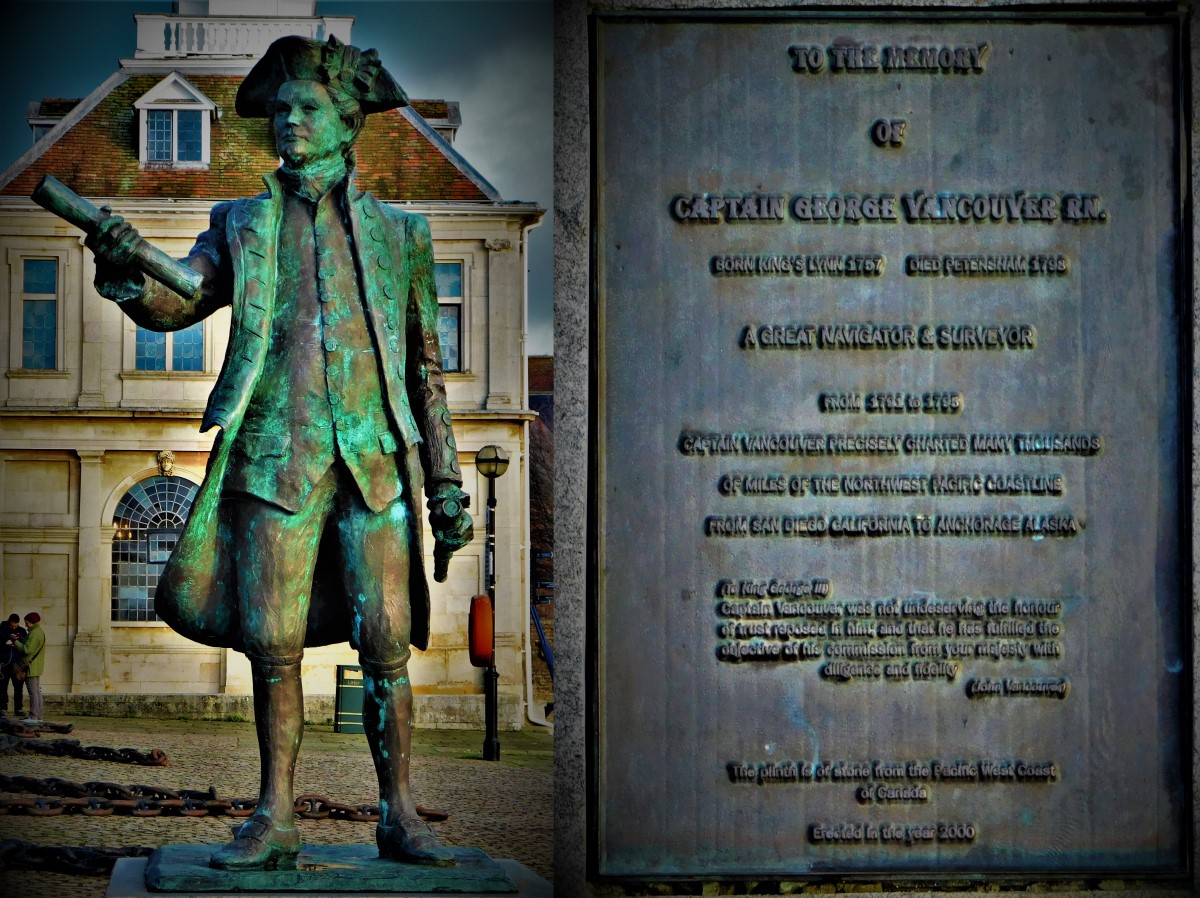
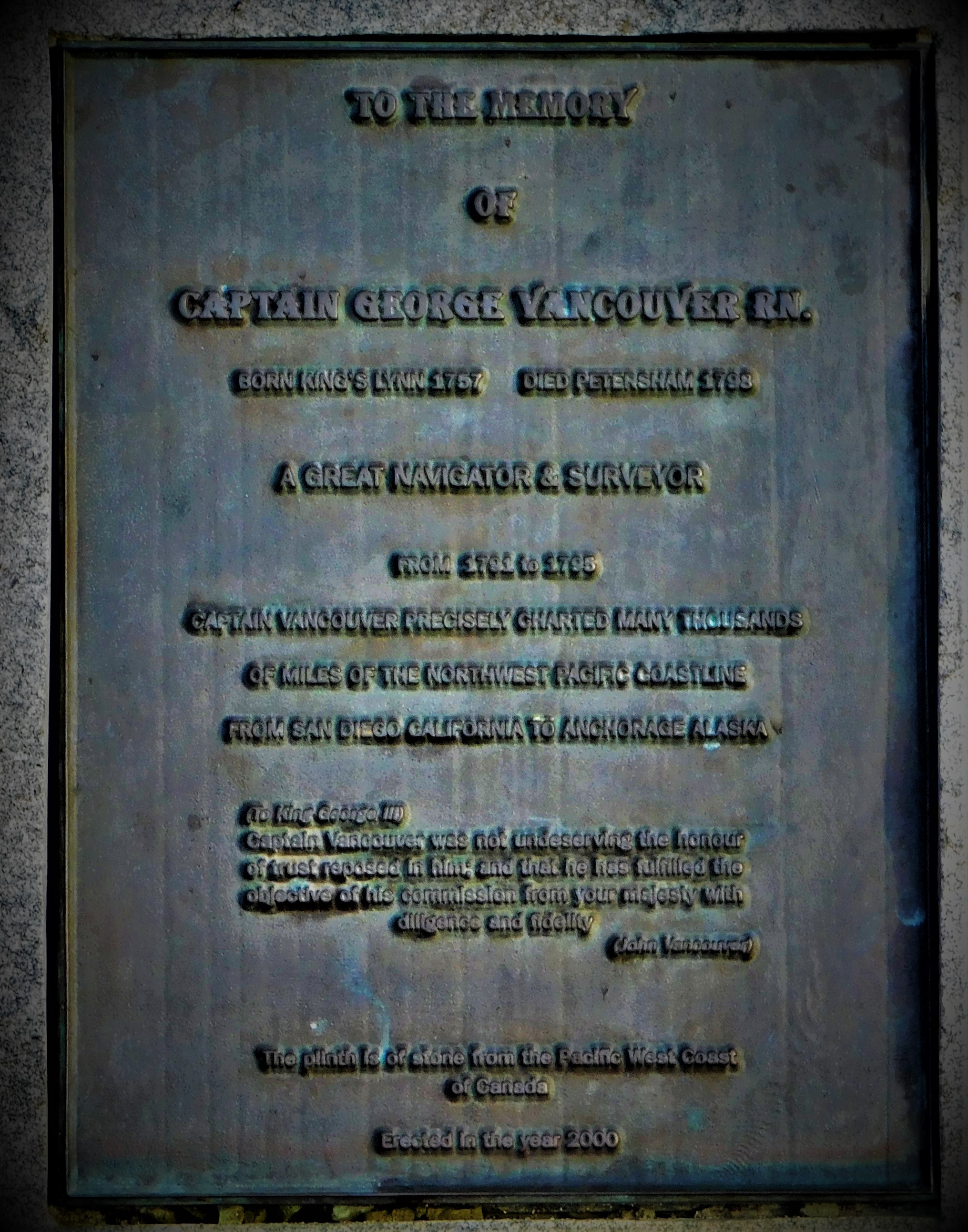
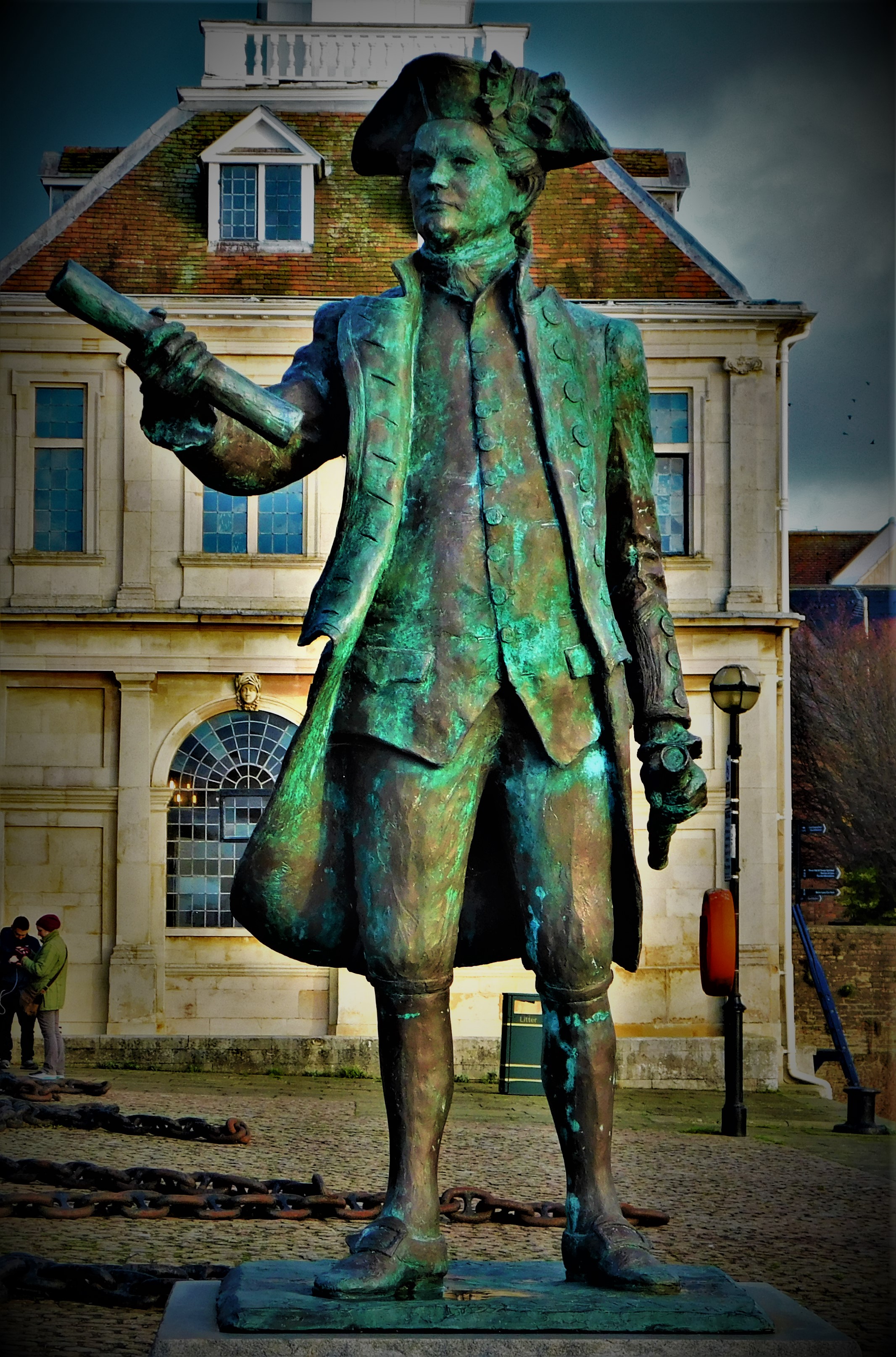
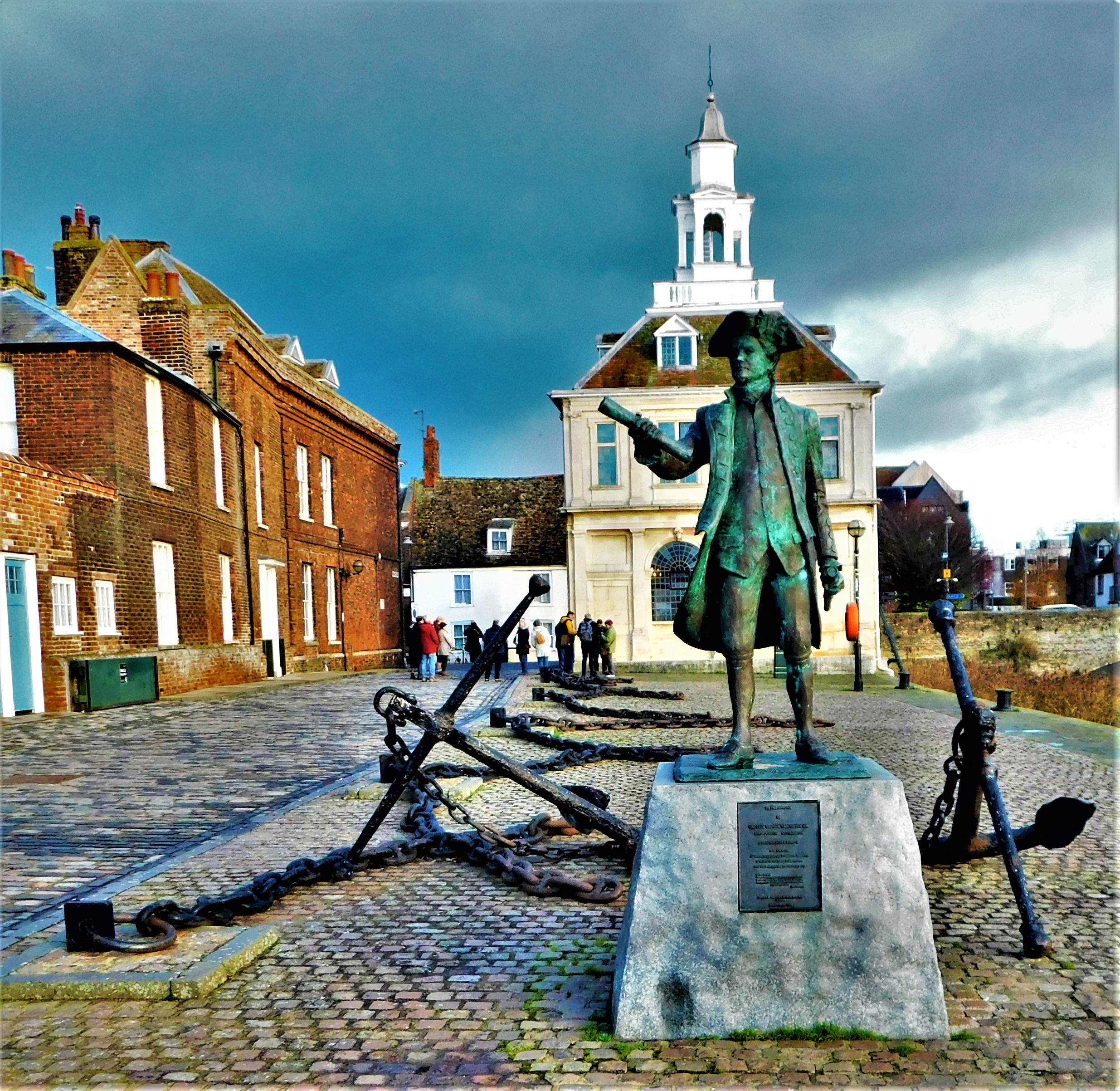
I thought that since I am applauding one bold captain in this piece, another , Captain Vancouver, was a fit subject for a feature image.












































































































































































































































































































































































































































































































































































 aspiblog