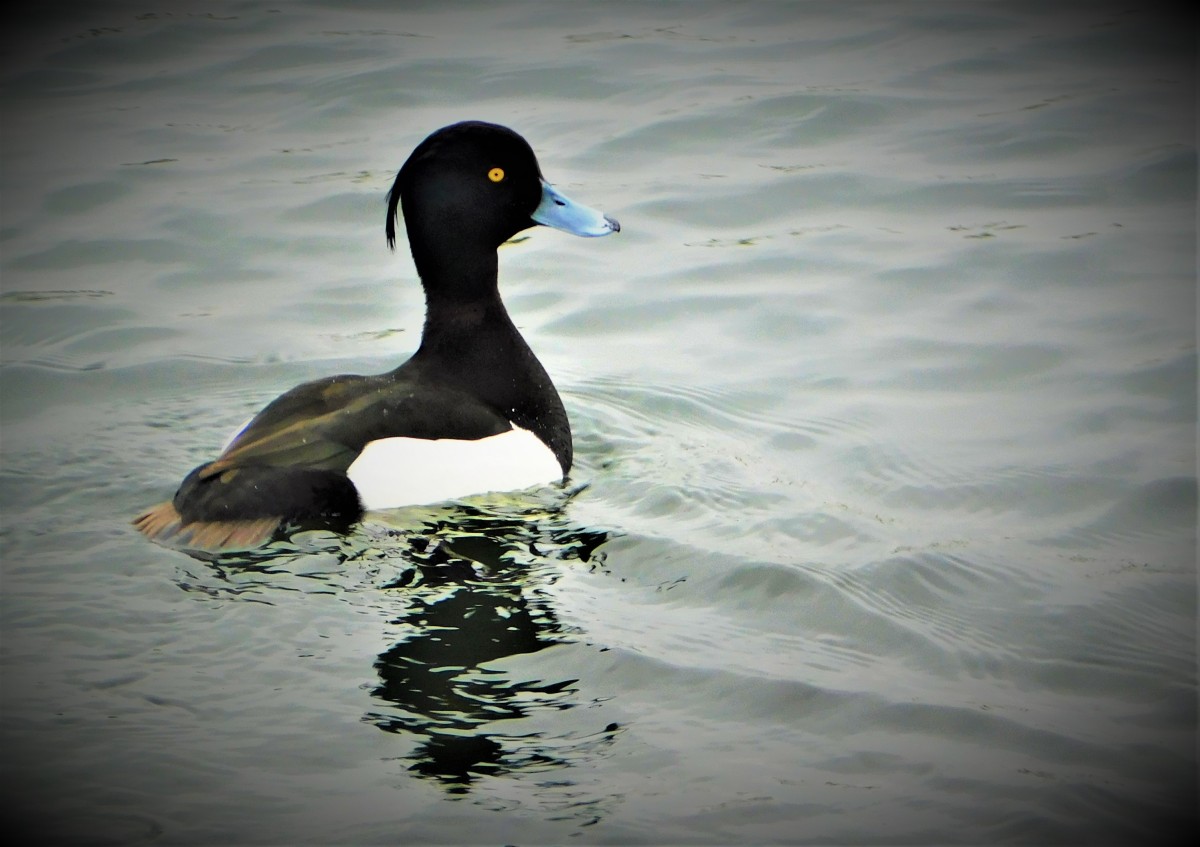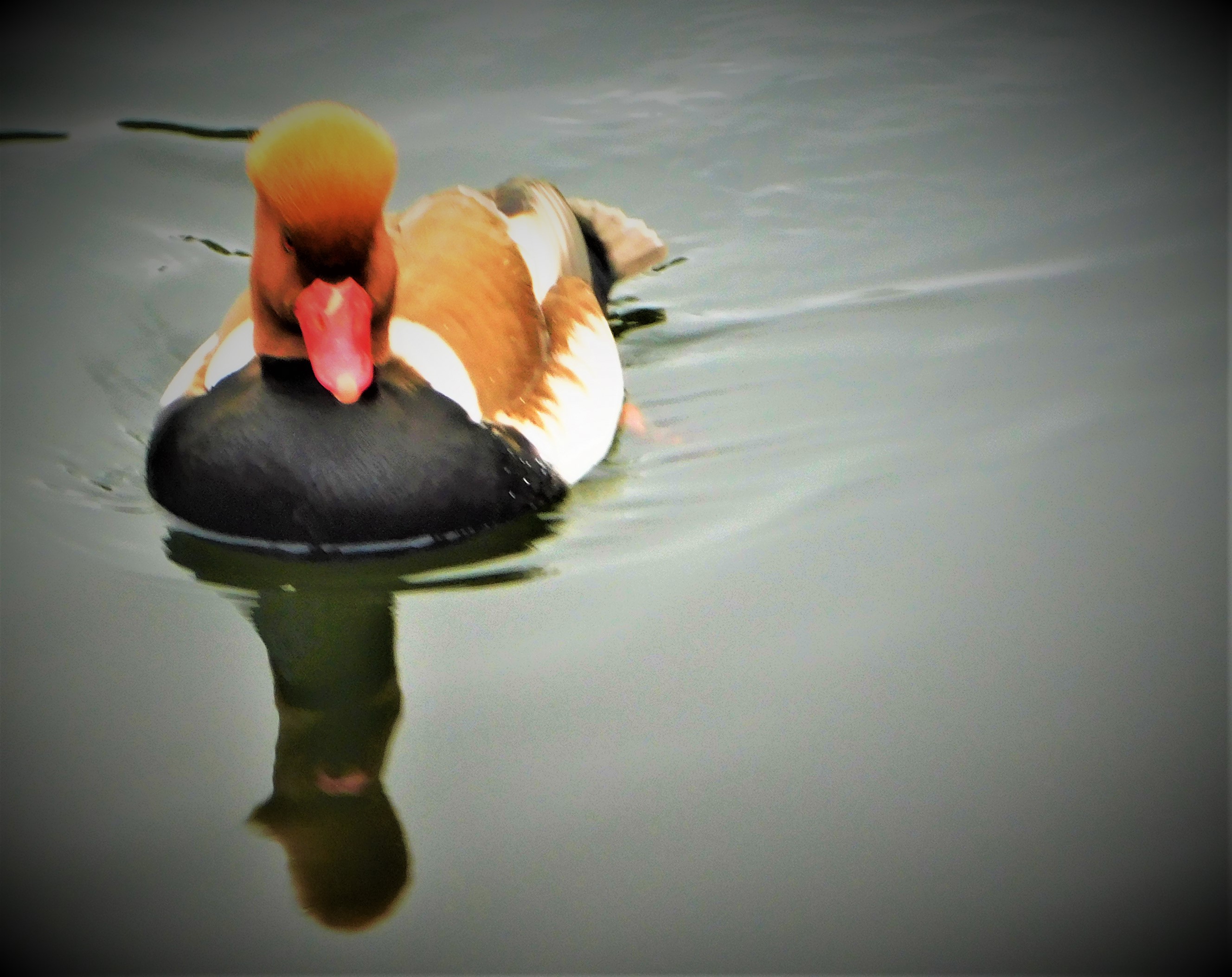
From Old Computer to New Computer via Even Older Computer

An account of changing computers by way of explaining a few days of not blogging.

I am finally able to blog again after a few days without a computer on which I could do so. This post describes the trials and tribulations of the last few days.

RIP OLD COMPUTER

My old computer gave warning signs of trouble on Sunday, and on Monday morning it became very obvious that it was no longer usable. As a temporary measure to maintain some degree of connectivity I dug my even older computer out, and fortunately it proved still just about usable, although I could not do much on it. On Wednesday morning I went to PC World to check out new computers and find one that would do what I needed and was not too extortionately priced (my mother was willing to cover the cost, for which I am very grateful. My local PC World is on an industrial estate just to the south of King’s Lynn proper, while I live just to the north of King Lynn’s proper. This gave me, as a non-driver, two options: two buses, into and then out of town, or a longish walk. It being spring, and the weather actually being springlike I opted without hesitation for the latter. I found a suitable machine at a not extortionate price and made the necessary arrangements, and left it with the store for them to set it up for me, which they said would take a couple of days. Today, wanting the machine in my possession for my upcoming trip to the lake district I went back to PC World to collect, and eventually was able to do so.

NEW COMPUTER SETUP

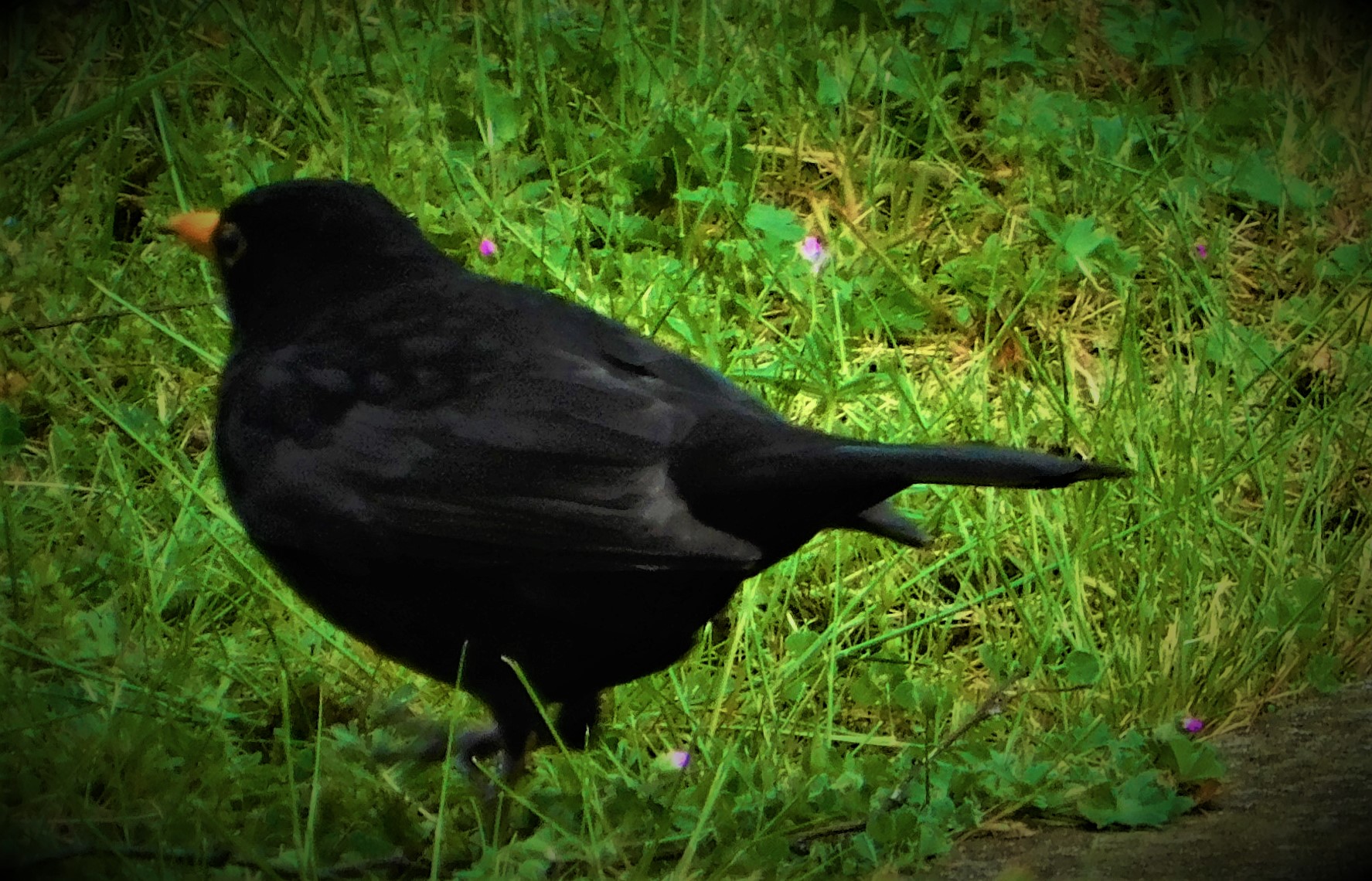
I connected to my new computer, while keeping the very old one connected as well for a few moments in case I needed to check emails on it to access my email account from the new device. Once I was sure I would not need to use it further I returned to it is old resting place in case of emergency. The photo editing software on the new machine is somewhat different from that on the old machine and I am still coming to terms with it.

PHOTOGRAPHS

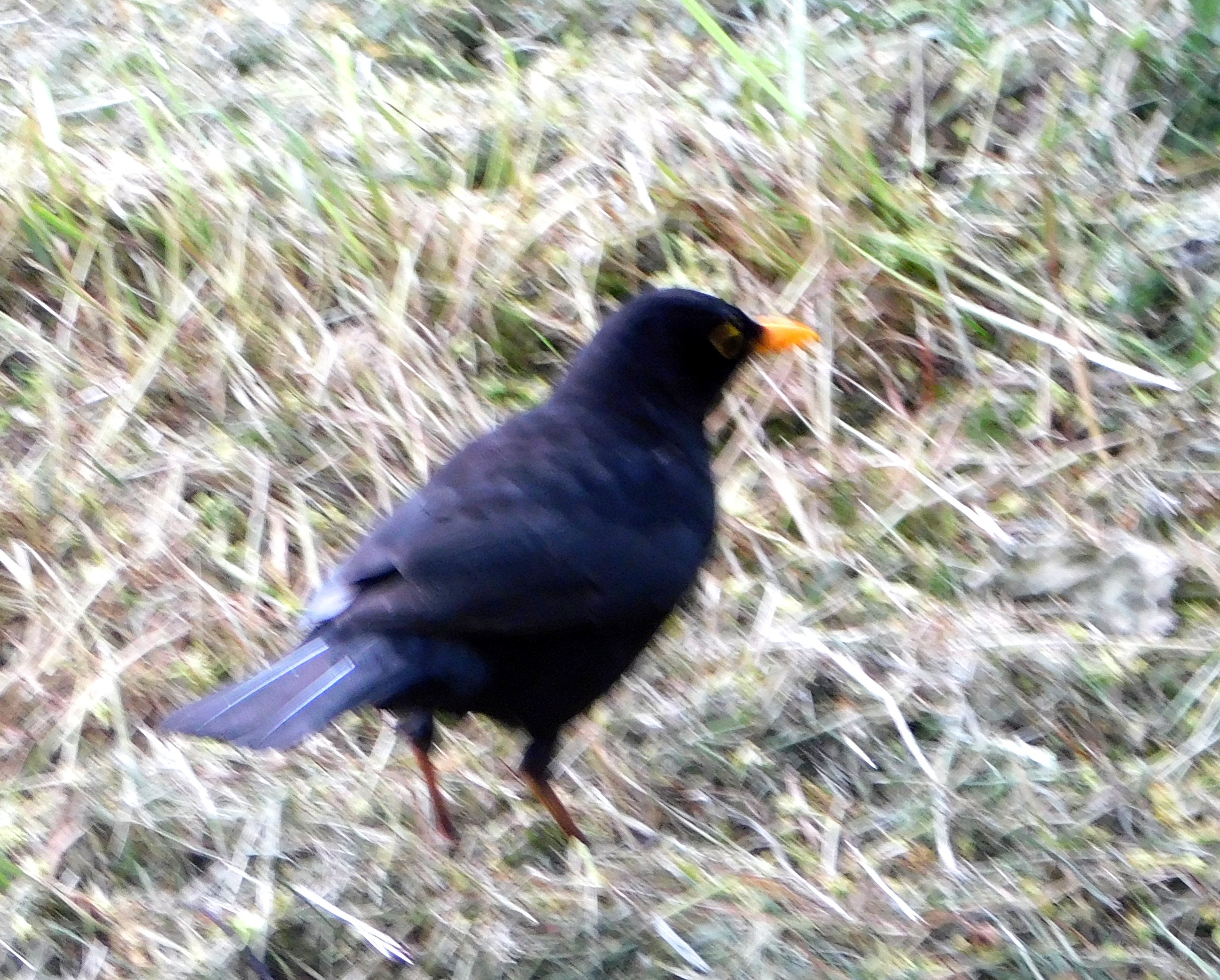
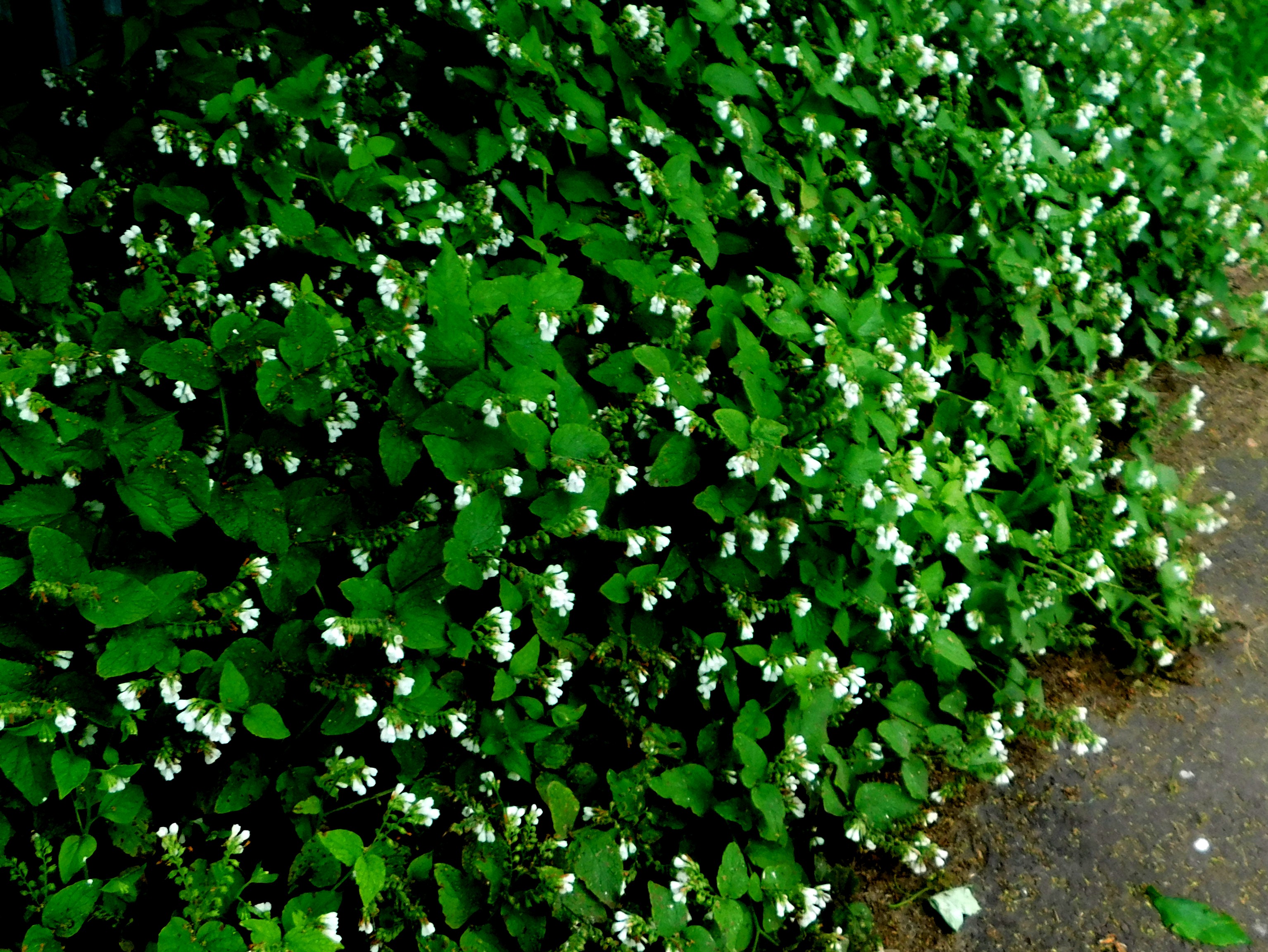
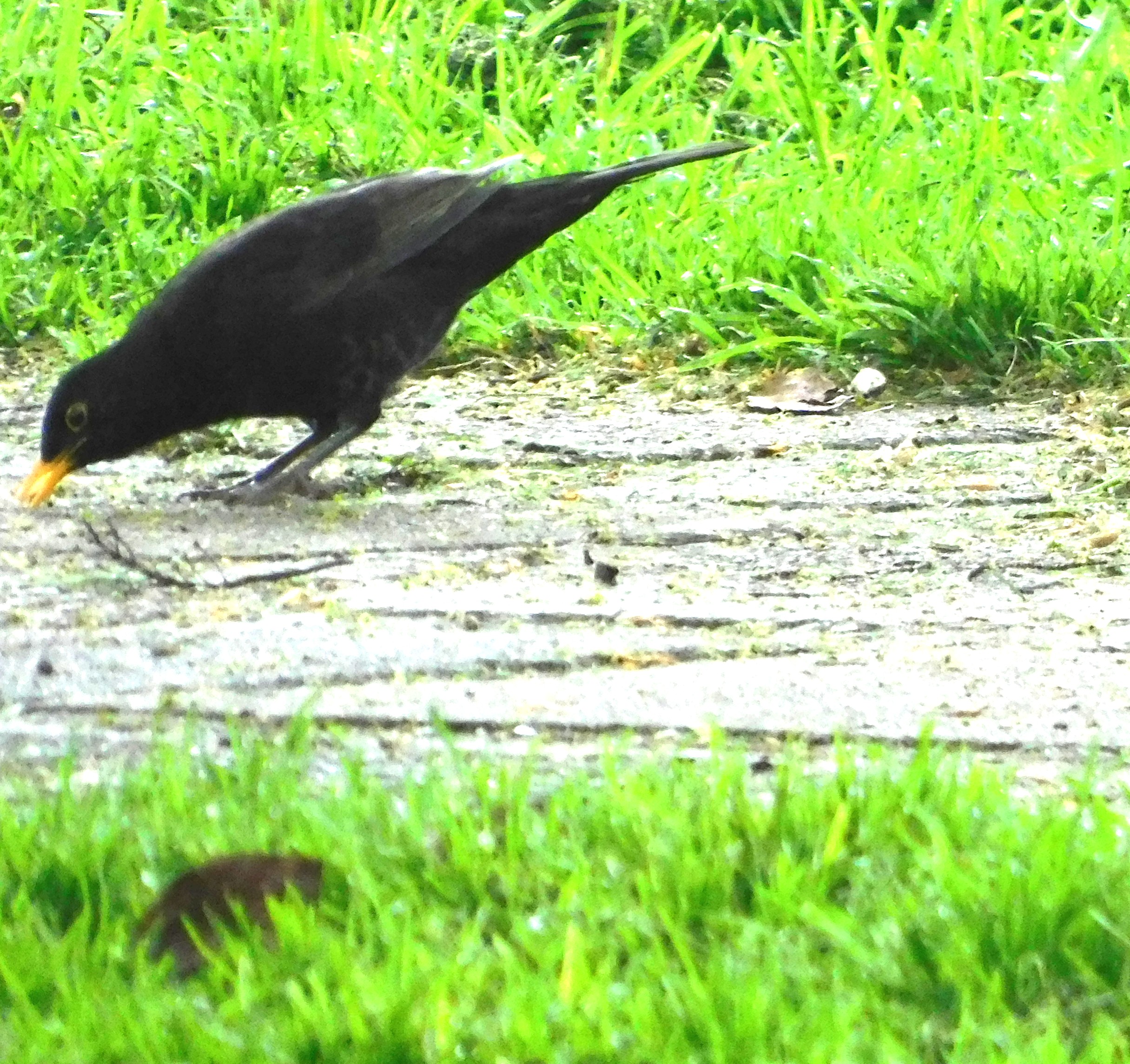
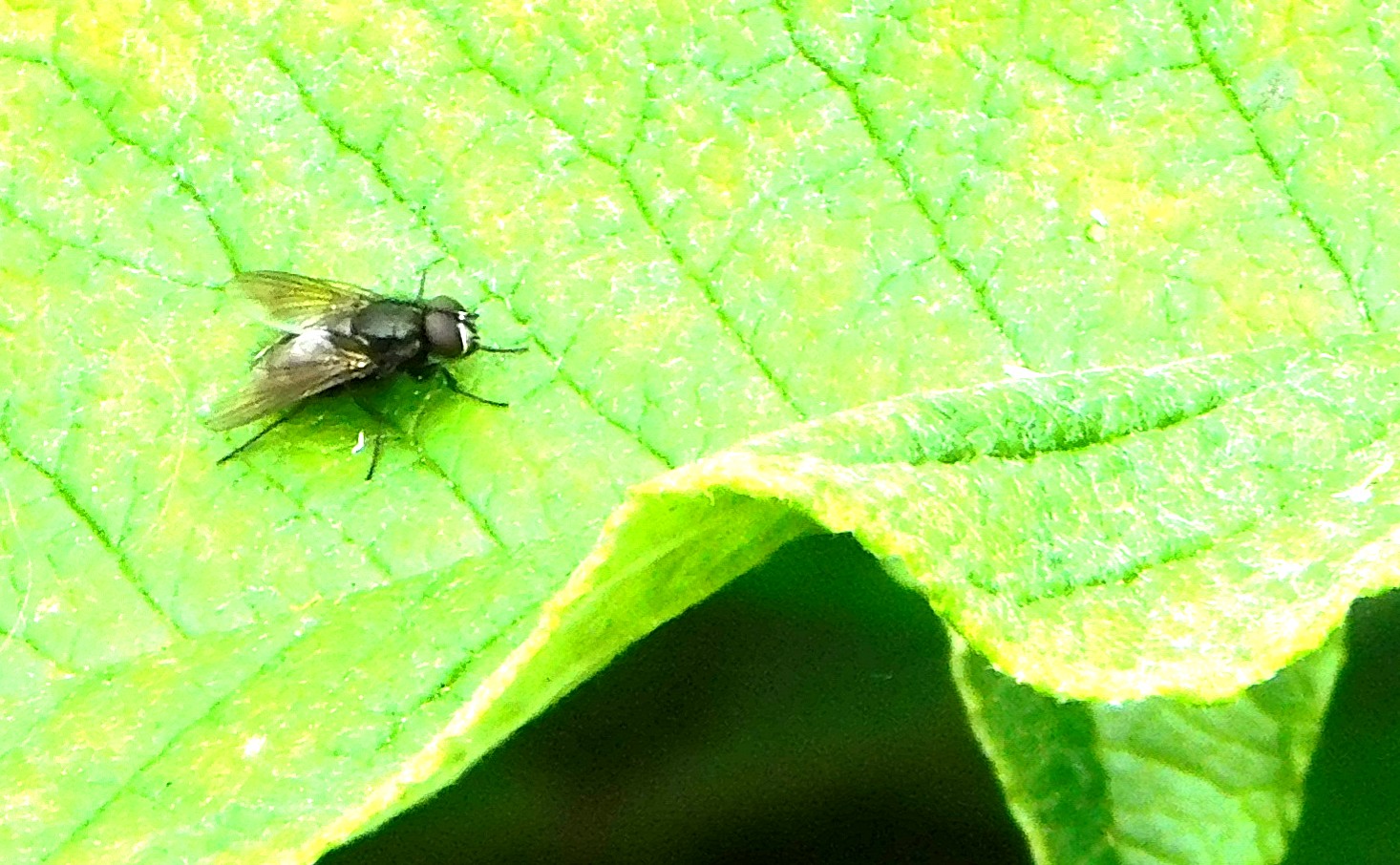
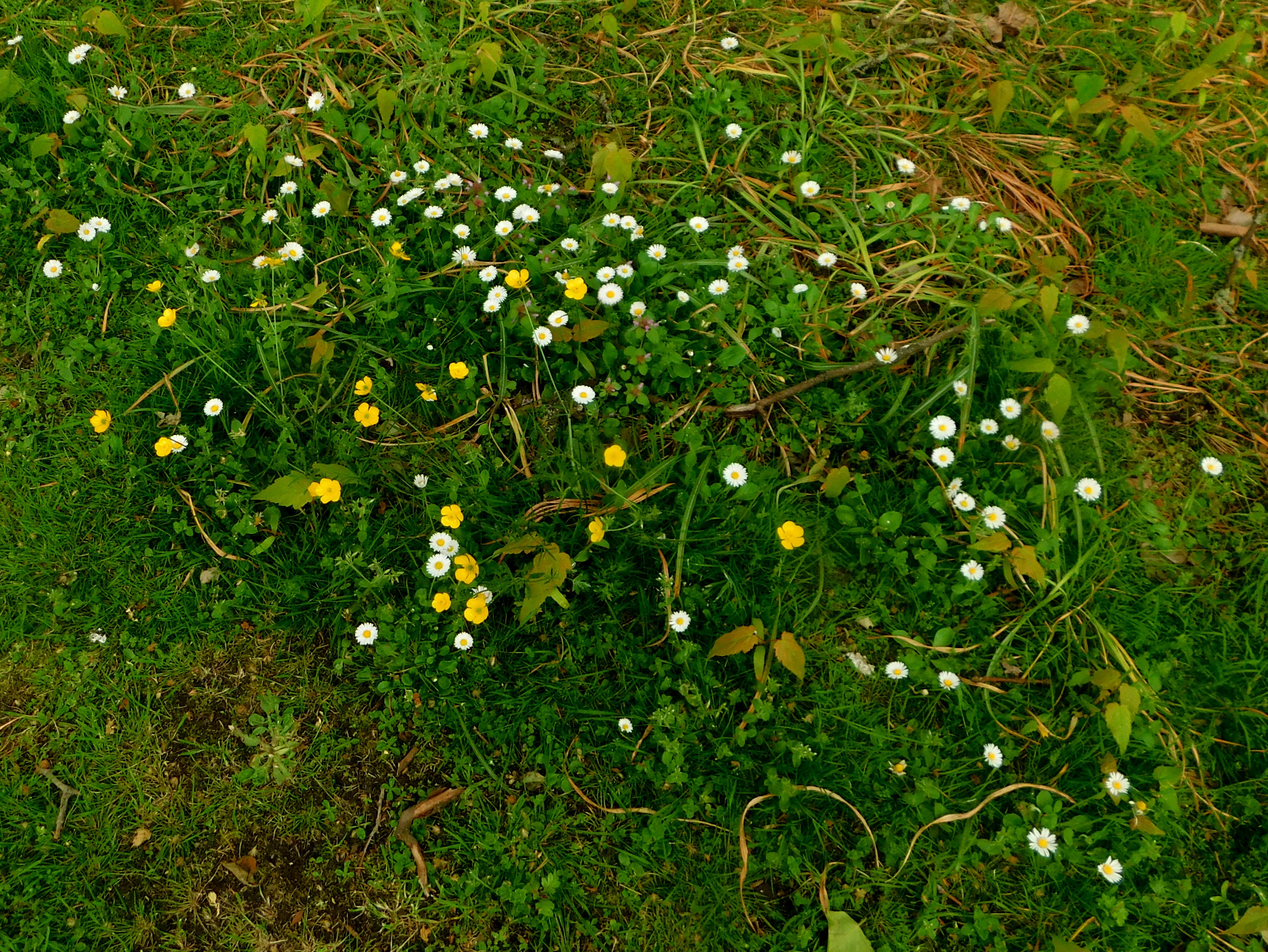
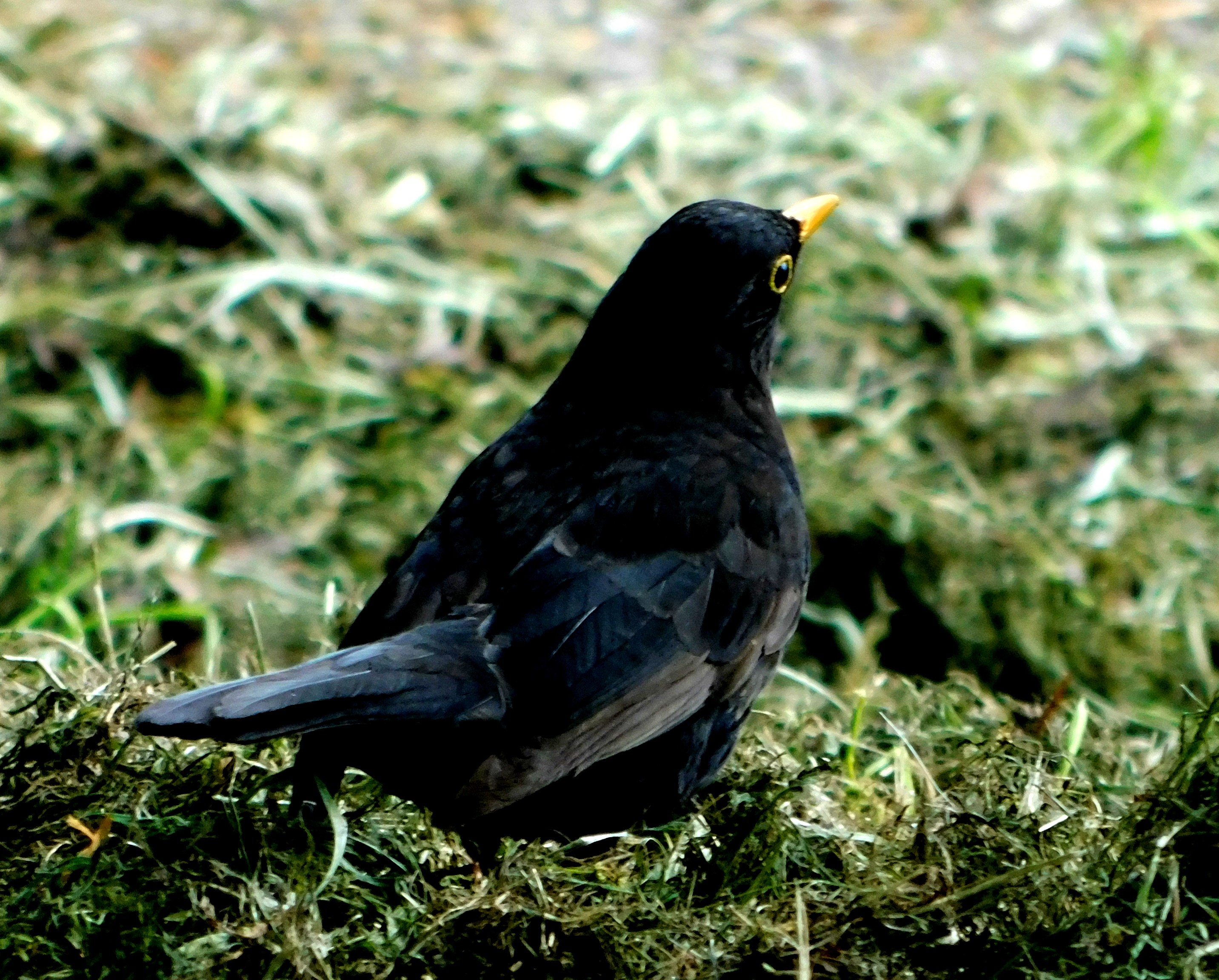
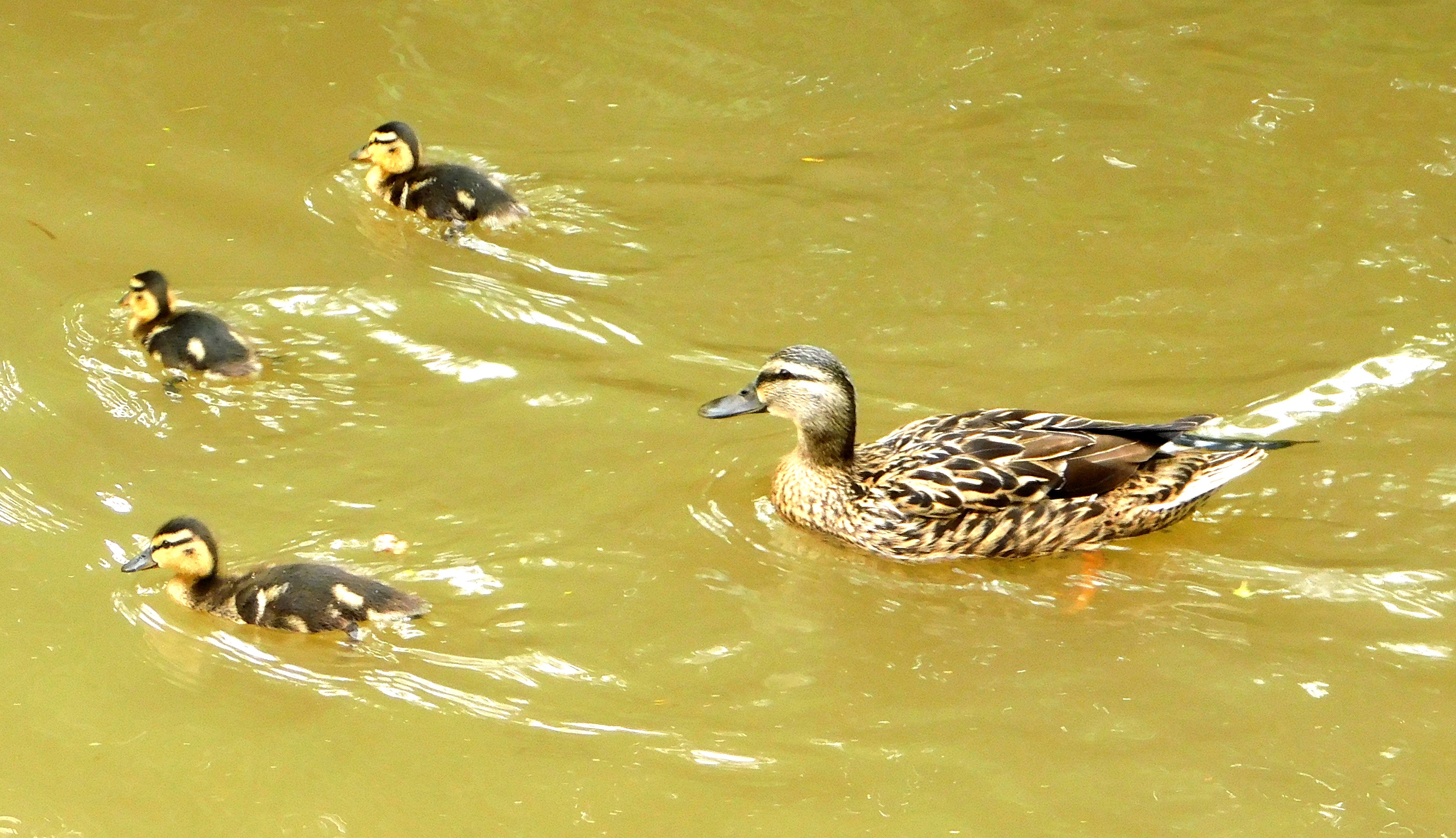
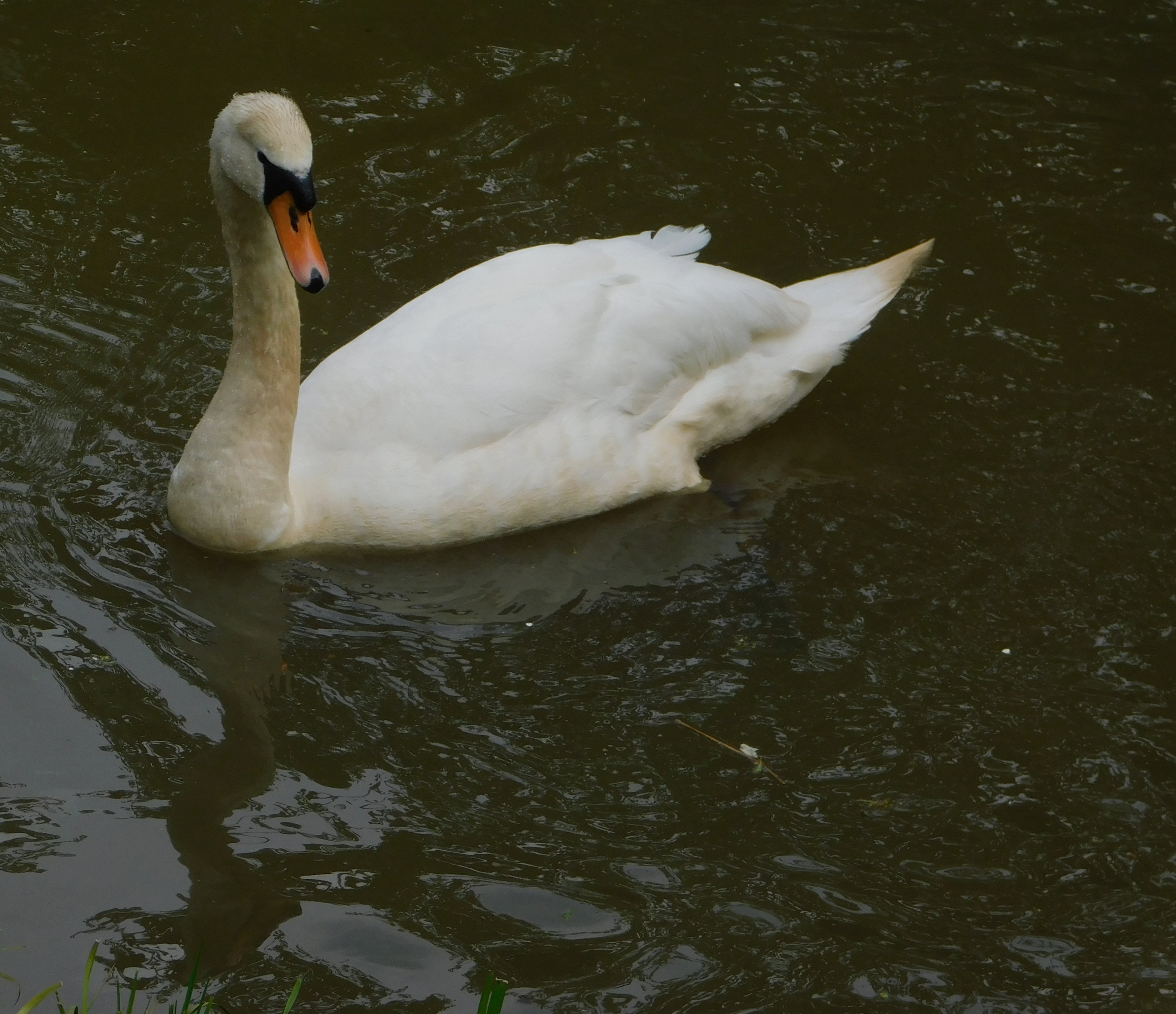
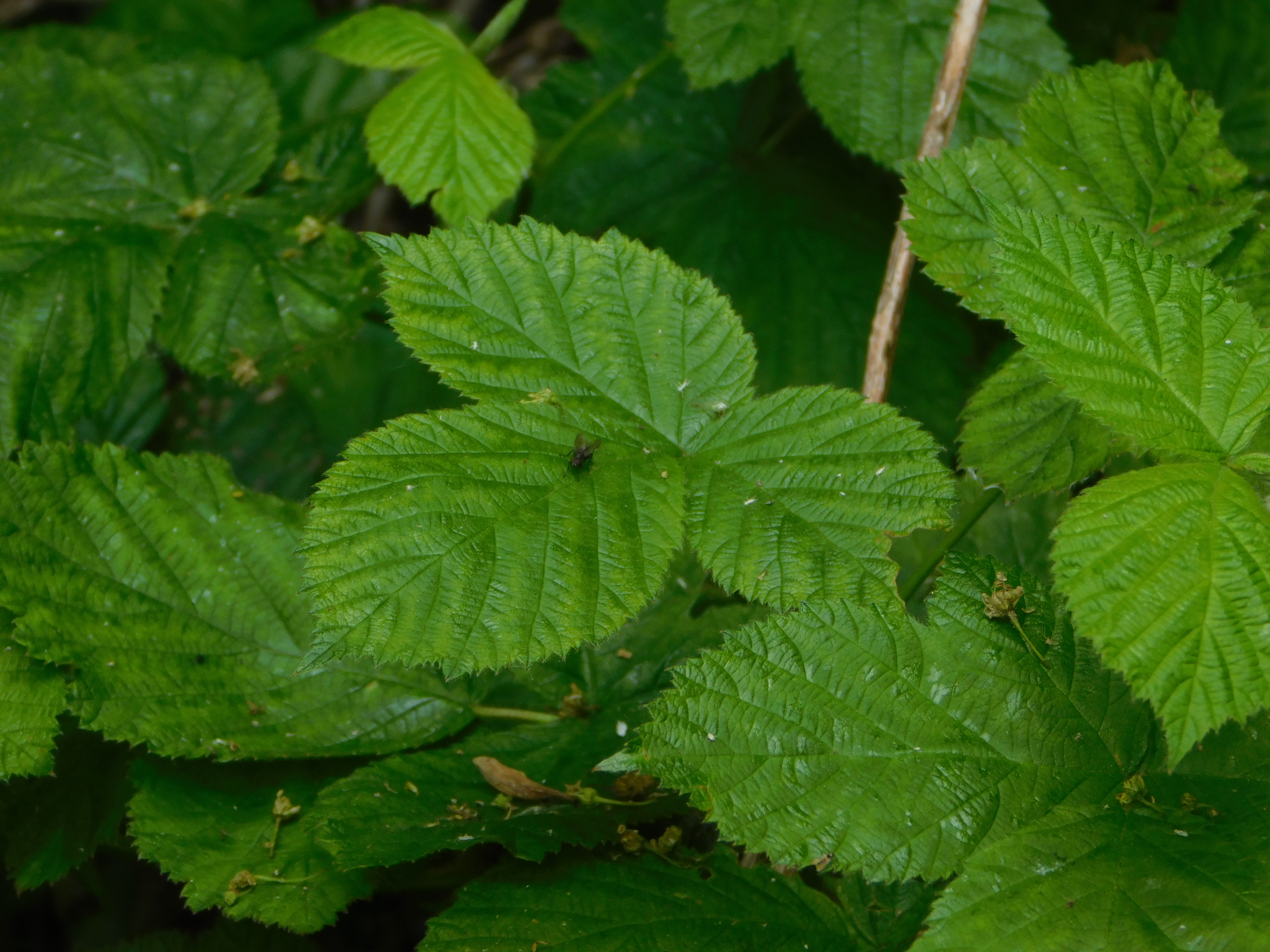
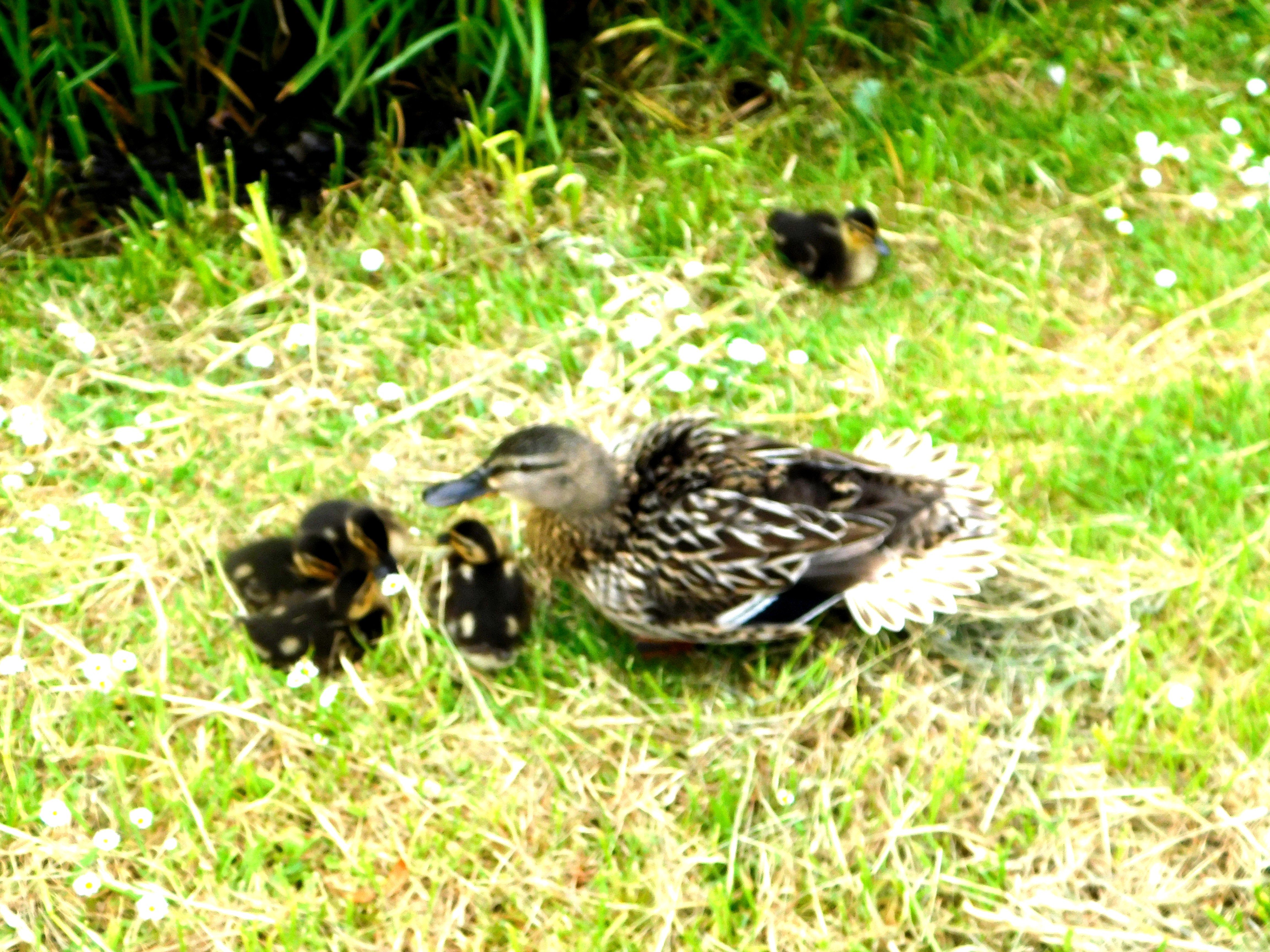
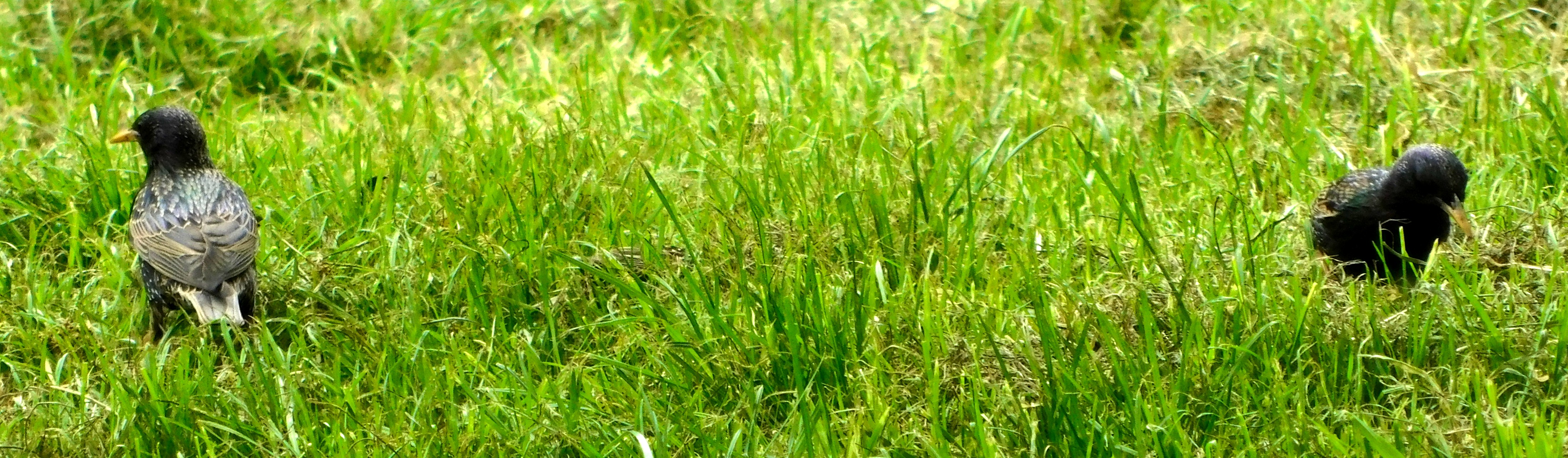
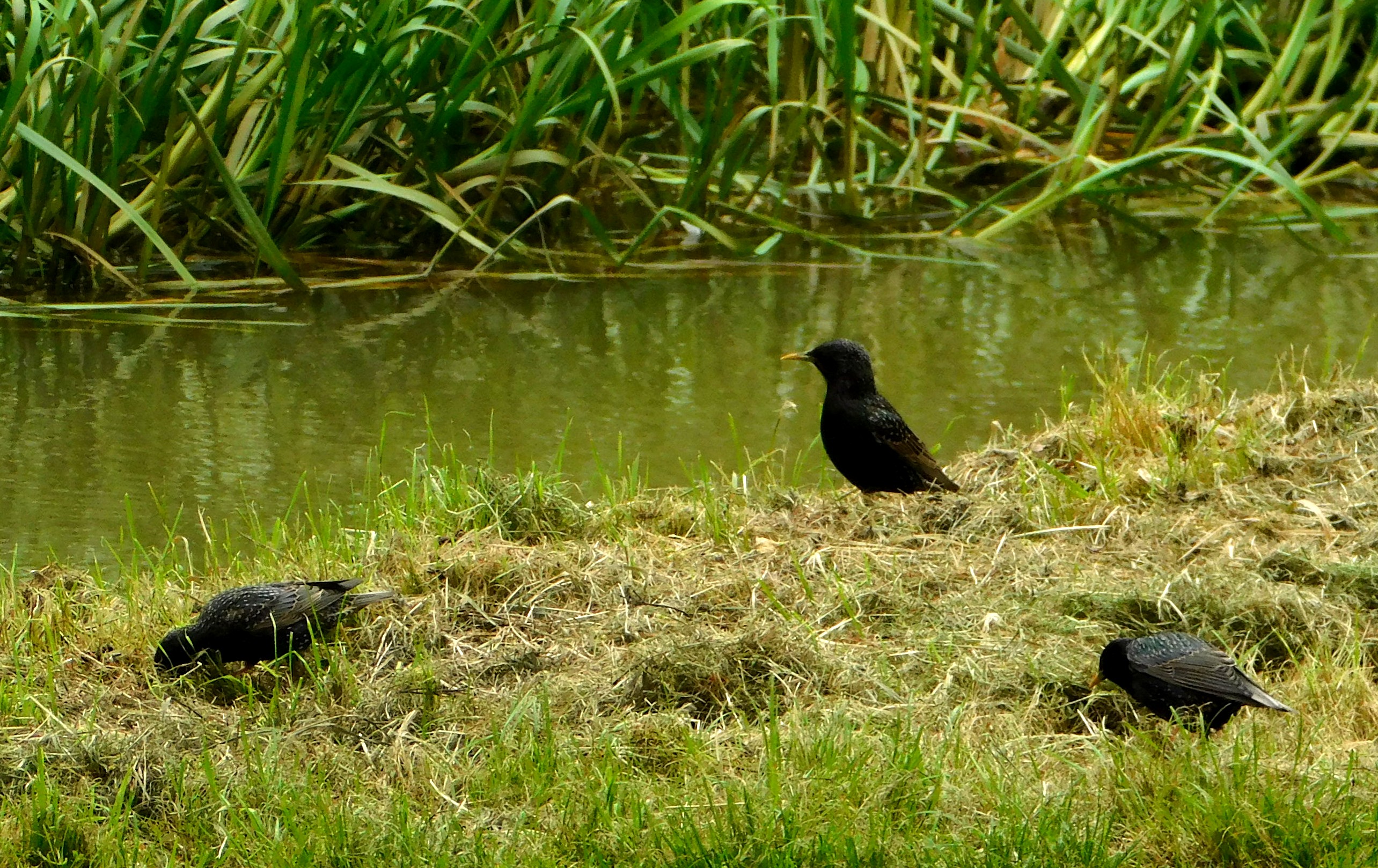
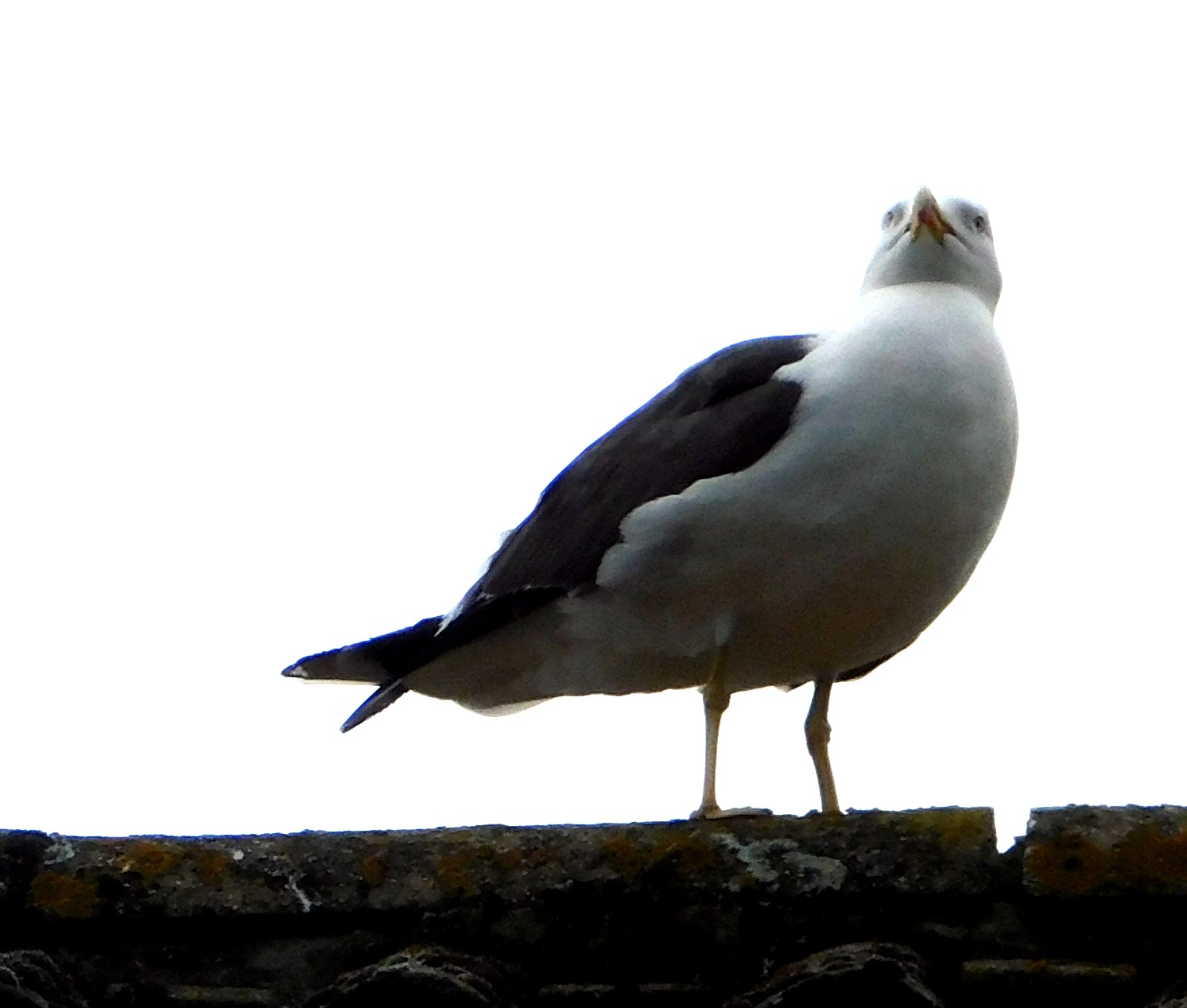
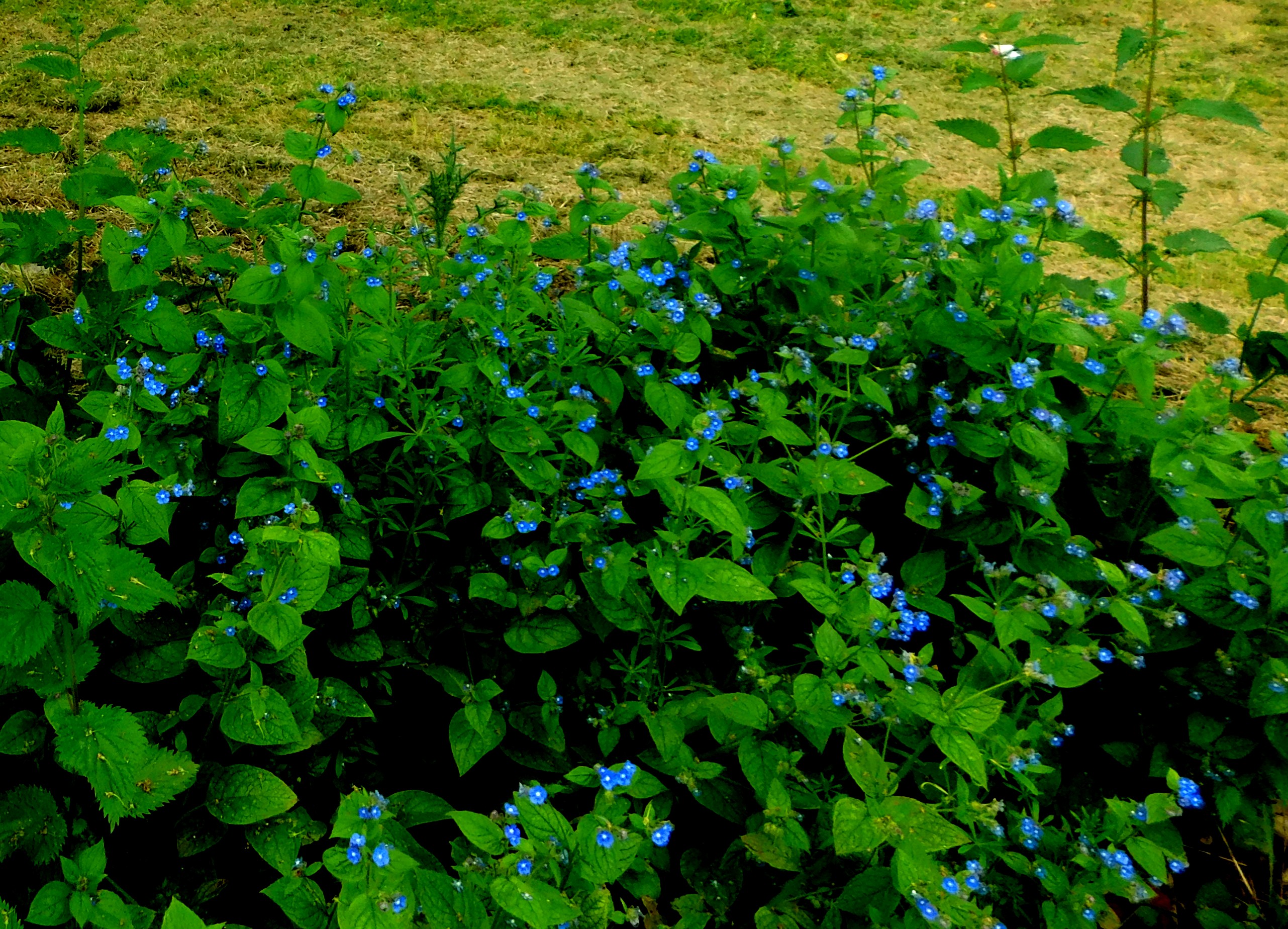
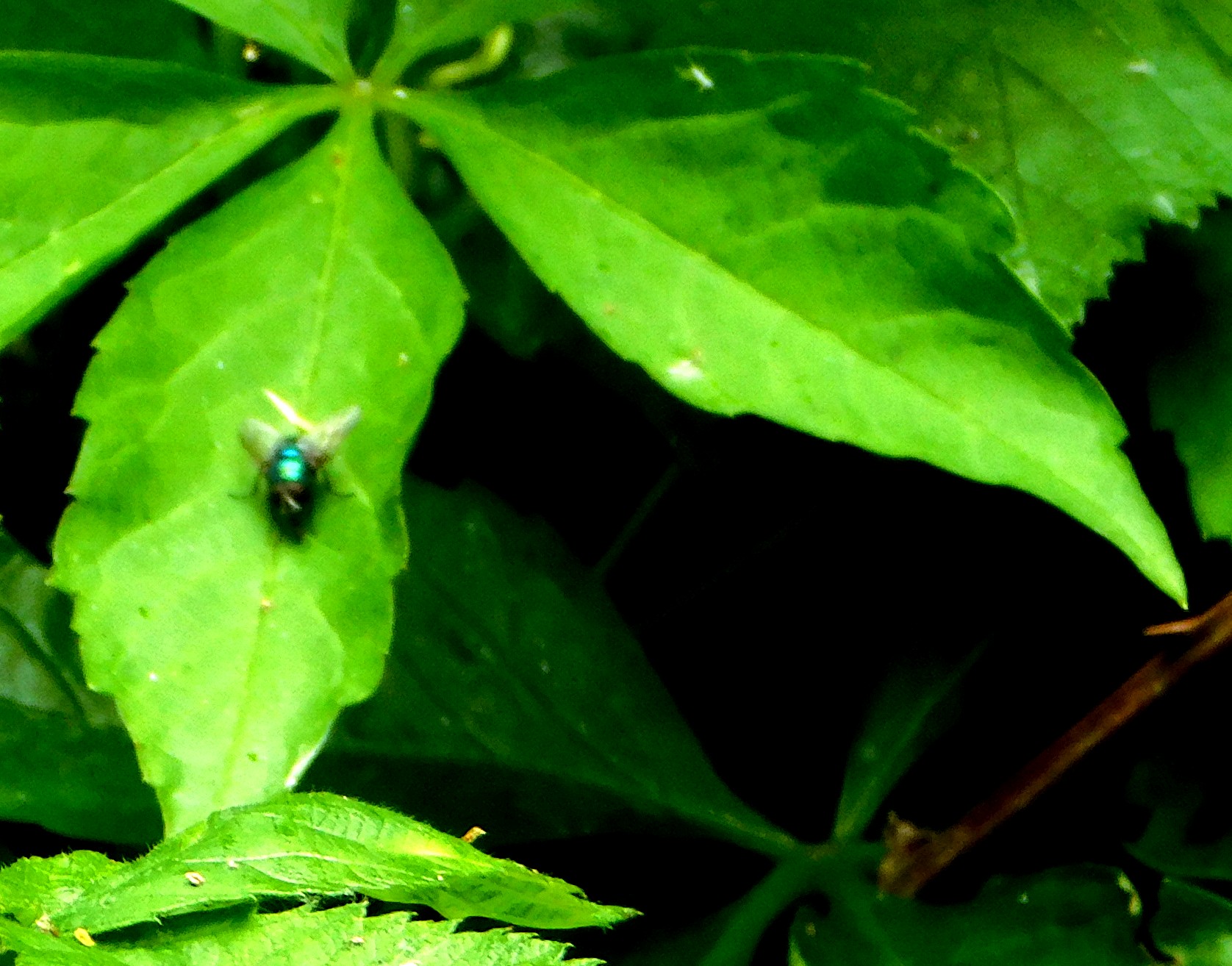
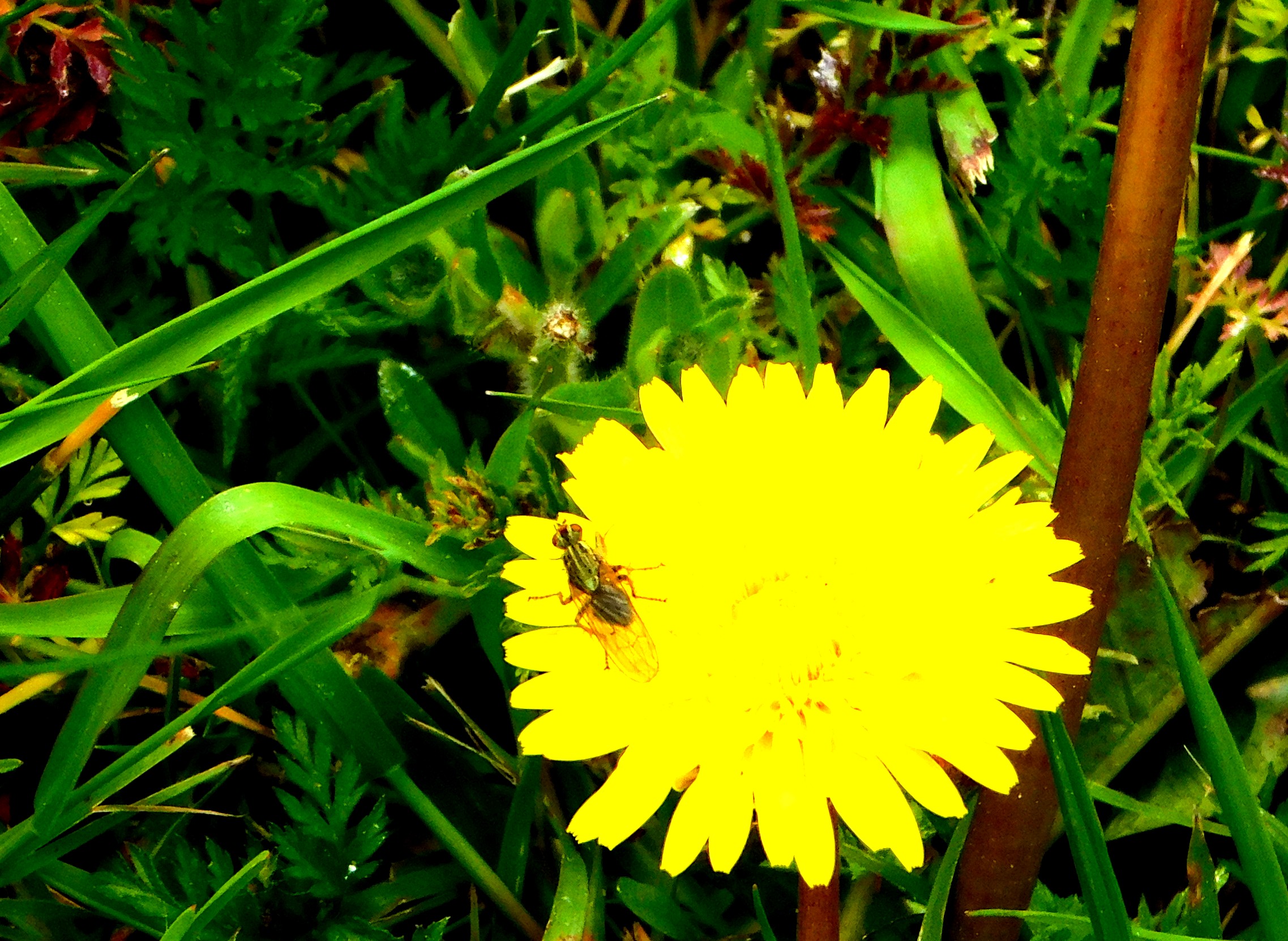
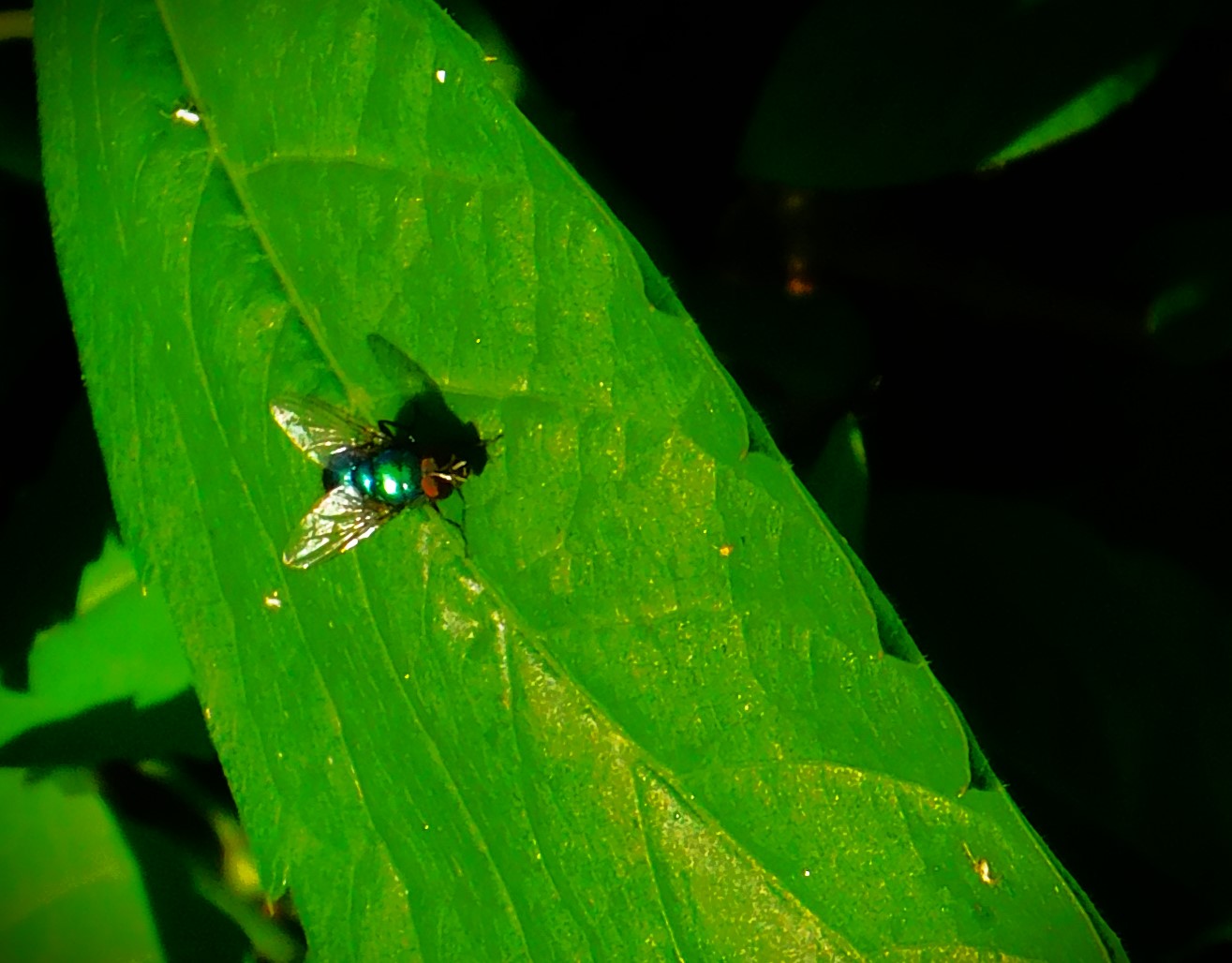
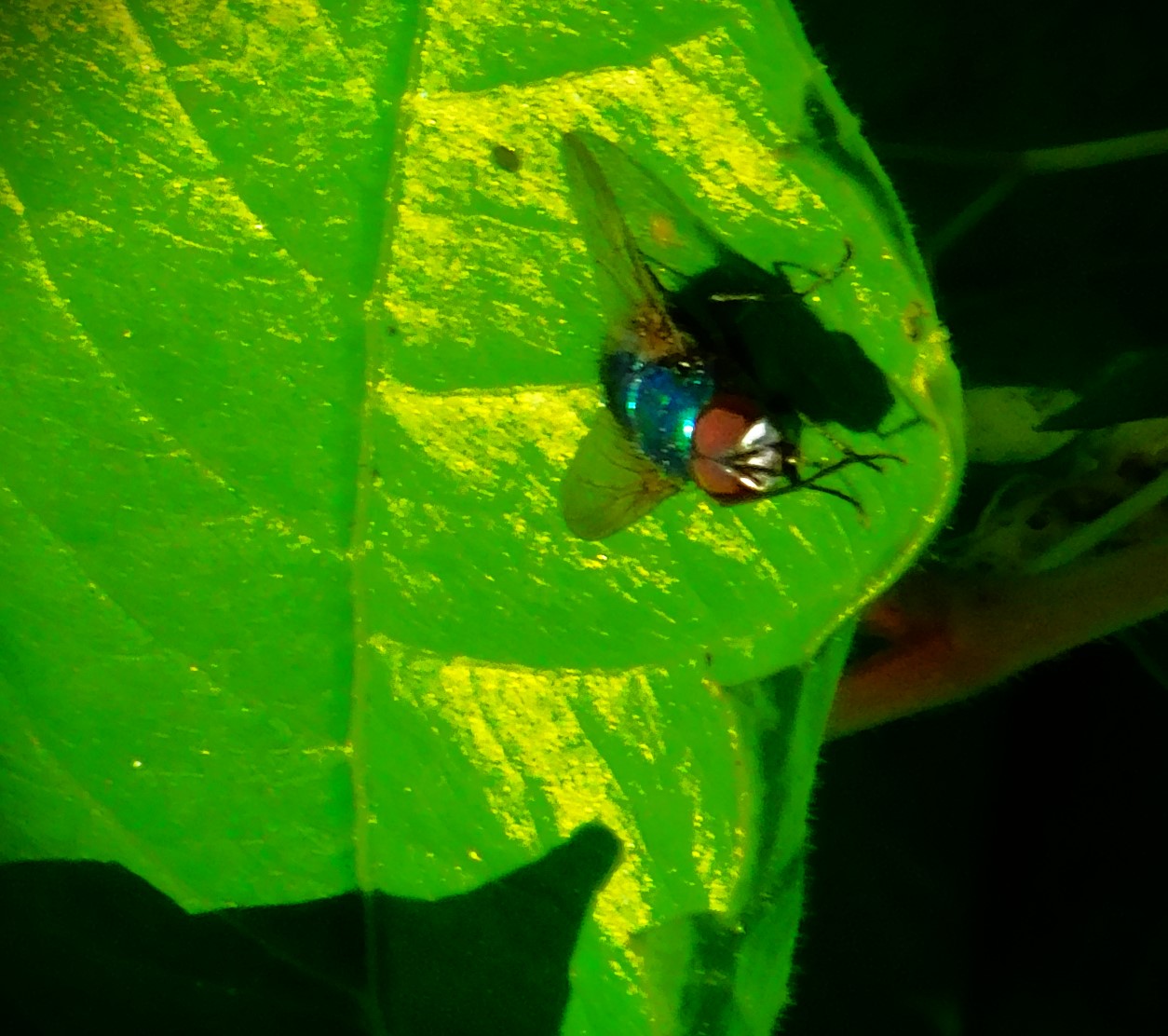
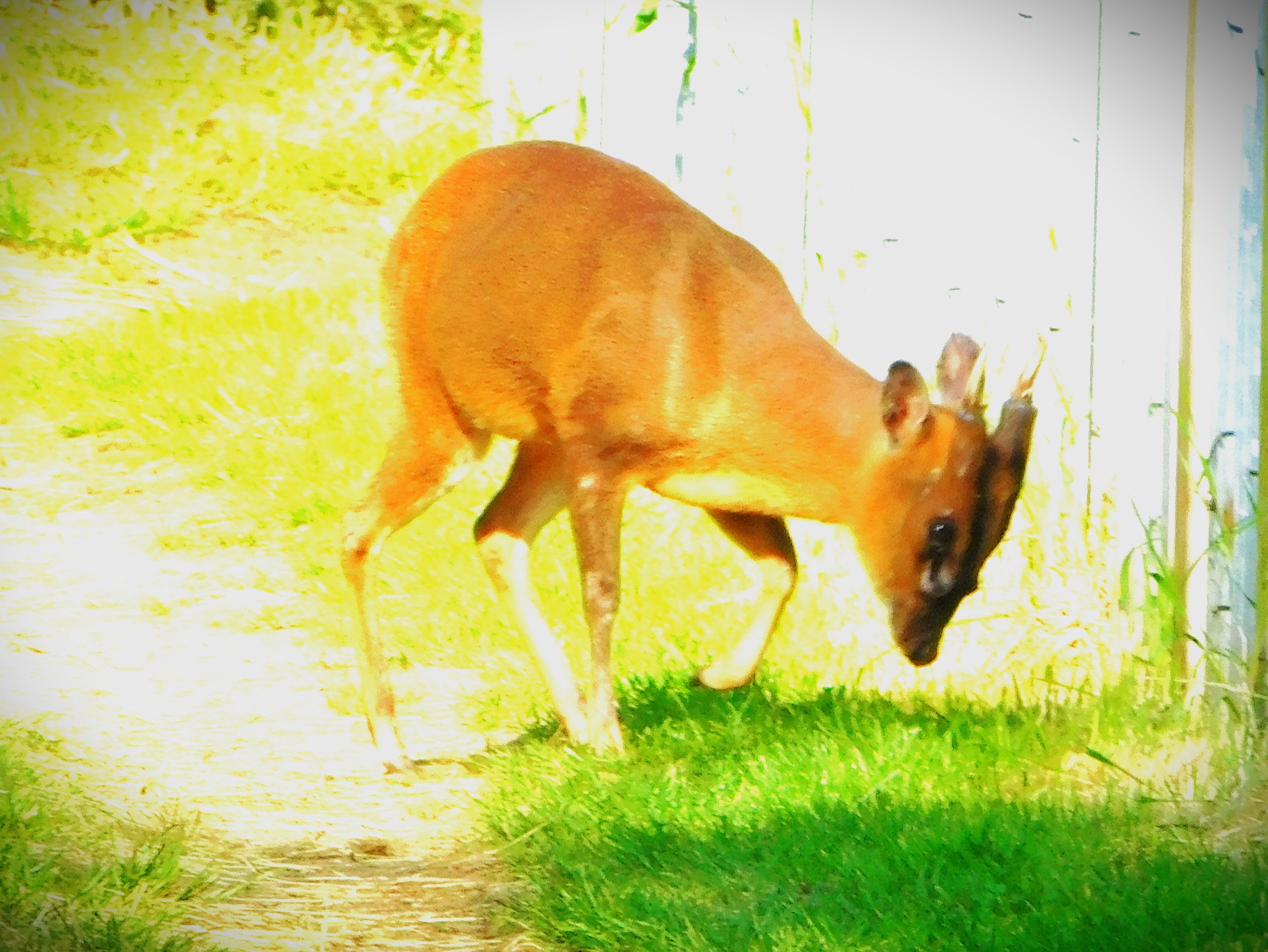
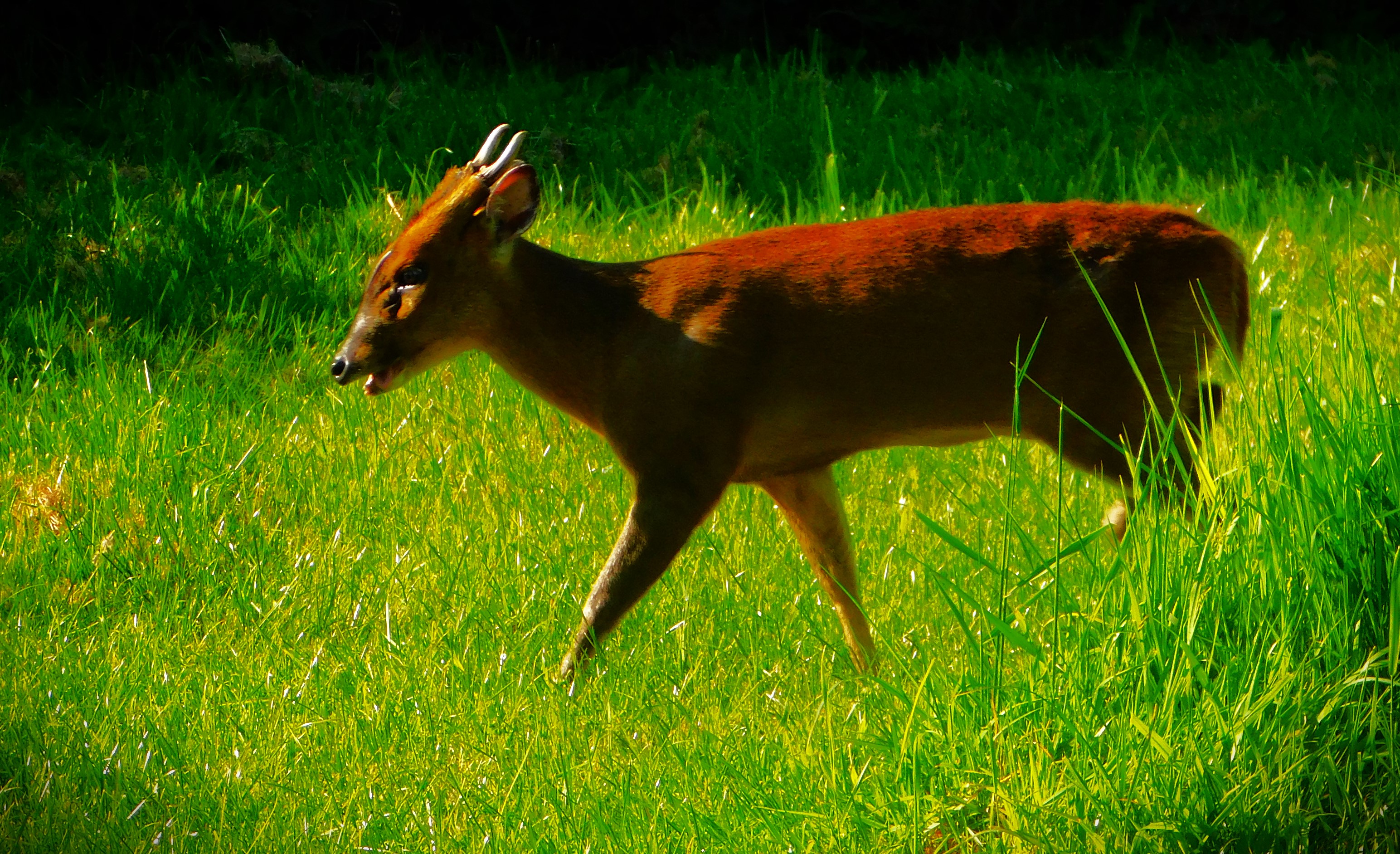
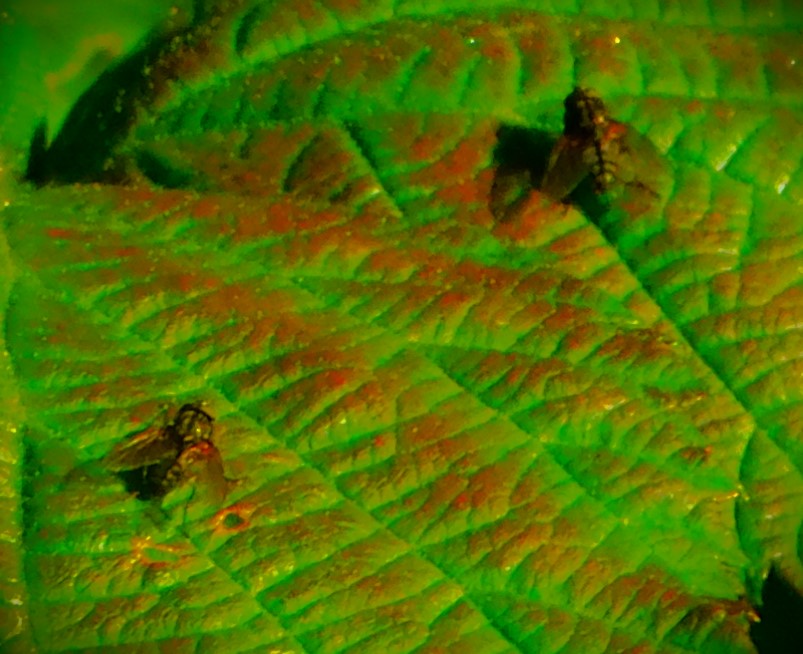
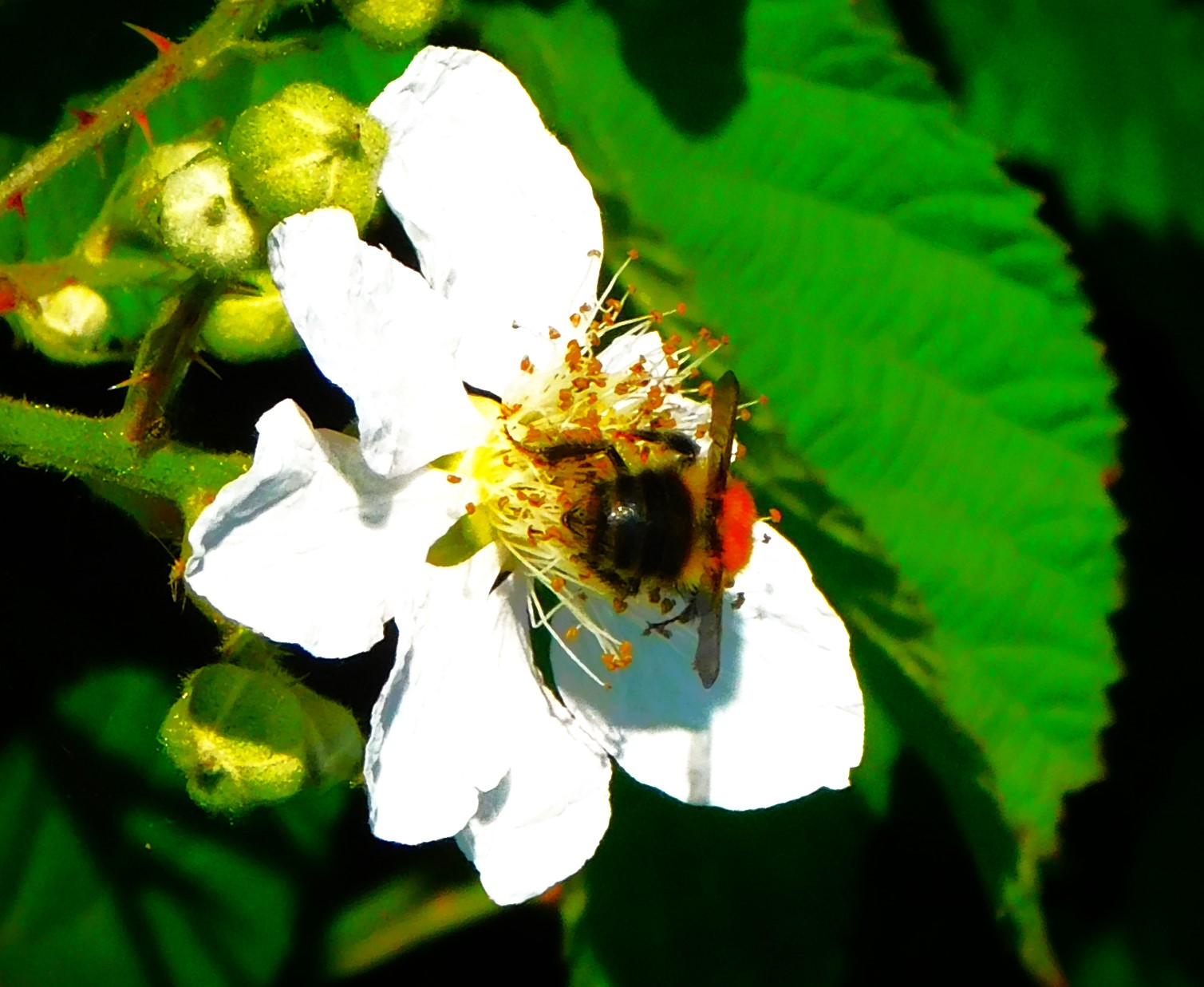
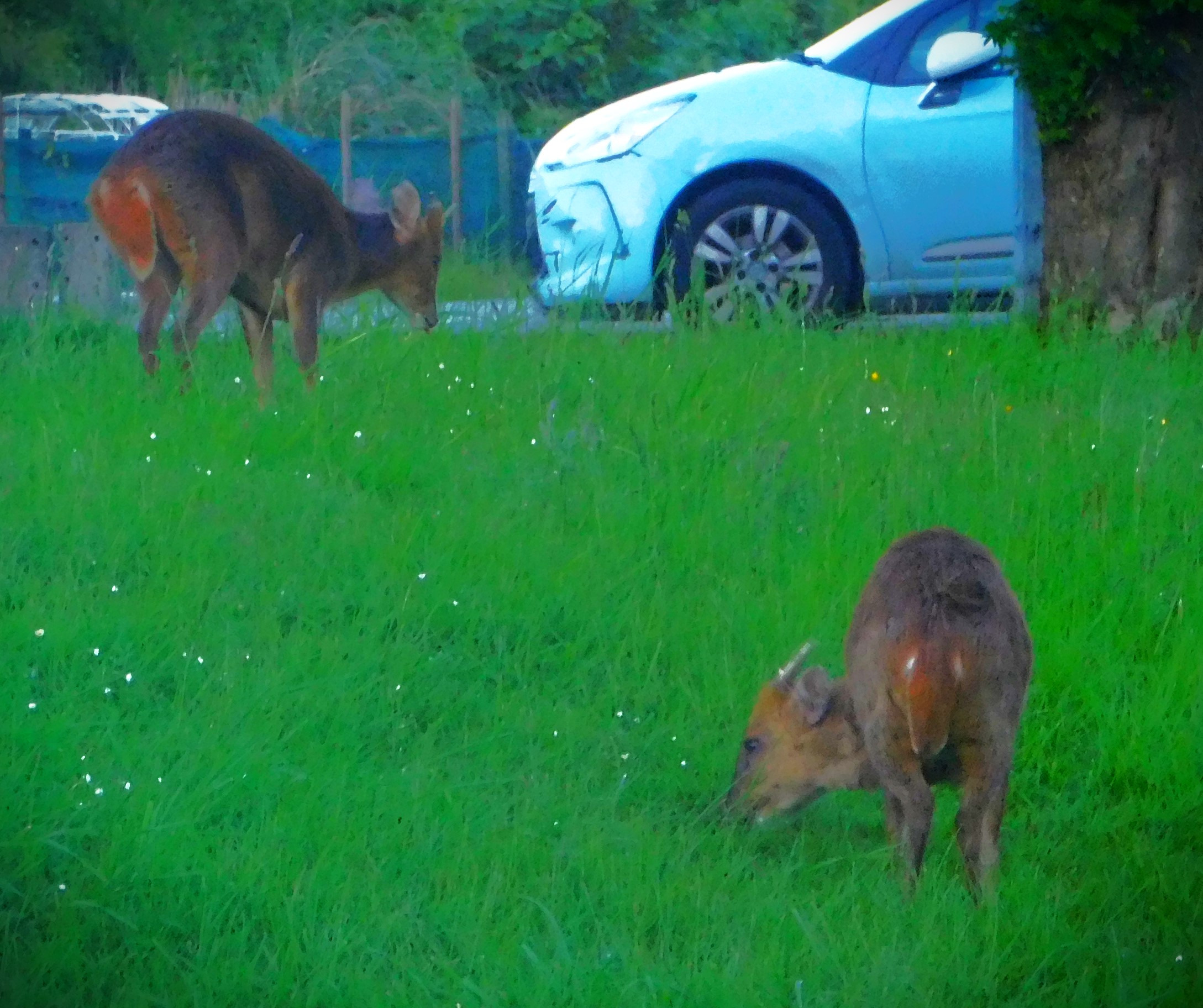
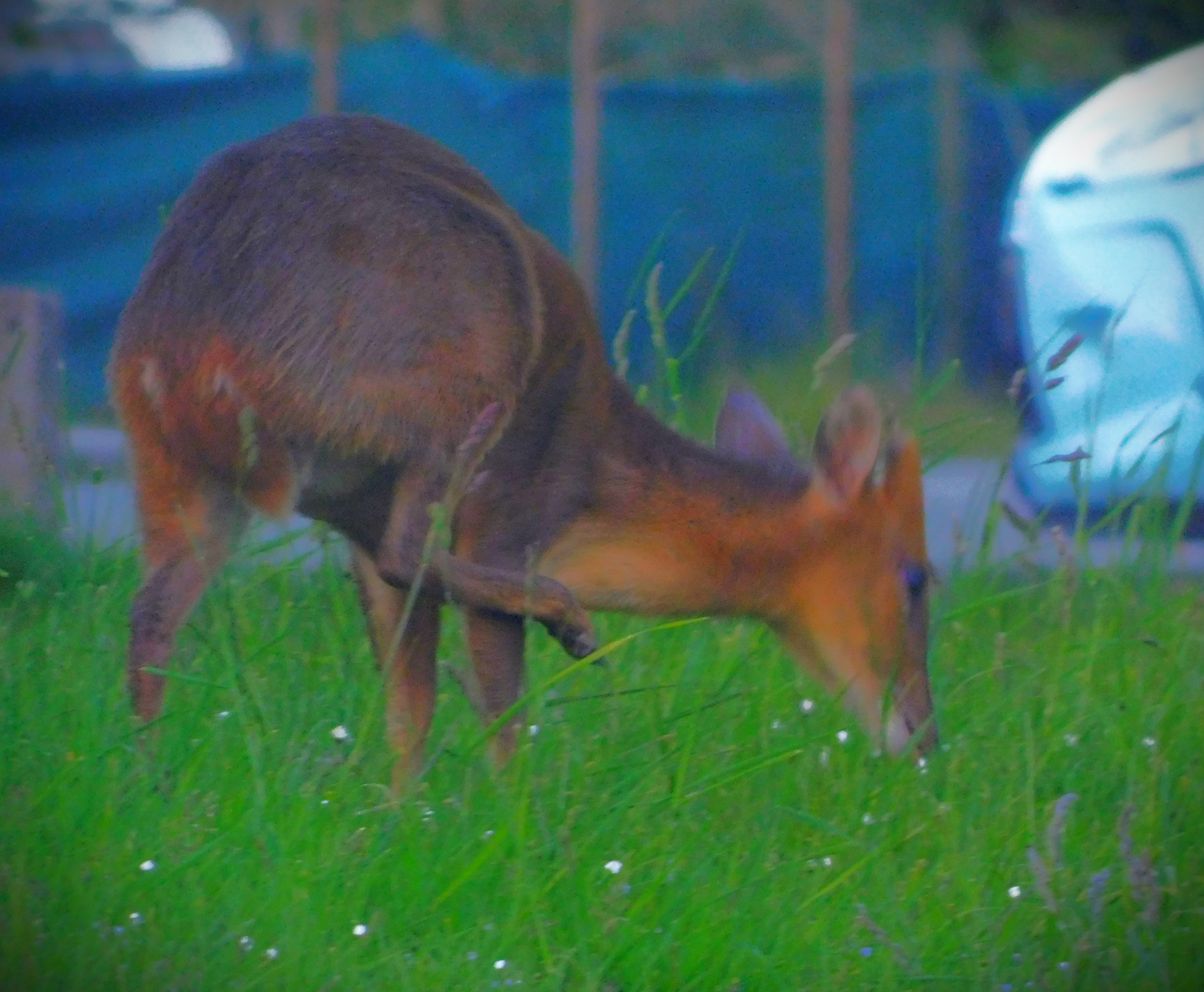
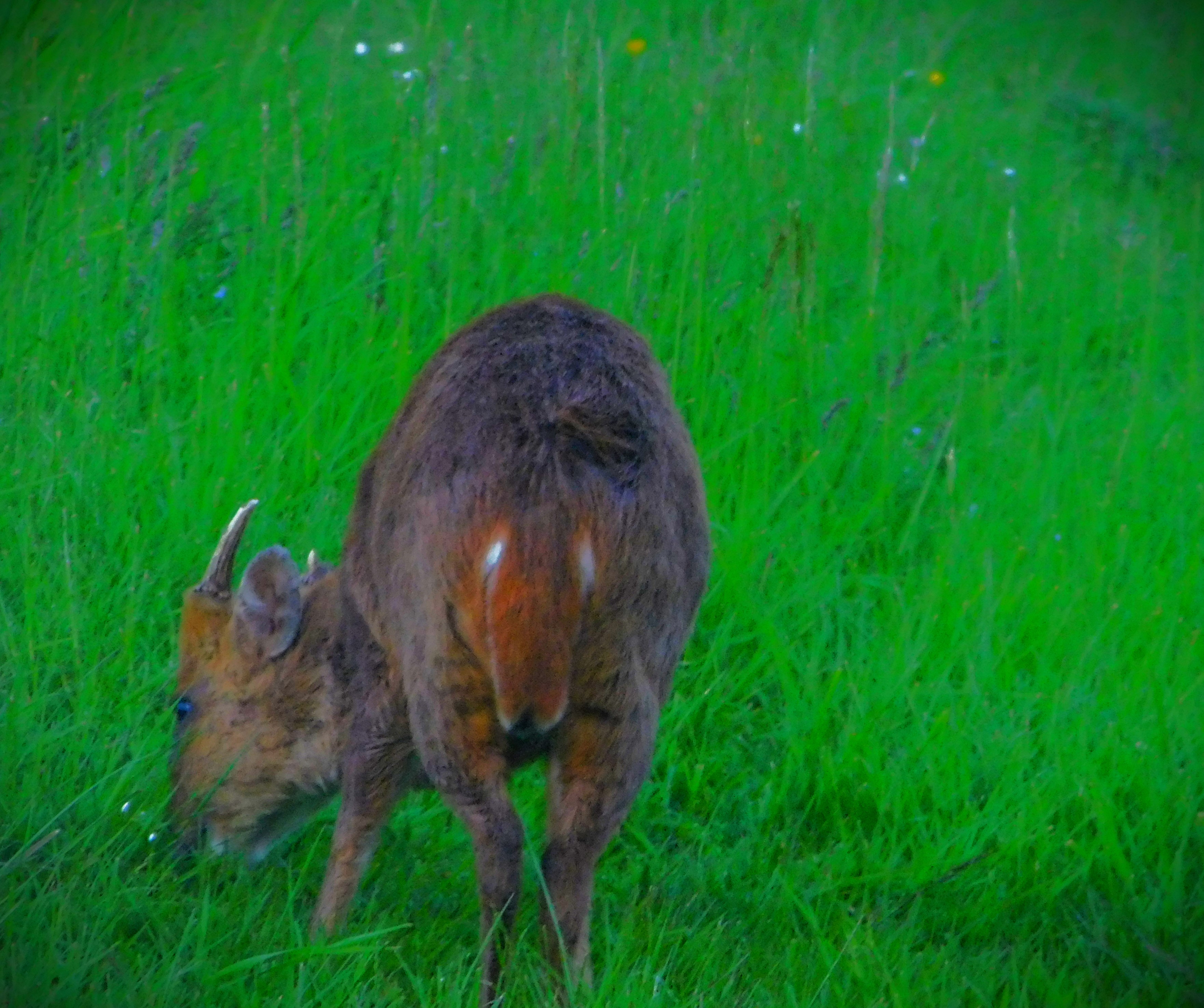
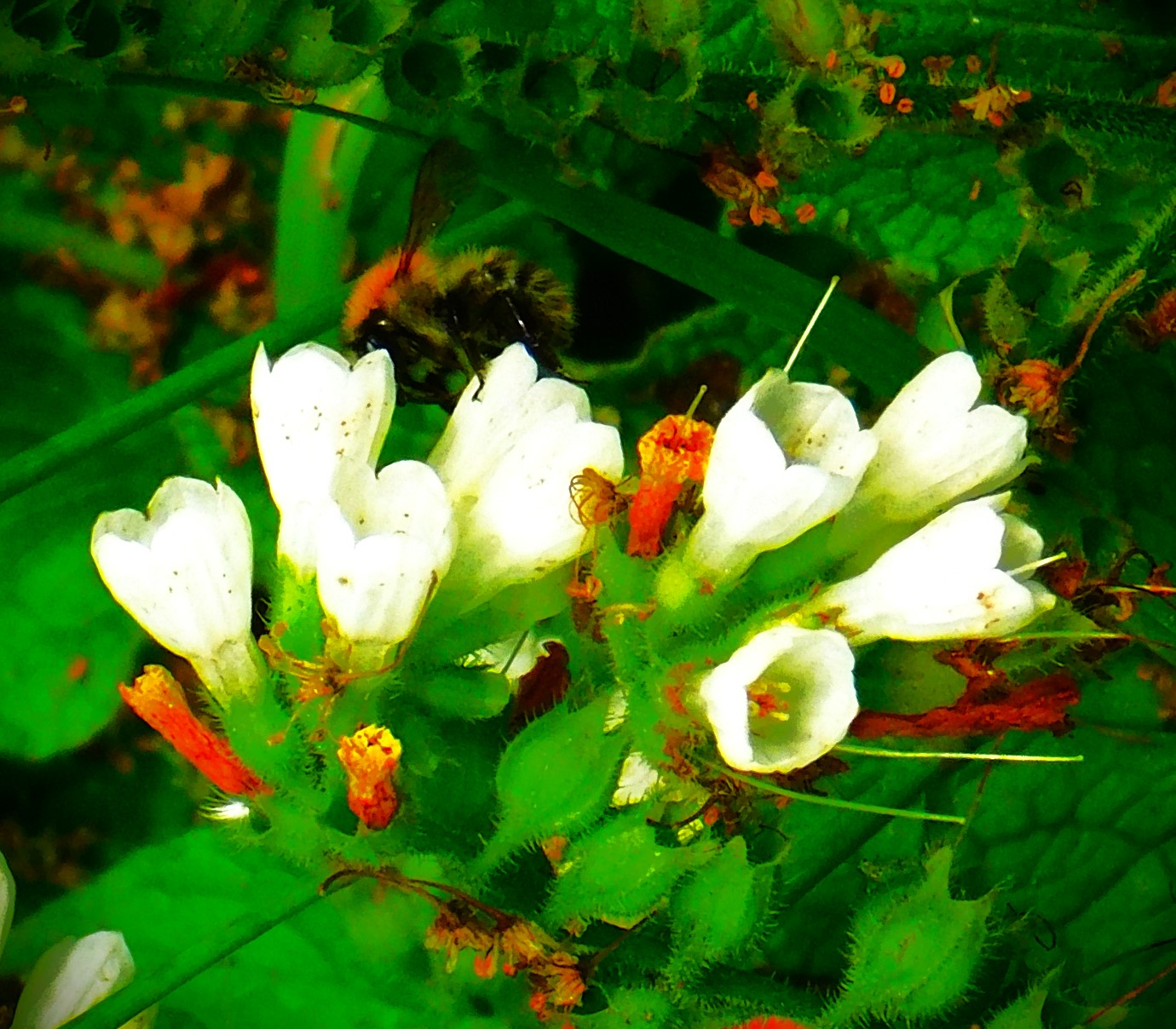
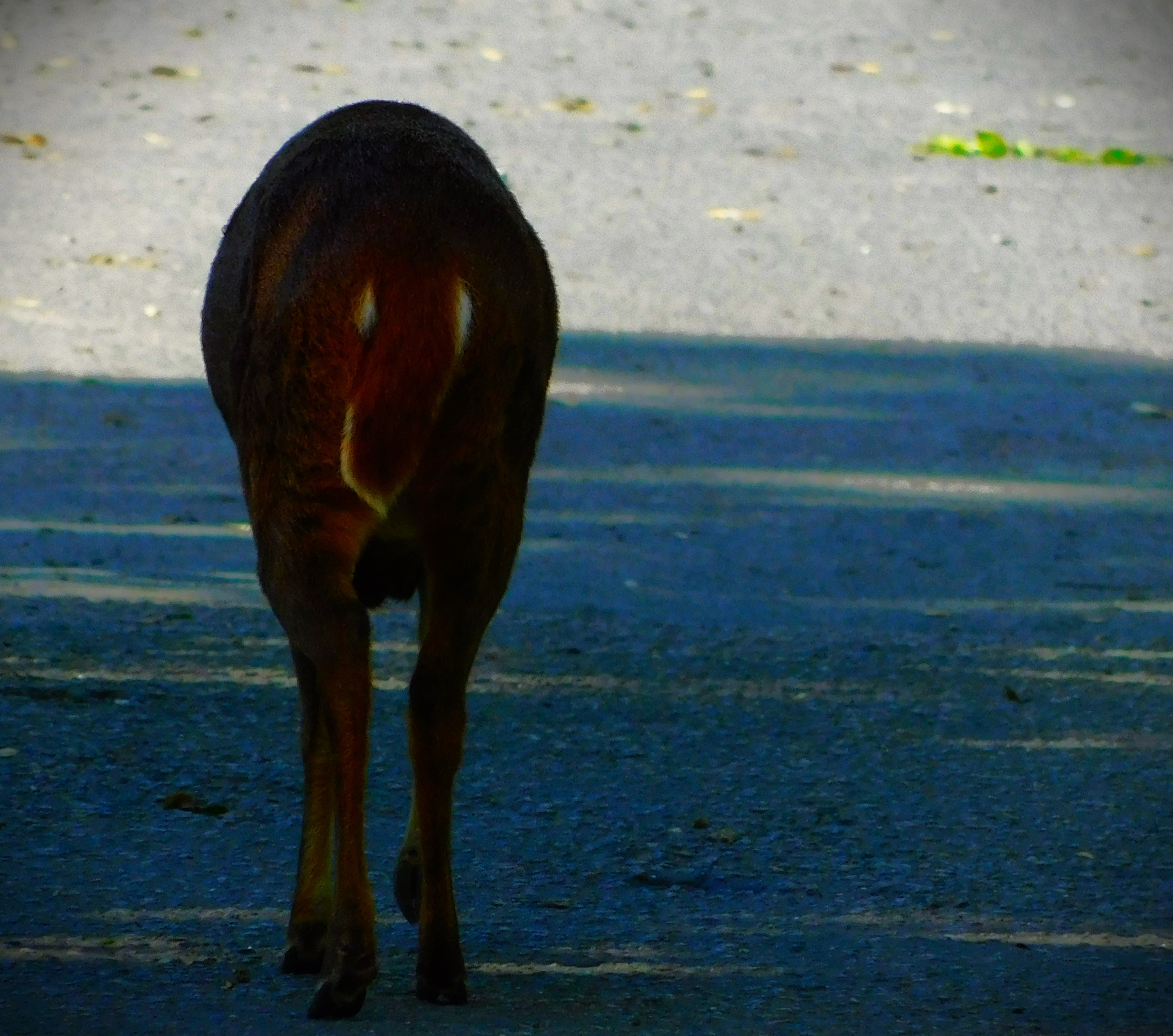
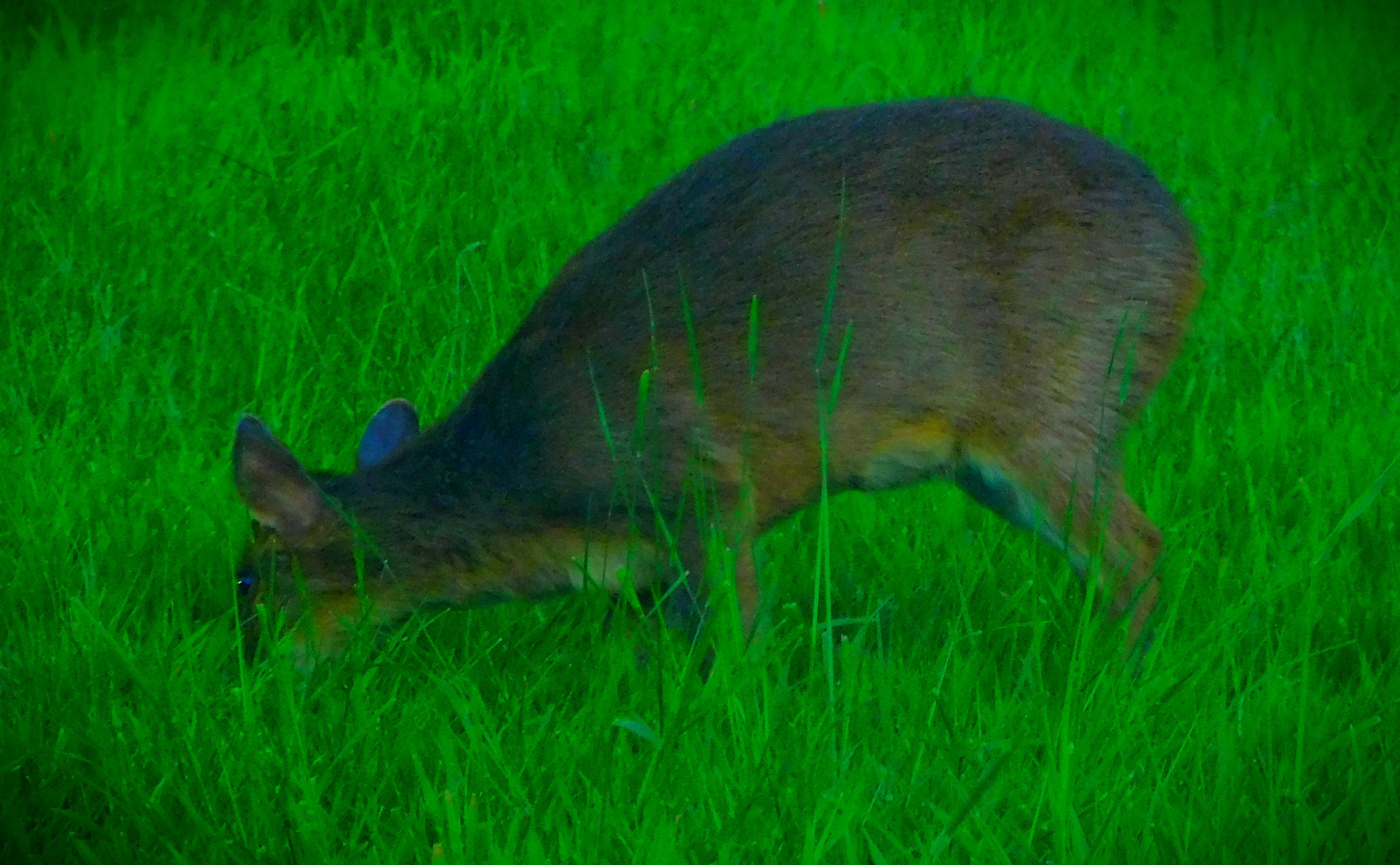
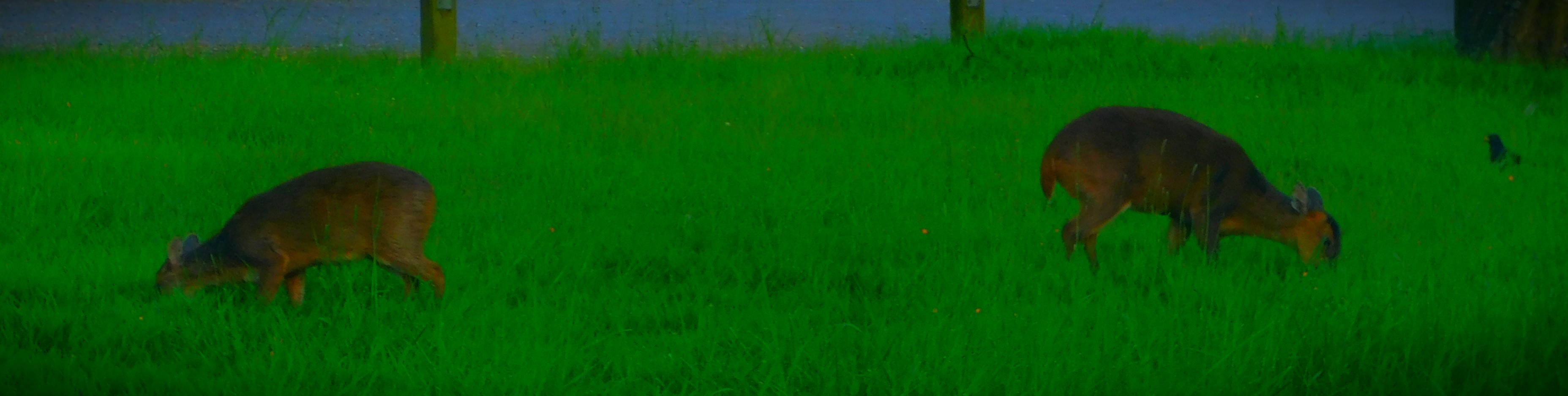
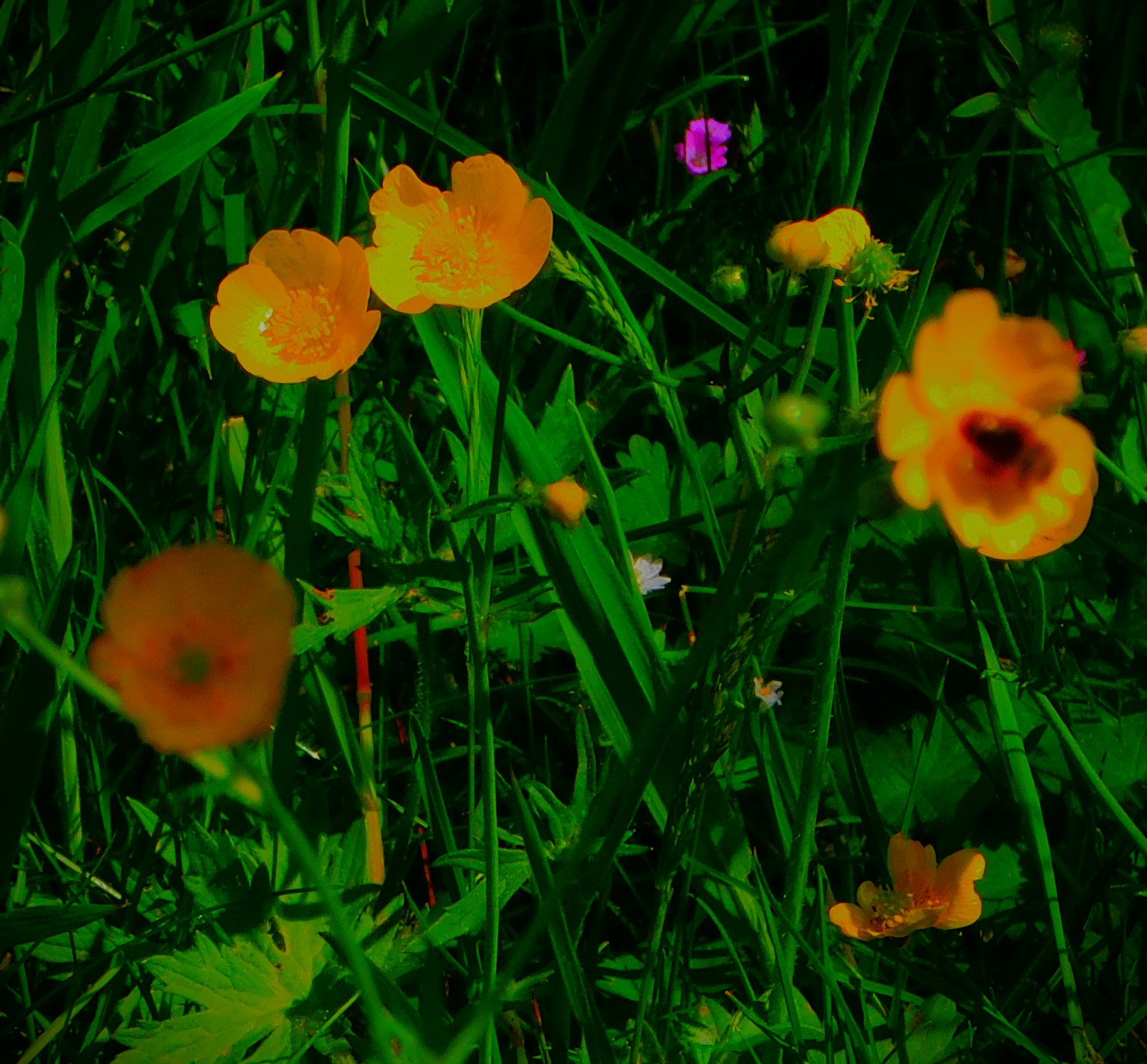
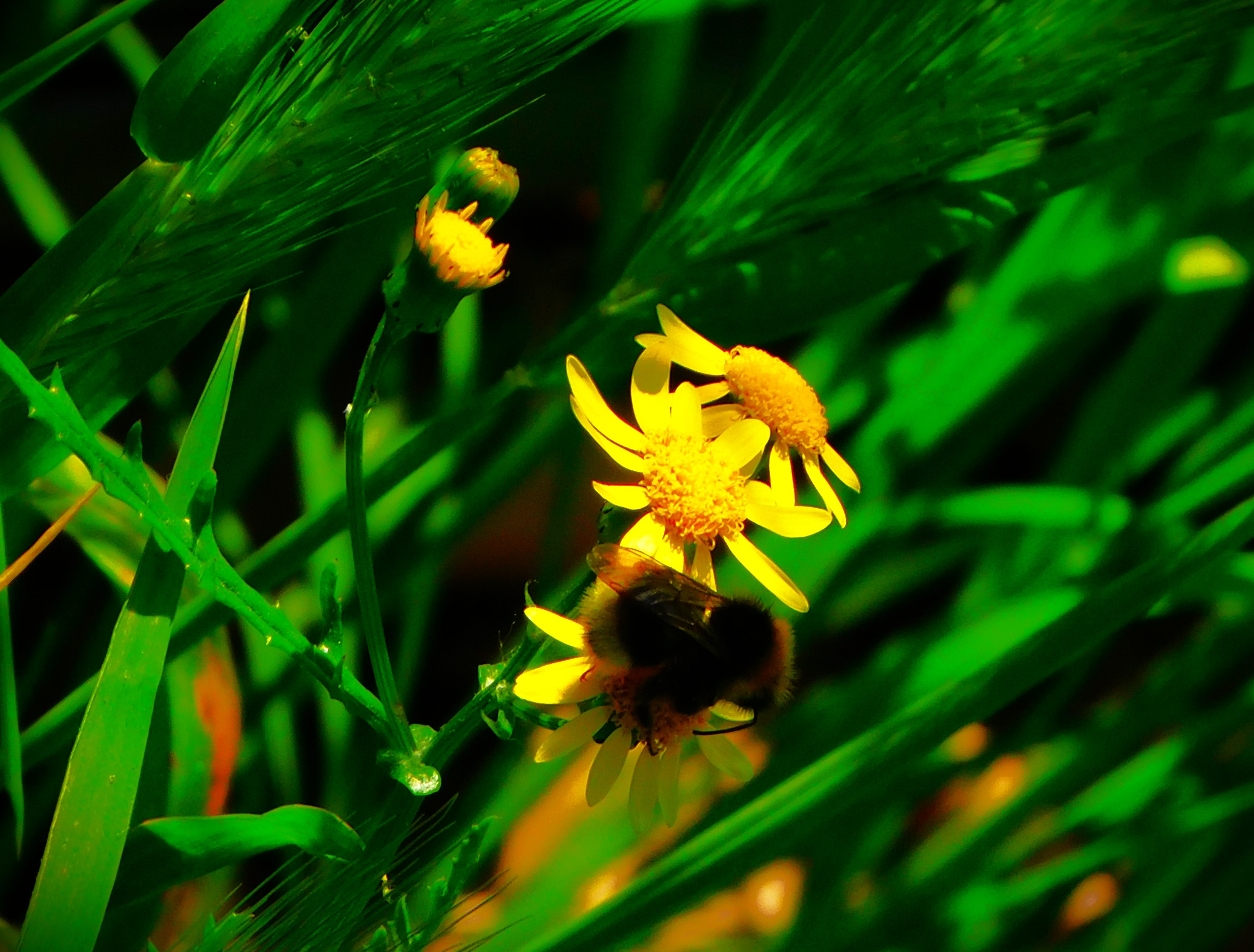
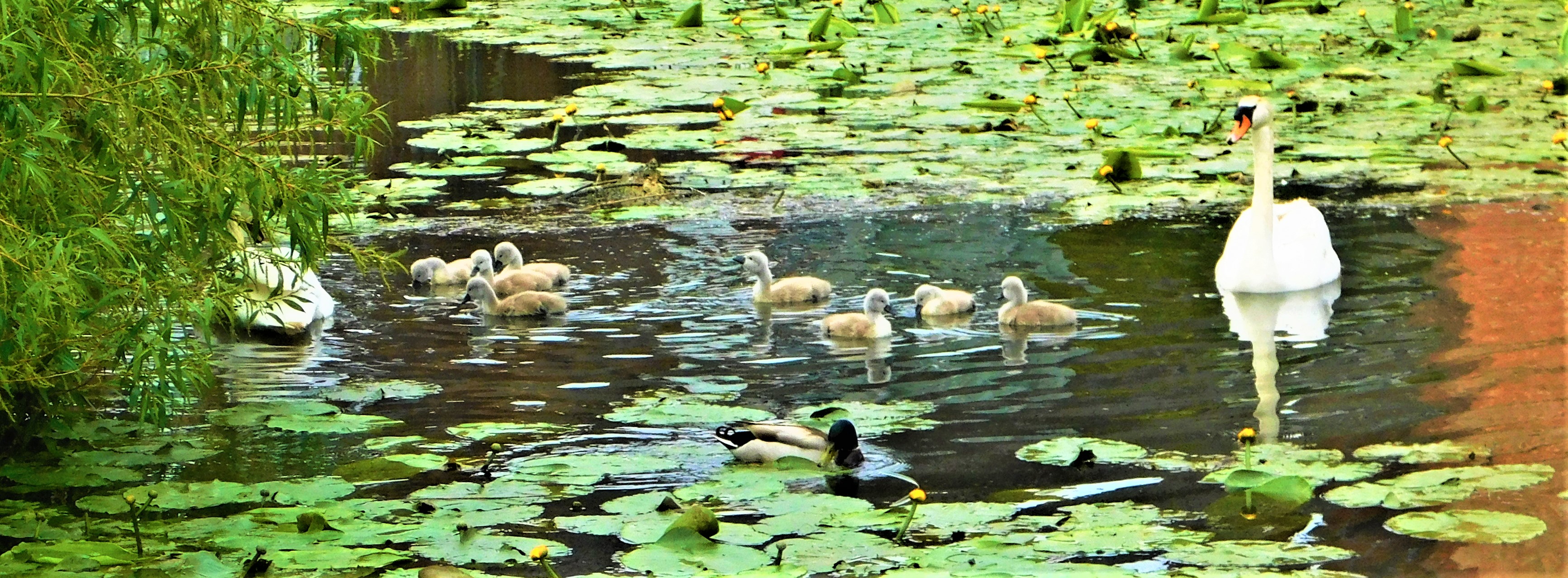
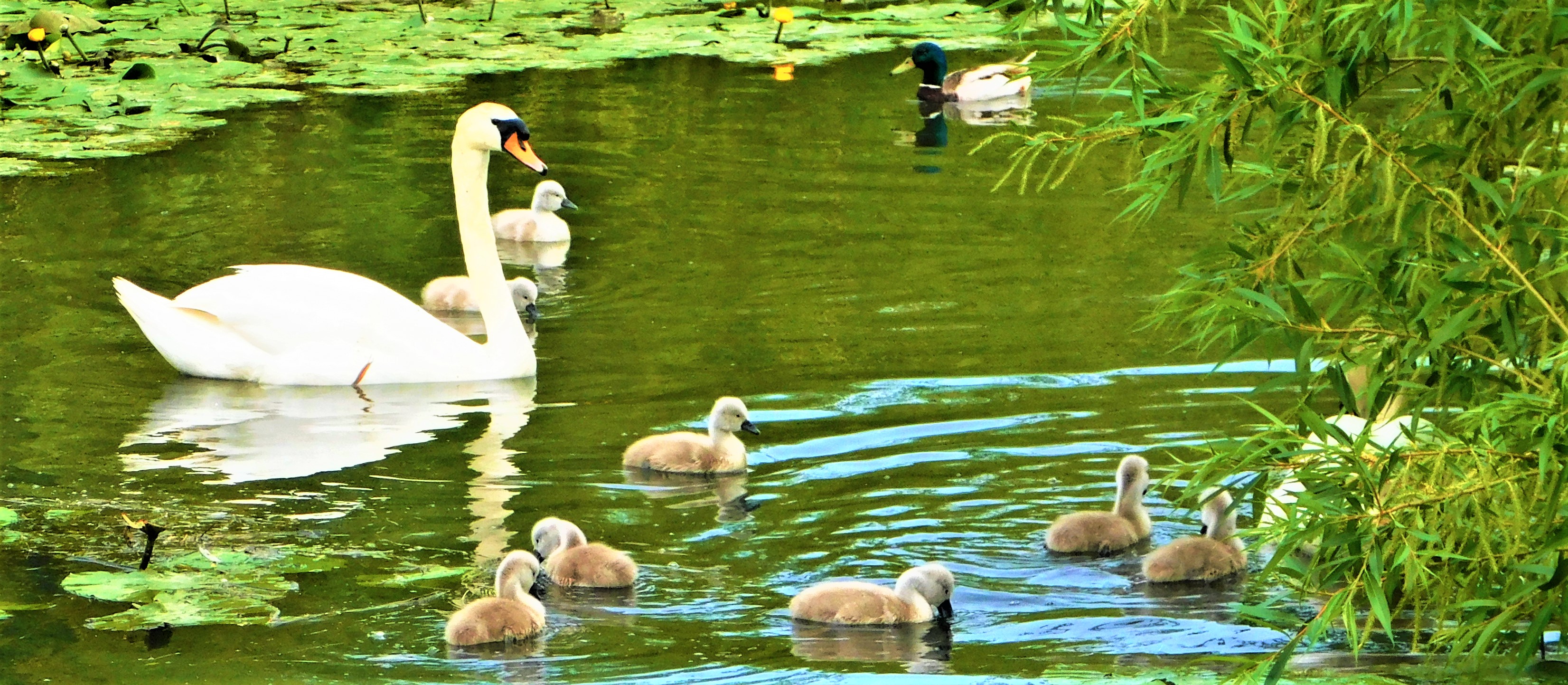
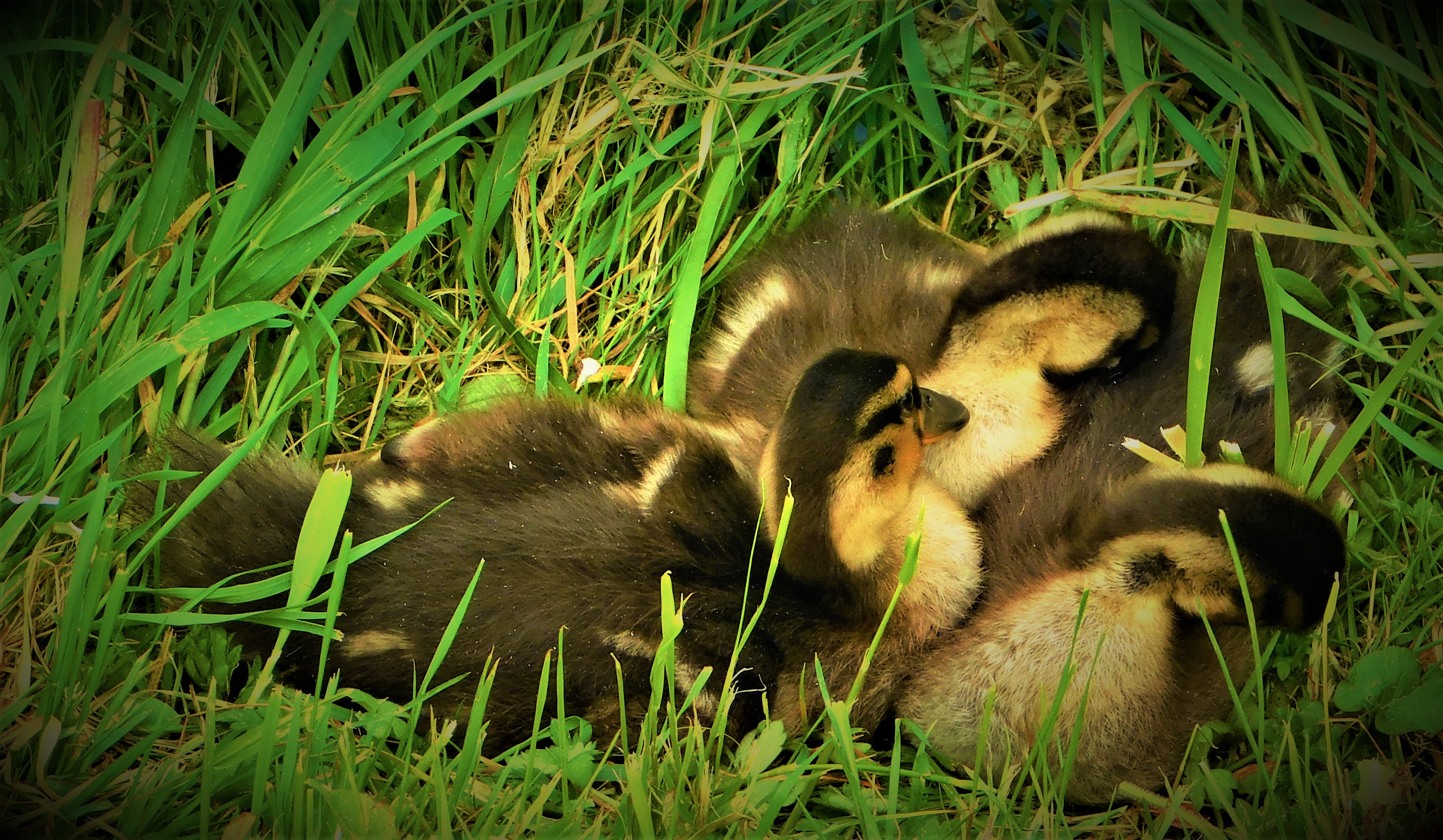
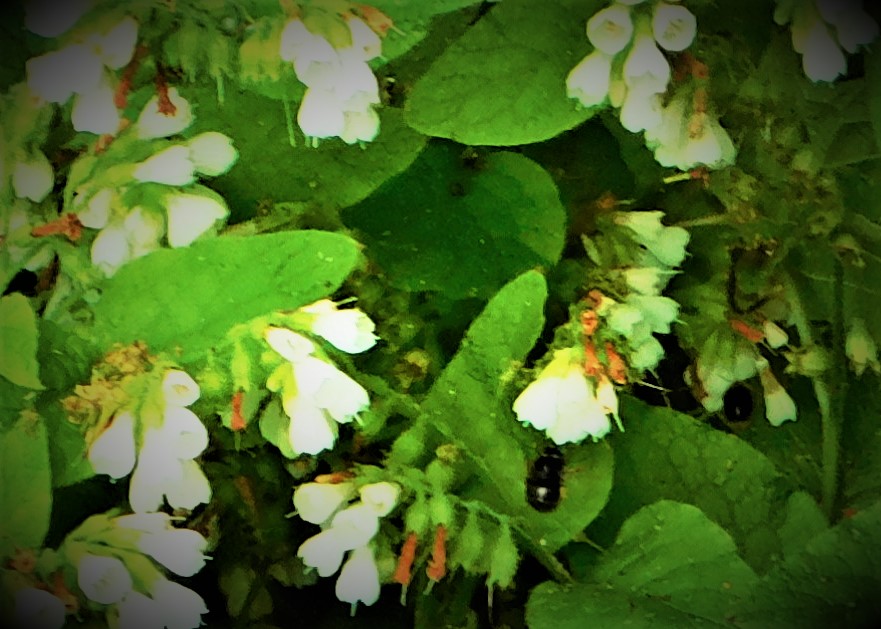
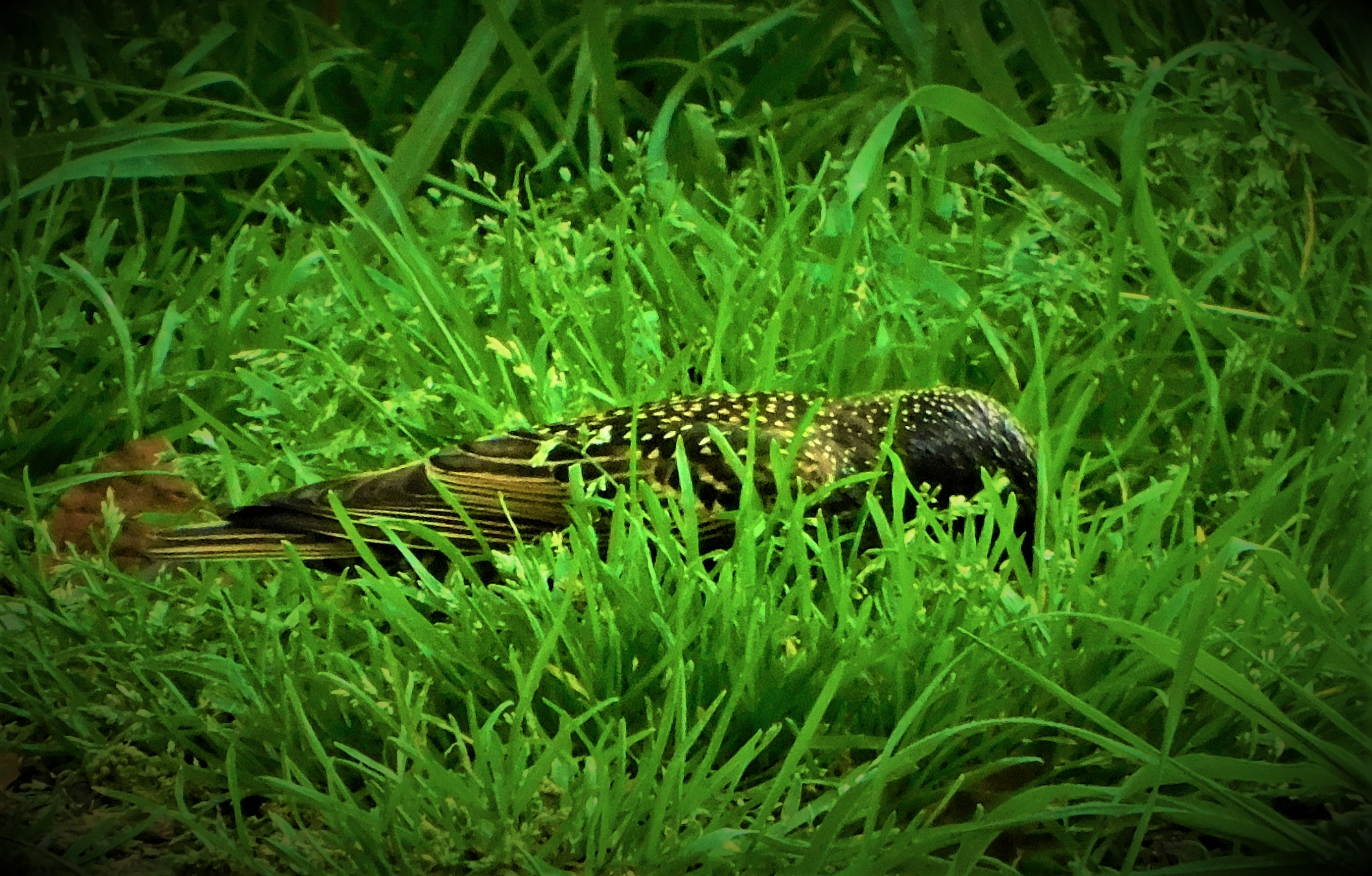
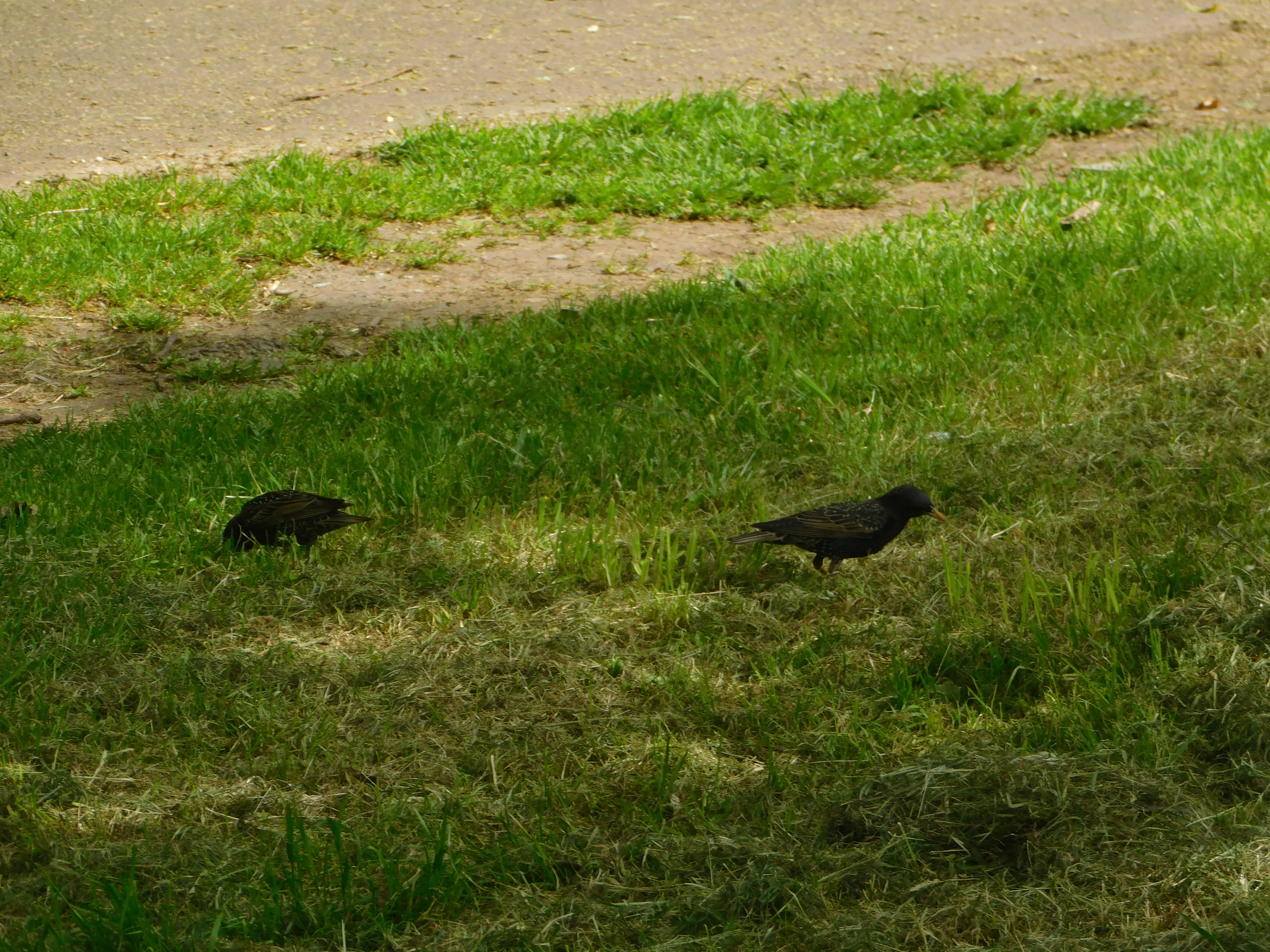
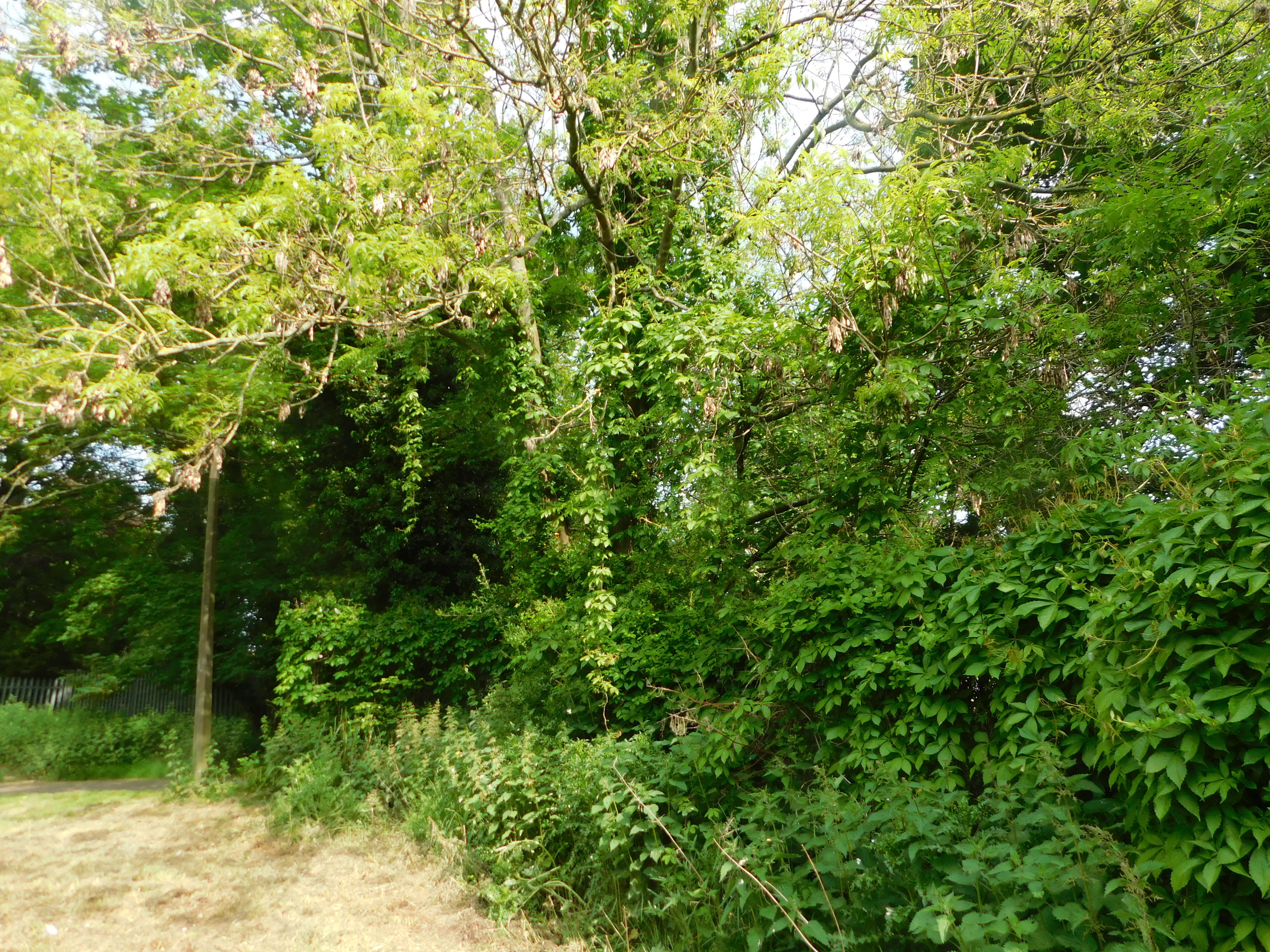
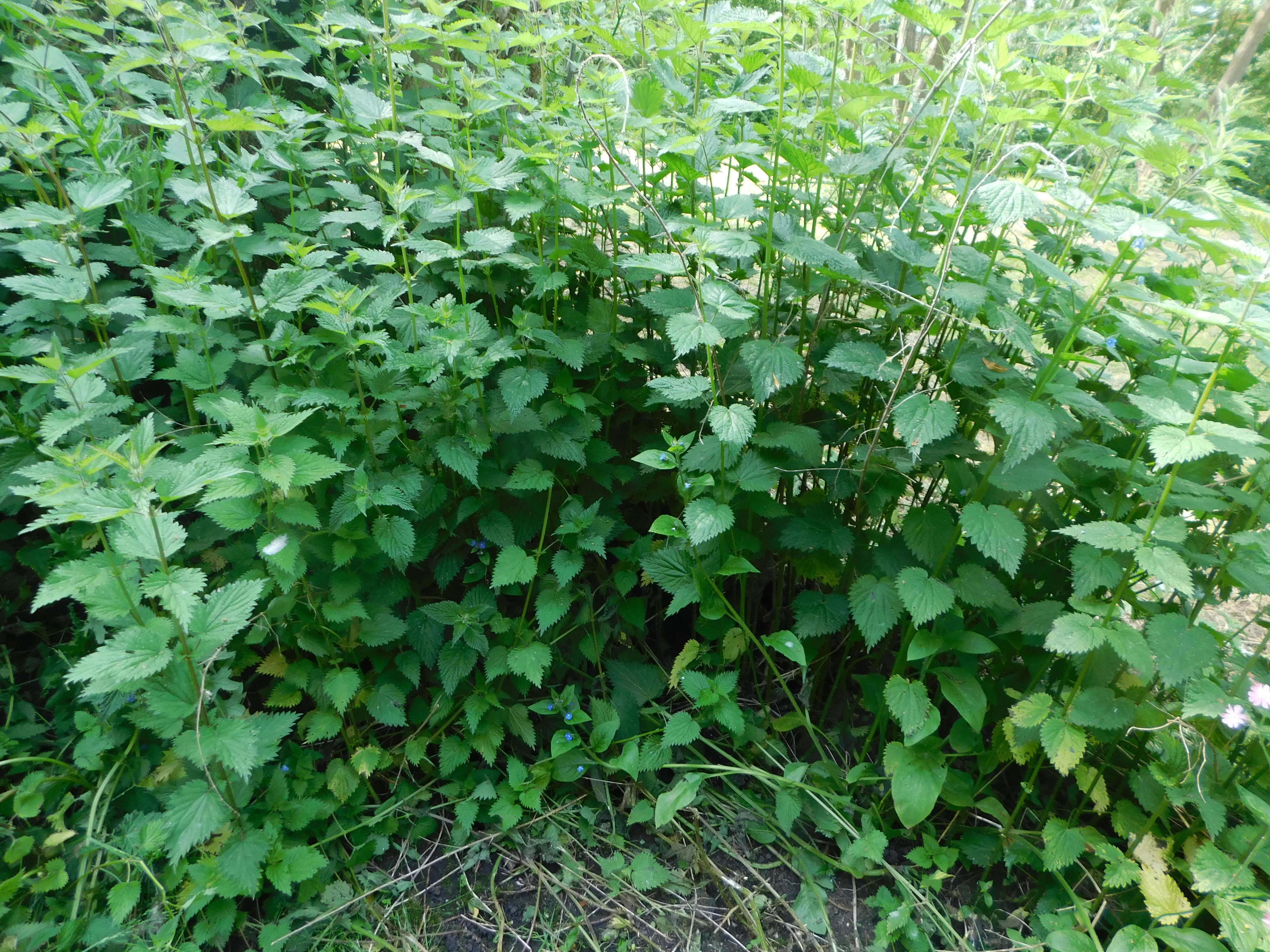
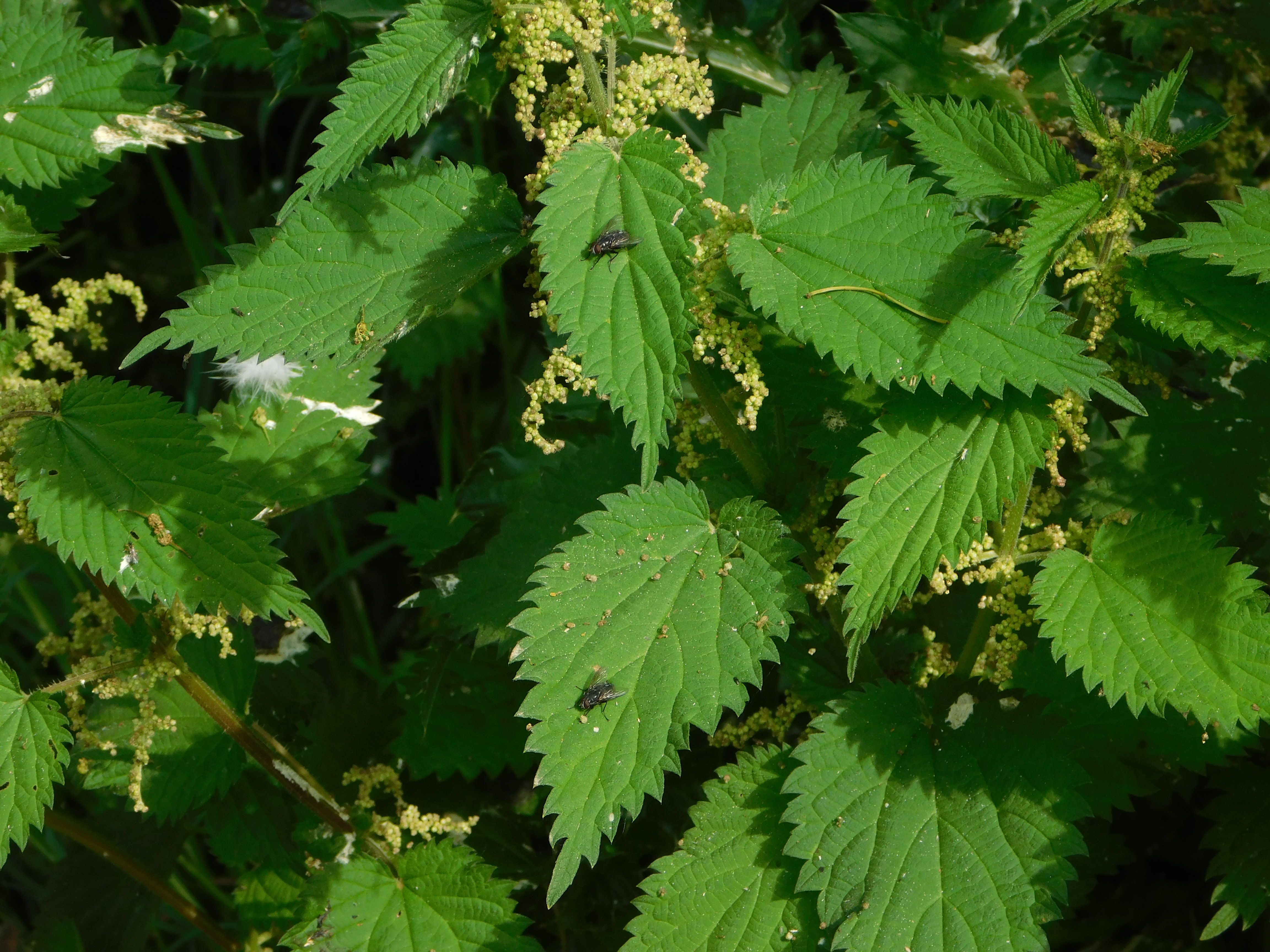
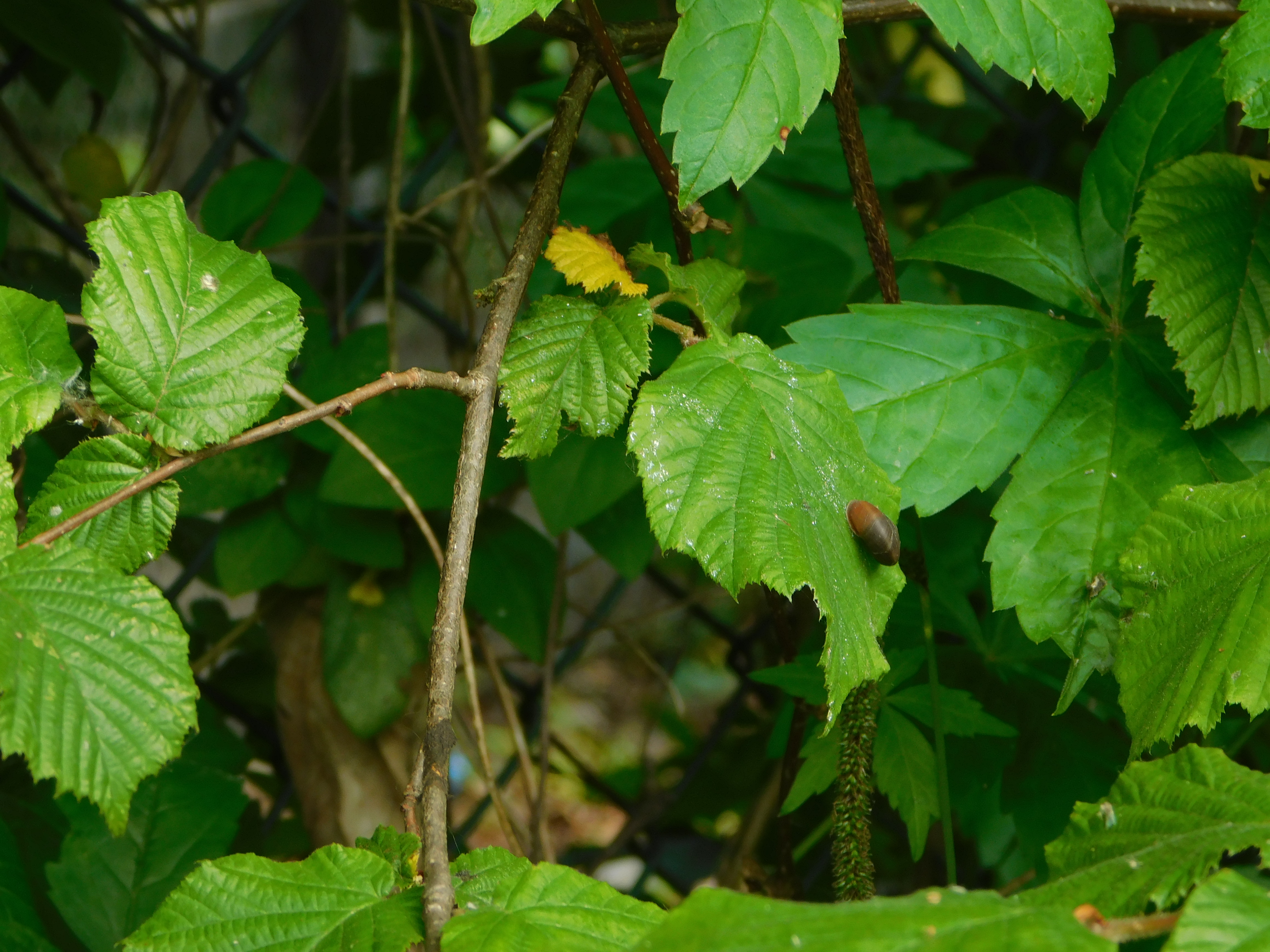
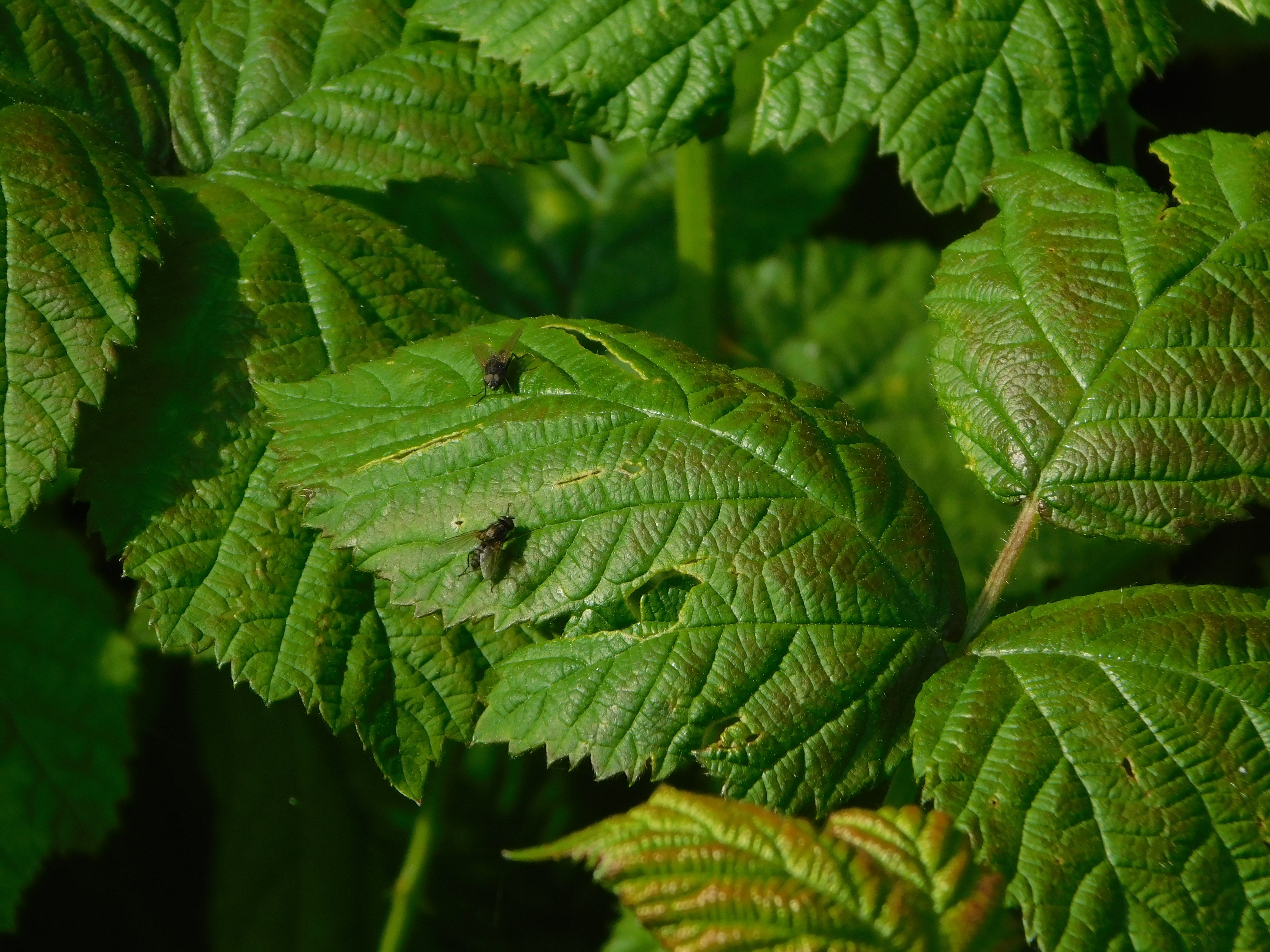
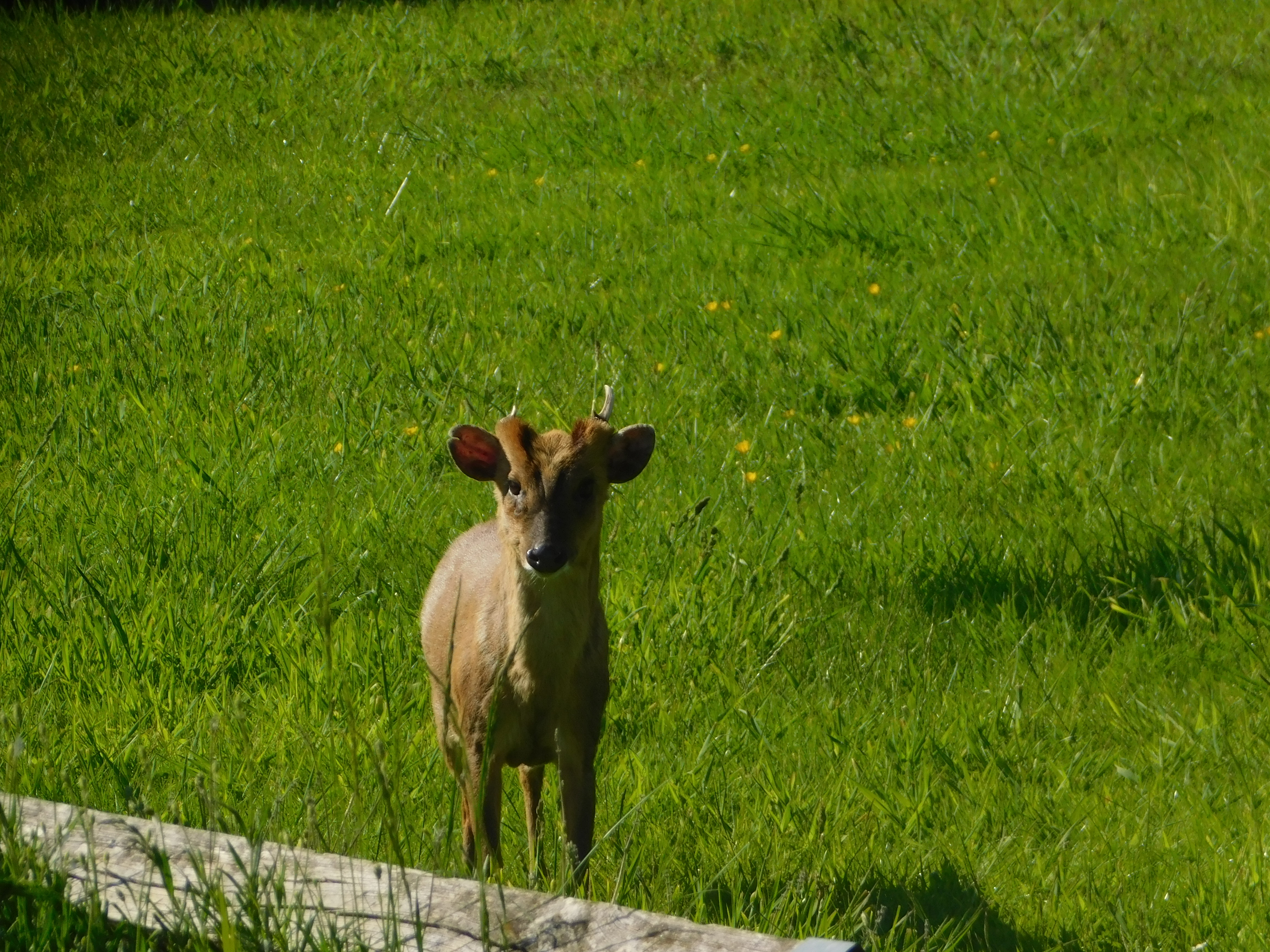
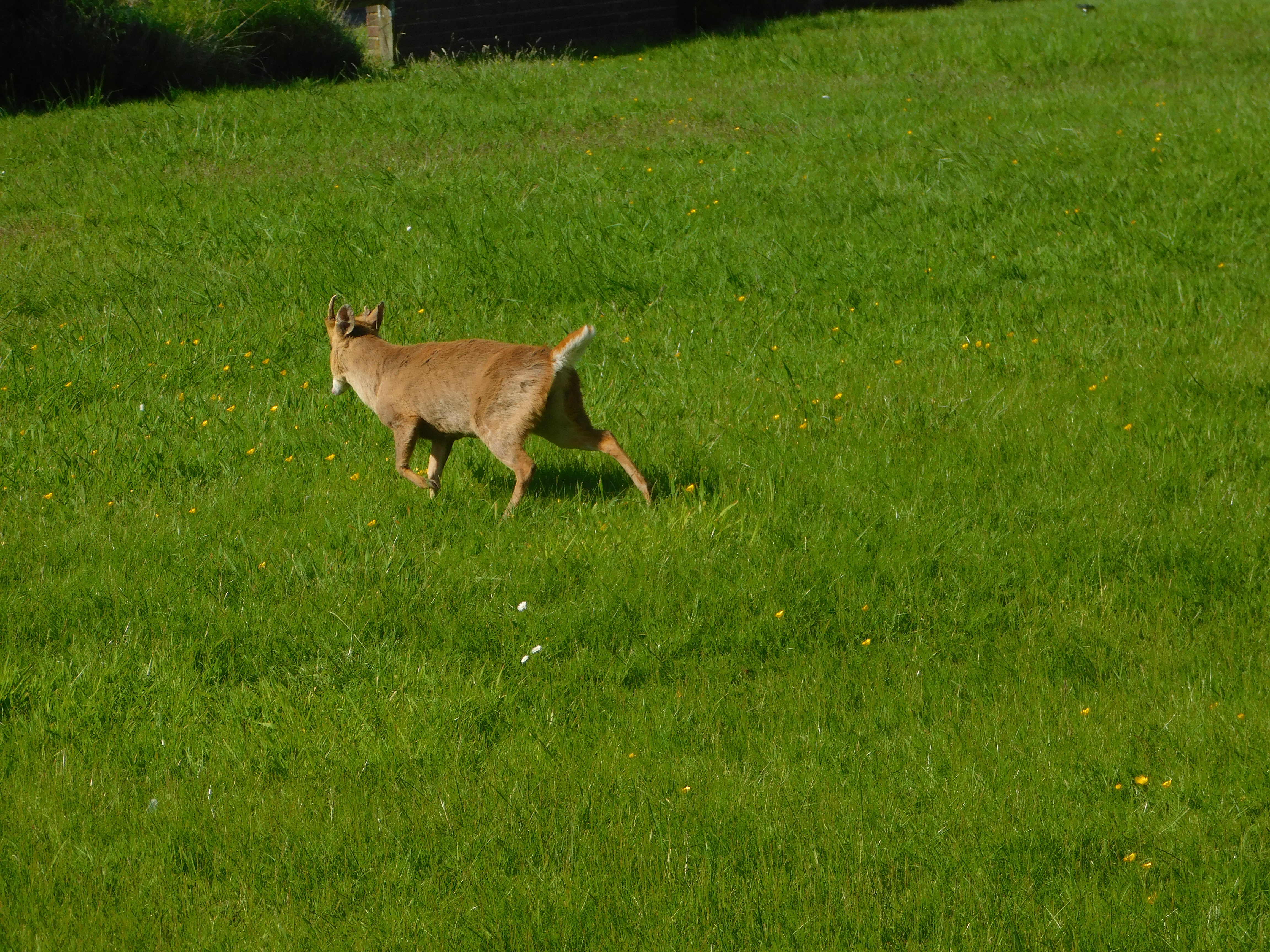
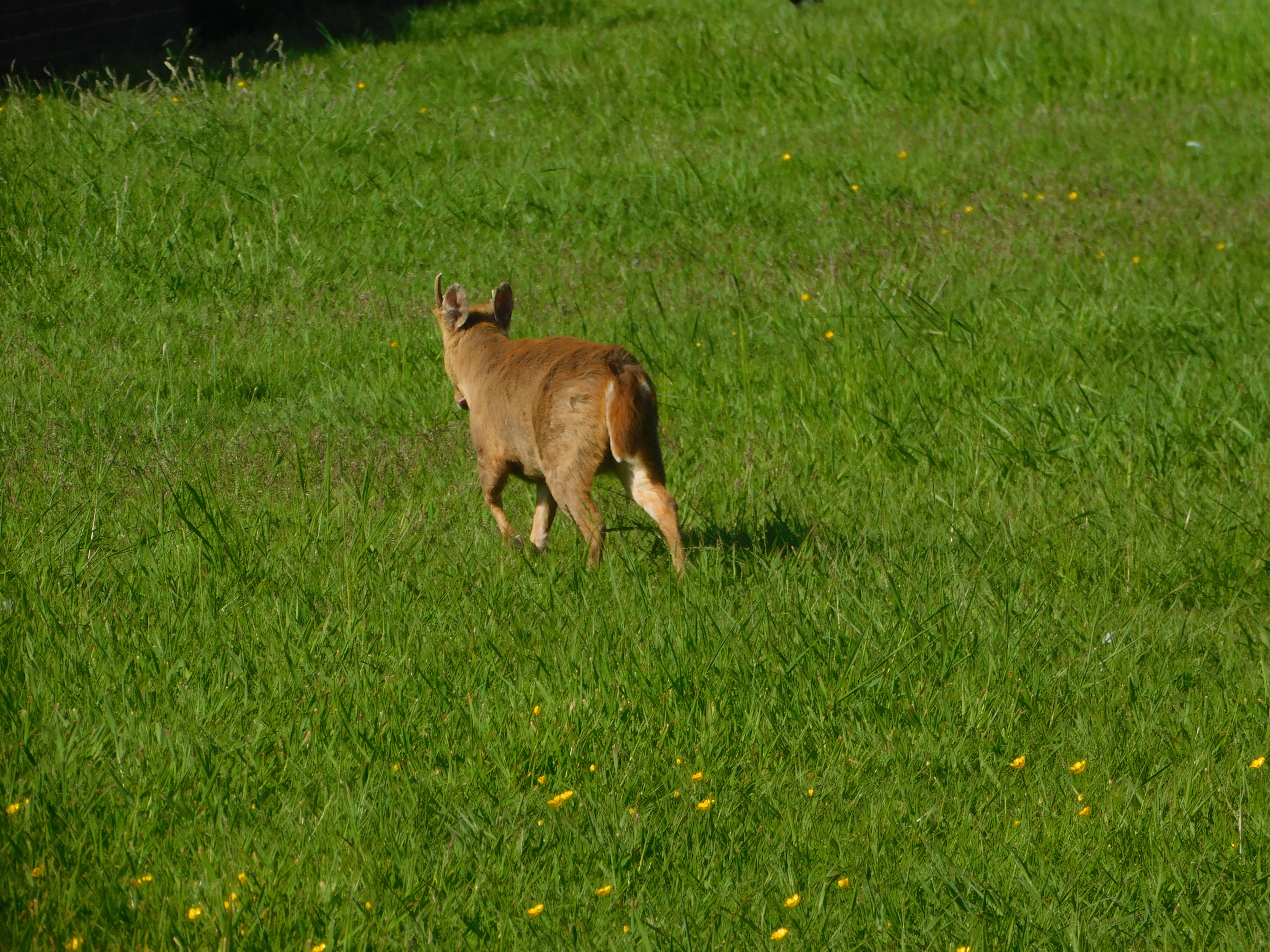
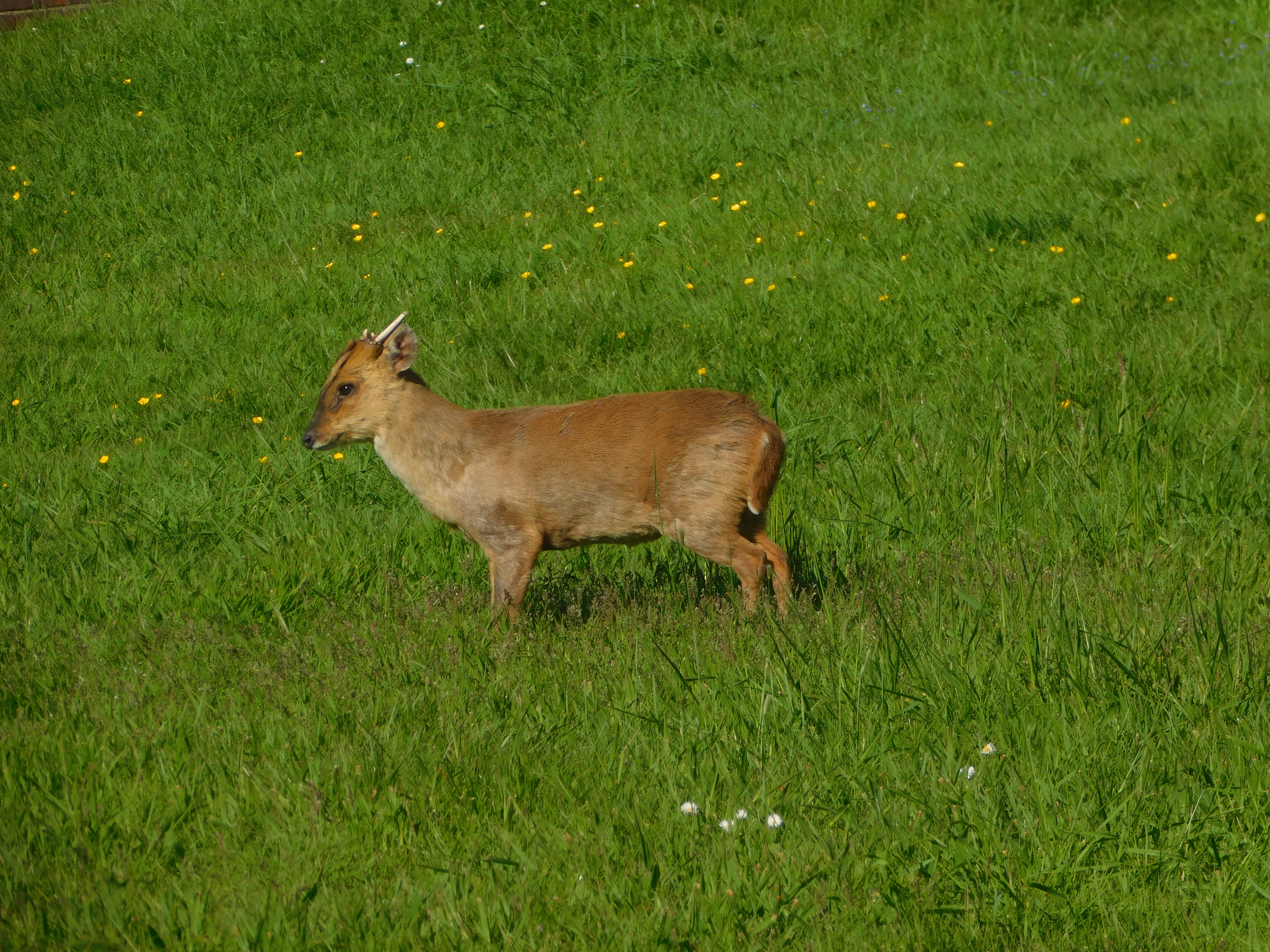
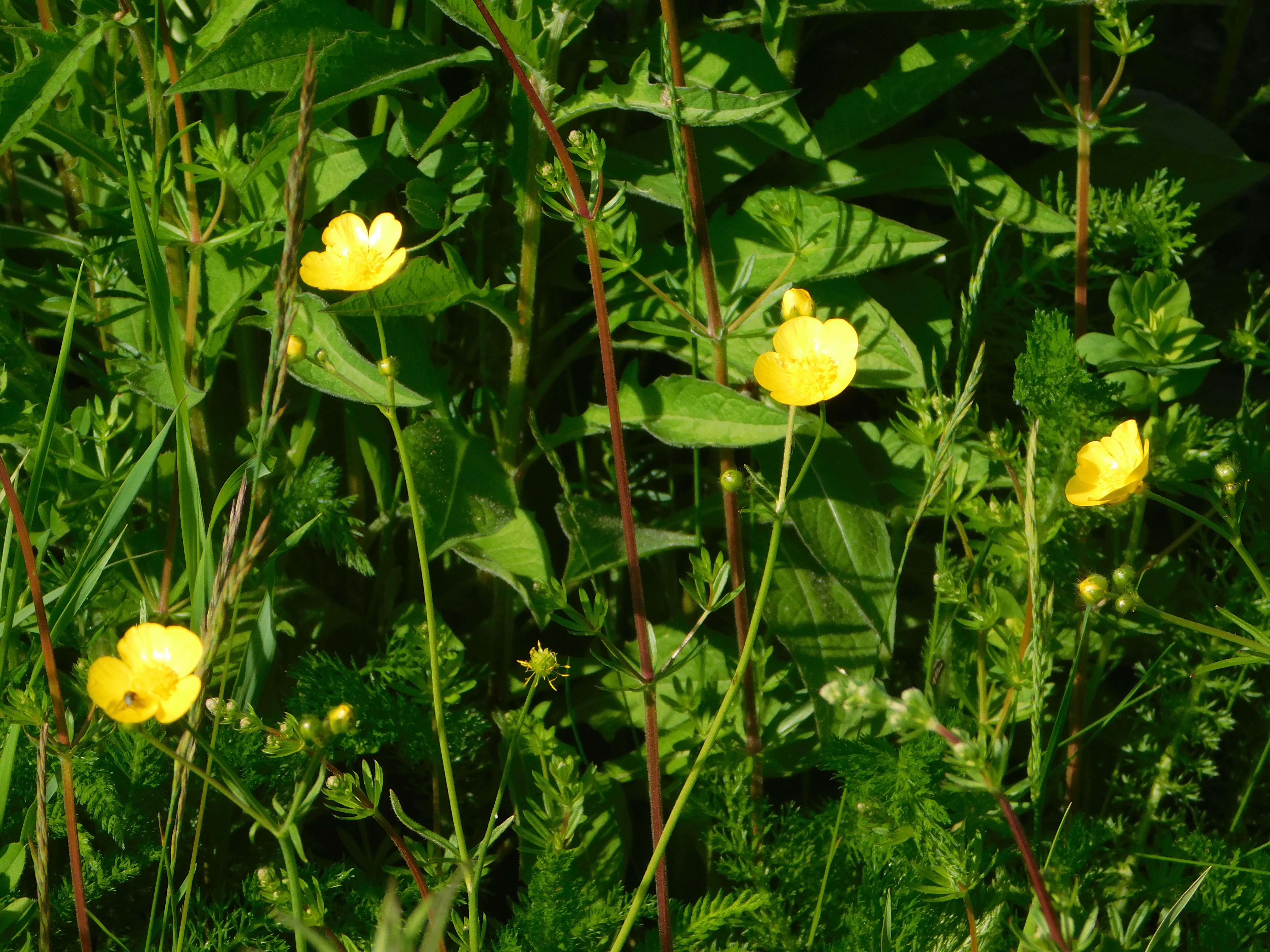
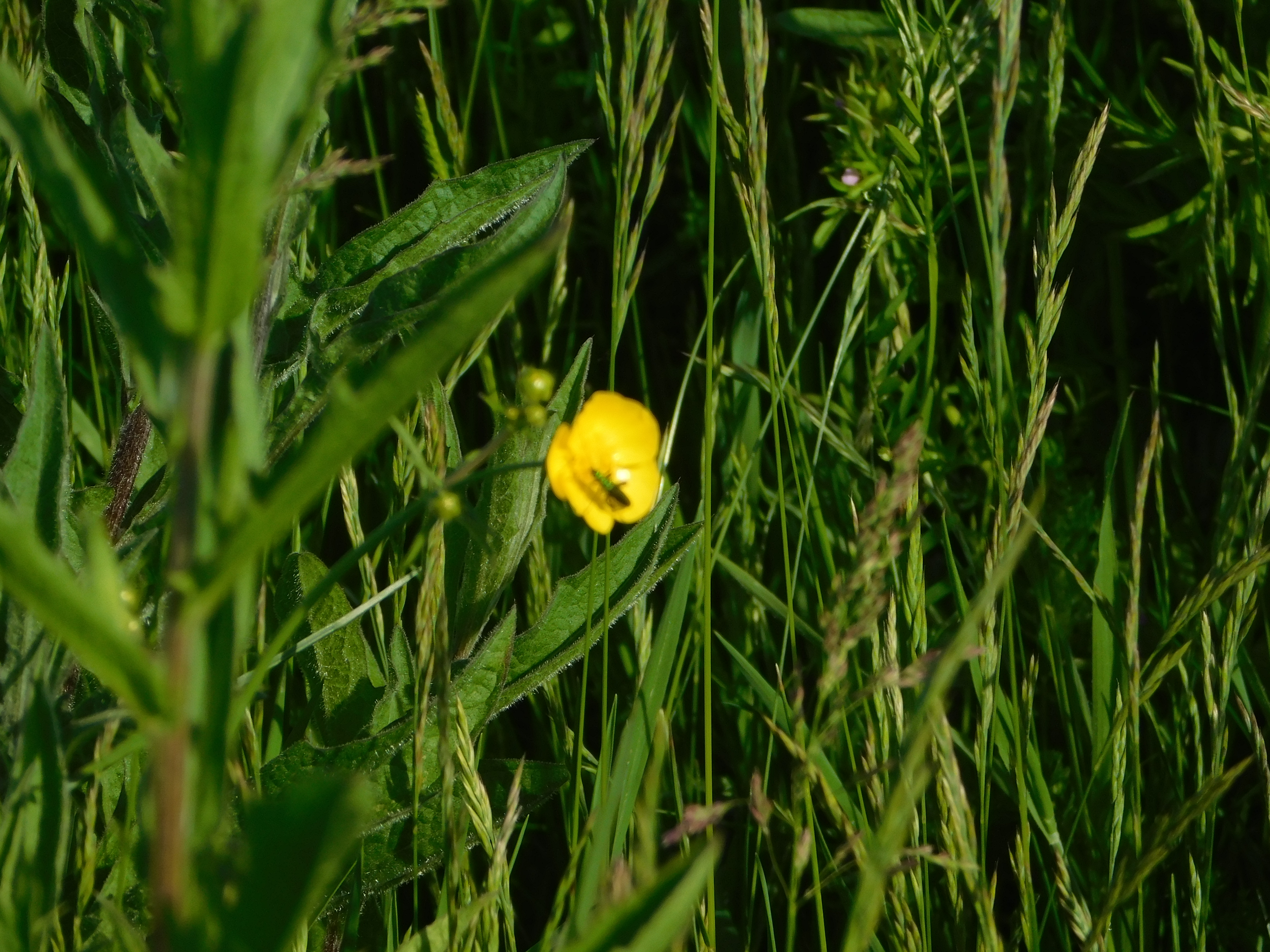
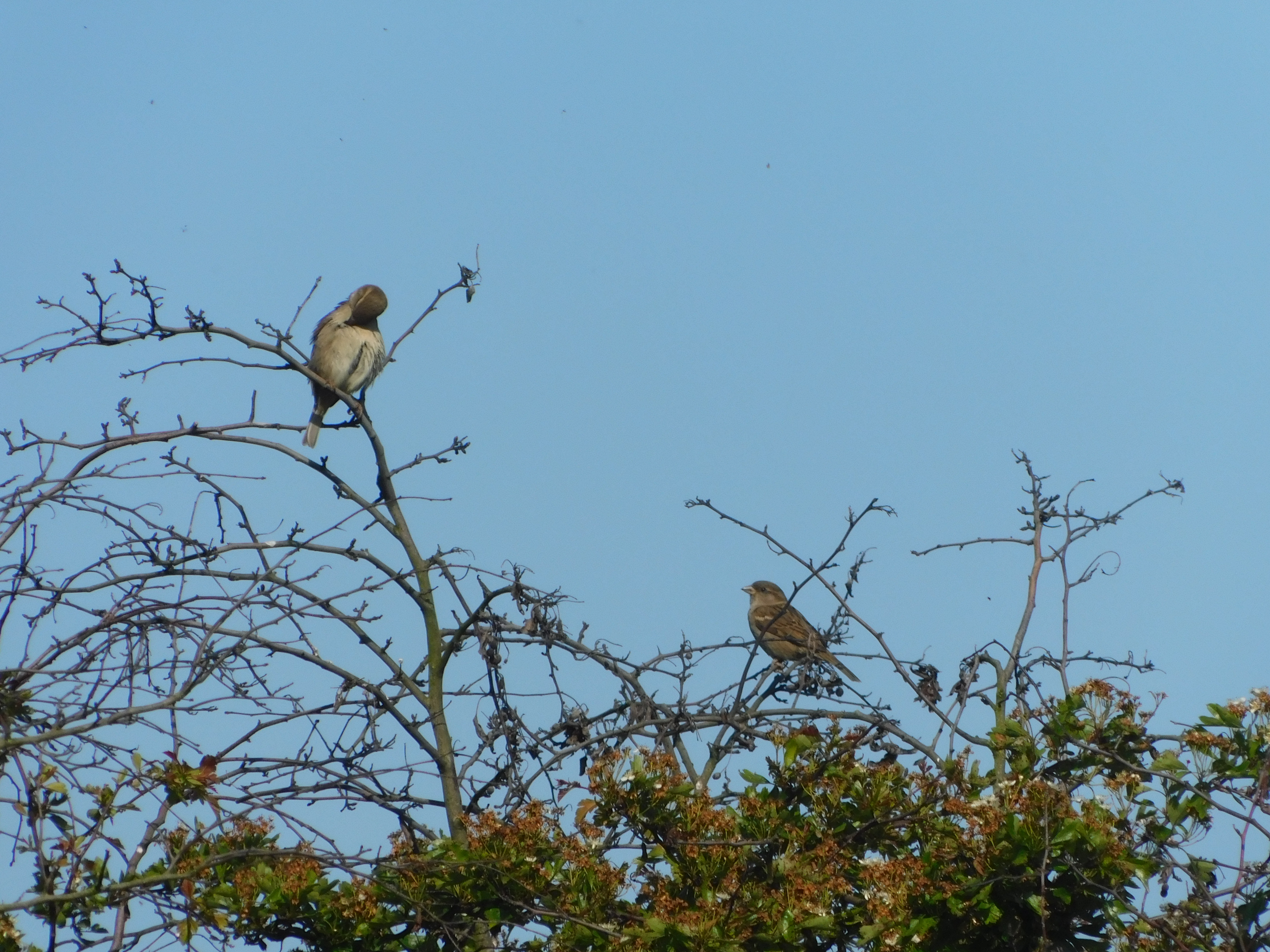
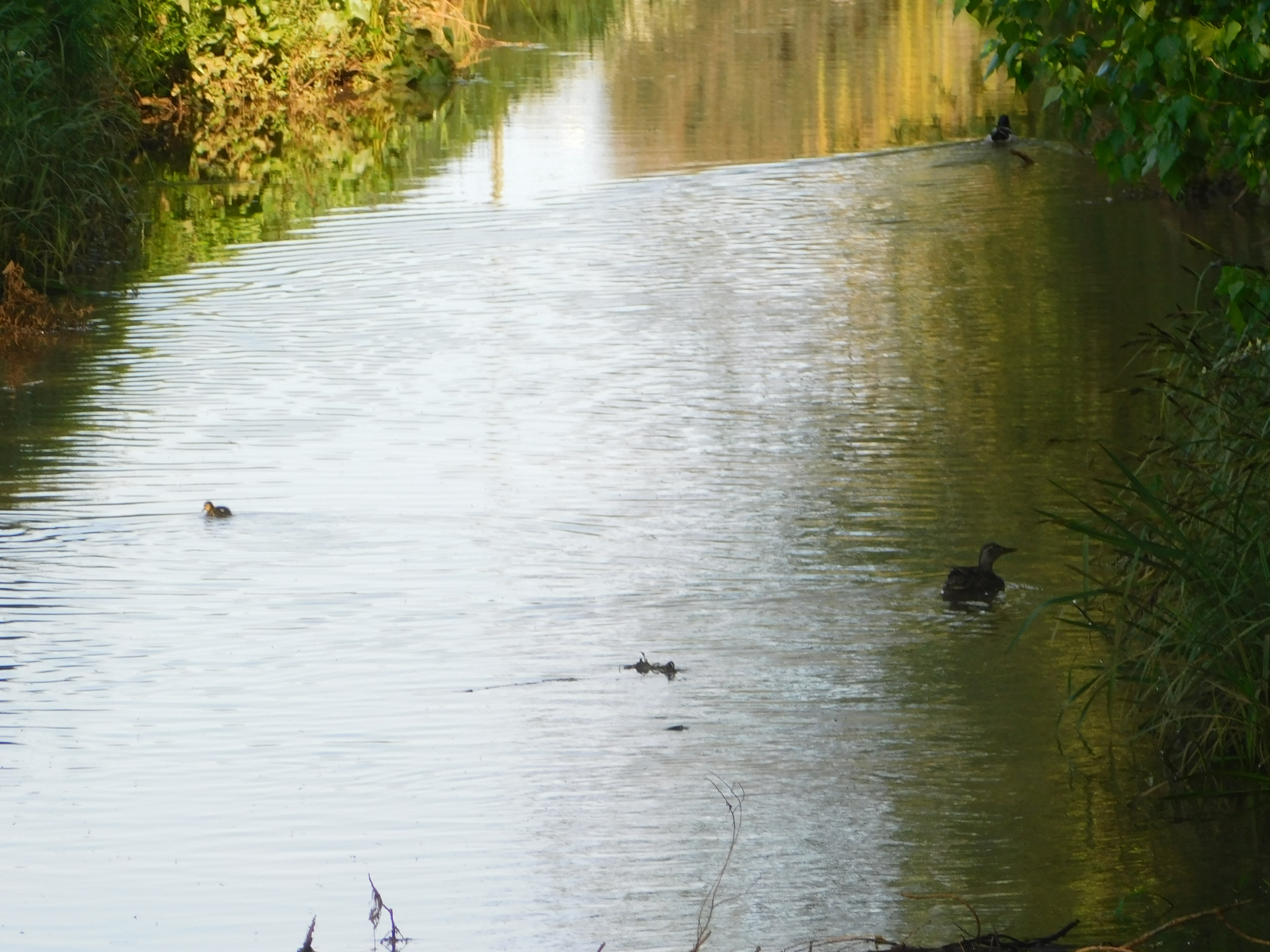
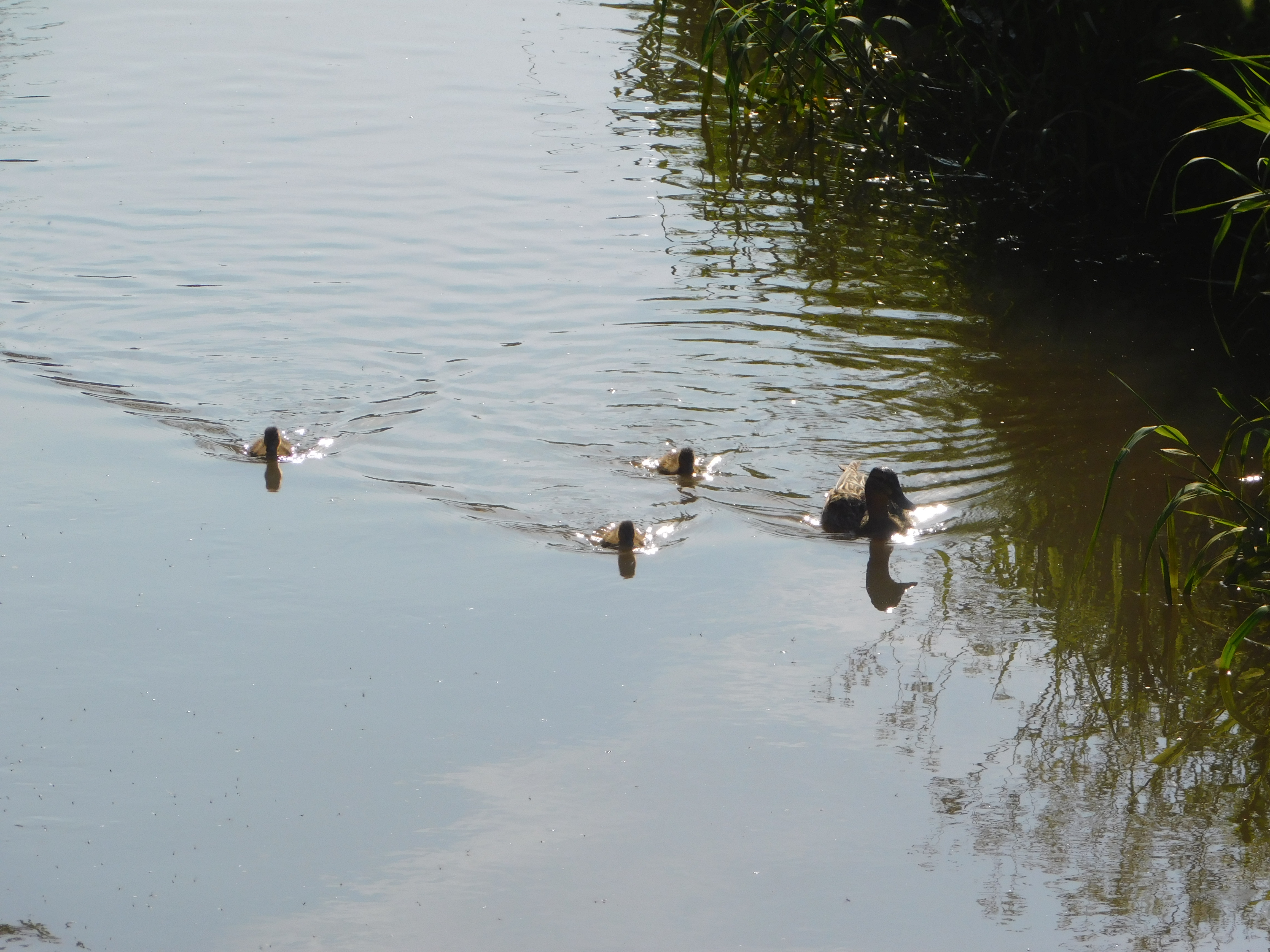
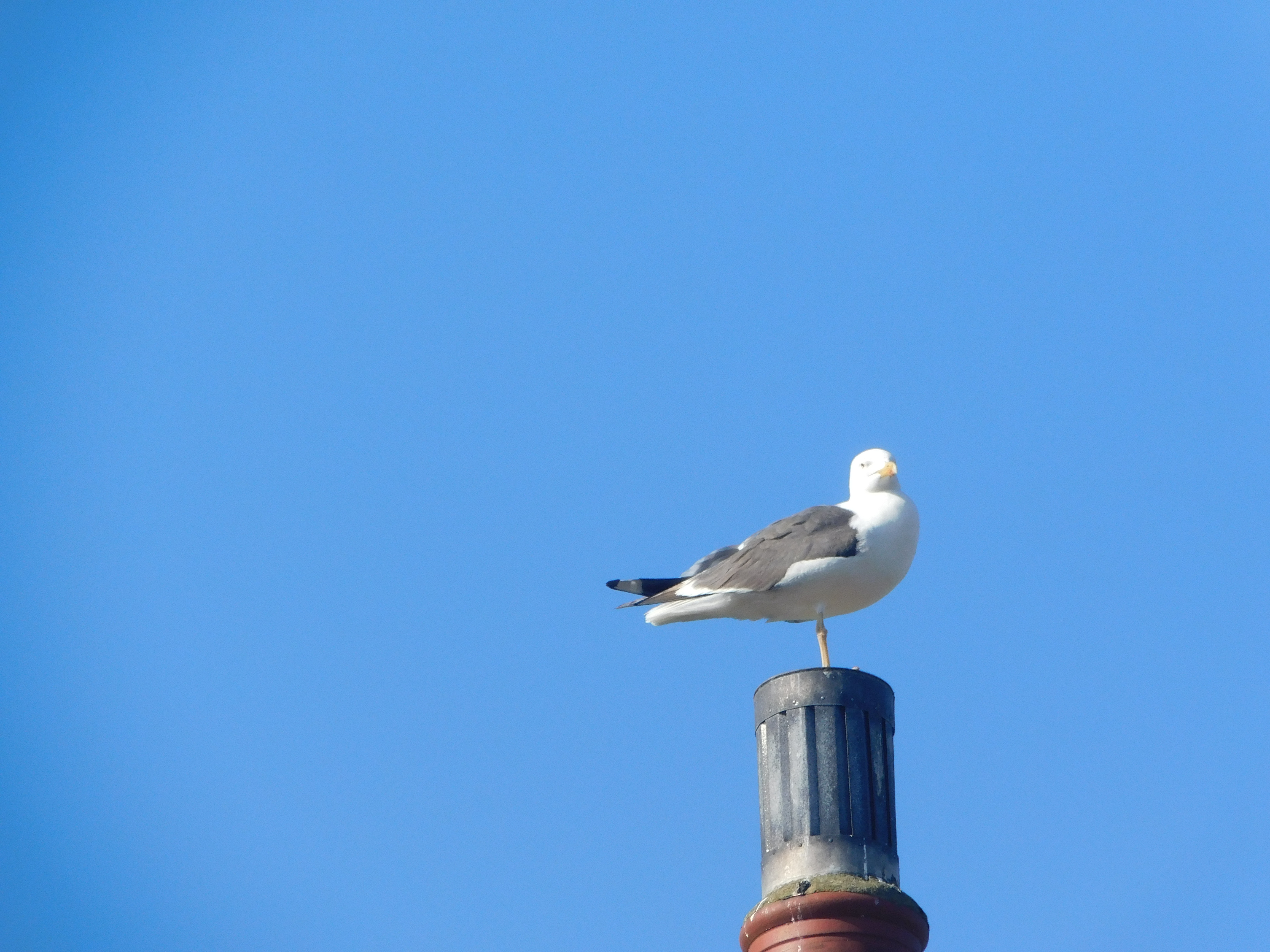
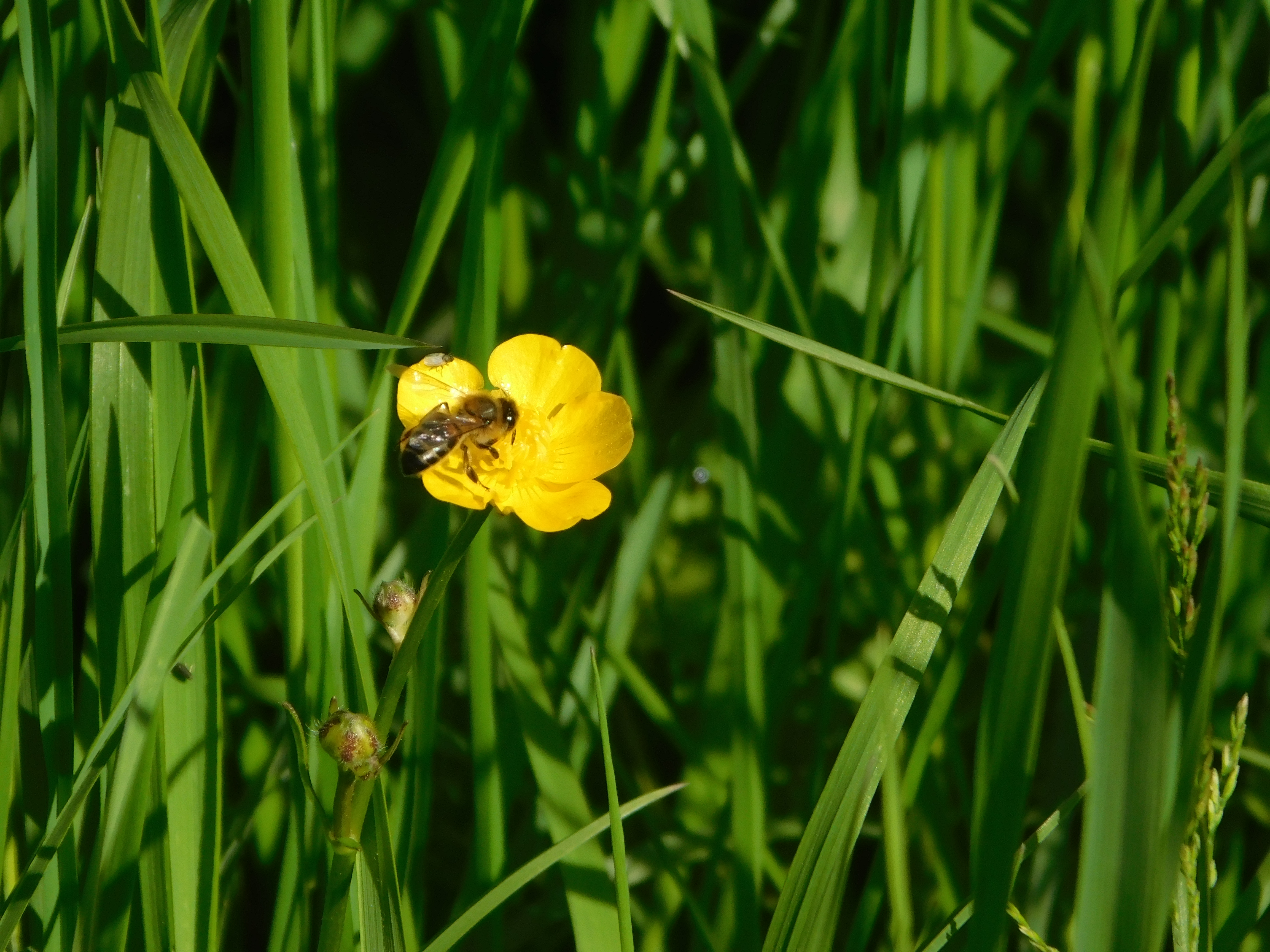
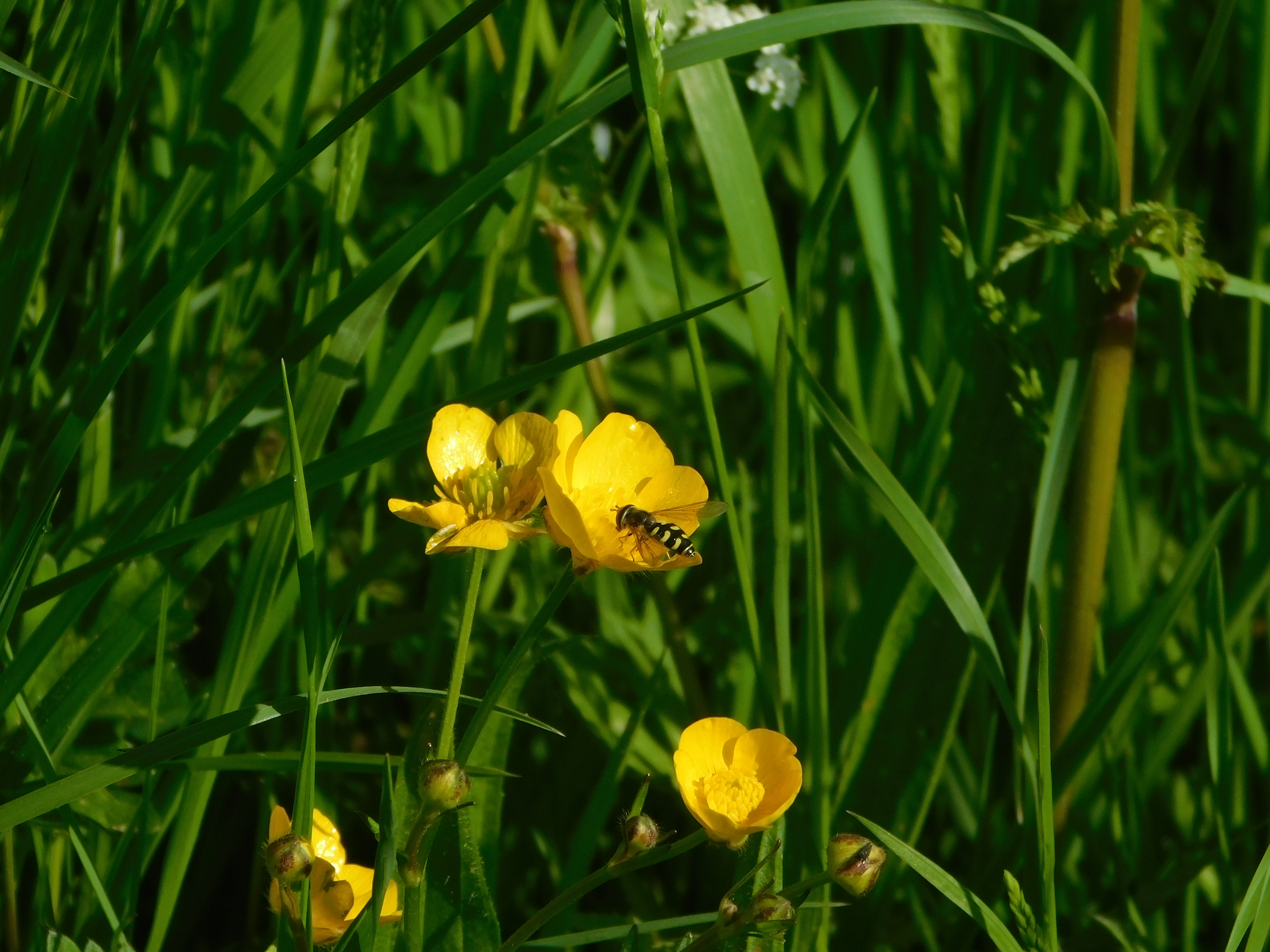
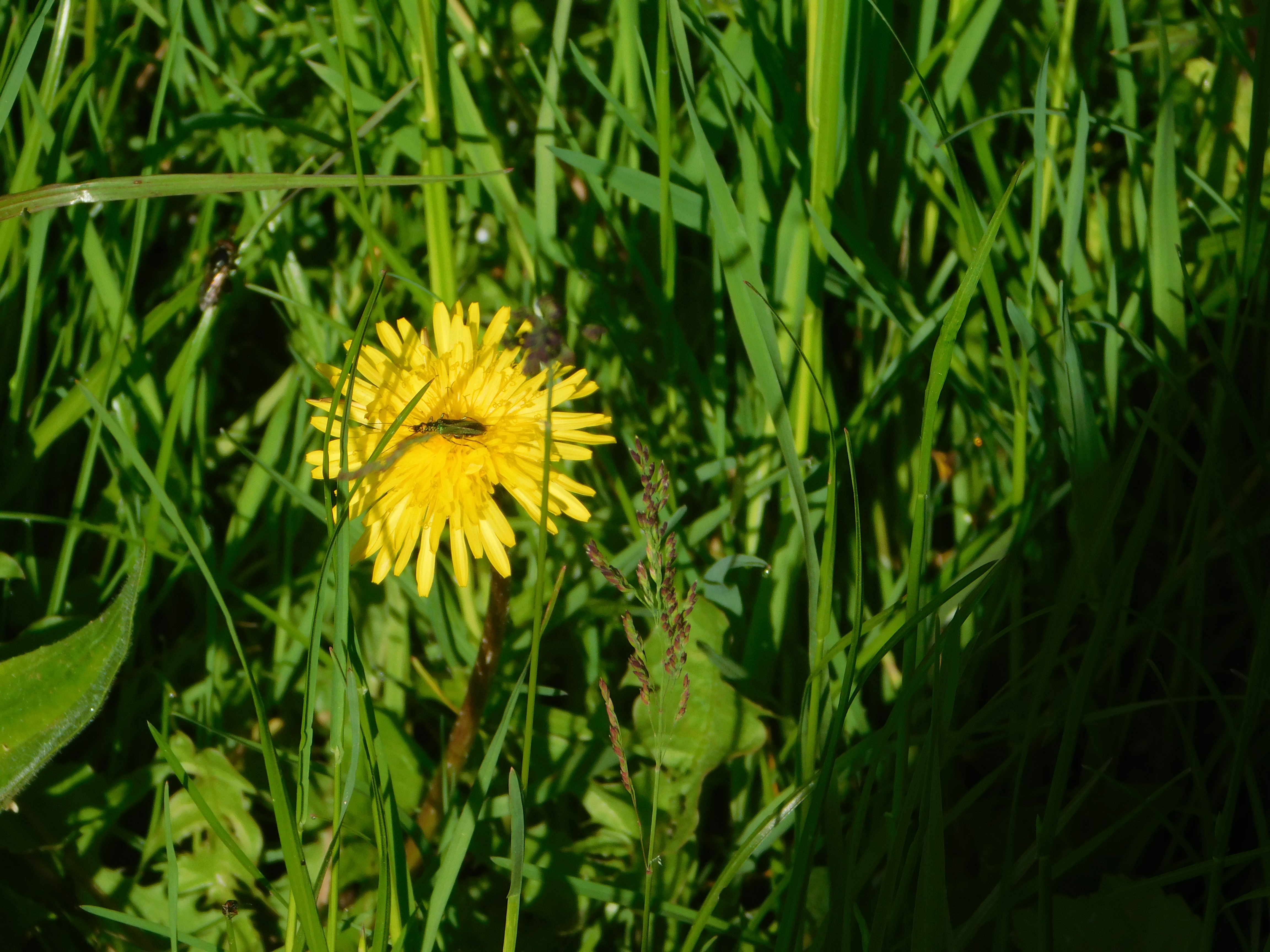
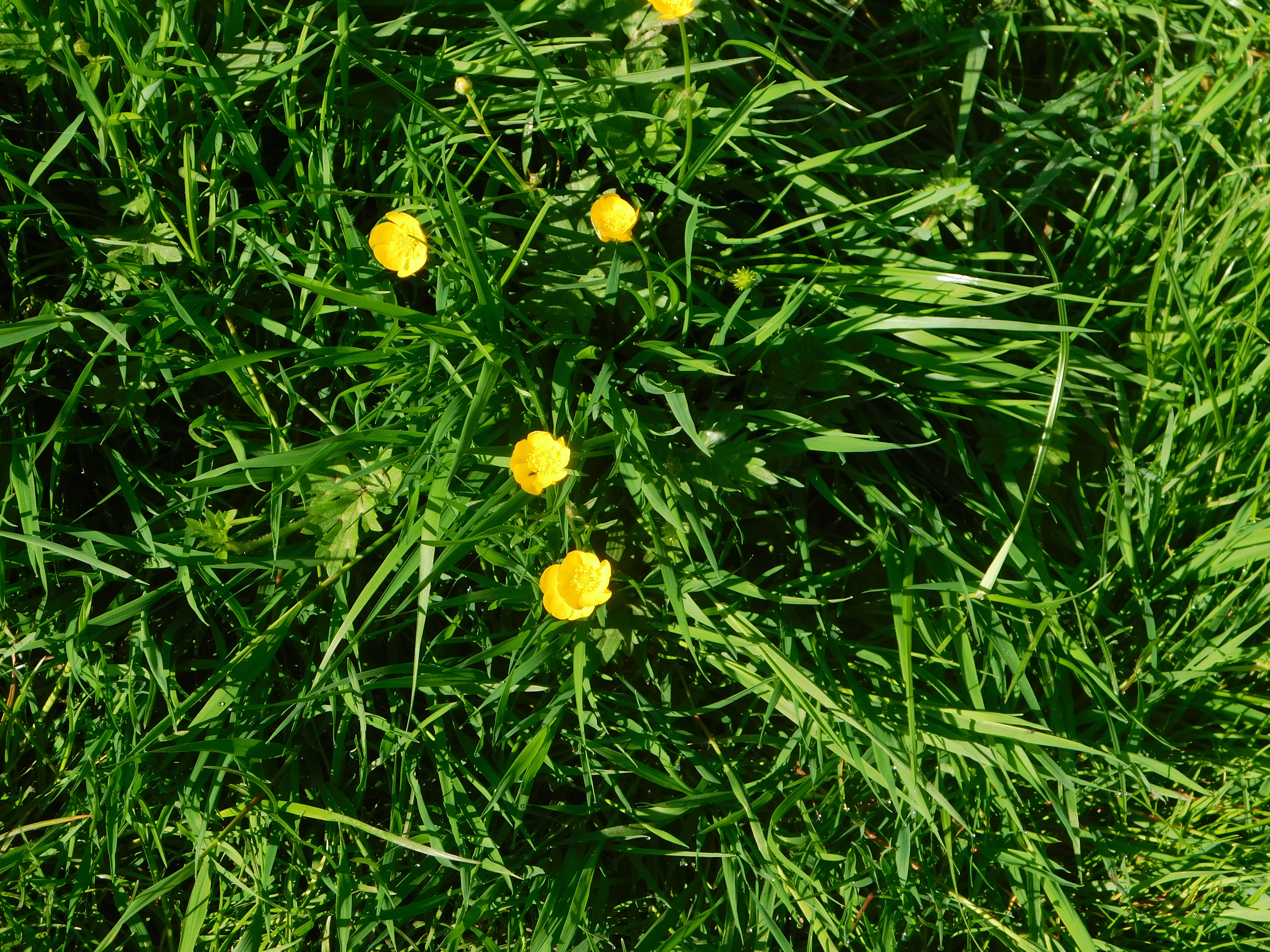
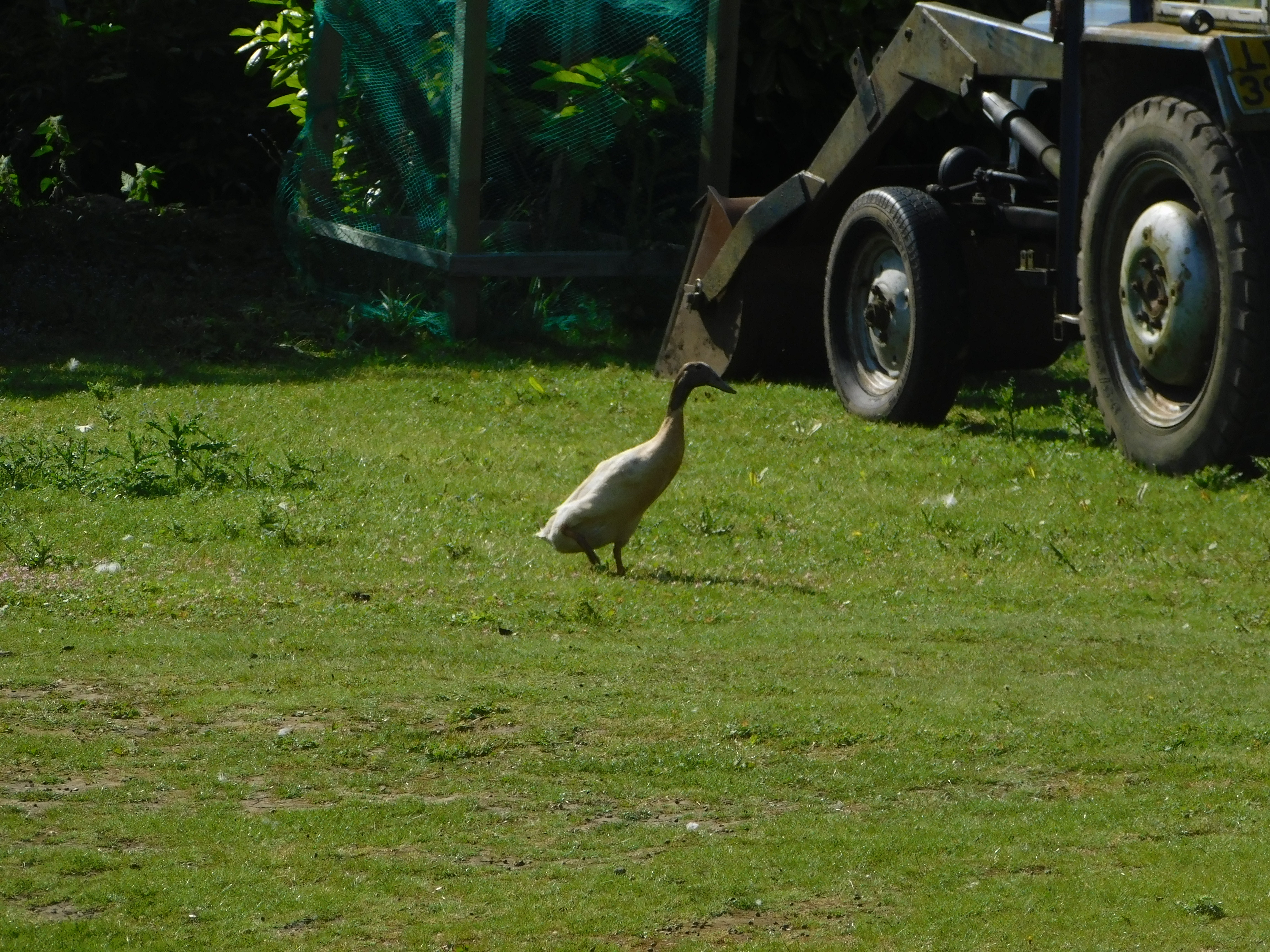
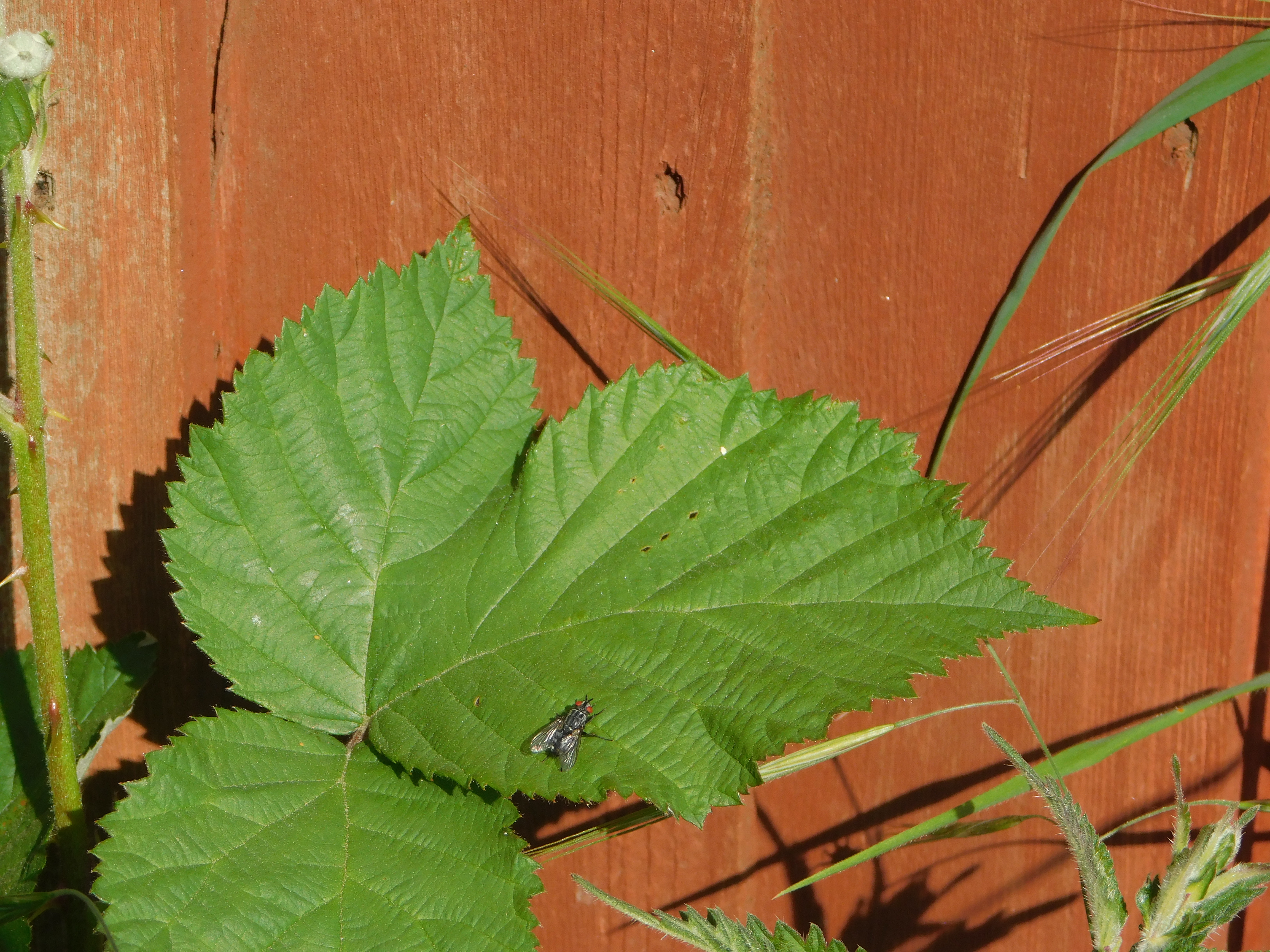
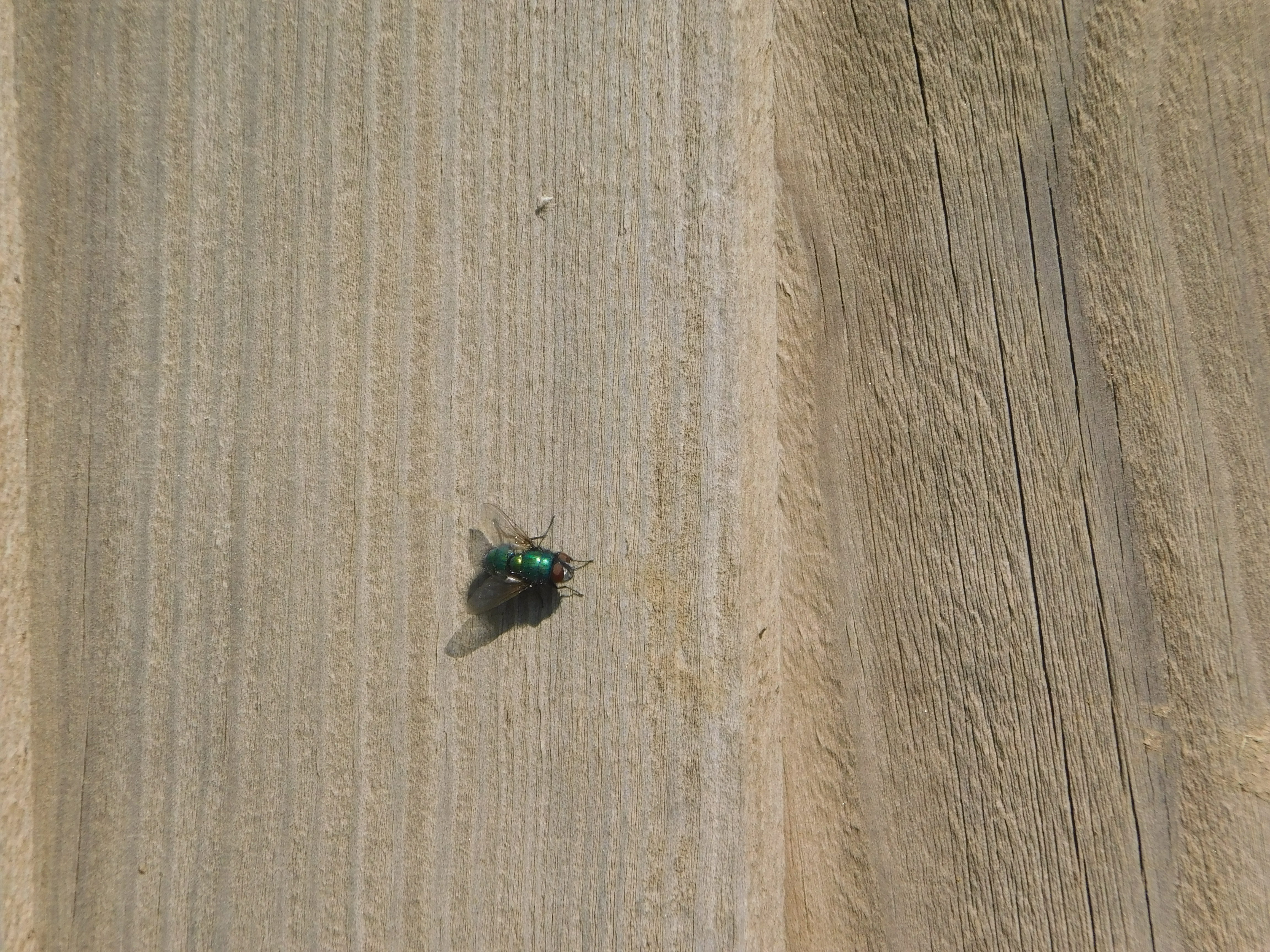
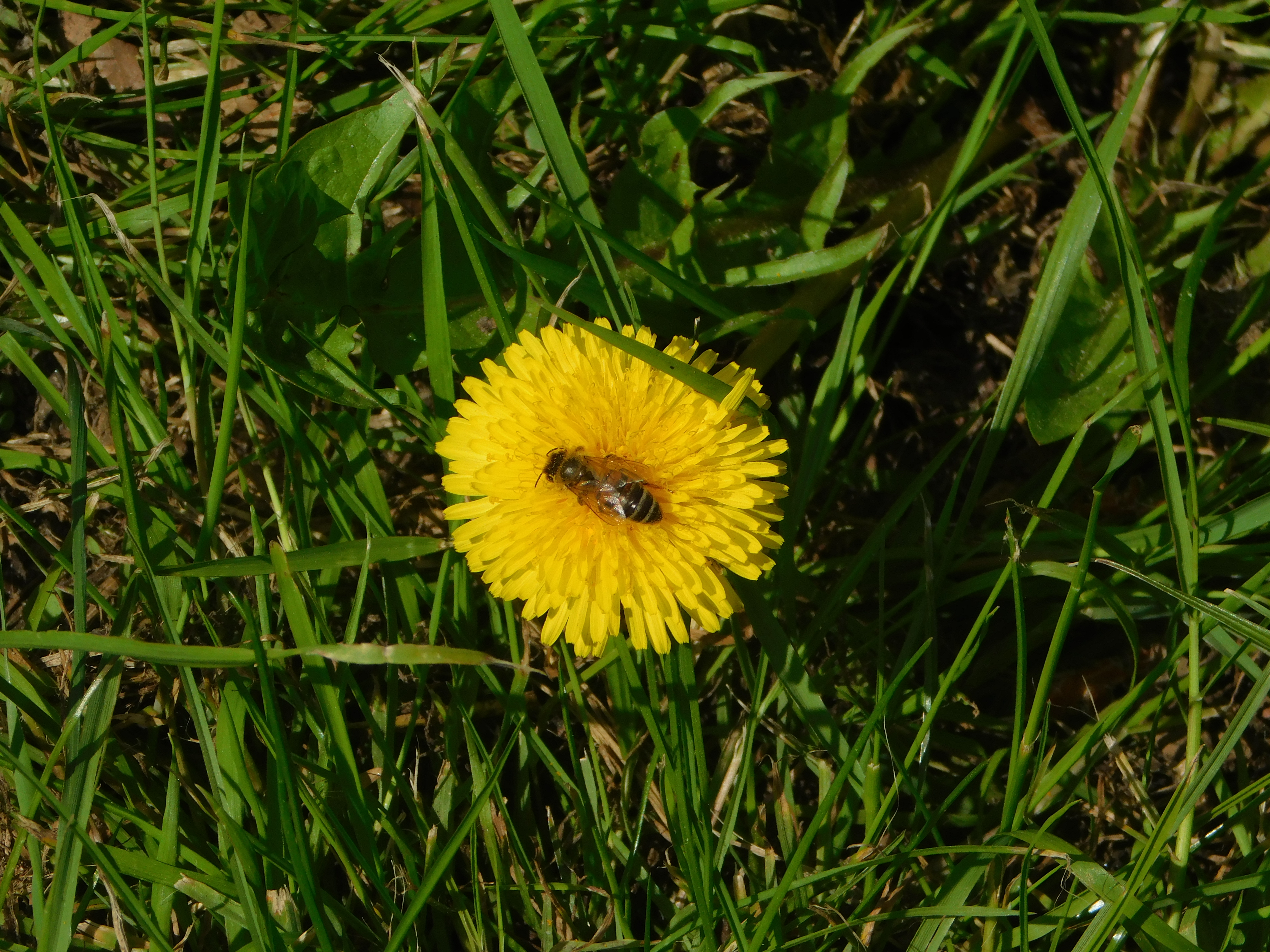
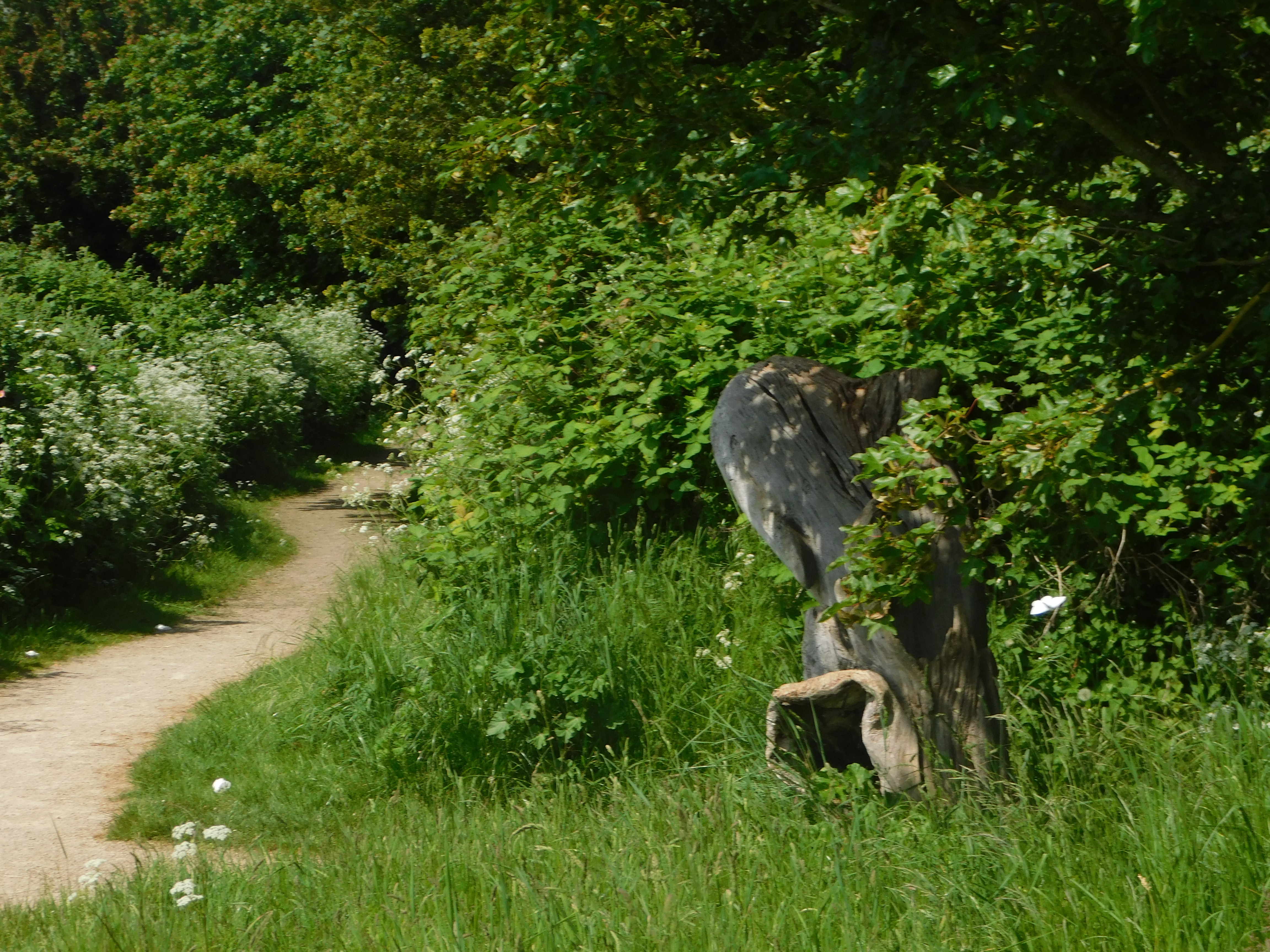
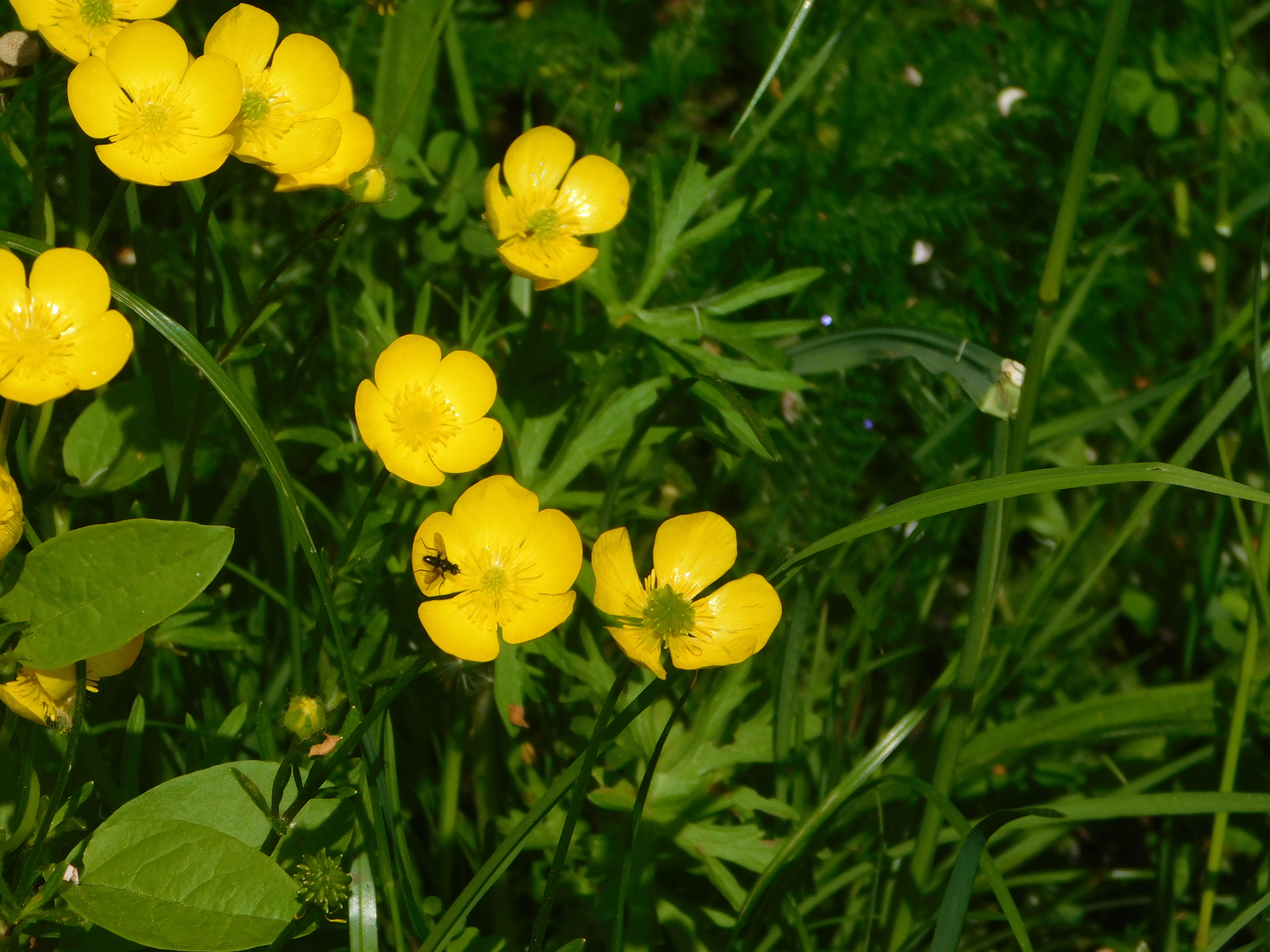
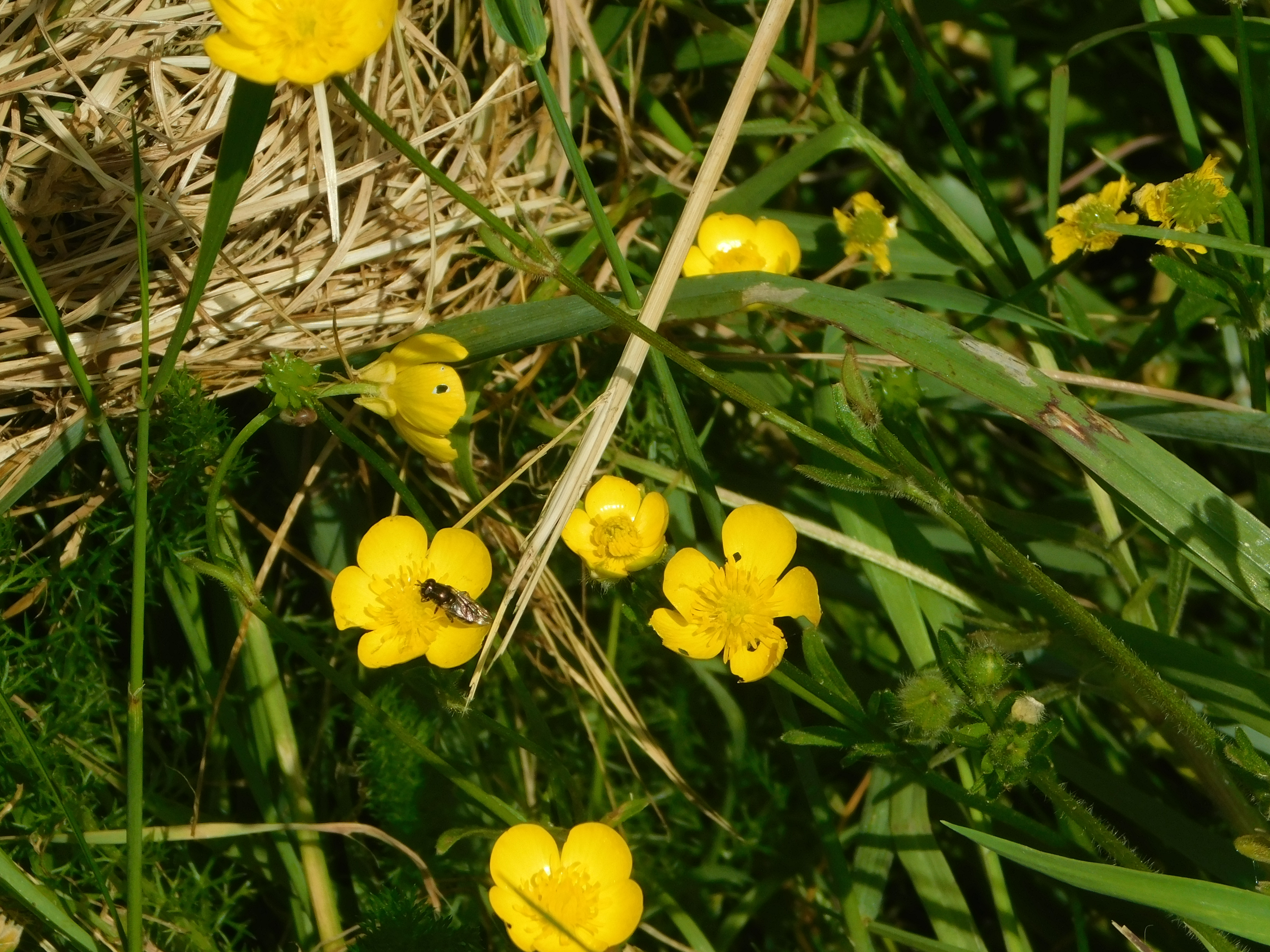
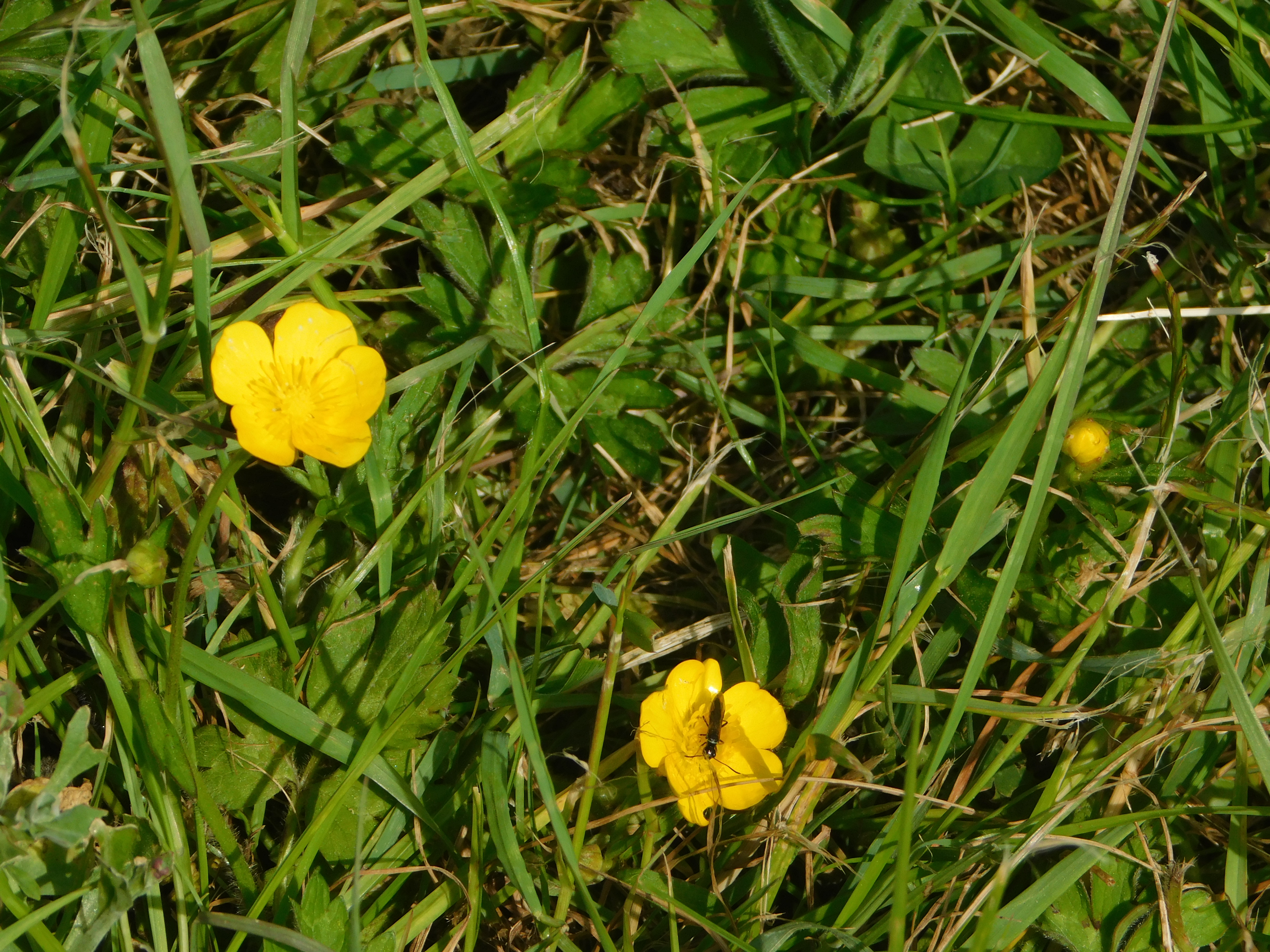
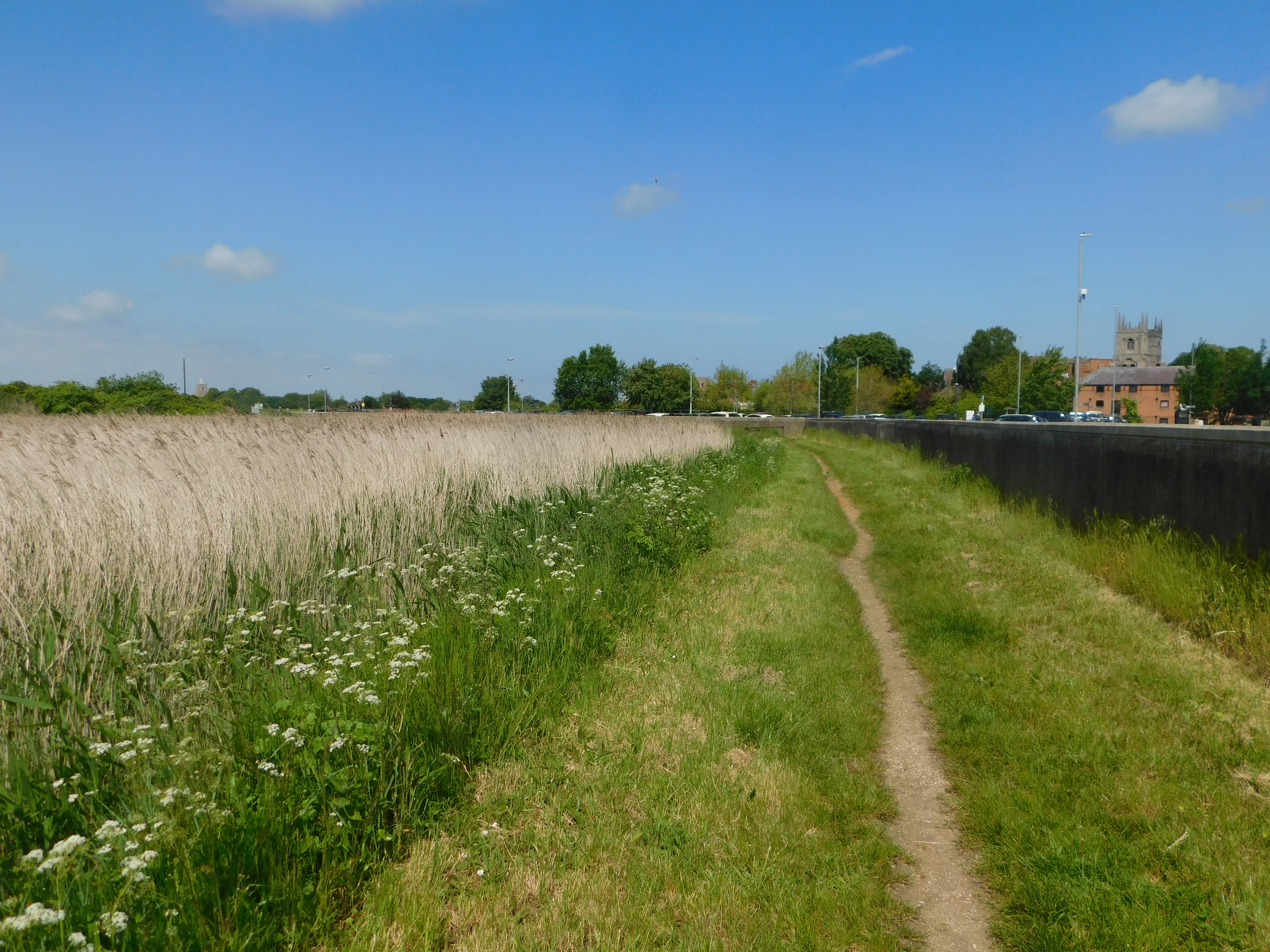
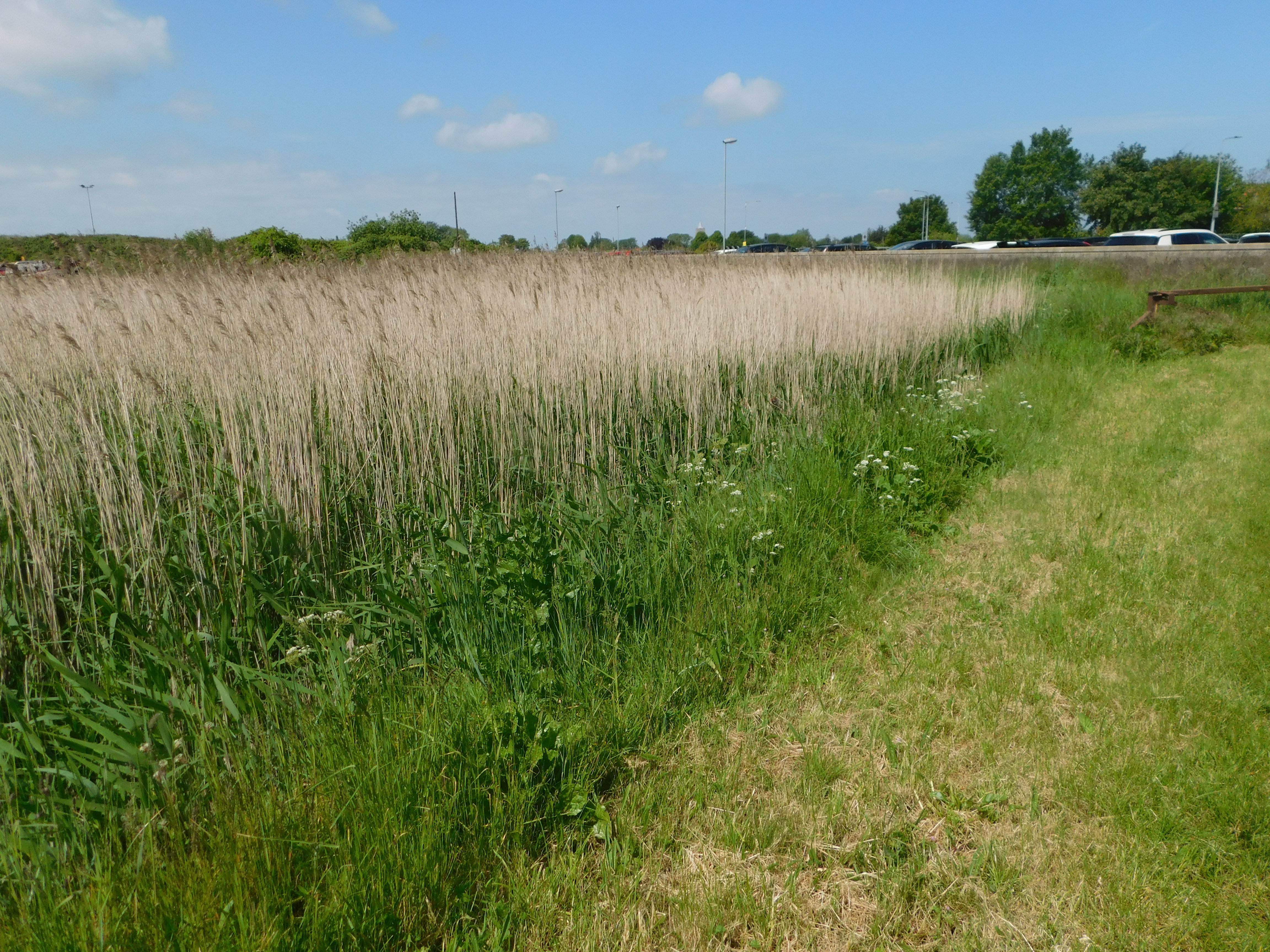
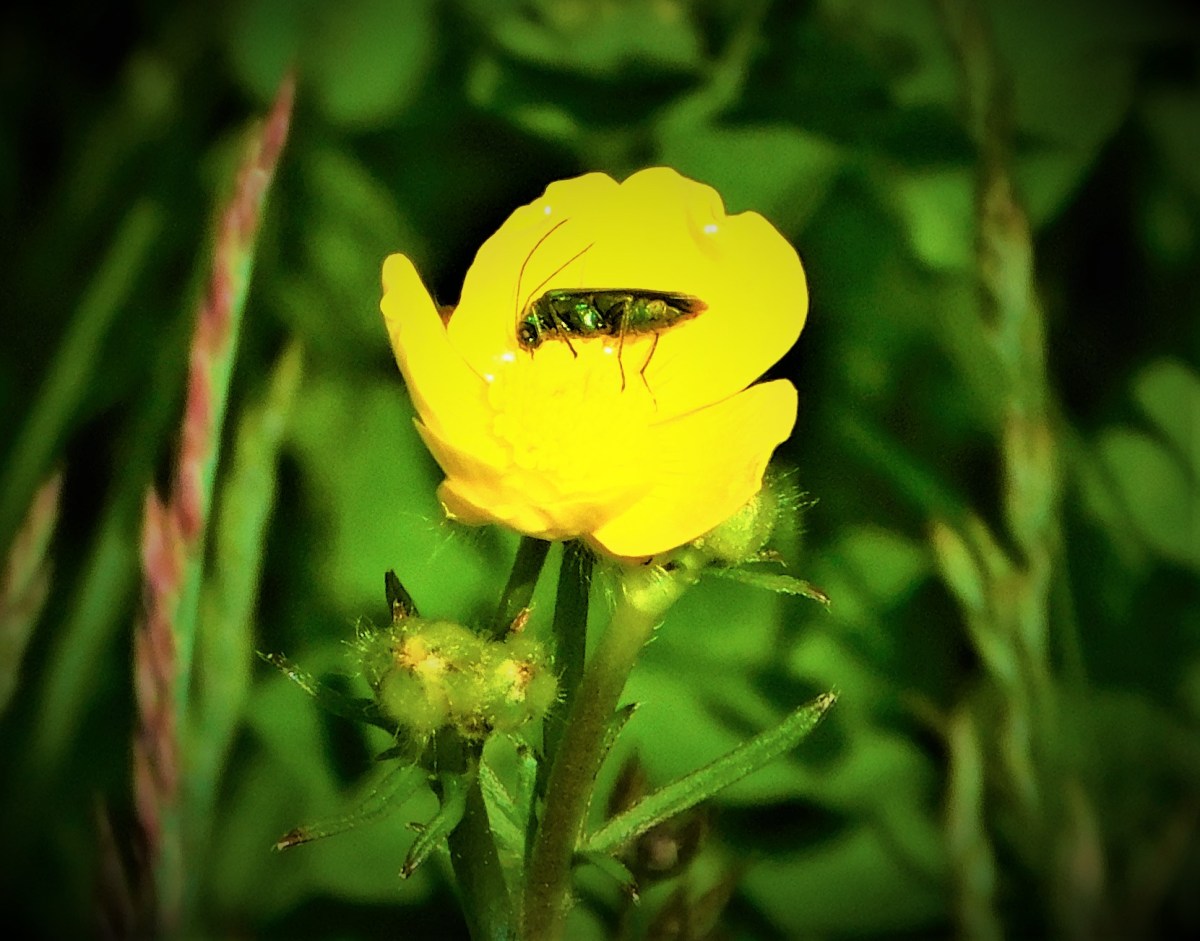
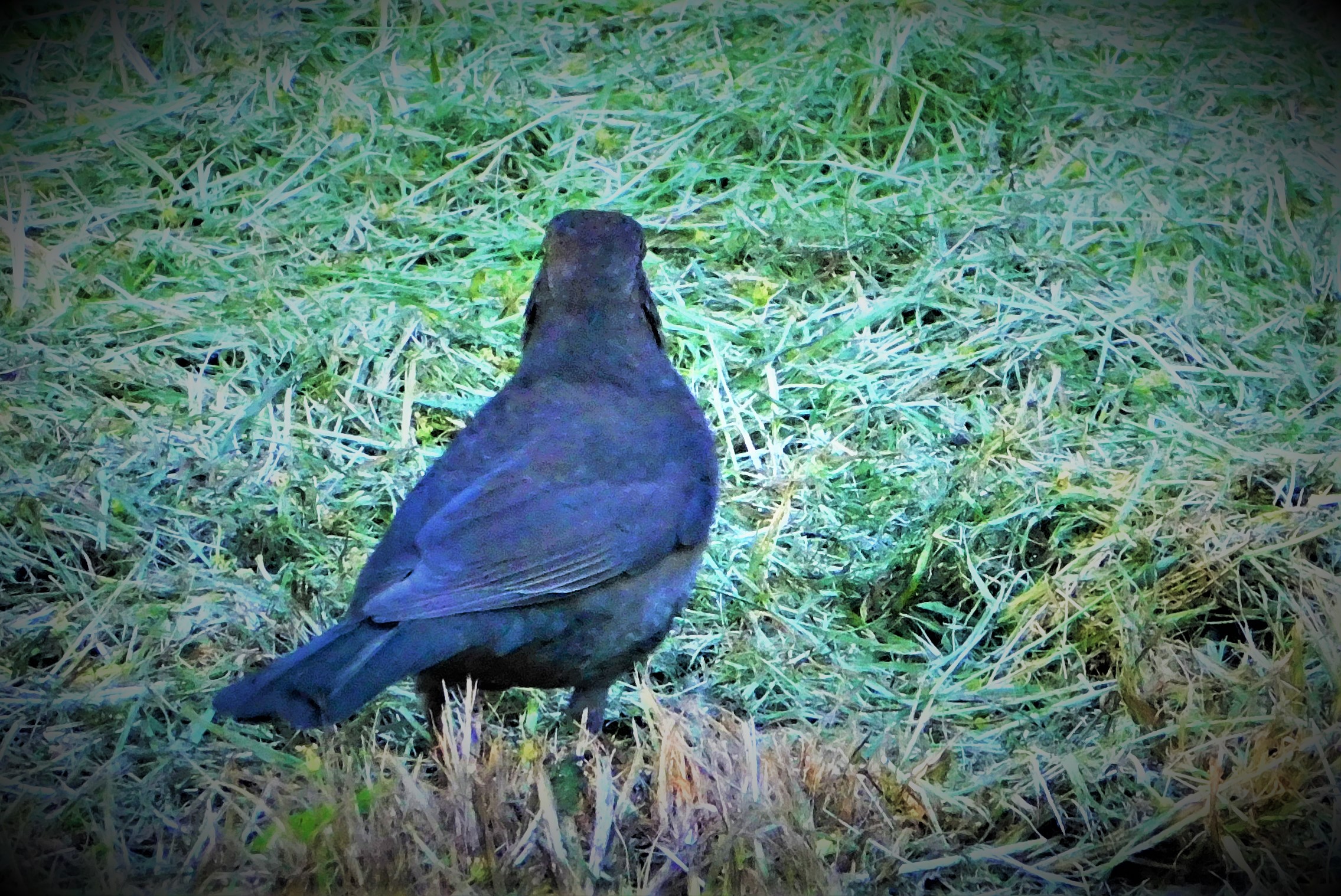
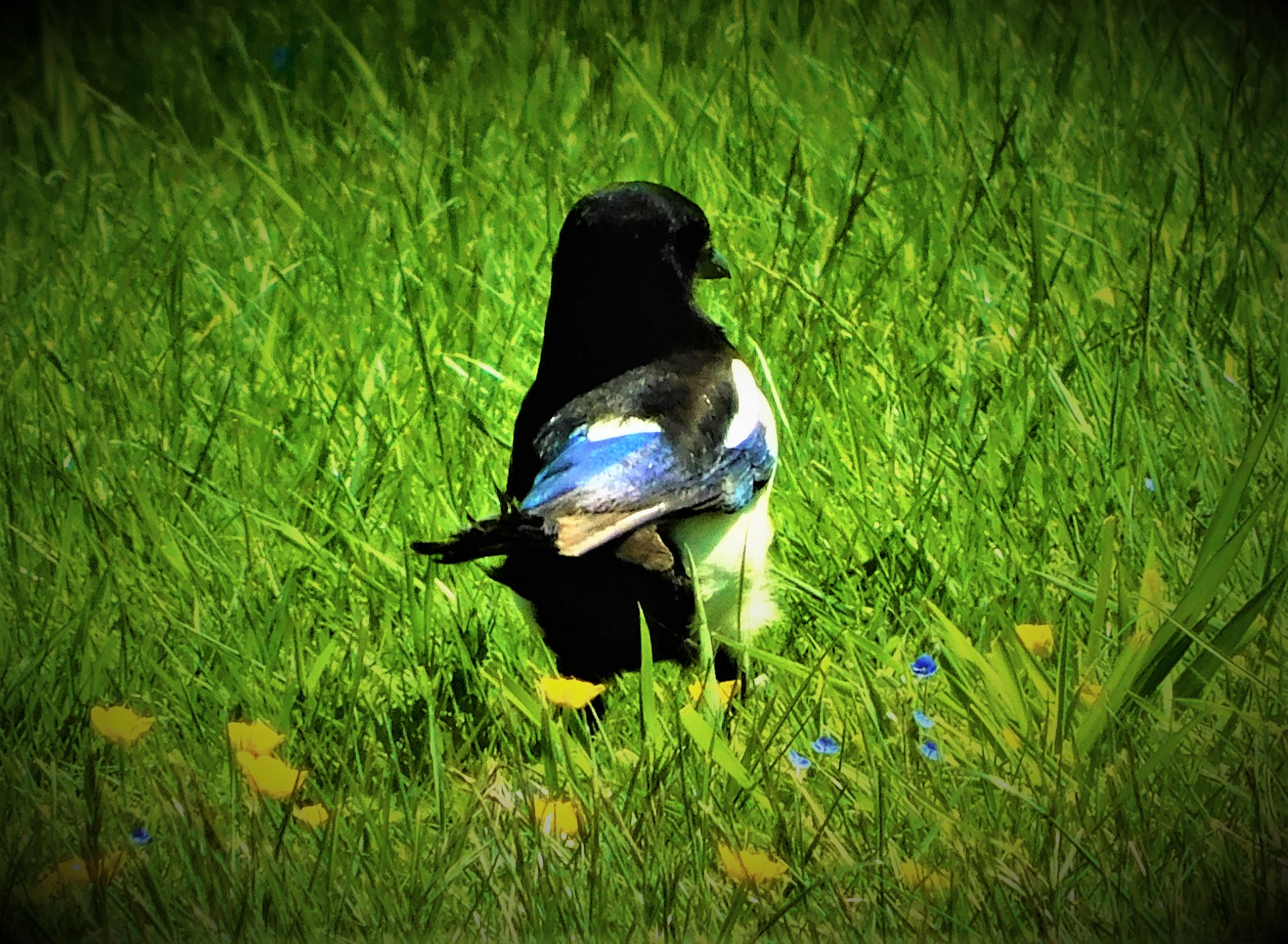
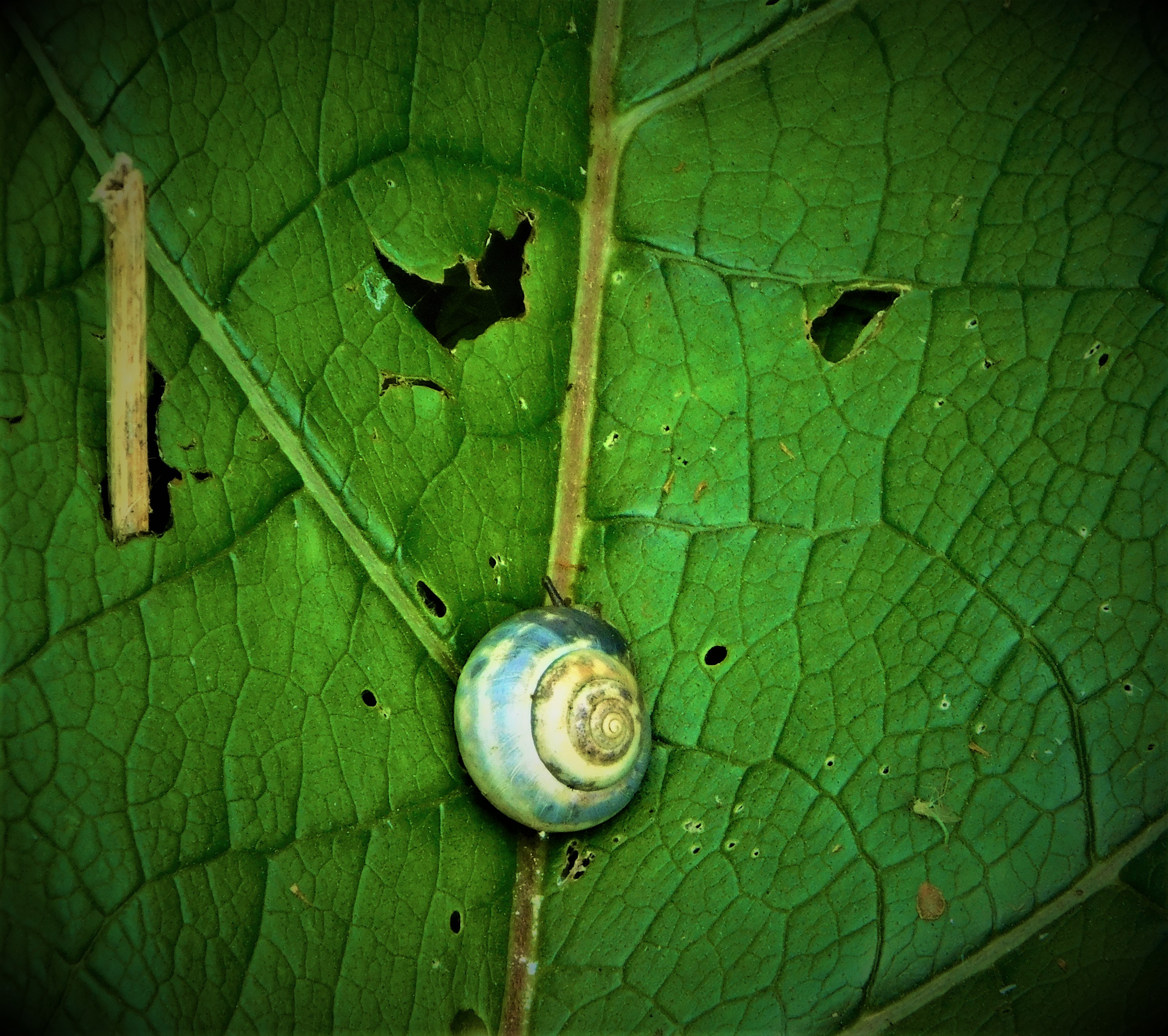
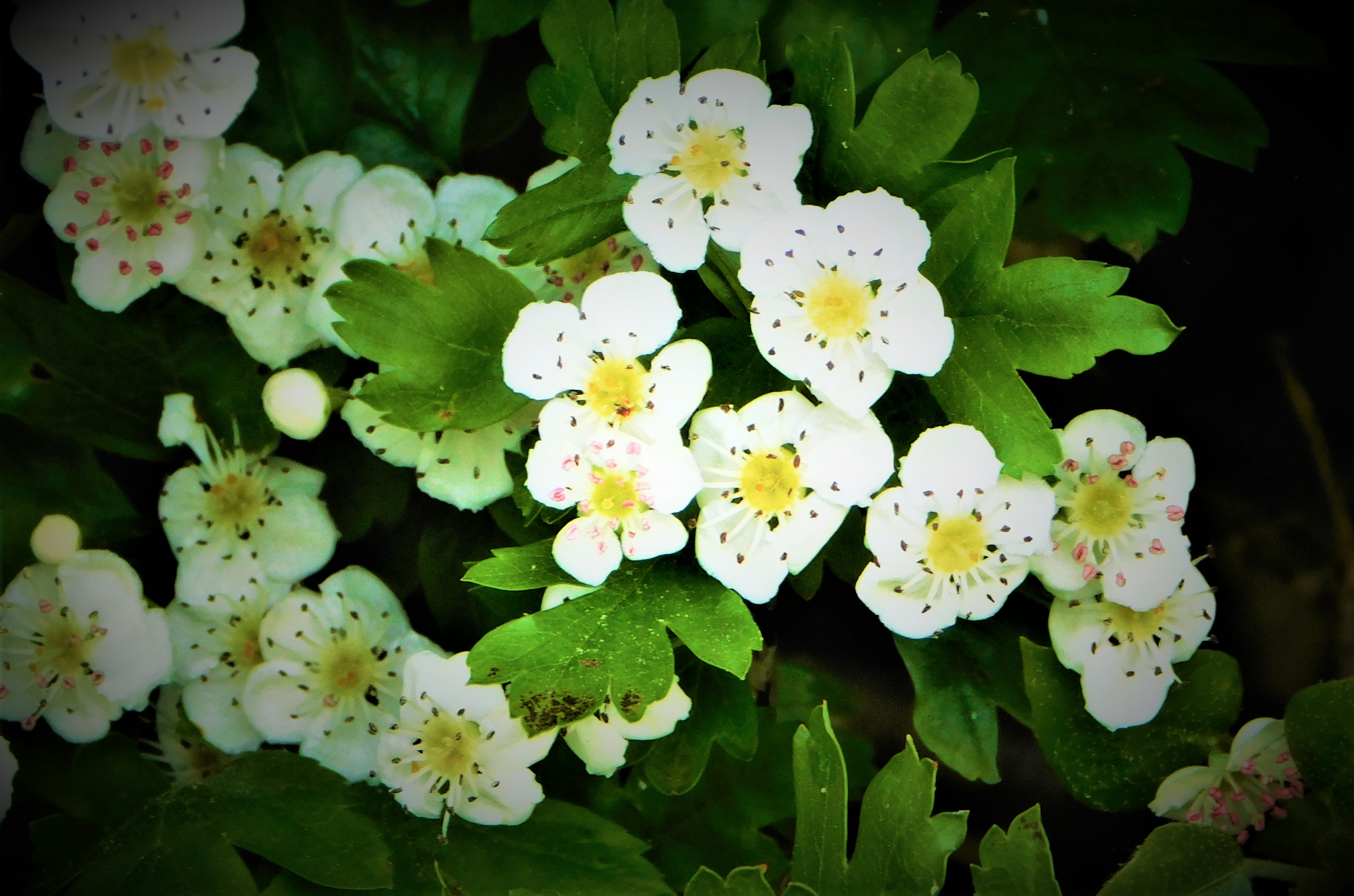
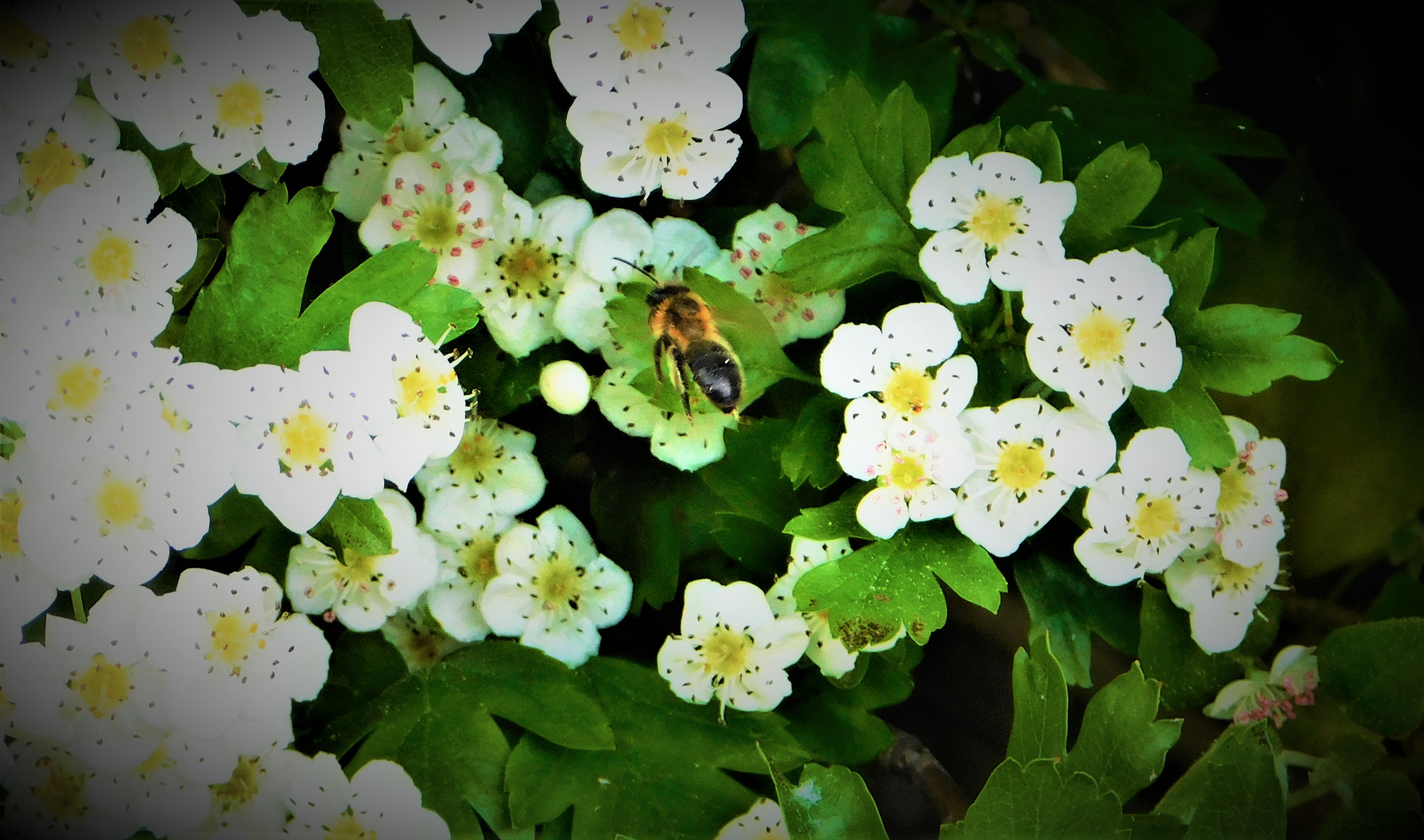
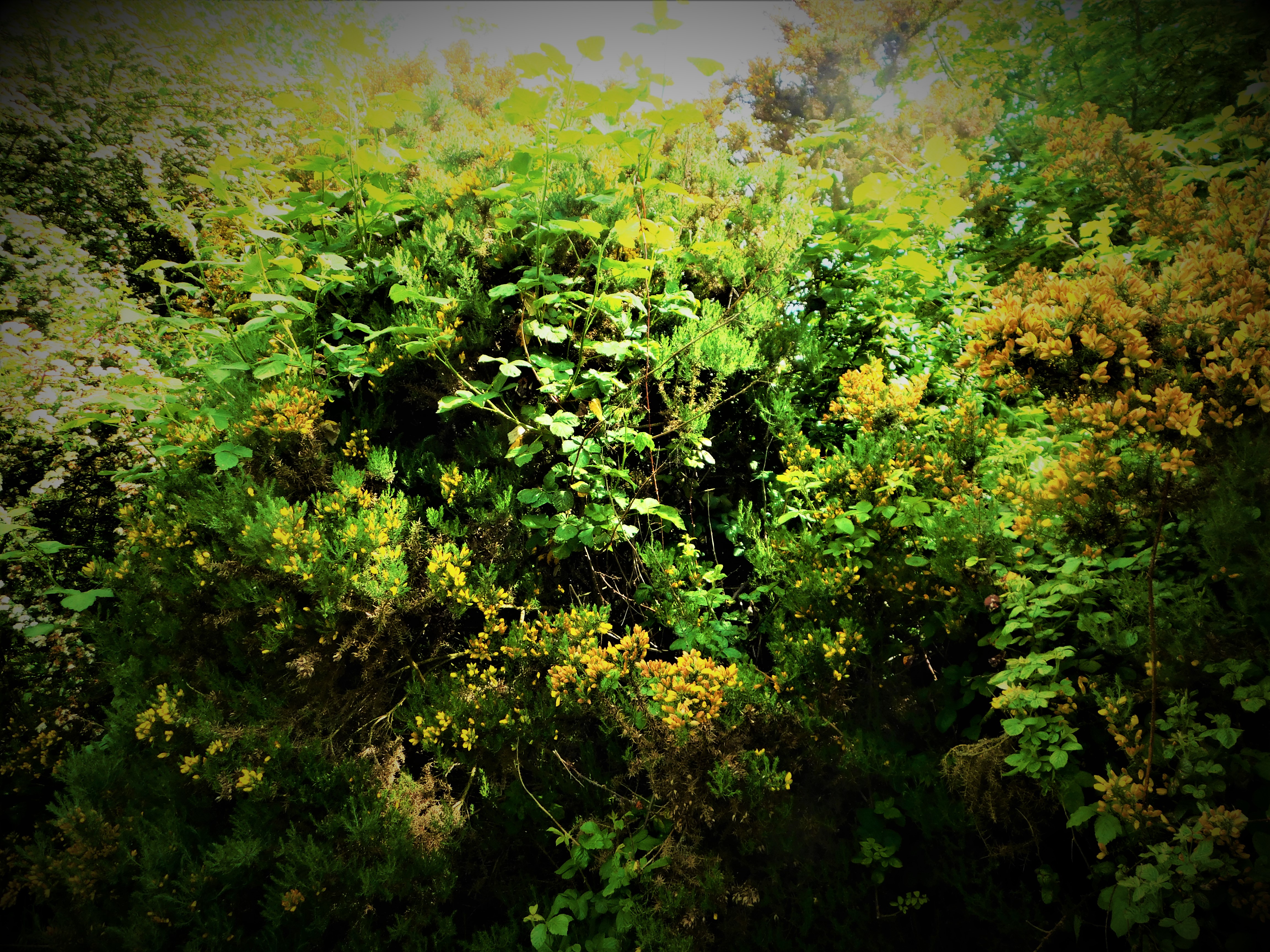
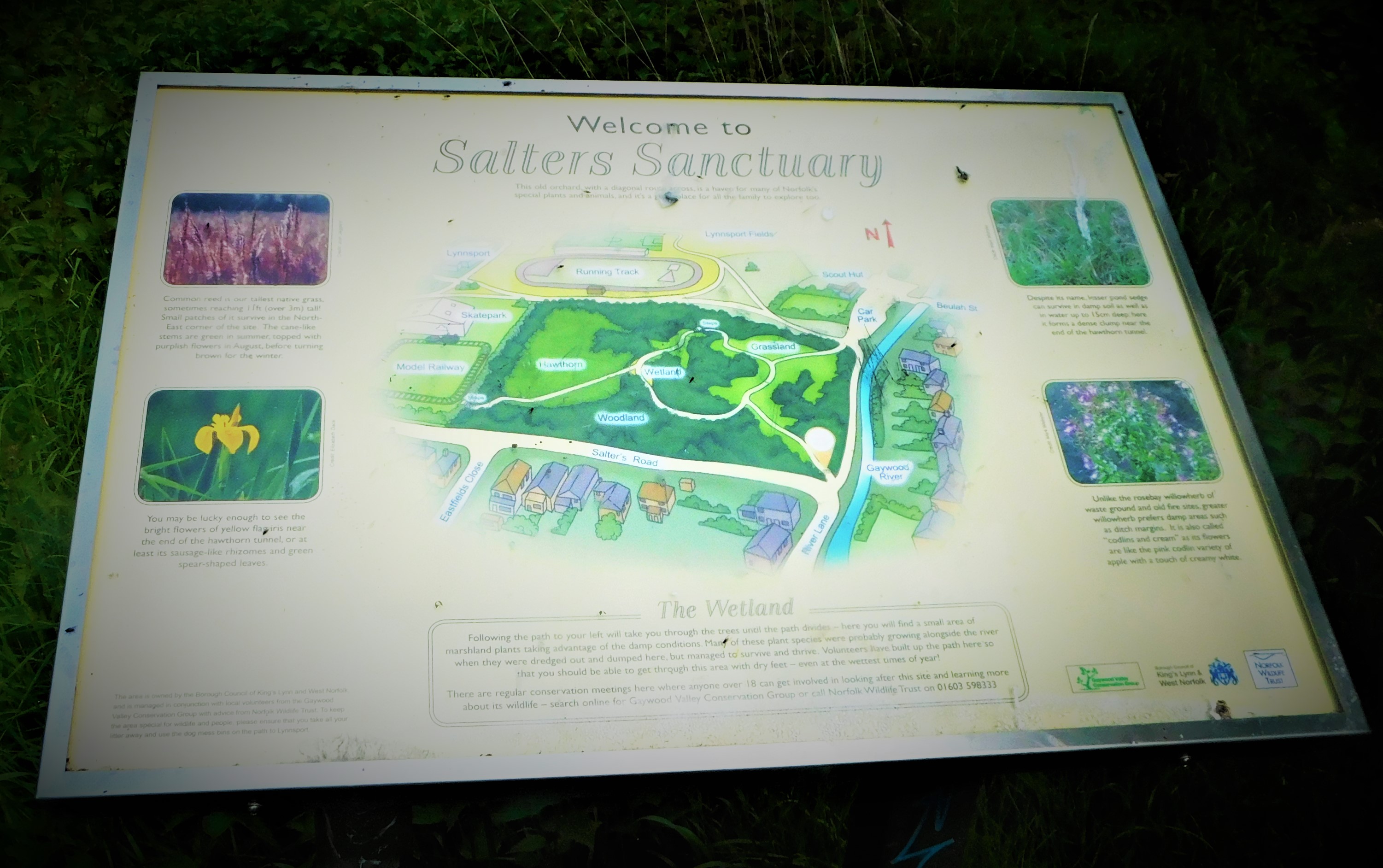
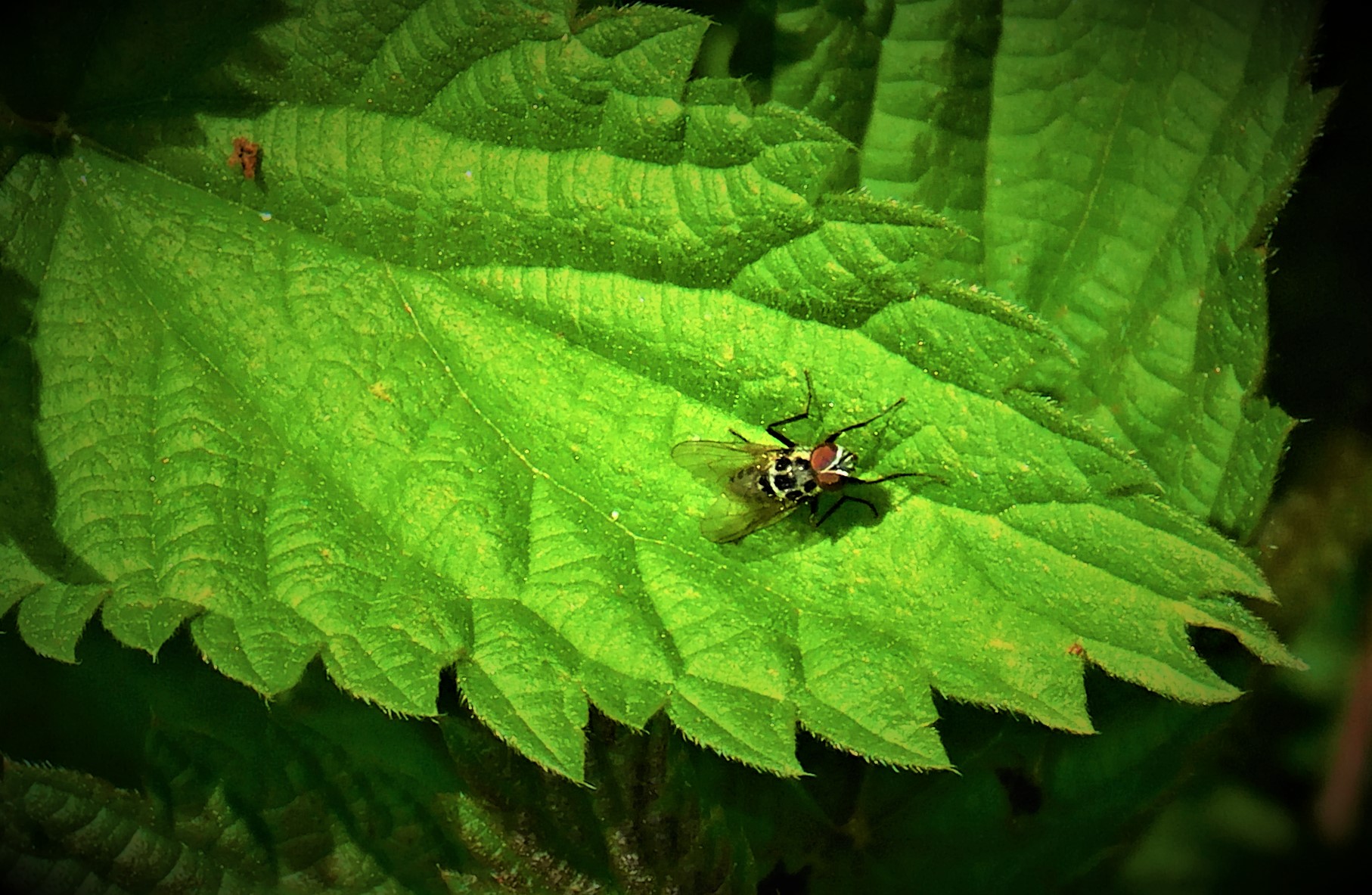
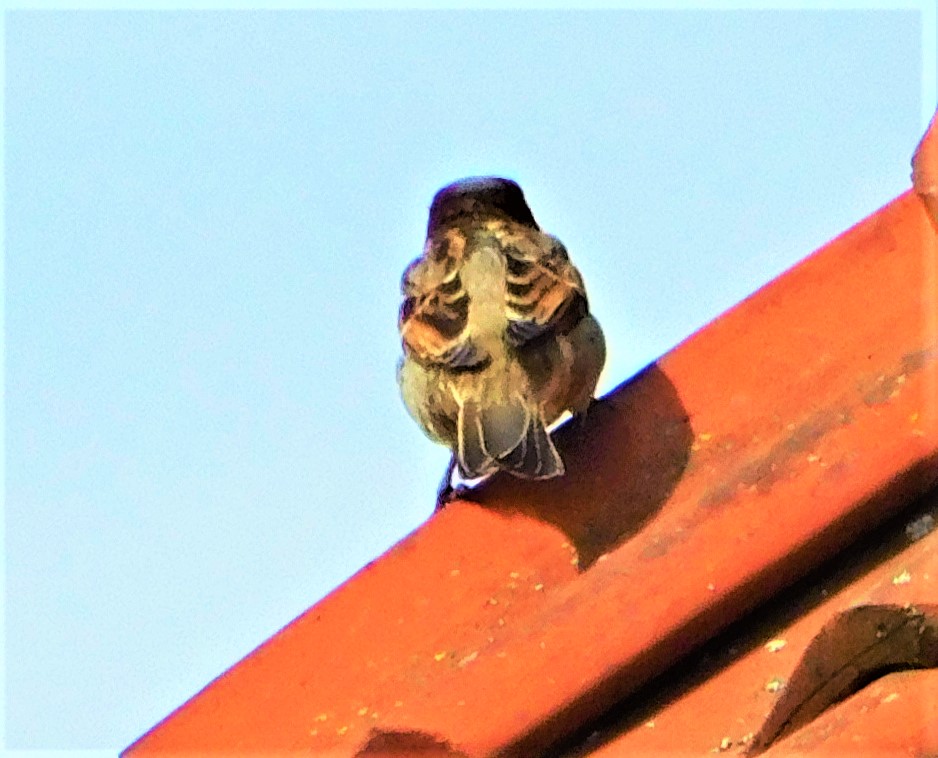
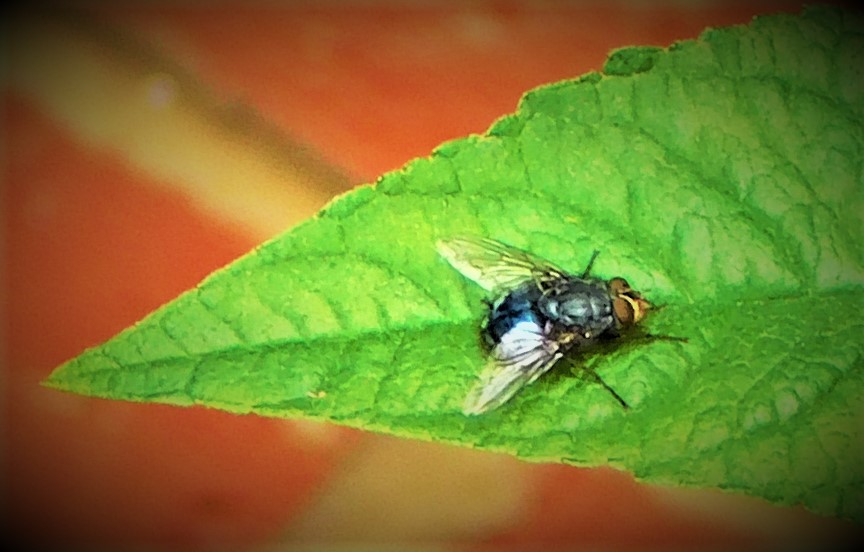
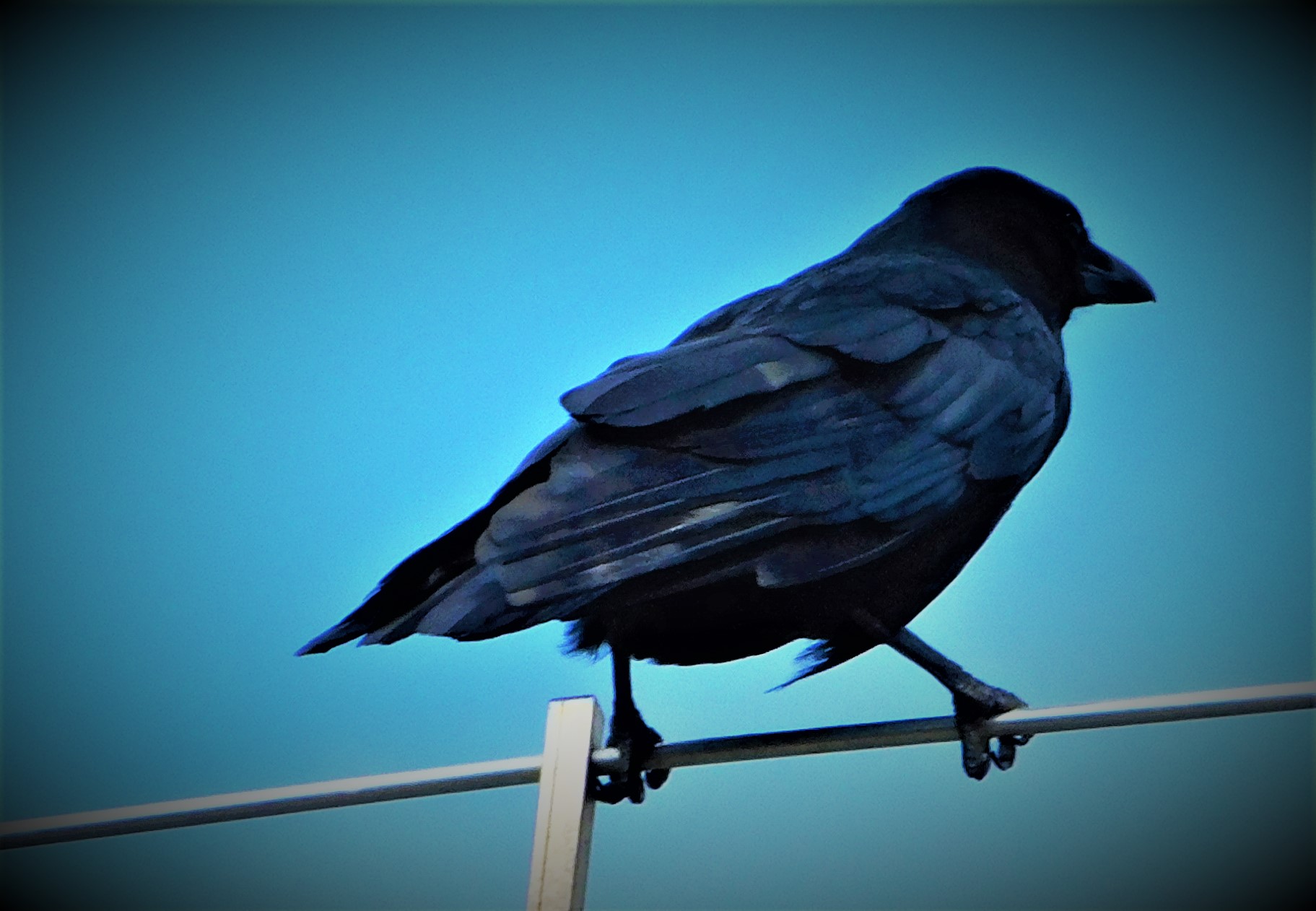
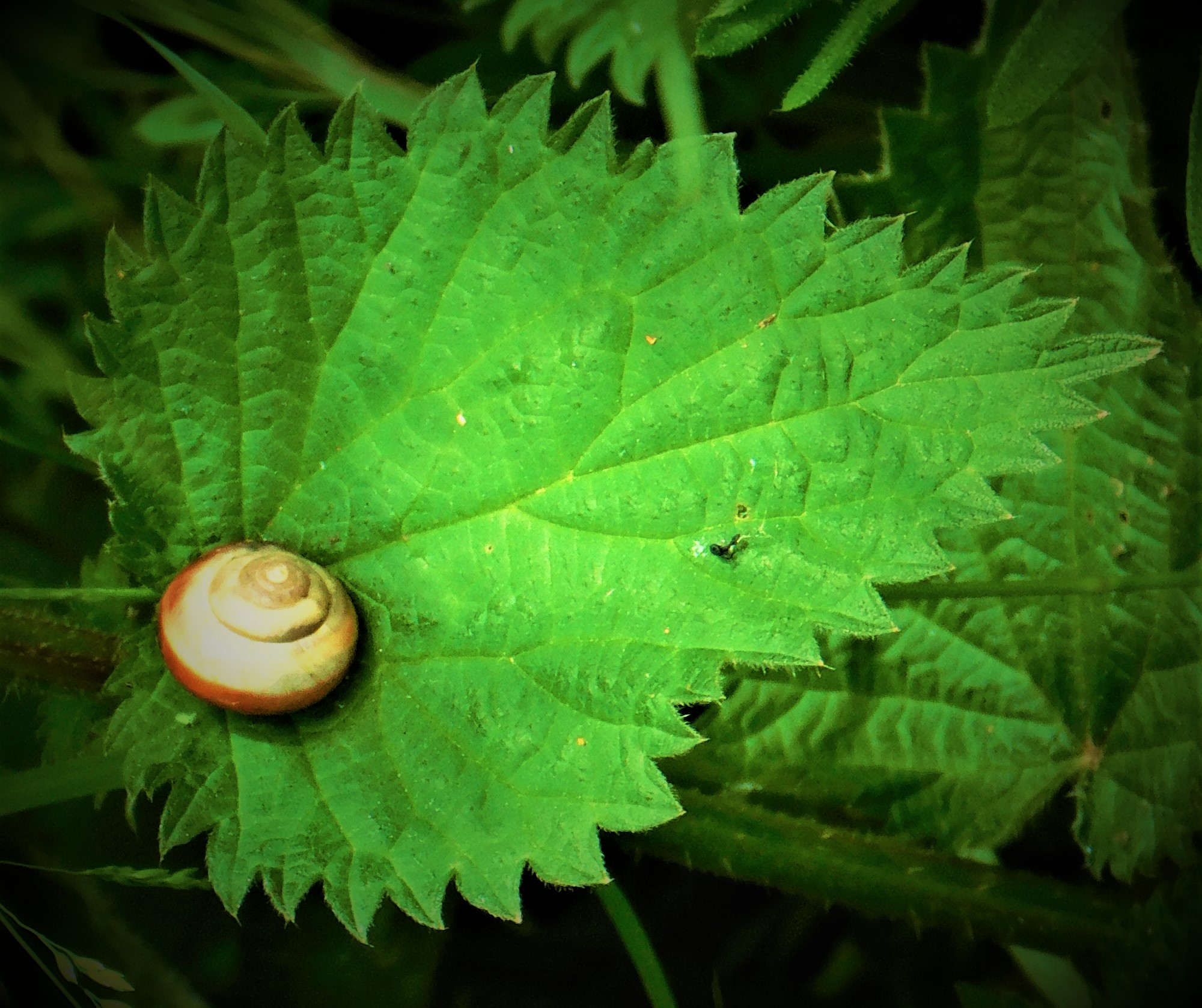
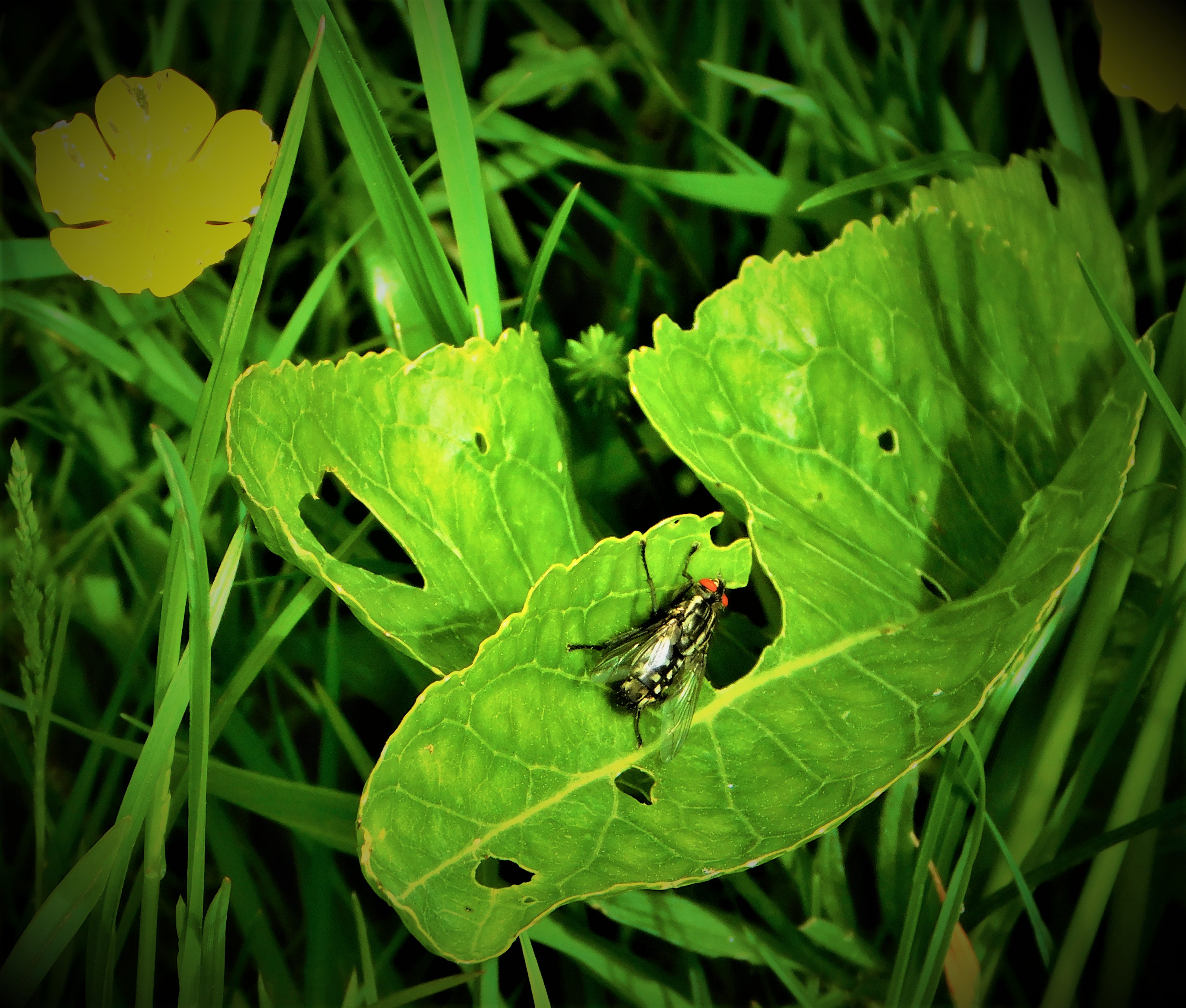
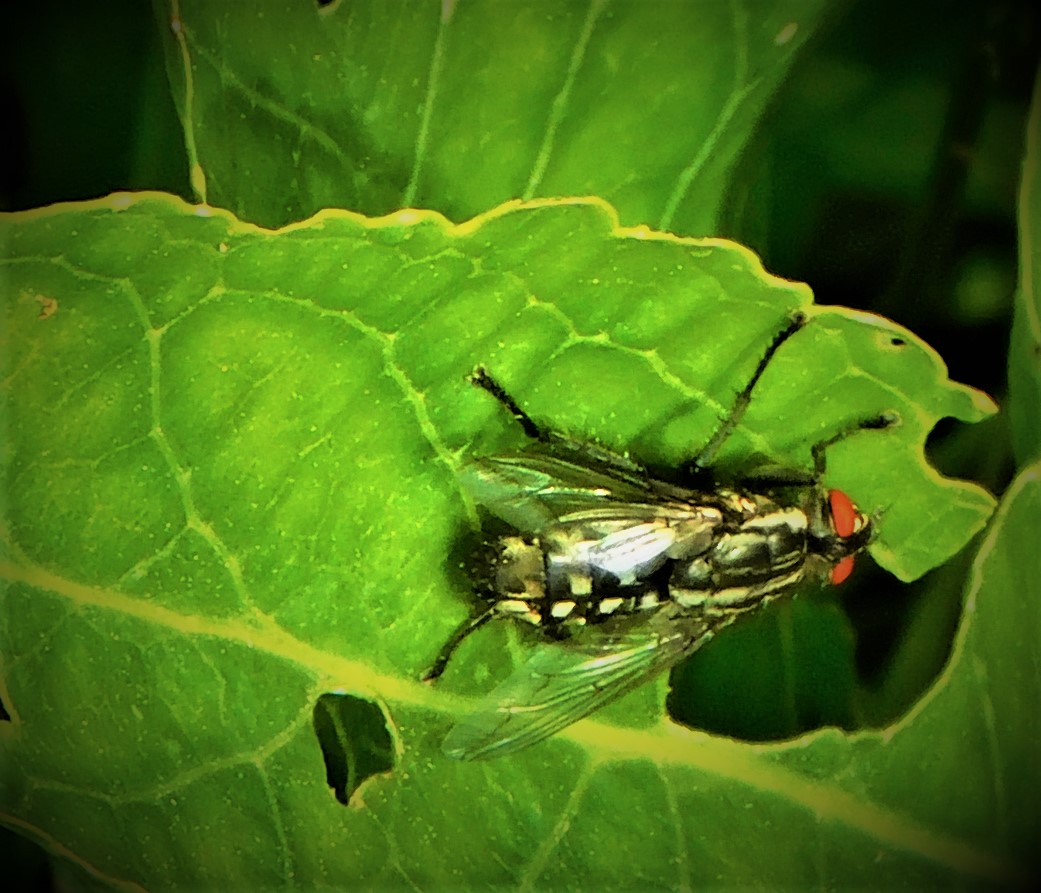
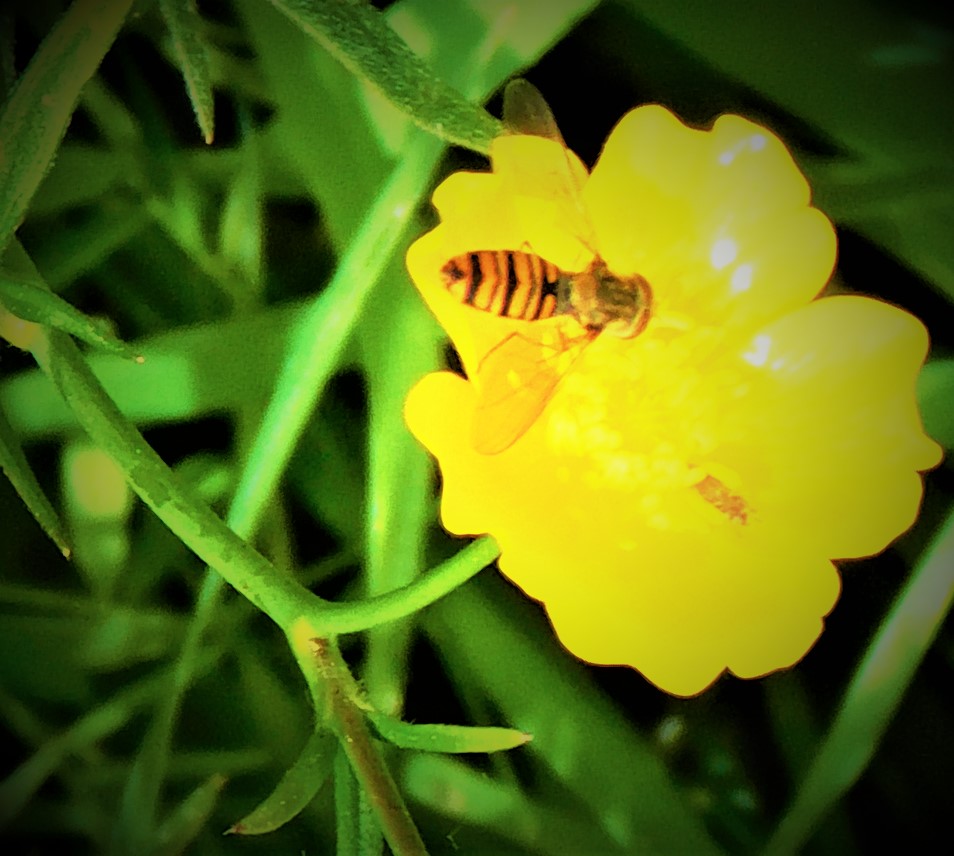
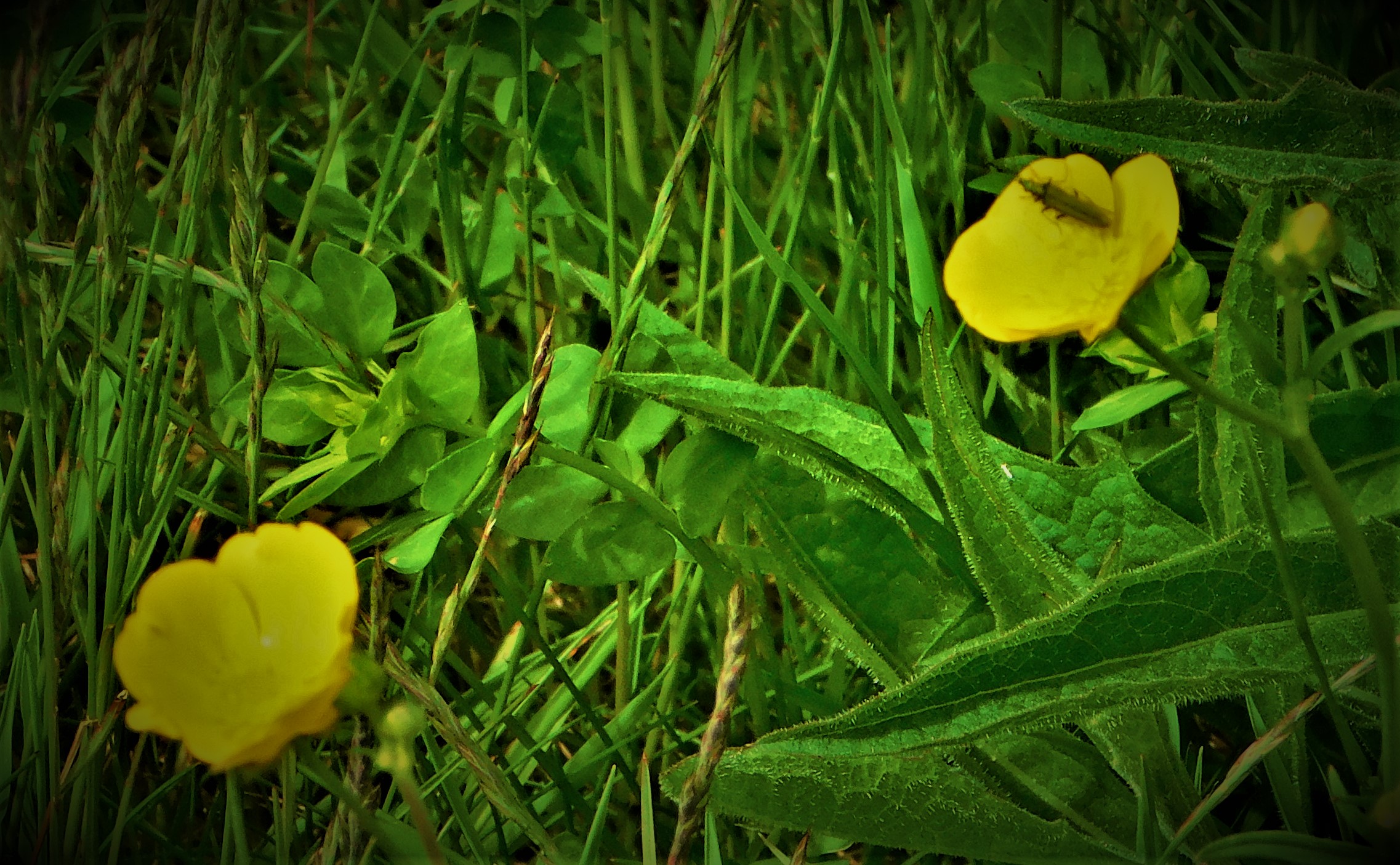
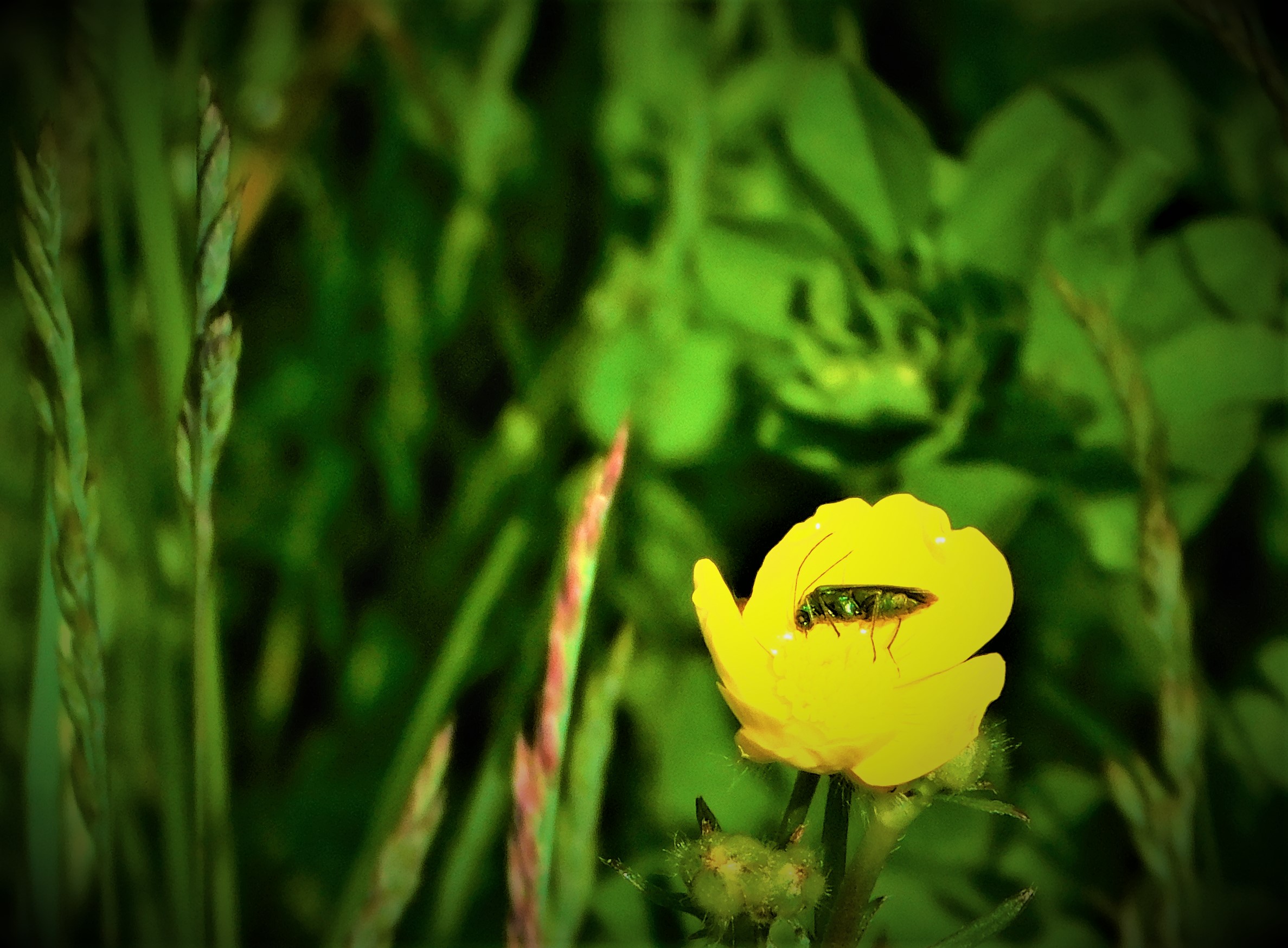
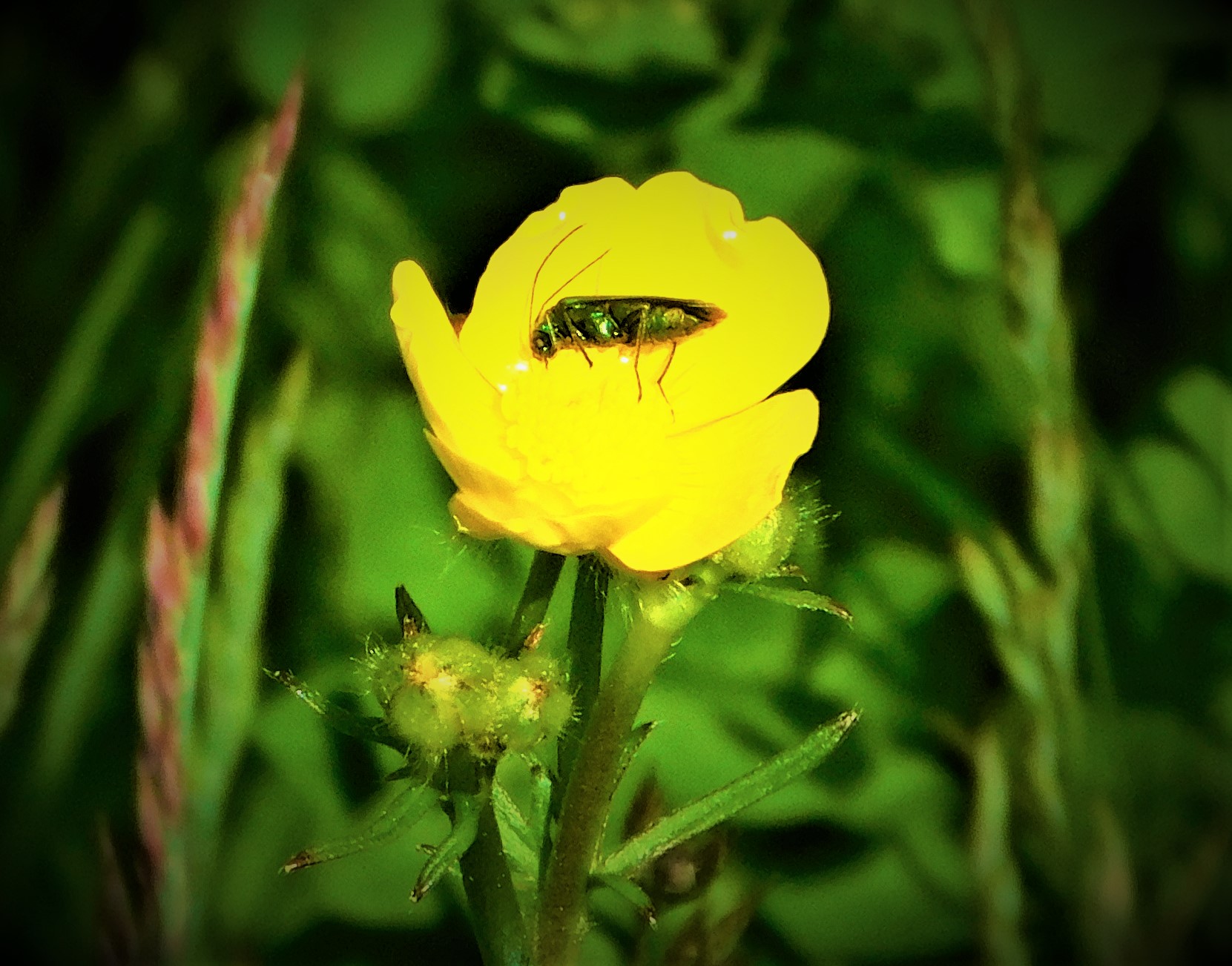
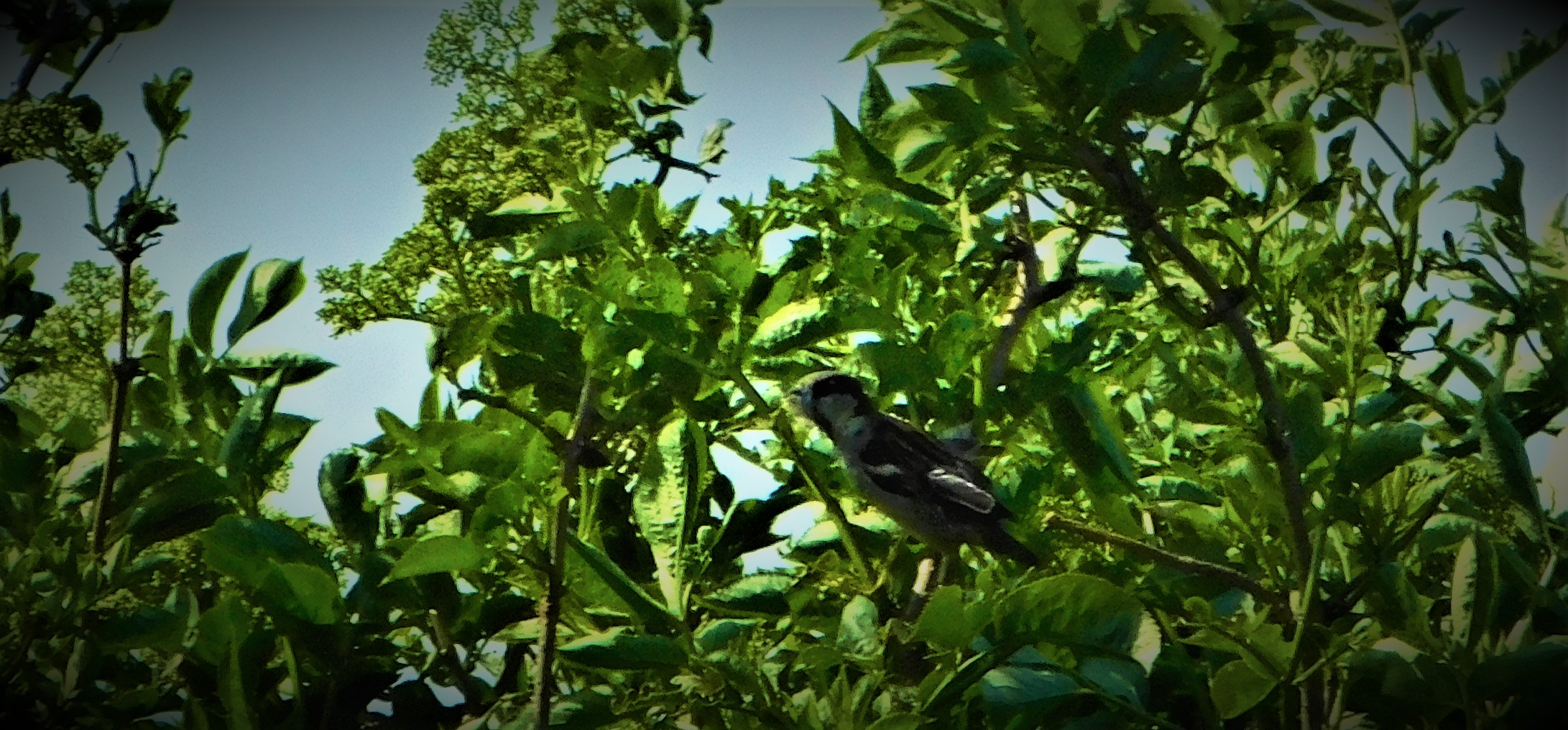
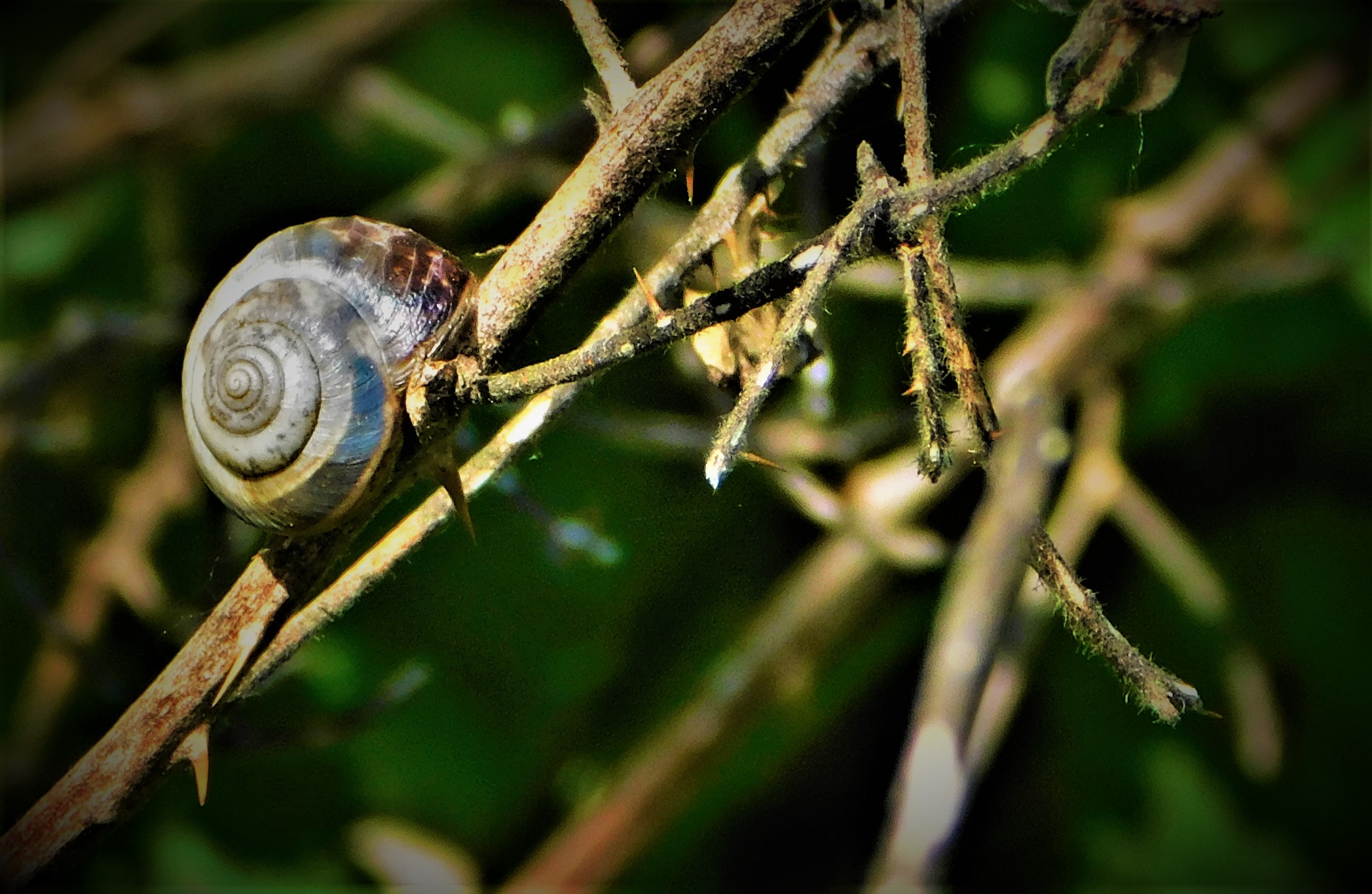
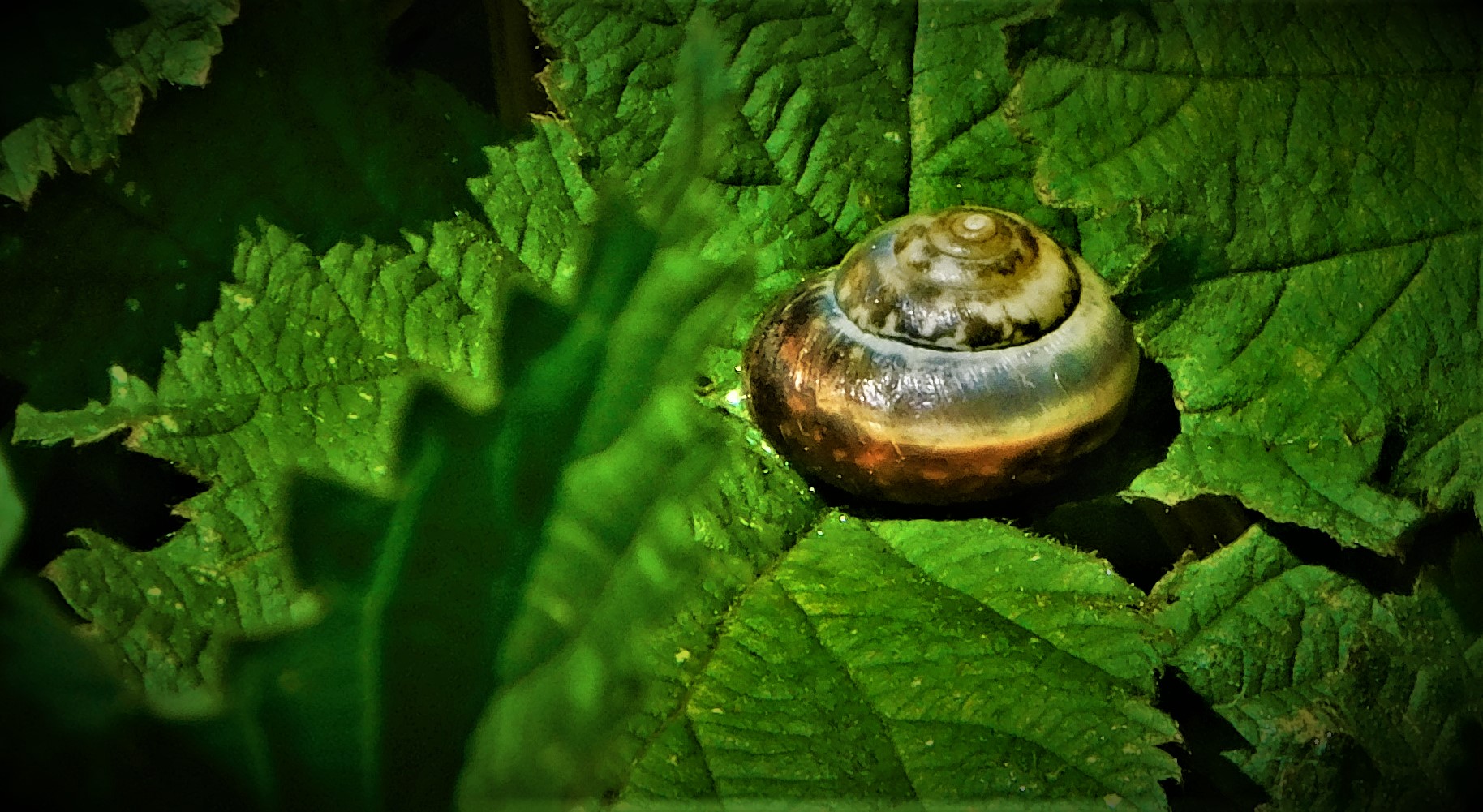
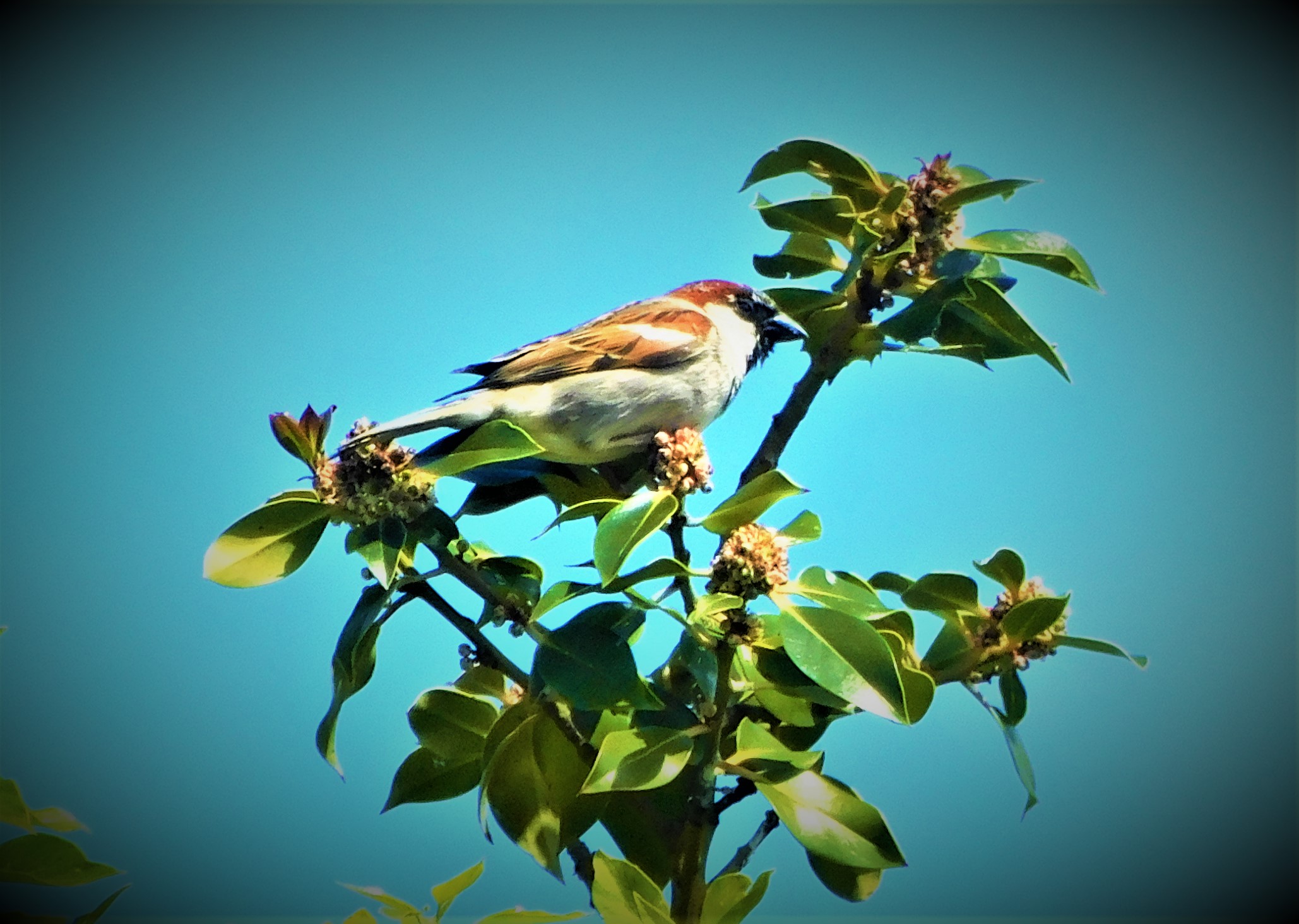
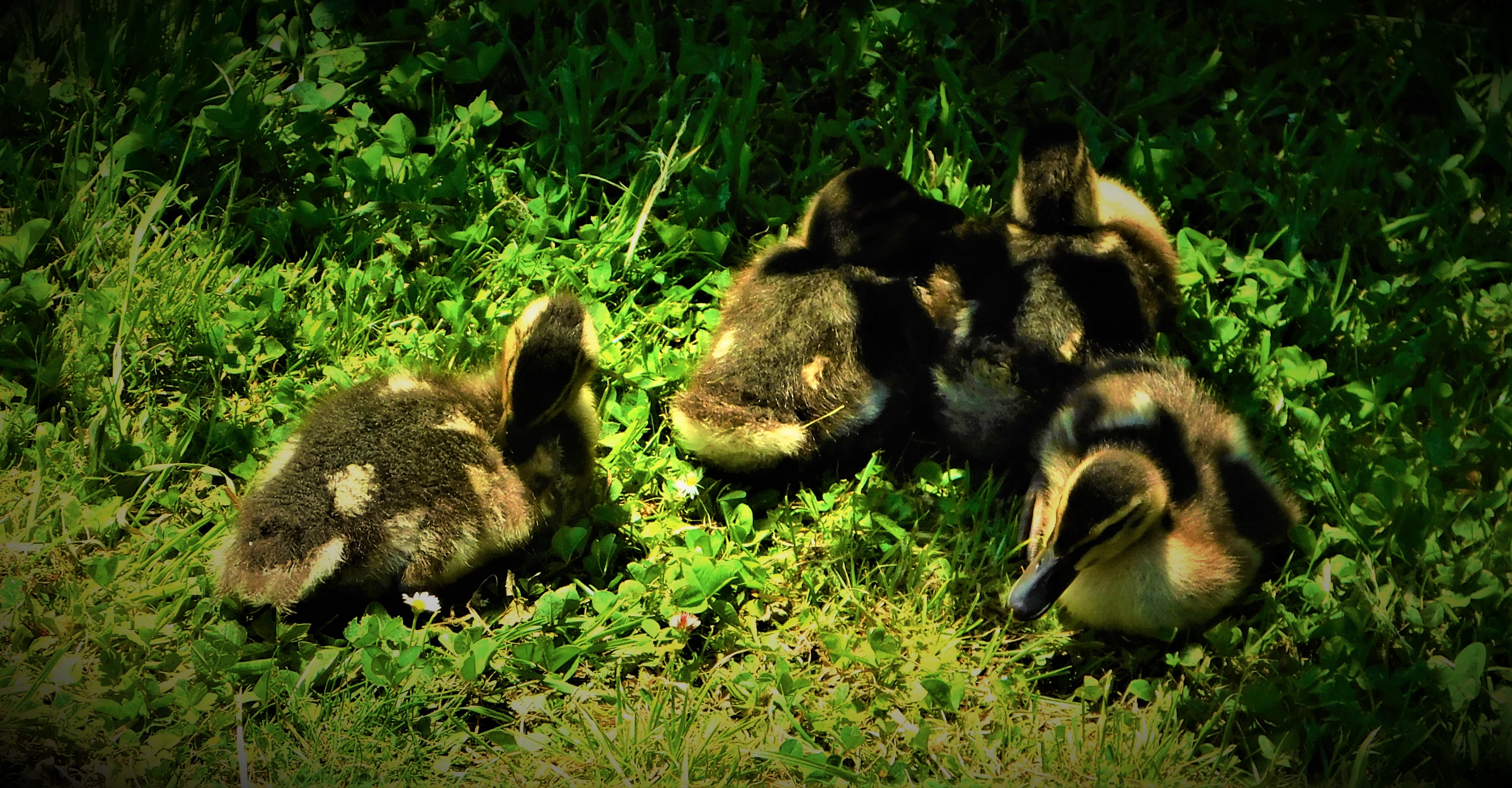
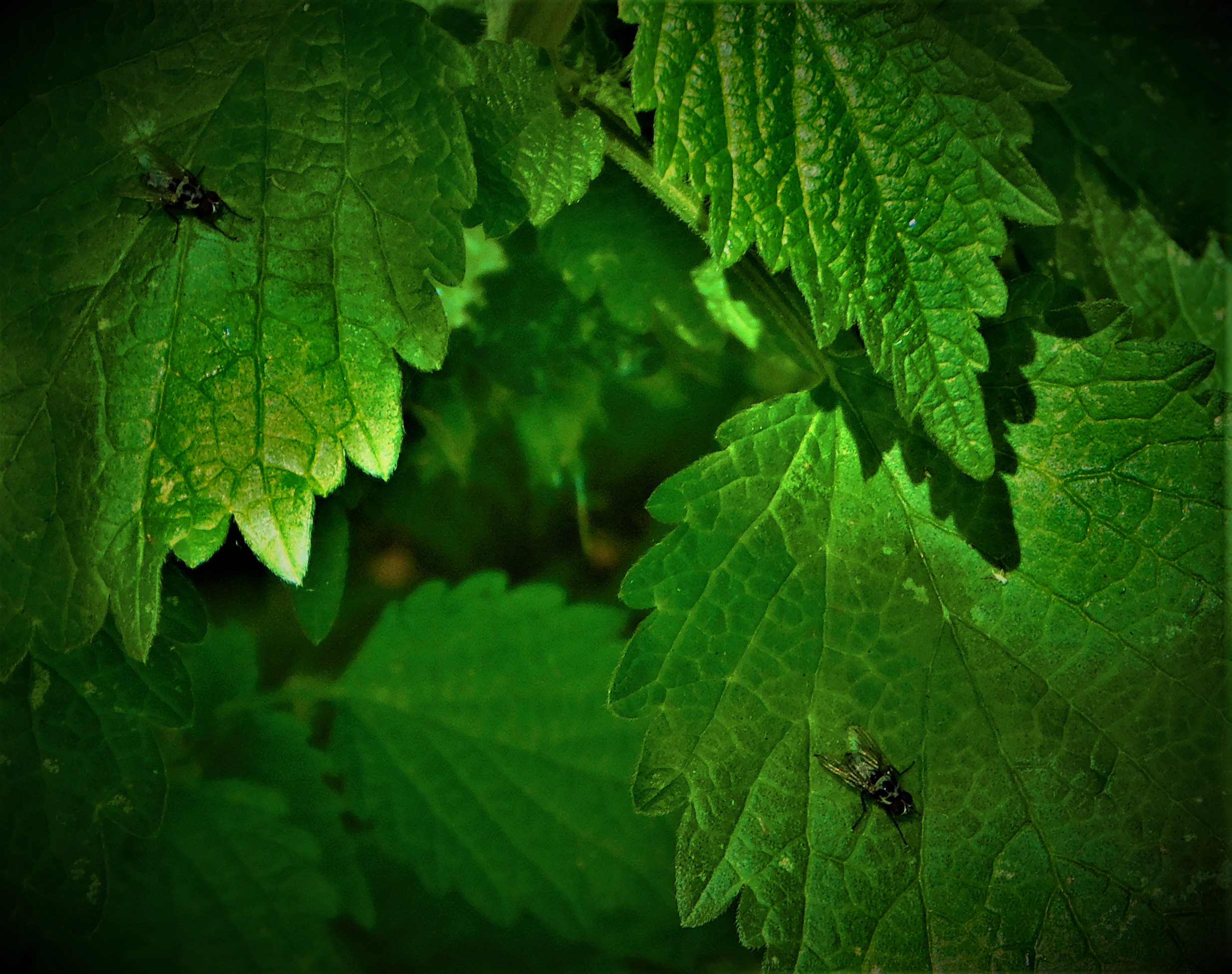
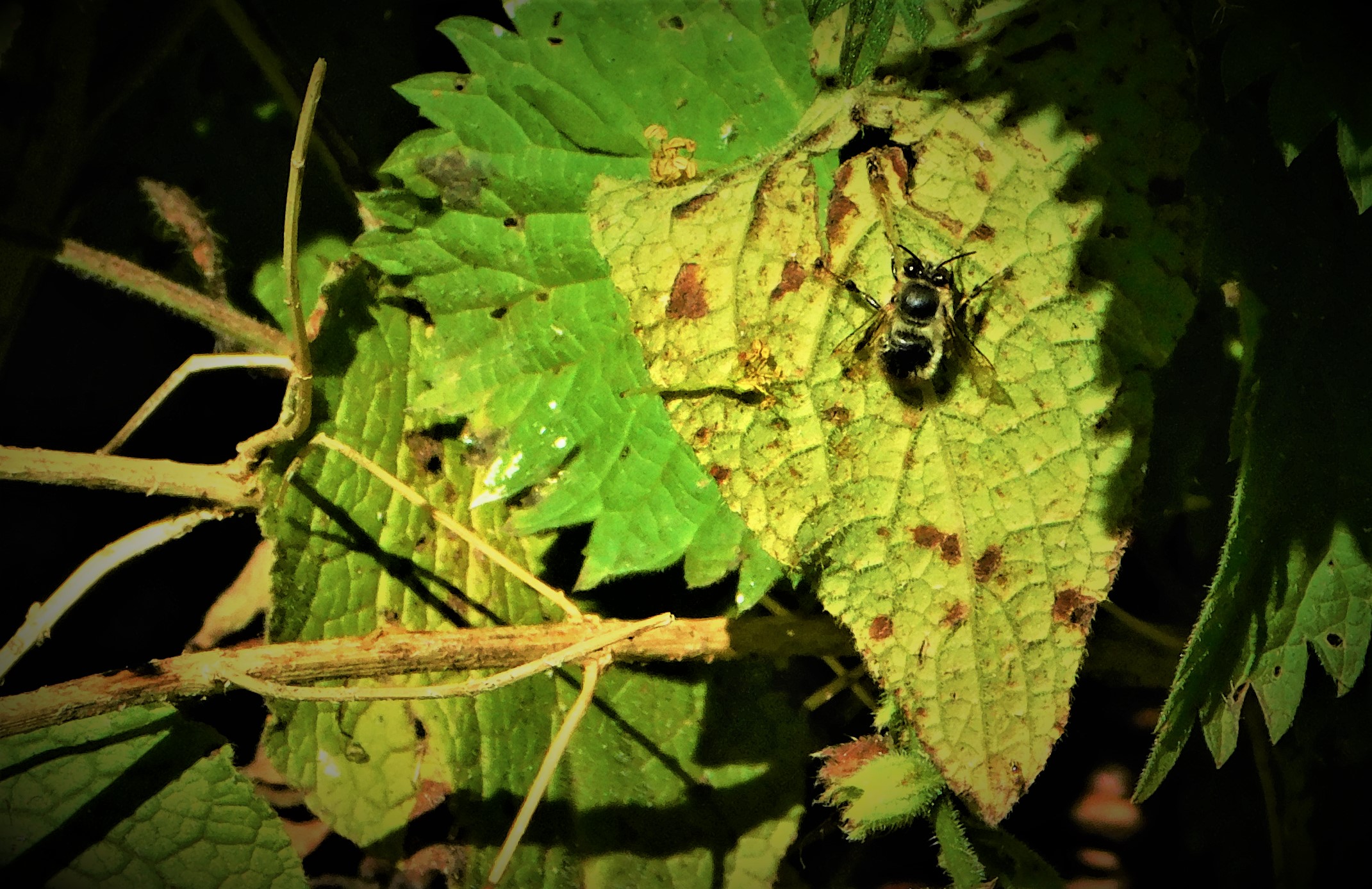
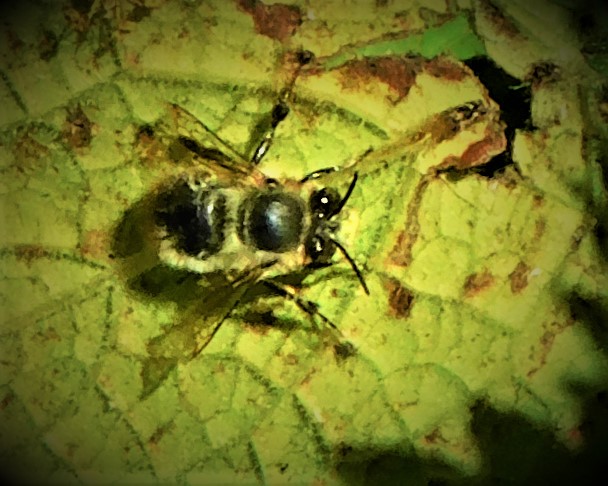
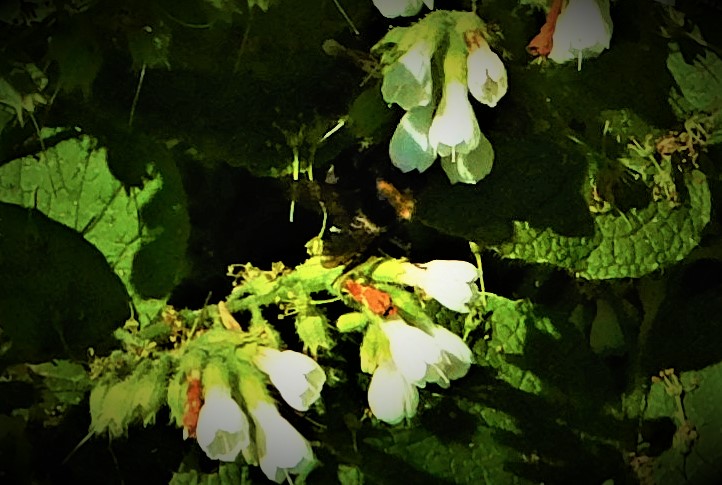
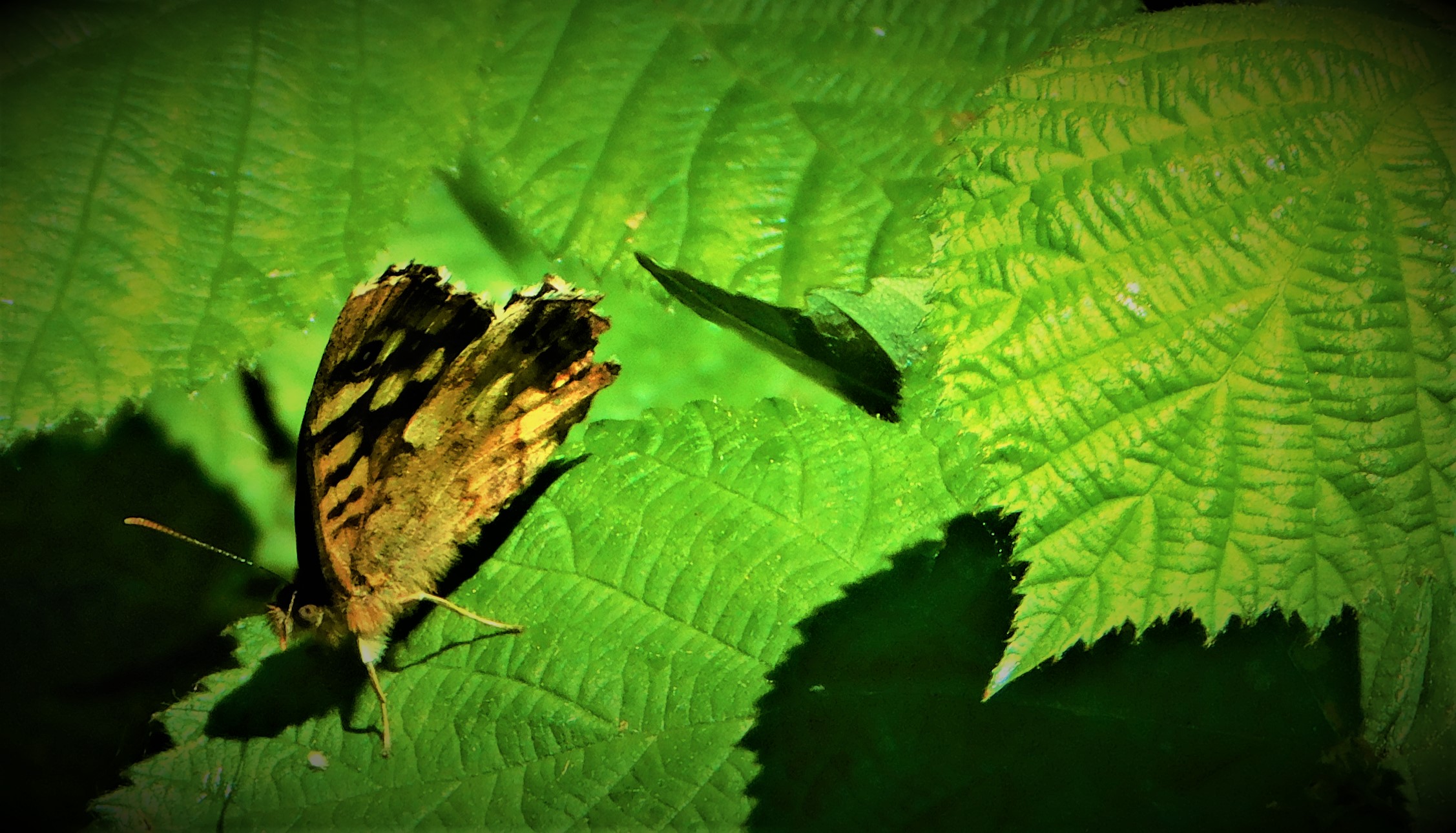
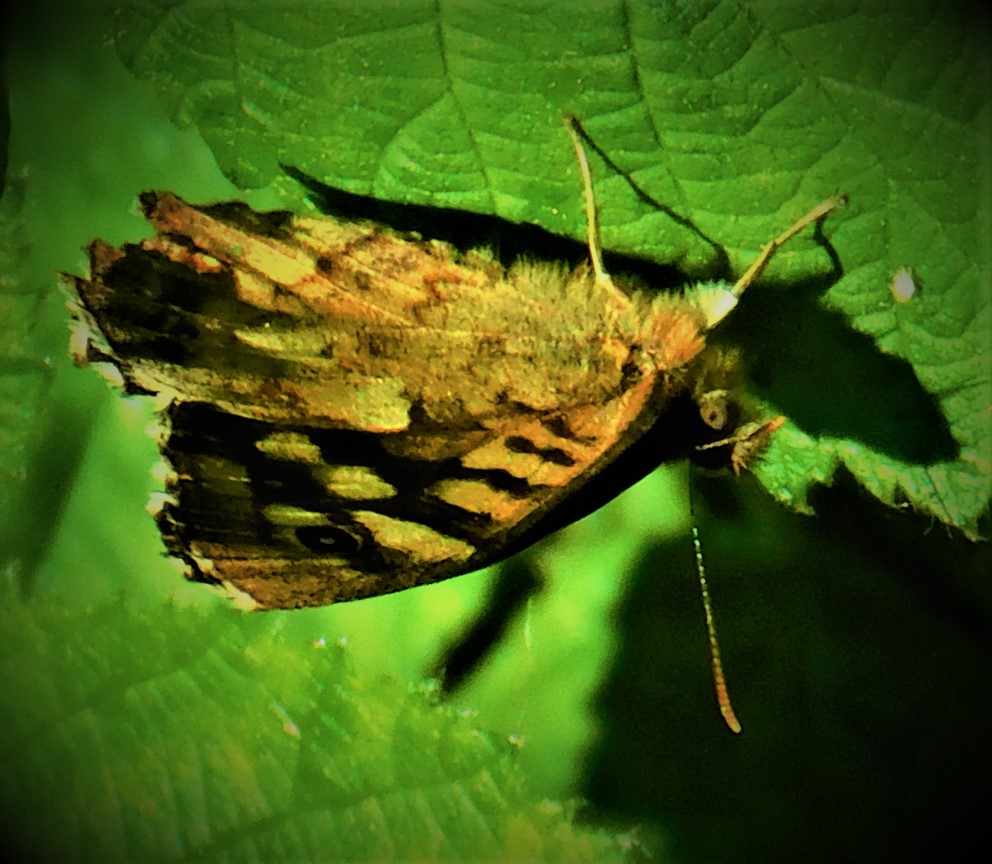
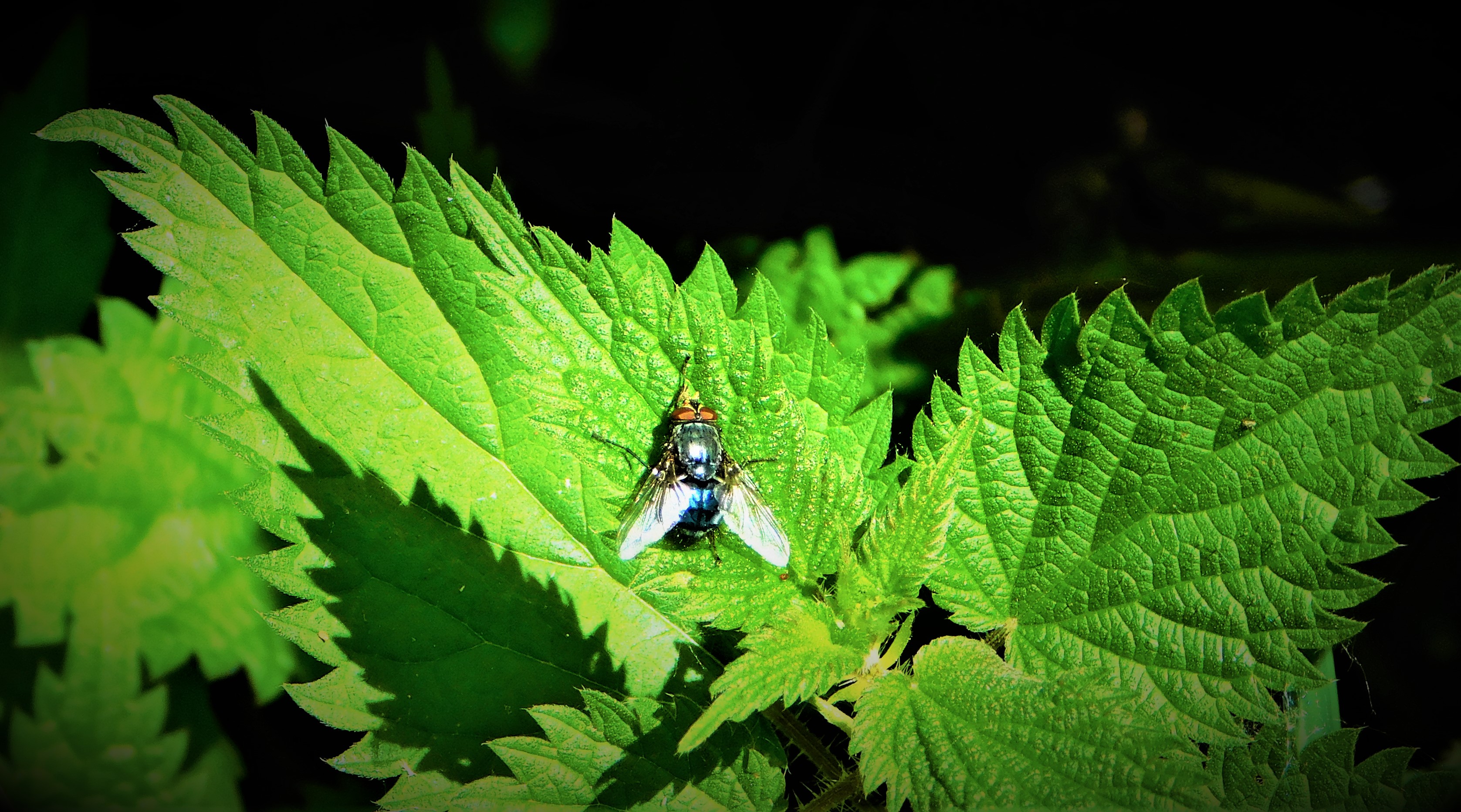
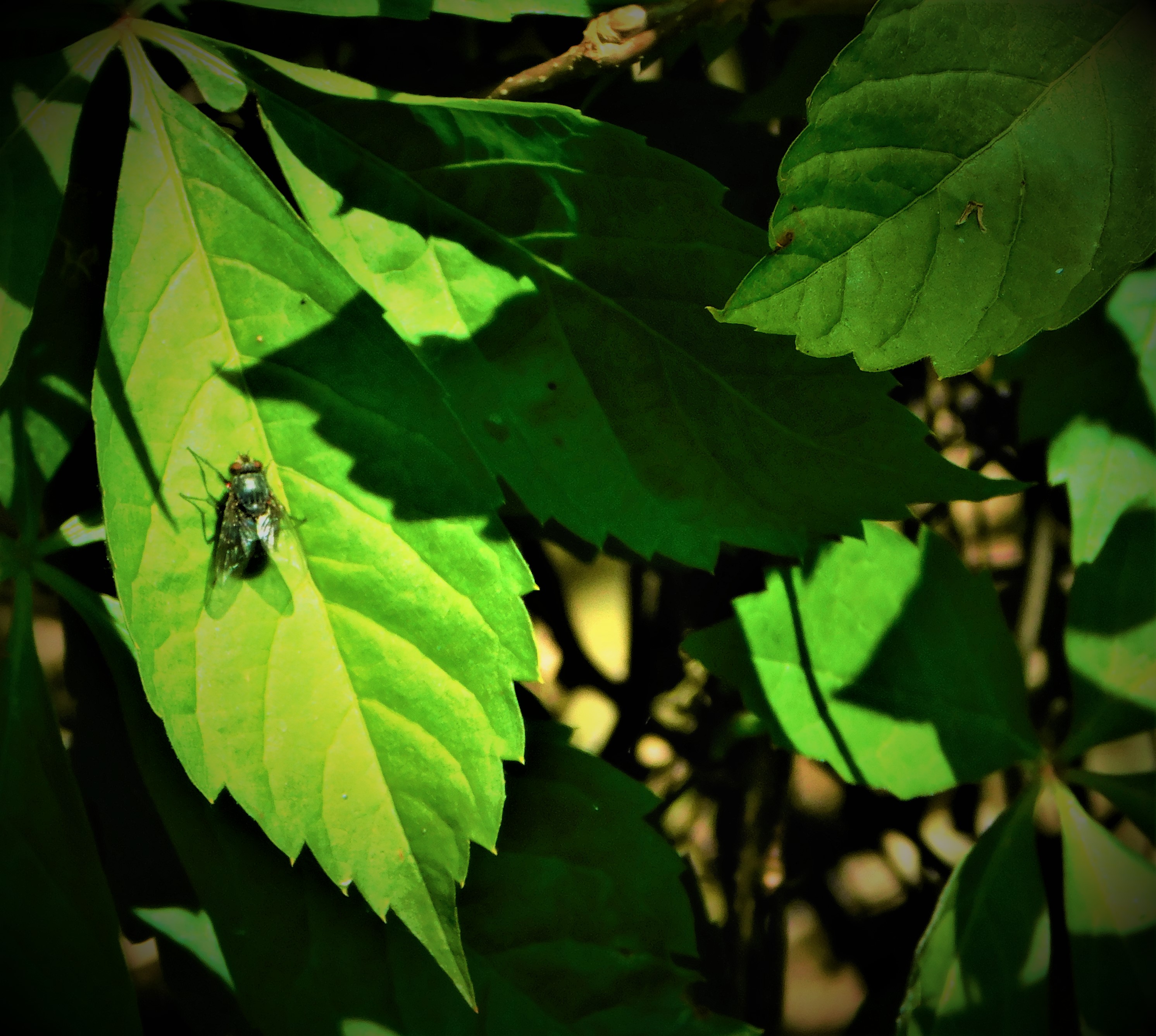
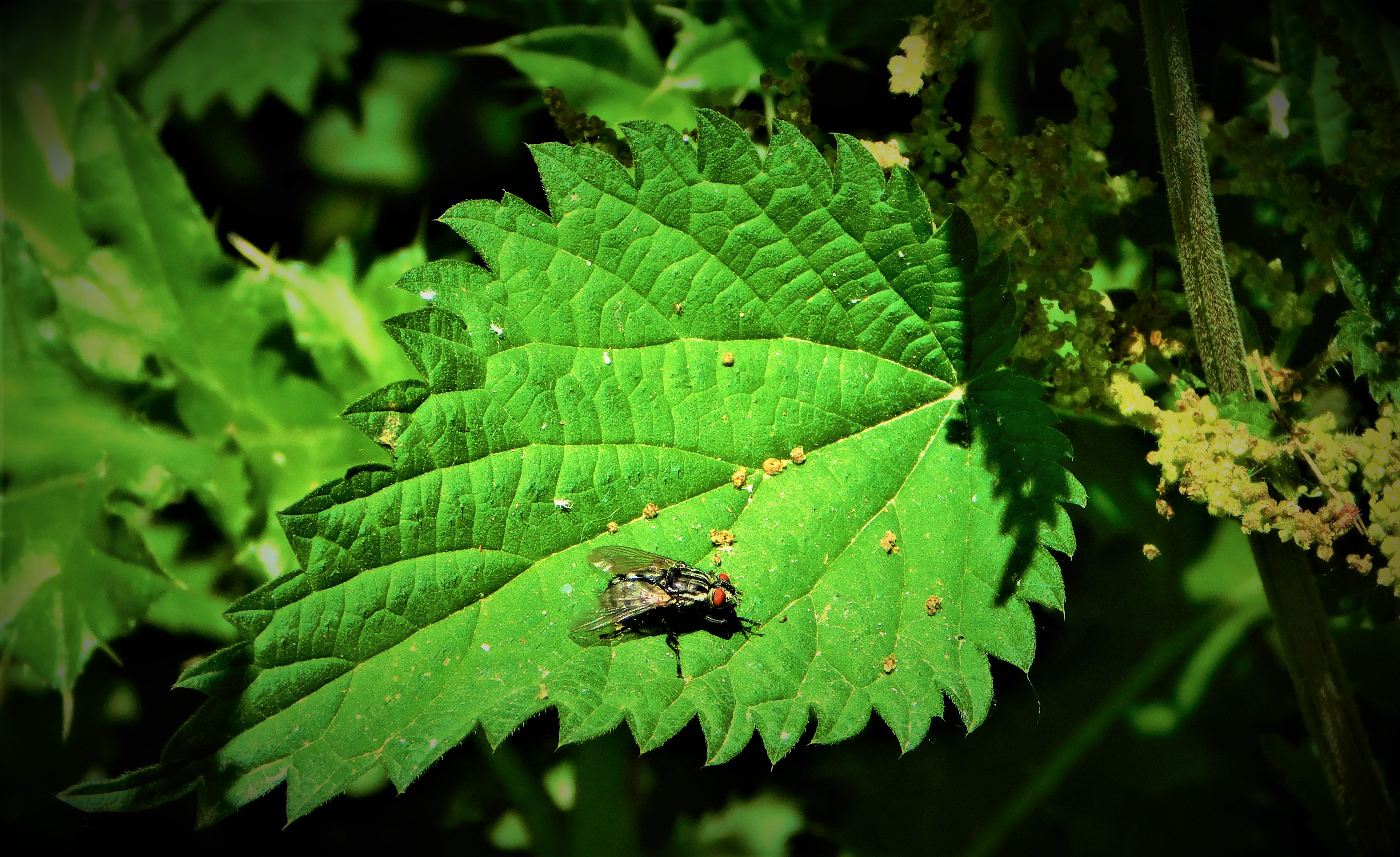
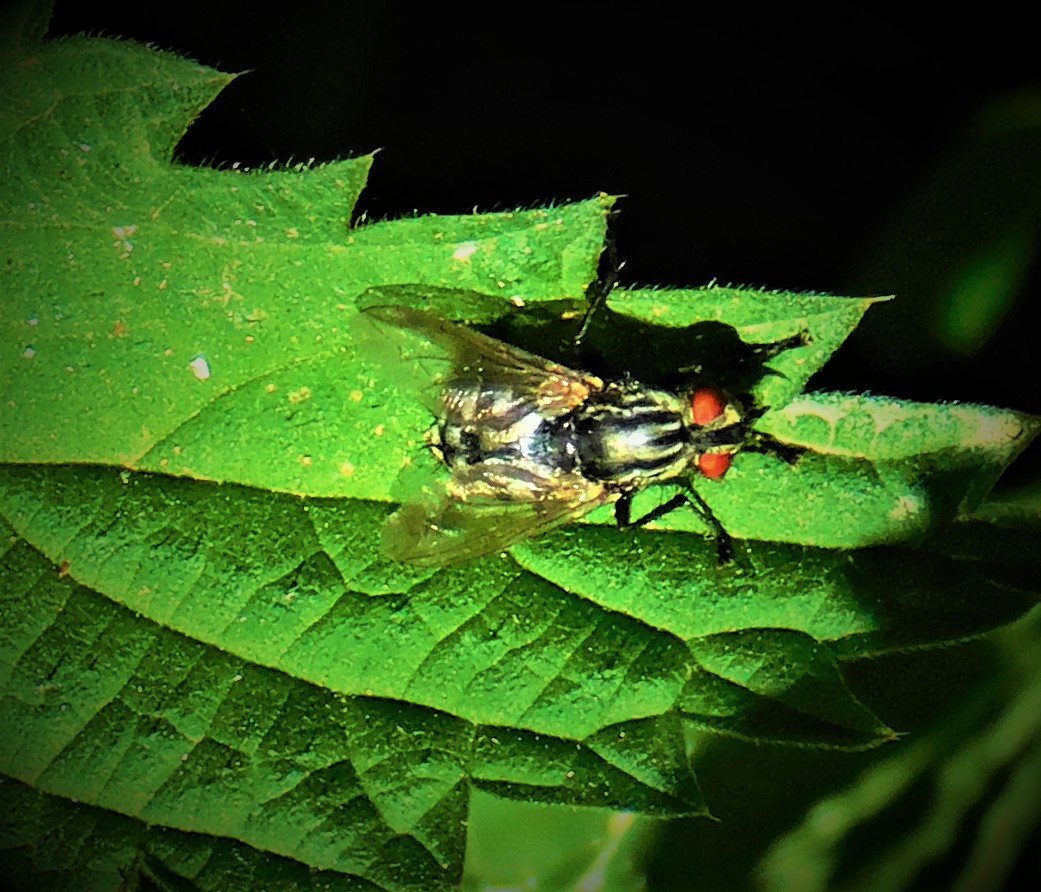
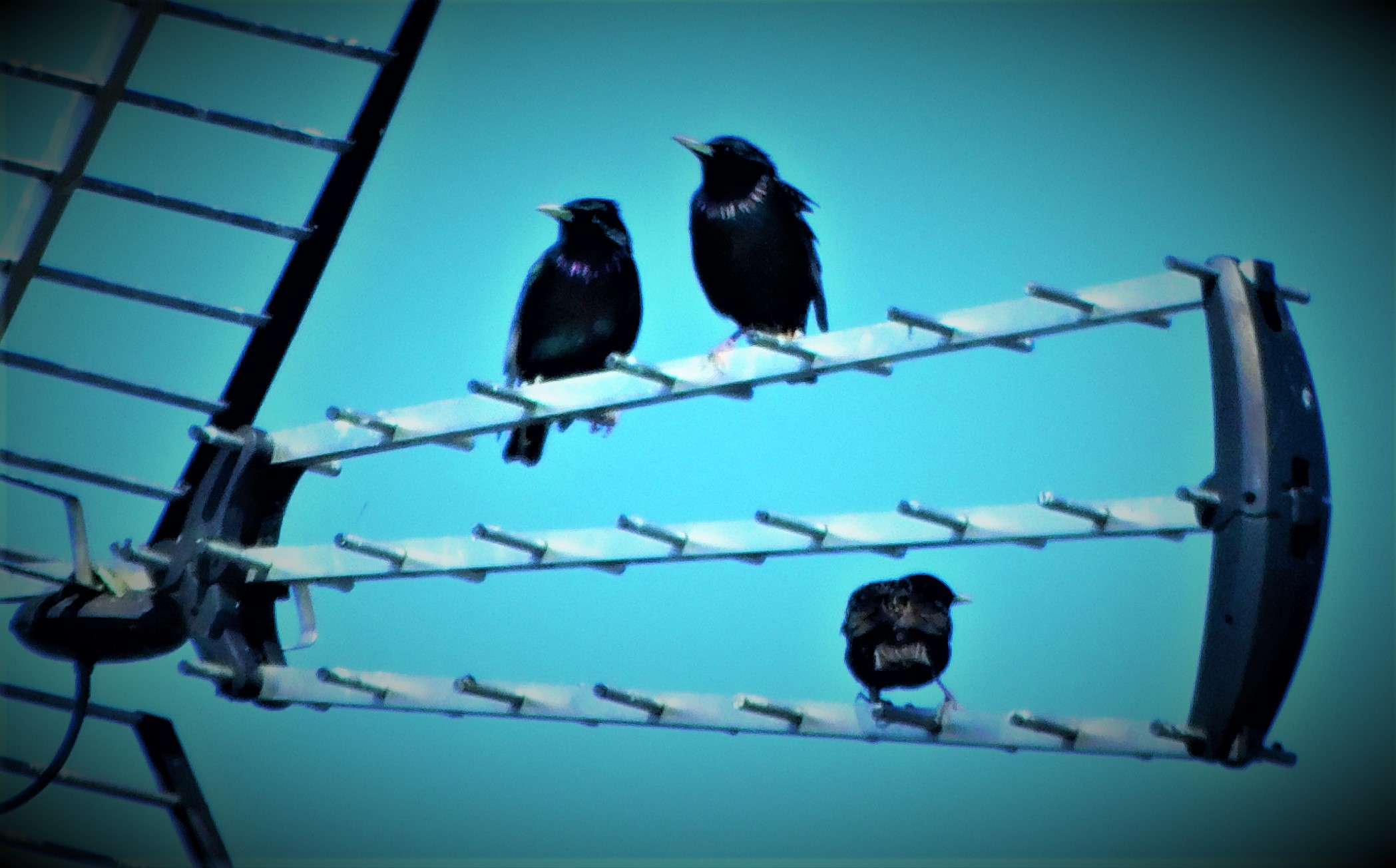
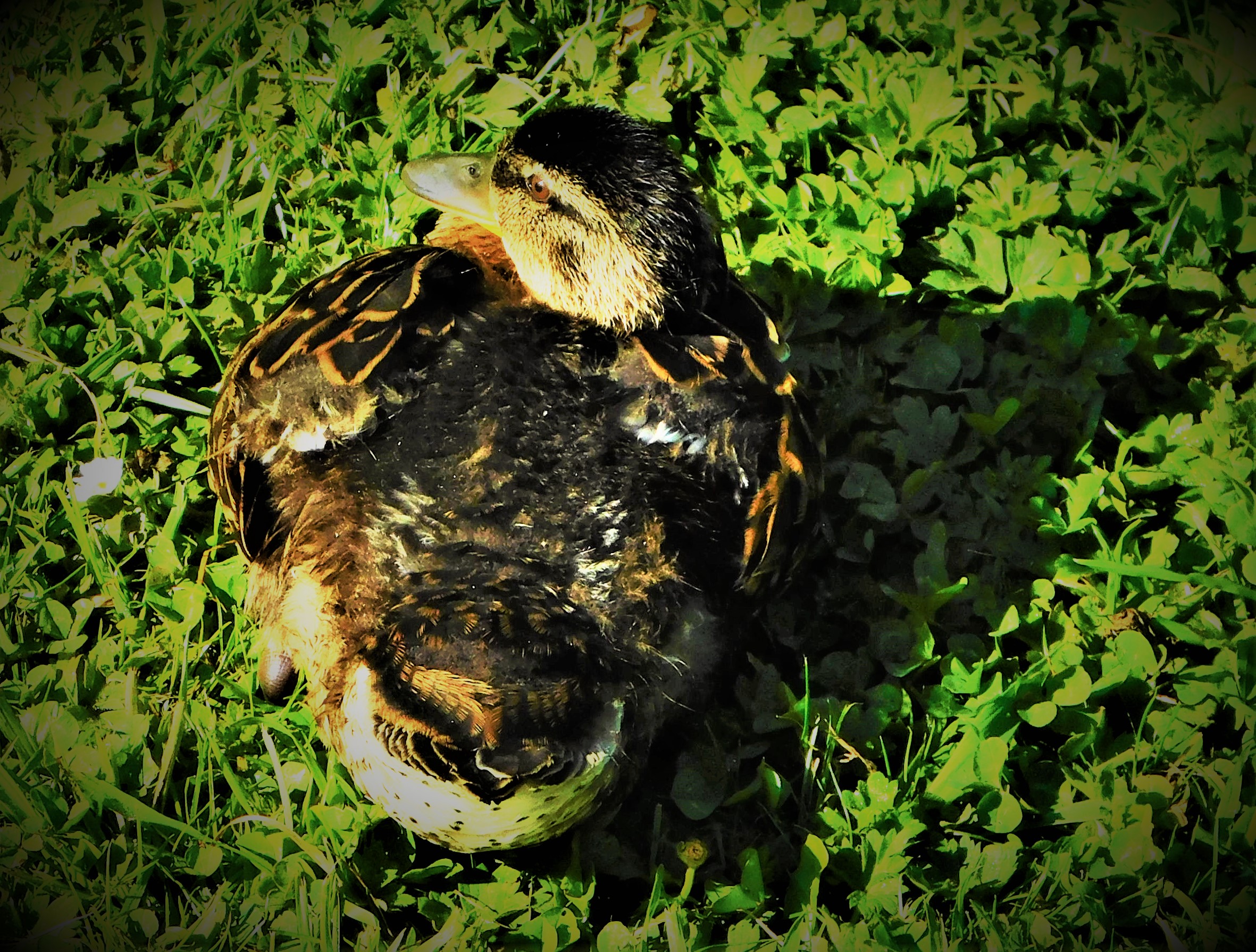
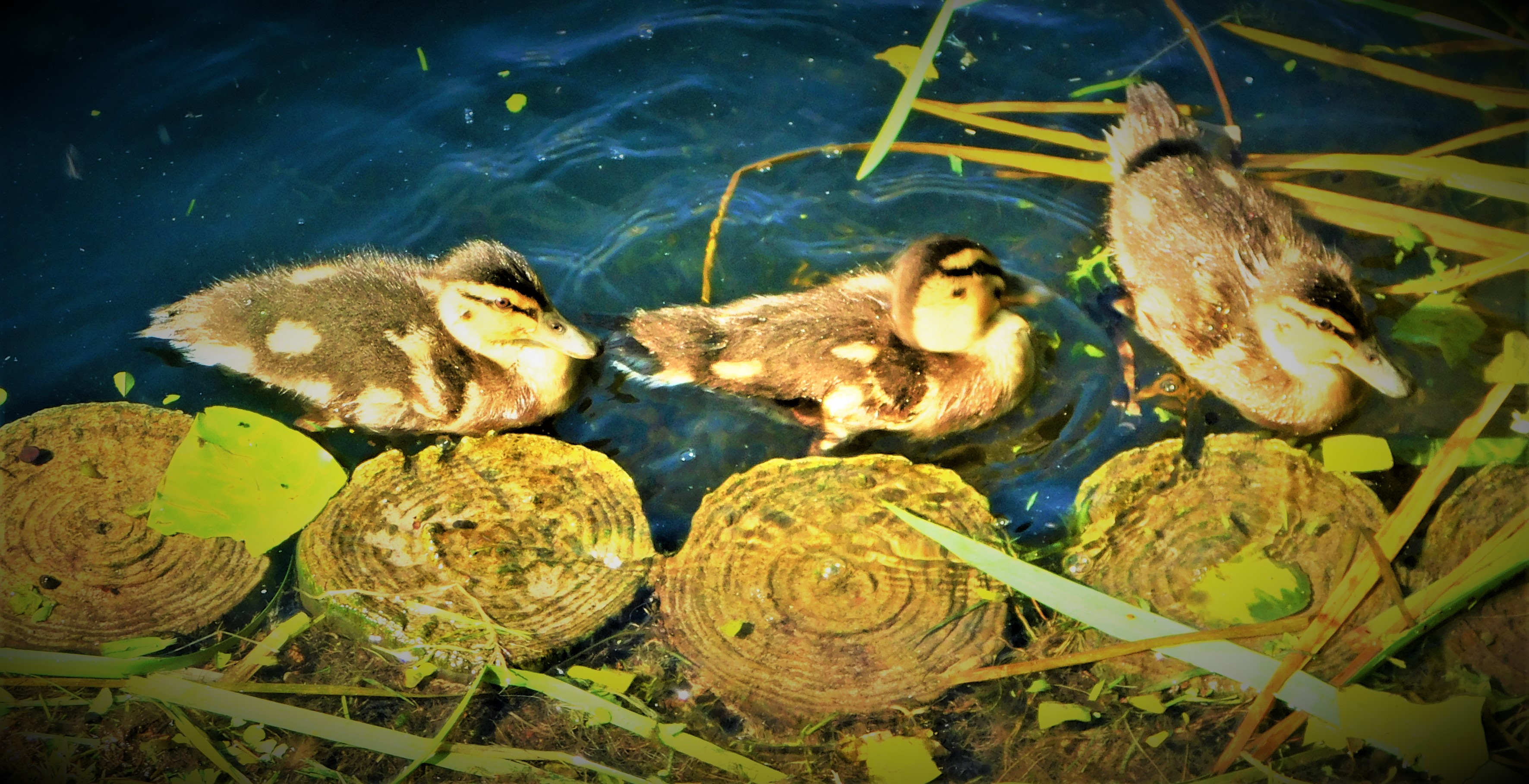
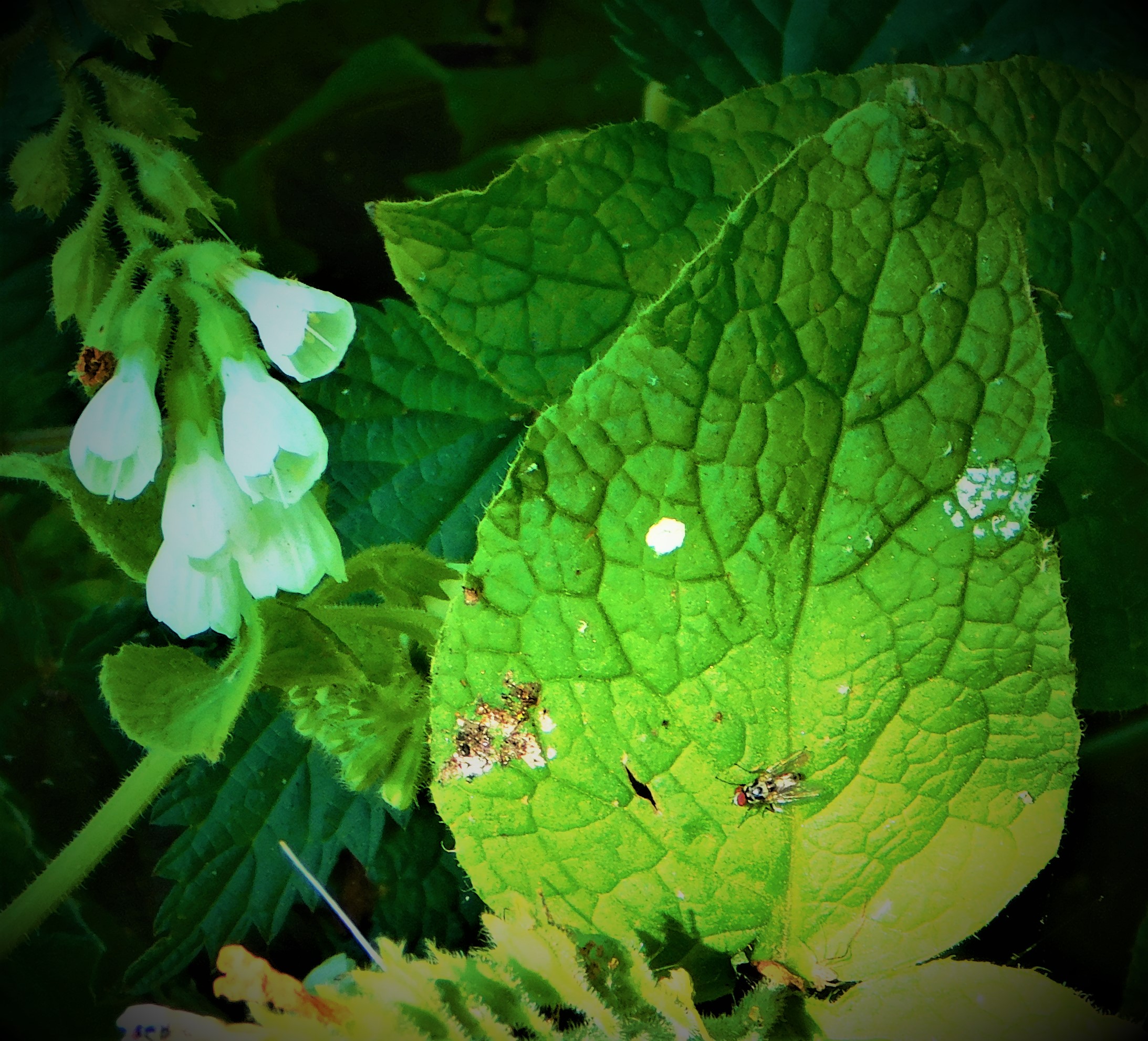
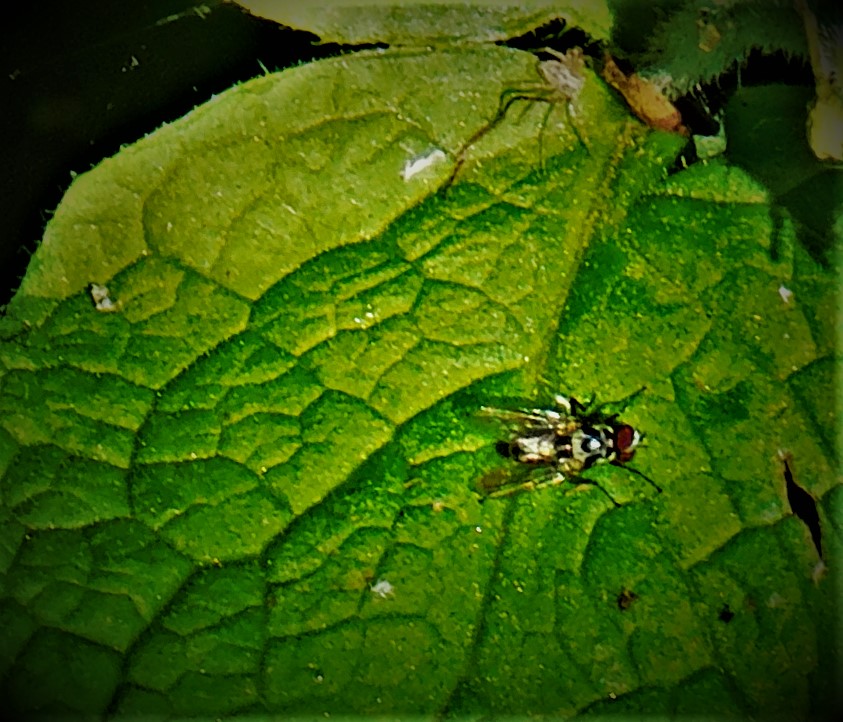
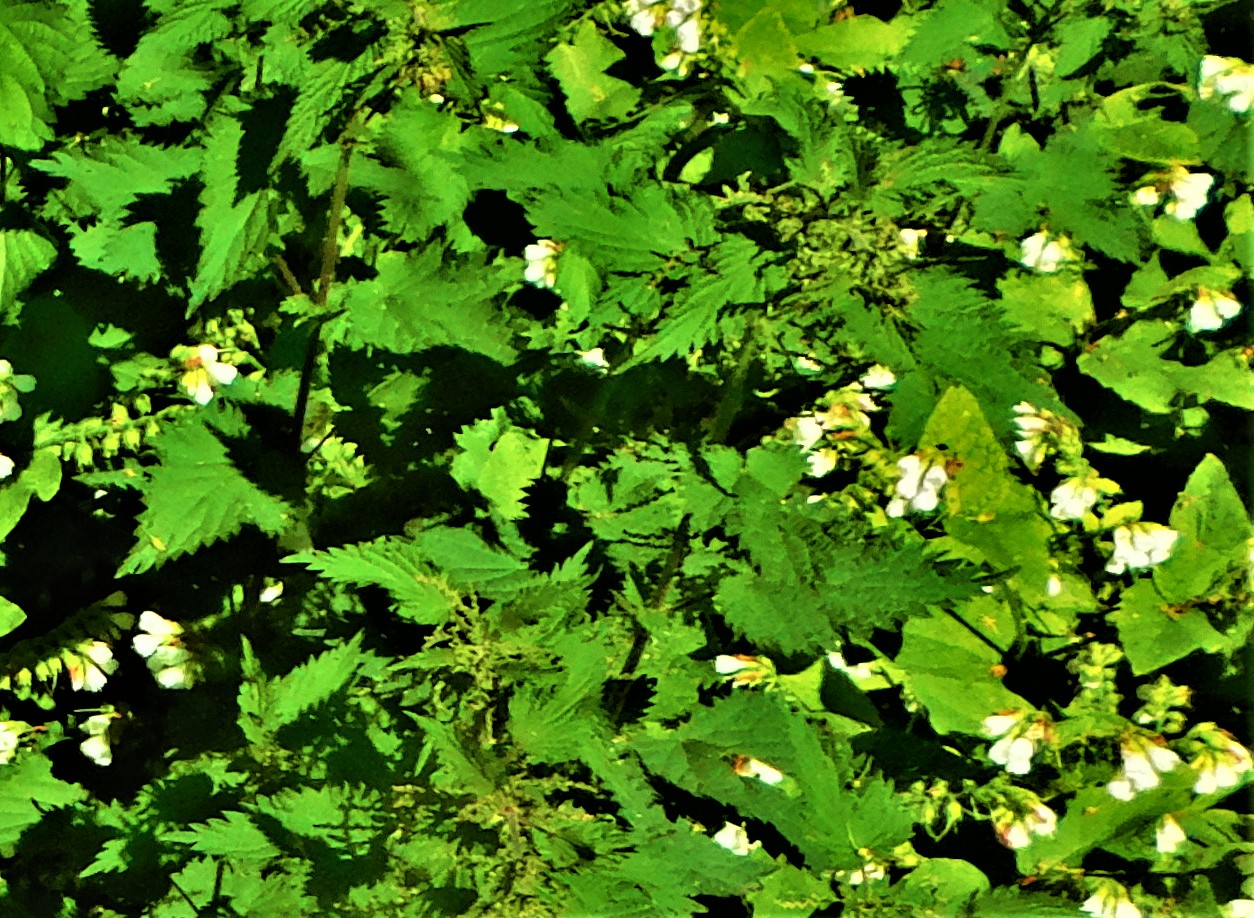
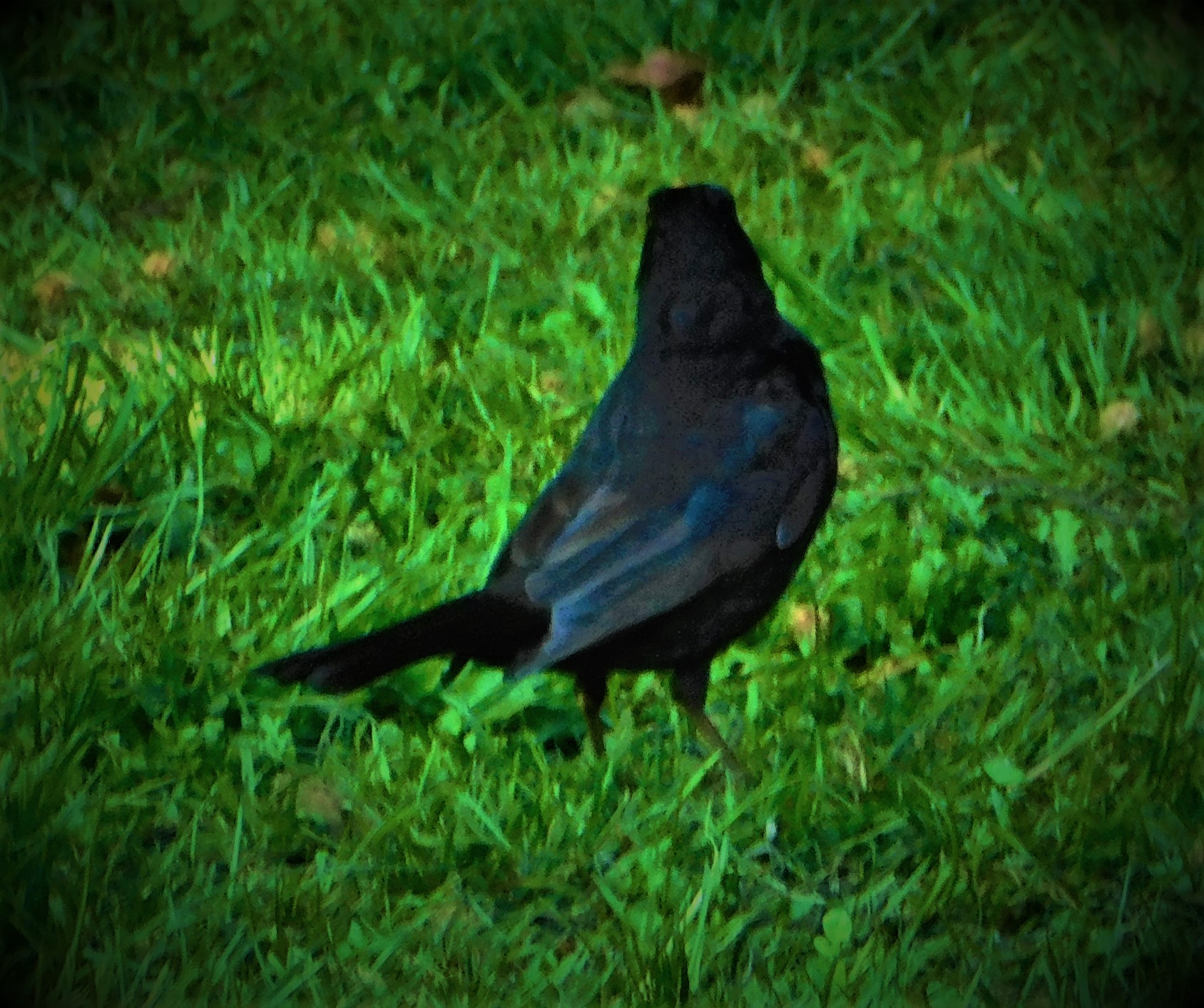
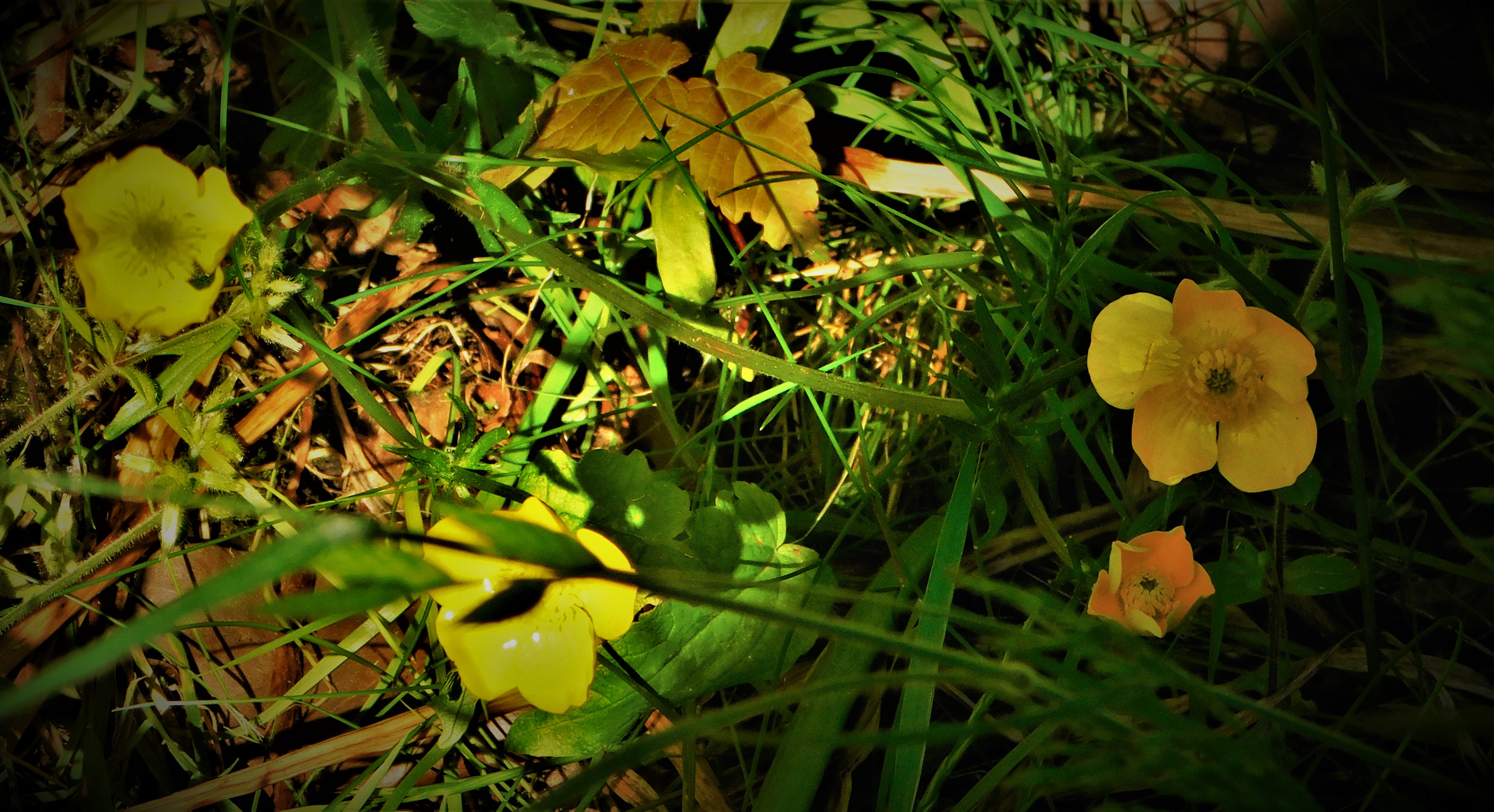
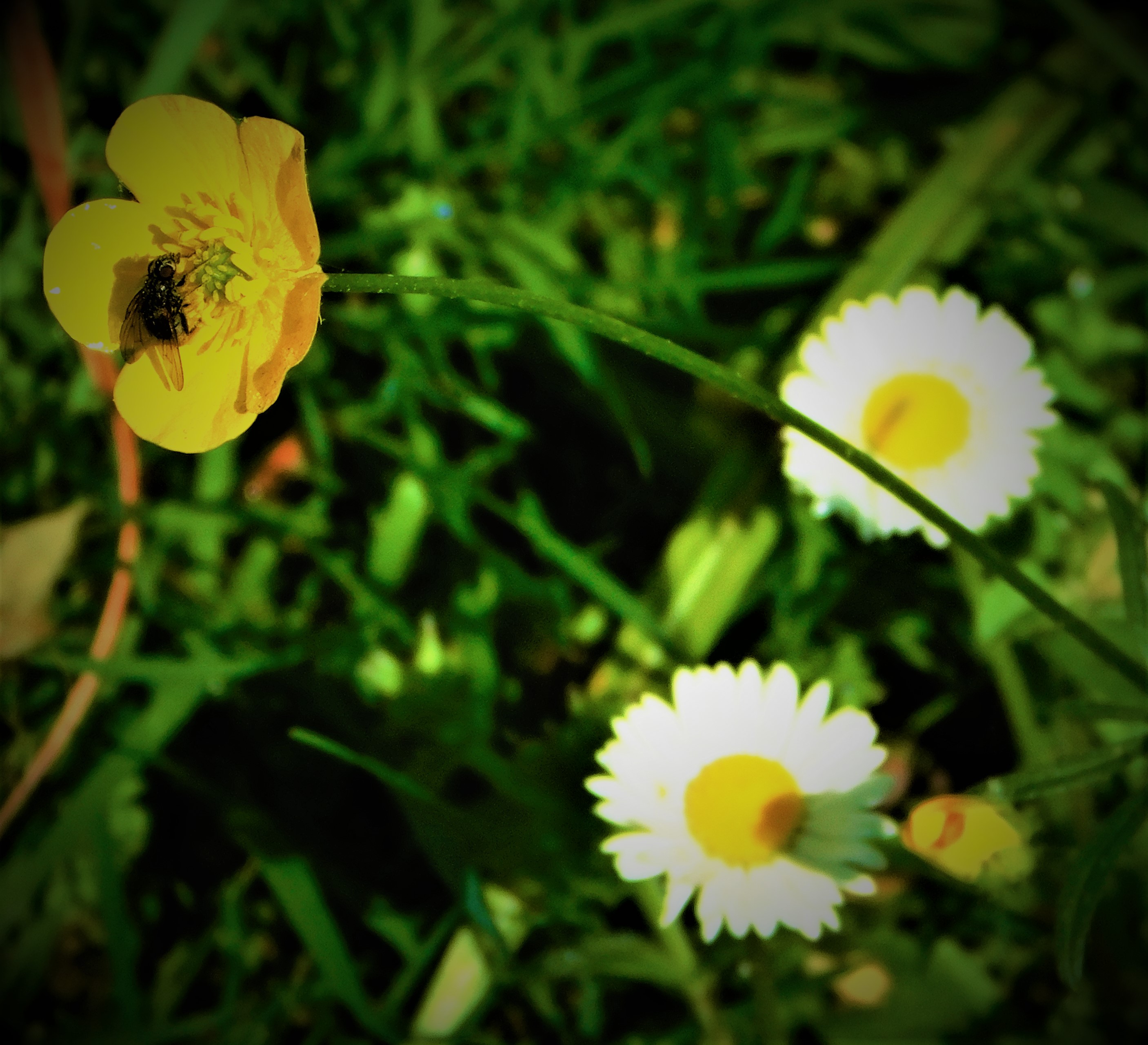
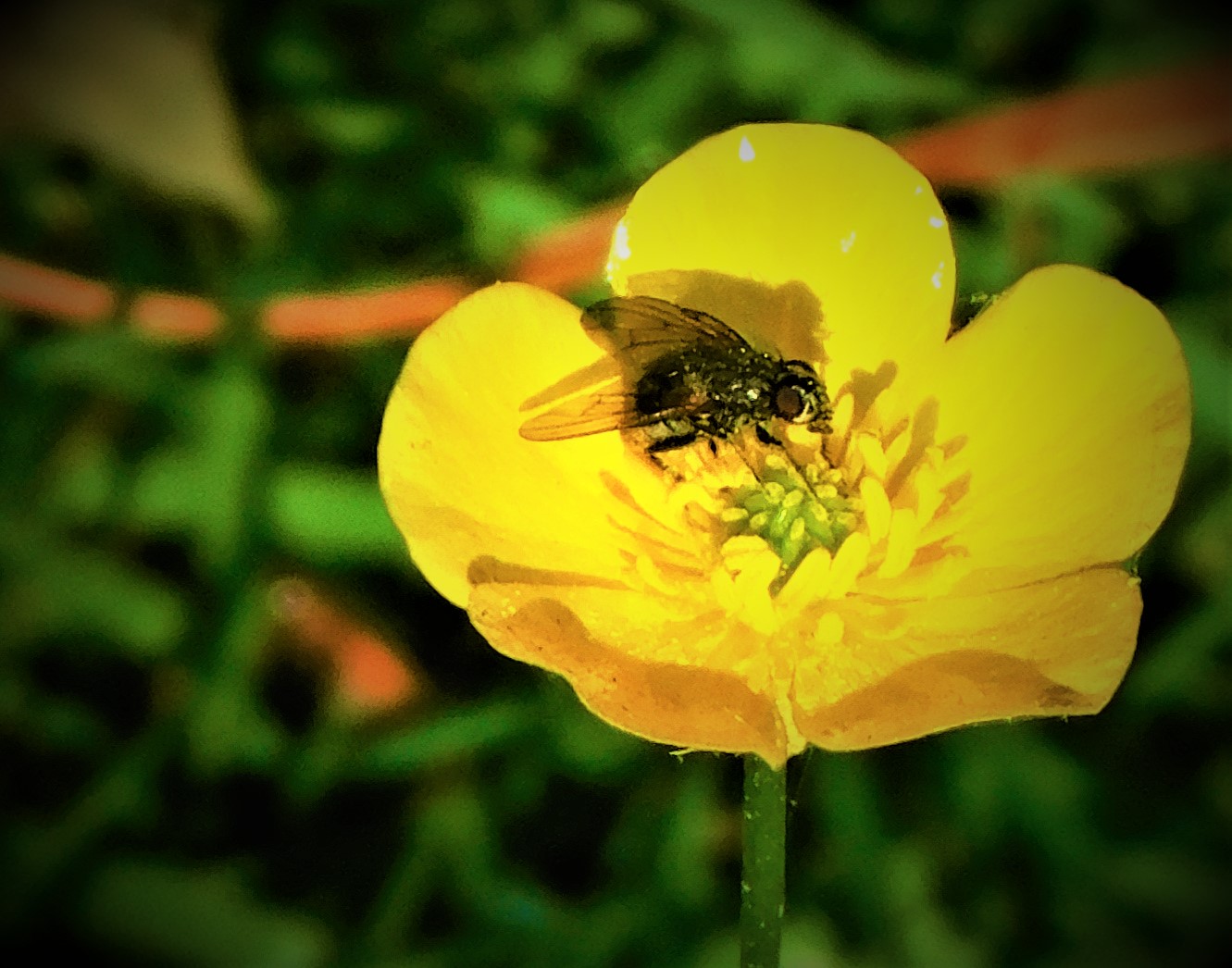
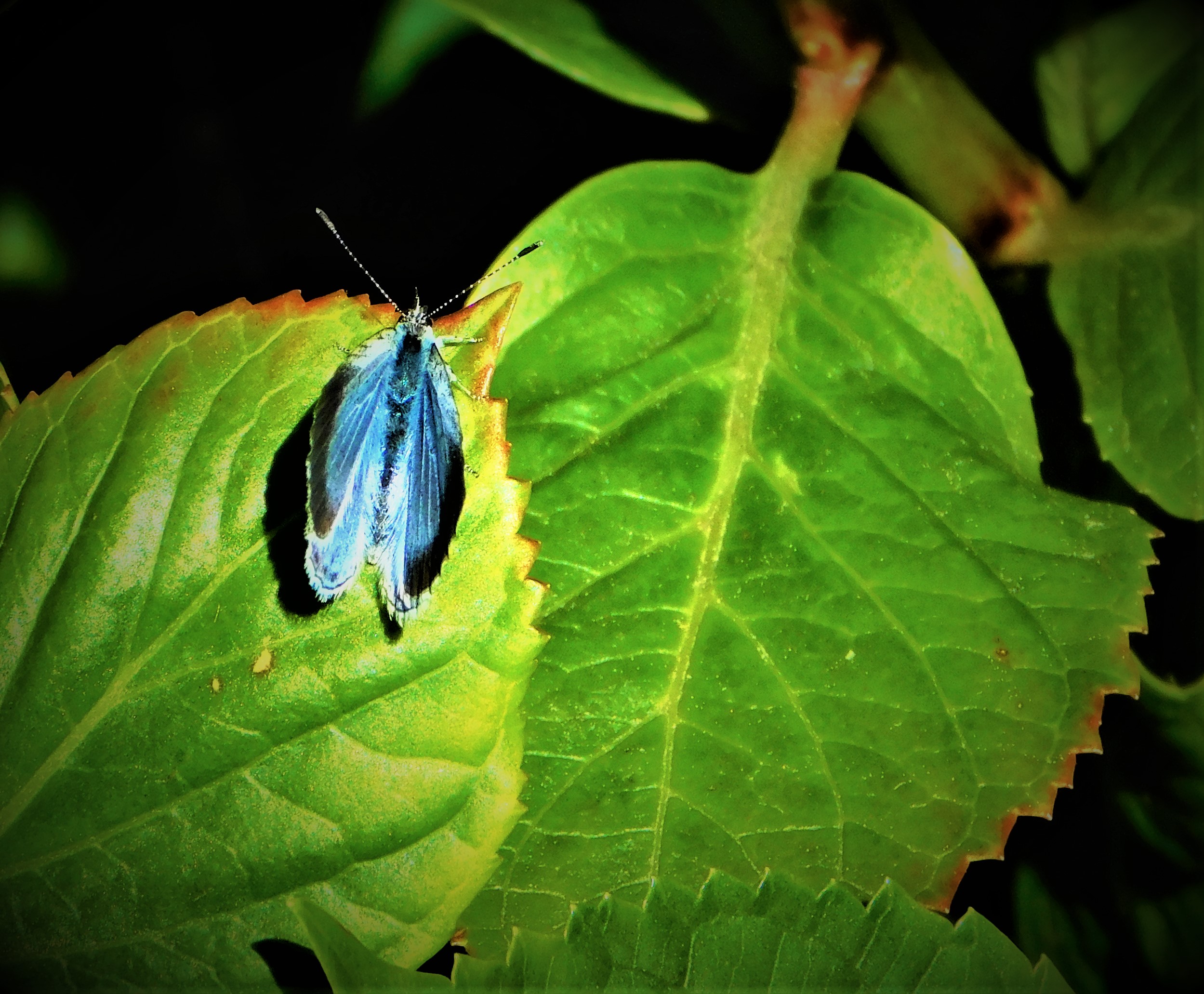
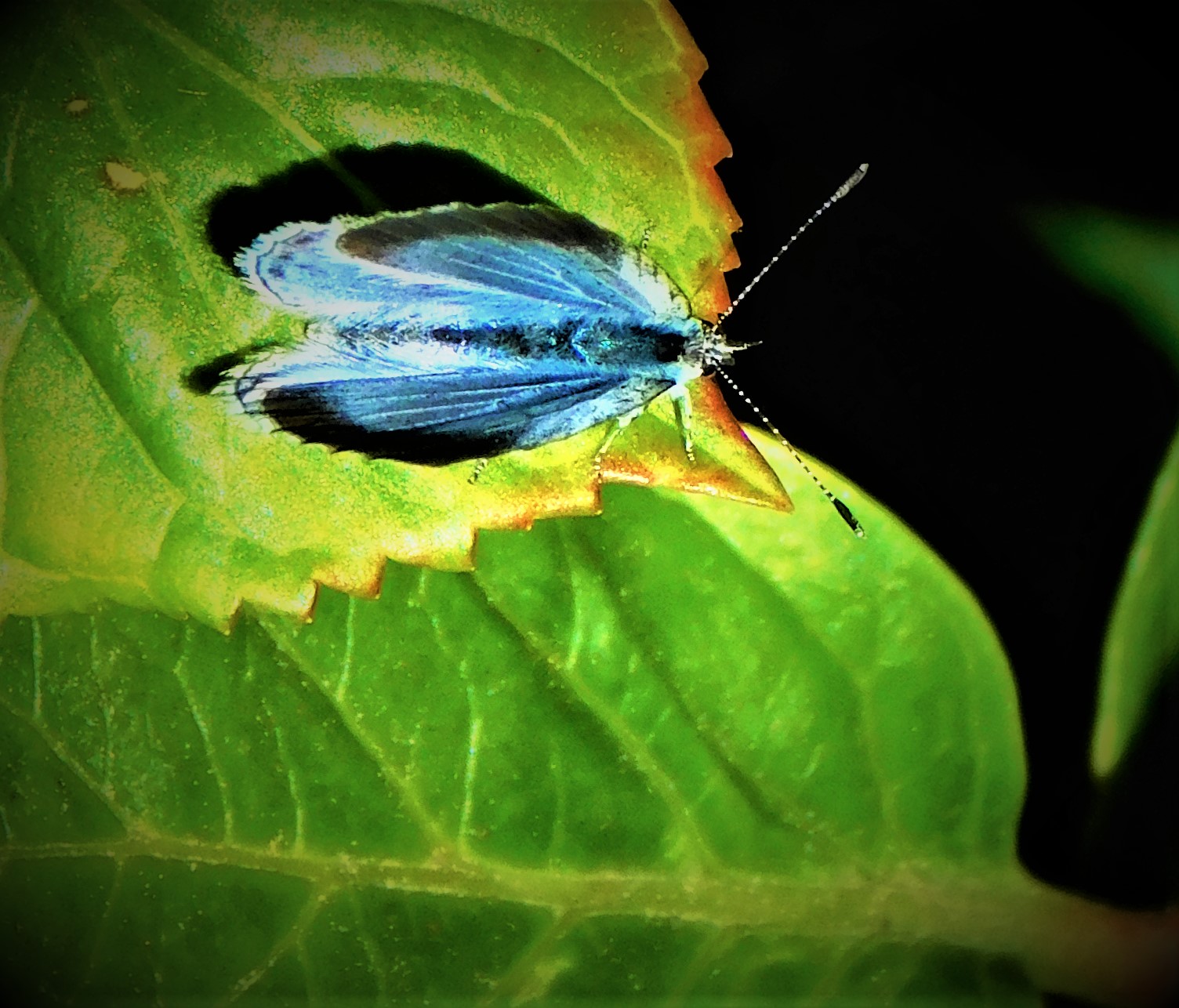
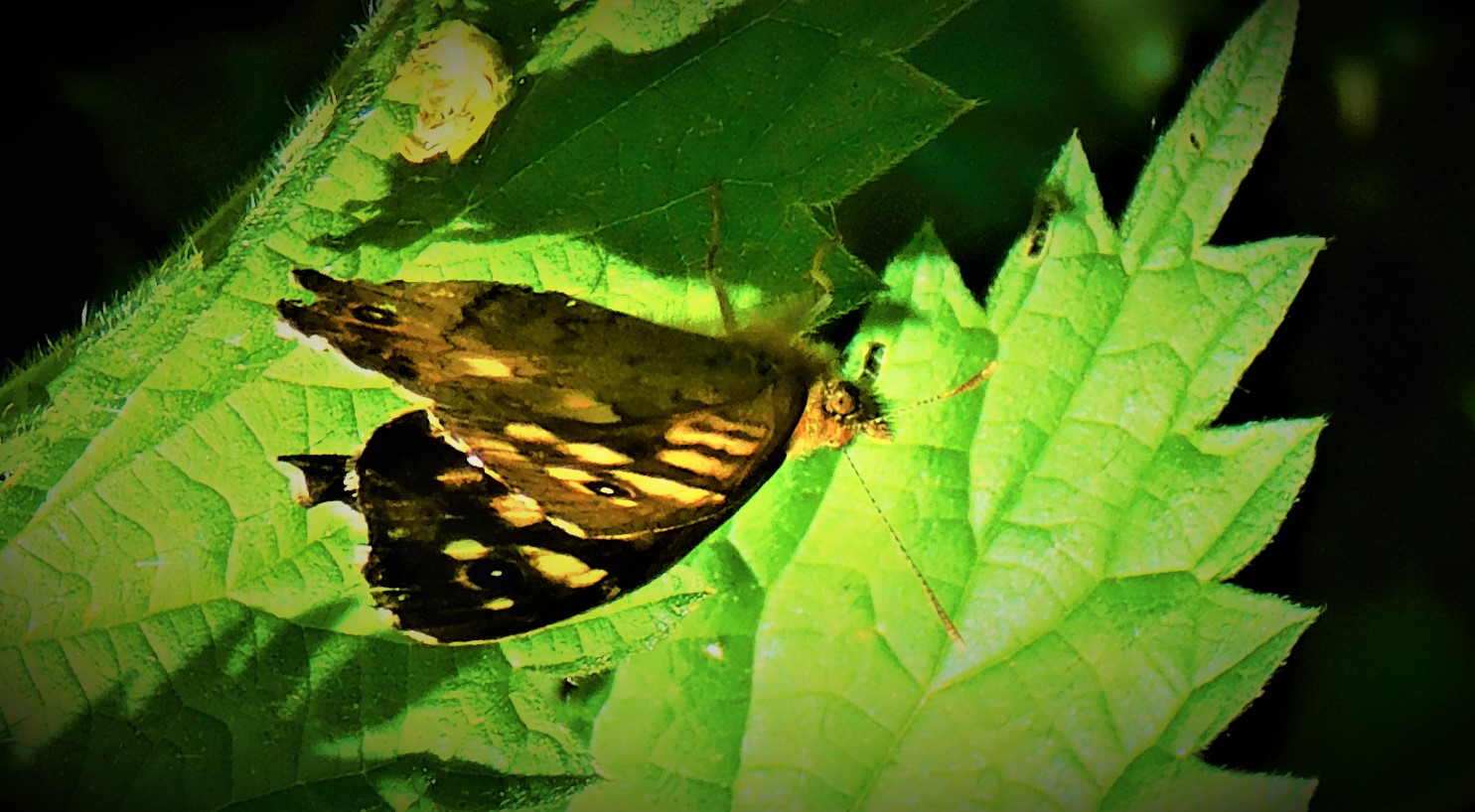
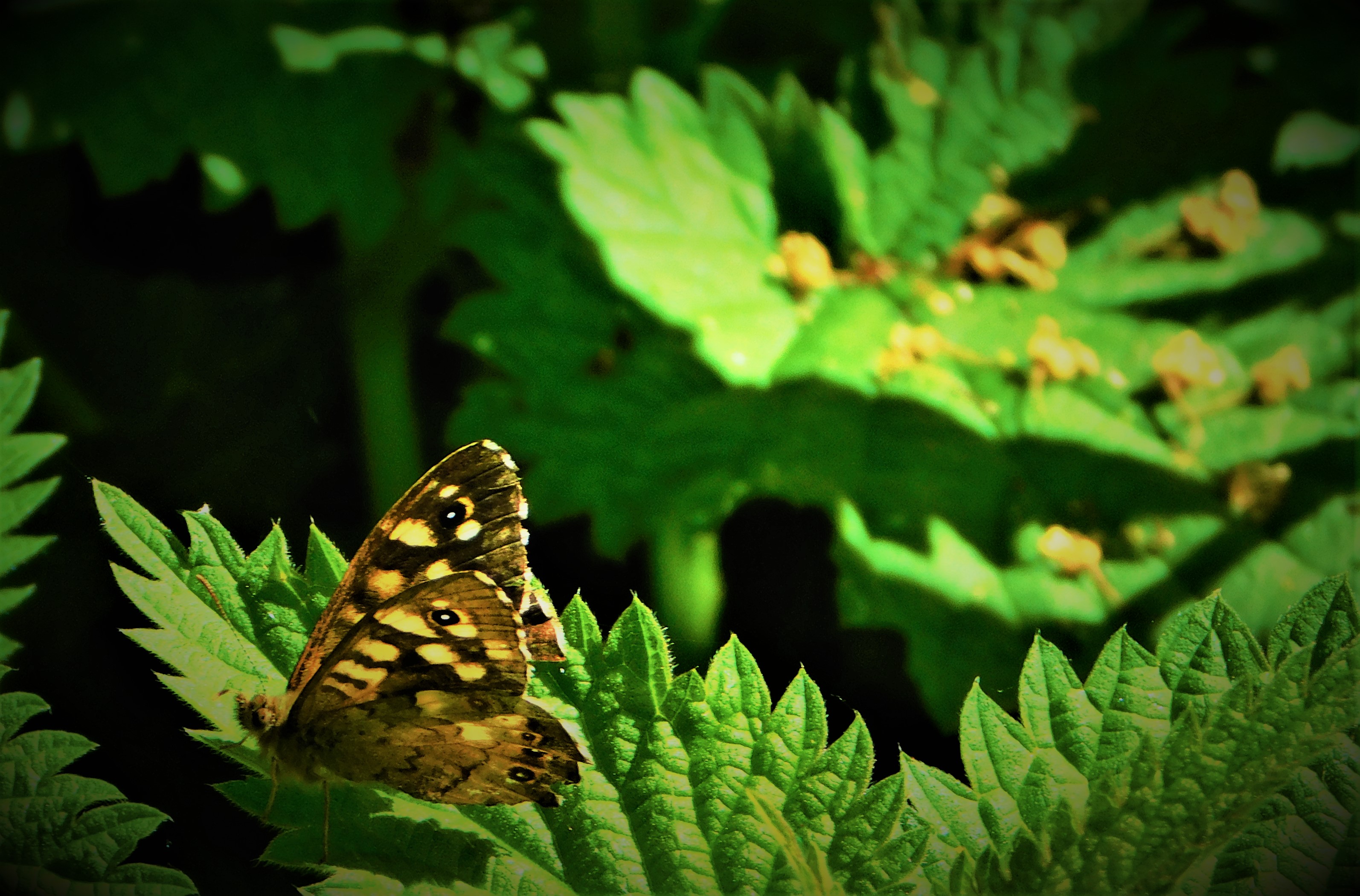
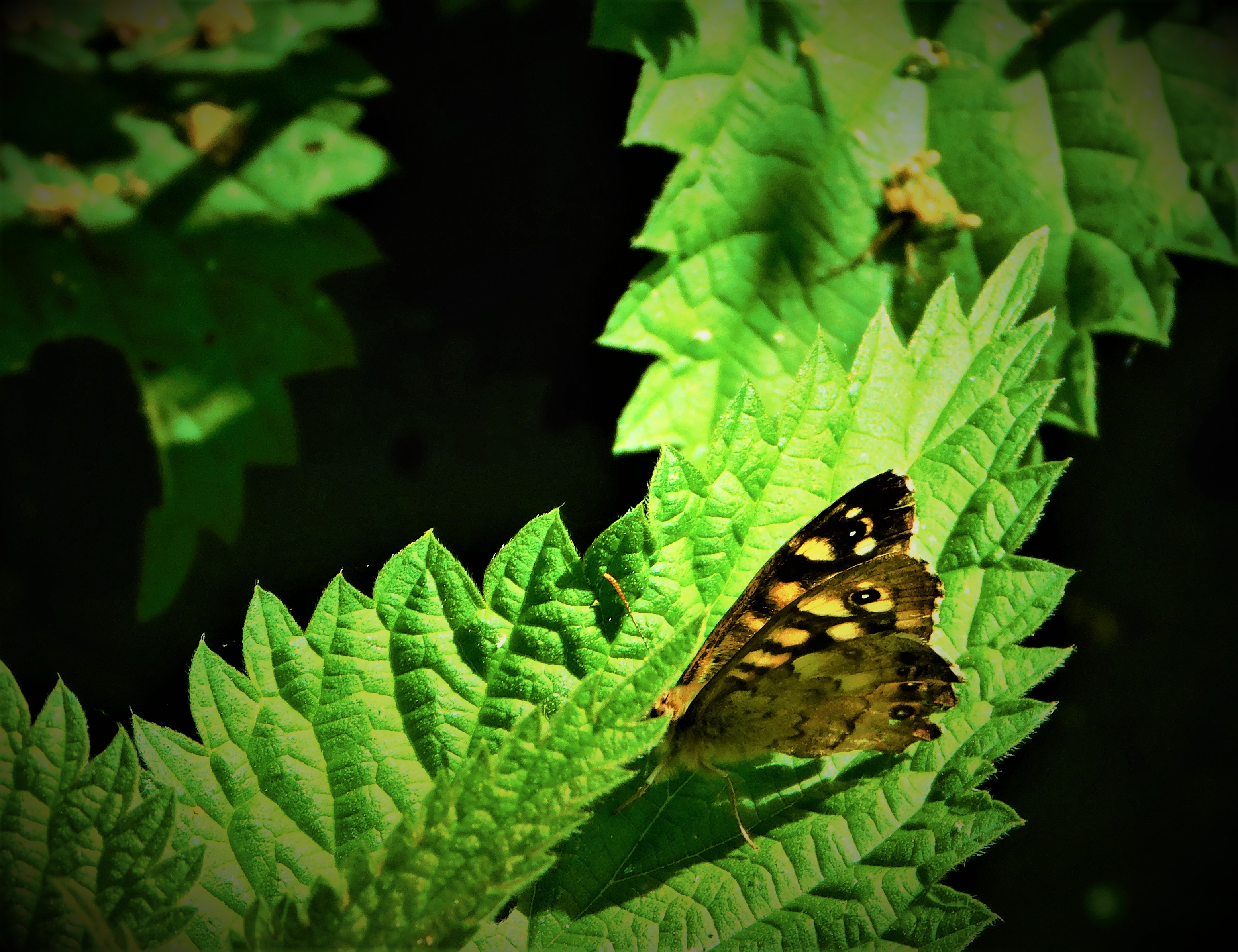
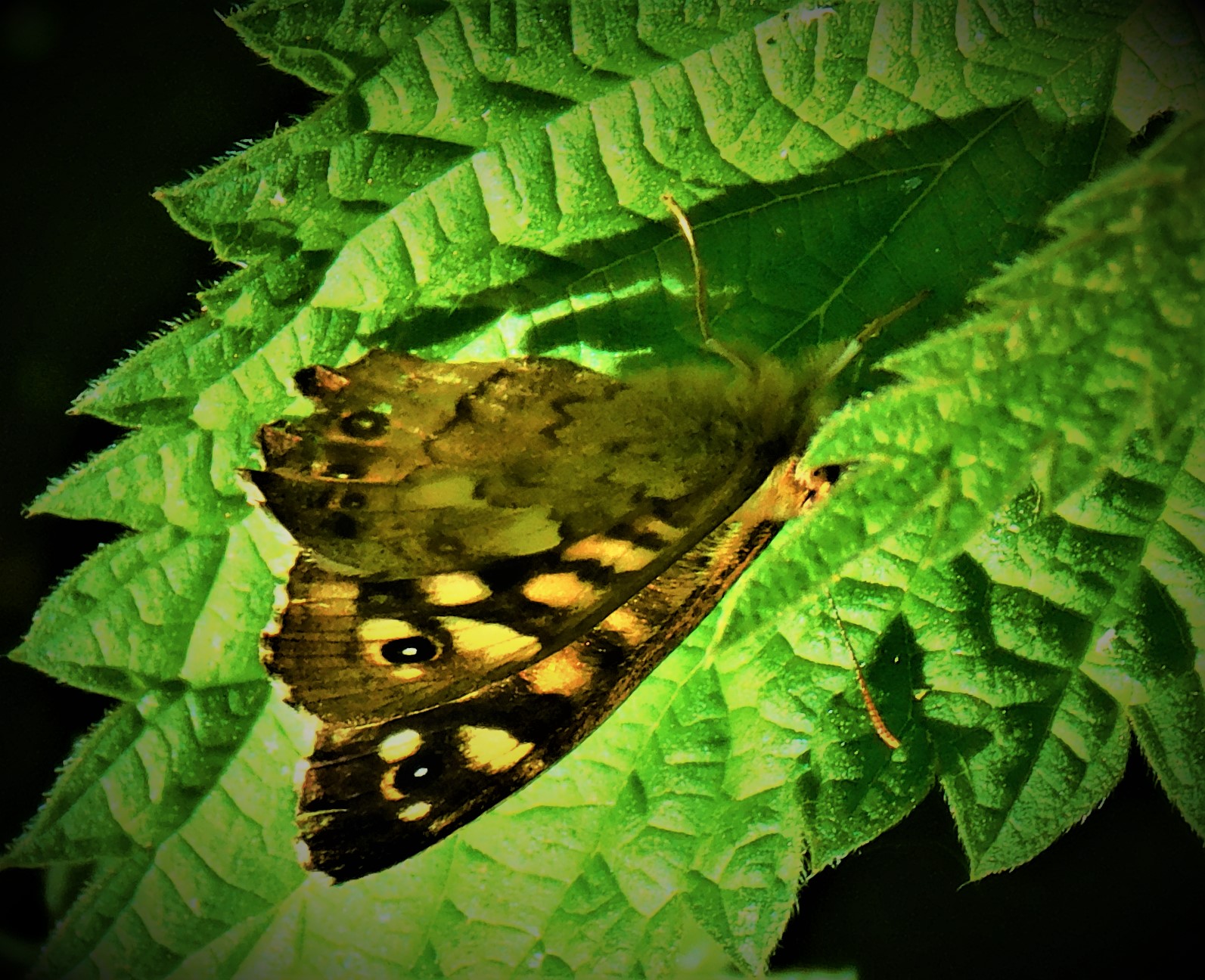
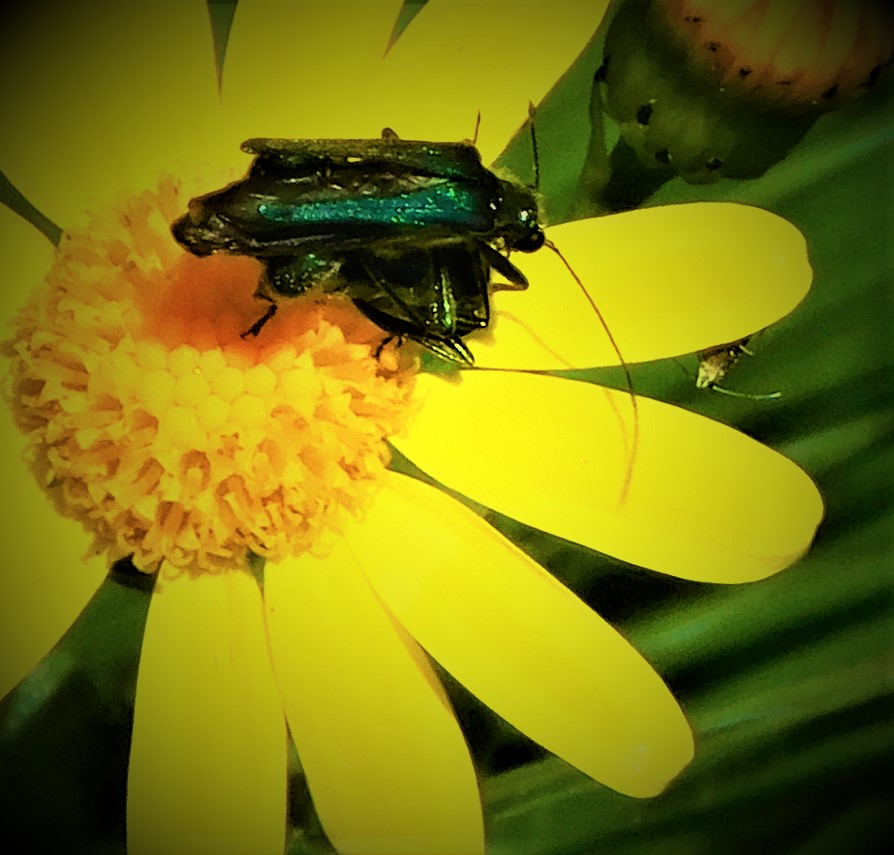
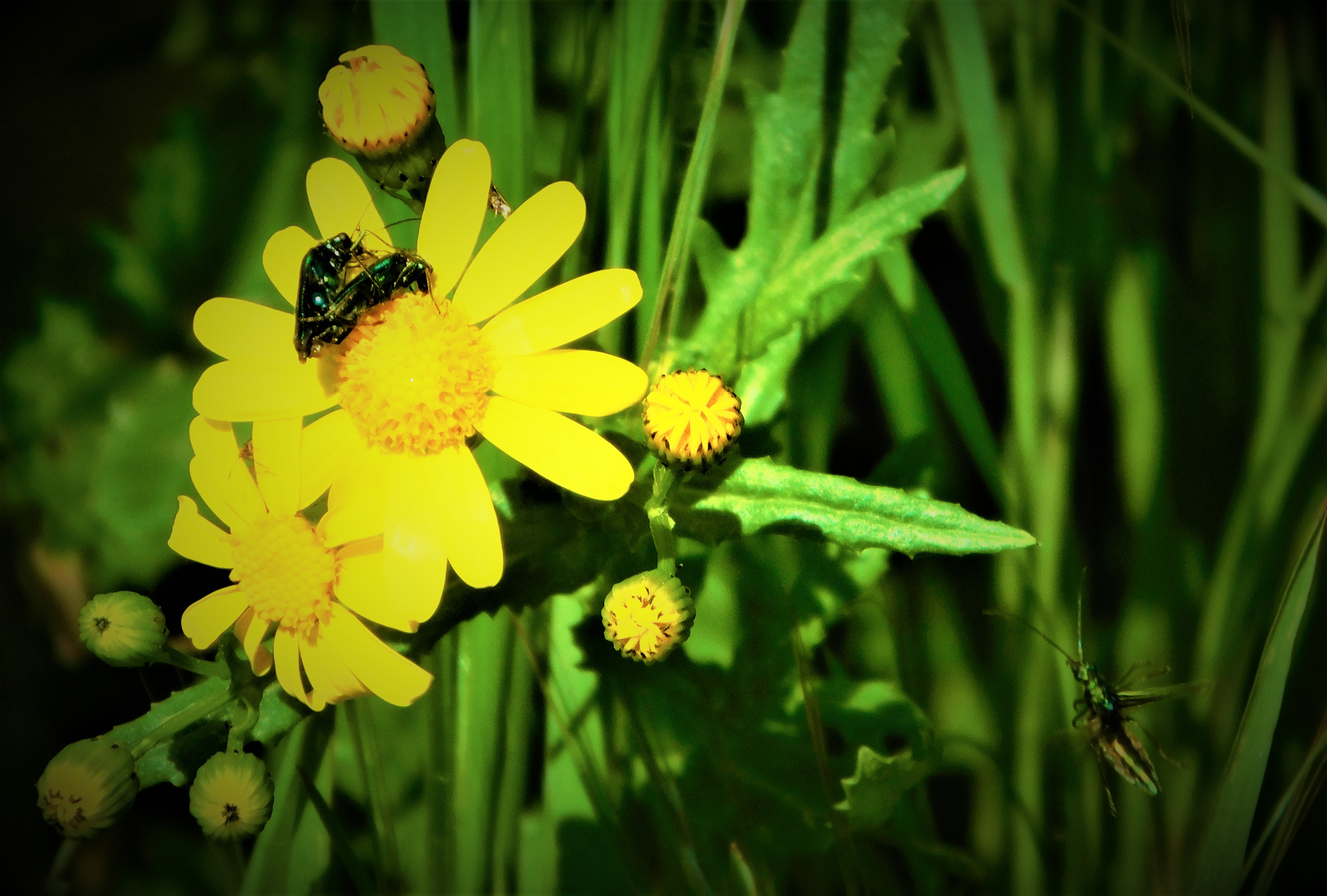
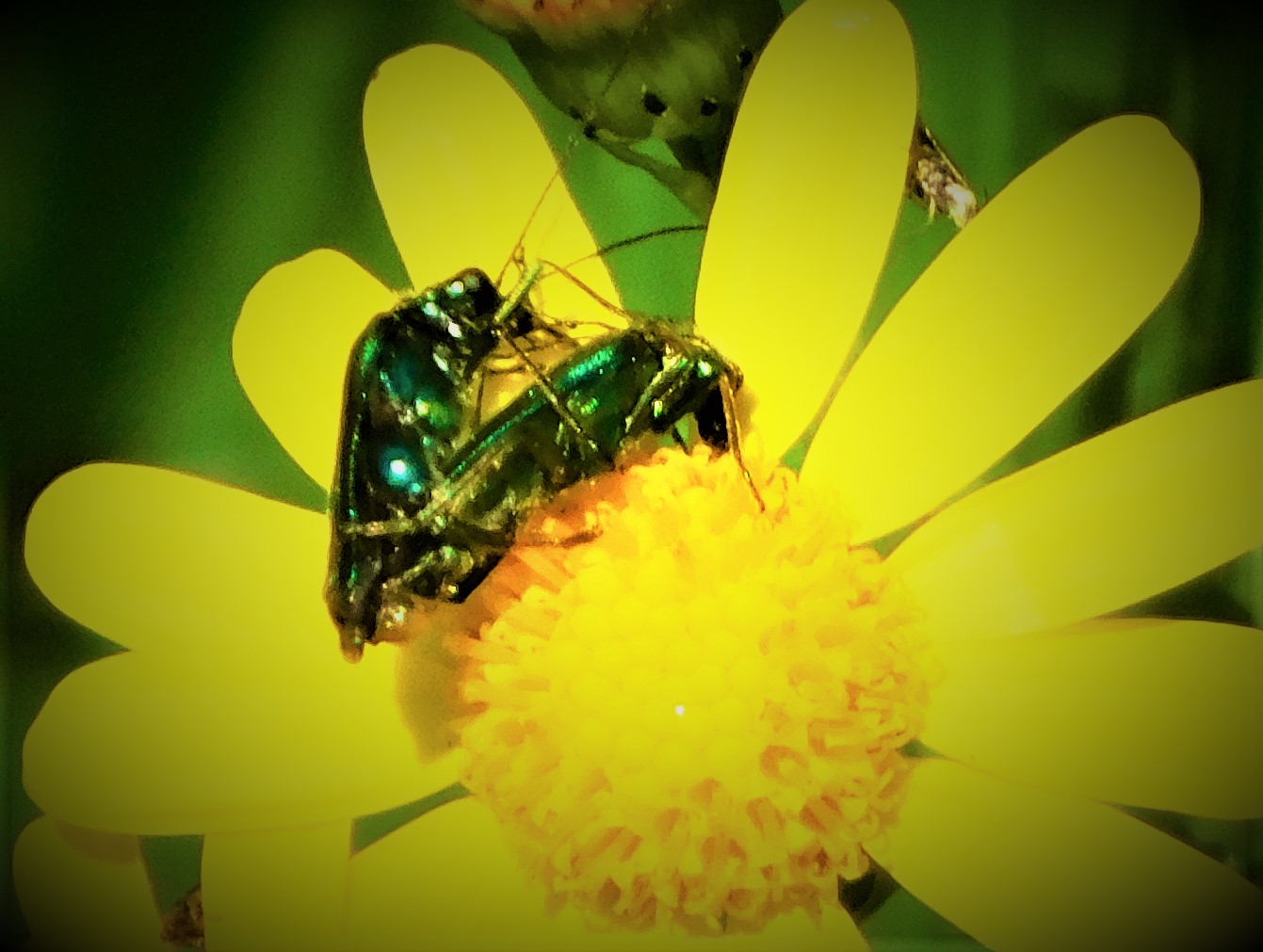
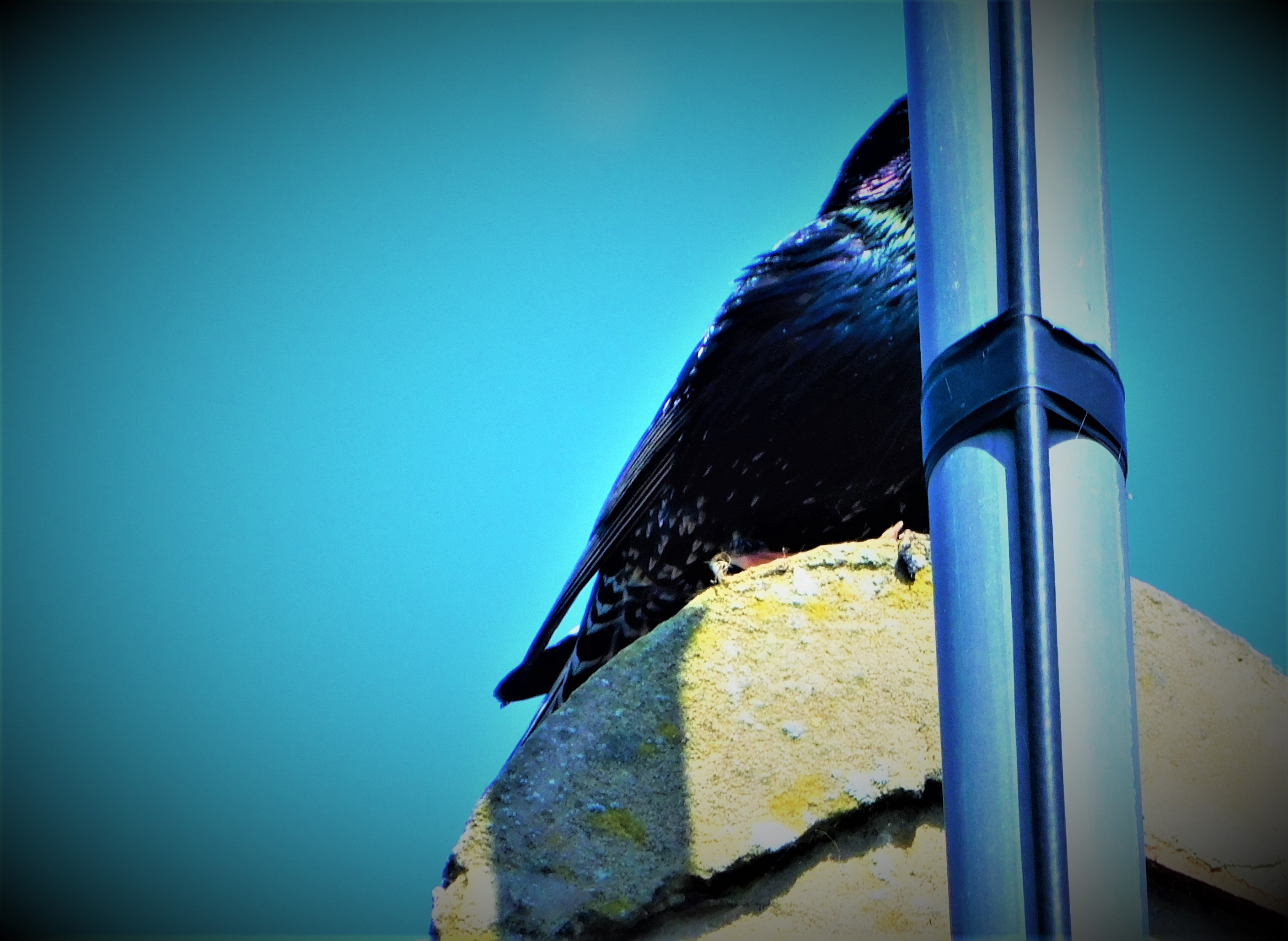
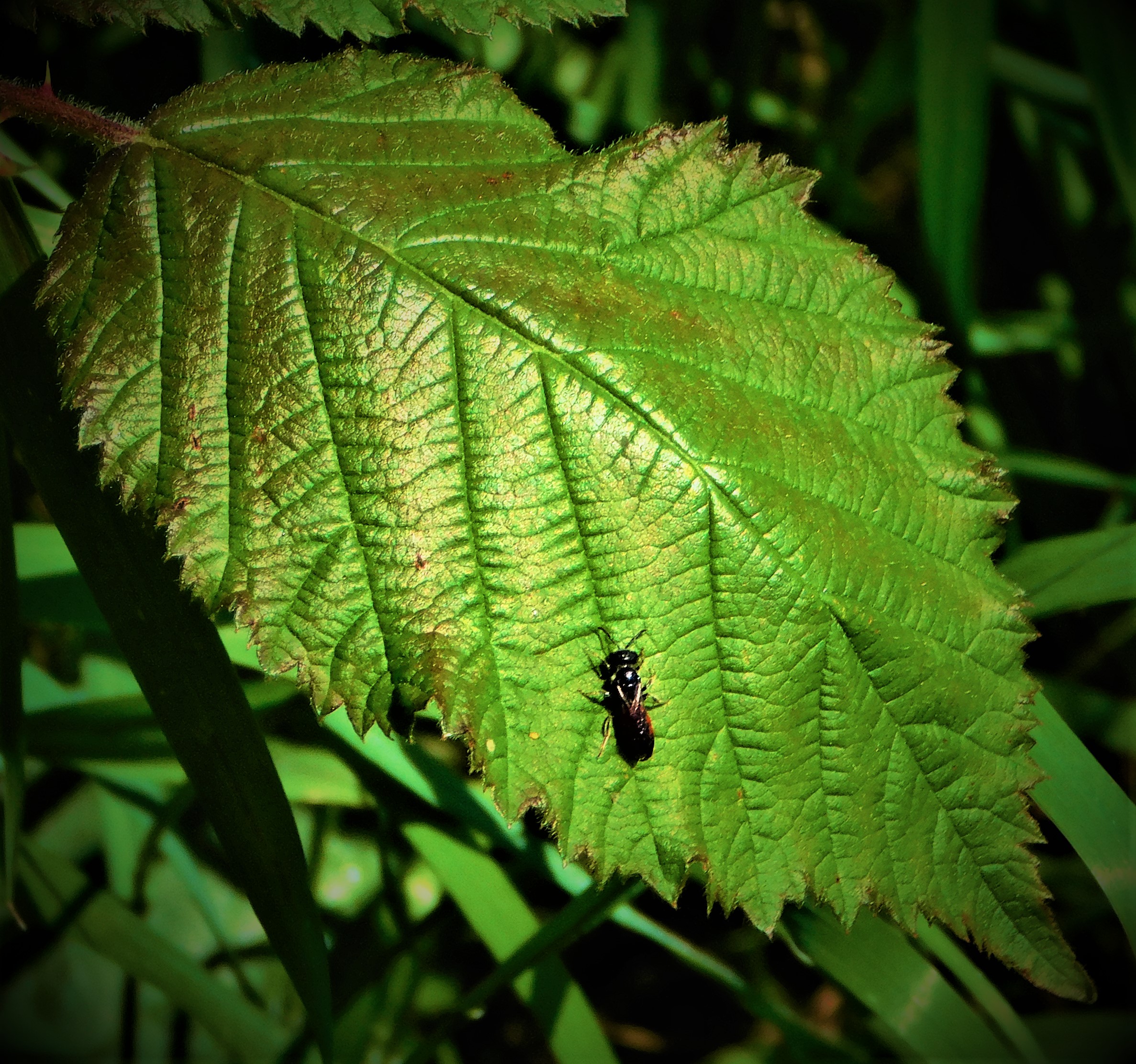
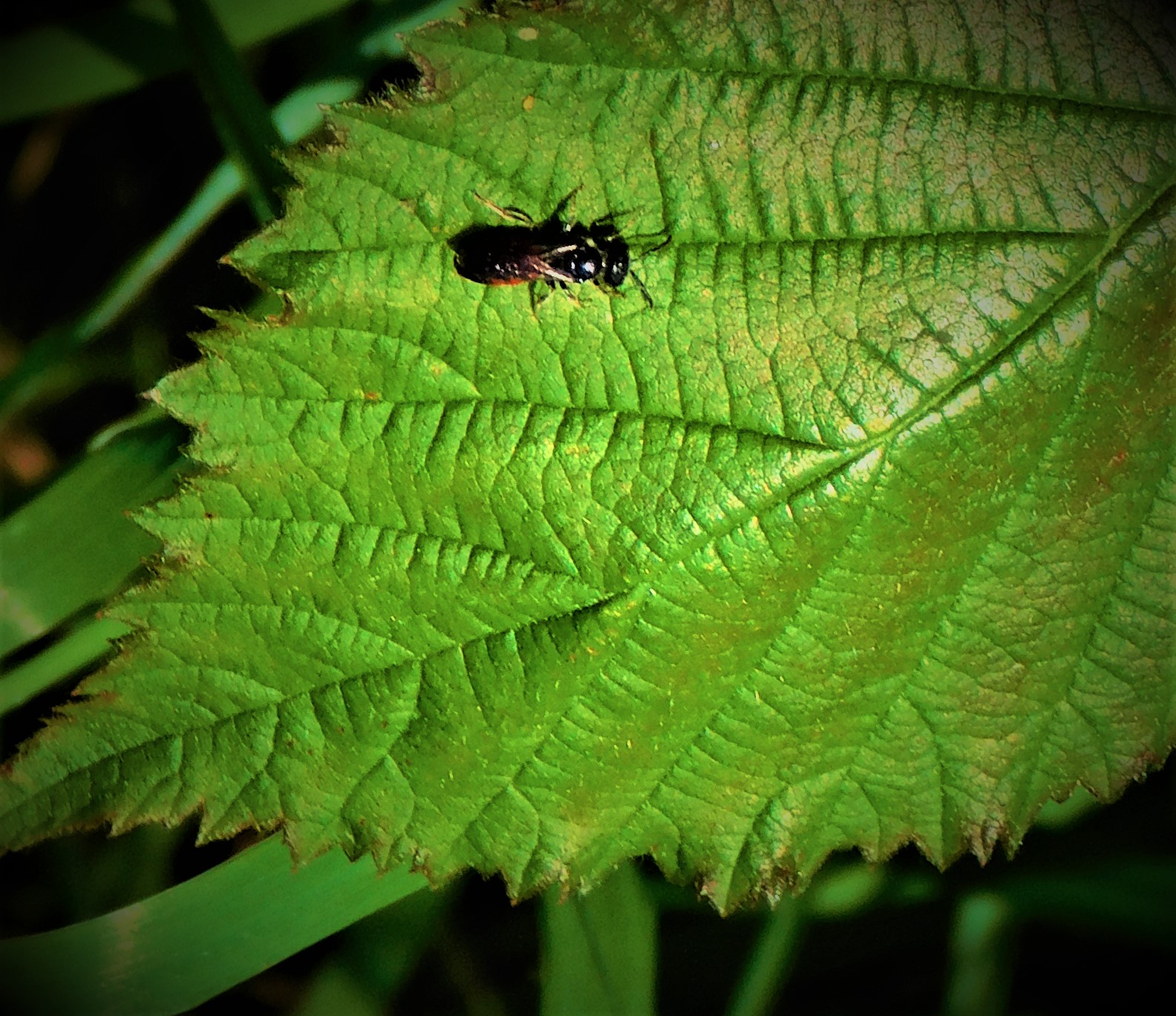
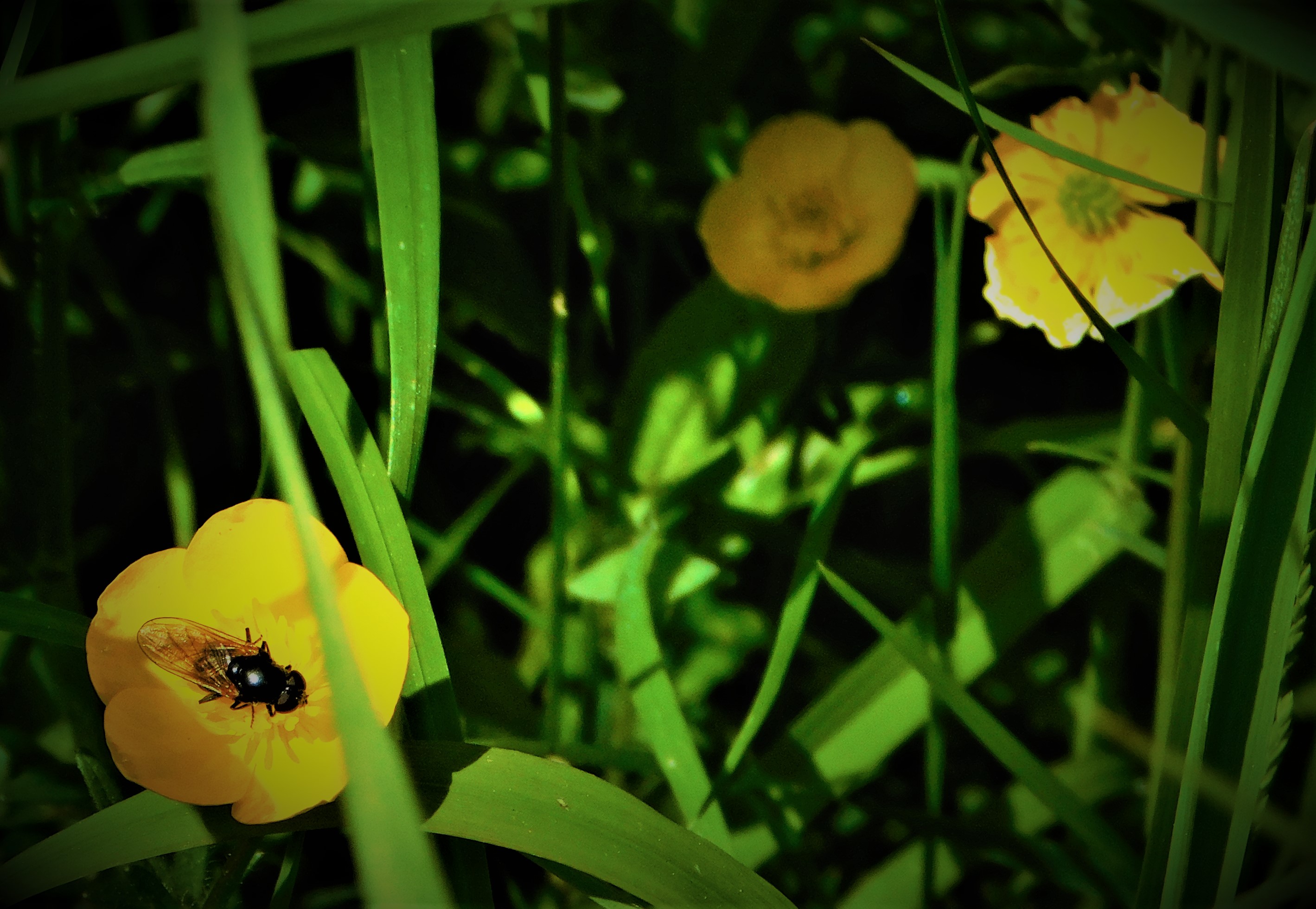
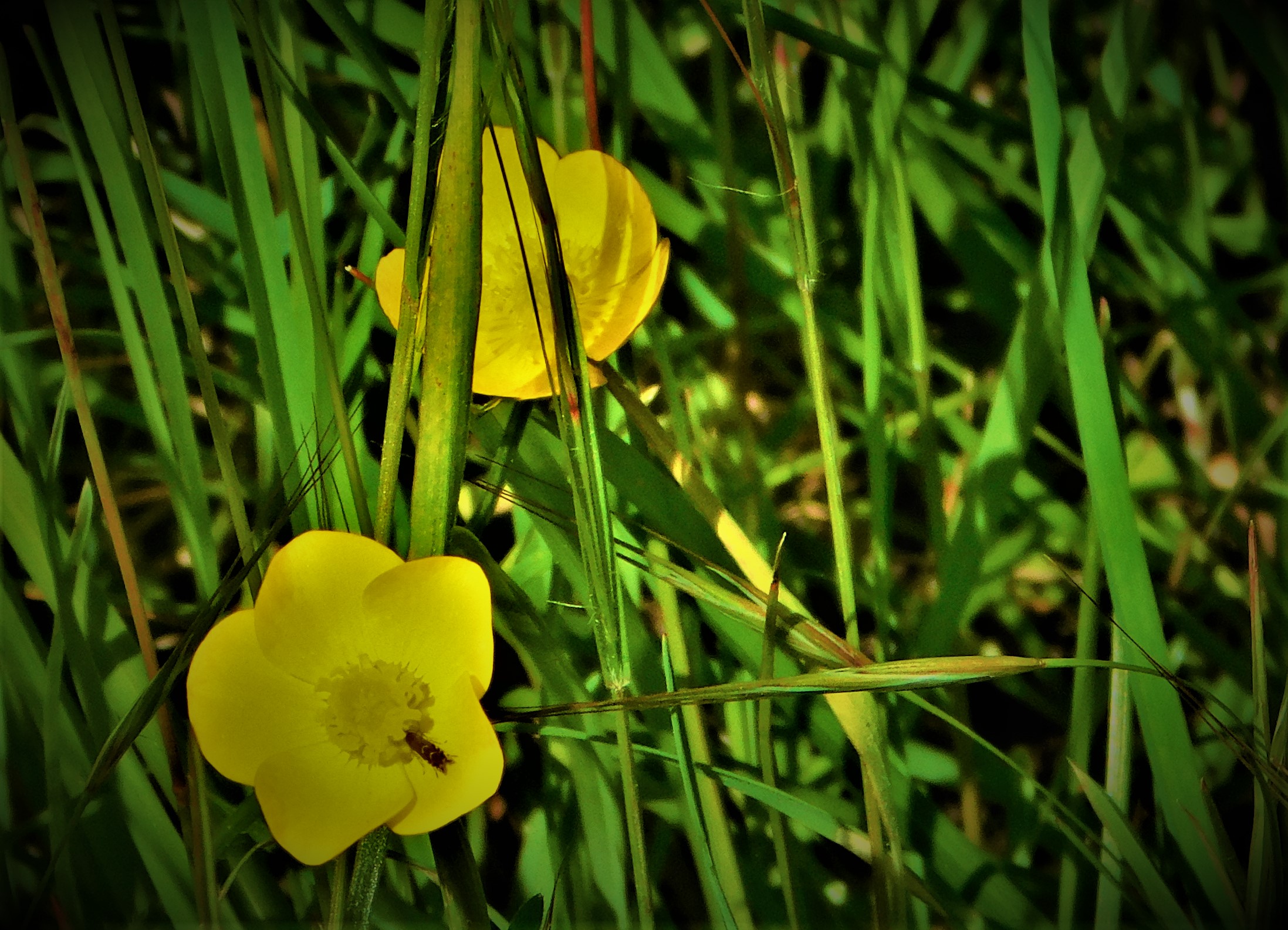
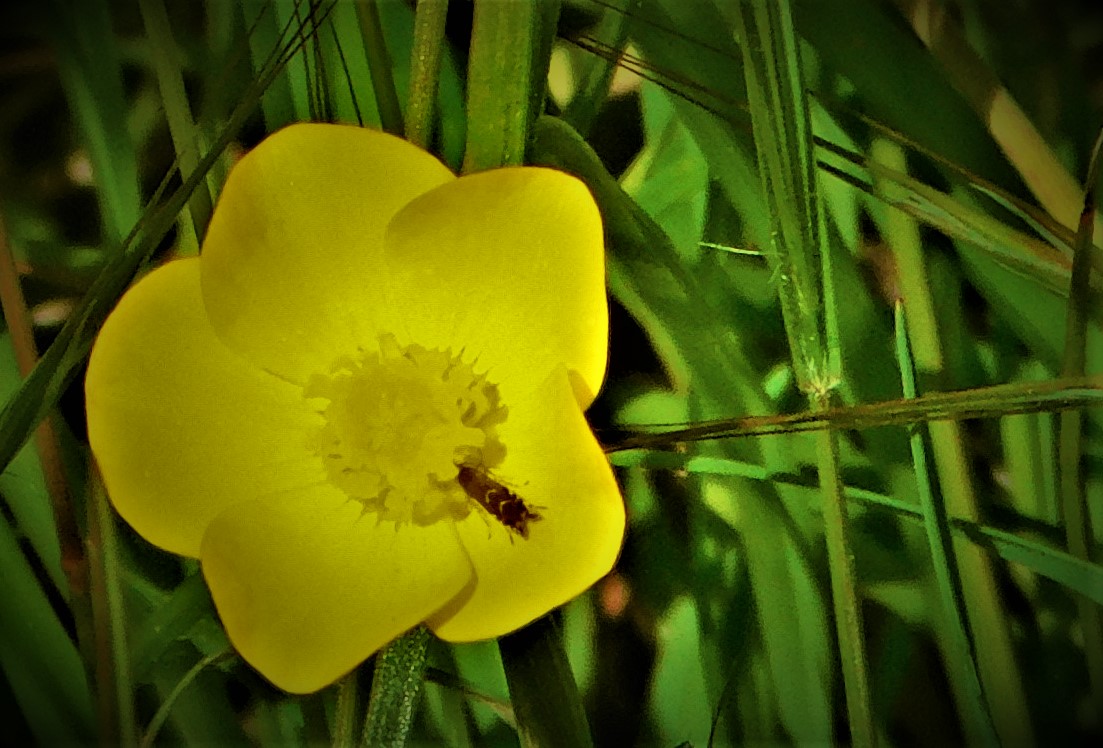
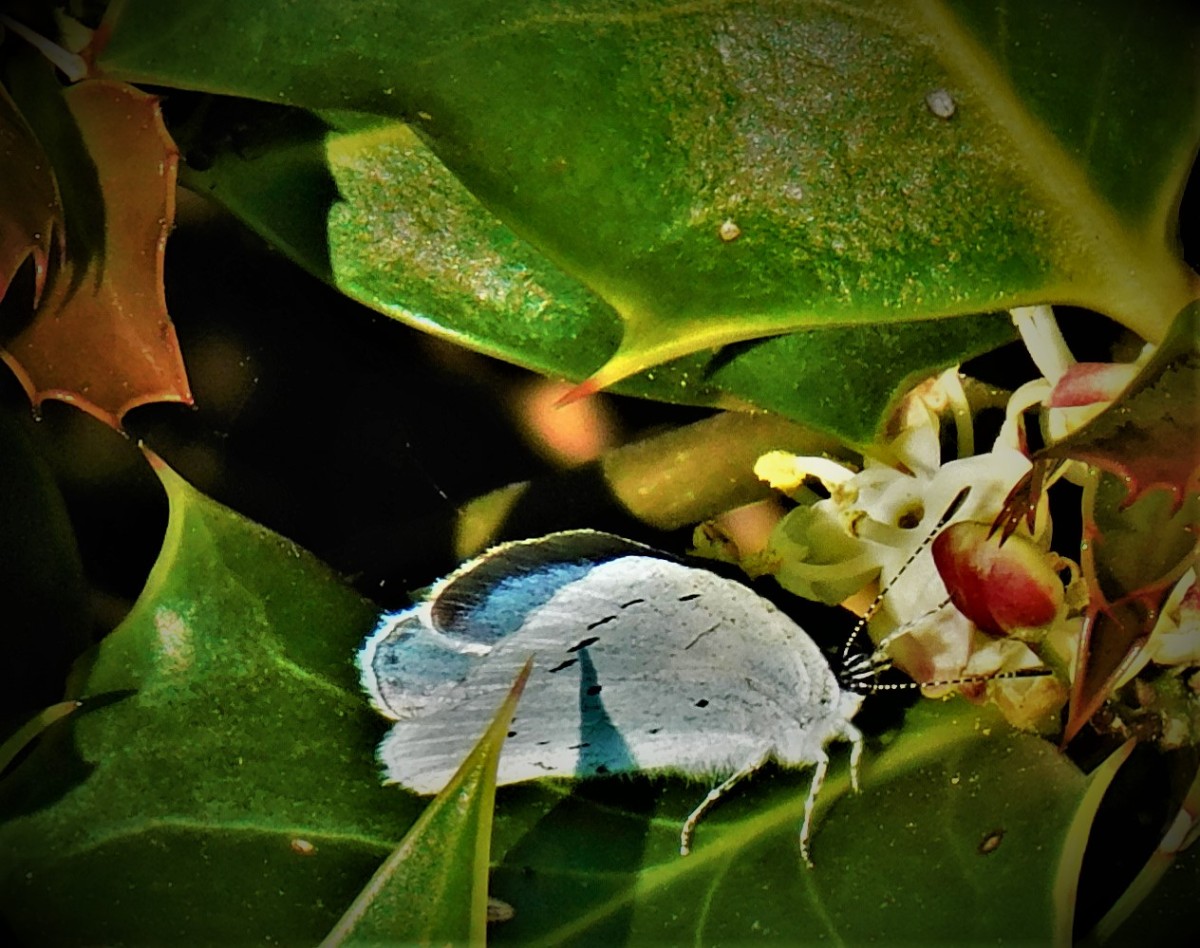
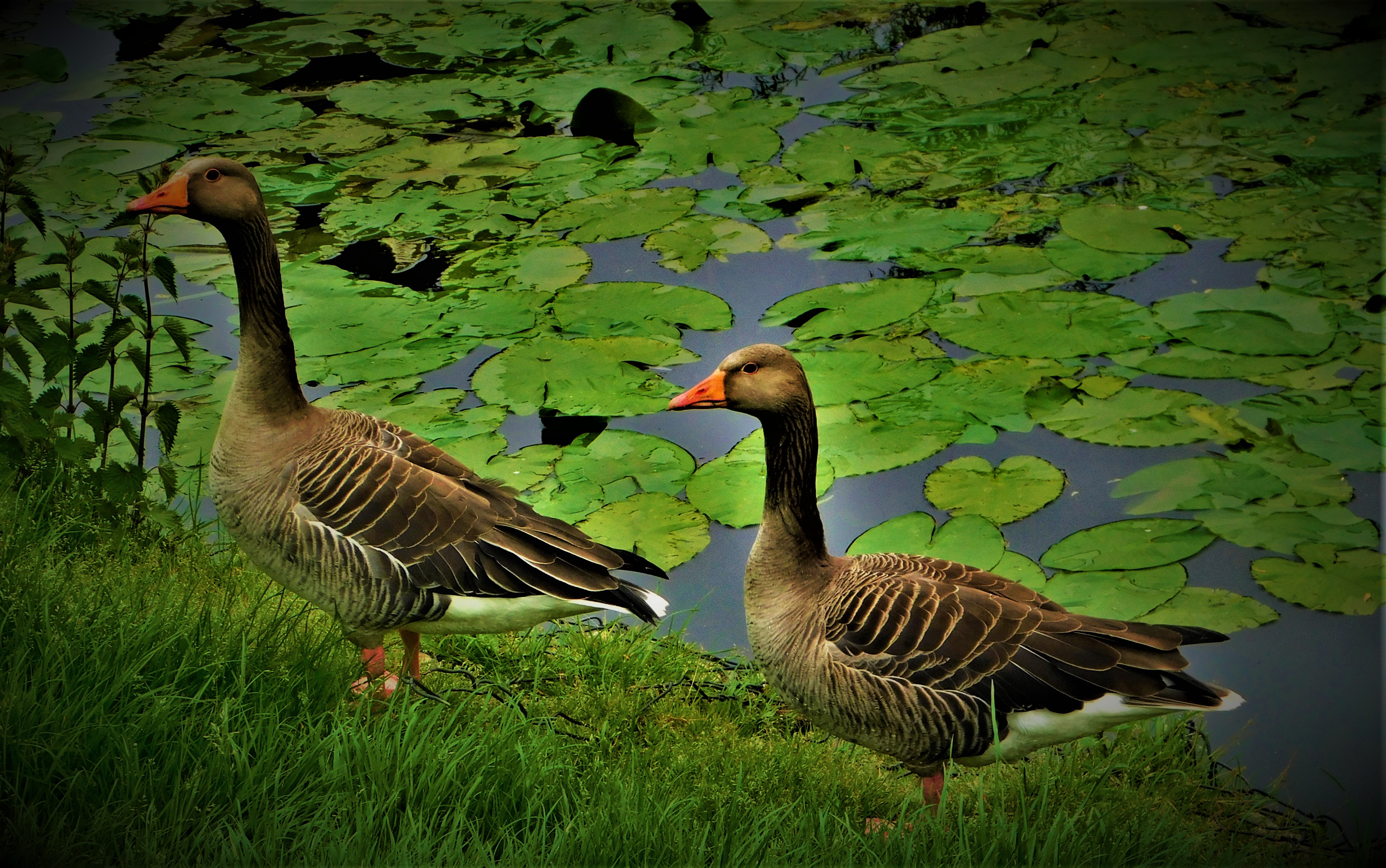
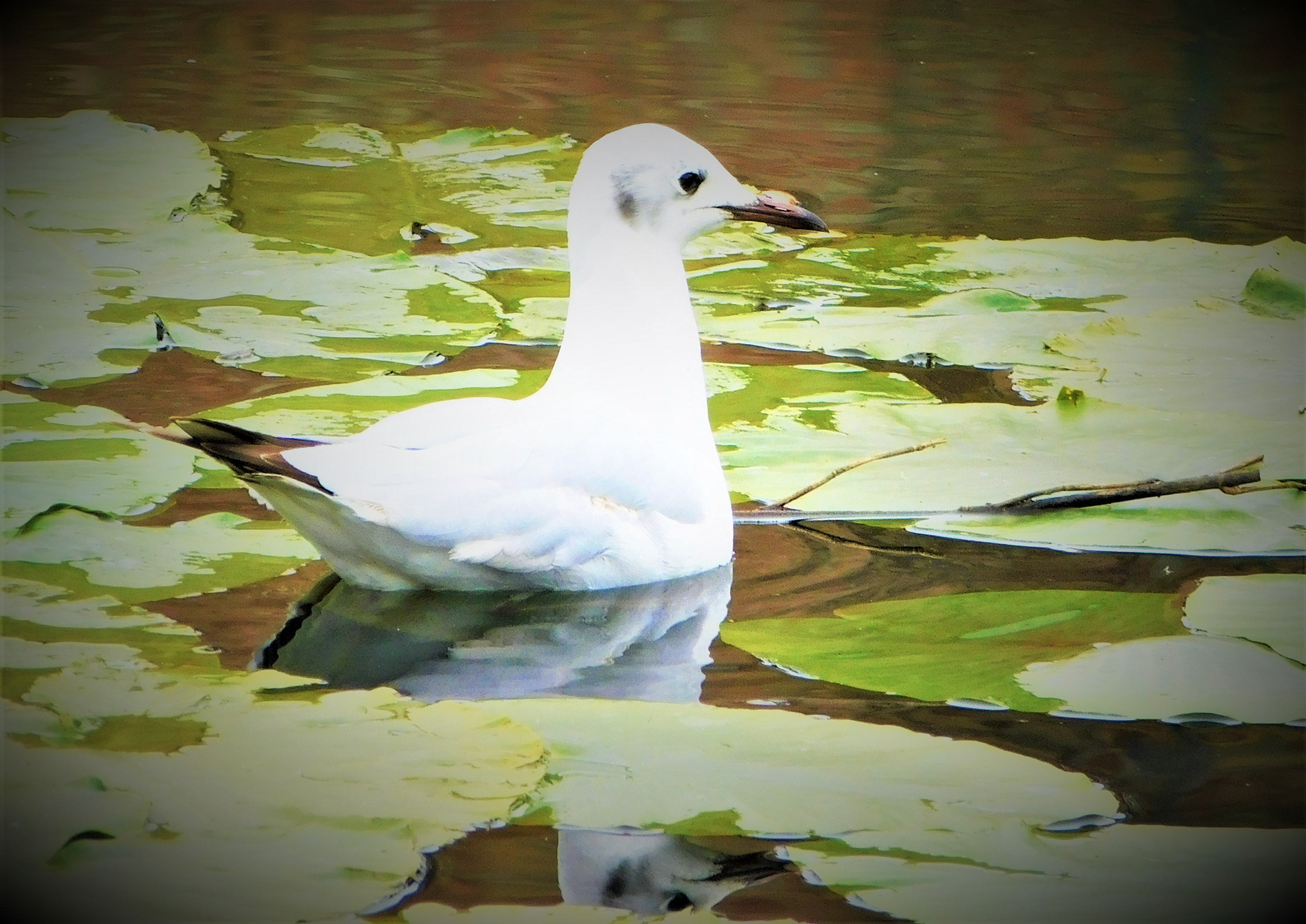
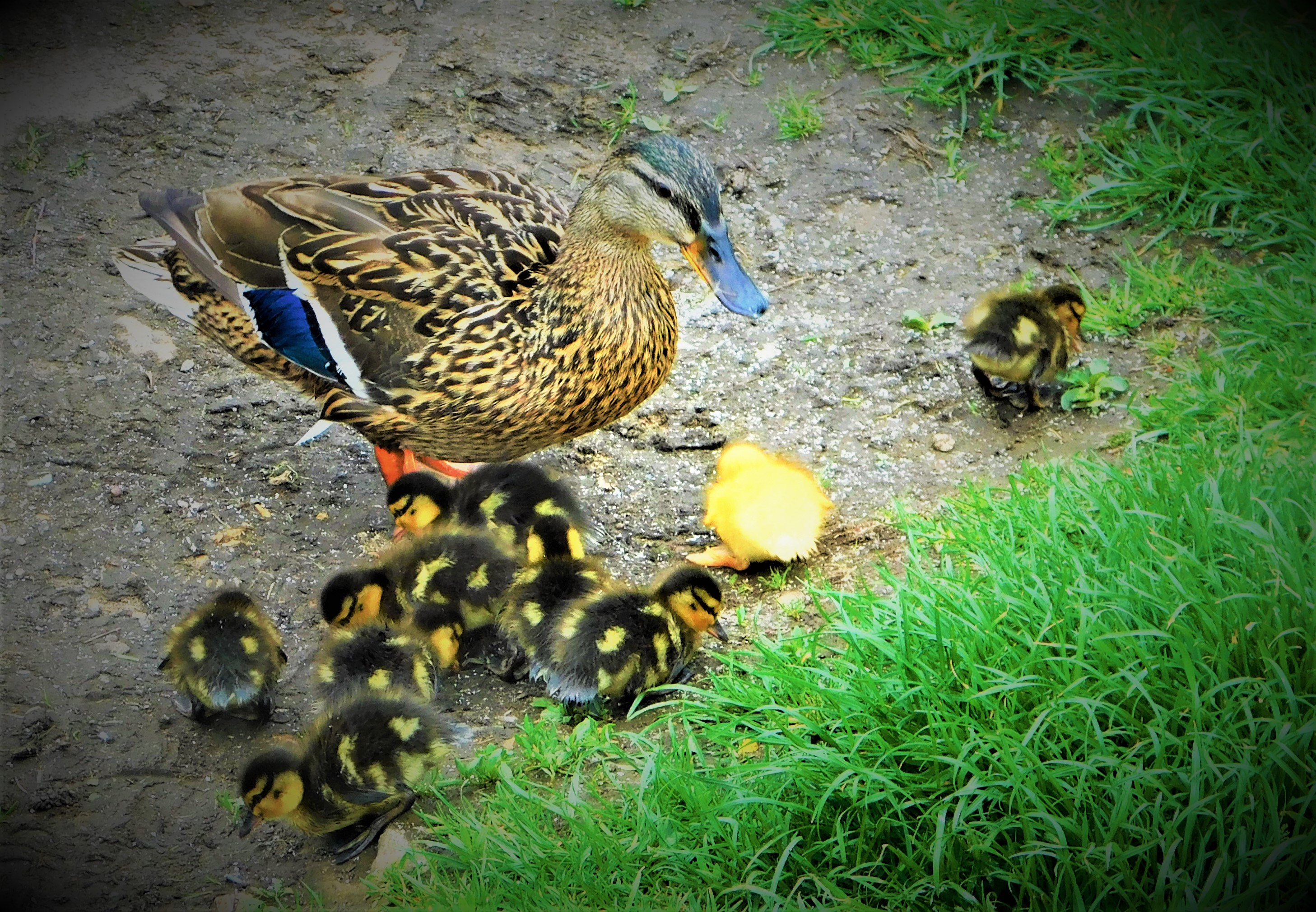
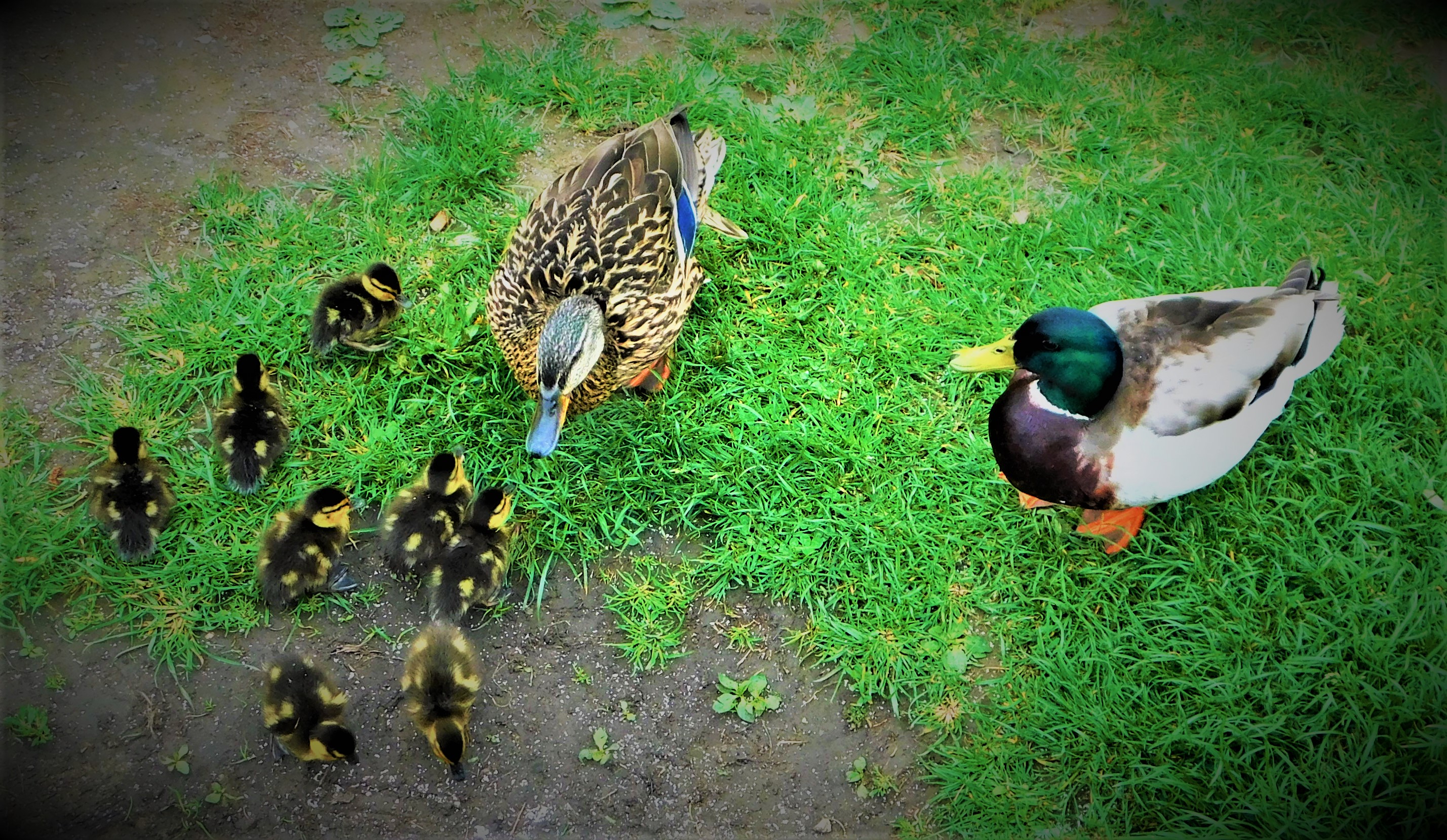
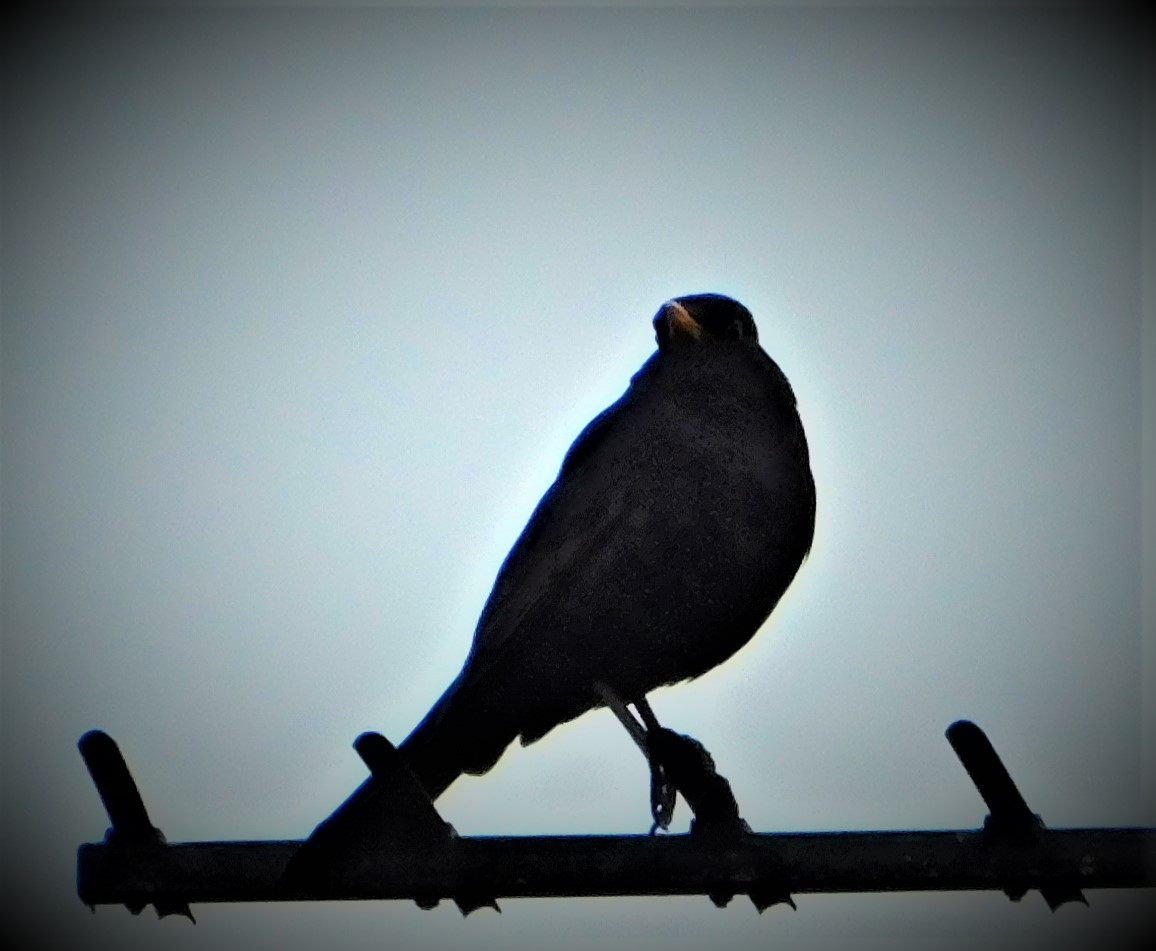
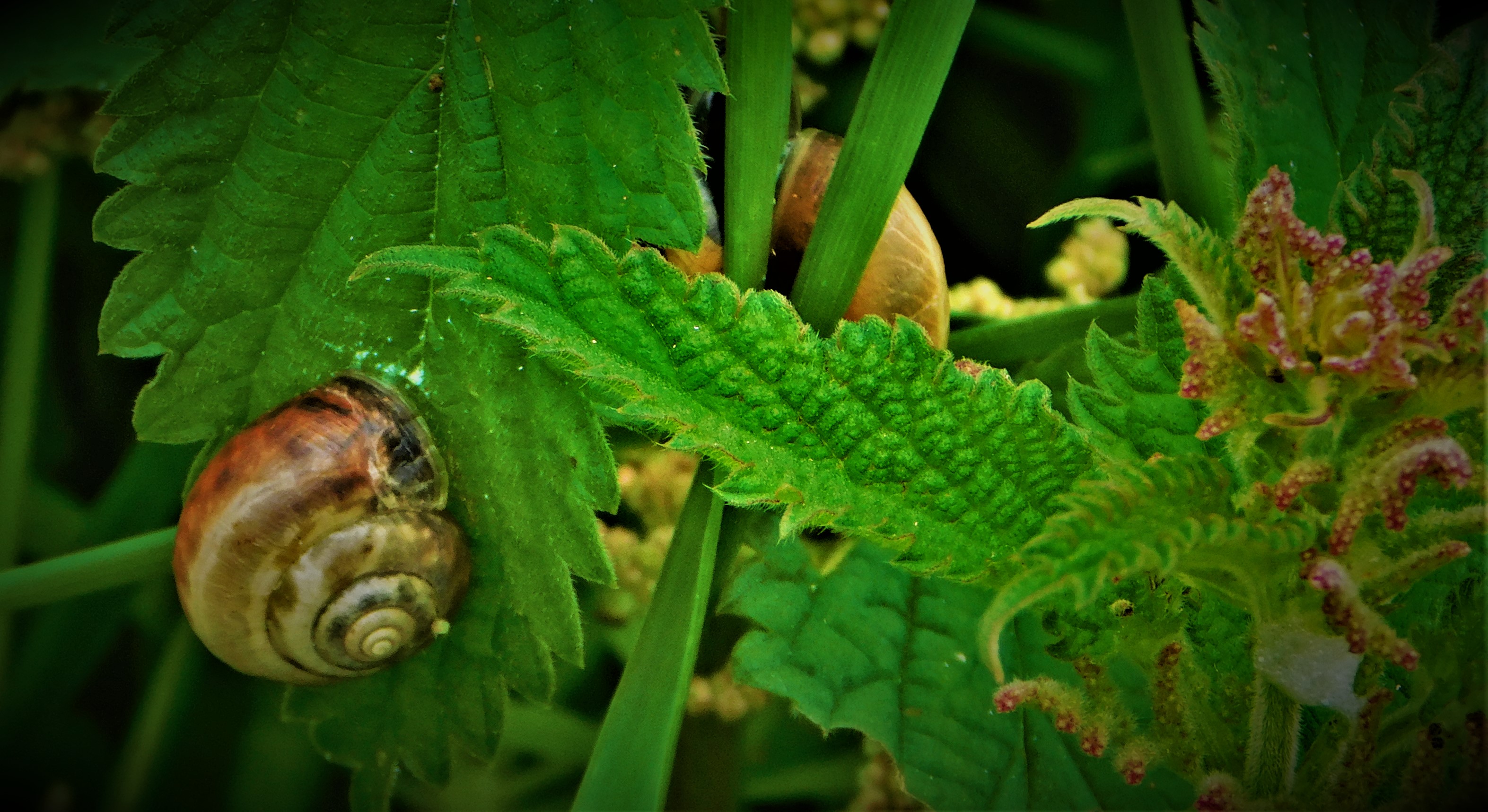
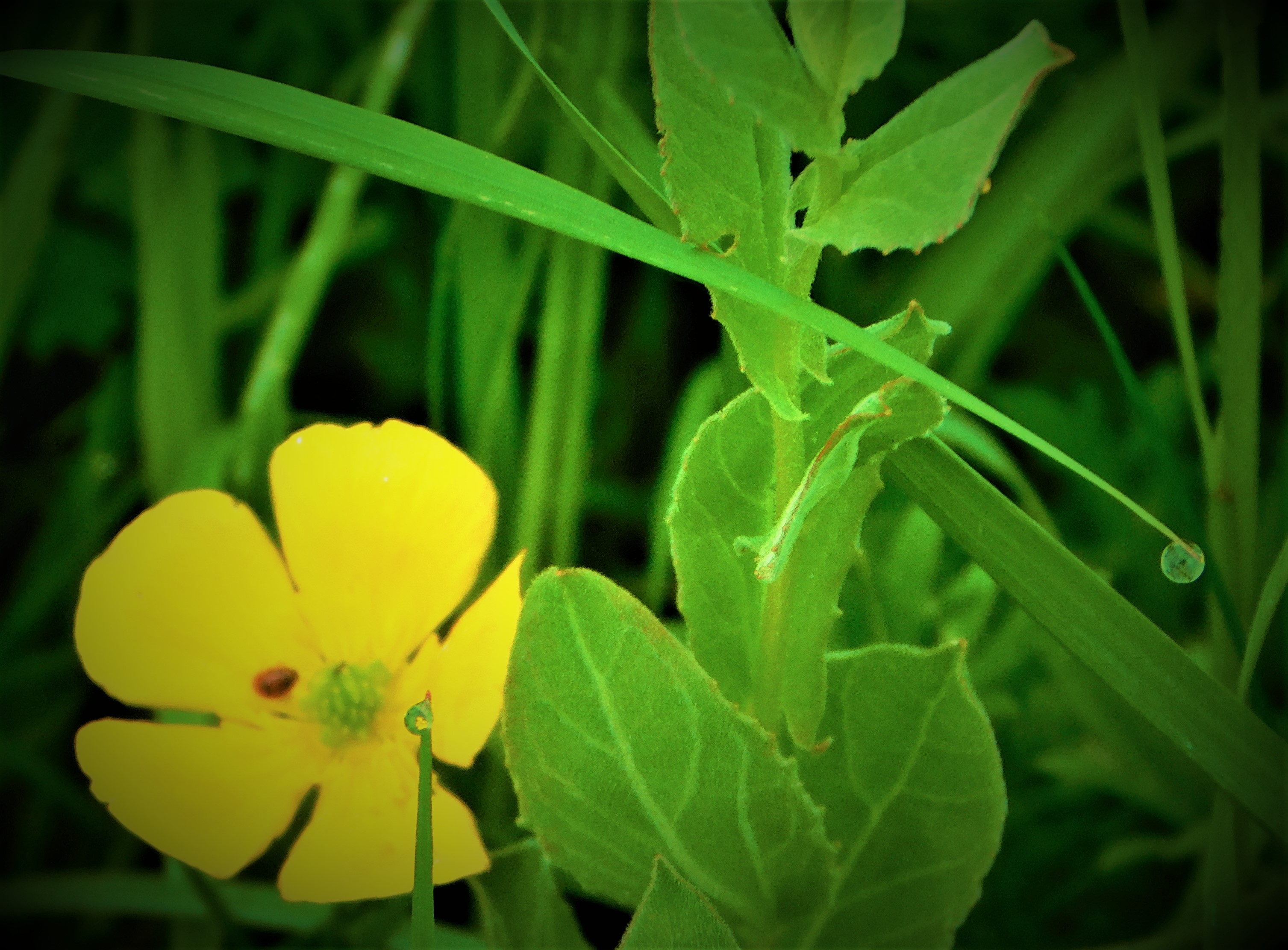
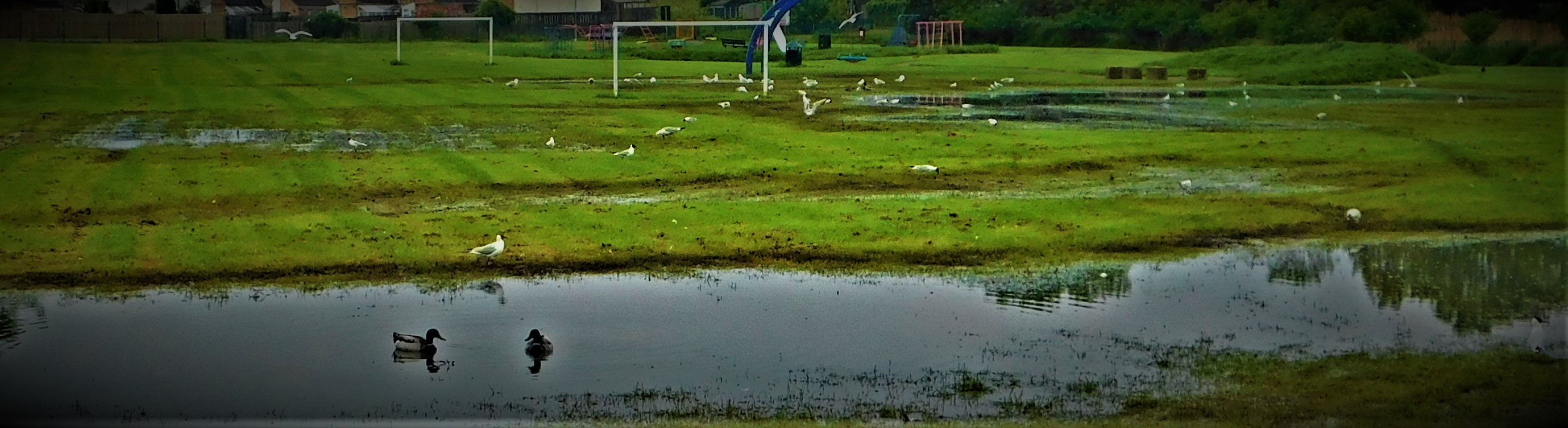
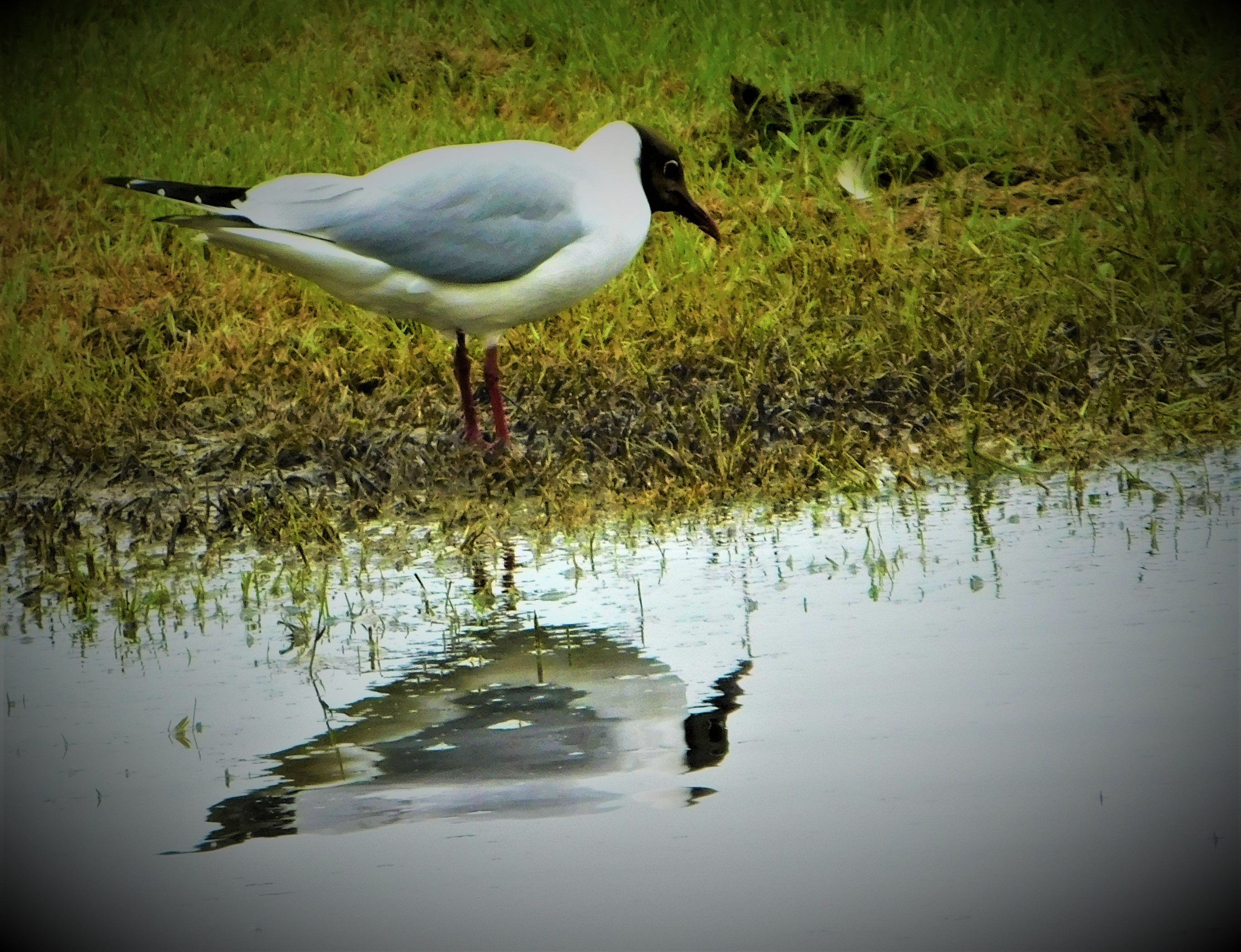
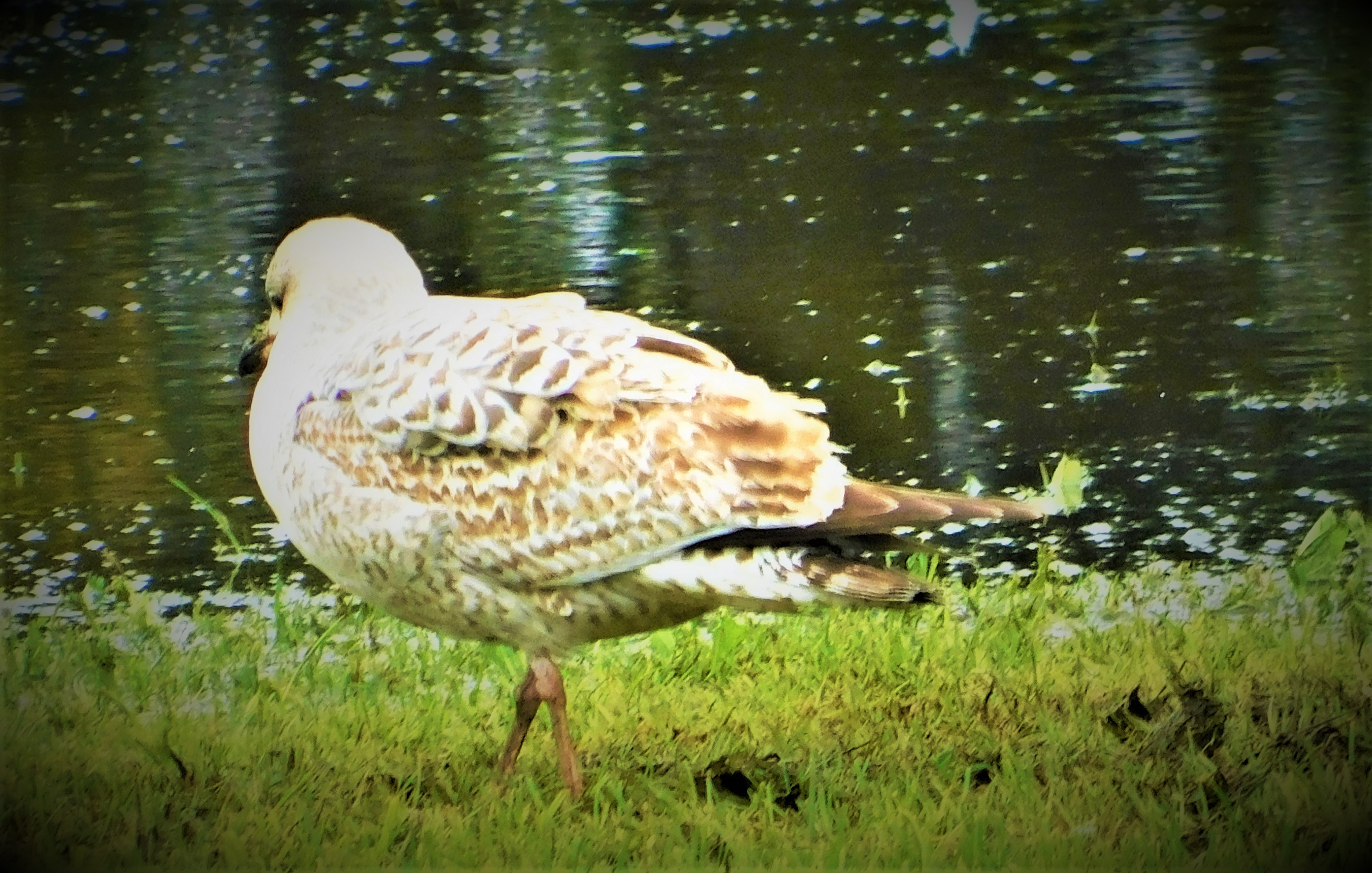
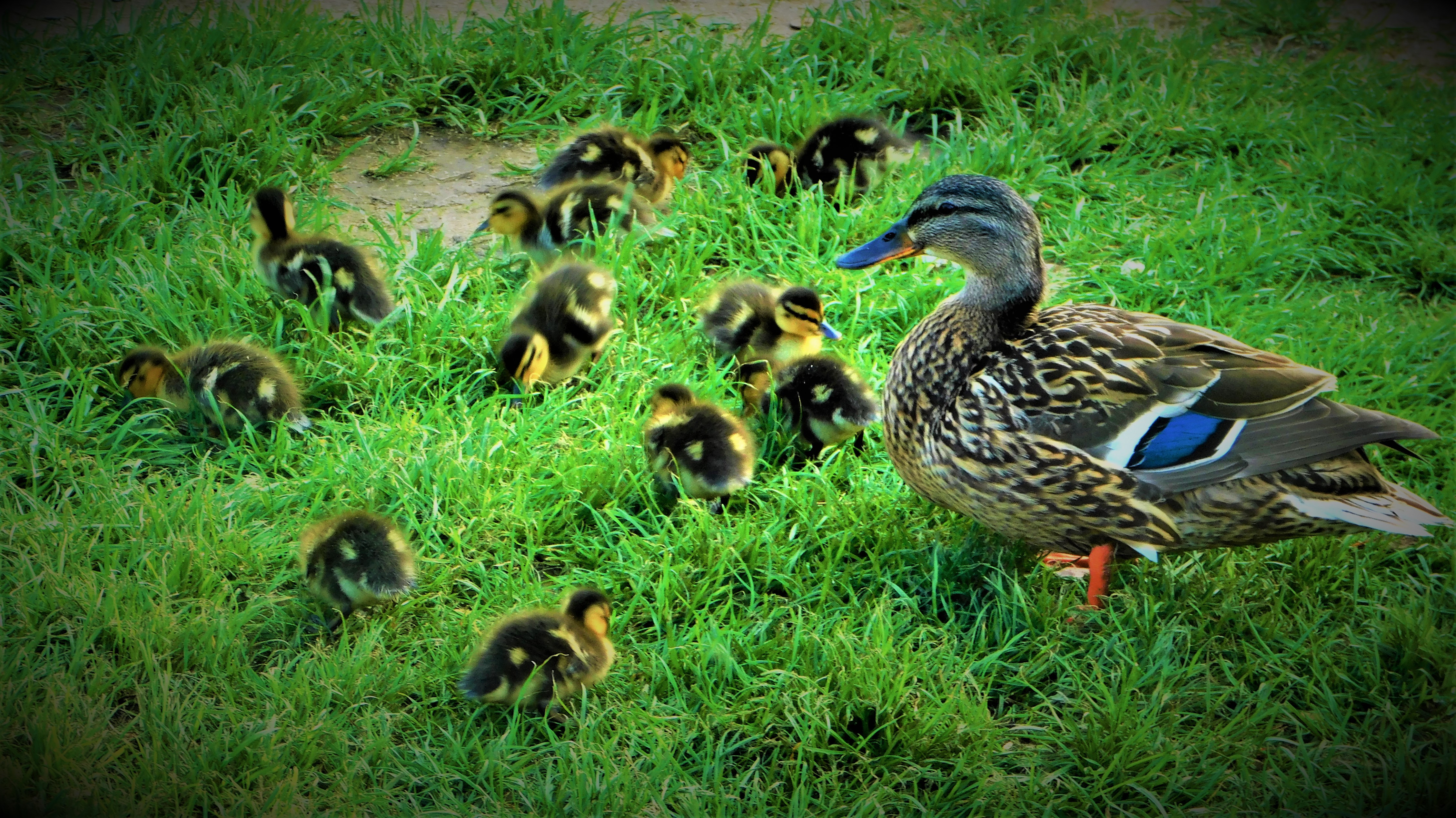
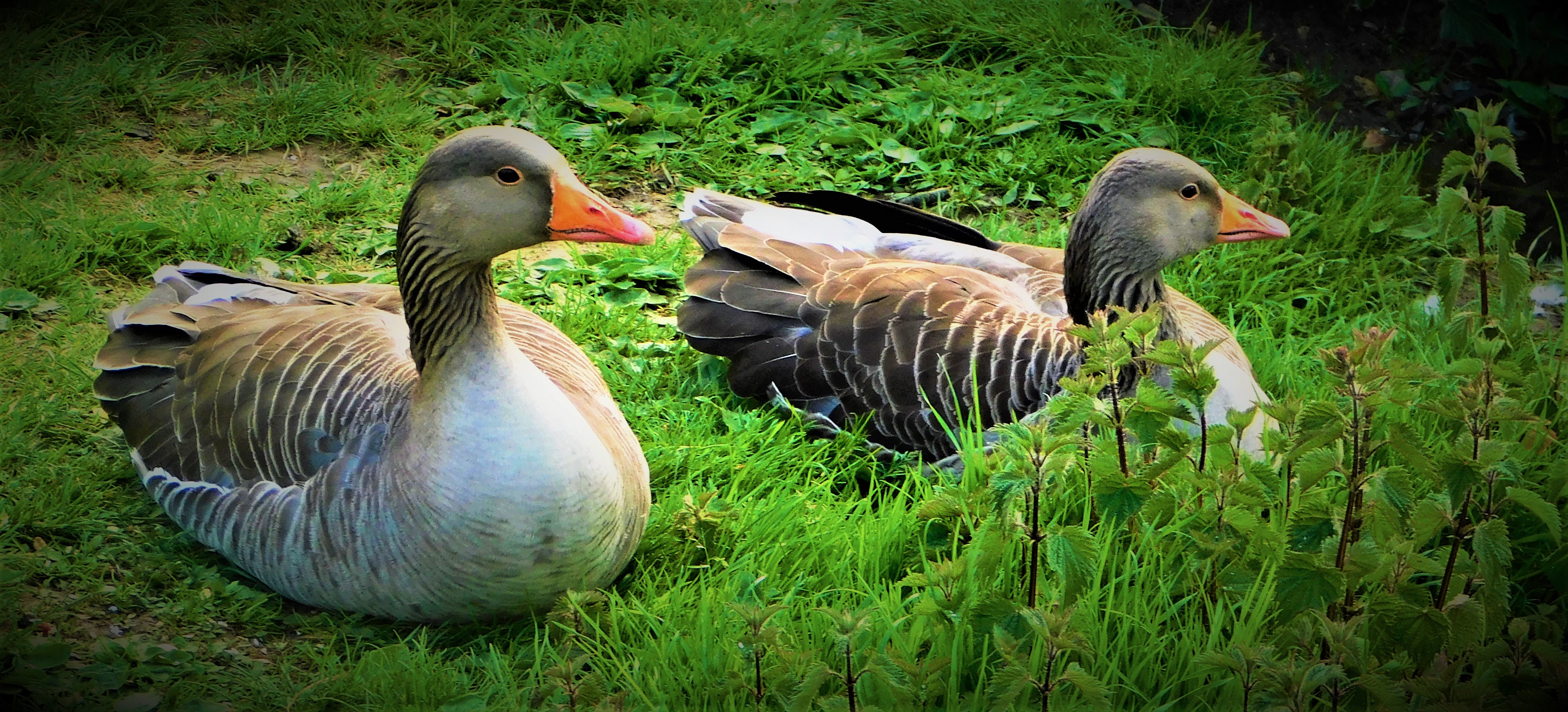
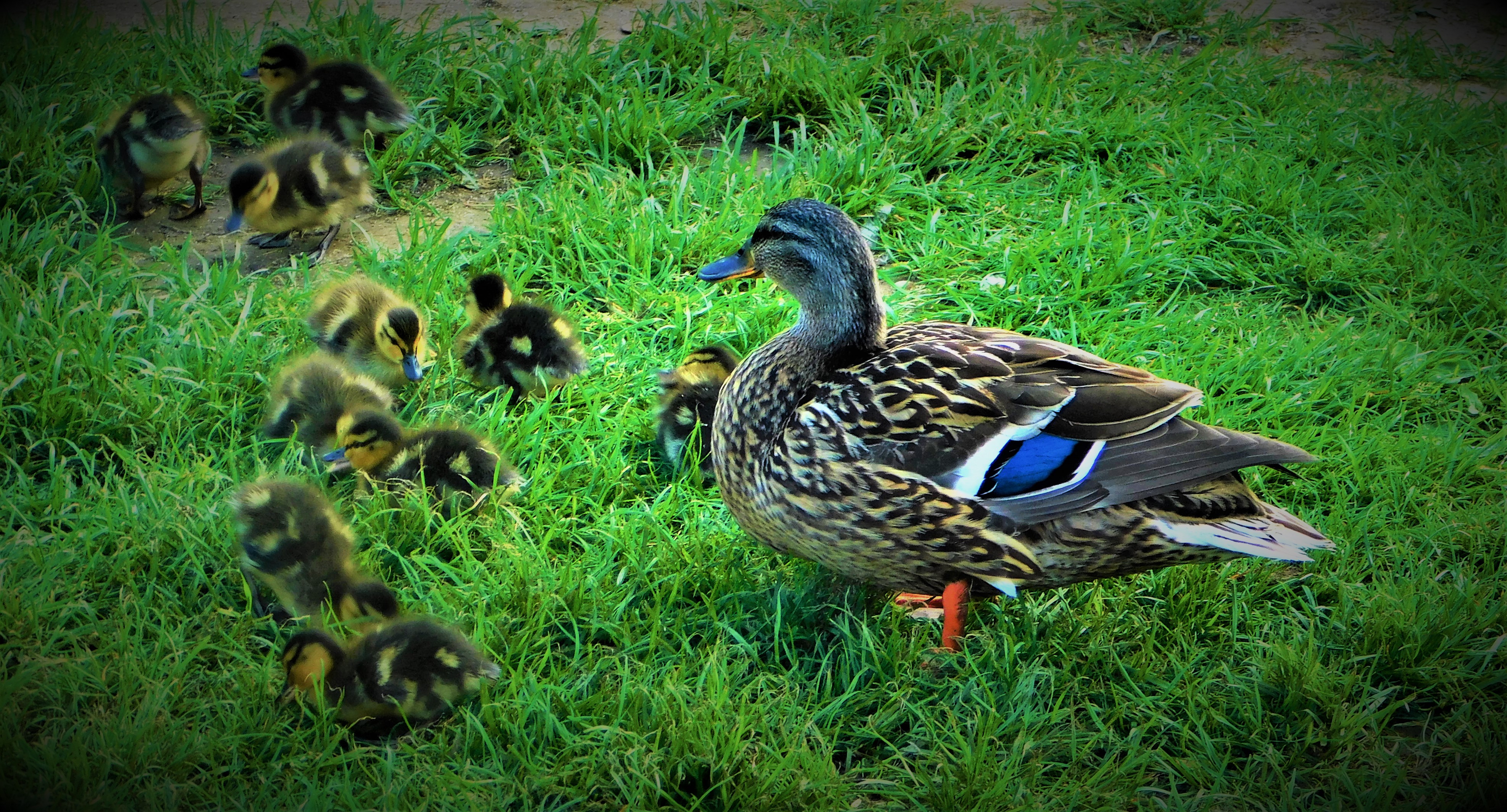
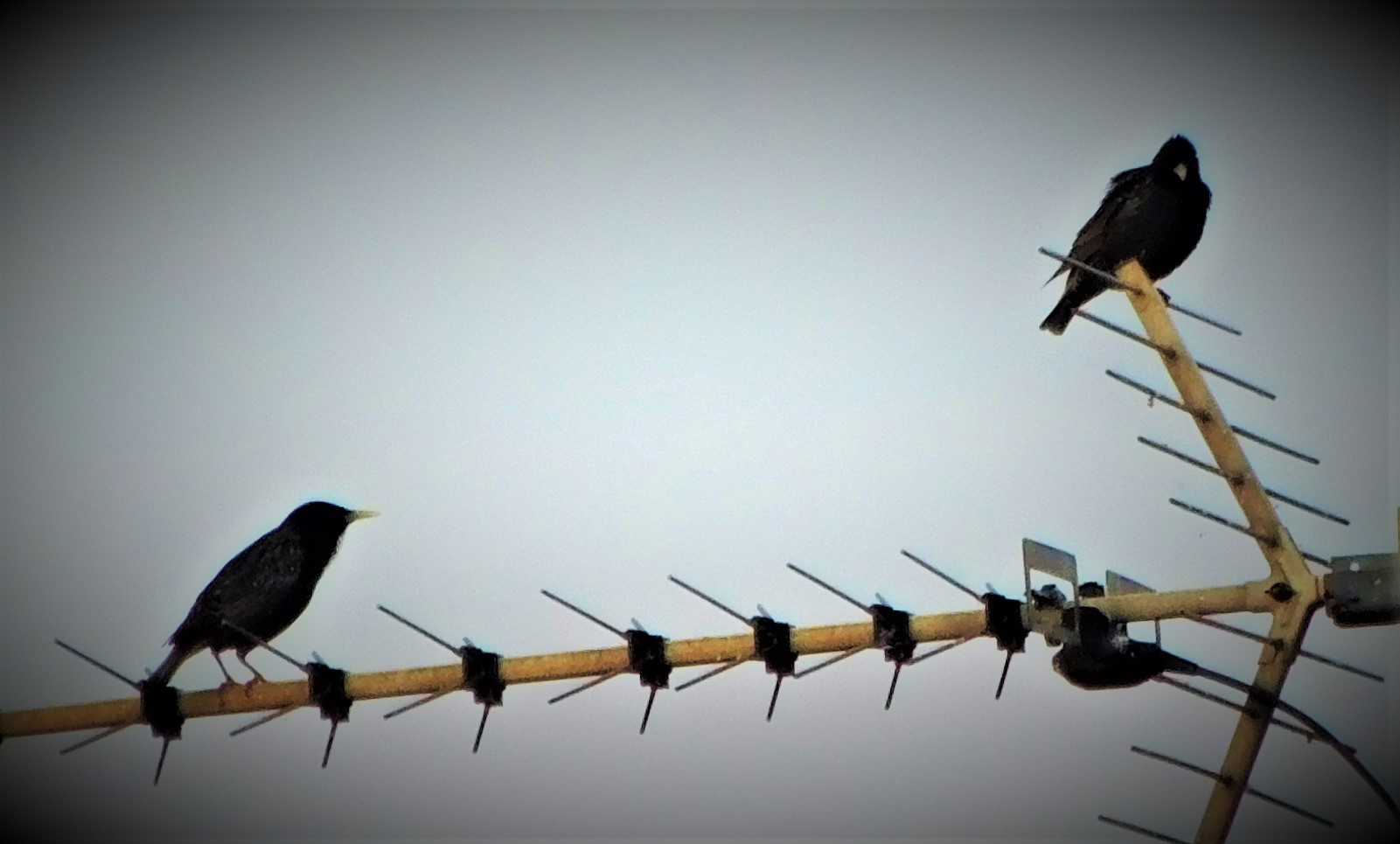
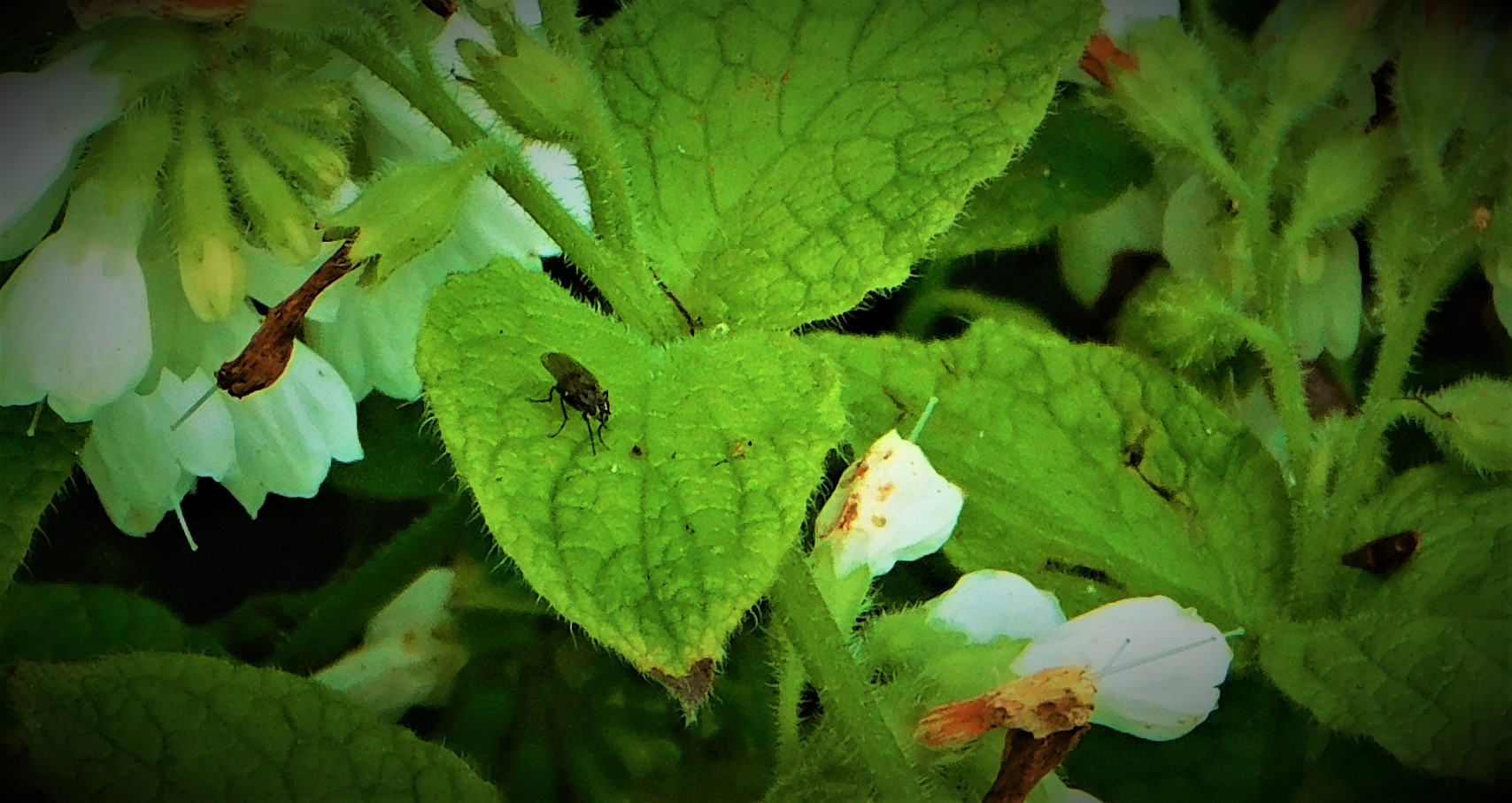
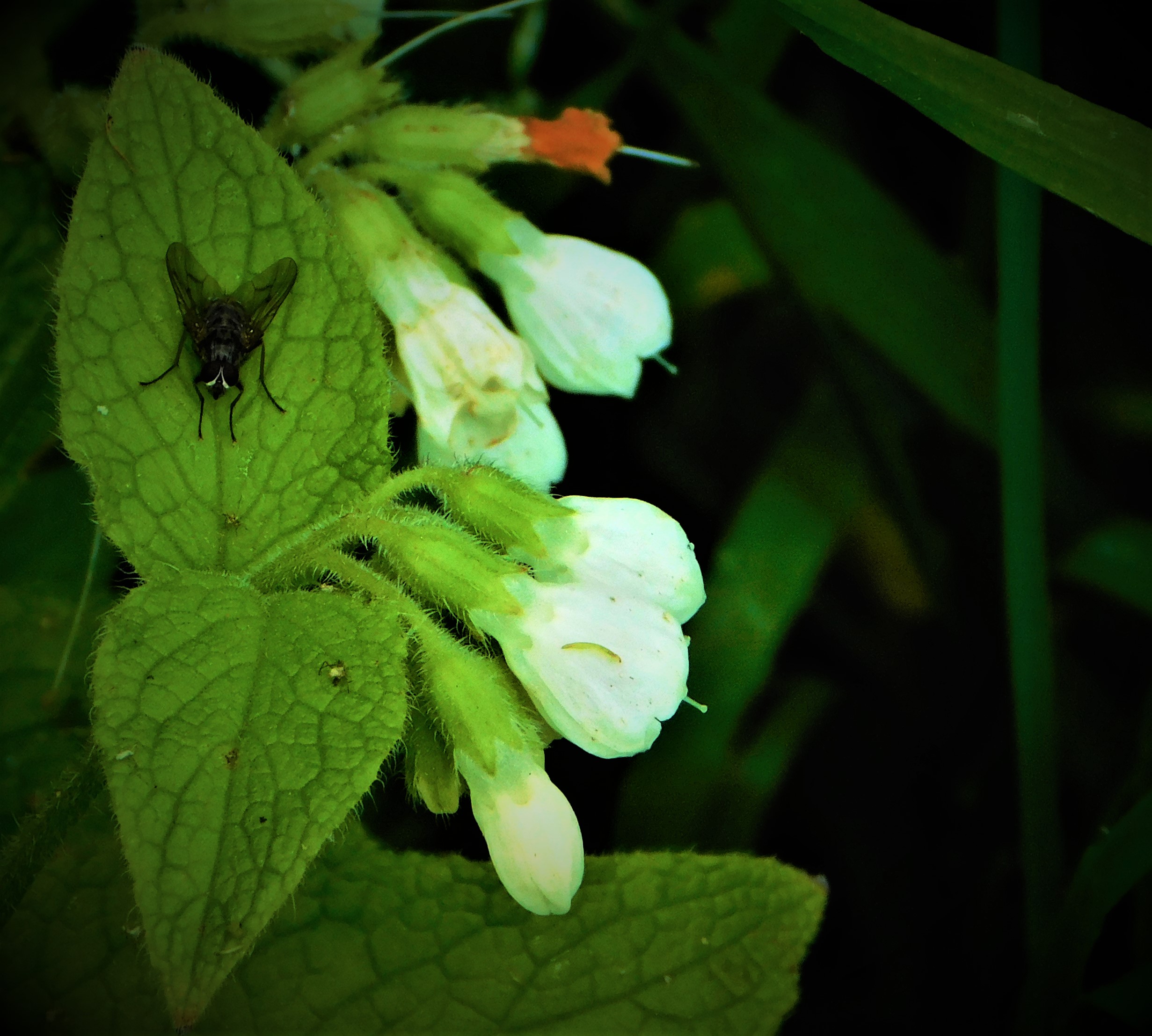
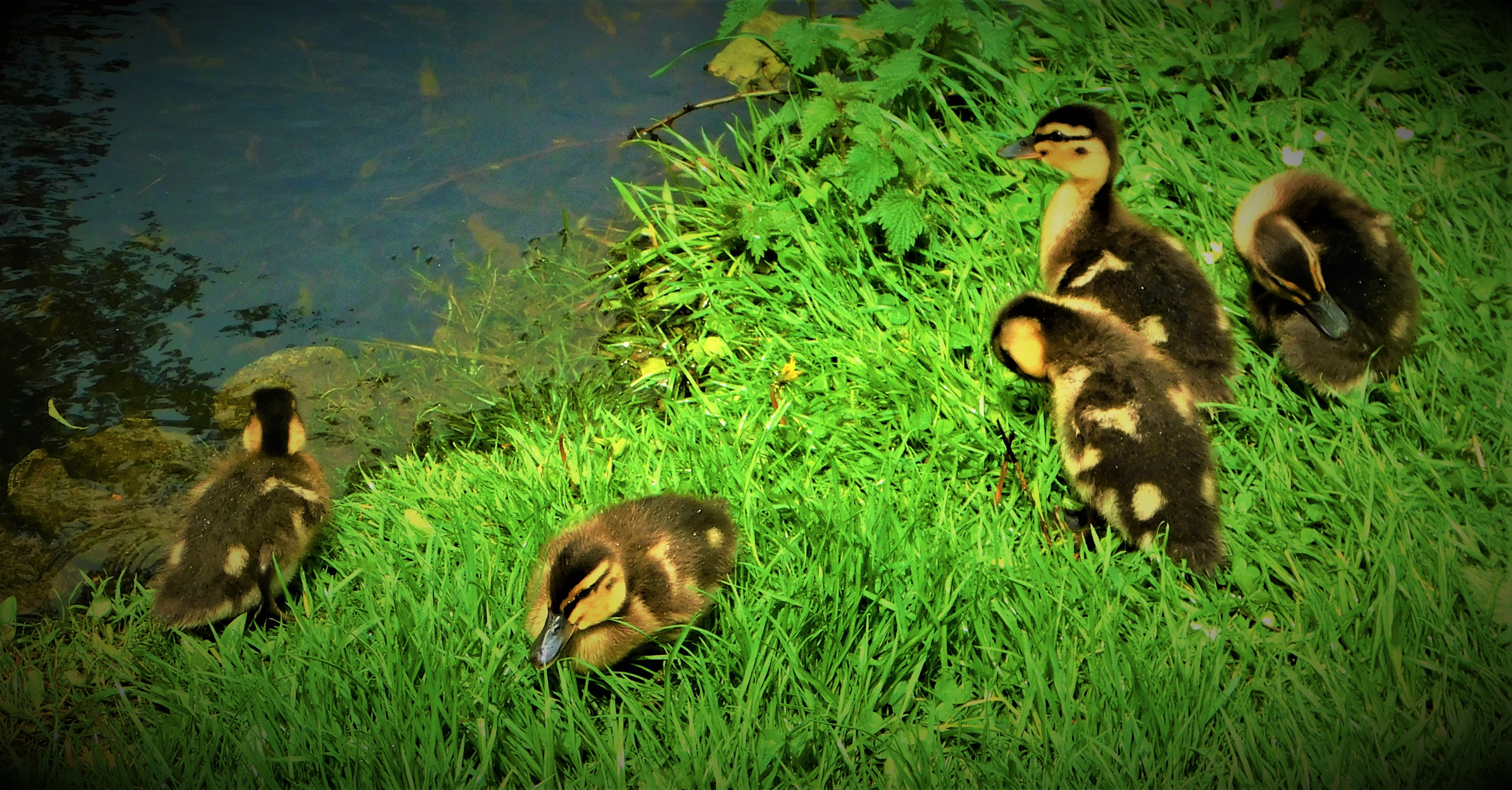
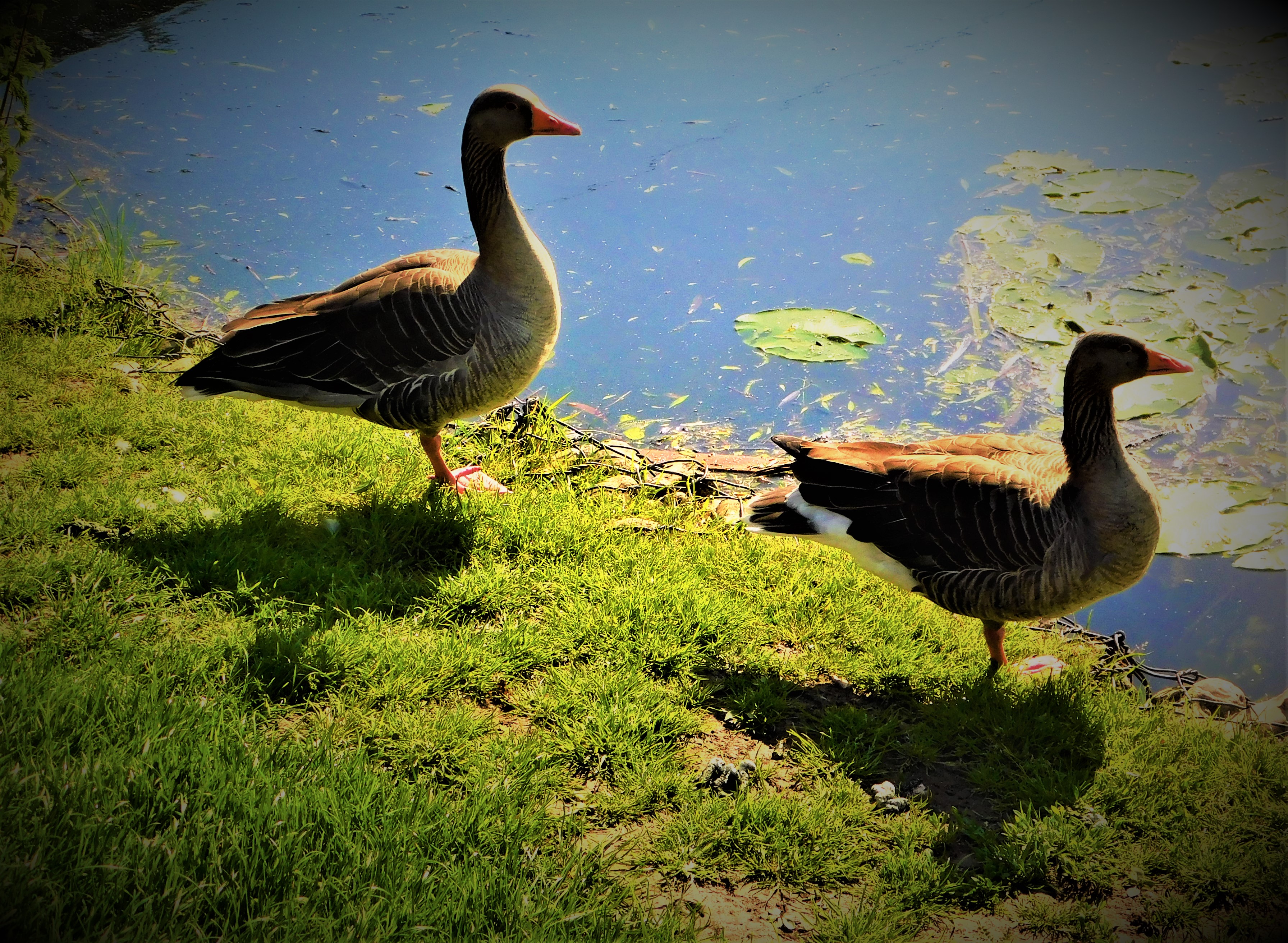
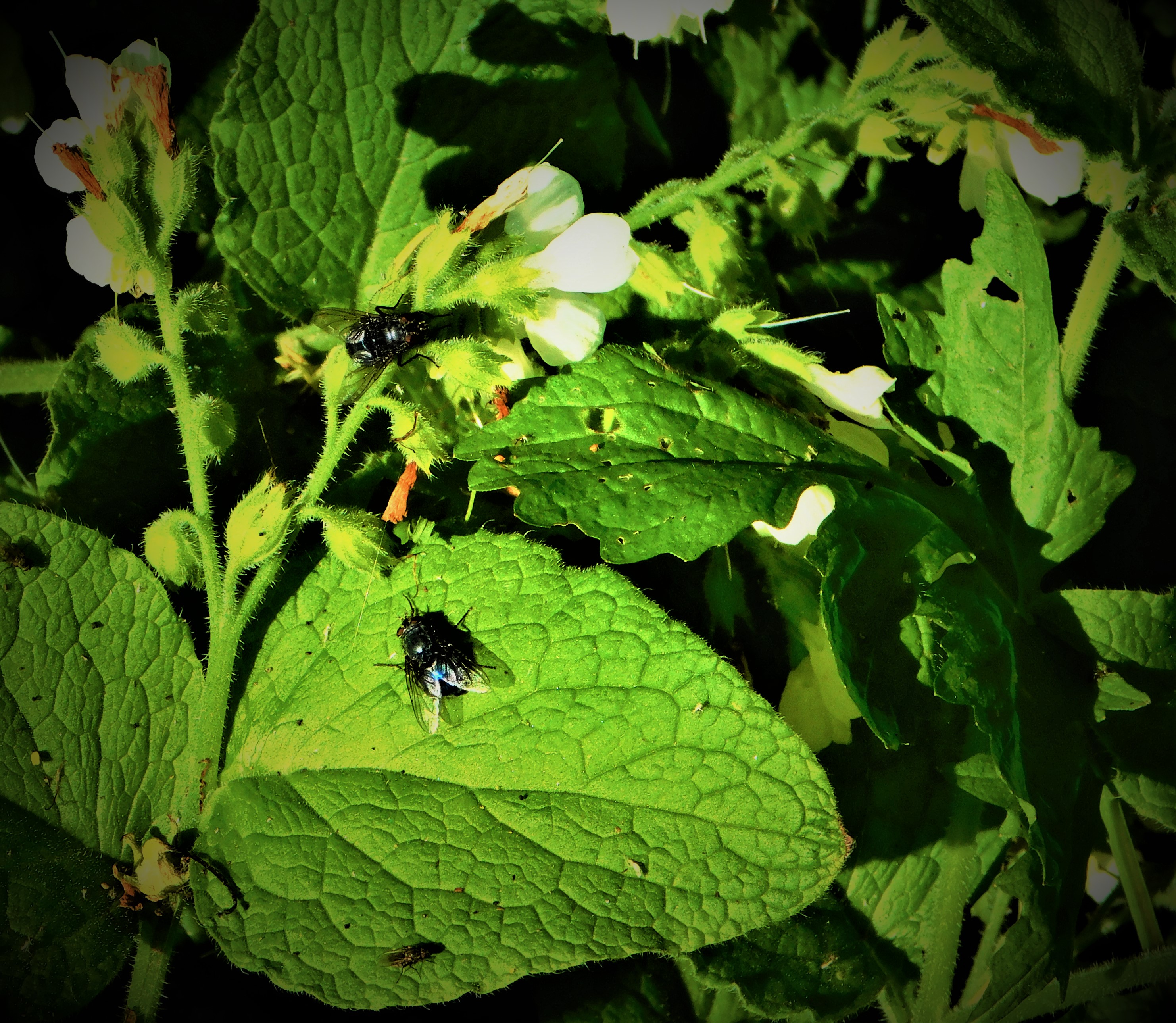
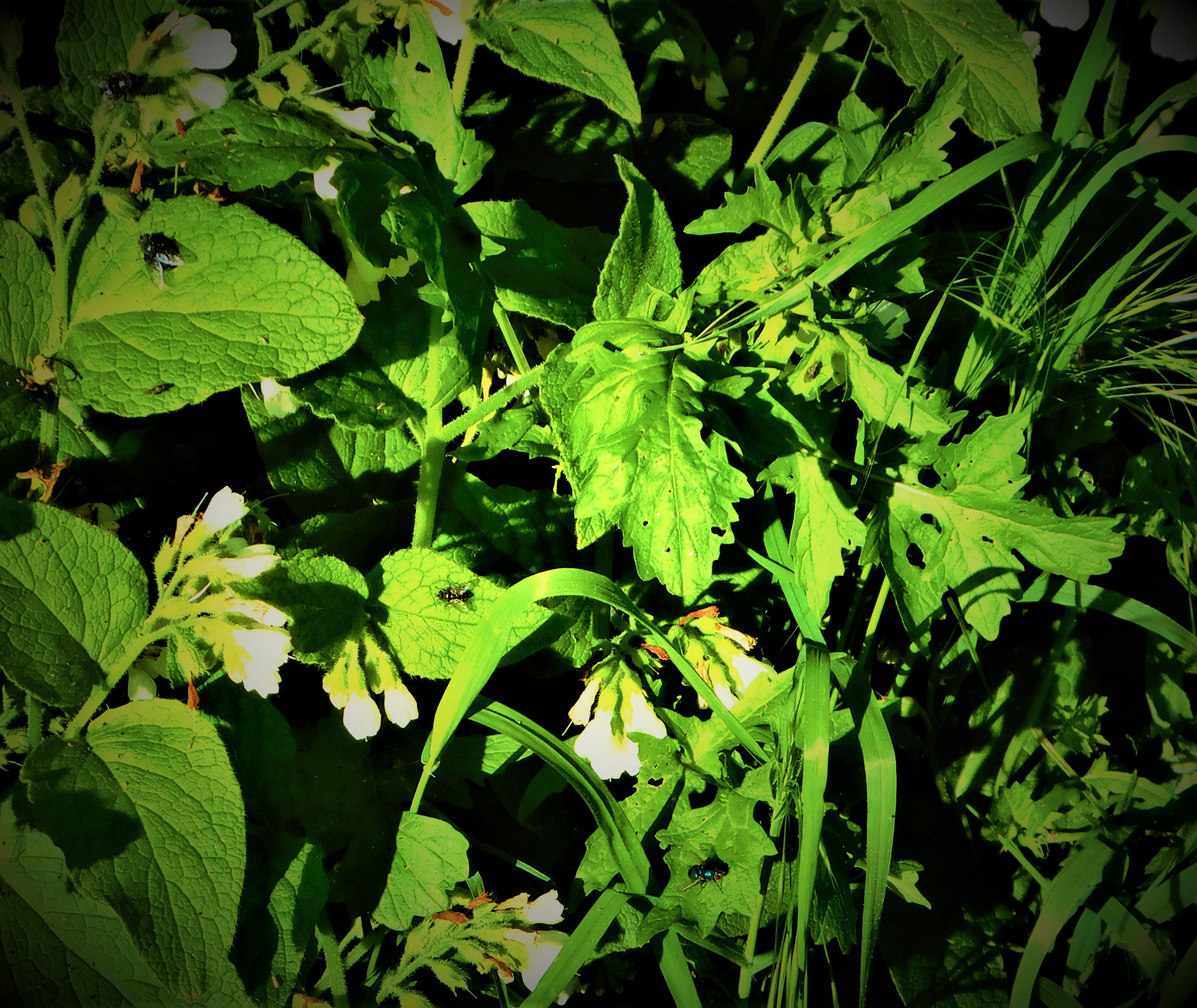
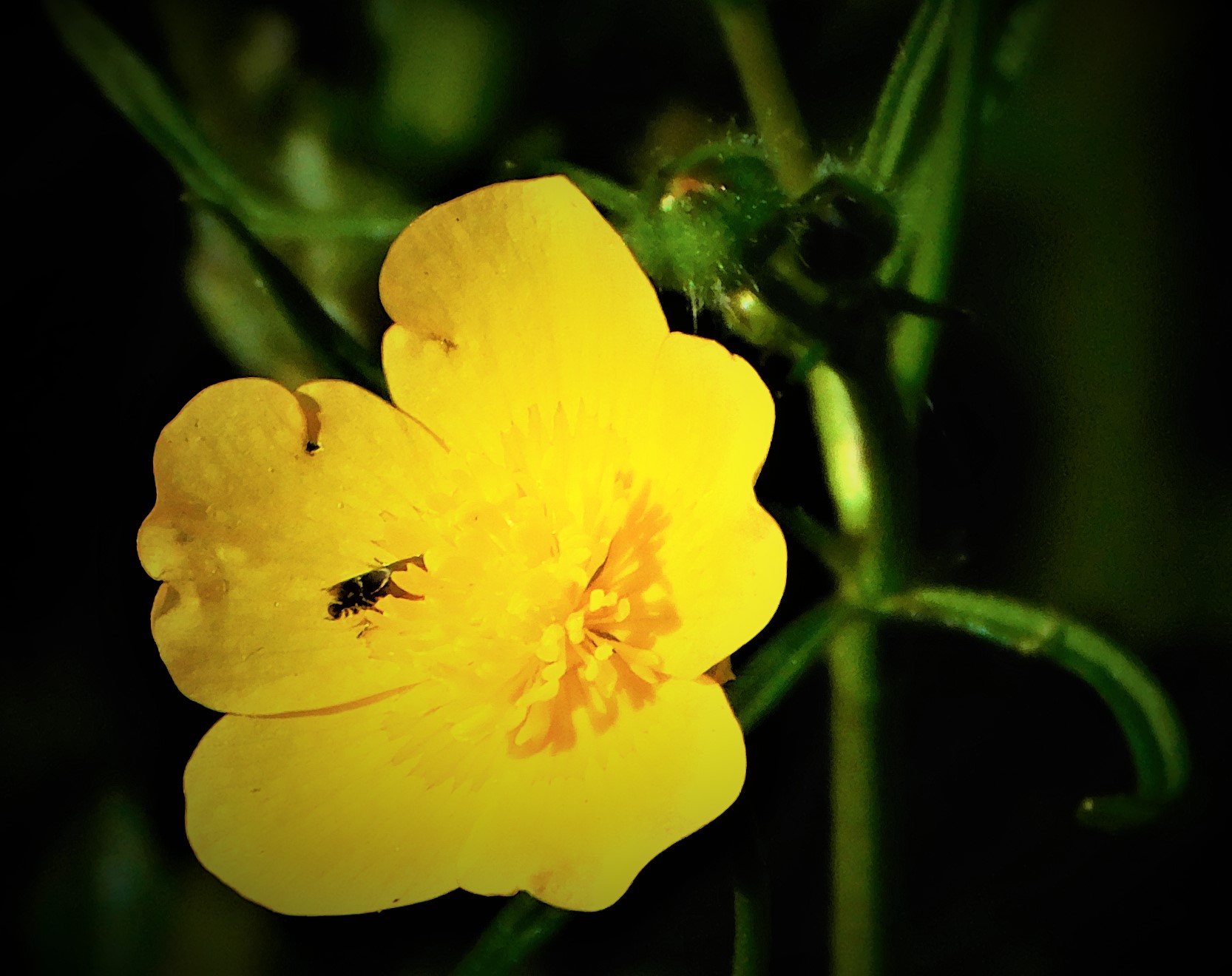
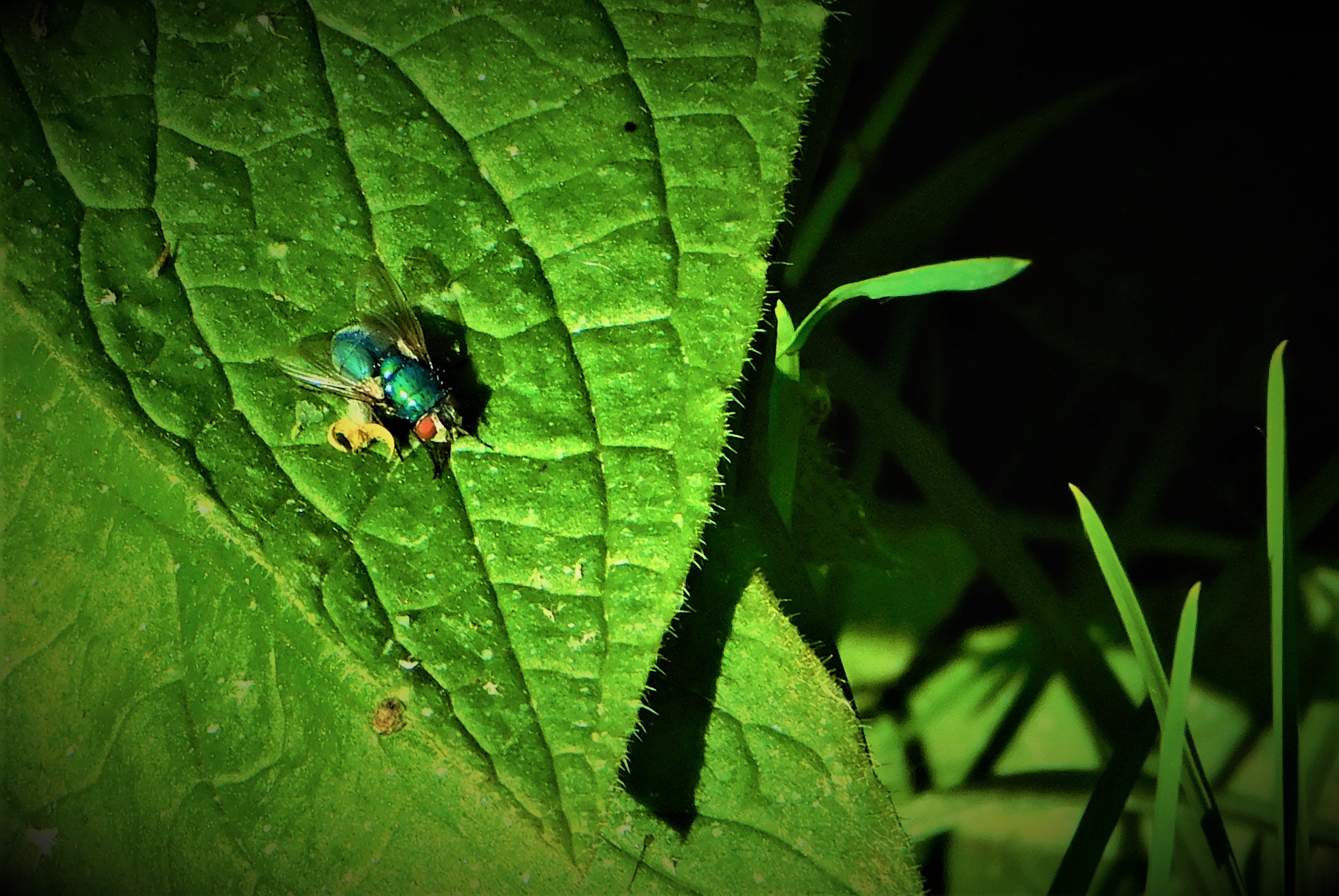
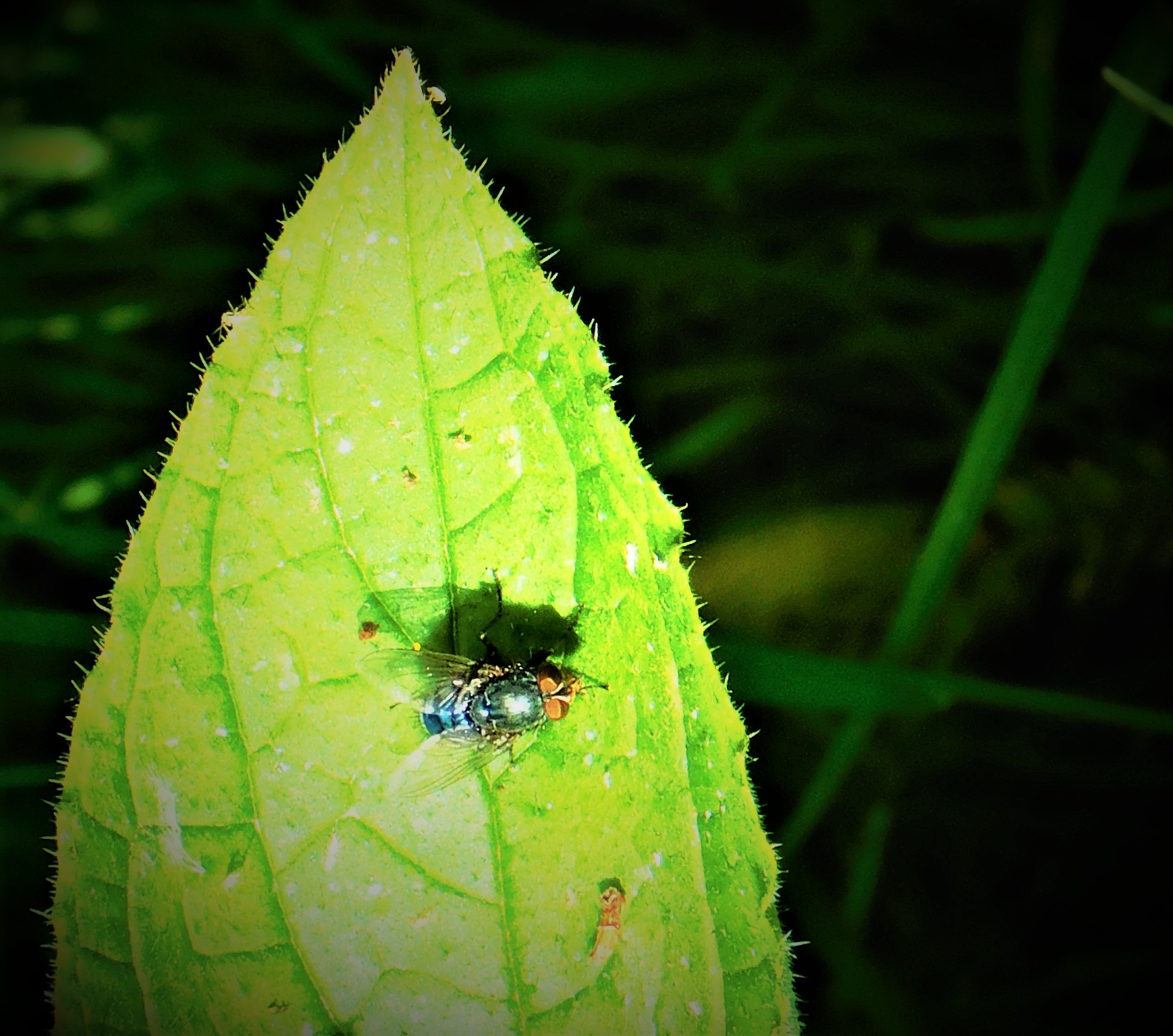
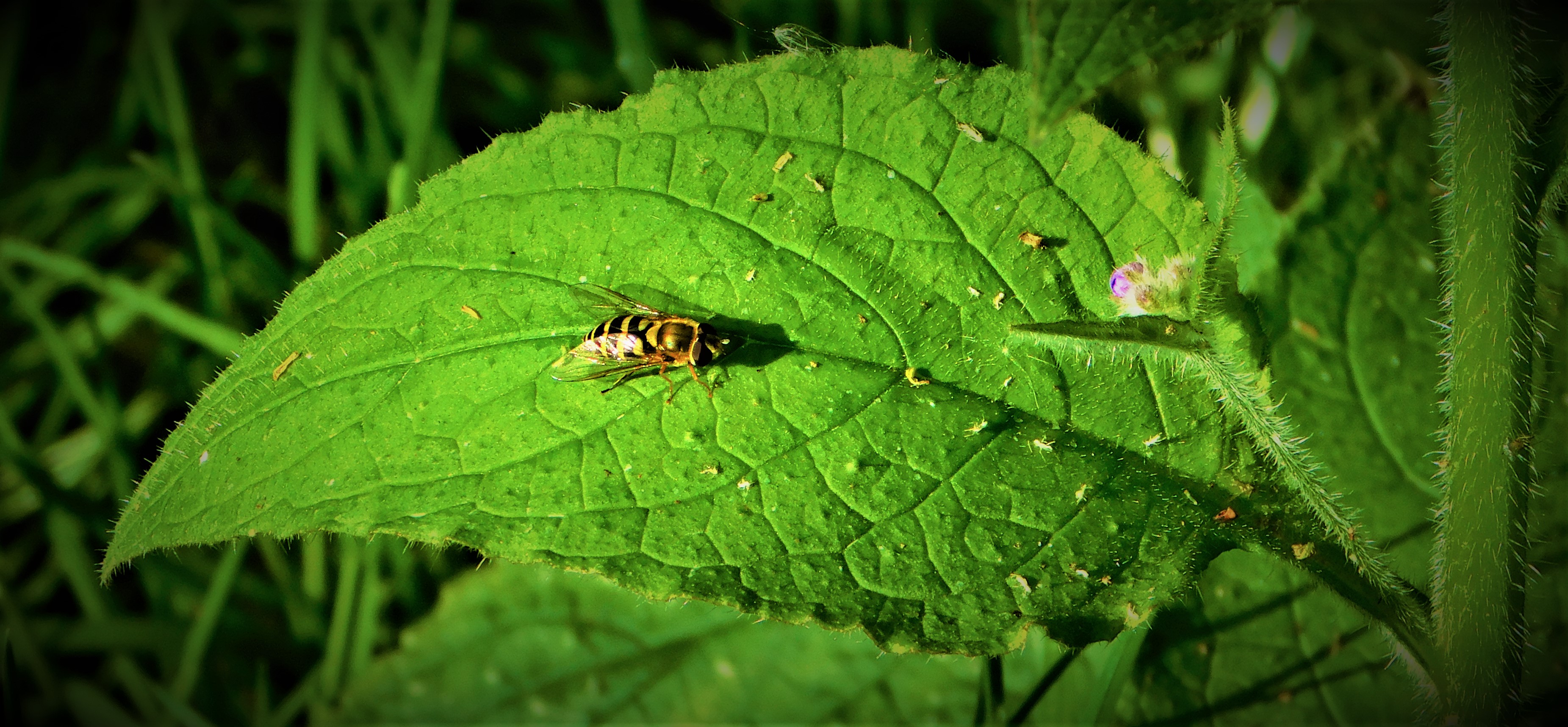
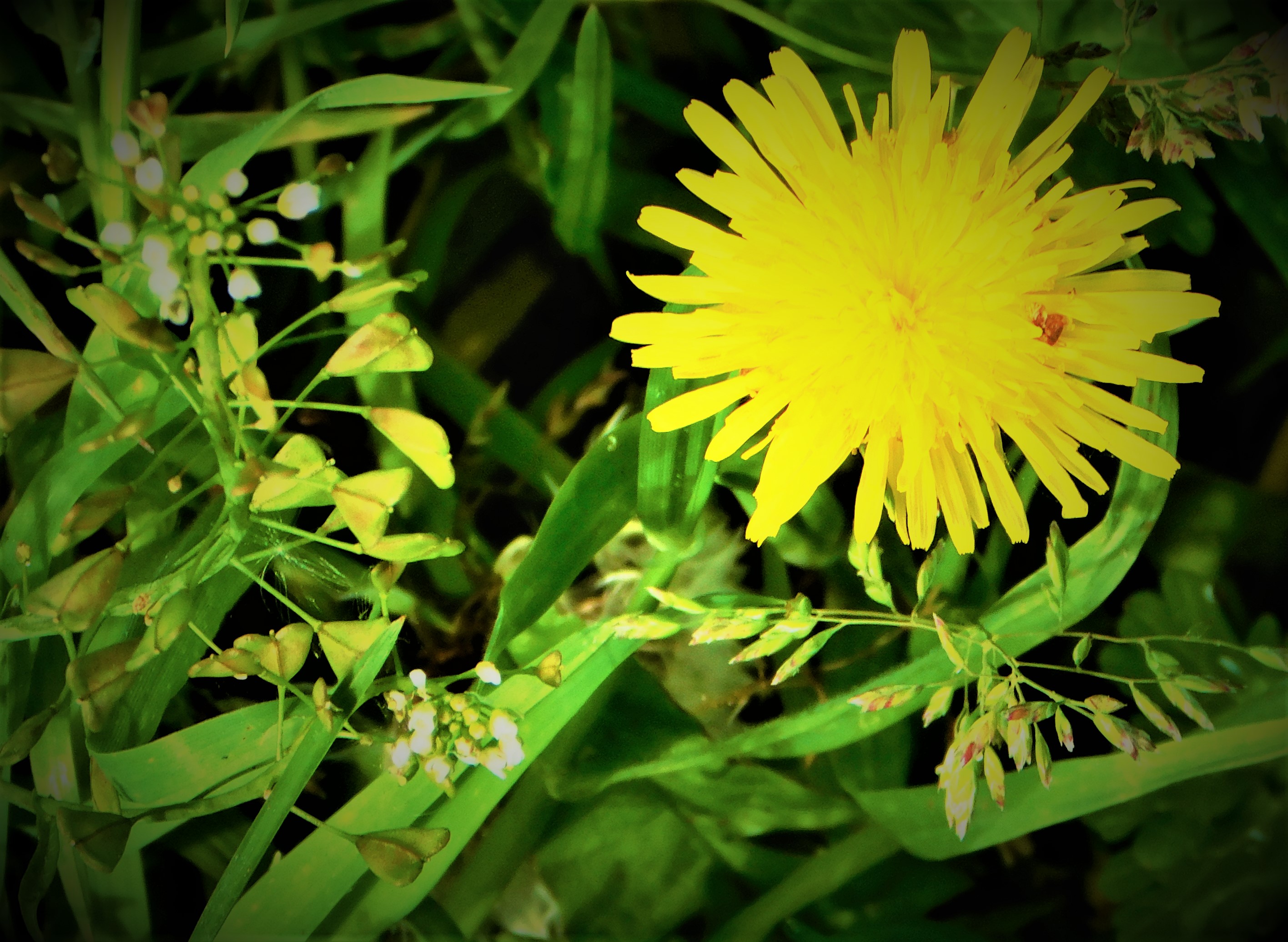
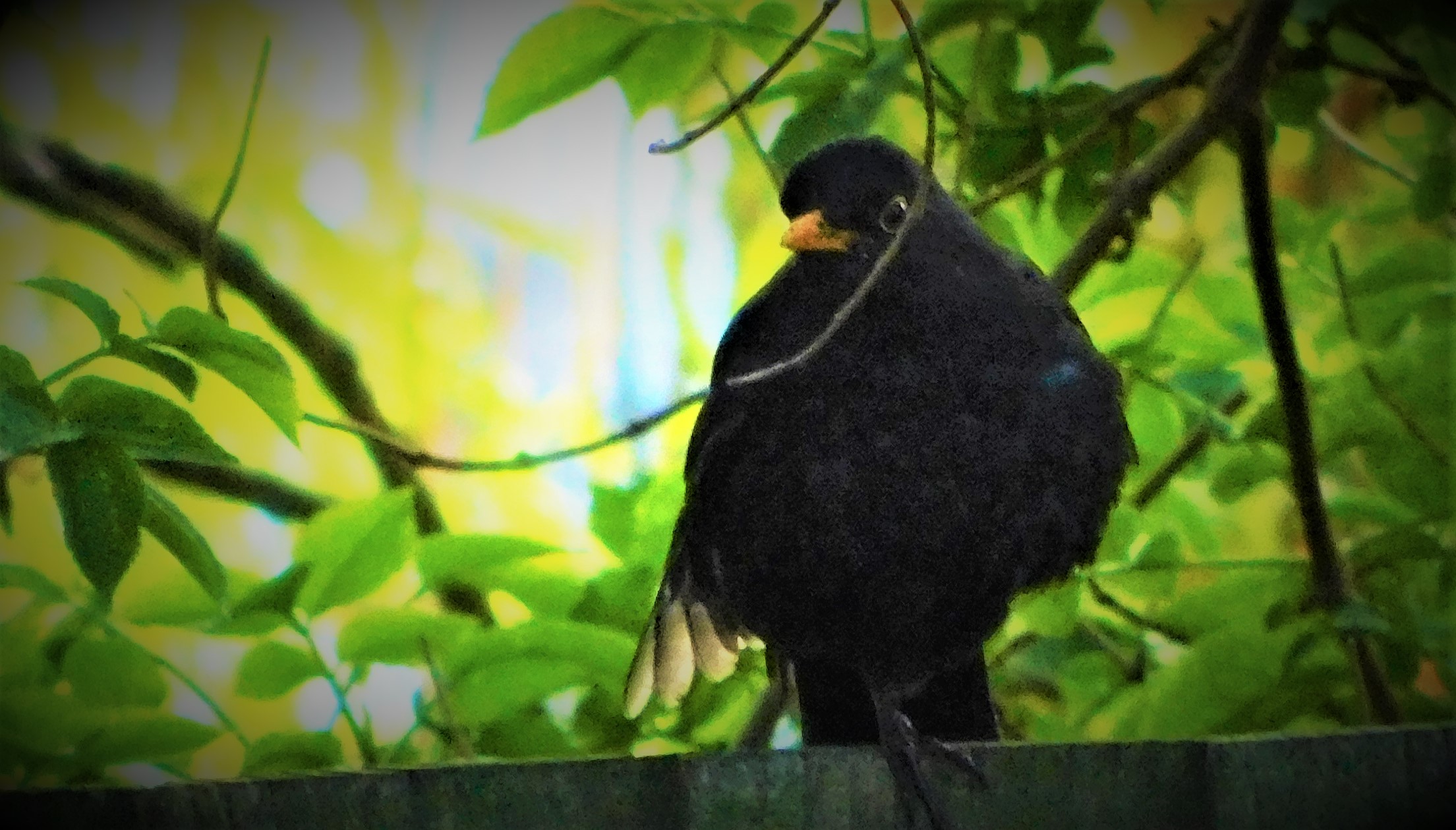
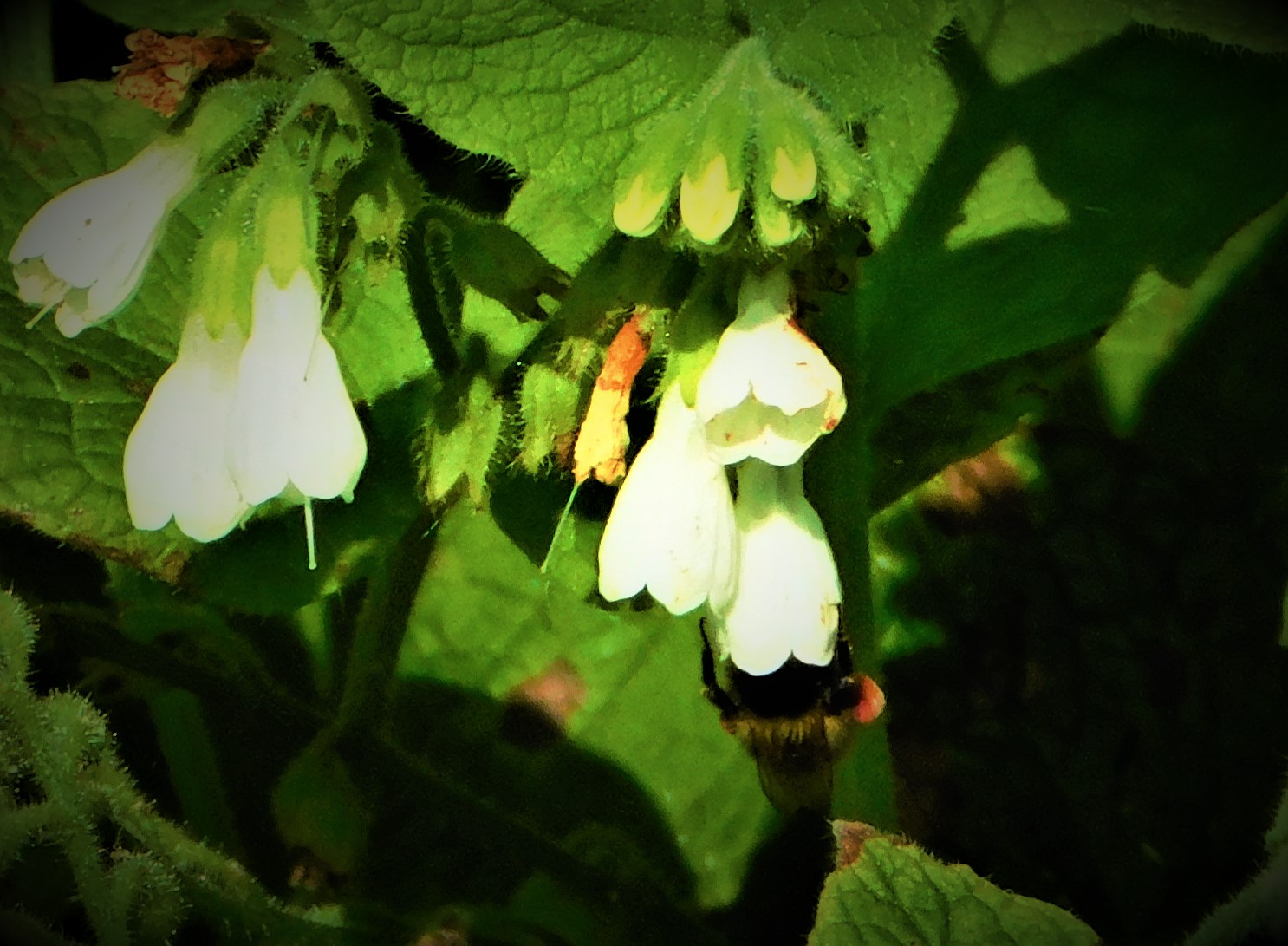
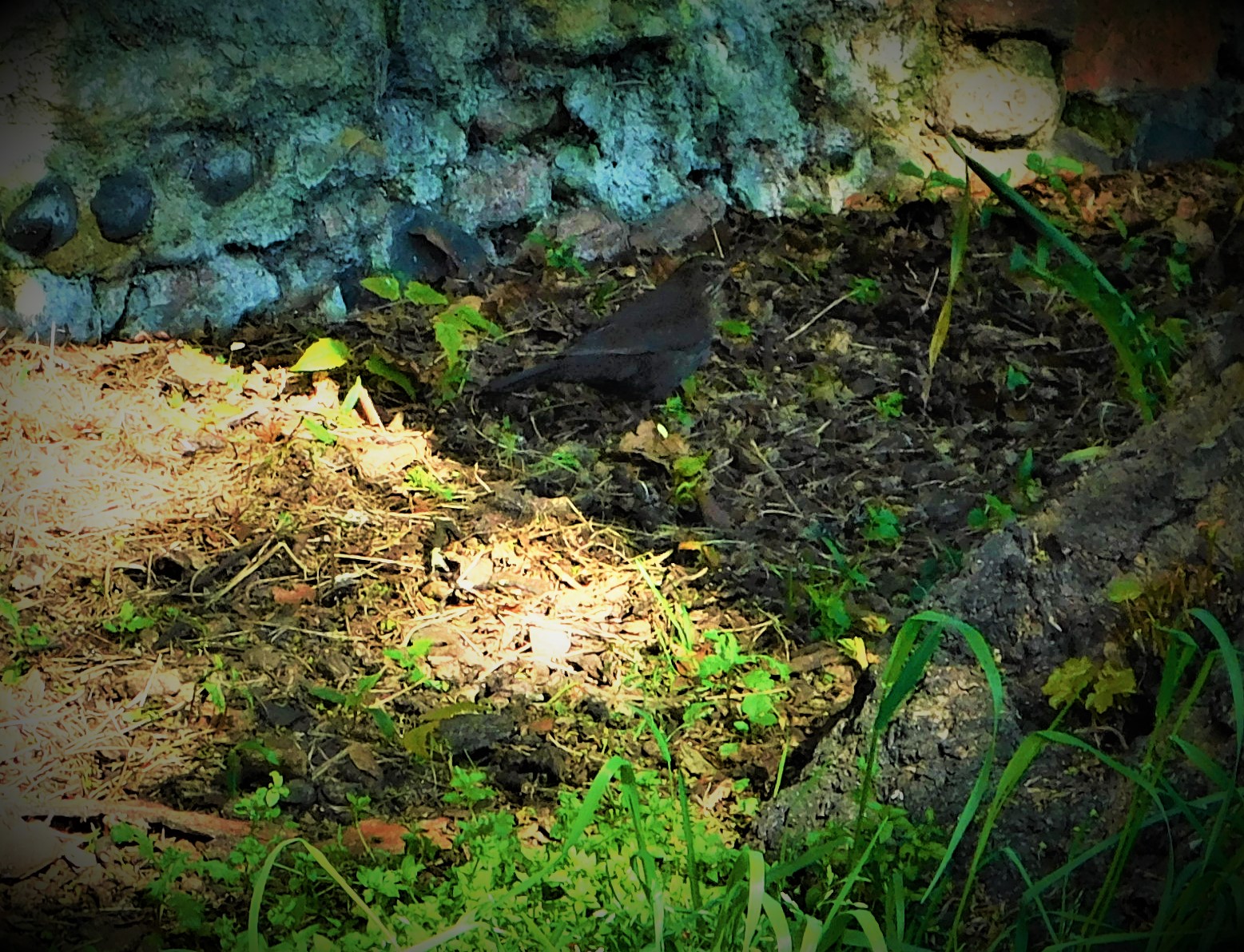
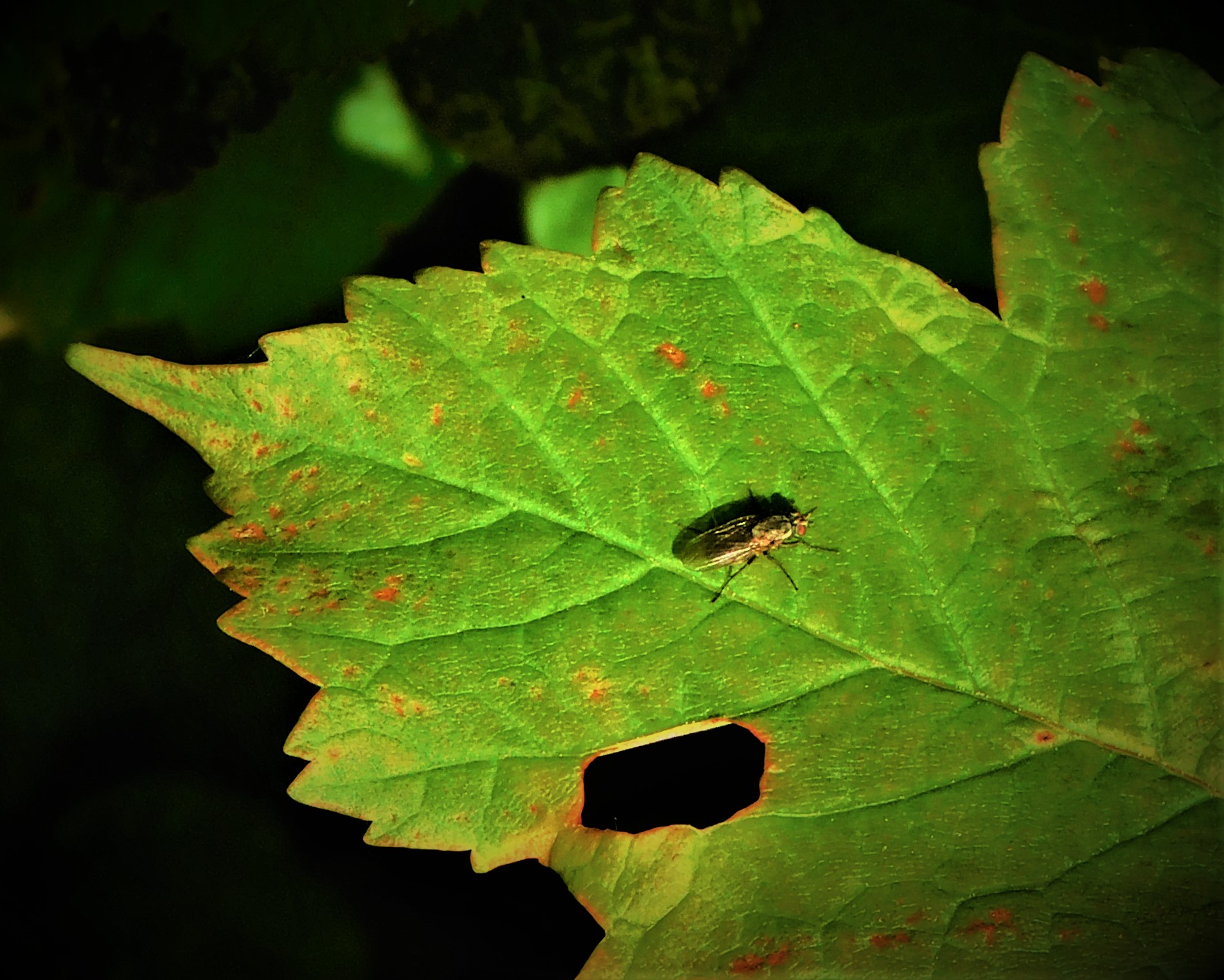
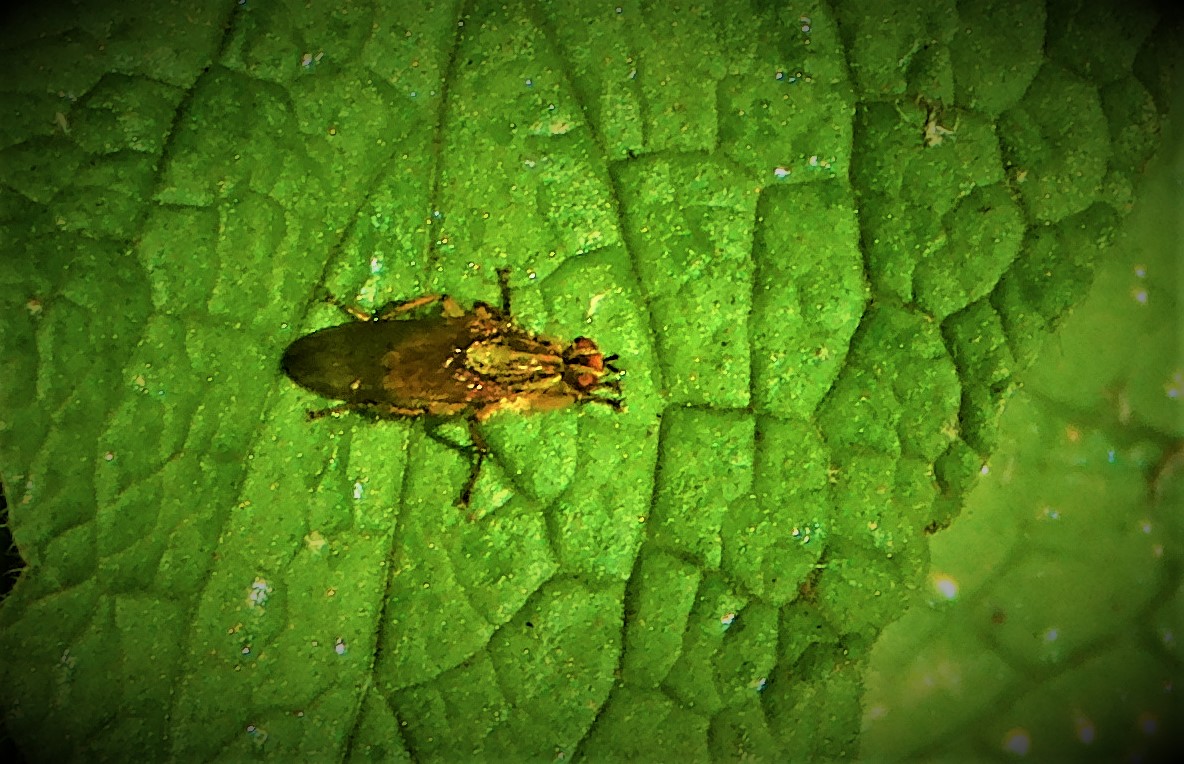
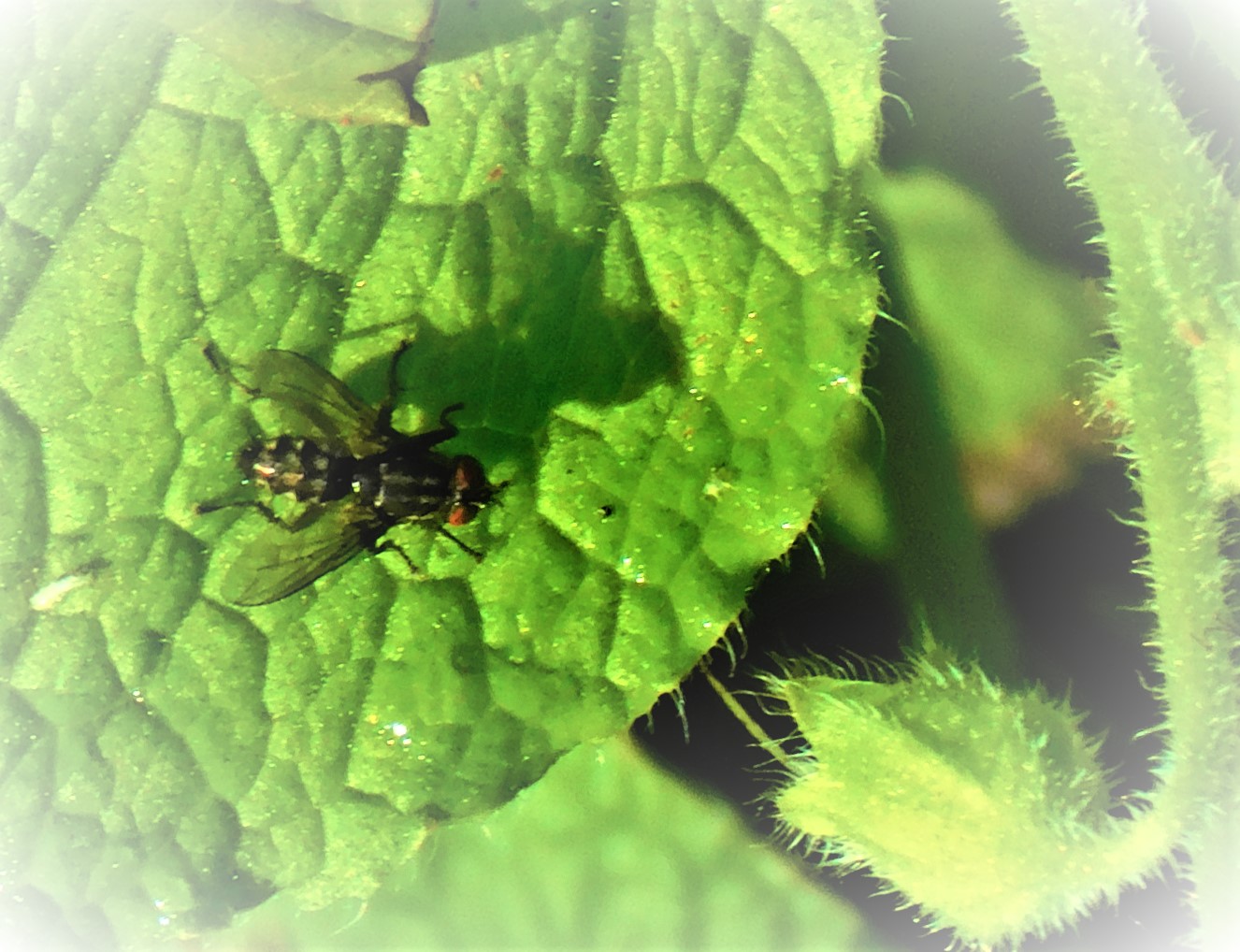
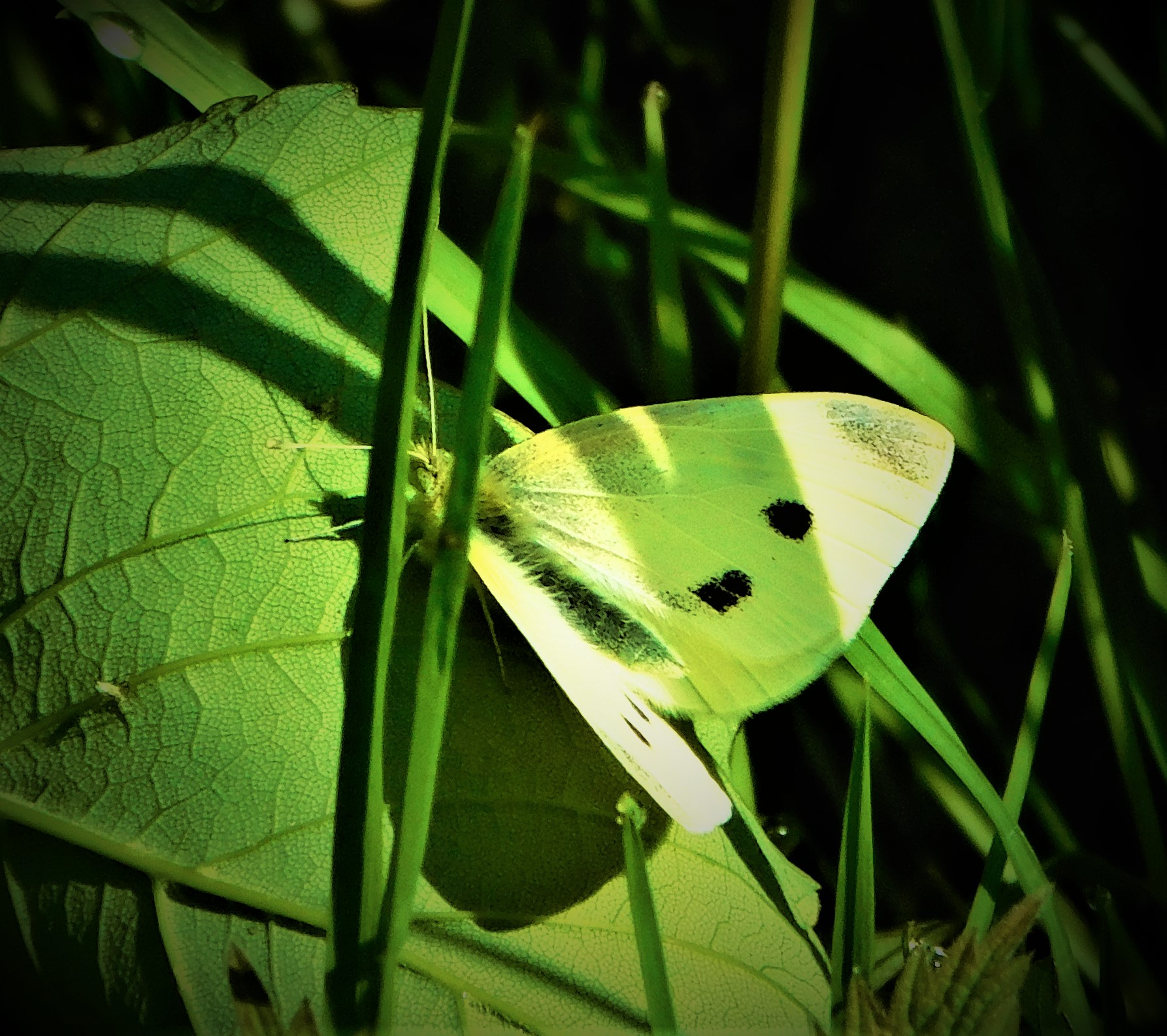
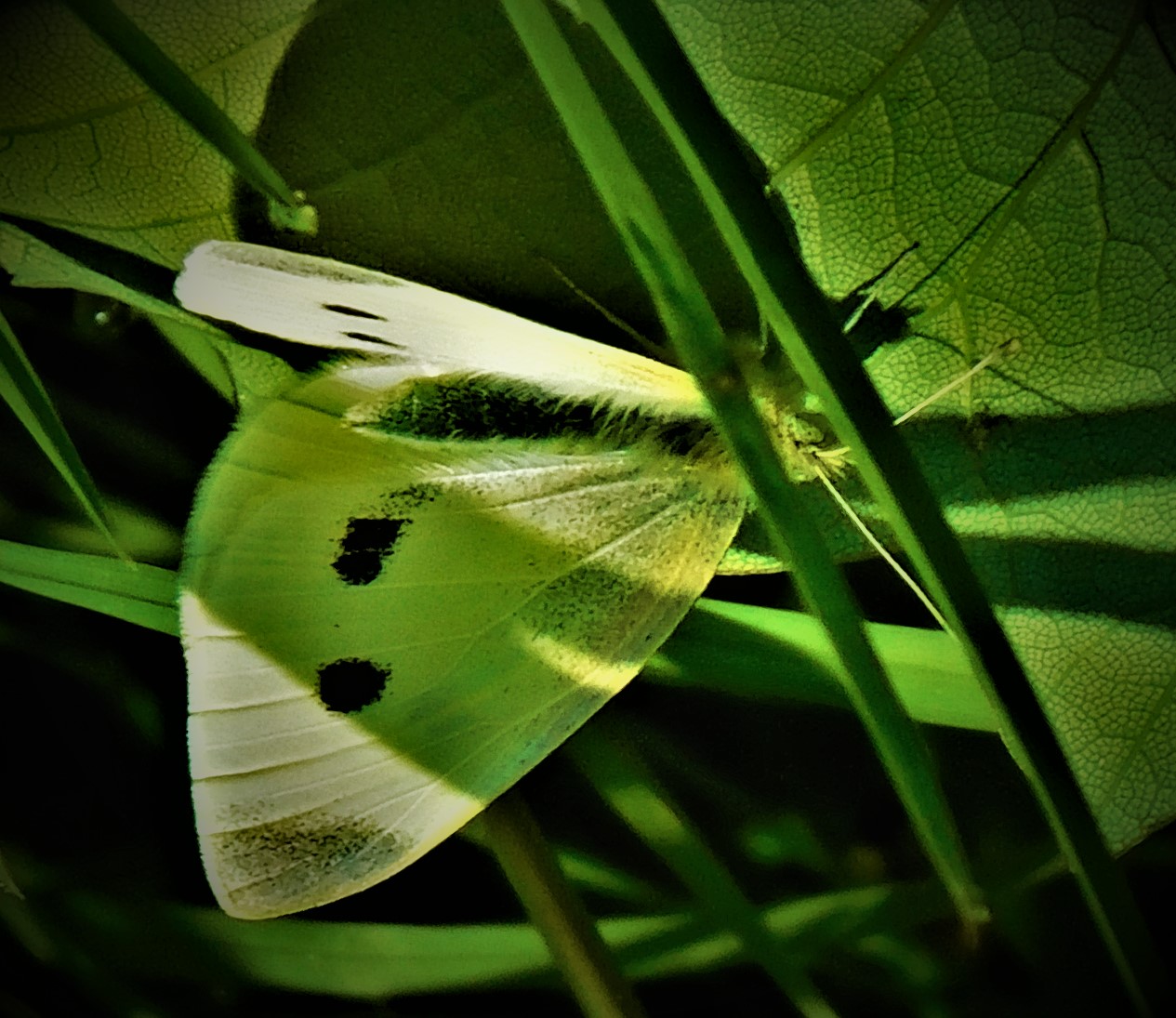
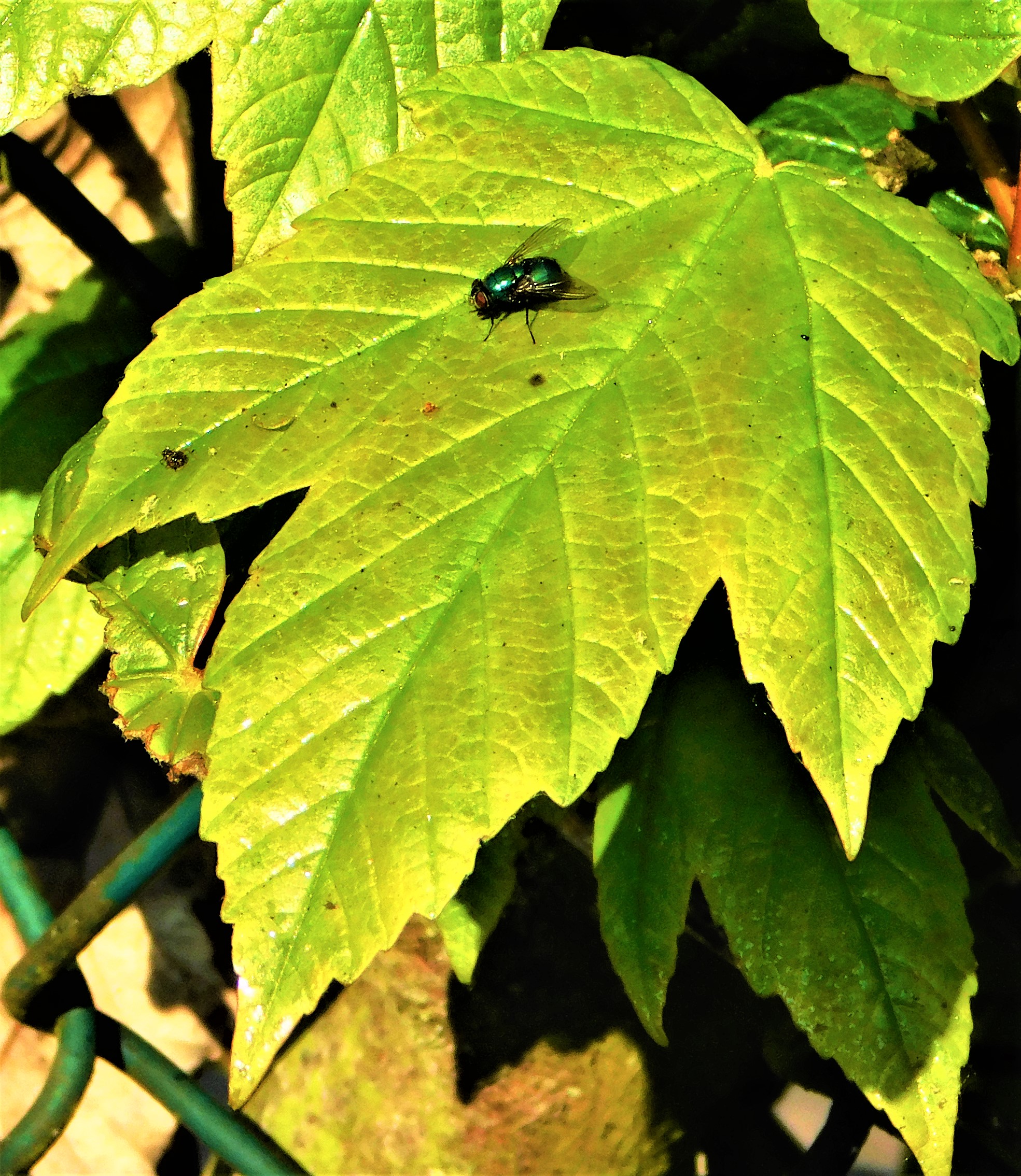
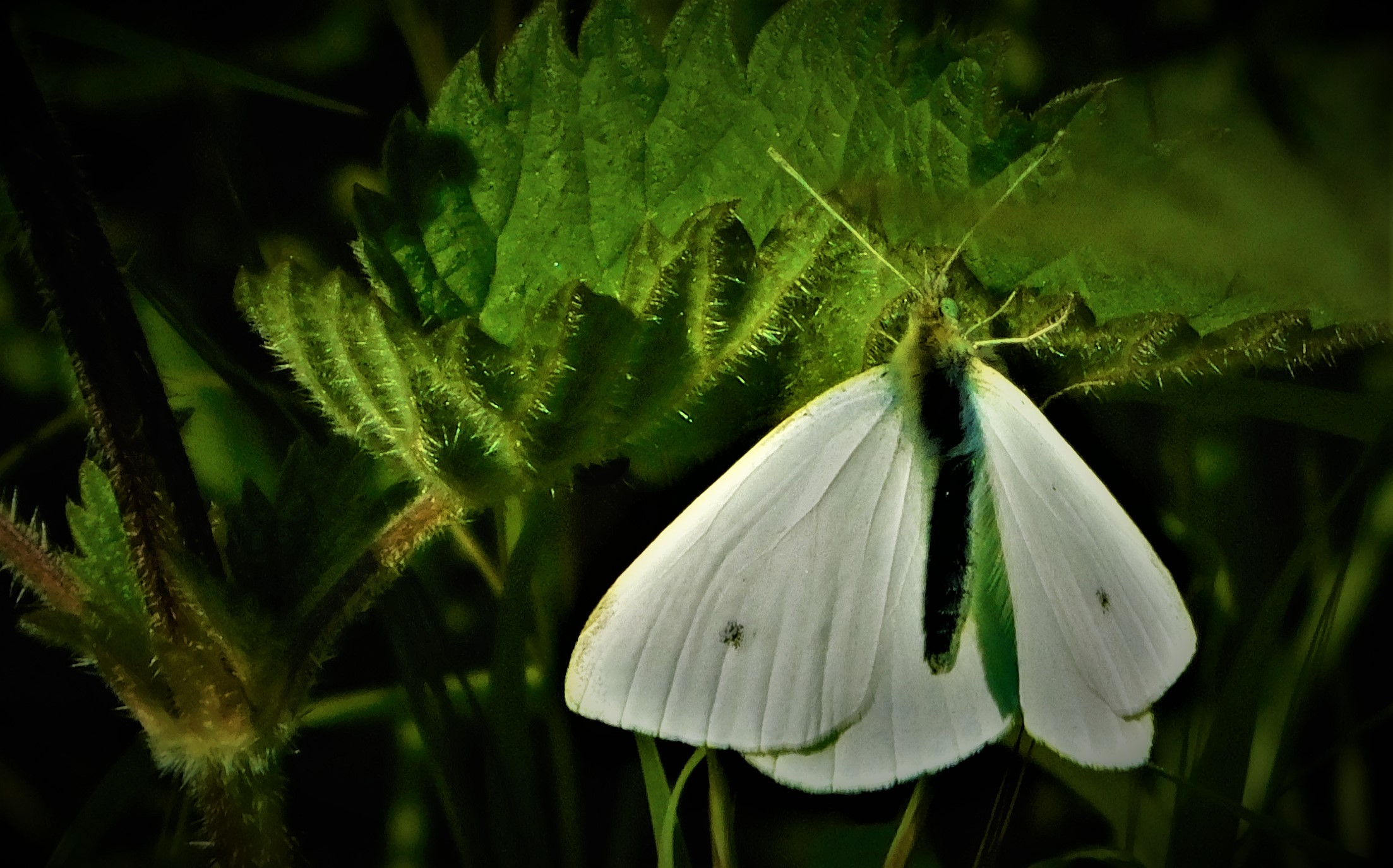
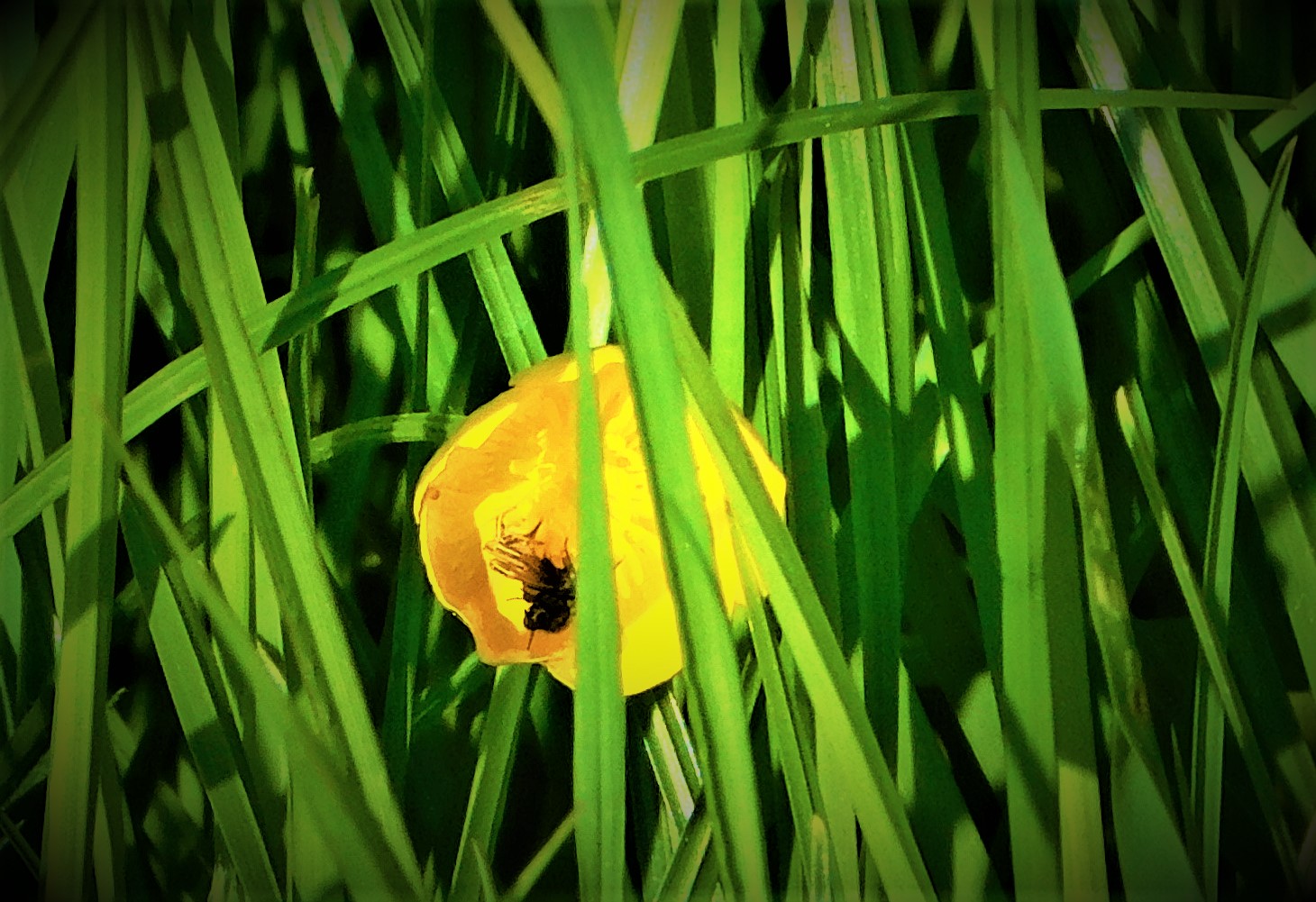
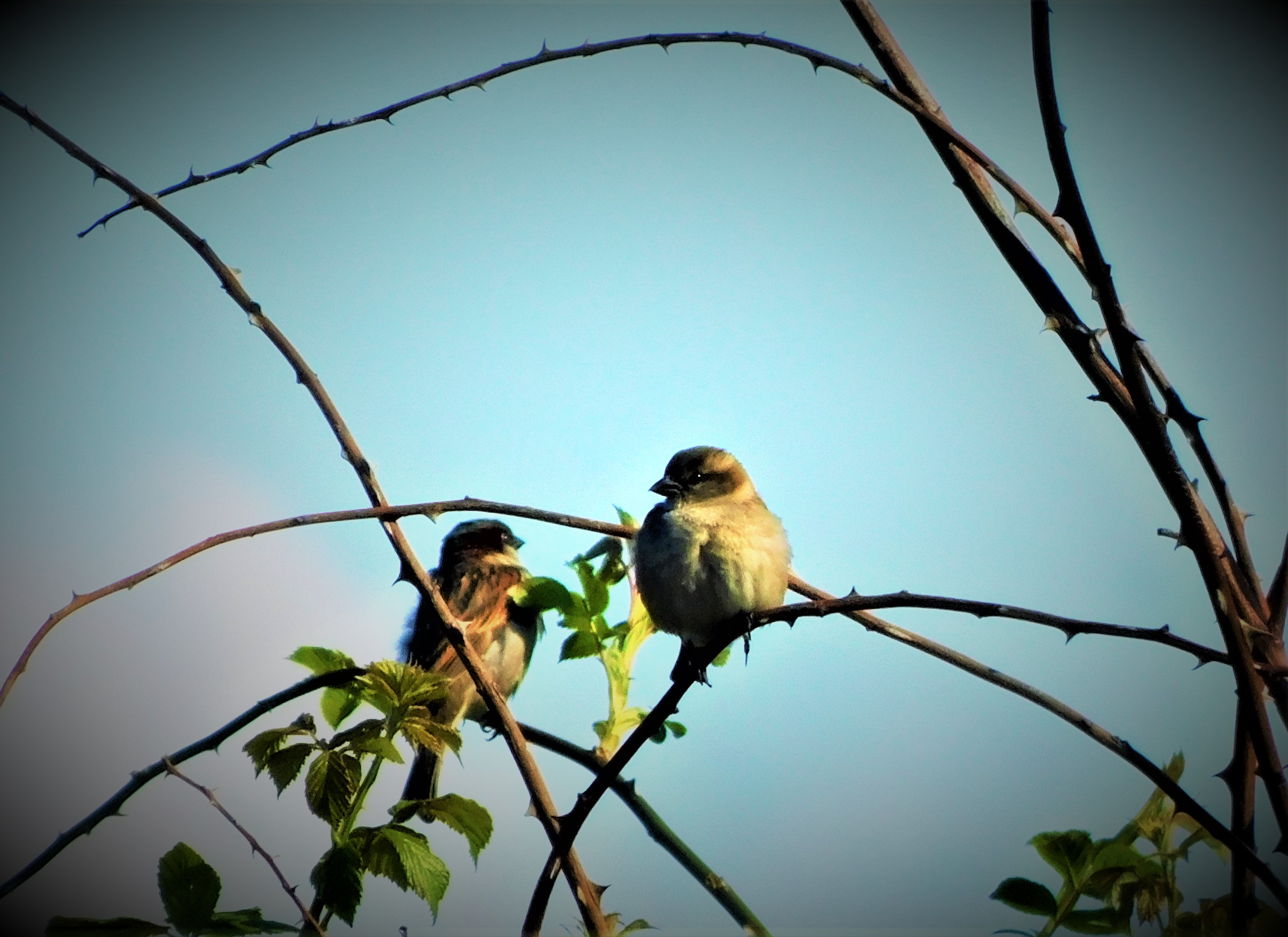
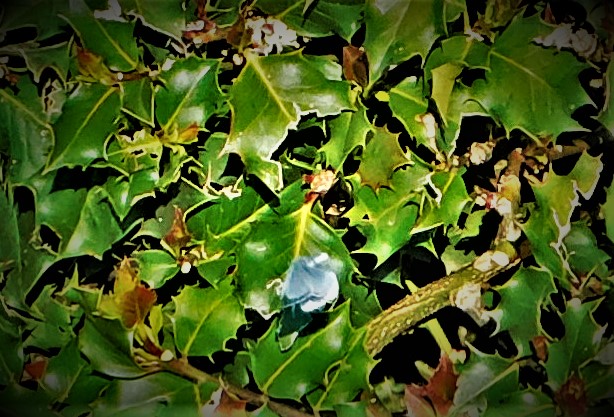
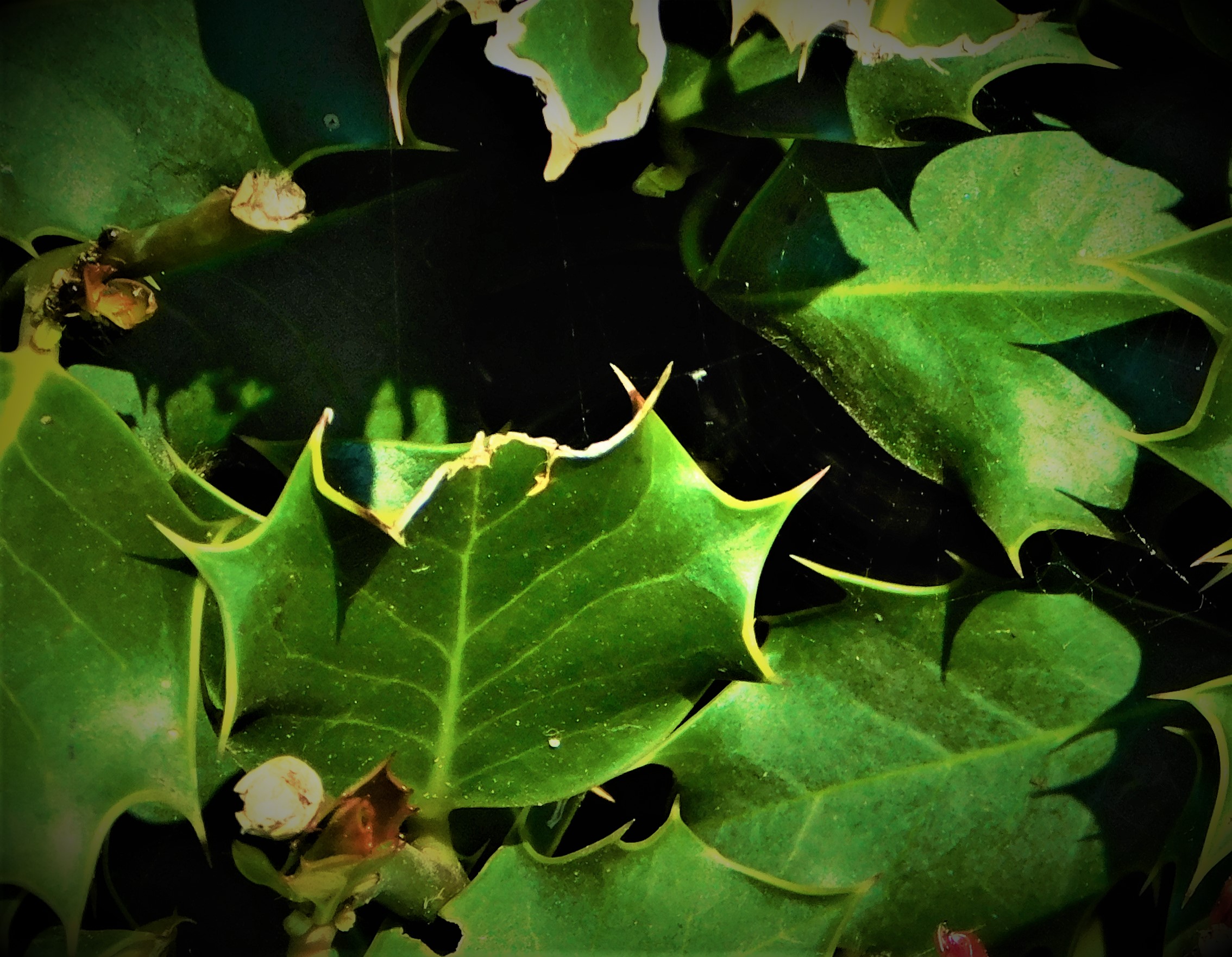
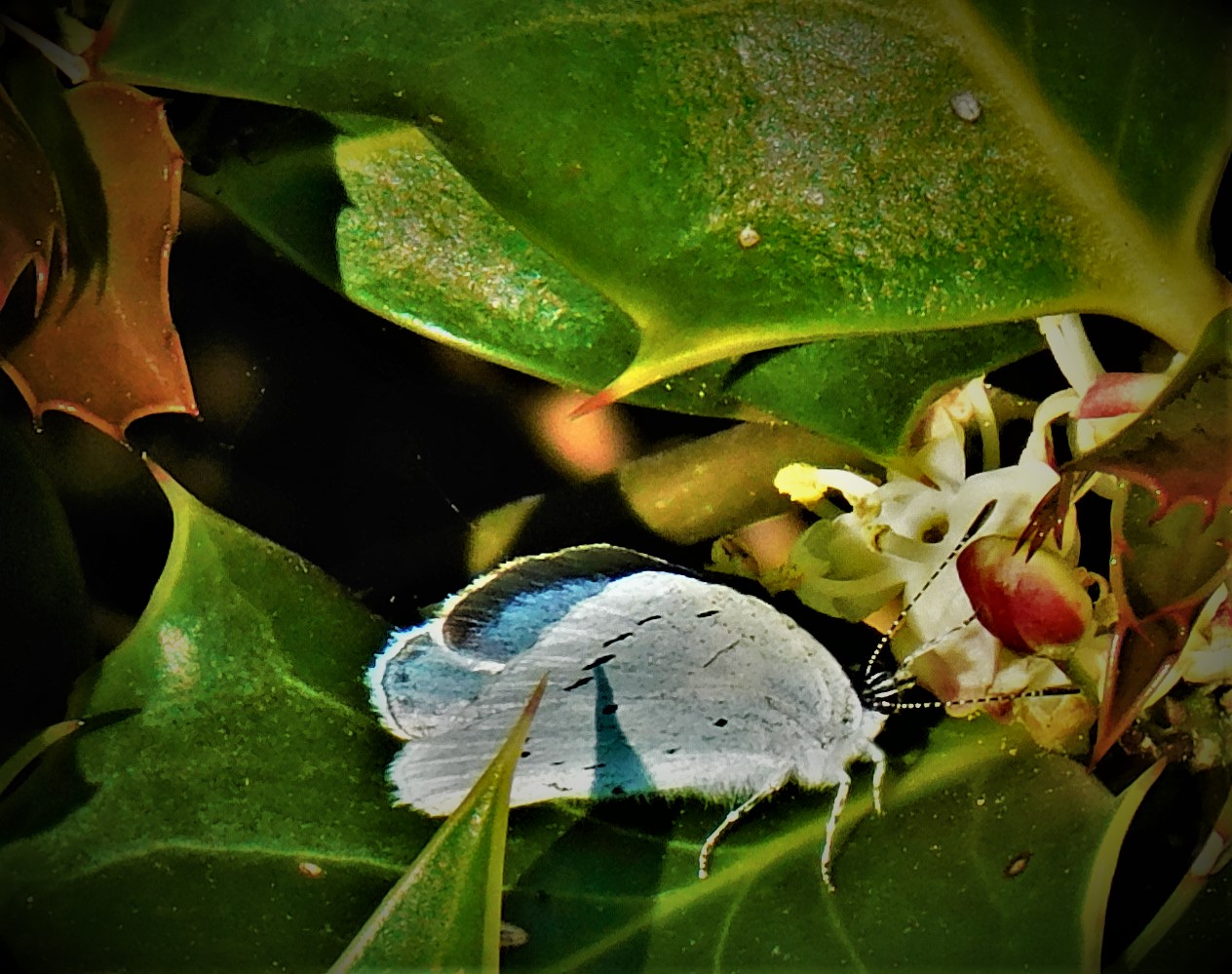
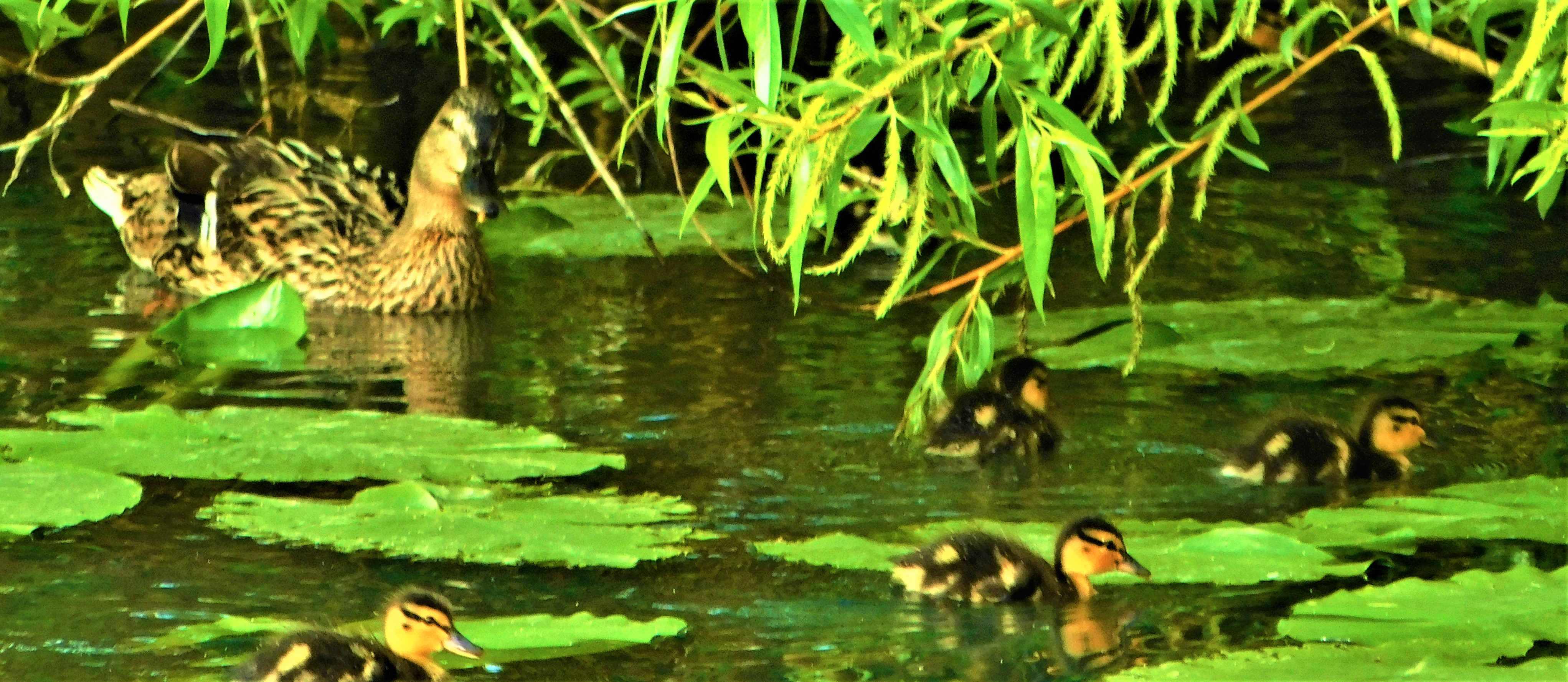
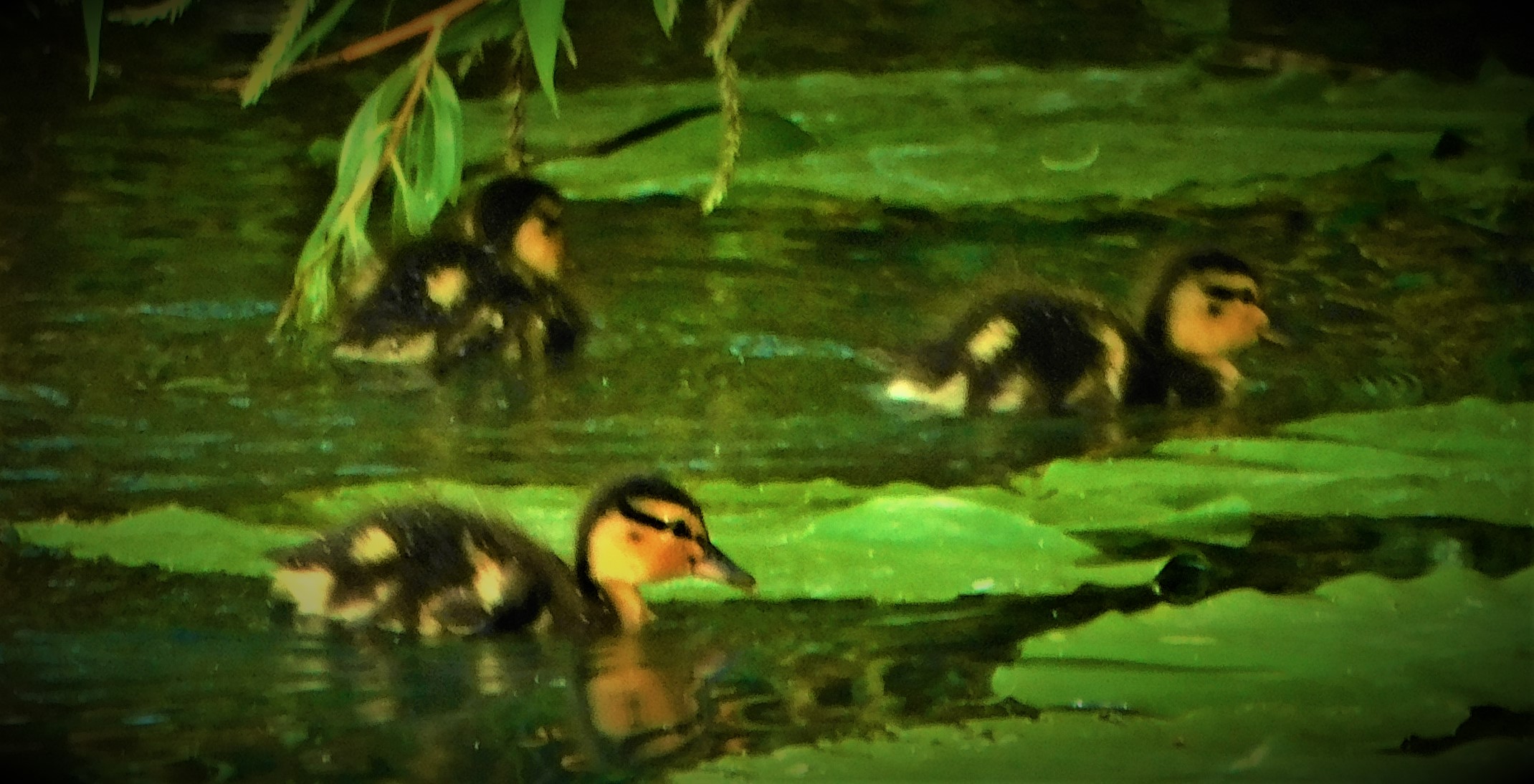
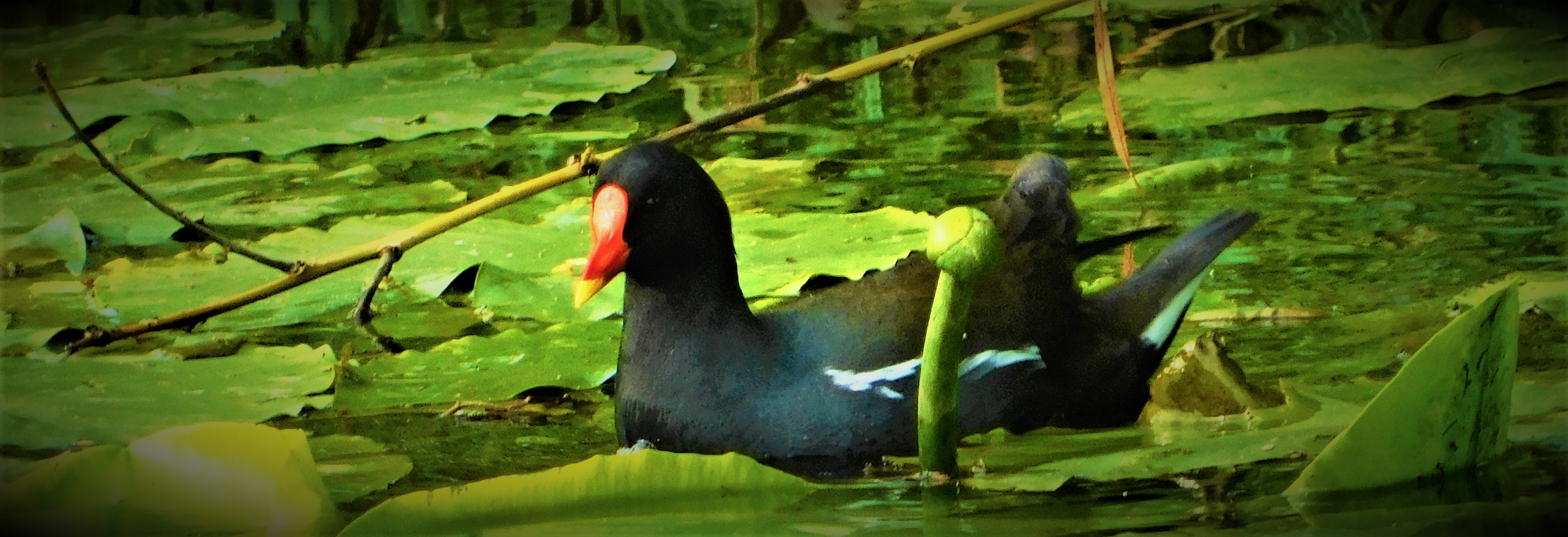
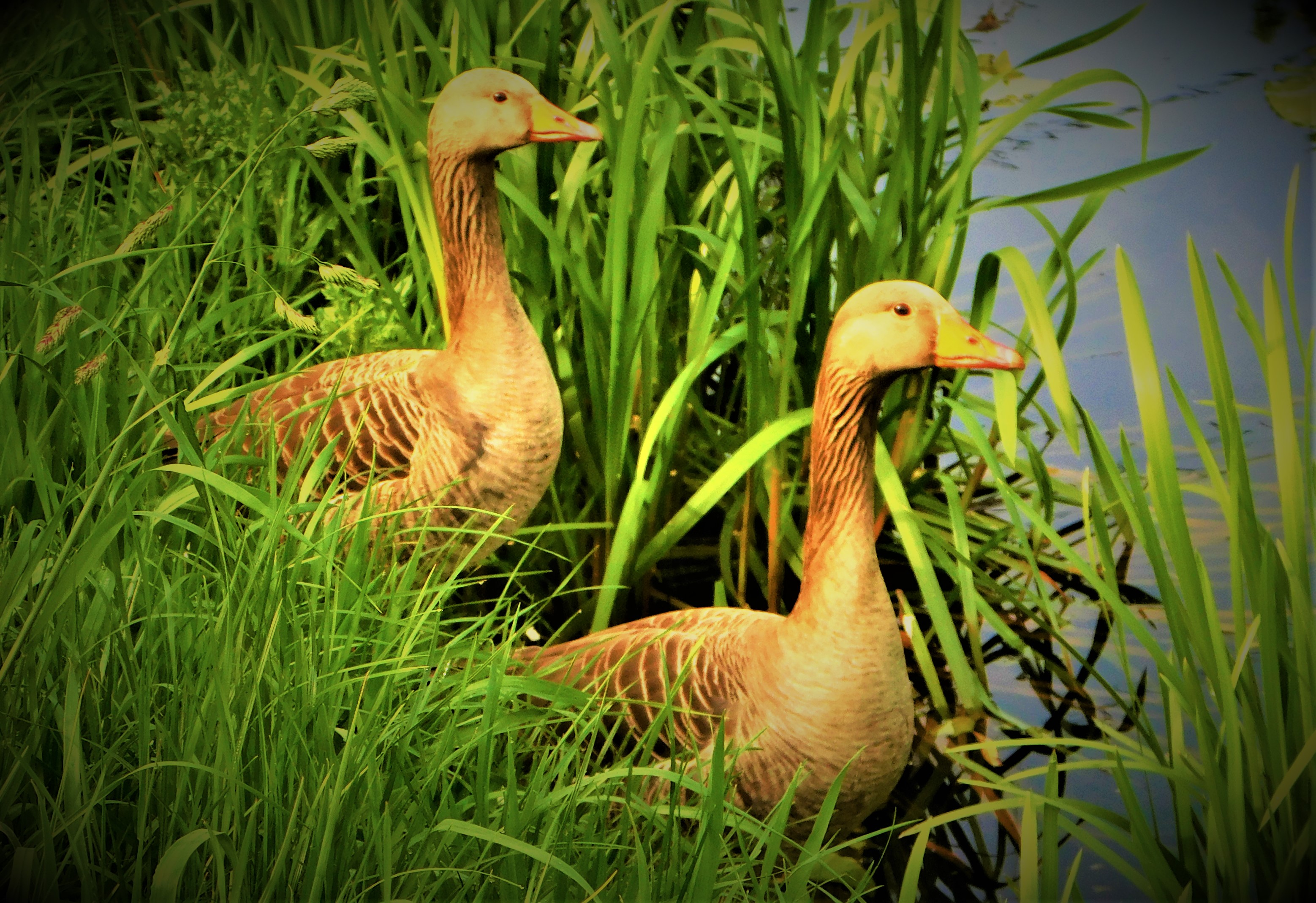
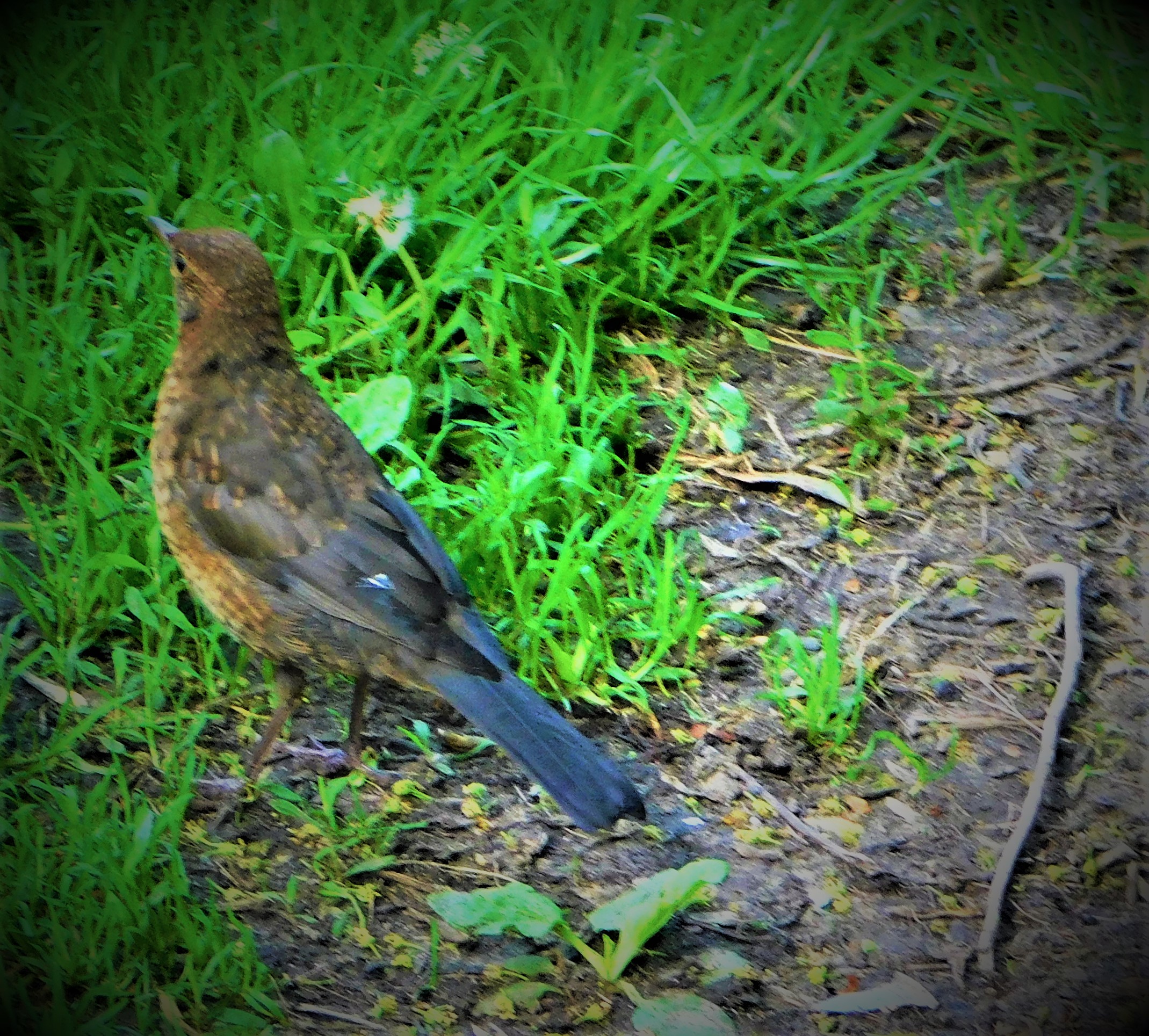
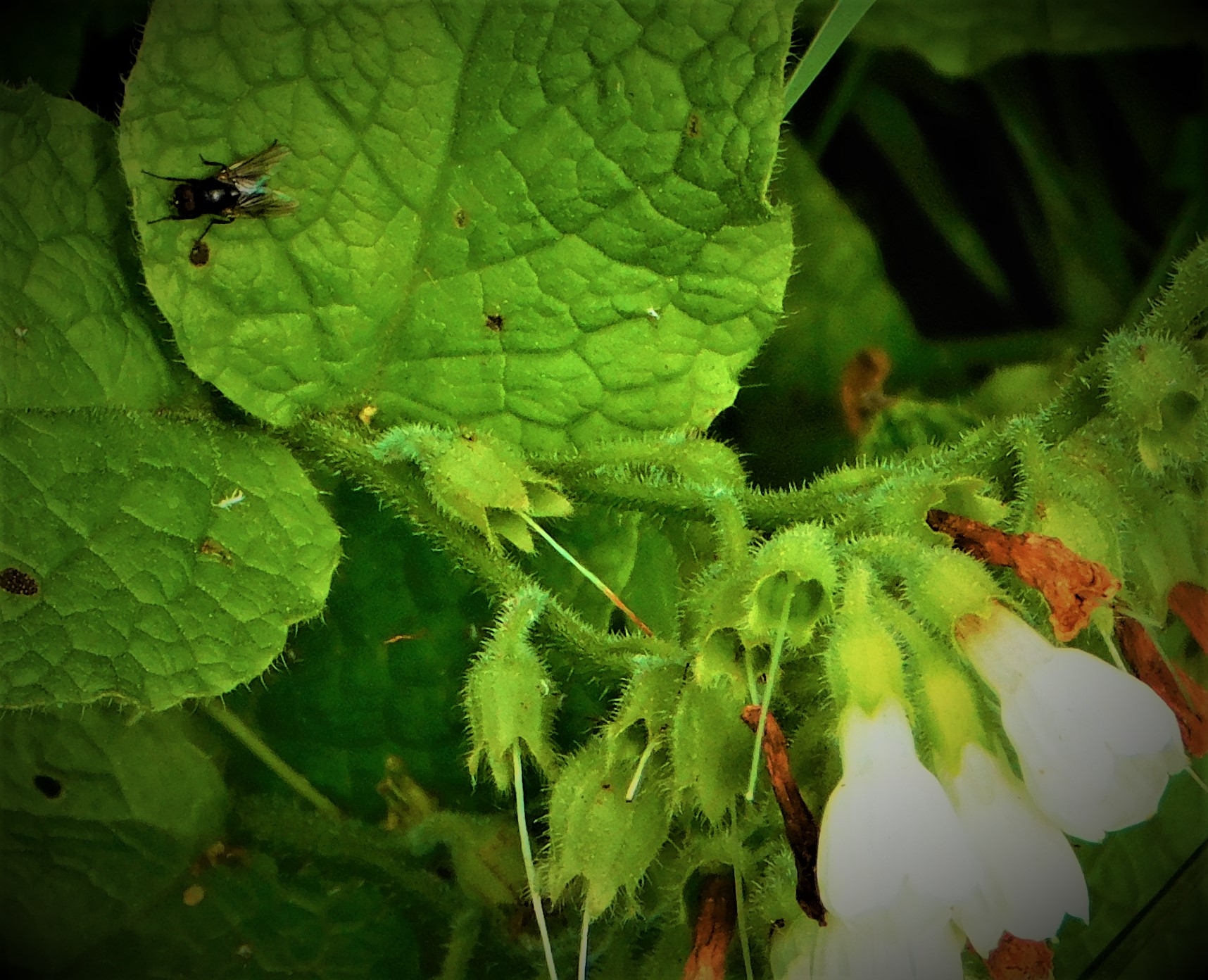
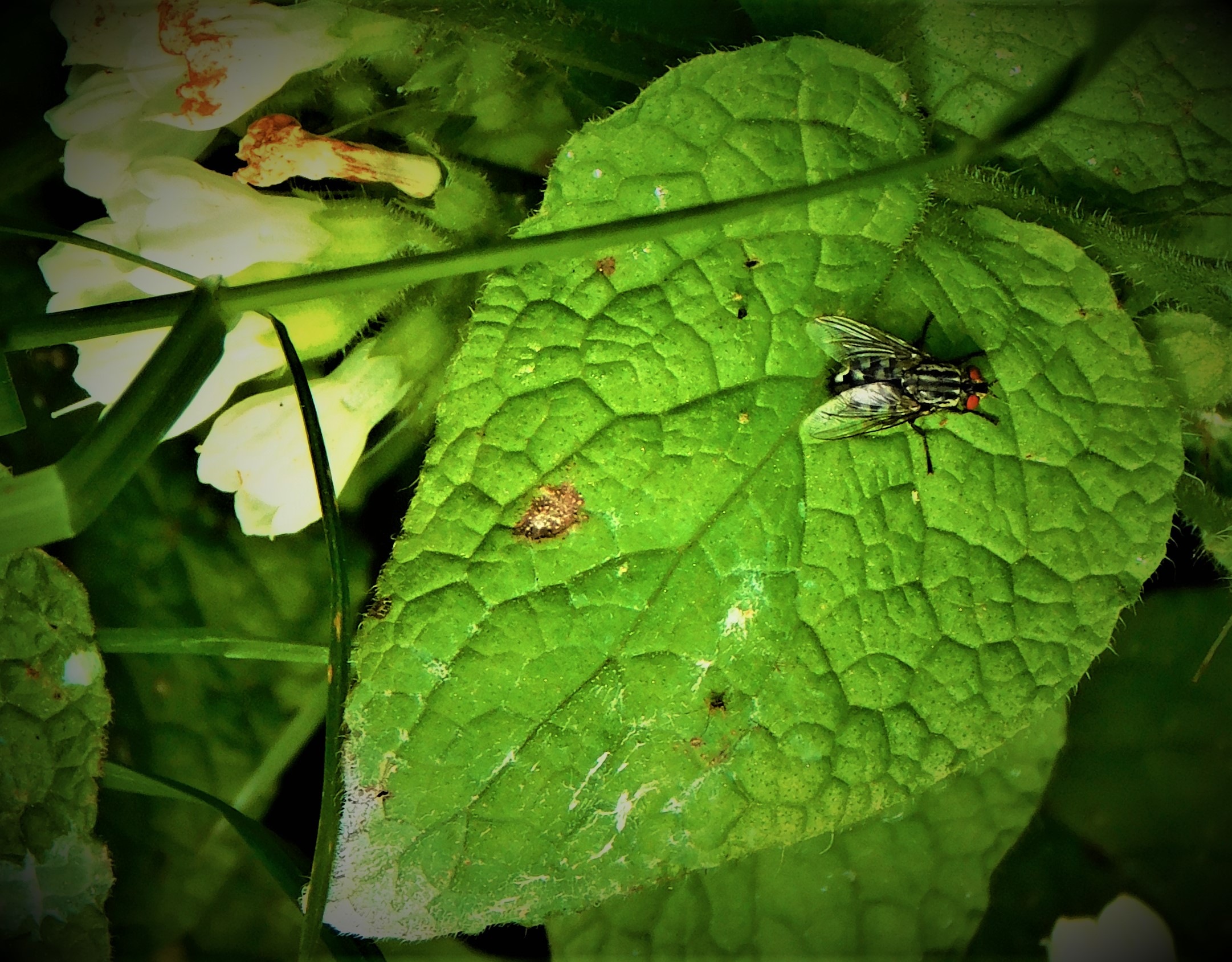
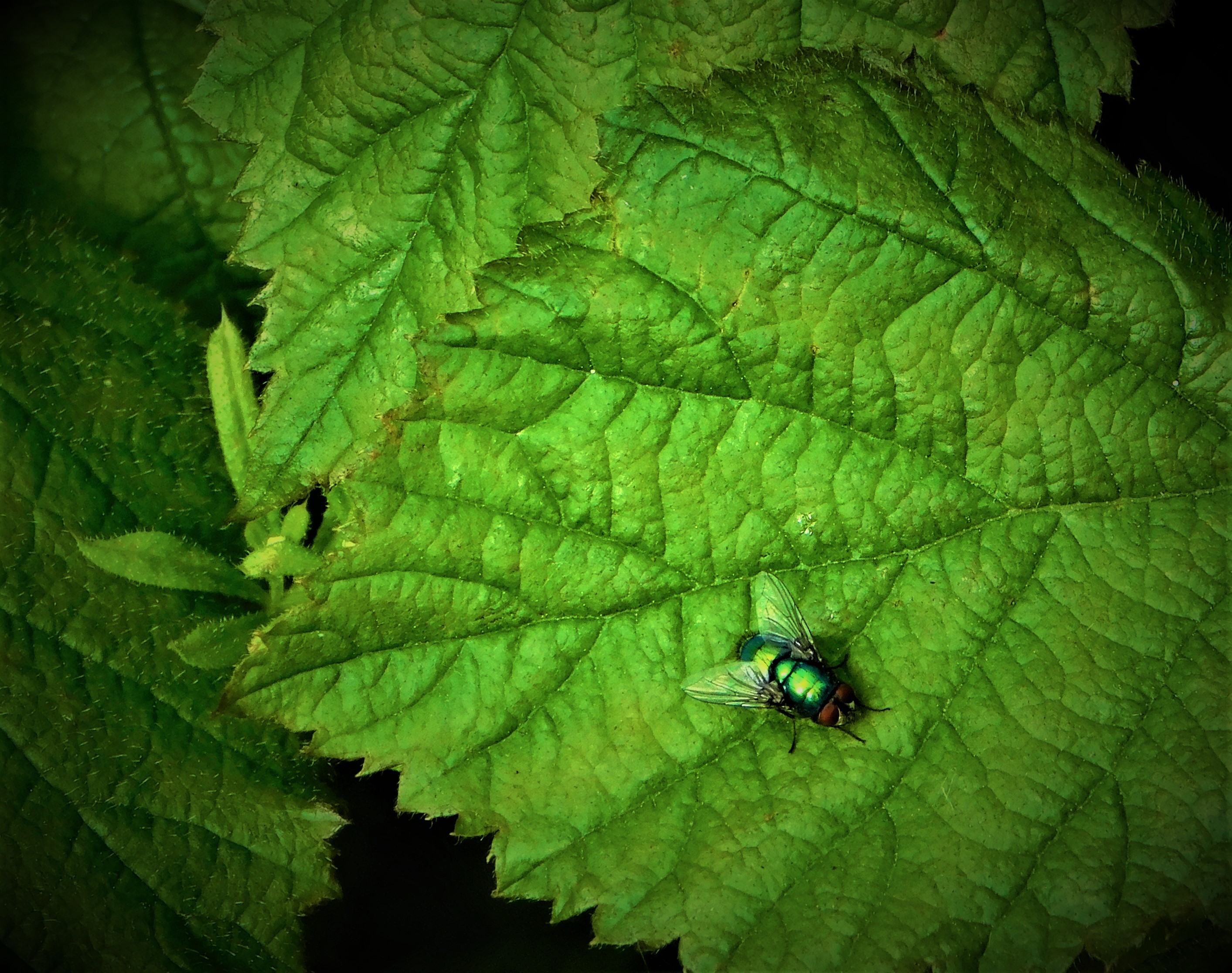
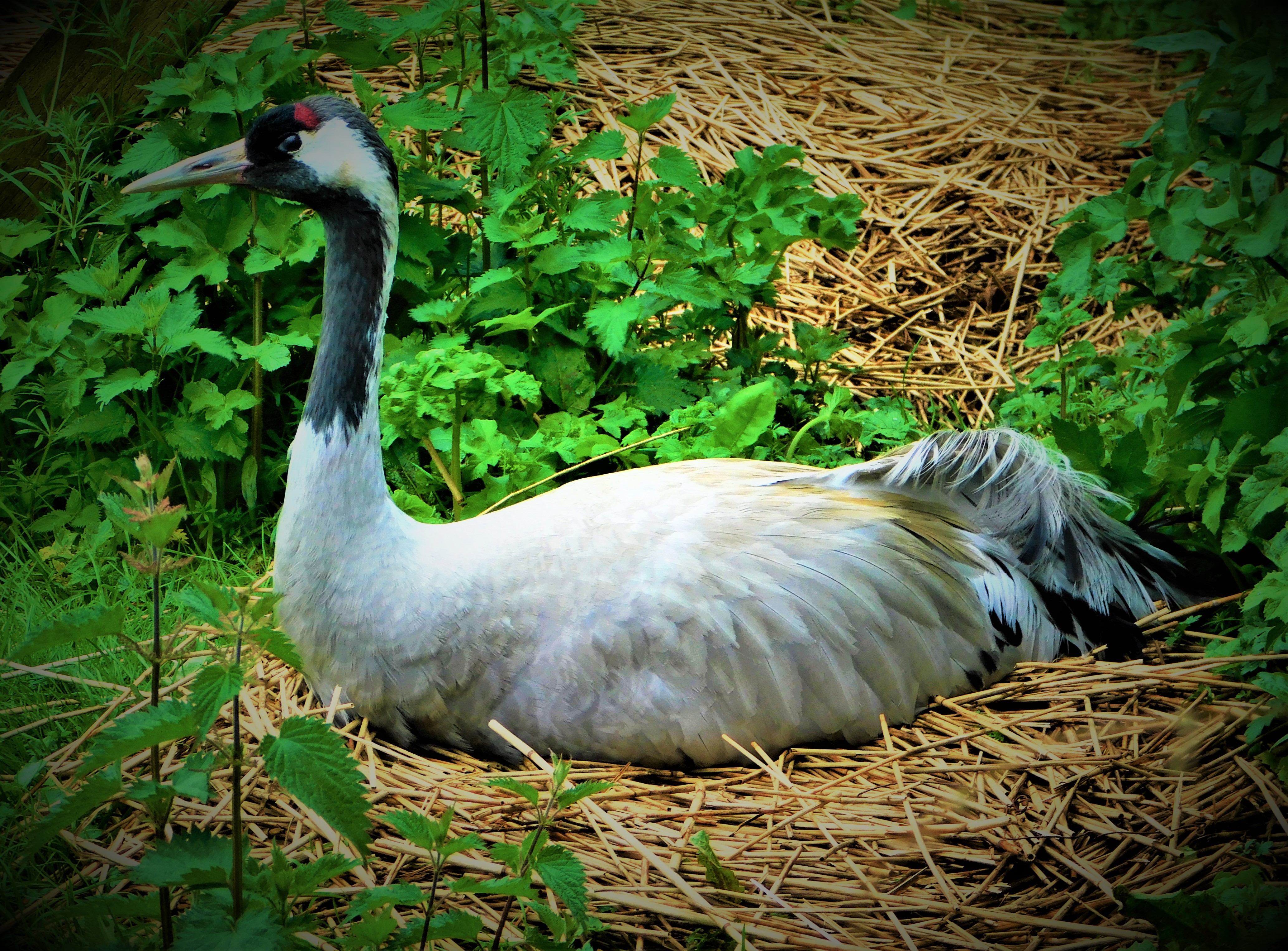
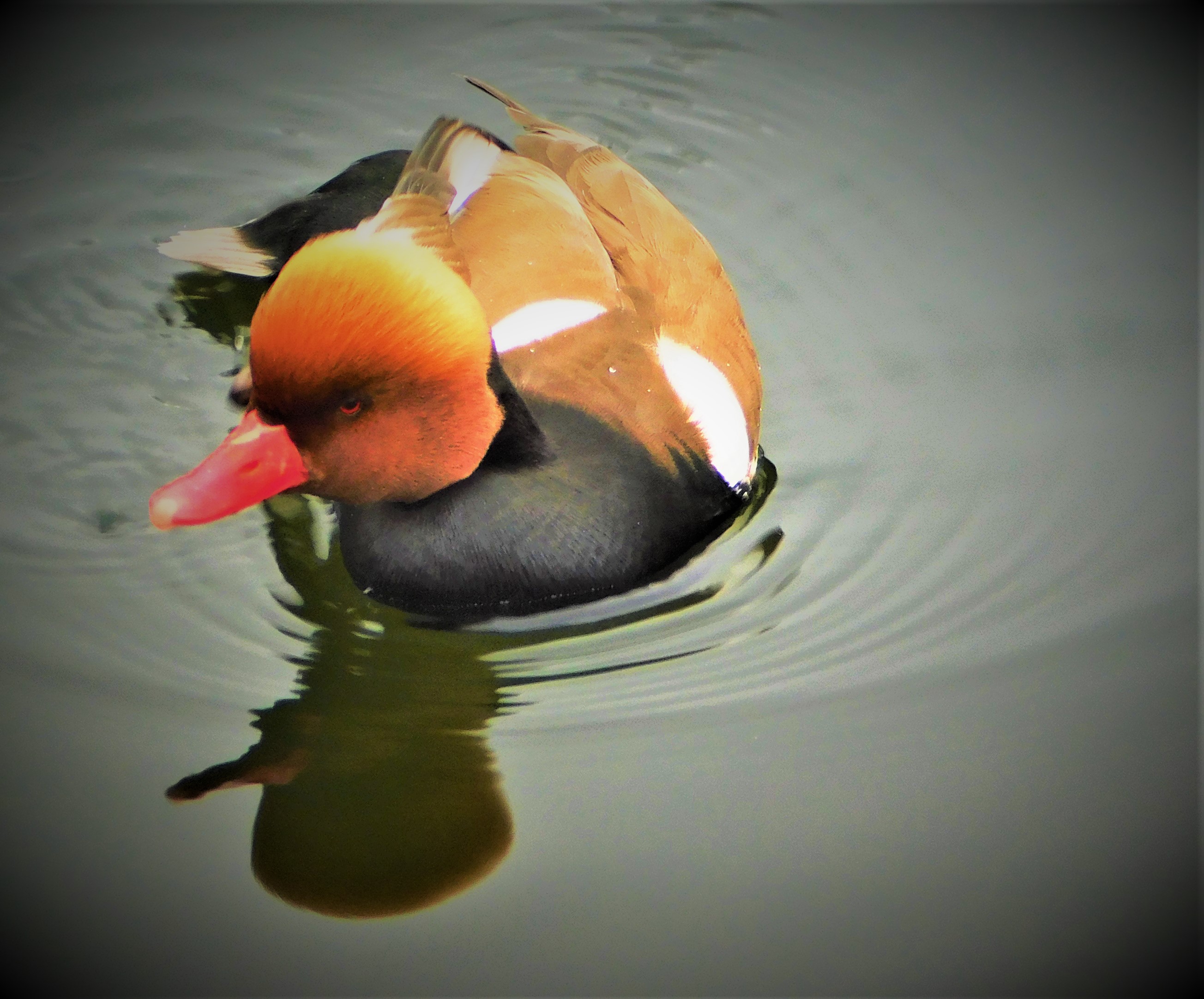
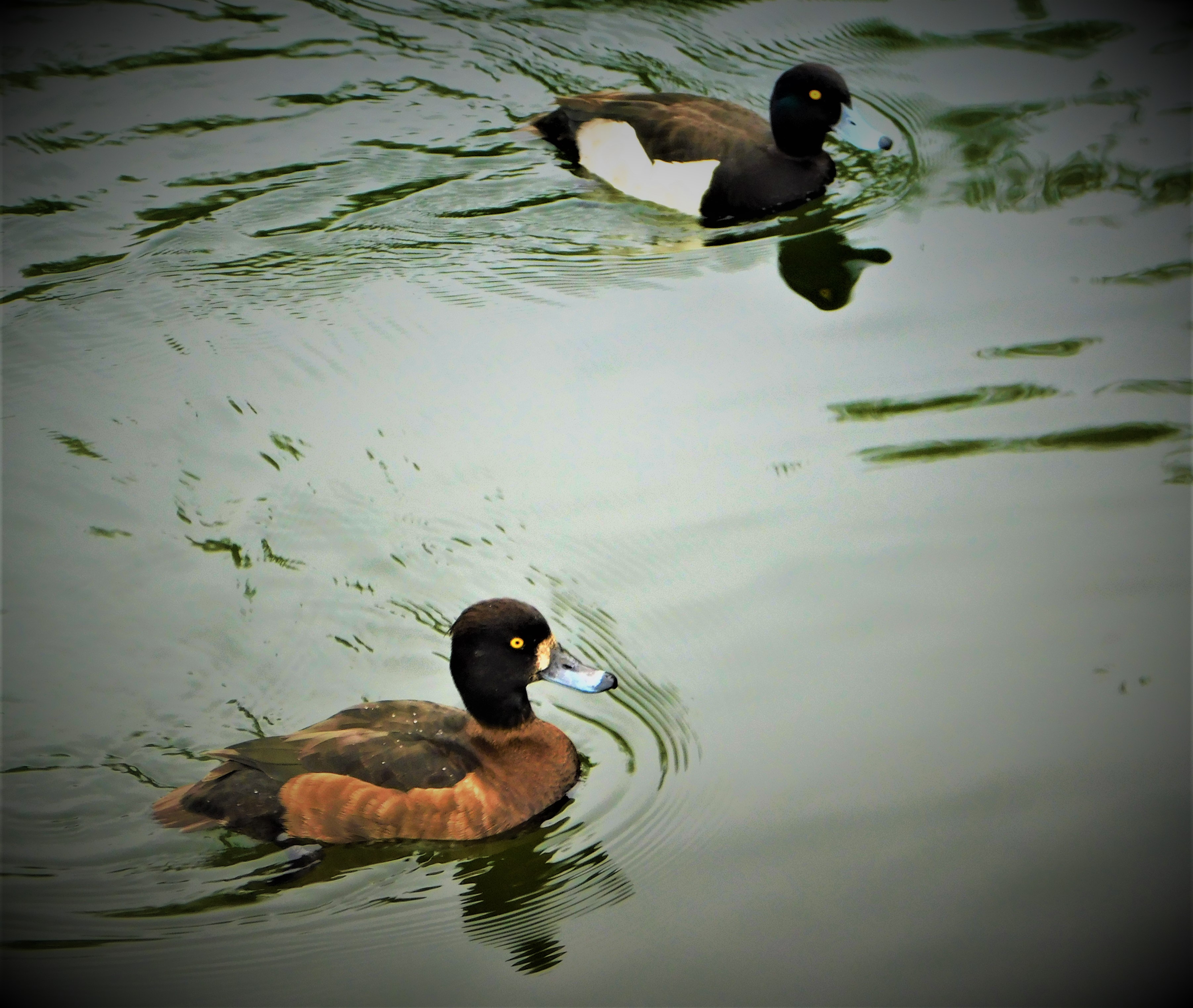
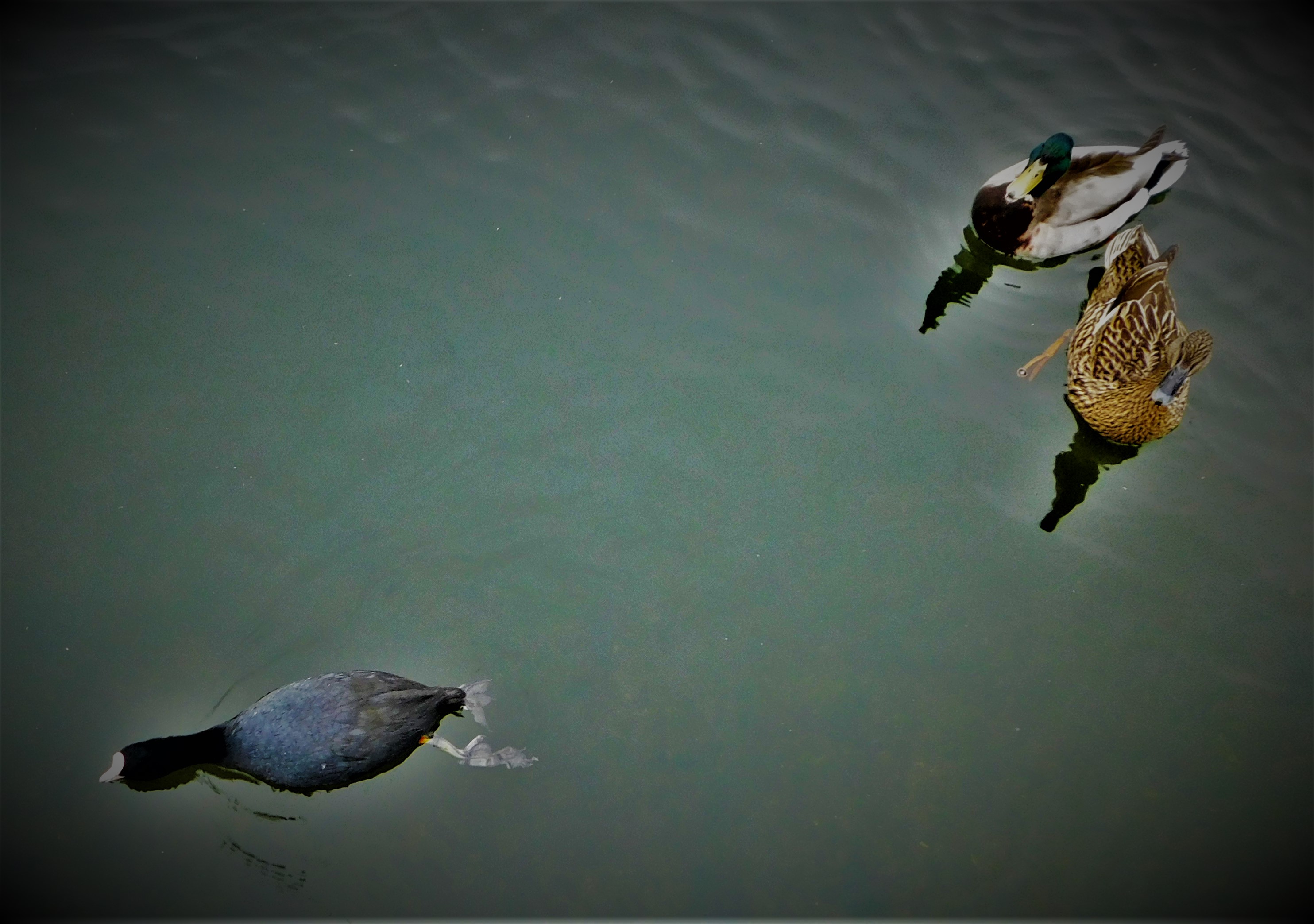
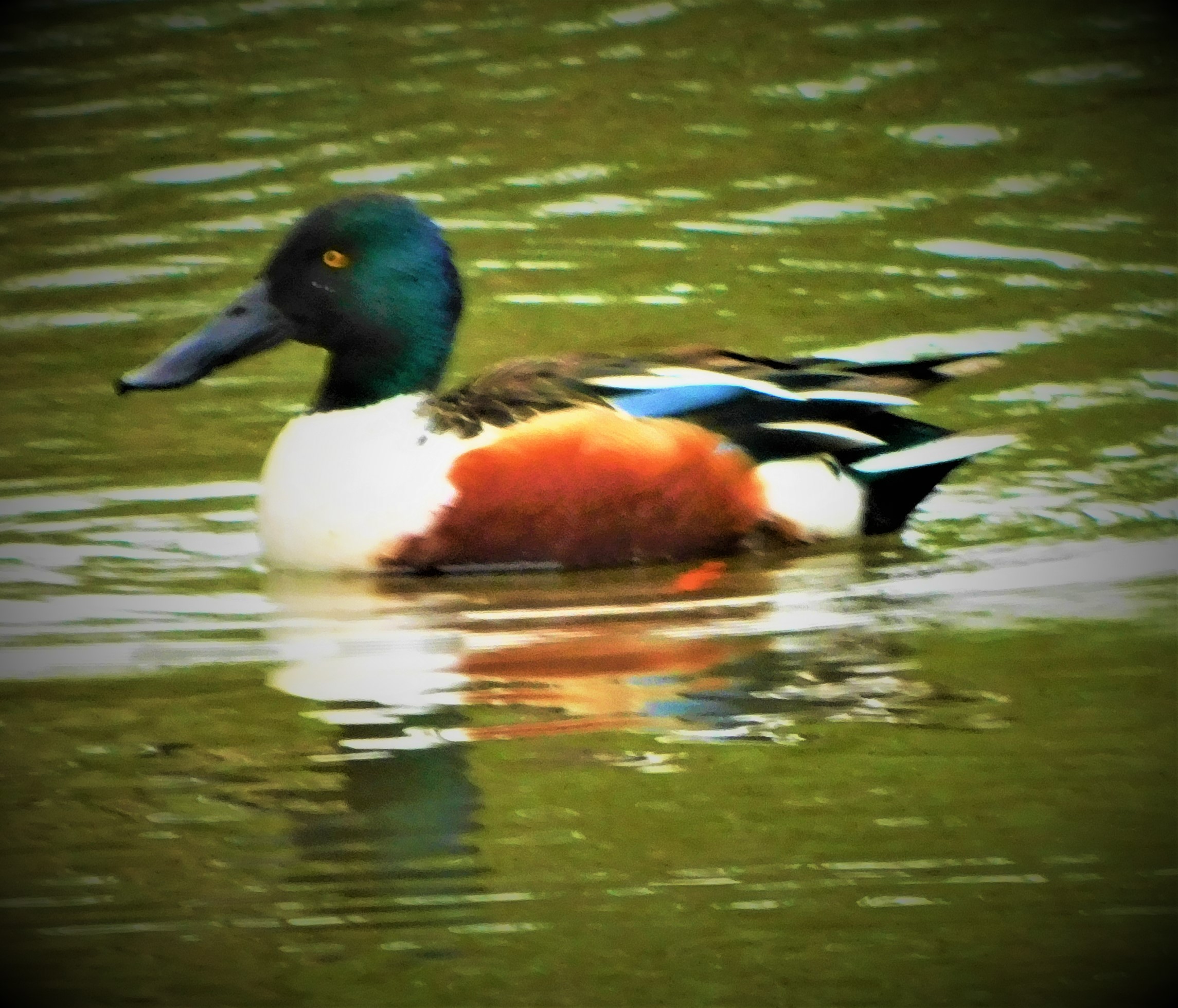
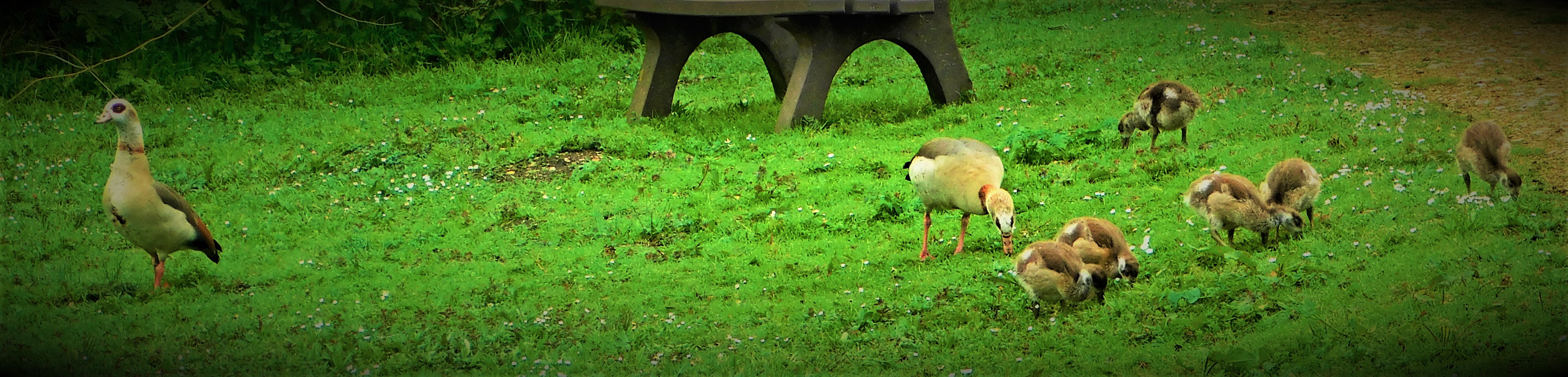
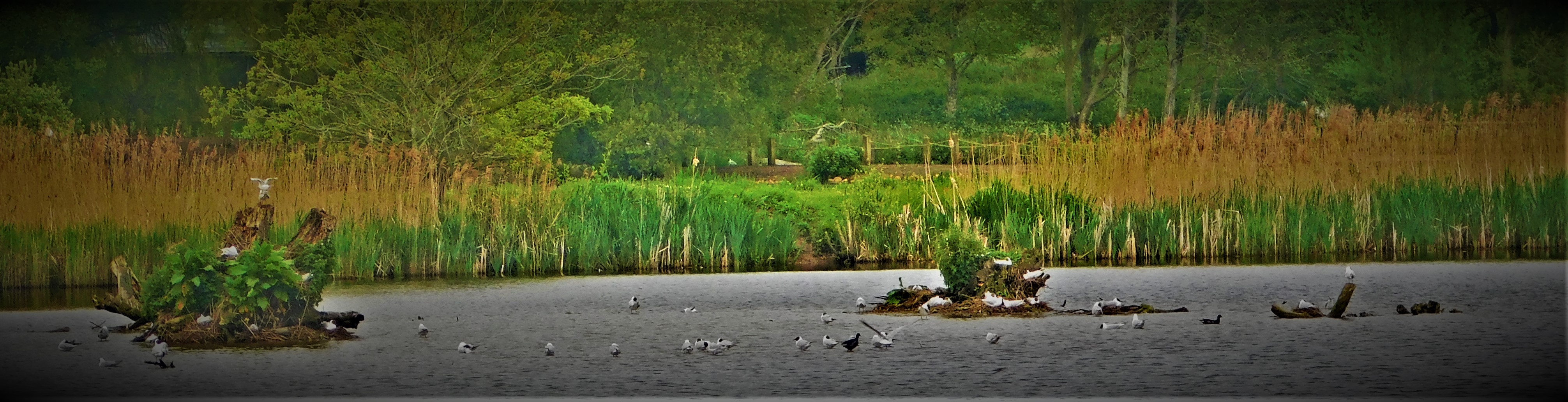
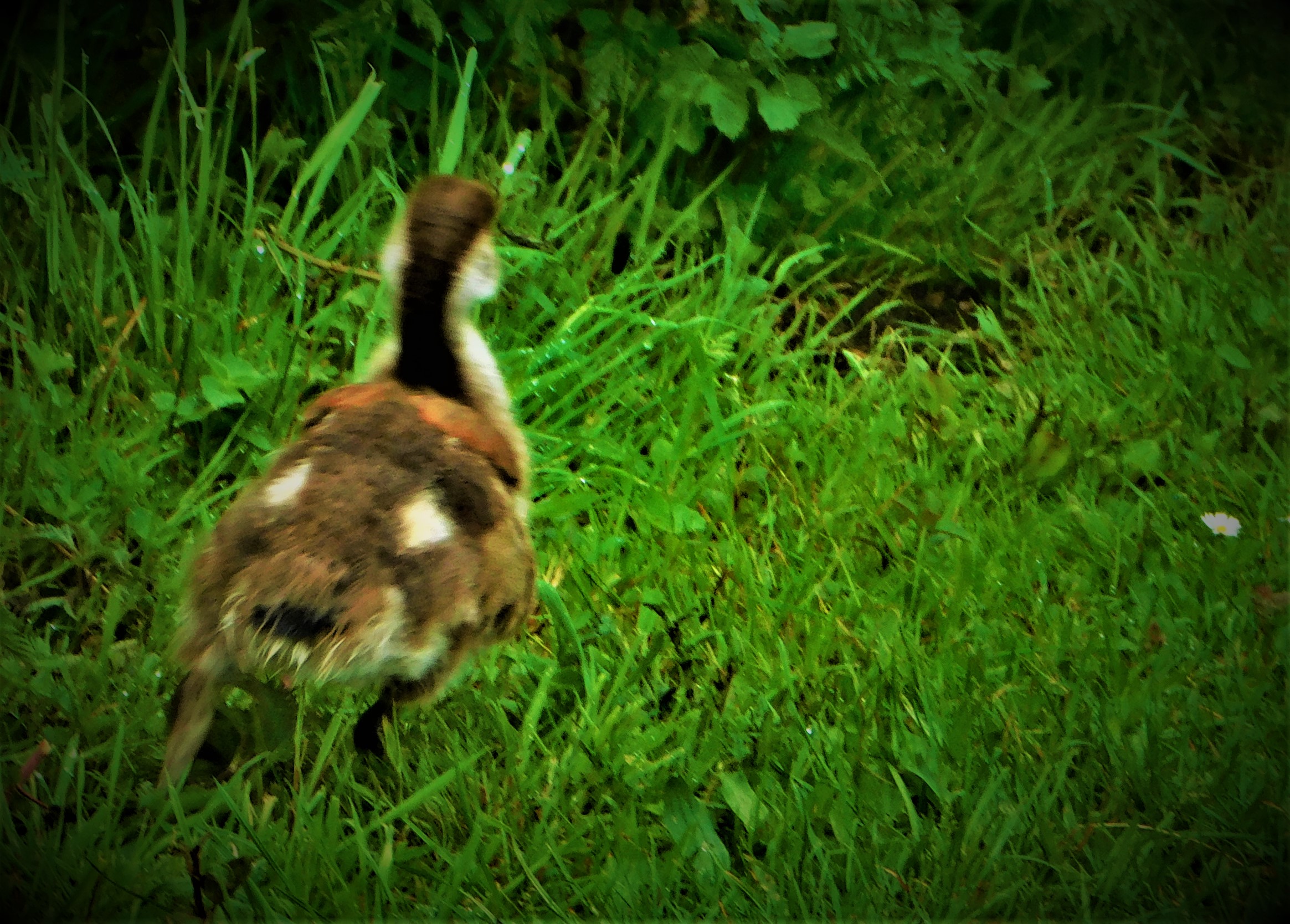
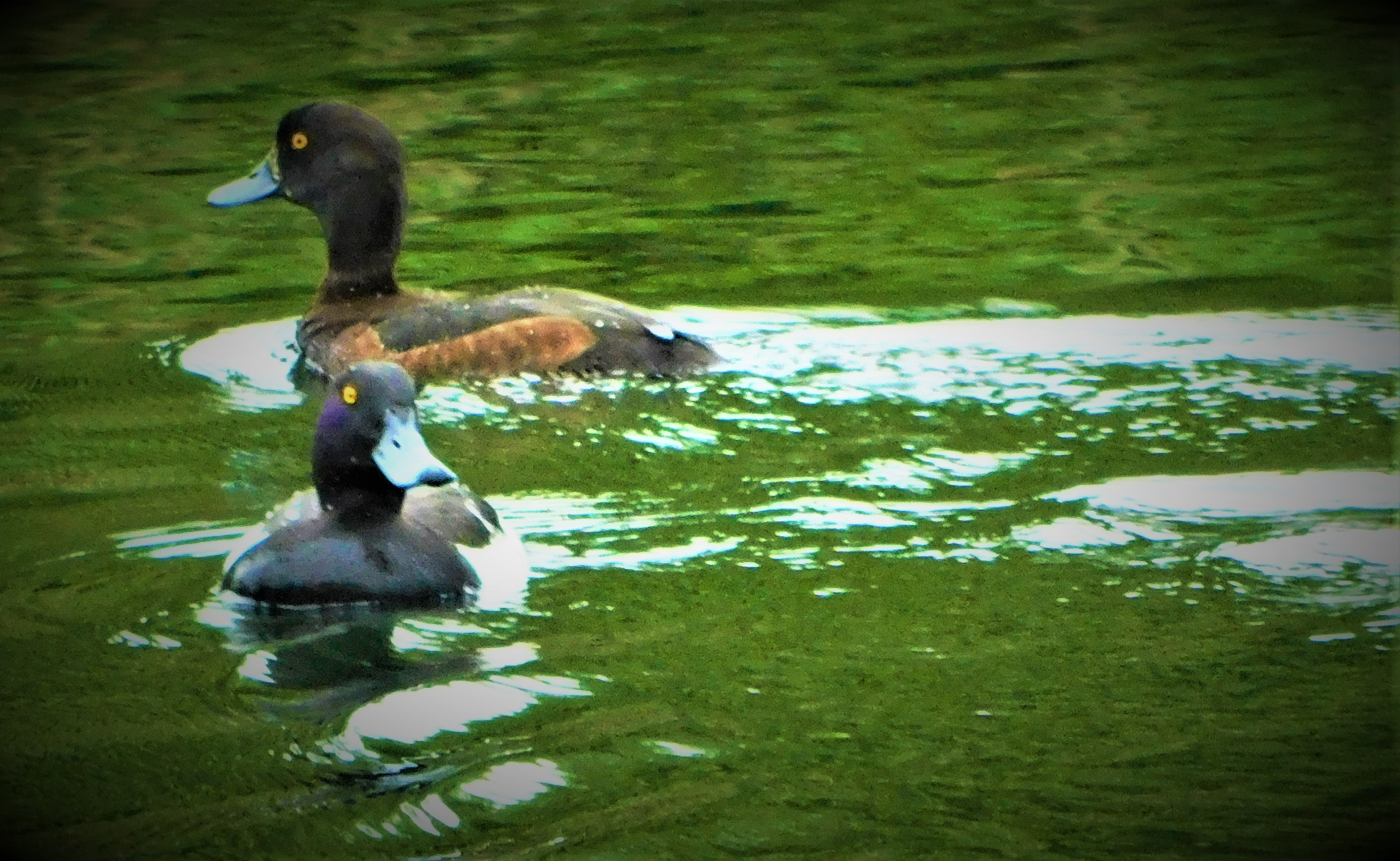
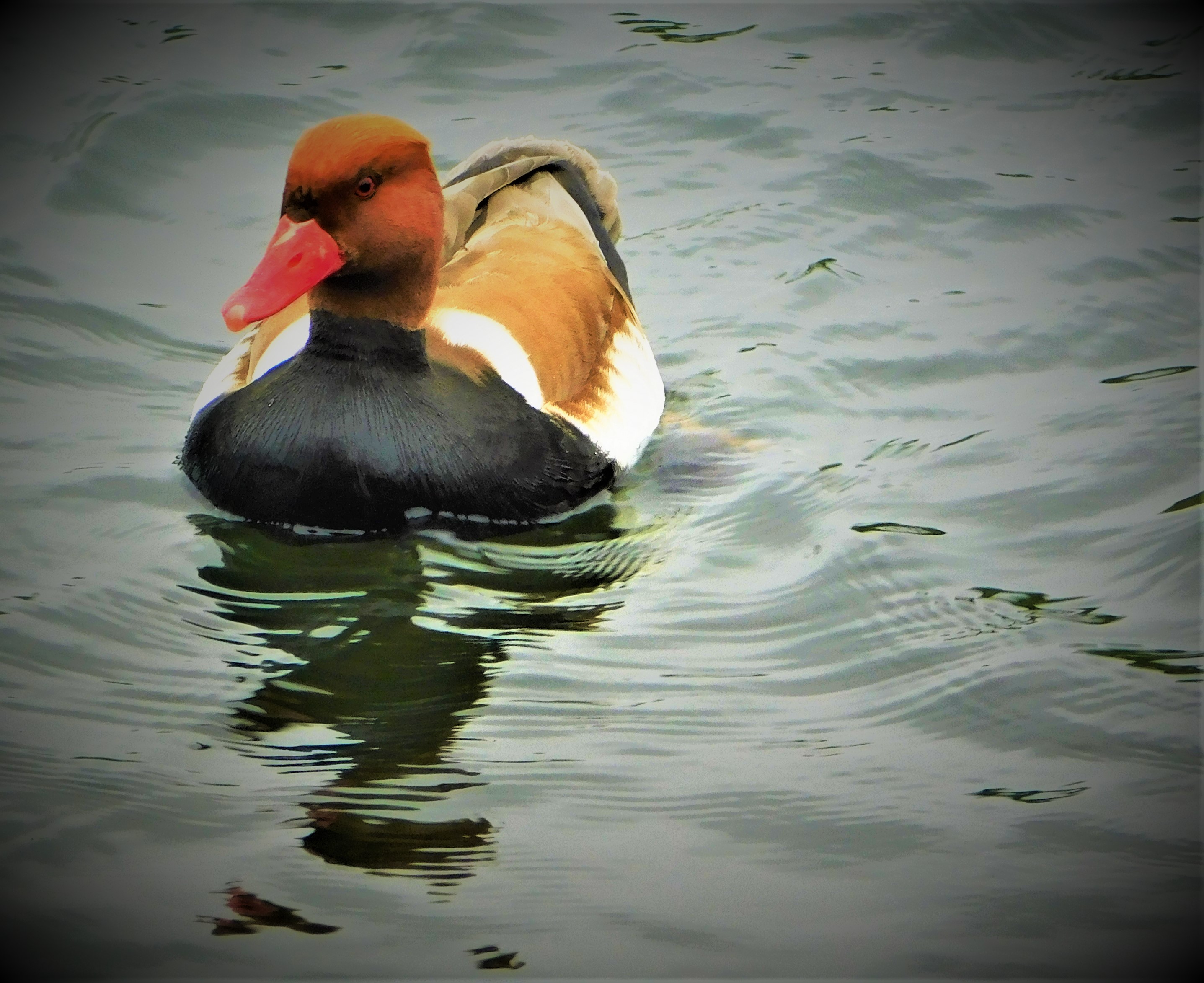
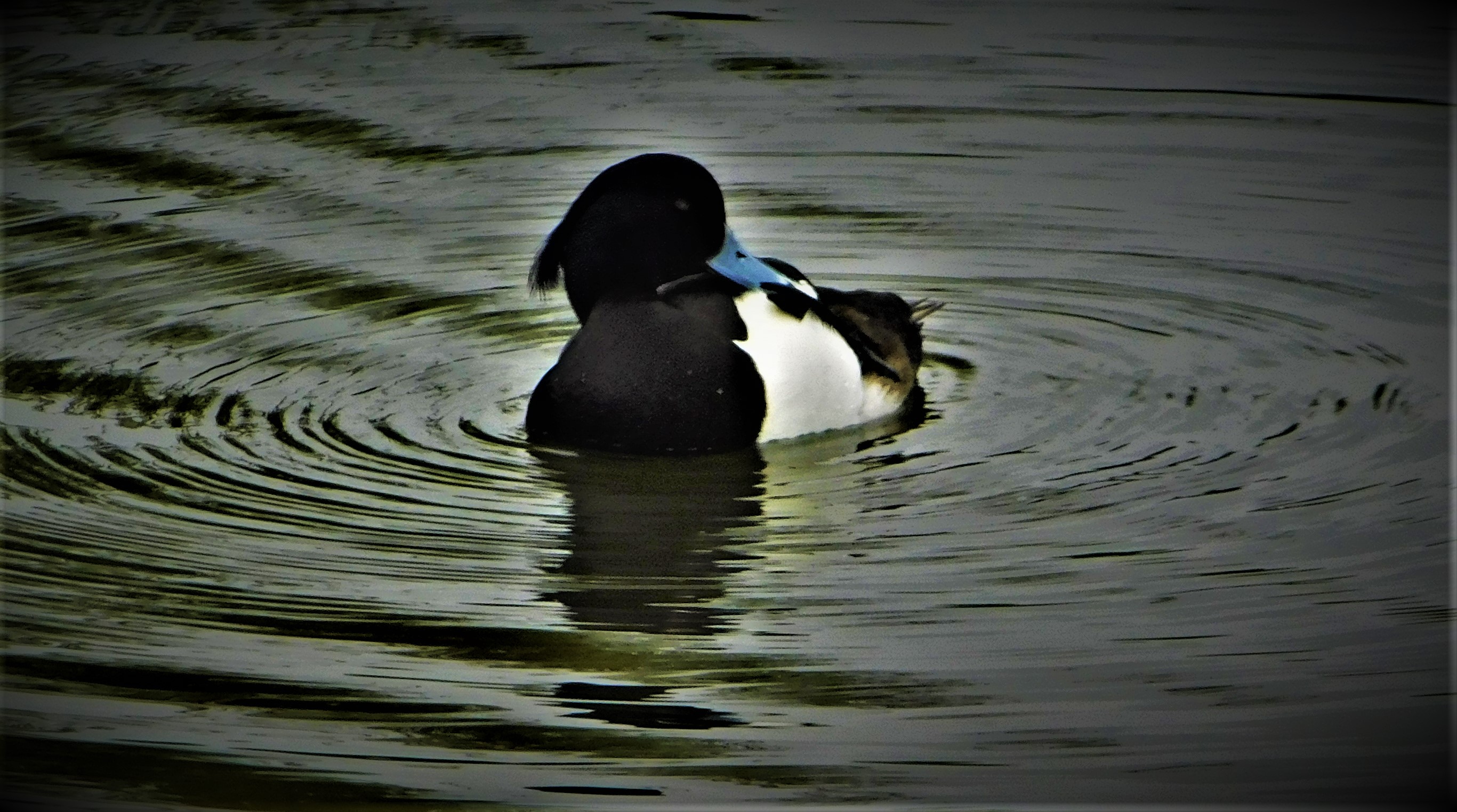
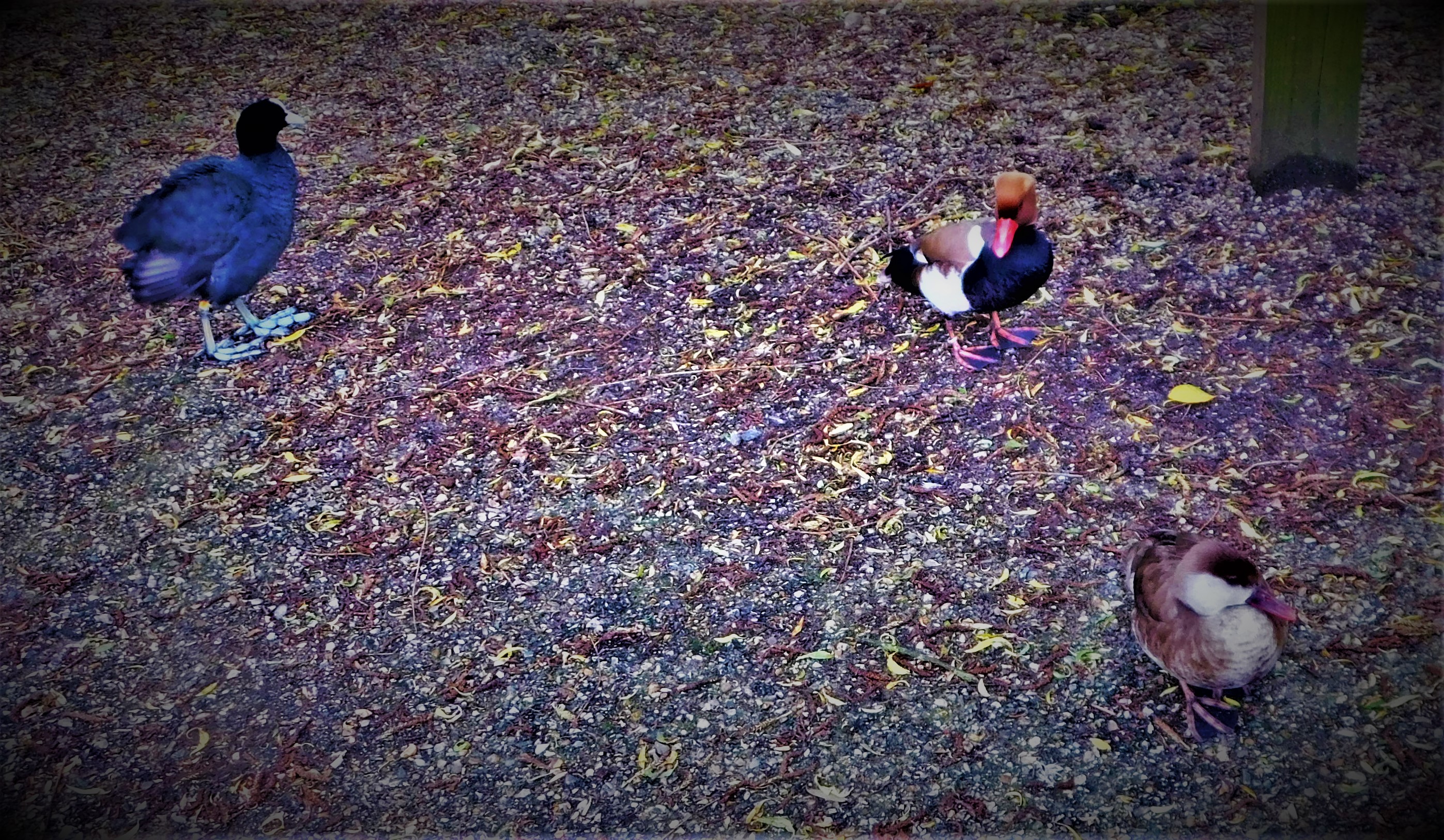
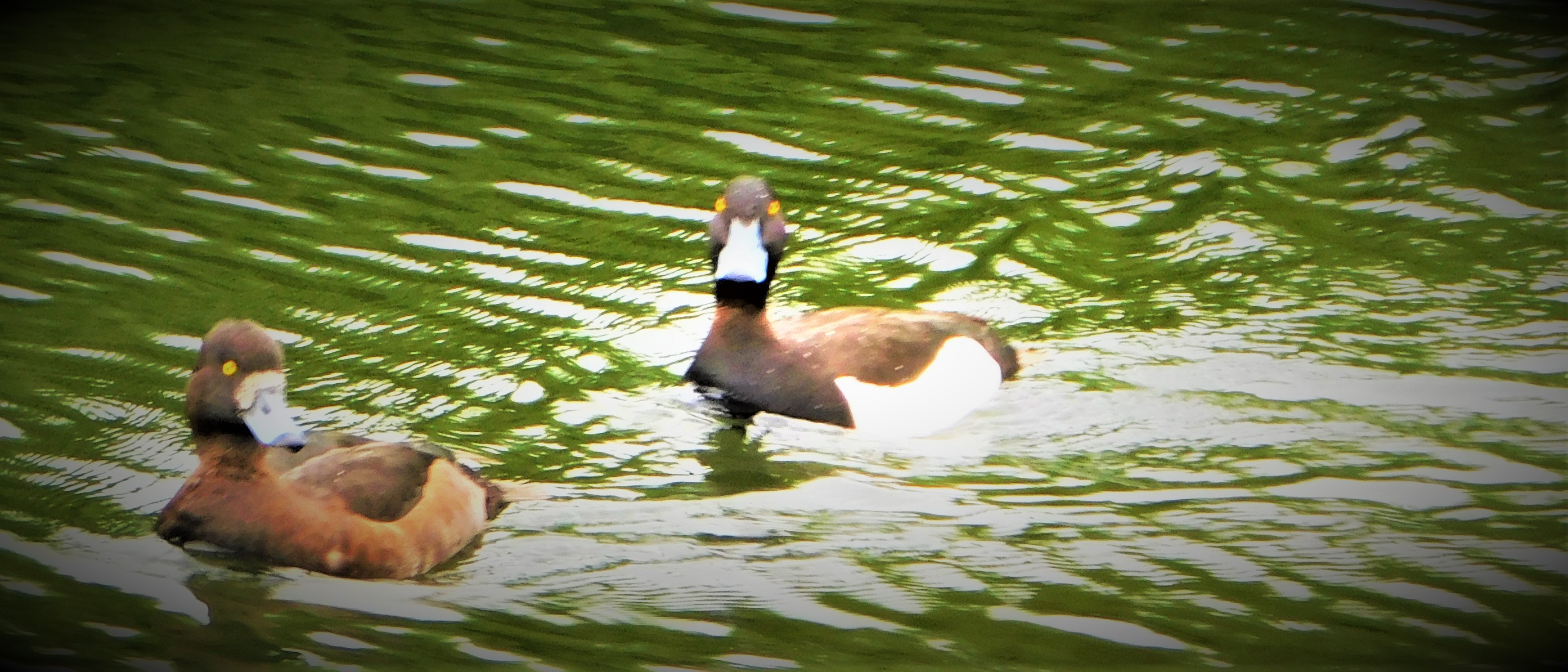
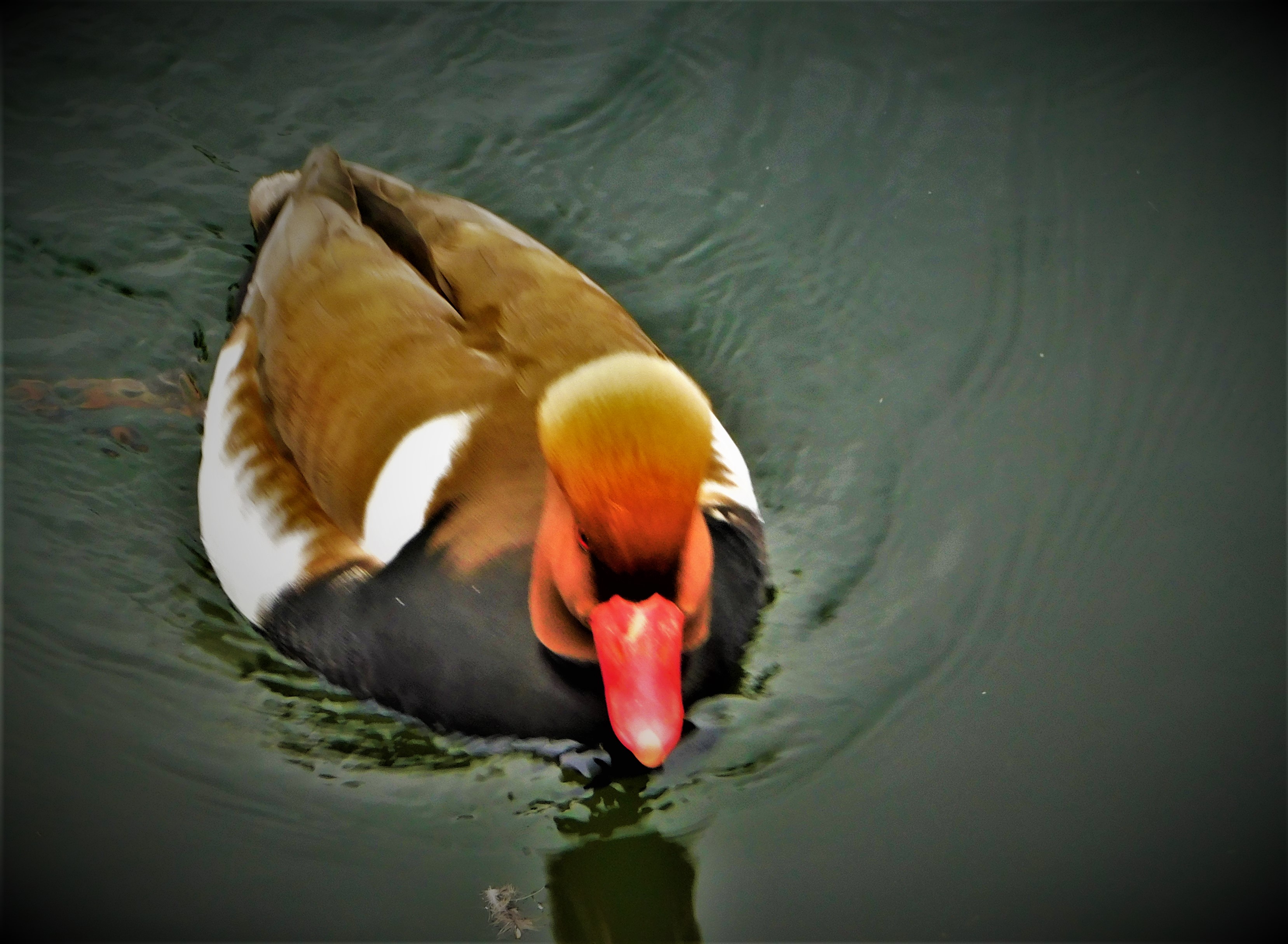
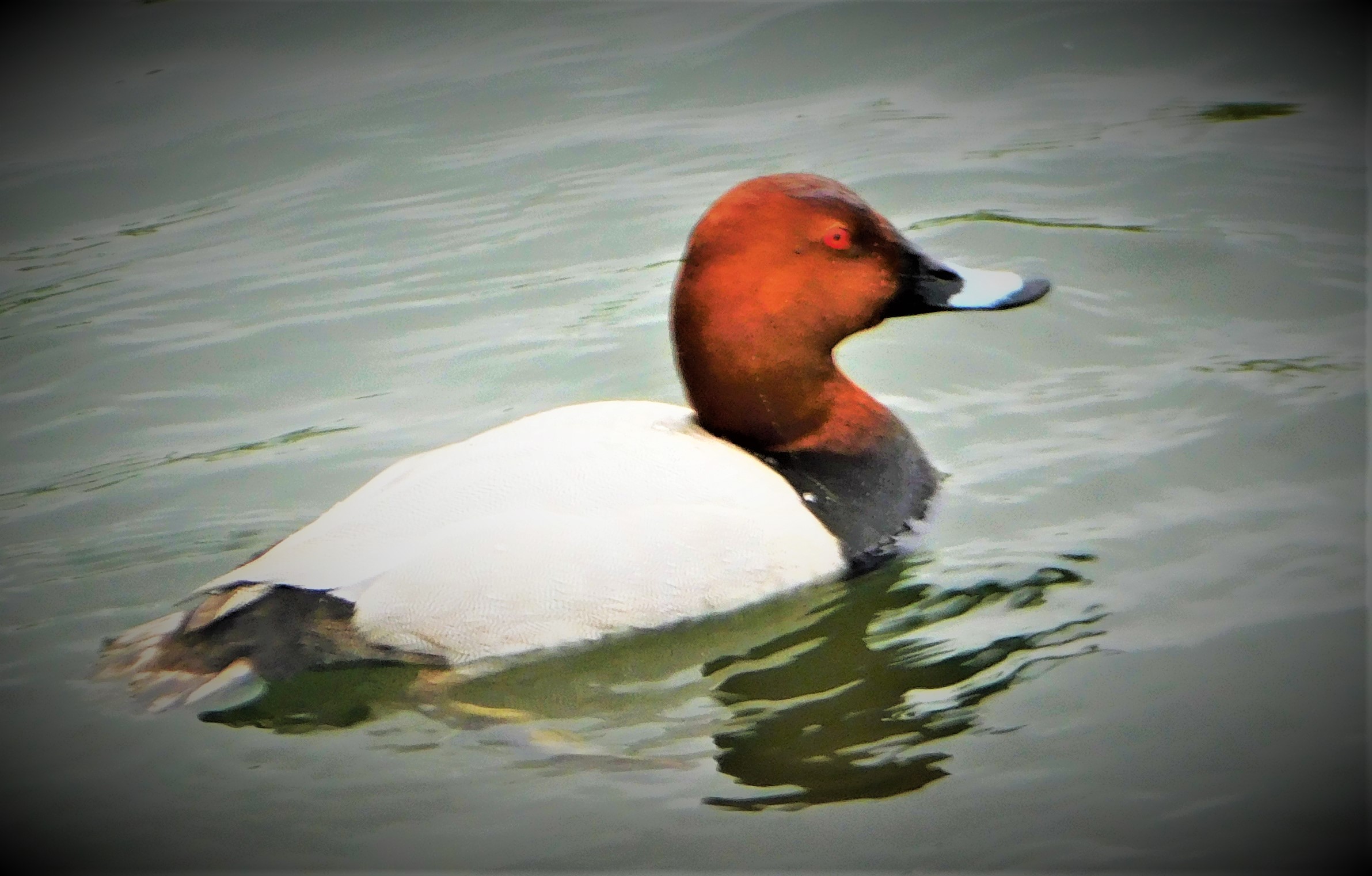
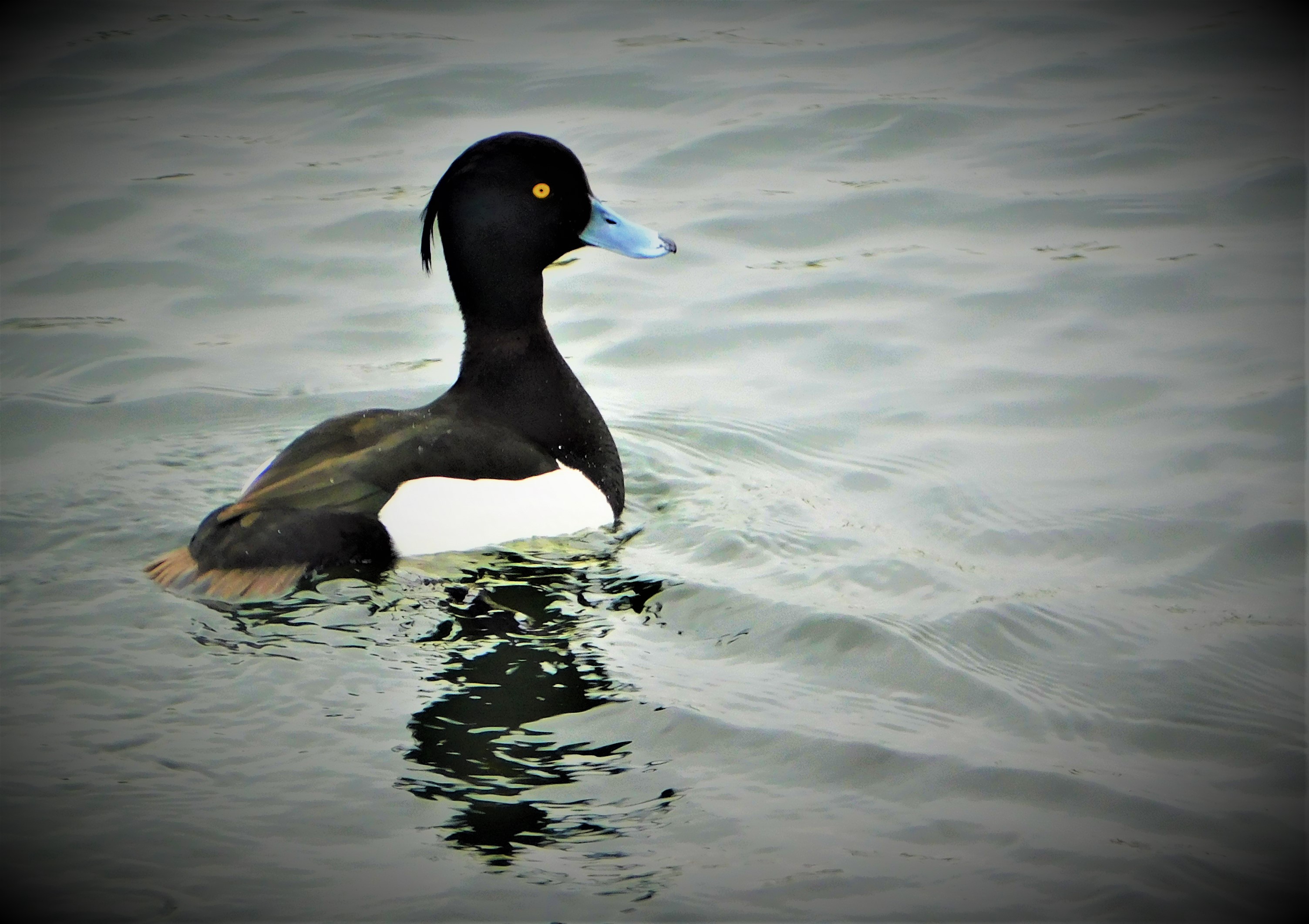
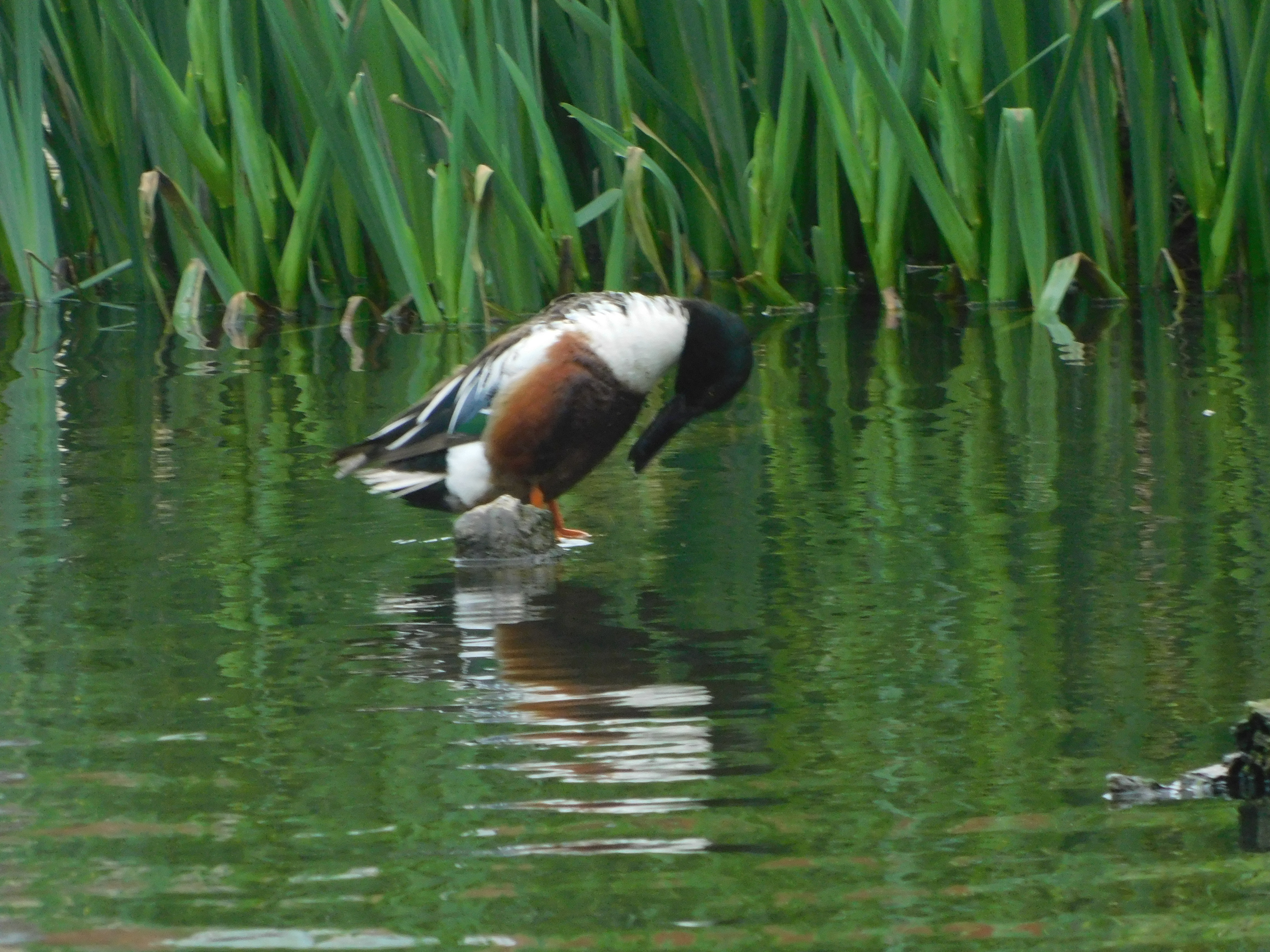
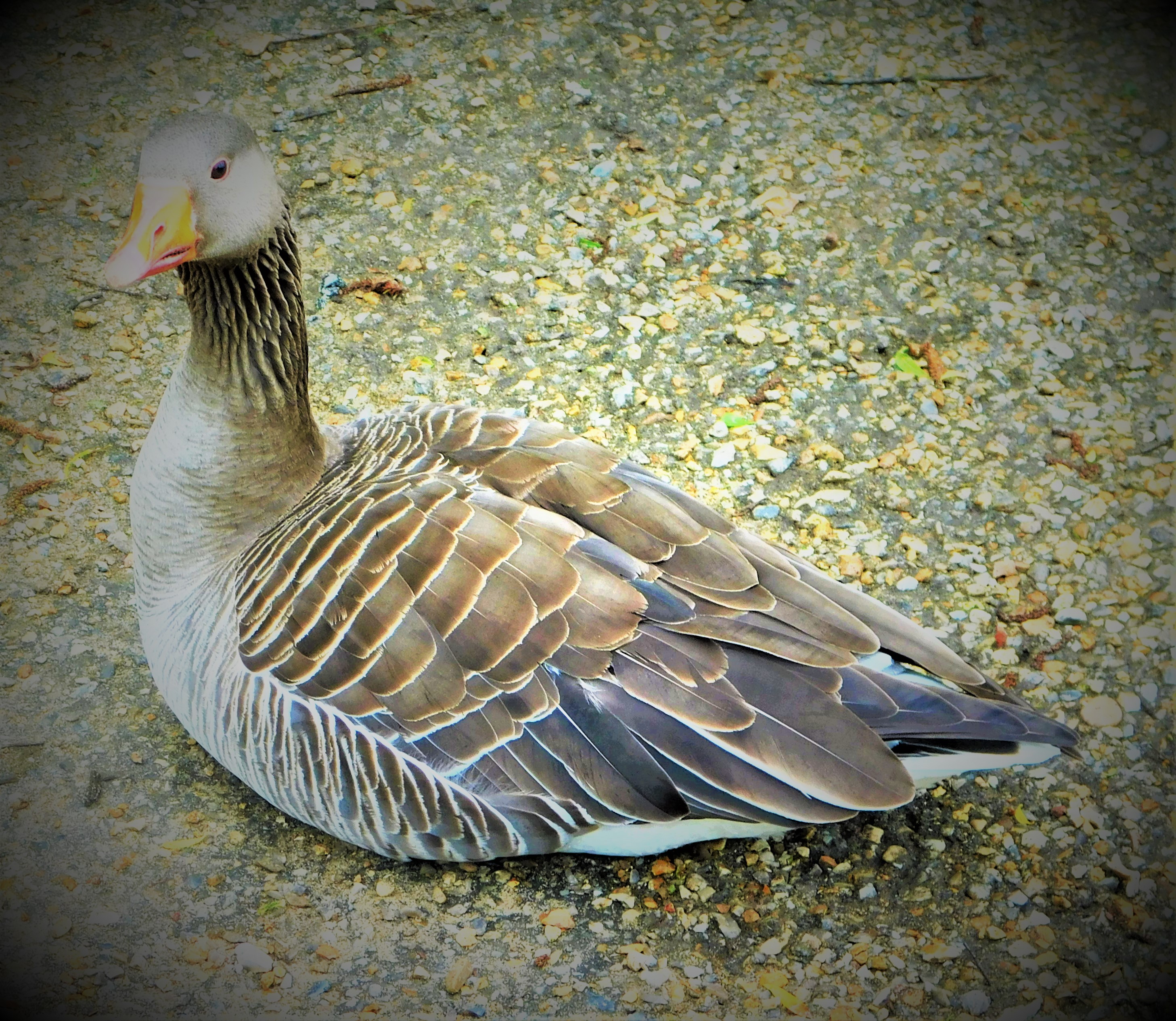
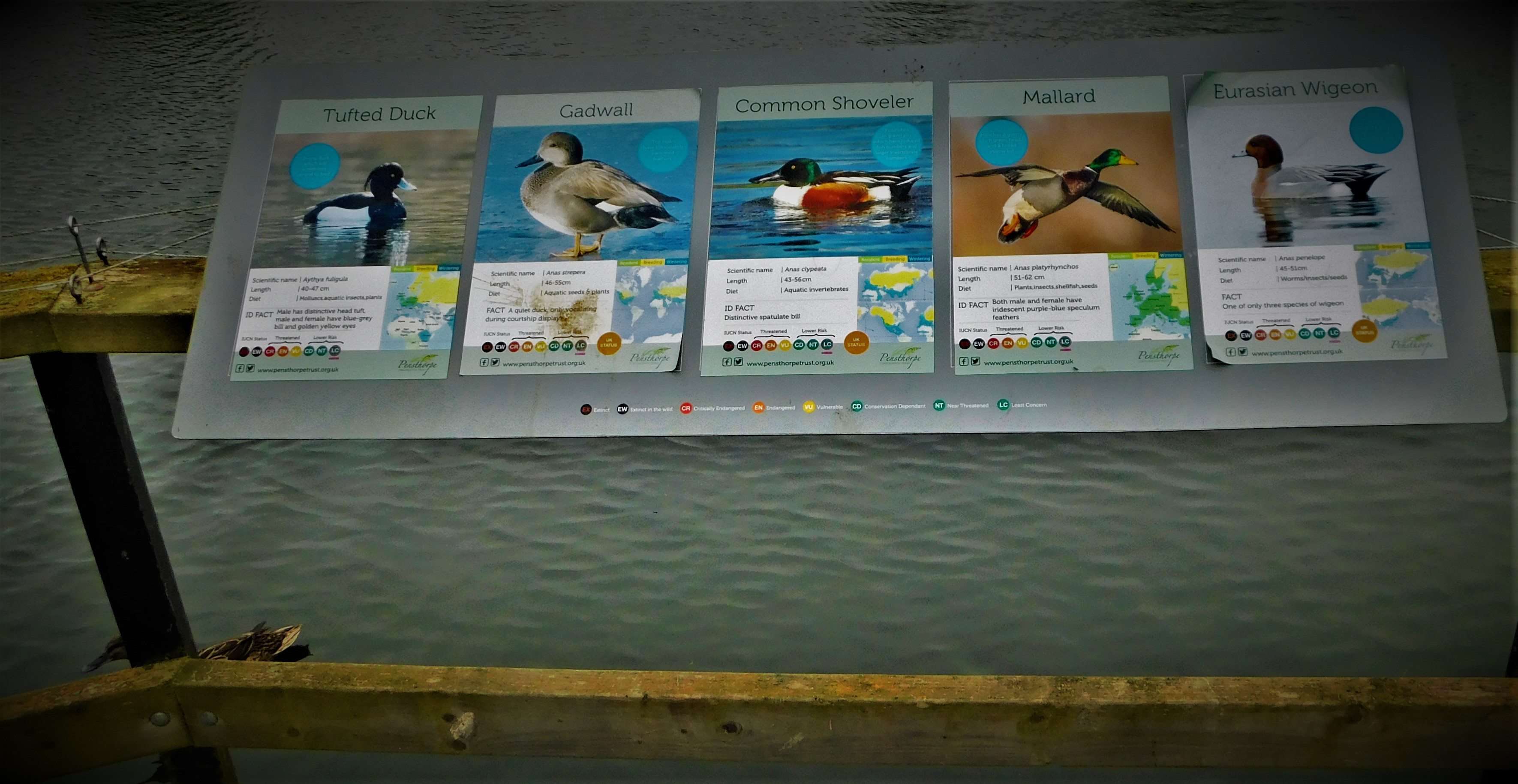
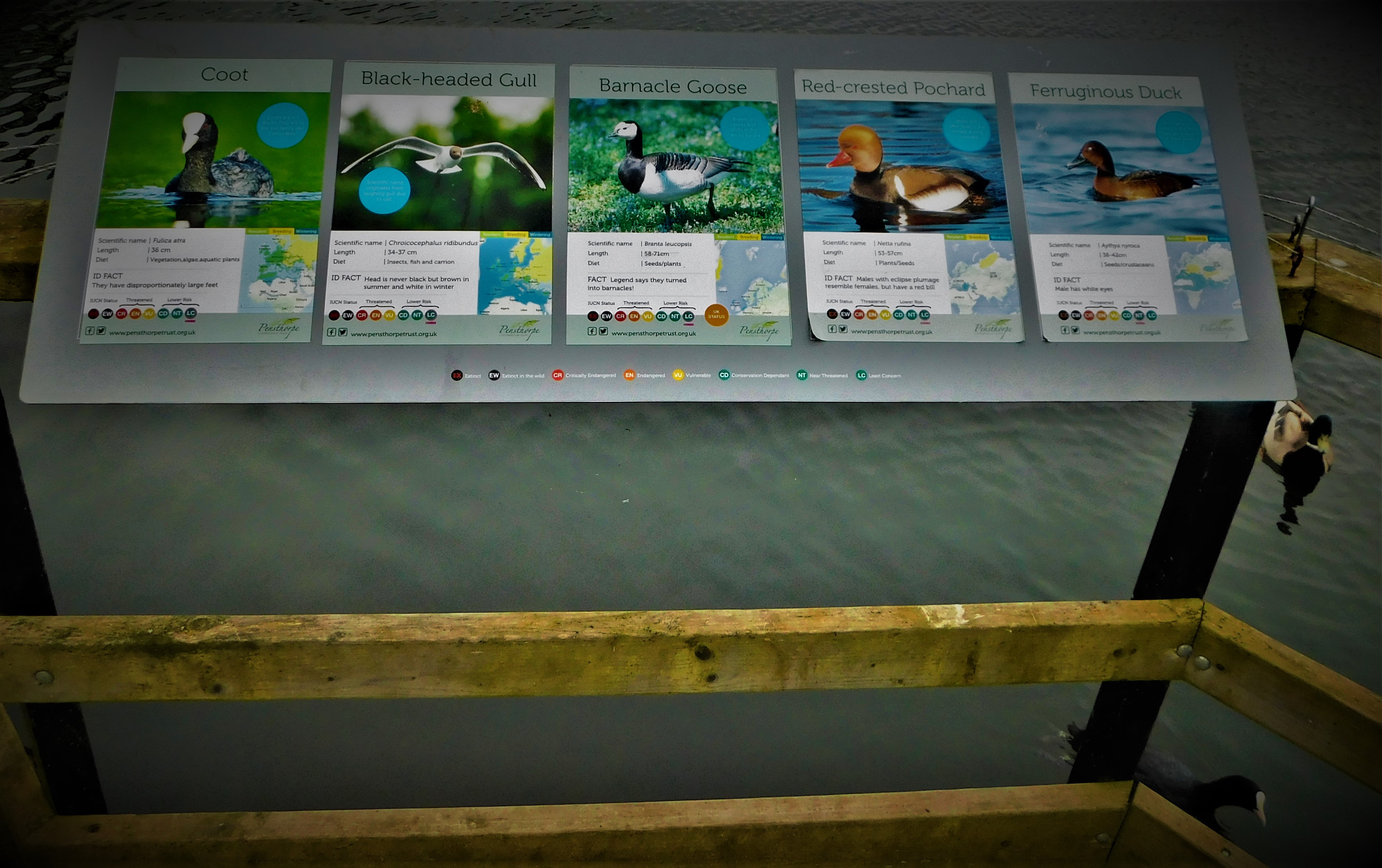
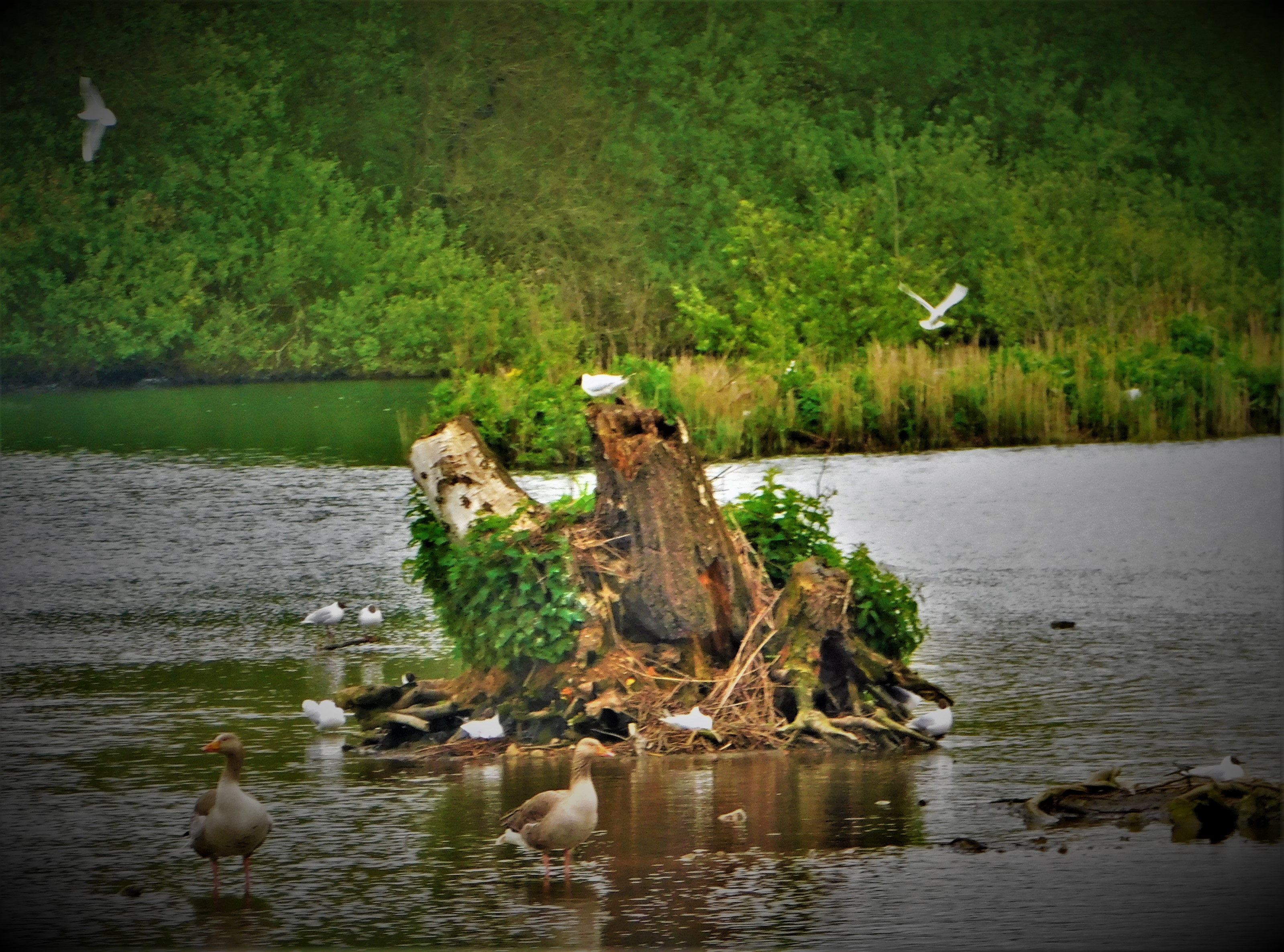
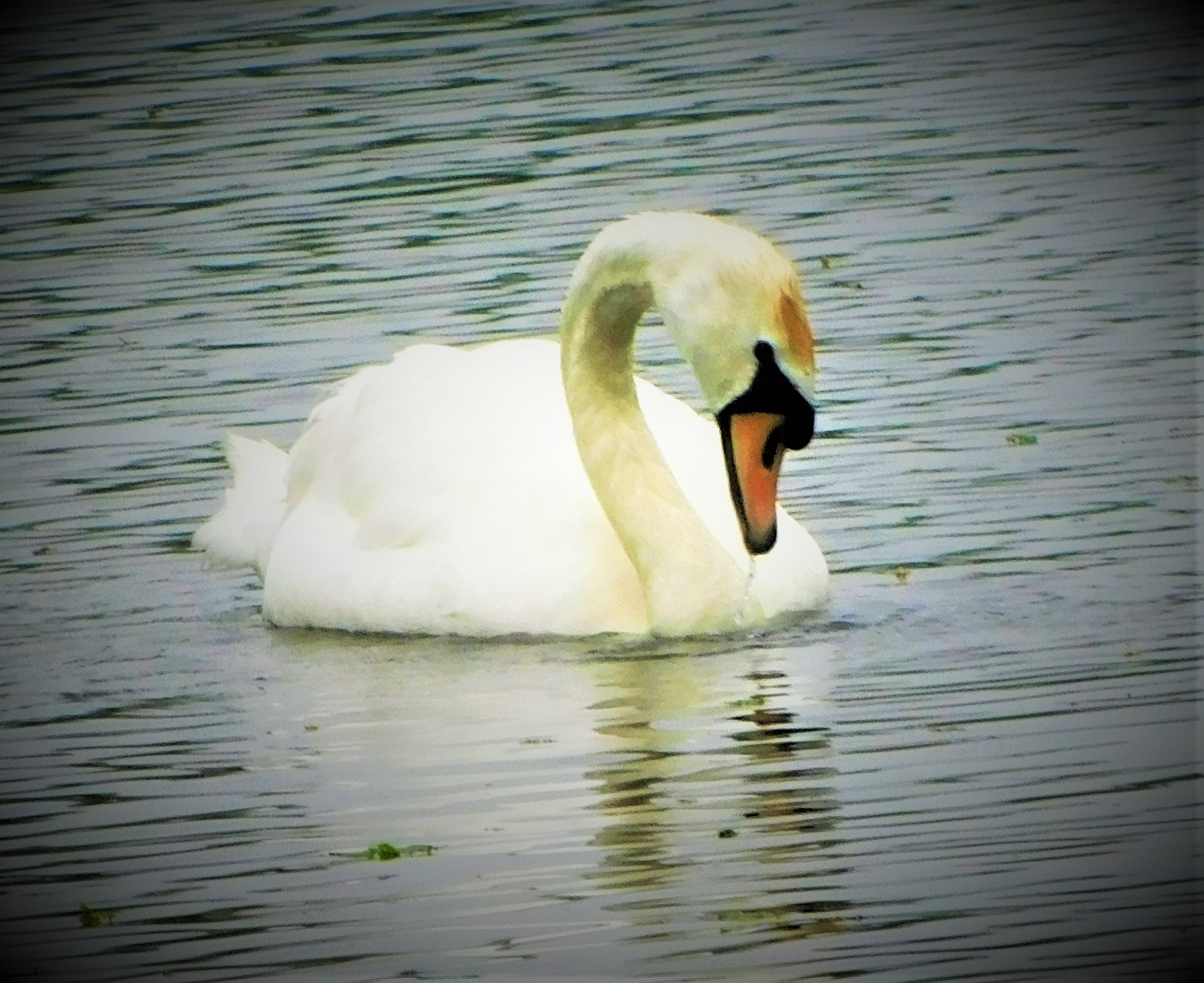
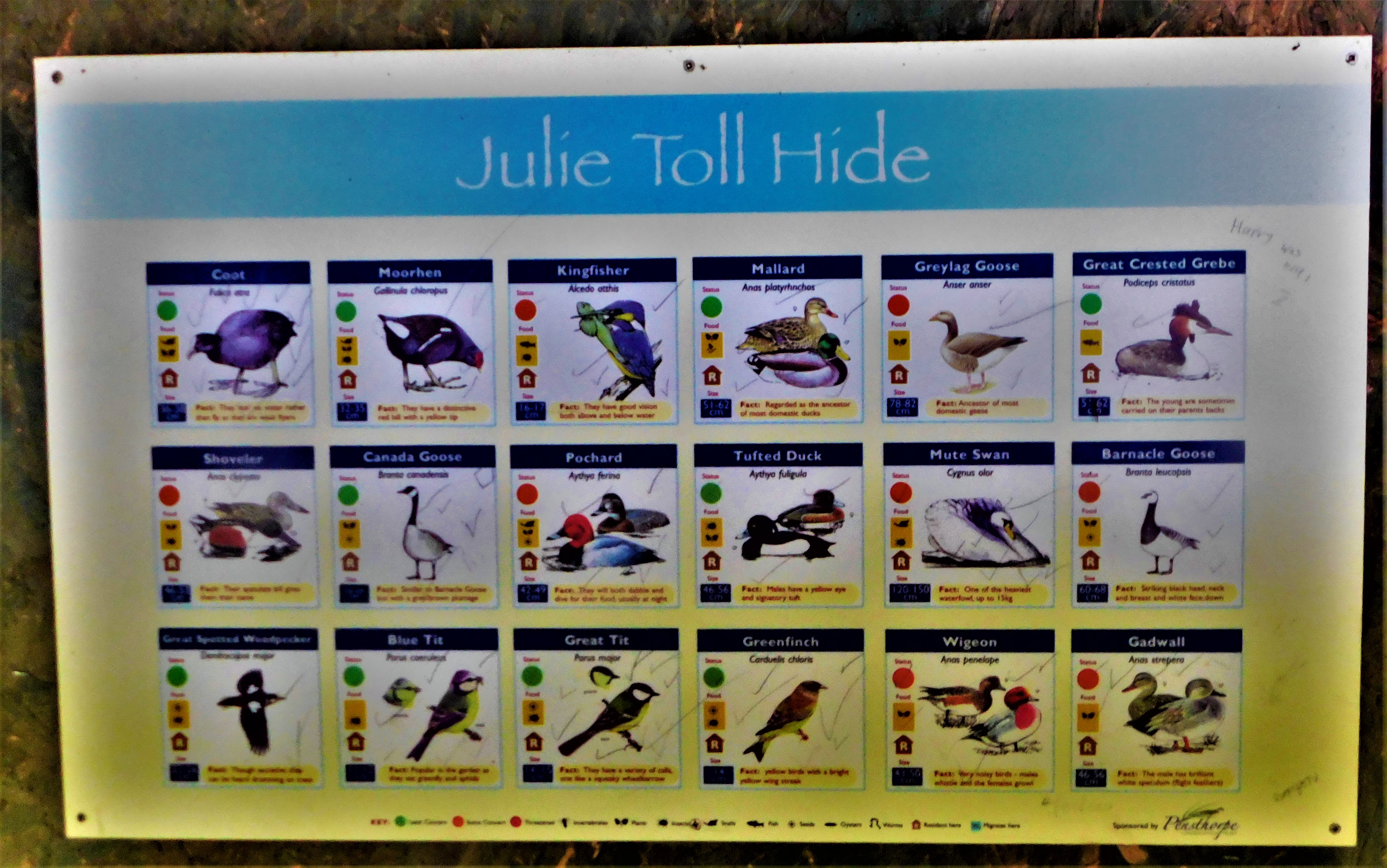
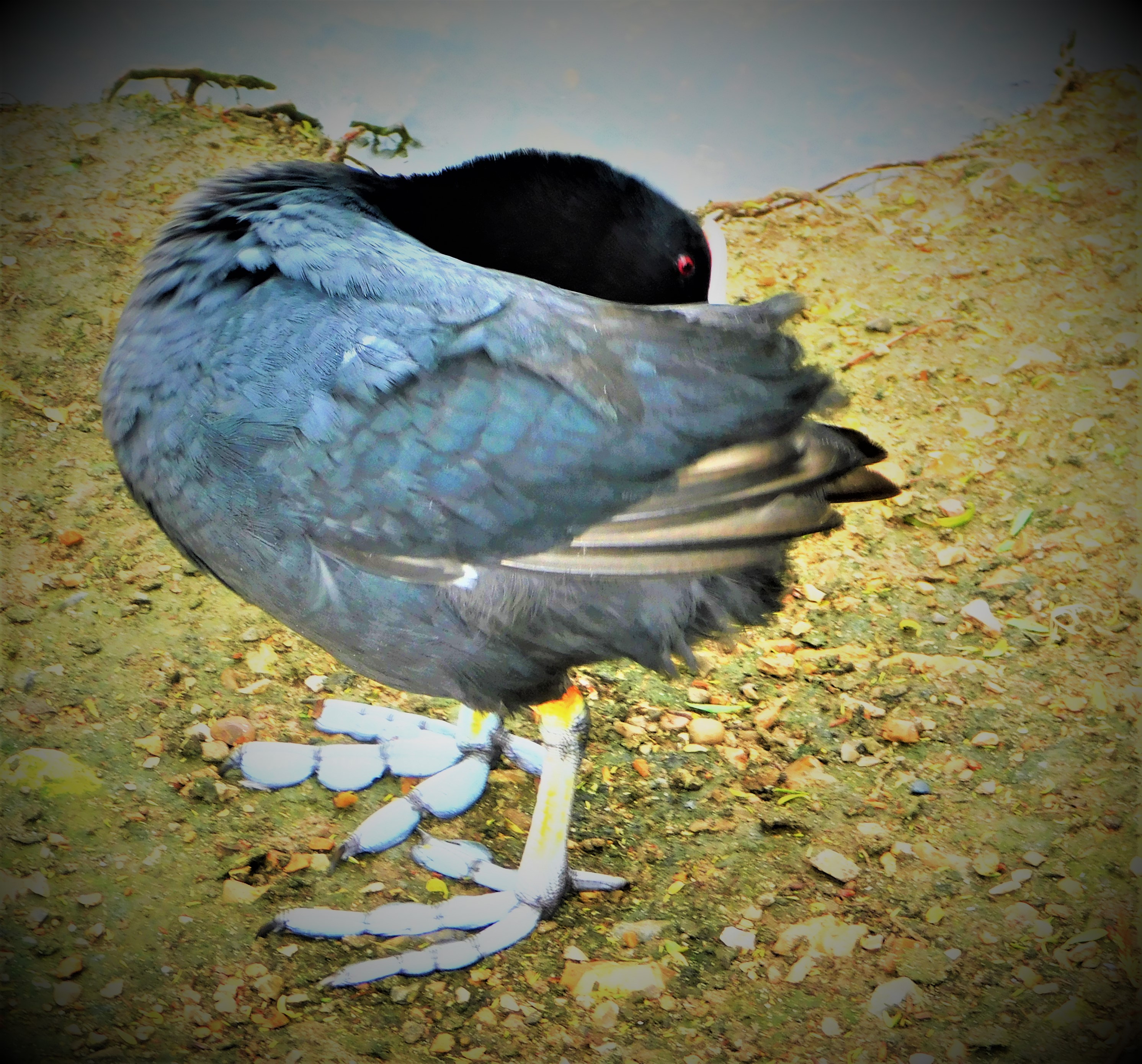
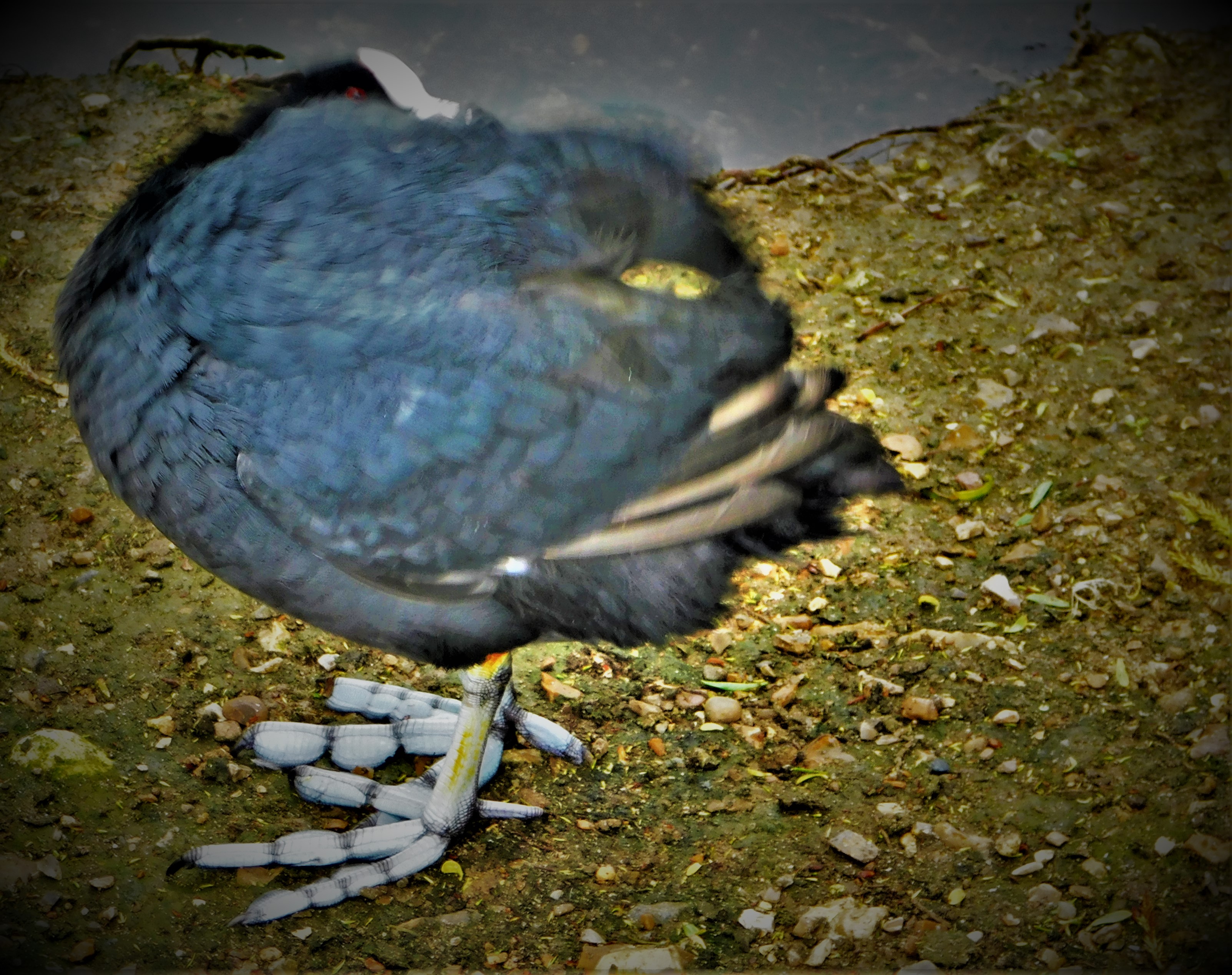
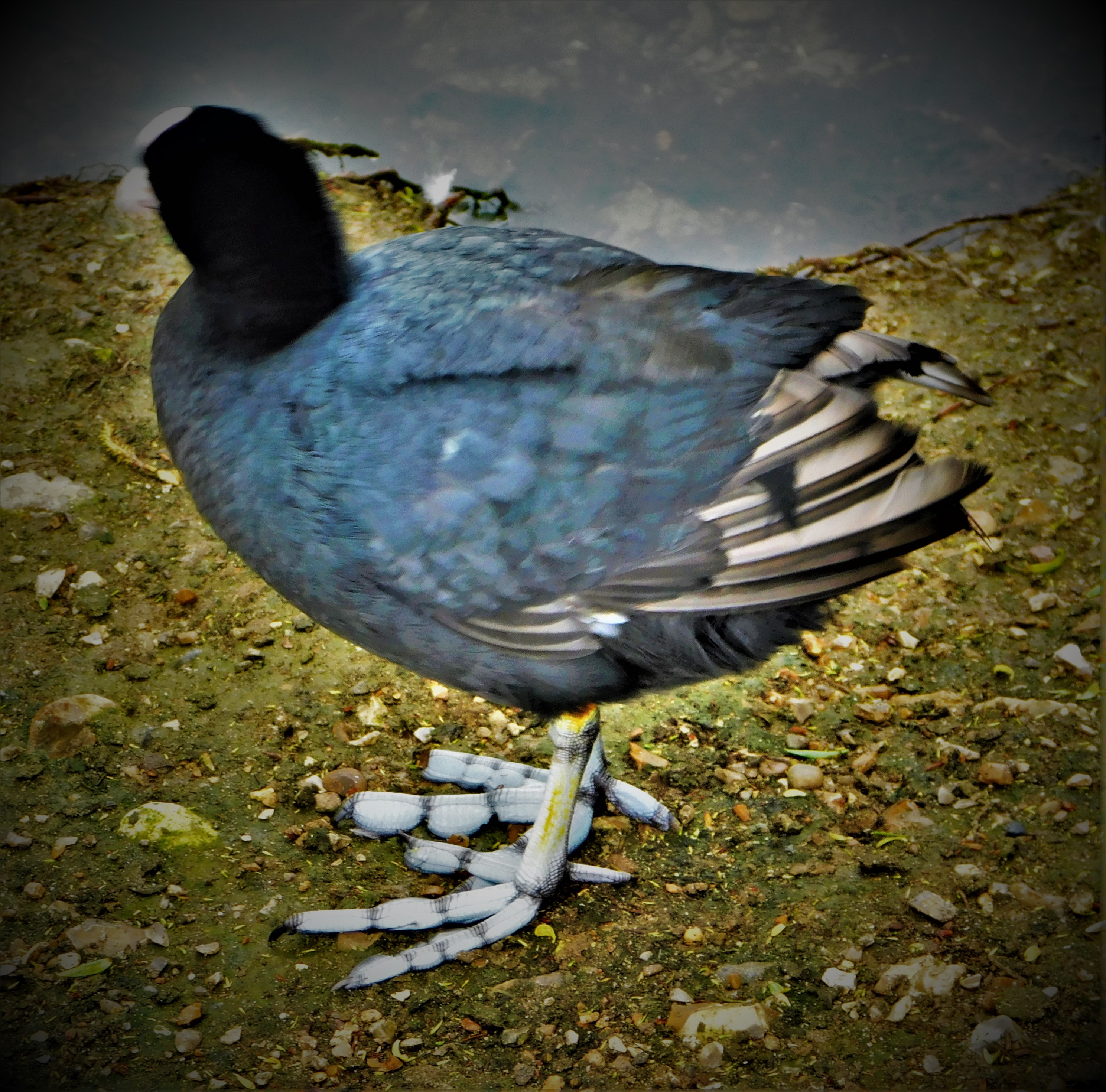
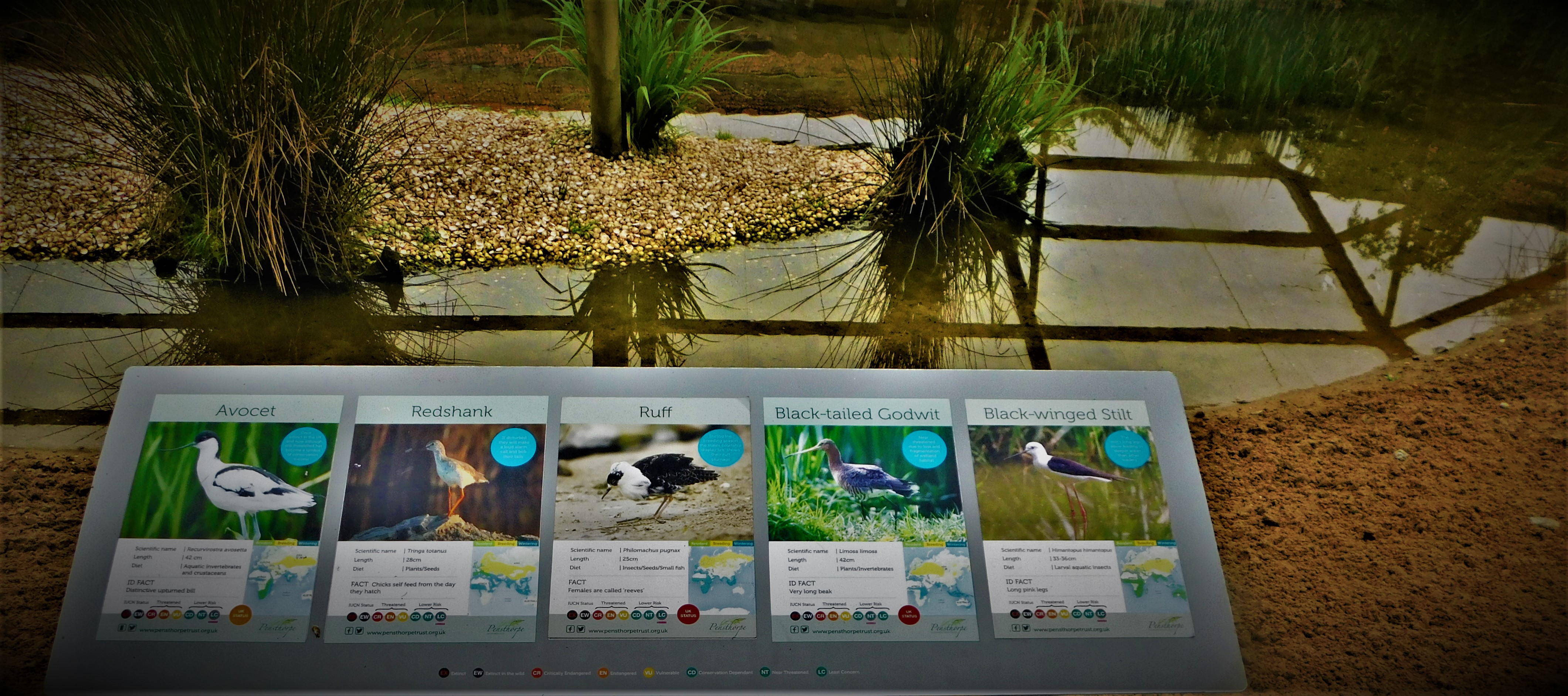
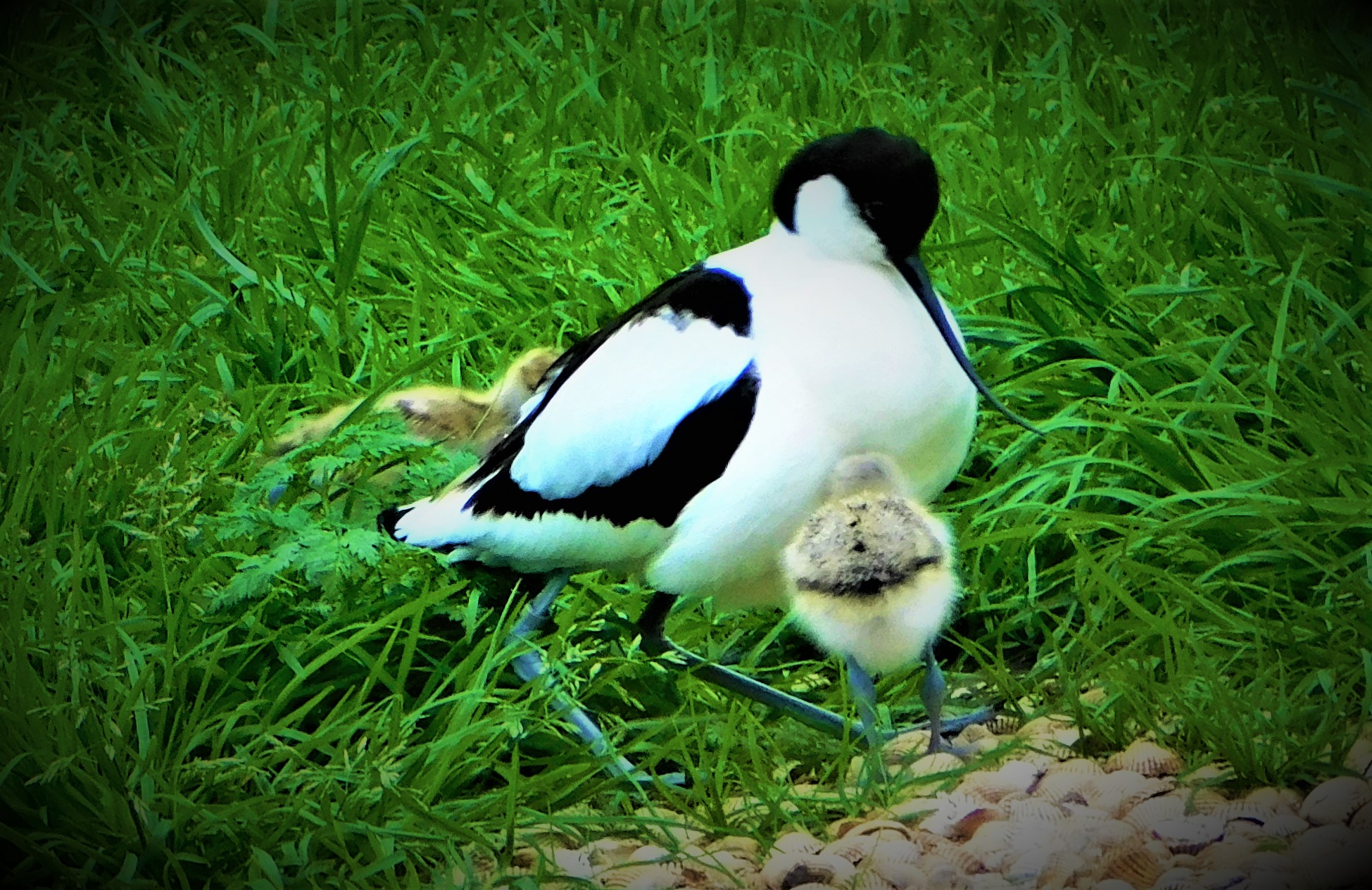
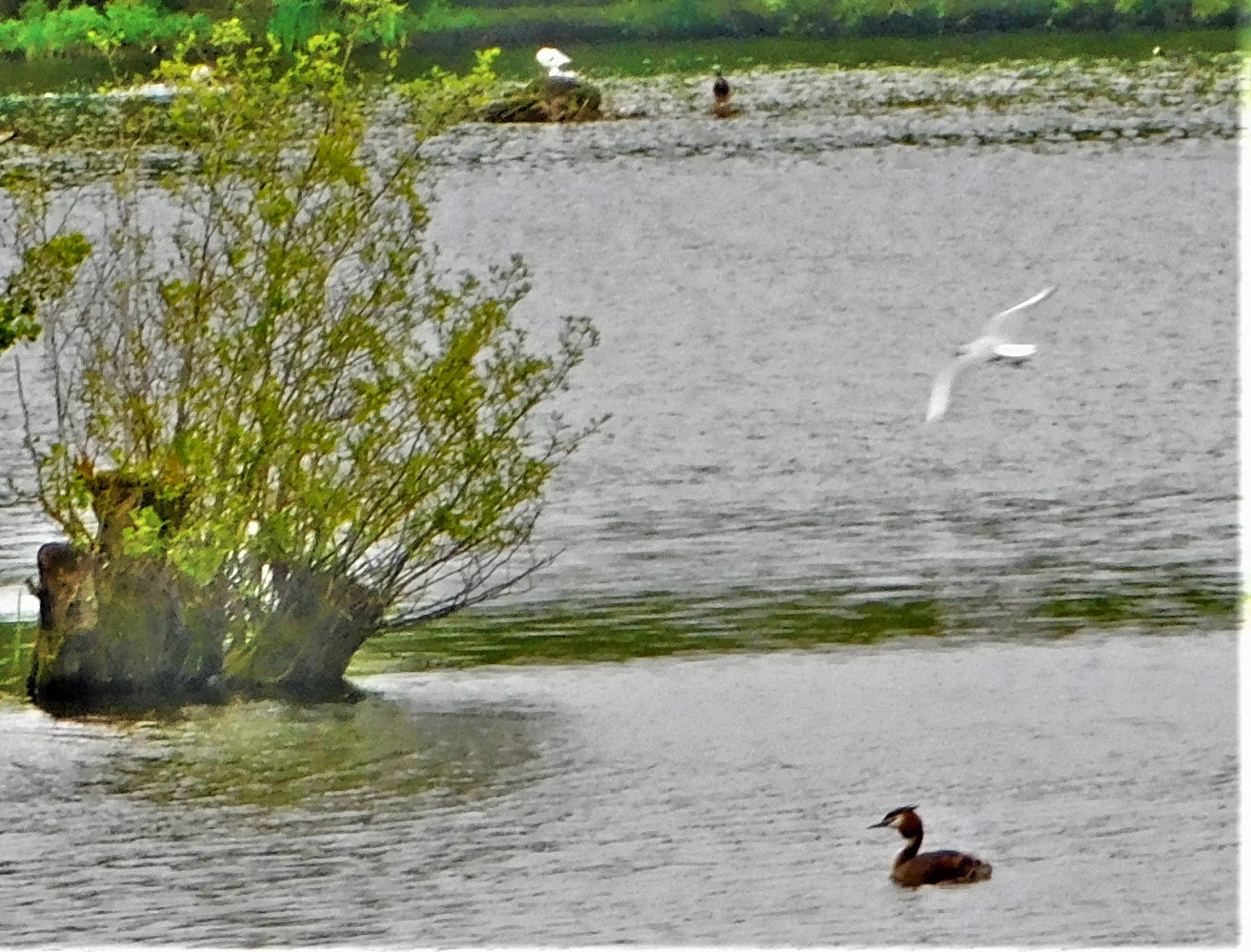
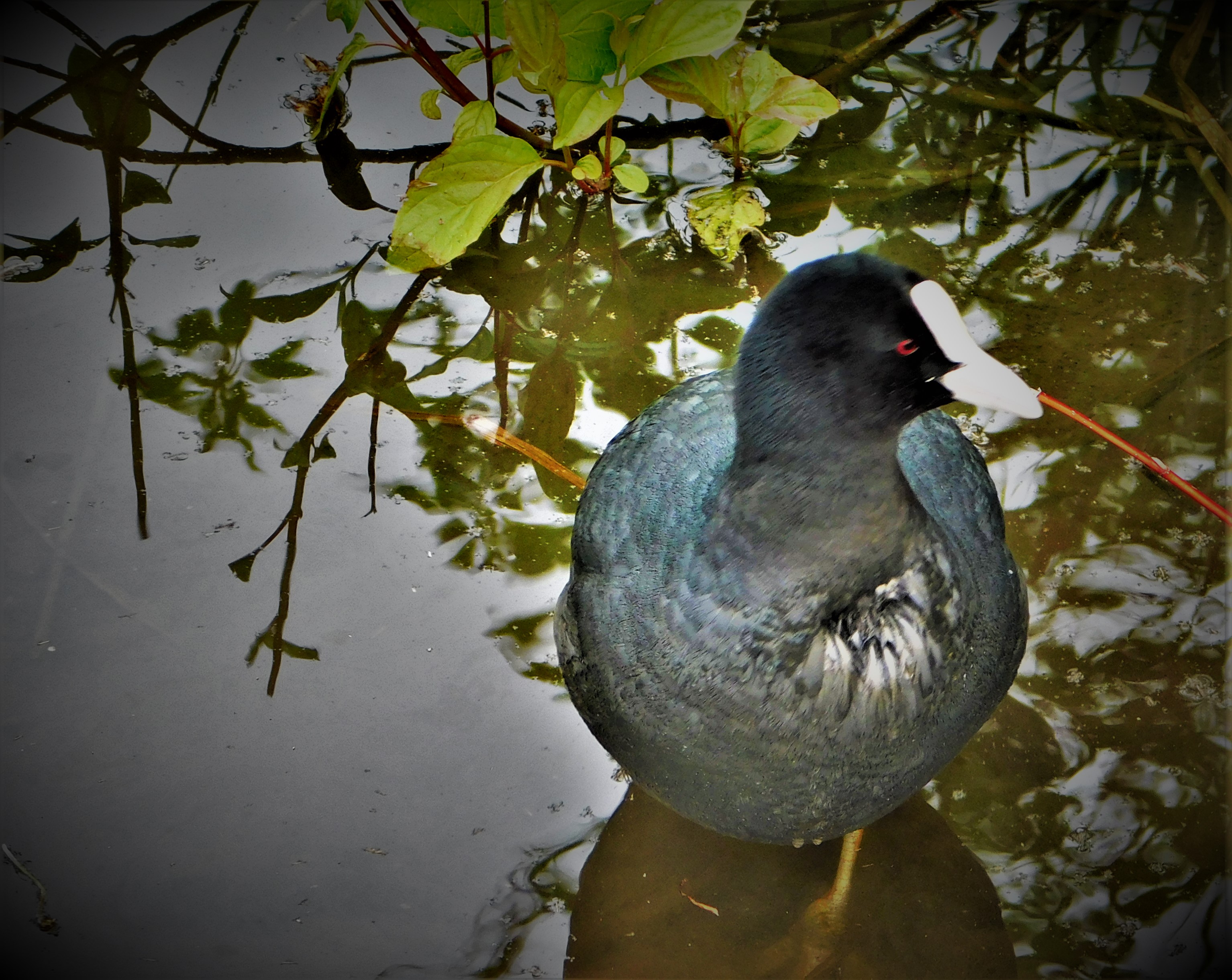
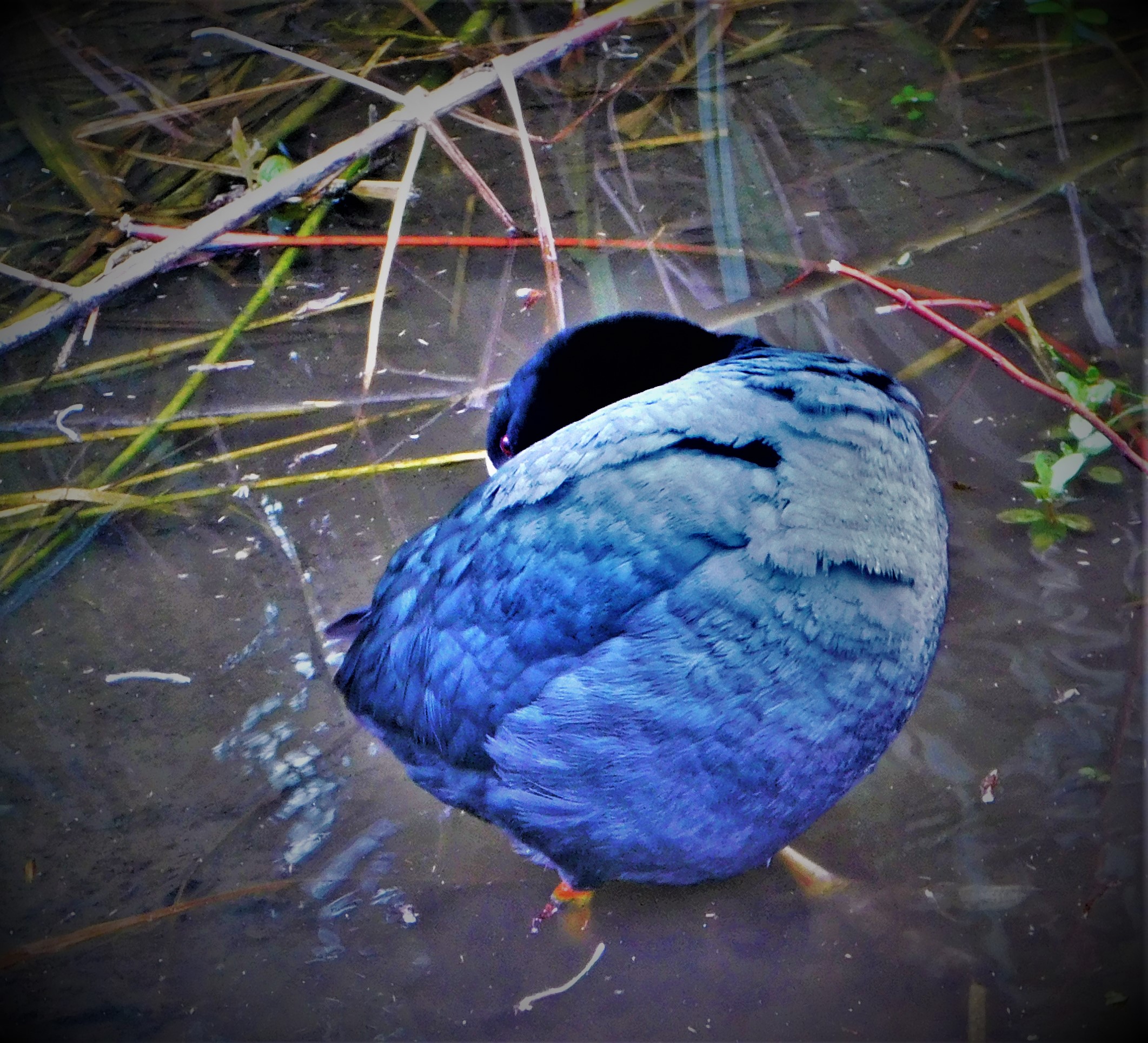
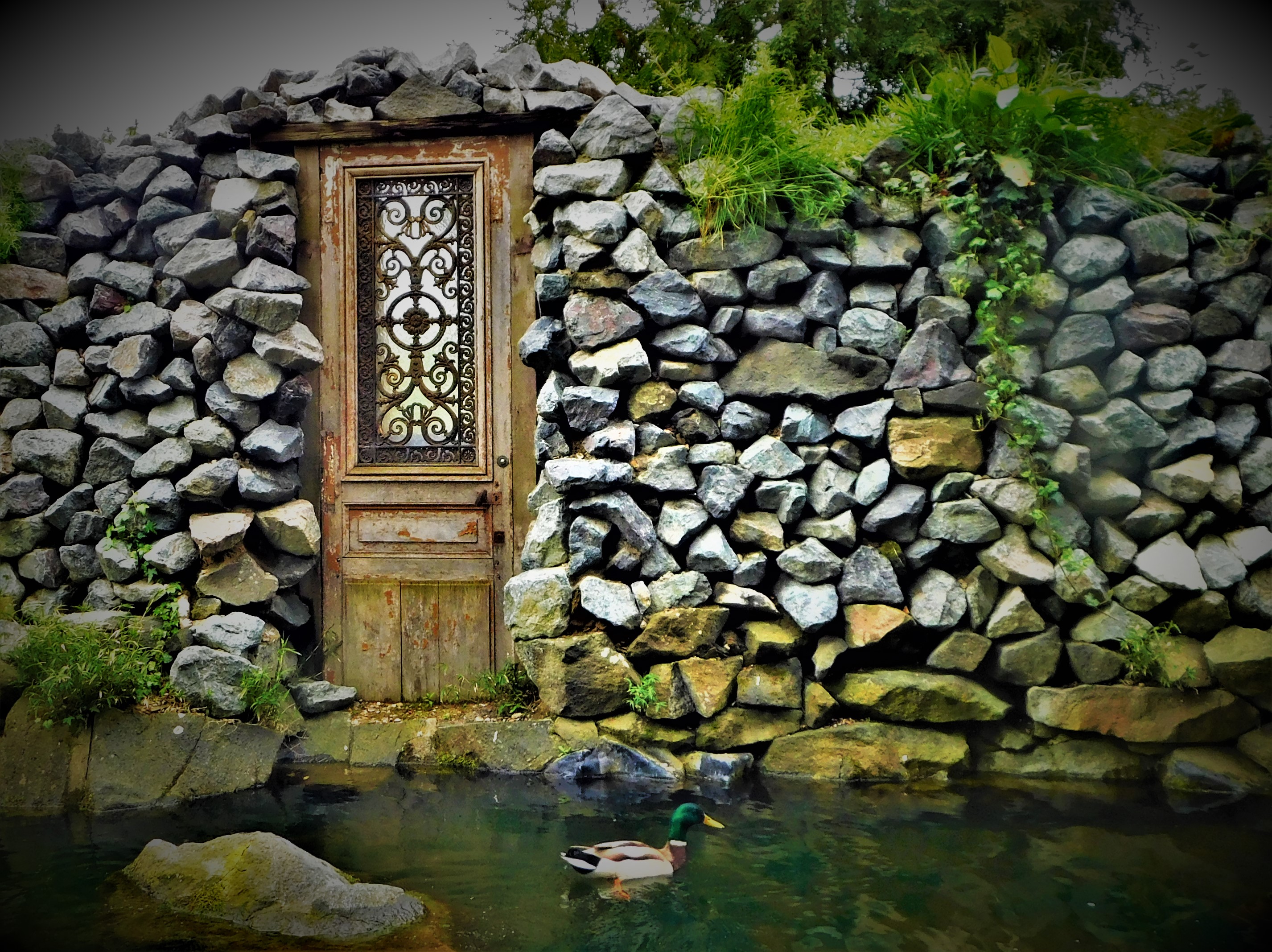
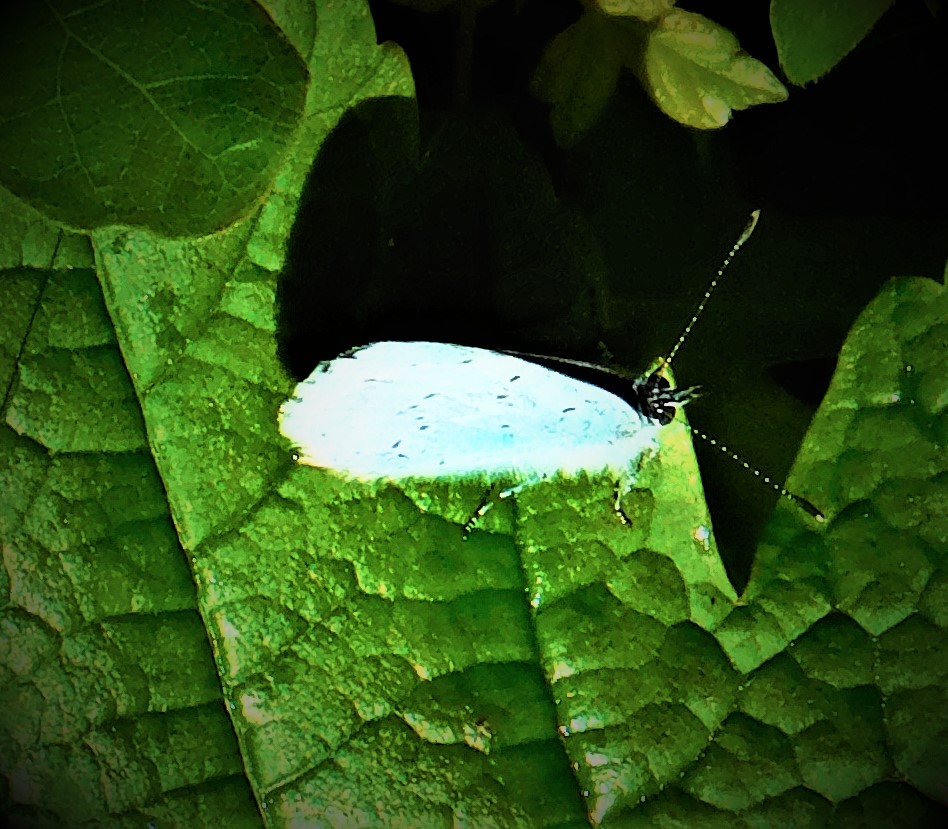
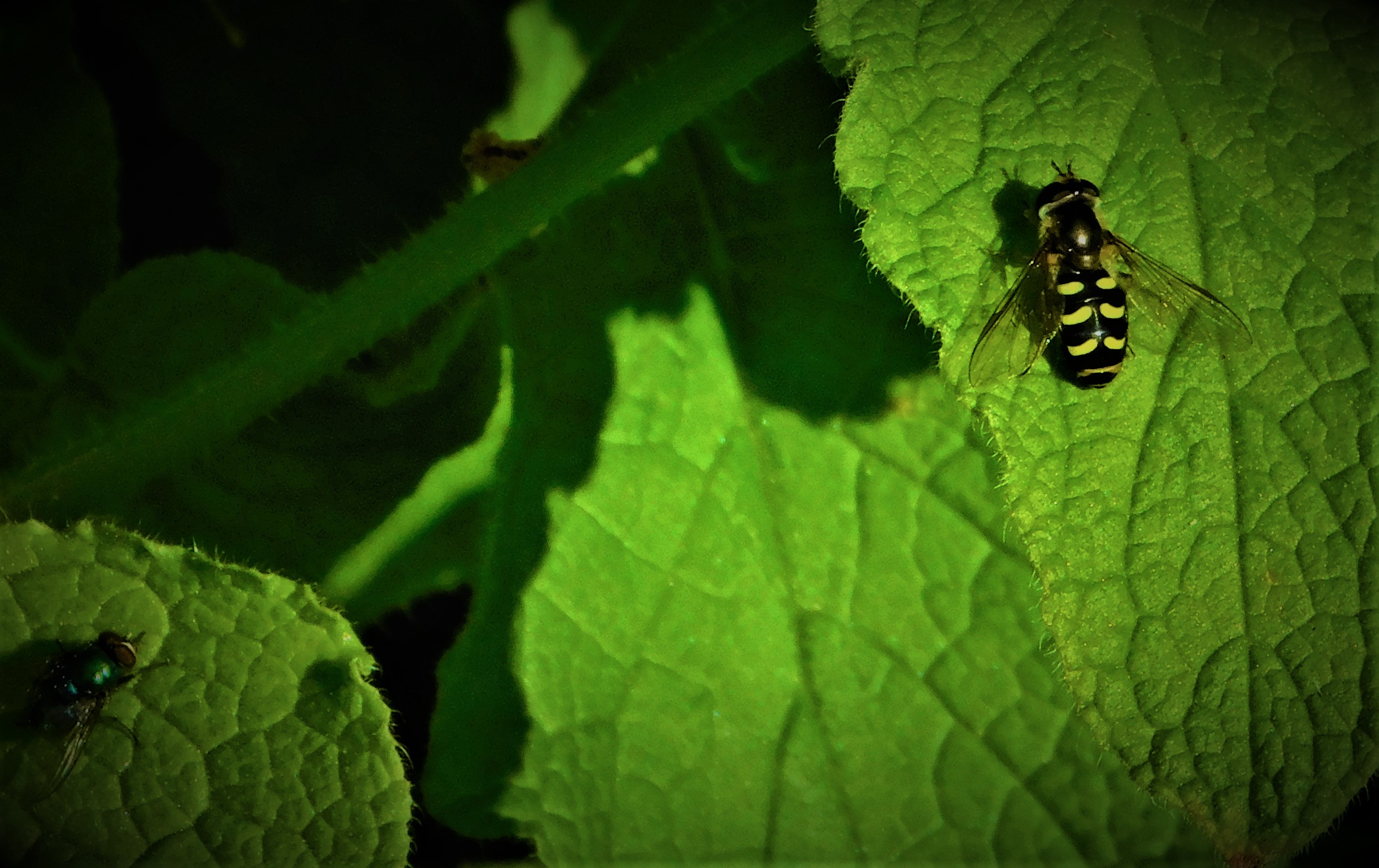
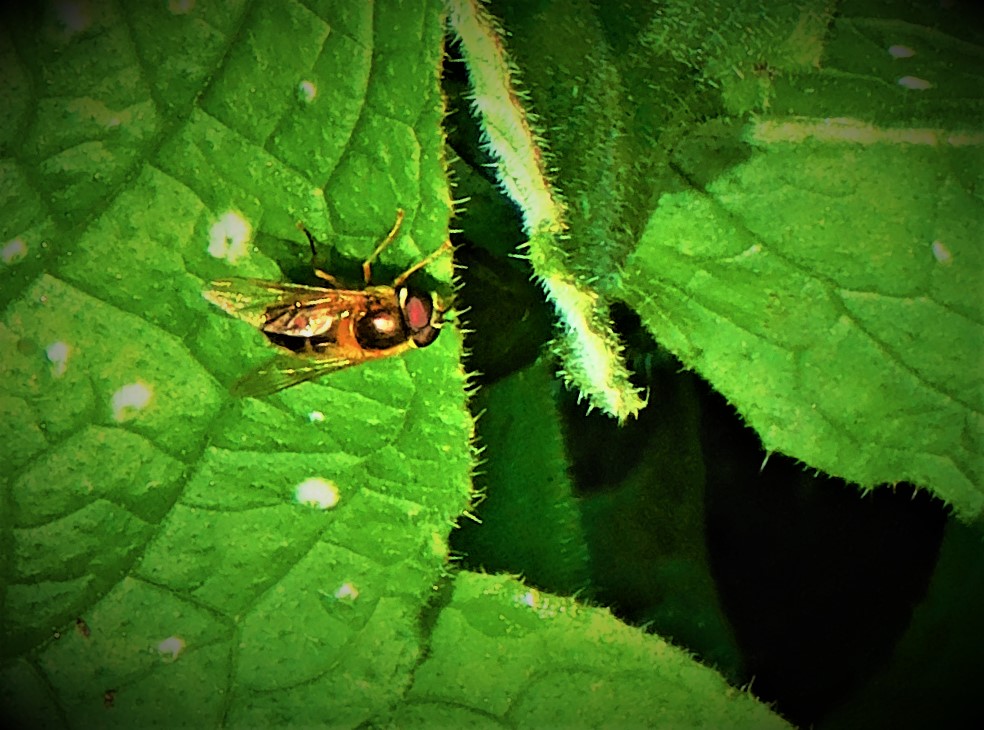
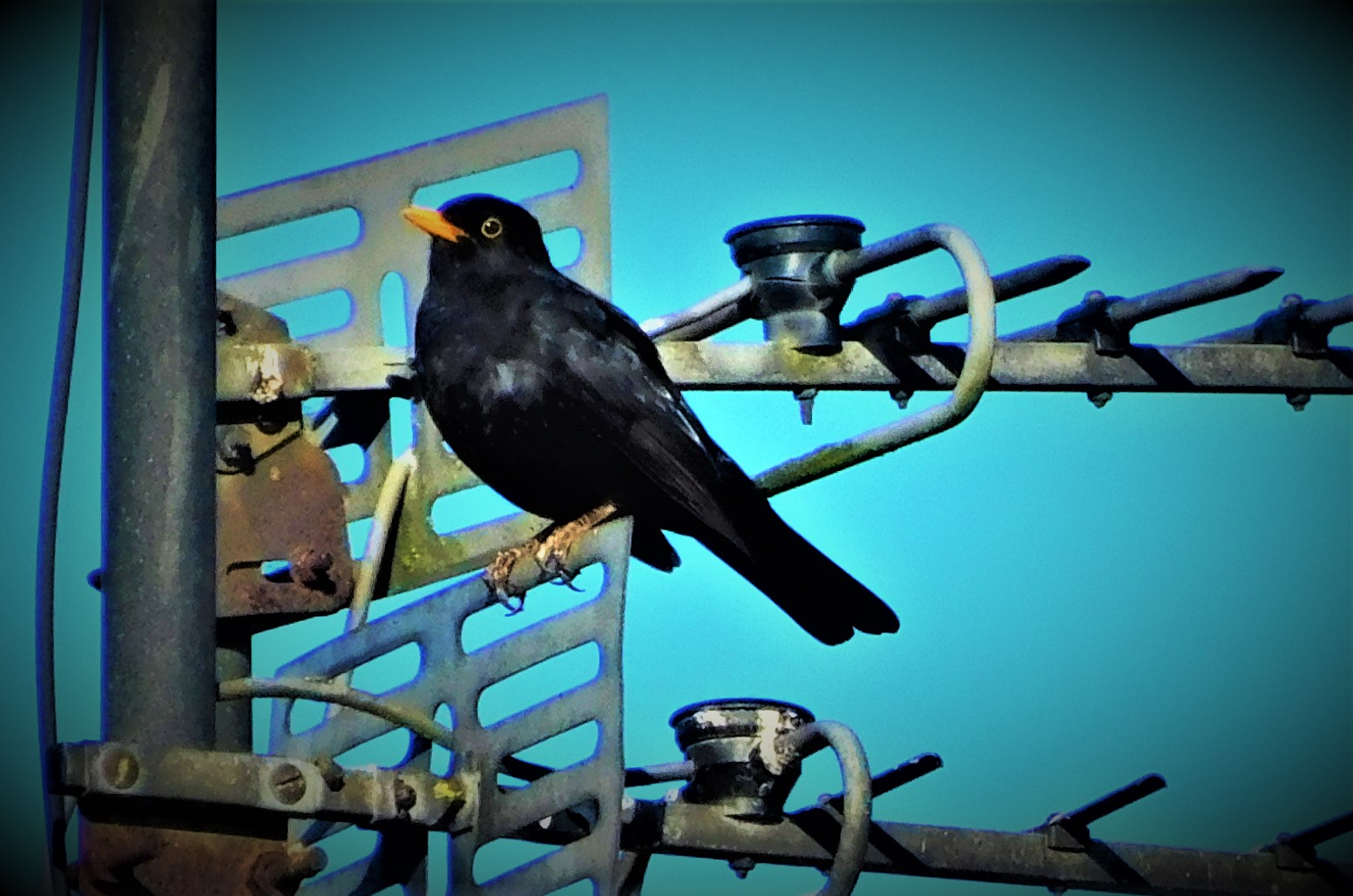
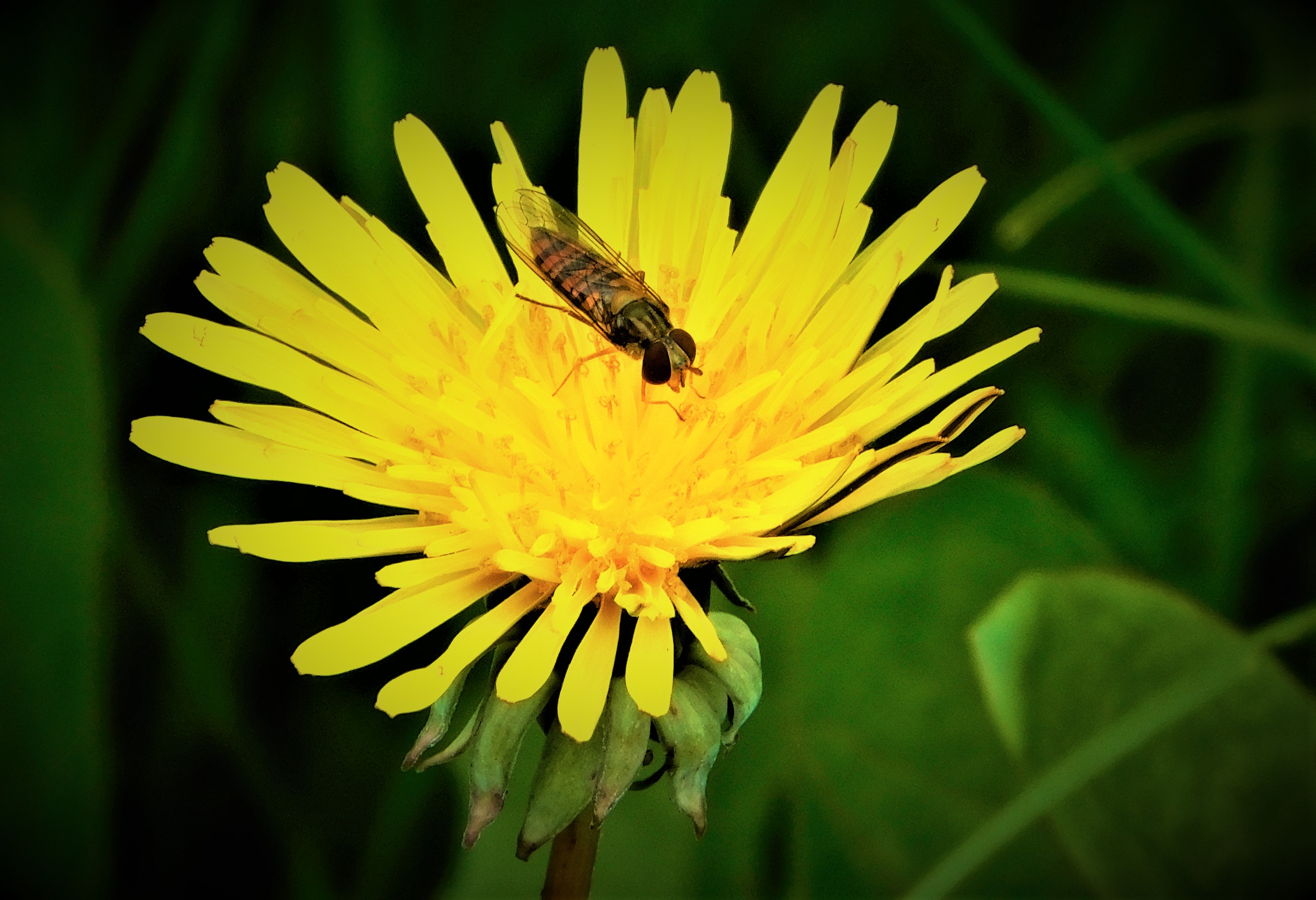
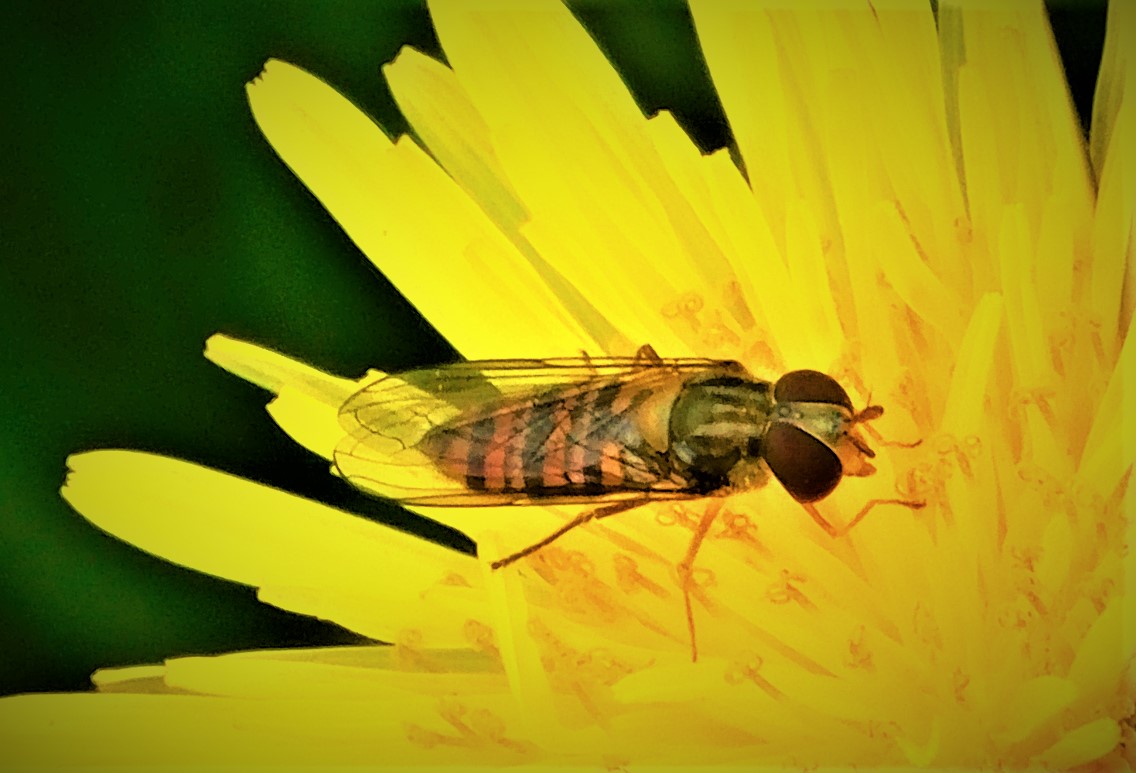
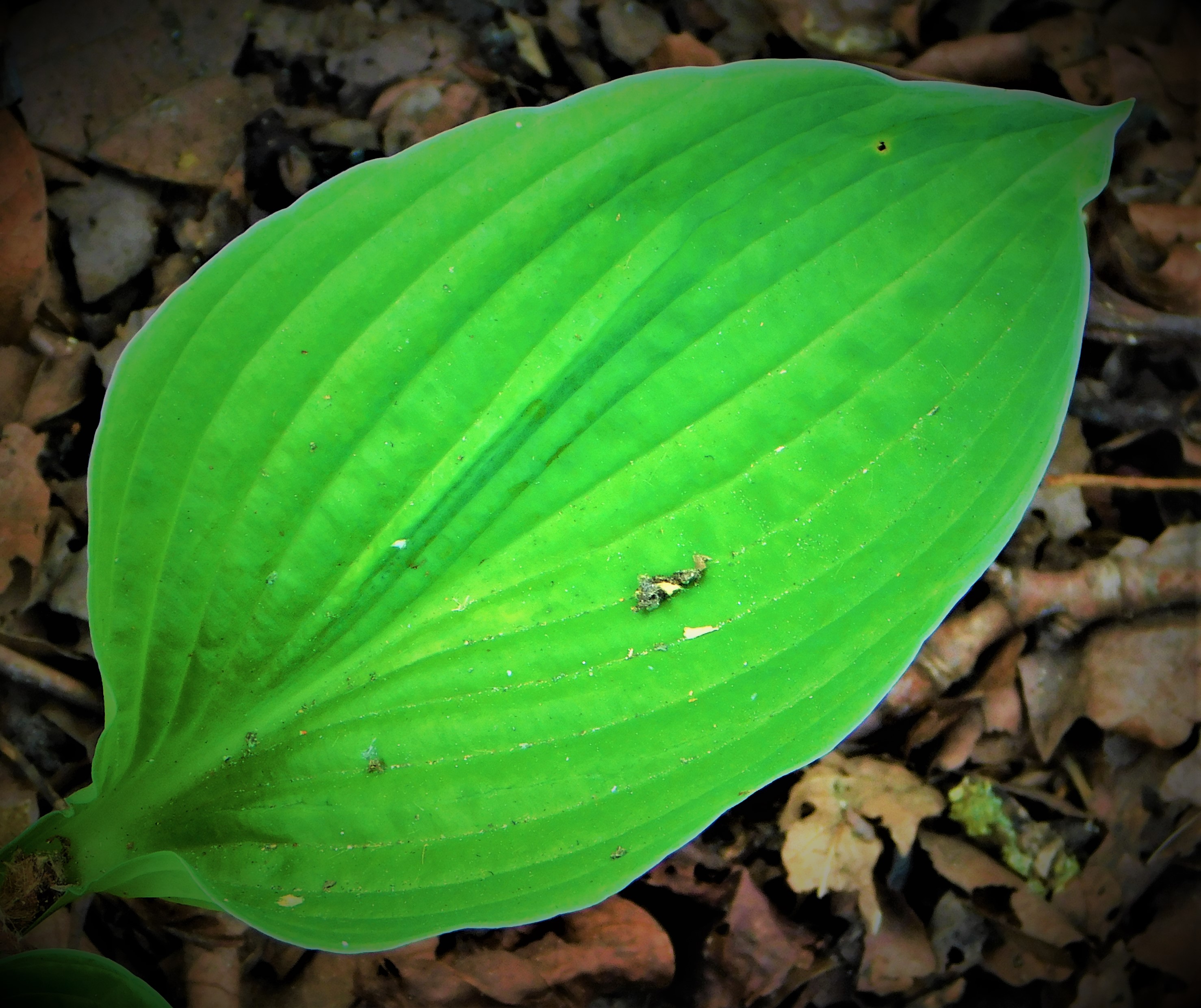
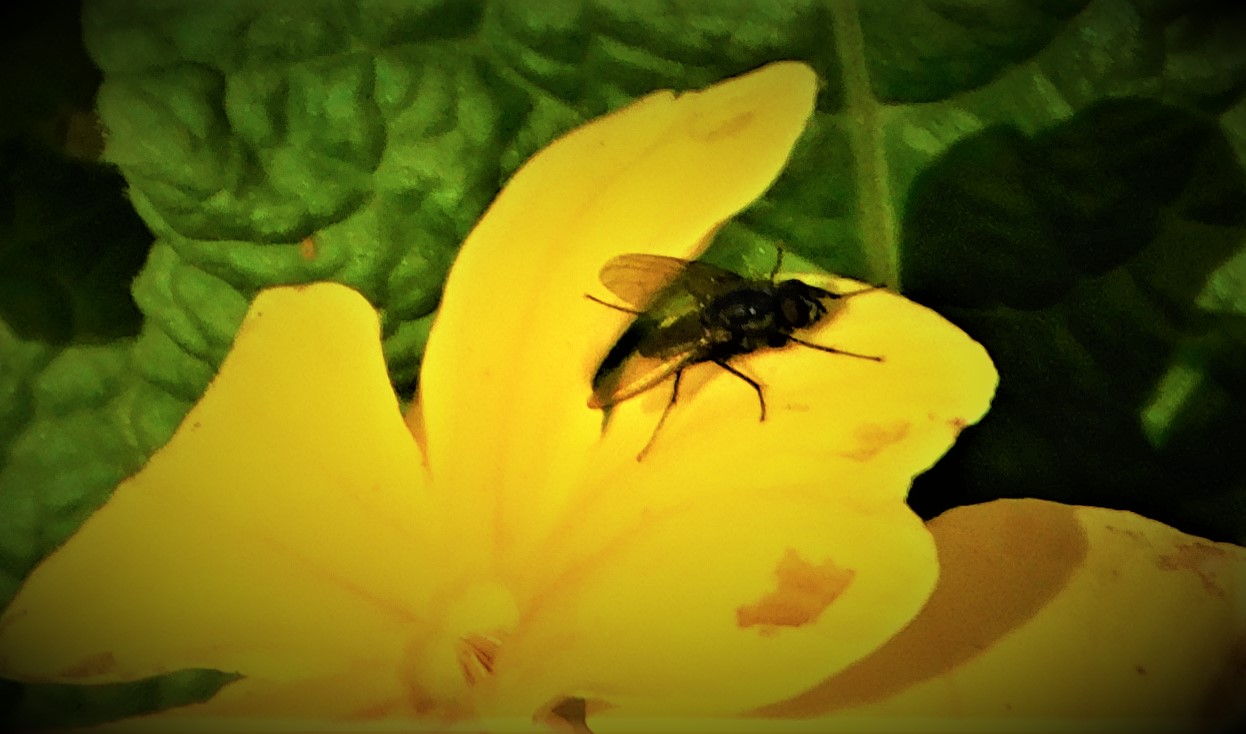
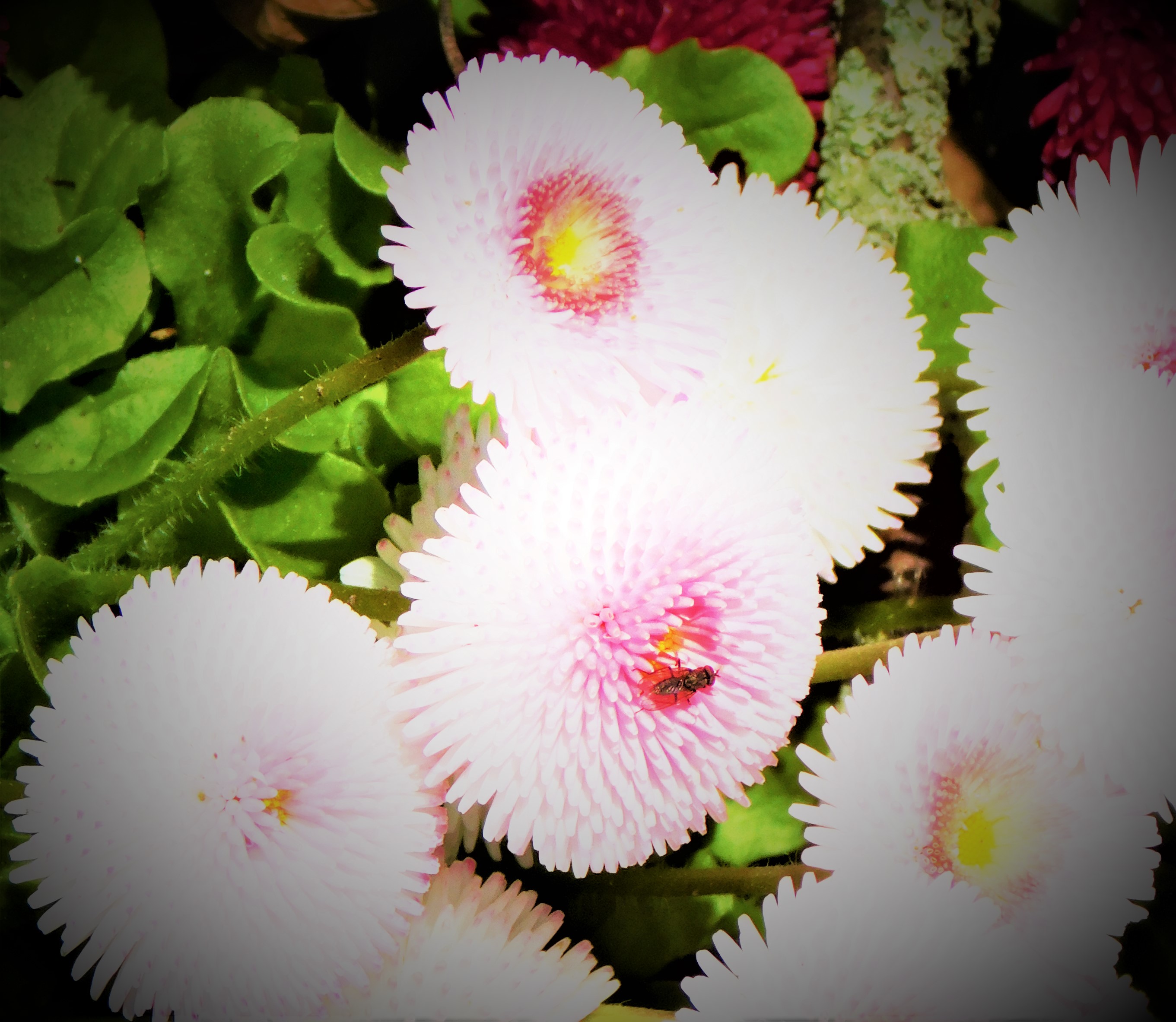
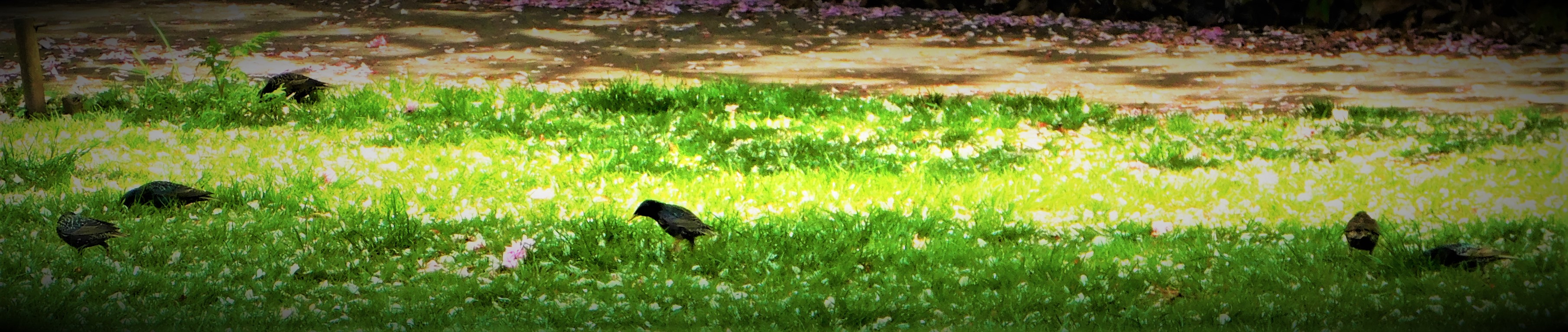
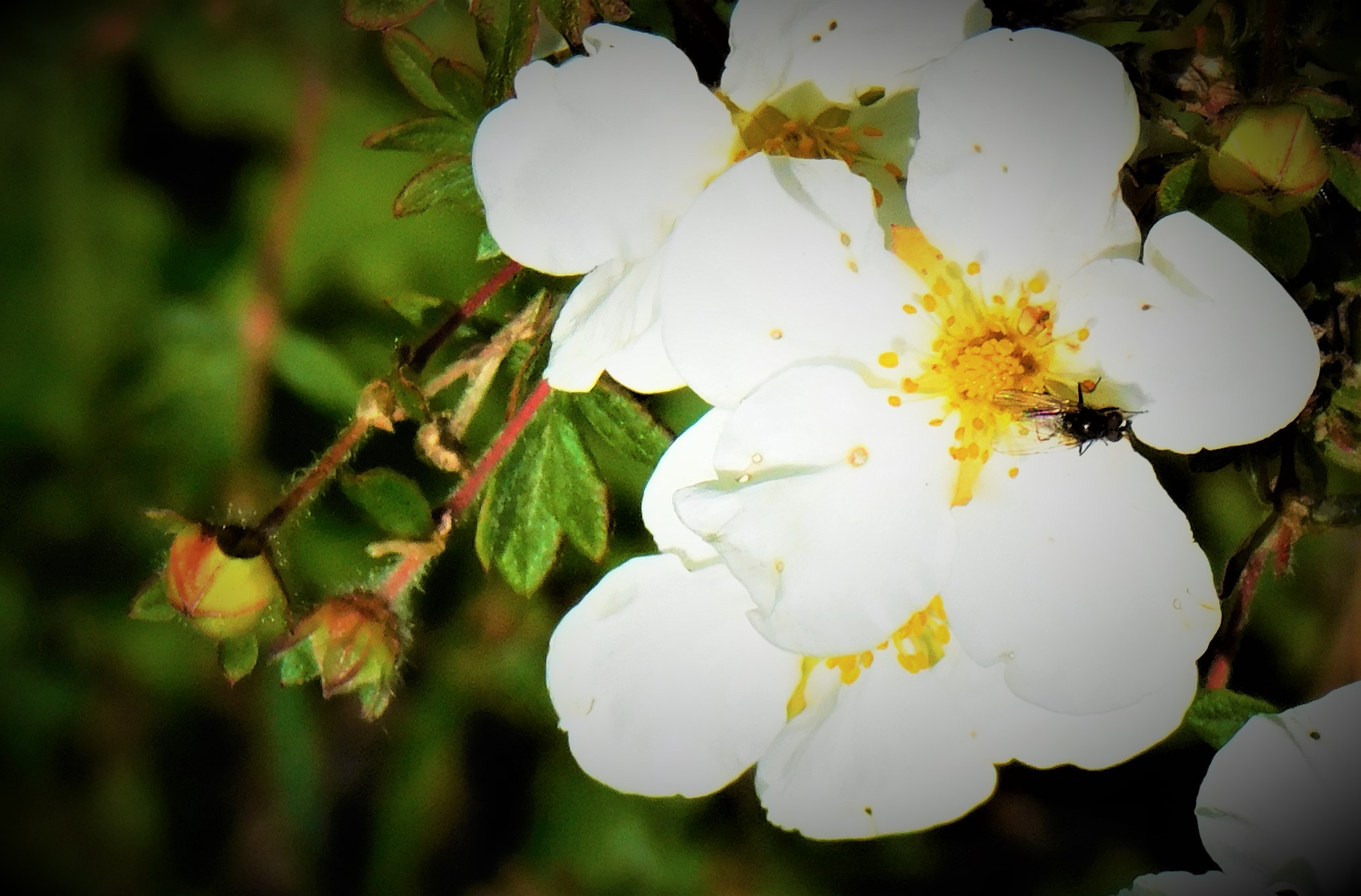
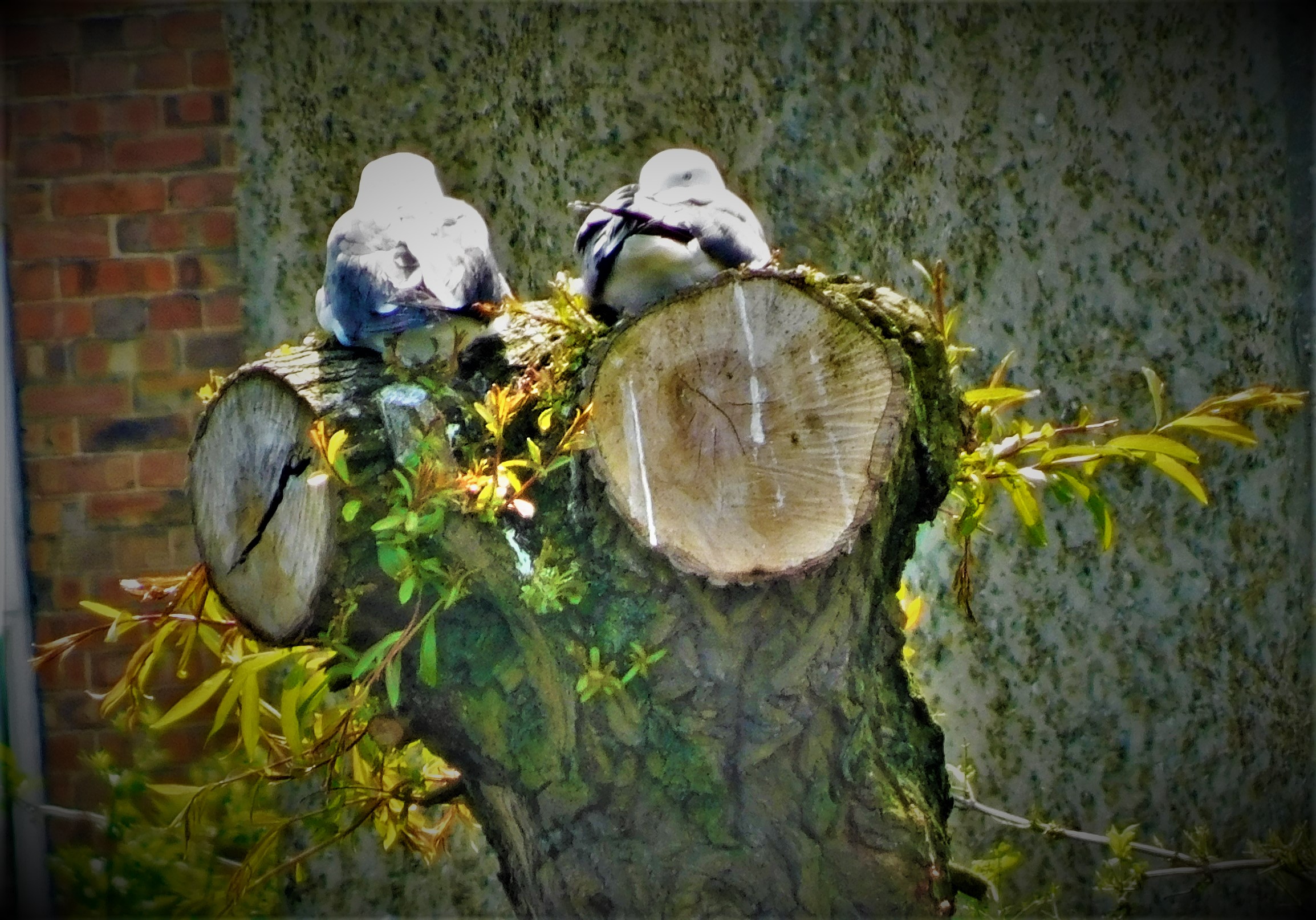
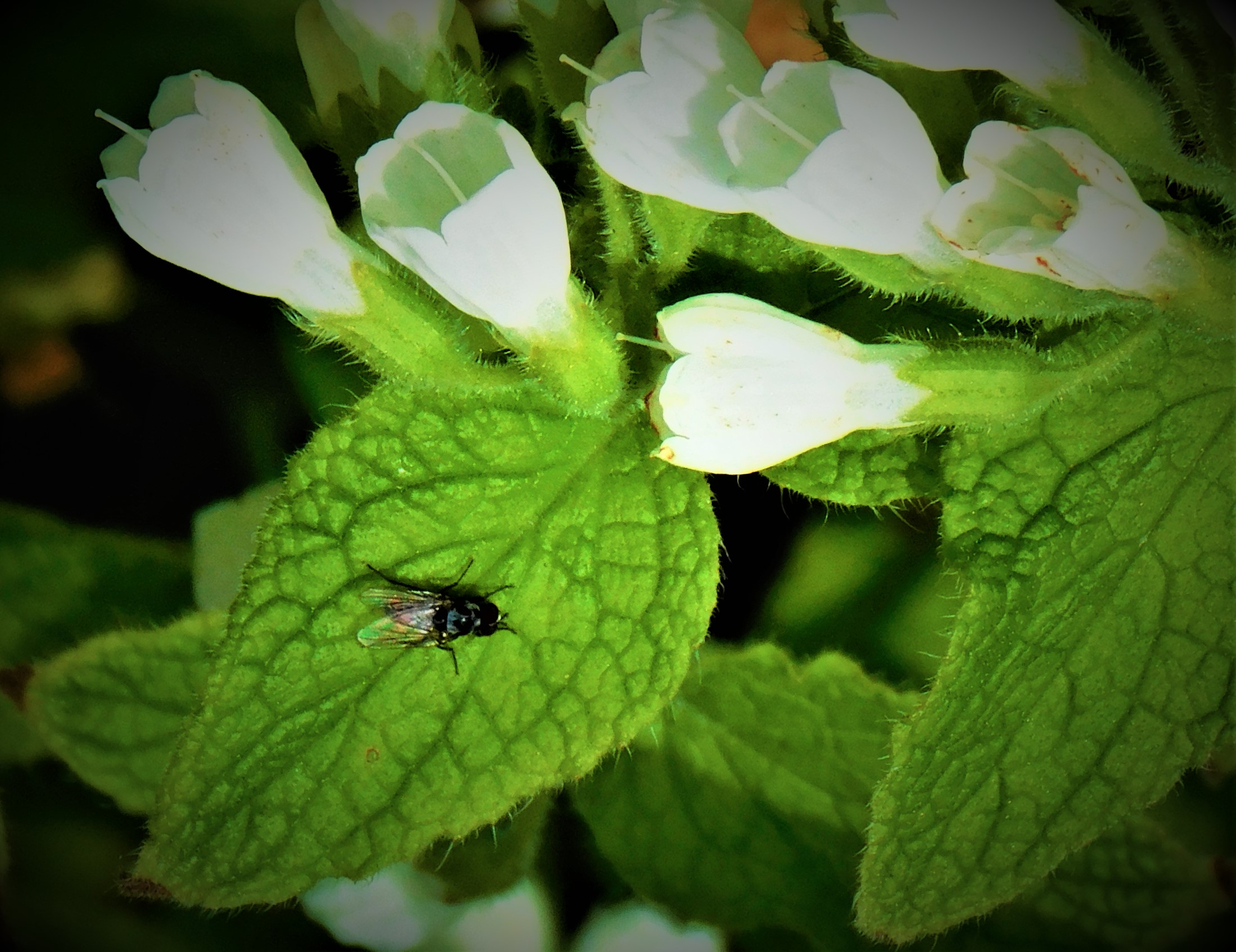
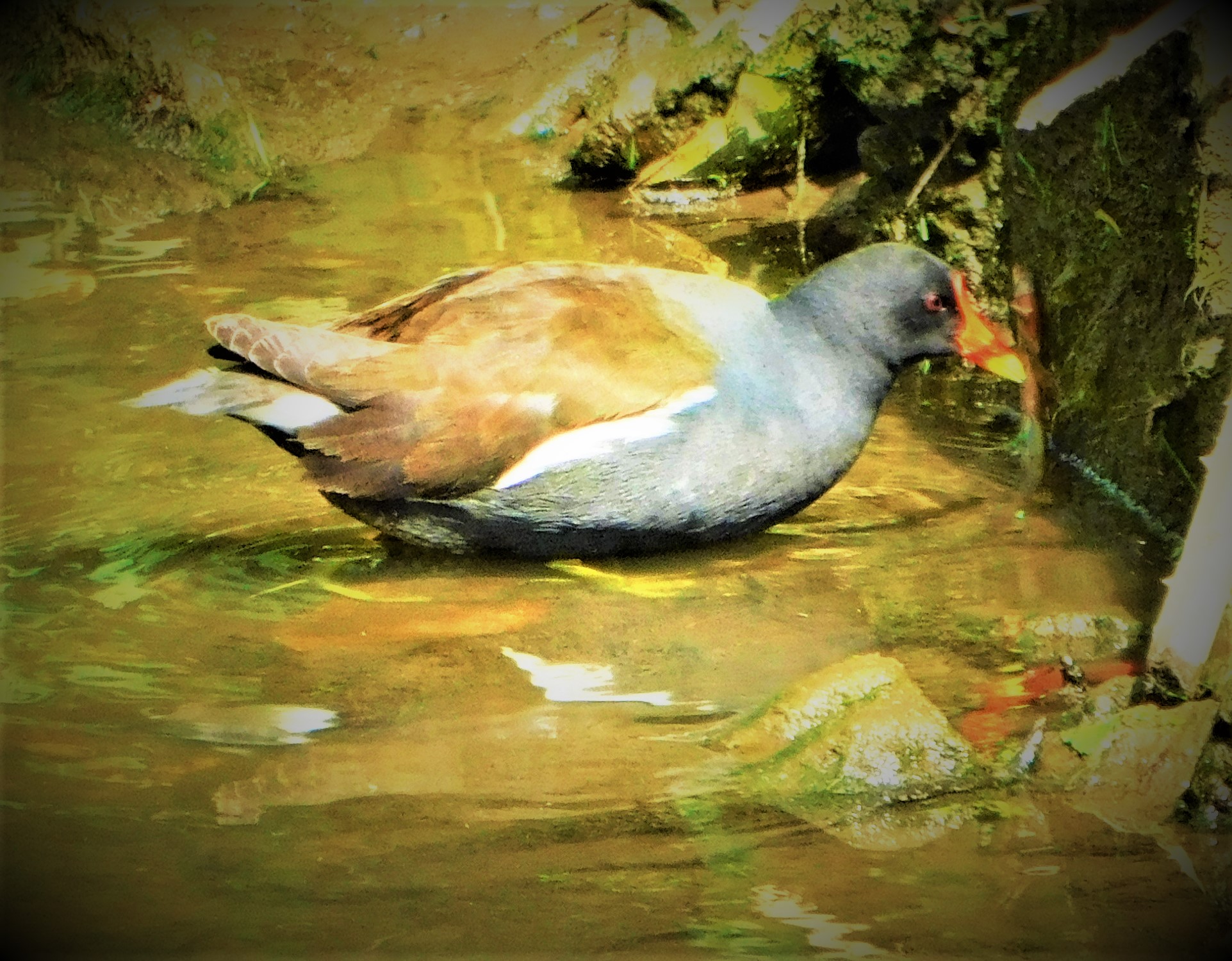
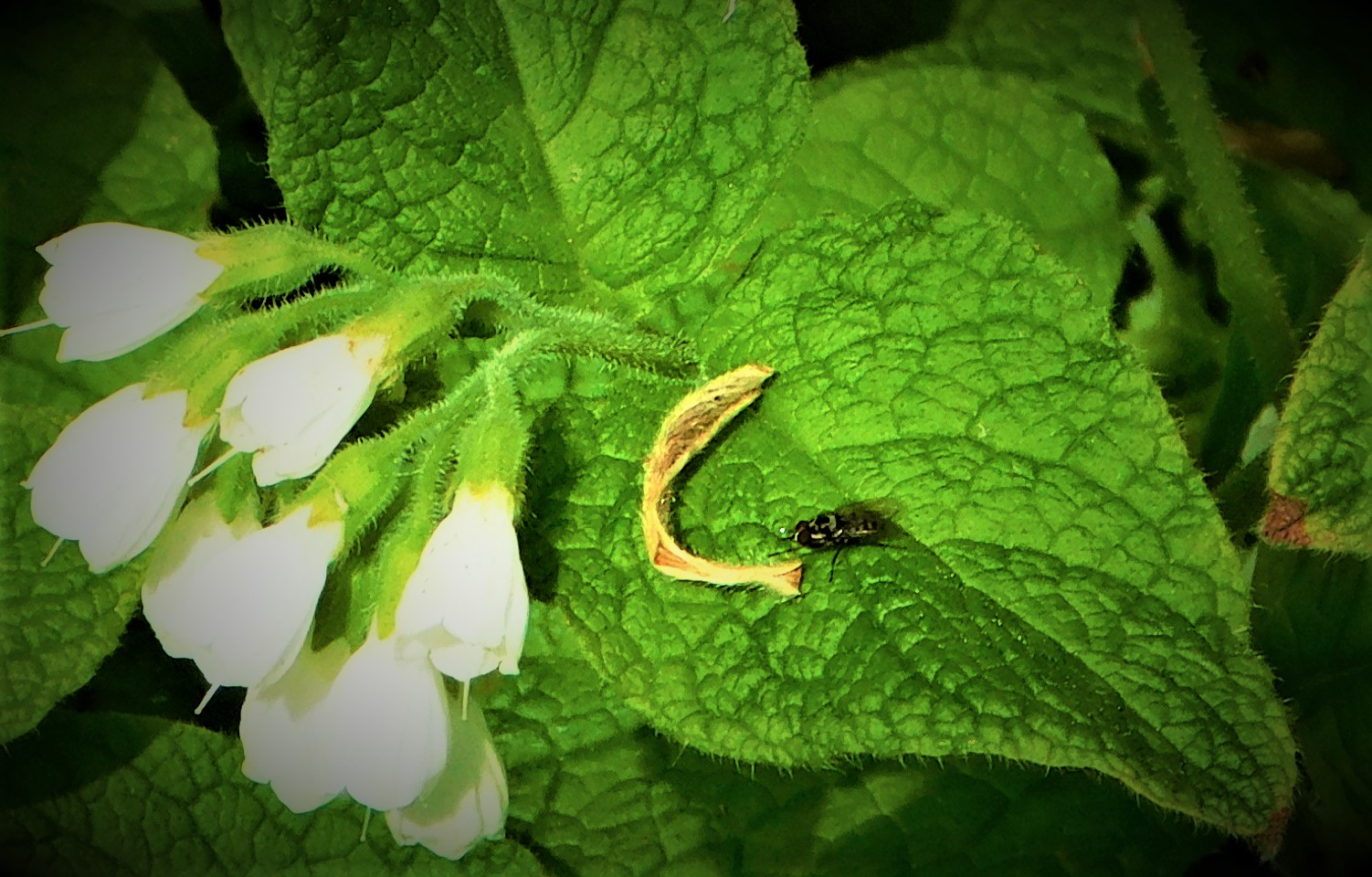
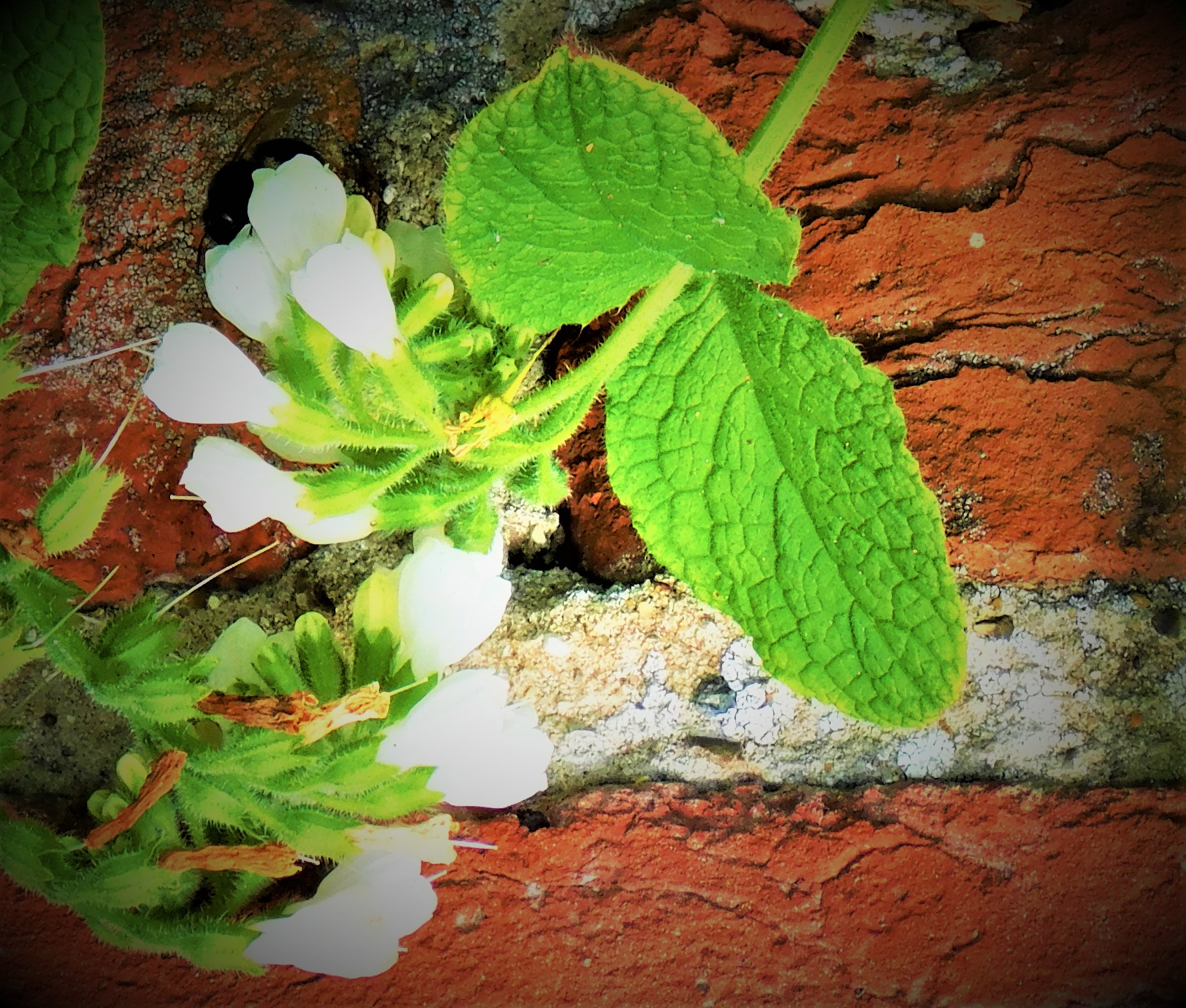
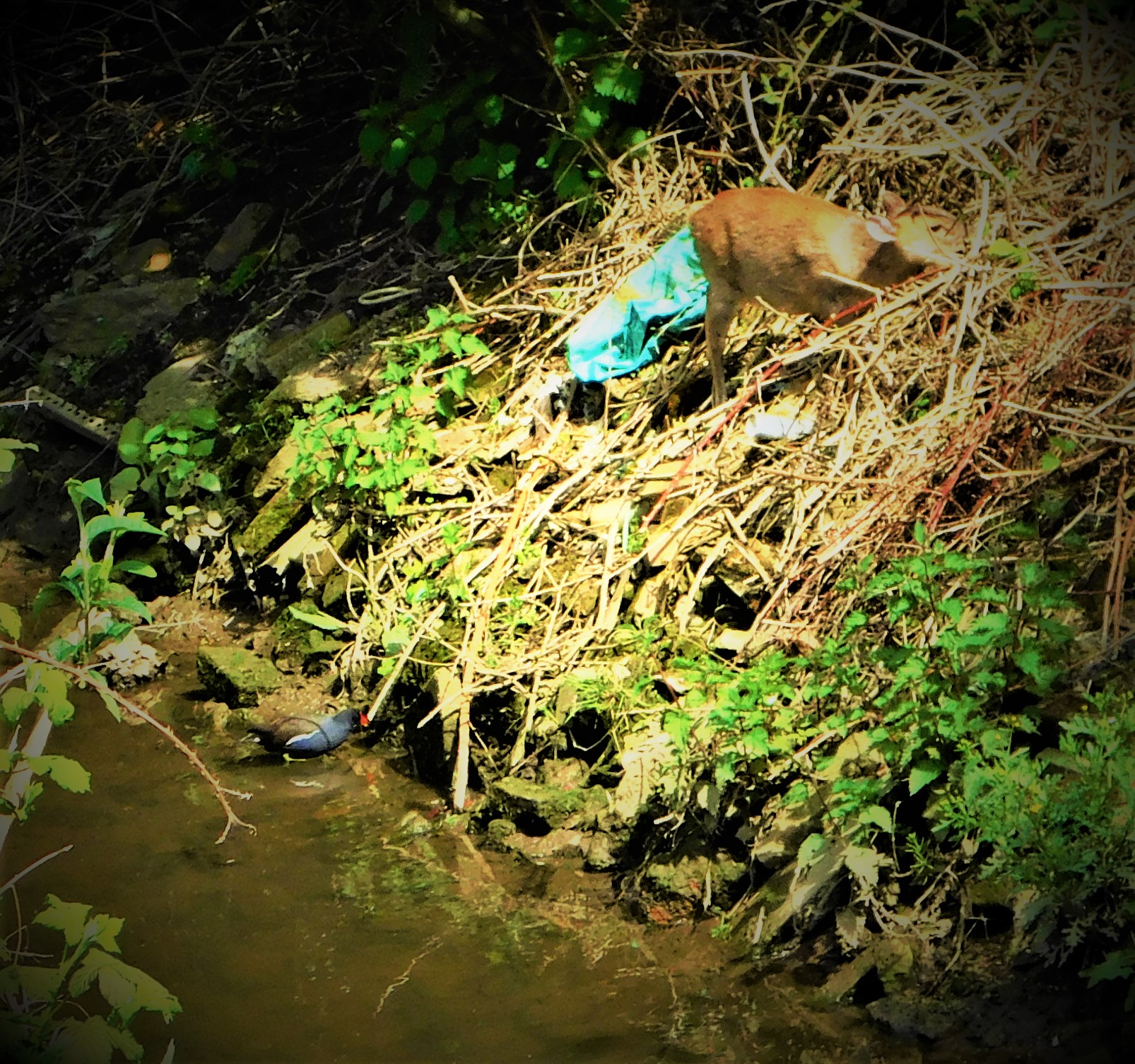
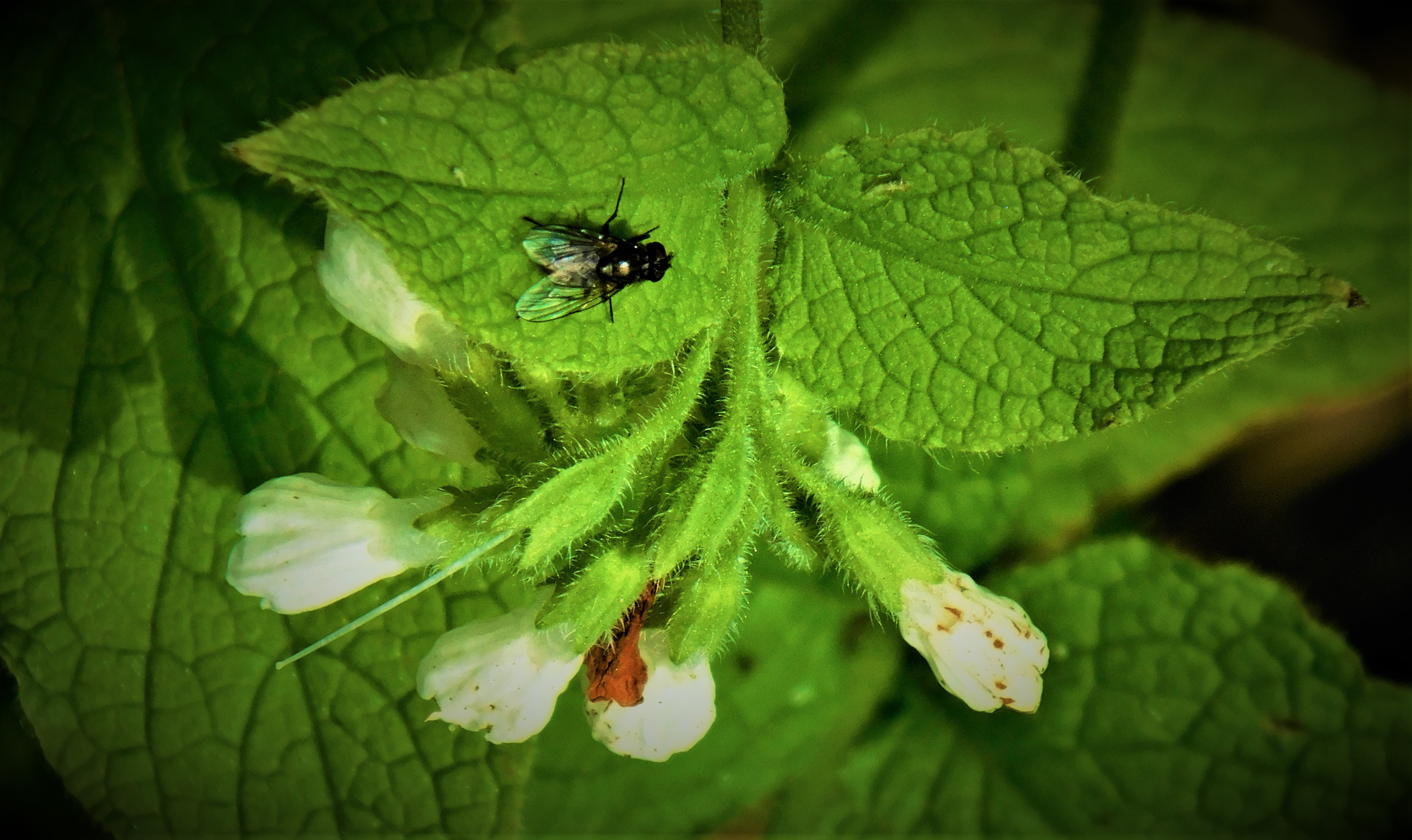
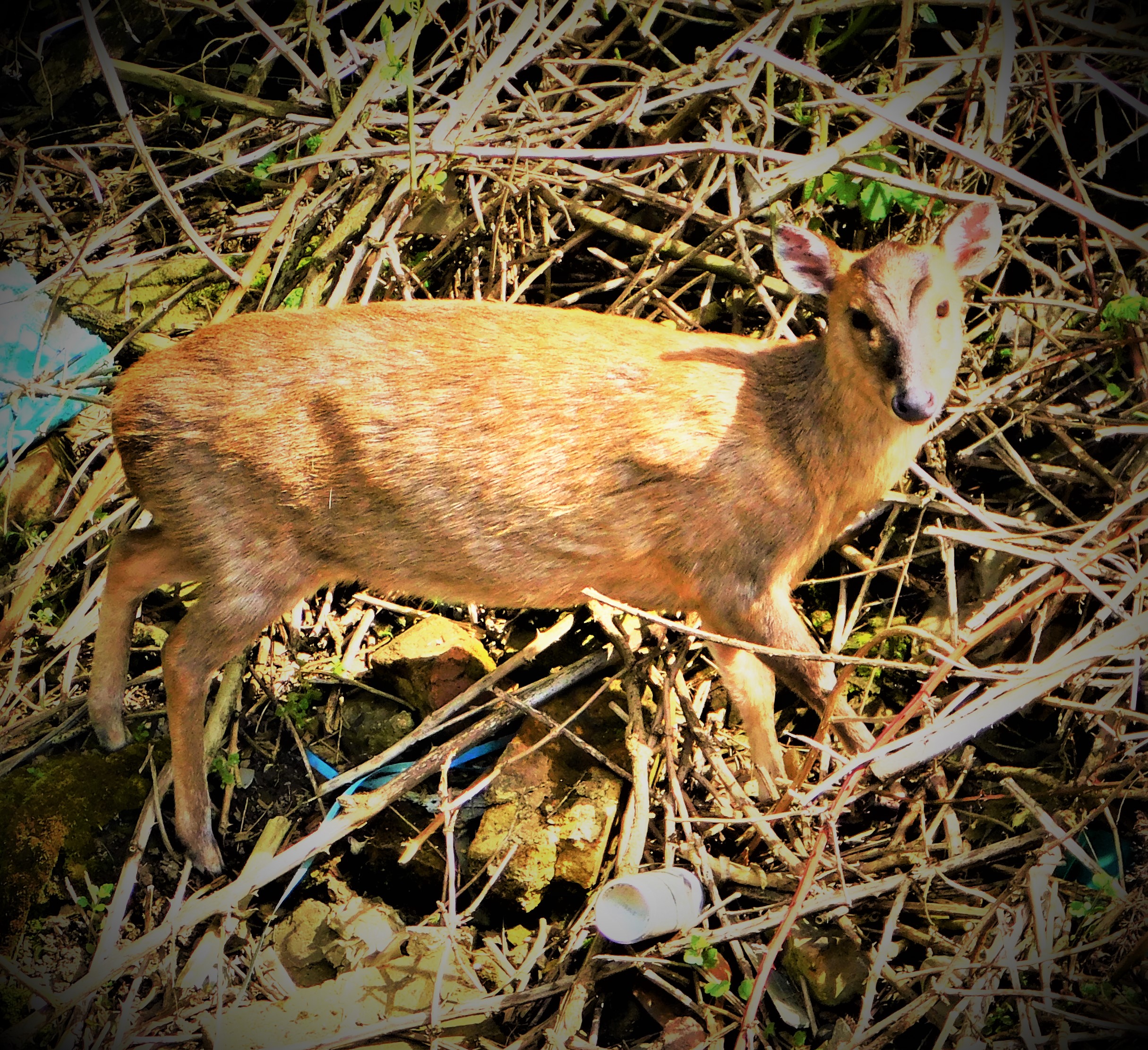
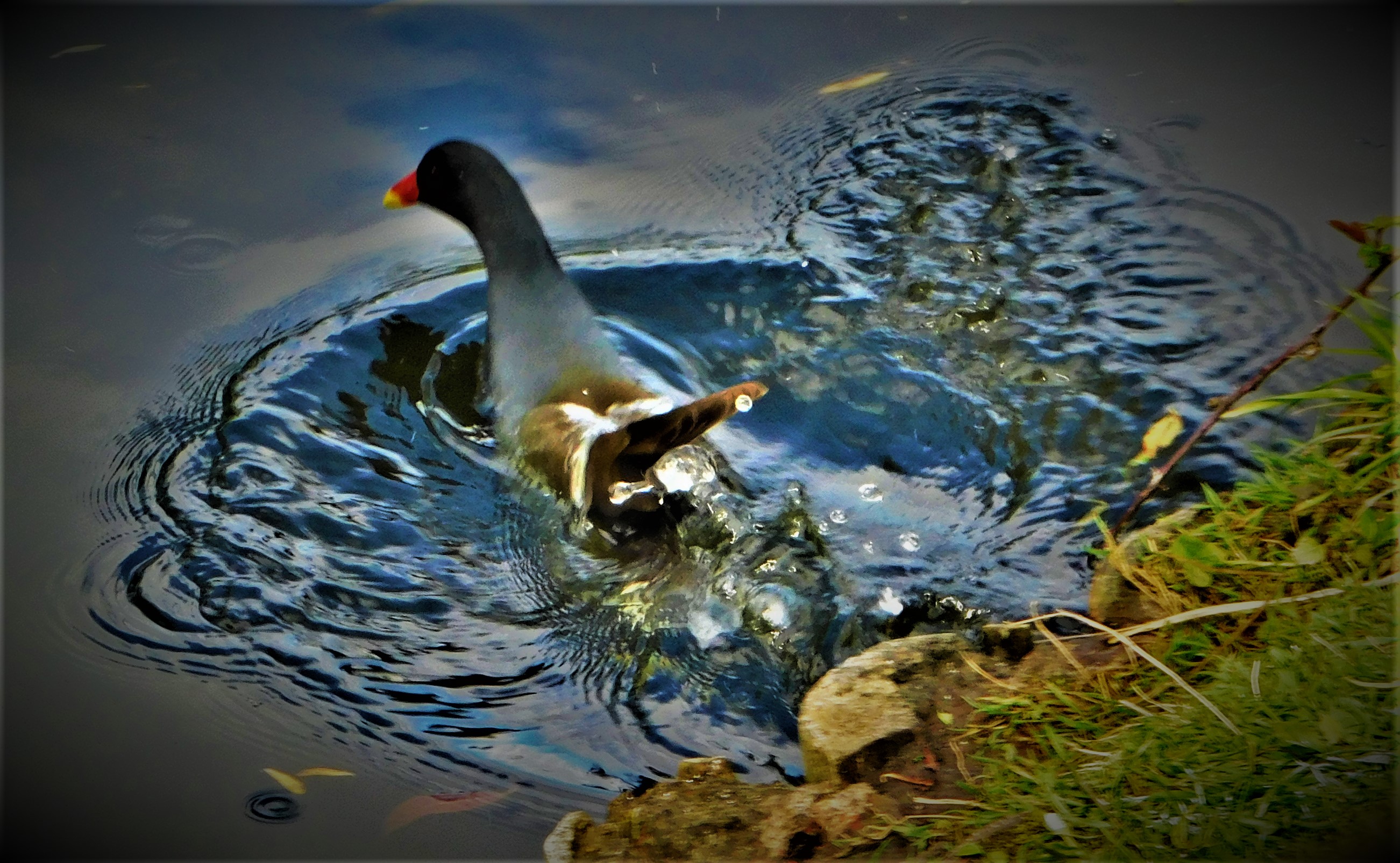
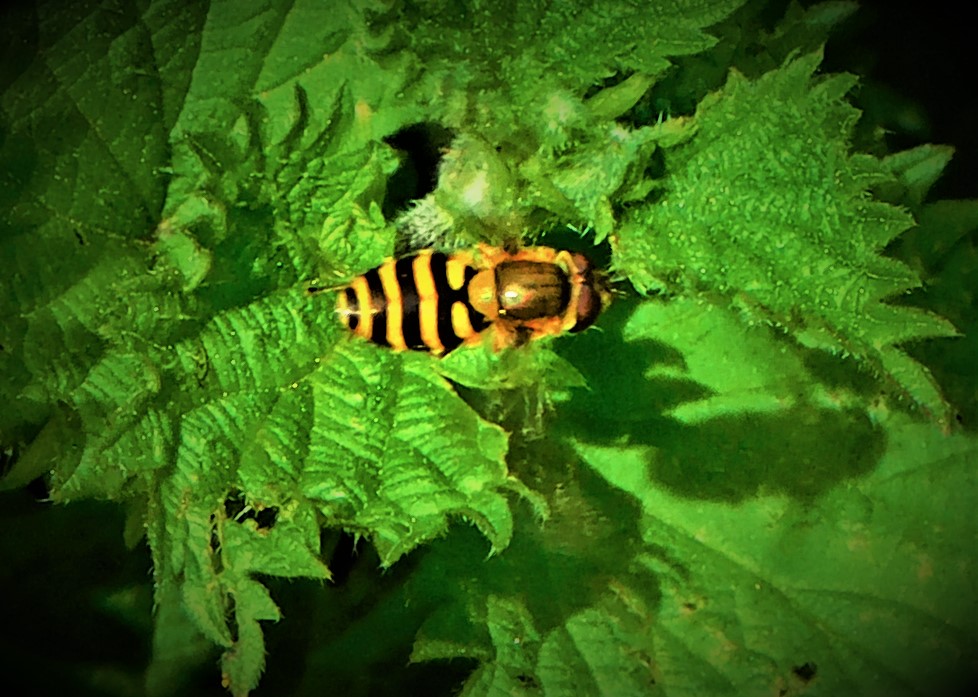
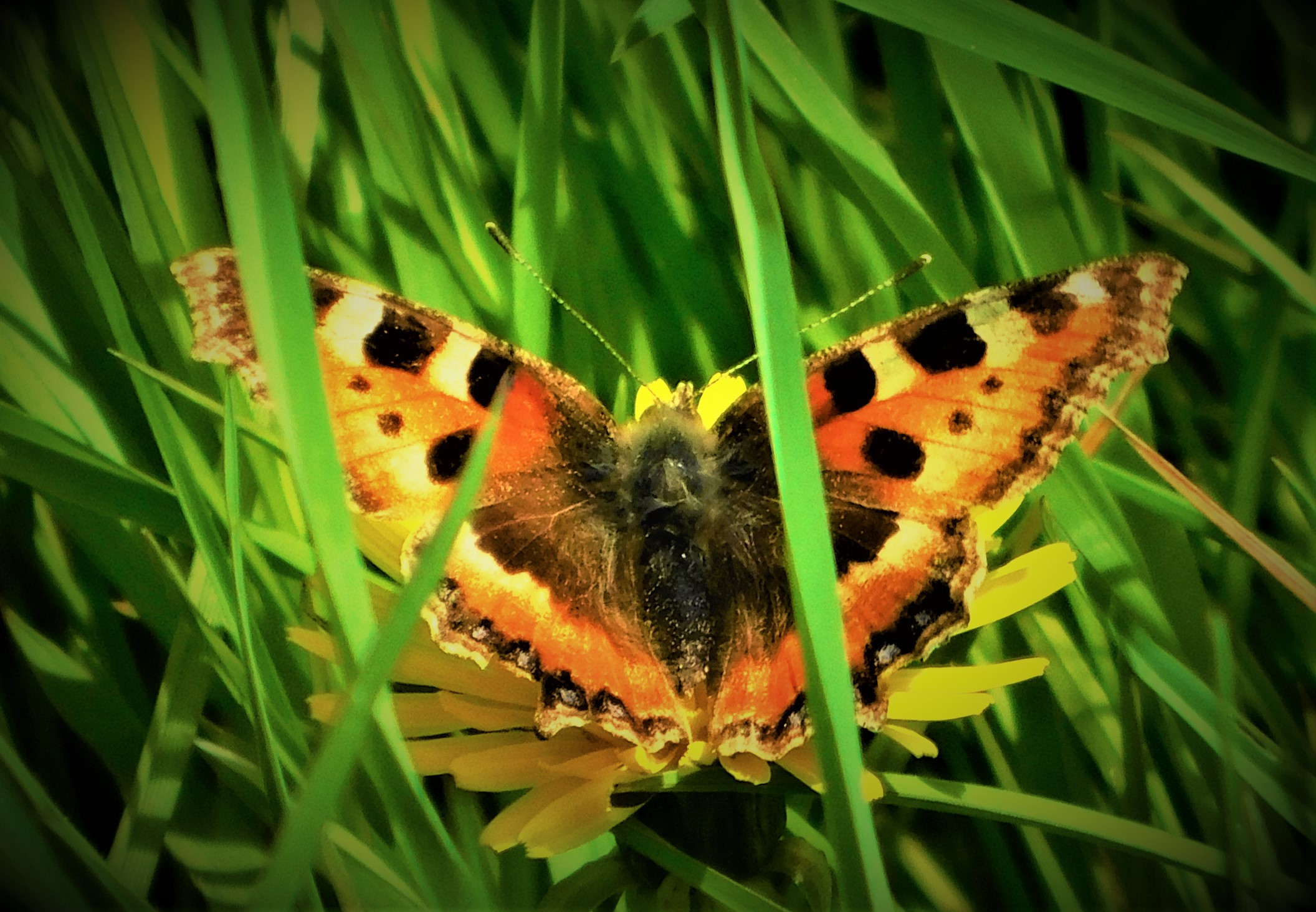
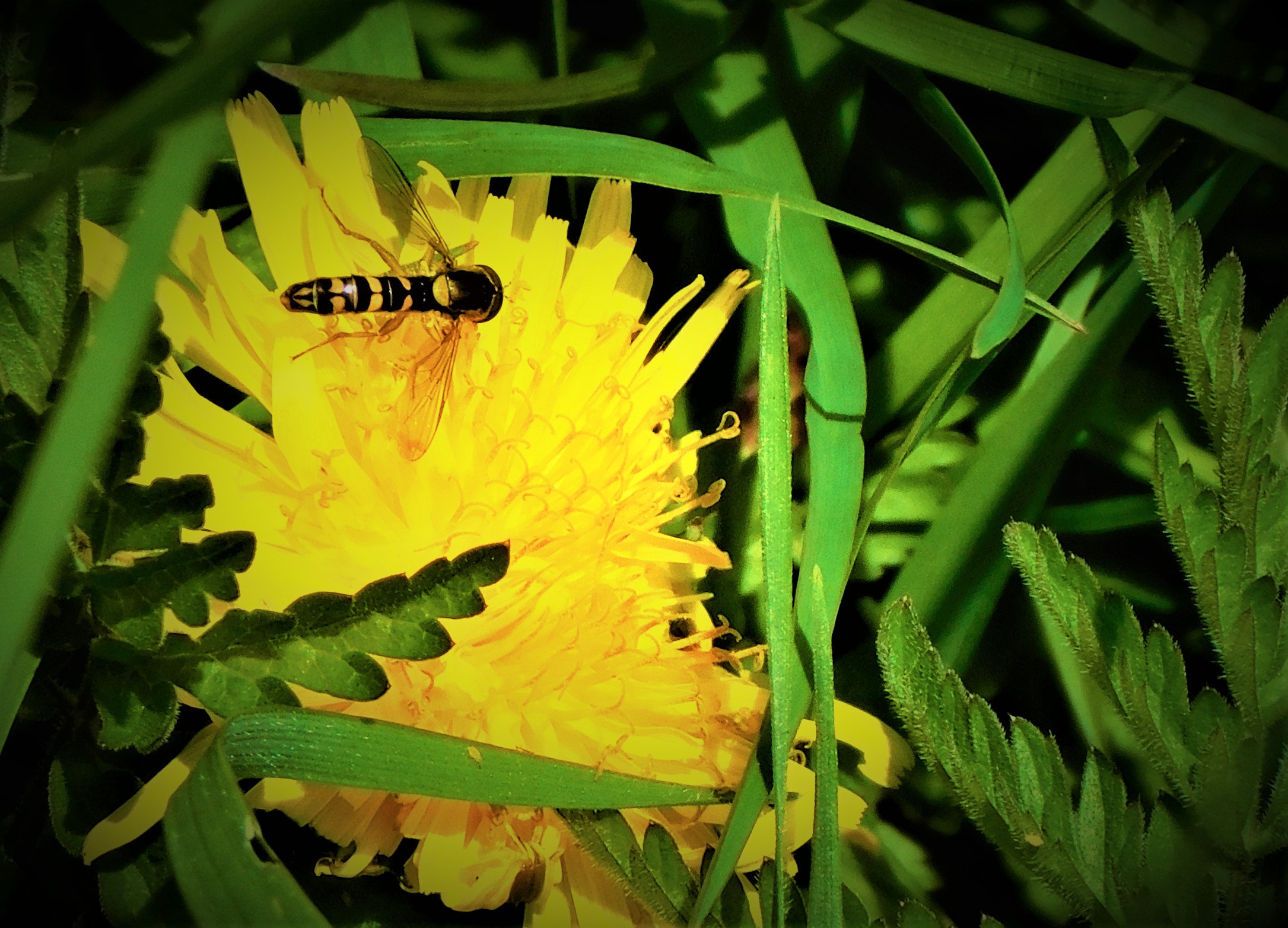
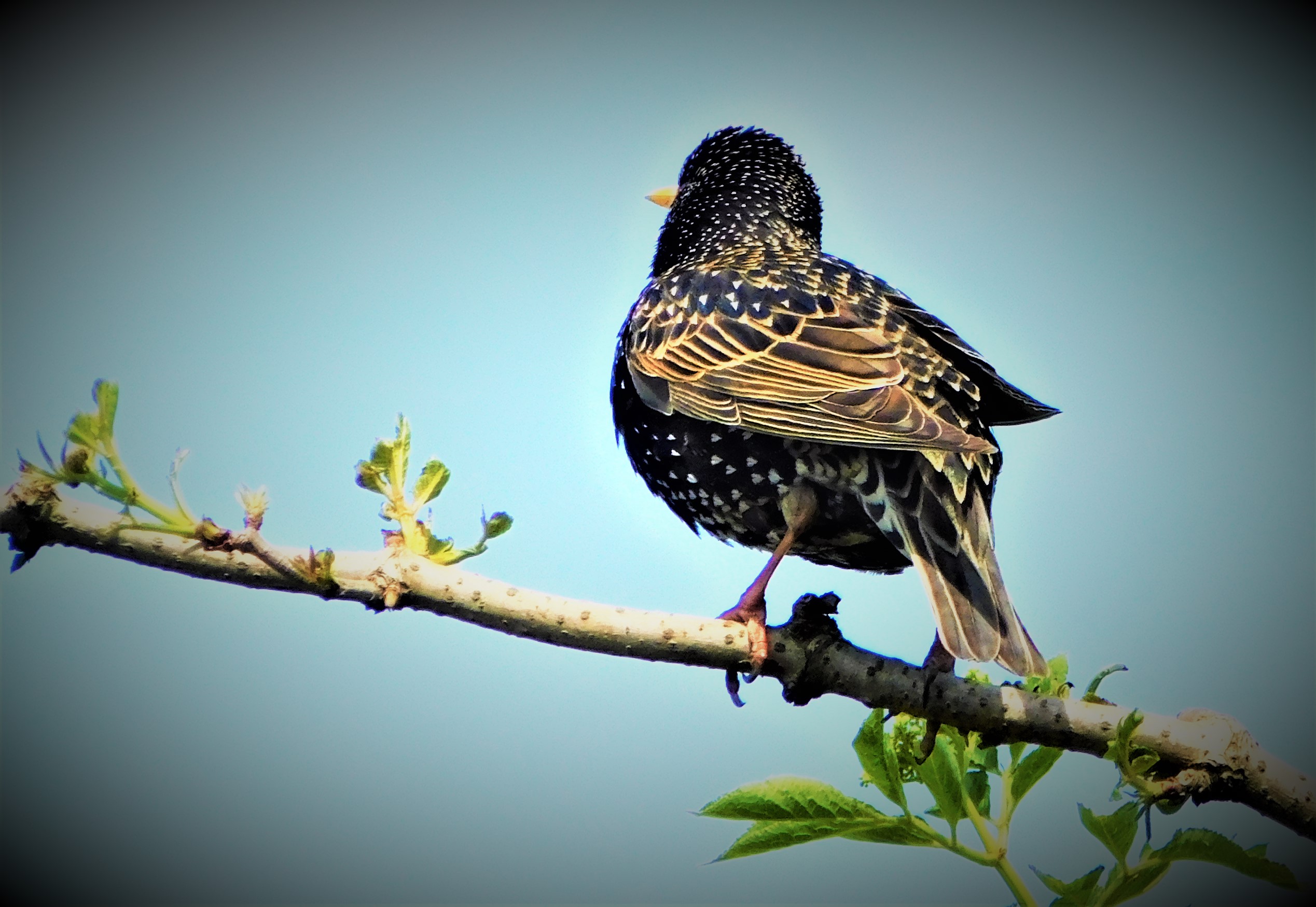
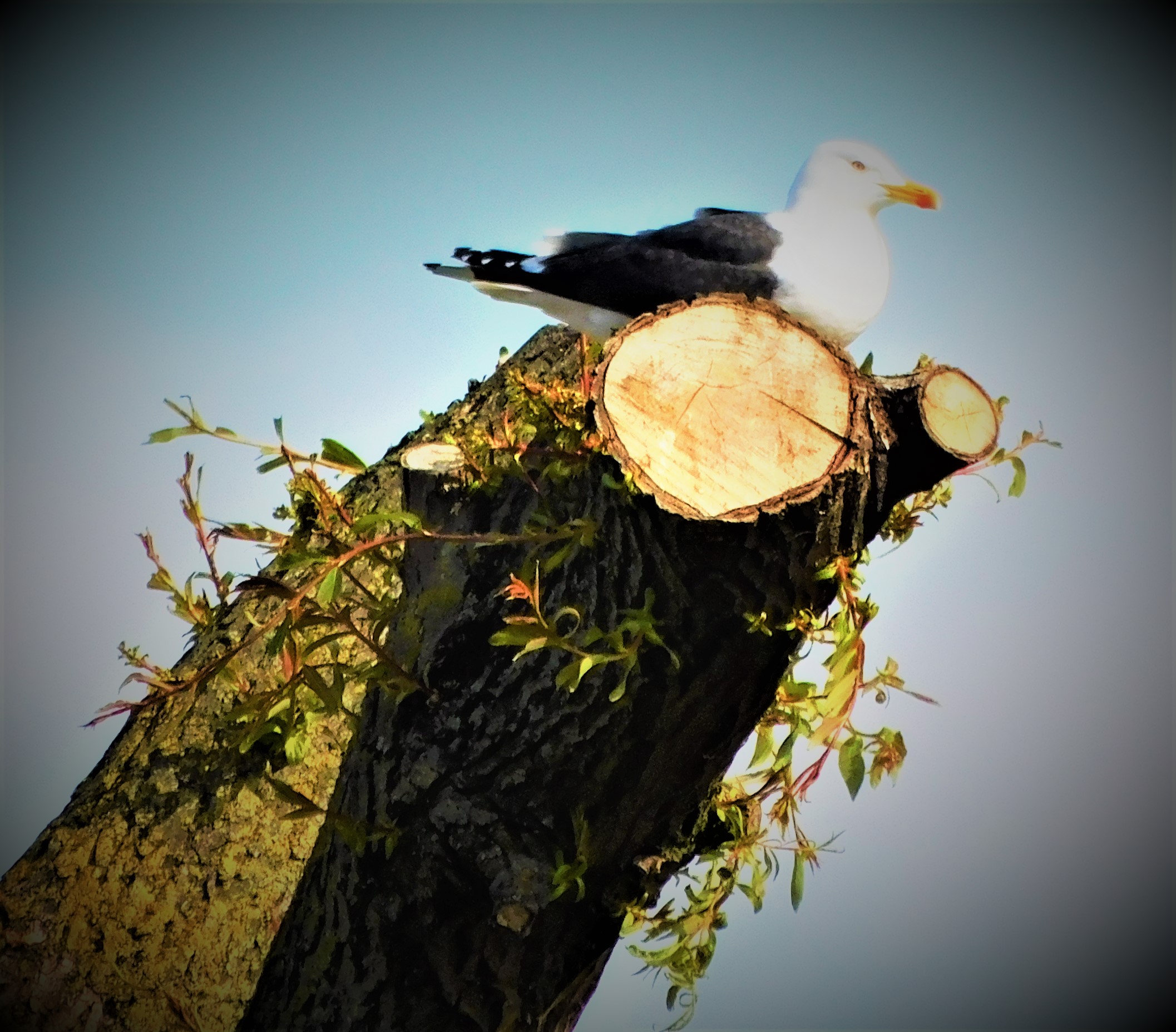
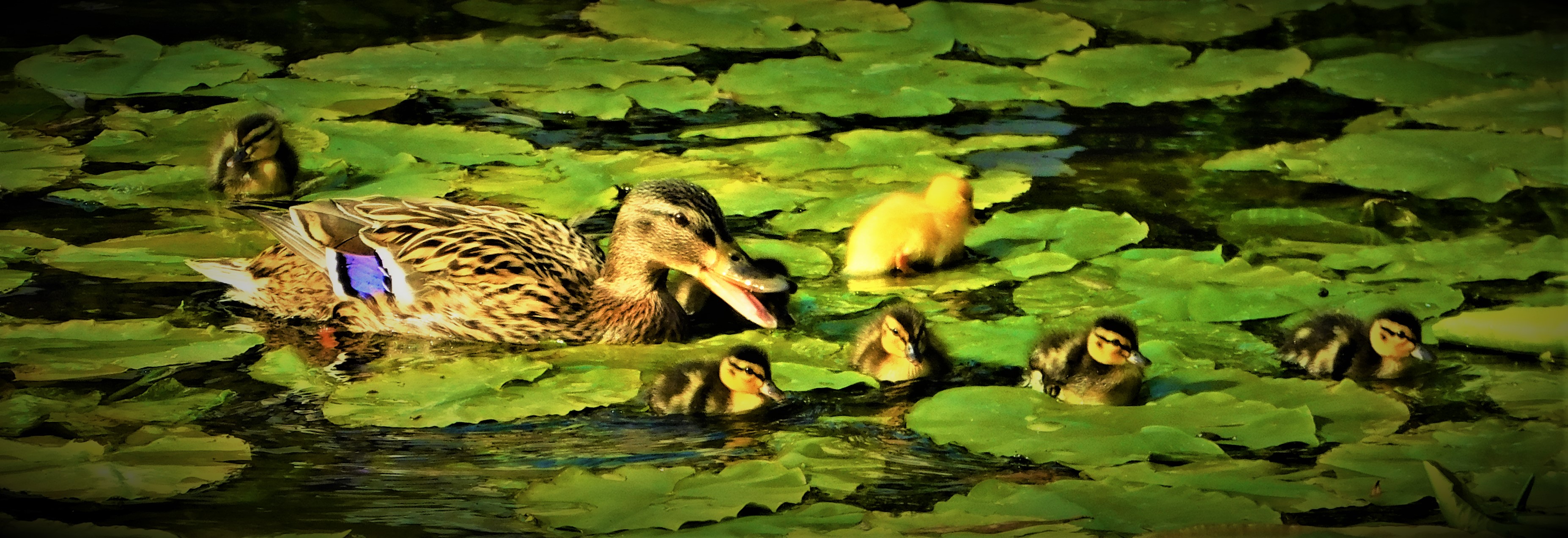
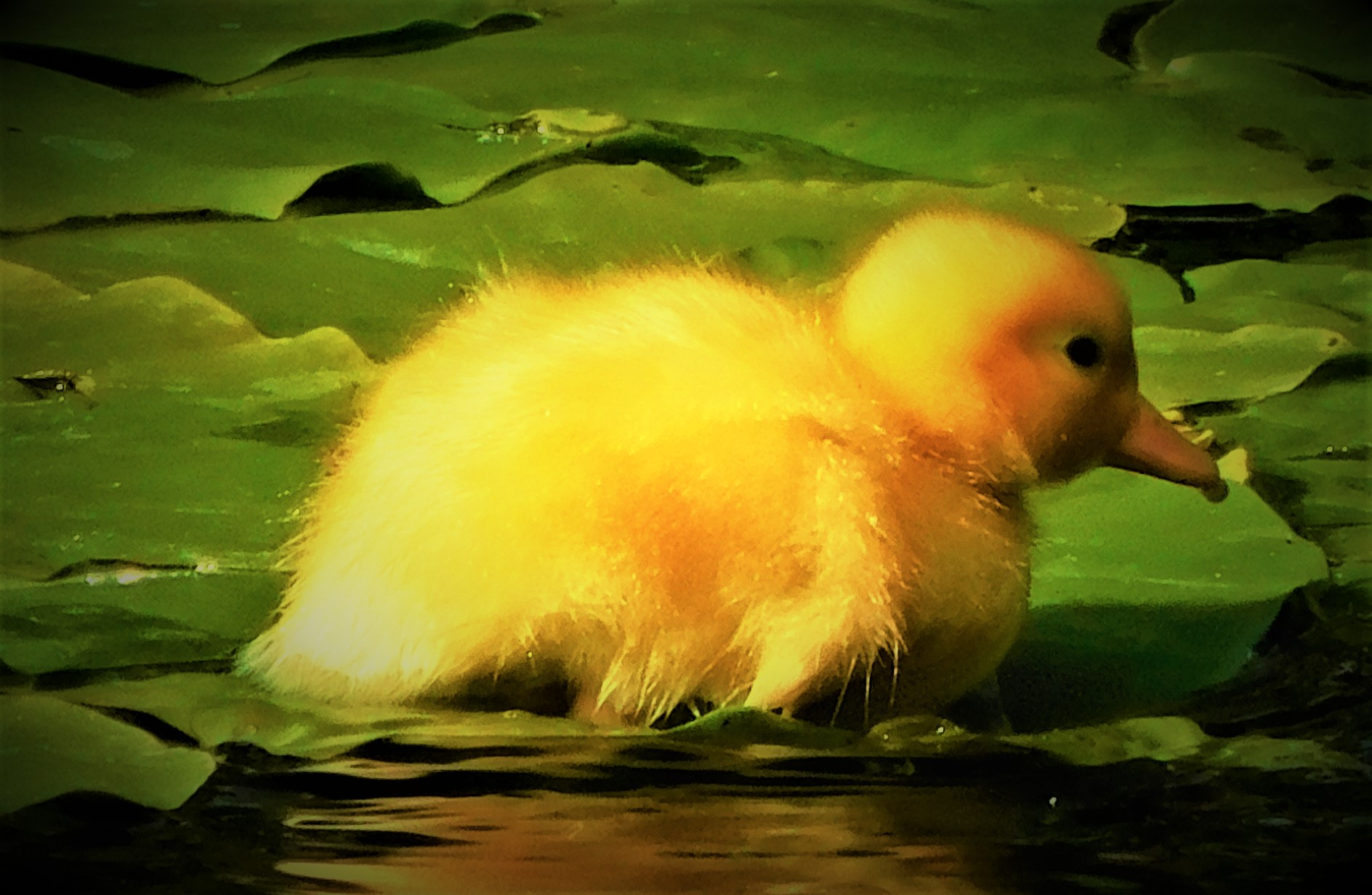
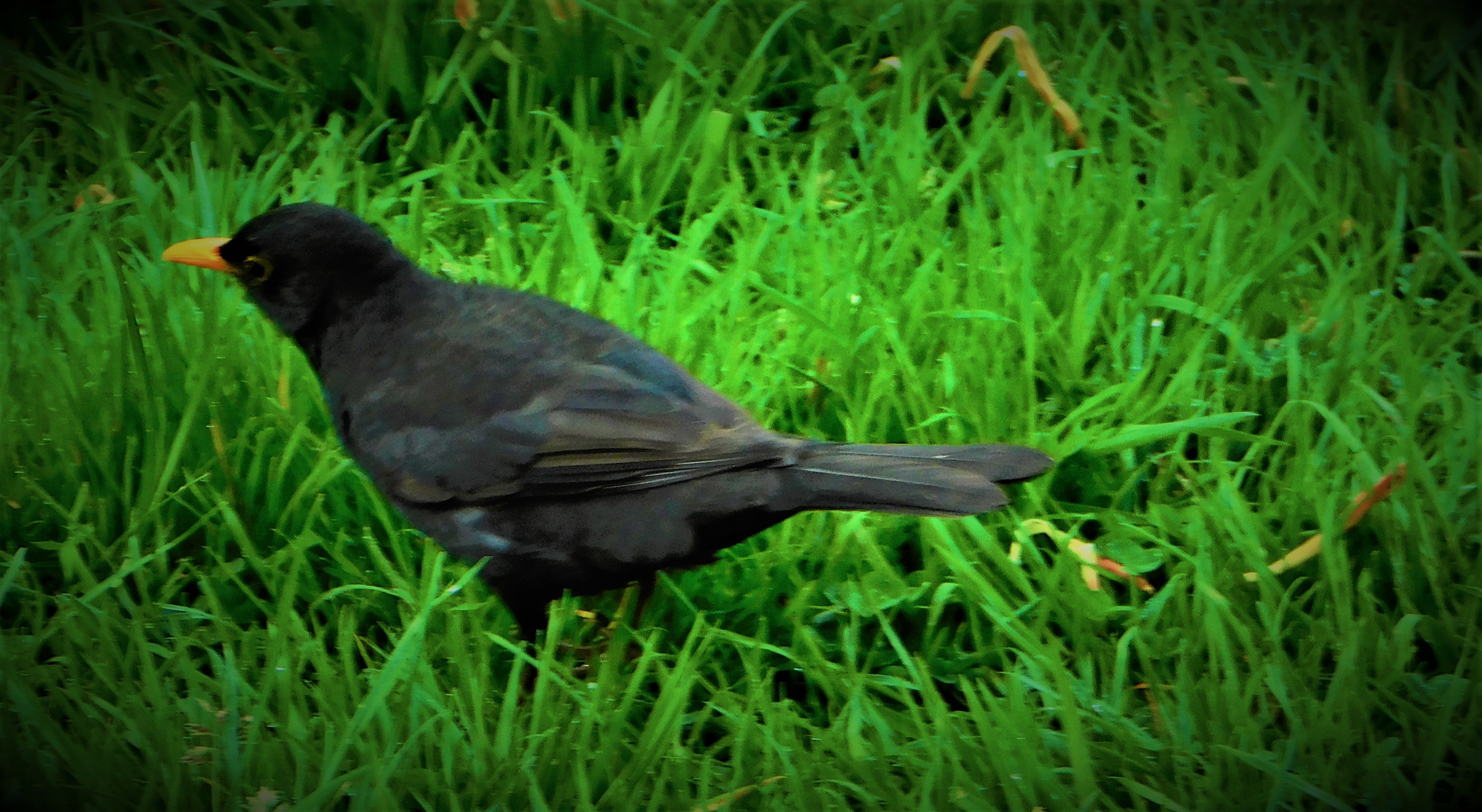
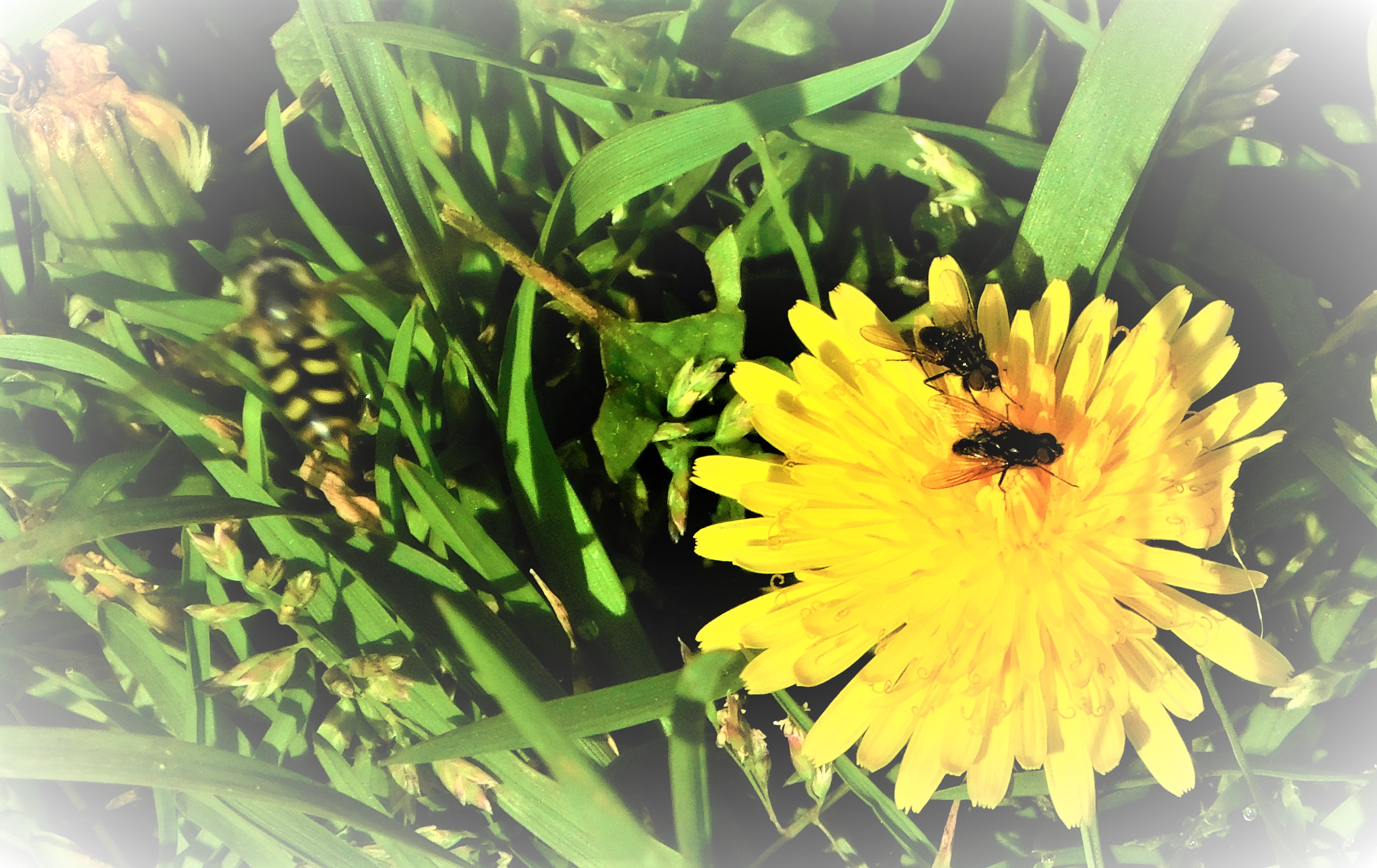
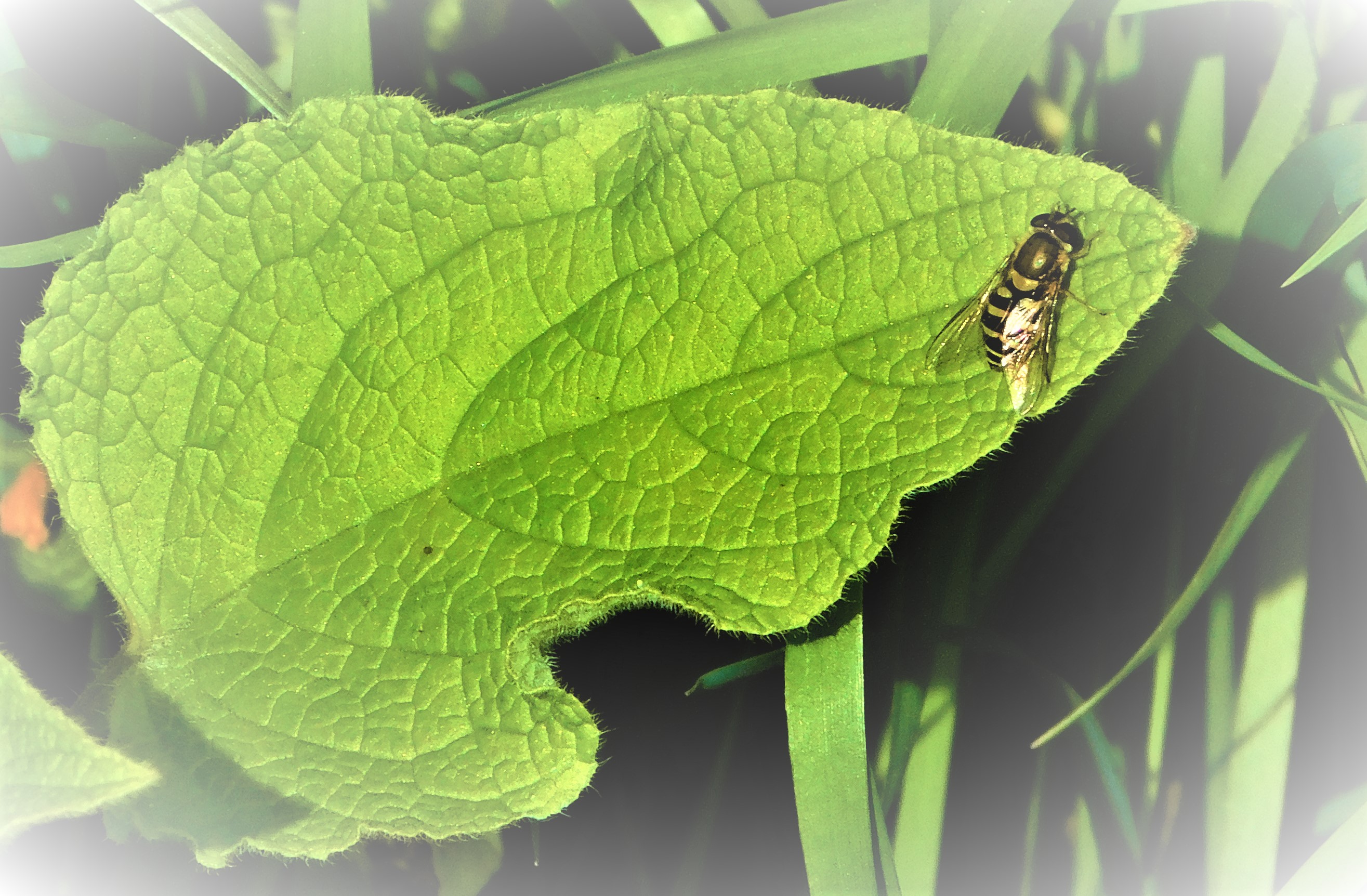
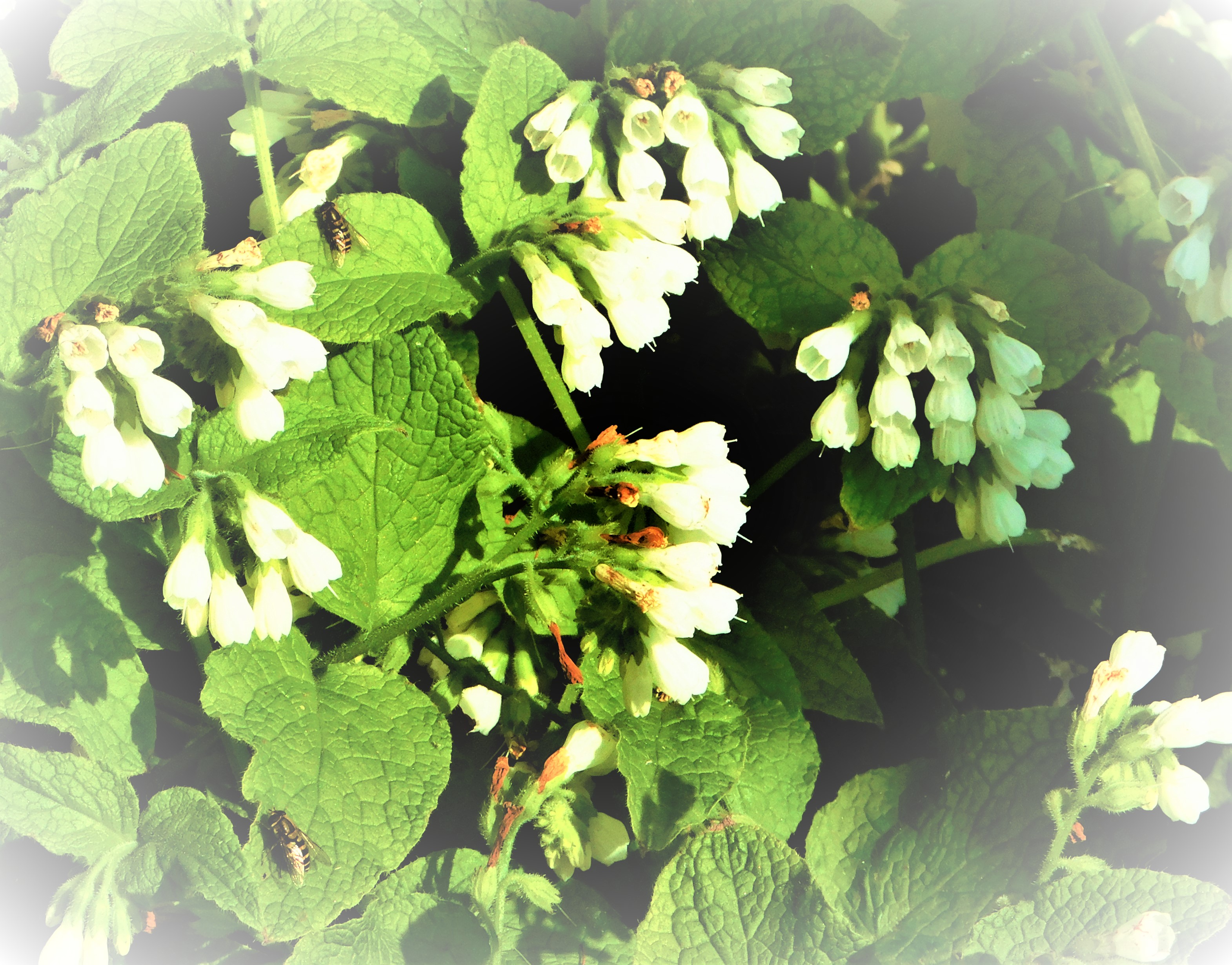
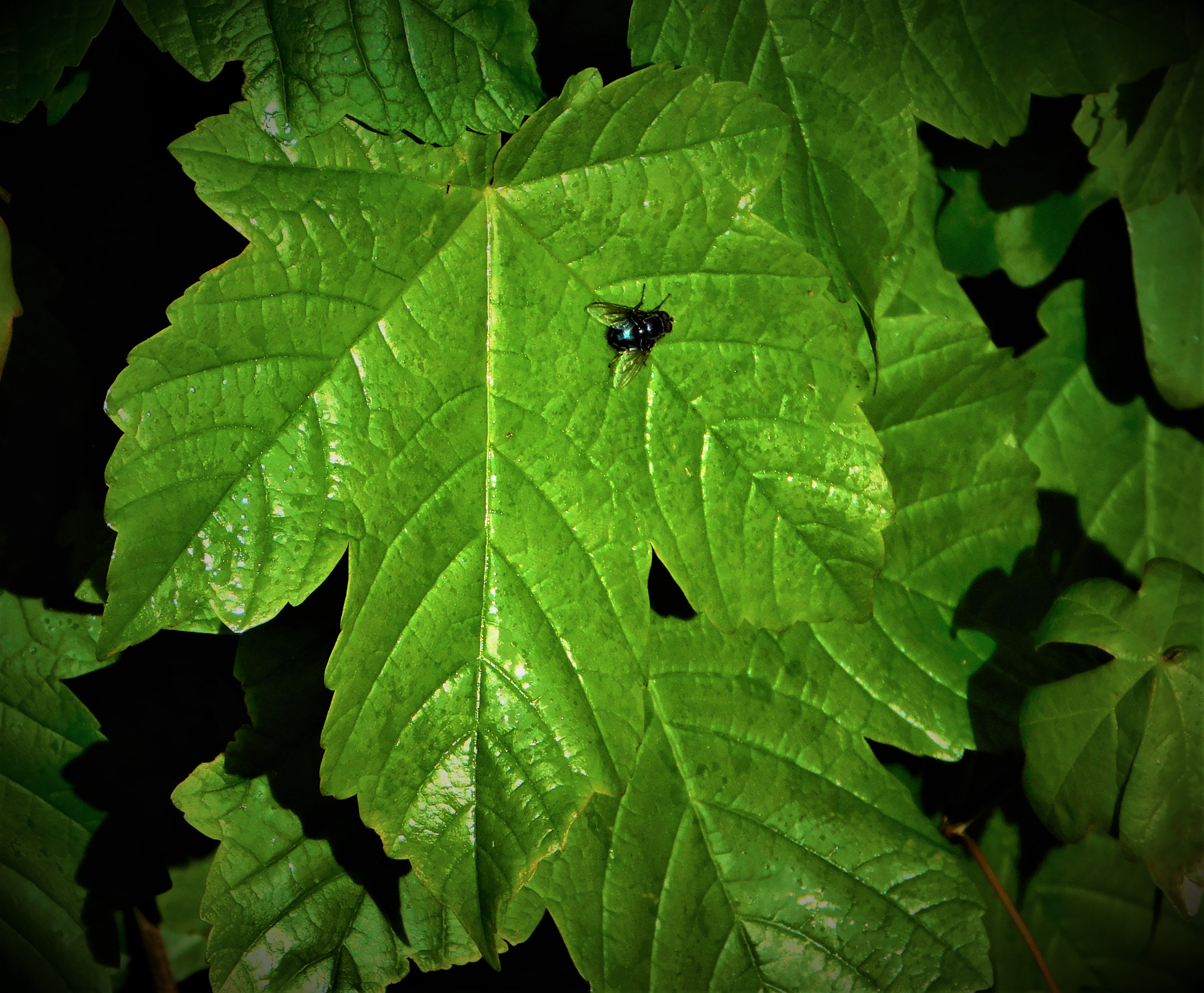
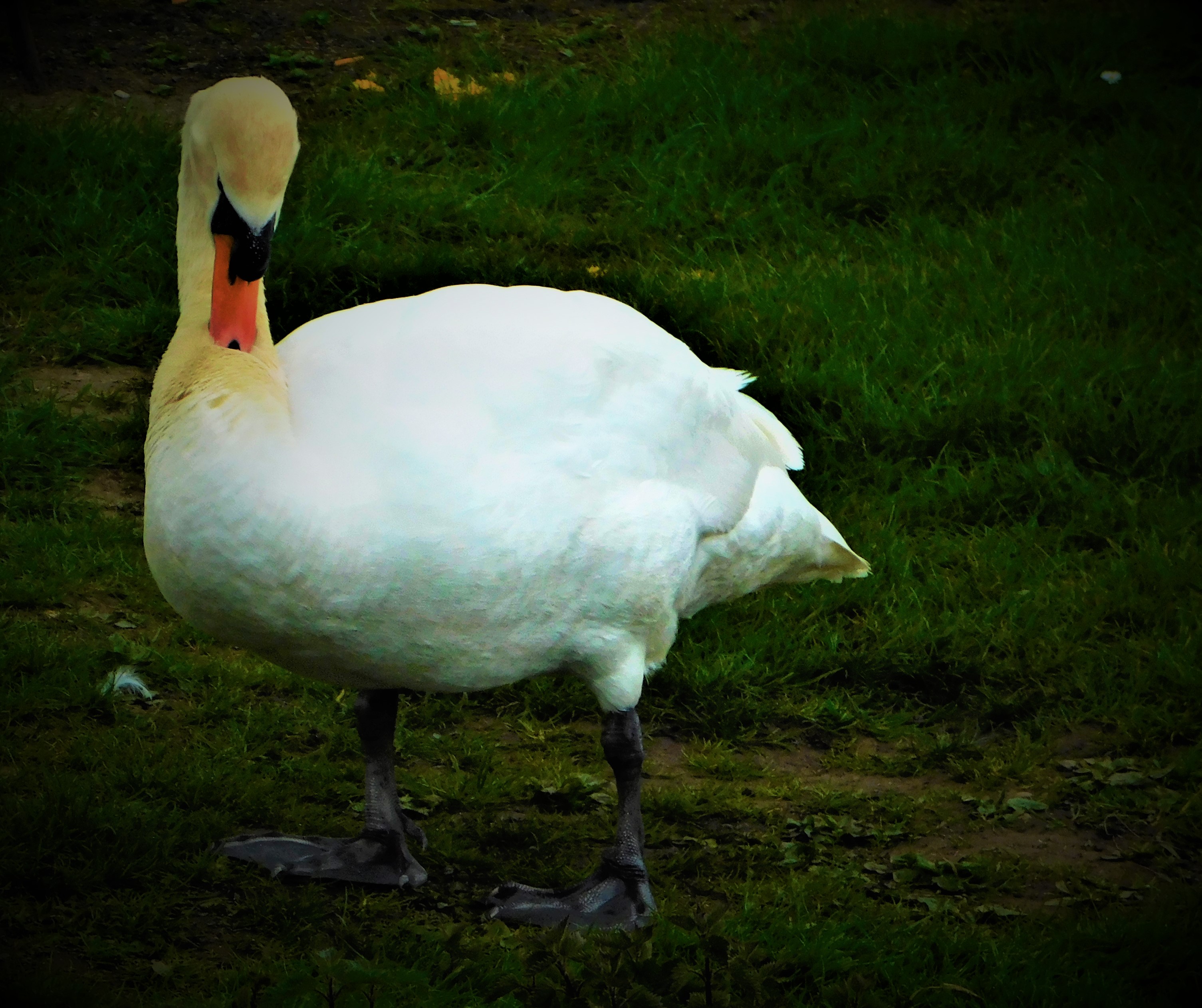
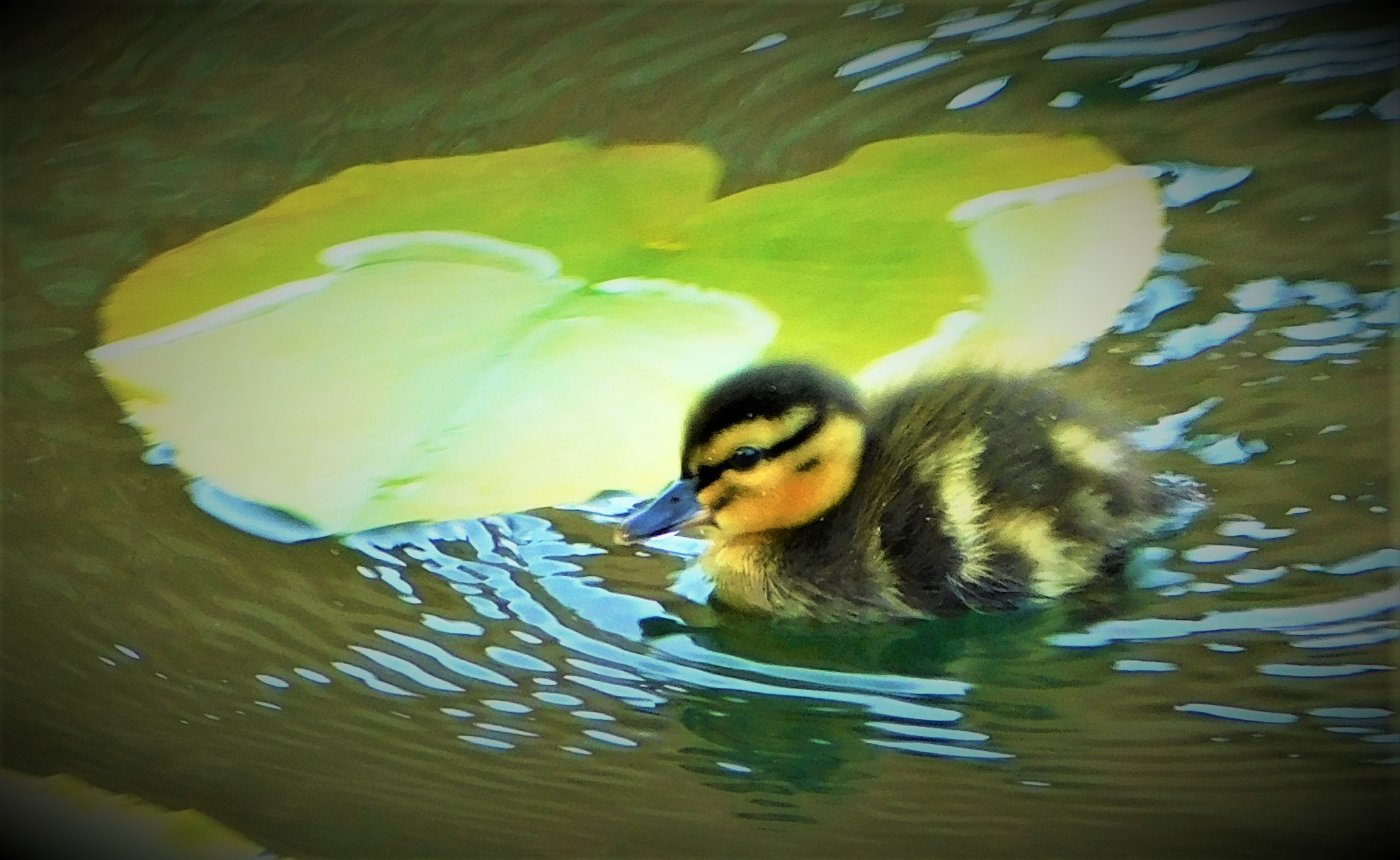
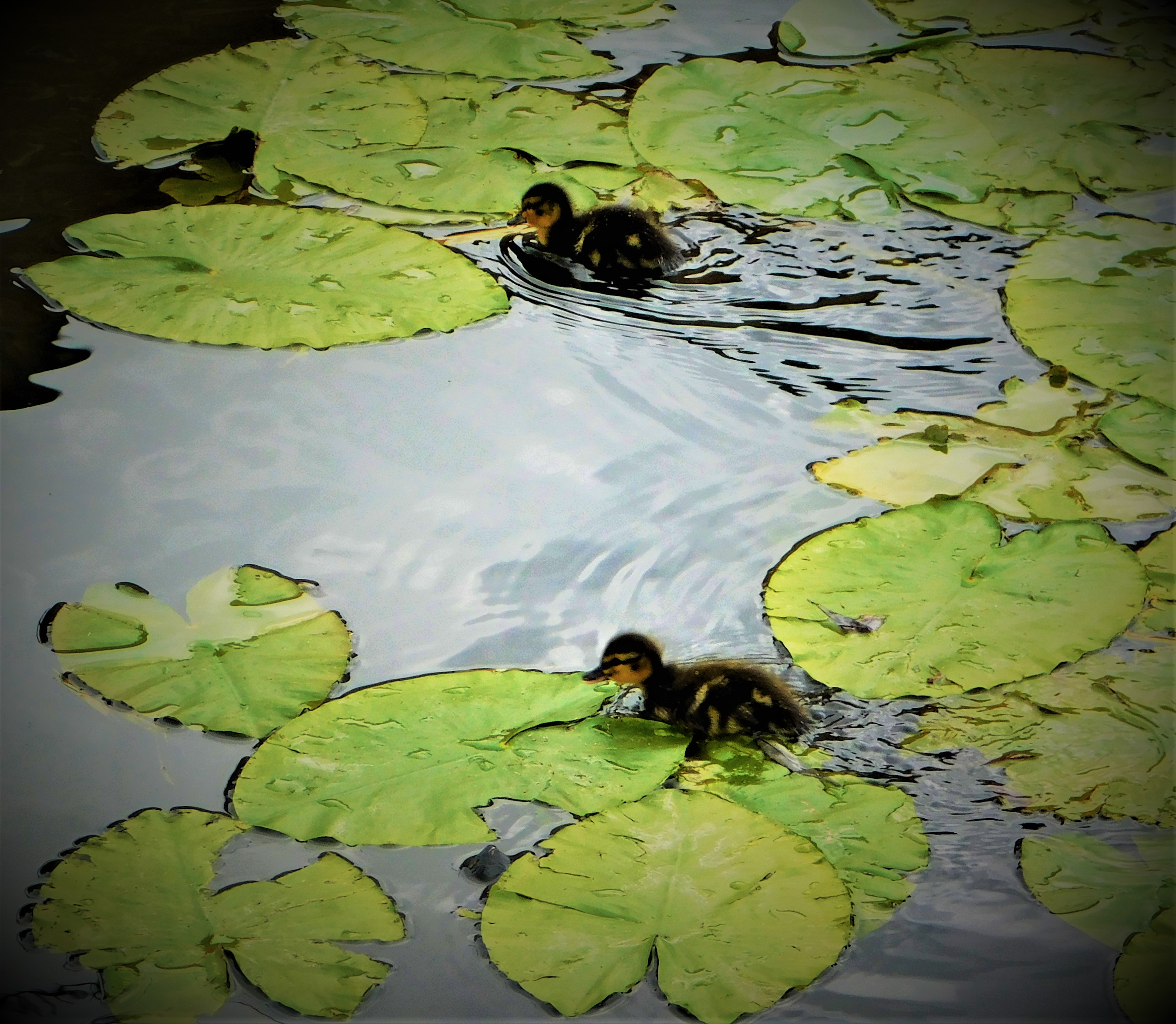
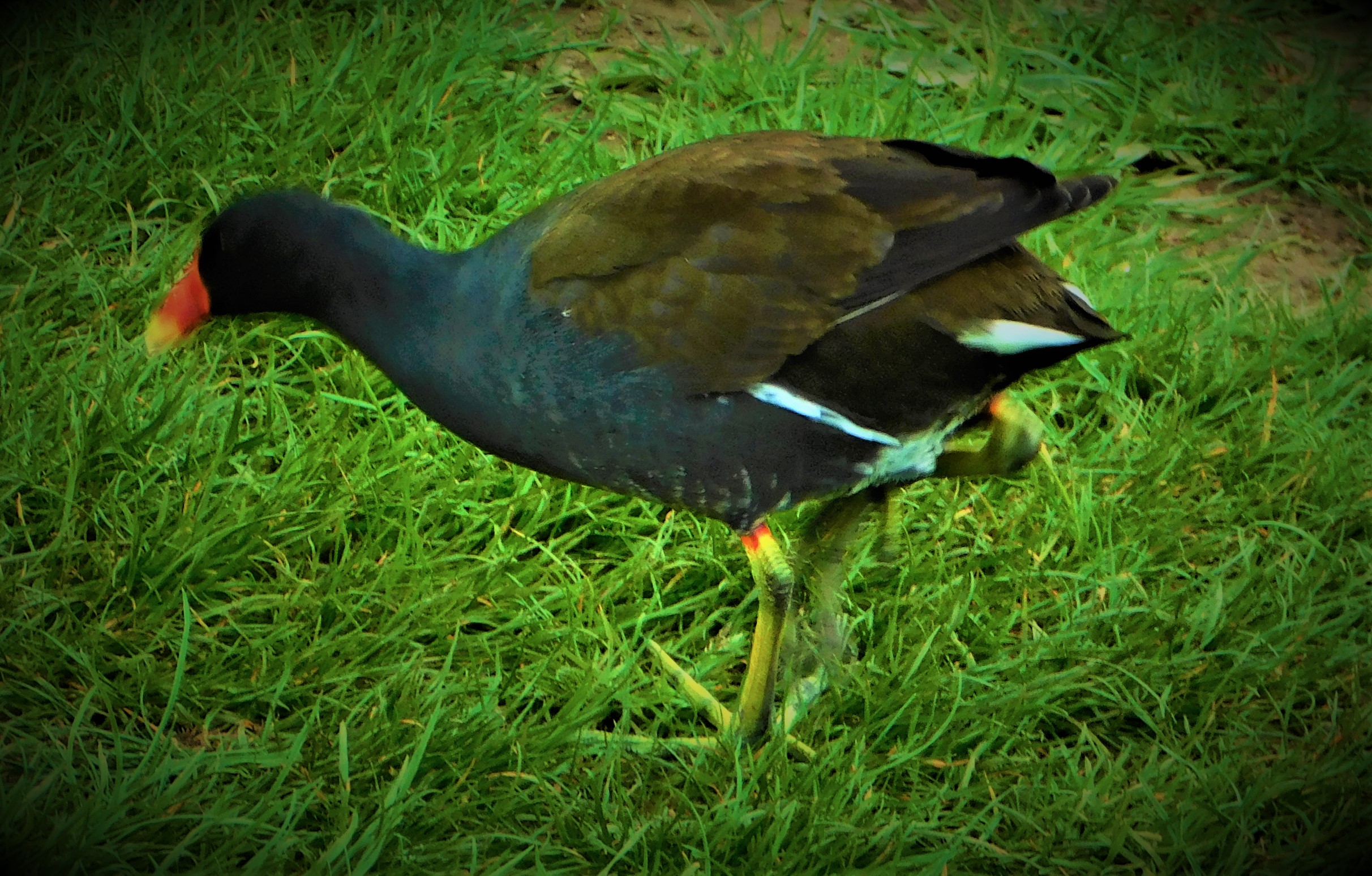
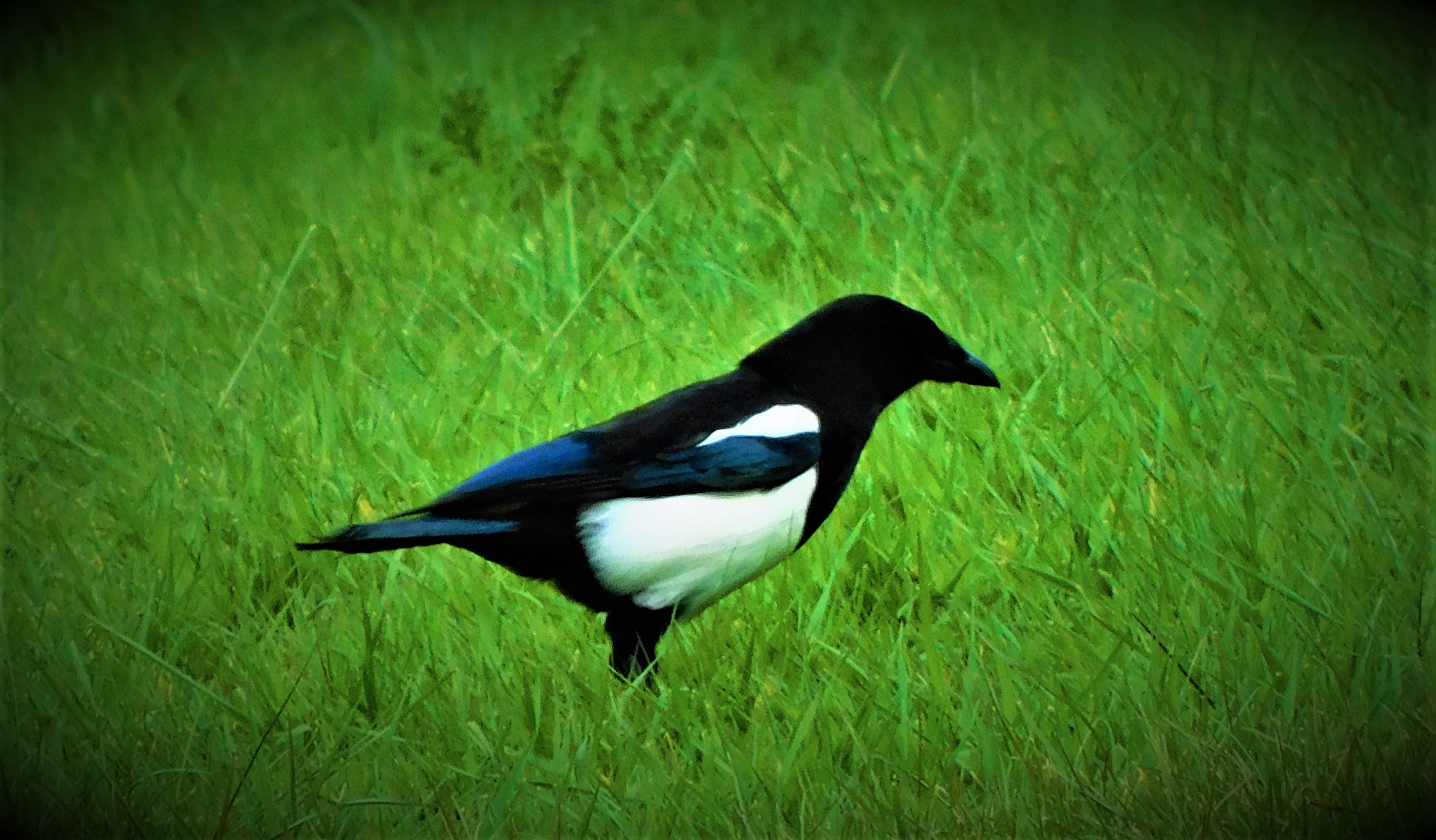
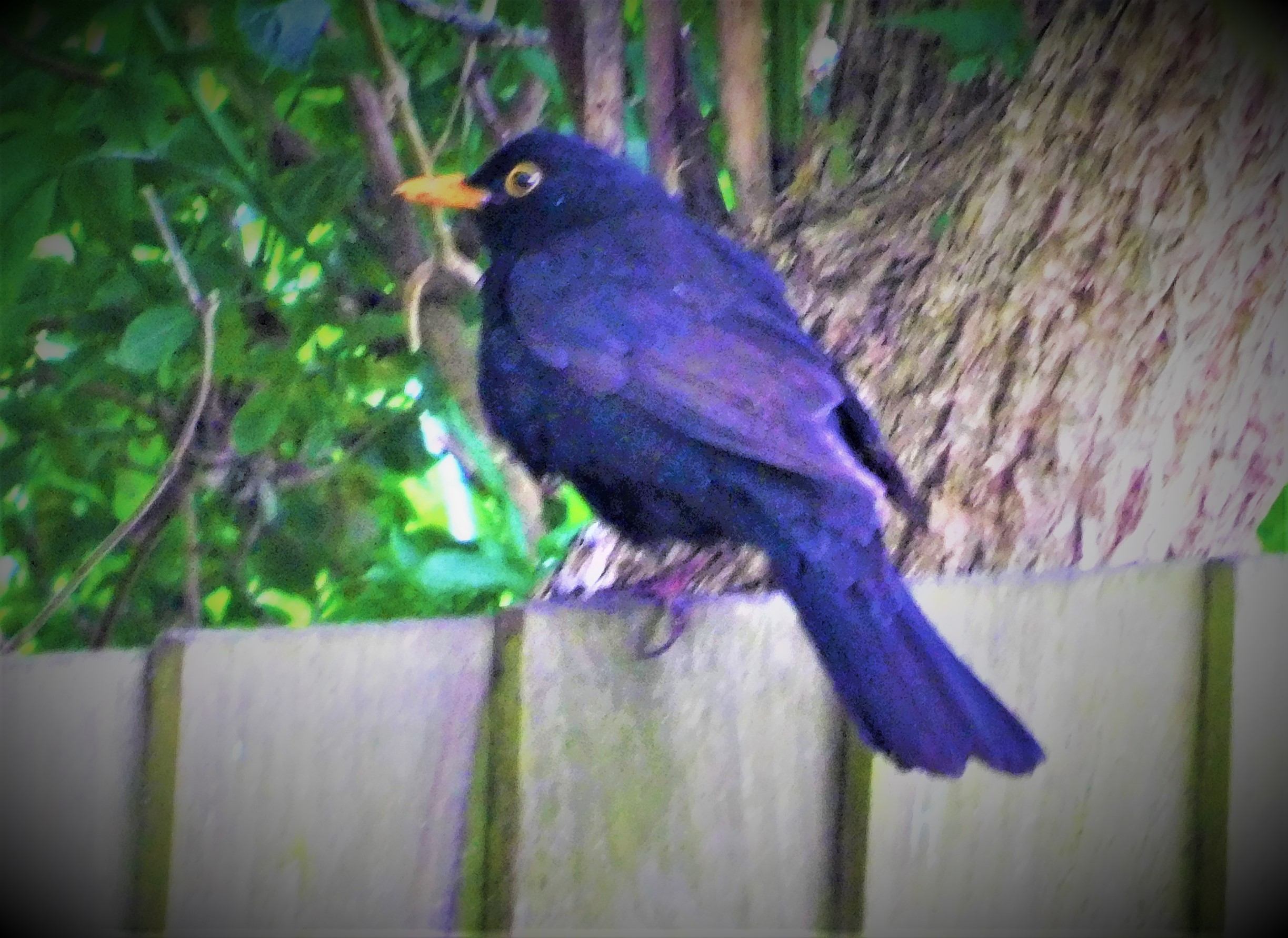
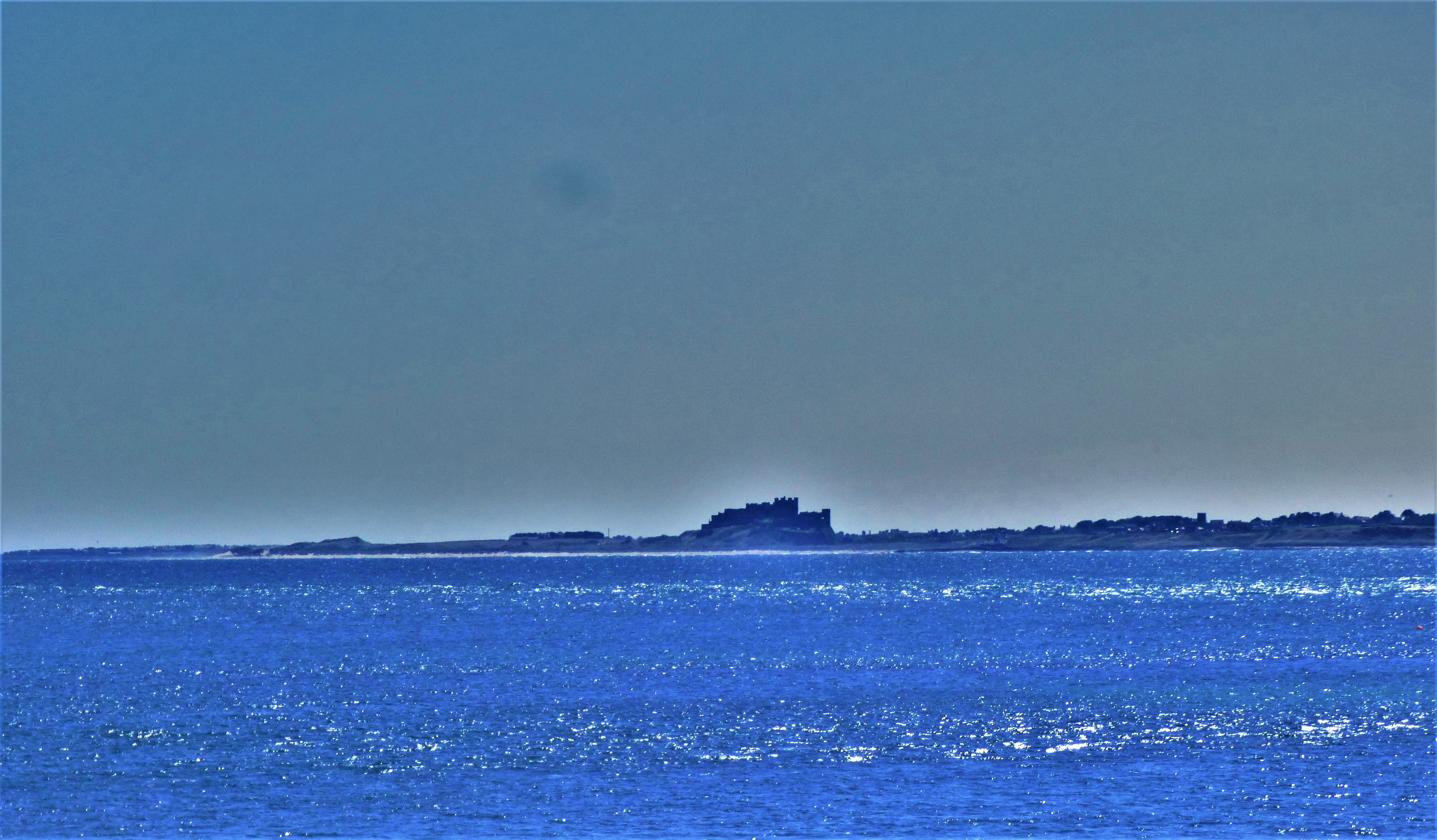
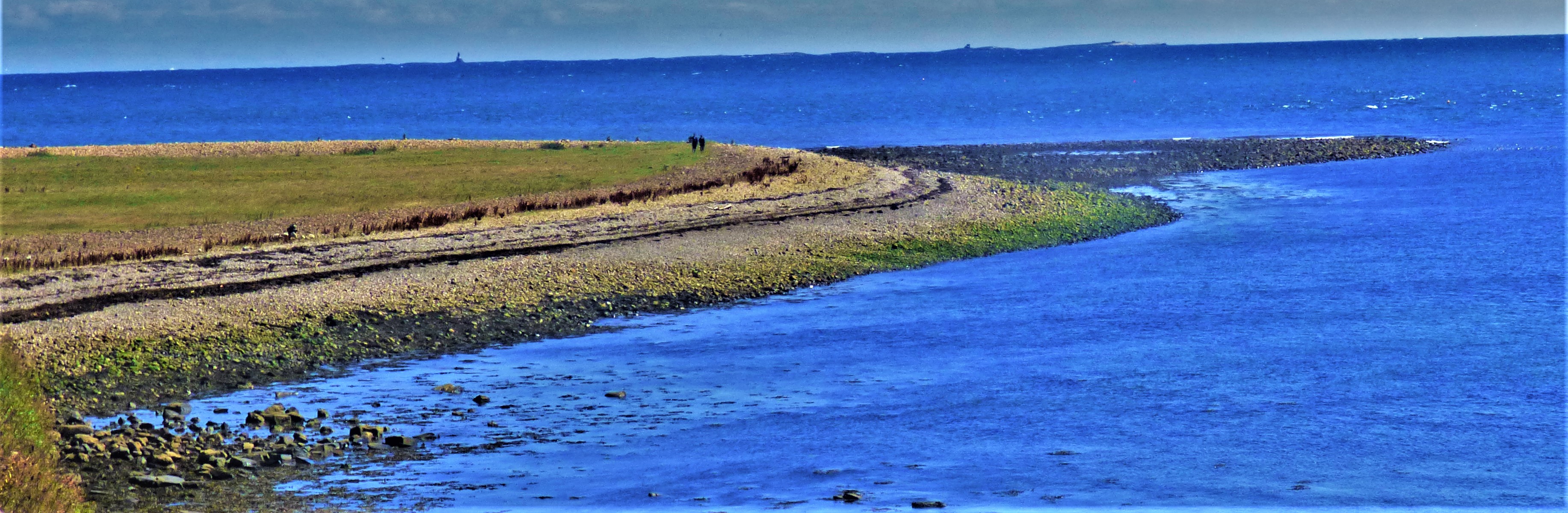
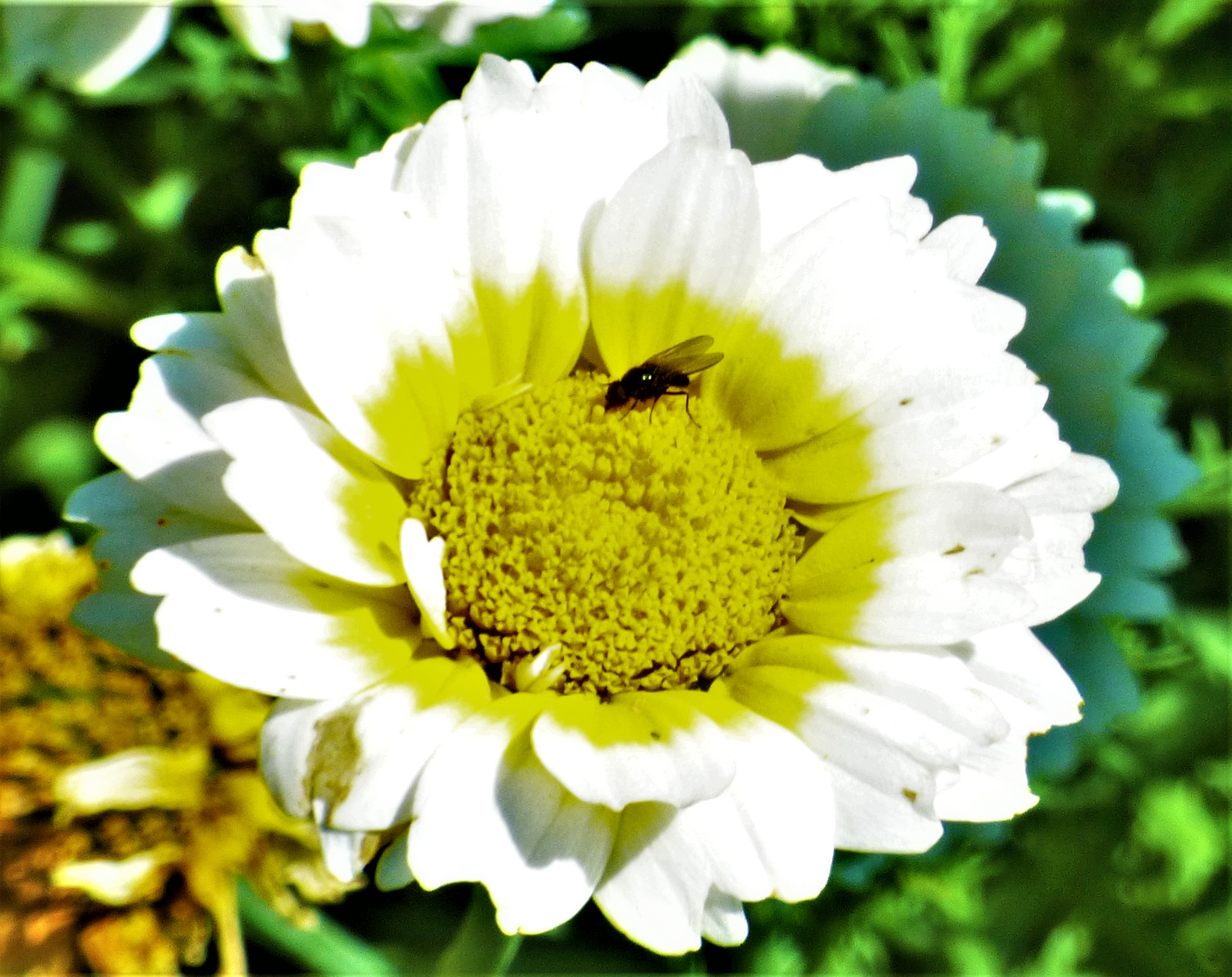
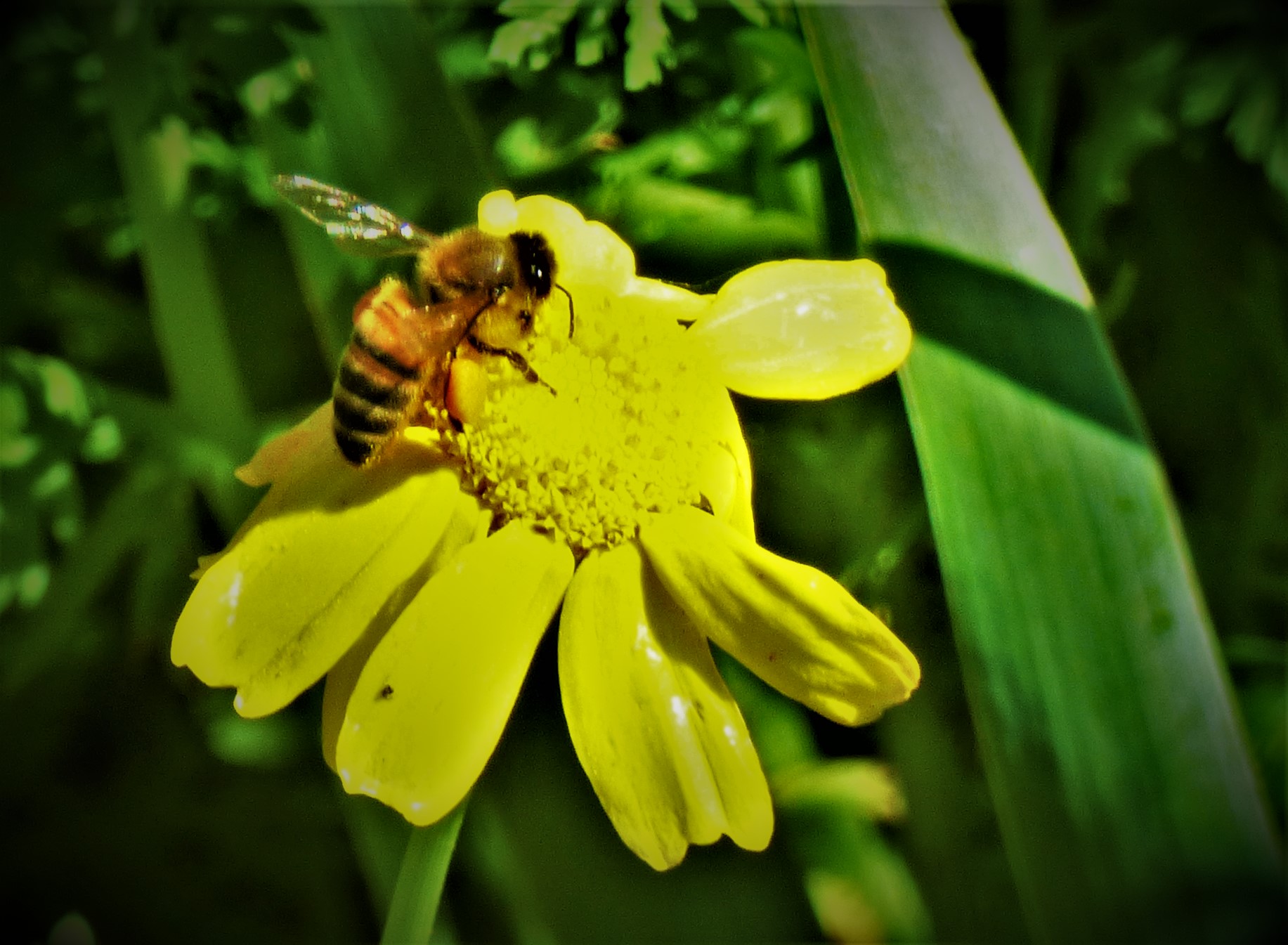
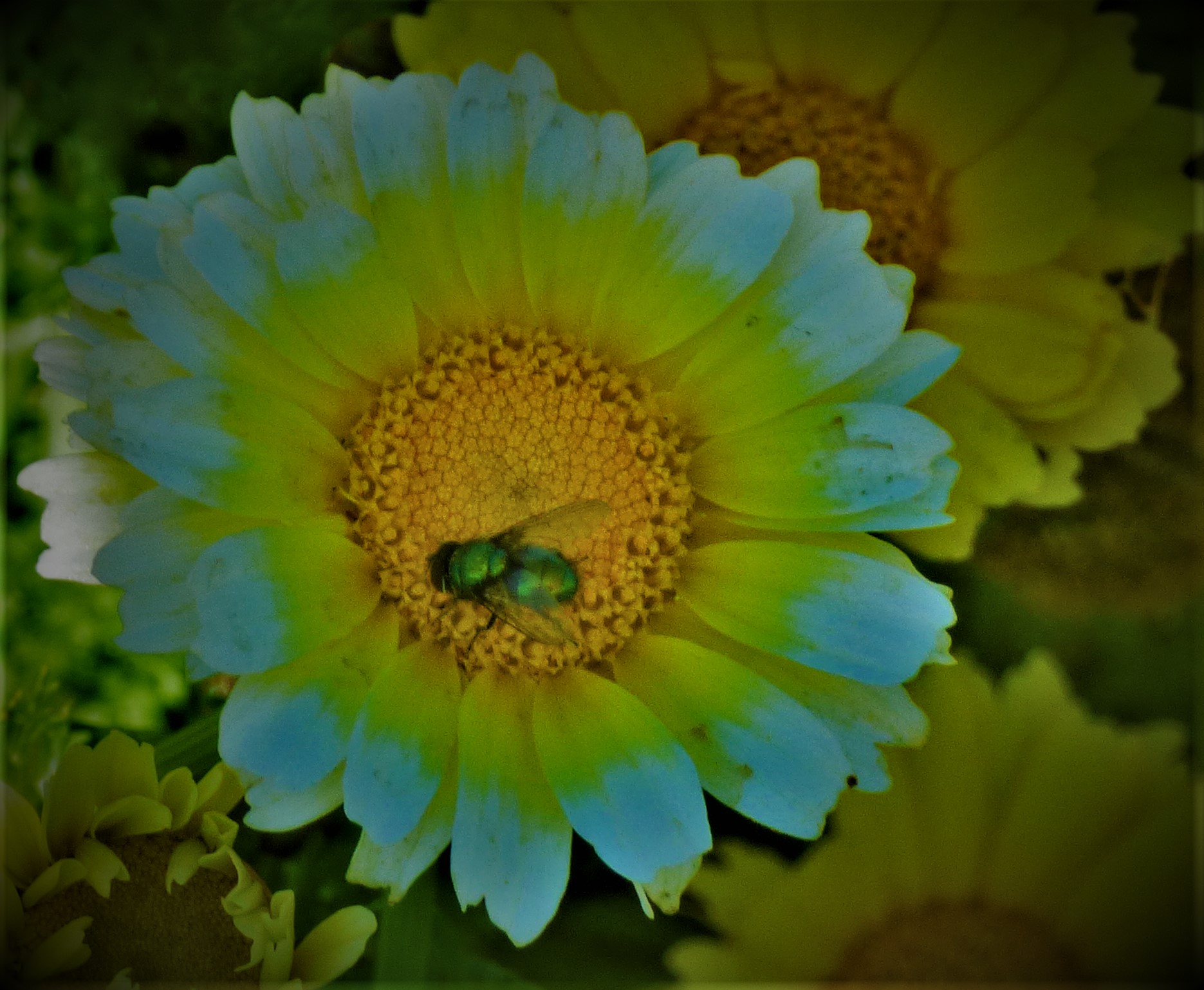
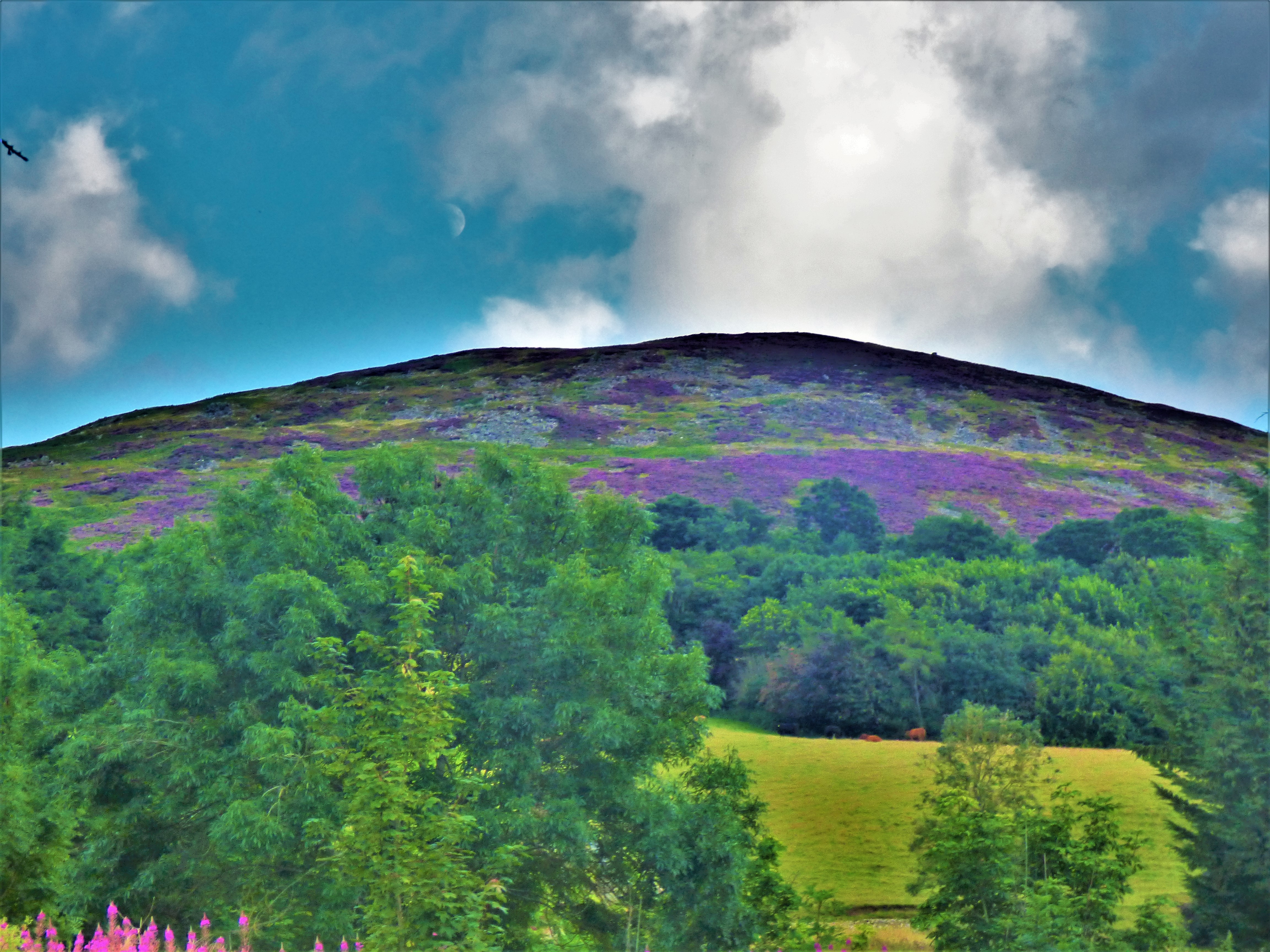
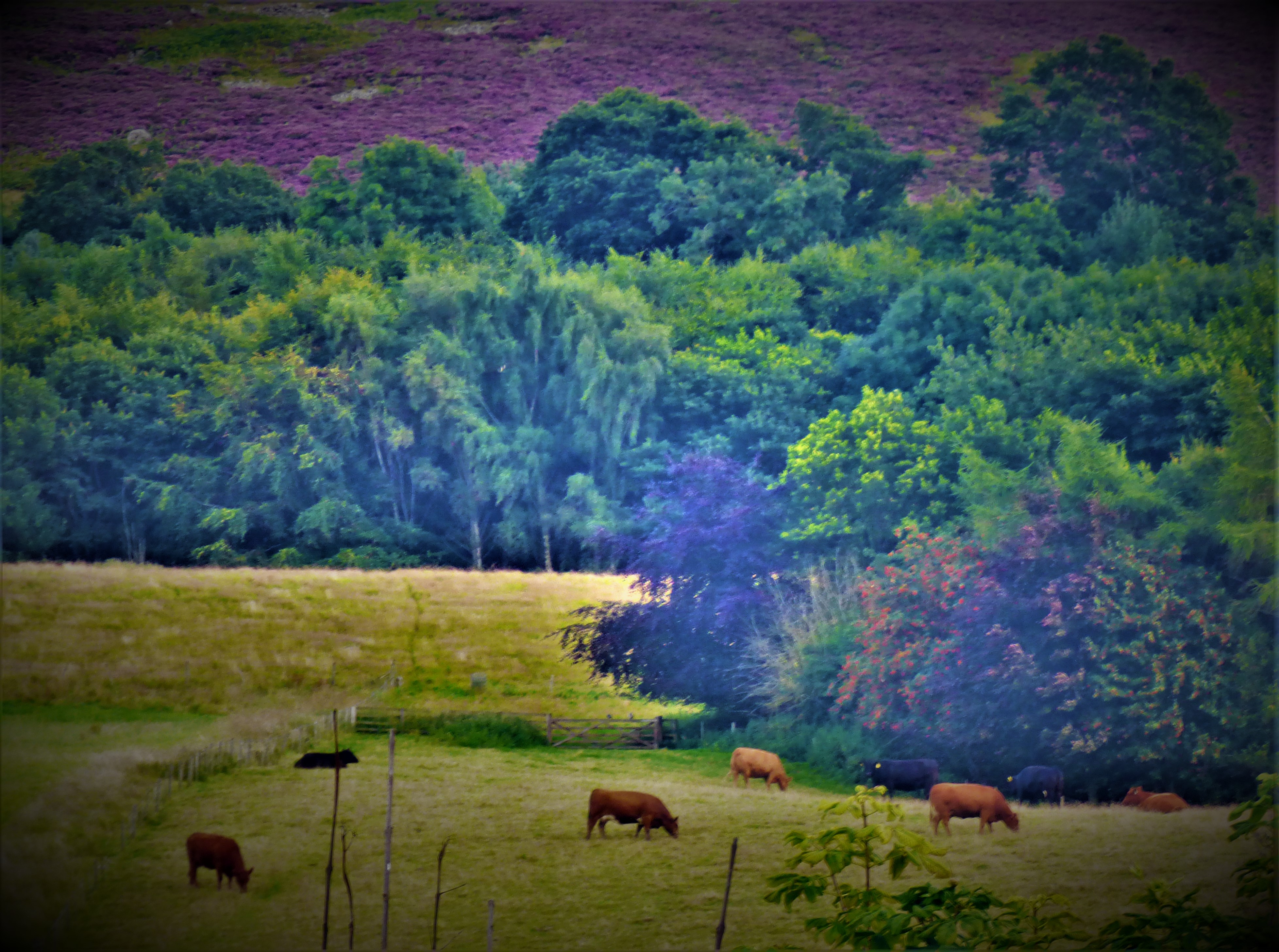
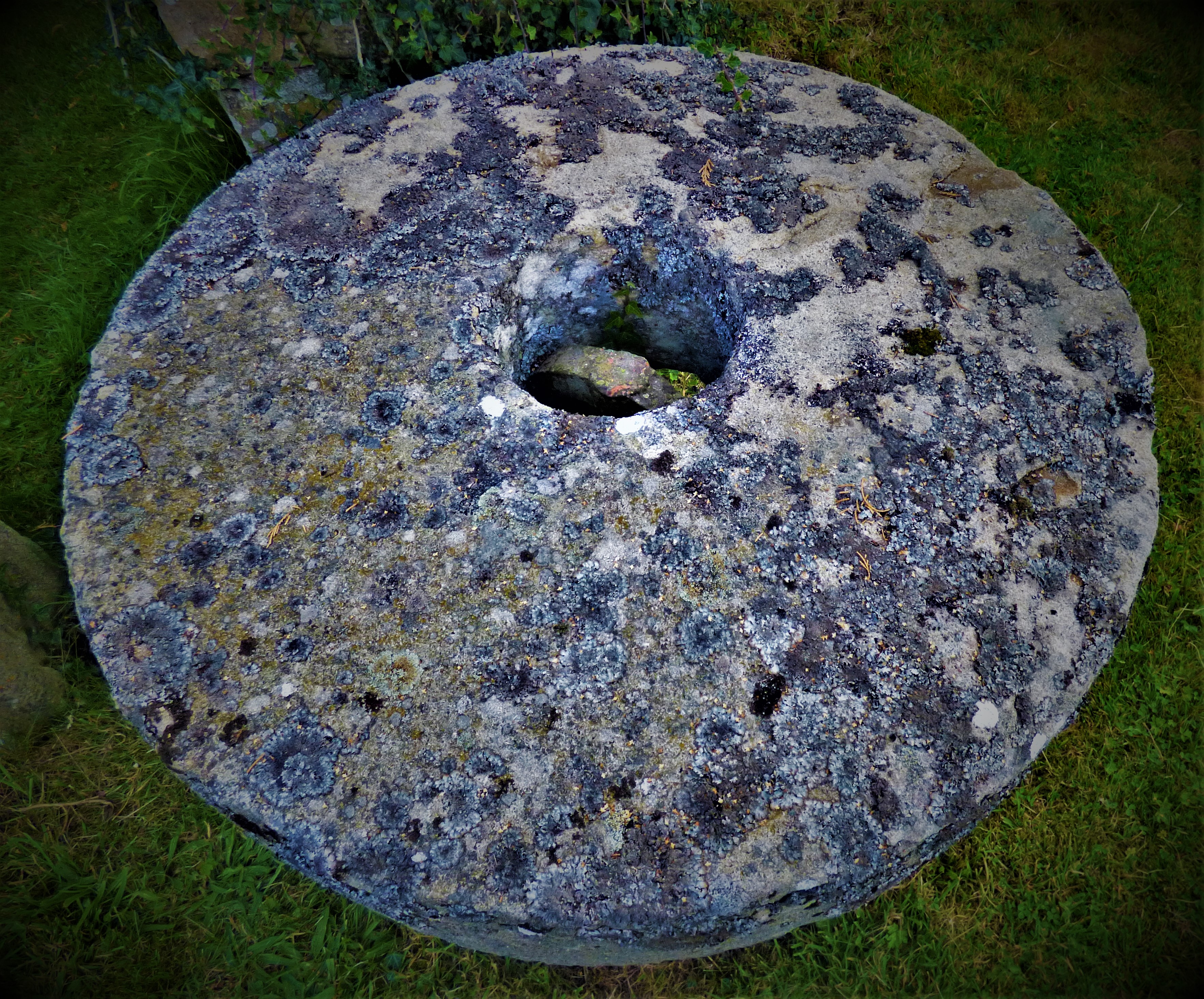
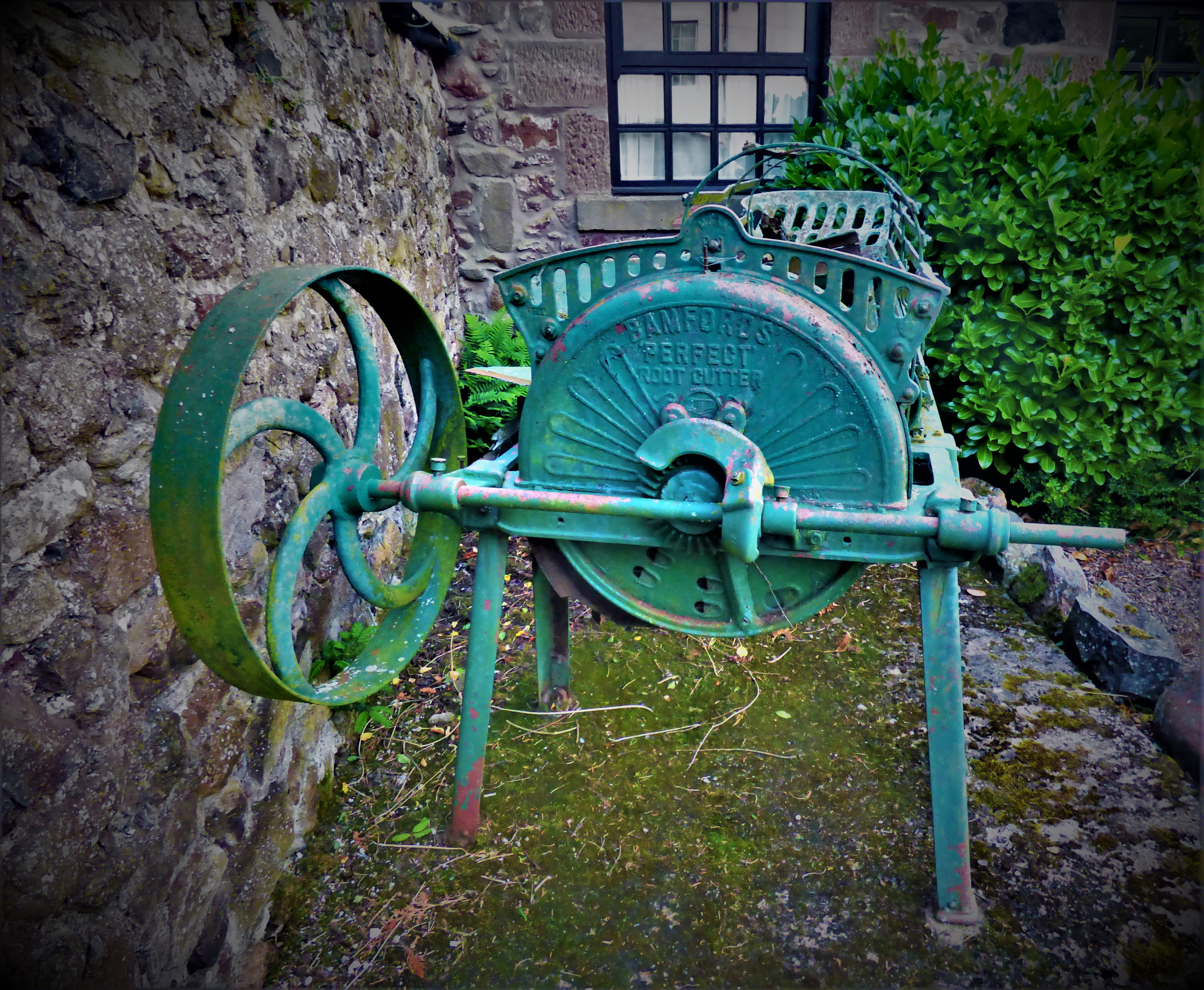
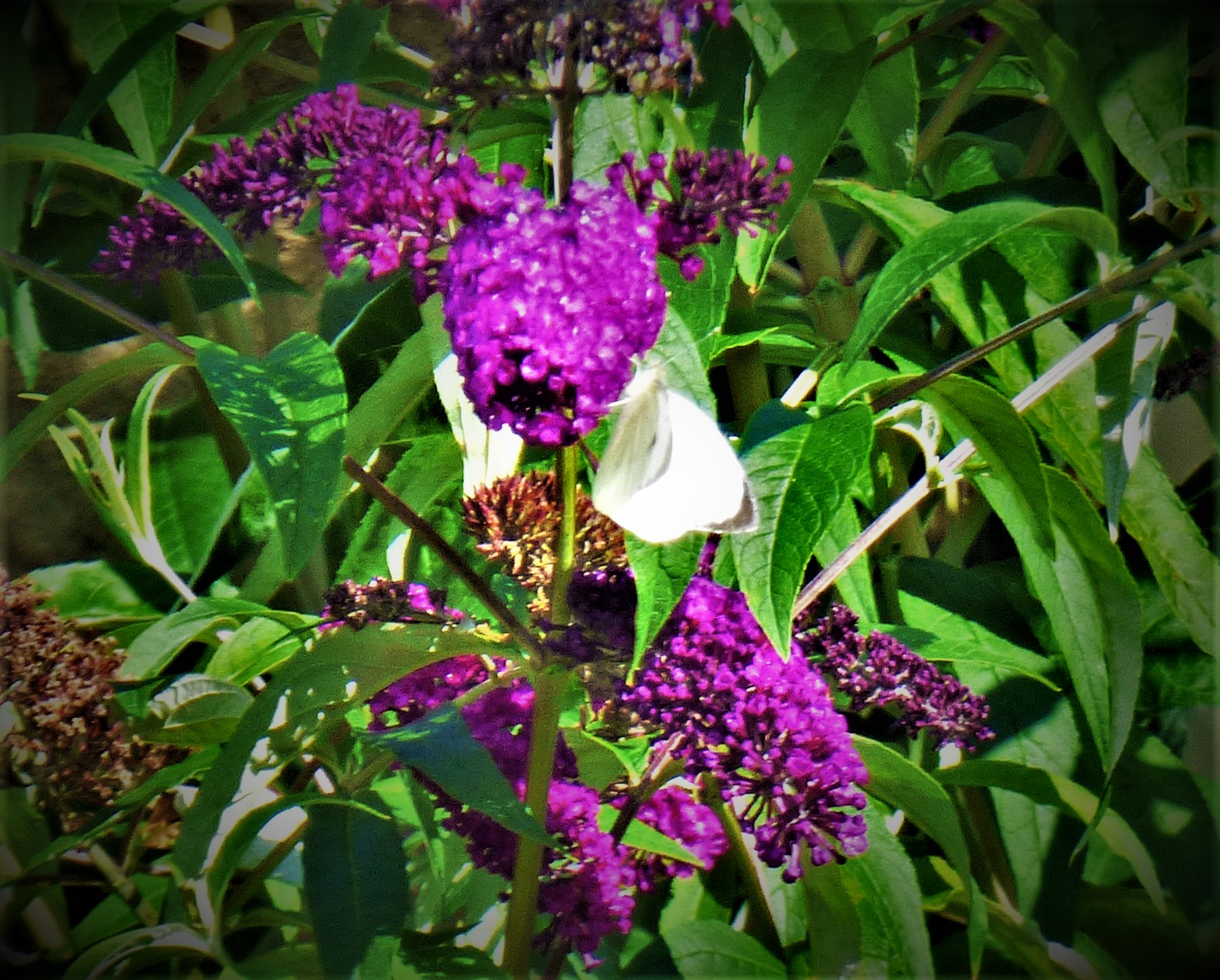
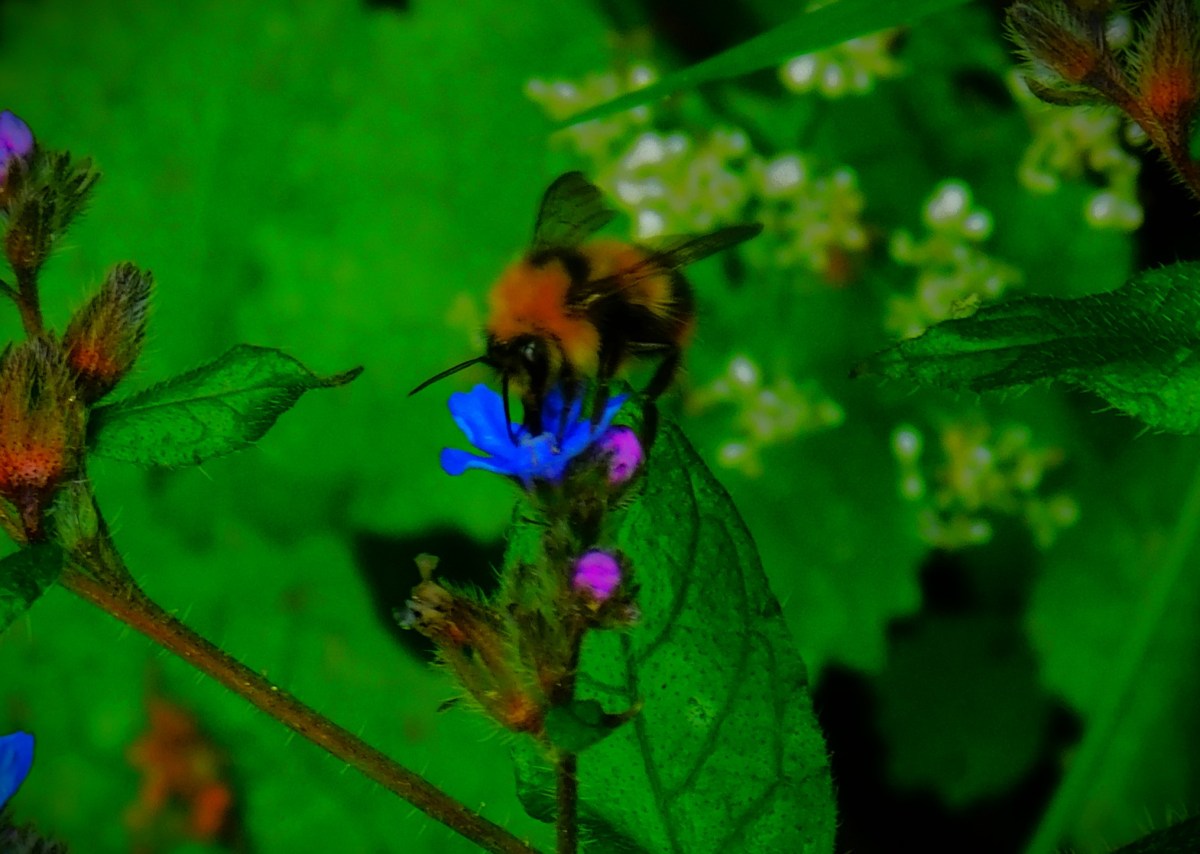
The photographs in this section were edited on three different machines – my very old laptop, a computer at King’s Lynn library and my new laptop…
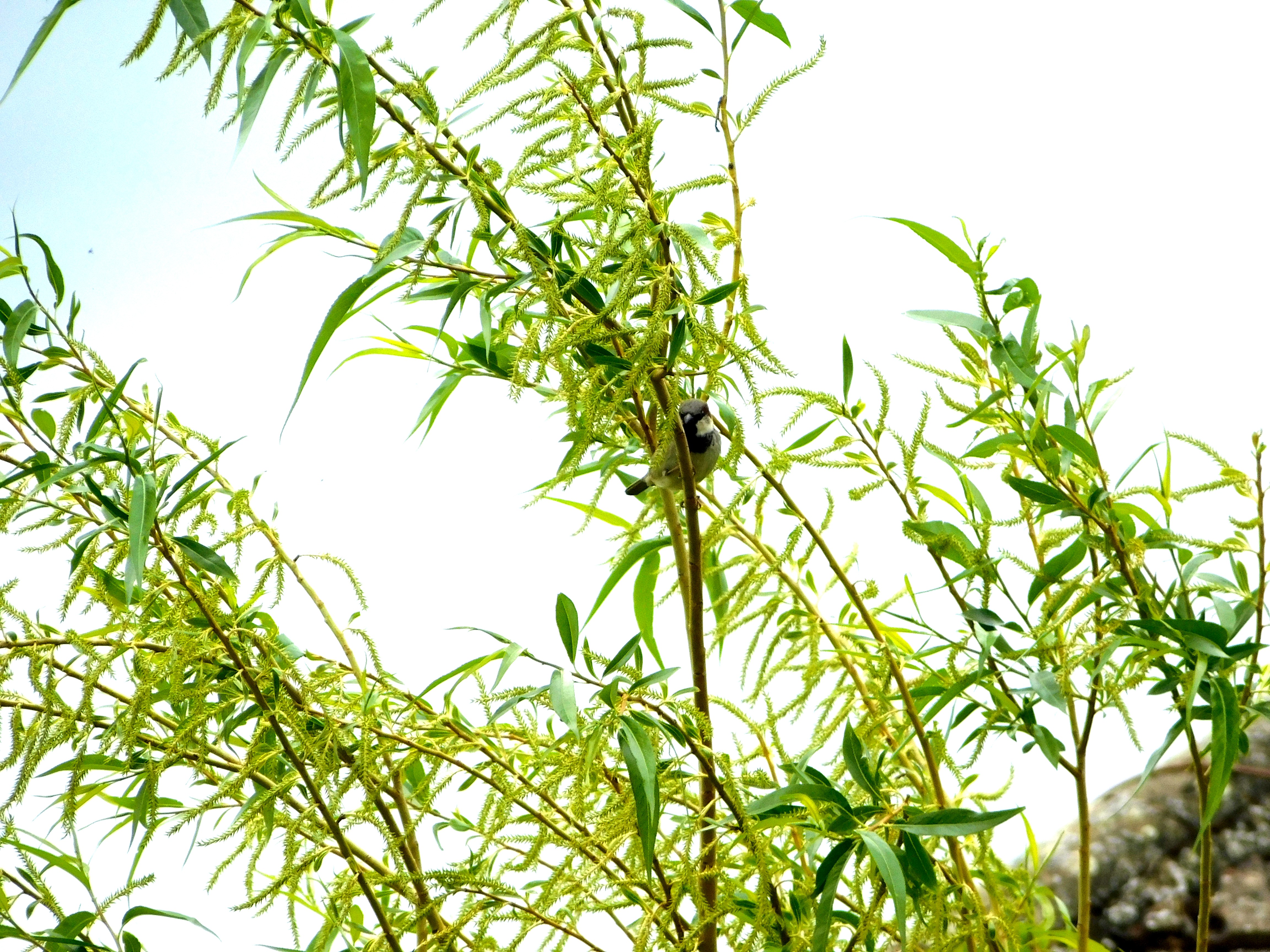
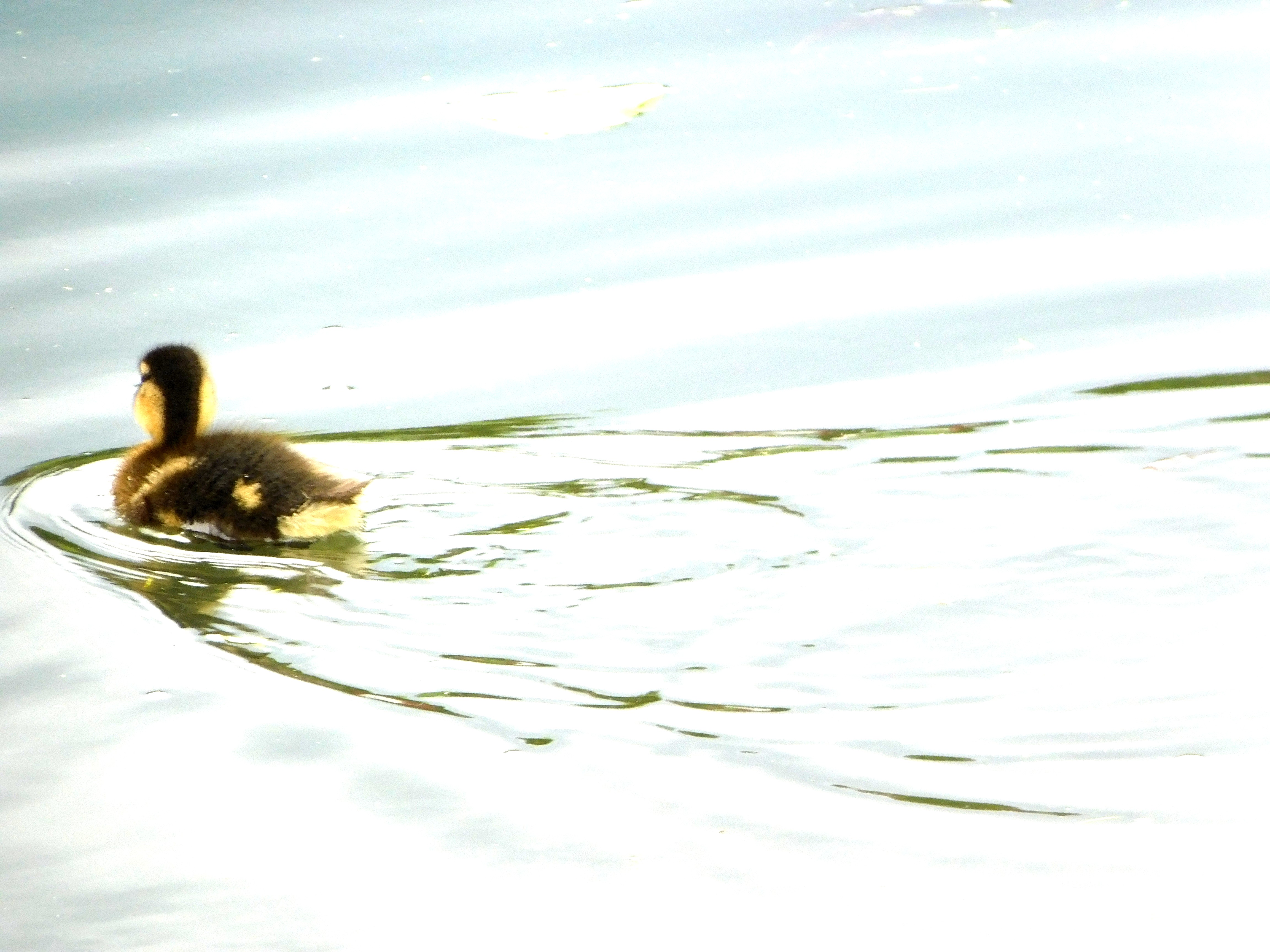
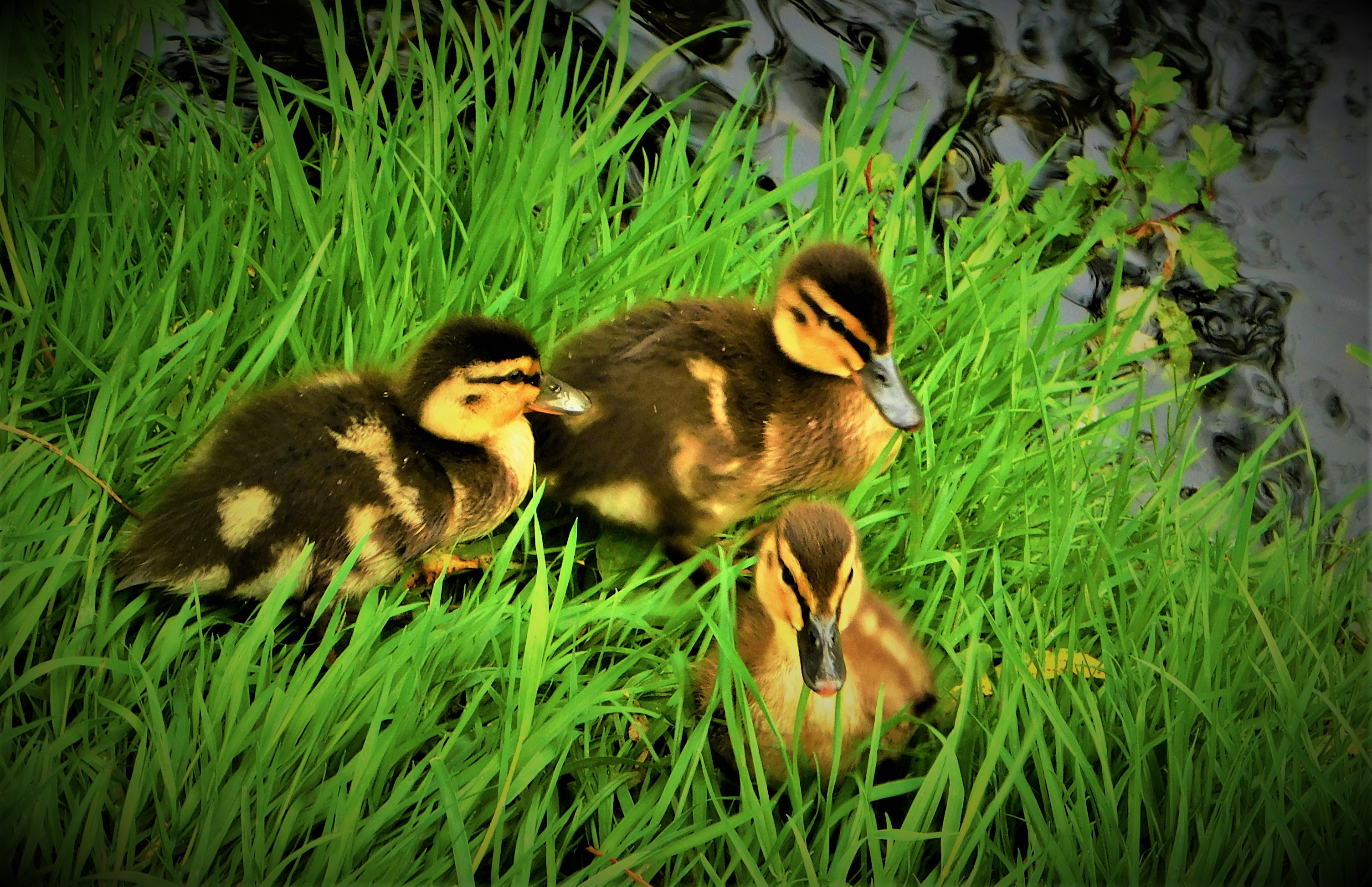
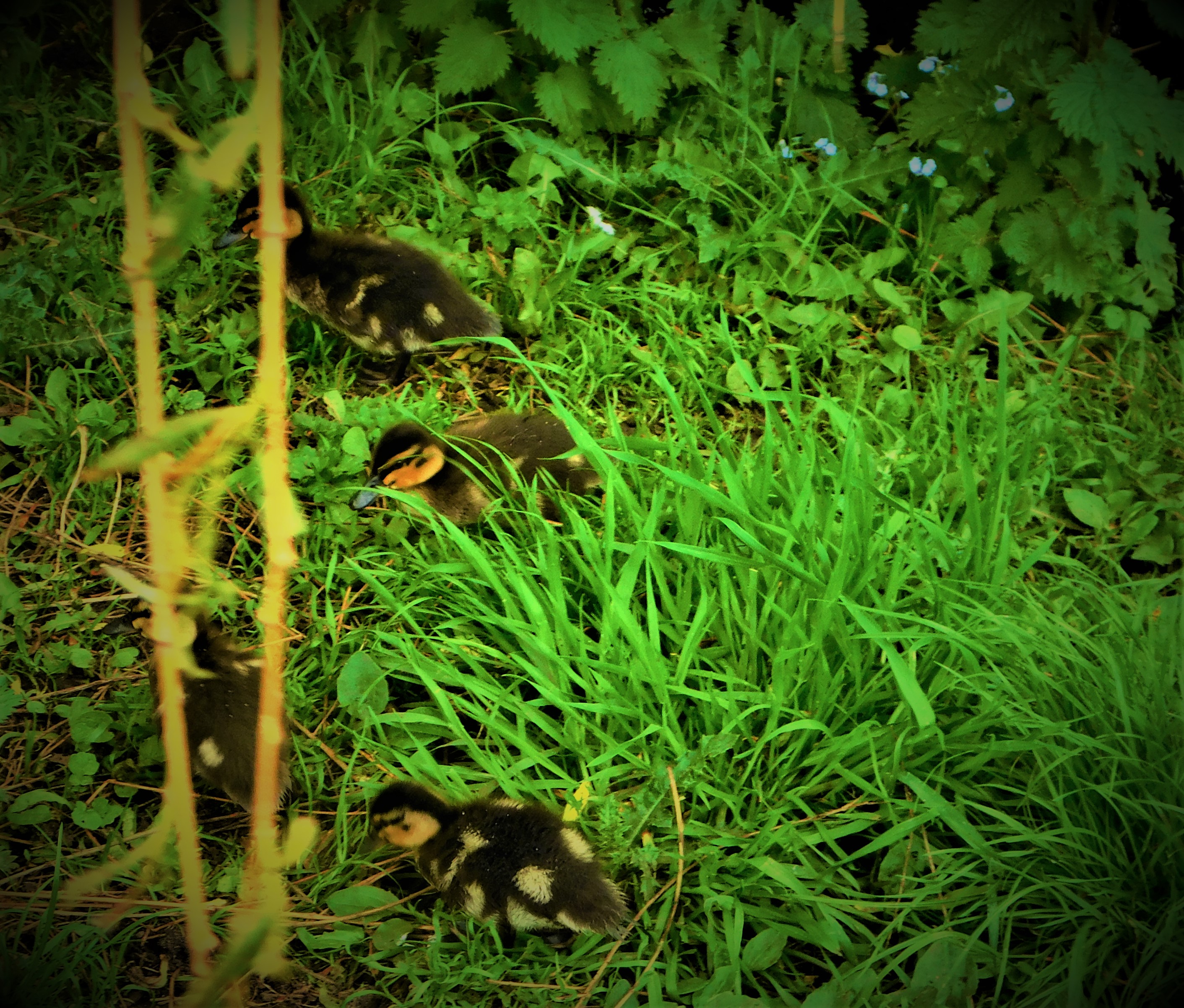
The above were edited on my very old laptop…

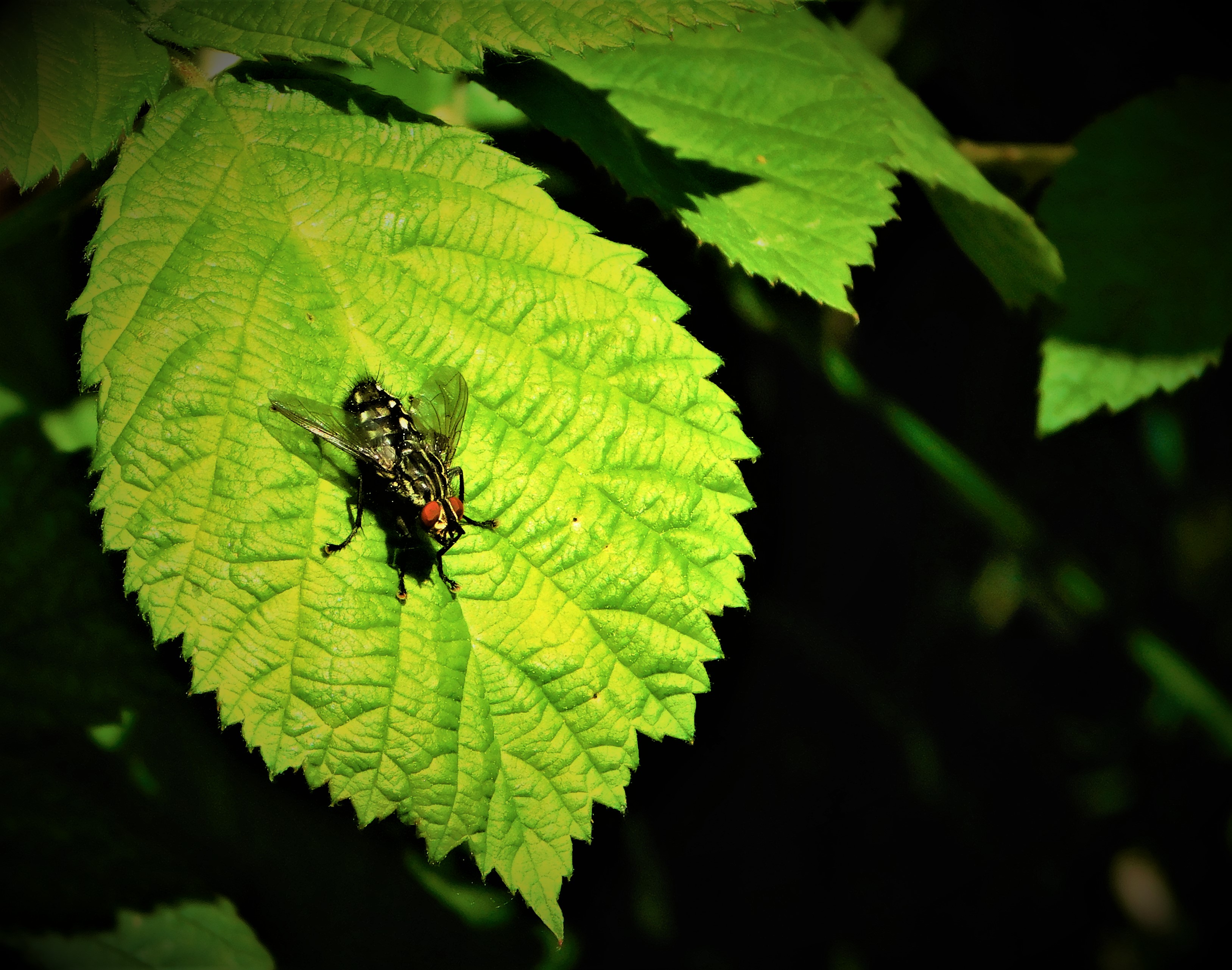
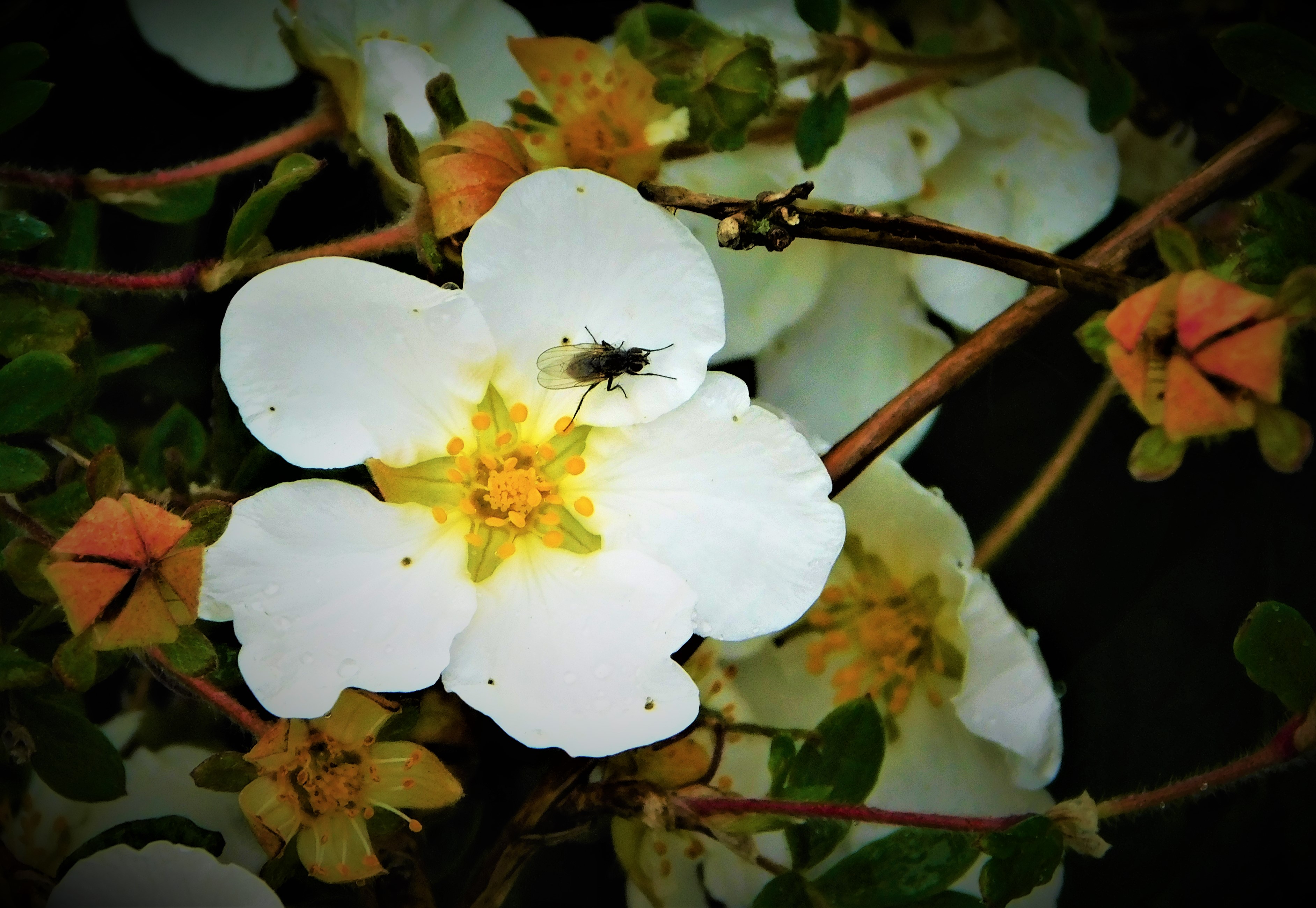
Some of the images I have edited on my new laptop…

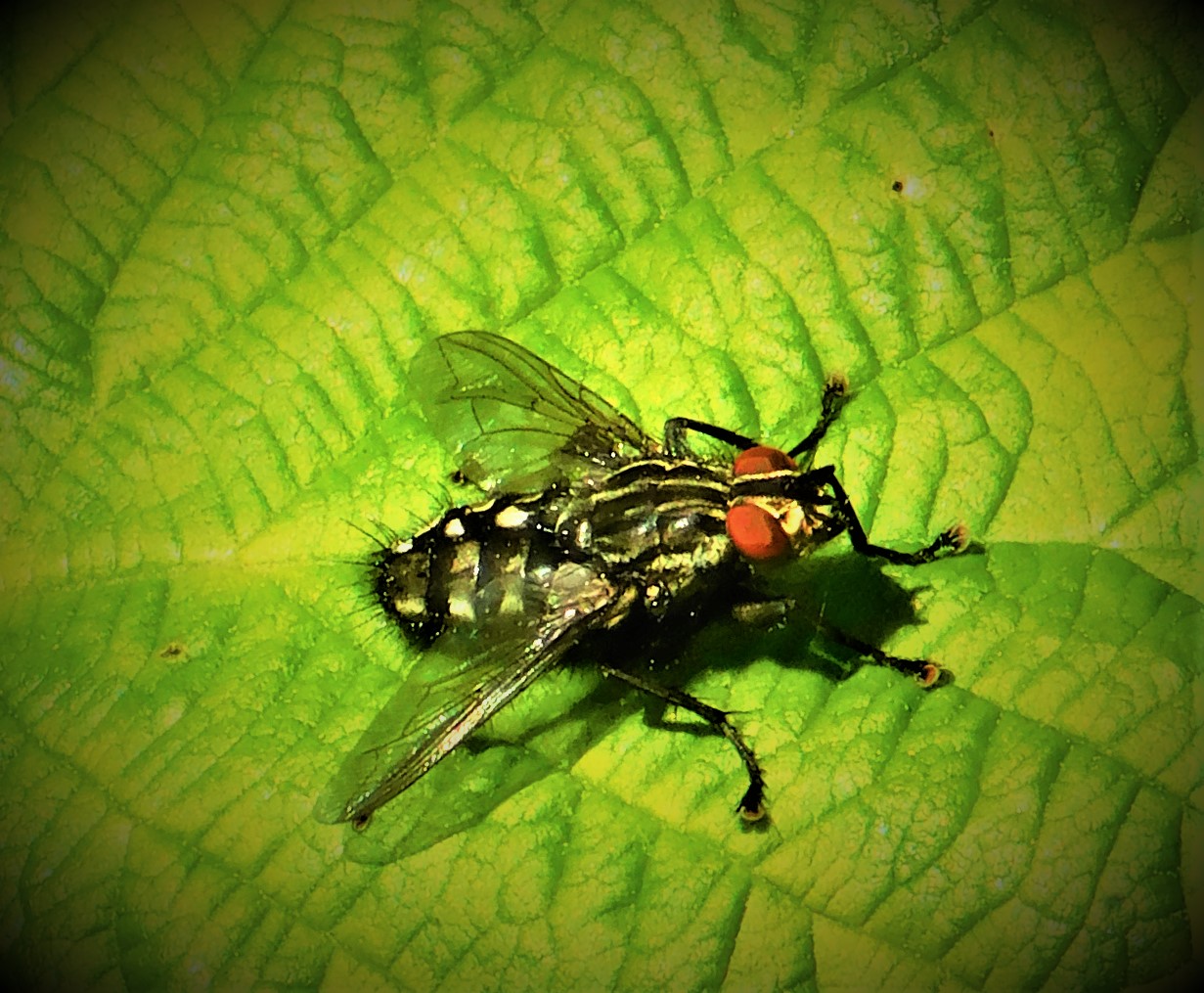
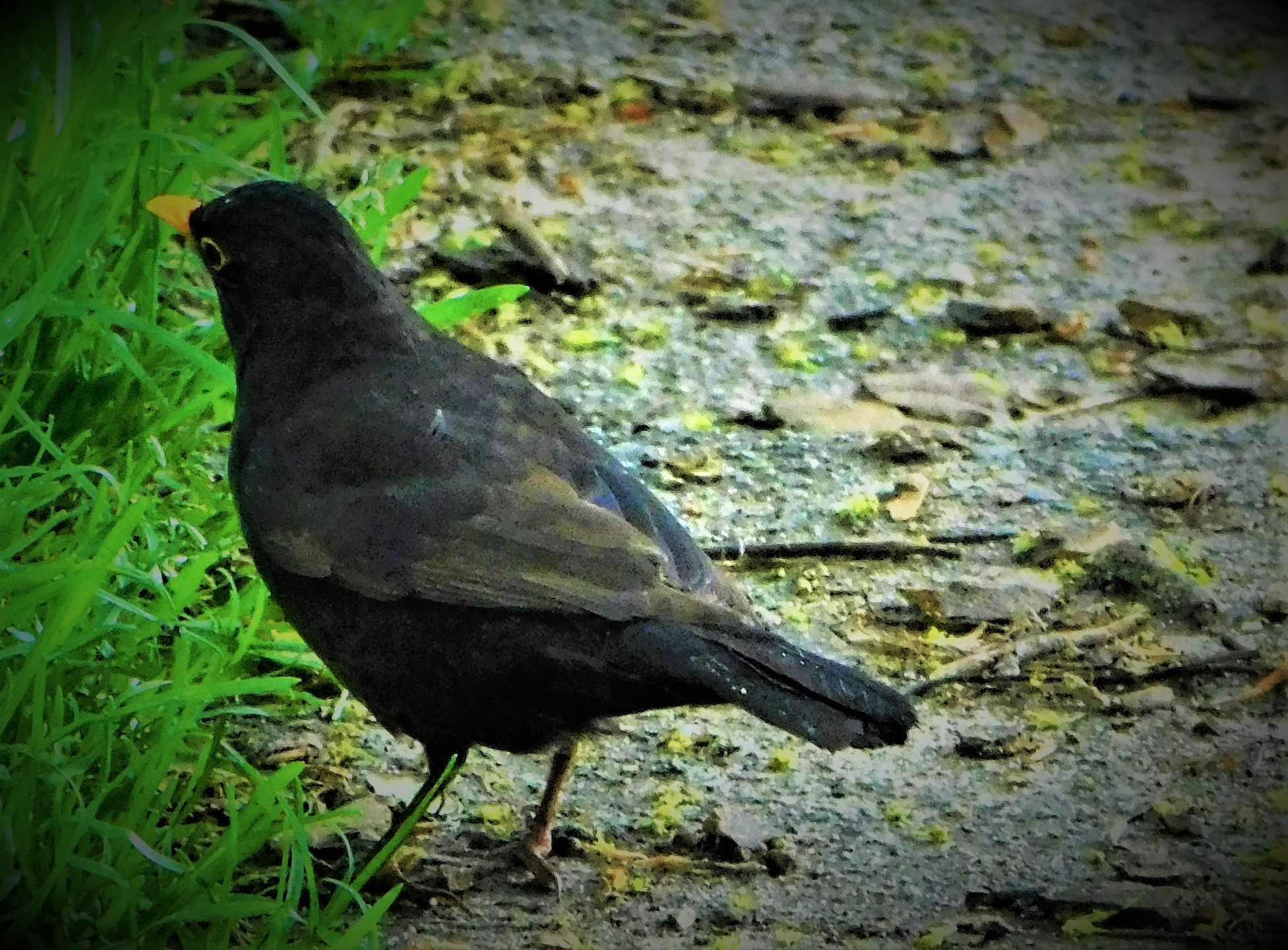
The third section of the gallery are the pictures I edited at the library on Monday.

Glamorgan’s Record Breaking Resistance Act

A look at a resistance act by Glamorgan that has rewritten the first class record books and a substantial photo gallery.

As the 2023 County Championship heads towards a break for the Vitality Blast (which kicked off yesterday, overlapping with this round of matches), the match between Sussex and Glamorgan is heading towards a draw, but today’s action has seen several Glamorgan records go and one all time first class record. The Glamorgan innings is still ongoing at the moment.

THE MORNING SESSION

Kiran Carlson was sixth out, having reached a career best 192, and when Chris Cooke also fell in the morning session it looked like Sussex would have a gettable target. However, Michael Neser and Timm van der Gugten saw Glamorgan through to lunch with no further loss.

THE AFTERNOON SESSION

It has been since lunch that the assault on the record books has been happening, spearheaded by Neser, supported first by Van der Gugten, then by James Harris and now by number 11 Jamie McIlroy. As I write this Neser has completed his maiden Glamorgan century and brought Glamorgan’s score past 700. The first class record came when Glamorgan reached 675, 552 more than the first innings score, relegating Barbados (175 and 726-7), Middlesex (83 and 634) and Pakistan (106 and 657-8) to joint second in this category with a 551 differential, though Pakistan still hold the test record, theirs having happened against West Indies. Glamorgan have beaten their previous record against Sussex, though their overall record, against Leicestershire last season is probably out of their reach at 795. There are some mitigating factors for Sussex – Ollie Robinson has an ankle problem and has not been on the field during this innings, and regular skipper Pujara has a stiff neck and is likewise off the field, Tom Alsop leading the side in his absence. Nonetheless, Glamorgan’s response to facing a deficit of 358 on first innings has been utterly extraordinary. Sussex will be recording a fifth successive draw after coach Farbrace had said they would always go for a win.

PHOTOGRAPHS

My usual sign off…

Surrey and Somerset Record big Wins

A look at the victories recorded by Surrey and Somerset today and a splendid photo gallery.

The county championship is heading towards its break for the Vitality Blast, and all though today is only day three of four a lot of matches have reached their conclusions. This post looks at two that I followed on the radio.

KENT’S HORROR MORNING

Kent went into day three at The Oval trailing by three runs with six second innings wickets standing. Both overnight batters fell quickly, both to Tom Lawes who claimed his third and fourth wickets of the innings. Kent were still in arrears at that point. Lawes completed a maiden first class five-wicket haul with the seventh wicket of the innings. Sean Abbott claimed the eighth wicket of the innings, and Jordan Clark snapped up the last two. Kent had mustered a paltry 141, leaving Surrey needing 58 to win. Burns and Sibley saw Surrey home by ten wickets, just before the scheduled lunch interval. Surrey look wellnigh unstoppable – they were not by any means at their best this match and they still won it by 10 wickets.

SOMERSET END WINLESS RUN

Somerset came to Lord’s having not won any of their last six matches. Midway through day three of their encounter with Middlesex they had ended that unhappy sequence in some style, routing their opponents by an innings and 13 runs. Craig Overton claimed five second innings wickets, while the rout was completed by Jack Leach. Middlesex now look absolute certainties to be relegated back to division two. I am now following the action between Sussex and Glamorgan. Sussex had an enormous first innings lead (over 350), but Glamorgan are back in credit with only three wickets down, Labuschagne and Carlson in a partnership that is closing on the 3o0 mark. Carlson has had a curious season – this is his third century of it and all of his other innings have been under 20.

PHOTOGRAPHS

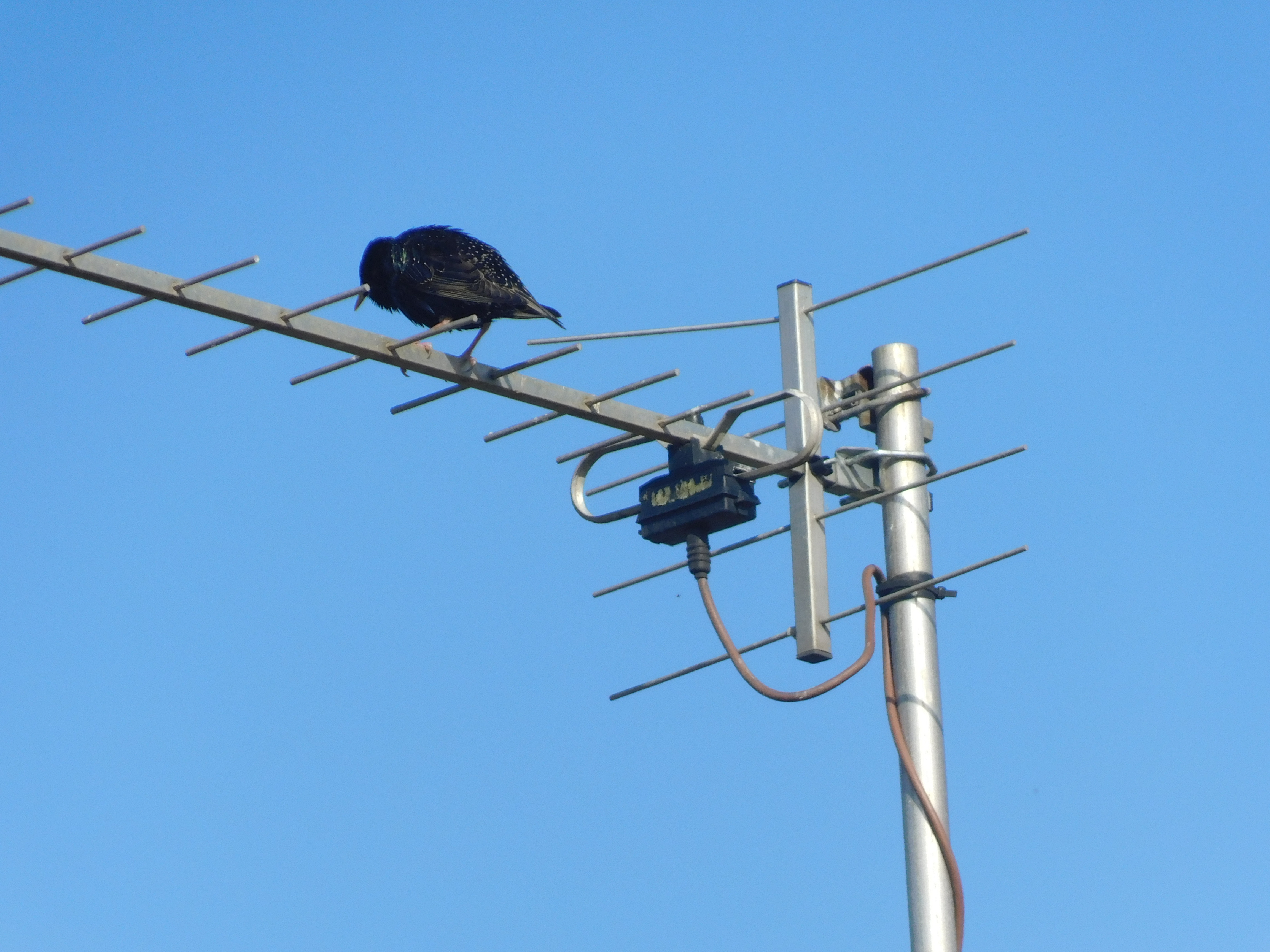
I have a splendid gallery for you…
All Time XIs – Before the County Championship

A look at the best players from before the official inauguration of the county championship, some comments on the selection of England test squad for the one off match against Ireland and a large photo gallery.

Today I create an XI of the best players most or all of whose careers took place before there was a county championship. Incidentally, there is a page from which all my posts about Saturday’s excursion to Pensthorpe can be accessed. Before I get into the main business of today’s post there is a brief section about…

ENGLAND TEST SELECTORS BLUNDER BIG TIME

The squad for the first test match of the home season, against Ireland is now out, and there are three areas of concern, two selections and an omission. Zak Crawley, a proven failure at test level, retains his slot at the top of the order. Far worse, Ben Foakes has been dropped to make way for the return to test action of Jonathan Bairstow. There may be a case for picking Bairstow, though in a test career which stretches back to 2012 he has blown hot and cold, and more often cold than hot, but there is not even the shadow of a case for dropping Foakes, the best current keeper by far, and someone who has been scoring big runs for Surrey in the championship this season, including a century at better than a run a ball when Surrey were looking for a declaration. Many people have posed this as being a challenge about how to accommodate Bairstow, and I have two options, listed in order of preference:

  1. Opt for what C Auguste Dupin would call “the sagacious and comprehensive expedient of making no attempt to accommodate Bairstow”. England are coming off a very successful winter without Bairstow, and Bairstow’s overall test record is that of a mediocre middle order batter, certainly not sufficient to warrant discarding Foakes.
  2. Have Bairstow open the innings as he does in white ball cricket and drop the proven failure Crawley (I would prefer to see a proper opener such as Ben Compton or Ali Orr picked in Crawley’s case, but at least Bairstow would probably be an improvement were he coming in in place of Crawley).

It is now time to get back to the main meat of the post…

THE XI IN BATTING ORDER

  1. *WG Grace (right handed opening batter, right arm bowler of various types through his career, captain). Had a quarter of a century of first class experience by the time of the first official county championship, so even though he played his last first class game as late as 1908 he qualifies.
  2. Arthur Shrewsbury (right handed opening batter). The man WG rated as the second best batter around (himself obviously no1), and since he played 15 years of FC before the inauguration of the Championship and 12 afterwards he just qualifies.
  3. James Aylward (left handed batter). In 1777, just eight years after John Minshull had scored the first recorded century in any form of cricket, he hit the Hambledon record score of 167, which remained an all comers record for 43 years.
  4. William ‘Silver Billy’ Beldham (right handed batter). In an era when centuries of any kind were rare he hit three in matches of indisputably first class status.
  5. Fuller Pilch (right handed batter). Acknowledged as the best batter of the 1830s and 1840s, a period when scoring was very low.
  6. Alfred Mynn (right handed batter, right arm fast bowler). “The Lion of Kent”, an absolute man mountain, and a great all rounder. He was quick enough that on one occasion someone fielding at long stop (directly behind the keeper) to his bowling once had to be hospitalized after being hit in the chest by several of his deliveries.
  7. Vyell Walker (right handed batter, right arm slow underarm bowler). One of only two cricketers to have scored a century and taken an all-10 in the same first class fixture (the other, WG, is also in this XI). As an underarm bowler any turn he got would have been the equivalent of an overarm bowler bowling leg spin, which makes him a good slow bowling partner for the next guy in the order…
  8. Billy Bates (right handed batter, off spinner). A massively impressive career record, probably equating in the modern era to averaging 32 with the bat and 25 the ball (actual averages were 21 and 17). He was even better in his brief test career, averaging 27 with bat and 16 with the ball, which probably equates to 41 and 24 in the modern era.
  9. +Tom Box (wicket keeper, right handed batter). He appeared in every fixture that Sussex played for an unbroken 24 year period, and although his batting average looks very low to modern eyes it is about 60% of that of Fuller Pilch, rated the best batter of the era.
  10. William Lillywhite (right arm fast roundarm bowler, right handed lower order batter). Rated the best bowler of his era (he was referred to as ‘the Nonpareil’, one half of my envisaged new ball pairing.
  11. William Mycroft (left arm fast bowler, right handed tail end batter). 800 first class wickets at 12 a piece.

This side has a powerful batting line up, with everyone down to Bates at number eight definitely capable of playing a match winning innings. The bowling, with Mycroft, Lillywhite and Mynn to bowl pace, and Bates and Walker two contrasting types of slow bowler, plus of course the redoubtable WG is magnificent, having both depth and variety.

HONOURABLE MENTIONS

The two chief rivals to Shrewsbury for the position of Grace’s opening partner were John Small of Hambledon and EM Grace. Lambert, scorer of twin centuries in a match in 1817, a feat which stood alone for half a century until WG Grace emulated it might have had a middle order slot. George Osbaldeston was a fine fast bowling all rounder, but not I reckon the equal of Mynn. Had I been going to pick an overseas player it would have been Dr ME Pavri (India), who visited England in the 1890s and achieved remarkable things as a pace bowling all rounder (once in his native land he decided in advance that team mates weren’t needed, took on an XI on his unaided own, and beat them). Among the great bowlers who missed out were David Harris (Hambledon), the Notts duo of Alfred Shaw and Fred Morley, James Broadbridge and John Wisden both of Sussex and two Yorkshire speedsters, Tom Emmett (left arm) and George Freeman (right arm). Sam Redgate, John Jackson and George Tarrant would all also have their advocates.

PHOTOGRAPHS

My usual sign off…

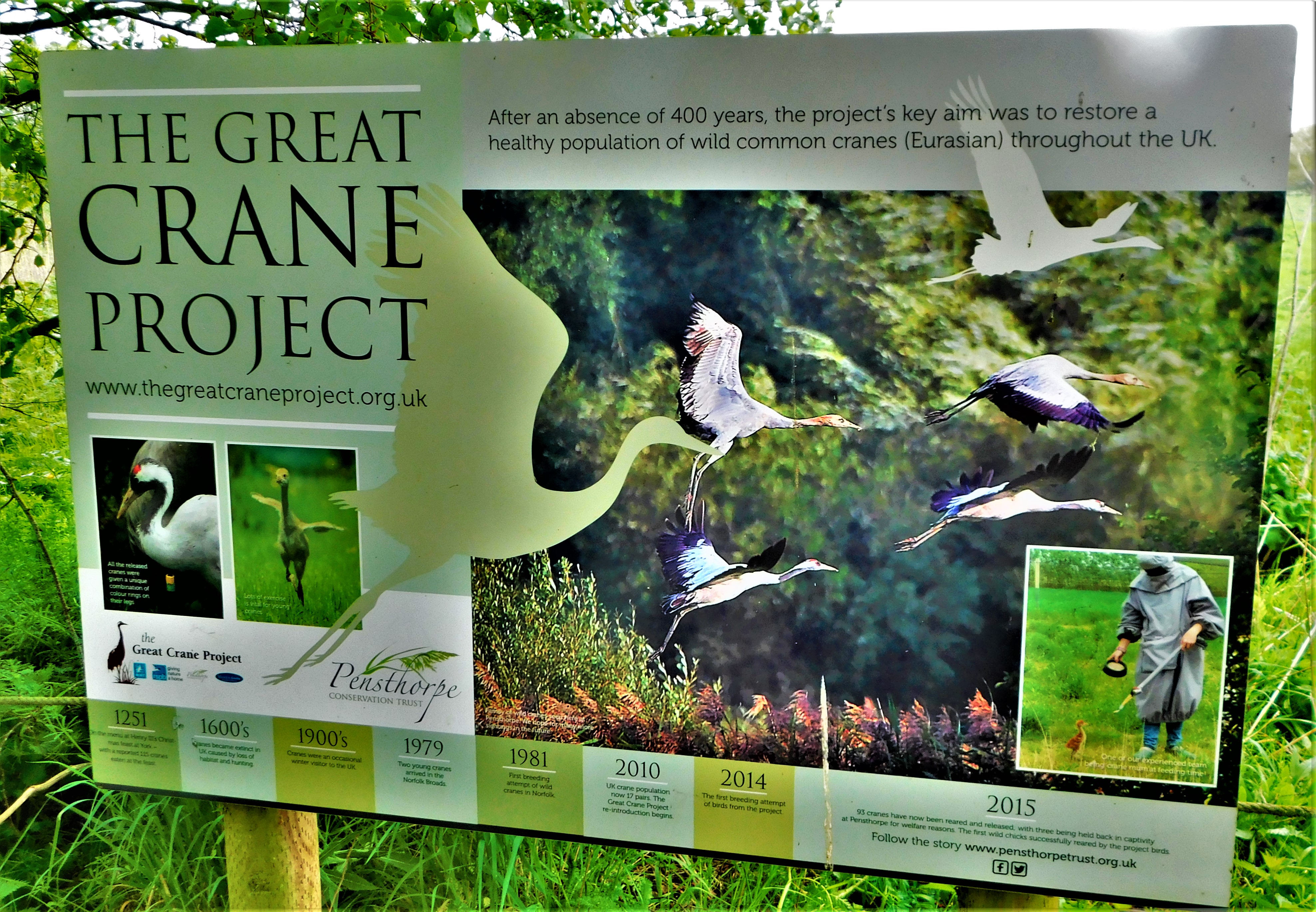
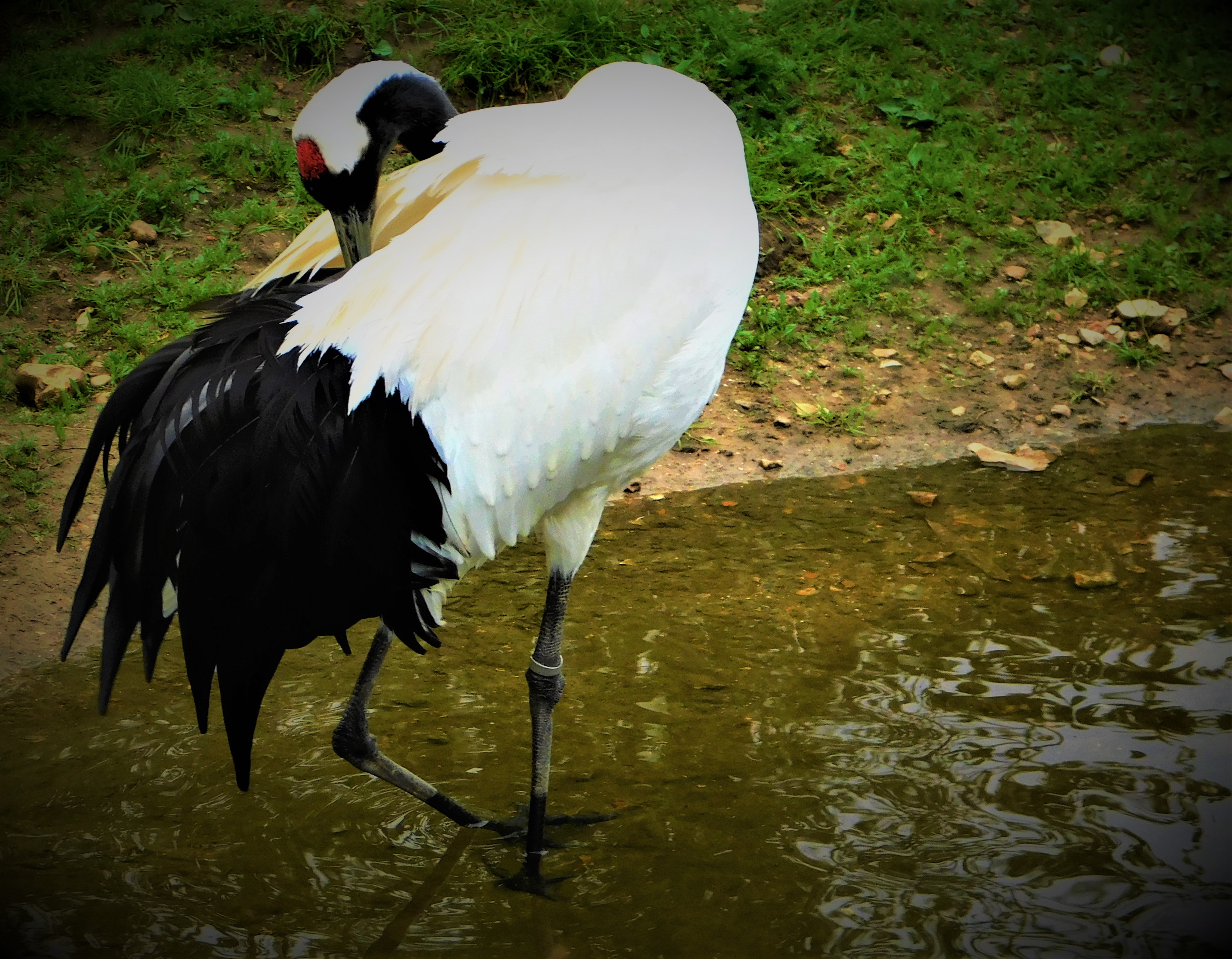
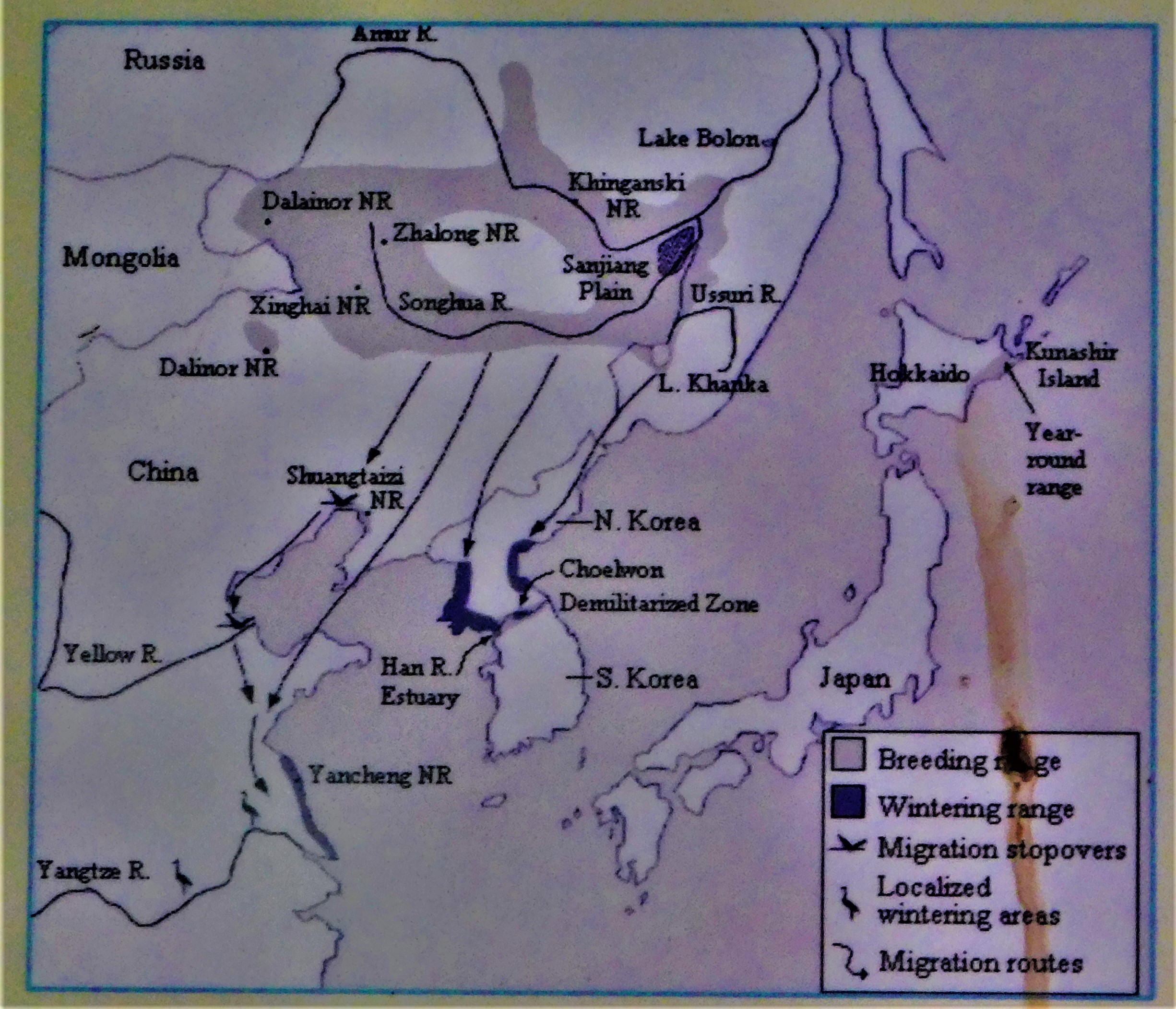
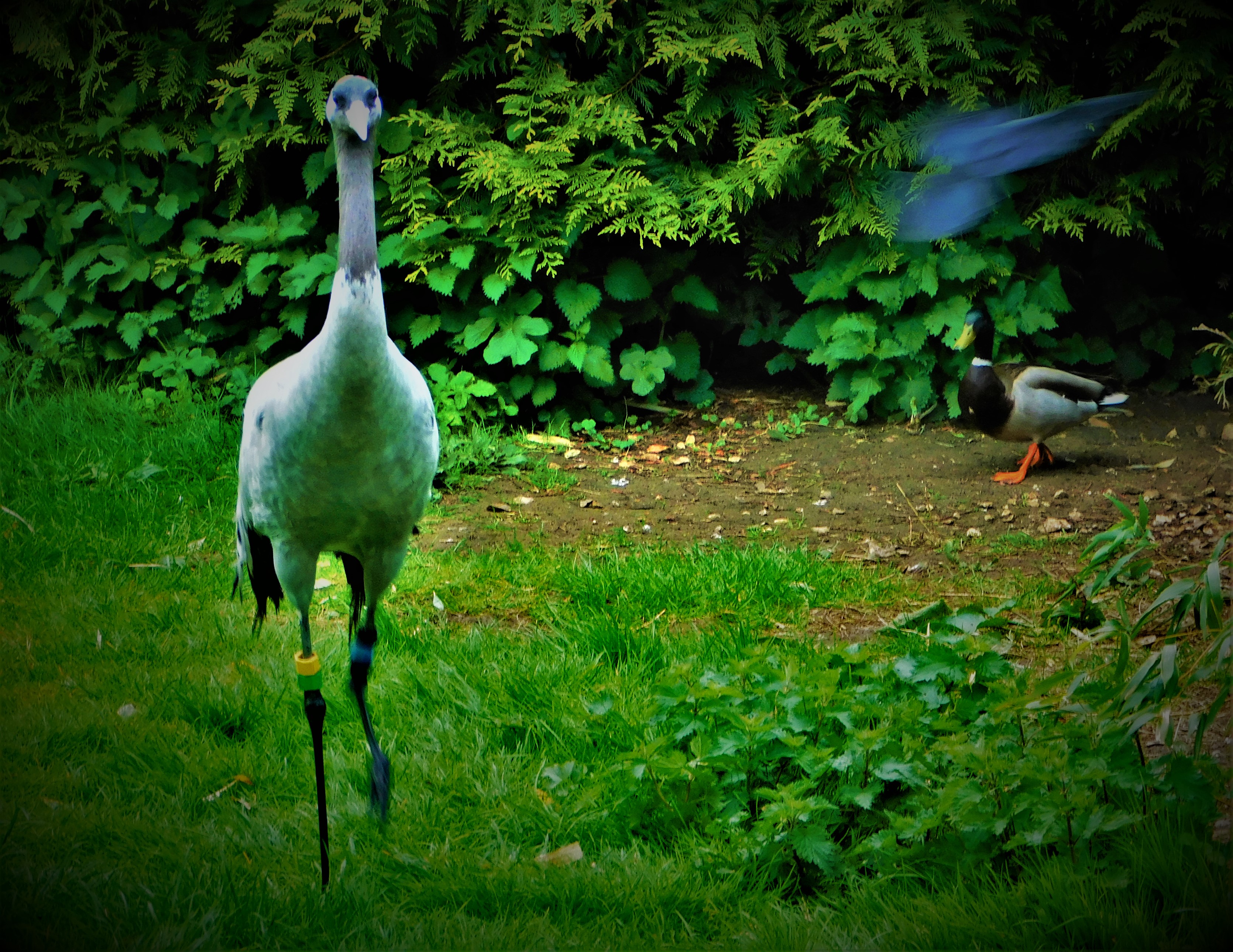
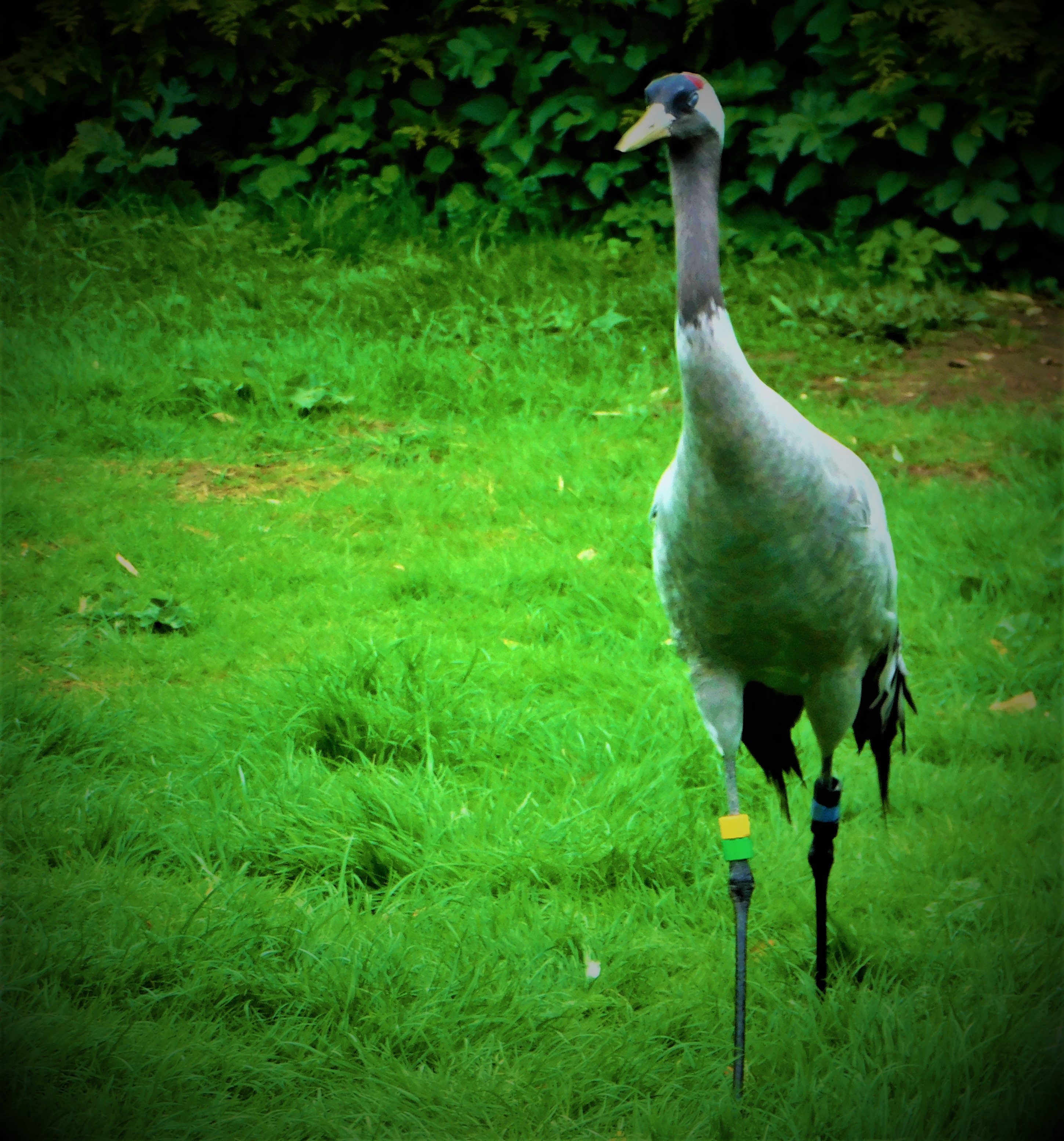
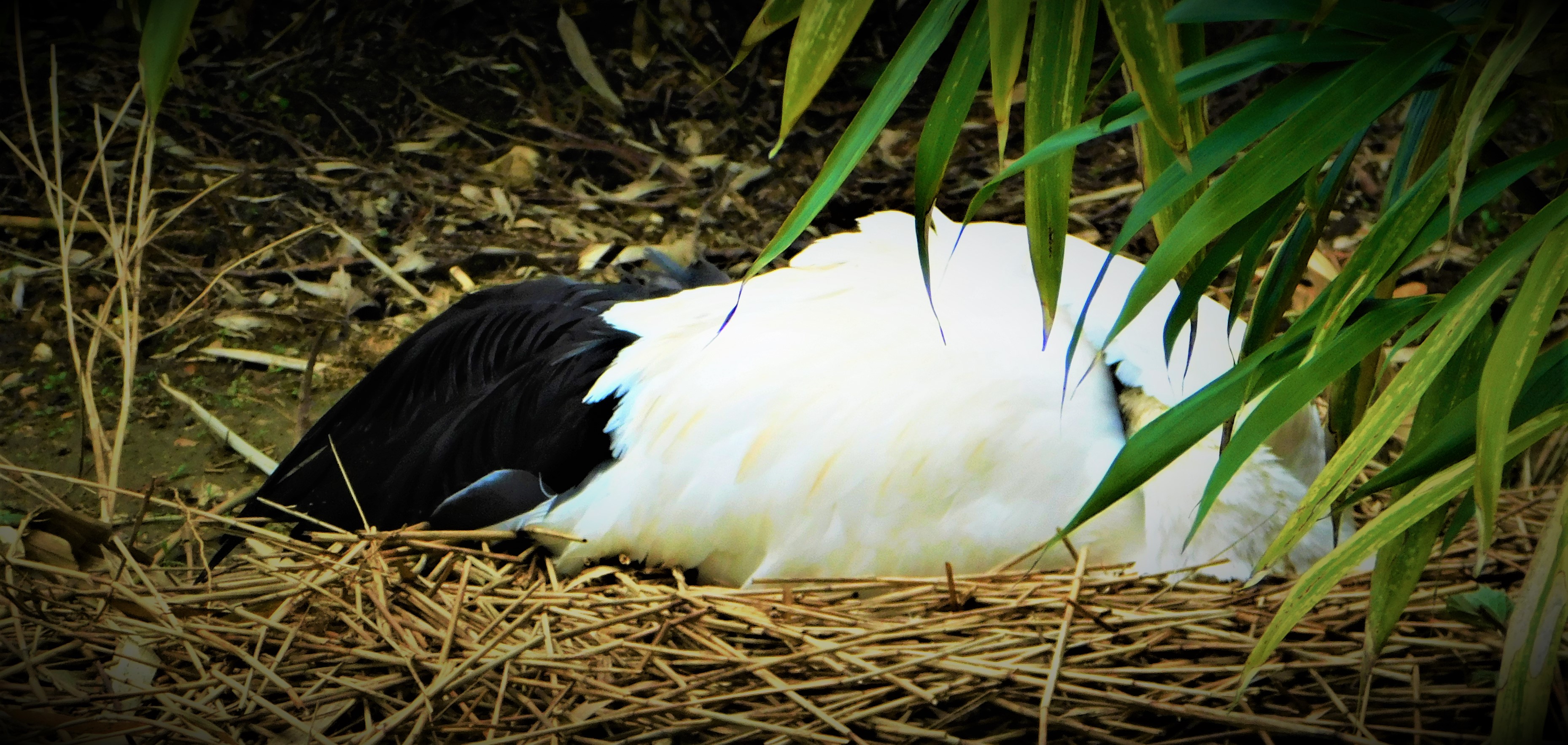
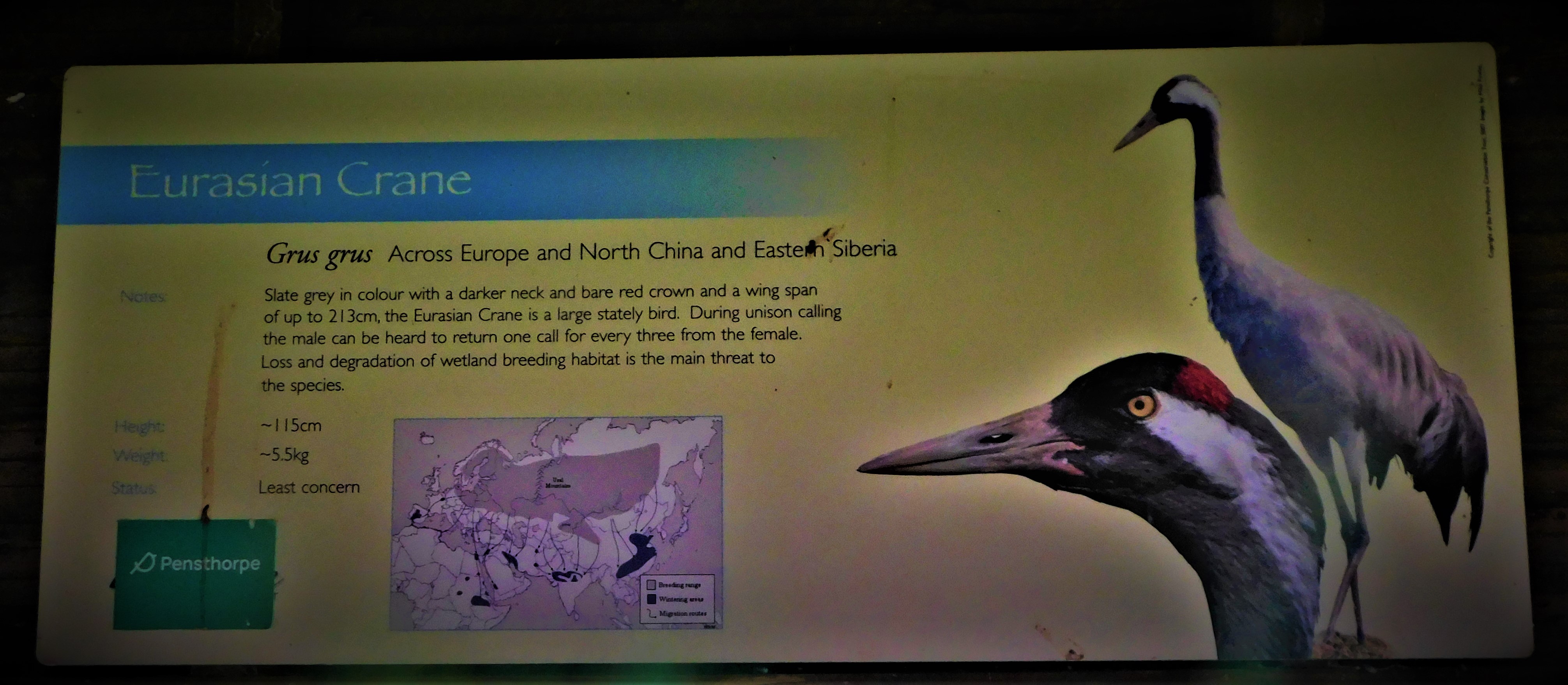
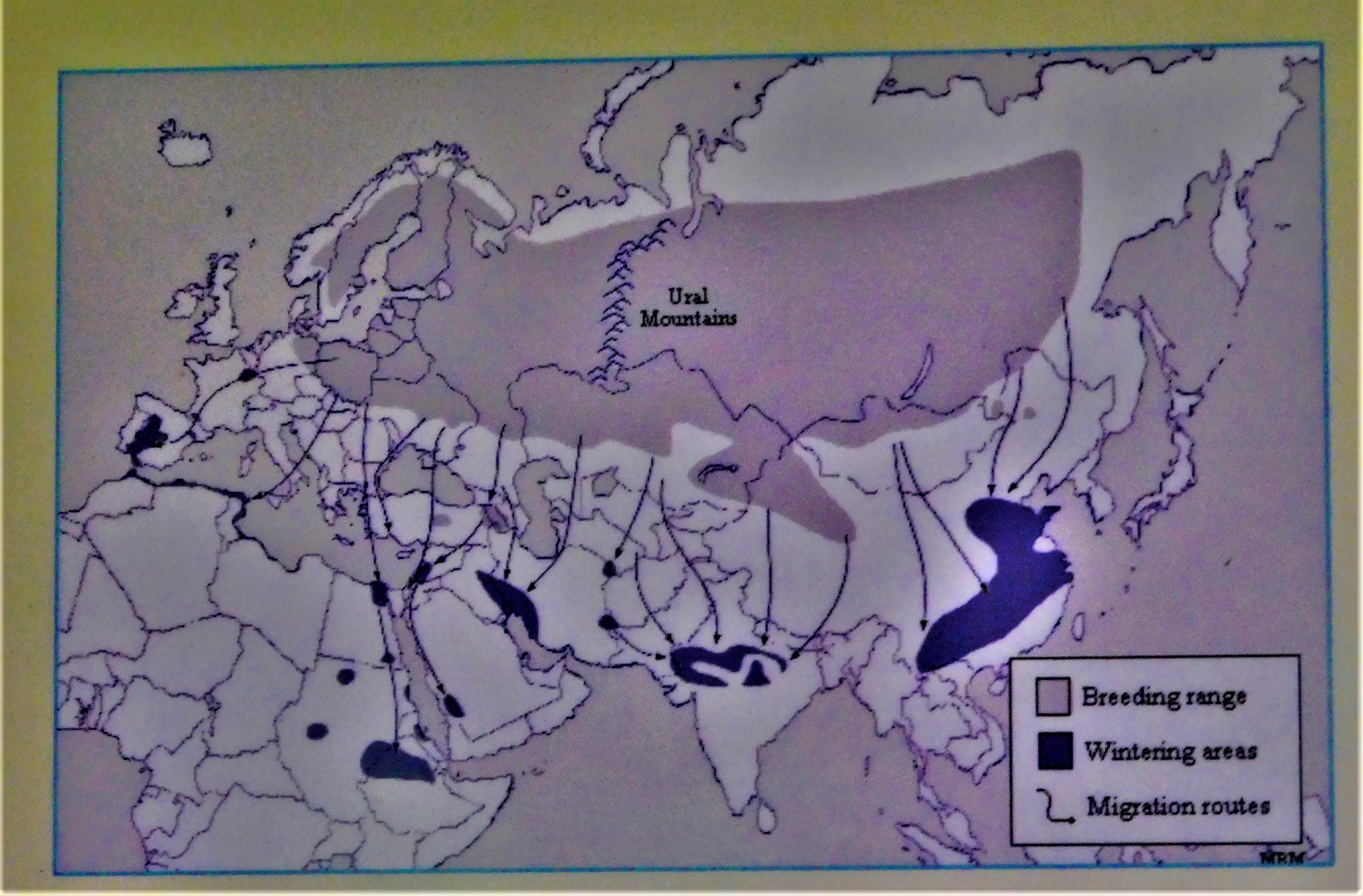
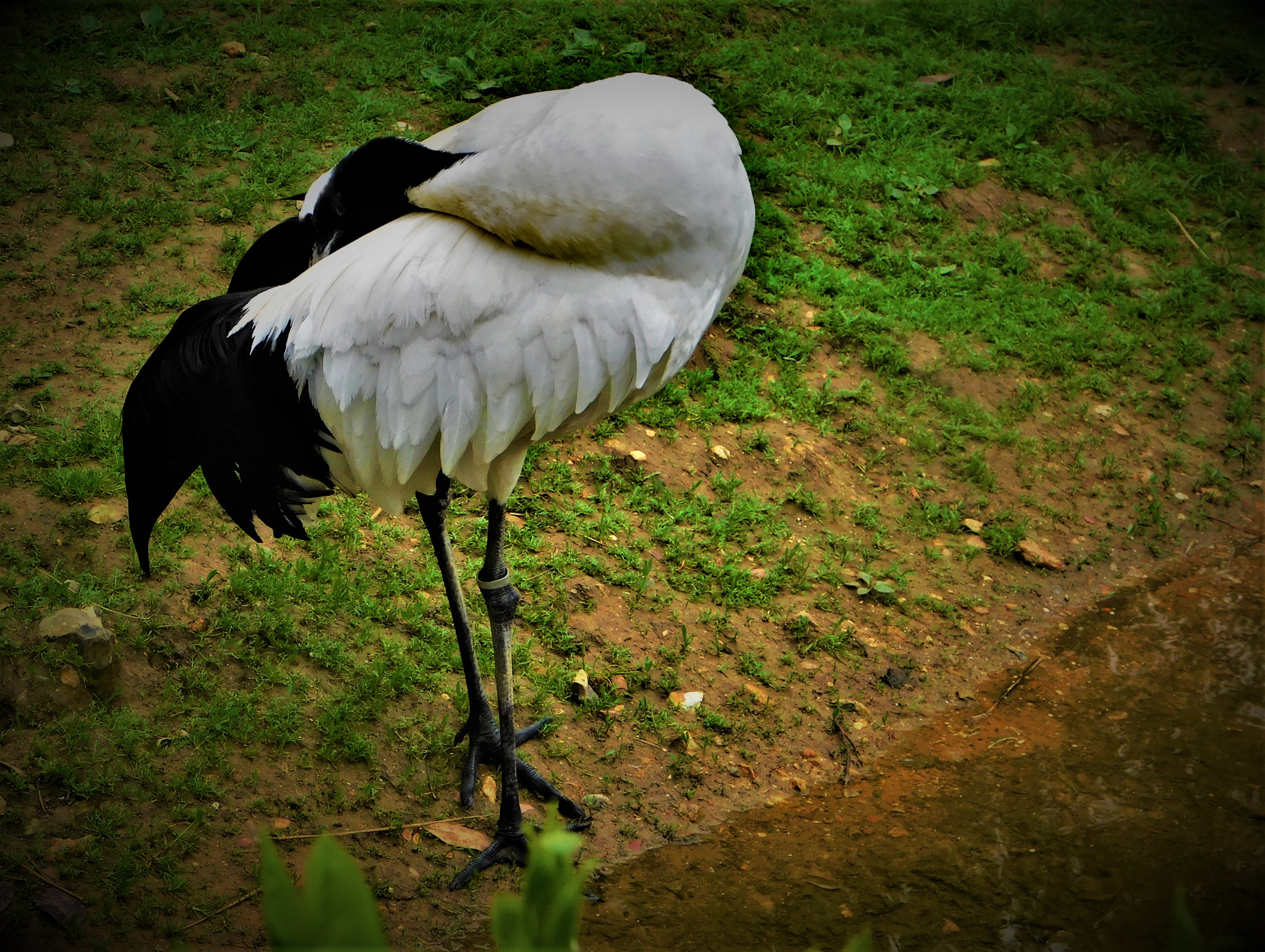
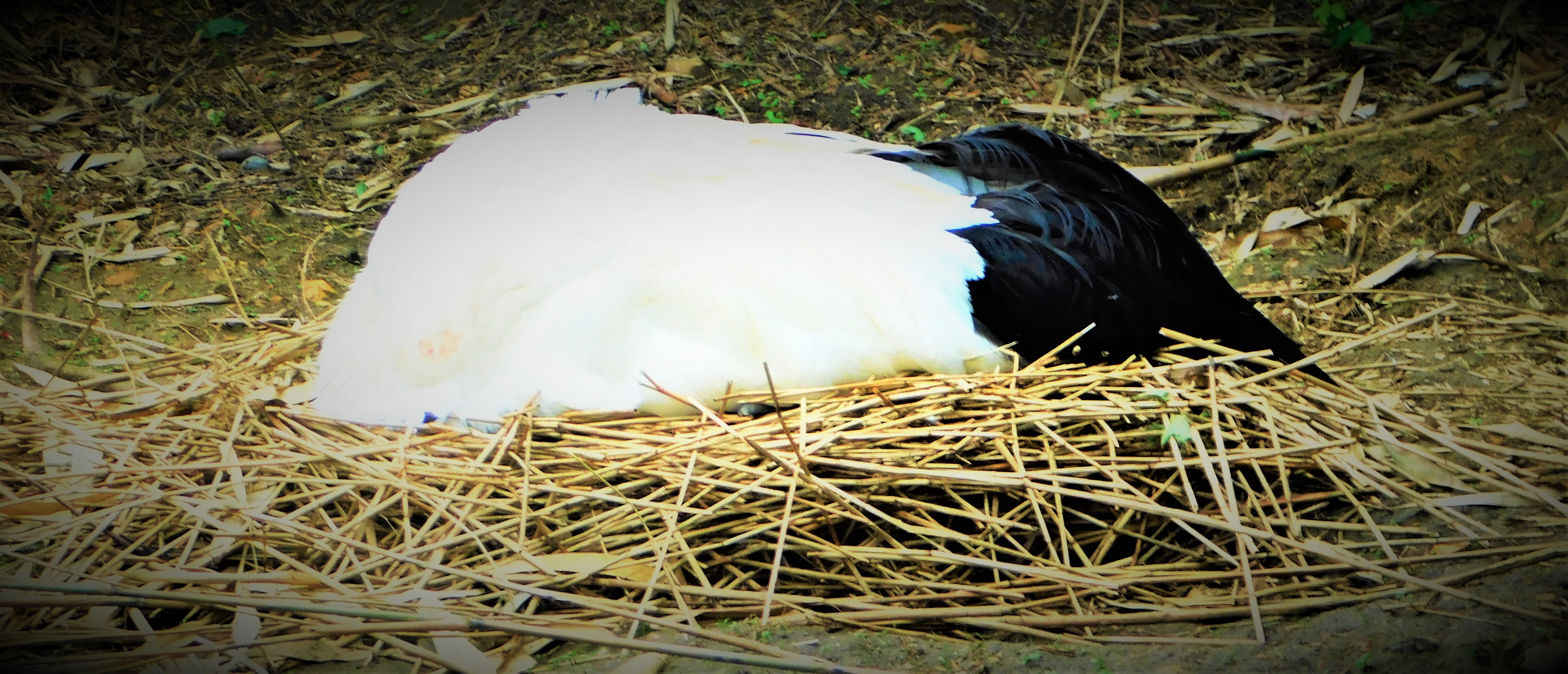
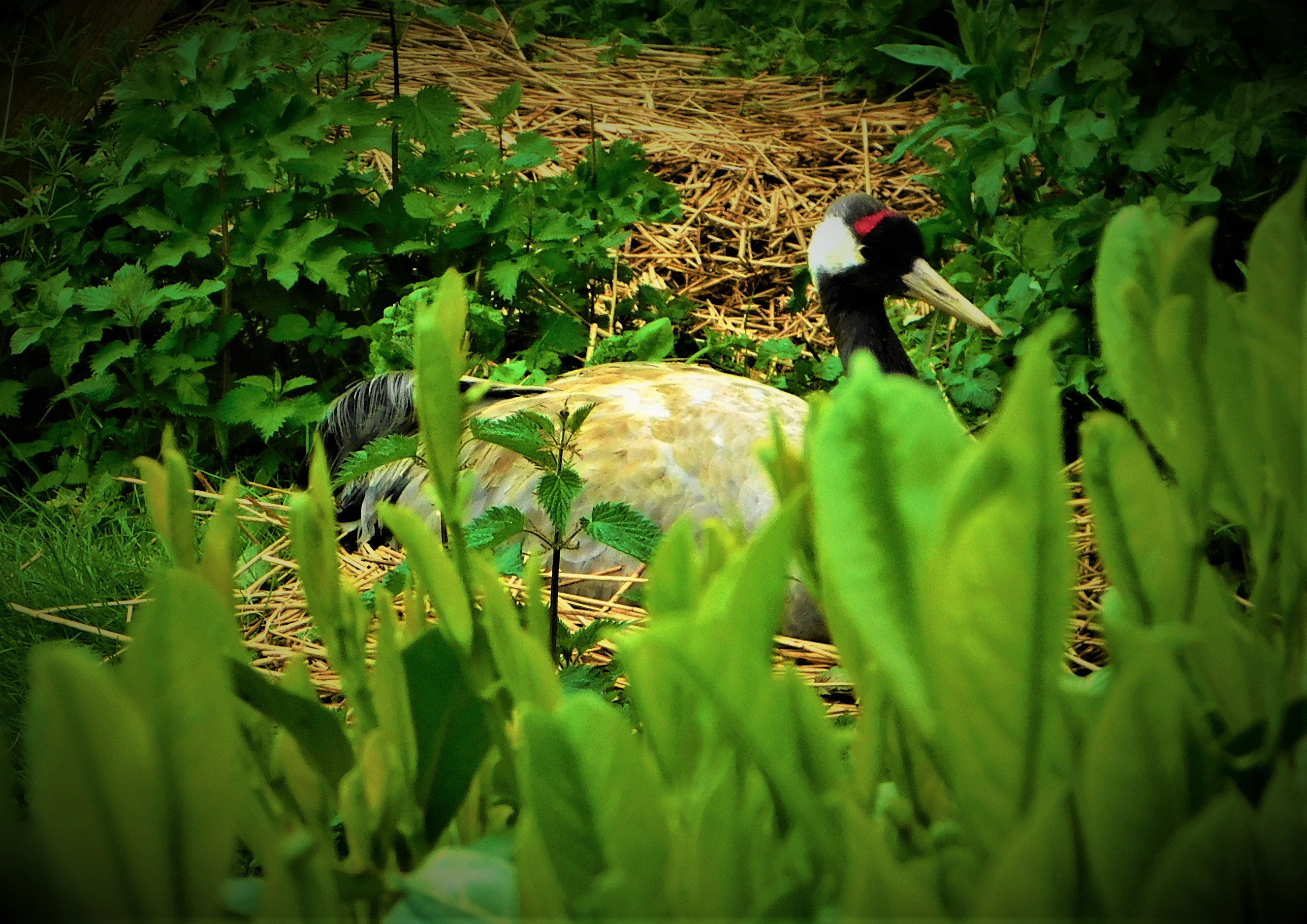
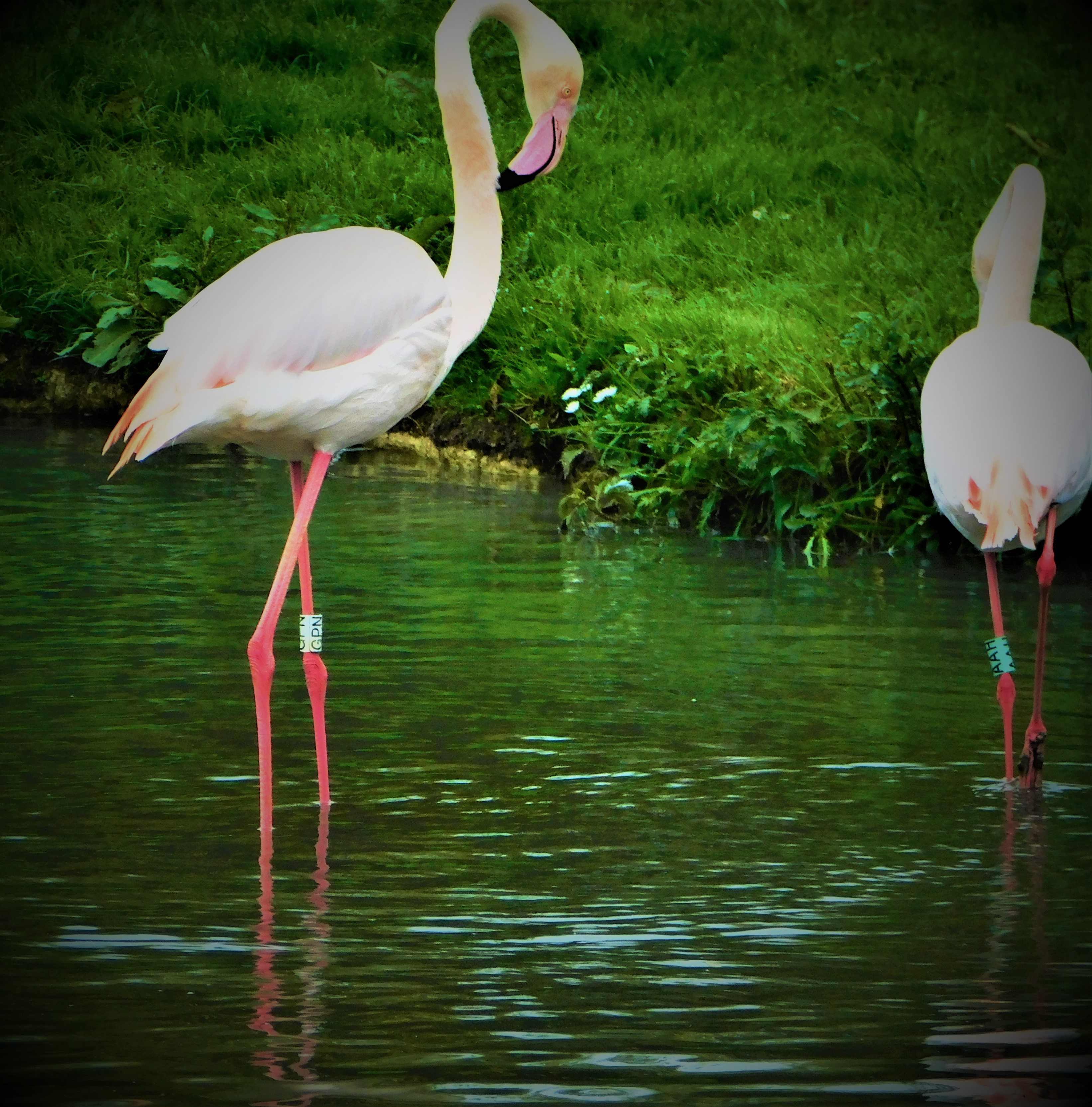
Pensthorpe 2023 – Cranes and Flamingos

The final installment in my series about Saturday’s excursion to Pensthorpe, featuring Cranes and Flamingos.

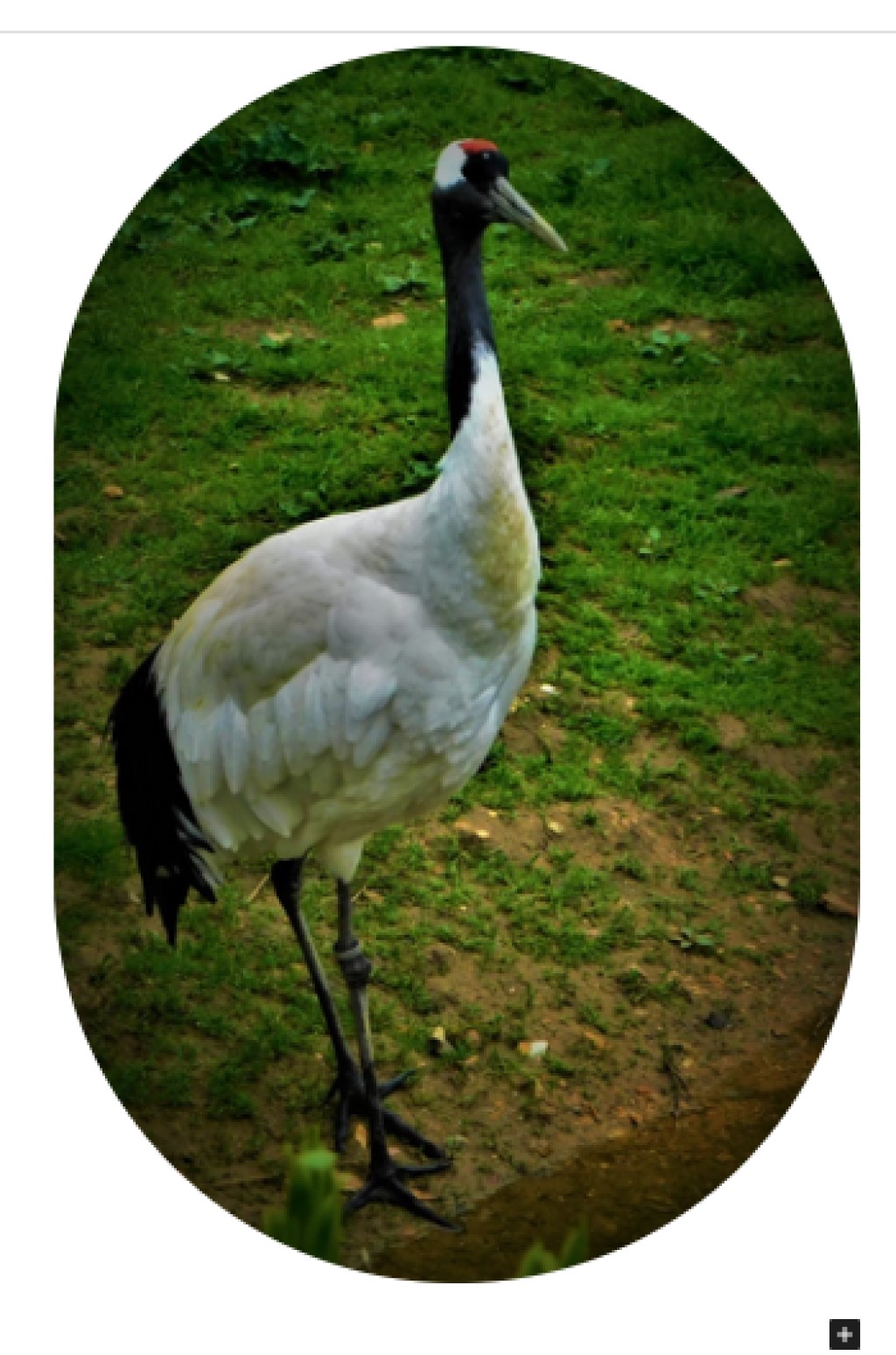
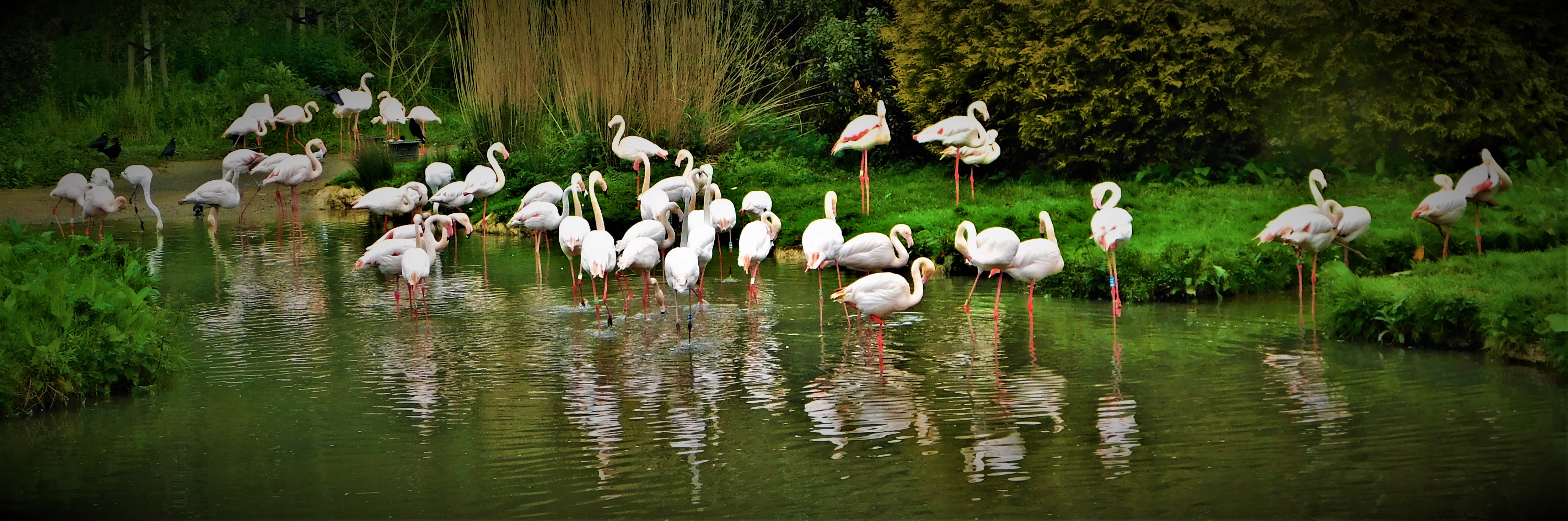
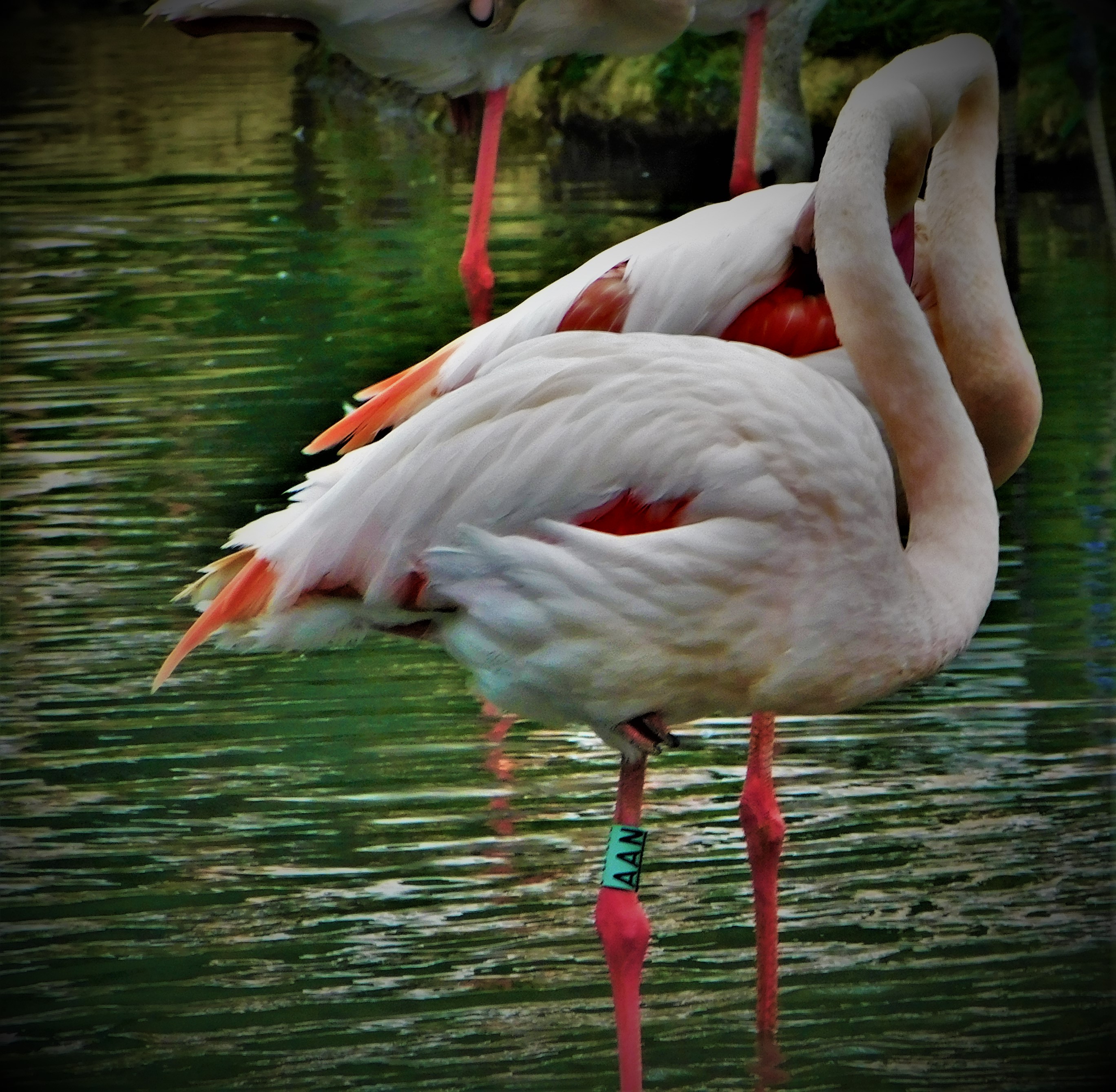
Welcome to the final post in my mini-series about the excursion to Pensthorpe on Saturday. Our subjects are cranes and flamingos. The former are the subject of one of Pensthorpe’s major conservation efforts.

CRANES AND FLAMINGOS

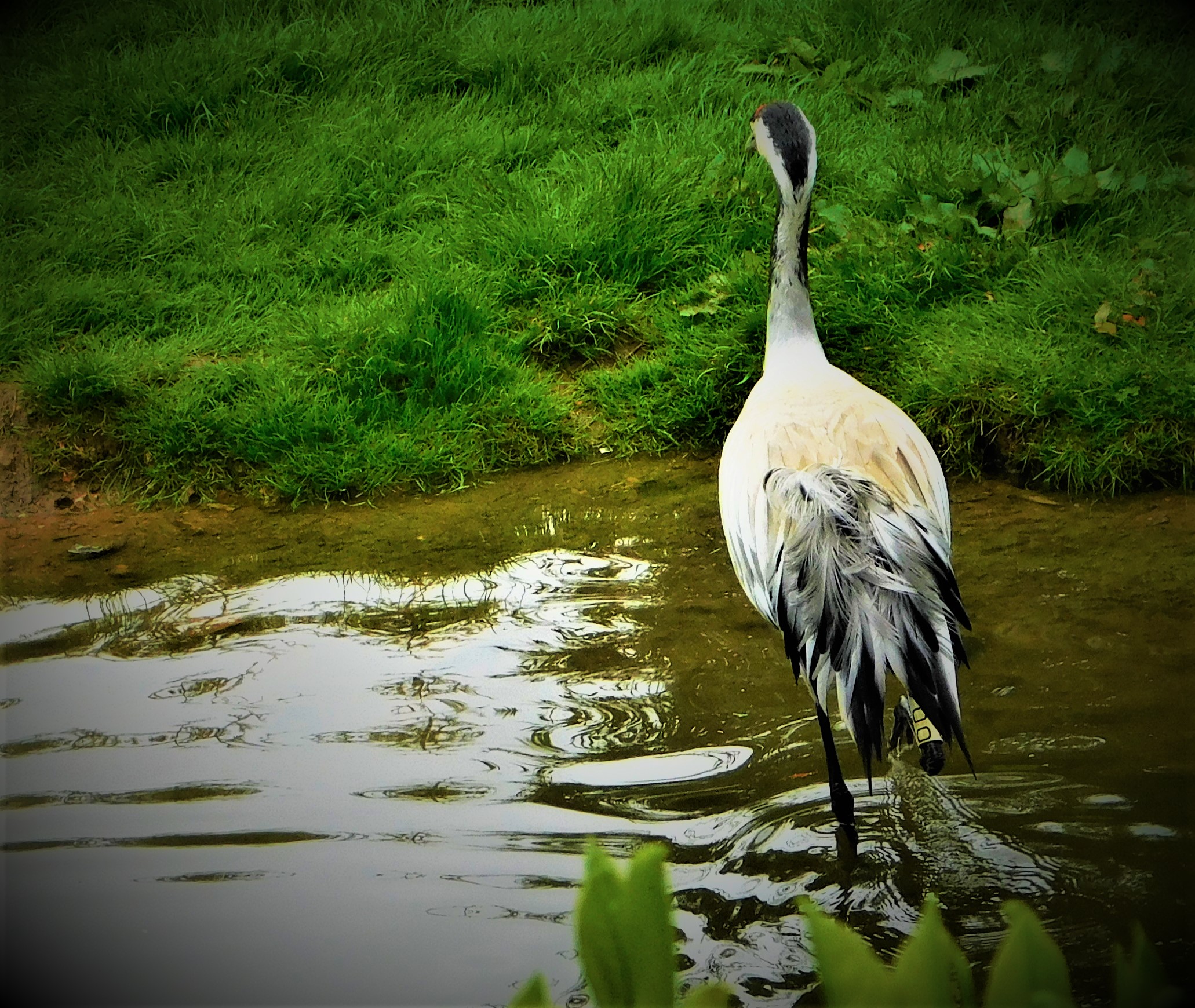
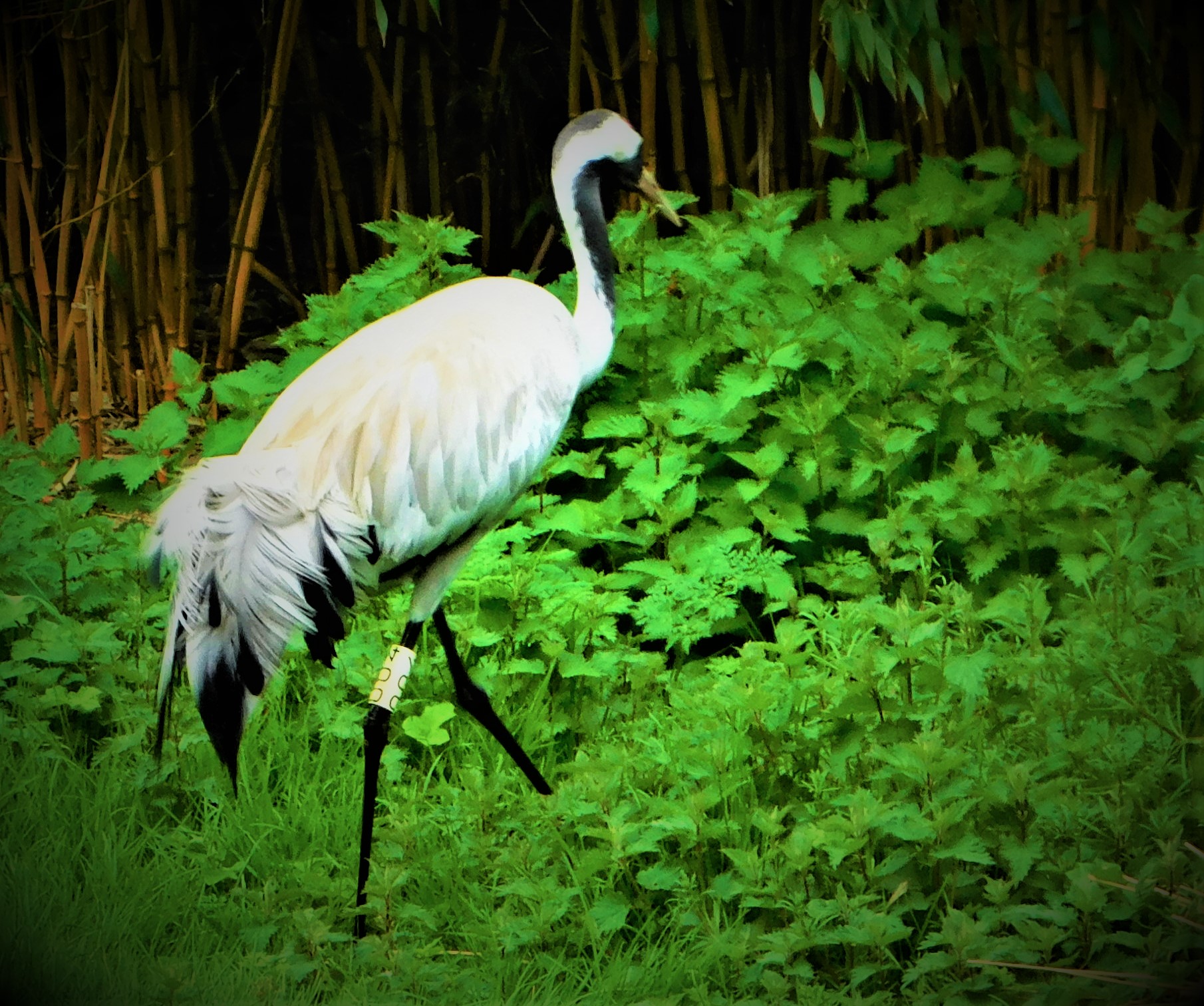
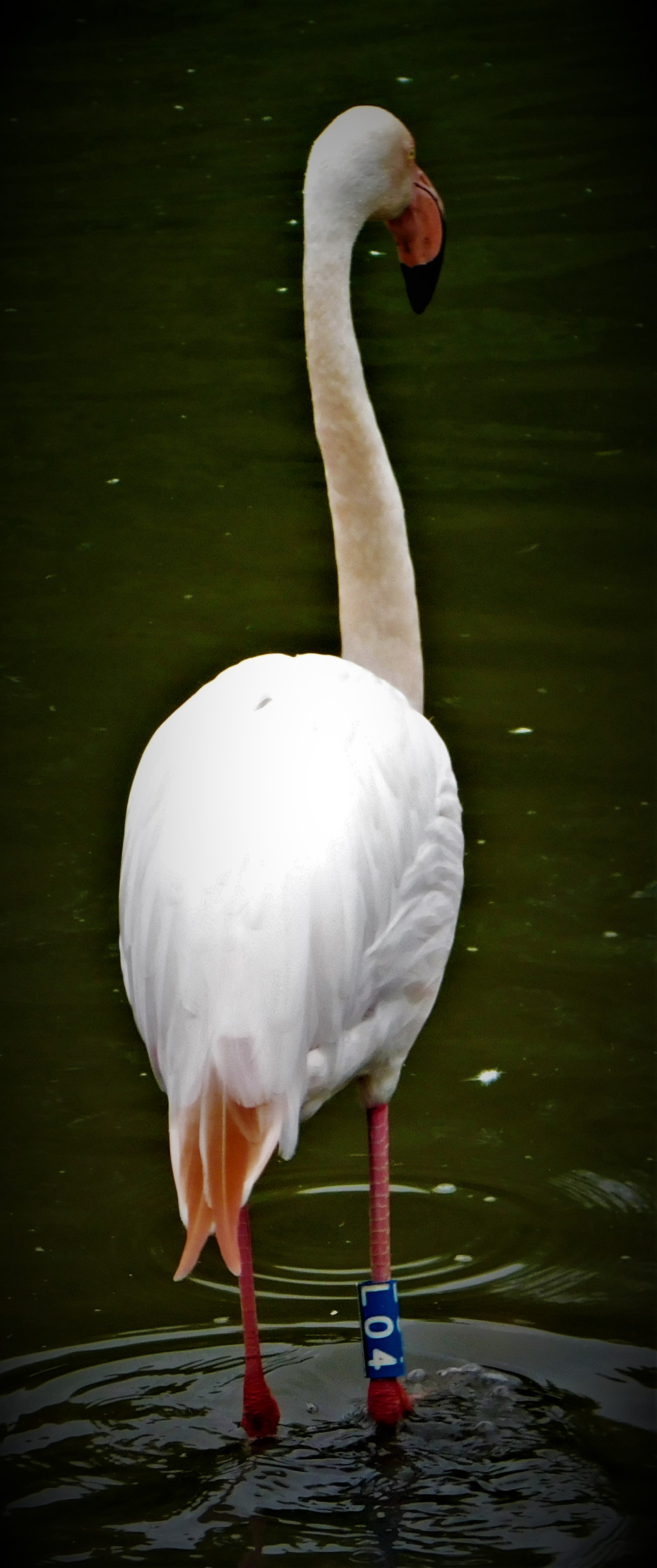
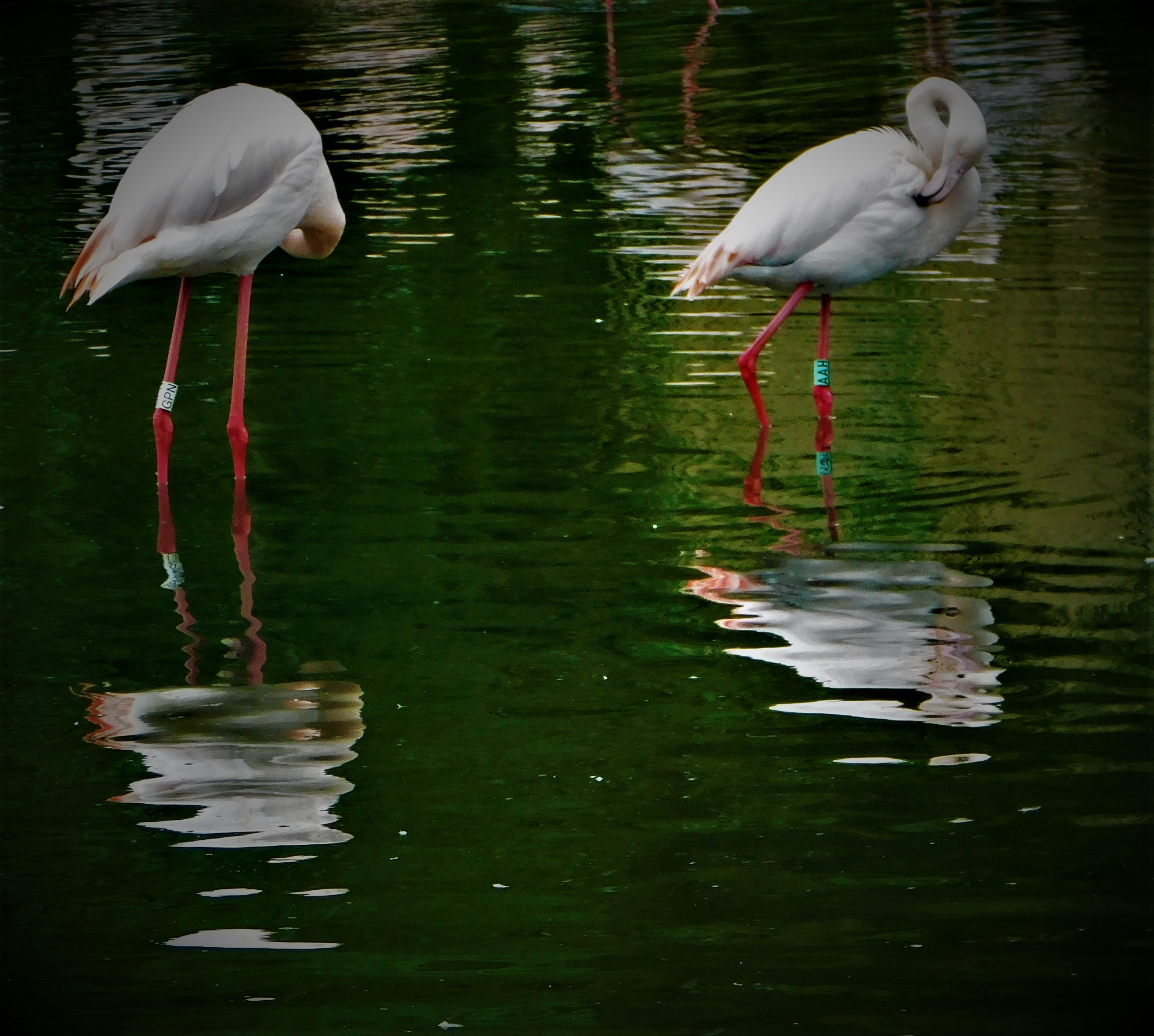
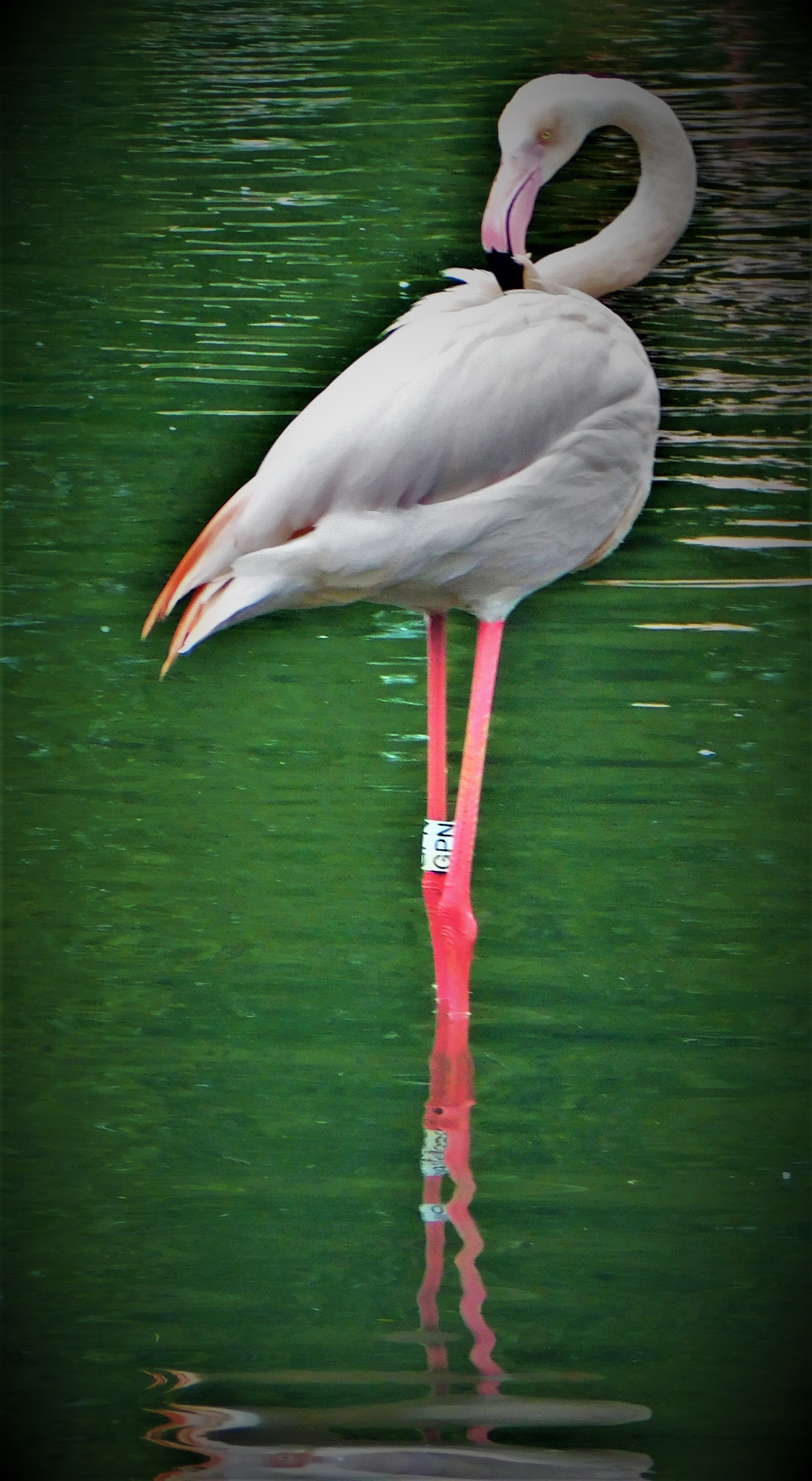
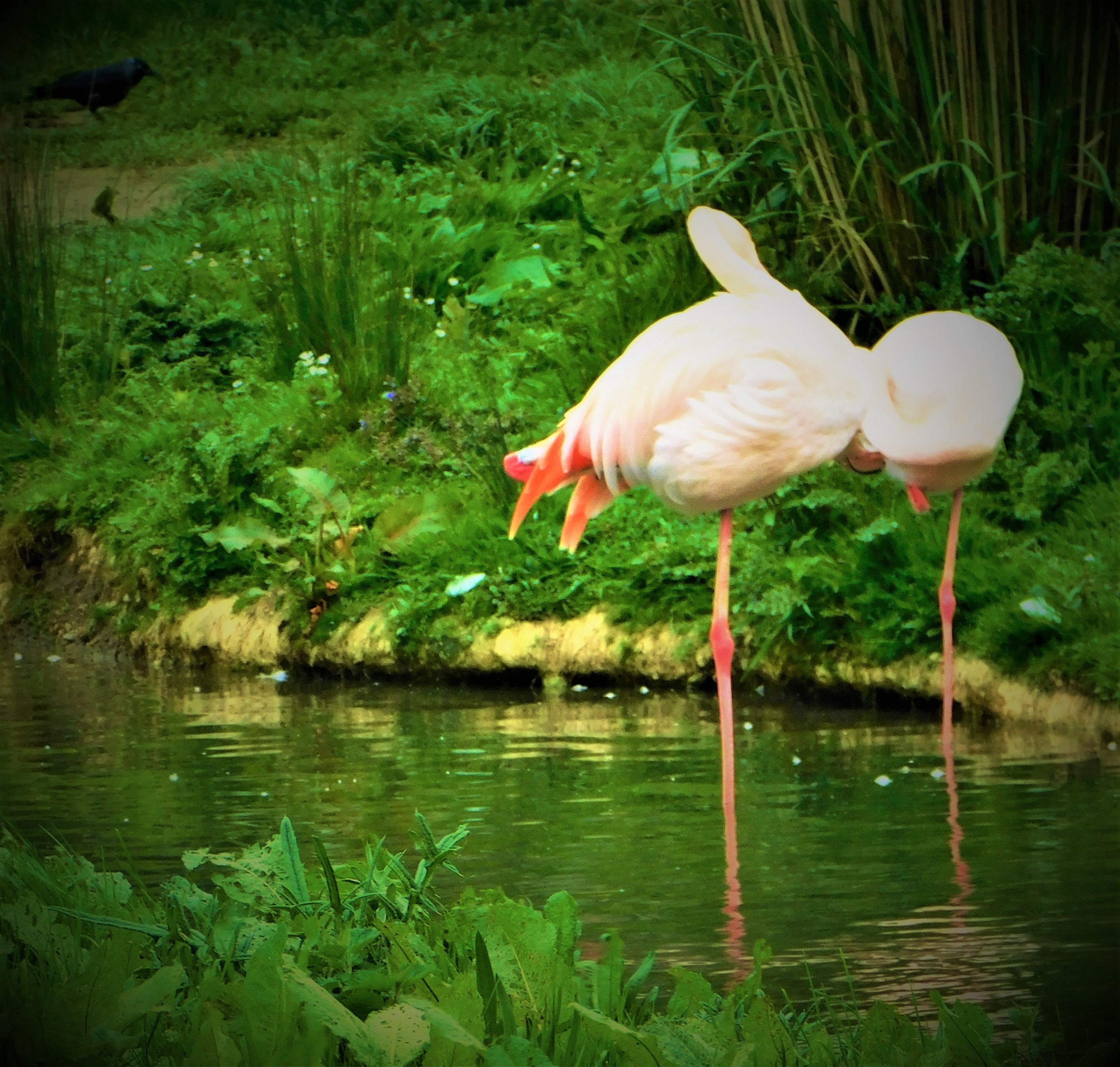
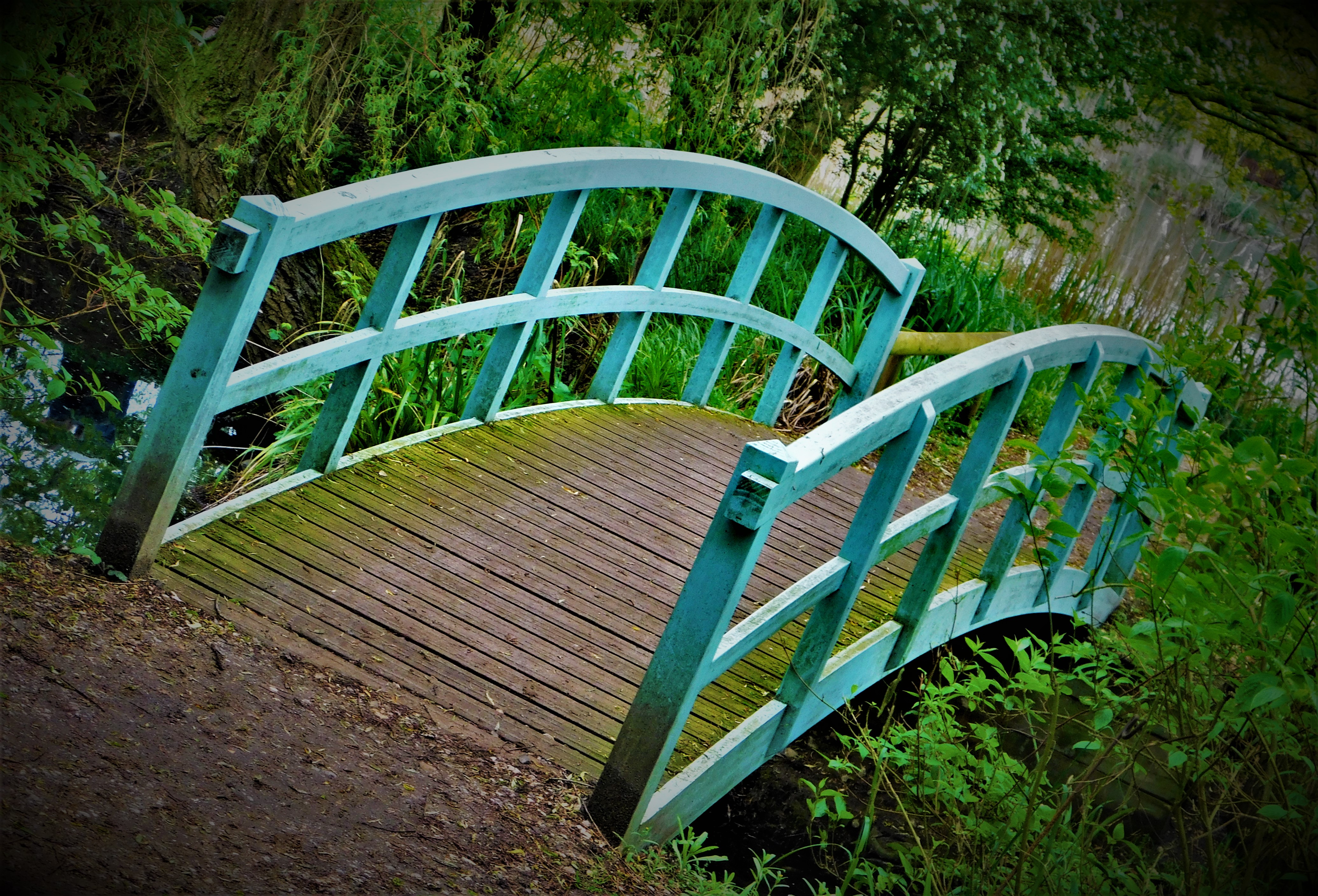
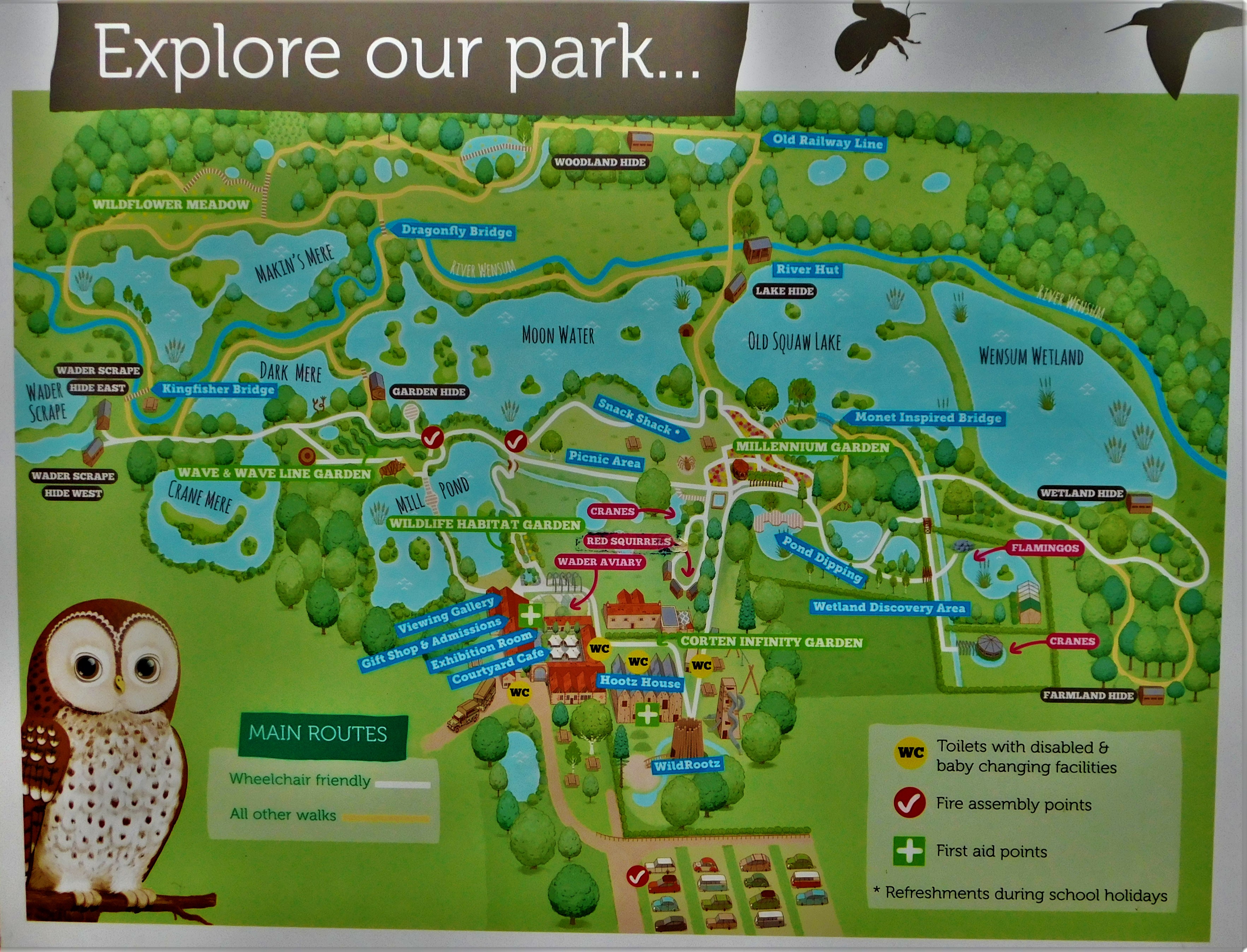
As you enter the area where the cranes and flamingos are the flamingo pool is in one direction, open and visible, and the birds themselves, clustered together in numbers, are even more so. In the other direction is the crane hide, with wide, shallow windows each of which you can observe a different species of crane through. I actually managed to visit this part of Pensthorpe twice in the course of the day, near the beginning and near the end (visiting it also means passing within sight of the Monet inspired bridge, pictures of which featured in my introductory post, which is a bonus).

Pensthorpe 2023: Ducks and Geese

Continuing my mini-series about my visit to Pensthorpe with a look at the ducks and geese that I saw there, which include some exotic species as well as some commonplace ones.

This is the second post in my mini-series (the first is here) about my visit to Pensthorpe yesterday as part of a West Norfolk Autism Group excursion.

MIXING THE MAGNIFICENT AND THE MUNDANE

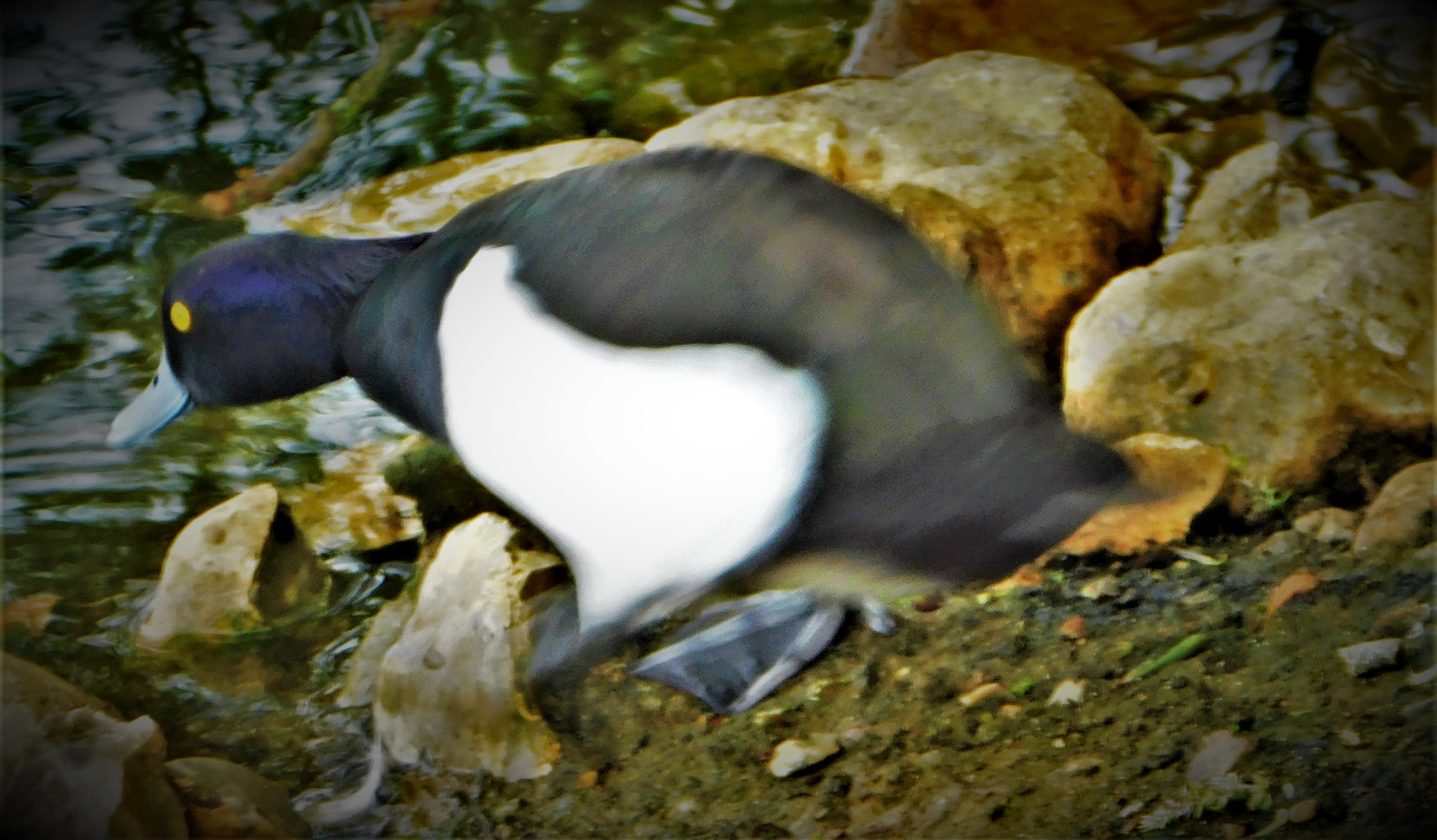
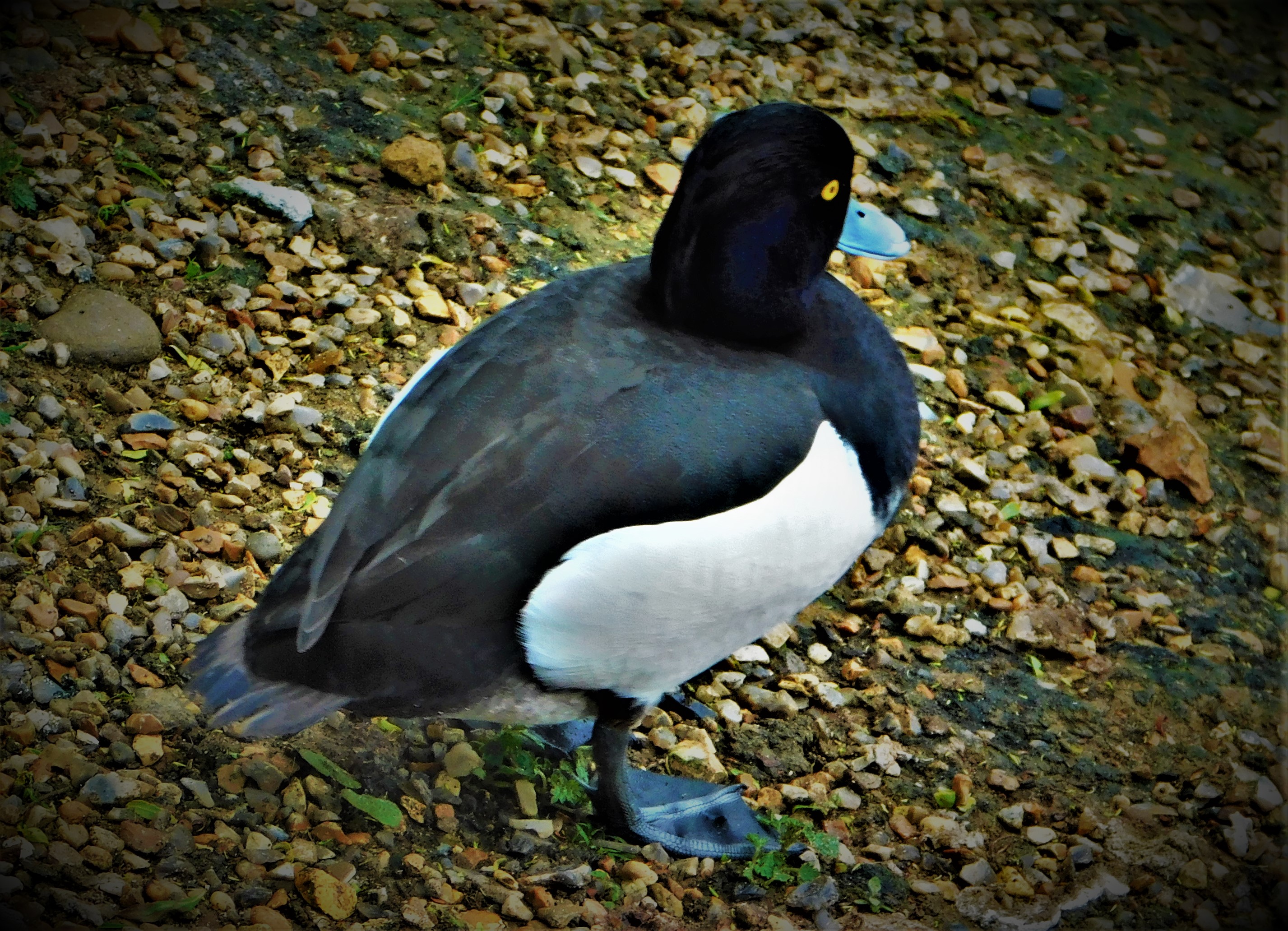
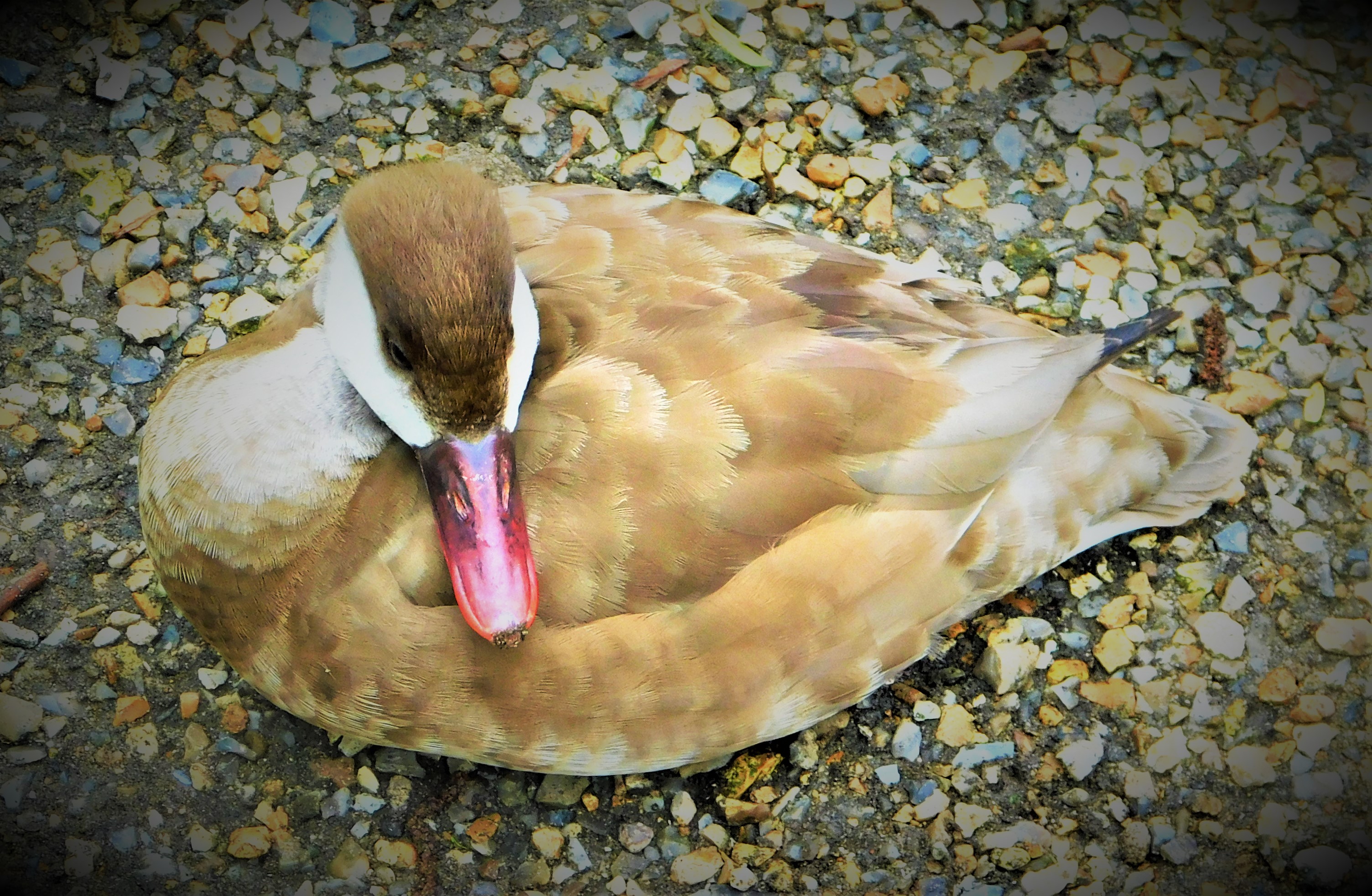
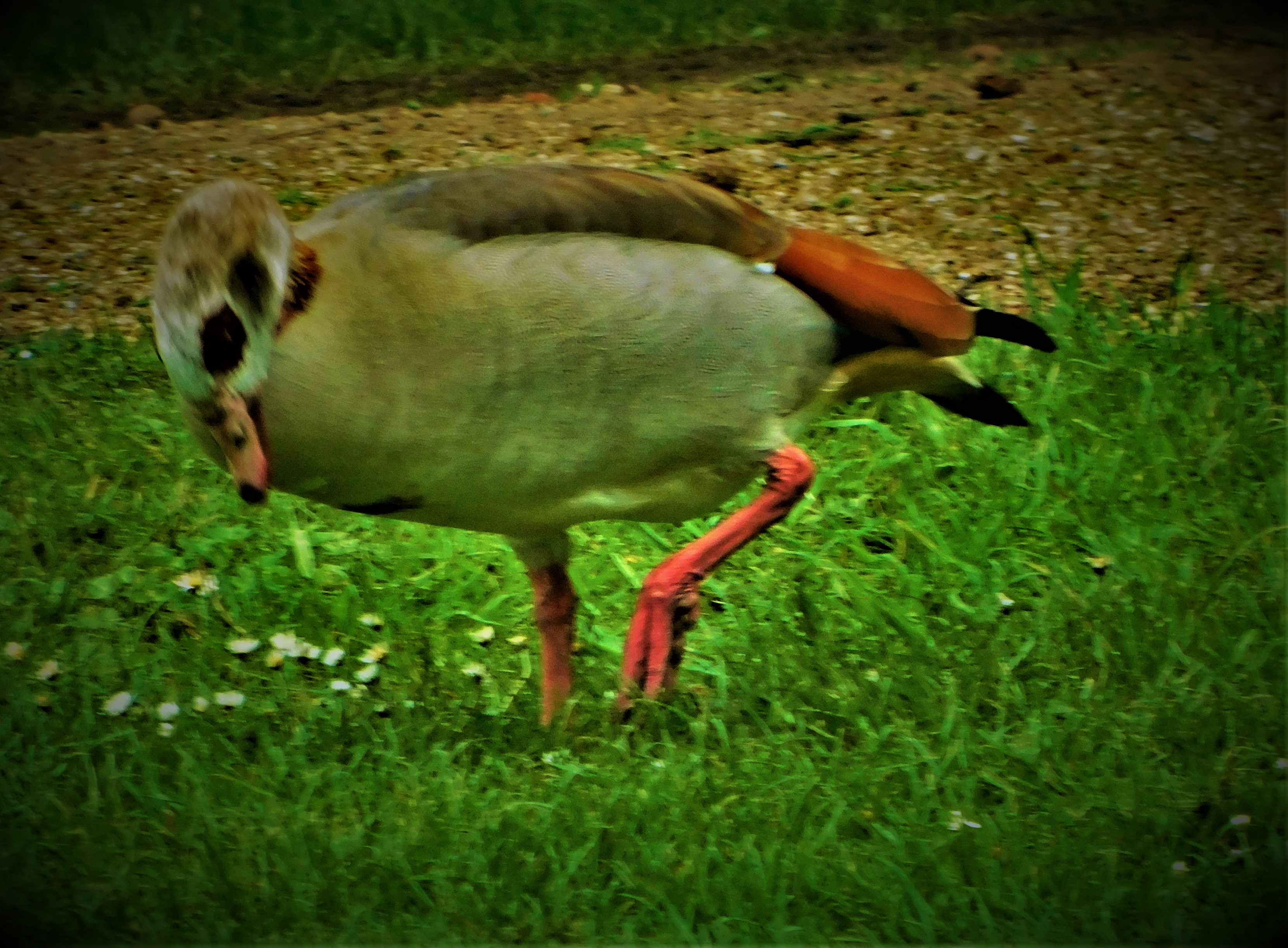
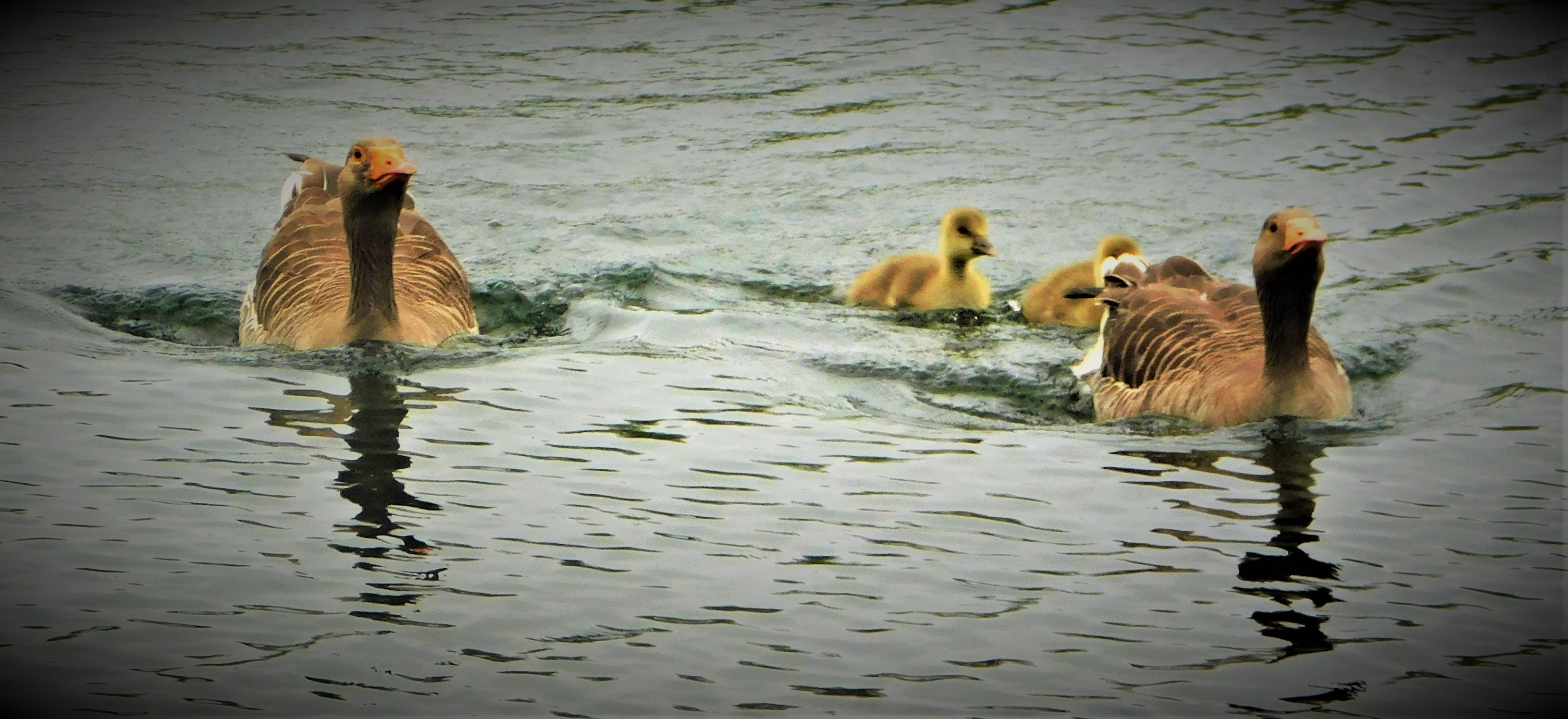
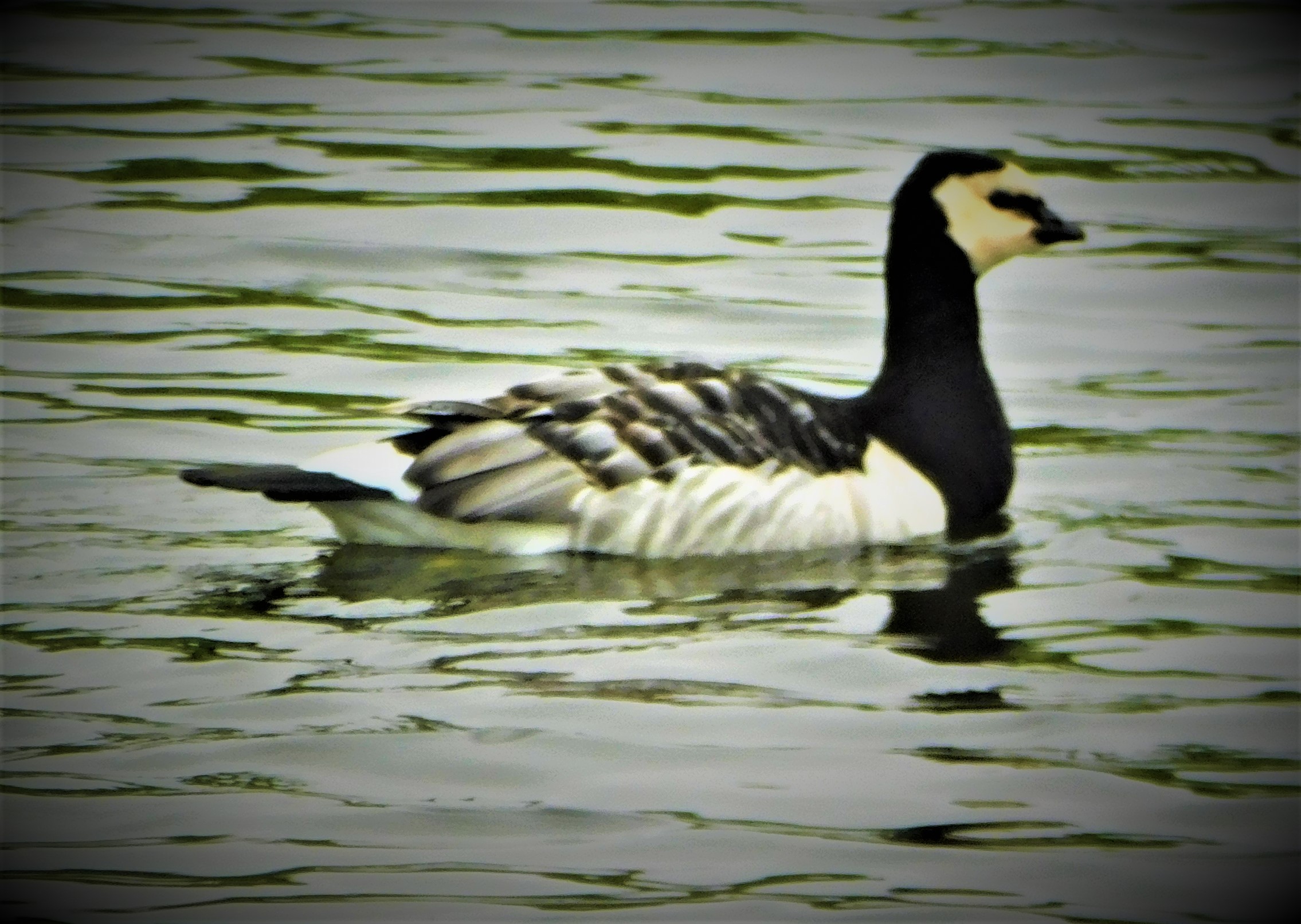
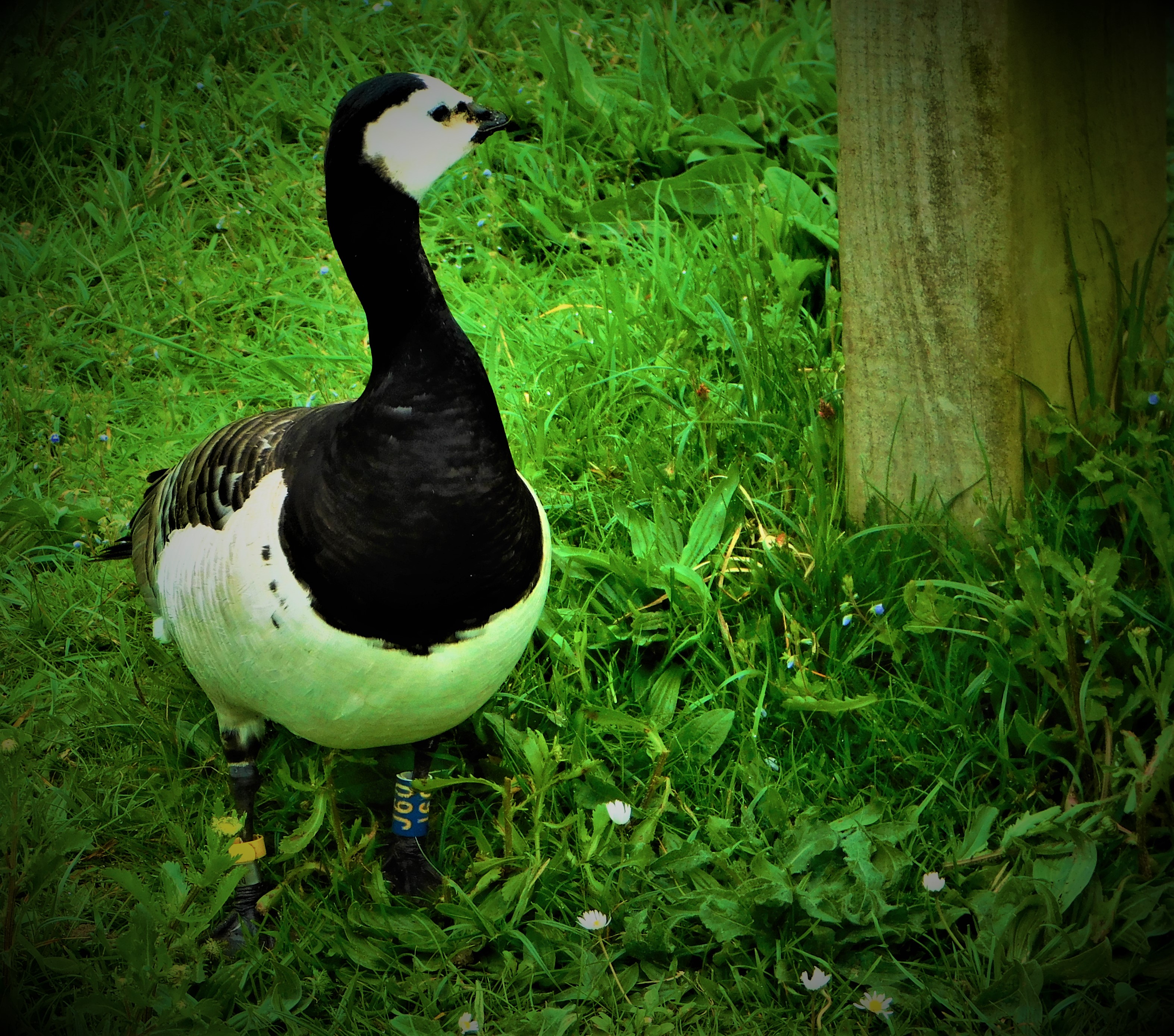
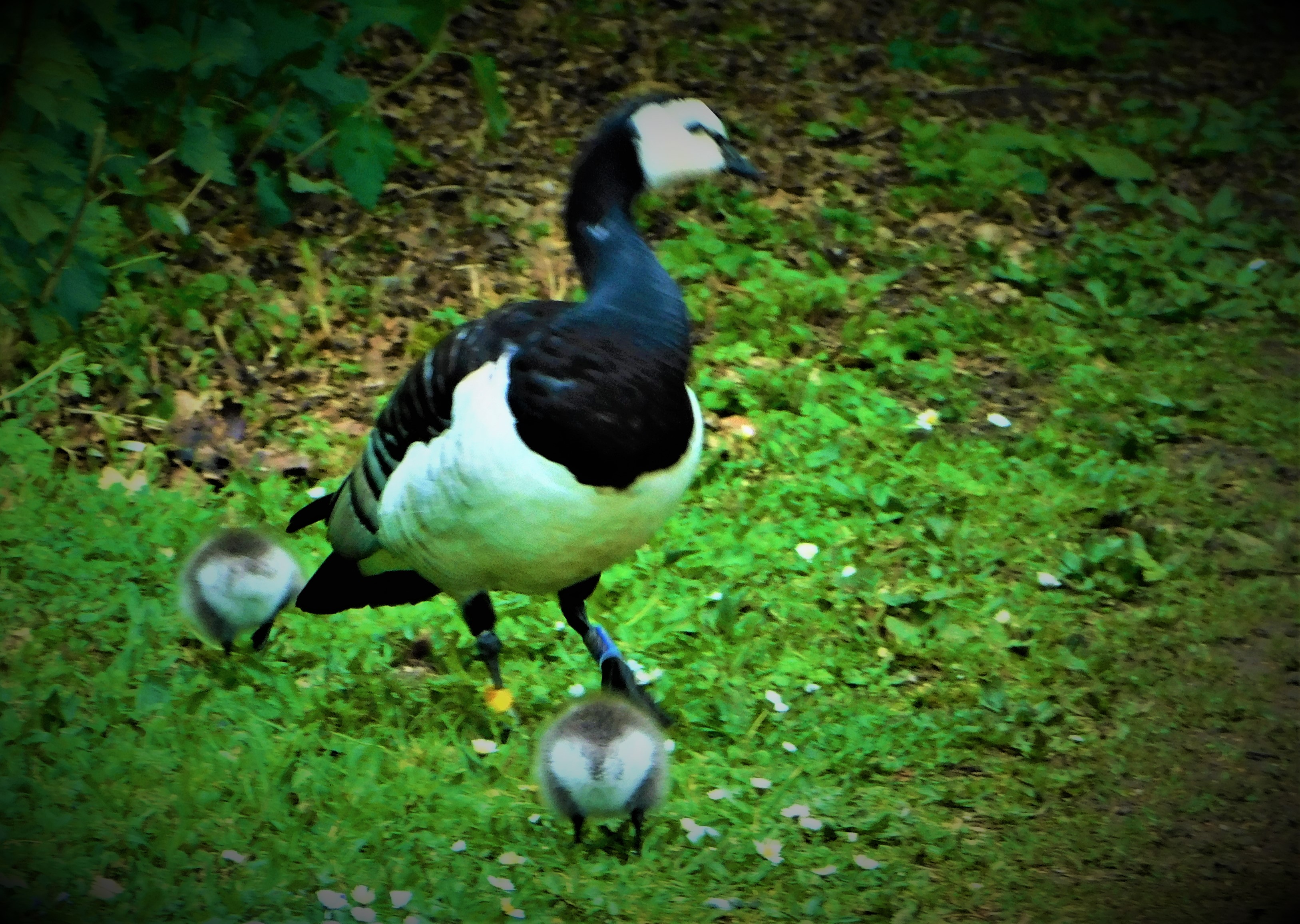
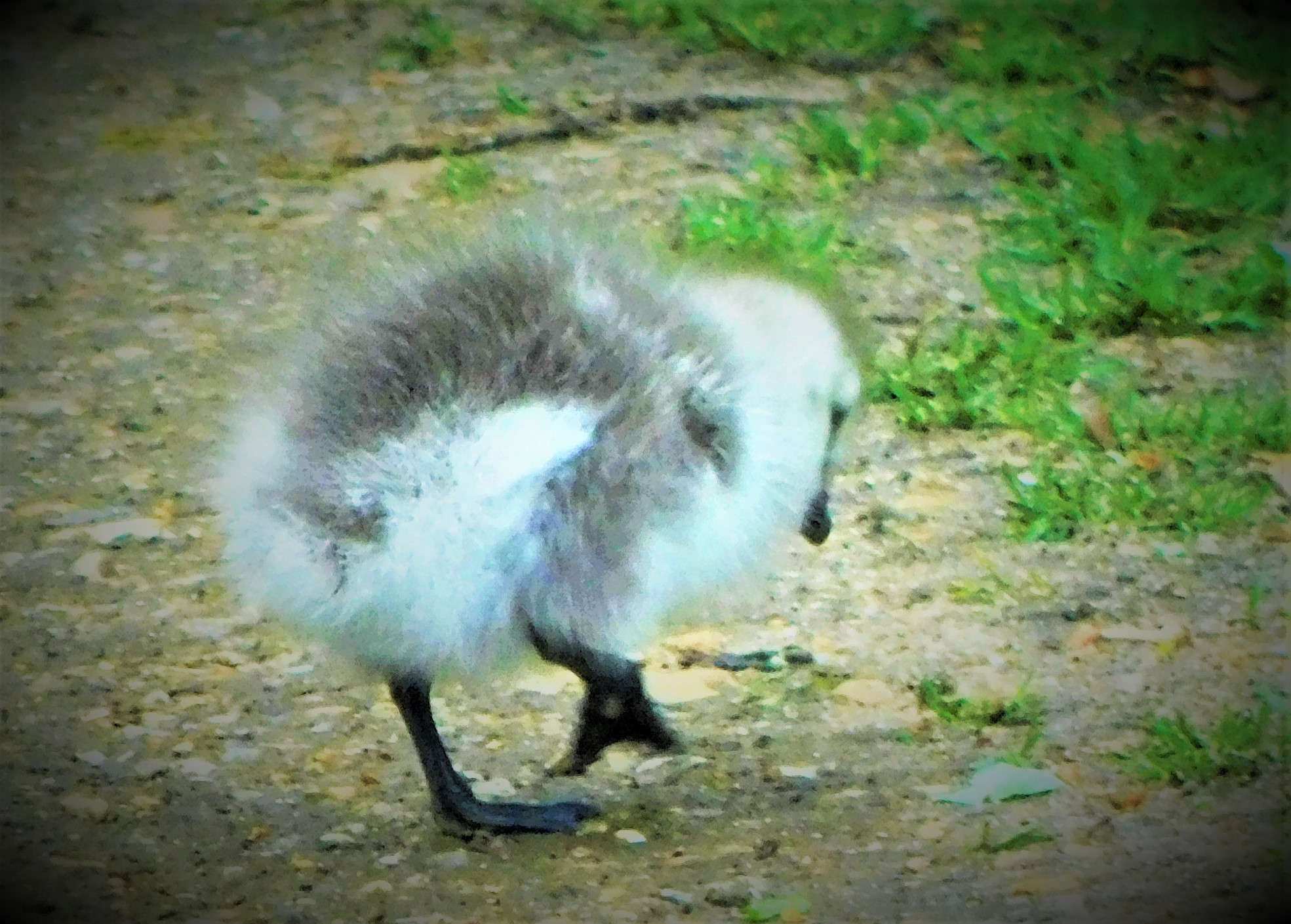
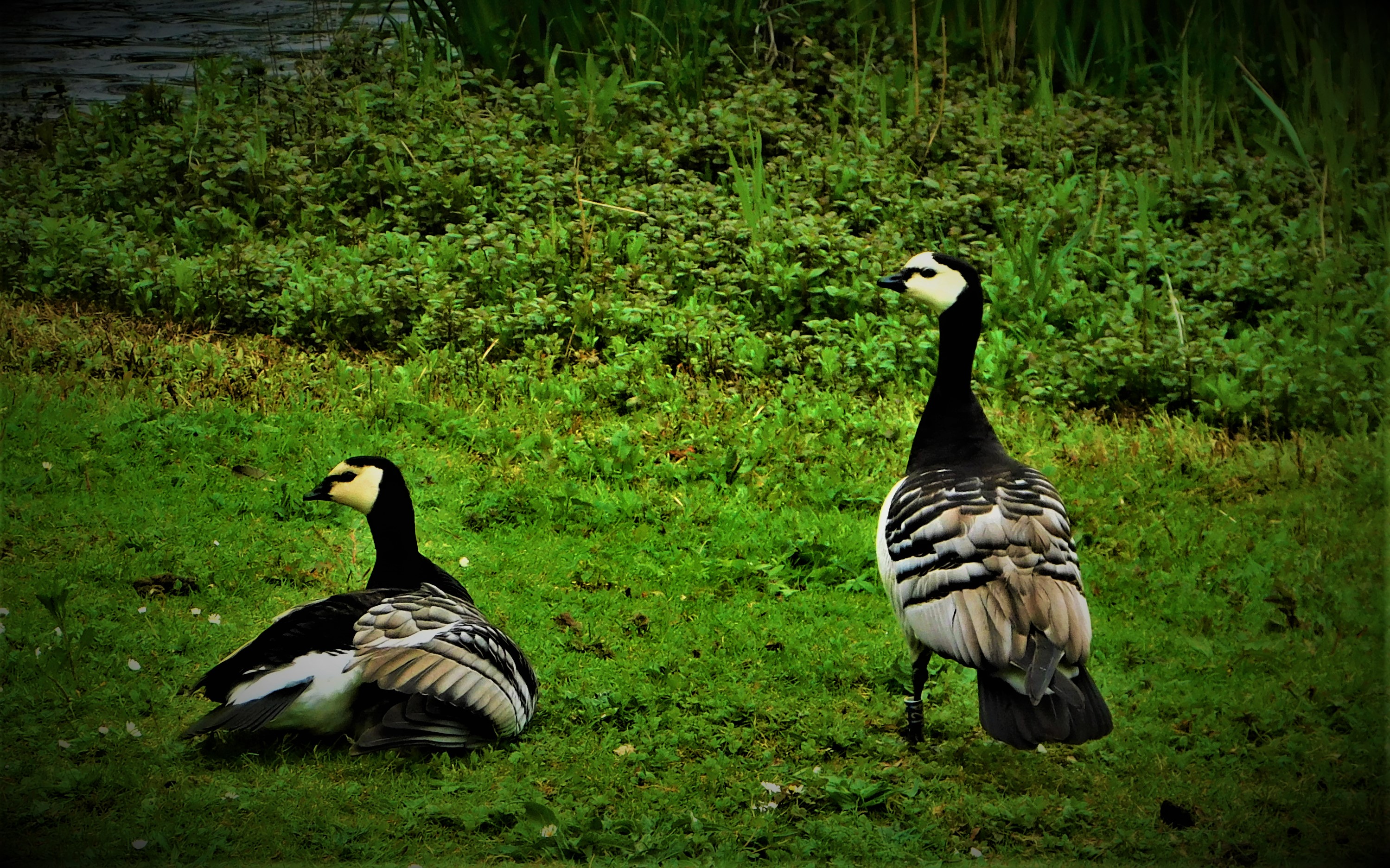
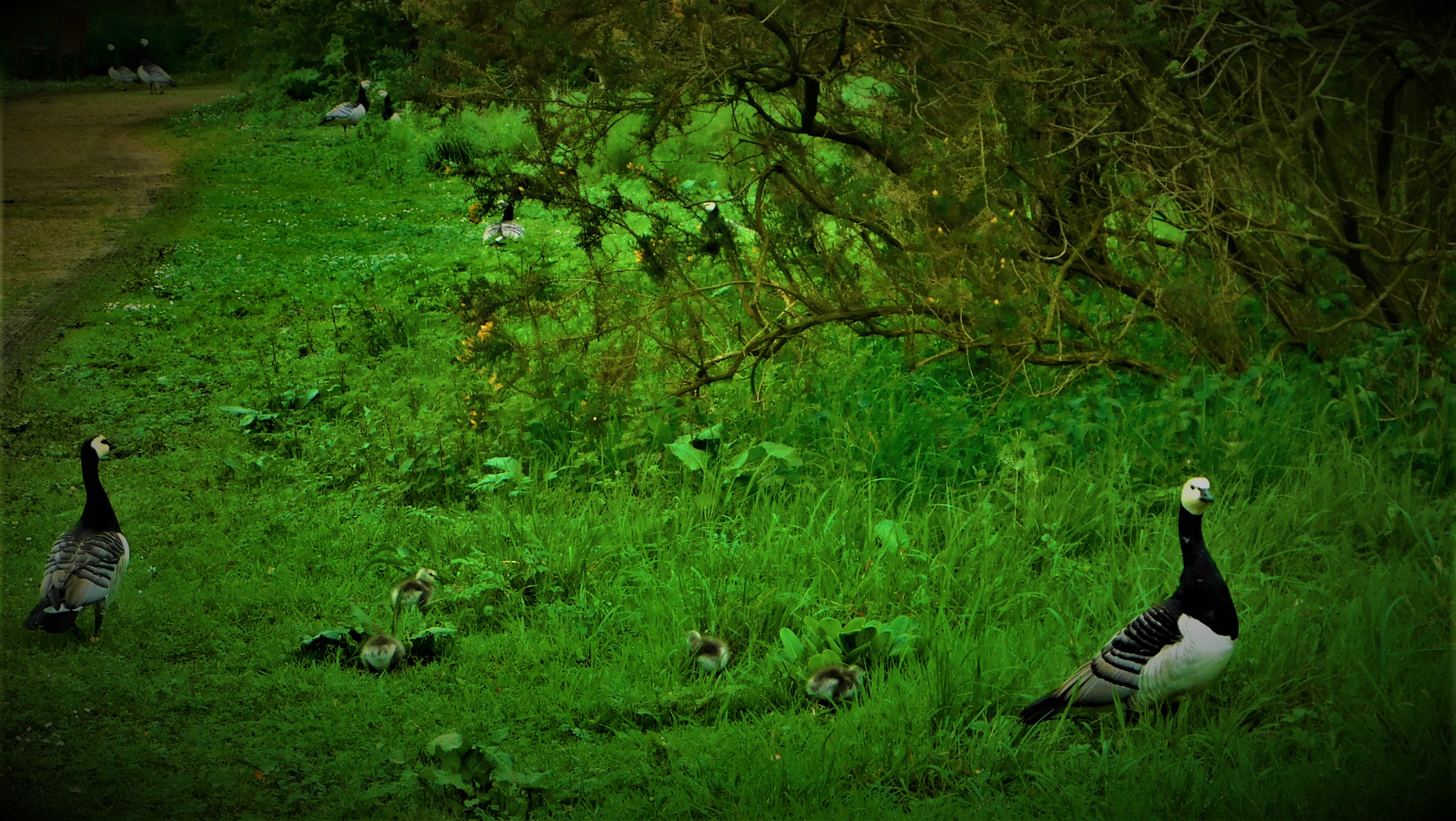
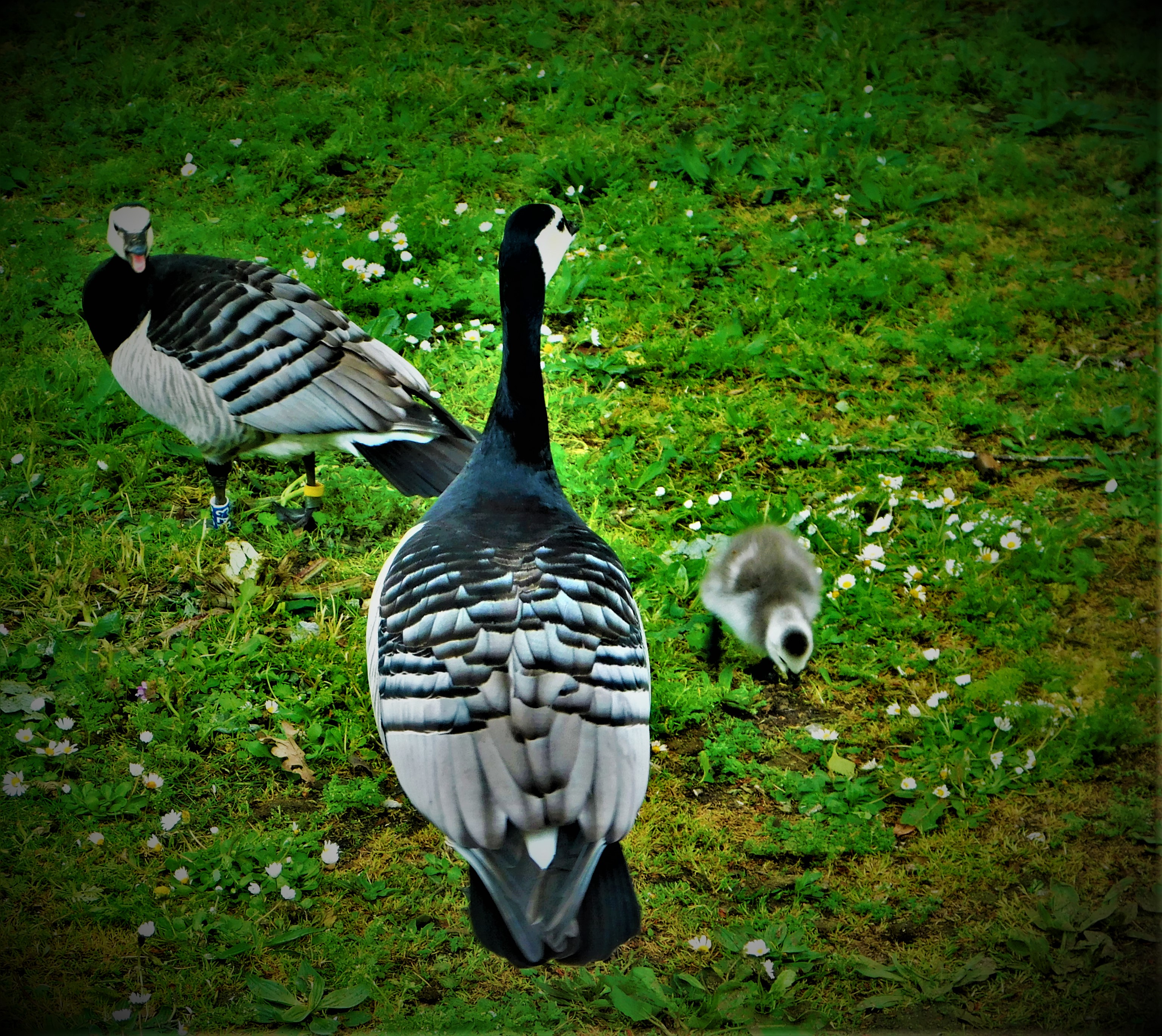
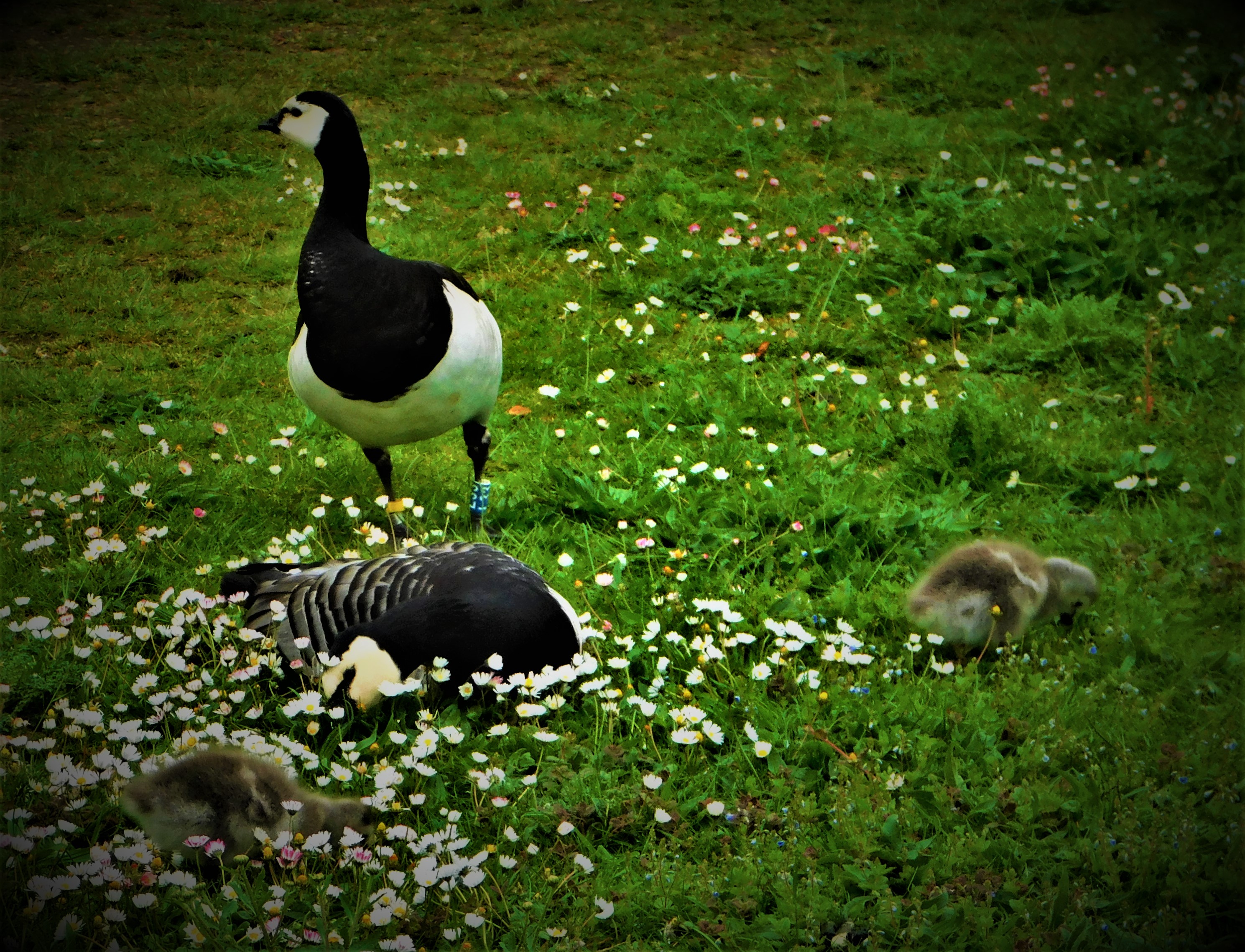
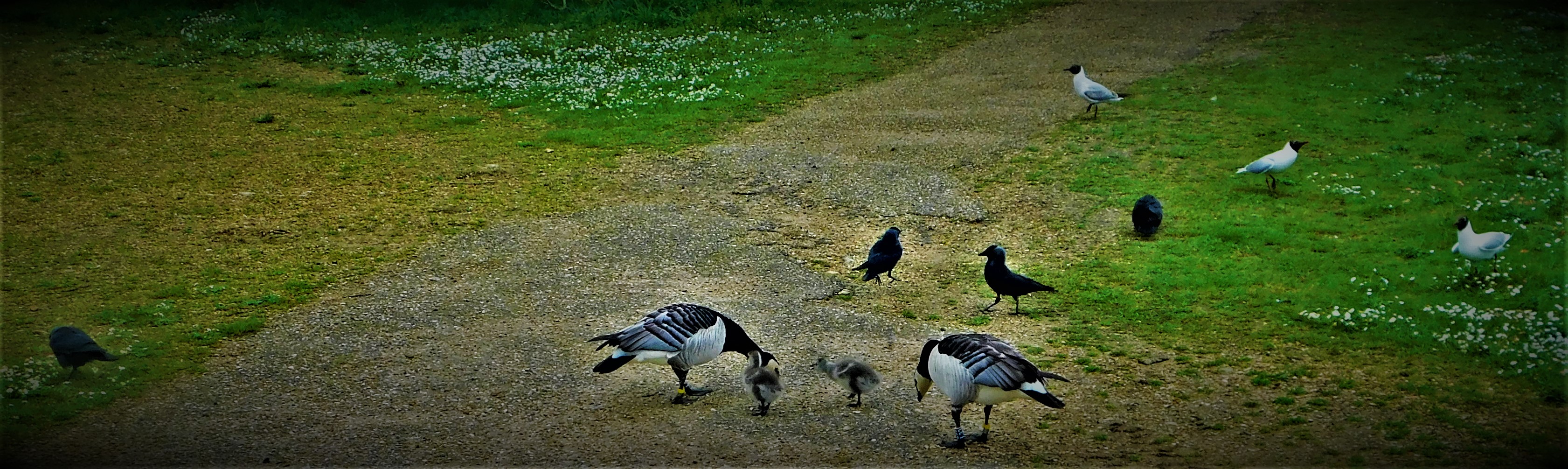
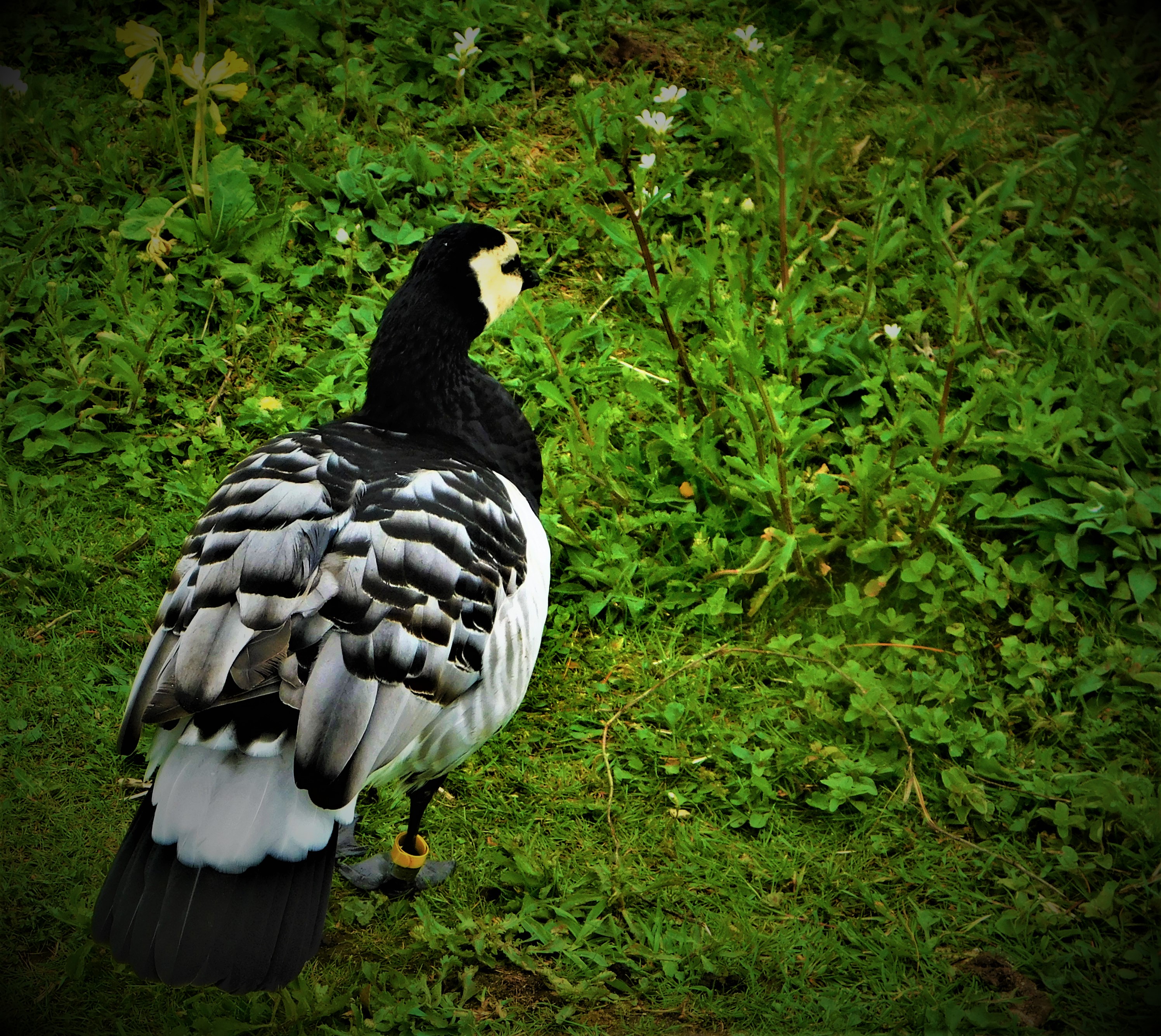
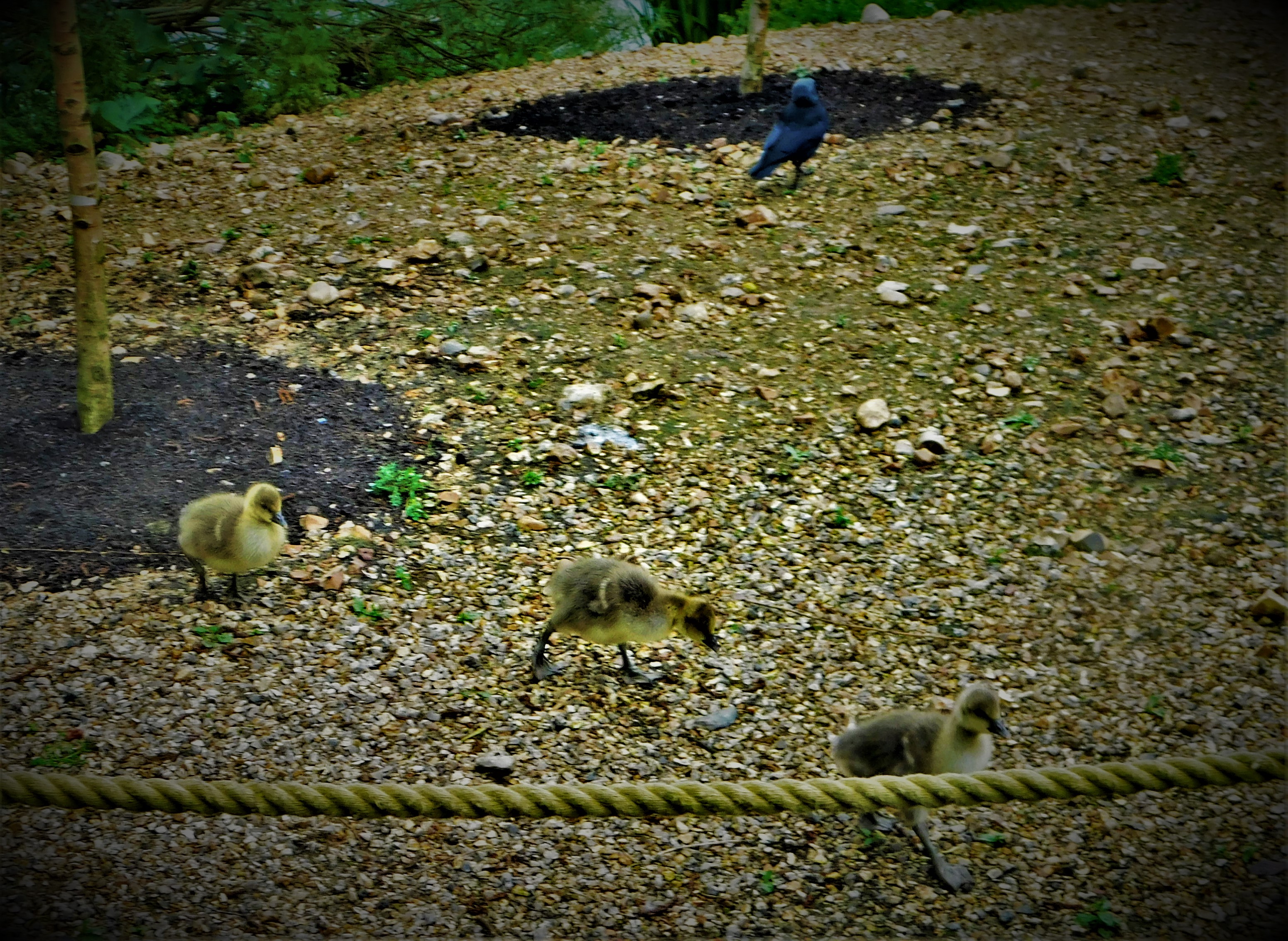
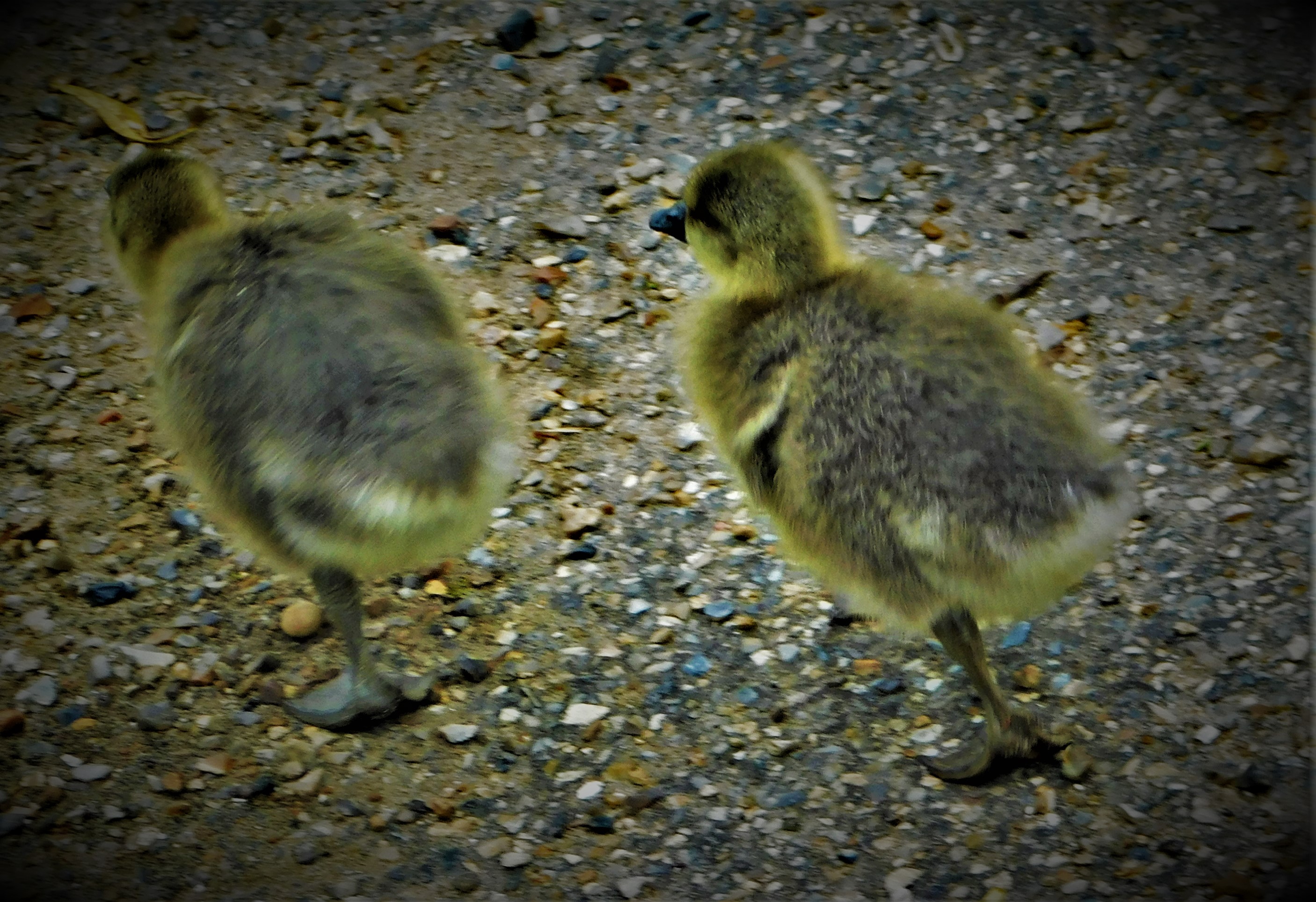
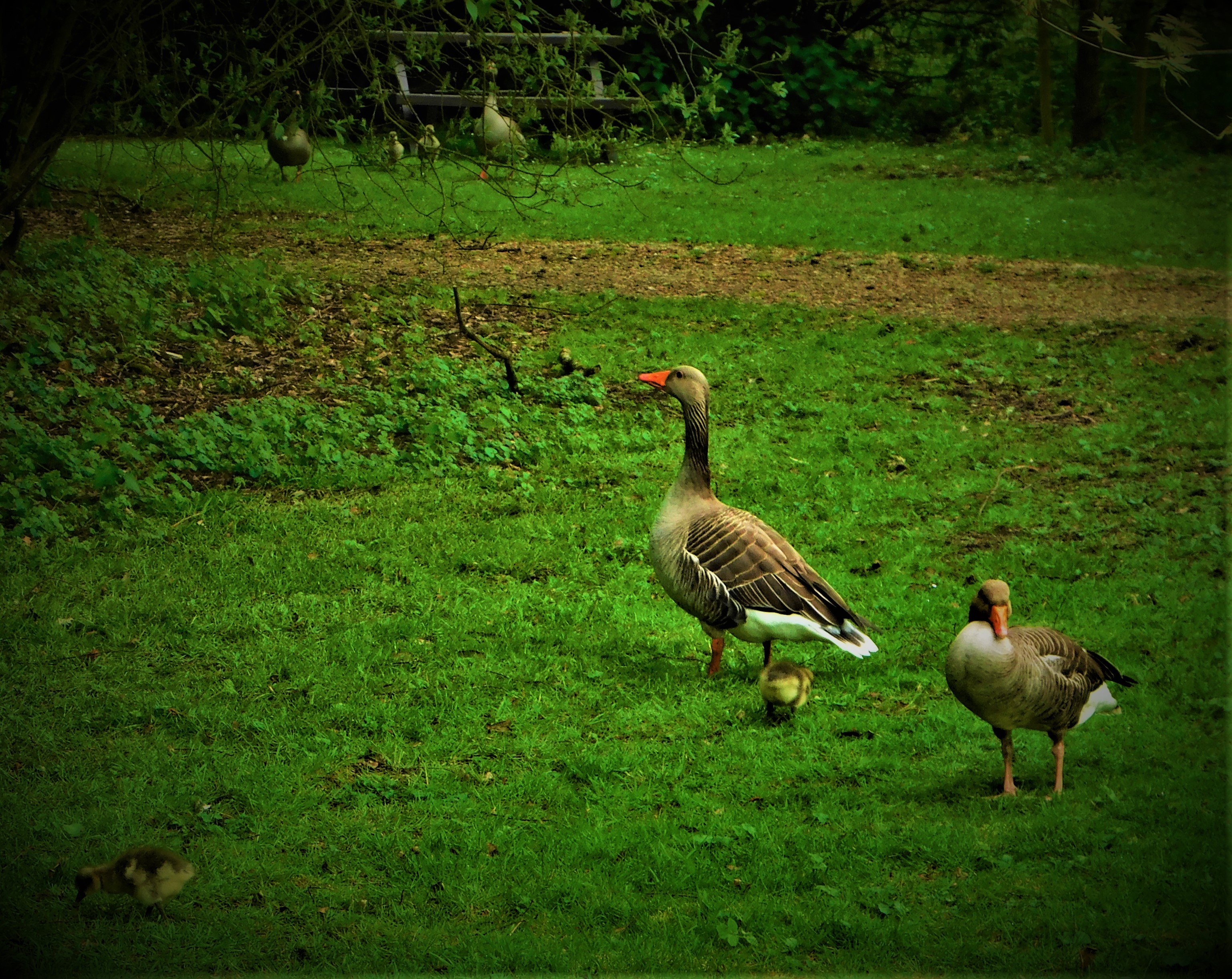
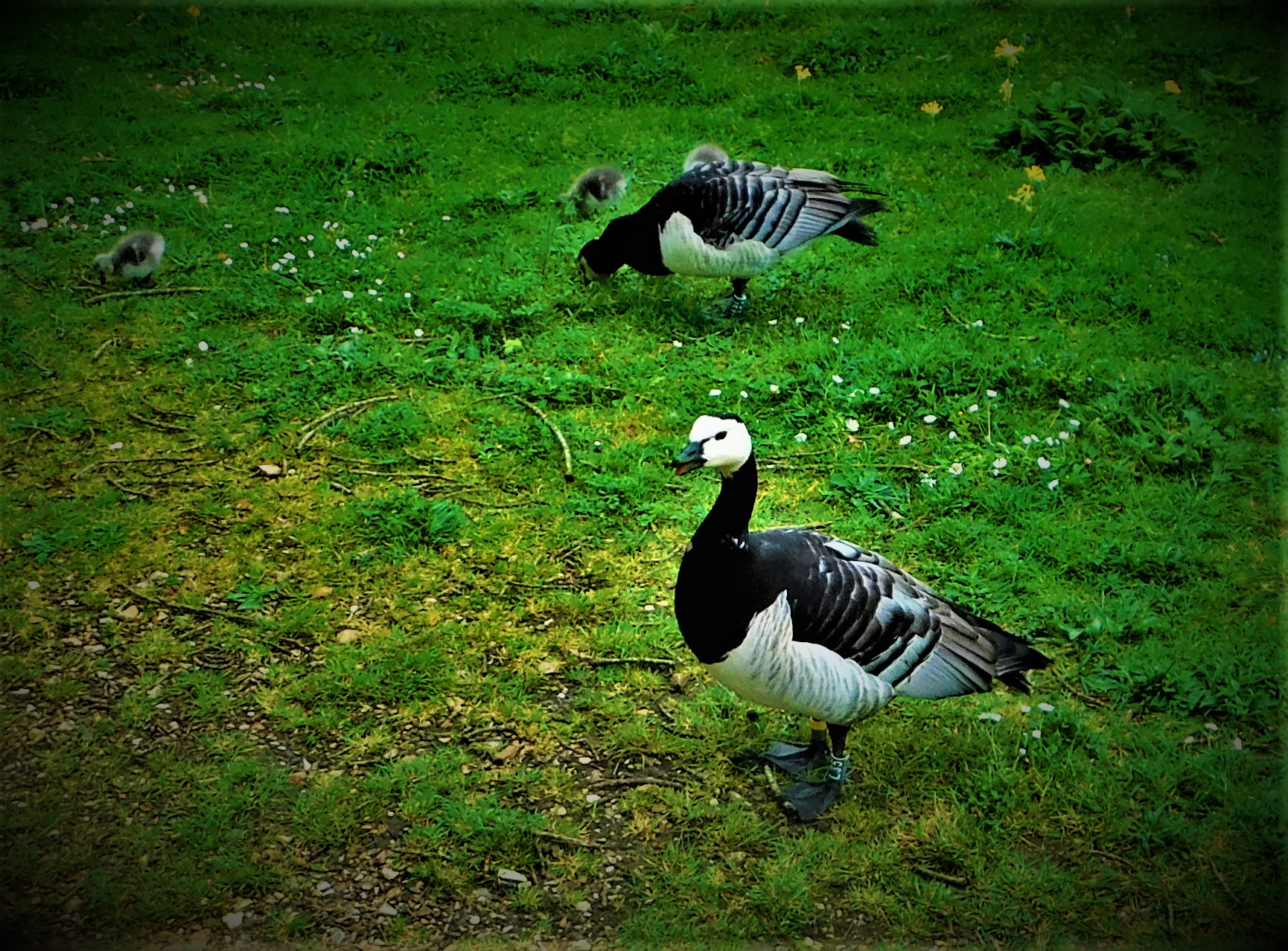
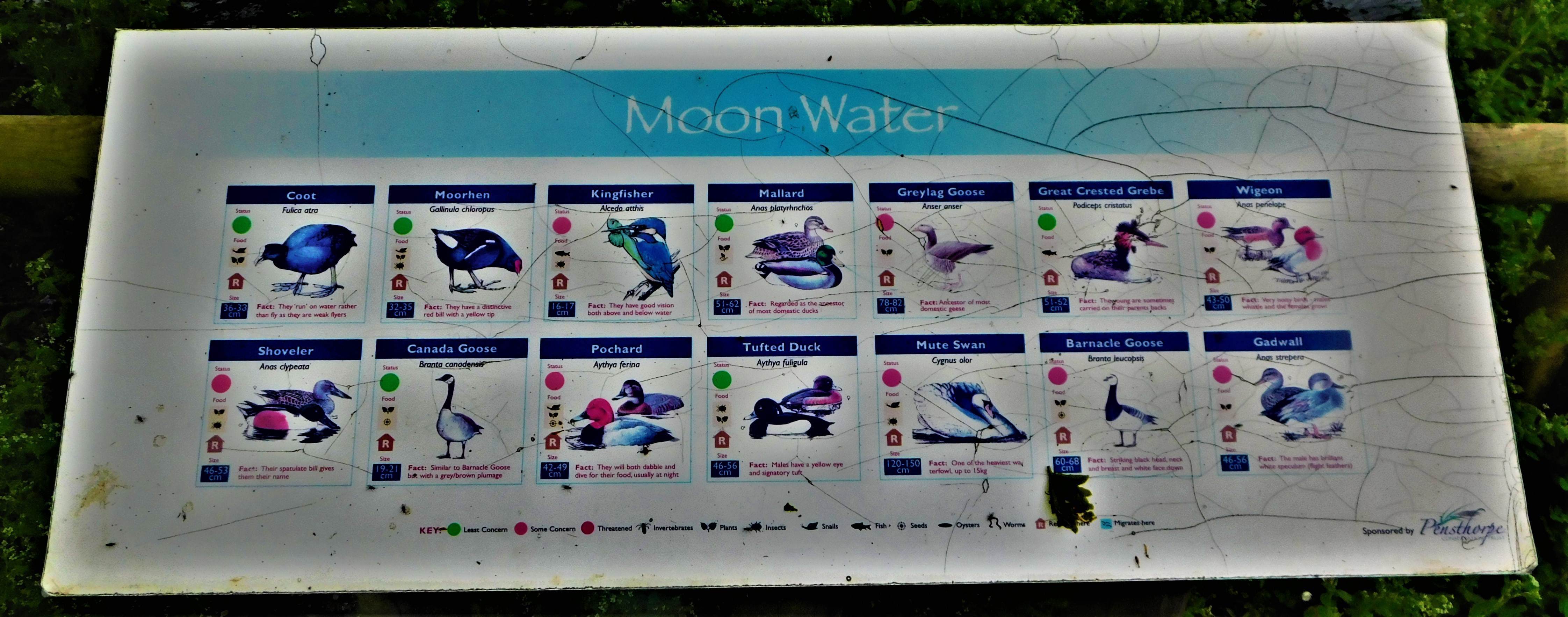
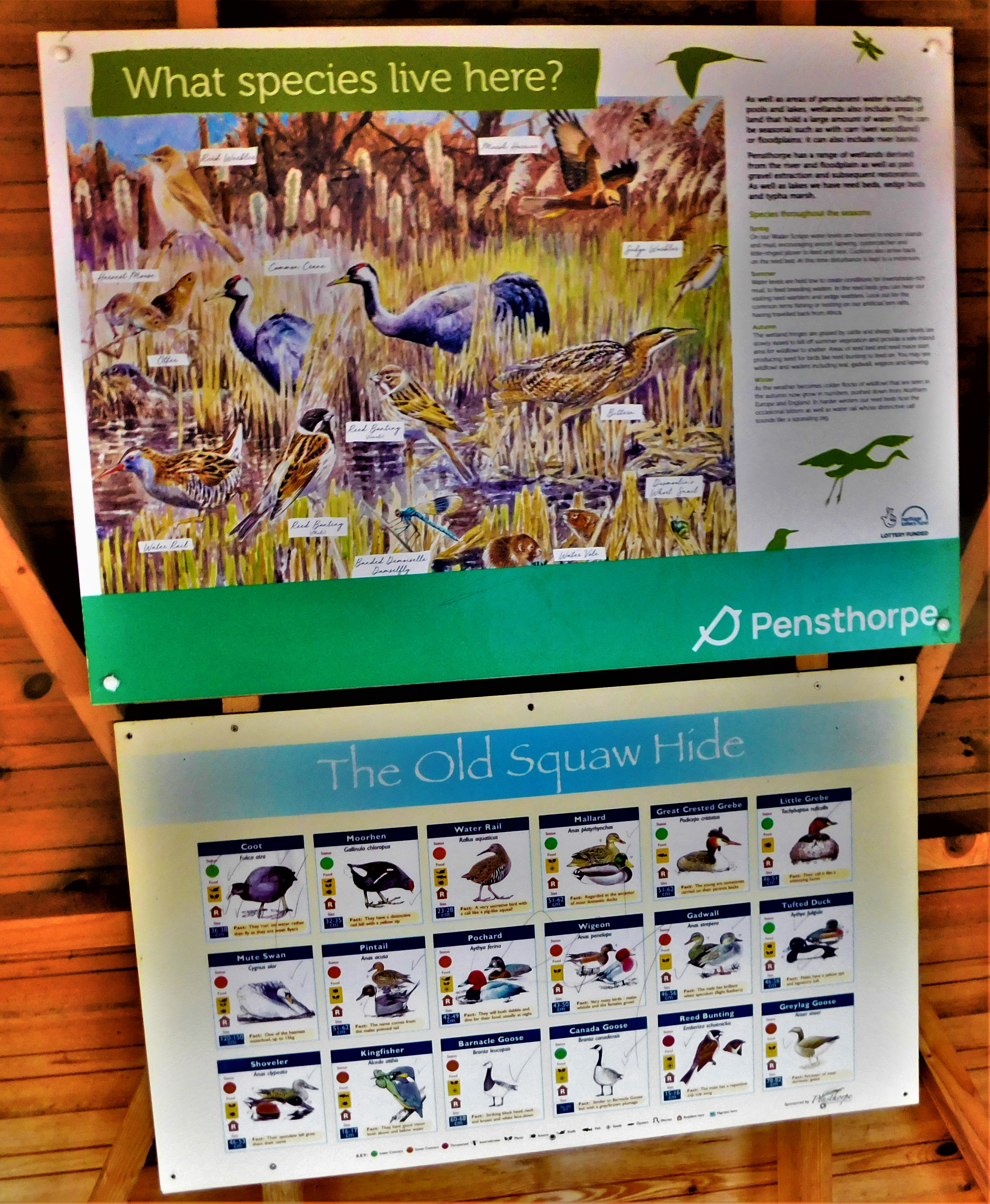
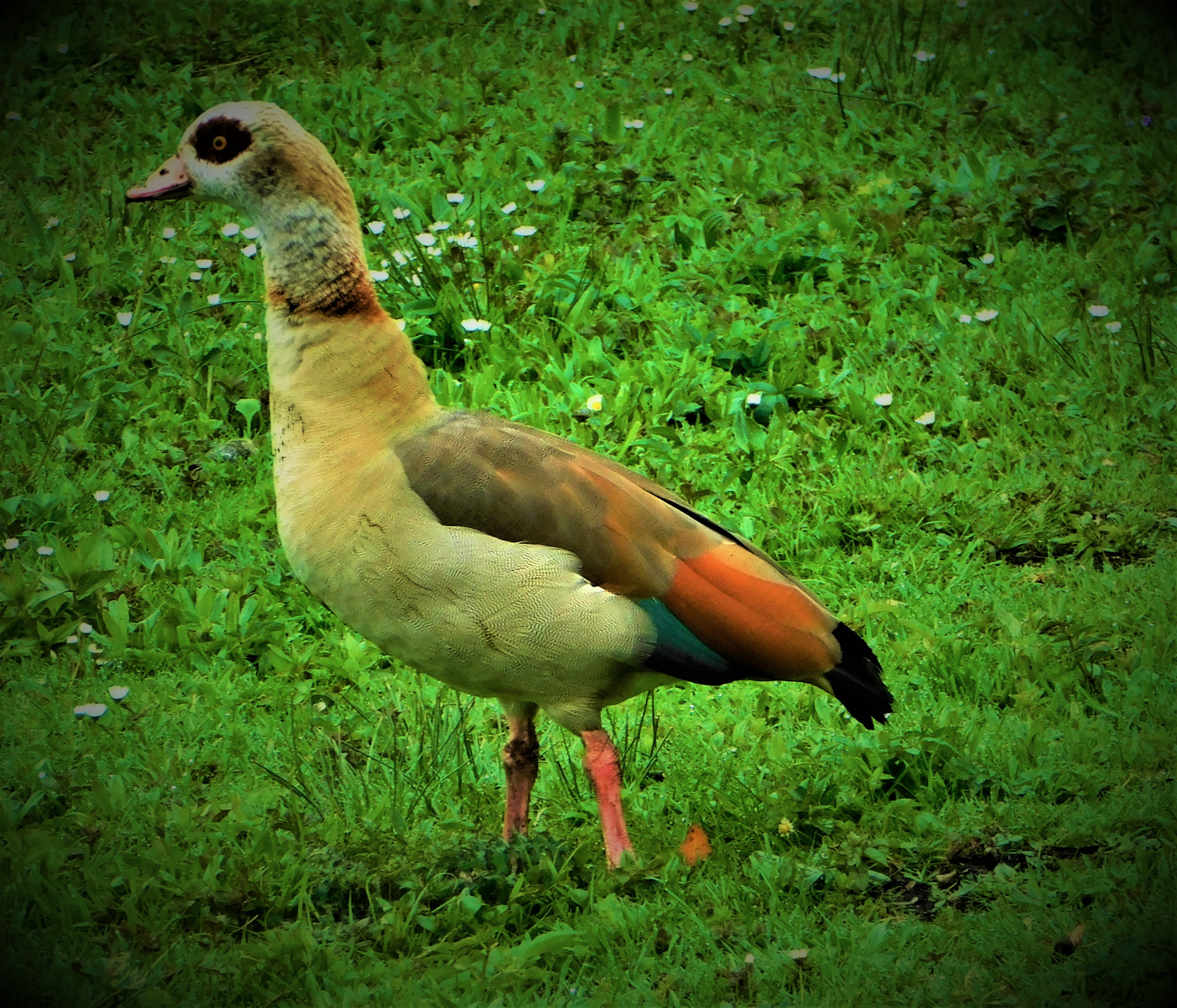
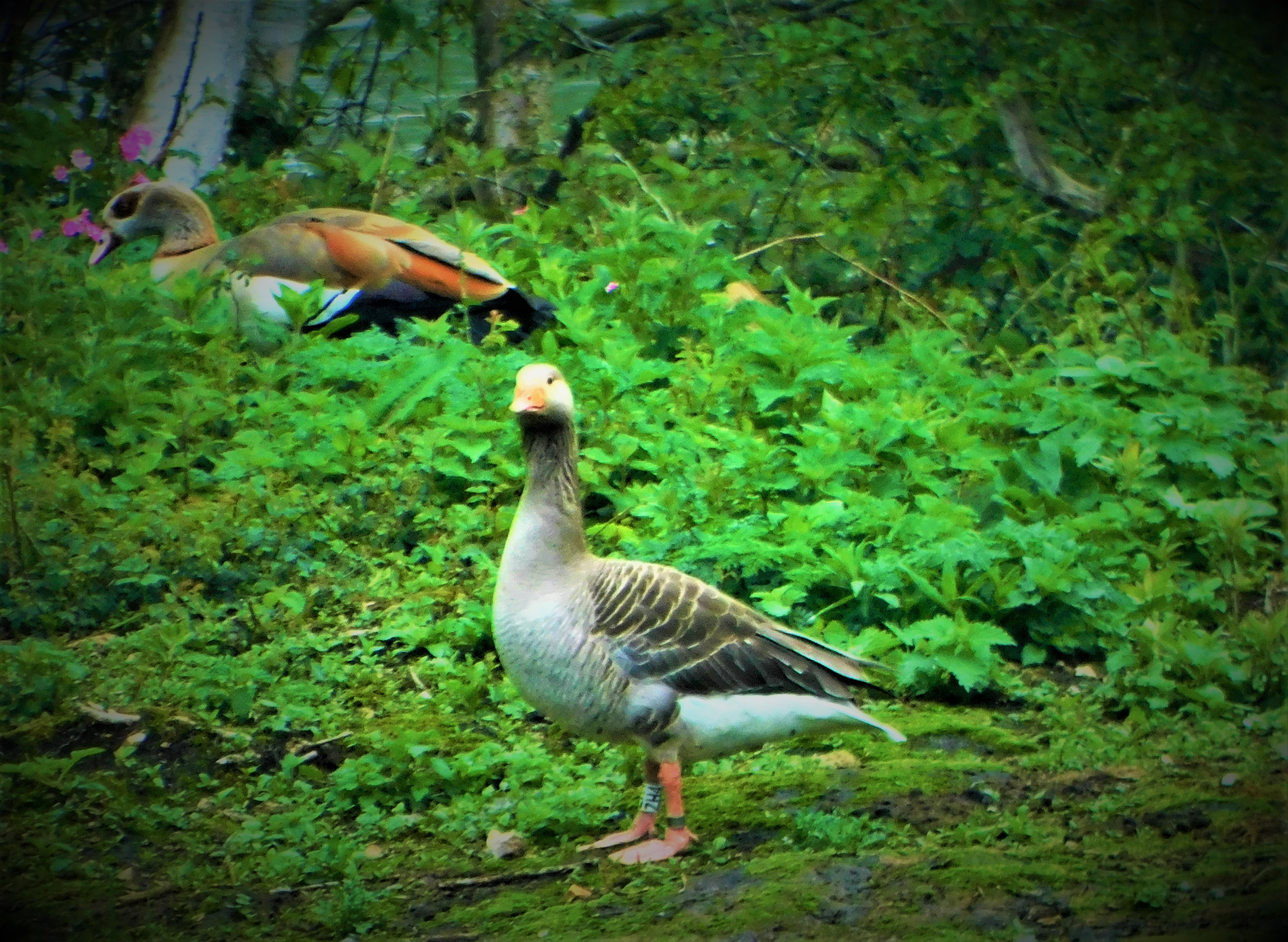
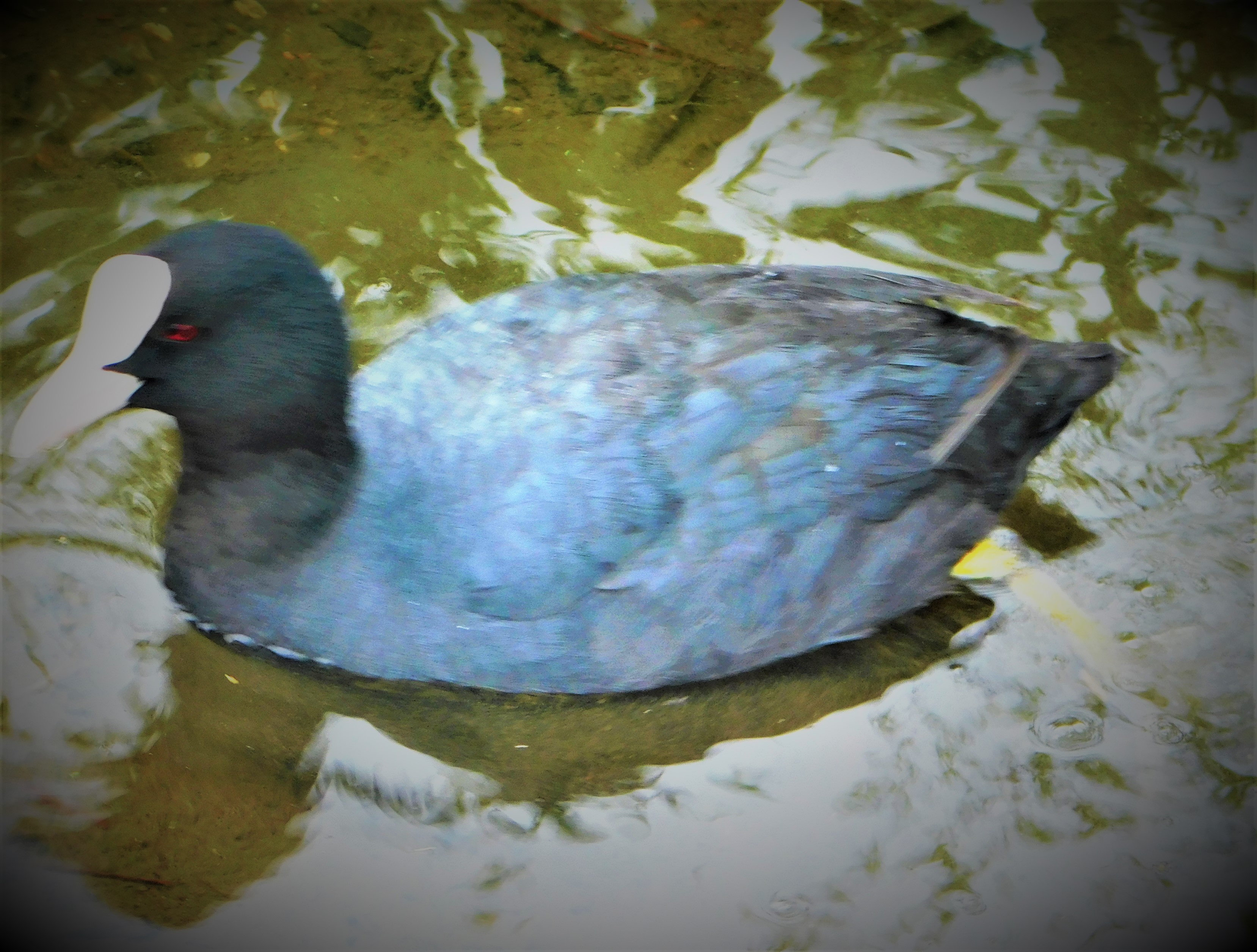
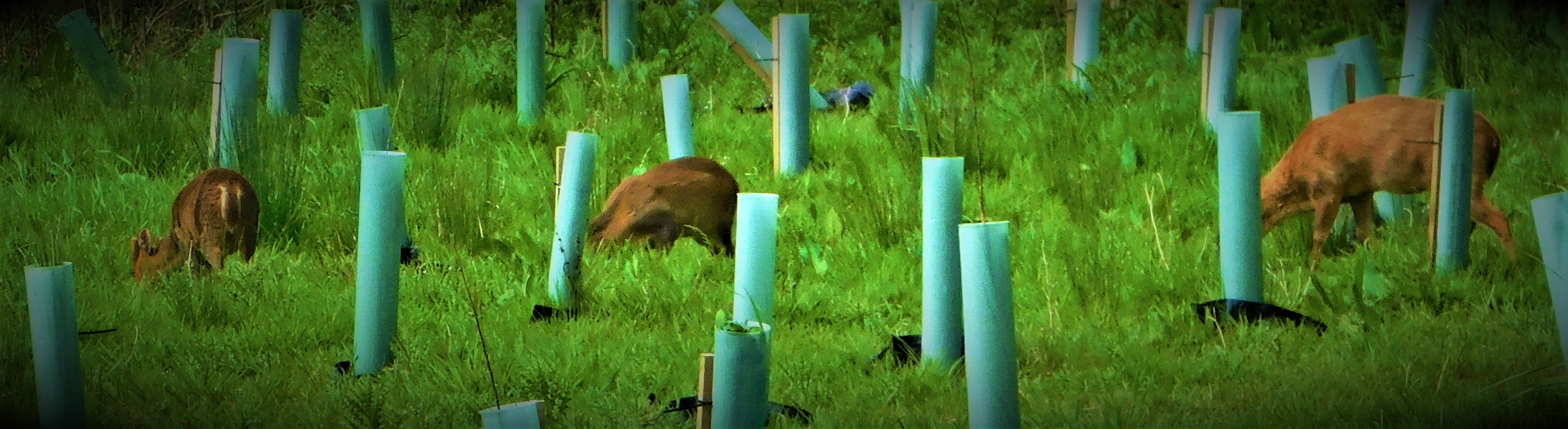
A huge variety of duck and goose species were on show all around Pensthorpe. The Barnacle Geese (black and white coloured and smaller than any other variety of goose at Pensthorpe) were notably aggressive. There were goose families of one sort or another on or around virtually every pathway. Ducks of varying species were using pretty much every available body of water.
PHOTOGRAPHS

We start with the ducks…

Now for the geese:

Pensthorpe: Introduction

Introducing what will be a mini-series about the West Norfolk Autism Group visit to Pensthorpe Natural Park.

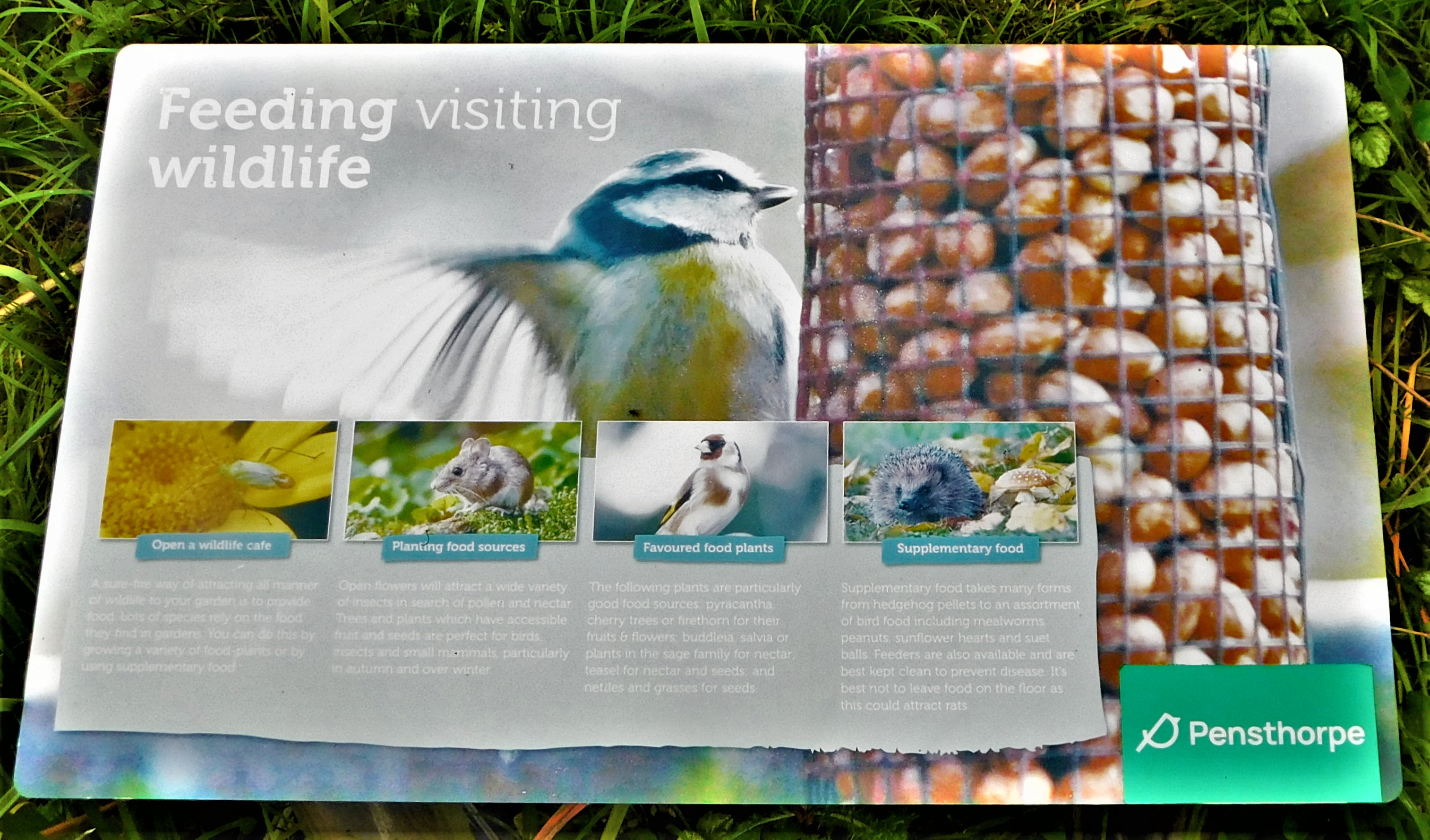
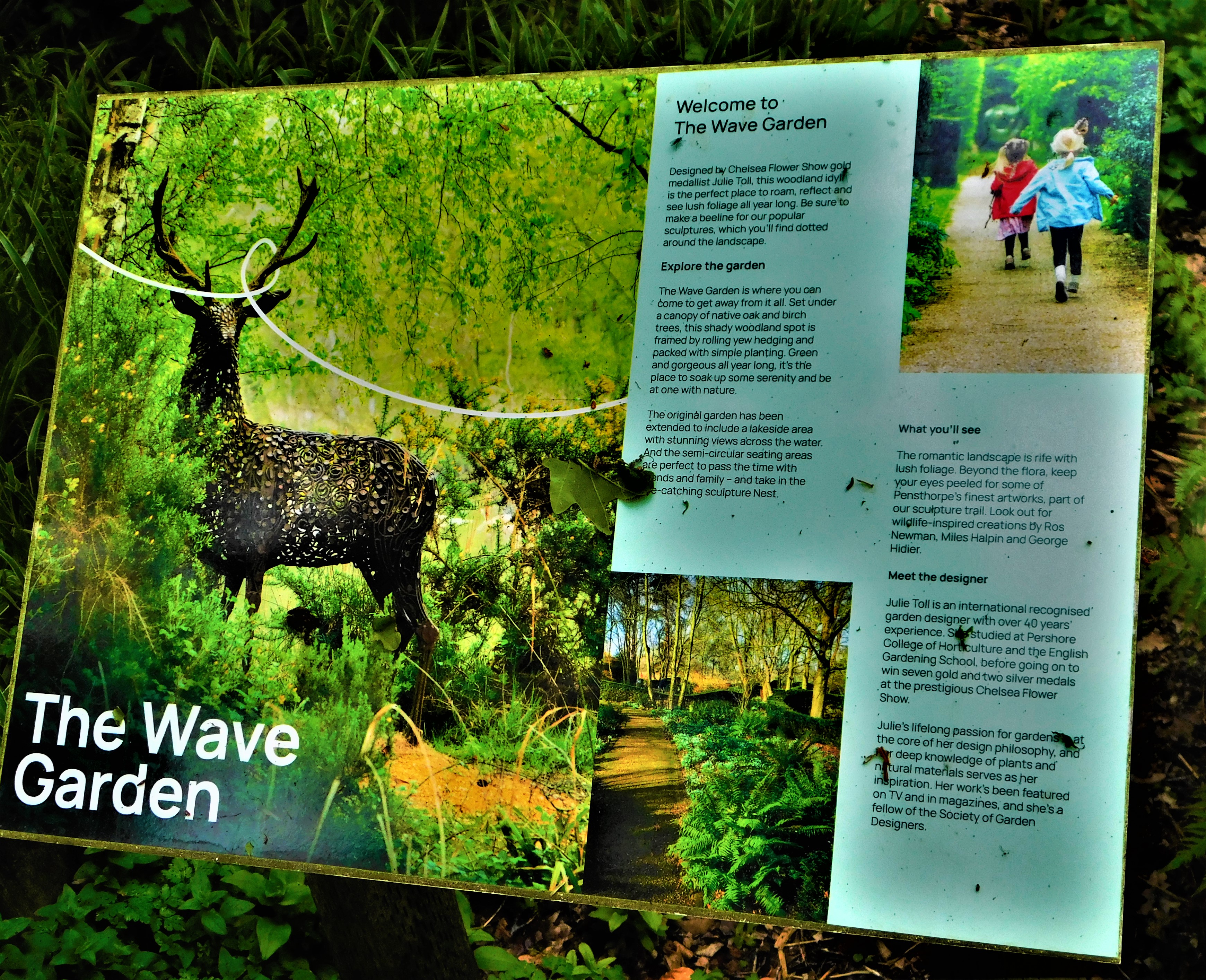
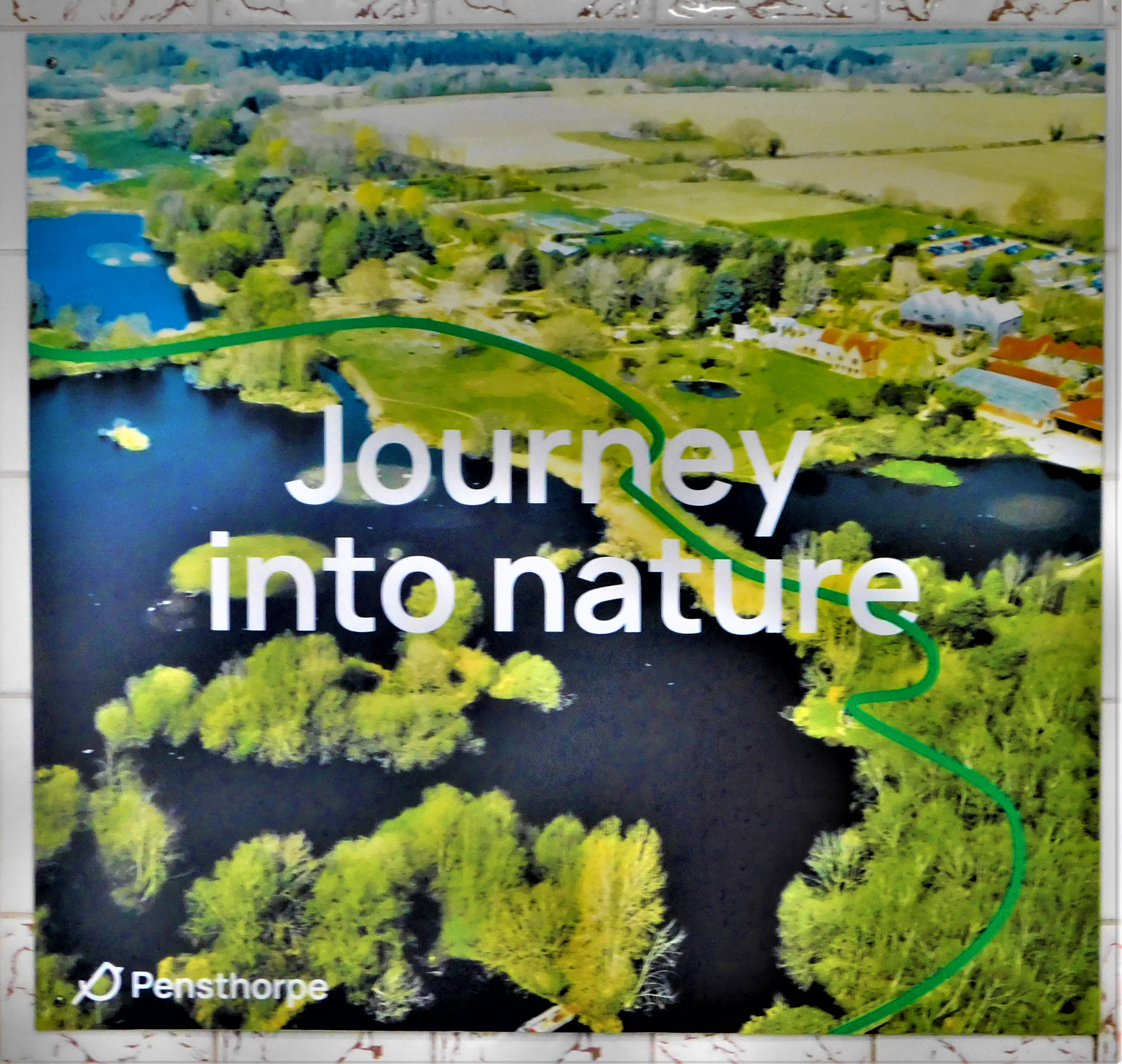
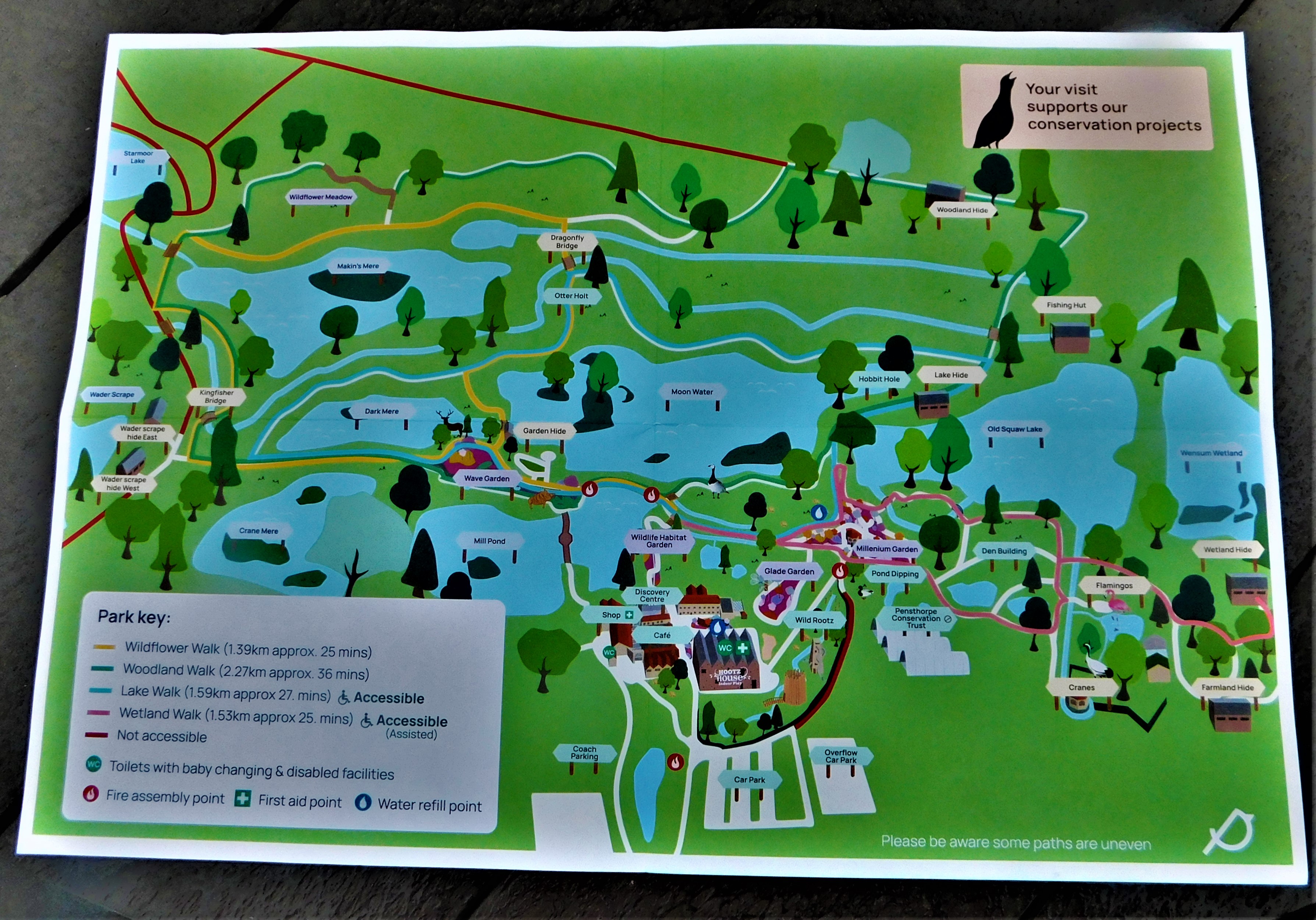
Yesterday saw a West Norfolk Autism Group excursion to Pensthorpe, a nature reserve combined with a working farm a few miles from Fakenham in Norfolk took place. This post introduces what will be a mini-series about the day as I experienced it. I will be doing specific posts about the varieties of ducks and geese on show, the flamingos and cranes, the discovery centre, the sculptures (probably these last two will share one post) and the Explorer trip. The gallery for this post will feature some introductory and general pictures.

OVERVIEW OF PENSTHORPE

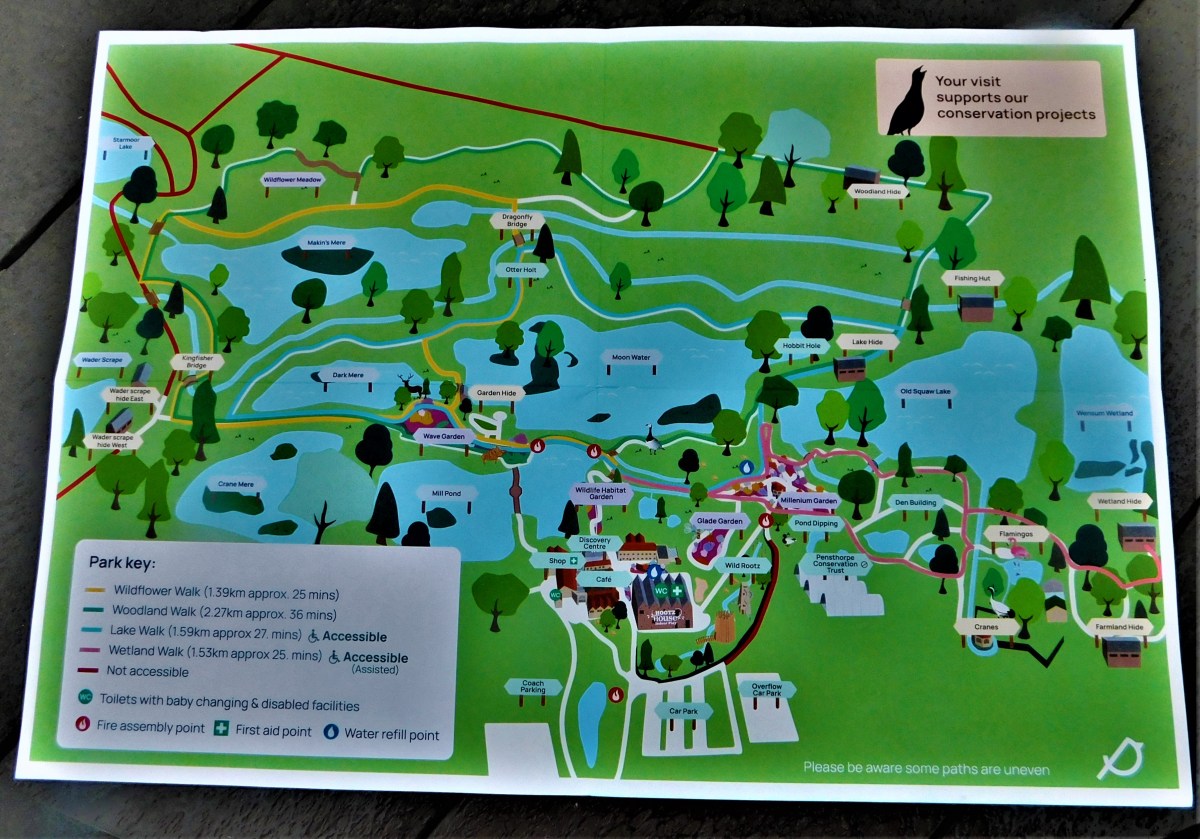
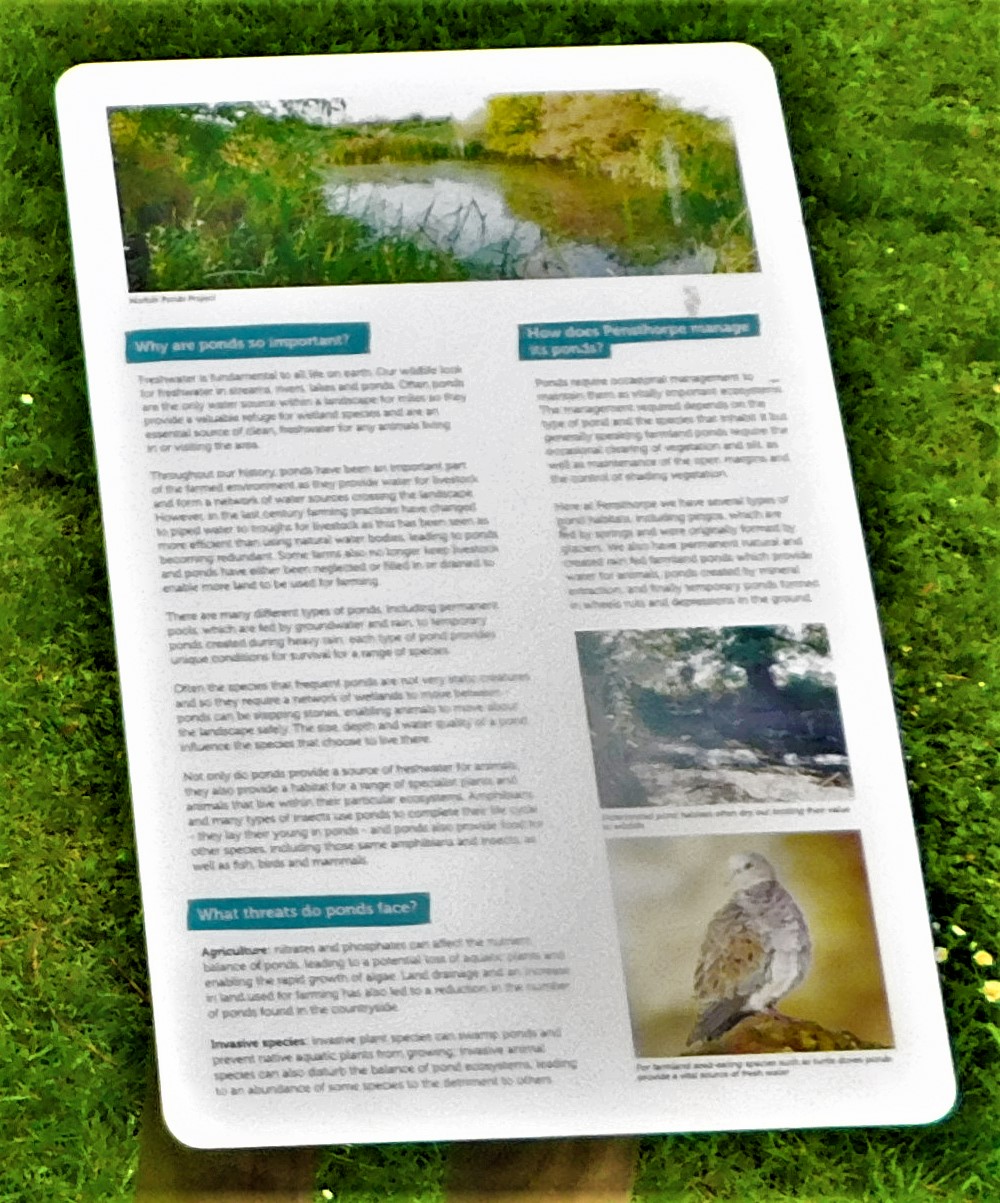
Pensthorpe, which was a village until the 14th century when the black death accounted for so many of its inhabitants that the survivors had no option but to up sticks and move down the road to Fakenham, which was originally the smaller of the two places is now home to a nature reserve which is involved in a number of very important conservation efforts. There is also a working farm, and a lot of the electricity the site needs is generated by solar panels on the roofs of the farm buildings – for so big a site it has a tiny carbon footprint. I was booked on the 12:00 Explorer ride (and could also have had a place on the second ride an hour later, but the weather cool, though at least it stayed dry, so I settled for one trip. Otherwise between our arrival just before 10:30, and our departure, scheduled for 3:30PM it was entirely up to me how I spent the time.

PHOTOGRAPHS

Here to complete this introductory post are some photographs…

Local Elections 2023

A look at some of the stories emerging from the local elections which took place in England yesterday. Also a huge photo gallery.
Yesterday saw local council elections in various parts of the country. Many of the results have now been confirmed, although we are still waiting for quite a lot as well, including my own King’s Lynn and West Norfolk. This post looks at what we know so far.

THE GENERAL PICTURE

The Tories have been taking an absolute hammering. Sir Keir Starmer’s Tory Tribute Act that still has the gall to call itself Labour is basically flat lining, while Independents of various kinds, Liberal Democrats and Greens have been making major gains.

LOCAL INDEPENDENTS

The biggest success by someone standing under an independent designation was by Alan Gibbons in the newly created Orrell Park ward. Gibbons, hounded out of Starmer’s Labour, stood for Liverpool Community Independents and achieved 77% of the vote, while the official Labour candidate managed 19%. There have also been major successes for Independents in South Tyneside and a few other areas.

THE LIBERAL DEMOCRATS

They have had successes in some deep blue areas, winning seats in the Cotswolds, and also in die-hard Tory Essex – they now control Brentwood Council, having gained three seats yesterday.

THE GREEN PARTY

A record breaking set of elections for my party. They have already gained control of Mid-Suffolk Council, the first time they have had an absolute majority of seats on any council. They are also the largest party on East Hertfordshire council, remarkable given that only a few years ago the Tories held EVERY seat on that council. In Bath they took out the current Mayor, while they have also won a seat in Merstham, Surrey for the first time ever. Other areas that have seen Green successes include Darlington and Worcester. Heather Skibsted, hounded out of Starmer’s Tory Tribute Act of a party, won a seat for the Greens in Peterborough. I await with some eagerness the results from Saint Margarets with St Nicholas ward, next door to me, where there are two Green candidates. In my own ward there were a beggarly three candidates for two seats, two Labour and one Tory. I was seriously tempted to spoil my ballot paper in protest at the paucity of choices, but gritted my teeth and voted to prevent the Tory from getting in – to quote a line that Colleen McCullough assigned to Pompey in one of her series of Roman historical novels, in that case in context of Marcus Favonius, known as ‘Cato’s ape’ because he slavishly imitated the latter, “The ape is not the equal of the master” – even Sir Keir’s abomination of a Labour Party is not as bad the actual Tories.
ACTIVE TRAVEL AND THESE LOCAL ELECTIONS

In a number of seats being contested this time there has been much heat and rather little light around active travel, and associated traffic calming measure such as Low Traffic Neighbourhoods (LTNs). In every seat where this was a significant issue those most virulently opposed to any form of traffic restriction did appallingly and folk in favour of encouraging active travel did well – vociferous as the opponents of such things as LTNs can be they are few in number.

PHOTOGRAPHS

Although this has not been one of my usual posts, it ends with my usual sign off…

A Long Weekend 5: Lime Kilns and Walled Garden

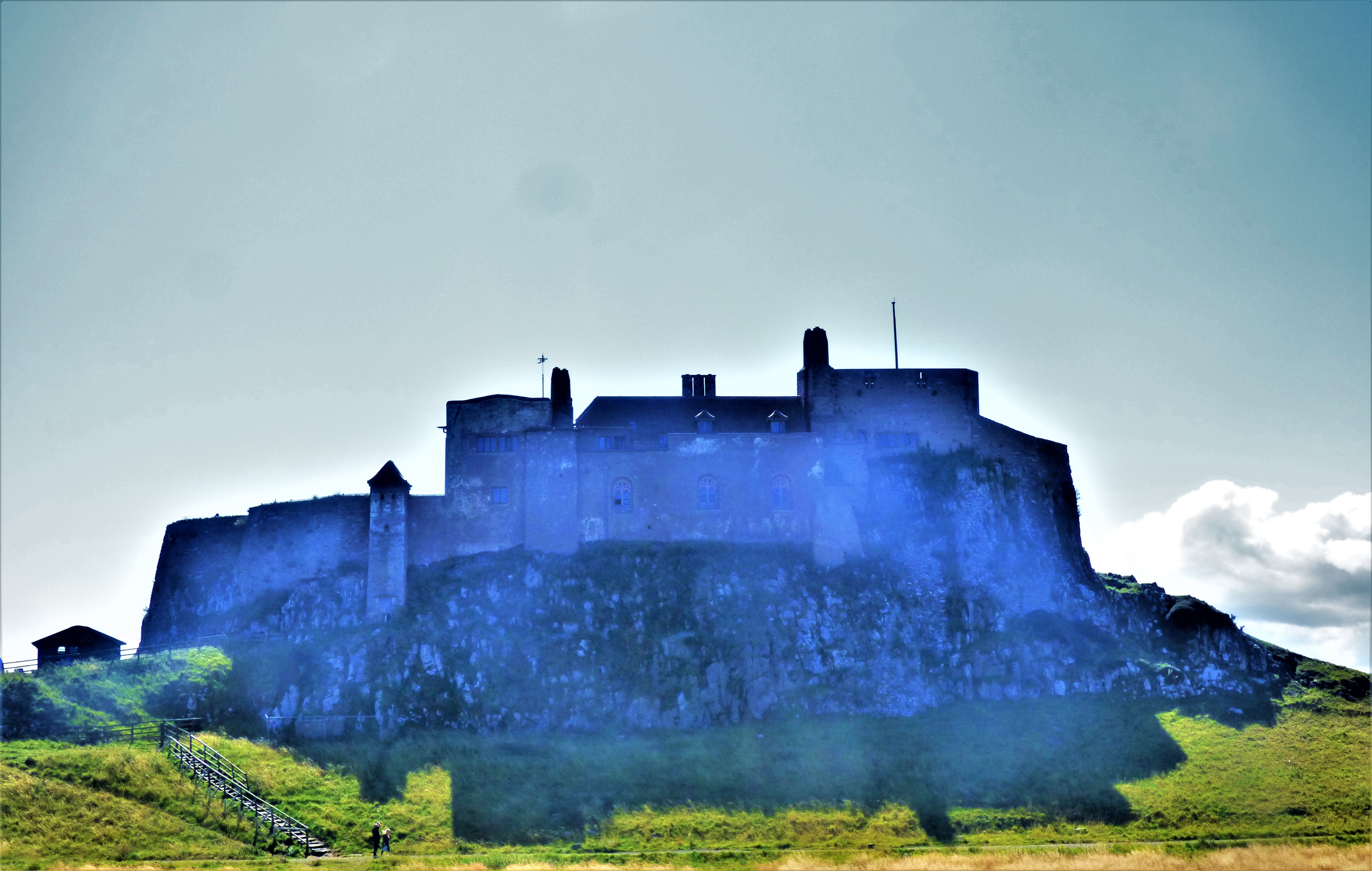
Continuing my account of my recent long weekend away, with a look at Lindisfarne Lime Kilns and the Gertrude Jekyll walled garden.

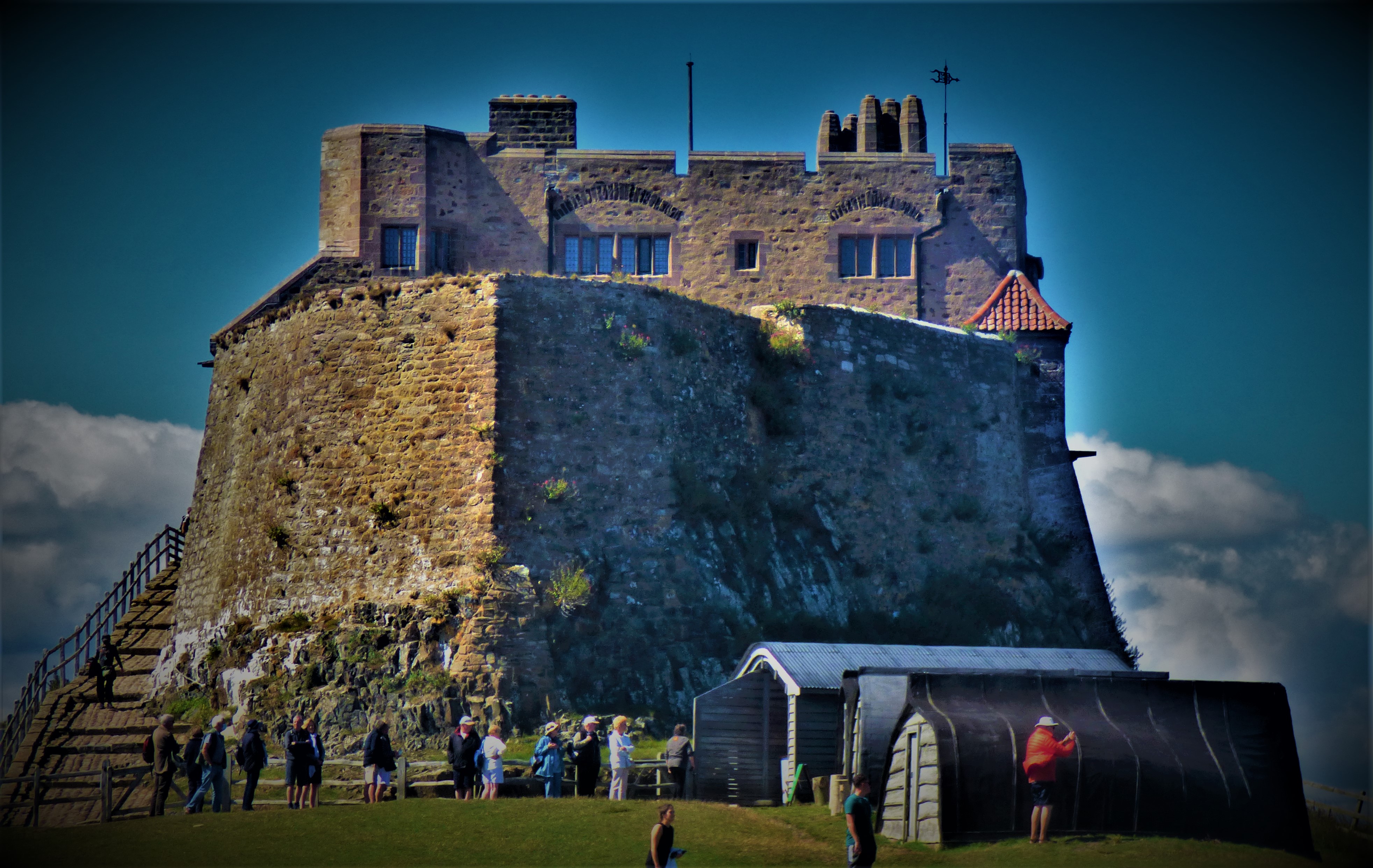
My previous post in this somewhat syncopated series which deals with the period 14-17 August inclusive started my coverage of Holy Island/ Lindisfarne. This post continues the story, taking us right up to the entrance to the castle itself.

THE LIME KILNS

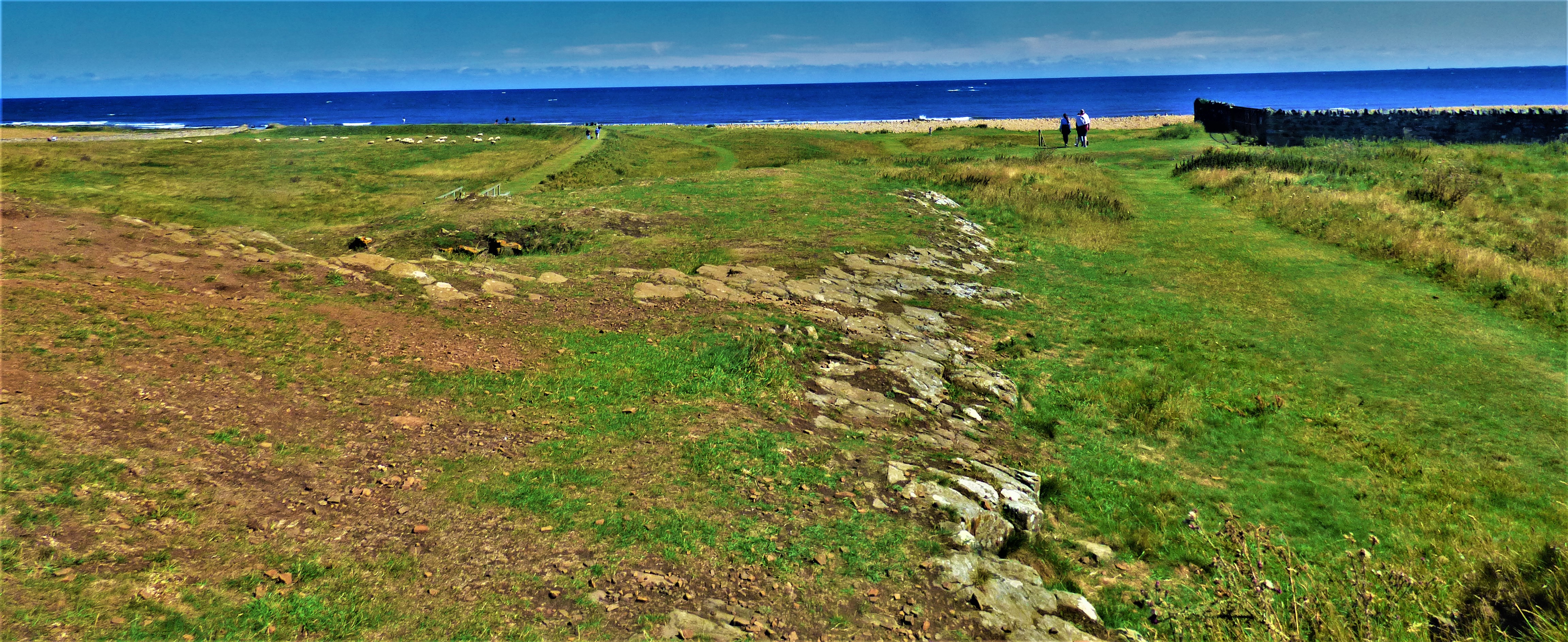
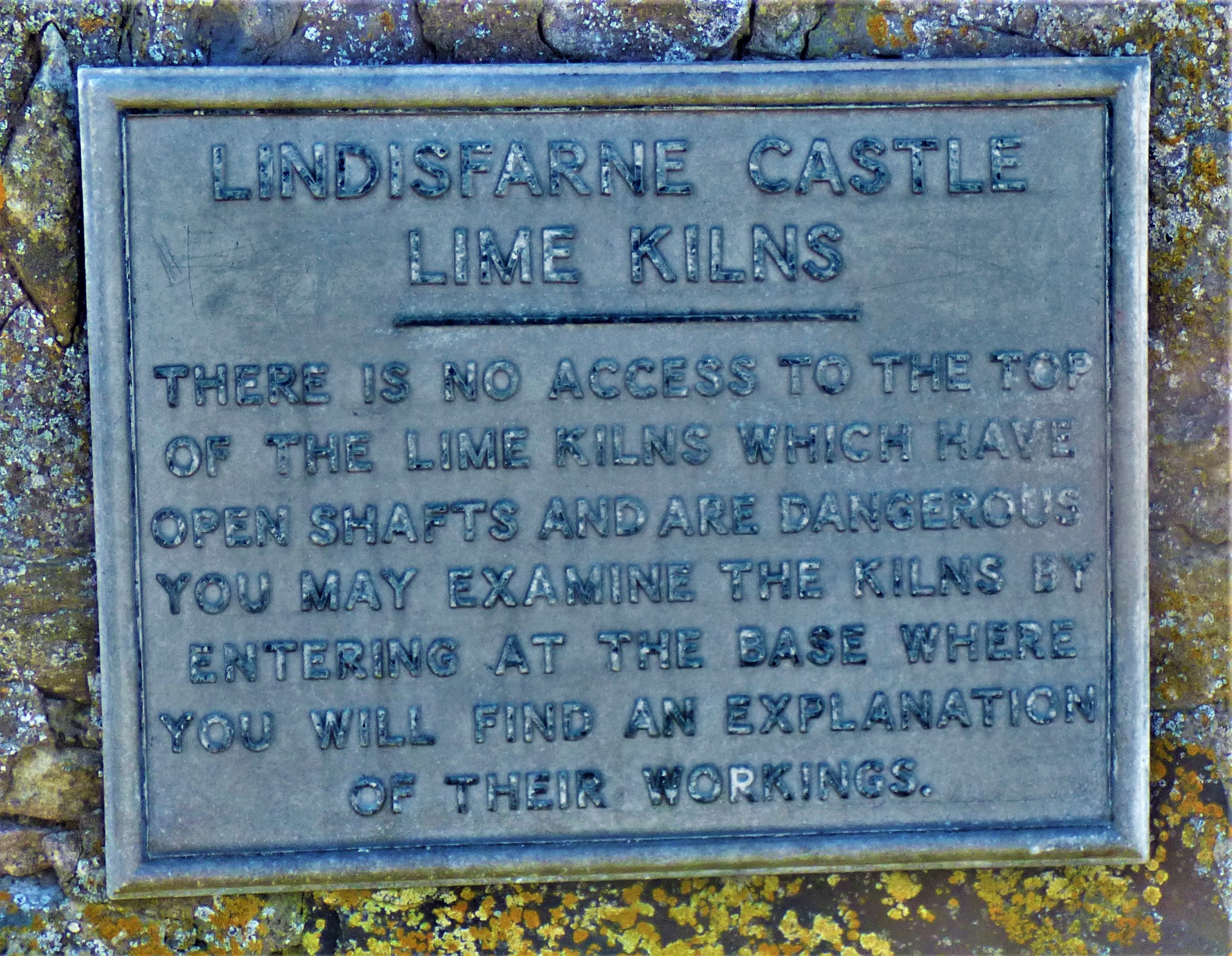
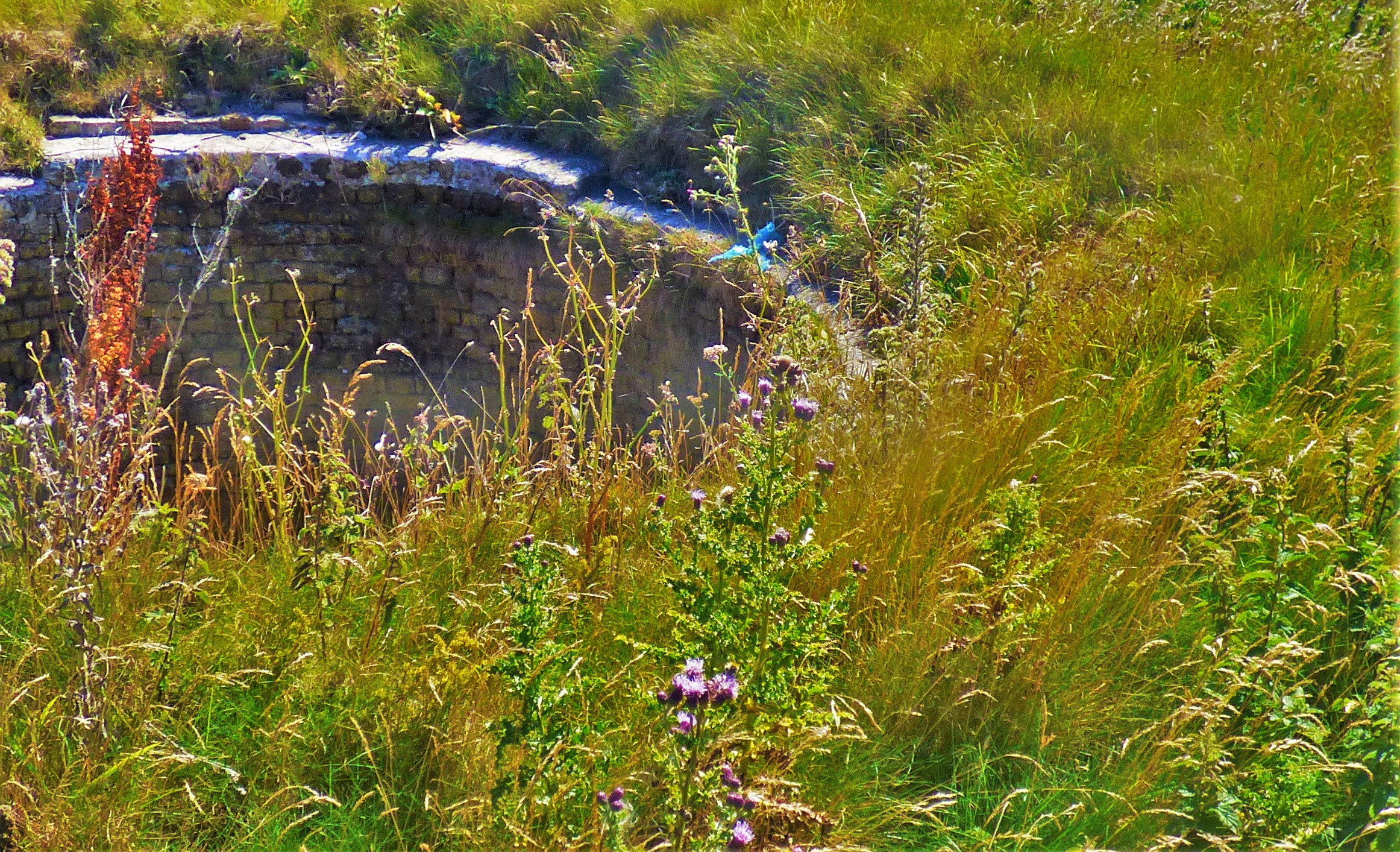
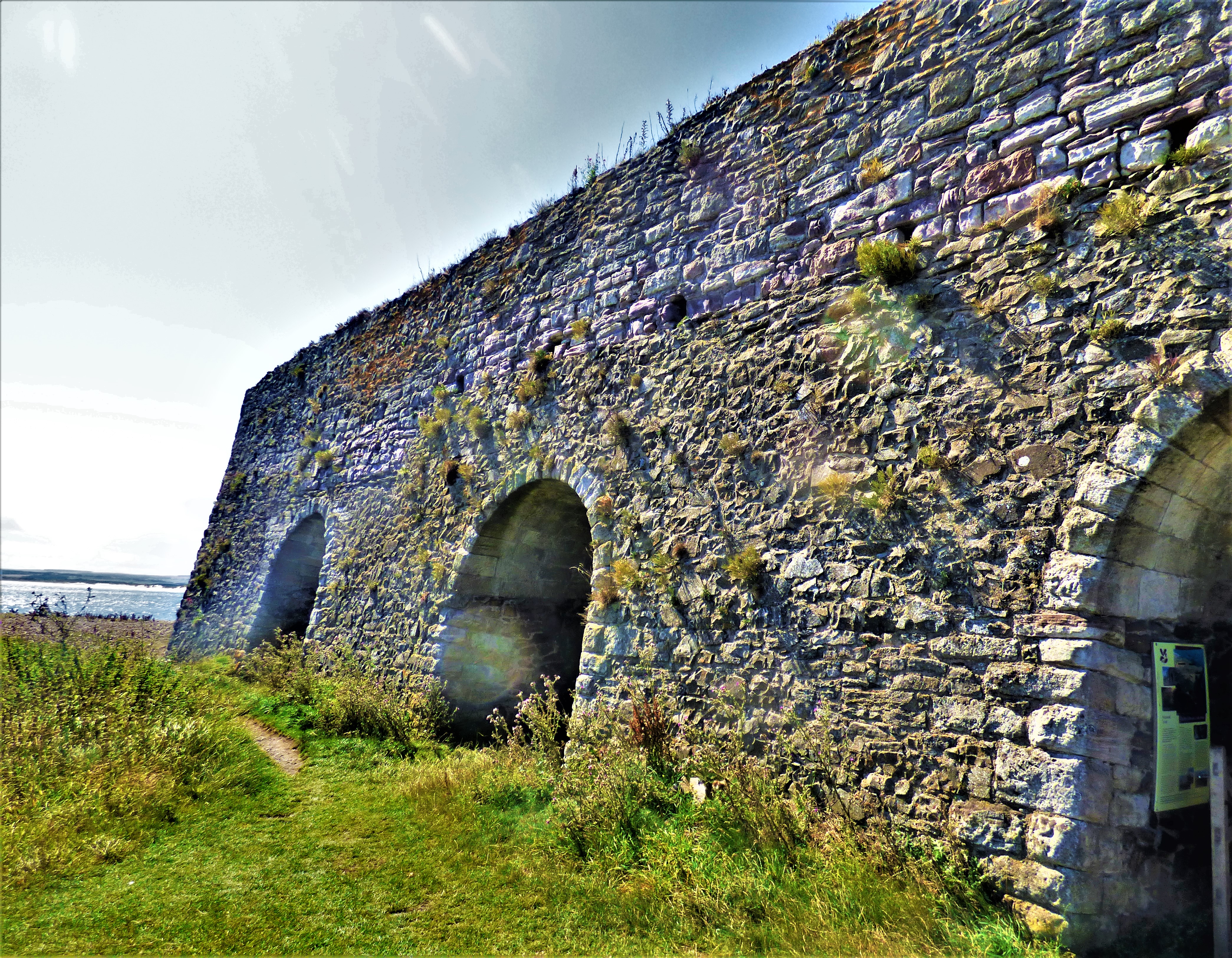
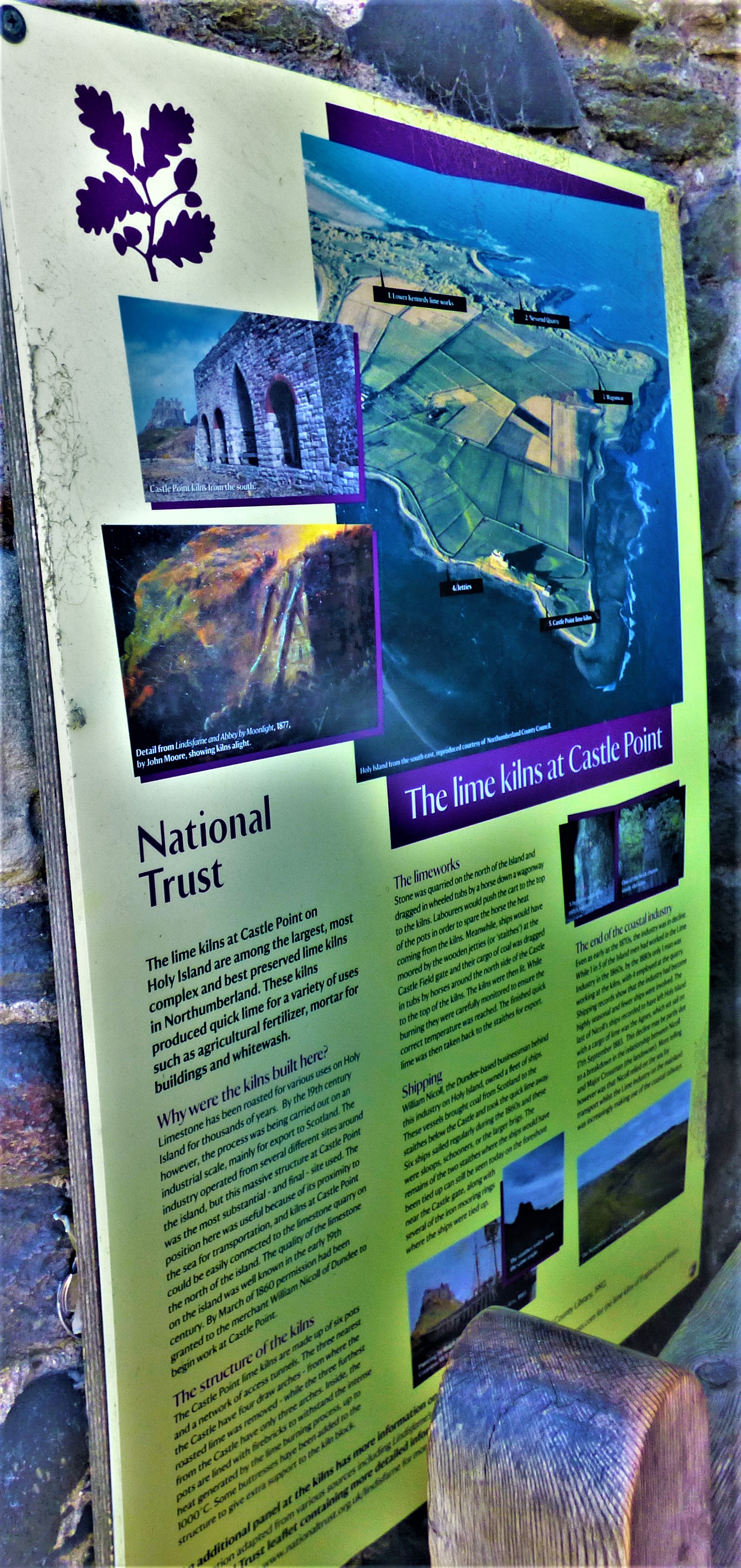
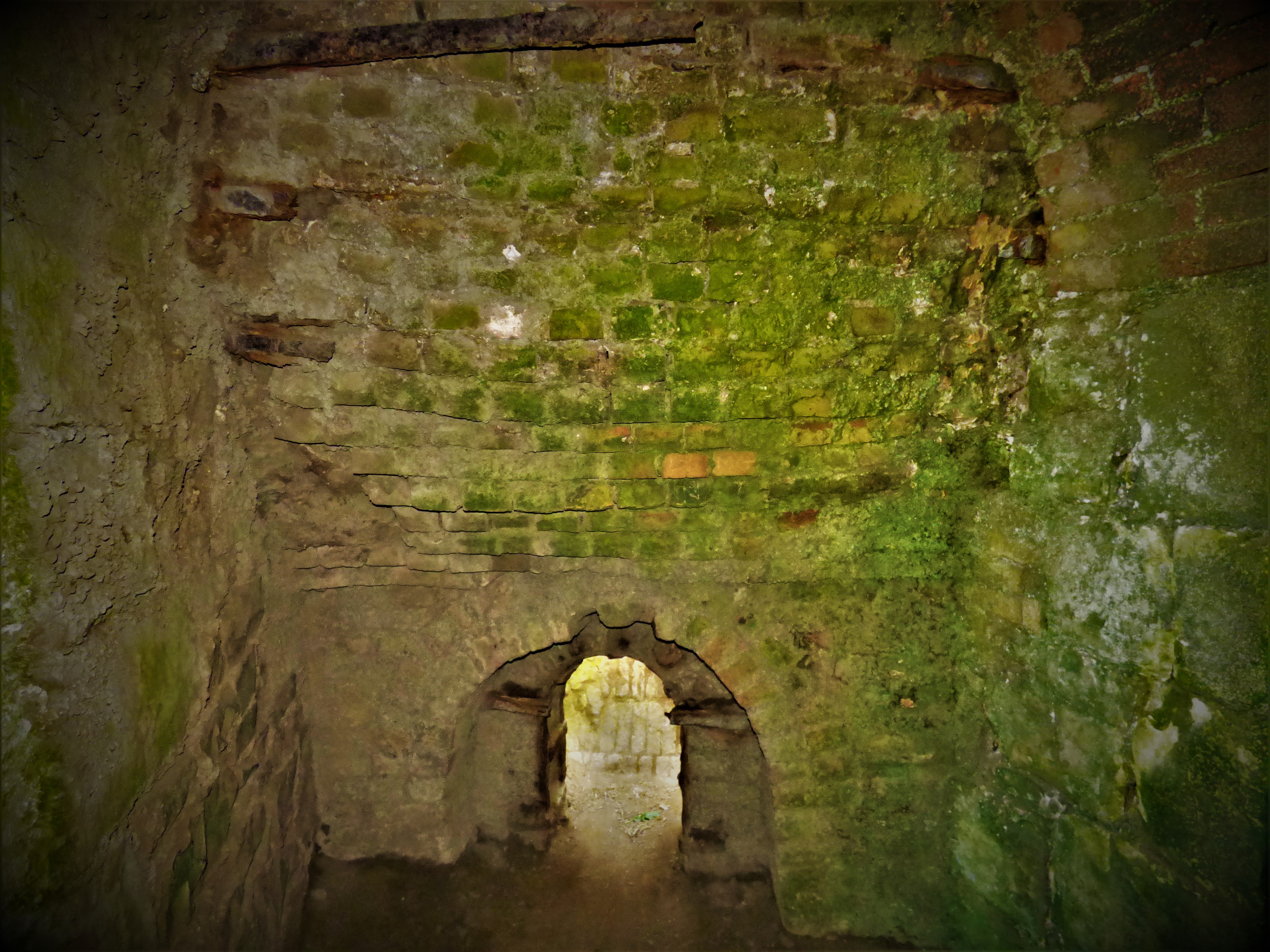
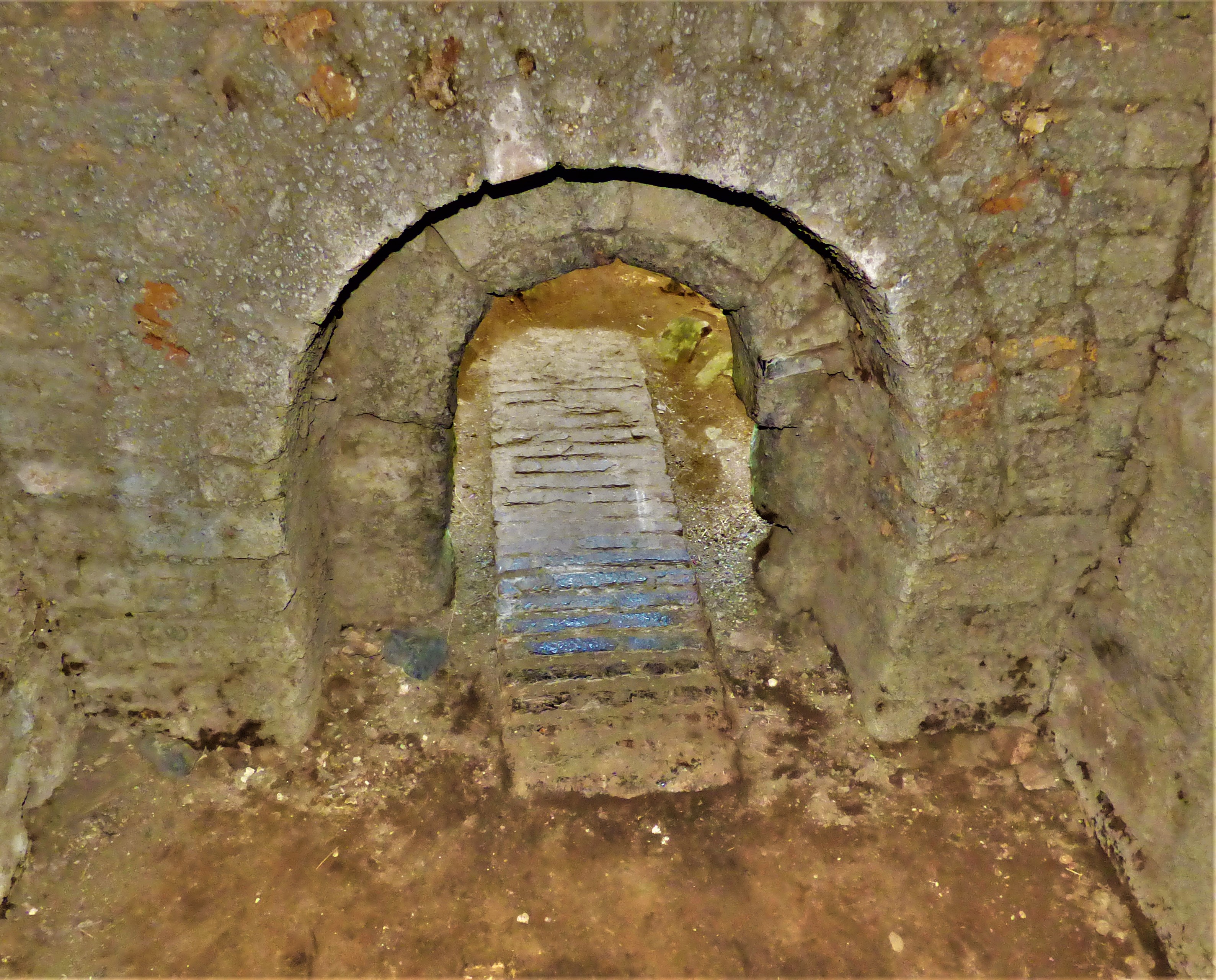
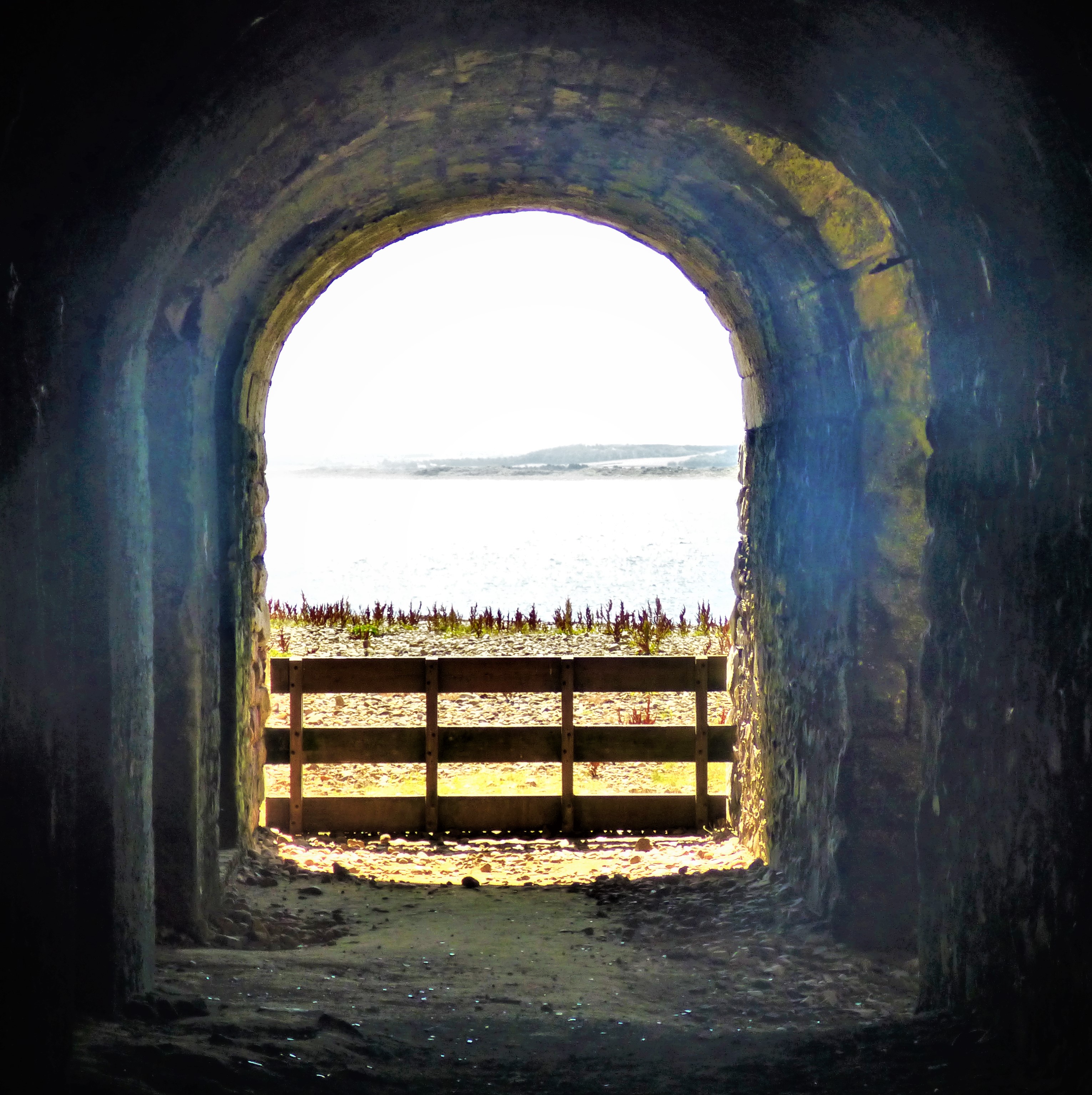
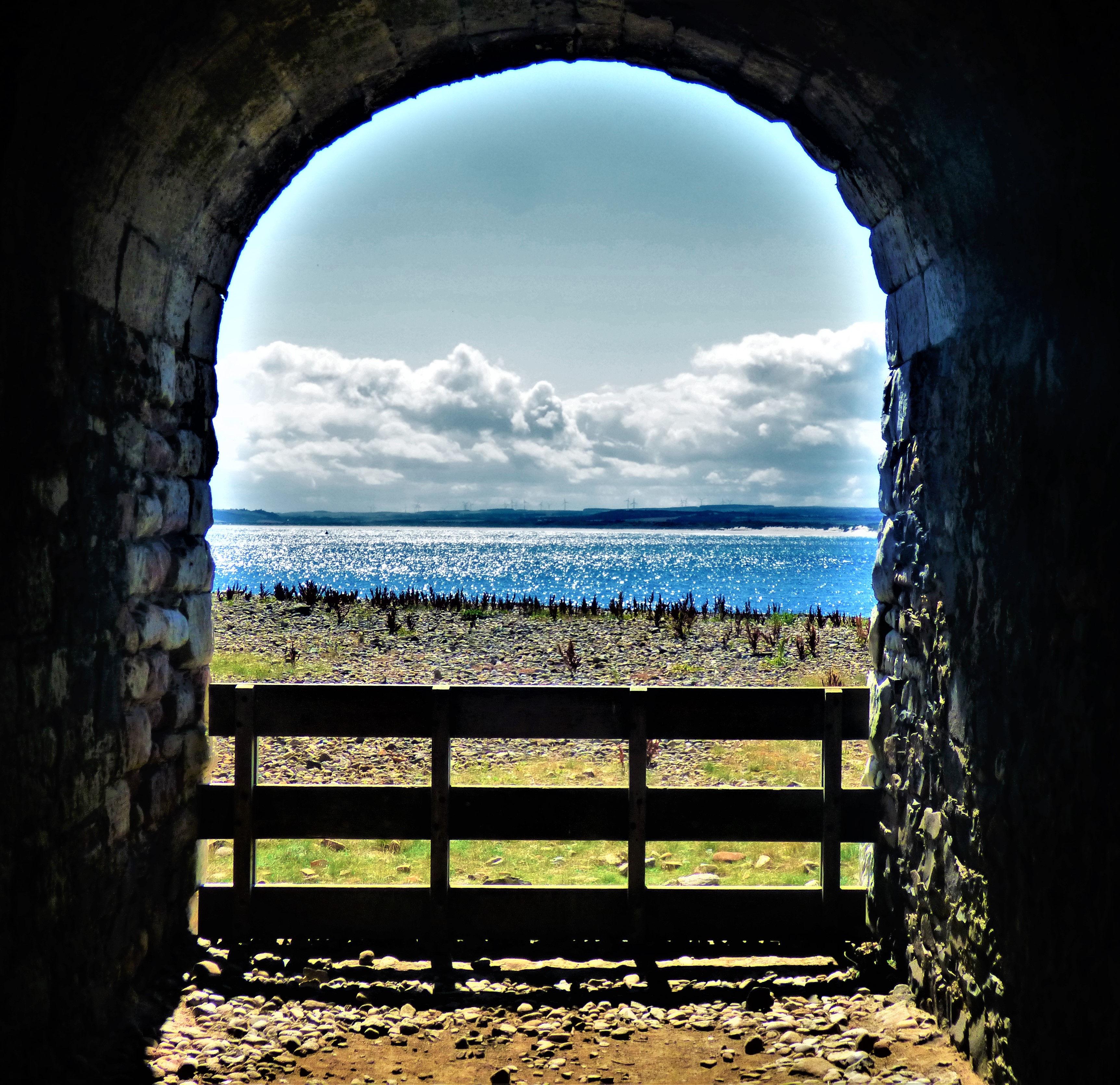
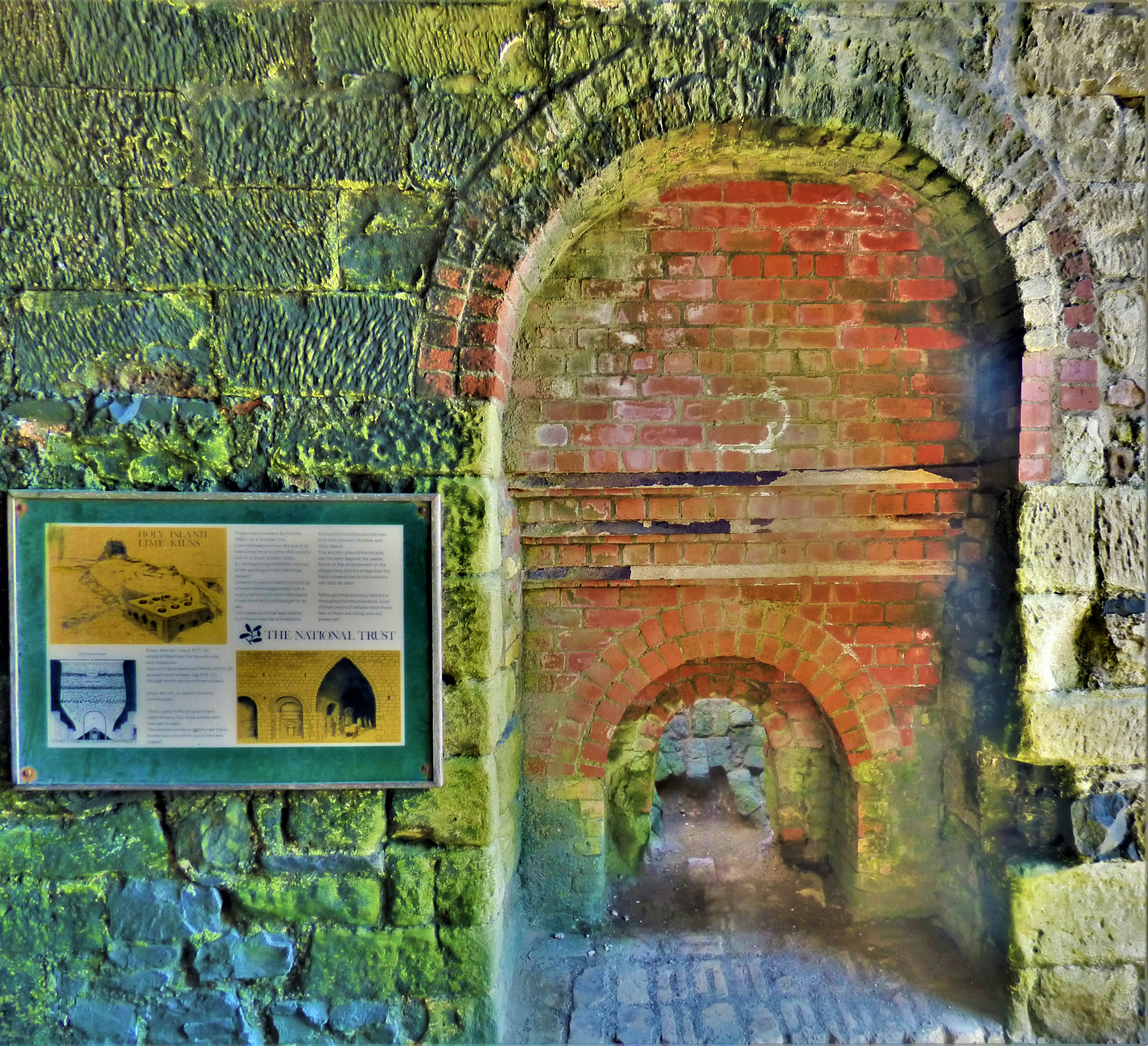
The top of the lime kilns are not accessible on safety grounds, being open shafts, but one can explore them at ground level, and I found doing so incredibly rewarding. This is basically an interconnecting network of high ceilinged tunnels, with brickwork still in fine condition. There are some fine sea views as well, and some interesting information about the history and use of the kilns.

THE JEKYLL GARDEN

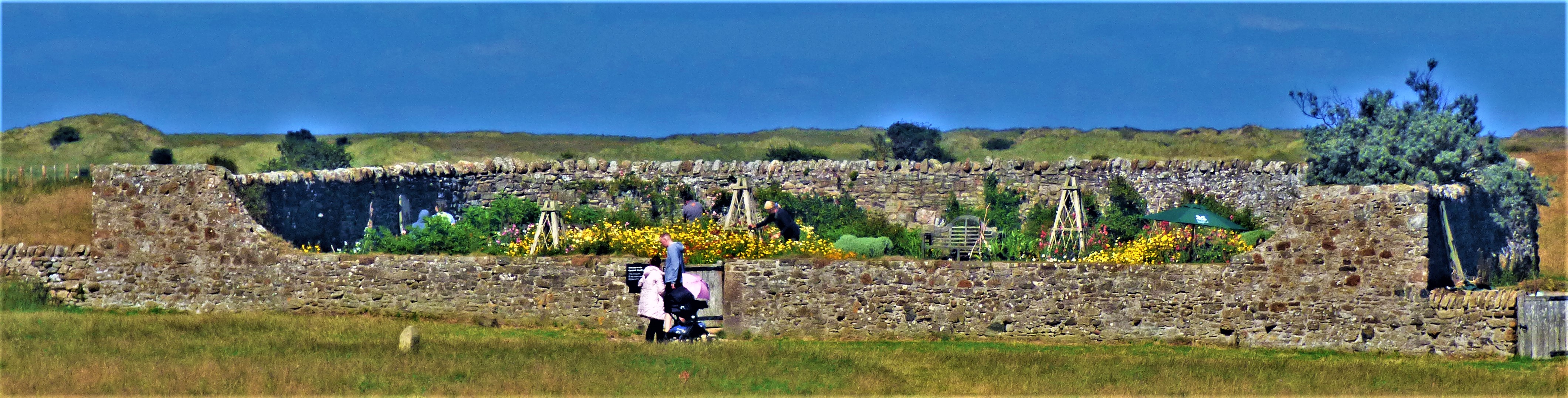
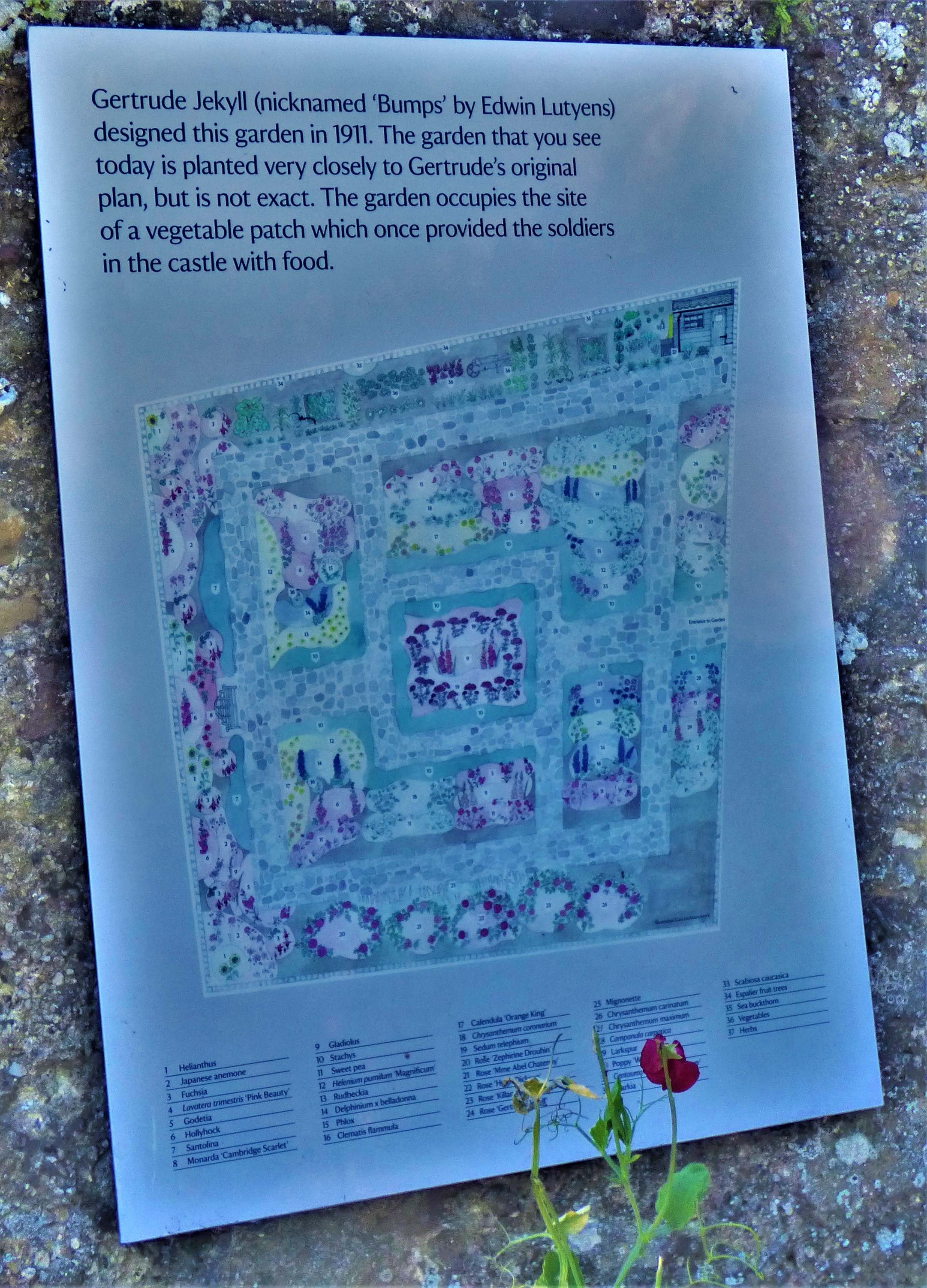
The walled garden, designed and laid out by Gertrude Jekyll (pronounced Jee-kull, not as Stephenson’s doctor is Jeck-ill) is very much in keeping with her original design which was an act of rebellion against formal Victorian gardens. There are some very interesting plants in there, and like the kilns it well repays a bit of exploring.

PHOTOGRAPHS

My usual sign off…

A Long Weekend 3: Arriving at the Cottage

The latest in my mini-series about my long weekend away (14-17 August).

Welcome to the continuation of this mini-series about my long weekend away (see here and here for the earlier posts). This post looks at the journey from South Wingfield to Wooler and the first evening at our accommodation there.

THE JOURNEY NORTH

According to google the journey from South Wingfield to Wooler was going to take just over three hours (relatively quick because most of the distance could be covered on the M1/ A1, and even after leaving the A1 we were not going onto a minor road). A petrol stop early in the journey and a service station stop later added a little time to the basic estimate, but we still arrived at our destination by 17:40.

Then with the aid of a site map we located the particular property we were staying in (there are currently about 30 separate cottages on the site and more are being developed). Setting ourselves up did not take very long, although the fold out bed that I would be sleeping in caused momentary concern.

EXPLORING THE SITE

In the early evening my parents and I took a walk around the site, which proved quite rewarding, and was a good way to bring the day’s activities to a close.

PHOTOGRAPHS

My usual sign off…