A First Innings Lead In Unorthodox Fashion

A look at the events in Surrey v Kent, particularly the transformation wrought by the Surrey lower order, plus a huge photo gallery.

In this last round of championship fixtures before a break for the Vitality Blast T20 tournament Surrey are playing neighbours Kent, and day two is entering its closing stages. Surrey are about where they would want to be, but not in the way they would have expected.

REGULAR WICKETS AND THEN…

Kent had been restricted to 278 in the first innings, and when Surrey reached the 100 with only one wicket gone things seemed to be going well for them, but then Kent had their best period of the game, and by the time Surrey reached 200 they were six wickets down. With a seventh wicket falling not very long after the 200 was reached Kent may have expected a significant advantage, especially with number eight Sean Abbott being Surrey’s senior remaining batter. However, Surrey moved close to parity in a stand between Abbott and Tom Lawes, and then surged clear as Abbott and Gus Atkinson cut loose. Abbott was ninth out for 78, and then with last man Daniel Worrall at the other end, Atkinson blasted three sixes in the space of a single over to complete a 42 ball half century. Surrey had tallied 362 for a first innings lead of 84. Kent are currently 20-0 in their second innings, but Crawley has already enjoyed one moment of good fortune – a massive lash out drive at the second ball of the innings met fresh air – had there been a fraction of contact then, as has happened so often in Crawley’s career the slips would have been in business. The other opener, Ben Compton, has just gone as I type this, caught by Pope after Will Jacks missed it but fortunately sent it upwards, enabling Pope to atone for the mistake. Surrey thus lead by 64 with Kent having nine second innings wickets standing.

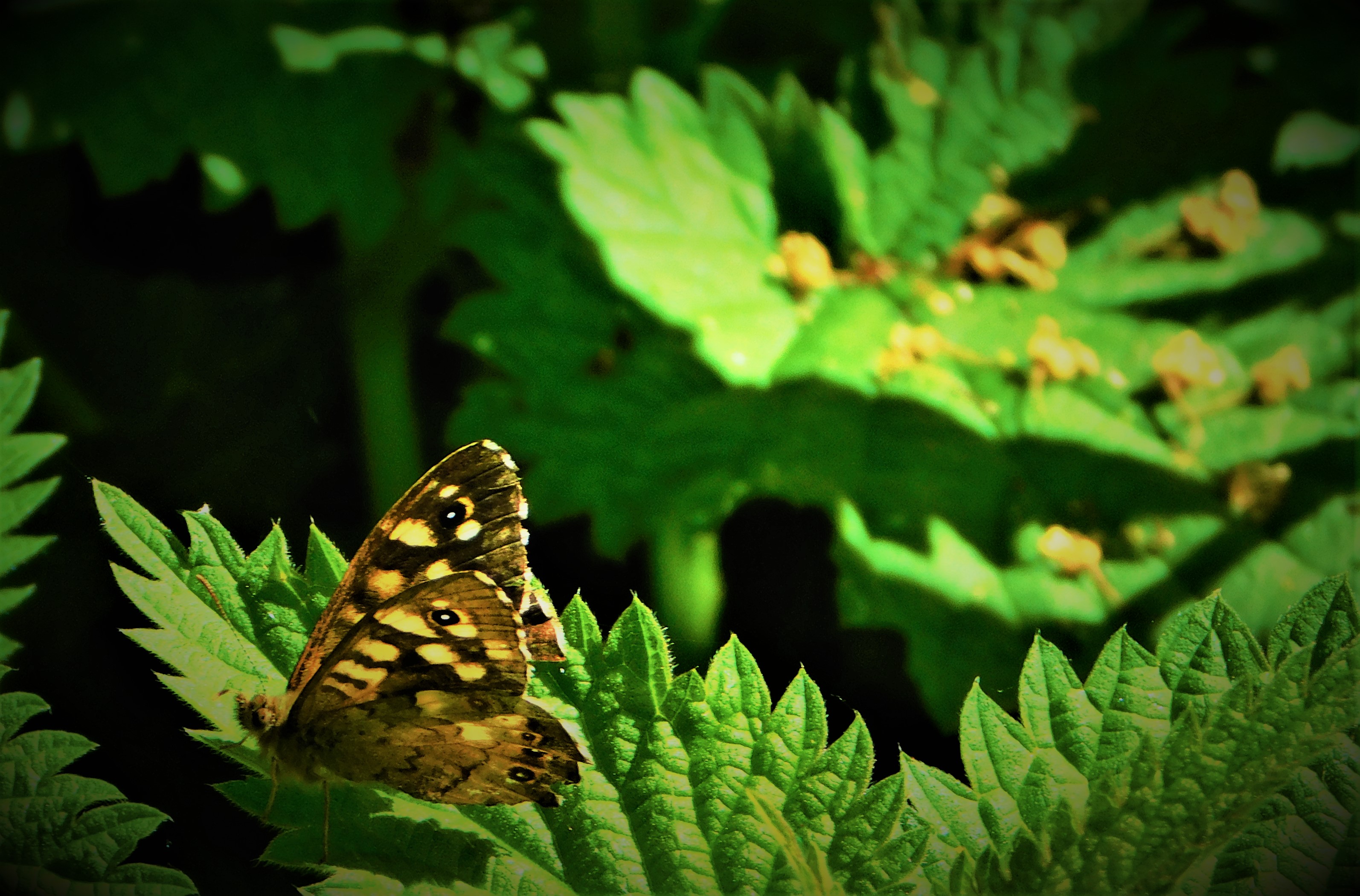
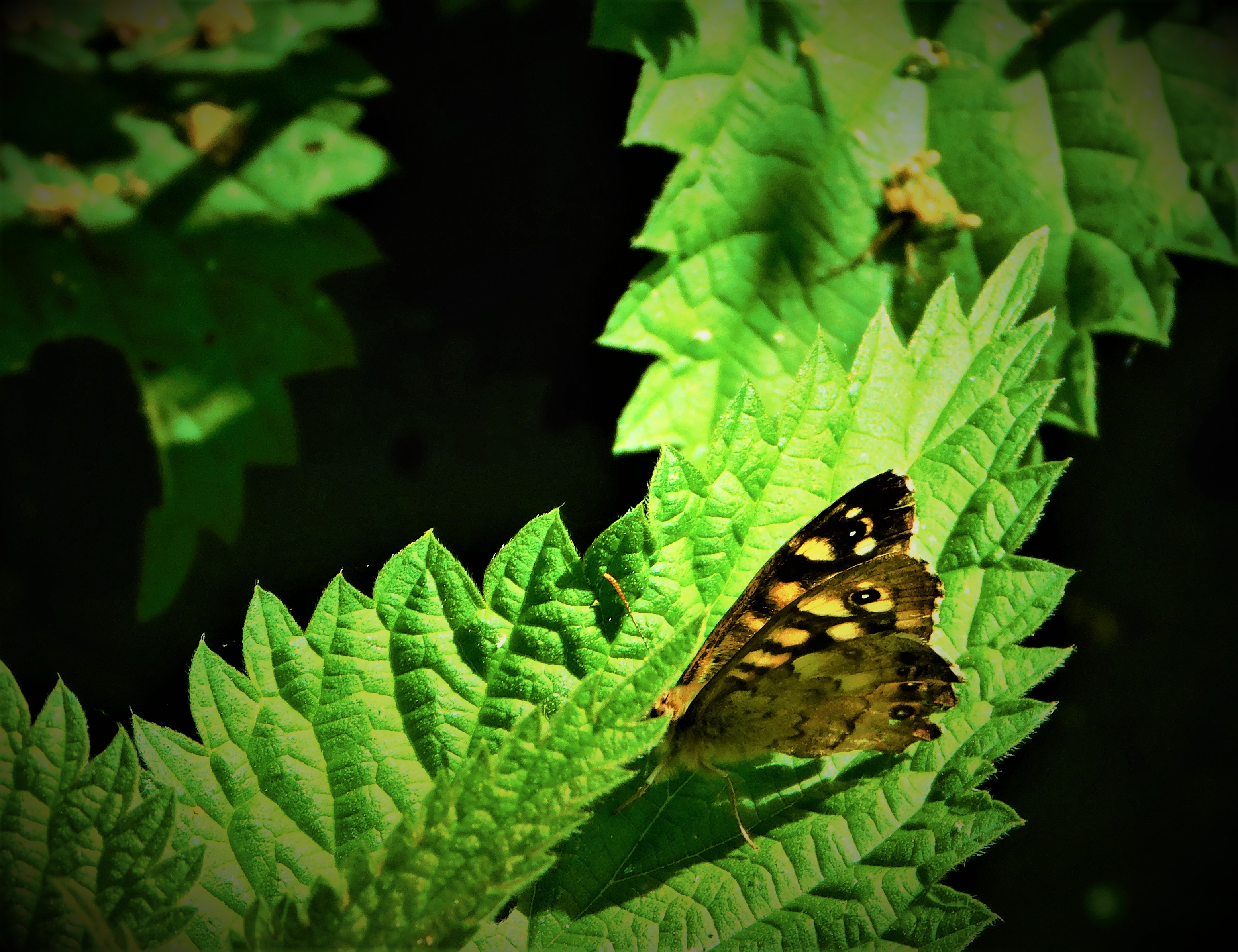
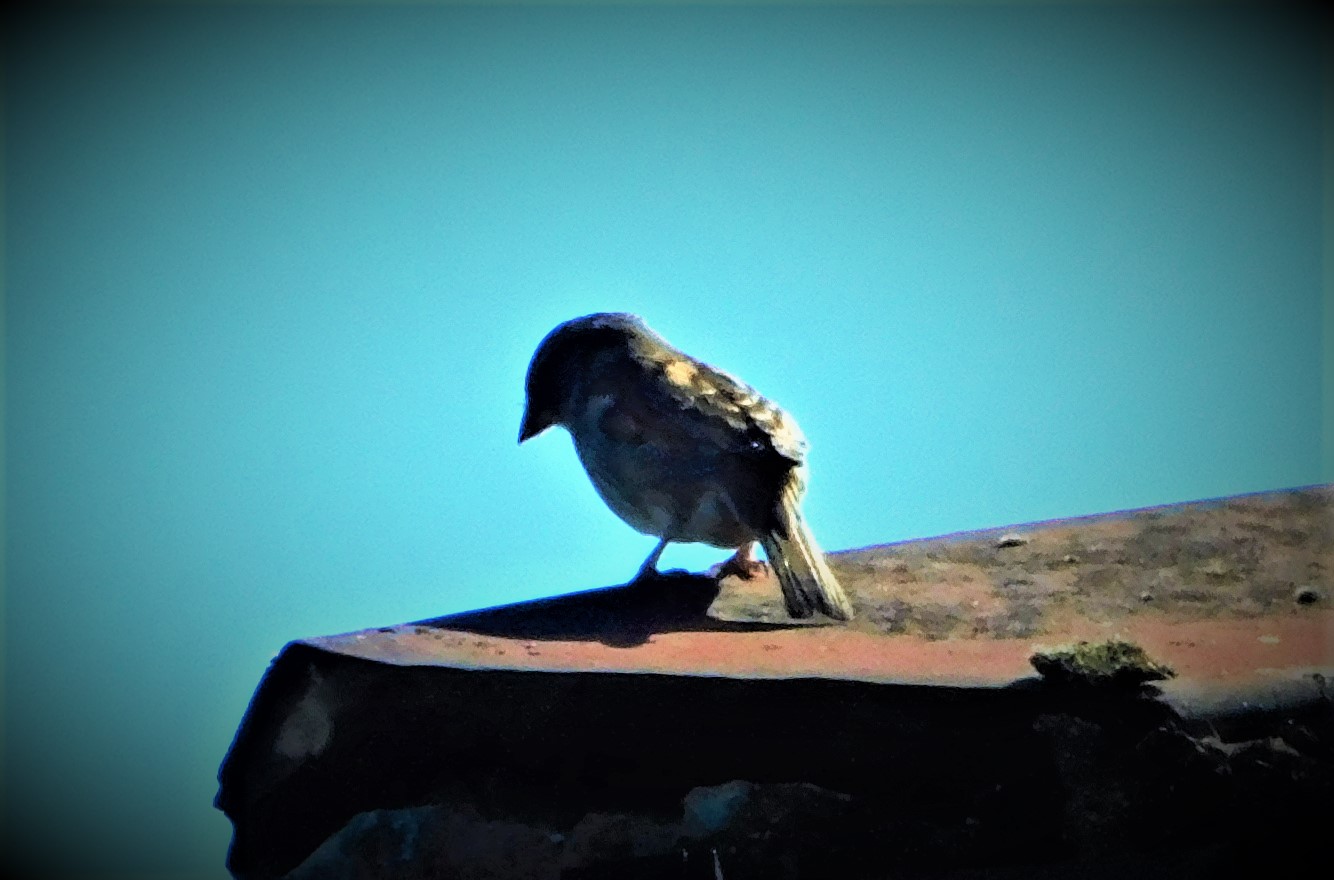
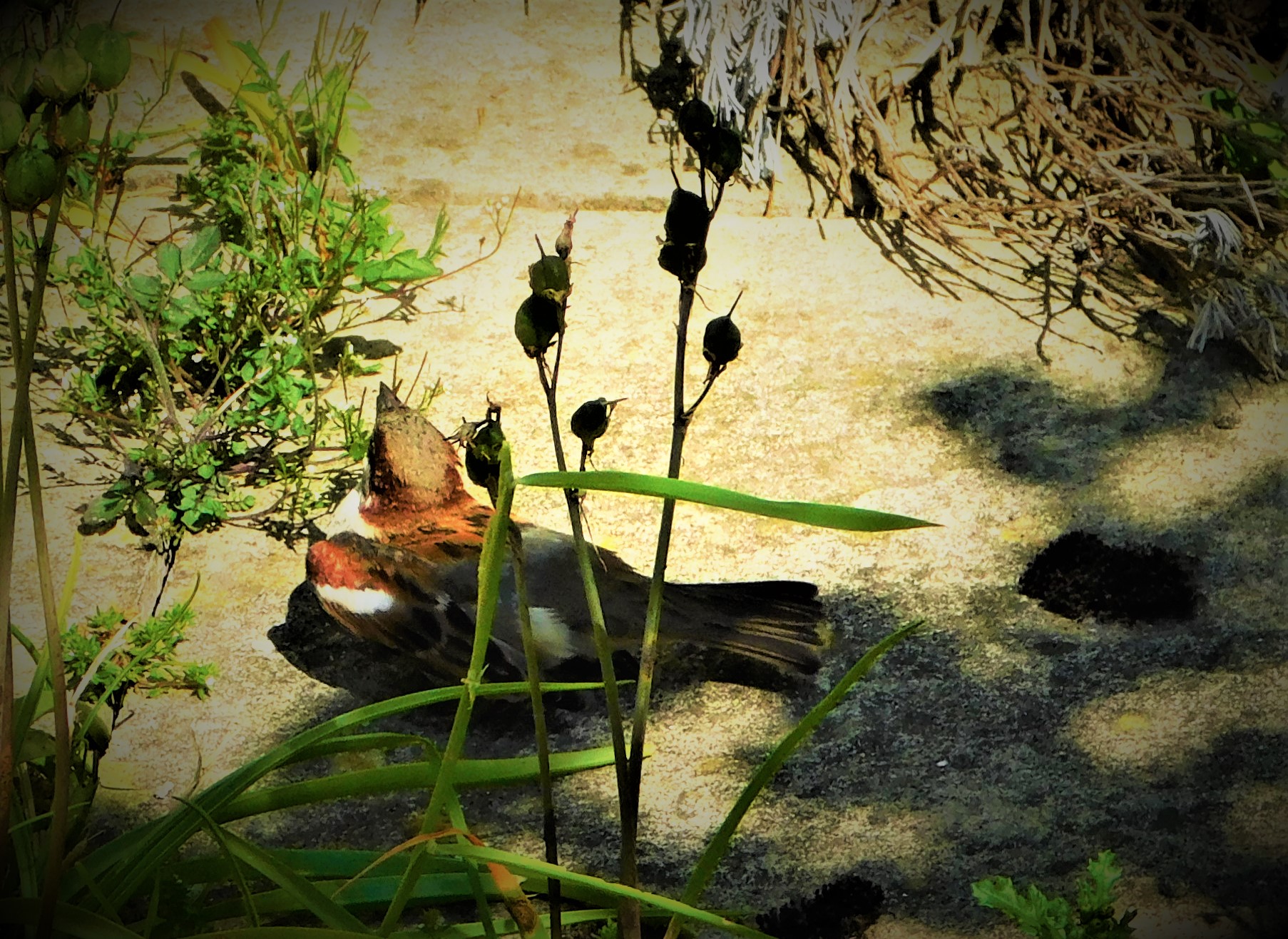
PHOTOGRAPHS

My usual sign off…

All Time XIs – Before the County Championship

A look at the best players from before the official inauguration of the county championship, some comments on the selection of England test squad for the one off match against Ireland and a large photo gallery.

Today I create an XI of the best players most or all of whose careers took place before there was a county championship. Incidentally, there is a page from which all my posts about Saturday’s excursion to Pensthorpe can be accessed. Before I get into the main business of today’s post there is a brief section about…

ENGLAND TEST SELECTORS BLUNDER BIG TIME

The squad for the first test match of the home season, against Ireland is now out, and there are three areas of concern, two selections and an omission. Zak Crawley, a proven failure at test level, retains his slot at the top of the order. Far worse, Ben Foakes has been dropped to make way for the return to test action of Jonathan Bairstow. There may be a case for picking Bairstow, though in a test career which stretches back to 2012 he has blown hot and cold, and more often cold than hot, but there is not even the shadow of a case for dropping Foakes, the best current keeper by far, and someone who has been scoring big runs for Surrey in the championship this season, including a century at better than a run a ball when Surrey were looking for a declaration. Many people have posed this as being a challenge about how to accommodate Bairstow, and I have two options, listed in order of preference:

  1. Opt for what C Auguste Dupin would call “the sagacious and comprehensive expedient of making no attempt to accommodate Bairstow”. England are coming off a very successful winter without Bairstow, and Bairstow’s overall test record is that of a mediocre middle order batter, certainly not sufficient to warrant discarding Foakes.
  2. Have Bairstow open the innings as he does in white ball cricket and drop the proven failure Crawley (I would prefer to see a proper opener such as Ben Compton or Ali Orr picked in Crawley’s case, but at least Bairstow would probably be an improvement were he coming in in place of Crawley).

It is now time to get back to the main meat of the post…
THE XI IN BATTING ORDER

  1. *WG Grace (right handed opening batter, right arm bowler of various types through his career, captain). Had a quarter of a century of first class experience by the time of the first official county championship, so even though he played his last first class game as late as 1908 he qualifies.
  2. Arthur Shrewsbury (right handed opening batter). The man WG rated as the second best batter around (himself obviously no1), and since he played 15 years of FC before the inauguration of the Championship and 12 afterwards he just qualifies.
  3. James Aylward (left handed batter). In 1777, just eight years after John Minshull had scored the first recorded century in any form of cricket, he hit the Hambledon record score of 167, which remained an all comers record for 43 years.
  4. William ‘Silver Billy’ Beldham (right handed batter). In an era when centuries of any kind were rare he hit three in matches of indisputably first class status.
  5. Fuller Pilch (right handed batter). Acknowledged as the best batter of the 1830s and 1840s, a period when scoring was very low.
  6. Alfred Mynn (right handed batter, right arm fast bowler). “The Lion of Kent”, an absolute man mountain, and a great all rounder. He was quick enough that on one occasion someone fielding at long stop (directly behind the keeper) to his bowling once had to be hospitalized after being hit in the chest by several of his deliveries.
  7. Vyell Walker (right handed batter, right arm slow underarm bowler). One of only two cricketers to have scored a century and taken an all-10 in the same first class fixture (the other, WG, is also in this XI). As an underarm bowler any turn he got would have been the equivalent of an overarm bowler bowling leg spin, which makes him a good slow bowling partner for the next guy in the order…
  8. Billy Bates (right handed batter, off spinner). A massively impressive career record, probably equating in the modern era to averaging 32 with the bat and 25 the ball (actual averages were 21 and 17). He was even better in his brief test career, averaging 27 with bat and 16 with the ball, which probably equates to 41 and 24 in the modern era.
  9. +Tom Box (wicket keeper, right handed batter). He appeared in every fixture that Sussex played for an unbroken 24 year period, and although his batting average looks very low to modern eyes it is about 60% of that of Fuller Pilch, rated the best batter of the era.
  10. William Lillywhite (right arm fast roundarm bowler, right handed lower order batter). Rated the best bowler of his era (he was referred to as ‘the Nonpareil’, one half of my envisaged new ball pairing.
  11. William Mycroft (left arm fast bowler, right handed tail end batter). 800 first class wickets at 12 a piece.

This side has a powerful batting line up, with everyone down to Bates at number eight definitely capable of playing a match winning innings. The bowling, with Mycroft, Lillywhite and Mynn to bowl pace, and Bates and Walker two contrasting types of slow bowler, plus of course the redoubtable WG is magnificent, having both depth and variety.

HONOURABLE MENTIONS

The two chief rivals to Shrewsbury for the position of Grace’s opening partner were John Small of Hambledon and EM Grace. Lambert, scorer of twin centuries in a match in 1817, a feat which stood alone for half a century until WG Grace emulated it might have had a middle order slot. George Osbaldeston was a fine fast bowling all rounder, but not I reckon the equal of Mynn. Had I been going to pick an overseas player it would have been Dr ME Pavri (India), who visited England in the 1890s and achieved remarkable things as a pace bowling all rounder (once in his native land he decided in advance that team mates weren’t needed, took on an XI on his unaided own, and beat them). Among the great bowlers who missed out were David Harris (Hambledon), the Notts duo of Alfred Shaw and Fred Morley, James Broadbridge and John Wisden both of Sussex and two Yorkshire speedsters, Tom Emmett (left arm) and George Freeman (right arm). Sam Redgate, John Jackson and George Tarrant would all also have their advocates.

PHOTOGRAPHS

My usual sign off…

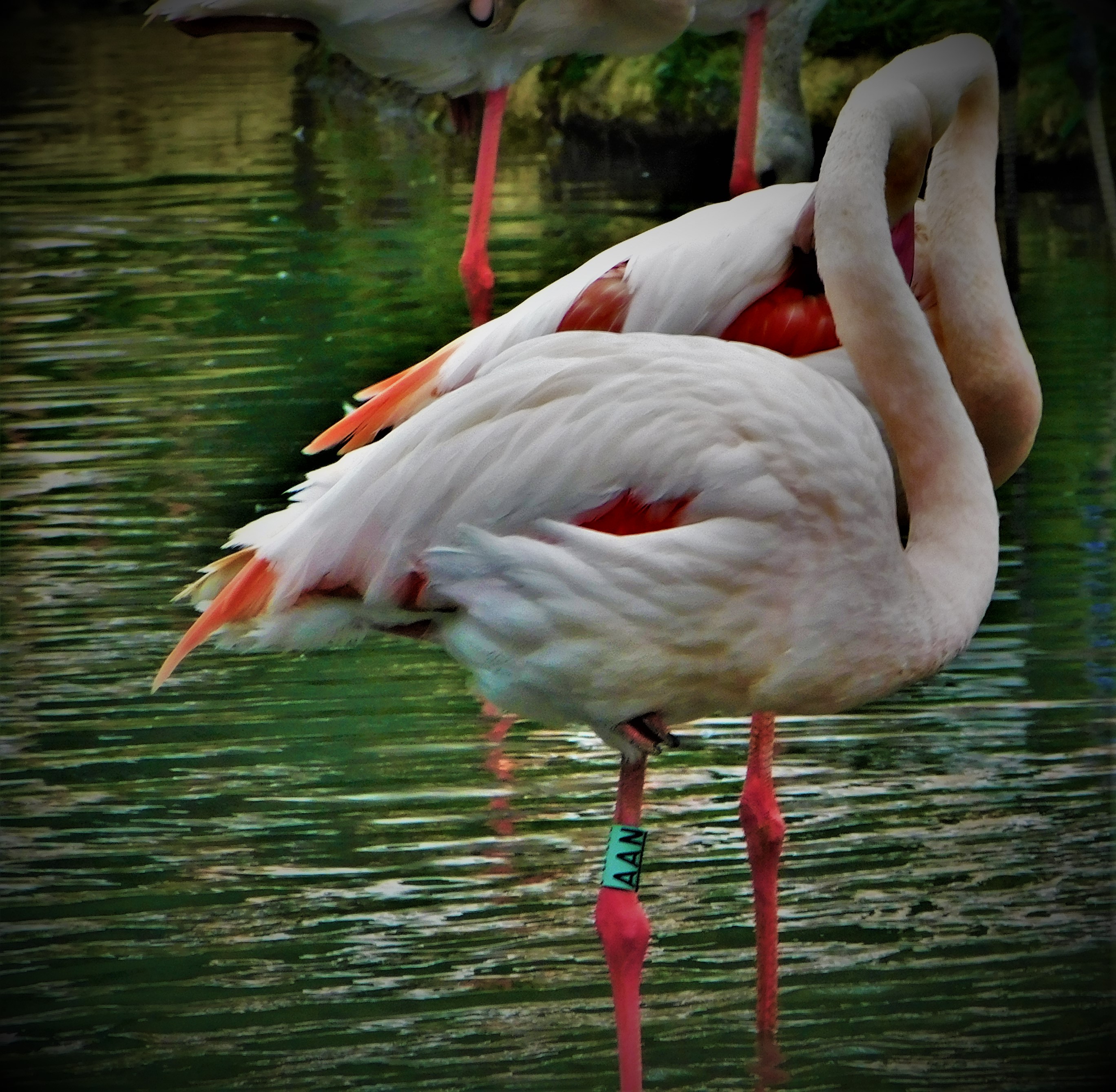
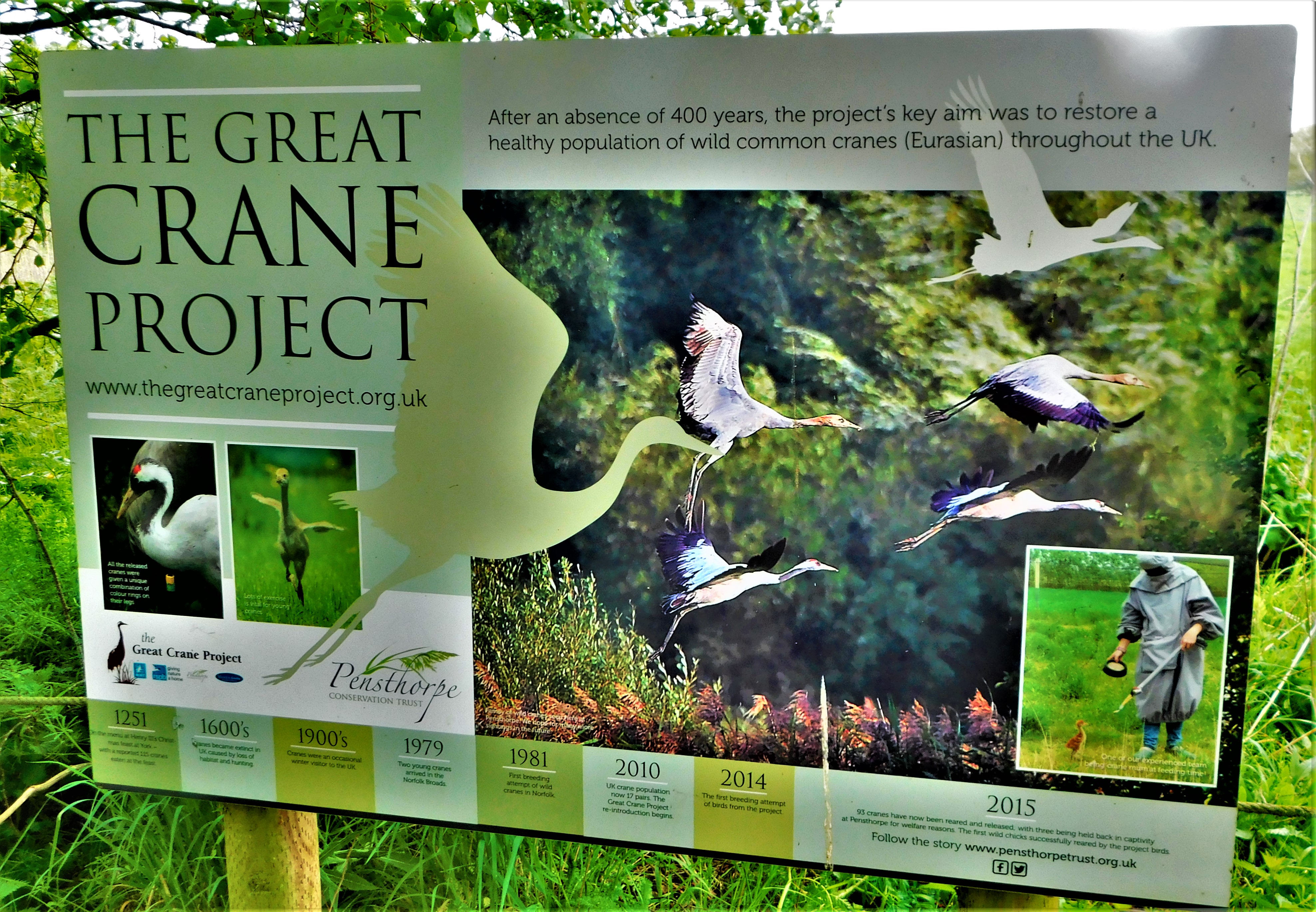
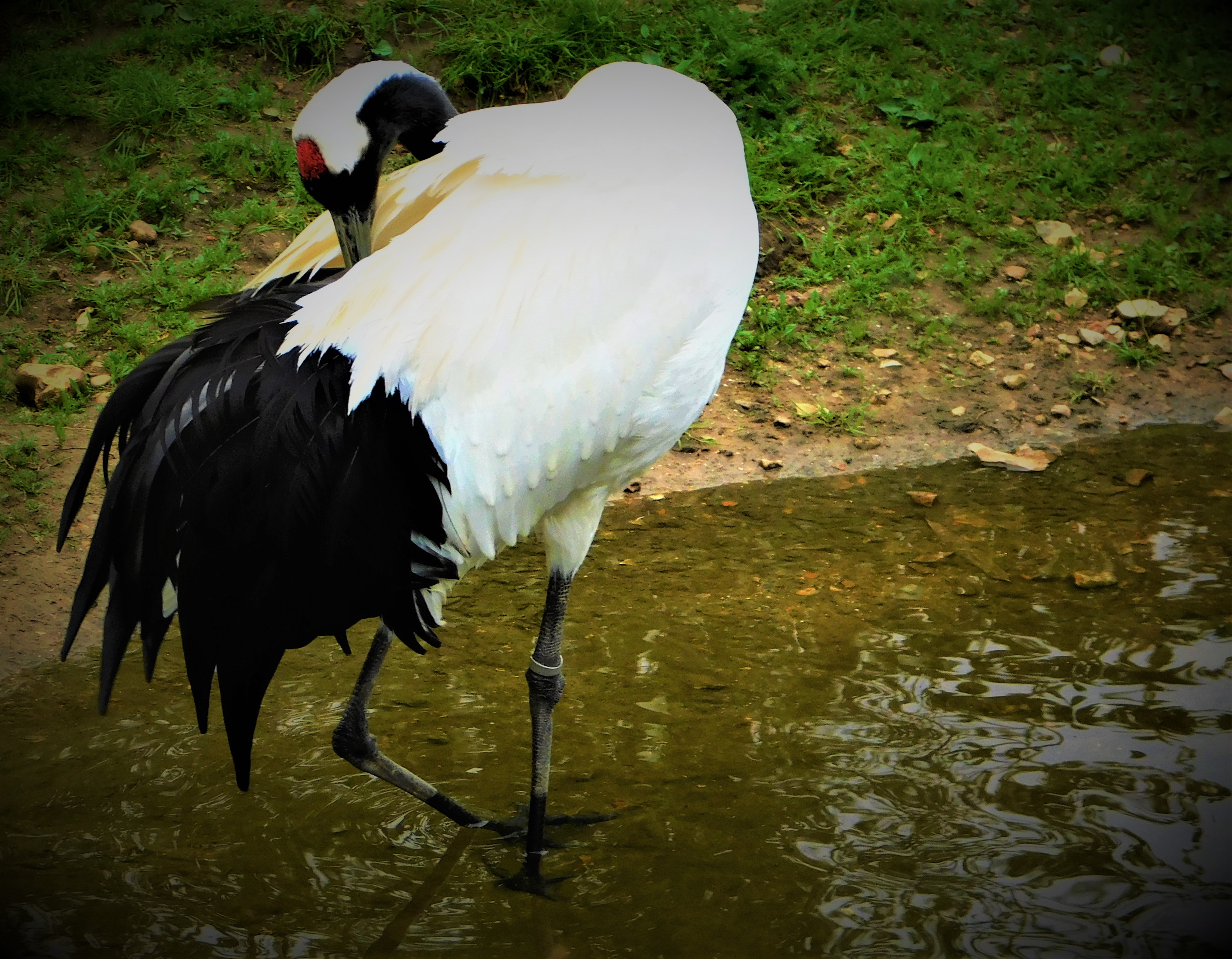
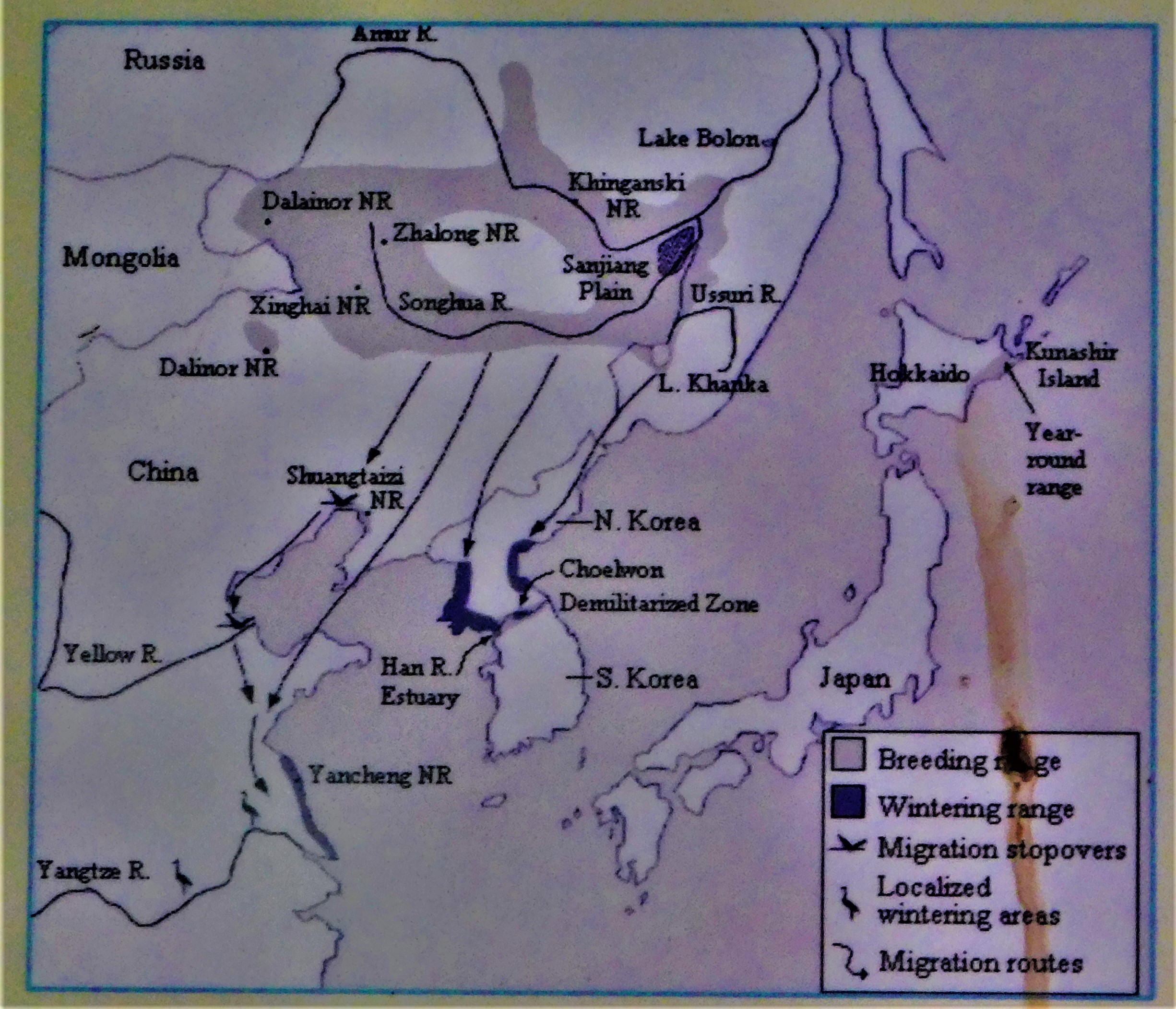
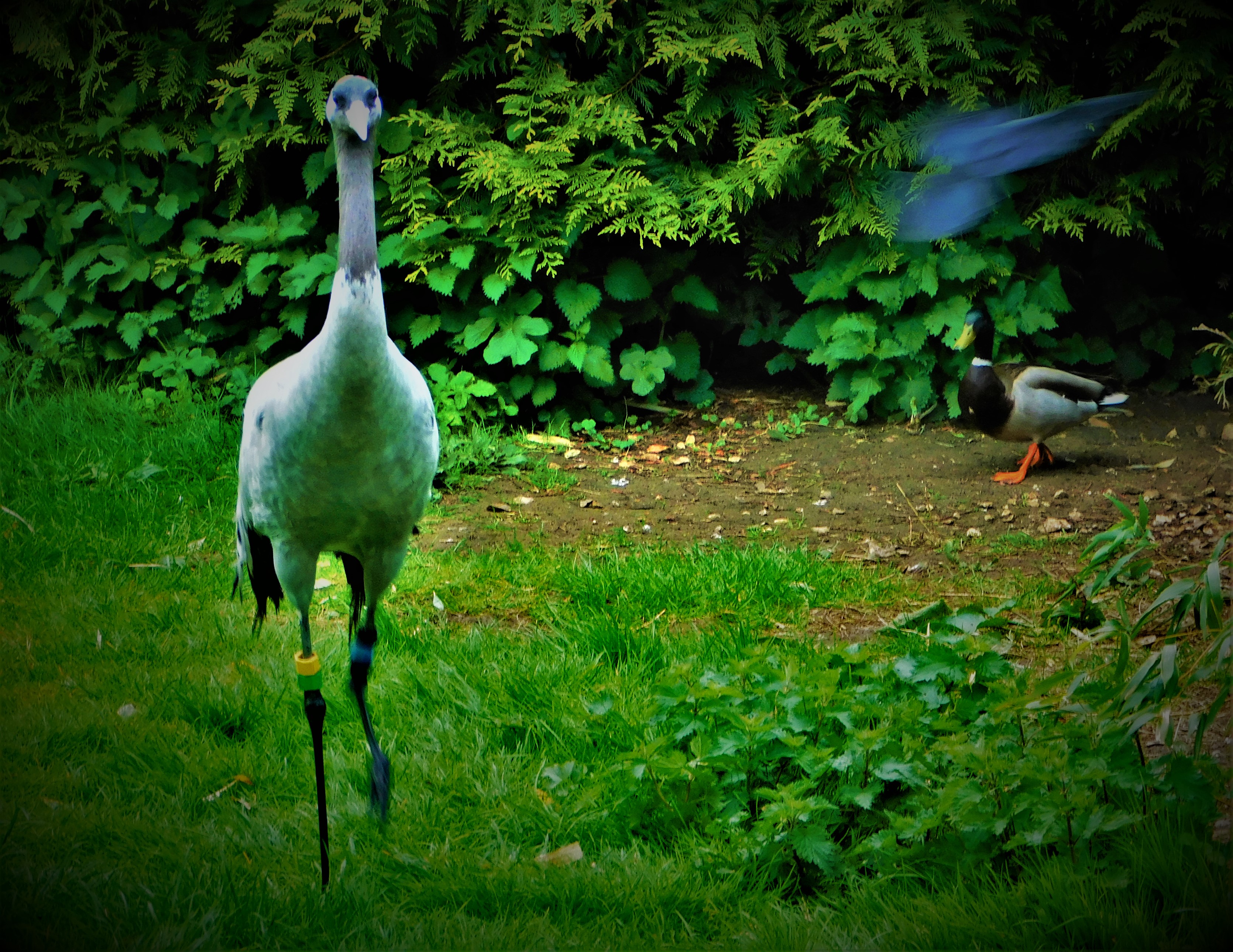
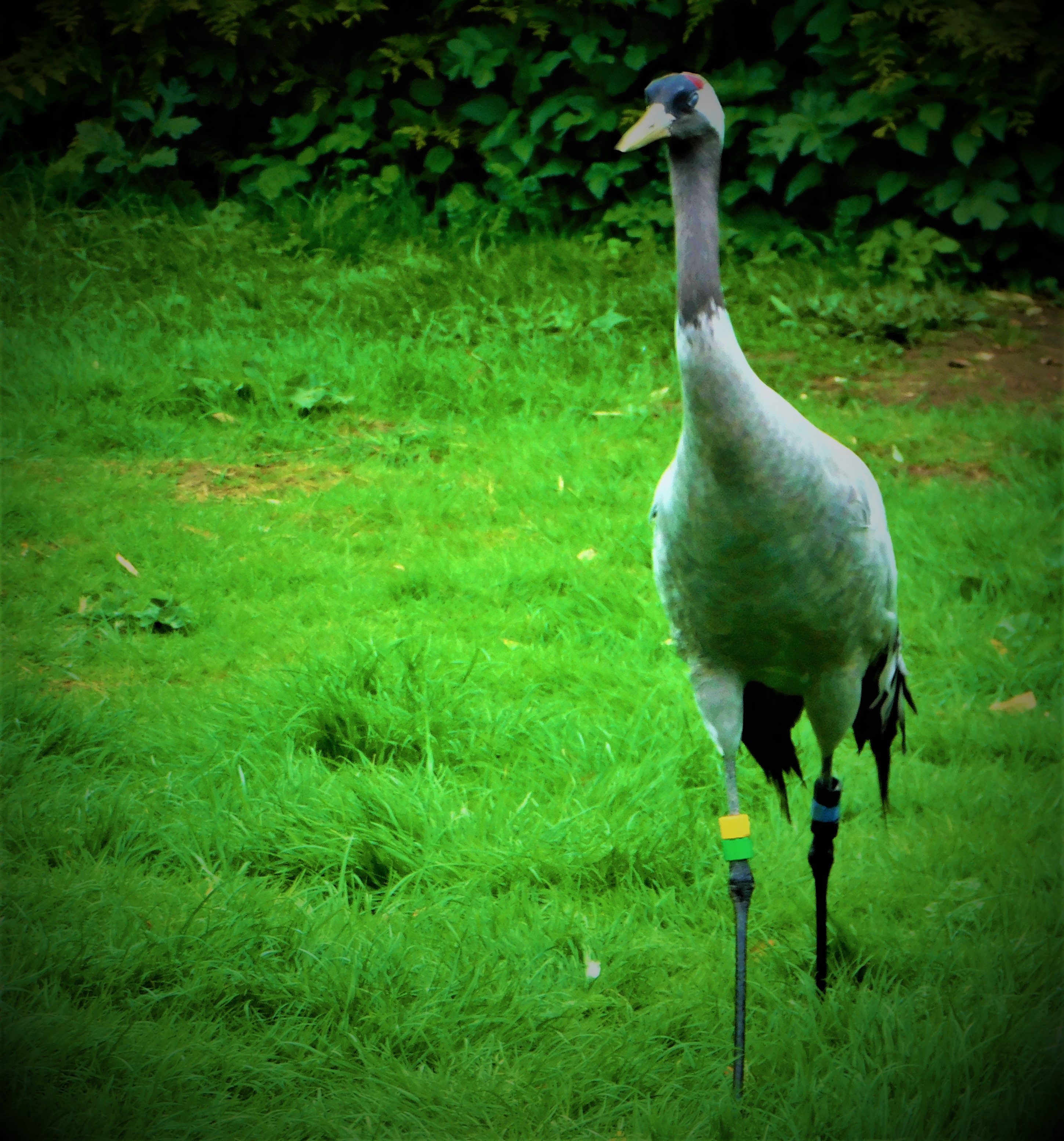
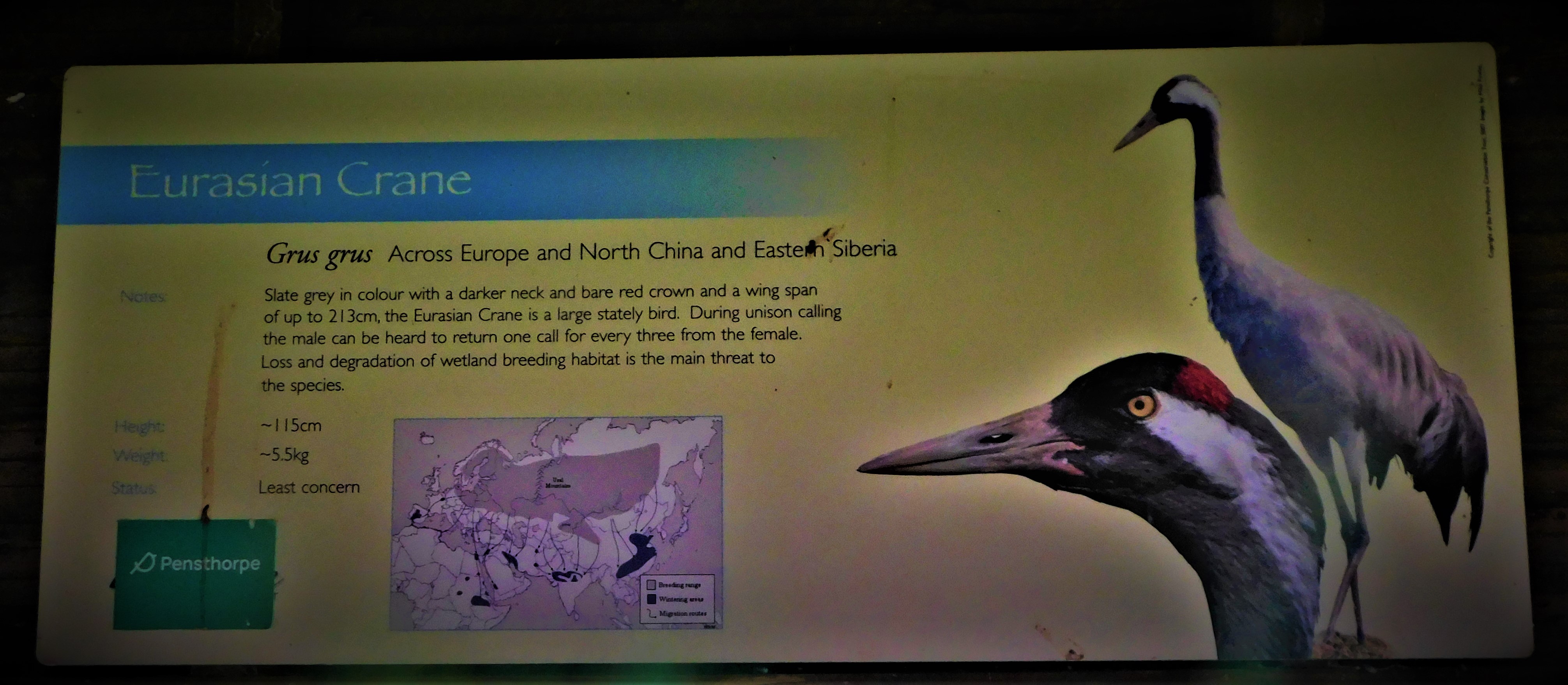
Pensthorpe 2023 – Cranes and Flamingos

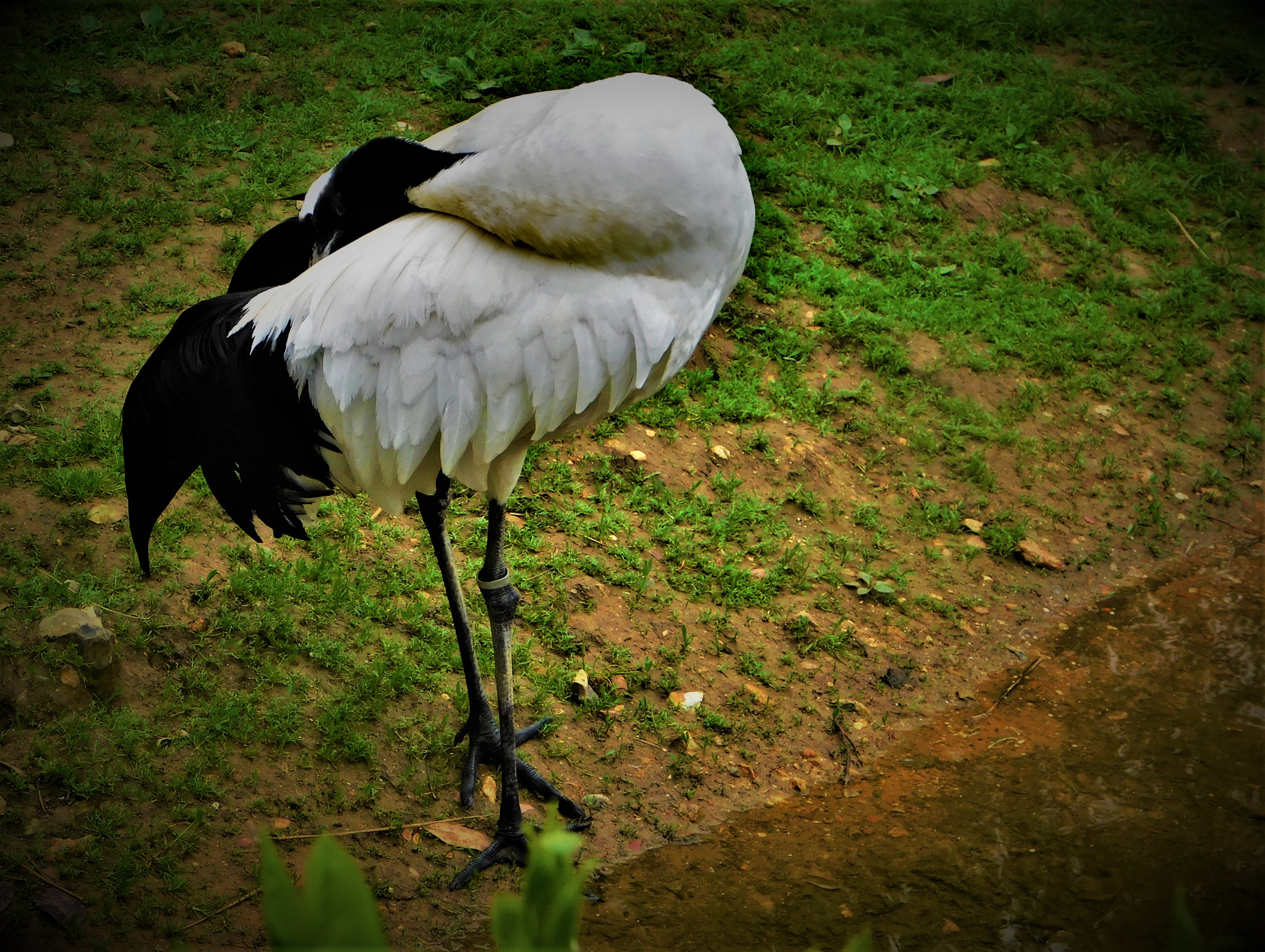
The final installment in my series about Saturday’s excursion to Pensthorpe, featuring Cranes and Flamingos.

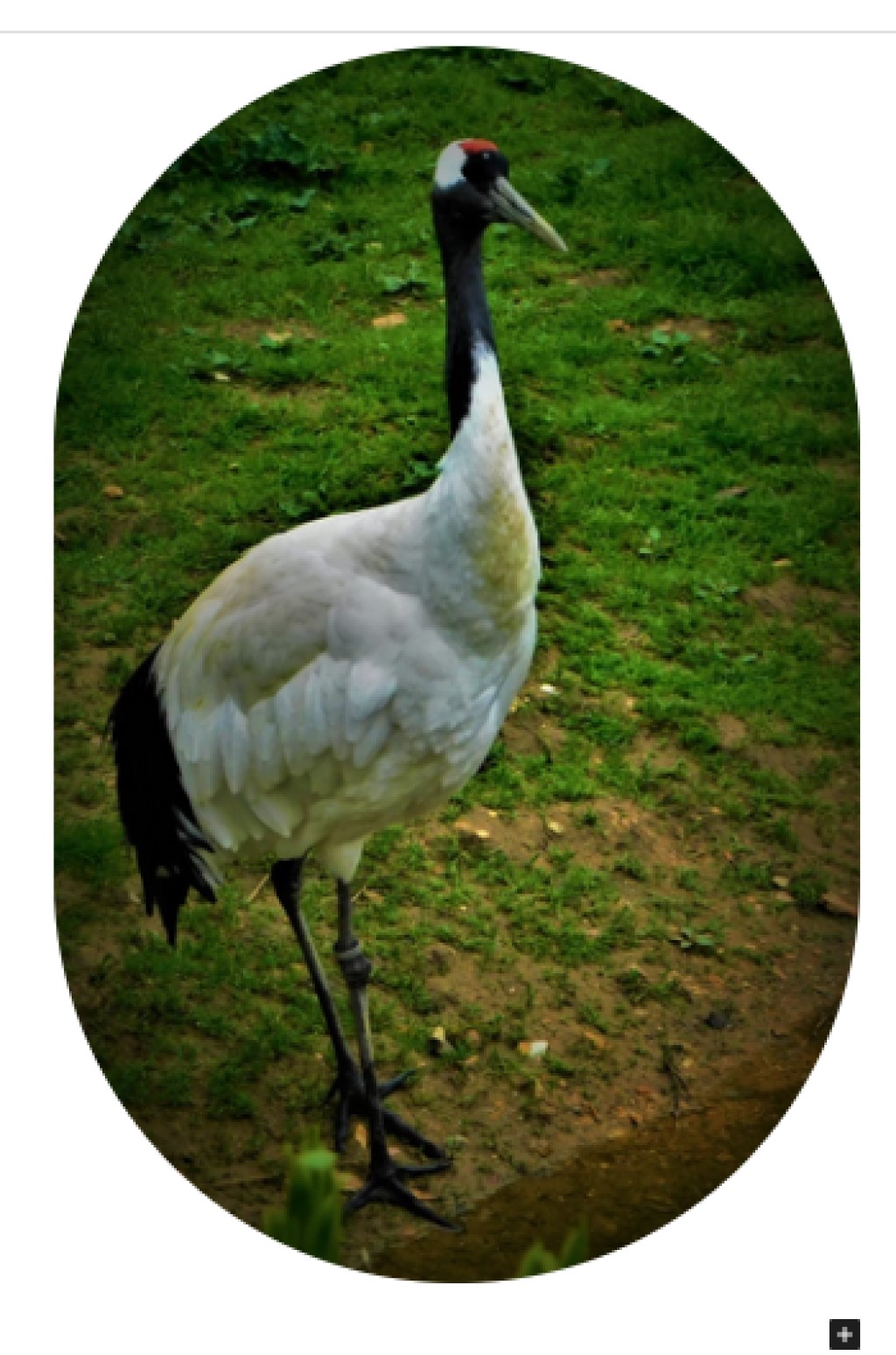
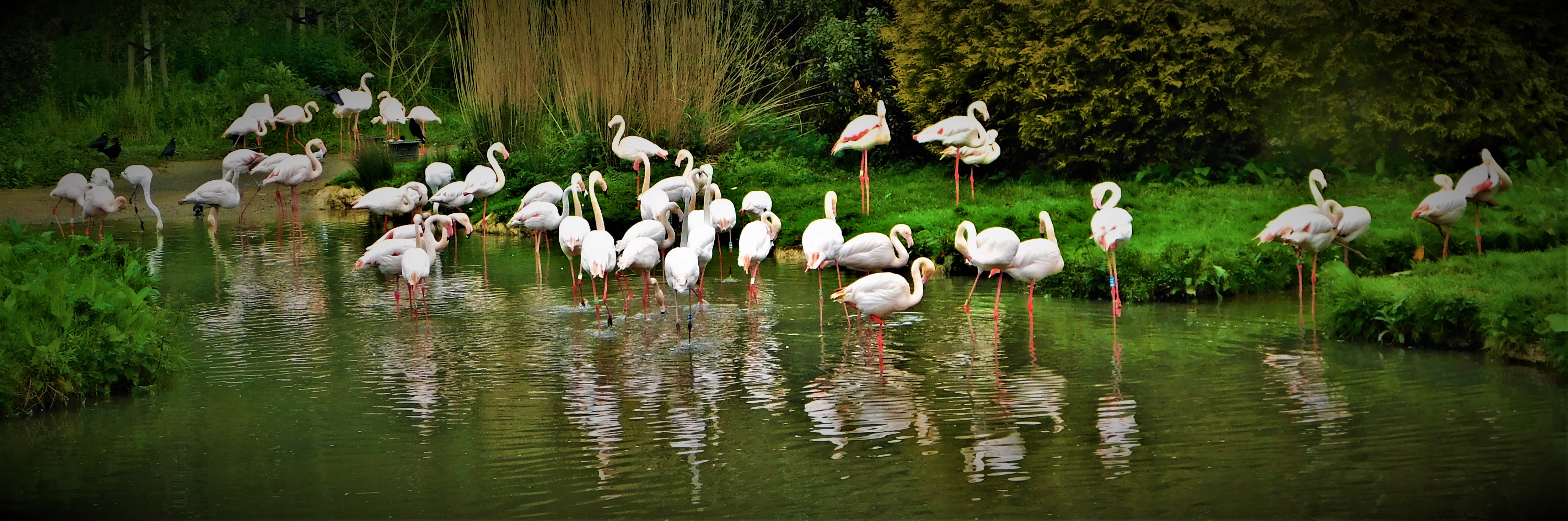
Welcome to the final post in my mini-series about the excursion to Pensthorpe on Saturday. Our subjects are cranes and flamingos. The former are the subject of one of Pensthorpe’s major conservation efforts.

CRANES AND FLAMINGOS

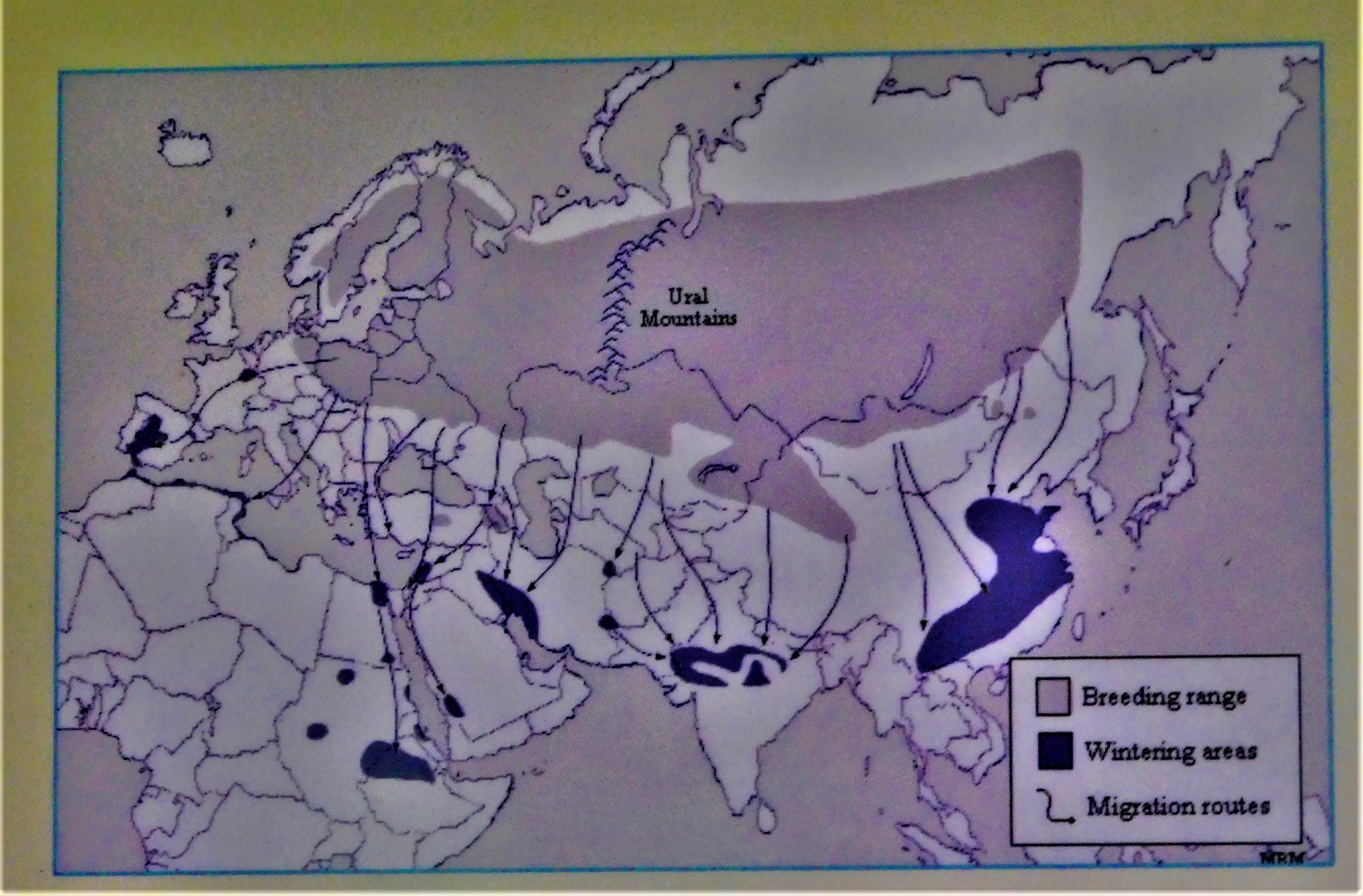
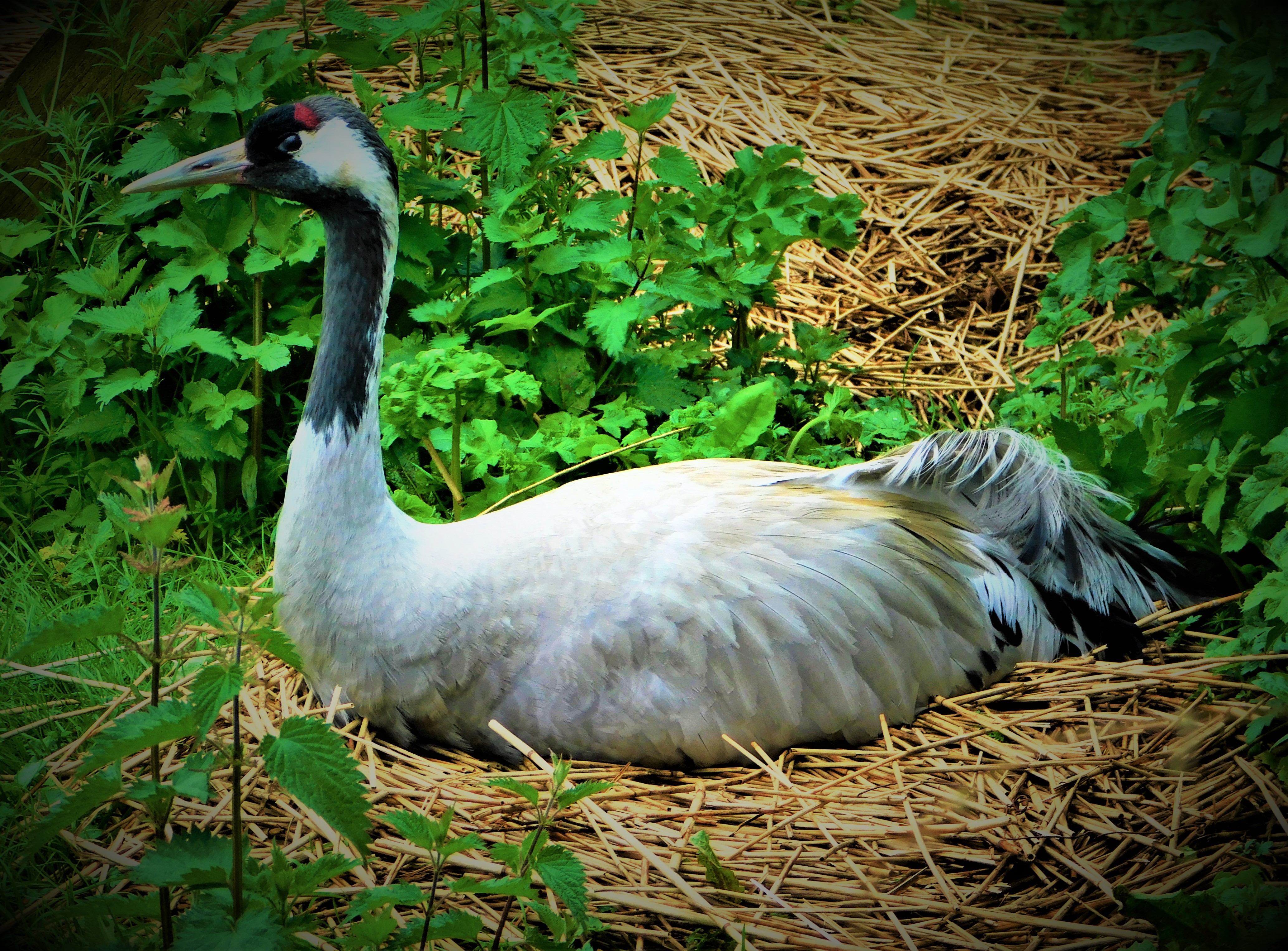
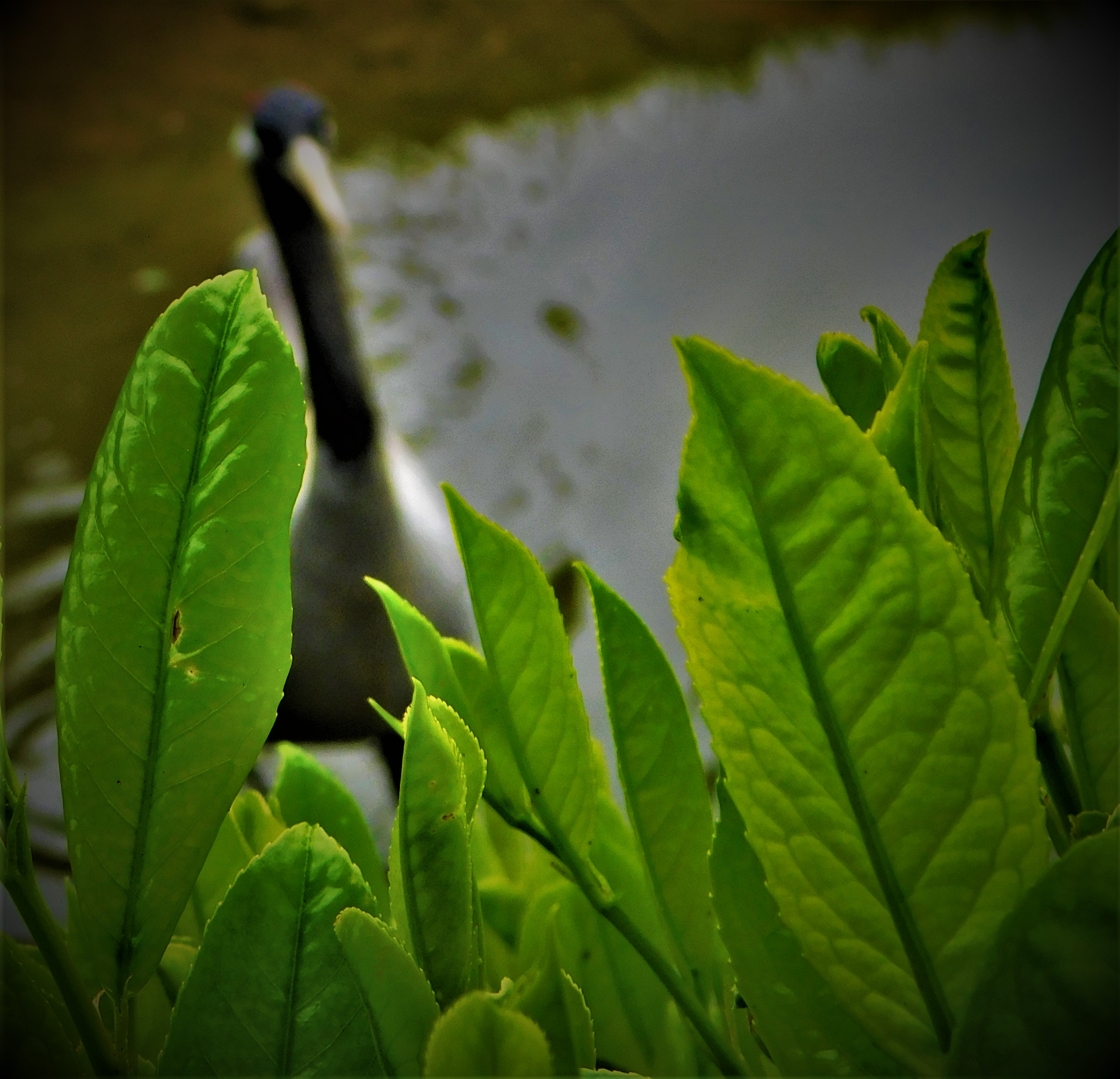
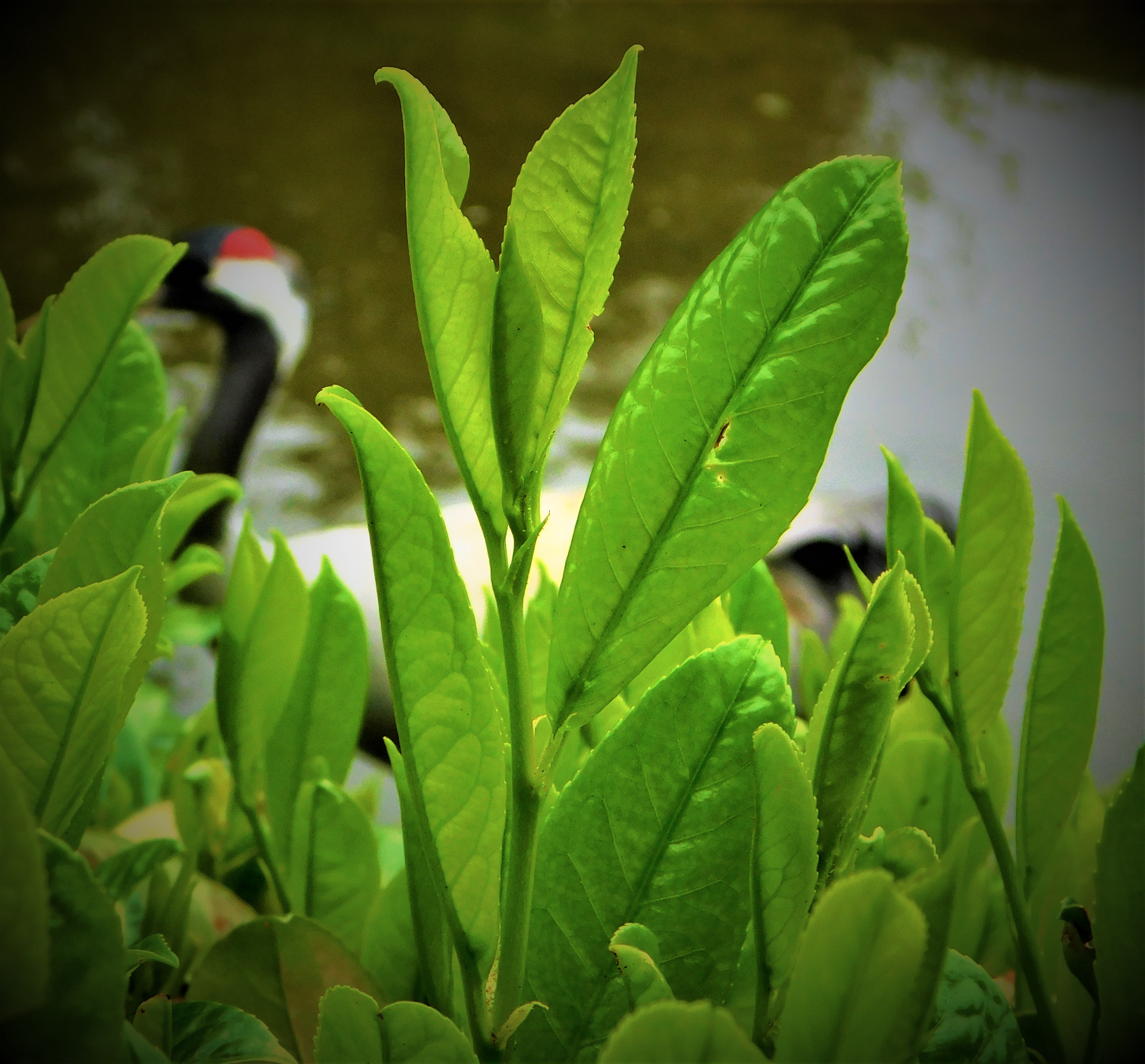
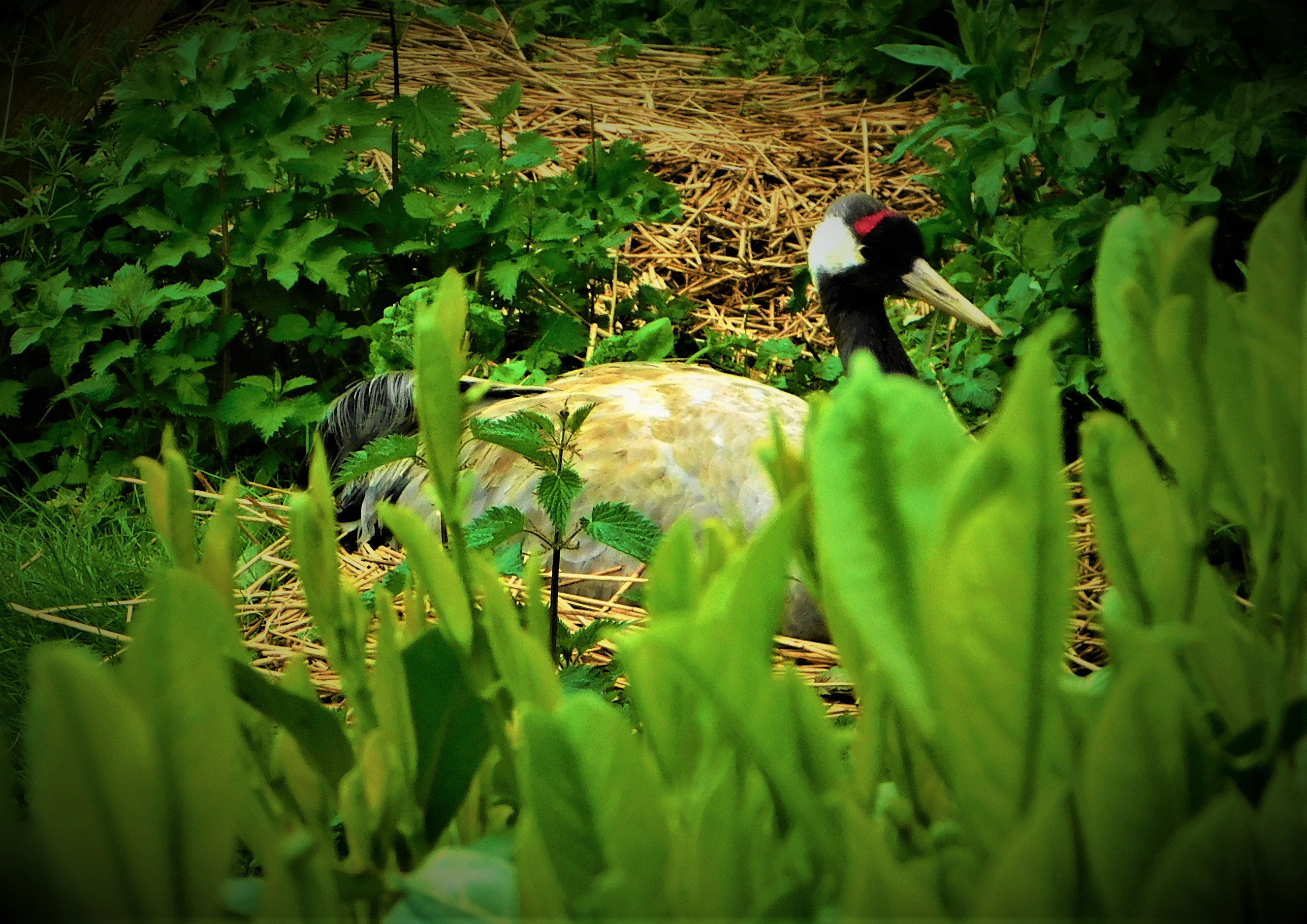
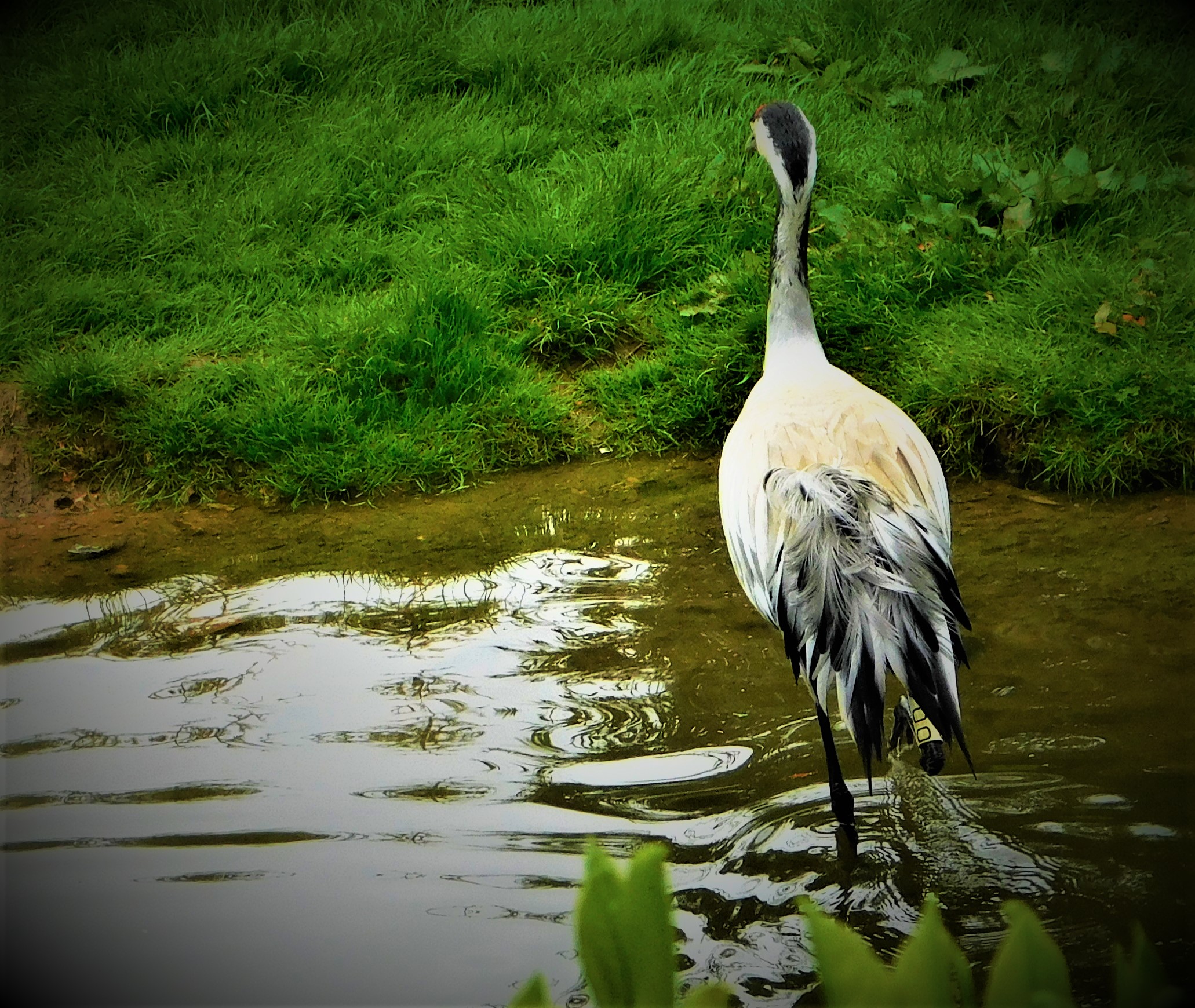
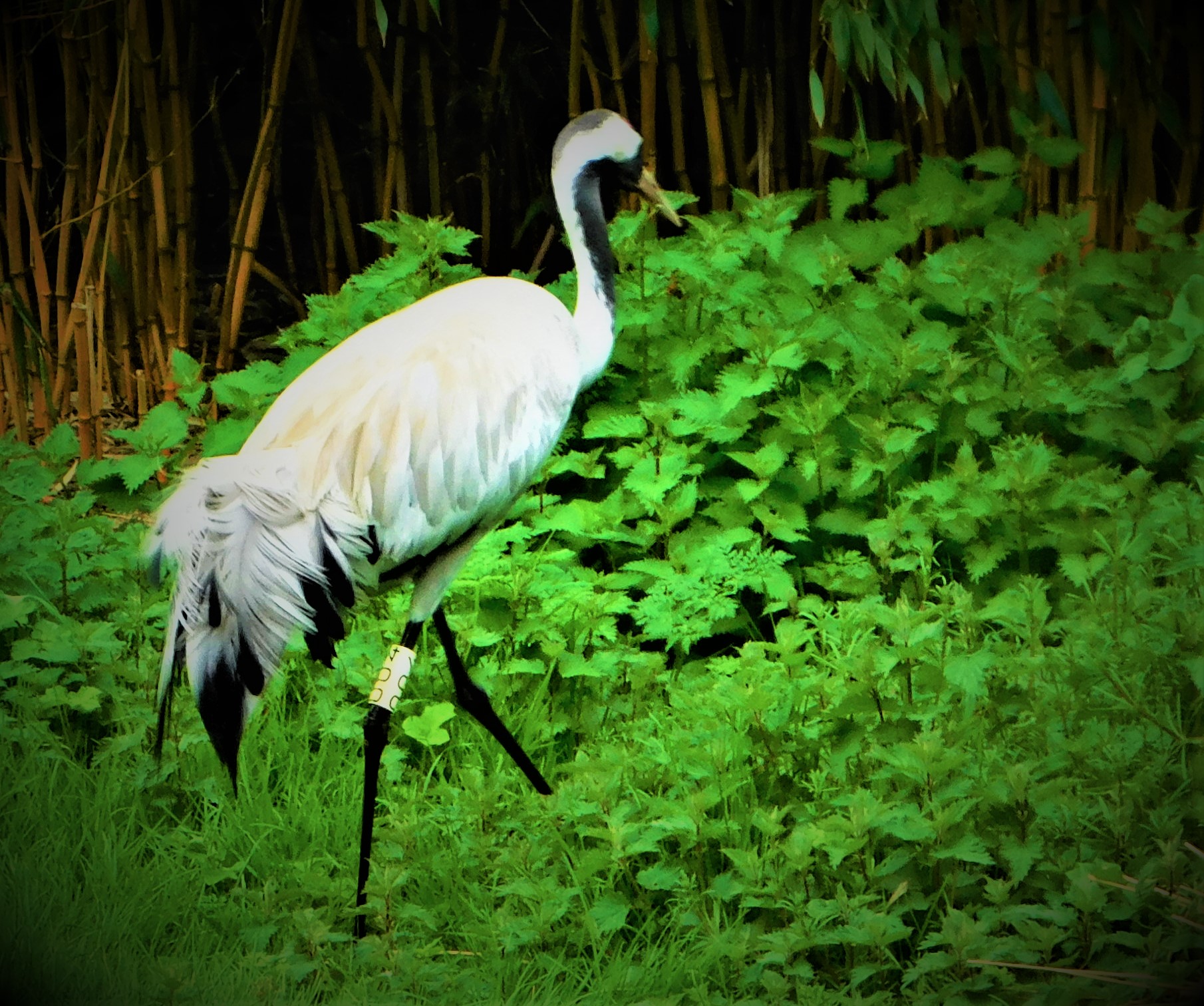
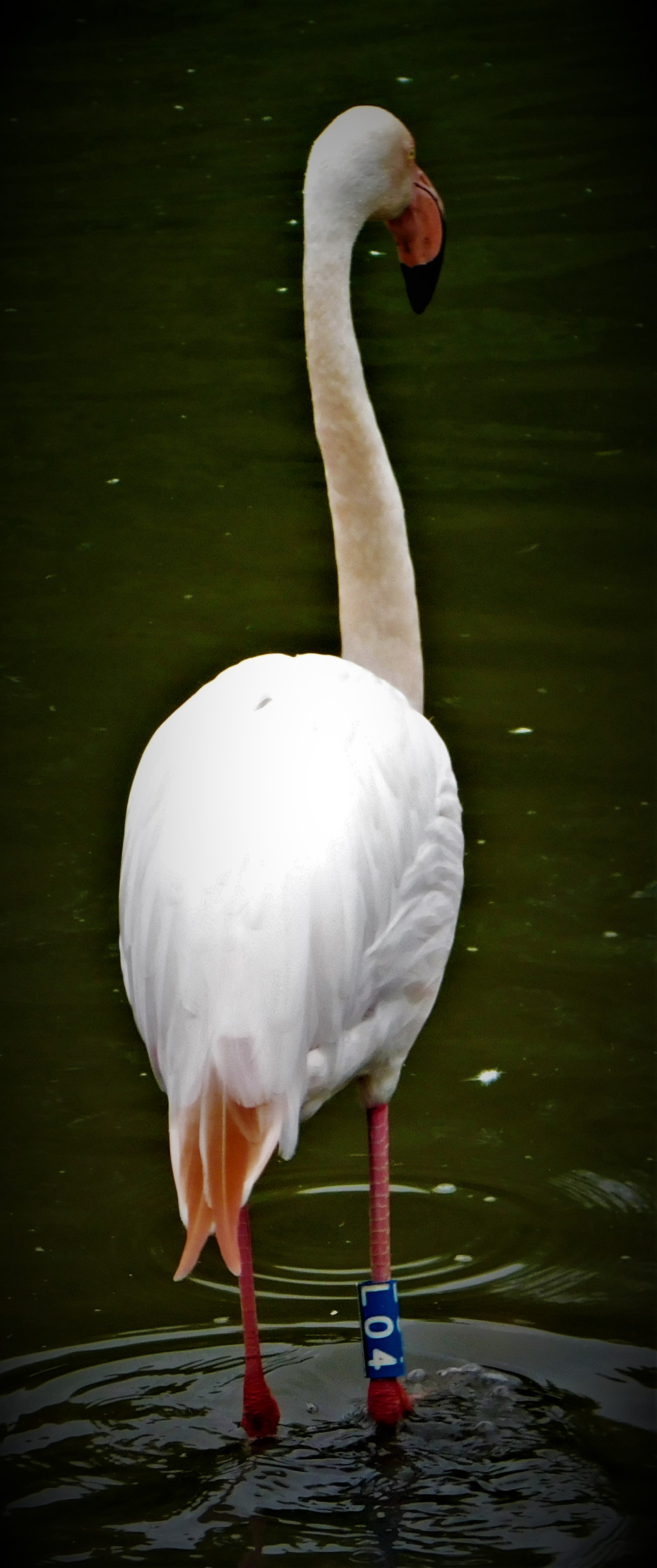
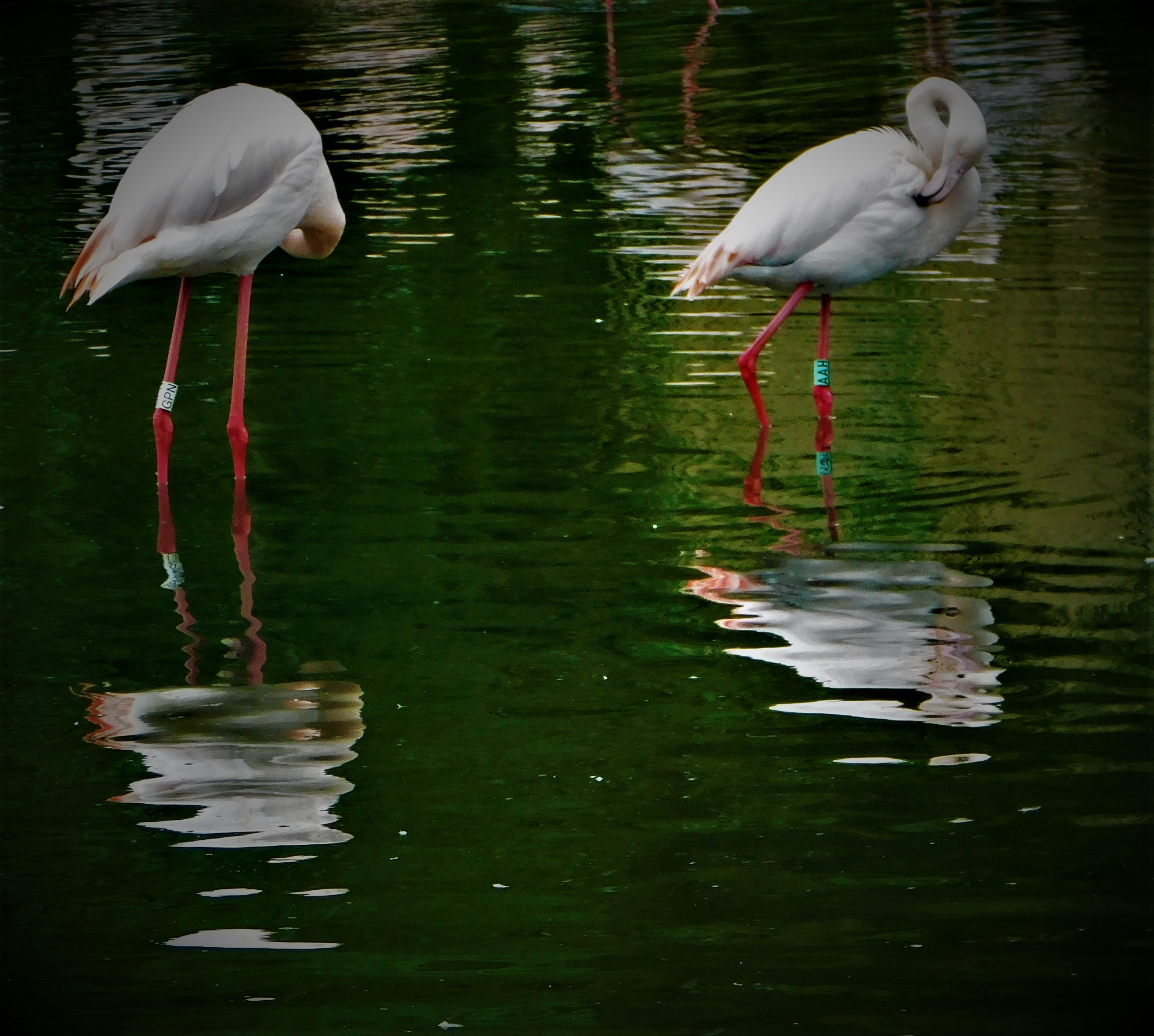
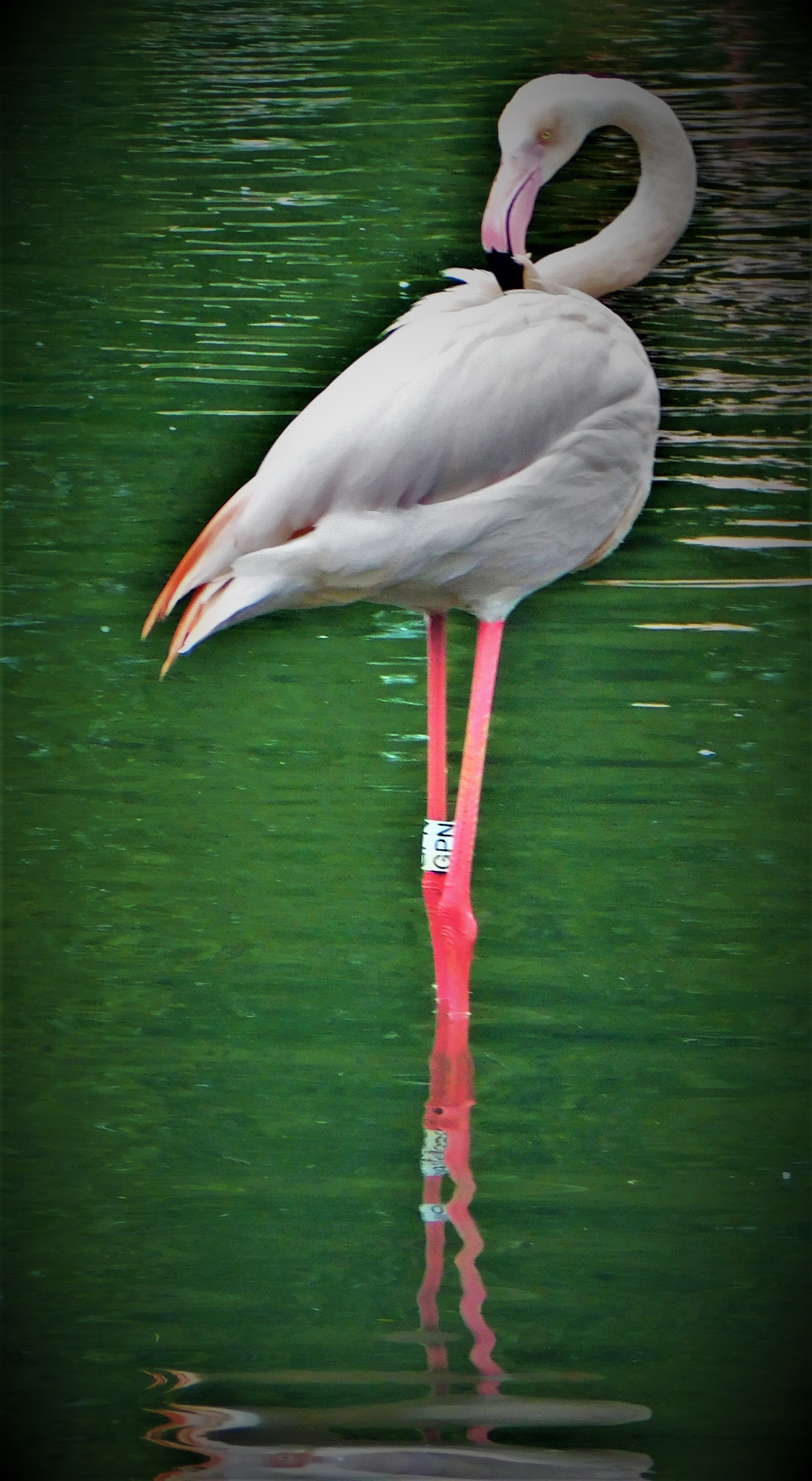
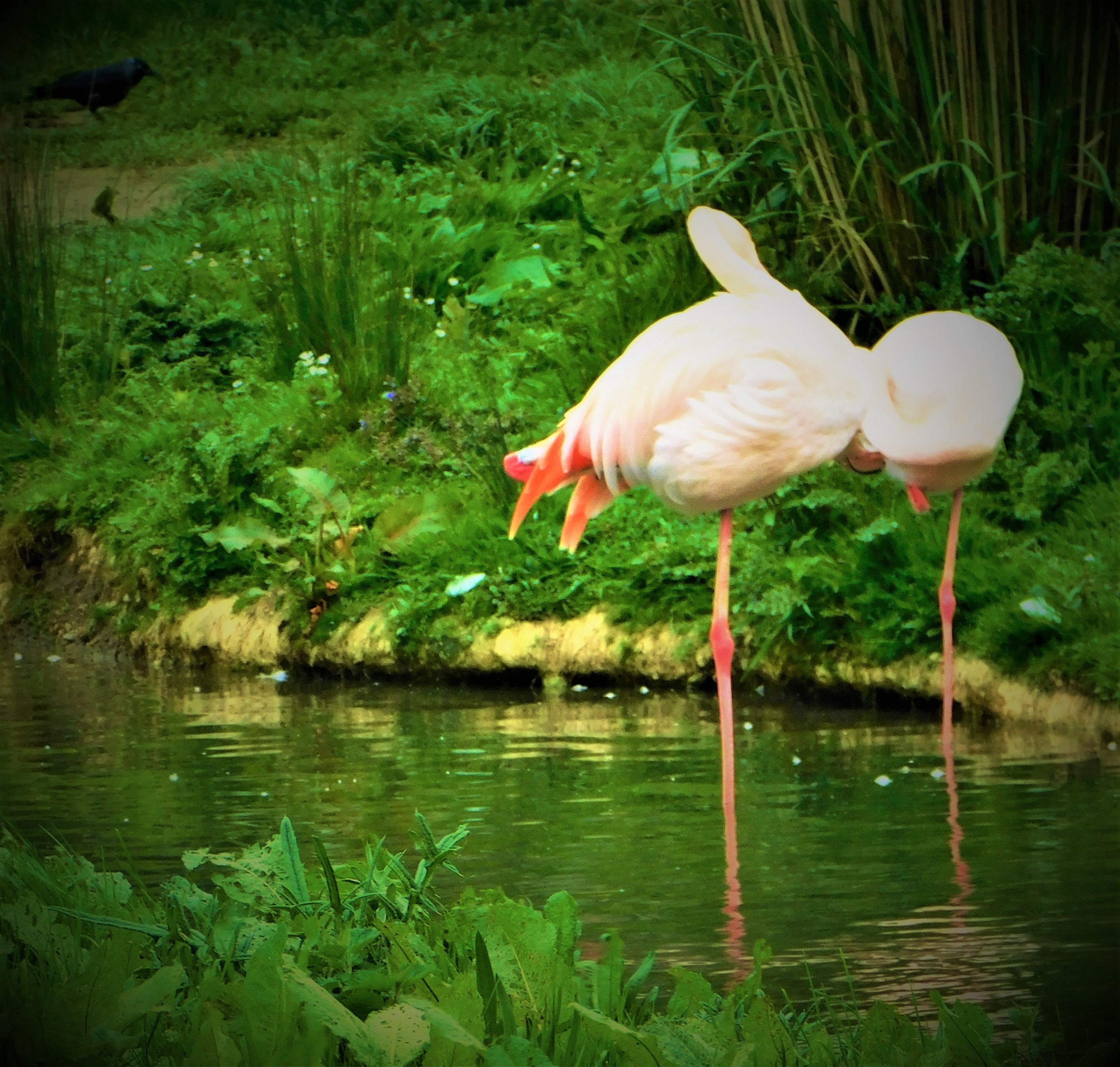
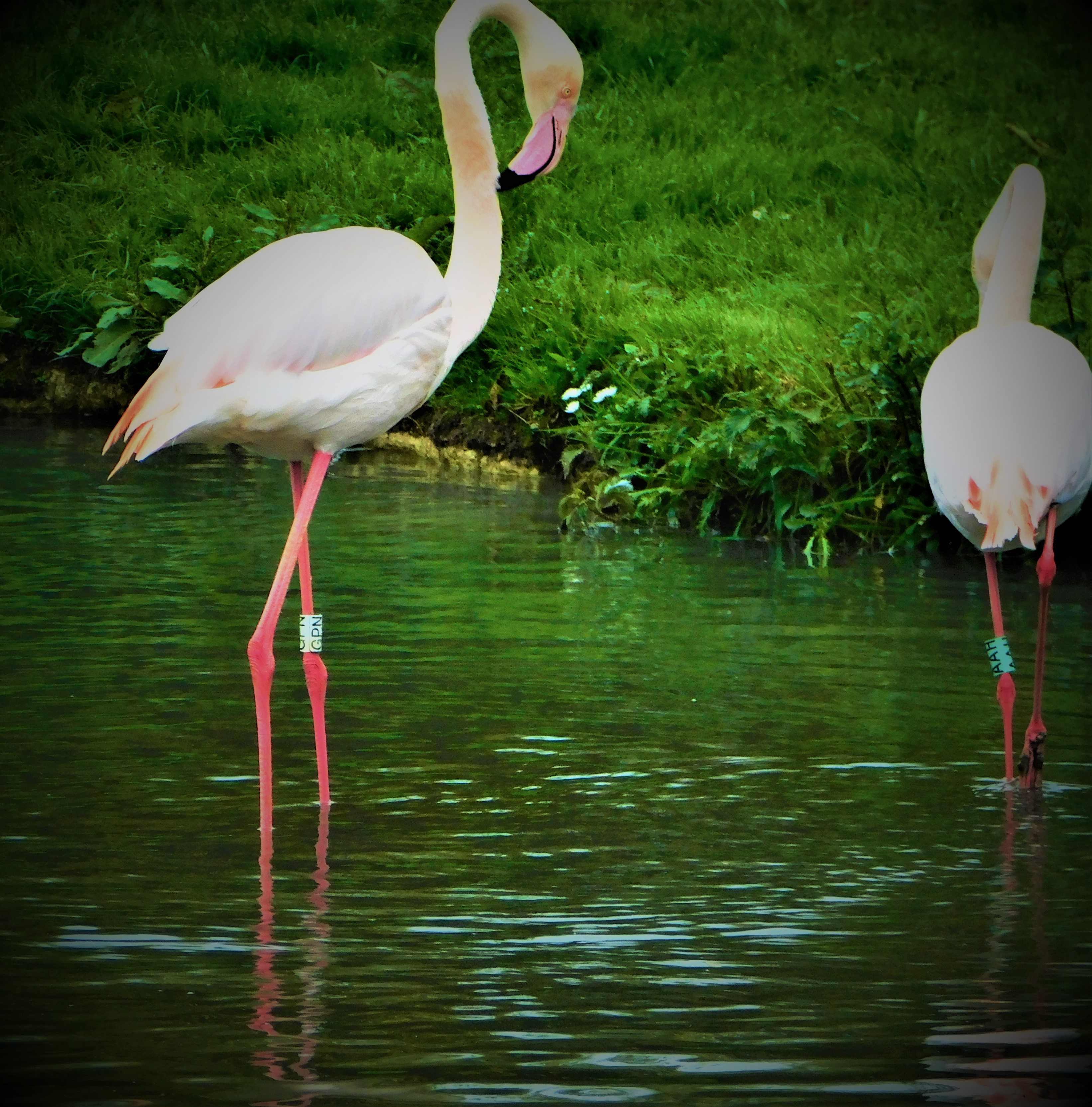
As you enter the area where the cranes and flamingos are the flamingo pool is in one direction, open and visible, and the birds themselves, clustered together in numbers, are even more so. In the other direction is the crane hide, with wide, shallow windows each of which you can observe a different species of crane through. I actually managed to visit this part of Pensthorpe twice in the course of the day, near the beginning and near the end (visiting it also means passing within sight of the Monet inspired bridge, pictures of which featured in my introductory post, which is a bonus).

Pensthorpe 2023 – The Explorer

The penultimate post in my Pensthorpe series, dealing with the Explorer ride.

This is the fourth post in my series about my part in the West Norfolk Autism Group excursion to Pensthorpe on Saturday. This one looks at the trip on the explorer which showed as the stuff we could not get on foot.

AN INFORMATIVE JOURNEY

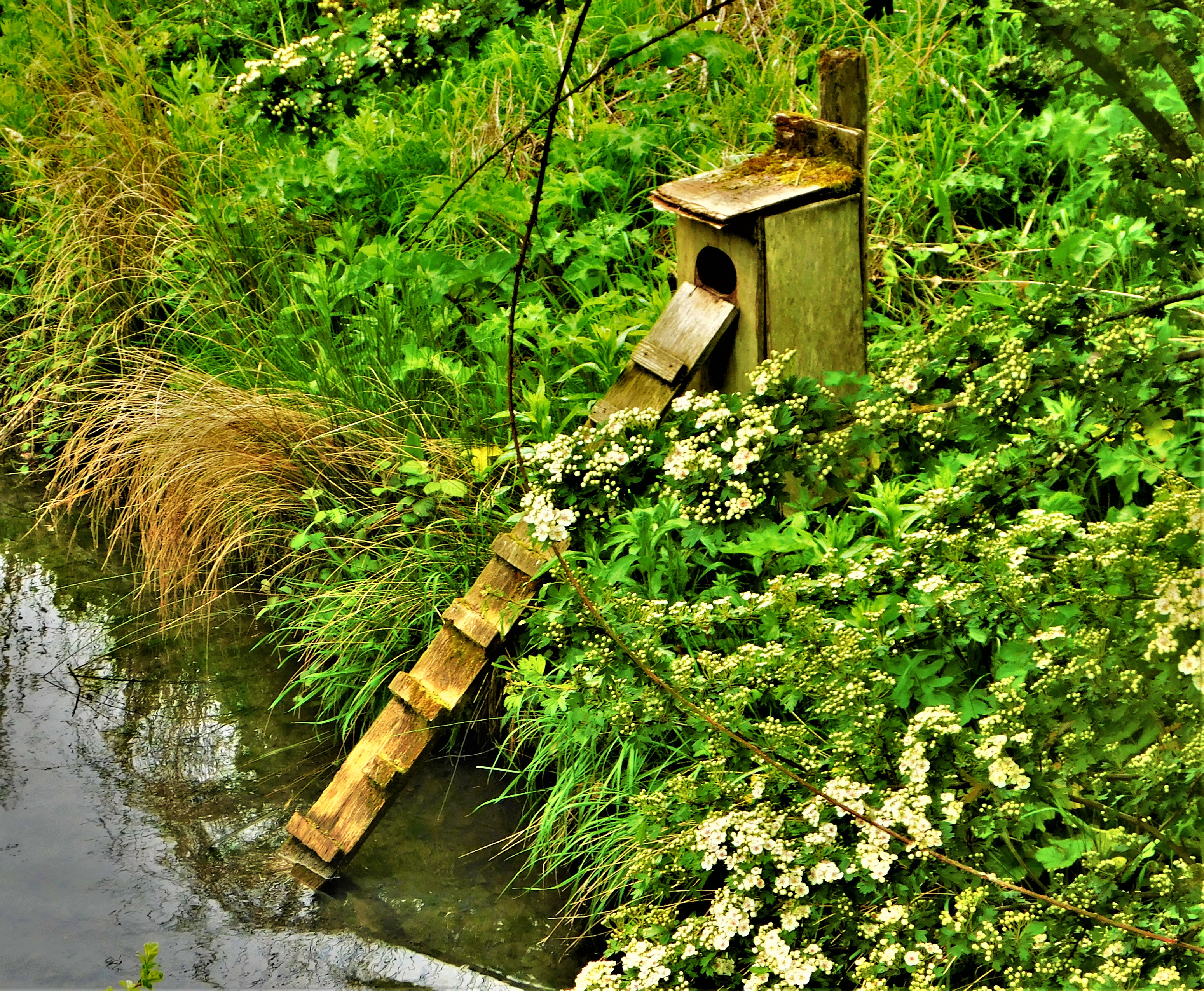
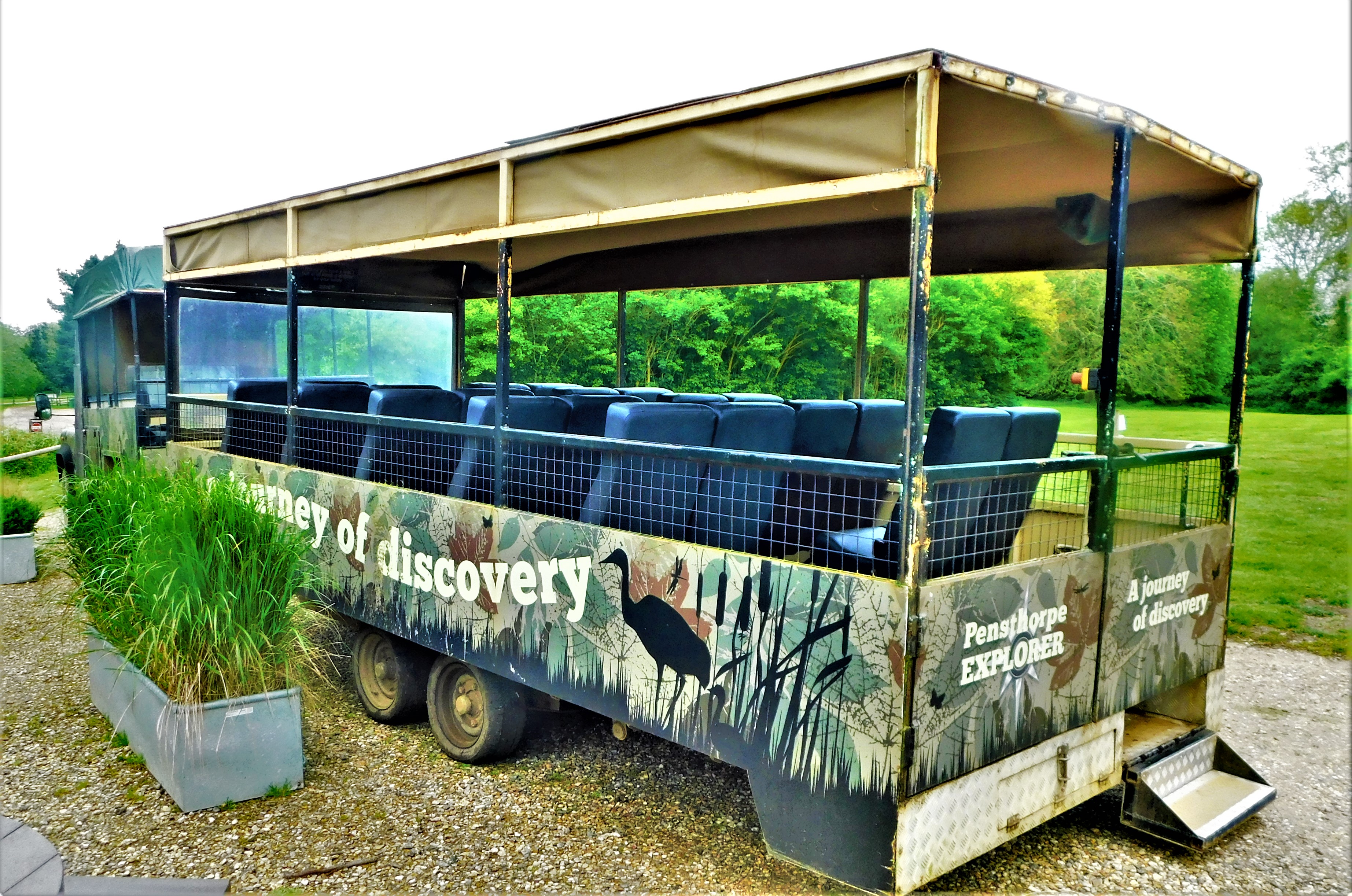
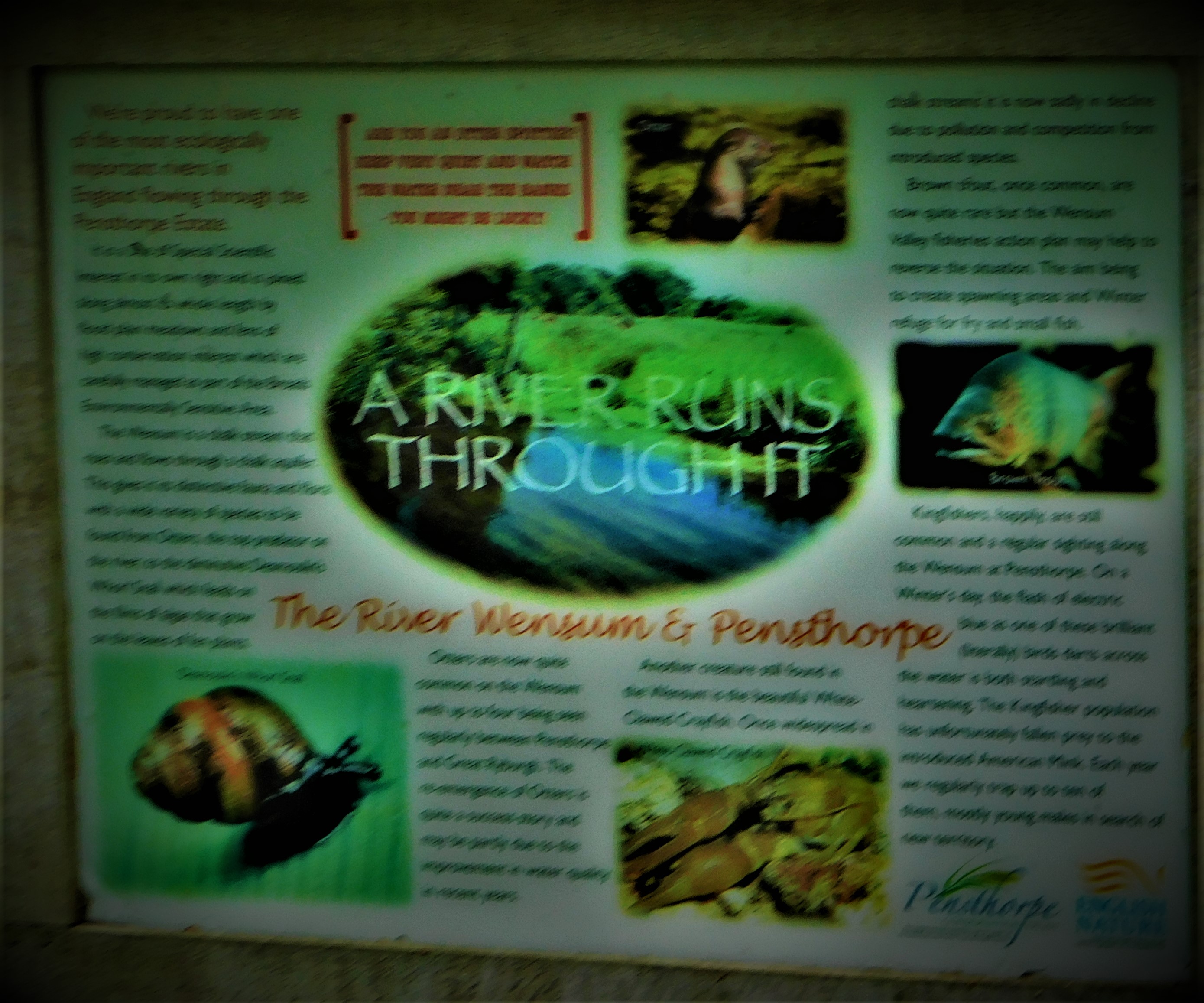
With the explorer due to leave at 12:00 I was ready for it by 11:50, and I got an excellent seat, at the front left of the trailer (most of the really interesting sights are off to the left as one travels, so sitting on the left side of the vehicle is a good idea). Our driver/guide gave us extraordinarily wide ranging information of everything from present arrangements at Pensthorpe, to the effects of WWII on the land (food shortages meant that every last ounce of crop had to be extracted from the land, which meant that the soil was hugely overworked and took a long time to recover), to the history of human settlement at Pensthorpe, to details of Pensthorpe’s position at the southern edge of the northern ice-sheet during the last era of glaciation and the effect that that had on the local landscape. There were also details about oak trees, and how the three survivors of the great storm of 1987 could be proven to be such (oaks don’t produce acorns until they are 40 years old or more, which means that an acorn bearing oak dates from 1983 at the earliest, and all three trees are acorn bearing), nesting boxes of various kinds (three different species of owl were catered for, plus bats (specifically pipistrelles, a tiny species about the size of a human thumb) whose boxes were organized in a group of three at different angles, as bats don’t like to be warm, so need to be able to move out of the sun), and other nesting platforms. The ecological importance of the Wensum, as a chalk river, was also stressed. One part of our route had once been a railway line, transporting goods (it never had a passenger service), which fell victim to Dr Beeching 60 years ago.

It was a cold journey due to the weather, which is one reason why I did not go round a second time, but it was very enjoyable in spite of the conditions.

Pensthorpe 2023: Discovery Centre and Sculptures

Continuing my account of my visit to Pensthorpe with a look at the discovery centre and at the sculptures dotted around the place.

This is my third post in a mini-series about my part in a West Norfolk Autism Group excursion to Pensthorpe which took place on Saturday. It is a two part post, and represents the mid-point of the series – there will be two further posts afterwards.

PART ONE: DISCOVERY CENTRE

The discovery centre at Pensthorpe contains many features of interest, including a harvest mouse, a glass fronted beehive, a tank containing small water creatures, exhibits about bird evolution and giant birds, some woolly mammoth remains, dating back approximately 10,500 years to a time when Norfolk was at the southern edge of a massive ice sheet extending all the way from the north pole, and other stuff. It is also inside, which on day like Saturday gave it extra value – I made a total of three visits…

THE SCULPTURES

There are sculptures dotted around Pensthorpe, and they definitely enhance the experience. I have slightly extended the range of objects that would usually be described as sculptures by including a bench and also a mosaic. I did not specifically set myself a task of finding and imaging sculptures, I just imaged them when I happened to find them, but one could undoubtedly plan to identify and photograph every sculpture at Pensthorpe. I favour a freestyle approach to somewhere like Pensthorpe but some may prefer to be more regimented/ organized.

Pensthorpe 2023: Ducks and Geese

Continuing my mini-series about my visit to Pensthorpe with a look at the ducks and geese that I saw there, which include some exotic species as well as some commonplace ones.

This is the second post in my mini-series (the first is here) about my visit to Pensthorpe yesterday as part of a West Norfolk Autism Group excursion.

MIXING THE MAGNIFICENT AND THE MUNDANE

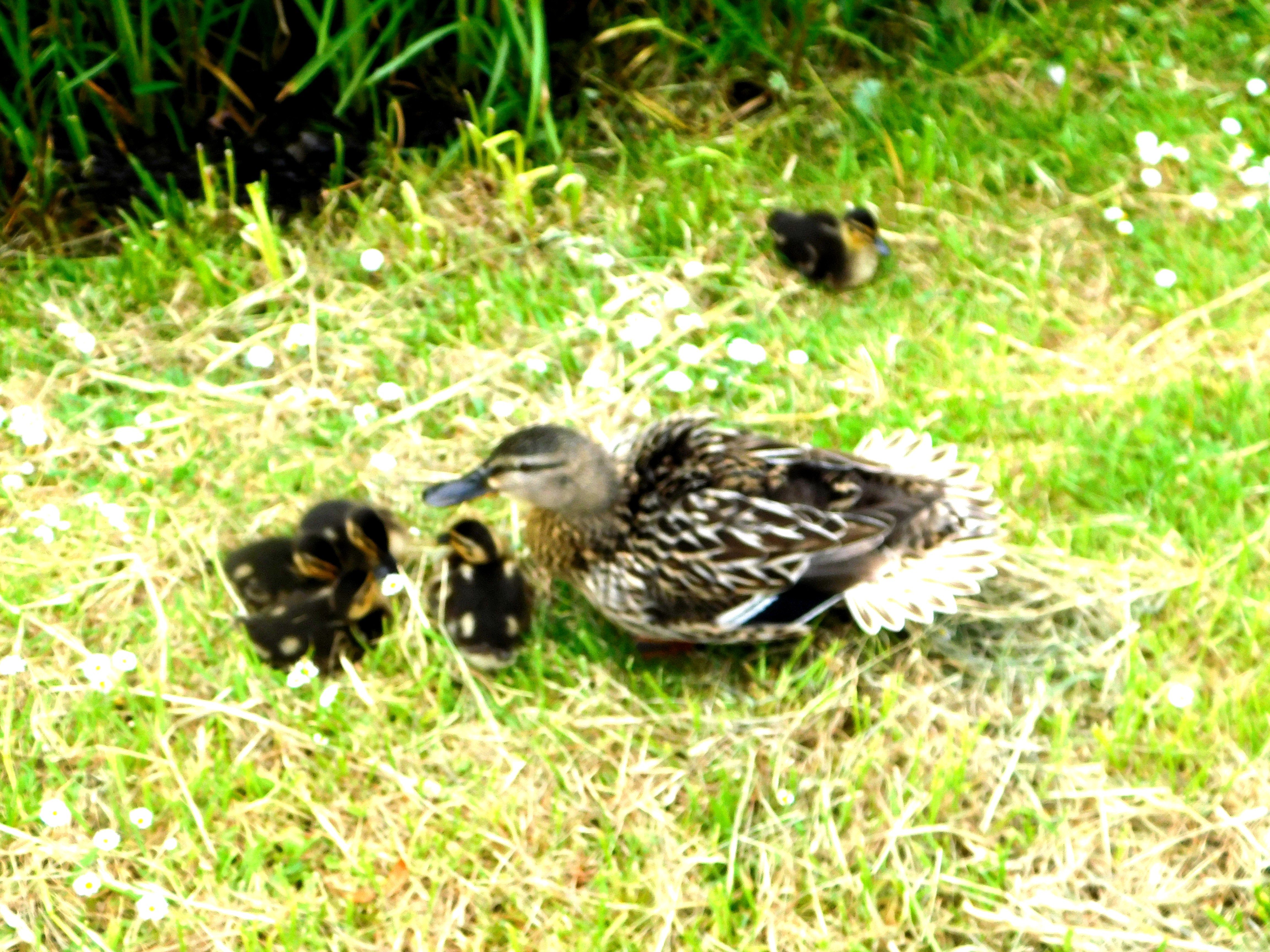
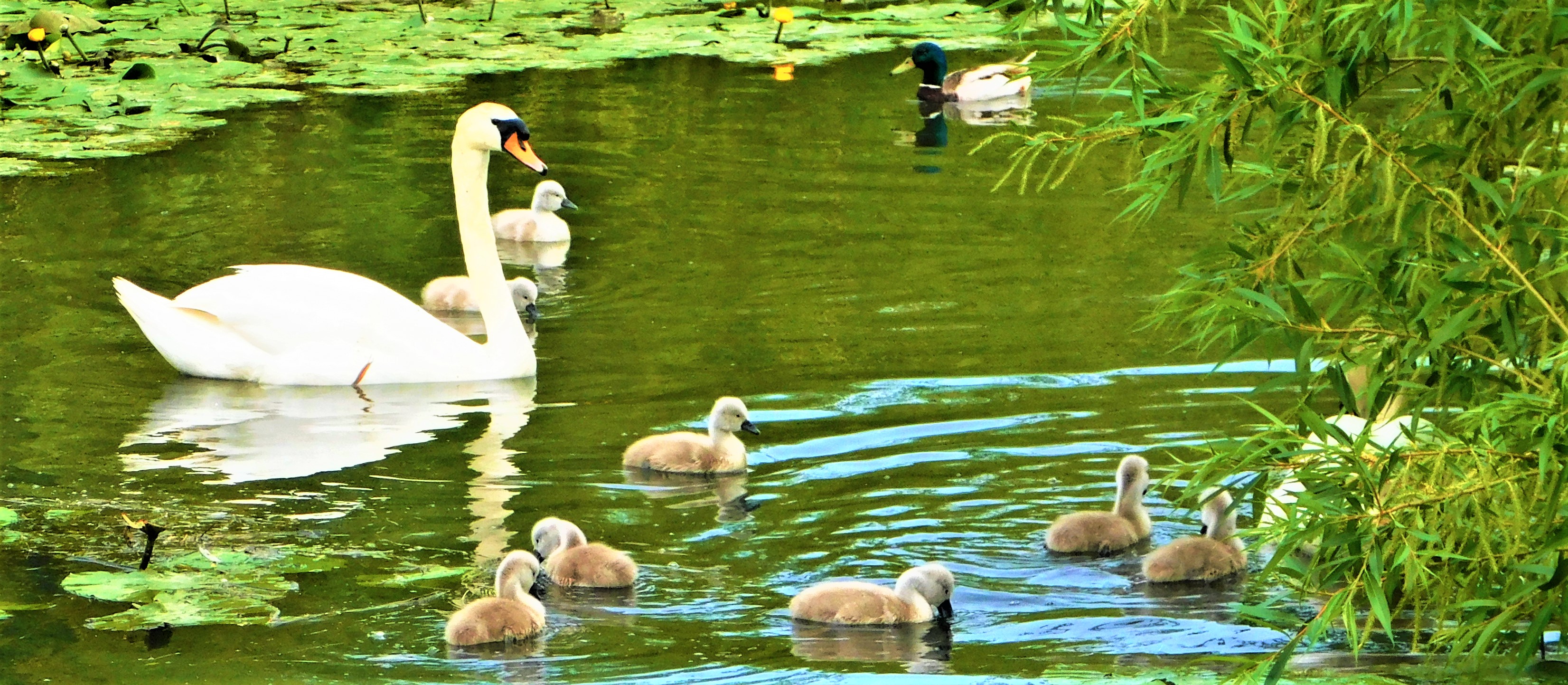
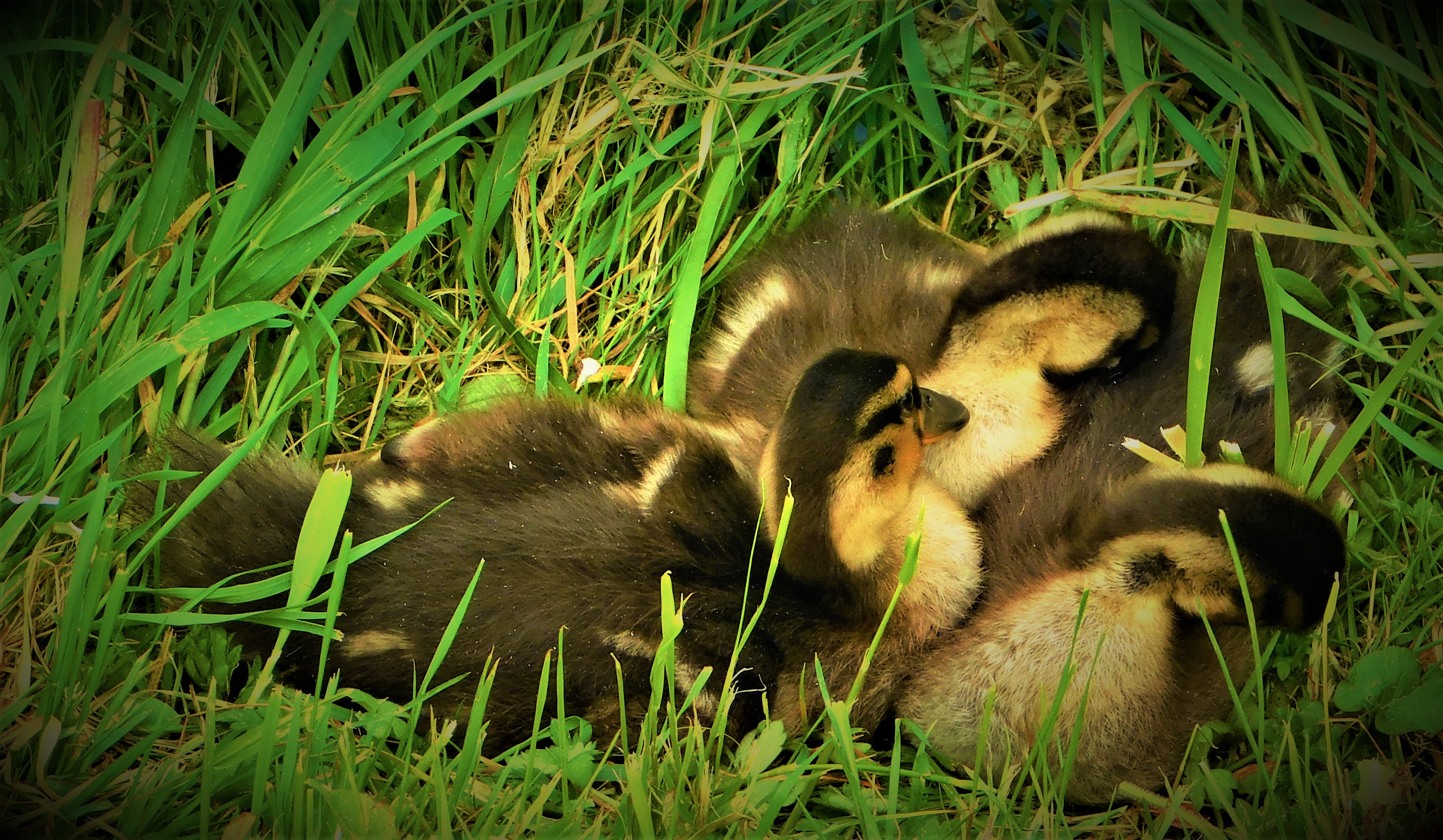
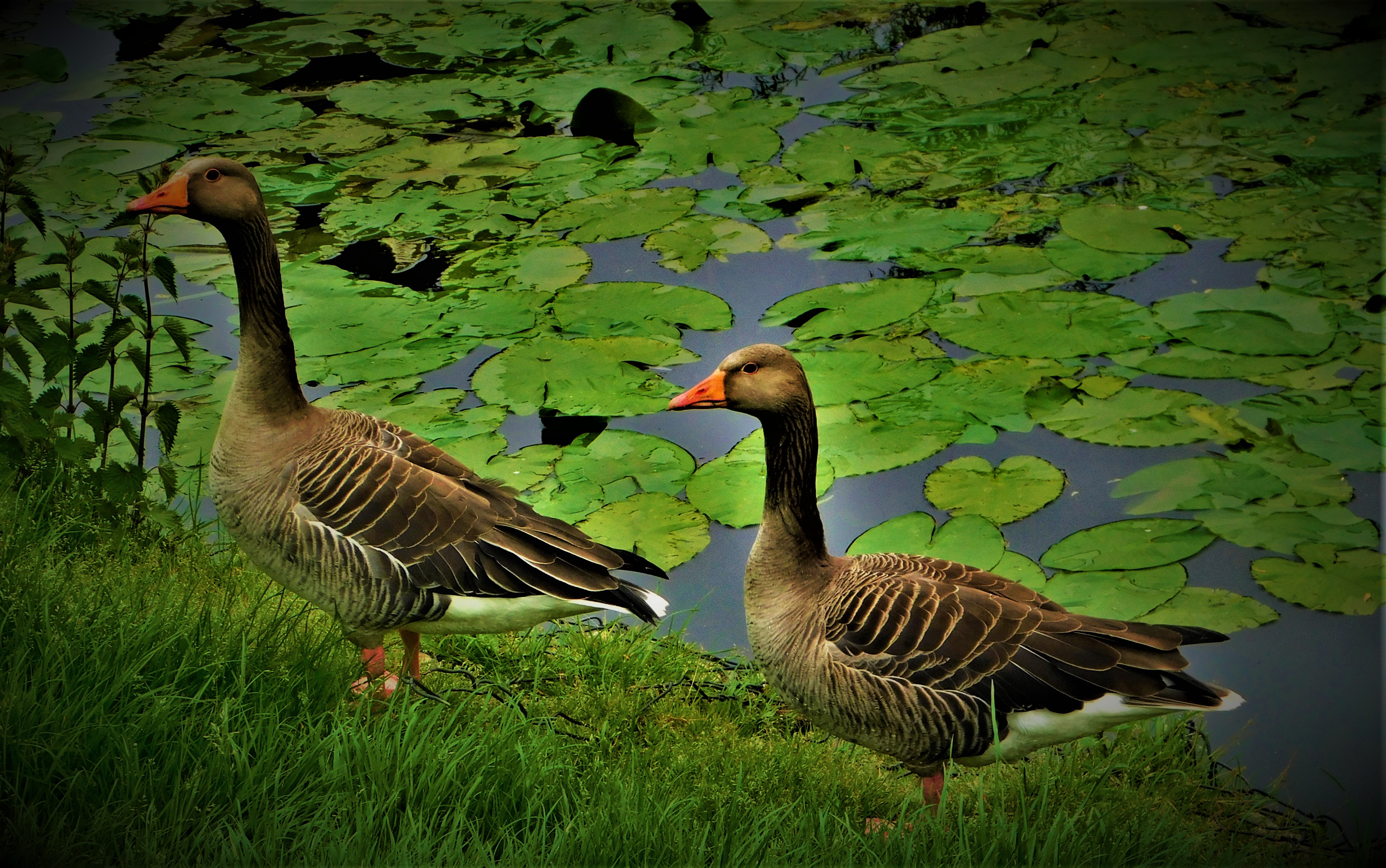
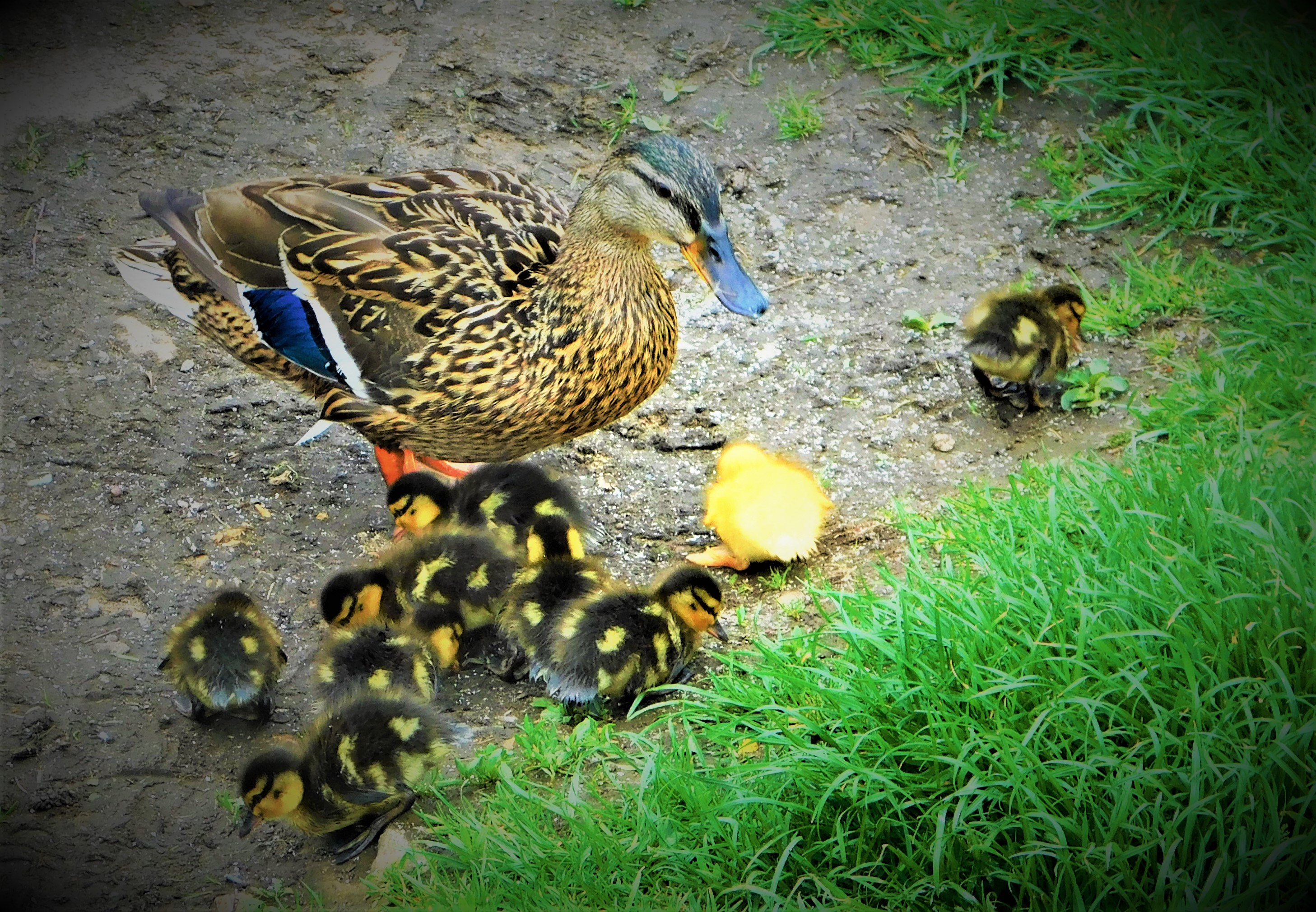
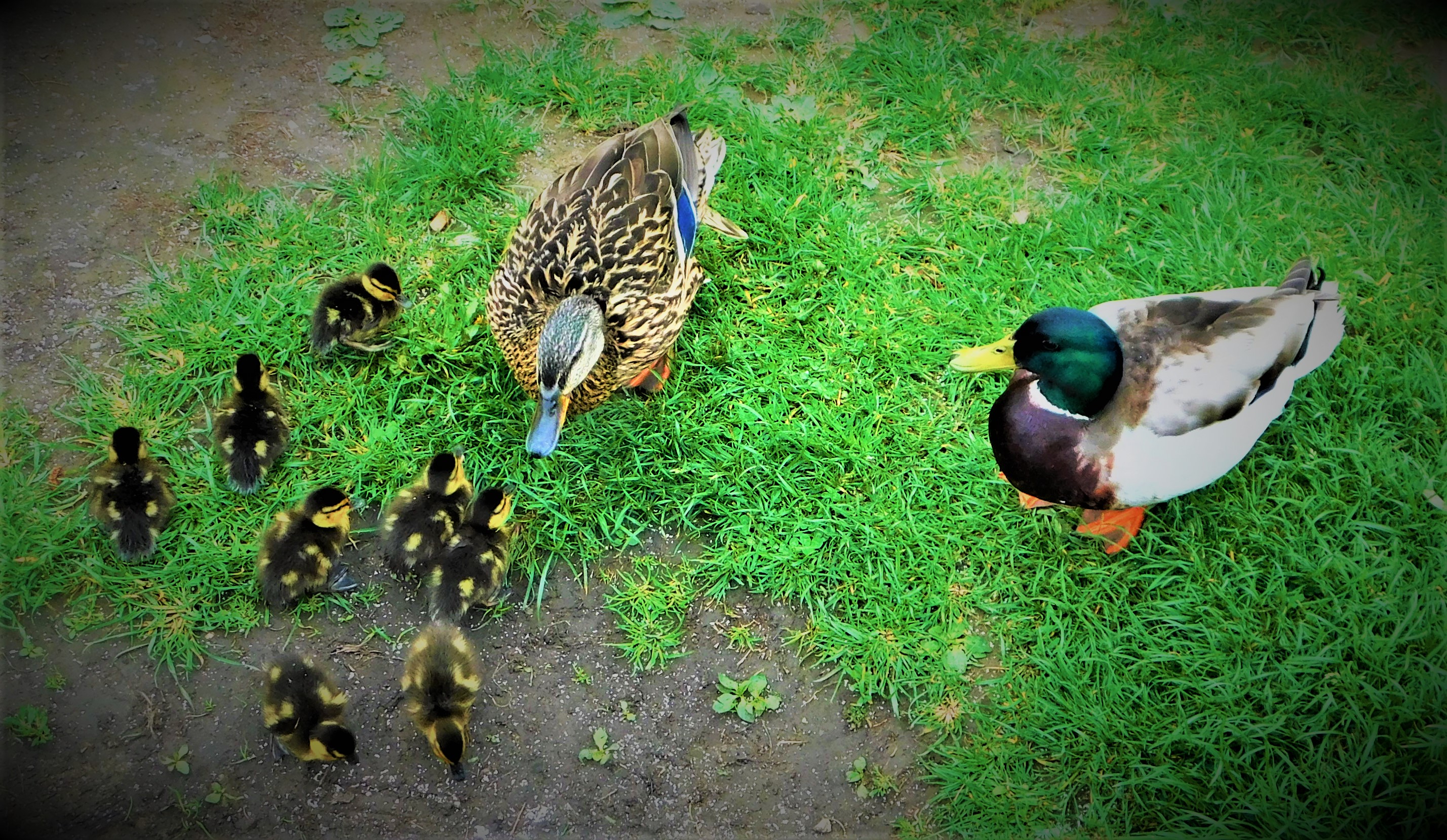
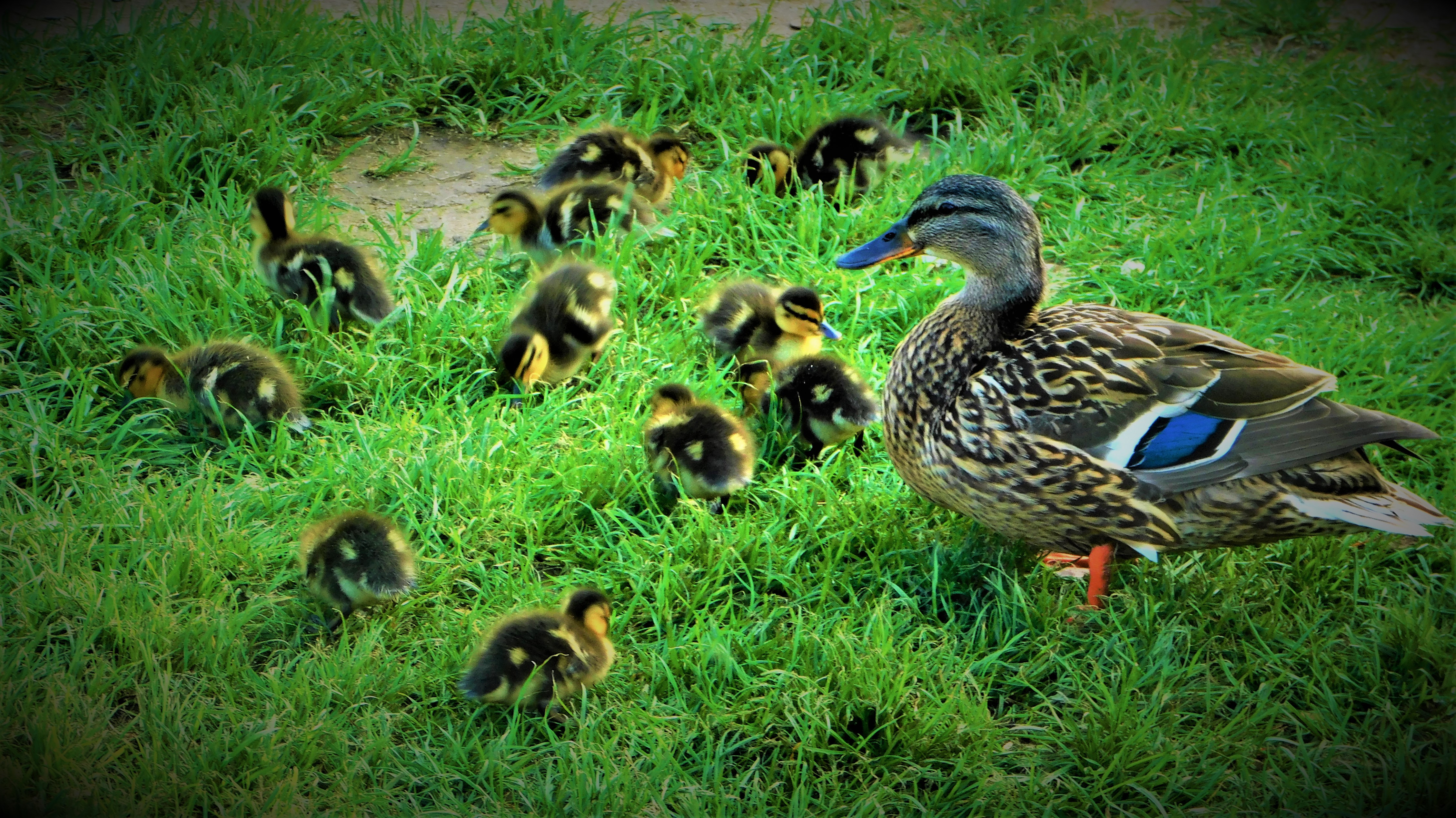
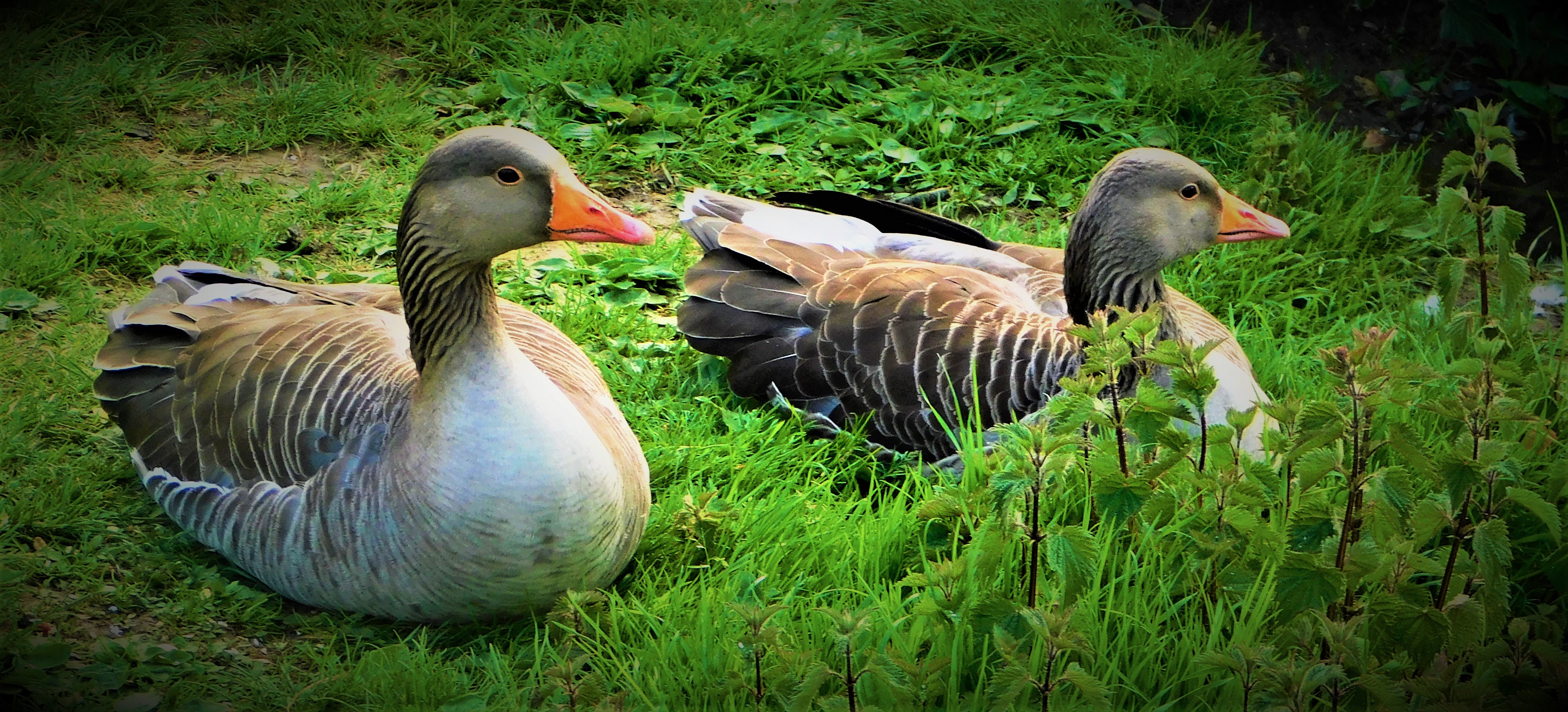
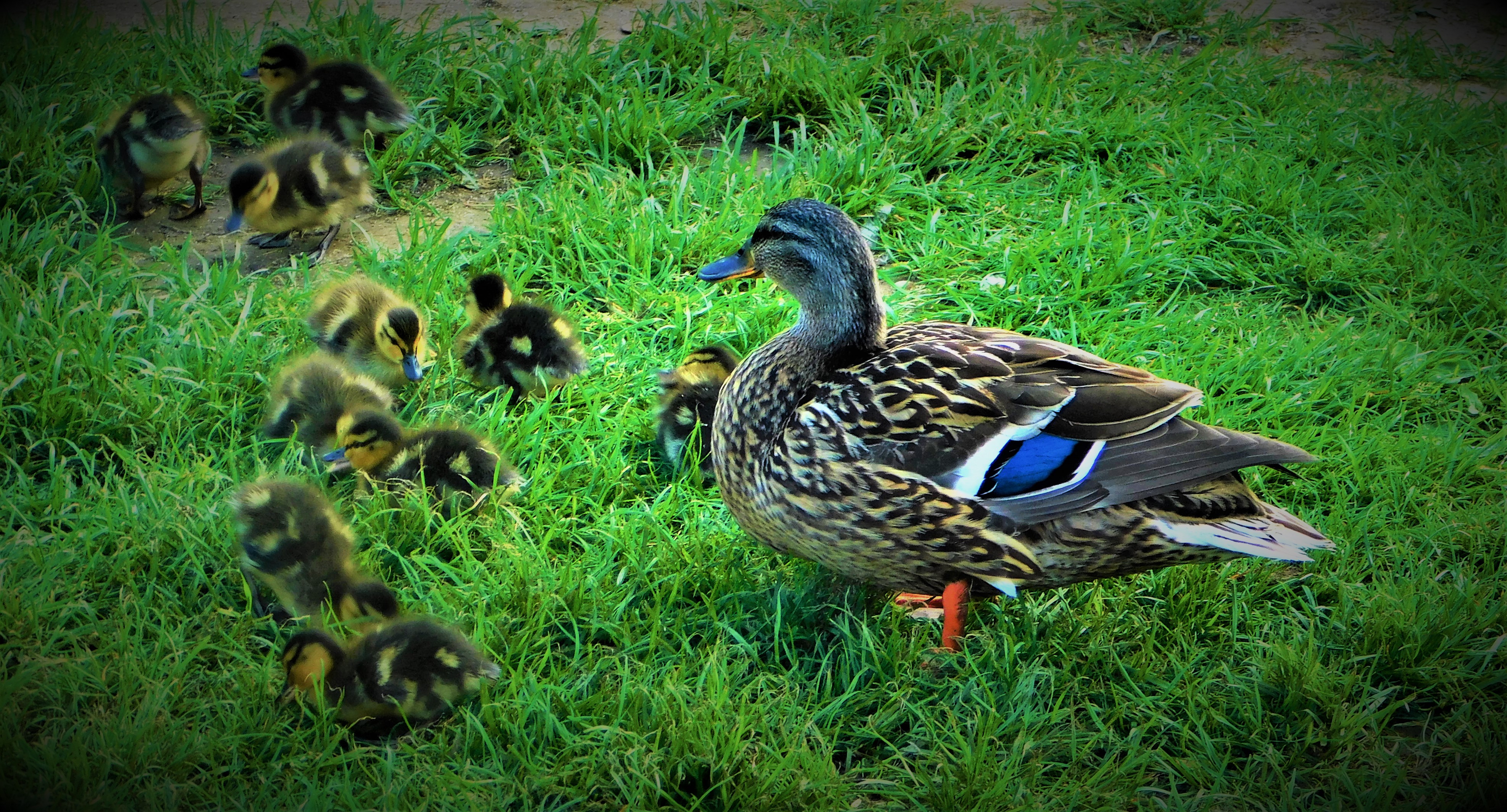
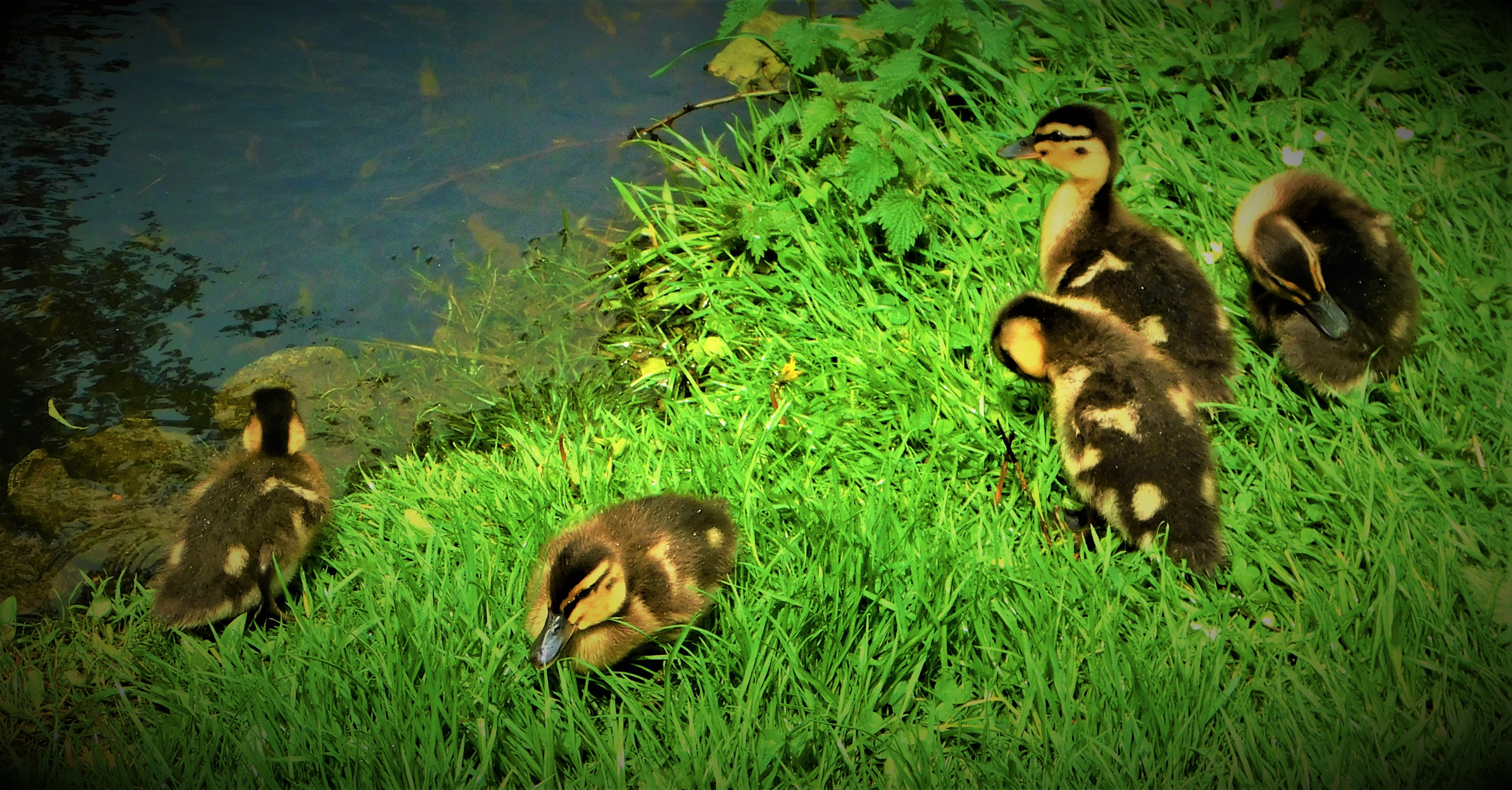
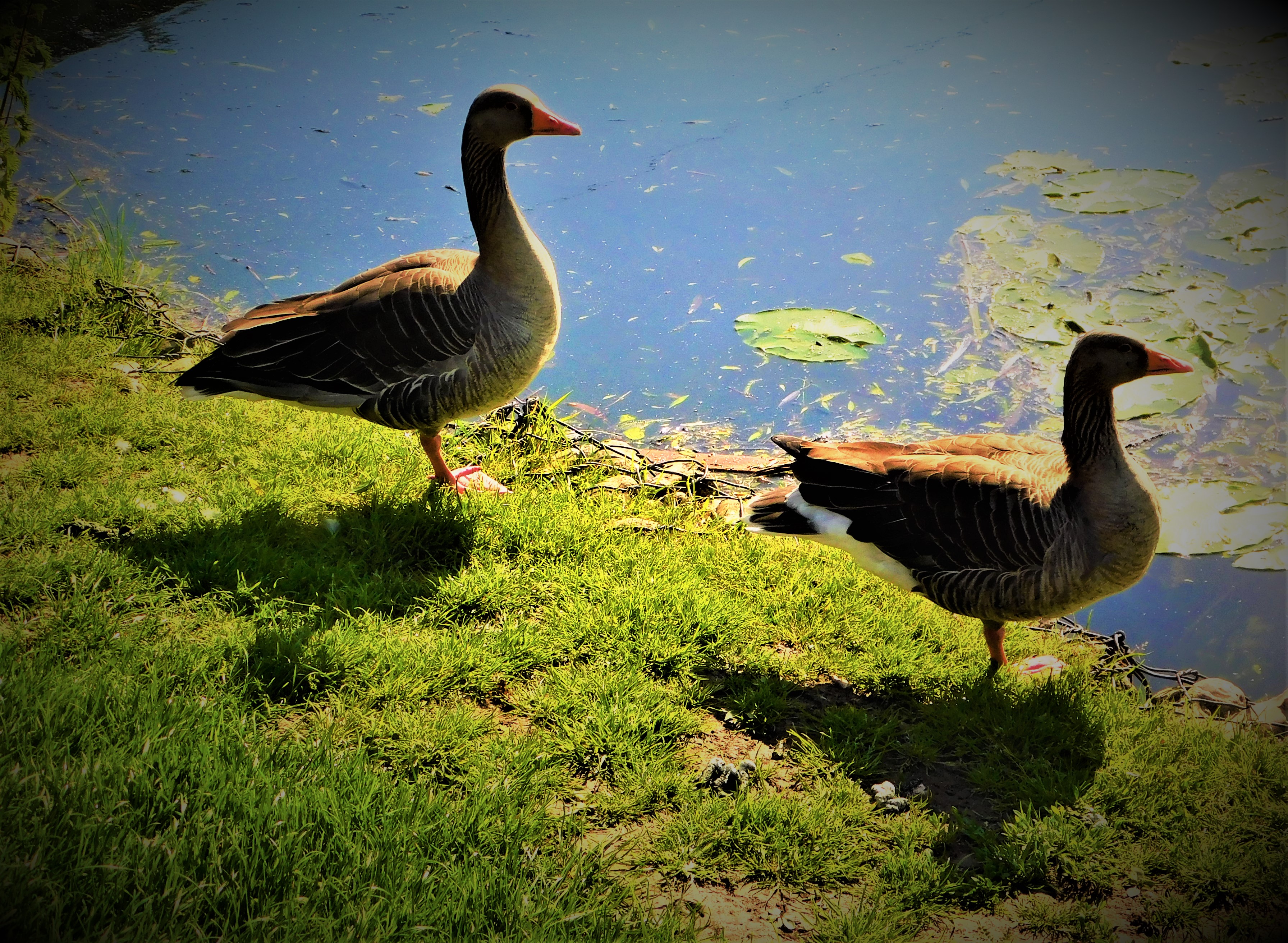
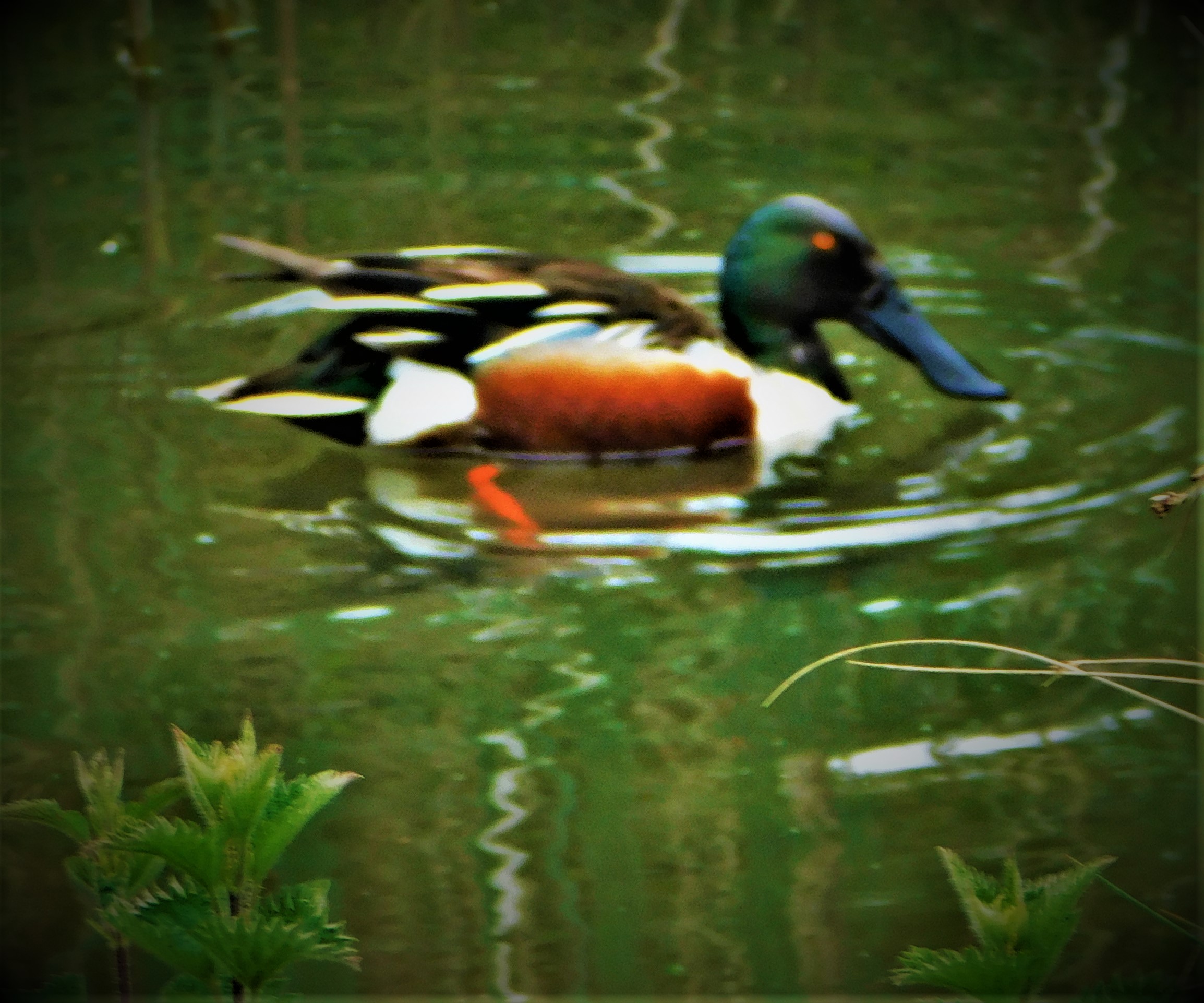
A huge variety of duck and goose species were on show all around Pensthorpe. The Barnacle Geese (black and white coloured and smaller than any other variety of goose at Pensthorpe) were notably aggressive. There were goose families of one sort or another on or around virtually every pathway. Ducks of varying species were using pretty much every available body of water.

PHOTOGRAPHS

We start with the ducks…

Now for the geese:

Pensthorpe: Introduction

Introducing what will be a mini-series about the West Norfolk Autism Group visit to Pensthorpe Natural Park.

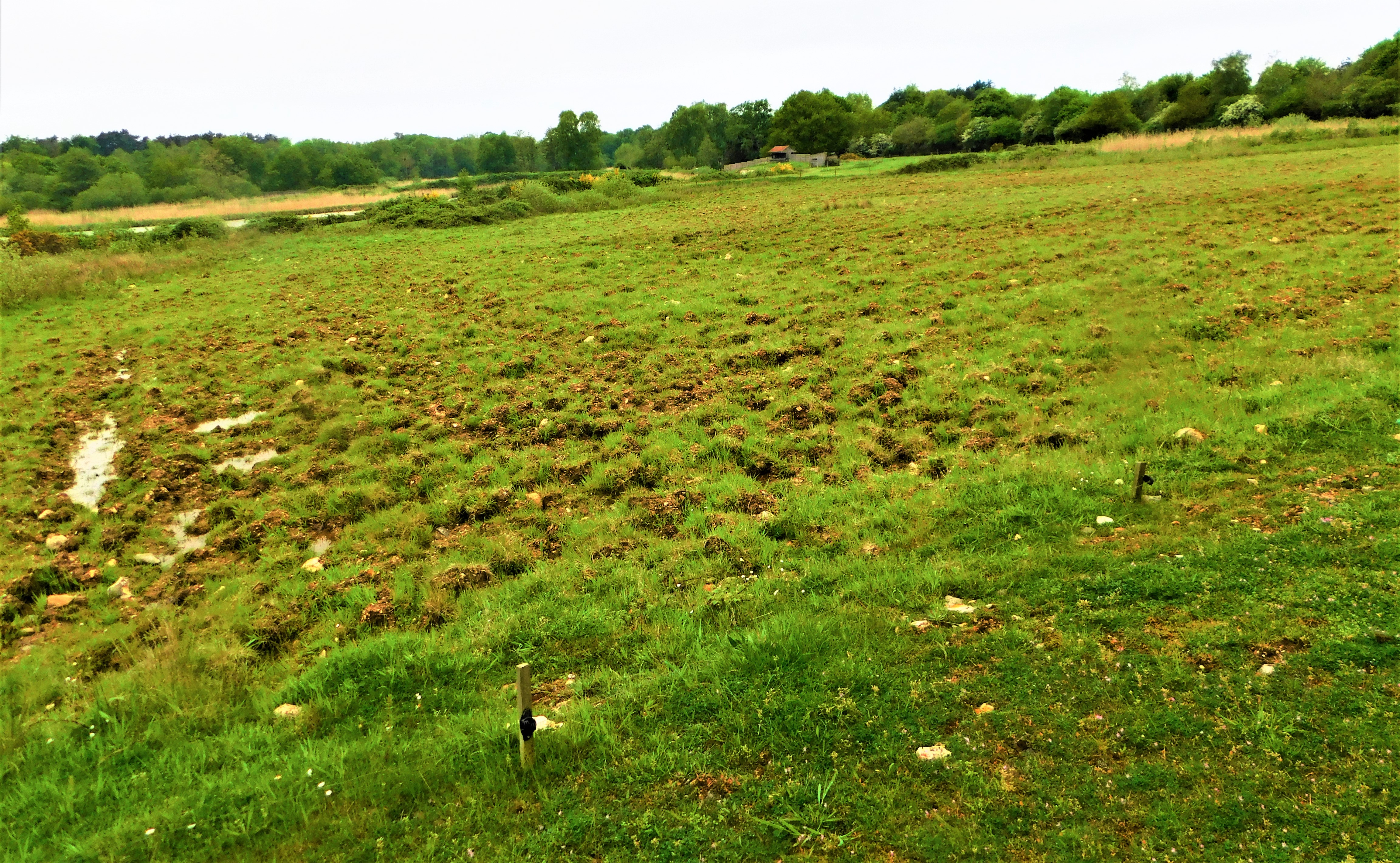
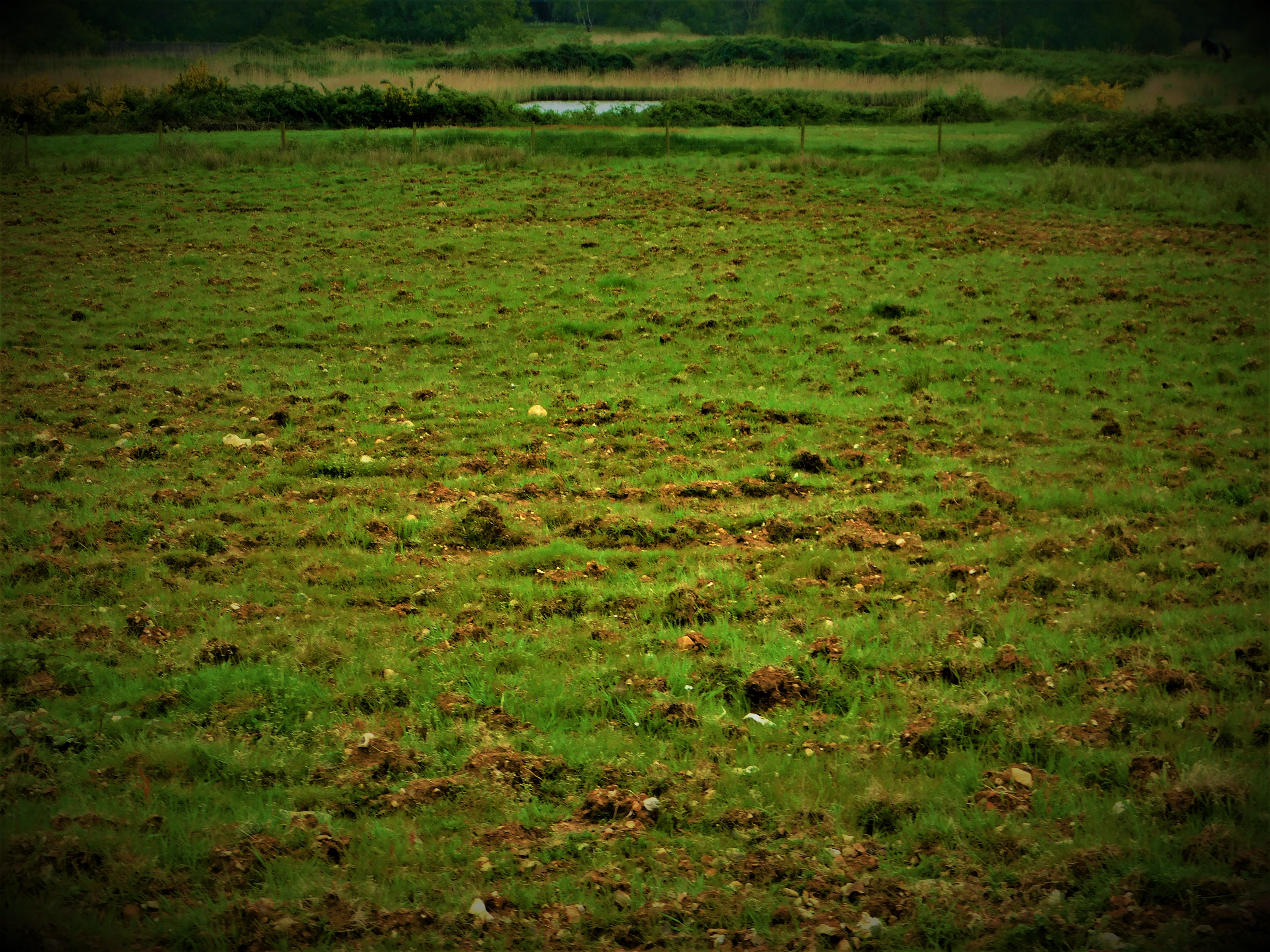
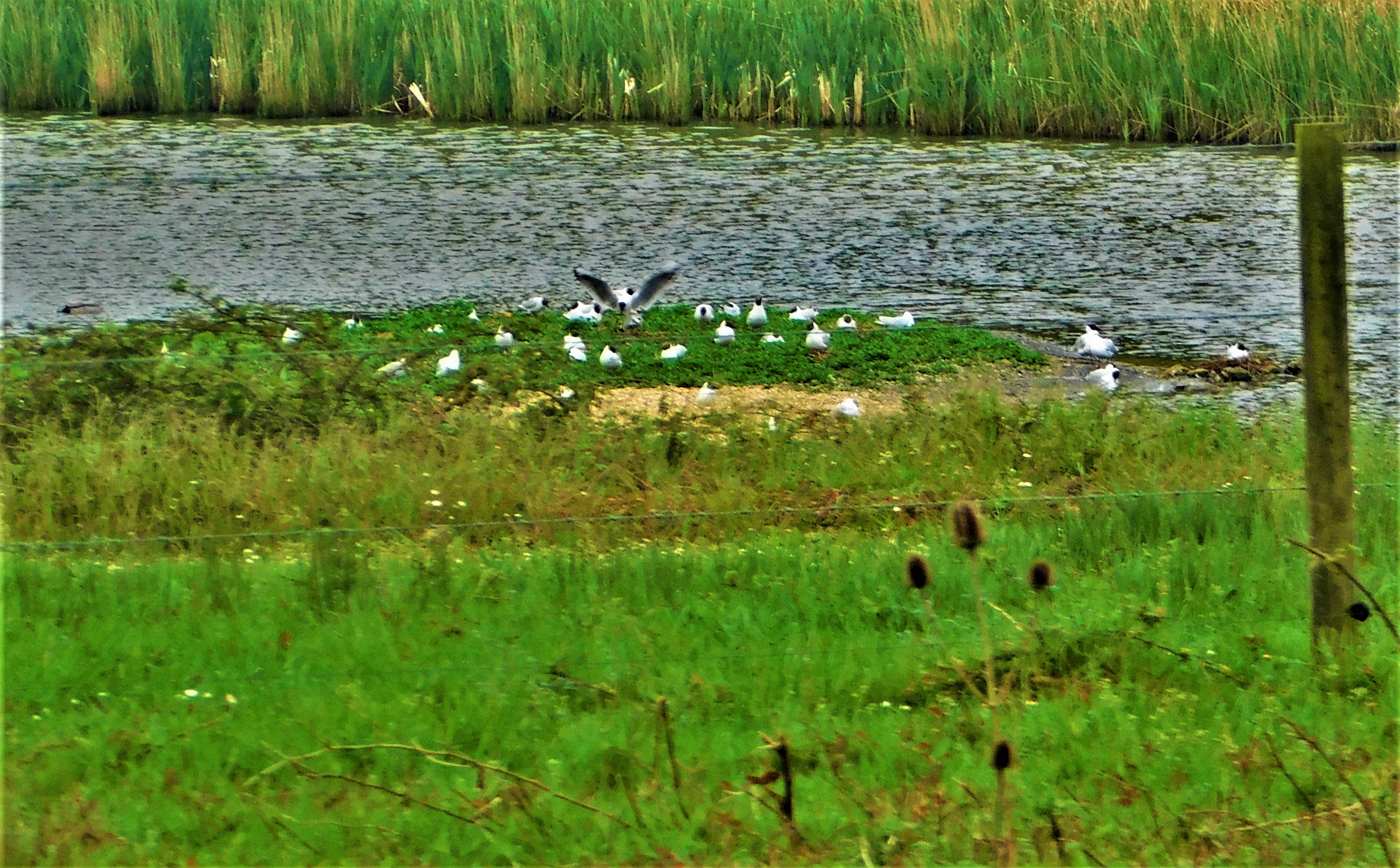
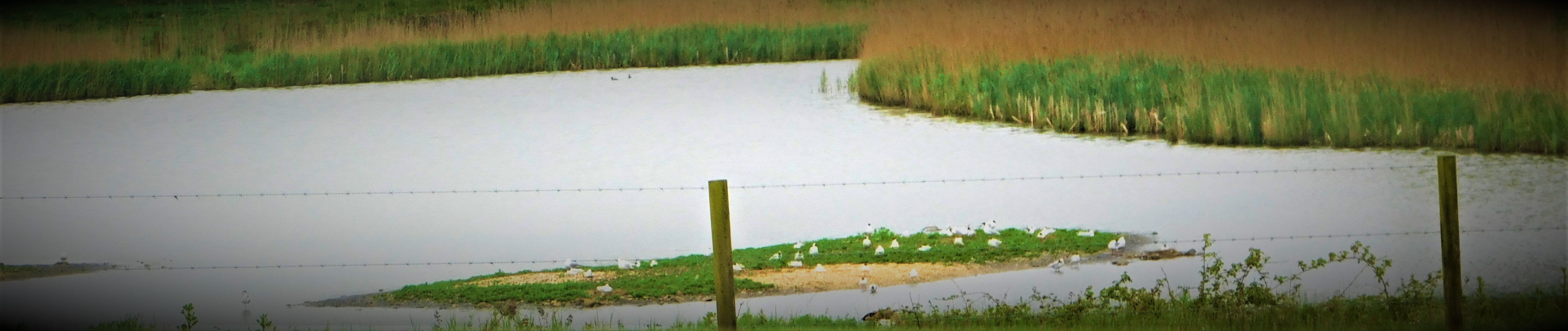
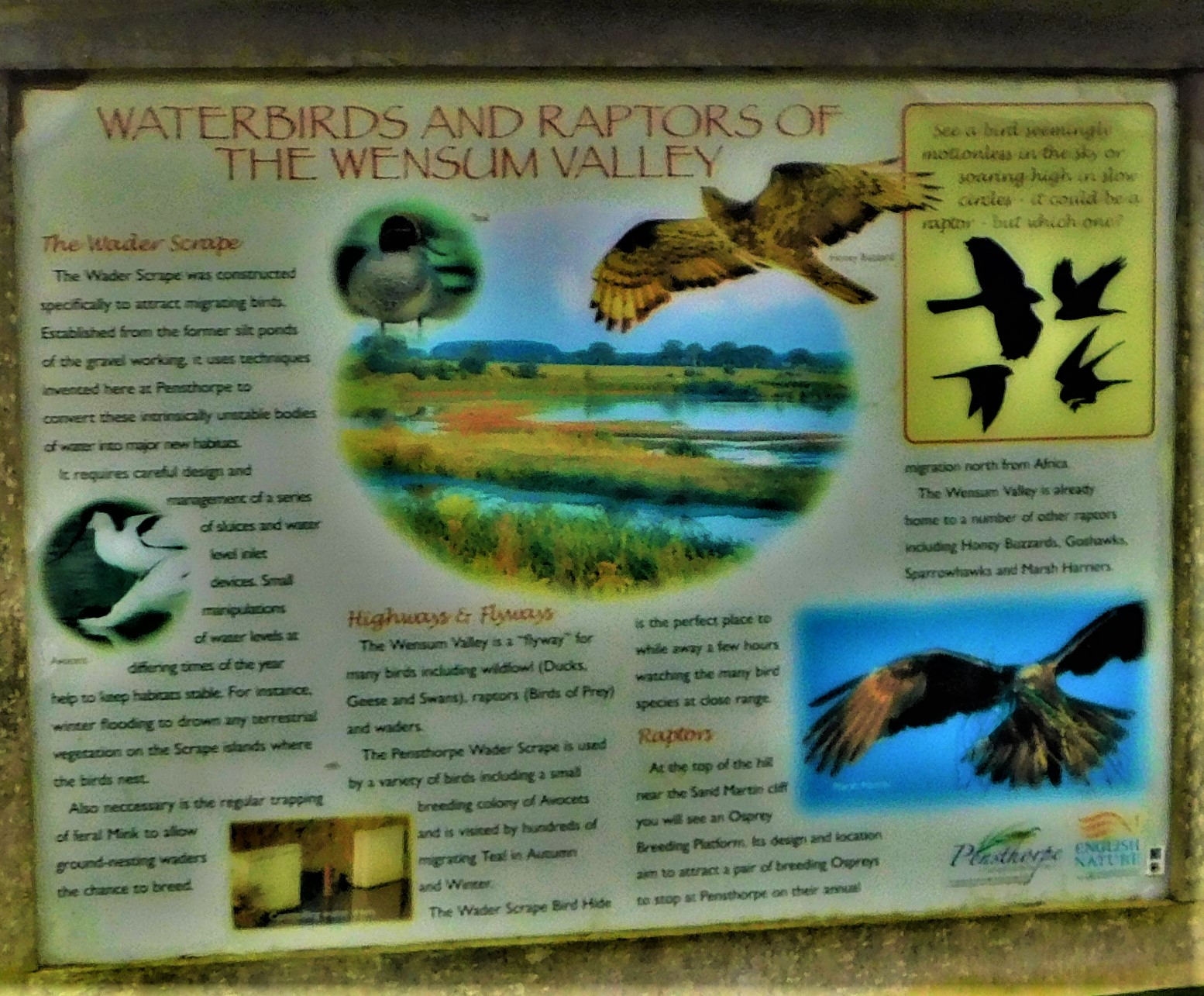
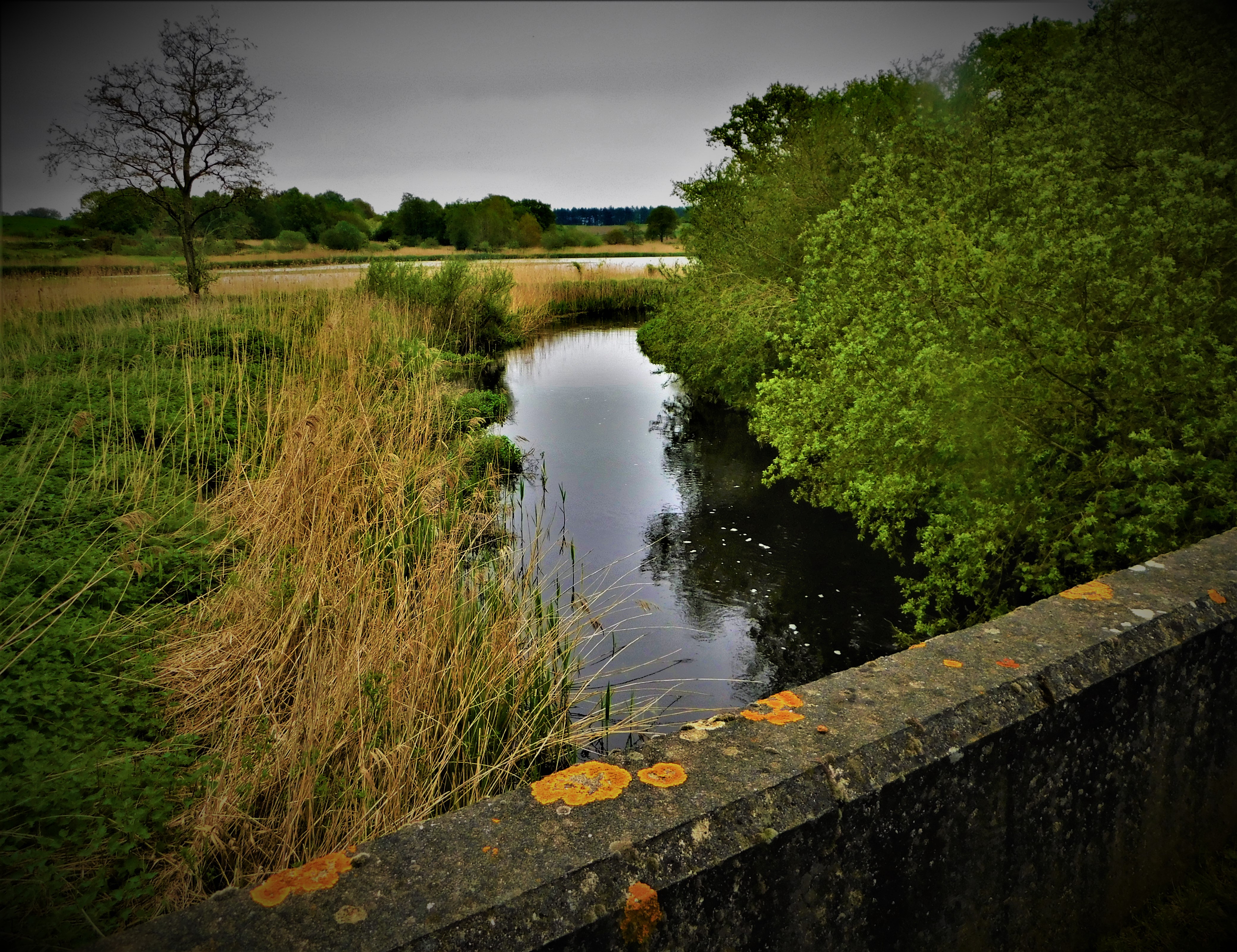
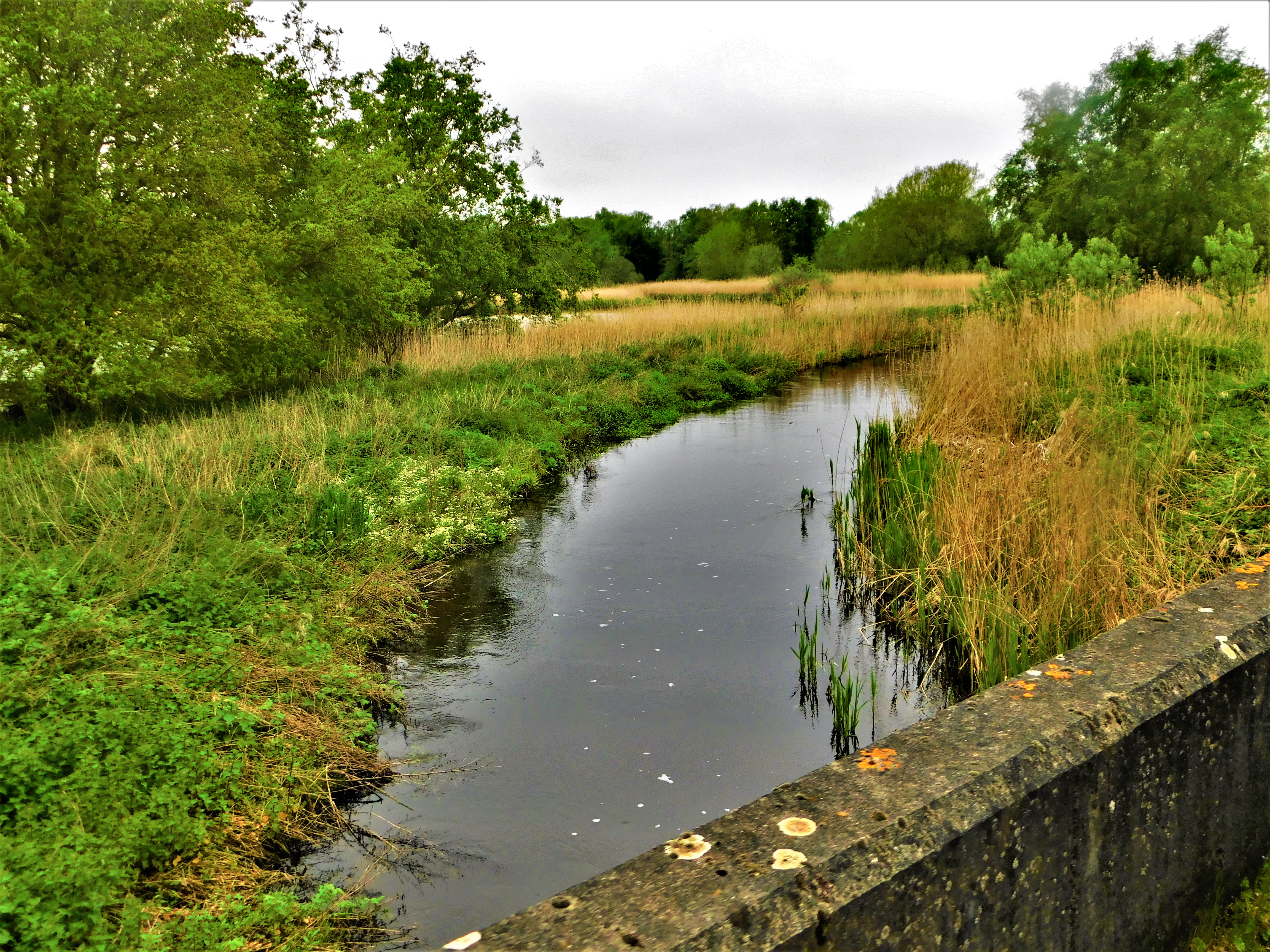
Yesterday saw a West Norfolk Autism Group excursion to Pensthorpe, a nature reserve combined with a working farm a few miles from Fakenham in Norfolk took place. This post introduces what will be a mini-series about the day as I experienced it. I will be doing specific posts about the varieties of ducks and geese on show, the flamingos and cranes, the discovery centre, the sculptures (probably these last two will share one post) and the Explorer trip. The gallery for this post will feature some introductory and general pictures.

OVERVIEW OF PENSTHORPE

Pensthorpe, which was a village until the 14th century when the black death accounted for so many of its inhabitants that the survivors had no option but to up sticks and move down the road to Fakenham, which was originally the smaller of the two places is now home to a nature reserve which is involved in a number of very important conservation efforts. There is also a working farm, and a lot of the electricity the site needs is generated by solar panels on the roofs of the farm buildings – for so big a site it has a tiny carbon footprint. I was booked on the 12:00 Explorer ride (and could also have had a place on the second ride an hour later, but the weather cool, though at least it stayed dry, so I settled for one trip. Otherwise between our arrival just before 10:30, and our departure, scheduled for 3:30PM it was entirely up to me how I spent the time.

PHOTOGRAPHS

Here to complete this introductory post are some photographs…

All Time XIs: Consistent Come Rain or Shine

An all time XI of cricketers who achieved on a massively consistent basis in the county championship.

This is a sort of follow up to the post I have just published – I pick a team of players who were consistently great in the county championship over very long periods, with one single exception – a kind of wild card pick I allowed myself, which I will tackle more fully when I come to him. This is an all-English XI.

THE XI IN BATTING ORDER

  1. Jack Hobbs (right handed opening batter, outstanding cover fielder, occasional medium pacer). The scorer of more first class runs and more first class hundreds than anyone else in history.
  2. Herbert Sutcliffe (right handed opening batter). Although he was even better at test level than at county level he still has a case to be regarded as the greatest of all county championship batters, as I argued in the previous post.
  3. Walter Hammond (right handed batter, ace slip fielder, right arm medium fast bowler). The third leading scorer of first class hundreds, and one of seven players to have scored over 50,000 runs in first class cricket.
  4. Phil Mead (left handed batter). The fourth leading scorer of first class runs and first class hundreds.
  5. Patsy Hendren (right handed batter, outstanding fielder). The second leading scorer of first class hundreds, the third leading scorer of first class runs.
  6. George Hirst (right handed batter, left arm fast medium bowler, outstanding fielder). Rated by his skipper Lord Hawke as the finest of all county cricketers, he achieved the season’s double of 1,000 runs and 100 wickets on 14 occasions, including the only ever ‘double double’ of 2,000 runs and 200 wickets. 10 of those 14 doubles were achieved in successive seasons, the greatest display of all round consistency in the history of cricket.
  7. Vallance Jupp (right handed batter, off spinner). He achieved the double eight times in succession in the 1920s, second only Hirst’s great sequence mentioned above.
  8. +Bob Taylor (wicket keeper, right handed batter). More dismissals than any other keeper in first class history.
  9. Frank Tyson (right arm fast bowler, right handed lower order batter). The wildcard pick, probably the fastest bowler England has ever produced, and a few brief years he did brilliantly, including blitzing the Aussies in their own backyard in 1954-5.
  10. *Wilfred Rhodes (left arm orthodox spinner, right handed lower order batter). Rhodes had an amazing career comprising at least five distinct phases – specialist bowler, all rounder, specialist batter, all rounder, specialist bowler – but it his bowling that this side needs, and it as the taker of more first class wickets than anyone else that I have selected him. I have also named him as captain, reckoning that he would be an outstanding skipper had he had the chance. He once said of an England skipper “aye ‘ee wor a good un – he allus did what me and Jack (Hobbs) telt him”.
  11. Derek Shackleton (right arm medium fast bowler, right handed lower order batter). Only one bowler managed to take 100 or more first class wickets in each of 20 successive seasons, and it was him. Rhodes achieved the feat 23 times in all in his astonishing career.

This side has a super powerful top five, two outstanding all rounders at six and seven, a great keeper who was a better bat than he was often given credit for being and a well varied trio of great bowlers to round out the order. A bowling attack that has Tyson, Shackleton and Hirst to bowl seam, Rhodes and Jupp to bowl spin and Hammond as sixth bowler is more than amply equipped to claim 20 wickets.

HONOURABLE MENTIONS

This section has multiple subsections, starting with:

WG GRACE – AN EXPLANATION

This post is about cricketers who were in their prime when the championship was on an organized footing, and as mentioned in the previous post WG was past his prime by 1890.

SPECIAL MENTION: FRANK WOOLLEY

Frank Woolley had a truly outstanding record, and I would not argue against selecting him. It was a coin toss between him and Mead and I went for Mead.

ACKNOWLEDGEMENT: SIR LEONARD HUTTON

A very great batter, but I felt the Hobbs/ Sutcliffe combo, the greatest opening pair in history, had to be kept together.

ANTI-ACKNOWLEDGEMENT: GEOFFREY BOYCOTT

While his record with the bat was outstanding, it was too often not accompanied by success for his team, and for that reason he had to be disqualified.

TICH FREEMAN

The second leading wicket taker in first class history, the only bowler to take three first class all-tens, the only bowler to take 300 first class wickets in a season. However, while he habitually destroyed the ‘rest’ there was a notable falling off in his record even against the strongest counties – he paid over twice as much for his Surrey and Lancashire wickets as he did for his Northamptonshire and Somerset ones.

OTHERS

Had I been going to pick a specialist captain I would have gone with Stuart Surridge, who captained Surrey for five seasons and won five county championships, but I felt I could not accommodate a specialist skipper in this XI. Had I not decided to allow myself the wildcard pick of Frank Tyson I would have had two choices for a fast bowler who had a very long and consistent career: Tom Richardson or Fred Trueman. Maurice Tate might be considered unlucky to miss out, and everyone will have their favourites who they feel I have neglected.

PHOTOGRAPHS

My usual sign off…

What Makes A Great County Championship Batter?

This post, the first of two related posts I shall be producing today, was prompted by a piece I saw via social media about just who was the greatest of all county championship batters. I was not satisfied with the methodology used in that piece, so decided to do my own version.

SETTING SOME BASIC CRITERIA

The first requirement is obviously to have a great record over a long period of time. Secondly, the County Championship was only put on an official footing in 1890, so we are looking at careers after that year only. Thirdly, cricket is a team game, so runs that contribute to championships count for more than other runs.

ELIMINATING POTENTIAL CANDIDATES

Although he had an outstanding season in 1895 and a very good one in 1896 WG Grace’s greatest days were done by the time there was actually a county championship, so he is not eligible.

Geoffrey Boycott twice averaged over 100 for an English season, but both these tall scoring years have a massive asterisk against them – on each Yorkshire fared worse in those seasons than they had done the year before when Boycott was less prolific – a nine place drop from 4th to 13th in the first of them, and a smaller drop from 4th to 7th in the second.

Jack Hobbs had an outstanding record, but Surrey didn’t win many championships during his playing career.

Walter Hammond never won a county championship for all his great record with the bat, and his poor captaincy was partly to blame for that.

Phil Mead of Hampshire likewise never helped his side to win a championship, though he holds the records for most runs and most centuries for a single first class team.

MY NOMINEE

Herbert Sutcliffe had his entry into first class cricket delayed by one world war and his first class career terminated by the outbreak of the other. In the 20 years he did play he was a consistent, huge run scorer, more often than not top of the Yorkshire batting averages, although as I have pointed out elsewhere his test record was better than his overall first class record, and his Ashes record was better still. In keeping with this ‘big occasion’ temperament, nine of his championship centuries came at the expense of bitter rivals Lancashire. Also, if we turn to the element of contributing to championship success, Yorkshire were champions in 1919, won four successive titles in the 1920s, and won the championship a further seven times in the course of the 1930s, giving Sutcliffe a playing role in the winning of 12 county championships. I end this section with one example of Sutcliffe scoring runs that altered the outcome of the match. The match in question was against Kent, whose bowling was dominated at that time by leg spinner Tich Freeman. In the final innings of a low scoring affair Yorkshire needed 192 on a pitch that had not previously allowed a total that high. Yorkshire won by two wickets, and 110 of those 192 came from the bat of Herbert Sutcliffe, with the only other innings of significance coming from skipper Sellers (34 not out at the death).

OTHER GREATS

Leonard Hutton, who shared some of Sutcliffe’s triumphs in the 1930s and was the best English batter of the immediate post-war era was probably the closest rival to Sutcliffe, though Peter May scores well when it comes to helping his side win titles. Most overseas players would not qualify due to not playing enough, although three who did were Roy Marshall and Barry Richards (both Hampshire) and Mike Hussey (several counties in the recent past). Most of the best present-day English batters would be unlikely to qualify because international commitments restrict them to only a few championship appearances in any given season.

PHOTOGRAPHS

Even with two blog posts to cater for I have a big photo gallery (please note I will out for most of tomorrow, on a West Norfolk Autism Group outing to Pensthorpe, where I expect to get some particularly impressive photos).

Watching The Metronomes In Action

An account of a day trip top Broxbourne to watch the Metronomes in action.

On Sunday the Metronomes, a cricket club who raise funds for charity and who I follow on twitter, were playing at Broxbourne and since that is close enough to me that I can get there and back in a day, even on the Sunday before a bank holiday Monday I decided to go and watch. This post describes the day from my point of view.

GETTING THERE

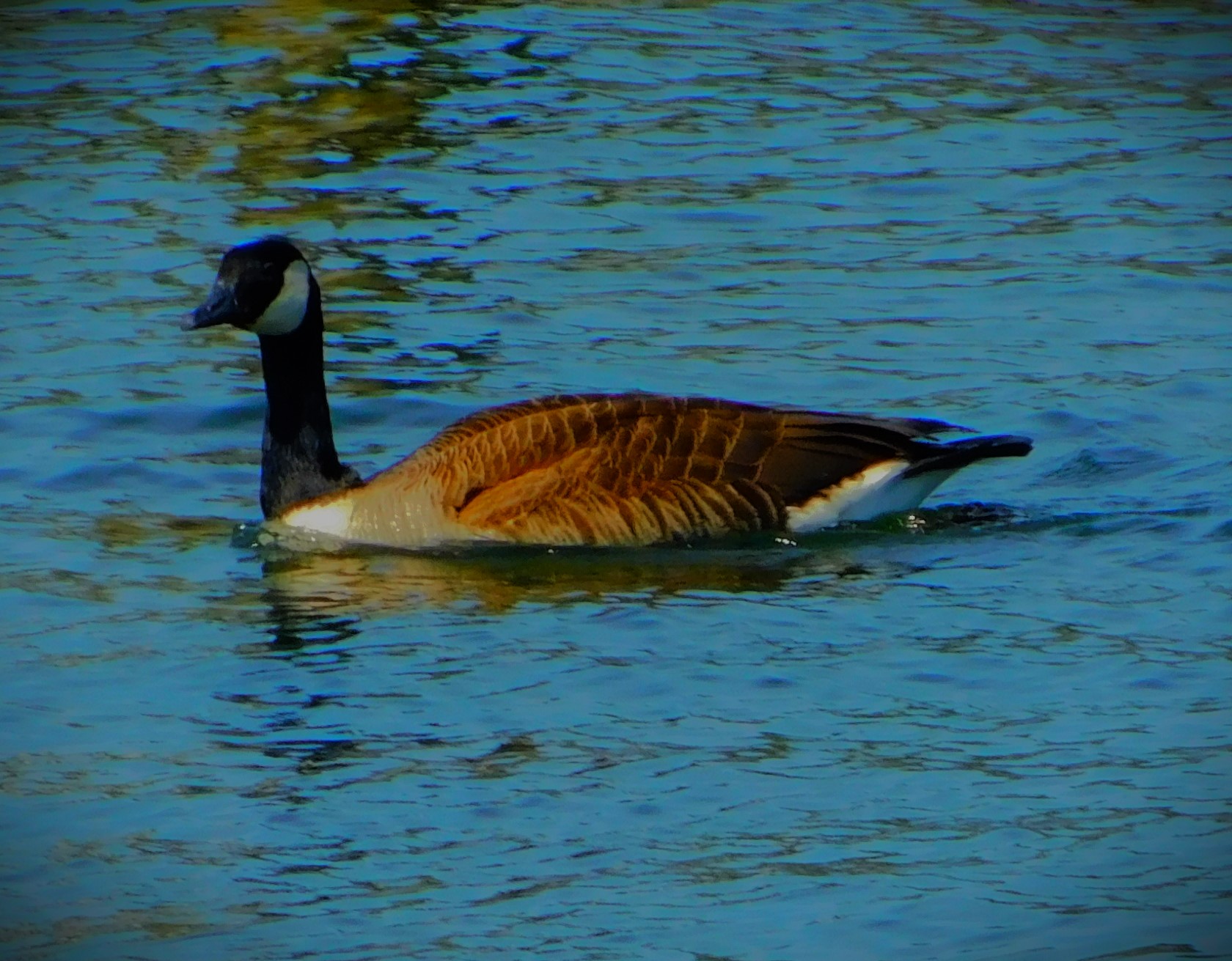
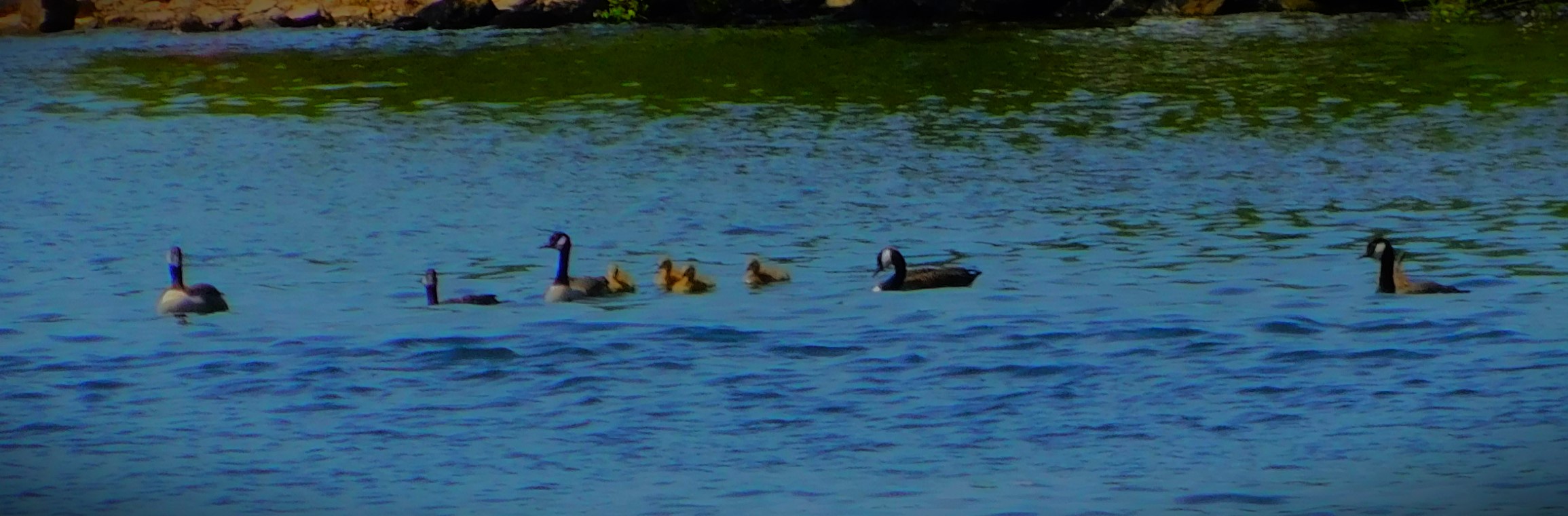
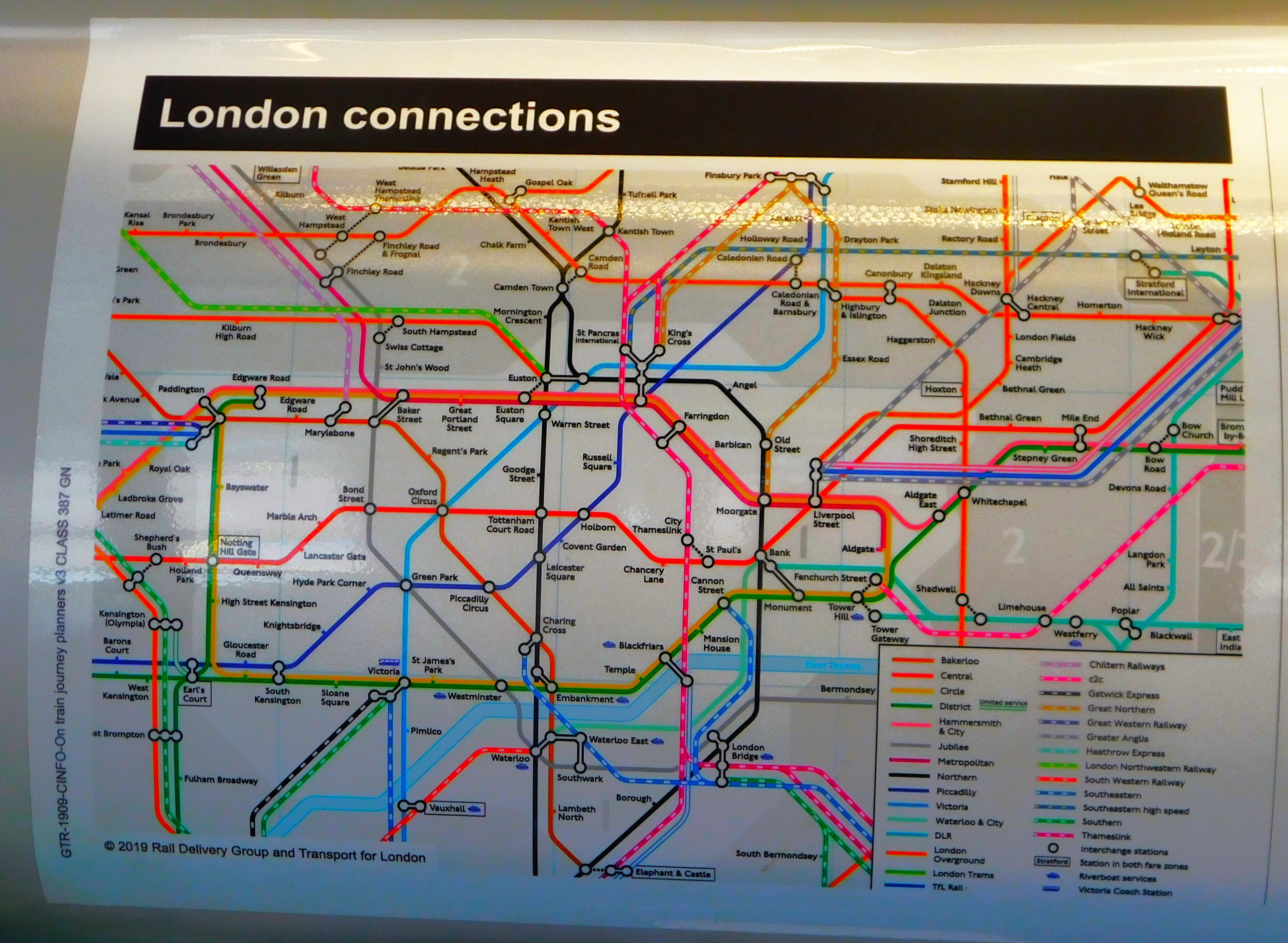
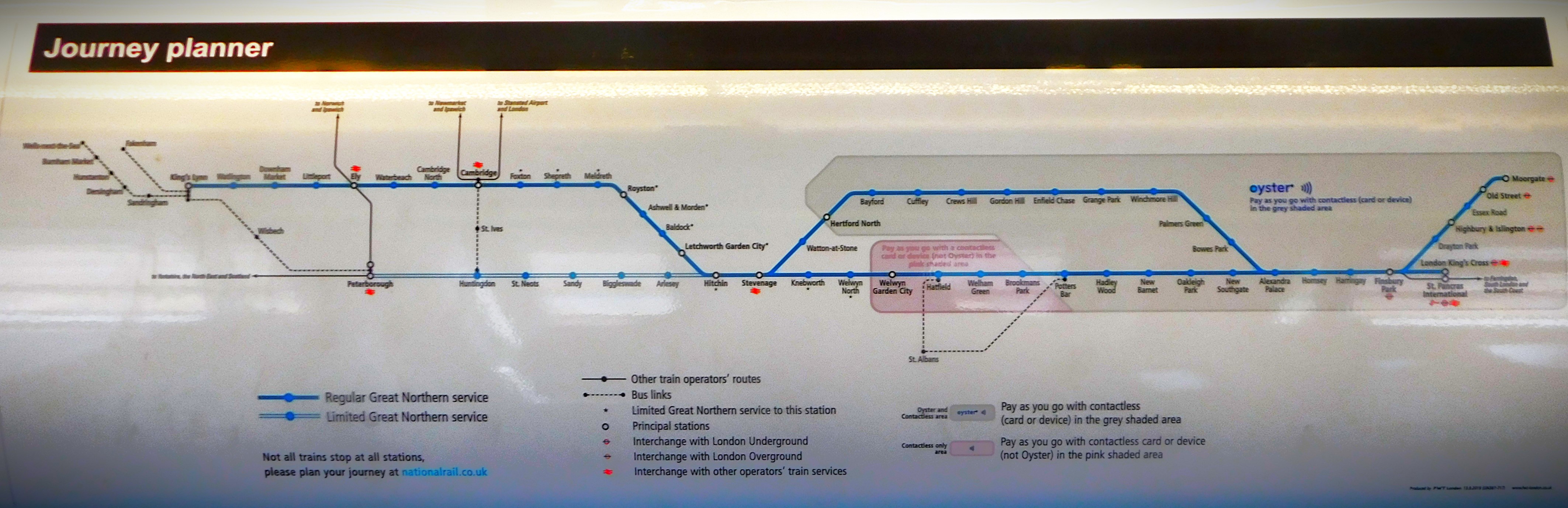
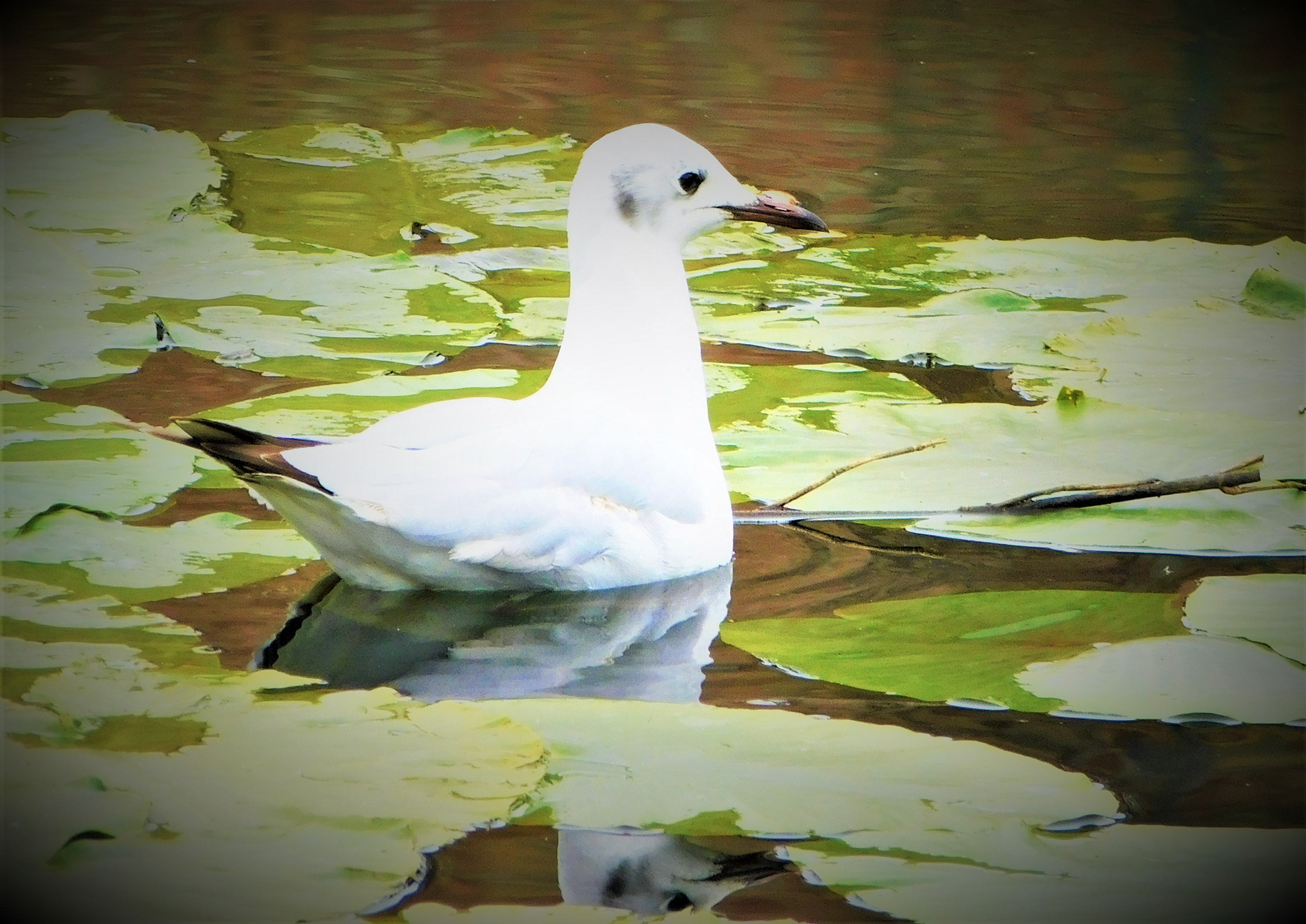
I arrived at King’s Lynn station in good time for the train I intended to catch, noting immediately that it was terminating at Ely, which meant a replacement bus service would be operating between Ely and Cambridge. Fortunately this did not materially affect the outward journey, and I arrived at Broxbourne at 13:16. The walk from the station to Broxbourne cricket club is short and scenic, much of it being within sight of the river Lea. Among the highlights were Canada Geese.

AT THE MATCH

I found a seat with a decent view of the action, and ate my lunch and drank my bottle of water. Later I bought a good but seriously overpriced pint of beer. The opposition, the Three Graces batted first, and they did not fare especially well. During the innings break Mark Puttick, a keen statistician and part of the Metronomes introduced himself. Later, during the Metronomes response, their founder, Bex Coleman, also introduced herself. Mark had expressed his belief that Metronomes could chase down the total without needing him to bat, and that proved to be the case – a superb opening stand set them up, and there only ever looked like being one outcome. I left shortly after the handshakes, to ensure that I could get home at a sensible time.

THE JOURNEY HOME

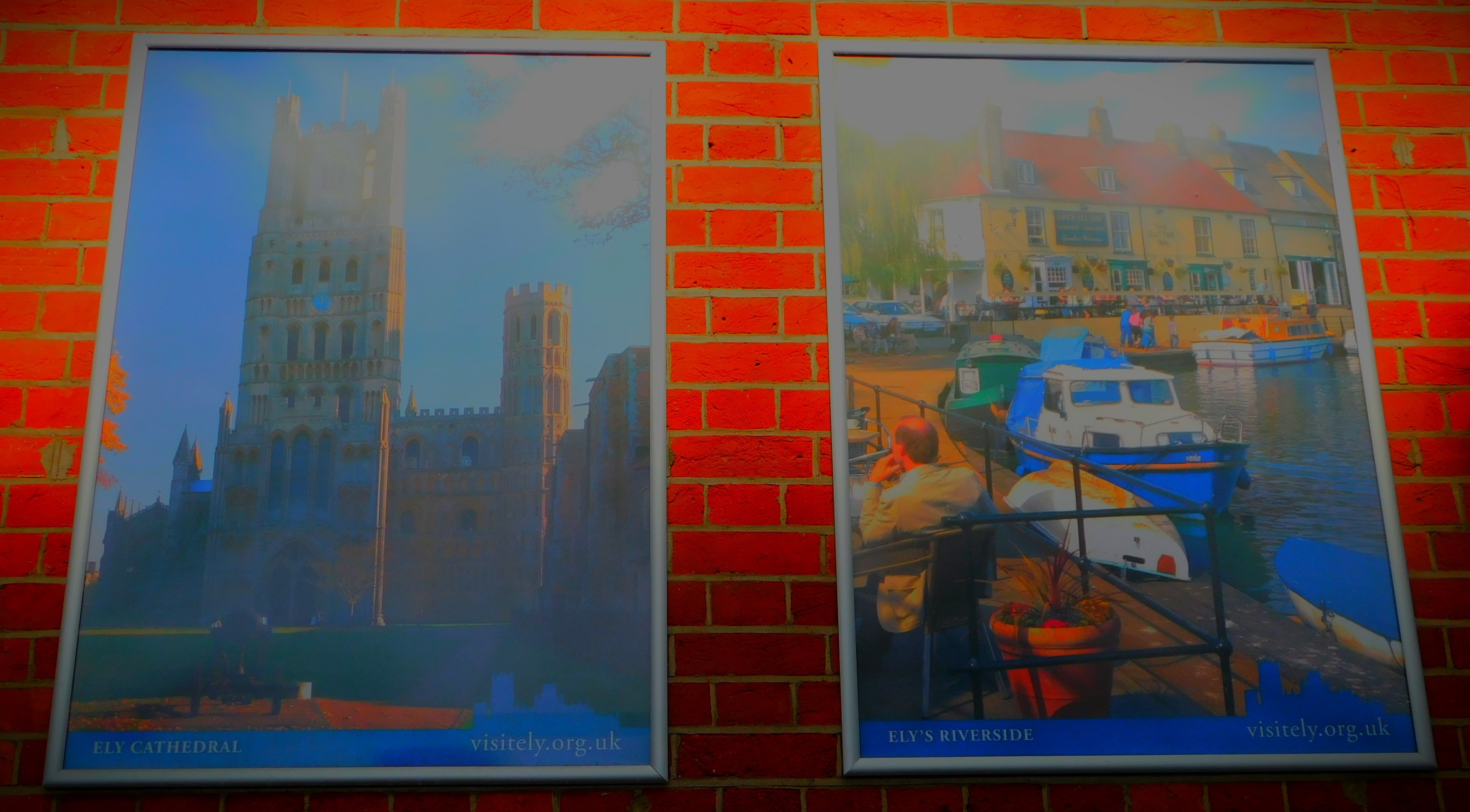
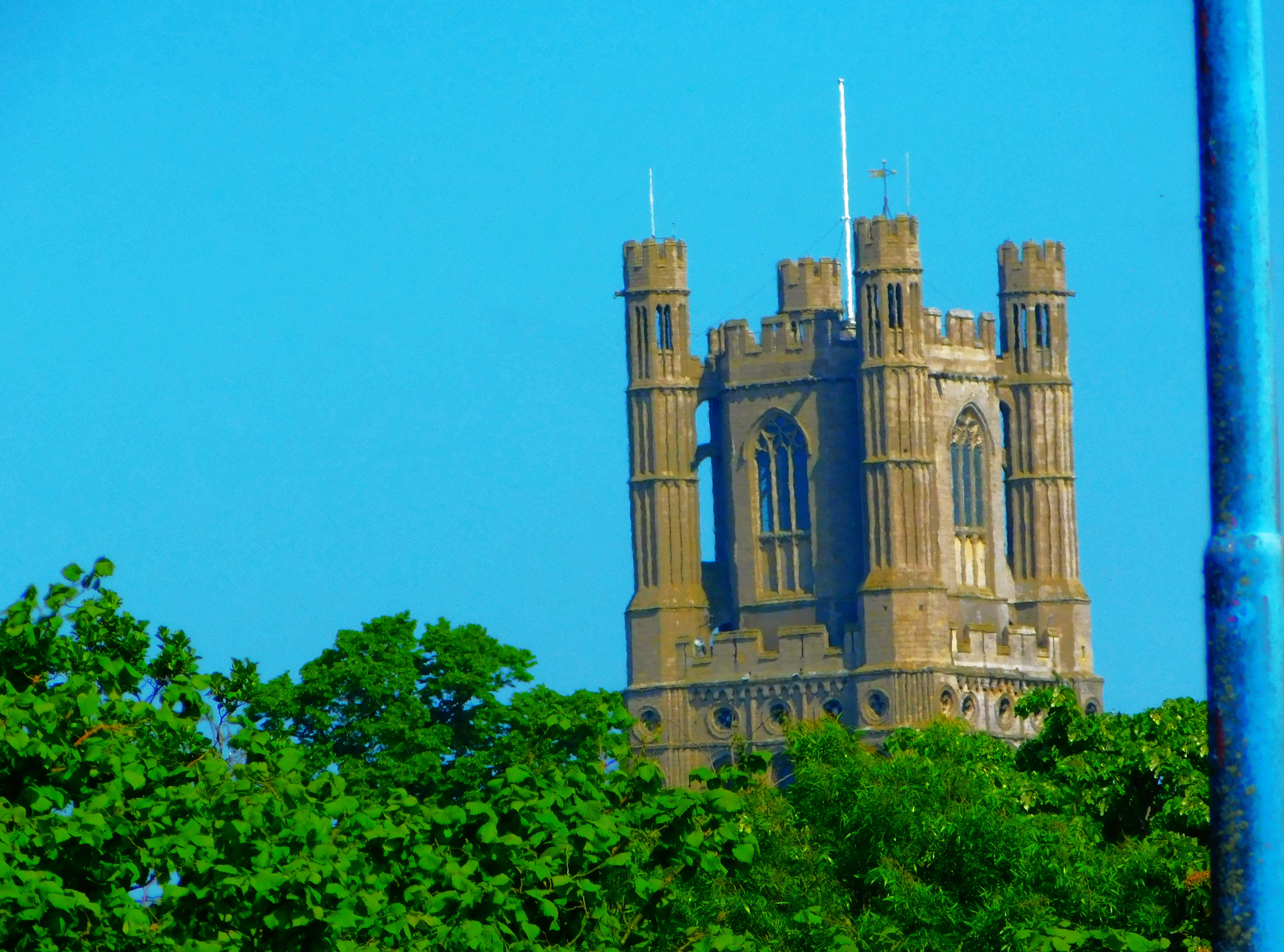
The train from Broxbourne to Cambridge stopped at every station along the way, and I had a bit of a wait for the onward bus connection to Ely, and then a substantial wait at Ely for the train to King’s Lynn (fortunately the weather was very pleasant – Ely is a nice station, but in bad weather it is a horrible place to have to wait – the wind can be vicious in East Anglia and Ely is very exposed. I got home just before eight o’clock.