The Womens’ T20 World Cup Semi Finalists

A brief look at the four teams in the semi-finals of the Womens Under 19 World Cup, and a substantial photo gallery.

The semi-finalists of the Womens T20 World Cup are now established, as are the timings of their matches. Tomorrow when I shall be at work Australia face India, while on Friday England take on the hosts South Africa. This post looks at the four sides and their passage to the semi-finals.

AUSTRALIA

They came into this tournament as heavy favourites and there is no great reason to alter that assessment. They have disposed of everyone in their path to date. They still have two tough contests ahead of them, but all available evidence suggests that they are thoroughly capable of adding yet more silverware to the best stocked trophy cabinet in international cricket.

ENGLAND

England are also unbeaten, and finished their group stage with a flourish (a game I know about only at second hand due to work commitments), beating Pakistan by 114 runs (213-5 plays 99). They should have what it takes to get past South Africa in the semi-final, but unless India produce something beyond anything they have shown thus far in the tournament the women in green and gold will be waiting in the final, and England will need to be at their absolute best and probably have a bit of luck in addition to win that contest. England have been strong in all areas, with their least effective player of the tournament so far being the veteran Katherine Sciver-Brunt whose last ICC tournament this is.

INDIA

Other than suffering a narrow defeat at England’s hands India did everything right in their group. They should also be buoyed by the recent success of their juniors in the Womens U19 T20 World Cup, the first world cup win by any Indian women’s team, and the upcoming Womens Premier League (female equivalent of the IPL) will act as a spur to ensure that they produce their best on the biggest stage, but they face a mighty obstacle in the semi-finals in the form of the Aussies.

SOUTH AFRICA

The hosts left ir right to the last gasp to ensure their own qualification. They entered the last match of the group stage, against Bangladesh, needing a win (nothing else – net RR was not an issue) to qualify. South African teams have been known to fail to close out such deals, notably the South African men, who in the last men’s T20 World Cup were in the identical position against even less significant opposition, The Netherlands, and suffered a humiliating defeat and consequent early exit. SA were less impressive than their final winning margin of 10 wickets with 2.1 overs to spare suggests – Bangladesh batted poorly, and failed to capitalize on a number of opportunities they were given in the field. Although sometimes teams who only just sneak in at the last moment end up winning because they are the ones in form I don’t think even the most one-eyed of South Africa fans would dispute that they rank as fourth out of the teams to qualify for the semi-finals.

PHOTOGRAPHS

My usual sign off…

England Men in New Zealand

A look back at the first New Zealand v England test match, a couple of 15-minute city related links and lots of photographs.

The first test of mini-series of two matches between New Zealand and England men’s teams has ended early on the fourth of five scheduled days in a crushing victory for England. This post looks back at the match.

ENGLAND BAT FIRST

England batted first and scored at a very quick rate, so that the regular loss of wickets was not as much of an issue as it might have been. When the ninth England wicket fell at 325, with a bit of time left in the day, Ben Stokes declared in order to get New Zealand in under the lights. Harry Brook had made 89 and Ben Duckett 84.

EARLY WICKETS AND A FIGHTBACK

Anderson, Broad and Robinson proved highly effective in the situation that the England batters and their skipper Stokes had created for them and by the end of day one New Zealand were 37-3. On the second day, largely through Tom Blundell (138), the Kiwis mounted a spirited fightback and ended up only 19 runs in deficit on first innings. Stuart Broad and James Anderson stood on the cusp of yet another piece of history, needing one more to wicket between them to have taken more wickets in test matches in which they played together than any other pair of bowlers.

ENGLAND’S SECOND INNINGS

England scored briskly once again, and avoided losing excessive numbers of wickets to the new ball. On day three Neil Wagner put in a spirited bowling effort for the Kiwis, but half centuries for Root, Brook and Foakes plus aggressive contributions from Stokes and Robinson got England to 374 in their second innings, and at pace that meant that for the second time in the match they got to attack the Kiwis under the lights with the new ball (I reckon even if they hadn’t been all out Stokes would have declared to make sure of this, just as he did in the first innings).

NEW ZEALAND SECOND INNINGS

England were even more devastating under the lights second time round, and the Kiwis ended day three on 63-5 and surely knowing that the writing was on the wall.

In the event, in the very small hours of this morning UK time, while I was asleep, the Kiwis managed to exactly double this score, going down by 267 runs. Anderson finished with 4-18, Broad 4-45. Harry Brook was named Player of the Match for his 143 runs across the two England innings. A full scorecard can be viewed here. The biggest difference between the sides was in how they used the new ball – England, helped by Stokes’ game management that saw them twice get to use it under floodlights, kept things tight and took plenty of wickets, while New Zealand took few wickets with the new ball and got smacked around when trying to use it.

SIDELIGHT: INDIA MEN RETAIN BGT

Meanwhile India men were in action against Australia men in the second match of the Border-Gavaskar trophy series, India having won the first by a huge margin. Going into today Australia looked like they had a real chance to level the series, but a brainless display of batting against Jadeja (7-42) and Ashwin saw them crash from 60-1 to 115 all out, and India were never seriously in danger of failing to chase their target of 114 (yes, the teams were separated by a single run on first innings), getting there with six wickets in hand.

PHOTOGRAPHS

I have lots of photographs to share with you. Most of my photographs are taken within walking distance of my home in King’s Lynn, which links to the subject of 15-minute cities – a vision of providing people with amenities close enough to home not to require a car to visit them, and I have two good links to share on this topic:

  1. This Guardian article by Oliver Wainwright.
  2. A twitter thread by Haringey based active travel enthusiast Carla Francome based on a recent radio interview.

Now for my usual sign off…

Developments in the 2023 Womens World T20 Cup

A look at developments in the Womens T20 World Cup and a bumper photo gallery.

Since I last blogged there have been three games in the tournament: Ireland v England, South Africa v New Zealand and Australia v Bangladesh. This post looks at those matches (the first of today’s two matches, between India and West Indies is just getting underway).

IRELAND V ENGLAND

England were heavy favourites, and the match went to form. However Ireland showed a bit of fight. They were 80-2 at one stage but a collapse led to them being all out for 105. Sophia Dunkley made a brutal early assault on this small target, taking just 21 balls to reach 50. However, Ireland never completely gave up, and although England had plenty of time to spare they were six wickets down by the time they crossed the winning line.

SOUTH AFRICA V NEW ZEALAND

This was a must-win game for both sides, as each had lost their opening match of the tournament. New Zealand did reasonably well with the ball, only a fighting 40 from Chloe Tryon getting SA to 132-6 from their 20. However, for the second time in as many matches both Kiwi openers went without scoring, and it was soon 18-4. New Zealand did not improve much from this awful start, eventually being all out for 67 to lose by 65 runs. This total was nine runs fewer than the Kiwis had scraped against Australia in their first match of the tournament.

AUSTRALIA V BANGLADESH

Bangladesh could not score with any speed, although they did at least reach three figures. They bowled better than they had batted, and although defeat for Australia looked a serious possibility it take them until the 19th over to finally reach the target.

PHOTOGRAPHS

I have another big haul of photographs. I plan my walking routes to to ensure that opportunities arise, and also, living as I do on the edge of a very compact town I am able to conduct almost all of my non-working life on foot, and whether I expect the opportunities to arise or not I never venture forth without at least one camera…

Two Great Run Chases

A brief look back at yesterday’s cricket and a huge photo gallery, including the first lapwings of 2023.

Yesterday was Subcontinent day in the Womens T20 World Cup. In the first match of the day India were pitted against Pakistan, while in the second Bangladesh took on Sri Lanka.

INDIA V PAKISTAN

Pakistan looked to have done pretty well when they tallied 149 from their 20 overs. The experienced Bismah Maroof scored 68* off 55 balls, while Ayesha Naseem made an aggressive 43* off 25 balls. India were second best for 16 of their allotted 20 overs, but a combination of poor Pakistani bowling and some good batting by them in overs 17,18 and 19 saw them turn things round and win with a whole over to spare.

BANGLADESH V SRI LANKA

Bangladesh made a not terribly impressive 126 from their 20 overs. However, when teenager Marufa Akhter took 3-0 in her first eight balls as an international bowler Sri Lanka were 25-3 and looking shaky. The fourth wicket pair stopped the rot, and upped their tempo once the immediate danger of a collapse had past. In the end, like India earlier in the day they had a whole over to spare when the winning boundary was hit. The unbroken 4th wicket stand was worth 104* and both players had topped 50.

PHOTOGRAPHS

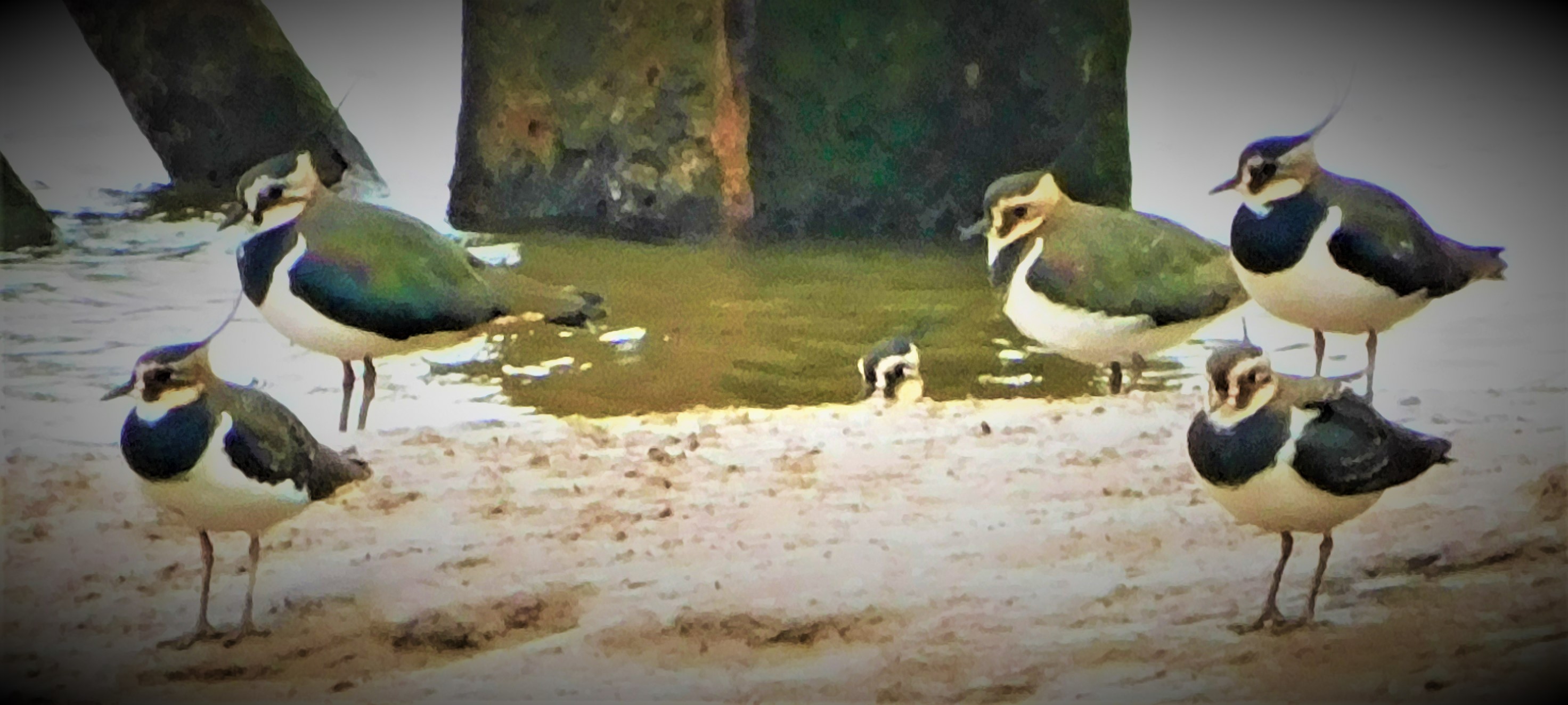
I have a huge gallery to share with you, including the first decent pictures I have managed to get of lapwings in 2023 – this morning at the point where the Nar flows into the Great Ouse.

England and Australia off to Winning Starts at the Womens T20 World Cup

A look back at yesterday’s two matches in the Women’s T20 World Cup and some photographs.

The Womens World T20 Cup is underway in South Africa. This post looks back at the two matches that took place yesterday.

ENGLAND V WEST INDIES

West Indies batted first. There were no huge selection surprises. Katherine Sciver-Brunt entered the record books just by taking the field – at 37 years 224 days she became the oldest person ever to turn out for England in a Women’s T20 World Cup match. She also then became England’s oldest ever wicket taker in a match of this nature. England were not quite at their best with the ball and in the field, though Sophie Ecclestone emerged with 3-23 from her four overs. West Indies probably scored about 15 runs more than they should have done due to English lapses, eventually finishing on 136.

Sophia Dunkley served notice of her and England’s intentions by scoring 34 off 18 balls. However, she, Danni Wyatt and Alice Capsey all fell before England were halfway to the target. At that point Heather Knight joined Natalie Sciver-Brunt, and there were no further alarms as England cruised home with over five overs to spare.

AUSTRALIA V NEW ZEALAND

Australia are the current holders, and arrived at the tournament with an awesome looking squad. A blistering batting performance, with Alyssa Healy scoring a record equalling sixth World T20 cup 50 and Ellyse Perry scoring 40 off just 22 balls saw Australia total 173-9, a total that would require excellent batting and a fair amount of luck to overhaul.

The Kiwis, whose batting line up is not the deepest, started disastrously with both openers out for ducks in the first over of the reply. The third wicket pair hinted briefly at a revival, but when that stand was ended by a controversial decision. Thereafter no one really threatened to anything with the bat. Ashleigh Gardner took her first ever international five-for, 5-12, half of those runs coming from one defiant blow from Jess Kerr with the writing already on the wall. To sum up NZ’s fortunes, she was out to the very next delivery, and thje tenth and final wicket fell four balls later. NZ had scraped up a measly total of 76, going down by 97 runs.

PHOTOGRAPHS

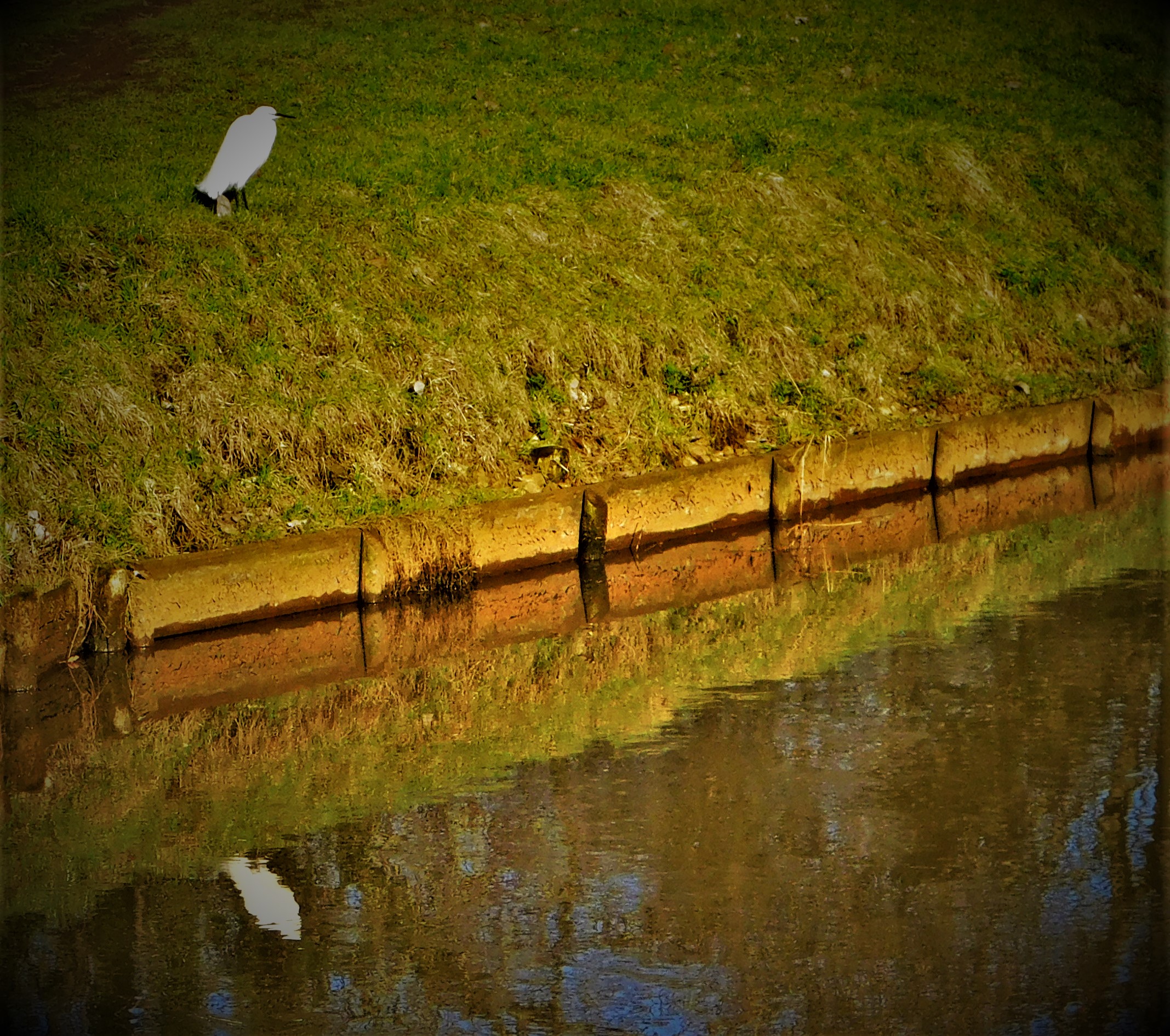
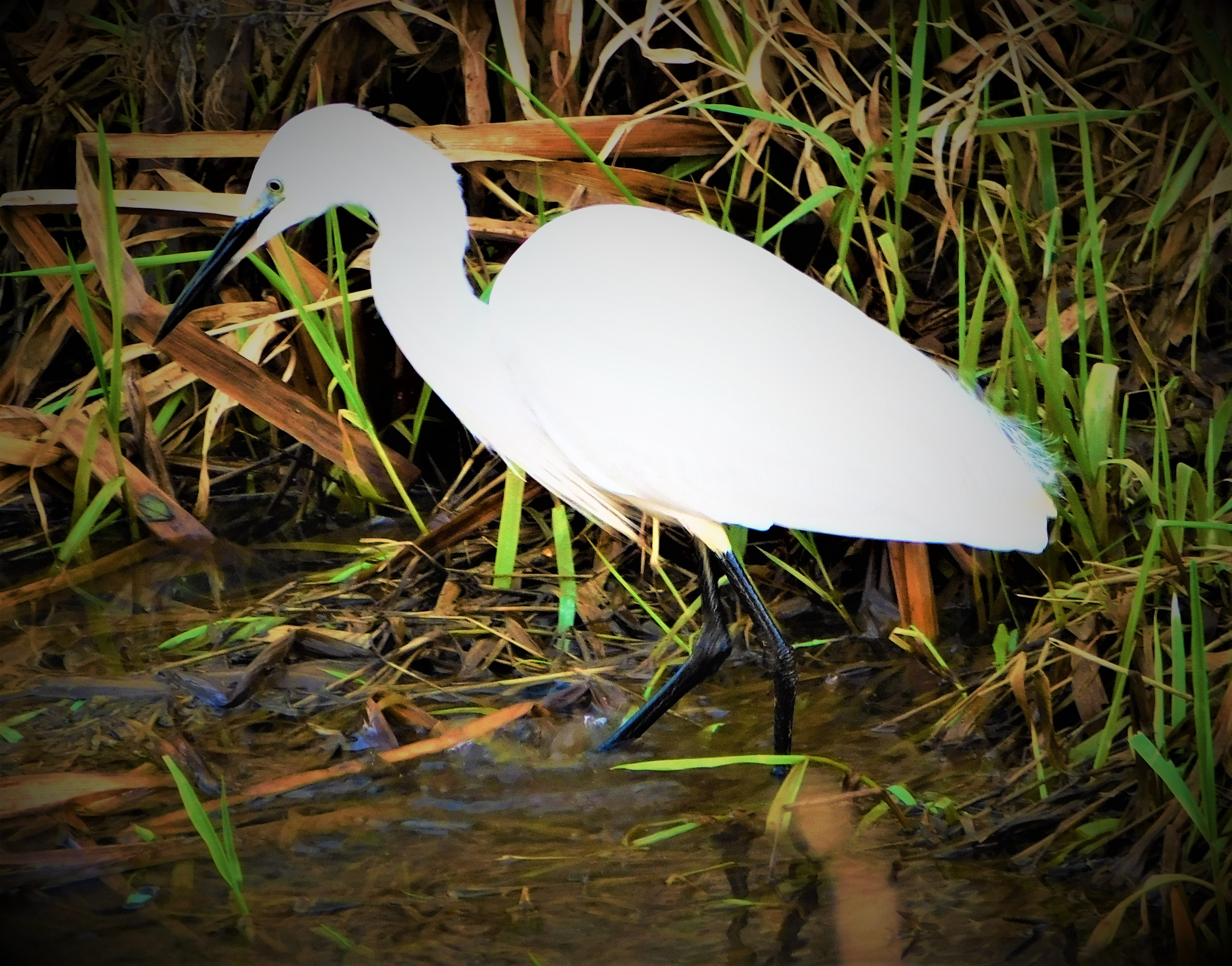
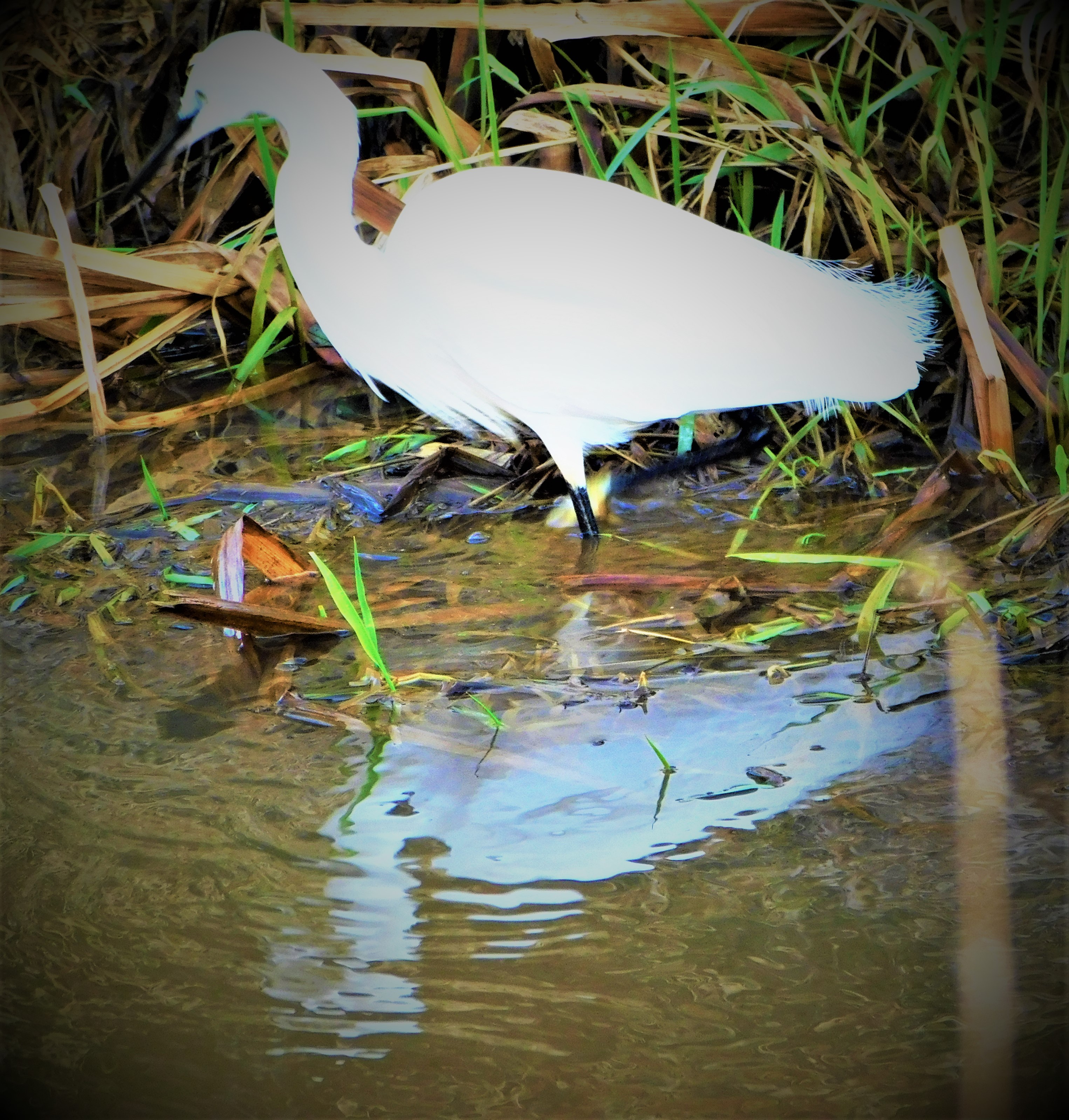
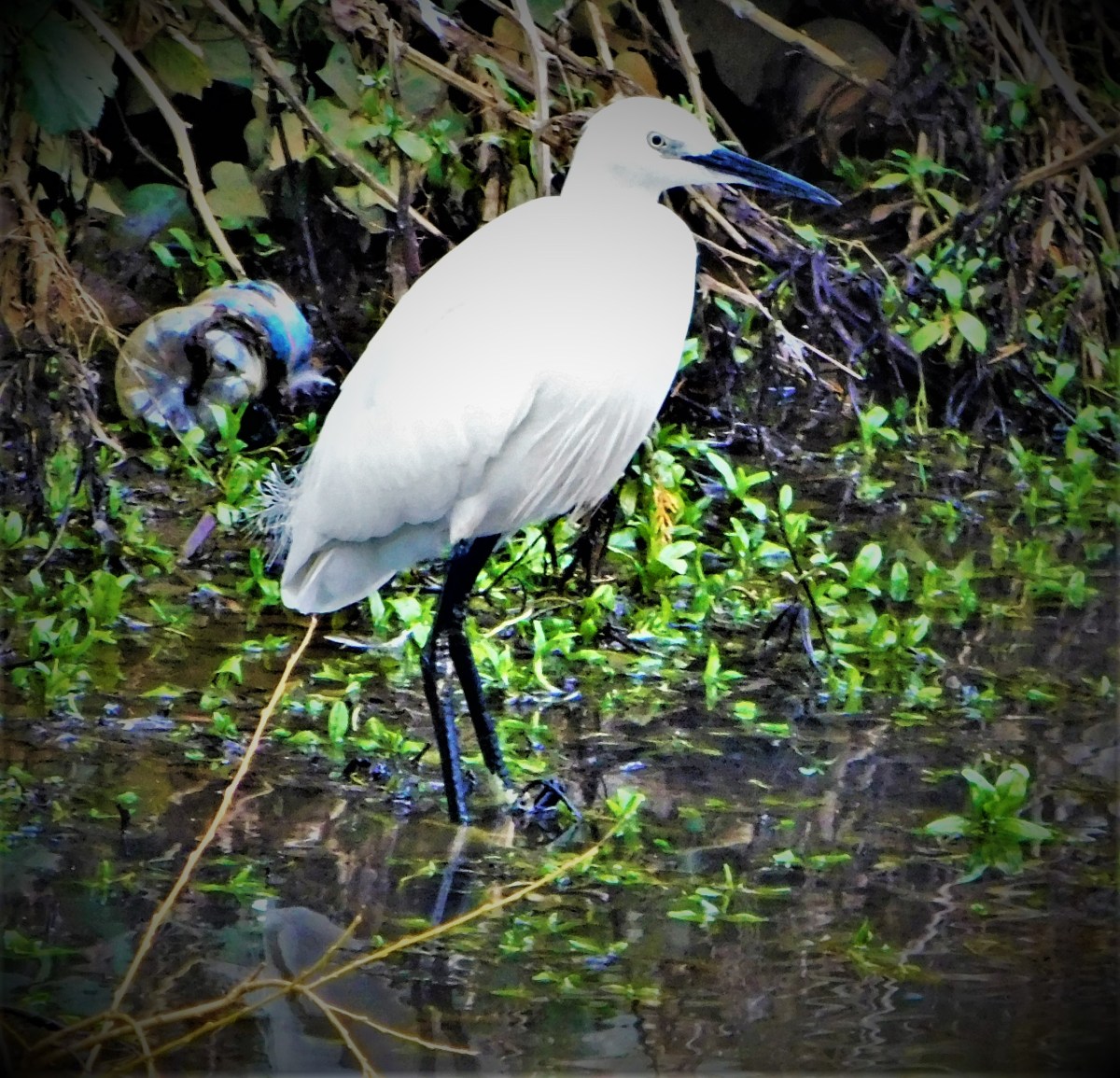
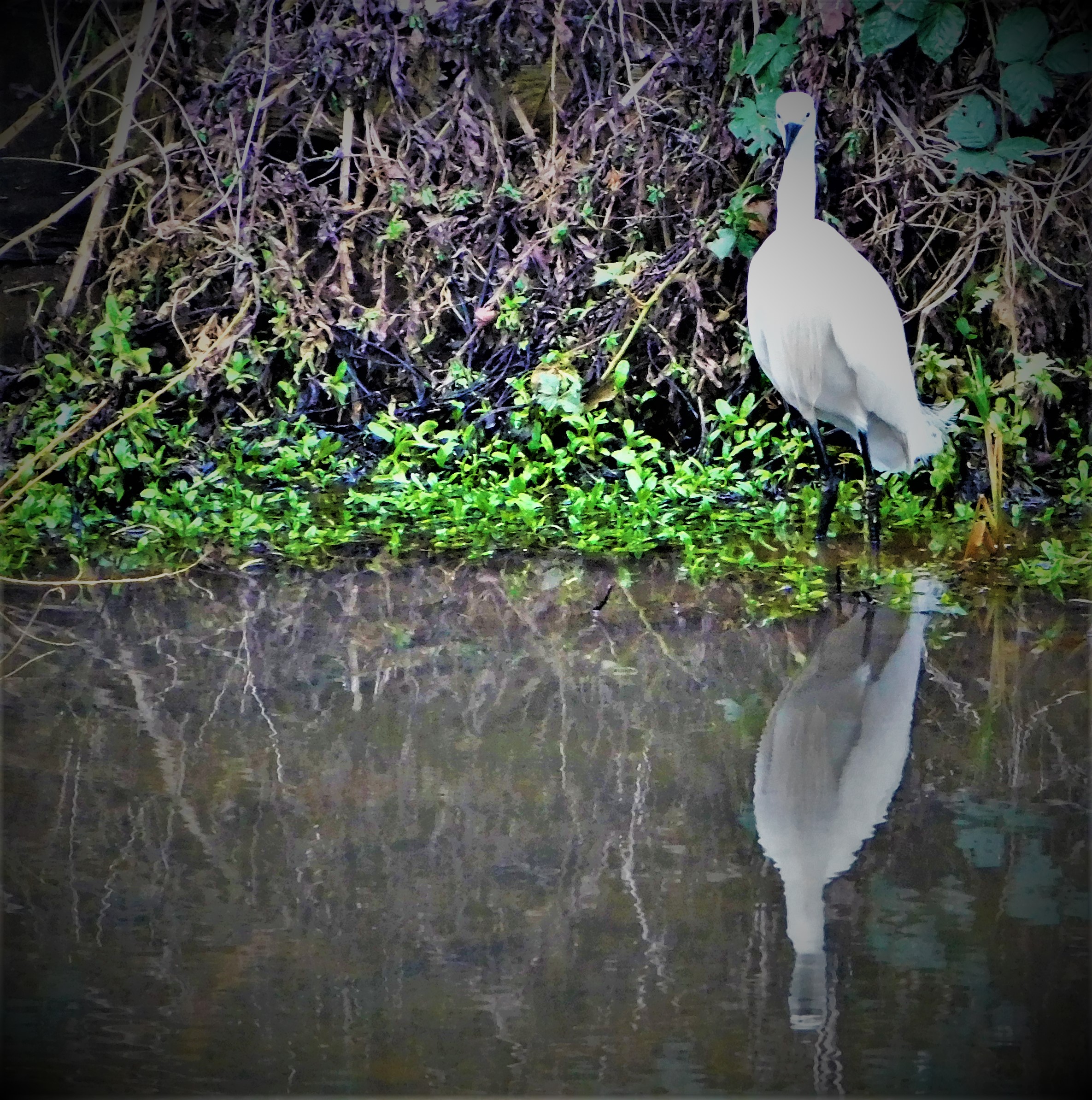
Today’s usual sign off comes in two parts, first a general gallery and then a specific focus on the Egret that seems to have taken up residence in the environs of the Gaywood River.

Now for the Egret pics…

Have West Indies Men Found A Proper Opening Pair?

A post noting a new West Indies men’s test record opening partnership and looking at what this might mean for West Indies going forward. Also walk details and of a course a photo gallery.

In today’s post I look a story developing in Zimbabwe, and what it might mean for West Indies Men’s test team.

A NATIONAL RECORD OPENING STAND

Zimbabwe are not the most threatening of opponents, but as against that West Indies had to contend with regular interruptions due to the weather and the fact that overhead conditions when play was possible during the first two days certainly favoured the bowlers. Remarkably, the opening pairing of Kraigg Brathwaite and Tagenarine Chanderpaul were still together for the start of the third day’s play. With the score on 296 Brathwaite was dropped, and he then hit the next ball for four to bring up WI’s first ever 300 run opening stand in test cricket (also beating the previous national record of 298 by Gordon Greenidge and Desmond Haynes in the process). The stand had reached 336 by the time Brathwaite was dismissed. England’s all time record opening stand was also achieved in southern Africa – Len Hutton and Cyril Washbrook putting up 359 at Ellis Park, Johannesburg during the 1948-9 tour of South Africa. Tagenarine Chanderpaul was still there on 207* when West Indies declared at 447-6, while Brathwaite had scored 182. Zimbabwe ended the day 114-3 in reply. They can only hope to save the match, while West Indies need 17 wickets in the last two days to win it (and also for Zimbabwe’s first innings to end up at 247 or less – with so little time left WI cannot hope to win if they have to bat a second time unless it is in pursuit of a very small total, with Zimbabwe having just avoided an innings defeat).

WEST INDIES OPENING WOES

In their entire history West Indies have had two authentically great opening partnerships, Greenidge and Haynes already referred to, and the earlier combination of Allan Rae and Jeffrey Stollmeyer. Conrad Hunte, an excellent test match opener in the late 1950s and early 1960s, never had a truly reliable opening partner, and neither did Chris Gayle in the 2000s. A side who can get away to a strong start when batting have a much better chance than one that regularly loses early wickets, and while finding a reliable opening pair has been far from the only problem West Indies have had since the end of their golden era in the early 1990s it will be big news not just for them, but for cricket as a whole, if this pair prove to be the real deal (Brathwaite already has a substantial test record, but Tagenarine Chanderpaul has only played a few matches, though he has made a stellar start to his test career).

PHOTOGRAPHS

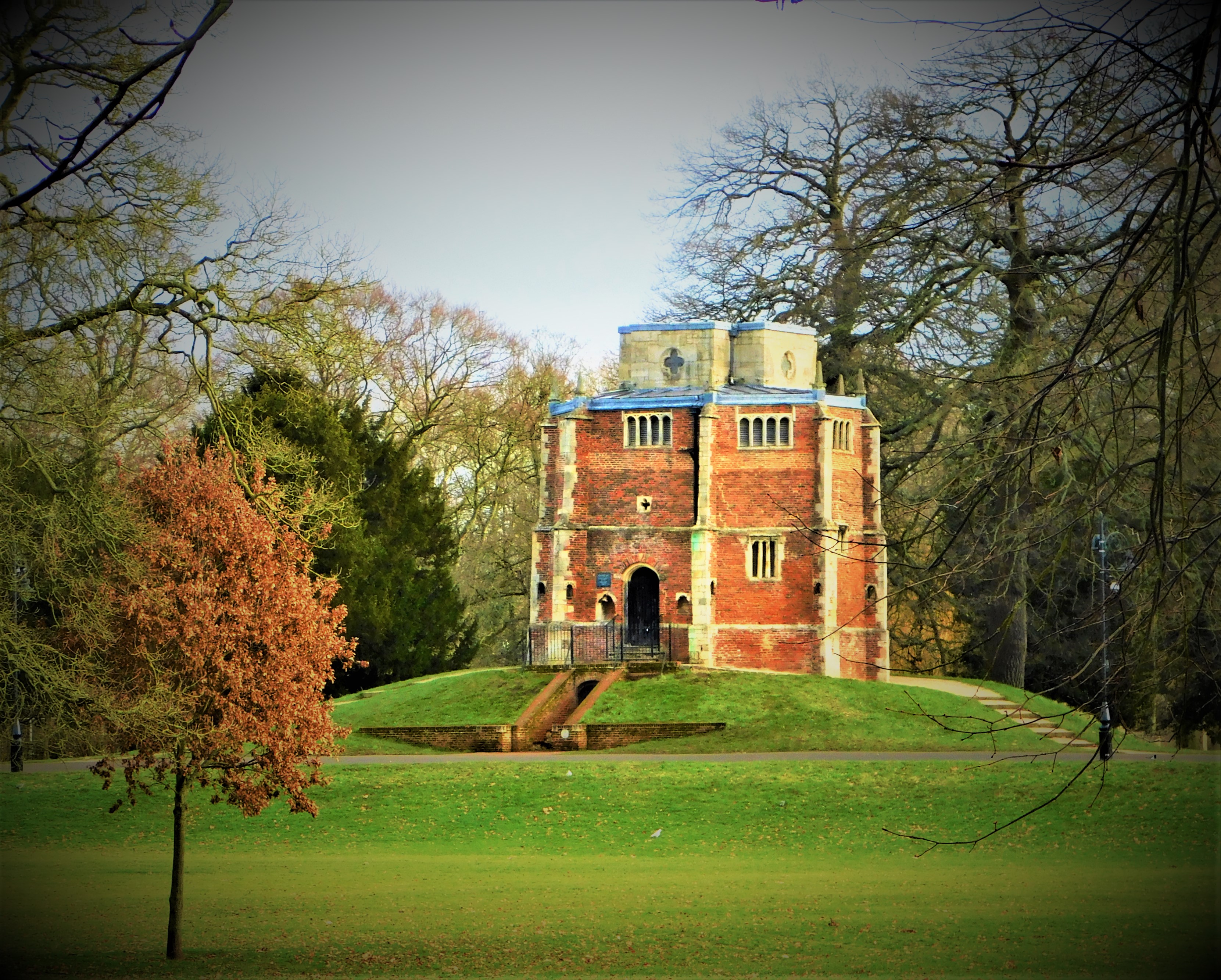
Most of the photographs in today’s gallery come from two walks, with a few in between them. Yesterday I was invited to an early supper at a flat on Purfleet Quay. By the direct route this a walk of 15-20 minutes, but I had decided to go a long way round on the way there and take the quick route home due to the fact that the latter walk would be entirely in the dark. Thus I headed by way of the two ponds near me, the stretch of the Gaywood near Kettlewell Lane, across Littleport Street, past Highgate Methodist Chapel, across another section of the Gaywood, along the only section of main road I followed during the walk down past the station to the entrance to The Walks. I headed onto St John’a Walk, then took the footpath past the Red Mount Chapel and turned onto Broad Walk, emerging onto London Road, which I crossed onto the top of Millfleet, then passing through Hillington Square and inter alia All Saints Church, the oldest in King’s Lynn. Then it was down to the river by various side roads, a quick check in at the location where the Nar joins the Great Ouse, then round the dike that overlooks old Boal Quay, and on to the Great Ouse which I followed as far as the point where the Purfleet joins it, and having crossed the bridge I then headed up Purfleet Quay to the flat.

The second walk was today, and I started by walking along Columbia Way until it meets Bawsey Drain, along which I headed towards town. I departed from Bawsey Drain via the last bridge across it before one reaches town, headed by a combination of minor roads and footpaths through to Loke Road near Loke Road Recreation Ground, from which I followed a path which leads to the Kettlewell Lane river section, and then I looped round by way of Morrison’s, before passing the Kettlewell Lane river section a second time, heading past the two ponds and thus back to my back door.

Now for the photos…

A Sunday Morning Walk

An account of this morning’s walk, a tool for you to use for estimating the extent to which Liz Truss is deluded given the rubbish she spouted to the Sunday Telegraph and the photographs from the walk.

Just a short post today, describing a walk I took this morning.

CHOOSING THE ROUTE

In view of the fact that I will be heading into town for an early supper and intend to set forth in daylight I decided to pick a route that would not overlap with this afternoon’s in any form. I also like to avoid main roads as I have mentioned before (Columbia Way, though it is quite substantial, does not get heavy traffic at any time for the simple reason that is not really on the way to anywhere). Thus I decided to concentrate on Lynn Sport Park and the Gaywood River Path.

THE WALK IN DETAIL

I started out following Columbia Way until I reached Green Park Avenue, which I followed until I got to the start of the footpath that I followed to the edge of Lynn Sport Park. I then diverged onto a minor road that leads to a point near the scout hut. I then followed a rough but walkable path to the scout hut before turning back. I now followed the road alongside the Gaywood River until the point that the river curves away and the road crosses it on a bridge. From there I visited Gaywood Library just in case they had something worth reading. I emerged with four library books in my bag and then headed back across the bridge, before following Swan Lane along the bank of the Gaywood to the start of the Gaywood River Path, which I followed until the path to the Discovery Centre diverged from it. I then headed to Columbia Way, recrossed it and approached my home from the opposite side of the green space in front it that I had used on the way out.

PHOTOGRAPHS

My usual sign off starts with a bonus feature. Disgraced former Prime Minister Liz Truss was on the front page of the Sunday Telegraph today (many people were having their say about this on social media) demonstrating that she has clearly got a Decree Nisi if not a Decree Absolute from reality. Describing the economic establishment as ‘left wing’ demonstrates that she is beyond barking, but how far beyond I leave up to you (use the map below – I did not feel the District line offered sufficient scope) to decided just where she is in relation to barking:

Barking is in the red circle, and all points east count as ‘beyond Barking’ – where do you put Truss on this map?

Now time for my regular photographs…

Perth Scorchers Win The BBL

An account of the final of the Big Bash League, and a photo gallery highlighted by a Little Egret.

Today saw the final of the 12th instalment of the Big Bash League. The two teams to make it were Perth Scorchers who did it the easy way, winning the league stage and then beating Sydney Sixers to qualify for the final, and Brisbane Heat who did it the hard way, sneaking into fifth and last qualifying slot (I am glad to report by the way that this is the last occasion on which five teams out of eight will qualify for the knock outs), and then winning three straight games to join the Scorchers in the final. Perth had home advantage for the final.

THE BRISBANE HEAT INNINGS

Brisbane Heat won the bat flip and decided to bat first. The first two overs were extraordinary – in the first Josh Brown scored 13, with three fours, all off the edge and with little or no control of the shot and all off decent deliveries. He added another 12 off the first five balls of the second, in more orthodox fashion and then mistimed a drive off the sixth ball of the over and was caught – 25-1 after two overs, Brown 25 (12). The second wicket pairing then had a decent partnership and at the halfway stage Heat were 86-1, and looking at 180-190, with possibly half an eye even on 200. Then came the five over spell which in retrospect cost Heat the match – in overs 11-15, which included their Power Surge (an unmitigated disaster for them – 8-2 from those two overs) they managed just 33 runs and lost two wickets. They had a decent last five overs, and ultimately had 175 to defend.

THE PERTH SCORCHERS RESPONSE

Little went right for Scorchers in the first 10 overs, and they were 62-3 at the halfway stage. However, they had a superb third quarter to their innings, ending the 15th over, which was also their first Power Surge over, on 119-3, exactly where Heat had been at the same stage of their innings. Two quick wickets, those of the two set batters, the second a horrendous run out seemed to have killed their hopes stone dead, but then Cooper Connolly joined Nick Hobson, the latter culpable in the run out referred to earlier. Connolly, still in his teens, was especially impressive, and between them the sixth wicket pair reduced the ask to 10 off the final over. Michael Neser, at the opposite end of the experience spectrum to Connolly, bowled it. Connolly took a single off the first ball, Hobson just cleared the boundary off the second, and then hit a throughly convincing four off the third and Scorchers had won the match and were BBL winners for a fifth time. This edition of the BBL has been patchy (and some would say that such a description is generous on my part) but the final was match worthy of such an occasion. The vast majority of T20 matches, enjoyable as they often are while they happen, are distinctly unmemorable, a charge that cannot be levelled at this one. A full scorecard can be viewed here.

PHOTOGRAPHS INCLUDING AN ADDITION TO ‘BIRDS SEEN IN 2023’

Today, on my way home from an expedition to King’s Lynn town centre I saw a Little Egret dabbling at the edge of the Gaywood River (in the section between Kettlewell Lane and Loke Road, which I often pass as it is close to a route that scores highly on ‘main road avoidance’, crossing a couple but not involving spending any more time than that alongside such a road). I start my usual sign off with new sighting…

England End ODI Series in South Africa With a Victory

A look back at England’s consolation win over South Africa in the final match of the ODI series, a description of a walk and a load of photographs,

On Wednesday England and South Africa played the third and final match of their ODI series in South Africa. South Africa had already won the series having won the first two matches.

ENGLAND 14-3 AND THEN…

South Africa won the toss and put England into bat. In the early stages they would have had few doubts about the correctness of this decision as England were 14-3 early on. Then Jos Buttler joined Dawid Malan and England began to fight back. At the 30 over mark England were 149-3. Overs 31-40 yielded a further 90 runs, and both set batters were still there. England’s hopes of a really substantial total suffered a setback in the 41st over, when Dawid Malan was out, to end an England all time record ODI 4th wicket stand. In the event dome bright hitting from the lower middle order batters boosted the England total a a mightily impressive 346-7.

ARCHER FINDS HIS MARK

Much of the interest in England’s defence of their total centred on Jofra Archer, in the side in place of Olly Stone and hoping to demonstrate that injury woes that no so long ago seemed to have put his international career in jeopardy were behind him. Archer bowled magnificently, being consistently the quickest bowler on either side and making a number of crucial interventions. When Markram and Klaasen were threatening he dismissed Klaasen, and then followed up by dislodging the dangerous David Miller cheaply. Similarly when Klaasen and Jansen looked threatening it was once again Archer who broke the stand. It was only fitting that the delivery early in the 42nd over of the South African innings that claimed their last wicket was bowled by Archer. South Africa were all out for 287, beaten by 59 runs, and Archer, just into the last of his 10 allotted overs, had claimed 6-40 on his return to international action.

A TERRIBLE PLAYER OF THE MATCH AWARD DECISION

In a match in which 633 runs were scored in just over 91 overs a bowler taking six cheap wickets, including removing several batters just as they were starting to look dangerous, should be a sh00-in for the Player of the Match award. However, cricket is a batter’s game, and Jos Buttler’s century allied to three catches behind the stumps got him the award. The simple fact is that without Archer’s bowling Buttler’s runs would have counted for nothing – it was only the fact that largely due to Archer SA were bowled out that prevented England’s total from being overhauled – SA were up with the rate almost all the way through their innings, and never dangerously far adrift of it.

BOOSTING THE PHOTO GALLERY

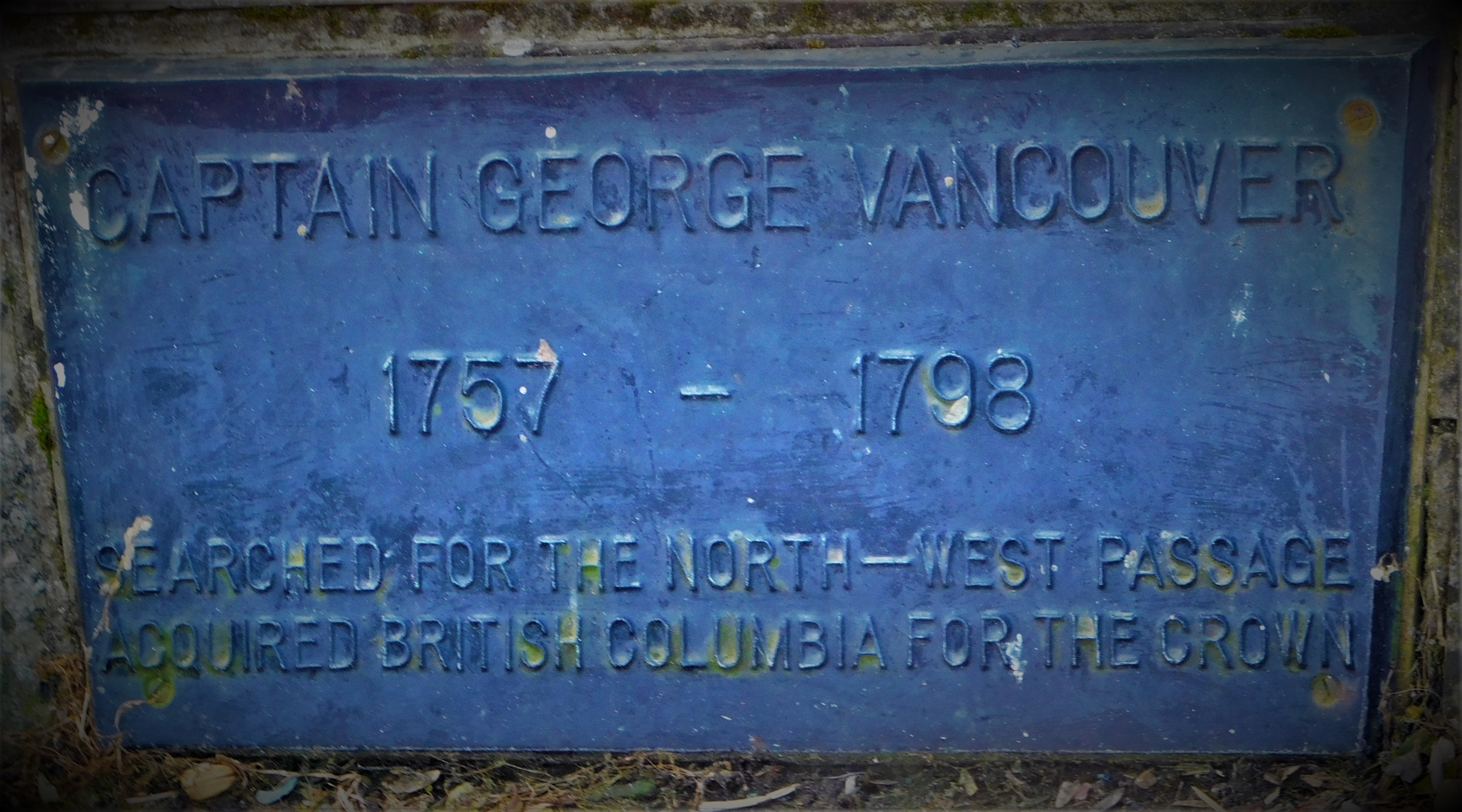
I already had quite a few photos to share from earlier in the week, and today, although the weather was not as pleasant for walking as it had been on Tuesday and Wednesday yielded plenty more. I had decided that today was the day to put in a repeat prescription form, which meant there was one fixed point on my travels, but otherwise I could pick out my own route. I set off from the back door of my home, headed past the two ponds close to it, then along the Gaywood where it flows past the Kettlewell Lane trees, across Littleport Street, down past Highgate Methodist Chapel, across another section of the Gaywood and on past the station and an ASLEF picket line, and through the walks to where I had to drop off the prescription request. I then headed for the Broad Walk, which I followed through the Guanock Gate before diverging through the Vancouver Garden and then along the path that cuts diagonally across the Recreation Field before joining St John’s Walk where the latter meets Tennyson Avenue. I crossed Tennyson Avenue and walked along the path that runs between the grounds of King Edward VII Academy on one side and the King’s Lynn Academy on the other and then crossed Gaywood Road, and continued on past Lynn Sport until I reached Bawsey Drain, which I then followed to its junction with Columbia Way, before walking about half of the next section and then turning back. I followed Columbia Way as far as Greenpark Avenue and then headed down that road and walked a tiny section of the Gaywood River Path before heading back home by way of the Discovery Centre. In total I was out and about for approximately two hours, and got some decent photographs.

PHOTOGRAPHS

Time for my usual sign off…

England U19 Women Fall at Final Hurdle

A look back at yesterday’s final of the Womens U19 T20 World Cup, a passing mention of England Men’s loss to South Africa and lots of photographs.

This post looks back at yesterday’s final of the inaugural World U19 Womens T20 World Cup between England and India.

A DAY IN WHICH LITTLE WENT RIGHT FOR ENGLAND

India U19 Women won the toss and put England in. Liberty Heap fell for a duck very early on, and before the match was much older Grace Scrivens who had had a majestic tournament and Seren Smale were also out. Wickets kept falling, and apart from Ryana Macdonald-Gay, who scored 19, no one really ever looked like scoring runs. England were all out for 68. India bowled very well, and their fielding was absolutely sensational – few senior Indian sides of either sex could matched these youngsters in that department.

England themselves had been exceptional with the ball and in the field all tournament, but not even they could make 68 look a defensible total, and India duly won by seven wickets with almost six overs to spare.

India produced a magnificent performance in this final and England had no answers. However England showed enough in the tournament to suggest that their women’s side can also look forward to a bright future. We will see a lot more of these young women, including in some cases in the inaugural WIPL – Grace Scrivens will surely have a contract there, and maybe also Sophia Smale.

DOUBLE TROUBLE FOR ENGLAND IN SA

England’s senior men’s side were also in action in SA yesterday, playing the second match of three match ODI series, with SA having won the opener. When England posted 341-5 from their 50 overs all looked rosy for them. However, Temba Bavuma scored a rapid century to put SA firmly in contention, and David Miller (58* off 37 balls) controlled the closing stages of the chase, taking SA past the finishing line off the first ball of the 50th over, securing the series for them. Unsurprisingly, given the effect that major landmarks have on people’s minds it was Bavuma who was named Player of the Match for his ton, but Miller’s effort in the closing stages, especially after Markram was out with over 60 still needed, leaving Miller effectively in sole control of the chase from that point on, was every bit as important to SA’s cause as Bavuma’s innings up top.

PHOTOGRAPHS

My usual sign off, bolstered by the fact that weather was pleasant today (still cold, this being January in high northern latitudes, but bright and sunny) meaning that a long walk was a positive pleasure…