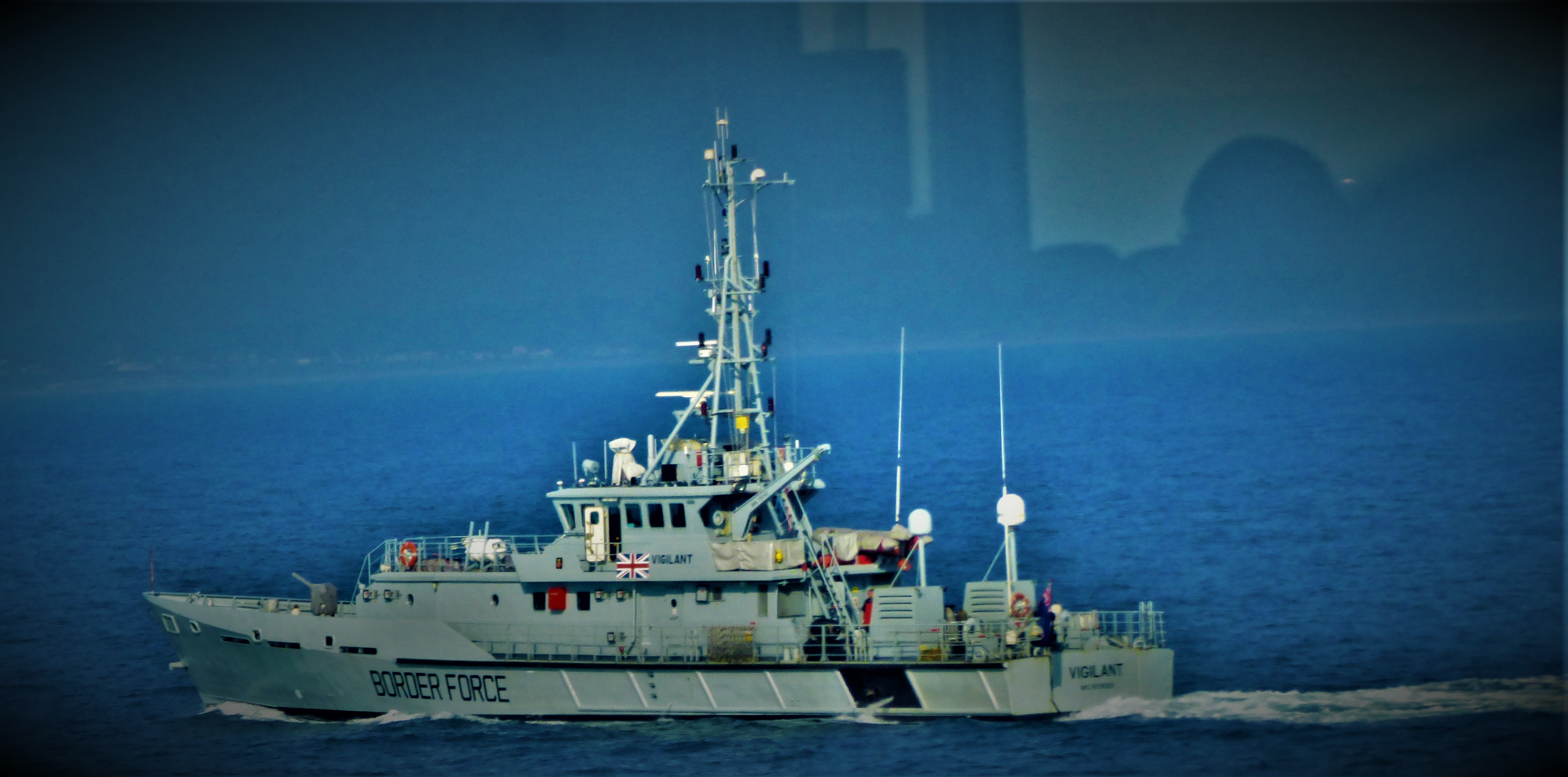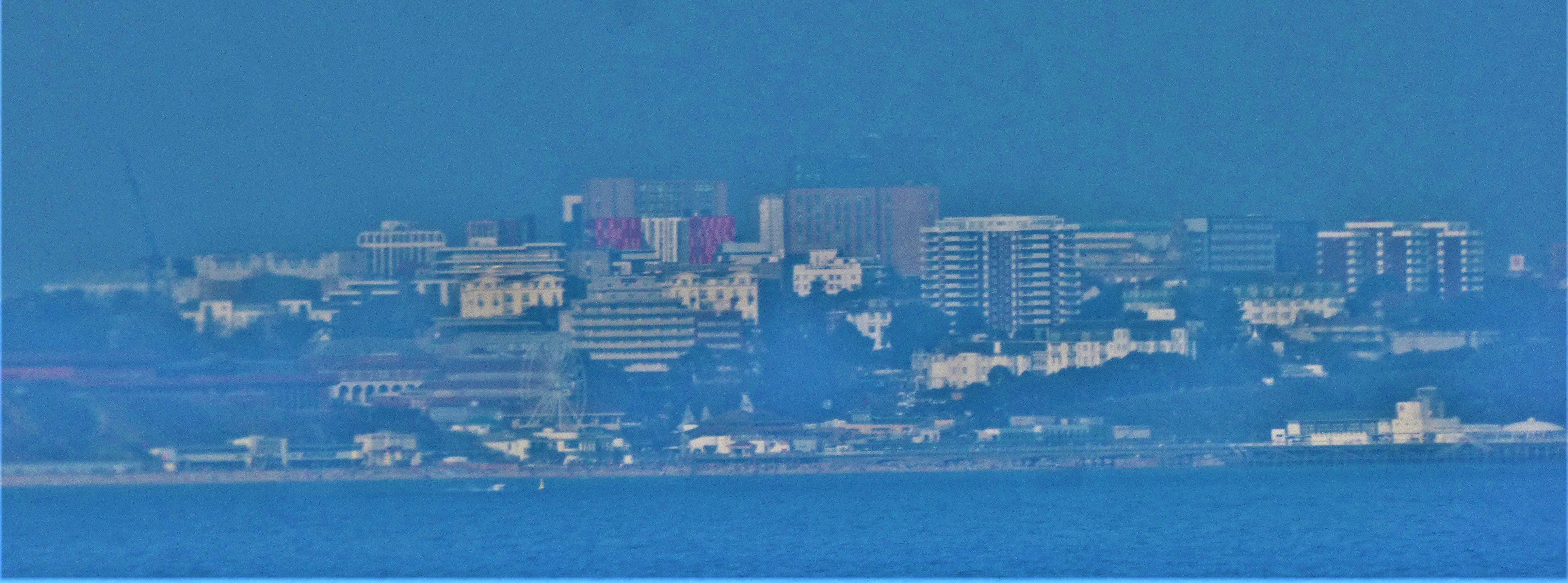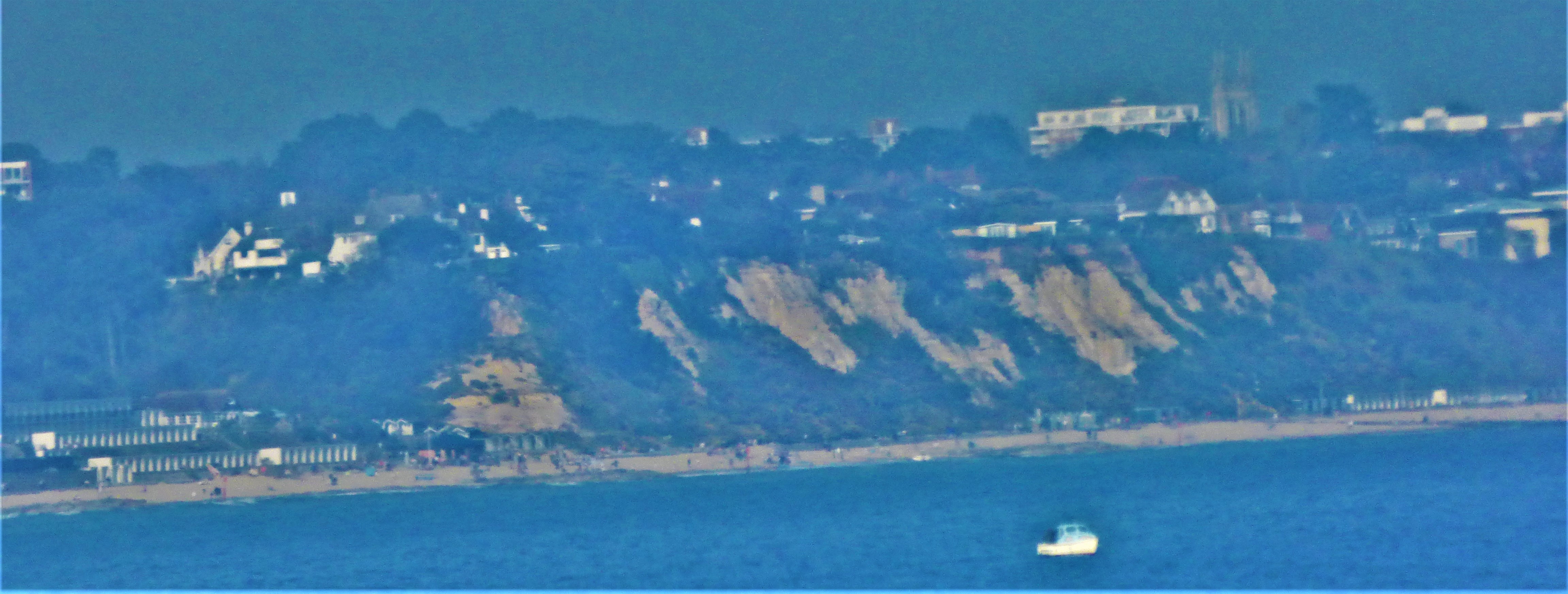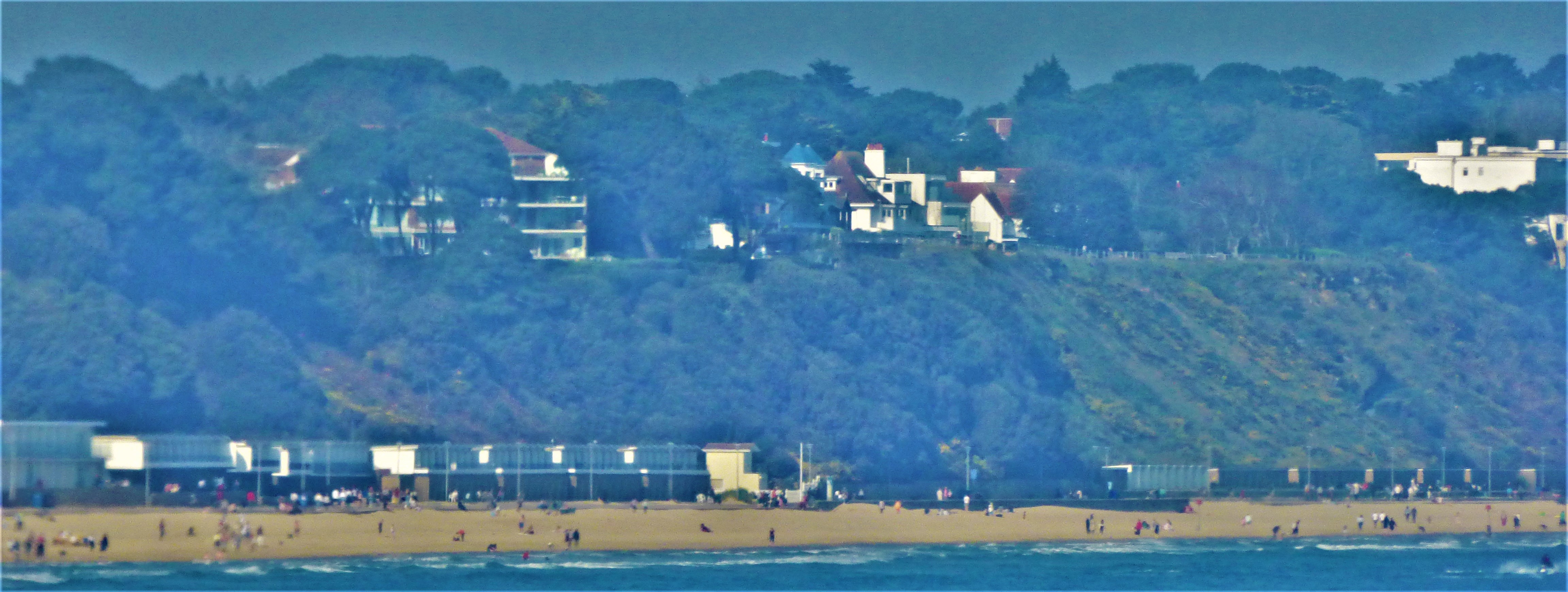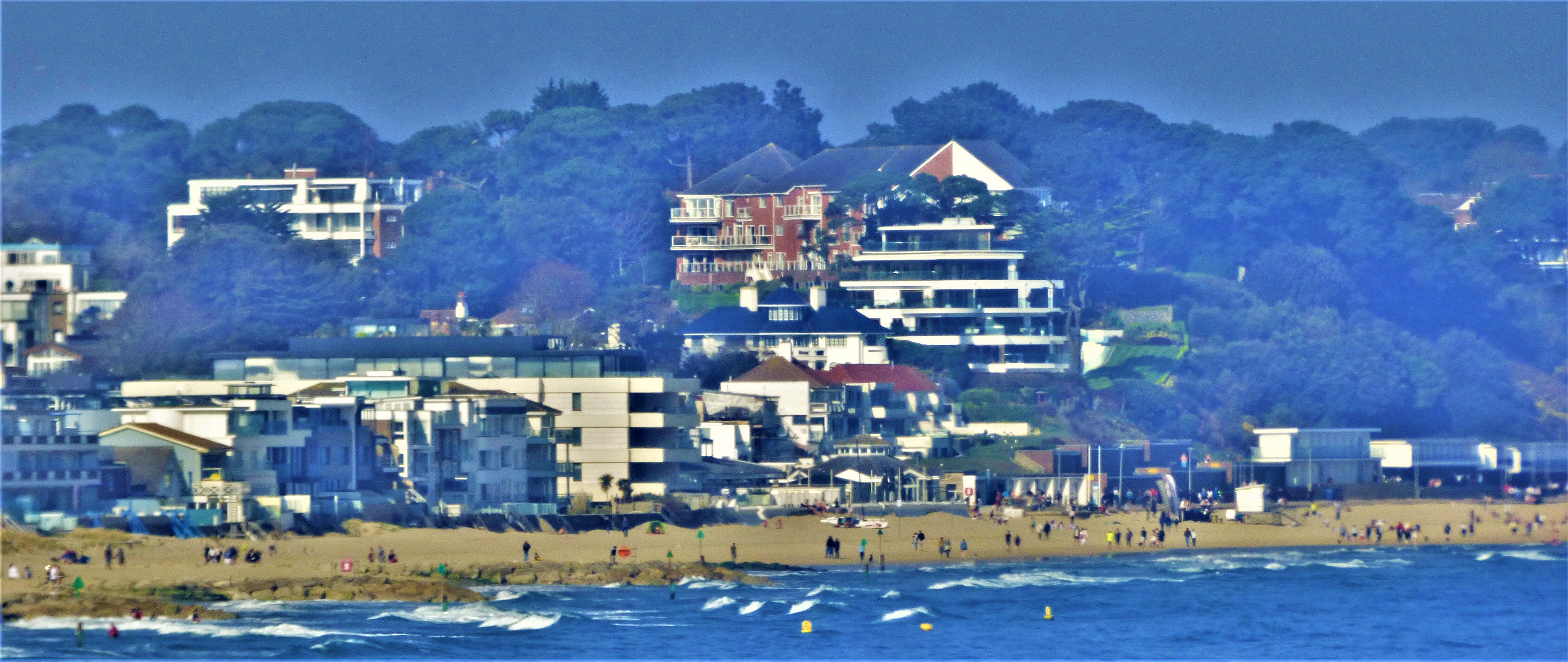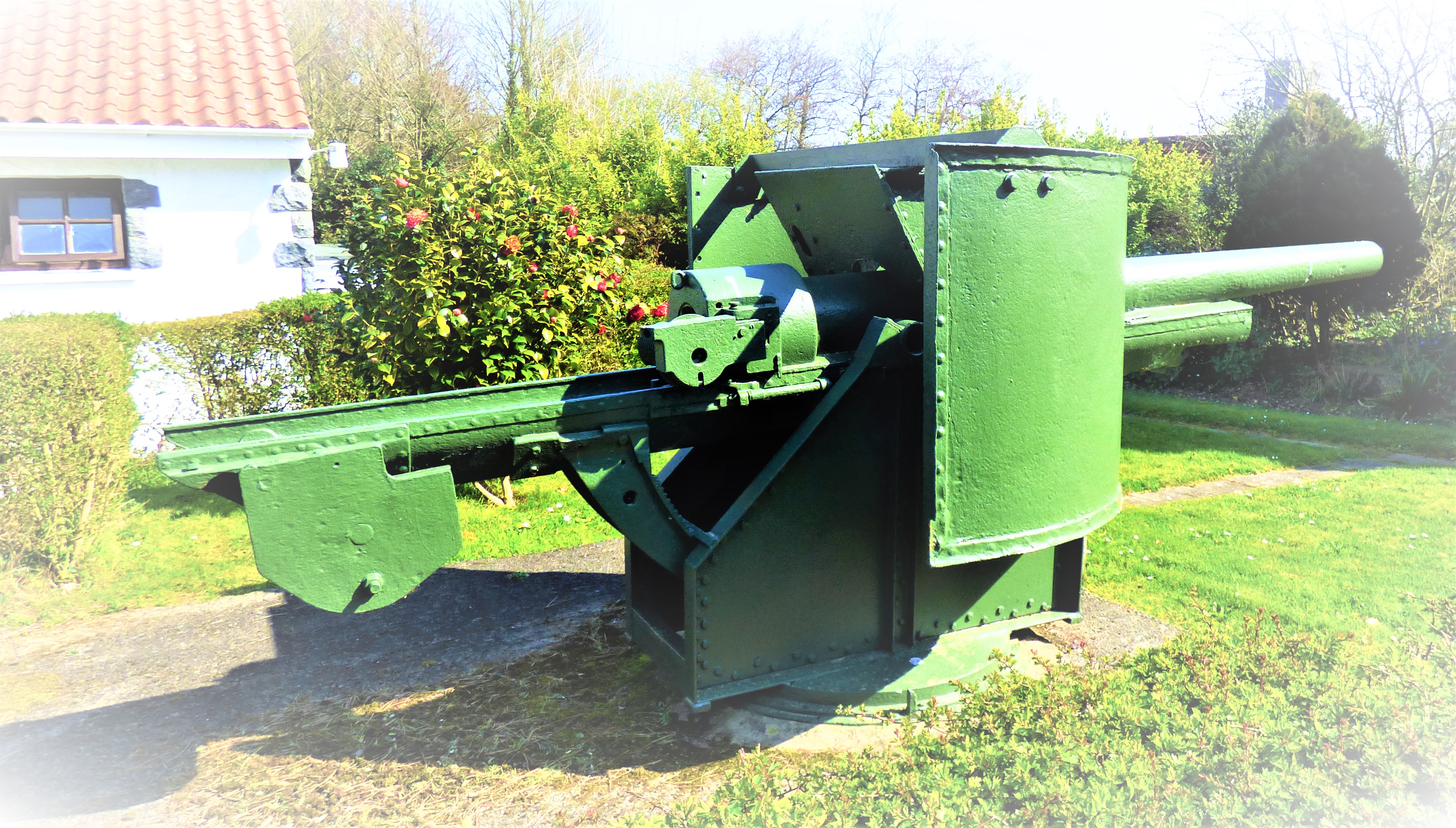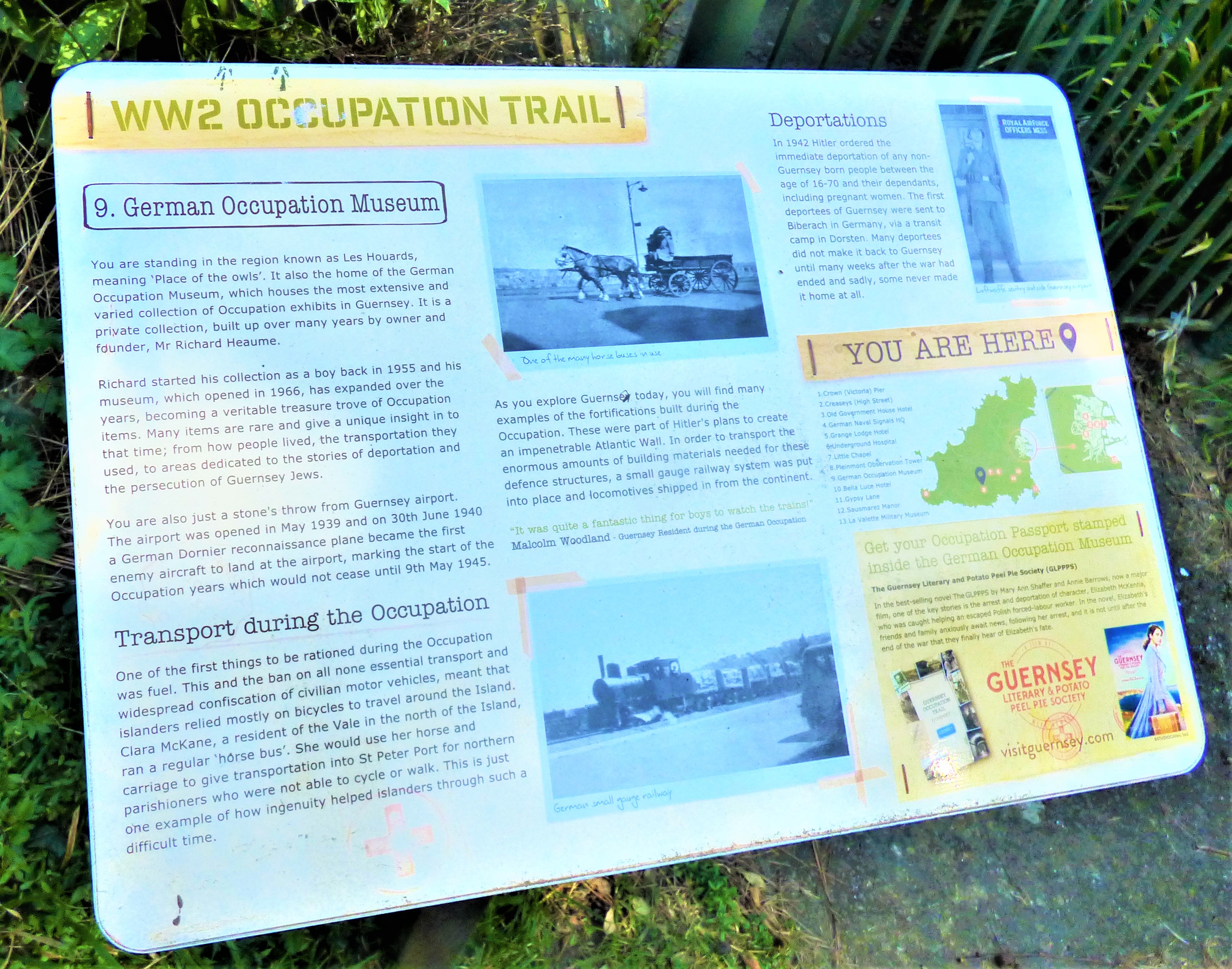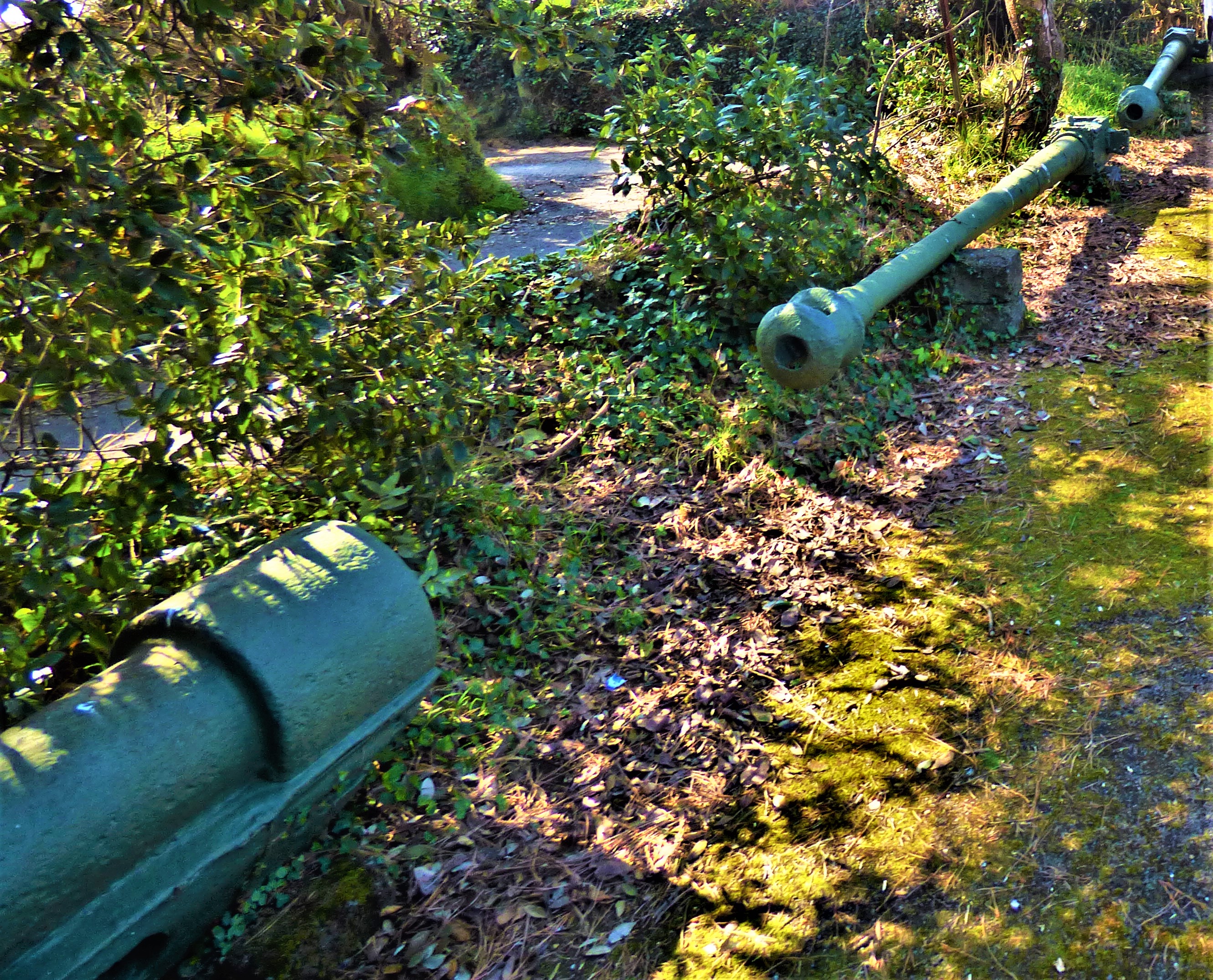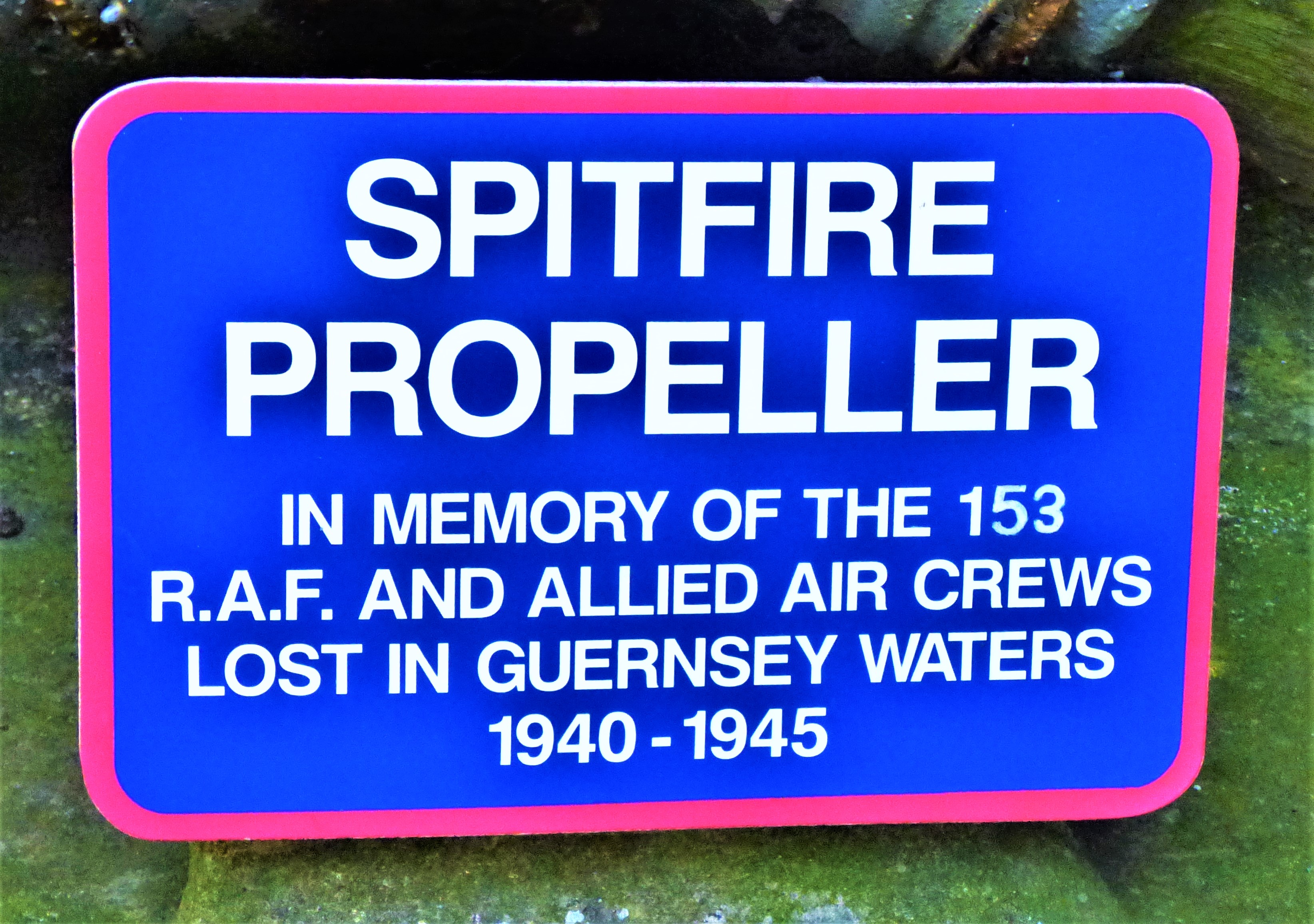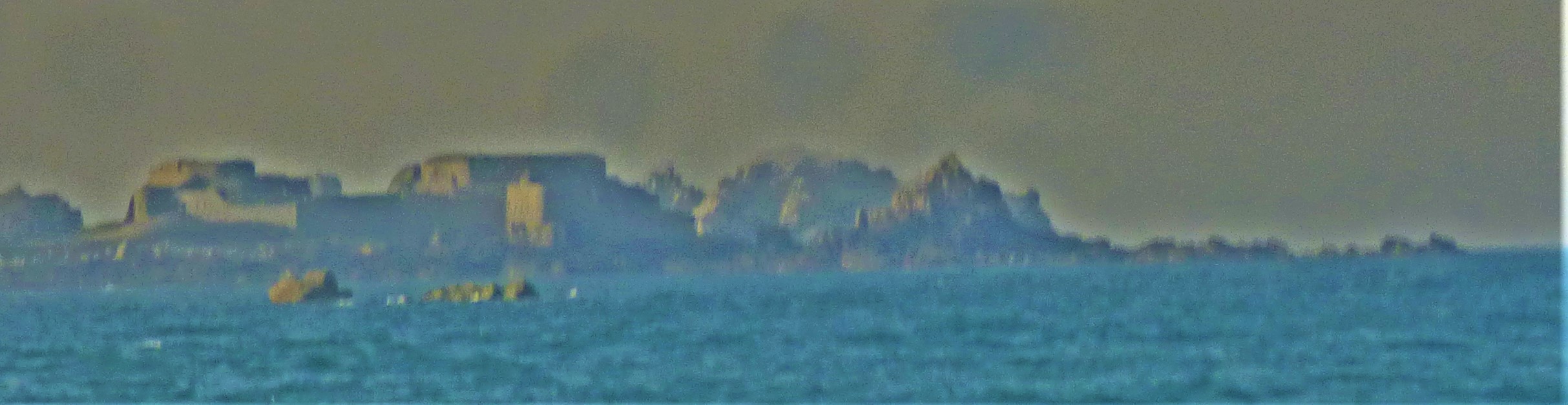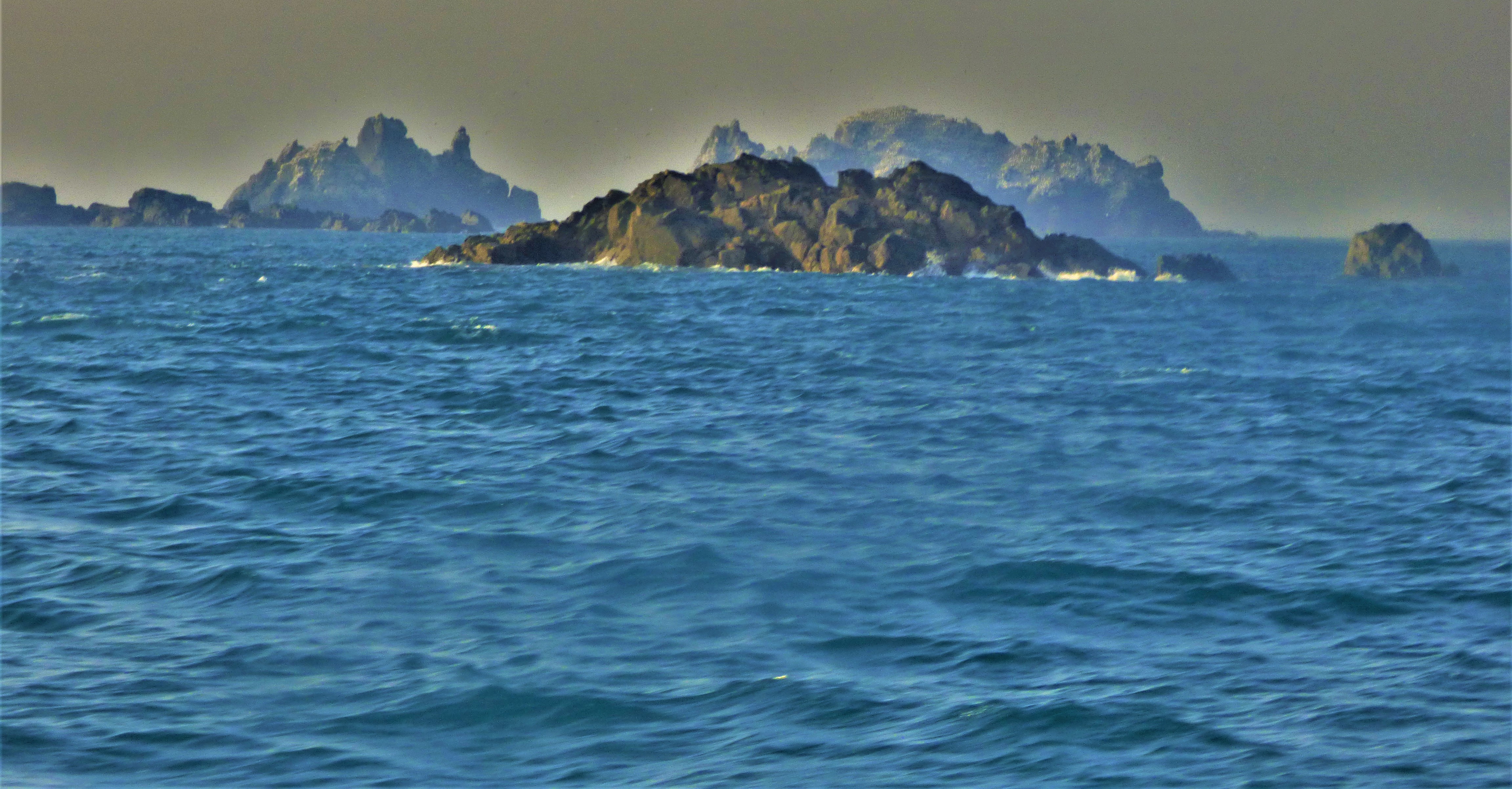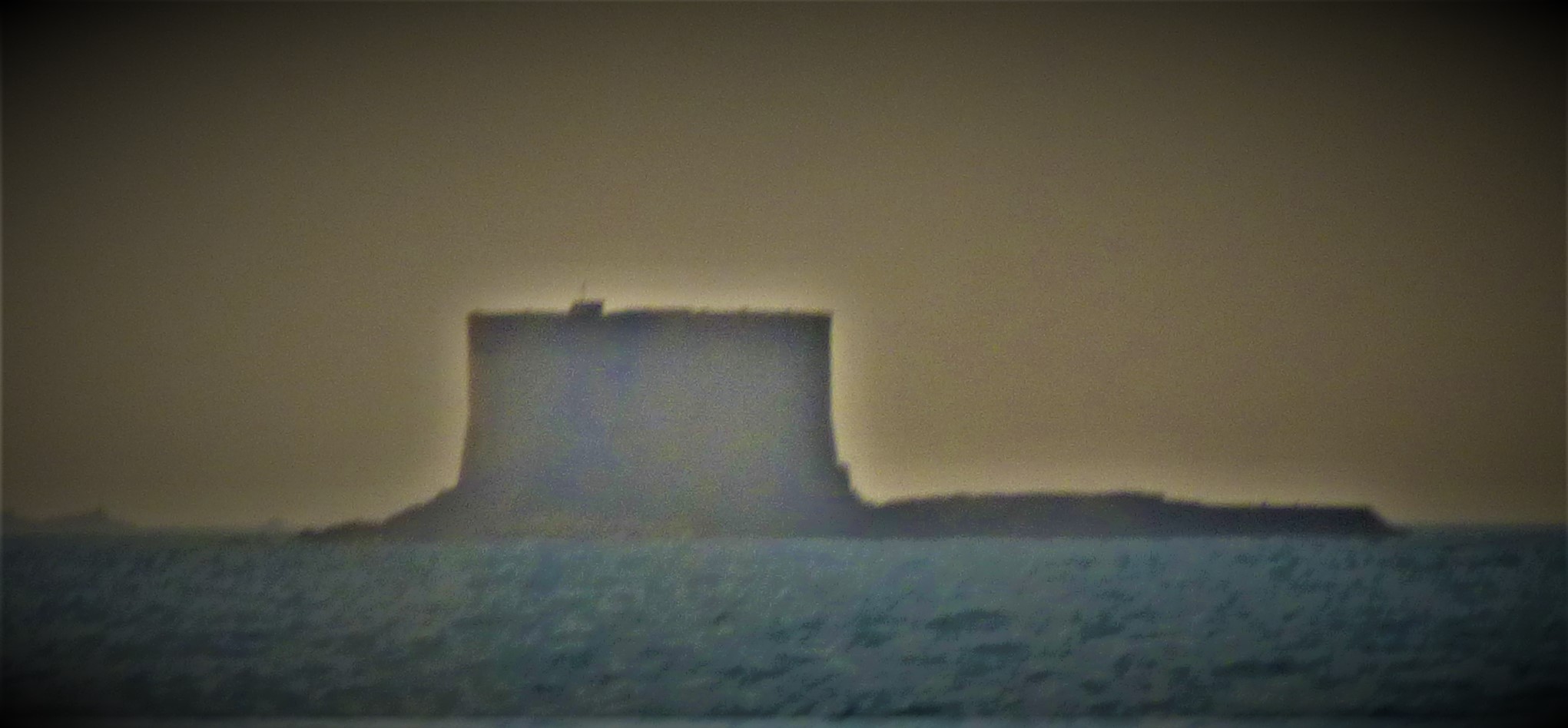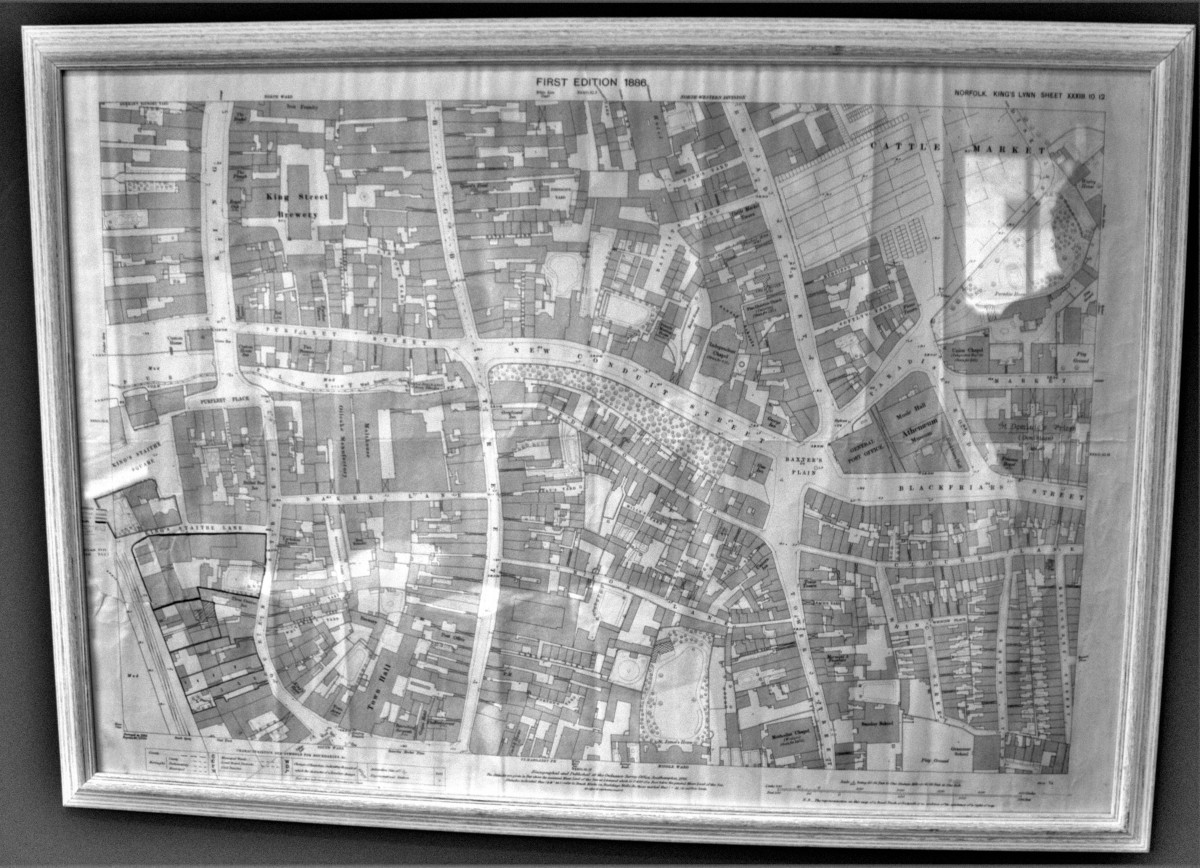
The final post in my series about my holiday in the channel islands.
This post will conclude my series about my holiday in the channel islands.
A BADLY TIMED FERRY
Our ferry back to England was scheduled to depart at 13:10 (had originally been 11:10, but was put back two hours before we even went on holiday), which was a very inconvenient time in two ways – it meant that I had to travel from Poole to King’s Lynn as a car passenger rather than as I had intended doing so by public transport, and it also meant with a lot of waiting around.
A SMOOTH FERRY JOURNEY AND A SLOW CAR JOURNEY
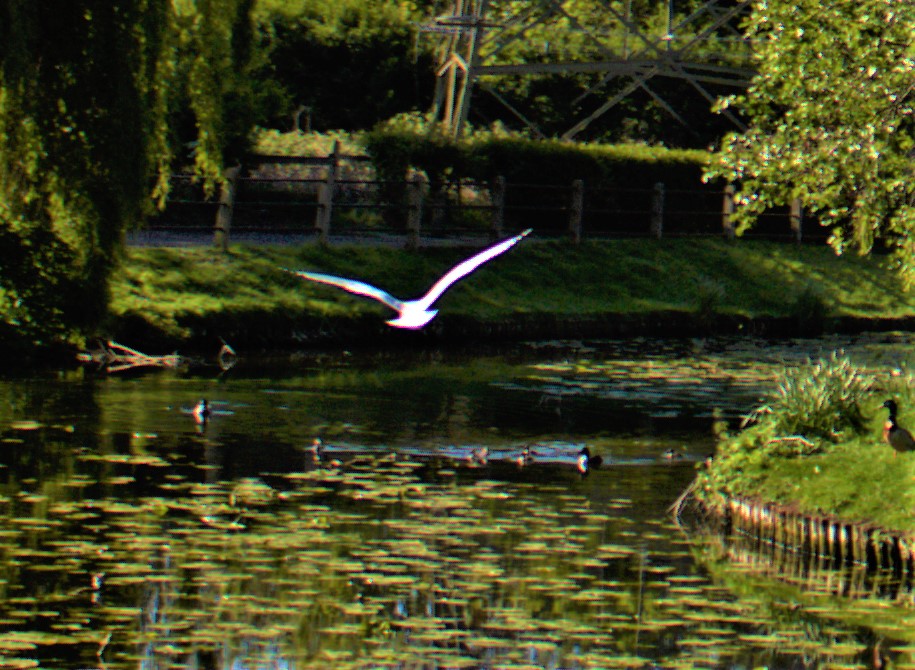
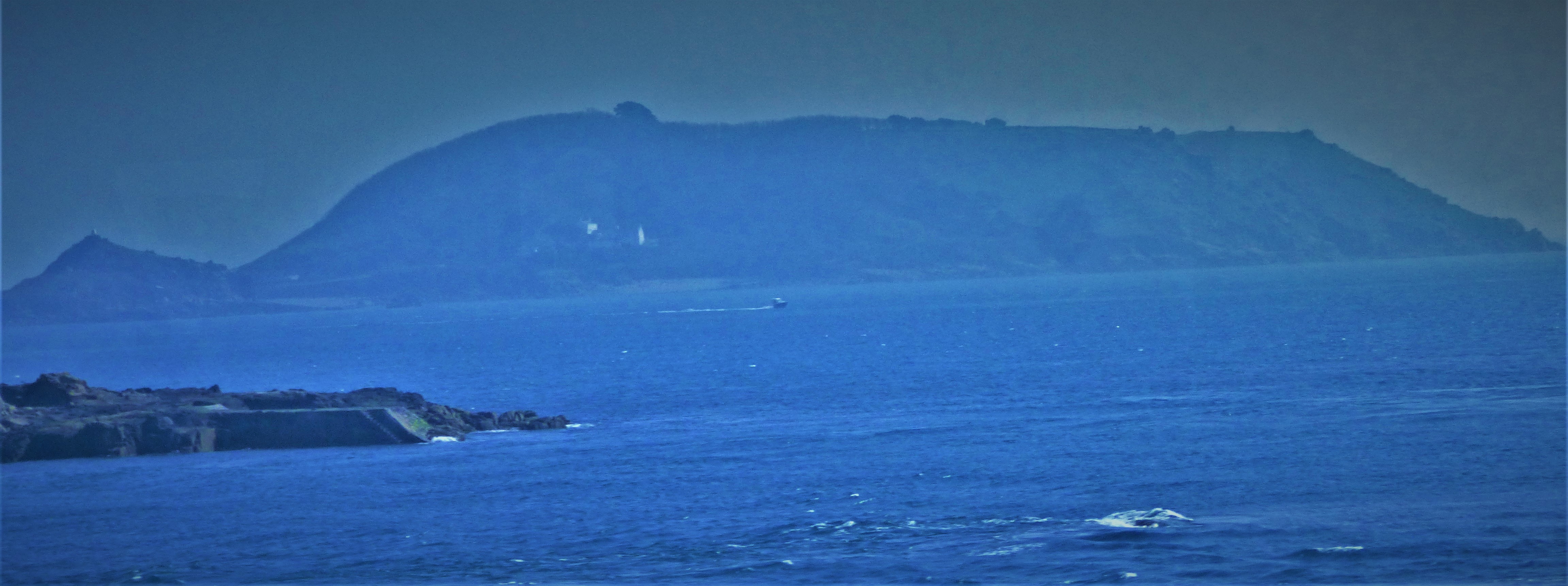
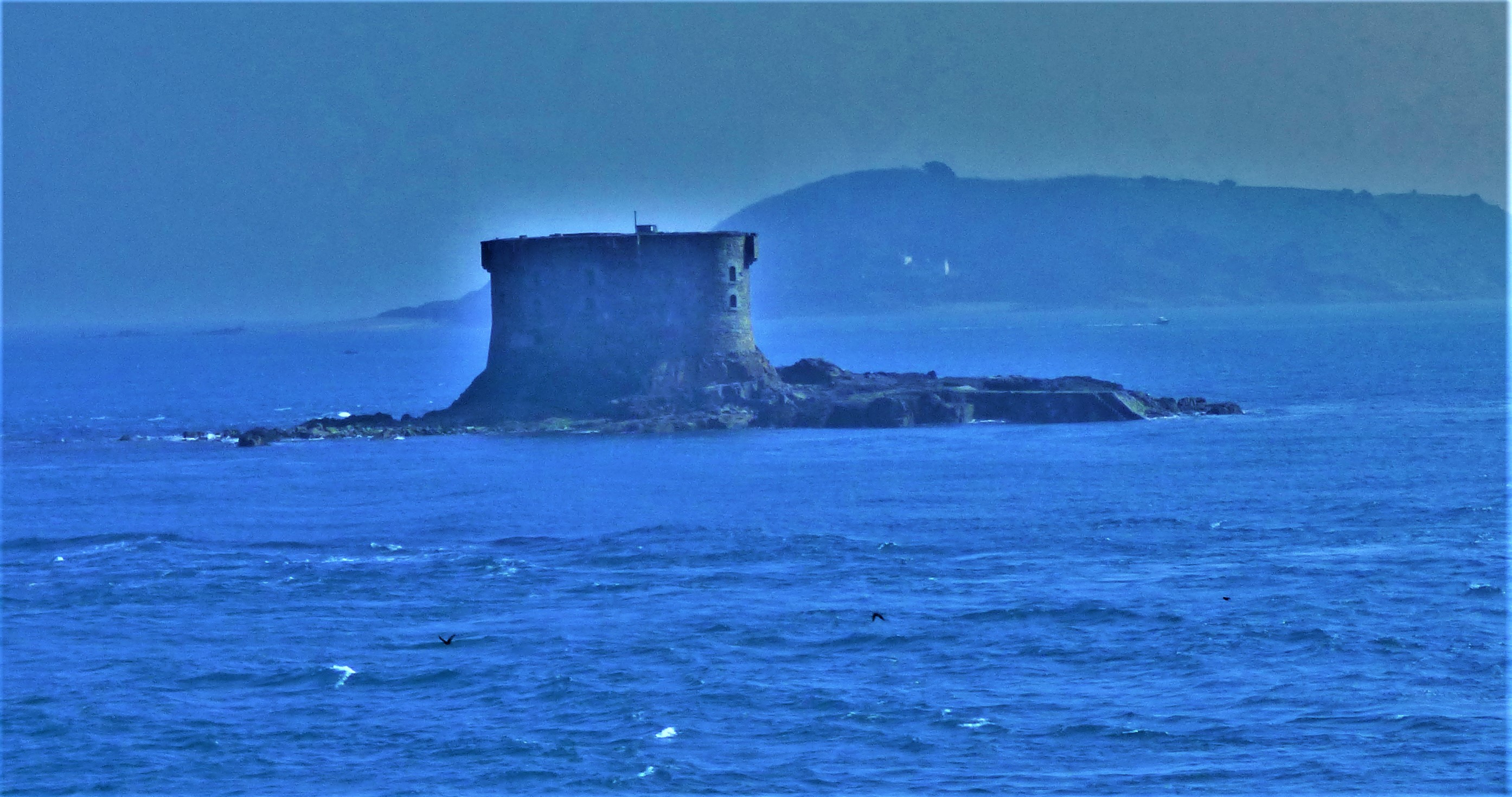
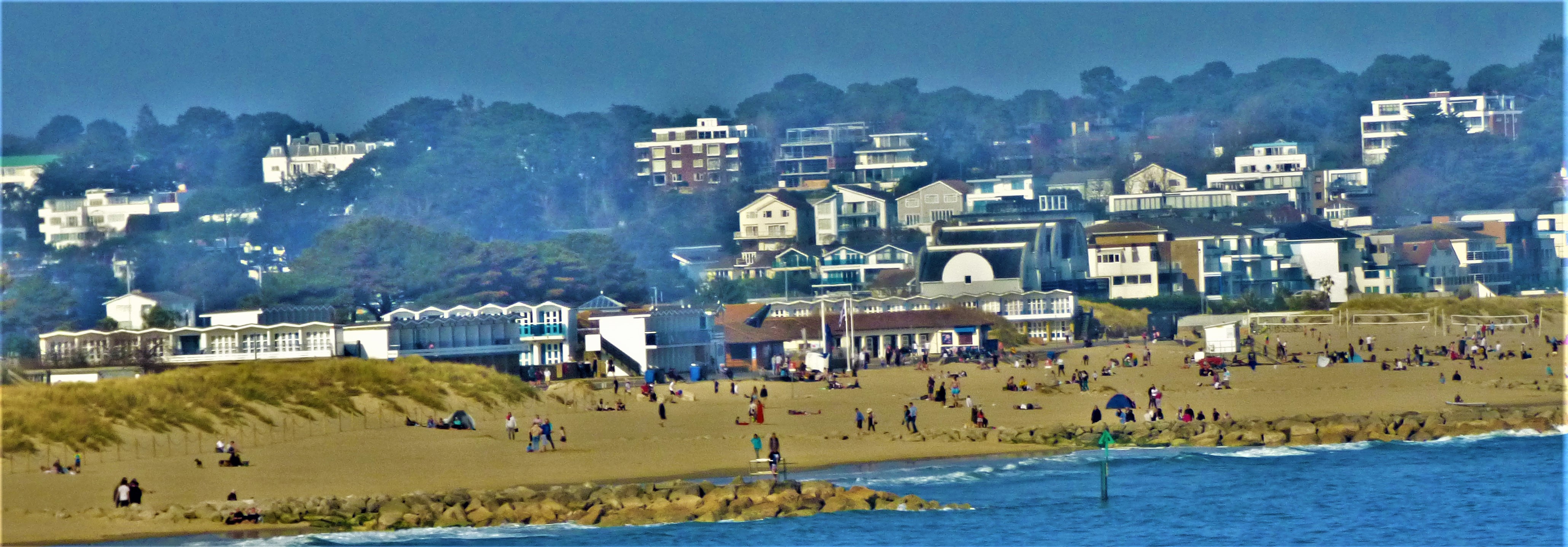
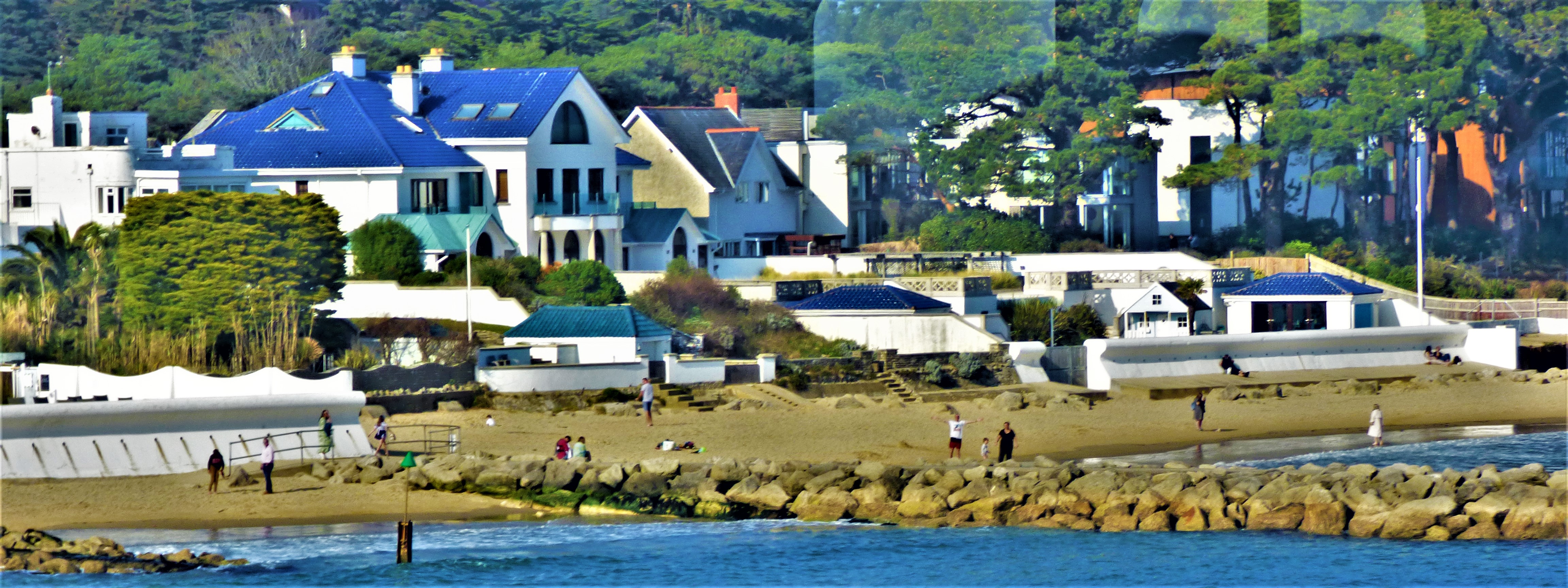
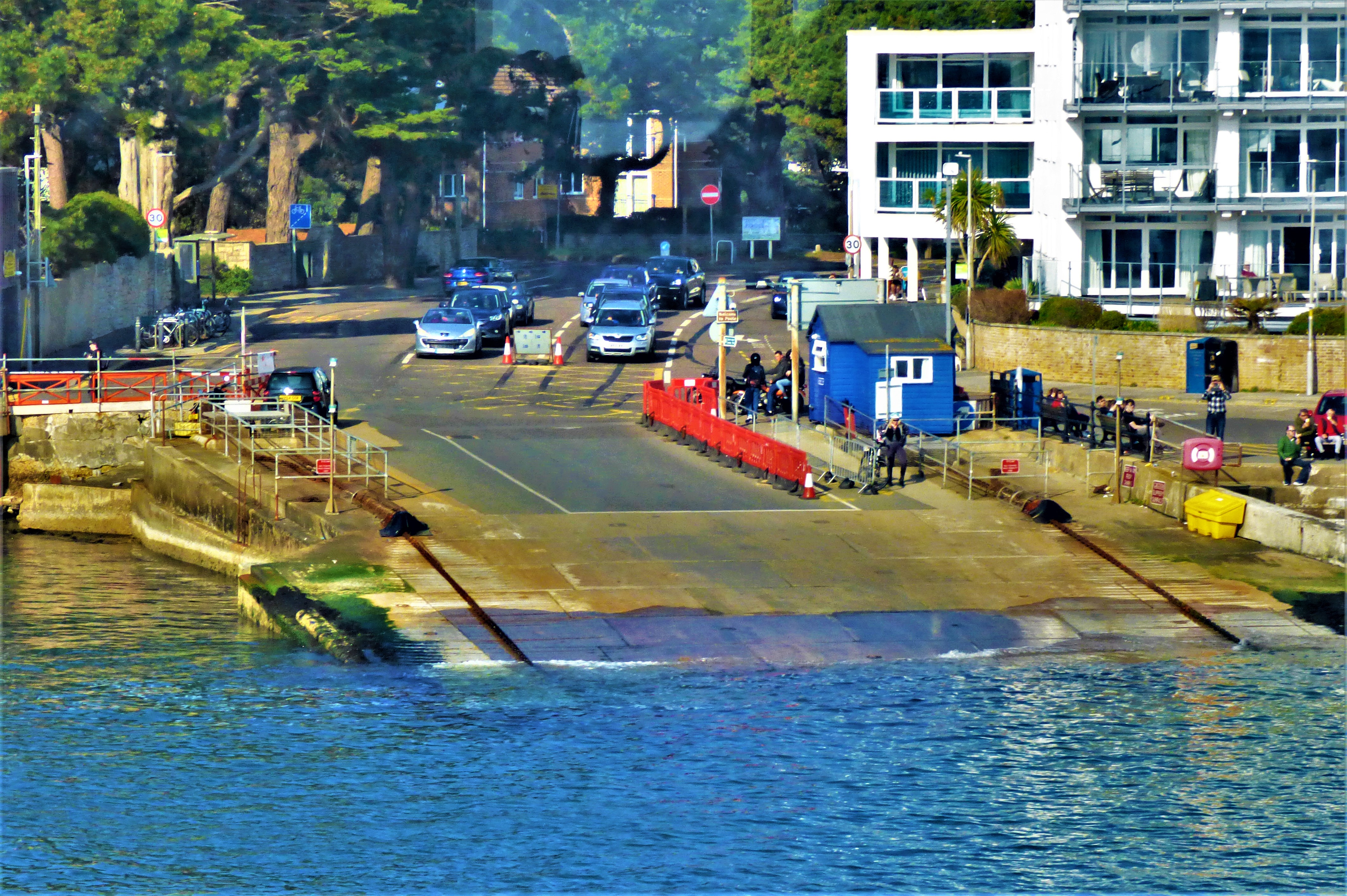
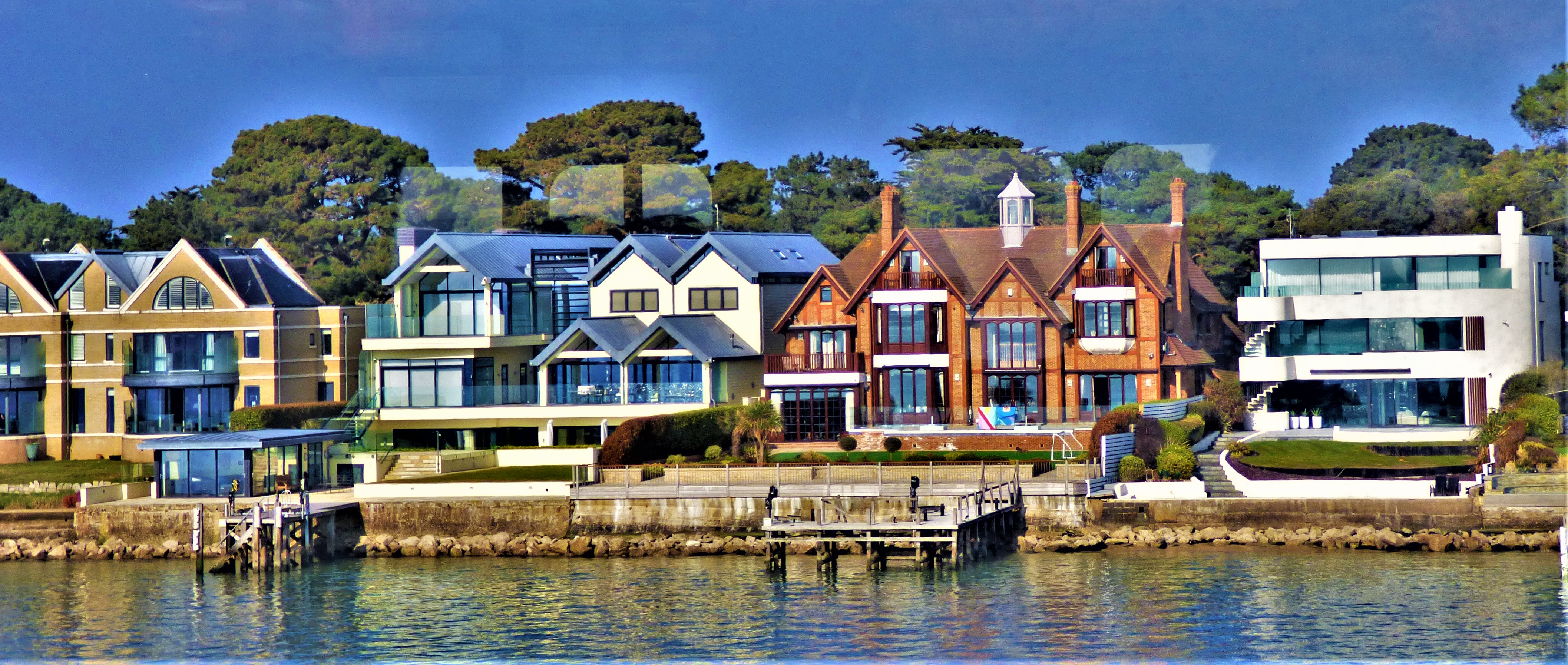
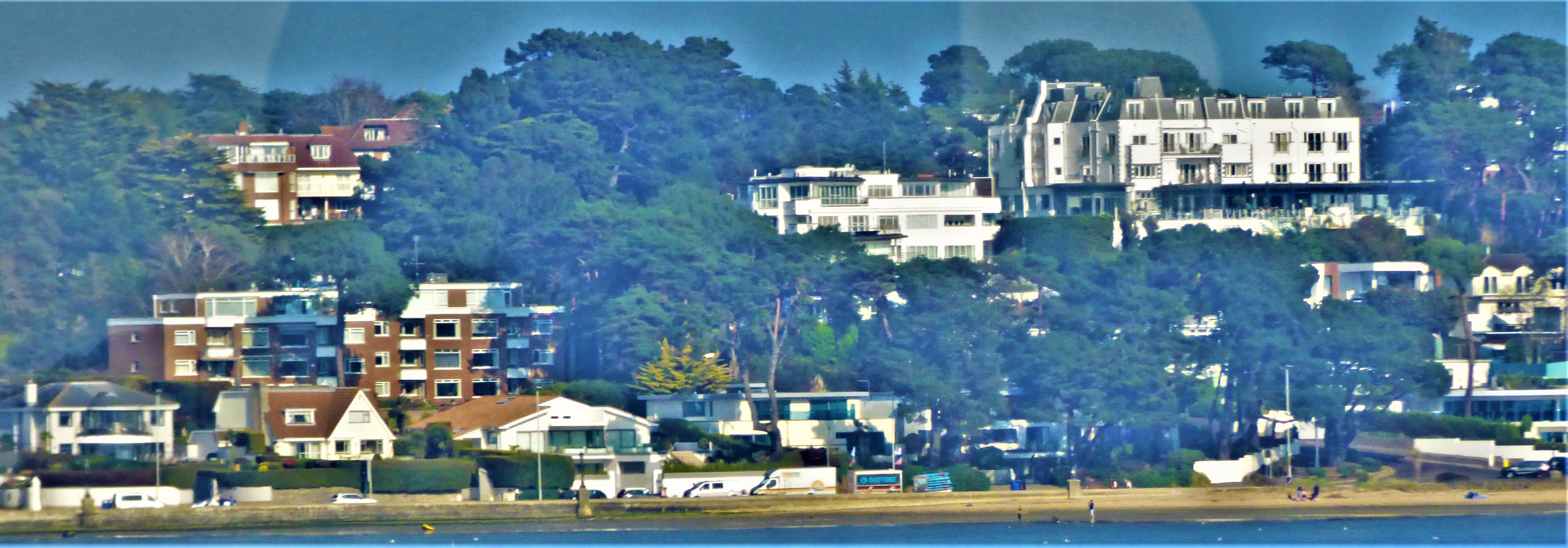
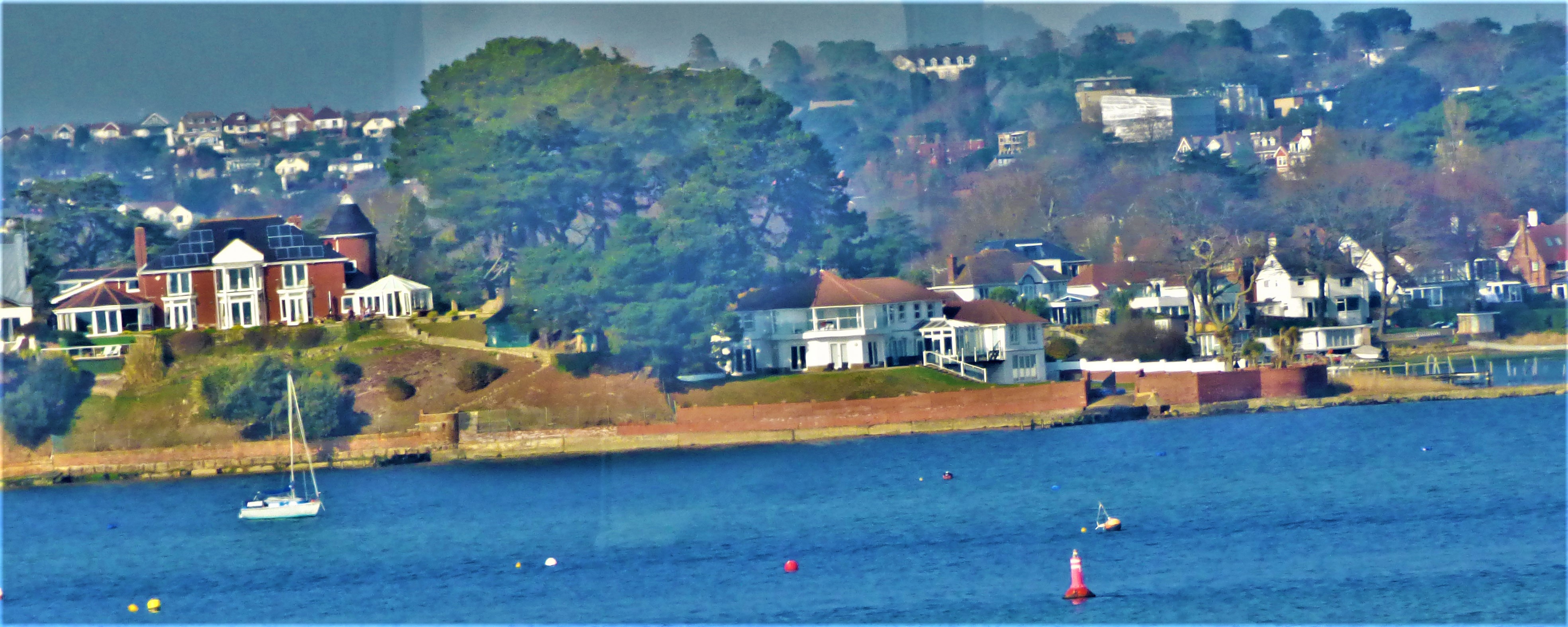
Once we were aboard the ferry an ensconced in our seats the journey was smooth and comfortable. Poole Harbour is one of the largest natural harbours in the world, meaning that there is plenty to be seen as the boat approaches land.
The journey from Poole to King’s Lynn was slow, and it was well past 11PM by the time I got home.
Continuing my account of my holiday in the channel islands by completing the story of the German Occupation Museum.
This post continues my account of my recent holiday in the channel islands. It is the second post that I dedicate to the German Occupation Museum on Guernsey.
OCCUPATION STRASSE
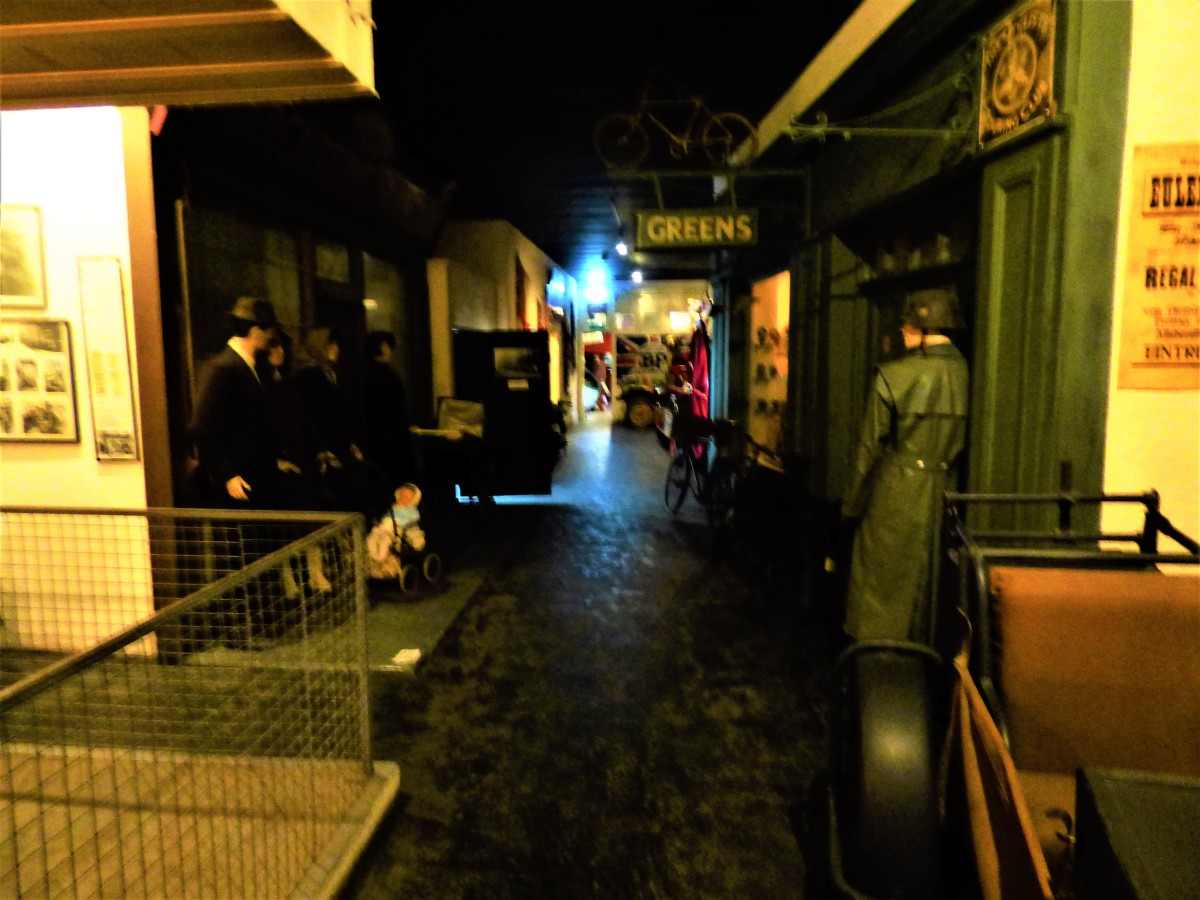
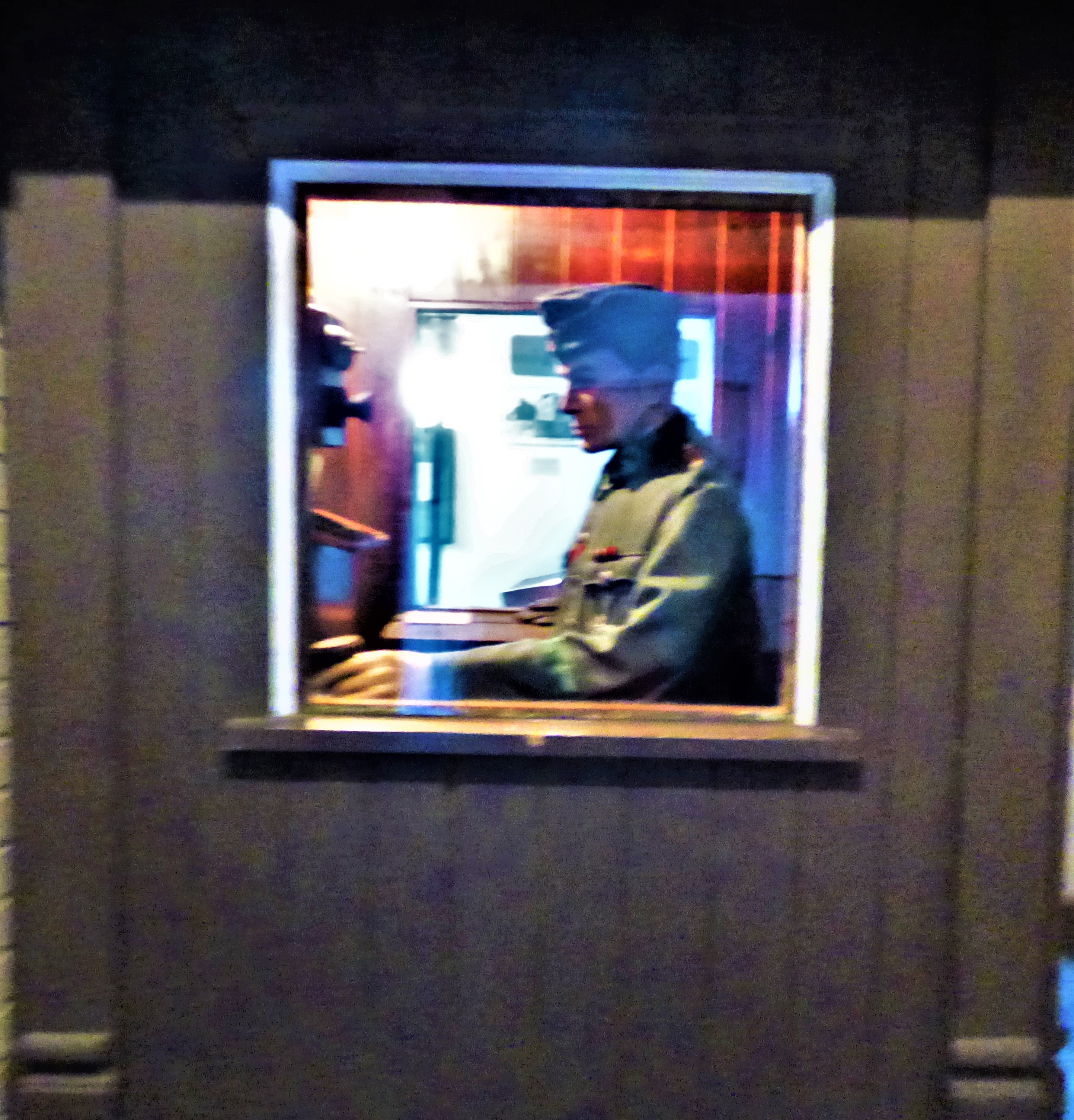
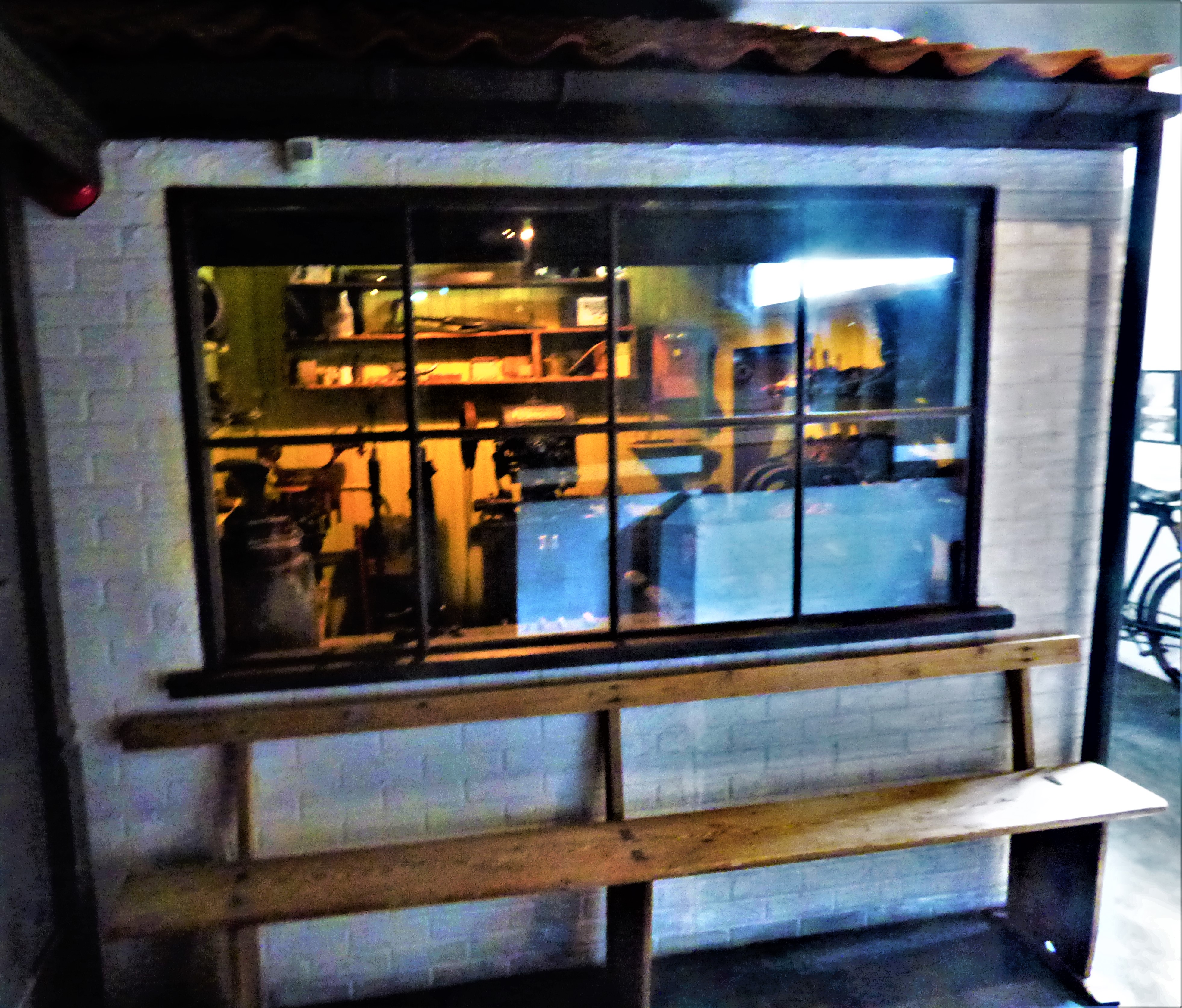
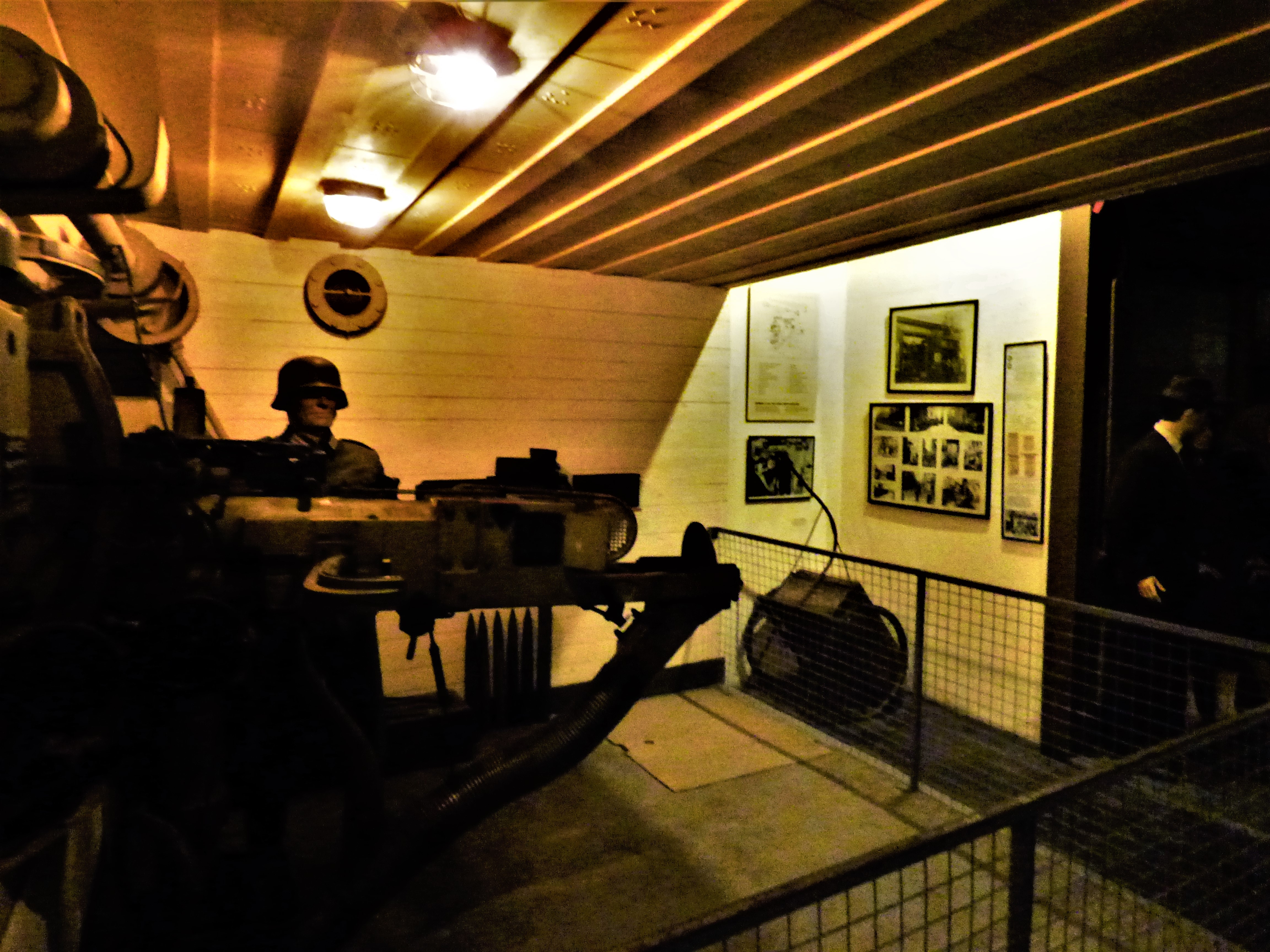
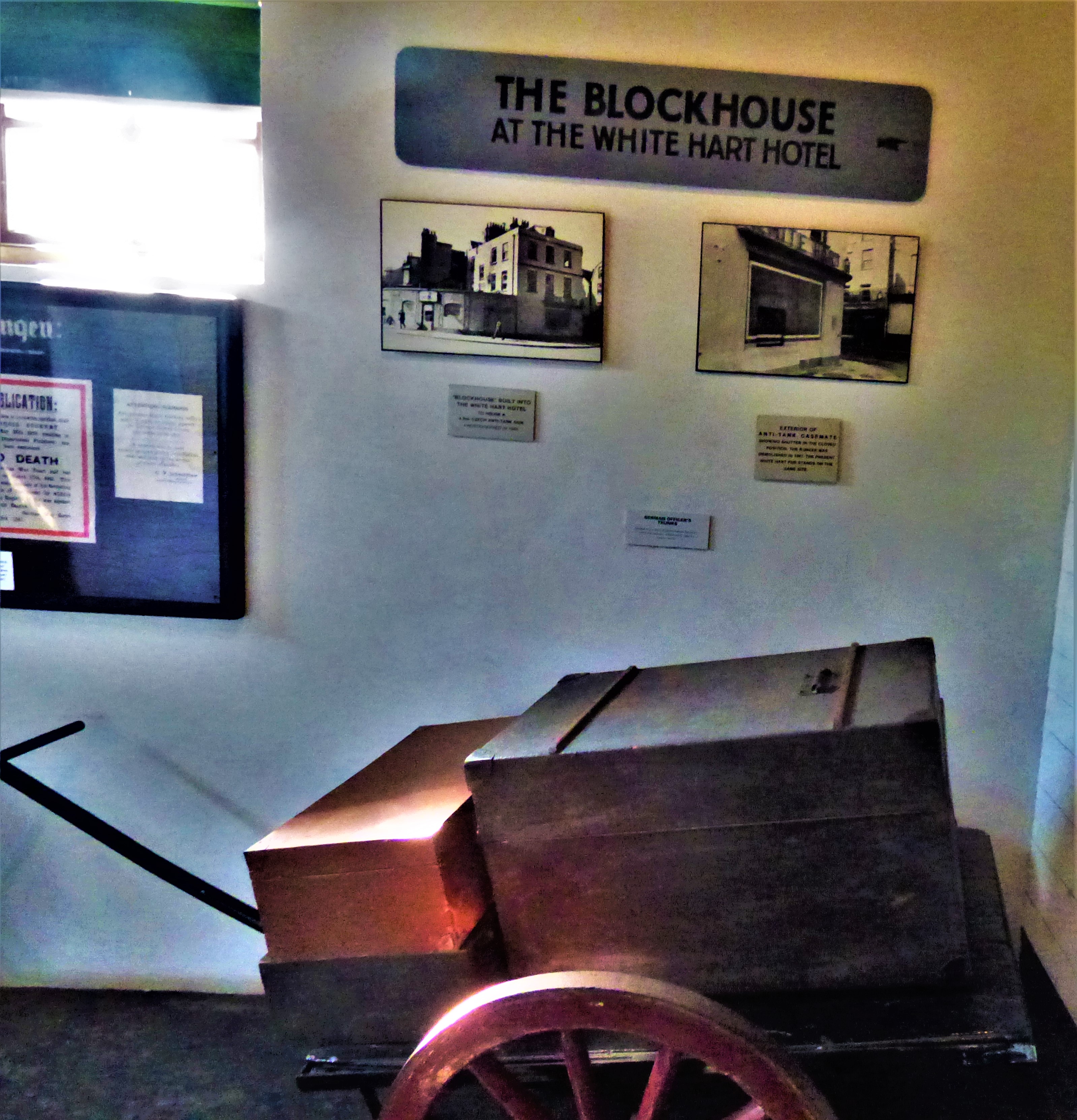
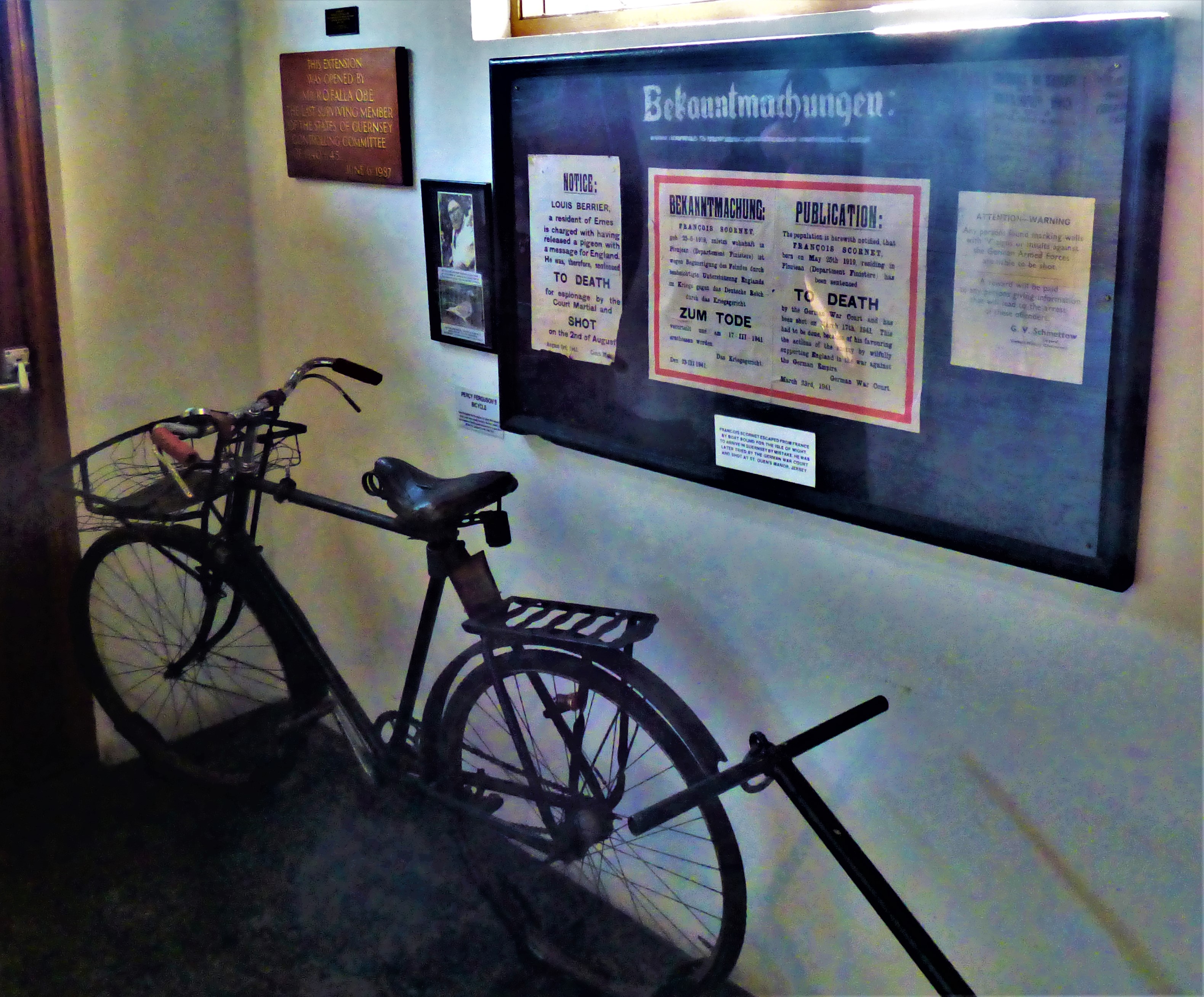
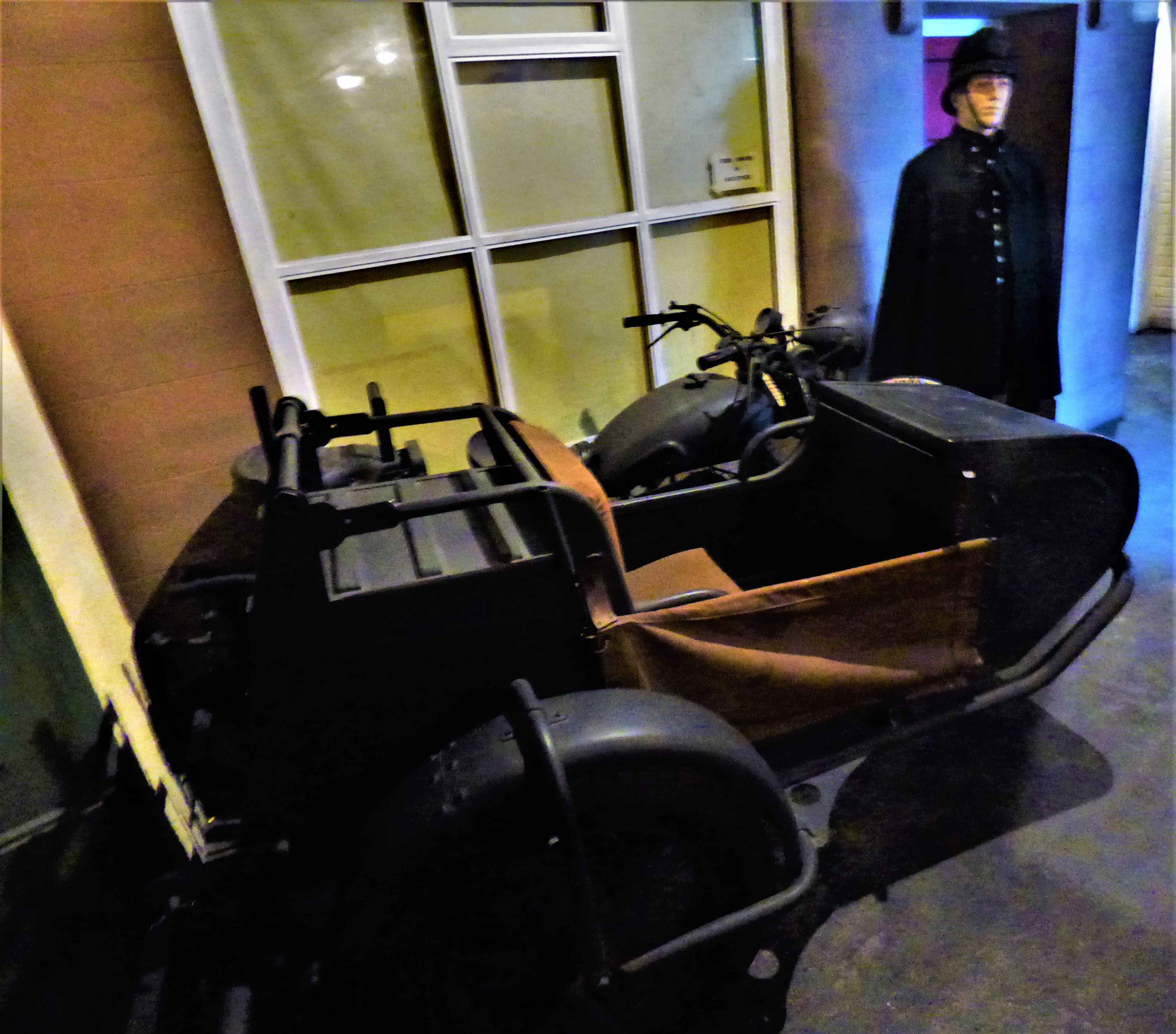
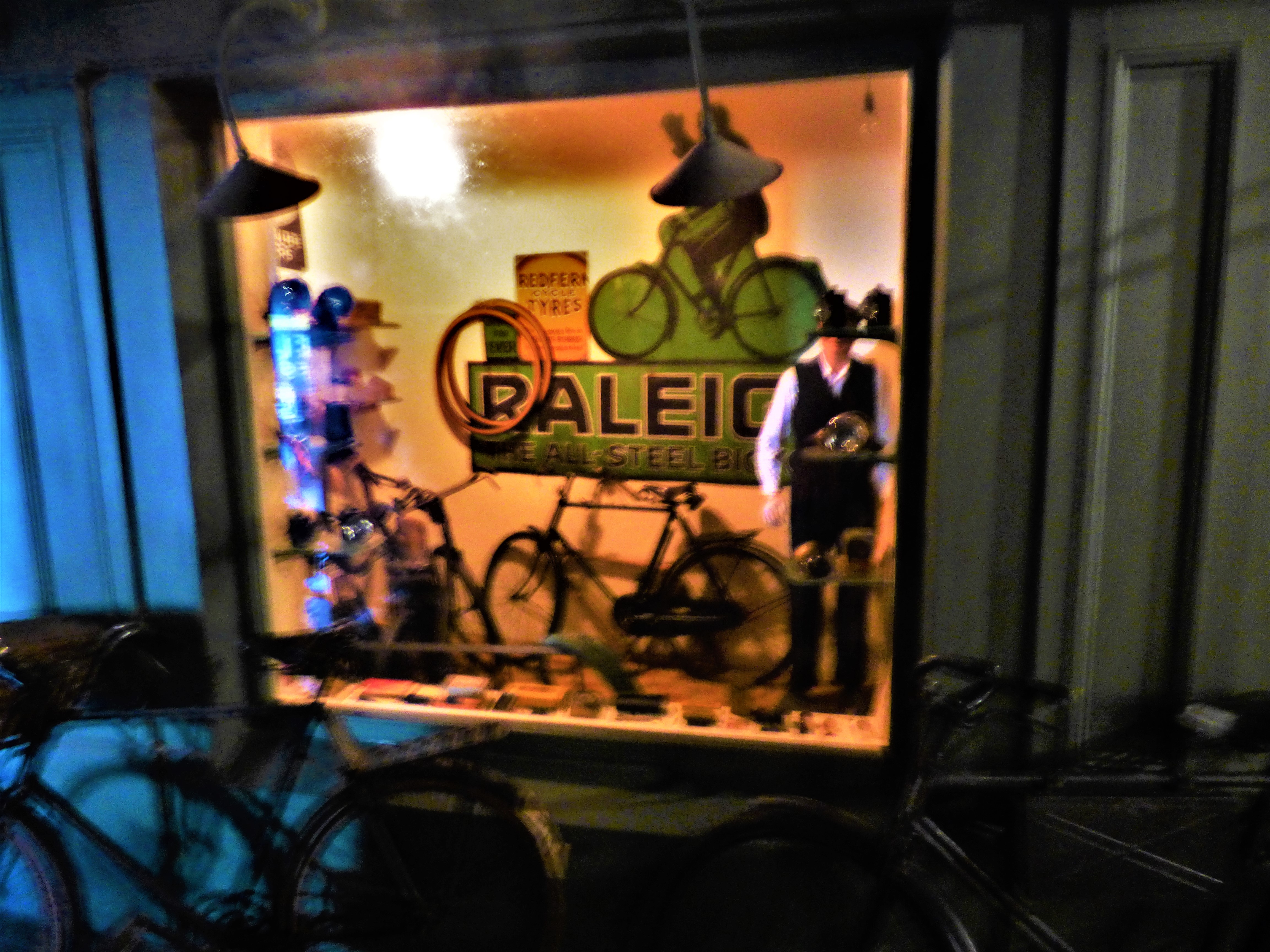
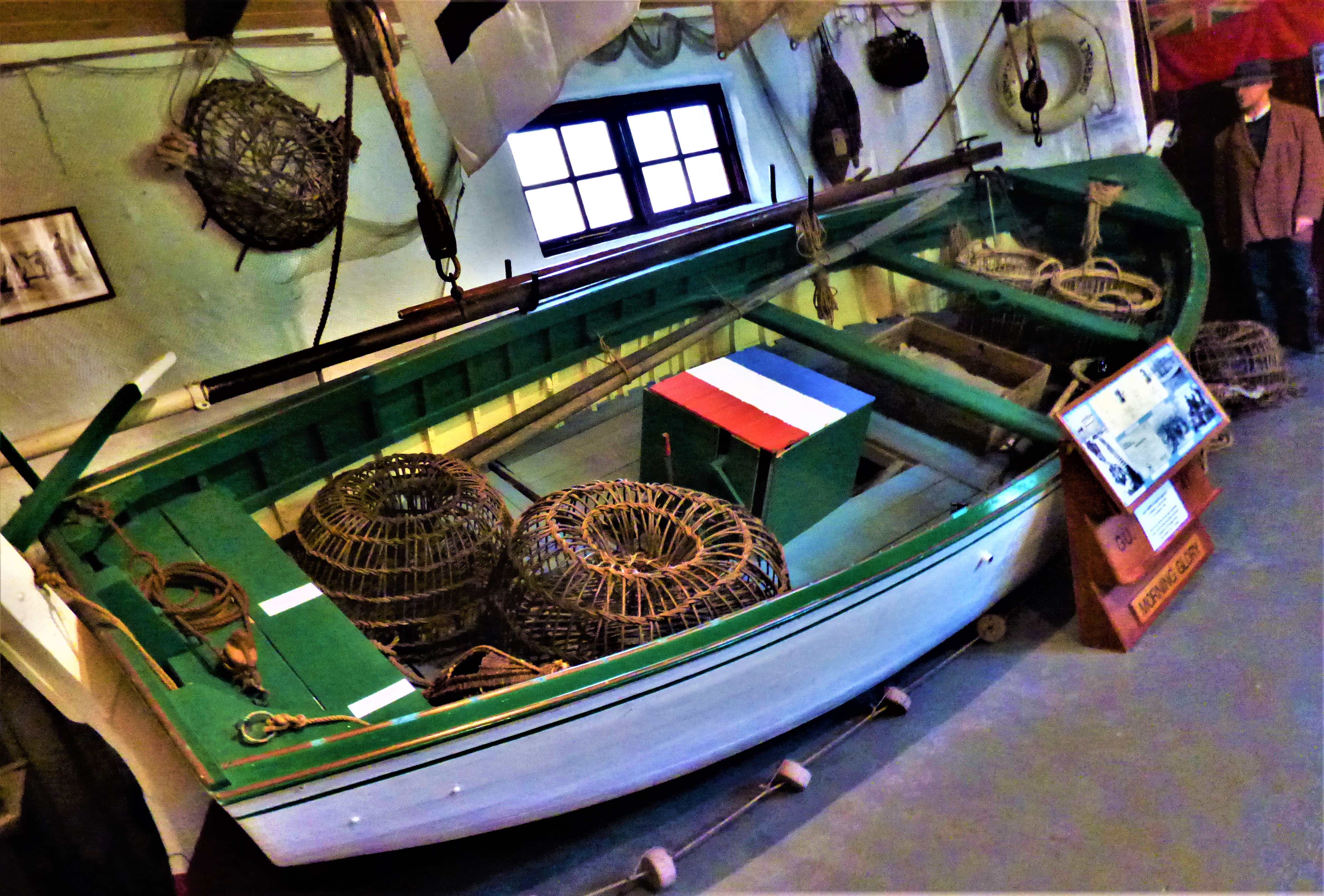
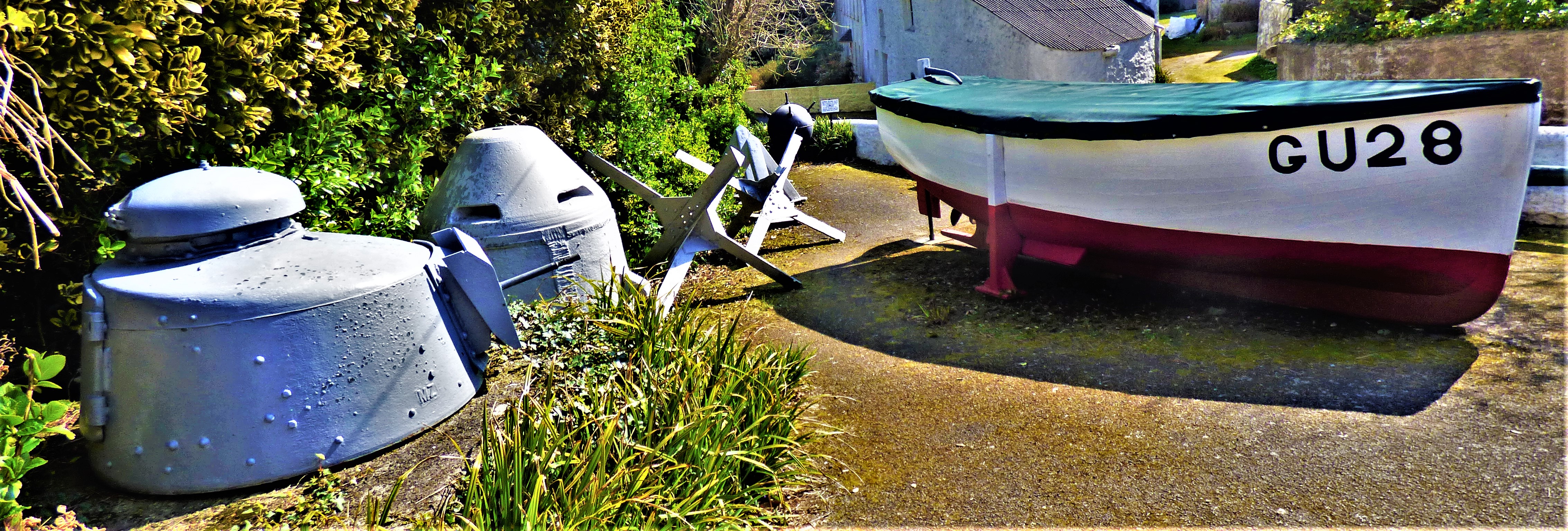
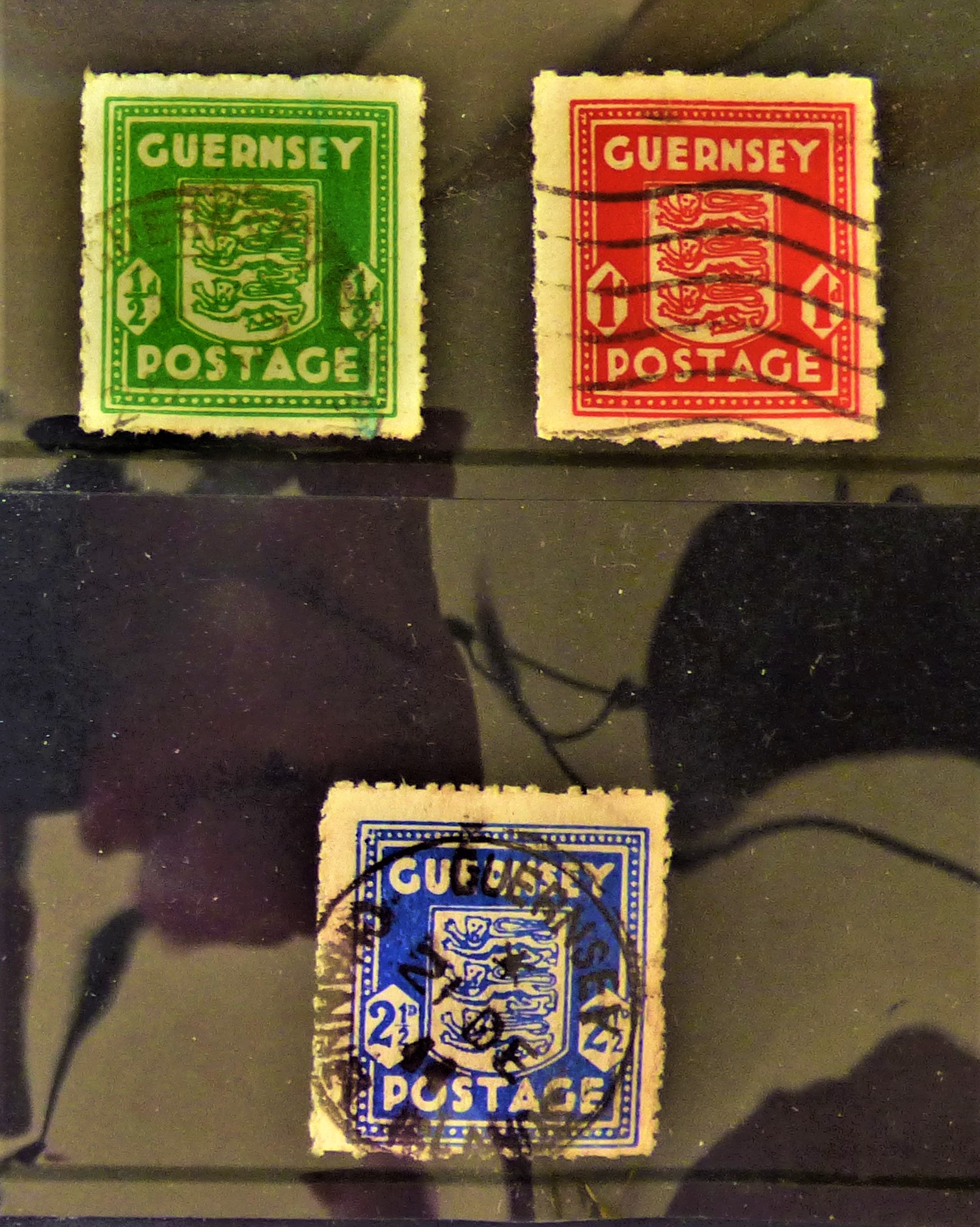
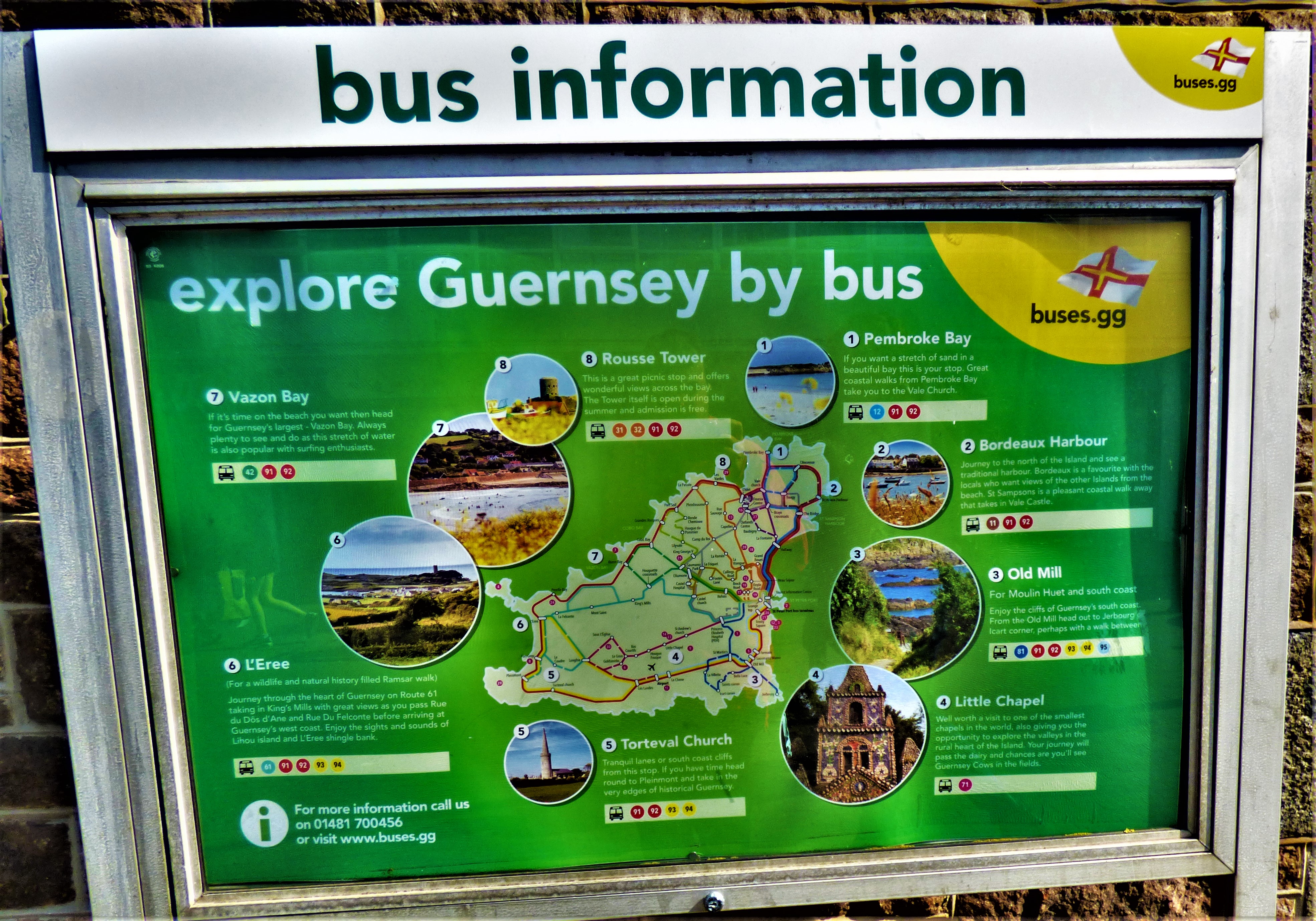
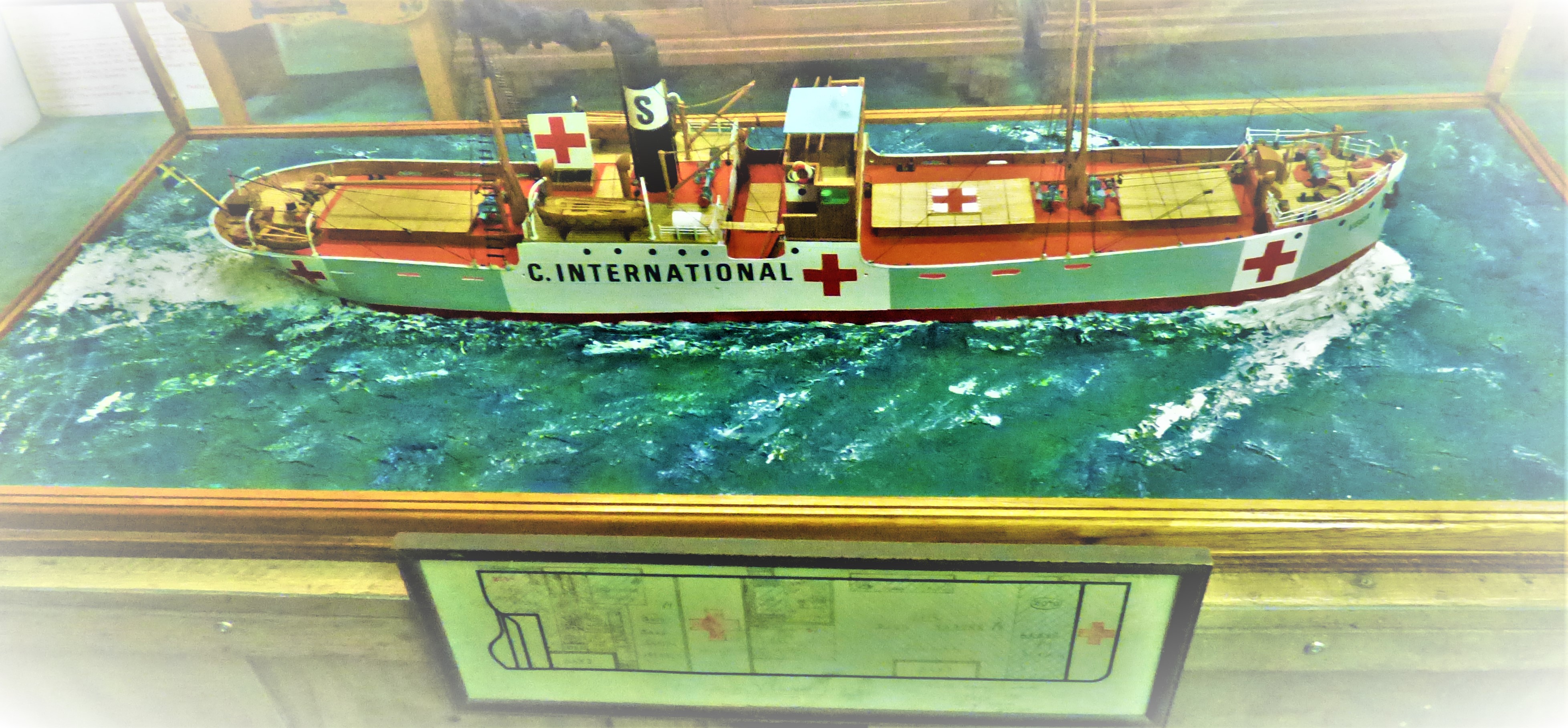
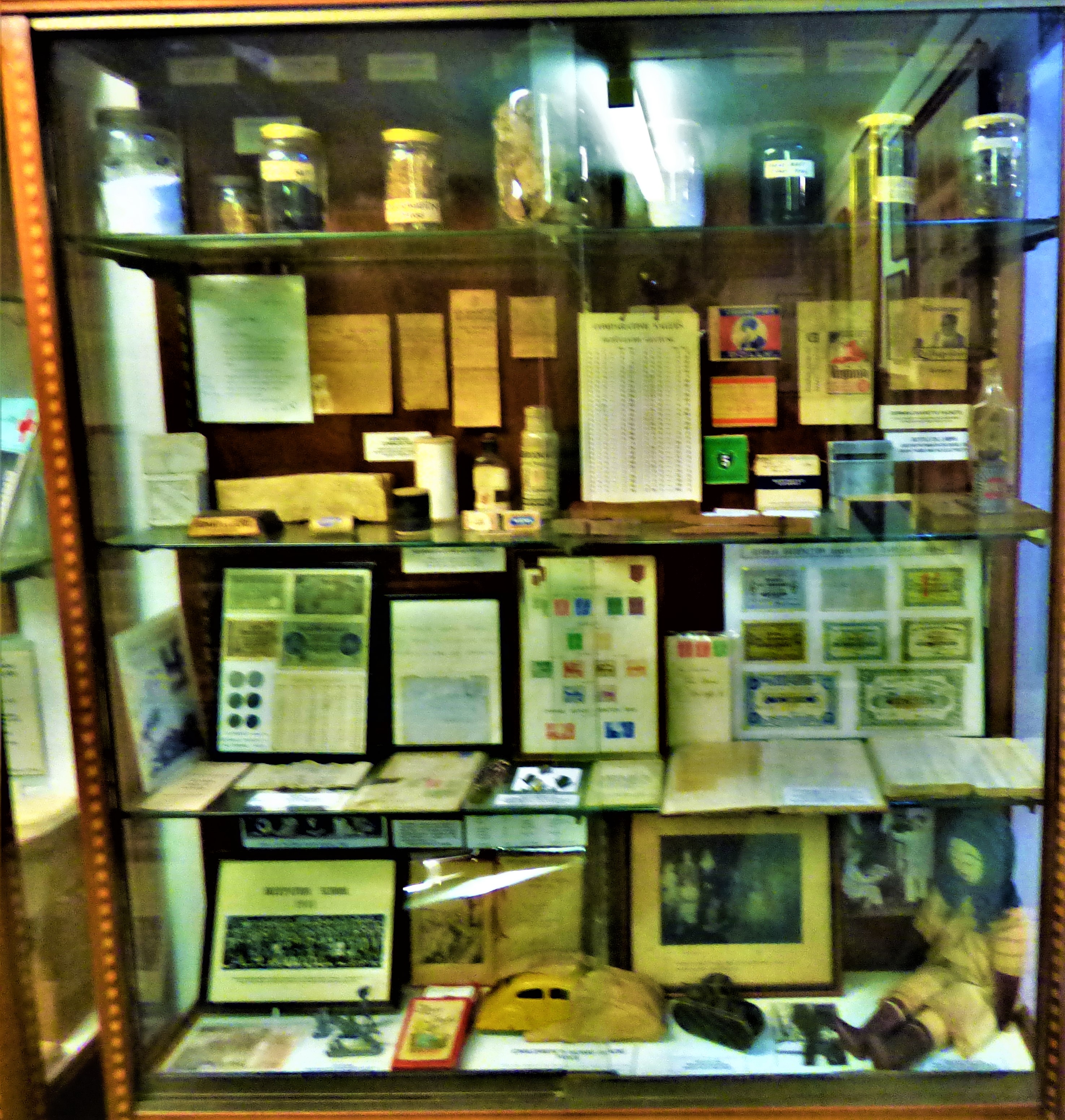
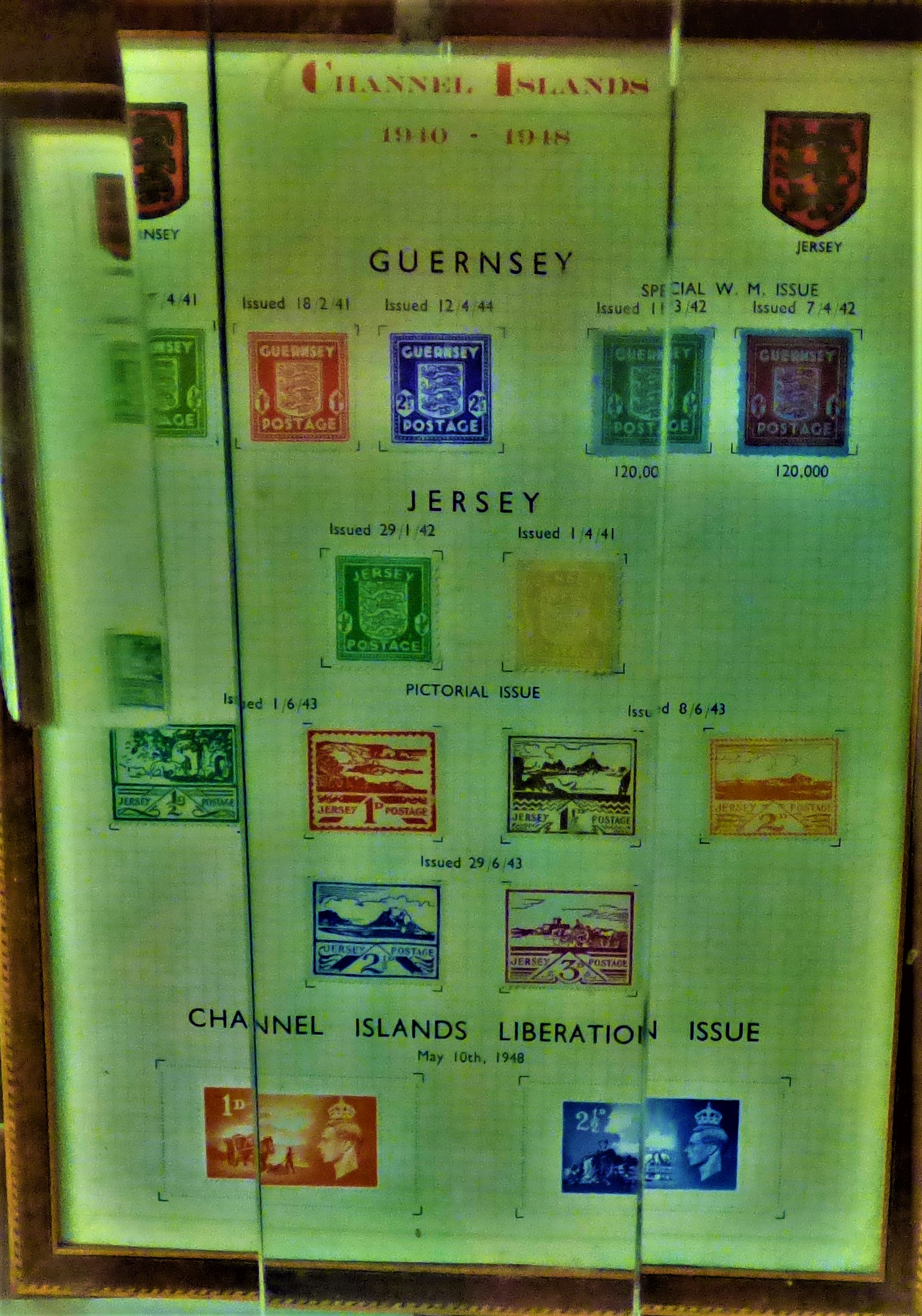
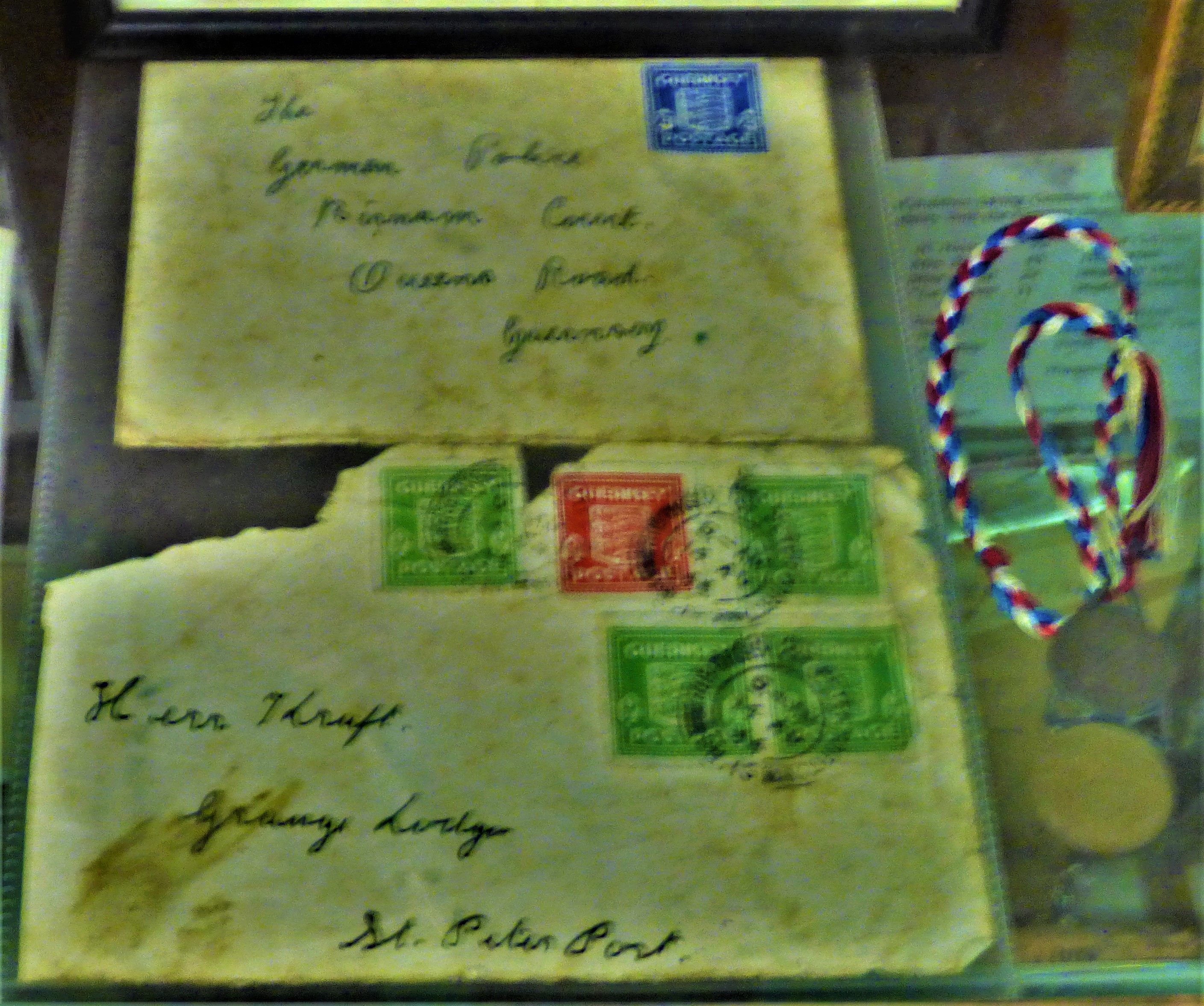
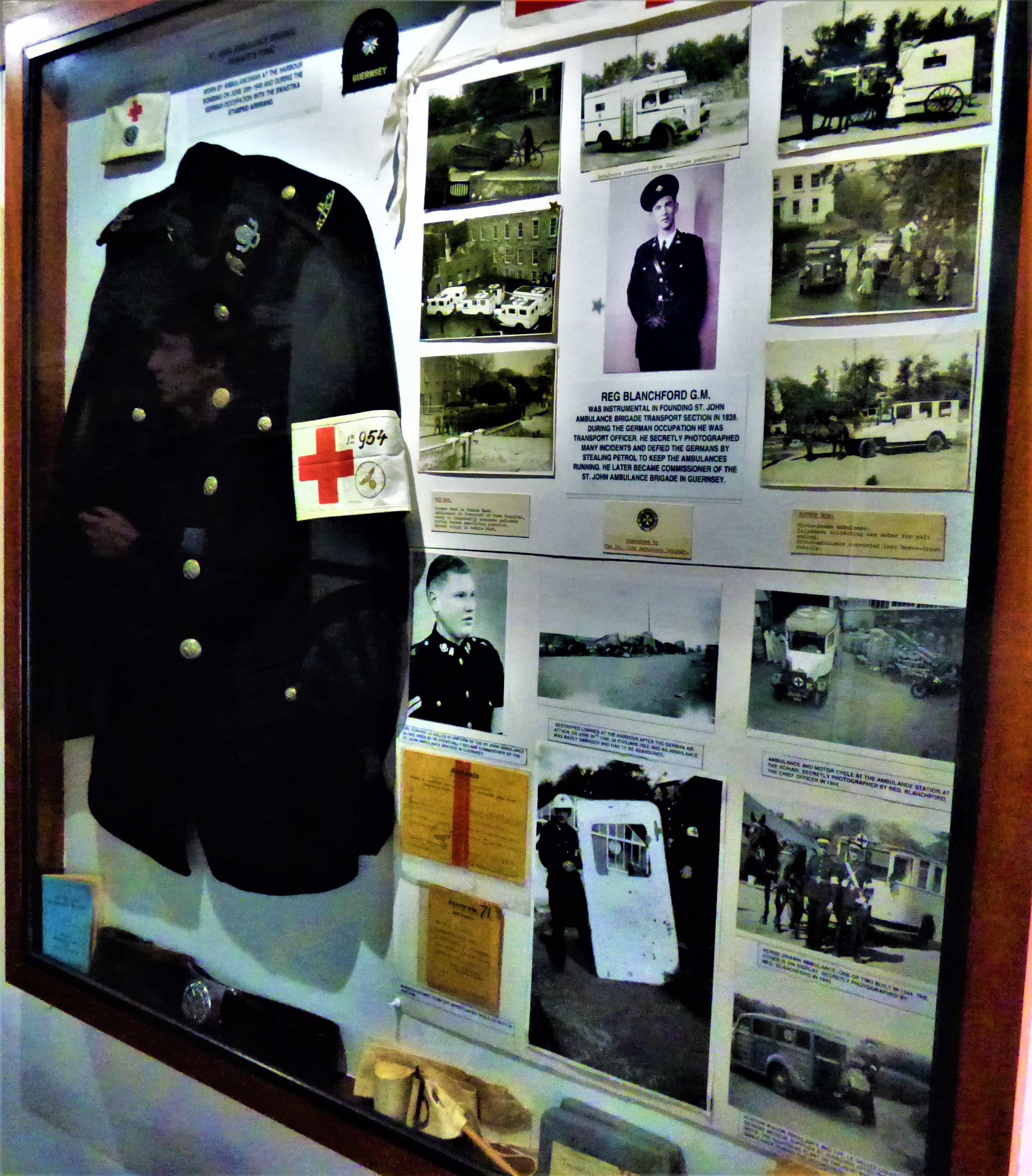
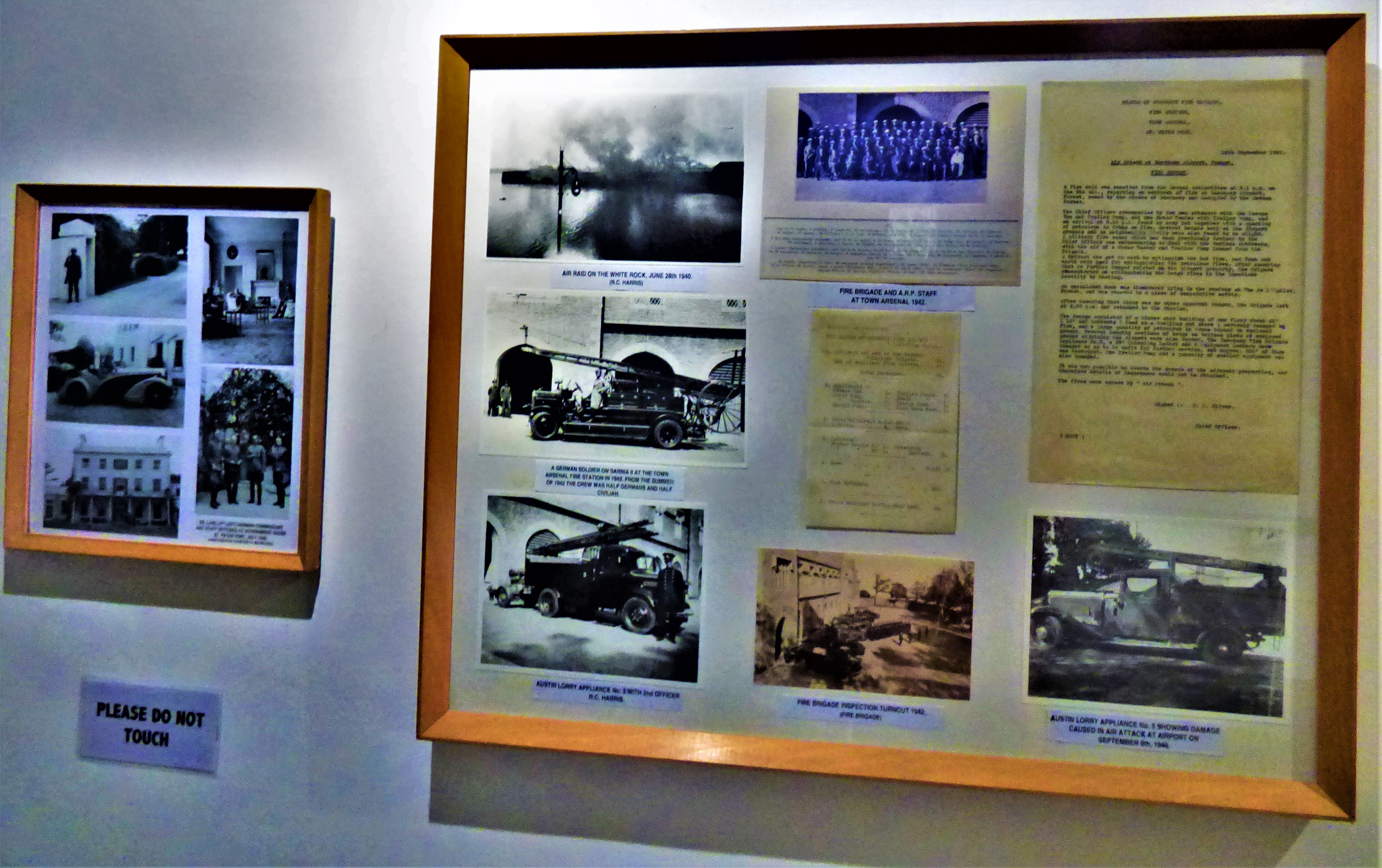
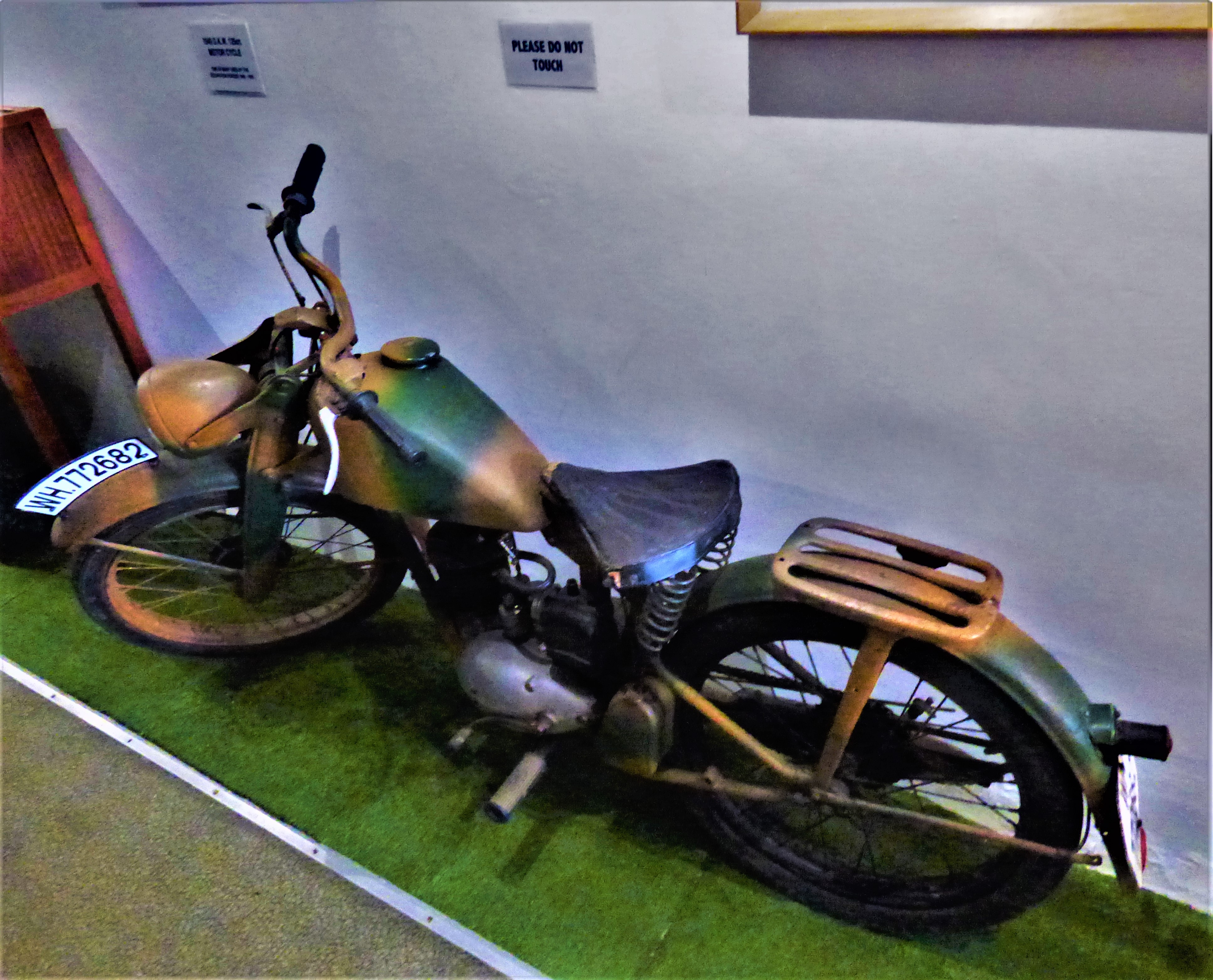
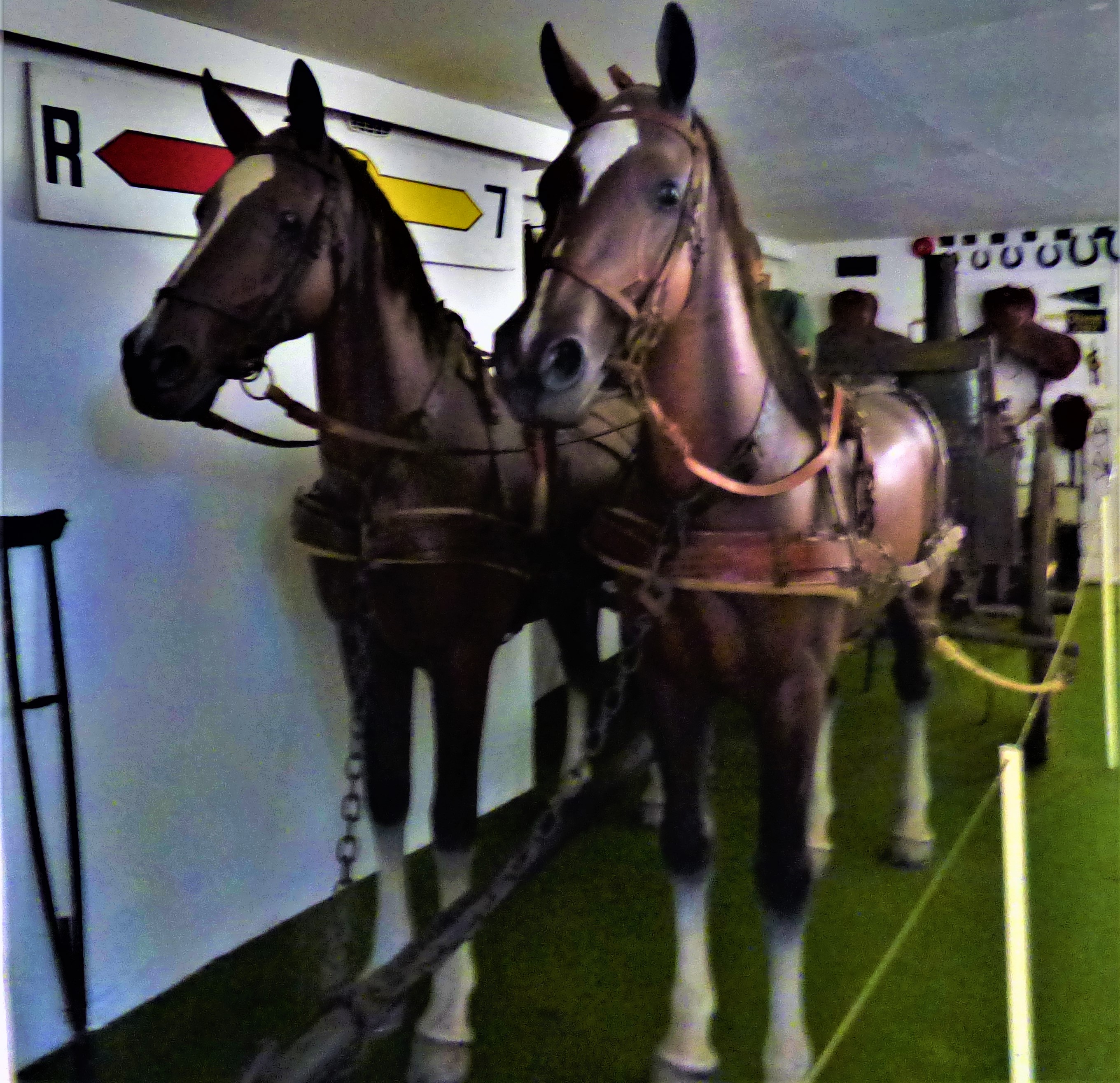
The main part of what is left of the museum after what I covered in the previous post is Occupation Strasse. This is a reconstruction of a Guernsey street as it was during the period of the occupation. I also bought a couple of sets of Guernsey stamps of the period as souvenirs, and we all had some refreshments from the cafe. There is a bus stop close to the museum and Guernsey has an excellent bus system, so getting back to St Peter Port was not difficult.
Continuing my account of my holiday in the channel islands with the first of two posts about the occupation museum.
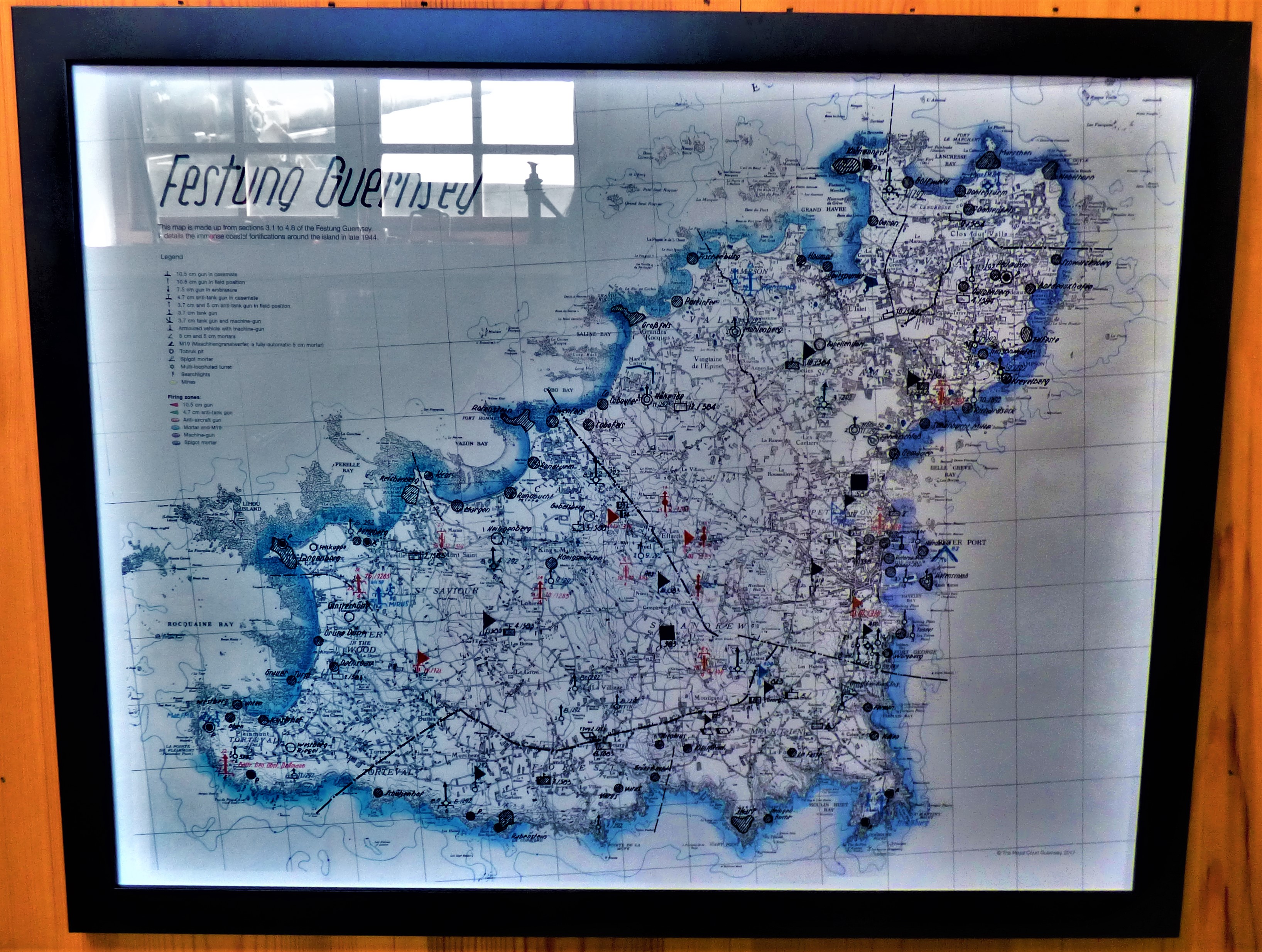
Welcome to the latest post in my series about my holiday in the channel islands. This is the first post about the museum dedicated to the German occupation of Guernsey between 1940 and 1945.
THE OPENING VIDEO
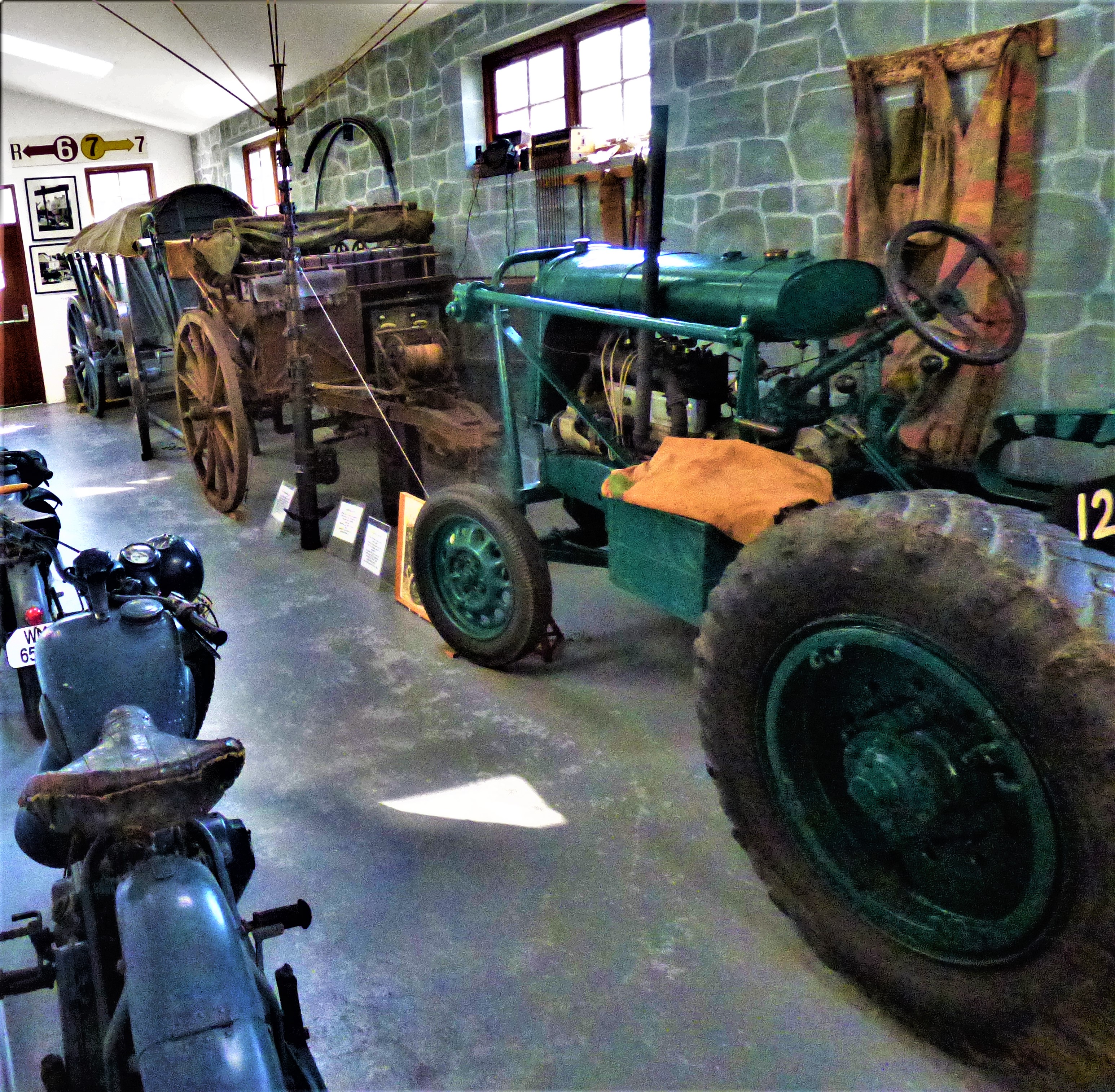
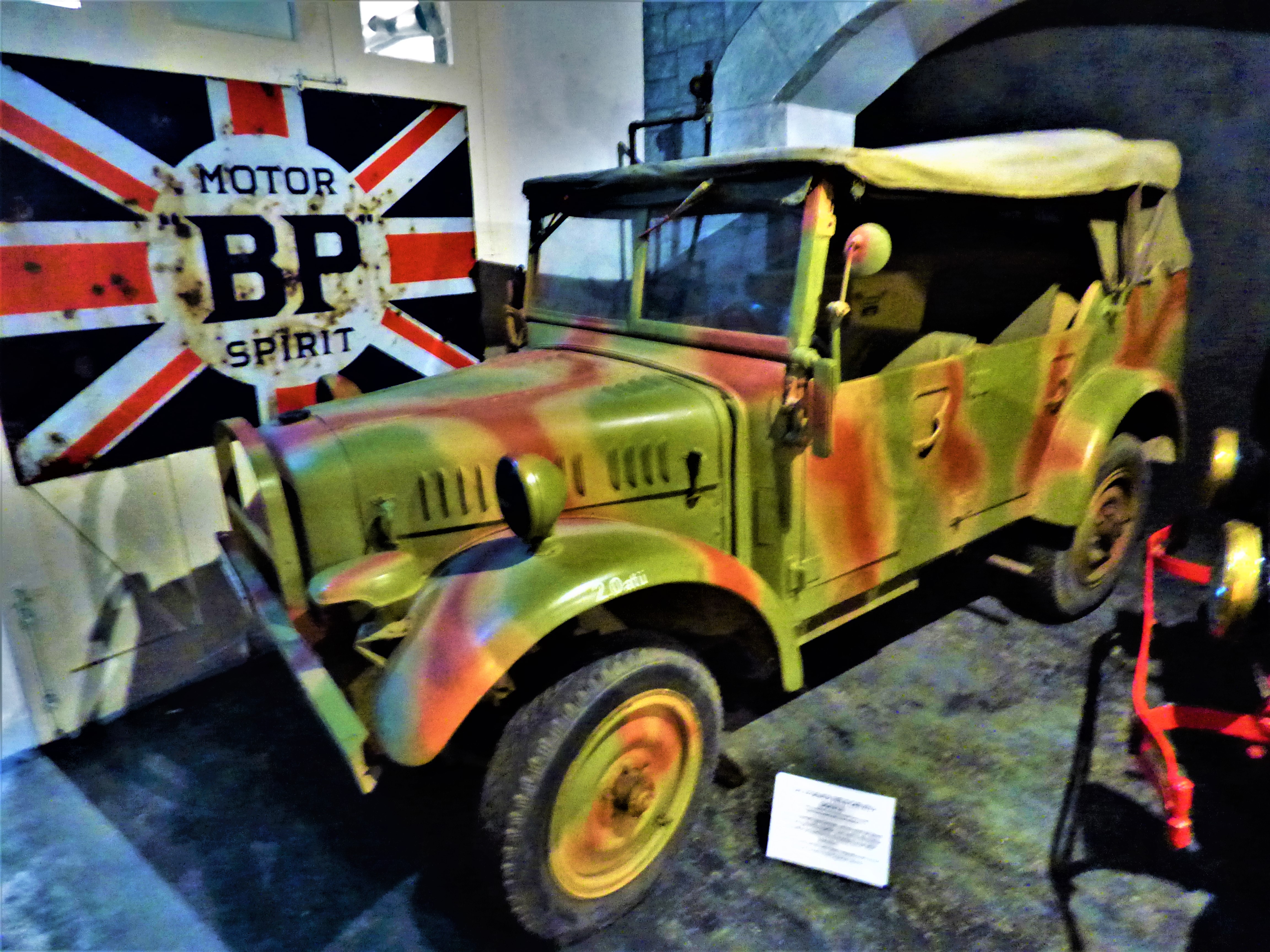
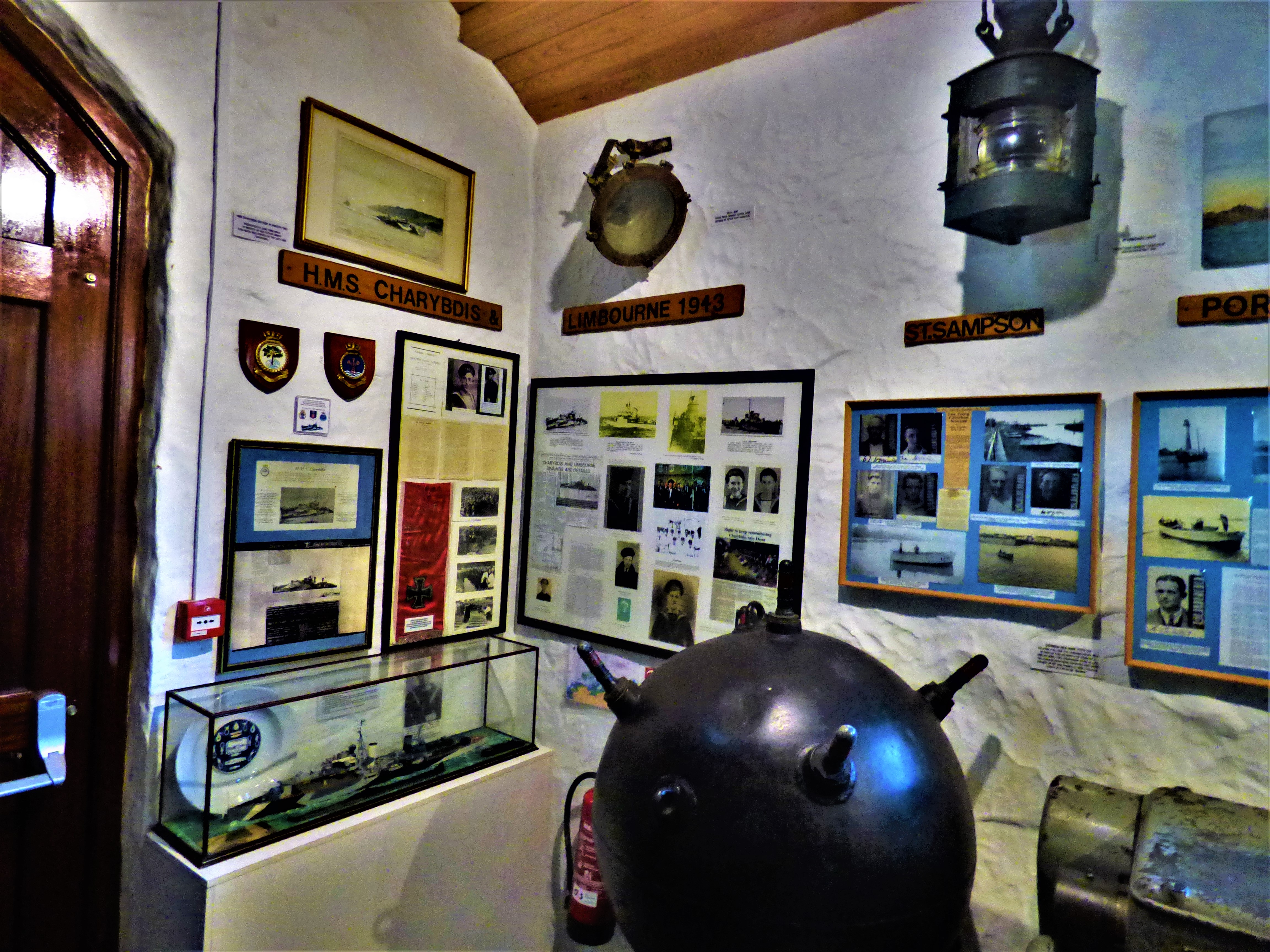
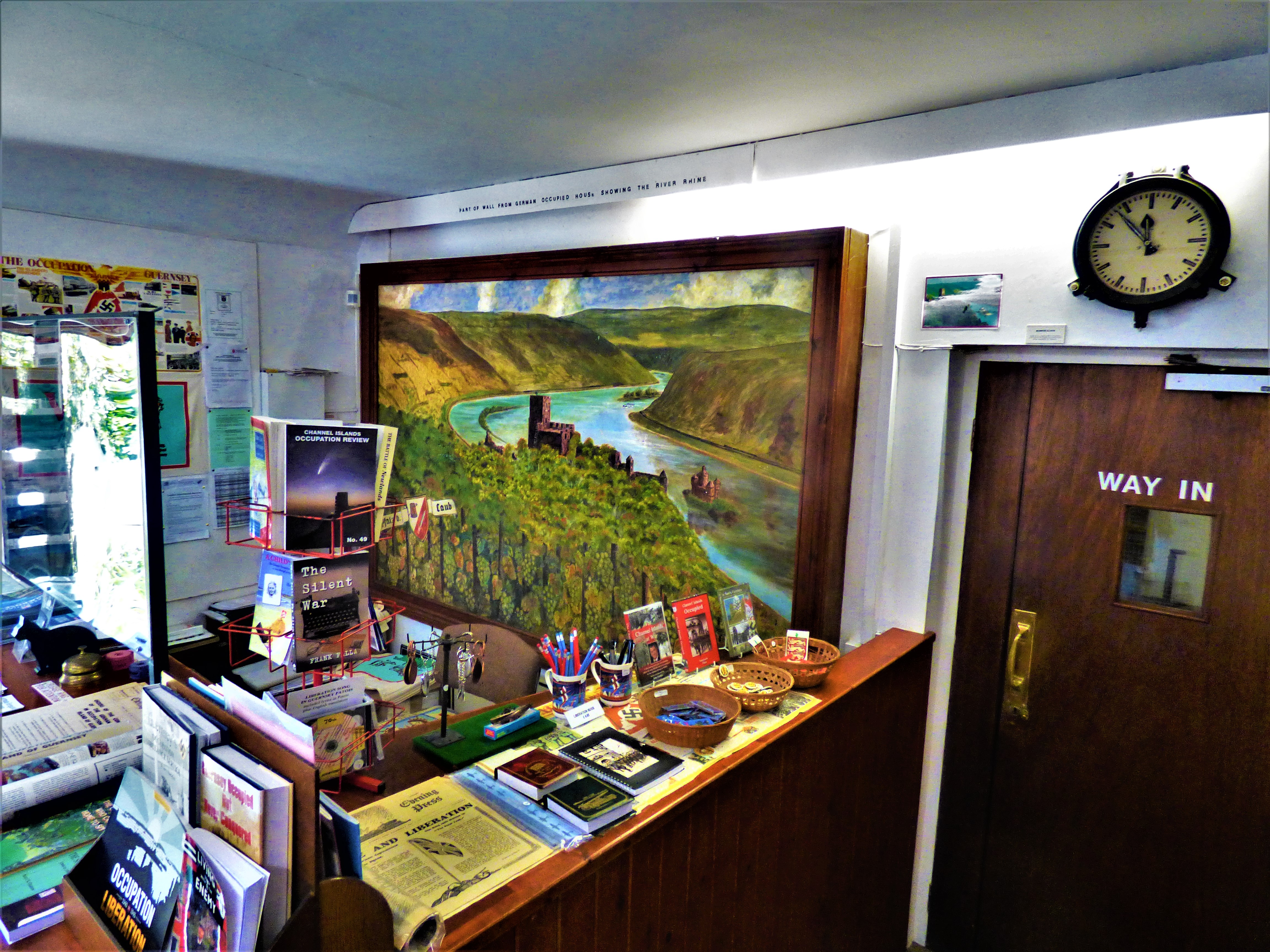
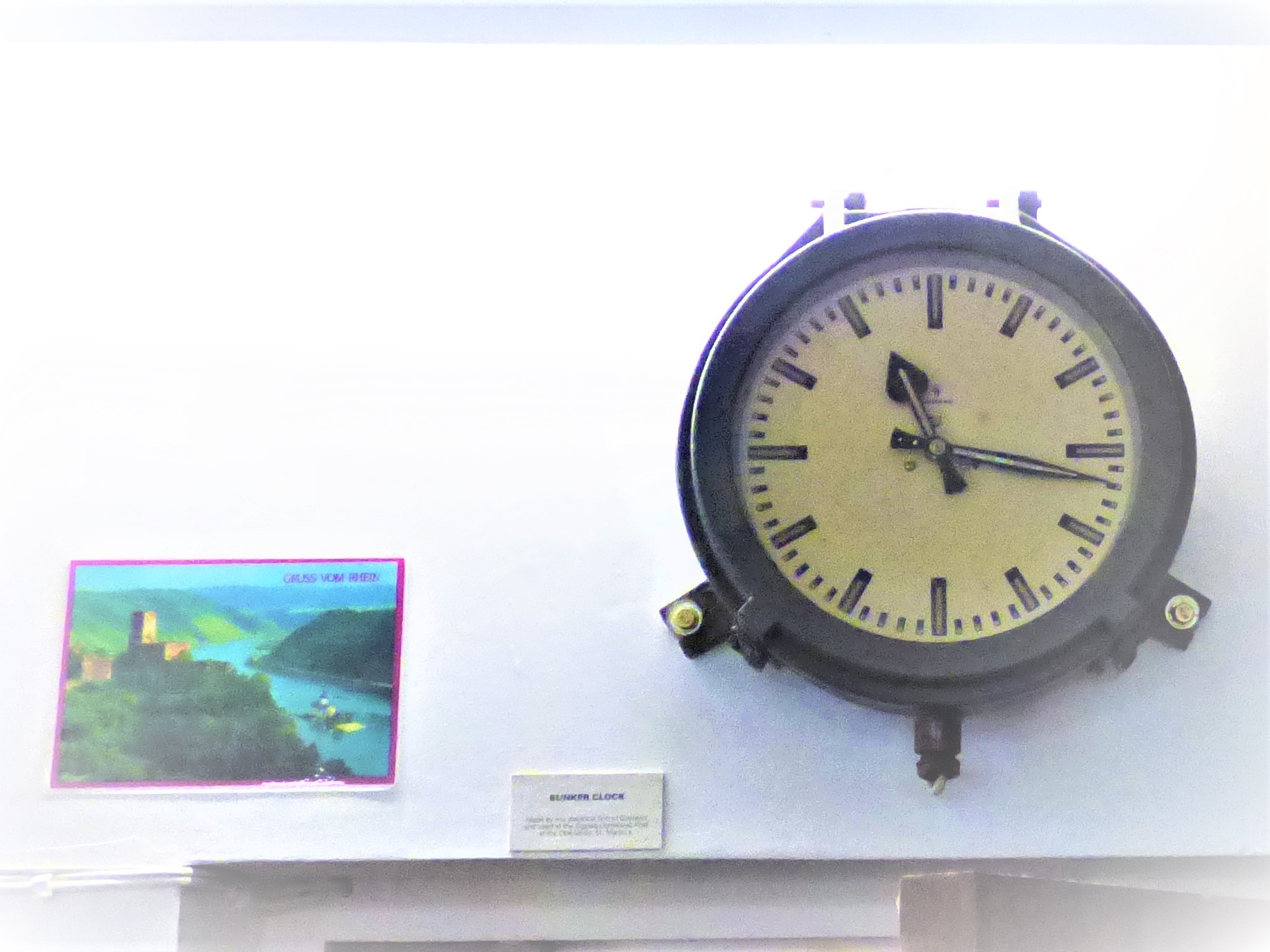
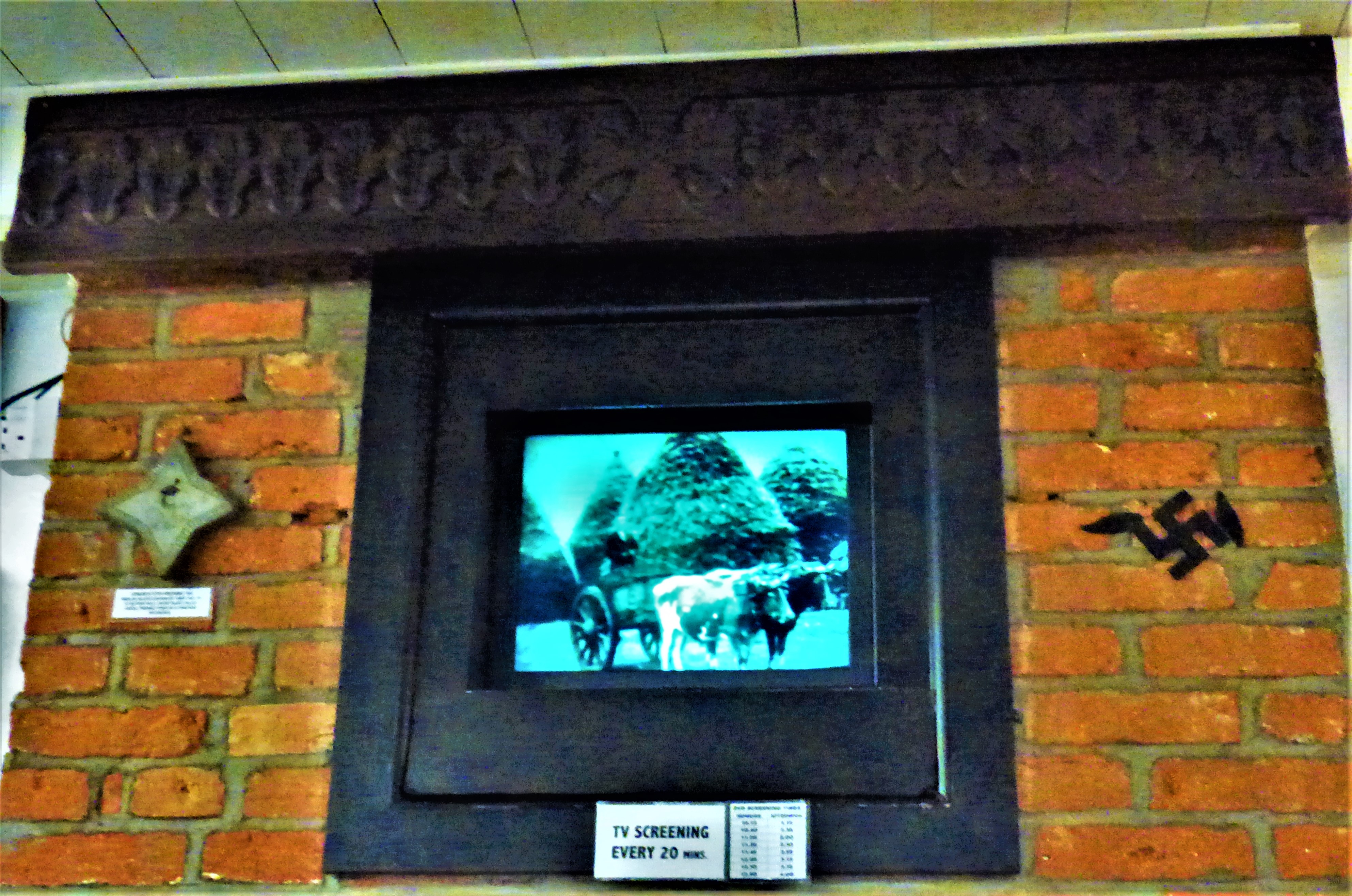
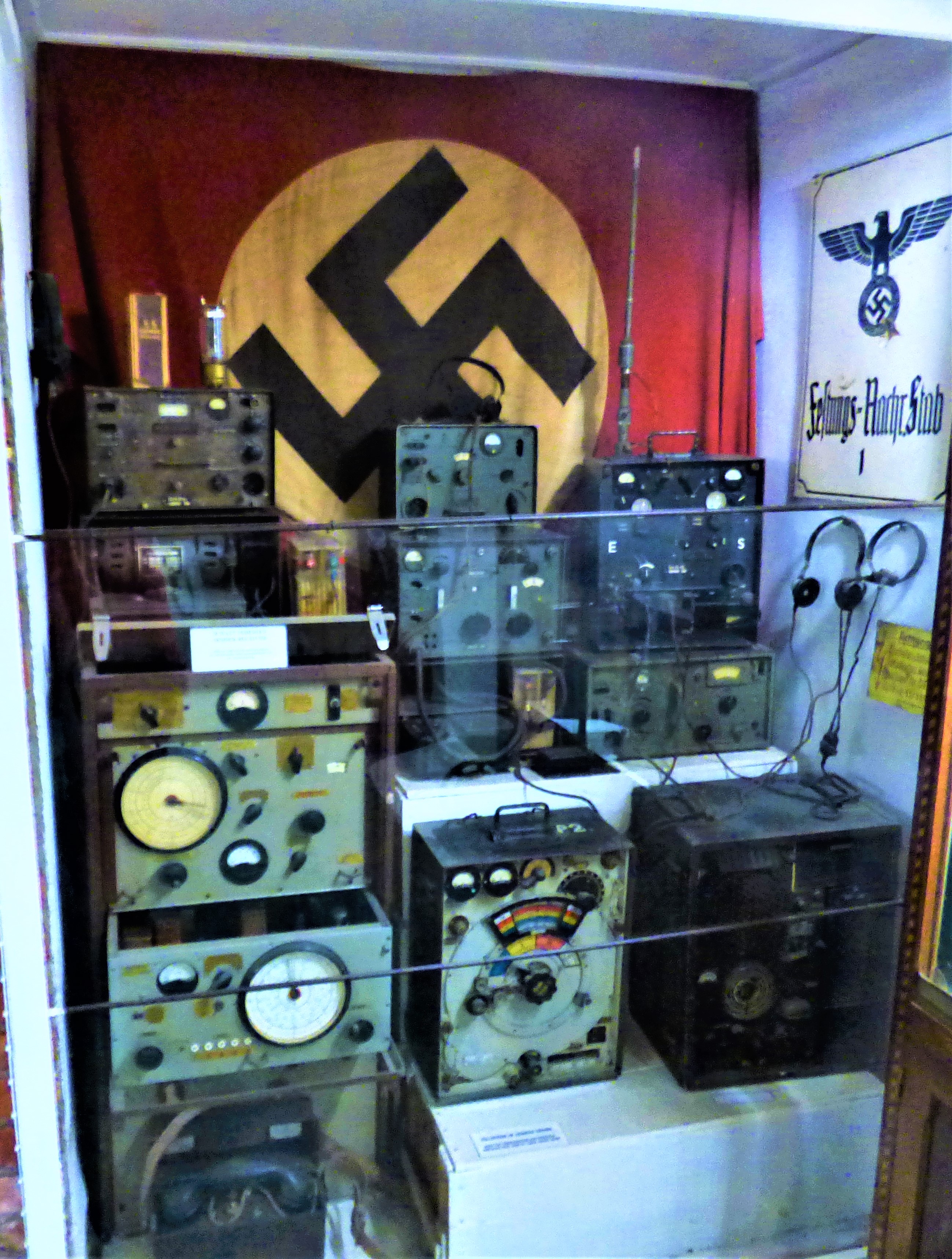
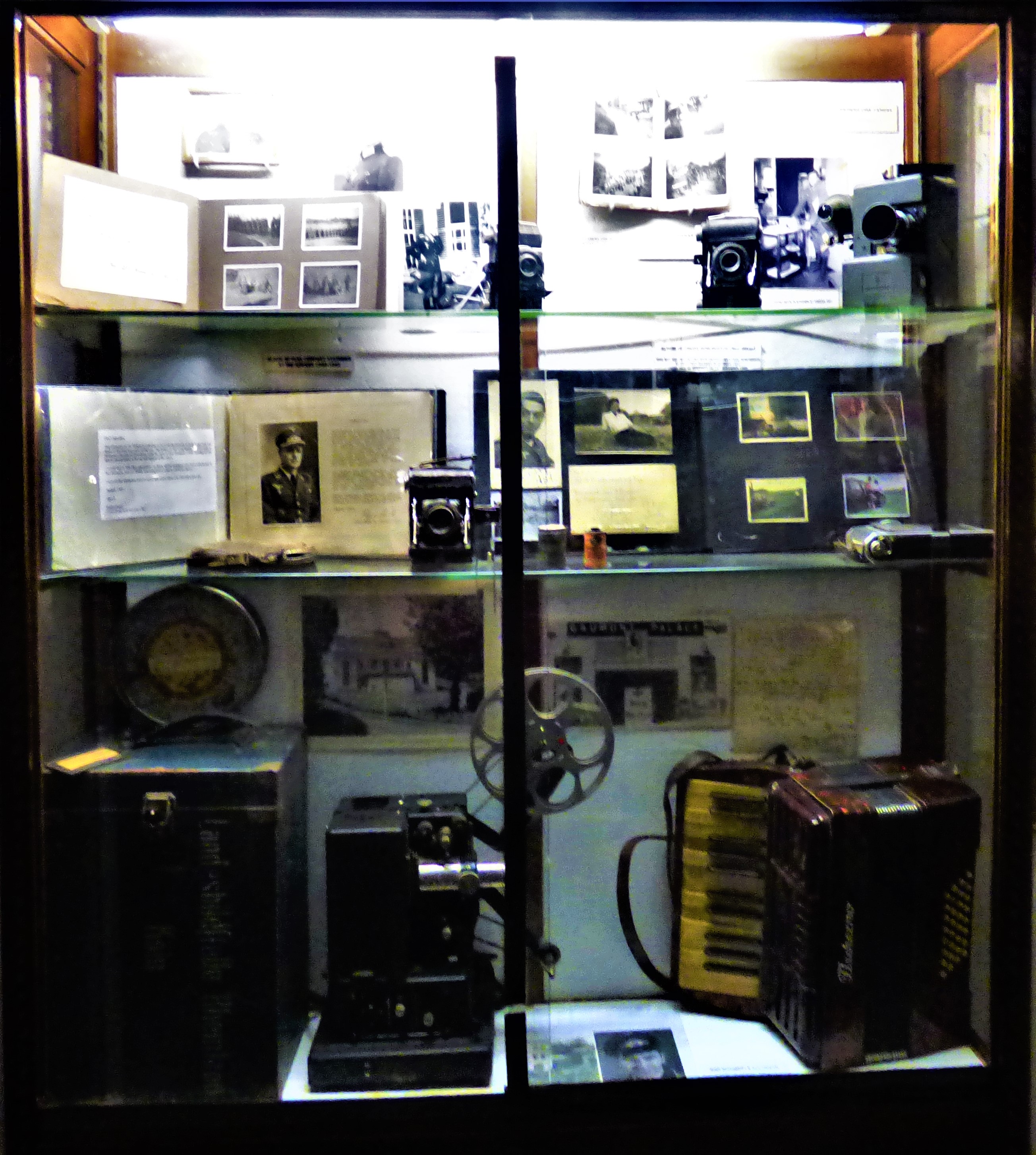
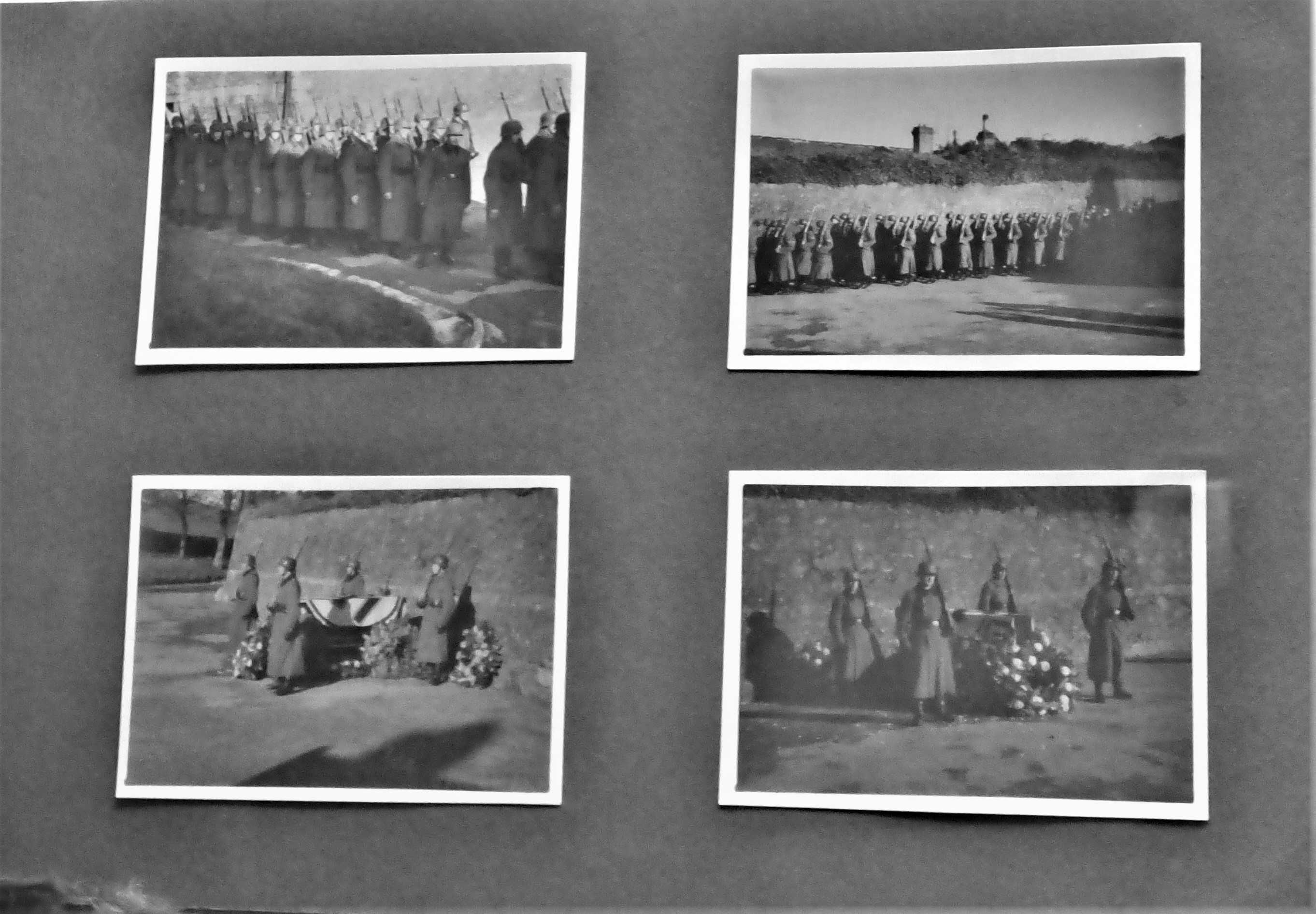
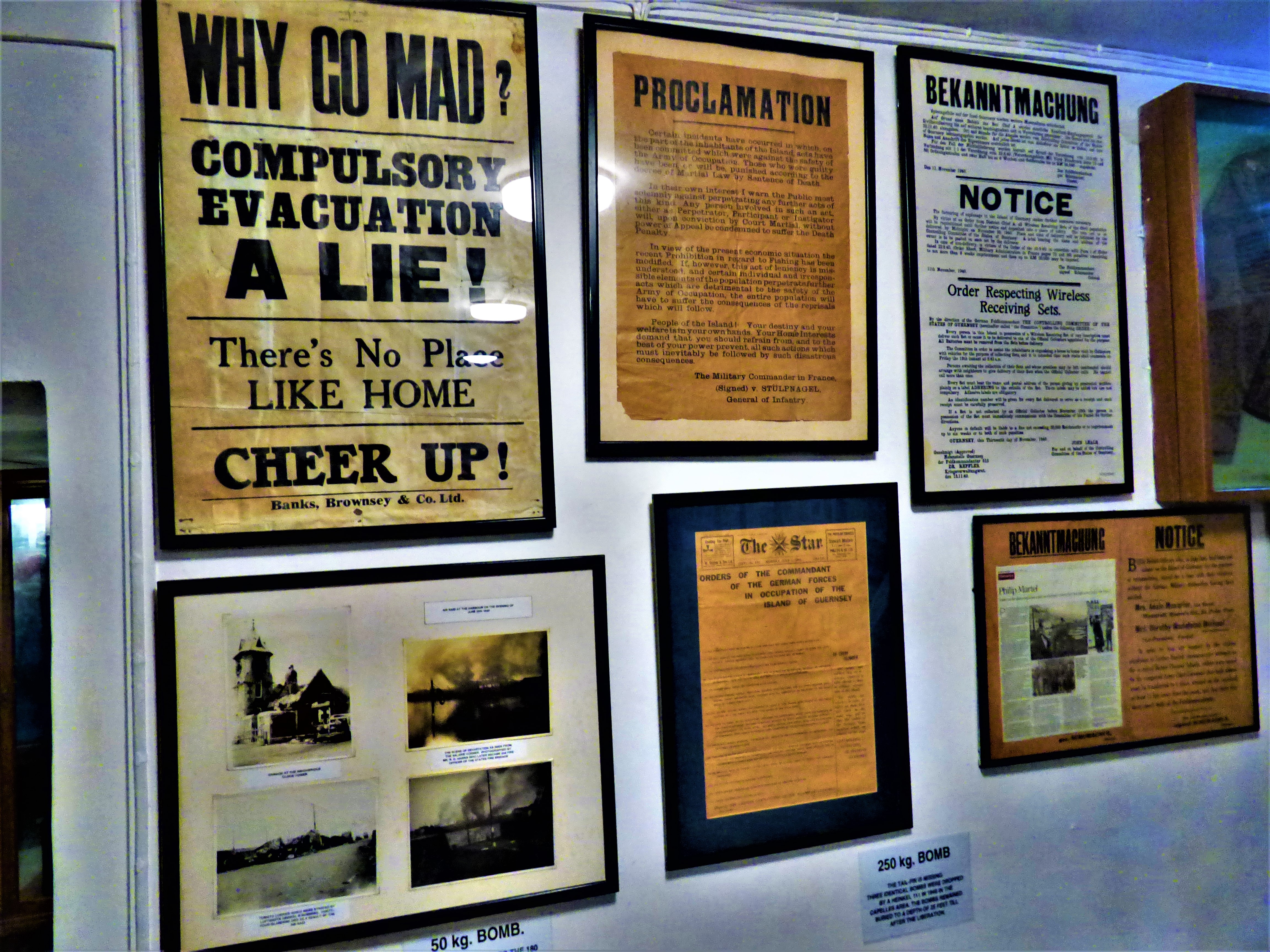
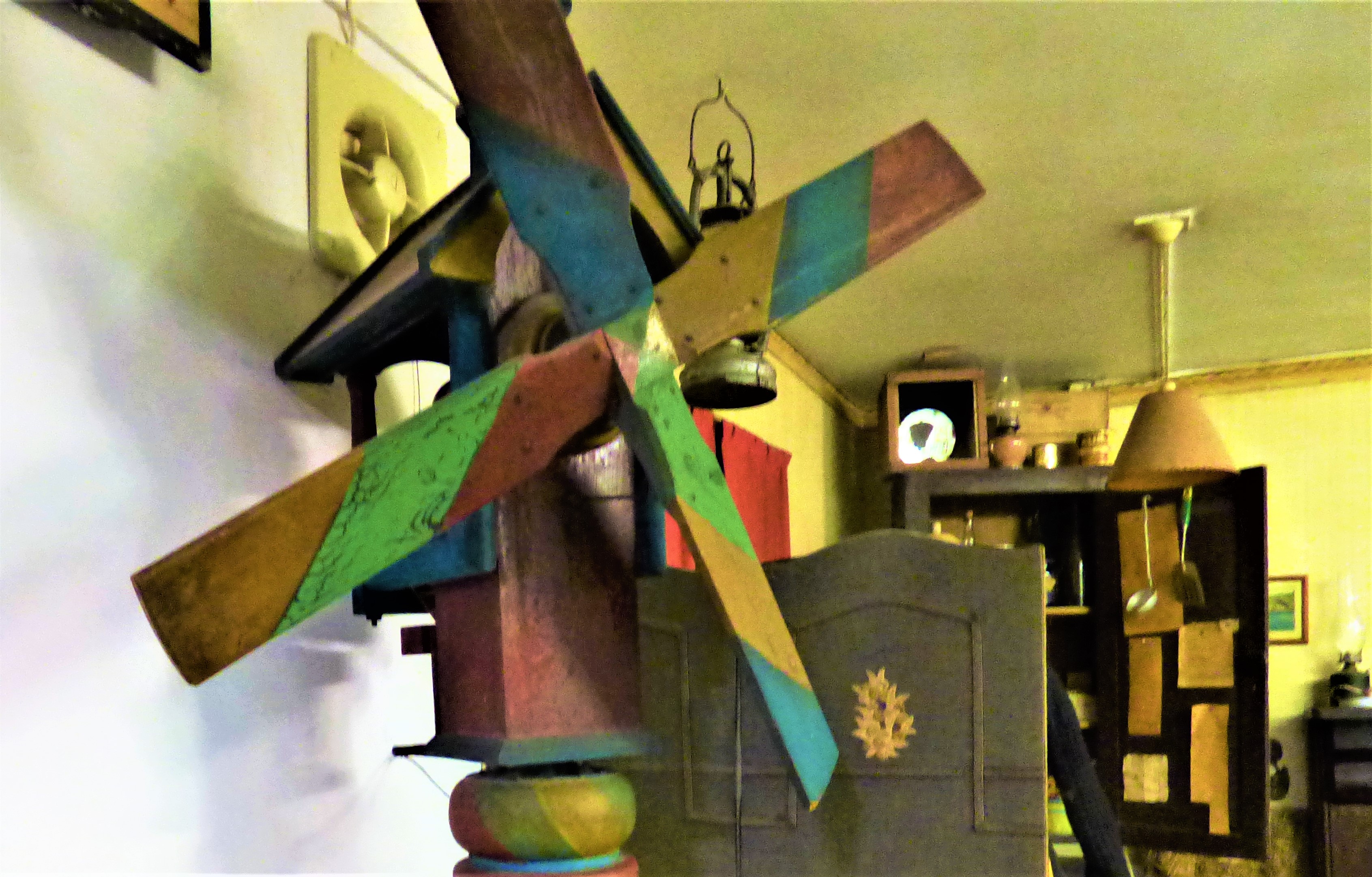
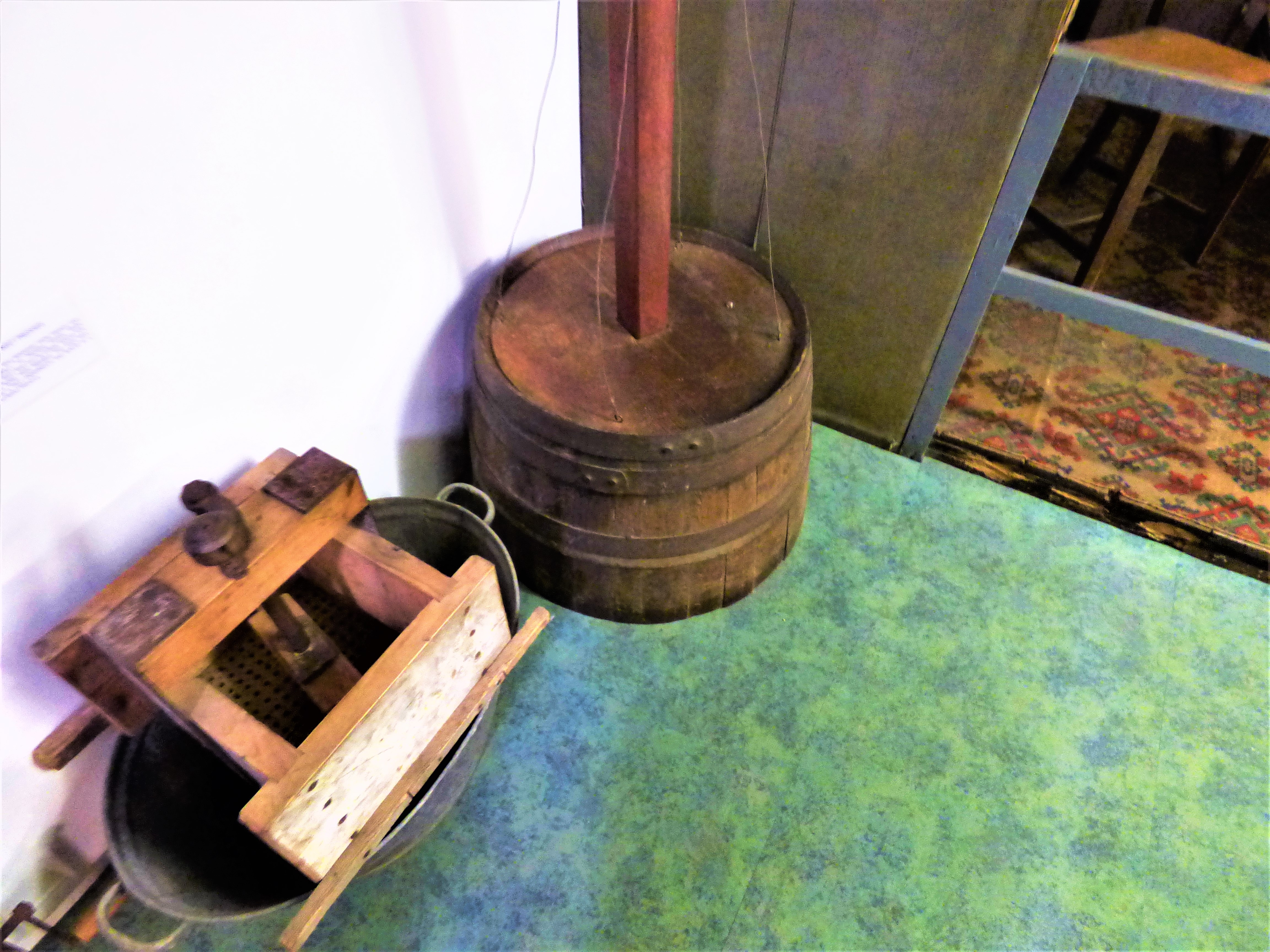
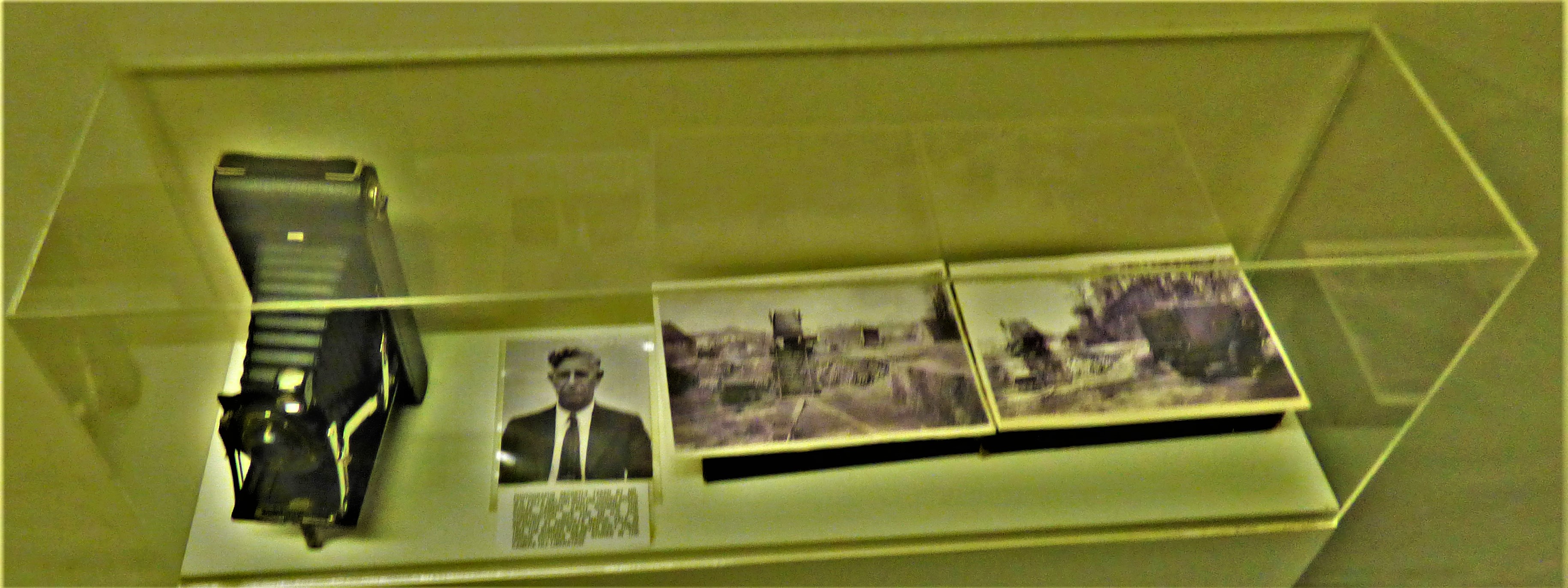
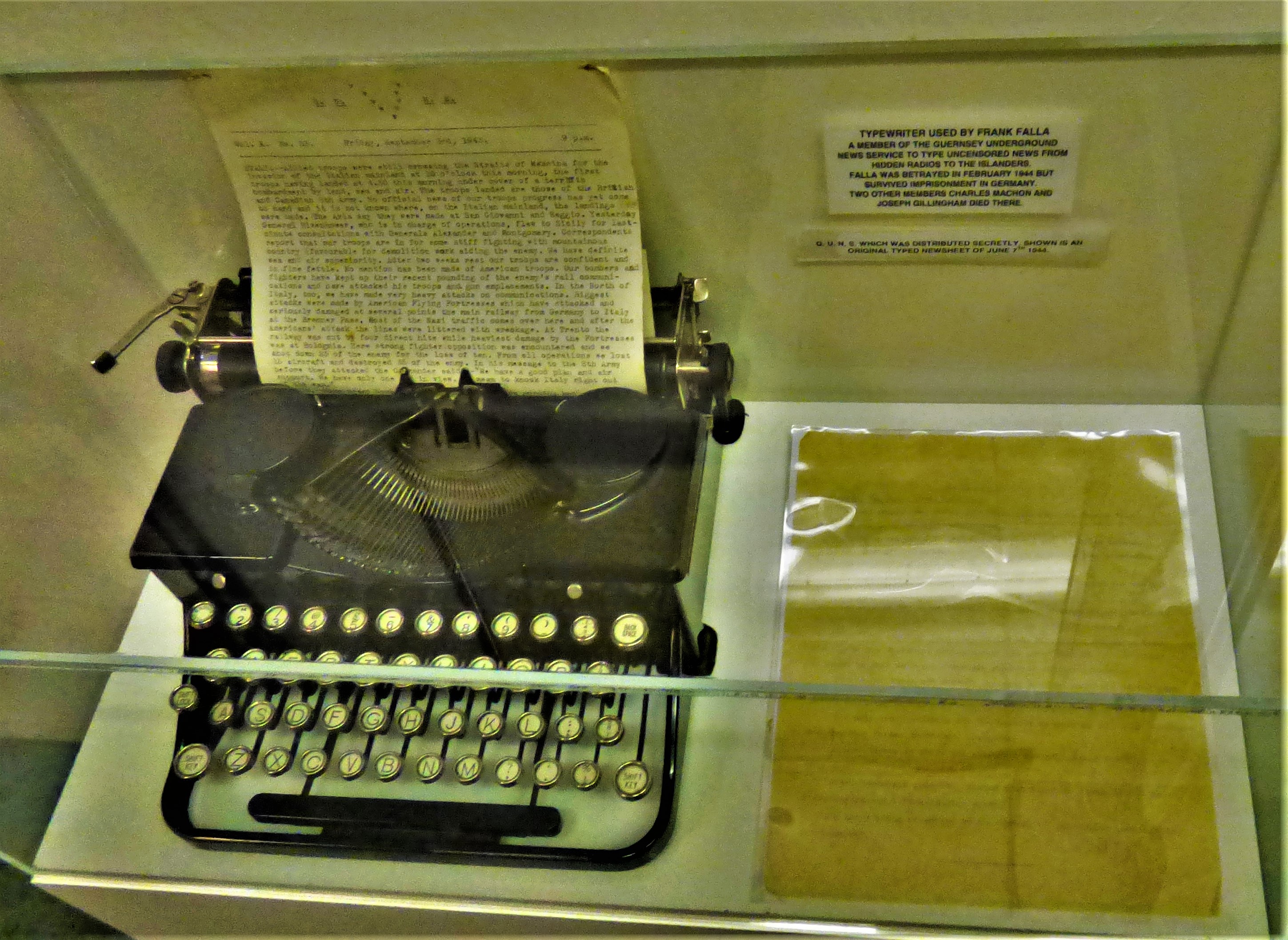
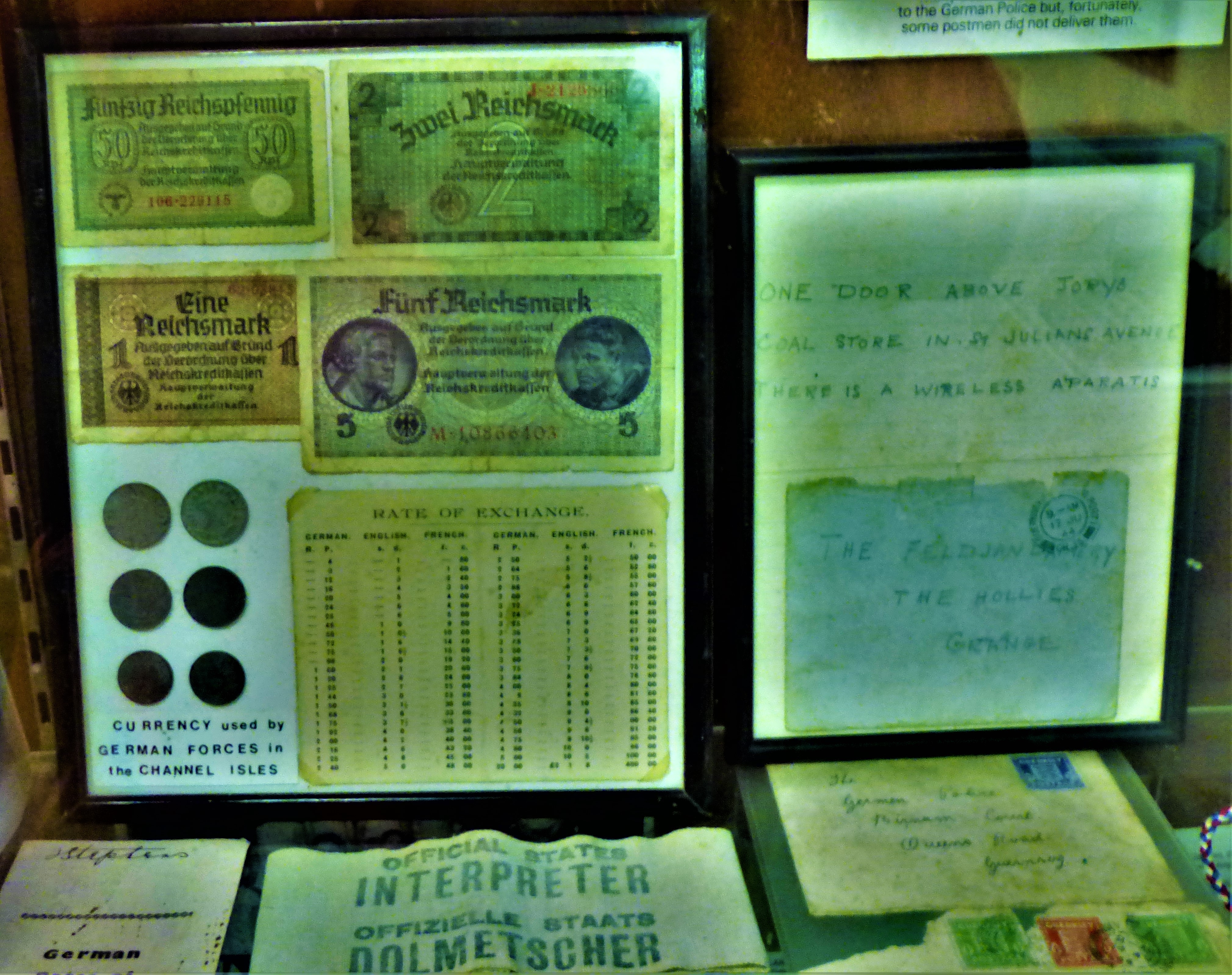
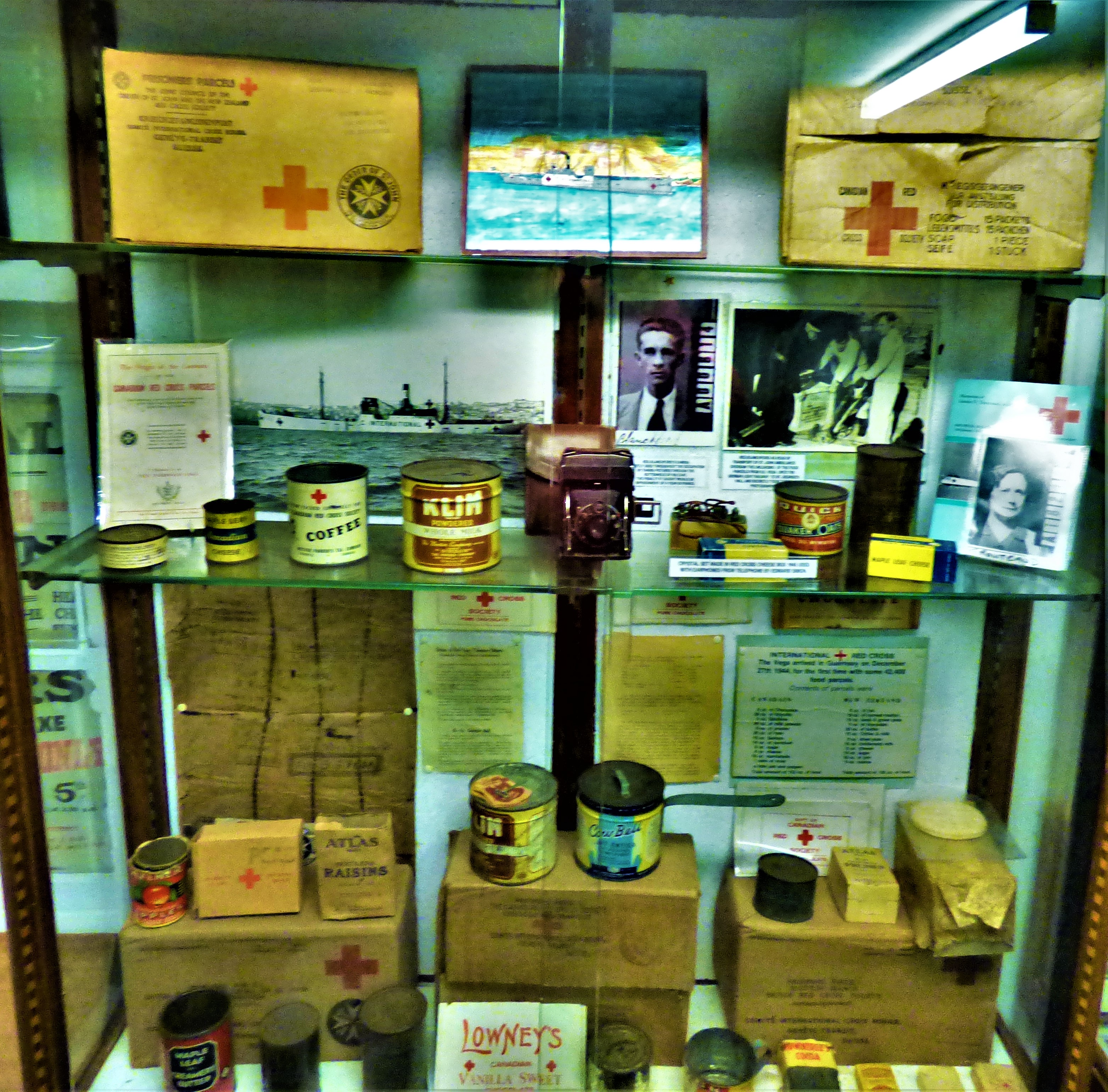
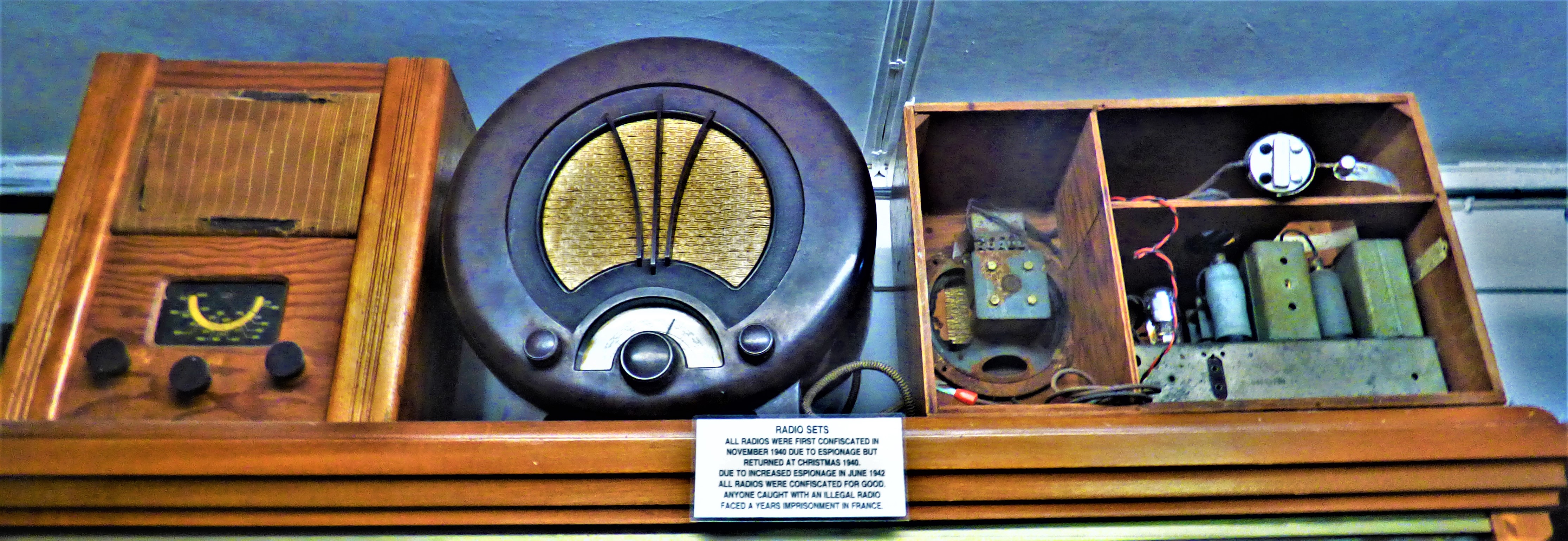
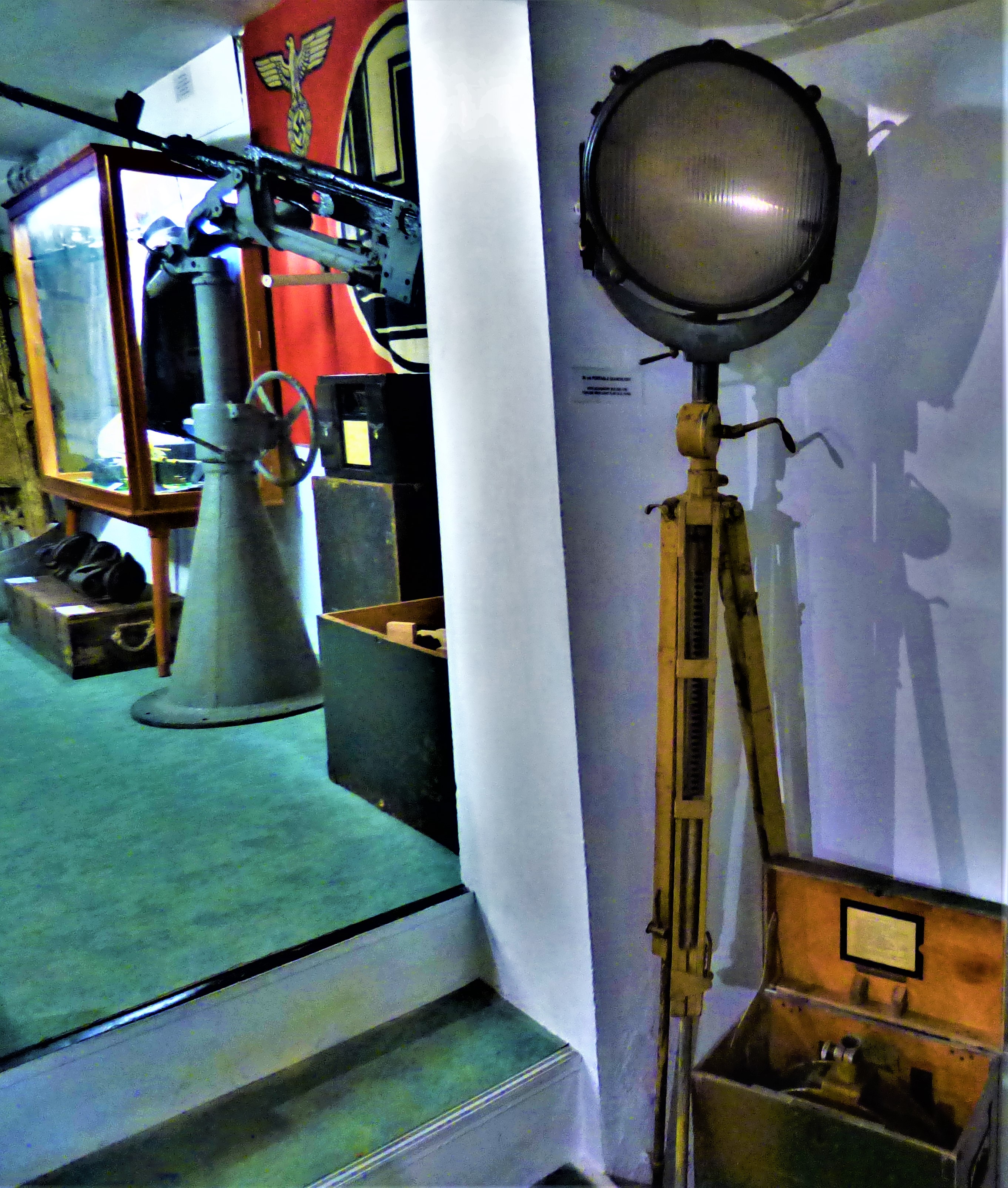
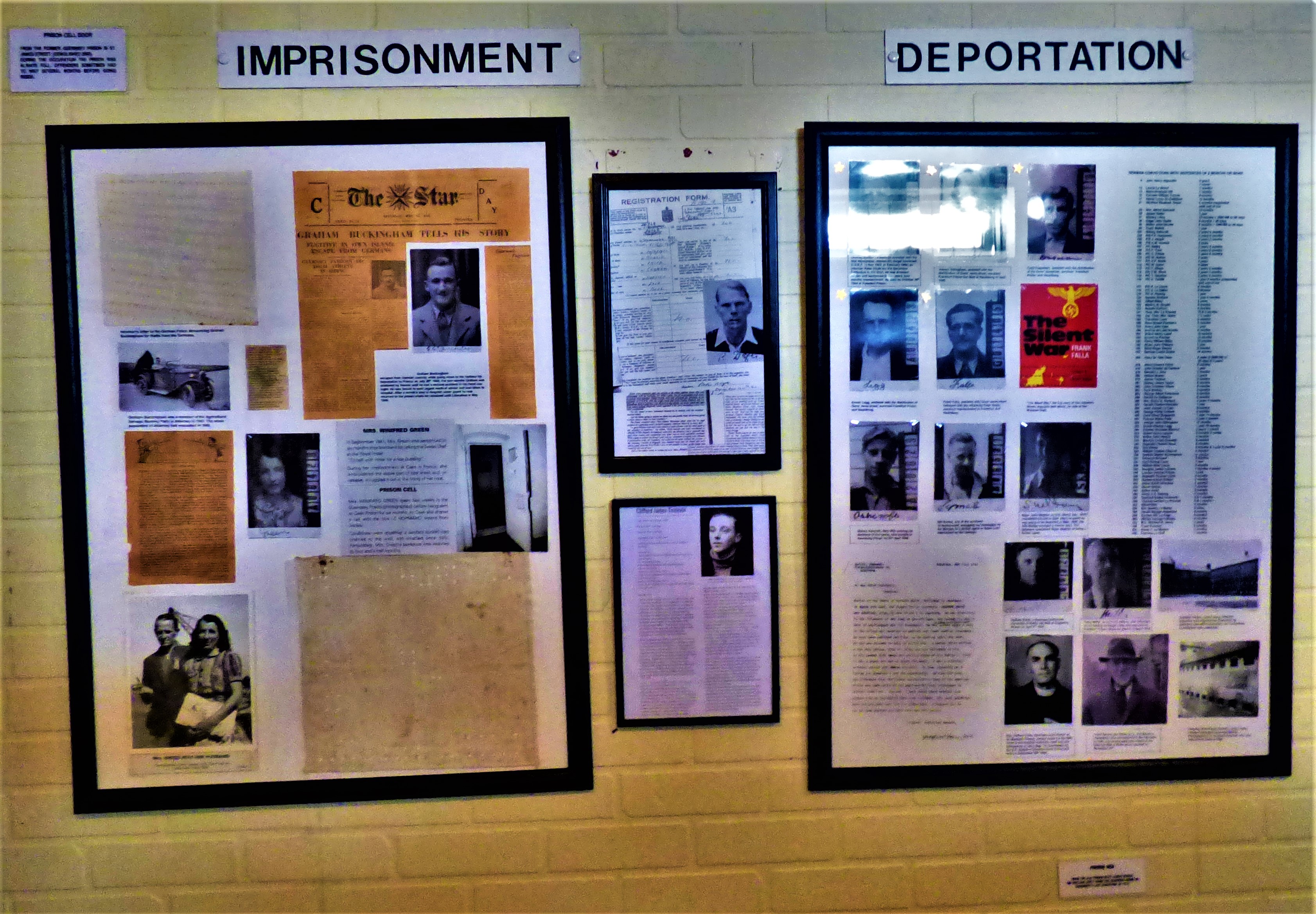
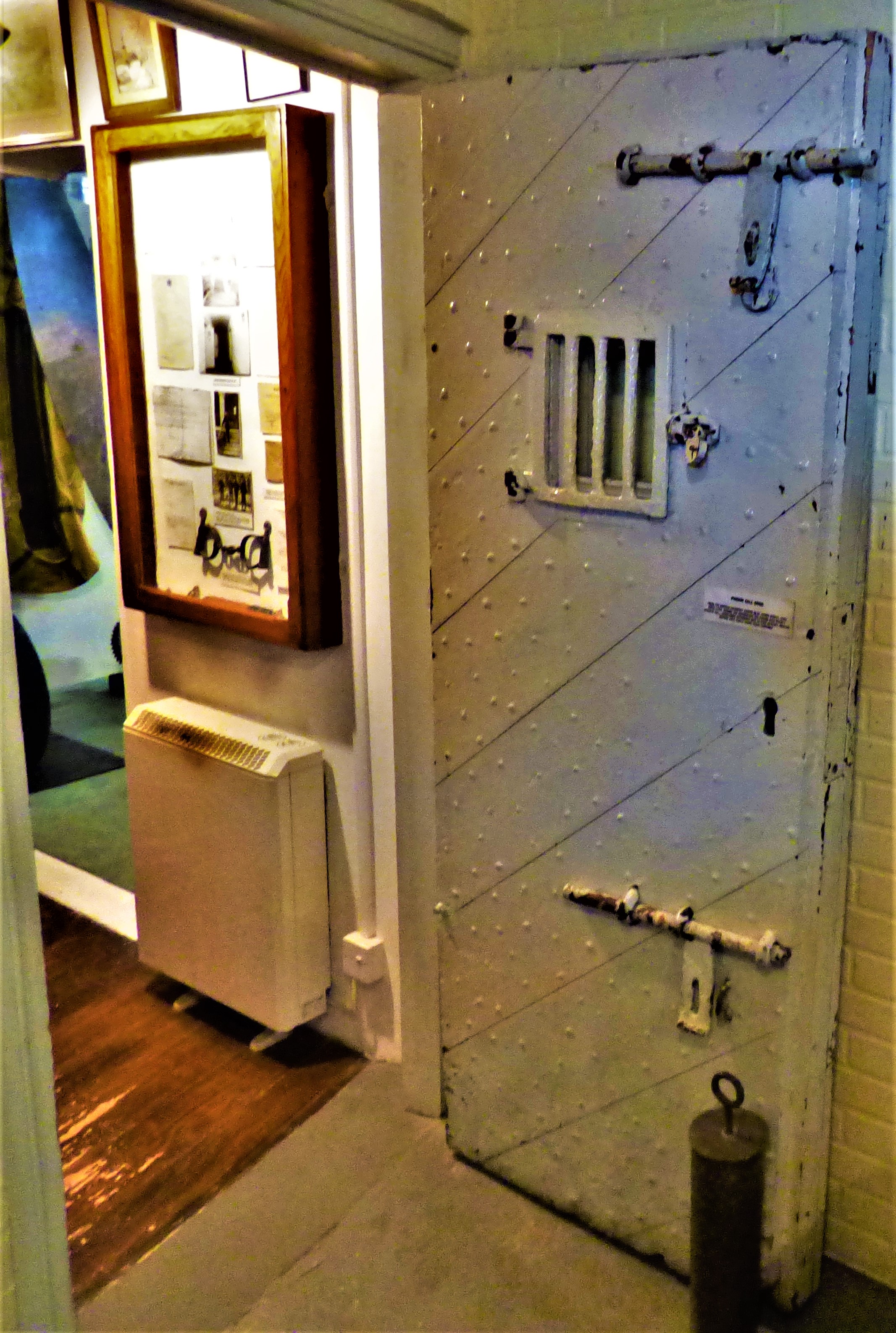
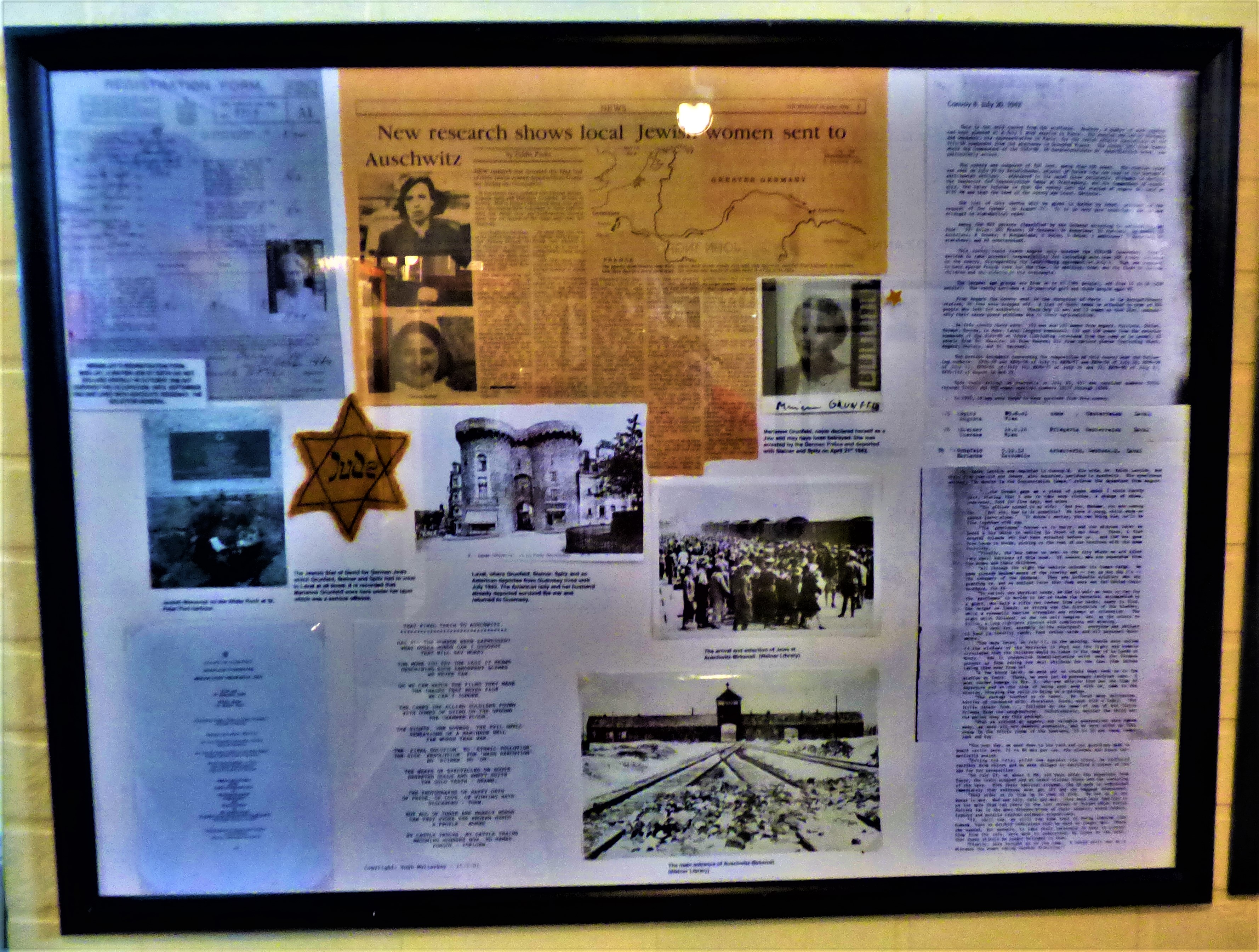
The museum experience starts with a video about the occupation, which is well worth watching. There are then a set of rooms full of exhibits and then separated from them by the cafe is ‘Occupation Strasse’ – a reconstruction of a street in the time of the occupation. The short video sets the scene very nicely.
A LARGE COLLECTION OF GERMAN MILITARIA
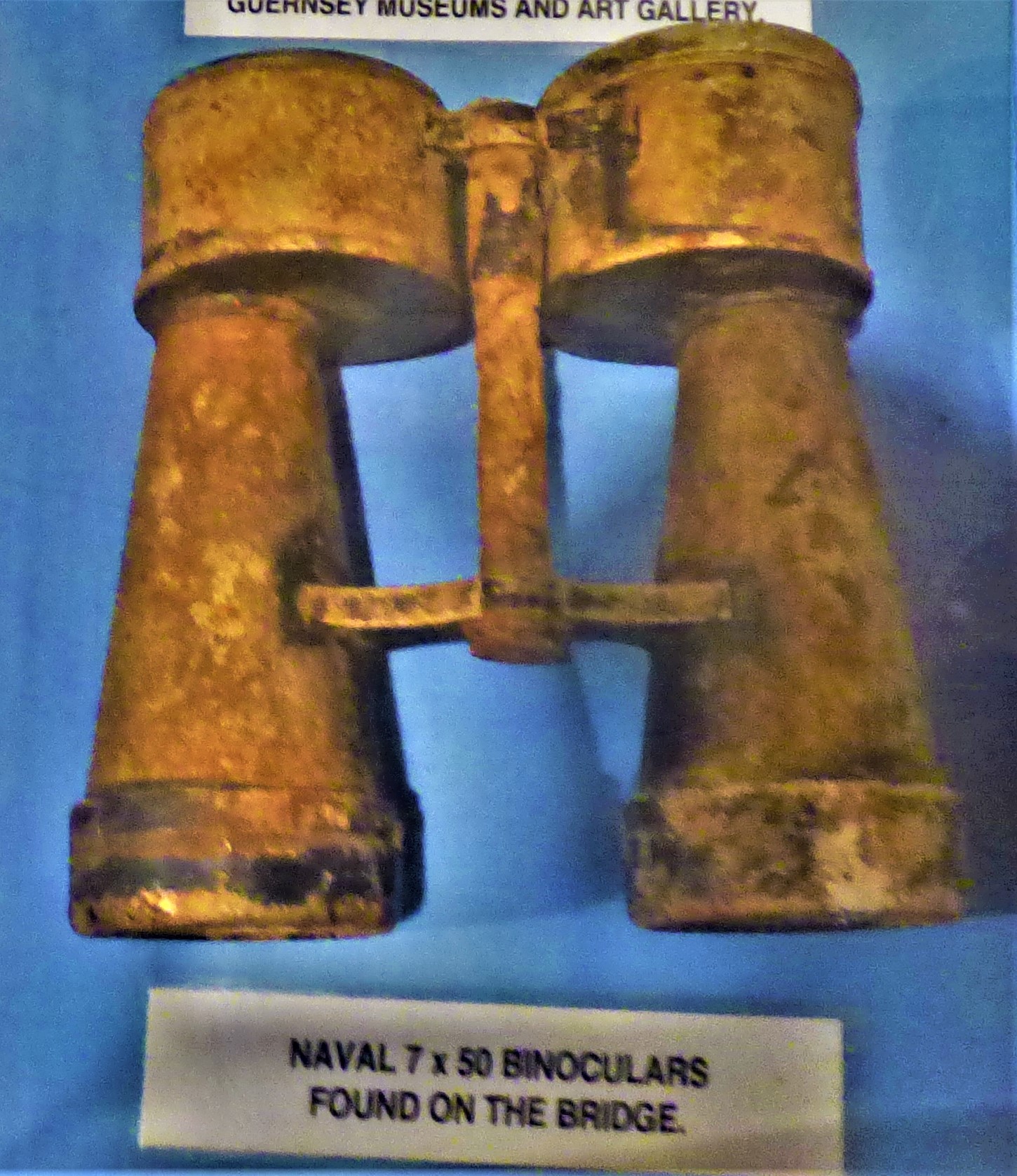
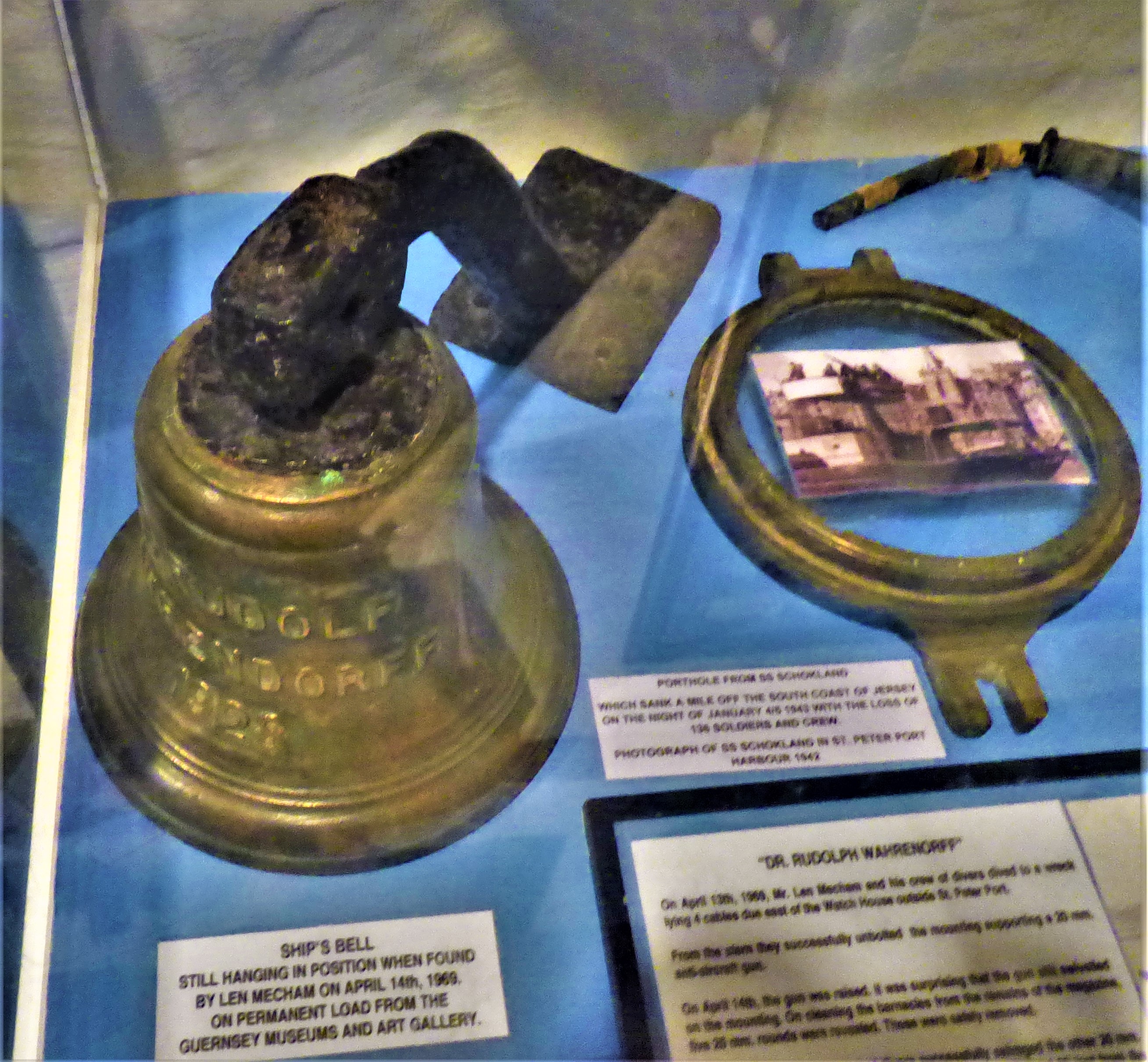
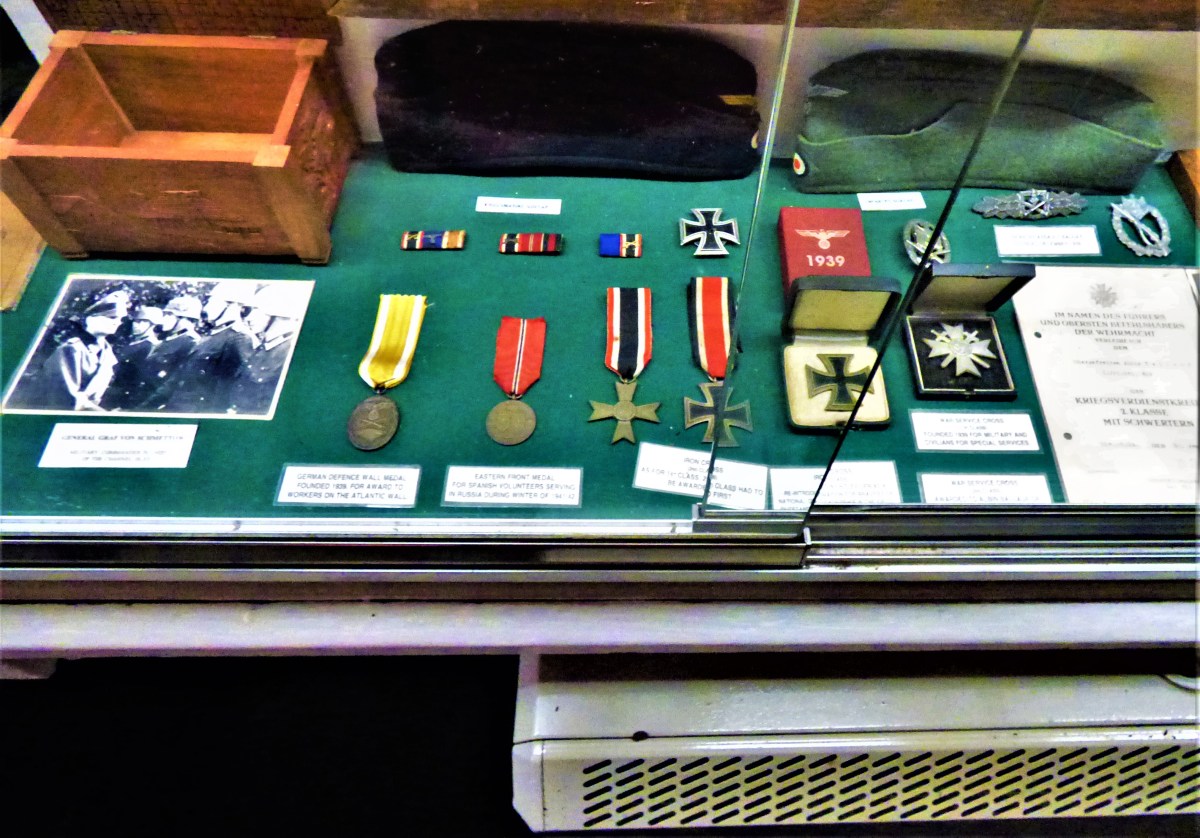
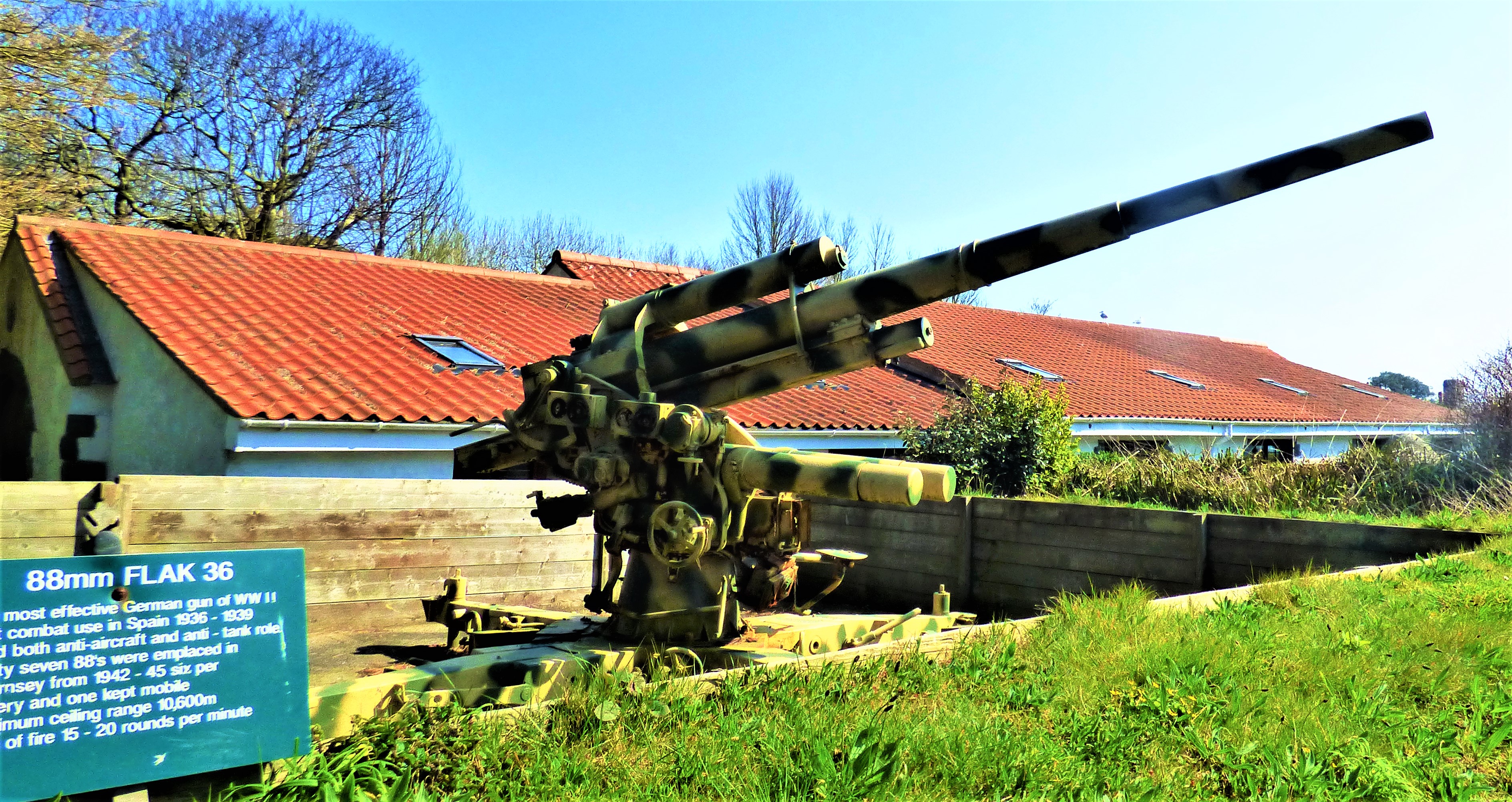
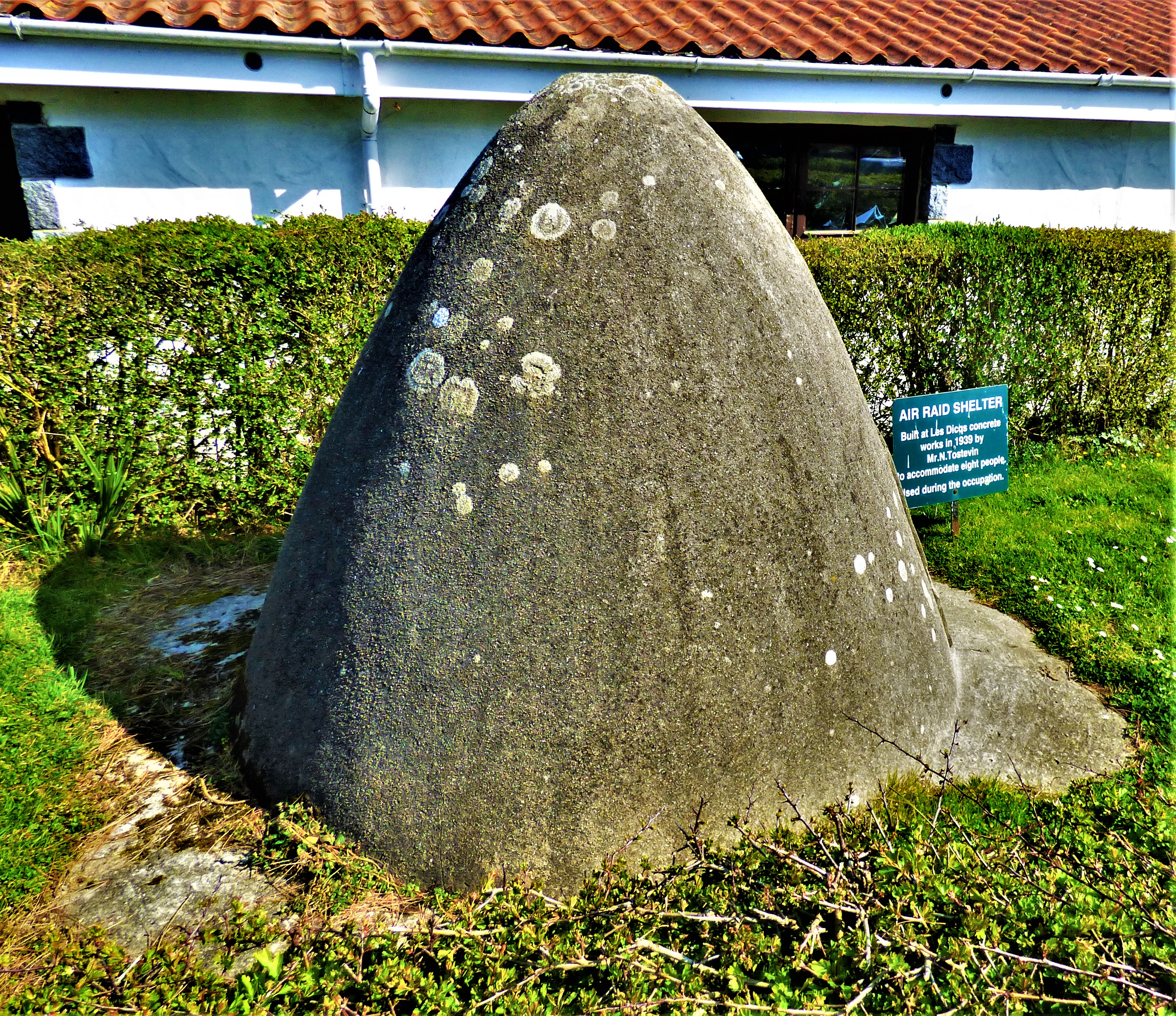
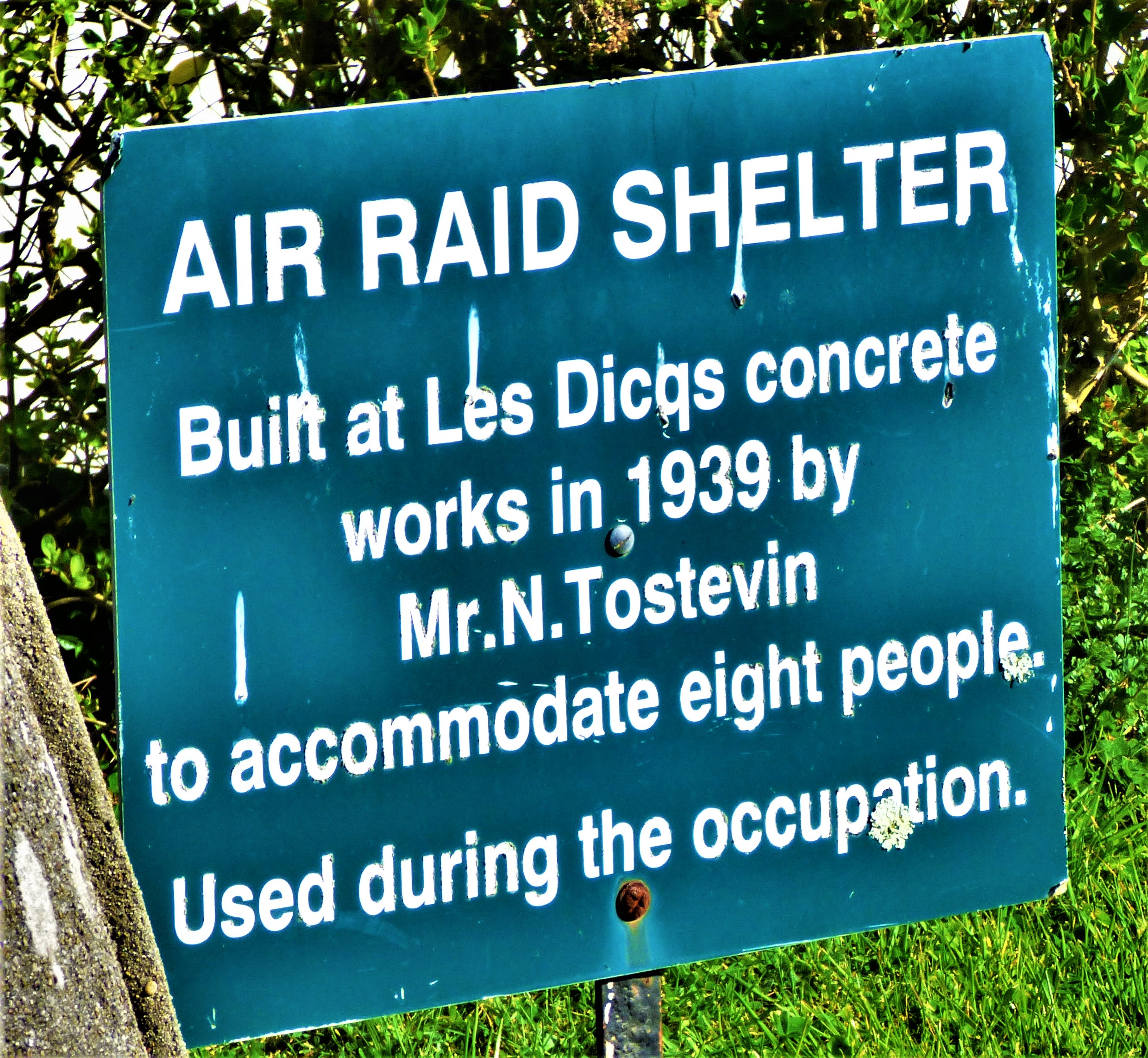
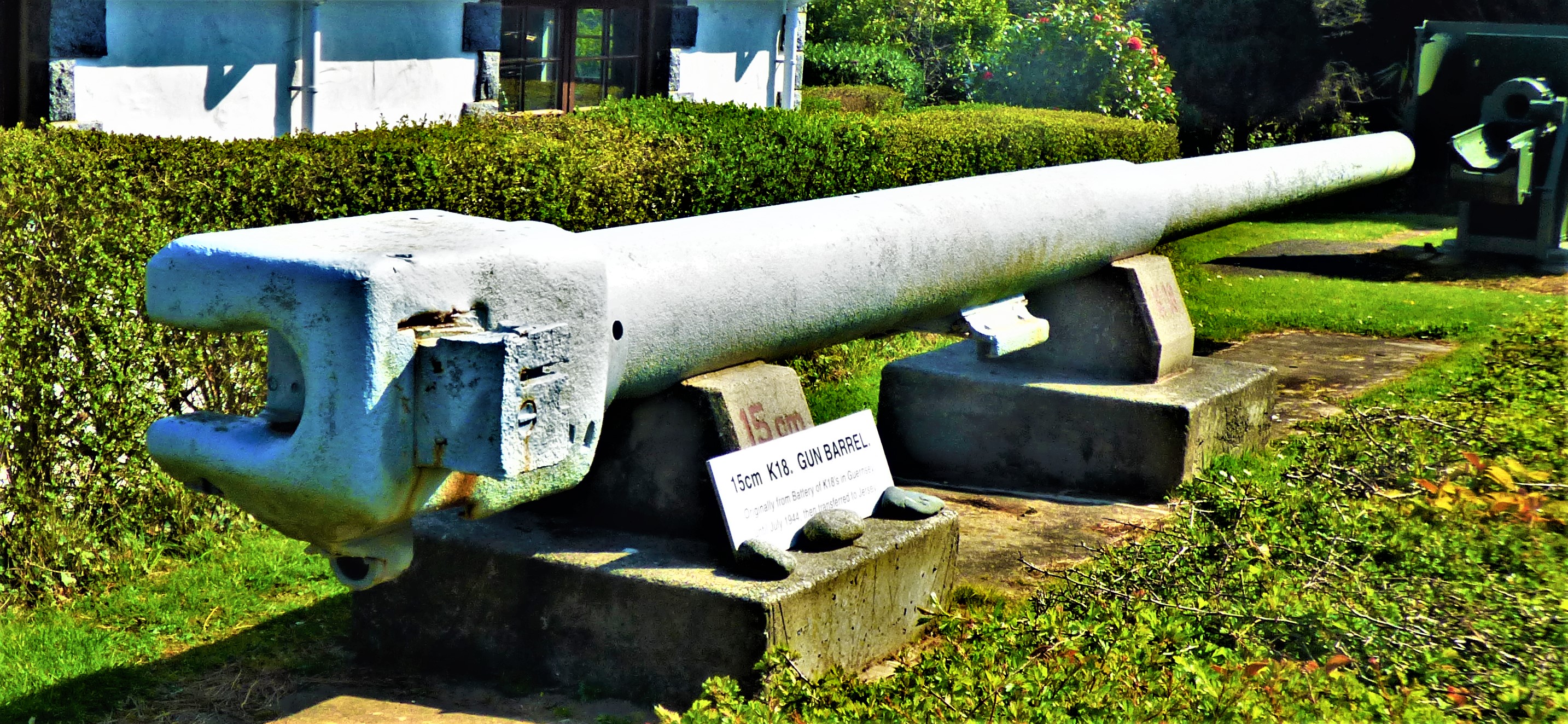
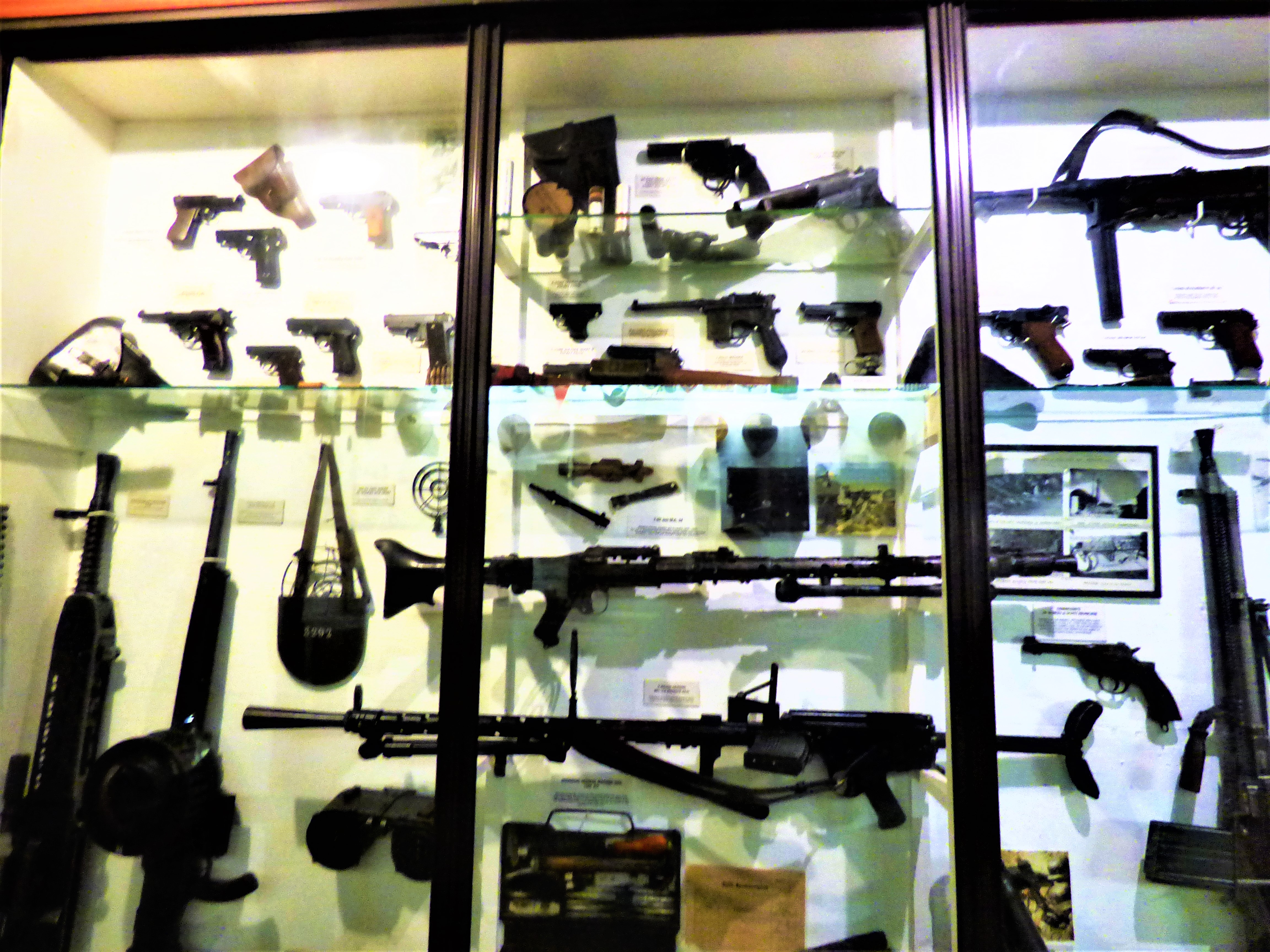
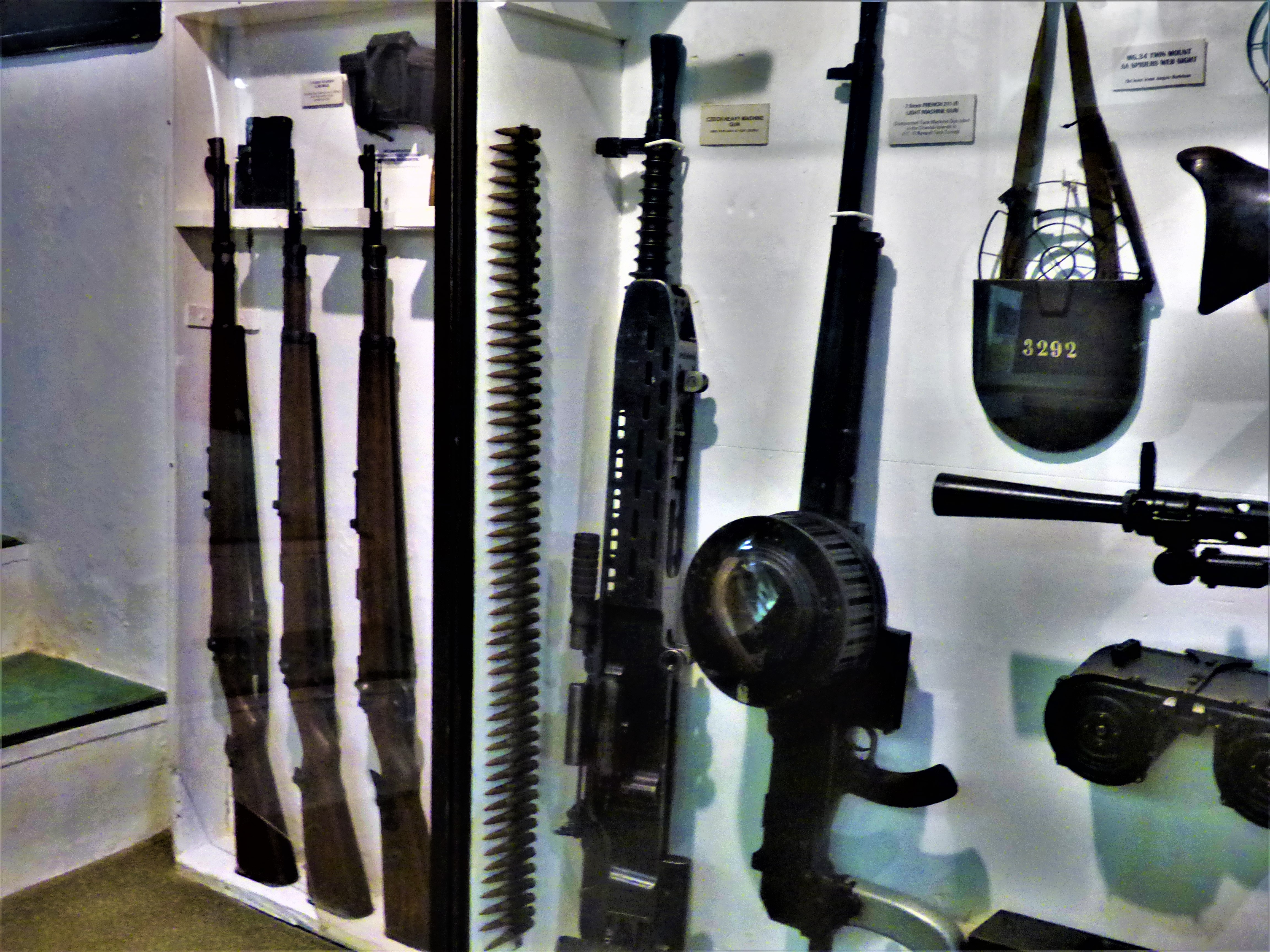
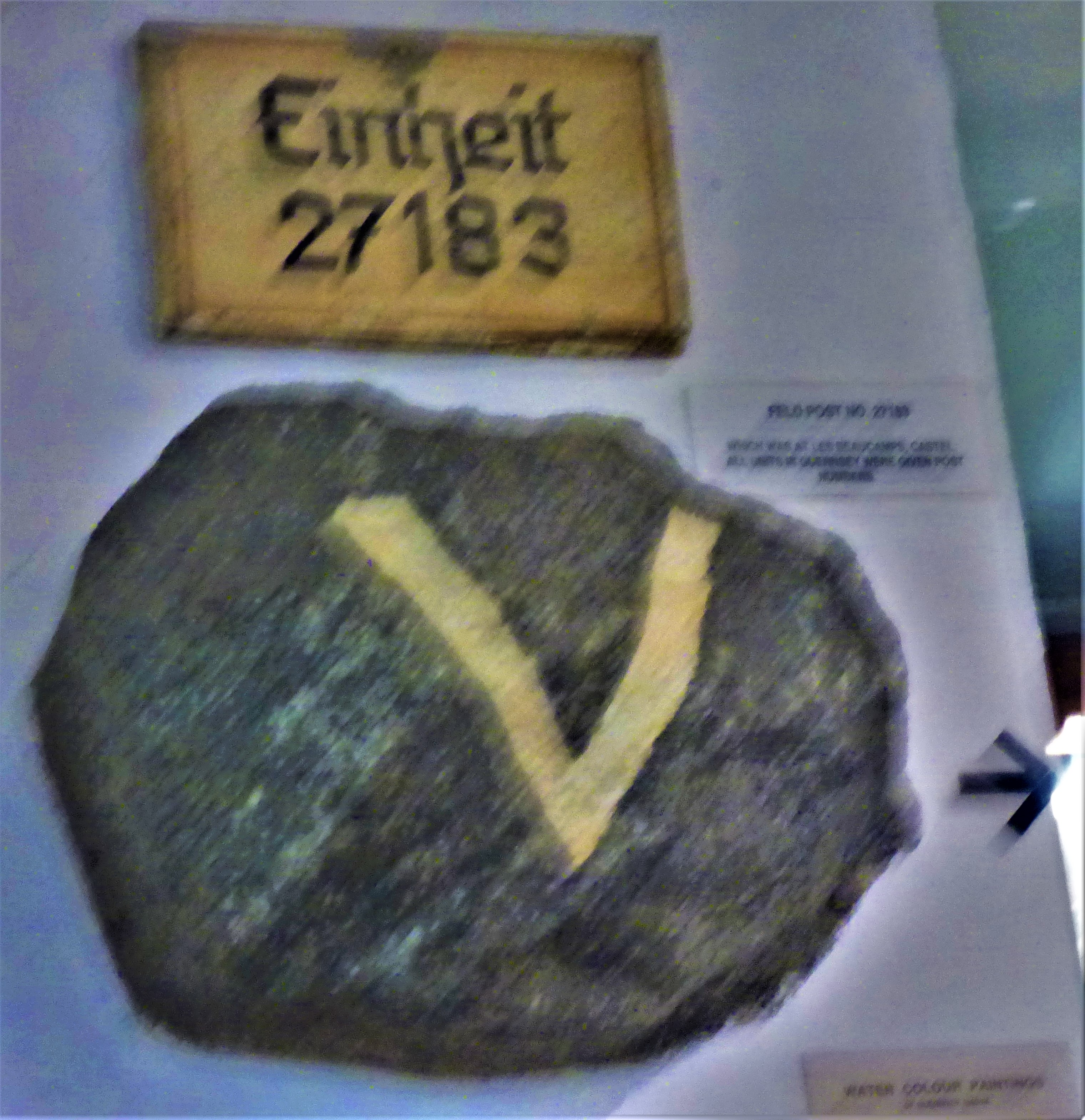
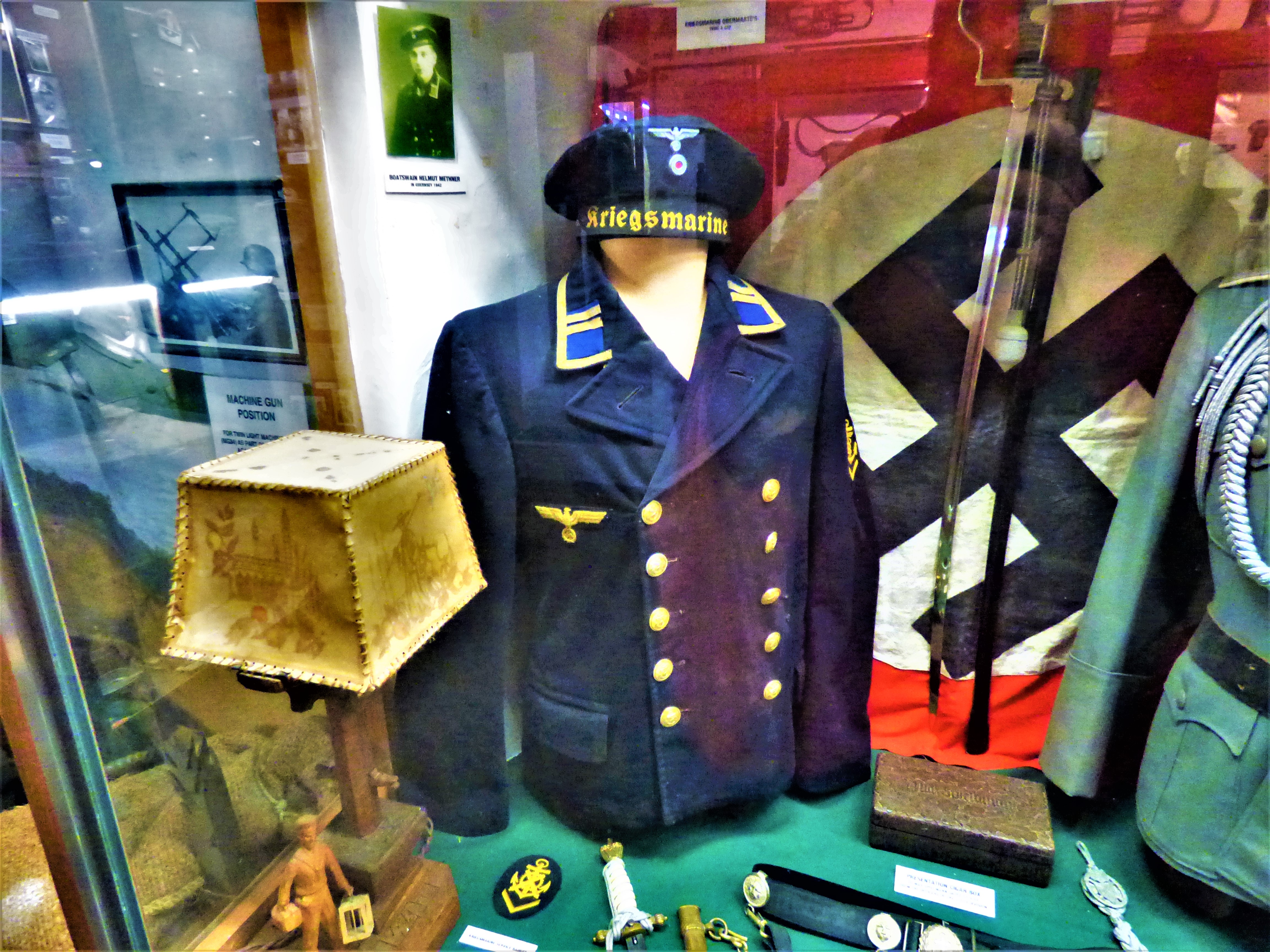
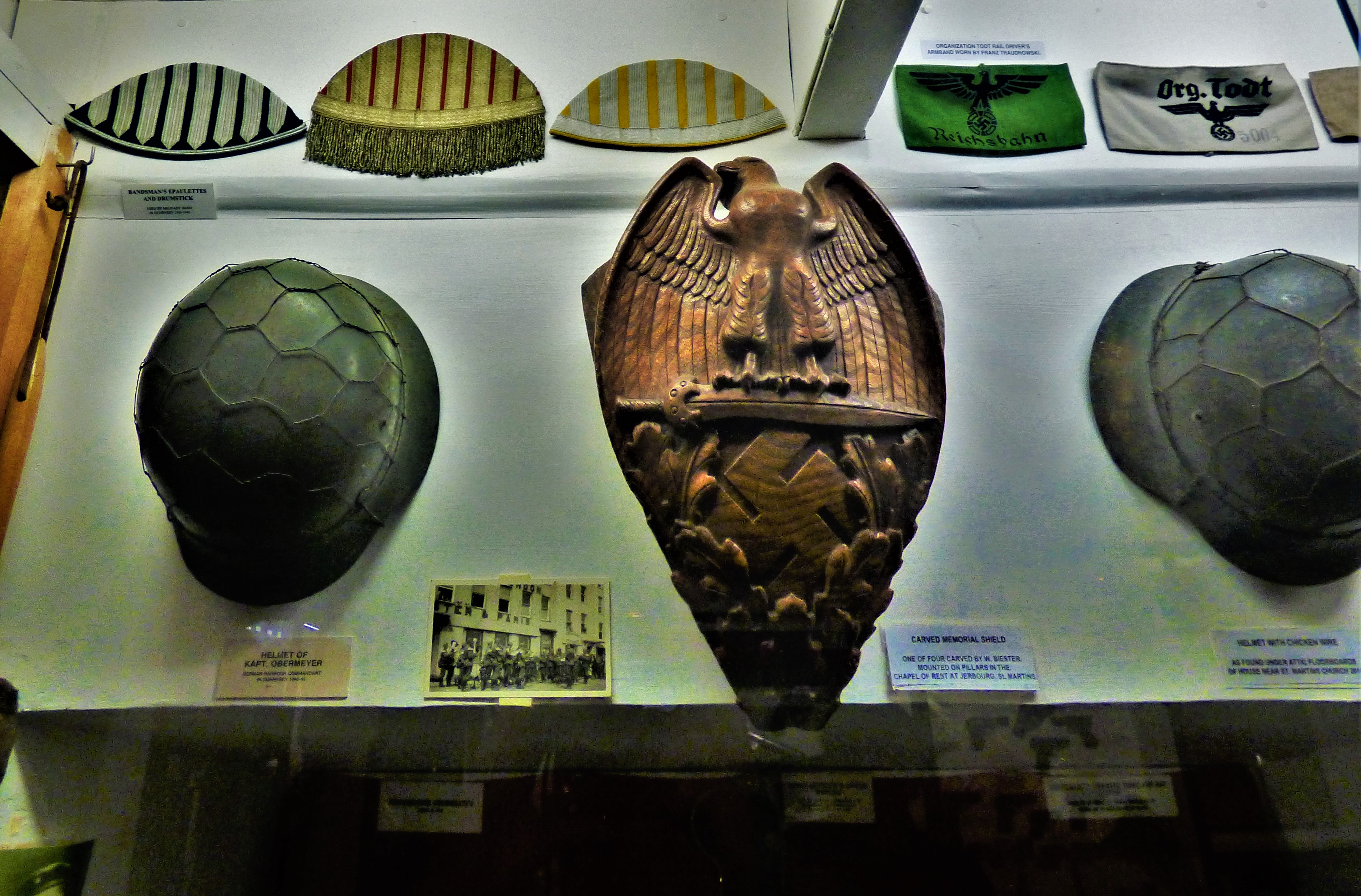
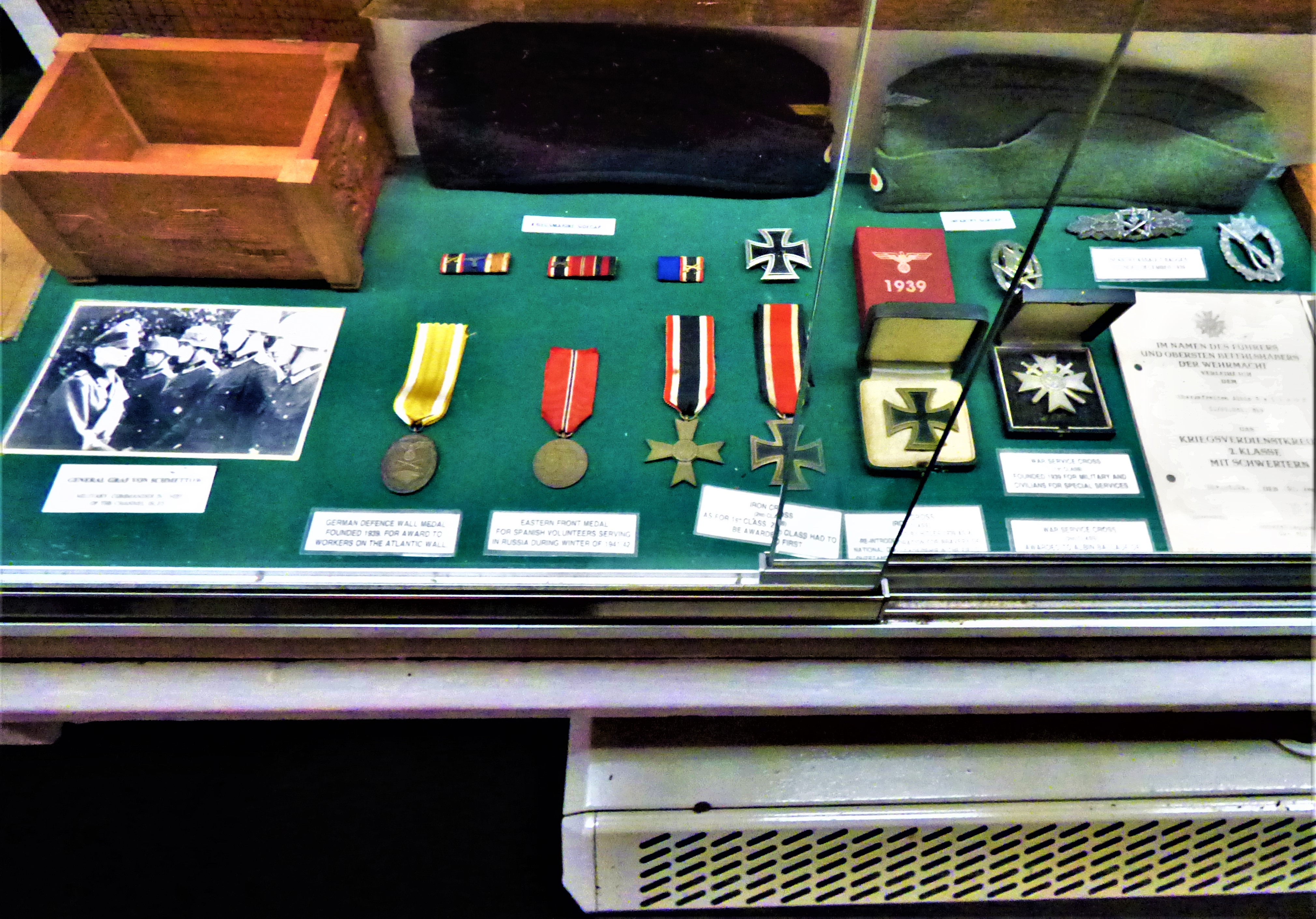
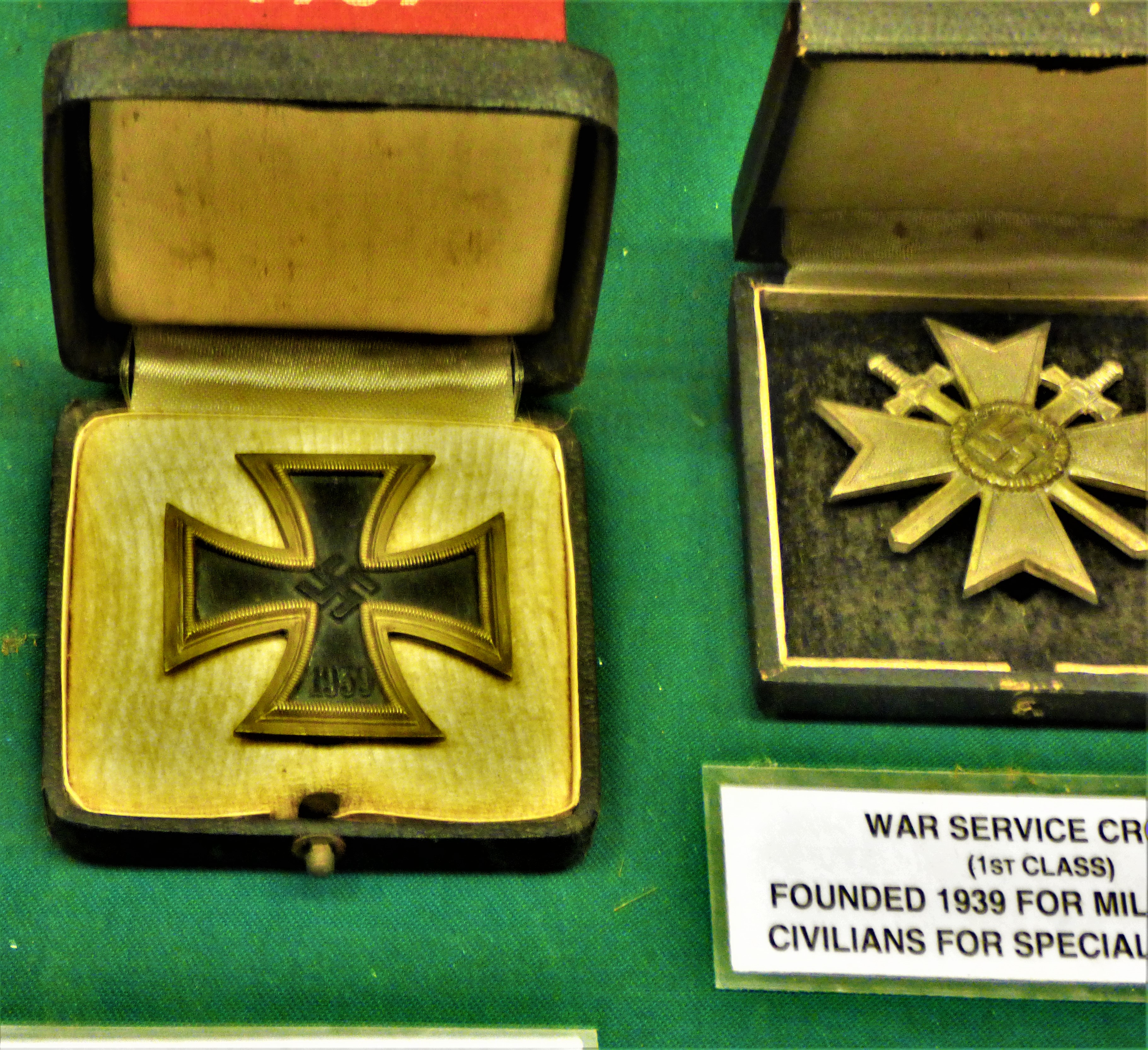
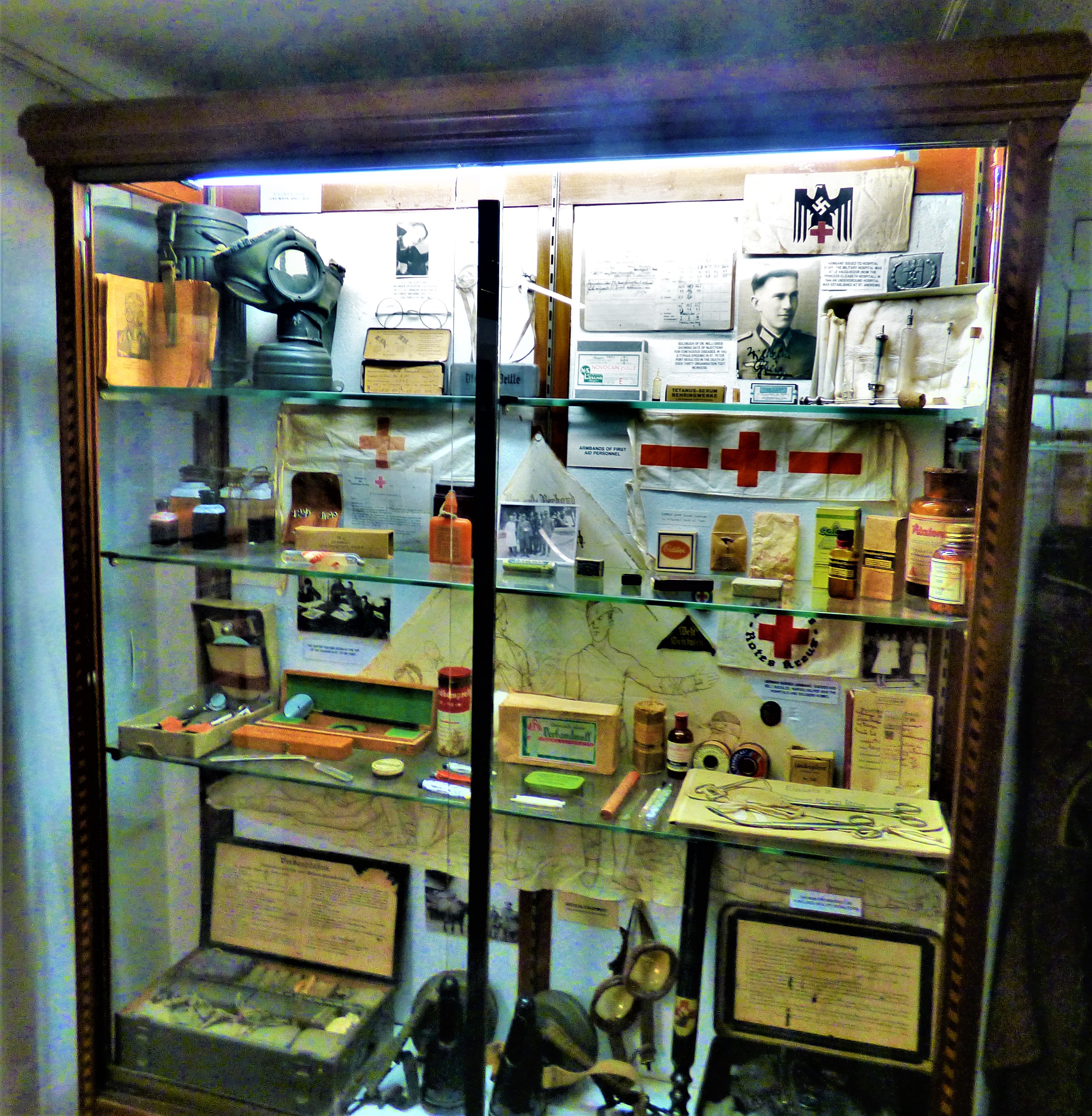
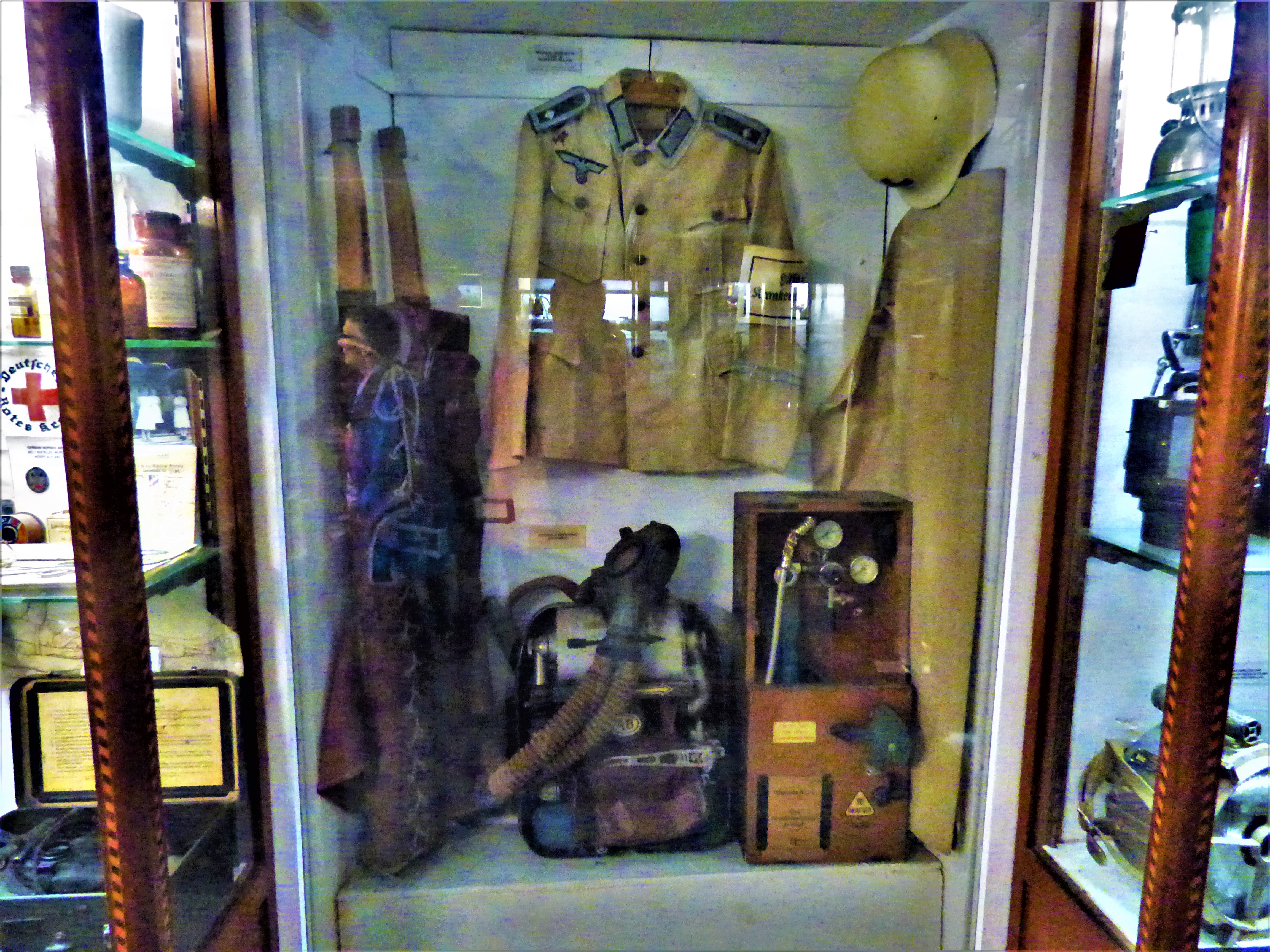
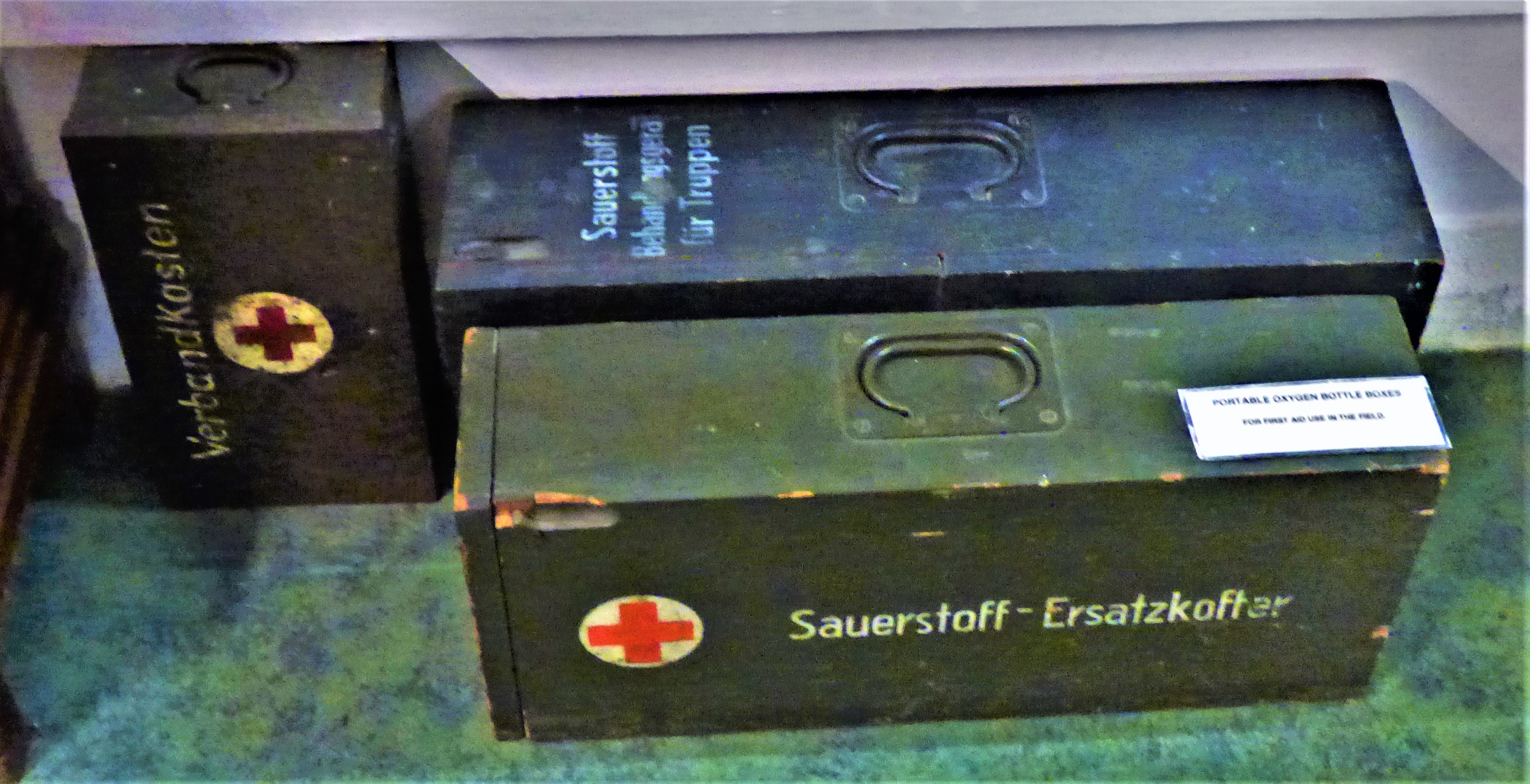
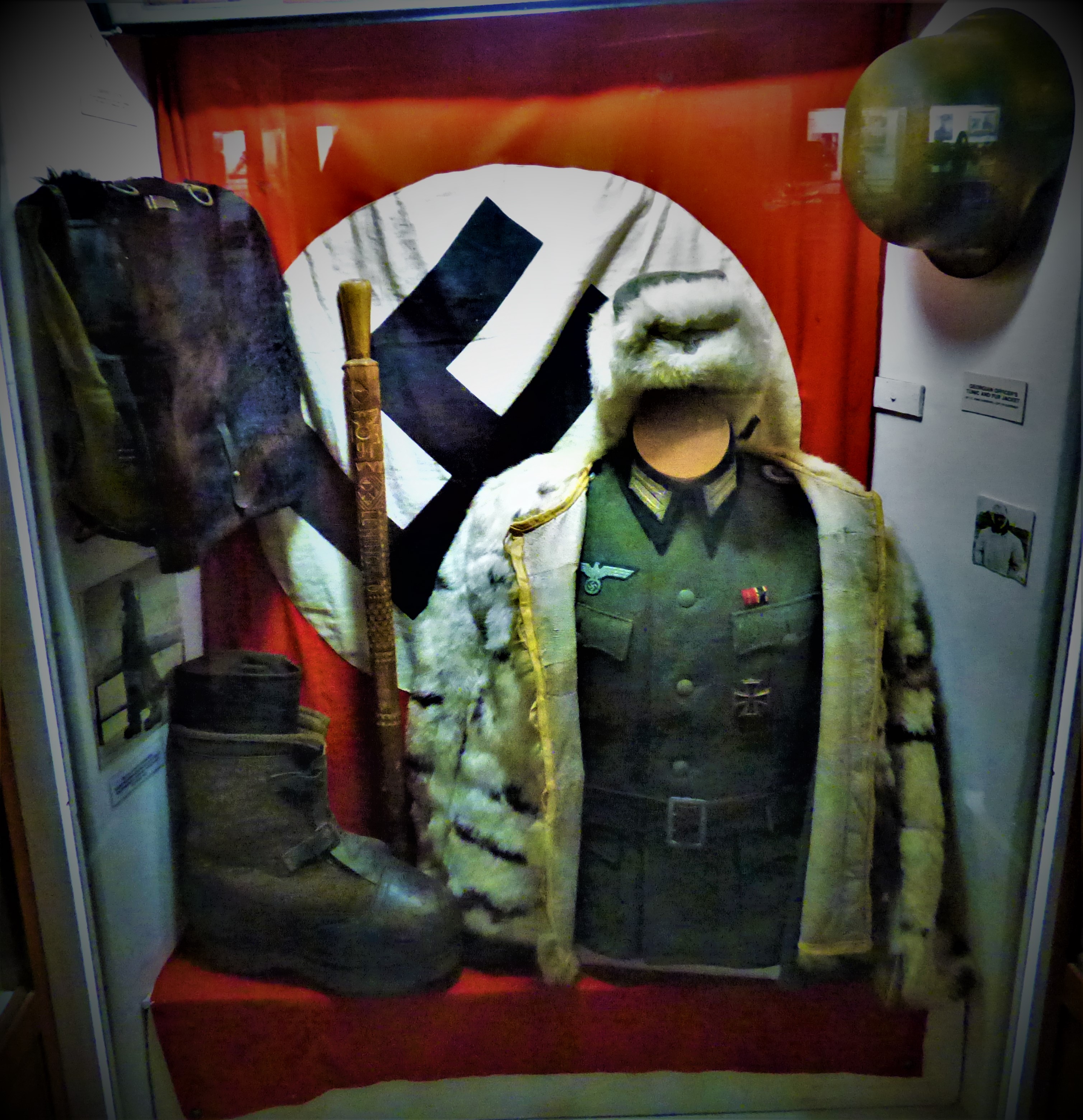
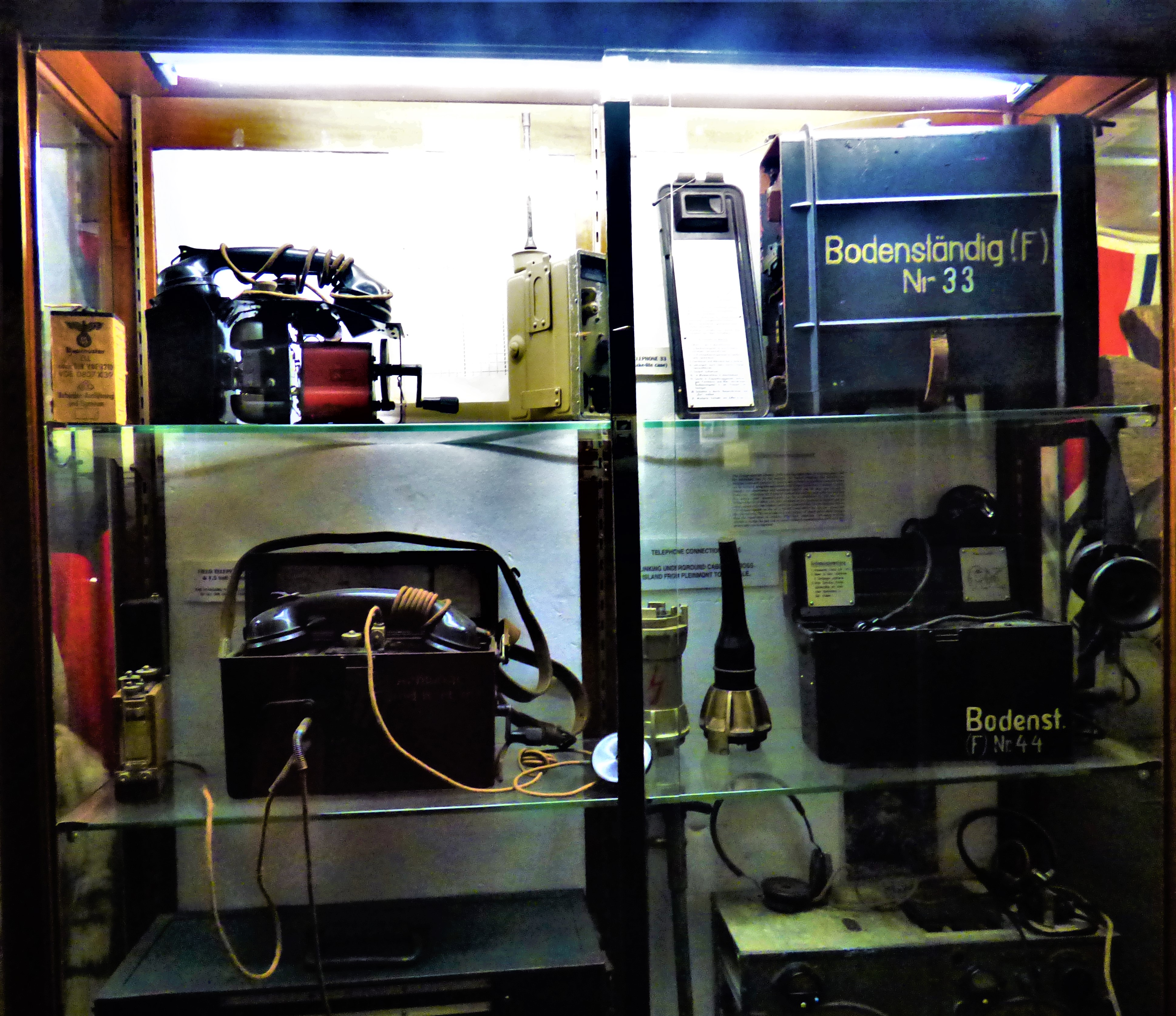
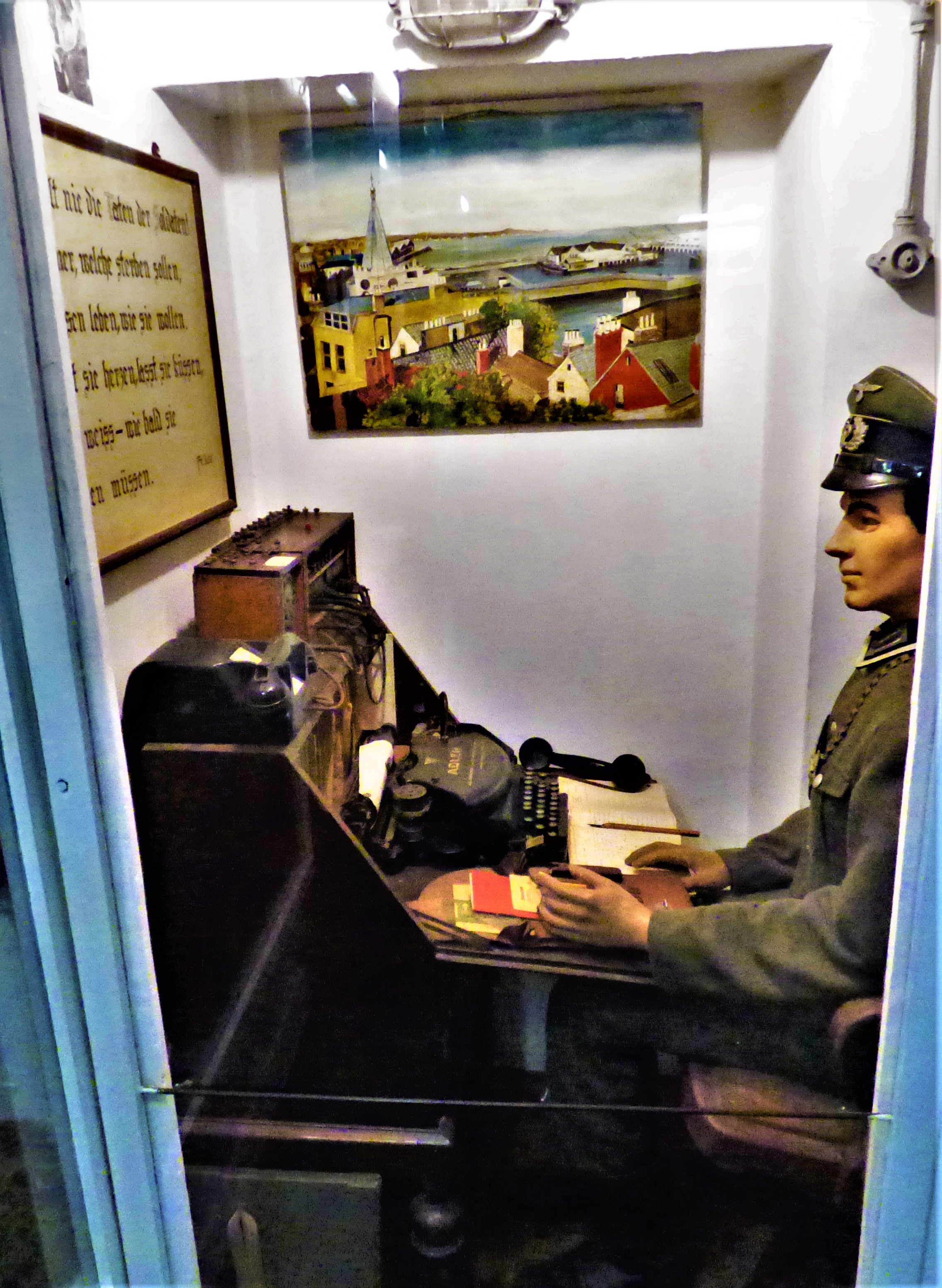
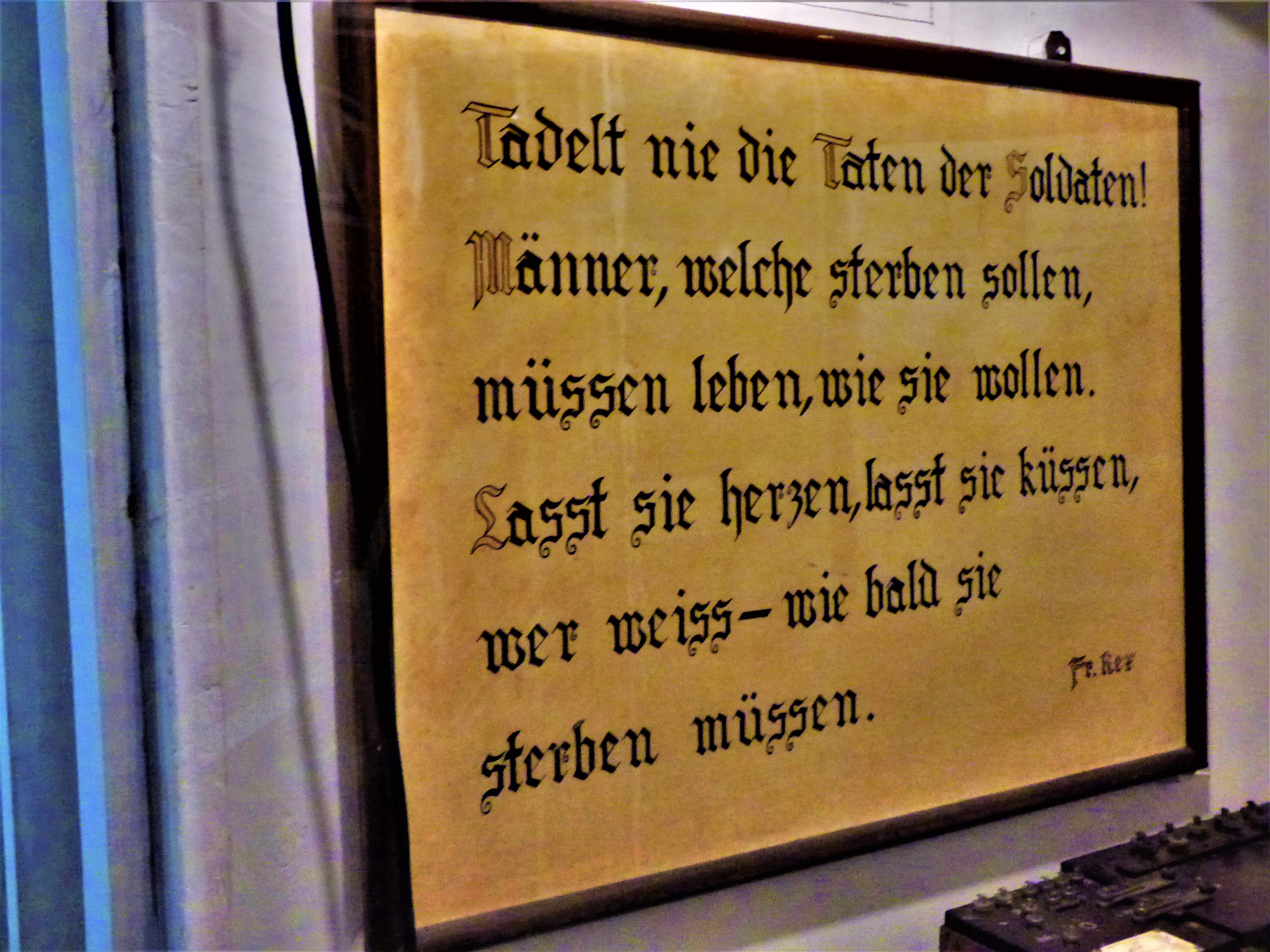
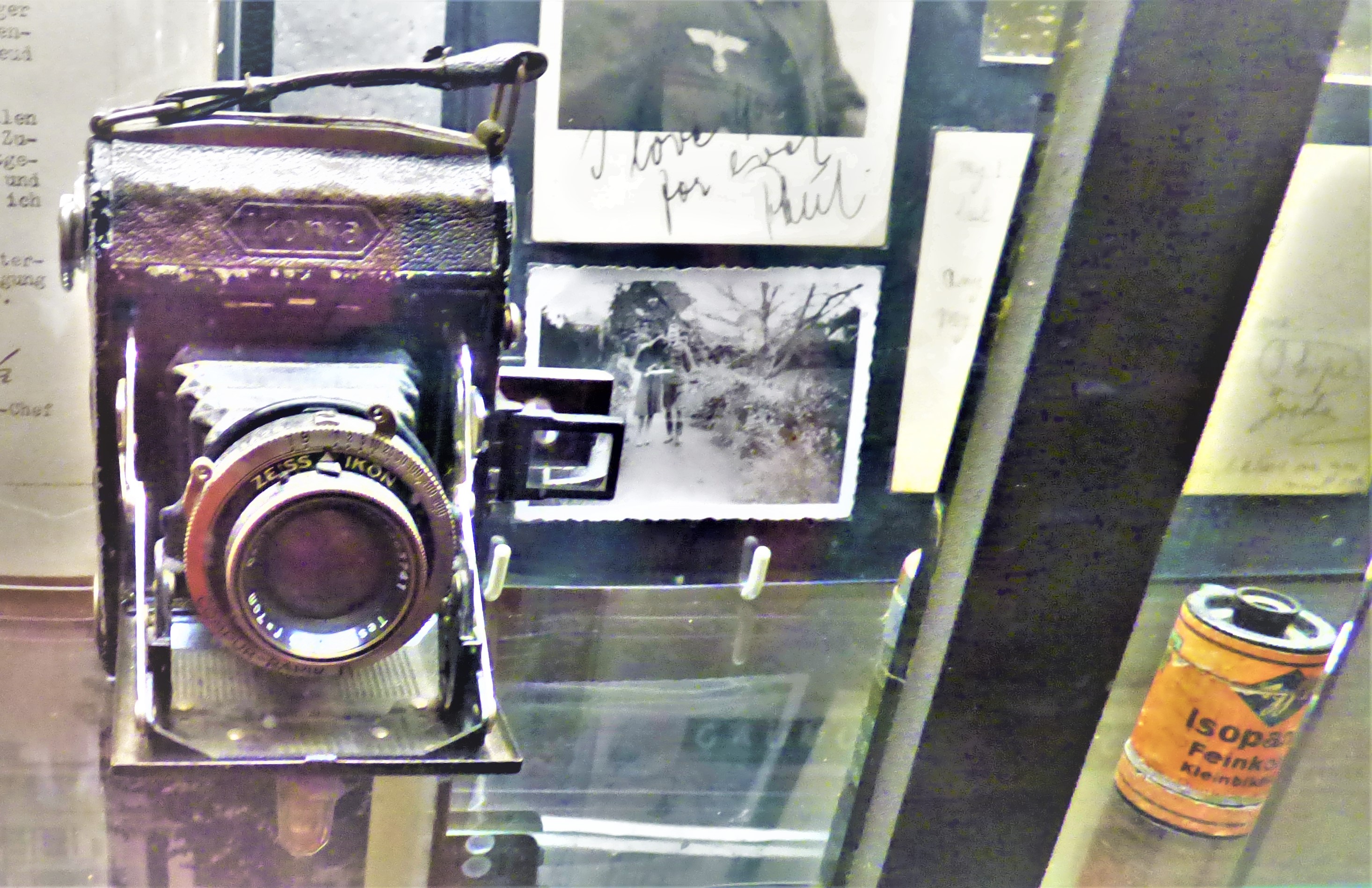
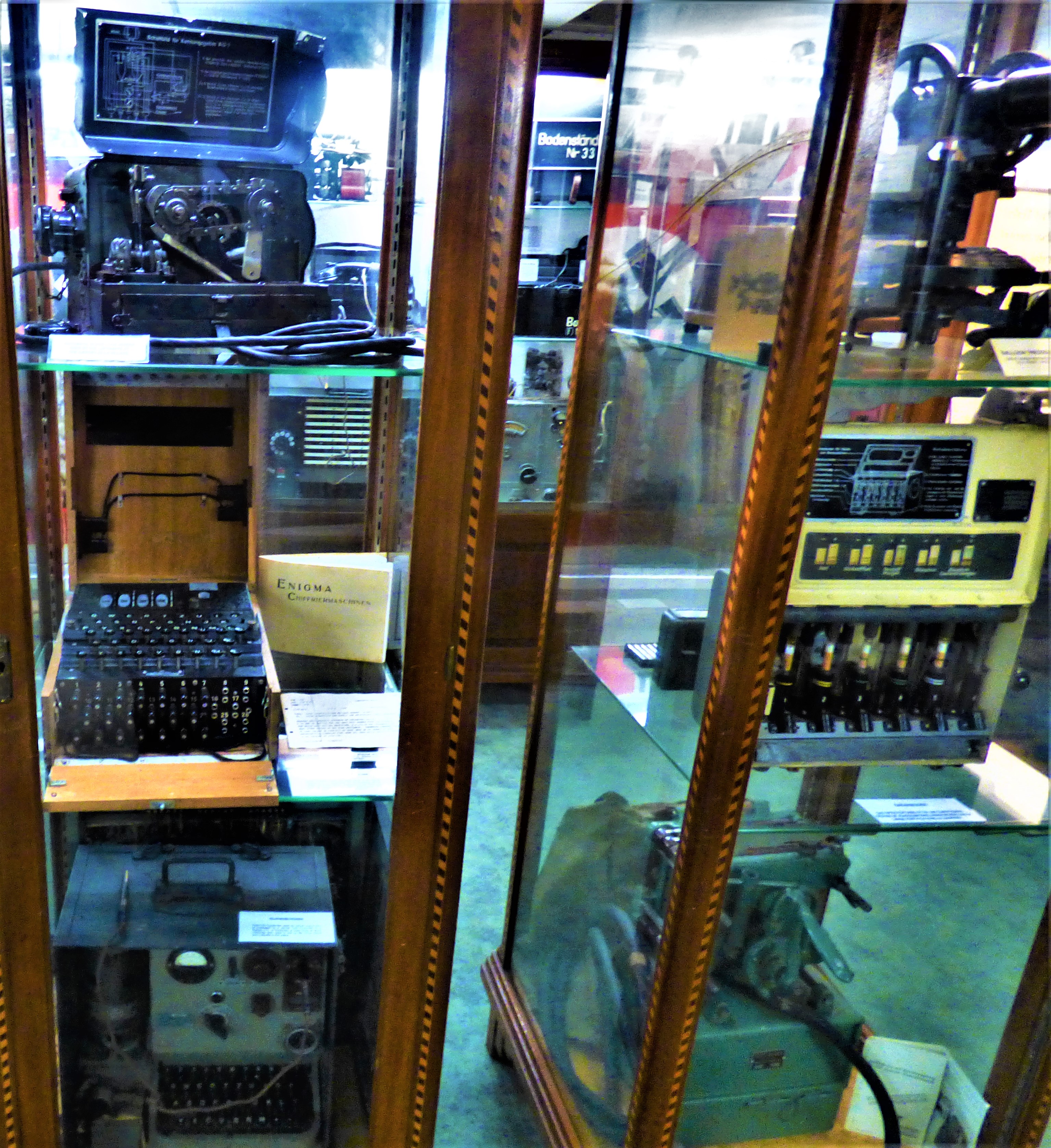
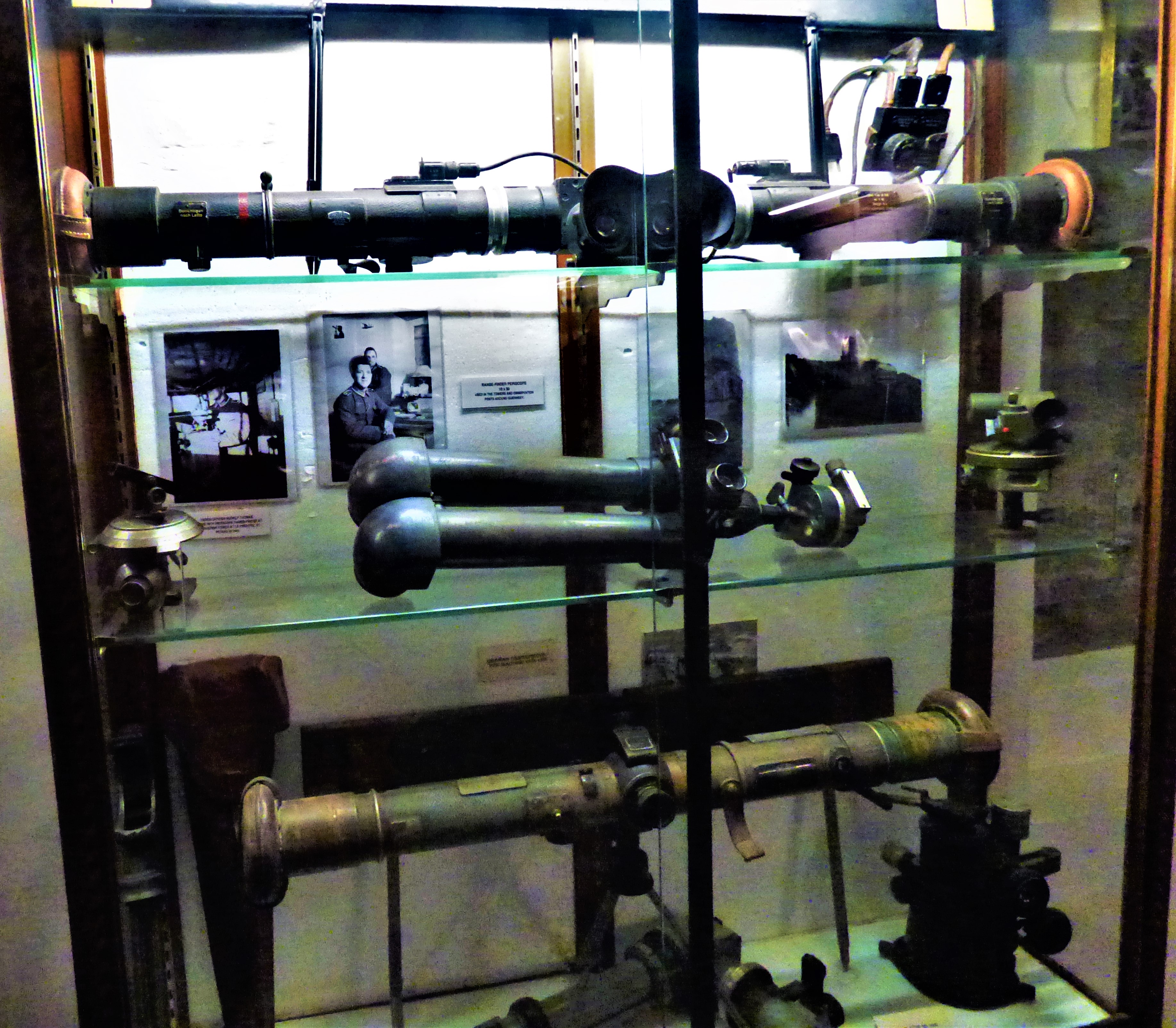
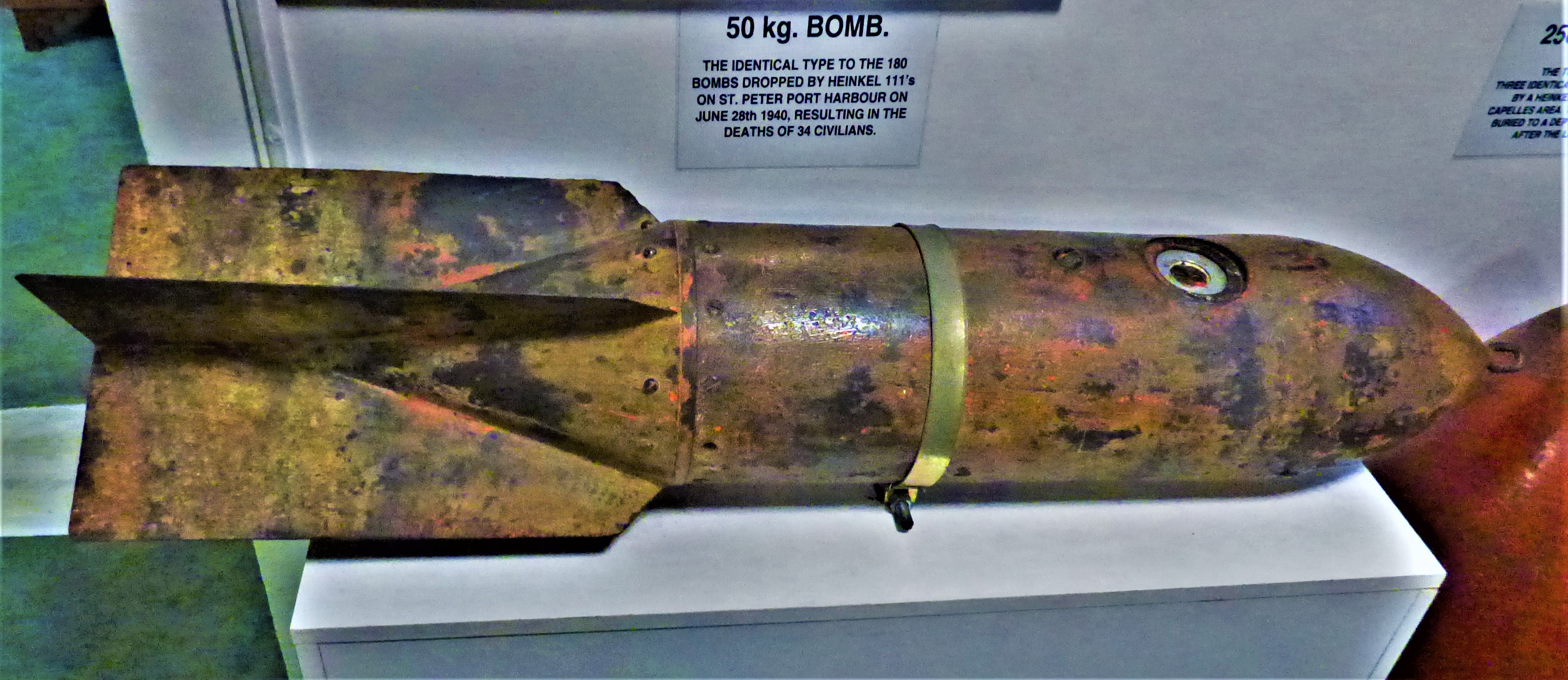
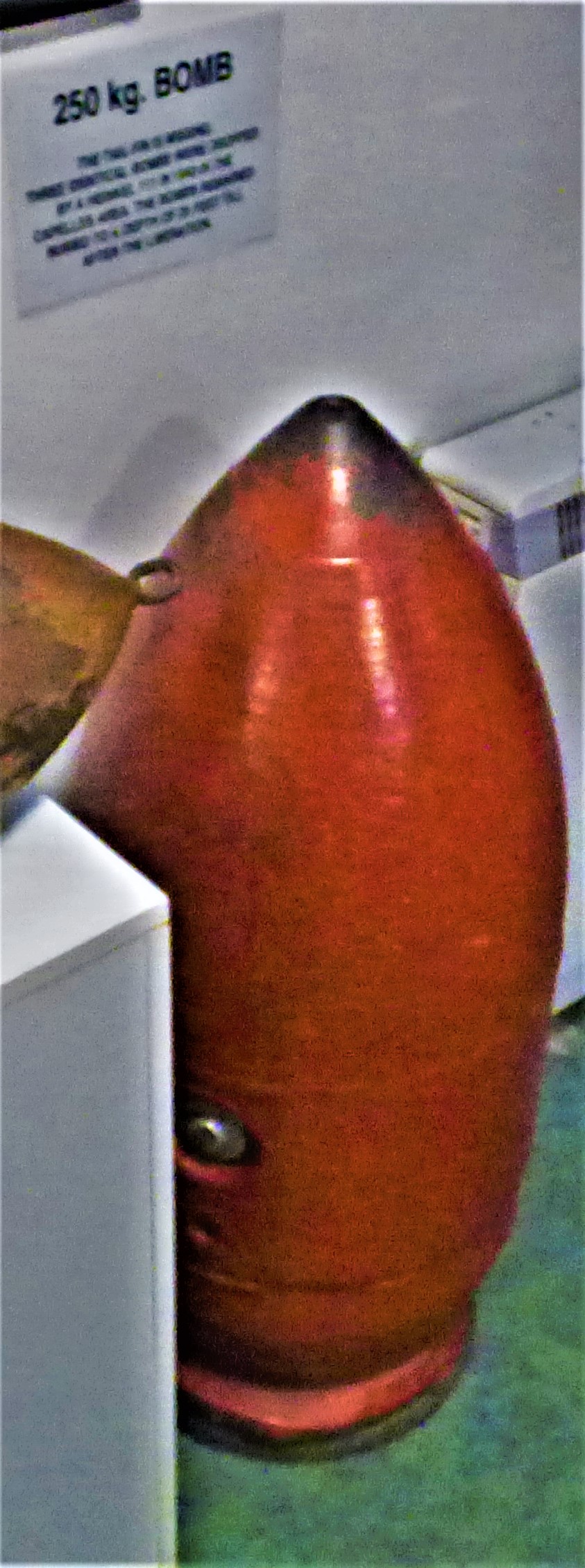
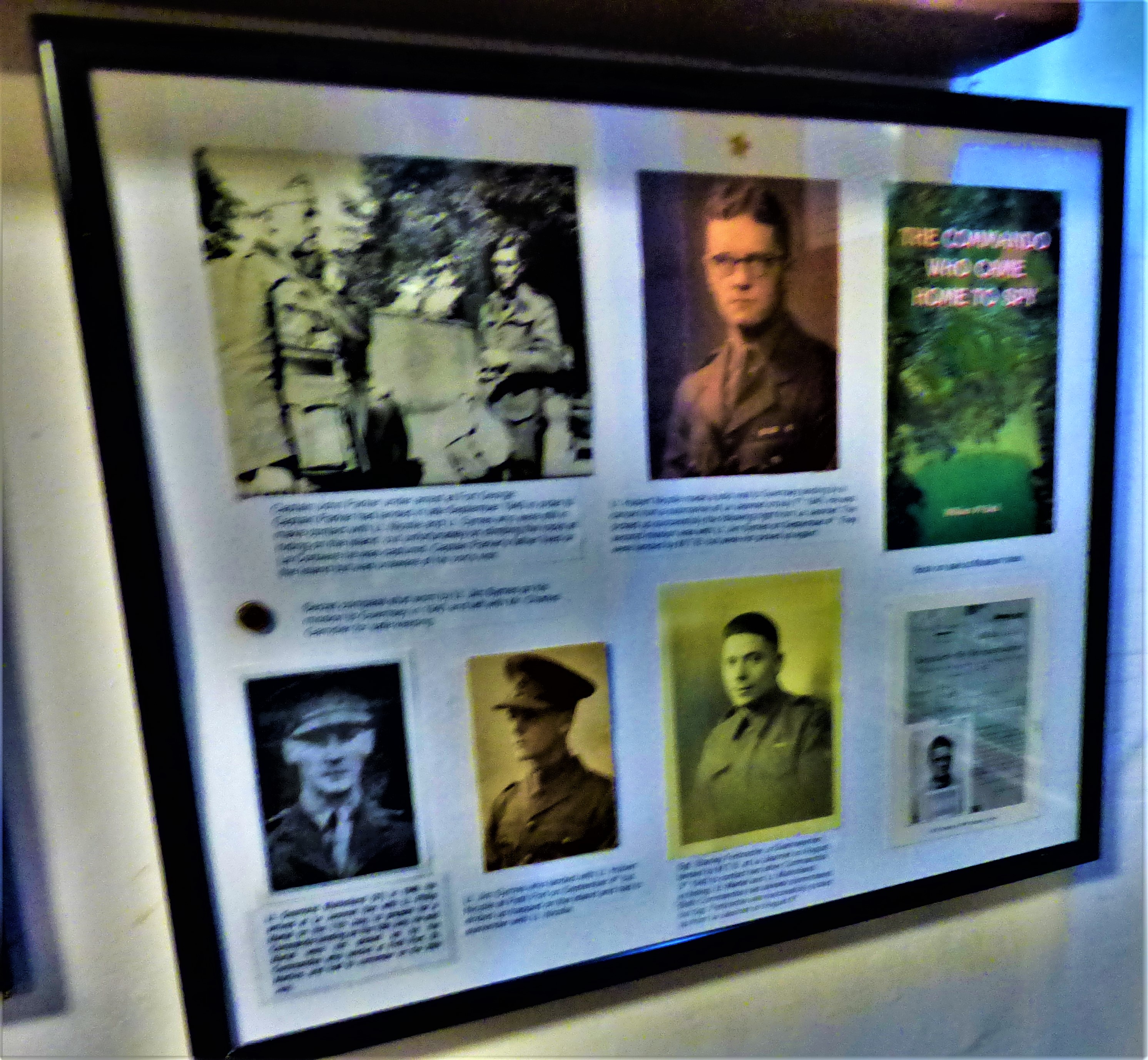
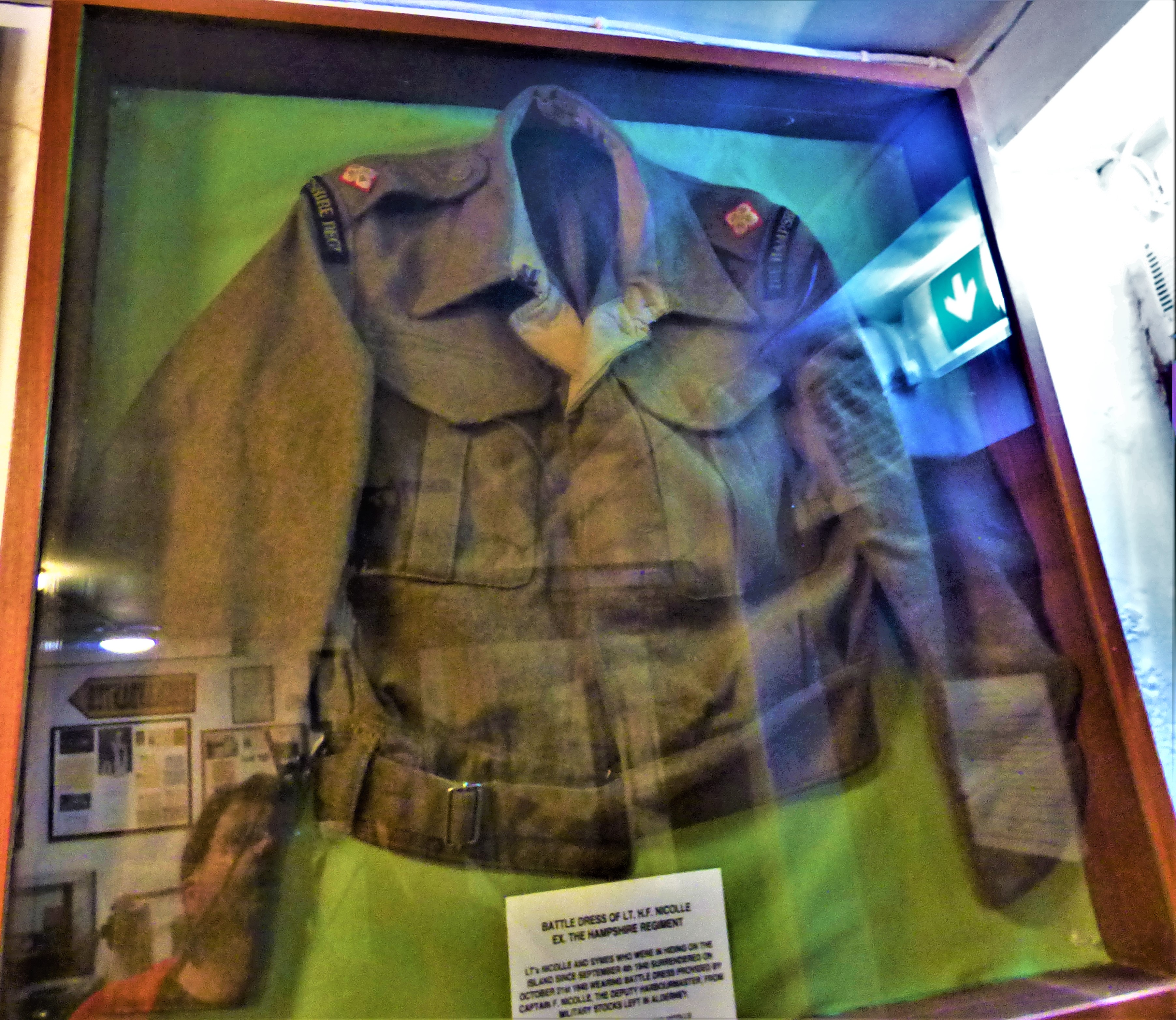
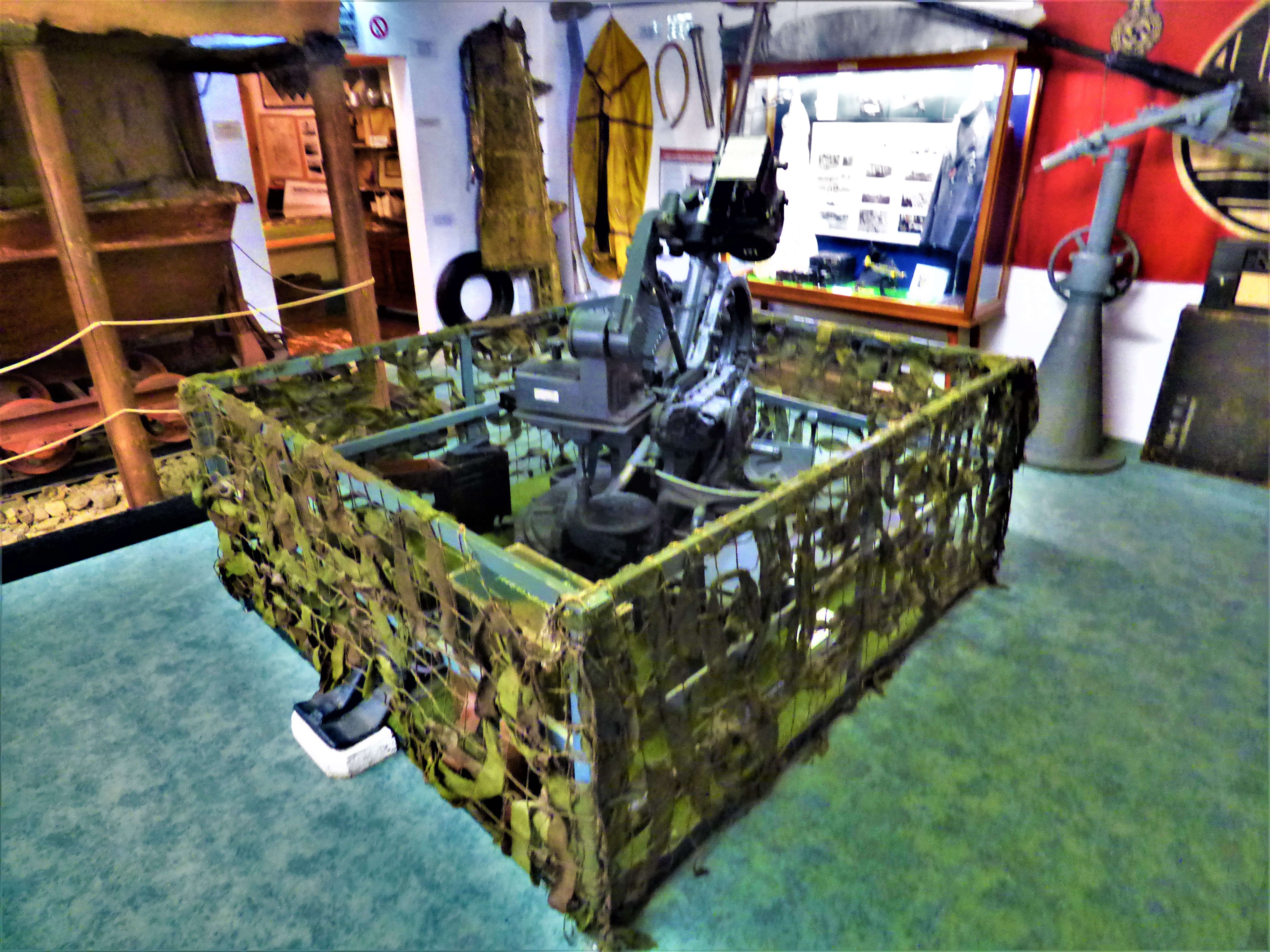
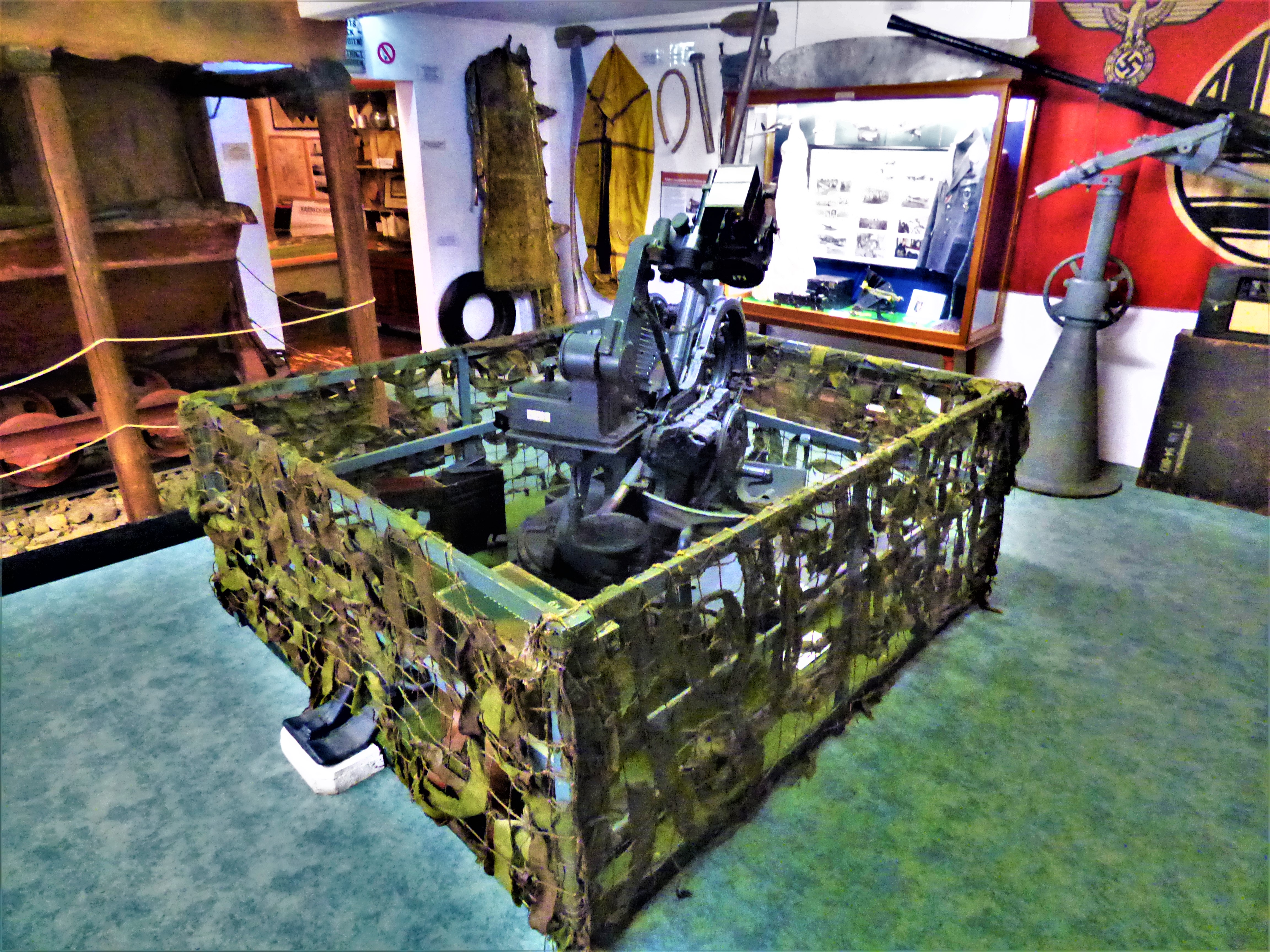
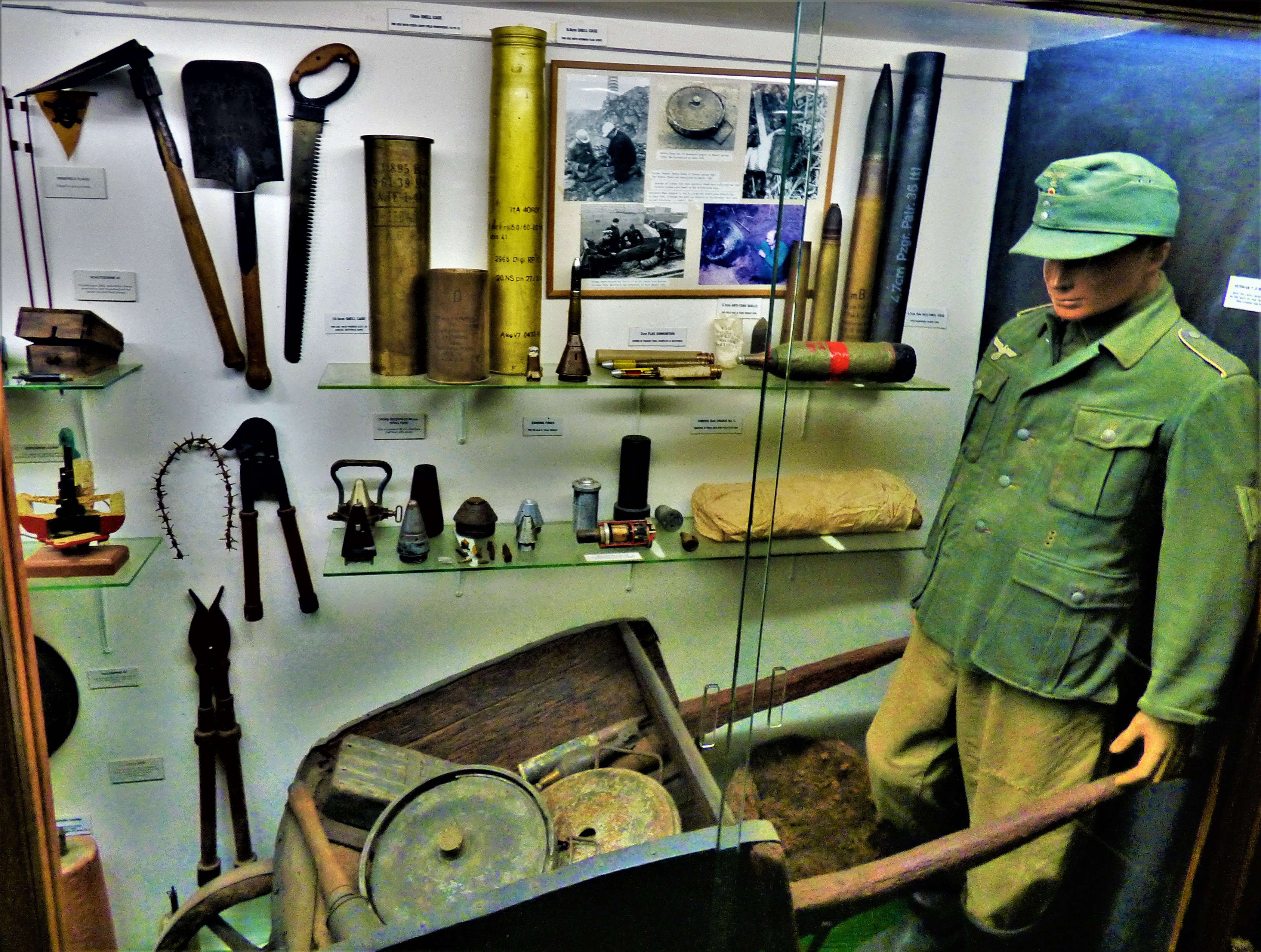
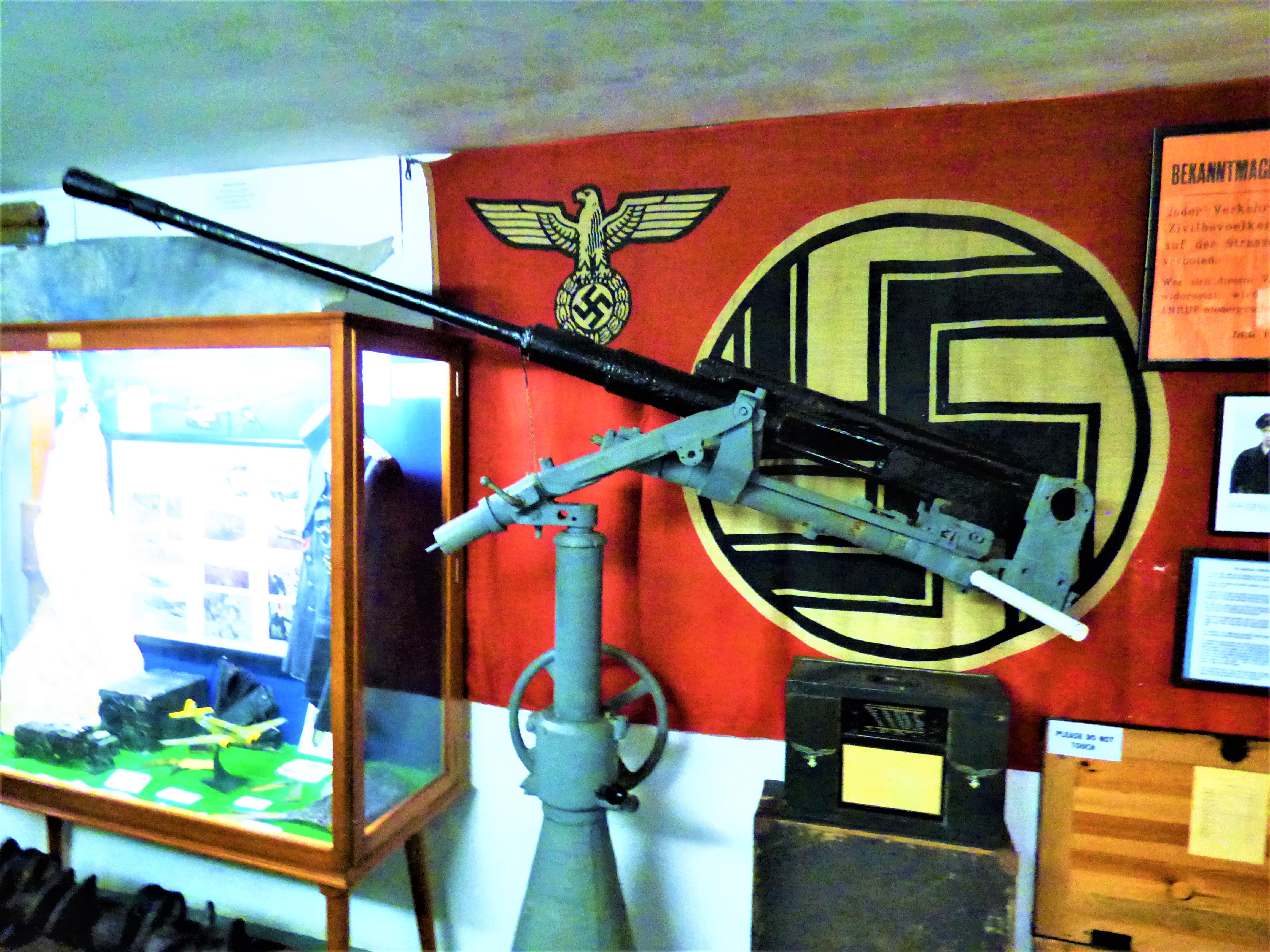
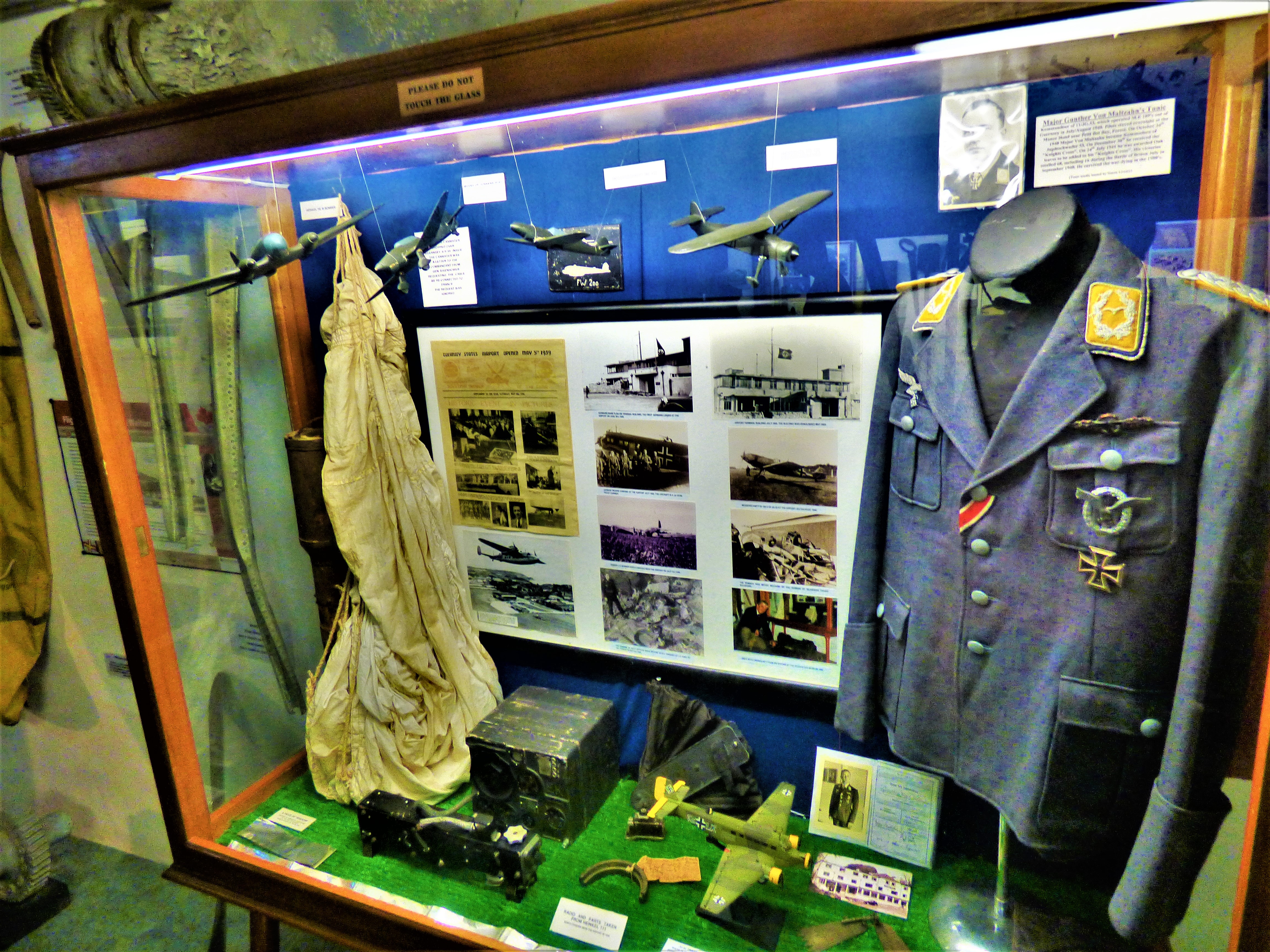
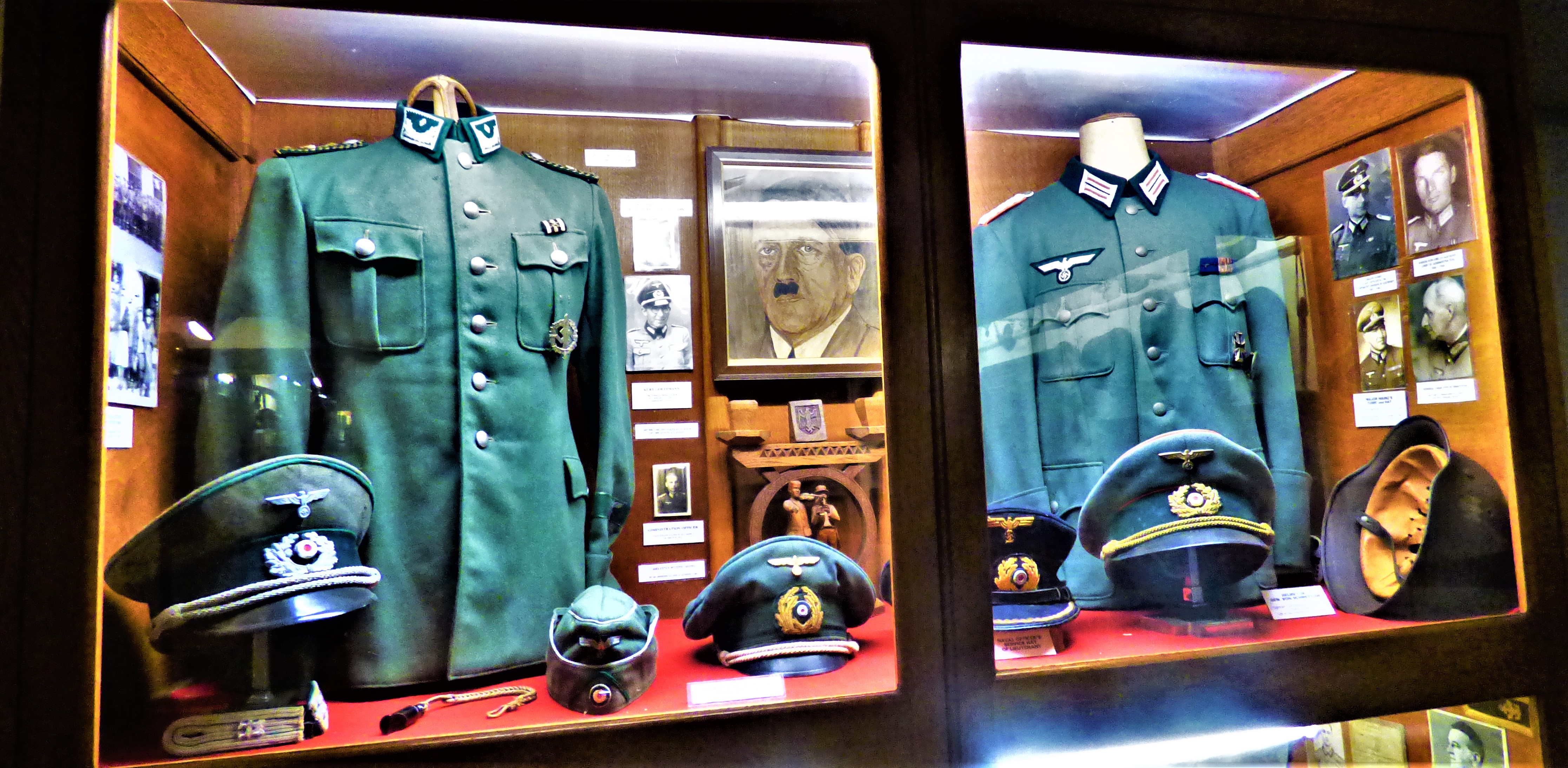
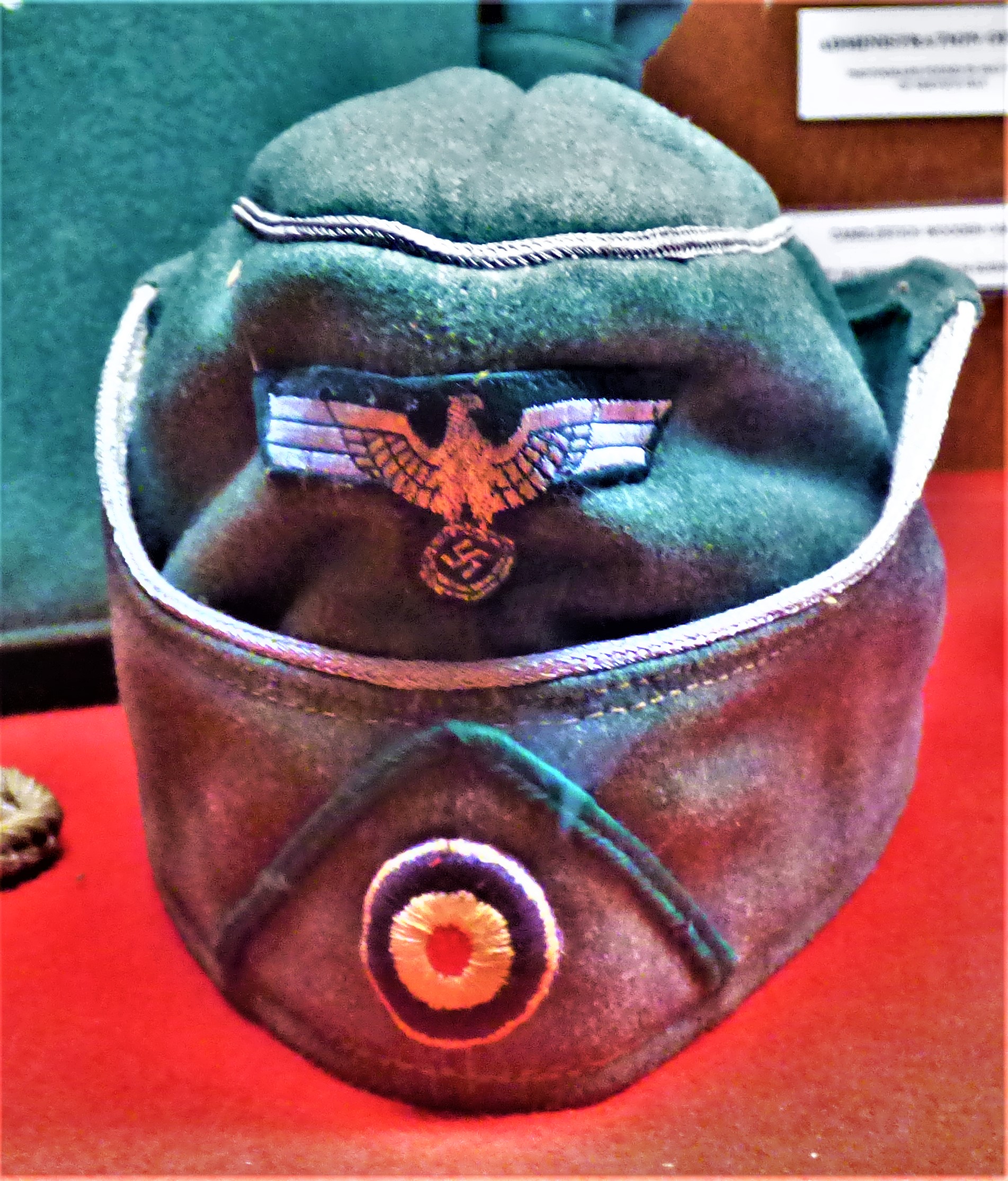
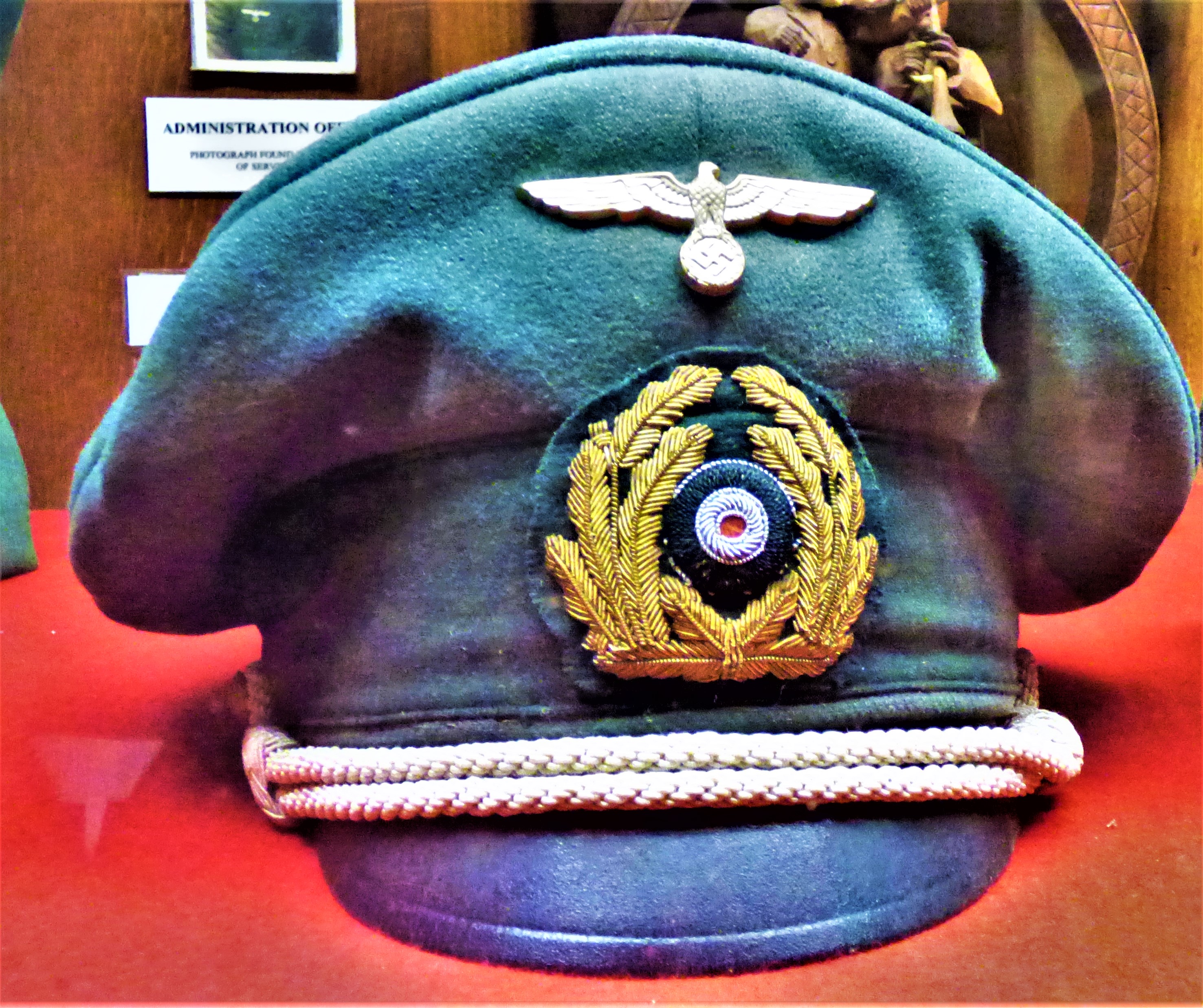
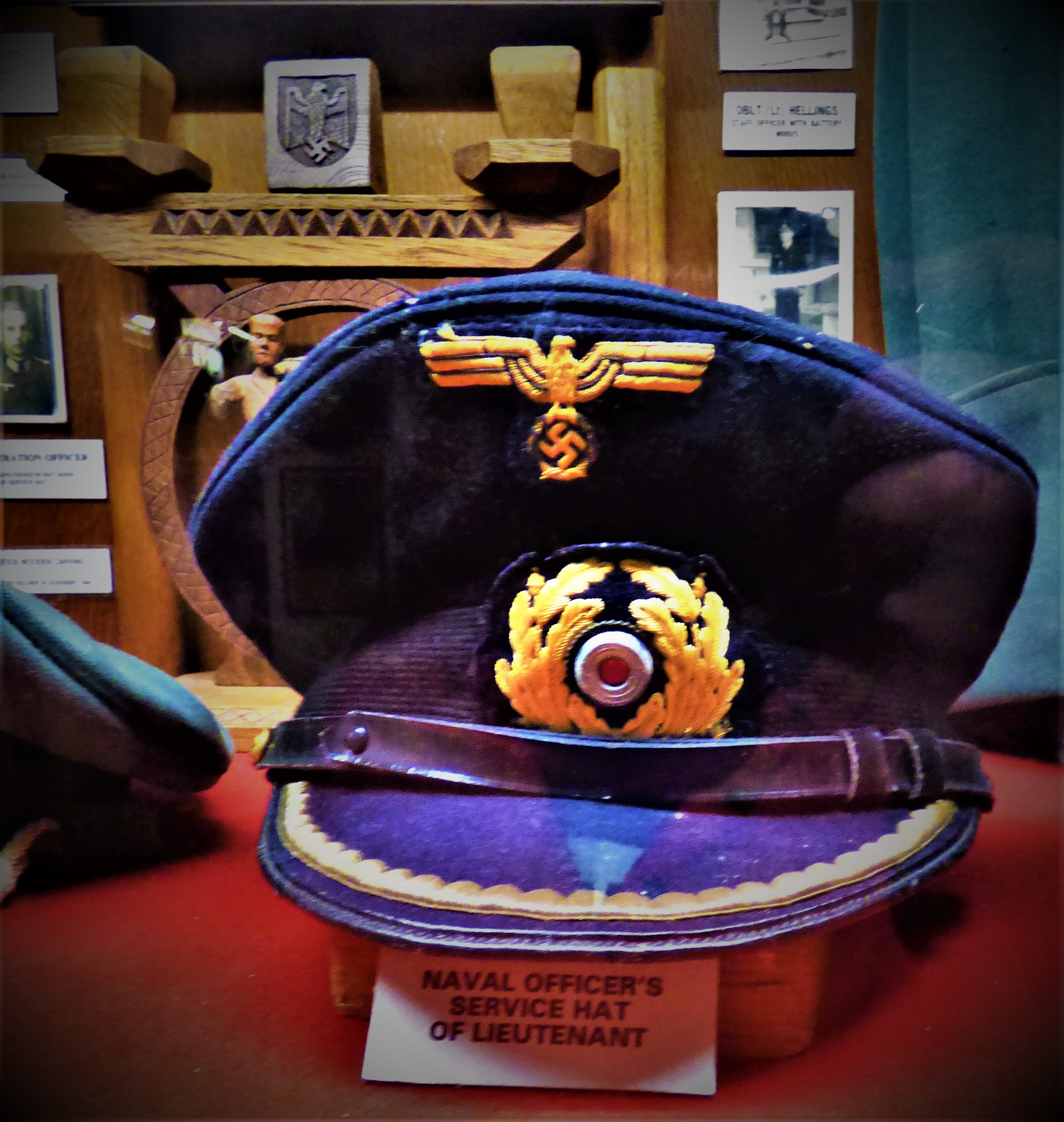
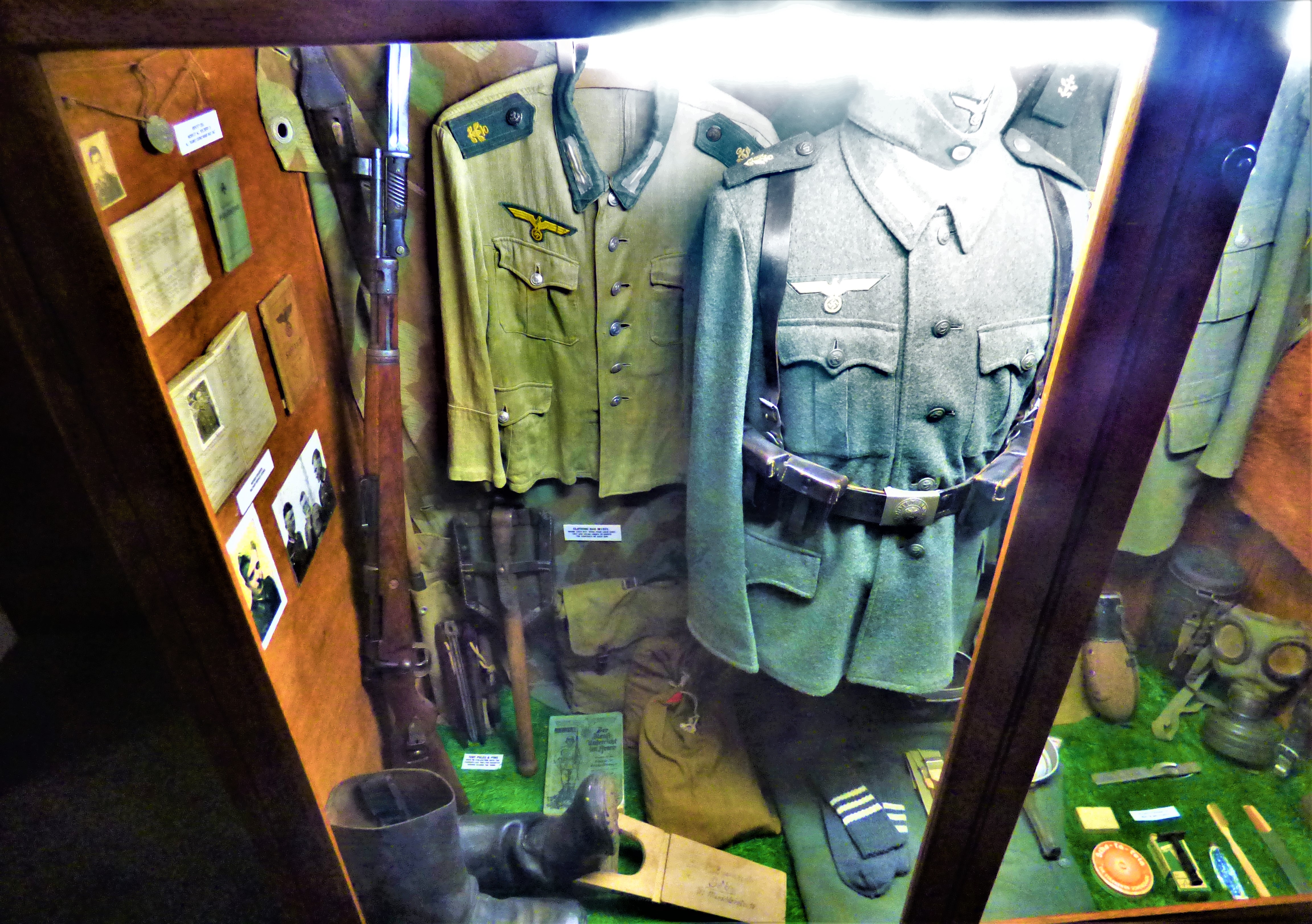
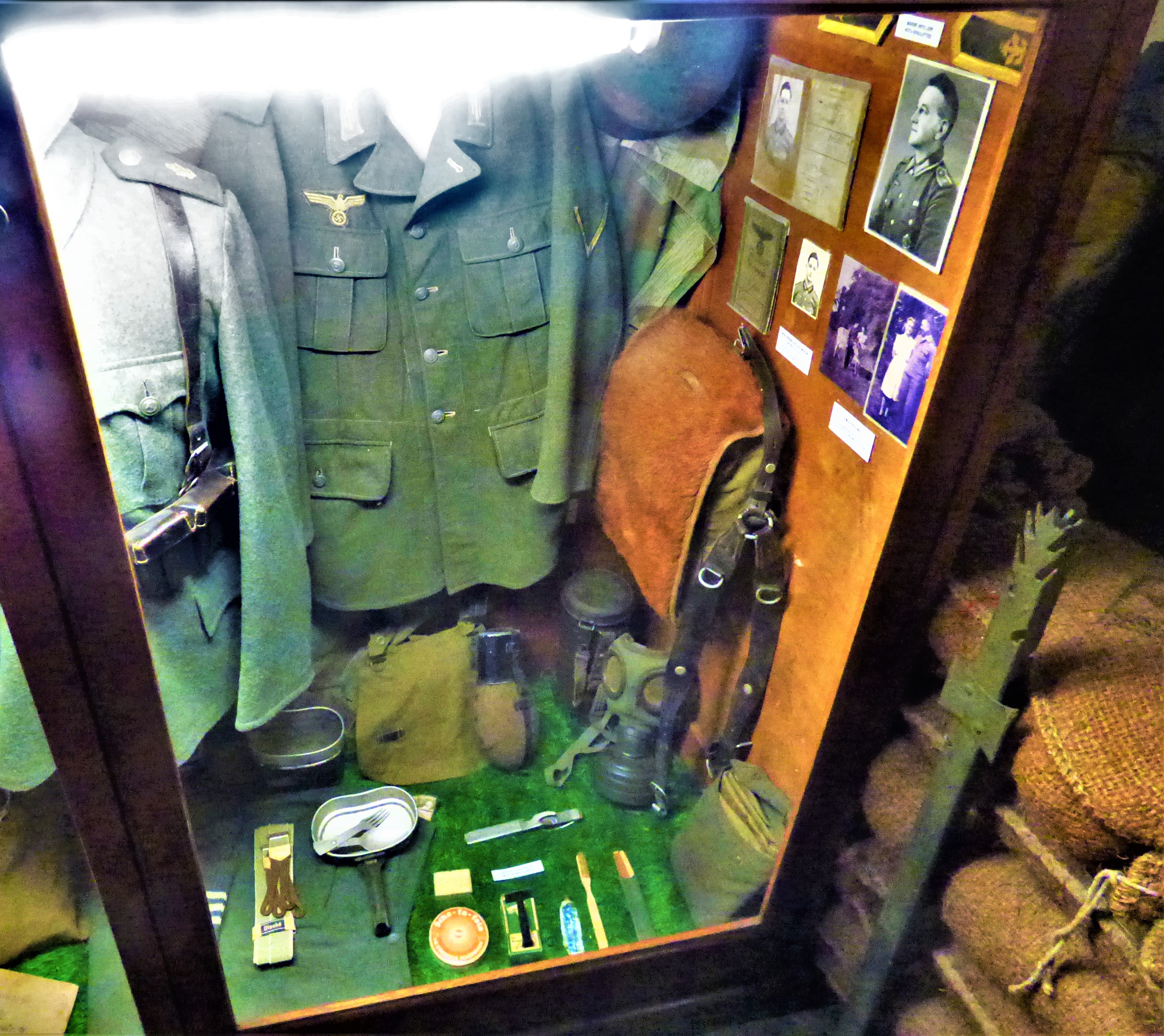
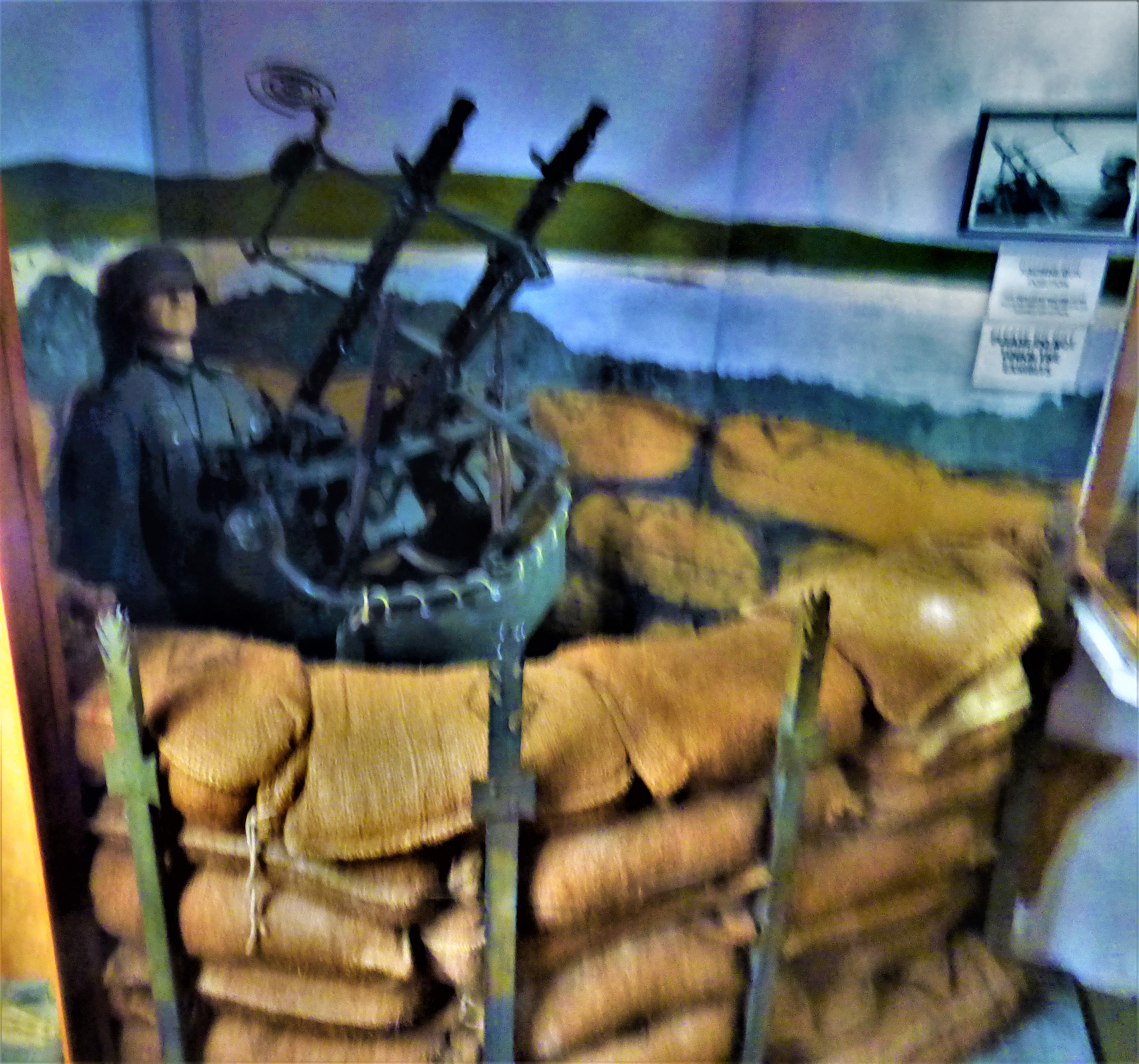
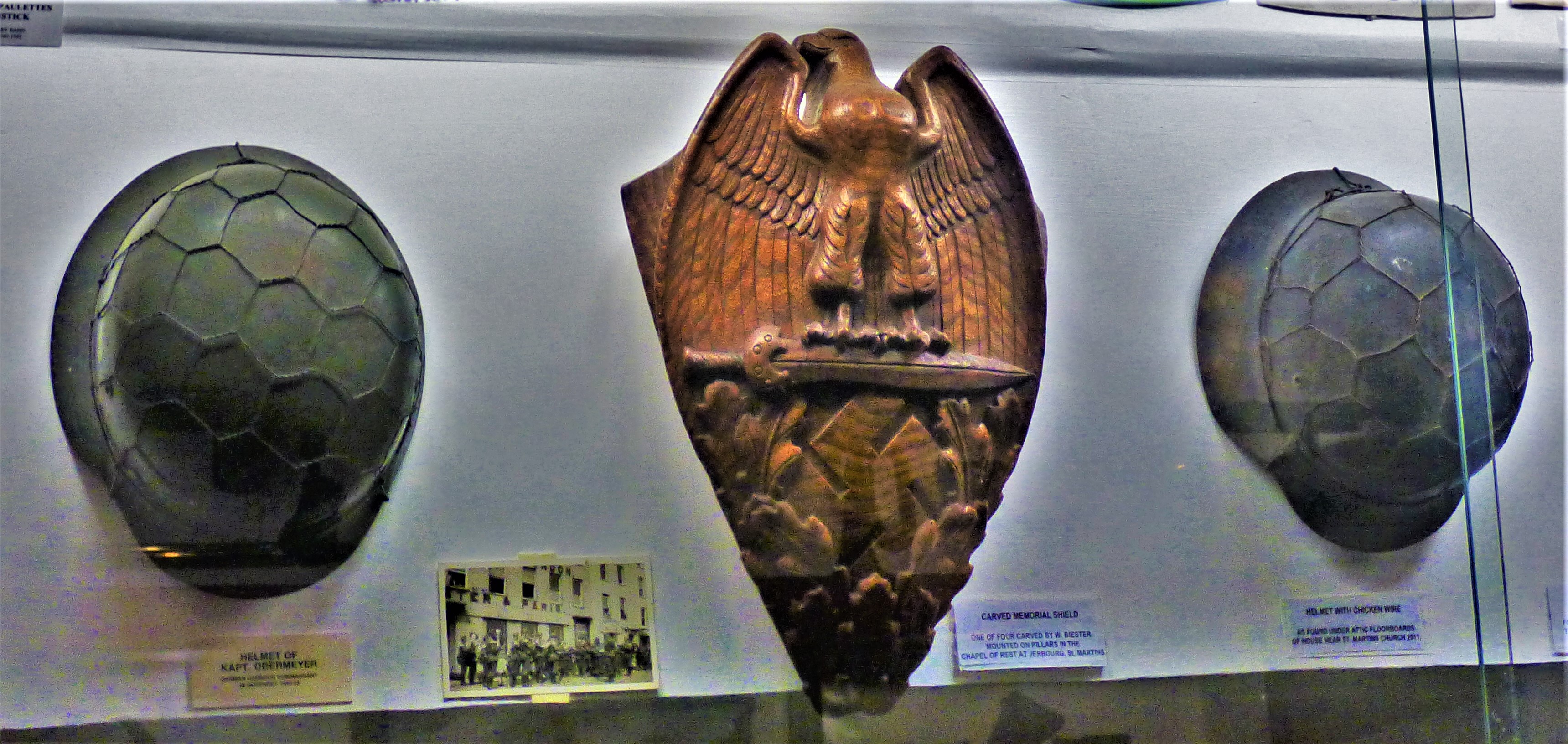
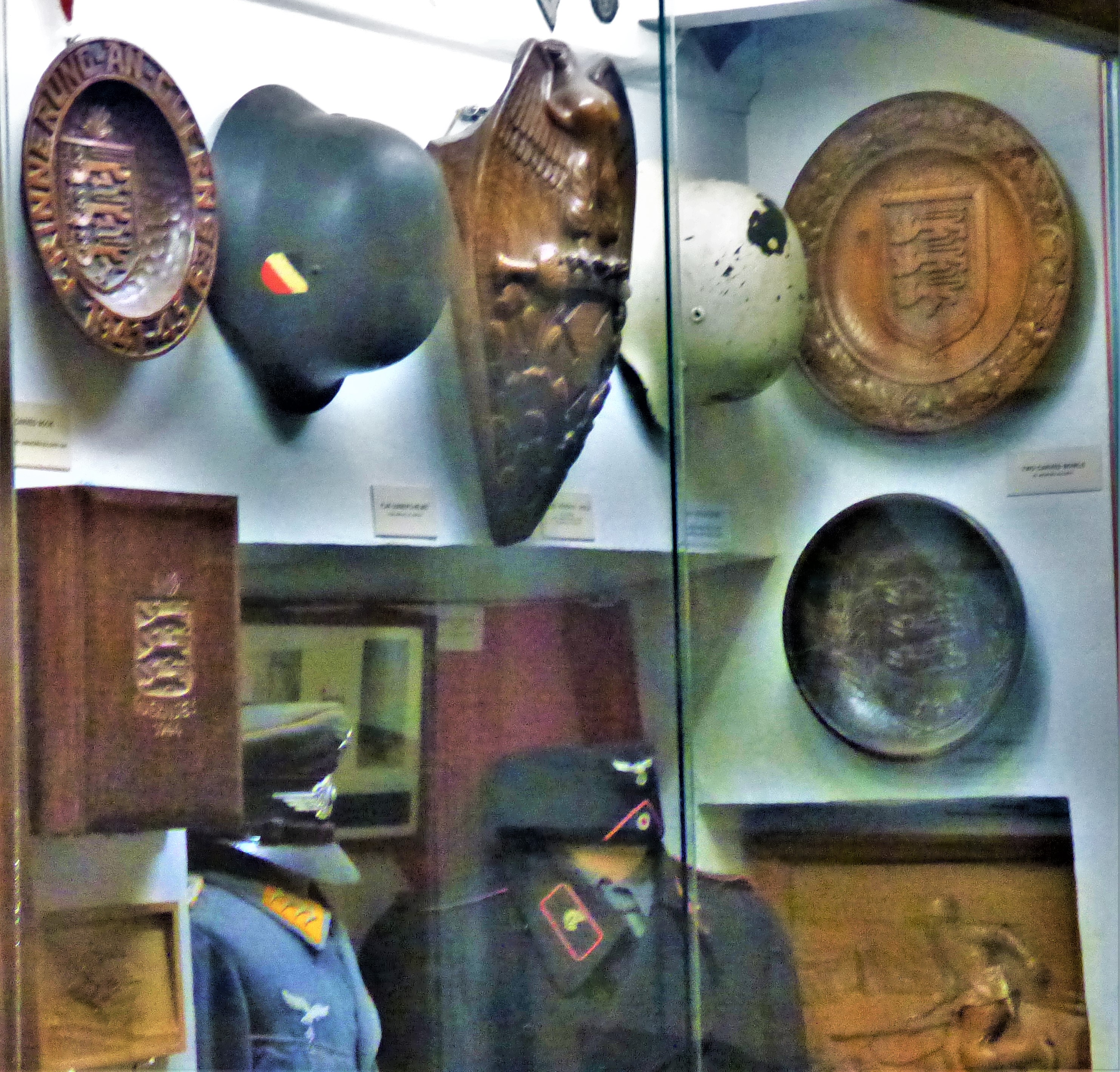
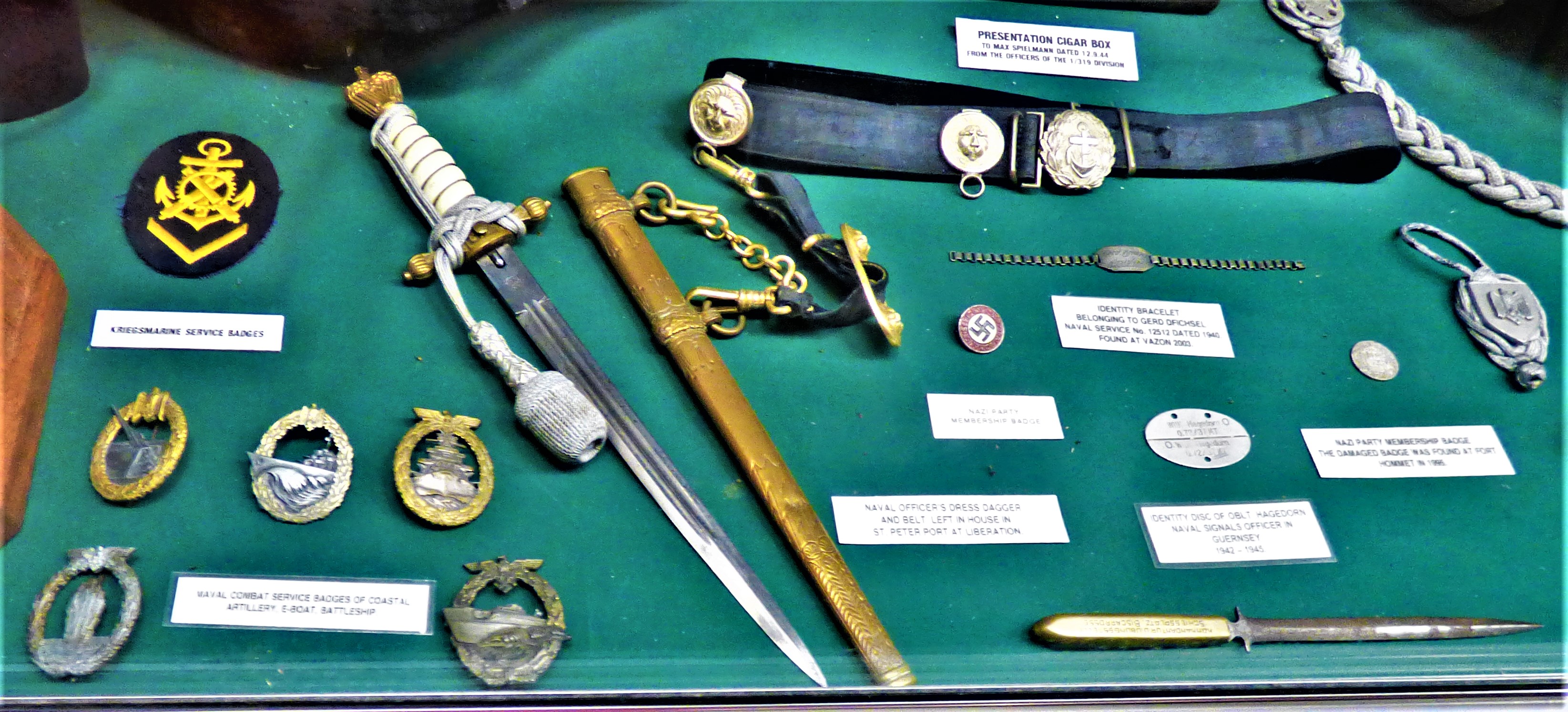
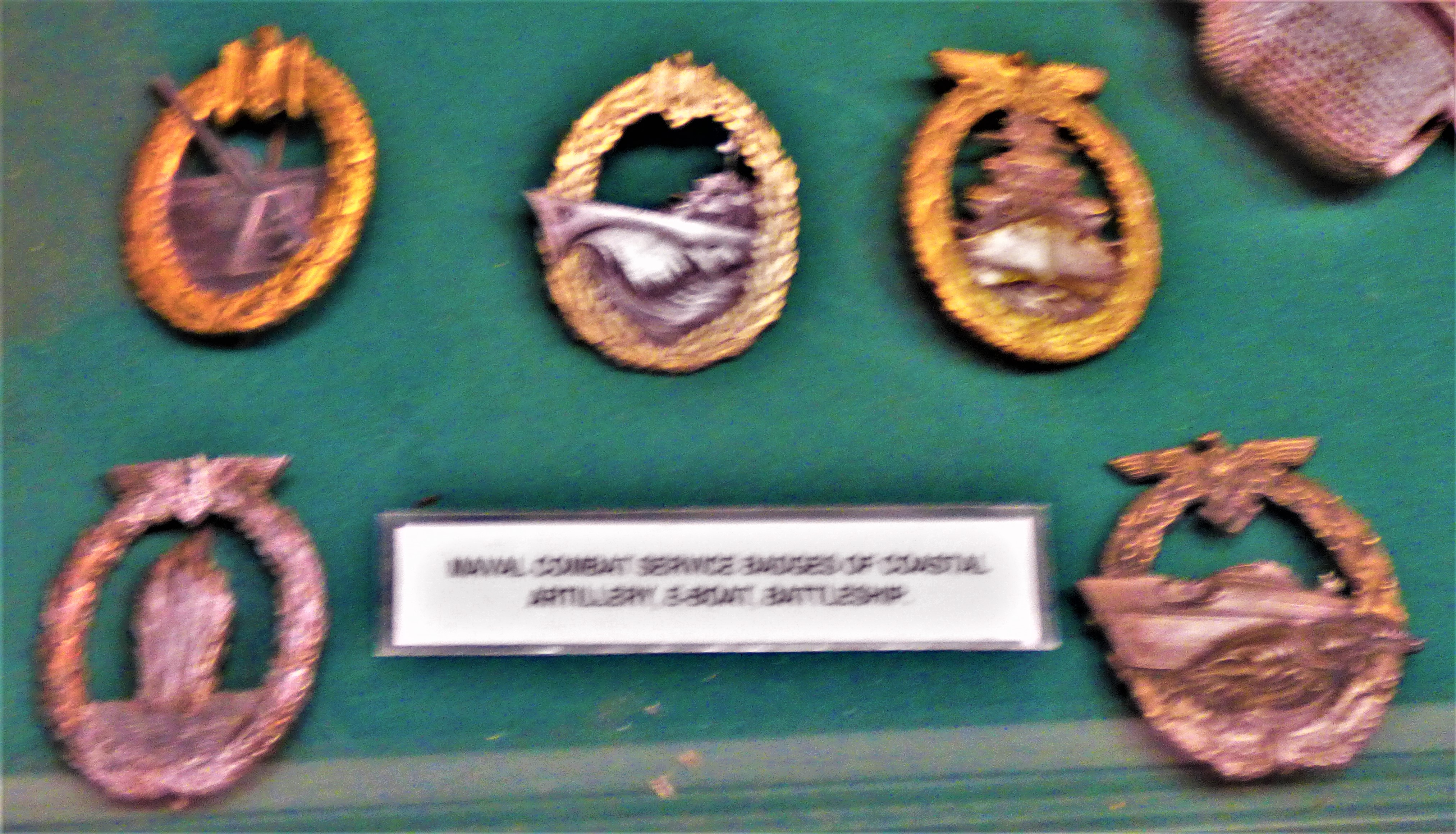
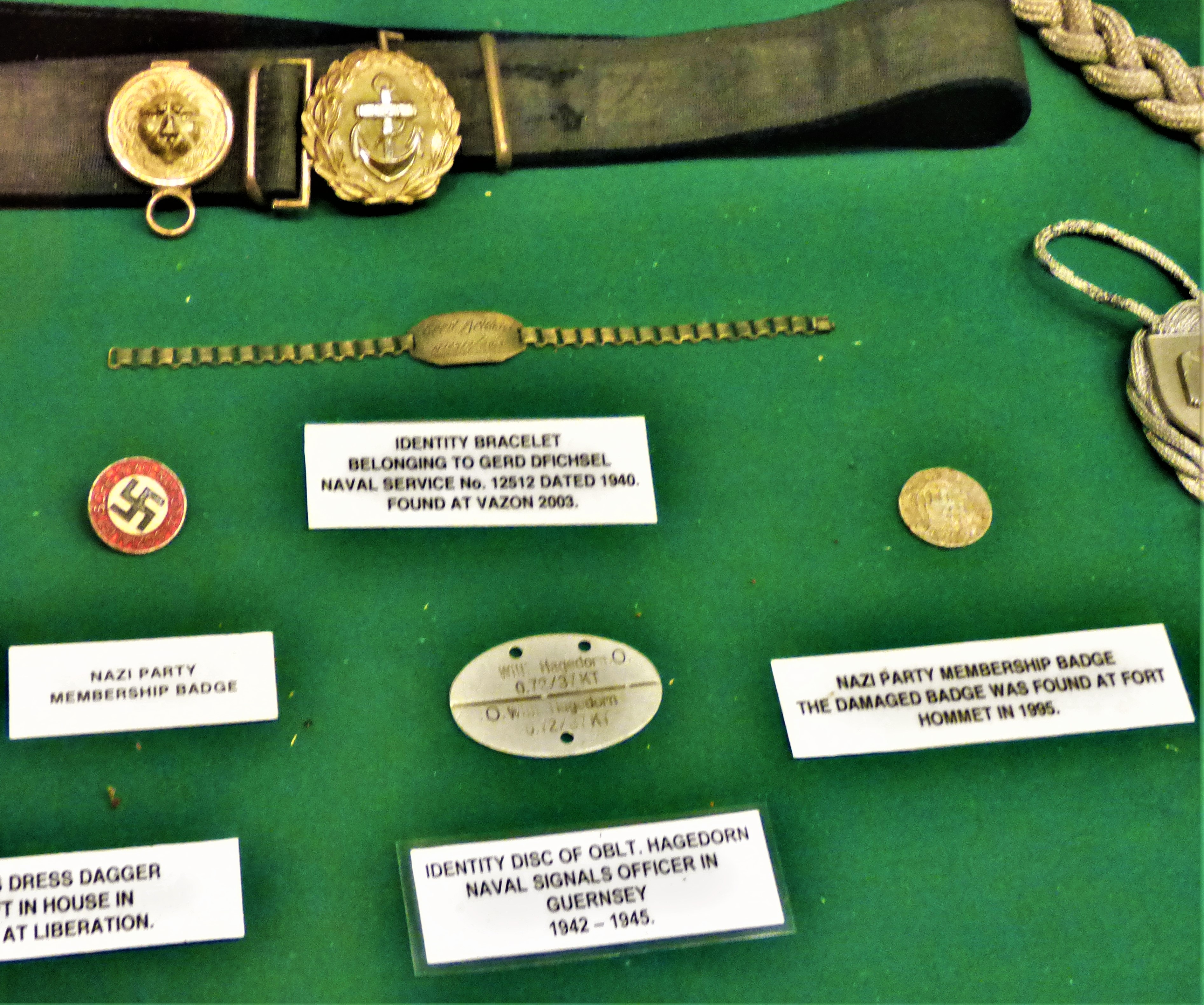
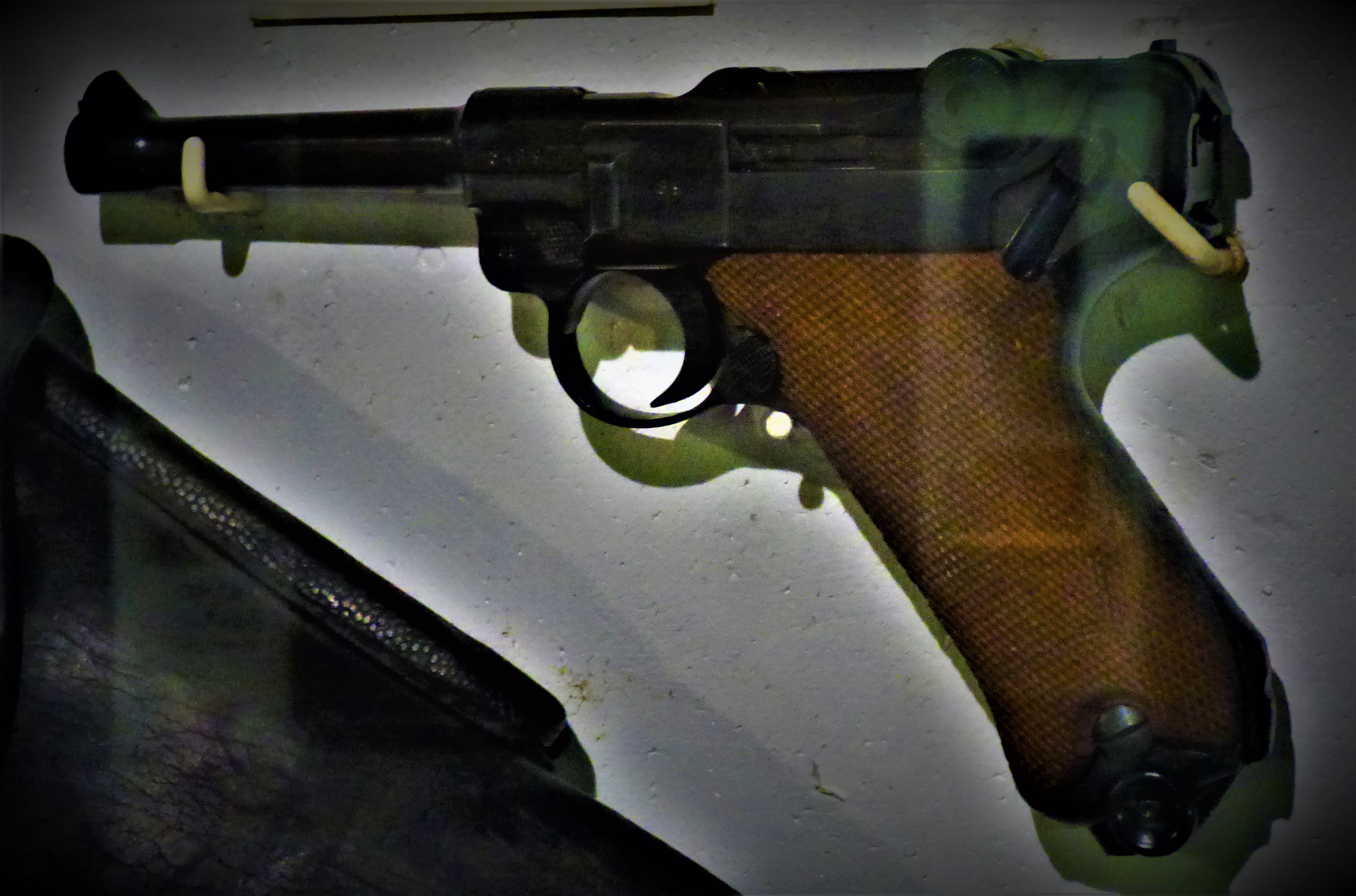
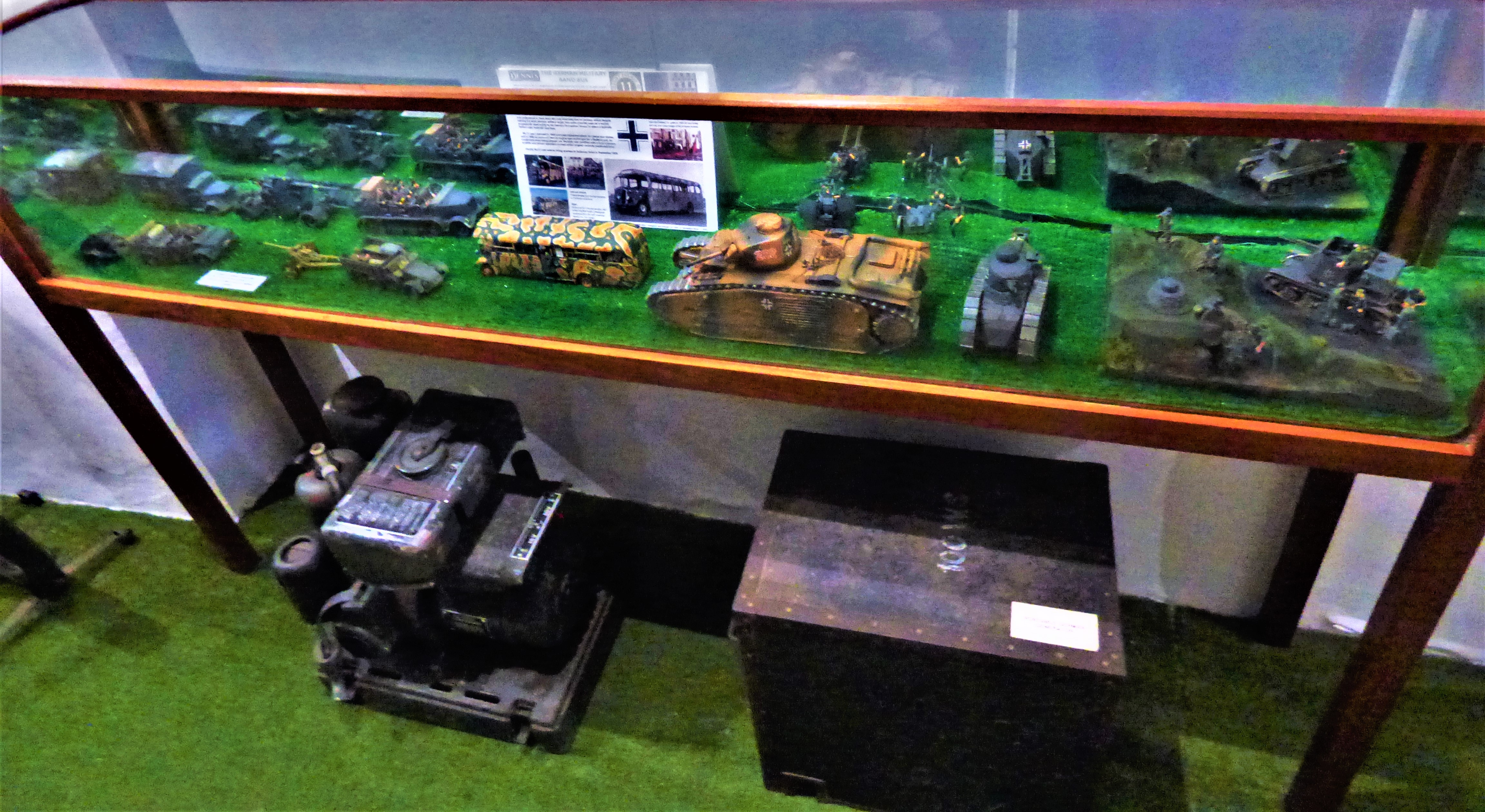
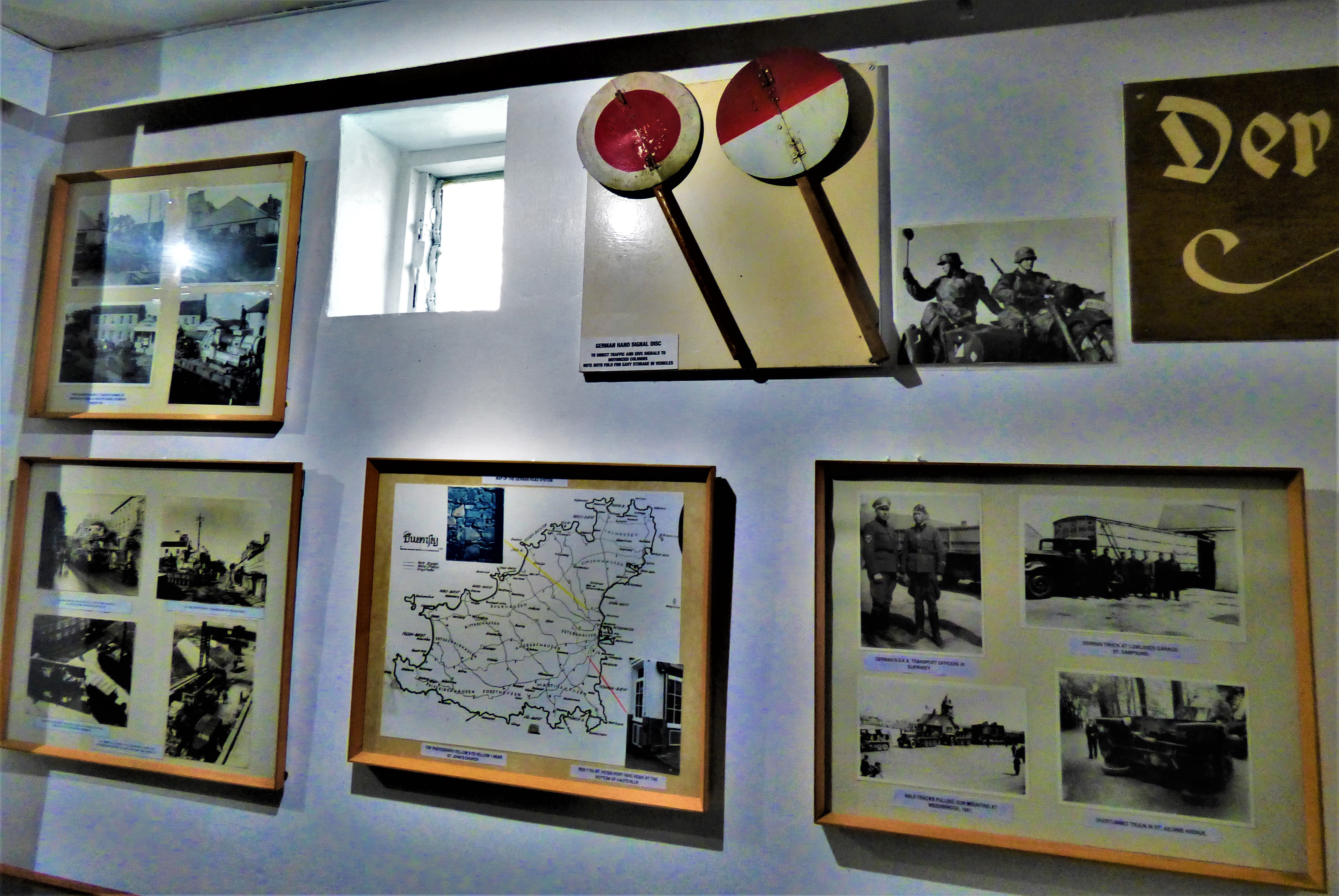
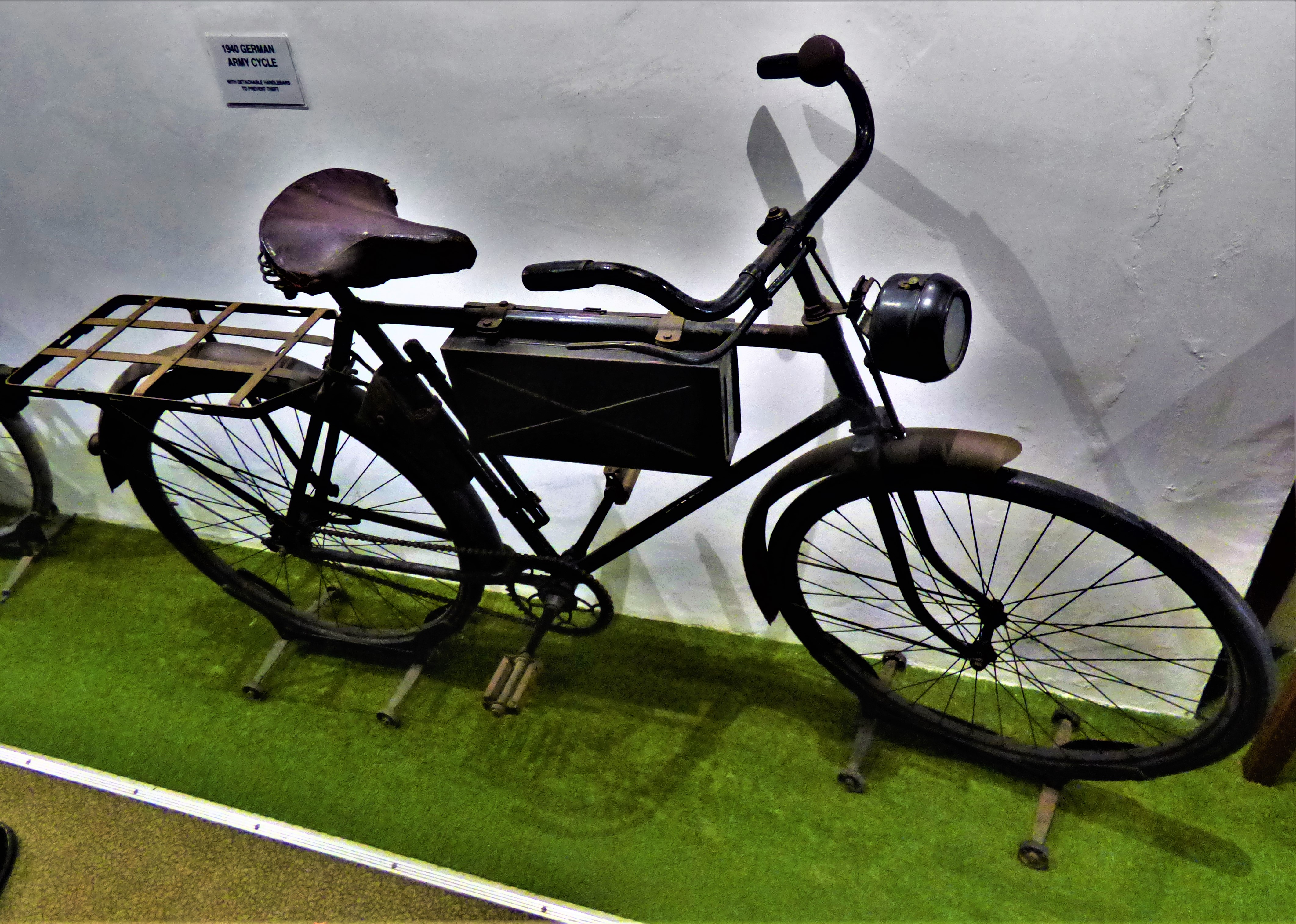
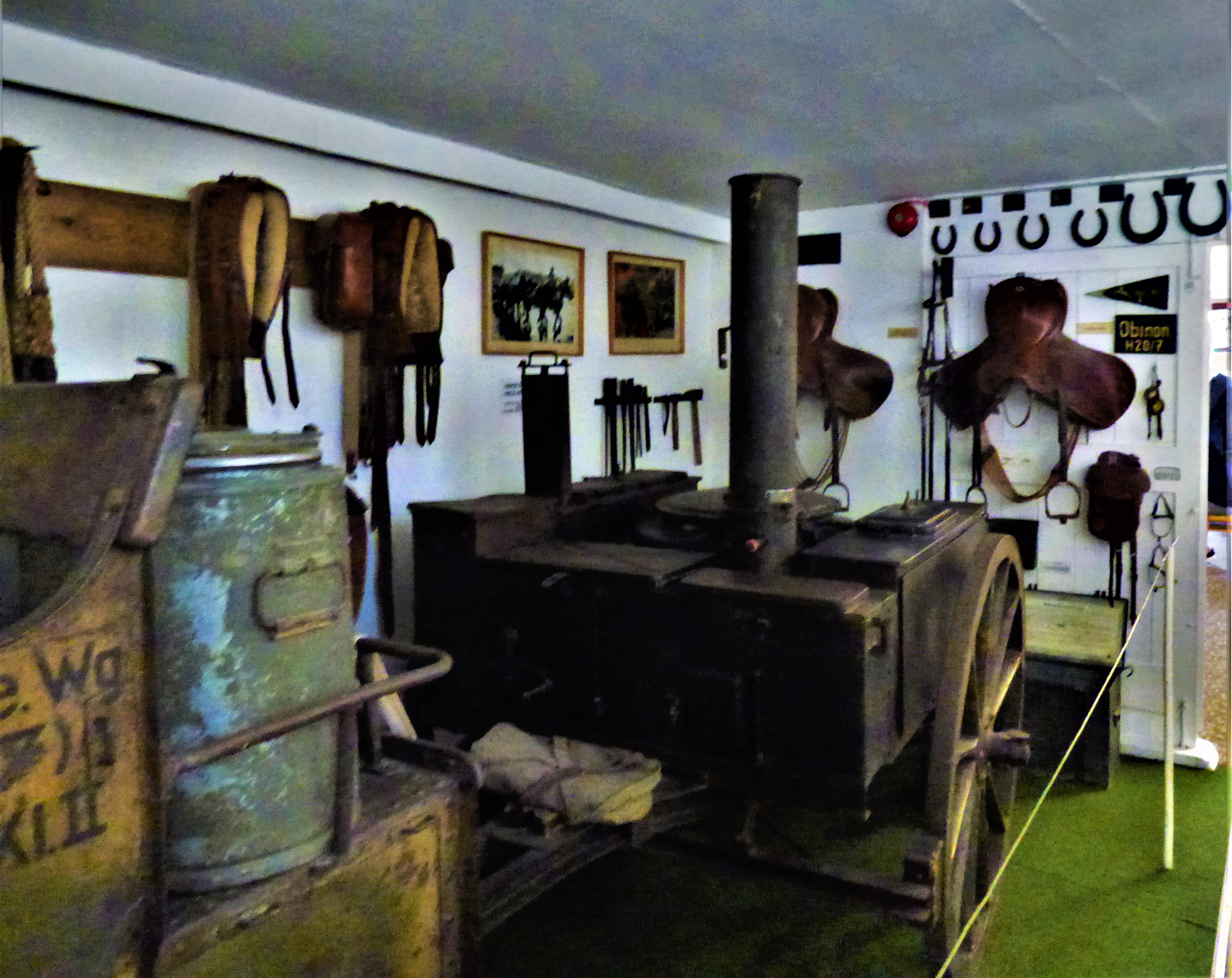
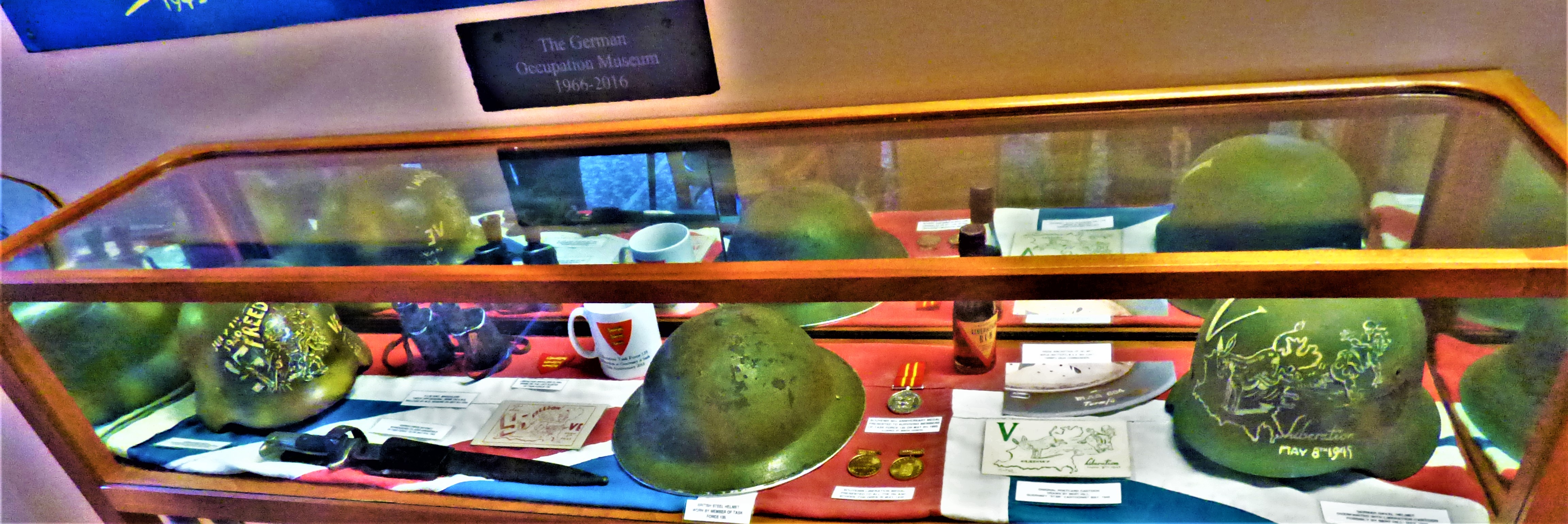
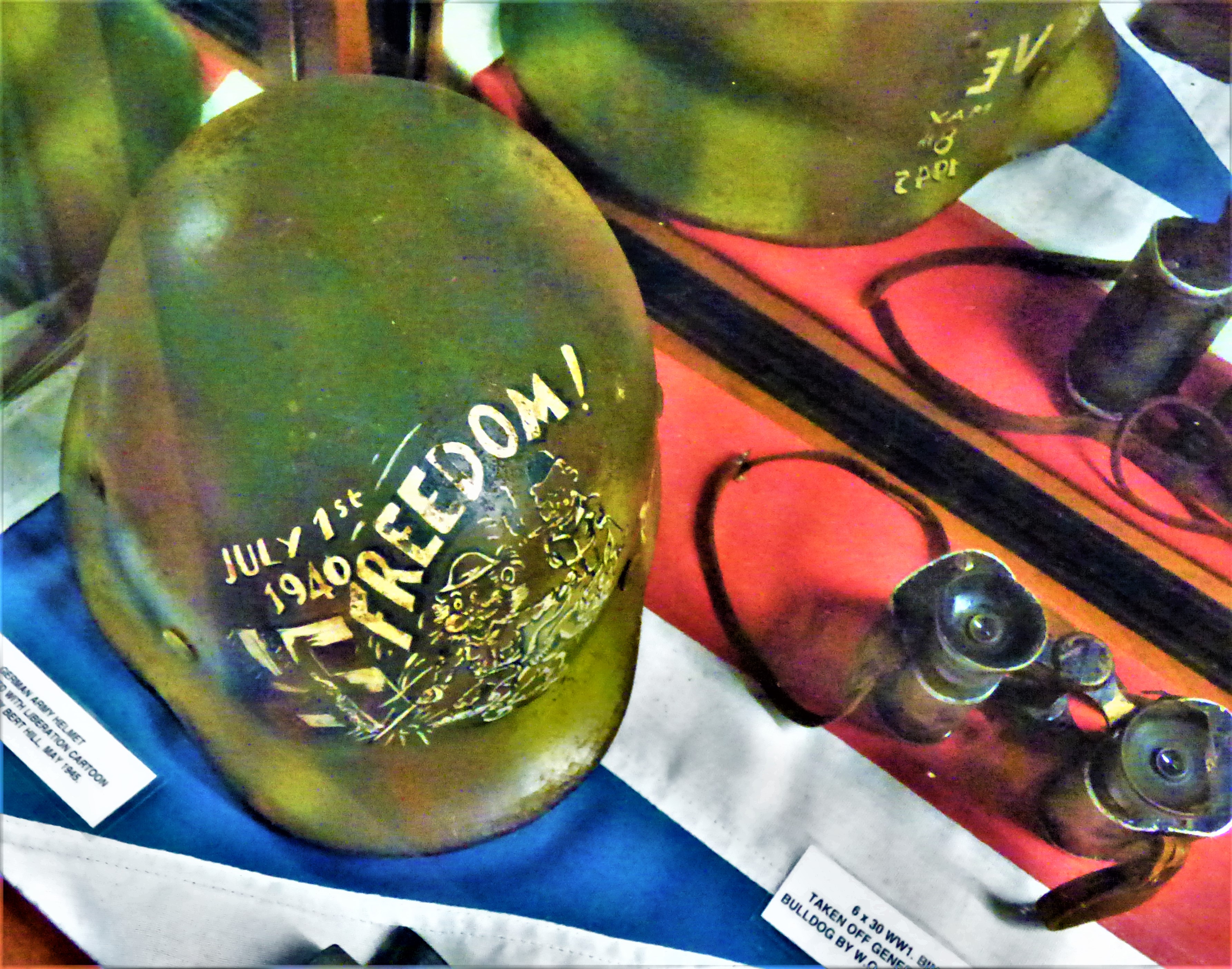
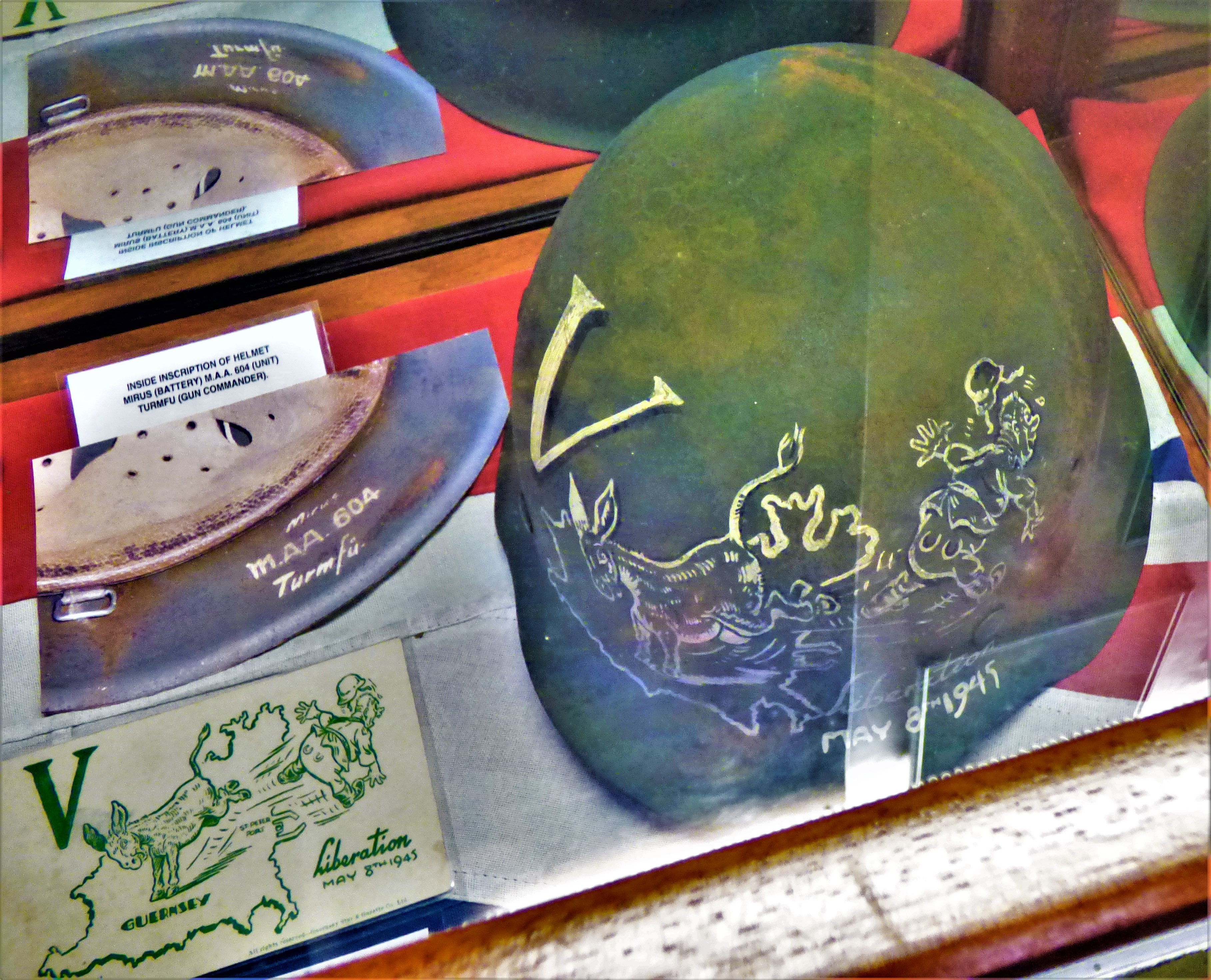
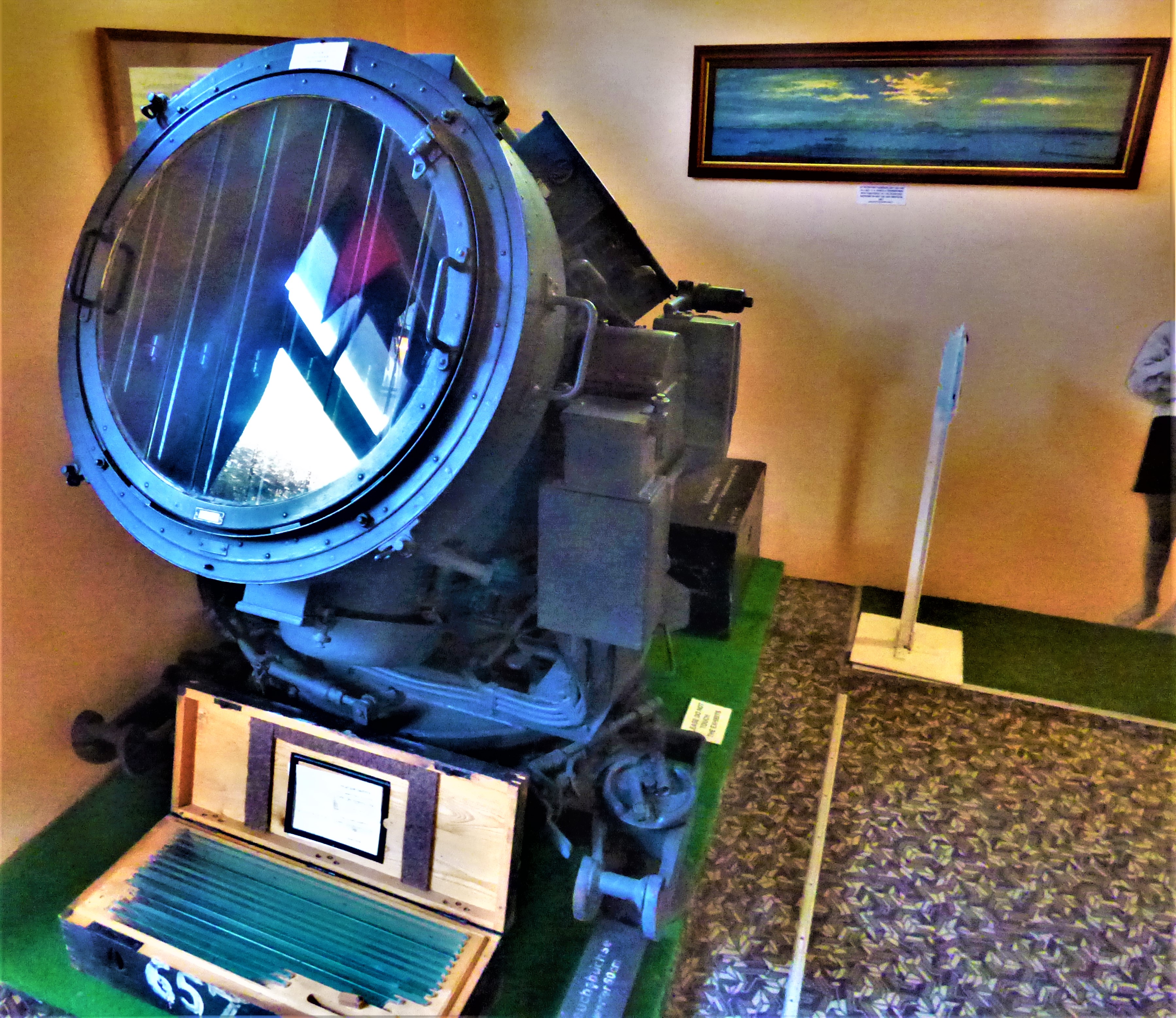
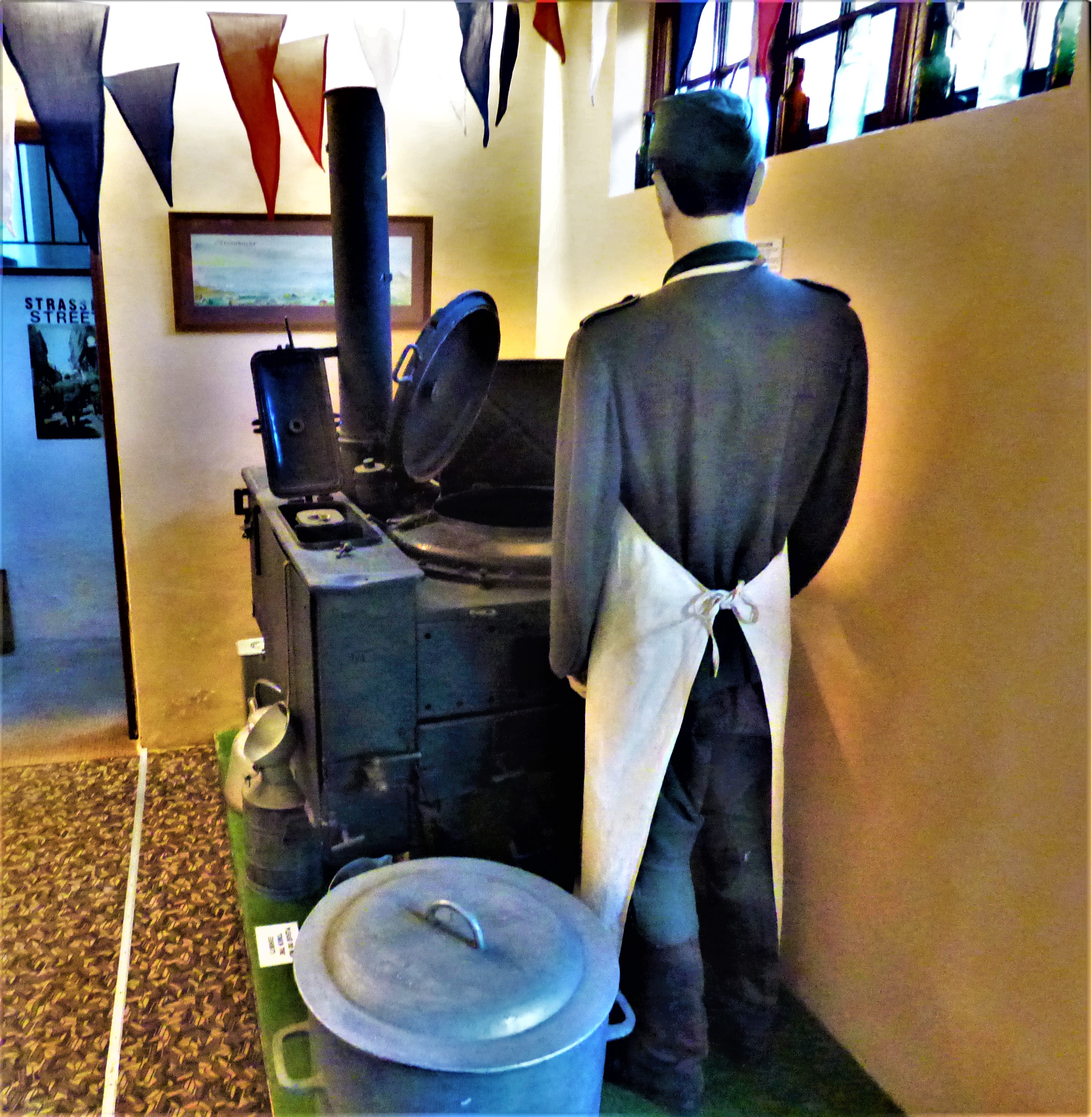
The first exhibits are large quantities of German militaria. This stuff was all genuine (I work for an auctioneer, and German military is notorious for featuring a heavy preponderance of fakes, some convincing and others utterly blatant – I would go so far as to say that if you see German militaria listed in an auction catalogue regard it as fake until and unless proved otherwise).
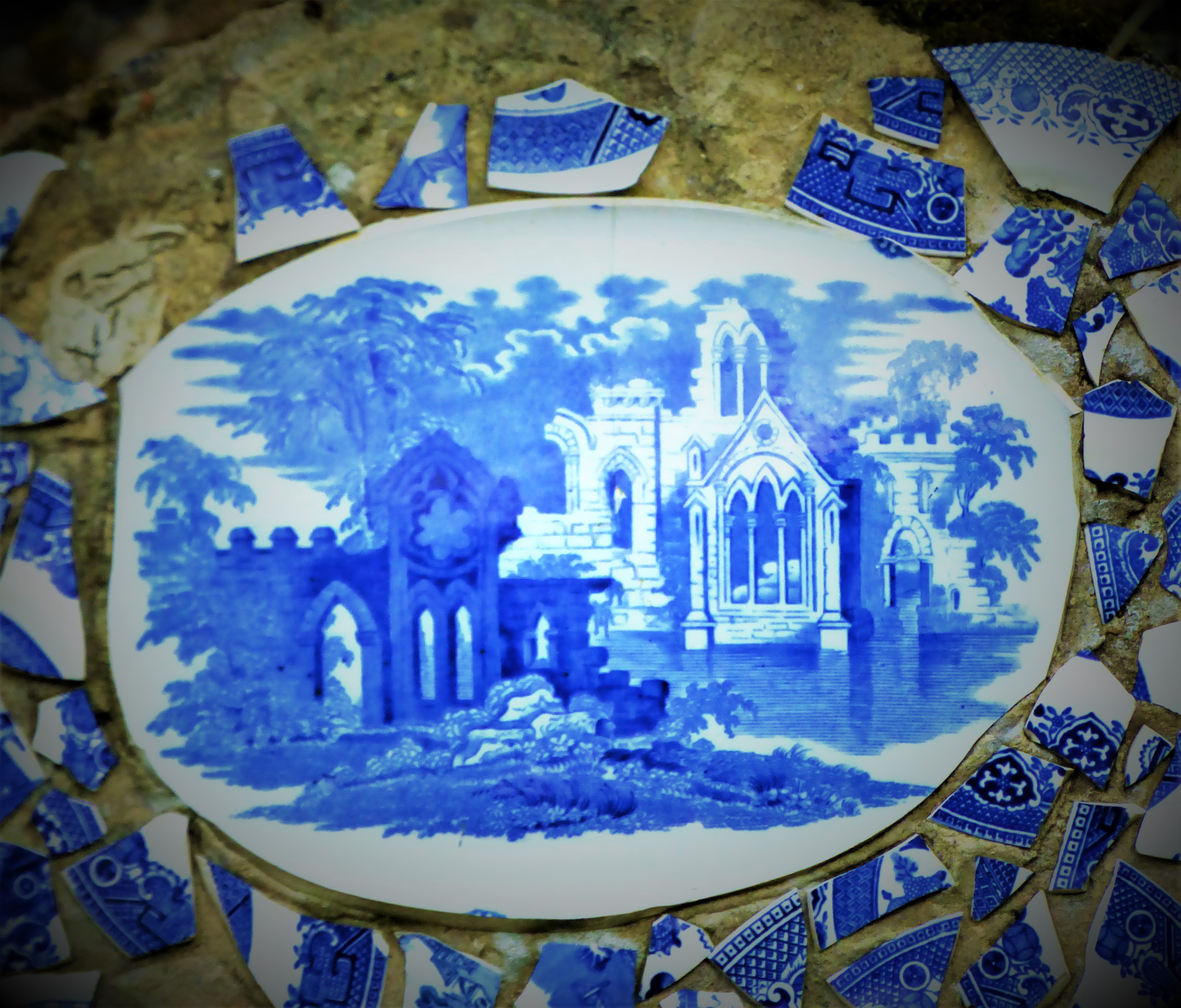
Today’s post looks at a serendipitous find en route to the Occupation Museum.
Welcome to the latest post in my series about my holiday in the channel islands. This post is, as the place itself was, on the way to a much more significant attraction.
SERENDIPITY
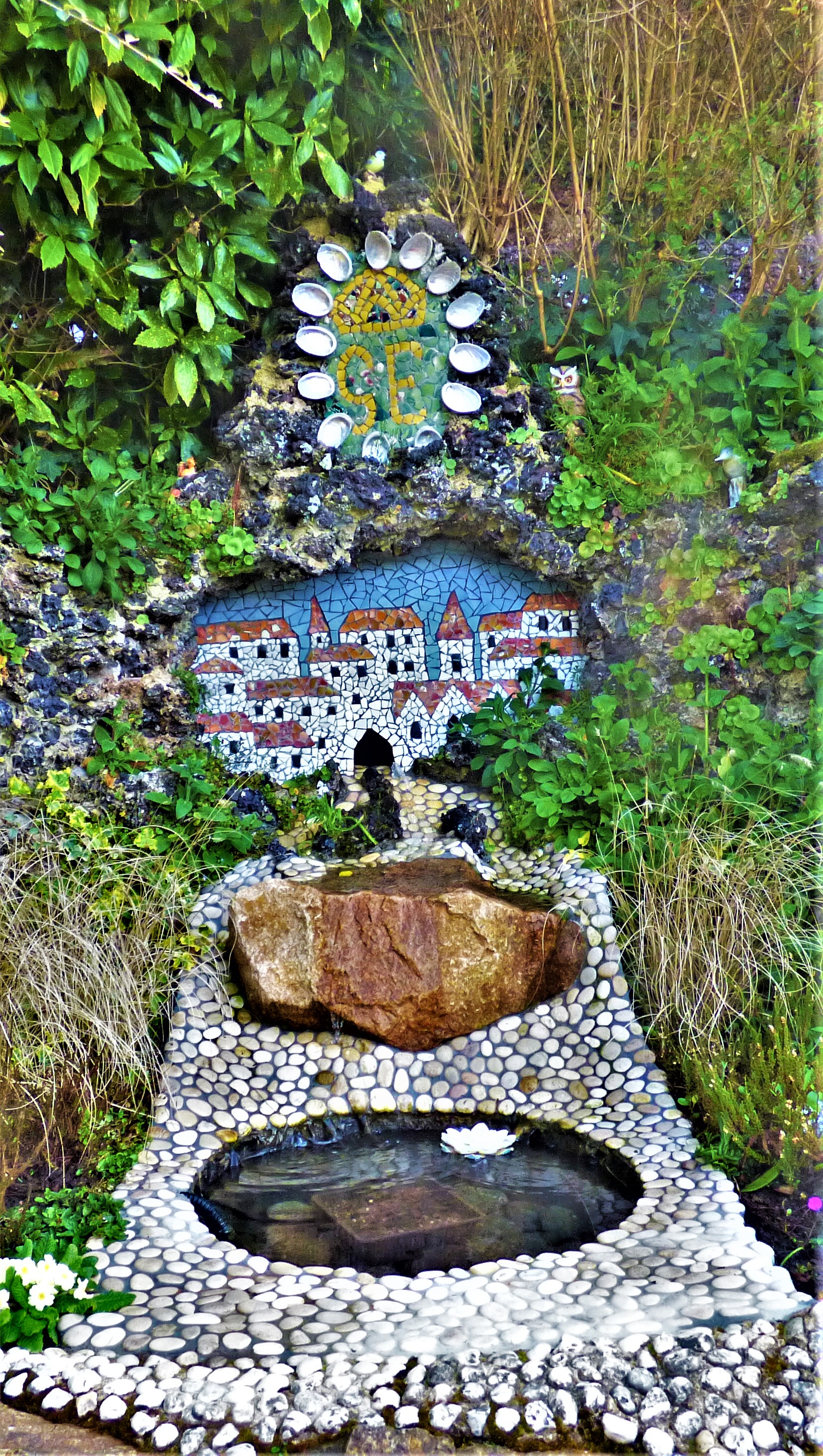
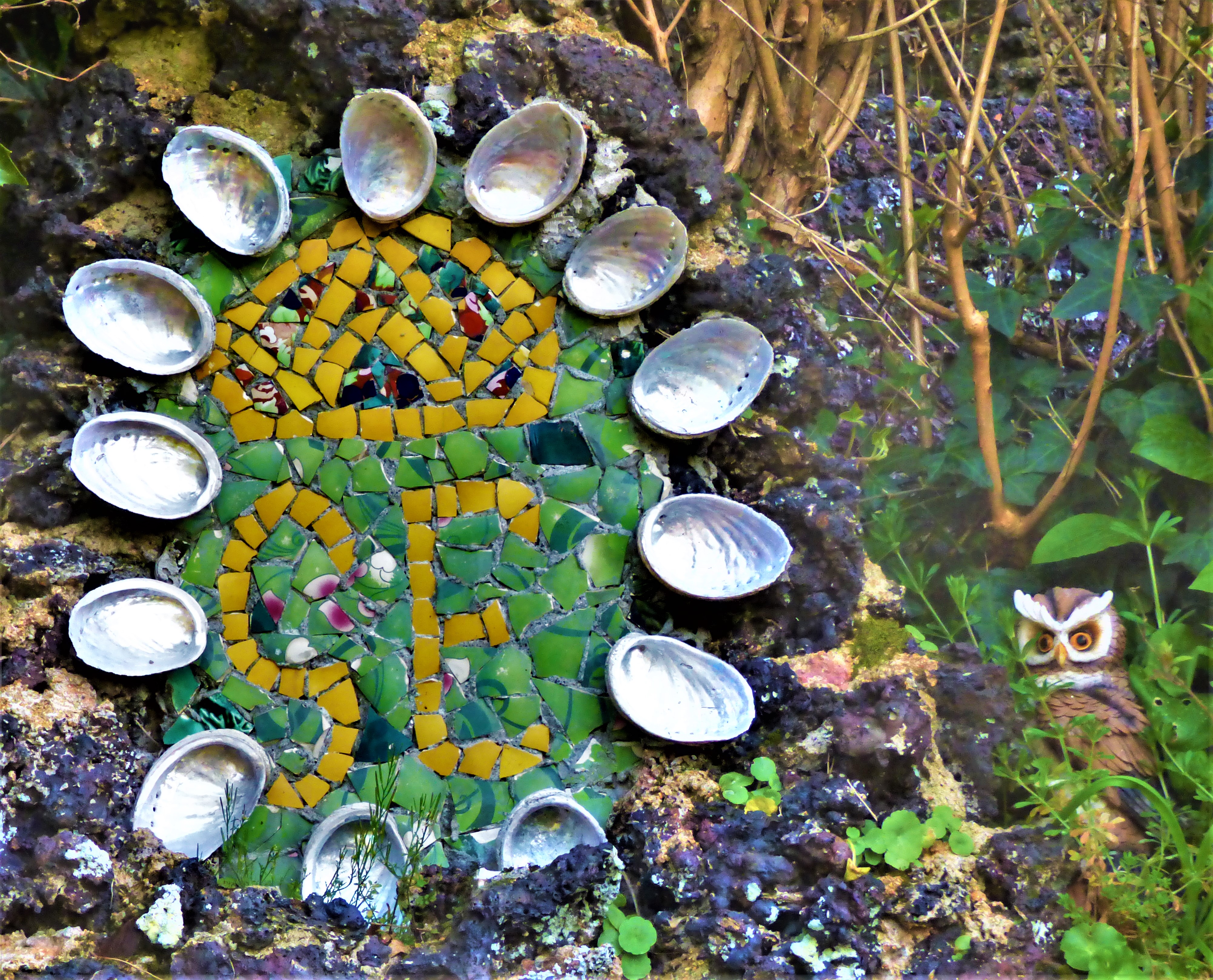
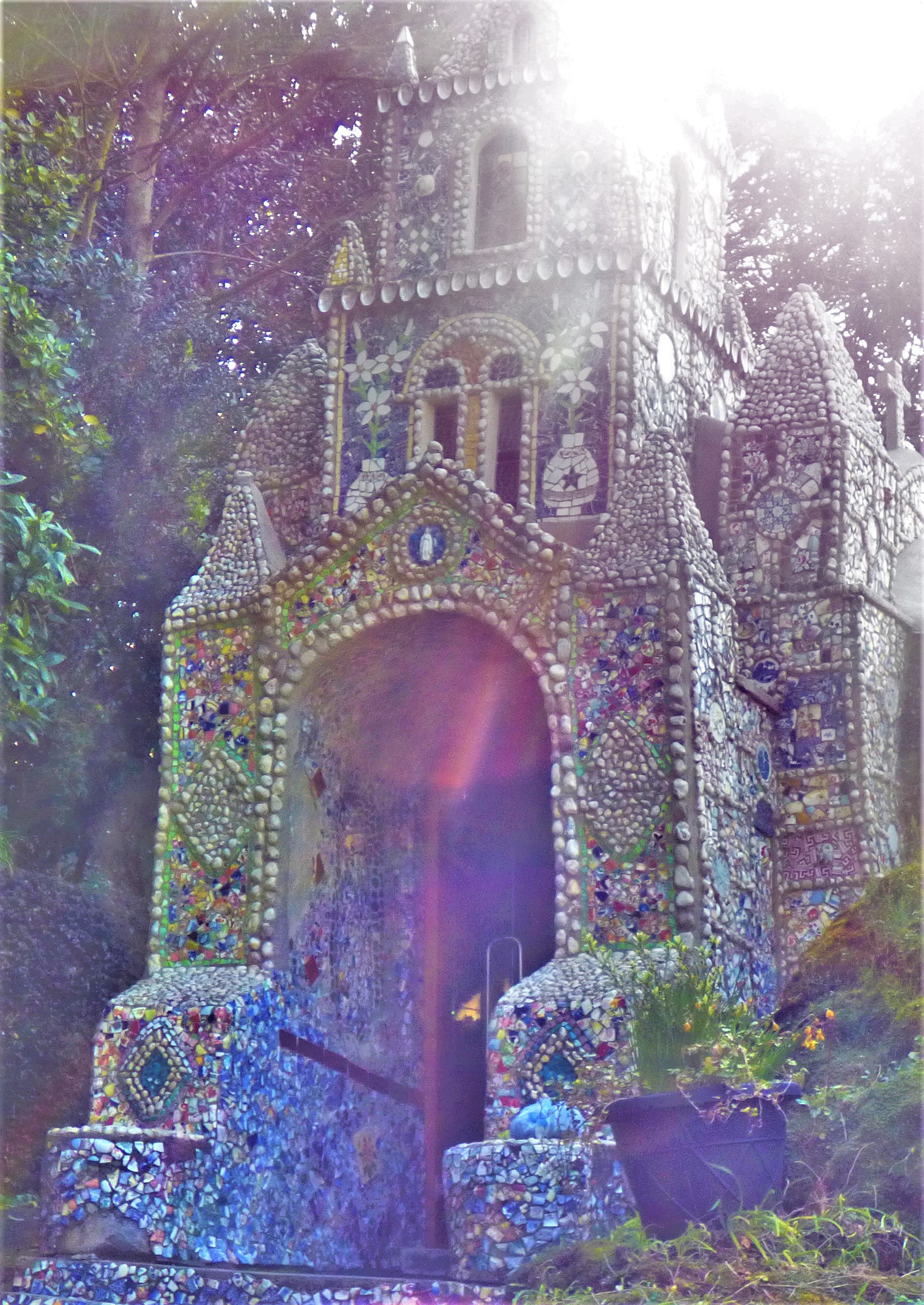
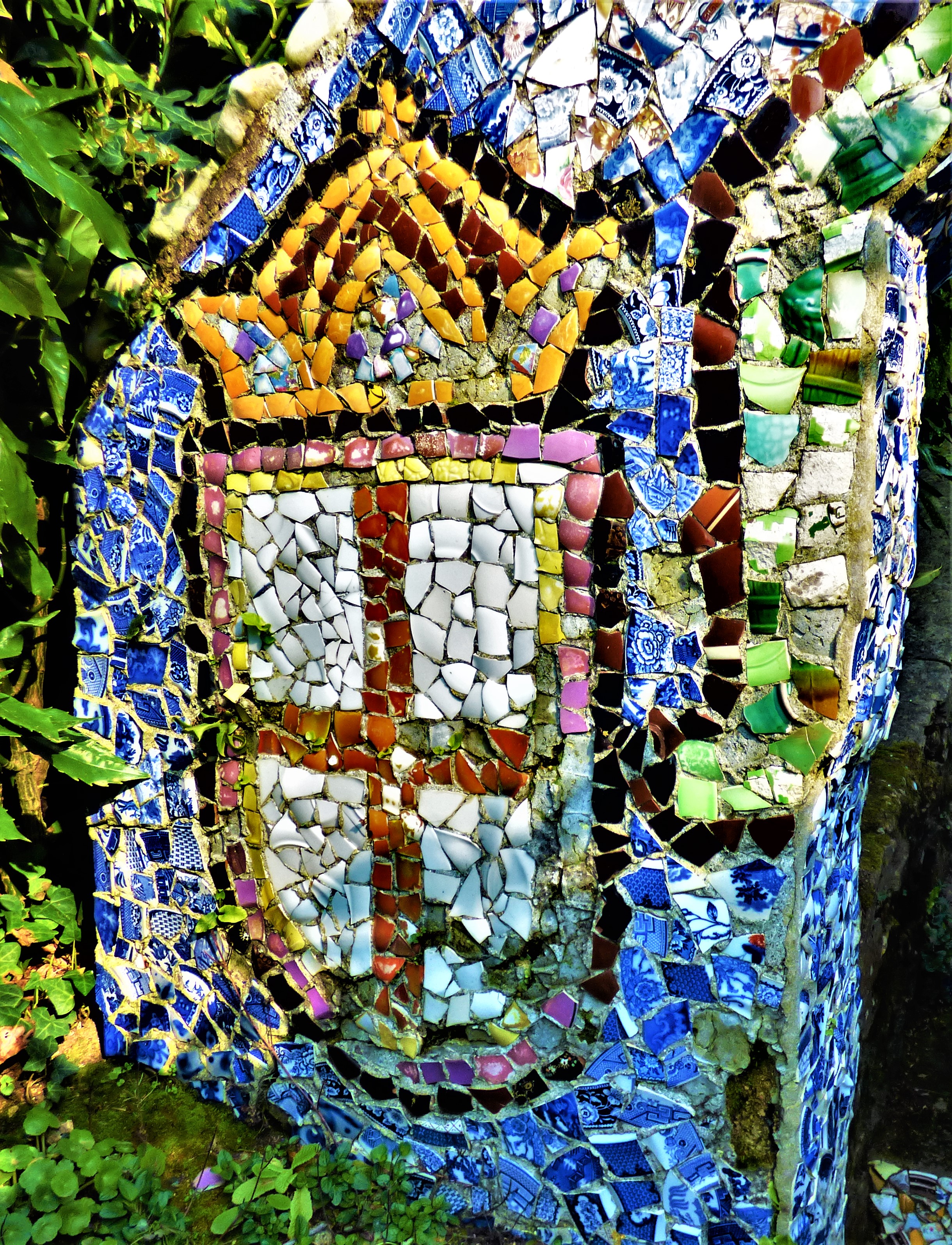
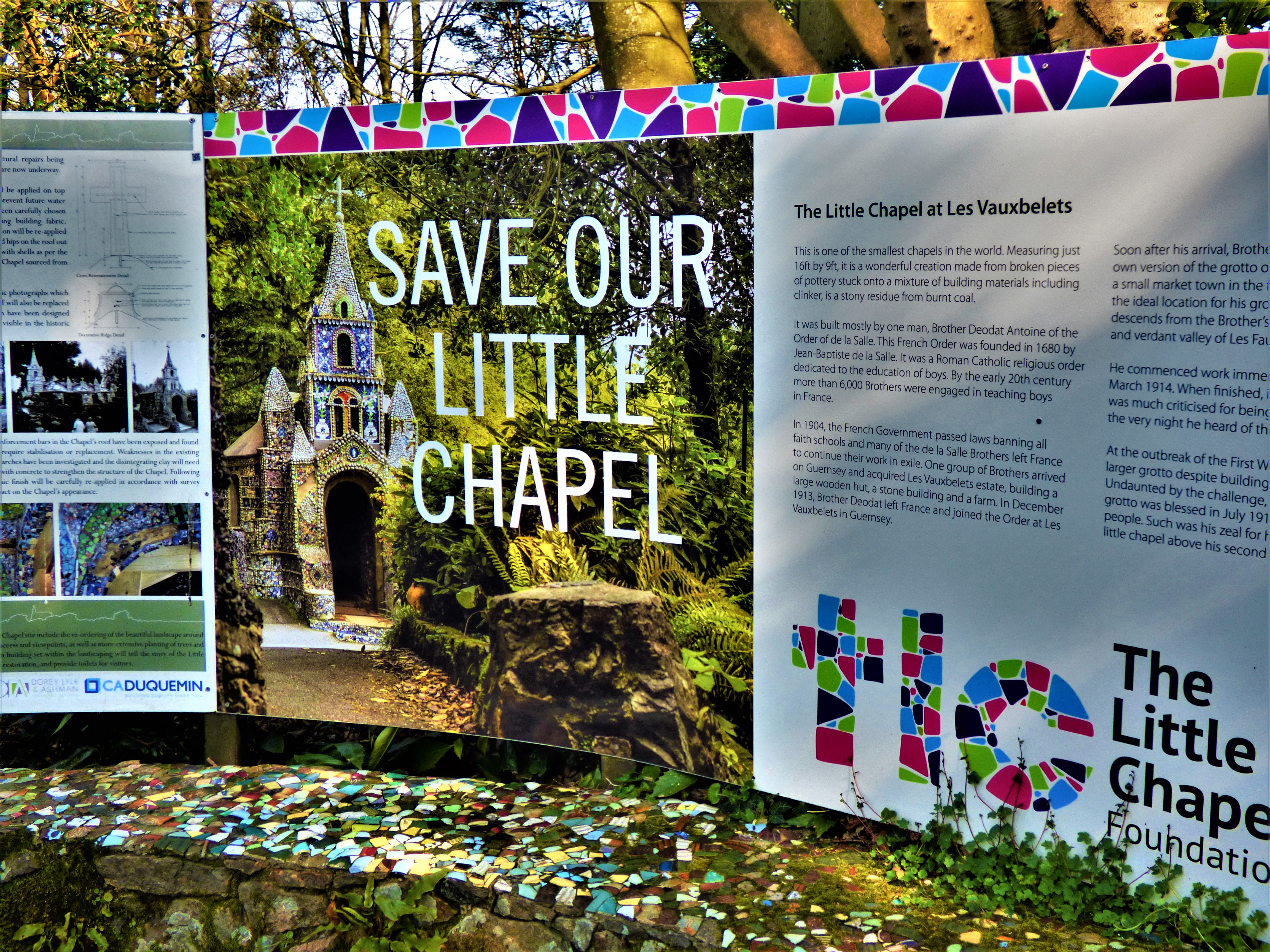
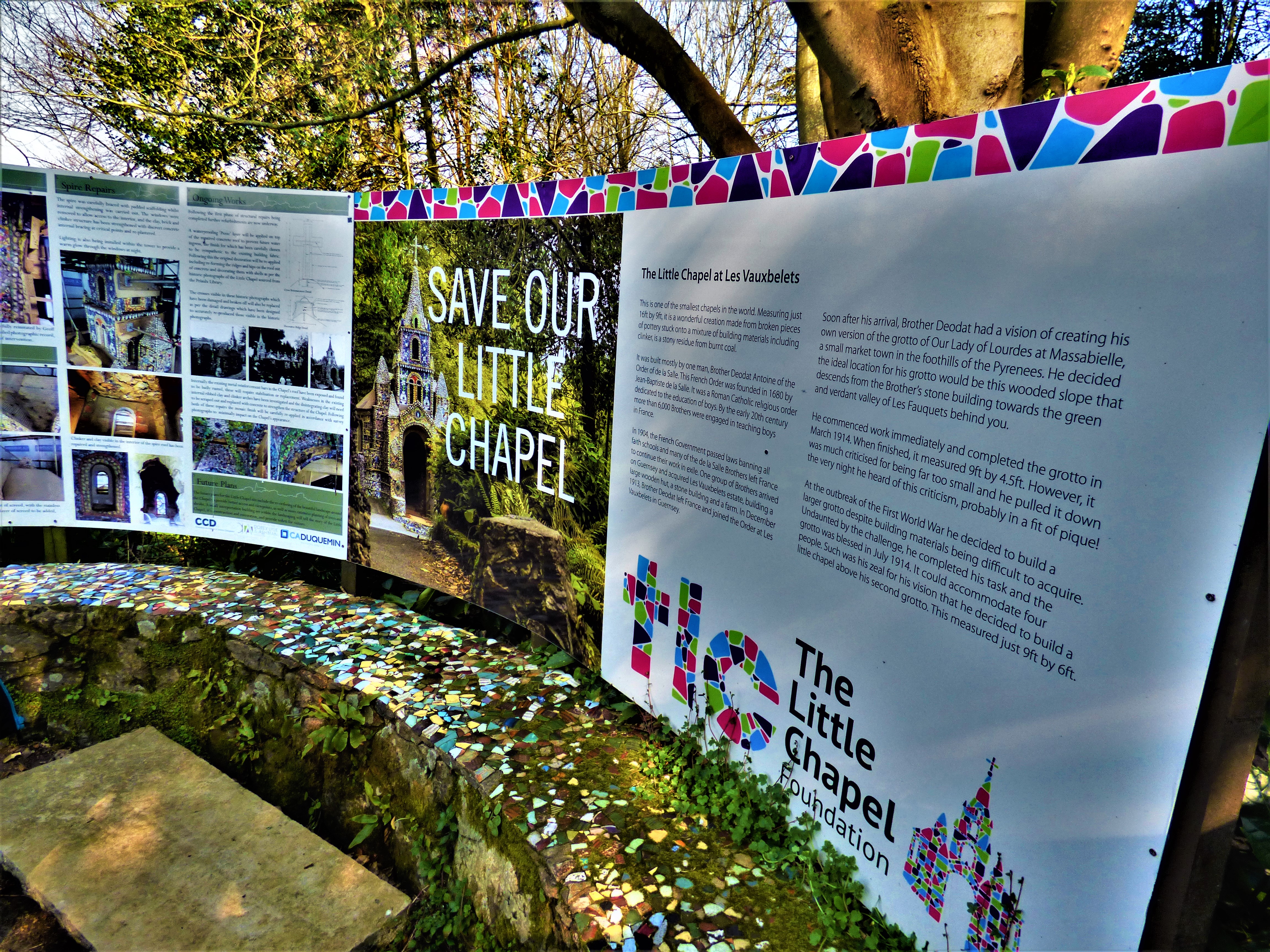
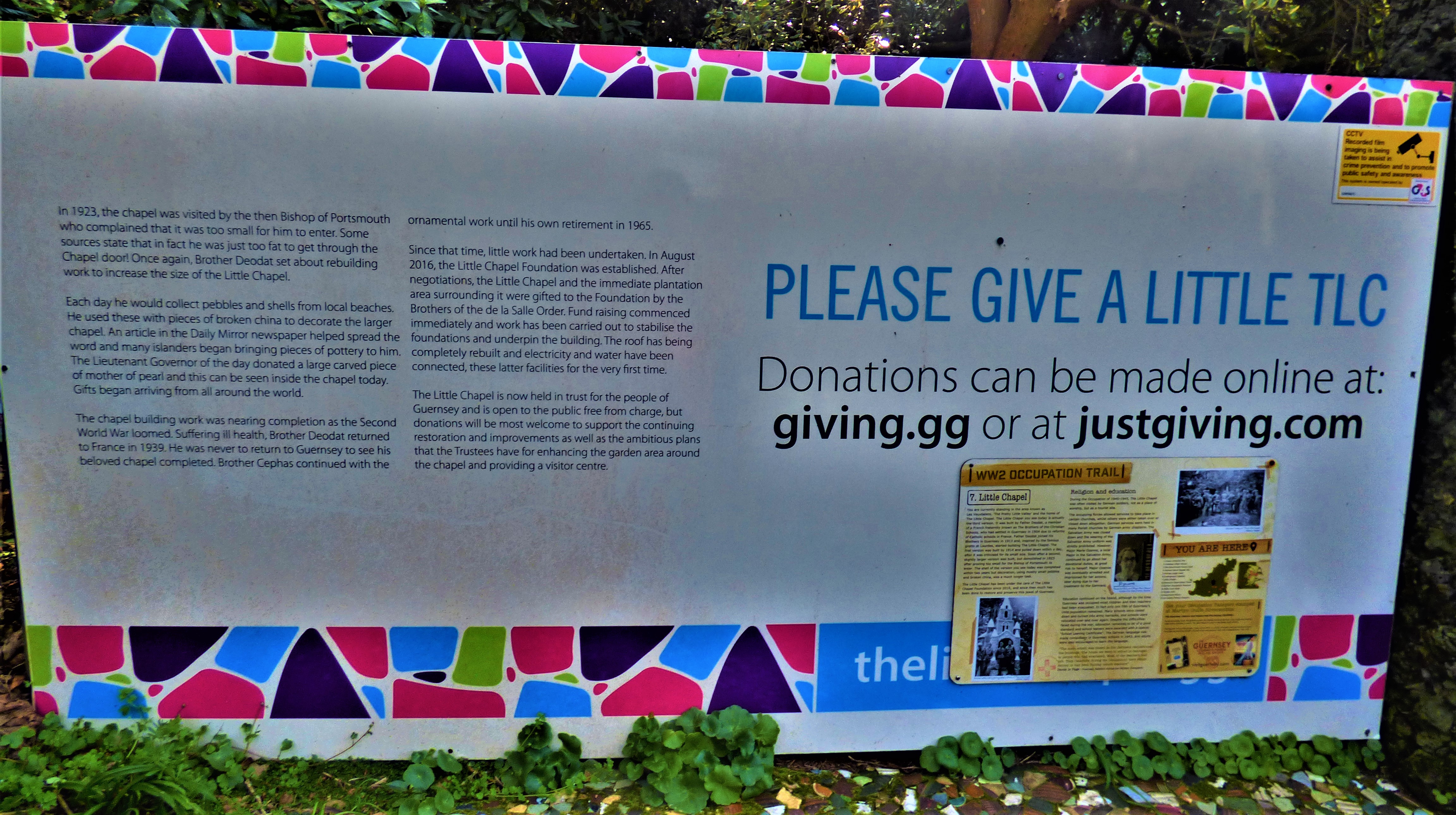
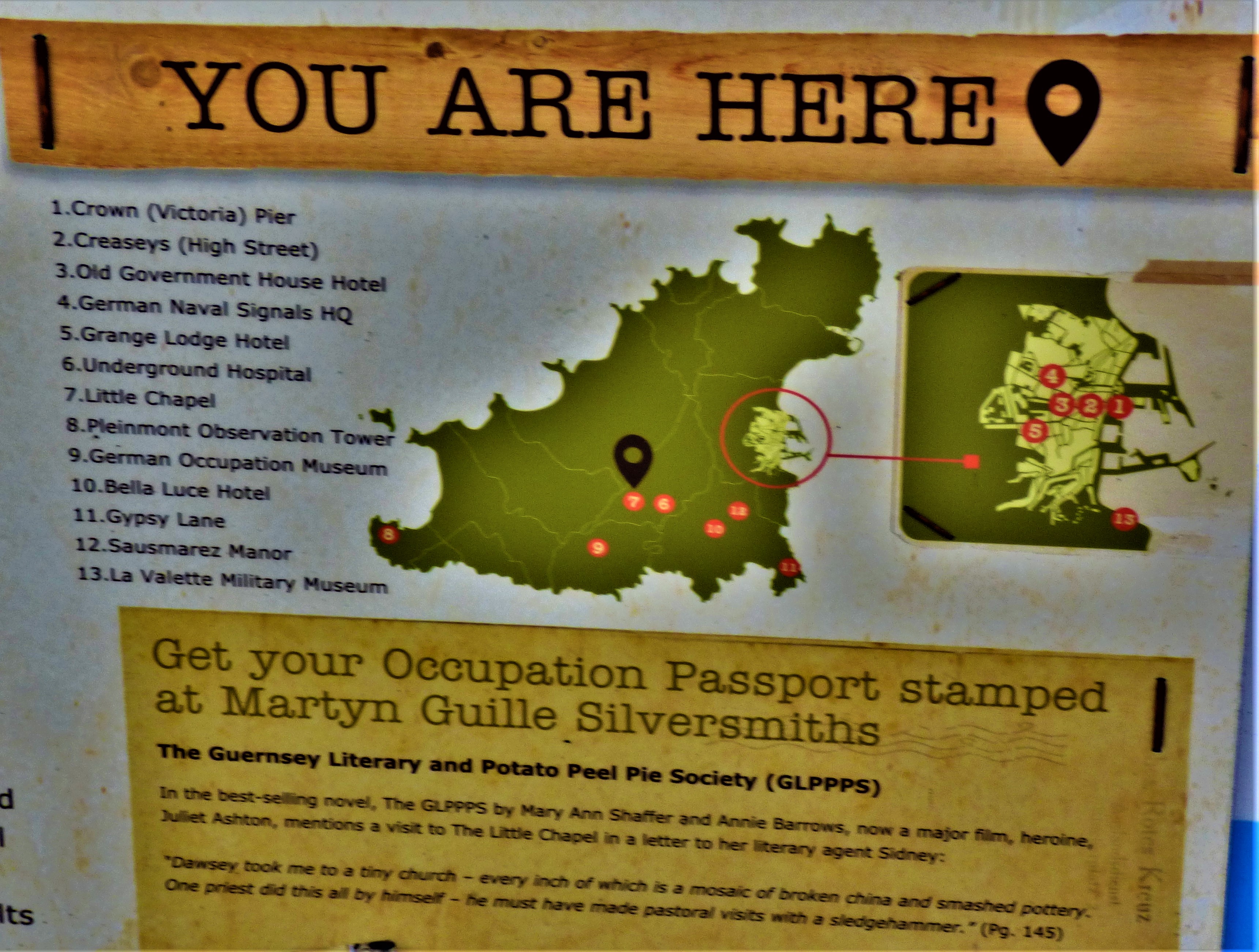
Serendipity is a word that refers to happy developments that come about by chance. It comes from the mythical island of Serendip, also rendered variously as Serendib and Sarandib, visited by Sindbad the Sailor on one of his voyages. The island most commonly equated with Sindbad’s Serendip is Sri Lanka. Our visit to the Little Chapel was a perfect example of serendipity – we were in a cab heading towards the Occupation Museum when we passed the sign for the little chapel. Once we had established that we would be able to walk from there to the museum we decided to visit the chapel.
THE LITTLE CHAPEL
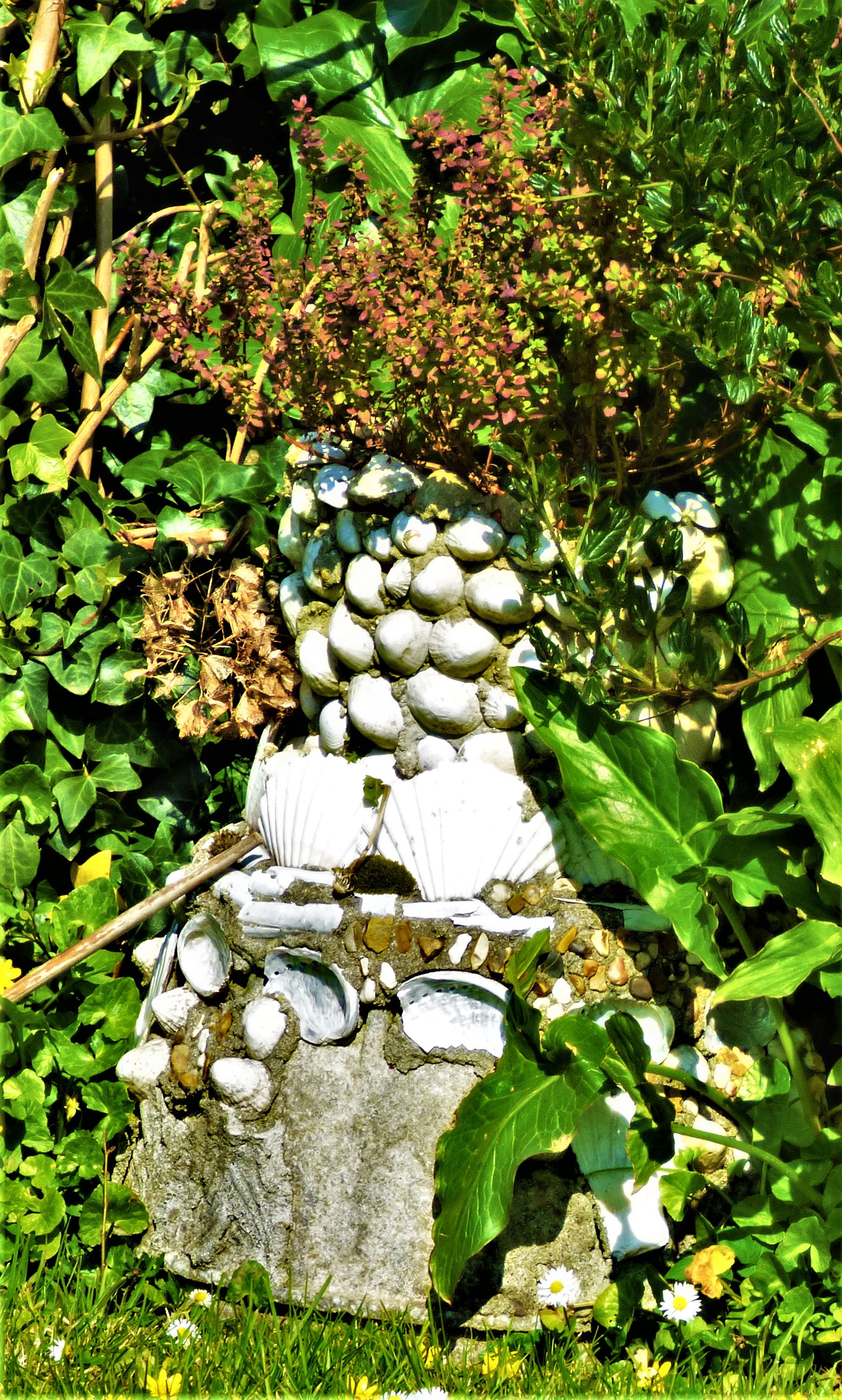
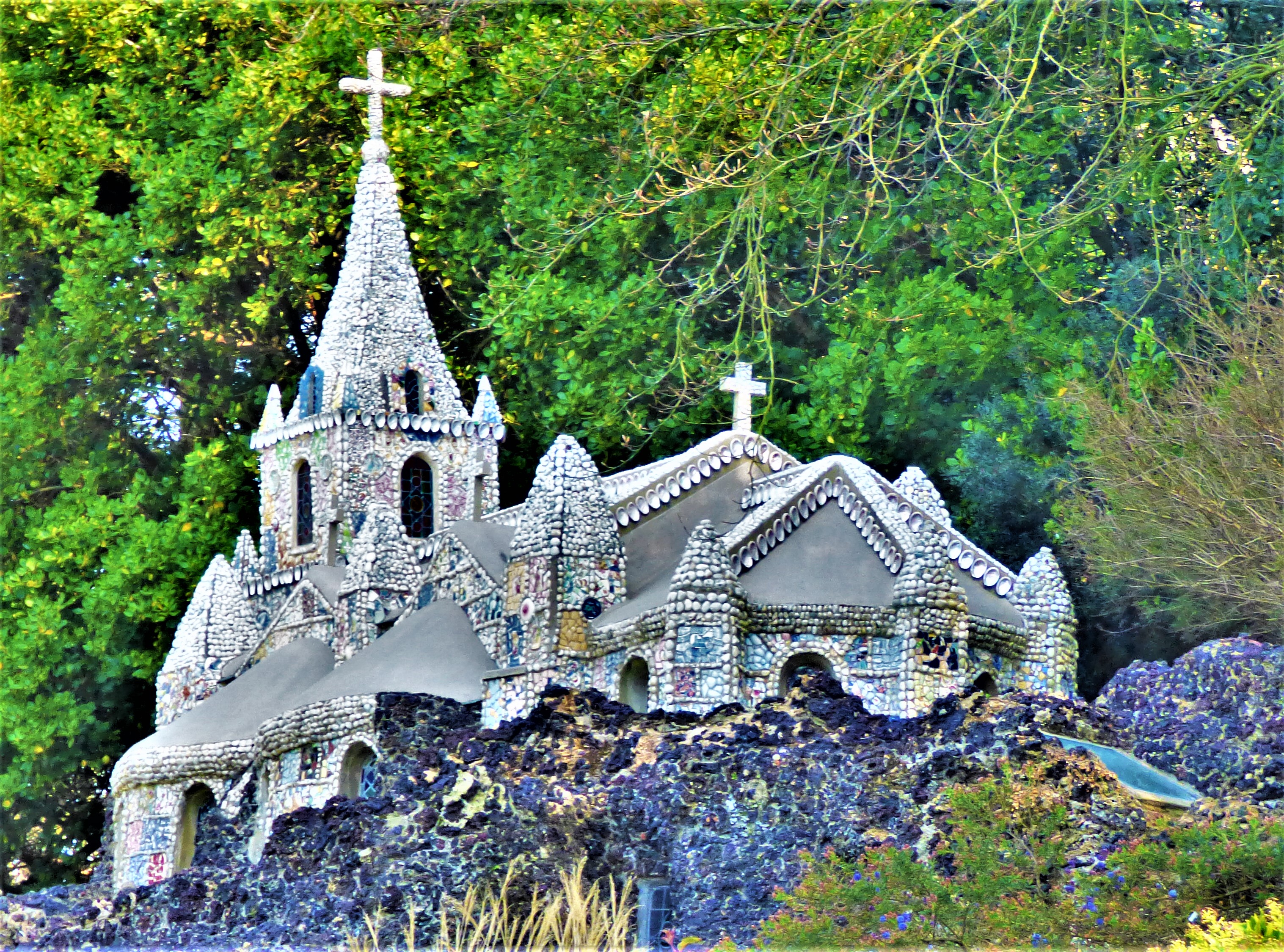
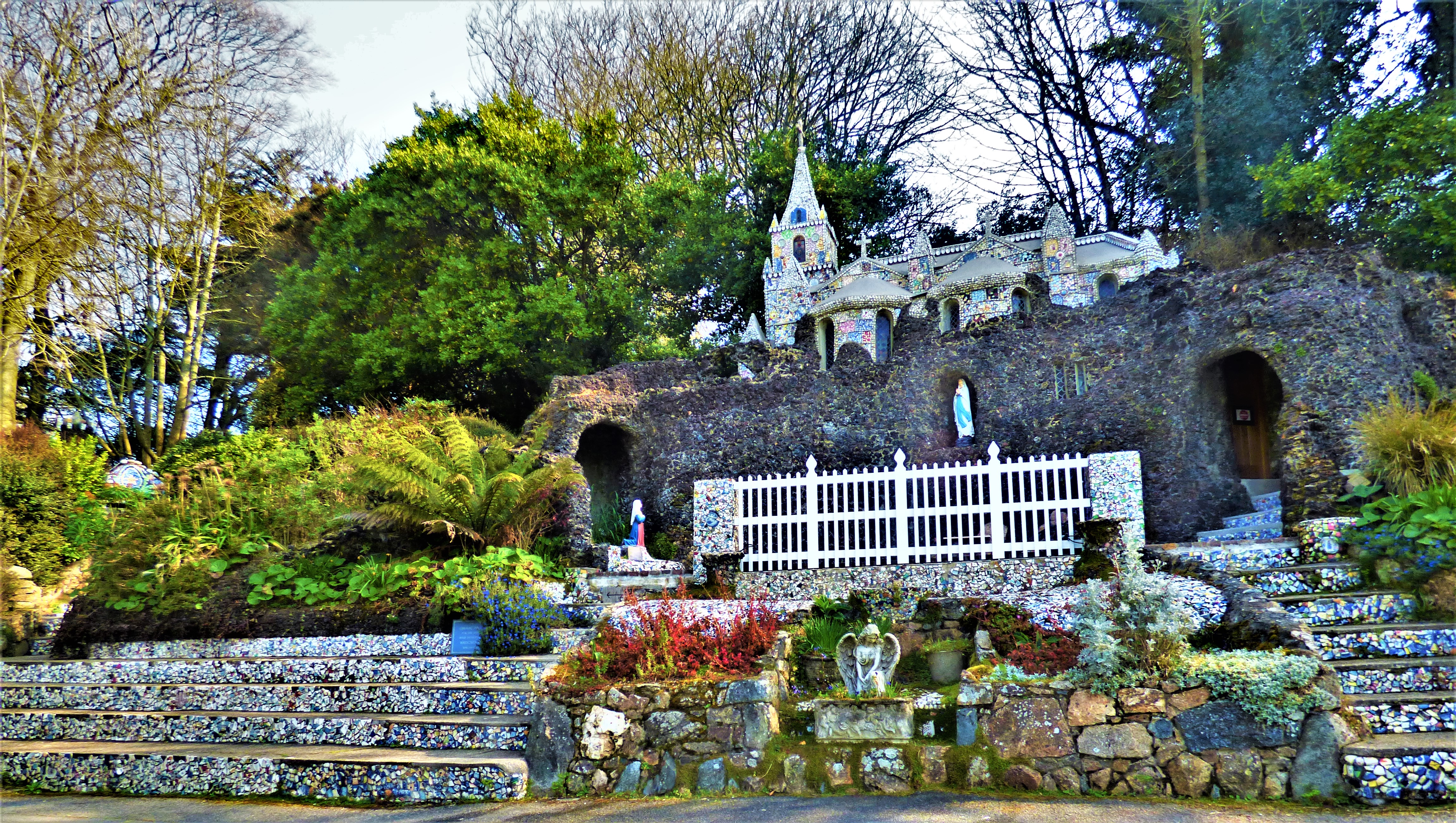
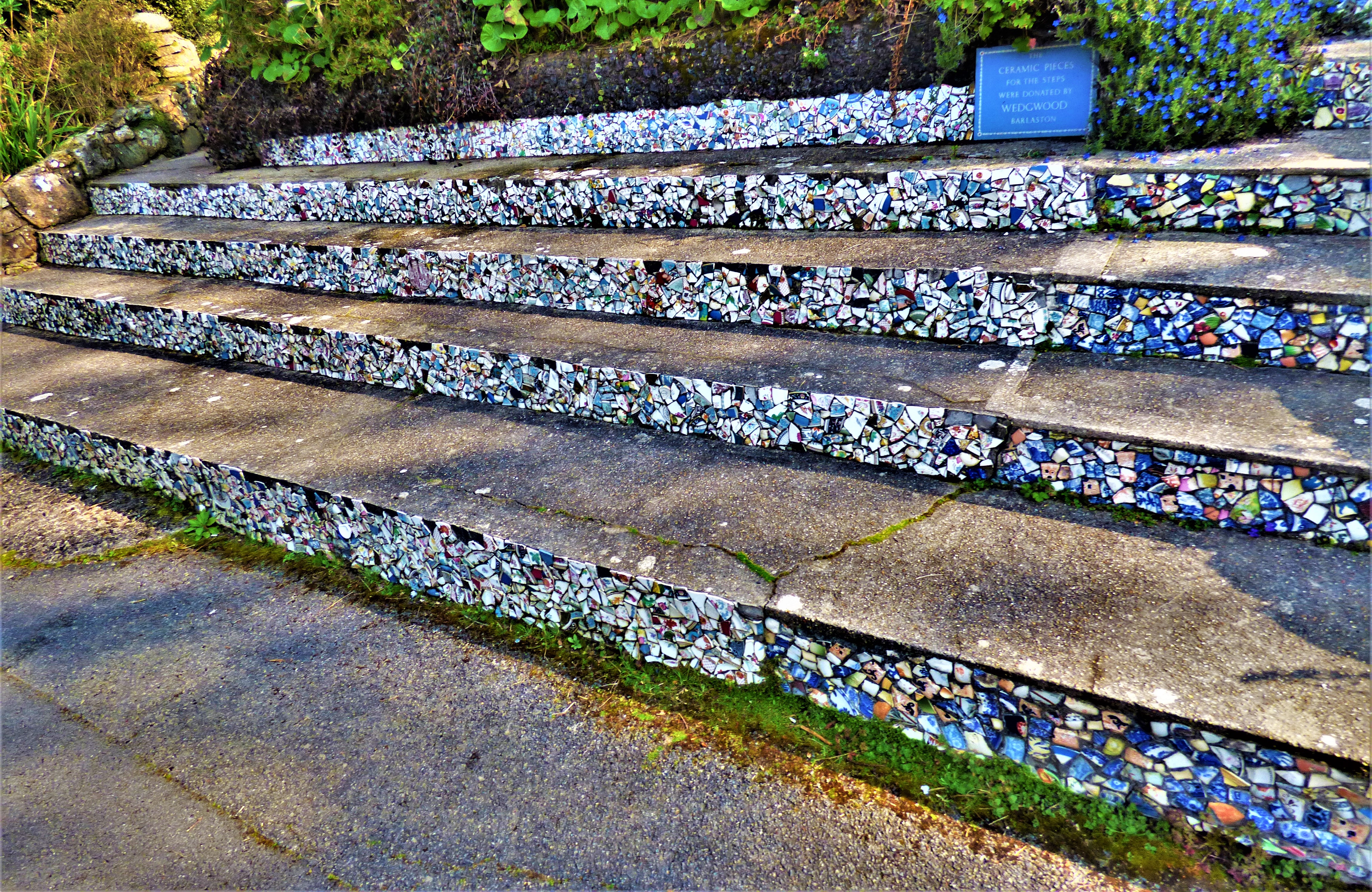
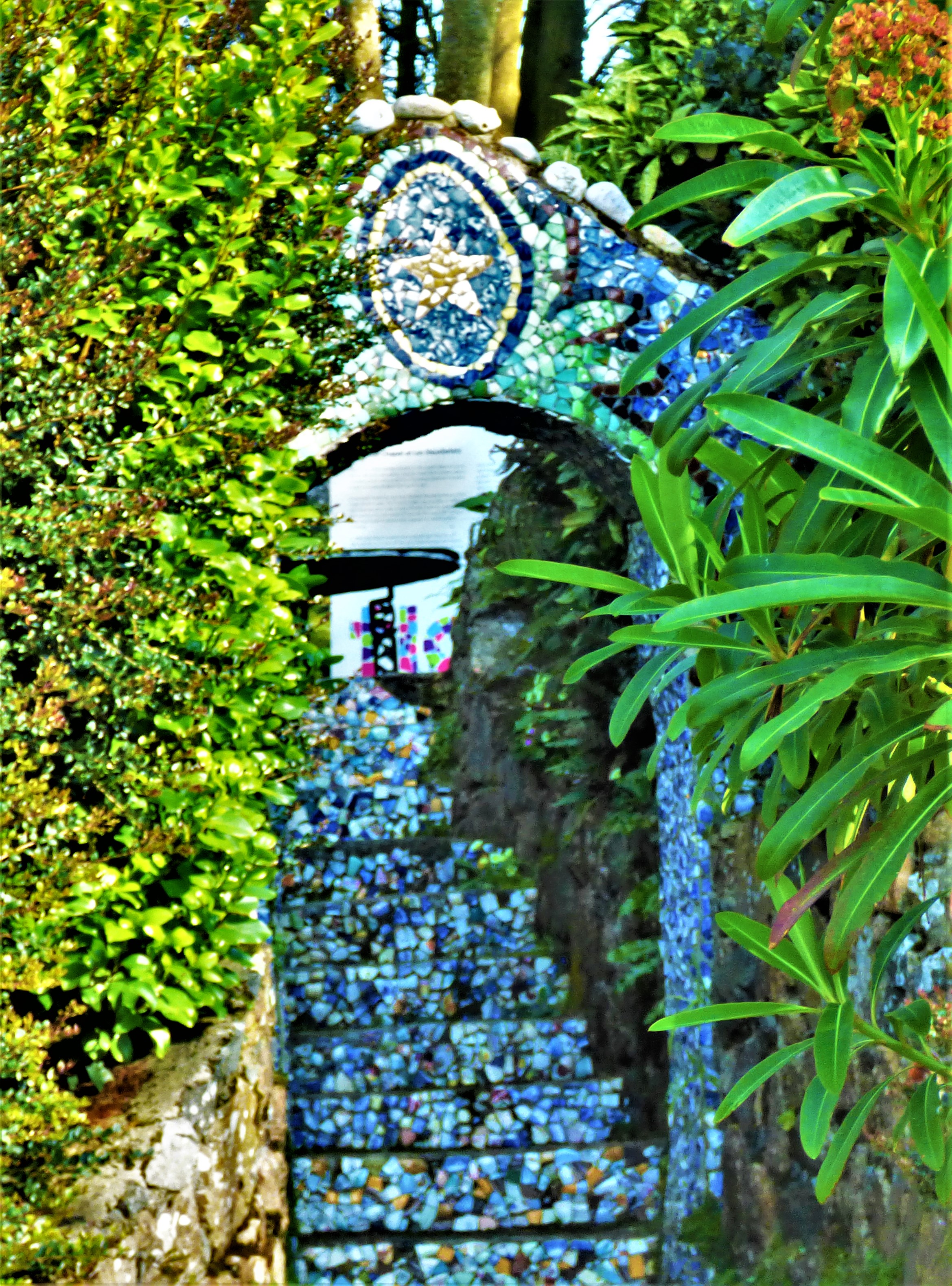
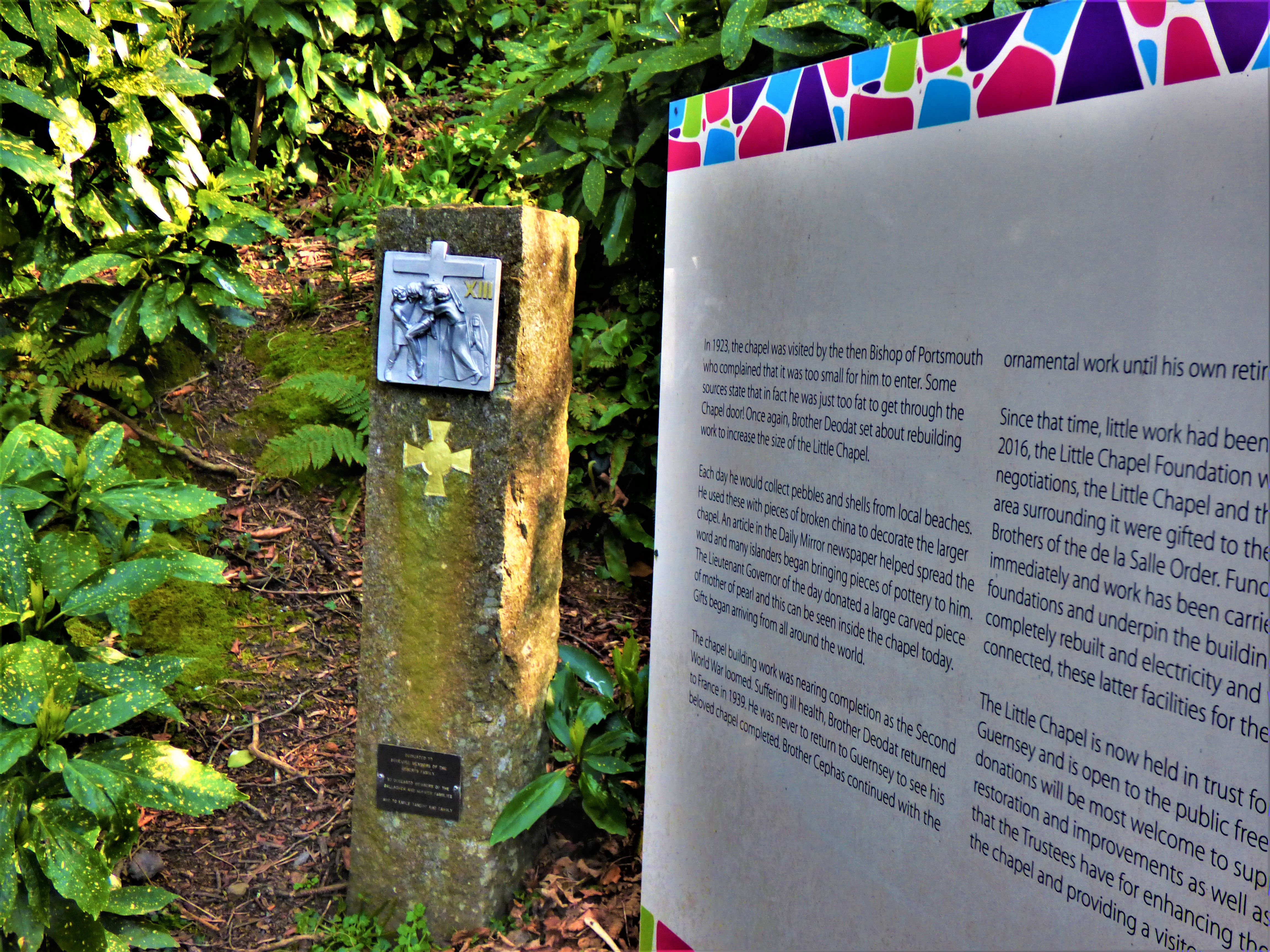
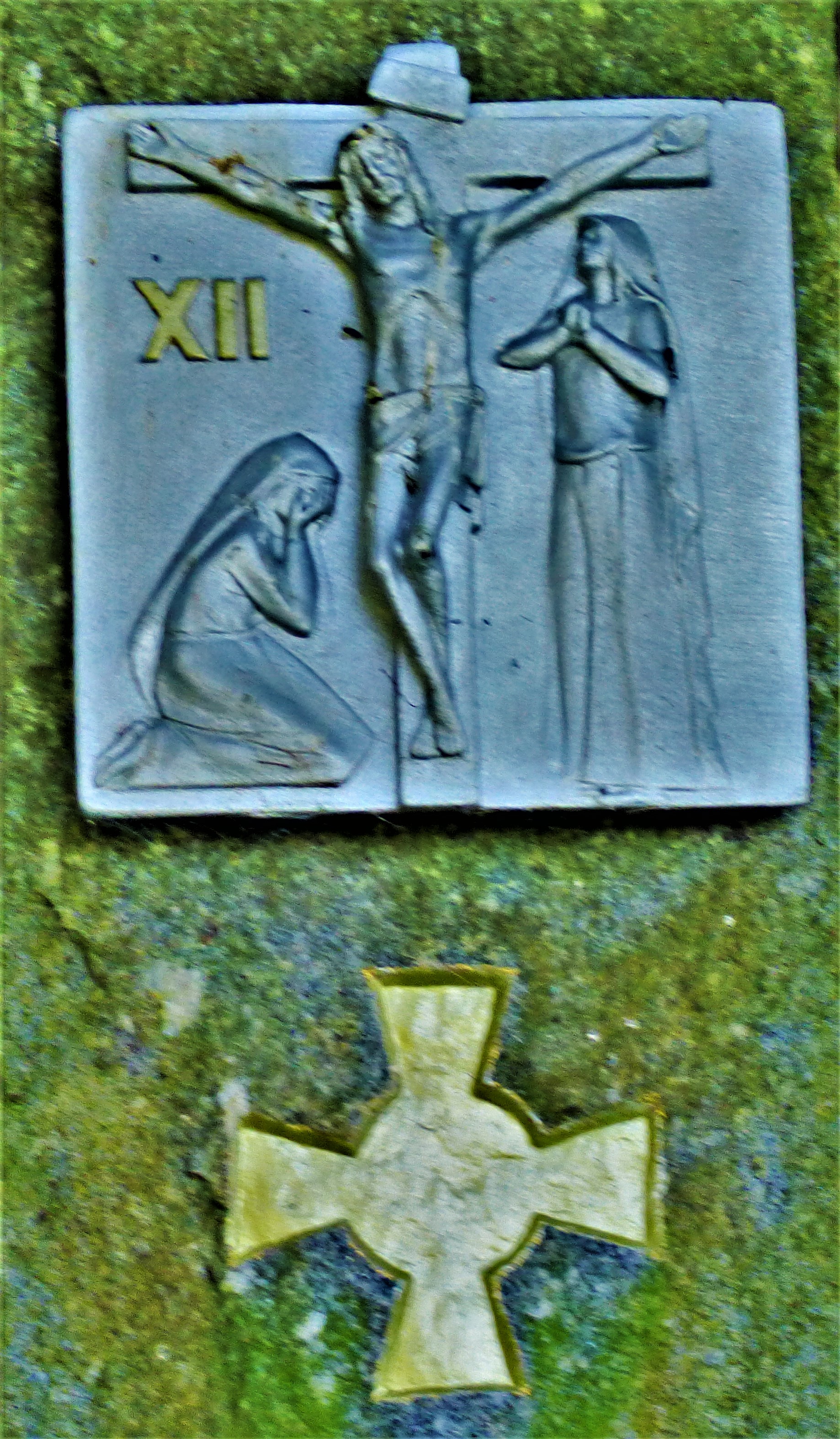
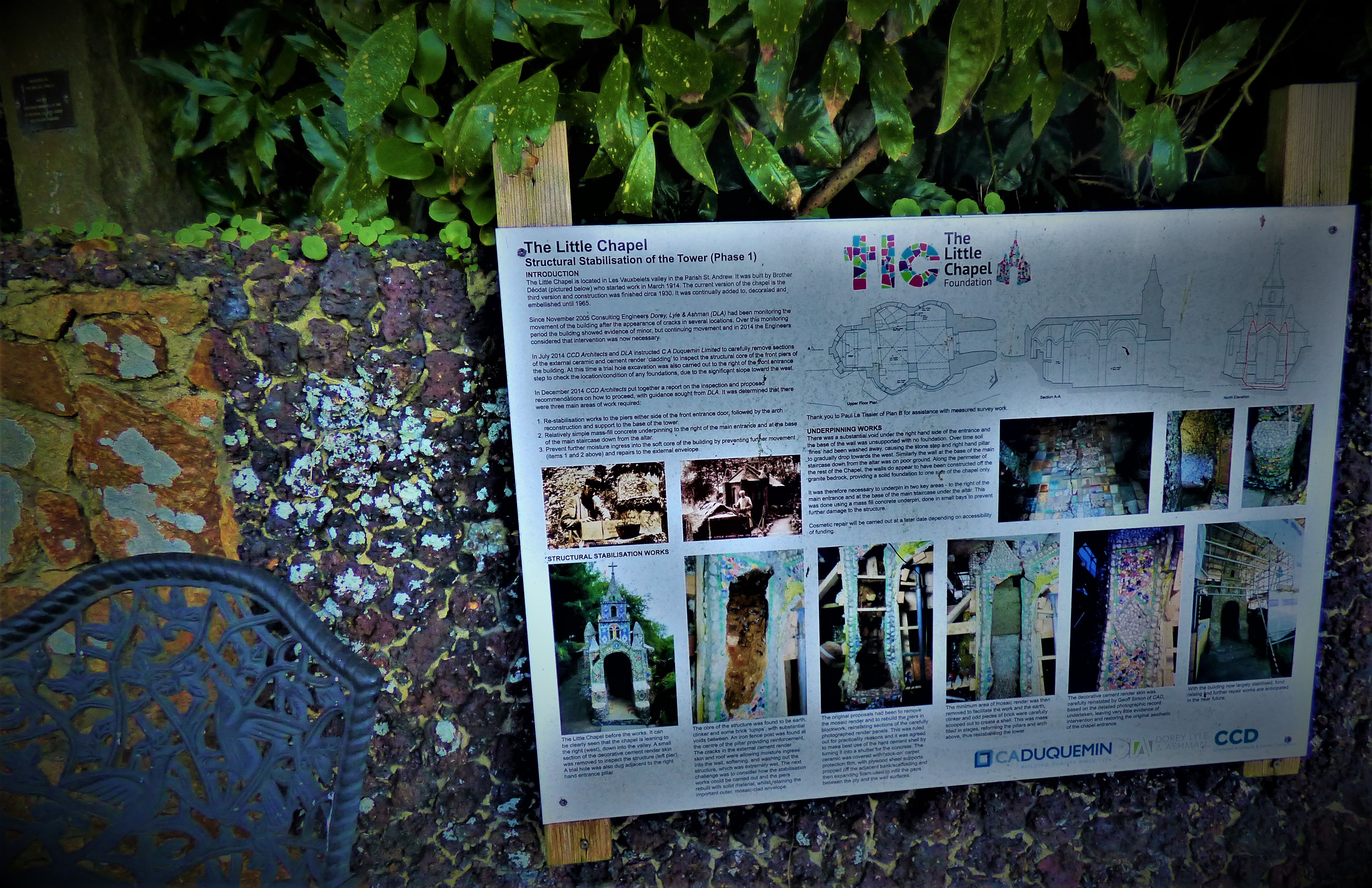
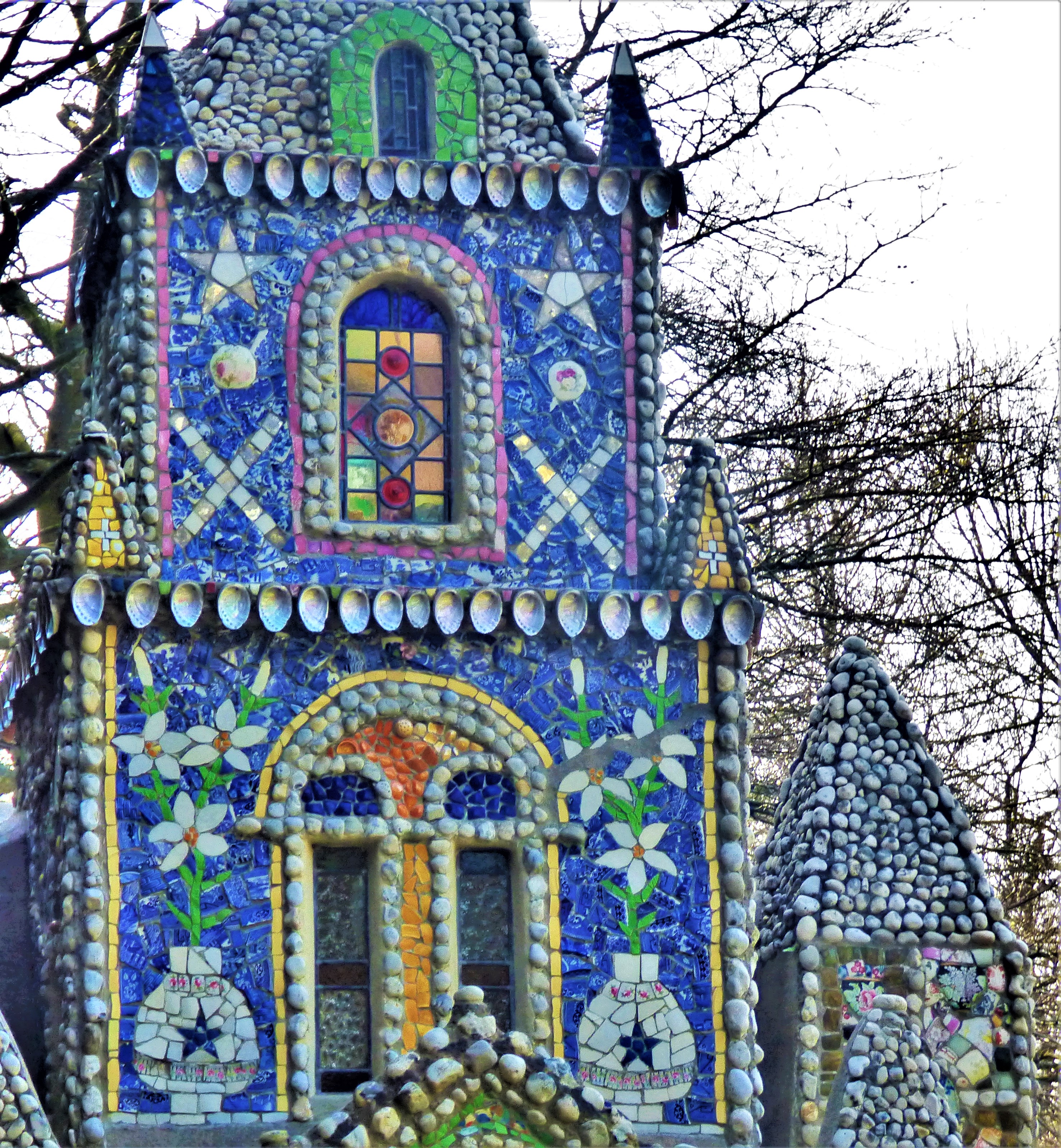
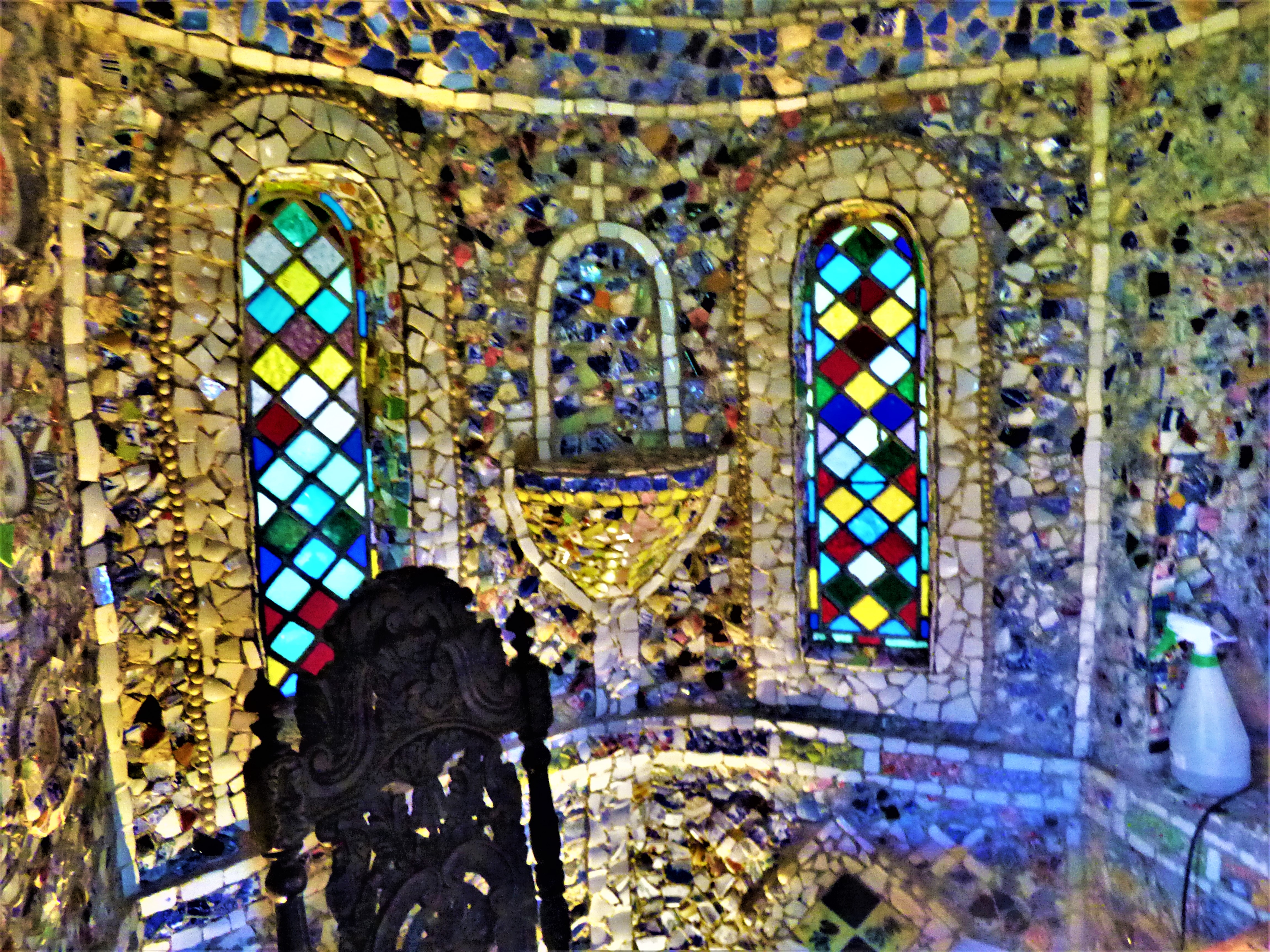
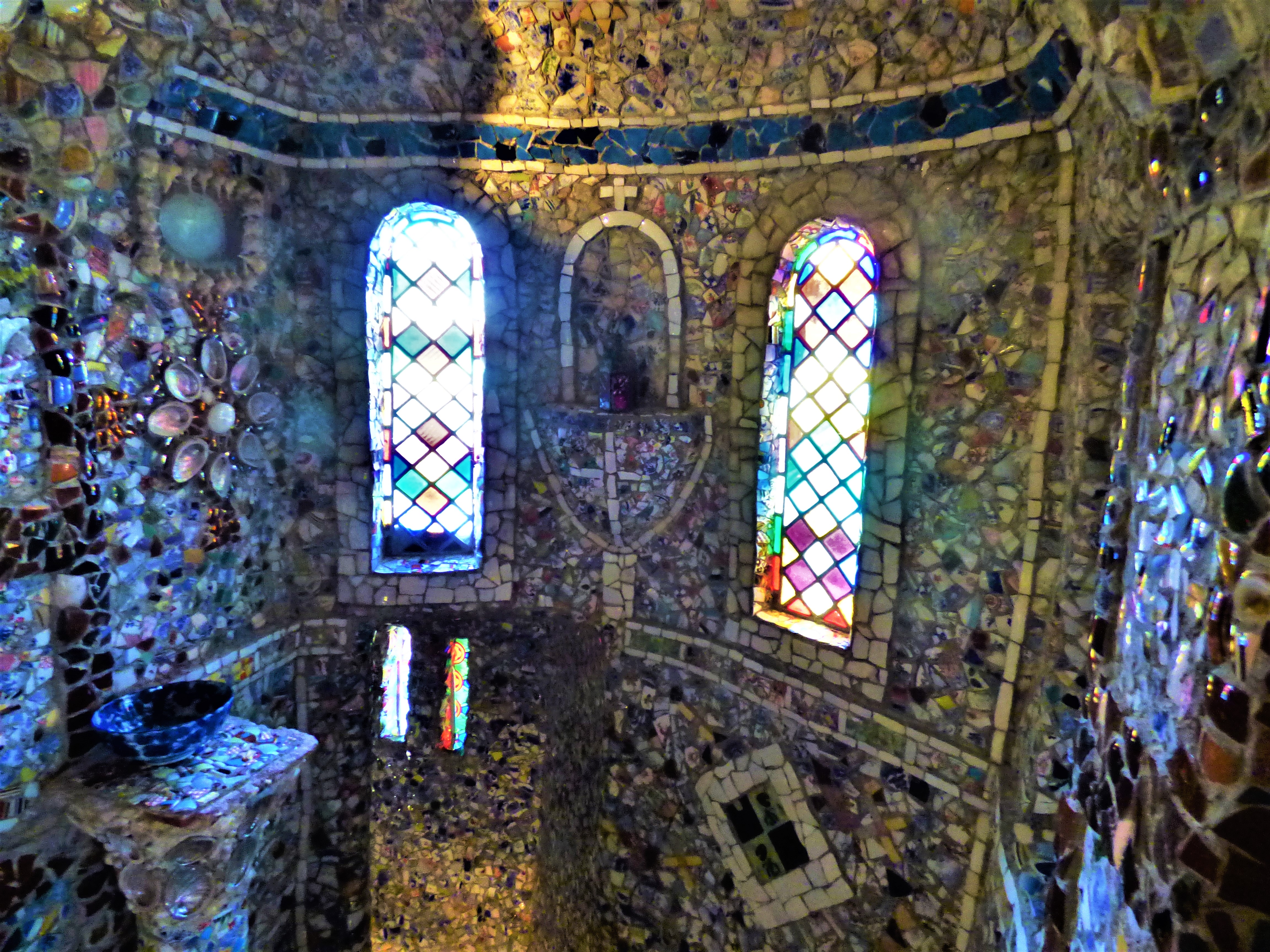
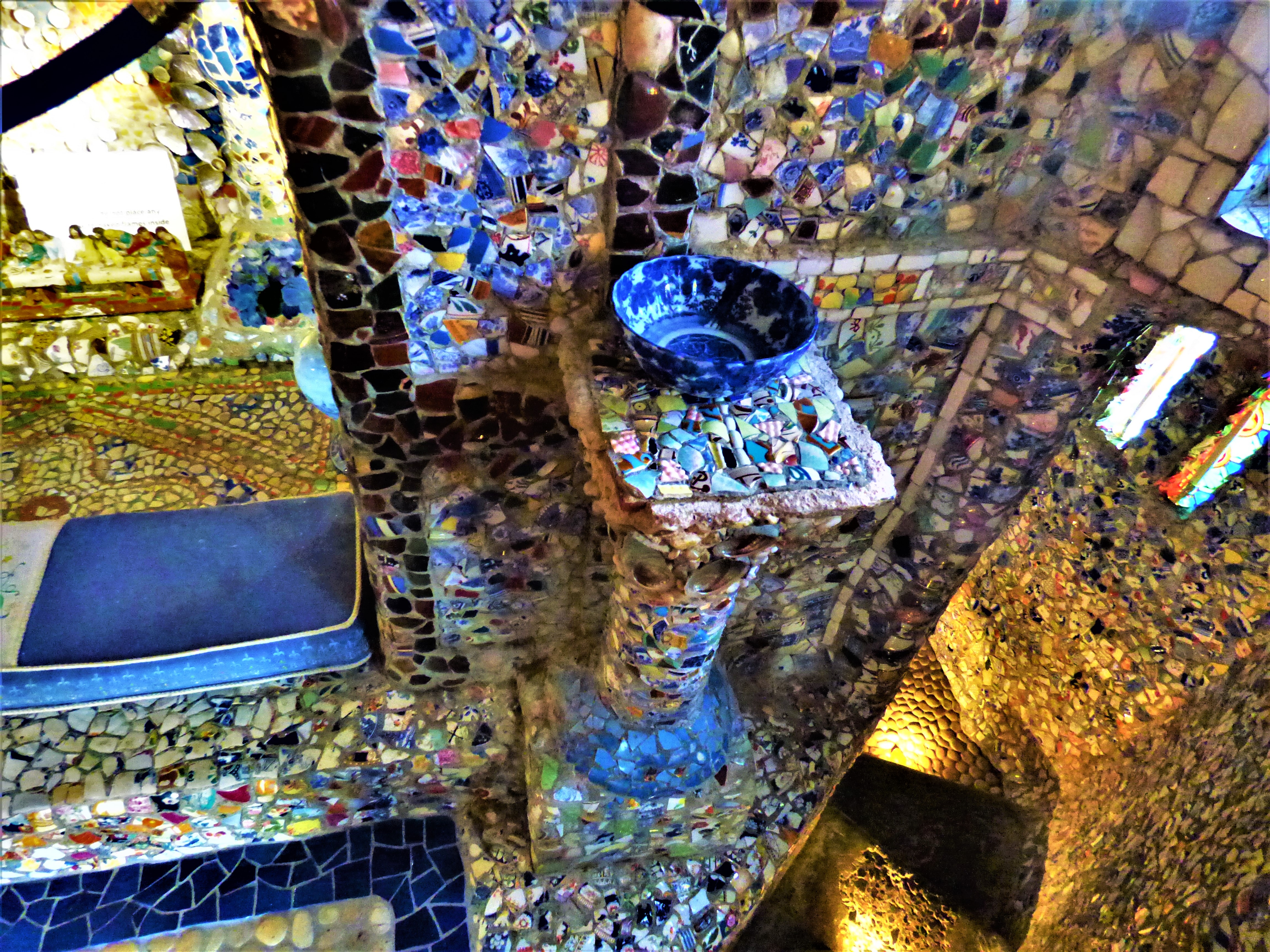
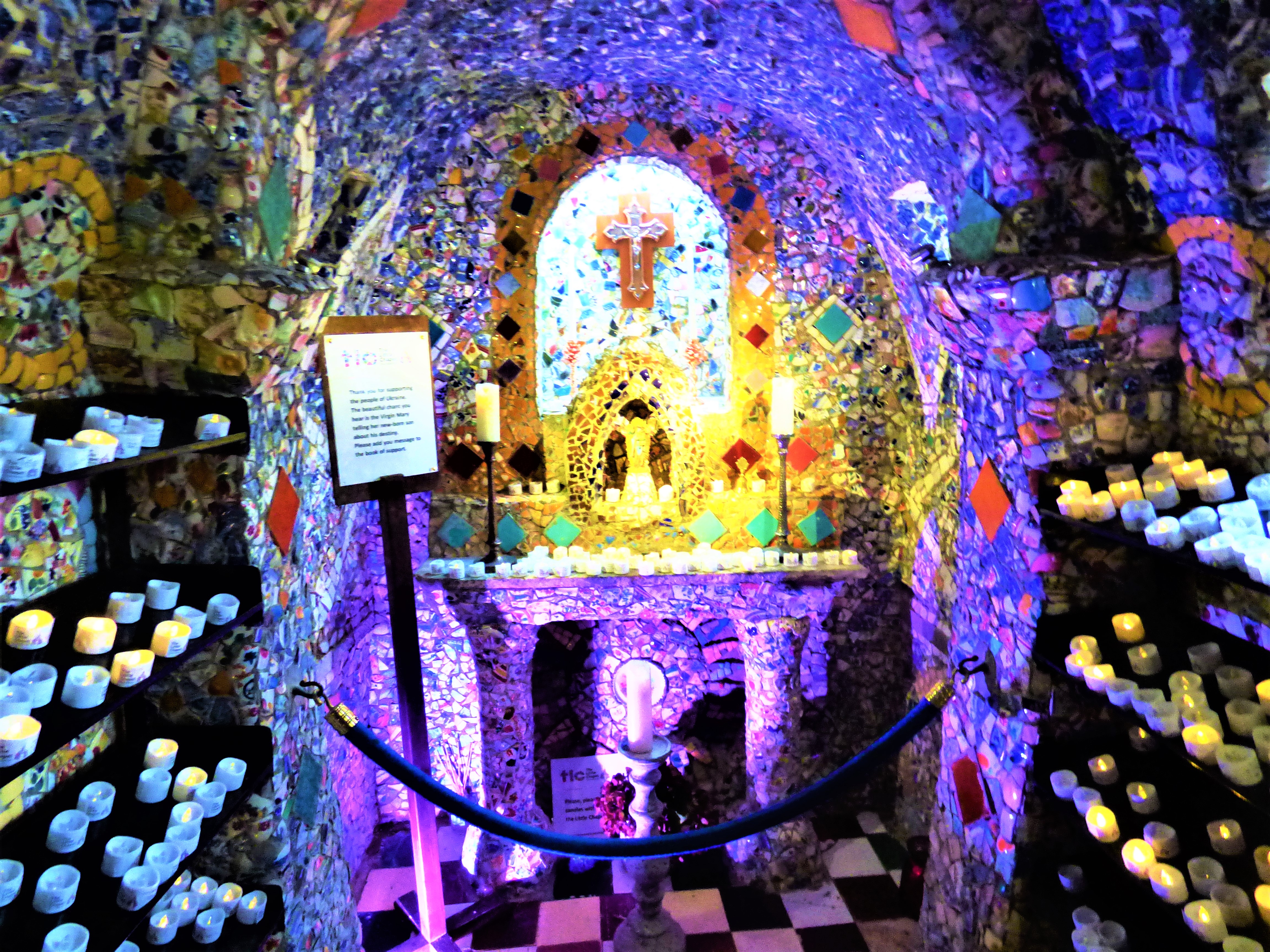
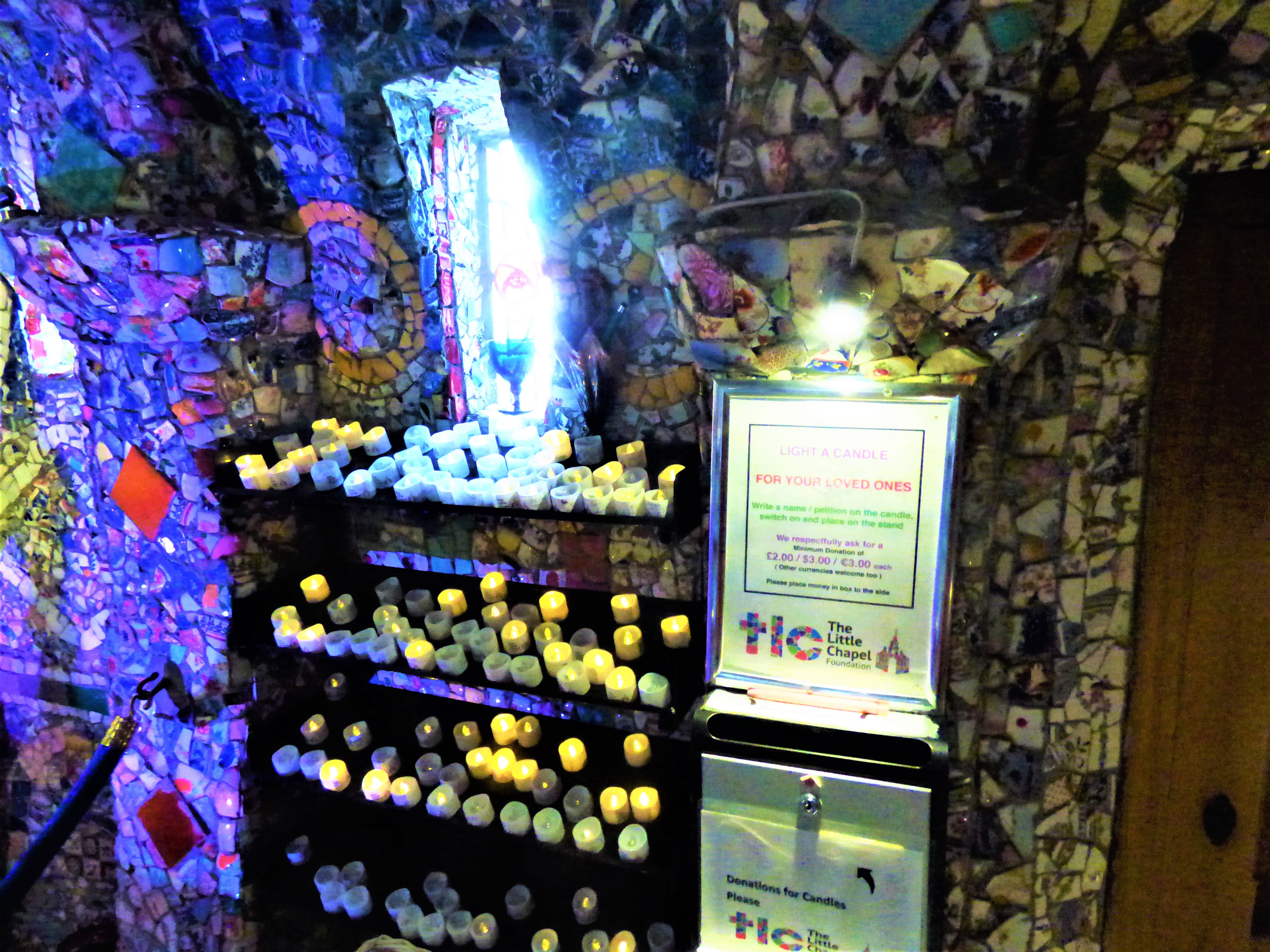
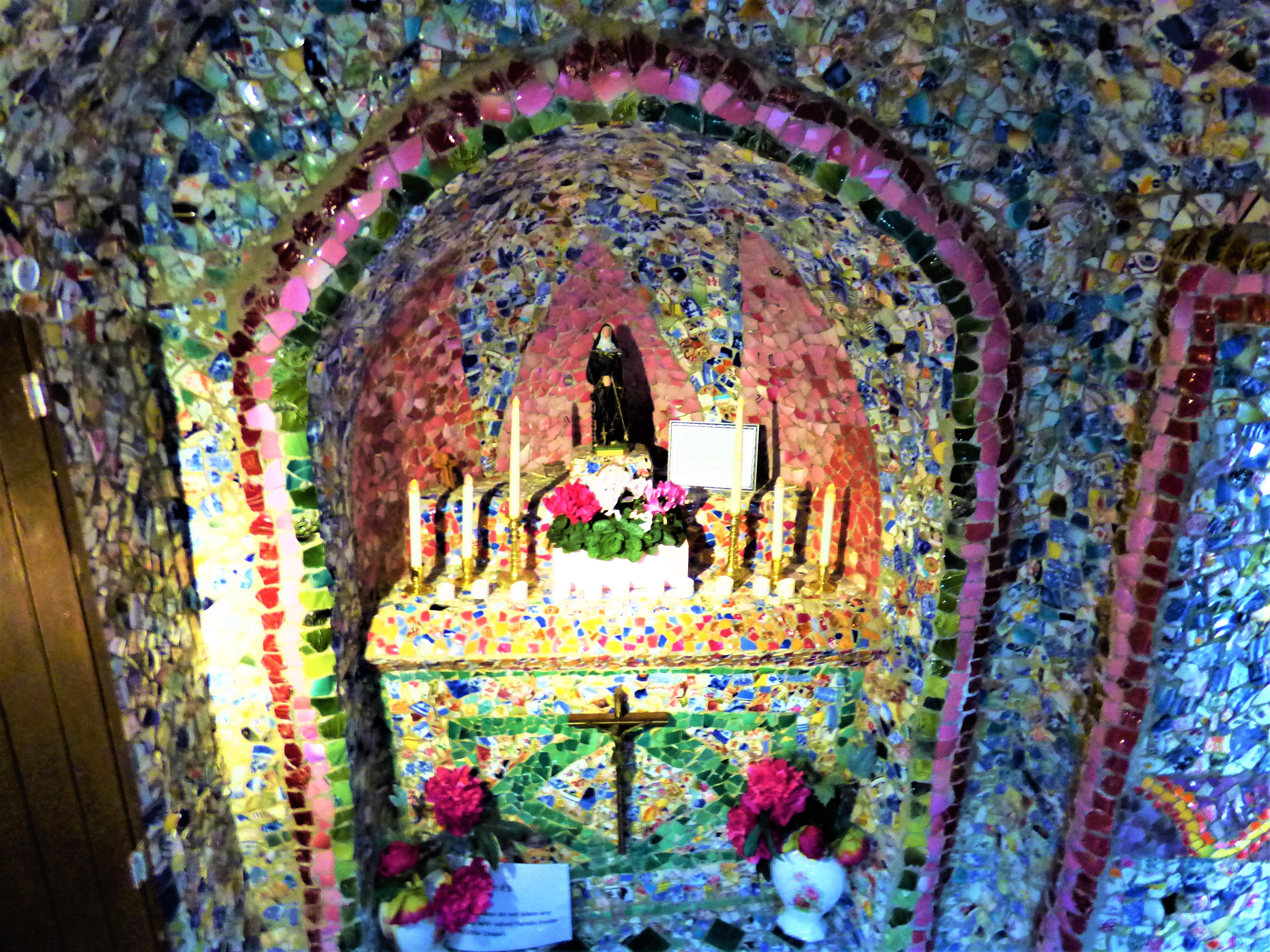
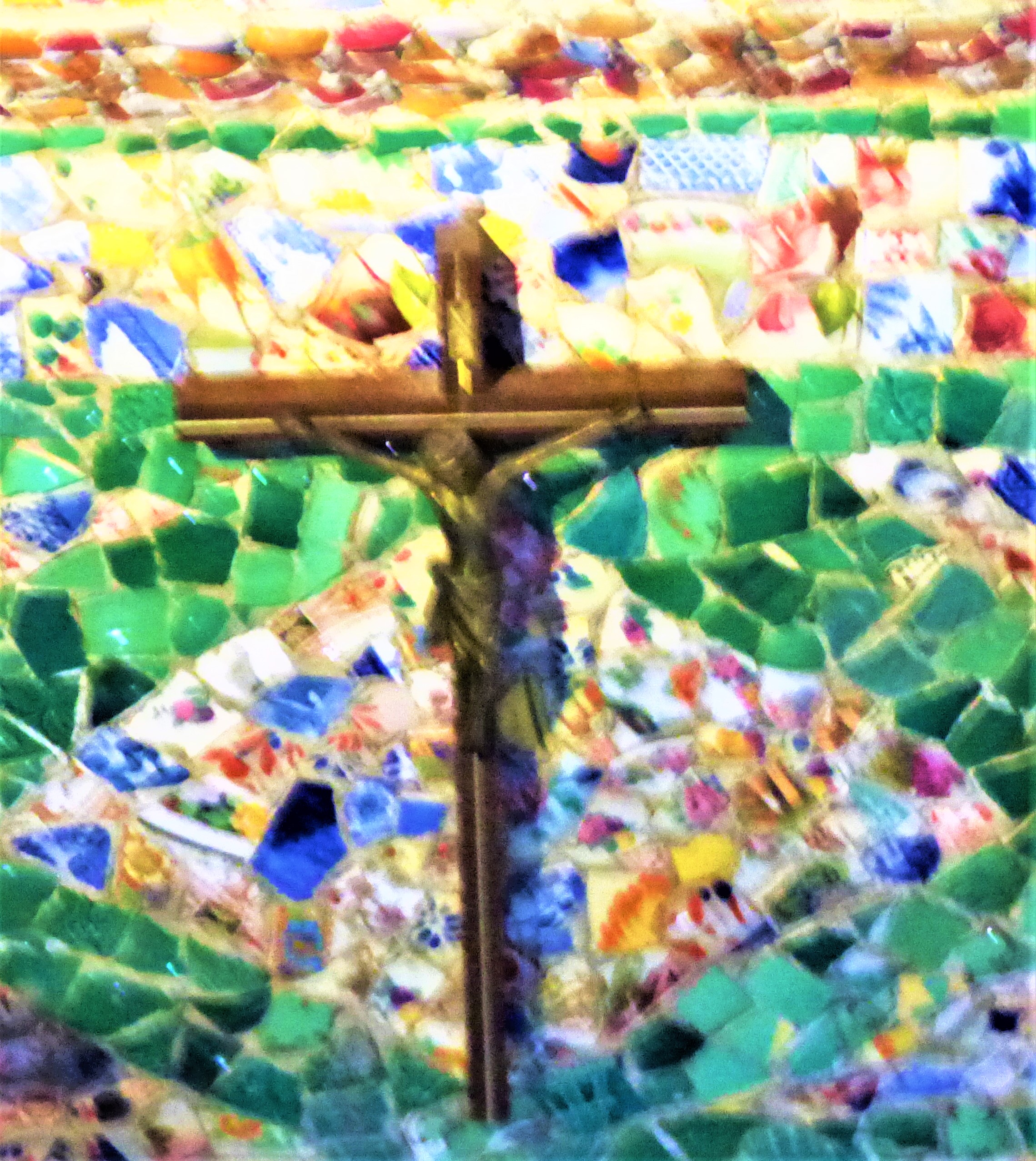
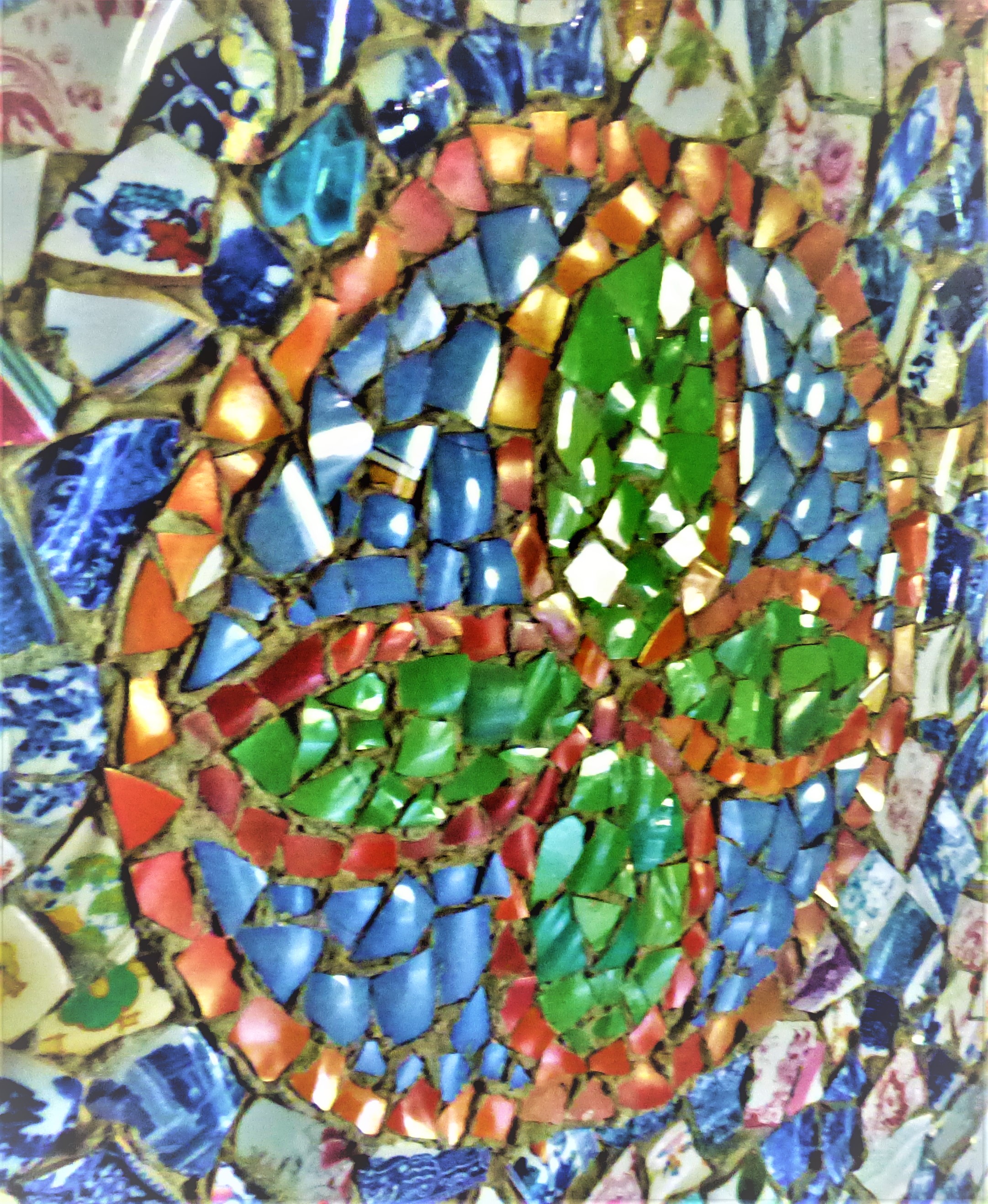
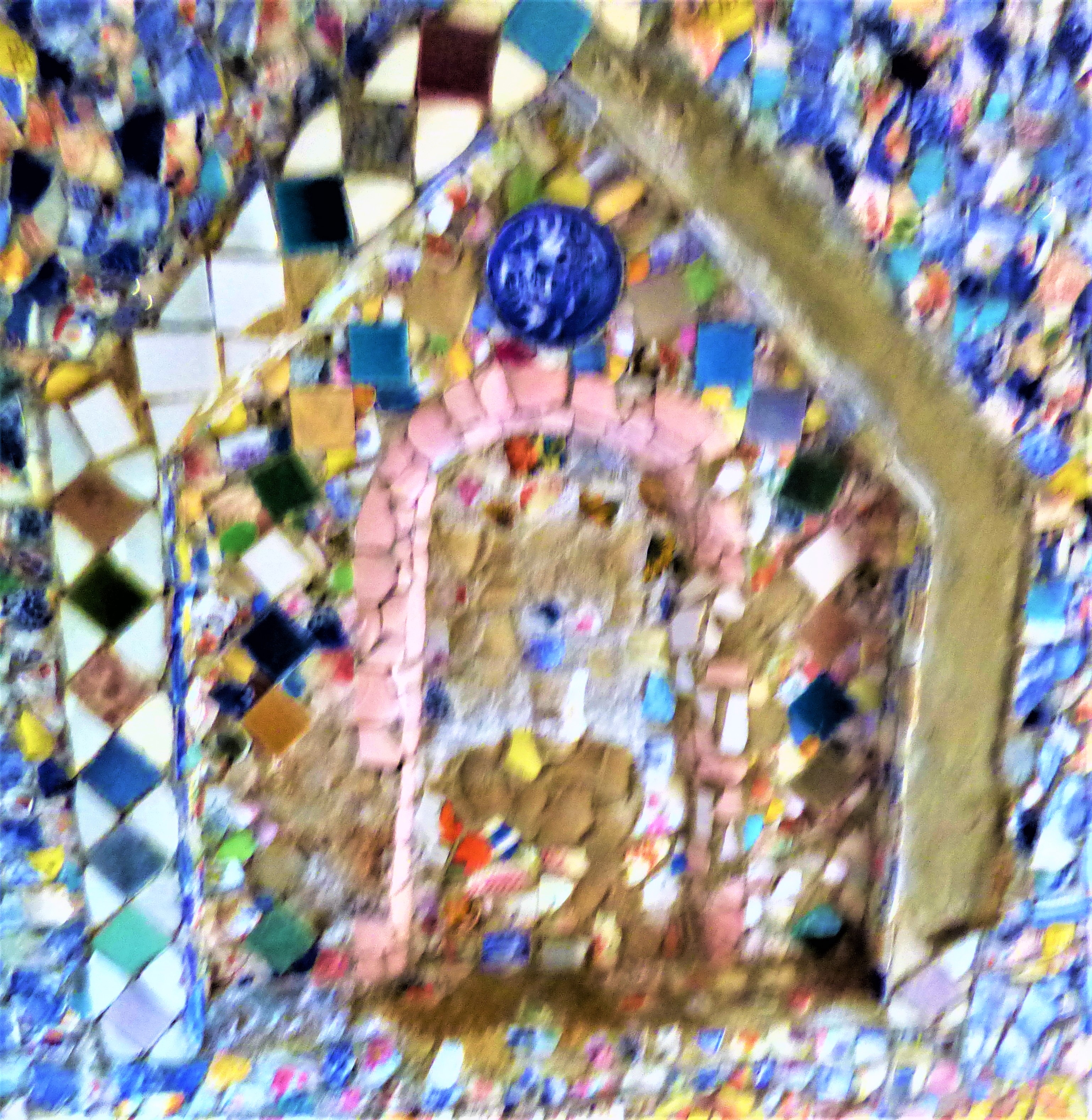
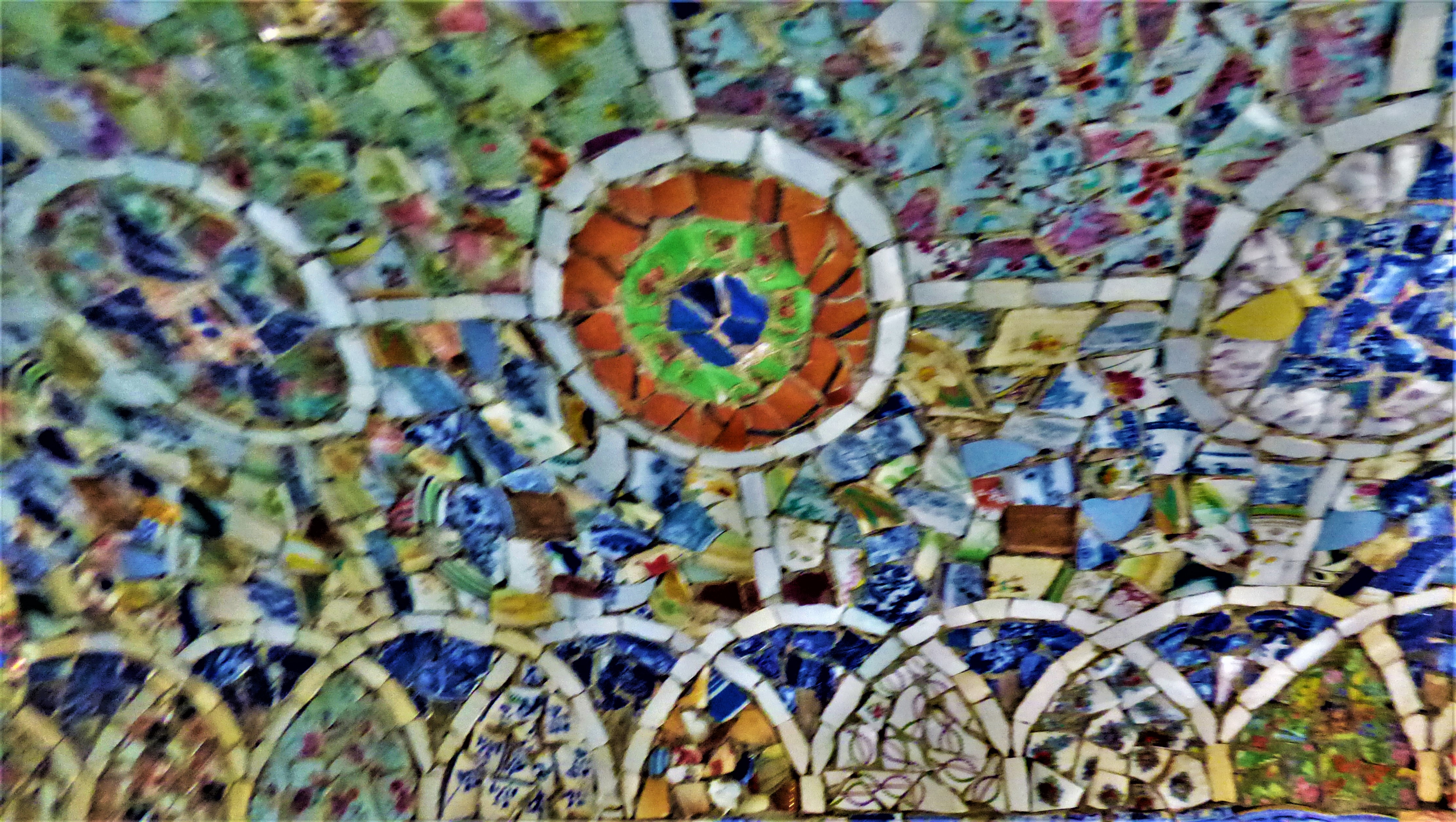
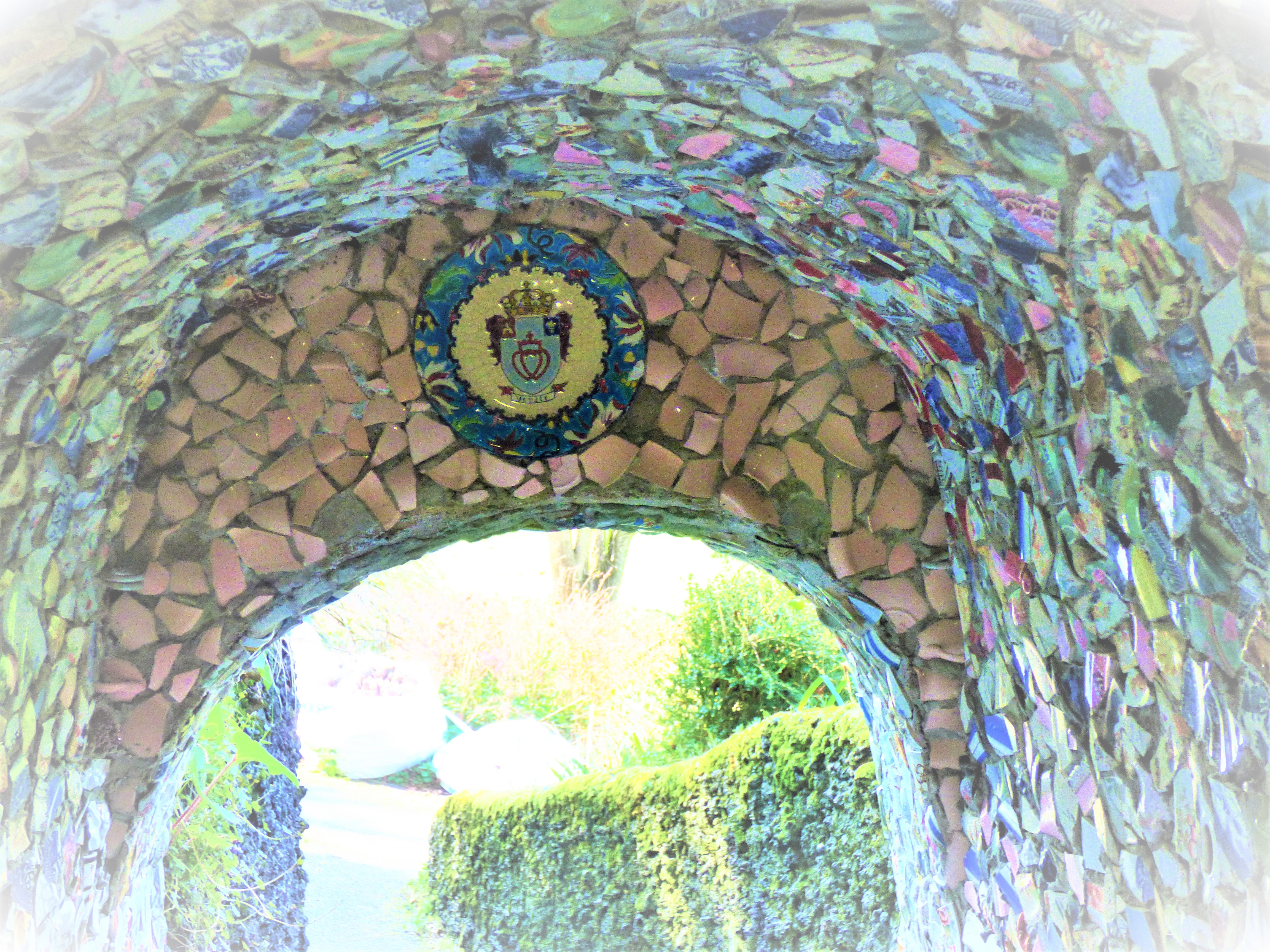
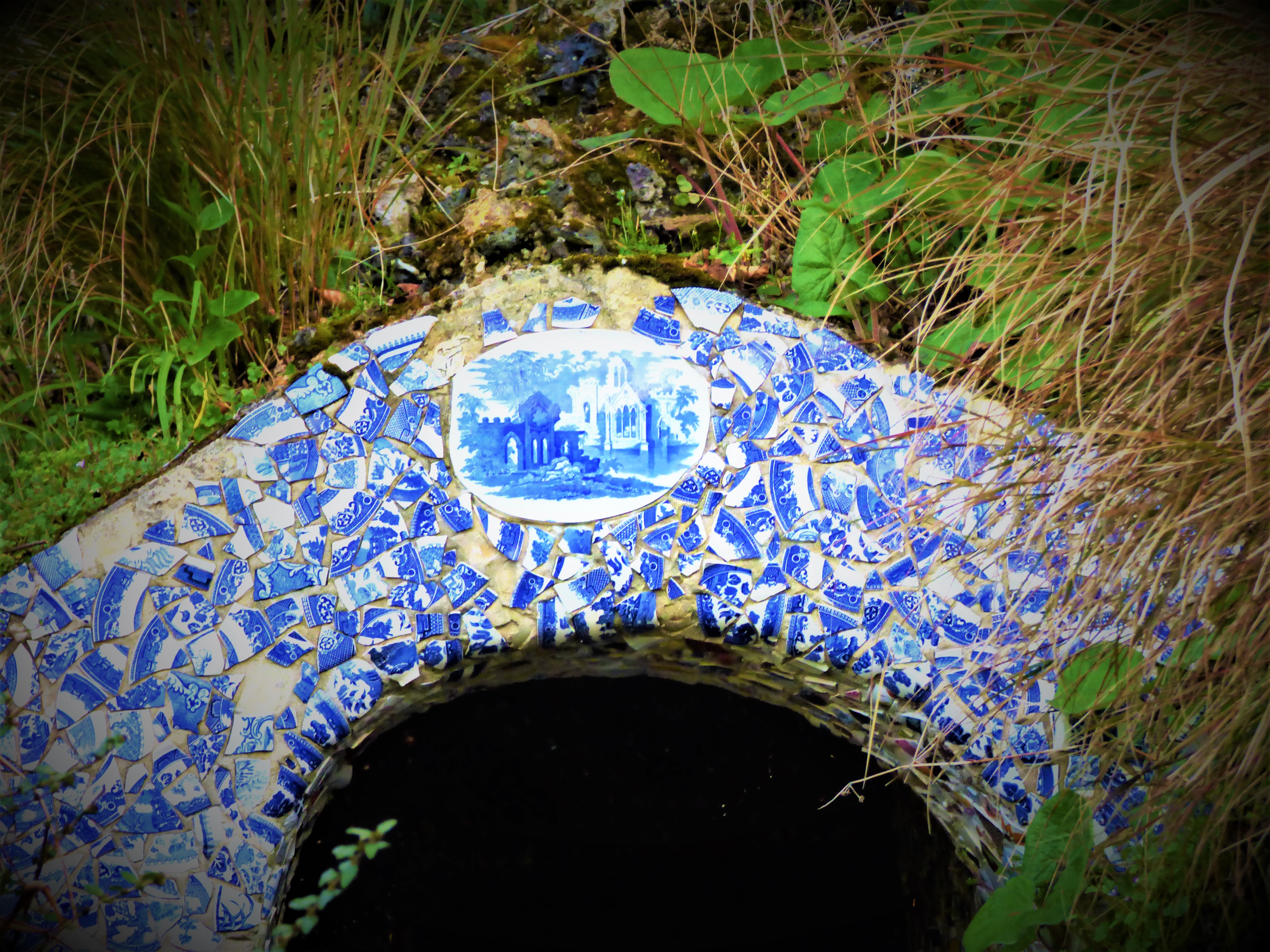
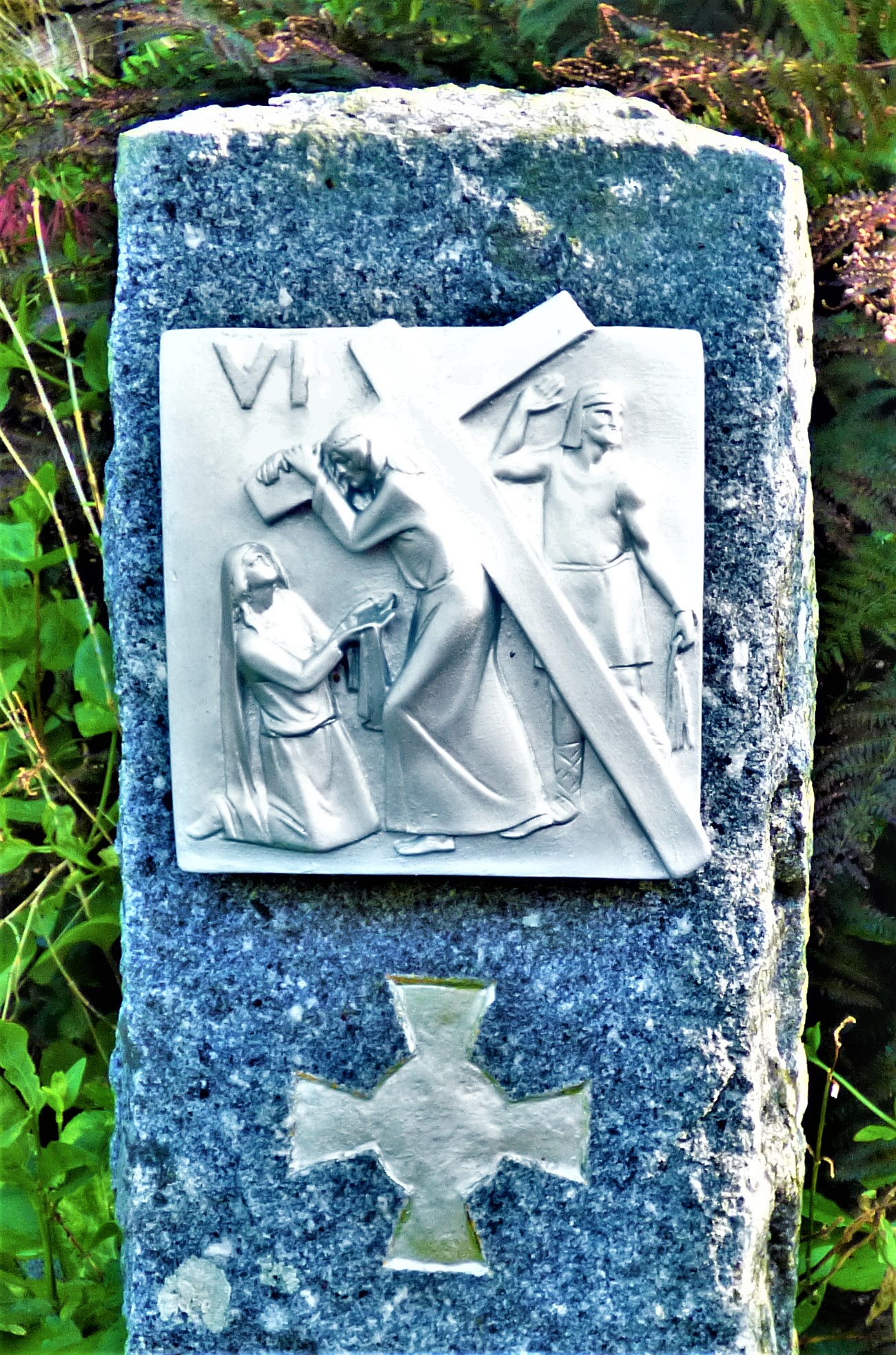
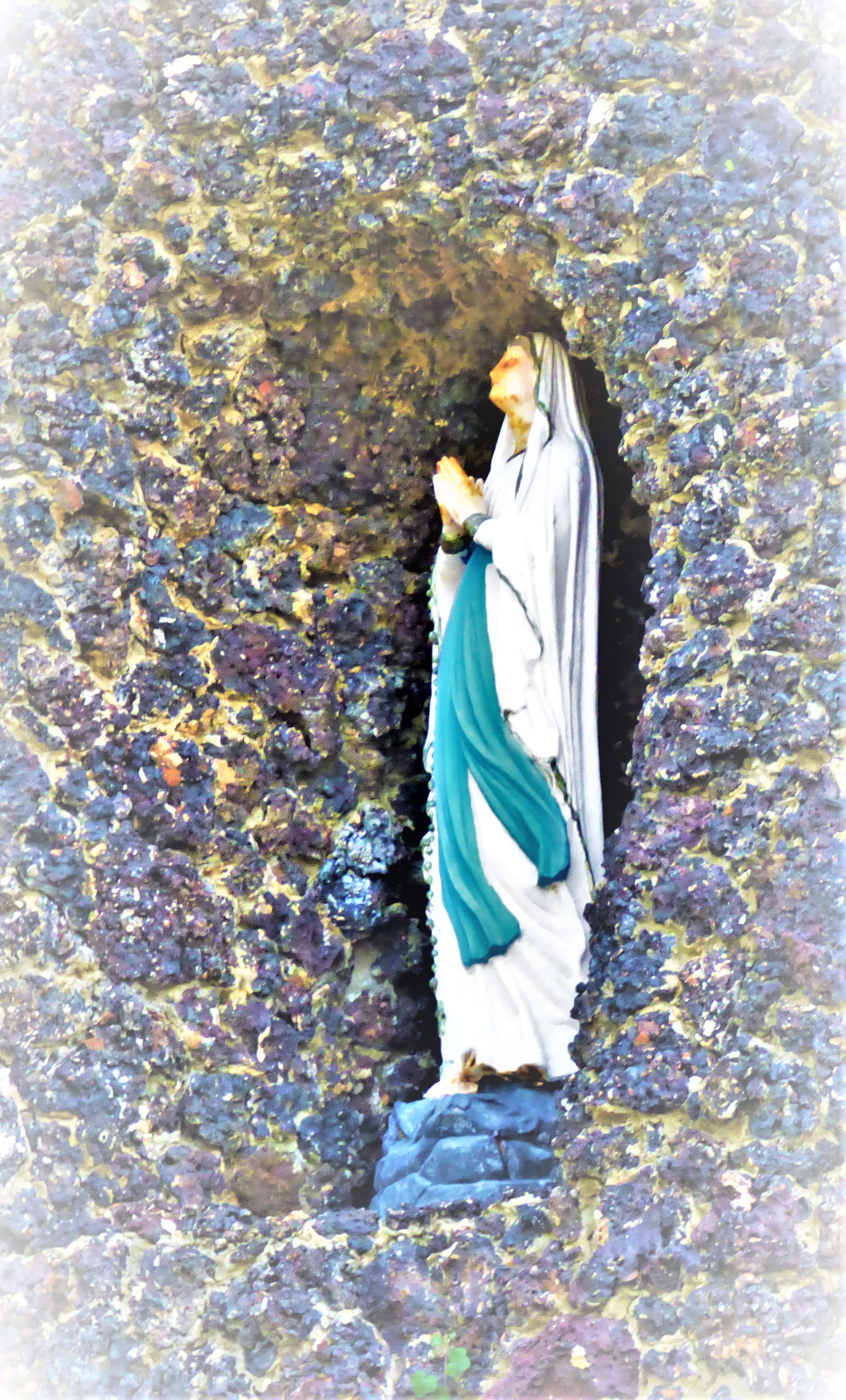
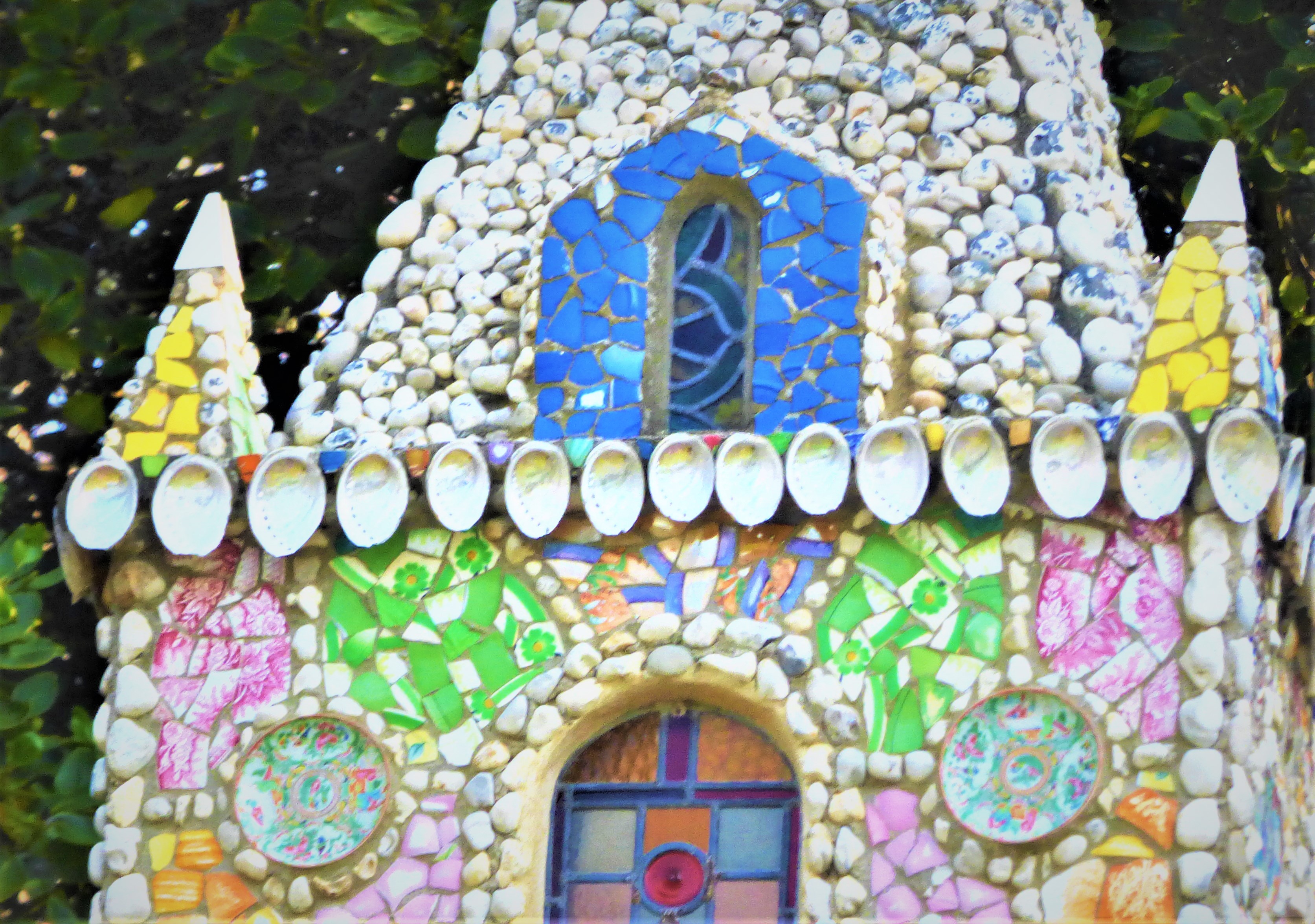
The Little Chapel is indeed a little building, but there is far more inside than you would ever guess from the outside.
Welcome to the latest post in my series about my holiday in the channel islands. This post finishes the Alderney segment.
THE FINAL FULL DAY ON ALDERNEY
The final full day on Alderney ended up being a very quiet one – the events of Wednesday, covered in the seventh and eighth posts in this series, had taken a lot out of me and I was not up to the walk to the nearest point from which I could have looked at the gannet colony.
THE BOAT BACK TO GUERNSEY
Our boat back to Guernsey was leaving at 8AM on the Friday, so we had a taxi booked to pick us up from the fort at 7:30AM that morning. The voyage back was rougher than the voyage out had been, and we were all pretty relieved when we alighted on Guernsey.
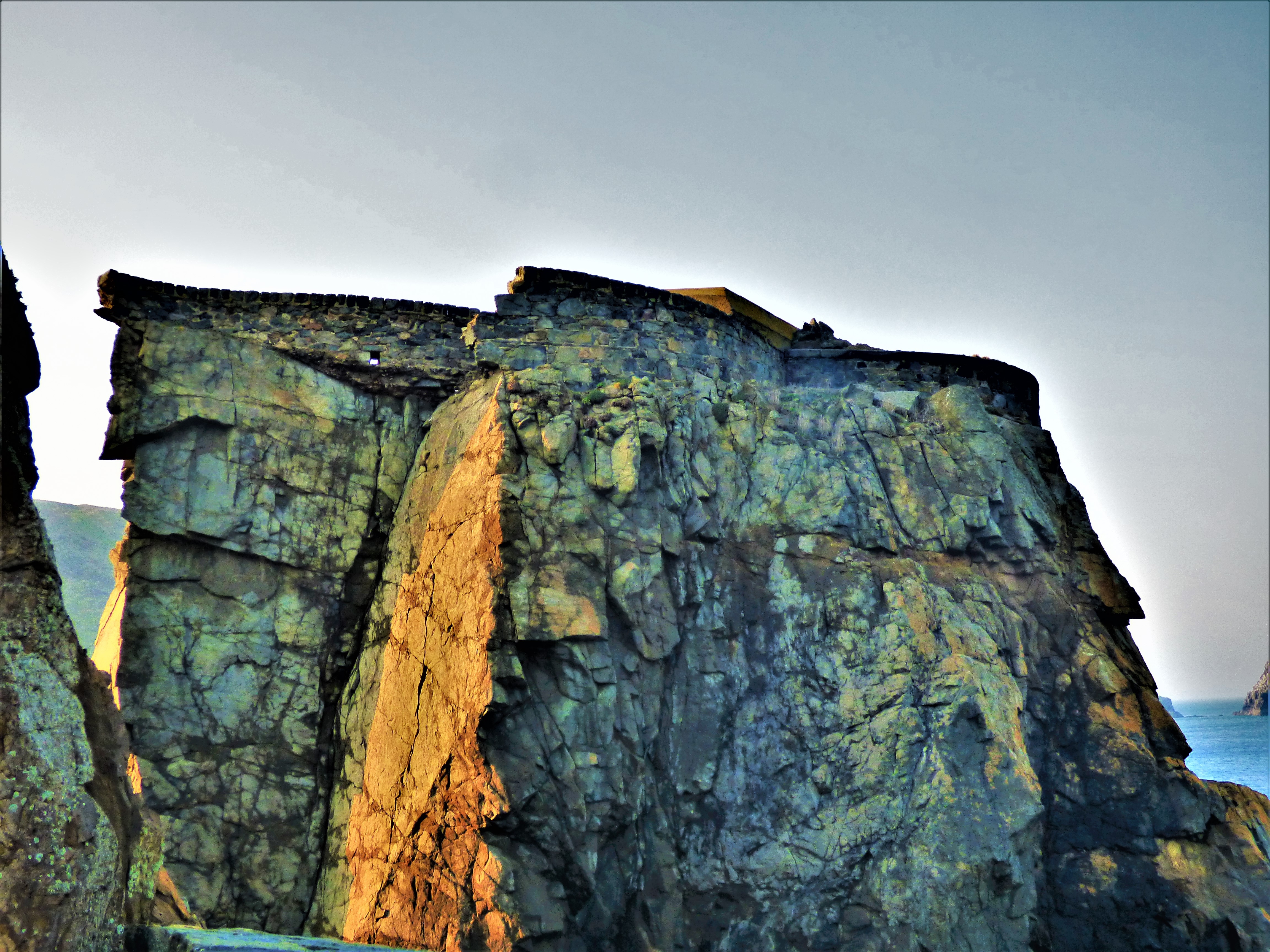
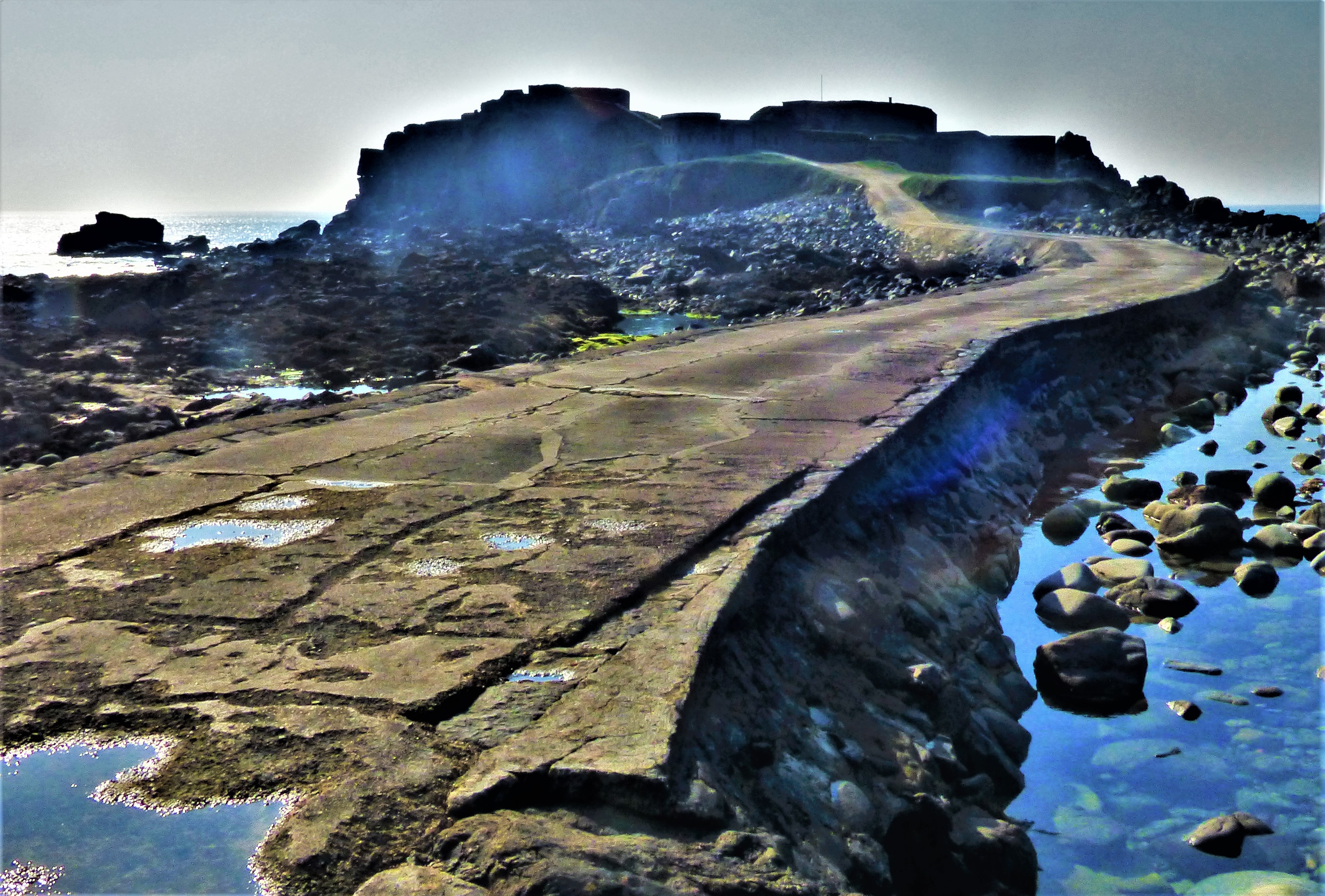
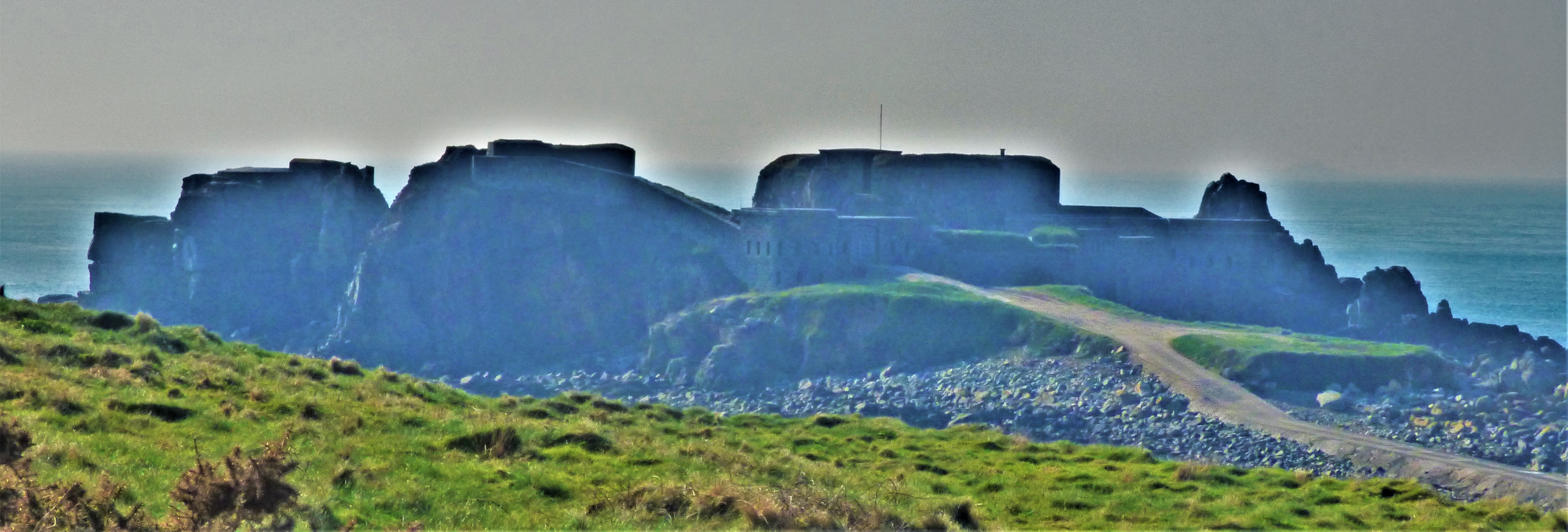
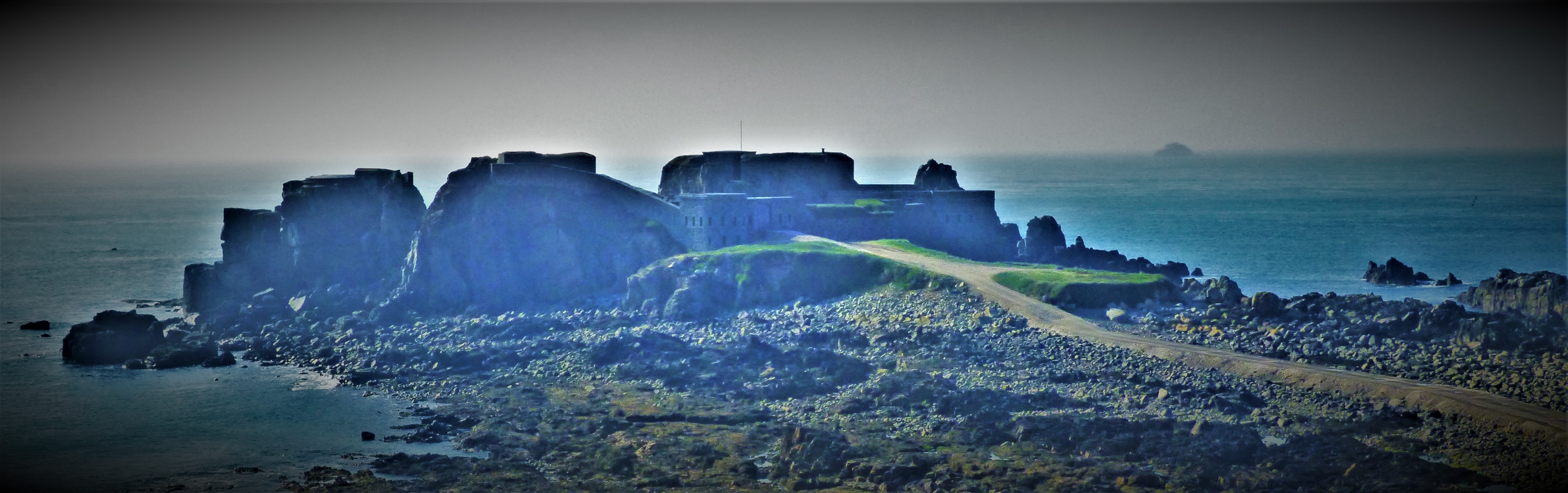
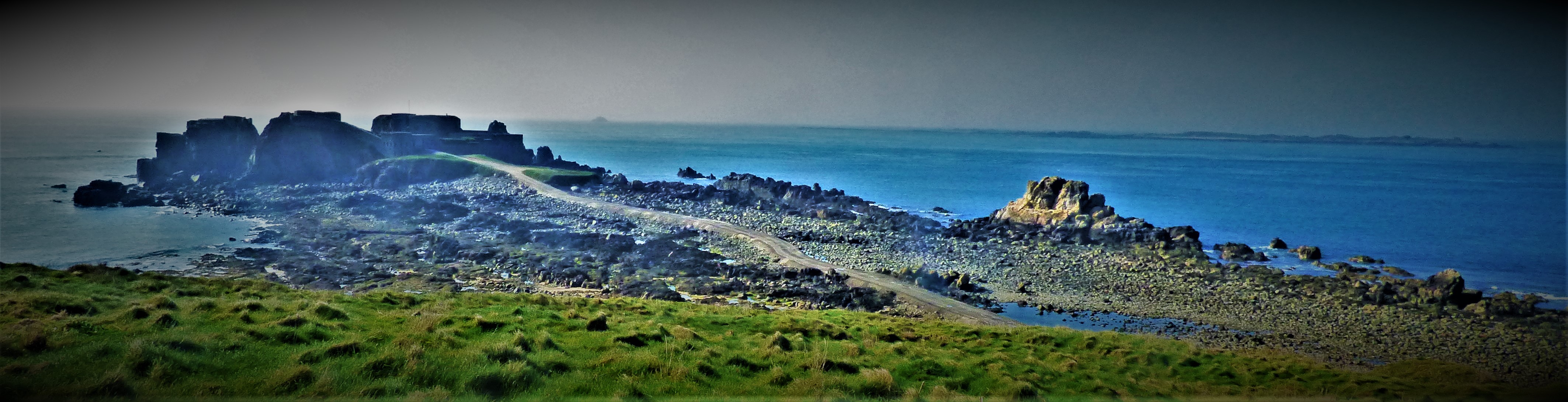
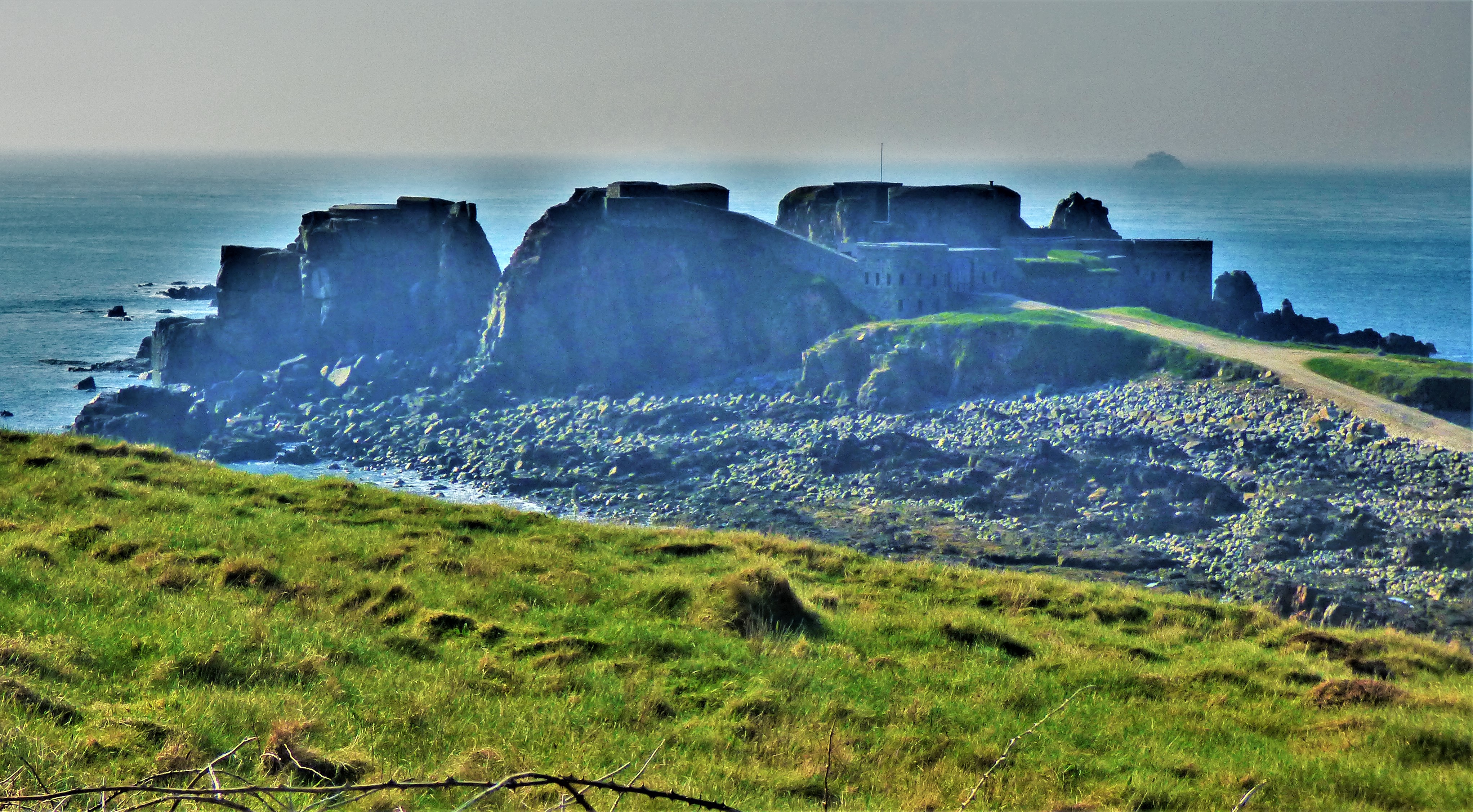
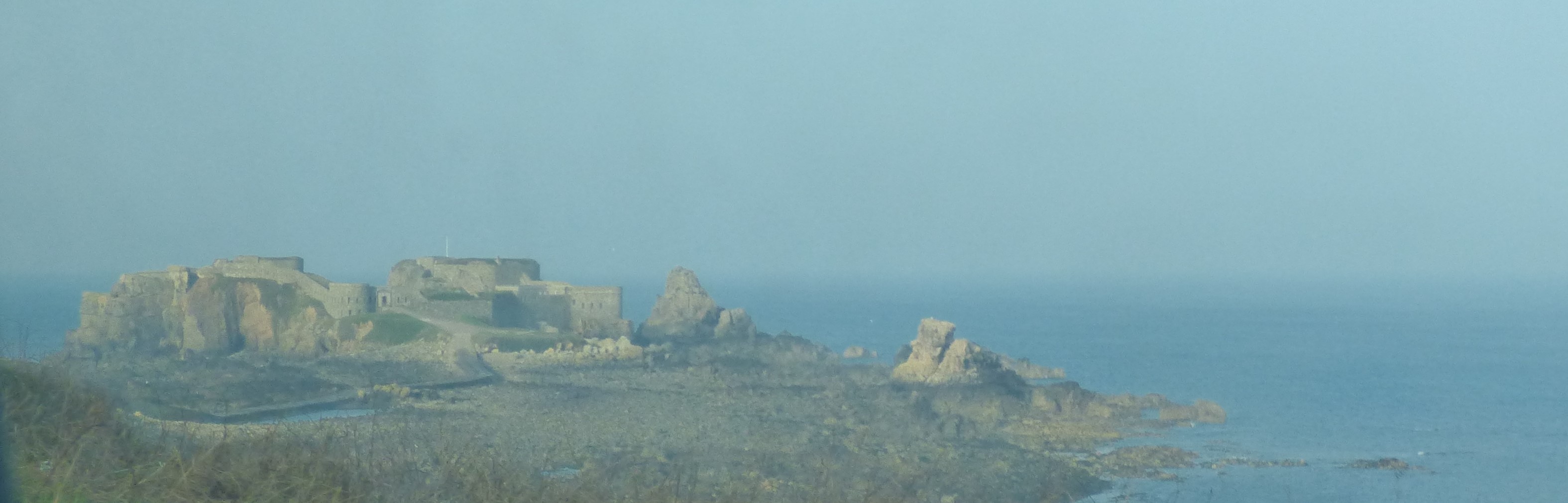
I end this post with a final look at Fort Clonque…
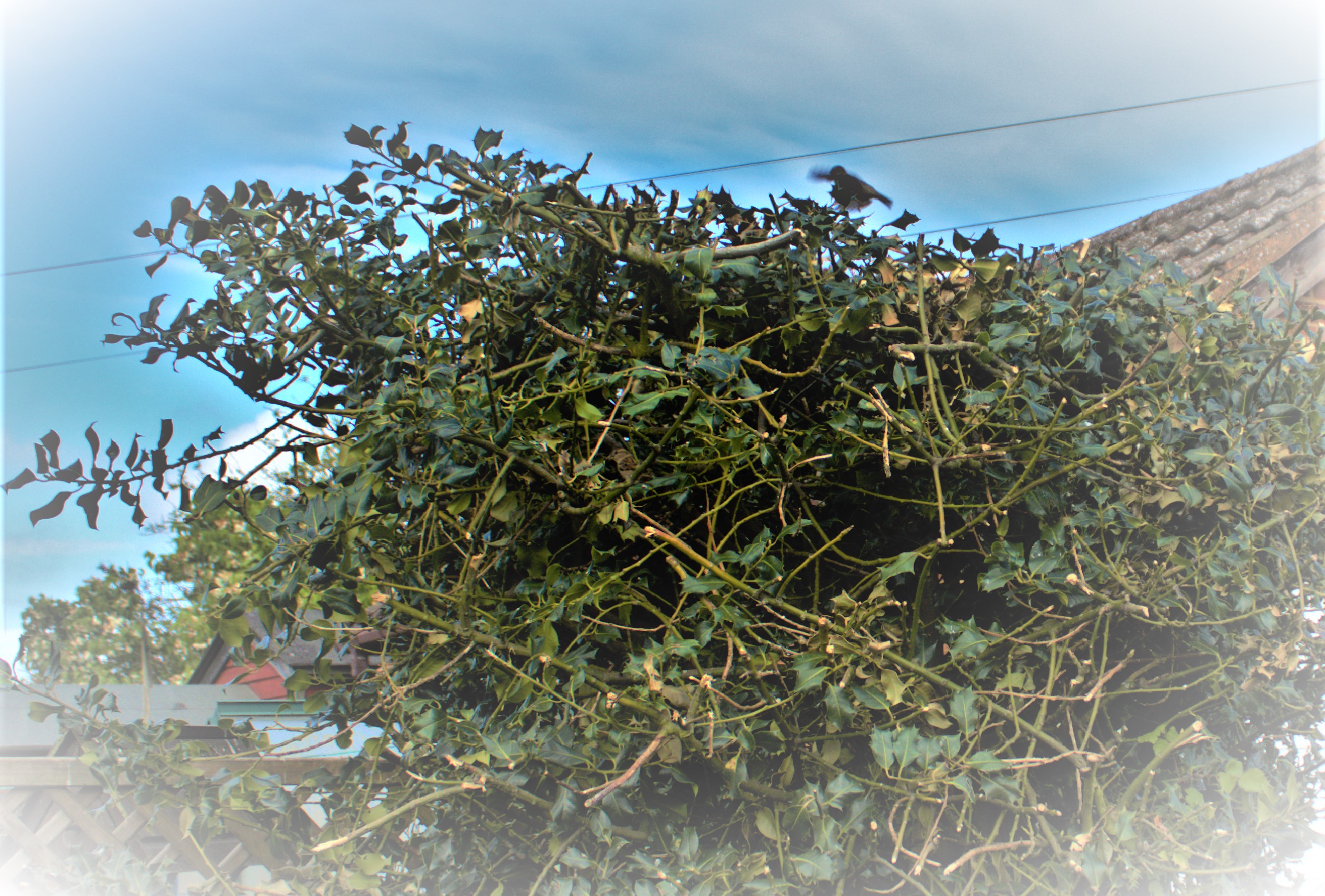
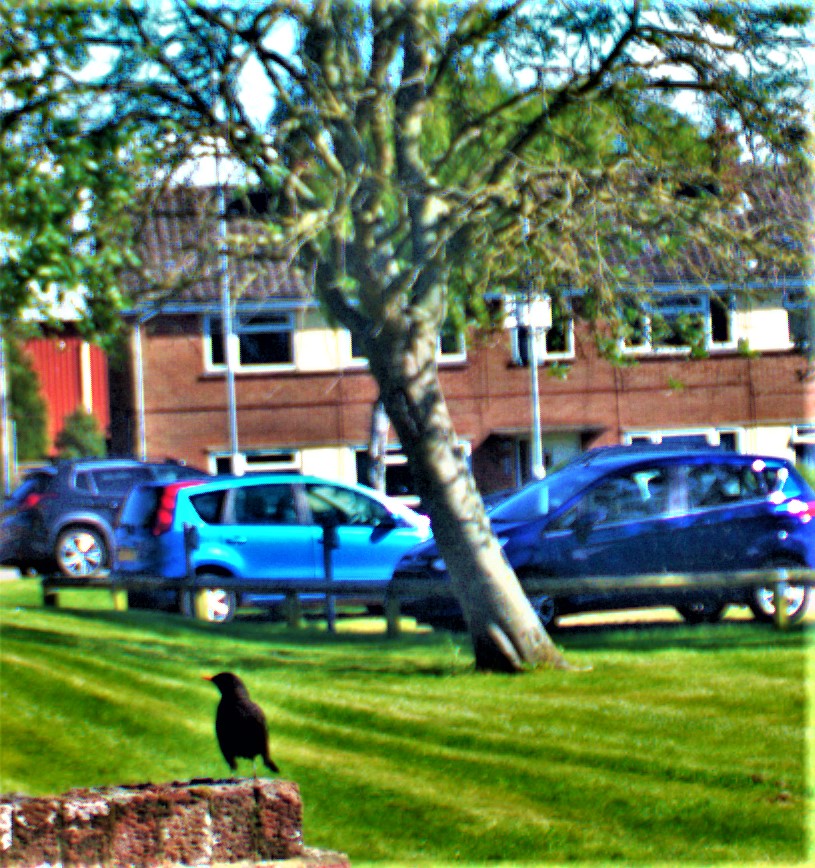
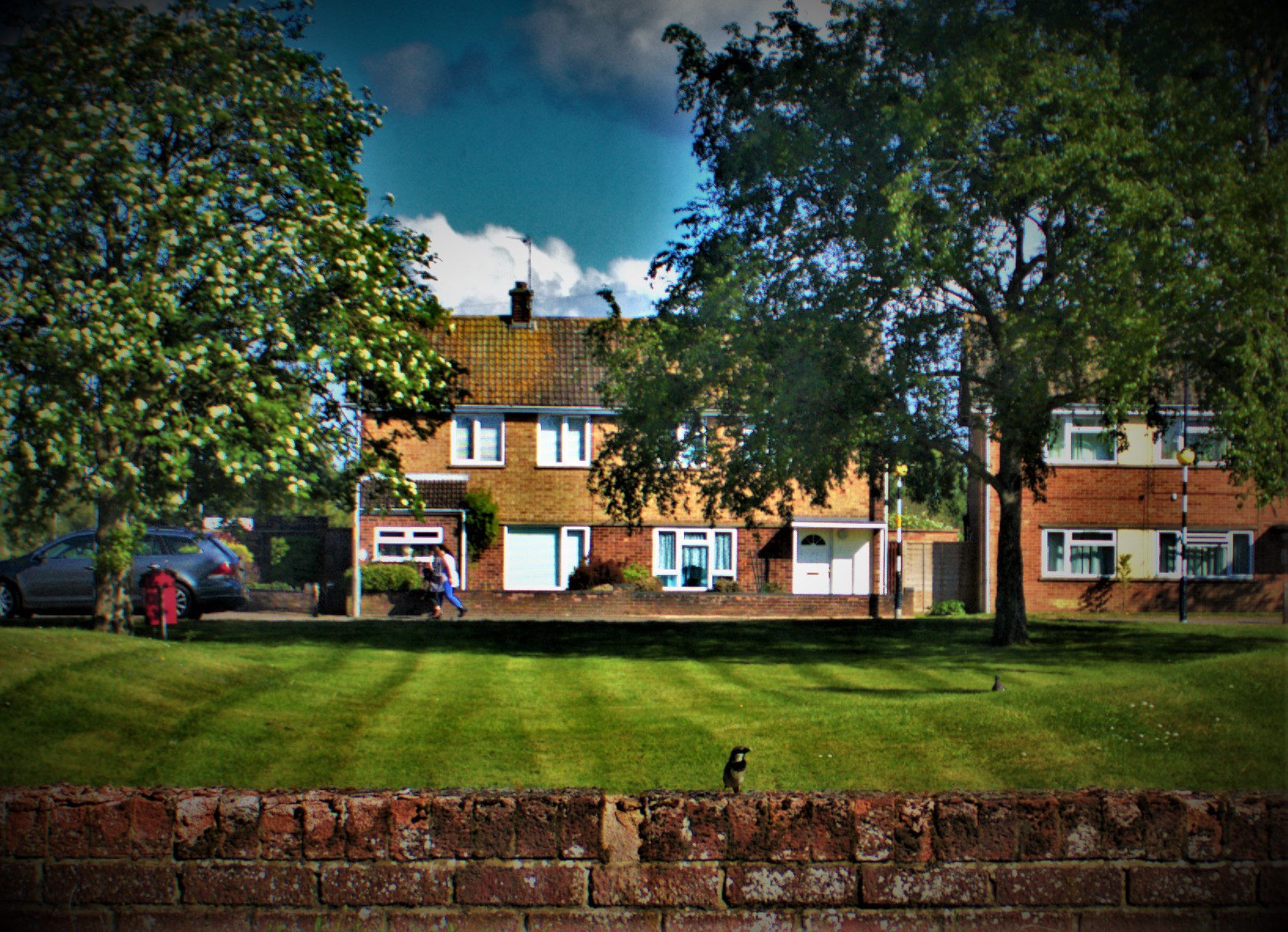
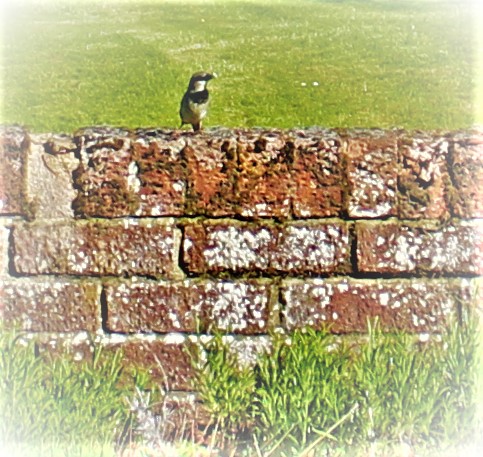
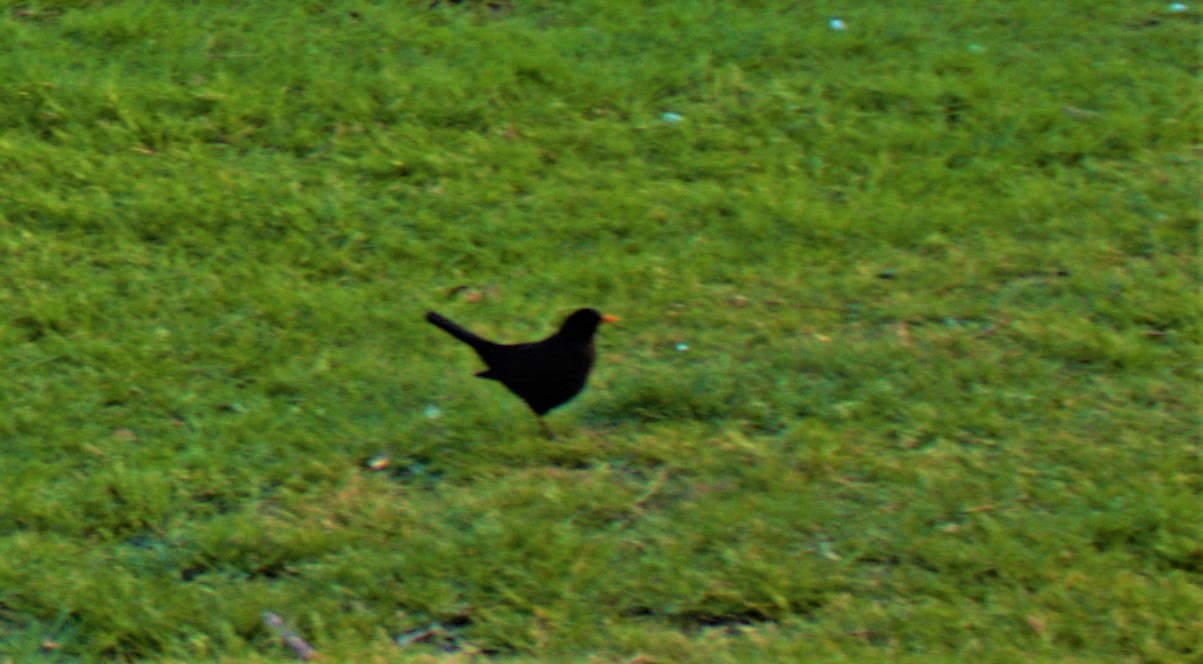
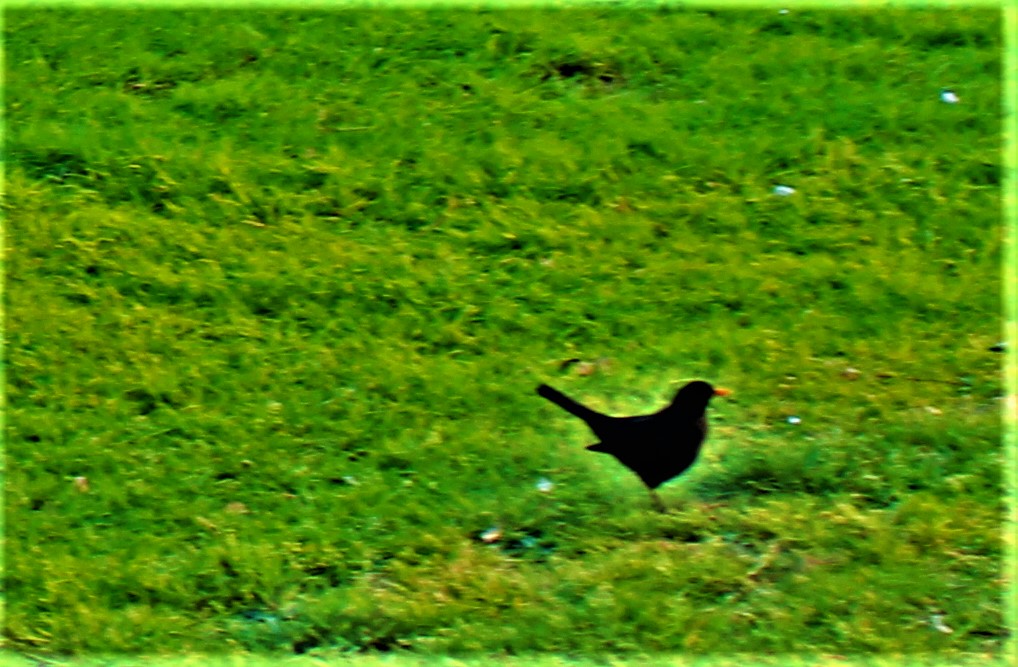
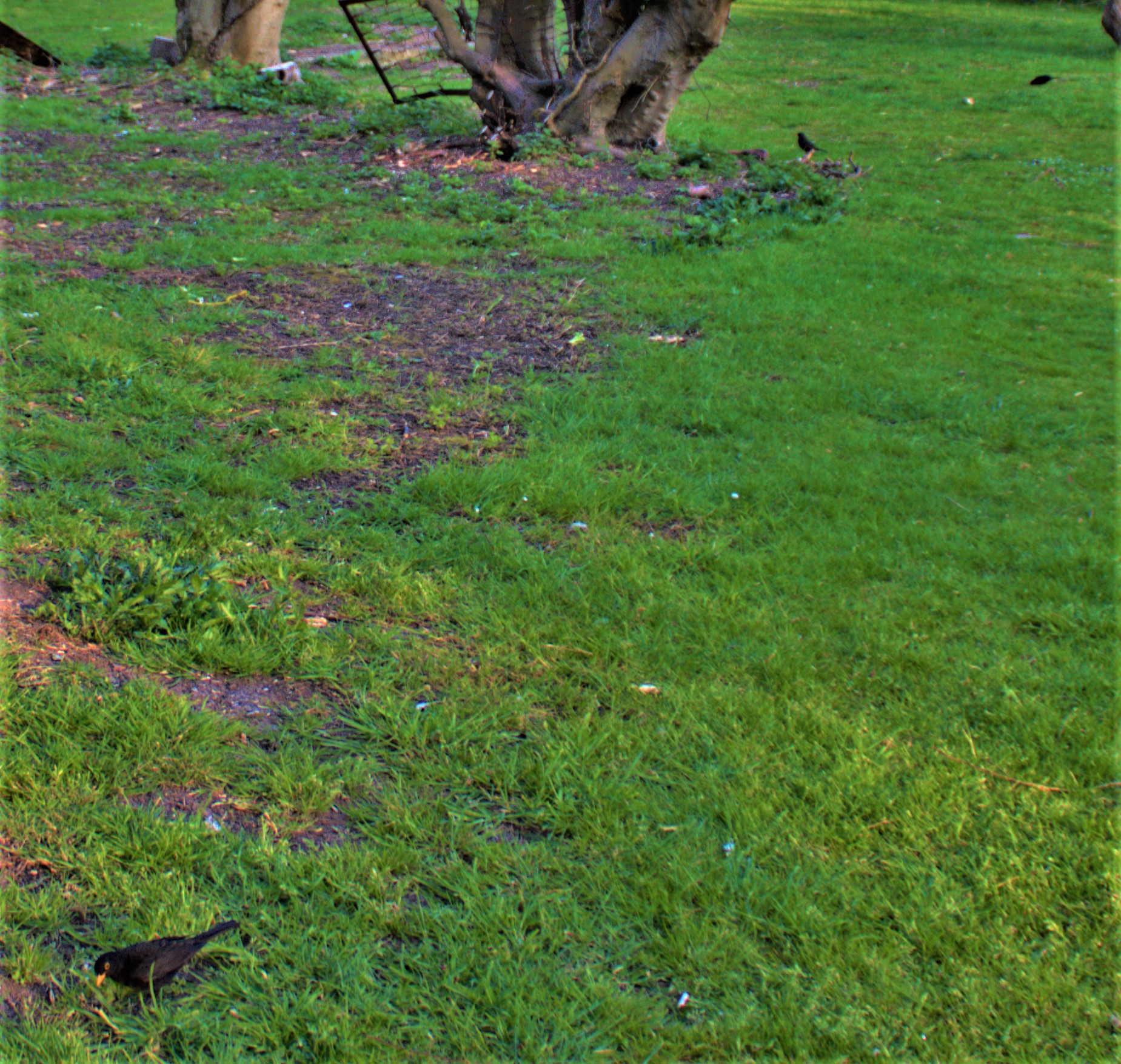
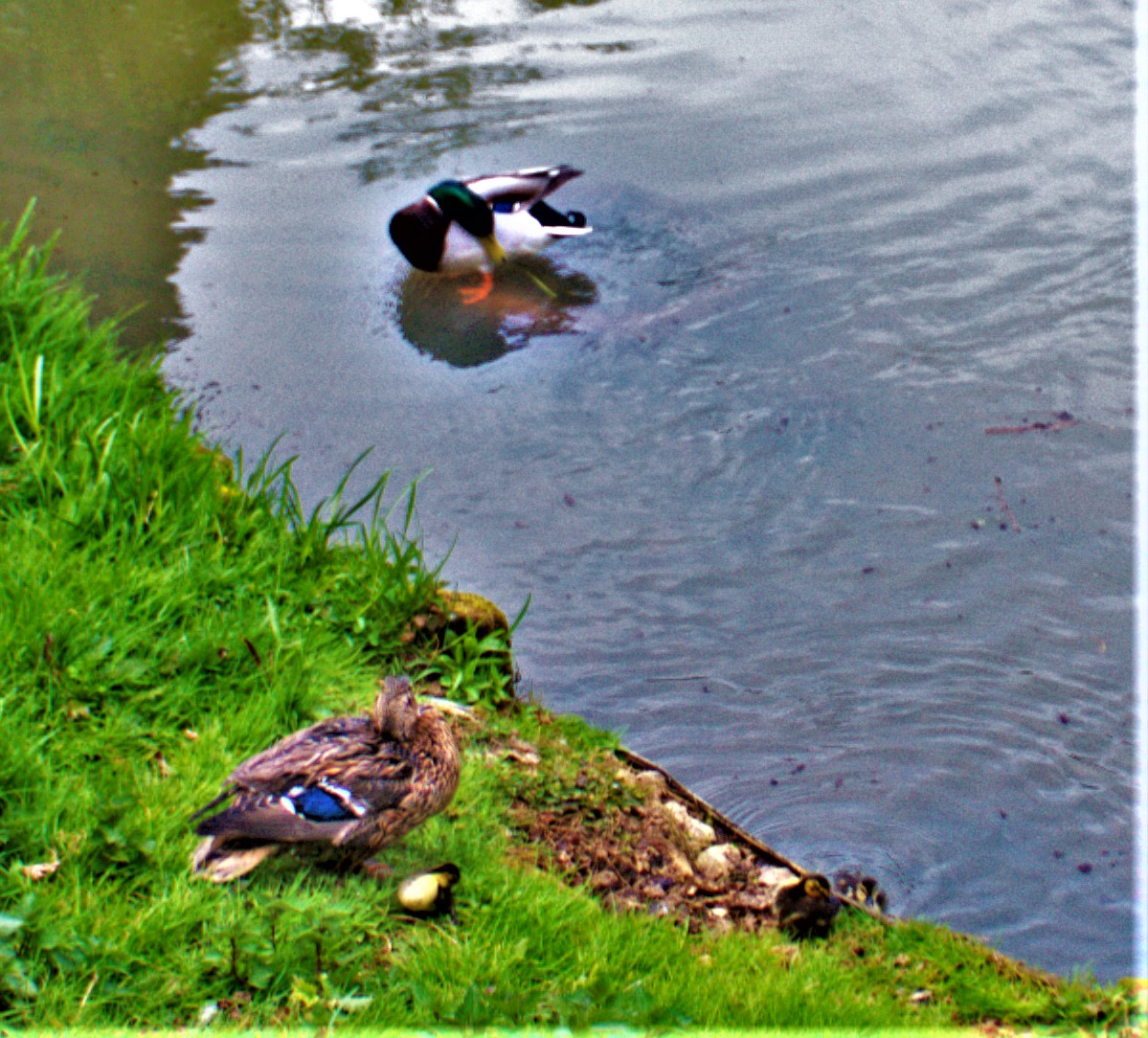
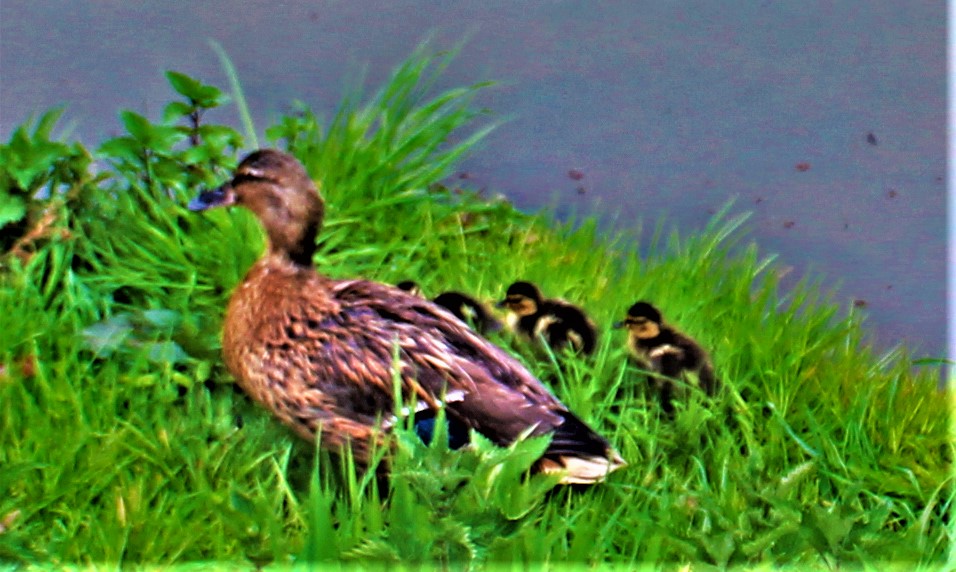
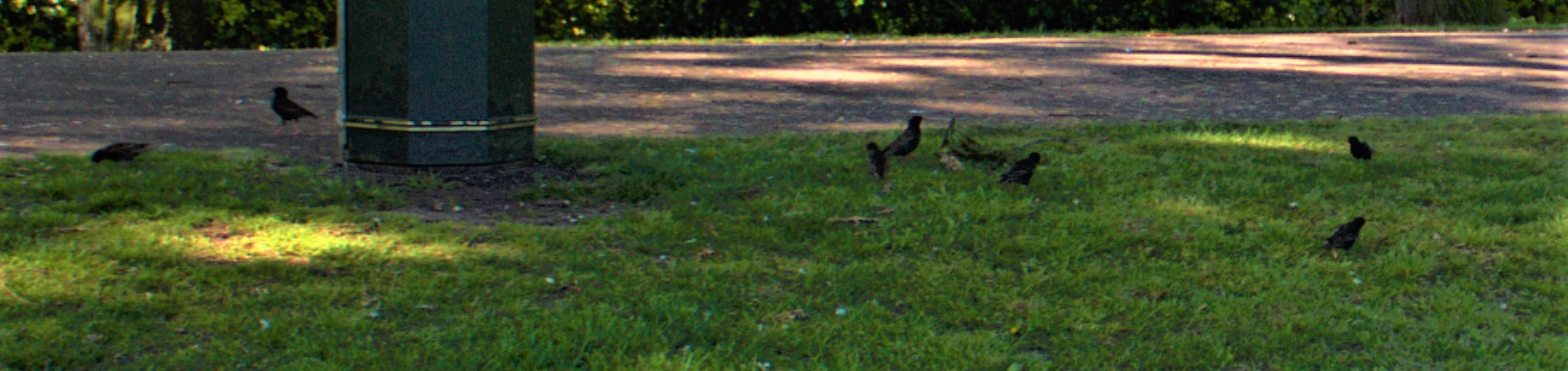
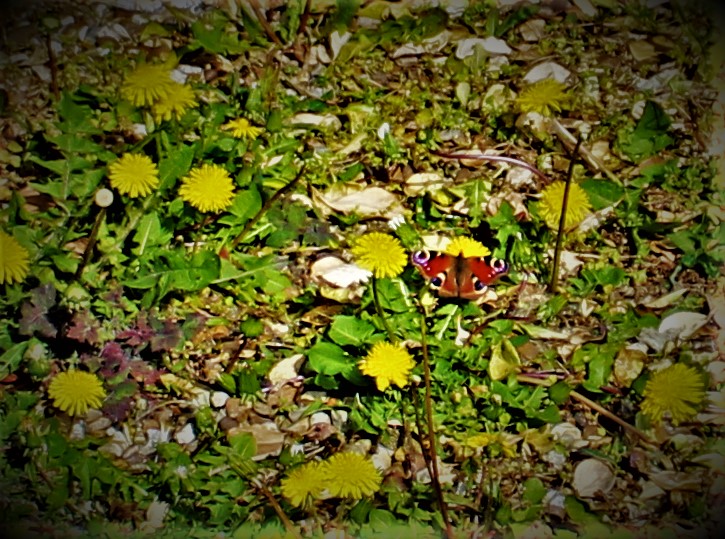
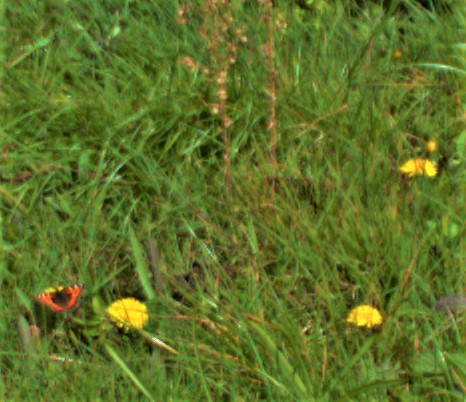
Continuing my account of my recent holiday in the channel islands with a special post dedicated to the birds of Alderney.
I continue my account of my recent visit to the channel islands with a special post dedicated to the birds of Alderney (the island is justly famed for its bird life).
TWO MISSES
It was too early in the year for boat trips to be running to the island of Burhou, just off the coast of Alderney to the north, and home to puffins (it has no human residents at all), and Wednesday took so much out of me that on the Thursday I was unable to face to fairly steep and fairly rough path that would have started the walk towards a point from which I could view the gannet colony. Here a few maps…
THE BIRDS I DID SEE
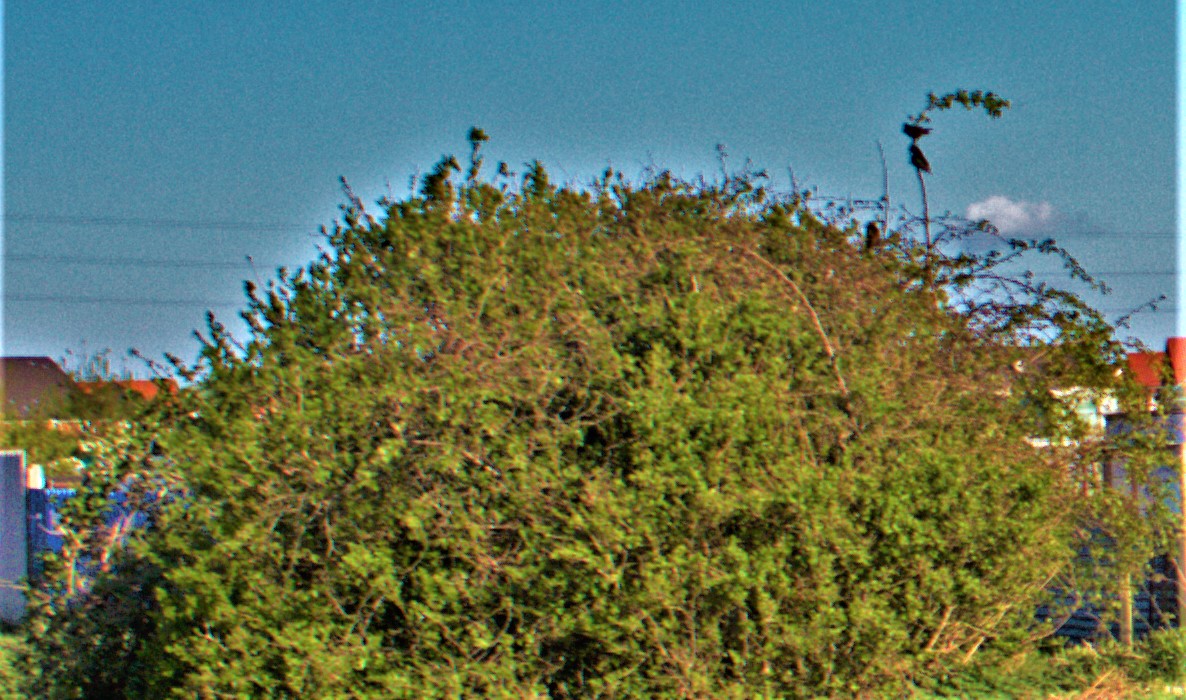
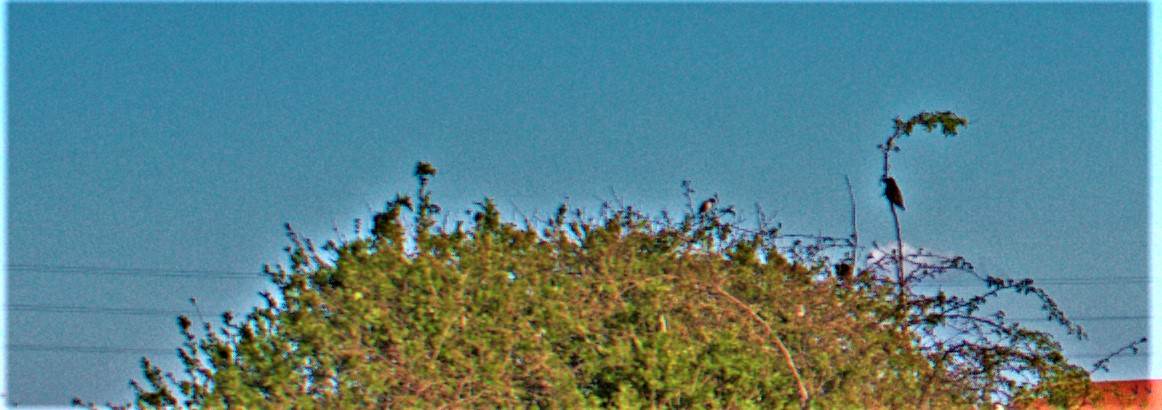
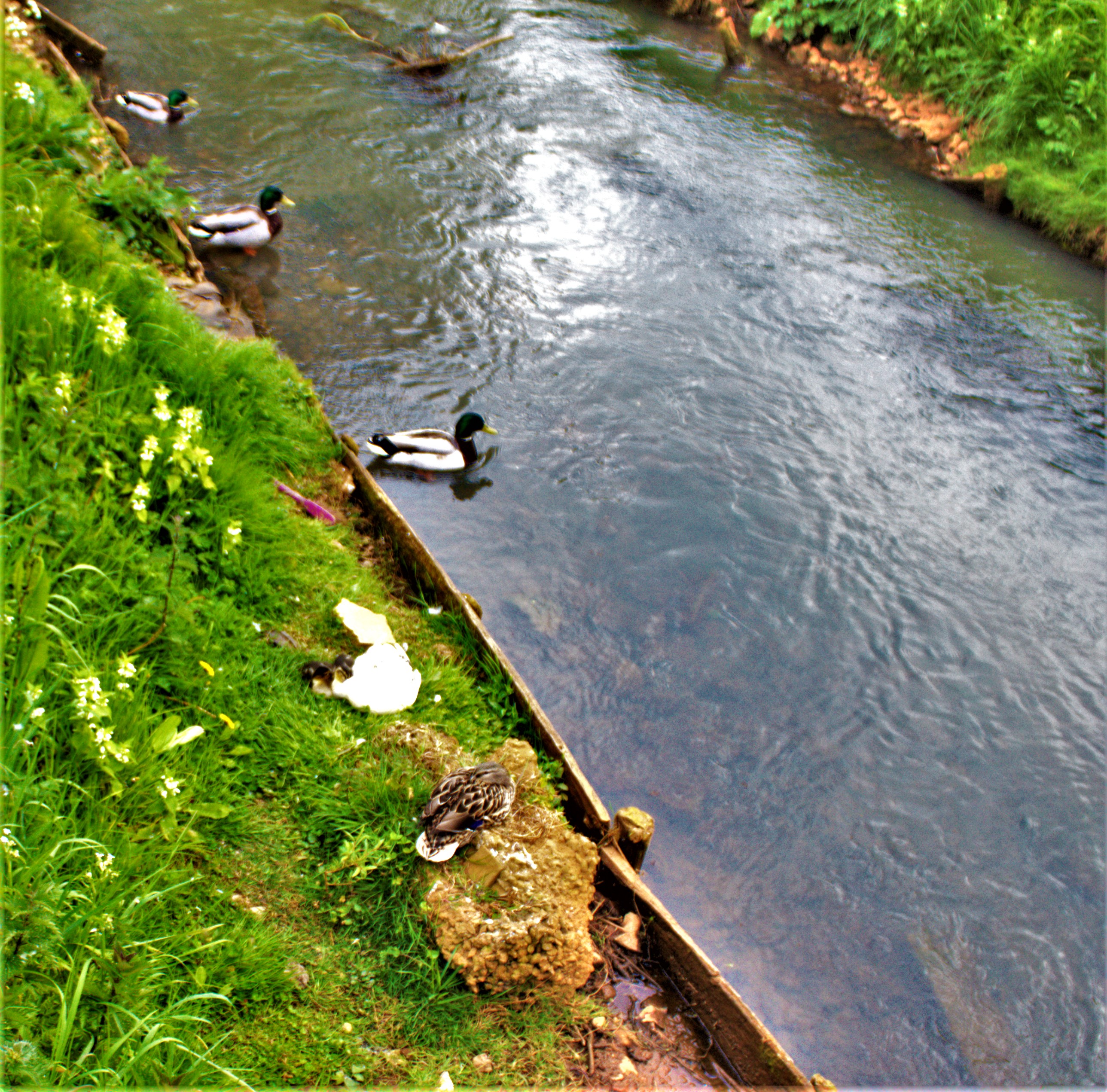
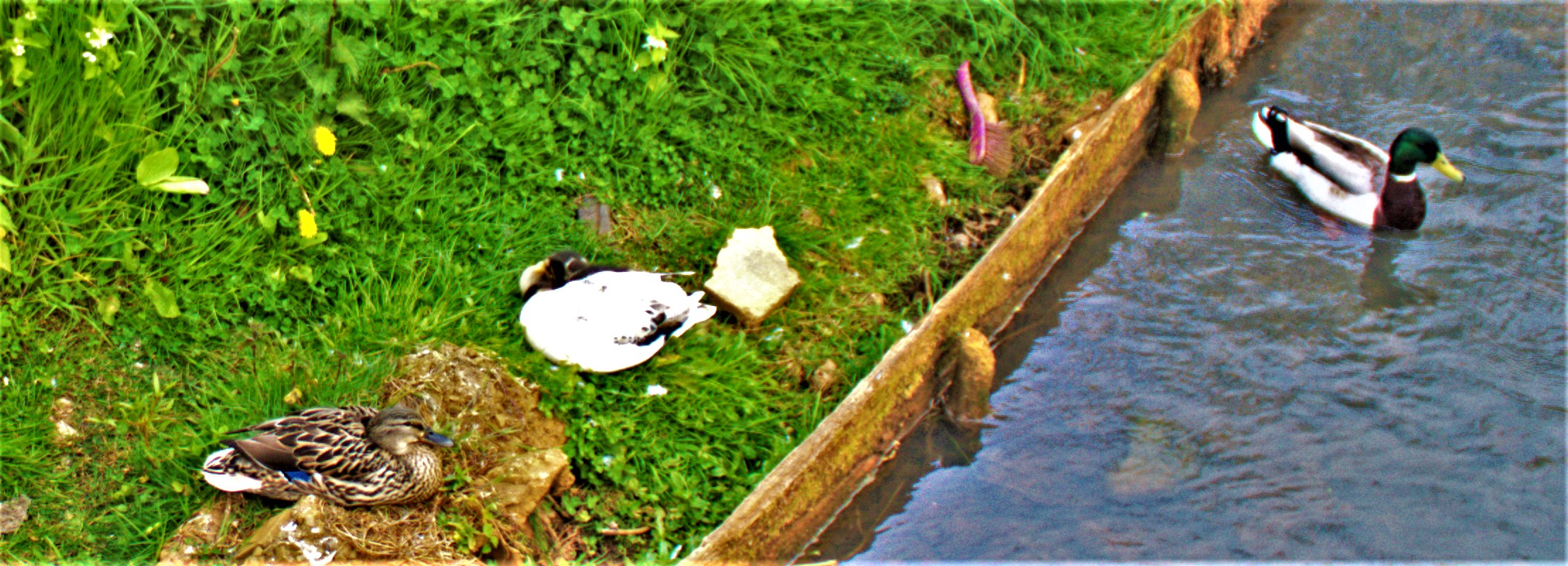
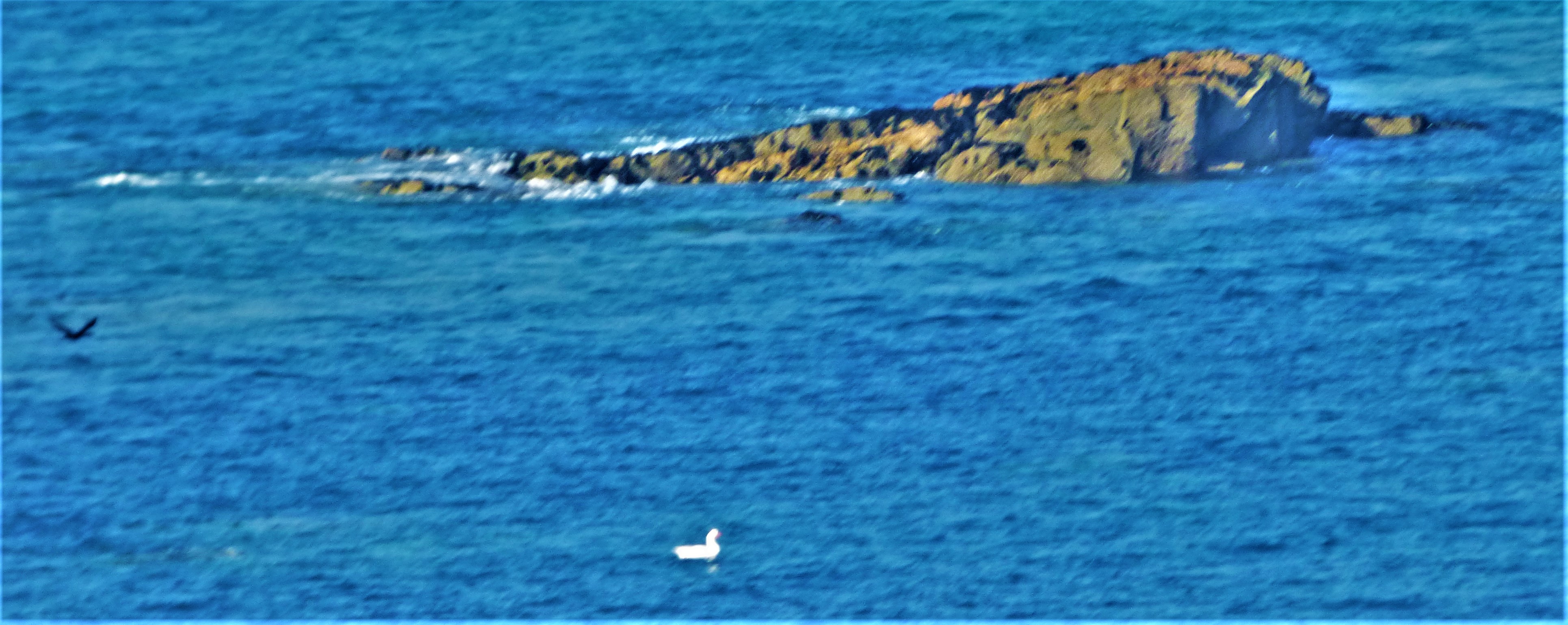
Although I missed two great ornithological sites for different reasons, I still saw a fine range of birds during my few days on Alderney…
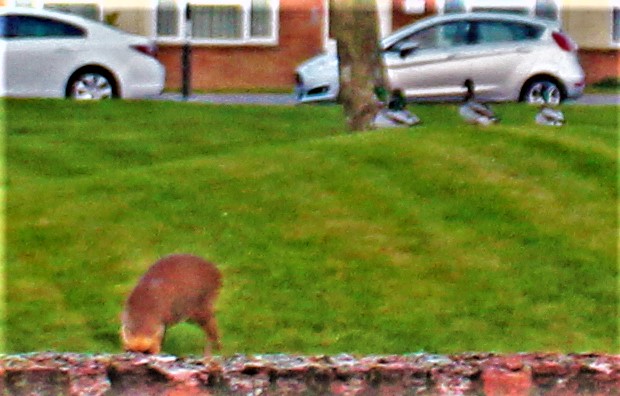
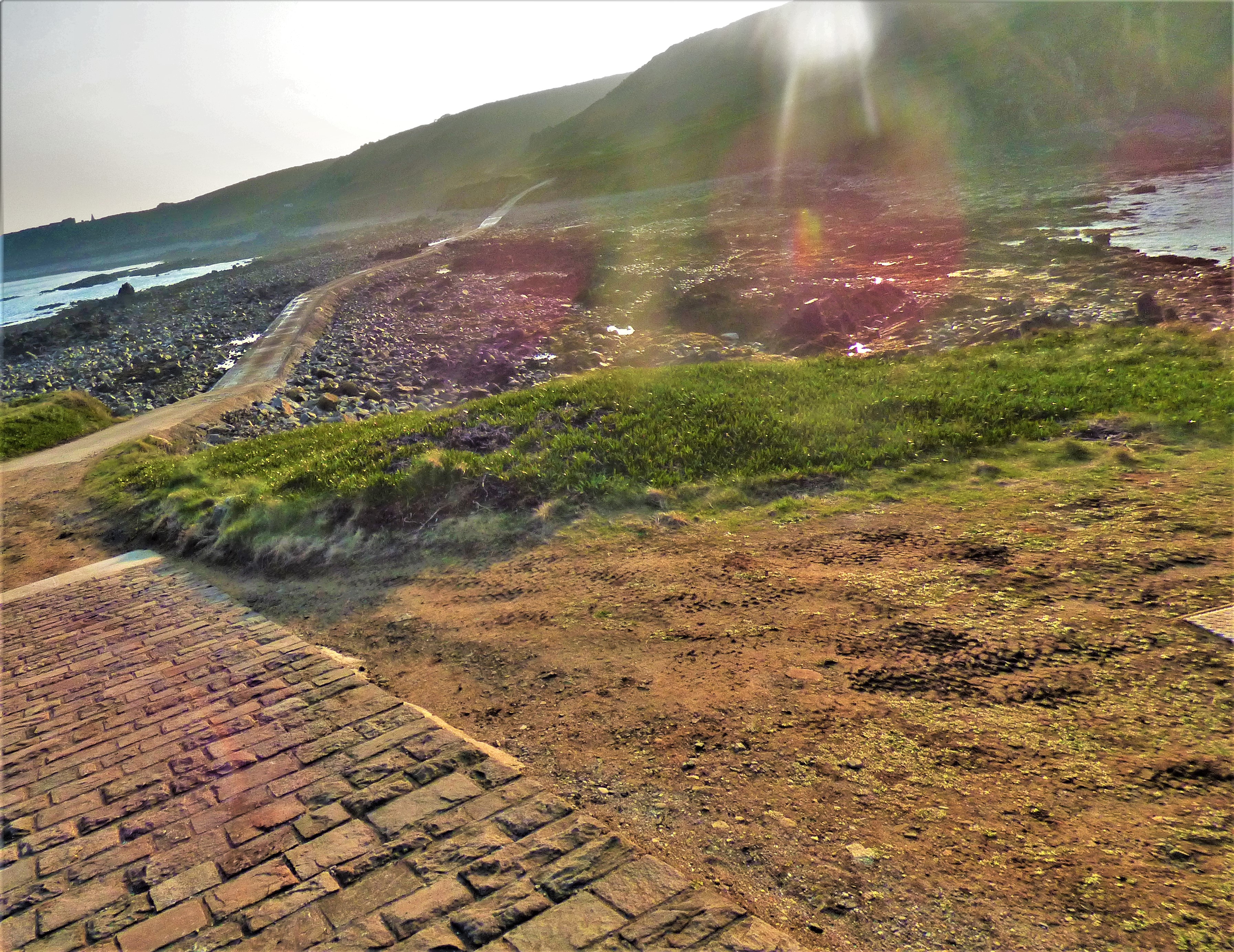
I spotted this one (and took the picture) through the window of the taxi taking us to the harbour to catch the boat back to Guernsey.
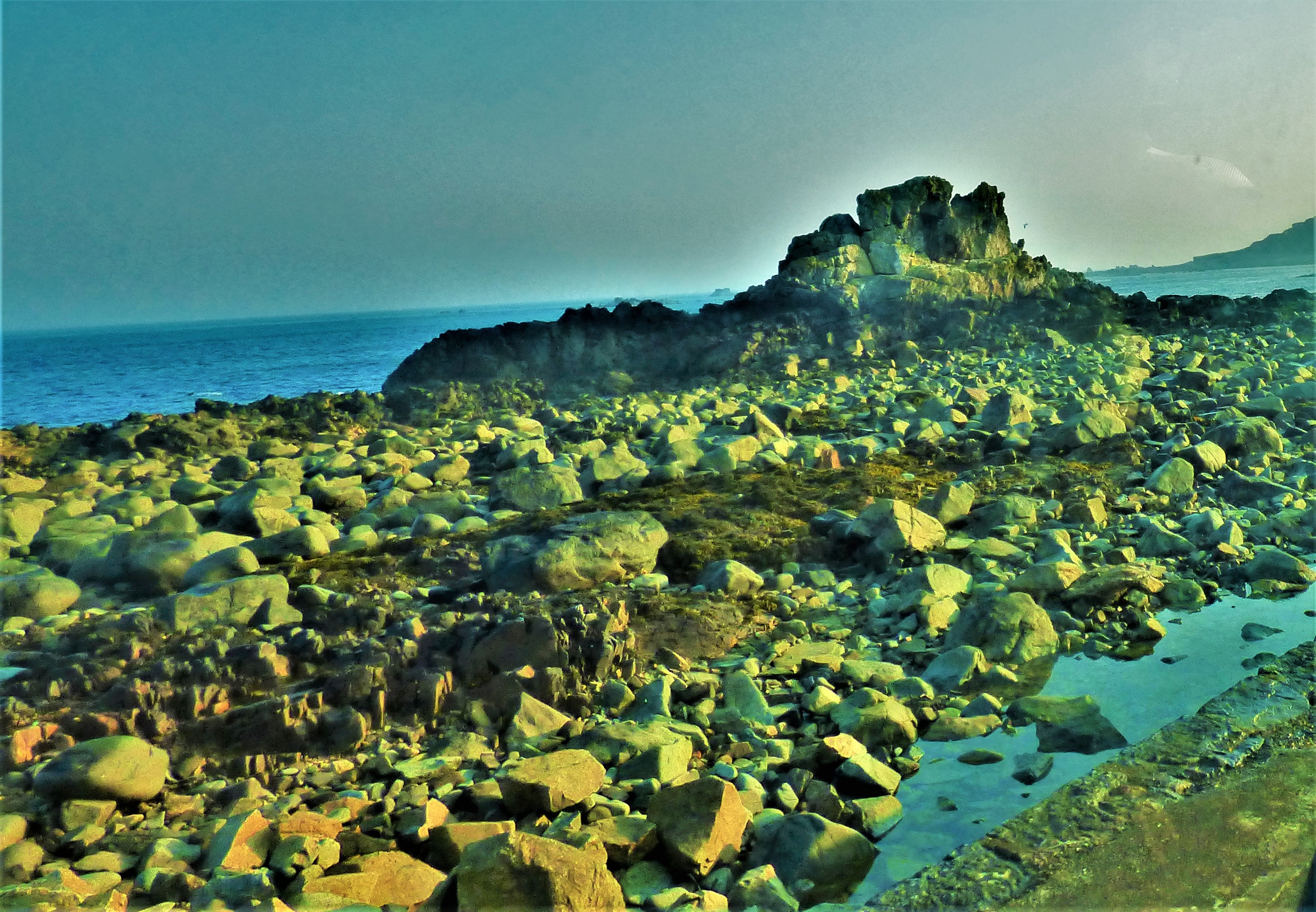
I end this little post with a view of Fort Clonque:
Continuing my account of my holiday in the channel islands. The main feature of today’s post is Alderney’s Roman Fort.
Welcome to the latest installment in my series about my recent holiday in the channel islands. Today we look at the second half of Wednesday’s explorations.
THE ROMAN FORT
The Roman fort is well preserved although there is also a considerable amount of stuff there relating to the German occupation. Admission is free, and there is a detailed plan just inside. Why only one Roman fort when the Victorians deemed the island worthy of 18? The Romans controlled the English Channel in its entirety, so no hostile power could have used these any of these islands as a base from which to attack them – the main danger to Rome would have been pirates looking to base fleets there.
THE REST OF THE WALK
We now headed back on a long circuit towards Braye. We saw some more forts, and when we hit a road once again a taxi was called, four of the five of us electing to get home that way while my sister chose to keep walking. Before I share a general gallery, this is the image that now forms my desktop background:
Now for the general gallery…
Now it is time to sign off with a view of Fort Clonque:
Continuing my account of my holiday in the Channel Islands.
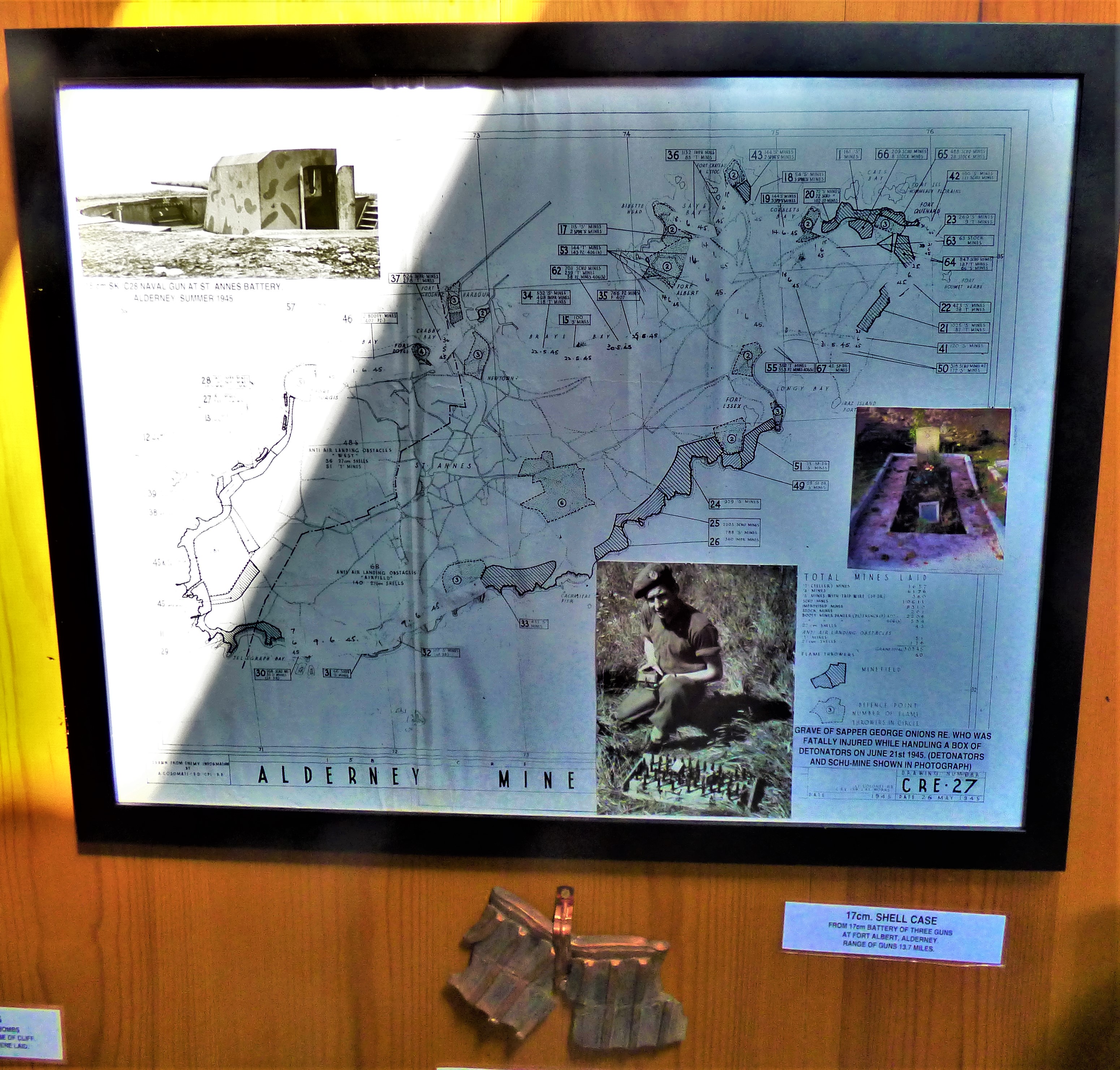
We are up to Wednesday March 23 in my account of my holiday in the channel islands. I have decided to divide this day’s events into two as I have so much to share. Here to help you orient yourselves are a couple of maps of Alderney (click to view at full size):
FORT CLONQUE TO BRAYE
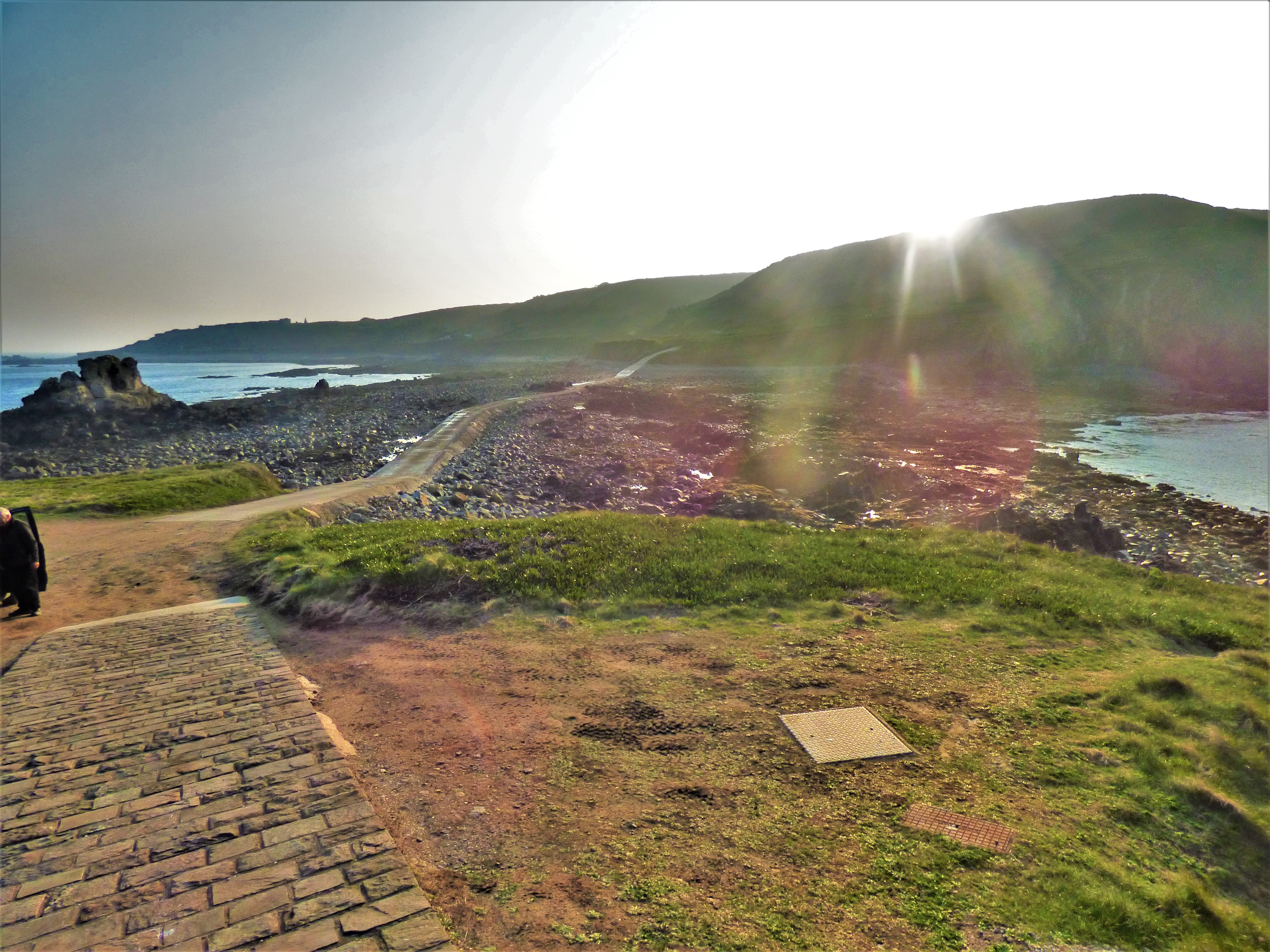
This part of the walk was the reverse of the walk to the fort on the Monday, but this time we were doing it in full daylight, whereas it had been getting dark by the time we arrived on the island on the Monday.
BRAYE TO THE CROSSING OF THE ISLAND
In view of where the most interesting sites were, and where we planned to have lunch we had decided to cut off a loop of the footpath in the first instance and then circuit back. This leg of the journey included a spell close to the Alderney Railway.
UP TO LUNCH
Our route to the place we were having lunch took us past the entrance to the Roman fort which was to be our first port of call after lunch. The lunch was really excellent, and in my case included a local beer (brewed on Guernsey – Alderney is not big enough to have its own brewery) called Patois (French for ‘slang’).
Journeying through cricket history and from King’s Lynn to Alderney in honour of John Arlott.
Having reached Alderney in my account of my recent holiday it is now time for a special post in honour of John Arlott, the legendary cricket commentator, who lived his last years on the island. We will travel through considerable space and time in the course this journey.
STOP ONE: CAMBRIDGE
Cambridge, which my route from King’s Lynn to Portsmouth passed through, was the birthplace of Jack Hobbs, ‘The Master’. It also provides a specialist spinner for the XI since after his falling out with Yorkshire, which ended his first class career, Johnny Wardle played minor counties cricket for Cambrigeshire.
STOP TWO: VAUXHALL
The train from Waterloo to Portsmouth passes through but does not stop at Vauxhall, which overlooks The Oval, home of Surrey County Cricket Club. It is not my purpose to pick an time Surrey XI here (I did that a while back) so I am not actually using this location to pick any players – I am merely noting it.
STOPS 3,4 AND 5: SURBITON, WOKING, GUILDFORD
As with Vauxhall the train passes through Surbiton. Surbiton is not in itself of major relevance, but a line branches off here to Thames Ditton and Hampton Court, and at one time of his life the legendary fast bowler Tom Richardson had a home in Thames Ditton.
Woking, the first stop on the London-Portsmouth route, was home for many years to the Bedser twins, Alec (right arm fast medium, useful lower order batter) and Eric (right handed batter, off spinner).
Guildford, also a scheduled stop on the route, is home to the earliest verifiable reference to the great game of cricket. Testimony regarding the usage of a piece of land, made in 1598 and referring to the childhood of the man testifying, tells us that some form of cricket was being played in Guildford by the 1550s. Surrey still play the odd match at Guildford and one of the more recent of those games featured Kevin Pietersen scoring a double century in the course of which he hit a number of balls into the river Wey which flows past the ground.
STOPS 6-7: GODALMING AND PETERSFIELD
Godalming is home to Charterhouse School, where George Geary (Leics and England) was cricket coach for a time and one of his charges was Peter May. More recently Martin Bicknell (Surrey and England) has been director of cricket there.
Petersfield has a connection that dates to much earlier in cricket’s history: John Small, one of Hambledon’s finest batters in that clubs glory days of the late 18th century, lived there. According to John Nyren in “Cricketers of My Time” Small was a keen skater and enjoyed skating on the surface of Petersfield Pond when that body of water froze over in the winter.
STOP 8: PORTSMOUTH
Portsmouth was one of Hampshire’s out grounds when such were regularly used. In 1899 Major Robert Poore smashed Somerset for twin tons there, and then confirmed his liking for west country bowling by scoring a career best 304 in the return match at Taunton (when another army officer, Captain Teddy Wynyard, scored 225, in a sixth wicket stand of 411).
STOP 9: GUERNSEY
Guernsey has not to my knowledge produced any significant cricketers, though it has produced a couple of well known sportspeople: tennis player Heather Watson, at one time British number one, and footballer Matt Le Tissier who played for Southampton for many years. However it did indirectly give me a squad member, because it was there that I consumed bottle of ginger beer whose place of origin was significant:
Bundaberg, where this variety of ginger beer comes from, was the birthplace of Don Tallon, Australian keeper batter named by Bradman as keeper in his all time XI and considered by many of his contemporaries to have been the best ever in that role.
THE TERMINUS: BRAYE ROAD, ALDERNEY
Braye Road is one terminus of the Alderney Railway, once a genuine commercial railway transporting stone from a quarry, now a heritage railway using carriages of 1938 tube stock (I was not able to travel it being there too early in the year for it to be open). It also gave me, by way of a piece of lateral thinking, a final player for my cricket journey:
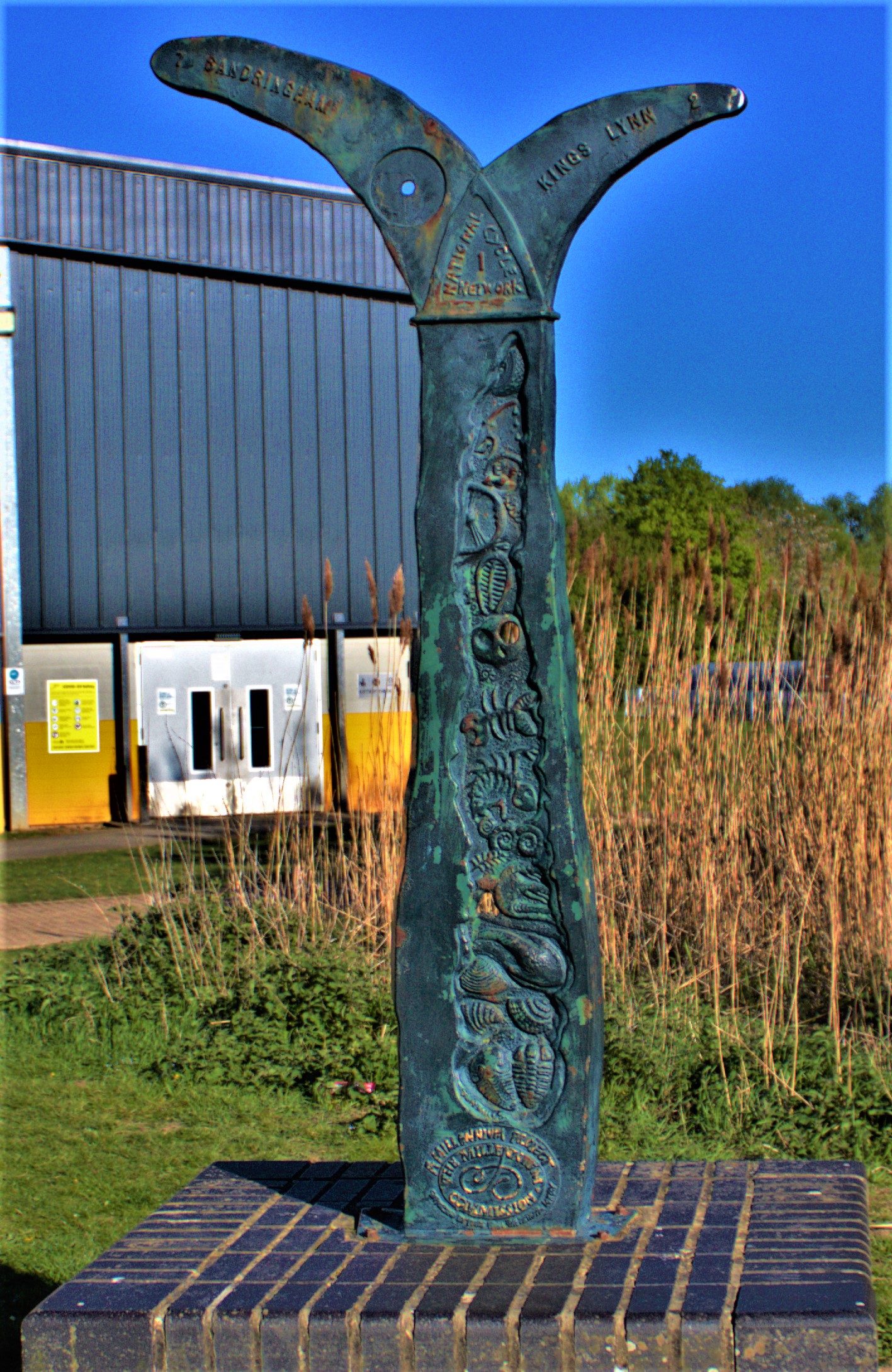
The cricket significance of this picture lies in the name of the road rather than that of the station: it provides a tenuous link to opening batter Tammy Beaumont.
SELECTING OUR XI
In terms of the players I have linked to specific locations we have:
Jack Hobbs, Johnny Wardle (Cambridge), Tom Richardson (Surbiton/ Thames Ditton), Alec and Eric Bedser (Woking), Kevin Pietersen (Guildford), Peter May, George Geary, Martin Bicknell (Godalming), John Small (Petersfield), Major Robert Poore (Portsmouth), Don Tallon (Guernsey, by subterfuge), Tammy Beaumont (Alderney, by cunning use of a street sign). These are 13 players, from whom 11 must be selected. My XI in batting order is:
This XI is well balanced, with good batting depth. The bowling has a genuine speedster in Richardson, two high quality fast medium/ medium fast bowlers in Geary and A Bedser, a great left arm spinner in Wardle and off spin back up from E Bedser, with Hobbs’ medium pace as sixth bowling option. I end this post with a view of Fort Clonque:
Continuing coverage of my holiday with the trip from Guernsey to Alderney
We reach a transition point in my account of my recent holiday – the journey from Guernsey to Alderney.
THE MORNING
Although we had to check out of our hotel by 10AM and the boat to Alderney was not due to sail until 4PM we were able to leave our bags at the hotel to be picked up immediately before boarding, which enabled us to spend an enjoyable morning in St Peter Port. We enjoyed a picnic lunch, and picked our bags up from the hotel, before heading for the boat.
THE VOYAGE TO ALDERNEY
The boat on which we travelled over to Alderney (a voyage that takes about an hour) on a small boat run by a company called Salty Blonde. The voyage itself was fairly uneventful (the sea was very smooth fortunately). The main drama came on our arrival at the harbour on Alderney, when we had a substantial climb up a vertical metal ladder from the boat, and the platform at the top of said ladder was covered in seaweed. The boat crew managed our bags for us to that point, but the climb was not an experience I would care to repeat even so.
FROM THE HARBOUR TO FORT CLONQUE
A taxi conveyed the baggage and my mother to the fort while the rest of us walked. The walk was a pleasant one, and then it remained only to decide on rooms at the fort.