Role Reversal in Guwahati

A look back at the world cup semi-final between England and South Africa at Guwahati today, and especially at an astonishing display from Laura Wolvaardt. Also lots of photos.

Today saw the first semi-final of the 2025 women’s cricket world cup, between England and South Africa. These two sides played their first match of the tournament at this same venue, and on that occasion South Africa were bowled out for 69 and England won by 10 wickets. In South Africa’s last group match, after a superb middle phase of the competition they fell victim to Alana King’s amazing one-woman show and were again all out for under 100. Thus England probably thought they had little to fear.

Laura Wolvaardt and Tazmin Brits led off with a century stand, but then England took three wickets in next to no time. Marizanne Kapp then provided fine support for Wolvaardt, scoring 42 from 33 balls before being caught by Charlie Dean off Sophie Ecclestone, who was looking something close to her best with the ball after sustaining a shoulder injury last time out. Many have suggested that Sinalo Jafta, the Proteas keeper, is too high in their order at number six, and 1 off four balls before Lauren Bell bowled her did nothing to alter that impression. Ms Jafta has now played 46 ODIs, with an average of 12.59 and a best score of 29, not the stuff of which top six batters are made. With the first ball of the 41st over Ecclestone claimed her fourth scalp of the day, her 16th of the tournament, making her leading wicket taker thereof, and her 37th world cup wicket in all, by bowling Annerie Dercksen for 1 to make it 202-6…

…Laura Wolvaardt had survived all the carnage, and reached three figures off 115 balls. Now, starting from that 202-6 after 40.1 overs, and with Chloe Tryon her main remaining supporter she turned a high class ton into the sort of innings that settles matches and possibly even tournaments. Wolvaardt’s acceleration in the final phase of the innings was so dramatic that her third 50 took a mere 21 balls, including four sixes when she had none in her first 100 runs. In the end a catch by Capsey off Bell got her for a magnificent 169 off 143 balls, including 20 fours and five sixes, with 62 off her last 69 runs being in boundaries – eight fours and five sixes in that period. The innings catapulted her to the top of the scoring charts for the tournament, moved her past 5,000 ODI runs in all and moved her ODI batting average north of 50. Her dismissal made it 291-7 after 48 overs. Chloe Tryon and Nadine de Klerk completed a remarkable last 10 overs for the Proteas by scoring 28 off the last two overs between them for a final total of 319-7, 117 of them in the last ten overs. Off the 40 overs not bowled by Ecclestone (10-1-44-4) South Africa scored 275-3. This innings has caused a backdated change to my team of the tournament – on Monday I had Alyssa Healy as Smriti Mandhana’s opening partner and Wolvaardt as reserve opener, but after today I have changed my mind, Wolvaardt opens with Mandhana and Healy is reserve opener and keeper, with Beth Mooney taking the gloves: S Mandhana, L Wolvaardt, +B Mooney, S Devine, A Sutherland, D Sharma, A Gardner, Shorna Akter, A King, S Ecclestone, Marufa Akter, with the reserves now N Sciver-Brunt, A Healy, L Smith and K Gaud.

The England innings began in spectacular fashion, of the wrong sort for them, with the top three of Amy Jones, Tammy Beaumont and Heather Knight all departing for ducks, with the only run accrued in the seven balls of mayhem in which this happened being a wide. After that beginning it was miracles required territory, and although Sciver-Brunt batted very well and Alice Capsey scored her maiden ODI 50 England never looked like getting on terms. When Linsey Smith was last out, caught by Luus off de Klerk for 27, England were all out for 194, beaten by 125 runs, a remarkable turnaround from that opening group fixture at this same venue. Full scorecard here.

My usual sign off…

England Win in Colombo

A brief look back at happenings at the Women’s cricket world cup on Thursday and yesterday, and account of today’s match in Colombo and two photo galleries.

Although today’s match dominates this post I make mention of a couple of others as well.

Tuesday and Wednesday both saw threats of upsets, but in each case the big side came good in the end. On Thursday we finally saw an upset. For most of the chase it looked like India were in charge, but then Nadine de Klerk, batting at number eight, came to the party. An astounding display from the spin bowling all rounder saw four sixes in the space of 2.5 overs (the first two balls of the 47th over, the third and fifth of the 49th). That last six, de Klerk’s fifth in all, took South Africa to victory with seven balls to spare. In total de Klerk scored 84 not out from 54 balls. Remarkably the innings that seemed to have given India enough to defend, Richa Ghosh’s 94, was also scored from number eight, though I cannot comment on that innings other than the bare detail since I was at work while it was being played.

Yesterday I missed the New Zealand innings (see my previous post) but got to hear most of the Bangladesh reply. This match was a familiar tale for Bangladesh and Pakistan at this tournament – a respectable bowling performance but the batters were simply not up to the task. Chasing 225 Bangladesh were at one point 33-6, and although they fought back somewhat from that nadir the final margin was over 100 runs in the Kiwis favour.

The start was slightly delayed by a wet outfield, but both sides stuck to their spin heavy selection plans. Sri Lanka won the toss and chose to bowl, which did not worry Natalie Sciver-Brunt and England in the slightest since they would have batted first in any case.

Tammy Beaumont and Amy Jones began brightly before a combination of an over-optimistic call by Beaumont and a hesitation on the part of Jones cost the latter her wicket. Sri Lanka fared well once they had broken this partnership, but they made a crucial error when a catch offered by Sciver-Brunt, then on 3, went to ground. While no one else made a major contribution the England skipper batted through, cautiously at first, and finally blazingly aggressively in the closing stages of the innings. Her 117 off 117 balls with nine fours and two sixes was the highest individual score of the tournament so far and got England to 253-9, which looked enough.

With 18 runs on the board Sri Lanka lost Chamari Athapaththu to a calf issue – she left the field on a stretcher, but after treatment it was confirmed that she would be able to resume her innings. Vishmi Gunaratne was bowled by Charlie Dean for 10 (9) to make it 37-1, but then for a time Sri Lanka prospered. It was Sophie Ecclestone who changed all that. A high water mark of 95-1 degenerated to 103-4 in the space of 2.2 overs, with the tall left armer dismissing Hasini Perera with the aid of a catch by Alice Capsey, Harshitha Samarawickrama to a fine running catch by Lauren Bell and Kavisha Dilhari clean bowled. There was the merest hint of a revival after that, but 13 runs later Ecclestone effectively terminated Sri Lanka’s interest in proceedings by clean bowling the restored Athapaththu with a beauty for her fourth wicket of the innings (at this stage she had 4-5). In the process of spinning this web from which Sri Lanka could not extricate themselves Ecclestone reached 30 wickets in ODI world cup matches, in just her 12th such game, five matches fewer than the previous quickest to that mark. Sri Lanka resisted with sufficient determination that their last wicket fell with only 4.2 overs of their allocation left, but the margin of 89 runs tells a truer story of this one-sided match. Sciver-Brunt picked up a couple of wickets in this phase to go with her century, and was the last player to touch the ball in the match, holding the catch off Linsey Smith that dismissed Udeshika Prabodhani.

My usual sign off…

All Change at the Top for England Women

A look at who could/ should be appointed to the recently vacated roles of coach and captain of the England women’s team, plus a photo gallery including a splendid comma butterfly.

Two announcements have come out in recent days, neither remotely surprising to any follower of cricket. John Lewis has been fired as coach of the England Women’s team after overseeing the disastrous recent women’s Ashes tour, and the captain of nine years, Heather Knight, has resigned that role. This post looks at possible replacements.

This is a short section since Charlotte Edwards, who has established an outstanding record as a coach since the ending of her own legendary playing career, is apparently interested in the job. If those recruiting have their heads screwed on the process should thus be very straightforward – “name your price, Charlotte” or words to that effect.

There is no immediately obvious successor here. Natalie Sciver-Brunt, the current vice-captain, is of similar vintage to Knight, and cannot be considered a long term option. Similarly Tammy Beaumont and Danni Wyatt-Hodge are both too old to be considered anything other than short term fixes. I can see two candidates who have enough experience while also being likely to be around for years to come, and both of whose places in the side as players are beyond question. Charlie Dean, off spinner and useful lower order batter, would be my choice for the role. The other candidate who I consider to be in the mix is Sophie Ecclestone, the best in the world at what she does and clearly possessor of a good cricket brain.

I was nearing the end of my morning excursion when a glance at the giant buddleia bush near the Eastgate Bridge over the Gaywood River was rewarded with the sight of a comma butterfly basking in the sun (today is the first official day of northern hemisphere spring, and by that point I was warm enough that my jumper was in my bag and I was in short sleeves).

Now for the full gallery…

England Women Reassume Control in South Africa

An account of yesterday’s ODi between the South Africa and England women’s teams and a photo gallery.

At 8AM UK time yesterday morning the second One Day International in the current multi-format series between the South Africa and England women’s teams took place at Durban. This post looks back at that match.

England won the toss and put South Africa in to bat. Protea skipper Laura Wolvaardt confirmed that she would have put England had she won the toss.

Kate Cross replaced Lauren Bell for England, and her metronomic accuracy proved an excellent counterpoint to the pace and fire of Lauren Filer with whom she shared the new ball. England soon had two early wickets, Tazmin Brits and Sune Luus each having their stumps rearranged by Filer. From 14-2 the proteas appeared to have launched a very effective recovery when Wolvaardt and the up-and-coming Annerie Dercksen took the total into the 70s without further loss. However now came the period that effectively settled the match. Spinners Charlie Dean and Sophie Ecclestone tore out the middle order in an extraordinary period in which 72-2 and on the road to recovery became 76-7 and definitively doomed. Dean took four of the wickets with her off spin, including performing the hat trick (her victims for this achievement were Marizanne Kapp, Nadine de Klerk and Sinalo Jafta, none of whom would be considered not to be a front line batter), while Ecclestone, for once subordinate in destruction, nevertheless claimed the prize scalp of Wolvaardt, clean bowled for 35. Chloe Tryon did her best to save something from the wreckage, scoring an impressive 45 before Ecclestone had her caught by Tammy Beaumont. That was 127-9, and the last pair of Khaka and Hlubi boosted the total by a further eight before Hlubi was bowled by Ecclestone to end the innings. Dean had 4-45 from her full 10 overs, Ecclestone 3-27 from 7.3 overs and Filer who had added Nonkuloleko Mlaba, clean bowled, to her two opening scalps had 3-32 from six overs, all three bowled.

To have any chance of defending such a small total South Africa needed early wickets, and the England opening pair of Tammy Beaumont, playing her 100th successive ODI, and Maia Bouchier ensured that no early wickets fell. By the end of the 10 over opening power play England were 57-0. 12 more runs came before Bouchier was dismissed, and although Beaumont and Knight followed quickly at 80 and 82, Nat Sciver-Brunt and Danni Wyatt-Hodge took England to the brink of victory. Just seven further runs were needed when Sciver-Brunt was LBW to de Klerk. New batter Amy Jones struck her first and third balls for fours to give England victory by six wickets with 26 OVERS to spare. The ODI segment of the series is thus level at 1-1 with one more match to come. Charlie Dean was named player of the match.

My usual sign off…

England Women Win Easily

A look back at yesterday’s WT20I between England and New Zealand and a photo gallery.

Yesterday evening saw the fourth match of the WT20I series between England and New Zealand. The match was played at The Oval, where appropriately enough a new set of gates named after Surrey and England legend Natalie Sciver-Brunt were in use for the first time, having been unveiled the day before. This post looks back at the match.

Both teams made changes. In England’s case the changes were about preparation for the upcoming WT20I world cup in Bangladesh, in New Zealand’s case they were down to desperation. New Zealand won the toss and decided to bat first.

New Zealand began steadily but somewhat slowly, ending the six over Power Play on 33-0. That was to be as good as it got for them. Leg spinner Sarah Glenn came on to bowl the seventh over and struck with her first ball, bowling Georgia Plimmer to break the opening stand. Two balls later the new batter Amelia Kerr hit a long hop straight into the hands of Capsey at short midwicket. A splendid inswinger from Dani Gibson accounted for Sophie Devine with the score on 40, and two runs later Ecclestone extended the sequence of international innings in which she has claimed at least one wicket to 34 by bowling Suzie Bates. The next to go was Brooke Halliday who gave Gibson an easy catch off Ecclestone. That was 52-5 and moved Ecclestone to joint third in the all time WT20I wicket takers list alongside Ellyse Perry of Australia. Ecclestone is 25 years old, Perry 33. Green and Gaze now shared the second best partnership of the New Zealand innings, before Green gave Gibson a catch off Glenn for 24 off 25 balls. Glenn then made it two wickets in an over for the second time of the evening when she hurried one through Jess Kerr to bowl her for 1. At 82-7 the Kiwis were utterly in the toils, and although Lea Tahuhu did her best to support Gaze they were unable to increase the scoring rate. The innings ended with Gaze being run out to give the Kiwis a final score of 103-8. Perhaps the single most damning stat relating to this sorry innings by the Kiwis is that Gaze with 25 off 24 balls was the only one of their batters to have an SR of above 100, which is not the sort of thing that wins many T20s at any level.

New Zealand needed early wickets to have any hope of defending such a small total, and instead were greeted by a barrage of shots from Danni Wyatt and Sophia Dunkley. The opening stand yielded 54 before Dunkley departed for a 16 ball 26. That brought Capsey to the crease, and there was little slowing of the momentum. Amelia Kerr bowled Capsey with the last ball of the seventh over to make it 73-2, and off the first ball of the eighth Wyatt holed out to Fran Jonas off Eden Carson. That brought Sciver-Brunt and Knight together, and the pair looked comfortable all the way. The match ended when Sciver-Brunt on her home ground hit the second and third balls of the 12th over for fours to give England victory by seven wickets with 8.3 overs to spare. Sarah Glenn’s bowling performance deservedly secured her the Player of the Match award. The final match of this series takes place at Lord’s on Wednesday and it is hard to see any result other than another England win.

My usual sign off…

Two Wins For England Cricket Teams

A look back at victories by the England men’s and women’s cricket teams, a mention of an upcoming auction and a photo gallery.

Last night saw the third T20I in a five match series between the England and New Zealand teams, while this morning, though it should have been just less than halfway through the match saw the last knockings of the first of three test matches between the England and West Indies men’s teams. This post looks at both games.

The test match at Lord’s was the last appearance at that level of the legendary James Anderson, who made his test debut as long ago as 2003. England have decided to look to the future, and gave Anderson this match so that he could bow out in front of a home crowd. It also saw the arrival on the test scene of Gus Atkinson, the Surrey fast bowler. In terms of the result it was the new comer who had the bigger say (and how!)

In my previous post I mentioned Atkinson’s first innings brilliance (7-45) and the fact that England were going well in response. While I was at work yesterday England continued to progress with the bat – Crawley, Pope, Root, Brook and the other debutant, Jamie Smith, selected as keeper although he is not Surrey’s first choice in that role all made 50s, though none managed to reach 80. Smith’s 70 on debut included a significant increase in scoring pace when he was left with the tail. The West Indies second innings got underway yesterday evening, and the skids were soon under it in no uncertain terms. Stokes took two early wickets, Anderson one and Atkinson one. Late in the day two further scalps fell, a second to Anderson and a second to Atkinson giving the debutant nine for the match to that point. West Indies were 79-6 when that wicket rang down the curtain on day two (although an extra half hour can be claimed if a result is possible that usually only enters the equation if seven or more wickets are down). It also ensured that James Anderson would finish behind Warne in the all time test wicket takers list. Atkinson and Anderson resumed bowling this morning, and it was Anderson who had the first success with a beauty that took the edge of Josh da Silva’s bat and went through to Smith. Thereafter however it was the Atkinson show. First Alzarri Joseph took on a short ball and succeeded only in giving Duckett catching practice, then Atkinson bowled Shamar Joseph to make it 103-9. At that point Atkinson had match figures of 11-86, and if he could take the final wicket and concede 15 or fewer runs in the process he would set a new record for an England debutant, beating the 12-102 taking by Fred ‘Nutty’ Martin way back in 1890 (Jack Ferris took 13 in his first match for England, but he had previously played for Australia, and it would have been news to him that he was playing that match for England since it was on a privately organized tour of South Africa and was only granted test status some years later). A combination of luck and some decent batting by Gudakesh Motie robbed him of that, but when Jayden Seales, the number 11, was caught by Duckett, fielding at long leg, Atkinson had his second five-for of the match, and final figures of 12-106 (7-45, 5-61), the second best ever for England, and a number of wickets beaten by only two test debutants in history, Narendra Hirwani (India, 16-136) and Bob Massie (Australia 16-137). Anderson’s final bowling effort was 3-32 from 16 overs, meaning that he ended with 704 test wickets overall. England’s winning margin was an innings and 114 runs – WI 121, ENG 371, WI 136. Atkinson was, as I said in a tweet shortly after the final wicket fell, the ONLY candidate for Player of the Match and was duly confirmed as such. A scorecard of this match can be seen here.

In theory the question for England is now which of Potts or Pennington comes in for Anderson (Sam Cook is currently injured, so his call up must wait). However, I would boldly select both, leaving out Woakes who contributed little at his favourite ground.

England won the toss and chose to field. The New Zealand innings was dominated by two players named Sophie. Sophie Devine scored 58 not out off 42 balls to give New Zealand 141 to defend, and the main reason that total wasn’t higher was Sophie Ecclestone, who finished with 4-0-25-4. The first of those four wickets, that of Suzie Bates, kept an astonishing run going – it made it 33 consecutive international bowling innings in which the left armer had claimed at least one wicket. Later in that same opening over she snared Amelia Kerr, and in the later stages of the innings she clean bowled each of Isabella Gaze and Leigh Kasperek. Although England only had four balls to spare when they scored the winning run, they had six wickets standing. The batting star was Alice Capsey whose 67* (60) undergirded the chase. It was Capsey who was named player of the match ahead of Ecclestone. Scorecard here.

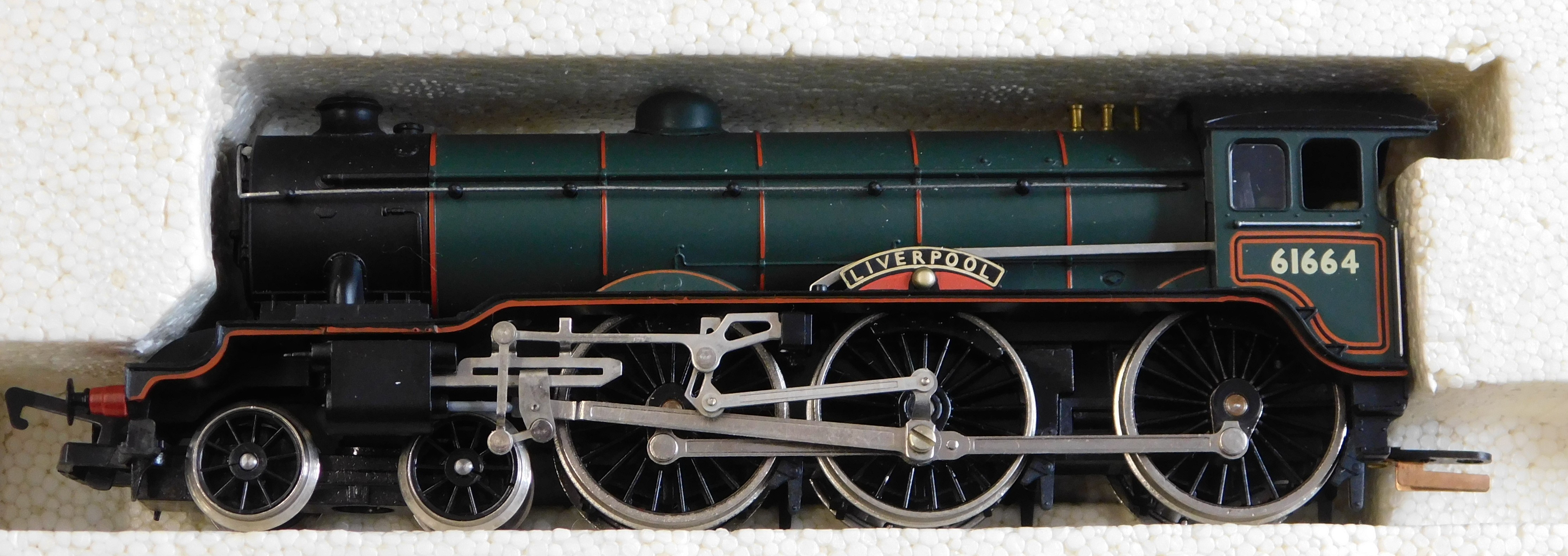
Before I get to my usual sign off, I sent out a bulk email about the upcoming railway models auction at work yesterday. I will not include the full thing here, but you can view a full catalogue and/or sign up to bid here or here. The image I used to accompany the email is below.

Now for the main gallery…

England Women Continue Winning Start to Home Season But…

A brief look back at the closing stages of the first ODI between England Women and Pakistan Women, which took place yesterday.

Yesterday saw the first ODI between the England and Pakistan women’s sides (the day before should have seen a T20I between the men’s sides but unremitting rain all day long led to the authorities at Headingley concluding an hour before the scheduled start time that it would not be possible to get the match on and abandoning it). I was at work for the majority of yesterday’s game, but did get the closing stages.

Pakistan look in with a chance for over half their batting innings, but having got the target below 100 at what should have been a manageable rate with six wickets standing they lost both incumbent batters in quick succession. The over that killed any prospect of a Pakistan revival was a wicket maiden by Sophie Ecclestone which meant that after nine of her ten overs she had figures of 3-24. Although the Pakistan tail reduced the deficit they never looked like challenging in the closing overs. They survived until the final over, but by the time the last ball was bowled they needed 38 from it to win the match, and only scored one of them, so England won by 37 runs. However, it was undeniably slipshod from England’s bowlers, with Extras contributing 40 to Pakistan’s total, including 31 in wides, and a better side than Pakistan would certainly have punished them for this. I missed the batting efforts, but that no one got to 50 (Capsey’s 44 was the highest score of the match) tells a story. So far in three T20Is and one ODI between these sides there has been one individual half century – Wyatt’s 87 in the third T20I, and she was dropped on 12 in that innings. Ecclestone’s 3-26 from 10 overs secured her the Player of the Match award. Full scorecard here.

I have a fine photo gallery to share today…

England Women Maintain Winning Start To Home Season

A look at the second T20I of the three match series between England Women and Pakistan Women, and a large photo gallery.

Yesterday night saw the second match of the three match T20I series between the England and Pakistan women’s sides. England had won the opener comfortably.

Natalie Sciver-Brunt returned to the England XI after missing the series opener. Diana Baig (the first name came about because her mother was a fan of Princess Diana) returned to the Pakistan XI. In spite of England’s dreadful start with the bat in the first game Heather Knight had no hesitation in opting to bat when she won the toss at Wantage Road. England were not entirely convincing, and for most of the innings it didn’t look like they would get much beyond 130. However 17 runs off the last five balls of the innings (Ecclestone scoring 7* off three balls and Danielle Gibson then hitting the last two balls of the innings for four and six to finish with 18* off 10 balls) pushed the total to 144.

Pakistan were soon 9-2, but then Sidra Ameen and Muneeba Ali had a respectable partnership. Ali gave Ecclestone a return catch which made the left armer, at a mere 25 years of age, England’s all time leading wicket taker in the format, surpassing Katherine Sciver-Brunt. All rounder Nida Dar (the overall all time leading wicket taker in the format) then fell LBW to Sarah Glenn for 1 and it was 41-4 and Pakistan were in deep trouble. Sidra Ameen and Aliya Riaz then put on 19 together before Sidra Ameen was run out after a mix-up and it was 60-5. From that point on it was all England. Heather Knight having noted that the spinners were proving more testing than the seamers gave Alice Capsey a bowl (though the skipper’s own off spin was not deployed). Capsey picked up the wickets of Aliya Riaz for 19 and Diana Baig for a duck in her first over, and Pakistan were 71-7, with Capsey looking at figures of 2-1. Sarah Glenn then accounted for Fatima Sana for 8 to make it 72-8. The ninth scraped at seven runs, three of them off Capsey, before Ecclestone got both the last two wickets in the space of three balls as Pakistan ended up 79 all out, beaten by 65 runs, a record margin for a T20I at the ground. Ecclestone finished with 3-11, while Capsey’s all round contribution of 31 and 2-4 won her the Player of the Match award. A full scorecard can be viewed here and amore detailed look at the numbers thrown up by this match can be seen here.

My usual sign off…

All Time XIs – Match Ups 23

Continuing my extended analysis of how the all time XIs I selected for each letter of the alphabet fare against one another.

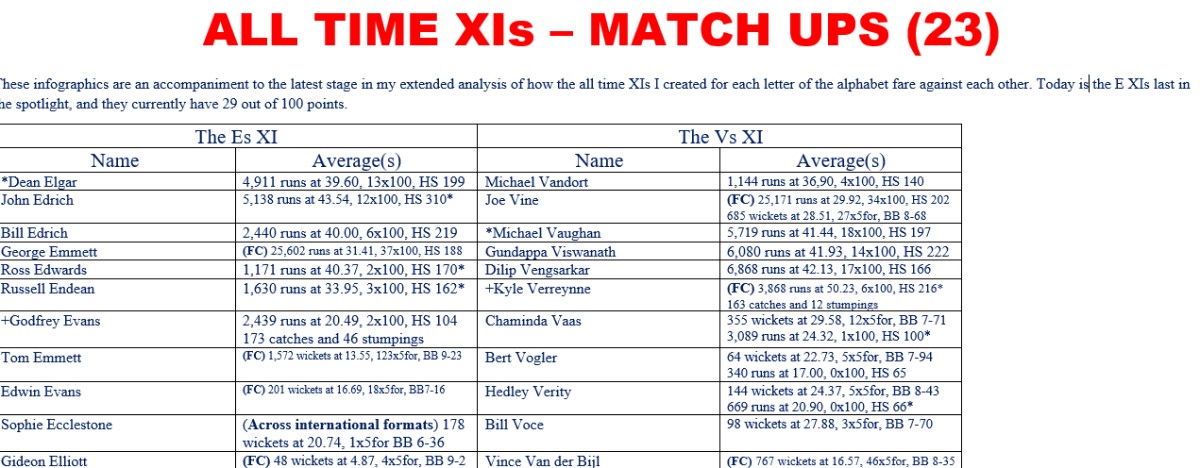
Welcome to the latest instalment in my extended analysis of how the all time XIs I selected for each letter of the alphabet fare against one another. Today the Es complete their match ups, coming into the day on 29 points out of 100.

THE Es V THE Vs

The Es have the better opening pair, the Vs have the better numbers 3,4 and 5. Verreynne is a much better batter than Endean was, but G Evans was miles ahead when it come to keeping. Vaas was a somewhat better batter than G Evans was, and his bowling as third seamer in a strong attack rather than his usual IRL role of opening bowler in a moderate one is likely to be even more valuable than his figures suggest. Voce and Van der Bijl have to be considered at least a match for T Emmett and Elliott as an opening pair, and the Es only back up seam option is Bill Edrich. The Vs are also clear winners in spin bowling, with Verity among the few left arm slow to medium paced bowlers to definitively outrank Ecclestone, and Vogler definitely ahead of E Evans (Vogler bowled largely on properly prepared pitches, whereas the Aussie benefitted from some very rough surfaces in the 1870s). The Es may benefit from the better starts their openers are likely to give them, but not enough to make a difference to the outcome: Es 0, Vs 5.

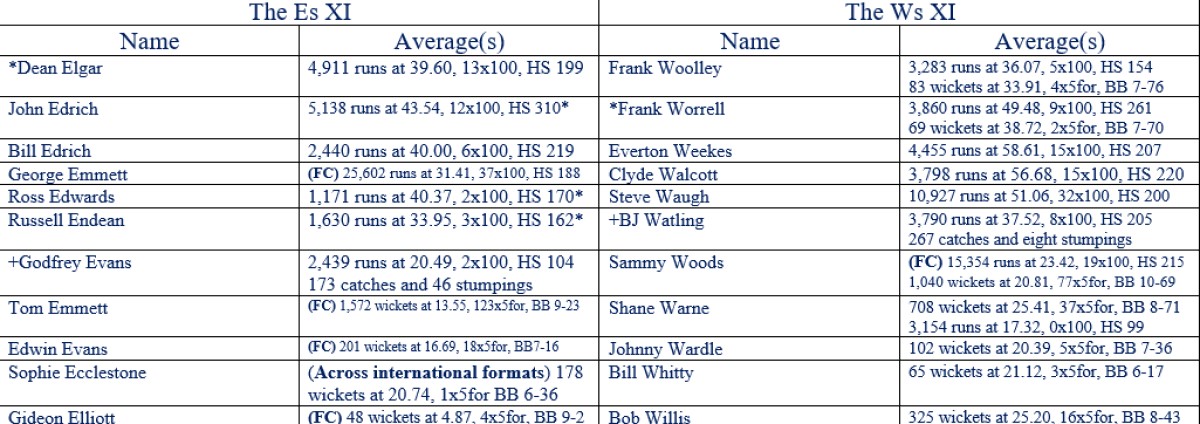
THE Es V THE Ws

Worrell is further clear of Edrich than Elgar is clear of Woolley with the bat, and additionally he massively outranks Elgar as a skipper. Weekes, Walcott and Waugh comfortably win the nos 3,4 and 5 slots, Watling at six outbats Endean, though G Evans was a better keeper. Woods at seven was a better batter than G Evans, and provides the Ws with an extra bowling option. Whitty and Willis probably outrank T Emmett and Elliott as a new ball combination, and while Ecclestone v Wardle is a close contest, shaded by the Yorkie on the grounds that he bowled both finger and wrist spin, Warne massively outranks E Evans. The Ws are massively clear in all departments: Es 0, Ws 5.

THE Es V THE Xs

The Xs are ahead in the number three and four slots but well behind elsewhere. Es 4, Xs 1.

THE Es V THE Ys

The Es have the better opening partnership, the Ys win the 3,4 and 5 slots. Endean was a better batter than Yardley, but the latter offers a bowling option and would outrank Elgar as a skipper. S Yousuf was a better batter than G Evans but a less good keeper. The Es have the better new ball pair, though the Ys have the better spin attack. I think the Es just have this one and score it Es 3, Ys 2.

THE Es V THE Zs

The Es dominate in batting, dominate in pace bowling, have the better spin attack and have the better keeper. This is clear cut – Es 5, Zs 0.

THE Es FINAL SCORE

The Es have scored 12 points out of 25 in this set of match ups, to finish with 41 out of 125, 32.8%.

PHOTOGRAPHS

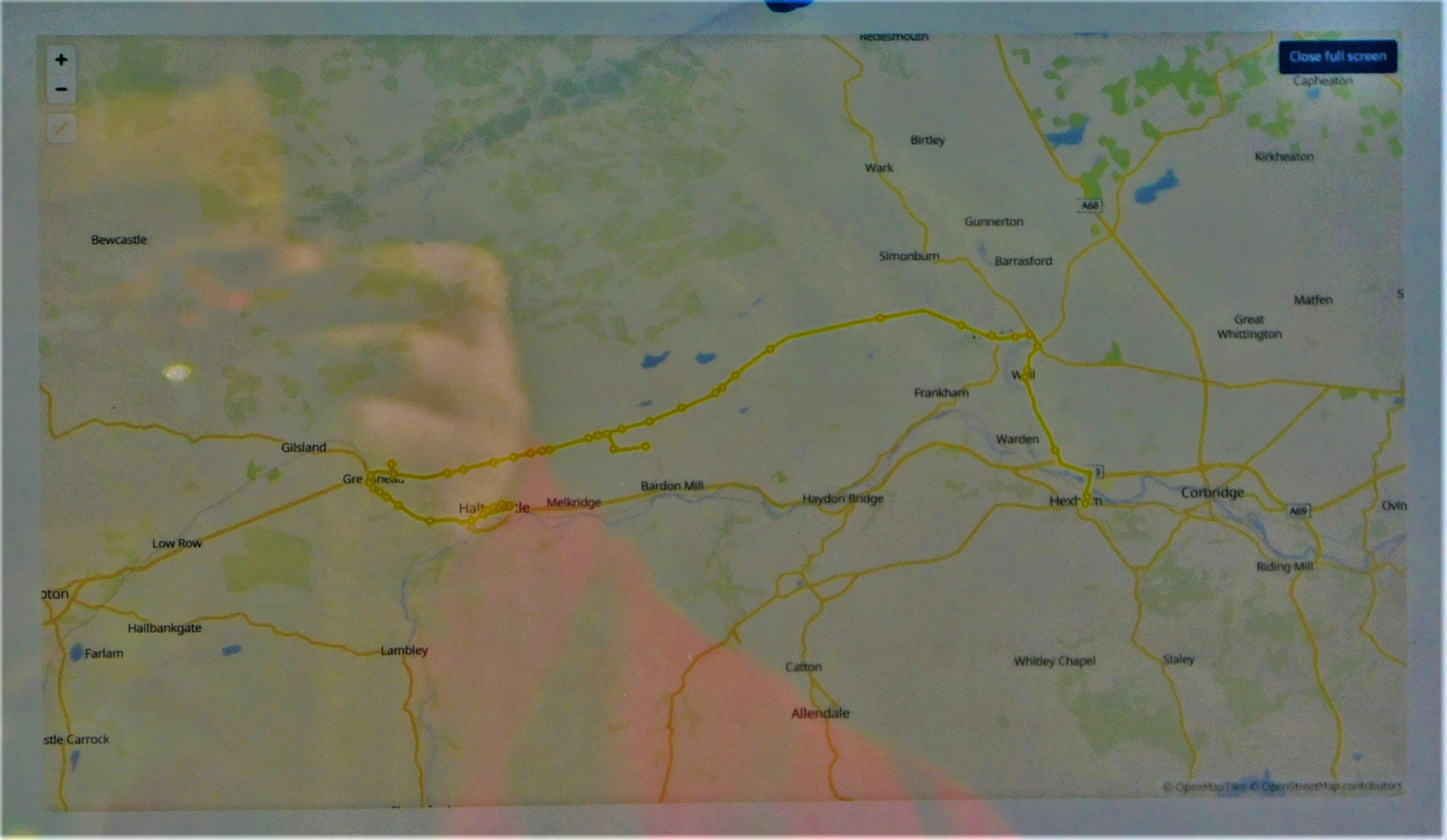
Today’s photo gallery is the last from my recent trip north, featuring the pictures I took from Newcastle onwards on the return journey.

H

All Time XIs – Match Ups 22

Continuing my extended analysis of how the all time XIs I selected for each letter of the alphabet fare against one another.

Welcome to the latest instalment in my extended analysis of how the all time XIs I selected for each letter of the alphabet fare against one another. The Es XI continue to occupy the spotlight, and they start today on 21 of a possible 75 points.

THE Es V THE Qs

The Es dominate the batting, and are also massively superior in pace bowling, having a proper new ball pairing in the form of T Emmett and Elliott, whereas the Qs only front line seamer is a bad third in the seam bowling rankings across the sides. The Qs have a numerical advantage in the slow bowling department, but Ecclestone is probably the best individual slow bowler on either side. I do not think that even on a turning pitch the Qs can close the gulf between them and the Es and accordingly score this one Es 5, Qs 0.

THE Es V THE Rs

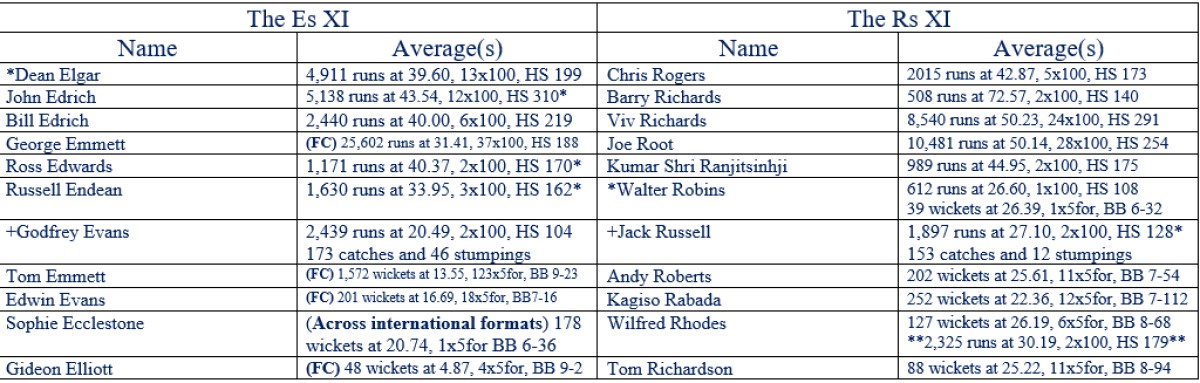
The Rs win the first five batting match ups, and while Endean ranks ahead of Robins as a batter, Robins’ all round skills partly compensate for that, and he also comfortably outranks the fairly pedestrian Elgar as a captain. Russell’s batting advantage of over 6.5 per innings over G Evans undoubtedly more than makes up for any slight superiority Evans may have had as a keeper. The Rs are comfortably clear in bowling as well – they have three front line pacers to the Es two, and magnificent though she is Ecclestone cannot be ranked ahead of Rhodes in the pantheon of left arm spinners. I score this one Es 0, Rs 5.

THE Es V THE Ss

The Ss dominate in all departments save wicket keeping – G Evans was undoubtedly a finer keeper than Sangakkara. Es 0, Ss 5.

THE Es V THE Ts

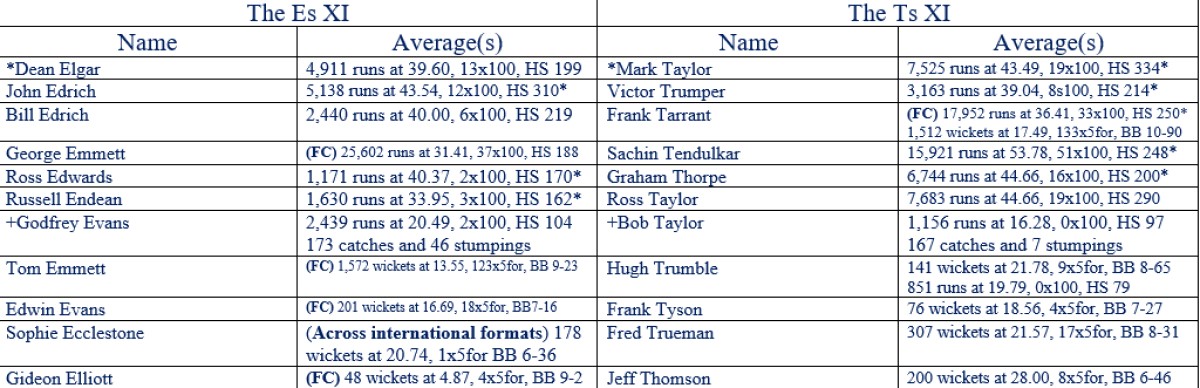
I give the Ts the verdict on opening pairs – Taylor’s marginal disadvantage v J Edrich is compensated for by his greater tally of runs, while Trumper made his runs on much more difficult pitches than Elgar. Additionally I would rate Taylor a better skipper than Elgar. While Tarrant loses the batting element of his match up against Bill Edrich, he offers an extra bowling option. The Ts have an overwhelming advantage in the number 4,5 and 6 positions. Bob Taylor ranks below Evans with the bat, similarly as a keeper. The Ts have far the stronger pace attack, and while Ecclestone just outranks Tarrant as a bowler Trumble has a significant advantage over E Evans. The Ts are well ahead and I score this Es 0, Ts 5.

THE Es V THE Us

The Es win the first three batting slots, the Us win the the next three. Umar Akmal outranks G Evans with the bat but is miles behind him as a keeper. The Es comfortably outrank the Us in the new ball contest, though Ulyett’s presence as a third pace option reduces the gap in this department. Ecclestone against Underwood is a mighty contest, though Ecclestone offers more with the bat. Given that he has done his bowling on 21st century pitches, which offer less to slow bowlers than the 19th century surfaces that E Evans exploited I put Ur Rahman ahead in this match up. Overall the Es should have enough, but it is close: Es 3, Us 2.

THE Es PROGRESS REPORT

The Es have scored 8 of a possible 25 points today, moving them to 29 out of 100 – 29%.

PHOTOGRAPHY

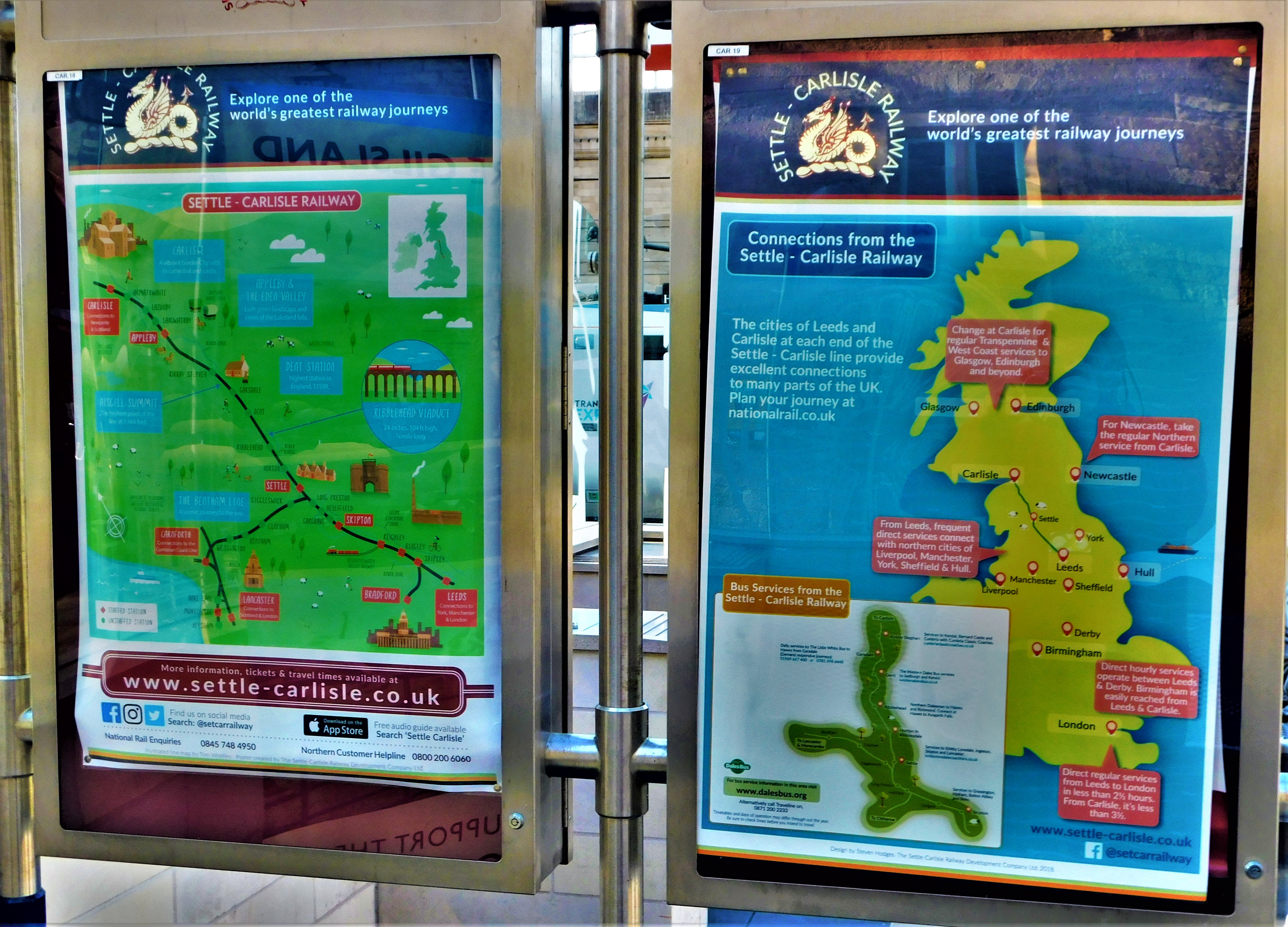
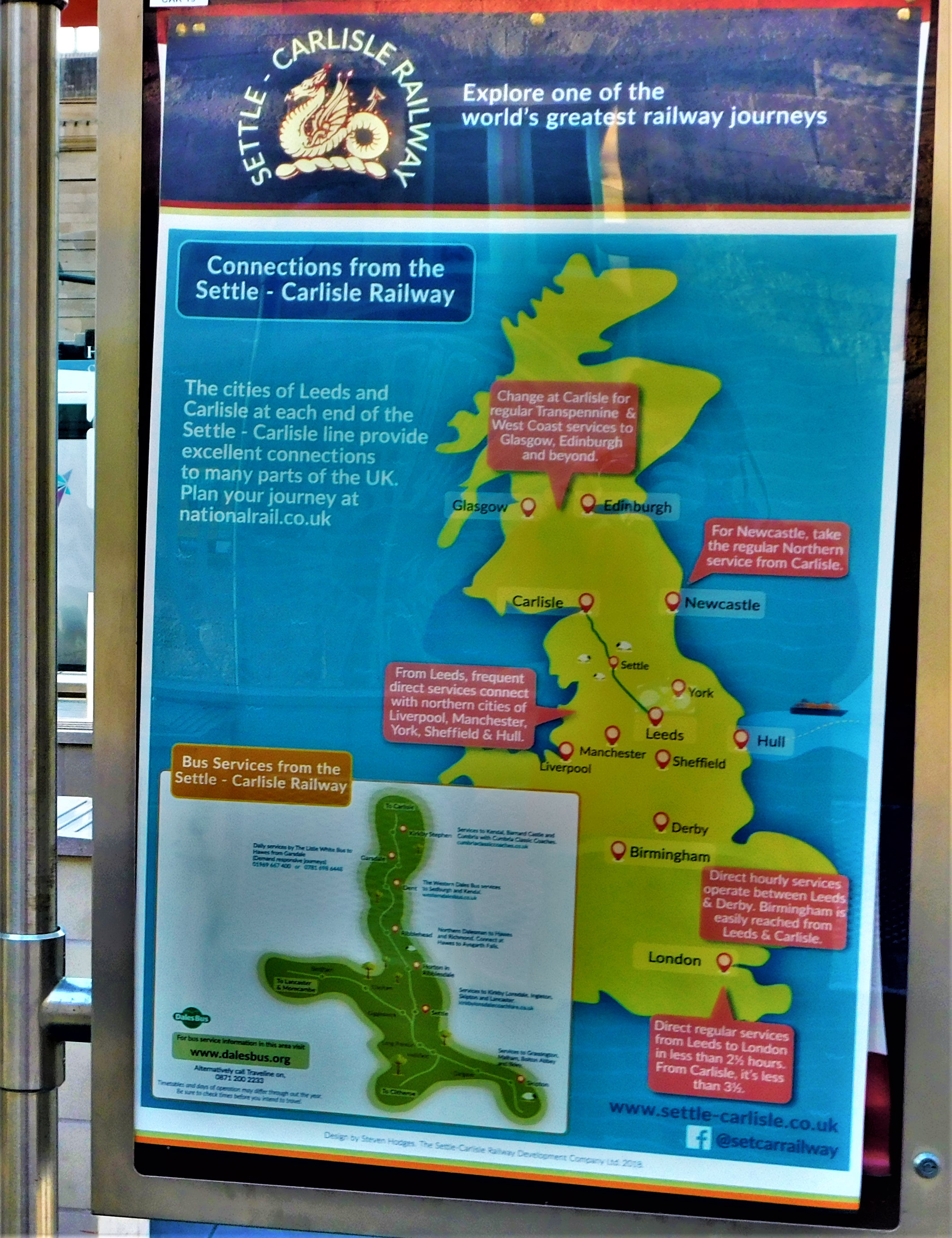
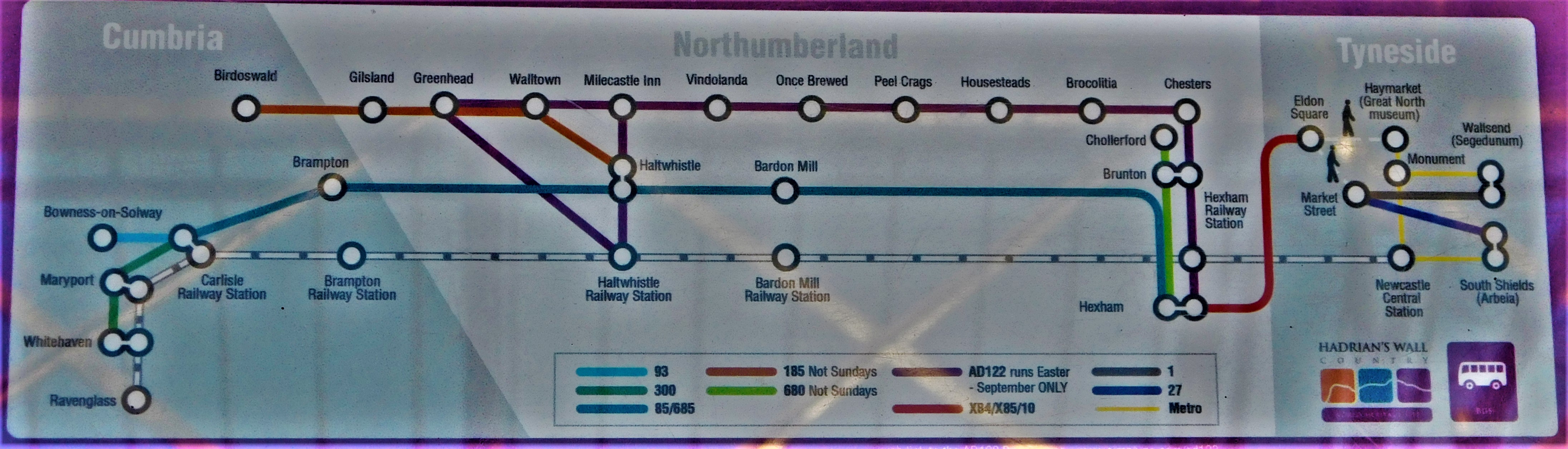
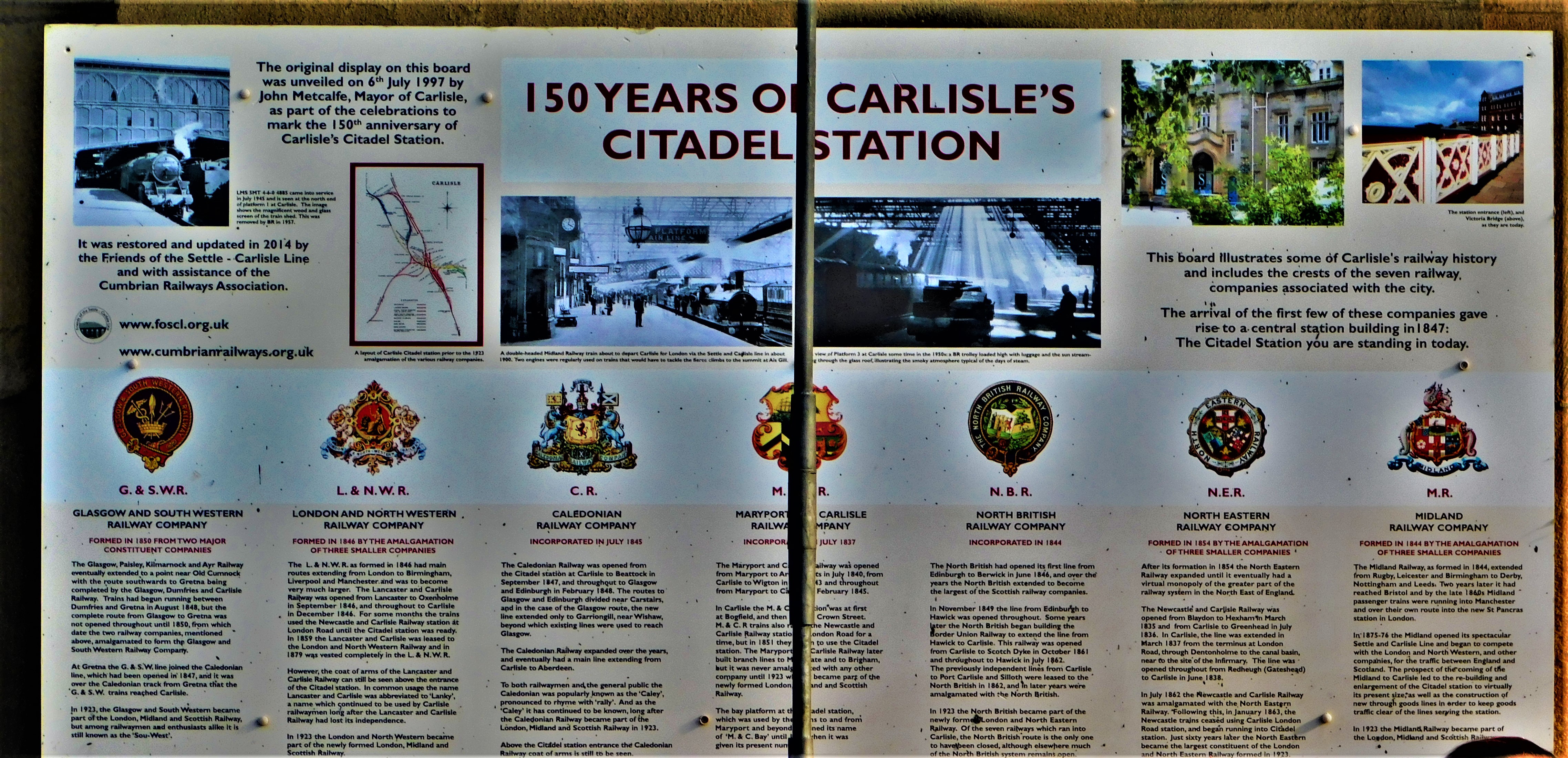
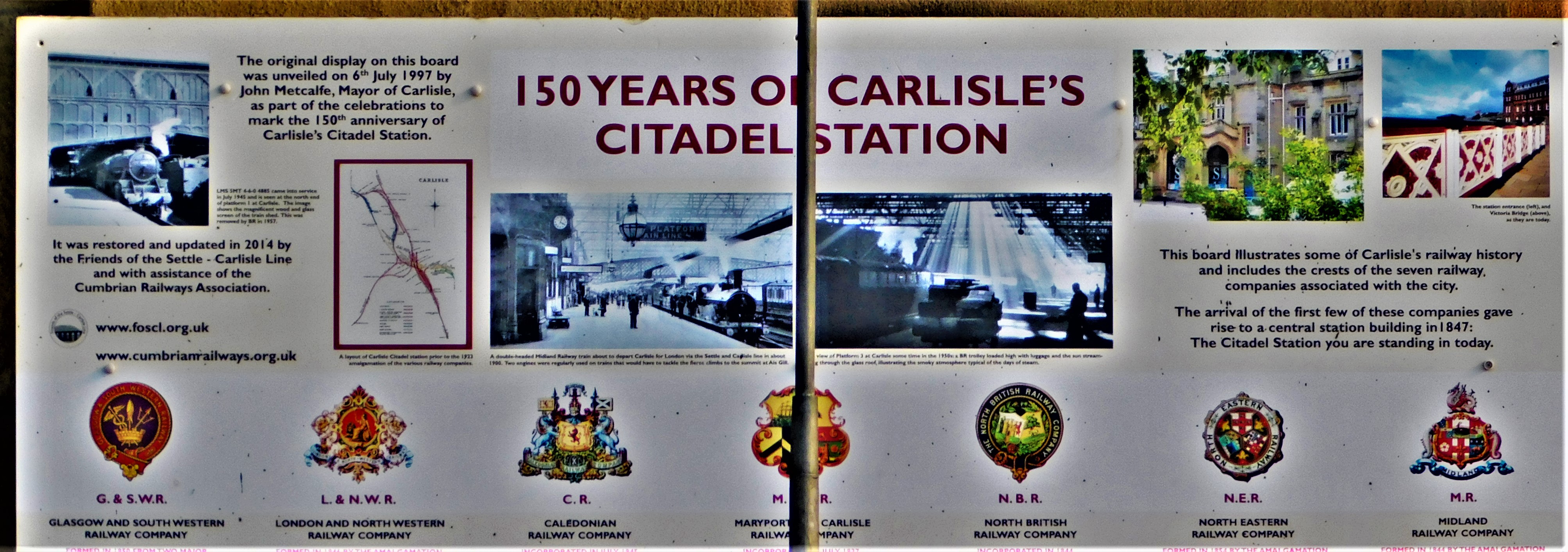
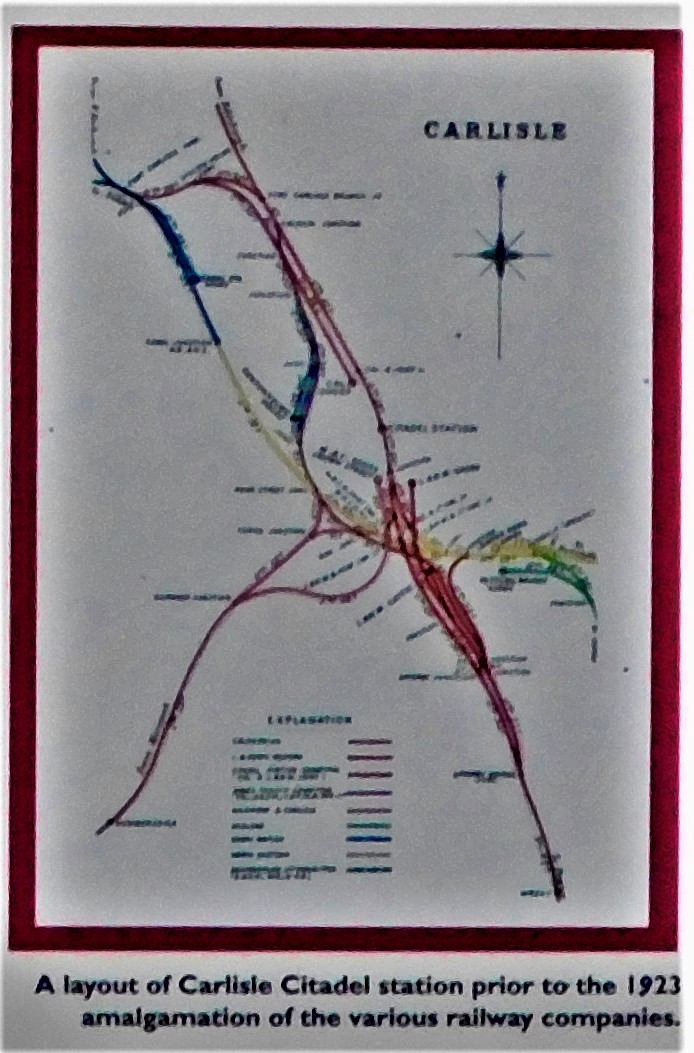
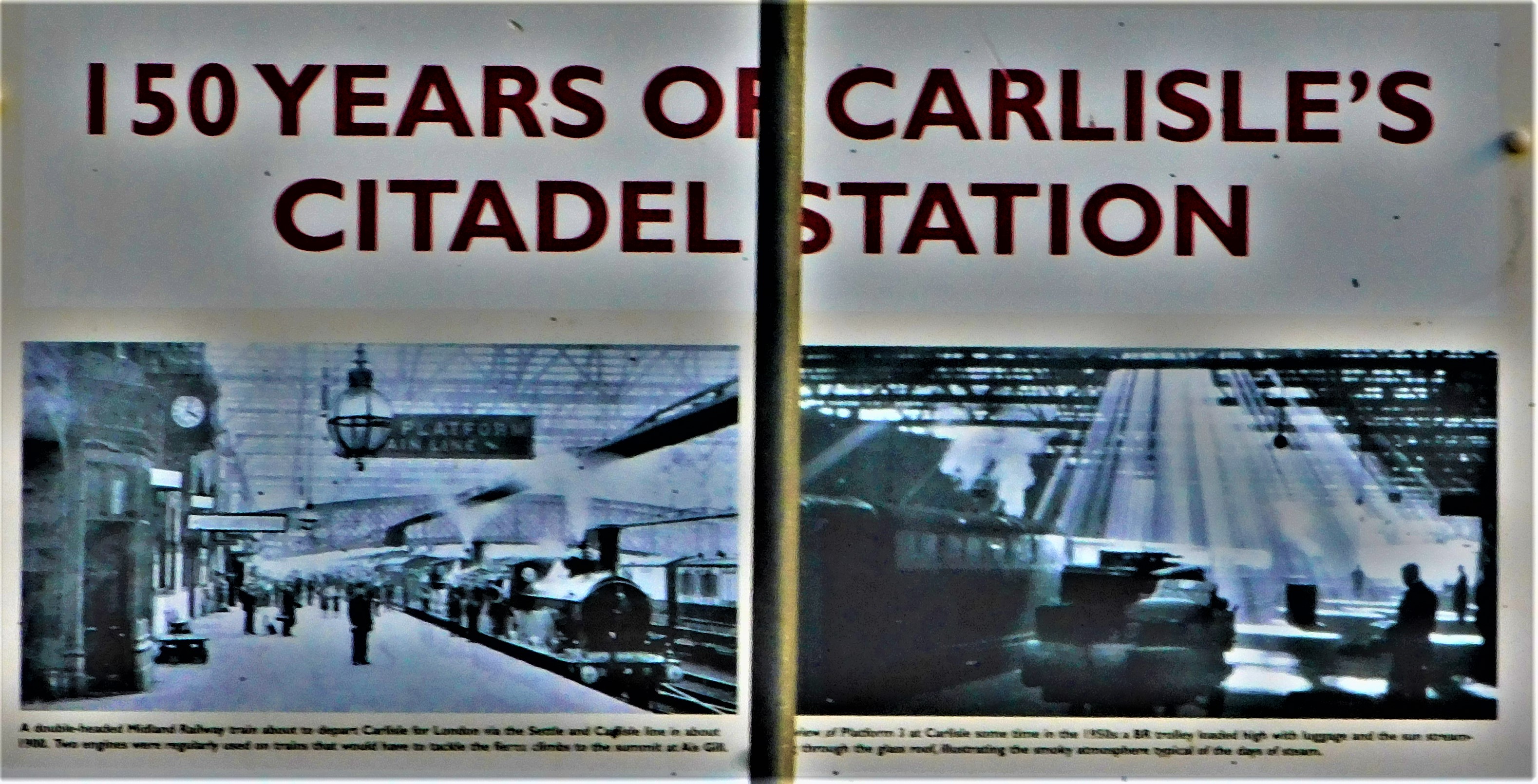
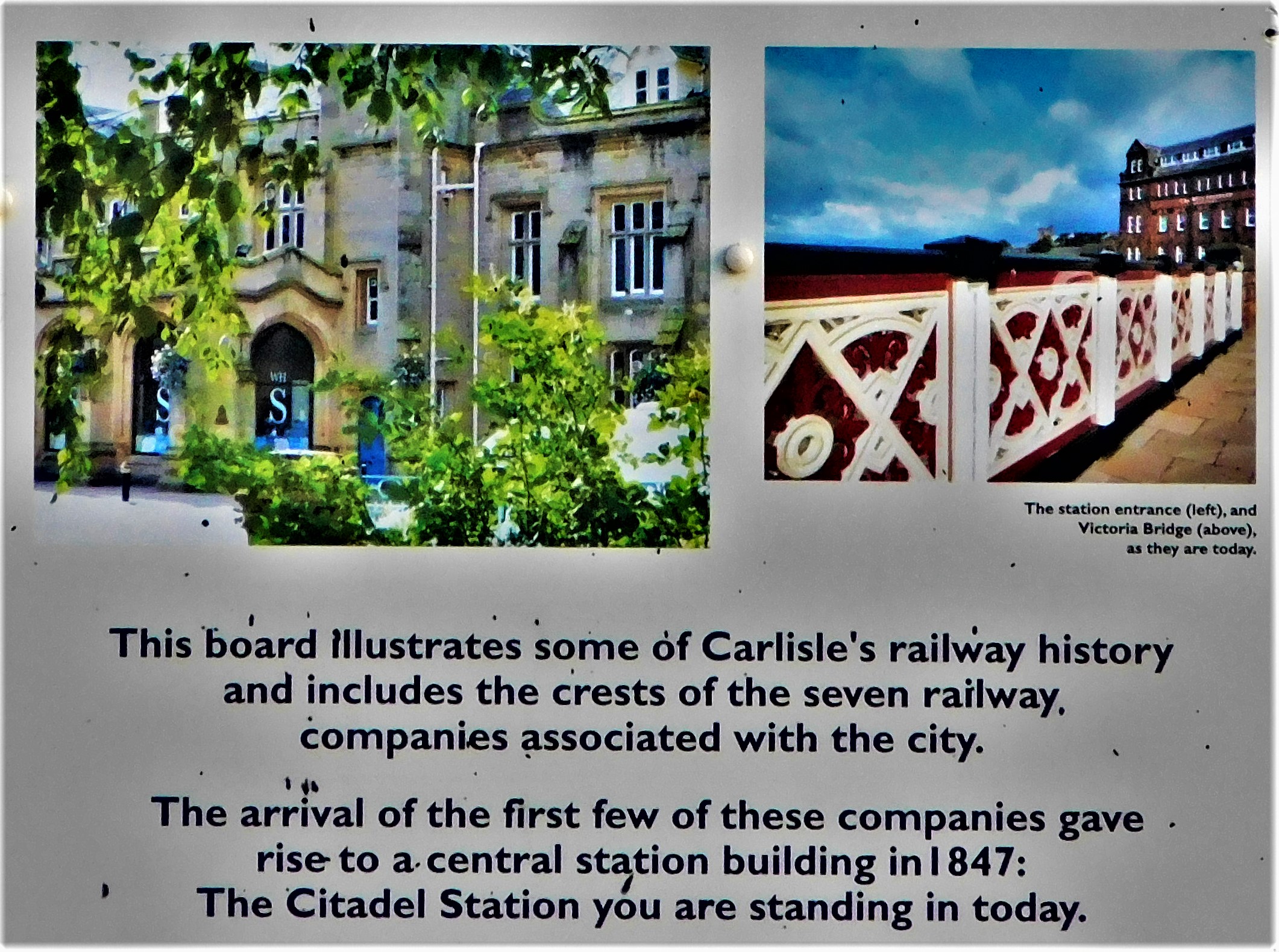
Today’s photo gallery comes from the first part of my return journey from Cumbria. I agreed to be dropped at Penrith station and buy a single from Penrith to Carlisle to get back on track with my return journey. I had a bit of a wait at Carlisle for a train to Newcastle, and as you will see the station there has various points of interest. This gallery takes us to my arrival at Newcastle, where I had a much longer wait as I opted to travel on the train on which I had a reserved seat rather than trying my luck on an earlier service.