A look at day one of the fifth and final test match in the Austyralia v India series and a photo gallery.
The fifth and final test of the Border-Gavaskar trophy series between Australia and India is underway in Sydney. This post looks at the events of day one.
THE PRELIMINARIES
India were captained by Jasprit Bumrah as Rohit Sharma had been ‘rested’. Prasidh Krishna was a like for like replacement for Akash Deep further down the order. For Australia Mitchell Marsh made way for Beau Webster to make his test debut. Webster is principally a batter, but does have a first-class six-for, taken earlier this season, to his name. Bumrah won the toss and elected to bat first.
INDIA UNABLE TO GET GOING
India needed to bat well, and sadly did not do so. The Australians did bowl well, especially Scott Boland. Mitchell Starc, whose fitness was uncertain coming into this match, took three wickets with his pace, but even he was second fiddle to Boland, who emerged with 4-31. Cummins had two wickets, Lyon one, and Webster on the first day of his test career was economical, sending down 13 overs for 29 runs. India mustered 185 from 72.2 overs in the end. Australia’s openers, Konstas and Khawaja, seemed to be surviving a mini-session of batting with little difficulty, much to the relief of Lyon, padded up to go in as nightwatch if needed, when karma struck. Konstas and Khawaja indulged in some time wasting to ensure there was no possibility of an extra over being sneaked in by India before stumps were drawn, words were exchanged between Konstas and some of the Indian fielders, Khawaja intervened to defuse the situation, and then the remaining delivery could finally be bowled. Karma, using Jasprit Bumrah’s arm as its agent now punished the Aussie openers – that sole remaining delivery took the edge of Khawaja’s bat and was caught by Rahul behind the stumps. Australia thus ended the day 9-1 after three overs in reply to India’s 185. If 14.4 overs seems considerably more than can be accounted for by a mere innings break you are spot on – over rates were disgracefully slow all through the day, and even if there had not been the innings break a good dozen of those 14.4 overs would have gone unbowled.
PHOTOGRAPHS
I lost some of my photographs when the memory card I had been using malfunctioned yesterday. Fortunately I have a spare, and though it has been cold, especially when the wind blows, the last couple of days have been bright and sunny, so I do still have my usual sign off…
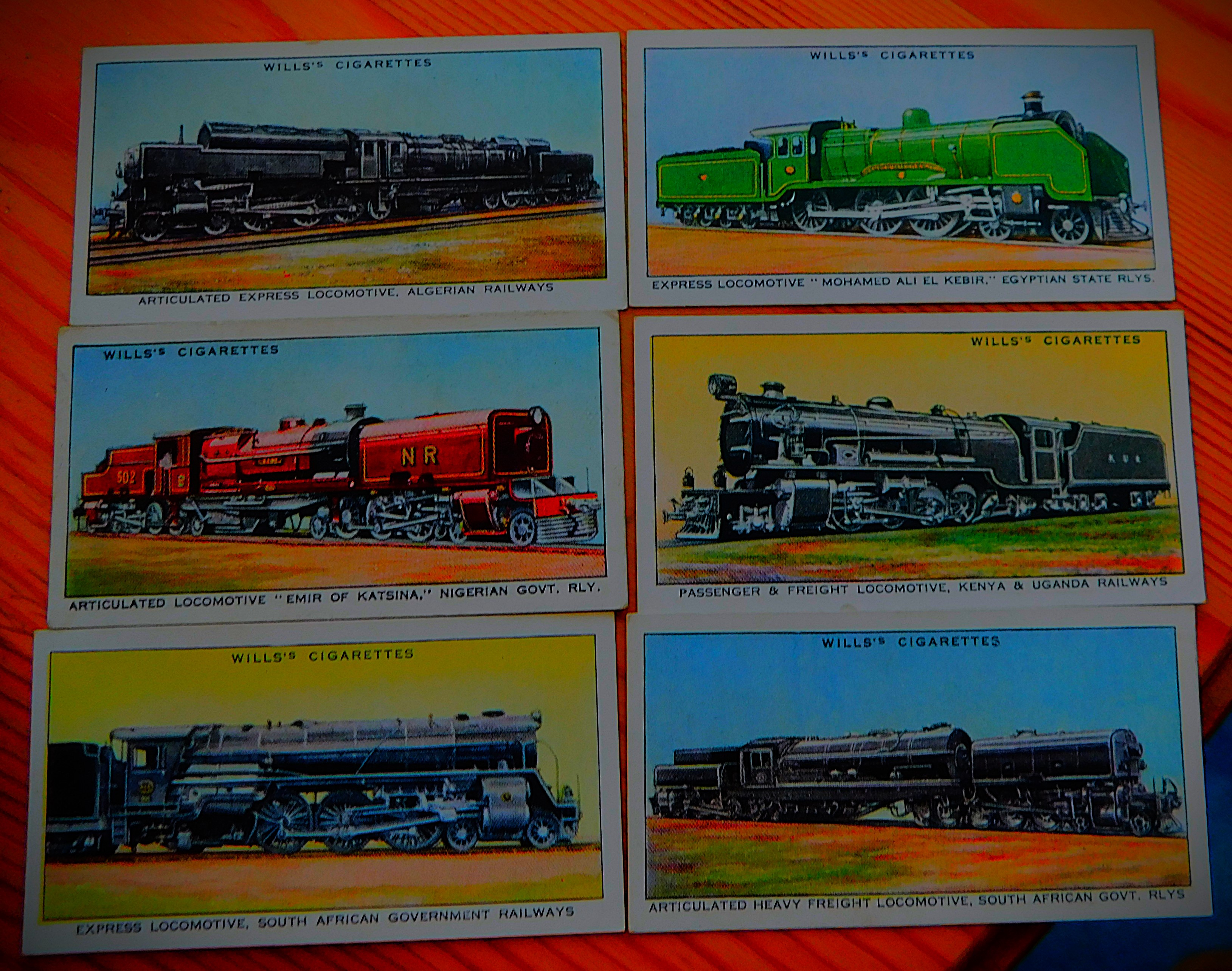
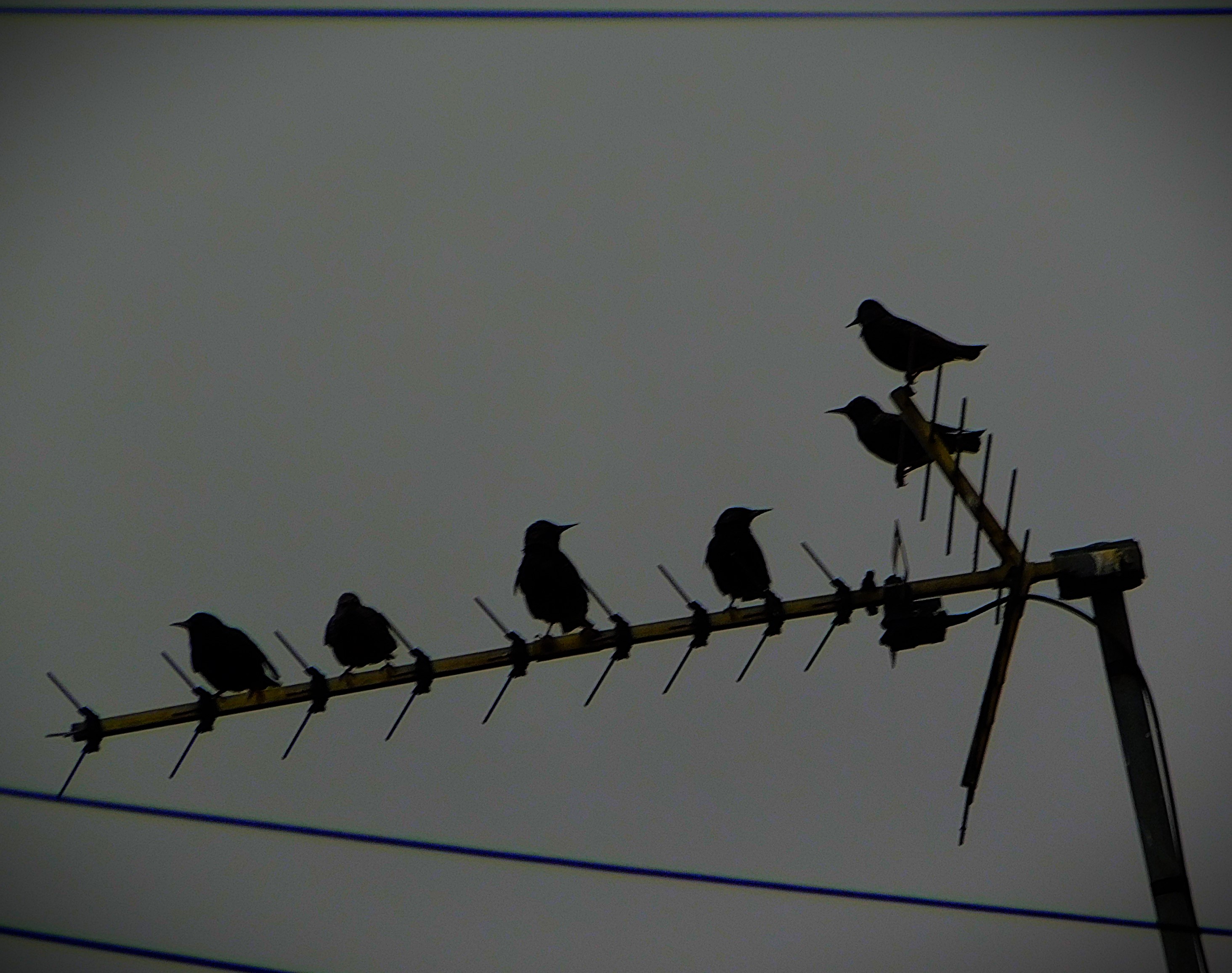
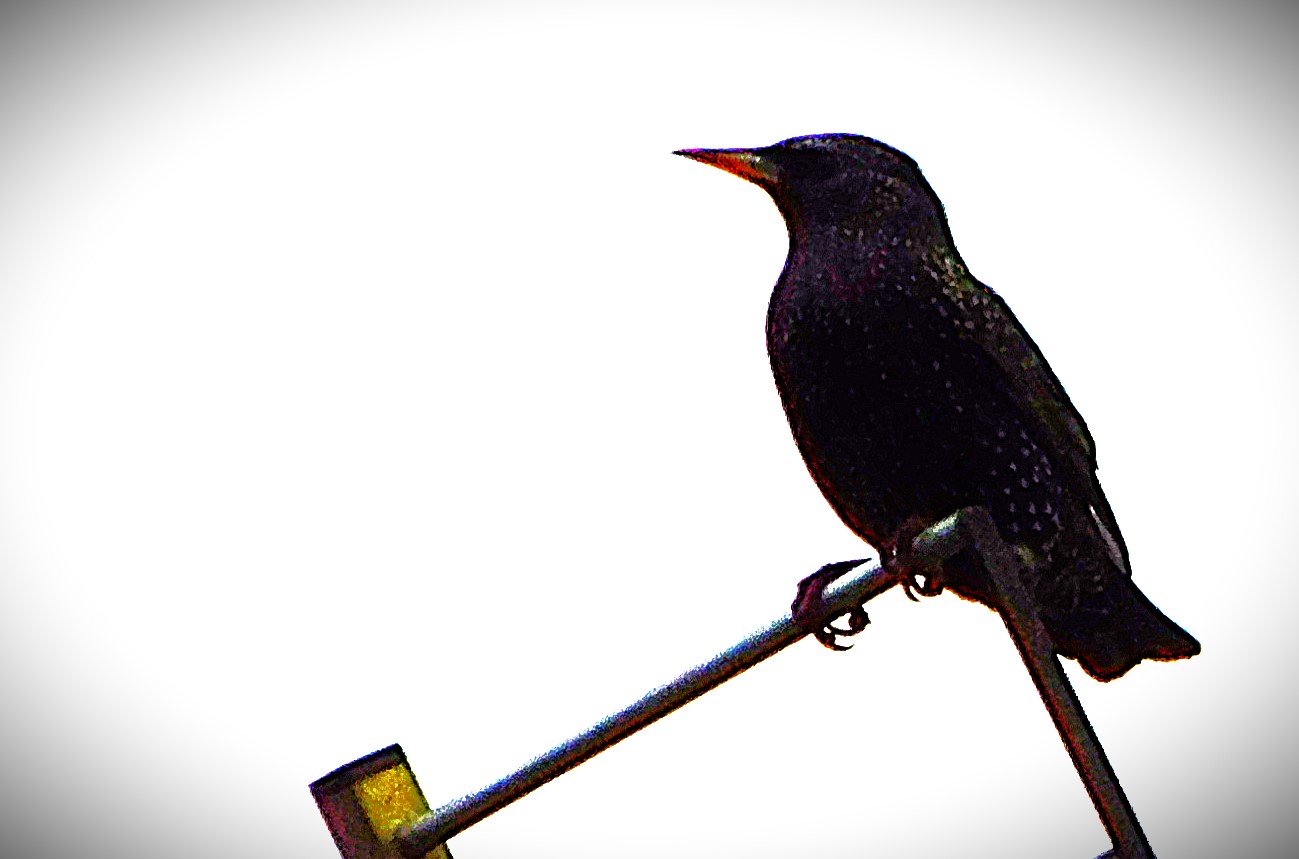
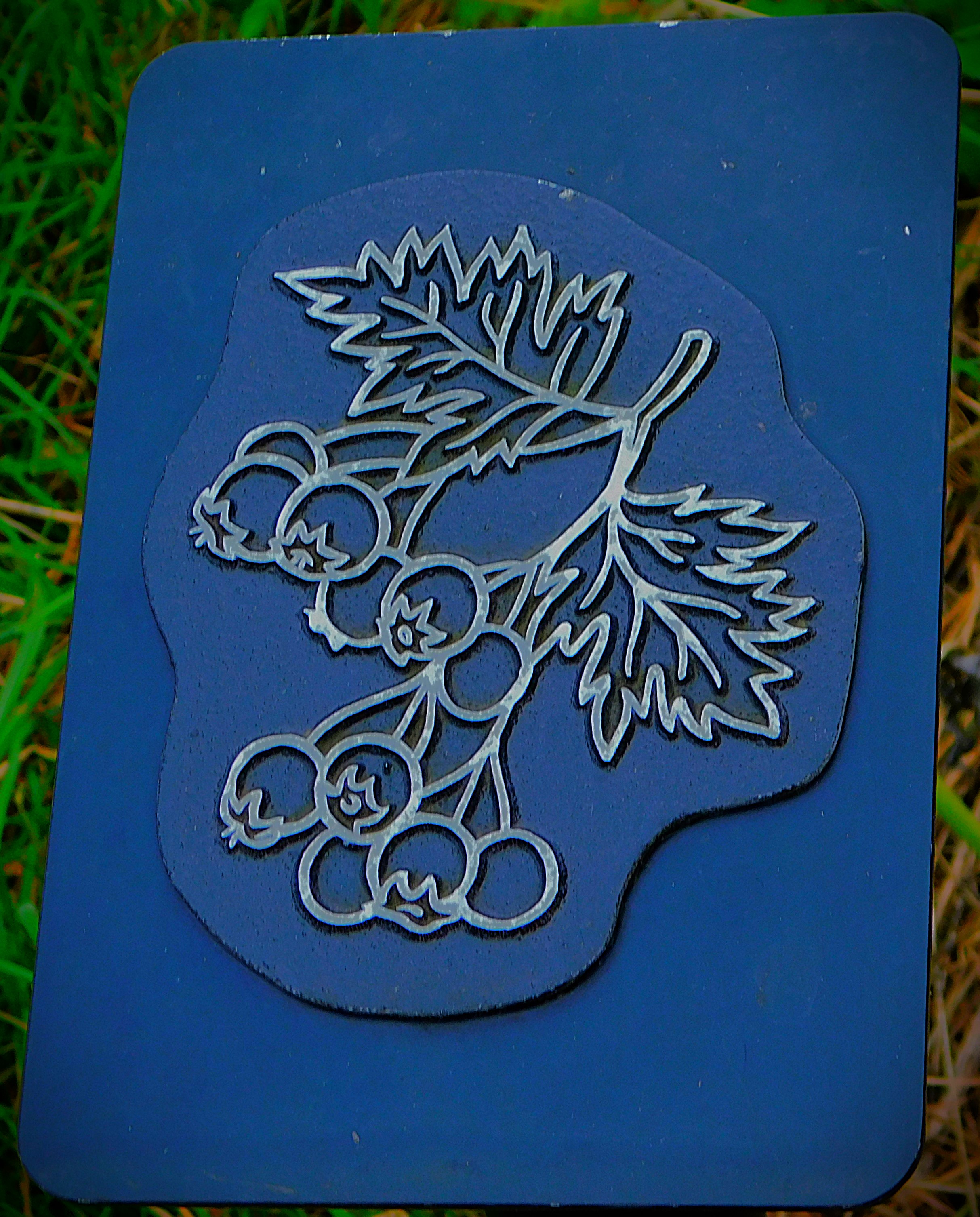
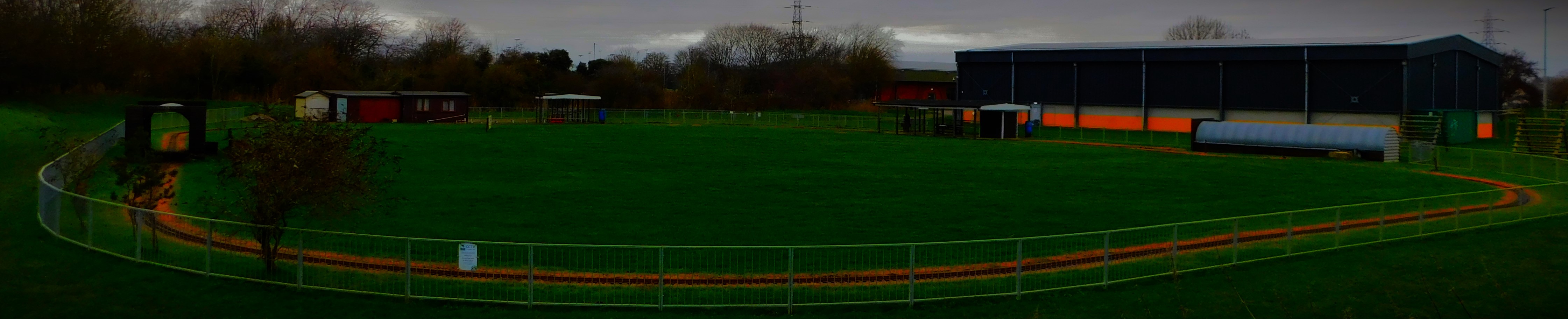
The first seven pictures have appeared before – there were plenty of others from that day as well.Yesterday afternoon, post work in Fakenham.The first picture from today.I acquired these cigarette cards a while back, but have not got them on display – I was looking through them today and photographed some on a whim.
A look back at the ending to the test match between Australia and India at the MCG and a large photo gallery.
This post is a few days late – between the Christmas Panto and work I have been busy in the early part of this week. In it I look back at the final day of the Australia v India test match at the MCG.
A RASH SHOT AND A DRS CONTROVERSY
When India reached tea on day five only three wickets down in their second innings, and with Yashavsi Jaiswal and Rishabh Pant having batted through the afternoon session without too many signs of difficulty a draw looked likely. Immediately on the resumption Pant was tempted into a rash shot against a short ball and was caught in the deep, the second time he had tossed his wicket away in the course of this match. This dismissal was not quite as appalling as his first innings one, but he should have taken care to play the ball down in to the ground – India were looking to bat through for a draw, so safety first should have been the guiding thoughts. That opened the door for Australia, and when Ravindra Jadeja and first innings centurion Nitish Kumar Reddy both fell cheaply the door was practically off its hinges. The moment that effectively sealed India’s doom came via the Decision Review System (DRS). Yashavsi Jaiswal, on 84 and playing beautifully was given not out in response to an appeal for a catch. The Australians sent it upstairs. The replay appeared to show a deflection from either bat or glove, but the snickometer did not pick up any sound. Nevertheless, knowing that it was effectively handing the match to Australia, the third umpire, faced with conflicting evidence decided to go with the visual clue rather than the lack of a noise and told the on-field umpire to reverse his decision and give it out. That left Washington Sundar and three tail enders with a long time still to bat, and they did not come close.
Over the five days some 373,000 spectators watched at the ground, a record for a test in Australia, beating one that had stood since the 1936-7 Ashes when the star attraction was a certain DG Bradman.
Pat Cummins, with 90 runs across the two Australian innings and six wickets across the two Indian ones, was awarded the Mullagh Medal for Player of the Match (Johnny Mullagh was part of the all-aboriginal party that toured England in 1868, and showed himself to be a fine all rounder on that tour).
Australia won by 184 runs in the end, and as well as Pant’s two batting errors, the second of which opened the way for India’s final collapse, India were poor in the field, at least four clear cut chances being dropped. Australia now lead the series 2-1, meaning that so long as they do not lose in Sydney they regain the Border-Gavaskar trophy, which has been in Indian hands for a decade. Full scorecard here.
PHOTOGRAPHS
Most of these are from the back end of 2024, but I have included some from today…
The venue for the Pantomime.The first 2025 picture I have posted.
A look at developments in the Boxing Day test match so far and large photo gallery.
At 11:30PM on Christmas Day UK time the Boxing Day test match at the MCG (between India and Australia – the fourth match of a five match series for the Border-Gavaskar Trophy – on this occasion) got underway.
DAY ONE
Australia won the toss and elected to bat first. This meant that debutant Sam Konstas, at the age of 19, would not have long to wait for his first bat at the highest level, since he would be opening the innings alongside Usman Khawaja, precisely twice his age, and the biggest age gap between Australian openers since Syd Gregory, induced out of retirement at the age of 42 by a dispute that left Australia without six of its leading players, and Charlie Kellaway padded up together way back in 1912. Konstas selection also meant two other things: he was only the third ever test player known to be of Greek heritage after Xenophon Constantine Balaskas (South Africa) and Athanasios John Traicos (South Africa, and, after a record mid-career hiatus at that level of 22 years, Zimbabwe). Marcus Stoinis, also of Greek ancestry, has played limited overs cricket for Australia, but not test cricket, and Ari Karvelas has played for the land of his ancestors but not as yet for that of his birth, South Africa; and Australia had a top three all born abroad – Konstas (Greece), Khawaja (Pakistan) and Labuschagne (South Africa).
Konstas played a magnificent innings, showing no sign of any nerves. His use of ramp and scoop shots forced India to deploy run-saving fielders directly behind the wicket, which also meant reducing the slip cordon so as not to leave gaps in front of the wicket. Left arm spinner Ravindra Jadeja got him, with, as is so often the case with this bowler, a ball that didn’t actually do anything – it just went straight through and hit a pad in line with the stumps, for a 65 ball 60, which came out of an opening stand of 89. Khawaja completed a much more pedestrian 50, as did Labuschagne, and by the close of day one Steve Smith had also exceeded 50, and it was still there. Bumrah claimed three wickets in the course of the day, and without him Australia would have been well and truly out of sight by the end of this day. A score of 311-6 was still a good effort. Khawaja did not make my all time Ks XI, but his stocks have risen since August 2022, and he would merit consideration now, although I might still stick with Karunaratne. If Konstas’ debut knock was any sort of clue to his future career then he will displace Majid Khan as the right handed opener in that XI before he is done.
DAY TWO
I missed a fair amount of this day’s action due to the inconvenient time of its happening, but I did get to see both India’s best and worst moments of a day that ended with Australia in total control. Australia reached 474, Steve Smith reaching 140, and Pat Cummins boosting the score with a late 49. India lost two wickets fairly early, but then a fine third wicket stand developed between Yashavsi Jaiswal and Virat Kohli. Half an hour before the end of the day it looked fairly evenly poised, and Jaiswal looked set for a century. Then Jaiswal played one towards Cummins, not a fielder whose arm should be challenged, set off for the single, only for Kohli, ball watching, to ignore his partner’s call, which resulted in the end of Jaiswal for 82. Kohli himself then edged Boland to Carey, and nightwatch Akash Deep also failed to survive until the close. Rishabh Pant and Ravindra Jadeja were thus together at the end of the day, with India 167-5, still over 100 runs short of avoiding the follow-on. India will have their work cut out to emerge from this with anything other than a defeat, which will mean that only a win in Sydney will see them retain the BGT.
PHOTOGRAPHS
My usual sign off…
There are a lot more pictures from Fakenham than usual in this gallery – I had misread a notice about library opening hours and had a lot of time to kill after work on Tuesday and did so doing a lot of walking.For all that it has Fakenham in its name this defunct train station is actually just into the adjoining village of Hempton.The last picture from Fakenham.This picture and the next were taken on Christmas Day morning – the rest of that gallery will appear in my next post.
A look back at yesterday and today’s BBL games and a large photo gallery.
Yesterday Brisbane Heat took on Adelaide Strikers in the BBL, and today saw Melbourne Renegades face Perth Scorchers. This post looks back at both matches.
A LAST BALL THRILLER
The fortunes of war swayed hither and thither in this game, and there were periods when each side appeared to be heading for an easy win. It ended up being a day of triumph for Nathan McSweeney of the Brisbane Heat, recently dropped from the Australian test side after three matches in which he achieved basically nothing. Bashing the ball around in a T20, even one of high standard, is a rather different exercise to fronting up to Jasprit Bumrah with the new ball in his hand in a test match, and McSweeney made the most of being in a less intimidating setting. He scored 78 not out off 49 balls, backed by another former test player, Matt Renshaw, who scored 54 off 27 balls. Nevertheless, in spite of the heroics of these two, it took Brisbane Heat until the final possible ball to secure the win, and they were seven down. Strikers efforts had a touch of Rome and Avignon 700 years ago about them – Ollie Pope scored 34 and held a catch, while his namesake Lloyd took 2-17, – but even with two Popes on side simultaneously they were unable to win in the end. Scorecard here.
A GAME OF FOUR QUARTERS
After 10 overs Perth Scorchers, having lost the bat flip and been put in, were 48–4 and seemingly already beaten. They rallied to post 143-8, a total that still looked inadequate but at least wasn’t downright risible. Cooper Connolly scored 66 for the Scorchers, and Canadian international Matthew Spoors managed 29. Other than those two only extras with exactly 10 reached double figures. Tom Rogers was the pick of the bowlers, with 3-22 from his four overs.
Melbourne Renegades made a racing start to the chase, though they lost wickets along the way. Jacob Bethell and Laurie Evans seemed to have settled things with a 50 partnership, but Bethell fell to the fourth ball of the tenth over to make it 96-4, at which point drinks were taken. With a mere 48 needed from 10.2 overs Renegades should not have been in the slightest hint of trouble, but they played some brainless cricket in the second half of their innings. They were eight down and had only one over remaining when they finally sealed. Will Sutherland, a member of the ‘not even the best in the family’ club (outranked in his case by sister Annabel, whose many achievements include a test match double century against South Africa), saw the Renegades home to a not entirely well deserved win with 15 not out in the closing stages. Scorecard here.
An account of today’s Sydney Smash (Sydney Sixers v Sydney Thunder) match in the Big Bash League, and a photo gallery, highlighted by a particularly fine Little Egret at the meeting point of Nar and Great Ouse.
The Sydney Smash (as mentioned in my previous post) is the name given to the derby between the two Sydney outfits in the Big Bash League. This post looks at today’s instalment which was an absolute classic.
THE FIRST 30 OVERS
The match was of a good standard without promising the spectacular developments that came in its final quarter. Sydney Sixers won the bat flip and put Sydney Thunder in to bat. The Thunder innings was dominated by an 88=run stand for the third wicket between Cameron Bancroft and Oliver Davies. Bancroft scored 70 off 52 balls, and Oliver Davies 47 off 34 balls. Joel Davies, Oliver’s brother, was in the Sixers line up and had a poor day, recording 3-0-36-0. His allocation was completed by Todd Murphy, which proved a poor decision by the Sixers, as Murphy’s sole over went for 20. Akeal Hosein (West Indies, left arm spin) had 2-23 from his four overs, and Ben Dwarshuis (Australia, left arm fast medium, left handed bat), of whom there will be more later had 2-26 from his four overs. Thunder had 163-5 from their 20 overs, respectable but not invincible. The first 10 overs of the Sixers response looked a classic case of laying the groundwork – without doing anything special Sixers were 79-2 at the halfway point of the chase, just a fraction behind the required rate but with eight wickets standing and a two over Power Surge to come. Many would have concurred with my own opinion expressed at the time on mastodon (my social media platform of choice) that Sixers were favourites…
OVERS 31-35
A combination of some disciplined bowling by Thunder and a horror show from Moises Henriques (he is of Portuguese descent for those wondering about the name). First of all Henriques barbecued his third wicket partner Jack Edwards who was going superbly at the time, by setting off for a very optimistic single with Edwards going to the danger end. A direct hit throw had Edwards sufficiently short of his ground that he did not wait for the TV replay before turning for the pavilion. Having handed Thunder an opening, Henriques helped to make it a wider one by becoming badly bogged down. By the end of the 15th over Sixers were 107-3, needing 57 off the last five overs to win…
OVERS 36-40
Jordan Silk had struggled to get going, and when Henriques fell to the second ball of the 16th, with the Power Surge just taken, it was 108-4, 56 needed off 4.4 overs, which works out at exactly two per ball. Lachlan Shaw now joined Silk, and immediately hit his first ball for four. The first Power Surge over yielded 10 runs and that wicket of Henriques (for 17 off 22 balls). The second, entrusted to Nathan McAndrew, reignited the chase, Silk at last finding his touch. In total 17 came from it and no wicket, which meant that 30 were needed off the last three overs. Daniel Sams, vastly experienced, bowled the 18th over, and for five balls looked to be winning it for his side. The sixth ball went for four, which reduced the ask to 24 off the final two overs, but even with the four only six had come from the over. Ferguson, the New Zealand quick, was given the 19th in the hope that he could kill the chase before the final over. When he shattered Shaw’s stumps with the first ball thereof it looked a good call. Dwarshuis hit the second ball of the over for a massive six to start his innings in emphatic style, but only three further runs accrued from the rest of the over. Sixers needed 15 off the last over, and Thunder would have been the happier side at that point. However gambling on Ferguson for the 19th over meant that the final over was in the hands of off spinner Chris Green. When just five came off the first three balls (2,2,1) it still looked good for Thunder. However Green now lost his bearings and sent down two consecutive wides to reduce the ask to eight. A single of the next delivery brought Dwarshuis on to strike with seven needed off two balls. Green bowled a juicy full toss, just a fraction outside off and Dwarshuis, for all that he is more bowler than batter, was plenty good enough to dispatch it way, way over wide long on for six to level the scores. The final delivery was just short of a length and in line with middle and leg stumps, and Dwarshuis coolly turned into the onside for the winning single. Dwarshuis ended with 20* (8), Silk with 36* (25). Dwarshuis’ late blitz in conjunction with his bowling efforts secured him the Player of the Match award. A full scorecard of this classic contest can be seen here.
PHOTOGRAPHS
Today’s gallery starts with lots 638 and 641 from what will be the March 2025 auction at James and Sons, but the rest of the pictures are from yesterday afternoon and today…
A look at how England Women completed an emphatic victory over South Africa Women in the test match at Bloemfontein, meaning they had won every element of the tour, and a photo gallery.
England’s Women completed their tour of South Africa by winning a thumping victory in the test match, meaning that they have won every leg of the tour, having already won the T20I and ODI series. This post looks back at what happened in the closing stages of the test match.
KNIGHT HOLDS ENGLAND 2ND INNINGS TOGETHER
England had a 114 run lead on first innings, and they extended that to precisely 350 on a pitch starting to misbehave . There were two noteworthy performances, one on each side. Heather Knight was chiefly responsible for England getting as many as they did, fighting her way to 90. Nonkululeko Mlaba was the bowling star for the proteas, taking 6-79 to give her 10 wickets in the match.
A HORRENDOUS COLLAPSE
South Africa had an awkward mini-session to negotiate before the tea interval. A target of 351 already looked fairly mountainous to begin with, and when Laura Wolvaardt was trapped LBW for 4 to make it 8-1 it took on Everest proportions. Right on the stroke of tea Lauren Filer trapped the other opener Anneke Bosch LBW for 4 and it was 15-2 after 5.2 overs. At 22 Bell had Annerie Dercksen caught by Beaumont (a slightly controversial dismissal, as the umpires conferred before giving it, and the only doubt they could have had was whether Dercksen had actually made contact – Beaumont had certainly made the catch). Then came the period that ensured that the third day would be the last (I was at work when this happened, but listened to the commentary on catch up when I was back home). At 31 Sune Luus was bowled by a beauty from Bell, and then Nadine de Klerk suffered a horror run out immediately after (would have been a horror in any situation and any format, but in a test match with the innings in the process of going into freefall it was particularly atrocious). Two runs later Sophie Ecclestone, who had relieved Lauren Filer, pinned Chloe Tryon plumb in front. When Sinalo Jafta was trapped in front by a superb ball from Bell it was 44-7, and moments later Beaumont took a catch off Ecclestone to account for Kapp whose 21 represented the sum total of protea resistance in the fourth innings to that point. It was then 44-8, and it was known that Ayanda Hlubi was not going to bat due to being injured. Tumi Sekhukhune and Nonkululeko Mlaba added 20 to this dismal total, before Mlaba was run out, failing to get her bat grounded quick enough to beat Bell’s throw. It was appropriate that Bell finished the match – she had taken four cheap wickets in each innings (4-49 and 4-27) in addition to effecting that run out, and was named Player of the Match. The England bowling unit was excellent (Dean didn’t bowl well in the only innings in which she got to bowl, but that was the only blemish). Lauren Filer’s pace, Lauren Bell’s swing (and cut, a new development for her) with the added awkwardness created by her height, the craft and guile of Ecclestone and Dean and the reliable medium pace options provided by Nat Sciver-Brunt and Ryana McDonald-Gay meant that the injured Kate Cross was barely missed in the event. If you are wondering how England were able to accommodate six genuine front line bowling options in a test match line up the answer is simple: Sciver-Brunt is one of the best batters in the side, and Dean, Ecclestone and McDonald-Gay can all be considered all rounders (although she batted at number nine in this match I suspect that McDonald-Gay will be moving up the order before too long – she is probably better with the bat than either Dean or Ecclestone). A full scorecard is available here.
A look at goings on in two WODIs, Australia v India which finished a while back and South Africa v England which is approaching the halfway stage.
Today is a big cricketing day – in the early hours of this morning UK time an Australia v India Women’s One Day International started, and at midday today UK time a South Africa v England Women’s One Day International started. This post looks at what has happened so far.
AUSTRALIA v INDIA
Harmanpreet Kaur won the toss at the WACA in Perth (these days superseded by the Optus Stadium, but still a fine venue) and to fairly universal surprise opted to put Australia in with the temperature at 38 Celsius and set to rise during the first innings. A four wicket burst from Arundhati Reddy had Australia 78-4, but none of Reddy’s team mates managed to bowl well, and with an Annabel Sutherland century the highlight (Sutherland has a great record at this venue, including scoring 200 in a test match against South Africa) Australia regained control of proceedings, ending on 298-6. India were soon behind the rate, but they did do a good job of keeping wickets in hand for later in the chase. With coverage of the other match due to start at 11:45 I set out at 10:30 for a walk, aiming to arrive back as coverage of that match got underway, which I managed to do. I was reckoning that Australia had the match under control and that the only real obstacle in their pathway was Smriti Mandhana who was batting splendidly. Events confirmed both elements of this prediction – I was to find out that India had reached a high water mark of 189-3 before Mandhana having reached three figures was out, and the innings fell away to a low point of 203-8, before the last couple of wickets scraped up a further 12 runs to reduce Australia’s margin to 83 runs, still an emphatic victory for the hosts.
SOUTH AFRICA v ENGLAND
This match is taking place in Potchefstroom on the high veldt, where scoring can be rapid due to the ball travelling further and faster through the thinner air. However, South Africa, put in by England who won the toss, are not scoring particularly fast. Laura Wolvaardt scored a fine half century but when she had reached 61 she was pinned LBW by Ecclestone. South Africa appear to have decided that the left armer can be allowed to get through her overs effectively unscathed so long as she doesn’t take too many wickets. However, she has just added a second scalp, Chloe Tryon, stumped after about the first show of aggression by any Protea batter against Ecclestone. South Africa are 201-7 in the 41st over, and Ecclestone currently has 8-0-21-2. England lost Kate Cross injured before she had completed her first over, leaving them an allocation to fiddle through with part timers. Nevertheless England have the advantage and I would expect them to win from here. While I have been preparing this for publication an eighth wicket has gone, and South Africa are 201-8 in the 43rd over.
PHOTOGRAPHS
My usual sign off (please note that the featured image is not in the below gallery, being a composite of three separate pictures, showing both sides of the Guanock Gate and the information panel about said gate)…
A look back at the batting of the England Women against South Africa Women in their ODI in Kimberly today (I had a commitment which meant I missed the South African chase) and a photo gallery.
Kimberly in South Africa is home to the world’s largest man made hole, and by the halfway stage of today’s WODI there the England women were in a similarly sized metaphorical hole largely of their own making. I did not get to witness the South African chase due to having to go to the West Norfolk Eye Centre, in the grounds of Queen Elizabeth Hospital for my annual experience of the set of tortures collectively known as Glaucoma tests, a journey that as the weather though dull was not especially cold by December standards I opted to make on foot, rather than spend money on a bus fare (as it happened, even though it was pitch dark by then I also made the return journey on foot), however I was entirely unsurprised to find when I arrived back home that they had won at a canter. This post looks at the woes of the England innings.
A TERRIBLE START
Tammy Beaumont was dropped in the first over of the match, the other opener Sophia Dunkley struck one emphatic boundary, but was then caught at slip playing a terrible shot in that same opening over. Kapp also accounted for Beaumont, bowled for 11, again playing a very poor shot. Nat Sciver-Brunt was the third early victim, LBW and for my money culpable on two grounds – first it was yet another poor shot, and second she burned a review attempting to overturn it. Danni Wyatt-Hodge was fourth out, LBW to Nadine de Klerk, and the first not to be culpable in her own dismissal – it was a genuinely good ball. However she cannot be totally acquitted – she burned England’s last review, and it was stone dead. True the point of impact was above the knee roll of the pad, but Wyatt-Hodge is a fairly small woman, for all the power with which she can hit the ball on her many good days, so not much should have been read into that. Heather Knight and Amy Jones looked to be steadying the ship until Jones went on to the attack against Annerie Dercksen and succeeded only in picking out Chloe Tryon, a superb fielder who duly completed a fine catch to make it 77-5. The wickets continued to tumble, and when Knight was LBW to left arm spinner Nonkululeko Mlaba (the same way Alice Capsey had gone to be sixth out) for 40 it was 106-7. Charlie Dean and Sophie Ecclestone, the two great England spinners, fought hard, putting on 67 together for the eighth wicket. Dean battled her way to the top England score of the day, an unbeaten 47, raising the total to 186, still dismal, but not as bad as it had looked like being. While England are still ahead overall in the multi-format series they need to realize that in a 50 over innings there are occasions when all out aggression is not the right approach. Dunkley in particular got out in a way that suggested an inflexible commitment to unbridled aggression. Marizanne Kapp is a model of consistency with the ball, and her opening spell in the next ODI will probably pretty much match this one ball for ball – and England need make sure it does not do so wicket for wicket as well.
PHOTOGRAPHS
Some of these pictures come from yesterday either side of work, but most were taken during this morning’s walk, when the weather behaved rather curiously – it started bright and sunny and then became very misty – usually when one gets mist and sunshine on the same day it happens the reverse way around, mist first, then the sun breaks it up…
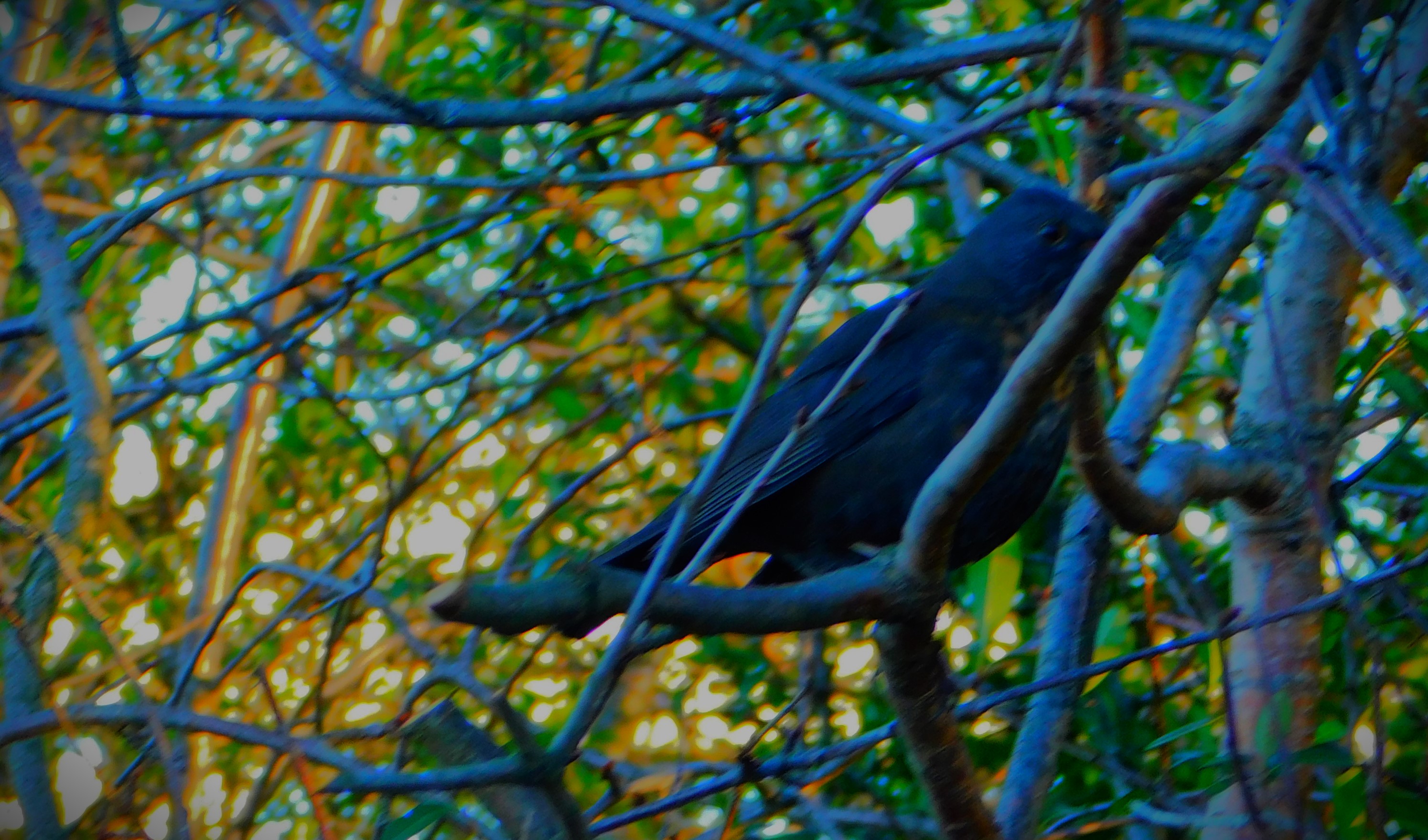
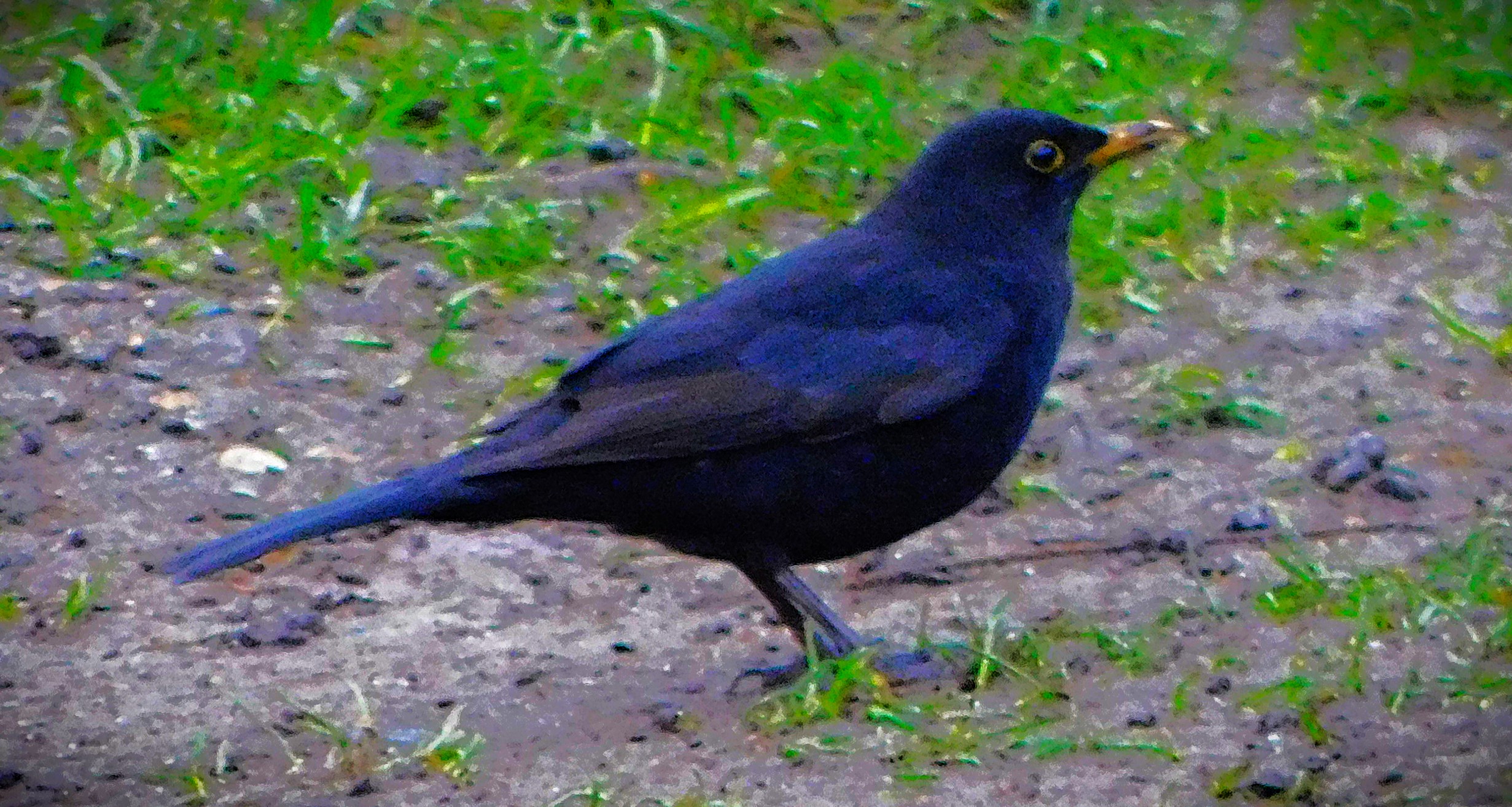
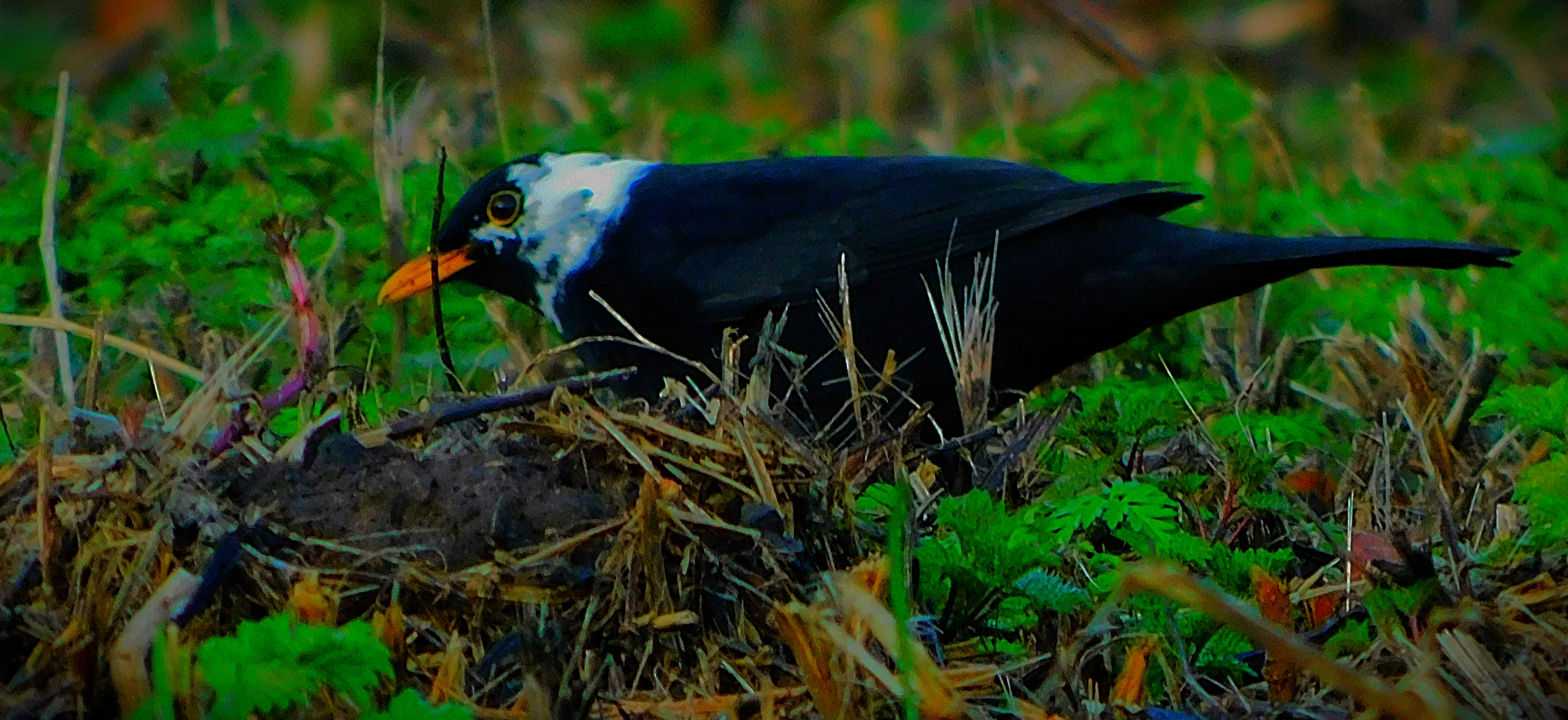
Todays pictures start here.A blackbird with a distinctive white patch around its throat.By the time I had reached the vicinity of ‘cormorant platform’ the mist was making its presence felt in no uncertain terms.
A look back at two women’s T20 matches which have taken place in the last 24 hours – South Africa v England and Melbourne Renegades v Brisbane Heat, the final of WBBL10. Also a substantial photo gallery.
Two important women’s T20 matches took place in the space of the last 24 hours. This post looks at both.
POMS PUMMEL PROTEAS
A multi-format series between the South African and England women’s teams is in progress. Yesterday saw the third of three T20Is that started the series off. England had already won the first two matches, and South Africa had weakened side for this match. South Africa batted first and had a horrible start. Lauren Filer, the quickest bowler on either side in this series (the absence of Shabnim Ismail from SA ranks ends all debate on this subject) clean bowled Anneke Bosch with the second ball of the match. In the second over another Lauren, the 6’1″ seamer Bell had Faye Tunnicliffe caught by Bouchier and it was 3-2. Annerie Dercksen got to 19 but then holed to Nat Sciver-Brunt off Bell to make it 25-3. Sune Luus and Chloe Tryon tried to revive things, but the last ball of the sixth over, off spinner Charlie Dean’s first, saw Luus caught by Knight. Eight balls and a mere three runs later Tryon also fell to the Knight/ Dean combo. Nadine de Klerk and Nondumiso Shangase shared a good stand until Shangase was stumped by Amy Jones off the bowling of left arm medium pacer Freya Kemp to make it 97-6. South Africa eventually reached 124, their last wicket falling to the final ball of the innings, with number 11 Ayanda Hlubi run out for 7 to end it. Charlie Dean had 3-26 from her four overs, while the other spinner Sophie Ecclestone had 1-16 from her four, the wicket being that of Eliz-Mari Marx, bowled by an absolute ripper of a delivery. This total looked modest on a pitch with a good deal of bounce (Centurion pitches tend to have this attribute) but little in the way of actual mischief. England soon made it look downright risible. Maia Bouchier and Danni Wyatt-Hodge got things going with a stand of 56 in 5.4 overs before Bouchier was out for 35 (21). That brought Sophia Dunkley out to join Wyatt-Hodge. Dunkley hit one massive six, but it was Wyatt-Hodge who was leading the charge by this stage. There were still 8.3 overs scheduled to be bowled when Wyatt-Hodge hit the four, her tenth to go with one six, that took her to 53* (31) and England to a nine-wicket win. Dunkley had scored 24* off 17 balls, and South Africa had damaged their own cause by conceding 16 extras. I will draw a veil over their bowling figures. A full scorecard can be seen here.
FROM ZEROS TO HEROS
In the ninth edition of the Women’s Big Bash League, last year, the Melbourne Renegades were an absolute laughing stock of an outfit, taking the wooden spoon and never really looking like doing anything else all the way through.
In the small hours of this morning UK time they completed a remarkable transformation, with some assistance from the Duckworth-Lewis-Stern (DLS) method, winning the final against Brisbane Heat to lift the trophy.
Brisbane Heat won the toss, and with weather interruptions threatening opted to bowl first. DLS recalculations frequently do benefit chasing sides. Renegades were less than impressive in totalling 141-9 from their 20 overs, for which they were indebted to Hayley Matthews, already confirmed as Player of the Tournament, who held things together for them with an innings of 69. Charli Knott took three wickets and Grace Parsons two, but the most impressive bowling performance for Heat came from 18 year old Lucy Hamilton who capped a memorable first WBBL tournament of her career by producing figures of 4-0-19-1.
Heat were 19-2 after 3.2 overs when the rain came. The adjusted target once play could resume was 98 off 12 overs, meaning that Heat needed 79 off 8.4 overs from the resumption to win the match. Renegades could bowl two bowlers for three overs each if they so desired but otherwise two overs per bowler was the new limit. Heat never came close to getting on terms with the chase, and it was only a by then irrelevant six from Nicola Hancock off the final ball of the match reduced the margin to seven runs. Hayley Matthews had 2-24 to put alongside her 69 and was the clear-cut Player of the Match. Matthews this tournament has scored 324 runs at an average of 40.50 and a strike rate of 130.64 runs per 100 balls, and taken 14 wickets at 17.78 a piece, with an economy rate of 6.98 and taking a wicket every 15.2 balls on average.
The DLS recalculation undoubtedly worked against Heat because they had lost those two early wickets when the rain came, but I do not believe that it changed the outcome of this match – Heat were not favourites by the time the rain started, and were somewhat more clearly second favourites after the adjusted target was issued.
PHOTOGRAPHS
These pictures were all taken yesterday, in the course of two walks – yesterday morning was dull but not cold, yesterday afternoon was genuinely pleasant. Here are the photographs, plus a reminder that they can be viewed at a larger size by clicking on them…
A look ahead to the final of WBBL10 and a large photo gallery.
We now know who the contending teams will be in the final of the Women’s Big Bash League 2024, which takes place early tomorrow morning UK time. This post looks at those two sides and their routes to the final.
MELBOURNE RENEGADES
This is a story of remarkable turnaround in the space of a single year. Last year the Renegades were something of a joke franchise, whereas this year they have taken the most direct route to the final – they won the league stage outright, thereby not only qualifying directly for the final but getting to play that match at home, which since it is the final means at the Melbourne Cricket Ground (MCG, or for locals ‘The G’ for short). Renegades have never previously made a final, and were wooden spoonists last year (an unwanted distinction that stays in Melbourne, with Melbourne Stars this years wooden spoonists). Renegades have a history of being overly conservative, and one huge reason that no longer applies is the presence of Deandra Dottin, who had not played a professional match in over a year when the Renegades signed her but has been excellent this tournament. Dottin is one of two West Indies aces in the Renegades line up, along with opening batter cum off spinner Hayley Matthews. Wicket keeper Nicole Faltum has also been a crucial cog, scoring important runs as well as doing her main job.
BRISBANE HEAT
Brisbane Heat brushed Sydney Thunder aside as dismissively as an Aussie in summer brushes flies aside, winning the Challenger match by nine wickets with 4.4 overs to spare. This was Heat’s sixth successive match win. They had finished second in the league stage which meant they were at home for the Challenger match. Heat look be peaking at precisely the right time, and as part of that opening batter/ keeper Georgia Redmayne produced her best batting form of the tournament in the Challenger match. A minor concern is an injury to Indian star Jemimah Rodrigues who who had to retire hurt with a left wrist injury, sustained initially in the field and aggravated while batting in that chase. The biggest stories of Heat’s tournament which could see them become the first ever three-time champions of this competition have been two youngsters. Heat lost the services of a pacer and of leg spinning all rounder Amelia Kerr. A like for like replacement for Kerr does not exist, and in the event Heat filled both gaps by promoting youngsters to first team status. Lucy Hamilton, a left arm pacer, and Grace Parsons, a leg spinner have both bowled superbly this tournament, while veteran Indian seamer Shikha Pandey has also been notably economical. Hamilton, an 18 year old from the sugar town of Bundaberg, has taken 11 wickets at 16.54, with an ER of 6.50, and her best figures are a barely credible 5-8 from a full four overs. Parsons, 21 years old, has taken 10 wickets at 21.80, with an ER of 6.81 and a best of 3-10. 35 year old Pandey, the third bowler I mentioned, has taken 12 wickets at 22.00 with an ER of 6.76 and a best of 2-14. Her experience and consistency has helped to ease the path for the two youngsters. Heat have the form, Renegades have the status as winners of the league stage, and there is a third factor – the weather forecast for Melbourne is not good, though there is a reserve day available for the final.
PHOTOGRAPHS
I have not posted since Wednesday, with Thursday being a work day and yesterday being the day of the WNAG committee Christmas meal, so even though the weather has not always been good for photography in the period concerned I have a decent sized gallery…
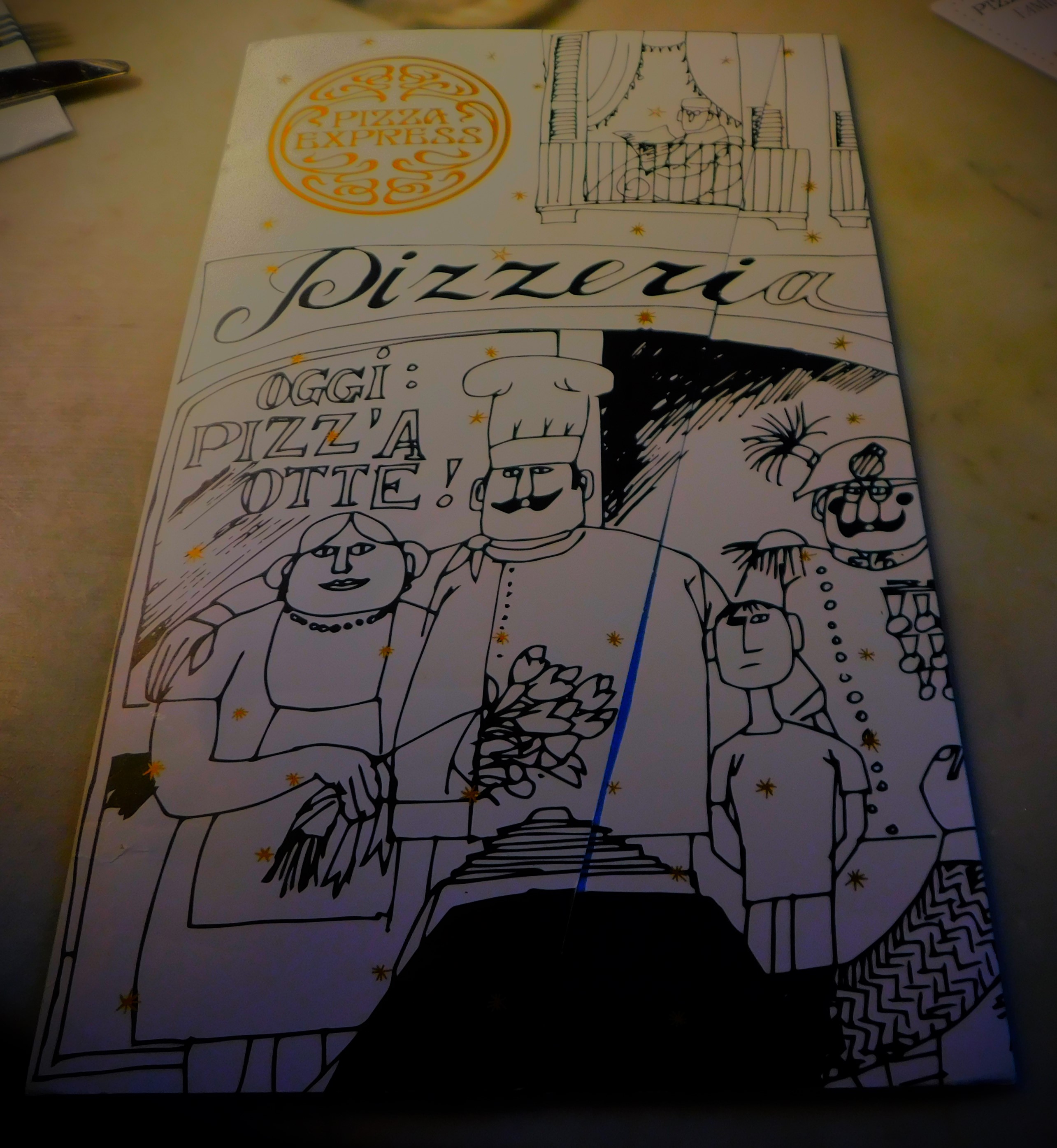
Possibly the thinnest crescent moon I have ever seen.The meal was at Pizza Express in the town centre.The menu was intriguingly shaped – rectangular when close, parallelogram when open.





























































































































































































































































































































































































































































































































































































































































































































































 aspiblog