A look at developments in the two test matches that are currently in the play, both of which have progressed at a rapid rate. Also a large photo gallery.
There are two test matches currently in progress, which is part of the explanation for the title of this post – the other part should become clear through the post. In Adelaide Australia anbd India are playing the second match of a five-match series for the Border-Gavaskar trophy, while in Wellington New Zealand and England are playing a day game. Most of this post will deal with the BGT game, which I have been able to follow live via test match special, but before I get to that I will briefly present…
WELLINGTON WONDERS
The Basin Reserve ground at Wellington is effectively a gigantic roundabout, and England have certainly been in fifth gear this match. After two days play England are 533 runs ahead with five second innings wickets standing, and I know courtesy of an interview that I head that Gus Atkinson was padded up in the closing stages of play, which suggests that a declaration is not immediately planned. Atkinson continued what has been a magnificent start to his international career by wrapping up the New Zealand first innings with a hat trick (Maurice Allom, of Atkinson’s own county Surrey, actually achieved this feat against New Zealand in his debut test many years ago). New Zealand, being made to look very ordinary by this England side, are fresh off whitewashing India in India.
AUSTRALIAN AVENGERS
India won the series opener in Perth comprehensively. This match in Adelaide has gone very differently so far. India won the toss and decided to bat. That was about the last thing that went right for them. Yashavsi Jaiswal was dismissed by the first ball of the match, and that set the tone for their first innings. Mitchell Starc has a particularly impressive record in pink ball test matches (nb for England fans looking ahead to next winter, the Adelaide test in that series, also in early December, is a day game with a red ball), and he further enhanced it by taking 6-48 as India reached 180 all out, lasting under 45 overs in total. India needed wickets in what was left of the opening day, but they did not get them. Bumrah under-used himself, and by the close of day one Australia were 86-1 and sitting pretty with two session of daylight batting ahead of them. A Travis Head century was the centrepiece of day two, as Australia amassed a lead of 157 on first innings. India faced a tricky period of batting in which they should have looked to avoid losing early wickets. Instead a frenetic performance saw them five down by the close, and although the runs came rapidly, they were still 29 in arrears when stumps were drawn. Bumrah’s 4-61 meant that he ended the Australian innings with his test bowling average below 20 per wicket – 185 wickets at 19.95. Mohammed Siraj also had four wickets, more expensively, and accompanied by an official warning for the send-off he gave Travis Head.
PHOTOGRAPHS
My usual sign off…

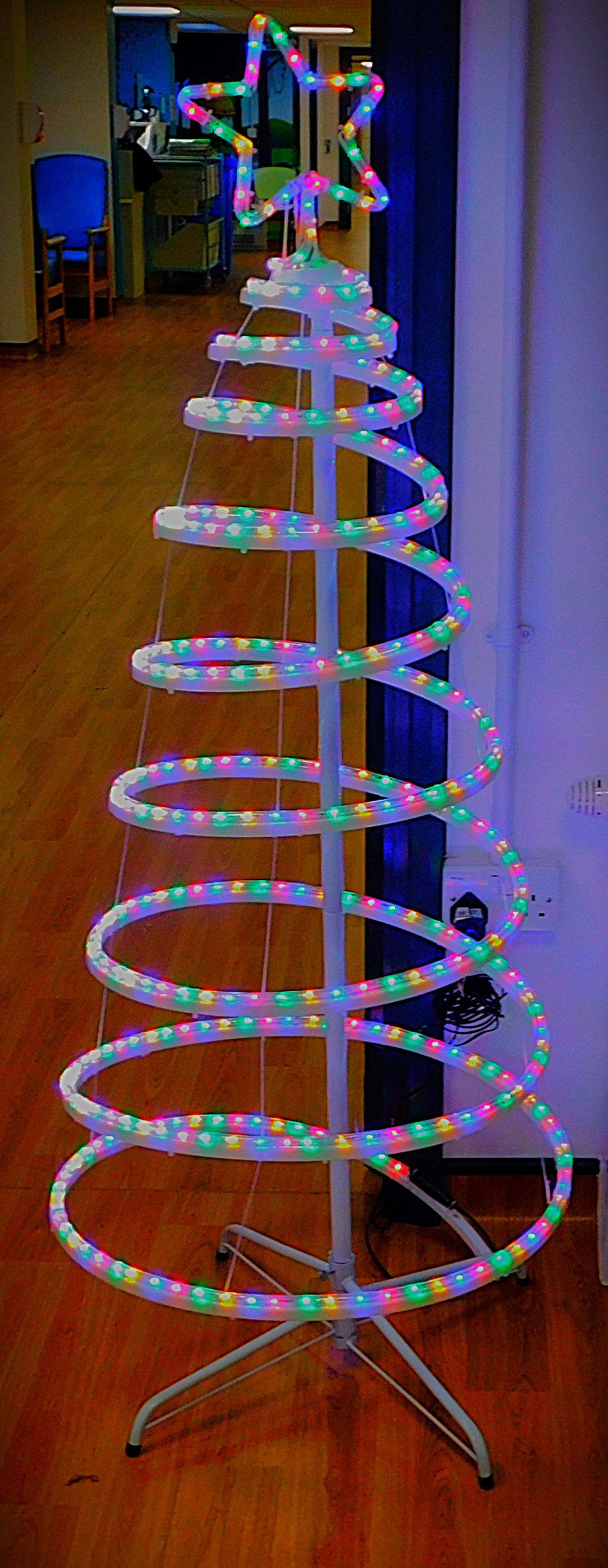
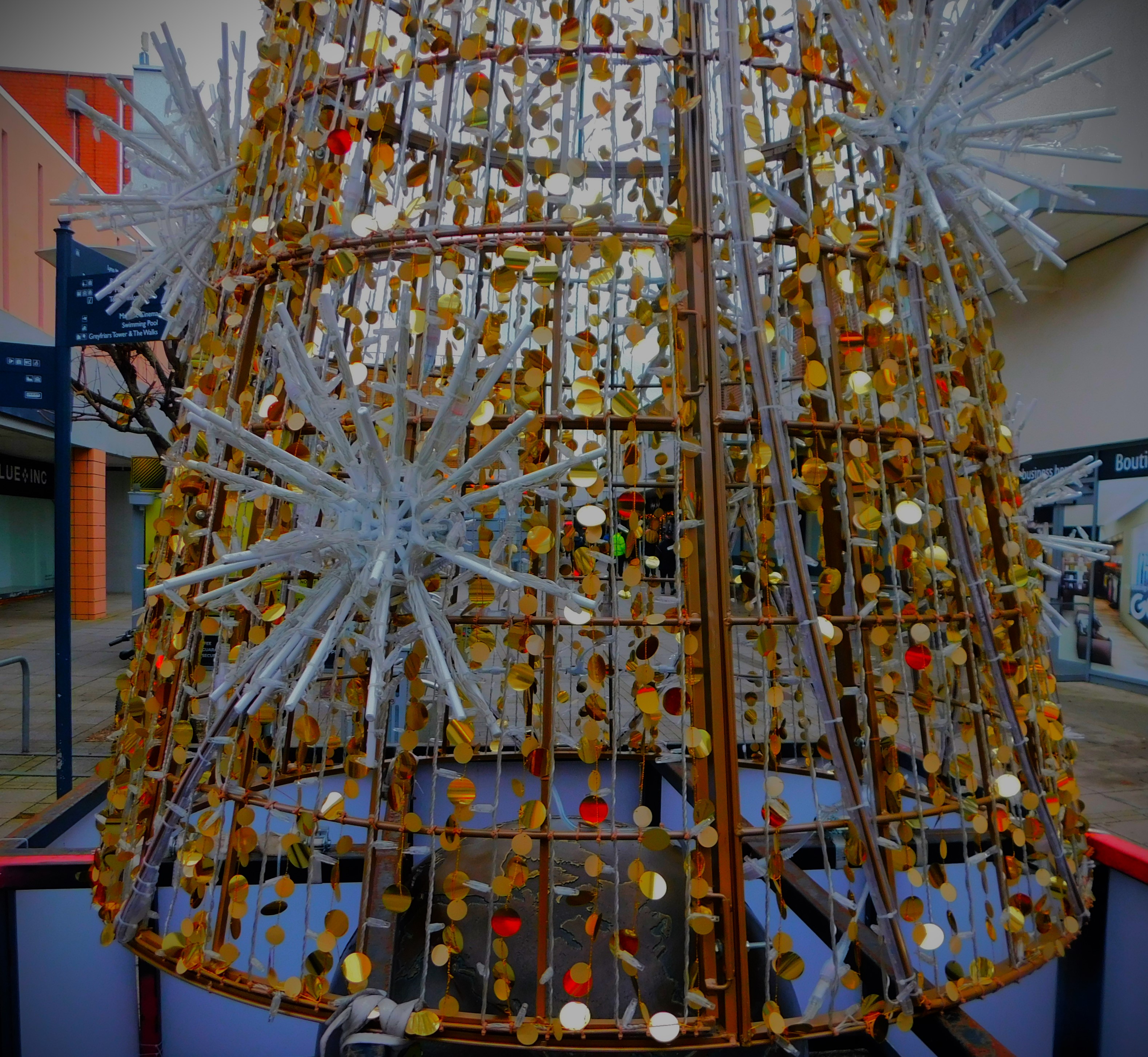
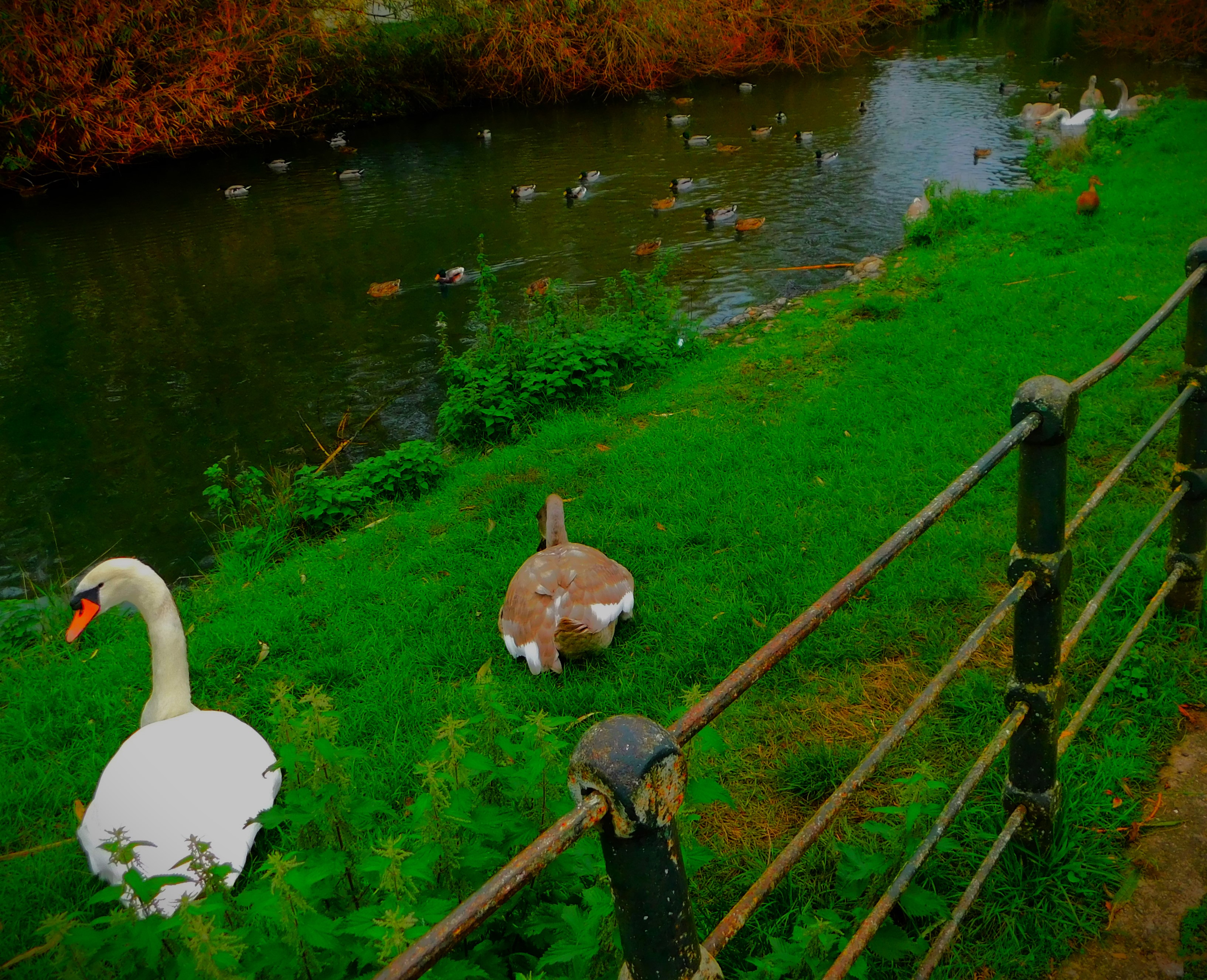
Pictures from the walk to the West Norfolk eye centre (was full dark by the time of the return journey).A Christmas tree alternative at the West Norfolk eye centre.Thursday pics either side of work start here.Friday picture start here.Todays pictures start here.
A look back at the first three days of the first test of a five match series between Australia and India, taking place in Perth.
The opening test of a five match series between the Australia and India men’s teams is under way in Perth, contested for the Border-Gavaskar Trophy. This post looks back at the action from the first three days of that match.
THE PRELIMINARIES
This series had one very unusual feature – both captains, Pat Cummins, who is Australia’s regular incumbent, and Jasprit Bumrah who is standing in for the unavailable Rohit Sharma are specialist fast bowlers. Australia had a controversial debutant in Nathan McSweeney. McSweeney has a fine batting record at state level, but his most productive positions in the order are numbers four and five, and at number three he averages a very modest 30, while he has never opened in professional cricket, and that was the job he was being selected to do in a test match. India won the toss and chose to bat first.
DAY ONE – BOWLERS ON TOP
At lunch on day one India’s decision to bat first was looking questionable – they were four wickets down, and no one had looked remotely good for them. Two further wickets shortly after the interval and it was looking like India were handling Perth no better than most visiting sides. Rishabh Pant, returning to test ranks after a long layoff due to injuries sustained in a car crash, and Nitish Kumar Reddy making his test debut. staged something of a revival for India, getting the total to 150 all out, which did not seem enough for a side choosing to bat first.
Jasprit Bumrah had other ideas. The captain and star bowler for India was soon getting busy among the Australian batters. His first victim was McSweeney for 10, pinned absolutely plumb in front of the stumps. Then he had the other opener Khawaja caught by Kohli for 8 and with his very next ball pinned Steve Smith plumb in front to make it 19-3. Labuschagne dug in, but simply could not get the ball away, and wickets fell at the other end from him with great frequency. Travis Head was clean bowled to become the first victim of the second of India’s test debutants, Harshit Rana., having scored 11. That was 31-4, and when Siraj had Mitchell Marsh caught behind for 6. Siraj struck again nine runs later, putting Labsuchagne out of his misery by pinning him LBW for 2, scored off 52 balls. For a slower innings of 2 by an Australian one has to go back to the 1960s and Bill ‘Phant’ Lawry who once took 55 balls over a score of 2. Australia were 47-6. There was still one wicket to come on this eventful day, one that symbolised the respective positions of the sides by then as Indian skipper Bumrah had his opposite number Cummins caught behind to make it 59-7. By the close Australia were 67-7. The pitch had pace and bounce, but no real mischief – the bounce was consistent and reliable, and there was nothing in the way of extravagant sideways movement. Bumrah ended his first day as Indian test skipper with figures of 4-12 from seven overs.
DAY TWO – CONSOLIDATION
Jasprit Bumrah completed his five-for by dismissing Alex Carey, caught behind for 21. That was 70-8. When Harshit Rana had Lyon caught by KL Rahul it was 79-9. The final Australian pairing of Starc and Hazlewood added 25 to this score, Starc becoming along the way top scorer of the innings, in itself a devastating statistic for Australia. Starc had scored 26, and had faced 112 balls to do so. Bumrah’s final figures were 5-30, while Rana had 3-48 and Mohammed Siraj 2-20.
Australia needed wickets, and quickly if the match wasn’t to get away from them. Yashavsi Jaiswal and KL Rahul realized this, and batted superbly for the situation. They batted through the 57 overs that Australia managed by stumps (over rates have been dire in this match from both sides), leaving India in complete control on 172-0, an overall advantage of 218. Jaiswal had 90*, Rahul 62* and 20 extras had been donated by Australia.
DAY THREE: RIPLEY’S BELIEVE IT OR NOT
If you had asked Jasprit Bumrah to script the third day of this match I don’t think he would have dared to make it as favourable for India as it actually was. India spent the first two sessions building their advantage steadily, Jaiswal advancing his score to 161, his fourth test century, and all four scores have ended up crossing 150. Only one other person in test history has a similar distinction, Graeme Smith of South Africa, also an opening batter. Although India had a minor blip, a high water mark of 275-1 becoming 321-5, Kohli, supported first by Washington Sundar and then by Nitish Kumar Reddy steadied the ship, and then in the final stages of the Indian innings attacked as a declaration loomed. Kohli reached his hundred off 143 balls, at which point India declared, with Reddy 38 not our from 27 balls at the other end. Australia needed 534 to win and had about 20 minutes plus two full days to bat. With the fourth ball of the innings Bumrah pinned McSweeney LBW for a duck to end a miserable debut for the ersatz opener. McSweeney’s efforts here, and those of Daniel Lawrence when asked by England to open the batting for the first time in his professional career in a test match constitute fairly damning evidence about how doing this works in practice, i.e. it doesn’t. Cummins now made what I consider a ‘right wrong call’ – he wrongly deemed this a sensible situation in which to use a nightwatch, but having made that error at least assumed responsibility for playing that role himself, rather than sacrificing one of his fellow bowlers. Siraj got Cummins, caught by Kohli for 2 to make it 9-2. Then just to put the cherry on top of this most one-sided of days, Bumrah pinned Labuschagne, the guy Cummins had tried to protect, LBW with what turned out to be the last ball of the day – there were four balls still to come in the over but were past the official close, so the umpires correctly called stumps (slow over rates have been around long enough that the Laws of Cricket have this contingency of a wicket falling after the scheduled close covered). That left Australia 12-3, and Bumrah with figures of 2-1. This means that Bumrah currently has 180 test wickets at 19.94 a piece. The last person to finish a test career with over 150 wickets at under 20 was Syd Barnes, with 189 wickets at 16.43, and the last of his 27 test appearances was in 1914. Australia with two whole days to come need 522 more runs to win and have seven wickets standing. India had won all three days outright, and on session scores I make it 7.5-1.5 – Australia had the better of the morning session on the opening day with those four wickets, the afternoon session was about even, the evening session of that day was overwhelmingly India’s, and days two and three belonged entirely to India, with Australia’s one decent passage of play on those days, when they reduced India from 275-1 to 321-5 being too insignificant in the scheme of things to matter – India were so utterly in command by then that even the wicket taking had continued and India had been say 350 all out it would have made no difference to the final result. With it also being IPL auction time, the commentators raised a question about their four expert summarisers, Sunil Gavaskar, Darren Lehmann, Glenn McGrath and Tom Moody: if all were available and in their pomp but you could sign only one for an IPL who it be? My answer is McGrath – I reckon I am getting four cheap overs, and wickets into the bargain, in pretty much every match. Moody’s all round skills make him second choice in my view, with Lehmann a poor third, and Gavaskar due to his approach to batting not even worth considering in this context.
PHOTOGRAPHS
My usual sign off…
The photos in this gallery were taken on three different days, Friday which was sunny but very cold……Saturday which was just plain horrible……and today, grey but dry, and much warmer (indeed so warm that I deemed a coat unnecessary)
A look at the the action during the first two days of the third test of the Pakistan v England series in Rawalpindi and a large photo gallery.
The third and final test match of the series between Pakistan and England got underway in Rawalpindi yesterday morning. This post looks at the events of the first two days.
THE PRELIMINARIES
England had called up Rehan Ahmed and with Carse having problems with a foot injury Atkinson replaced him in the XI. This meant three front line spinners (Leach, Bashir and Ahmed) and only Atkinson as a specialist pacer, with skipper Stokes second option in that department. Pakistan were unchanged. The pitch had had giant fans blowing on it to dry it out more for the spinners. England won the toss and chose to bat.
THE FIRST DAY
Duckett batted well and reached a fine 50 before getting out. The rest of the top six did little worthy of mention, and at 118-6 England looked in deep trouble. However, Atkinson batted well in support of Smith who batted very impressively, and by the time I left to catch the bus to work the score had risen to 158-6. I was to find out later that the England recovery continued, and they got to 267 all out, before reducing Pakistan to 73-3 by the close of day one.
DAY TWO
England had a good morning, and at one stage Pakistan were 177-7. That score had increased by 10 when lunch came at 8:30 UK time (session times on Fridays in Pakistan are different from on other days – the morning session is extended, then the lunch break lasts an hour to incorporate time for Friday prayers, and the afternoon and evening sessions are a little shorter). The afternoon session was the first of two where the match appeared to swing decisively. England captured only wicket in that session, and Pakistan, withNoman Ali attacking, and Saud Shakeel accumulating sensibly and without fuss against field settings that were designed to prevent boundaries but as a consequence allowed him to score ones and twos more or less at will, scored 90 runs, levelling the scores. The evening session began with a period of absolute carnage, as Sajid Khan, the number 10, laid about him in spectacular fashion. The lead raced past 50 in the sixth over after the interval. The scoring reined in after that, but runs continued to accrue. Finally, with the lead standing at 70, Atkinson induced a miscue from Shakeel whose magnificent innings of 134 (223 balls, just five fours and thus a lot of running) came to an end with a tame catch to sub fielder Matt Potts. Seven further runs accrued before Sajid Khan exposed number 11 Zahid Mahmood to the wiles of Rehan Ahmed. One ball from leg spinner to leg spinner was sufficient to end the innings, Zahid failing to pick the googly and being bowled. Rehan Ahmed had 4-66 for the innings, Shoaib Bashir, chief victim of the post tea onslaught, had 3-129, but the real disappointment among the England spinners was Leach, more experienced than the other two combined, who on a surface that was offering assistance had 1-105 from 31 overs. Atkinson, on a surface on which he should have been a non-factor, had 2-22 from 12 overs.
England lost both openers to LBWs , one to Noman Ali and one to Sajid Khan. With the score 20, Pope who had amassed a single, gave a catch to Salman Agha off Noman Ali. Root and Brook joined forces, and had added four runs when the umpires decided that the floodlights were now dominating the natural light and took the players off, ending play for the day, with England 53 runs behind Pakistan and having seven second innings wickets standing. Failure to finish off opposition innings is becoming a recurrent problem for this England side, and the batting of the top three in the second innings was disastrous. They should have learned by this stage that playing back foot strokes against spinners on this surface is a recipe for disaster, but both openers perished essaying exactly such shots.
An account of the second test of the Pakistan v England series in Multan, which ended this morning UK time, and a photo gallery.
The second test of the three test series between Pakistan and England has just ended with the home side winning by 152 runs. The pitch was reused from the first match, and it was always likely that the side winning the toss would also win the match. This post looks back at a compelling match.
THE TOSS AND PRELIMINARIES
Pakistan, with a selection committee so large it almost outnumbered their playing staff, had named a completely revamped XI. They had picked only one front line seamer, Aamer Jamal, with their second ranked operator in that department being skipper Shan Masood with eight wickets in over 150 FC matches. The side was packed with spinners. The other big news was that Babar Azam was replaced by Kamran Ghulam. For England a fit again Stokes replaced Woakes, and of course captained the side, and Potts replaced Atkinson, meaning that England’s three front line seamers in the match all played for Durham, the first time an England seam attack containing at least three players were all from one county since the 1894-5 Ashes when Tom Richardson, Bill Lockwood and Bill Brockwell all of Surrey played all five test matches. The two front line spinners, Leach and Bashir, both play for Somerset, whereas in the 1894-5 Ashes the spin was in the hands of Peel (Yorkshire) and Briggs (Lancashire). Pakistan won the toss, and as was mandatory on what was already a day six pitch chose to bat first.
THE FIRST INNINGS
The debutant Kamran Ghulam scored a century, Saim Ayub managed 77, and with a few contributions from further down the order Pakistan tallied 366. Carse was impressive, taking 3-50, Potts had 2-66, Leach took 4-114, and Bashir’s inexperience was exposed as he finished with 1-85.
England lost Crawley early, but Ben Duckett played a magnificent innings, and at 211-2 England might have hoped for a first innings lead. However Root and Duckett fell in fairly quick succession, and a collapse ser in. Jamie Smith’s dismissal made it 262-9. Leach and Bashir added 29 to that tally before Bashir fell for 9, leaving Leach unbeaten on 25. Aamer Jamal was innocuous, and Zahid Mahmood, the leg spinner, also went wicketless, the damage being done by off spinner Sajid Khan, 7-111 and left arm spinner Noman Ali, 3-101.
THE SECOND INNINGS
England bowled well second time round, and Pakistan at one stage were 156-8, 231 ahead overall. However Salman Agha and Sajid Khan shared a ninth wicket stand of 65, which meant that England ultimately needed 297 to win. Bashir took 4-66, though he also went at 3.5 an over. Leach had 3-67, and was even more expensive. Carse took two wickets and Potts one. Salman Agha scored 63.
By the end of day three England were 36-2, with both openers gone. The fourth and final day, such as there was of it, belong to Noman Ali. The 38 year old left arm spinner whose appearances at the highest level have been sporadic tore through England. The only wicket to go anywhere else in this session was that of Pope, caught and bowled by Sajid Khan for 22. Ali had Root and Brook LBW, Stokes stumped (a particularly embarrassing dismissal for the skipper since he lost his grip on his bat while essaying the shot and had to have said implement returned to him by a fielder), and Smith, Carse, Leach and Bashir all caught, the last two in successive balls, both by Abdullah Shafique. This left England 144 all out, Stokes top scoring with 37, Carse second best with 27, which included three sixes. Noman Ali had innings figures of 8-46, giving him 11 in the match, and Sajid Khan had the other two giving him nine wickets for the match. This was only the seventh time in history that two bowlers had accounted for all 20 wickets for their side in a test match, and only the second occasion for two spinners to do so after Laker (19) and Lock (1) at Old Trafford in 1956. Sajid Khan, who had done the damage in the first innings when the pitch wasn’t offering so much, and shared in two significant ninth wicket stands (49 in the first innings as well as that 65 in the second) was named Player of the Match. Incidentally while a spectacular reversal of fortunes going from winning by an innings and 47 runs to losing 152 is not an England record for such – in the 1965-6 Ashes they won one match by an innings and lost the next by an innings to even things up. I have no issues with this pitch – I prefer matches where the bowlers are properly in the game, as they were in this one. Of course it was a challenge for England in the later stages – not since Durban in 1939 has anyone faced a day nine surface! The challenge for the Rawalpindi ground staff is to produce a surface that has something to offer without already having had five days played on it – they have only one match there.
A look at developments in the first test of the Pakistan v England series, currently taking place in Multan, a link to an important campaign and a photo gallery.
The England men’s test side are currently in Pakistan, contesting the first match of a three match series. Multan is the venue.
PAKISTAN’S FIRST INNINGS
Pakistan won the toss and chose to bat. Abdullah Shafique and skipper Shan Masood shared a s second wicket stand of 253, and there were further major contributions from Saud Shakeel (82) and Salman Agha (104*) to boost the total to 556. Leach had 3-160 from 40 overs, Atkinson and Carse each claimed two wickets, while Bashir, Root and Woakes took one each. Though he was the most economical of the bowlers, going at precisely three runs per over, Woakes did precious little to suggest that he is worth his place overseas. Ben Duckett injured a thumb taking the catch that ended the Pakistan innings.
ENGLAND’S REPLY
Pope opened in place of Duckett and fell for a duck, but Crawley and Root saw things through to the end of the second day with the score 96-1.
Crawley donated his wicket with a really poor shot off Shaheen Shah Afridi, to make it 113-2 early this morning, but Duckett, now fit to bat, came in at number four and played excellently in partnership with Root. The third wicket stand had reached 136 when Aamer Jamal trapped Duckett LBW for a splendid 84 to make it 249-3. That brought Harry Brook to the crease, and neither he nor Root ever looked in any trouble from the Pakistan bowlers, though the Multan heat caused Root problems, in the form of cramps. By the time Brook joined the fray Root had already established himself as England’s all time leading test run scorer, having started the innings needing 71 to overhaul Cook’s tally, and now the milestones clocked up frequently: 50 to Brook, 100 to Root, 100 to Brook, 150 to Root. By the time stumps were pulled England had reached 492-3 and the partnership between the two Yorkies was worth an unbroken 243. Abrar Ahmed had bowled 35 overs for 174 and was wicketless. That included one spell of 23 overs, the longest wicketless spell by anyone against England since Old Trafford 2005 when Shane Warne bowled w=a wicketless spell of 24 overs. Root had 176 not out by the end of the day, having faced 277 balls and hit 12 fours, and thus run 128 of his own runs. Brook was 141 not out from 173 balls, with 12 fours and one six. The pitch has not yet shown any signs of breaking up, and Pakistan’s bowlers have by and large looked clueless. A draw would seem likely to because the pitch is emasculating the bowlers, but I could see an England win, if they bat well tomorrow, and Pakistan after a long time in the field and facing a large deficit, not to be expected after scoring 550, become dispirited and their second innings collapses. In total 250 overs have been bowled so far – 16 fewer than should have been allowing two overs for each innings break. Current scorecard here.
PHOTOGRAPHS
Just before my usual sign off, I have a link to share. The British sugar beet industry is seeking an ’emergency exemption’ from the ban on the use of Neonicitinoids for would if granted be a fifth successive year, hence the use of the use of speech marks around the key phrase. These pesticides are more poisonous gram for gram than DDT. It is time for two things:
The government needs to stand up to the sugar beet people and refuse them their exemption.
The right to apply for an emergency exemption then needs to be officially removed – the sugar beet industry has blatantly been abusing it, requesting such exemptions year after year rather than getting used to life without dangerous pesticides.
Butterfly Conservation are running a petition against the granting of this emergency exemption, which you can access here. There are four days left to do this. Image link below.
The light closed in with Dhananjaya de Silva and Kamindu Mendis still in residence. Pope continued to treat the occasion lightly, using Root in partnership with Bashir when the light was too bad for pacers. This approach would have been justified for five or six overs just to see if anything good happened, but Pope kept it going for 17 wicketless overs which yielded 69 runs.
DAY THREE
This was Heritage Open Day (see here), so I missed the early part of the day. England had done well with the ball in the morning, claiming a first innings lead of 62, and had lost Duckett by the time I joined the coverage. Lawrence made his highest score to date as an opener (35), but it was an incredibly unconvincing innings, and his name is absent from the squad to tour Pakistan, with Crawley fit again. However, this was where phase one of England’s punishment for their earlier lackadaisical approach began, and only one score higher than Lawrence’s would be registered in the innings, as Sri Lanka found their bowling mojo with a vengeance. Jamie Smith did his best for the cause, with a magnificent 67, the last 50 of which, with tailenders in at the other end, came in 17 balls. Even with this performance to lift it the whole innings mustered a mere 156, the lowest total England have ever scored in a home match v Sri Lanka (previously 181, also at The Oval, in 1998 when Muralidaran weaved his webs to the tune of 9-65). That left Sri Lanka needing 219 to win. Pope started out as though he had 400 to defend rather than just over 200, and runs were soon coming at an alarming rate. Woakes took a return catch to dismiss Karunaratne for 8, but that was the only scalp for England that evening, and Sri Lanka scored 94 runs before the light closed in, with Pathum Nissanka completing his second 50 of the match, both of them at better than a run a ball.
DAY FOUR
England never looked like getting back into things, and the game was done on the stroke of lunch, Nissanka hitting a four which took his share of the spoils to 127 not out, to give Sri Lanka an eight wicket win. Kusal Mendis fell to a superb catch by Bashir off Atkinson for 39, but Angelo Mathews provided excellent support for Nissanka, who was simply majestic. He showed England how to score rapidly AND safely – the split between boundaries and running between the wickets was almost 50/50 – 13 fours and two sixes = 64 in boundaries, and therefore 63 out of 127 actually run, but he was adept at picking gaps and getting back for twos. Nissanka was Player of the Match for his performance, absolutely rightly. Root was Player of the Series, and Kamindu Mendis was named Sri Lanka’s Player of the Series. Match details here.
PHOTOGRAPHS
My usual sign off…
The first genuine signs of autumn – fallen leaves and……conkers.This insect was at the end of my washing line where it is tied to an upright.Possibly the last red admiral of the year, this morning.
Yesterday morning the third and final test match of the series between England and Sri Lanka got underway at The Oval. This post looks at developments so far.
DAY ONE
The biggest news selection wise was the debut of 20 year old left arm pacer Josh Hull, a very controversial selection given his lack of first class experience. However Hull’s bowling was delayed as Sri Lanka won the toss and put England in to bat, as they virtually had to with an all seam attack and grey skies overhead. Unfortunately for them they did not bowl well, and Duckett and Pope certainly batted well. Duckett threw a century away when he holed out for 86, but Pope did reach three figures. There had been one stoppage for bad light already (it is long past time that they had a stock of pink balls at test venues to allow play to continue under the lights in these circumstances – ball changes are so frequent anyway that swapping a red ball for a pink one would hardly even raise an eyebrow), and with England 221-3 after 44.1 overs the light intervened once again, this time ending the day’s play.
DAY TWO
Brook and Pope resumed at 11 o’clock on a rather brighter day. Brook never suggested permanence, benefitting from a truly awful drop by Asitha Fernando early on, but failing to make use of it. Smith looked to be playing more patiently but fell cheaply in the end. Thereafter, with the shining exception of Pope who went on to pass 150, the England batting became increasing feckless and irresponsible. They were all out for 325, leaving Sri Lanka one over to negotiate before lunch. All ten England wickets were out to catches, and even the one that went behind the wicket (to gully) was an attacking shot that went wrong rather than a bowler finding the edge.
Sri Lanka got to lunch without loss, and enjoyed their best opening stand of the series so far. The end of it was entirely self-inflicted, Nissanka going for a run that was never there which resulted in his partner Karunaratne being out by two yards or thereabouts. This was particularly unfortunate for Karunaratne since he was on 6,999 test career runs at the time. Kusal Mendis helped Nissanka add 34 more for the second wicket before he edged Woakes to Brook, the 12th wicket of the match and the first to be an authentic seamer’s dismissal, the grey skies notwithstanding. Angelo Mathews never looked comfortable at the crease, and with his own score on 3 and Sri Lanka on 86 he was third out, caught by Pope off Stone. Five runs later Josh Hull claimed his first test scalp, having Nissanka caught at extra cover for 64. Two runs later Stone pinned Chandimal plumb in front (Chandimal reviewed, and the replay showed that it was indeed stone dead). That was 93-5. Dhananjaya de Silva and Kamindu Mendis, the latter of whom has been Sri Lanka’s best batter this series have batted sensibly, and tea has just been taken with the score 142-5. To all appearances England are in full control, but few sides can have looked less impressive while getting into such a position.
Overlapping with this match is a match at Belfast between the Irish and English women’s sides, Kate Cross’s first international match as captain. Ireland are fighting hard, but Cross (who already celebrated her elevation by recording her best ever international bowling figures in any format – 6-30) is currently proving an excellent partner for Bess Heath. England need 31 more to win, so it is not done yet.
A look at the closing stages of the test match between England and Sri Lanka at Lord’s, and a photo gallery.
Just after 5PM on a sunny Sunday (the first day of meteorological autumn) Lahiru Kumara hit a catch to Olly Stone off the bowling of Chris Woakes and the second test match between England and Sri Lanka was over, with England comprehensive winners. This post looks the final stages of the match (see here and here for previous posts about the development of this match).
BAD LIGHT AND CUNNING PLANS
Sri Lanka lost the first wicket of their second innings just as I was preparing yesterday’s post for publication. Karunaratne and Nissanka resisted for a time, but Stone had Nissanka caught by Root to make it 43-2. The light was dodgy by then, and although there was potential an hour and 41 minutes before the final cut off time Sri Lanka sent in Prabath Jayasuriya, hoping that the light would close in quickly. This strategy had the disadvantage that it would mean that Kamindu Mendis, Sri Lanka’s best batter of the series to date would be coming in at number eight, and it could have backfired far worse than it actually did, though it cannot honestly be accounted a success. The light did close in as Sri Lanka were hoping, and they went in to today needing precisely 430 more with eight second innings wickets standing.
ATKINSON TO THE FORE
Jayasuriya did not last massively long before Woakes had him caught by Brook to make it 60-3. Angelo Mathews joined Karunaratne and they put on 55 together, in the course of which Karunaratne become the first batter in positions 1-3 on either side to top 50 in an innings in this series. Unfortunately Karunaratne, a left hander who featured in my all time Ks XI and has moved his test average to the right side of 40 since then, did not go on much beyond 50 on this occasion. He had reached 55 when a ball from Stone took his glove on the way through to keeper Smith and it was 115-4. Chandimal now joined Mathews and proceeded to bat as though he was looking for a quick win, rather than facing a target that was still over 350 runs away. It was Mathews who was the first of the pair to go in the end, inexcusably for so experienced a player he allowed a sequence of dot balls to get to him, essayed a lofted drive against Shoaib Bashir and picked out Woakes to make it 174-5. Not long later the final instalment of the Atkinson show began, when Chandimal turned a ball from him round the corner, straight into the waiting hands of Dan Lawrence to make it 192-6. He had scored 58, but it was not the sort of innings that Sri Lanka needed in that situation. Kamindu Mendis, who should have been further up the order rather than a place down on his usual number seven, played his worst test knock to date, surviving a mere five balls and scoring four before he edged Atkinson to Duckett at third slip to make it 200-7. The effect that the promotion of Prabath Jayasuriya had on him is the main reason I rate the move a failure overall. Dhananjaya de Silva and Milan Rathnayake now shared the best Sri Lankan partnership of the match, making merry against an old ball that was doing precisely nothing on a pitch that never displayed any demons. The coming of the new ball was always likely to change things, and it did. The first ball of the fourth over with it, bowled by Atkinson found its way into the stumps by way of Dhananjaya de Silva’s bat, dismissing the Sri Lankan skipper for 50 and making it 273-8. Rathnayake hit some impressive shots, including successive boundaries off Atkinson, but the ball after thex second of those shots, the third of the 86th over found the edge and Smith did the rest to make it 288-9, and give Atkinson his fifth wicket of the innings, his seventh of the match and his 33rd in the five test matches he has played to date. It was the first time an England player had combined a century and a five-for in a test match since the last of Ian Botham’s five such games, at Wellington in 1984. Four more runs accrued before, like a ham actor stealing the last line from an Oscar winner, Woakes got the wicket of Kumara as described in the introduction and England had won by 190 runs. Atkinson was named Player of the Match, correctly in my view – he and Root both had outstanding matches, but Atkinson’s was the more impressive, and Root’s copybook was blotted by a couple of dropped catches. A shared award between Atkinson and Root would have been acceptable, but I would have been annoyed had it gone to Root on his own. Scorecard here.
A look at developments in the test match between England and Sri Lanka at Lord’s, including a history making innings by Joe Root.
This post is mostly concerned with goings on at Lord’s where England and Sri Lanka are engaged in a test match. It follows on from the post I put up yesterday.
YESTERDAY
Sri Lanka lost their eighth wicket as I was preparing yesterday’s post for publication. The final two wickets offered a little more resistance, but Sri Lanka were all out for 196 in the end, giving England a lead of 231. Each of the four seamers had two wickets, Bashir one and there was a run out. England could have enforced the follow on, but even though they had not spent that long in the field and the chance of two shots at Sri Lanka, overnight and this morning, offered extra reasons for going for the quick kill they followed standard 21st century practice and declined to do so. Lawrence was out in the mini-session of batting they gave themselves. To his credit Pope did not shelter behind a nightwatcher, he came in himself. England were 25-1 at the close, 256 ahead overall.
TODAY
Duckett was first to go this morning, caught by Mathews off Rathnayake for 24 to make it 36-2. That brought Joe Root to the crease, and he carried on where he had left of in the first innings. Pope was third to go, to a really terrible dismissal, playing a ball from Asitha Fernando straight into the hands of Prabath Jayasuriya. Brook and Smith each played well briefly, making 37 and 26 respectively. Woakes made just 5. Atkinson made 14 before suffering what was easily the most bizarre dismissal of the match, reverse swishing (the only way the shot he played can be described) Asitha Fernando straight into the hands of Lahiru Kumara. Root was approaching the century that would move him into sole possession of the record for test hundreds for England, but he lost another partner, Matt Potts for just 2 before the landmark approached. Appropriately when the historic moment came it arrived with considerable style – no snatched single for Root to reach this ton – he stroked a four through the covers to move from 98 to 102. A declaration at that moment would have attracted little criticism, but England batted on rather purposelessly (if ever the cliche ‘after the Lord Mayor’s show’ is justified it is for this period of play) until they were all out for 251, setting Sri Lanka 483 to win with time not a factor, since there are still two full days to play. Only once has 400 been scored in the fourth innings of a Lord’s test and that was in a losing cause, though there have been two huge run chases at this ground in the past – Cambridge University chased down 507 v MCC in 1897 and four years later in the marquee fixture of the season (no tests that summer) The Players chased down 501 to beat The Gentlemen. Sri Lanka have just lost their first wicket, with Root taking a catch off Atkinson to get Madushka for 13 and make it 19-1.
FROM THE CHAMPIONSHIP
A round of county championship fixtures is in progress (except for Gloucestershire v Northamptonshire, abandoned by order of the umpires on ground of a dangerous pitch and Warwickshire v Kent, where the visitors, already pretty much nailed on for relegation, have surrendered by an innings margin), and I have been using cricinfo to keep tabs on Nottinghamshire v Surrey. Nottinghamshire are making a decent fight of it, largely thanks to 19 year old left hander Freddie McCann, who came in at number three after the loss of an early wicket, and in only his third first class innings scored 154.
A look at developments in the England v Sri Lanka test match at Lord’s to date.
Yesterday morning a test match got underway at Lord’s between the England and Sri Lanka men’s teams. This post looks at the developments so far (and there have been plenty).
DAY ONE
Yesterday being a work day I missed most of the action. Dhananjaya de Silva won the toss and put England in to bat under cloudless skies and on a pitch that looked flat. At first he looked like getting away with it, assisted by England’s front line batters. Lawrence and Pope’s innings were both over before they had really begun, Duckett scored 40 before playing a loose stroke, and Brook and Smith both also played poor shots. When Smith fell it was 192-5, and 24 runs later Woakes was also out. Root however had been playing beautifully, equalling Alastair Cook’s England record of 33 test centuries. Gus Atkinson now joined him and played brilliantly. The seventh wicket stand was still in progress when I was finally able to tune in, and it kept going merrily on for a while after. Root finally gout, essaying a reverse scoop, for 143 to make it 308-7. Potts and Atkinson continued to bat well, Atkinson reaching a 50 at virtually a run a ball. By the close the stand was worth 50 and England were 358-7, Atkinson 74*, Potts 20*.
DAY TWO
Initially the question was whether Atkinson could score the 26 he needed to complete a century and claim his place on all three Lord’s honours boards (in his debut match, against the West Indies, he had accounted for both the five-wicket innings haul and the ten-wicket match haul). He was on 82 when Australian umpire Paul Reiffel upheld an LBW appeal against him. he reviewed it instantly, and the replay showed it going well down the leg side. That was the only alarm along the way. Soon he was on 95*, and two successive boundaries then saw him to three figures, his maiden FC ton (his previous best was 91 in a Surrey v Lancashire development XI game in 2022) as well as his maiden test ton. He had got there at precisely a run a ball – 103 balls* off 103 balls with 11 fours and four sixes. There was no slogging involved – this was a proper innings, and when it began England had been in some trouble. Potts was eighth out, but Olly Stone, playing his first test match in three years after a horror run of injuries kept Atkinson company and showed that he is far from being a rabbit with the bat. Atkinson was finally out caught behind off Asitha Fernando for 118 to make it 420-9. England were all out for 427, Asitha Fernando 5-102.
Sri Lanka started better than in either innings at Manchester, but when the wickets started to fall they fell in clumps. Both openers played balls into their own stumps, Pathum Nissanka at number three played a really poor shot, straight to Matthew Potts who had been placed there for it, off the bowling of Stone. Mathews and Chandimal each got into the 20s, but then came another clatter of wickets, Mathews being absolutely done by Potts to be clean bowled for 22, Dhanjanaya de Silva going a few balls later for a duck, edging Potts to Brook, and then Chandimal suffered the worst dismissal of the match to date (even in a field as well contested as this it was a definite winner) when he hit a ball from Atkinson straight to Dan Lawrence moments after Pope had placed him there precisely for that shot and that was 87-6. Sri Lanka have recovered somewhat from that nadir. Kamindu Mendis and Milan Rathnayake took the score to 118 before Rathnayake was caught behind off Woakes, and Mendis and Prabath Jayasuriya are still in residence together having taken the score on to 152-7, but they are still in absolutely dire straights, being 275 adrift. Woakes, Stone and Potts each have two wickets, and Atkinson received that gift wicket from Chandimal. While I have been preparing this for publication Bashir has produced an absolute jaffa to bowl his fellow spinner Prabath Jayasuriya to make it 153-8.