A look at the conclusion to an amazing Ashes summer, a mention of a hugely successful auction and a large photo gallery.
The men’s Ashes of 2023 ended on Monday. The first part of this post looks at that final day’s play.
WHO WRITES YOUR SCRIPTS BROADY?!
After the close of play on day three of this match Stuart Broad told the world that it would be his last as a competitive cricketer. On the fourth morning he struck the last delivery he received in test cricket for six, on the fifth evening he took a wicket with his last ball as a test cricketer, giving England victory by 49 runs and a 2-2 drawn series, a result which leaves The #MAshes in Australian hands but also means that the visitors will now go longer without an away series win than any other side in the history of The Ashes – it will be 26 years since their last by the time 2027 comes round, beating the 24 years between successful England trips down under in 1986-7 and 2010-11.
Australia had looked decently placed going into the final day – 135-0, needing 249 runs more to win the match. However, both openers went quickly that final morning (Warner just before I got back from delivering Green Party leaflets in South Wootton, Khawaja just after I had tuned in). Australia were still genuinely in the hunt until Woakes, deservedly Player of the Match, England Player of the Series and winner of the Compton-Miller medal, accounted for Steve Smith, which left Carey plus the bowlers to score over 100 between them. Starc and Cummins both fell fairly cheaply, while Murphy for the second time in the match showed himself rather better than a standard number 10, but when Broad got him the writing really was on the wall. Carey was last to go, also to Broad. Moeen Ali’s test career also ended on Monday, and he took a couple of crucial wickets.
The eventual 2-2 series result was just about fair, though Australia were somewhat flattered by it – the rain ruined game at Old Trafford was going meltingly in England’s favour, and you could probably replay the first two matches of the series a thousand times over and not have Australia emerge 2-0 up.
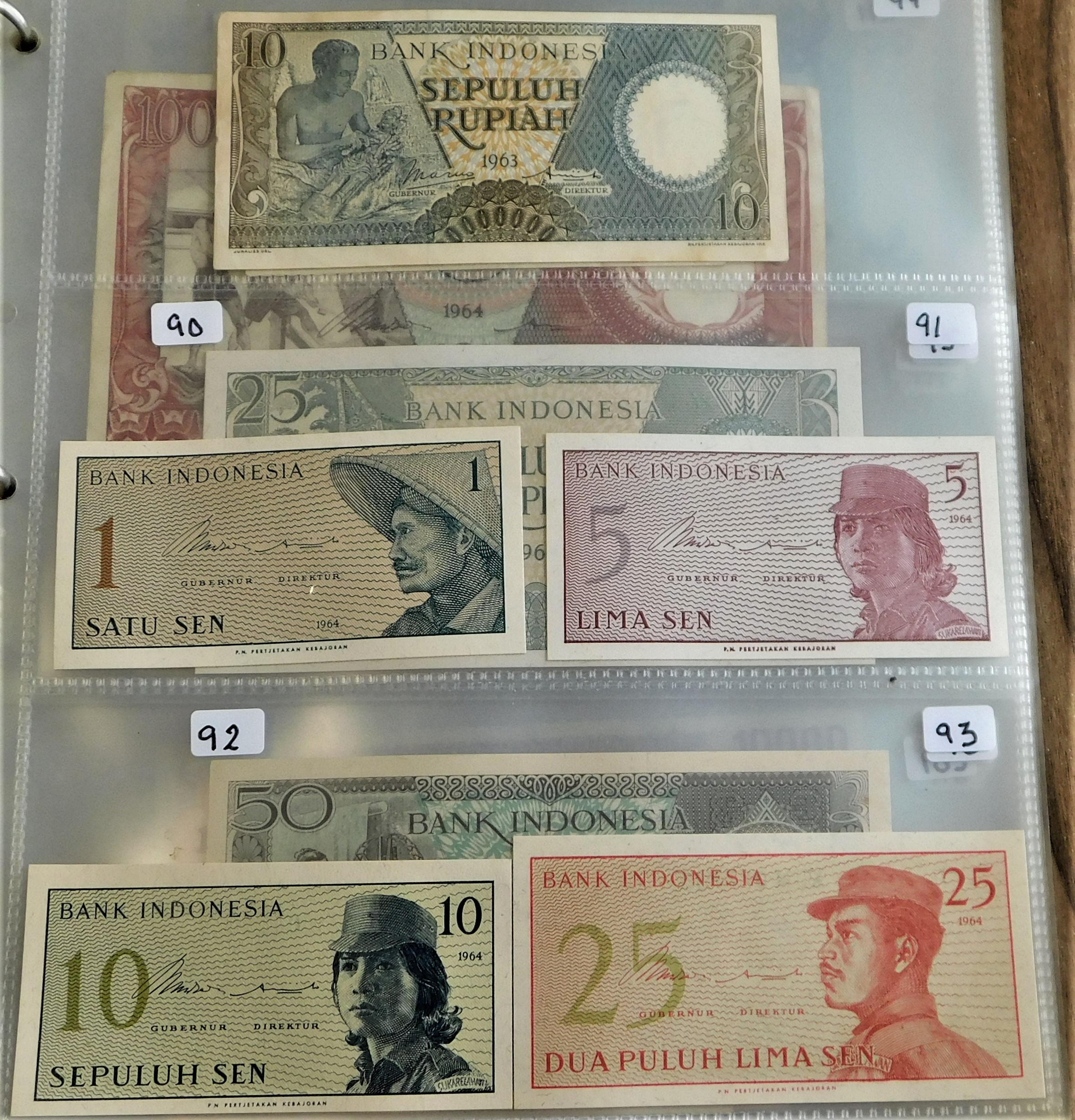
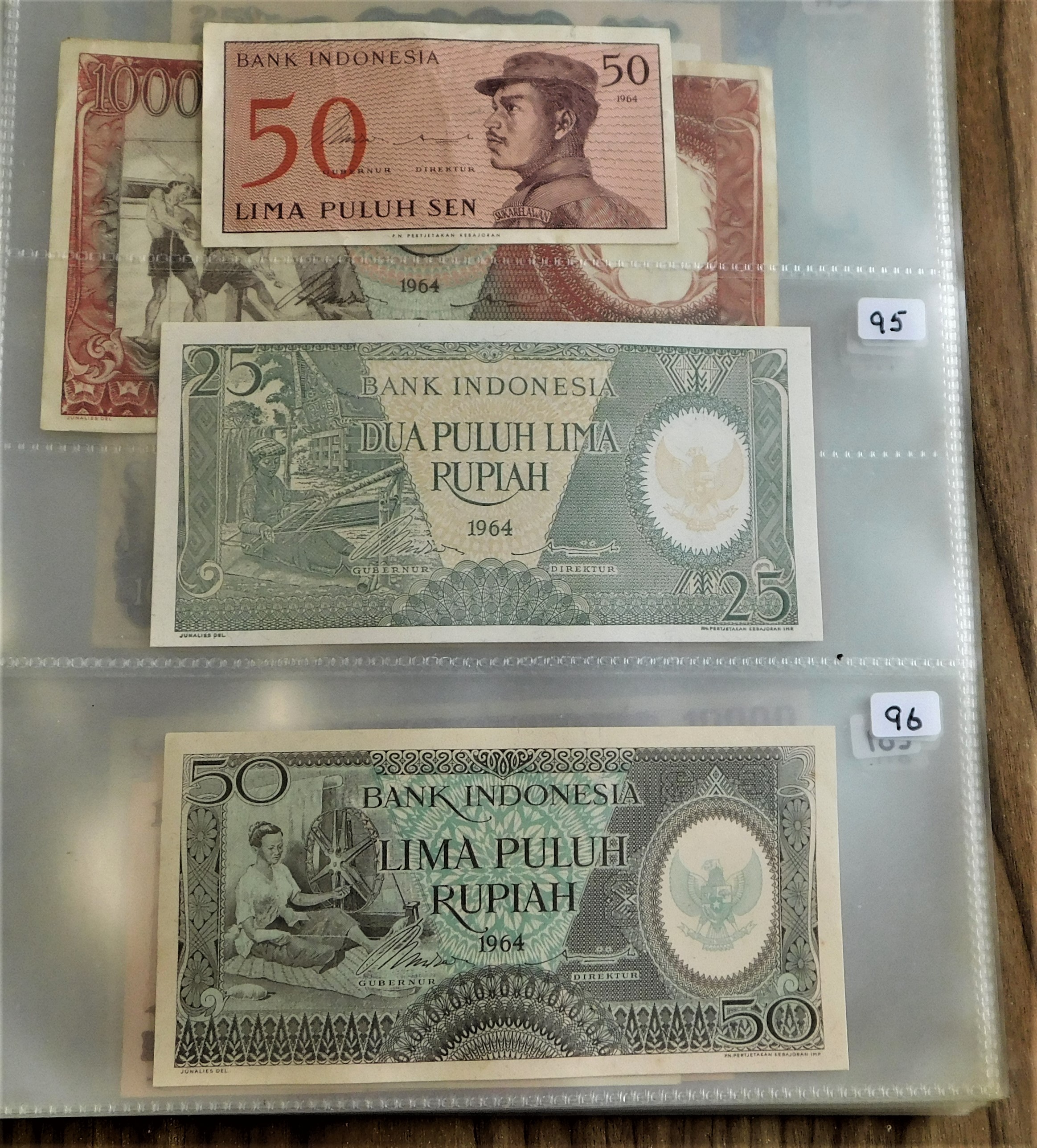
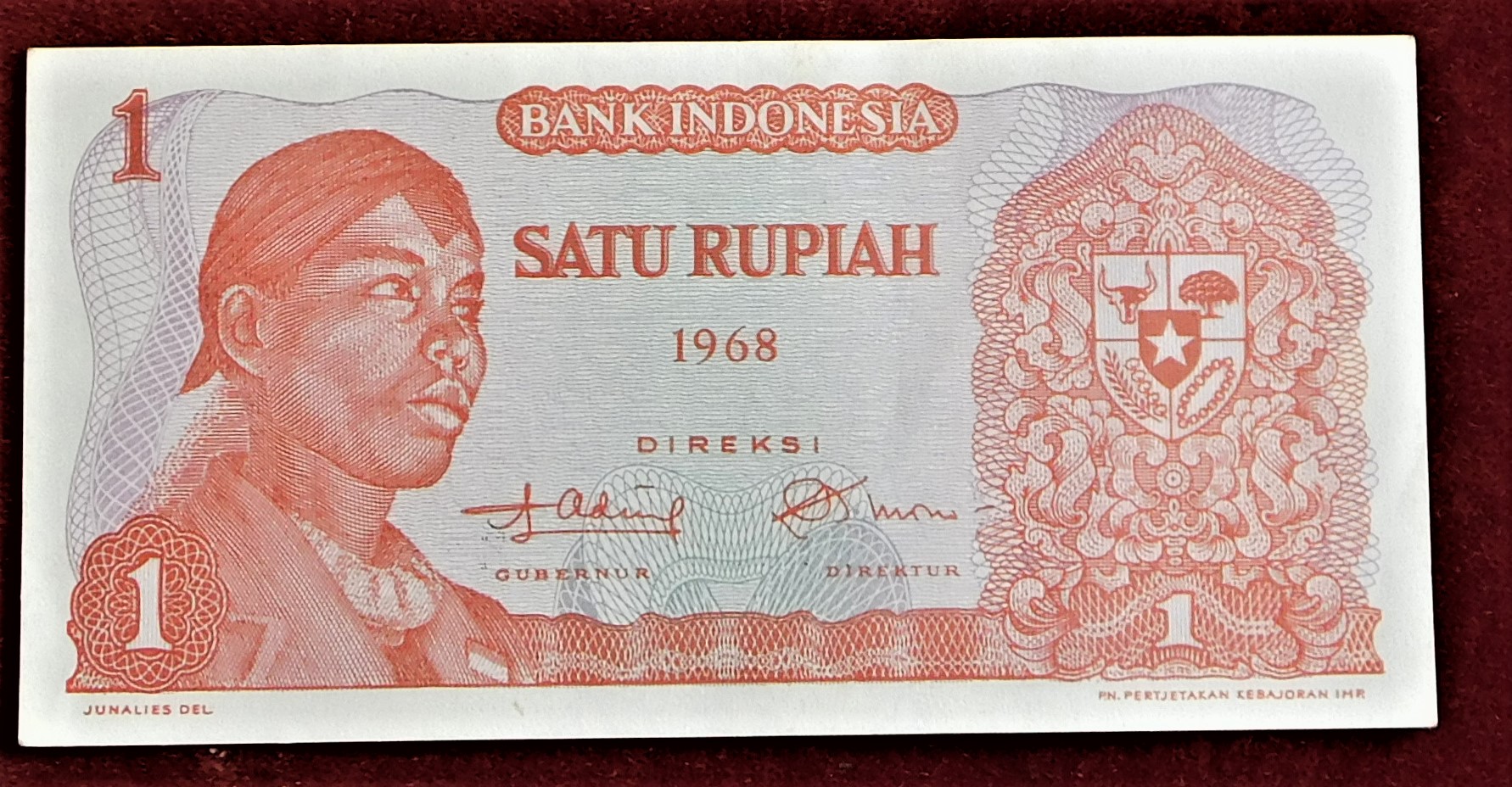
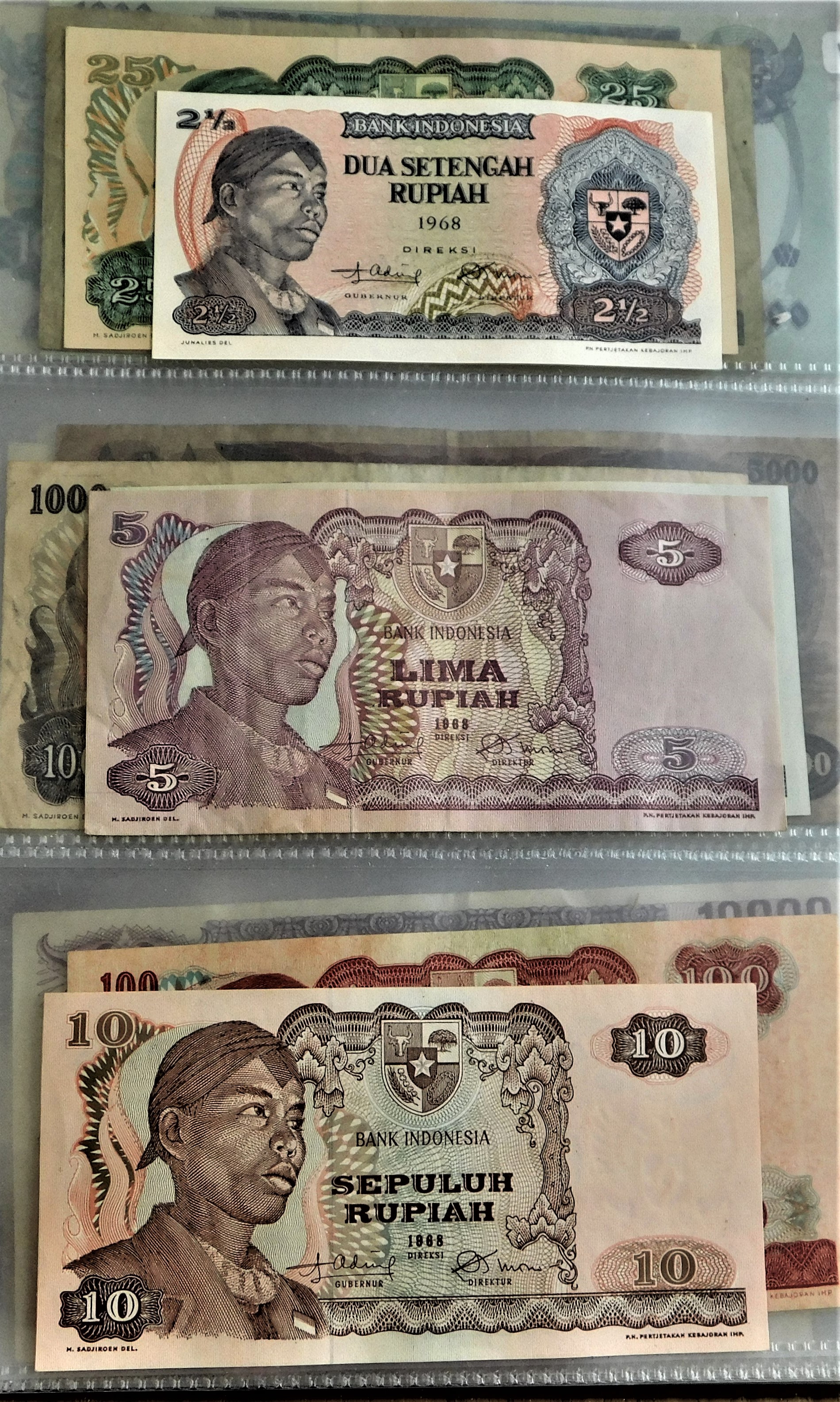
A GREAT BANKNOTE SALE
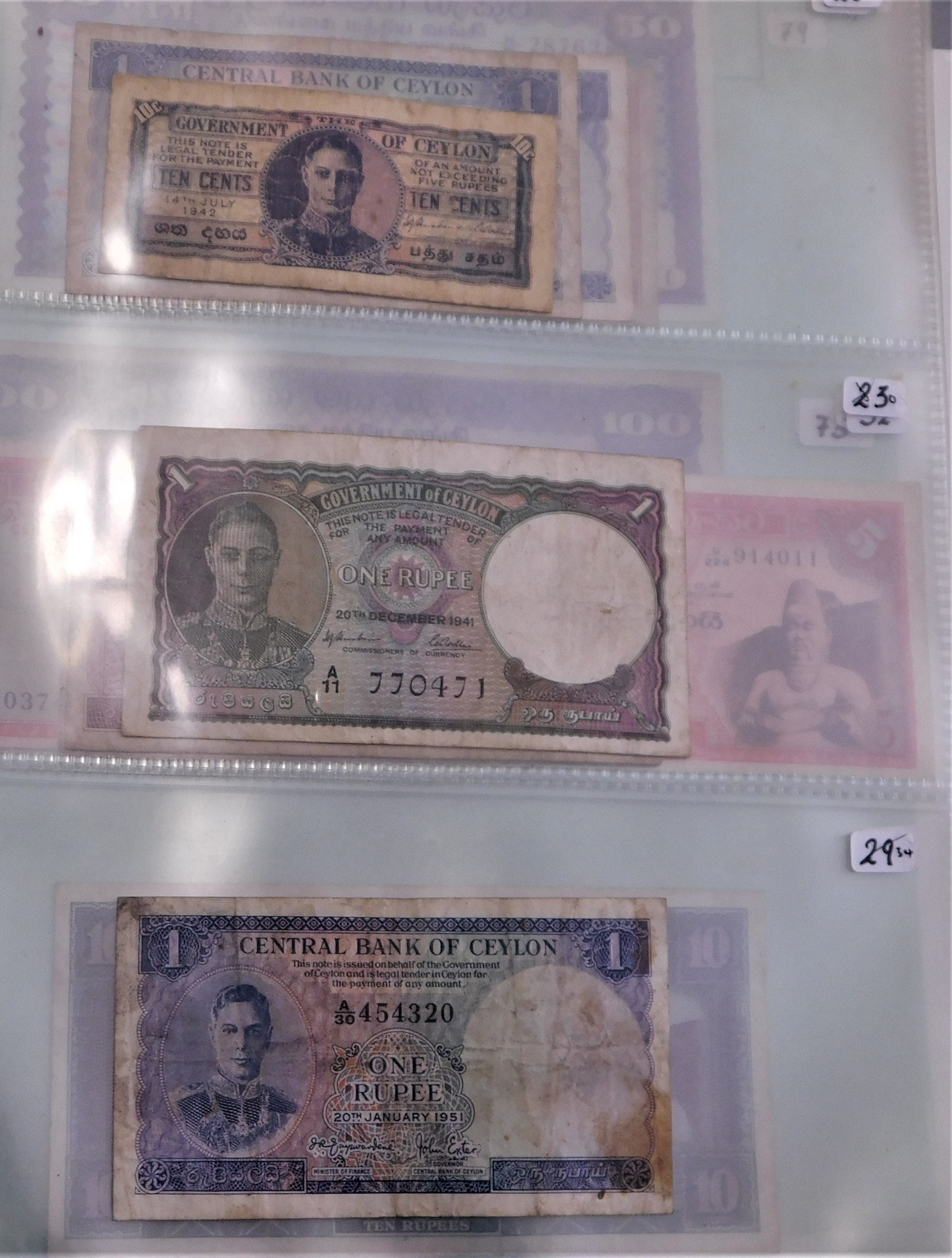
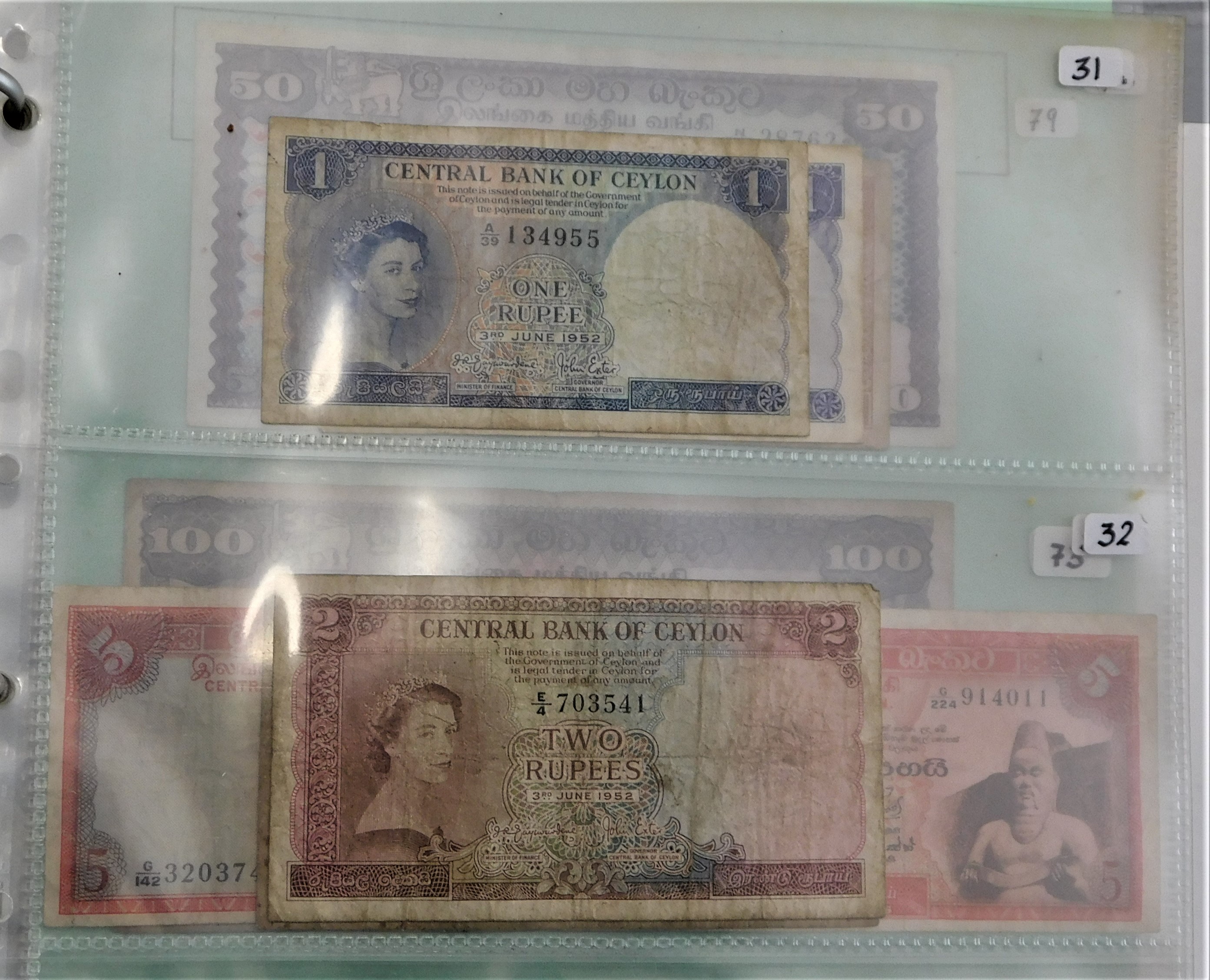
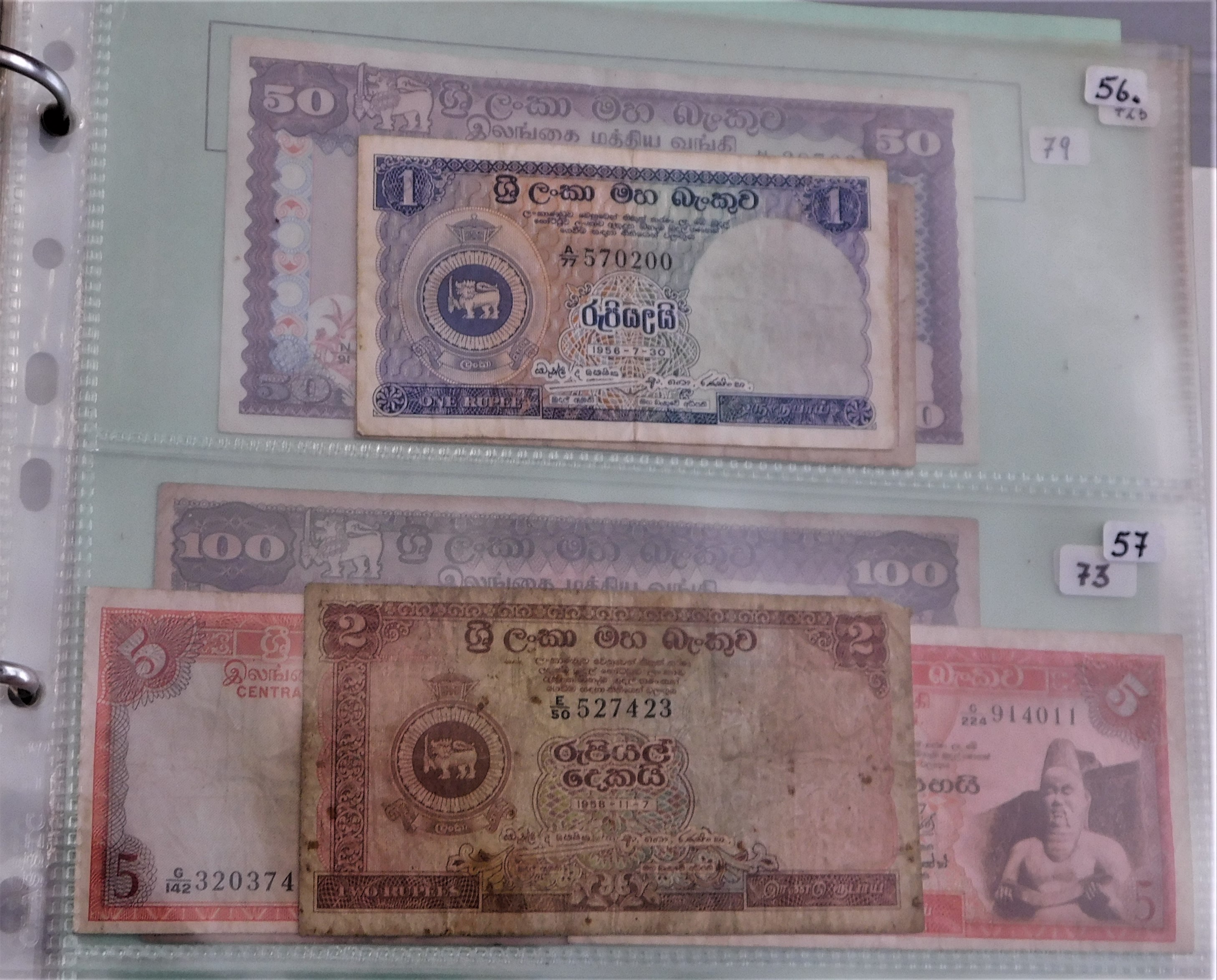
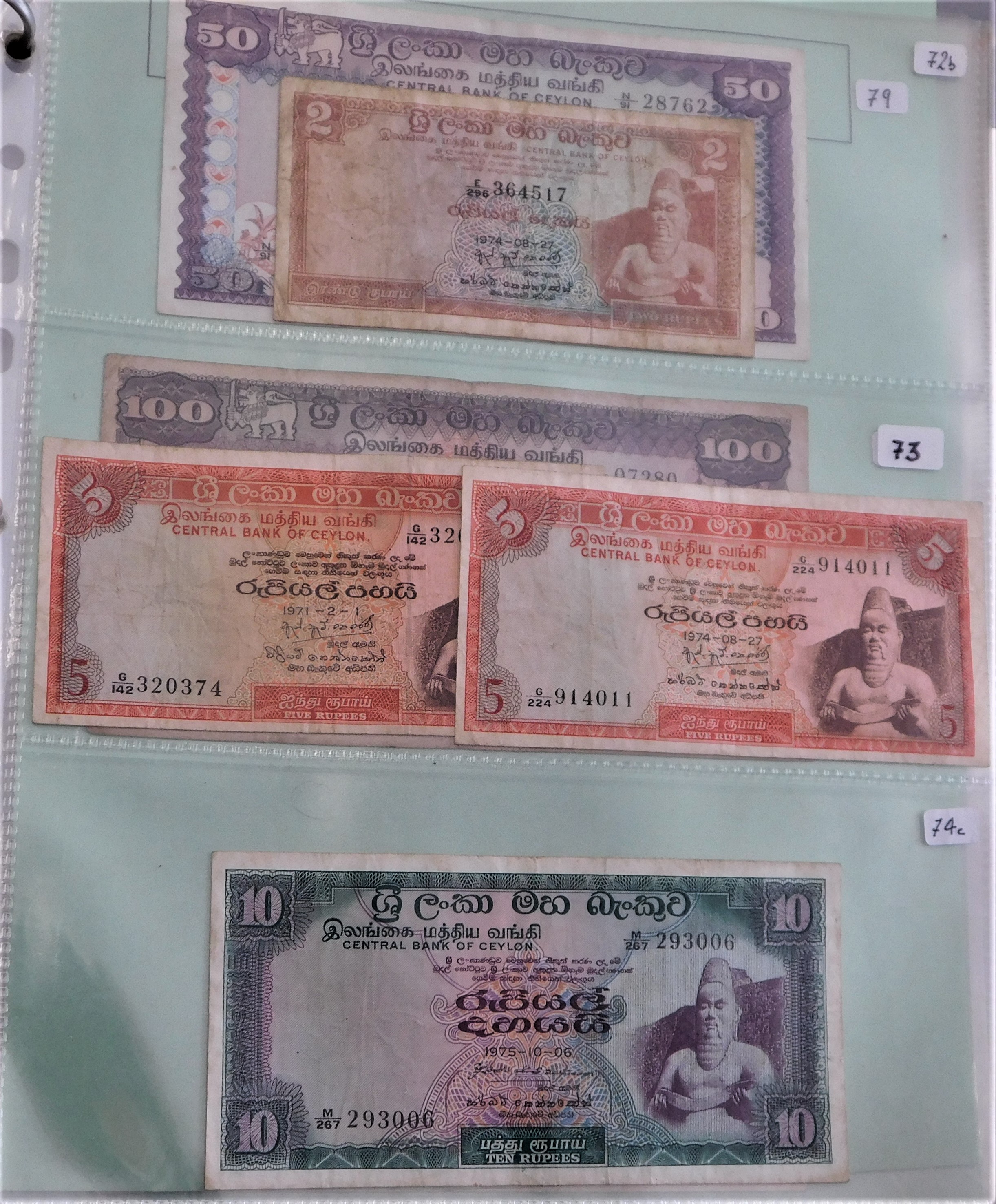
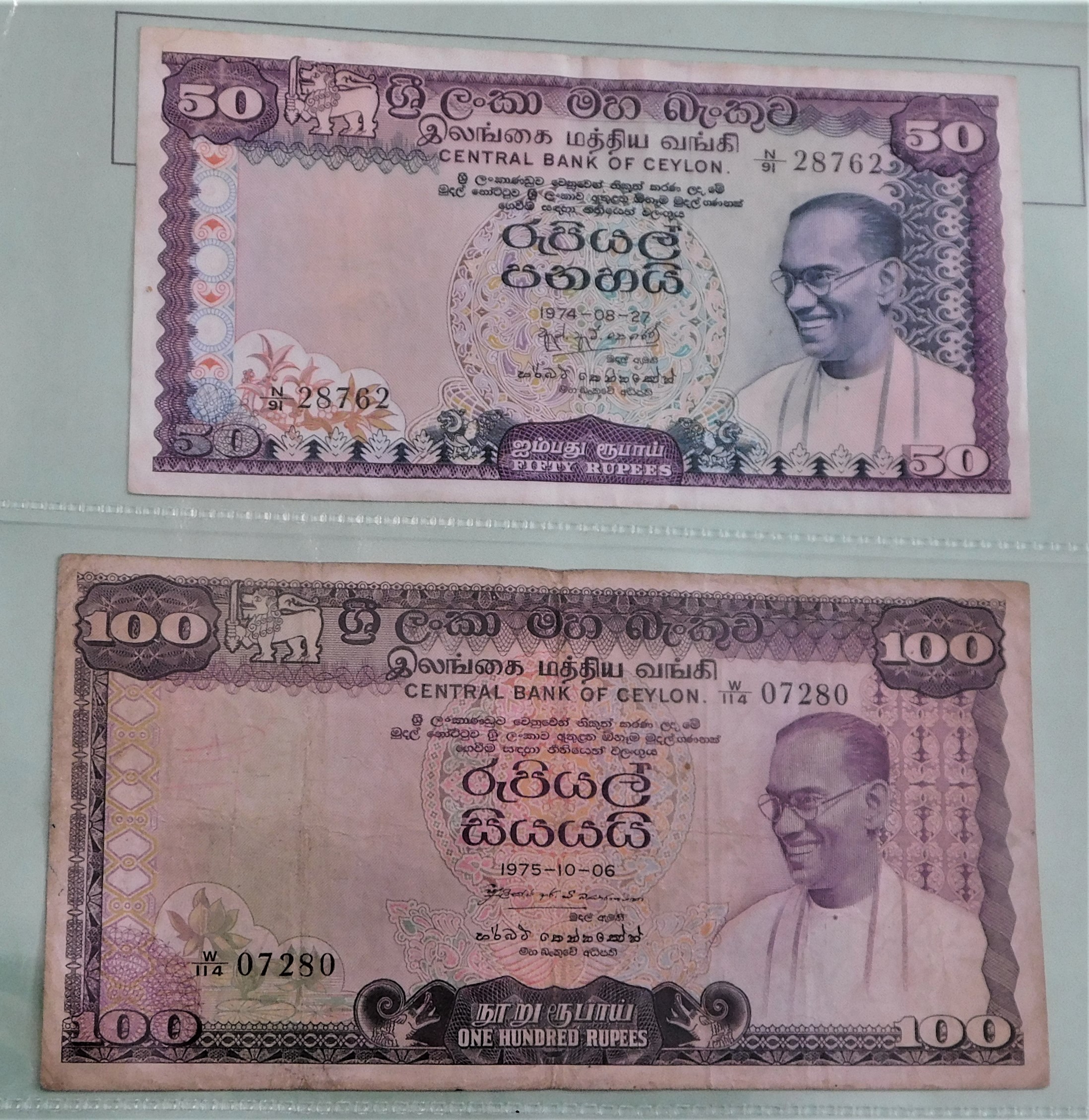
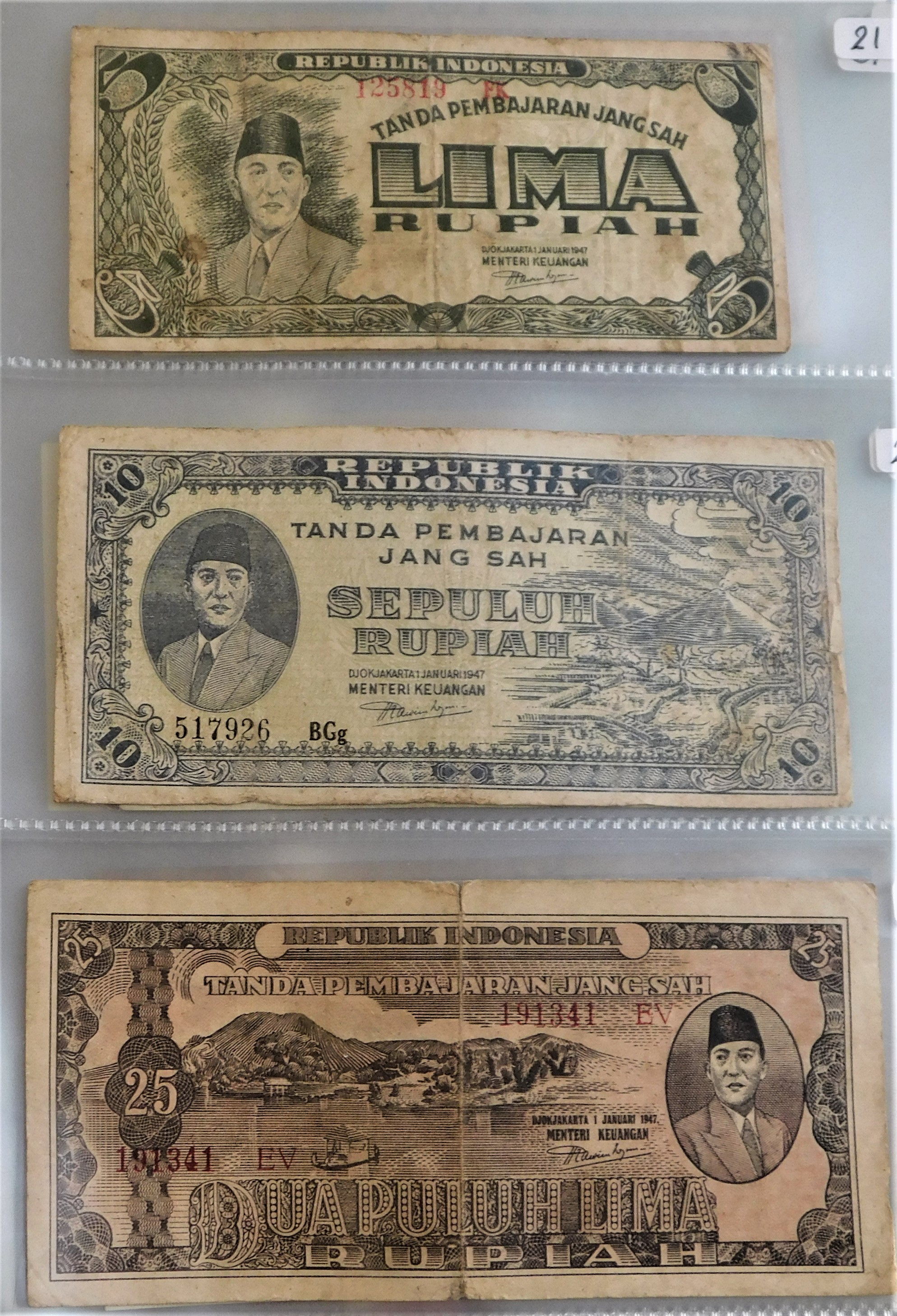
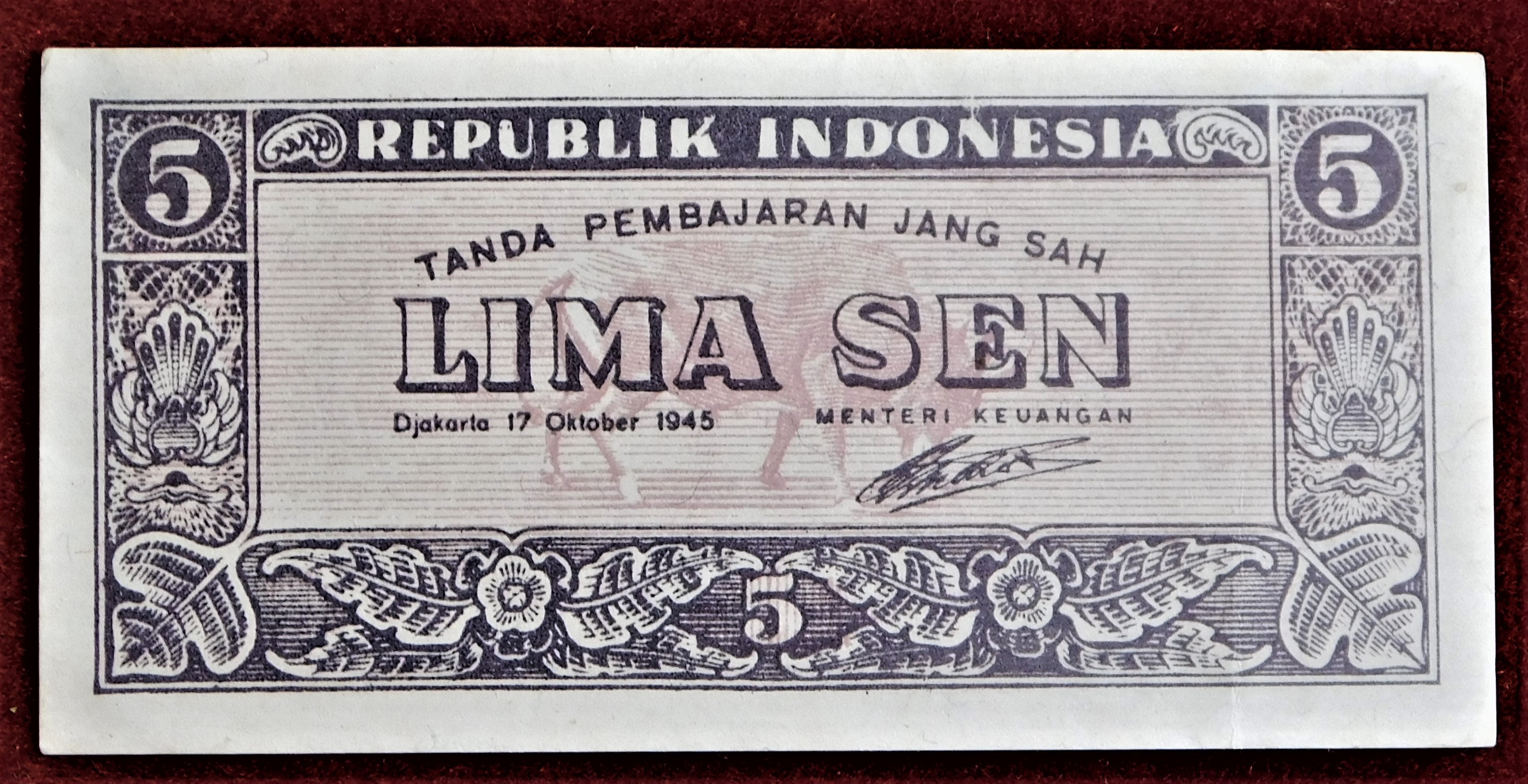
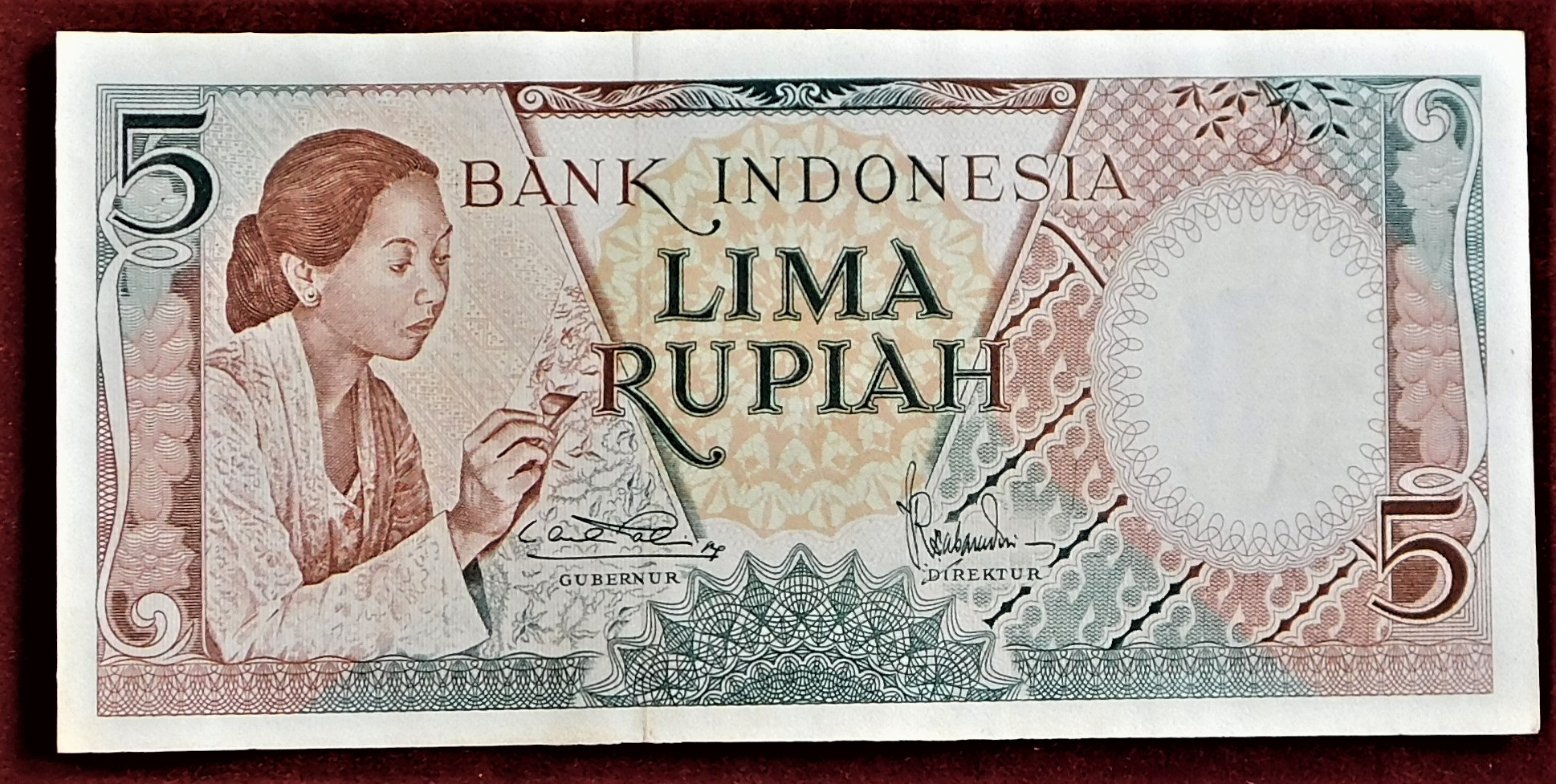
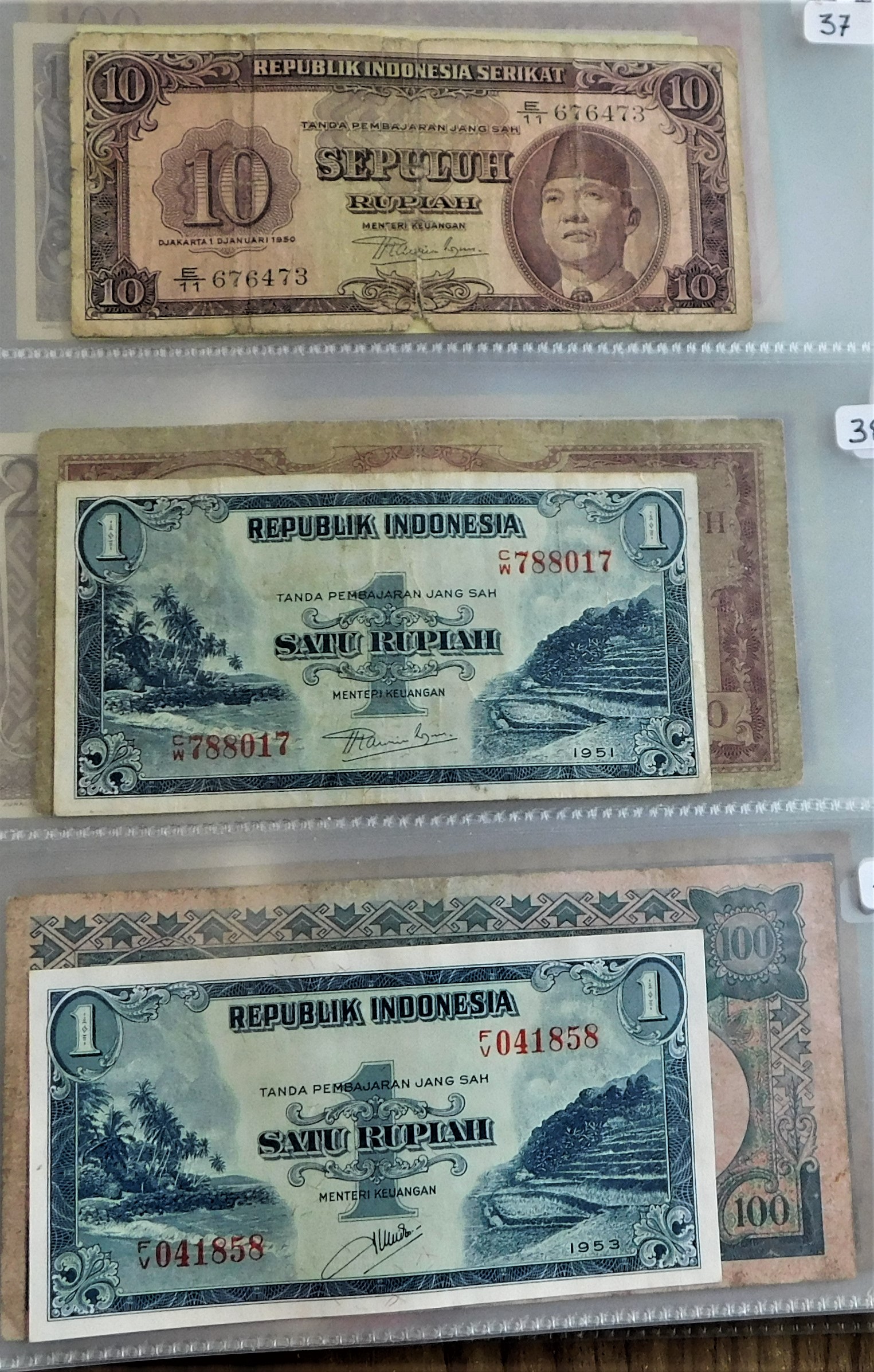
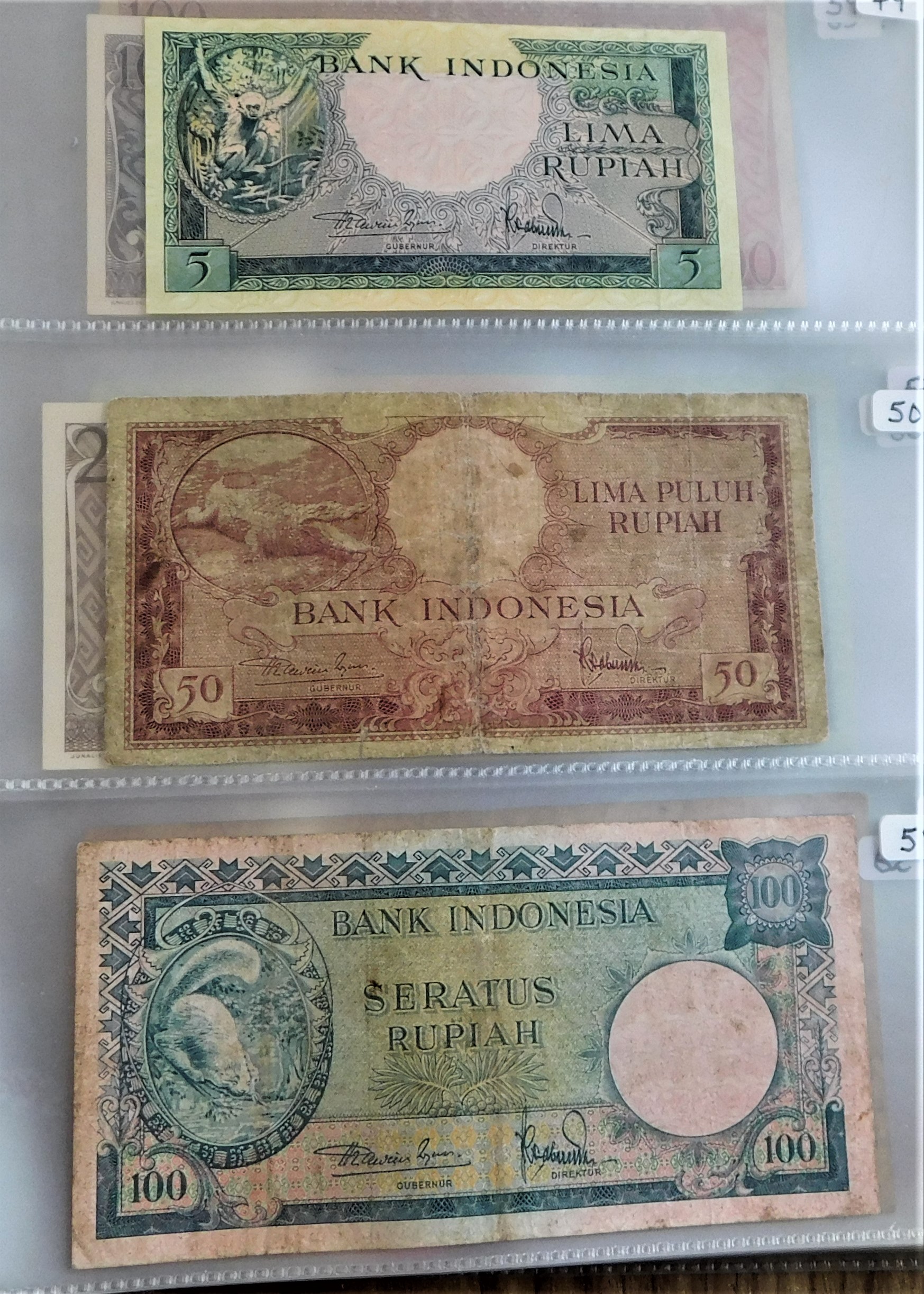
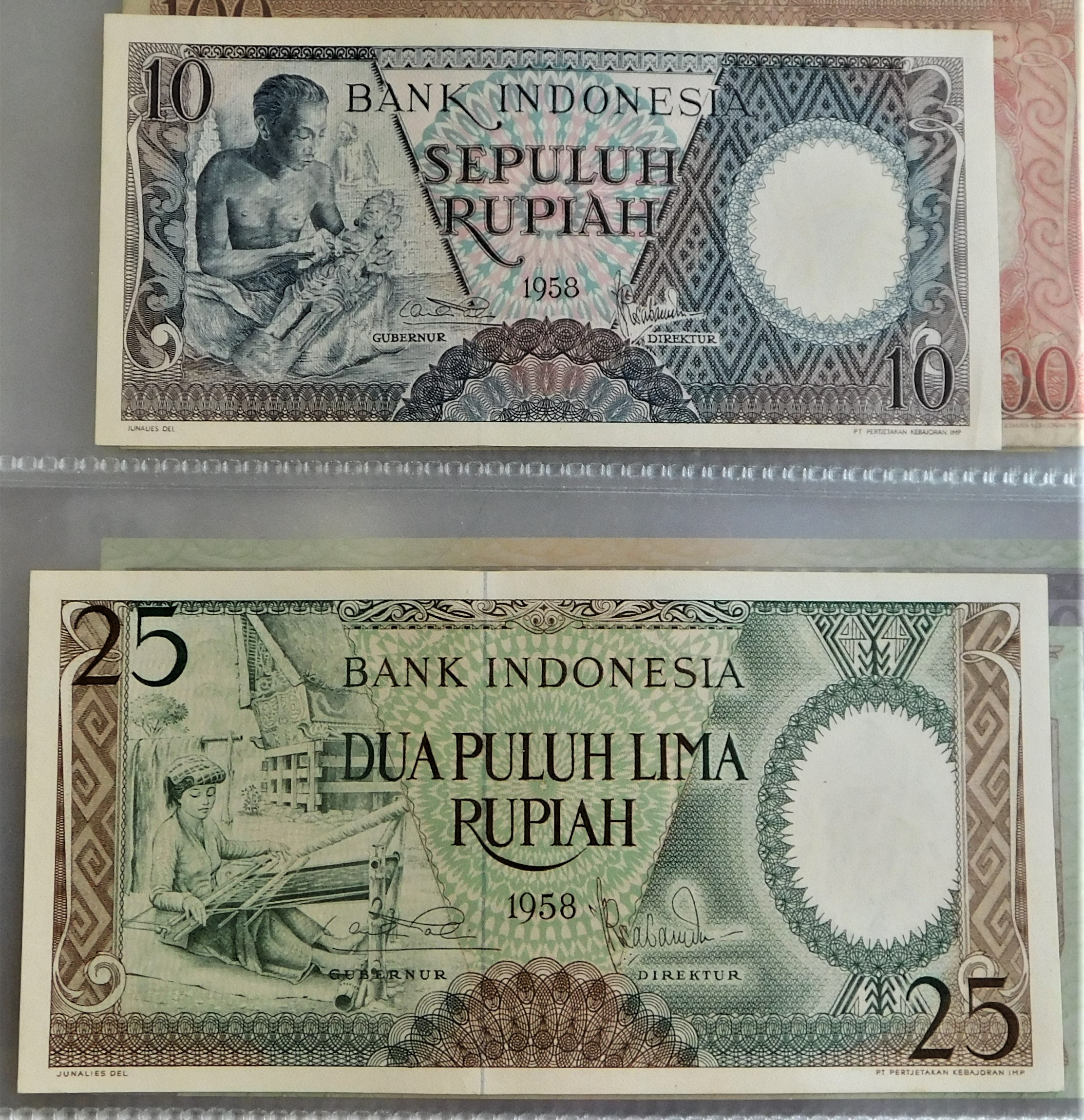
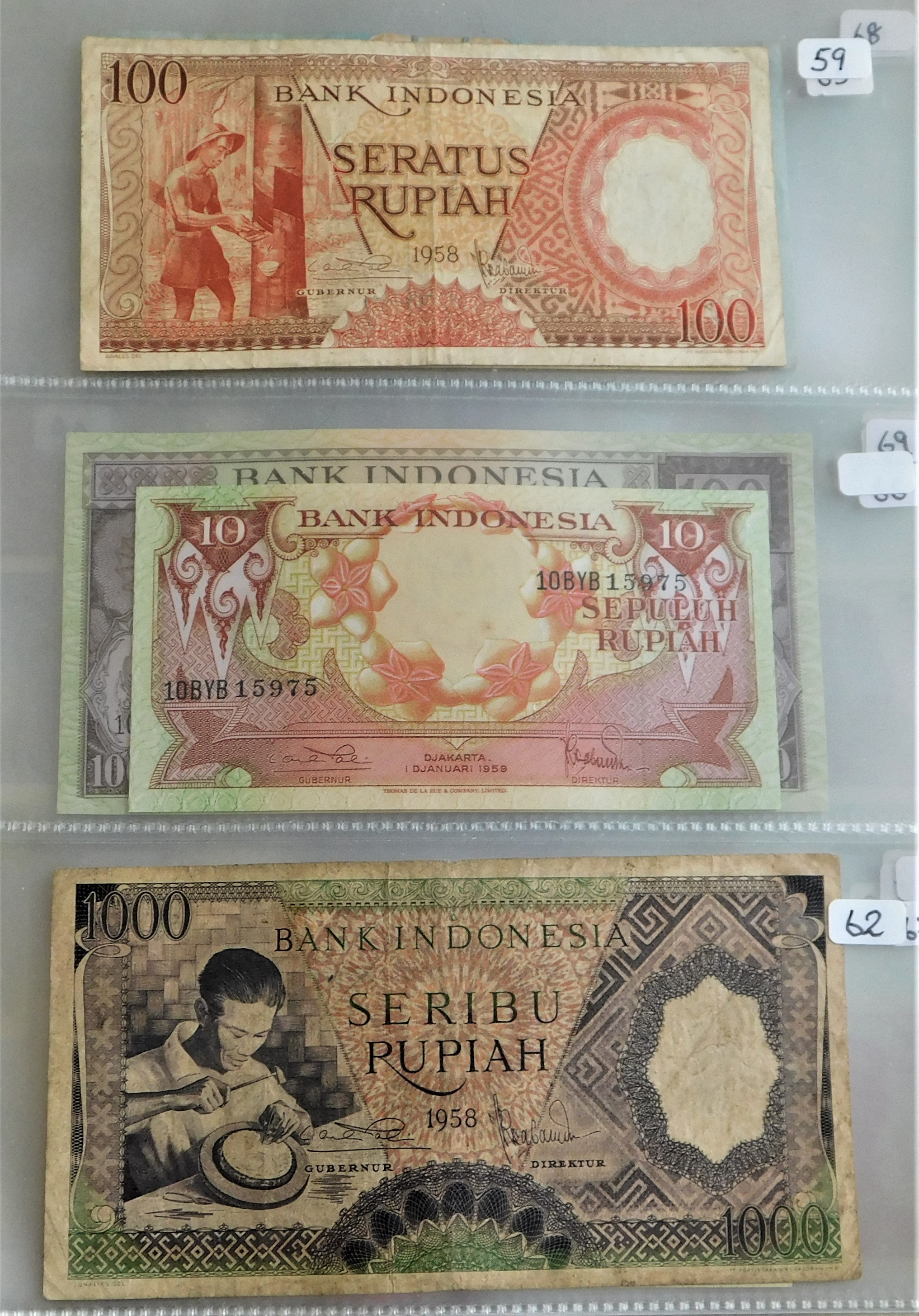
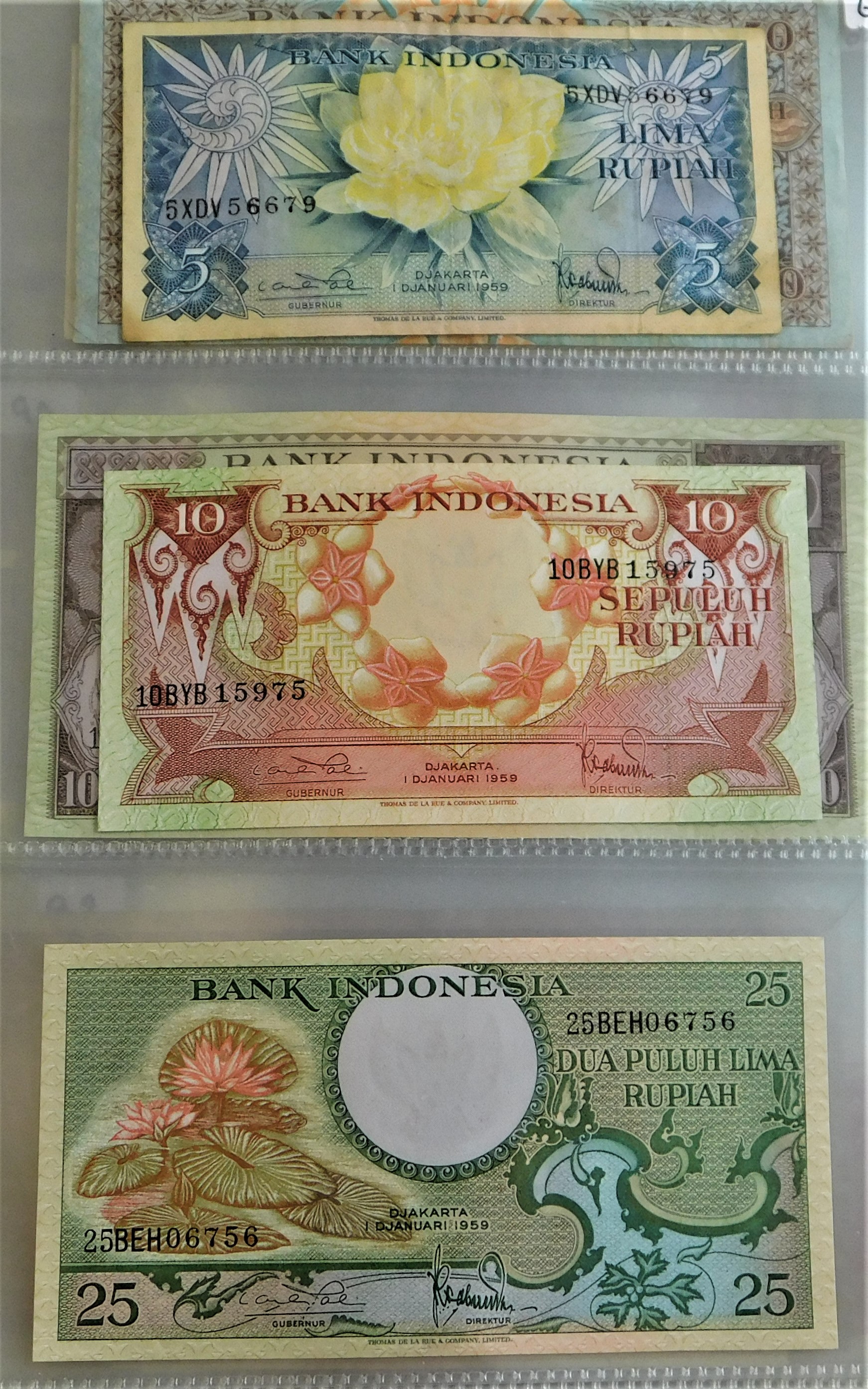
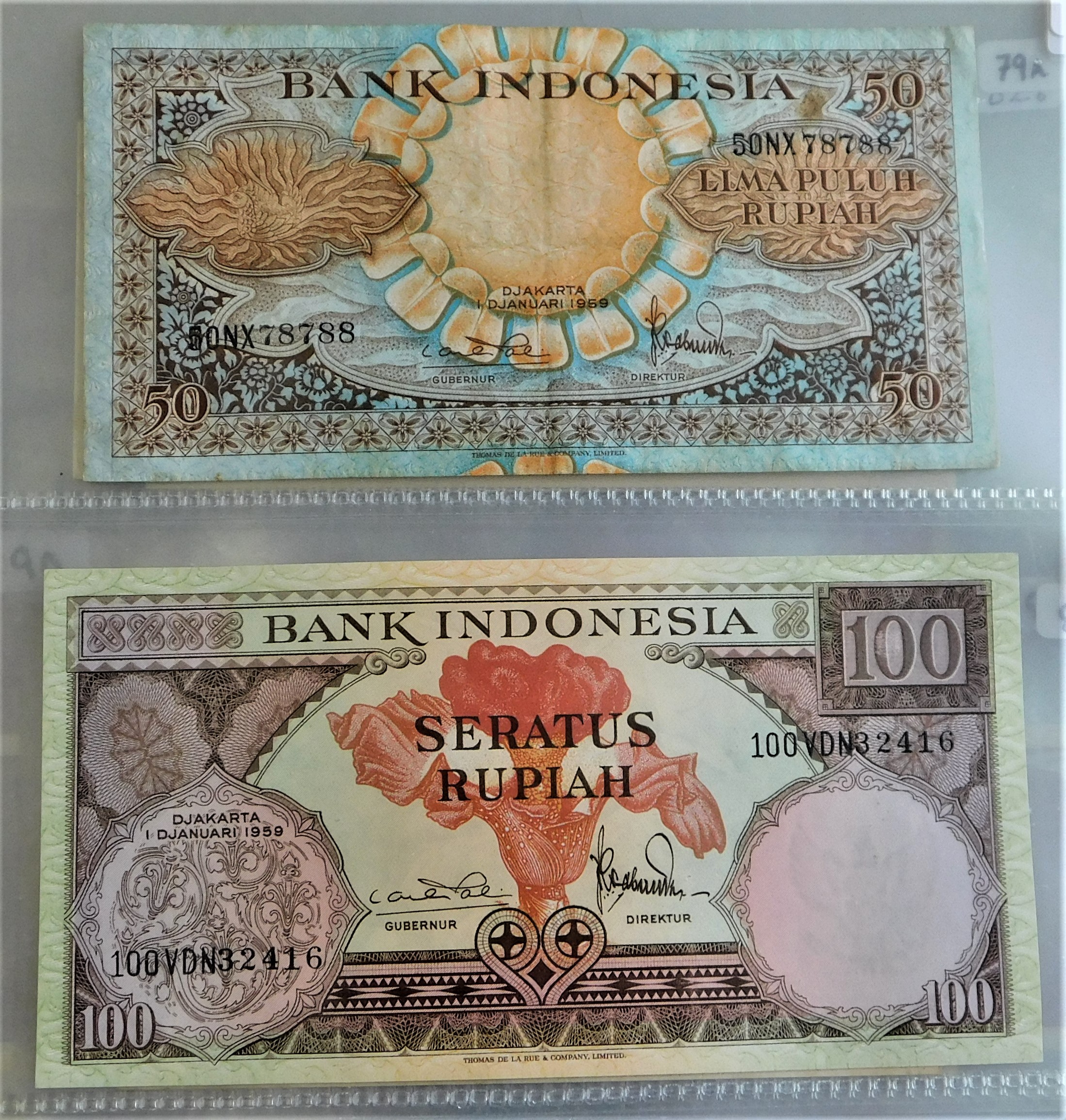
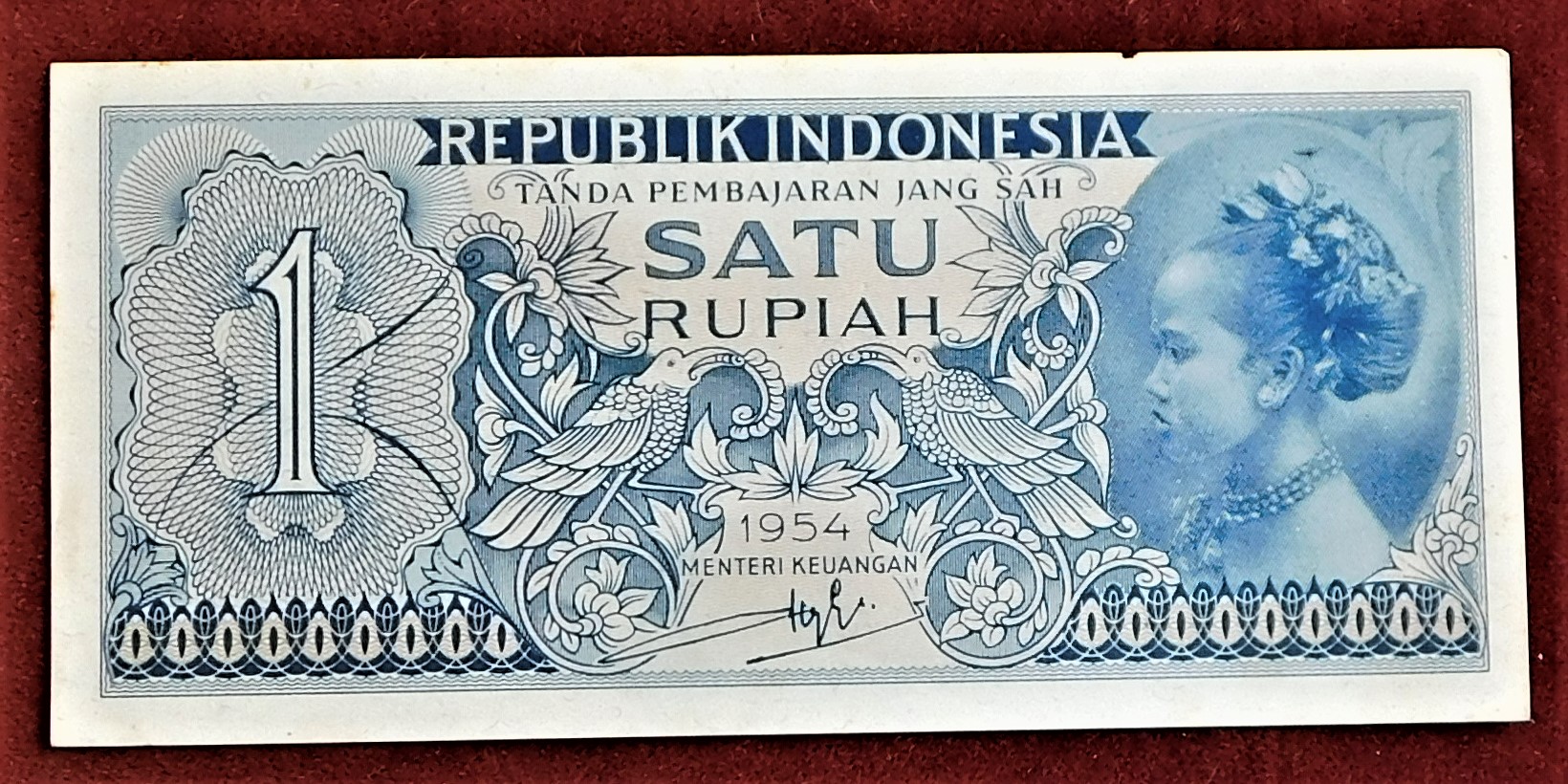
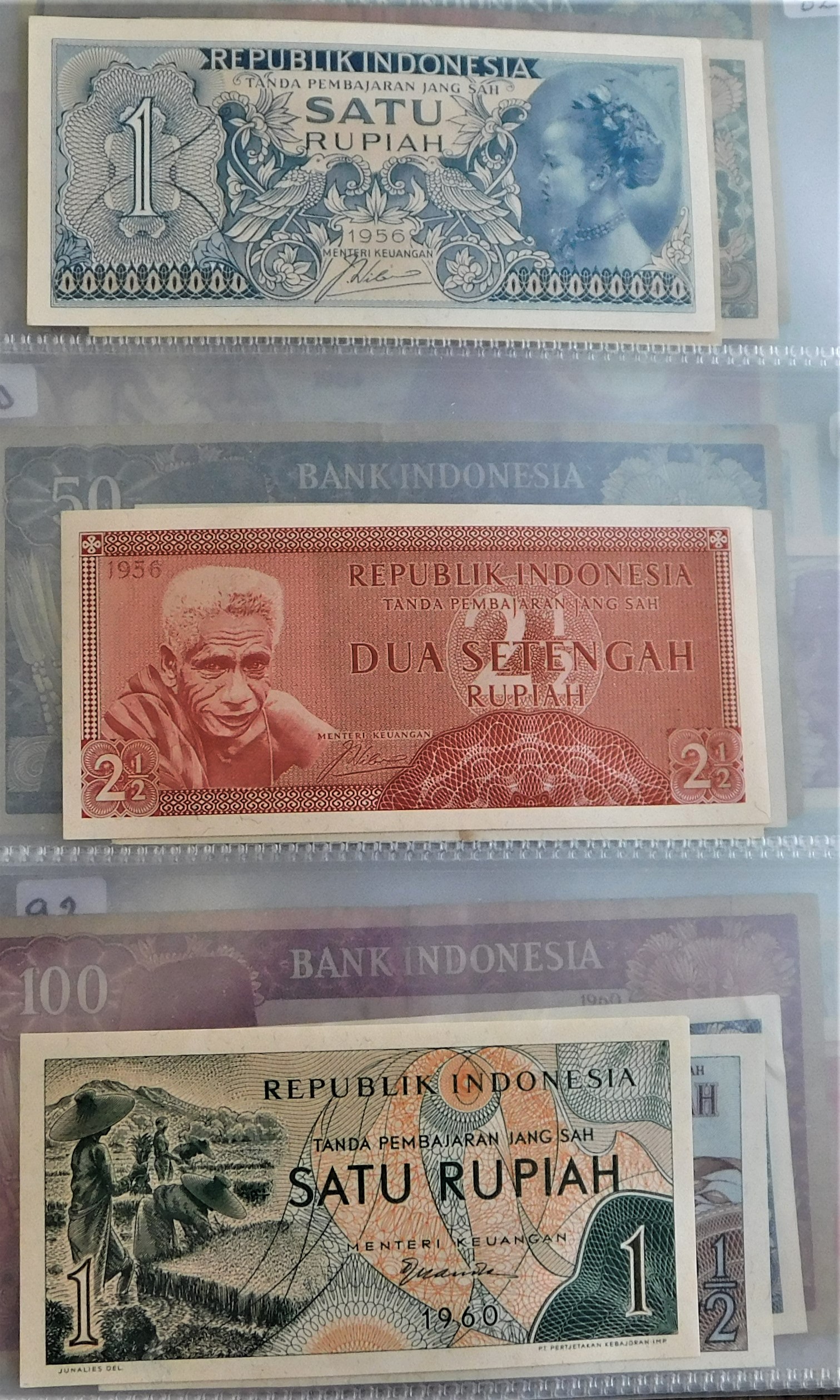
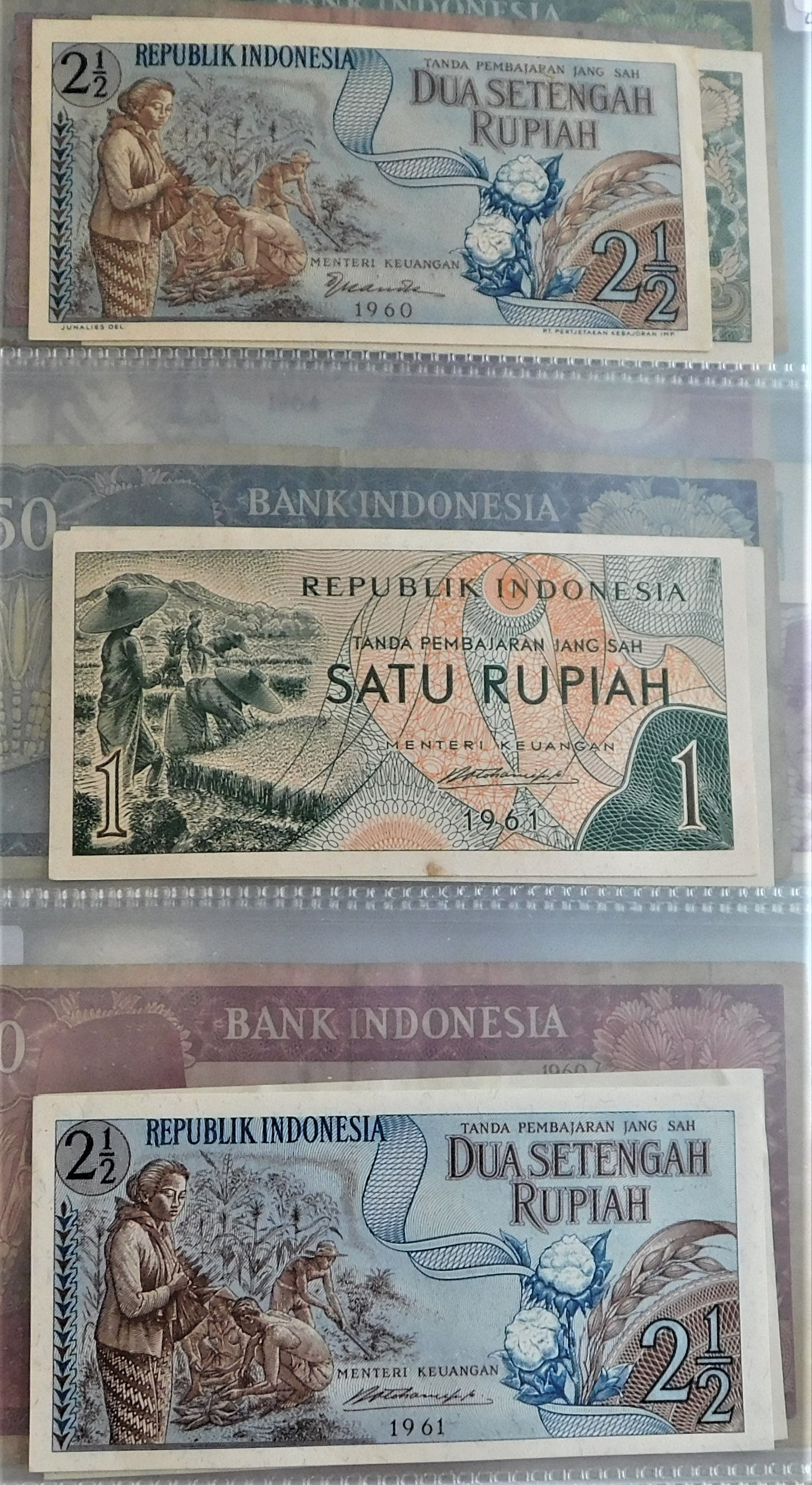
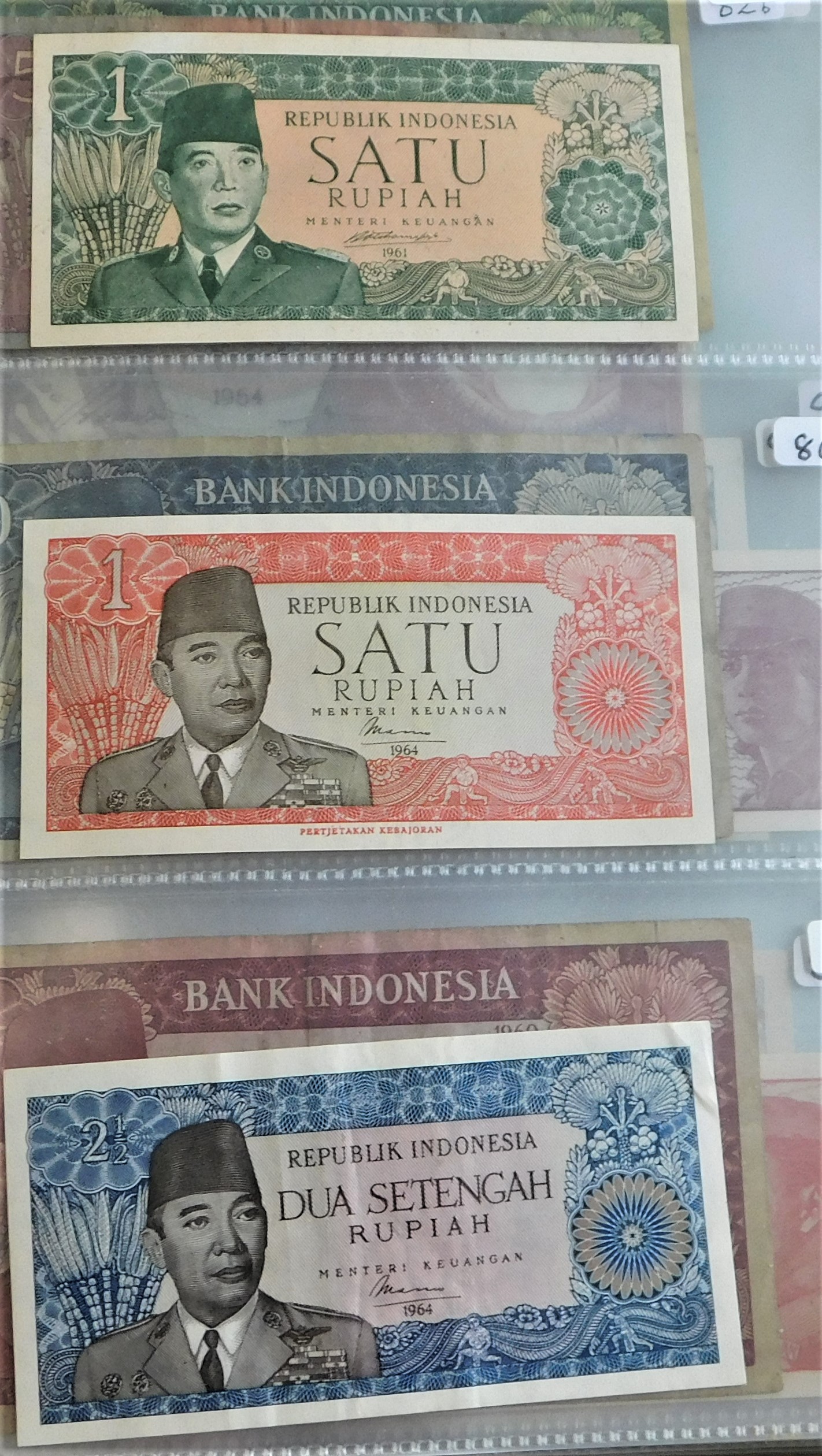
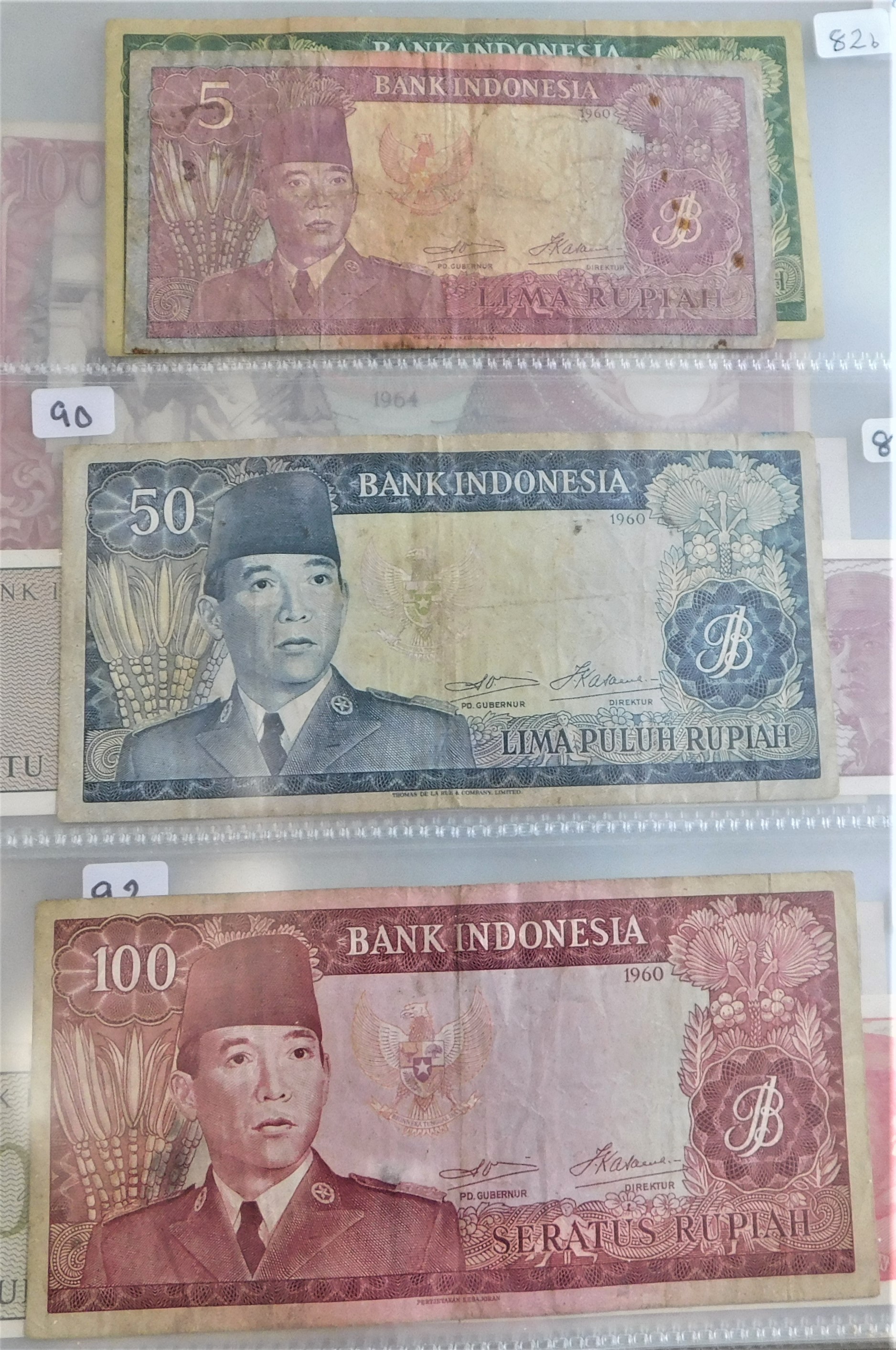
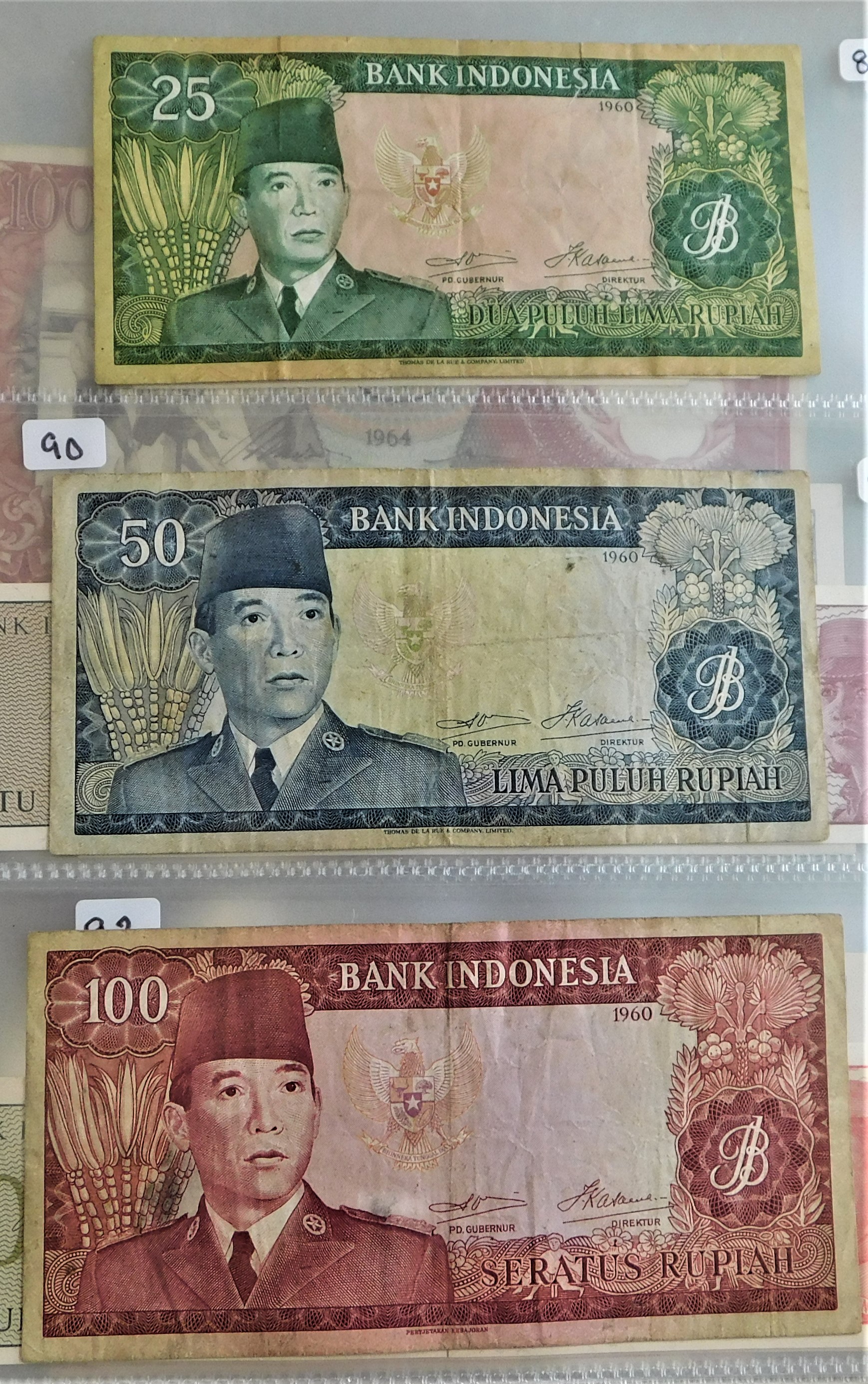
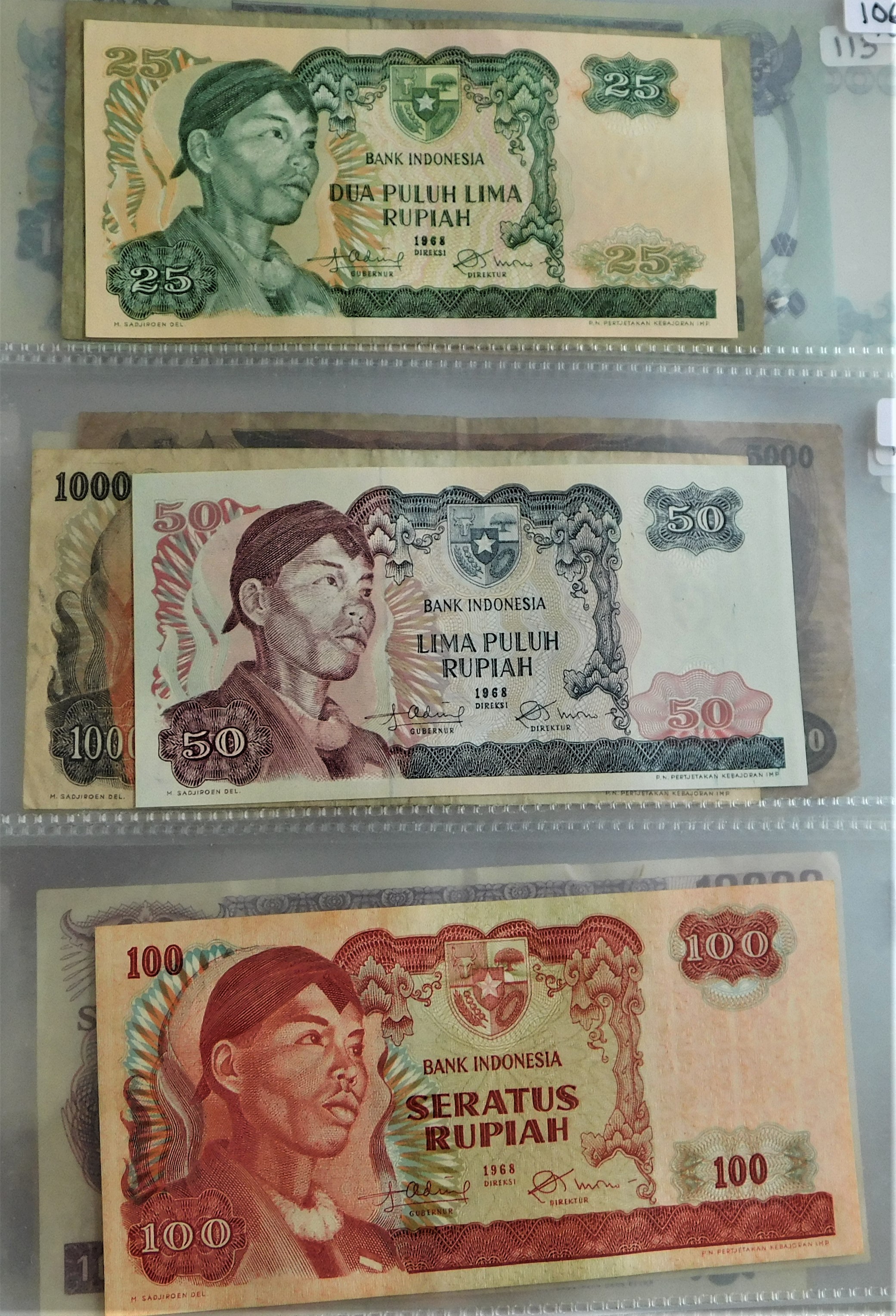
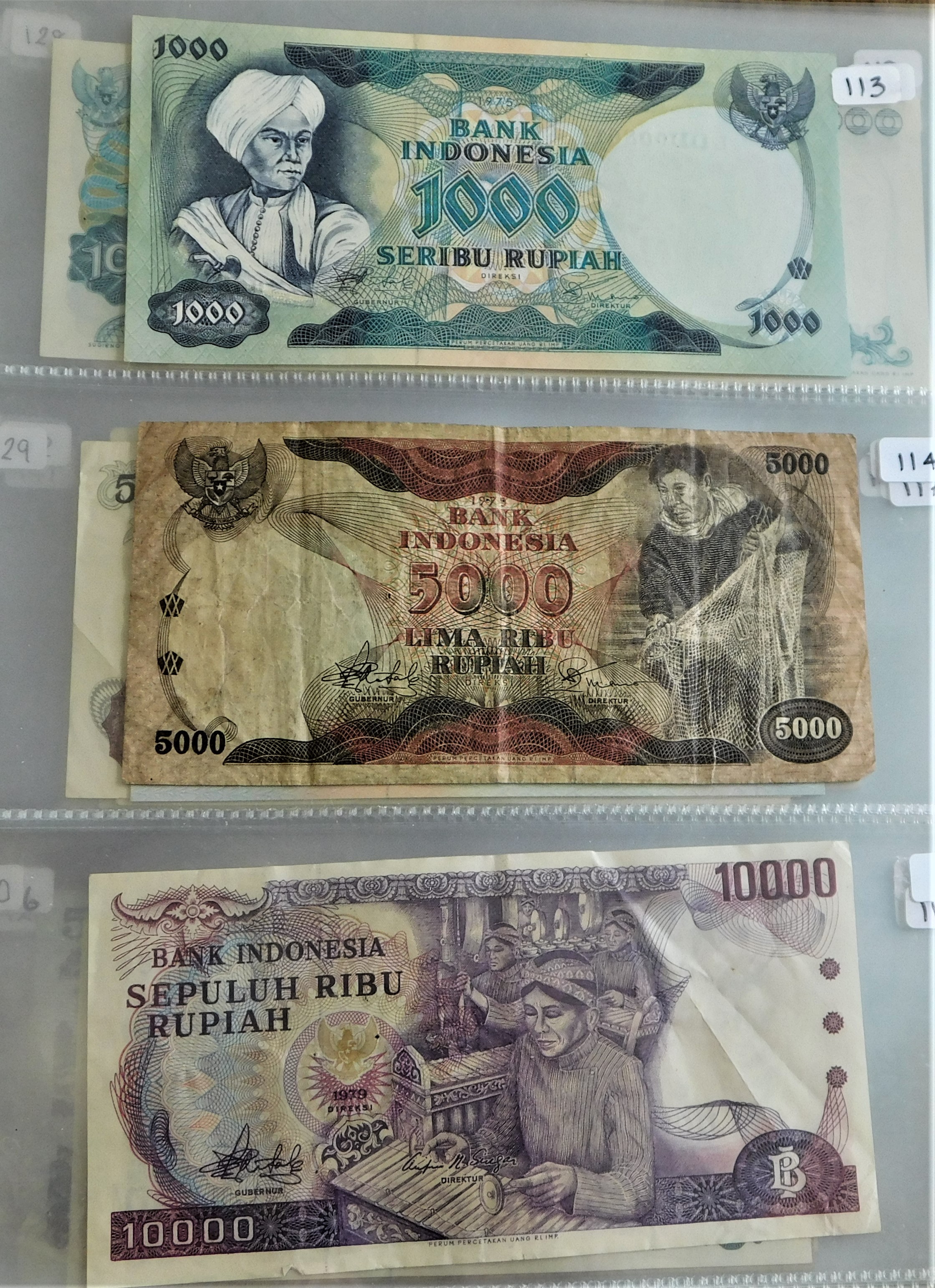
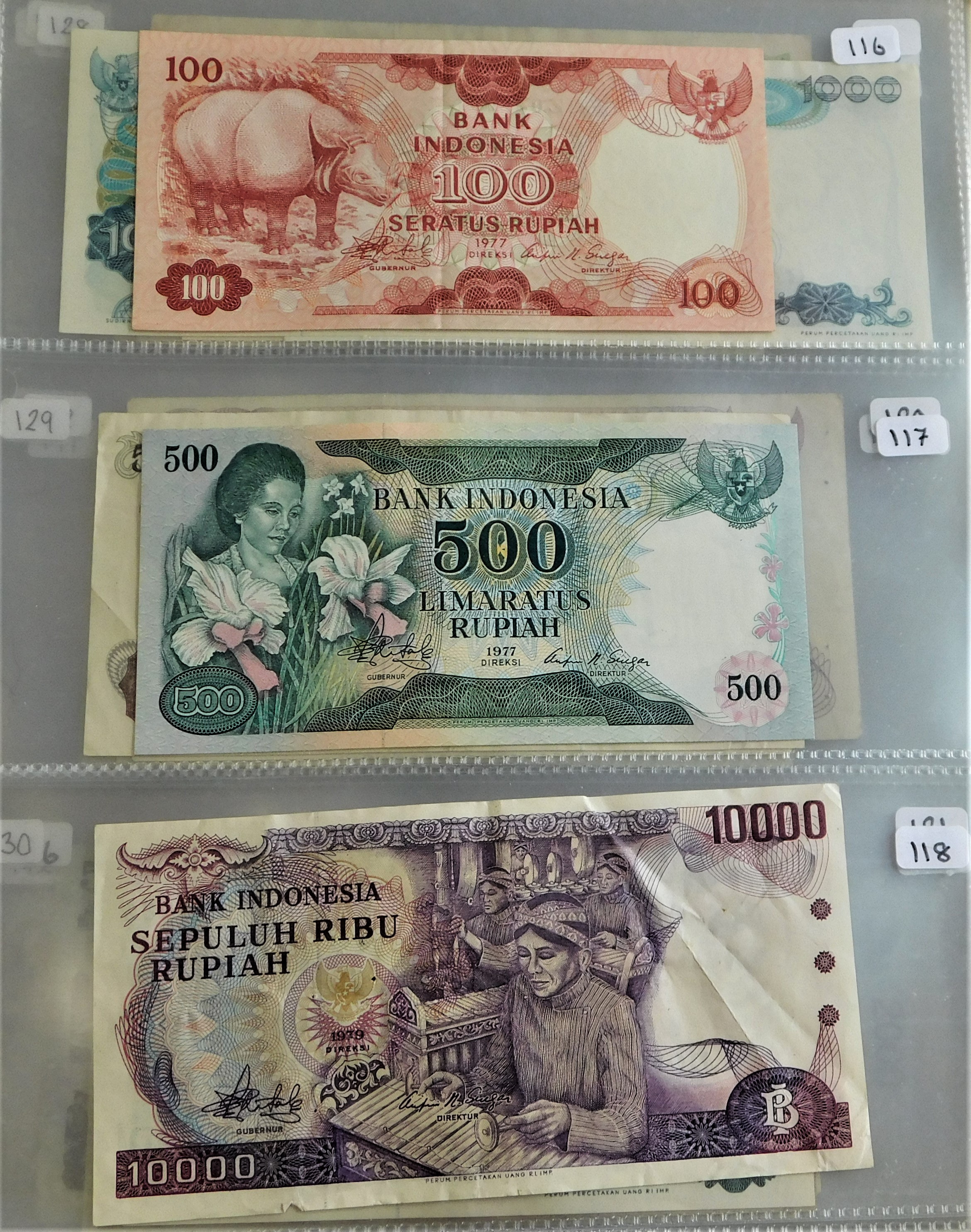
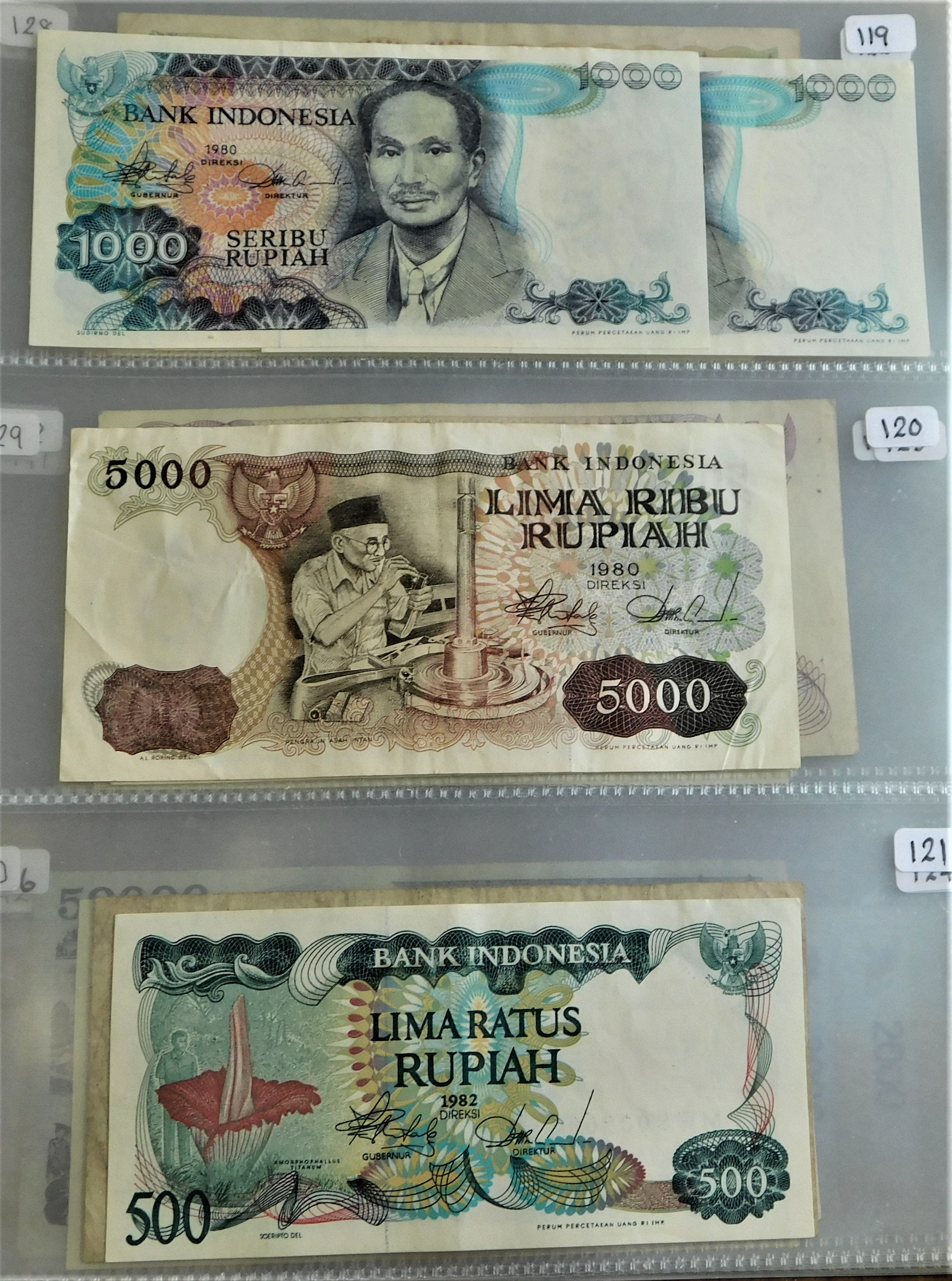
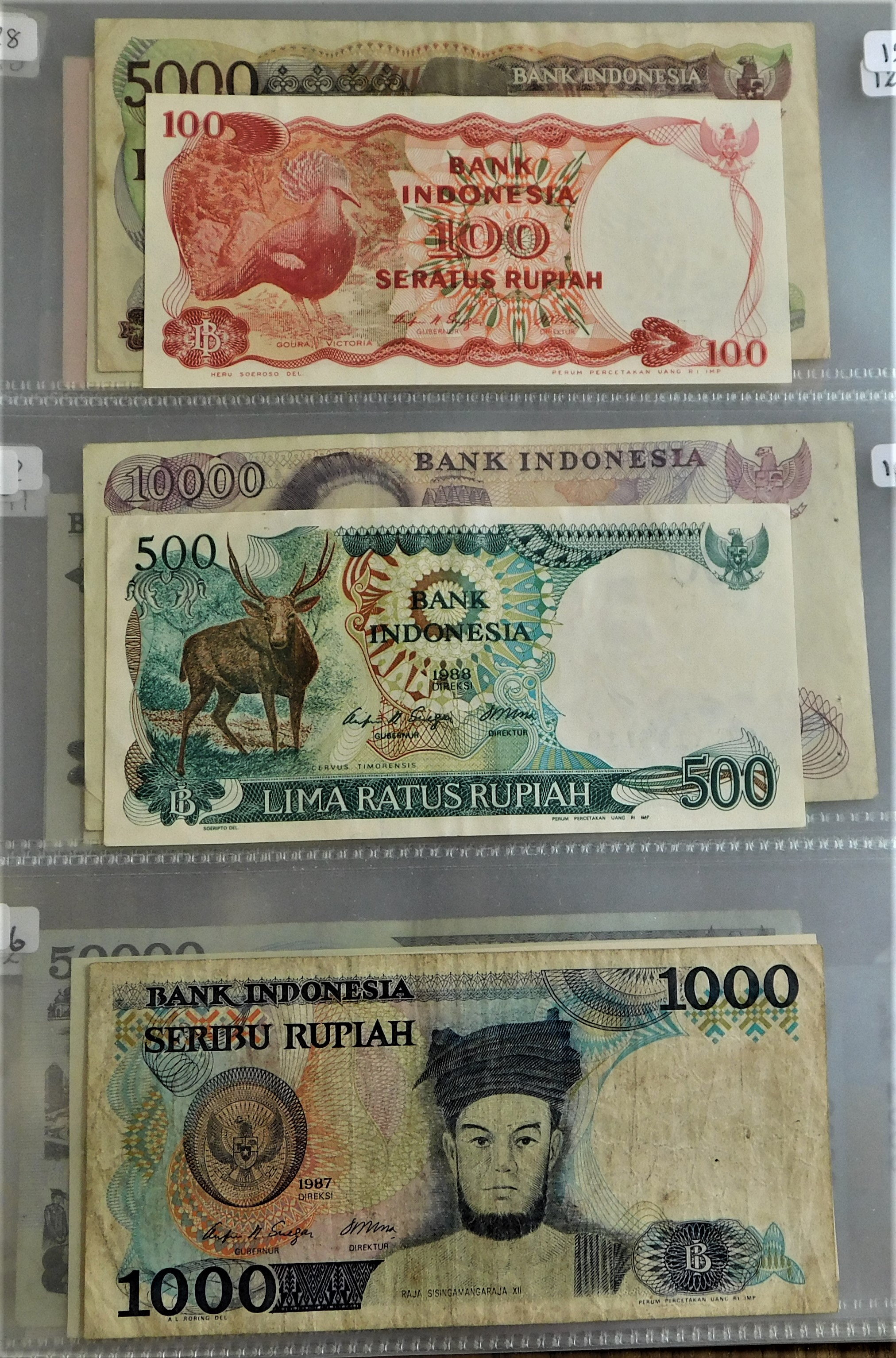
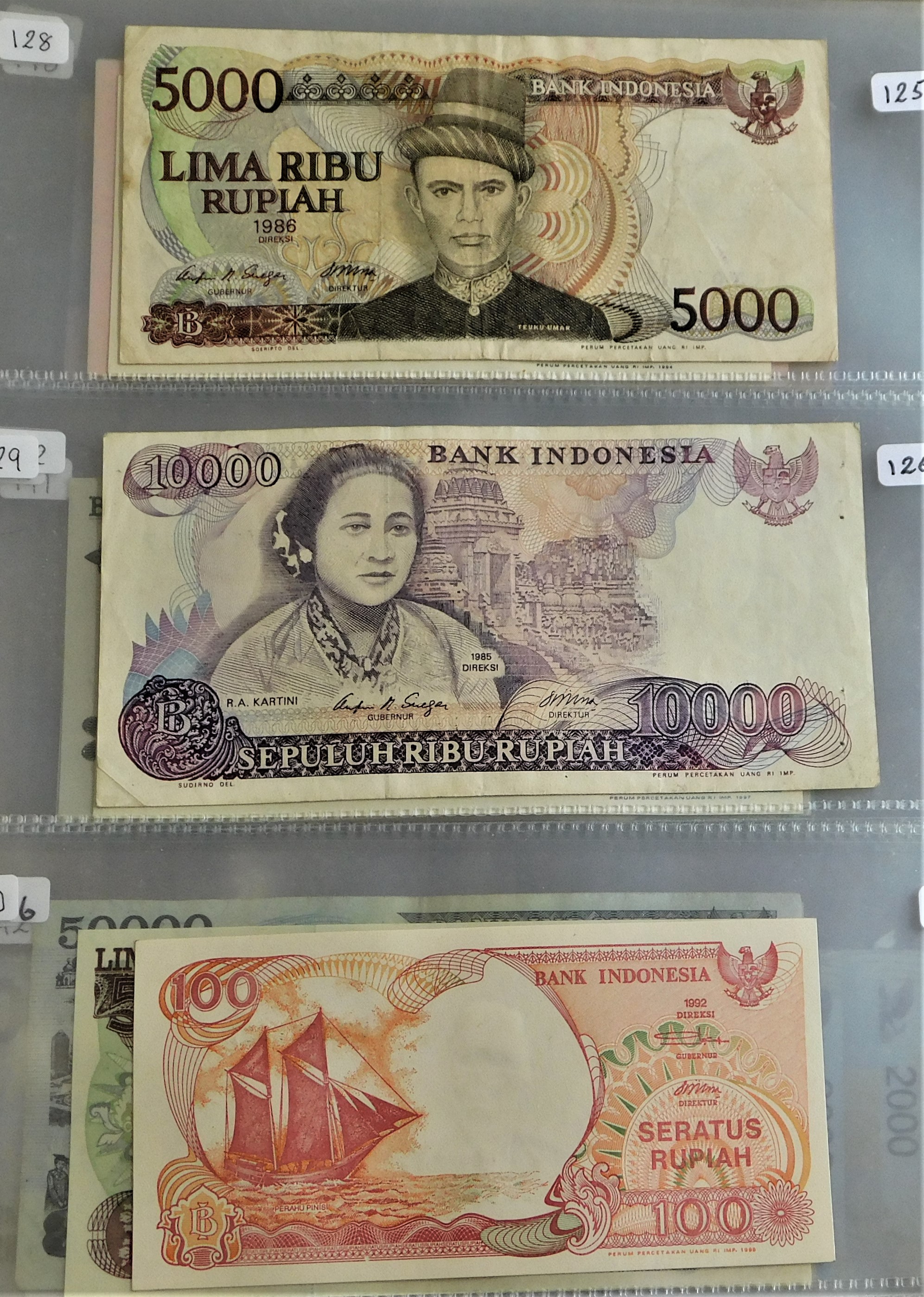
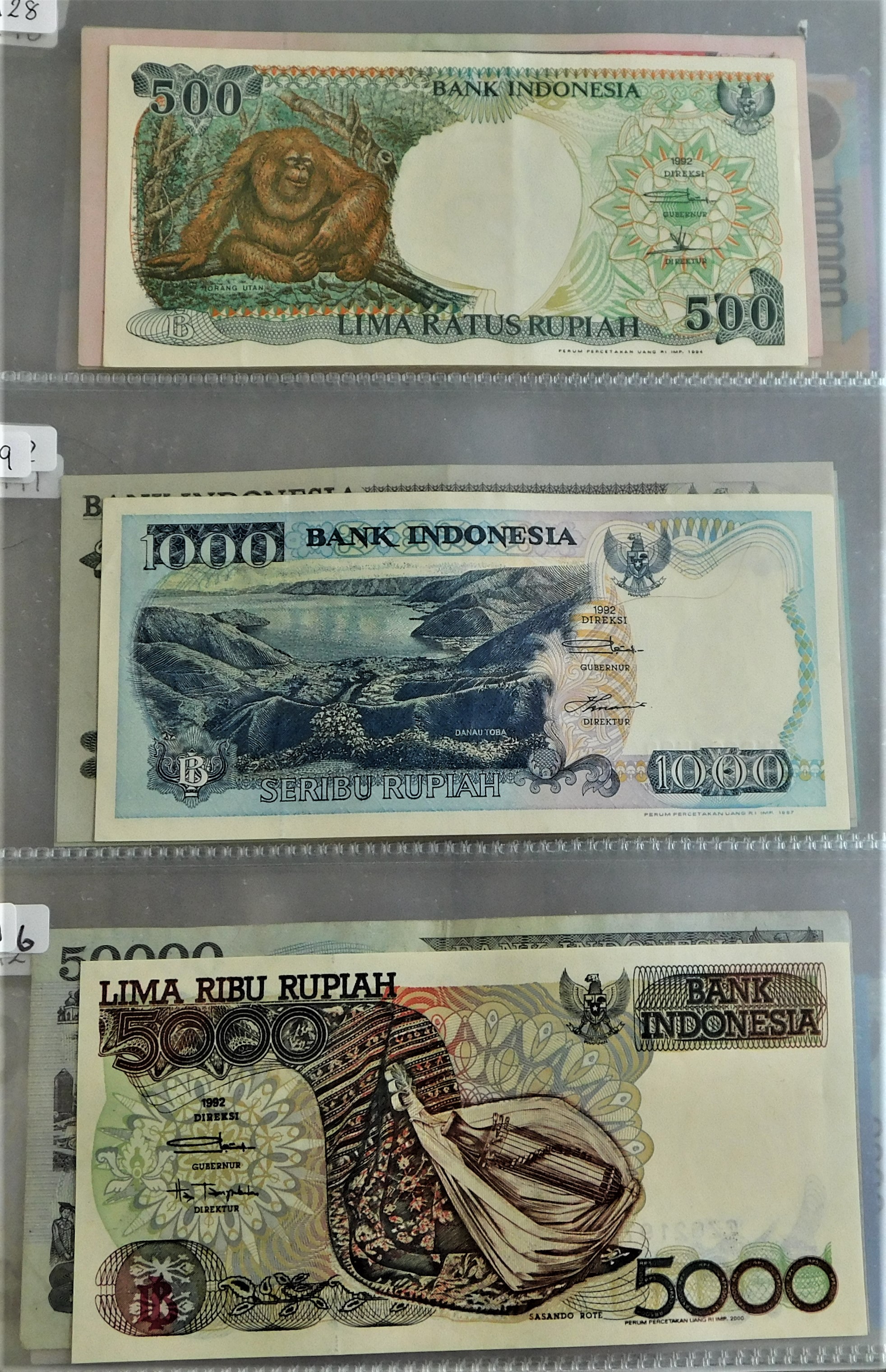
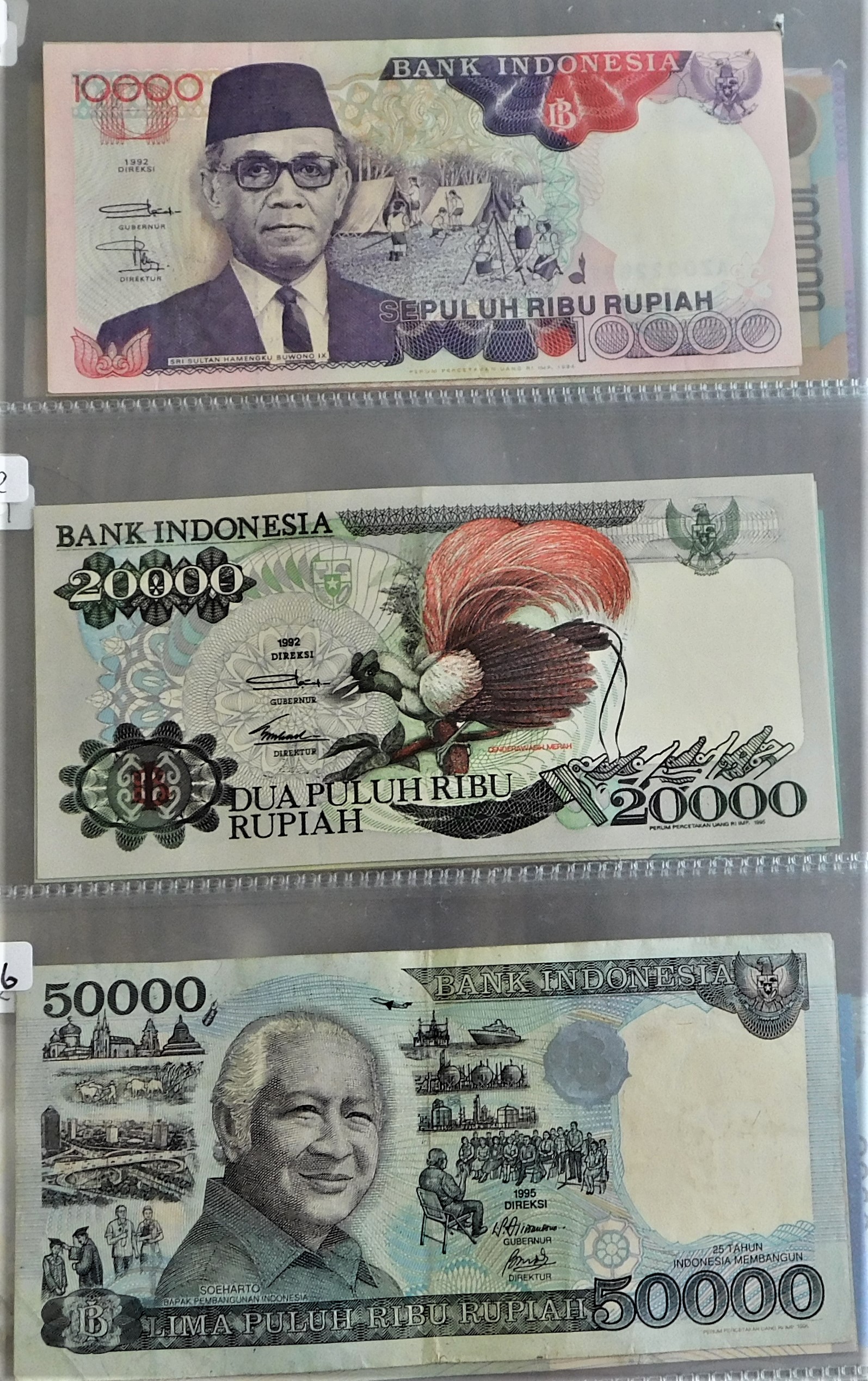
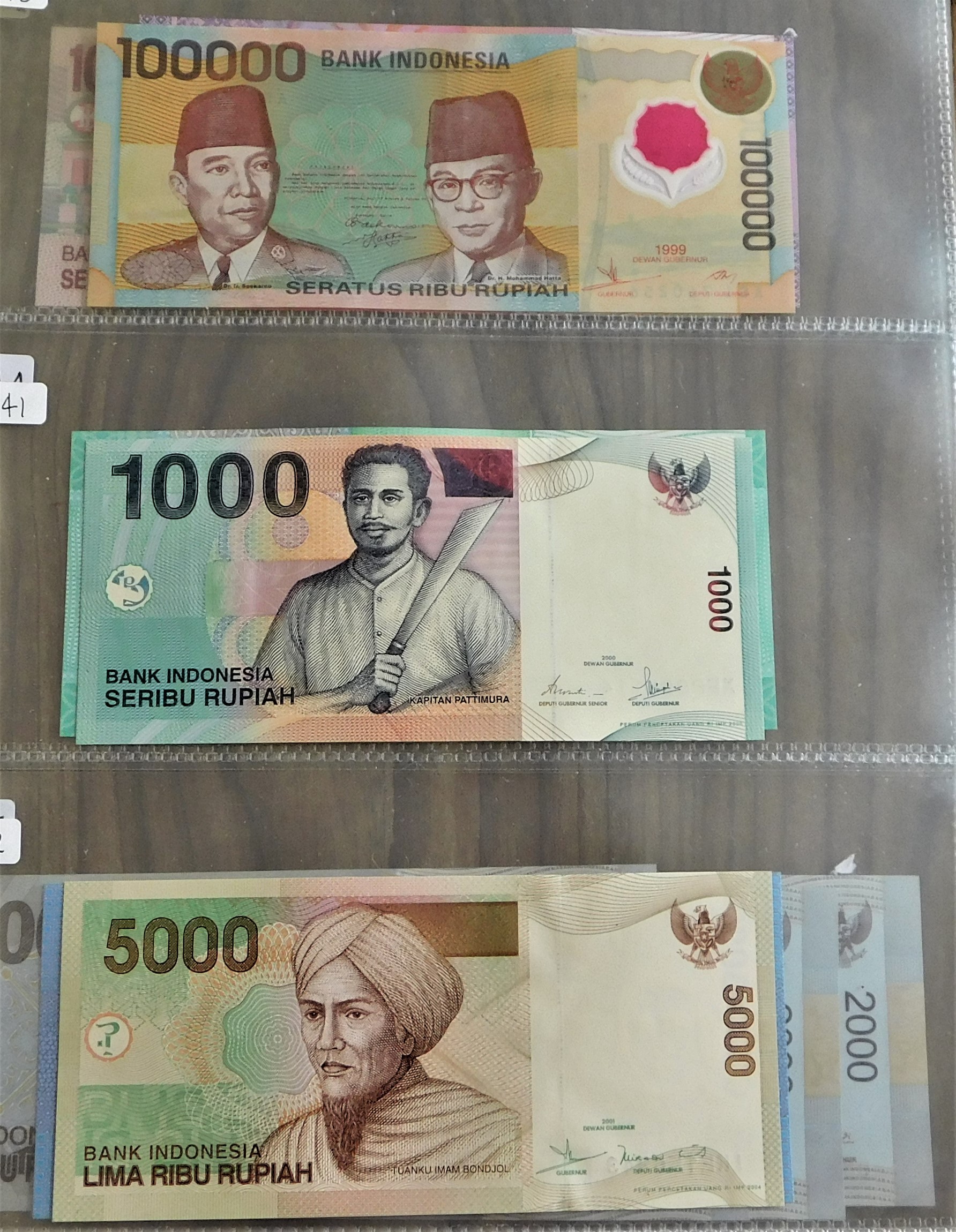
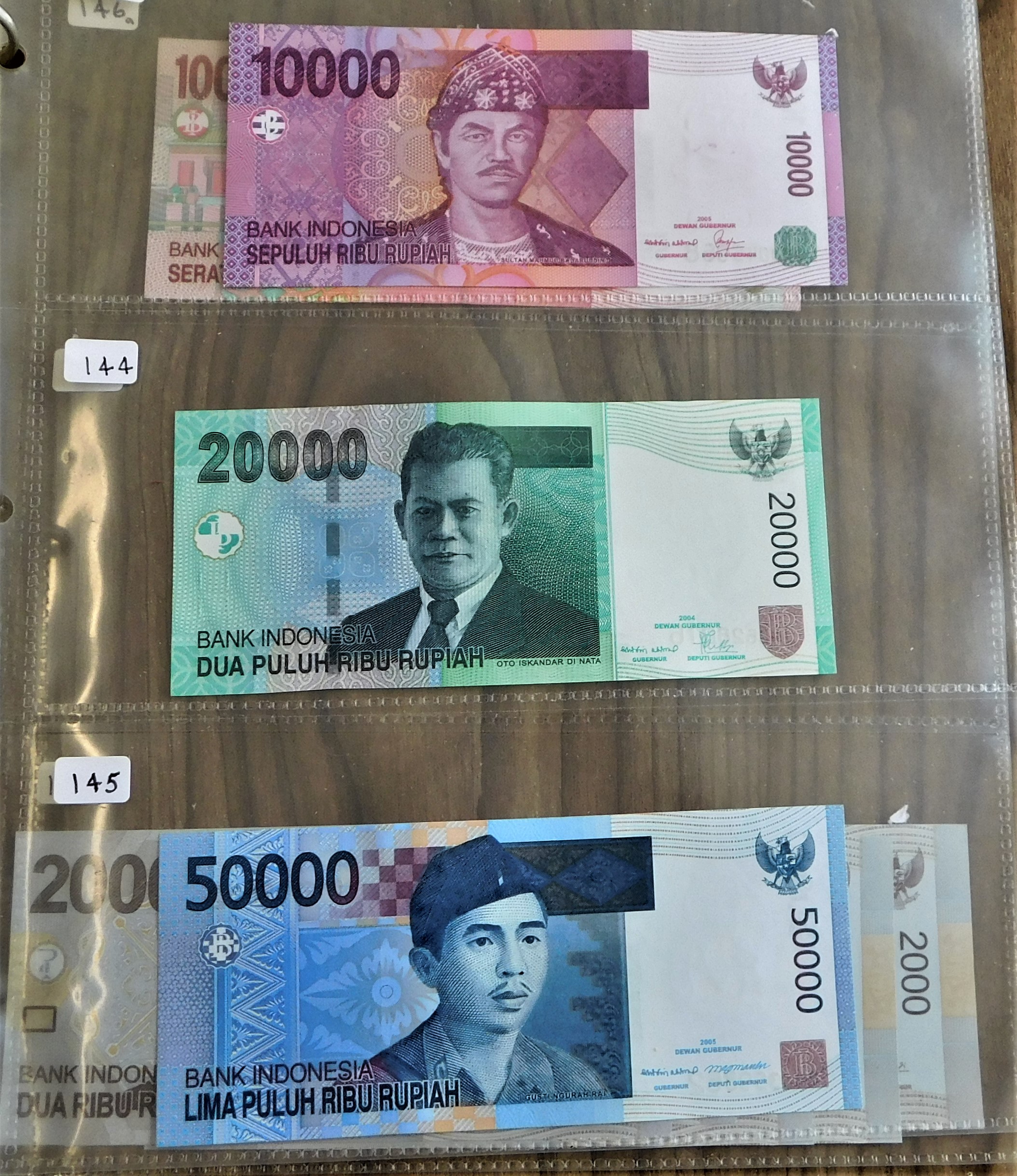
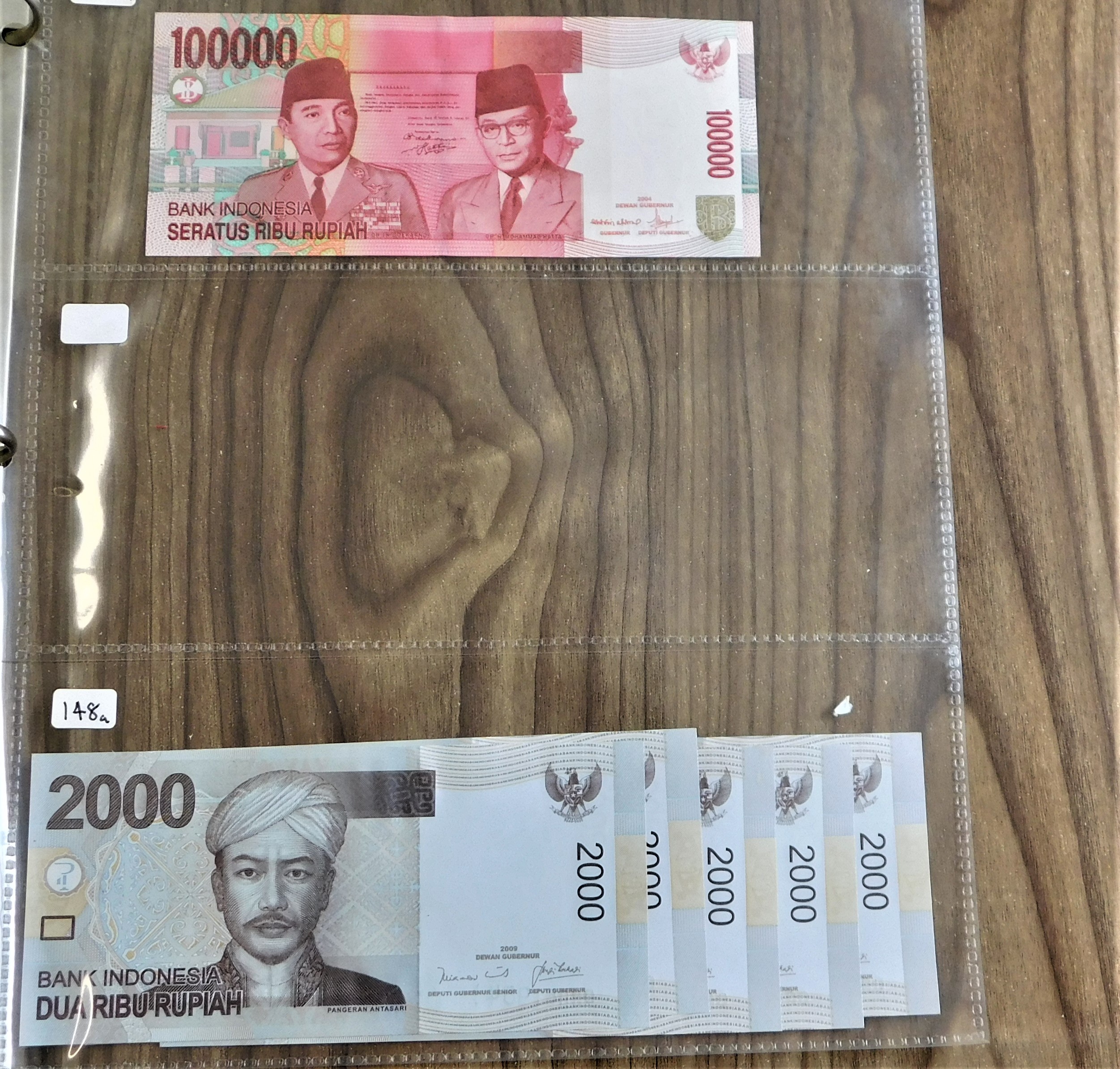
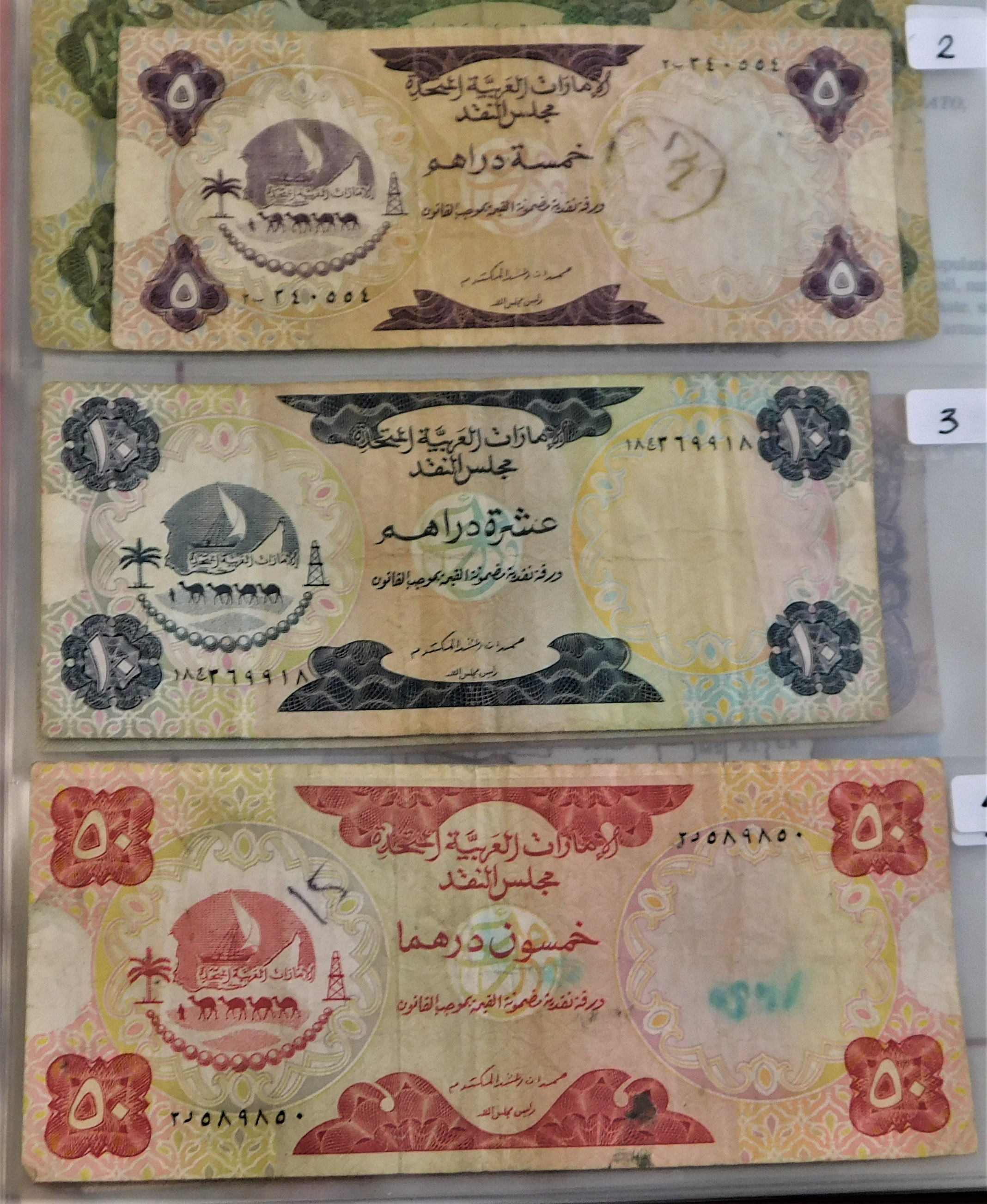
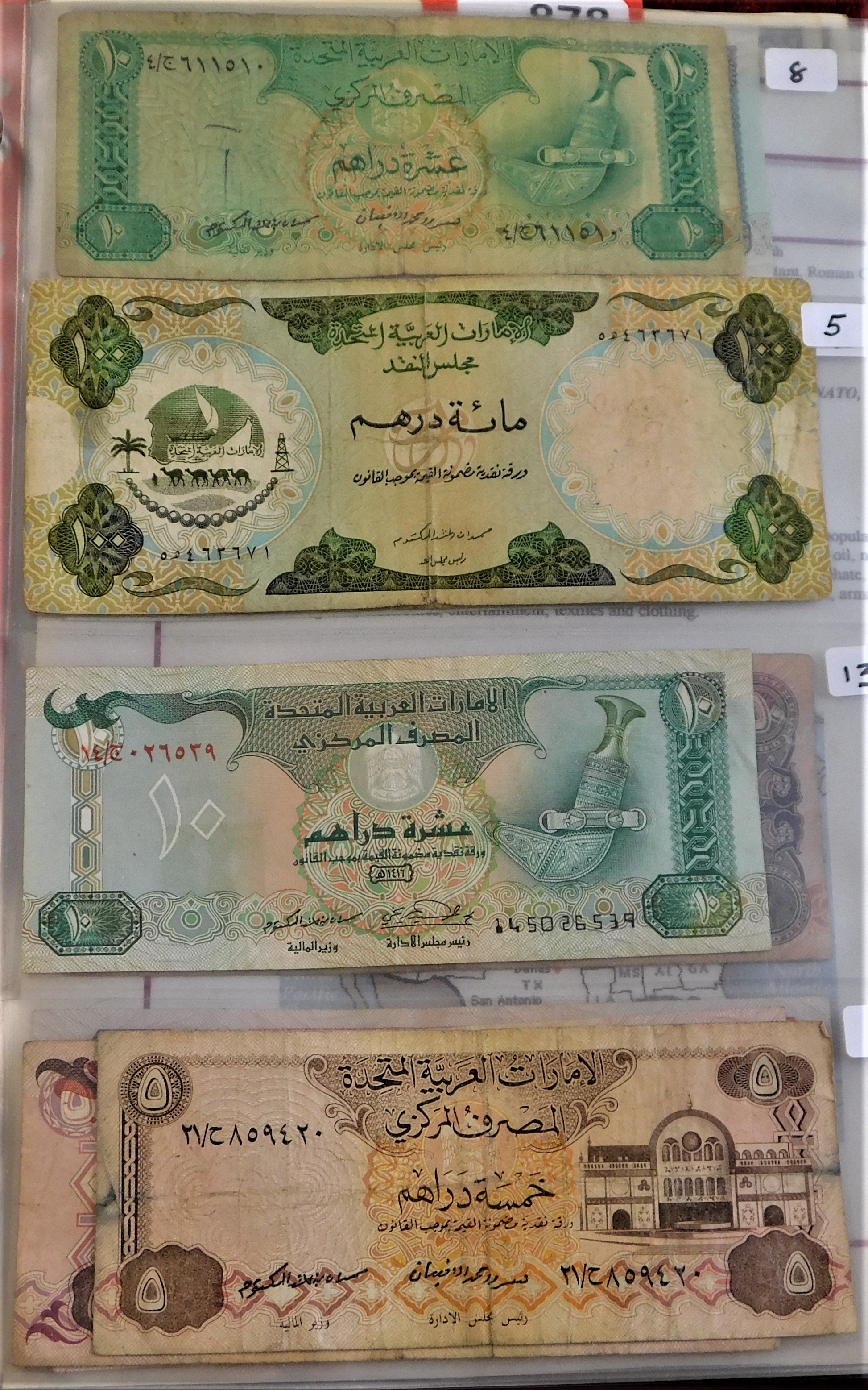
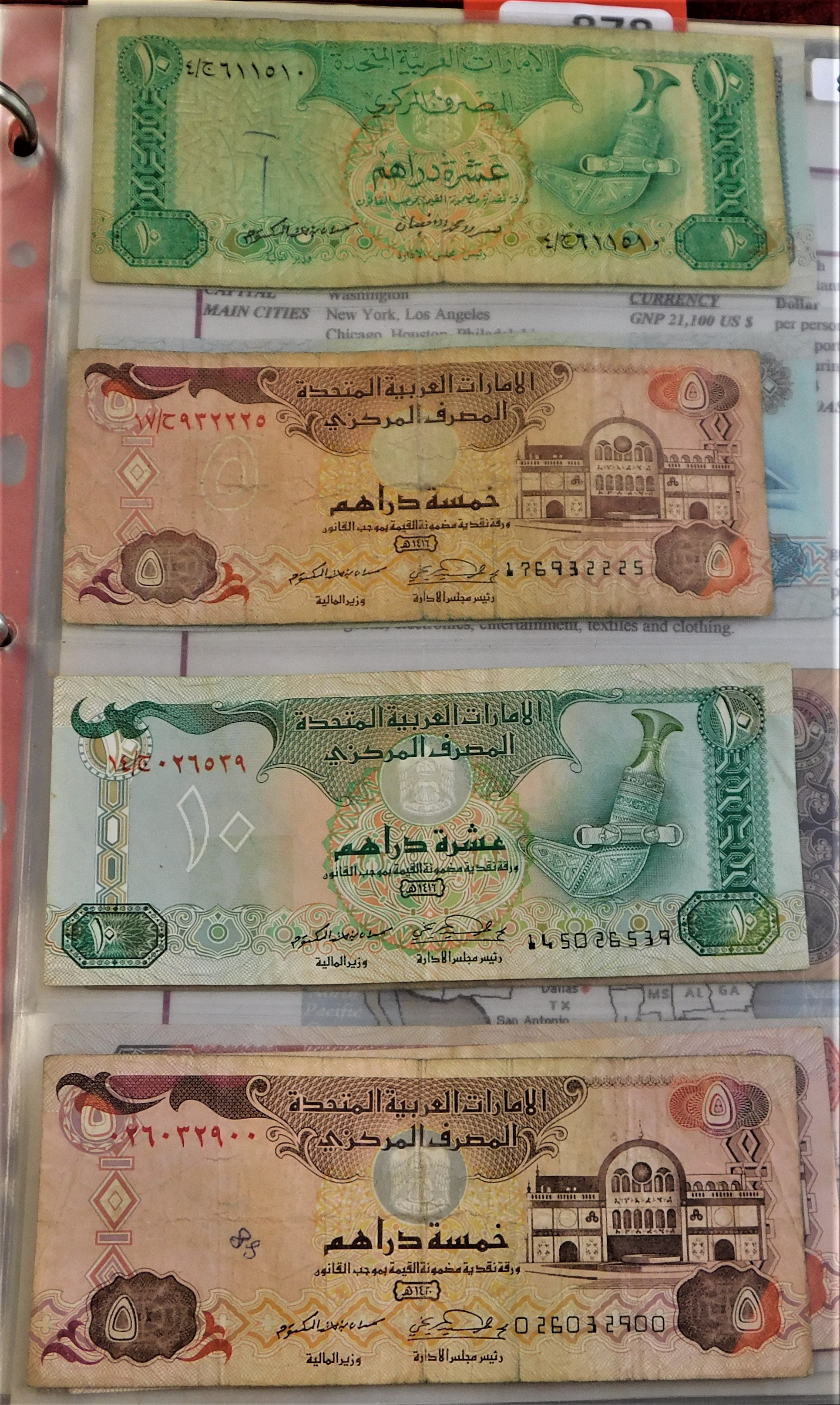
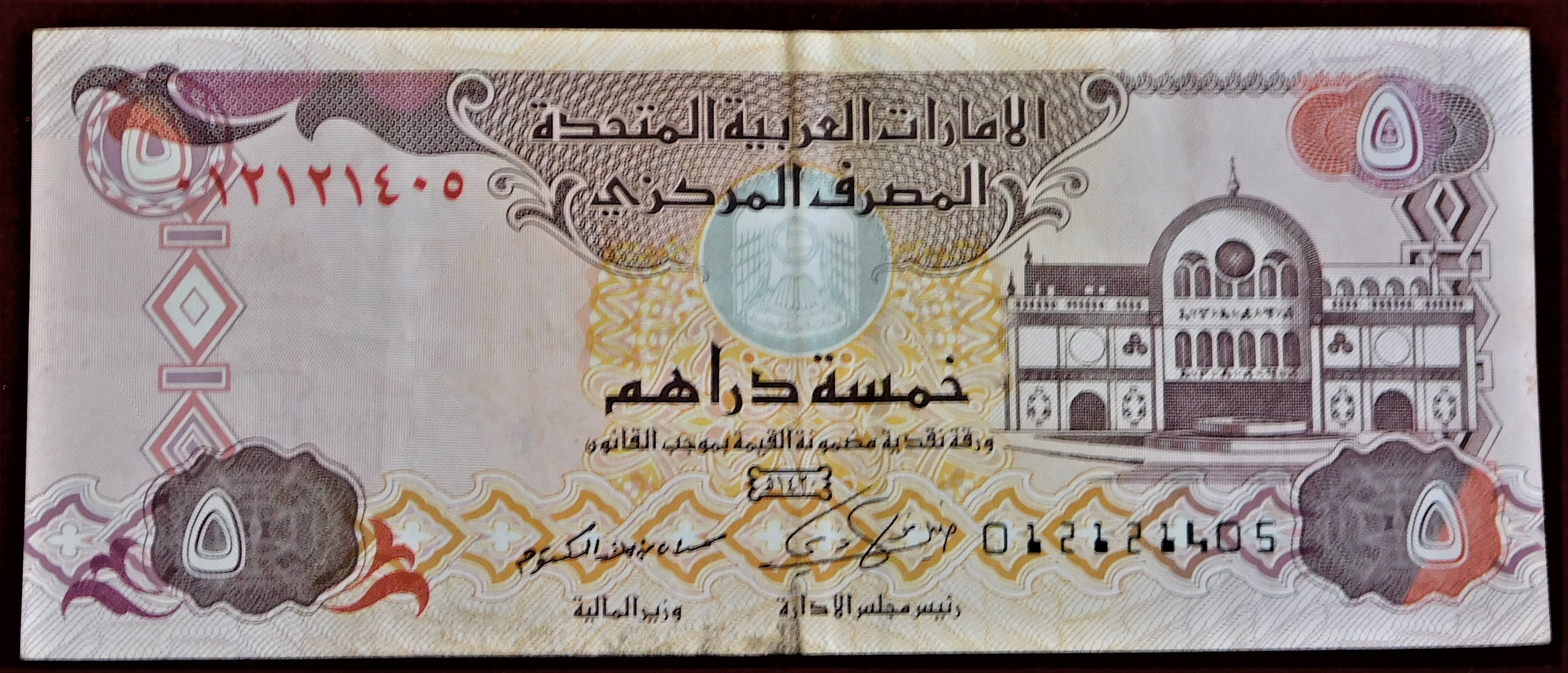
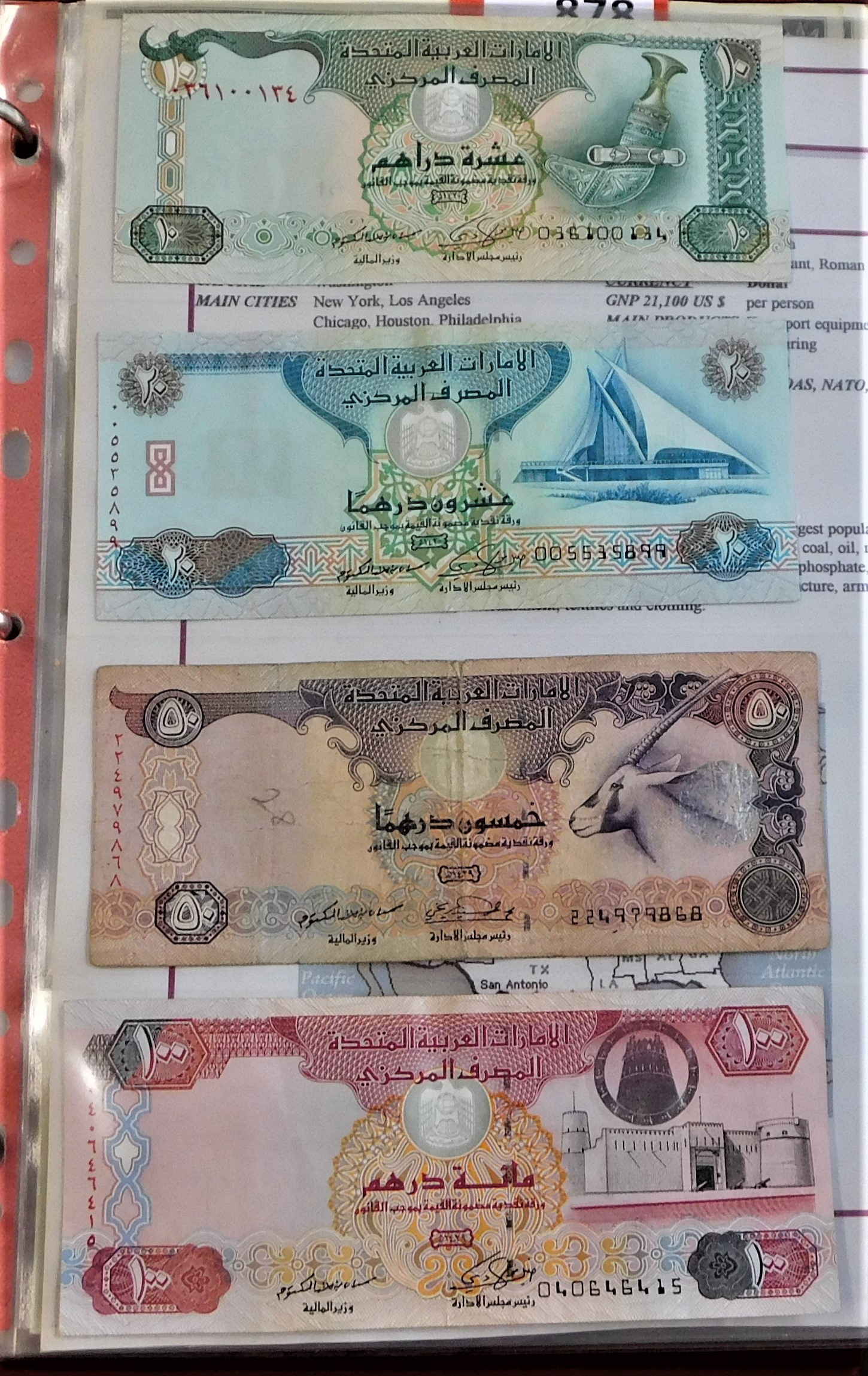
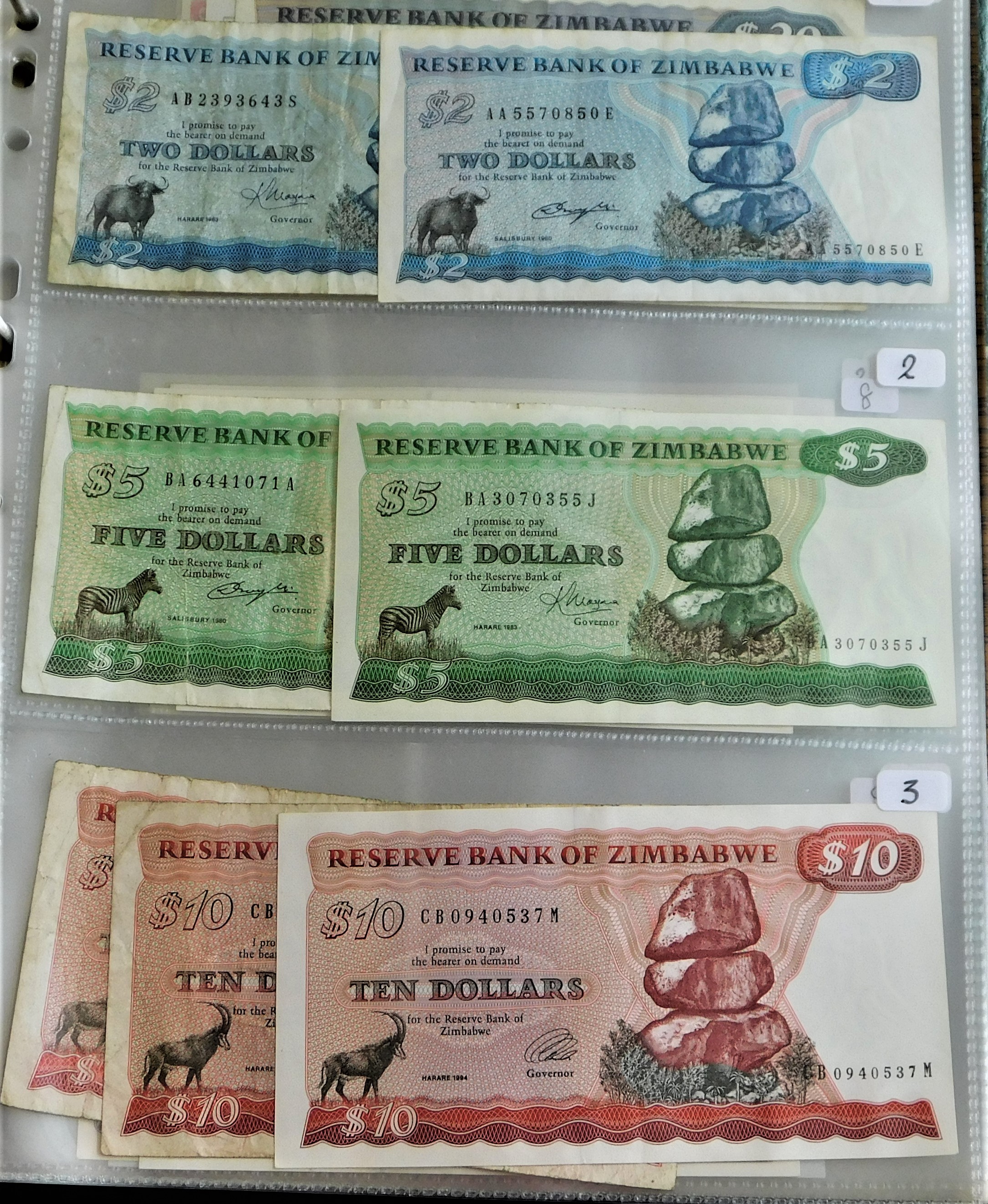
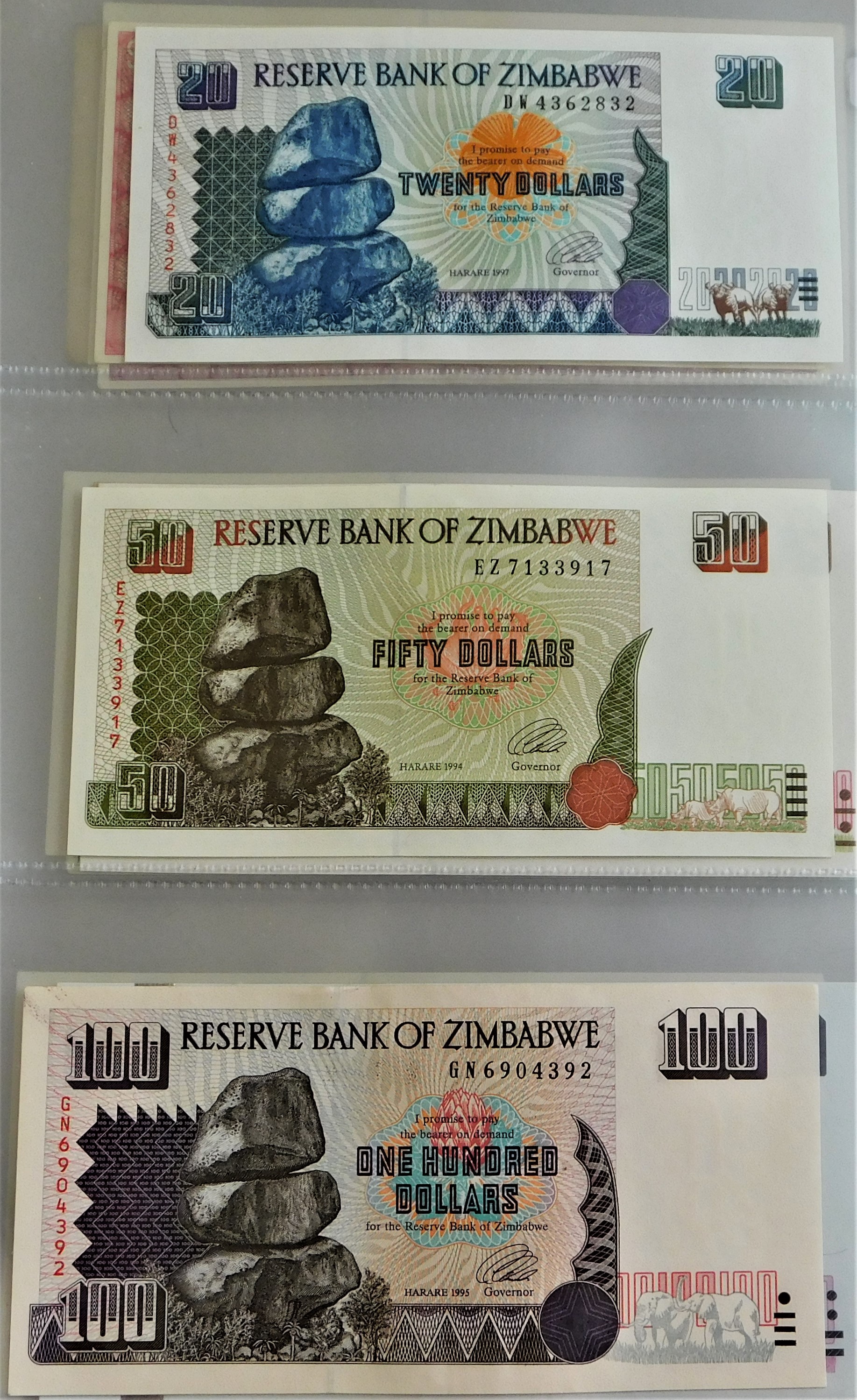
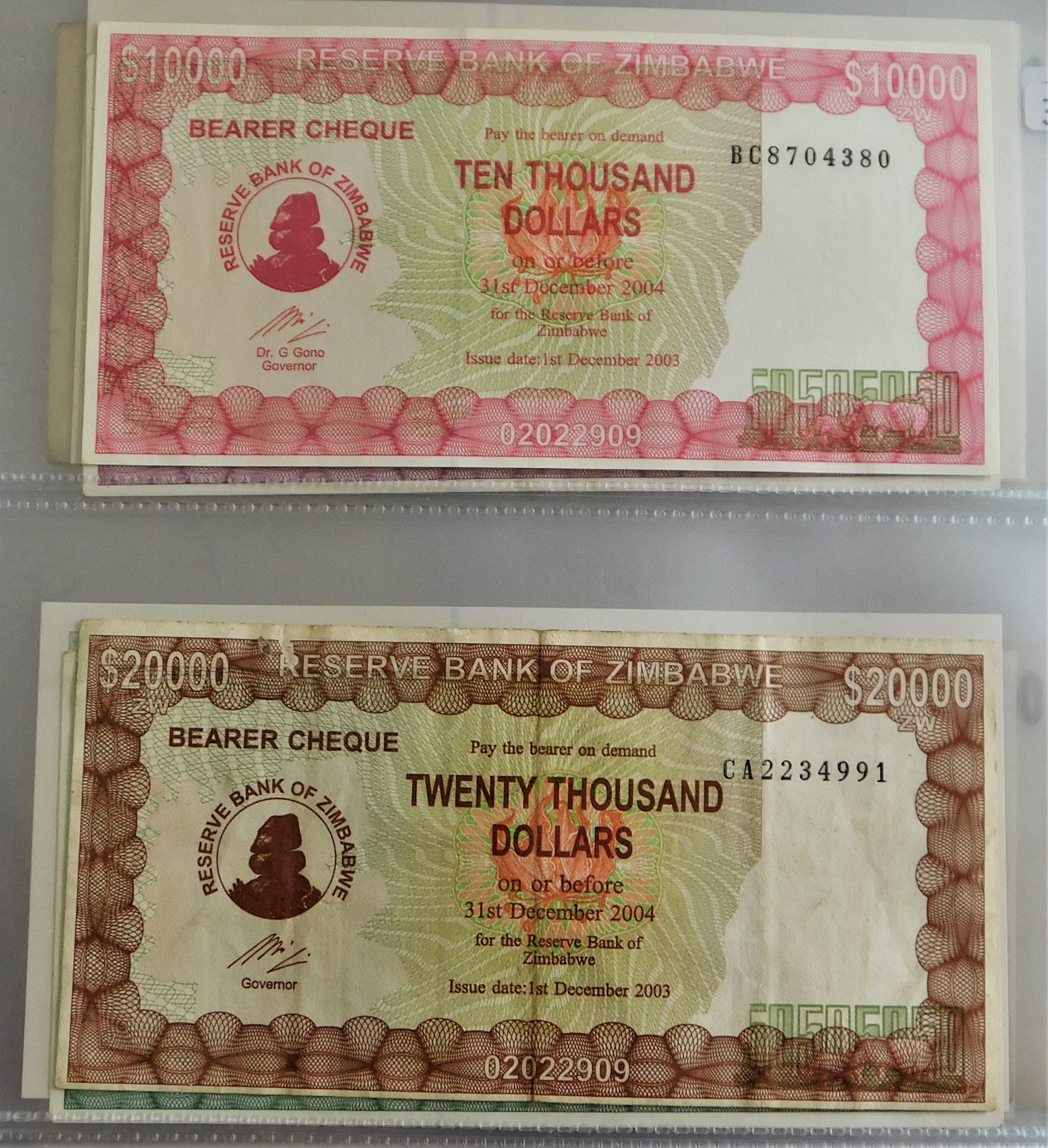
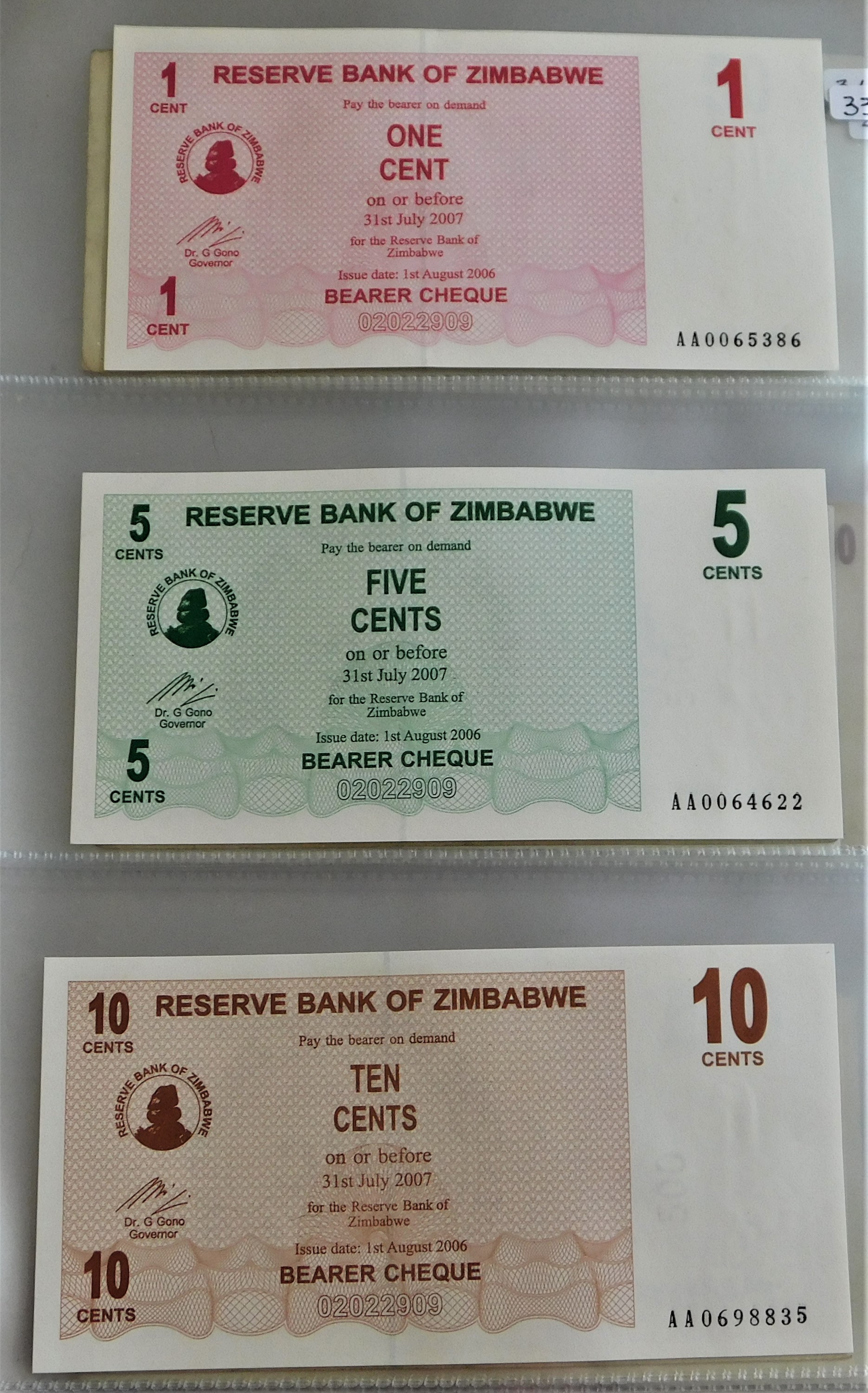
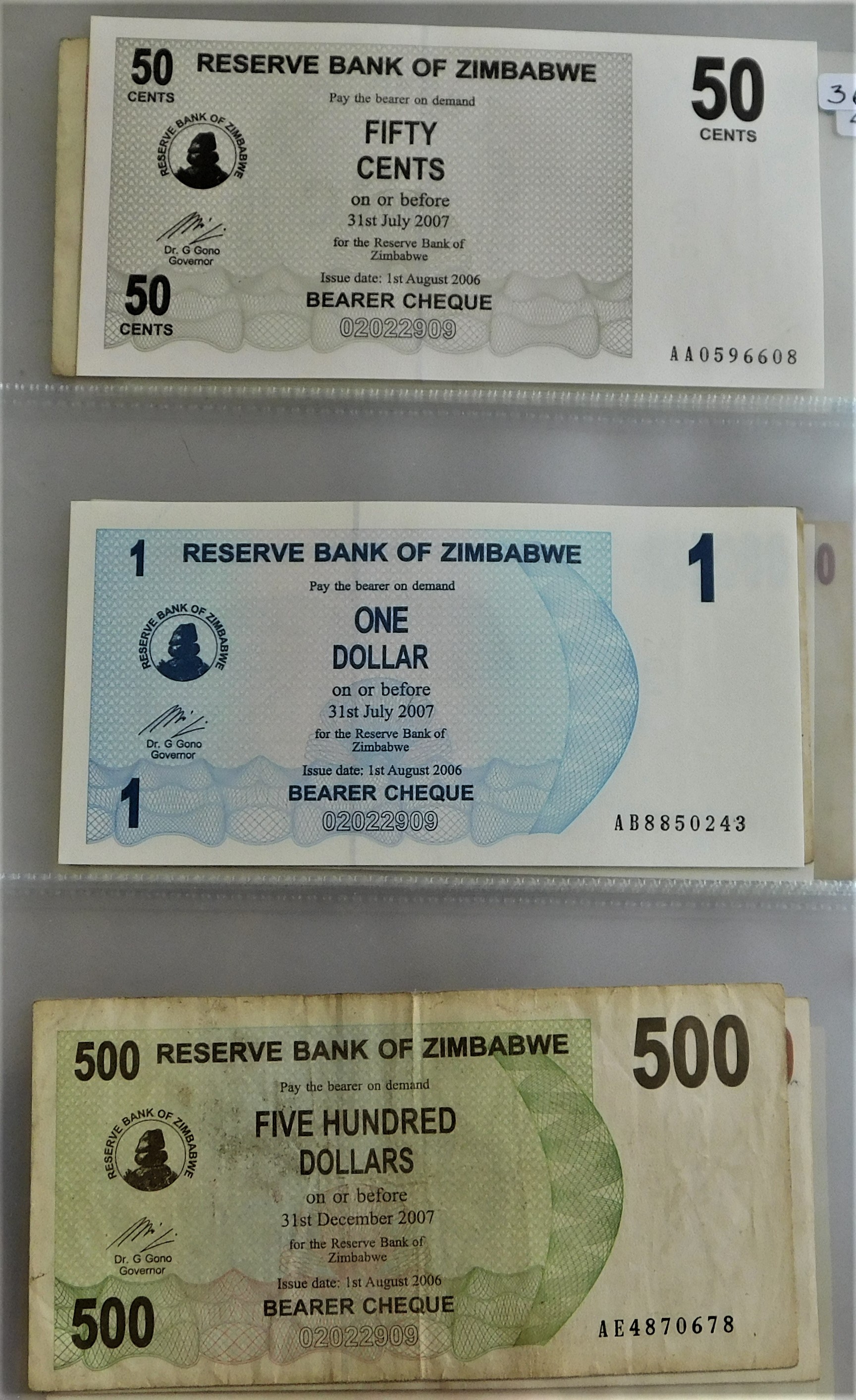
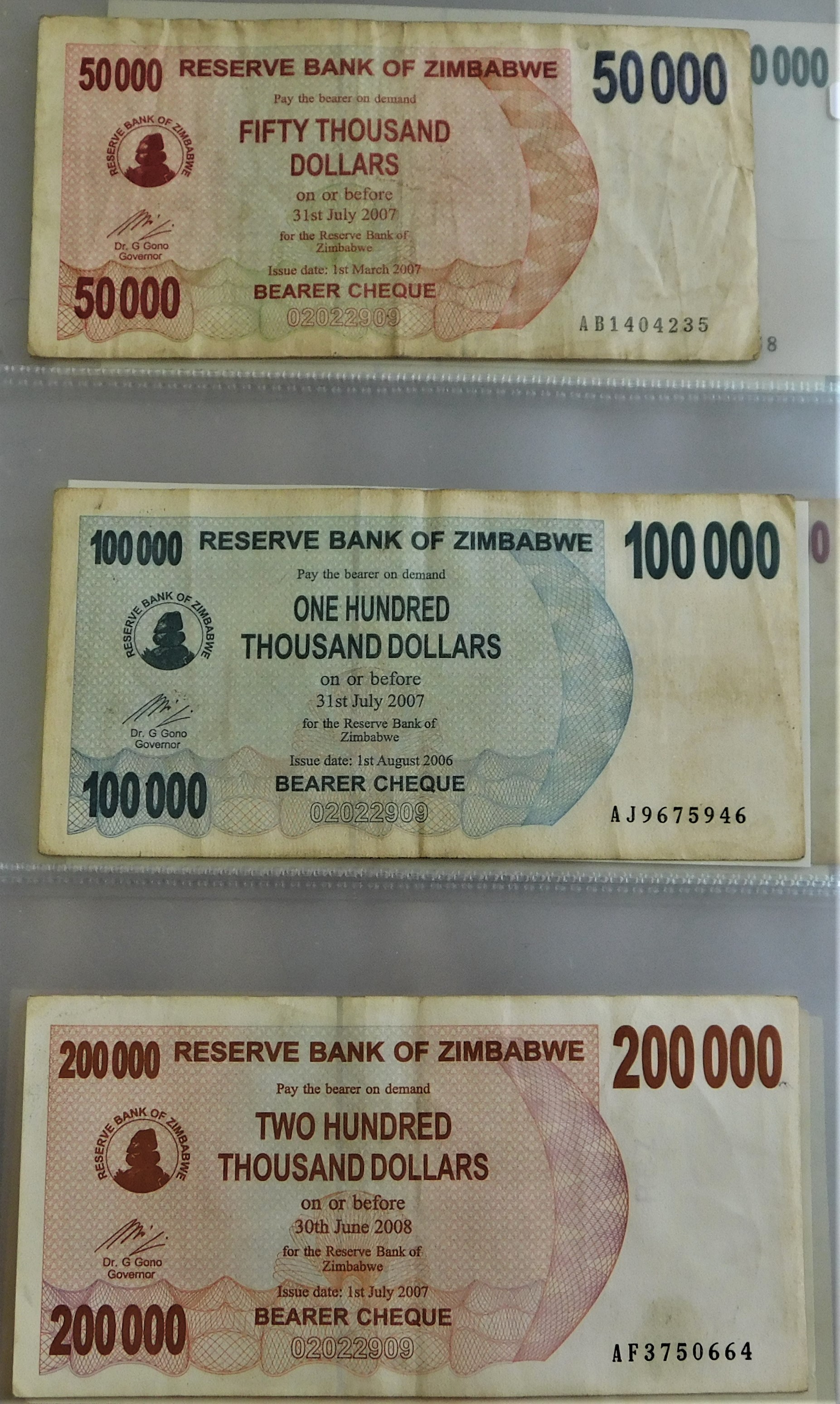
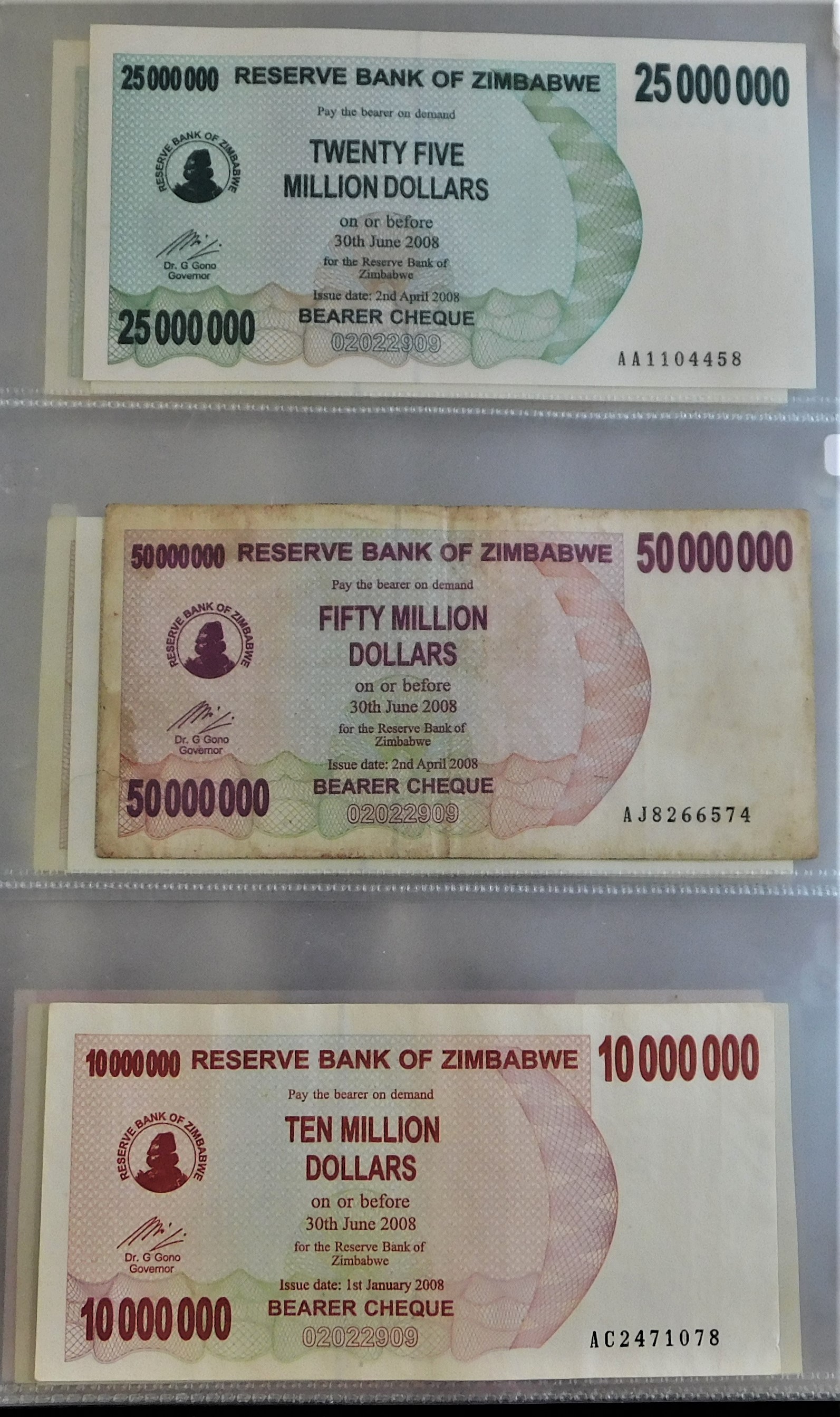
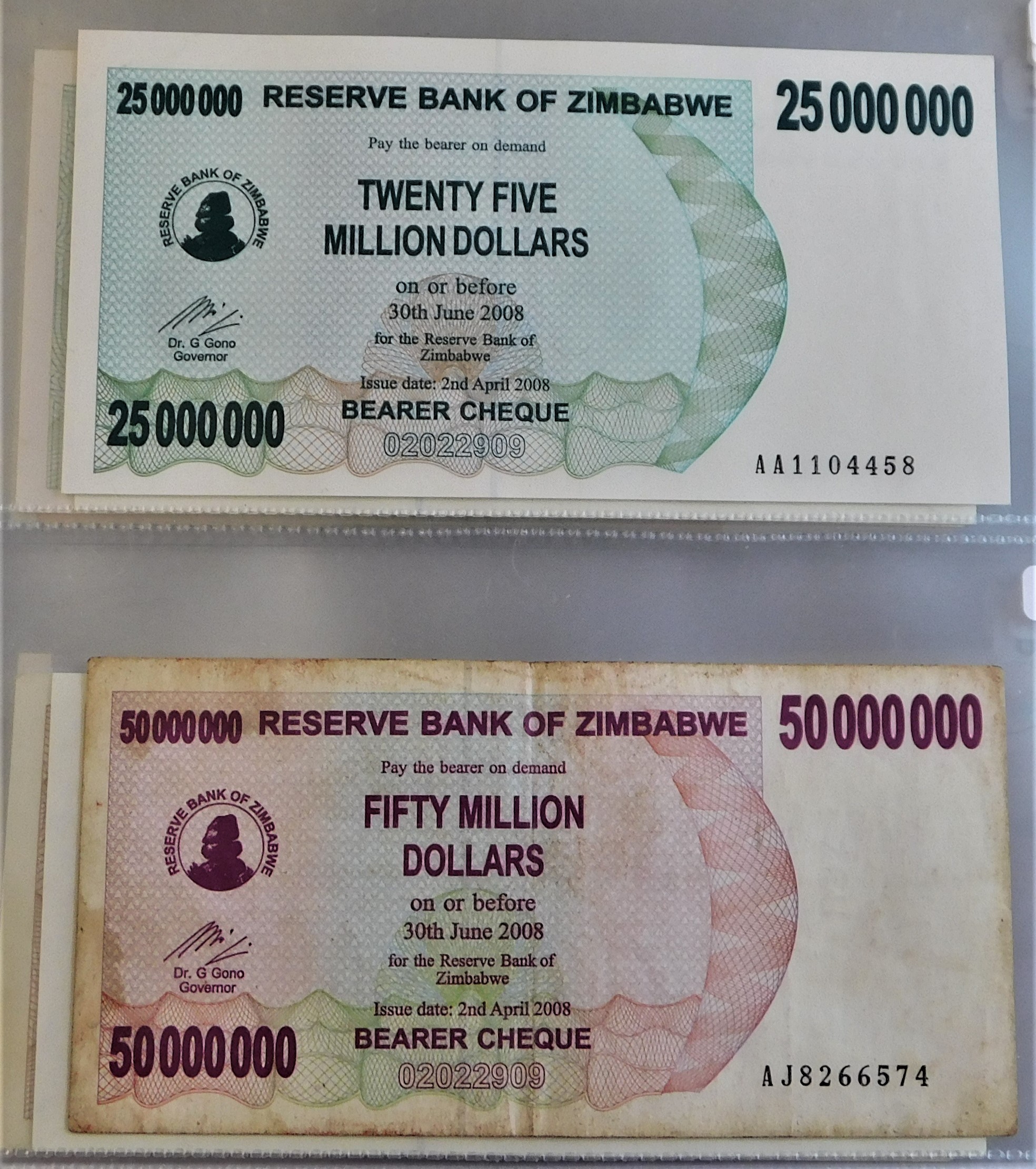
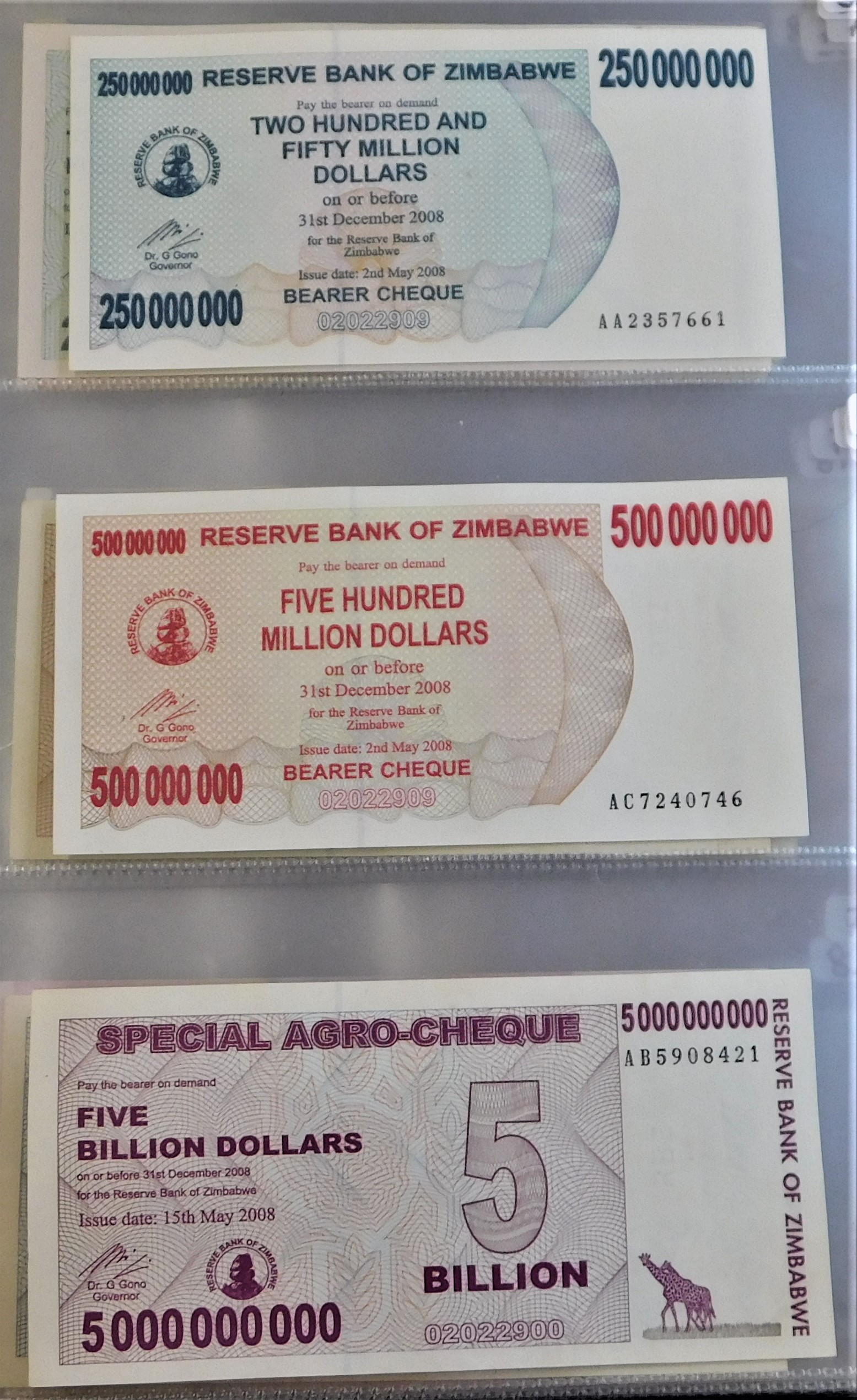
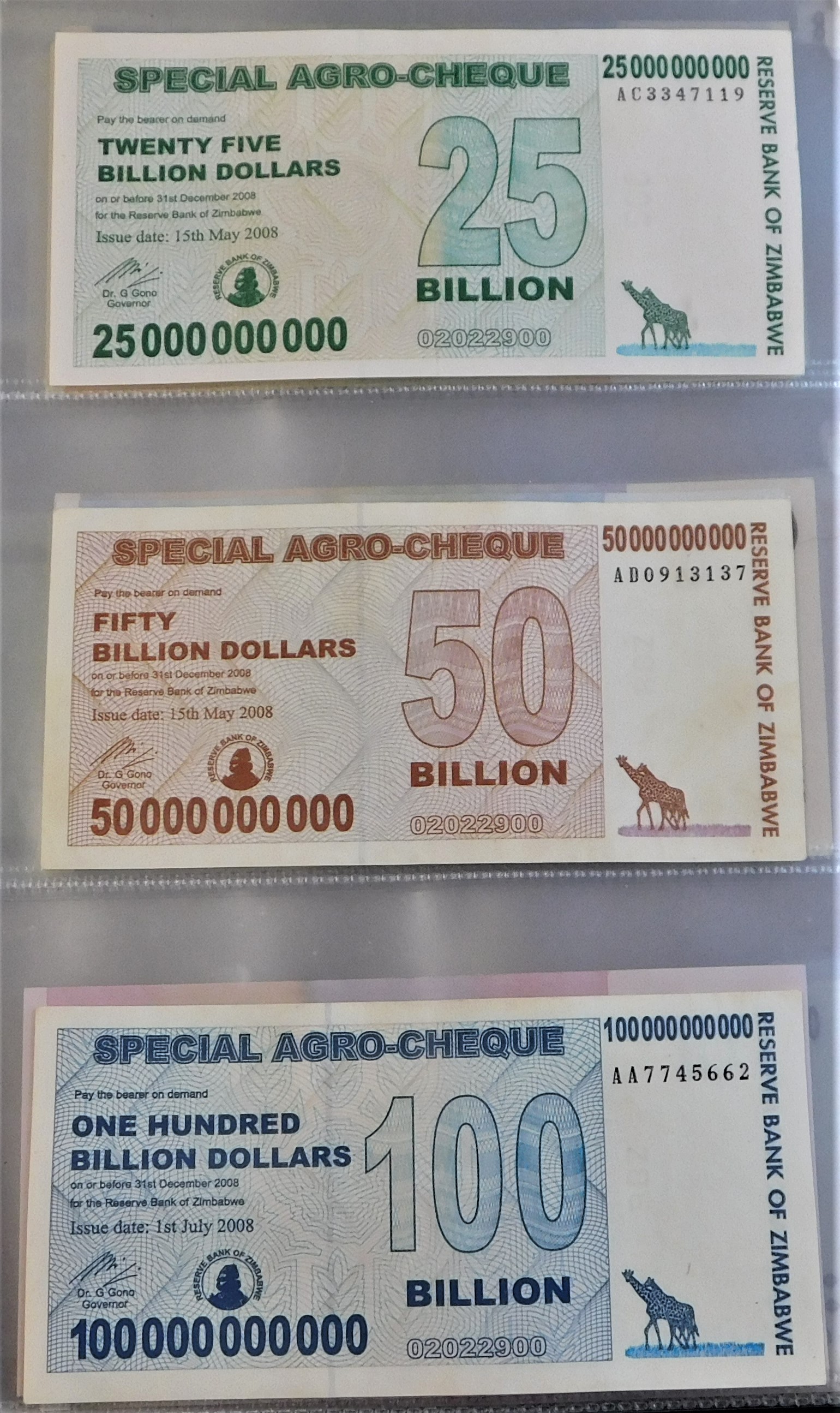
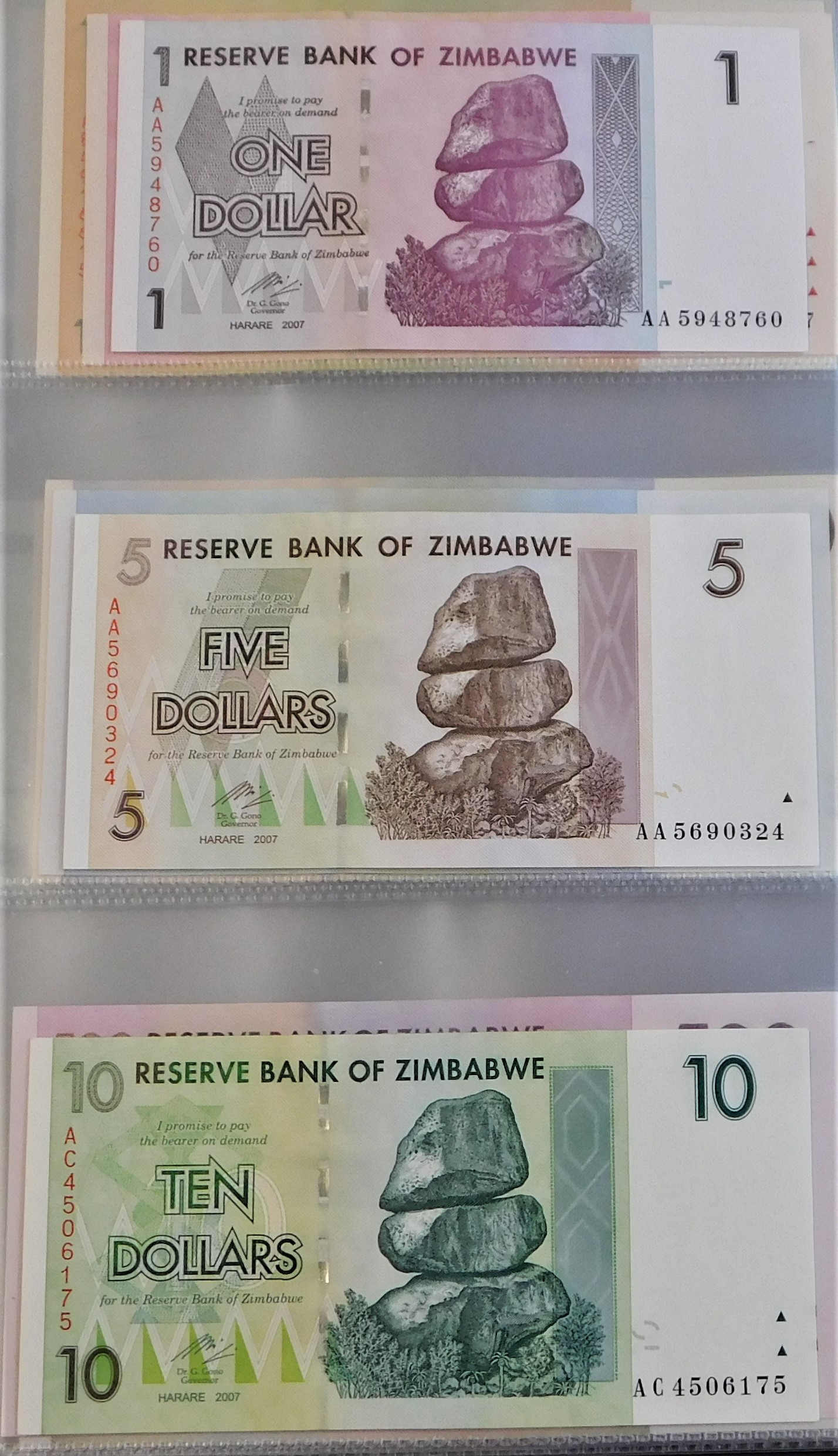
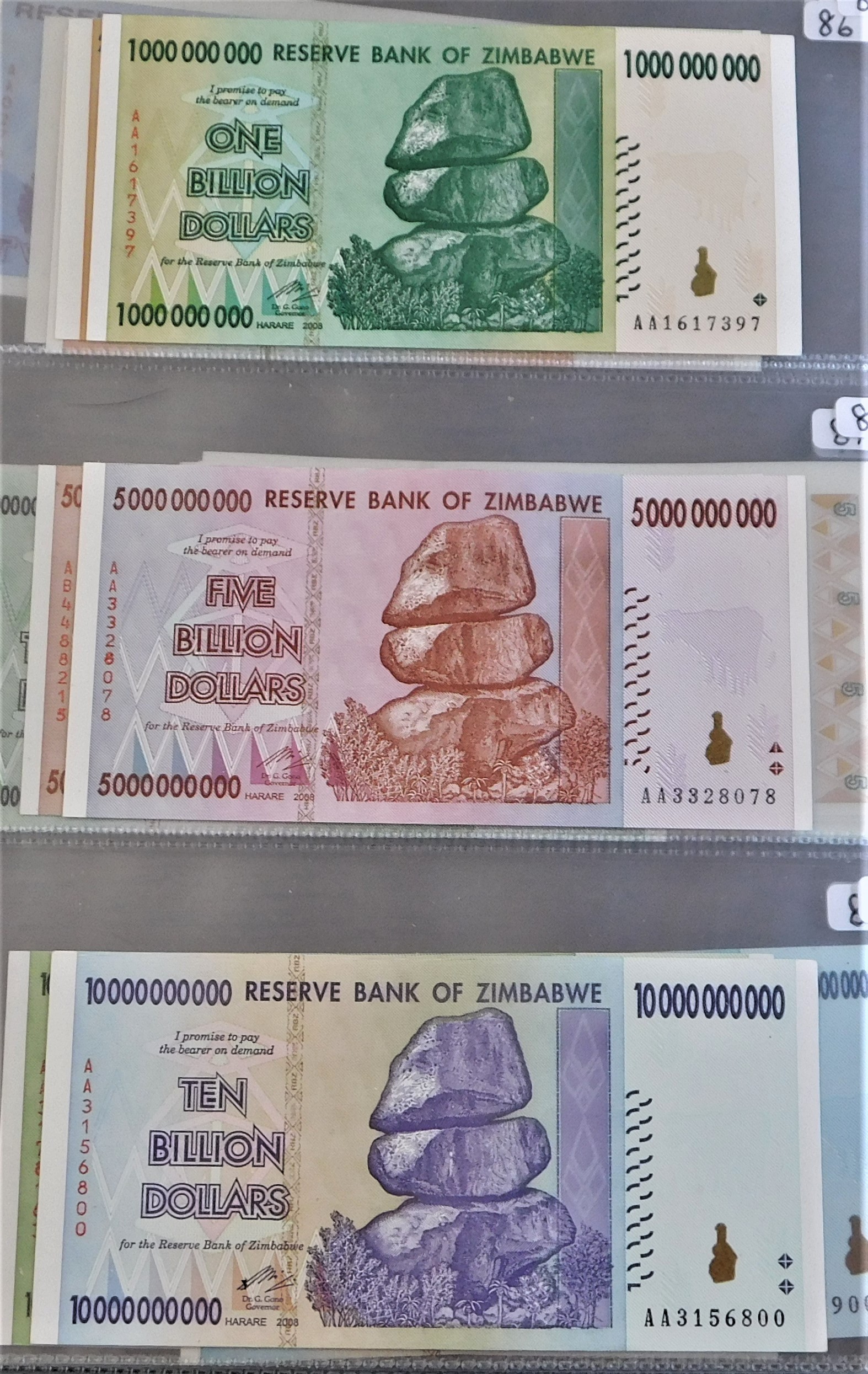
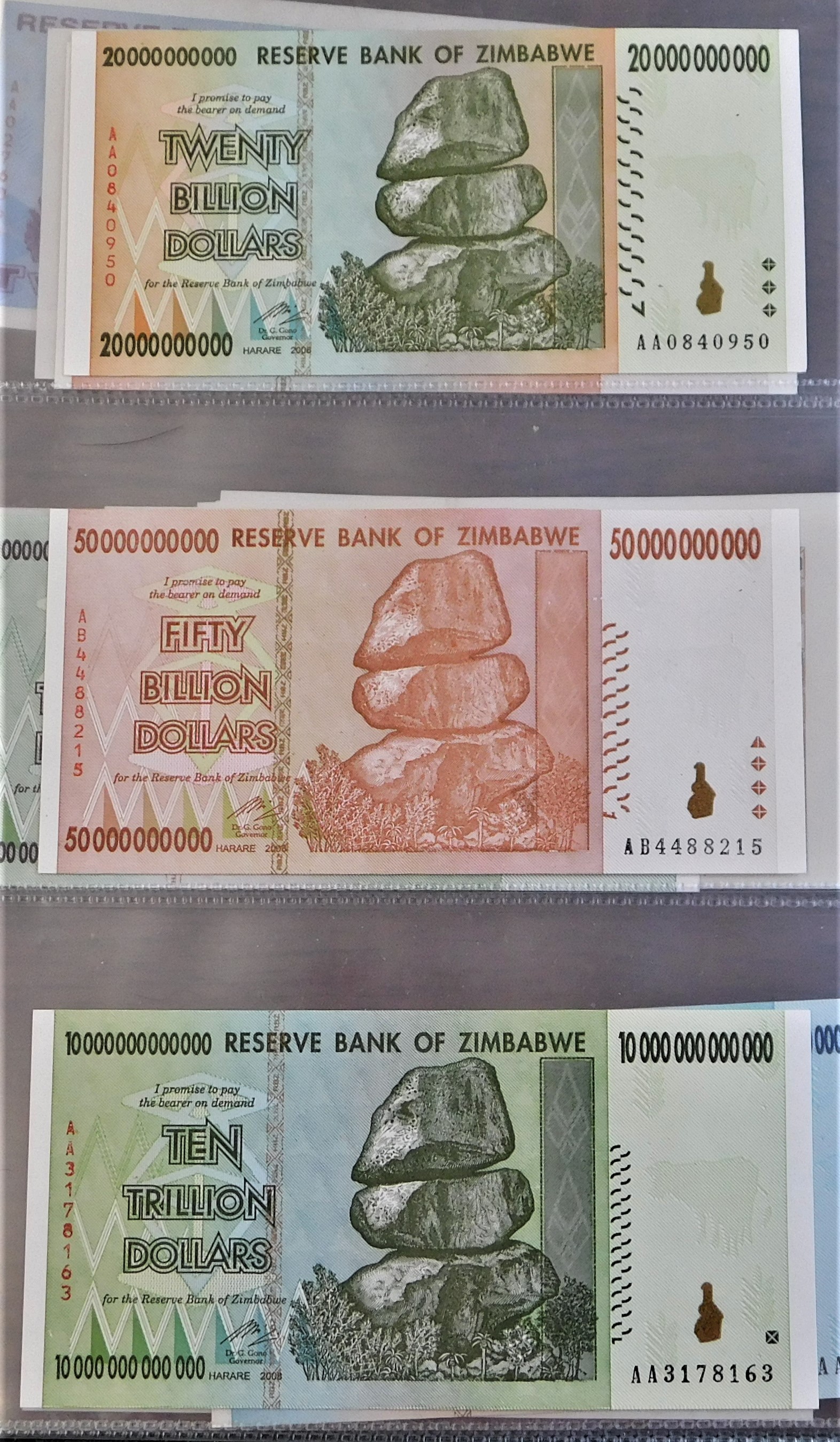
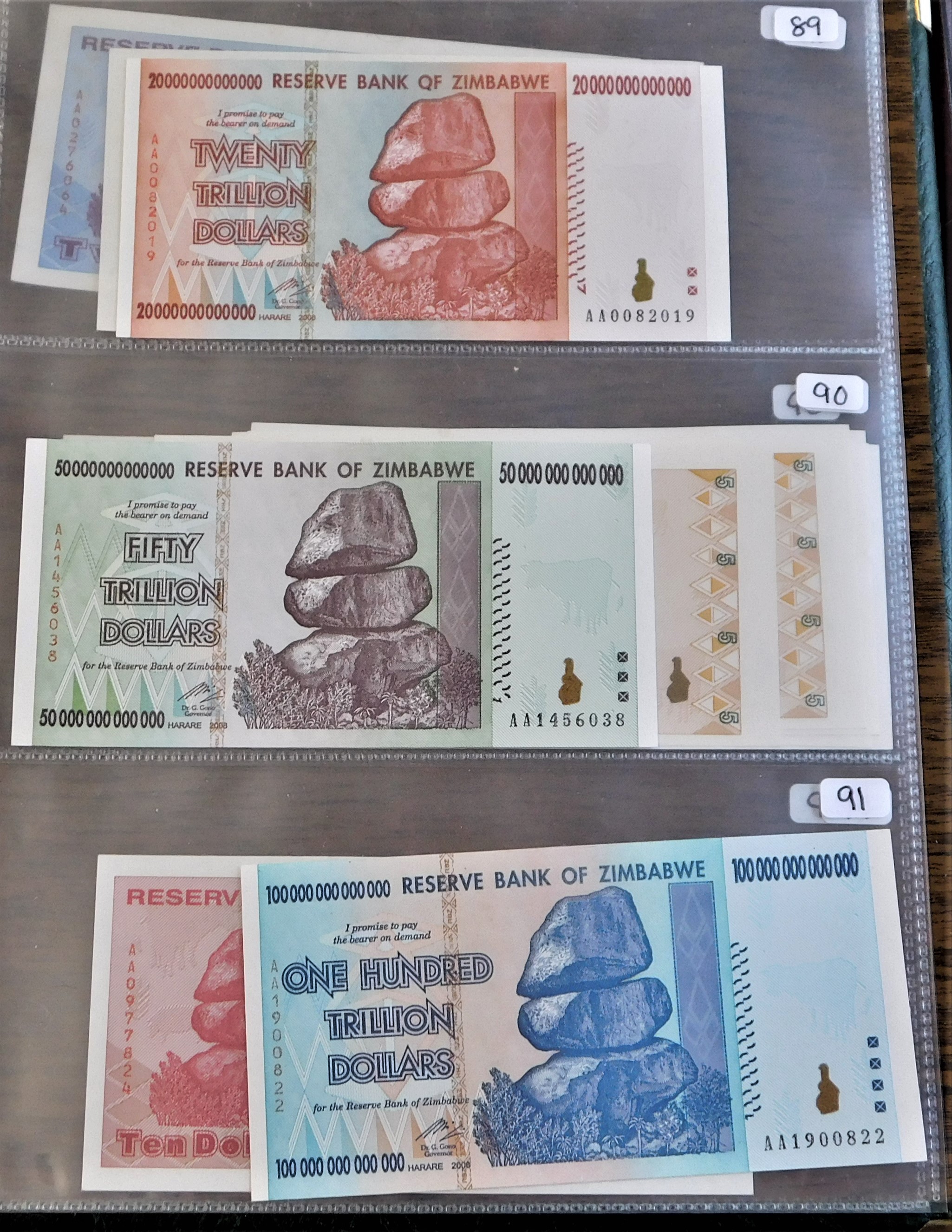
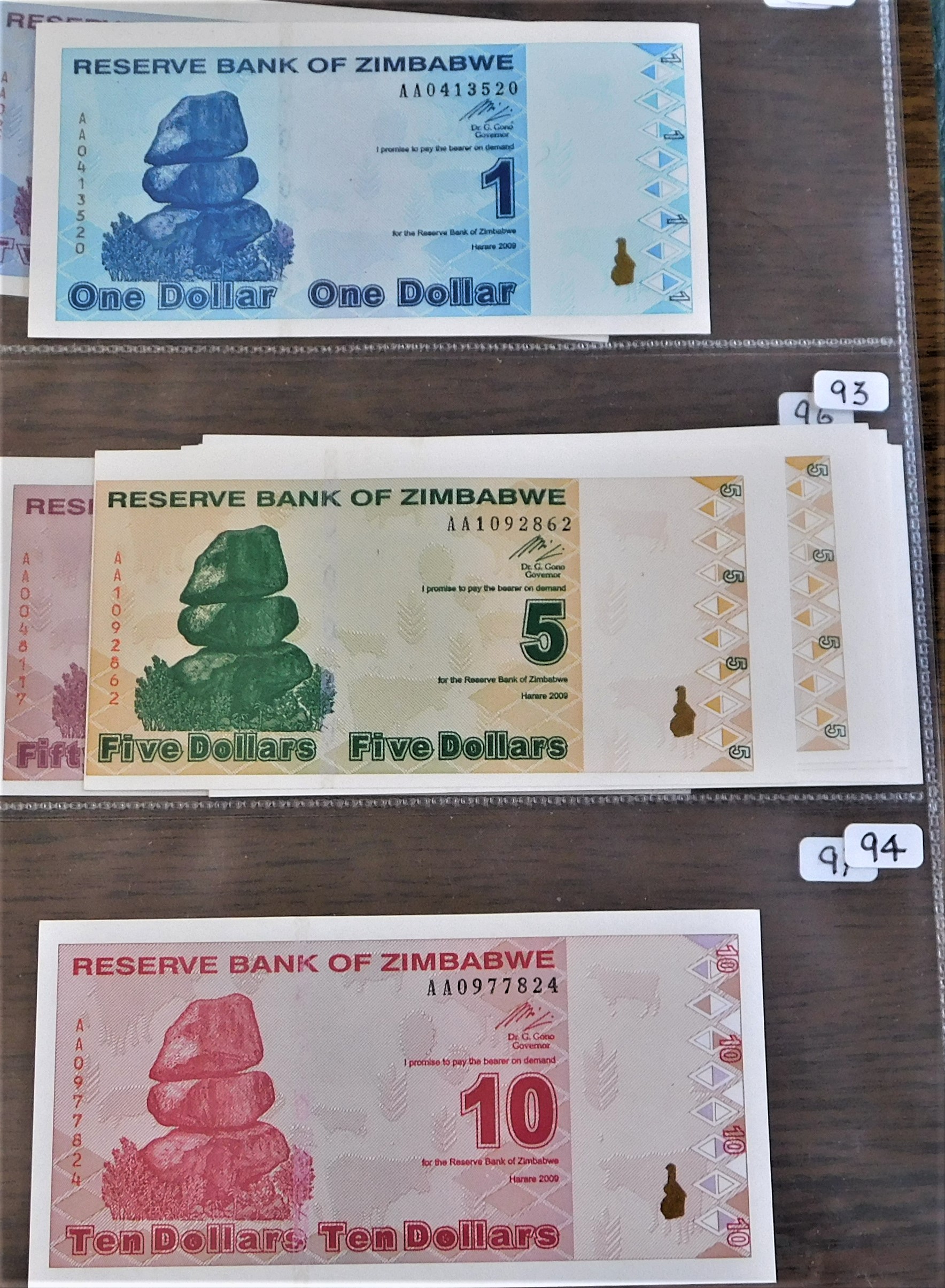
A week ago today James and Sons had the second auction of a double header. Tuesday had featured stamps and postal history, and was a success by any normal reckoning. However, the Wednesday sale, a massive collection of banknotes, was probably the greatest success James and Sons have had in the decade since I started working there. Not only did pretty much every lot find a buyer, on most occasions they went for way more than we had dared to hope. Lot 695, expected to fetch 10-12 went for £75…
Lot 741, estimated at 25-30 went for £140…
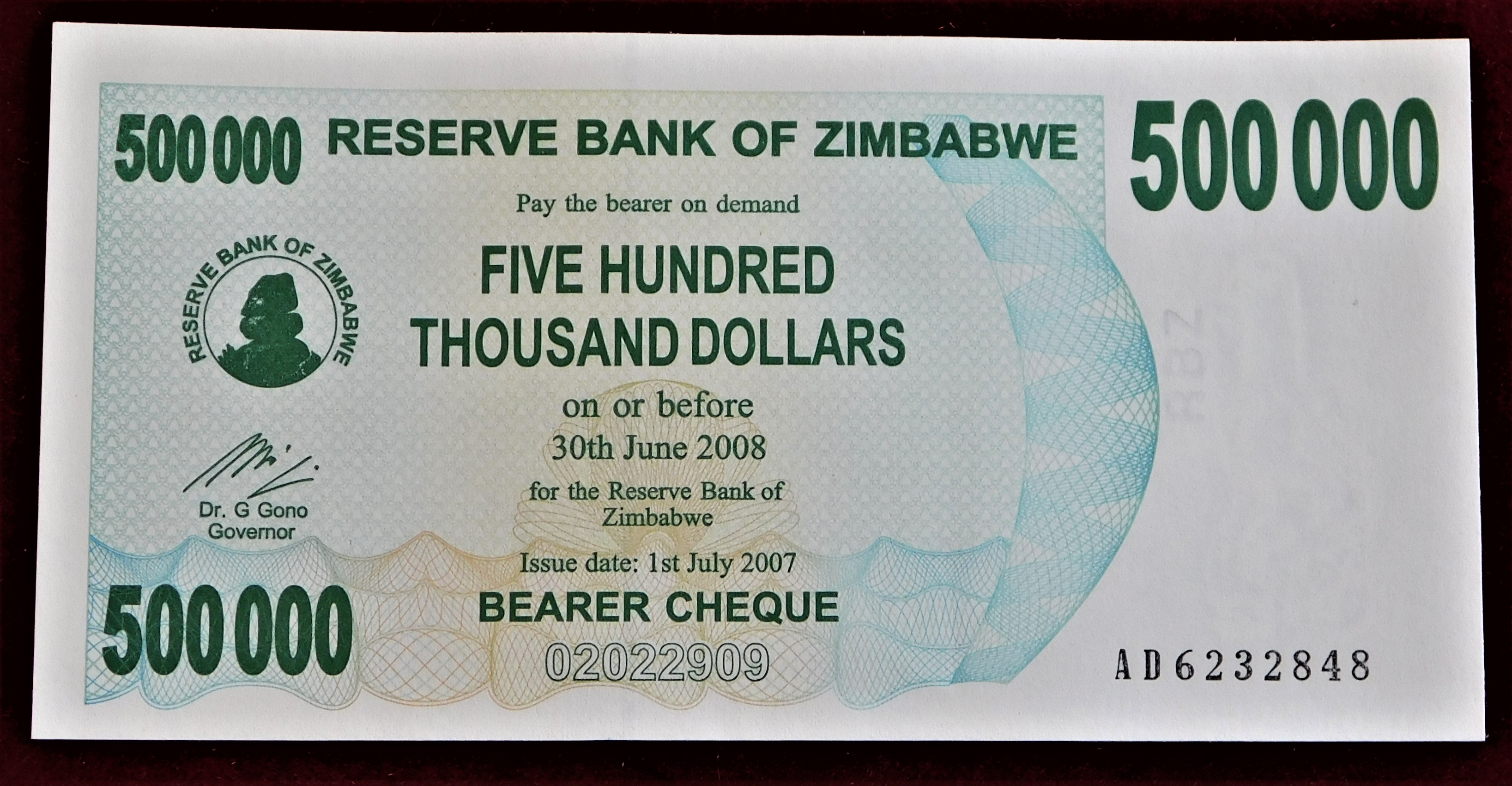
Lot 877 was the star of the show, expected to go for 30-40 and instead soaring away for £380…
I used this lot to provide the picture for a press release I sent out yesterday.
Lot 894, expected to fetch 25-30 actually went for £180…
Any image can be viewed at full size by clicking on it.
PHOTOGRAPHS
I continue to seek and find things to photograph while out walking…
A second Holly Blue in the space of a few days, this one at the edge of the Kettlewell Lane green space.
A special butterfly picture, a composie #MAshes2023 XI with 12th man, and a splendid photo gallery.
What has been a superb Men’s Ashes (#MAshes for social media users) approaches its conclusion. The centrepiece of this post picks a composite XI from that series. However, I have plenty of other stuff to share, and before the centrepiece I have a photograph that given its significance and quality deserves special treatment (it has already generated interest on Mastodon)…
A HOLLY BLUE
I was out walking this morning when I spotted a butterfly that was new to me. I was able to get a very good photograph of the wonderful little creature, and Mastodon provided the answer to my inquiries – it was the Holly Blue, a species recognized as endangered (see this Guardianarticle):
A Holly Blue butterfly on a nettle leaf, King’s Lynn, Norfolk, 30/07/2023
A COMPOSITE #MASHES 2023 XI
Before I list my CXI in batting order let me emphasize that I am picking on the basis of THIS SERIES and this series only.
Usman Khawaja (Australia, left handed opening batter). He has been Australia’s stand out batter of this series by a mile.
Zak Crawley (England, right handed opening batter). Some, familiar with my opinions of him, will be surprised by this selection, but I am picking based on this series, and Warner has been negligible and Duckett patchy, whereas Crawley has had a fine series. It will take more than one fine series, even against the oldest enemy, to convince me that Crawley is the real deal as a test match opener, but denying plain facts is not my style, and the plain facts are that based on this series Crawley gets the slot.
Marnus Labuschagne (Australia right handed batter). By his own stratospheric standards not a great series for him, but he gets the slot by default – since Pope’s injury England have struggled massively with this slot, experimenting with Brook for one innings, and then relying on Ali until his injury this match, with Stokes stepping up in their final innings.
Joe Root (England, right handed batter, occasional off spinner). Only one century, but a couple of near misses as well, and the odd moment with his spin, plus some excellent catches. His opposite number, Smith, has had a decidedly quiet series.
Harry Brook (England, right handed batter, occasional medium pacer). A very good series for him, though no century to show for it. It was ill advised to use him as an ersatz number three, an experiment that lasted one innings, but he played some fine knocks in his regular slot, especially at Headingley, Old Trafford and the first innings of this match at The Oval.
*Ben Stokes (England, left handed batter, right arm fast medium bowler, captain). Knee problems have reduced his bowling to a virtual side show (he is allegedly practicing spin bowling in an attempt to prolong his ability to describe himself as an all rounder), but he has played at least one crucial innings, and his captaincy, not withstanding the short stuff at the Aussie tail on Friday, has been a cut above that of Cummins.
+Alex Carey (Australia, wicket keeper, left handed batter). Massively the better of the two keepers on show this series, and Bairstow’s runs in the last couple of matches do not in anyway compensate for his clumsiness behind the stumps, which has cost England hundreds of runs through the series.
Mitchell Starc (Australia, left arm fast bowler, left handed lower order batter). He gets smacked, but he also picks up wickets, and he provides something that no one else in the series does, in terms of the left arm angle.
Mark Wood (England, right arm fast bowler, right handed lower order batter). The quickest bowler on either side, and he has had a good series.
Stuart Broad (England, right arm fast medium bowler, left handed lower order batter). He has announced that the current test match will be has last match as a competitive cricketer, but this is not a sentimental pick – he has also taken over 20 wickets in the series, the fifth time he has done that against Australia, and taken his Ashes tally past 150, putting him alone among England bowlers but behind Lillee, McGrath and Warne overall.
Todd Murphy (off spinner, left handed lower order batter). I didn’t want to name a side without a front line spinner, and with Leach injured before the series started and Lyon injured early in the series there was really only one option – Ali has been as ineffective as one might expect of a 36 year old with little interest in red ball cricket and a moderate prior record to be.
Chris Woakes (England, right arm fast medium bowler, right handed batter). I am naming a 12th man because the veteran Warwickshire all rounder has done well, proving once again that he is formidable in England, and while I couldn’t fit him in the XI I wanted to honour him.
The starting XI has a strong batting line up, a fine keeper and a strong and balance bowling attack, and the designated 12th man could cover any vacancy other than Carey or Murphy without crippling the side.
A look at development’s in the men’s Ashes as we wait for play to get underway on day four at Old Trafford.
Today is Early Music Day at the Lynn Festival (will be blogging about this in due time), and I am making use of the long break between the first and second concerts (the second and third are basically back to back, with insufficient time between the end of one and the start of the other to come home) to keep an eye on the cricket should there be any developments at all today and to post this.
THE MEN’S ASHES – THE STORY SO FAR
Australia won the first two matches, though England had good chances in both, and could blame poor catching, especially by Bairstow behind the stumps, for the fact that they were not at least 1-1. England won a thriller at Headingley, with Harry Brook scoring a vital 75 in the final innings. That brings us to…
THE FOURTH MATCH – OLD TRAFFORD
Penultimate matches of Ashes series at Old Trafford include 1896 (2nd match of a 3 match series, Australia won by three wickets after England staged a remarkable but unavailing fightback – Ranjitsinhji on test debut conjured 154* after England were made to follow on, which meant Australia needed 125 to win, and fast bowler Tom Richardson narrowly failed to pre-empt Bob Willis’s Headingley heroics by 85 years, taking 6-76 as Australia limped over the line), 1902, when an Australian win by three runs gave them the Ashes, “Laker’s Match” of 1956, when the off spinner’s 19-90 in the match gave England victory by an innings and 170 runs and guaranteed retention of the Ashes for them, 1981, when a blazing Botham century set up victory by 103 runs which guaranteed England a series win and retention of the Ashes, and on the debit side of the ledger the bore draw of 1964 when Aussie skipper Simpson, knowing that a draw was enough for his side, literally ensured this off his own bat, occupying the crease until the third morning as Australia scored 656-8 declared (Simpson 311), England then scoring 611 to utterly kill the game.
Australia blatantly selected their side for this match with a draw in mind – they picked no specialist spinner and had two seam bowling all rounders and keeper Carey batting at number eight. England, rather than bringing in any new played had Moeen Ali officially at number three, Bairstow continuing as keeper and an 8-11 of Woakes, Wood, Broad and Anderson. England won the toss and put Australia in. The pitch proved better for batting than either side had reckoned on, and Australia’s 317, lasting just into the second day, was a definite underachievement by them. Woakes was the bowling star with five wickets. England took the bull by the horns, and it was that rarity, Crawley’s day. The Kent opener rode his luck to score a very rapid 189, backed by good performances from Ali and Root. Bairstow became the second Yorkshireman with a surname beginning with B to score 99* in a test match, as Anderson was pinned LBW before he could reach the landmark. Bairstow’s knock took a mere 81 balls, rather a contrast to the other 99* by a Yorkshire ‘B’, Boycott’s knock at Perth in the 1979-80 mini-series. England had tallied 592, a first innings advantage of 275. Wood came to the party in Australia’s second innings, claiming three wickets as Australia closed the third day on 113-4, still 162 adrift of making England bat again. There has been no play so far today, as Old Trafford’s tutelary deity, Jupiter Pluvius, has put in an appearance. There is a pitch inspection happening as I type this. The last two covers have just come off, much to the disgruntlement of the Aussies, who were hoping for today to be entirely washed out (they are looking and playing like a side who are mentally shot, and their attitude to the covers coming off is further indication of that). If the rain holds off, play will commence at 2:45PM.
PHOTOGRAPHS
Before my usual sign off, here one year on from its creation is a link to my all-time Ds XI.
A look at a remarkable few days for the England men’s and women’s cricket teams, and two photo galleries.
The last few days have been excellent for both the England Men’s team and the England Women’s team. This post looks back at what both teams have done in that time.
THE MEN’S ASHES
England arrived at Headingley 0-2 down after two test matches, and with the Ashes currently in Australian hands that meant they needed to win all three remaining matches to take back the urn. England were ultimately set 251 to win in the final innings. They went into yesterday needing 224 with all ten wickets in hand. At various times it looked like Australia could do it, especially at 171-6, but then the largest England partnership of the match, between Brook and Woakes left England needing 21 with three wickets left, Brook falling for a splendid 75. That brought Mark Wood to the crease. With seven runs needed Carey dropped a chance offered by Wood, and that was the last sight Australia had of victory. At 3:45PM a boundary took England over the winning line with three wickets to spare. Wood, with seven wickets in the match and 40 runs in the two England innings was named Player of the Match.
Although England kept the series alive with this victory, all is not rosy in their garden. The number three position needs filling as a matter of urgency – England tried Brook in the first innings, and Ali in the second after Brook had looked like a cat on a hot tin roof batting there, and both failed. Also, Bairstow as keeper/ batter is proving disastrous – he has missed a load of chances and he has not been scoring runs since taking the gauntlets. Also Crawley twice tossed away promising starts with appalling choices of shot. Finally, Ali is not up to the task with either bat or ball. If England are to complete the miracle comeback all these issues need addressing. I would personally call up Dominic Sibley to open with Duckett (otherwise there would be two debutants in the top three, since I cannot countenance Crawley), select one of Bohannon or Abell to fill the number three shot (Bohannon has the better batting record, but Abell offers a back up seam option, which with Stokes unable to bowl could proved very useful). With Root and Stokes certain picks barring injury I would drop Bairstow to bring back Foakes as keeper, while the number eight slot either goes to Woakes if it looks like no spinner is needed or is a toss up between Rehan Ahmed and Liam Dawson if a spinner is deemed necessary. The 9,10 and 11 slots should go to Wood, Tongue and whichever of the two veterans Broad and Anderson is in better shape at the time.
PHOTOGRAPHS 1
THE WOMEN’S ASHES
The Women’s Ashes is played these days as a multi-format series, with the test match being worth four points and each other match being worth two points. England Women were in a similar position to the men’s team, having lost the test match and the first T20 match, which with Australia holding the urn meant that they also effectively needed to win every remaining game. They won both the second and third T20Is, the former being Australia’s first non-super over loss in the format since March 2021 and the latter being the first time Australia had lost two successive matches in any format since 2017 (also at England’s hands). This keeps England hopes alive going into the ODI element of the series.
The first of the two T20I victories was by only three runs, but it only became that close because with the match already settled Ellyse Perry hit the last two balls for sixes. The second was a more comfortable win for England.
A look at developments in the women’s test match at Trent Bridge and a photo gallery.
The Women’s Ashes test match at Trent Bridge is hotting up, as England bowlers get in among the wickets. This post looks at developments since yesterday.
THE REST OF YESTERDAY
During yesterday’s post I noted that Tammy Beaumont was hunting down records. She did break the Betty Snowball England record score that had stood since 1935, and she did complete her double century. She was finally last out for 208, the fifth highest score ever by a women’s test cricketer. England had tallied 463, a deficit of 10 on first innings. By the close Australia were 82-0 and it looked like they were in a very strong position.
TODAY
England bowled much better today, but Mooney and Litchfield pushed their opening stand up to 99 before the breakthrough occurred. Australia still looked in a very strong position at 178-3, but England have claimed four wickets in very quick time, and Australia are 198-7 with Alyssa Healy and Alana King batting together. For England Ecclestone has three wickets so far, giving her eight in the match, with veteran seamer Cross and young speedster Filer each claiming two scalps.
A look at the amazing test match the ended at 7:20PM yesterday and a substantial photo gallery.
This post looks back at a test match that had everything. From the moment Zak Crawley creamed the first ball of the match for four through to 7:20PM yesterday when Pat Cummins struck a four to third man to settle things the fortunes of war swayed hither and thither. I will be producing a detailed set of player ratings and a look at who England might pick to deal with obvious problems revealed in this match.
THE CLOSING STAGES
I was at work yesterday, but a rain delay at Edgbaston meant that I got to witness the closing stages of the match by way of Test Match Special and cricinfo. On a last day pitch definitely favouring spinners supposed front line spinner Moeen Ali had the indignity of being outbowled by part timer Joe Root. Stokes, injured knee and all, bowled with great determination. Broad and Robinson were both excellent, though Anderson did little. Stokes declined to take the new ball when it first became available, and when Root got Carey to make it 227-8, 54 still needed, it looked like the move had paid off. However Stokes persisted with the old ball, and Cummins and Lyon gradually settled in. Finally, with the deficit halved England took the new ball, but although Broad and Robinson bowled well they simply could not break through. In truth I had been rooting for what would have been only test cricket’s third ever tie, because each side had at least one player who did not deserve a loss – Khawaja for Australia and Root for England being the standouts. A tie clearly outranks a draw, as it is a result in keeping with the Stokes ethos. However, I have no complaints about the end result, and certainly none whatsoever about the final stages of the match.
ENGLAND’S MAIN PROBLEMS
I am going to start this post by stating firmly one thing that did not cause England to lose: Stokes’ declaration on the first evening has been the subject of much comment, a good deal of it hostile. The truth is the problems lay elsewhere than that decision:
‘samey’ main bowlers: as splendid as they all are at what they do Anderson, Broad and Robinson are too similar as bowlers for England to accommodate all three of them in the XI.
Wrong choice of main spinner: it should not have surprised anyone that an ageing player who has not played red ball for a couple of years struggled with the extra workload entailed in bowling in the long form of the game, nor that someone coming into the match with a bowling average against Australia of 65 did not pose very much of a threat.
Wrong choice of wicket keeper: for my money Bairstow’s three definite missed chances (two catches and one stumping), plus the potential chance he didn’t go for, leaving the ball to pass between him and Root for four more than neutralized his contribution with the bat. Last summer Bairstow played as a specialist batter, with Foakes behind the stumps, and if Bairstow has a role in the side it is as a batter, not a keeper/batter.
Players getting in and getting themselves out. : in the second England innings three players got to 40, and not one of them went on to 50. At least one of those three should have gone on to a genuinely major innings.
PLAYER RATINGS
I will be going through each team in official batting order, using a scale of 0 (did nothing of value at all) through to 10 (perfection). Please note that when using such scales I use the whole scale – no courtesy marks just for turning up.
ENGLAND
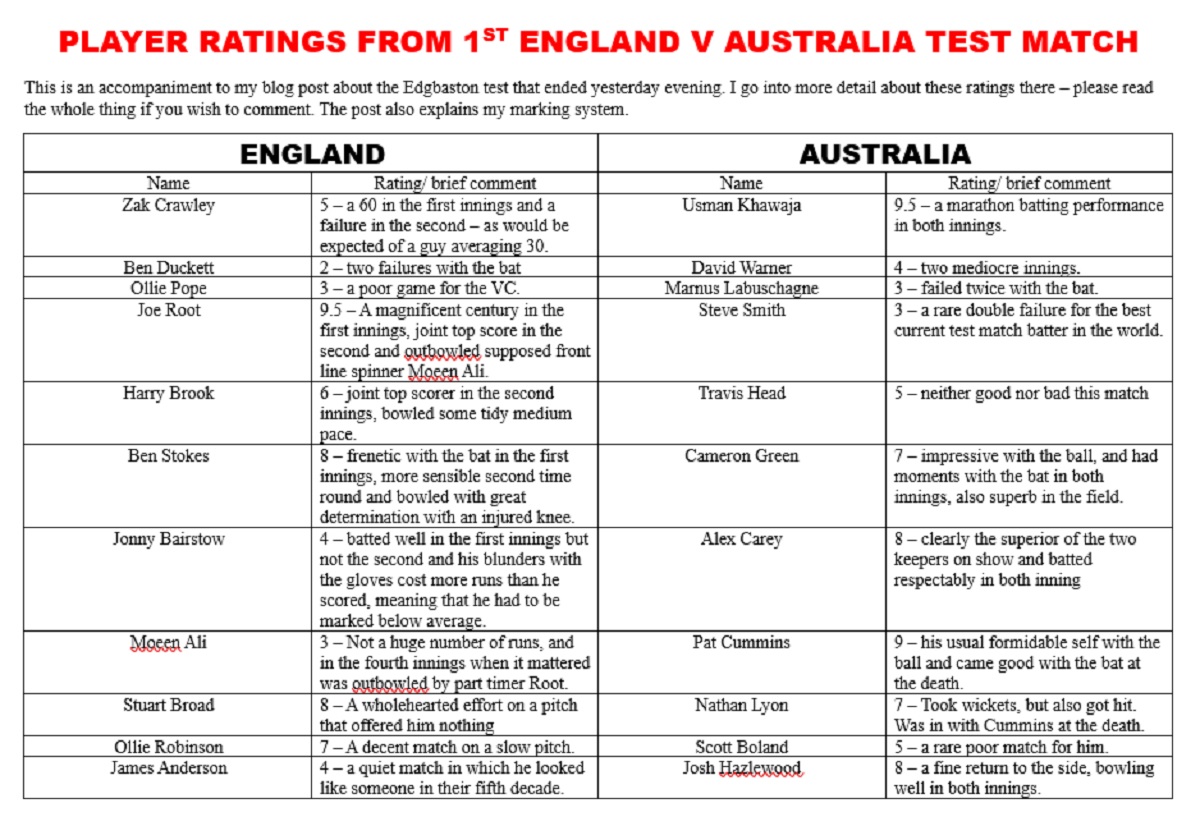
Zak Crawley: 5. A dead average performance from someone who is in truth a dead average player – 61 in the first innings and a failure in the second is nothing special for an opener.
Ben Duckett: 2. Two failures with the bat this time, but he surely has credit in the bank from Pakistan and New Zealand to retain his slot.
Ollie Pope: 3. A promising start in the first innings, and his dismissal was somewhat unfortunate, but a skittish performance in the second in which he never looked like getting settled. Not one of the vice-captain’s finest outings.
Joe Root: 9.5. A glorious hundred in the first innings, joint top scorer in the second and out-bowled the ‘front line spinner’. Although this was a performance that underlined his status as one of the greatest cricketers his country has ever produced I dock him half a point for getting out on 46 in the second innings.
Harry Brook: 6. He was joint top scorer in the second innings, and bowled some tidy medium pace along the way.
Ben Stokes: 8. An overly frenetic batting performance in the first innings, but a much better effort second time round, and a determined bowling performance in spite of having knee trouble.
Jonny Bairstow: 4. The most controversial mark I am giving, but as I stated earlier in this piece I reckon that the chances he either missed or simply didn’t go for cost more runs (remember as well as the extra runs scored by the reprieved batters you have to factor in extra runs scored at the opposite end in the same period) than he contributed with the bat, and his second innings demonstrated another point about Bairstow the keeper/batter – he rarely scores well after a keeping performance. Since I have have him in net debit for the match I have to give him a below average score to reflect what was overall a below average performance, and on a scale of 0-10, 5 is average.
Moeen Ali: 3. Did not do a lot with the bat, and had a poor game with the ball, to the extent that on a final day pitch which was helping spinners he had the indignity of being out-bowled by part time Joe Root.
Stuart Broad: 8. A wholehearted bowling effort on a pitch that offered him absolutely nothing.
Ollie Robinson: 7. A solid bowling effort in unfavourable conditions, and some lower order runs in the second innings. His reaction to dismissing Khawaja in the first Australian innings attracted a lot of condemnation, but frankly given the way their bowlers have been known to treat opposition batters Aussies are the last to have any right to complain about this kind of thing
James Anderson: 4. Did little in the match, and I for one would not be terribly surprised if he missed Lord’s.
AUSTRALIA
Usman Khawaja: 9.5. A marathon effort with the bat in both innings. The only blot on his copybook is that he did not quite see the job through in the final innings.
David Warner: 4. Not absolute failure, but two moderate scores.
Marnus Labuschagne: 3. Failed twice with the bat.
Steve Smith: 3. The best current test batter in the world suffered a rare double failure in that department.
Travis Head: 5. Could not duplicate his brilliance against India in the WTC final, but not an outright poor performance.
Cameron Green: 7. Impressive with the bat, albeit assisted by Bairstow in the first innings, respectable with the ball, and fielded superbly.
Alex Carey: 8. Clearly the superior of the two keepers on show, and batted well, albeit with two assists from his opposite number in the first innings.
Pat Cummins: 9. His usual formidable self with the ball and batted well in both innings, getting Australia over the line in the second.
Nathan Lyon: 7. He took wickets in both innings, but also took some punishment. He was batting with Cummins when the winning runs were scored.
Scott Boland: 5. A poor match with the ball, but given how close it was his 20 as nightwatch in the fourth innings redeemed him somewhat.
Josh Hazlewood: 8. Bowled well on his return to the side from injury.
Foakes has to return to the side as keeper. I would personally achieve this by dropping Crawley, and having someone else open the innings. Ali cannot be retained, and I would say genuine possibilities are: Rehan Ahmed, Liam Dawson, Dan Moriarty (not a Surrey regular alas, but always bowls well when given the opportunity, as an FC bowling average of 27 suggests), Jack Carson, or the ultra-radical option of asking Sophie Ecclestone if she is up for playing alongside the men. Also, I would rest Anderson and bring in Wood to give the seam attack a point of difference. Chris Woakes has a splendid record at Lord’s, and playing him at number eight and relying on Root for spin is another option.
PHOTOGRAPHS
This has been a long post, but for those of you who made it to the finish this is my usual sign off…
A detailed answer to a question posed by talk sport radio on twitter this morning in the form of a look at the resources available to the England test team at the moment plus a photo gallery.
Another English cricket season is around the corner (some pre-season warm up fixtures are already taking place), and it is a biggie – the Aussies will be touring later this summer. My title comes from a question that talk sport radio put out on twitter this morning, and I am using this post to give it a detailed answer – the brief answer is the single word “no”.
ENGLAND’S RESOURCES
Since Ben Stokes took over the captaincy the England test team has fared exceedingly well, and the side’s unprecedented 3-0 sweep of the series in Pakistan plus the subsequent 1-1 draw in New Zealand (with the second game lost by one run, Stokes going uncompromisingly for the win rather than shut the game down to secure the series) were both achieved without Bairstow. The only real vacancy in the batting order is at the top, where Crawley’s returns continue to be utterly inadequate for a test match opening batter. Foakes, the current keeper, played important roles with the bat in several of the wins and is without any shadow of a doubt well clear of Bairstow as a keeper. The bowling is also strong, although the spin department remains a concern. Even there, with Rehan Ahmed showing positive signs in Pakistan, the trend is upwards.
BAIRSTOW IN TEST CRICKET
While in the period immediately before injury forced his withdrawal from the side Bairstow was in absolutely white hot form with the bat, his test history, which dates back to 2012, is of blowing hot and cold, with the latter more frequently the case. He is apparently not happy with the notion of opening in test cricket, though he does so in both forms of limited overs cricket. For me the middle order is strong with the question being who to leave out. One way to accommodate Bairstow is to have Stokes, who certainly has the technical wherewithal to do so move up to open the batting, creating a middle order slot for Bairstow (WG Rumblepants suggested this on twitter in response to the talk sport radio query). None of Pope, Root, Brook or Stokes are dispensable, and I regard the notion of dropping Foakes, already on the receiving end of scurvy treatment from England selectors since his international debut in 2018, as an outrage.
THE ENGLAND TEST SIDE GOING FORWARD
With the powerful batting outlined above, plus Foakes as keeper, a slew of fine seamers available, plus outright pacers in the form of Wood, Archer and possibly Stone in the wings, and Leach and Ahmed available to bowl spin, plus Will Jacks on the fringes as a batter who bowls spin on the side, and a few county players knocking on the doors (a good start to the season for Ben Compton would certainly force the selectors to sit up an take notice to name but one) the truth is that the England test side does not need to perform mental gymnastics to find a way to accommodate an ageing middle order batter with a history of inconsistency at the highest level – they would do better to move forwards without him.
PHOTOGRAPHS
To put it mildly the weather these last few days has been less than ideal for photography, but I do have a small gallery of recent captures to share…
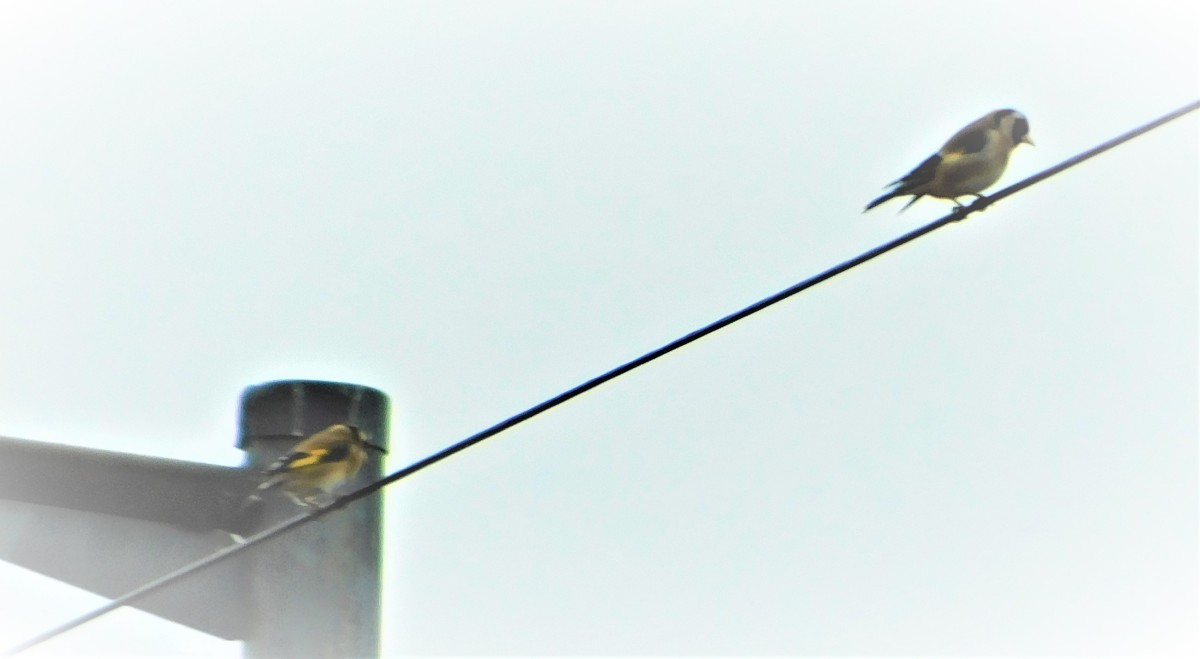
Photographed through the window of a bus, a pair of goldfinches using a cable (obviously very well insulated) as a perch.
A look at goings on the second test between New Zealand and England and a large photo gallery.
I am writing this as Australia and South Africa do battle in the final of the Womens’ World T20 Cup in front of a packed house crowd at Newlands, Cape Town – I will cover the closing stages of this tournament tomorrow. In this post I look at the first three days play in Wellington, where England are poised to win the test series against New Zealand.
THE ENGLAND FIRST INNINGS
I missed the first day’s play entirely – this being in New Zealand it is happening overnight my time. England were 21-3 at one point, but Harry Brook (184* by the close) and Joe Root (101* by the close) put on an unbroken 294 in what was left of the day – rain called a halt after 65 overs.
Brook was out early on the second day, but Root kept going, and when he reached his 150 Stokes declared. England had amassed 435-8. Root, the greatest English test batter of the 21st century and his heir apparent Brook had scored 339 of those for once out between them (Brook 186, Root 153*).
THE NEW ZEALAND FIRST INNINGS
By the end of day two, again hastened by bad weather, NZ were 135-7 and in all kinds of bother. A blitz by Southee, who ended with 73 off 48 balls, got NZ passed 200, but at 209 all out they had not quite done enough to dodge the follow-on. Anderson, currently the world no1 ranked test bowler at the age of 40, had three wickets as did Broad, and Leach outdid both of them with four. The next question was what Stokes would do – most current test skippers would not have enforced the follow-on, but as Stokes demonstrated at Rawalpindi not so long ago he is emphatically not most current test skippers…
THE NEW ZEALAND SECOND INNINGS
Stokes did enforce the follow-on, correctly in my view, given that this was day three and the weather was not to be relied on. New Zealand batted better second time round and reached the close on 202-3, still 24 runs in arrears. Kane Williamson and Henry Nicholls committed absolutely to defence in the latter stages of the day, which is why NZ are still in debit. If New Zealand can bat through day four they may be in a position to cause England trouble, but at the moment England are heavy favourites, and a couple of early strikes to start day four would underline that status.
A post noting a new West Indies men’s test record opening partnership and looking at what this might mean for West Indies going forward. Also walk details and of a course a photo gallery.
In today’s post I look a story developing in Zimbabwe, and what it might mean for West Indies Men’s test team.
A NATIONAL RECORD OPENING STAND
Zimbabwe are not the most threatening of opponents, but as against that West Indies had to contend with regular interruptions due to the weather and the fact that overhead conditions when play was possible during the first two days certainly favoured the bowlers. Remarkably, the opening pairing of Kraigg Brathwaite and Tagenarine Chanderpaul were still together for the start of the third day’s play. With the score on 296 Brathwaite was dropped, and he then hit the next ball for four to bring up WI’s first ever 300 run opening stand in test cricket (also beating the previous national record of 298 by Gordon Greenidge and Desmond Haynes in the process). The stand had reached 336 by the time Brathwaite was dismissed. England’s all time record opening stand was also achieved in southern Africa – Len Hutton and Cyril Washbrook putting up 359 at Ellis Park, Johannesburg during the 1948-9 tour of South Africa. Tagenarine Chanderpaul was still there on 207* when West Indies declared at 447-6, while Brathwaite had scored 182. Zimbabwe ended the day 114-3 in reply. They can only hope to save the match, while West Indies need 17 wickets in the last two days to win it (and also for Zimbabwe’s first innings to end up at 247 or less – with so little time left WI cannot hope to win if they have to bat a second time unless it is in pursuit of a very small total, with Zimbabwe having just avoided an innings defeat).
WEST INDIES OPENING WOES
In their entire history West Indies have had two authentically great opening partnerships, Greenidge and Haynes already referred to, and the earlier combination of Allan Rae and Jeffrey Stollmeyer. Conrad Hunte, an excellent test match opener in the late 1950s and early 1960s, never had a truly reliable opening partner, and neither did Chris Gayle in the 2000s. A side who can get away to a strong start when batting have a much better chance than one that regularly loses early wickets, and while finding a reliable opening pair has been far from the only problem West Indies have had since the end of their golden era in the early 1990s it will be big news not just for them, but for cricket as a whole, if this pair prove to be the real deal (Brathwaite already has a substantial test record, but Tagenarine Chanderpaul has only played a few matches, though he has made a stellar start to his test career).
PHOTOGRAPHS
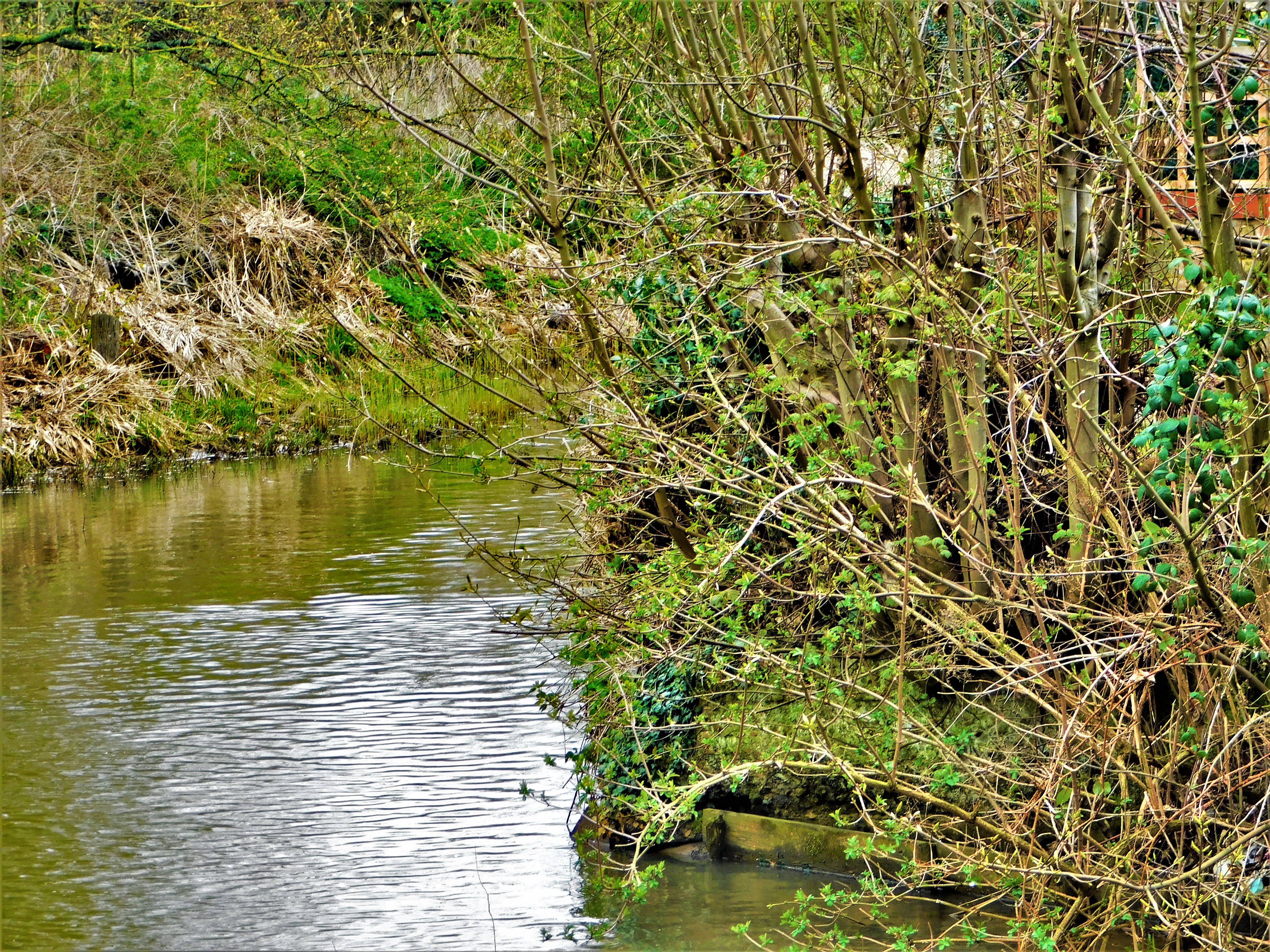
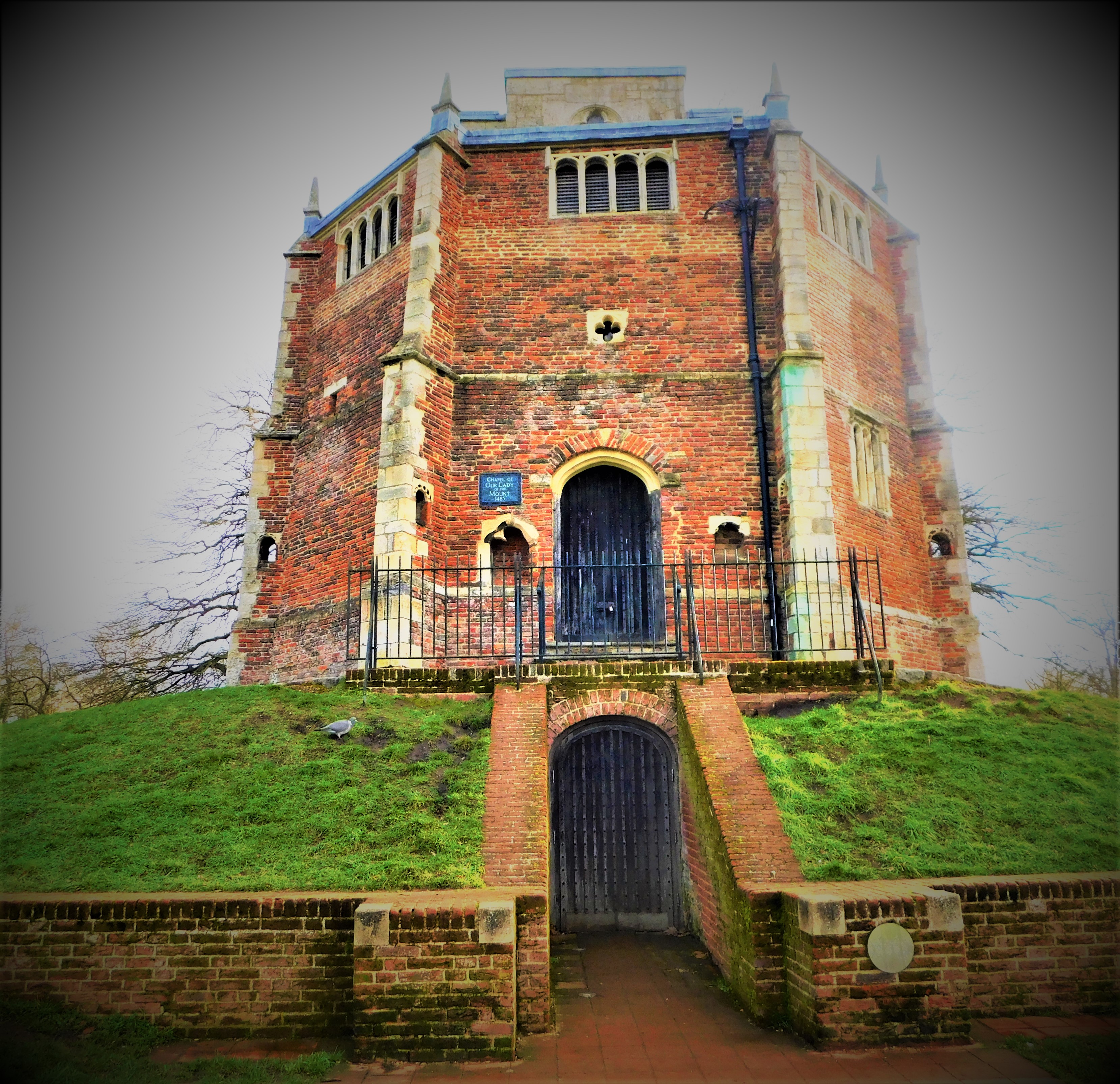
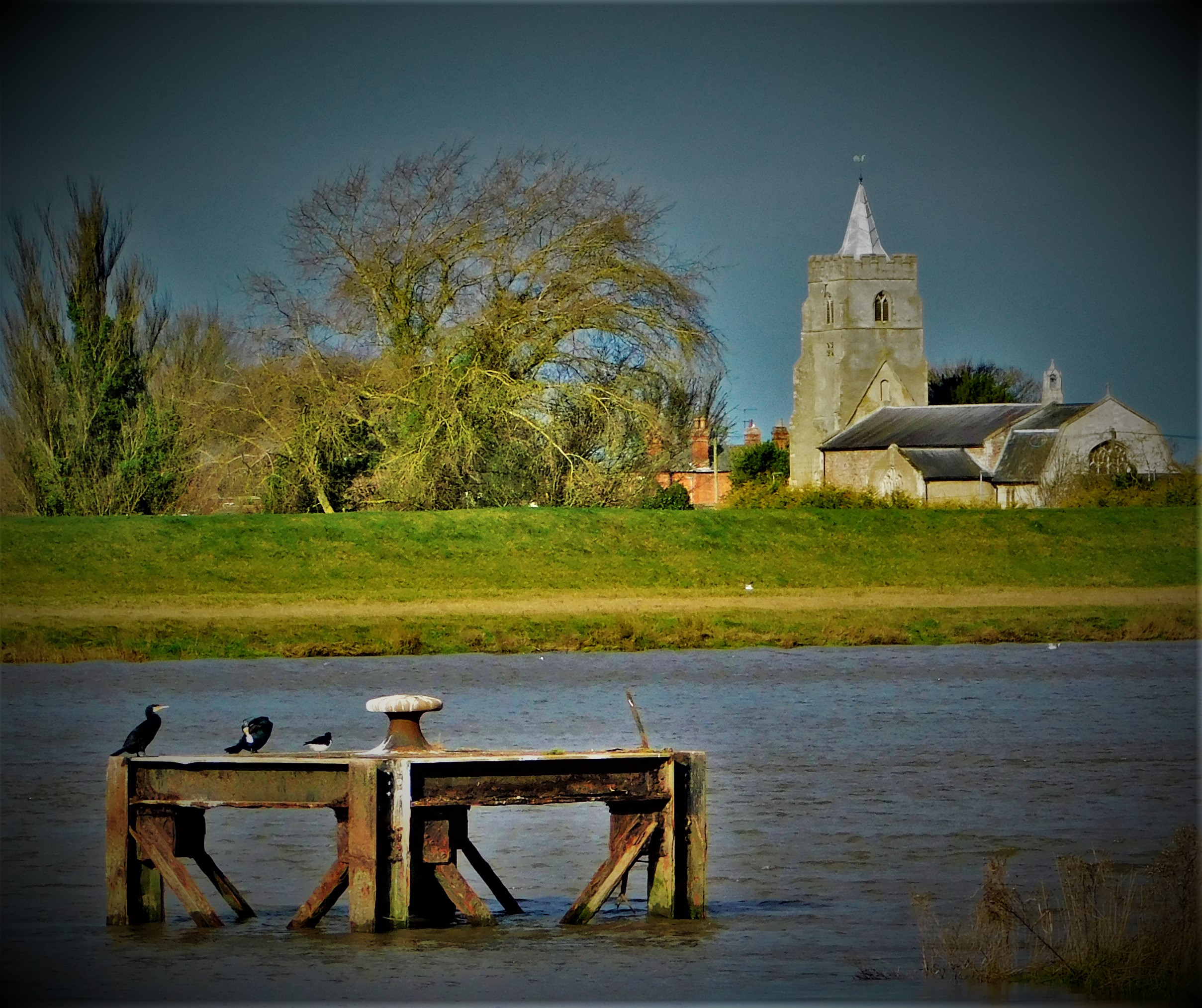
Most of the photographs in today’s gallery come from two walks, with a few in between them. Yesterday I was invited to an early supper at a flat on Purfleet Quay. By the direct route this a walk of 15-20 minutes, but I had decided to go a long way round on the way there and take the quick route home due to the fact that the latter walk would be entirely in the dark. Thus I headed by way of the two ponds near me, the stretch of the Gaywood near Kettlewell Lane, across Littleport Street, past Highgate Methodist Chapel, across another section of the Gaywood, along the only section of main road I followed during the walk down past the station to the entrance to The Walks. I headed onto St John’a Walk, then took the footpath past the Red Mount Chapel and turned onto Broad Walk, emerging onto London Road, which I crossed onto the top of Millfleet, then passing through Hillington Square and inter alia All Saints Church, the oldest in King’s Lynn. Then it was down to the river by various side roads, a quick check in at the location where the Nar joins the Great Ouse, then round the dike that overlooks old Boal Quay, and on to the Great Ouse which I followed as far as the point where the Purfleet joins it, and having crossed the bridge I then headed up Purfleet Quay to the flat.
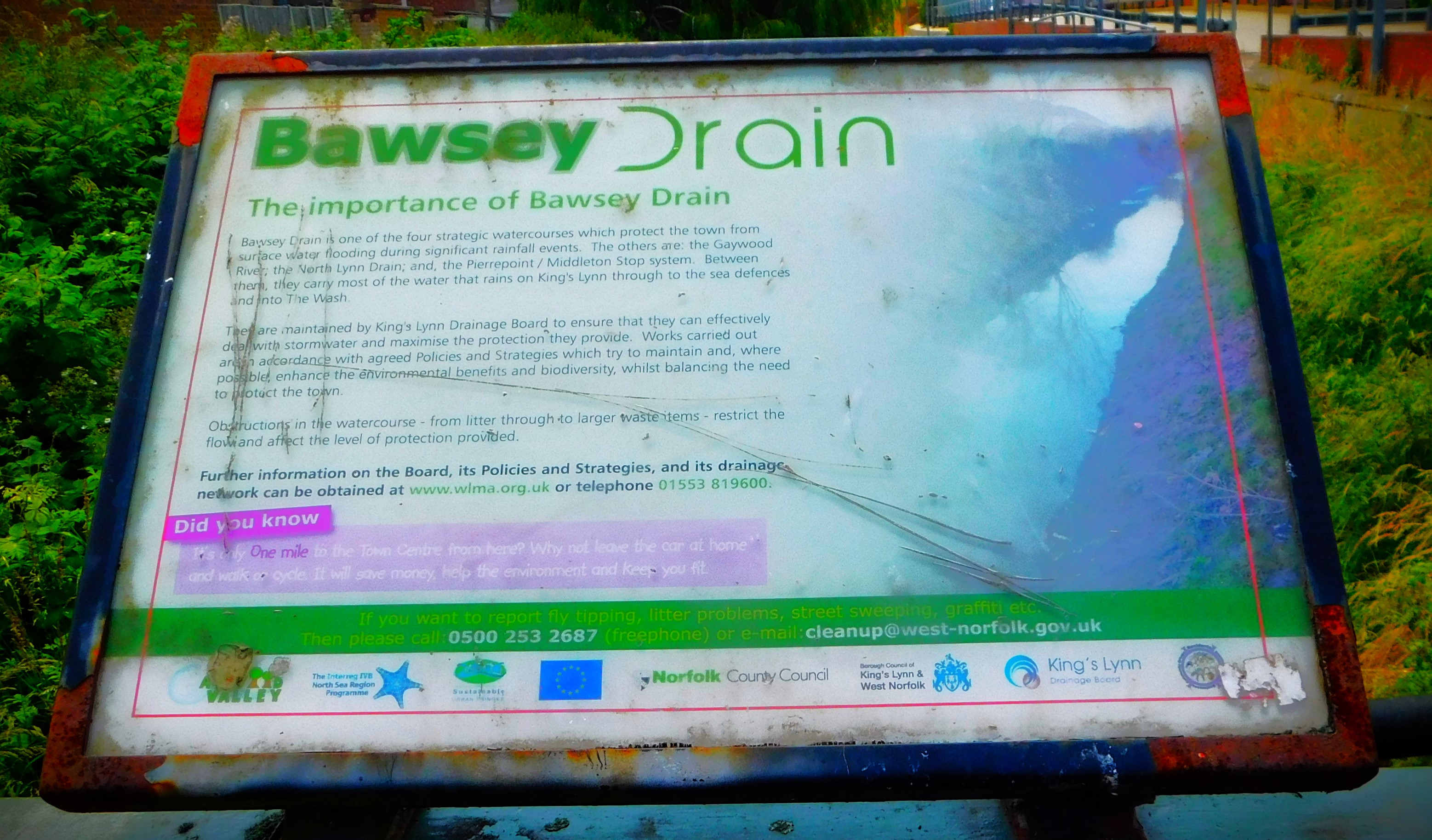
The second walk was today, and I started by walking along Columbia Way until it meets Bawsey Drain, along which I headed towards town. I departed from Bawsey Drain via the last bridge across it before one reaches town, headed by a combination of minor roads and footpaths through to Loke Road near Loke Road Recreation Ground, from which I followed a path which leads to the Kettlewell Lane river section, and then I looped round by way of Morrison’s, before passing the Kettlewell Lane river section a second time, heading past the two ponds and thus back to my back door.
A look back at the events of the third Pakistan v England test, which ended in the early hours of yesterday morning UK time.
At just about 5:40AM UK time yesterday Ben Duckett smashed a four to take England from 166-2 to 170-2 in the final innings of the test series in Pakistan, and in so doing created a piece of cricket history – no visiting side had ever won a clean sweep in a three+ match series in Pakistan until that moment. This post looks back at the events of the third match of the series (I covered the first two matches extensively already) and then at the key moments of this extraordinary series.
THIRD TEST: DAY ONE
Rehan Ahmed was given a debut for England, and Ben Foakes was recalled to the XI, Will Jacks and James Anderson being rested. For Pakistan Nauman Ali played in place Zahid Mahmood. Babar Azam won the toss and decided to bat, which looked like good news for Pakistan. Pakistan scored 304, with various players making useful runs but no one getting a massive score, and by the close England had lost Crawley. Nevertheless, England would have considered getting Pakistan all out on day one a good day’s work.
DAY TWO
England looked to be struggling at 145-5, when Ben Foakes joined Harry Brook, but a big stand between these two and some useful contributions from the rest of the order saw England to 354, a first innings advantage of 50. Pakistan were 21-0 by the close.
DAY THREE
This was the day the fate of the match was settled. Pakistan were 54-3 at one point, all three wickets to Leach to give him seven in the match. Then Babar Azam and Saud Shakeel shared a century stand. The key turning point came when Babar Azam smashed a slow long hop from Rehan Ahmed straight to Pope at midwicket. From then on the Pakistan middle and lower order imploded, a combination of poor shots from them and good work from England seeing a high water mark of 164-3 turn into 216 all out. Rehan Ahmed had 5-48 and Joe Root nabbed a wicket with his occasional off spin. Rehan Ahmed’s debut match figures of 7-137 were the best such by an England leg spinner since Charles ‘Father’ Marriott took 11-96 v West Indies at The Oval in 1933. Marriott, then 37 and a part time cricketer (he worked as a schoolmaster and turned out for Kent in the summer holidays) never played for England again, Ahmed should do so on many occasions. Leach’s seven wickets with his left arm spin were enough to make him the leading test wicket taker of 2022.
England needed 167 to win and there were 17 overs to be bowled that evening. Traditional test thinking would suggest a cautious approach and looking to get through without losing any wickets, but Crawley and Duckett set off at a merry pace. When Crawley was out Stokes made a typical Stokes move – the events of Pakistan’s second innings suggested that this was Rehan Ahmed’s day, so Stokes sent him in at number three. This divided opinion among those following the match – some, like me, thought it was superb, others grumbled about it being disrespectful to Pakistan. It had limited success, Ahmed making a rapid 10, but I think it was right nevertheless. In 1986 when John Bracewell scored his maiden test hundred against England, NZ skipper Jeremy Coney tossed him the ball that evening although it was earlier in the England innings than he would usually have deployed his off spinner, and was rewarded with a wicket – it was Bracewell’s day. Stokes then went in himself for the remainder of the evening. Stokes and Duckett played well together and England closed on 112-2, 55 short of victory. I thought, as I said in my post on Monday that this was far preferable to 40-0.
DAY FOUR
Stokes and Duckett never looked like doing anything other than knocking the runs off and the main focus of interest soon became whether Ben Stokes could hit his 108th career test match six, thereby breaking the record held by England head coach Brendon McCullum. The answer to that was no, and with McCullum’s native New Zealand being England’s next opponents the two are tied on 107 sixes in test cricket. England won by eight wickets, with among those not to bat in the innings being Root (thin series but still England’s finest), Brook (soon to collect both the Player of the Match and Player of the Series awards) and Pope. This time last year a rabble of an England test team were being obliterated in Australia, and if you had told me that 12 months on an England test side would be winning 3-0 away from home without Root scoring many runs I would have laughed outright.
PLAYER RATINGS
These my England player ratings in batting order:
Zak Crawley 4 – failed in the first innings, made a half decent score in the second.
Ben Duckett 8 – a comparative failure first up (26), but 82* in the final innings rounded out an excellent comeback series for him.
Ollie Pope 6.5 – a 50 in the only innings in which he batted, and although he was gifted it by a terrible shot from the batter his catch to dismiss Babar Azam and start the implosion of the Pakistan second innings was a good one.
Joe Root 5 – a duck in the only innings in which he batted, but three wickets for him across the two Pakistan innings count for something.
Harry Brook 9 – a superb century which pulled England out of some strife in the first innings. He had a superb series and should be part of the England test side for many years to come.
Ben Stokes 8.5 – a fairly quiet match for Stokes the player (26 and 35* with the bat, eight overs for 20 with the ball) though that second innings carried England to victory, but a fantastic match for Stokes the captain.
Ben Foakes 7.5 – a good and much needed 50 in the only innings in which he was needed to bat, and impeccable as ever behind the stumps.
Rehan Ahmed 8.5 – had a great time with the ball, and an entertaining one as “night hawk” in the final innings. His success bodes well for England’s future.
Ollie Robinson 6 – a useful contribution with the bat in England’s first innings, and didn’t do a lot wrong with the ball, though this was never a surface to suit him and his light workload reflects that fact.
Mark Wood 7 – an entertaining cameo with the bat, and on a surface that offered nothing to a fast bowler he gave it everything he had every time he was asked to bowl.
Jack Leach 7 – England’s work horse in this match – 57 overs across the two innings yielded him combined figures of 7-212 and his scalps included Abdullah Shafique (who had made a splendid start to his test career until this match) in both innings and Shan Masood and Azhar Ali (giving the latter a Bradman-like end to his career – bowled for a duck by an English spinner who batted at number 11) in the second – four of his seven scalps thus coming from the top three in the Pakistan order.
SERIES KEY MOMENTS
Day one – England score 500 in 75 overs. This set a template for attacking cricket, and indicated that England weren’t about to just settle for an all round boosting of batting averages on a flat pitch.
Day four – THAT declaration – Stokes sets Pakistan 343 in four sessions, albeit knowing that the light will be truncating the first and fourth of those sessions.
Day five – England keep pressing, and claim the final wicket with maybe 1.3 overs left before the light closed proceedings.
Second test day one – England attack on a turner. Many criticized England’s approach in the first innings of this match, but they managed 281 from 51.4 overs, and my own belief is that they would have made many fewer runs had they been obsessed with batting time. England went on to win, as a fourth innings target of over 350 proved too much for Pakistan.
Third test day one – England bowl Pakistan out in less than a day after the latter have chosen to bat.
Day two – England bounce back from 145-5 to claim a first innings lead of 50.
Day three – Rehan Ahmed takes five wickets as Pakistan slump from 164-3 to 216 all out, England knock off two thirds of their victory target in the 17 overs they have to face that evening.
Day four – Stokes and Duckett carry England to an eight wicket victory, Duckett making the winning hit, which means that England whose total tally of test match wins in Pakistan prior to this series totalled two had secured a 3-0 win in this series.
PHOTOGRAPHS
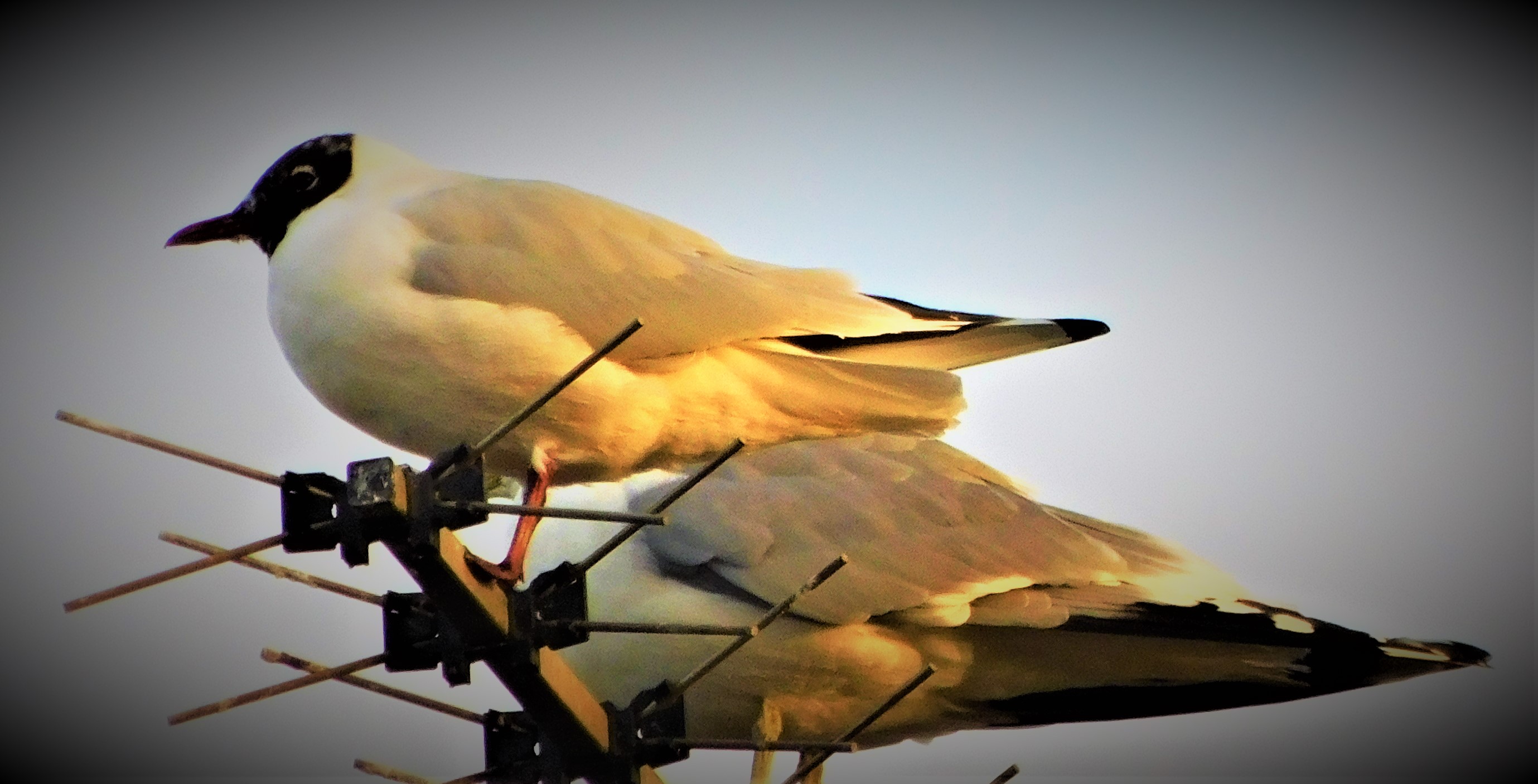
These pictures are split – I left the camera I took them with at work on Thursday, which was the peak of the freeze and retrieved it yesterday. To further increase the variation there are some night time pictures there…
























































































































































































































































































































































































































































































































 aspiblog