A mention of Adelaide Strikers WBBL triumph, an XI of players whose given names begin with I, and a photo gallery.
Today I select an all-time XI all of whose given names begin with I. Before getting to the main meat of the post I also acknowledge Adelaide Strikers winning a second consecutive Women’s Big Bash League title, which they did earlier today, beating Brisbane Heat by three runs in a superb final that illustrated yet again how utterly compelling low scoring matches can be – Strikers managed 125-5 from their 20 overs, and then bowled like demons to restrict Heat to 122-8 in their innings. A full scorecard can be viewed here.
THE XI IN BATTING ORDER
Ibrahim Zadran (Afghanistan, right handed opening batter). Has a respectable record in his fledgling test career and an outstanding one in ODI cricket.
Ian Redpath (Australia, right handed opening batter). Averaged 43 in test cricket.
Ian Chappell (Australia, right handed batter, vice captain). I only occasionally name vice captains of these XIs and have done so on this occasion because this team has two outstanding leaders among its number, and one of those could not be named as captain. He had a very good test record.
Inzamam-ul-Haq (Pakistan, right handed batter). One of his country’s all time great batters, though somewhat marred by not being the best runner between the wickets.
Ian Bell (England, right handed batter). It took him a few years to overcome an early reputation for softness, but by the time his career ended he was one of the most respected of all middle order batters, with a record whose weight of achievement matched the stylishness of its accomplishment.
*Imran Khan (right handed batter, right arm fast bowler, captain). One of the greatest all rounders ever to play the game and an outstanding captain to boot.
+Ian Healy (Australia, wicket keeper, right handed batter). An outstanding keeper, and a very tough competitor – all four of his first class centuries came in the test arena.
Irfan Pathan (India, left arm medium fast bowler, left handed batter). At test level, the ultimate benchmark, his averages were just the right way round, with the bowling average just on the right side of 30 per wicket.
Ian Bishop (West Indies, right arm fast bowler, right handed batter). Injuries spoiled his career, which at one stage seemed certain to see him claim a place among the all time greats of the game. As it was, 161 test wickets at 24.27 each from 43 matches still amounted to a very fine record. He has recently established himself as an excellent commentator, always being well prepared for any match he is covering.
Ian Peebles (England, leg spinner, right handed batter). Only 13 test appearances for the Scottish born spinner, which yielded him 45 wickets at 30.91 each. In first class cricket he managed 951 wickets at 21.38 each.
Ishant Sharma (India, right arm fast medium, right handed batter). His average of 32.40 per wicket looks expensive, but he was a bowler who improved massively later on in his career, and in many ways the current era of India being well equipped in the seam/ pace department began with him.
This side has a solid looking opening pair, a powerful engine room of Chapelli, Inzamam-ul-Haq and Bell, an ATG all rounder, an ATG keeper and a bowling attack that is probably better than their respective career averages suggest. Bishop, Sharma, Pathan, Peebles and Imran Khan an attack that should claim 20 opposition wickets without undue difficulty on most surfaces.
HONOURABLE MENTIONS
The biggest miss by far is Ian Terrence Botham. There were two candidates for the all rounders slot, and my feeling is that outstanding is Botham was between 1977 and 1982, his subsequent protracted decline gives the verdict to Imran. Also, Botham and Chappelli in the same dressing room might be problematic.
There is no left handed front line batter, but the nearest claimant, Ian Blackwell, never established himself as an international player, and averaged less than 40 in FC cricket. Imam-ul-Haq likewise falls short, though he merits a mention.
Ian Healy has three challengers for the gloves: Imtiaz Ahmed (Pakistan), Ian Smith (New Zealand) and Ikram Alikhil (Afghanistan), the last named of whom may eventually depose him from this XI.
I considered Issy Wong for the number eight slot, but felt that Irfan Pathan’s left arm offered more than the youngster’s right.
There were three spinners challenging for inclusion: Imran Tahir (South Africa), Ish Sodhi (New Zealand) and Intikhab Alam (Pakistan).
Iain O’Brien (New Zealand) was closest among the quicks I did not select to displacing any of my choices.
PHOTOGRAPHS
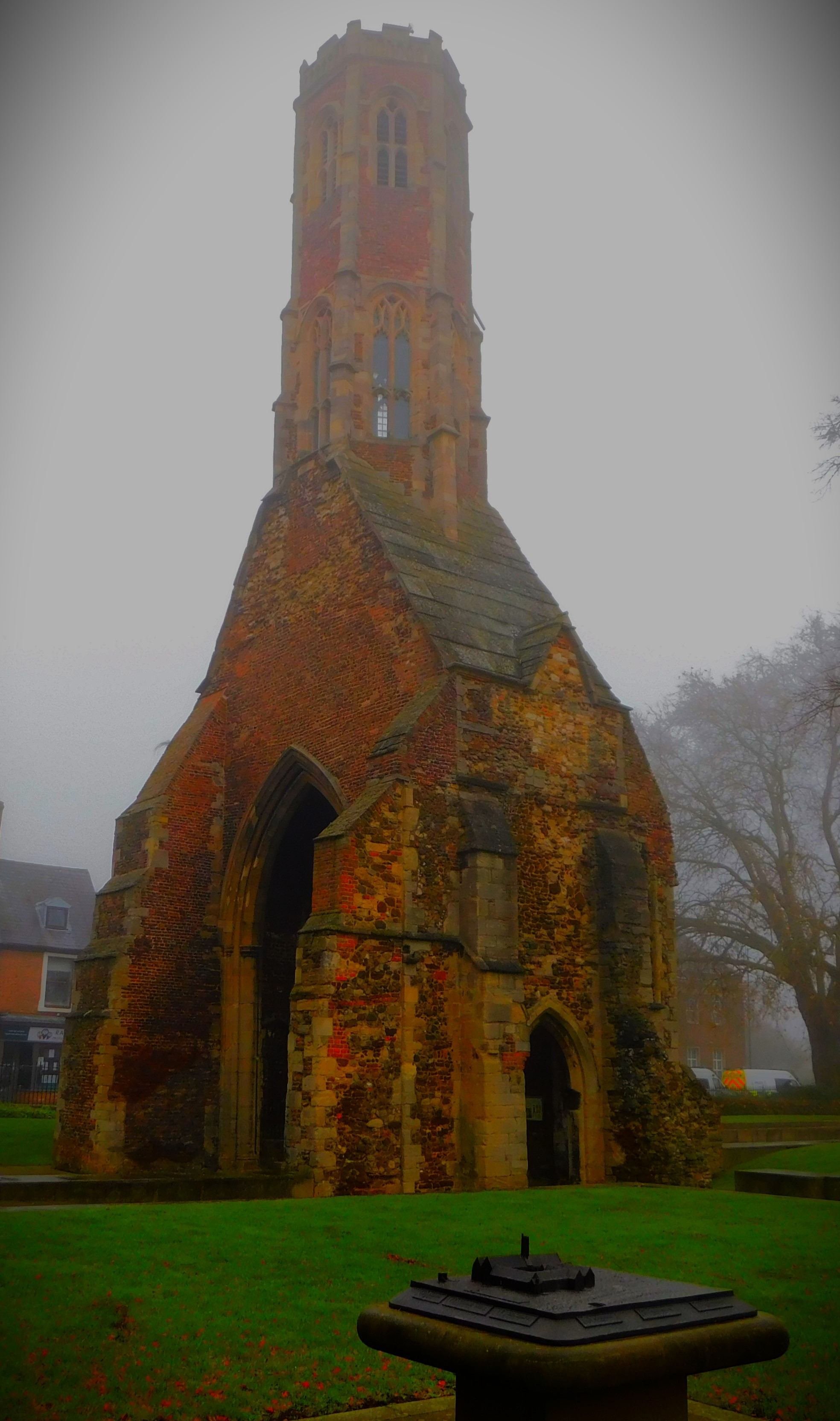
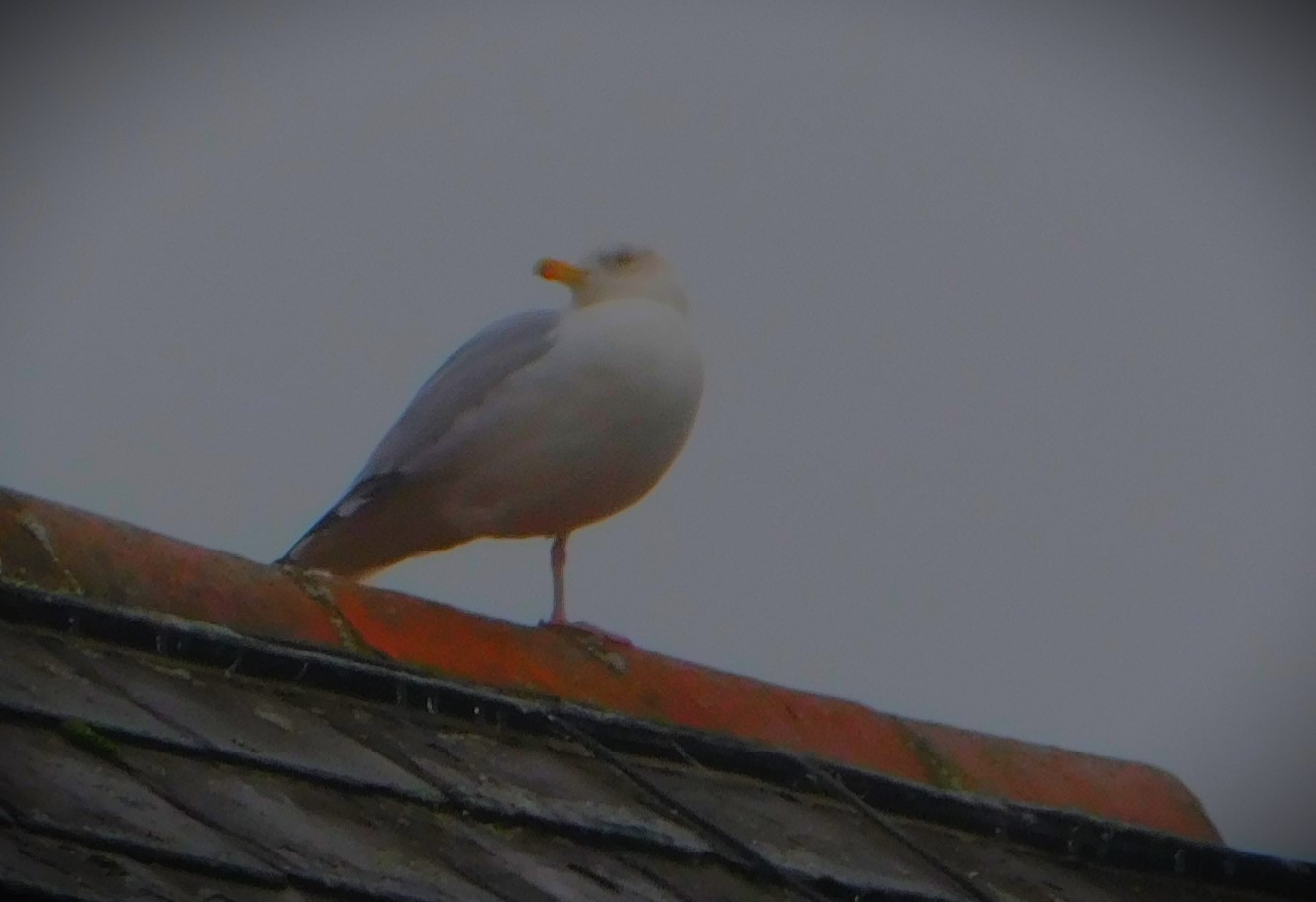
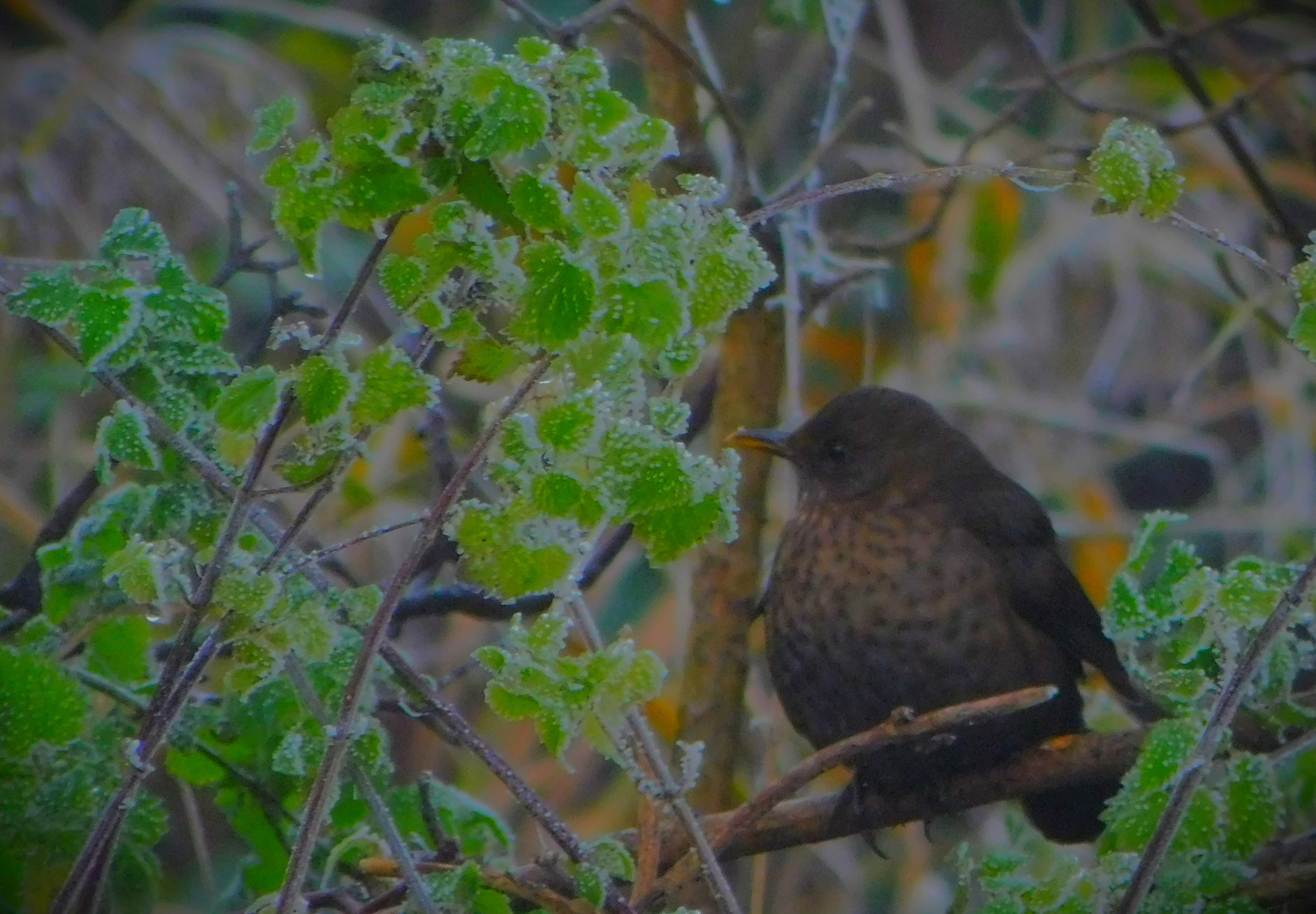
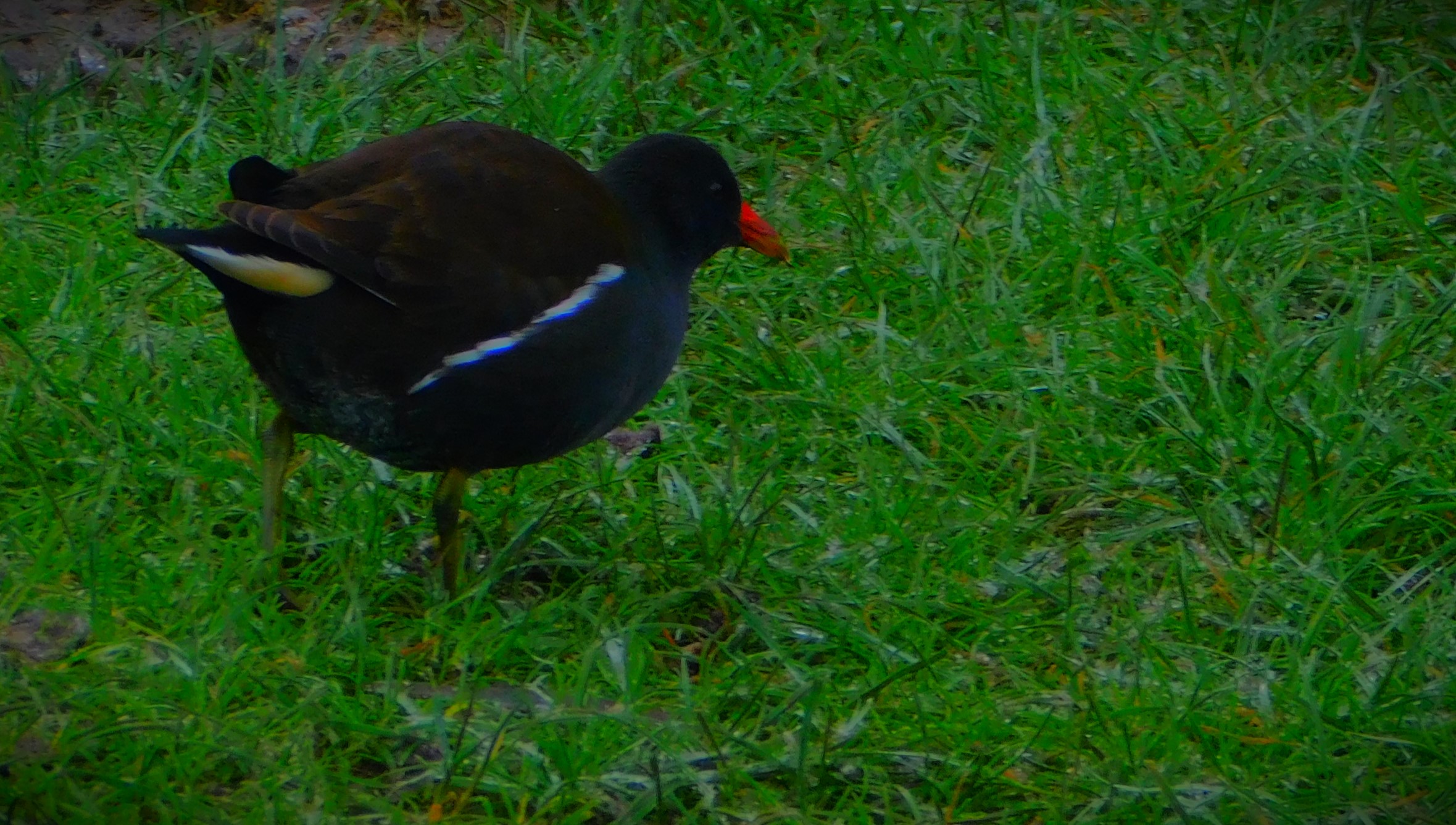
Subzero temperatures and mist, both currently afflicting west Norfolk, do not provide the best of opportunities for photographers, but I do have a gallery to share with you…
An all time XI of players whose given names begin with G, a massive honourable mentions section which includes mention of today’s WBBL Challenger match, and a photo gallery.
Today I choose an all time XI of players whose given names begin with Gs. This letter poses particular challenges which I will explain in the course of the post, and there are a vast number of honourable mentions.
THE XI IN BATTING ORDER
*Graeme Smith (South Africa, left handed opening batter, captain). A superb playing record and an outstanding captain.
Gordon Greenidge (West Indies, right handed opening batter). One half of the West Indies greatest ever opening pair. His highlights include twin tons on the most difficult surface of the 1976 series, two contrasting double centuries against England in 1984, one a brutal match winning knock at Lord’s after England had the temerity to declare their second innings closed on the final morning (and some reckoned they should have done so earlier), and the other a ten hour marathon innings which put his side fully in control of the match at Old Trafford.
George Headley (West Indies, right handed batter). Nicknamed ‘Atlas’ because he seemed to carry his side on his shoulders, he is among the select few to have played over 20 test matches and have an average of above 60 – 60.83.
Graeme Pollock (South Africa, left handed batter). Another member of the select club referred to above. In what proved to be South Africa’s last series before isolation he set an individual scoring record for that country with 274 against Australia. That score has been beaten by four players since South Africa’s readmission – Daryll Cullinan, Gary Kirsten, Graeme Smith and Hashim Amla.
Greg Chappell (Australia, right handed batter, occasional medium pacer, occasional leg spinner). A superb batter, one of the safest slip fielders the game ever saw and a part time bowler of two types.
Garry Sobers (West Indies, left handed batter, left arm bowler of every type known to cricket). The most complete player the game has ever seen, and therefore, as always when he is eligible for selection, the first name on the team sheet for this XI.
Gilbert Jessop (England, right handed batter, right arm fast bowler). The ultimate X-factor player, with an approach to batting ideally suited to someone coming at number seven in a strong side.
+George Duckworth (England, wicket keeper, right handed batter). A great wicket keeper, and in a side with the batting guns possessed by this one I am not worried about his limited skill in the latter department.
George Lohmann (England, right arm medium fast bowler, right handed batter). Of bowlers to have taken at least 100 wickets he has the best average by some way, a barely believable 10.75, and also the best strike rate – a wicket every five and a half overs on average.
George Dennett (Gloucestershire, left arm orthodox spinner, left handed batter). Never capped for England, but 2,151 FC scalps at 19.82 a piece. England were exceptionally well served by left arm spinners in his playing days – Rhodes, Blythe, the all round skills of Frank Woolley and Roy Kilner etc.
Glenn McGrath (Australia, right arm fast bowler, right handed batter). We have our ‘enforcer’, one of the greatest of all time.
This side has a stellar top six, including the most complete player the game has ever known, the ultimate in x-factor players at number seven, a great keeper and three great specialist bowlers. The bowling does not have quite the dazzling array of options possessed by some of my sides, but I do not think that McGrath, Lohmann, Dennett, Jessop and Sobers would be likely to find capturing 20 opposition wickets beyond them on any surface.
HONOURABLE MENTIONS
This will require a systematic approach, so I shall work my way down the order…
OPENING BATTERS
Glenn Turner, the only New Zealander ever to score 100 first class hundreds is the biggest miss here, but Gautam Gambhir of India would also have his advocates, Gary Kirsten of South Africa deserves a mention (and can have the head coach job that England infamously refused to give him allegedly because his power point presentation wasn’t good enough) and George Gunn, who played for England many years ago, and absolutely did things his way also deserves a name check.
MIDDLE ORDER BATTERS
These guys missed out because of the stellar cast available to fill these slots. Geoff Howarth of New Zealand, Gundappa Viswanath of India and Gilbert Parkhouse of England would all have merited serious consideration for a letter less well stocked with world beating batters, but none can get in here.
ALL ROUNDERS
The presence of five of the greatest ever specialist batters and Sobers limited the scope for the inclusion of all rounders. Luminaries such as George Giffen (Australia, right handed batter, off spinner), George Hirst (England, right handed batter, left arm fast medium) and two leg spinning all rounders, Greville Stevens (England) and Garnet Lee (Nottinghamshire, Derbyshire) all missed out. Had I been picking with limited overs in mind Glenn Maxwell of Australia would have been one of the first names on the team sheet, but I preferred Jessop at seven, and the only one of the top six who I could even have contemplated not picking was Greg Chappell. George Pope of Derbyshire and England was a good enough all rounder to merit a mention as well. George Ulyett, who played for England in their very early days and had an HS of 149 and a BB of 7-36 was also unlucky.
WICKET KEEPERS
Godfrey Evans was the nearest challenger to Duckworth, wkith Graham Manou, a fine keeper who was scurvily treated by the Aussie selectors of his day and Gil Langley of Australia also in the mix.
SPIN BOWLERS
George Simpson-Hayward, the last underarm bowler to make a serious impression at test level (over 20 wickets in his only test series, against South Africa in South Africa) was close to dislodging Dennett. George Macaulay of Yorkshire and England never managed much at test level.
PACE BOWLERS
It is in this category that we meet the greatest number of top cricketers to miss out for this letter. Garth Le Roux, the giant South African quick of the 1970s and 80s never got to play test cricket, otherwise he might well have had a slot. Graham McKenzie, the best Aussie pacer between the retirement of Davidson and the rise of Lillee was also close. George John was rated by CLR James as the finest of the early West Indian fast bowlers, but he was finished before they started playing test cricket. Gideon Elliott who had a very brief but freakishly successful fast bowling career in the late 1850s and early 1860s (48 wickets at less than 5 a piece, including innings figures of 9-2) deserves a mention. George “Tear ’em” Tarrant was a hugely successful fast bowler in the era immediately before the rise of WG Grace, but the way the good Doctor quelled those who before he came along had intimidated by dint of sheer pace on often treacherous pitches explains why I overlooked him. Had I not had Sobers to perform the role, two candidates for the role of left arm pacer would have been Gary Gilmour (Australia) and a gamble on George Garton, yet to establish himself as an England player. George Freeman, whose 288 FC scalps came at less than 10 a piece was another in the mix. George Geary might have had the slot I gave to Lohmann, but my feeling is that the difference between their test records is too great to be put down solely to the flat pitches on which Geary had to operate at that level. Glenn Chapple of Lancashire is a what might have been – injuries prevented him from gaining international recognition, and as fine a player as he was in domestic cricket I cannot justify dropping either Lohmann or the other Glenn to make way for him.
THE WOMEN
I was not able to include a female in this XI, but the Challenger in the Women’s BBL took place today, and Grace Harris with a superb innings, Georgia Redmayne with a great display of wicket keeping, and Georgia Voll with a stellar bowling performance all had big days out in a superb win for Brisbane Heat over Perth Scorchers, while Georgia Adams, a spin bowling all rounder, is also making a name for herself. Of the players I have named the most likely to earn a place in this squad in years to come is Redmayne, who if she continues to keep the way she did today could challenge Duckworth.
EXEAT
I have doubtless missed some of the riches available for this XI, though I do remind people wishing to comment that I have declared a policy of not selecting anyone who made rebel tours of Apartheid South Africa. Please feel free to make suggestions, so long as you examine the effect they would have on the balance of the side. With five batters and a batting all rounder having ironclad cases for inclusion fitting in enough bowling is a challenge for this letter.
An all time XI of players whose given names begin with C with a lot of honourable mentions, a mention of my recent auction purchases, a brief book review and my usual photo gallery to end.
In addition to the main feature this post has a couple of bonus features before the usual sign off. Today we look at cricketers whose given names begin with C, and we will have a huge number of honourable mentions after the main XI have been introduced.
THE XI IN BATTING ORDER
Chris Gayle (West Indies, left handed batter, occasional off spinner). Better known for his exploits in limited overs cricket, Chris Gayle still had a very fine test record, including two triple centuries at that level. I was at the Adelaide Oval when he scored an incredible 167 against Australia that should have set up a classic finish. Unfortunately Australian skipper Ponting took the cowards option when faced with an ask of 330 off 81 overs against a less than formidable attack and settled for the draw, Australia making no effort at any stage to get on terms with the required rate.
Cyril Washbrook (England, right handed batter). He averaged 42.81 over a career that spanned 37 test matches spread over 19 years, slightly up on his overall FC average of 42.67. The 359 that he and Len Hutton put on together at Ellis Park, Johannesburg remains England’s record opening partnership three quarters of a century on.
Colin Cowdrey (England, right handed batter, occasional leg spinner). The first player ever to be awarded 100 test caps, and holder at one time of the England record tally of test career runs with 7,624.
Clyde Walcott (West Indies, right handed batter, occasional wicket keeper, occasional medium pacer). Averaged over 56 at test level.
*Clive Lloyd (West Indies, left handed batter, captain). A world class batter, and one of the most successful of all test captains.
Clive Rice (Nottinghamshire, right handed batter, right arm fast medium bowler). His native South Africa being banned from international cricket for almost his entire career meant that he never got to play test cricket, but I have decided to give him the benefit of the doubt on this occasion and select him in the all rounders slot based on his great FC record.
+Chris Read (England, wicket keeper, right handed batter). A great keeper and a useful middle order batter, scandalously treated by the England selectors of his day.
Curtly Ambrose (West indies, right arm fast bowler, left handed batter). One half of a legendary new ball duo who are both in this XI.
Colin Blythe (England, left arm orthodox spinner, right handed batter). One of the greatest bowlers of his type ever to play the game. In the years running up to WWI Kent won four championships, largely propelled there by a contrasting opening bowling pair of Blythe and the right arm fast bowler Arthur Fielder. In 1907 Blythe destroyed Northamptonshire with match figures of 17-48, only beaten in FC cricket by Jim Laker’s 19-90 at Old Trafford in 1956, and according to team mate Frank Woolley in “King of Games” Blythe was within an ace of taking all-20 that match.
Courtney Walsh (West Indies, right arm fast bowler, right handed batter). Curtly Ambrose’s regular new ball partner, and during their long association he became the first ever to claim 500 test wickets, finishing with 519.
Clarrie Grimmett (Australia, leg spinner, right handed batter). A man who had to leave his native land and then cross two state boundaries in his adopted country to find cricketing fulfilment and still became the first to take 200 test wickets, finishing with 216 scalps from just 37 appearances. In the last full Sheffield Shield season before WWII, with his 50th birthday not far distant, he claimed a competition record 73 scalps. The Flipper, now considered an essential part of any wrist spinner’s armoury, was very largely his creation.
This side has a stellar top six including a genuine all rounder, a keeper who can bat and four great and well varied specialist bowlers. The proven new-ball combo of Ambrose and Walsh has Rice to offer pace back up, and the spin pairing were two of the best such ever to play the game. On any surface I would back this side to take 20 wickets without any great trouble.
HONOURABLE MENTIONS
This will be a long section. First, to address cricket’s largest fan base, I must acknowledge the sterling performances of Cheteshwar Pujara as a number three. However, as good as he has been in that role both for India and in domestic cricket I do not believe that he dislodges the first player ever to play 100 test matches.
Among the openers who challenged for inclusion without in my view quite being good enough were Charles Bannerman, CB Fry, Cyril Walters, Chris Rogers and Charlotte Edwards, with the last name being naturally a shoo-in for the head coach’s position. Some might mention Chris Broad in this context, but I take a dim view of those who chose to sign up for rebel tours of Apartheid South Africa. Had I been picking with limited overs in mind Chamari Athapaththu would have merited consideration as well.
Claire Taylor had a magnificent record for England Women, averaging over 40 in both tests and ODIs. Two Colins, de Grandhomme of New Zealand and Bland of South Africa were fine middle order batters, and the latter is this side’s designated fielding sub. Clem Hill was at one time the all time leading scorer of test runs, until Jack Hobbs overhauled his tally, but he cannot displace Clive Lloyd. Charith Asalanka of Sri Lanka may eventually force his way in, but he is not there yet. Chloe Tryon, the big hitting South African who bowls a bit of left arm spin, would merit consideration were I picking with limited overs in mind. Two West Indians, Carl Hooper and Carlisle Best, both missed out due to not having enough substance to go with their style.
Among those who missed out on the gauntlets due to the presence of Read were Colin Metson, Carlton Baugh and Carla Rudd.
Charles Townsend, a left handed batter and a leg spin bowler, missed out on the all rounders slot because I preferred to pick a pacer for that slot and include Grimmett in the XI. Chris Woakes and Chris Cairns were both a little short of the necessary batting credentials to take the slot. On a really raging turner CK Nayudu, the Indian off spinning all rounder might take Rice’s place. The abrasive Cecil Pepper was another leg spinning all rounder who could not be accommodated, though he gets an umpiring gig.
Among the specialist seam/ pace bowlers to miss out were Craig McDermott, Chris Tremlett, Chris Old, Chaminda Vaas, Craig Matthews and Carl Rackemann (he like Bruce Reid mentioned a couple of days ago was rarely fit for long enough to build up a record of much substance). Charles ‘The Terror’ Turner had a sensational record, but 1880s pitches were generally much more favourable to bowlers than they became later.
Cecil Parkin and Charlie Dean rank as the two finest specialist off spinners to have had given names beginning with C. For a limited overs side Collins Obuya, the Kenyan off spinner, would merit consideration.
AUCTION PURCHASES
It was auction week at James and Sons, and I had placed advance bids on three items which looked likely to go cheap and were of interest to me. In the event I secured all three for very little, and an opportunistic bid on a fourth item was also successful.
LOT 685 – BEHIND THE FACADE
Had I not been the one to image this item it would have been unsold, because anyone else imaging it would have imaged only the bit described in the catalogue listing. Fortunately, I looked and imaged more closely. The images available to online bidders were as follows:
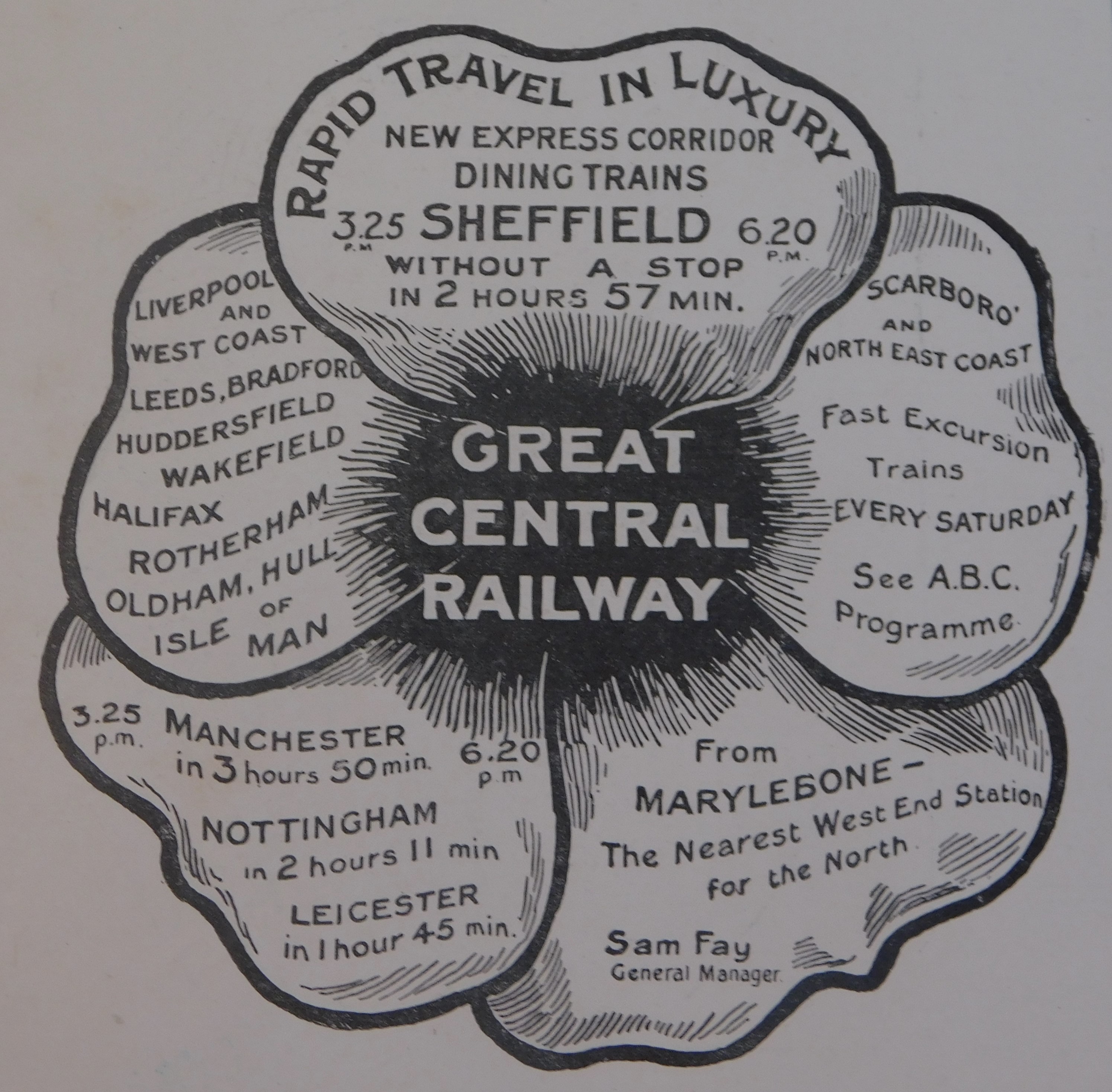
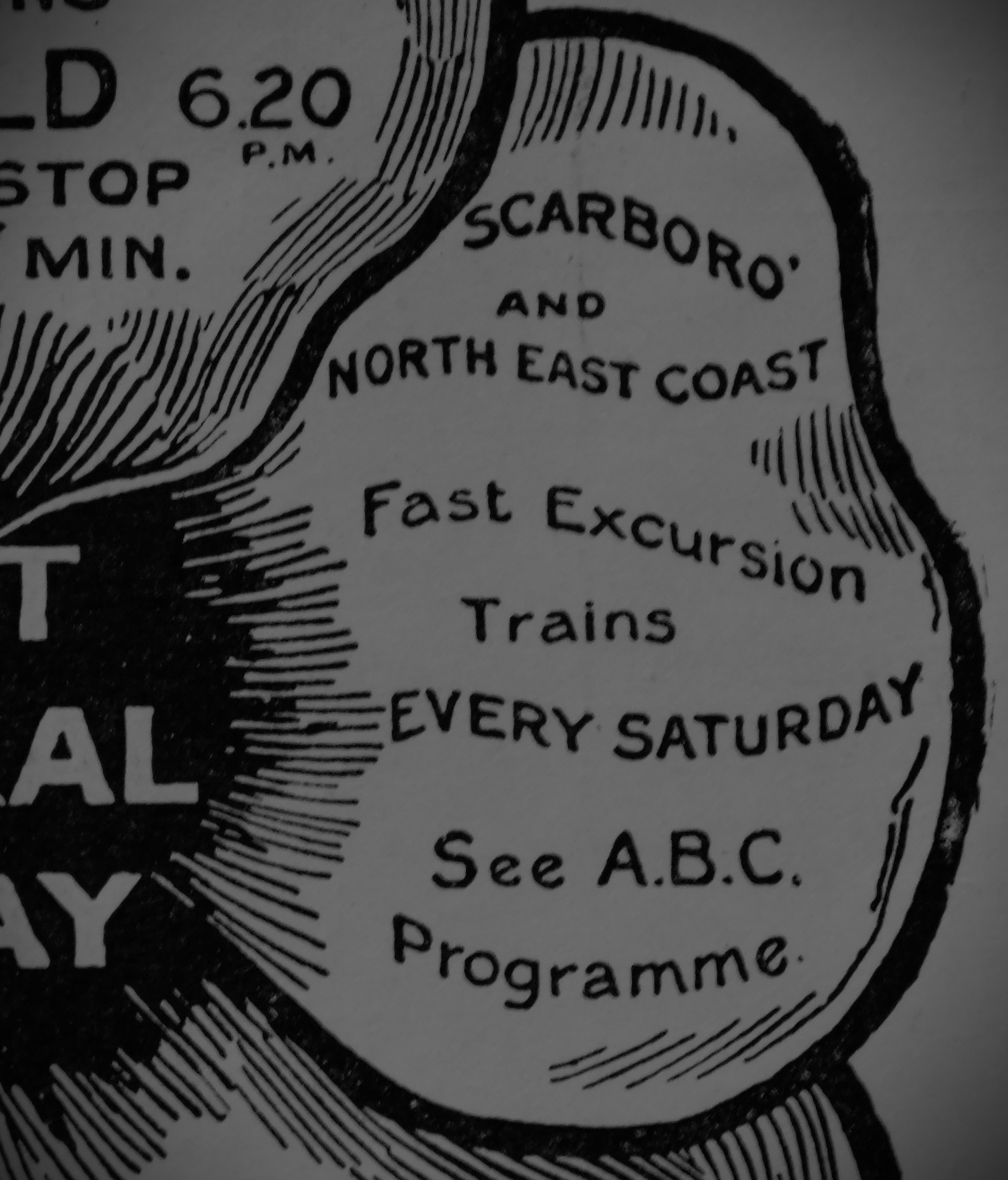
The supposed element of interest (three images)……and the reverse side of the sheet, including……this rose shaped piece of PR for the Great Central Railway.
My interest in the Great Central Railway advert was the only interest of any kind shown in this lot, which was duly knocked down to me. My treatment of the item since taking possession of it reflects my reason for buying it, as shown by the following pictures…
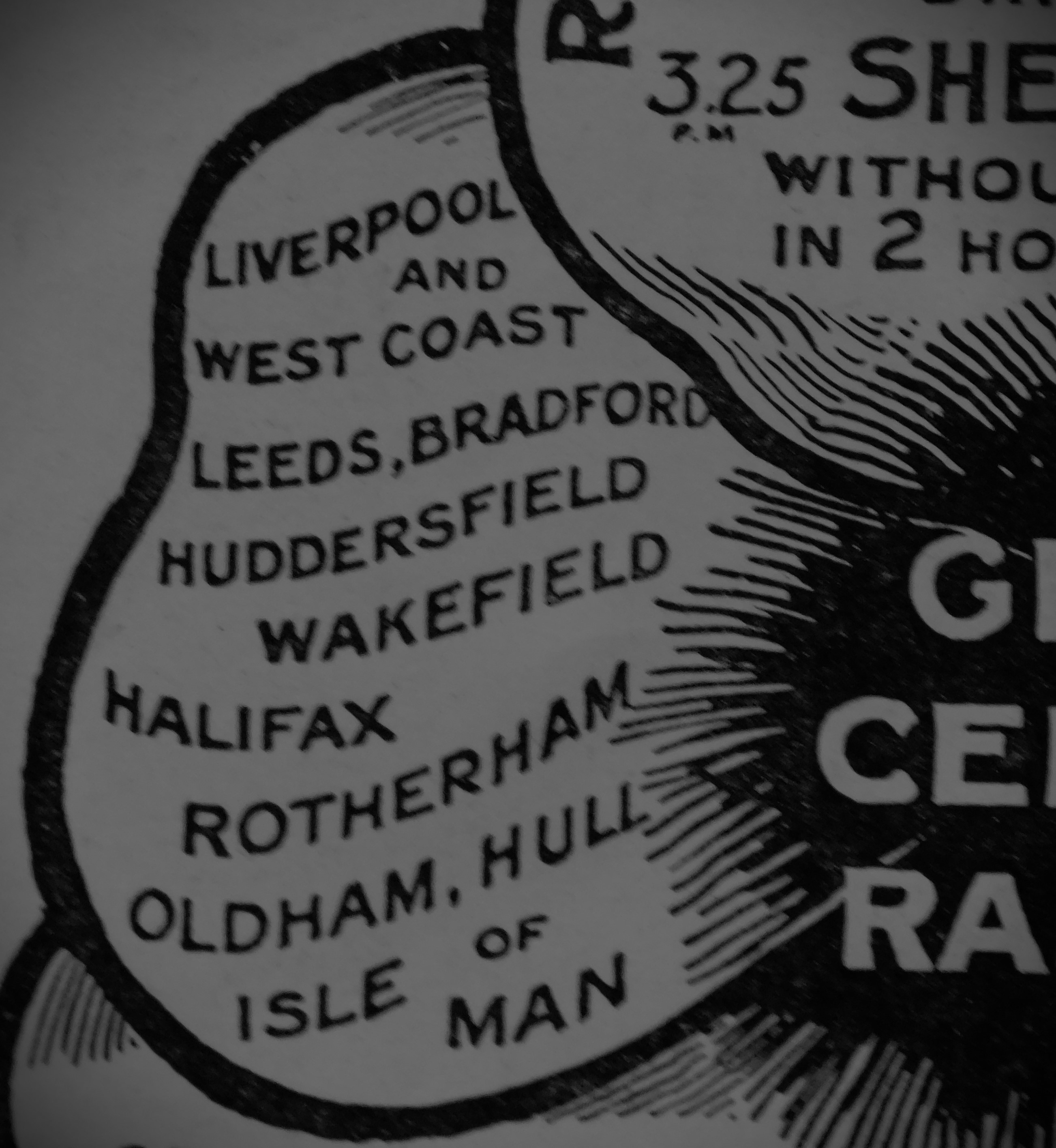
I have mounted the advert together with the publication title and the date on black card.Here are a series of close up shots bringing out extra detail.Due to the size and subject matter of the new item I have elected to treat it as equivalent to a railway FDC.
LOTS 802 AND 978 – ORTHODOXY
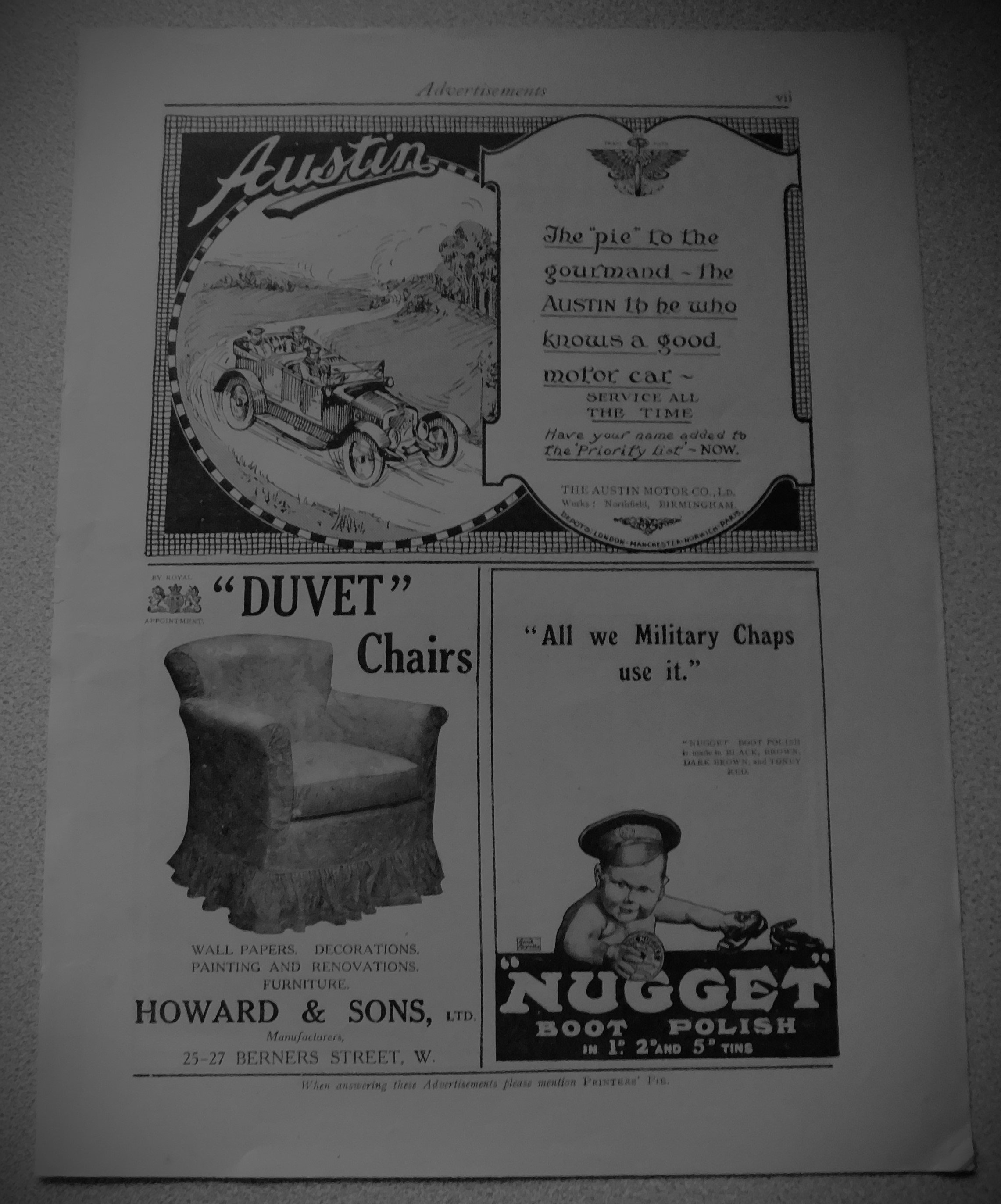
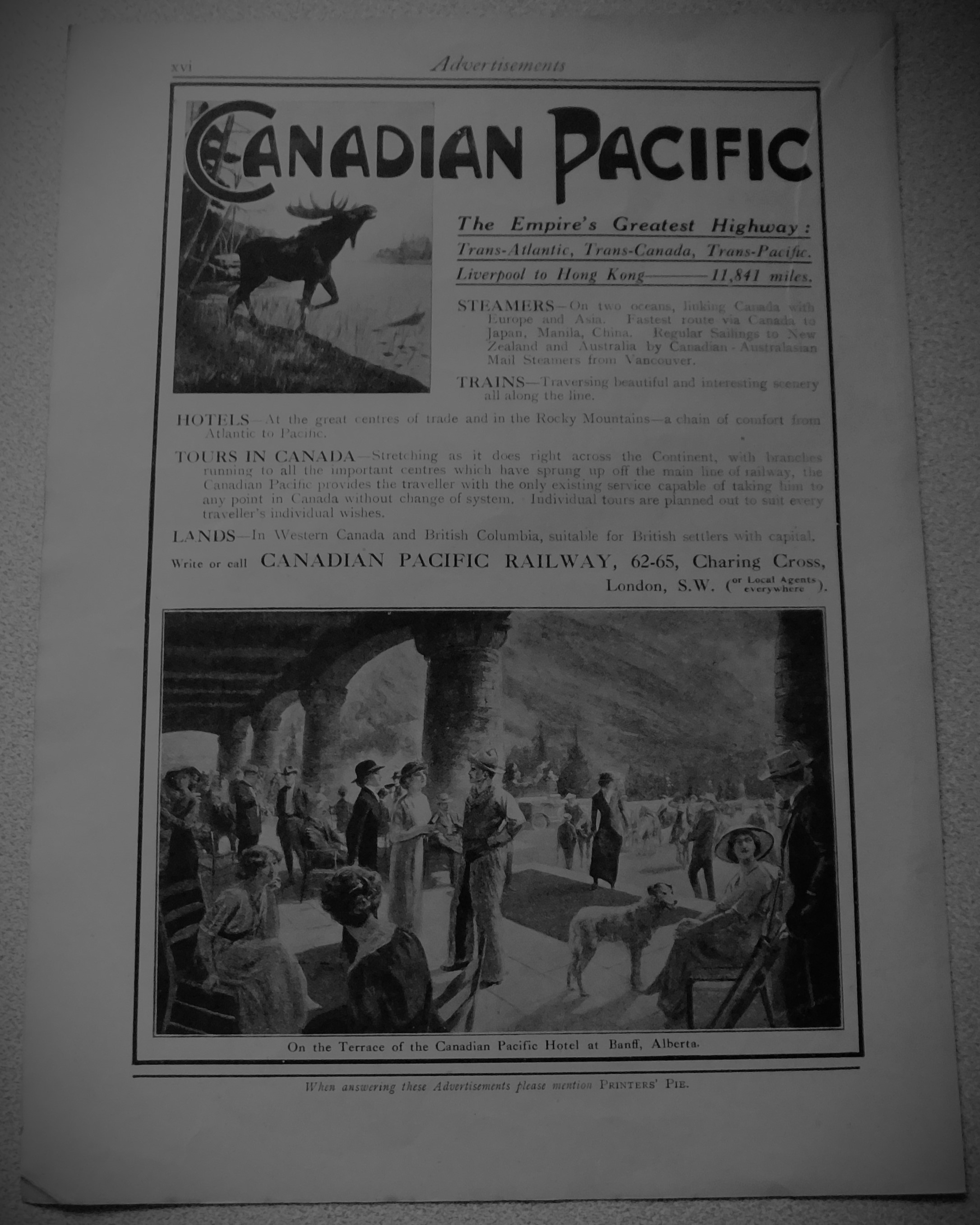
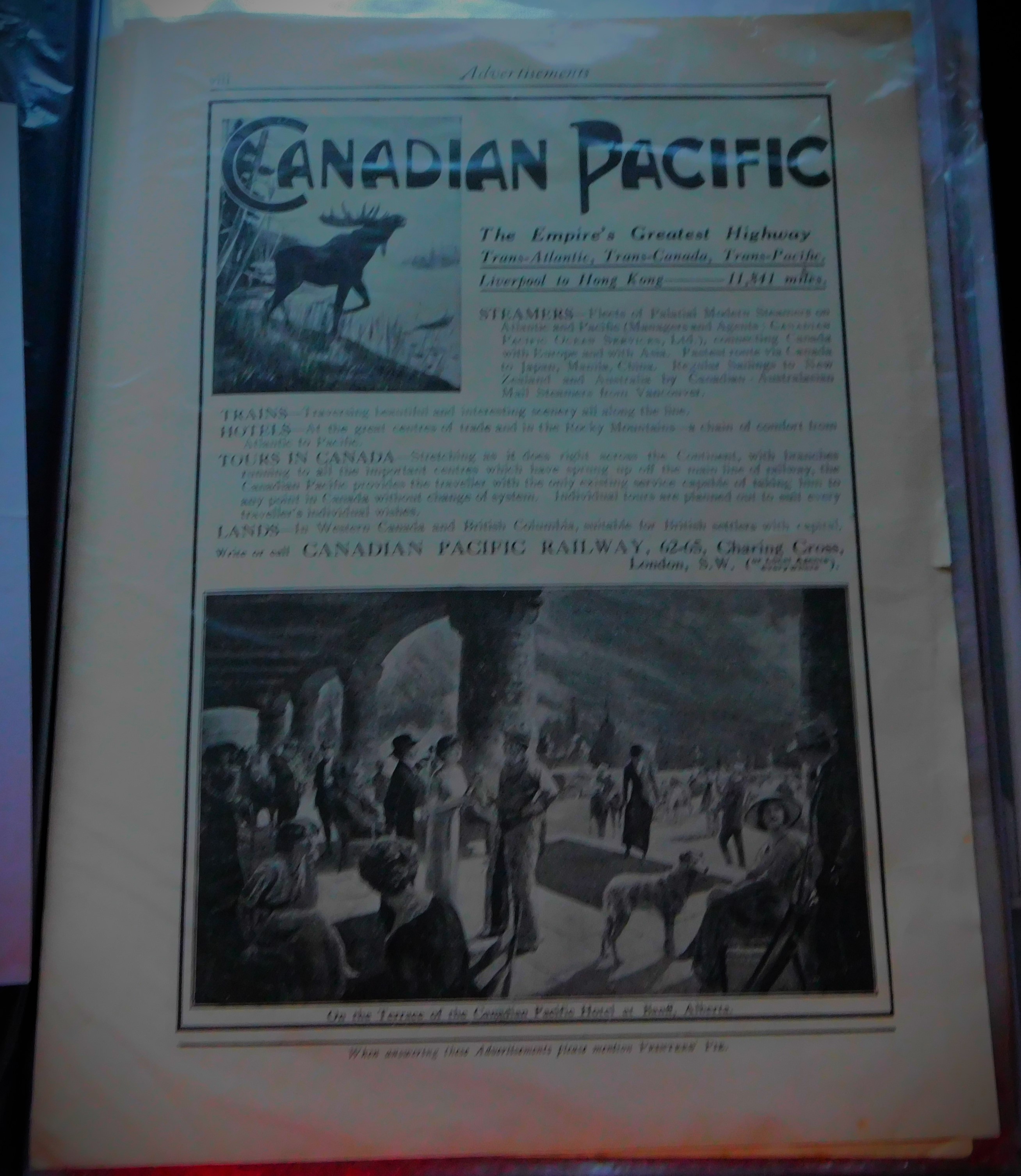
These two items are both PR sheets for the Canadian Pacific Railway with other adverts on the back.
LOT 981 – ANOTHER CASE OF BEHIND THE FACADE
This item was allegedly of interest for the cigarette advertisement featured on one side of it. However, it was what was on the reverse side that caught the attention of the only person to show interest in it:
The cigaratte ad, duly awarded pride of place in the official image gallery for the lot.The reverse side.
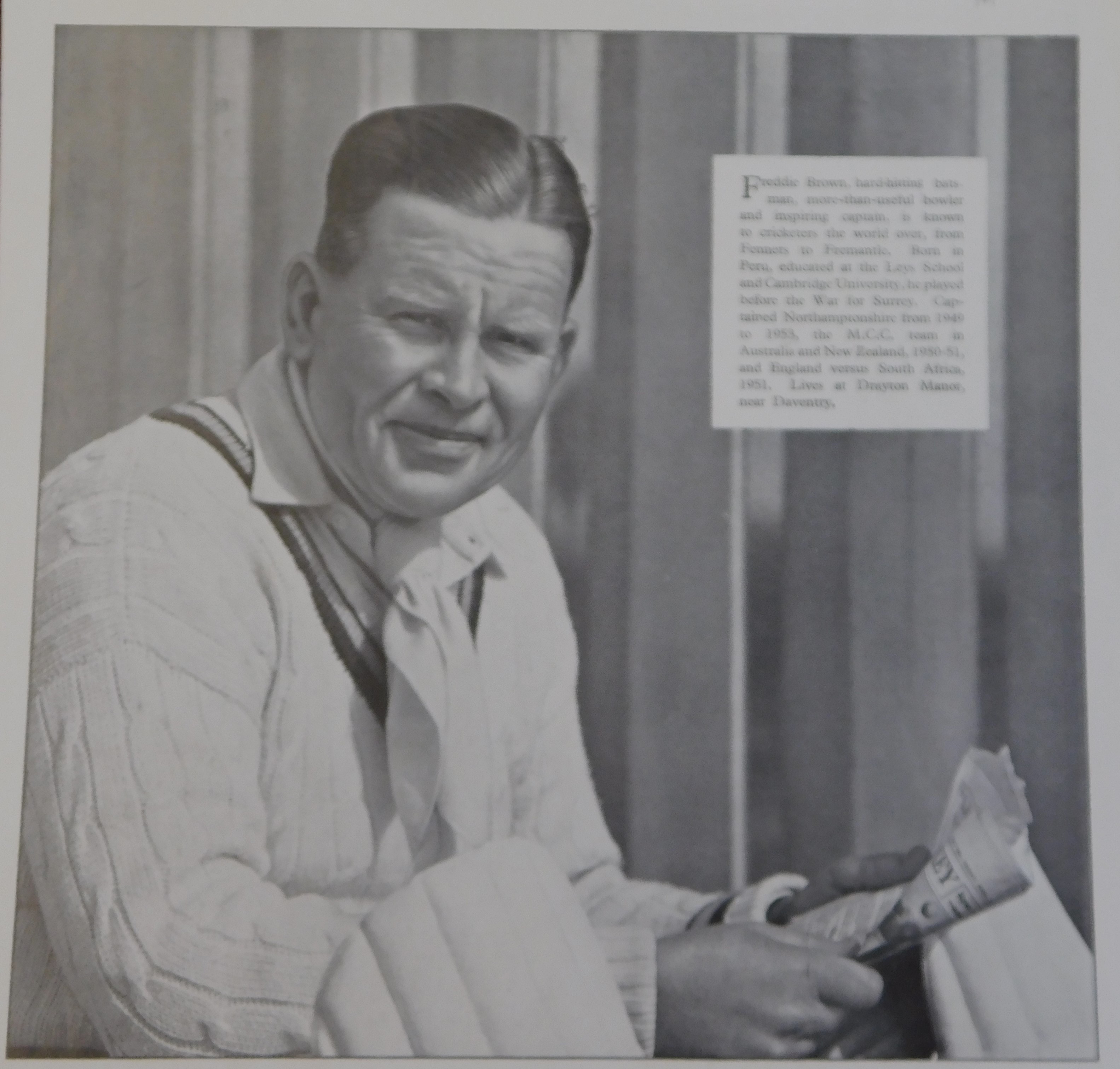
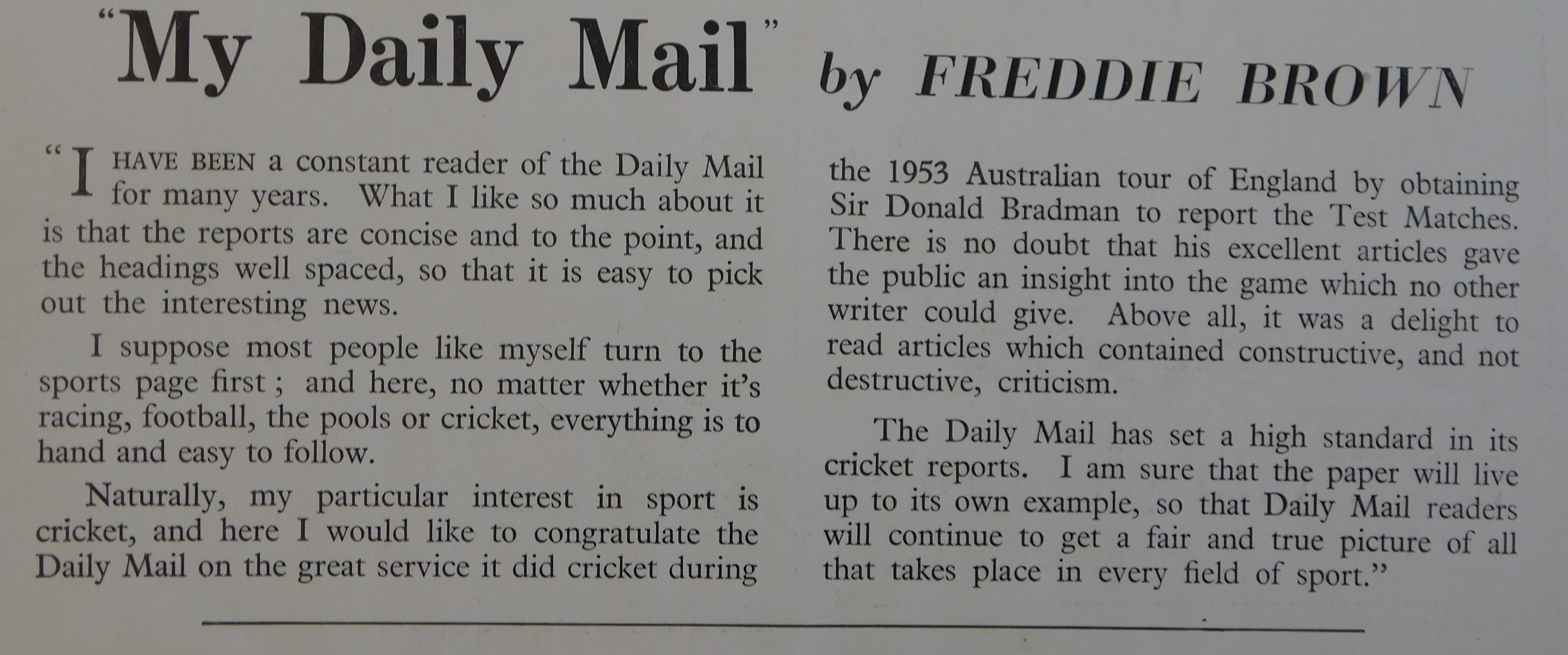
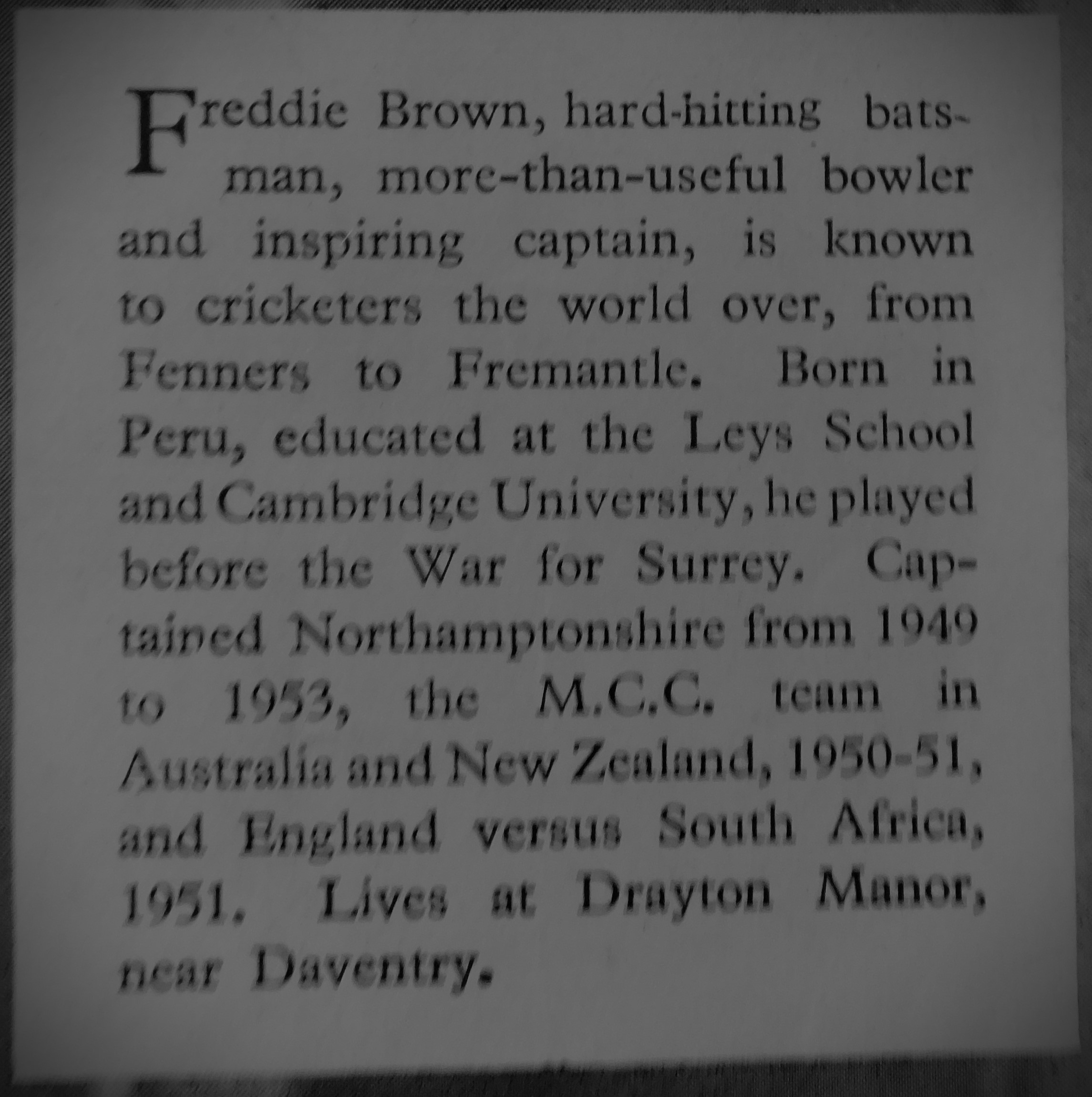
This one did not require radical treatment as had number 685 to fit my interests, just a bit of folding to make it fit in a display folder and display what I wanted – the stuff about Freddie Brown minus him spruiking a filthy far rate hate rag…
Interestingly by the time this was published in 1955 Freddie Brown had not featured for England in two years – Lord’s 1953 was his last test appearance, and his last appearance of note came in May 1956 when he played for Free Foresters against Oxford University, doing little with the bat, but claiming 11 wickets including a first innings haul of 8-60 – yet the far right hate rag of “Hurrah For The Blackshirts” infamy still thought him good PR for them.
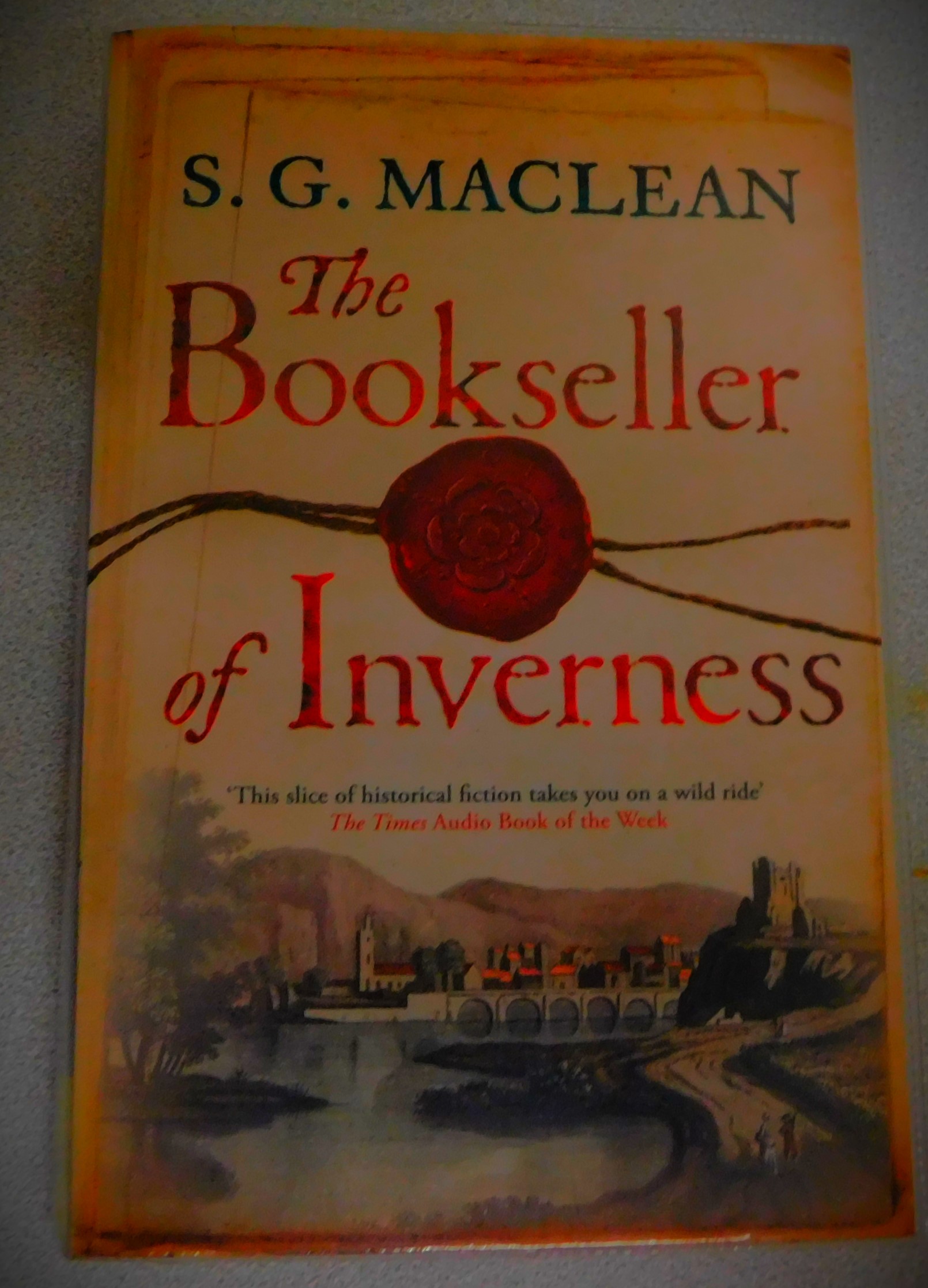
THE BOOKSELLER OF INVERNESS BY SG MACLEAN
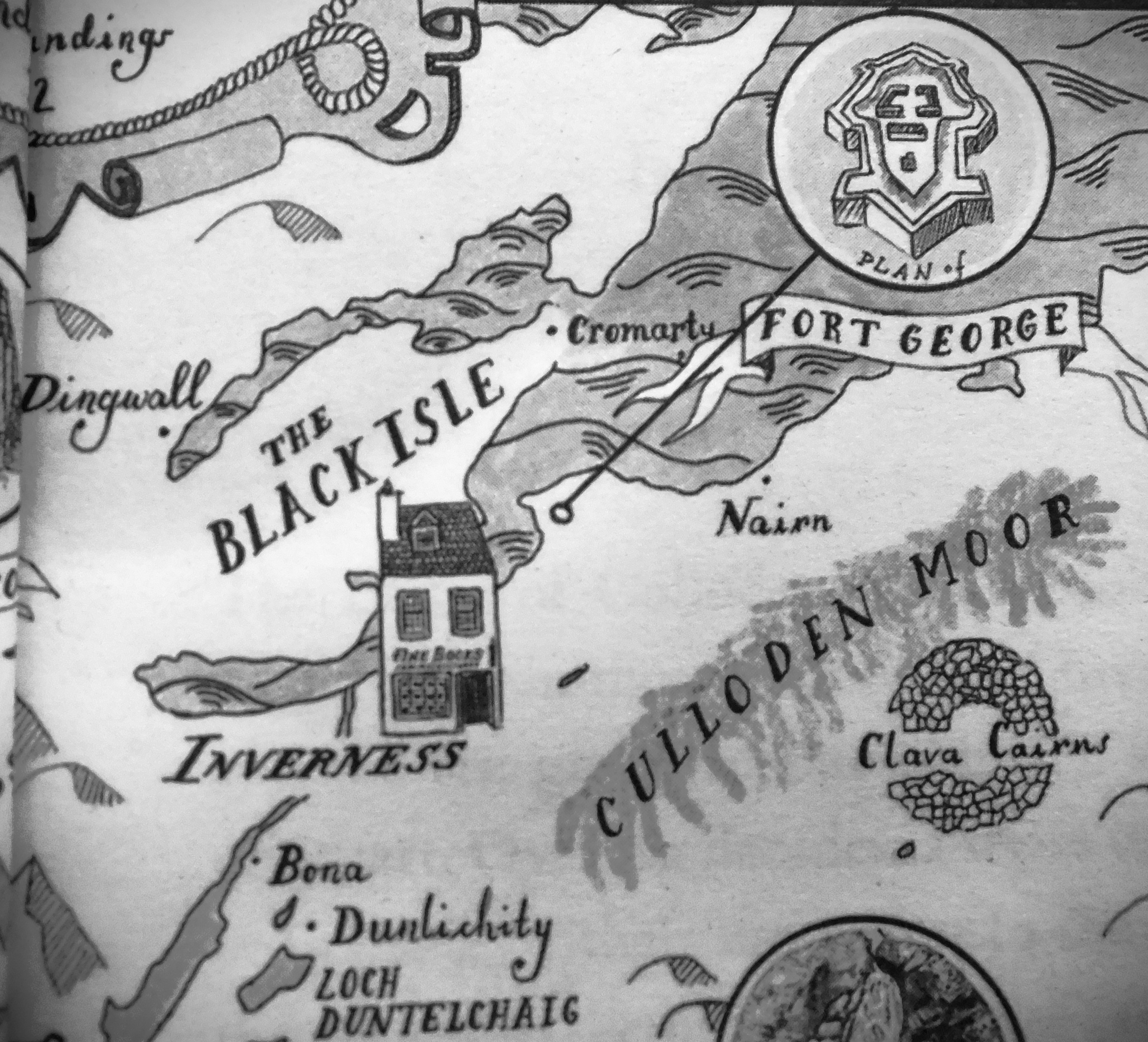
Set in the turbulent years of the 1750s, when attempts to restore the Stewarts (James Edward Stewart, based in Rome at this time, and his son Charles Edward Stewart a.k.a Bonnie Prince Charlie) to the throne were still in vogue, this book is a thoroughly gripping, indeed enthralling read. It also has a special feature of particular appeal to me, a very intricate map of the area in which most of the action takes place. Not only do I highly recommend this book, I will be looking of the author’s name on future library visits.
A look at Wray Castle as part of my series about my recent holiday in the Lake District.
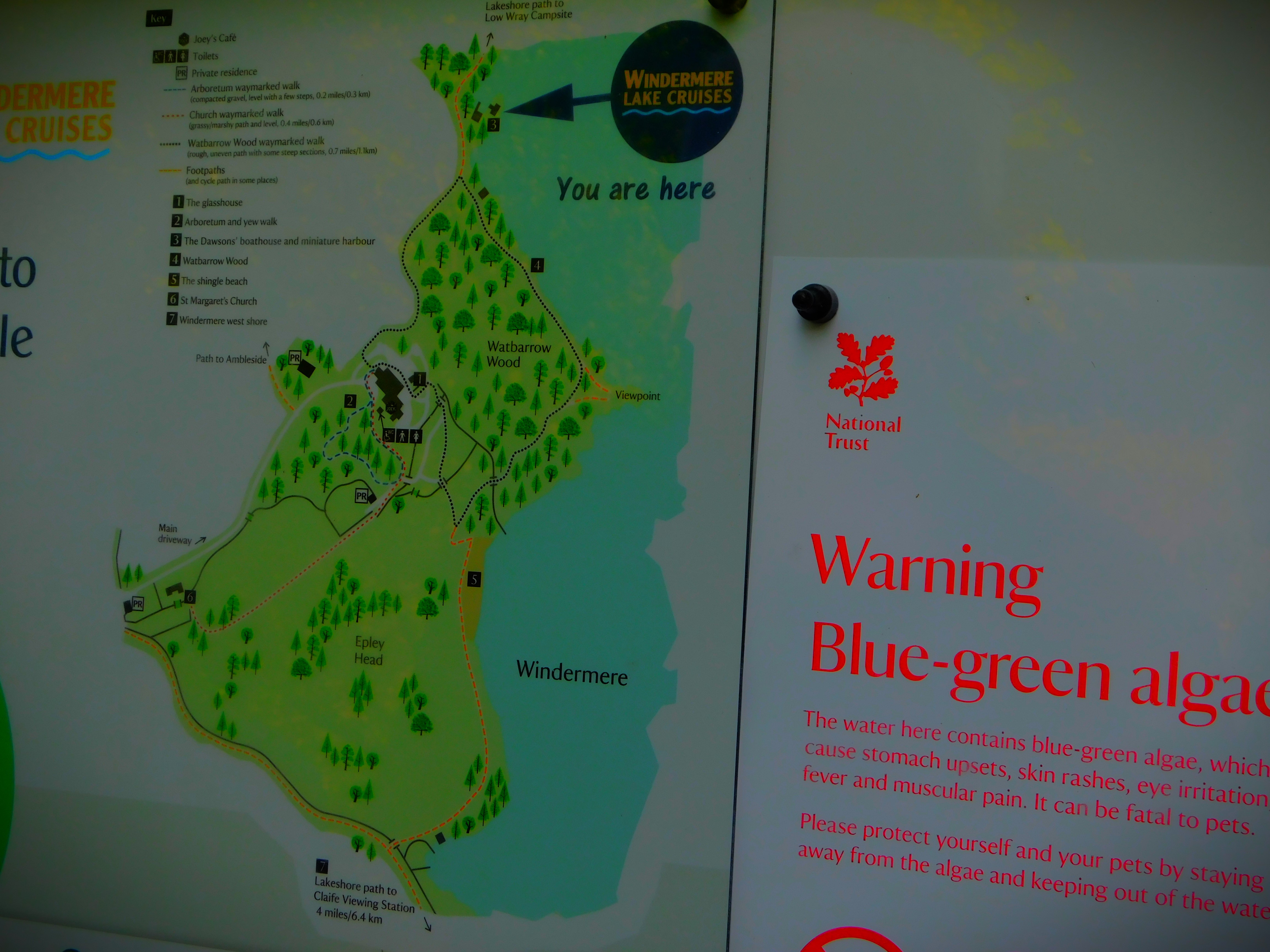
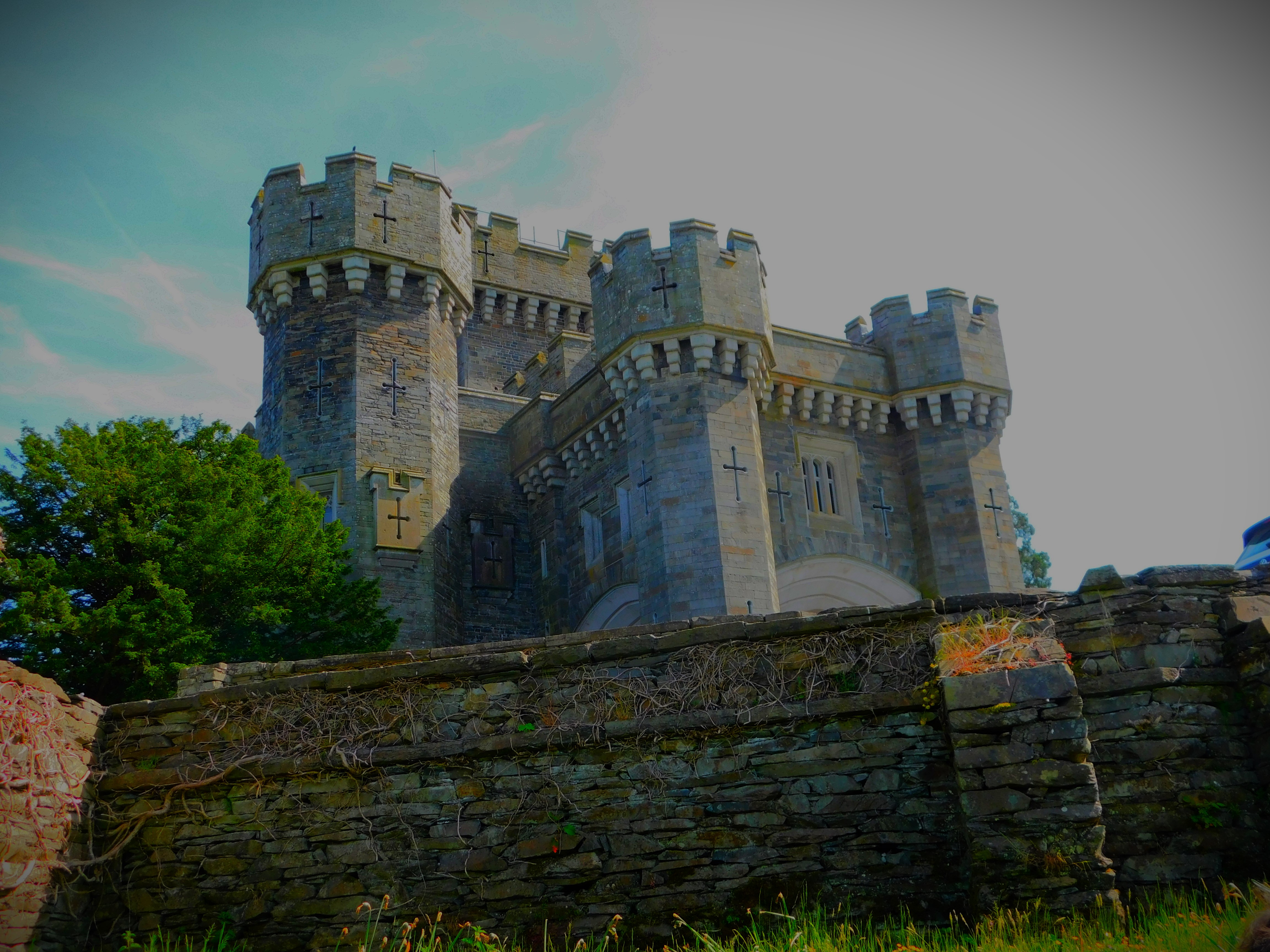
Welcome to the latest instalment in my series about my recent holiday in the Lake District. We are looking at Wray Castle in this post. Having seen if from afar various times earlier on the Monday we visited it as our last activity of that day before heading back to the cottage.
A 19TH CENTURY FOLLY
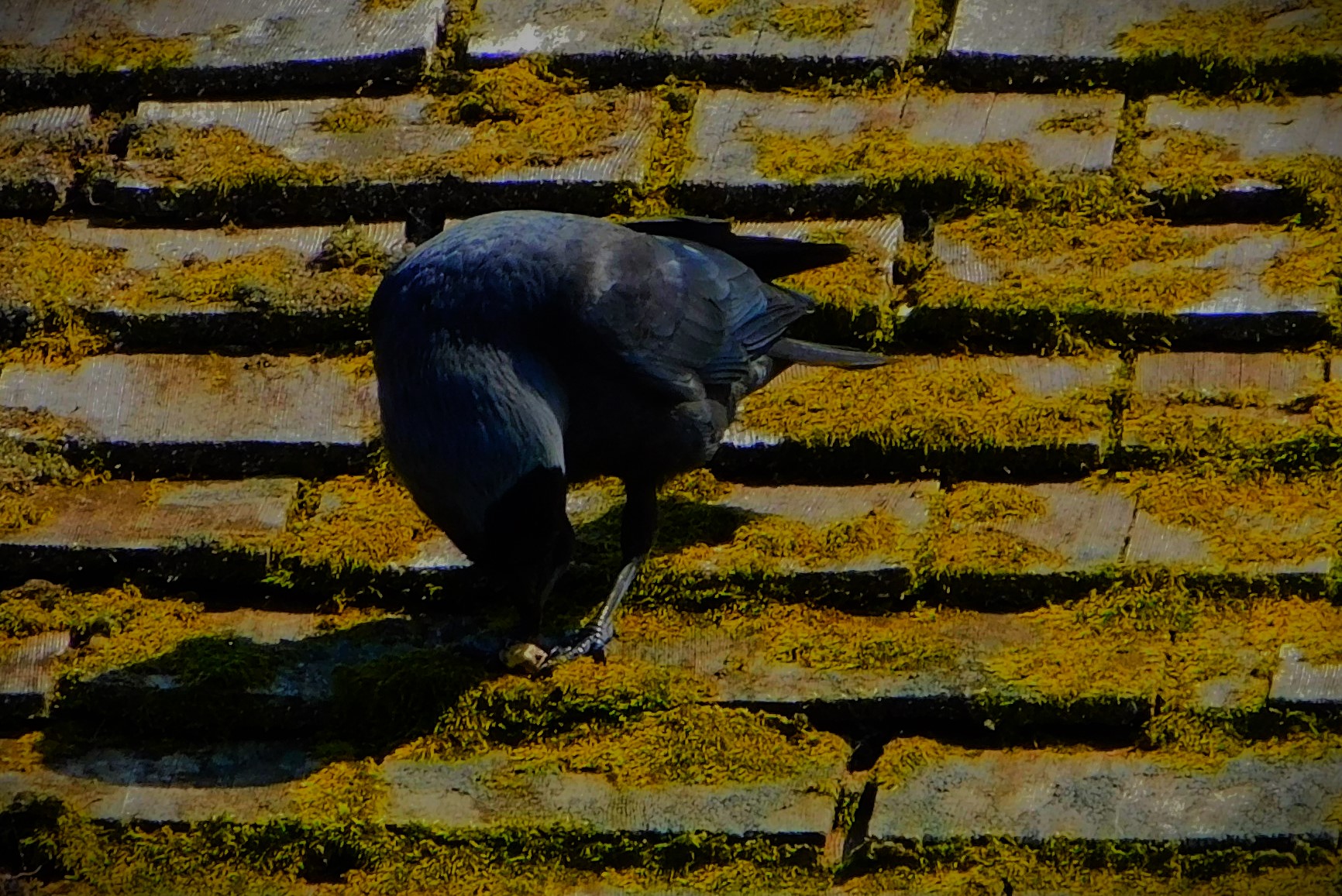
Castle Wray is not a real castle, it was built in the mid 19th century for a certain Dr Dalton. It is approached from a jetty with a boathouse that has been designed to look ruined. There is a very scenic pathway up from there to the castle itself. Immediately outside the castle there are some incredible views out over the lake. There is a large jackdaw population in this part of the world, and the castle was designed with various ways for the birds to fly in. They are a decent substitute for ravens, belonging to the same family. I did not actually go into the castle, preferring to enjoy the scenery outside.
A look at the bird life in and around England’s largest lake as part of my series about my holiday in the Lake District.
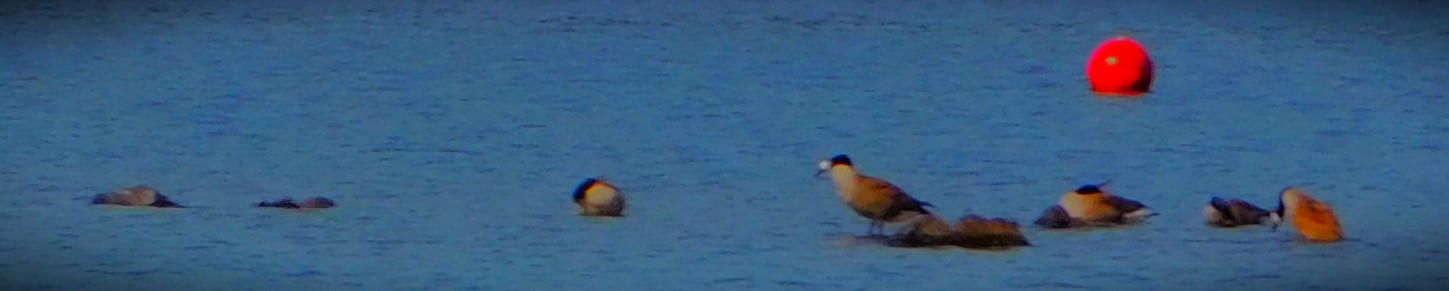
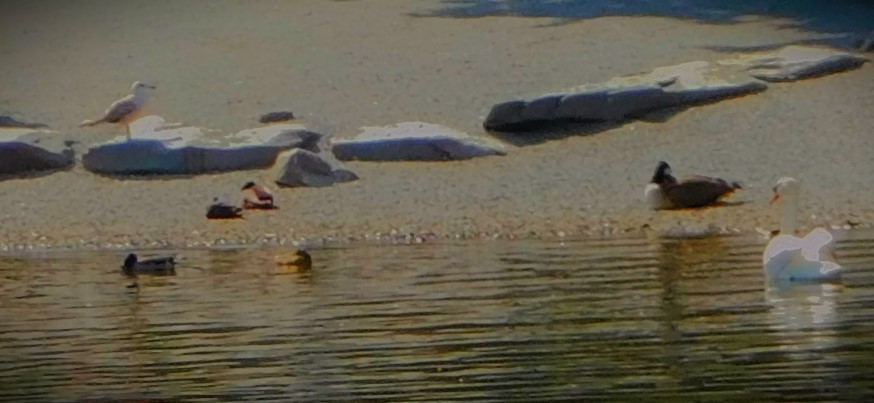
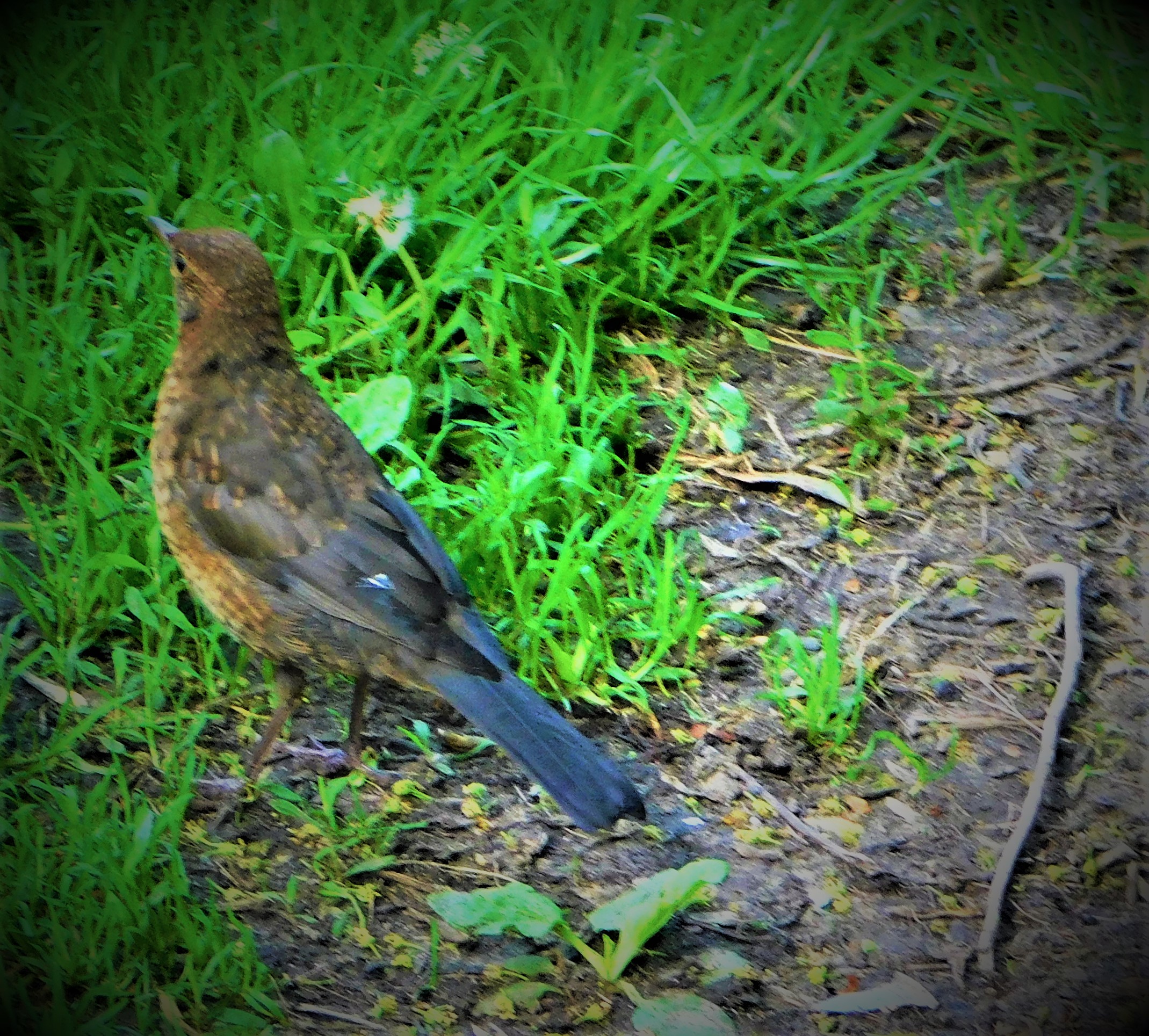
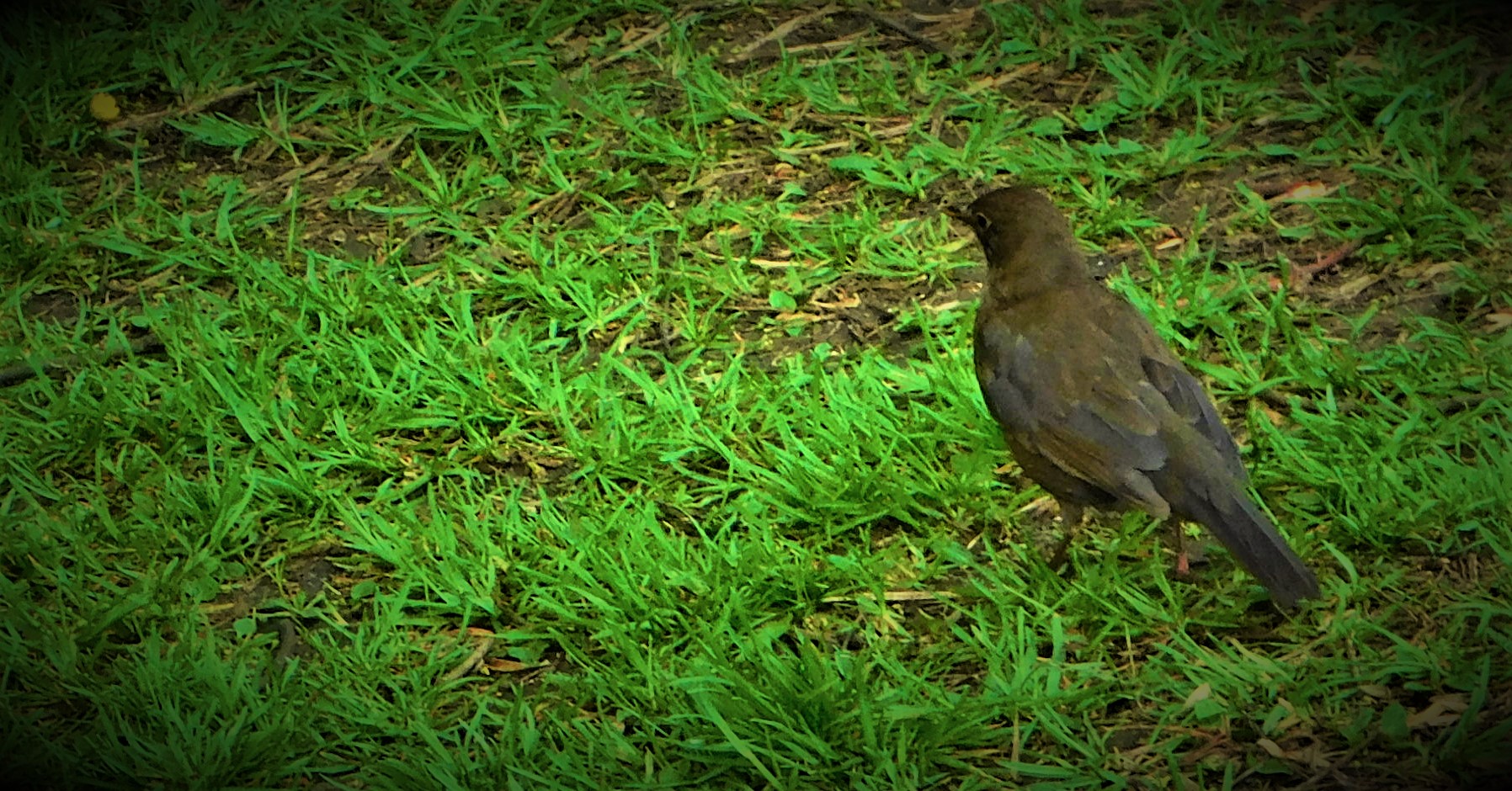
Welcome to the latest instalment in my series about my holiday in the Lake District. In this post I focus on the bird life in and around Windermere, of which there is a considerable quantity.
BIRDS OF MANY TYPES AND SIZES
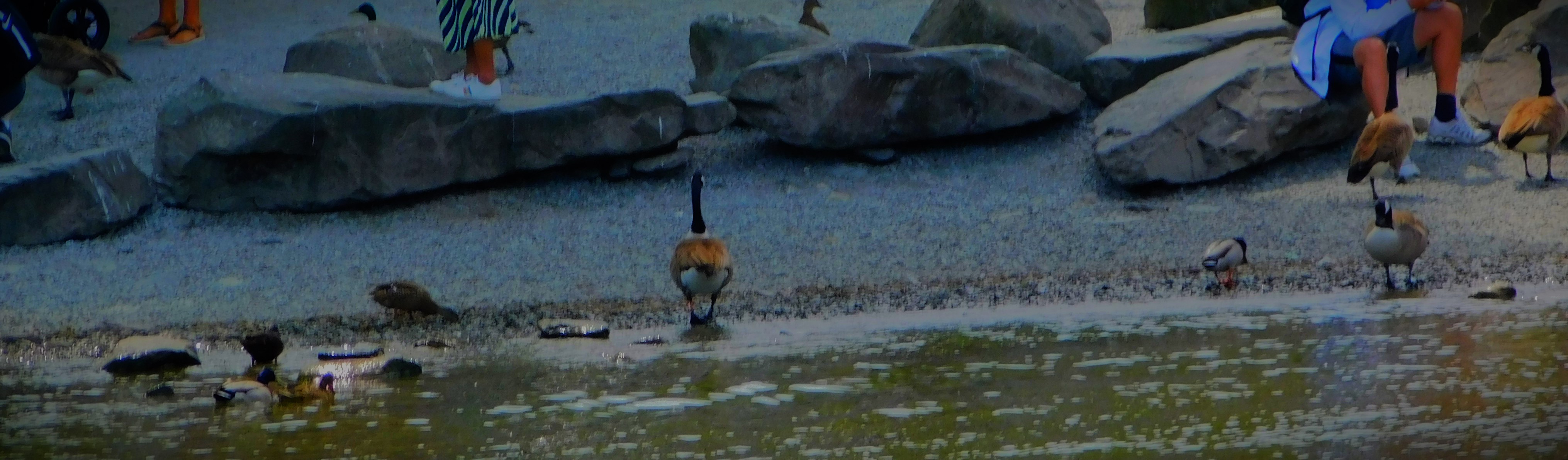
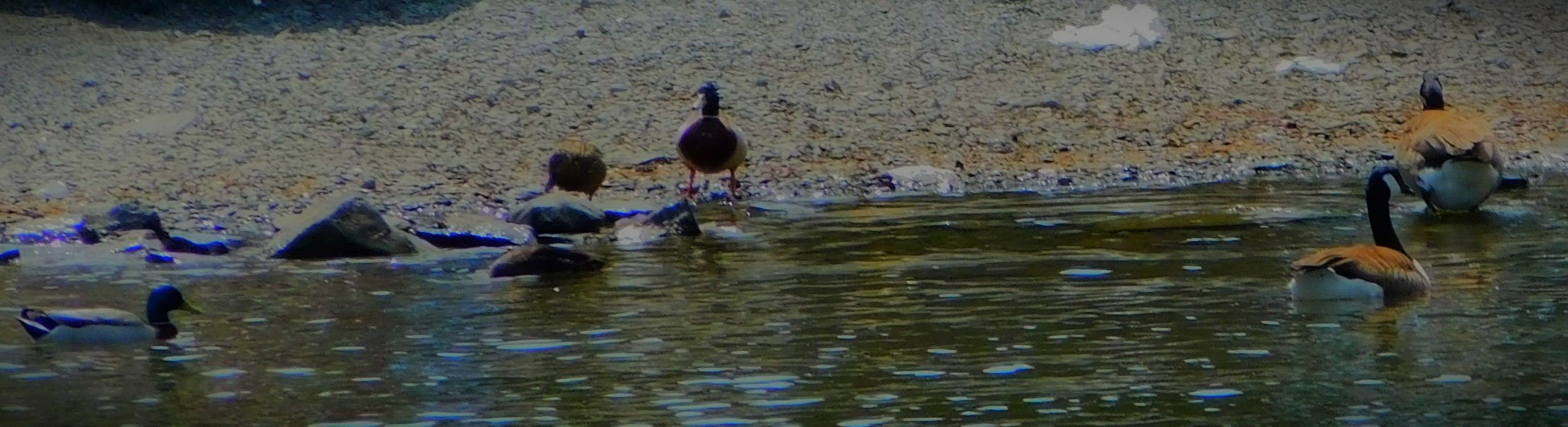
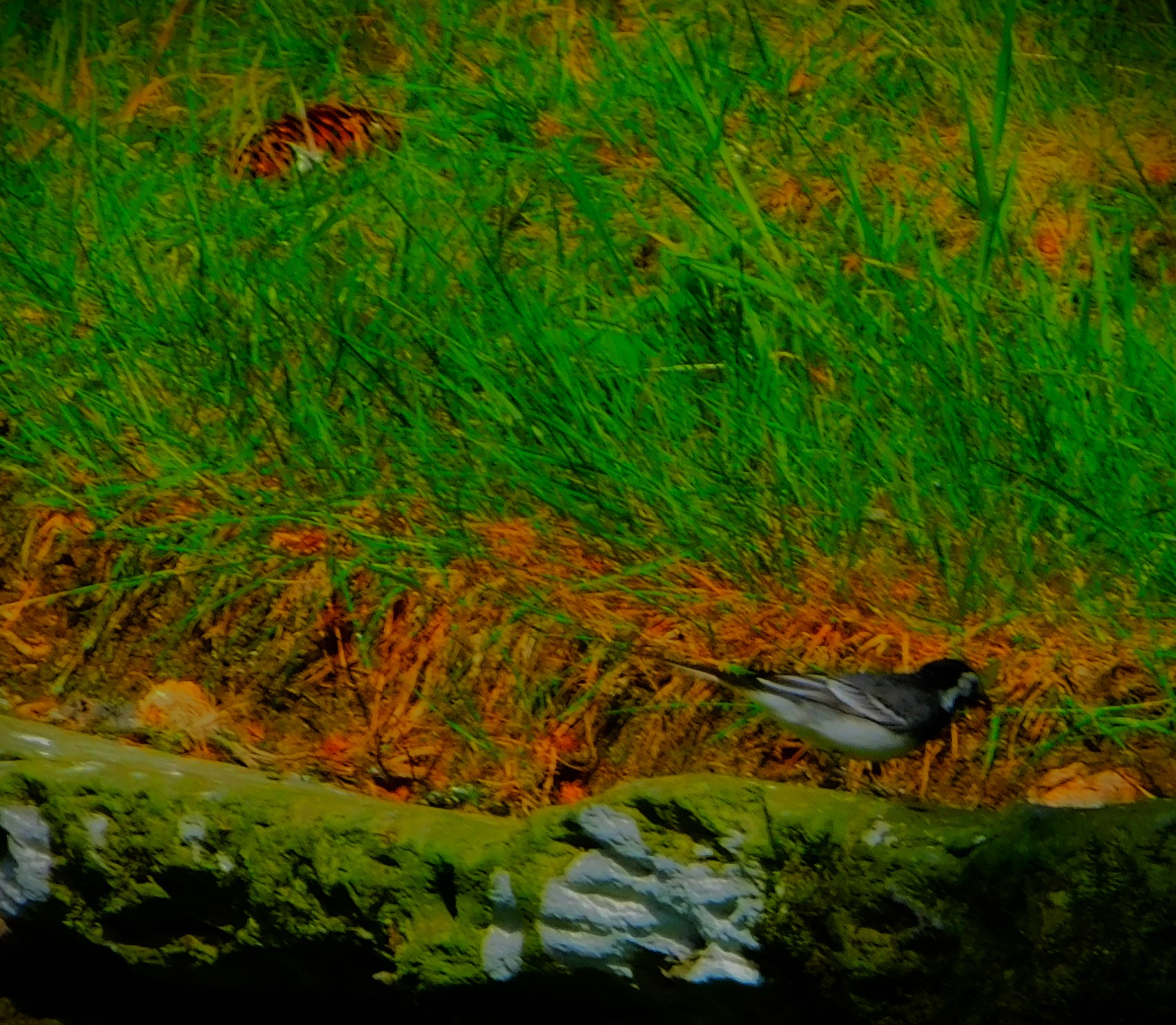
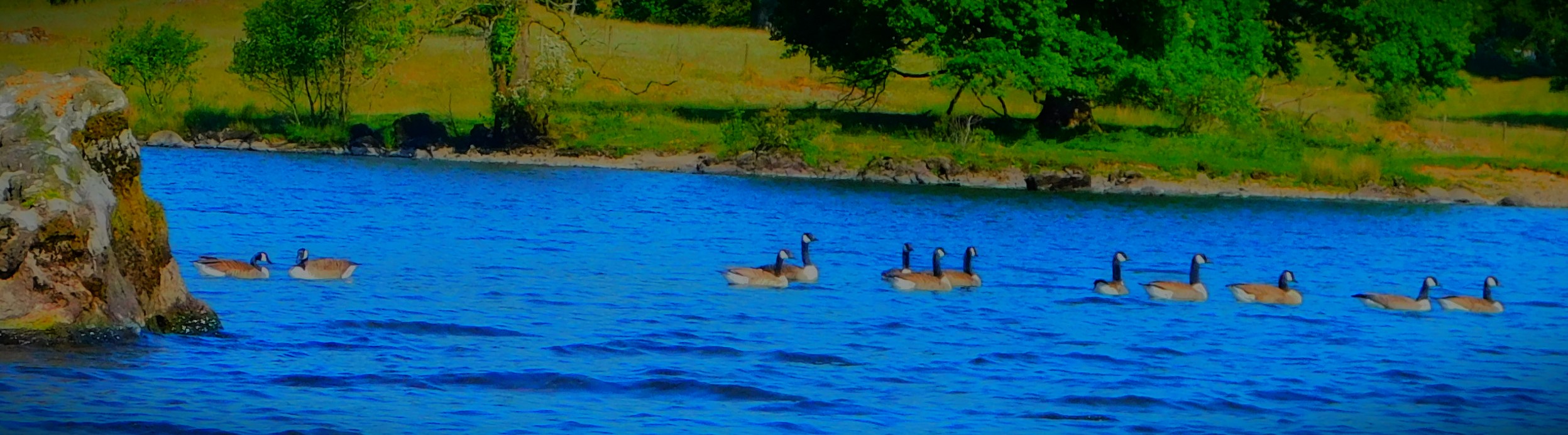
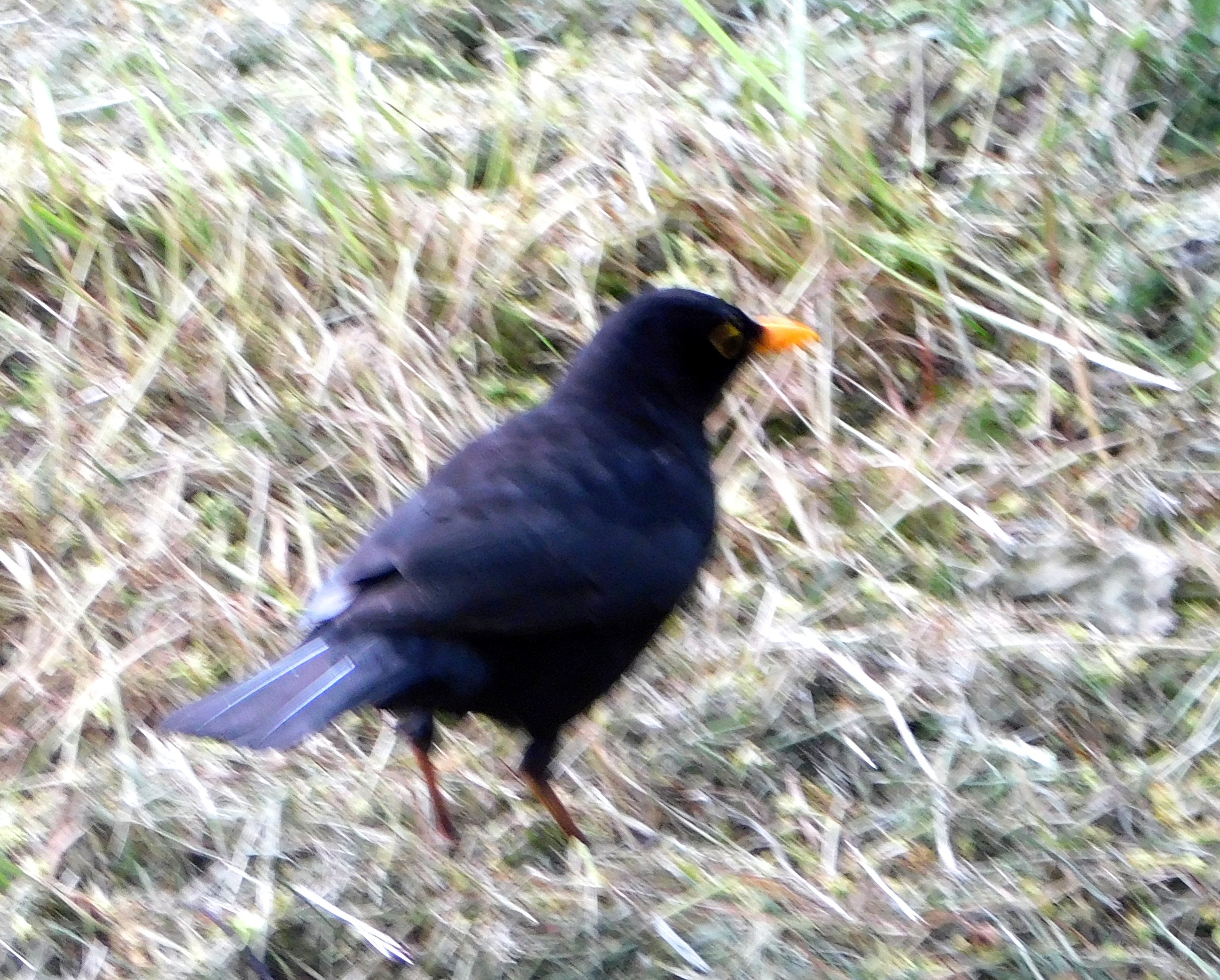
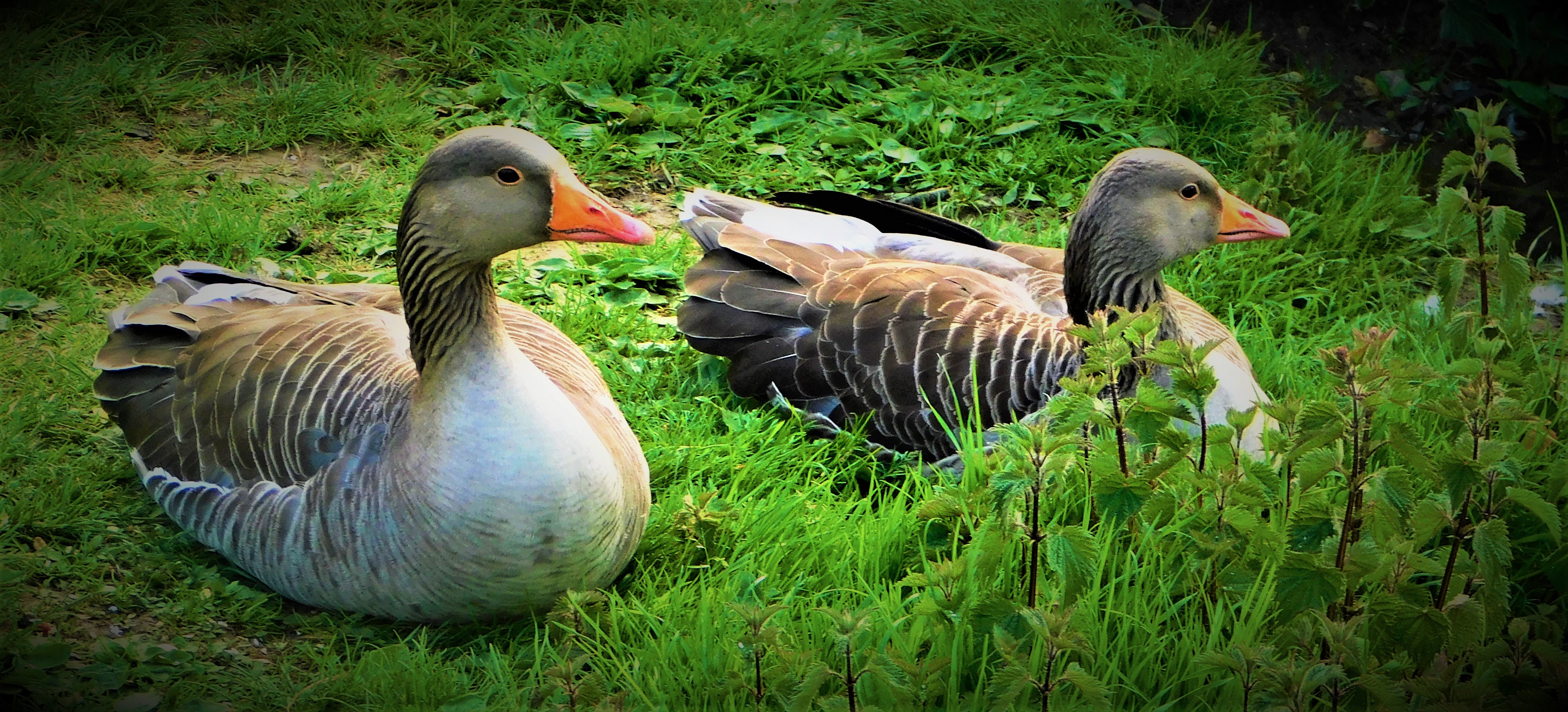
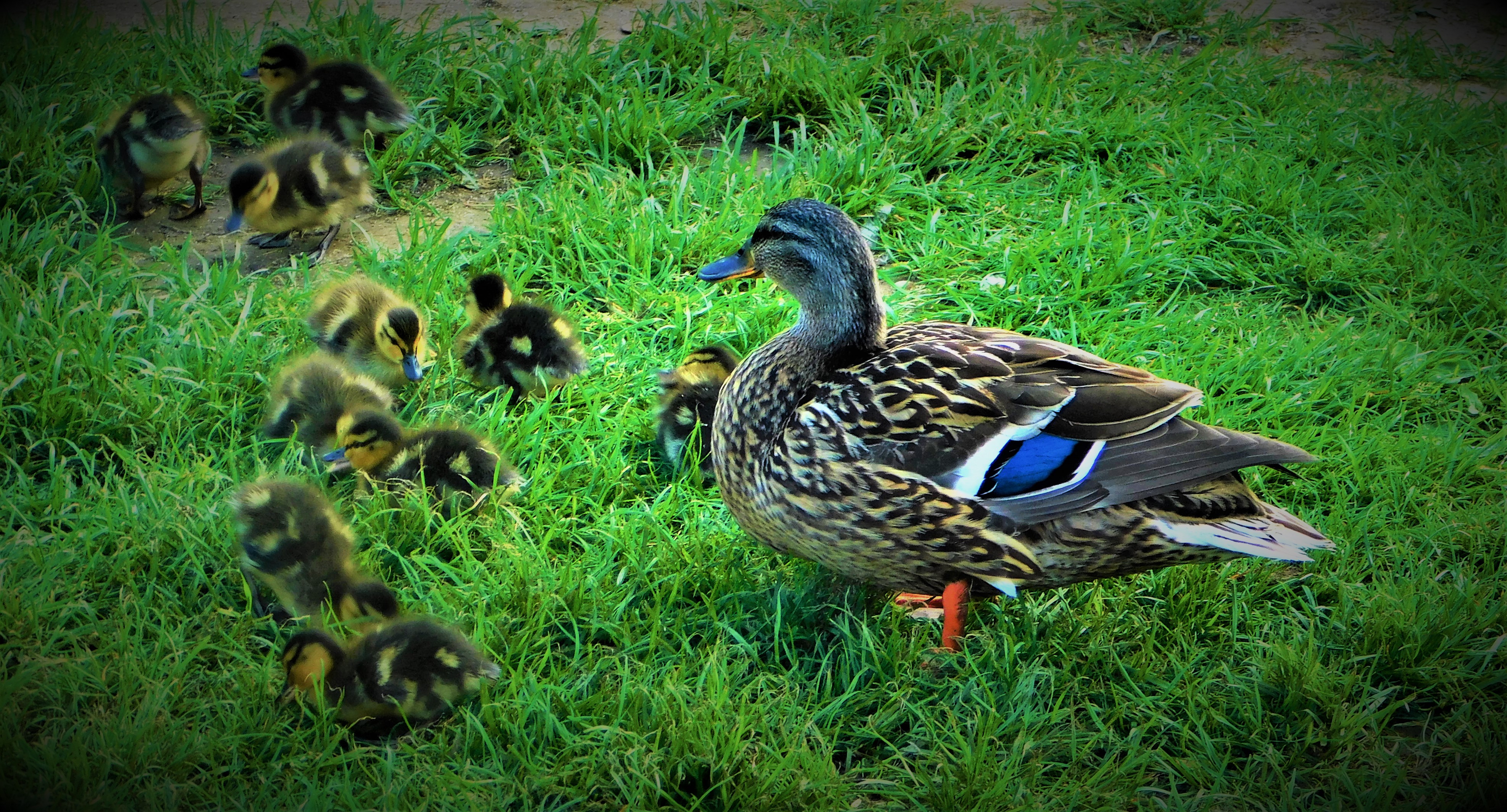
As well as expected water birds (swans, ducks, geese, gulls, terns etc) there were also species that live close to the shores of the lake, including pied wagtails. I have also included in this post a few birds seen a little further from the waters edge.
This post looks at the number 48 for reasons which will become apparent.
THE NUMBER 48
48 has the most factors of any number under 50, nine other than itself (24, 16, 12, 8, 6, 4, 3, 2, 1). It is therefore an ‘abundant number’ – abundant numbers are those whose factors add up to more than the number itself, while deficient numbers have factors that add up to less than the number itself, and perfect numbers have factors that add up to exactly that number. In the case of 48 its factors add up to 76, giving it an abundance of 1.583.
48 squared is 2,304, and 2*3!*4+0 = 48, while 48 cubed is 110,592, and ((11+0)*5)-(9-2) = 48.
48 IN CRICKET
As a cricket fan I look at occurrences of the number 48 in the game. In 1907 Colin Blythe, Kent’s left arm spinner of the era, conceded just 48 runs while claiming 17 Northamptonshire wickets in one single day’s play. This is the cheapest ever match haul of 17 wickets, and the joint most ever taken in a day in first class cricket.
In the 1925 first class season Nottinghamshire skipper Arthur Carr hit 48 sixes. The following season he would captain England in the first four matches of the Ashes series, before Percy Chapman was brought in as skipper for the last match of the series.
In 1896, WG Grace scored 301 against Sussex at the age of 48, still the oldest ever first class triple centurion.
In the ‘Jubilee Match’ early in 1980 Ian Botham claimed 7-48 in India’s second innings, noteworthy as he had already taken 6-58 and scored 114*, the first man to combine a century and a ten wicket match haul at test level, although a few months earlier Enid Bakewell had achieved the same feat for England Women against West Indies Women.
At Edgbaston in 1981 against Australia England captain Mike Brearley managed the highest individual score of the match with 48 in England’s first innings. This was the first completed test match since 1935 to not feature an individual half century. Australia had the better of most of it, but then collapsed from 87-3 to 121 all out in the final innings to lose by 29 runs.
Why I have I produced a post the text part of which focuses on the number 48? Because today is my 48th birthday.
PHOTOGRAPH
I have decided to select a single image with which to end this post…
An account of changing computers by way of explaining a few days of not blogging.
I am finally able to blog again after a few days without a computer on which I could do so. This post describes the trials and tribulations of the last few days.
RIP OLD COMPUTER
My old computer gave warning signs of trouble on Sunday, and on Monday morning it became very obvious that it was no longer usable. As a temporary measure to maintain some degree of connectivity I dug my even older computer out, and fortunately it proved still just about usable, although I could not do much on it. On Wednesday morning I went to PC World to check out new computers and find one that would do what I needed and was not too extortionately priced (my mother was willing to cover the cost, for which I am very grateful. My local PC World is on an industrial estate just to the south of King’s Lynn proper, while I live just to the north of King Lynn’s proper. This gave me, as a non-driver, two options: two buses, into and then out of town, or a longish walk. It being spring, and the weather actually being springlike I opted without hesitation for the latter. I found a suitable machine at a not extortionate price and made the necessary arrangements, and left it with the store for them to set it up for me, which they said would take a couple of days. Today, wanting the machine in my possession for my upcoming trip to the lake district I went back to PC World to collect, and eventually was able to do so.
NEW COMPUTER SETUP
I connected to my new computer, while keeping the very old one connected as well for a few moments in case I needed to check emails on it to access my email account from the new device. Once I was sure I would not need to use it further I returned to it is old resting place in case of emergency. The photo editing software on the new machine is somewhat different from that on the old machine and I am still coming to terms with it.
PHOTOGRAPHS
The photographs in this section were edited on three different machines – my very old laptop, a computer at King’s Lynn library and my new laptop…
The above were edited on my very old laptop…
Some of the images I have edited on my new laptop…
The third section of the gallery are the pictures I edited at the library on Monday.
A look at the victories recorded by Surrey and Somerset today and a splendid photo gallery.
The county championship is heading towards its break for the Vitality Blast, and all though today is only day three of four a lot of matches have reached their conclusions. This post looks at two that I followed on the radio.
KENT’S HORROR MORNING
Kent went into day three at The Oval trailing by three runs with six second innings wickets standing. Both overnight batters fell quickly, both to Tom Lawes who claimed his third and fourth wickets of the innings. Kent were still in arrears at that point. Lawes completed a maiden first class five-wicket haul with the seventh wicket of the innings. Sean Abbott claimed the eighth wicket of the innings, and Jordan Clark snapped up the last two. Kent had mustered a paltry 141, leaving Surrey needing 58 to win. Burns and Sibley saw Surrey home by ten wickets, just before the scheduled lunch interval. Surrey look wellnigh unstoppable – they were not by any means at their best this match and they still won it by 10 wickets.
SOMERSET END WINLESS RUN
Somerset came to Lord’s having not won any of their last six matches. Midway through day three of their encounter with Middlesex they had ended that unhappy sequence in some style, routing their opponents by an innings and 13 runs. Craig Overton claimed five second innings wickets, while the rout was completed by Jack Leach. Middlesex now look absolute certainties to be relegated back to division two. I am now following the action between Sussex and Glamorgan. Sussex had an enormous first innings lead (over 350), but Glamorgan are back in credit with only three wickets down, Labuschagne and Carlson in a partnership that is closing on the 3o0 mark. Carlson has had a curious season – this is his third century of it and all of his other innings have been under 20.
A look at the best players from before the official inauguration of the county championship, some comments on the selection of England test squad for the one off match against Ireland and a large photo gallery.
Today I create an XI of the best players most or all of whose careers took place before there was a county championship. Incidentally, there is a page from which all my posts about Saturday’s excursion to Pensthorpe can be accessed. Before I get into the main business of today’s post there is a brief section about…
ENGLAND TEST SELECTORS BLUNDER BIG TIME
The squad for the first test match of the home season, against Ireland is now out, and there are three areas of concern, two selections and an omission. Zak Crawley, a proven failure at test level, retains his slot at the top of the order. Far worse, Ben Foakes has been dropped to make way for the return to test action of Jonathan Bairstow. There may be a case for picking Bairstow, though in a test career which stretches back to 2012 he has blown hot and cold, and more often cold than hot, but there is not even the shadow of a case for dropping Foakes, the best current keeper by far, and someone who has been scoring big runs for Surrey in the championship this season, including a century at better than a run a ball when Surrey were looking for a declaration. Many people have posed this as being a challenge about how to accommodate Bairstow, and I have two options, listed in order of preference:
Opt for what C Auguste Dupin would call “the sagacious and comprehensive expedient of making no attempt to accommodate Bairstow”. England are coming off a very successful winter without Bairstow, and Bairstow’s overall test record is that of a mediocre middle order batter, certainly not sufficient to warrant discarding Foakes.
Have Bairstow open the innings as he does in white ball cricket and drop the proven failure Crawley (I would prefer to see a proper opener such as Ben Compton or Ali Orr picked in Crawley’s case, but at least Bairstow would probably be an improvement were he coming in in place of Crawley).
It is now time to get back to the main meat of the post…
THE XI IN BATTING ORDER
*WG Grace (right handed opening batter, right arm bowler of various types through his career, captain). Had a quarter of a century of first class experience by the time of the first official county championship, so even though he played his last first class game as late as 1908 he qualifies.
Arthur Shrewsbury (right handed opening batter). The man WG rated as the second best batter around (himself obviously no1), and since he played 15 years of FC before the inauguration of the Championship and 12 afterwards he just qualifies.
James Aylward (left handed batter). In 1777, just eight years after John Minshull had scored the first recorded century in any form of cricket, he hit the Hambledon record score of 167, which remained an all comers record for 43 years.
William ‘Silver Billy’ Beldham (right handed batter). In an era when centuries of any kind were rare he hit three in matches of indisputably first class status.
Fuller Pilch (right handed batter). Acknowledged as the best batter of the 1830s and 1840s, a period when scoring was very low.
Alfred Mynn (right handed batter, right arm fast bowler). “The Lion of Kent”, an absolute man mountain, and a great all rounder. He was quick enough that on one occasion someone fielding at long stop (directly behind the keeper) to his bowling once had to be hospitalized after being hit in the chest by several of his deliveries.
Vyell Walker (right handed batter, right arm slow underarm bowler). One of only two cricketers to have scored a century and taken an all-10 in the same first class fixture (the other, WG, is also in this XI). As an underarm bowler any turn he got would have been the equivalent of an overarm bowler bowling leg spin, which makes him a good slow bowling partner for the next guy in the order…
Billy Bates (right handed batter, off spinner). A massively impressive career record, probably equating in the modern era to averaging 32 with the bat and 25 the ball (actual averages were 21 and 17). He was even better in his brief test career, averaging 27 with bat and 16 with the ball, which probably equates to 41 and 24 in the modern era.
+Tom Box (wicket keeper, right handed batter). He appeared in every fixture that Sussex played for an unbroken 24 year period, and although his batting average looks very low to modern eyes it is about 60% of that of Fuller Pilch, rated the best batter of the era.
William Lillywhite (right arm fast roundarm bowler, right handed lower order batter). Rated the best bowler of his era (he was referred to as ‘the Nonpareil’, one half of my envisaged new ball pairing.
William Mycroft (left arm fast bowler, right handed tail end batter). 800 first class wickets at 12 a piece.
This side has a powerful batting line up, with everyone down to Bates at number eight definitely capable of playing a match winning innings. The bowling, with Mycroft, Lillywhite and Mynn to bowl pace, and Bates and Walker two contrasting types of slow bowler, plus of course the redoubtable WG is magnificent, having both depth and variety.
HONOURABLE MENTIONS
The two chief rivals to Shrewsbury for the position of Grace’s opening partner were John Small of Hambledon and EM Grace. Lambert, scorer of twin centuries in a match in 1817, a feat which stood alone for half a century until WG Grace emulated it might have had a middle order slot. George Osbaldeston was a fine fast bowling all rounder, but not I reckon the equal of Mynn. Had I been going to pick an overseas player it would have been Dr ME Pavri (India), who visited England in the 1890s and achieved remarkable things as a pace bowling all rounder (once in his native land he decided in advance that team mates weren’t needed, took on an XI on his unaided own, and beat them). Among the great bowlers who missed out were David Harris (Hambledon), the Notts duo of Alfred Shaw and Fred Morley, James Broadbridge and John Wisden both of Sussex and two Yorkshire speedsters, Tom Emmett (left arm) and George Freeman (right arm). Sam Redgate, John Jackson and George Tarrant would all also have their advocates.
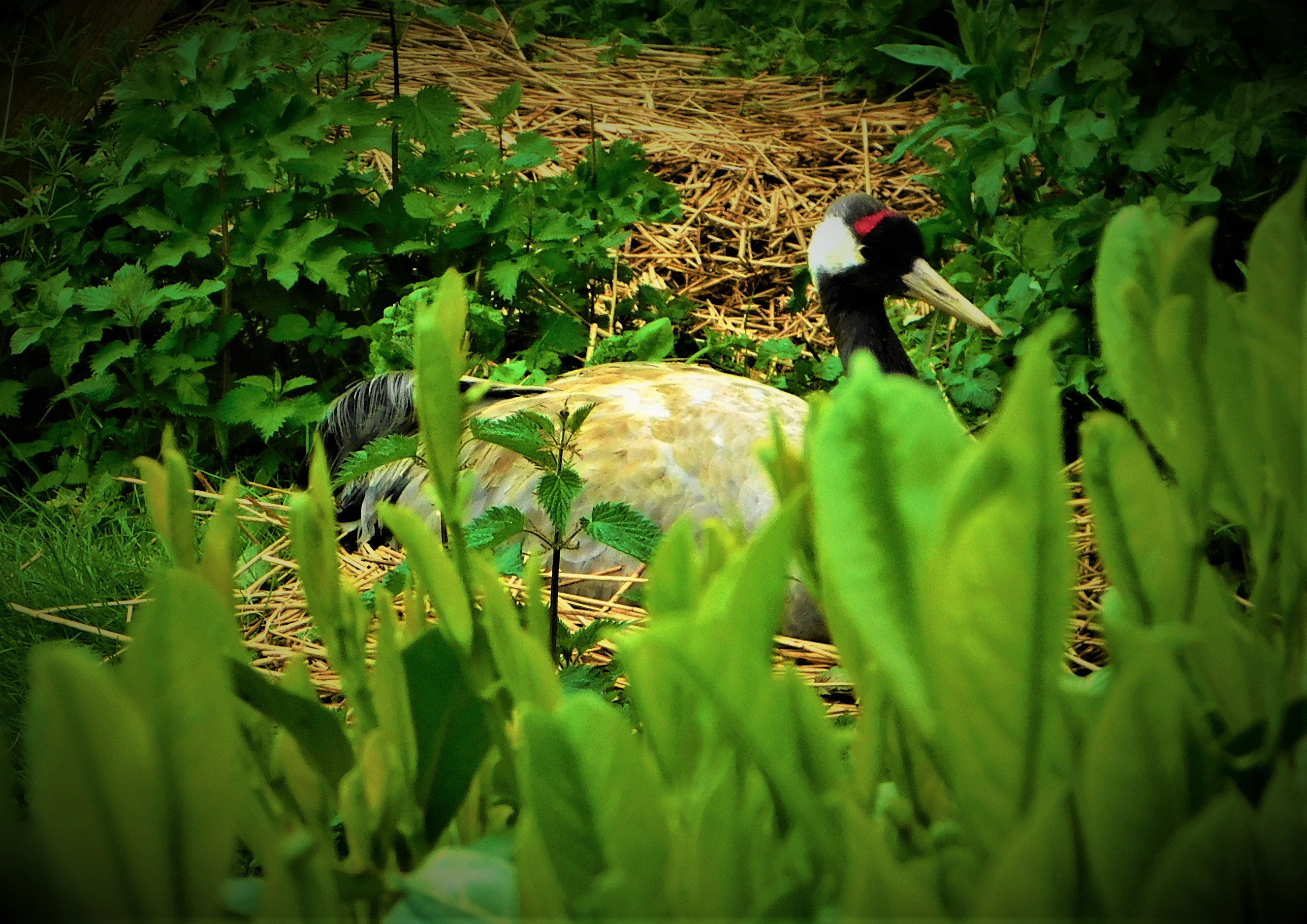
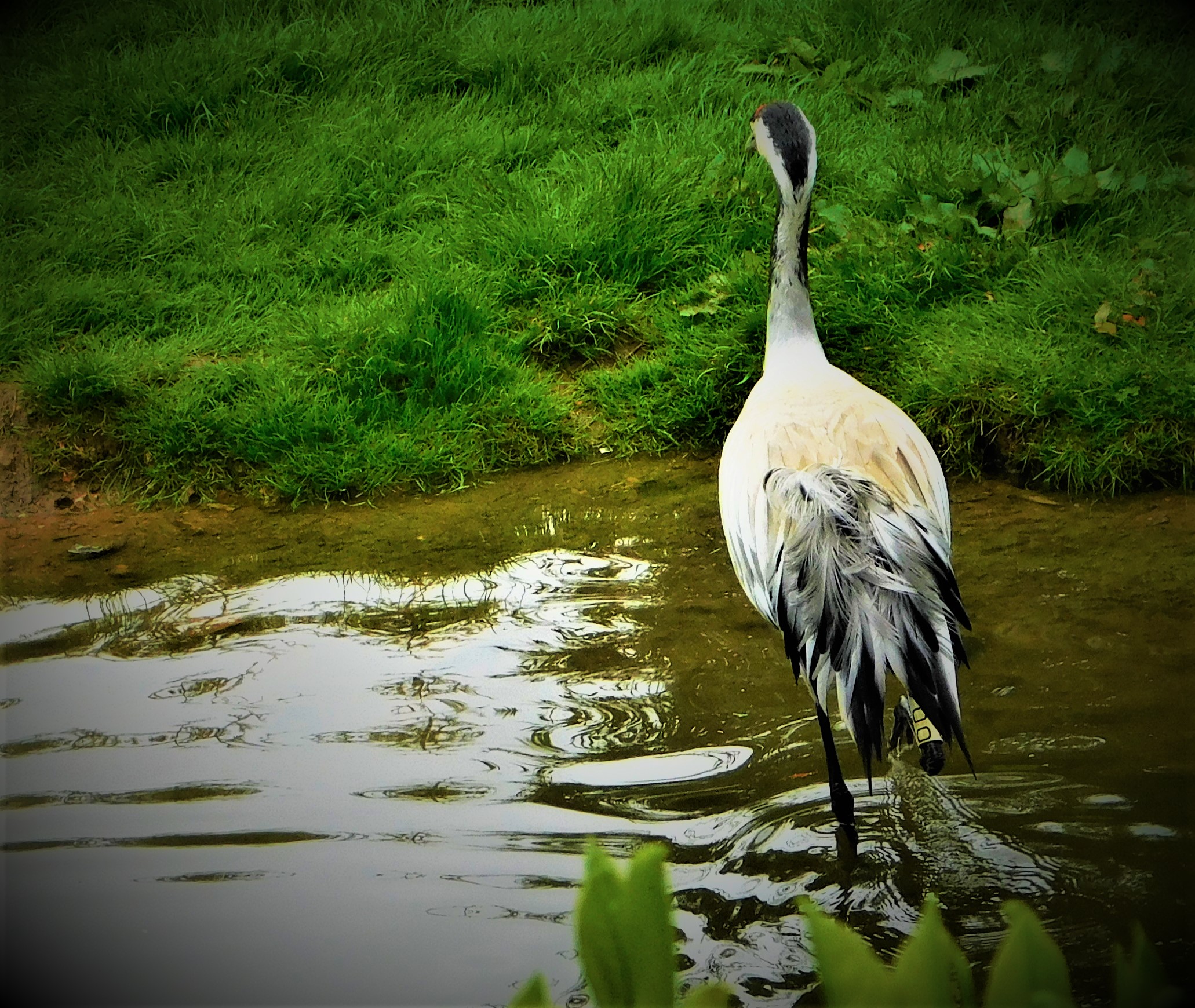
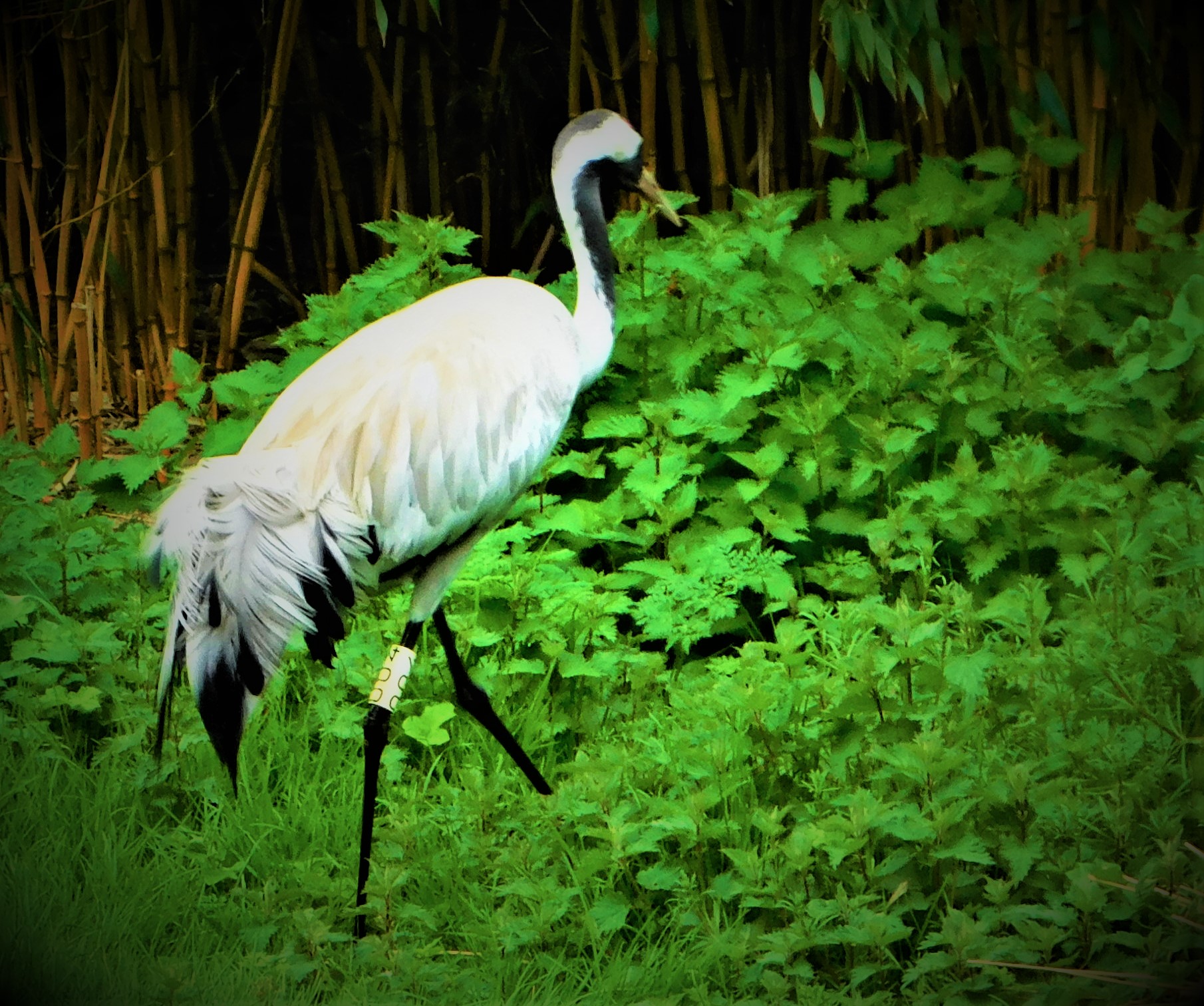
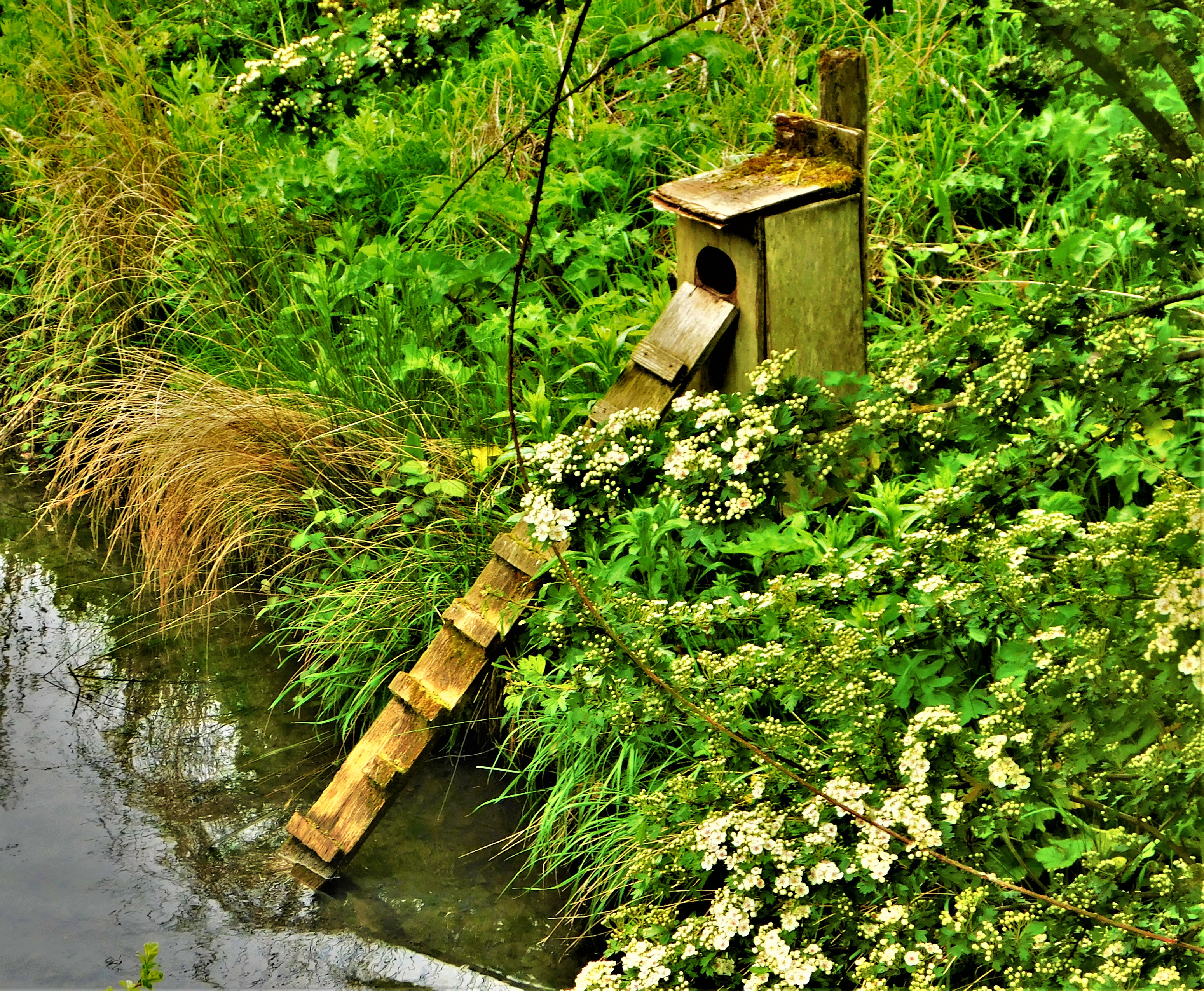
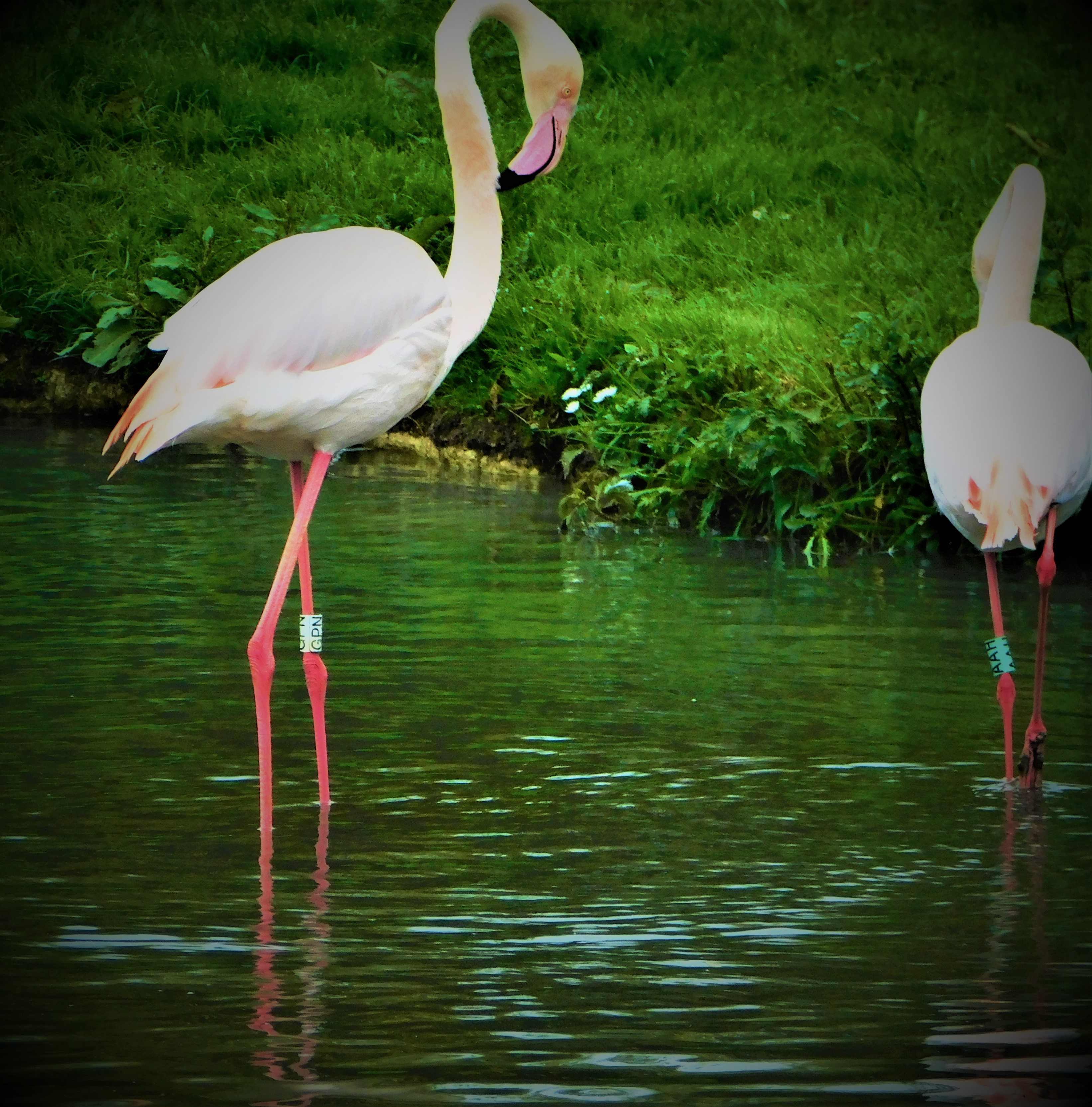
The final installment in my series about Saturday’s excursion to Pensthorpe, featuring Cranes and Flamingos.
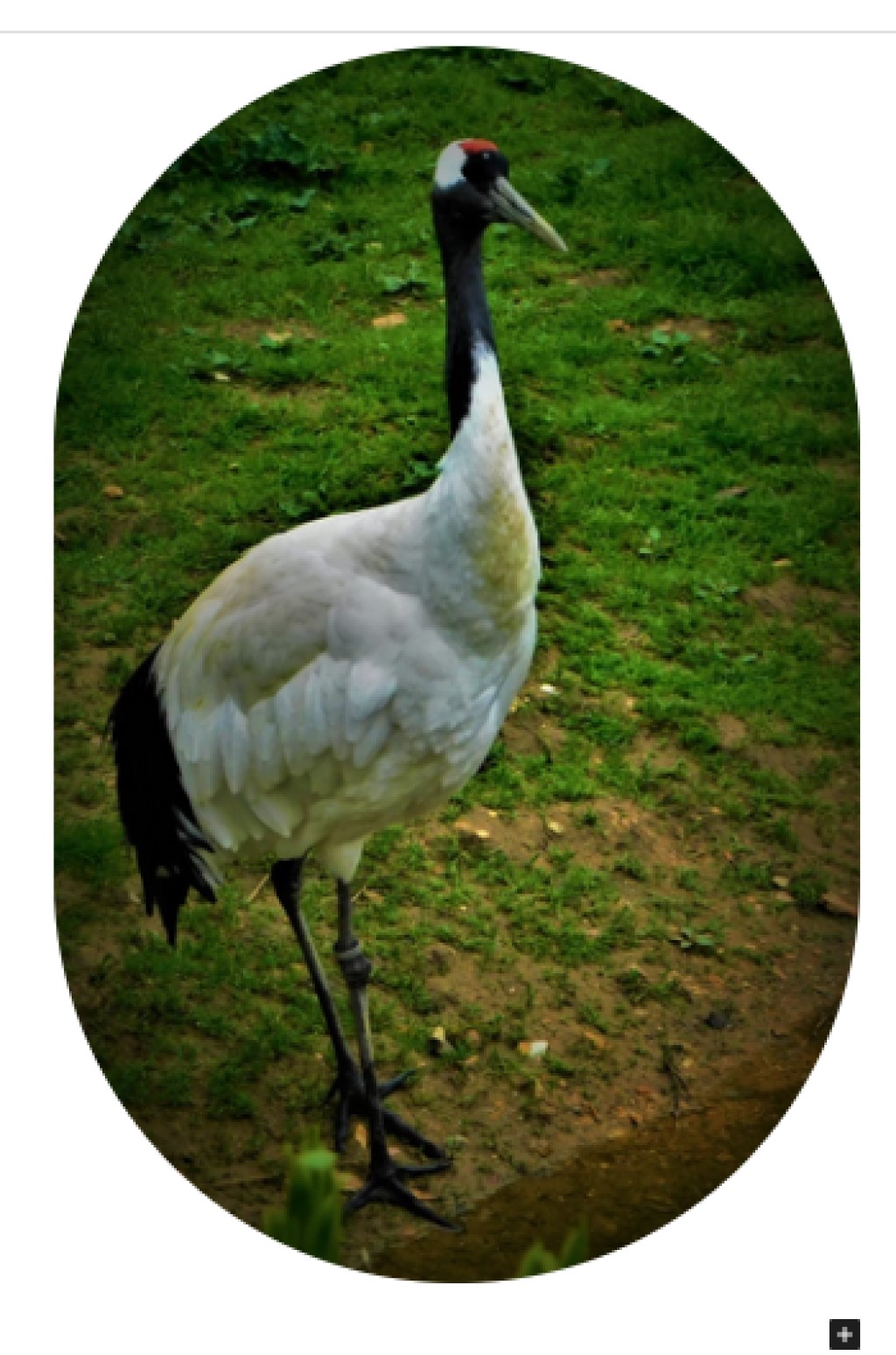
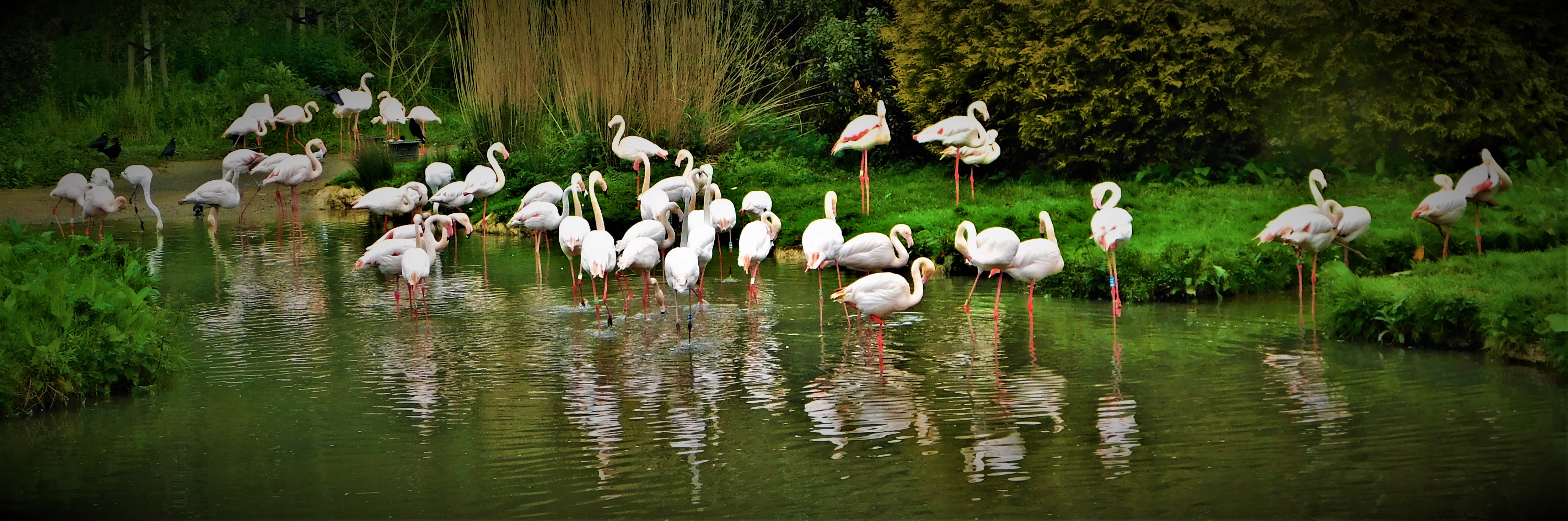
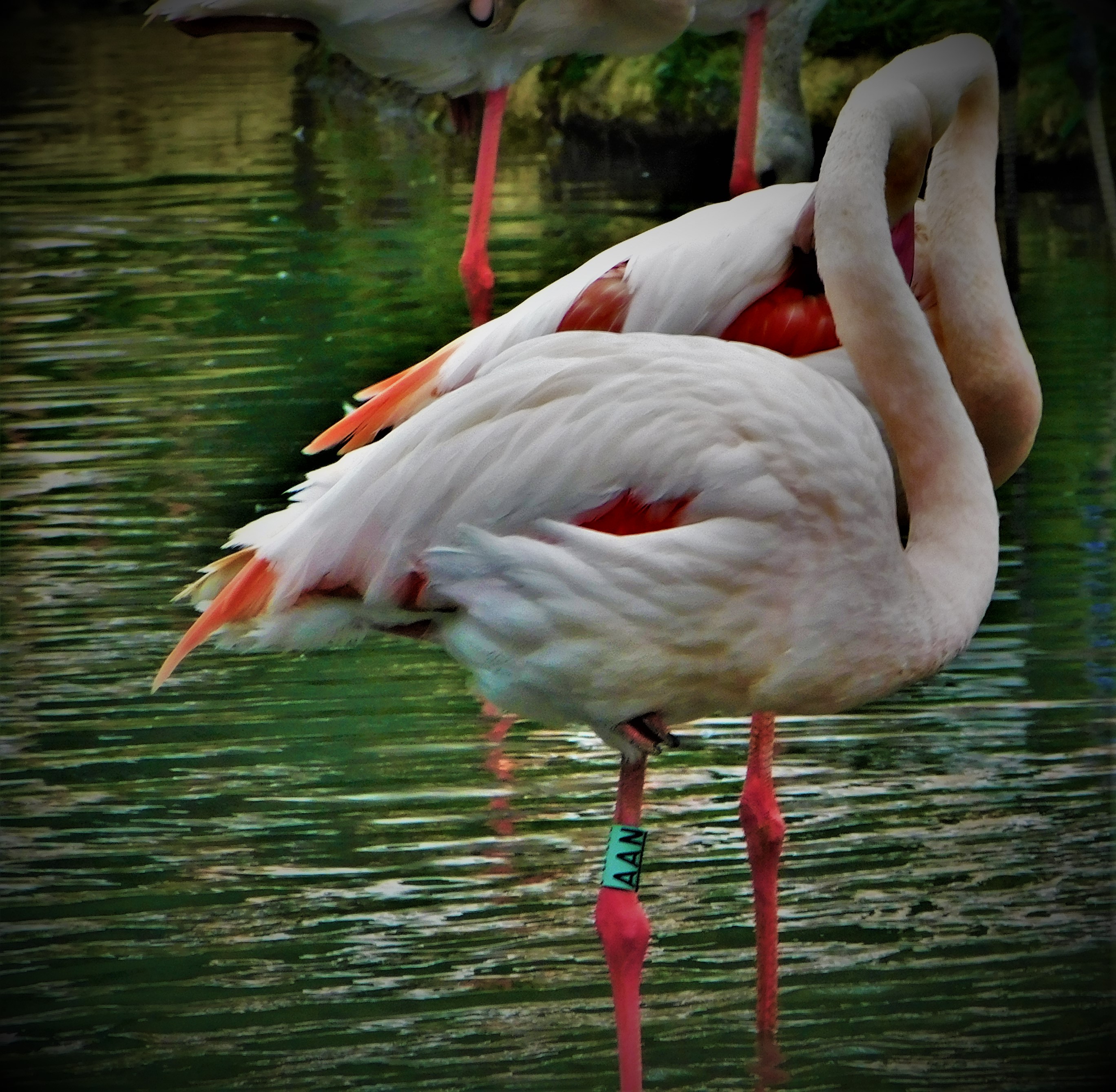
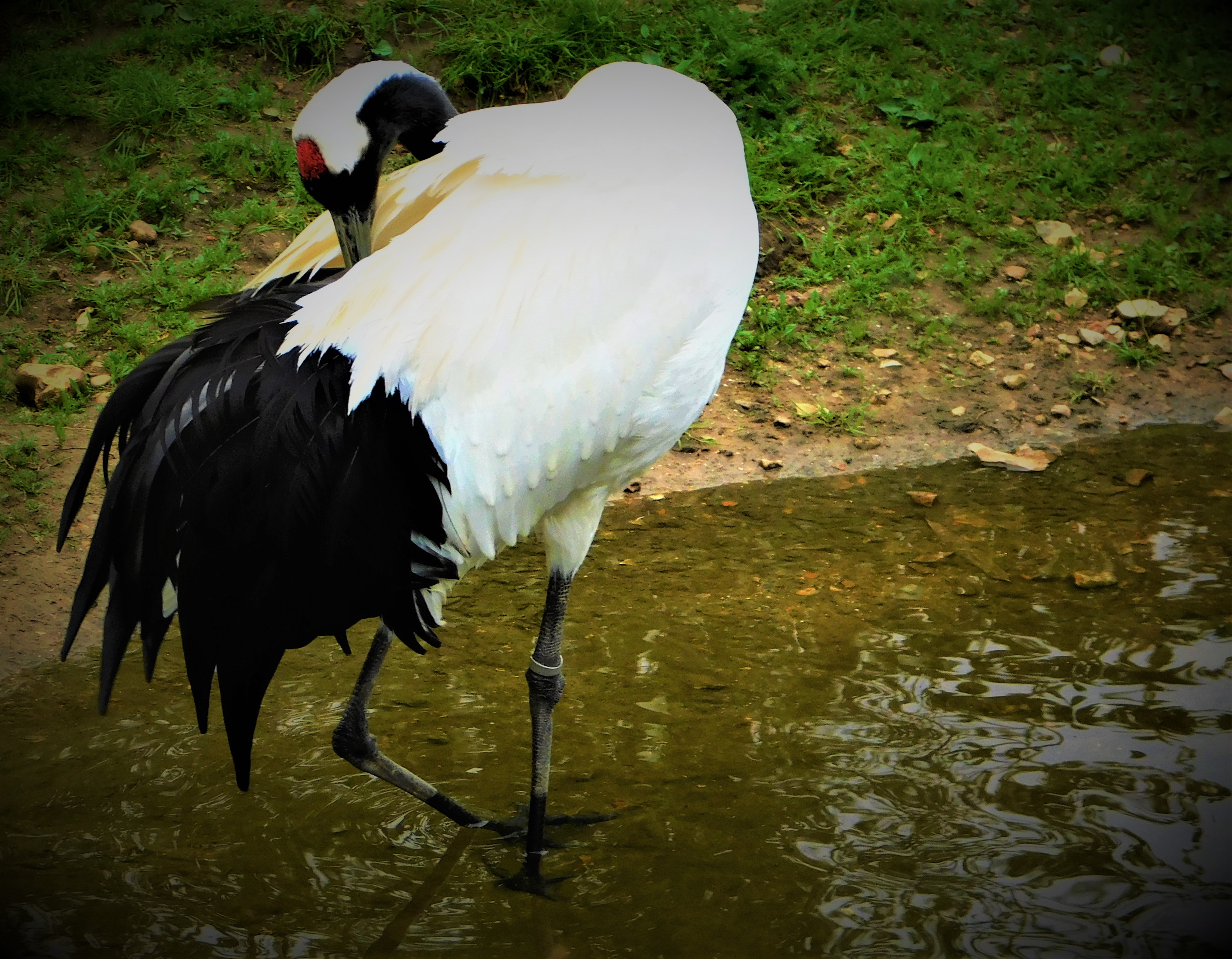
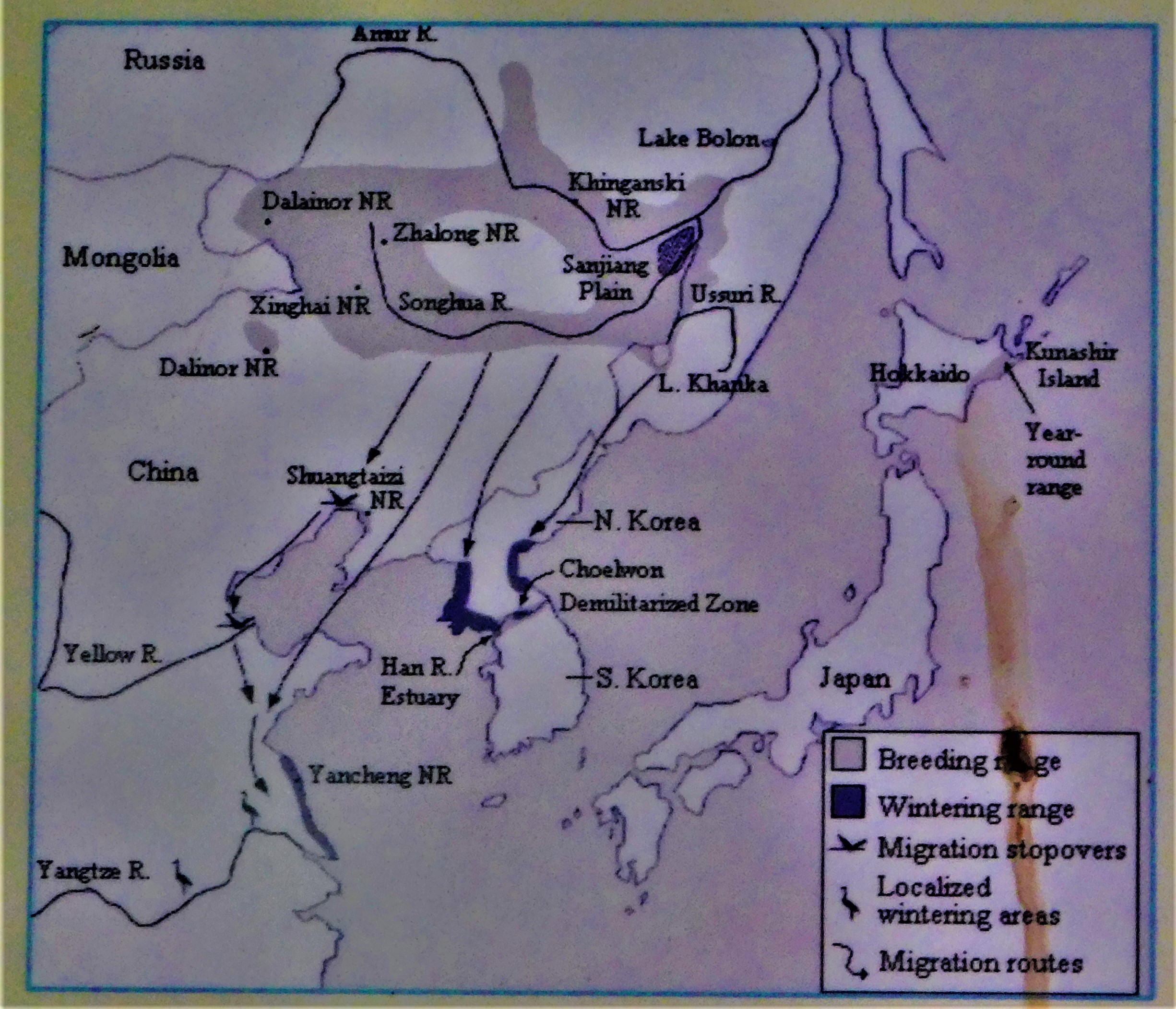
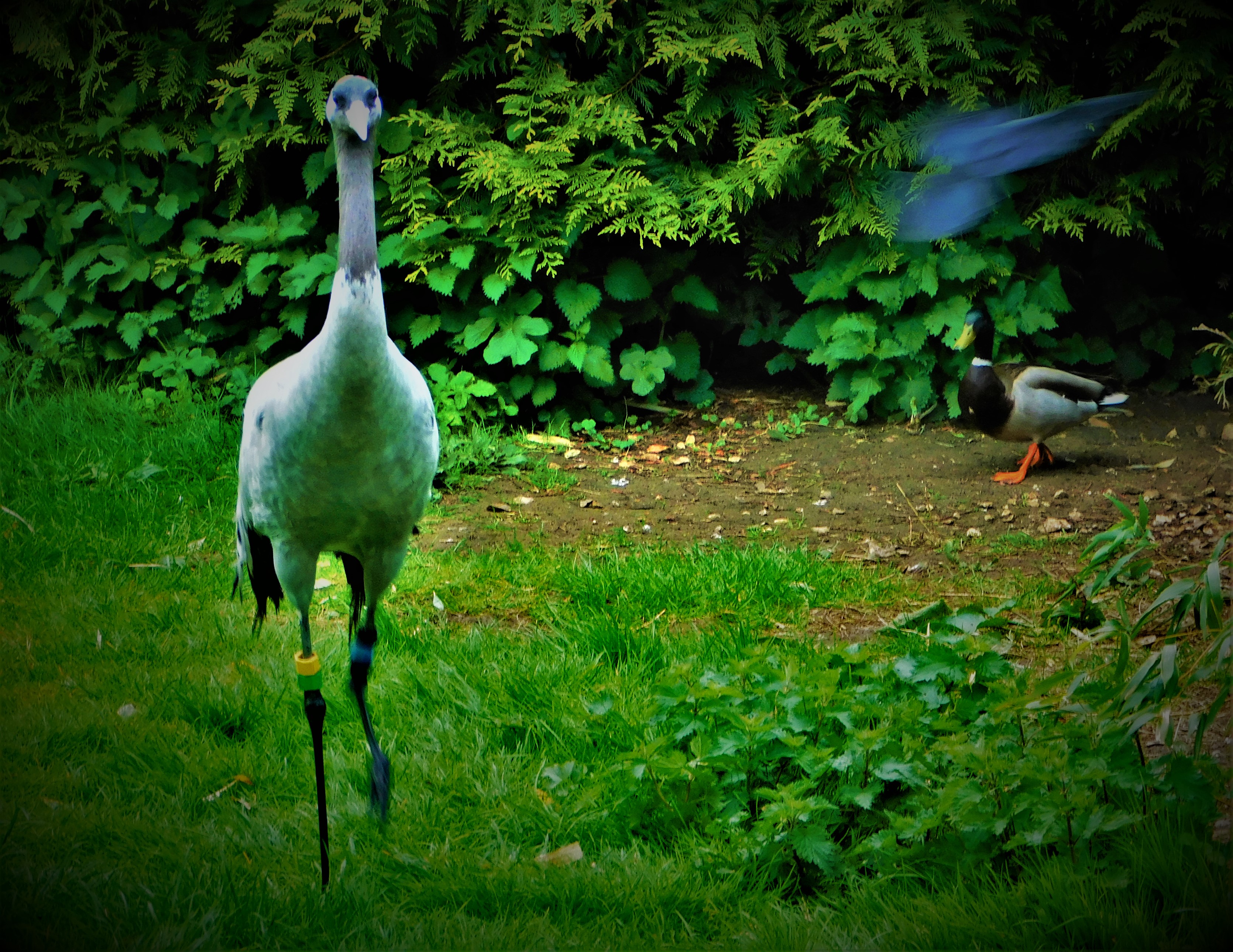
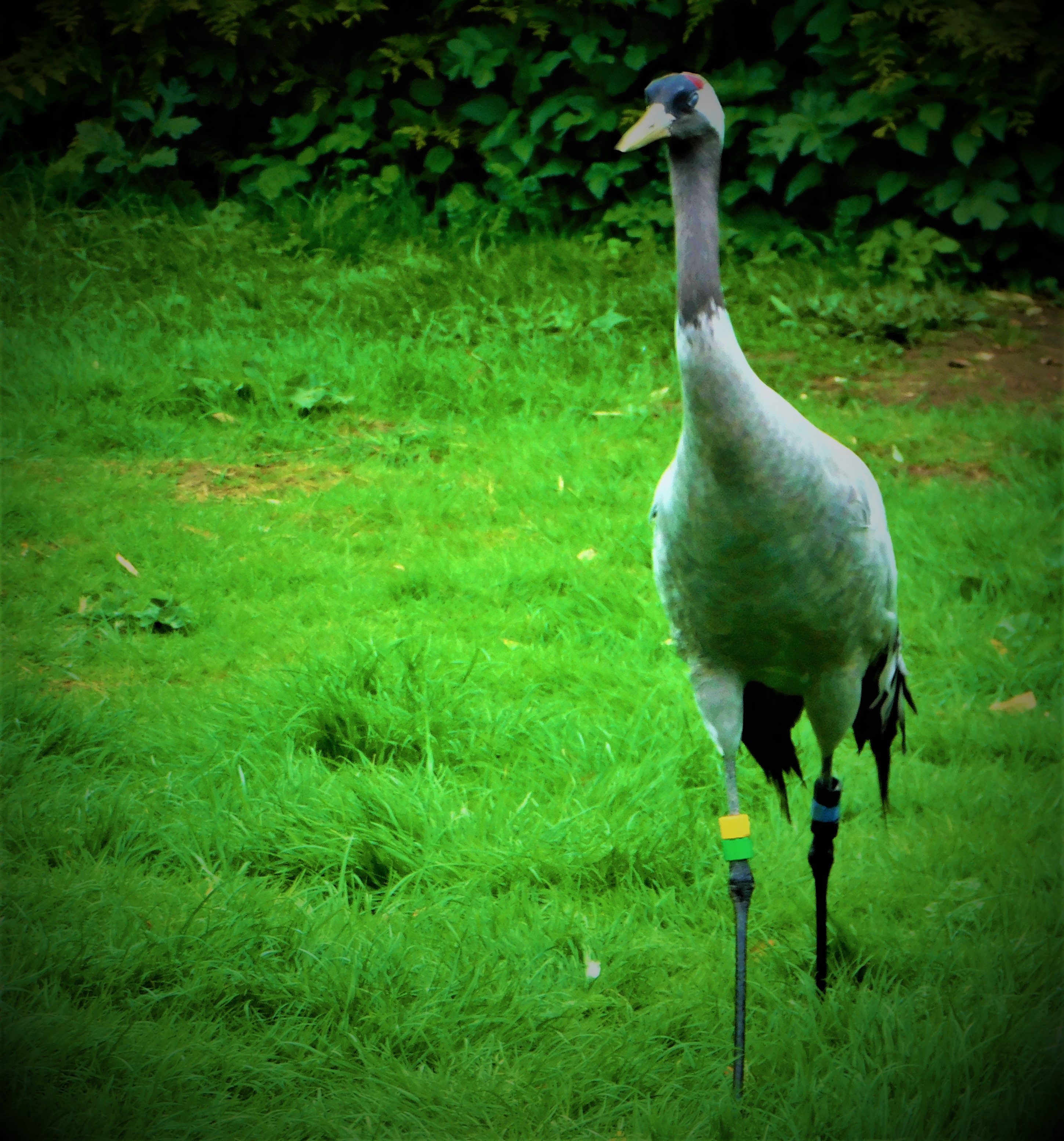
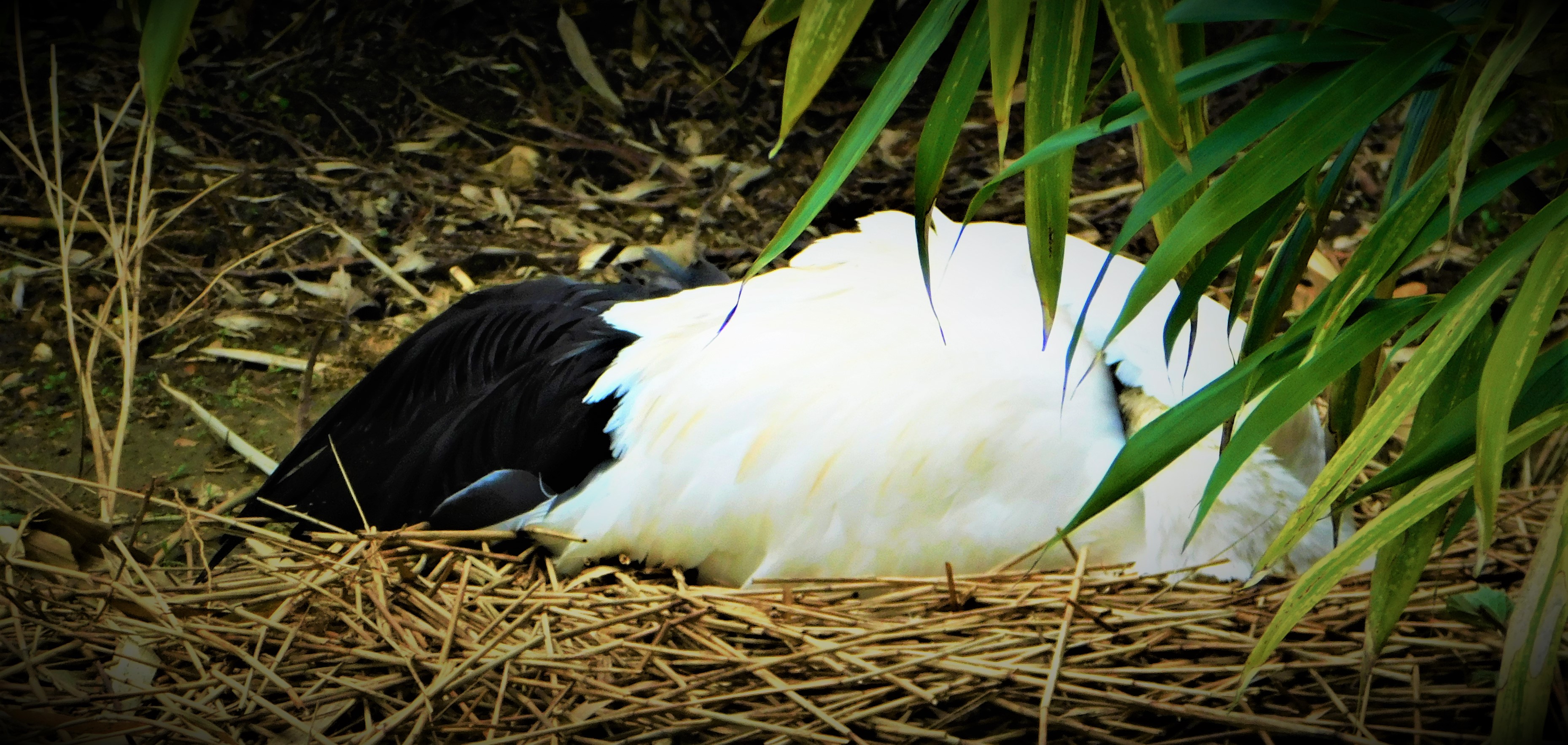
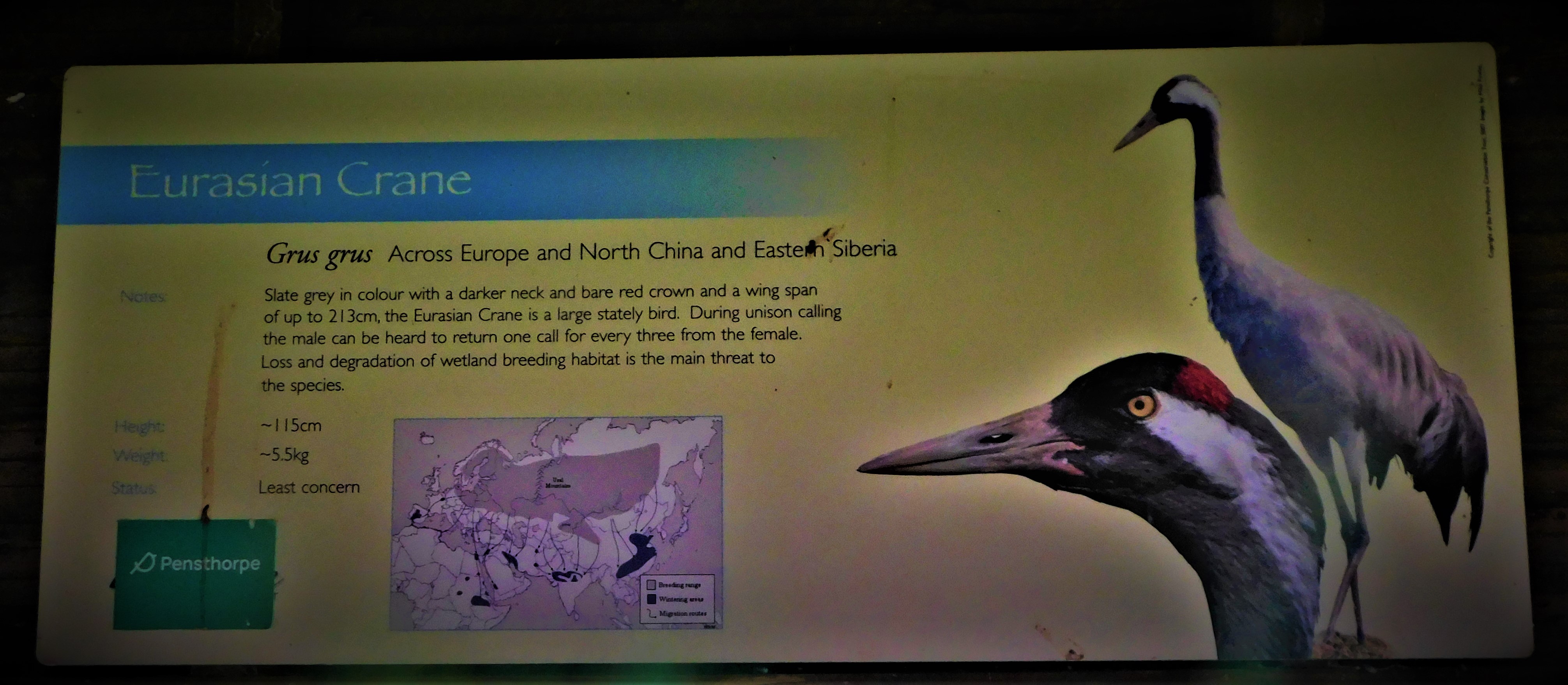
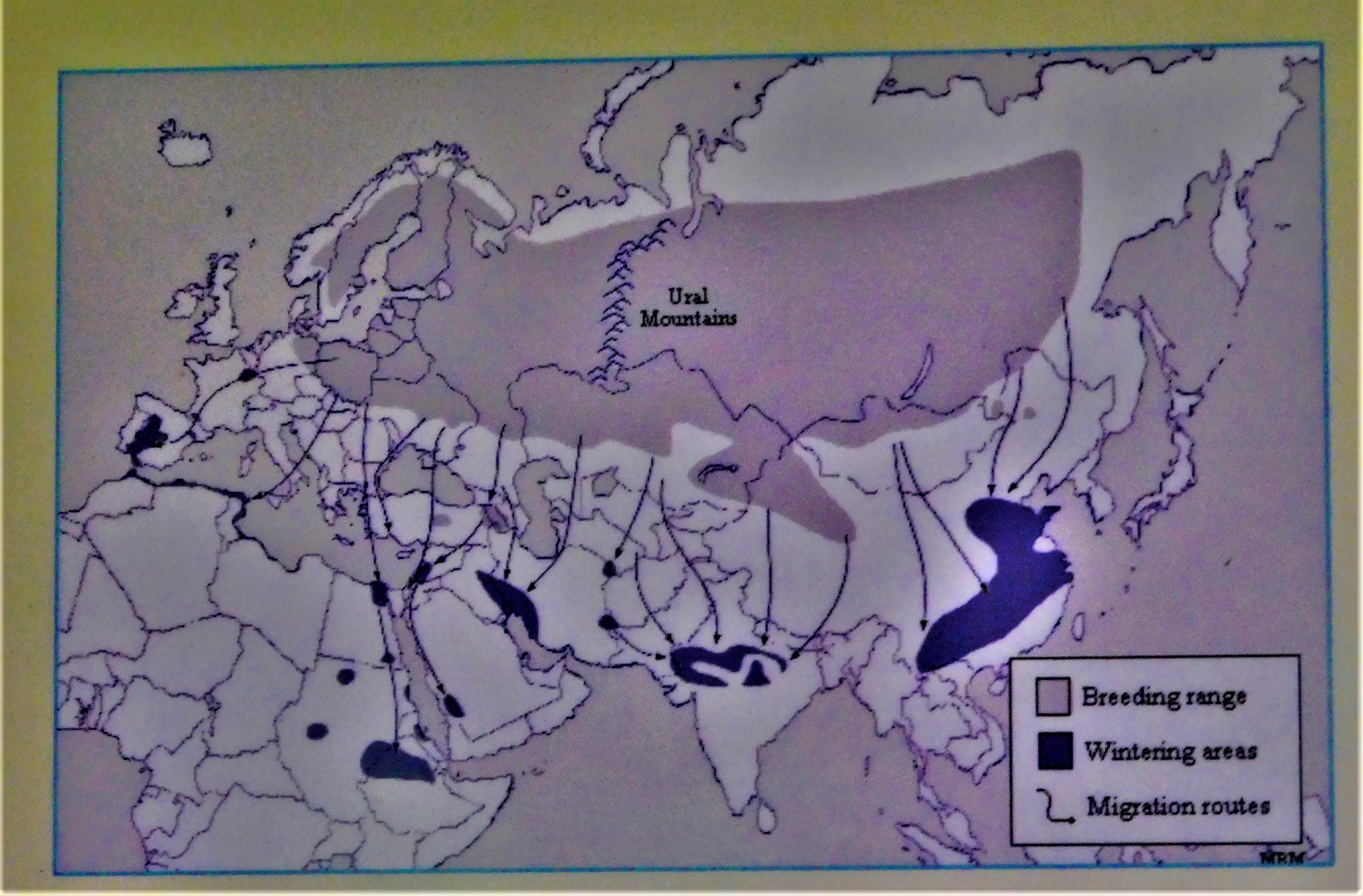
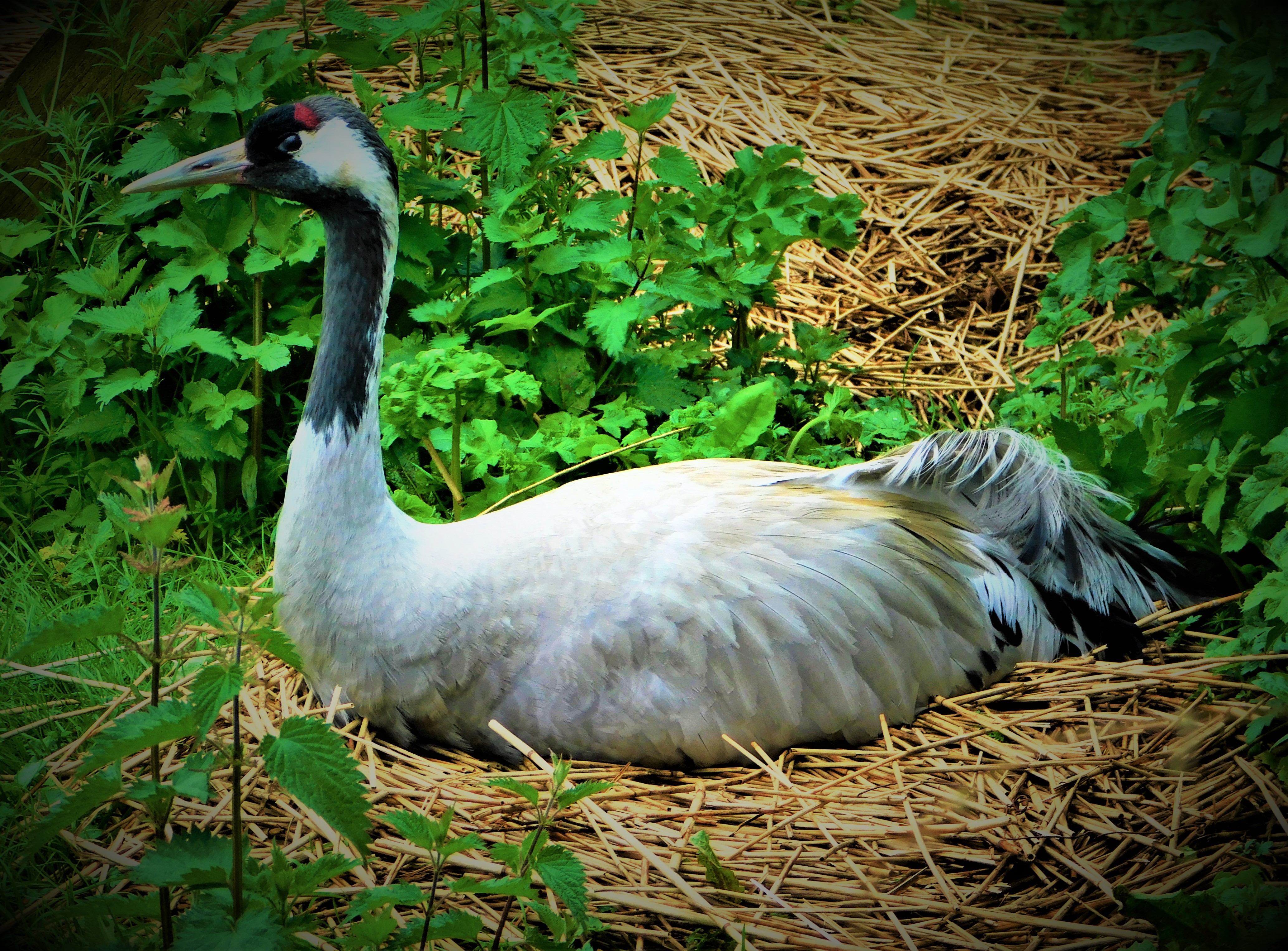
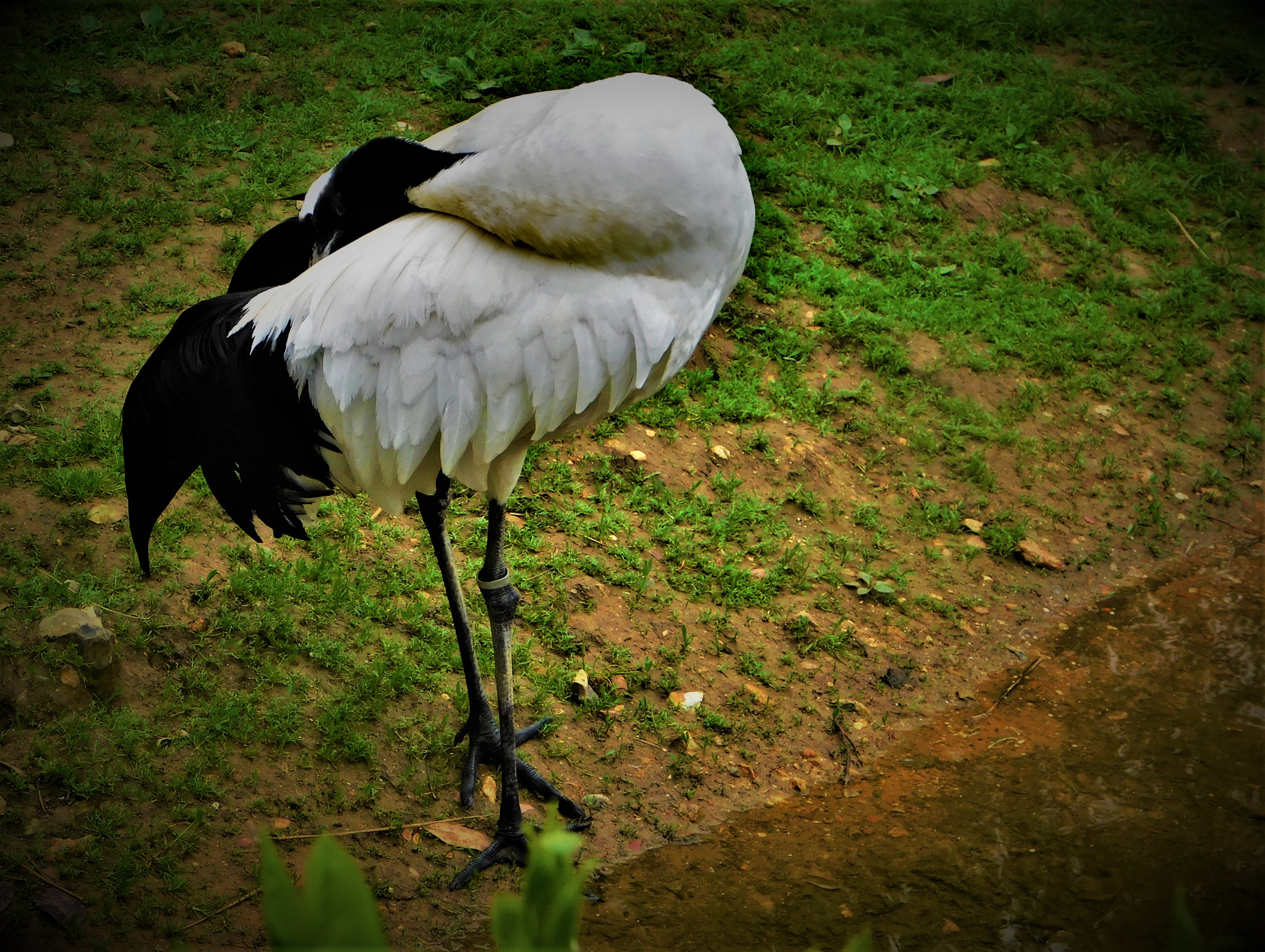
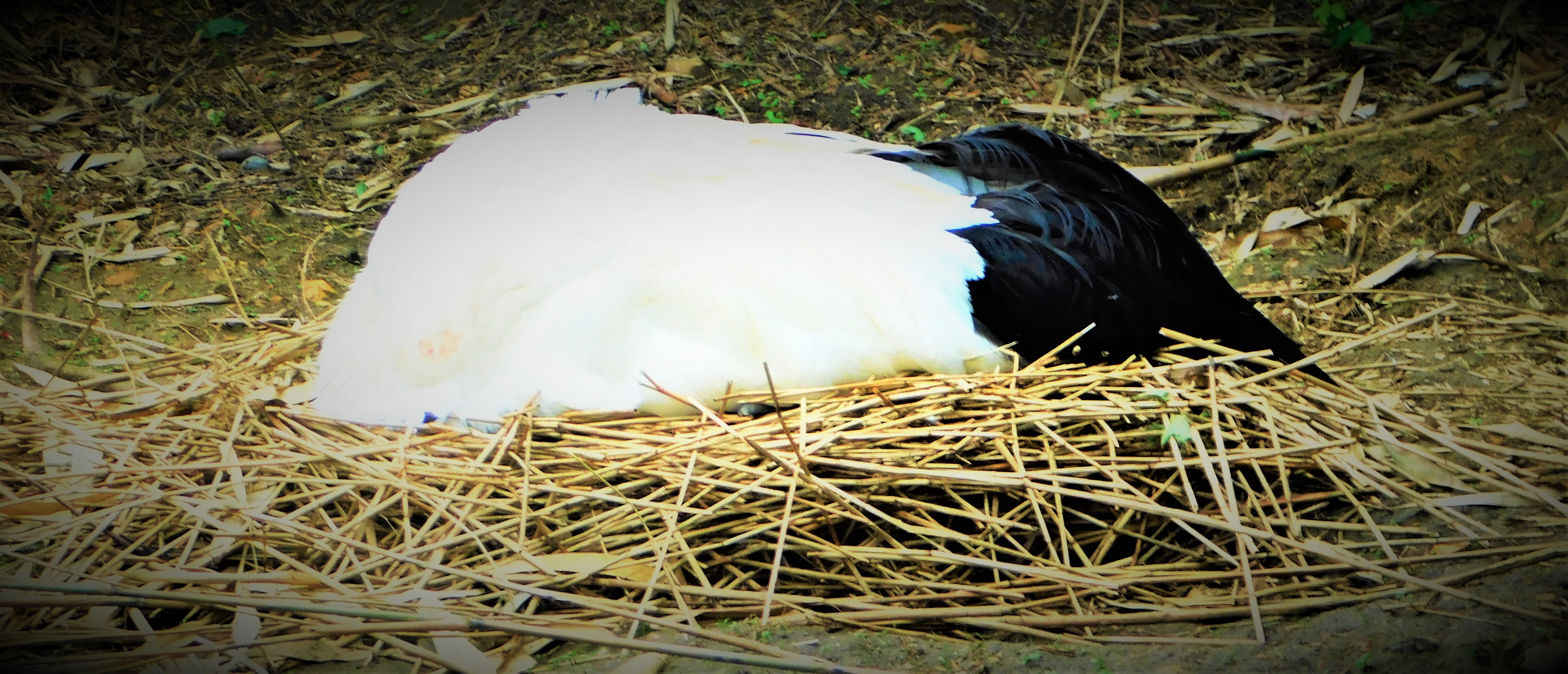
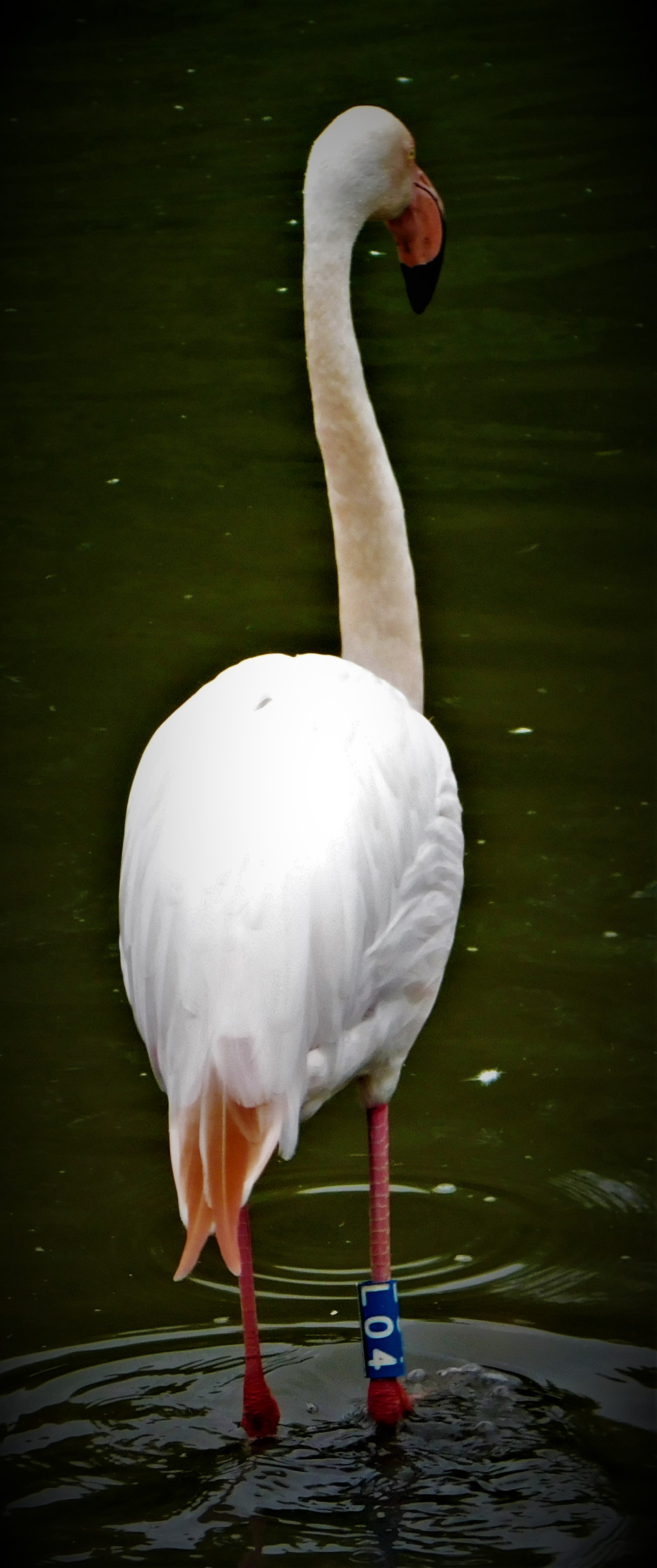
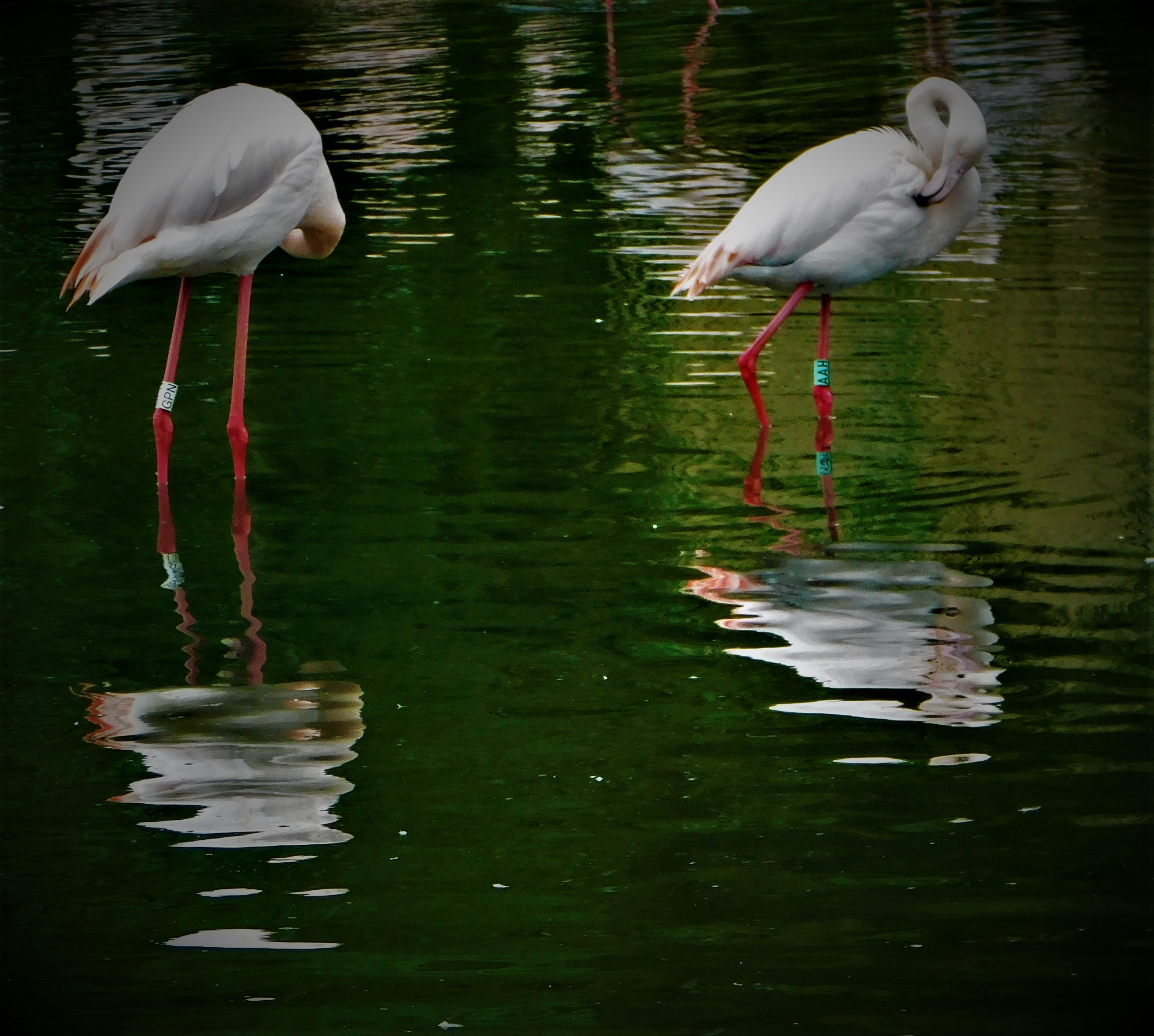
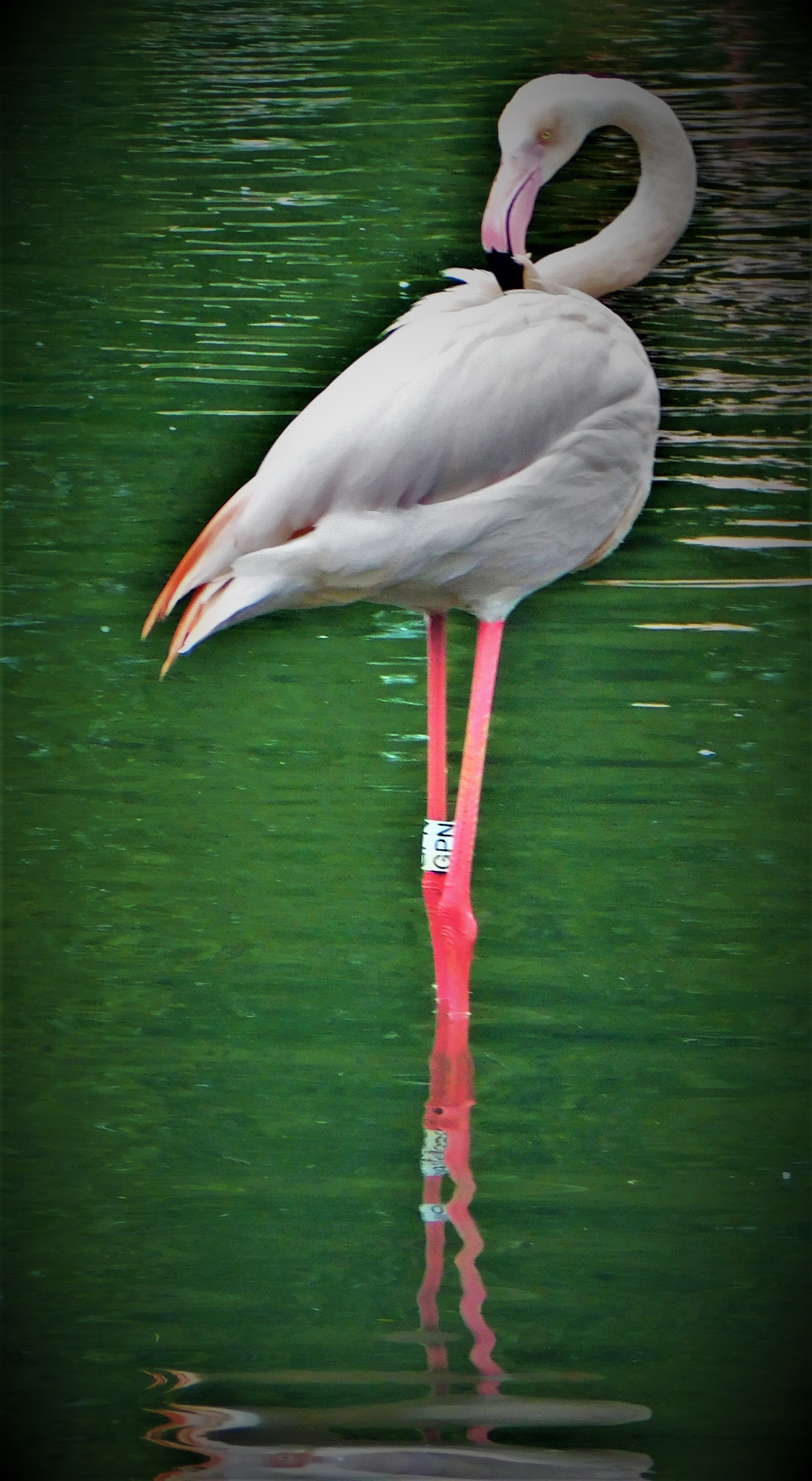
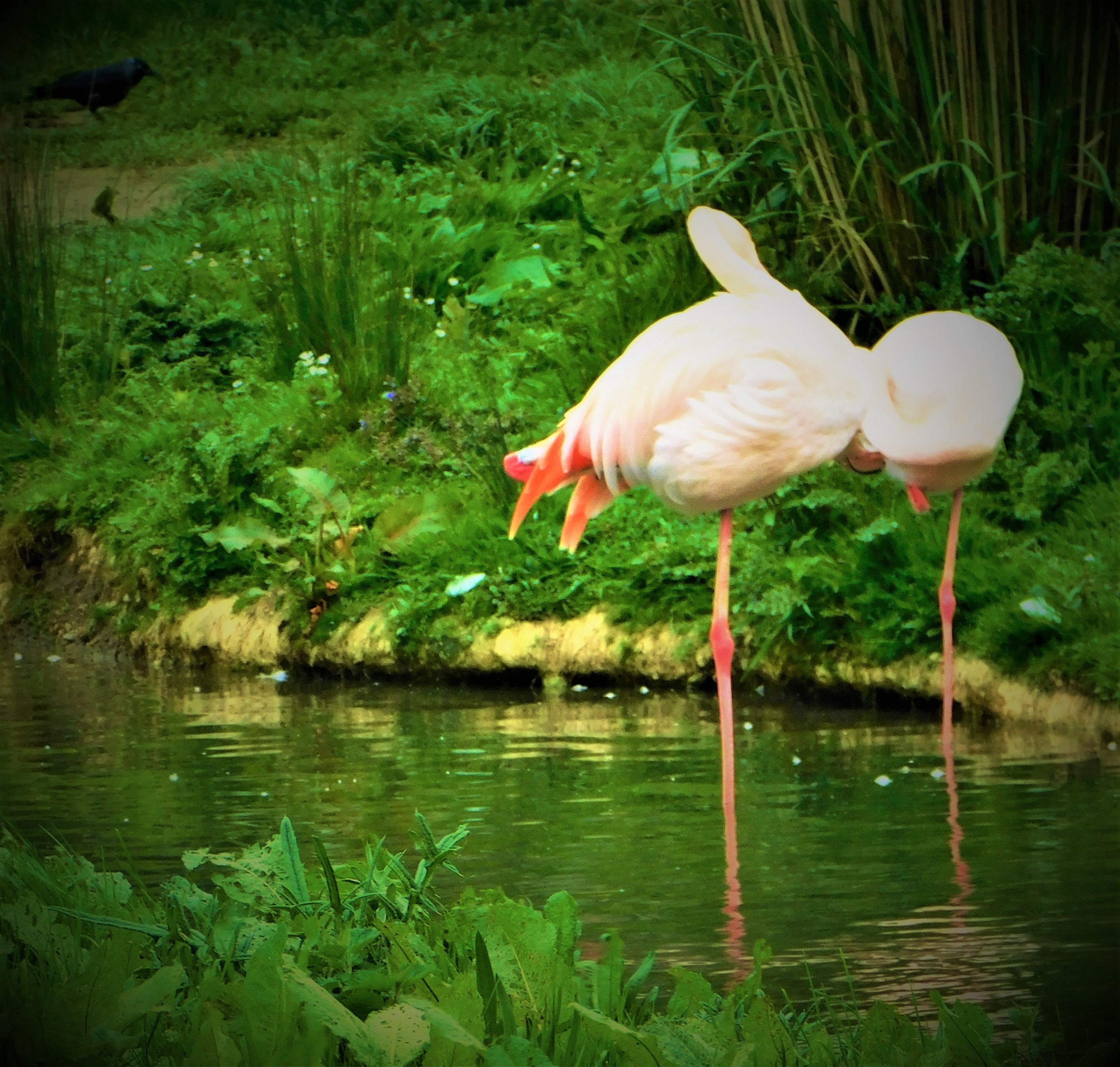
Welcome to the final post in my mini-series about the excursion to Pensthorpe on Saturday. Our subjects are cranes and flamingos. The former are the subject of one of Pensthorpe’s major conservation efforts.
CRANES AND FLAMINGOS
As you enter the area where the cranes and flamingos are the flamingo pool is in one direction, open and visible, and the birds themselves, clustered together in numbers, are even more so. In the other direction is the crane hide, with wide, shallow windows each of which you can observe a different species of crane through. I actually managed to visit this part of Pensthorpe twice in the course of the day, near the beginning and near the end (visiting it also means passing within sight of the Monet inspired bridge, pictures of which featured in my introductory post, which is a bonus).

























































































































































































































































































































































































































































































































































































 aspiblog