All Time XIs – Before the County Championship

A look at the best players from before the official inauguration of the county championship, some comments on the selection of England test squad for the one off match against Ireland and a large photo gallery.

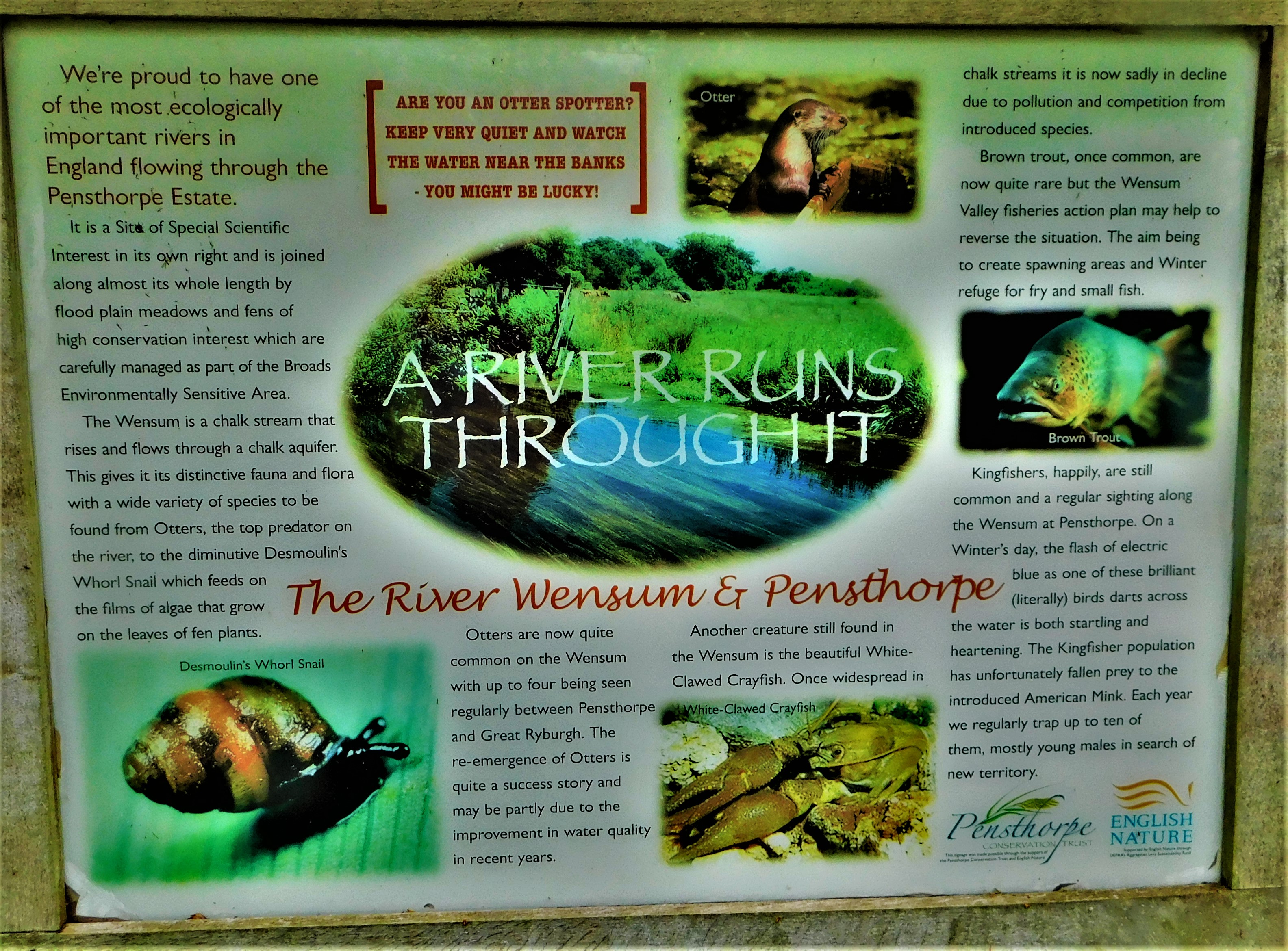
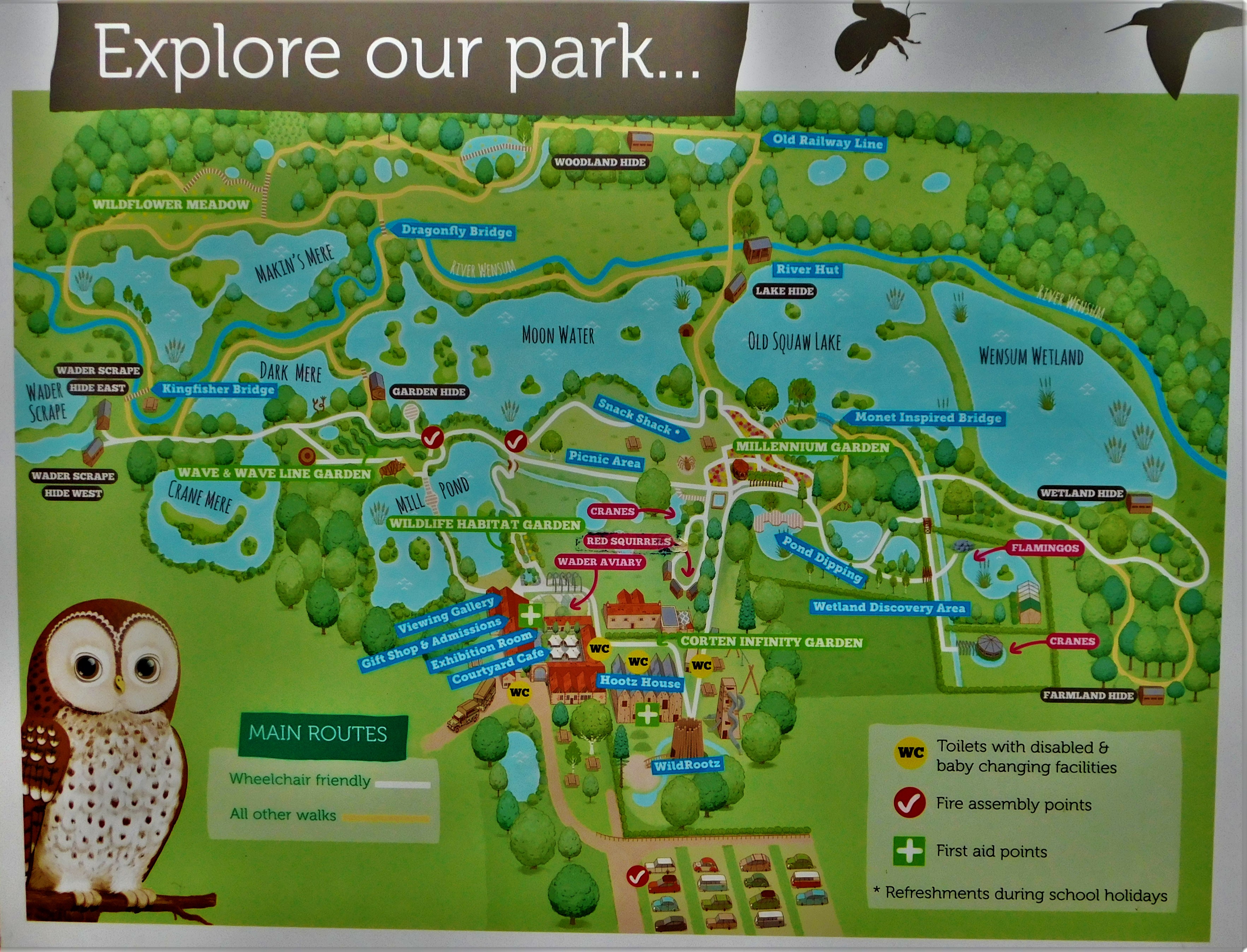
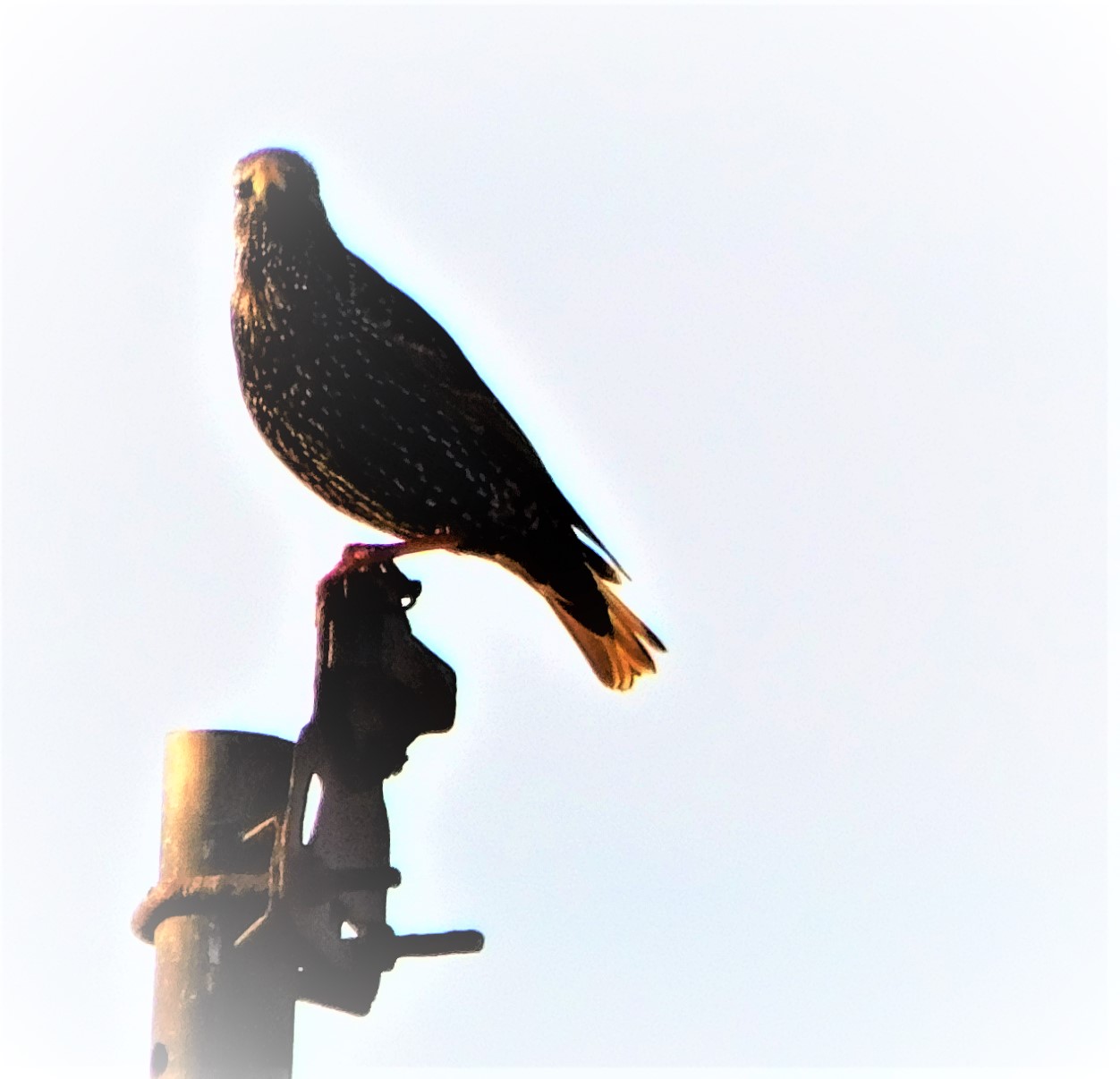
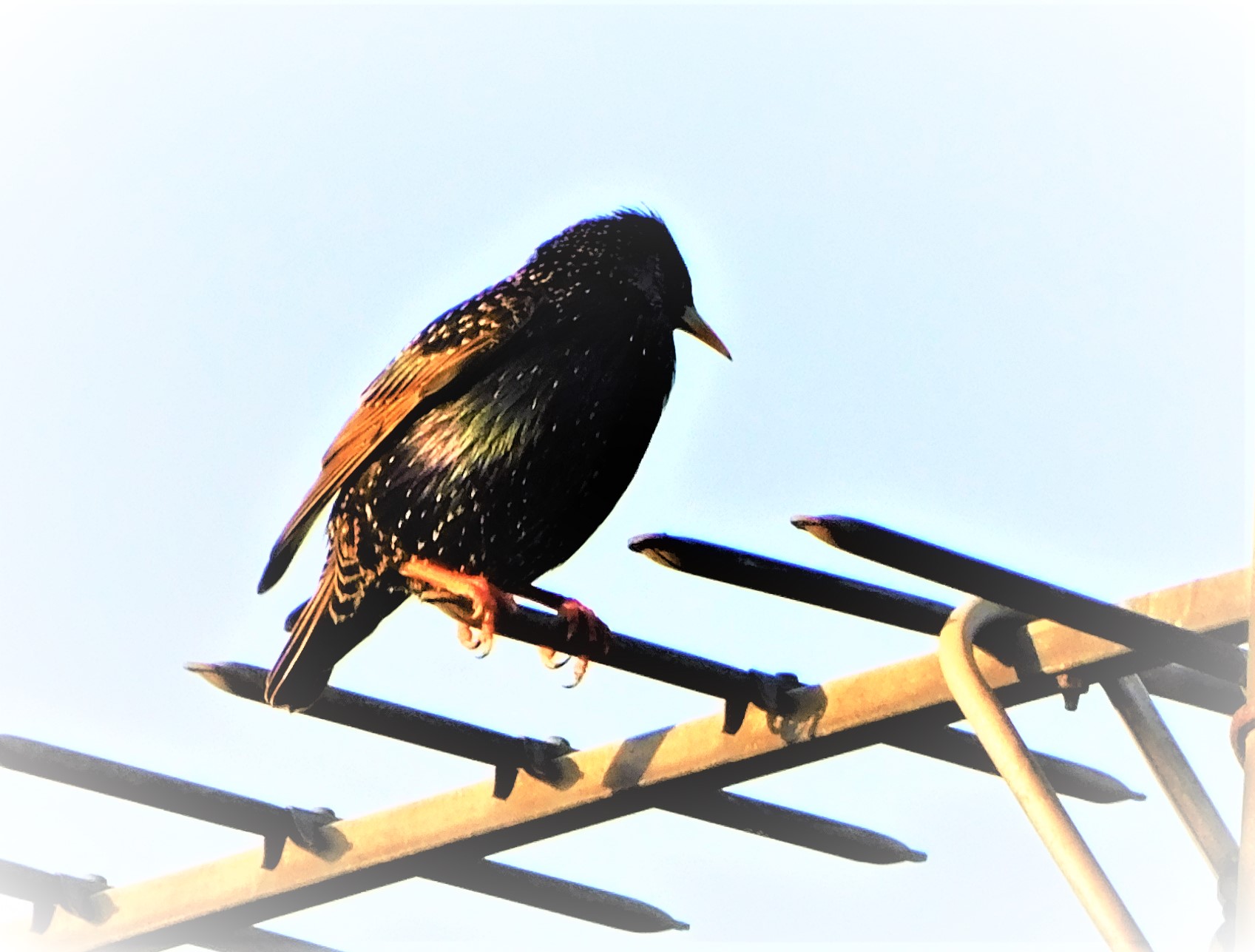
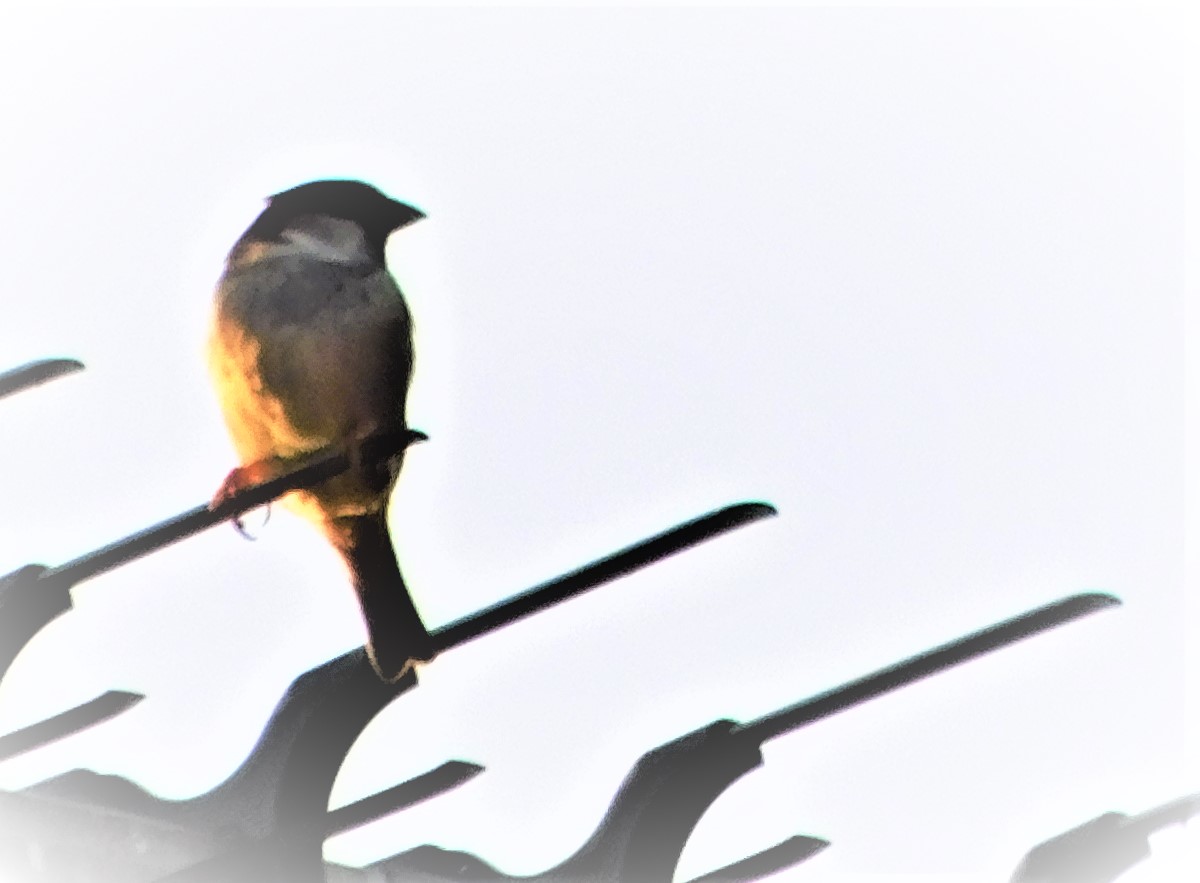
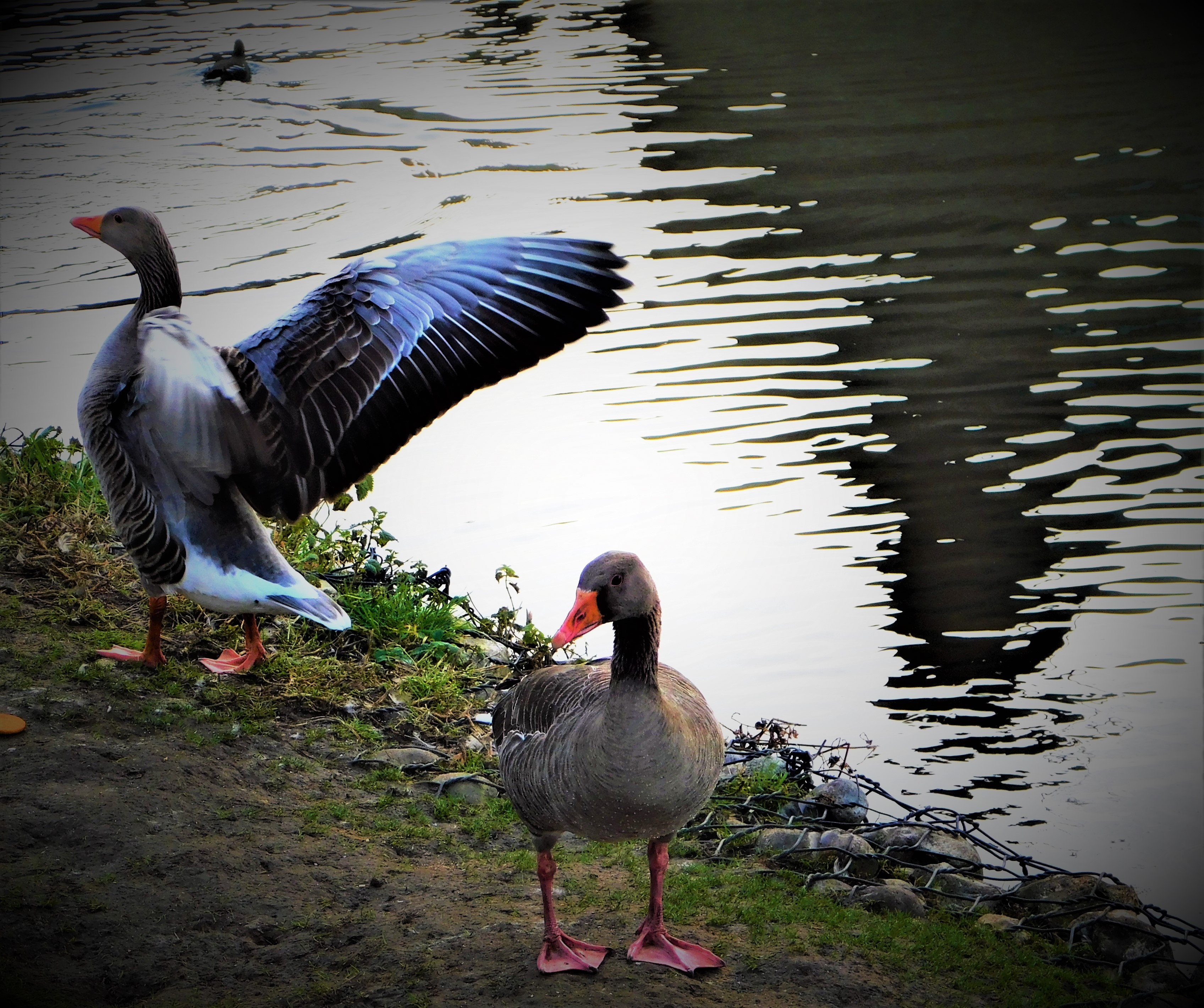
Today I create an XI of the best players most or all of whose careers took place before there was a county championship. Incidentally, there is a page from which all my posts about Saturday’s excursion to Pensthorpe can be accessed. Before I get into the main business of today’s post there is a brief section about…

ENGLAND TEST SELECTORS BLUNDER BIG TIME

The squad for the first test match of the home season, against Ireland is now out, and there are three areas of concern, two selections and an omission. Zak Crawley, a proven failure at test level, retains his slot at the top of the order. Far worse, Ben Foakes has been dropped to make way for the return to test action of Jonathan Bairstow. There may be a case for picking Bairstow, though in a test career which stretches back to 2012 he has blown hot and cold, and more often cold than hot, but there is not even the shadow of a case for dropping Foakes, the best current keeper by far, and someone who has been scoring big runs for Surrey in the championship this season, including a century at better than a run a ball when Surrey were looking for a declaration. Many people have posed this as being a challenge about how to accommodate Bairstow, and I have two options, listed in order of preference:

  1. Opt for what C Auguste Dupin would call “the sagacious and comprehensive expedient of making no attempt to accommodate Bairstow”. England are coming off a very successful winter without Bairstow, and Bairstow’s overall test record is that of a mediocre middle order batter, certainly not sufficient to warrant discarding Foakes.
  2. Have Bairstow open the innings as he does in white ball cricket and drop the proven failure Crawley (I would prefer to see a proper opener such as Ben Compton or Ali Orr picked in Crawley’s case, but at least Bairstow would probably be an improvement were he coming in in place of Crawley).

It is now time to get back to the main meat of the post…

THE XI IN BATTING ORDER

  1. *WG Grace (right handed opening batter, right arm bowler of various types through his career, captain). Had a quarter of a century of first class experience by the time of the first official county championship, so even though he played his last first class game as late as 1908 he qualifies.
  2. Arthur Shrewsbury (right handed opening batter). The man WG rated as the second best batter around (himself obviously no1), and since he played 15 years of FC before the inauguration of the Championship and 12 afterwards he just qualifies.
  3. James Aylward (left handed batter). In 1777, just eight years after John Minshull had scored the first recorded century in any form of cricket, he hit the Hambledon record score of 167, which remained an all comers record for 43 years.
  4. William ‘Silver Billy’ Beldham (right handed batter). In an era when centuries of any kind were rare he hit three in matches of indisputably first class status.
  5. Fuller Pilch (right handed batter). Acknowledged as the best batter of the 1830s and 1840s, a period when scoring was very low.
  6. Alfred Mynn (right handed batter, right arm fast bowler). “The Lion of Kent”, an absolute man mountain, and a great all rounder. He was quick enough that on one occasion someone fielding at long stop (directly behind the keeper) to his bowling once had to be hospitalized after being hit in the chest by several of his deliveries.
  7. Vyell Walker (right handed batter, right arm slow underarm bowler). One of only two cricketers to have scored a century and taken an all-10 in the same first class fixture (the other, WG, is also in this XI). As an underarm bowler any turn he got would have been the equivalent of an overarm bowler bowling leg spin, which makes him a good slow bowling partner for the next guy in the order…
  8. Billy Bates (right handed batter, off spinner). A massively impressive career record, probably equating in the modern era to averaging 32 with the bat and 25 the ball (actual averages were 21 and 17). He was even better in his brief test career, averaging 27 with bat and 16 with the ball, which probably equates to 41 and 24 in the modern era.
  9. +Tom Box (wicket keeper, right handed batter). He appeared in every fixture that Sussex played for an unbroken 24 year period, and although his batting average looks very low to modern eyes it is about 60% of that of Fuller Pilch, rated the best batter of the era.
  10. William Lillywhite (right arm fast roundarm bowler, right handed lower order batter). Rated the best bowler of his era (he was referred to as ‘the Nonpareil’, one half of my envisaged new ball pairing.
  11. William Mycroft (left arm fast bowler, right handed tail end batter). 800 first class wickets at 12 a piece.

This side has a powerful batting line up, with everyone down to Bates at number eight definitely capable of playing a match winning innings. The bowling, with Mycroft, Lillywhite and Mynn to bowl pace, and Bates and Walker two contrasting types of slow bowler, plus of course the redoubtable WG is magnificent, having both depth and variety.

HONOURABLE MENTIONS

The two chief rivals to Shrewsbury for the position of Grace’s opening partner were John Small of Hambledon and EM Grace. Lambert, scorer of twin centuries in a match in 1817, a feat which stood alone for half a century until WG Grace emulated it might have had a middle order slot. George Osbaldeston was a fine fast bowling all rounder, but not I reckon the equal of Mynn. Had I been going to pick an overseas player it would have been Dr ME Pavri (India), who visited England in the 1890s and achieved remarkable things as a pace bowling all rounder (once in his native land he decided in advance that team mates weren’t needed, took on an XI on his unaided own, and beat them). Among the great bowlers who missed out were David Harris (Hambledon), the Notts duo of Alfred Shaw and Fred Morley, James Broadbridge and John Wisden both of Sussex and two Yorkshire speedsters, Tom Emmett (left arm) and George Freeman (right arm). Sam Redgate, John Jackson and George Tarrant would all also have their advocates.

PHOTOGRAPHS

My usual sign off…
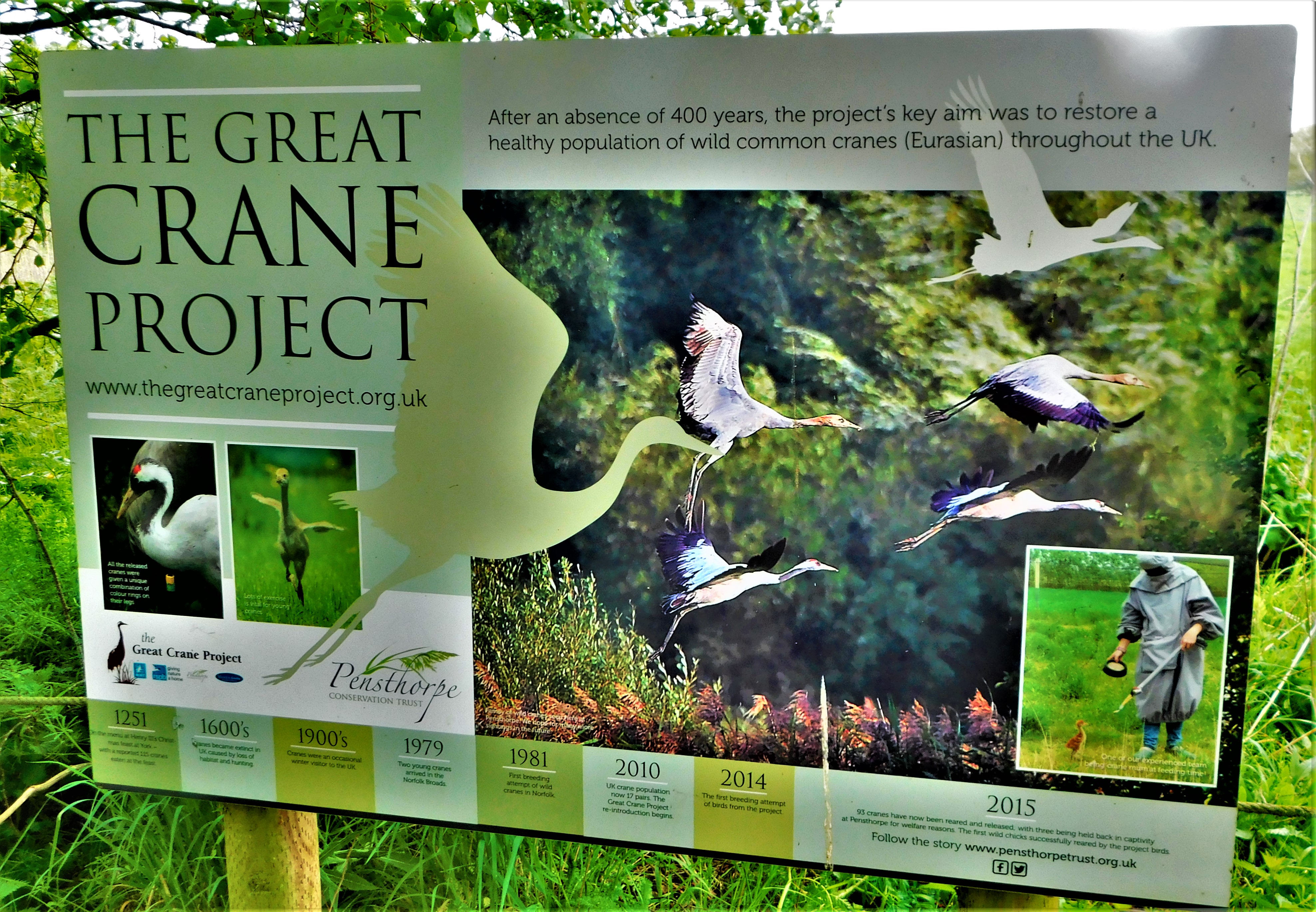
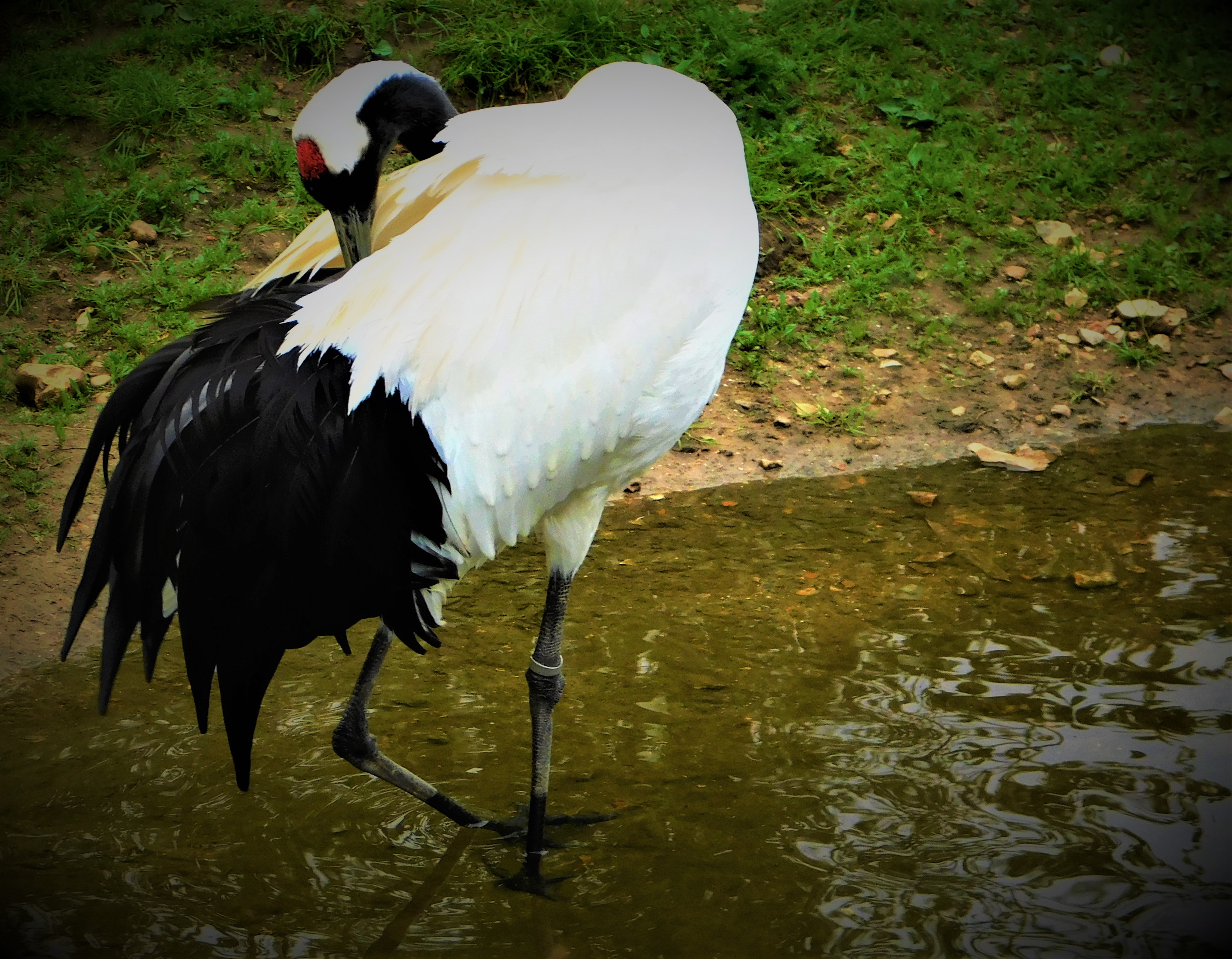
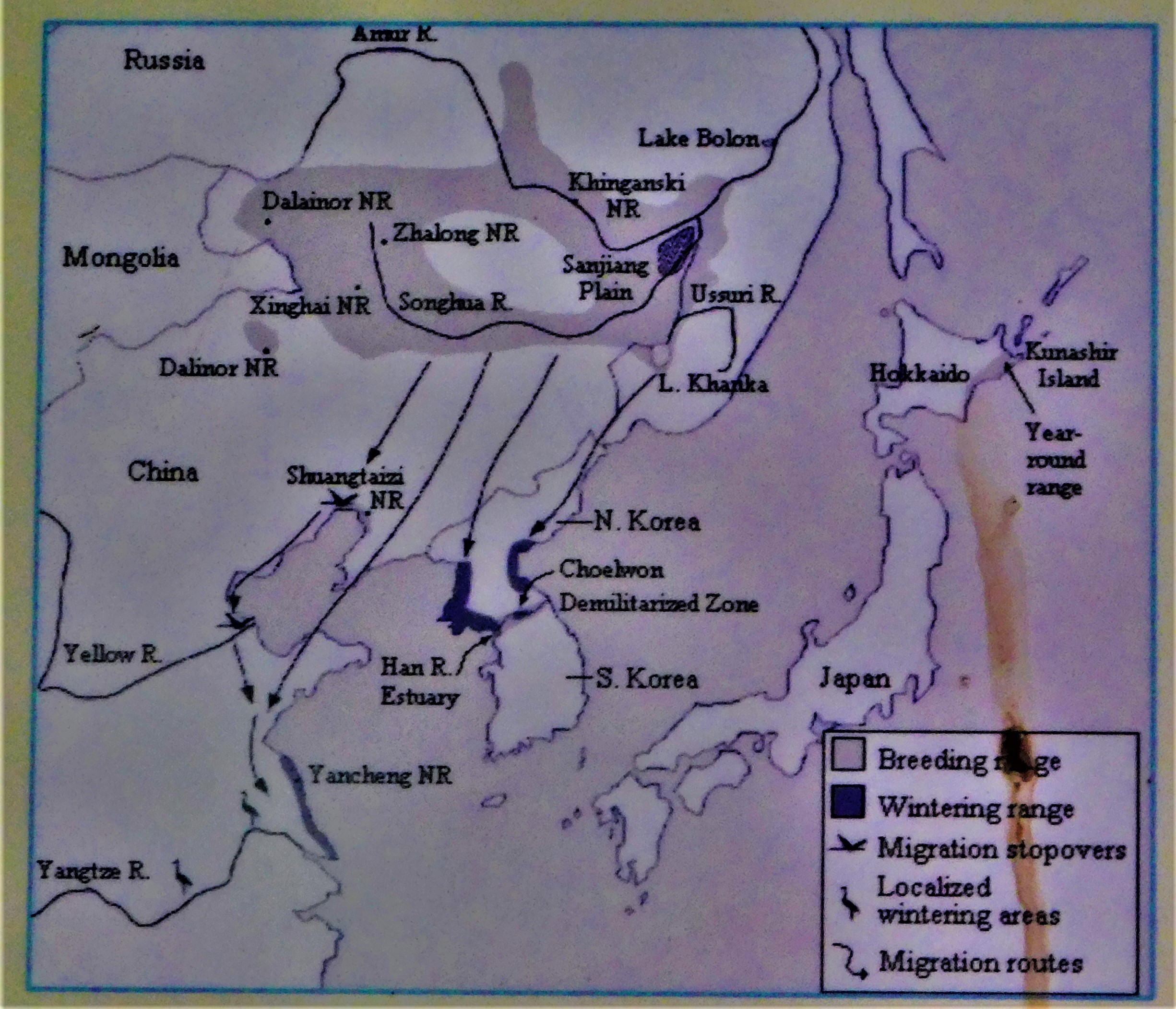
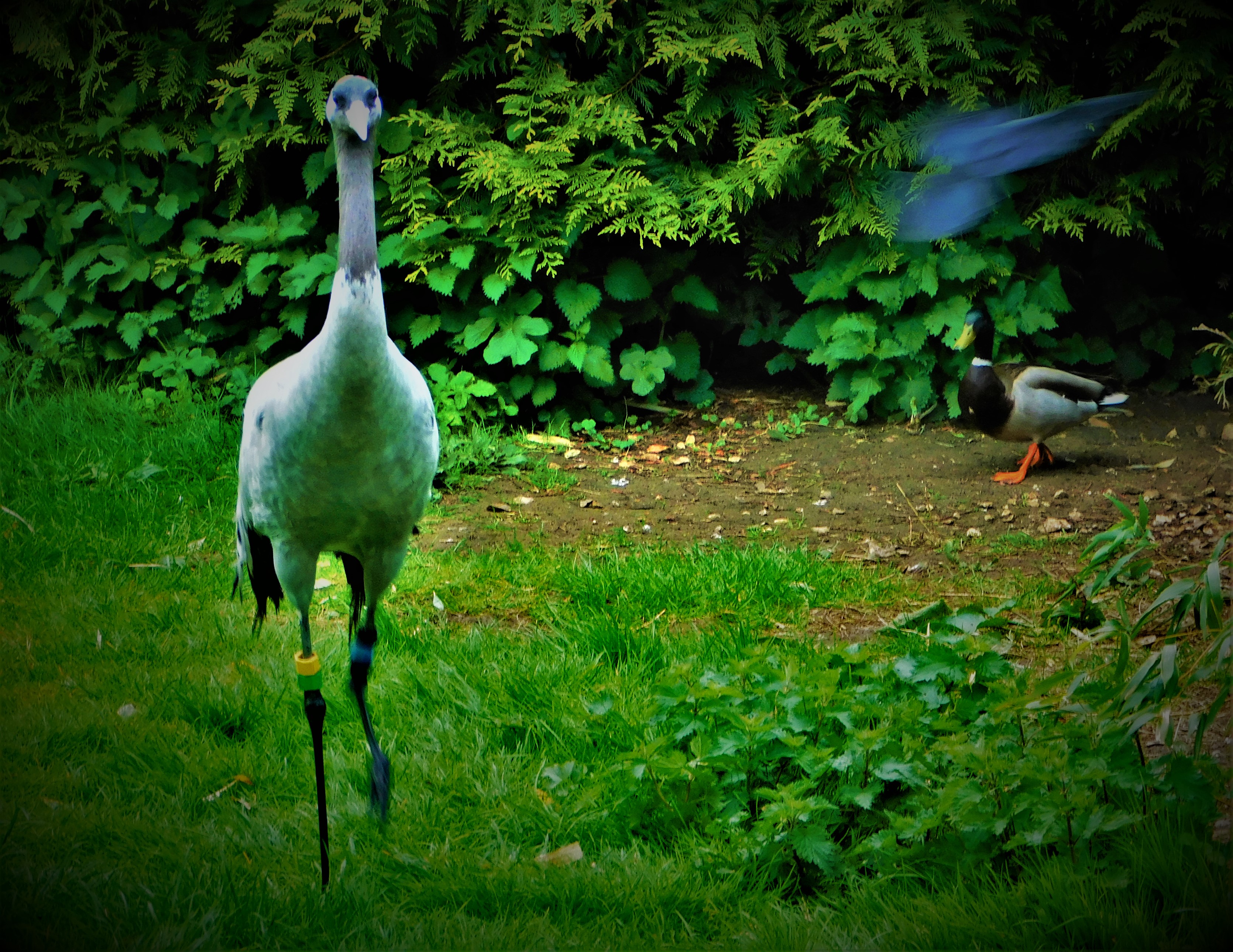
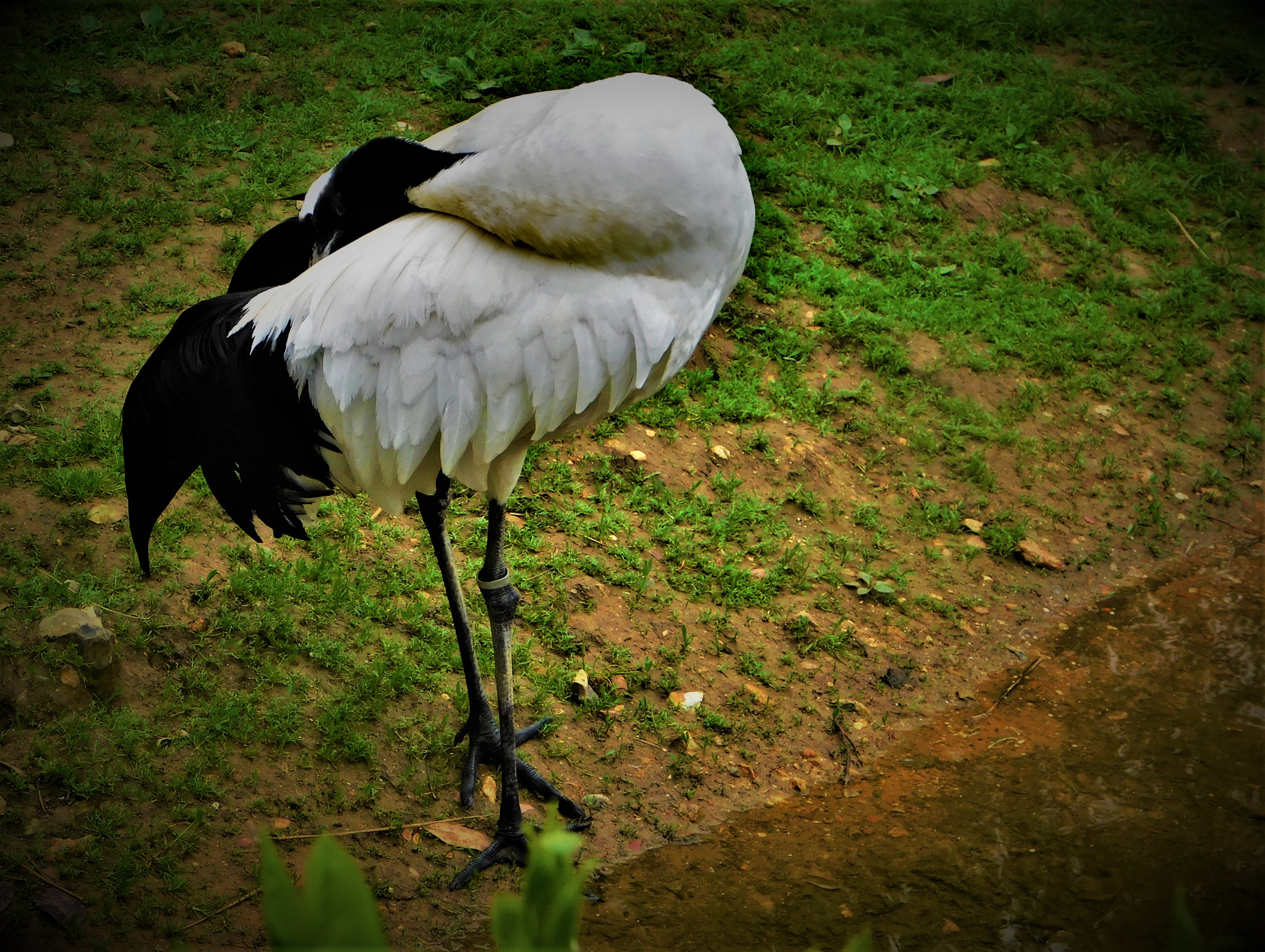
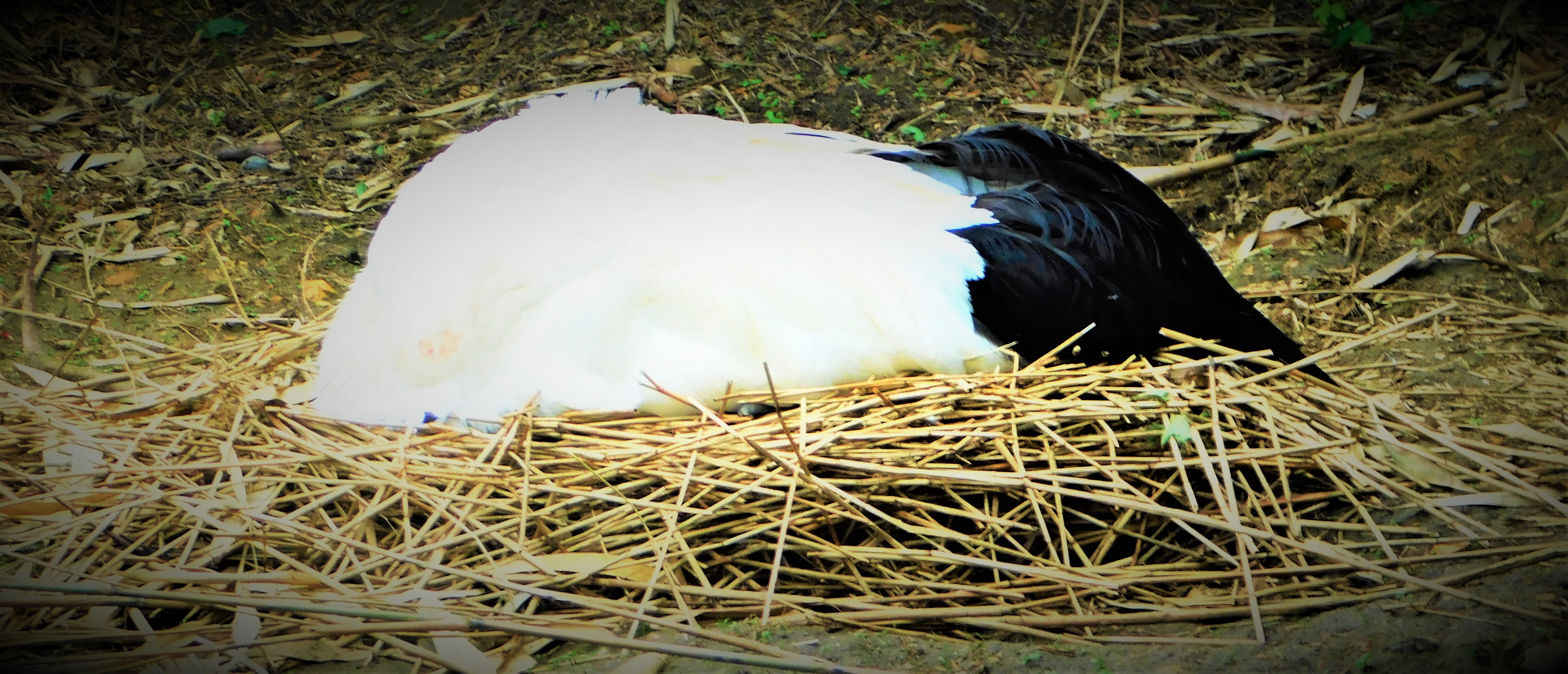
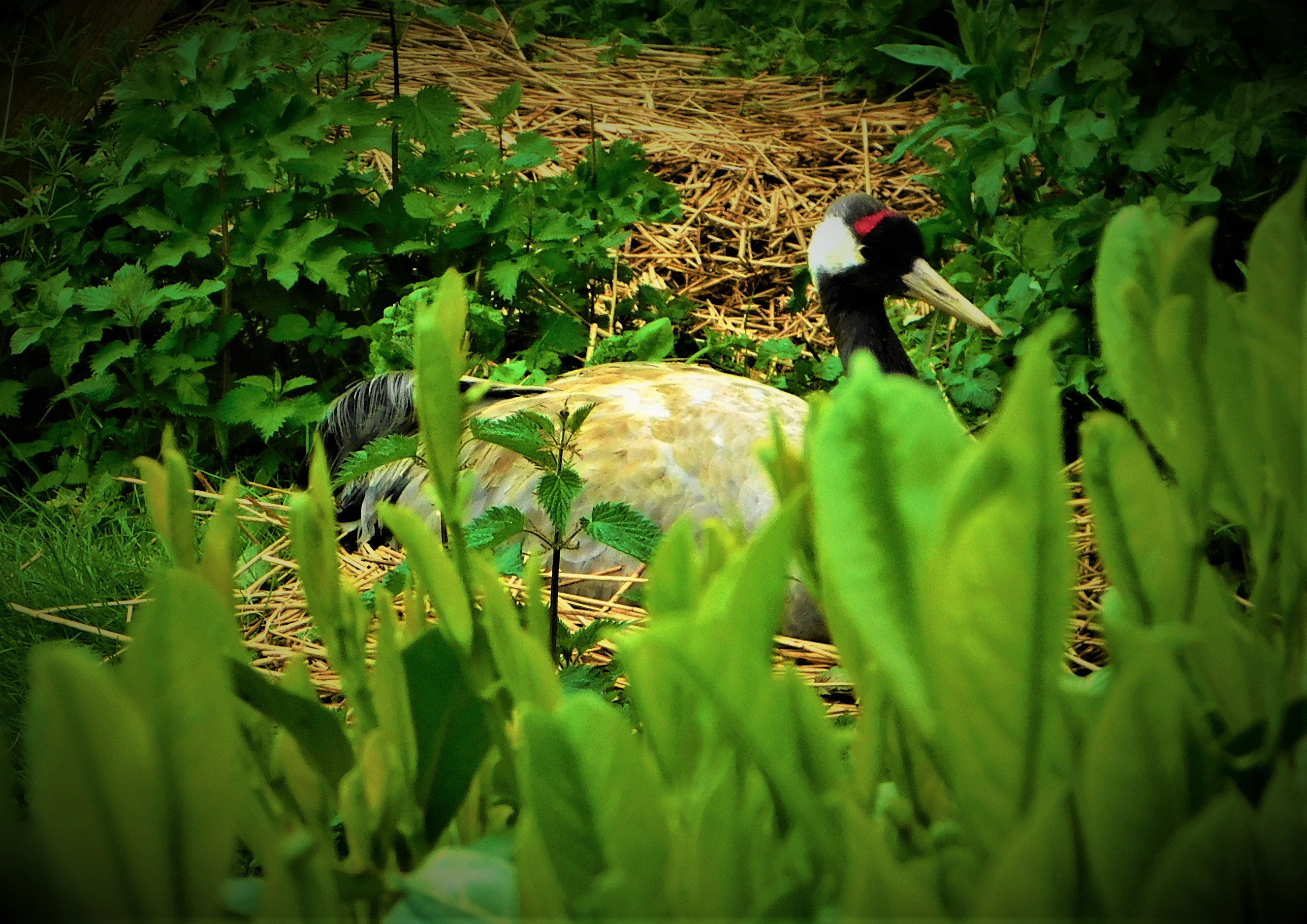
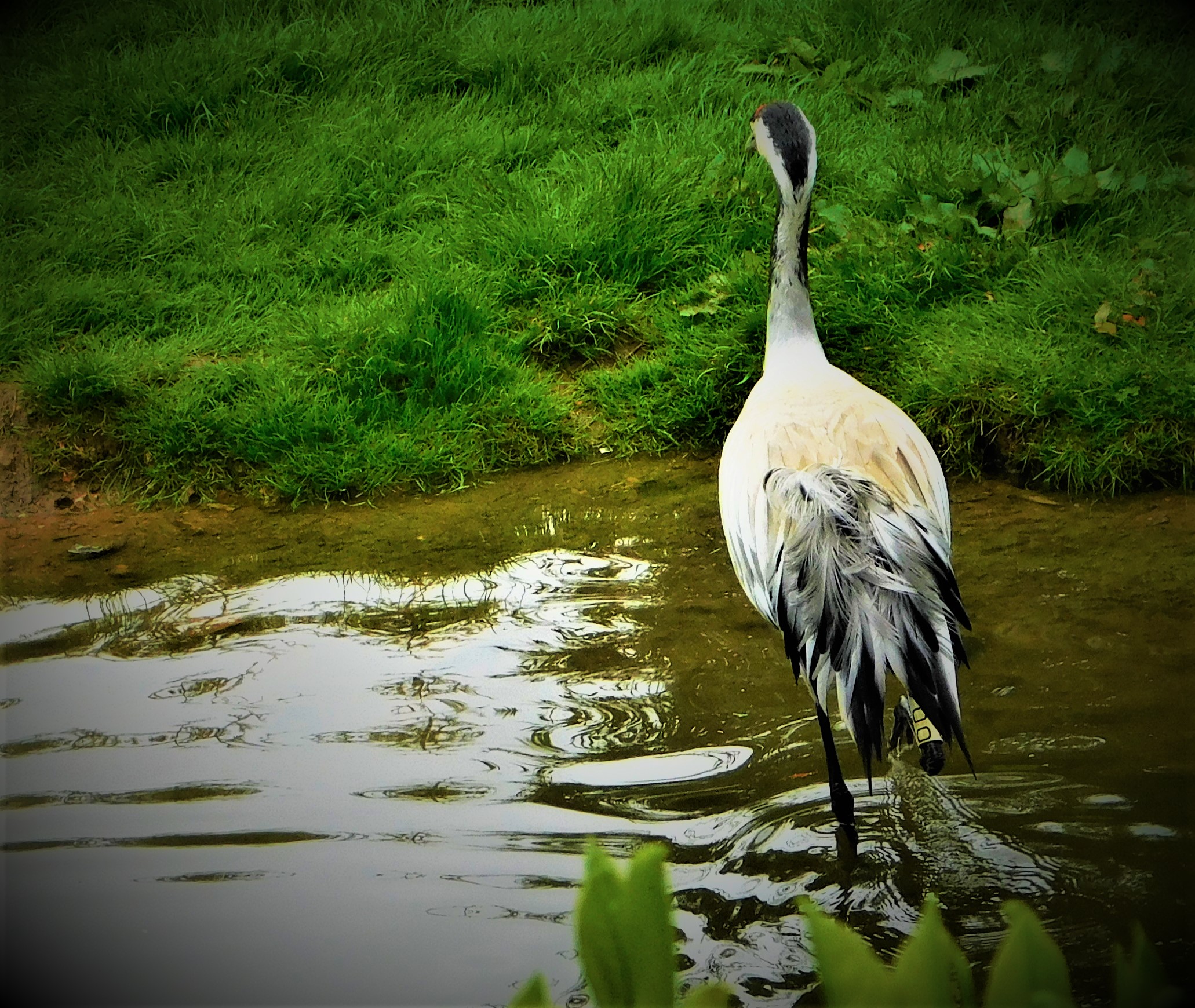
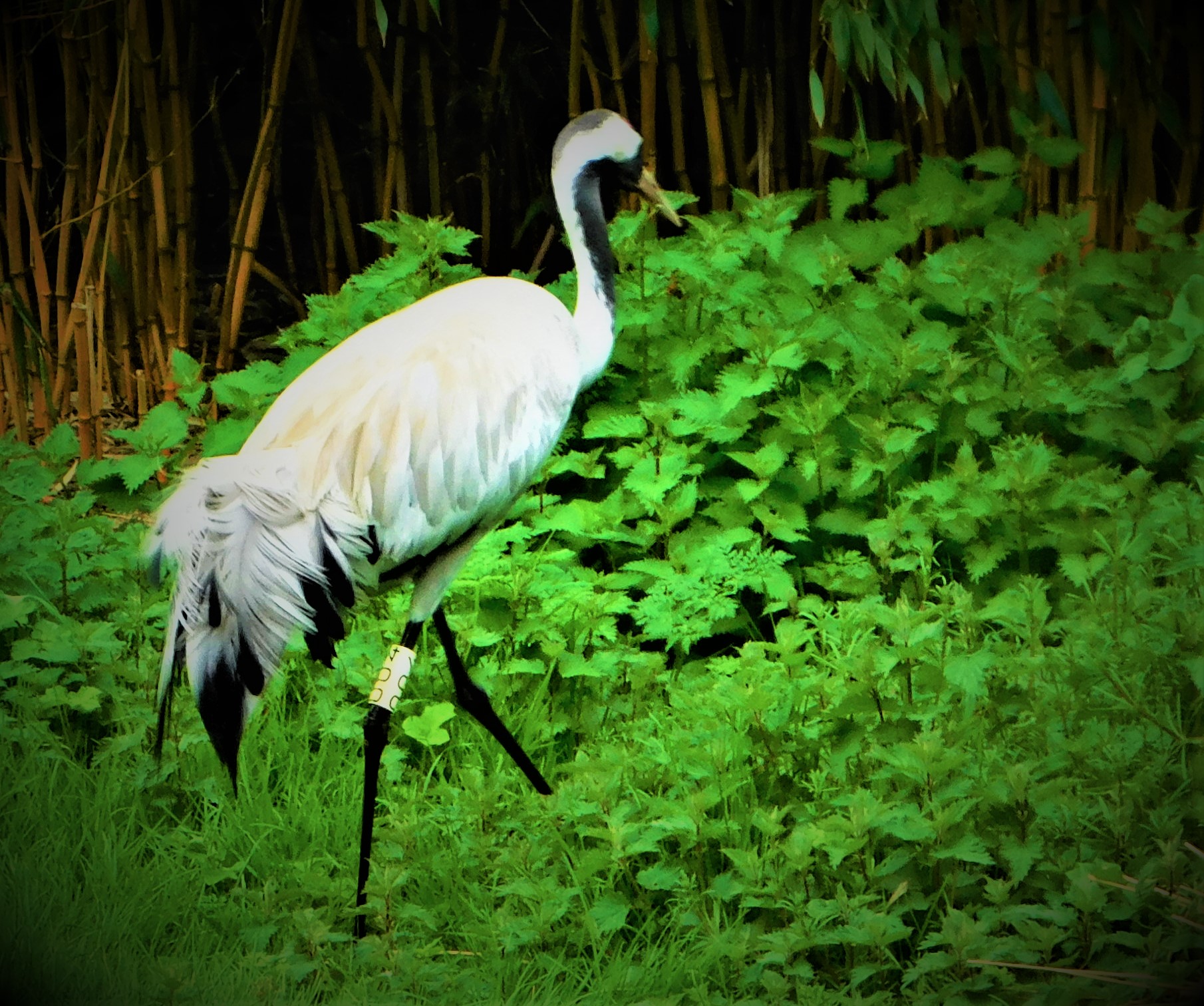
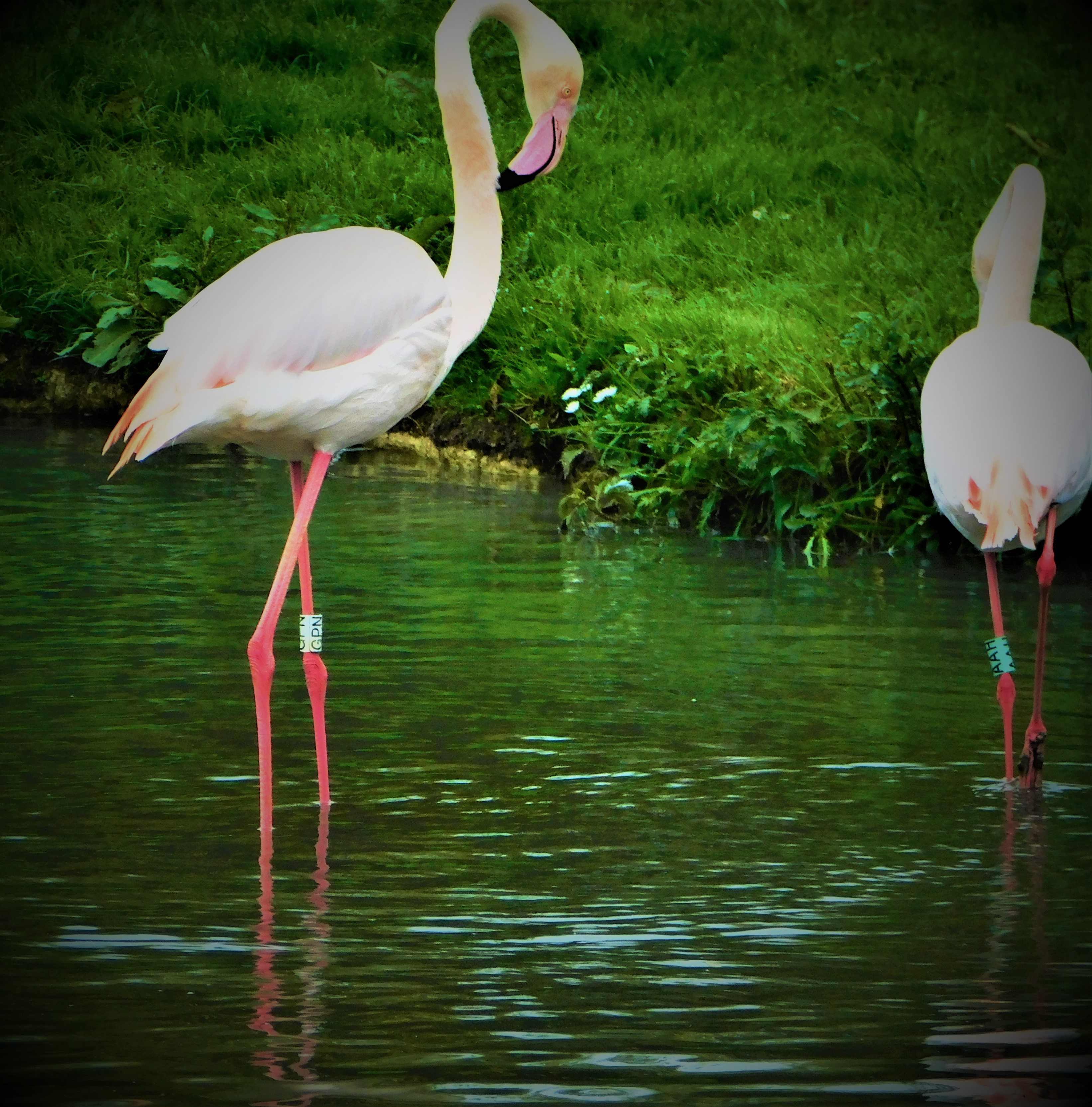
Pensthorpe 2023 – Cranes and Flamingos

The final installment in my series about Saturday’s excursion to Pensthorpe, featuring Cranes and Flamingos.

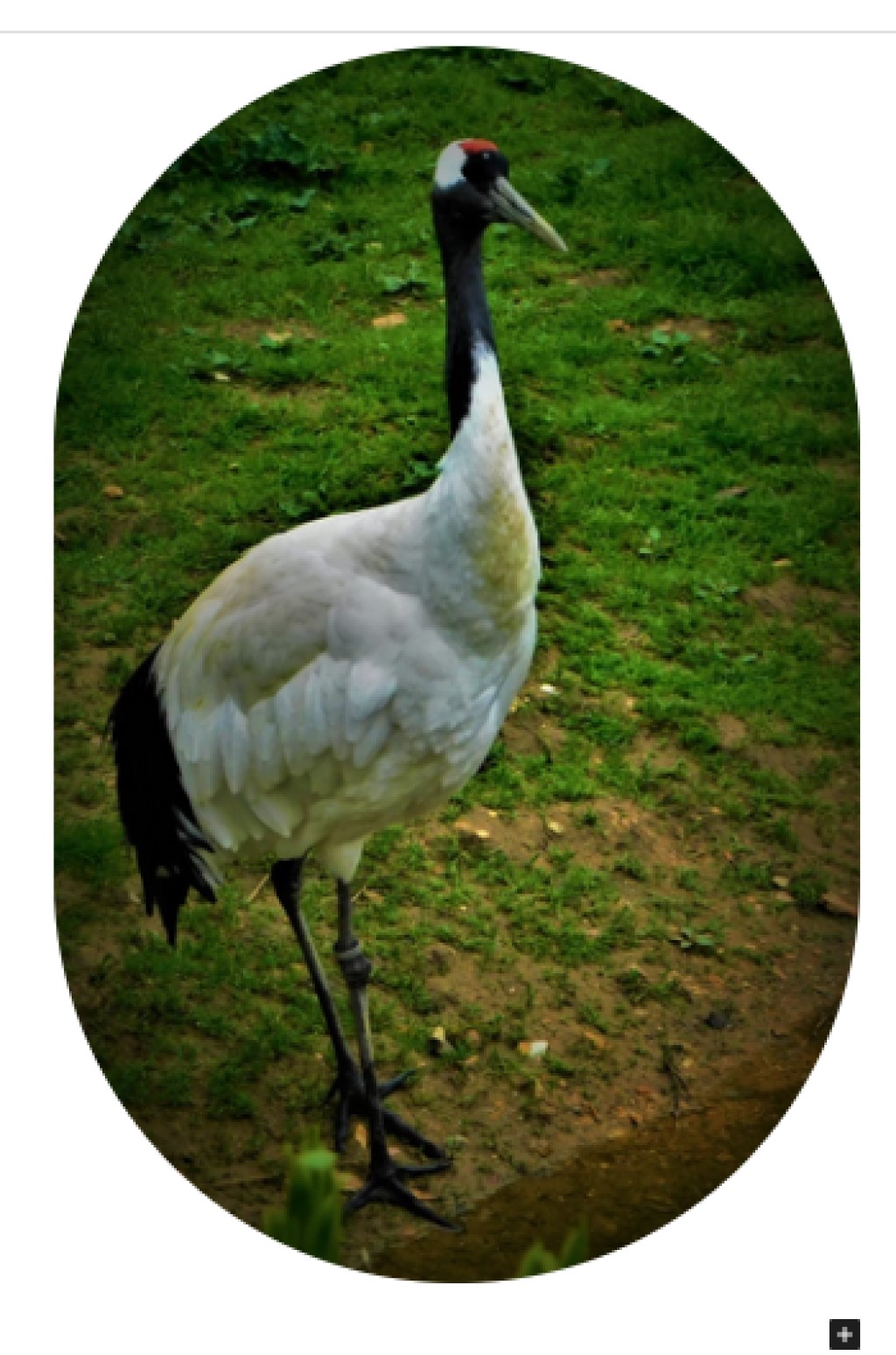
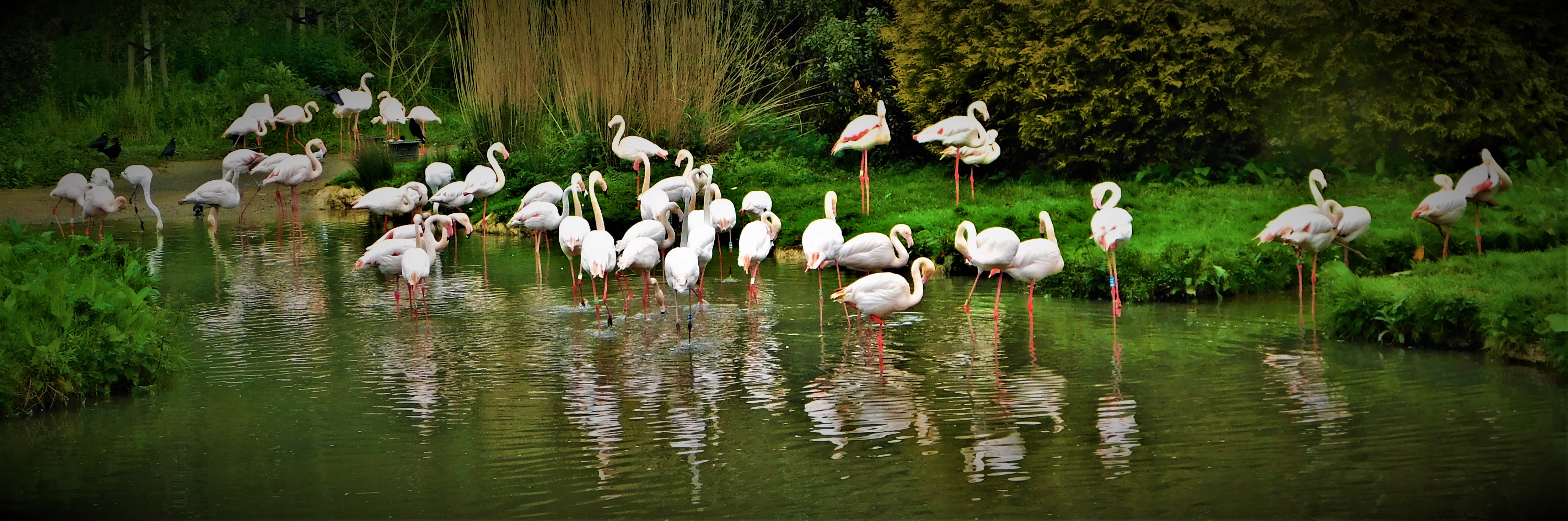
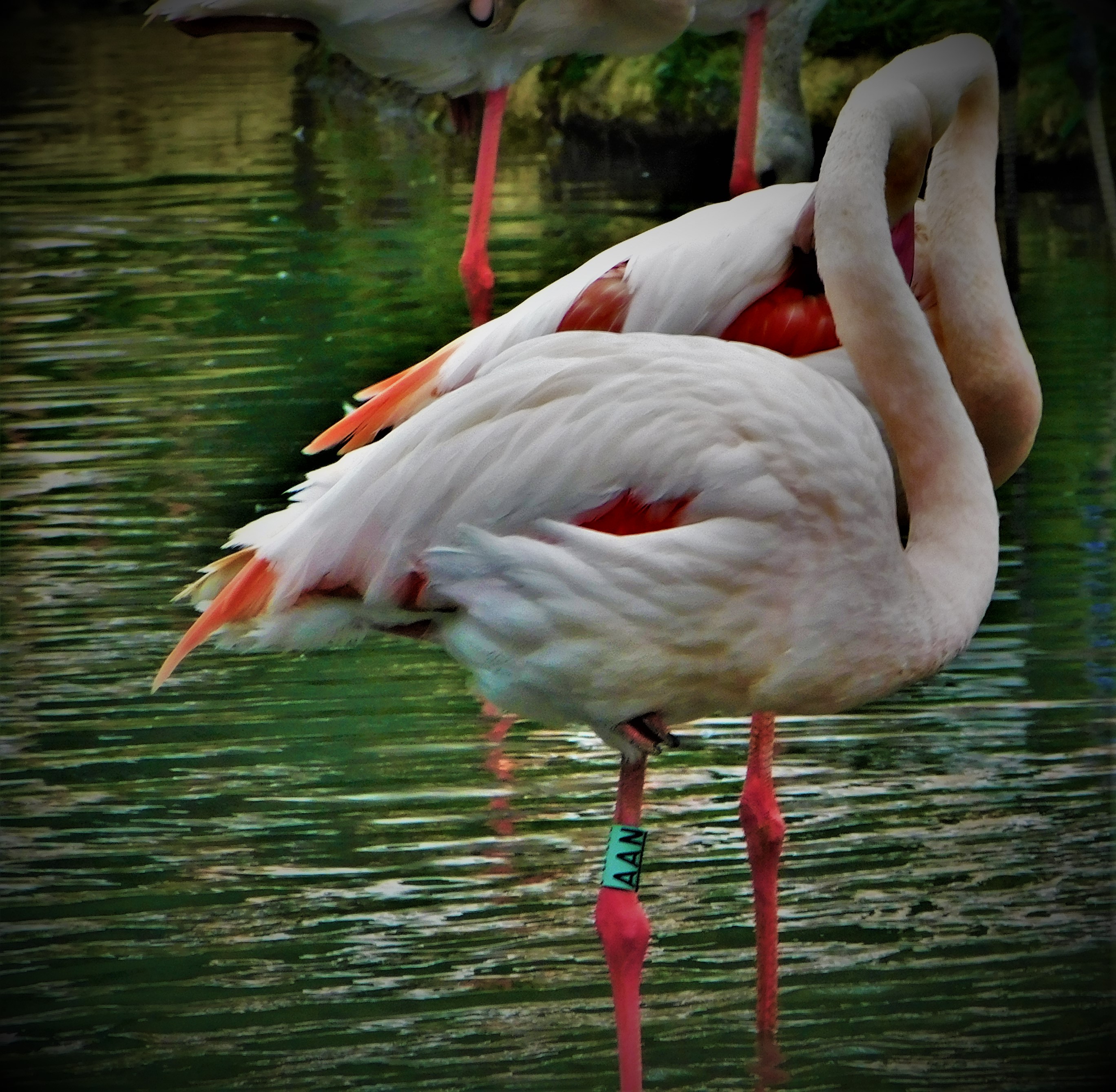
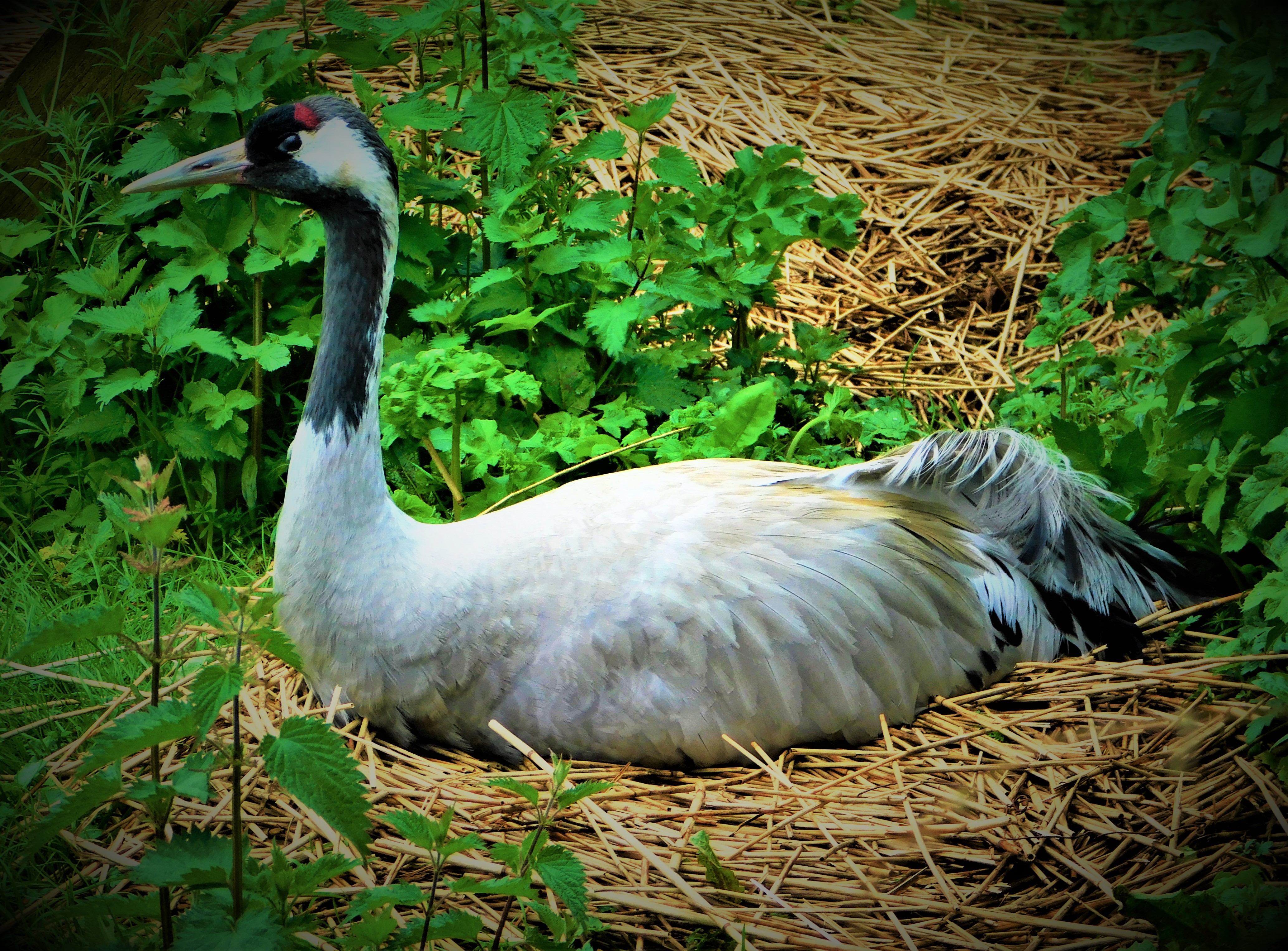
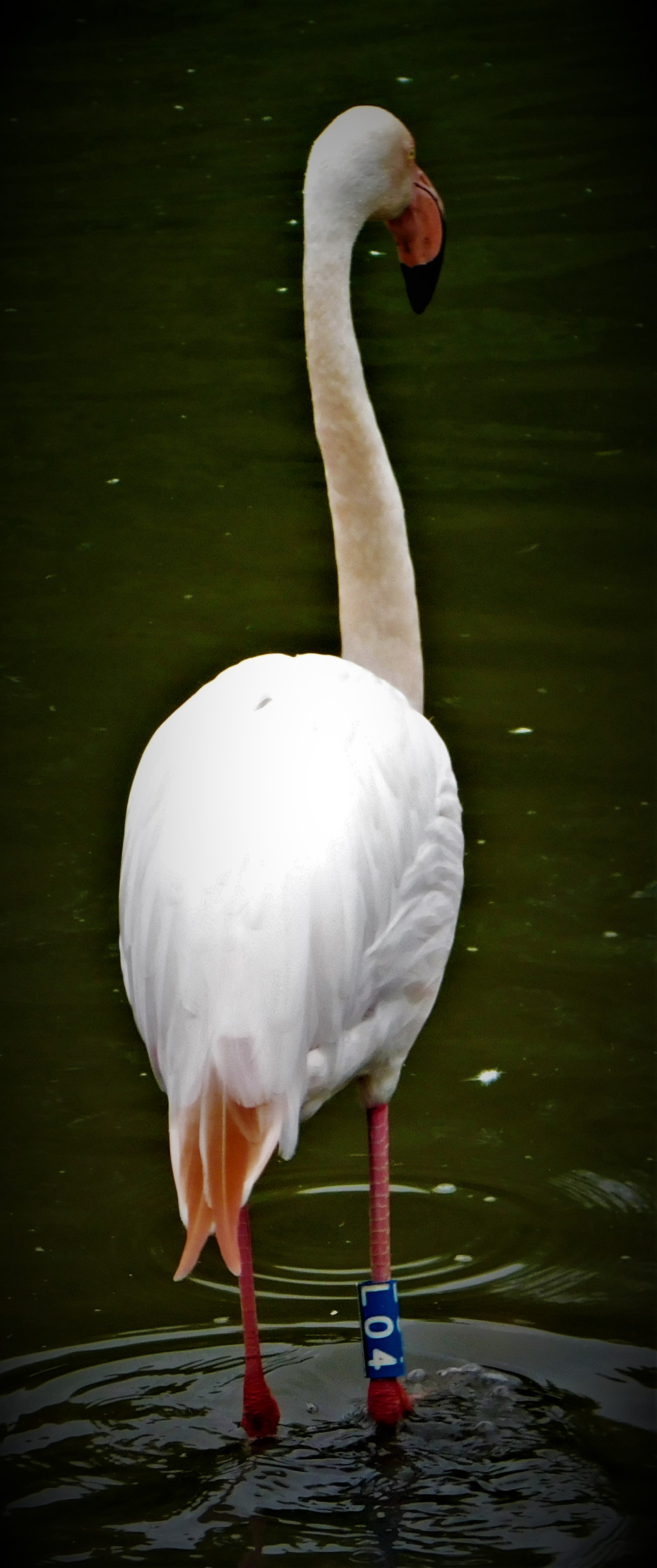
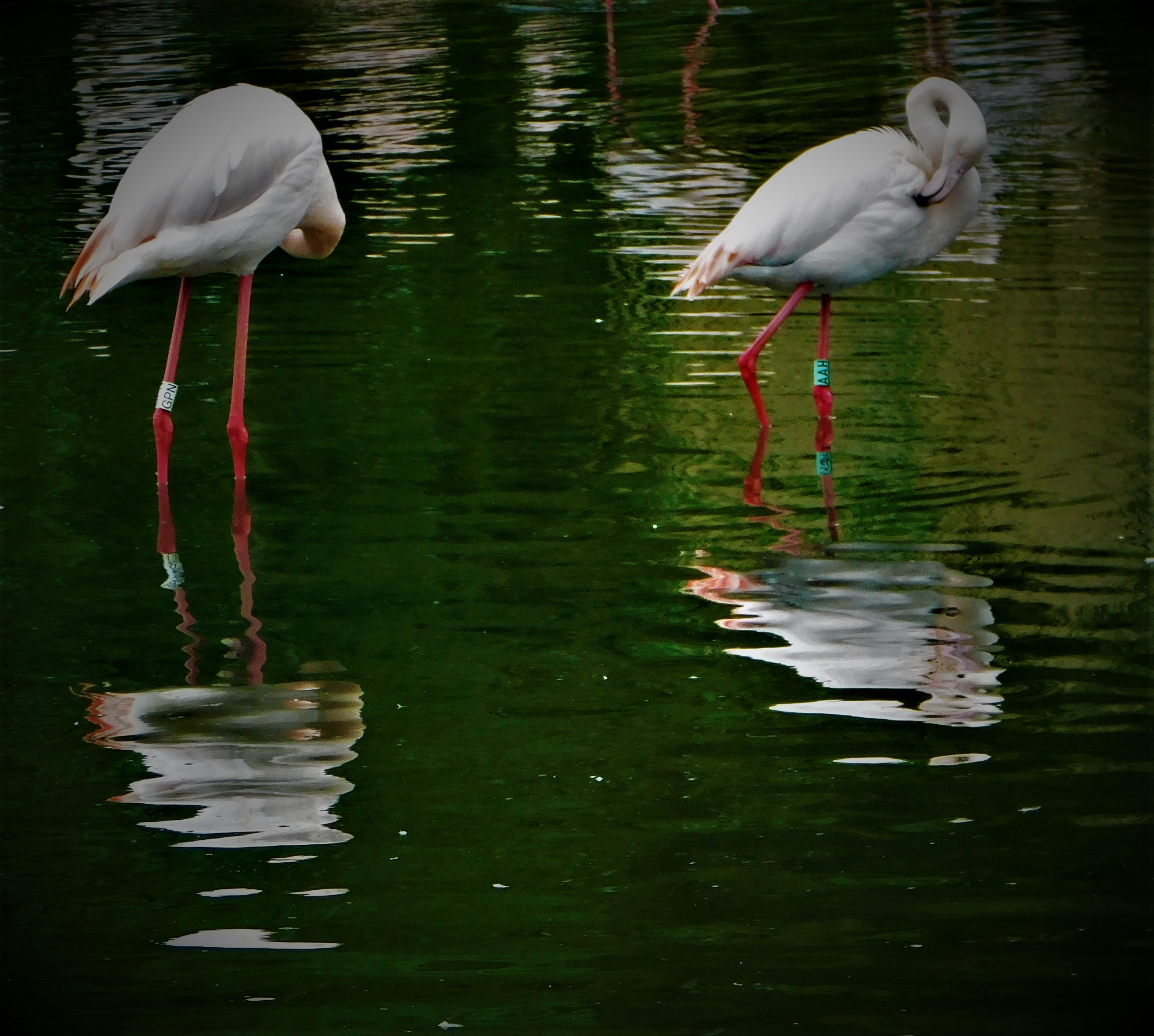
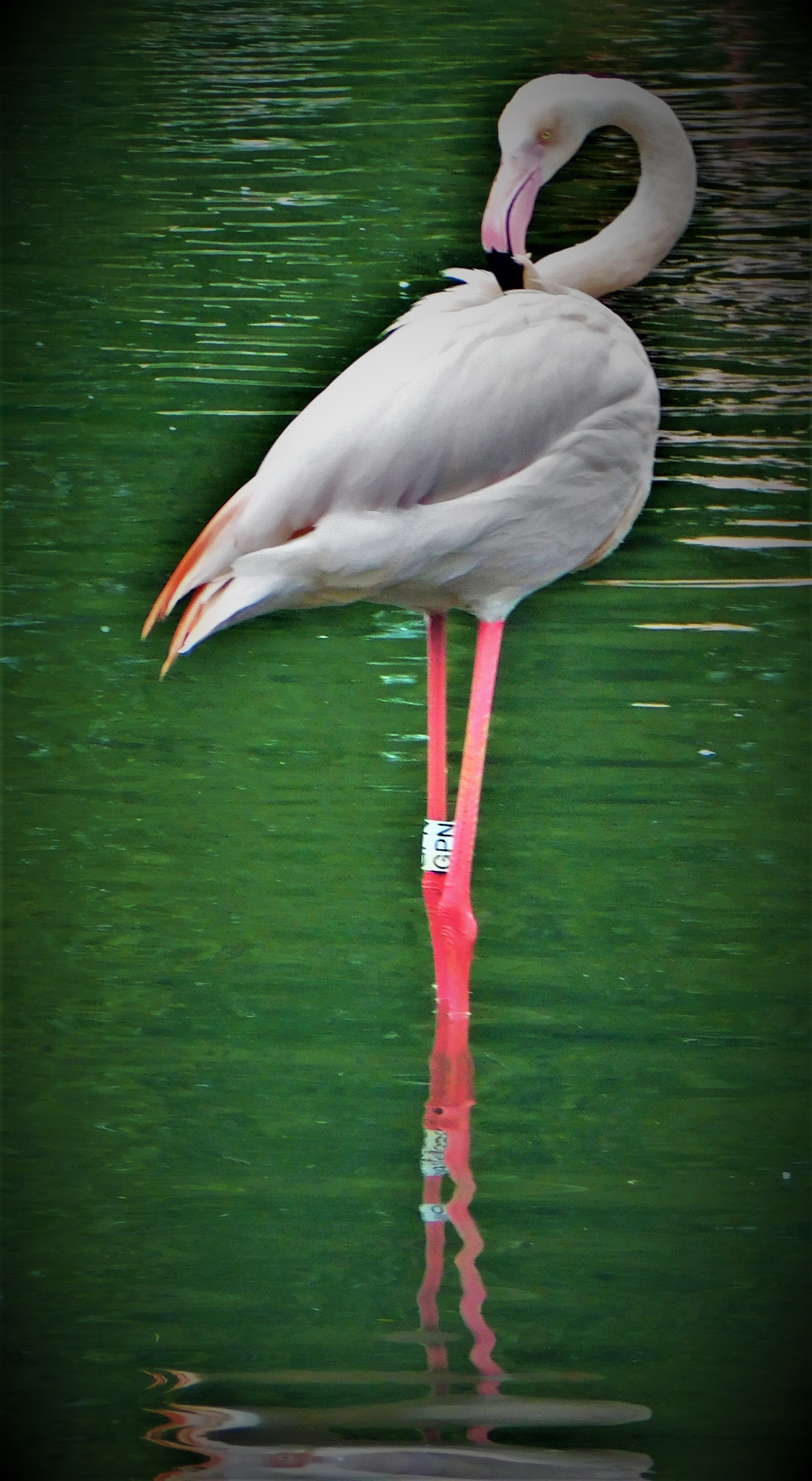
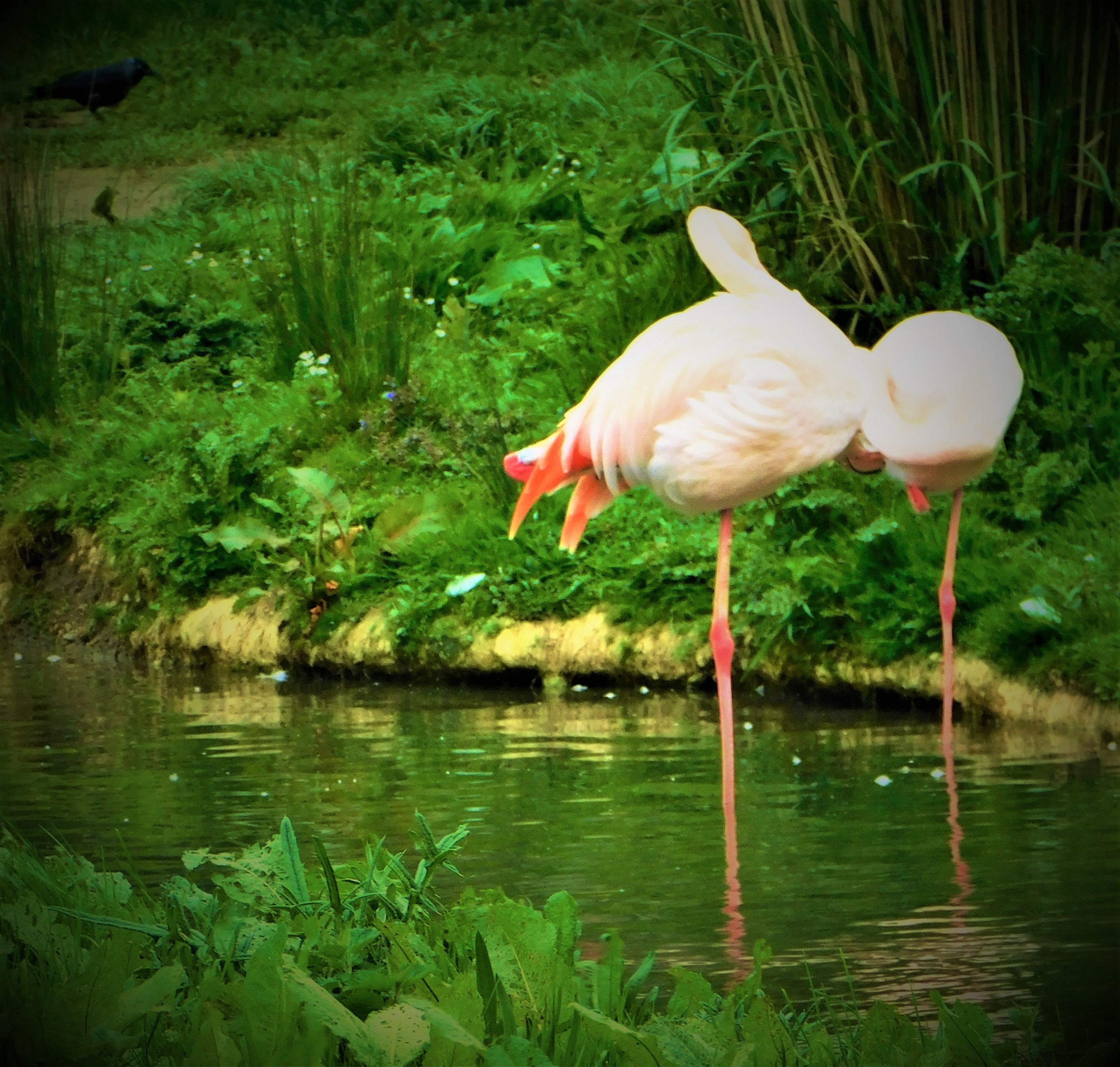
Welcome to the final post in my mini-series about the excursion to Pensthorpe on Saturday. Our subjects are cranes and flamingos. The former are the subject of one of Pensthorpe’s major conservation efforts.

CRANES AND FLAMINGOS

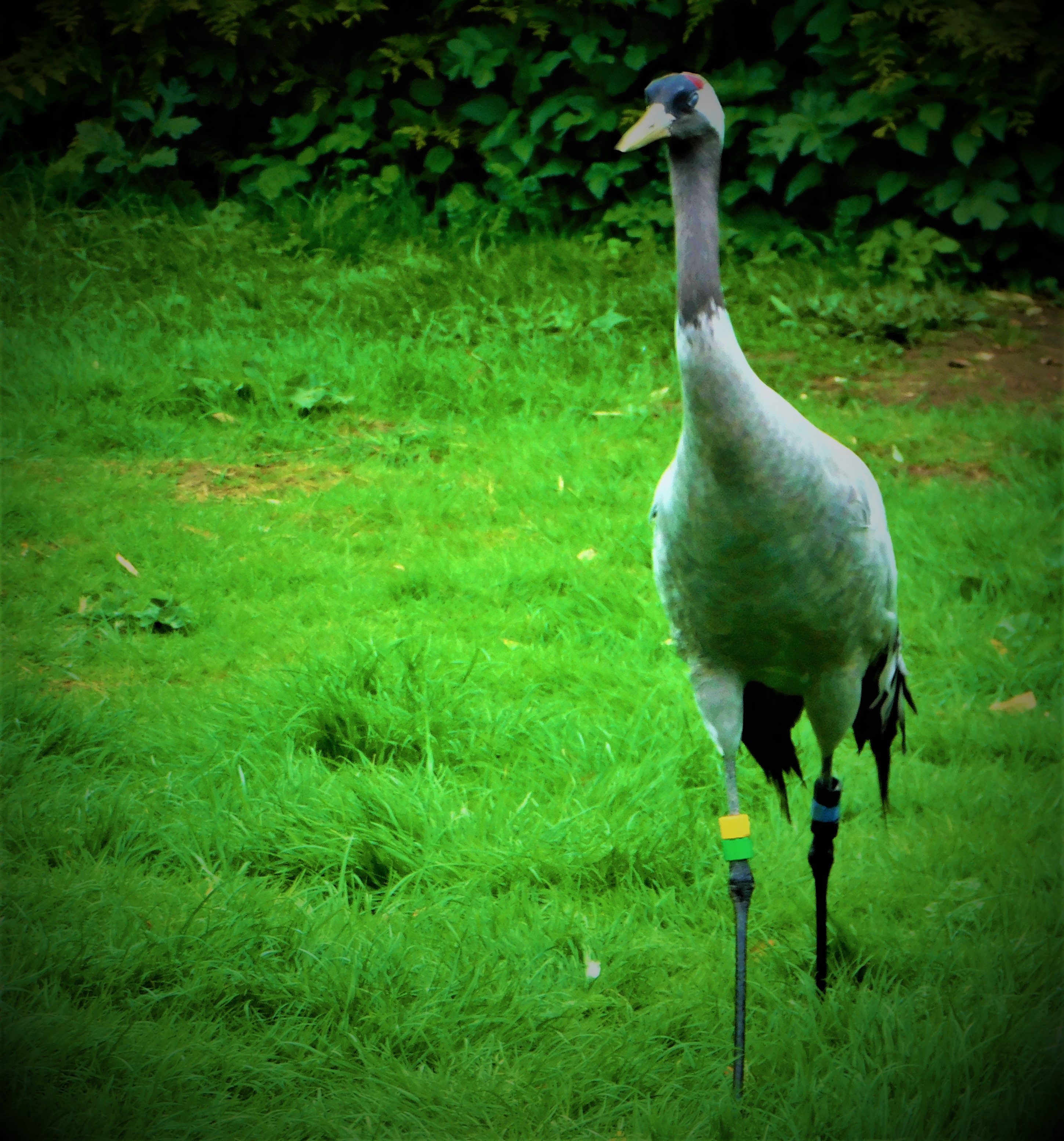
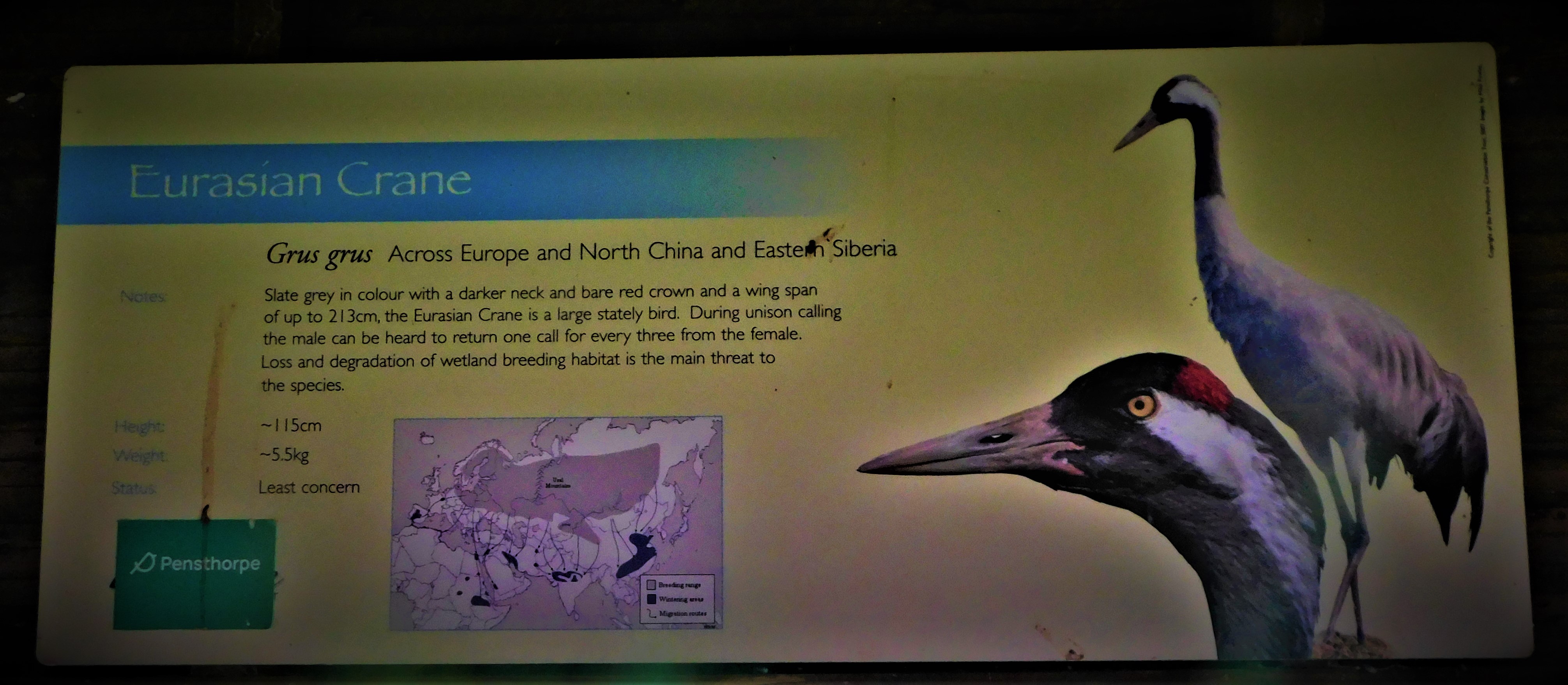
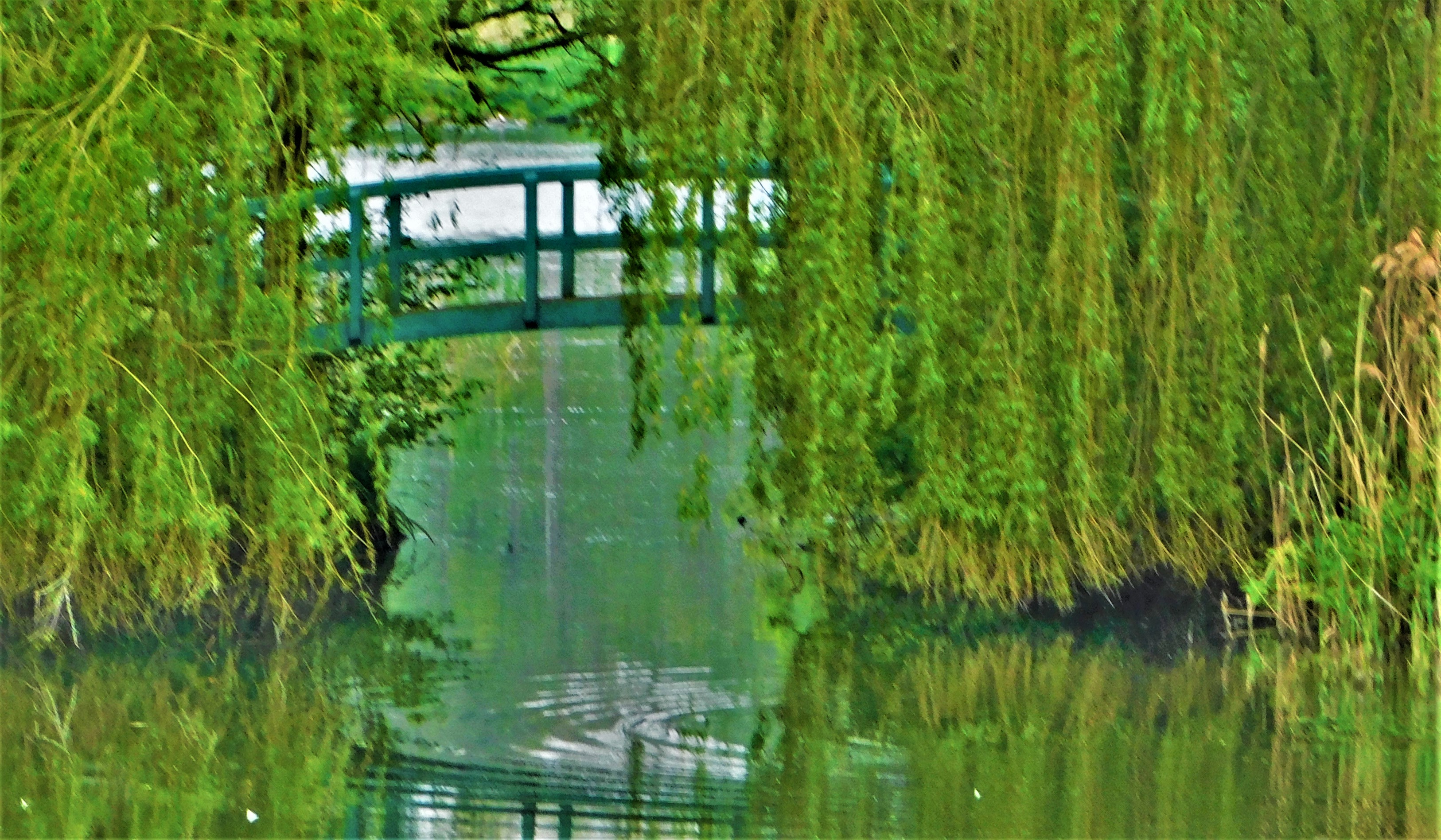
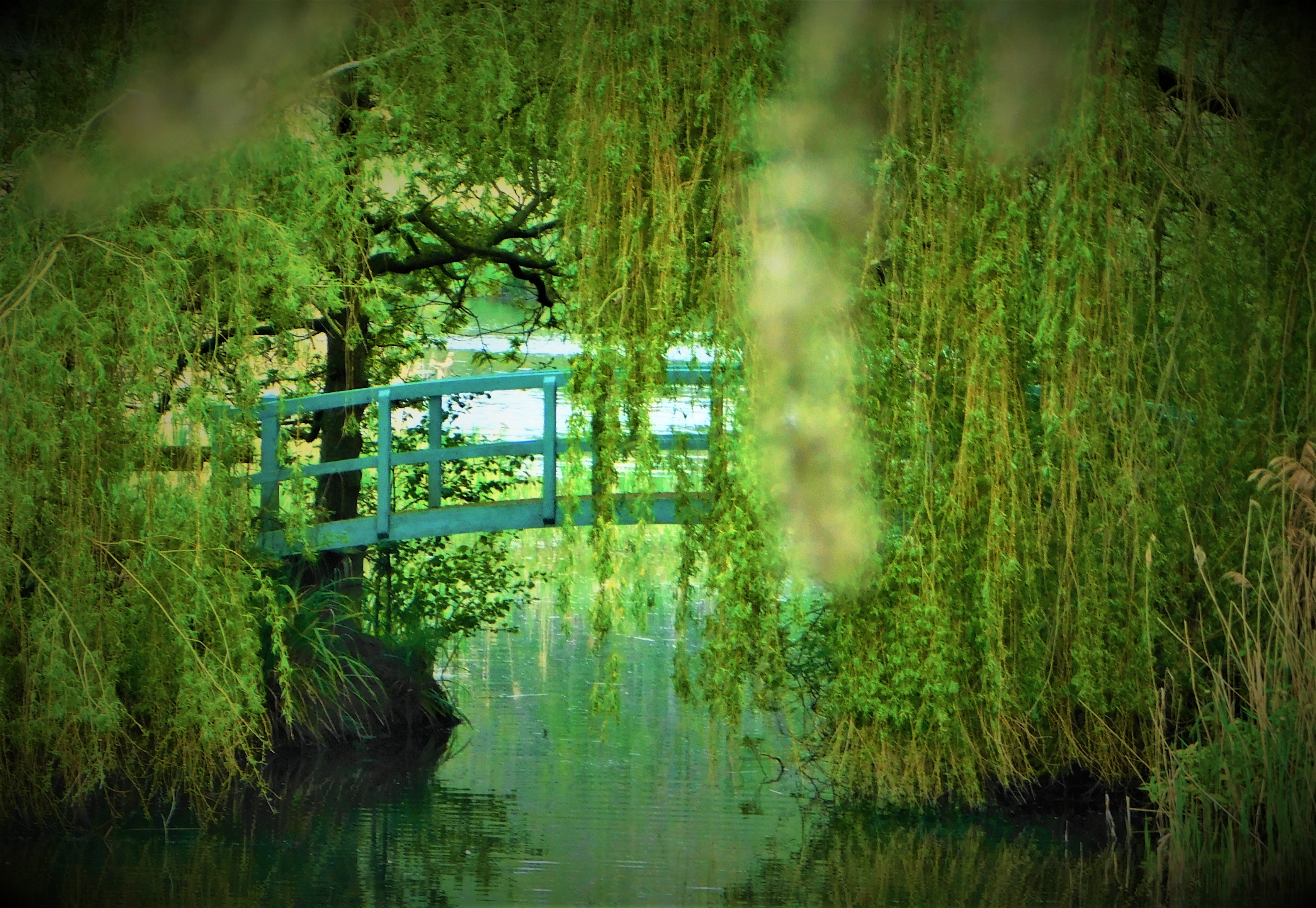
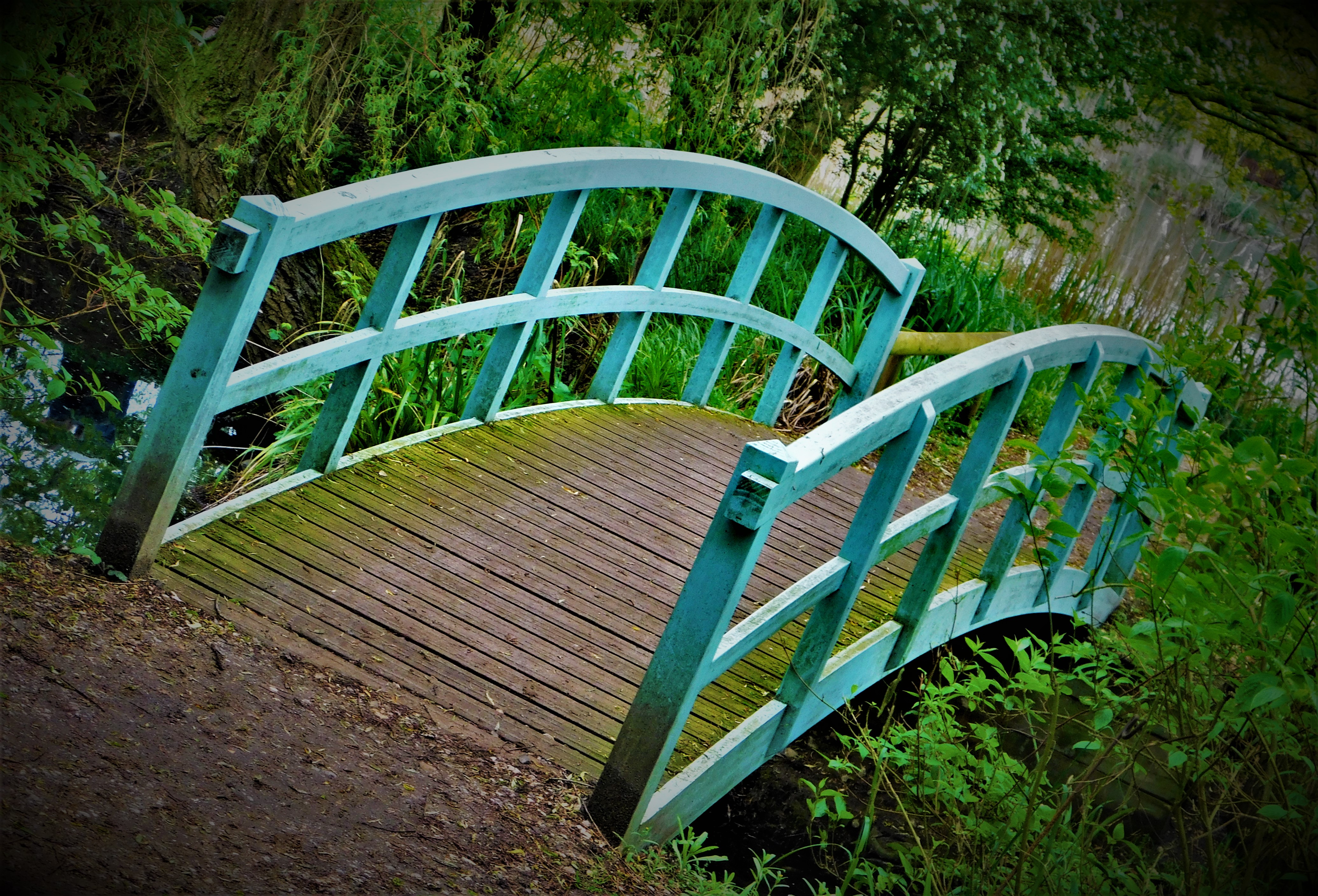
As you enter the area where the cranes and flamingos are the flamingo pool is in one direction, open and visible, and the birds themselves, clustered together in numbers, are even more so. In the other direction is the crane hide, with wide, shallow windows each of which you can observe a different species of crane through. I actually managed to visit this part of Pensthorpe twice in the course of the day, near the beginning and near the end (visiting it also means passing within sight of the Monet inspired bridge, pictures of which featured in my introductory post, which is a bonus).

Pensthorpe 2023: Ducks and Geese

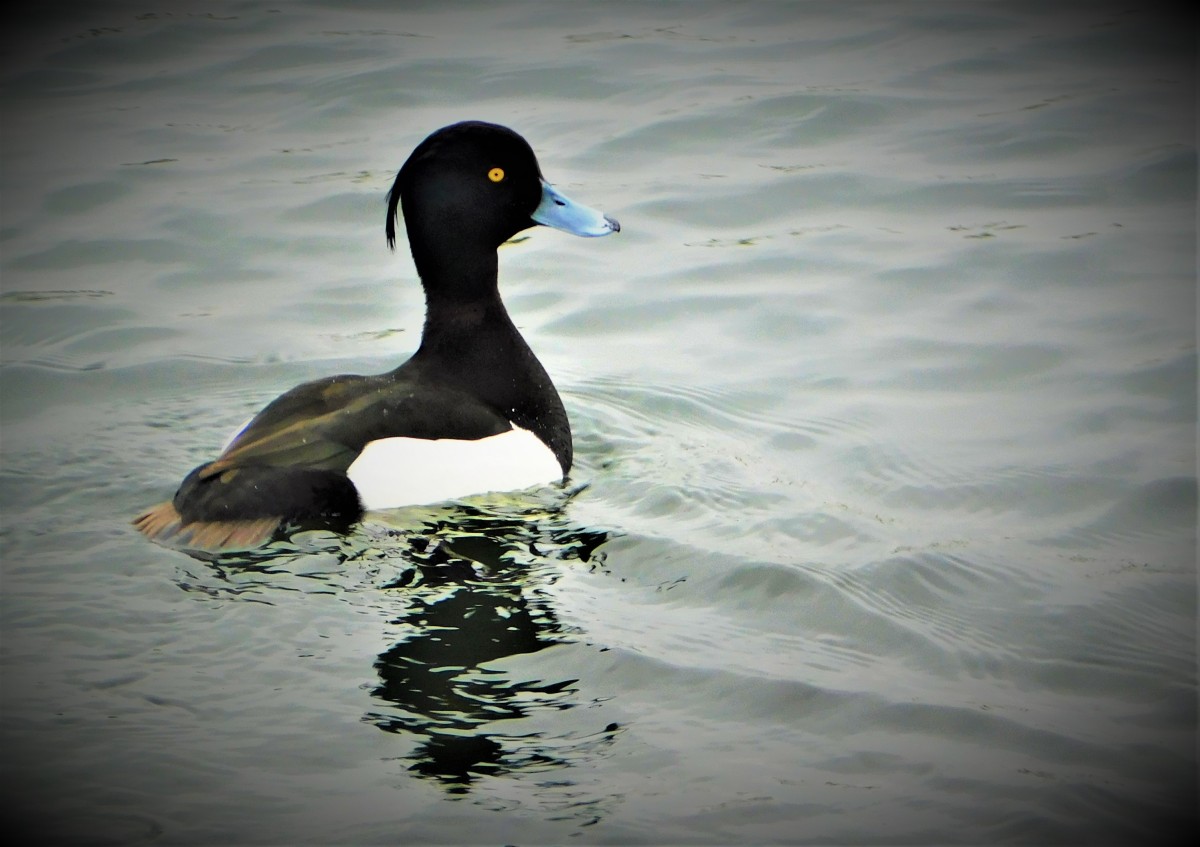
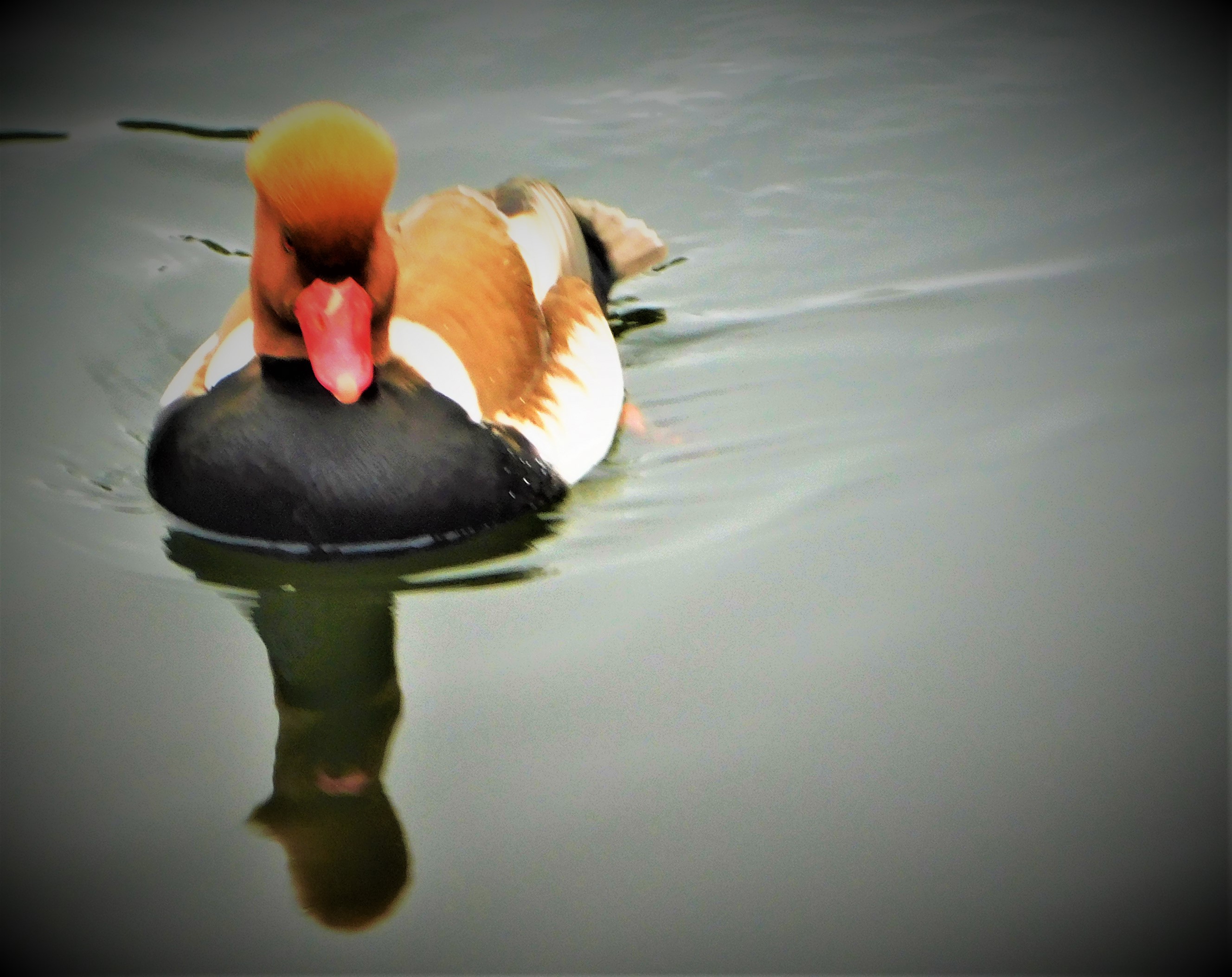
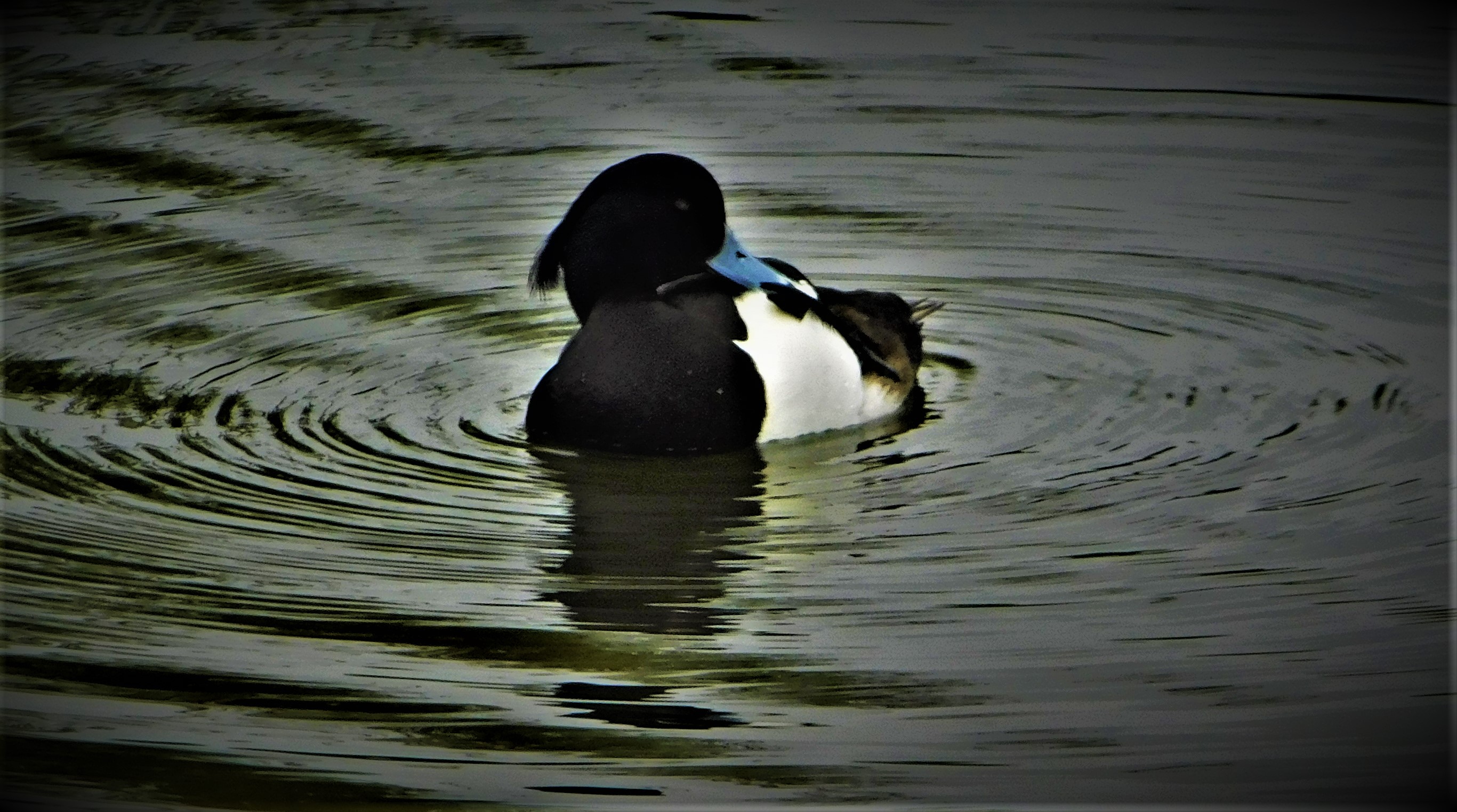
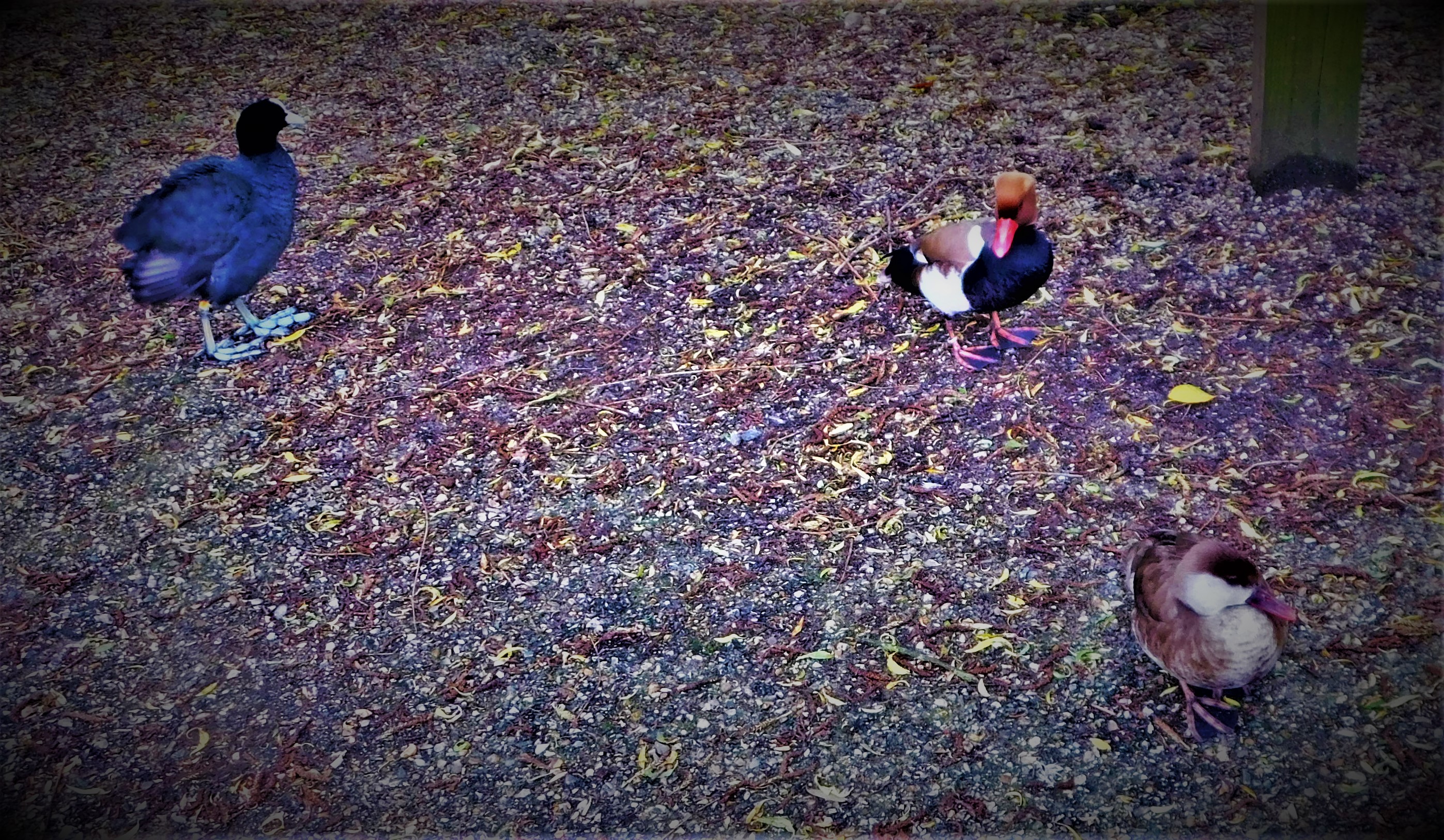
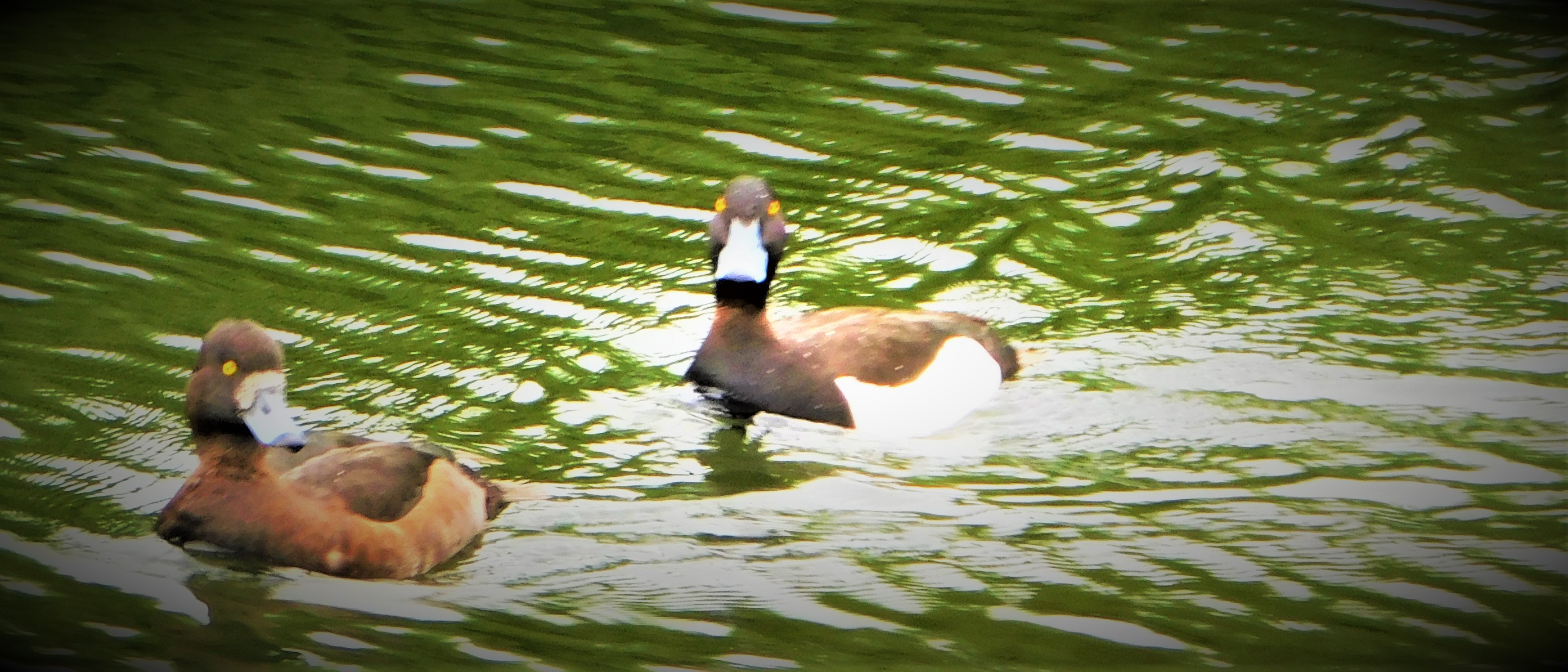
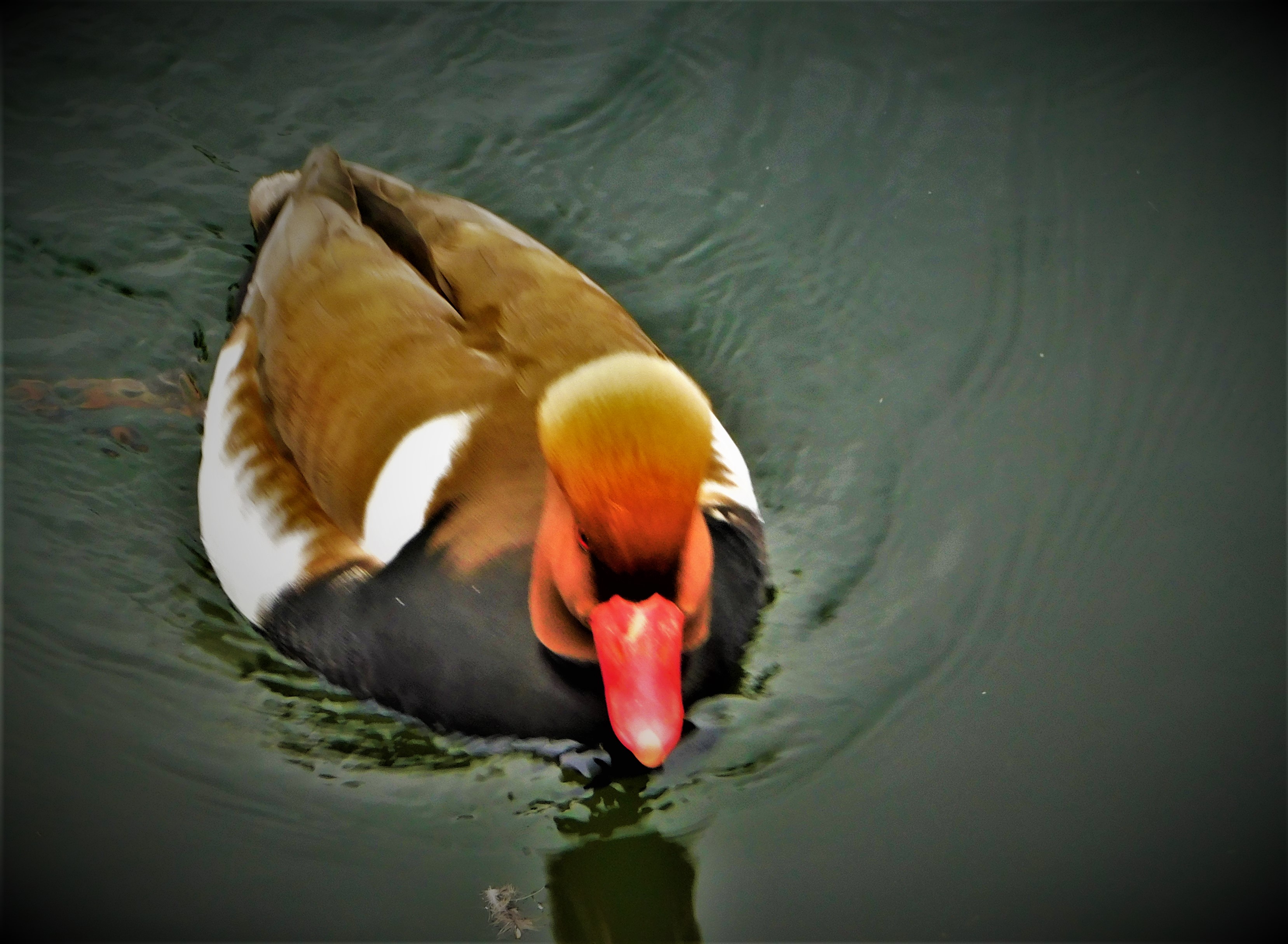
Continuing my mini-series about my visit to Pensthorpe with a look at the ducks and geese that I saw there, which include some exotic species as well as some commonplace ones.

This is the second post in my mini-series (the first is here) about my visit to Pensthorpe yesterday as part of a West Norfolk Autism Group excursion.

MIXING THE MAGNIFICENT AND THE MUNDANE

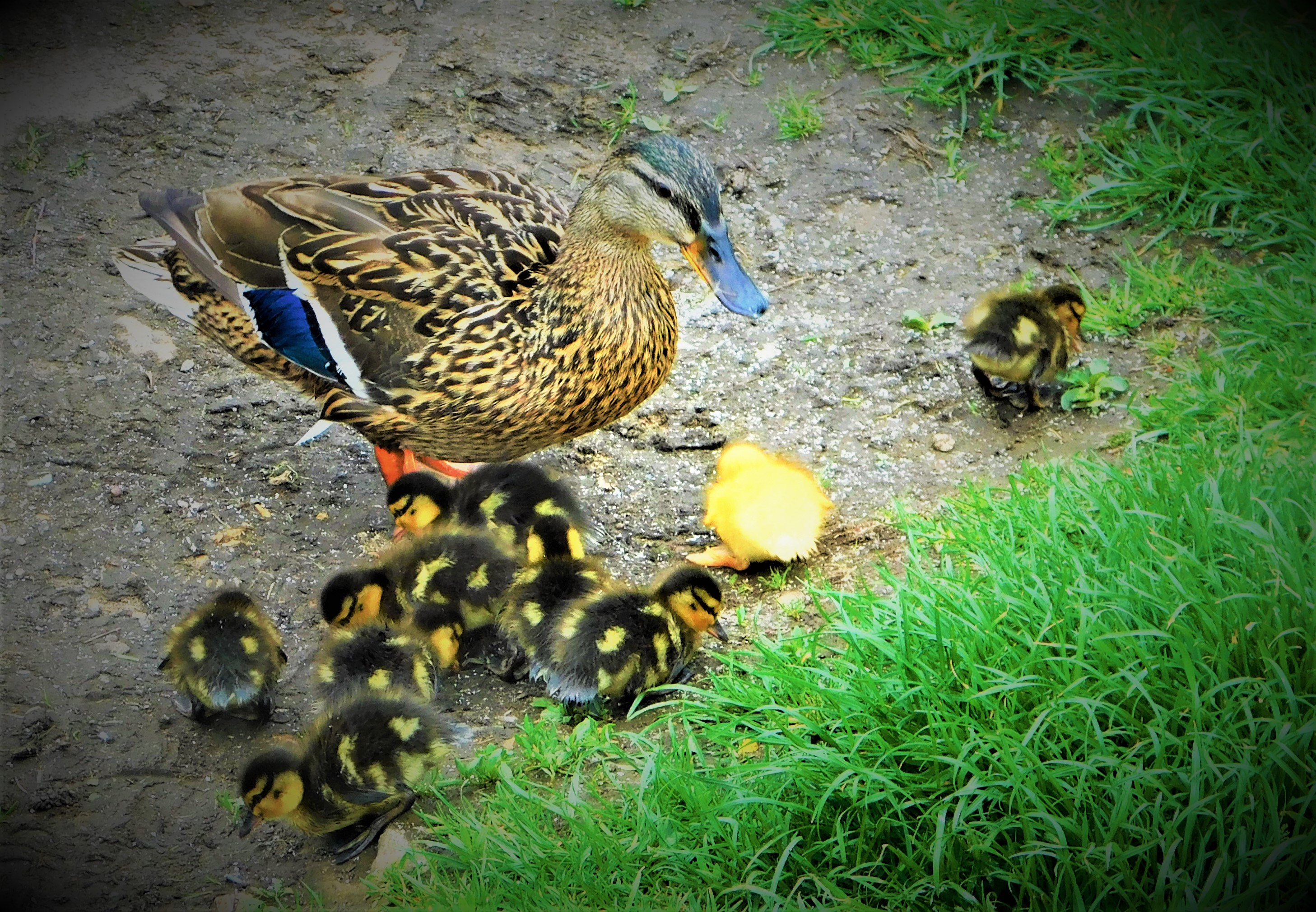
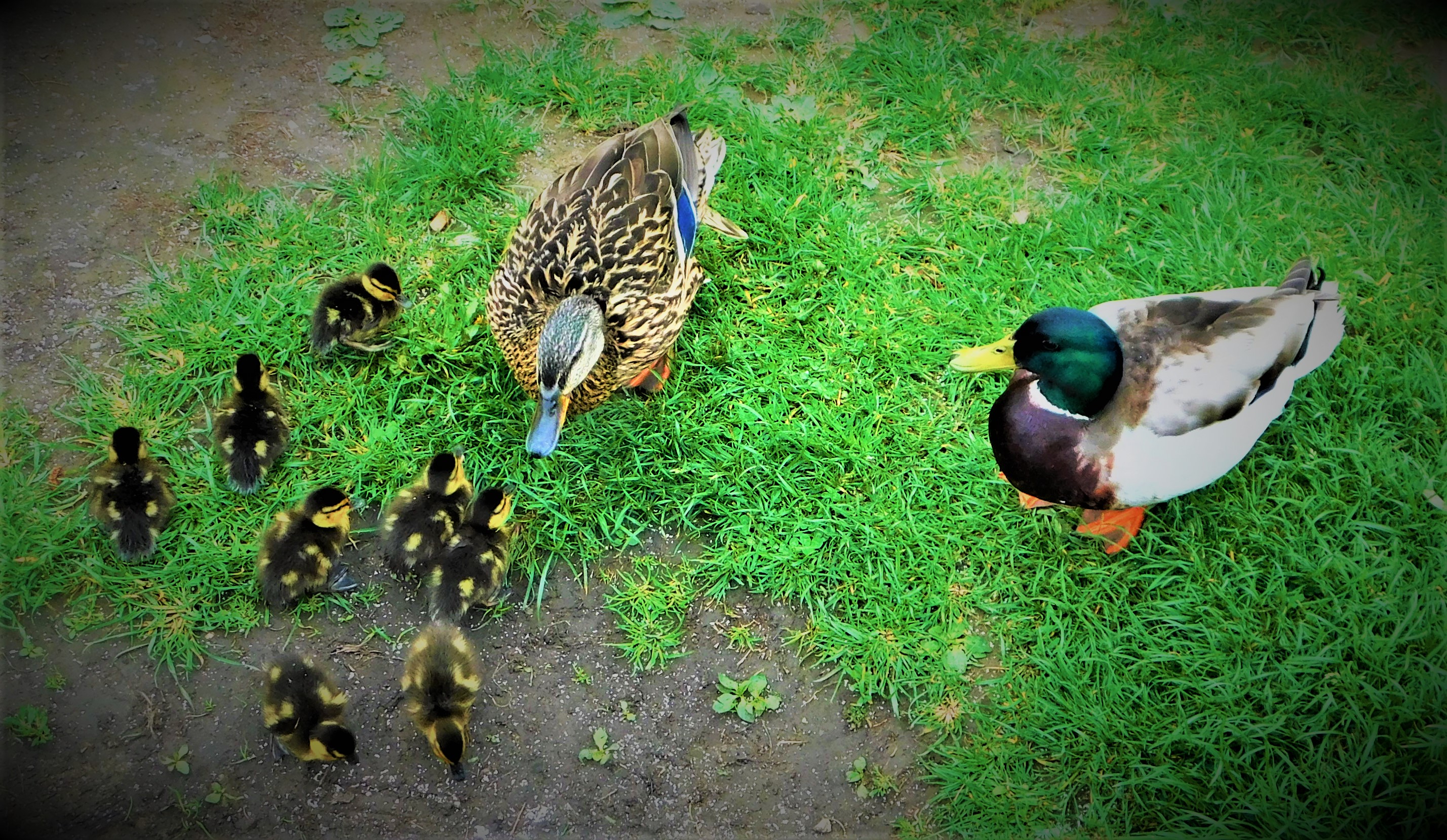
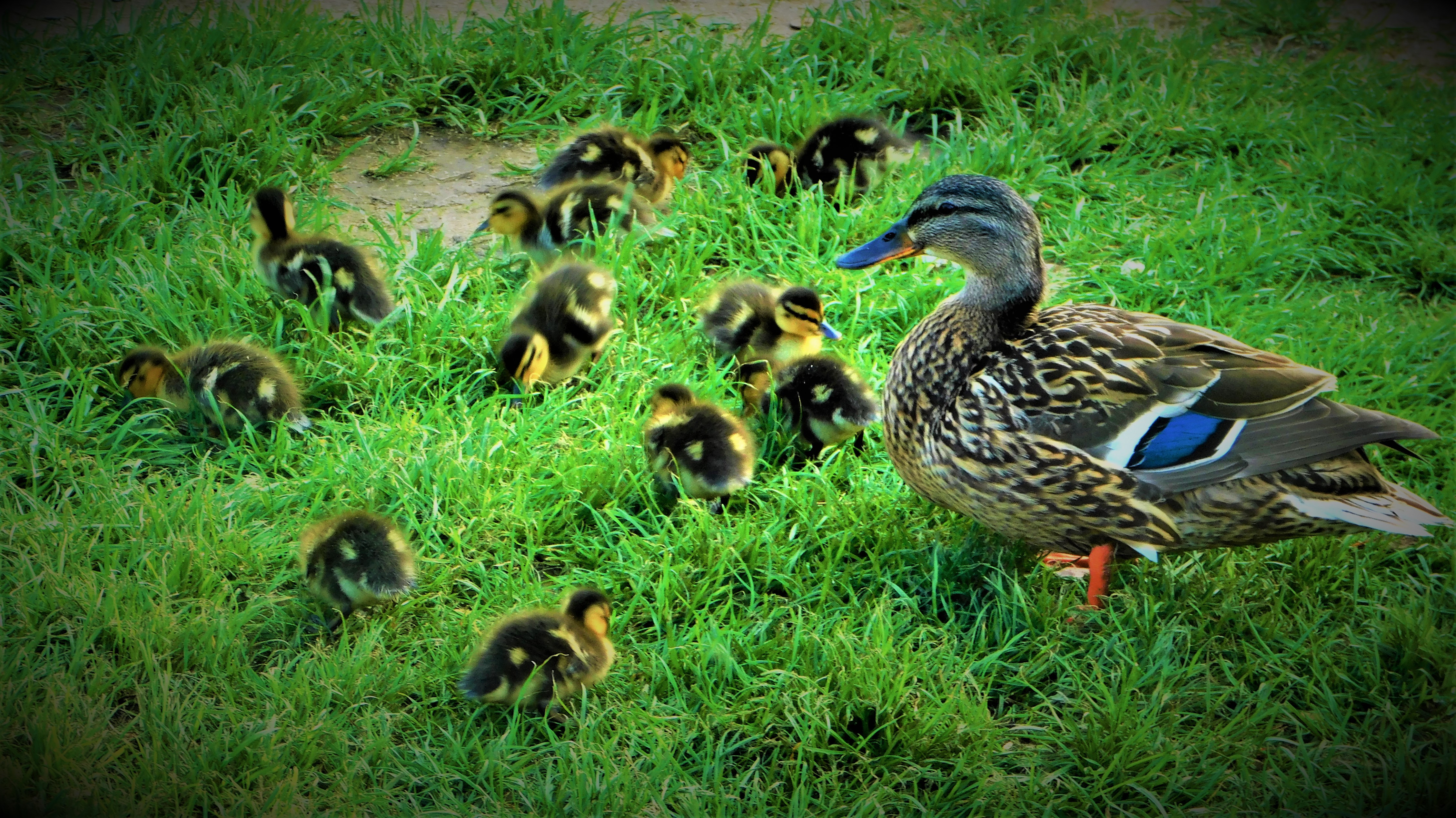
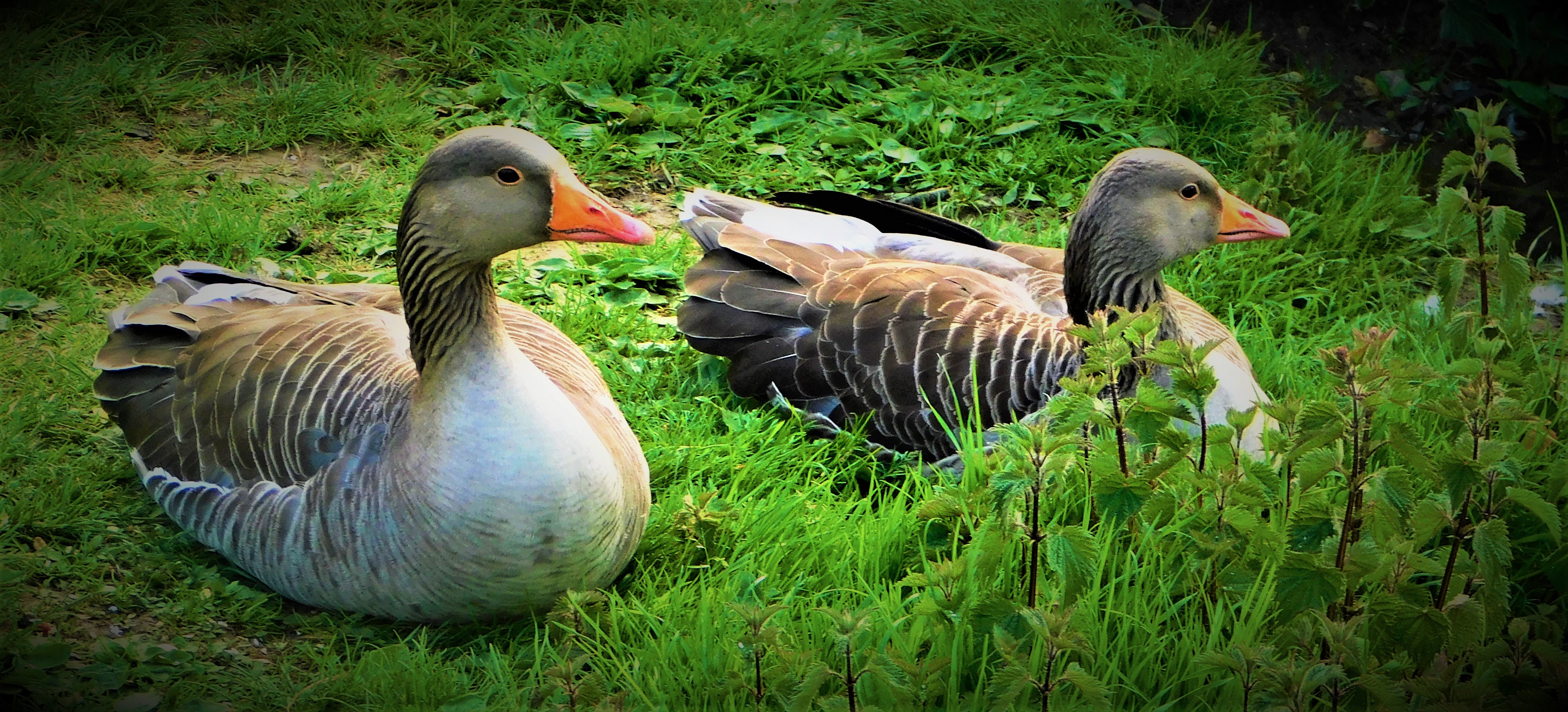
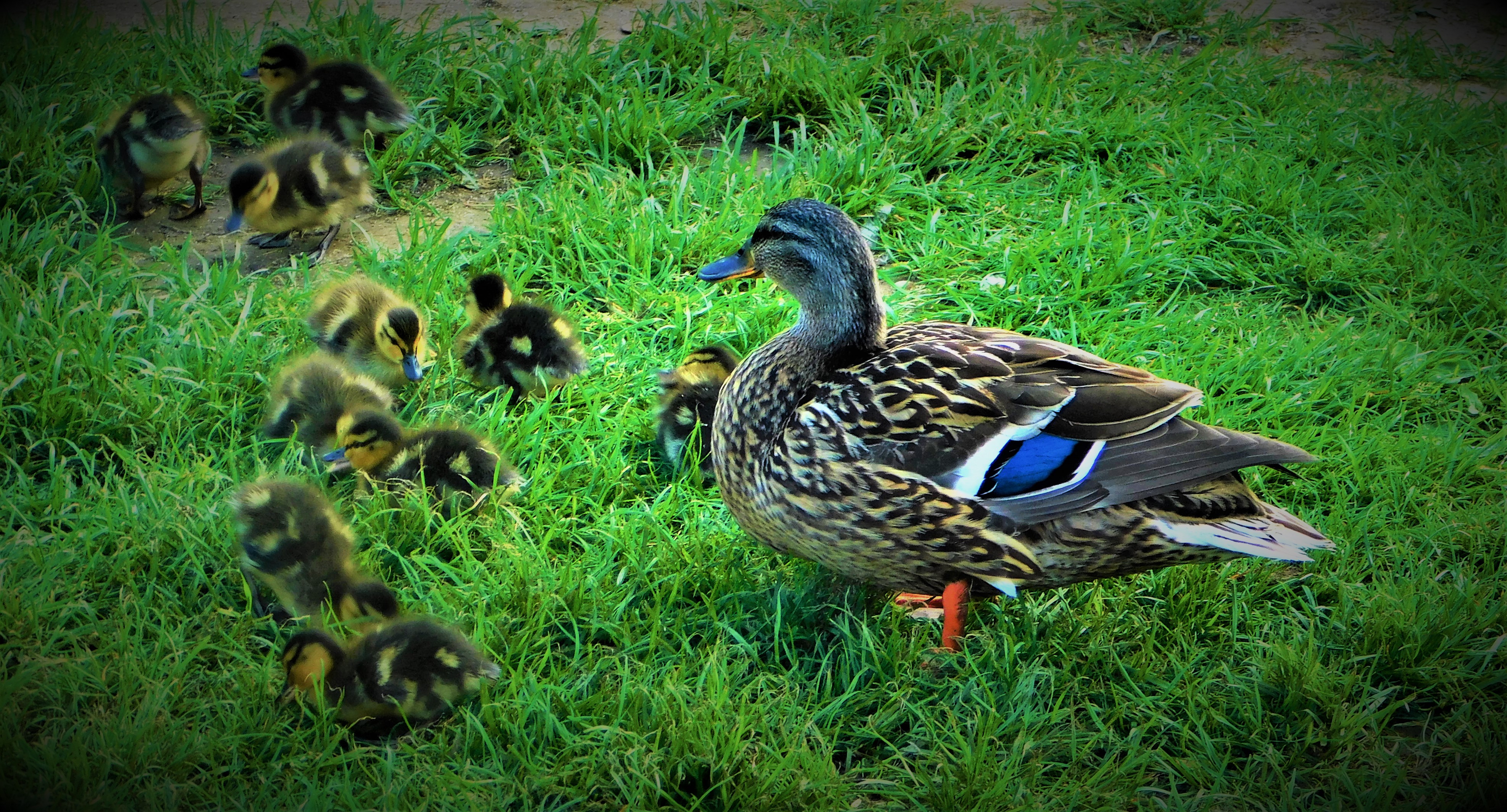
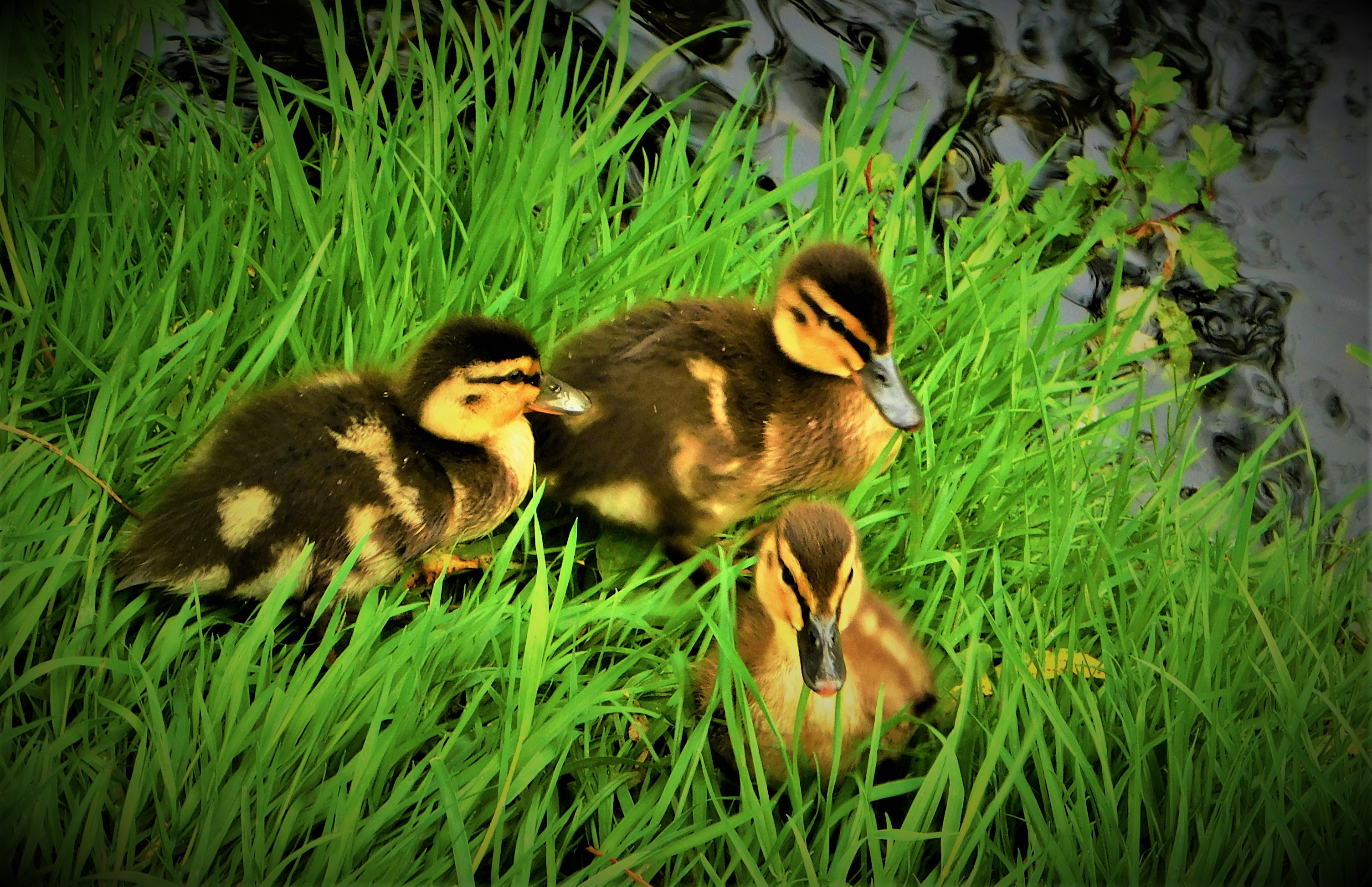
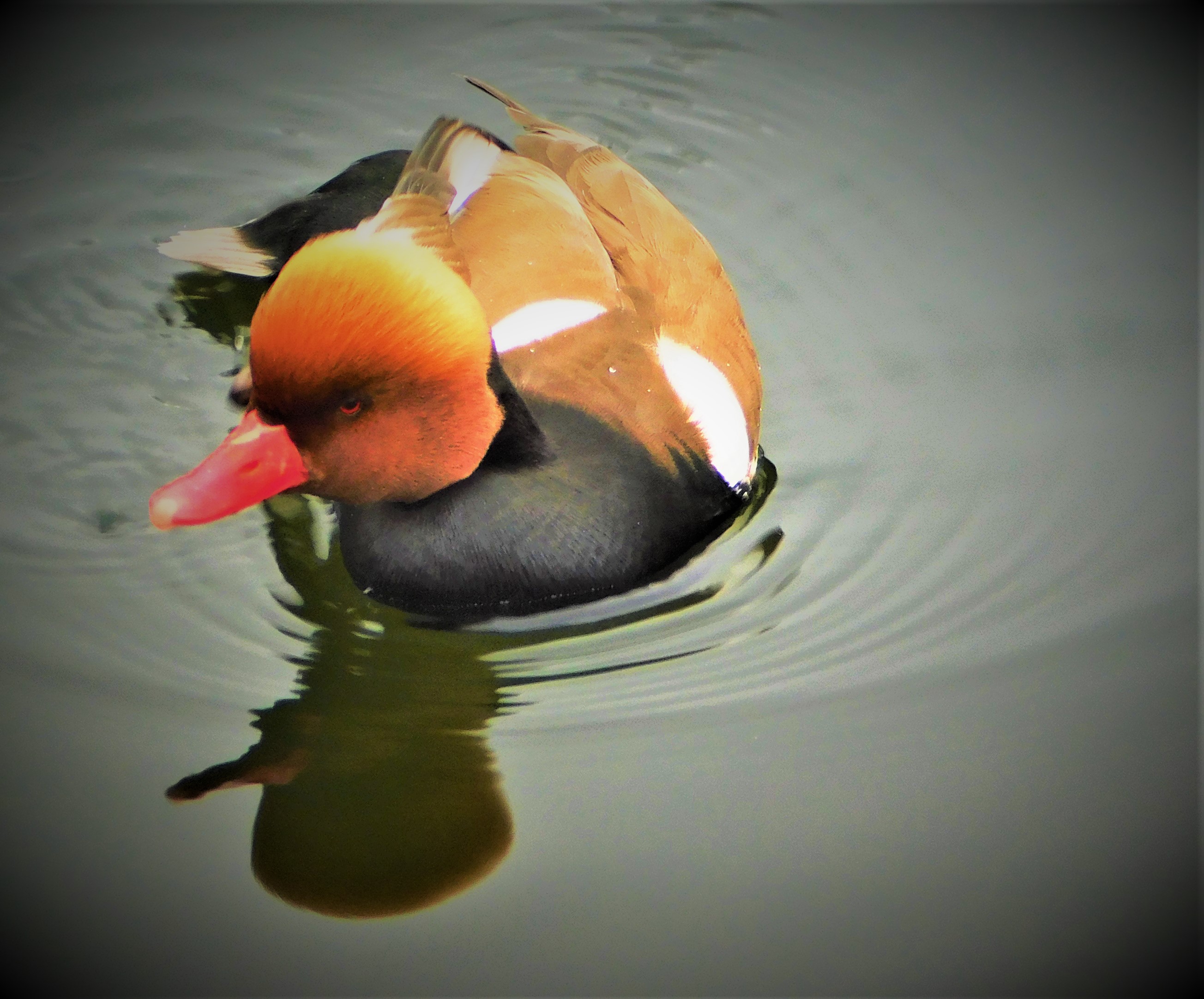
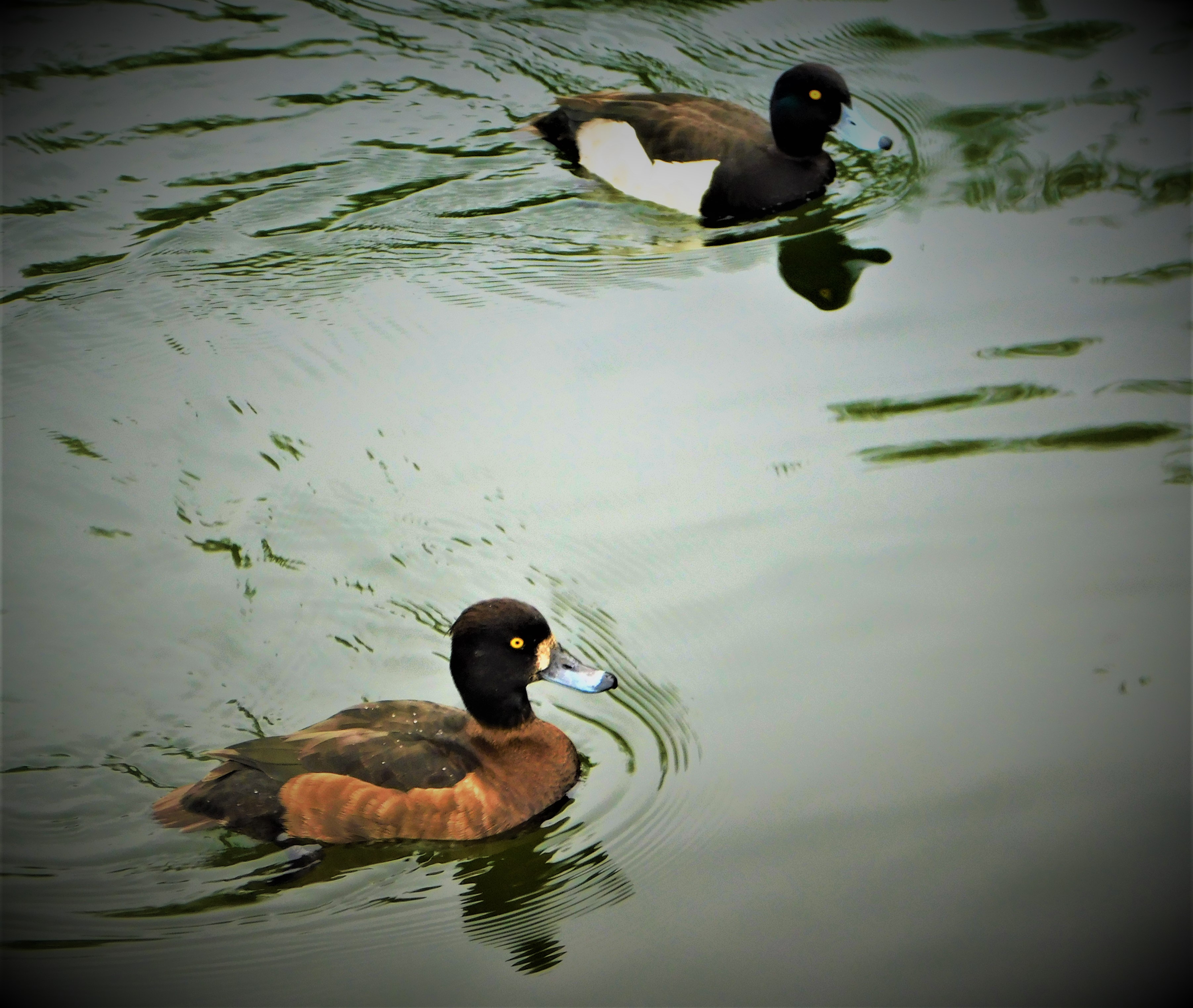
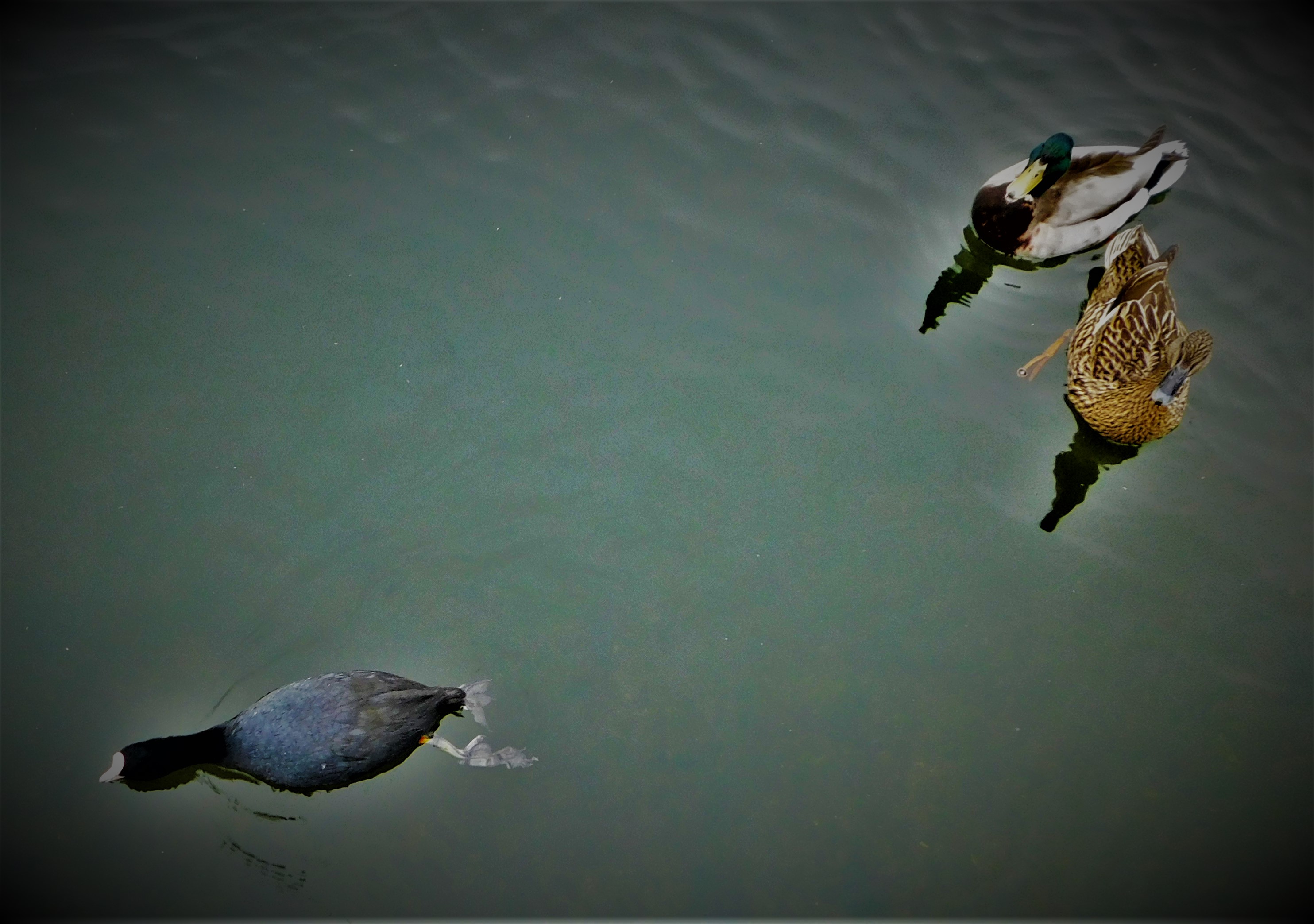
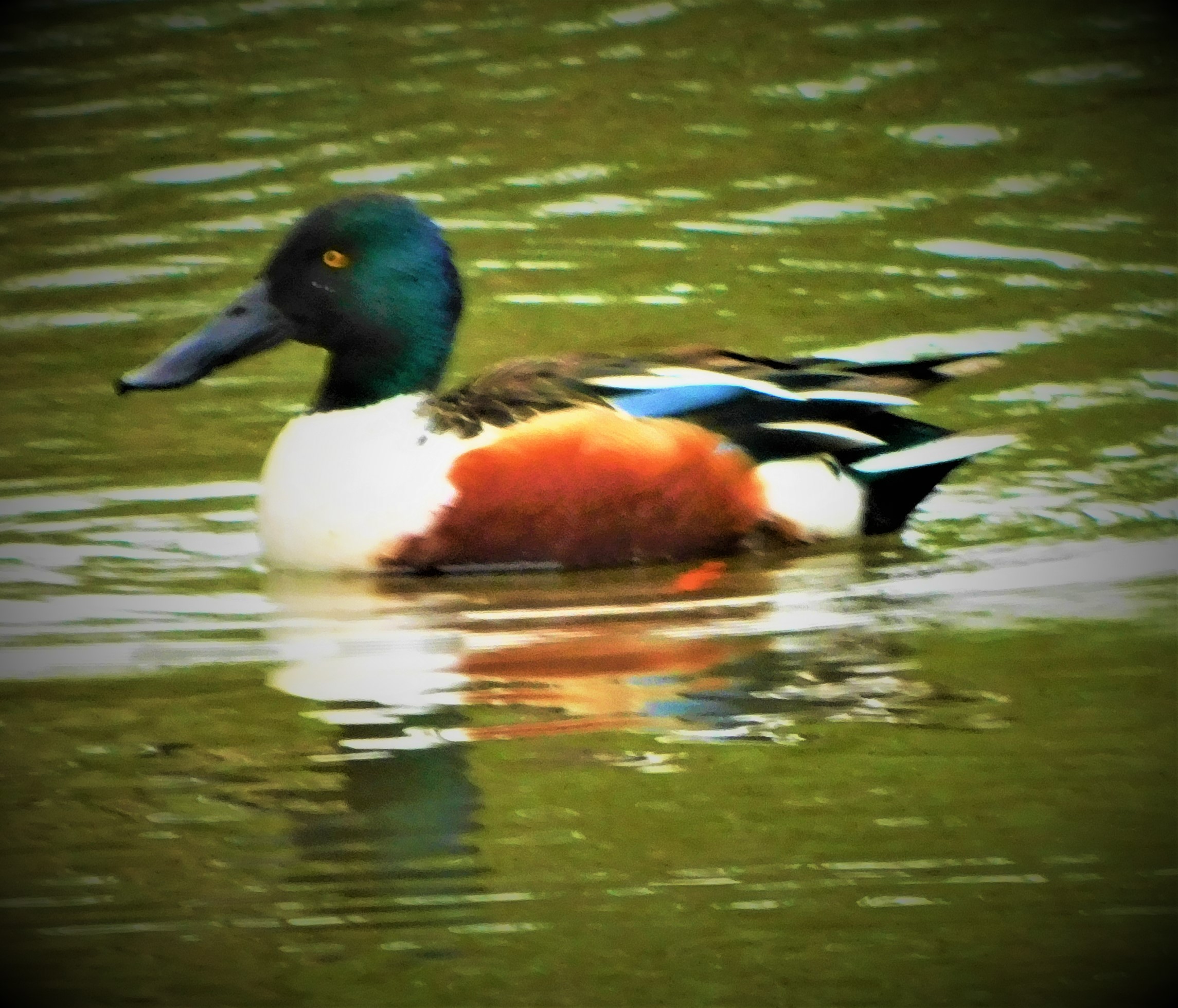
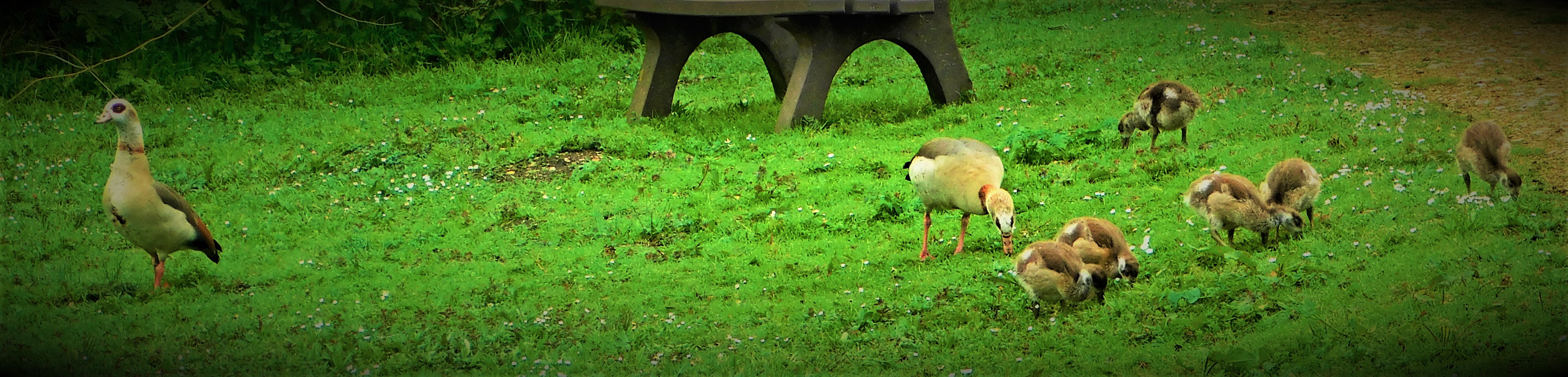
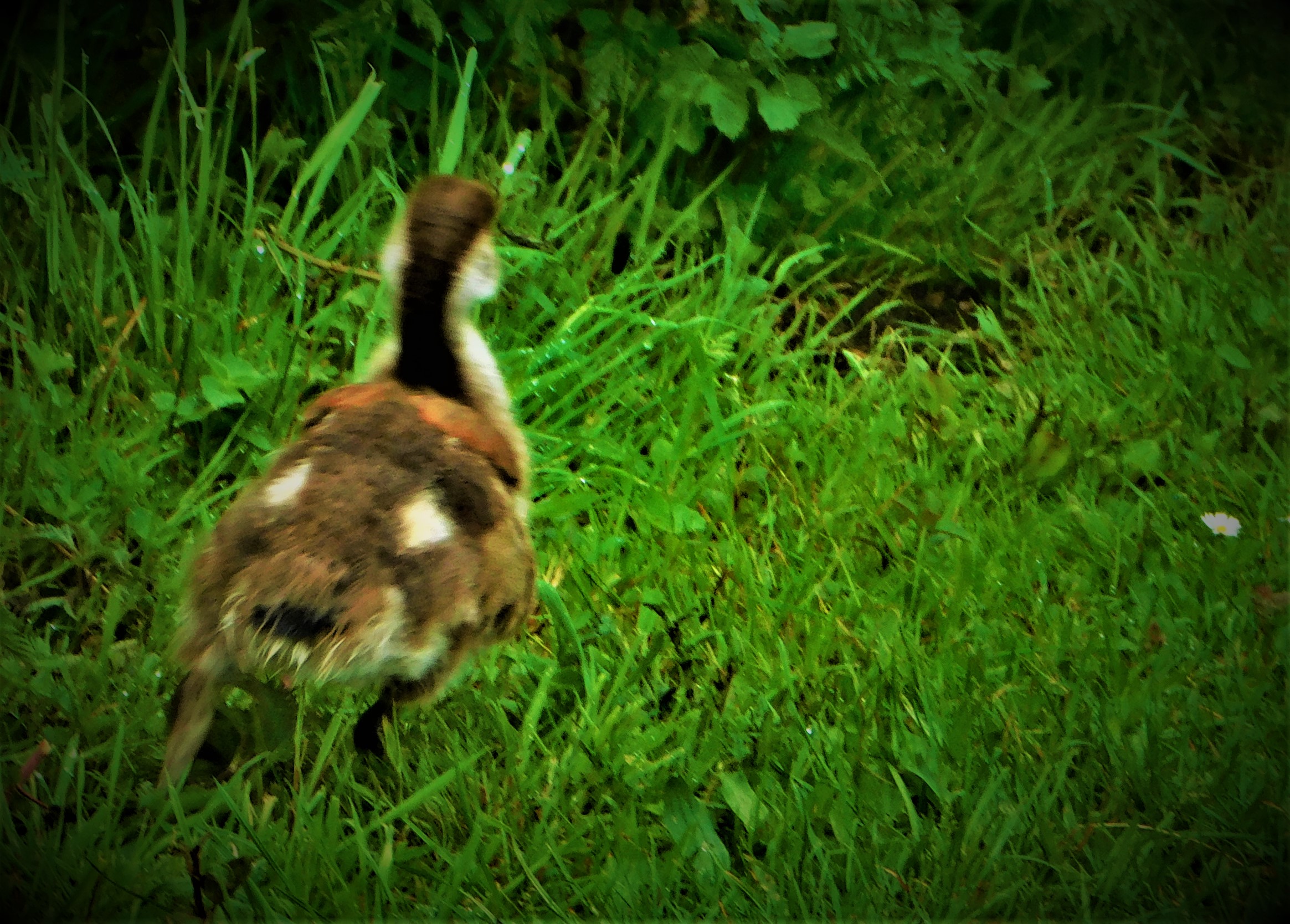
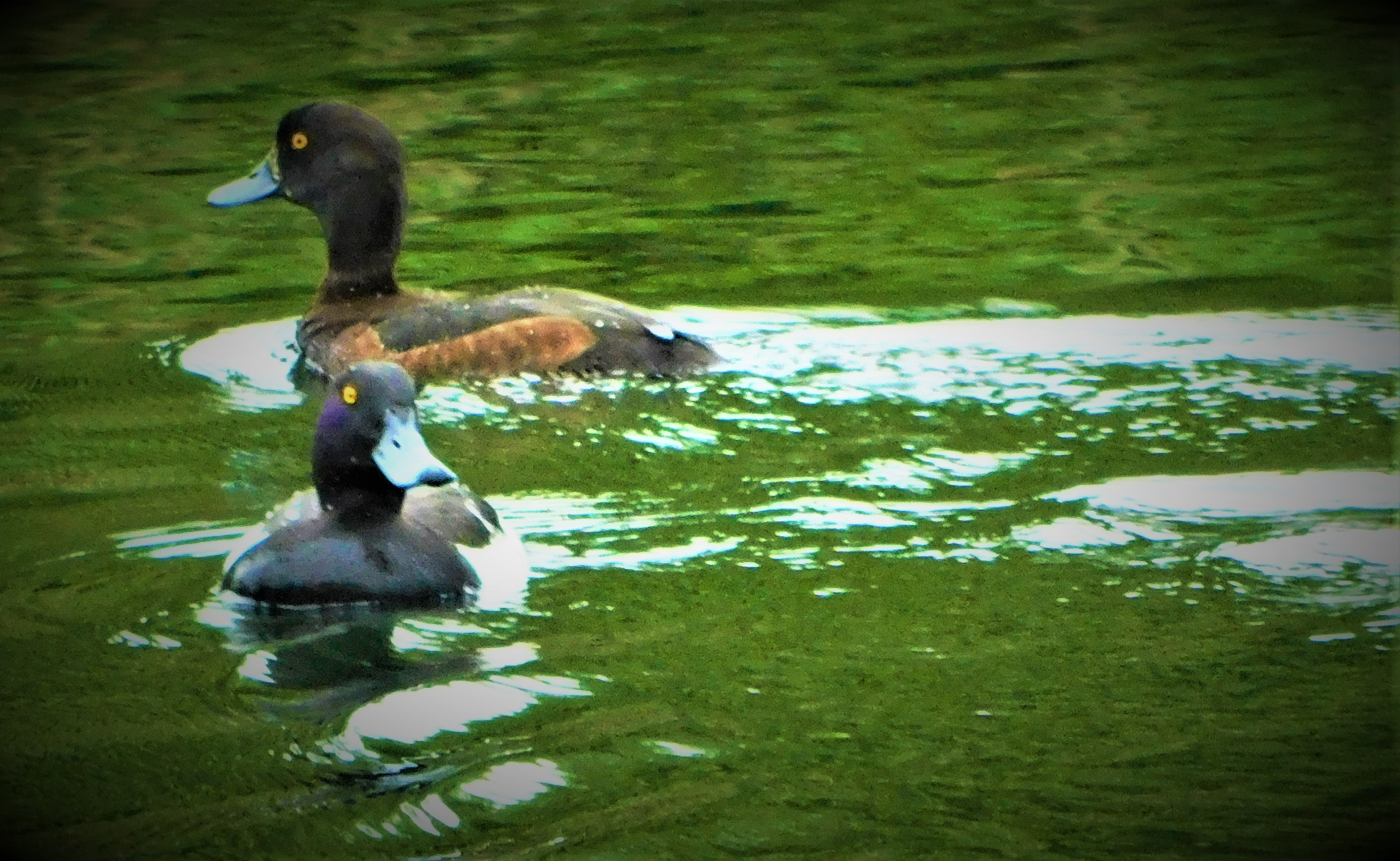
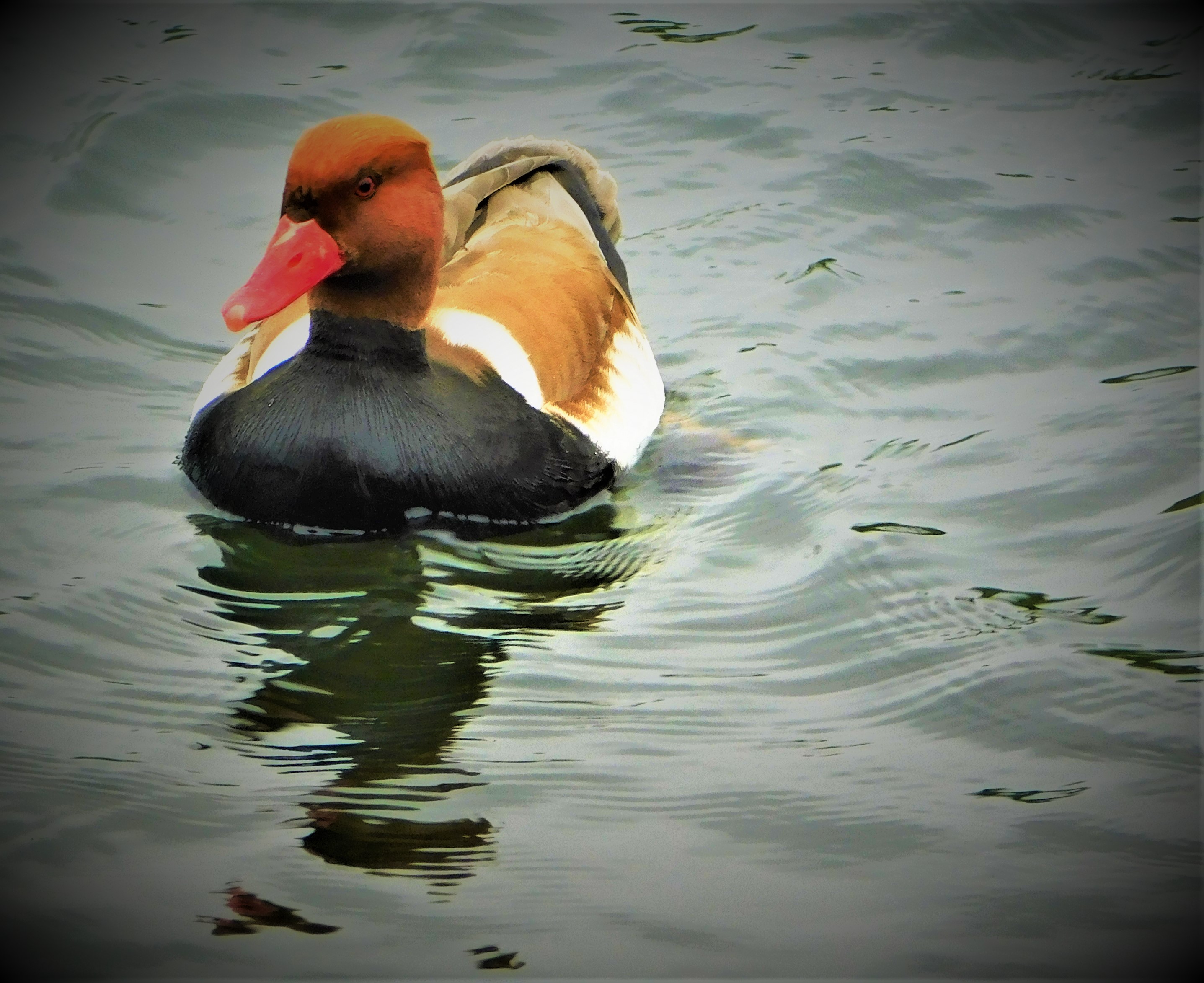
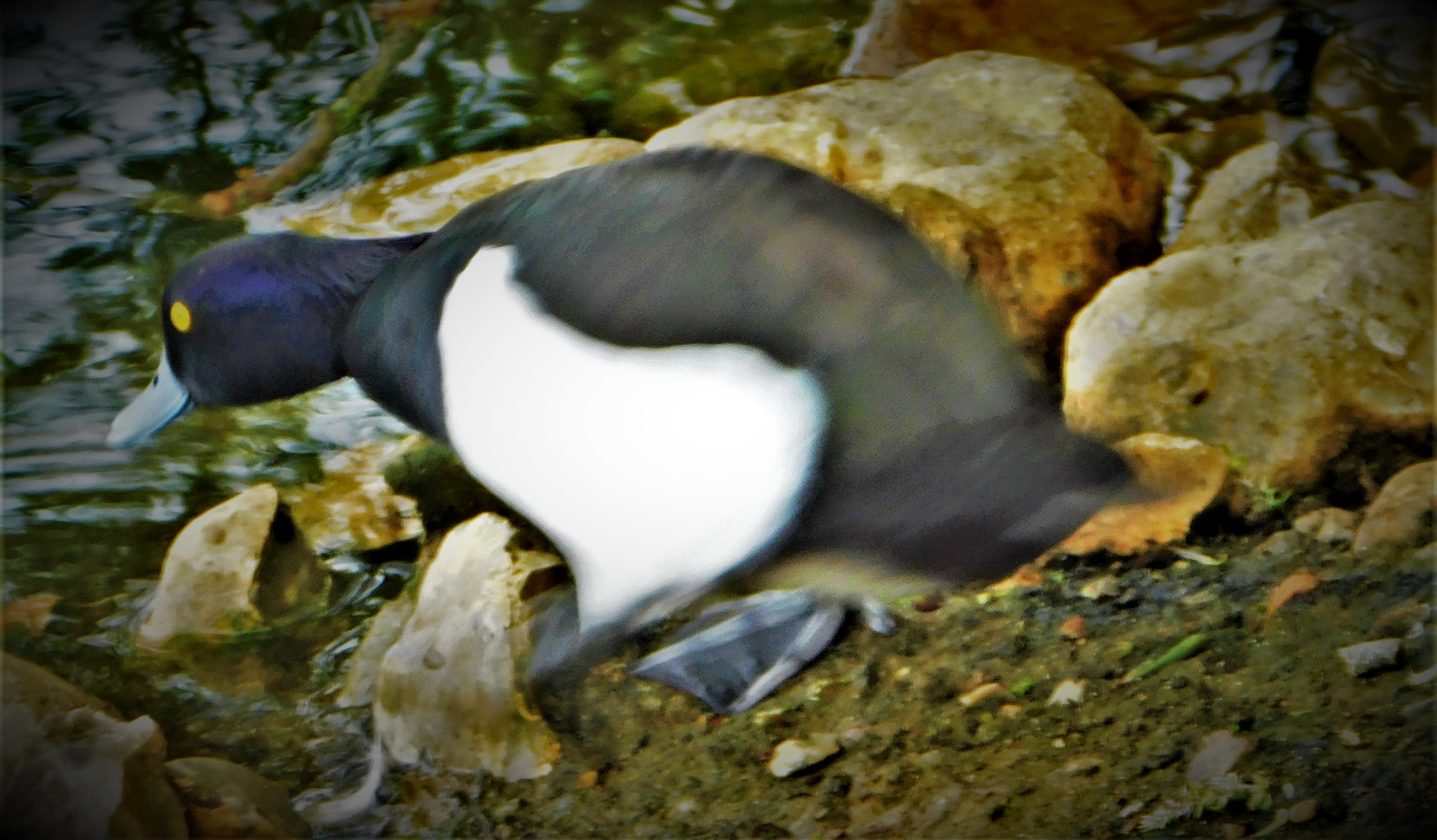
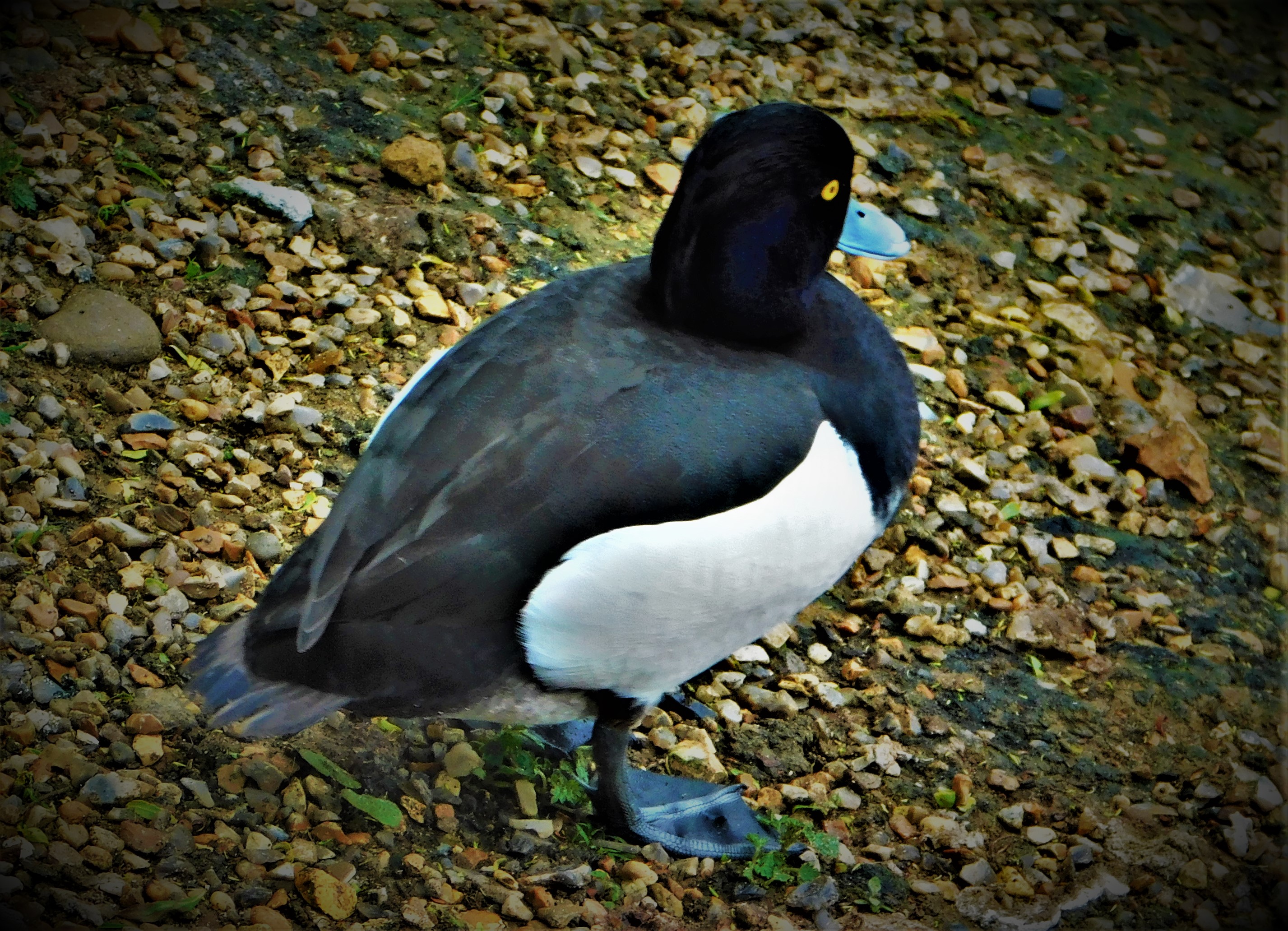
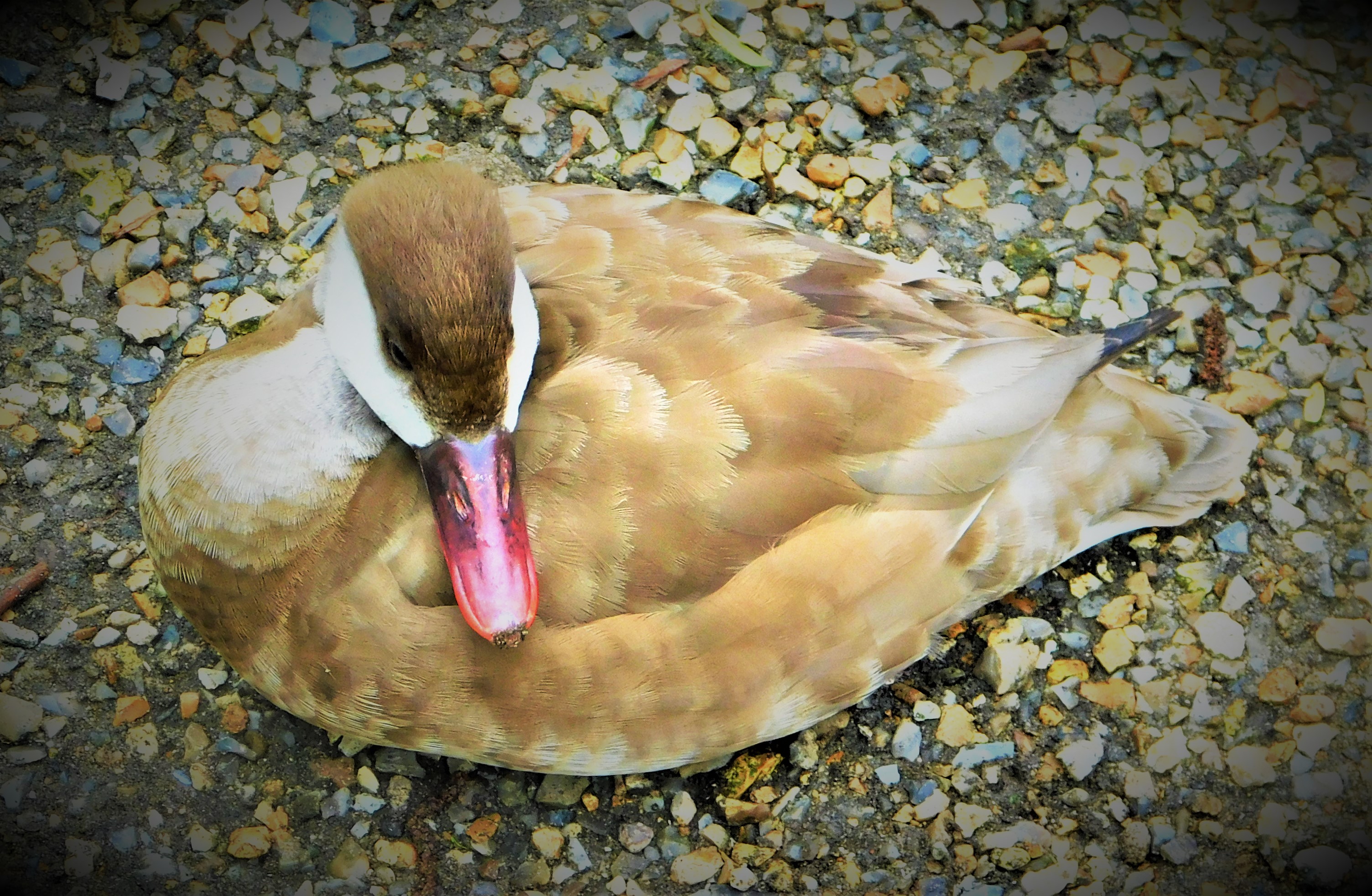
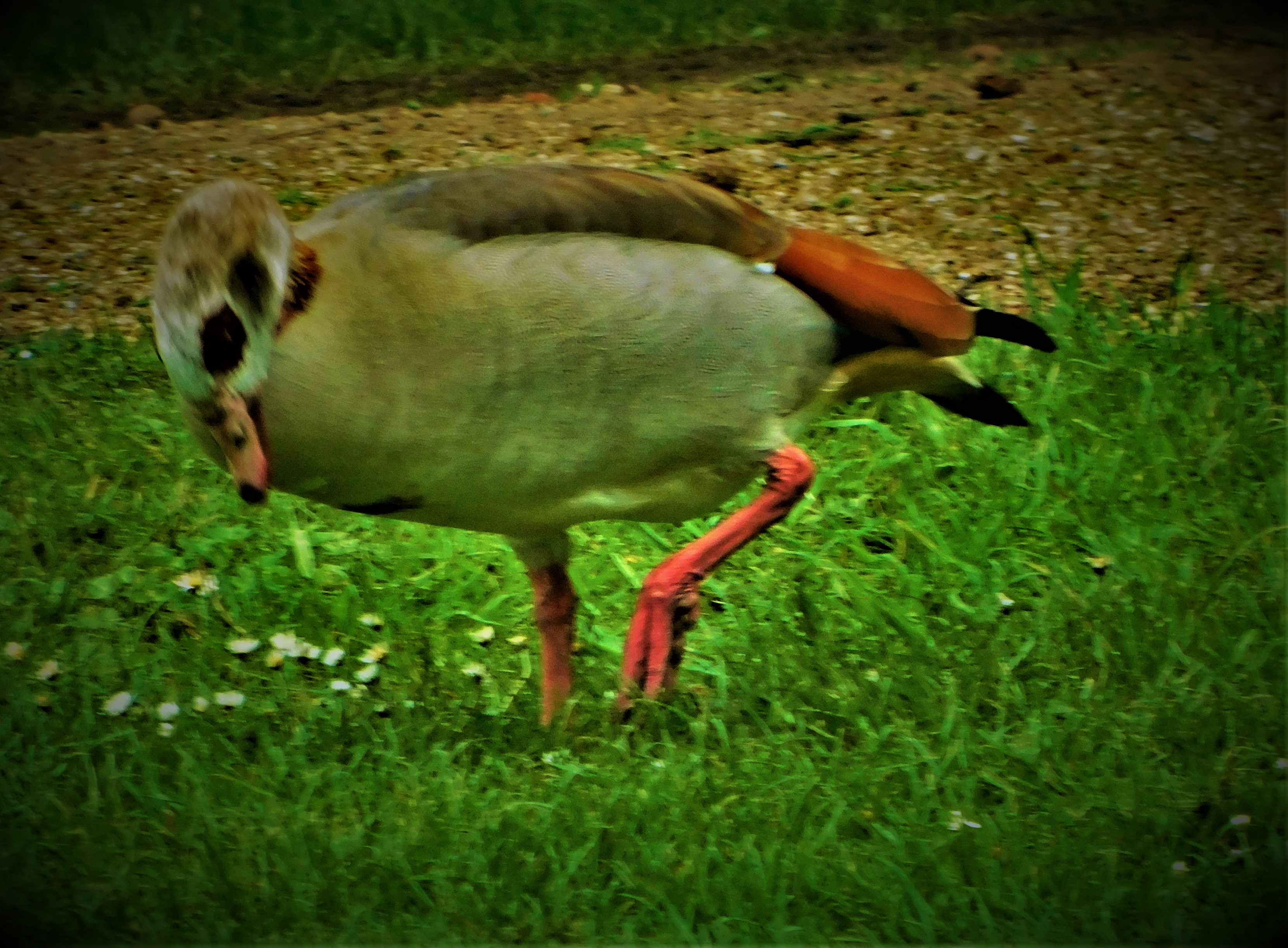
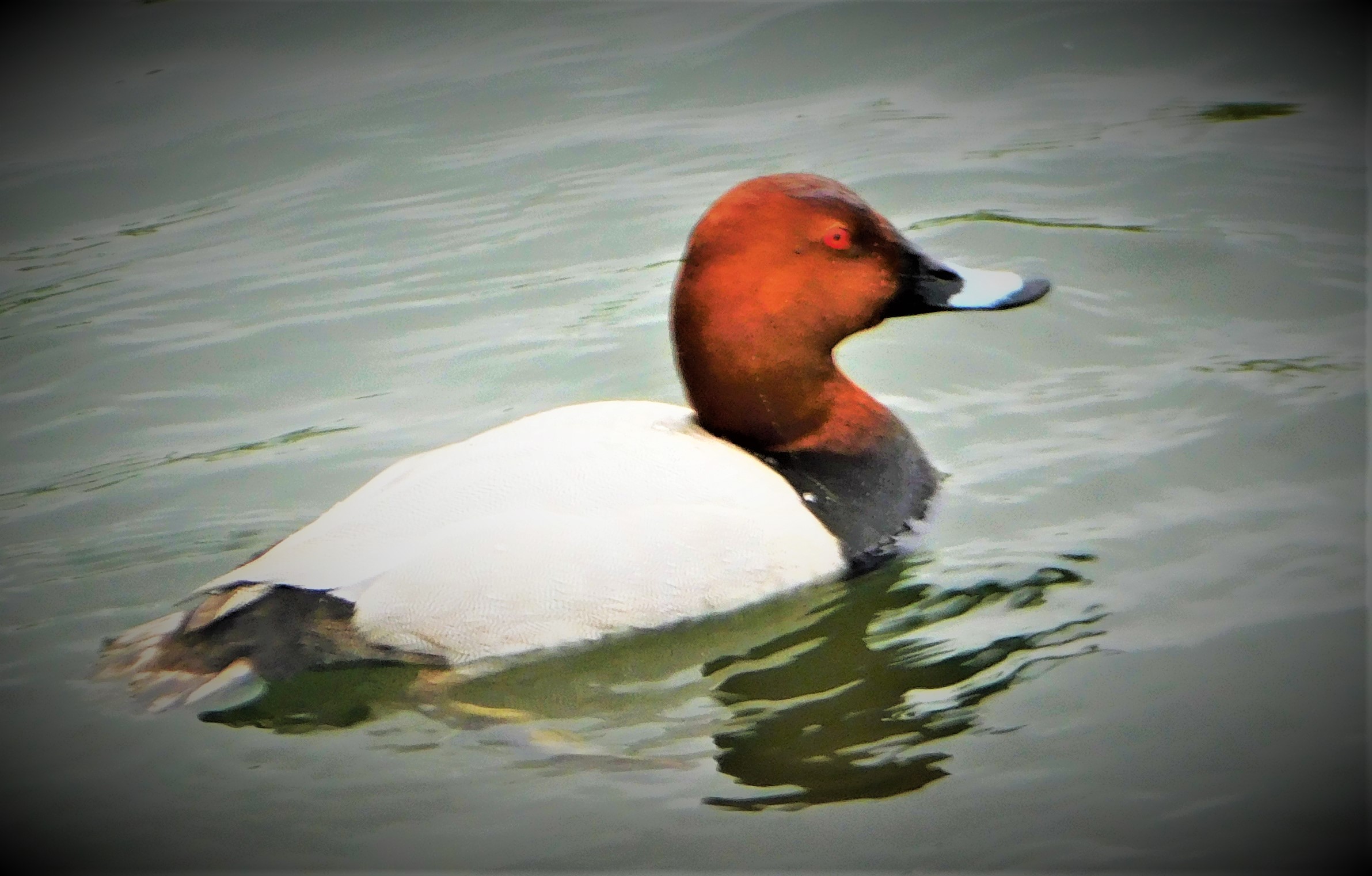
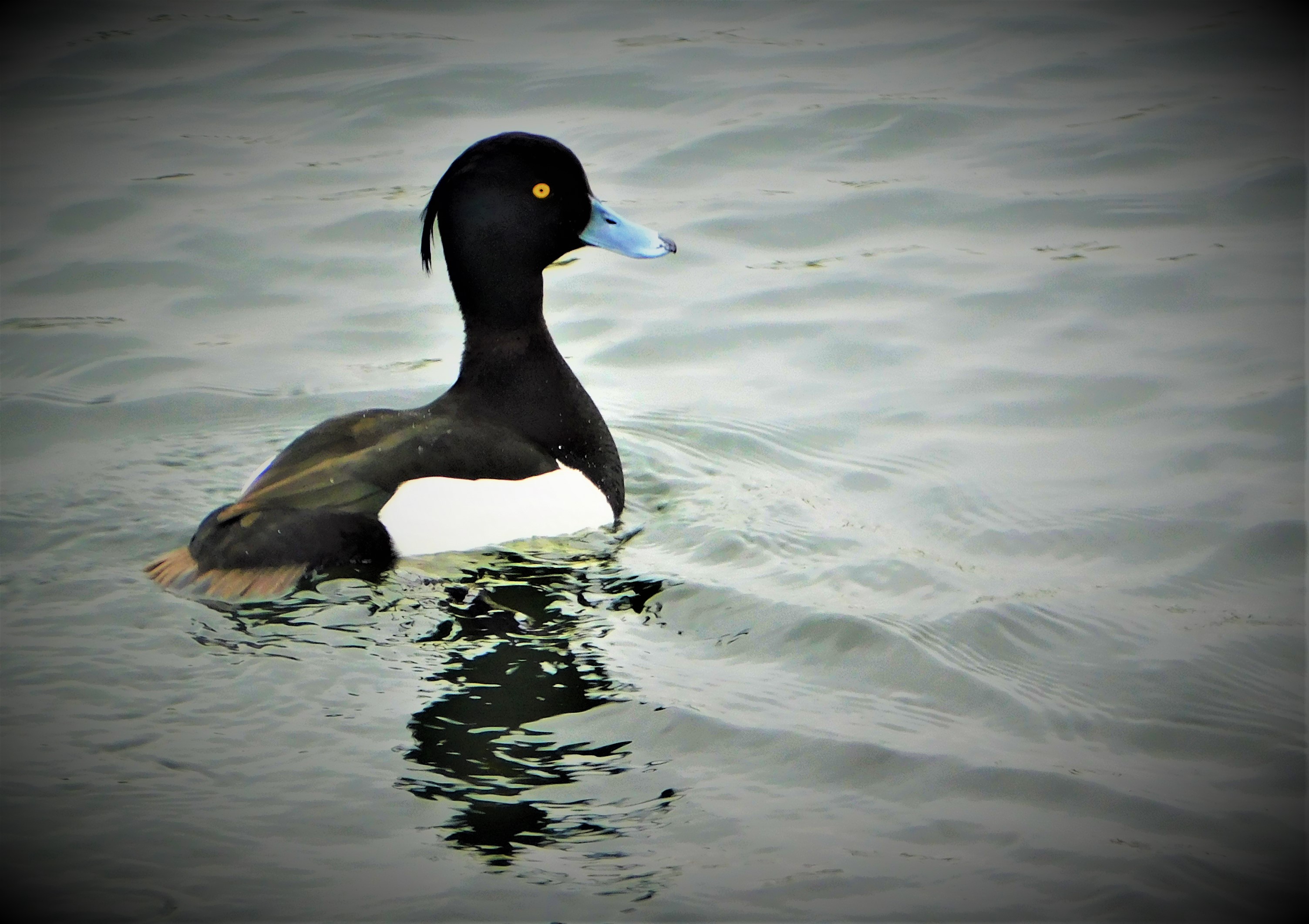
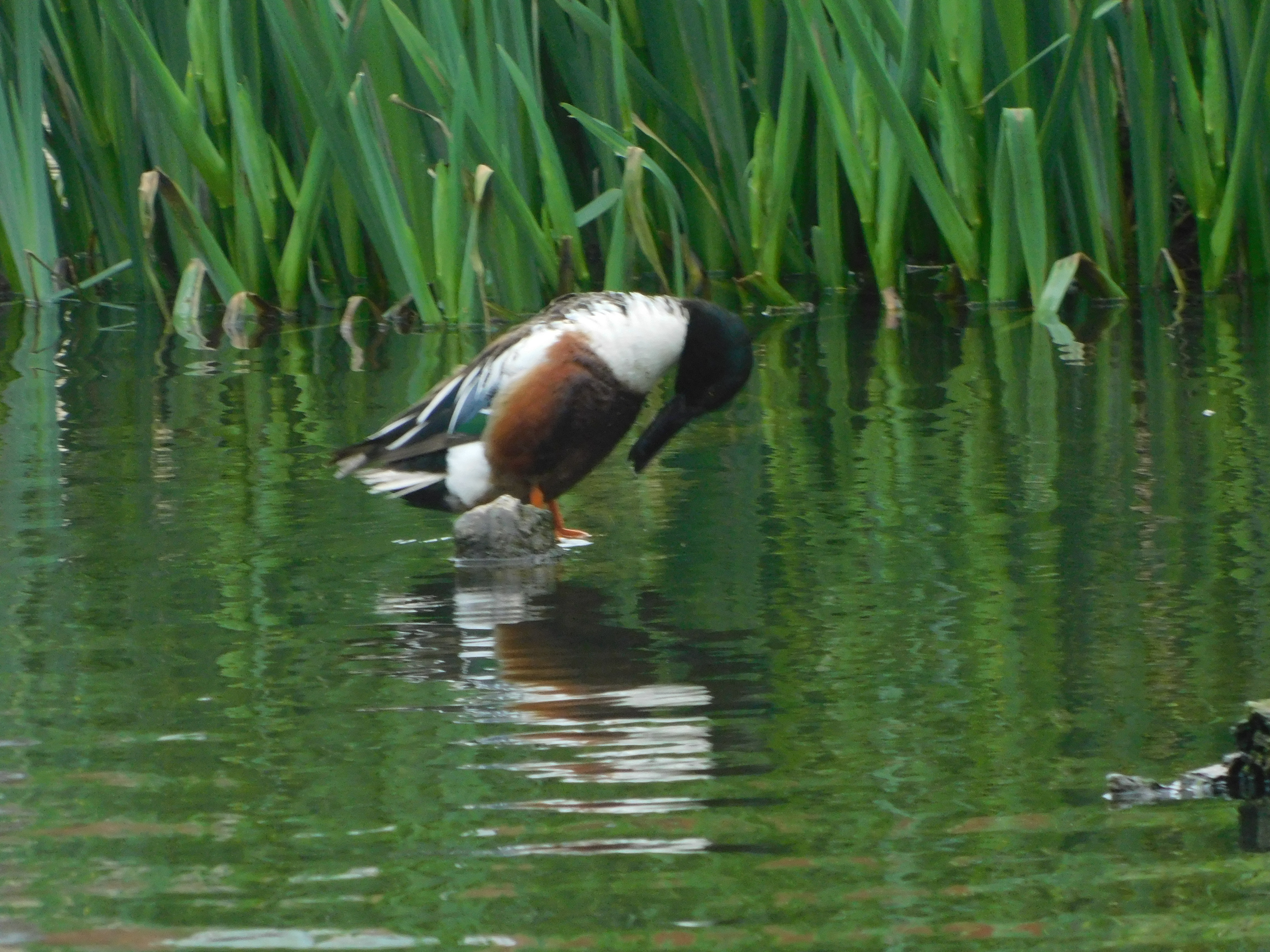
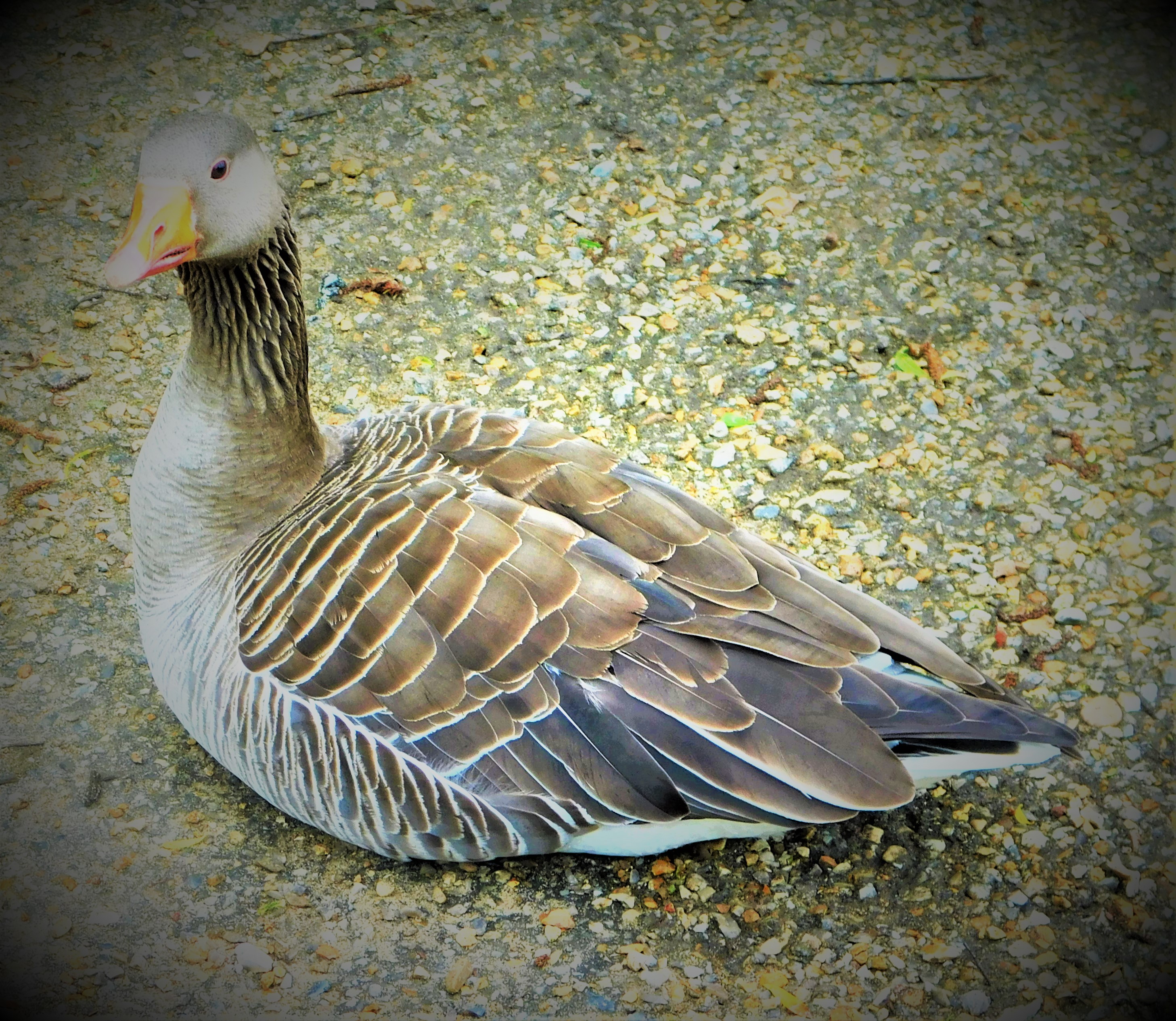
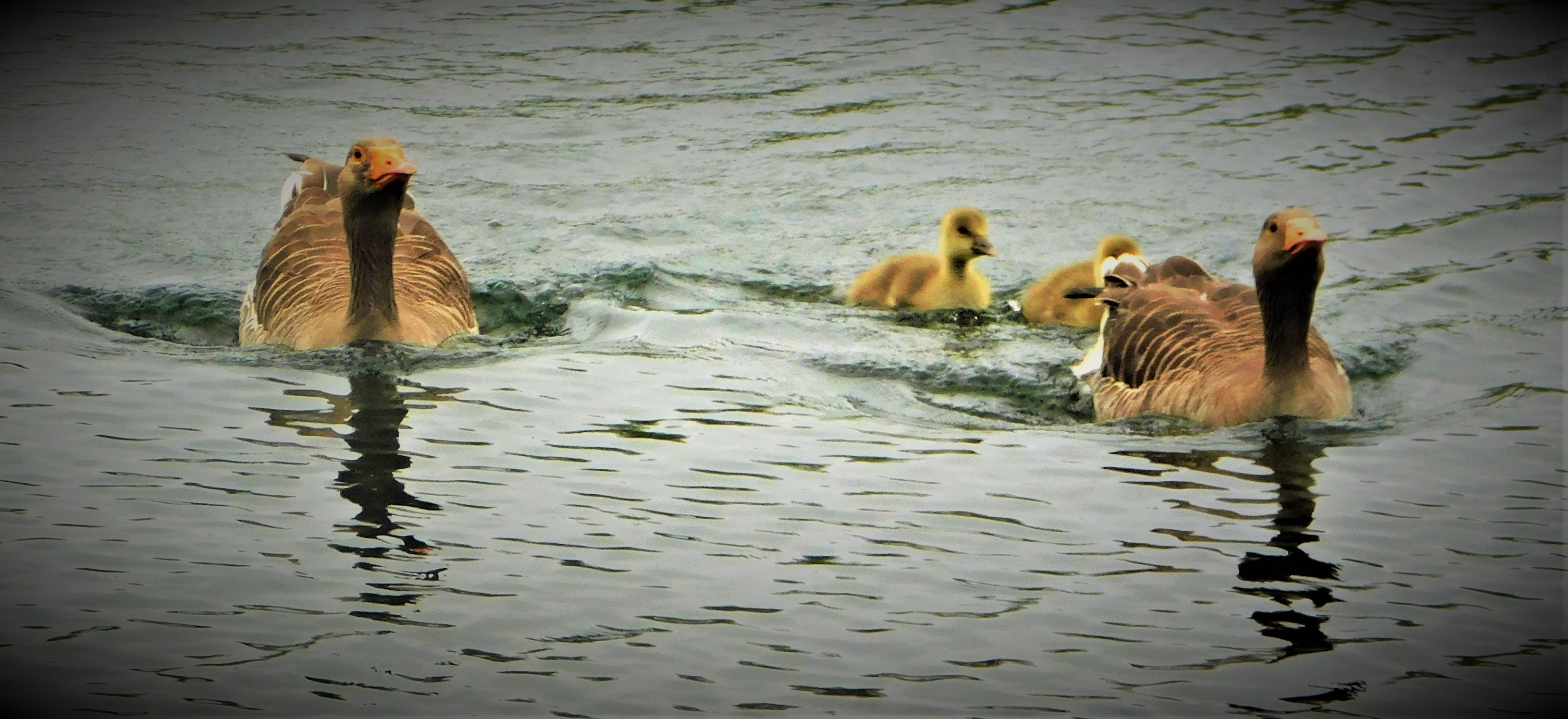
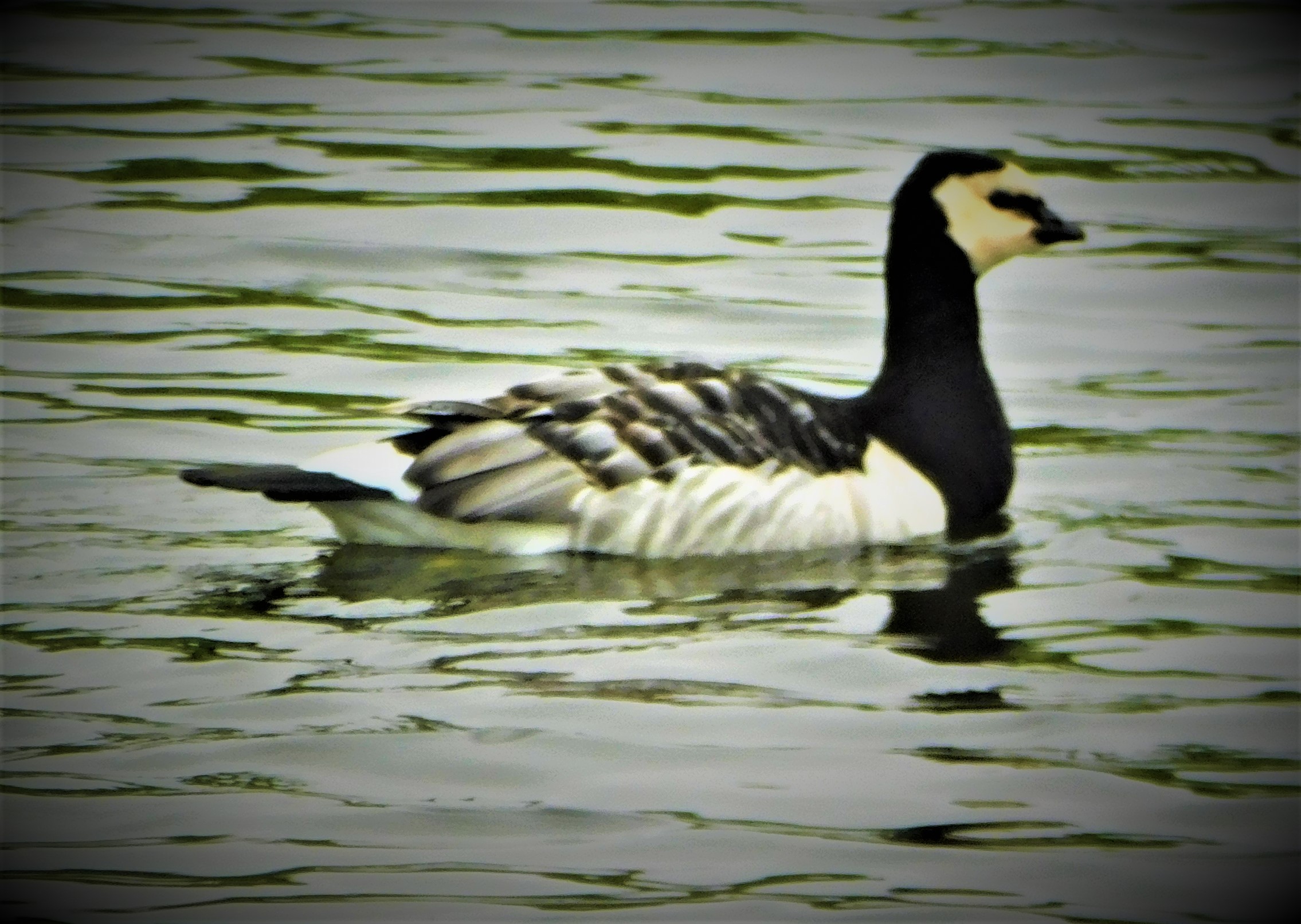
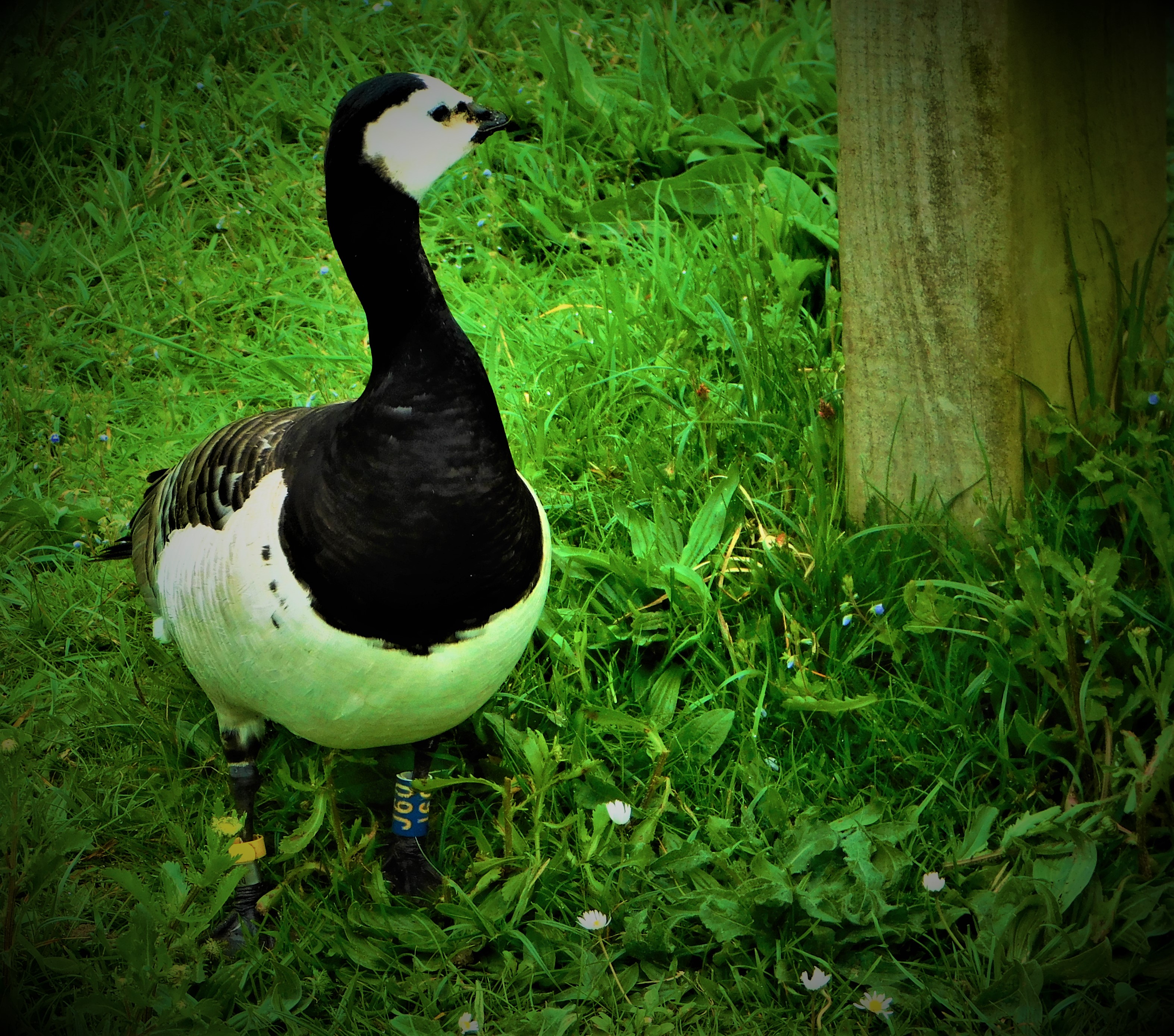
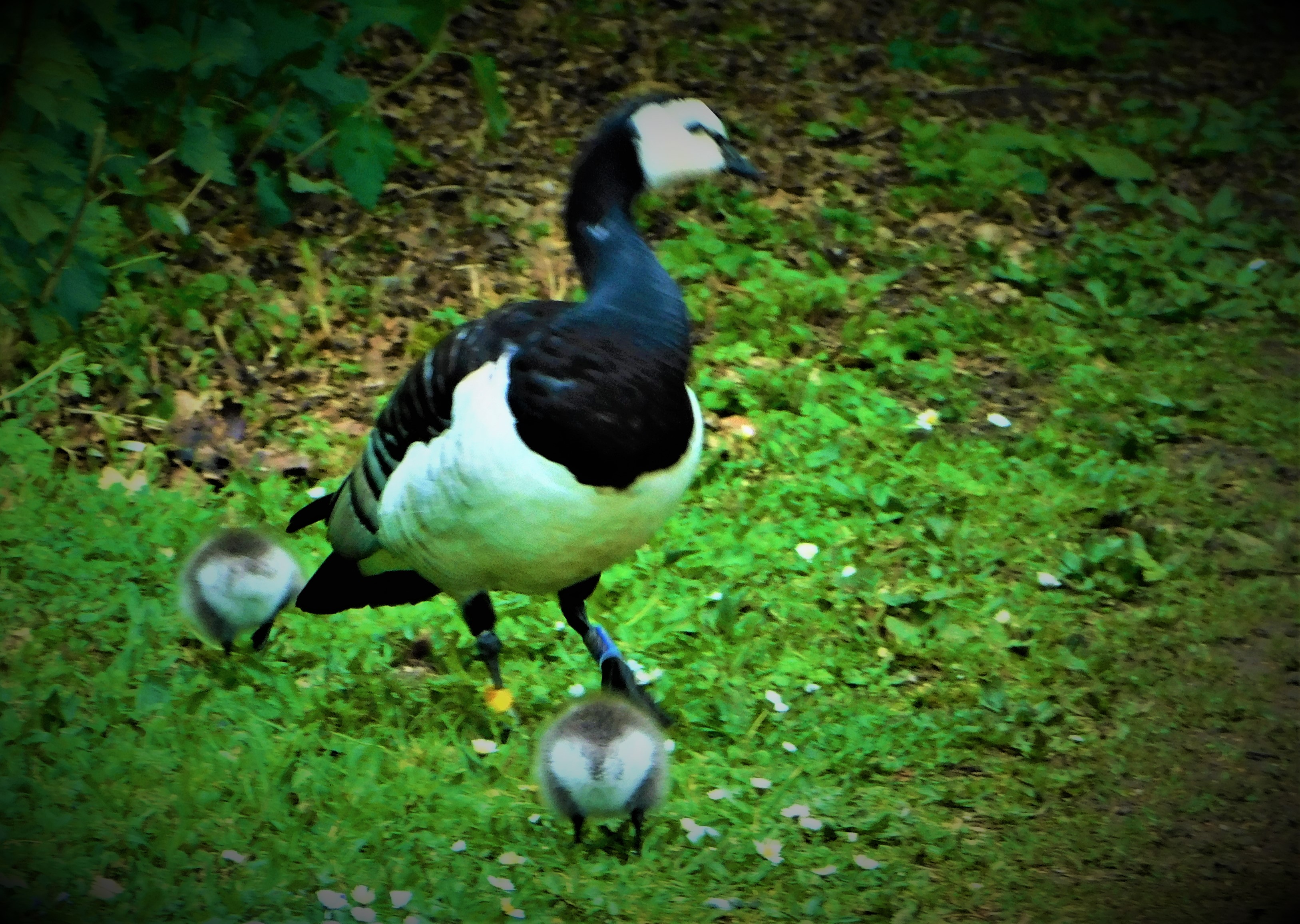
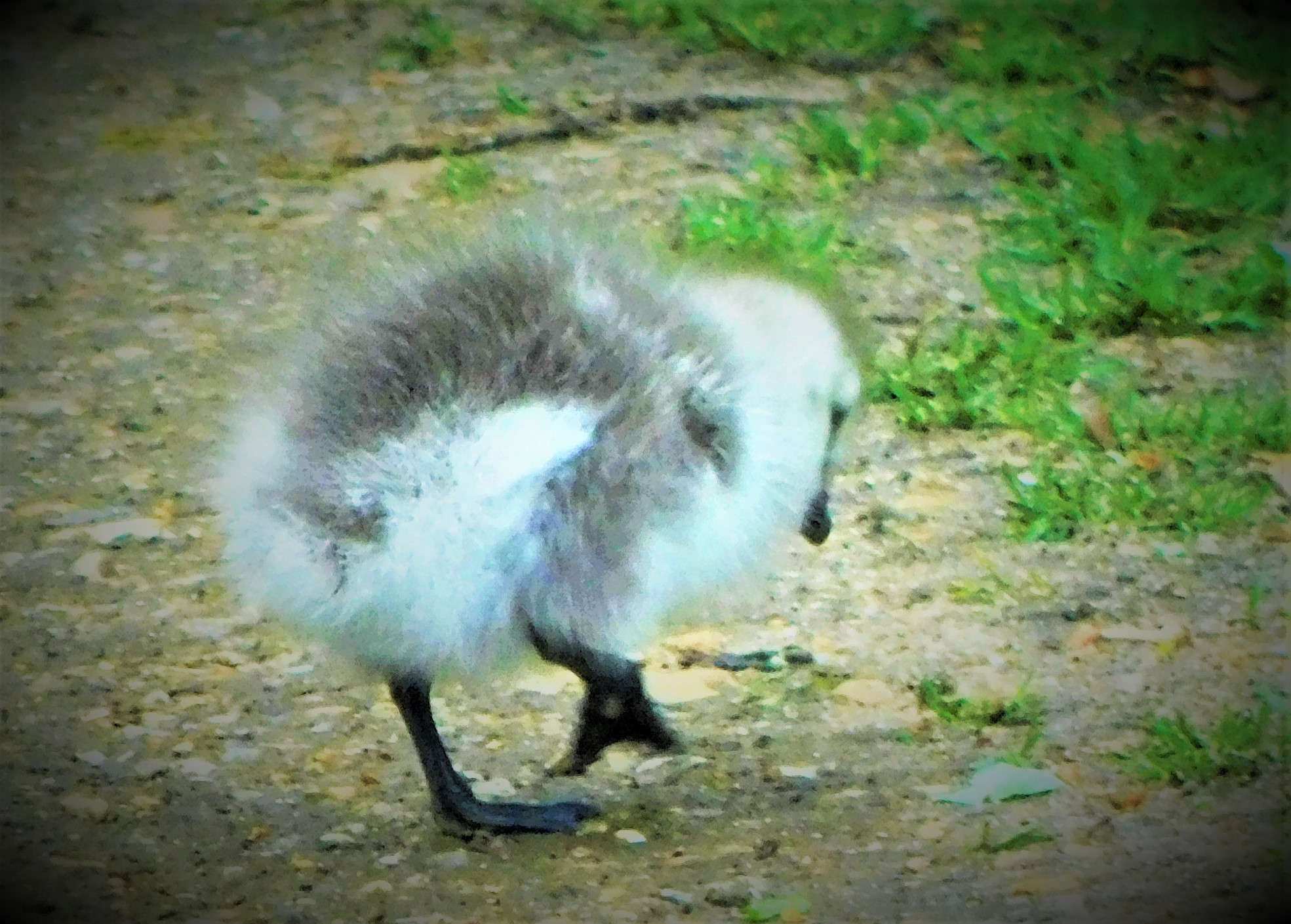
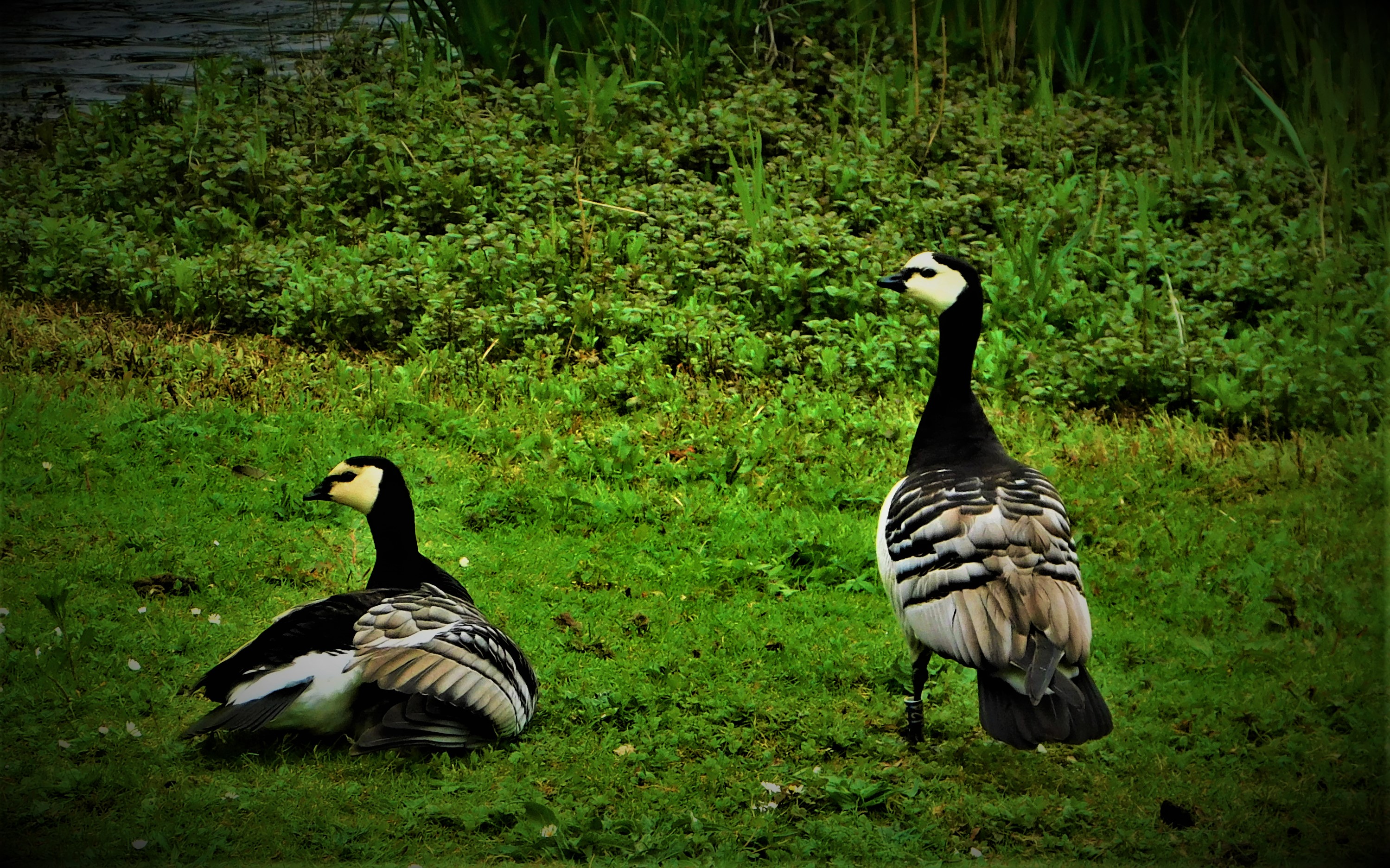
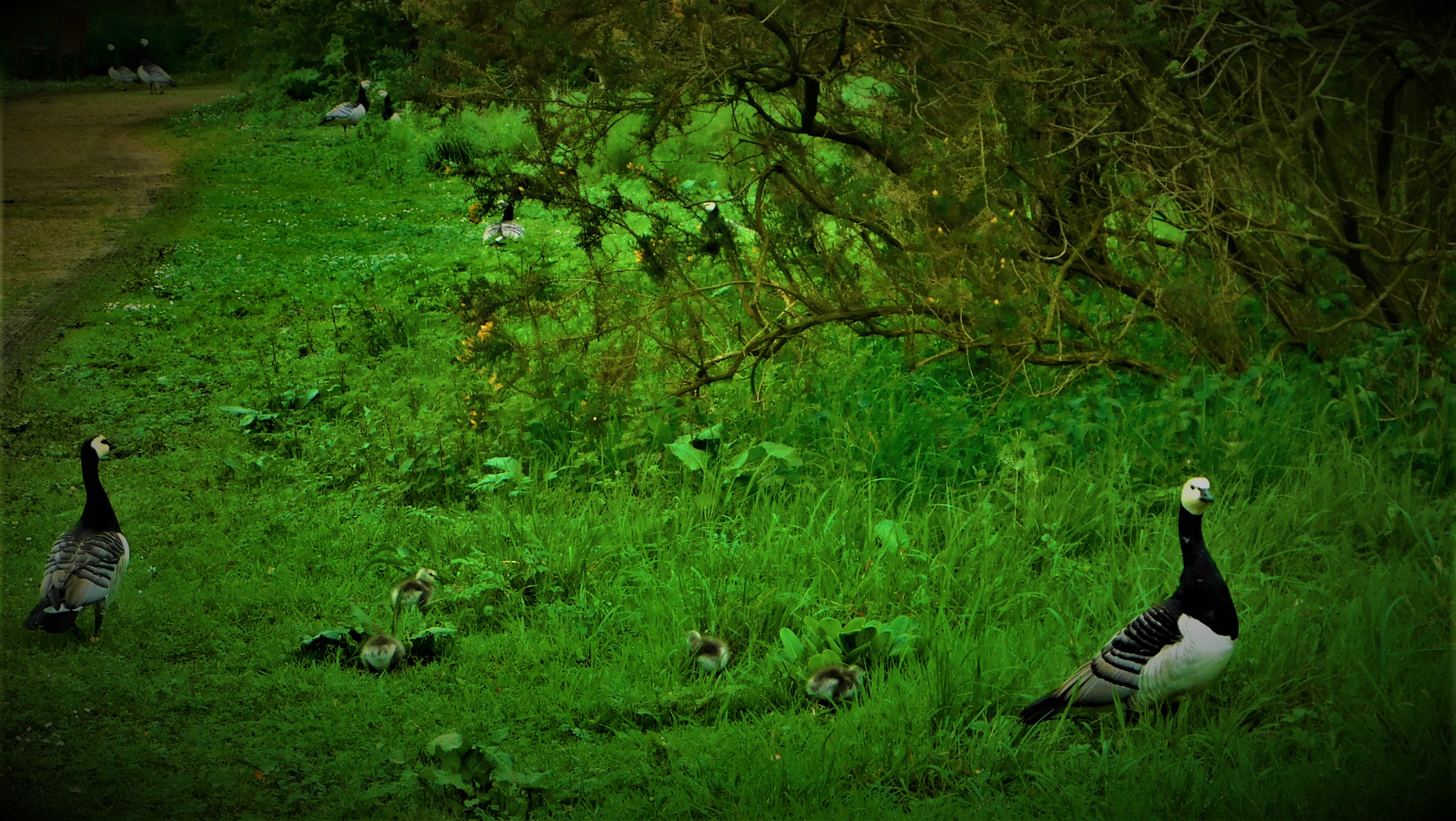
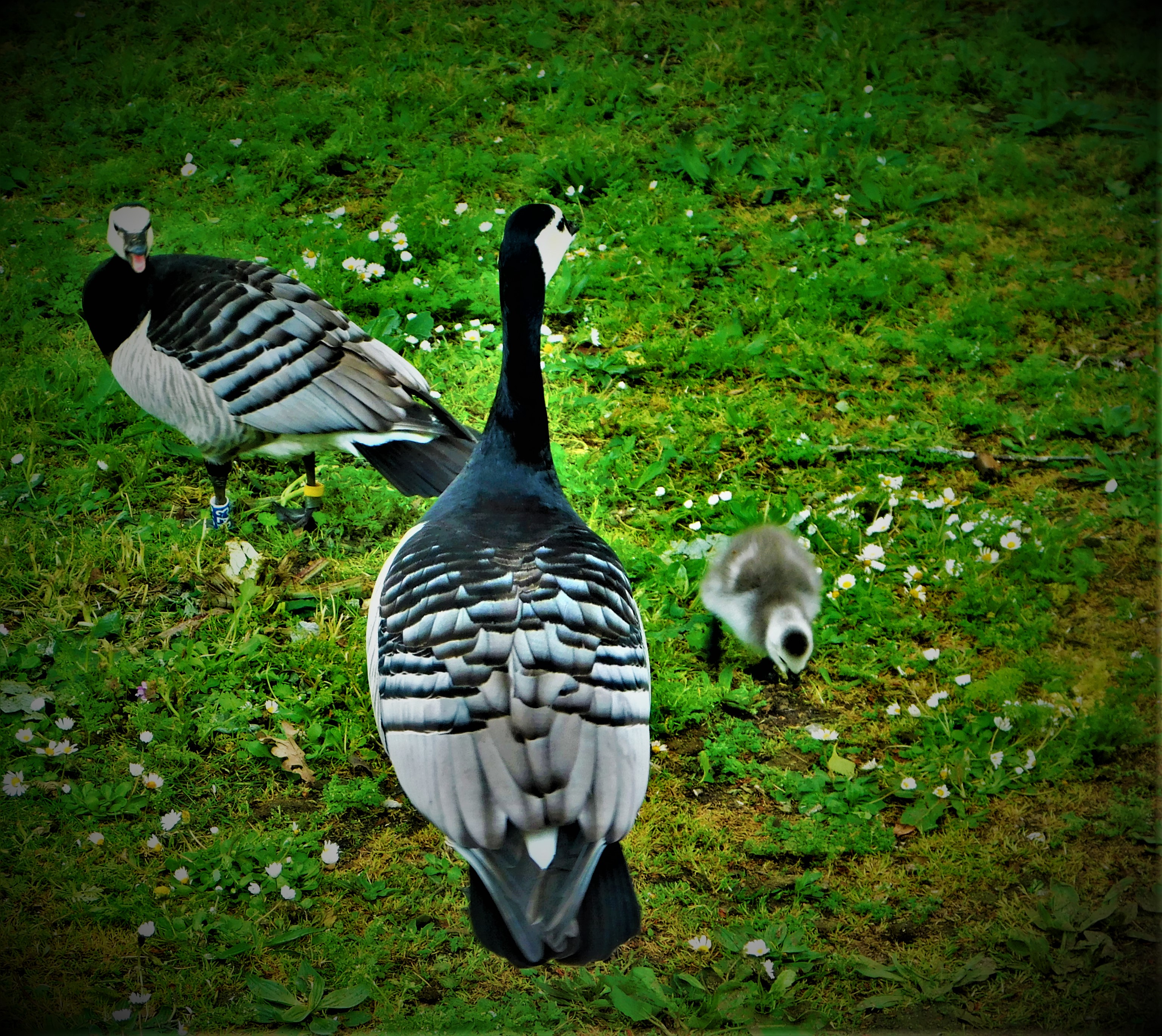
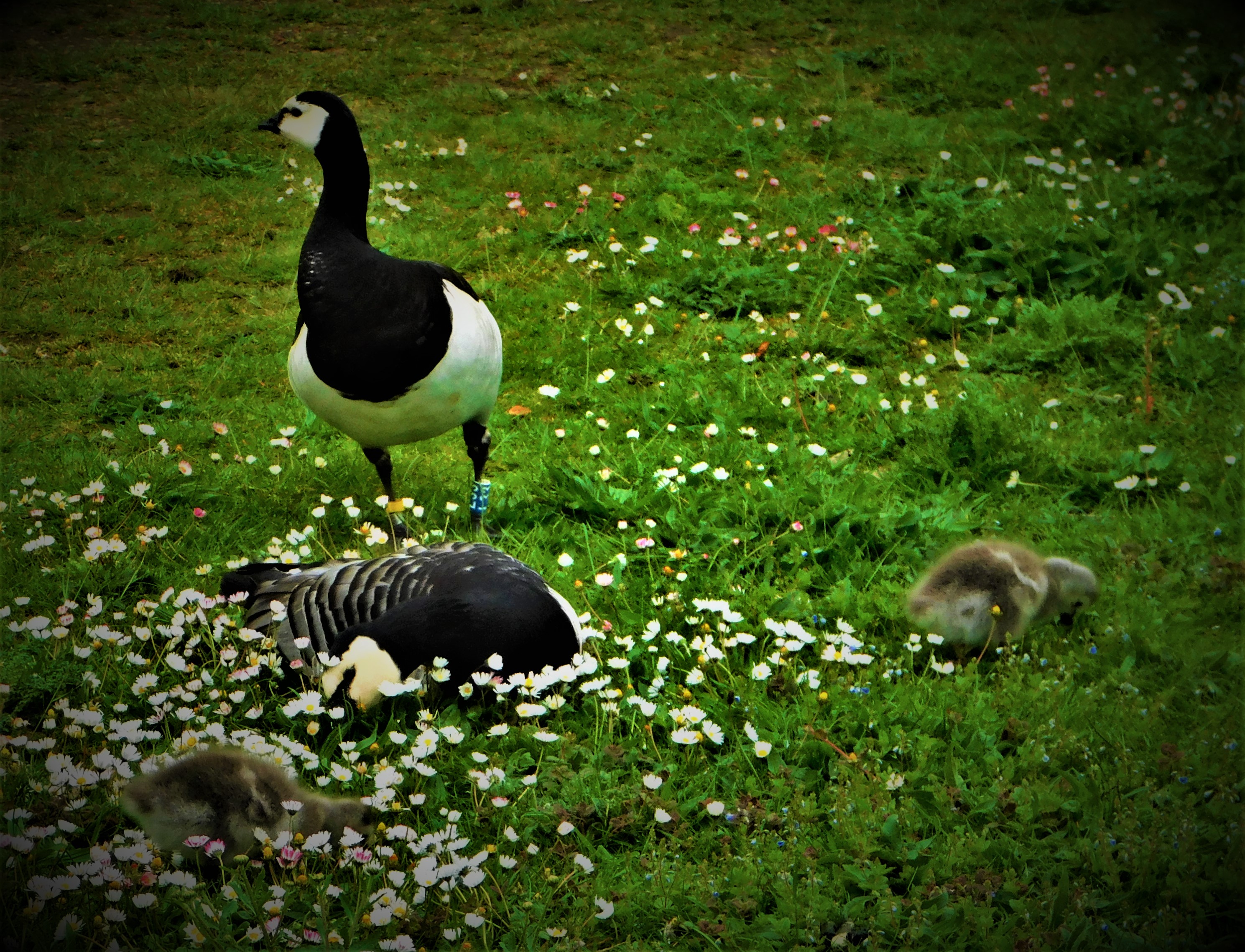
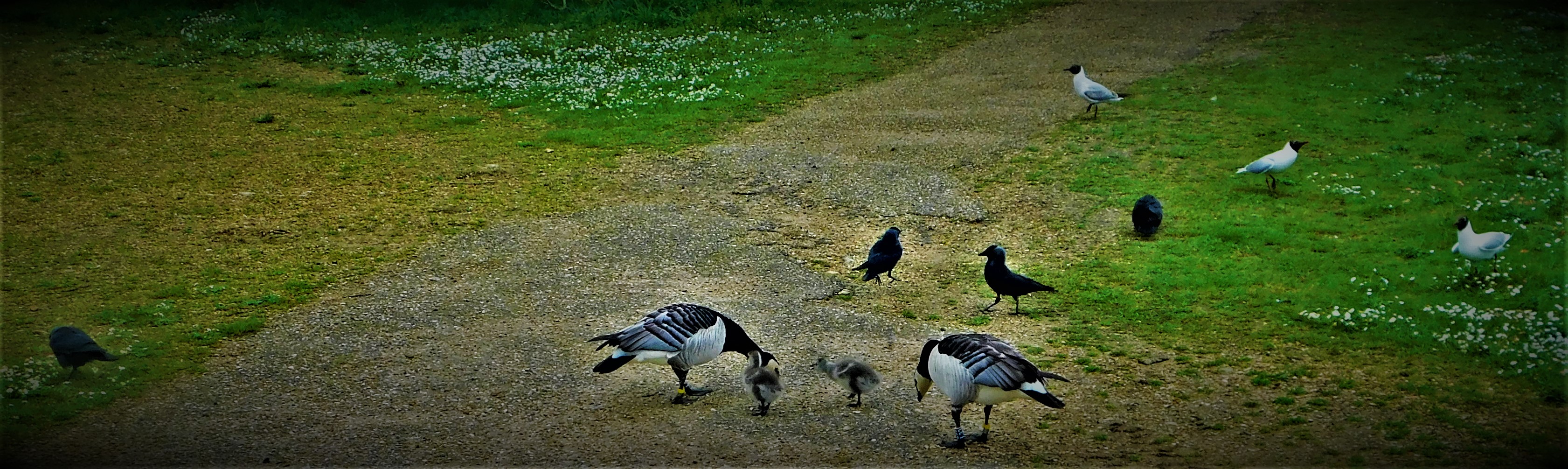
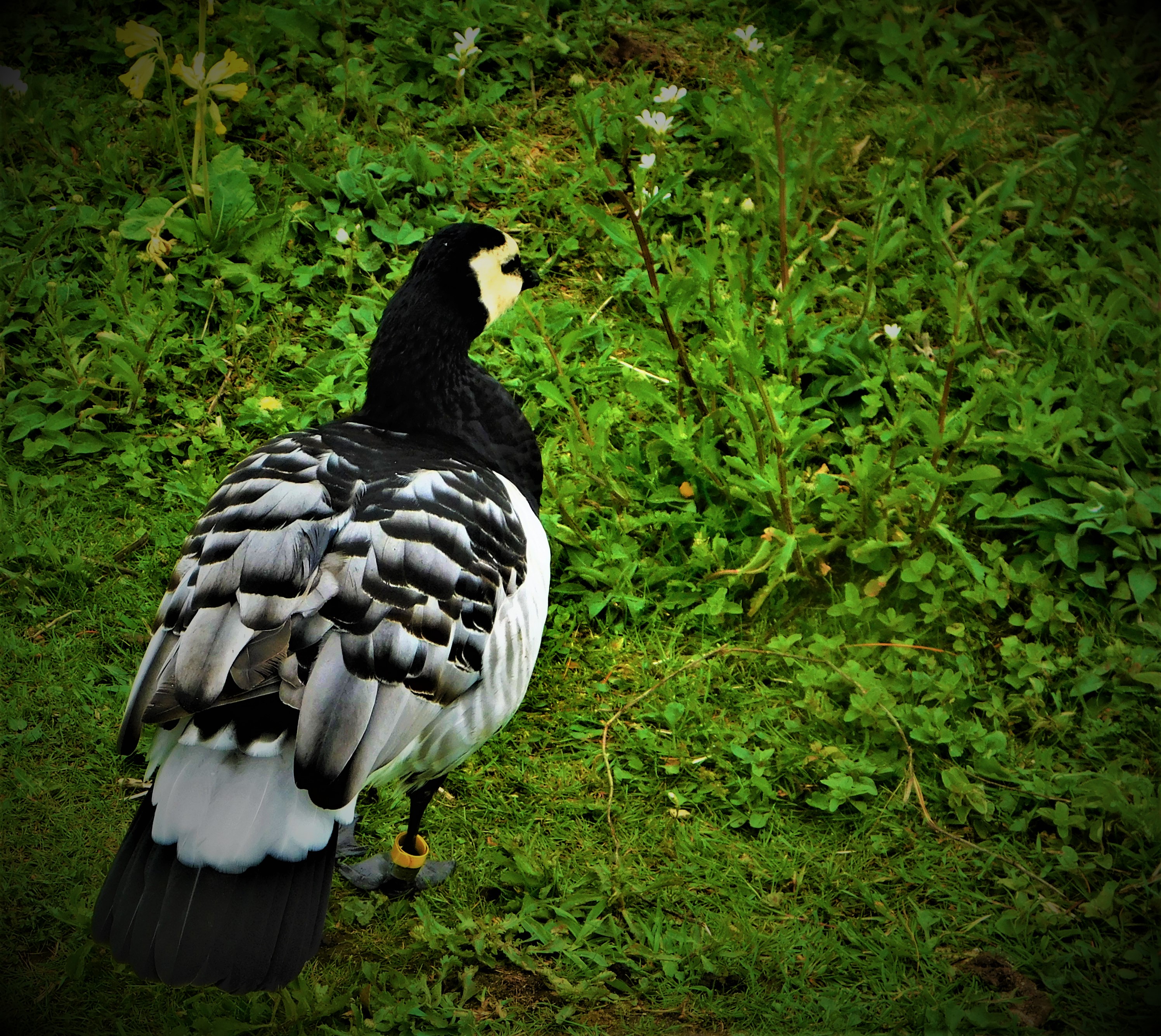
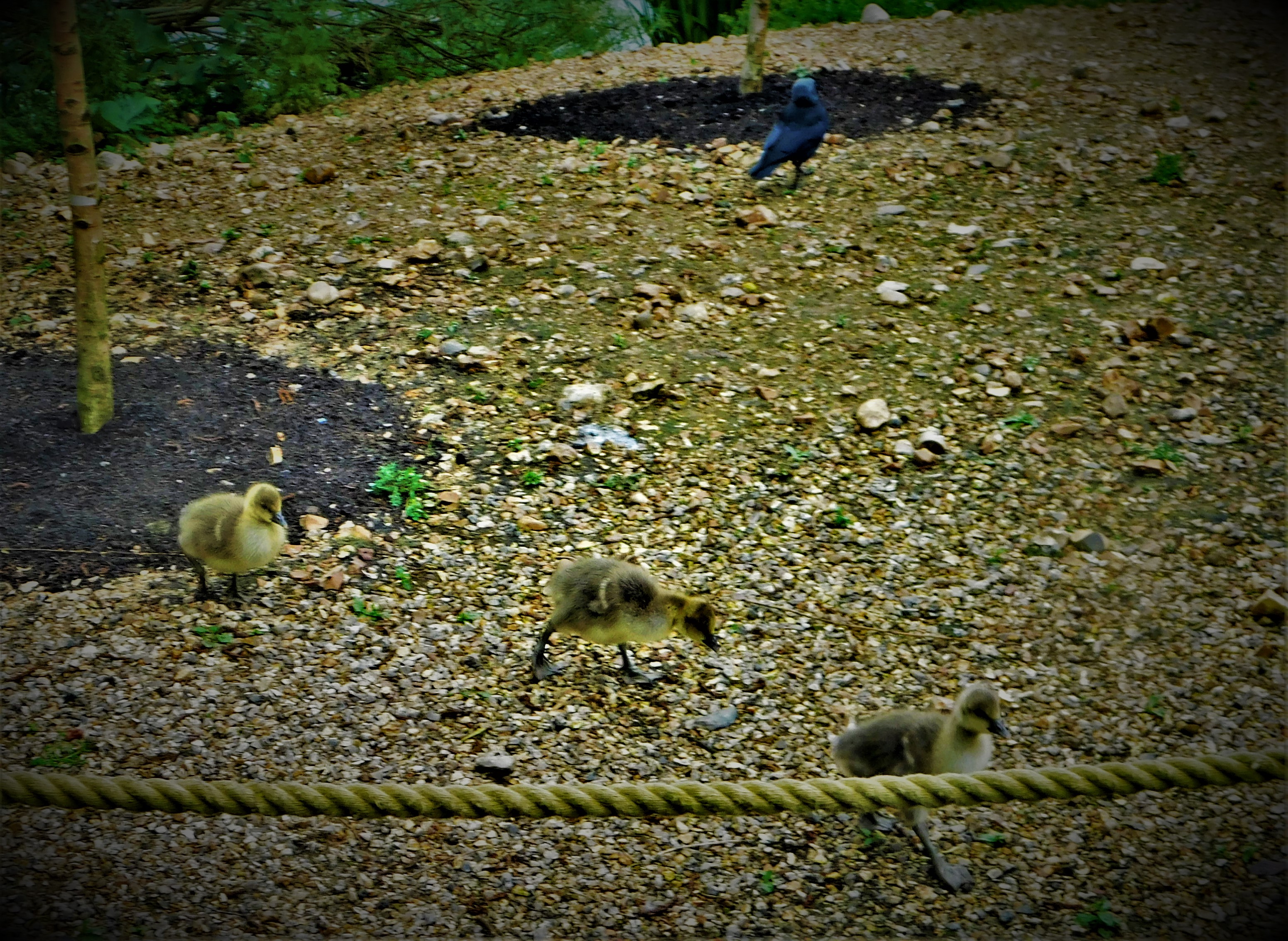
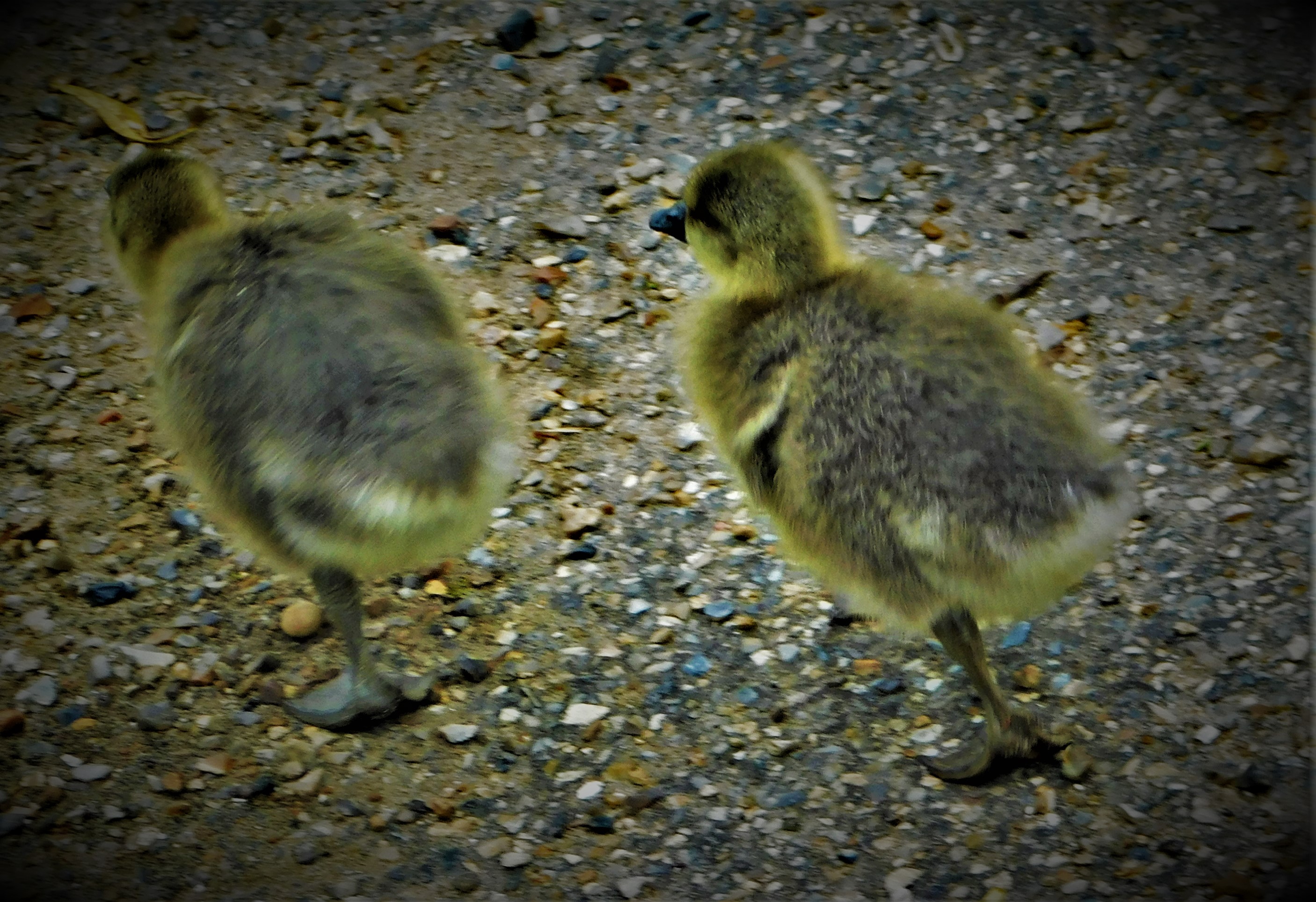
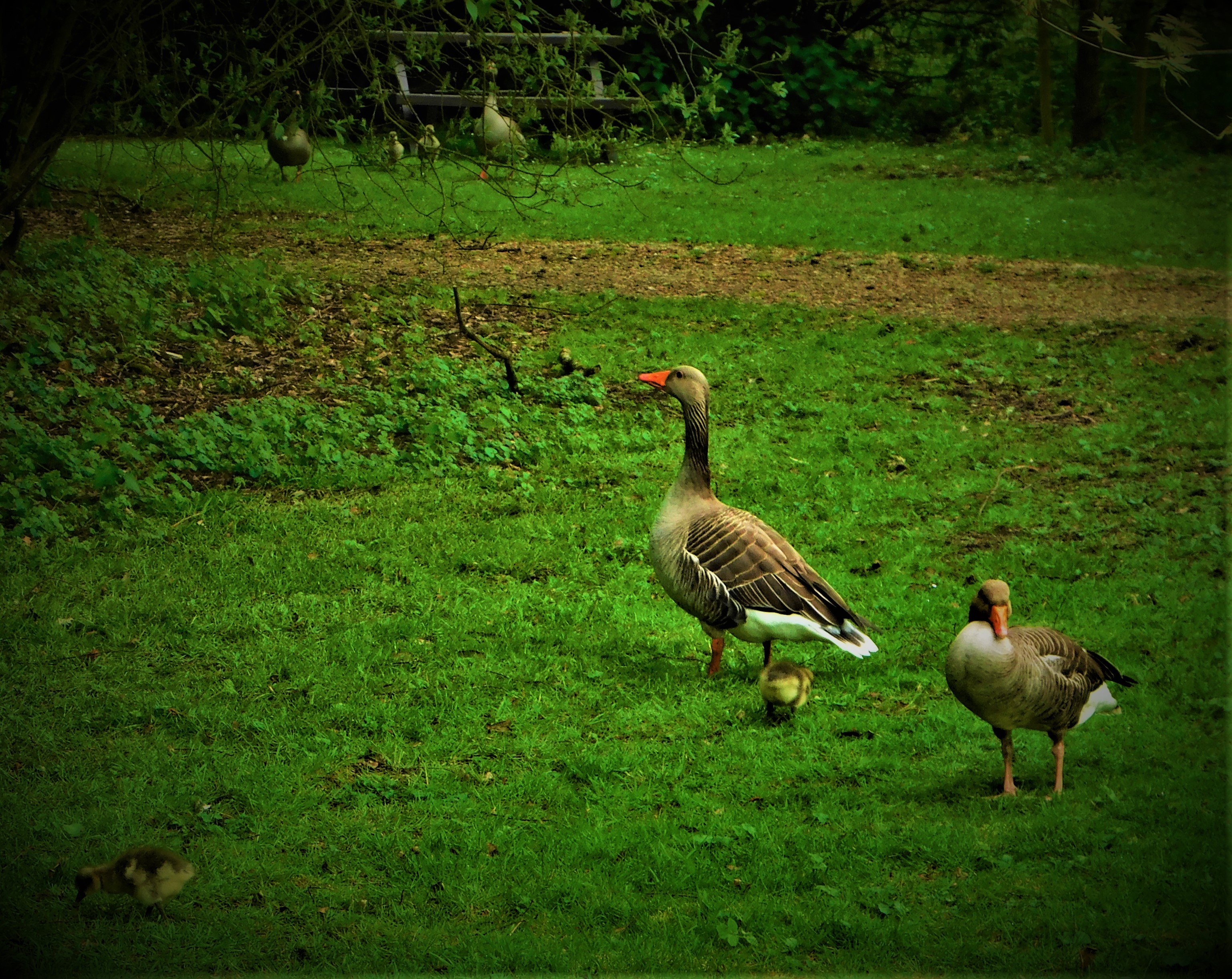
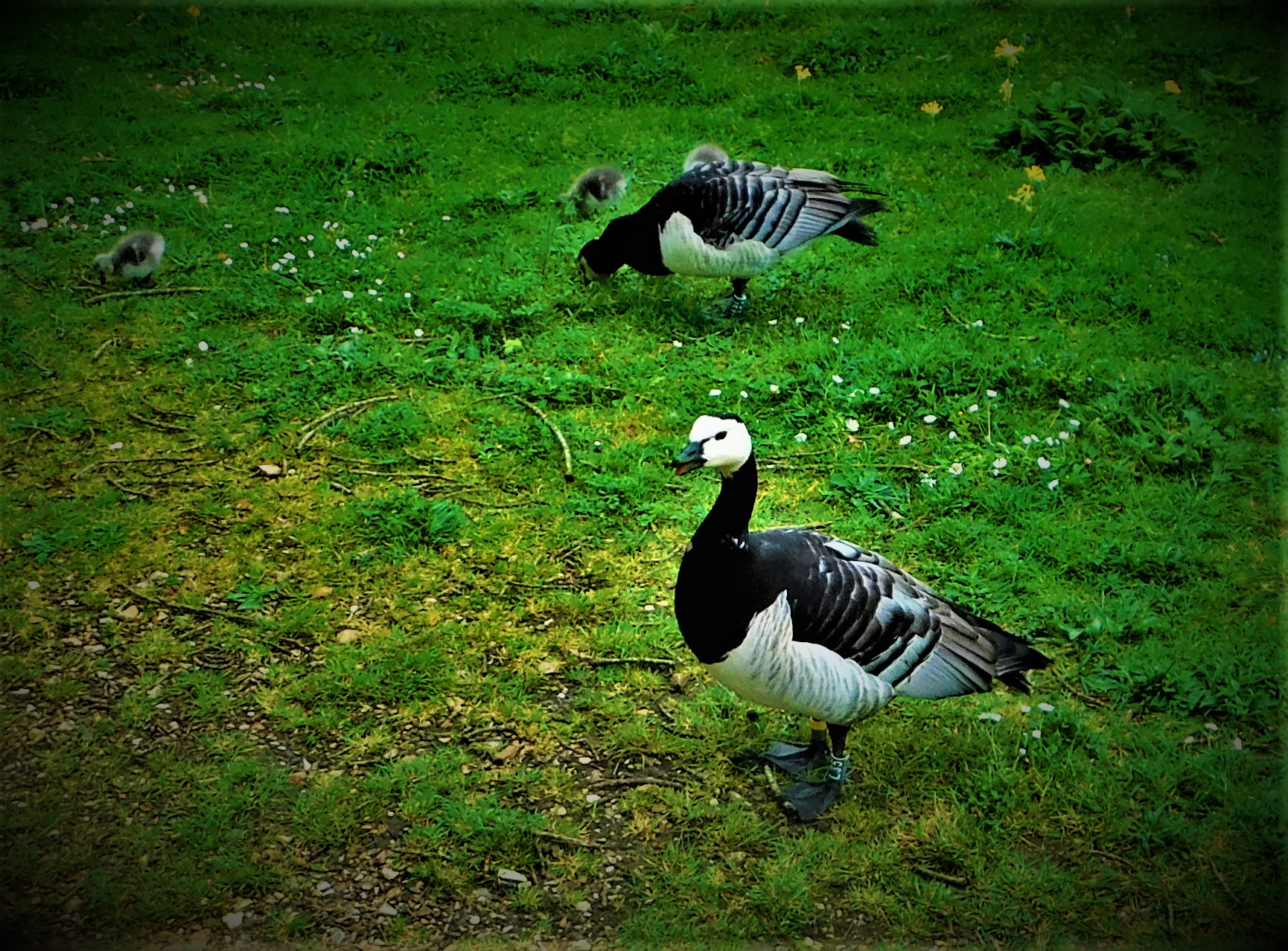
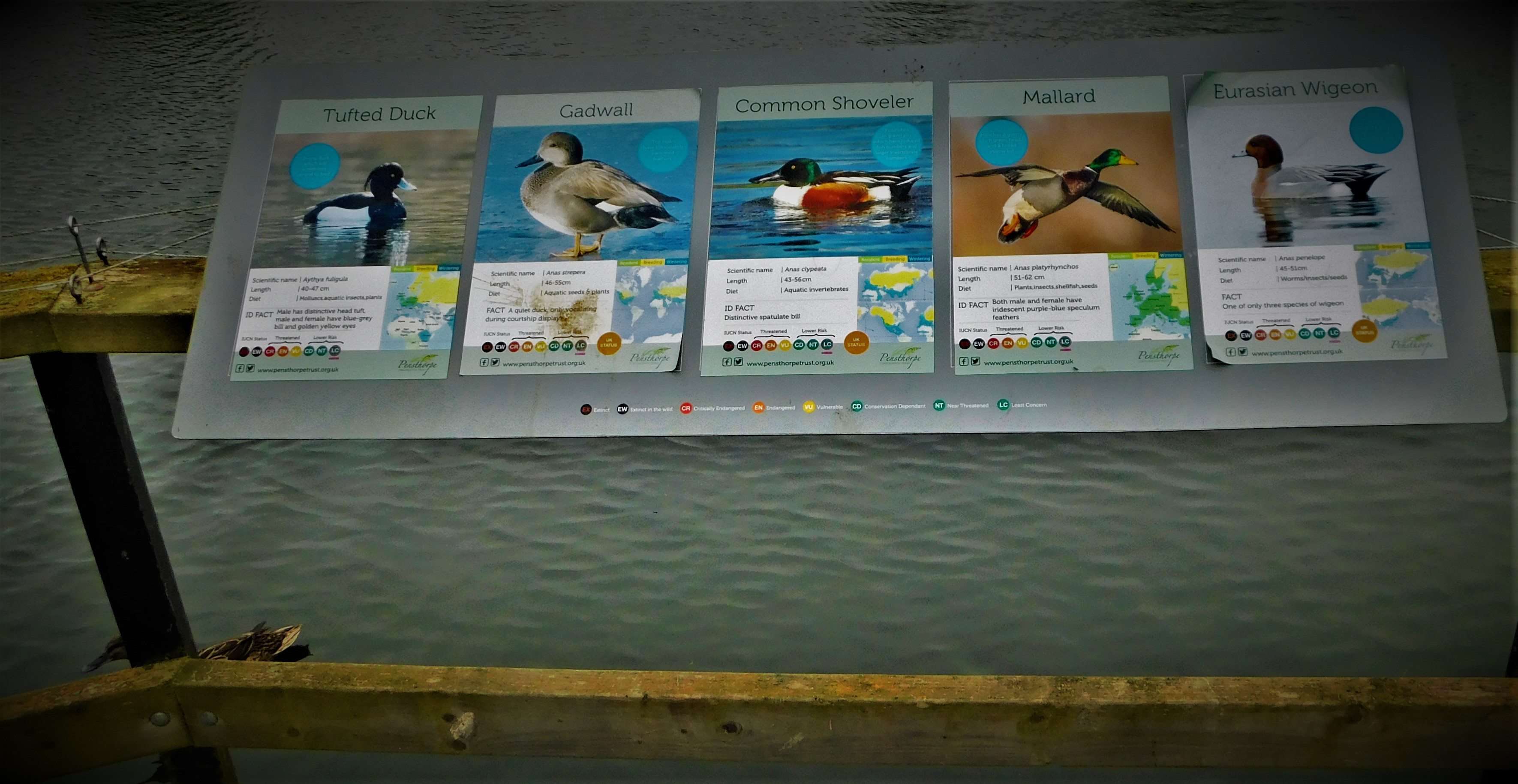
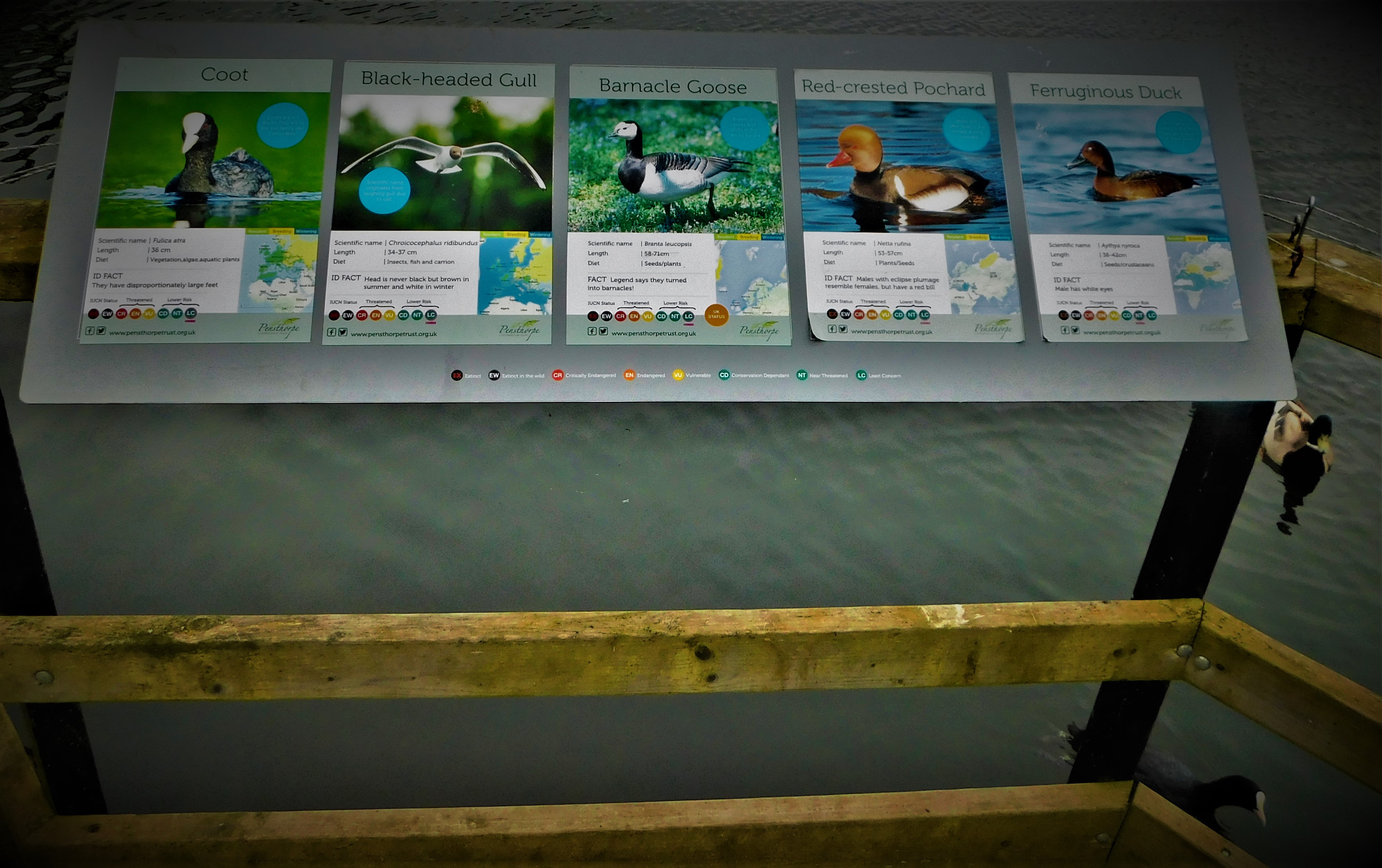
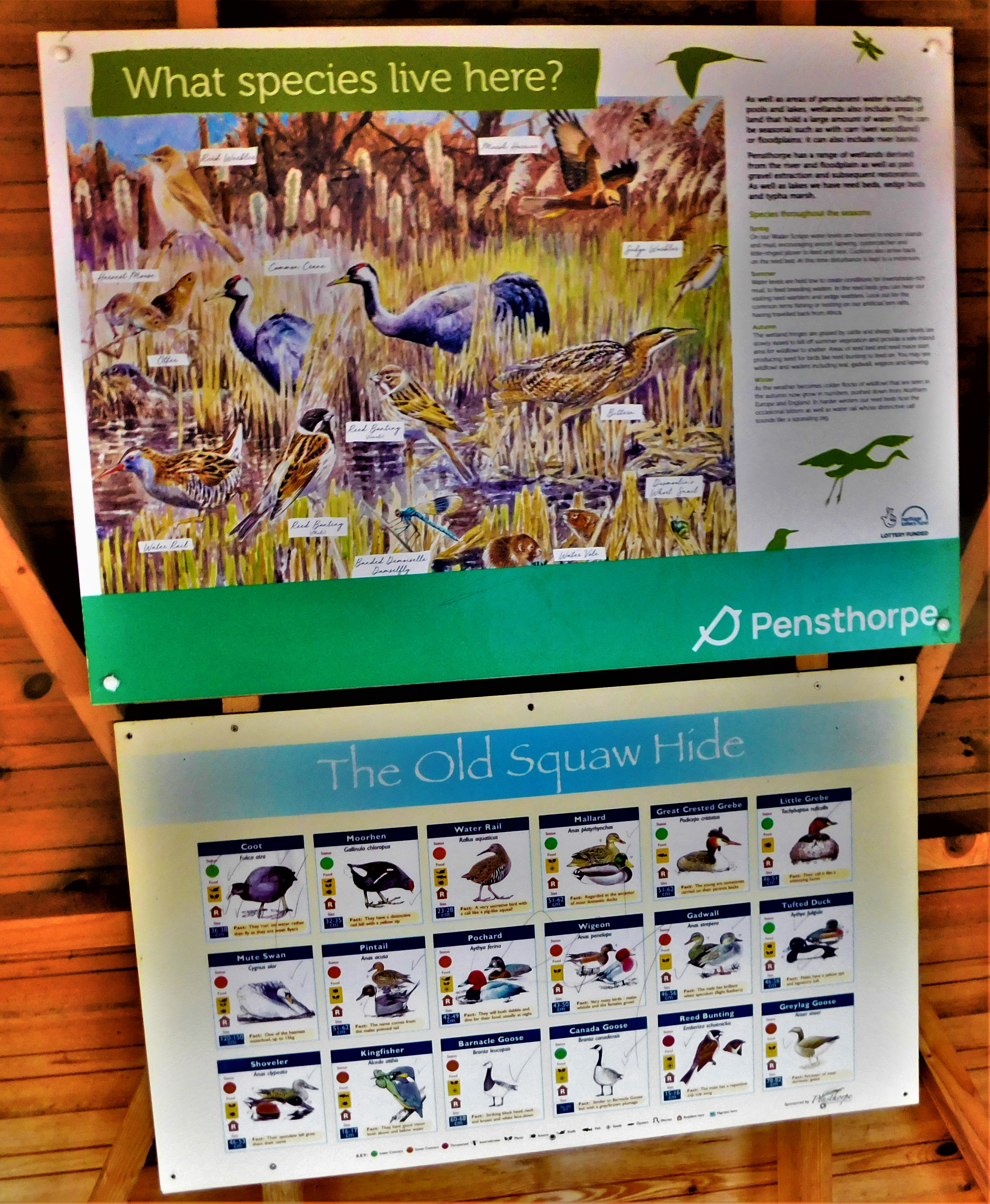
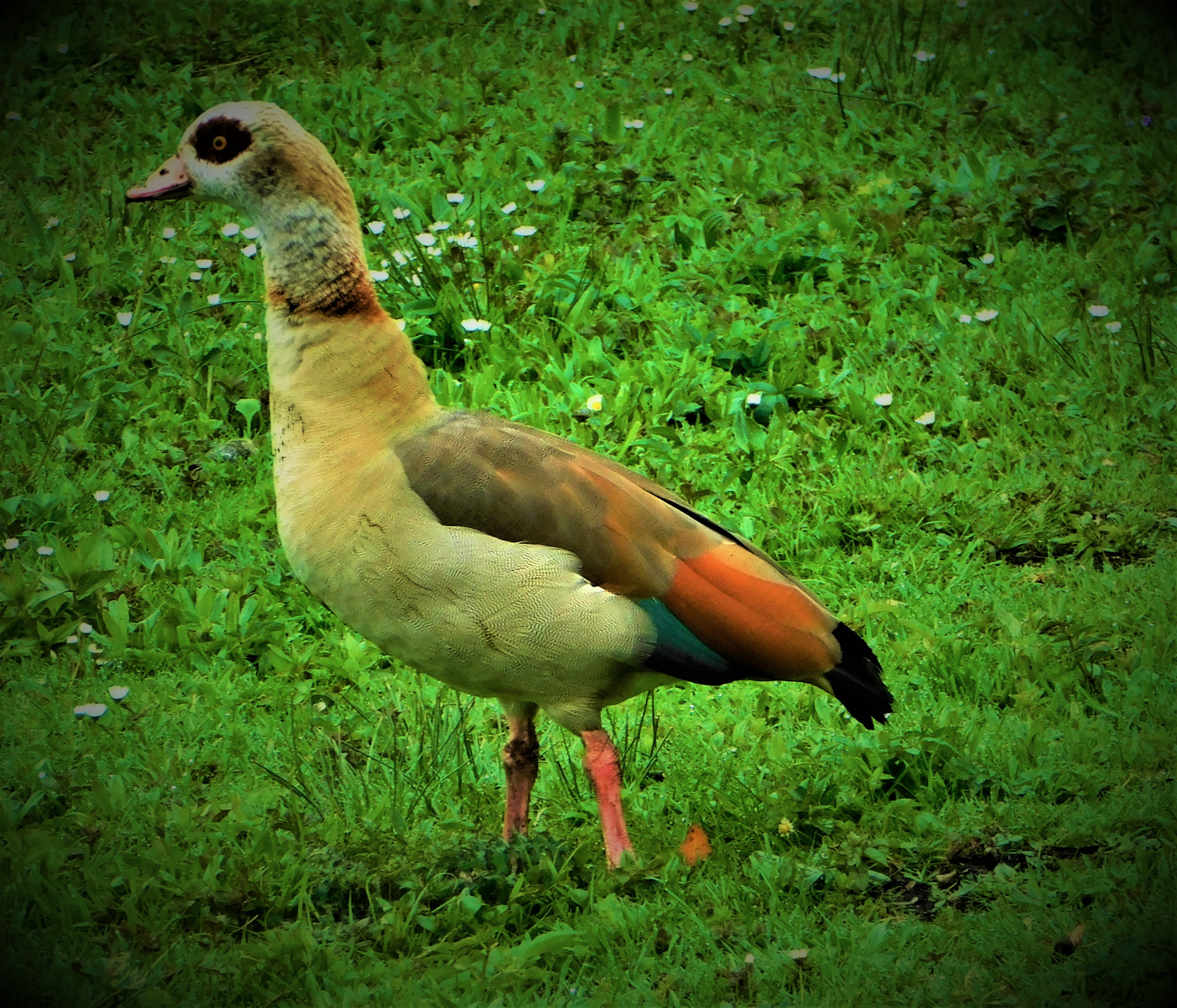
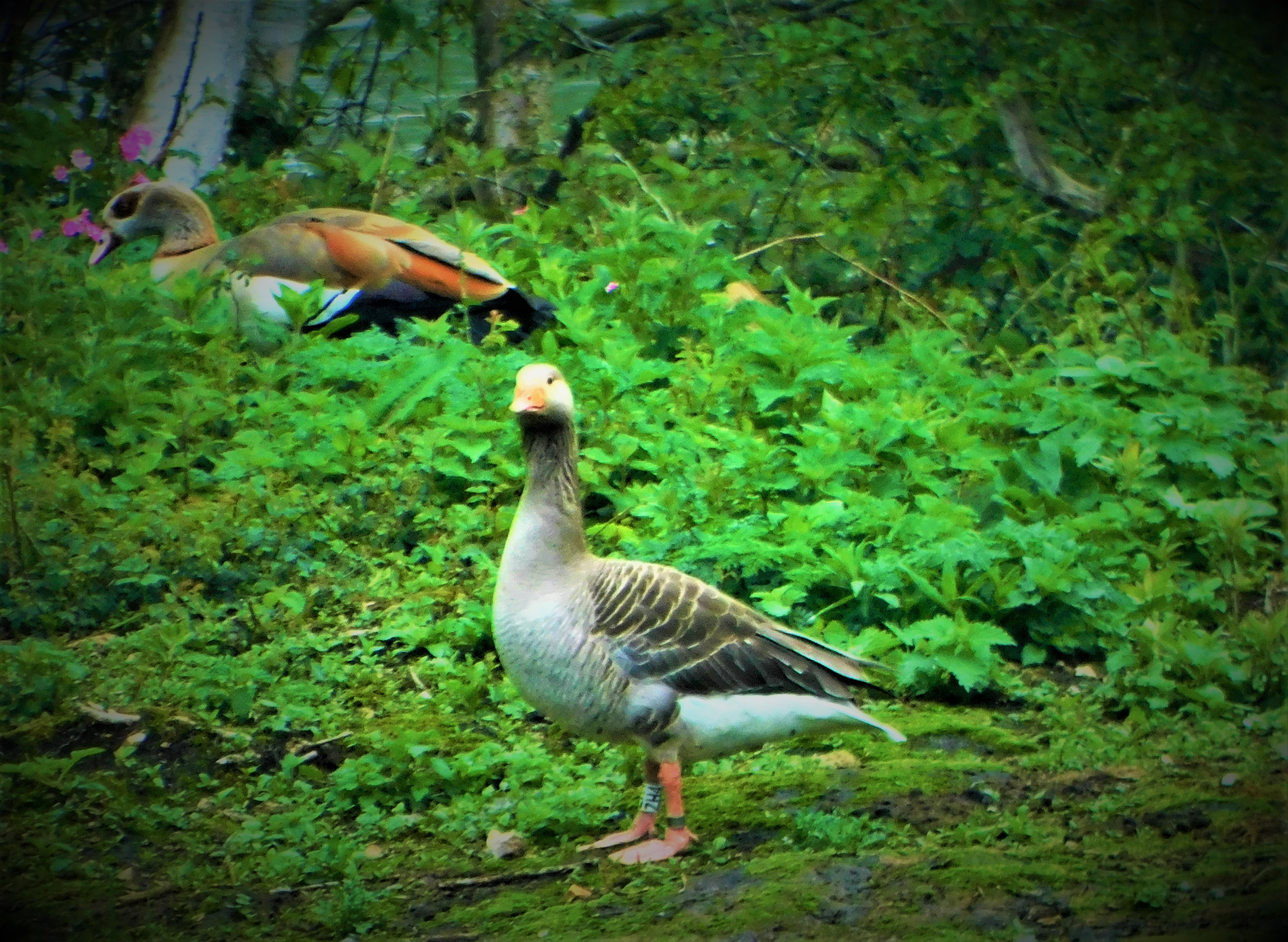
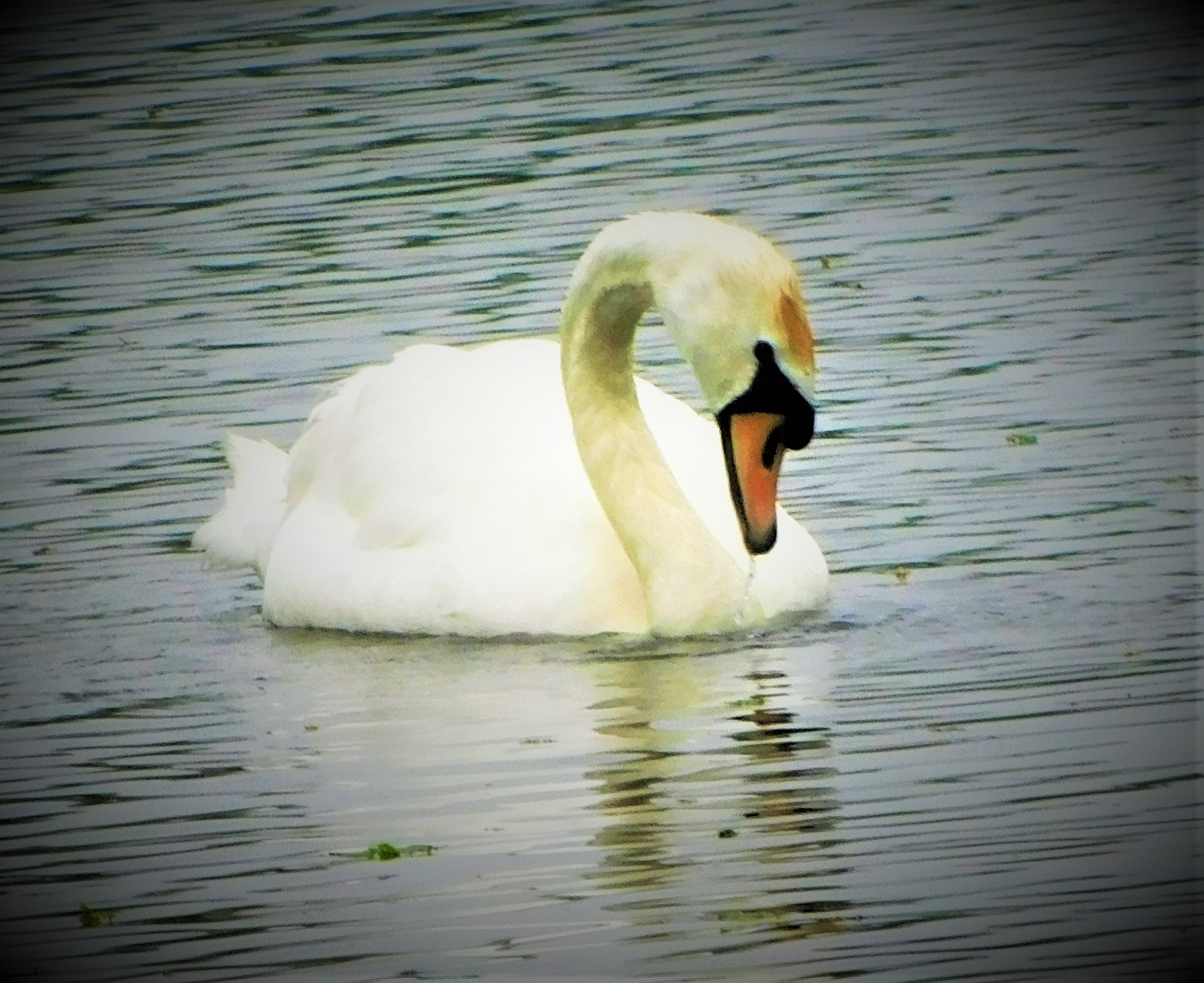
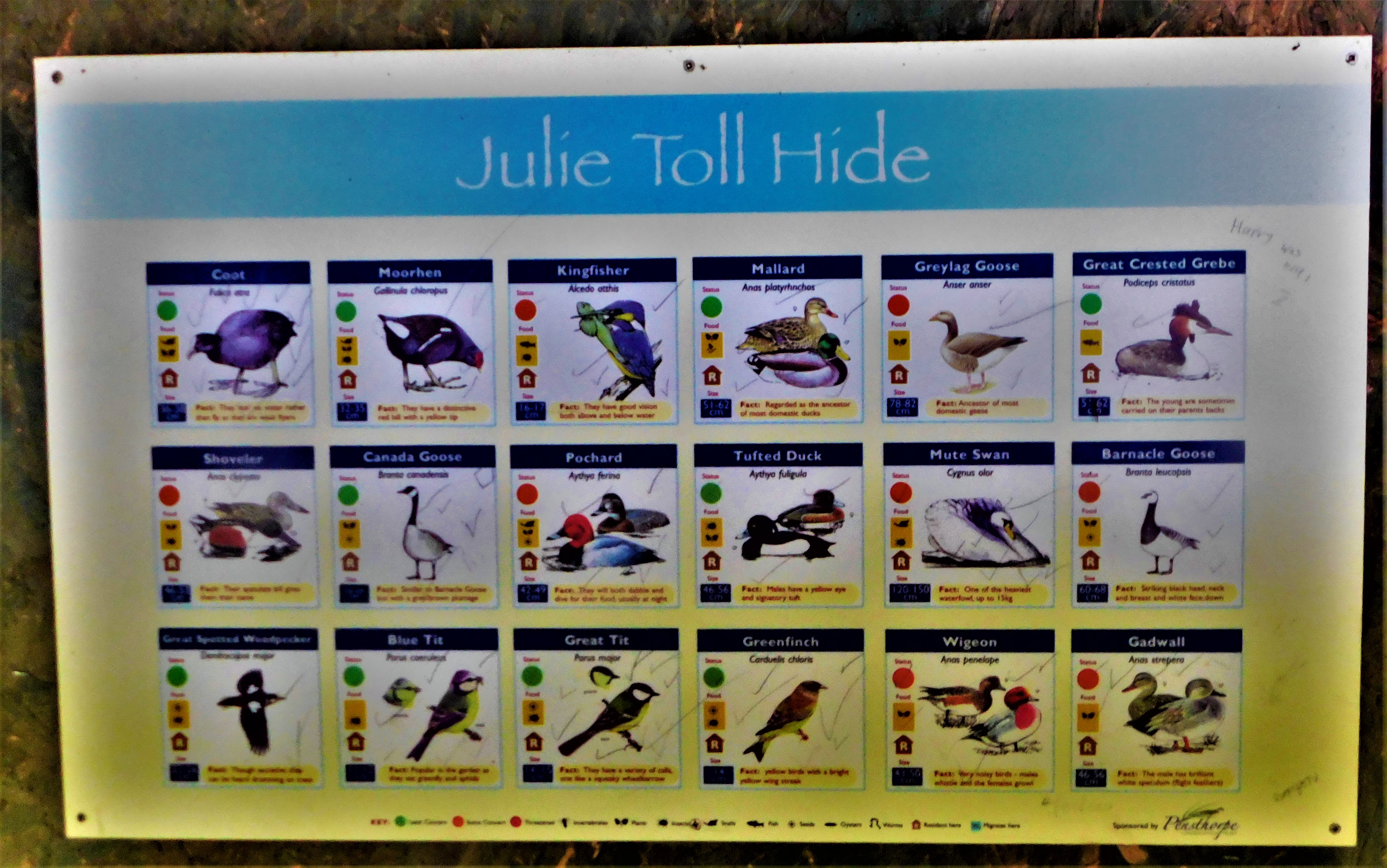
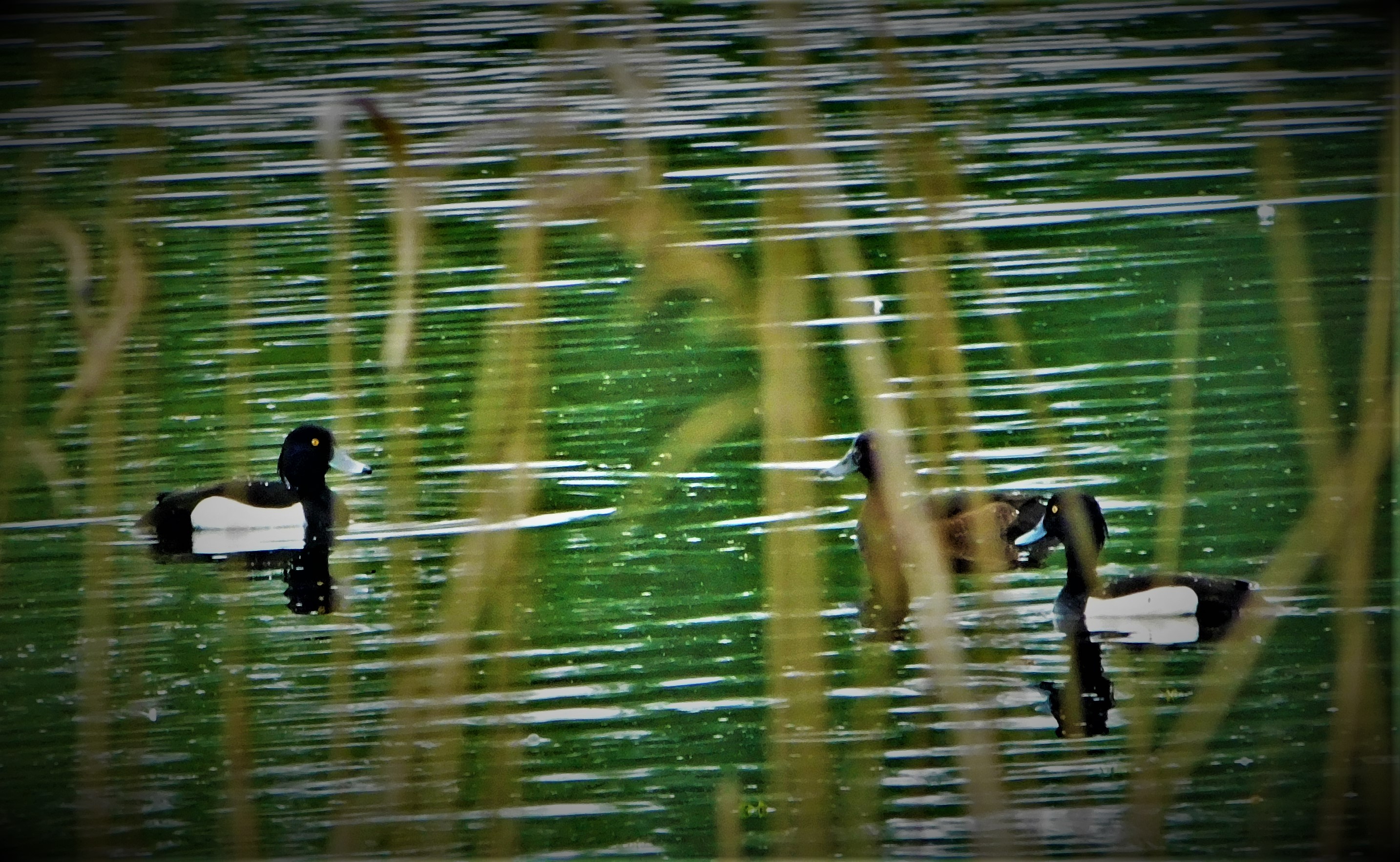
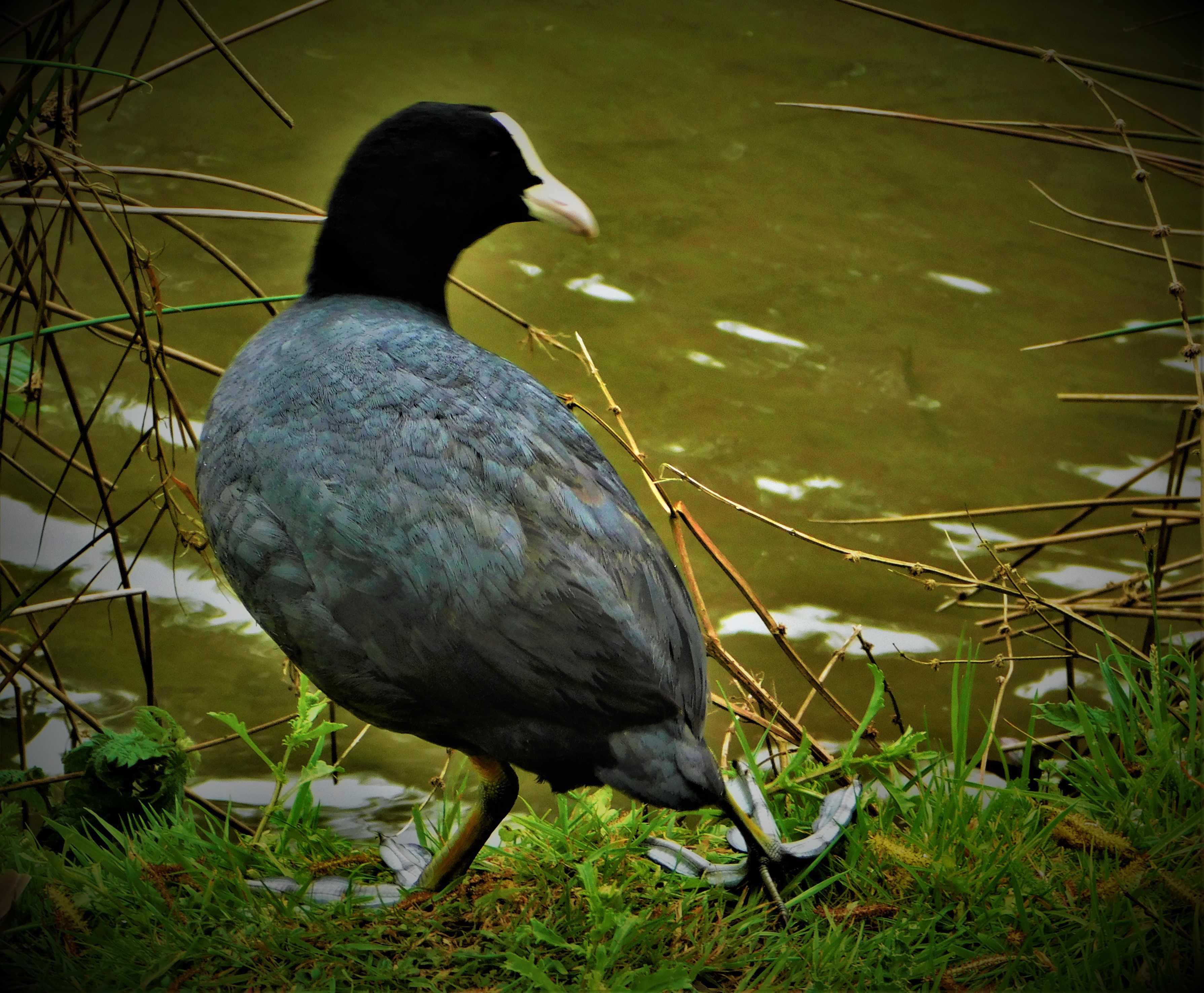
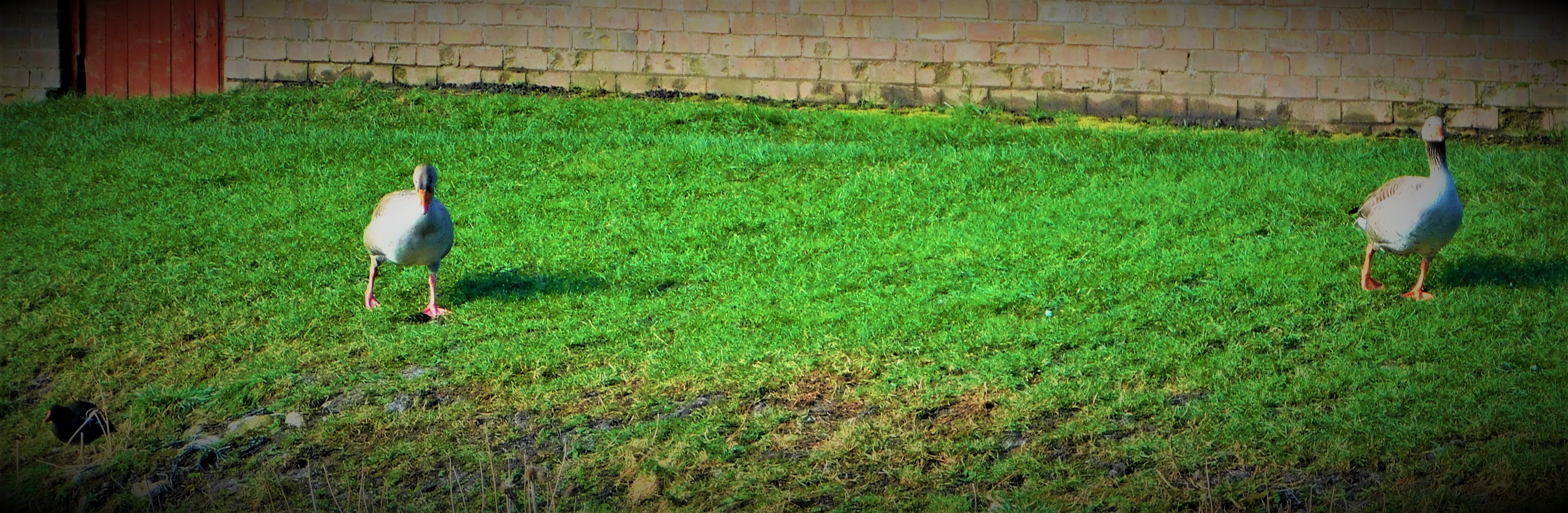
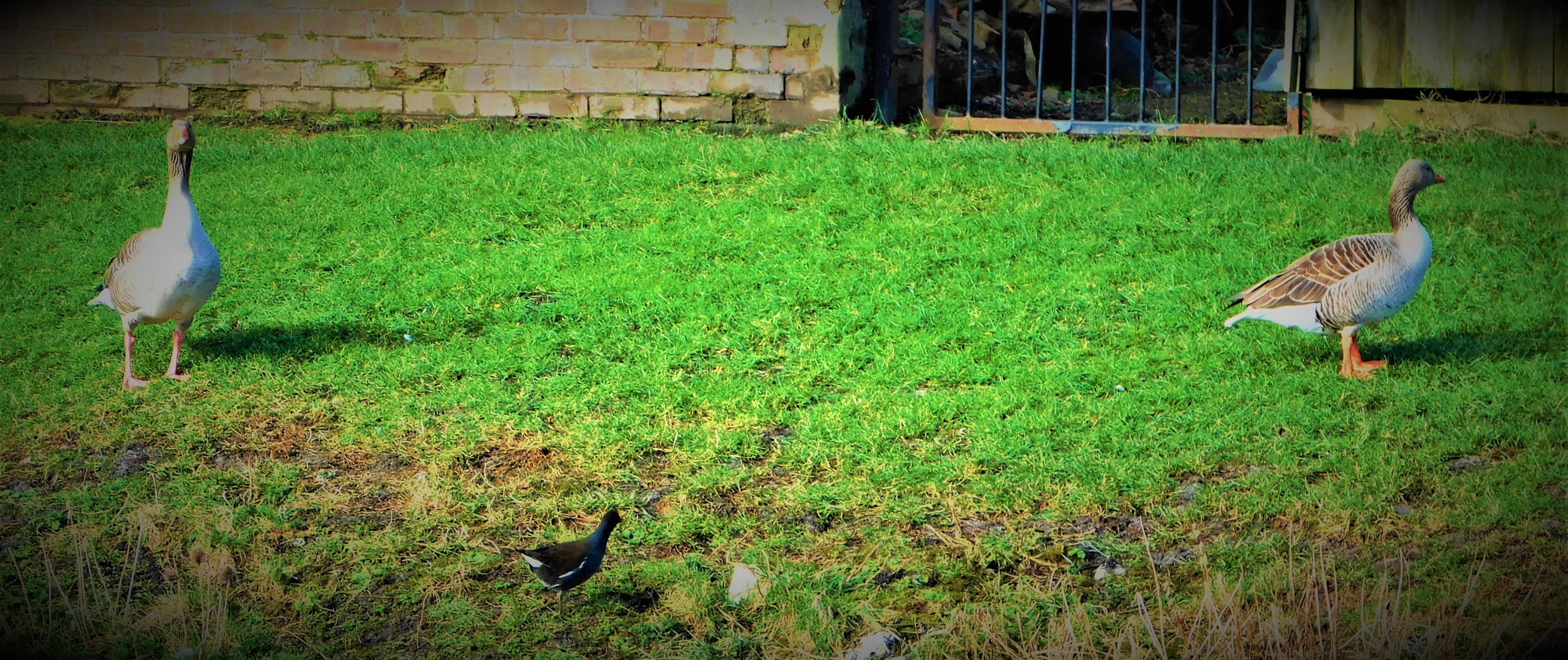
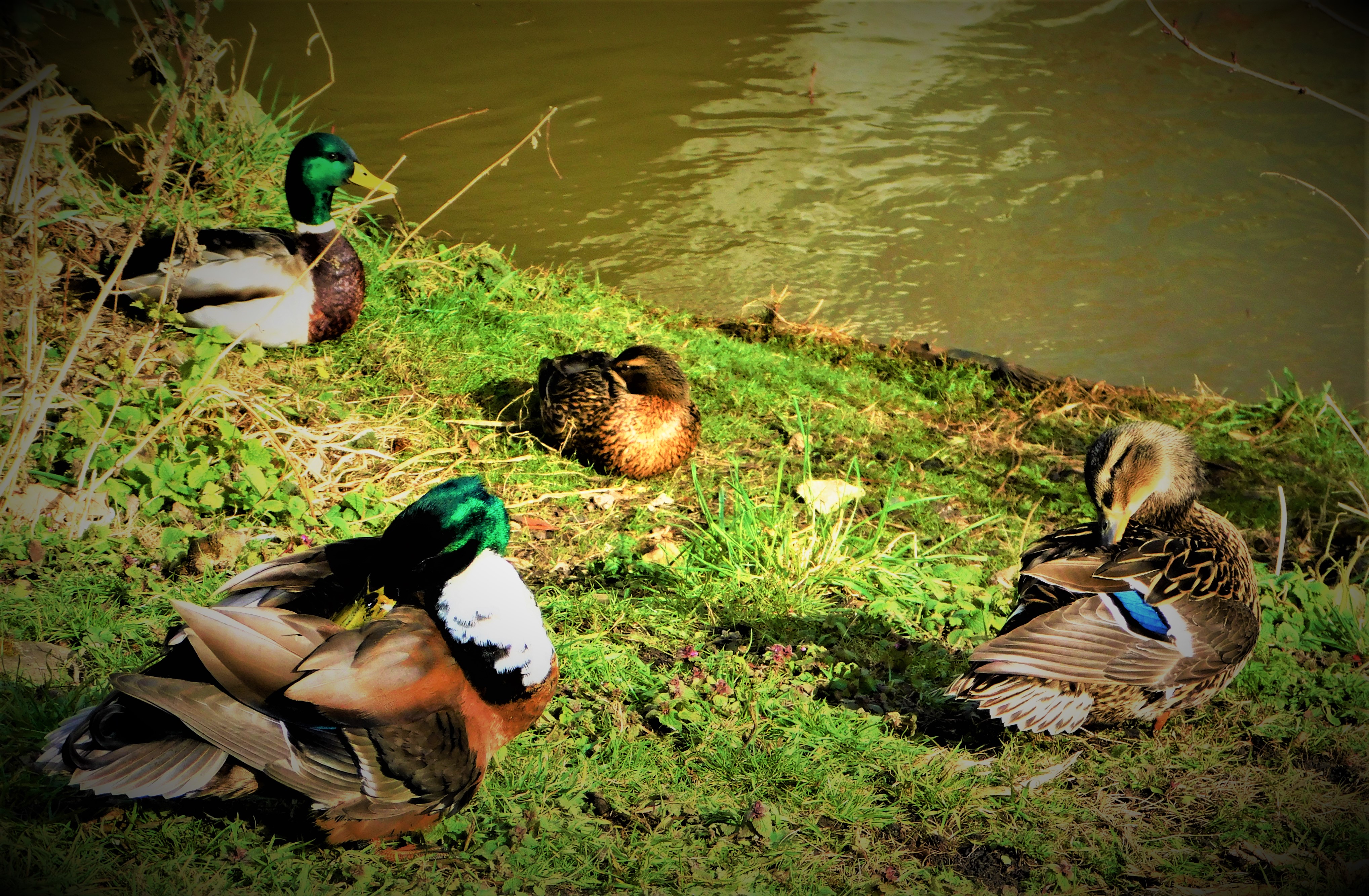
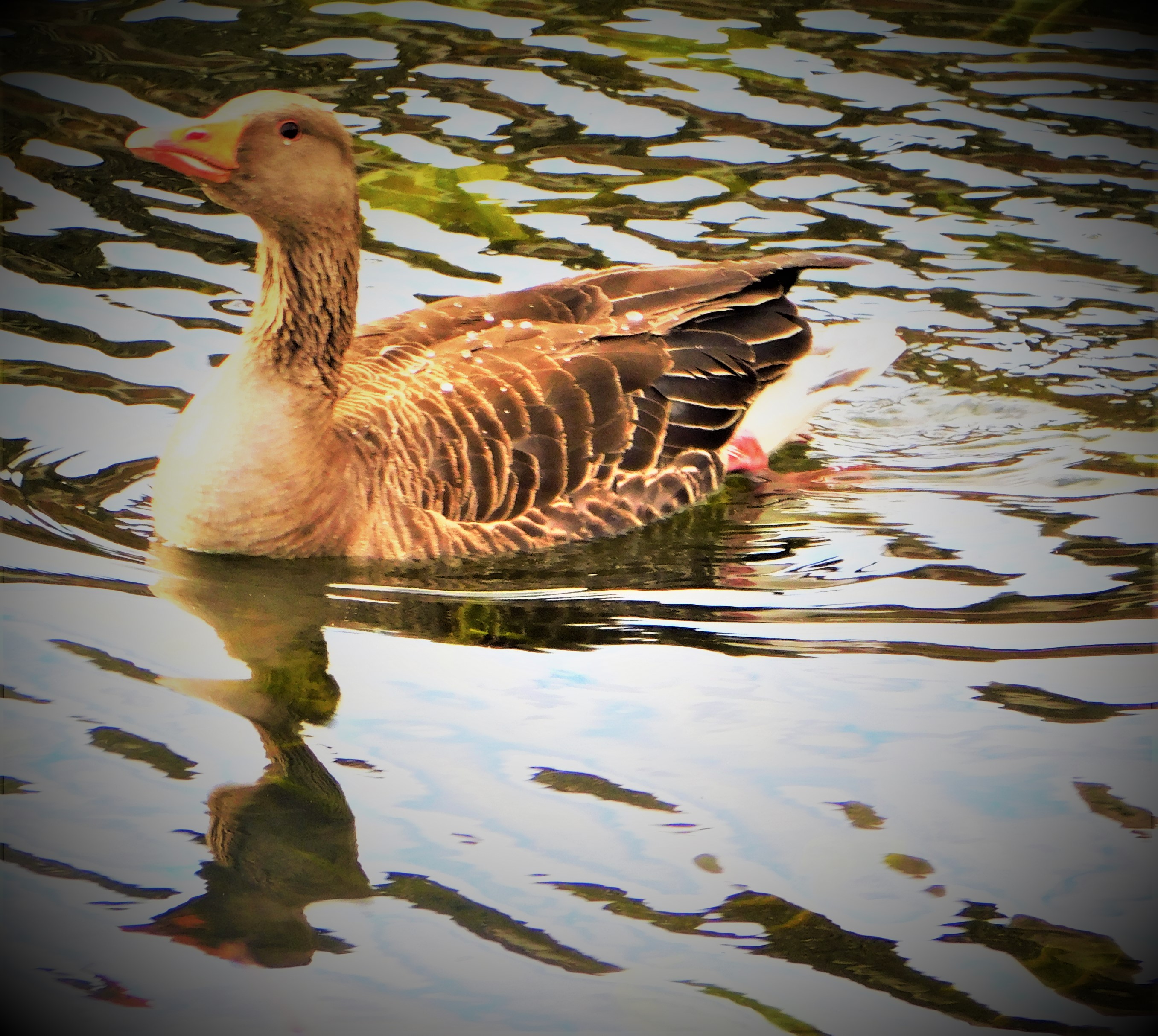
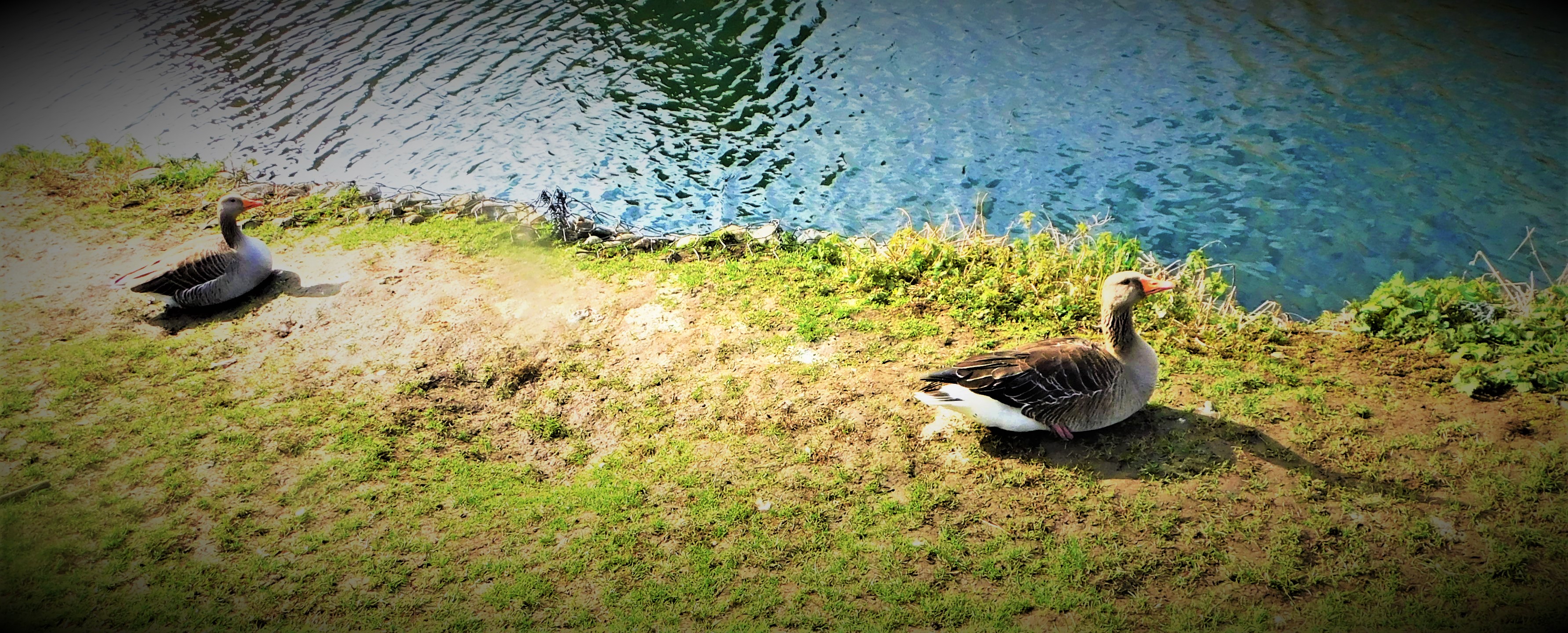
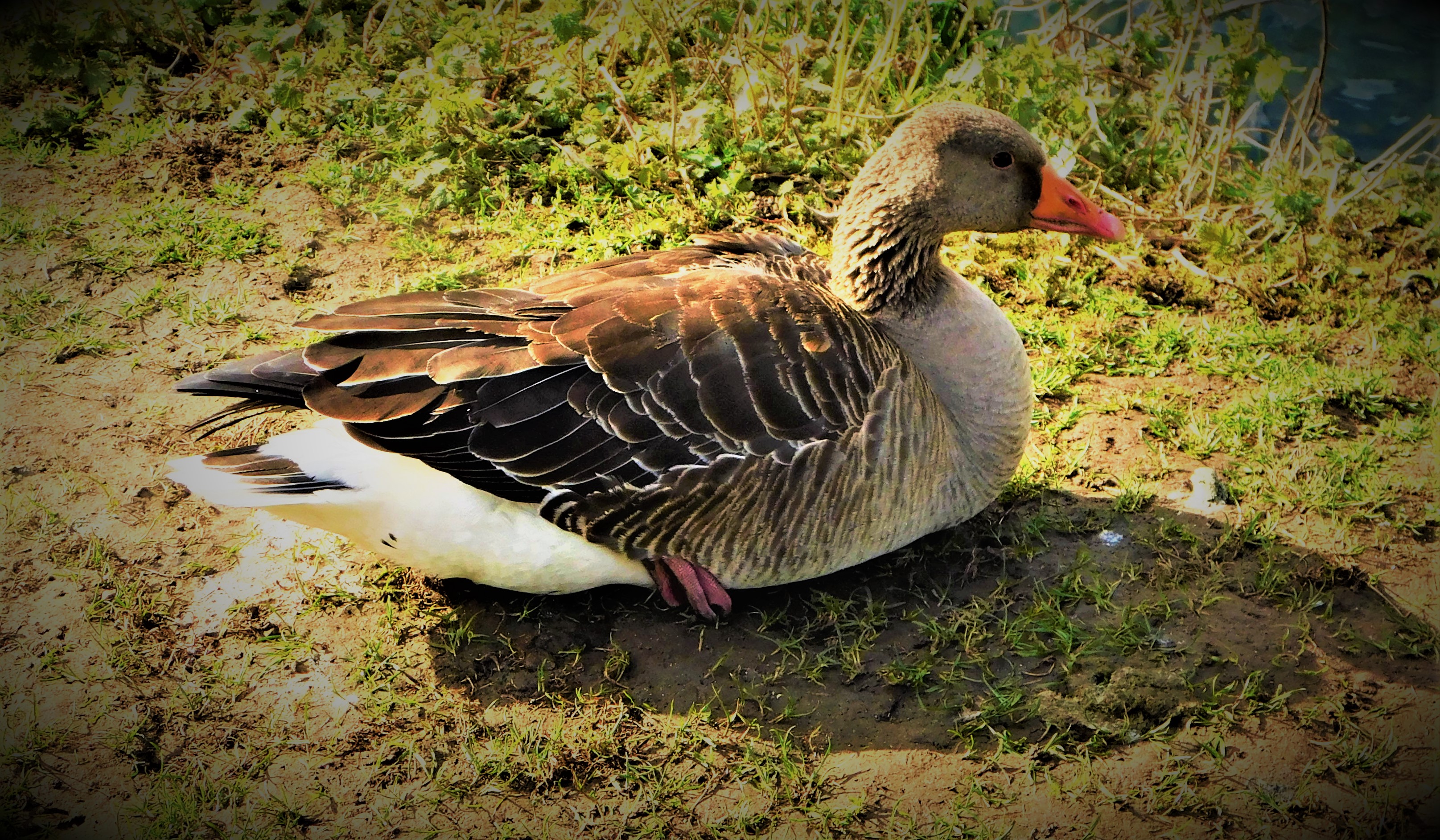
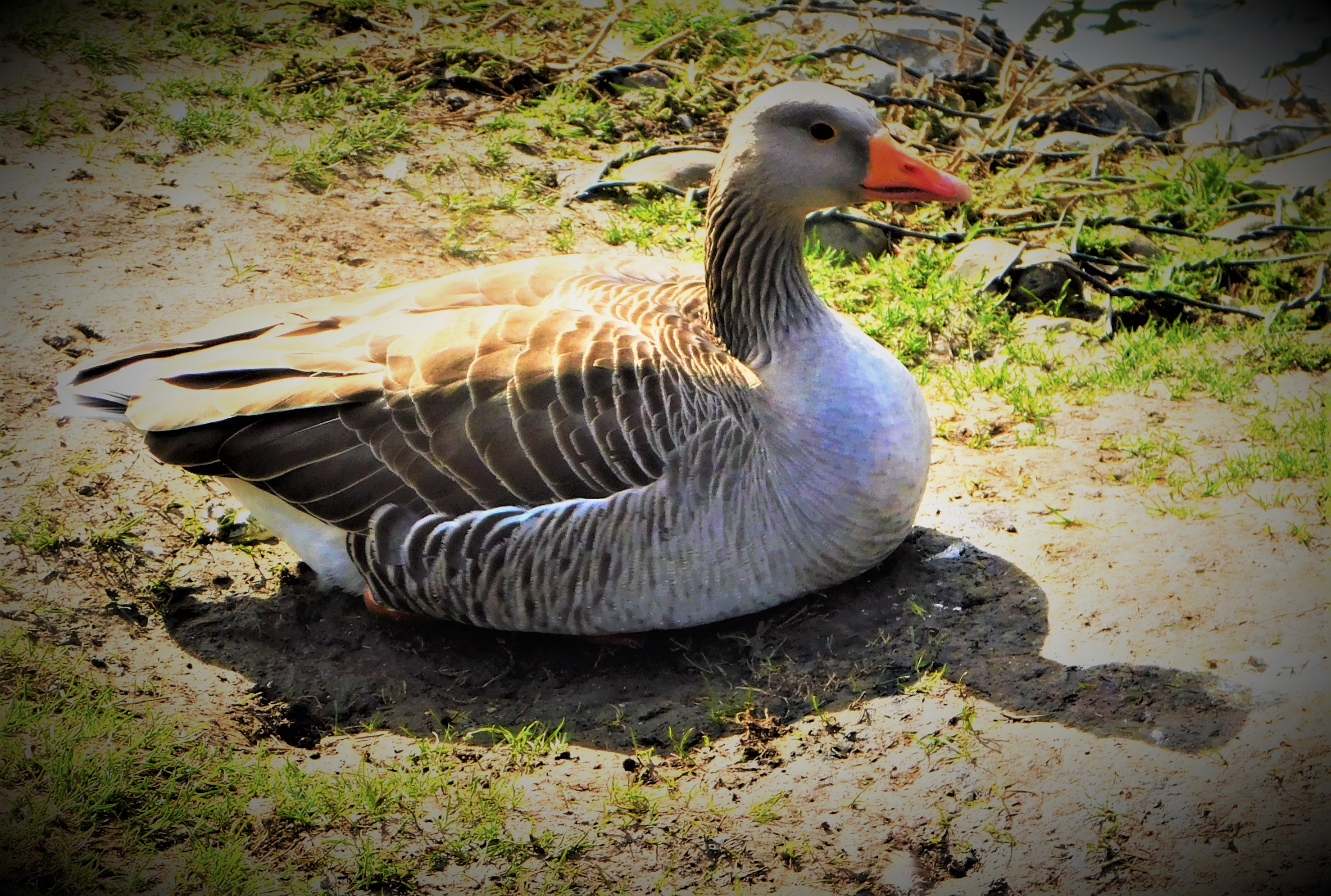
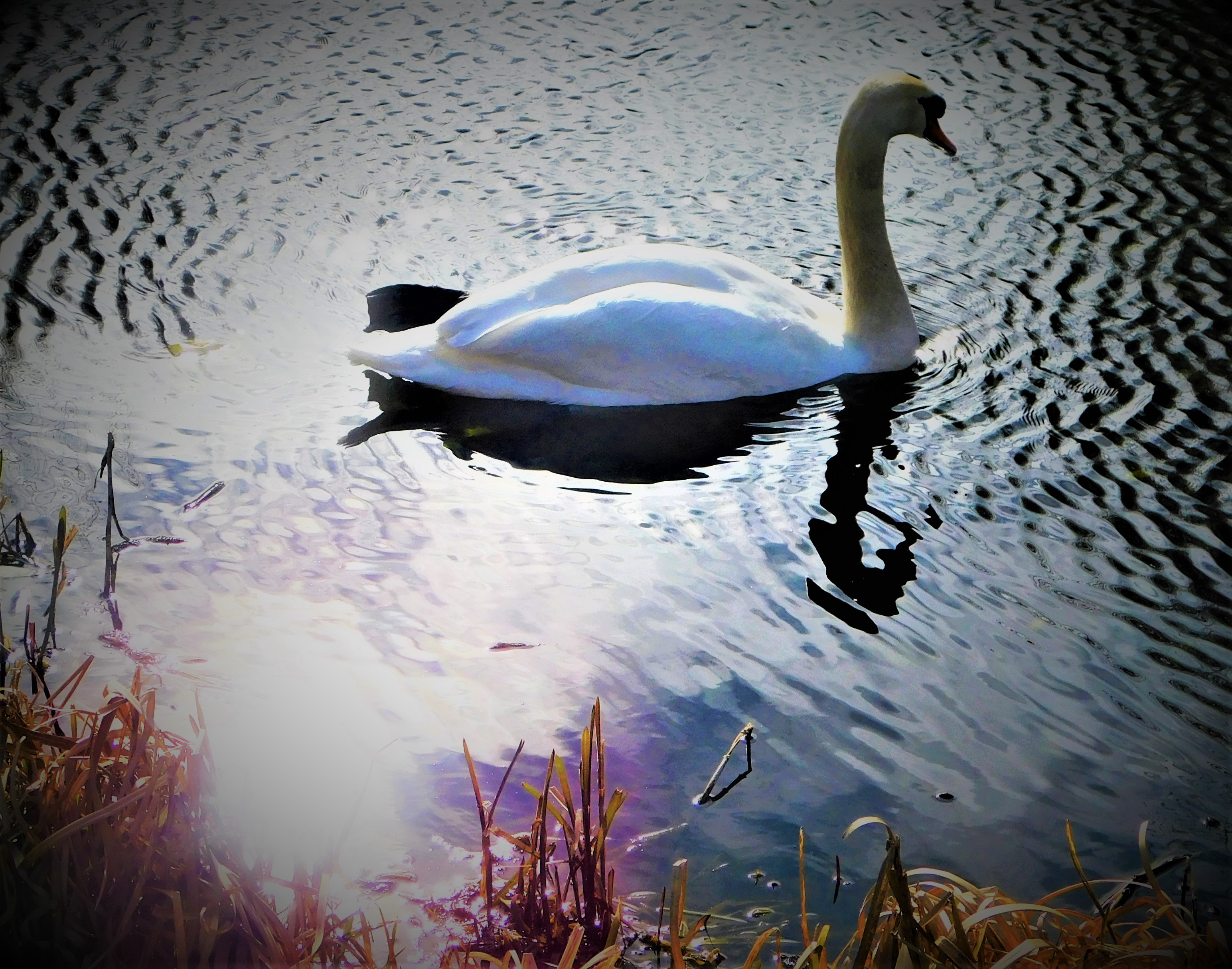
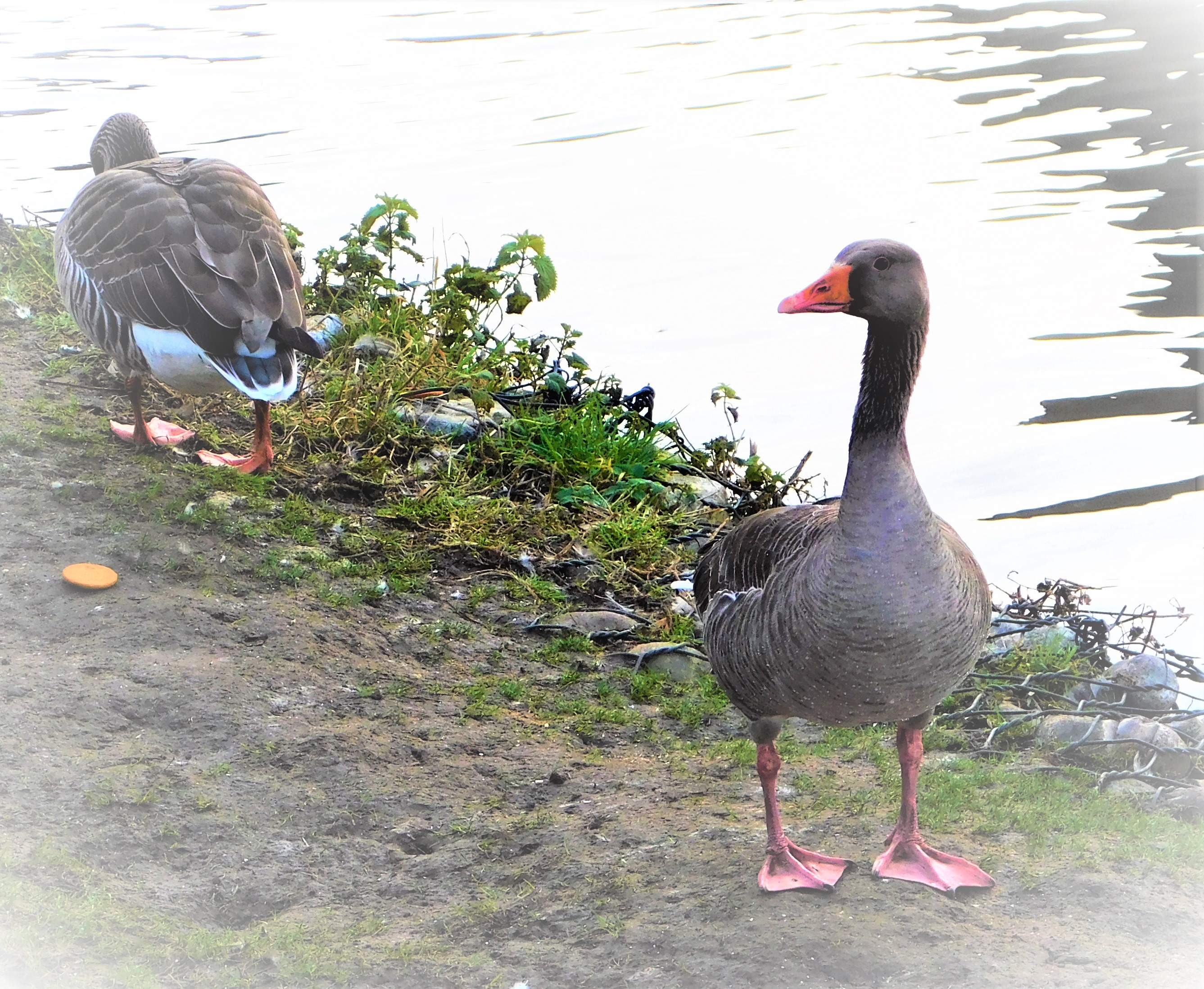
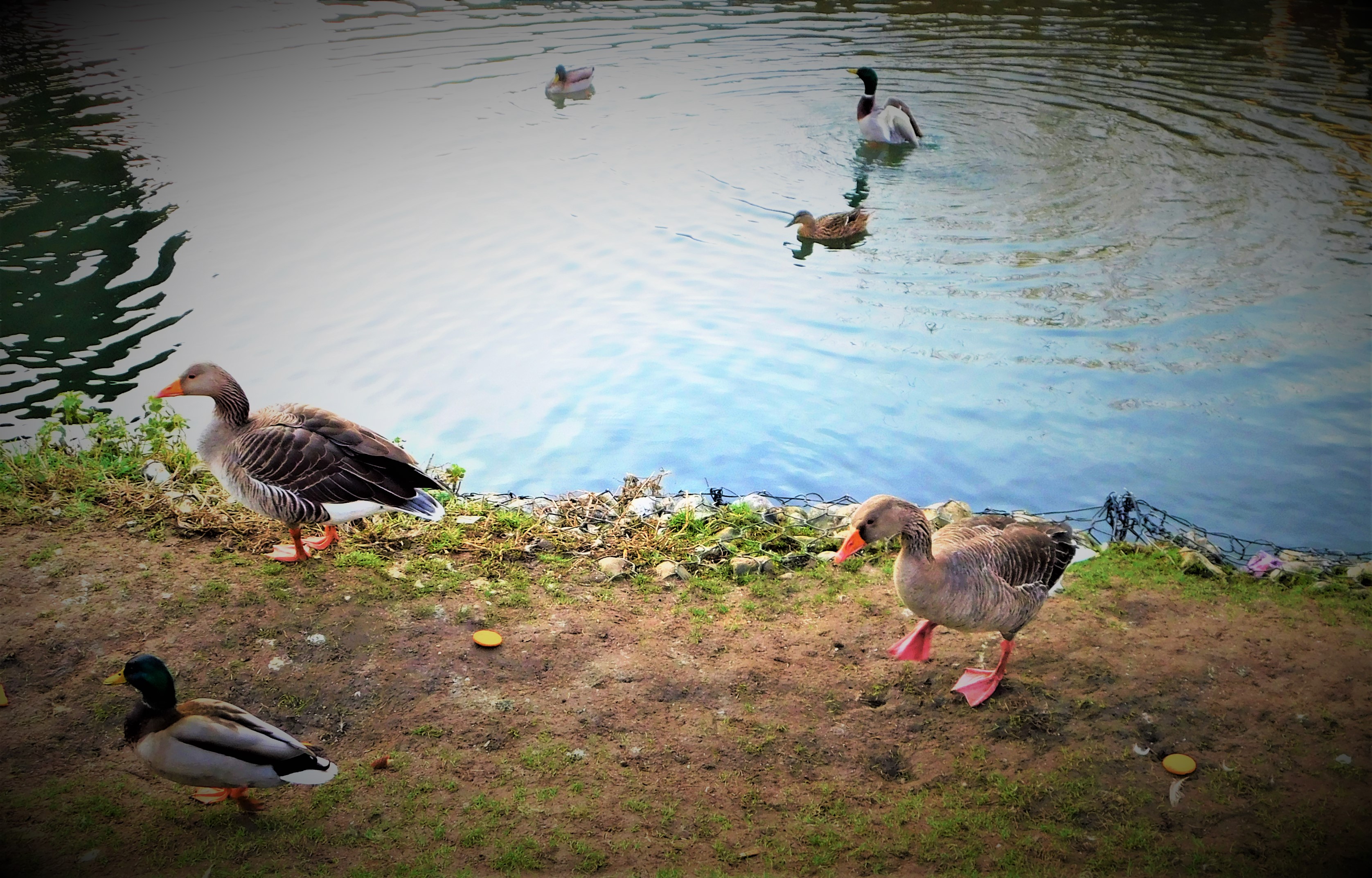
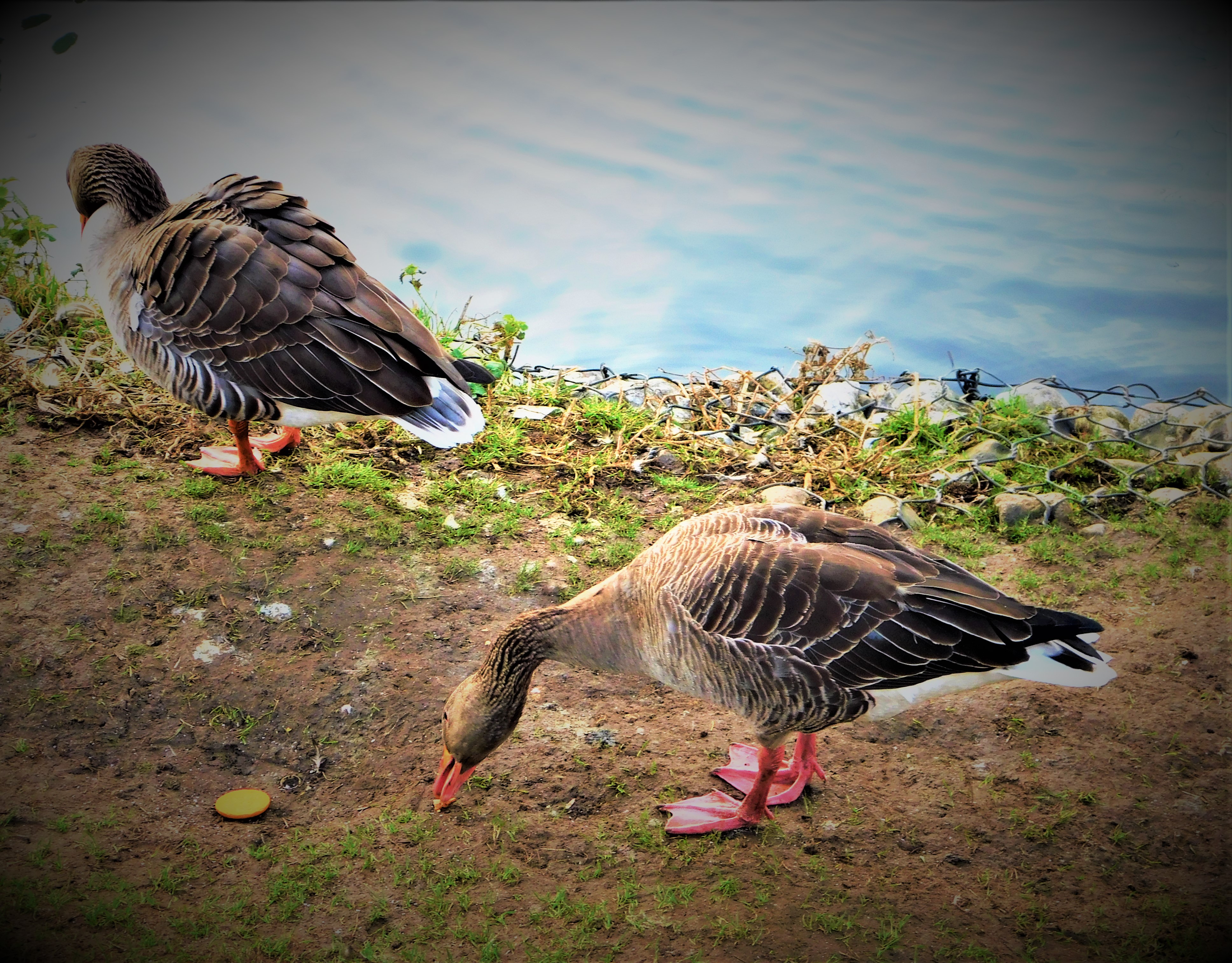
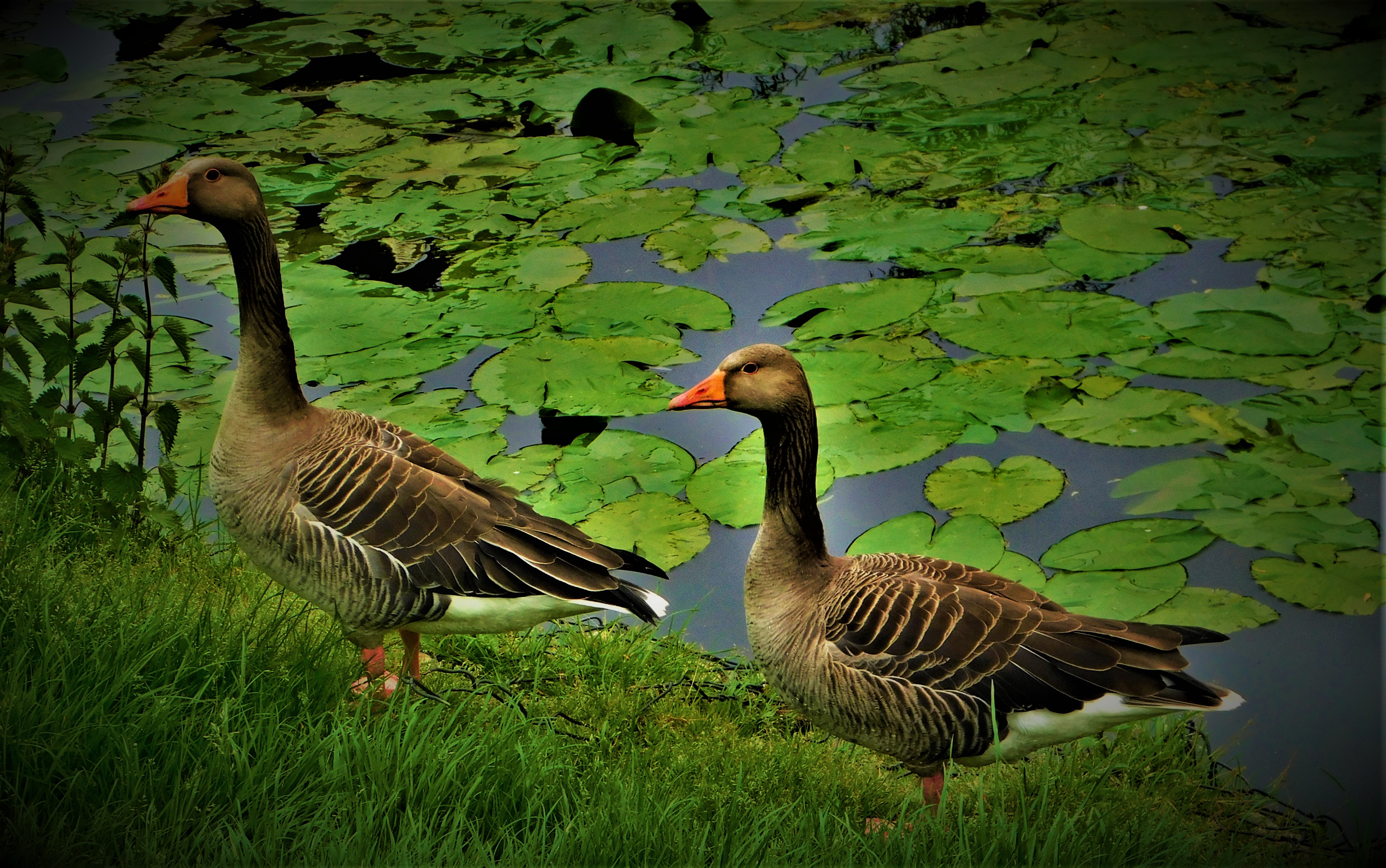
A huge variety of duck and goose species were on show all around Pensthorpe. The Barnacle Geese (black and white coloured and smaller than any other variety of goose at Pensthorpe) were notably aggressive. There were goose families of one sort or another on or around virtually every pathway. Ducks of varying species were using pretty much every available body of water.

PHOTOGRAPHS

We start with the ducks…

Now for the geese:

Pensthorpe: Introduction

Introducing what will be a mini-series about the West Norfolk Autism Group visit to Pensthorpe Natural Park.

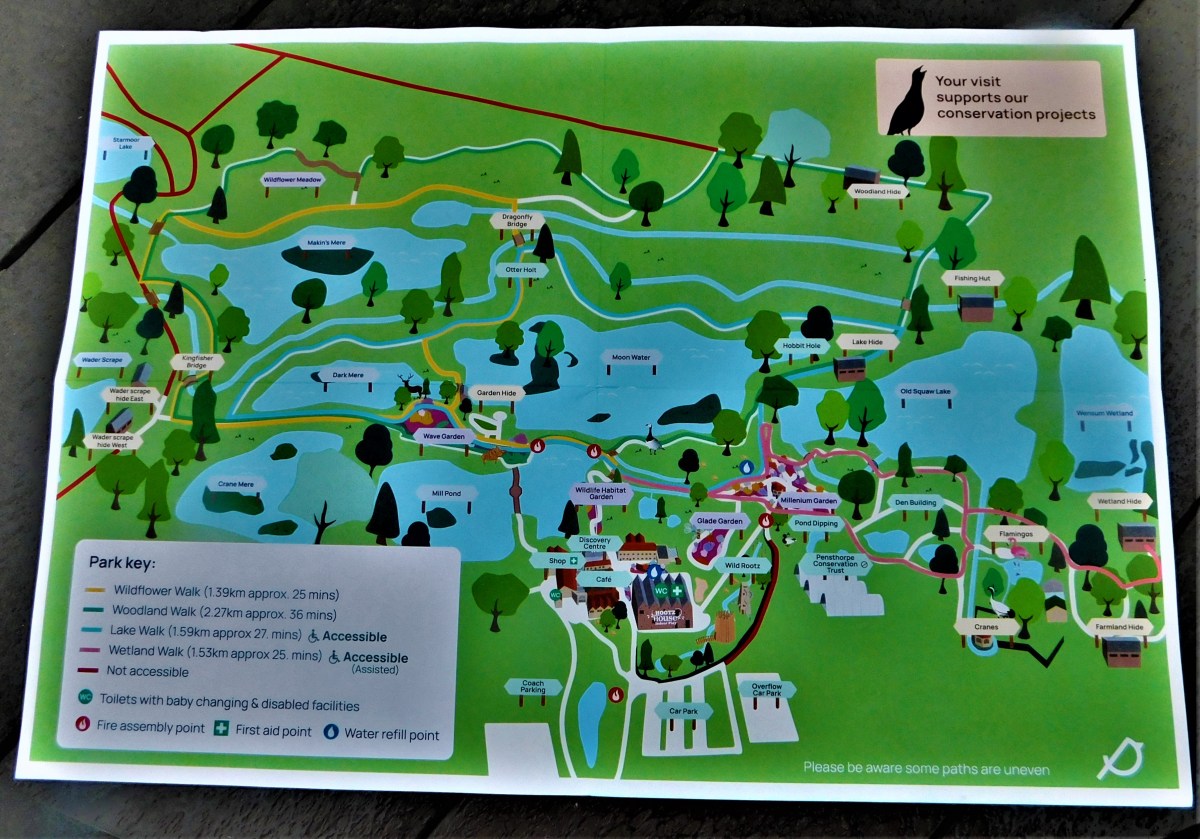
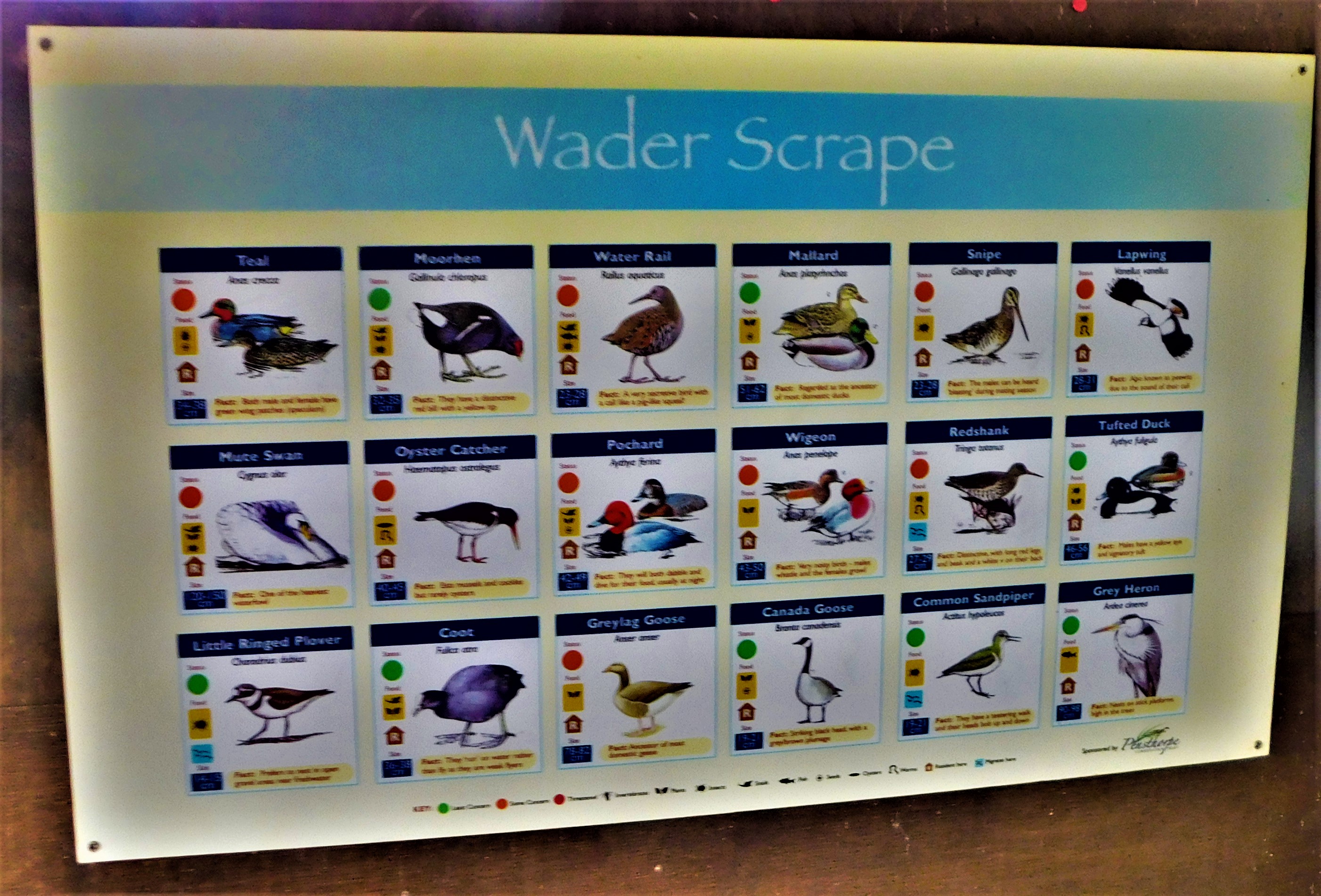
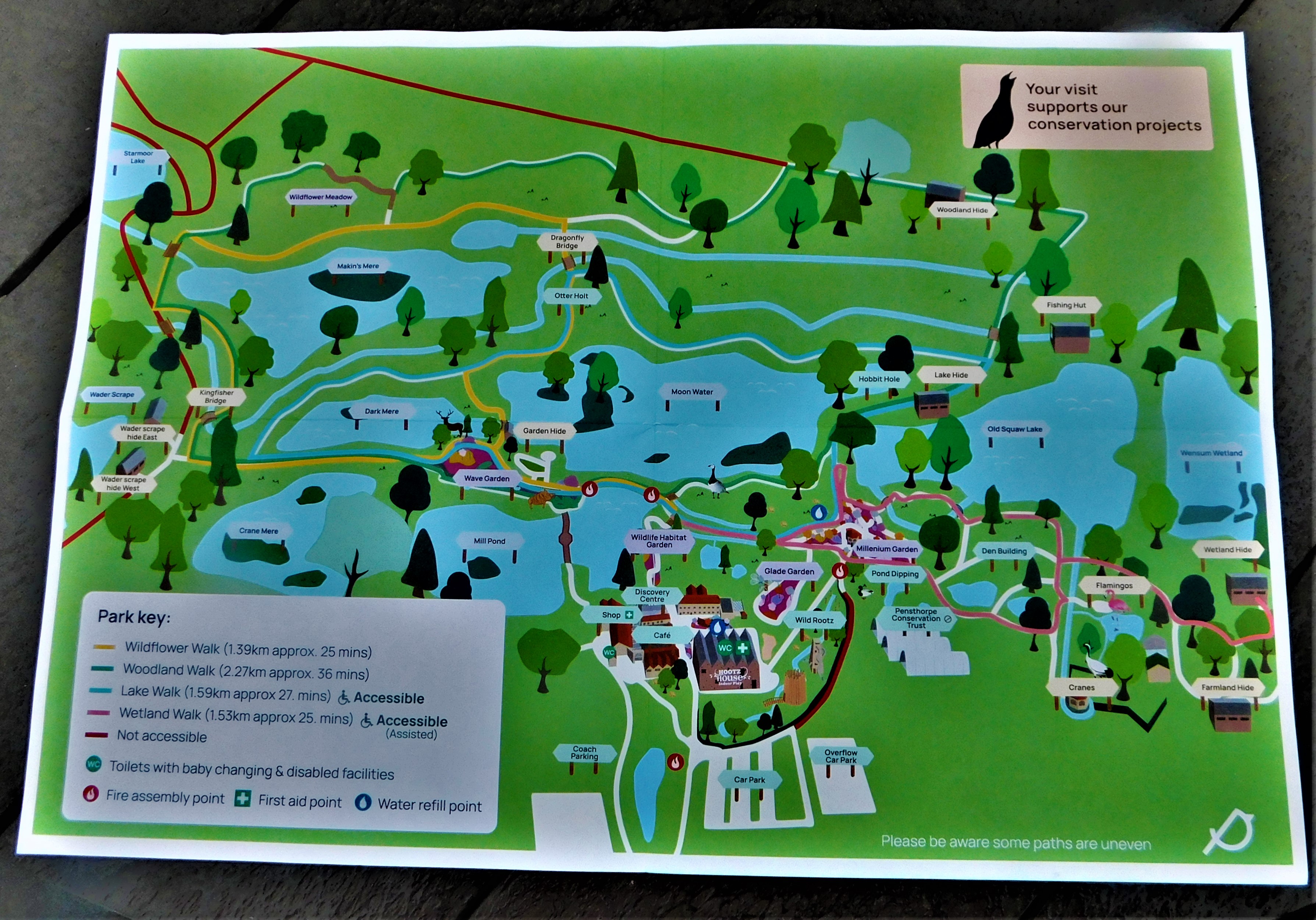
Yesterday saw a West Norfolk Autism Group excursion to Pensthorpe, a nature reserve combined with a working farm a few miles from Fakenham in Norfolk took place. This post introduces what will be a mini-series about the day as I experienced it. I will be doing specific posts about the varieties of ducks and geese on show, the flamingos and cranes, the discovery centre, the sculptures (probably these last two will share one post) and the Explorer trip. The gallery for this post will feature some introductory and general pictures.

OVERVIEW OF PENSTHORPE

Pensthorpe, which was a village until the 14th century when the black death accounted for so many of its inhabitants that the survivors had no option but to up sticks and move down the road to Fakenham, which was originally the smaller of the two places is now home to a nature reserve which is involved in a number of very important conservation efforts. There is also a working farm, and a lot of the electricity the site needs is generated by solar panels on the roofs of the farm buildings – for so big a site it has a tiny carbon footprint. I was booked on the 12:00 Explorer ride (and could also have had a place on the second ride an hour later, but the weather cool, though at least it stayed dry, so I settled for one trip. Otherwise between our arrival just before 10:30, and our departure, scheduled for 3:30PM it was entirely up to me how I spent the time.

PHOTOGRAPHS

Here to complete this introductory post are some photographs…

Changing the Politcal Landscape

A bit about leafleting for the Green Party and a photo gallery.

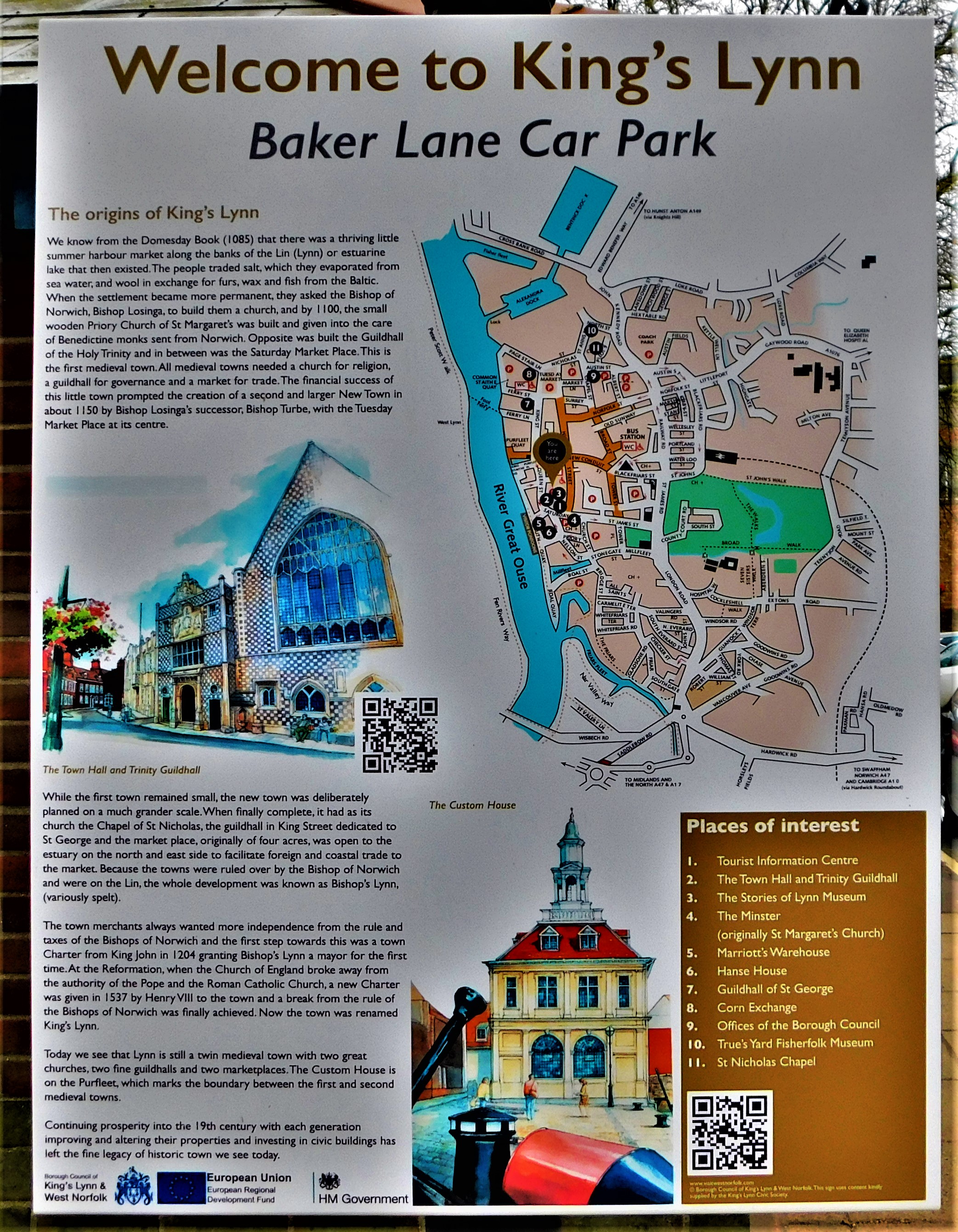
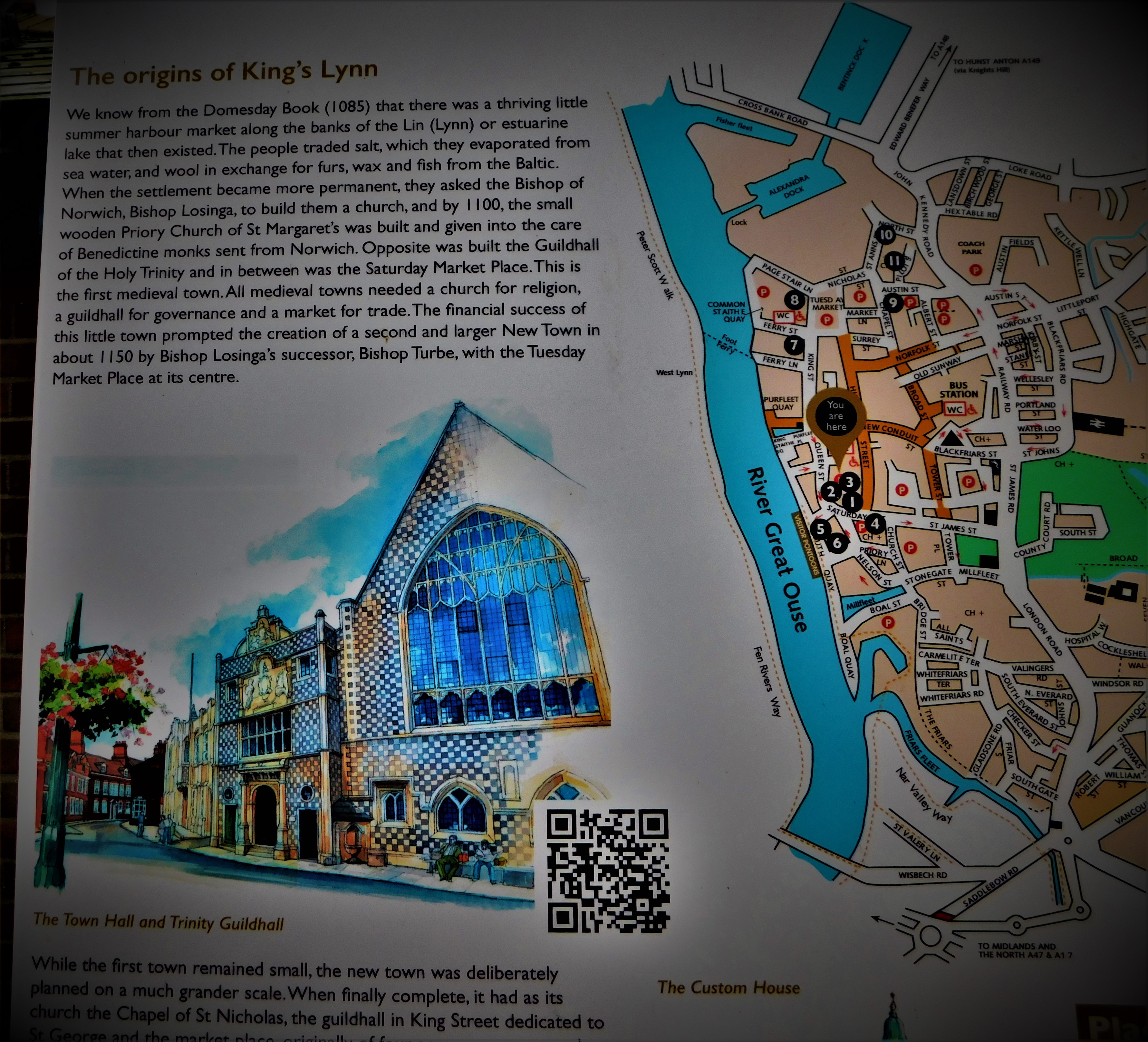
There are local elections coming up in May. As a member of the Green Party I am delighted that they have two excellent candidates standing in the centre of my town, officially known as St Margaret and St Nicholas Ward (King’s Lynn Minster was St Margaret’s Church before its promotion to being a Minster, while St Nicholas Chapel is it’s North End counterpart). I am helping with the leafleting – I did some yesterday and plan to do more tomorrow. The northern boundary of the ward is marked by a railway spur only a few minutes walk from my house, which means that my leafleting area is all within easy walking range.

GETTING STARTED

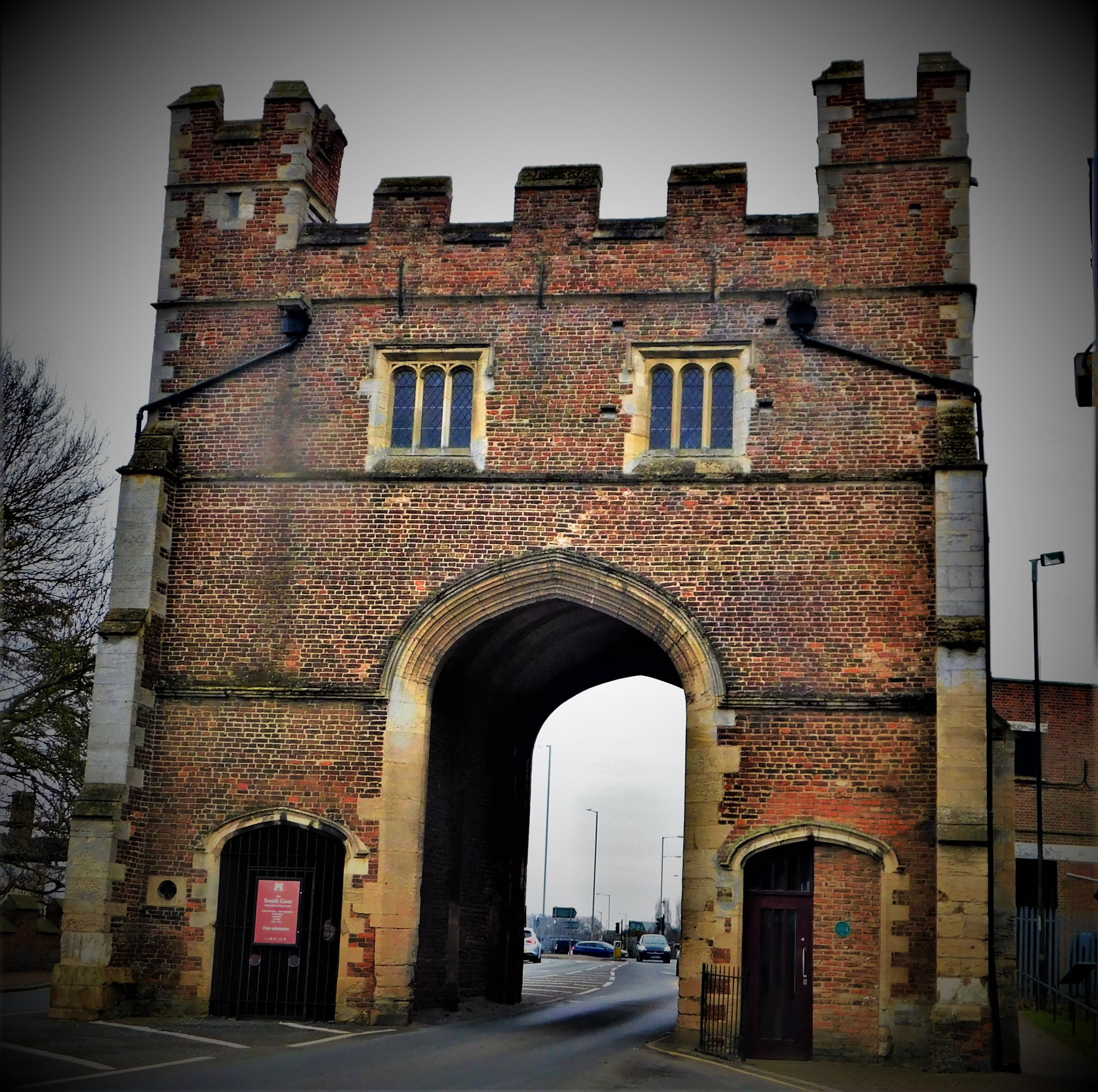
I got an email about upcoming campaigns on Thursday evening, noted that one of them was for Rob Archer, a former railway worker who was only just short of being elected first time round, and emailed him to say that I would be round on Saturday morning. Having established that his home was somewhat closer to the South Gate than to the town centre, and with a stated start time of 10:00 I set off at 9:30, duly arrived at 10, and was entrusted with a pile of leaflets and a map of the northern part of the ward, at which point I set off. I did two streets, Wyatt Street (too old to have been named after Danielle Wyatt, but there could be a connection to former Warwickshire and England skipper Bob Wyatt) and Kettlewell Lane on my way home, then I took a short break, and set forth again, polishing off Archdale Street (another with possible cricket connections – England Women’s first ever skipper Betty Archdale, and Somerset keeper the reverend Archdale Palmer Wickham), Eagle Yard, Eastgate Street and their side of Gaywood Road.

THE LEAFLET

The current leaflet, a double sided A4 sheet in the form of a newsletter (which means it has to be folded to fit through almost all letterboxes) is highly impressive:

PHOTOGRAPHS

Yesterday’s activity contributed to a splendid photo gallery, and this morning’s walk augmented it. These pictures both showcase some of the natural sights that King’s Lynn has to offer, and in some cases further illustrate why more Green councillors are badly needed:

The Women’s Premier League

A look at the opening salvos of the Women’s Premier League, a petition and a large photo gallery.

The inaugural Women’s Premier League kicked off yesterday, and as I type this the second of today’s matches is in progress. This is currently a five team franchise tournament, with expansion likely in the future. In this post I look at developments so far (unfortunately there has been no live radio commentary for me to listen to – men in fast cars are more important to five live sports extra than pioneering female cricketers, so all of this is second hand, by way of cricinfo and twitter).

GAME 1: MUMBAI INDIANS PUT DOWN A MARKER

The opening game of the tournament featured Mumbai Indians against Gujurat Giants. Mumbai Indians absolutely dominated the match, with Harmanpreet Kaur scoring the first 50 of the tournament and Amelia Kerr blazing her way to 45* in the closing stages of the innings. With over 200 to chase Gujurat Giants needed a good start with the bat and they actually had a catalogue of disasters, being 23-7 at low water mark, with Kerr having bowled a double wicket maiden along the way. They made a bit of a fight back, but the ninth wicket fell at 64, and the injured Beth Mooney did not resume her innings, so the match ended at that point. Mooney does not feature in the current match in which Gujurat Giants are playing Uttar Pradesh Warriorz (that ‘z’ is not a typo – they really spell the name this way).

GAME 2: DELHI CAPITALS DOMINATE

The first match of today featured Delhi Capitals and Royal Challengers Bangalore. Delhi posted a massive 223-2 with Meg Lanning and Shafali Verma both in top form. RCB could do no better than 163-8 in response. The only player from an Associate nation to be involved in the tournament, USian Tara Norris wrote her name into the record books as the taker of the first five wicket haul in the competition. The US has only produced one authentically great cricketer in the past, Bart King, the original ‘King of Swing’.

UTTAR PRADESH ENTER THE FRAY

Gujurat Giants had a fast start to their innings and have had a big finish, but they were a little slow in the middle, with the result that they have a good but by no means unassailable total. Sophie Ecclestone made her first mark on the tournament with 2-20 from her four overs.

PHOTOGRAPHS

I have a link to share before my usual sign off: Flight Free UK have a petition going on change.org calling on the BBC to stop awarding prizes that include flights. Please click here to sign and share the petition. Today’s photos were mostly taken in the course of a long walk this morning:

A Great Auction

An account of James and Sons February Auction and a regular photo gallery at the end.

This post looks back at James & Sons’ February auction, which took place on Wednesday. It was a general sale, albeit with posters predominating.

EARLY PROMISE

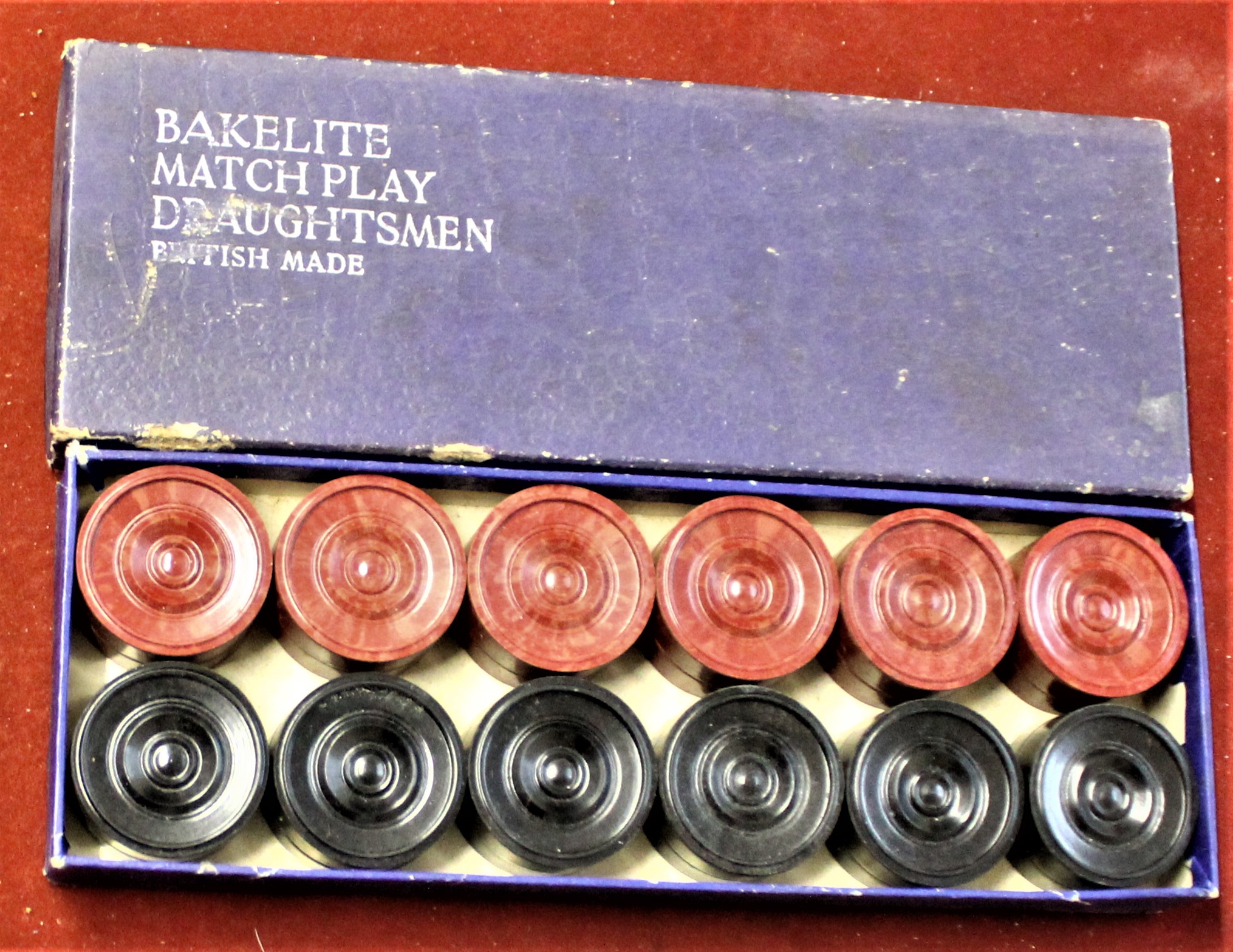
When lot seven attracted a bidding battle that pushed the price up to £180 it looked like a promising sign. There were a few other good signs among the early lots, and lot 114, a set of bakelite Draughts pieces, fetched £70, remarkable given that it had held no great promise of success – £10 would have been an acceptable selling price as far as we were concerned.

Lot 114, a remarkable overachiever at auction.

CAMERAS HIT THE HEIGHTS

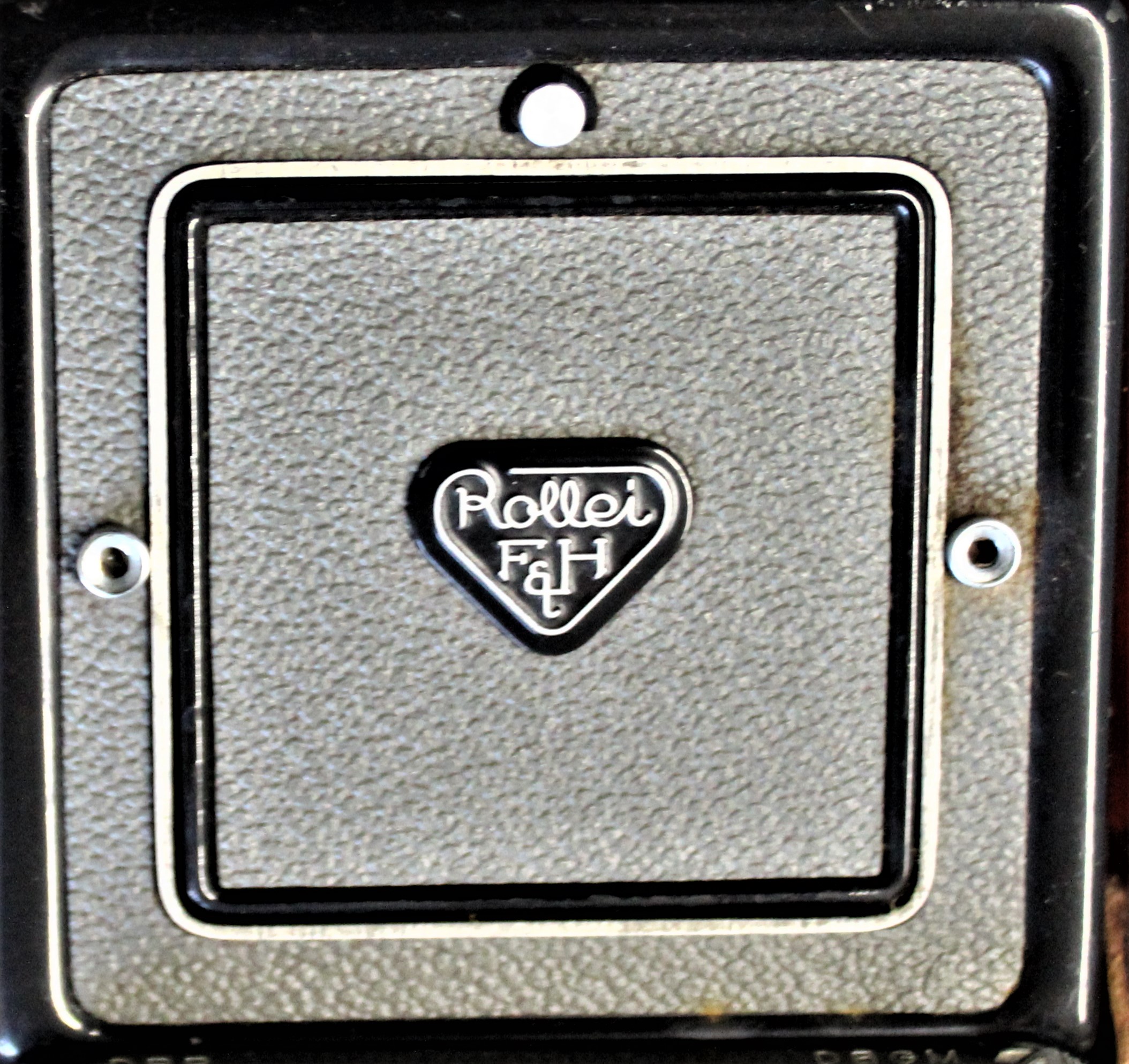
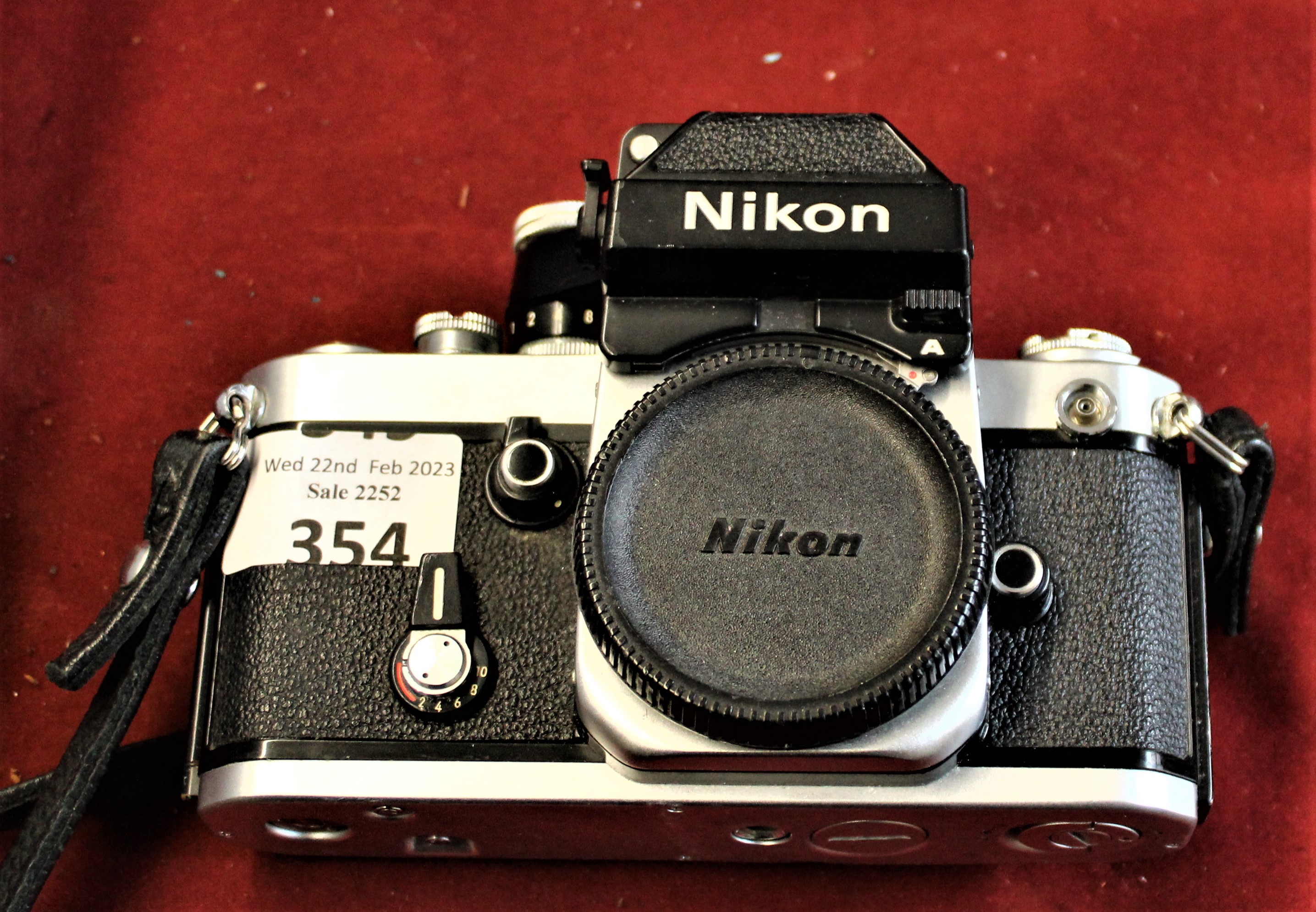
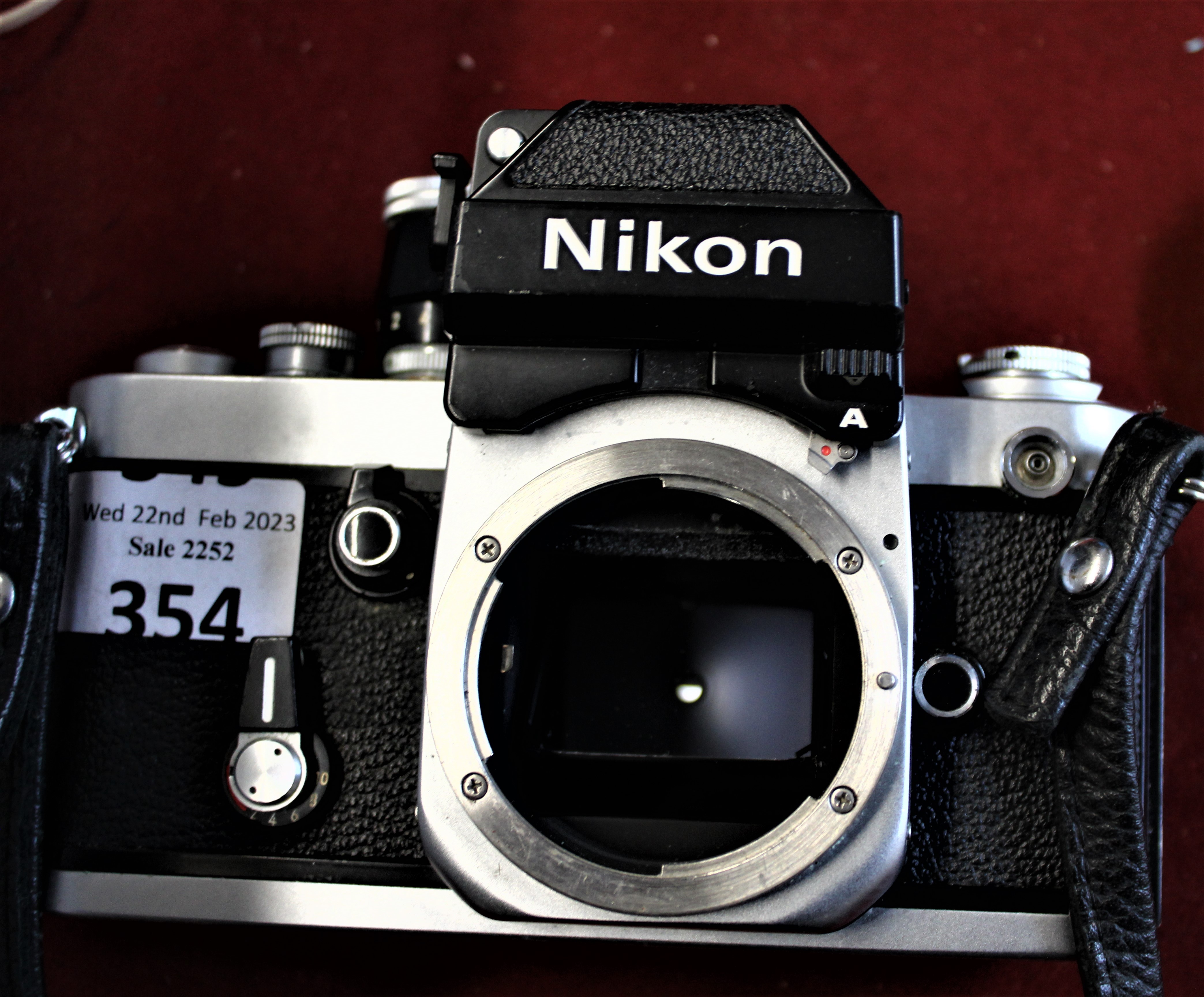
We had some cameras and photographic equipment in the auction, and these lots really got the bidders going. Four lots fetched over £150 a piece, lot 352 reaching the dizzy heights of £330. Two other lots in this category, nos 364 and 368, went for bigger than expected prices, £65 and £45 respectively.

Lots 351, 352 and 354 – selling prices £160, ££330 and £250.

BOOK SUCCESSES

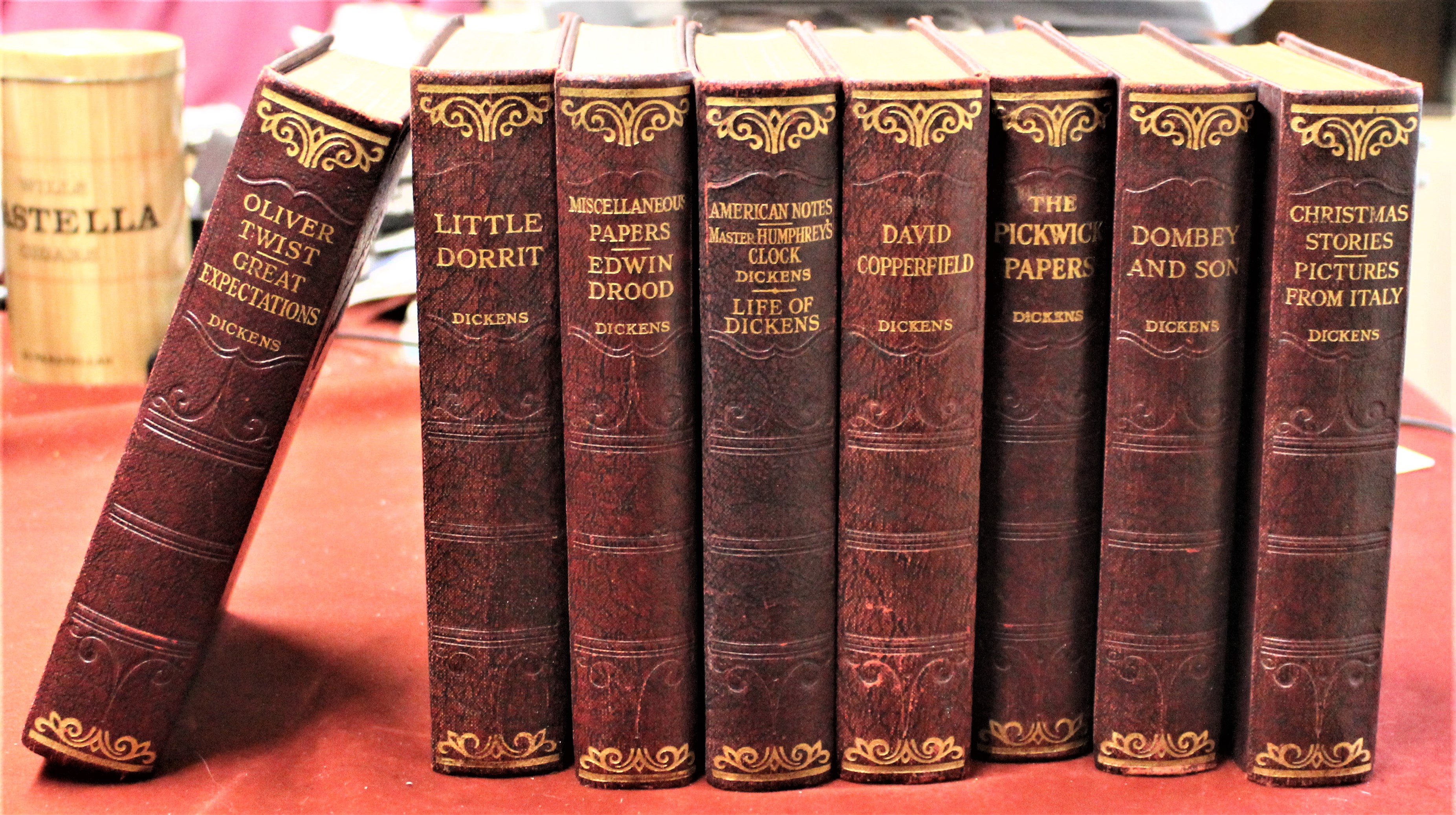
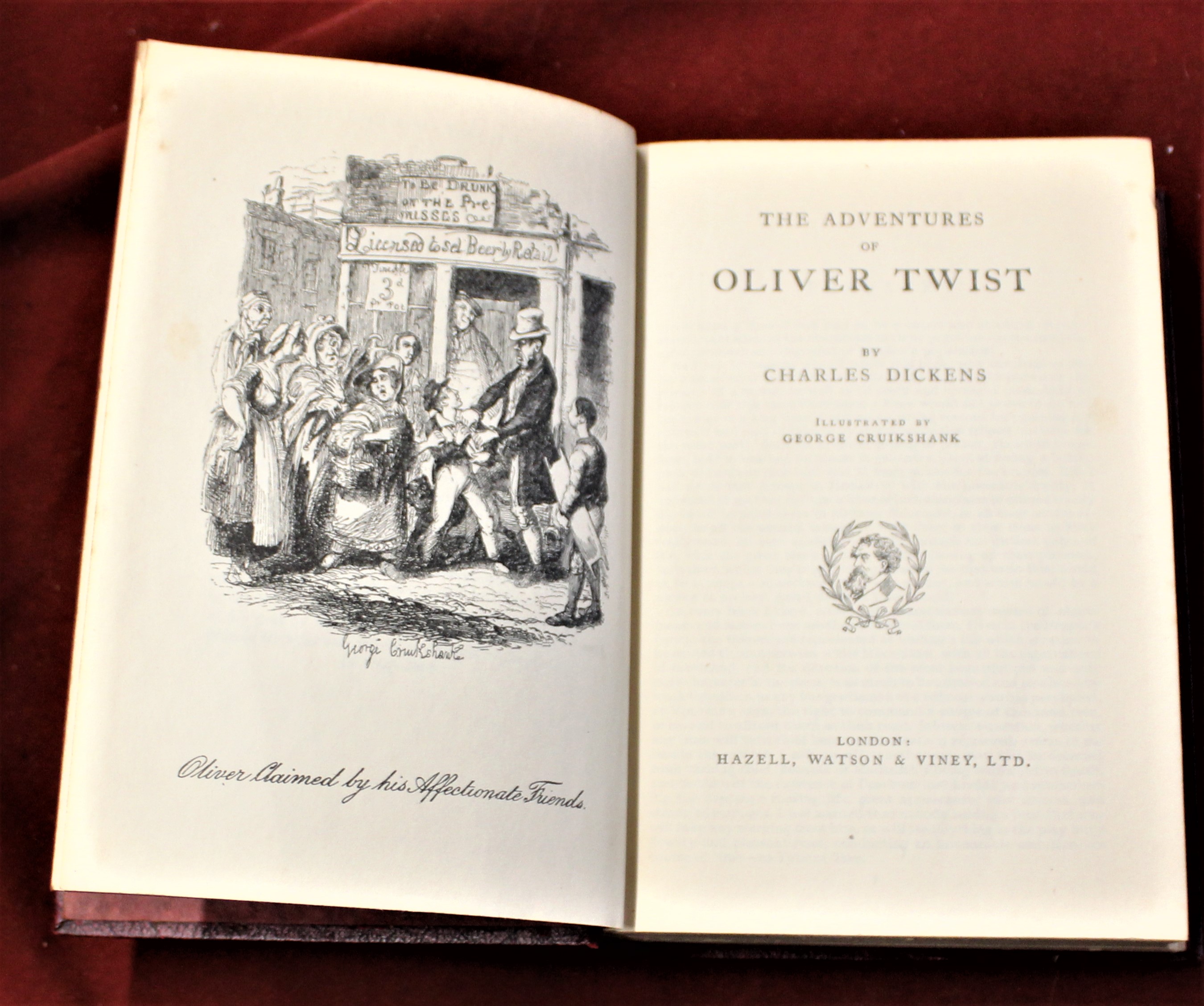
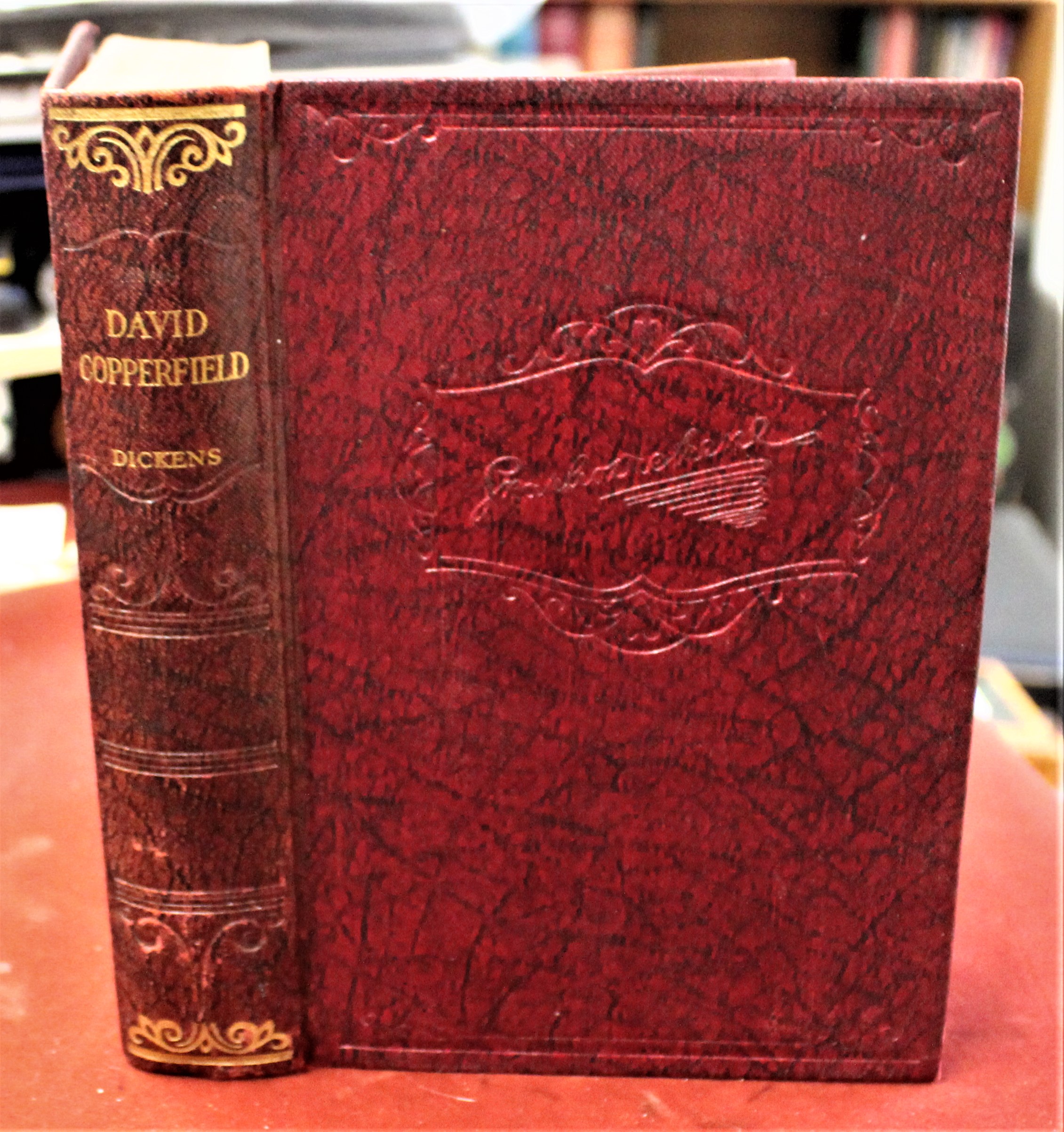
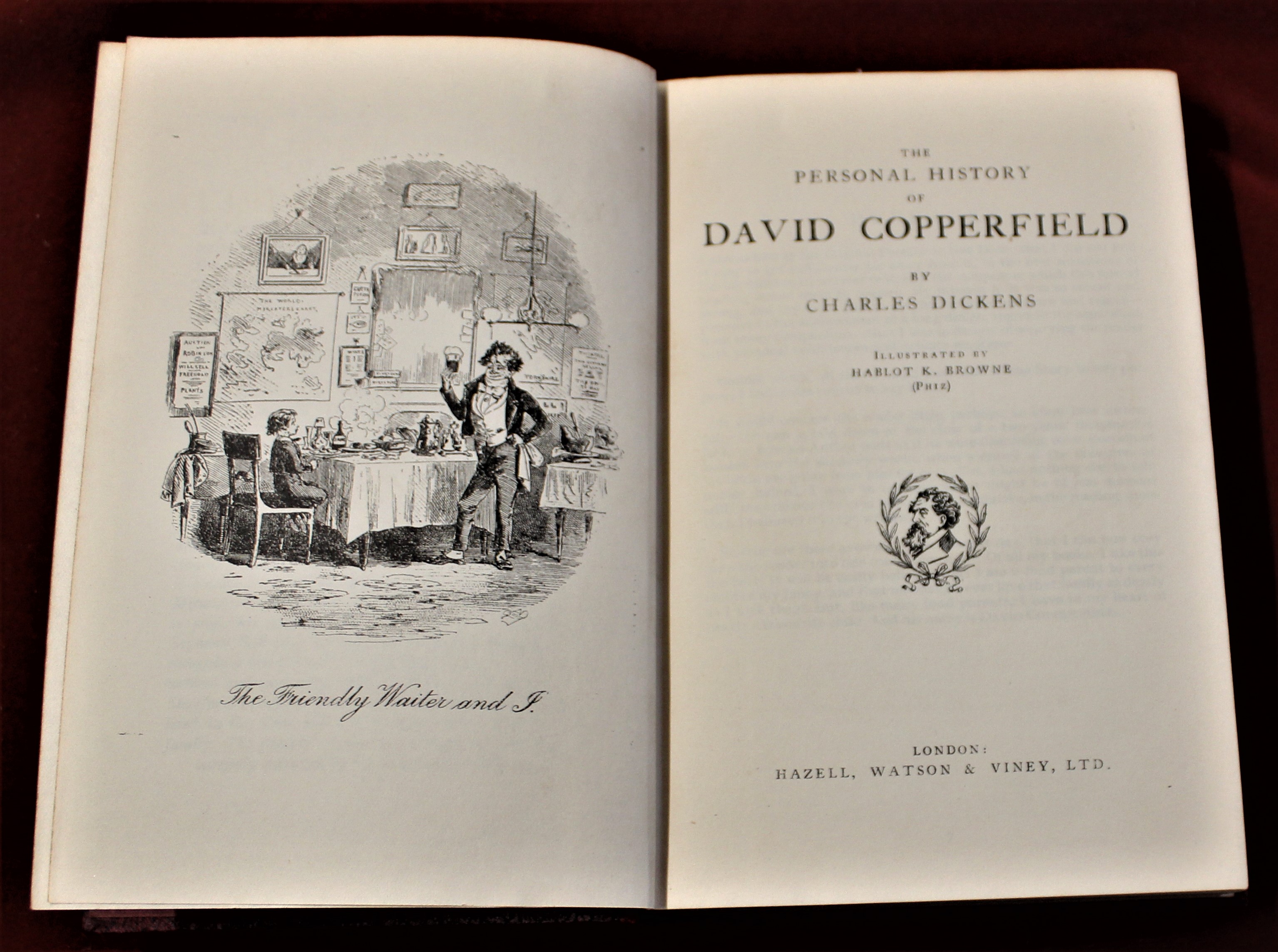
My general opinion of trying to sell books for anything approaching significant money in these days of internet searches is that 99% of the time it won’t happen. I was therefore modestly satisfied that an 1898 hardback edition of Oscar Wilde’s “Ballad of Reading Gaol” sold for £800, minimum estimate. This particular edition is fairly rare, though not the rarest (the latter would have fetched several thousand), and the copy we were selling was in good condition. I had helped to value it, conducting an internet search and establishing that was indeed a rare and special edition and worth decent money. It was also on my advice that we ‘lowballed’ our own estimate in the hope of attracting attention. Lot 427, a selection of Dickens books in nice, though not special, bindings went over estimate as well.

Lot 427.

The Tail End

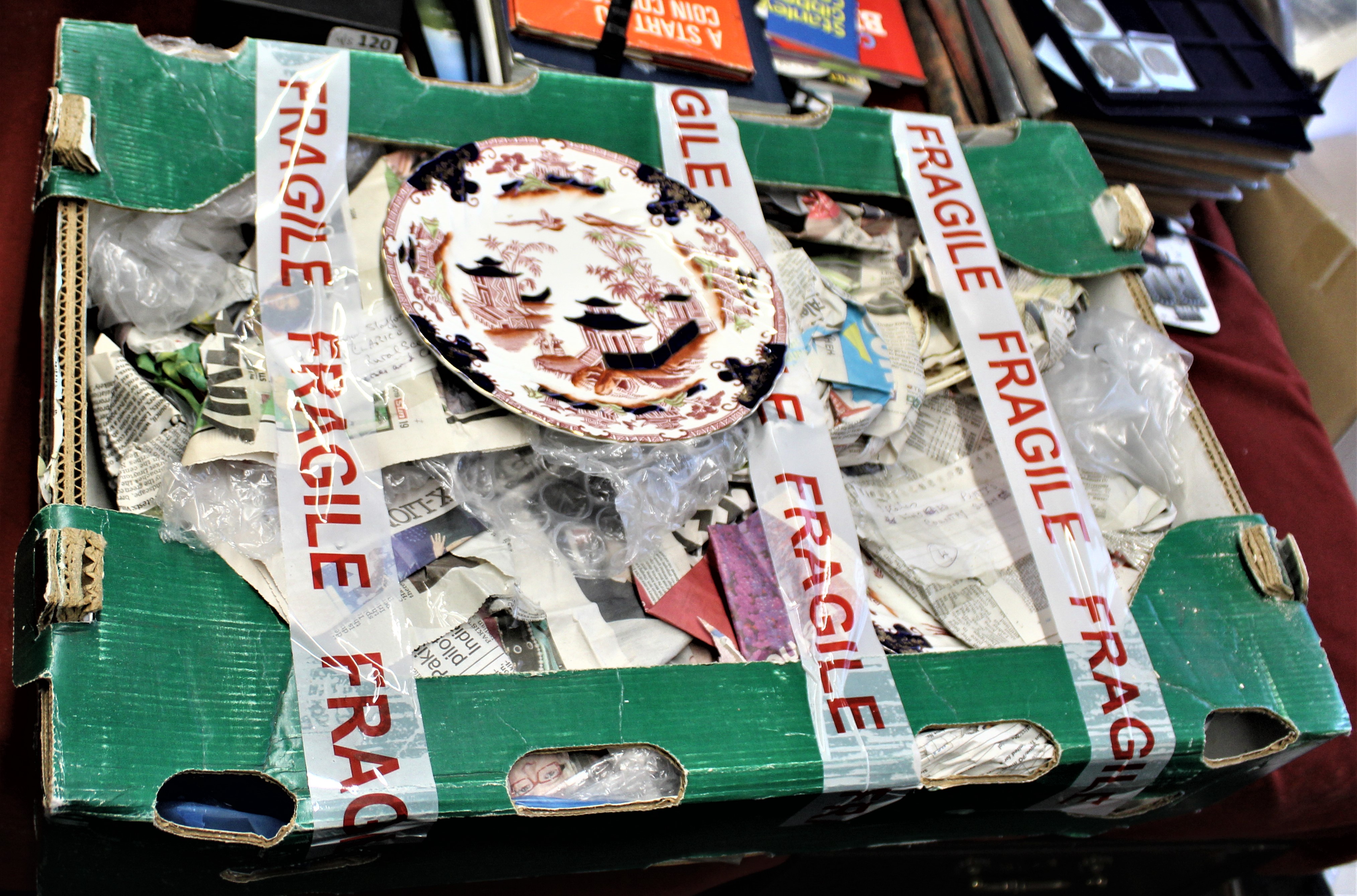
Lot 460, a collection of antique and collectable plates found some eager bidders, and went well beyond our expectations…

Lot 460.

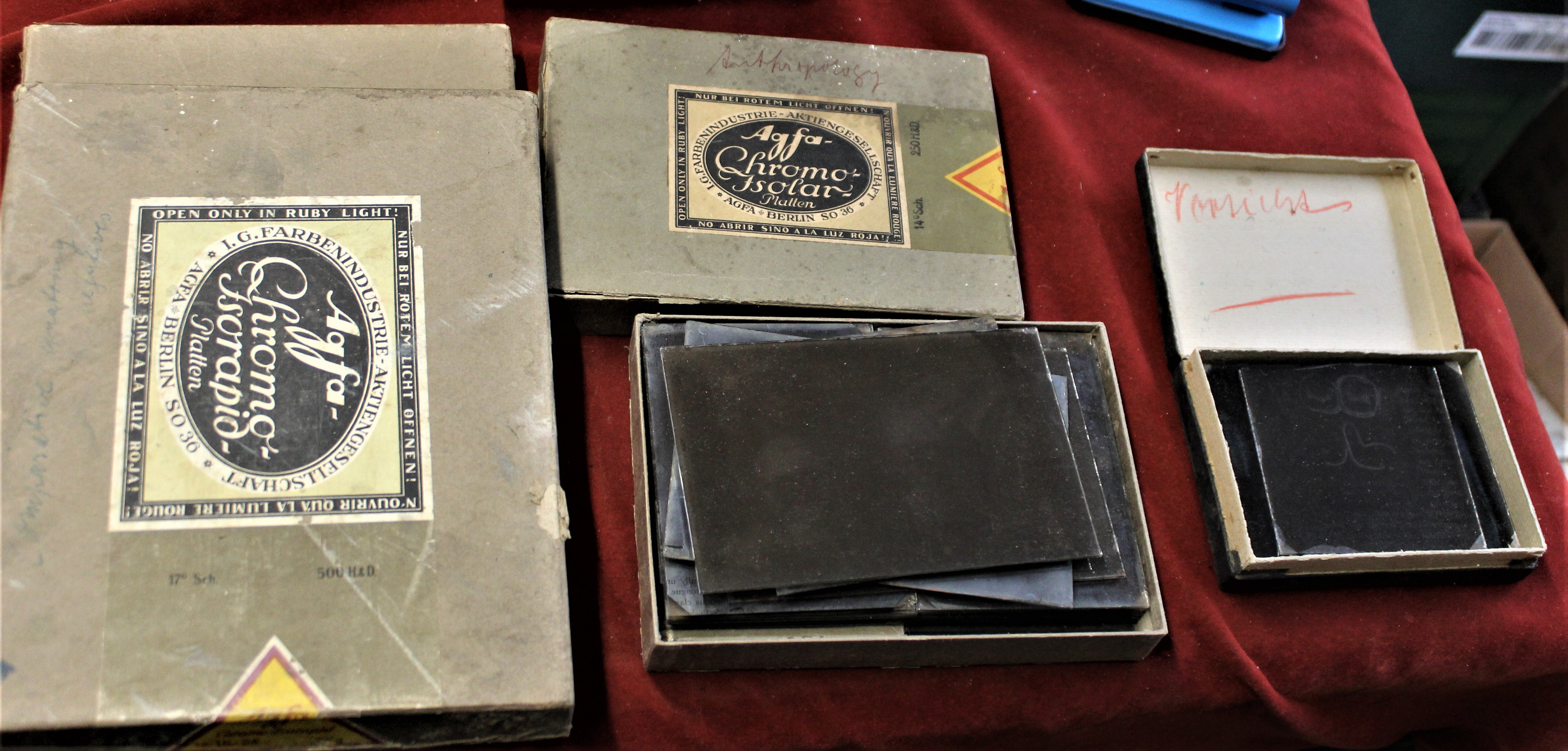
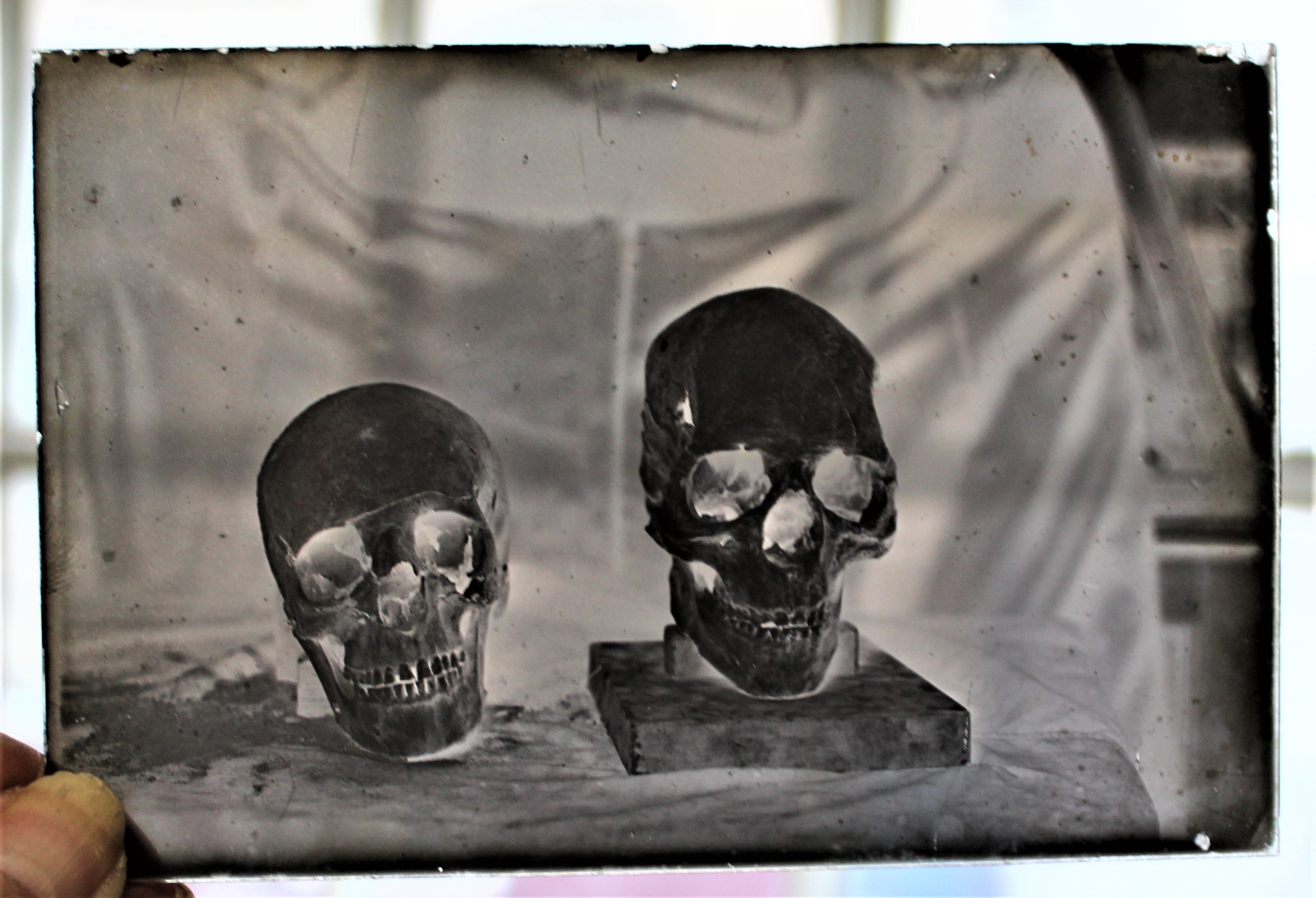
Lot 498, some German anthropological slides, got the bidders going in a major way – the bidding finally ended at £290, about ten times as much as we had expected it to go for.

Lot 498 – the full collection (left), and a sample slide (right).

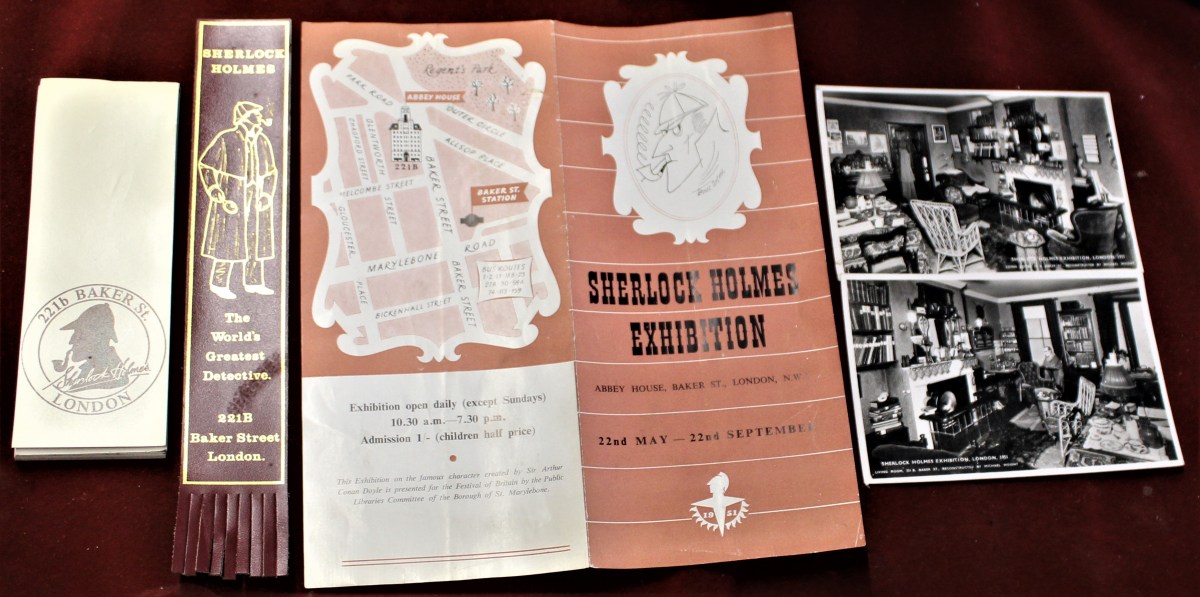
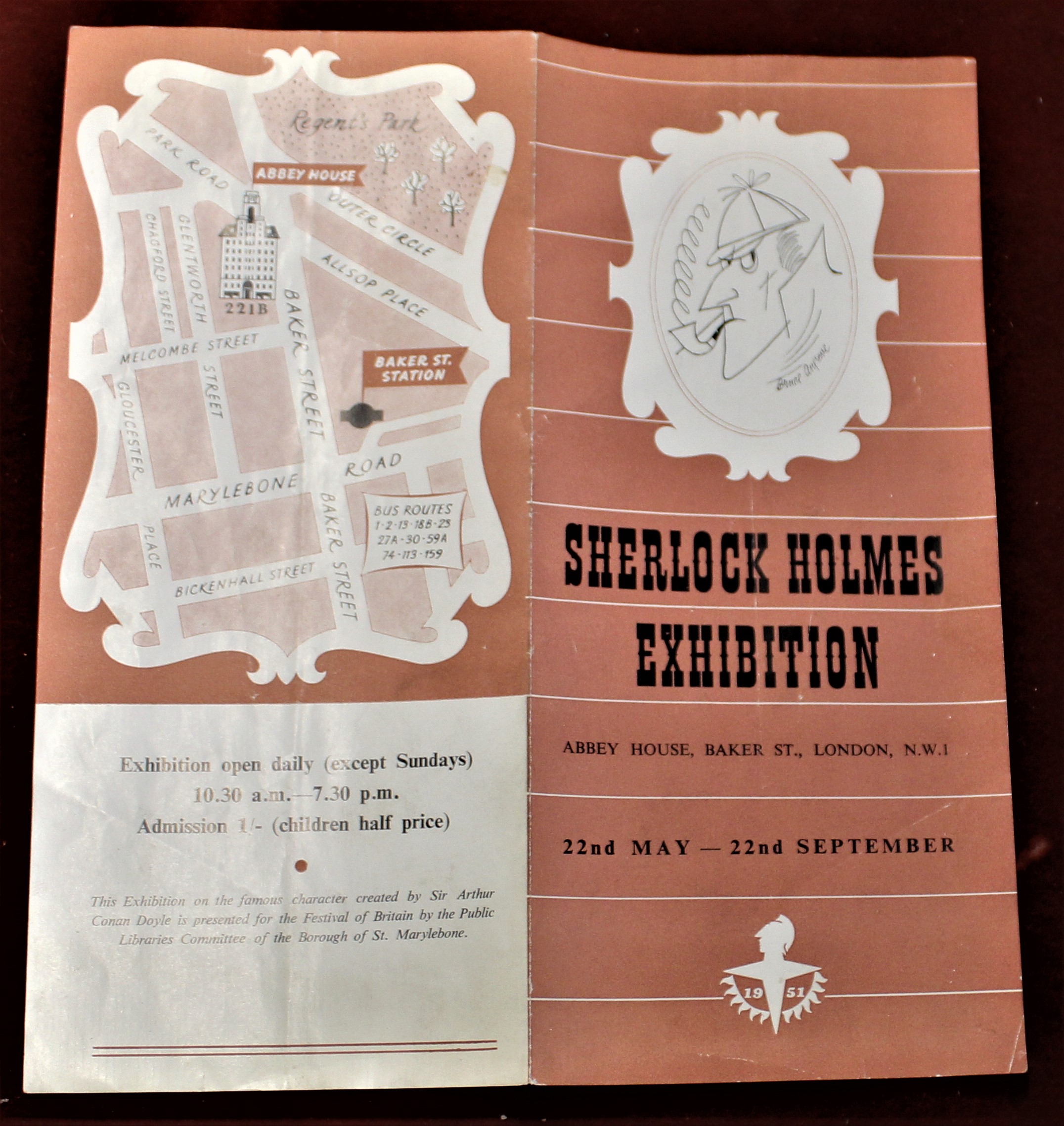
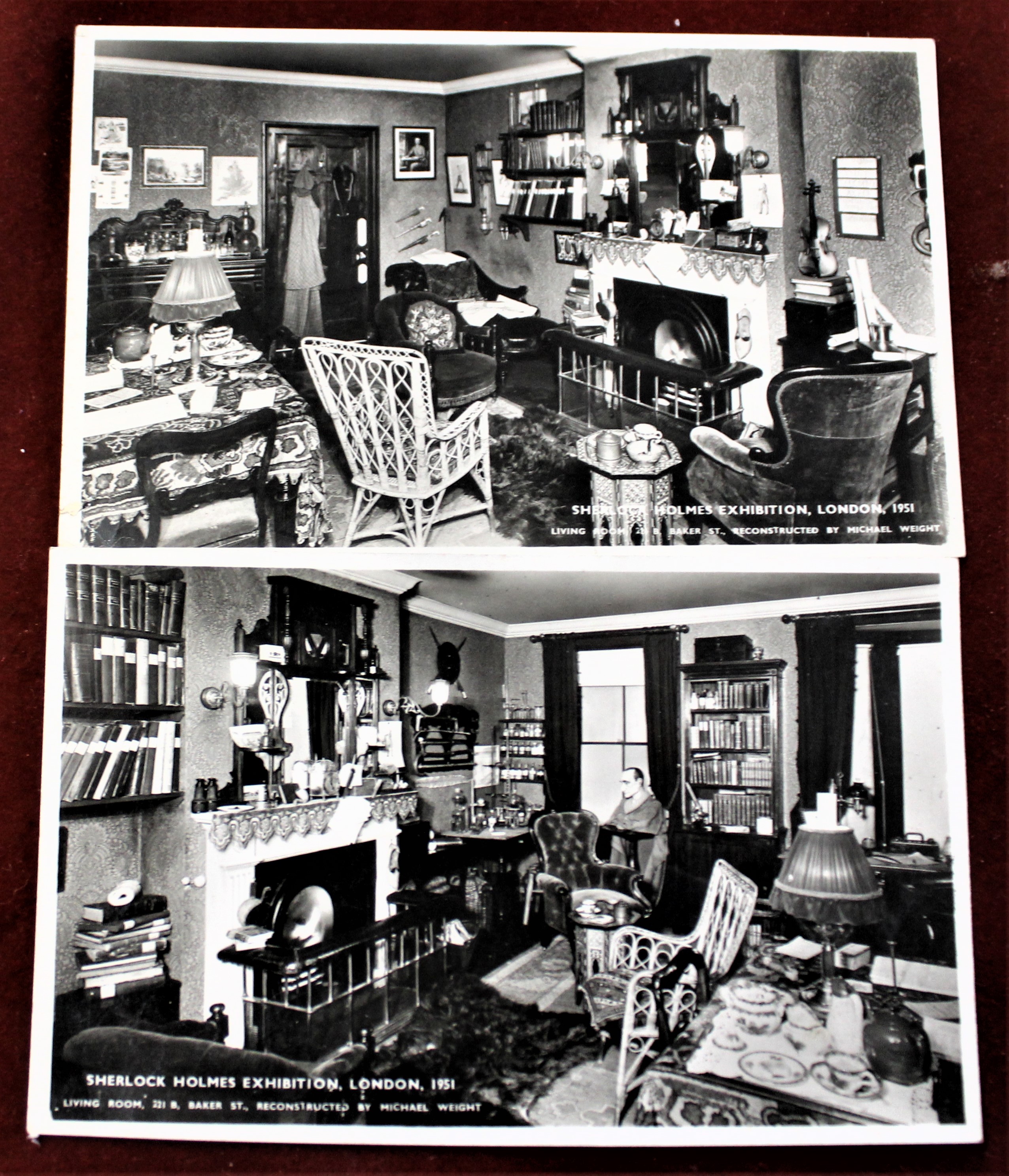
There was one final flourish – lot 510, a minor piece of Sherlockiana, did better than expected.

THREE OPPORTUNIST BIDS

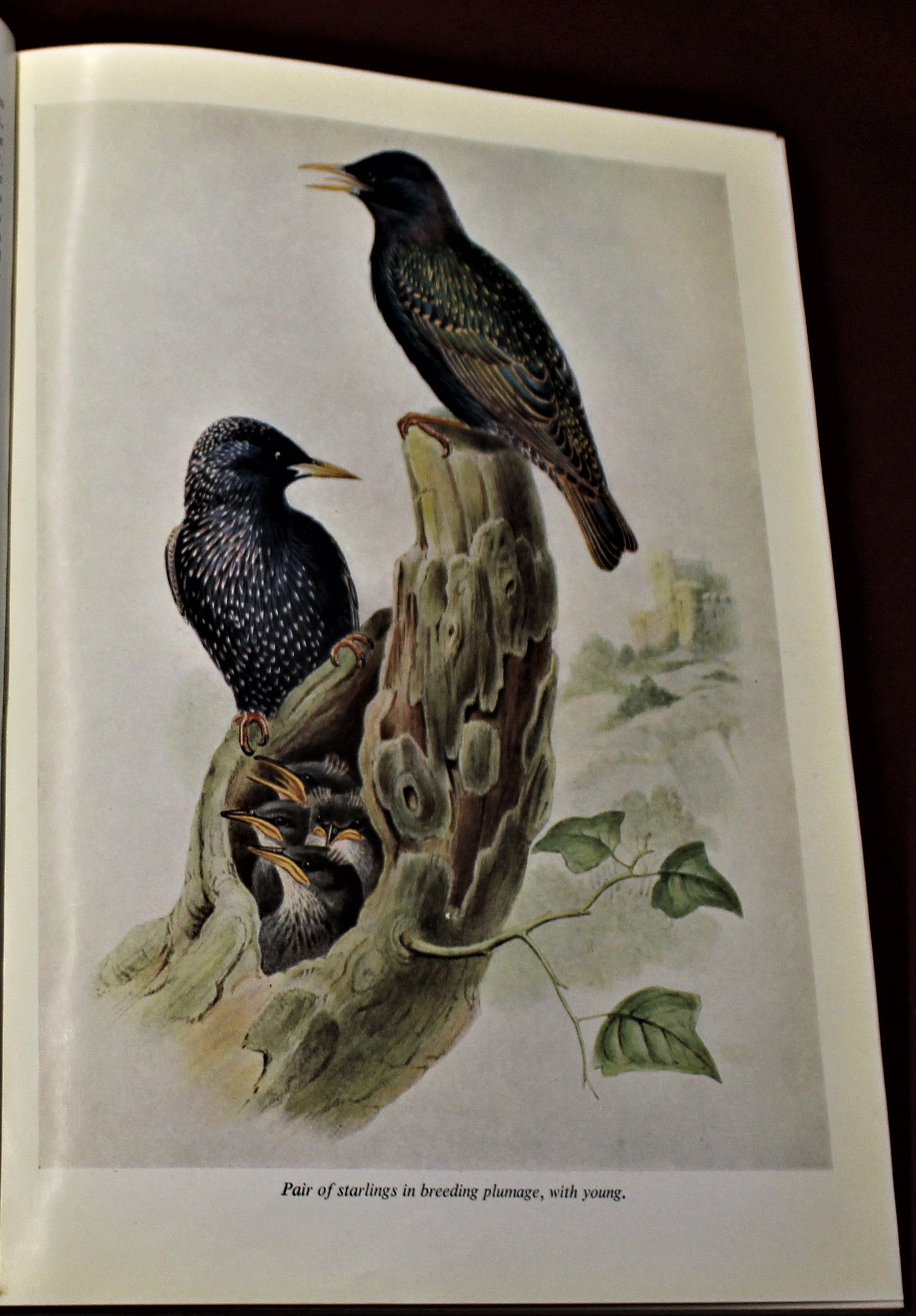
I secured three lots at bargain prices (£5 a piece to be exact). First lot 338:

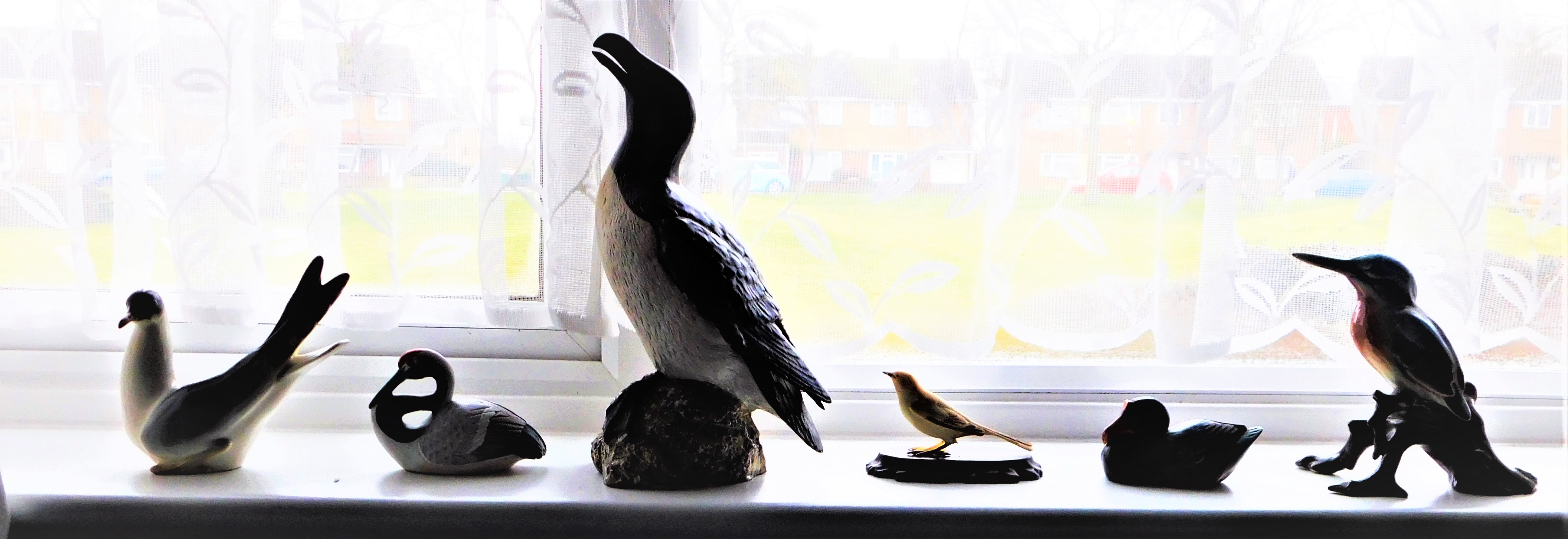
Lot 492 was also bird themed – figurines of birds, some ceramic and some wood – and at 83.33p per bird definitely a bargain…

Lot 492 in its new location, my bedroom window ledge.

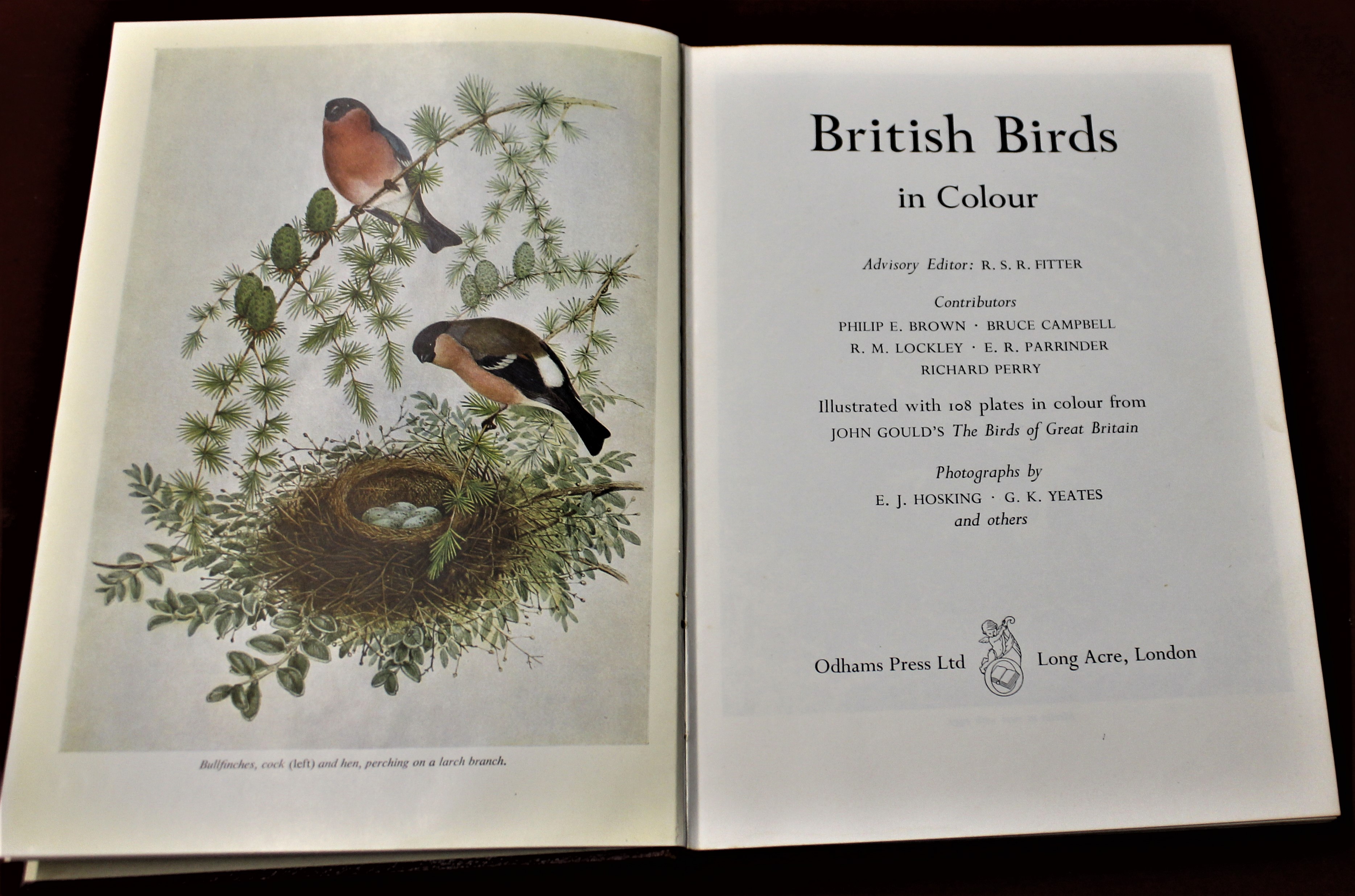
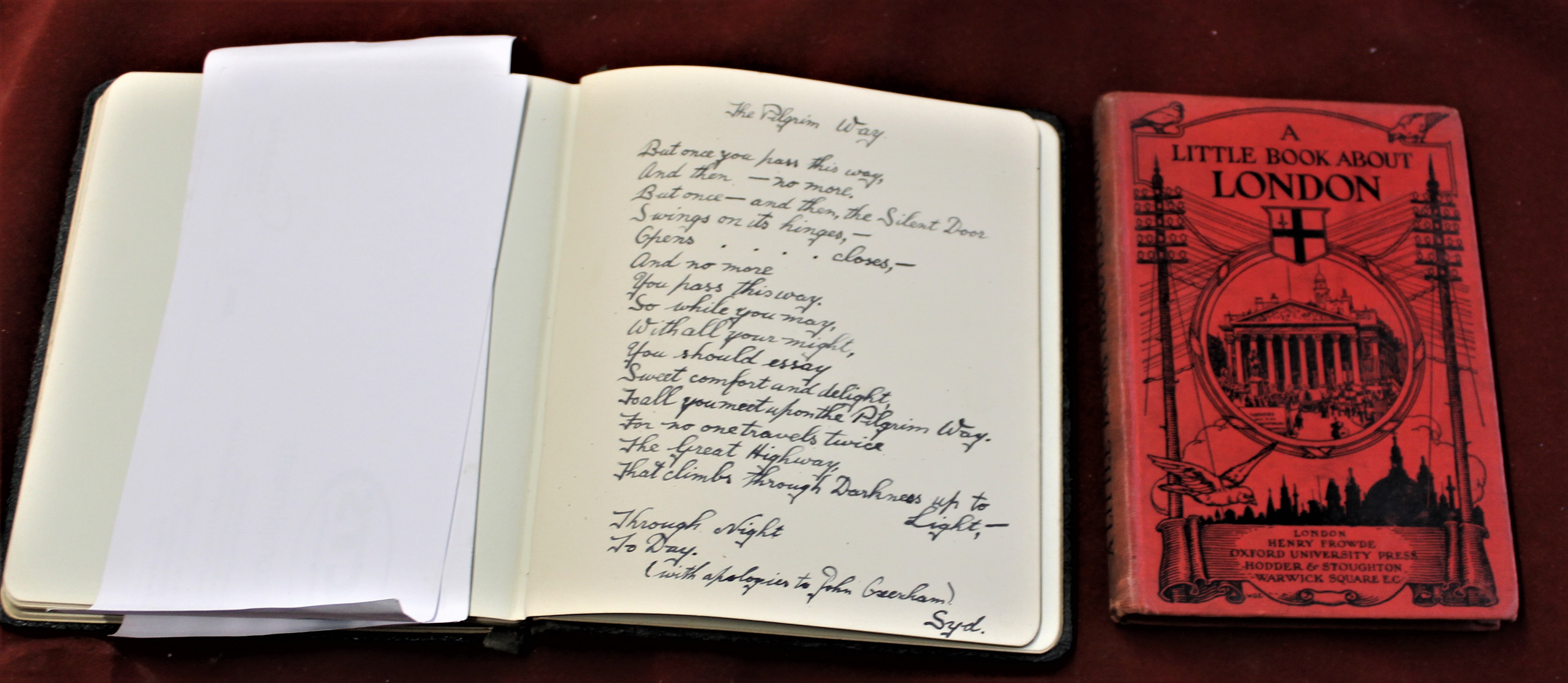
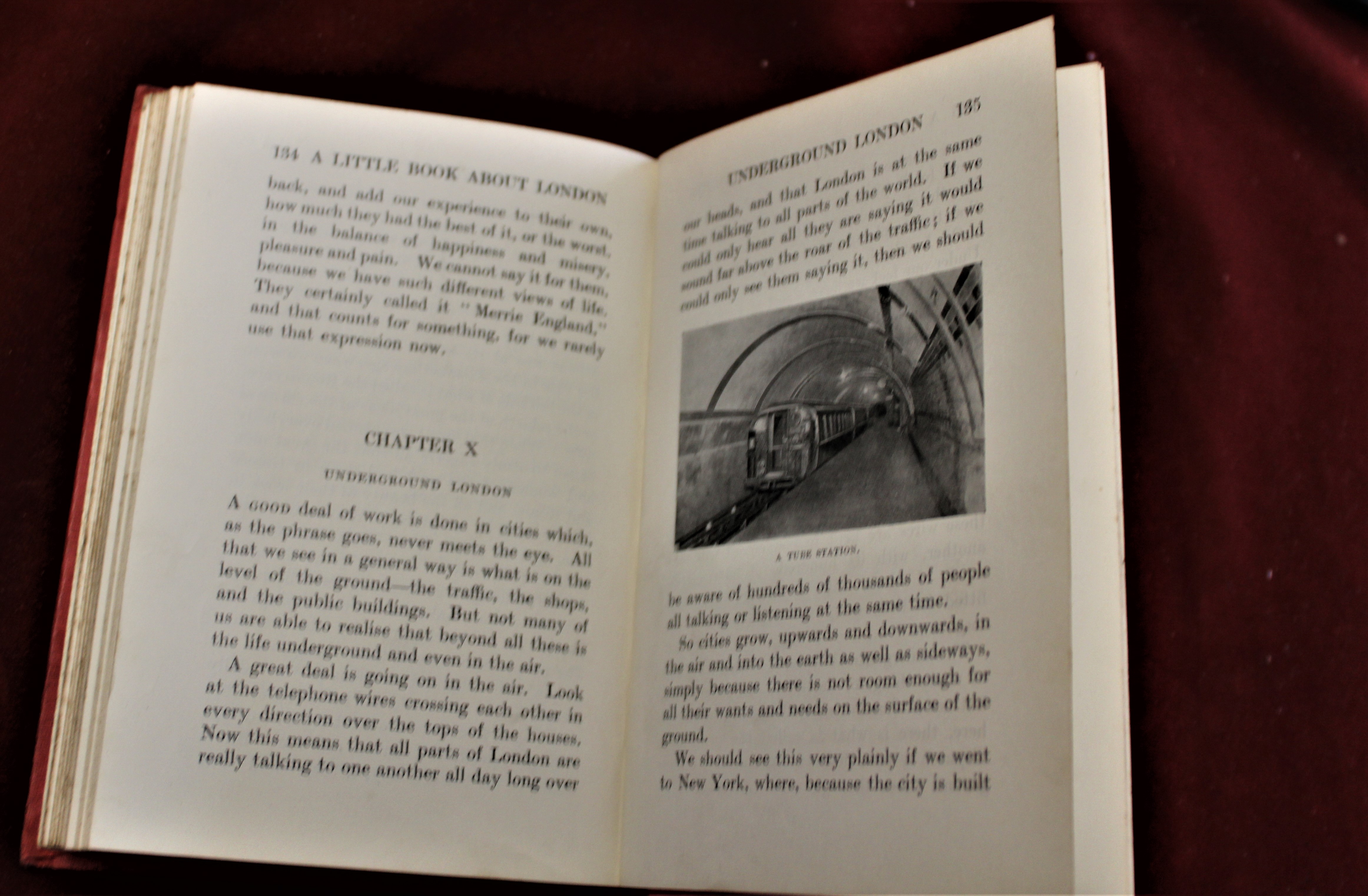
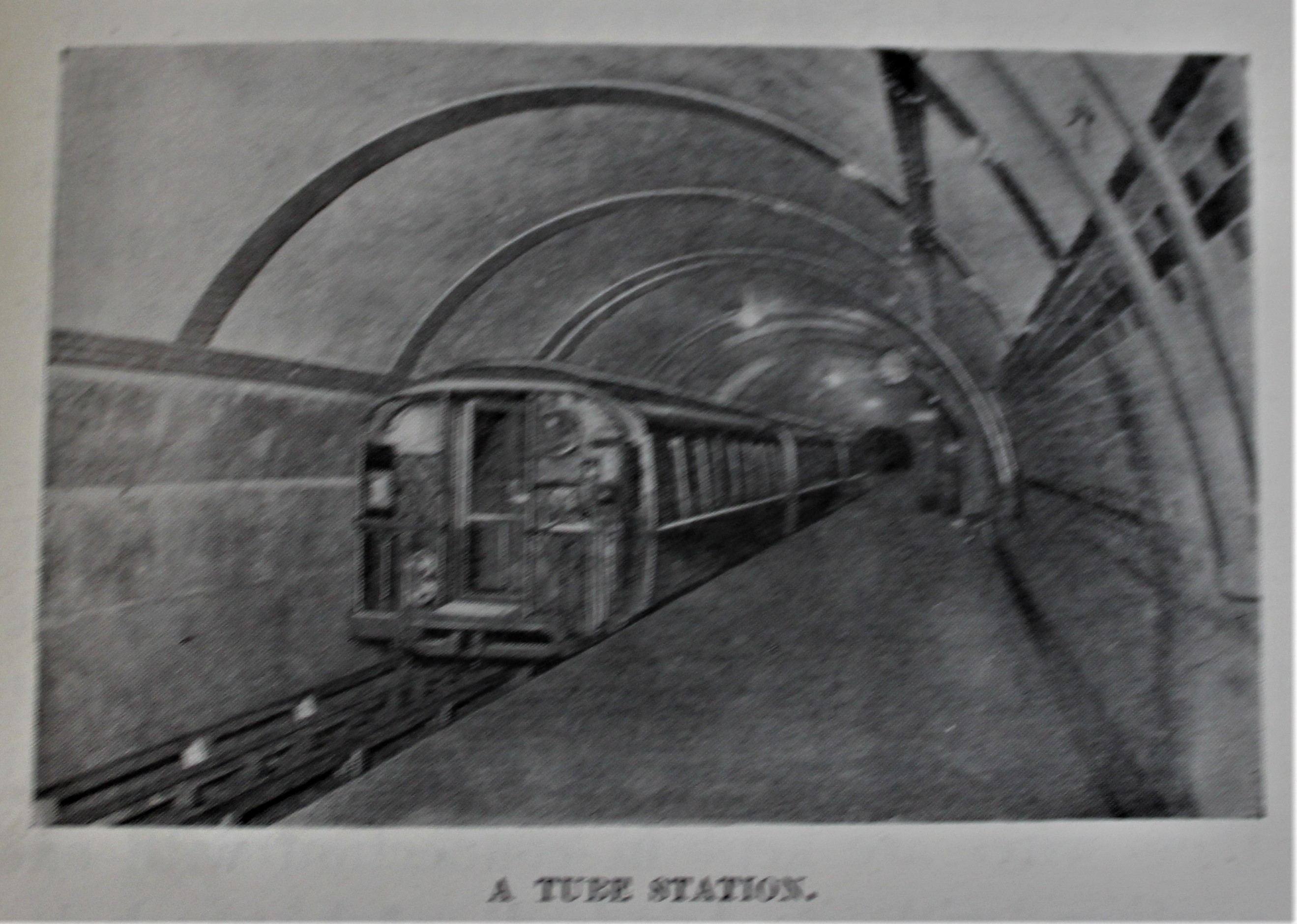
Lot 501, “A Little Book About London” was my third lucky strike…

James and Sons next auction takes place on the 21st (stamps) and 22nd (militaria) of March, and a full catelogue can be viewed here or here.

PHOTOGRAPHS

My usual sign off…

The Womens’ T20 World Cup Semi Finalists

A brief look at the four teams in the semi-finals of the Womens Under 19 World Cup, and a substantial photo gallery.

The semi-finalists of the Womens T20 World Cup are now established, as are the timings of their matches. Tomorrow when I shall be at work Australia face India, while on Friday England take on the hosts South Africa. This post looks at the four sides and their passage to the semi-finals.

AUSTRALIA

They came into this tournament as heavy favourites and there is no great reason to alter that assessment. They have disposed of everyone in their path to date. They still have two tough contests ahead of them, but all available evidence suggests that they are thoroughly capable of adding yet more silverware to the best stocked trophy cabinet in international cricket.

ENGLAND

England are also unbeaten, and finished their group stage with a flourish (a game I know about only at second hand due to work commitments), beating Pakistan by 114 runs (213-5 plays 99). They should have what it takes to get past South Africa in the semi-final, but unless India produce something beyond anything they have shown thus far in the tournament the women in green and gold will be waiting in the final, and England will need to be at their absolute best and probably have a bit of luck in addition to win that contest. England have been strong in all areas, with their least effective player of the tournament so far being the veteran Katherine Sciver-Brunt whose last ICC tournament this is.

INDIA

Other than suffering a narrow defeat at England’s hands India did everything right in their group. They should also be buoyed by the recent success of their juniors in the Womens U19 T20 World Cup, the first world cup win by any Indian women’s team, and the upcoming Womens Premier League (female equivalent of the IPL) will act as a spur to ensure that they produce their best on the biggest stage, but they face a mighty obstacle in the semi-finals in the form of the Aussies.

SOUTH AFRICA

The hosts left ir right to the last gasp to ensure their own qualification. They entered the last match of the group stage, against Bangladesh, needing a win (nothing else – net RR was not an issue) to qualify. South African teams have been known to fail to close out such deals, notably the South African men, who in the last men’s T20 World Cup were in the identical position against even less significant opposition, The Netherlands, and suffered a humiliating defeat and consequent early exit. SA were less impressive than their final winning margin of 10 wickets with 2.1 overs to spare suggests – Bangladesh batted poorly, and failed to capitalize on a number of opportunities they were given in the field. Although sometimes teams who only just sneak in at the last moment end up winning because they are the ones in form I don’t think even the most one-eyed of South Africa fans would dispute that they rank as fourth out of the teams to qualify for the semi-finals.

PHOTOGRAPHS

My usual sign off…
Developments in the 2023 Womens World T20 Cup

A look at developments in the Womens T20 World Cup and a bumper photo gallery.

Since I last blogged there have been three games in the tournament: Ireland v England, South Africa v New Zealand and Australia v Bangladesh. This post looks at those matches (the first of today’s two matches, between India and West Indies is just getting underway).

IRELAND V ENGLAND

England were heavy favourites, and the match went to form. However Ireland showed a bit of fight. They were 80-2 at one stage but a collapse led to them being all out for 105. Sophia Dunkley made a brutal early assault on this small target, taking just 21 balls to reach 50. However, Ireland never completely gave up, and although England had plenty of time to spare they were six wickets down by the time they crossed the winning line.

SOUTH AFRICA V NEW ZEALAND

This was a must-win game for both sides, as each had lost their opening match of the tournament. New Zealand did reasonably well with the ball, only a fighting 40 from Chloe Tryon getting SA to 132-6 from their 20. However, for the second time in as many matches both Kiwi openers went without scoring, and it was soon 18-4. New Zealand did not improve much from this awful start, eventually being all out for 67 to lose by 65 runs. This total was nine runs fewer than the Kiwis had scraped against Australia in their first match of the tournament.

AUSTRALIA V BANGLADESH

Bangladesh could not score with any speed, although they did at least reach three figures. They bowled better than they had batted, and although defeat for Australia looked a serious possibility it take them until the 19th over to finally reach the target.

PHOTOGRAPHS

I have another big haul of photographs. I plan my walking routes to to ensure that opportunities arise, and also, living as I do on the edge of a very compact town I am able to conduct almost all of my non-working life on foot, and whether I expect the opportunities to arise or not I never venture forth without at least one camera…
Two Great Run Chases

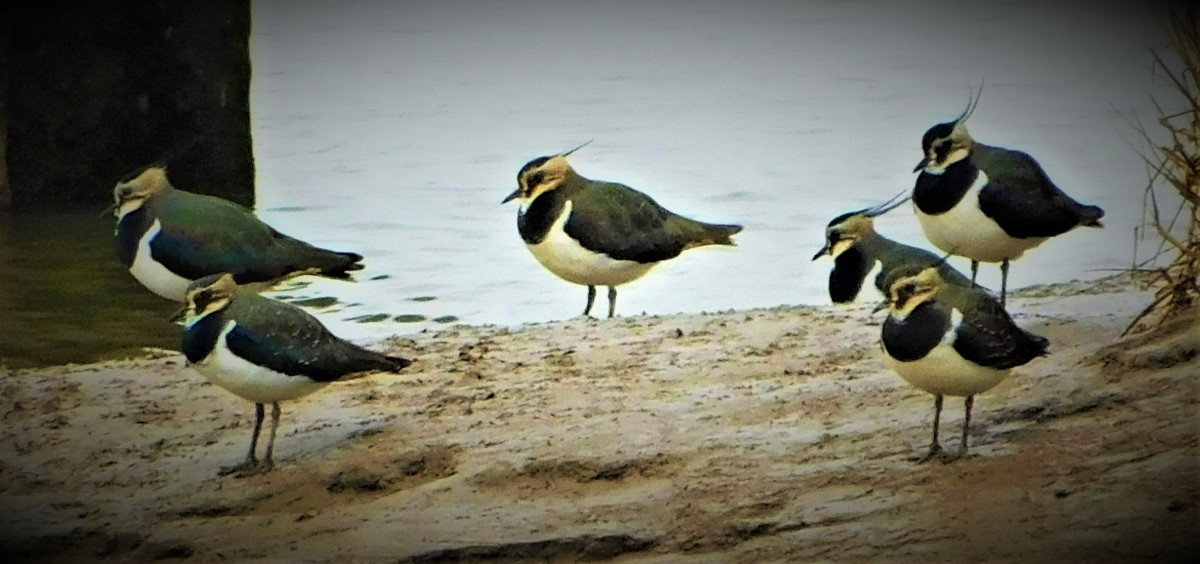
A brief look back at yesterday’s cricket and a huge photo gallery, including the first lapwings of 2023.

Yesterday was Subcontinent day in the Womens T20 World Cup. In the first match of the day India were pitted against Pakistan, while in the second Bangladesh took on Sri Lanka.

INDIA V PAKISTAN

Pakistan looked to have done pretty well when they tallied 149 from their 20 overs. The experienced Bismah Maroof scored 68* off 55 balls, while Ayesha Naseem made an aggressive 43* off 25 balls. India were second best for 16 of their allotted 20 overs, but a combination of poor Pakistani bowling and some good batting by them in overs 17,18 and 19 saw them turn things round and win with a whole over to spare.

BANGLADESH V SRI LANKA

Bangladesh made a not terribly impressive 126 from their 20 overs. However, when teenager Marufa Akhter took 3-0 in her first eight balls as an international bowler Sri Lanka were 25-3 and looking shaky. The fourth wicket pair stopped the rot, and upped their tempo once the immediate danger of a collapse had past. In the end, like India earlier in the day they had a whole over to spare when the winning boundary was hit. The unbroken 4th wicket stand was worth 104* and both players had topped 50.

PHOTOGRAPHS

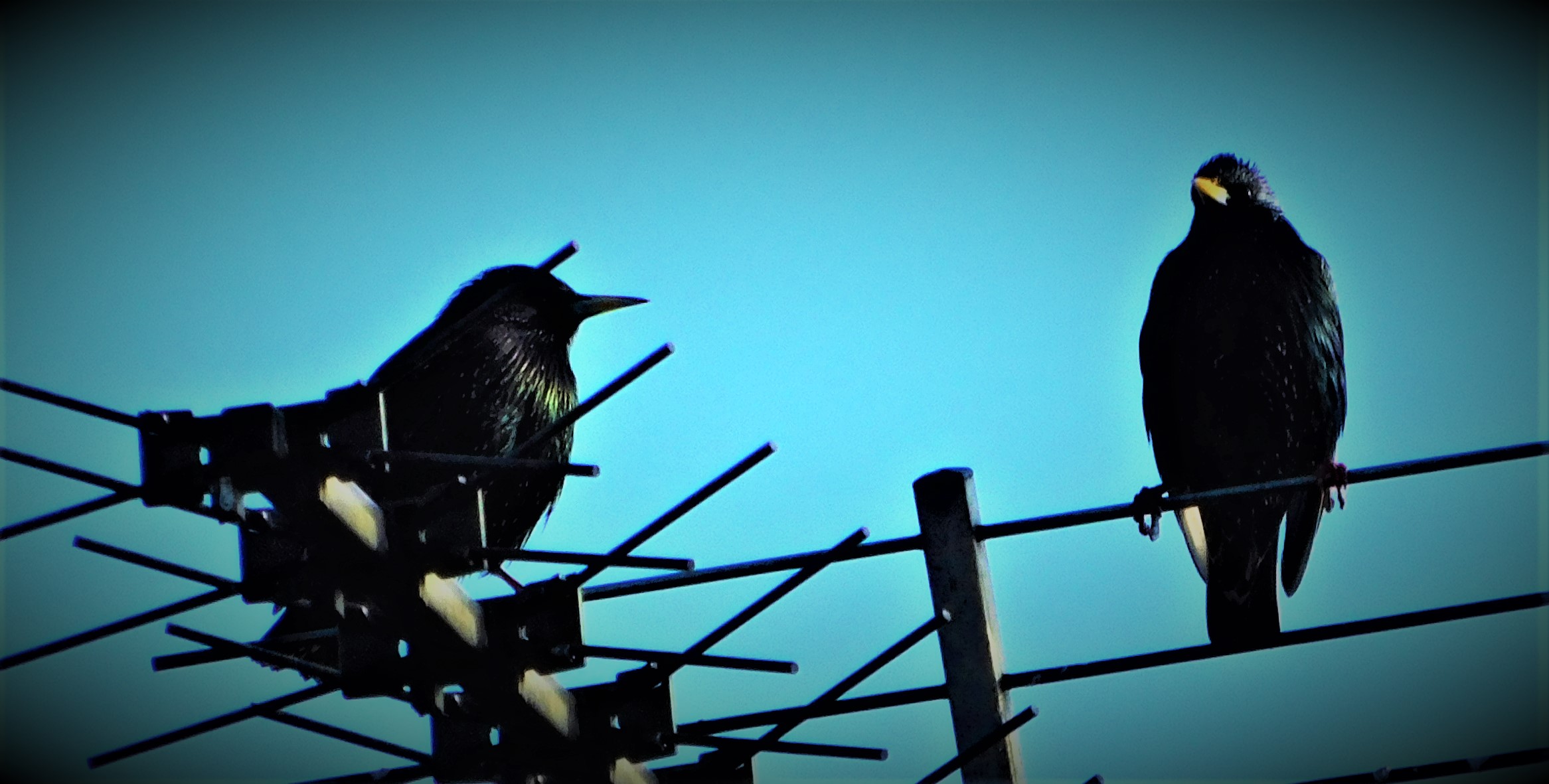
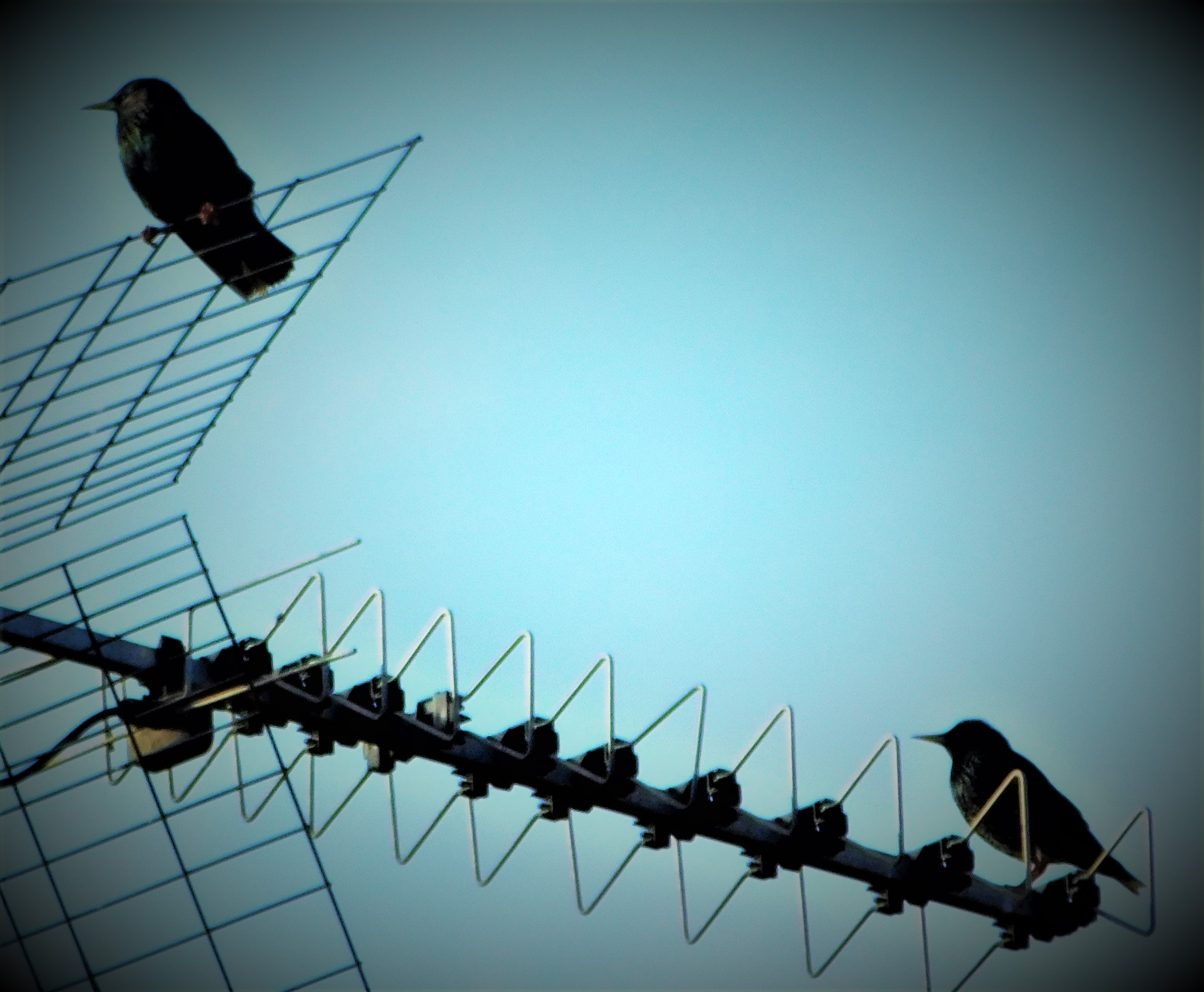
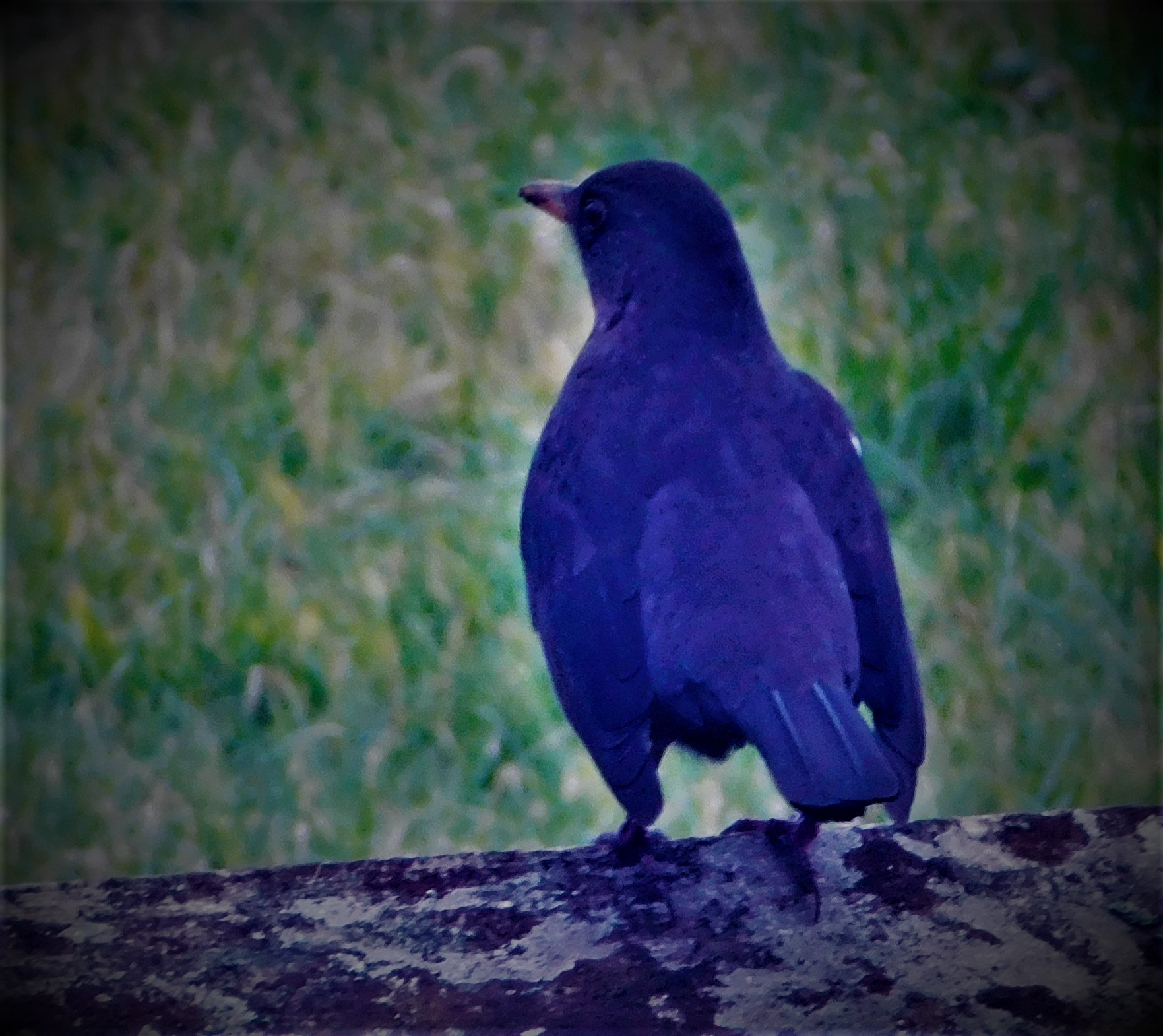
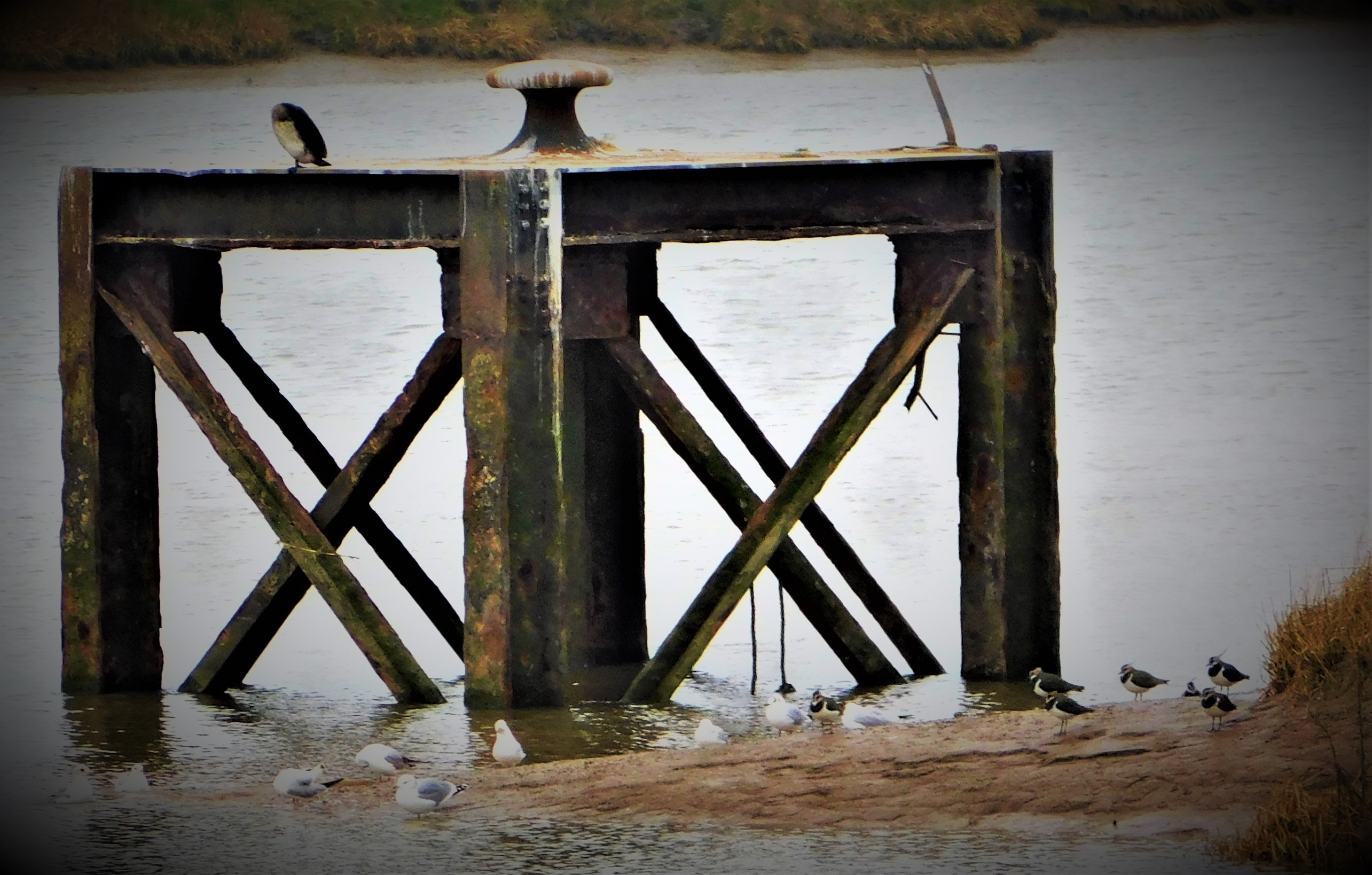
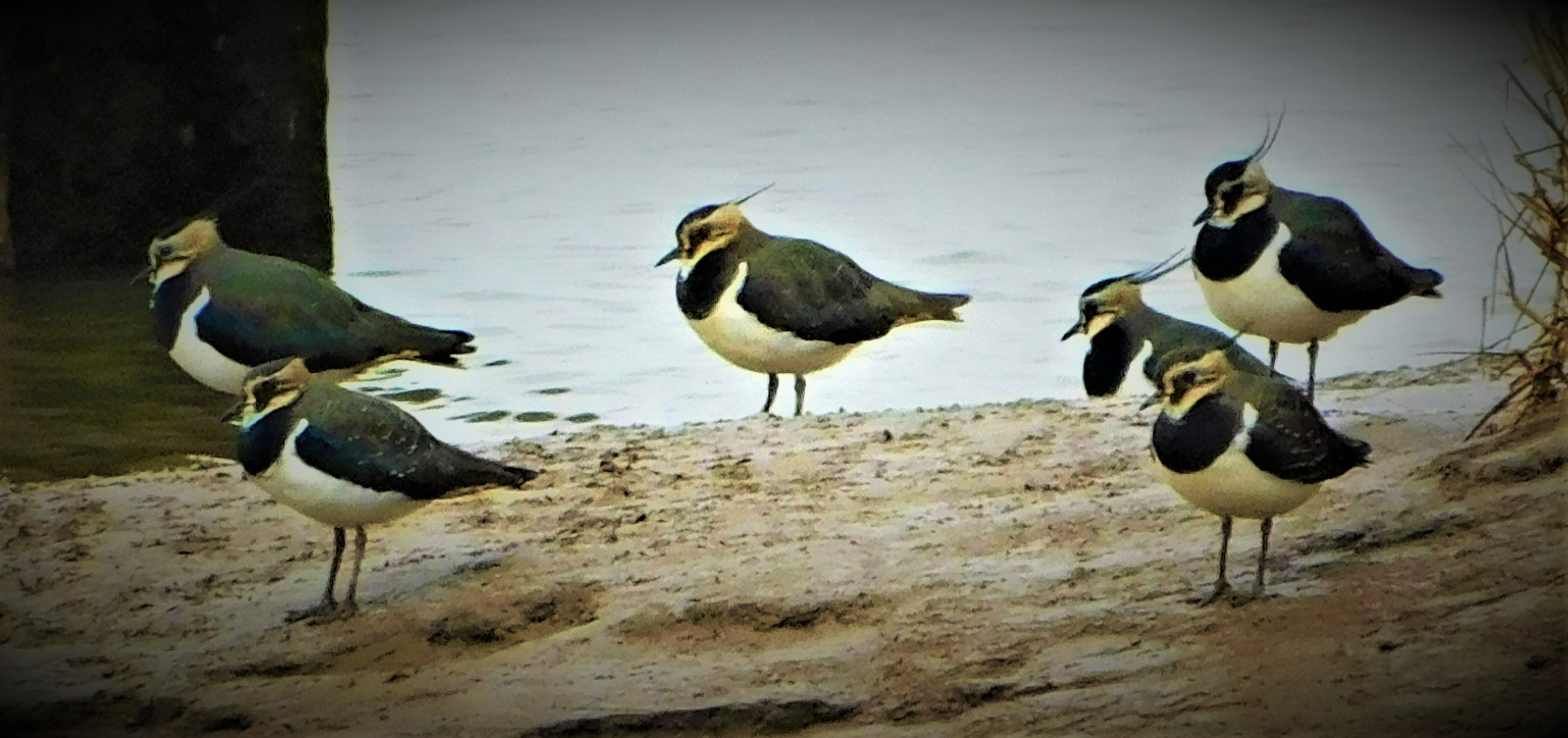
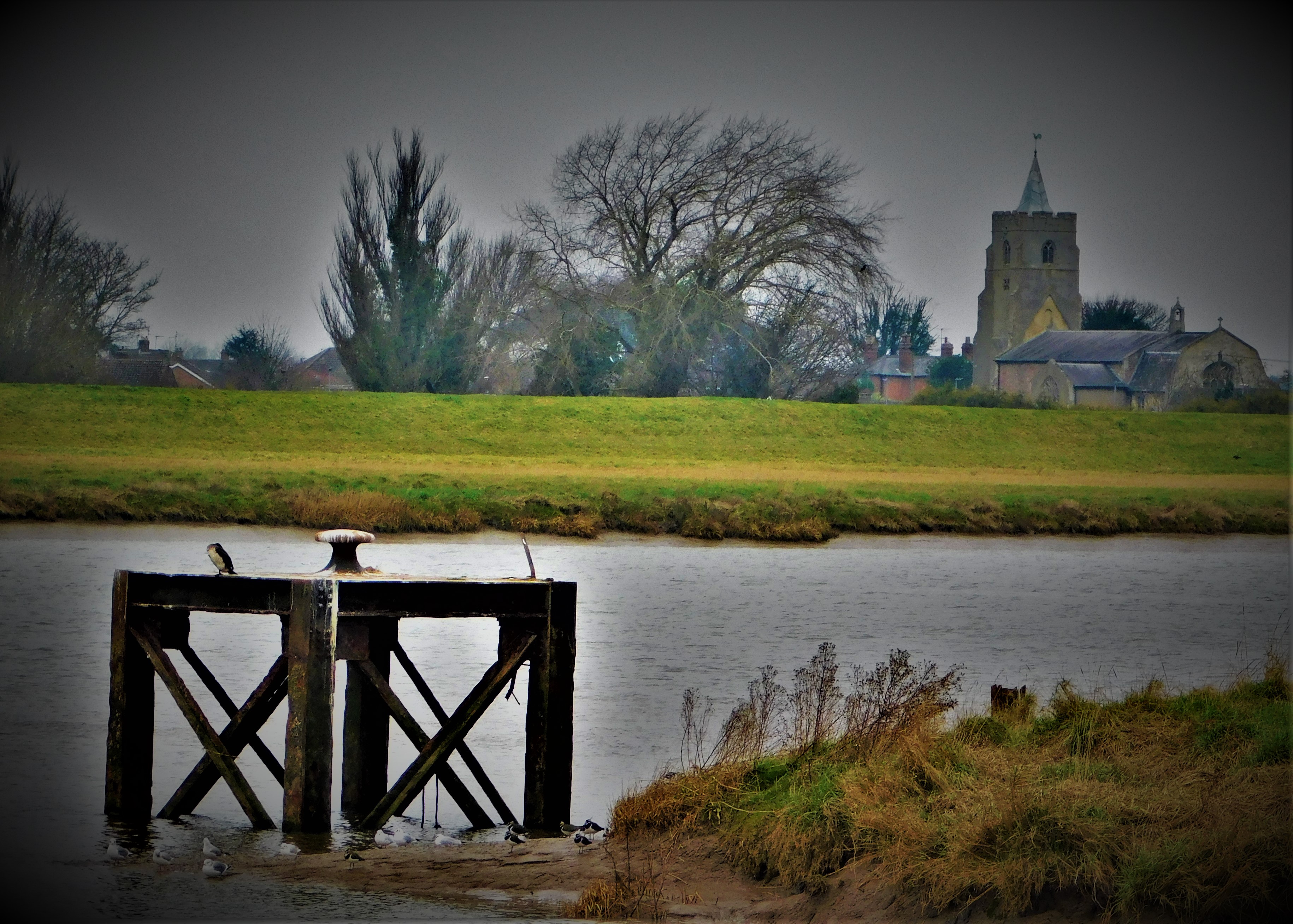
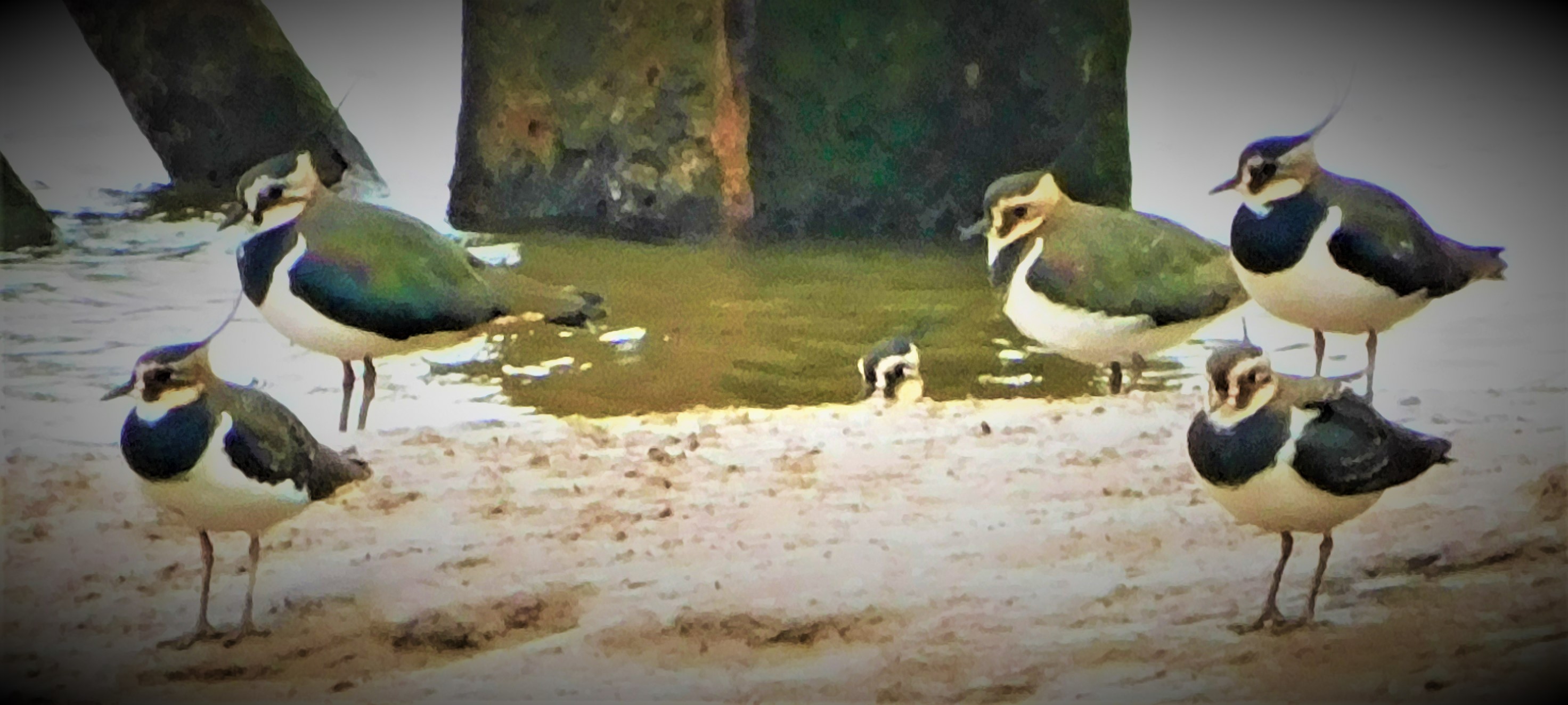
I have a huge gallery to share with you, including the first decent pictures I have managed to get of lapwings in 2023 – this morning at the point where the Nar flows into the Great Ouse.