Rachel Caine’s Great Library Novels

A review of Rachel Caine’s series of books featuring the Great Library.

INTRODUCTION

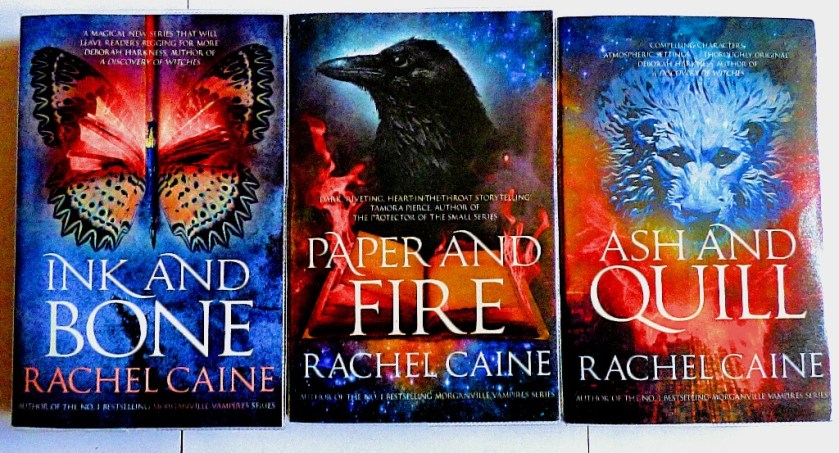
There are three novels under consideration in todays post, and they form a series. 
GLT

OVERVIEW

These books are an exercise in “Alternative History”. They are set in the 21st century in a world in which the Great Library of Alexandria did not get destroyed, but instead ended up as a global power, not merely a centre of learning. For some centuries a conflict has raged between the forces of the Library and rebels known as Burners. Also, since the Great Library have decreed that no books shall be privately owned there is a third group in the mix, the smugglers who for a price satsify the cravings of those who in defiance of the law still want to own books. 

BOOK 1: INK AND BONE
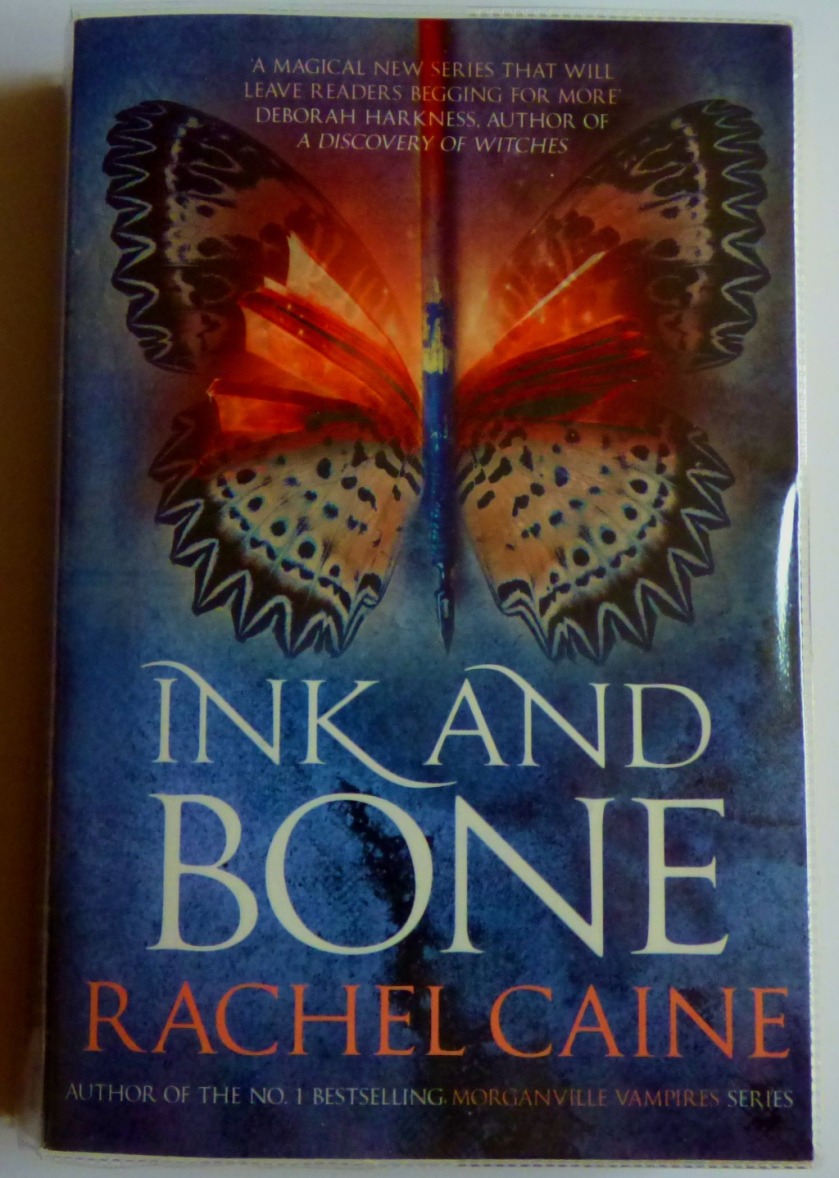
Ink and Bone

In the opening pages of this book we meet Jess Brightwell, then 10 years old, and already running contraband books as part of his father’s smuggling business. Jess performs a mission which leads him to an encounter with an ‘ink eater’ – a man who in this instance eats the pages of the only known copy of a book by Aristotle. The effect witnessing this has on Jess sets the scene for the subsequent story. We skip forward six years and Jess’s father has entered him (at vast expense) for the Great Library entrance exam, considering that it would be useful to have someone on the inside. Jess manages to pass and finds himself bound for Alexandria along with 30 or so other scholars. Among his fellows are Thomas Schreiber, a German with massive talents for engineering and inventing, Khalila Seif who has achieved the first ever perfect score in the entrance exam, Glain Wathen, a tough Welsh girl who has an eye on a place in the High Garda, the Library’s security force/ army and Dario Santiago, from a wealthy and influential Spanish family.

These and the other postulants find themselves being put through their paces by Scholar Christopher Wolfe, a very harsh judge. Twelve of the postulants have gone by the end of the first week, and their numbers continue to fall regularly. One new person arrives on the scene, Morgan Hault, who it turns out is an obscurist, and as such vital to future of the library. Her unwillingness to suffer the obscurist’s usual fate of being confined in the Iron Tower is one of the causes of conflict between these scholars and the Library. The other direct cause is Thomas Schreiber’s passion for inventing – he designs and creates a printing press which would enable the bulk production of books, not realising that various previous scholars have been harshly punished for the same invention, as the Library will tolerate nothing that might reduce its power. It further harms Thomas’ cause that Christopher Wolfe is one of those scholars who have previously been punished for this offence.

Before Thomas  Schreiber gets hauled over the coals there are major clues that all is not rosy in the garden. As a final exercise the postulants are sent to Oxford to retrieve some rare books gthat have come to light there, and the only way to get them there in time is to use a technique called ‘translation’, which is fraught with danger. One of them, Guillaume Danton, dies while being translated, which generates suspicion. Then, when they have barely escaped from Oxford with their lives and are being returned to Alexandria on the Archivist’s personal train they are ambushed by Burners who have somehow found out their whereabouts. 

This book ends with Morgan Hault confined in the Iron Tower, Thomas Schreiber in prison, with the others having been told that he is dead, and all the other main characters having been assigned various positions. 

BOOK 2: PAPER AND FIRE

Paper and Fire

This book follows on directly from the end of book one. It deals with the discovery that Thomas is not dead, merely in prison, and the subsequent quest to break him out and escape from the Library’s clutches. In the Iron Tower, above the levels occupied by the obscurists, the Black Archives are revealed to us for the first time. The Archivist (boss of the whole library) has ordered the Artifex Magnus to destroy them, but the rebel scholars get away with a quantity of the most important books and head for London, Jess Brightwell’s home town. They then find themselves betrayed and sent to the Burner city of Philadelphia. It is also in the course of this book that we see how the automata (I dropped a hint about these in this post)  that the Libfrary uses in addition to the High Garda can be switched off. Thomas, with the help of Morgan Hault the obscurist, manages to change one of the automata so that it works for them.

BOOK 3: ASH AND QUILL
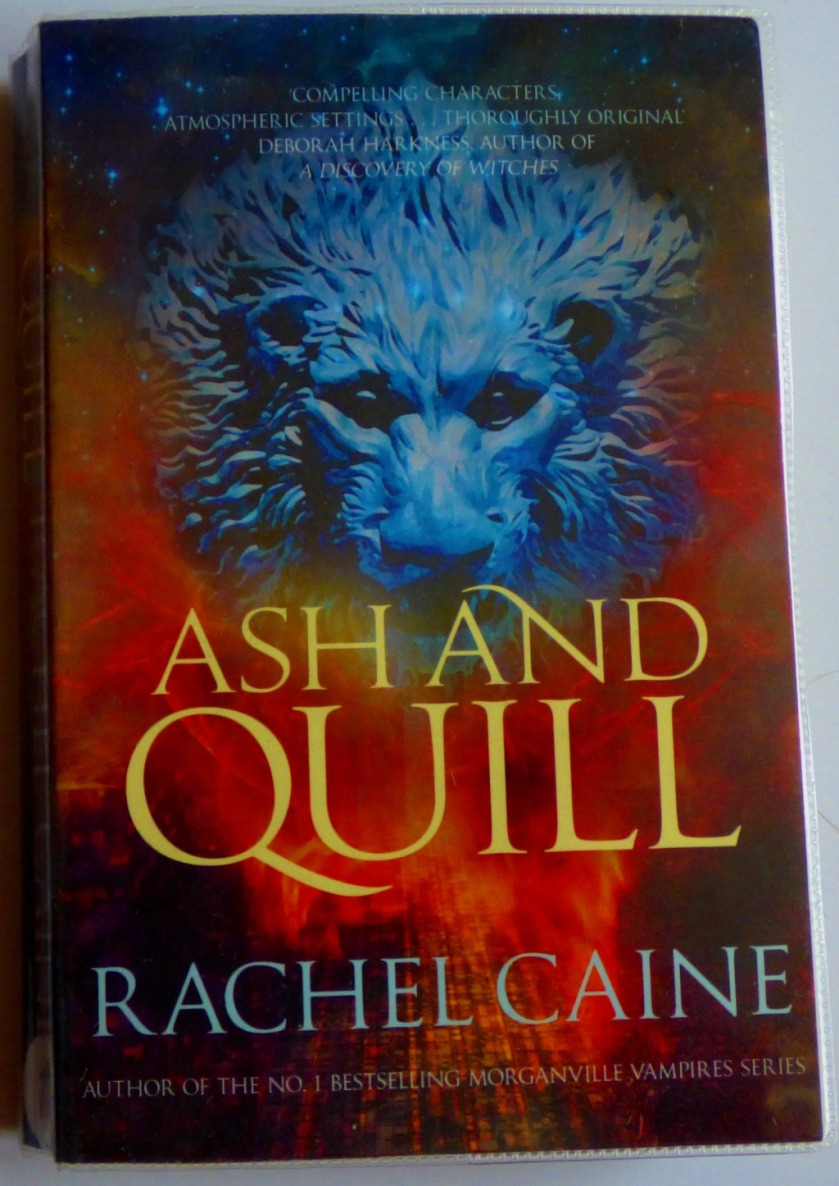
Ash and Quill

Thomas Schreiber creates a version of his press from materials available in Philadelphia, which works sufficiently well to impress the Burners but not to end his usefulness. He also makes a weapon that will ultimately be used to make a hole in Philadelphia’s walls so that he and his band can escape. 

Meanwhile, having previously kept the city under siege for a hundred years, the Library having discovered that their rebel scholars are there have ordered the complete destruction of the city.

While the city is being destroyed, Thomas Schreiber’s weapon creates enough of a hole in the walls for the scholars to escape, and one of Jess’ smuggler acquaintances gets them back to Britain. London is now off bounds, having finally fallen to the Welsh forces who have been attacking it for some time, but Jess’ father owns a castle in the north of England.

While hiding there Thomas builds a sophisticated press which is immediately put to work churning out bulk copies of previously concealed works, and he also creates a better version of the weapon he used in Philadelphia to make a gap in the walls. The book ends with Jess, disguised as his brother, about to visit the Archivist. It is fairly clear that whatever happens in that meeting only one of those two will emerge alive (at most).

THE EPHEMERA

Interleaved with the story proper are regular sections titled Ephemera, which give as insights in to the history and development of the Library. We learn through these, and through discoveries in the Black Archives, that the first Archivist with a view to making the Library a military as well as an intellectual power base (“using the sword as well the pen”) was Zoran who saw in a conflict between the Roman emperor Aurelian and the eastern queen Zenobia the opportunity to bring this about, that the first scholar to suggest a printing press was a Chinese man in the year 868, and the scholar Gutenberg was punished for the same “crime” some six centuries later. Thus we can trace the corruption of the Library, and the view that its power counted above all else back at least to 868AD, almost 1,200 years before the action in these books takes place, and possibly all the way back to the scheming Archivist Zoran half a millennium before that.

FINAL THOUGHTS

These books are excellent, the story being thoroughly gripping. Although a couple of minor errors slipped in to the history (“Scholar Plato”, which reference is made during the story is incorrect, since he lived and died before the Great Library was created, and Archimedes of Syracuse lived a century and more earlier than Heron of Alexandria, not vice versa) they are not sufficient to detract from the overall quality of the work, which is excellent. I really enjoyed reading these books and hope that there are more to come. You can find out more about Rachel Caine from her website and on twitter. Also, shrewd observers will have noted that my pictures are of Library books, so I finish this long post about a library system that went badly wrong somewhere along the line by thanking a library system that is still working nicely, Norfolk Libraries, through whose good offices I gained access to these books.

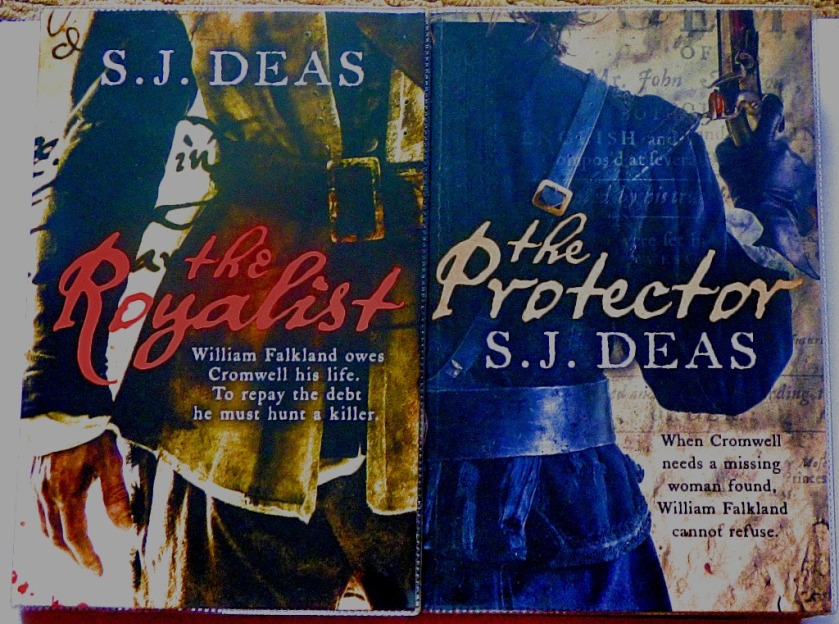
The English Civil War Novels of Stephen Deas

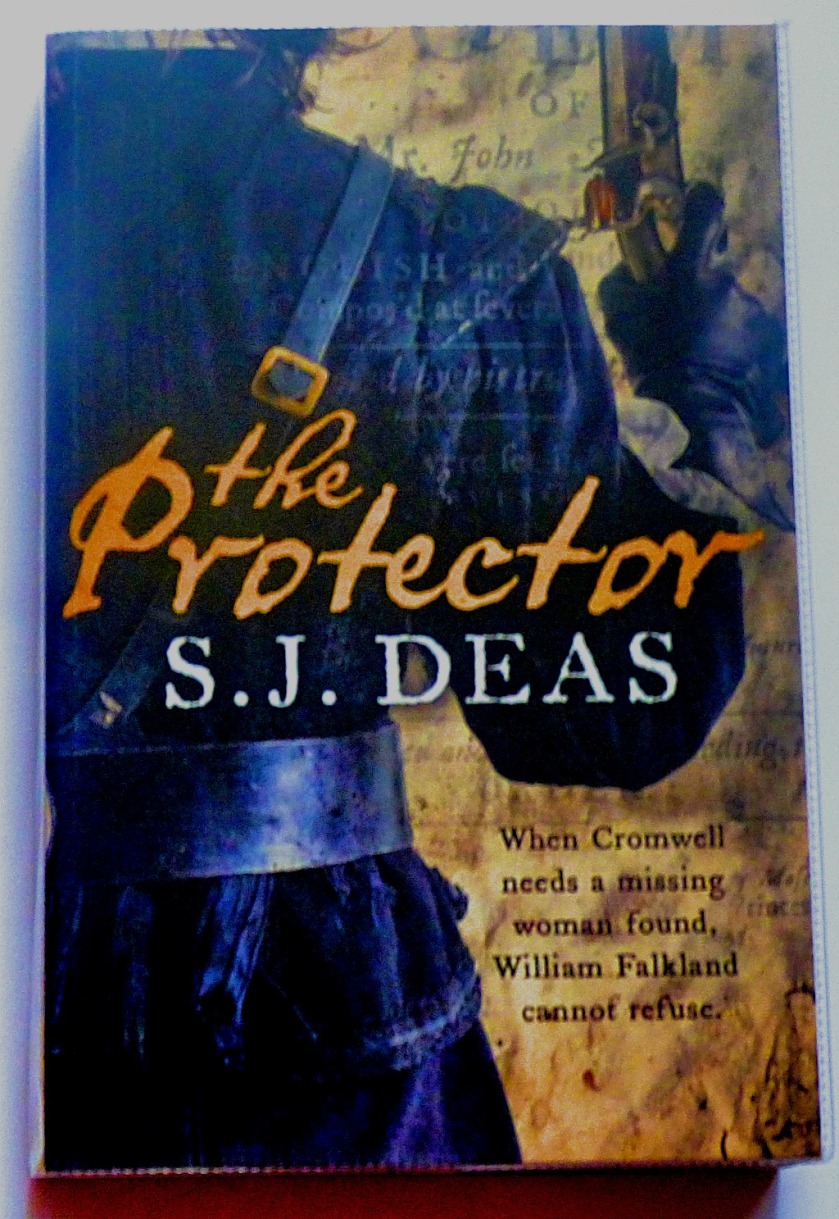
A joint review of The Royalist and The Protector, both by S J Deas. Please note that I never review or make direct comments about books that I have not actually read.

INTRODUCTION

This is a specialist post about a new literary find for me, courtesy as so often of Norfolk Libraries. There are two novels so far, and I certainly hope there will be more:

SJD

FINDING THE BOOKS

I actually came across these books in reverse order, finding and reading The Protector first and then having made a mental note of this author as one to follow up on borrowing The Royalist a few days later. There is a developing trend among authors of historical fiction set in the 16th and 17th centuries using their initials on the front cover rather than a full name (I believe C J Sansom was the first, while S J Parris and S G Maclean are other examples).

THE BACK STORY

These stories are set right at the heart of the English Civil War period, in the 1640s. It is already fairly clear even by the time of the first novel which way the war is going, the question being when the Parlimentarians will win (though the war in question still has over two years to run by the end of the second book, the final outcome is obvious, it is merely Charles I’s stubbornness and arrogance that will prolong the agony).

William Falkland, the character at the heart of both books, is a former Royalist solider who owes his life to Cromwell and therefore cannot refuse when that worthy seeks his assistance. He is also, when not performing dangerous errands at Cromwell’s demand, searching for his wife and family who have disappeared.

THE PROTECTOR

The poet John Milton, a man of great importance to the Parliamentarians, is angry because his sister has been abducted and he wants her returned and her abductors caught and punished. Falkland is tasked with bringing this about. The general view of the others involved in the case is that the abductors must be royalists (Milton, portrayed as bad-tempered and arrogant, is particularly determined on this point), but Falkland does not allow himself to be so blinkered, and his investigations ultimately bring home the crime, as part of a much greater crime that is being planned, to a group of extreme anti-royalists. 

Protector

THE ROYALIST

In this, the first book in the series, Falkland has the task of unravelling a series of deaths by (non-judicial) hanging in Thomas Fairfax’s New Model Army. There are powerful people who do not want him getting to the truth, and at times his life is in considerable danger, but eventually he is able to provide an explanation as to what has been going on, and at the end of the book he is free to resume his search for his wife and children.

Royalist

FINAL THOUGHTS

I very much enjoyed both of these books, and look forward to reading more about William Falkland’s adventures. If you see a book with the name of S J Deas on the cover pick it up – it will be worth reading.

Detective Fiction Meets Ornithology

A review of a new find – Steve Burrows’ Birder Murders, with some Norfolk bird pictures of my own for company.

INTRODUCTION

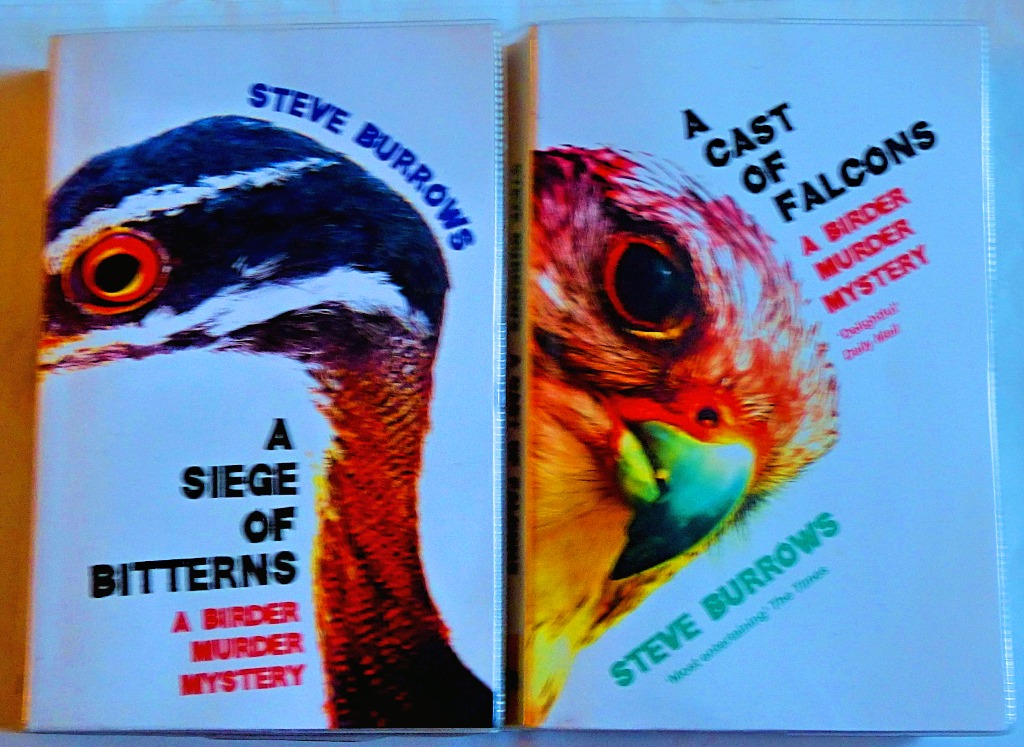
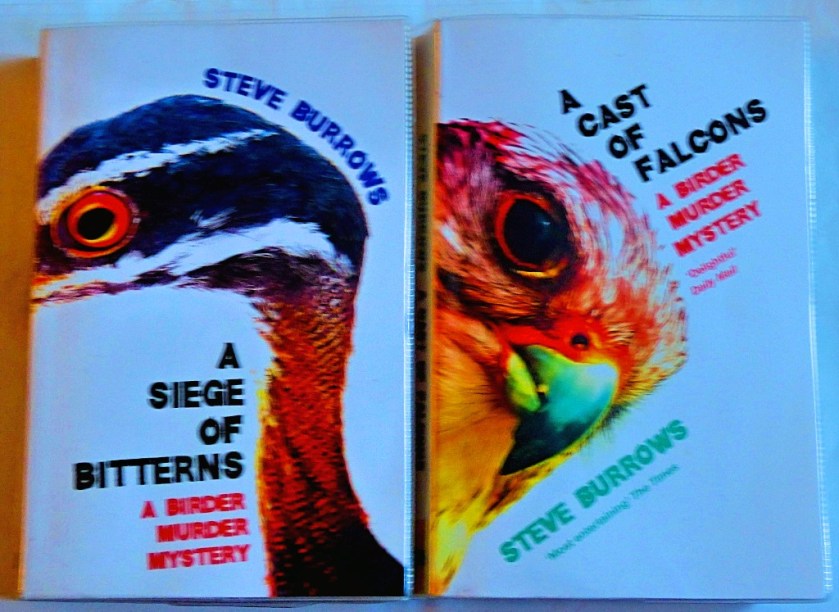
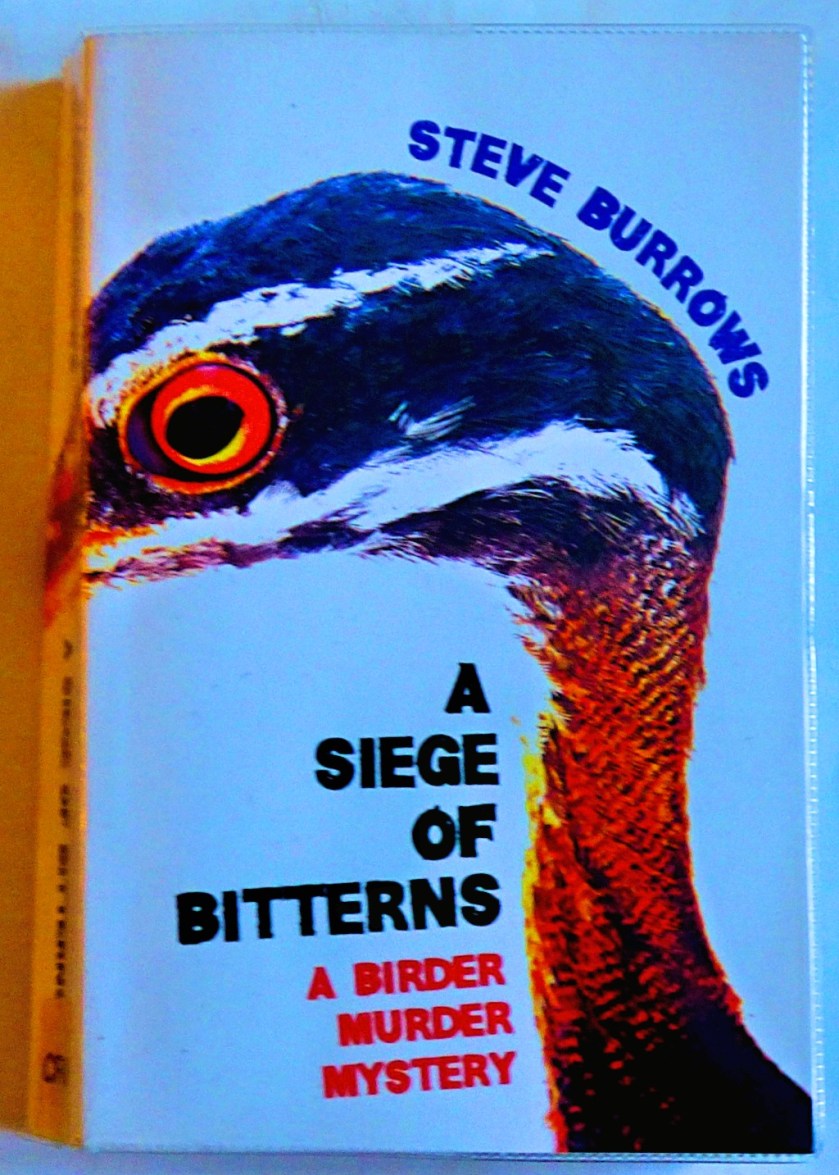
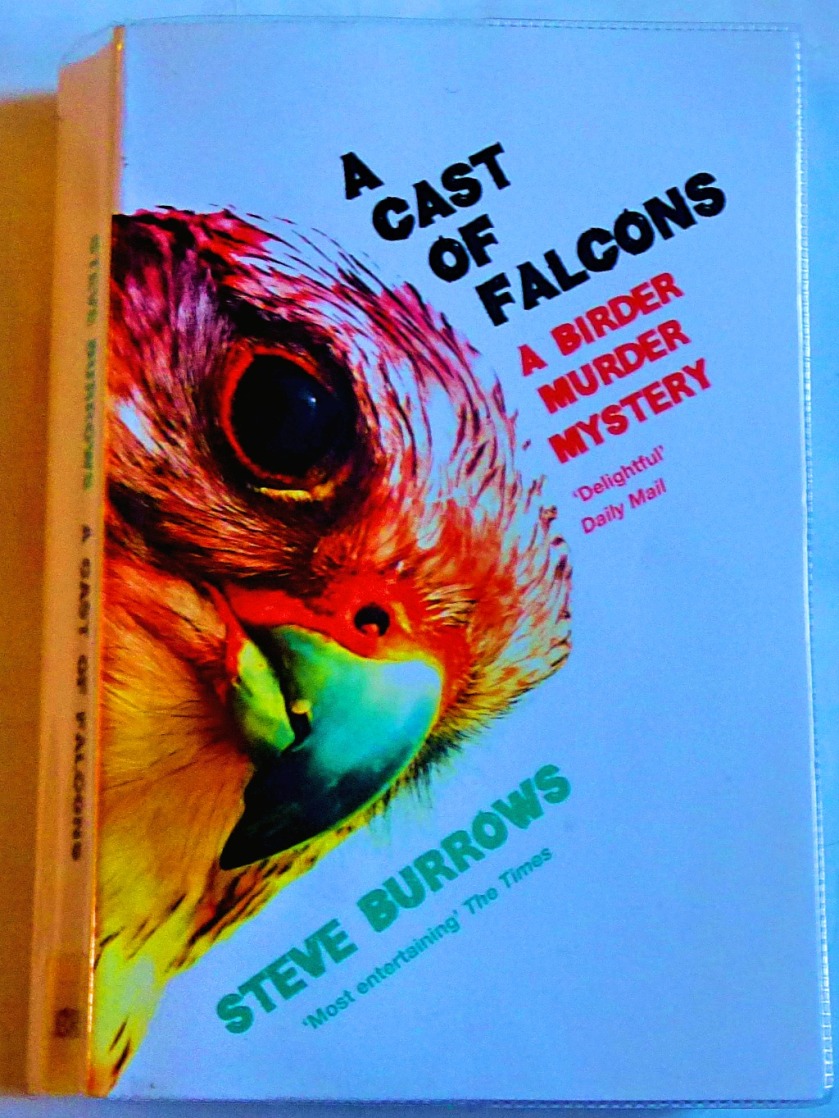
This post concerns two books by a writer I discovered in the last few days:

BMBs FCBMBs - BC

MAKING THE DISCOVERY

When I saw these in the library there was never any doubt about borrowing them – detective stories set in Norfolk and heavily concerned with birds looks a darned good mix. 

THE BOOKS

There is much of interest about birds and about North Norfolk in these books, and the strikingly different characters of each of the police officers makes for some good interplay between them. 

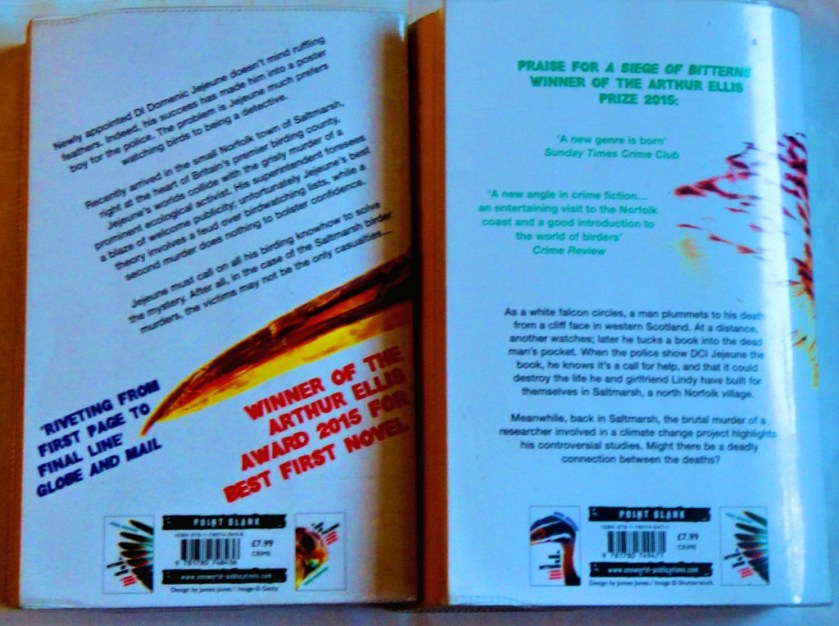
In the first of these two books, “A Siege of Bitterns”, the first victim is actually a birdwatcher. The second victim is a suspect in the first case until he is found dead. It eventjually turns out that the first case was not murder but suicide, and that the murderer in the second case was the MP.

In “A Cast of Falcons”, the hero’s boss, DCS Shepherd, is shown up in a very poor light when she initially refuses even to entertain the notion that the exceedingly rich Sheik who has bought an old dairy farm for his pet project (research on method of carbon capture) could be guilty. She shows herself to be more concerned with not annoying someone who is rich and powerful than with justice, which given her job is entirely unacceptable.

There is a third book in this series that I know of, called “A Pitying of Doves”, and it is sufficient comment on just how good these two books are that I have reserved a copy (costs 60p) and am awaiting it’s arrival at King’s Lynn library.

Siege of BitternsCast of Falcons

If you get the opportunity to pick up a book with the name Steve Burrows on the cover please take it!

SOME NORFOLK BIRDS

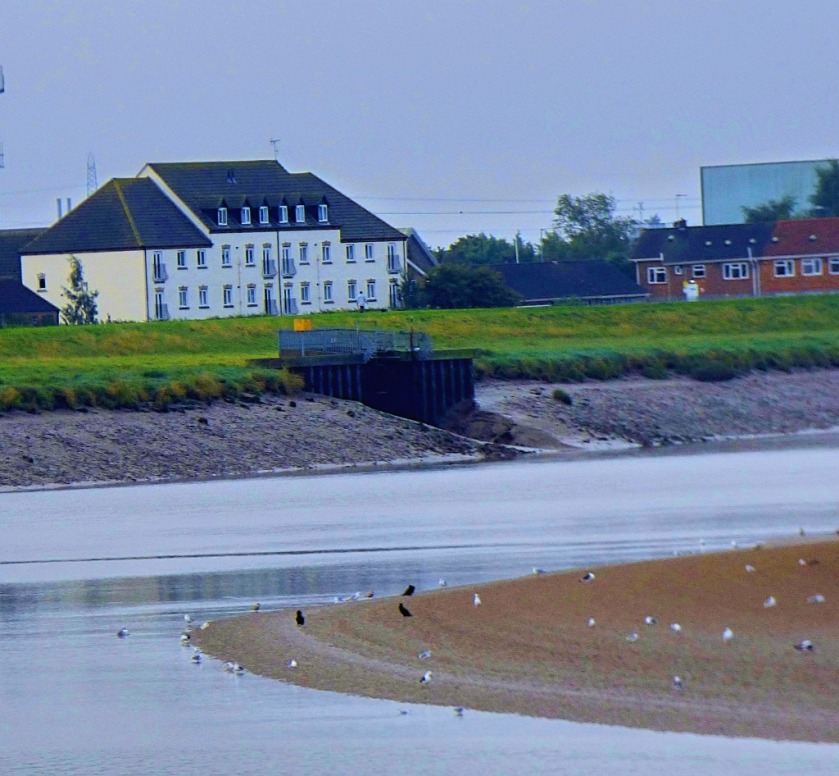
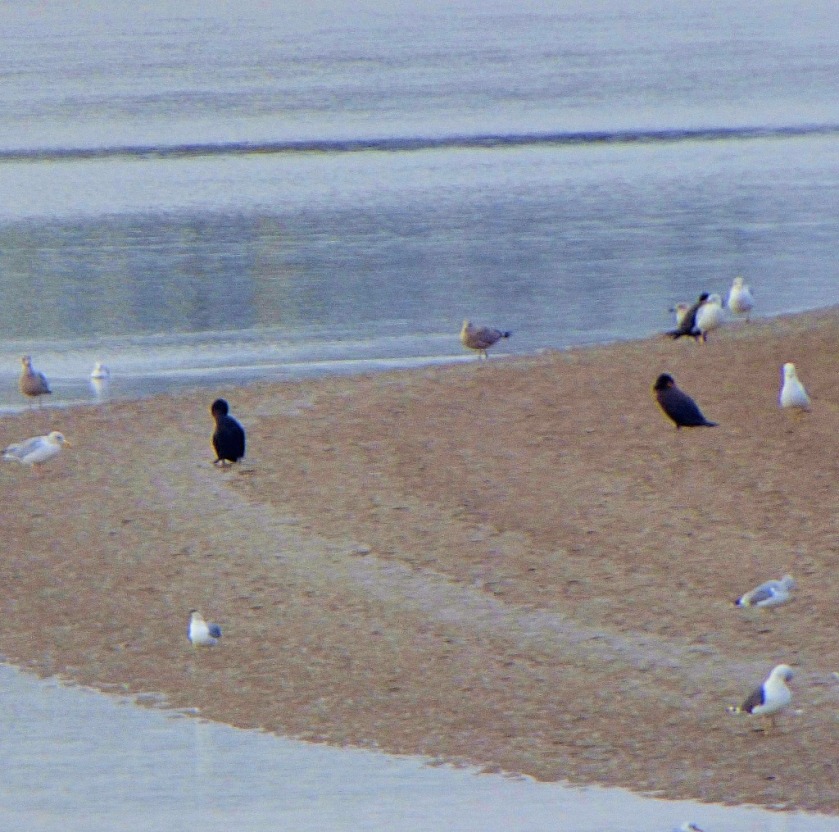
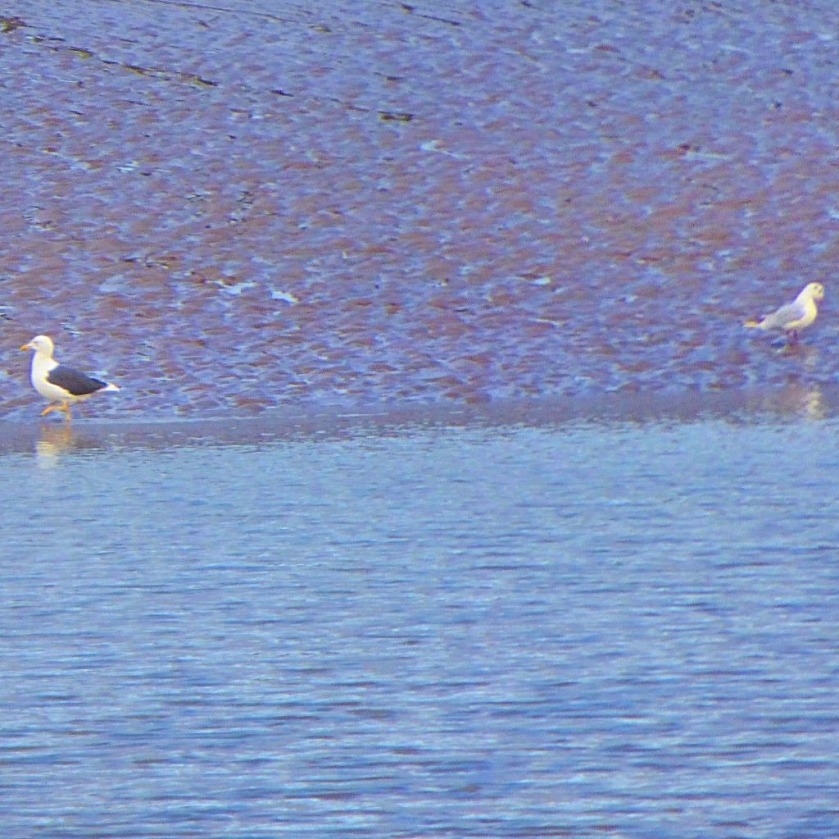
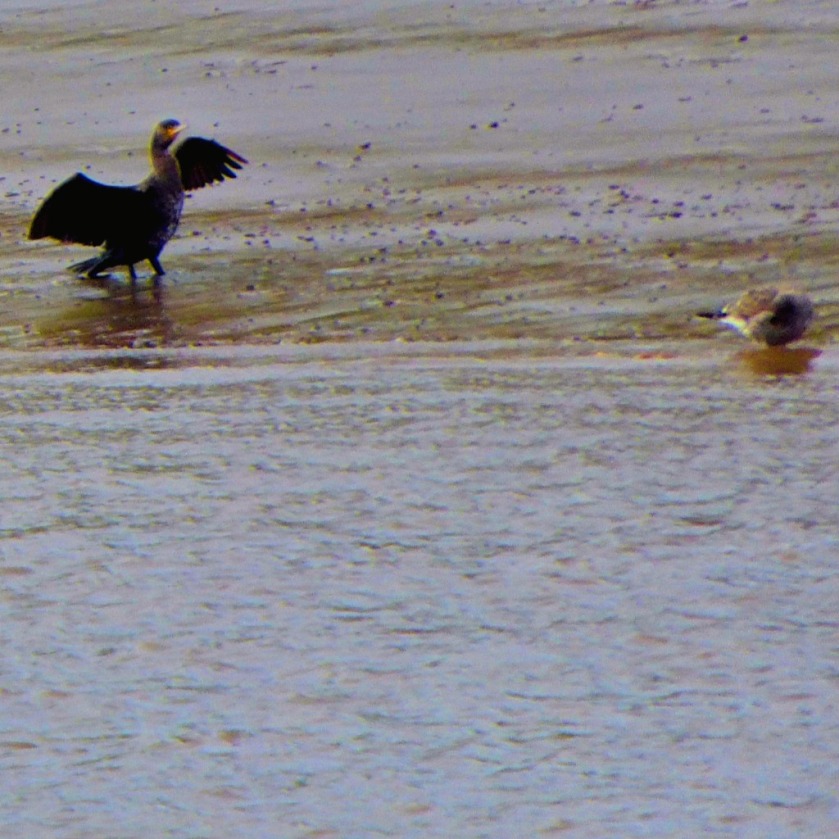
To finish this post here are some new pictures of Norfolk birds…

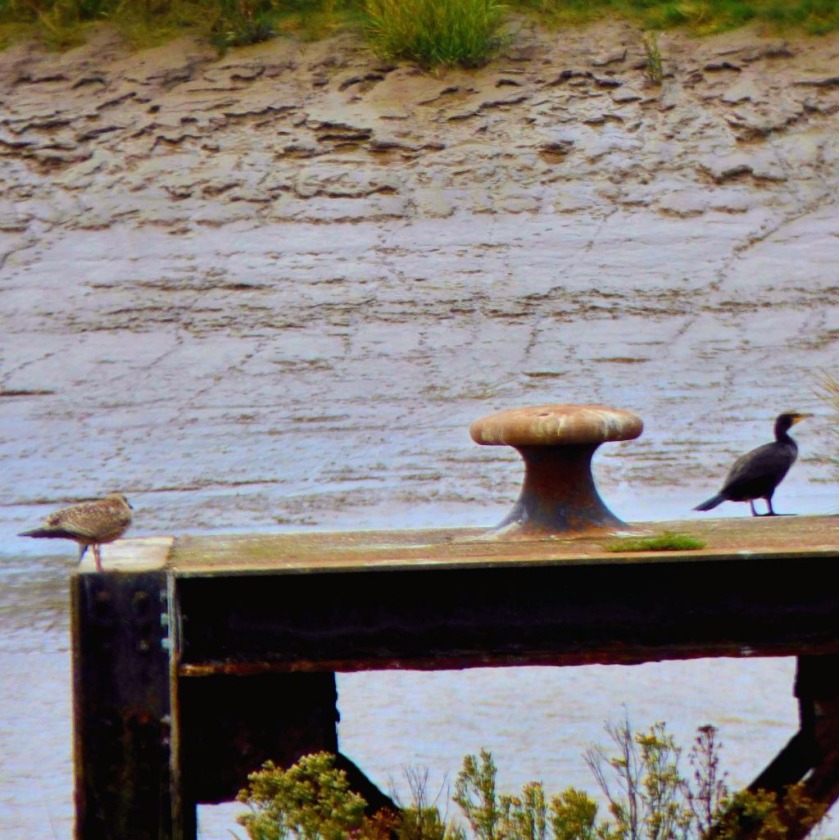
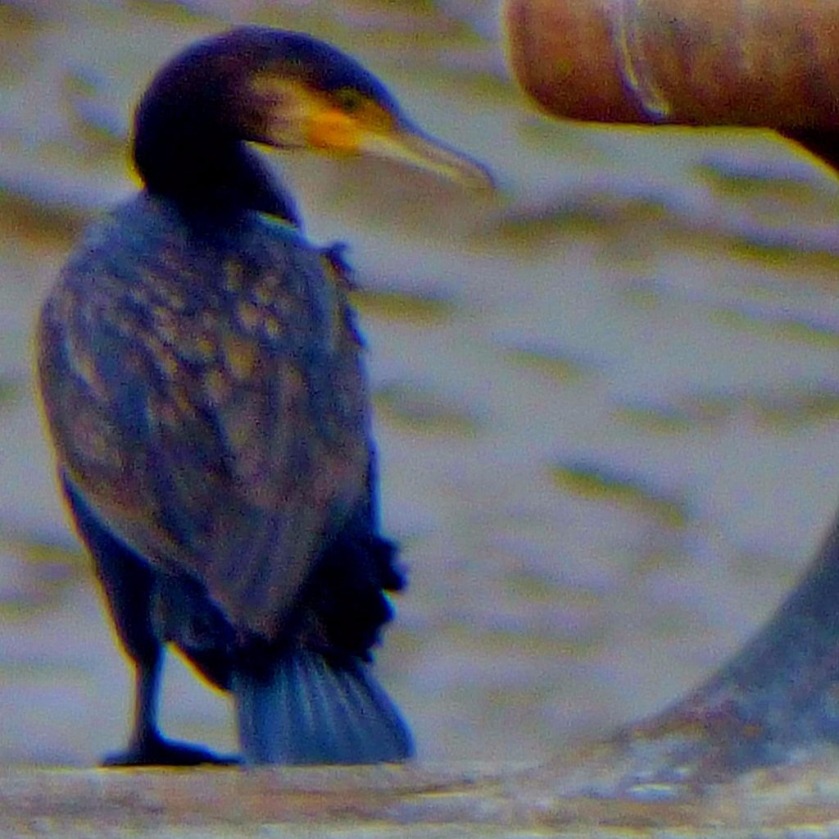
Bird MootBirdsCormorand and gullCormorant and gullsCormorant close-upCormorantGGGullsMagpieMoorhenPoserWingspan

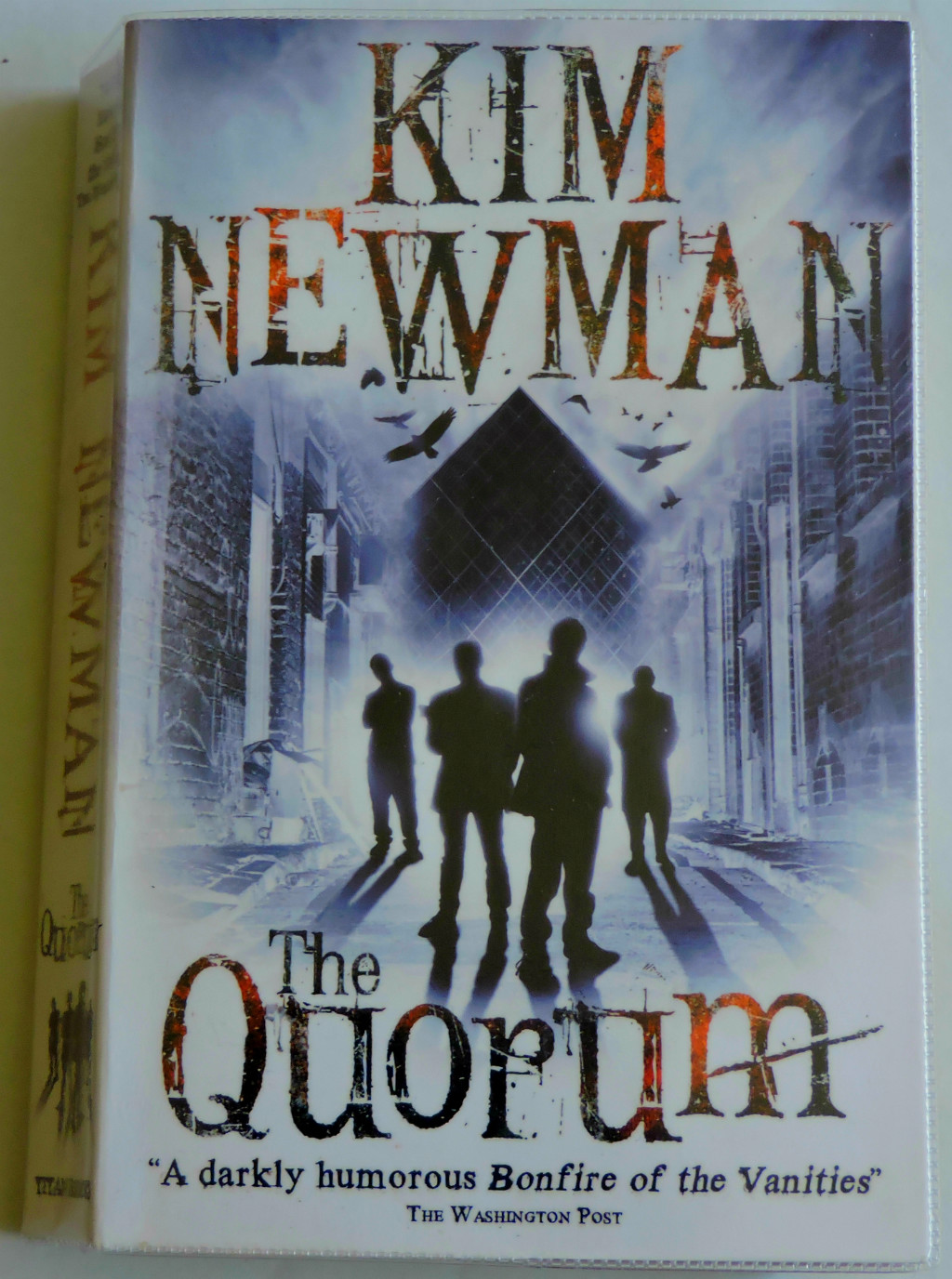
The Quorum: Book Review

A review of Kim Newman’s “The Quorum”.

INTRODUCTION

For this post I am reviewing a book I read recently. When I review books I do so because I consider it worth doing – I gain no pecuniary benefit at all. 

HOW I DISCOVERED KIM NEWMAN

I first came across Kim Newman a couple of years back when I saw a copy of Moriarty: Hound of the D’Urbervilles in Norwich Millennium Library. I enjoyed that book, and the kept the author’s name in mind for future reference. 

HOW I DISCOVERED THE QUORUM

I was in King’s Lynn library on Monday, as I often am when not at work when I saw the book. I checked out the back cover to see if I could glean more about the story, and decided it was worth borrowing. On Wednesday, with the beginnings of this post already in mind I returned it having read and enjoyed it…

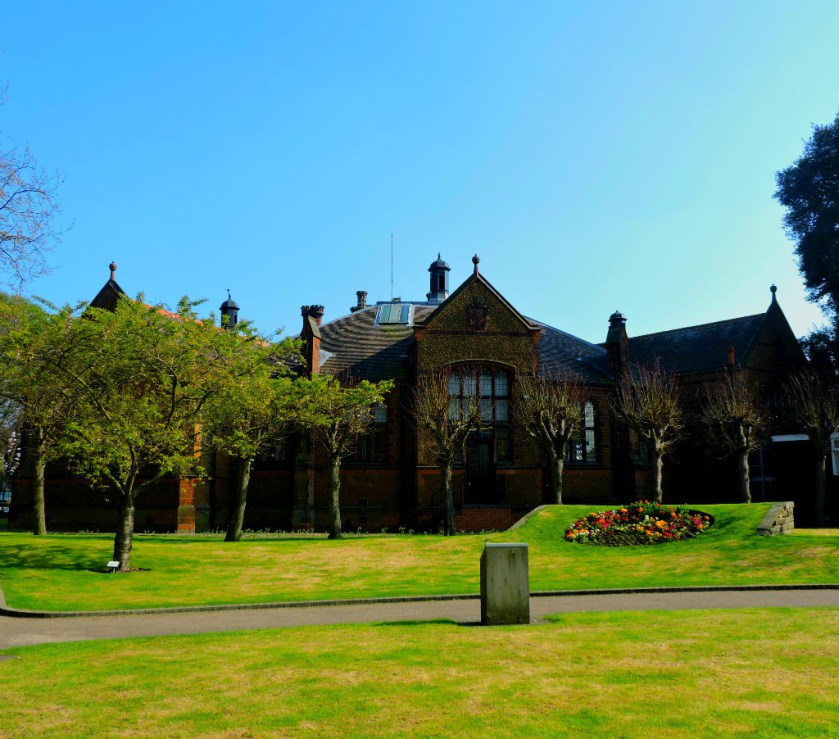
Librarium
King’s Lynn library, donated to the town by Andrew Carnegie

 THE STORY

The prime mover of the story goes by the name of Derek Leech, and the story starts with him emerging from the muck and slime of the Thames (even today, half a century after Leech’s supposed emergence and after considerable efforts to clean it up the Thames remains fairly slimy and mucky). The other principal characters are four schoolfellows who end up in a situation whereby three of them become very rich and successful courtesy of Leech, but they have to stuff up the life of the other as part of a Faustian deal.

Along the way we are told much about the various ways in which the three who have been granted success. One is a TV presenter and best selling author. In his capacity as an author he names characters after London Underground stations, so we encounter Colin Dale (look near the northern end of the Edgware branch of the Northern line), Ken Sington (South Kensington District, Circle & Piccadilly, High Street Kensington – District & Circle, Kensington Olympia – – District), Mai Da Vale (Maida Vale, Bakerloo line) and Barbi Can (Barbican – Circle, Hammersmith & City, Metropolitan) are all mentioned in the book as names used by Michael Dixon for his characters. Of these names only the first really passes muster. The s in Kensington is pronounced as a z not an s – Ken Ington, losing an N from the name of that Northern line hub station would have been better. Mai Da Vale is a mishmash of a name – a clearly oriental first name and surname with an Italian prefix, in addition to which were Vale a recognised Italian name (I do not believe it is) it would certainly pronounced as Var-lay in that language. Barbi is not usually spelled without the e, and I have yet to come across anyone surnamed Can. However, I credit Newman with selecting these names as a way of indicating just how undeserved Michael Dixon’s best seller status is.

The kicker moment comes late in the plot, after Neil, the ‘loser’ in the bargain finally concedes defeat. It turns out that he as the person whose pain has been feeding Leech’s “device” is far more important than the other three, who having driven him to utter the dread phrase “I give up”, have now ceased to be useful to Leech. 

I enjoyed reading this book and recommend that you read it too. 

KN.jpg

END NOTE: THE LINKS
FROM THE CHARACTER NAMES

All the links in my information about Michel Dixon’s dodgy character names are to posts on my London transport themed website, www.londontu.be. South Kensington has two links because there are two posts about that station, written at different times. 


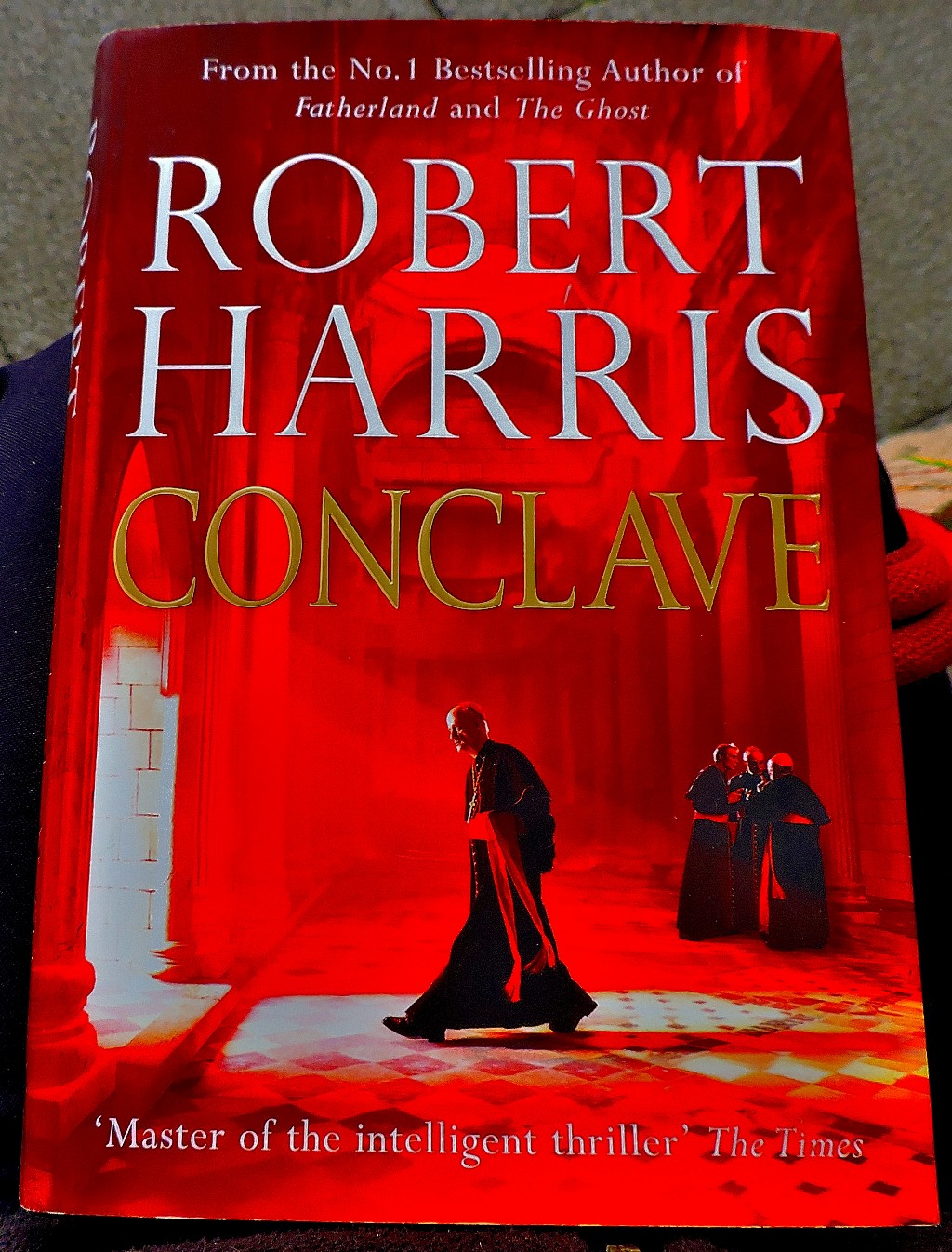
Conclave – Book Review

A review of Conclave by Robert Harris.

INTRODUCTION

I received a copy of Robert Harris’ latest work, Conclave, as a Christmas present from my sister. I included mention of Robert Harris in the post I created to mark my fifth anniversary as a blogger, the title of which was borrowed from the second volume of his trilogy about Marcus Tullius Cicero.  I also mentioned the possibility of reviewing Imperatorm the third volume in the Cicero trilogy,  in a couple of other posts but did not actually do so (it is a splendid finale to the trilogy btw). 

A BOOK ABOUT CHOOSING A NEW POPE?

The whole of Conclave is devoted to telling the story of the election of a new pope. The scene is set with the announcement of the death of the old pope. To be elected a two-thirds majority, and it often takes several votes for a front runner to emerge. This being a novel, there are of course some extra twists. Four people in total are front runners at various stages of the process but do not win. Two of these people have their chances spoilt when details of past transgressions are revealed to the assembled cardinals, a third makes a speech which effectively rules him out and the fourth is hoping someone else gets elected. At the end a newly appointed cardinal who had gained one vote in the first ballot is elected at the eighth ballot (while I do not know of anyone in real life winning after getting only one vote in the first ballot, Cardinal Wojtila got very few votes in the first ballot of the second Conclave of 1978). 

The winner then has to accept the office and choose a papal name. In this case he goes for Innocent, a papal name that has been used 13 times before but not in the last three centuries. There is of course a vast range of possible papal names – very few of those previously used would be unacceptable, while a choice of a previously unused name could also work. There are two papal names I do not see being claimed any time soon however: Pius XIII because of the character of Pius XII, and Peter II because of the sheer hubris involved in choosing that name (although Steve Berry in The Third Secret has someone choose the name Peter II, and yes that person does then come to a sticky end).

Although all the action takes place within the confines of the world’s smallest independent country, the book never flags or lacks interest. An excellent novel and one I heartily recommend.

dscn8596
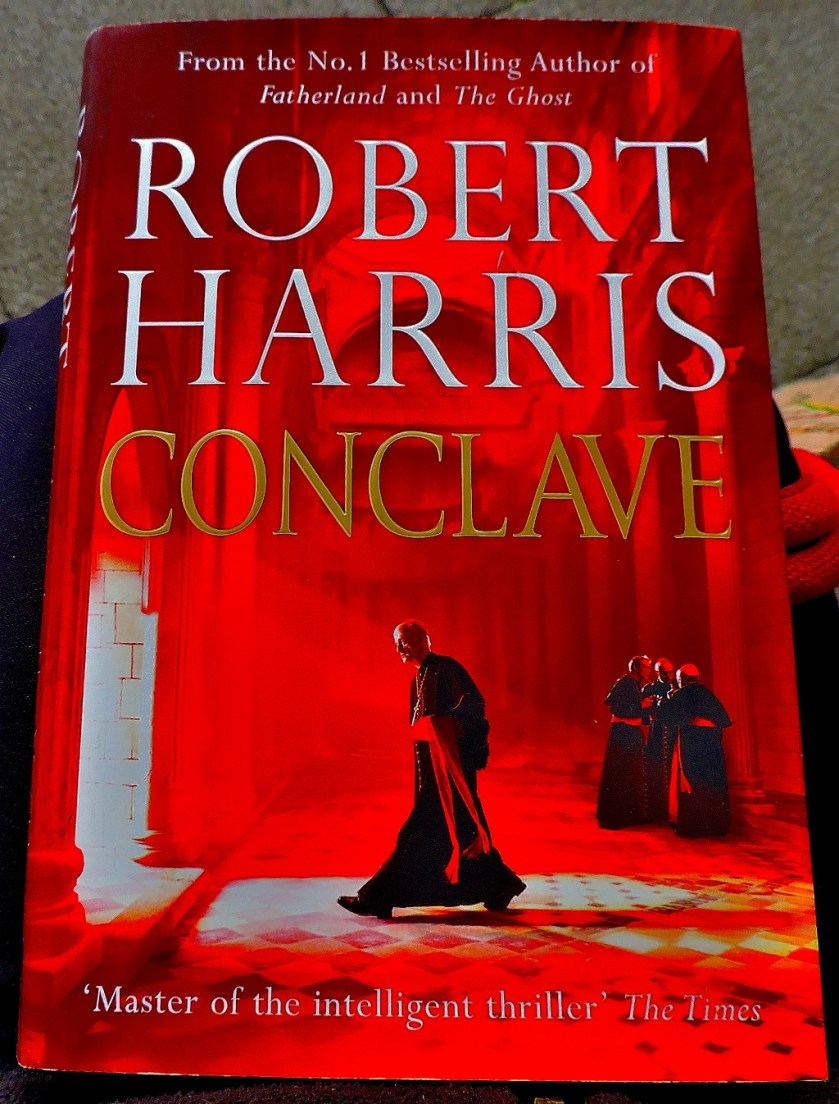
The front cover.
dscn8595
A map of the are within which the action takes place.


The Four Legendary Kingdoms – Book Review

A review of Matthew Reilly’s latest masterpiece.

INTRODUCTION

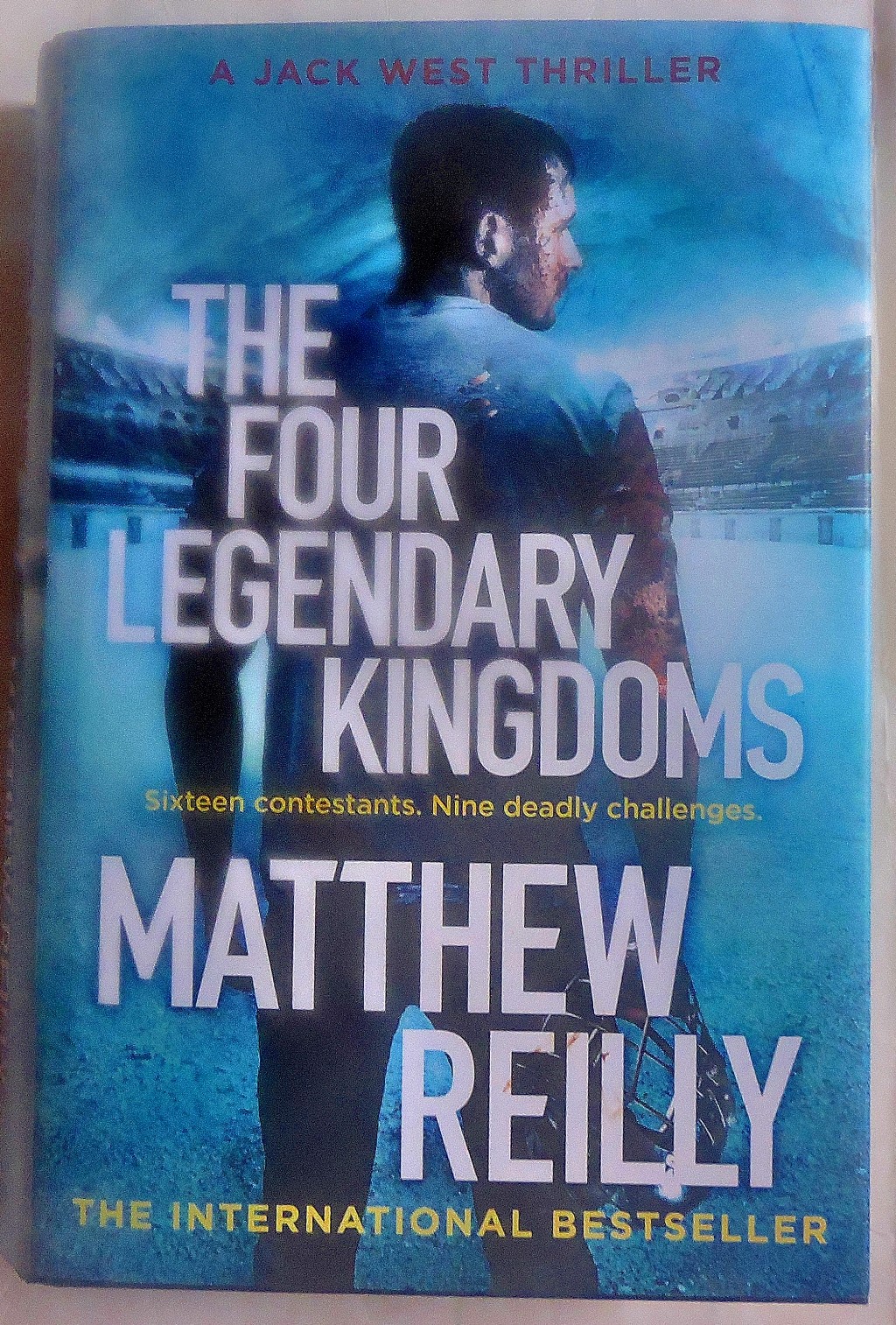
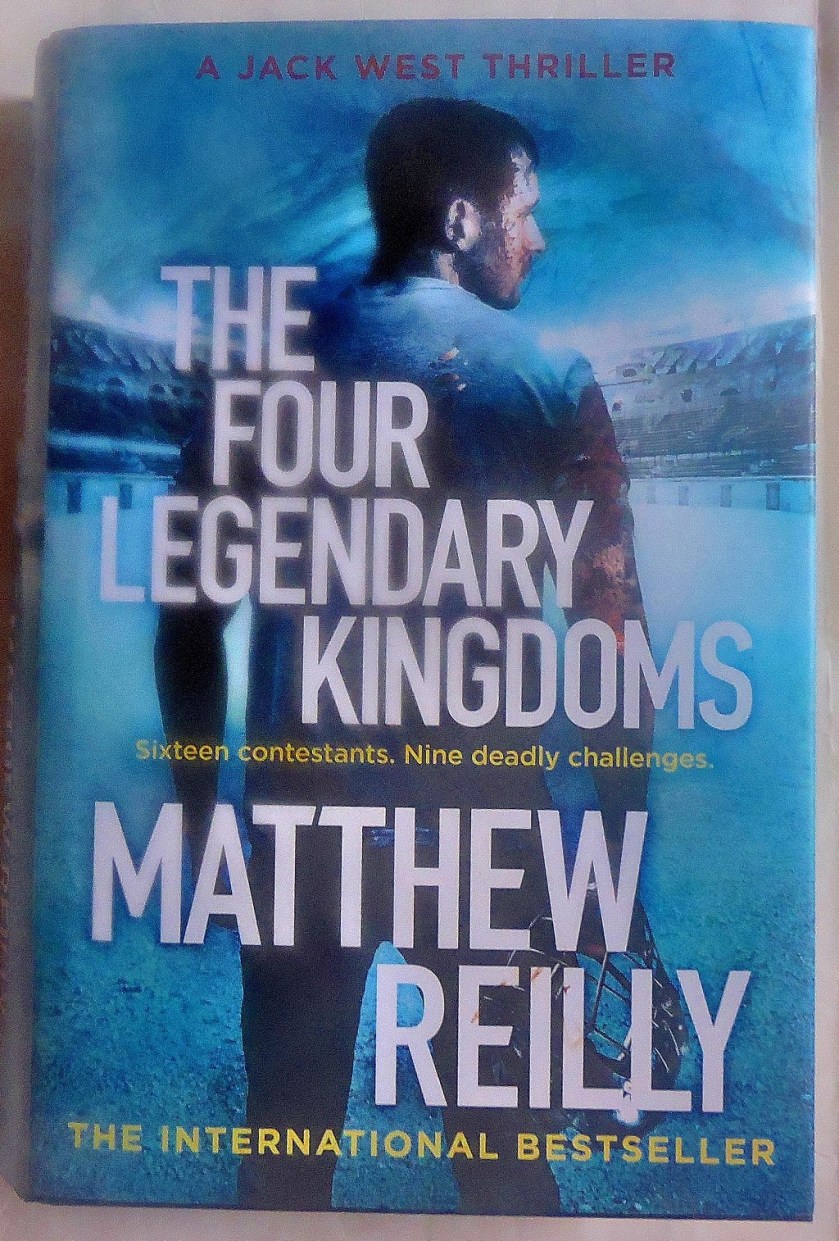
Welcome to my review of Matthew Reilly’s latest thriller. The book is a continuation of the Jack West series, which started with The Seven Ancient Wonders, The Six Sacred Stones and The Five Greatest Warriors.

dscn7181

A NEW TWIST

Previously in this series we have seen the re-erection of the capstone of the Great Pyramid of Khufu and the rebuilding of a great machine which saved the world from the Dark sun. In the first adventure West and his team faced two sets of foes, a catholic church led group and a US led group. Having been beaten in the first quest, the catholic church played no role in the second, but a new set of foes in the Japanese, determined to end the world, appeared.

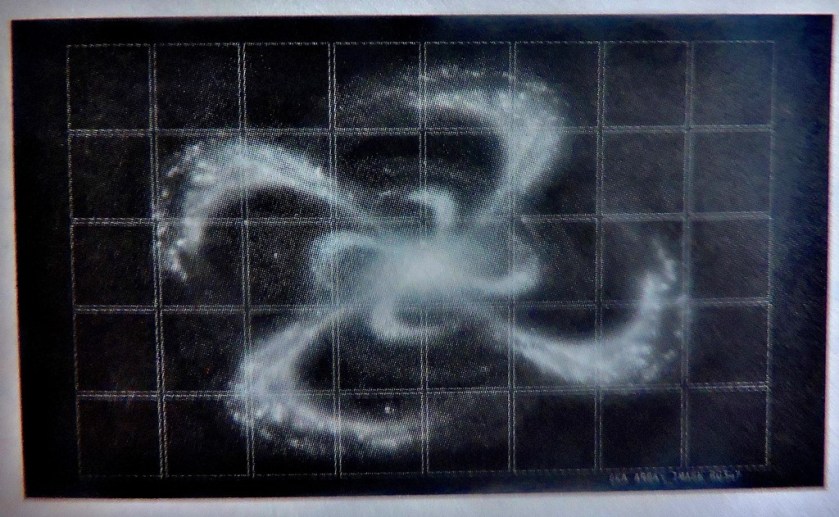
Now, eight years on the world faces another threat – a potential collision between the Hydra Galaxy and the Milky Way. The four kingdoms of the title are four shadow kingdoms who rule the world between them, Land, Sea, Sky and The Underworld.

The first stage of the process to save the world from the Hydra Galaxy is the staging of the Great Games of the Hydra, for the fourth time in history (the three previous champions being Osiris, Gilgamesh and Hercules). West is kidnapped so that he has to compete in these games on behalf of the Kingdom of Land.

This means that he faces a series of challenges (along with 15 other competitors) that passed into legend as the Labours of Hercules. It transpires that among the other challengers is Captain Shane Schofield of the US Marines, aka the Scarecrow, whose participation is also not voluntary.

Eventually West and the Scarecrow face each other in a fight to the death (West wins, but Schofield has taken the same drug that Caesar Russell used to cheat death in Area 7…). West then has to take on the younger son of the king of The Underworld plus Mephisto, Fear and Chaos all fighting on behalf of their king’s son. He emerges victorious from this fight, and then faces the final challenge of delivering Cerberus to the king of The Underworld, which he accomplishes by dint of asking permission to so.

He then prevents his own king from receiving hidden wisdom that will make him all-powerful. To save the world and prevent it from being in the grip of a tyranny West mus now find the three hidden cities (there is the title of the next book in this series ready made) and extract their wisdom. I did not see any pointers to the the title starting with two, but I would be fairly confident in reckoning that the last book in the series will be titled The Omega Event.

Given that Scarecrow has put in an appearance in this book what of other Reilly leads? Well I could see roles for William Race and possibly C J Cameron somewhere along the line. Another possibility would be a now grown-up Kirstie Hensleigh (from Ice Station) playing a role somewhere along the line.

This is a fabulous book, which I heartily recommend to everyone.

Before showing some internal illustrations a final speculation: I reckon the Japanese still have a final intervention in them before this series is done. For more on Matthew Reilly’s books check out this post.

dscn7182dscn7186dscn7185

The Great Zoo of China – Book Review

A review of Matthew Reilly’s latest, “The Great Zoo of China”

INTRODUCTION

Matthew Reilly is one of my favourite contemporary novelists. He writes action adventure stories in which the pace of said action is never in any circumstances below greased lightening. His latest novel, The Great Zoo of China, has all the usual features and a few more besides.

THE GREAT ZOO OF CHINA

Dragon myths are a global phenomenon, and pretty well every where dragons are described the descriptions are very similar. All have four legs and a pair of wings. Although the book describes this as being hexapods it is not necessarily so, since the Malaysian Flying Lizard has four legs and a pair of wings, the latter being supported by an extended ribcage. Other reptiles which have evolved an extended rib cage for structural support purposes are turtles whose carapaces are supported by their ribcages.

The back story is that the reason for dragon myths being global is that dragons really exist, and each myth documents an appearance of a dragon who hatched out from the egg and came to the surface to see if the planet was warm enough for them to survive. Behind even this is the survival of the dragons, winged archosaurs who survived the great extinction at the end of the cretaceous because their nests were protected by being beneath nickel deposits. The Chinese located a nest beneath their second largest nickel deposit, and captured each dragon as they hatched. This gave them 88 dragons. A breeding program using female saltwater crocodiles as incubators for dragon eggs boosted this tally to 232.

The Chinese believed they were ready to unveil their great creation and arranged for a two select groups of important visitors to be shown the zoo. One of these groups was made up of Americans, including the hero the story, Cassandra Jane “CJ” Cameron, an expert on large reptiles. The other consisted of high-ranking politburo officials, who were being shown the hunting area of the zoo.

The dragons were being kept confined by means of electromagnetic shields, so it looked as though they were moving freely, while the humans were supposedly protected by ultrasonic shields that the dragons could not approach closely because of their sensitive hearing.

It turns out that some of the red-bellied black dragons (there are four groups of true dragons and one group of hybrid dragons produced from the crocodile experiment’s early days) have torn out their own ears so that the ultrasonic shields don’t bother them, and that the dragons have worked out how to bring down the inner of two electromagnetic domes, and have decided that this day, when there are two groups of guests is the day to attempt a break out.

Additionally for the human visitors, the Chinese are determined that no word of the disaster can be allowed to spread and that therefore no independent witnesses can be allowed to live.

PICTURES

To conclude this post here are some pictures to give you a better idea of the book:

DSCN7173 DSCN7175

The book is divided into seven sections called "evolutions" - something Reilly frequently does - in Ice Station they are "incursions", while in The Seven Ancient Wonders they are "Missions" etc.
The book is divided into seven sections called “evolutions” – something Reilly frequently does – in Ice Station they are “incursions”, while in The Seven Ancient Wonders they are “Missions” etc.

DSCN7177 DSCN7178 DSCN7179 DSCN7182 DSCN7183 DSCN7184 DSCN7185 DSCN7186 DSCN7241 DSCN7243 DSCN7244 First Evo

This is an excellent story, and although the notion of a species surviving in deep hibernation for 65 million years seems a trifle far fetched there is very little in the back story about the dragons that is actually flat out impossible – a further plus mark as far as I am concerned. If you get an opportunity to read this or indeed anything else with Mr Reilly’s name on the cover make sure you take it!

“Dinosaurs and the Expanding Earth”

A brief review of Stephen Hurrell’s “Dinosaurs and the Expanding Earth” accompanied by a few pictures.

INTRODUCTION

This is a book review, of a book that I have just read which has the title I have used as the title of the post. This is a standalone post with no links or unrelated pictures.

A SMALL BOOK THAT PACKS A GIANT PUNCH

The book that gave it’s title to this post is by Stephen Hurrell and it seeks to provide an explanation for the giant size of the dinosaurs.

The Front Cover
The Front Cover

Hurrell’s theory, argued very persuasively is that the Earth was smaller and hence gravity was less in the distant past. Many different sets of data fit with his argument – including the fact that in every era since the extinction of the dinosaurs the biggest land animals have been progressively smaller. The super-giant land mammals of 35-40 million years ago for example grew much larger than their counterparts today. A graphic illustration of the size difference between the largets dinosaurs and today’s largest land animals is this…

DSCN3939

The illustration of the difference between his theory of earth formation and the standard version (constant size earth) is shown in this graphic…

DSCN3940

I found the book thoroughly fascinating and absorbing and would heartily recommend it to anyone, and conclude this very brief post by passing on another recommendation of a book that I share Mr Hurrell,s opinion of, Robert Bakker’s “The Dinosaur Heresies”…

DSCN3941